Unknown's avatar

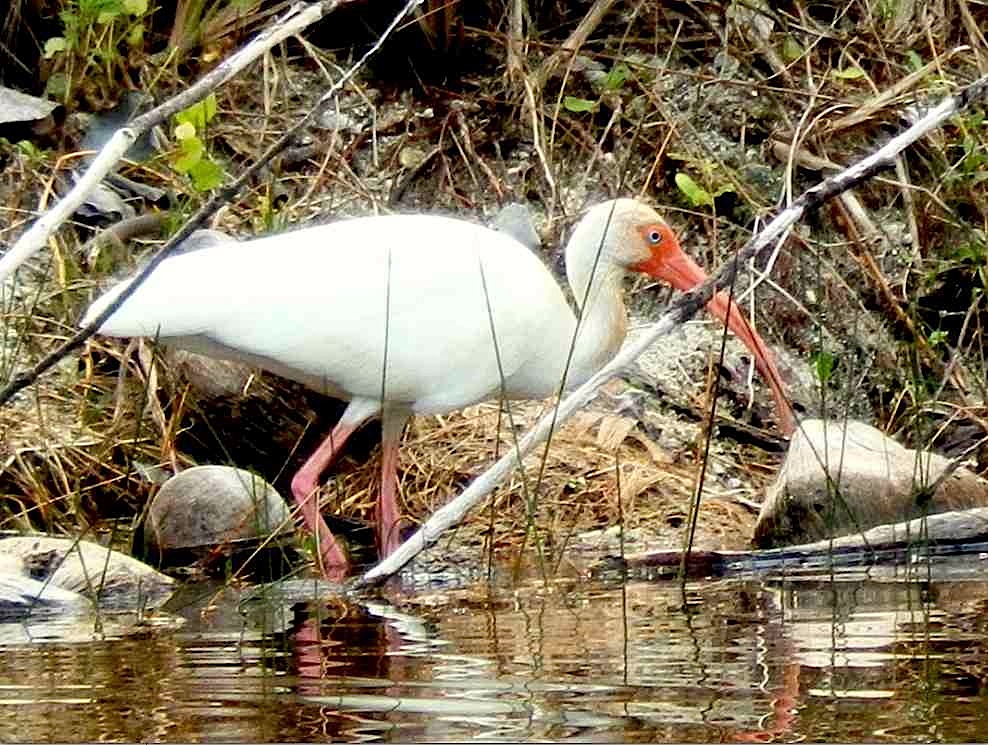
WHITE IBISES ON ABACO: UNCOMMONLY EXCITING SIGHTING


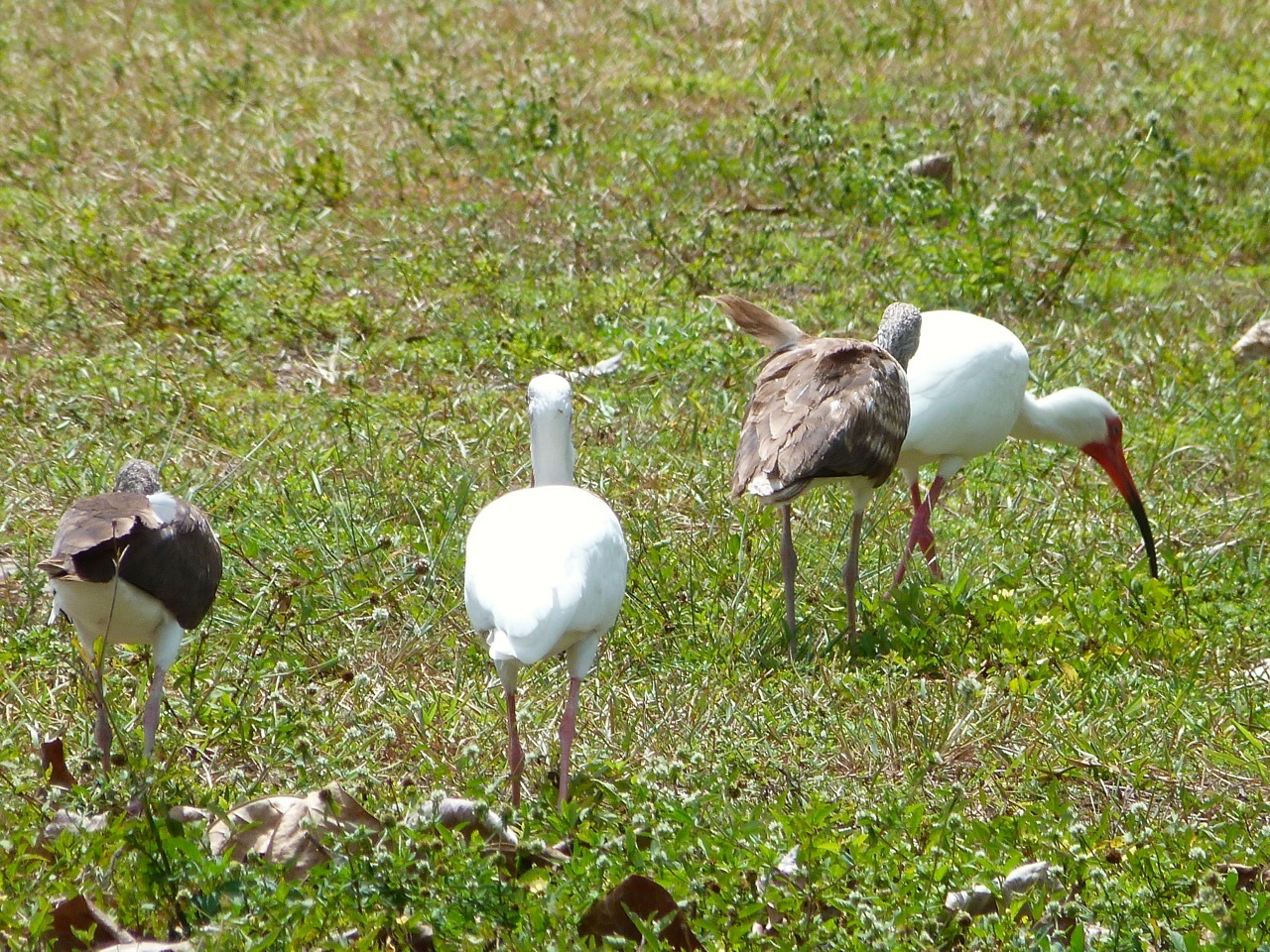
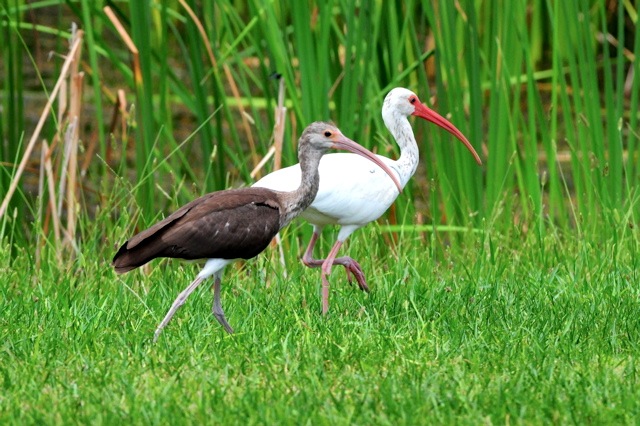
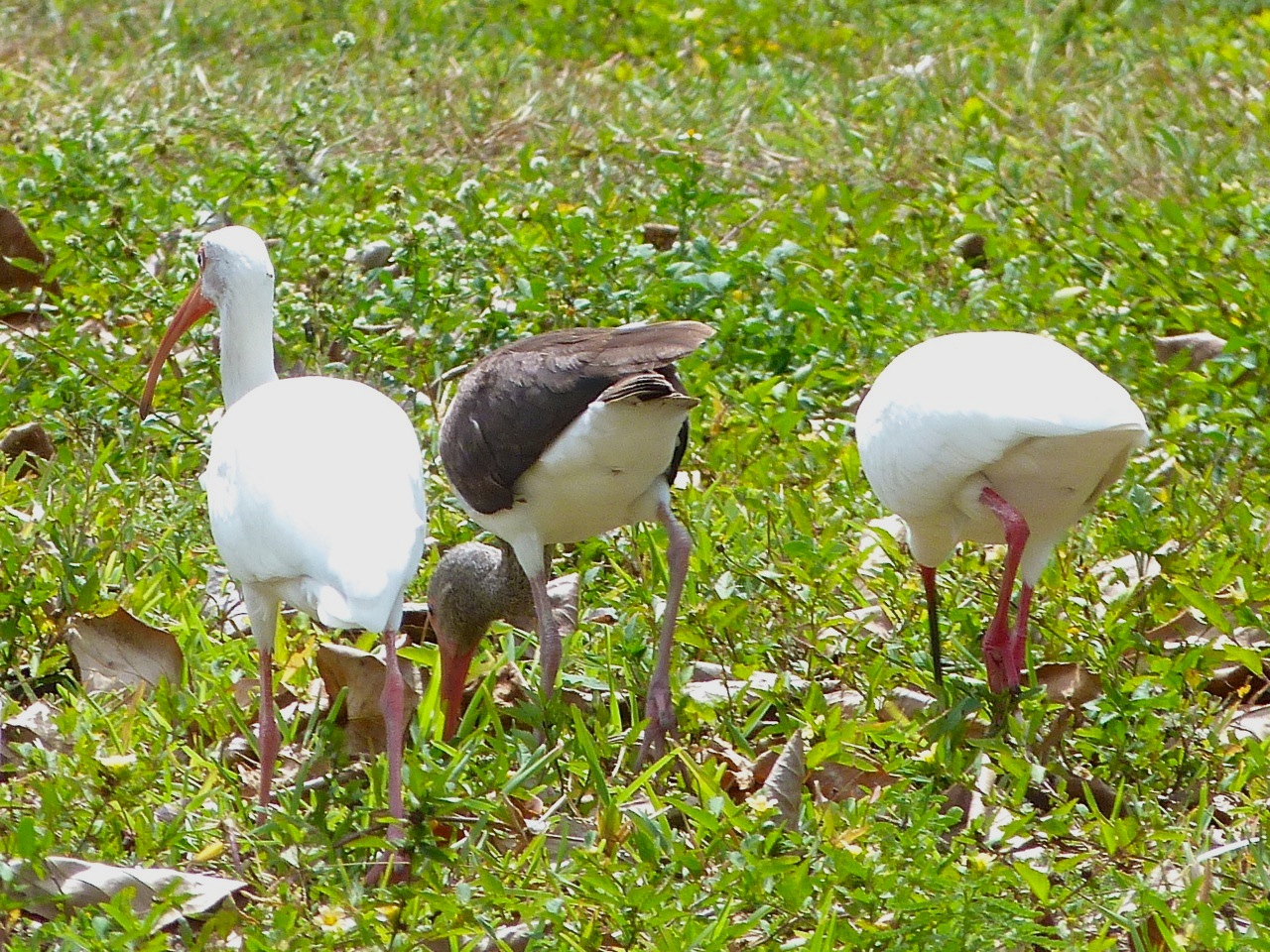
White Ibises (adult & juvenile), Sandy Point, Abaco (Keith Salvesen)

 WHITE IBISES ON ABACO: UNCOMMONLY EXCITING SIGHTING

“STOP THE CAR!” The shout was embarrassingly loud, amplified by being yelled inside a vehicle. Loud, because it seemed to emanate from very close indeed to my ear. Embarrassing, because it appeared to come out of my own mouth. Good grief! It was me. And I’d seen White Ibises. There they were, 2 adults and 2 juveniles, strolling and feeding their way across an open grassy area right in the middle of Sandy Point, as casual as you please.
P1200740White Ibises (adult & juvenile), Sandy Point, Abaco (Keith Salvesen)

So I leapt out of the car (it had conveniently and fortunately stopped by this stage), remembered to remove the lens cap for once, and took some photos. Unfortunately we had driven slightly past them which inevitably increased the risk of bird-butt shots (as the birds were moving away from me) to add to my already impressive ‘aves-ass’ collection

White Ibis, Sandy Point, Abaco (Keith Salvesen)

The reason for the excitement was that the White Ibis is classed on Abaco as a ‘WR4‘, that is to say a Winter Resident that is both uncommon to rare and irregularly reported. Some years, maybe none will be seen at all. When I was collecting the images – hundreds and hundreds of them – for THE BIRDS OF ABACO, I rejected any that had not actually been taken on Abaco. That was part of the point of the enterprise, to showcase Abaco’s birds, not “birds from other islands that you may also encounter on Abaco”. So although we had some wonderful White Ibis pics from Nassau, they were ineligible for the book…

We ended with just the one, taken by Kasia Reid at the Treasure Cay Golf course ponds. In the course of the 16 months it took to produce the book, we never obtained another Abaco White Ibis photo, which meant that Kasia’s image did not qualify for a spread and sadly had to be relegated to the supplement… (bird 159 on page 262!). Here it is.
White Ibis, Treasure Cay, Abaco (Kasia Reid)

Meanwhile, returning swiftly to Sandy Point, the 4 Ibises (Ibi?) were working their way slowly and systematically over the greenery, picking through it for morsels of food.

White Ibises (adult & juvenile), Sandy Point, Abaco (Keith Salvesen) White Ibis, Sandy Point, Abaco (Keith Salvesen) White Ibis, Sandy Point, Abaco (Keith Salvesen) White Ibises (adult & juvenile), Sandy Point, Abaco (Keith Salvesen) White Ibises (adult & juvenile), Sandy Point, Abaco (Keith Salvesen)

Then they were gone, and I got back into the car feeling that I had seen something special. I may have been the only occupant who felt that way, but such is life. For all I know, the birds may have been there for weeks. Or forever. But I have never seen them there before, nor seen reports of them. The sighting further confirms the excellence of Sandy Point as a birding location on land, shoreline and out to sea.

And then it was off to the legendary Nancy’s for lunch (fresh snapper, Kalik). Here are some of the Ibi (that sounds a much better plural) that had to be ruled out of the book for being non-Abaconian.

THE SALON DES REFUSÉS OF THE NASSAU EUDOCIMUS ALBUS

White Ibis, Bahamas (Tony Hepburn) White Ibis, Bahamas (Tony Hepburn) White Ibis (adult & juvenile), Bahamas (Tony Hepburn) White Ibises, Bahamas (Woody Bracey)

Credits: RH, Kasia Reid, Tony Hepburn, Woody Bracey

Unknown's avatar

PEARLY-EYED THRASHER – ANOTHER NEW BIRD FOUND ON ABACO


Margarops_fuscatus_Mike's Birds Wiki

 PEARLY-EYED THRASHER – ANOTHER NEW BIRD FOUND ON ABACO

Exactly a year ago, the ultimate, complete and utter Checklist of the birds of Abaco, compiled by Tony White with Woody Bracey, was published. It covers 4 pages of close print in THE BIRDS OF ABACO, and lists the 282 species recorded since 1950, including so-called ‘exotics’ but excluding so-called ‘pets’ (sadly your minah bird would not qualify). New sightings had been static since a BLACK-BROWED ALBATROSS had made an unheralded appearance out at sea. In the last year, 5 new species have been recorded. The links to them are listed below. That Checklist already needs an update!

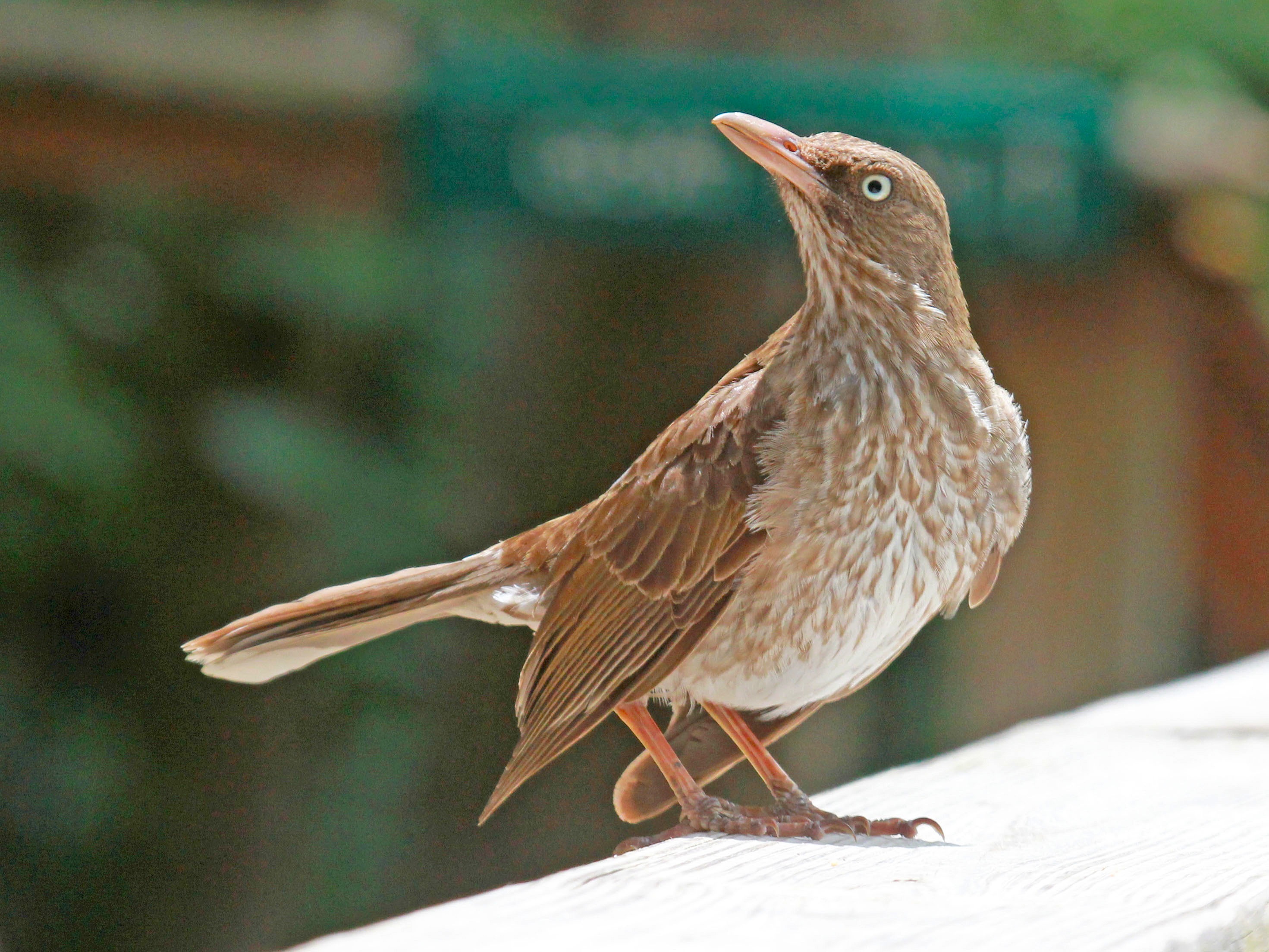
Pearly-eyed_ThrasherDick Daniels (Wiki)

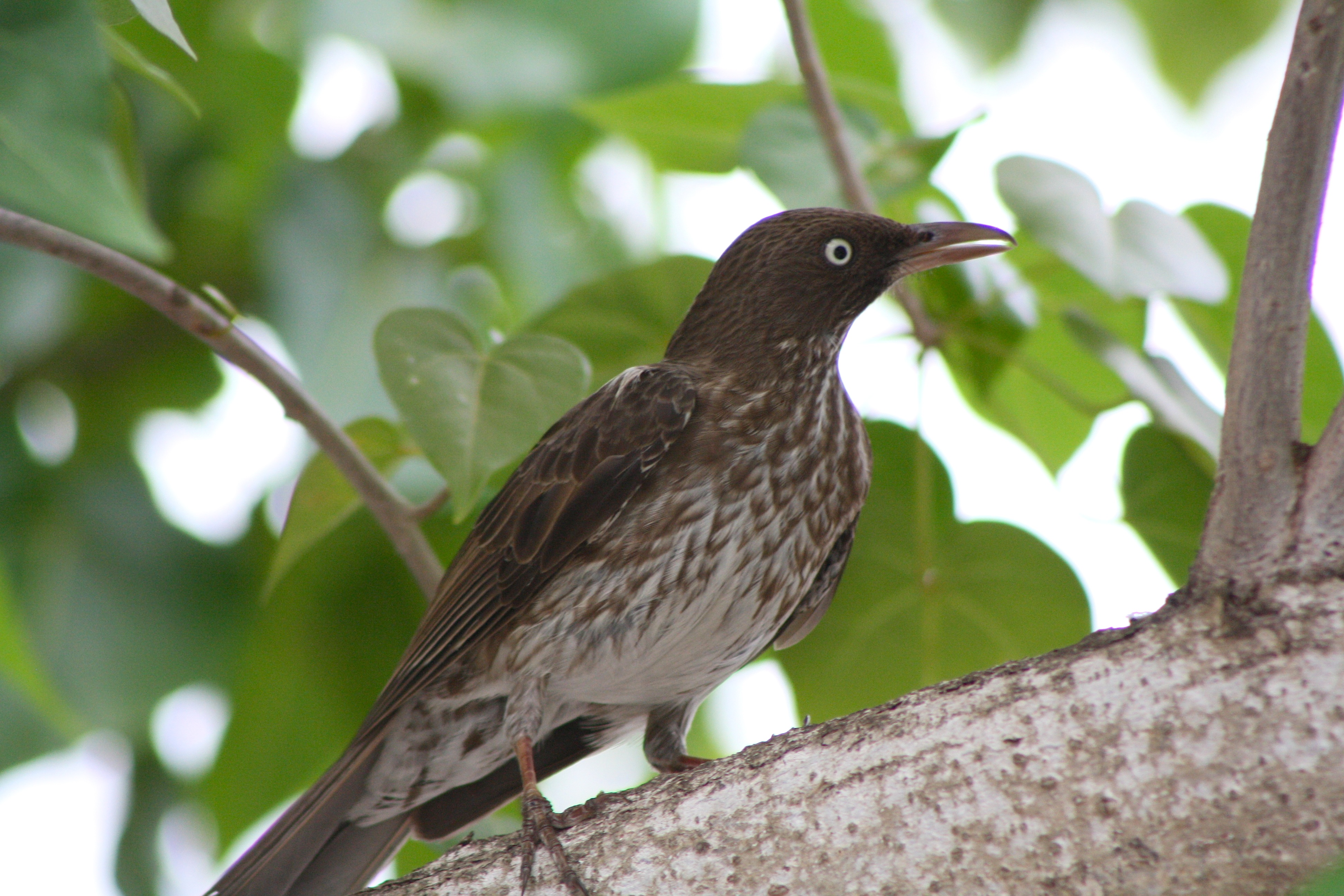
The newest bird in town is the Pearly-eyed Thrasher (Margarops fuscatus). This is a bird in the family Mimidae, along with mockingbirds and the gray catbird. Until last November, no thrasher species had ever been recorded for Abaco. Then there was a sighting of a BROWN THRASHER. Just a few months later, its Pearly-eyed cousin has turned up right in the heart of Treasure Cay, seen by first by Erik Gauger and confirmed by Woody Bracey (each a contributor to THE BIRDS OF ABACO). 

This thrasher species is found widely throughout the Caribbean, though with several varieties that are genetically distinct. In the Bahamas, they breed on some of the southern islands. They are known to overwinter on Eleuthera and Cat Island, but have not previously been recorded as far north as Abaco. This sighting is important in suggesting that the species may be beginning to extend its range, although it could of course simply be a one-off ‘vagrant’, as they are officially yet disrespectfully known.

Pearly_Eyed_Thrasher,_Margarops_fuscatus (Kati Fleming Wiki)

Since the first sightings by Erik & Woody a couple of days ago, Woody has been out again with a camera seeking to obtain photographic  evidence of the bird. Last night he sent me a snapshot taken in difficult circumstances – the bird was being hassled by a Eurasian Collared Dove (who should have known better, being a non-native species itself…). The pearly eye is quite clear, as is the speckled front and white end to the underside of the tail. If  a clearer shot comes in, I’ll add it. So, TC-based birders, a Rolling Harbour Kalik challenge is on!

IMG_3432 copy

STOP PRESS Woody has sent a couple more photos of the PET taken right in the centre of Treasure Cay. Or perhaps there is a second one… and if so, different sexes… and if so, a nest, eggs, chicks, fledglings and in due course a new breeding species on Abaco… 

Pearly-eyed Thrasher, Treasure Cay, Abaco - Woody Bracey (new species for Abaco)IMG_3444 Pearly-eyed Thrasher, Treasure Cay, Abaco - Woody Bracey (new species for Abaco)

STOP PRESS April 2015 Erik Gauger has now written up his account of his discovery of this new species for Abaco. You can read it HERE (scroll down to the second article on the page)

The other photos I have used are ‘open source’ for obvious reasons, and credited below as far as the information is available…

 NEW ABACO BIRD SPECIES – MAR 2014 to MAR 2015

BLACK-BELLIED WHISTLING DUCKS

FORK-TAILED FLYCATCHER

BROWN THRASHER

MASKED BOOBY

Photo credits with thanks for public postings: (1) ‘Mike’s Birds (2) Dick Daniels (3) Kati Fleming, and  (4) Woody Bracey

Unknown's avatar

RARE AMERICAN ROBINS ON ABACO: MORE SIGHTINGS


American Robin, Abaco - Bruce Hallett

In 2012 I wrote a post about the comparative rarity of the American Robin on Abaco, which had surprised me. They overwinter in Florida, and they might conceivably range further more often than they do. It turned out that one or two may be reported one year, none the next. I listed a number of sightings and some comments by Woody Bracey, but I lacked any photos of these birds taken on Abaco. I had to make do with wiki and bad ones taken in the US by me (including stuffed ones in the Natural History Museum, NYC – an act of desperation!). You can see the post HERE

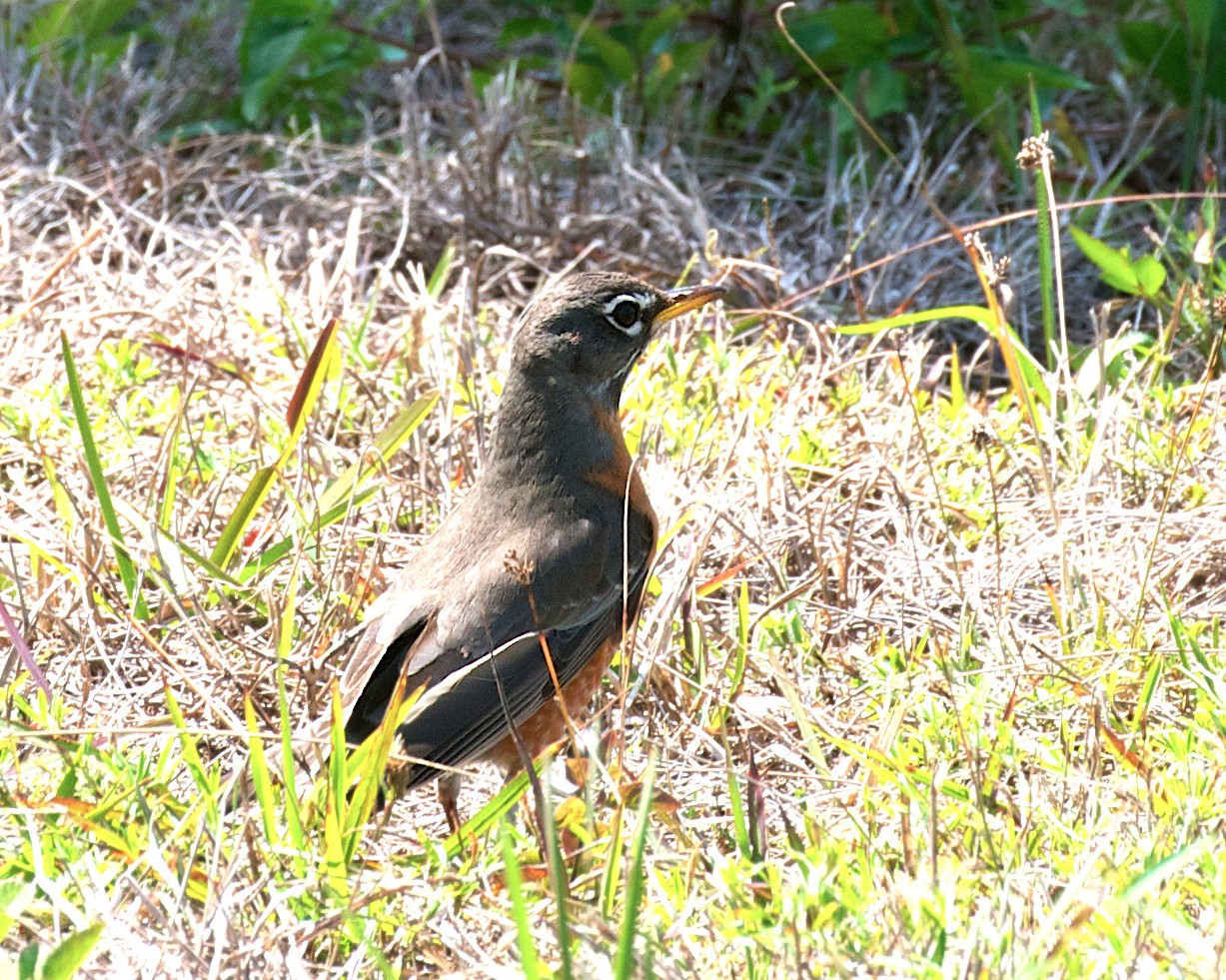
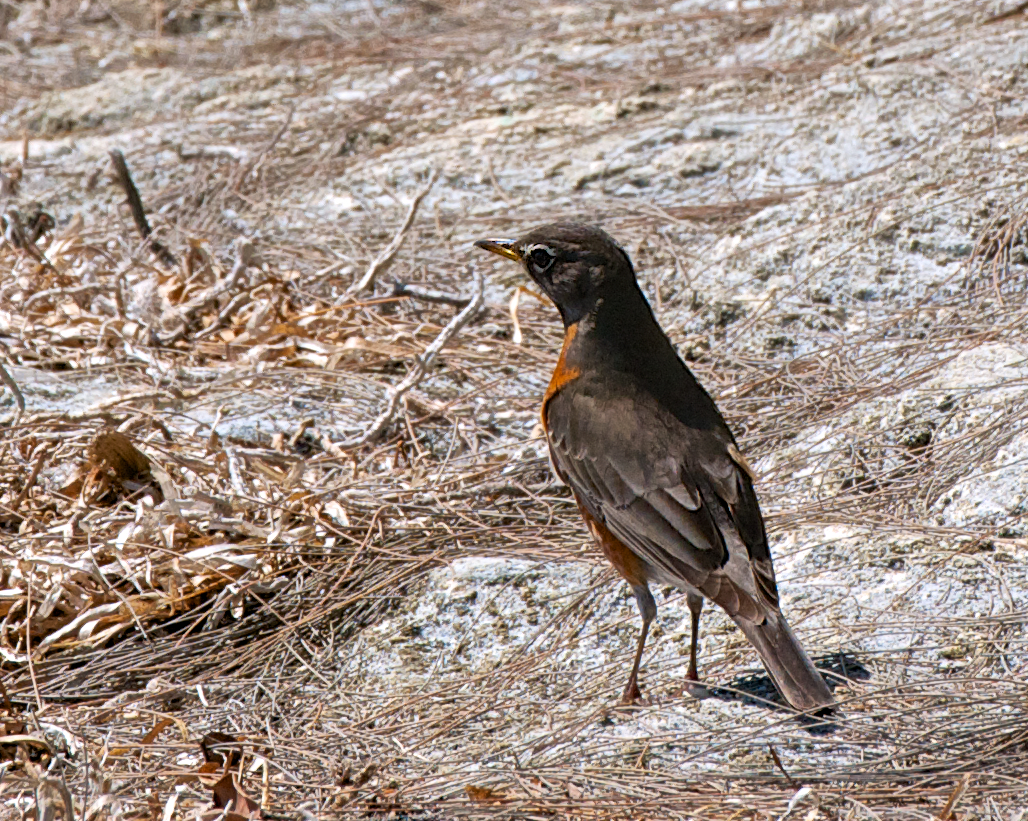
Nina Henry, a photographic contributor to BIRDS OF ABACO, had some good fortune last March 2014 when she found these 3 birds during her trip to Abaco. Maybe March is a good time for them – perhaps a few call in as they start to make their way north for the summer. 

AMERICAN ROBIN, Abaco 1- Nina Henry AMERICAN ROBIN, Abaco 2- Nina Henry AMERICAN ROBIN, Abaco 3- Nina Henry

Many past sightings have been on the Cays rather than the main island.  Here’s a recent photograph taken by Charmaine Albury on Man-o-Way Cay

American Robin Man-o-War Cay Abaco (Charmaine Albury)

Meanwhile I have been able to improve slightly on the tiny distant AMRO I posted before, with one taken more recently – still not on Abaco but in NYC. Closer, but definitely no cigar yet…

American Robin, NYC (Rolling Harbour)

 Credits: Bruce Hallett (header), Nina Henry x 3, Charmaine Albury, RH

Unknown's avatar

“A WHALE OF A YEAR”: 12 MONTHS FROM ROLLING HARBOUR ABACO


Whale Tailing, Bahamas (BMMRO)

“A WHALE OF A YEAR”: 12 MONTHS FROM ROLLING HARBOUR ABACO

 JANUARY

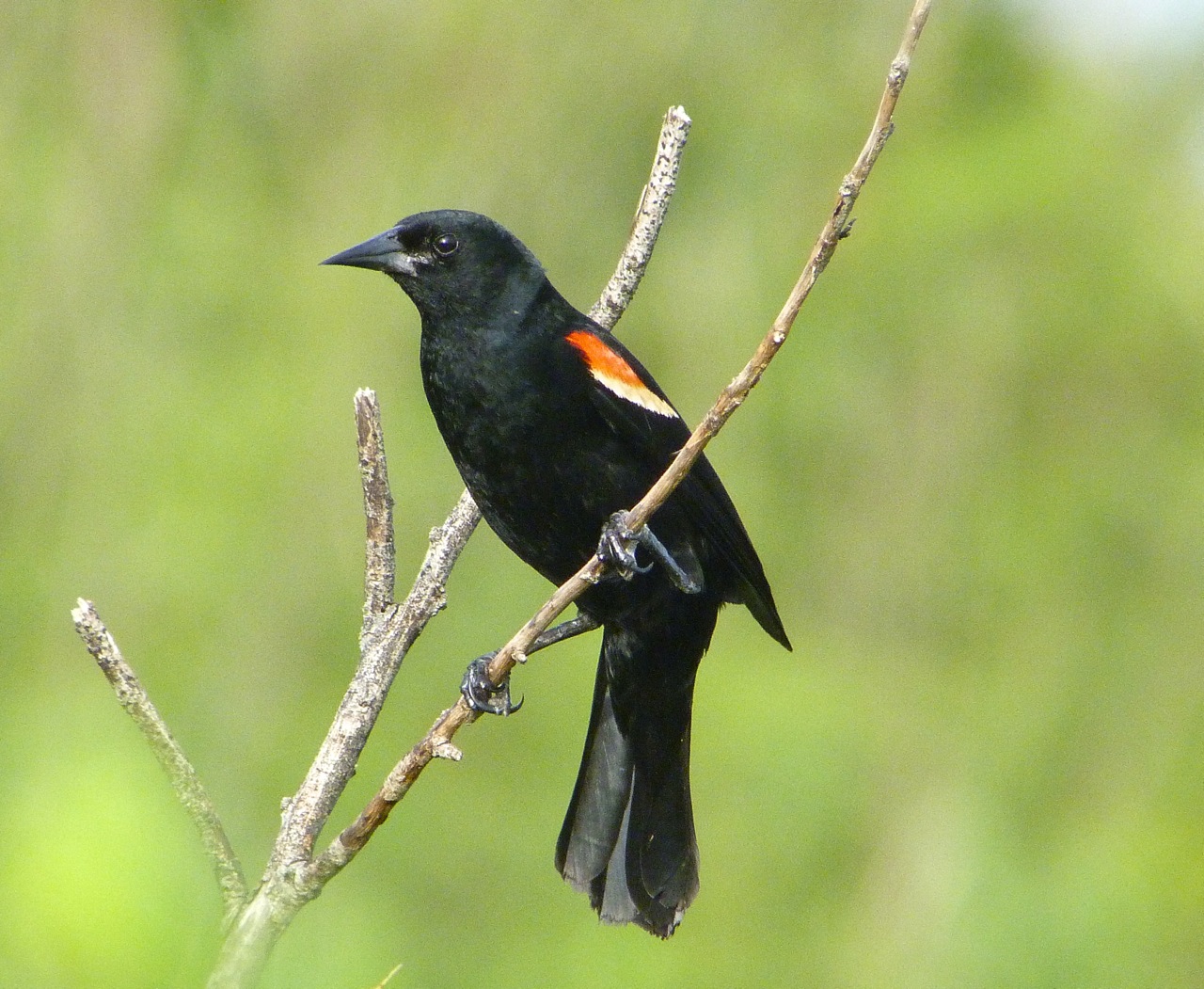
Red-winged Blackbird, Abaco

Red-winged Blackbird, Abaco Backcountry

FEBRUARY

French Angelfish (juv)

French Angelfish (juvenile), Bahamas

MARCH

Publication & Launch of “The Birds of Abaco”

dcbg2ba-jacket-grab-for-pm-v2-copy

book-launch-1 Author signing copies, with Bahamas birding gurus Tony White, Bruce Hallett & Woody Bracey

1900063_10152069487394482_984358031_n flyer-21

APRIL

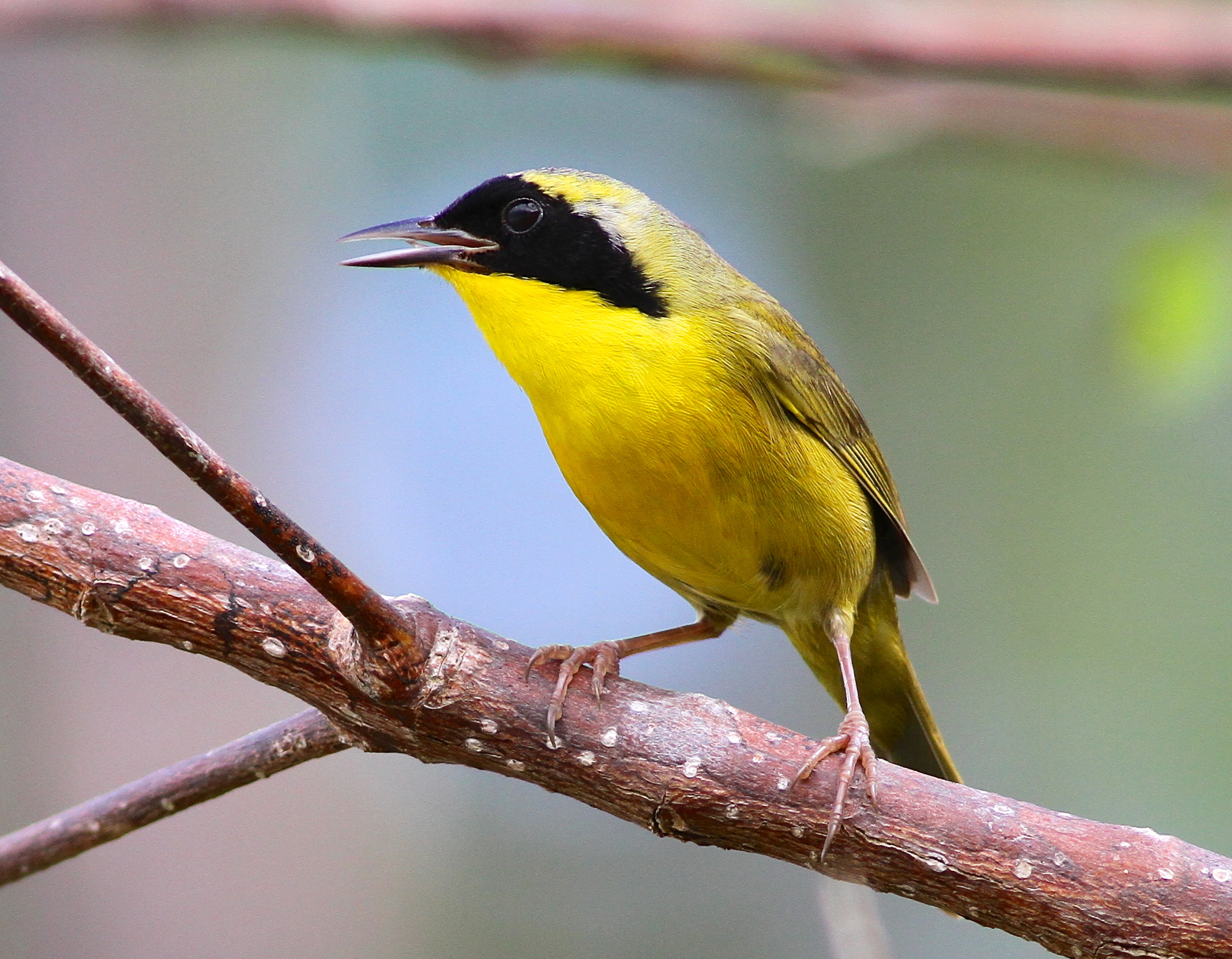
20130106_Bahamas-Great Abaco_4846_Bahama Yellowthroat_Gerlinde Taurer copy

Bahama Yellowthroat, Abaco

MAY

Bananaquit & palm, Delphi, Abaco, Bahamas 7

Bananaquit, Delphi Club, Abaco, Bahamas

JUNE

Black-bellied Whistling Ducks, Abaco : WWT - RH 3

Black-bellied Whistling Ducks, Abaco – first recorded sighting

JULY

Octopus ©Melinda Riger @ Grand Bahama Scuba

Octopus, Bahamas

AUGUST 

Bobwhite pair 2.Abaco Bahamas.Tom Sheley cr

Bobwhite pair, Abaco, Bahamas

SEPTEMBER

Black-necked stilt Alex Hughes, Abaco

Black-necked Stilt, Abaco

OCTOBER

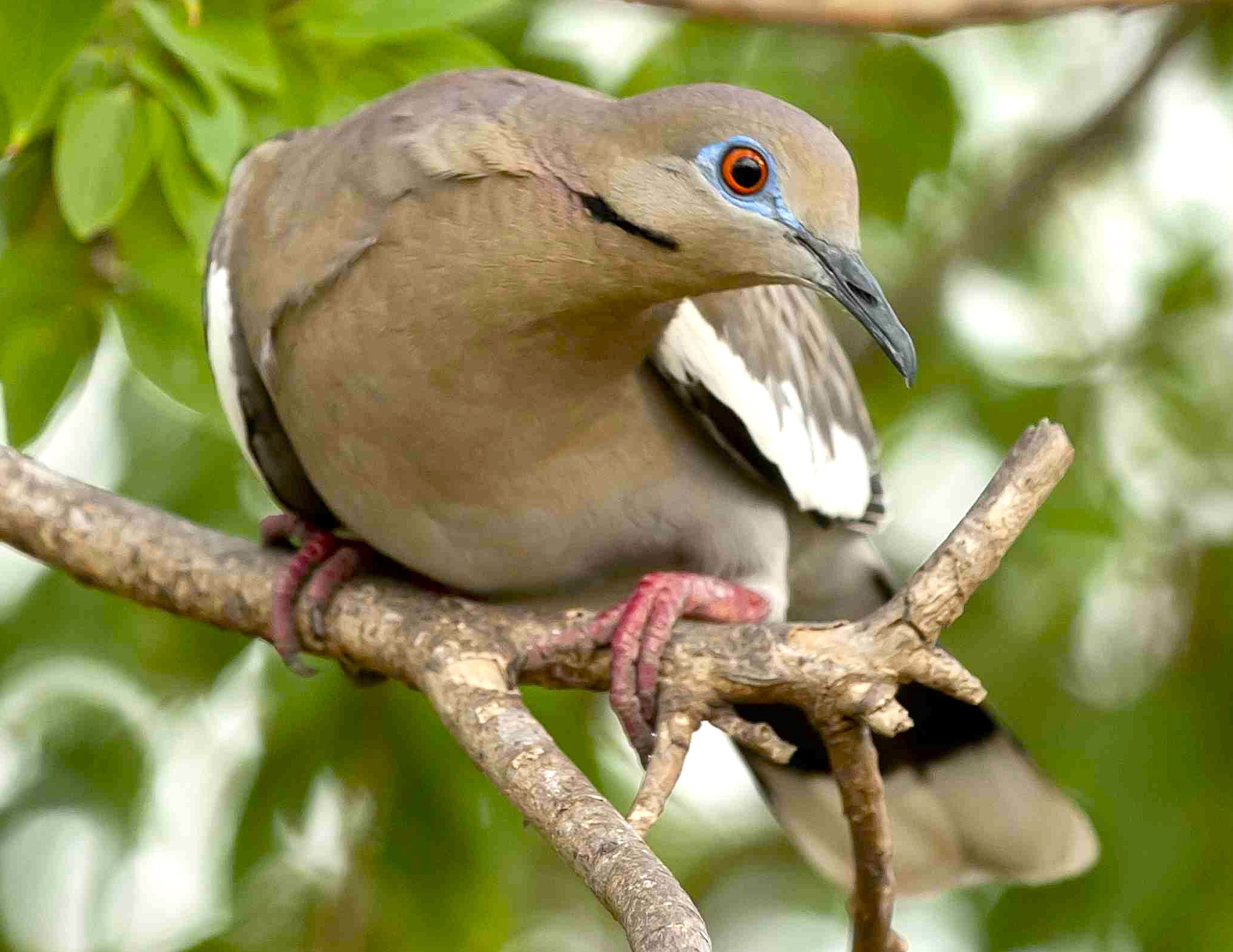
White-winged Dove, Abaco Bahamas - Tom Sheley

White-winged Dove, Abaco, Bahamas

NOVEMBER

Exploring Dan's Cave, Abaco

Exploring Dan’s Cave, Abaco

DECEMBER

Piping Plover, Abaco - Charmaine Albury

Piping Plover: a precious winter visitor to Man-o-War Cay, Abaco

All the best for 2015 to Rolling Harbour’s regular, occasional and random visitors

Credits: BMMRO, RH, Melinda Riger, Gerlinde Taurer, Tom Sheley, Alex Hughes, Brian Kakuk, Charmaine Albury

Unknown's avatar

“STAR ANIS”: ENTERTAININGLY GREGARIOUS CUCKOOS ON ABACO


Smooth-billed Ani, TCGC Hole 11 - Becky Marvil

“STAR ANIS”: ENTERTAININGLY GREGARIOUS CUCKOOS ON ABACO 

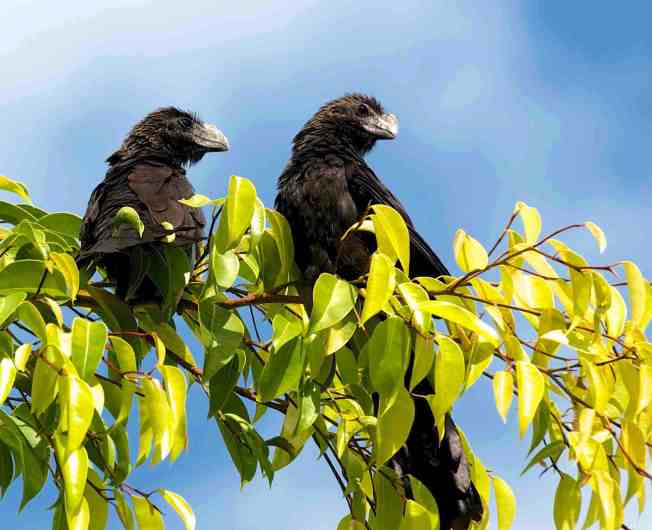
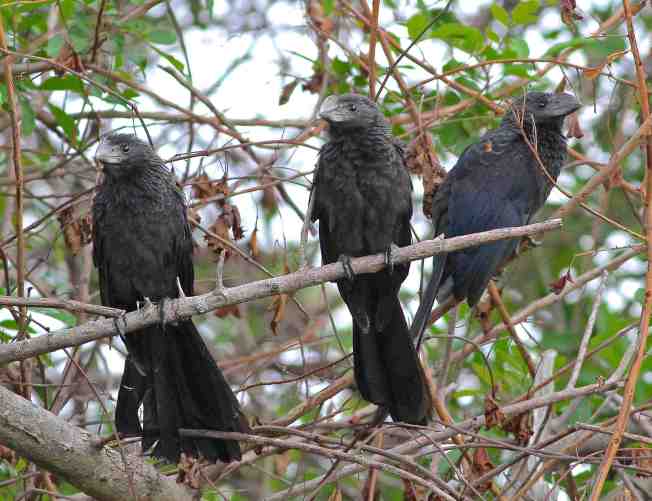
The Smooth-billed Ani (Crotophaga ani) is the third member of the cuckoo family found on Abaco, the others being the MANGROVE CUCKOO and the YELLOW-BILLED CUCKOO. Anis range from Florida and the Bahamas in the north, down through the Caribbean to South America, where they are widespread.

Ani Range Map (Xeno-Canto) jpg

Smooth Billed Ani, Abaco - Nina Henry 2a

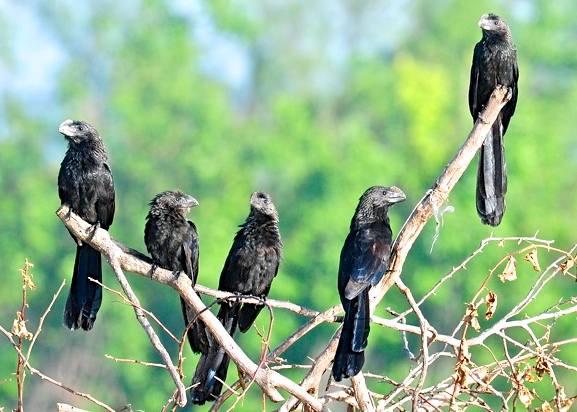
Unlike their shy and retiring cuckoo cousins, anis are extrovert shouty birds that like to hang out in noisy gangs. Large groups can quite often be found in the low scrub at the Highway end of the Delphi drive; and you may well find a posse of them in settlements such as Sandy Point. You’ll probably hear them from some way off, sounding like this:

Leonardo Ordóñez-Delgado / Xeno Canto

Smooth-billed Anis_Abaco - Tony Hepburn

Anis have advanced parenting and chick-rearing skills, sharing not only communal nesting sites but also egg incubation and feeding the chicks. They are also what my mother might have called ‘fast’, raising up to three broods in a season. Rather touchingly, the young of earlier broods help to feed more recent chicks.

Smooth-billed Anis Abaco - Gerlinde Taurer d

I have tried to discover why an ani’s beak is as it is, without much success. Very often beak shape relates directly to the feeding habits and preferences of a species, but it is hard to see how a diet consisting mainly of insects and small reptiles such as lizards would account for such a prominent proboscis. Here is a close-up of the item in question (thanks, Roselyn Pierce).
On Abaco (and indeed elsewhere) Anis are sometimes known as ‘Cemetery Birds’, no doubt because of their all-black appearance (their raucous tendencies would be quite inappropriate for a graveyard…). [Nicolette Russell has contacted me to say that she has always known them as Rain Crows] However although at a distance these birds may look completely black, catch one in the sun at the right angle, and you’ll find that the plumage is far more varied, and with some intricate patterning.

Smooth-billed Ani. Abaco Bahamas Tom Sheley

Look for Anis in low scrubland and coppice, cultivated areas, perched in unsteady bickering rows on utility lines… and on the ground.

Smooth-billed Ani, Abaco. Gerlinde Taurer c

The appearance and flying abilities of Anis are wonders to behold. As I wrote in The Birds of Abaco, “Their curious heavy beaks, their clumsy flight and their untidy take-off and landing routines suggest a design fault”.

Smooth Billed Ani, Abaco - Nina Henry 1a

“One… is the loneliest number…” oh, hang on a moment…Smooth-billed Ani Abaco - Gerlinde Taurer a

…”two of us…standing solo in the sun…”Smooth-billed Ani, Abaco (Gerlinde Taurer) b

As far as I know, there is not yet a collective noun for a group of anis. There should be. Any suggestions welcome via the comment box. Meanwhile I put forward A Commotion of Anis”

Smooth-biled Ani, Abaco - Bruce Hallett

Credits: Becky Marvil, Nina Henry, Tony Hepburn, Gerlinde Taurer, Roselyn Pierce, Tom Shelley, Bruce Hallett; Xeno Canto for range map & sound file; Hat tip to Aimee Mann.

“Star Anis” – do not confuse with Star Anise. One can fly, the other cannotStar Anise Spice (Tesco)

Unknown's avatar

‘AMOY’ THERE! AMERICAN OYSTERCATCHERS ON ABACO


American Oystercatcher.Delphi Club.Abaco Bahamas.Tom Sheley

‘AMOY’ THERE! AMERICAN OYSTERCATCHERS ON ABACO

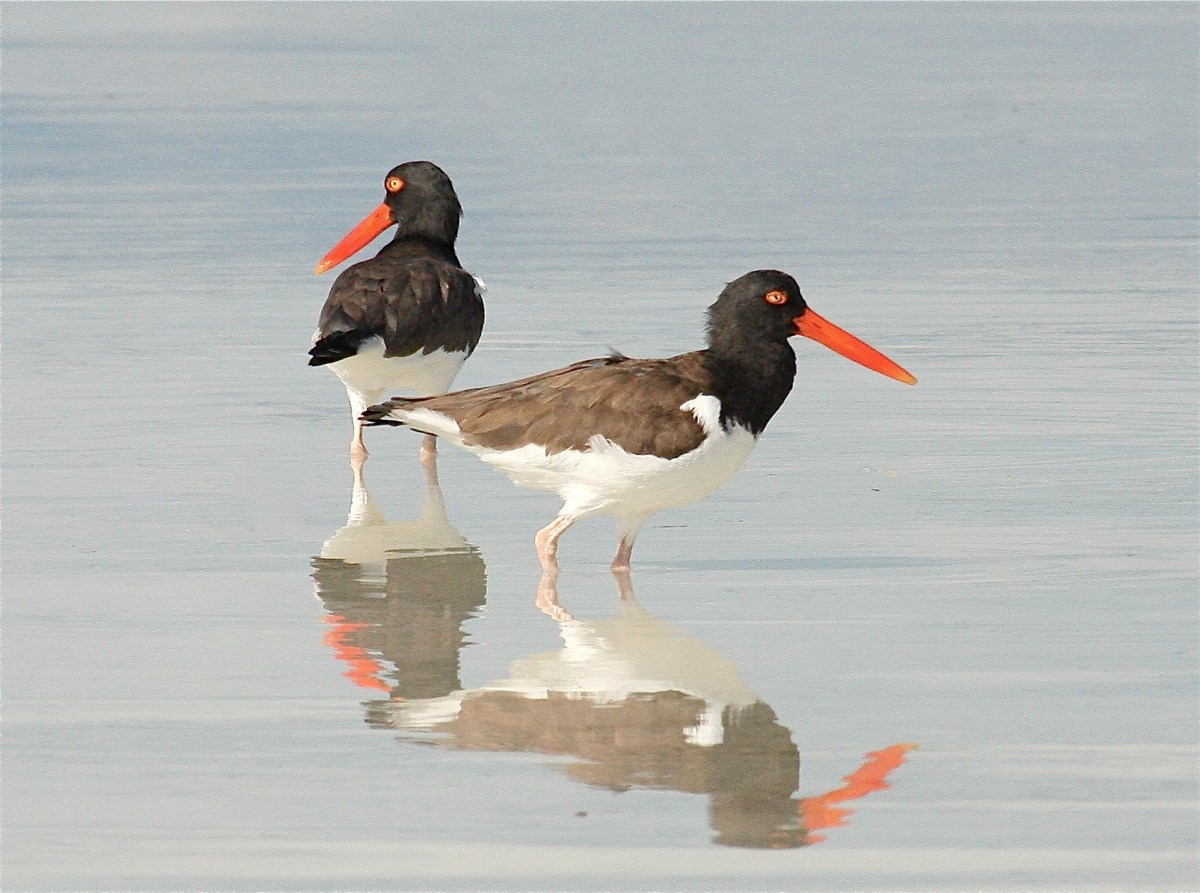
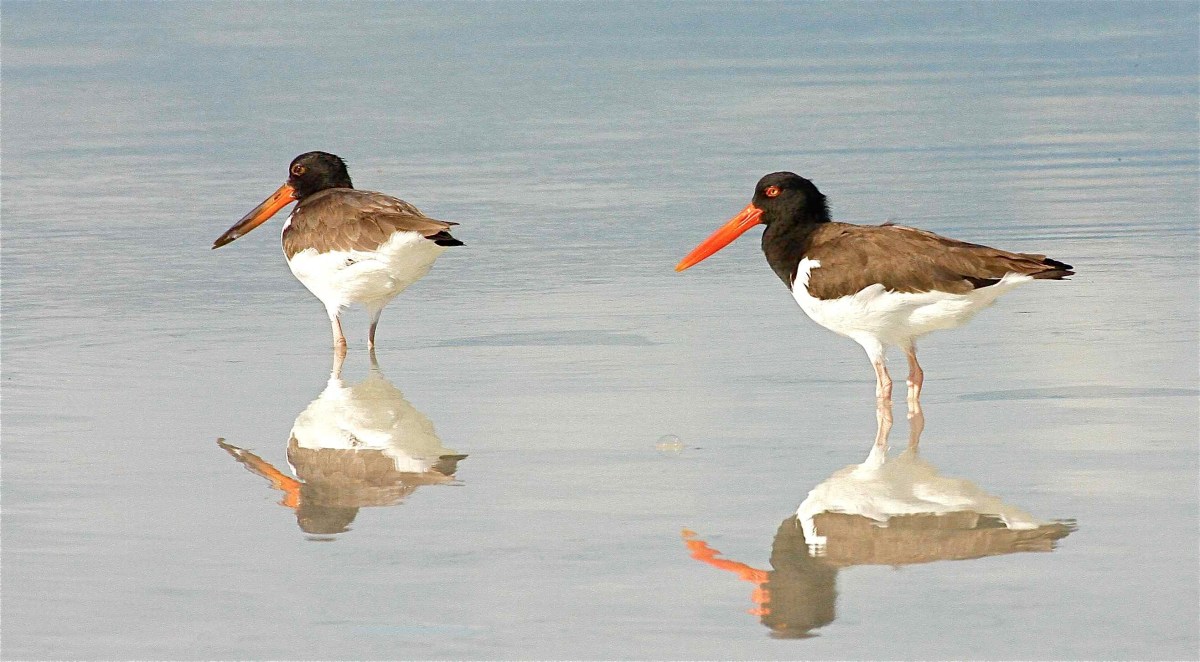
The American Oystercatcher Haematopus palliatus is a familiar shorebird, with the significant advantage that it cannot be mistaken for any other shore species either to look at or to hear. All those little sandpipers and plovers can be very confusing; the handsome AMOY stands out from the crowd. I am posting about this species now as a prelude to WORLD SHOREBIRDS DAY on September 6th. The link will take you to the official Facebook Page where you will find more information, including how to sign up for a pleasant day’s birding, with the chance to report your sightings.world-shorebirds-day1000

The header picture and the next 2 were taken by photographer and ace birder Tom Sheley on the Delphi Club beach. Unsurprisingly, we used one of these wonderful photographs as a full-page image in The Delphi Club Guide to THE BIRDS OF ABACO.

American Oystercatcher.Delphi Club.Abaco Bahamas.Tom Sheley American Oystercatcher.Delphi Club.Abaco Bahamas.Tom Sheley

Bruce Hallett, author of the essential field guide ‘Birds of the Bahamas and the TCI’ (featured in the sidebar) was a major contributor to the book. Not just with his excellent photographs, either, such as the two below. His knowledge, his patience with my queries, and his scrupulous reading of the final draft to eliminate my errors were vital to the project. American Oystercatcher.Abaco Bahamas.Bruce HallettAmerican Oystercatcher.Abaco Bahamas.Bruce Hallett163952

Here are two recordings of oystercatchers, unmistakeable call sounds that will probably be instantly familiar.

Lopez Lanus / Xeno-Canto

Krzysztof Deoniziak / Xeno-Canto

I like the rather dishevelled appearance of this AMOY from Jim Todd, fly fisherman, author of ‘The Abaco Backcountry’, and intrepid kayak explorer around the coast of Abaco.American oystercatcher Abaco (Jim Todd)

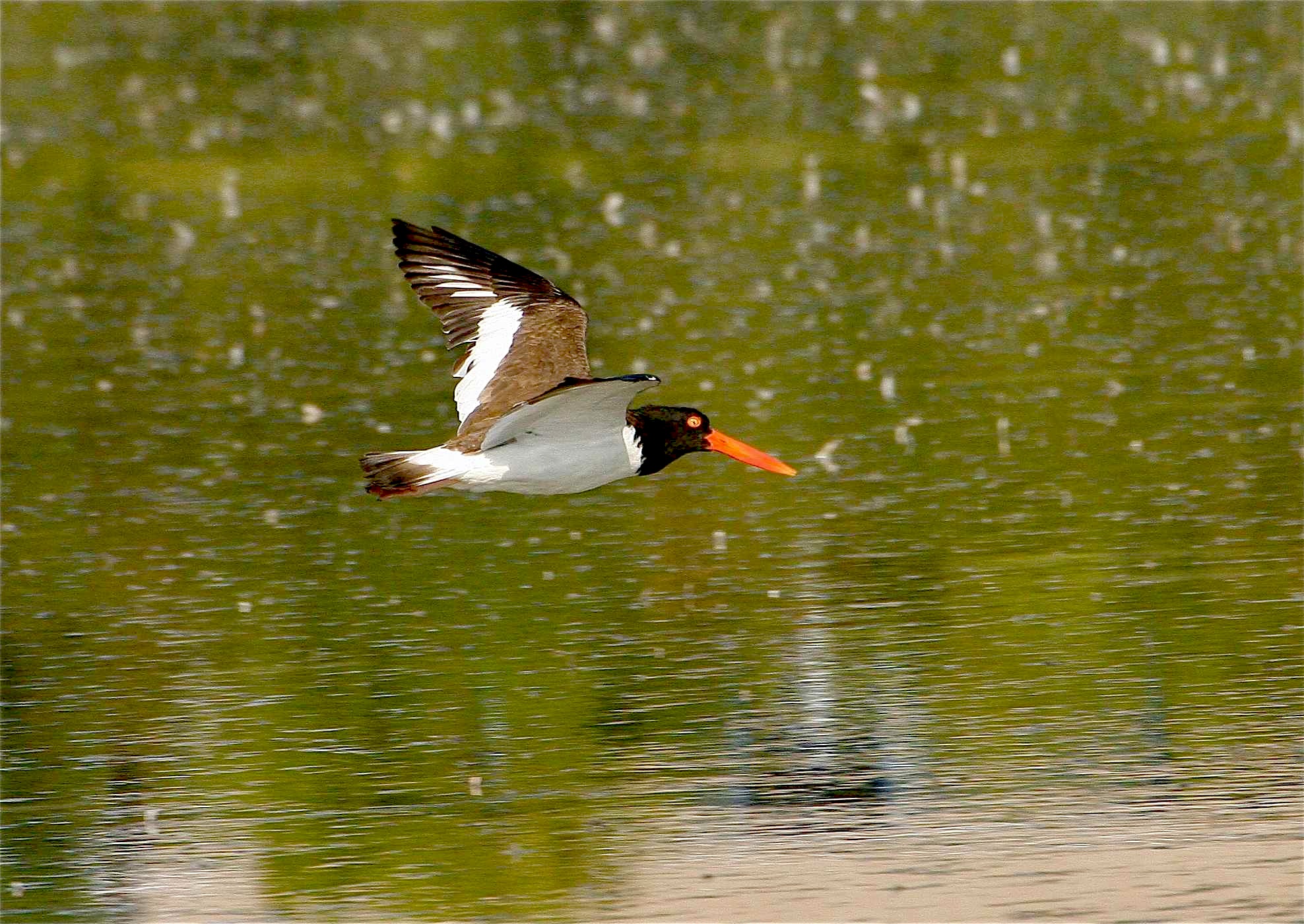
The next two photos were taken on the Delphi beach by Charlie Skinner, another contributor to the book. Below them is an ‘in-flight’ shot by Bruce Hallett.American Oystercatcher, Abaco (Charlie Skinner)American Oystercatcher, Abaco (Charlie Skinner)     American Oystercatcher.Abaco Bahamas.Bruce Hallett

This fine video from Audubon shows close-up views of the American Oystercatcher, and unleashes more of the distinctive call-sounds – an insistent wittering – of the species. [vimeo https://vimeo.com/48479131%5D

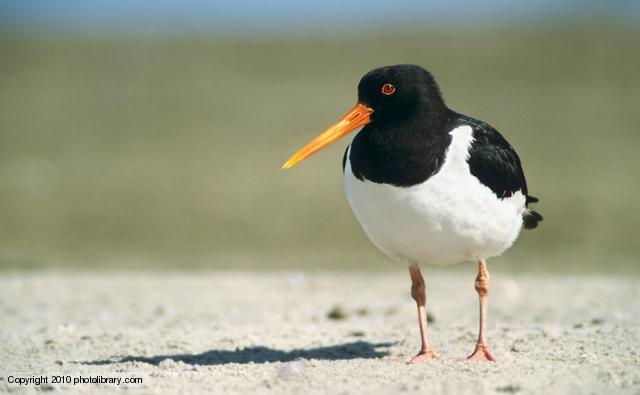
For some time, I found it difficult to distinguish American and Eurasian Oystercatchers. The markings of both species are variable according to gender, age, season and so on, but are generally very similar. Mrs RH noticed the salient difference at once – the eyes. The AMOY has bright orange eyes with red eye-rings; the EUROY’s eyes are the reverse colouring, as this example shows.Eurasian Oystercatcher. BBC

 Credits: Tom Sheley, Bruce Hallett, Jim Todd, Charlie Skinner, Xeno-Canto, Audubon, BBC
world-shorebirds-day1000

Unknown's avatar

SHARP-EYED & SHARP-BILLED: GREEN HERON ON ABACO


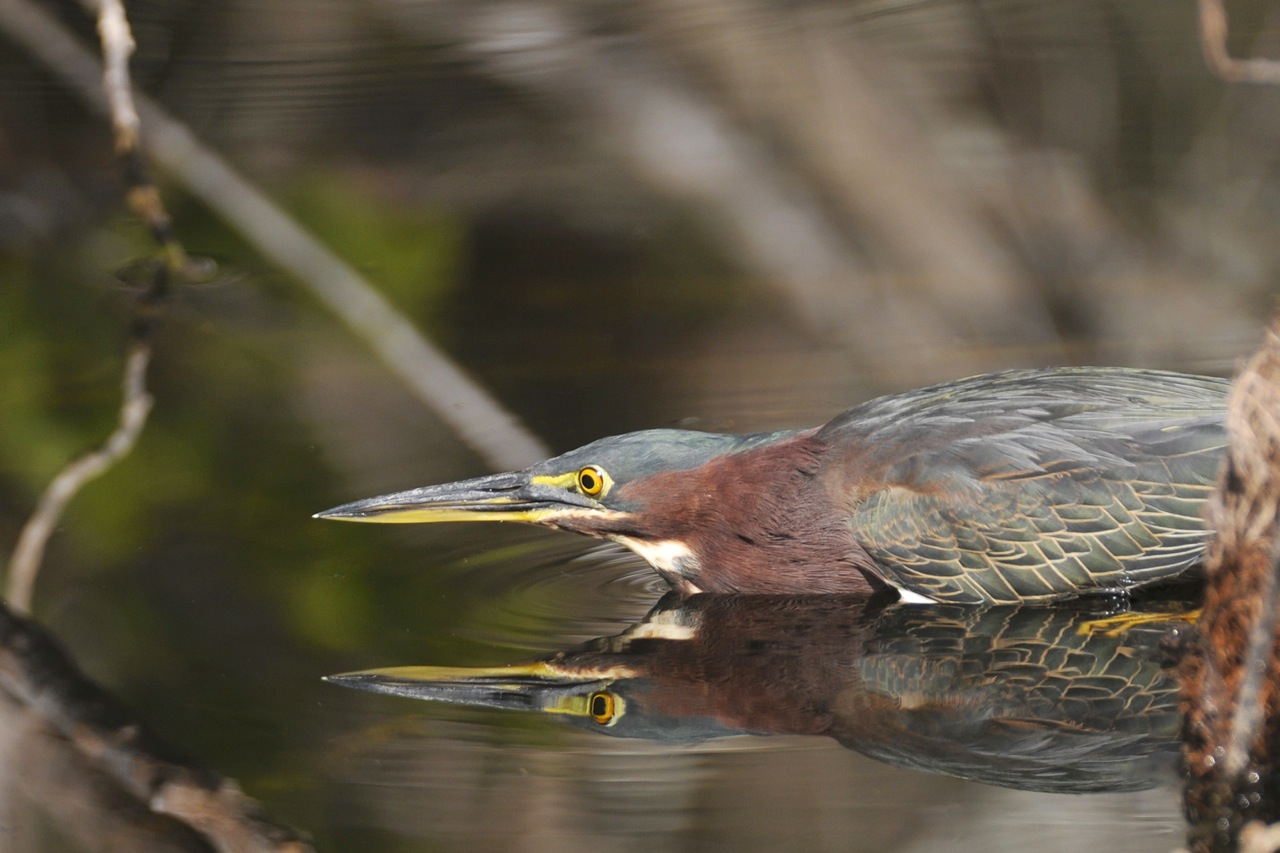
Green Heron.Abaco Bahamas.Tom Sheley

SHARP-EYED & SHARP-BILLED: GREEN HERON ON ABACO

Abaco has six ‘true’ heron species (putting aside the various egrets): Great Blue Heron, Little Blue Heron, Tricolored Heron, Green Heron, Black-crowned Night-Heron and Yellow-crowned Night-Heron. The Green Heron Butorides virescens is a permanent resident and is easily distinguishable from the other heron species. The header picture by Tom Sheley is one of many wonderful photographs he took for THE BIRDS OF ABACO, and is one of the most striking. This is a bird actively hunting, keeping very low with eyes fixed on the water, waiting for the chance to use that long sharp bill to snaffle its prey – small fish, frogs and aquatic insects.

RANGE MAP

Green Heron Range Map

There are thought to be 5 sub-species of green heron within the range, but this is a matter for anguished debate (not by me). However, the resident variety in the Bahamas has been designated Butorides virescens bahamensis since 1888 (Brewster), so I’m going along with that.

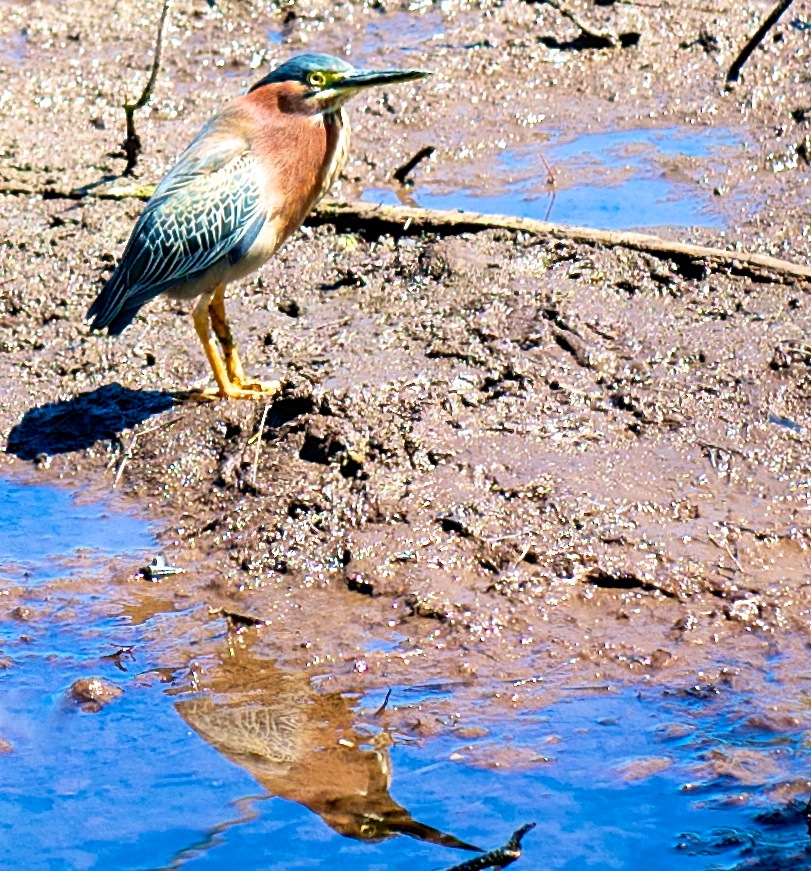
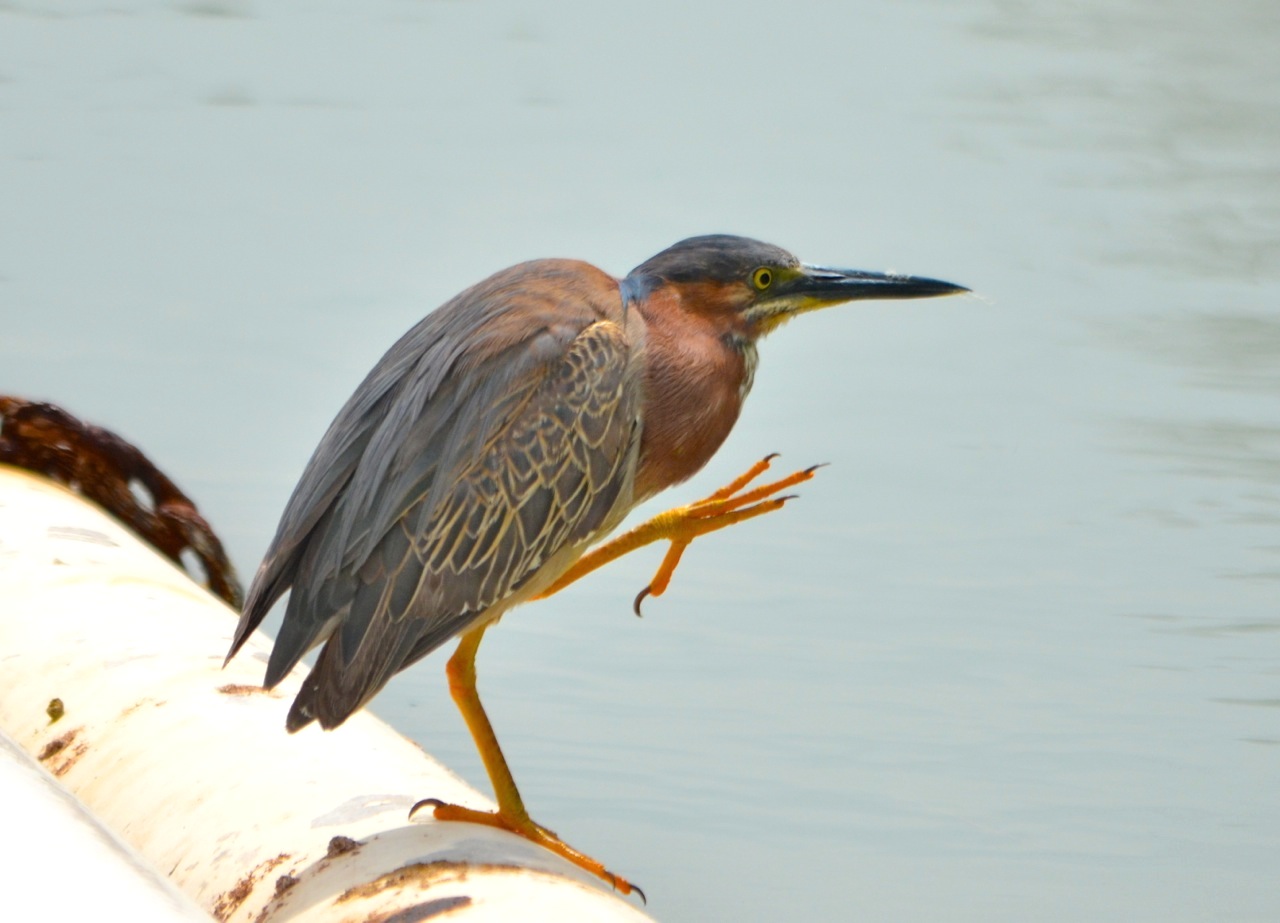
Green Herons are most likely to be seen in or near water – the margins of brackish ponds or amongst the mangroves, for example. Their foraging is mostly done in water, usually at dawn or dusk.Green Heron, Abaco Woody Bracey

You may encounter one on the shoreline or beach…GREEN HERON, Abaco - Nina Henry

…but they don’t always choose the most scenic locationsGreen Heron, Abaco Nina Henry

FASCINATING FACTOID

Green Heron are known to drop food, insects, or small objects such as stones on the water’s surface as bait to attract fish or other tasty creatures. They are thus classified as one of the animal kingdom’s  44 (?) TOOL-USING SPECIES, considered a sign of superior intelligence.

Green Herons may also be found perching in treesGreen Heron Abaco Tom ReedGreen Heron, Abaco Rick LoweGreen Heron, Abaco Peter Mantle

Occasionally they may be seen out at sea – this one from an offshore BMMRO research vesselGreen Heron Abaco BMMRO

The Golf Course at Treasure Cay is an excellent place to go bird-watching. There is always plenty of bird life on the 3 ponds there, the one on hole #11 being the biggest and most abundant. If you are going to bird there, call in first at the Clubhouse and ask for permission:  they are very kind about it, but they do need to know who is out on the course.  And since the pond is alongside the fairway, keep your wits about you – you are a potential target for the sliced drive… (ok, ok left-handers – hooked, then).

Green Heron, Abaco Charlie SkinnerGreen Heron, Abaco Charlie Skinner

The 2 images above are from Charlie Skinner, and show a green heron adult and chick putting the Golf Course drainage pipe to good use. Captions invited for the top  one. Birds often seen at this particular location include green heron, white-cheeked pintail (lots), common gallinule (moorhen), coot, Canada goose, least grebe, neotropic cormorant, and blue-winged teal. You may also see little blue heron and smooth-billed anis. Once I found a least bittern in the background of a teal photo – I didn’t notice it at the time, but when I checked the photos there it was in the reeds behind the ducks. Another good place to bird if you are in the TC area is White Sound.

Credits: Tom Sheley, Woody Bracey, Nina Henry, Tom Reed, Rick Lowe, Peter Mantle, Charlie Skinner, Wiki

POSTSCRIPT I’ve just commented HERE on the supposedly phonetic call-sounds attributed to birds to render them recognisable by man – the “What’s-for-dinner-Martha, what’s-for-dinner” and the “Give-me-a-drink-please…NOW” and so on. So when I was borrowing the range map from Wiki I was amused to see this: “The green heron’s call is a loud and sudden kyow; it also makes a series of more subdued kuk calls. During courtship, the male gives a raah-rahh call with wide-open bill, makes noisy wingbeats and whoom-whoom-whoom calls in flight, and sometimes calls roo-roo to the female before landing again. While sitting, an aaroo-aaroo courtship call is also given”. So there you go.

Unknown's avatar

BIRDS OF SAN SALVADOR, BAHAMAS: BOOK REVIEW


Birds of San Salvador (cover) JPG

THE BIRDS OF SAN SALVADOR, BAHAMAS

  • Authors: R. Hays Cummins, Mark R. Boardman, Mark L. McPhail
  • Published 1 Jan 2013, 132pp with 400+ images covering 54 species
  • Available spiral bound for $29.95 on Am@zon; and a steal at $3.16 for Kindle (£5.99 in the UK)
  • STOP PRESS Also available on iTunes for iPhone / iPad, where I imagine it looks great. Once downloaded, author Hays says it can be viewed on a Mac, certainly if you have the latest OS X Mavericks. UK price: a very modest £1.99 (= $3.30)

Within a couple of weeks of the decision to use Tom Sheley’s wonderful Bahama Woodstar as the ‘cover bird’ for “THE BIRDS OF ABACO”, another Bahamas bird book was announced. The same colourful and enchanting endemic bird had also commended itself to the authors for their cover. I wrote to Hays Cummins at once to check whether he would mind another Bahamas bird book encroaching on the territory, especially one using the same cover bird into the bargain. He very charmingly said it would be fine and declared his support for our (luckily) rather different project.

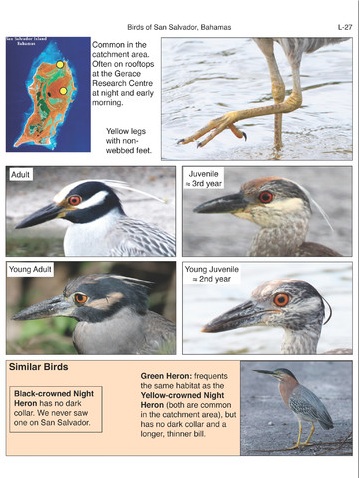
It’s been a while since I added to the section BOOKS, but I thought I’d mention this one for two reasons. First, it is described as ‘A Photo Essay of Common Birds’, which in practical terms means that most if not all of the species featured will be common to the northern Bahamas and therefore familiar on Abaco. Secondly, I very much like the format of the book: there are clear photos; and all necessary general information including notes on individual characteristics and similar species is presented in an easily assimilable way. Were the Delphi book not designed to be the 2 kg bird-showcasing non-field guide doorstop it is, the San Salvador book is one I should liked to have produced! Birds of San Salvador (sample page 1) Birds of San Salvador (sample page 2) DESCRIPTION “This enchanting book addresses a need for an important audience, the budding naturalist, which many of our students are. Without fanfare and pomposity, the book presents beautiful and inspiring photos and lively discussion, but does not indulge in the details of the accomplished birder. The authors present information about the natural history of birds on San Salvador, Bahamas, not through the eyes of a professional or advanced birder, but through the eyes and photographic lenses of inquiring educators and naturalists. This book will help capture and catalyze the interests of aspiring birders and will be an asset for introductions to the birds of the Bahamas and neighboring Caribbean. Over 400 images, representing 54 species, are all original and include a variety of behaviors and highlight recognition characteristics. The authors’ aesthetic photography, printed on high quality paper, will help reinforce identification and enjoyment. Birds are organized by habitat (Coastal, Interior, and Lakes & Ponds), not by taxonomic affinities. A taxonomic index is included.” 

I’m pleased to see the decision to depart from the usual taxonomic ordering of species, though I recognise that for a serious field guide that tradition is pretty much sacrosanct. We played around with categories and sub-categories a bit (sea birds, water birds, land birds; big, medium, small; cute, splendid, dull, plug-ugly) before settling on Peter Mantle’s excellent idea of straight alphabetical organisation. For a mainly photographic book this gives an element of surprise to turning the pages, and avoids  e.g. 37 pages of warblers species, mostly yellow, all huddled together.  Birds of San Salvador (sample page 4) Birds of San Salvador (sample page 5) I notice that there is a single Amazon review, a good one, that says “This guide to one of the lesser known islands in the Bahamas is a nice one. While not exhaustive, it covers most of the species likely to be seen on San Salvador. The style is unorthodox for a field guide (elements of humor, gives brief description of species, but no real key field marks), the descriptions, locations on the island, and behaviors make this guide useful for those visiting San Salvador. The photographs are excellent.” Birds of San Salvador (sample page 3)For anyone interested in a useful reference guide to the common birds of Abaco, and in possession of a Kindle, this book is easily worth getting electronically.  ‘To be brutally honest’ (™ Sandy Walker), I’d like in due course to produce a small book very like this for Abaco, but it would obviously be naked plagiarism to do that, so of course I won’t. Still, all the same…

Unknown's avatar

“FAIR GAME” ON ABACO: THE ATTRACTIVE BUT SADLY DELICIOUS WHITE-CROWNED PIGEON


White-crowned Pigeon, Abaco, Bahamas (Tony Hepburn)

 “FAIR GAME” ON ABACO: THE ATTRACTIVE BUT SADLY DELICIOUS WHITE-CROWNED PIGEON

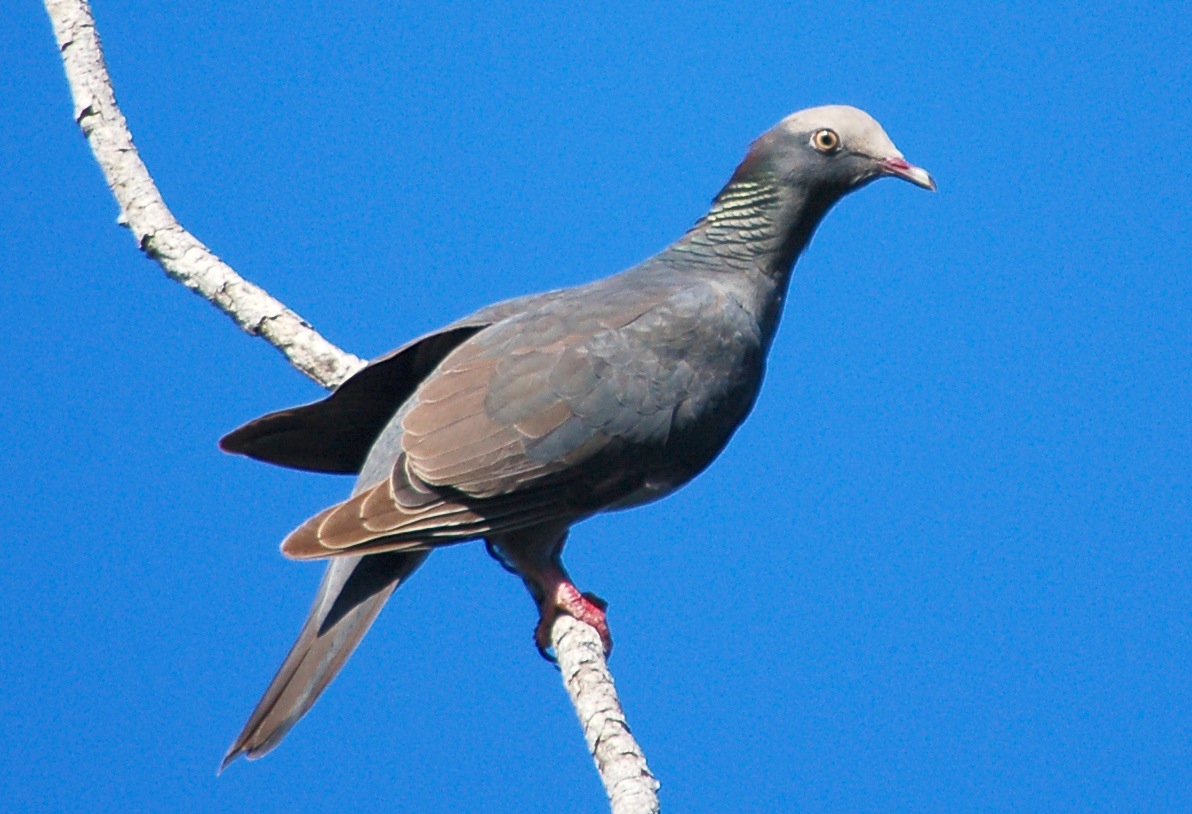
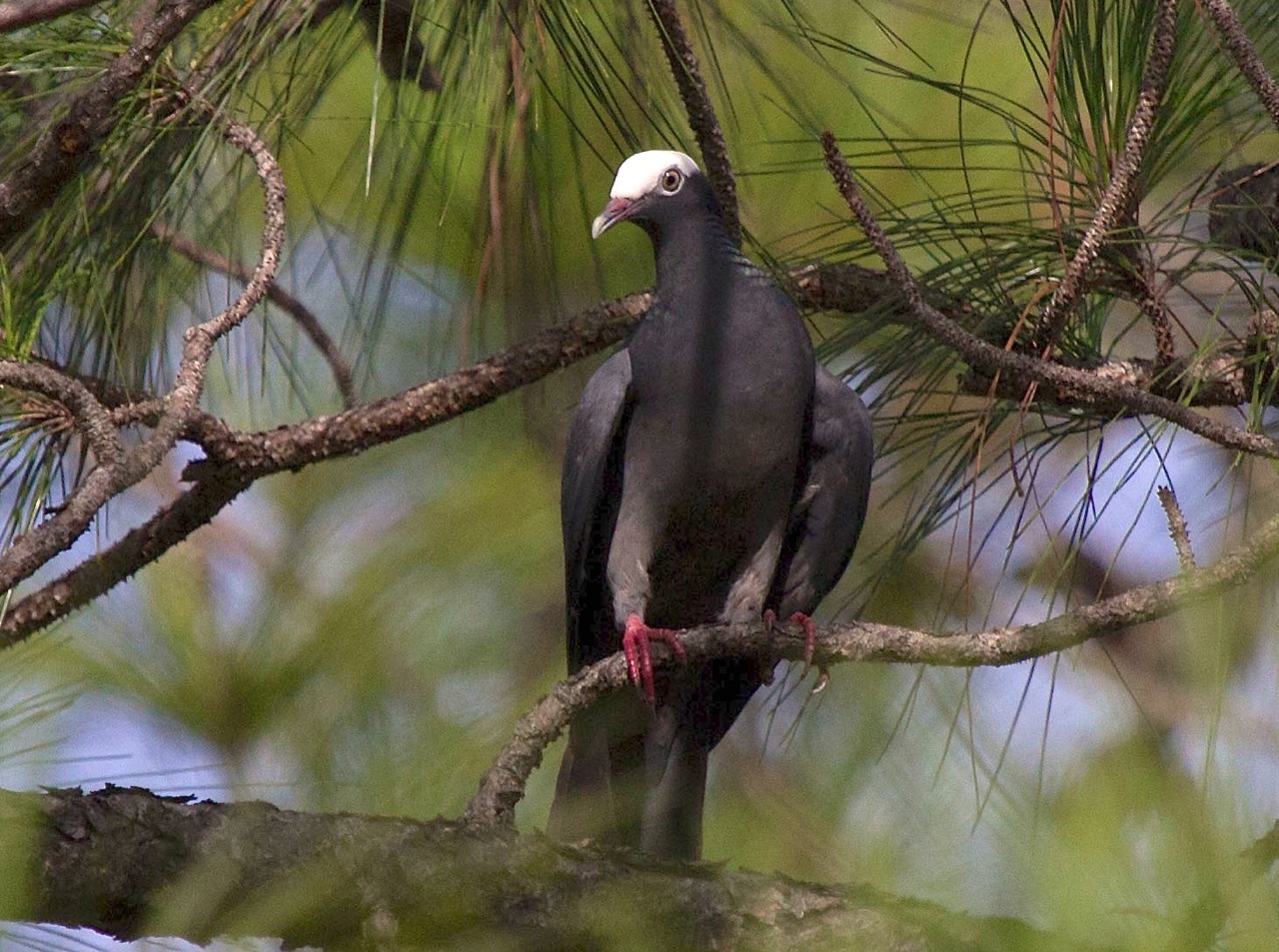
Fishing is the mainstay of Abaco’s sporting life, but hunting runs it a close second. Whether it’s the hog hunters plunging down remote backcountry tracks with their dogs or the shooters plying their trade, there is plenty on the hunter’s menu. The WHITE-CROWNED PIGEON Patagioenas leucocephala is one of the species that’s fair game in season. The bright white of its crown rather gives away its position. A permanent resident on Abaco, this pigeon is quite commonly found.

White-crowned Pigeon, Abaco, Bahamas (Gerlinde Taurer)

The Bahamas hunting season for this species is between the end of September and March. Here is the relevant extract from the excellent BNT HUNTERS GUIDE, a very useful publication packed with information that is well worth a look at. WCP BNT Hunters Guide

220px-Status_iucn3.1_NT.svg

Unfortunately, this pigeon is no longer as prolific as it once was, and is now IUCN-listed ‘near-threatened’. Hunting is one reason. Habitat loss is another. And apparently in Florida (the only US State that has these birds), car-strike is a major cause of population decline (with time, they may learn to fly higher. Unless it’s too late for the species by then…).

White-crowned Pigeon, Abaco (Alex Hughes)

The balance of species preservation and the perceived need of humans to encroach on habitat or their wish to shoot for the pot, is a always a hard one to judge. ‘Near-threatened’ sounds bad, but it’s probably not until the next stage is reached – ‘vulnerable’ or ‘endangered’ – that there is real cause for concern. But as the title says (props to Peter Mantle for this pithy observation, duly incorporated into the WCP entry in THE BIRDS OF ABACO) these inoffensive pigeons are indeed ‘sadly delicious…’

White-crowned Pigeon, Abaco, Bahamas (Gerlinde Taurer)Photo credits: Gerlinde Taurer, Alex Hughes, Tony Hepburn plus BNT for the hunters guide


Unknown's avatar

PRAIRIE WARBLERS ON ABACO: CHIRPY WINTER RESIDENTS


Prairie Warbler Dendroica discolor Wolfgang Wander (Wiki)

PRAIRIE WARBLERS ON ABACO: CHIRPY WINTER RESIDENTS

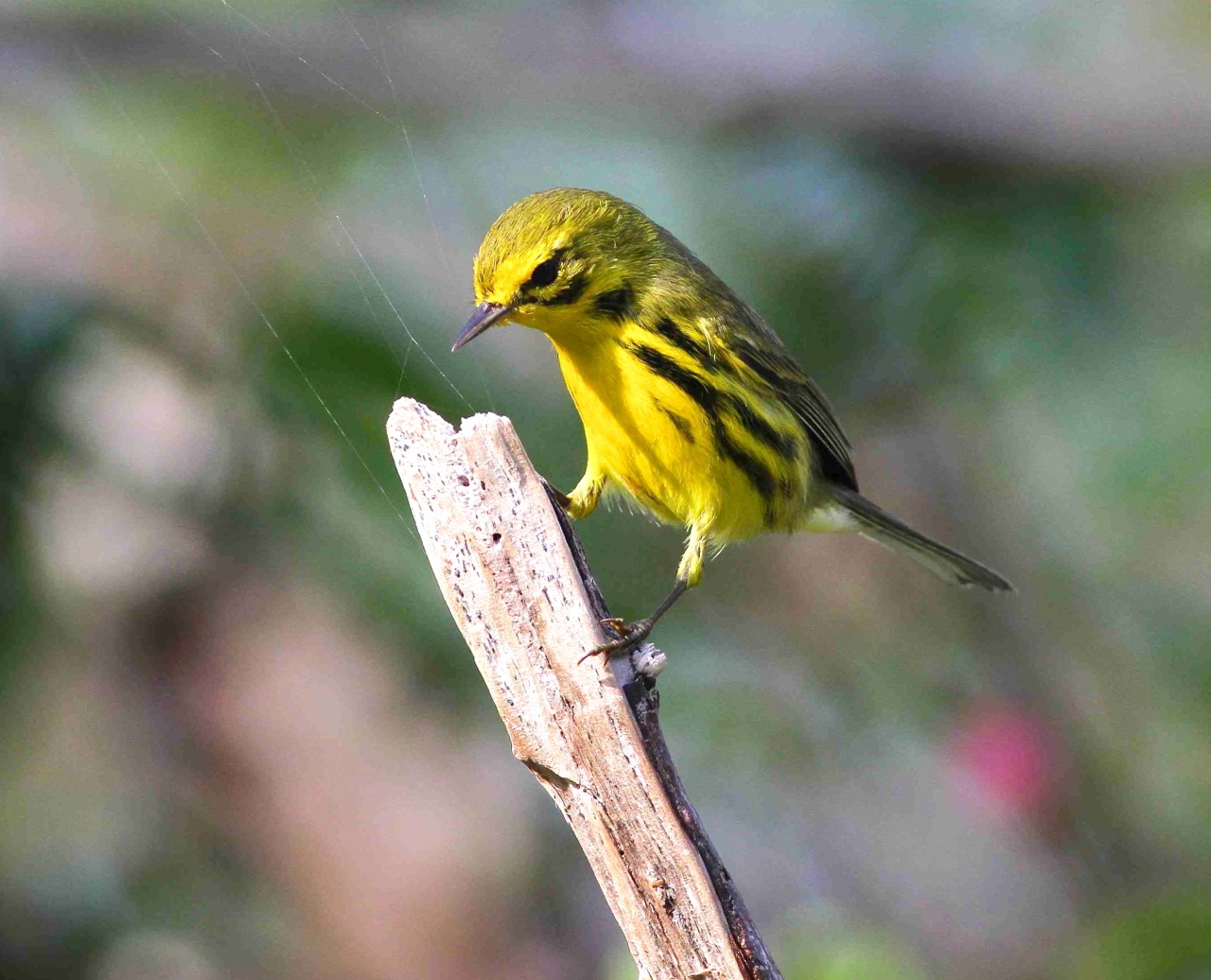
There are 32 warbler species that migrate south and join ABACO’S 5 PERMANENT RESIDENT WARBLERS for their winter break. Some, like the Prairie Warbler Setophaga discolor, are common; a few are quite rare; and one, the endangered Kirtland’s Warbler, is a ‘bird of a lifetime’ if you manage to see one. Or even hear one.

The Prairie Warbler prefers open areas to coppice and pine forest, though despite its name it does not inhabit prairies in the summer months. Scrubland and backcountry wood margins are a favourite haunt. This is a tail-bobbing warbler species, and is often seen low down in foliage or actually on the ground.

The wonderful photographs below were all taken on Abaco by Gerlinde Taurer, whose collection of bird species photographed on the island was used extensively in theTHE BIRDS OF ABACO, including one of the Prairie Warblers below (awarded a full page).

Prairie Warbler, Abaco, Bahamas (Gerlinde Taurer)

Prairie Warbler, Abaco, Bahamas (Gerlinde Taurer)

Prairie Warbler, Abaco, Bahamas (Gerlinde Taurer)

The overall impression is of a small yellow bird with darker wings and back, and conspicuous black streaking. However there are considerable variations in the colouring and patterning within the species depending on age, sex, season and so on. One indicator of the species is a dark line through the eye. Mostly, there will be a patch of yellow above and / or below the eye. However, all the birds on this page show differences from each other in their markings, and one can only generalise about their appearance.

Prairie Warbler, Abaco, Bahamas (Gerlinde Taurer)

Prairie Warblers forage for insects on tree branches or sometimes on the ground. You may also see them ‘hawking’ for insects. They have two types of songs, sung at different times – for example in the breeding season, or when territorial assertion is called for. Here is one example:

 Mike Nelson Xeno-Canto

These warblers also use a simple chipping calls of the ‘tsip’ or ‘tsk’ kind.

Paul Marvin Xeno-Canto

220px-Status_iucn3.1_LC.svg

Though currently IUCN listed as ‘Least Concern’, numbers of this species are declining. The two main threats to them are mankind (habitat loss); and nest parasitism by, in particular, the Brown-headed Cowbird, a bird which causes problems for many other species.

Prairie Warbler, Abaco, Bahamas (Gerlinde Taurer)prairie_warbler


Credits: All photos Gerlinde Taurer except header Wolfgang Wander; Audio Clips Xeno-Canto; Range map Cornell Lab

Unknown's avatar

“WARTS & ALL”: THE TURKEY VULTURE IN ALL HIS GLORY


“WARTS & ALL”: THE TURKEY VULTURE IN ALL HIS GLORY

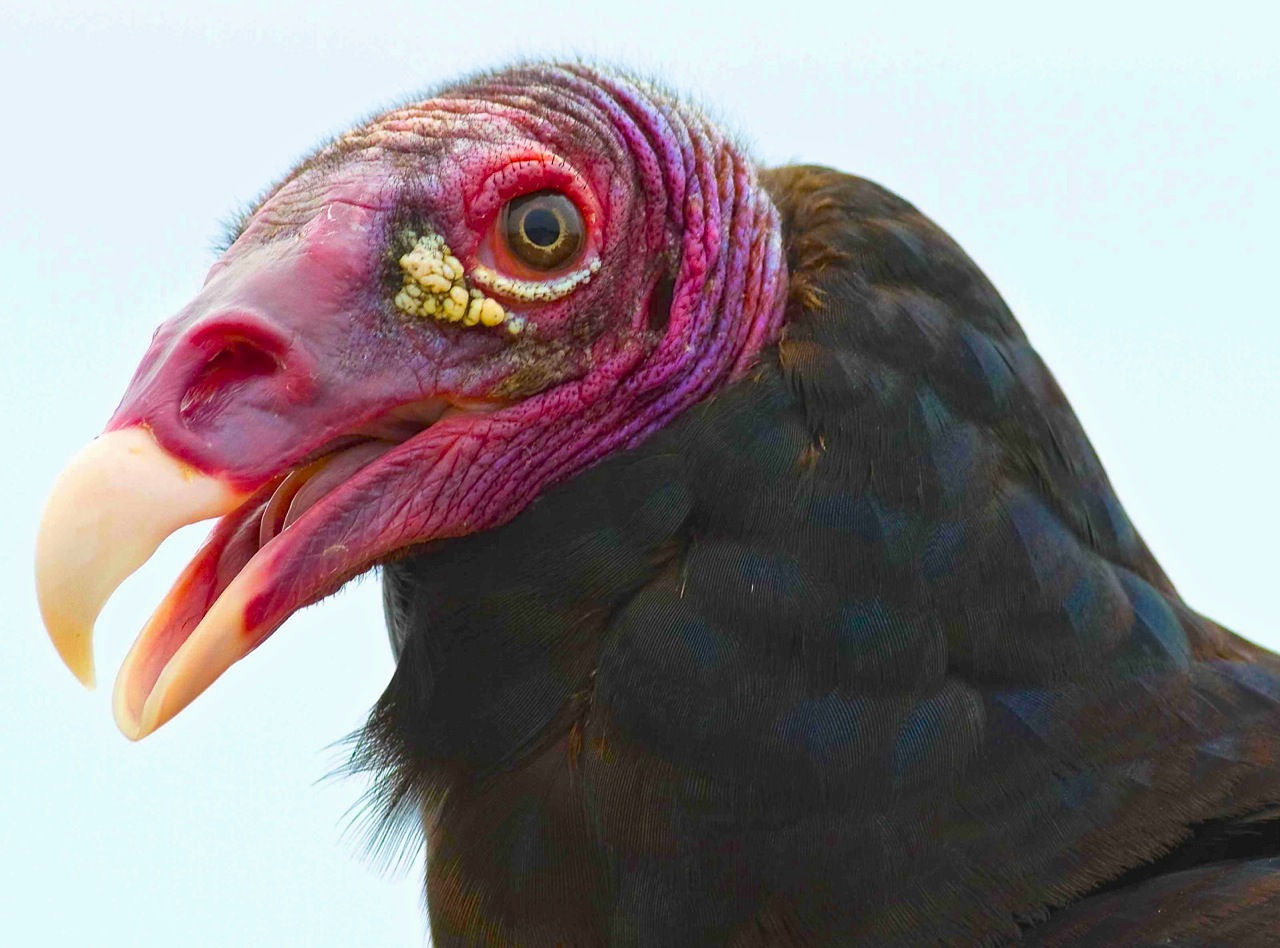
This wonderful picture taken by Irish photographer Craig Nash appears on page 215 of “The Birds of Abaco”. It was awarded a full page to itself, and a few people have asked about this authorial / editorial decision. The simple answer is that the book is full of lovely pictures of gorgeous birds. Too much perfection can become tedious, and an occasional corrective is called for. The Turkey Vulture Cathartes aura is often described in detail, but only a really good close-up will reveal a bird that only its mother could love unconditionally. 

The text for the book is as follows: “Graceful in flight as they wheel overhead singly or in large groups catching the thermals, these large raptors are rather less attractive at close quarters. The head and neck are completely hairless. They lack a syrinx (the avian equivalent of a larynx) and can only grunt and hiss.These vultures are carrion feeders, with a sense of smell so keen that they can detect rotting flesh from afar.They usefully help to clear up road-kill on the Abaco Highway. Their defence mechanism – and what a good one – is to vomit foul-smelling semi-digested putrified meat onto a perceived threat”. 

Double-click on the image and you will be able to count the hairs on his chin. Go on. Nothing to lose. You can find out plenty more about these fine birds and their somewhat revolting habits including 10 Essential Facts, what they sound like, the statistical percentage photographed from below, and a free yet horrible Metallica song at ‘CARRION SCAVENGING’: TURKEY VULTURES ON ABACO

Turkey Vulture, Abaco - Craig Nash 1