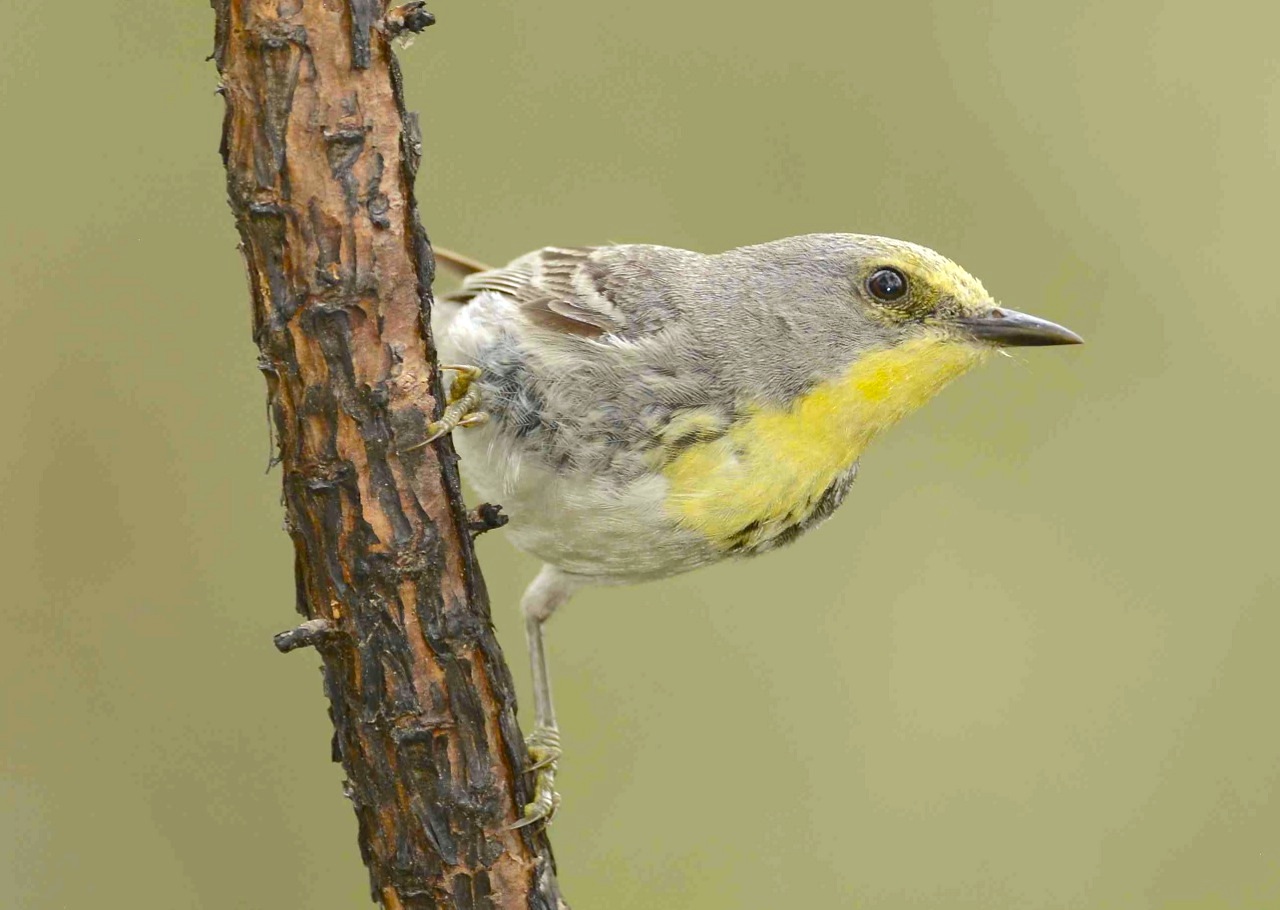
The olive-capped warbler is one of Abaco’s 5 permanent resident warblers, out of 37 warbler species recorded for Abaco. The other PRs are: Bahama Warbler, Bahama Yellowthroat, Pine Warbler and Yellow Warbler. (Photo: Tom Sheley)

The olive-capped warbler is one of Abaco’s 5 permanent resident warblers, out of 37 warbler species recorded for Abaco. The other PRs are: Bahama Warbler, Bahama Yellowthroat, Pine Warbler and Yellow Warbler. (Photo: Tom Sheley)

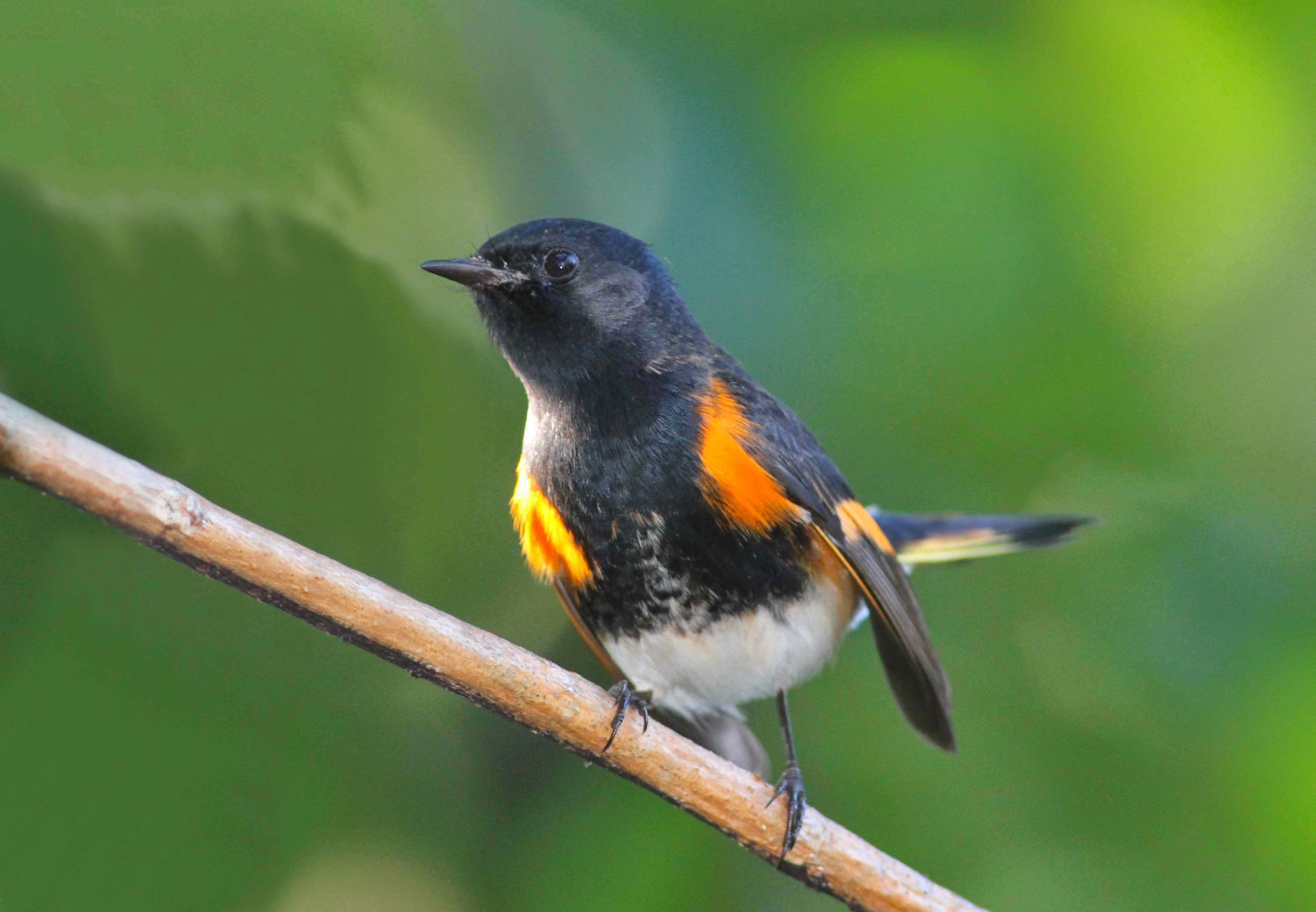
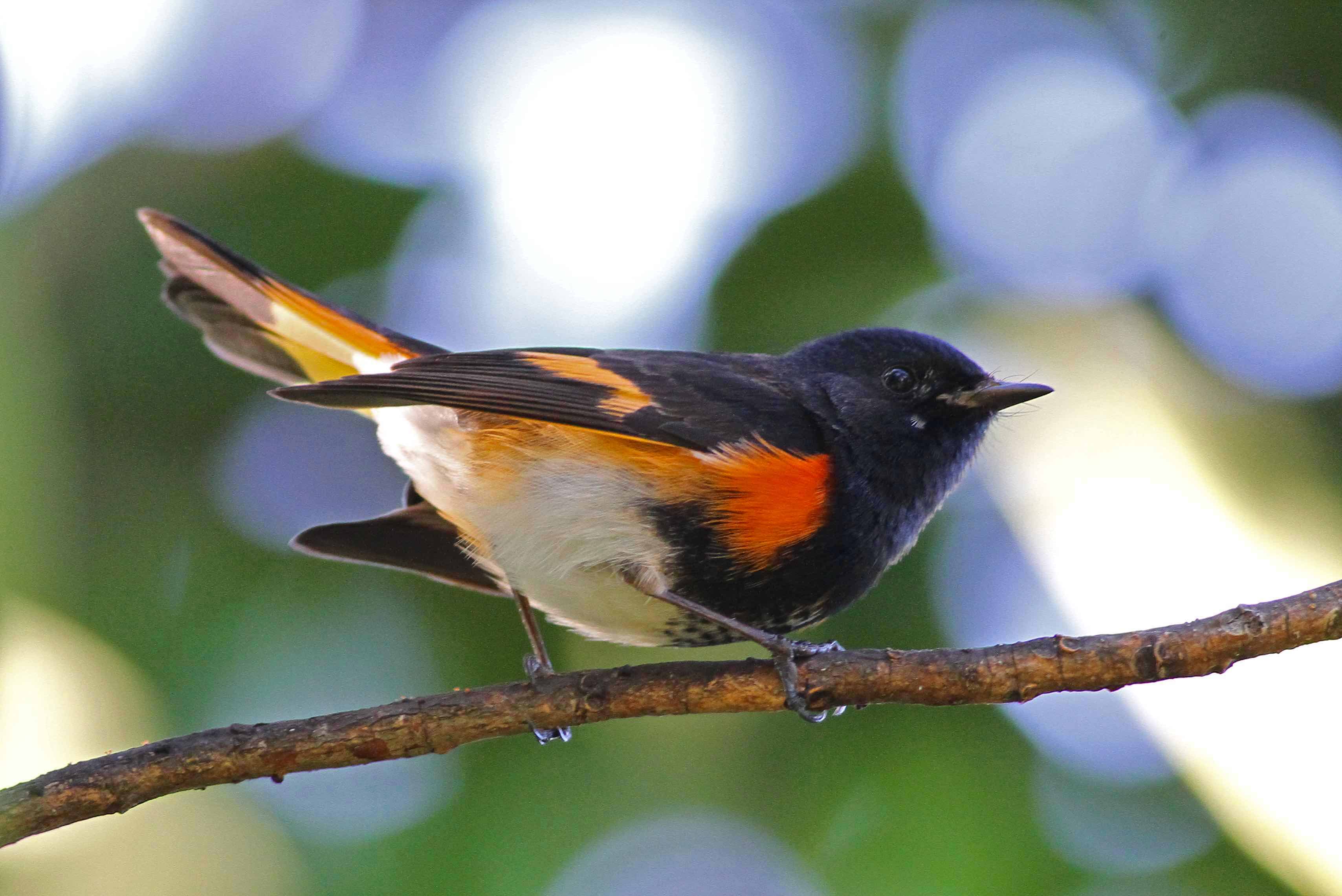
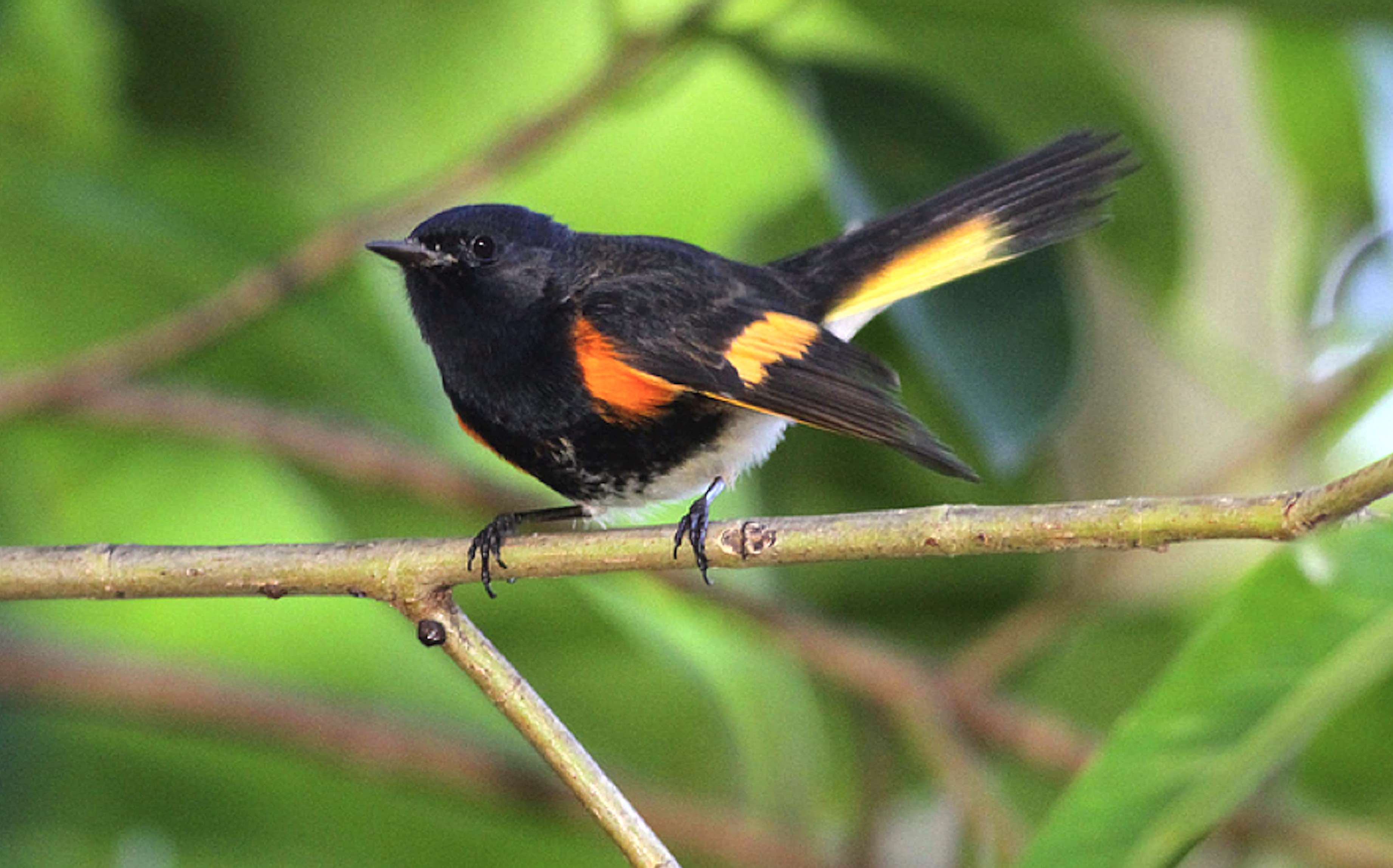
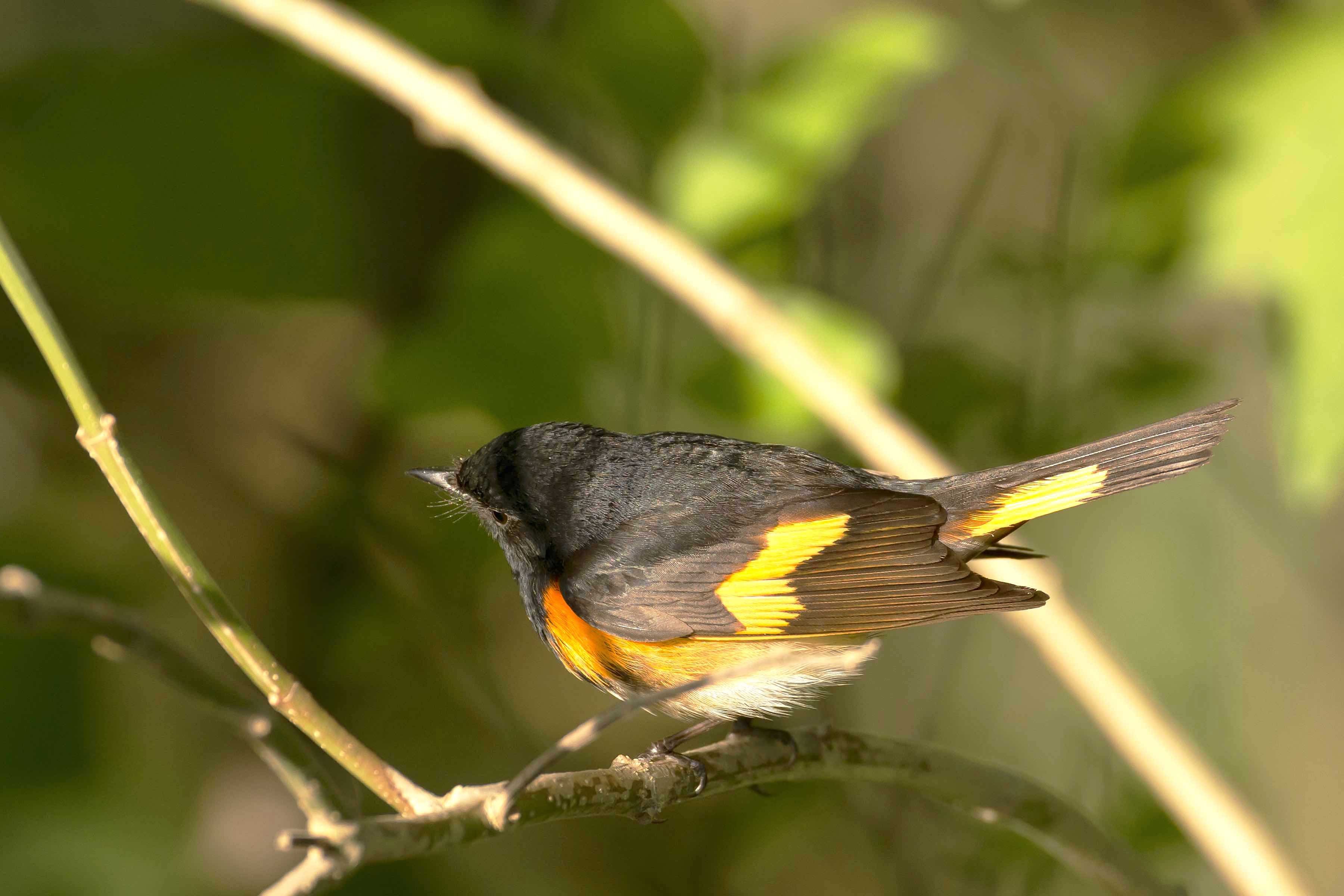
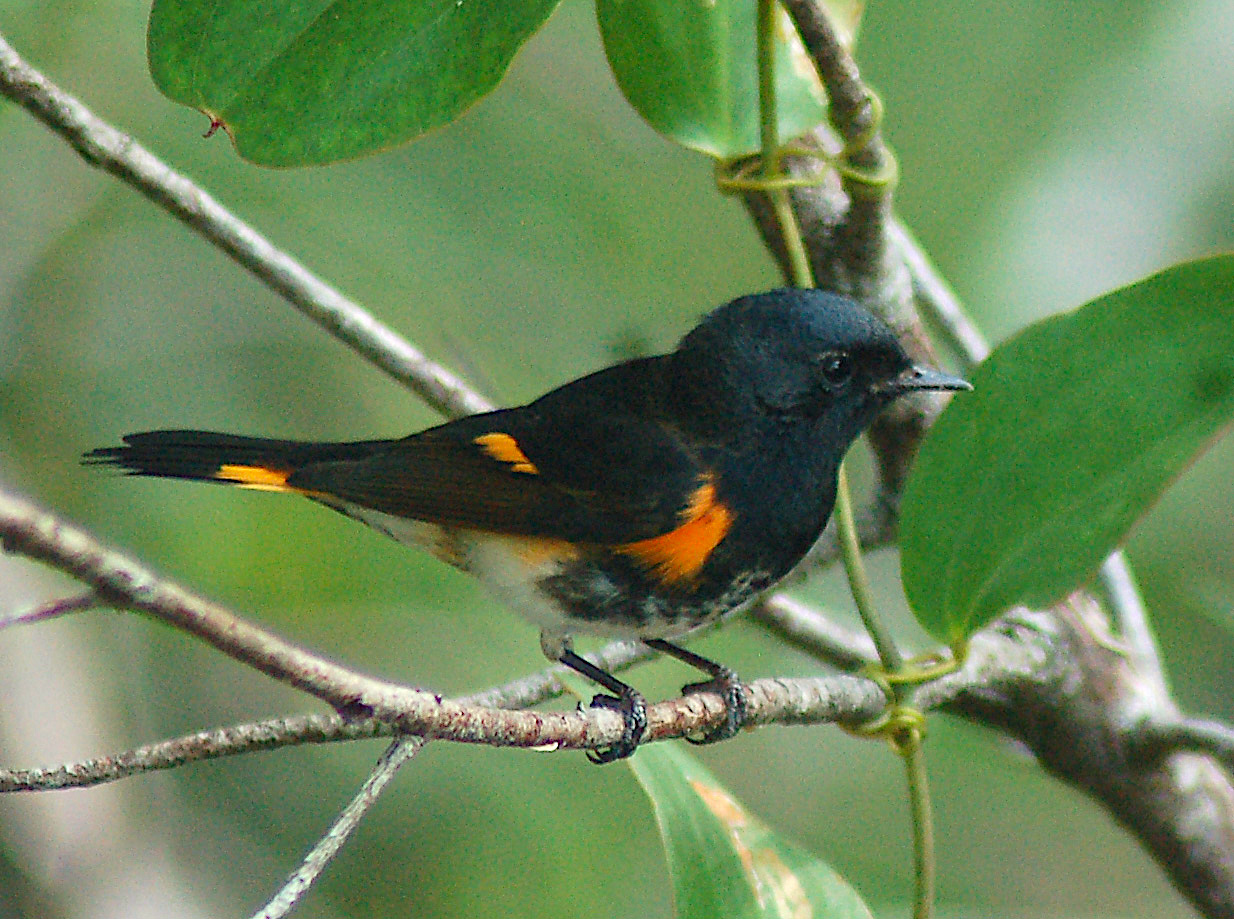
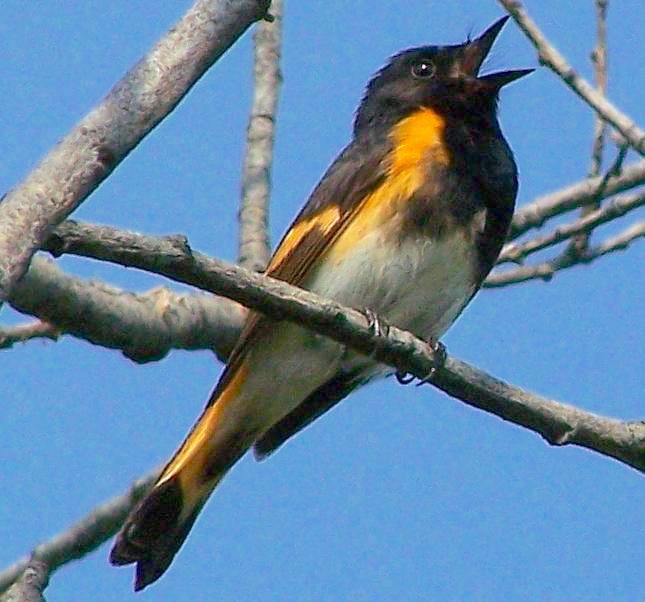
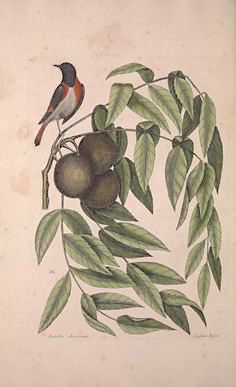
Time to rectify an omission and to feature the striking orange and black male American Redstart Setophaga ruticilla. A while ago I posted about the equally distinctive yellow and black females HERE (the dissimilar colouring between the sexes of these little warblers is due to differing carotin levels in each). These unmistakeable winter residents are common on Abaco. They are an easy warbler for new birders look out for, being unlike any other small warblerish-looking bird. All the birds here were photographed on Abaco.
 TEN REDSTARTLING FACTS (& a comment)


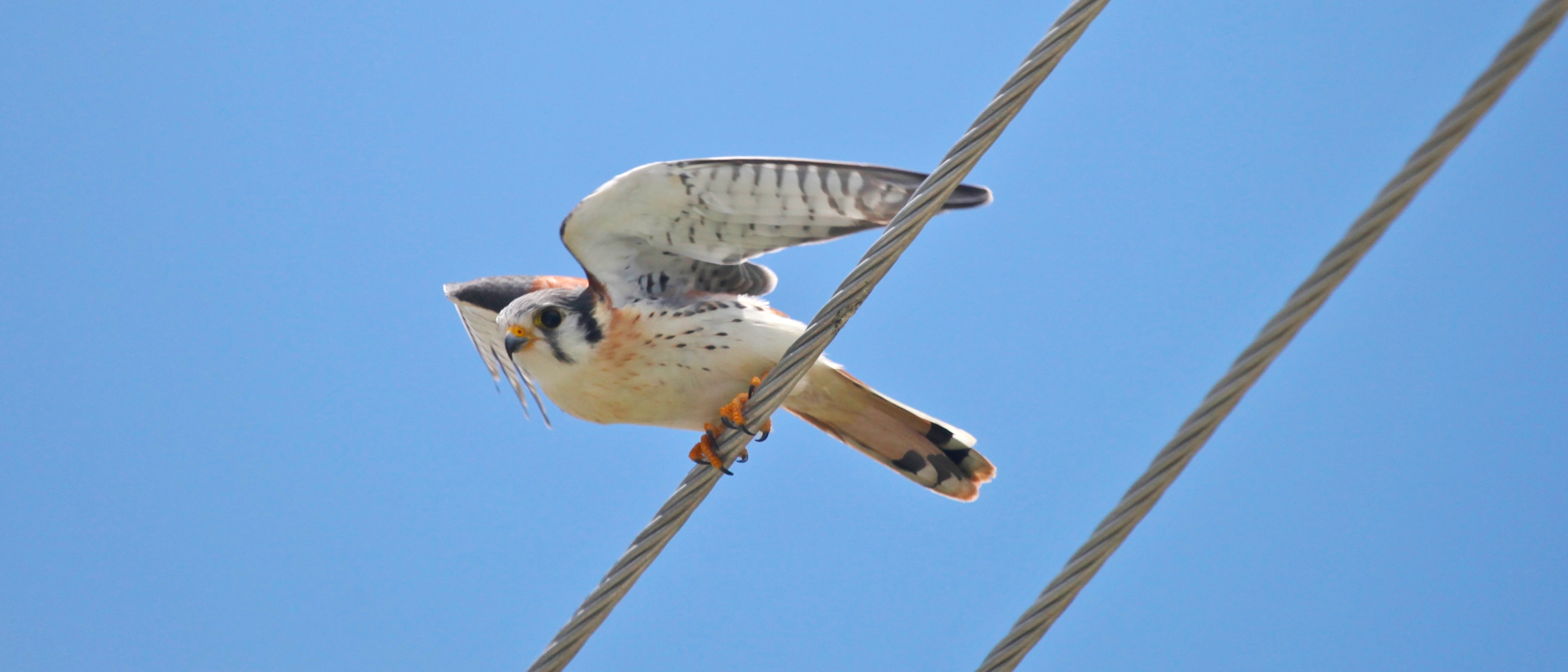
To be honest, I haven’t done these fine birds justice. Barely a mention of them for 3 years. Too much else on the land and in the water to choose from. I posted some of my photos from an outing to Sandy Point HERE. And the kestrel kinsman MERLIN got some attention a while later. Time to make amends with some more AMKE.

As many or most of the images show, utility wires (also posts) are a favourite perch for kestrels. They get an unimpeded view of the only thing that really matters in their lives – outside the breeding season, of course – PREY.
In my experience it’s quite rare to see AMKEs on the ground – unless they are in the act of ripping up some hapless rodent pinned to the earth. I was with photographer Tom Sheley when he captured this fine bird in the grass.

Tom also took this outstanding photo, on an overcast day, of a kestrel feeding its fledgeling a large insect.
Treasure Cay and its surrounding area makes for a good day’s birding. Although South Abaco, below Marsh Harbour, is the go-to location, TC has plenty of scope for a great variety of species from shore birds to songbirds – including the occasional Kirtland’s warbler. The golf course pond at hole #11 is well worth checking out (with permission at the club house, rarely declined unless there’s an event of some sort). So is the large brackish lake system where you may well find herons and egrets. There’s been a rare (for Abaco) pearly-eyed thrasher there recently. And you may find yourself being watched by a kestrel from a vantage point.

A richly-coloured specimen
A kestrel in streamlined flight, with its feet tucked tightly under its body
Bird on the Wire
OPTIONAL MUSICAL DIGRESSION
One of Leonard Cohen’s standards, and a song covered by almost everyone from Johnny Cash to Heathen Gonads*, Bird on the Wire was on the album Songs from a Room (1969). It was a favourite of Cohen’s, who once said “I always begin my concert with this song”. Covers range from the excellent via good, interesting, and strange to outright bizarre. Joe Bonamassa’s take on it (as Bird on a Wire) on Black Rock, is certainly… unusual**.
Credits: Bruce Hallett (1, 10); Charles Skinner (2); Peter Mantle (3, 9); Tom Sheley 4, 5, 6); Nina Henry (7); Tom Reed (8)

*not really . **shows originality & ingenuity -vs- dents his purist bluesman credentials

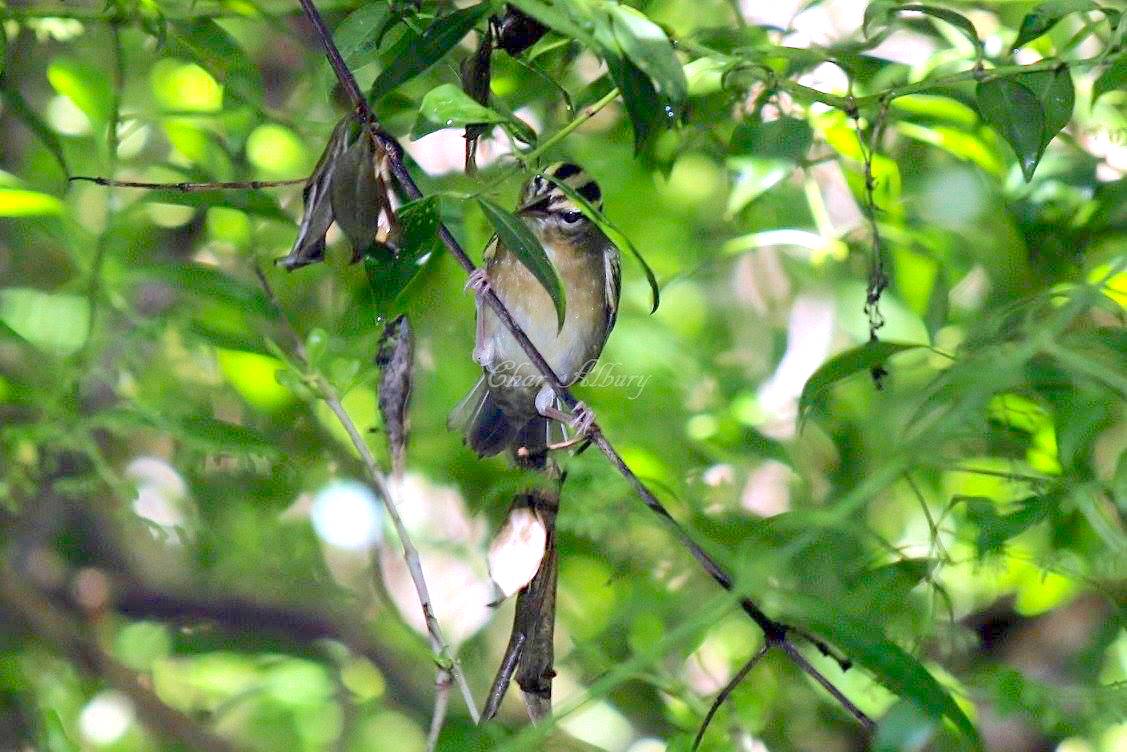
The little worm-eating warbler (Helmitheros vermivorum) is unique. Not because of its worm-eating propensities or its warbler-ishness (or the combination), but because it is the only species currently classified in the genus Helmitheros. The Swainson’s warbler was once in the same genus, but the WEWA saw off the competition.
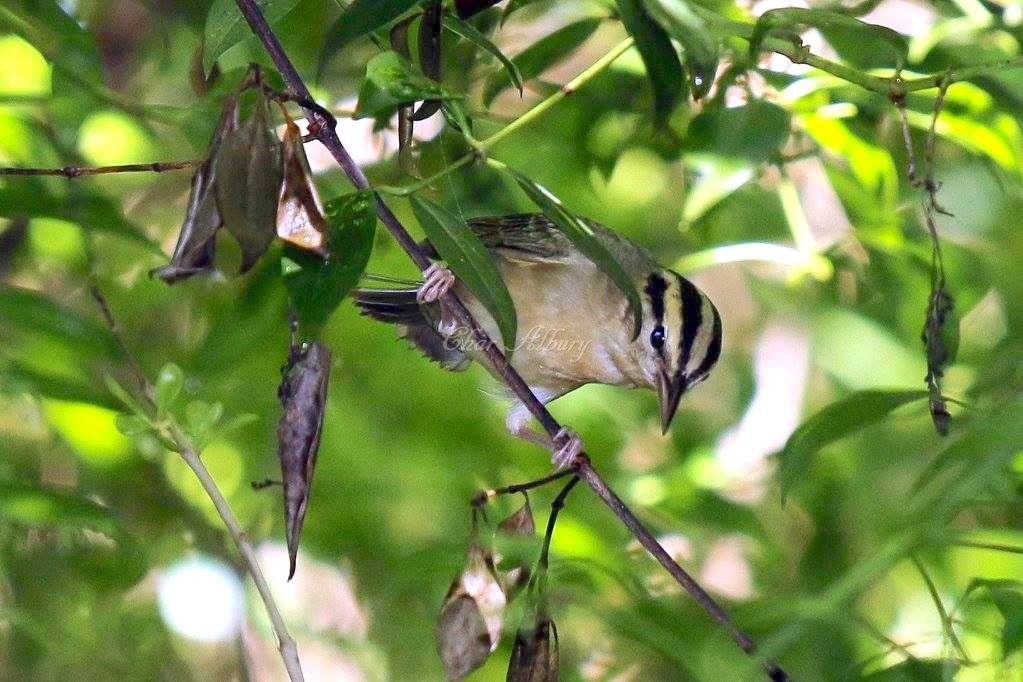
SO WHAT IS A HELMITHEROS THEN, IF IT’S SO SPECIAL?
The word is Greek, meaning something like ‘grub-hunter’. And the Latin-derived vermivorum reflects the diet of a VERMIVORE – an eater of worms. But this description is, like a worm, somewhat elastic. It includes caterpillars, larvae, grubs, spiders and similar creatures. But whereas there are other warbler vermivores there is only one Helmitheros.

SOME WORM-EATING FACTS TO DIGEST
**cowbirds are luckily very uncommon on Abaco but are spreading their range at an alarming rate and pose a potential threat to many Bahamas bird species

DISTRIBUTION & CONSERVATION STATUS
The breeding range of the worm-eating warbler covers much of the eastern half of the US as far south as the Gulf Coast. It winters in the West Indies, Central America and southeastern Mexico. There is no overlap between summer and winter habitat. Because of the vulnerability of this ground-nesting species to a number of threats (see FACTS above), they are now IUCN listed as ‘Special Concern’ in New Jersey.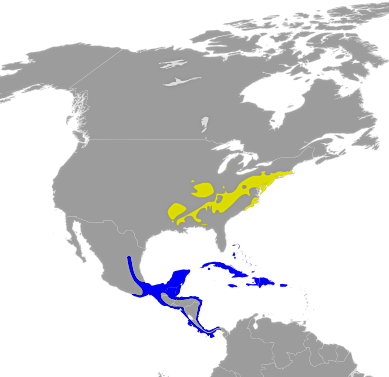
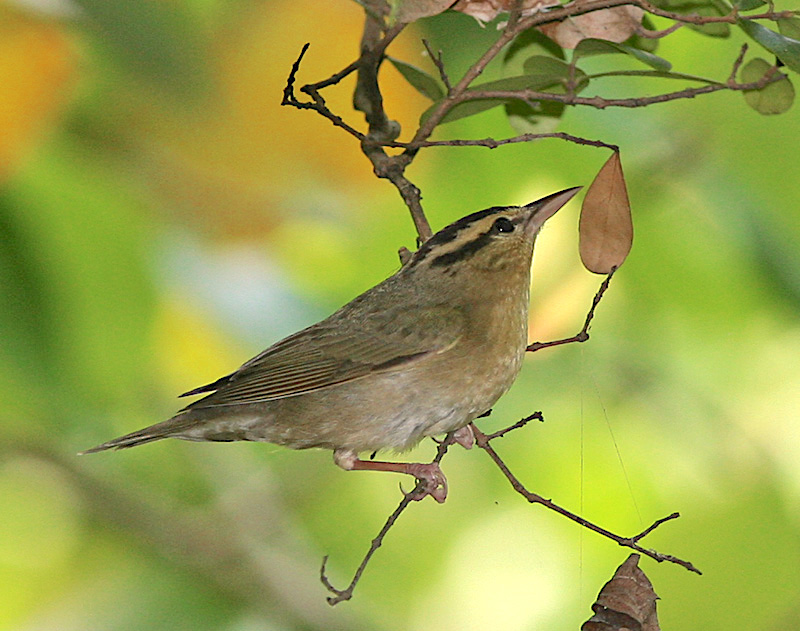
WHAT DO THEY SOUND LIKE?
In this case the song and call, as transposed into human, really does sound like the bird itself. The song is a rapid squeaky trill; and the calls for once do actually sound like ‘chip’ or ‘tseet’. See what you think.
Paul Marvin / Xeno-Canto
THE (ORIGINAL) DIET OF WORMS – A DIGRESSION
Studied European history? Had a laugh over The Diet of Worms in 1521? This was an assembly (or ‘diet’) of the Holy Roman Empire that took place in the City of Worms. There had already been several. This one resulted in an edict concerning Martin Luther and protestant reformation, with the consequence that… [sorry, nearly nodded of there. Just as I did at this stage at school I expect]

It is always instructive to look at Audubon’s fine depictions from the early c19. Here is his WEWA. Notice that it is here called Sylvia vermivora. So he had the worm-eating part, but the first part of the name rather strangely relates to a group of old-world warblers. No, I’ve no idea why.

Credits: Photos – Tom Sheley (1); Charmaine Albury (2, 4, 6); Andy Reago & Chrissy McClarren (3, 7); Tom Friedel (5). Research material – CWFNJ / Michael J Davenport; Tom Fegely / The Morning Call; assorted magpie pickings & open source


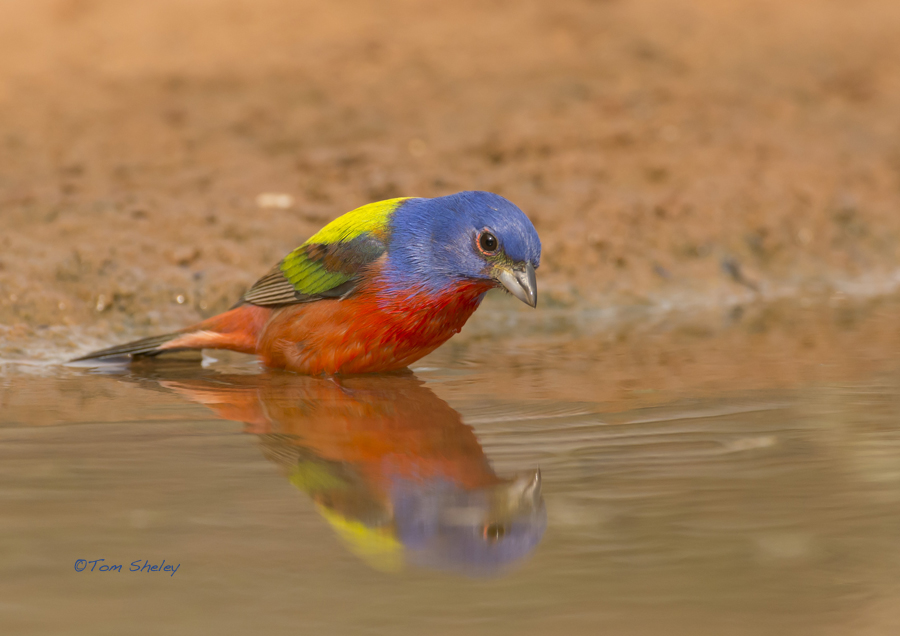
It’s a statistical fact that 99% of people “love” or “adore” painted buntings. The 1% were rather standoffish “Don’t Nose”, preferring to keep their views to themselves. PABU are winter residents on Abaco, not especially common but drawn irresistibly to feeders. To me they are the colour of Christmas, magically decorated with the favourite pigments from a child’s paintbox. So before I get stuck into the imminent festivities, I’ll leave you with a few of these gorgeous creatures to enjoy…


A male and female painted bunting sharing on of the Delphi Club feeders

Wishing all friends and followers of Rolling Harbour a wonderful Christmas and a very happy New Year. See you when I have been safely discharged from the festive recovery ward…
Credits: Tom Sheley (1, 5), Erik Gauger (2), Tara Lavallee (3, 4), Keith Salvesen (6)
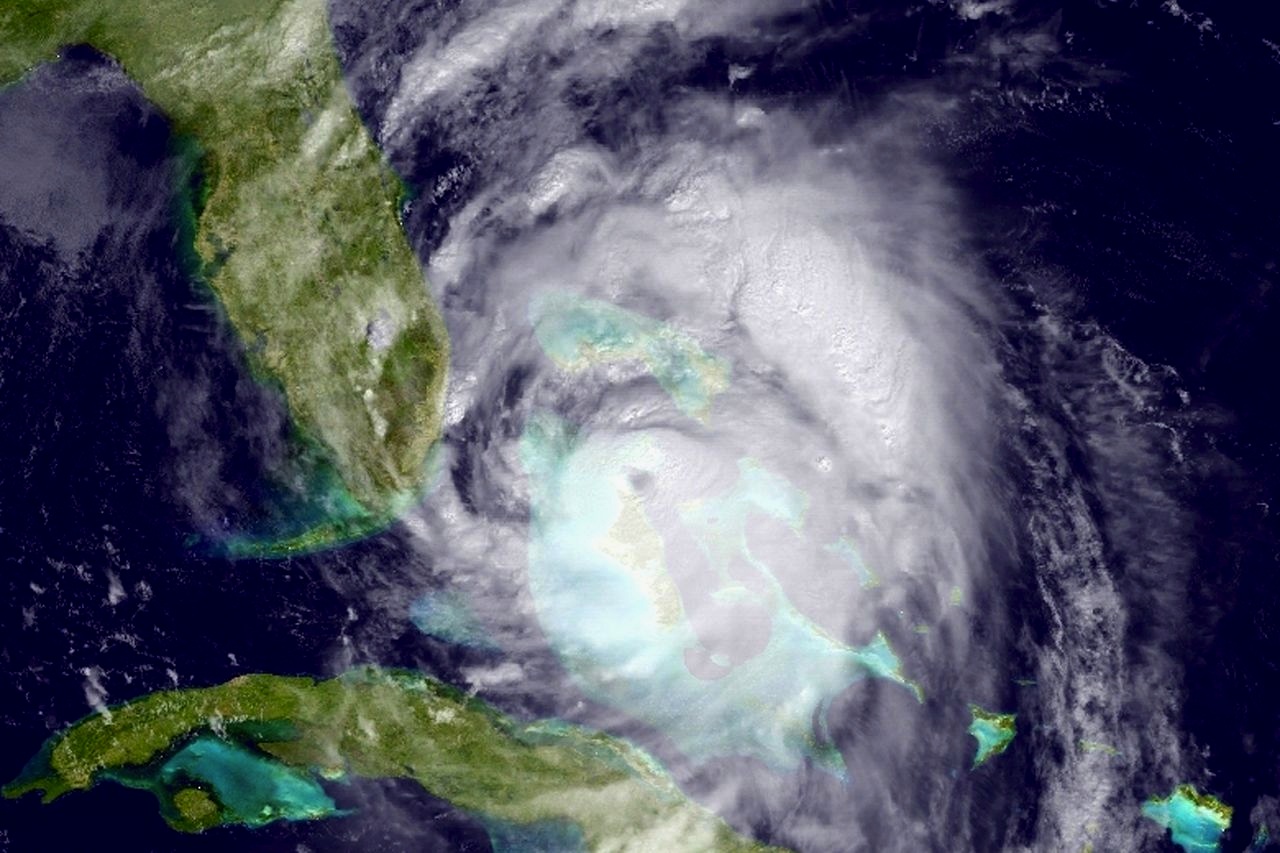
Early reports and post-hurricane news for Abaco is fortunately encouraging, though I appreciate that the Island’s good fortune at the eleventh hour swerve by Matthew only meant that others came into the direct firing line. Plenty of environmental damage, of course, but in human terms the harm seems mercifully light.

It’s too early to determine the impact on the wildlife of Abaco. The migratory winter birds must be wondering why they bothered this year. Land birds are obviously put at risk by the trashing of their habitat in the violent winds. Shore birds, too, are vulnerable: some beaches on Abaco are open to big tidal surges in high winds. Massive waves have smashed their way up the beach at Delphi. Long Beach, where the largest concentrations of piping plovers congregate at certain times, is also very exposed to surges. 
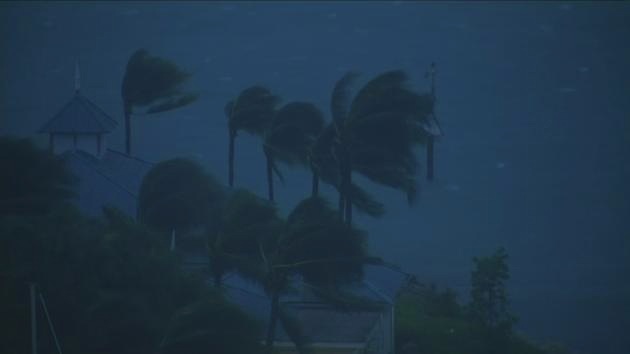
Time will tell how the birds have fared. Meanwhile, here are some cheerful pictures – some of my favourite species – to relieve the gloom.


OPTIONAL MUSICAL DIGRESSION

‘BRYTER LAYTER’ was the second album by a ‘troubled genius’, the supremely talented but sadly doomed Nick Drake. Released in 1971, it failed to convert the ripples caused by his debut ‘Five Leaves Left’ (1969) into a deserved wave of popularity, not least because Drake was already starting his gradual retreat from live performance, from social contact, and indeed from life. Here’s the title track, a pastoral instrumental with orchestral embellishments, and (unusually) without Drake’s distinctive, wistful voice.
Credits: NASA / ISS, News open sources, Peter Mantle, Keith Salvesen, Bruce Hallett, Tom Shelley

Monday was International Pigeon Appreciation Day 2016, apparently. I’m not a huge fan of limitless species being accorded their own special day each year: “Celebrate International Plankton Day – Be Kind to your Favourite Protozoa!” or “Global Millipede Day: Take an Arthropod for a Walk!”.
White-crowned Pigeon (& header image)
I’m not sure where pigeons come in all this. In many cities feral pigeons are considered vermin – yet people love to feed them, even the ones with rotted feet and one eye. Especially those ones. Pigeons may be pests in crop fields, yet HEROES in wartime. They may be decorative, yet are, regrettably, good sport and delicious.
White-winged dove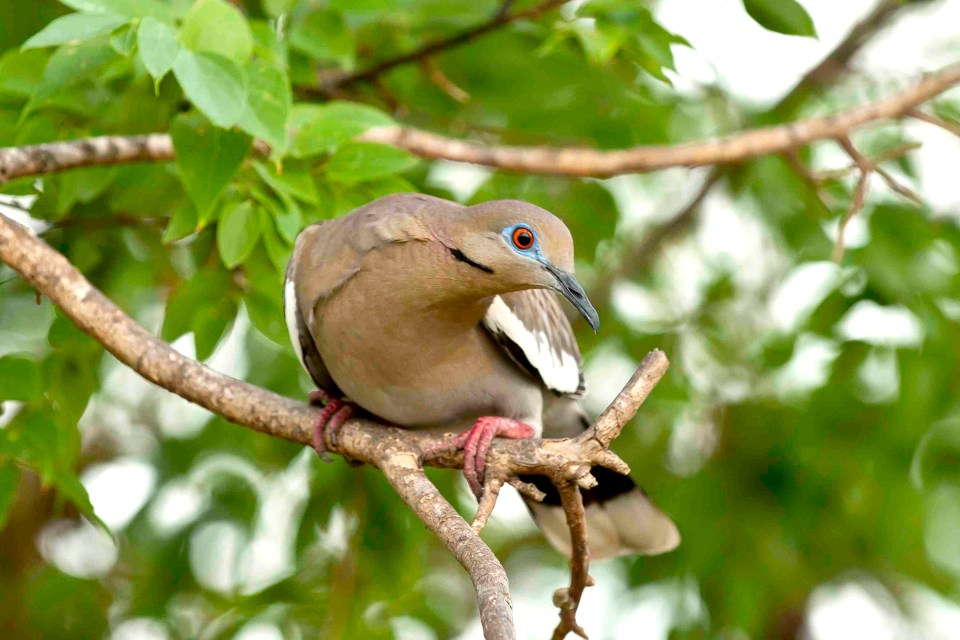
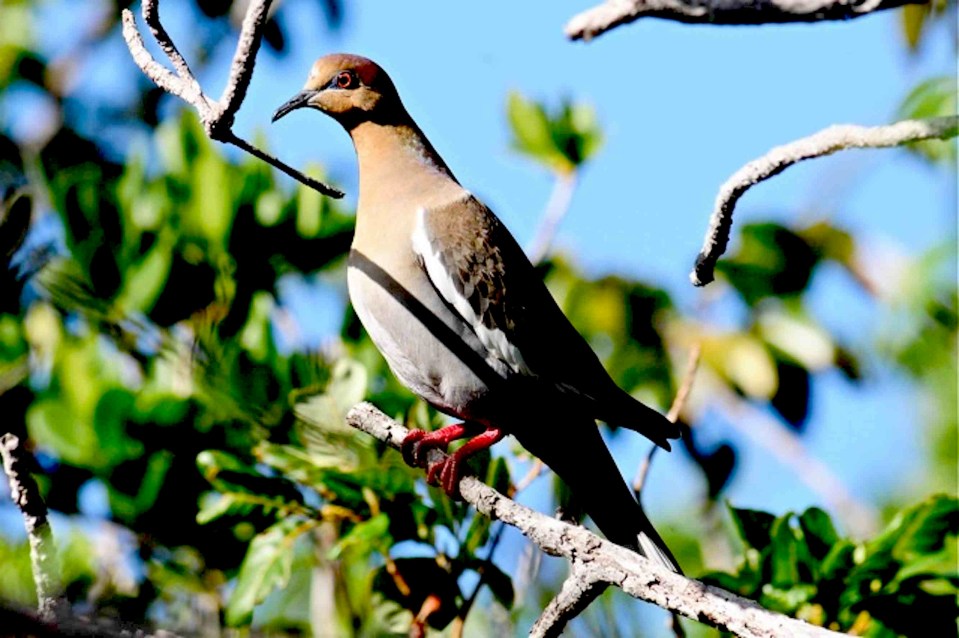
I’ve decided to take a broad view with pigeons and doves (there’s no significant difference), and not to be sniffy about Columba and their special day. They are pretty birds and they deserve it. So I’m featuring some Abaco pigeons and doves to enjoy, representing every species found on Abaco – and a bonus dove from New Providence at the end.
Eurasian Collared Dove

The Columbidae of Abaco: all permanent breeding residents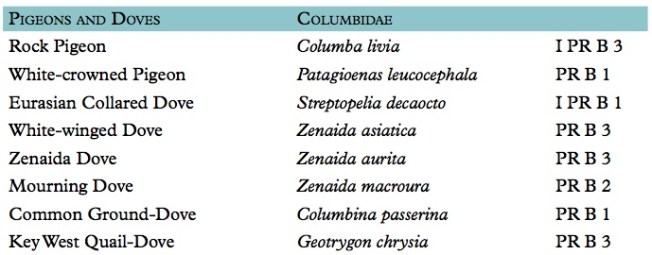
Common Ground Dove (Tobacco Dove)

SPORT REPORT
PROTECTED SPECIES From a sporting and culinary point of view, the following pigeons and doves are protected by law at all times: Common Ground (Tobacco) Dove; Keywest Quail-Dove
SHOOTING IN SEASON The following have open season from roughly mid-September until March: Zenaida Dove; White-crowned Pigeon; Eurasian Collared Dove; Mourning Dove
UNPROTECTED – NO DESIGNATED CLOSED SEASON White-winged Dove (but why? they are fairly uncommon on Abaco); Rock Pigeon.
Zenaida Dove
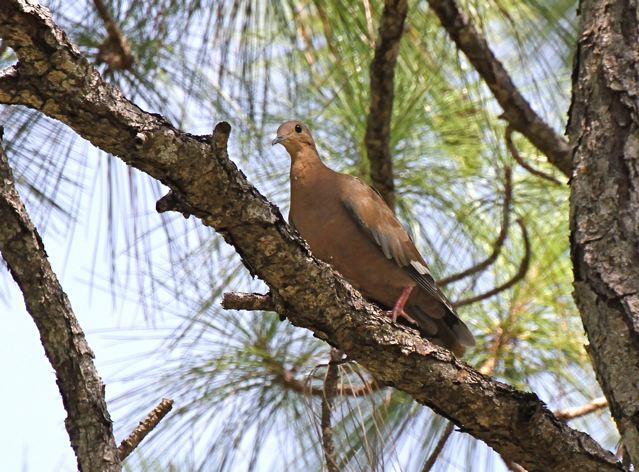
Key West Quail-Dove
The second bird of this pair was recently photographed by Milton Harris at the north end of Elbow Cay. More details HERE 

Rock Pigeon

Mourning Dove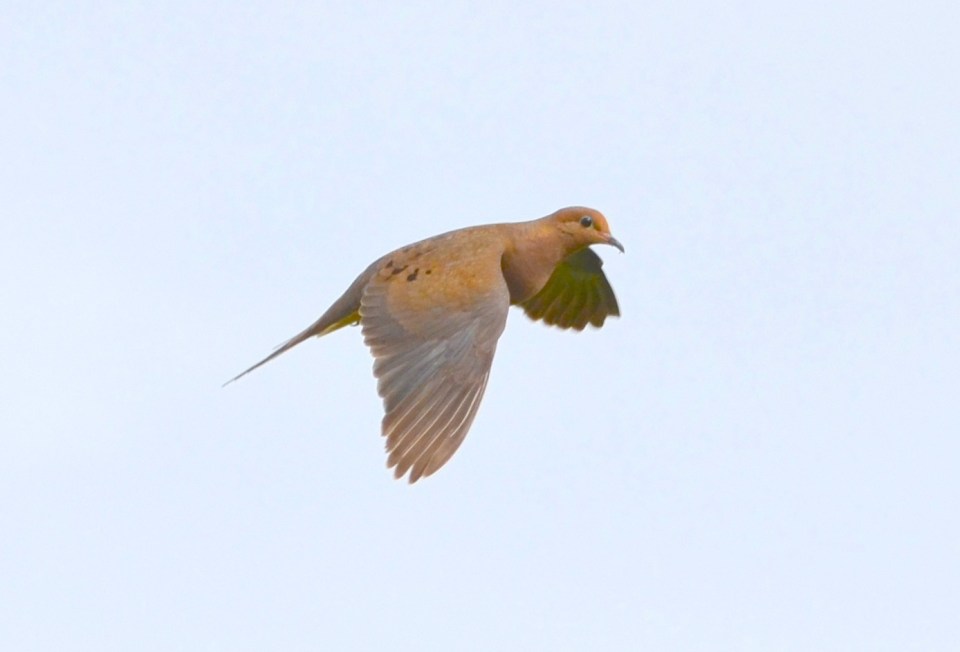
The birds shown above represent the 8 species found on Abaco. However, not far away in New Providence, there is a beautiful pigeon that has not yet made its way over to Abaco and has yet to be introduced there. I am ambivalent about the deliberate introduction of alien species, because of the frequently very real risks to native species in terms of territory, habitat, food sources and so forth. But where there is no detectable threat to the local species, perhaps there is no great harm. I’d certainly like to see these lovely birds flying around – if possible, as a protected species…
Pied Imperial Pigeon (Nassau)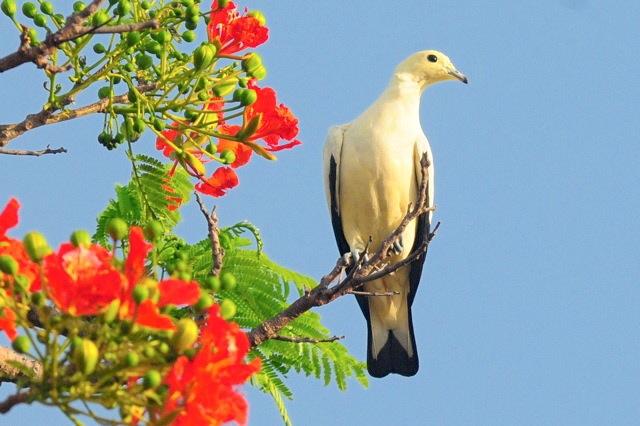

Photo credits: Gerlinde Taurer (1); Alex Hughes (2); Tom Sheley (3, 7, 13); Tony Hepburn (4); Keith Salvesen (5, 8, 14); Bruce Hallett (6, 9, 10); Woody Bracey (11, 16, 17); Milton Harris (12); Charles Skinner (15)
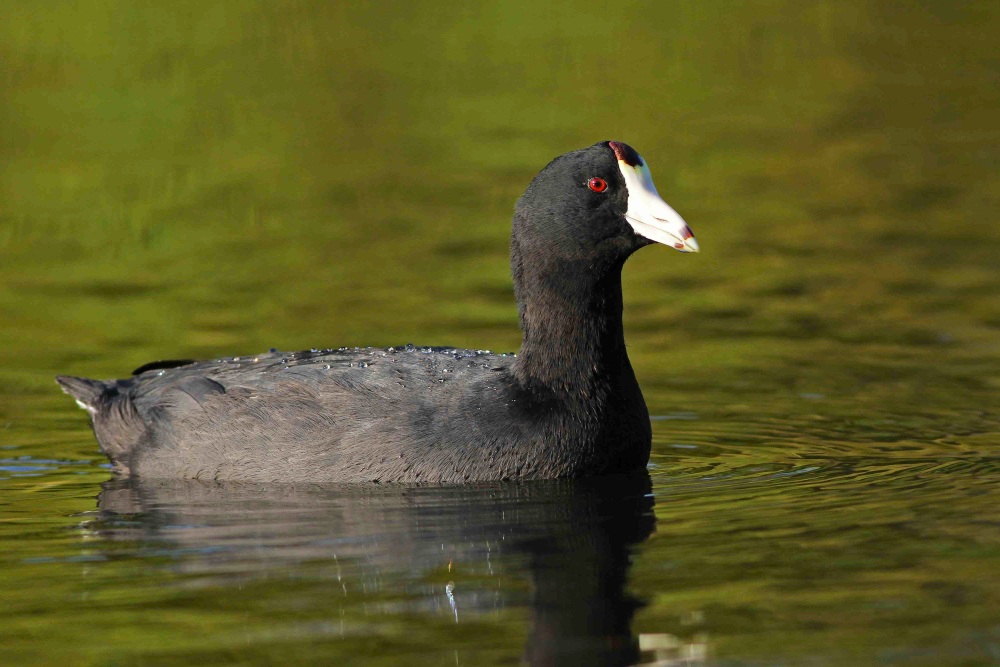
The American Coot Fulica americana is similar in many respects to the COMMON GALLINULE (MOORHEN). Except for the beak colour, of course. And as you will see below, the feet.
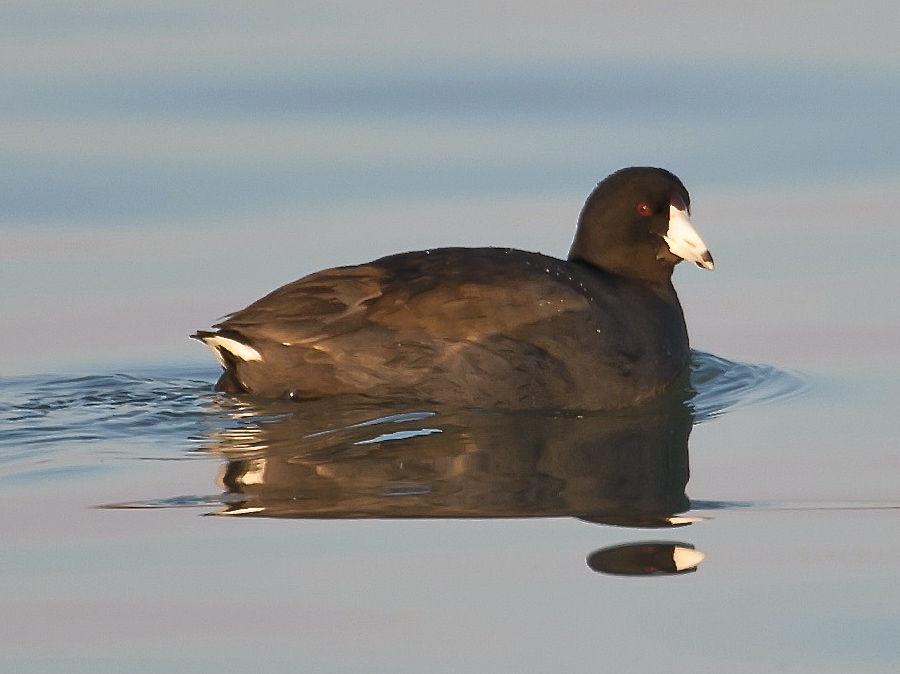
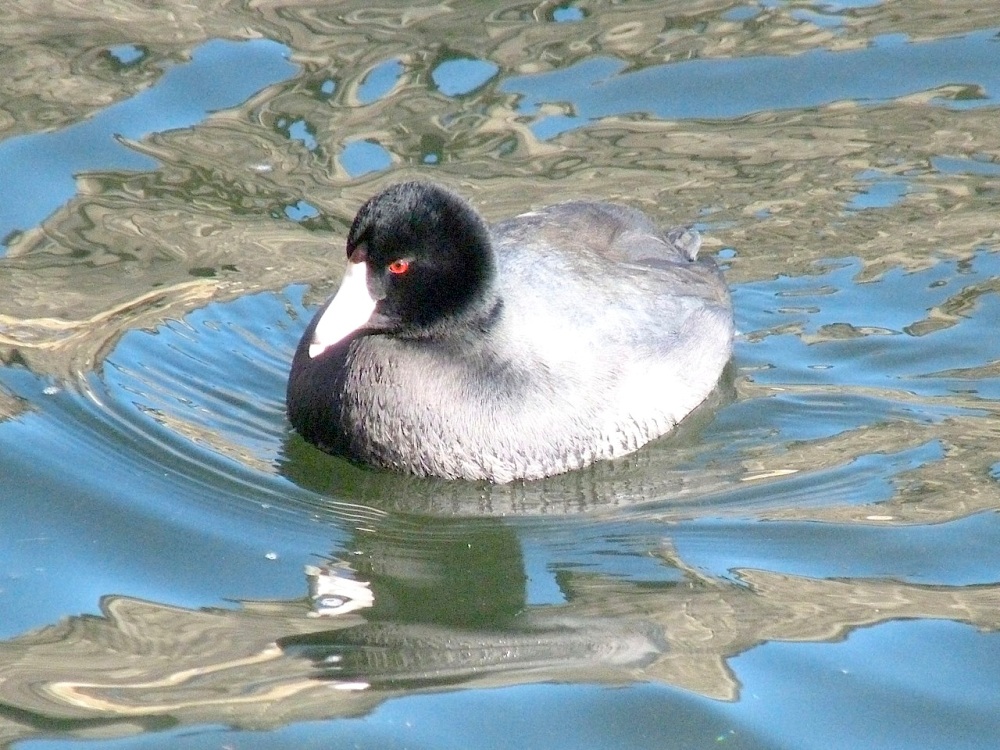
Most people would give an off-the-cuff description of a coot as ‘a black duck with a white beak’. They might add ‘…and a red eye’. Or ‘…and a dark band at the tip of the beak’. Or even ‘…I think there’s a white bit at the back end’. The header image pretty much sums up the classic coot.
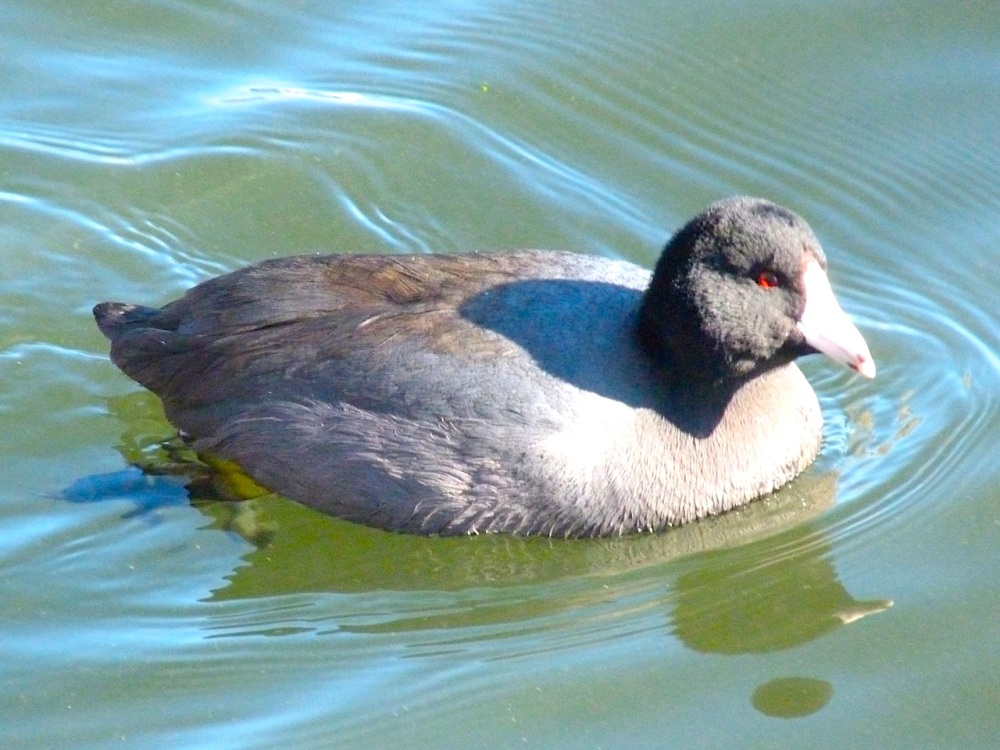
However, coots seem to take up or reflect other colours at times. The eyes remain a piercing red and the beak is white, but the body can range from black through slate-grey to pale grey, depending on the light. There may even be a tinge of brown or even orange.
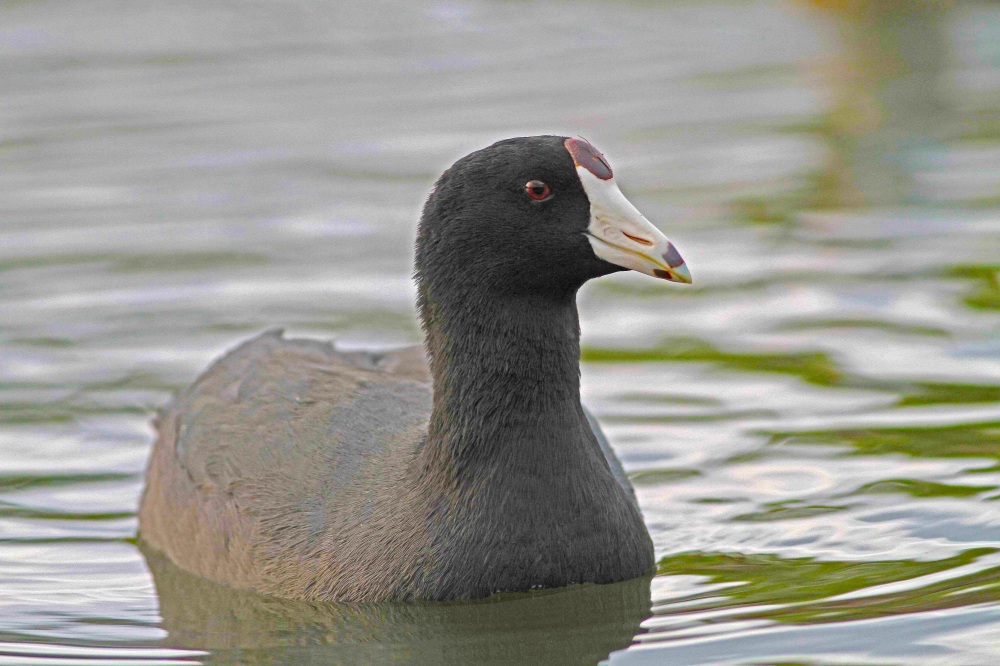
I always enjoy seeing coots and moorhens somewhere where the water ‘works’ with them and creates a dramatic image. I took the first photo below recently on the JKO reservoir in Central Park, New York, where the water looked weirdly like molten metal and some trick of the light made the bird seem as if is was in a shallow depression in the water.
Tom Sheley took the photo below on a ‘green water’ day at the pond on Treasure Cay Golf Course. I have recommended it before as an excellent birding site for waterbirds – coots, moorhens, Bahama pintails, northern pintails, neotropic cormorants, blue-winged teal, least grebes, pied-billed grebes, green herons – I’ve even seen a reclusive least bittern there. There are plenty of ‘land’ birds on the course too.
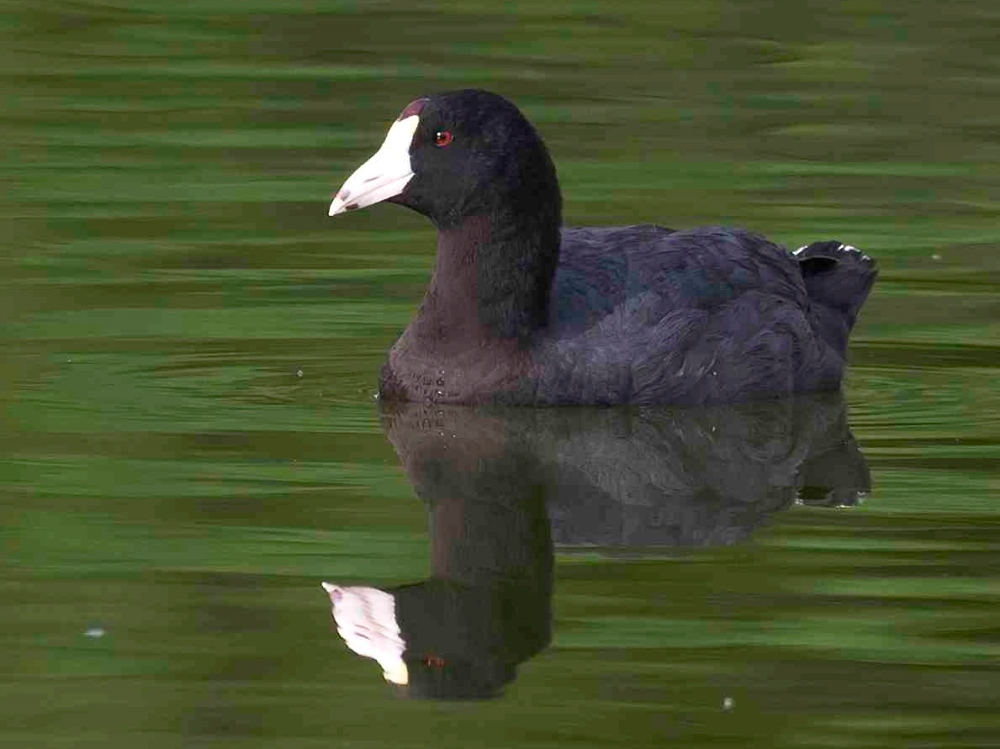
If you go to TCGC for the birding, you just need to clock in at the clubhouse in case it’s a match day; and so they know who is out and about on the course. And, as I wrote elsewhere, if you hear a loud yell of “Fore”, it probably won’t be someone counting the coots. Time to… er… duck.
Q: “WHAT’S AFOOT?” *
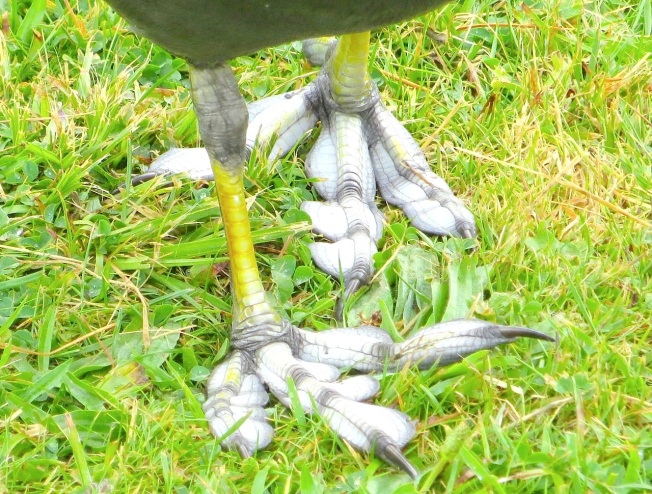
I mentioned that one of the differences between coots and moorhens is their feet. Gerlinde Taurer’s photo of a coot taking off suggests that something powerful is happening below the water to assist the wings to propel the bird into flight.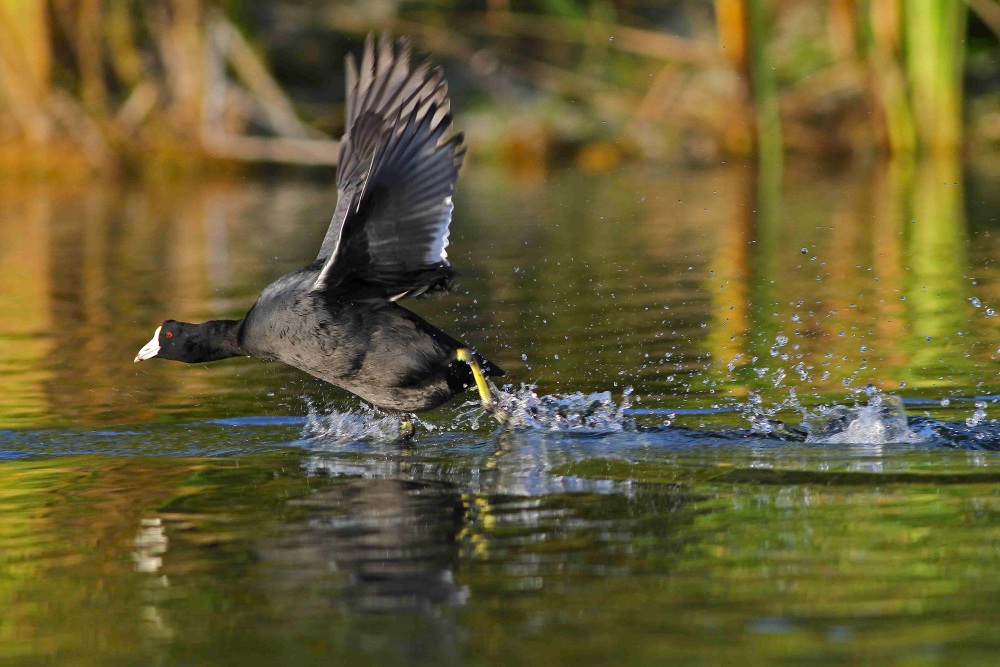
A coot’s feet are quite unlike the pedal extremities of any other bird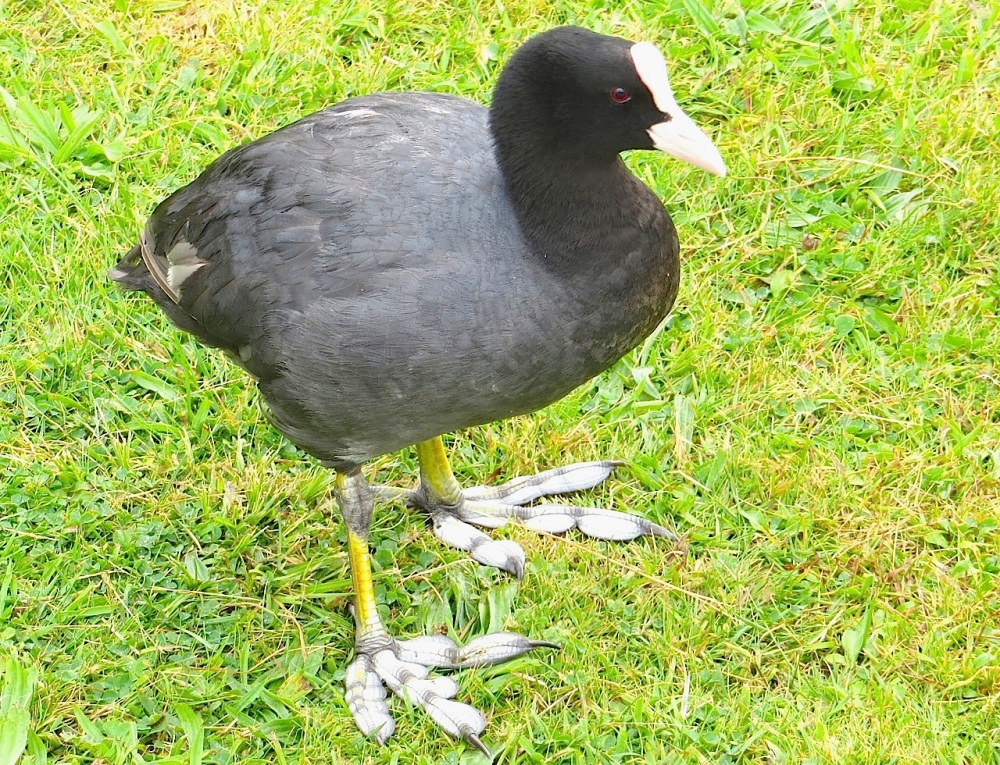
Moorhen’s feet for comparison – completely different structurally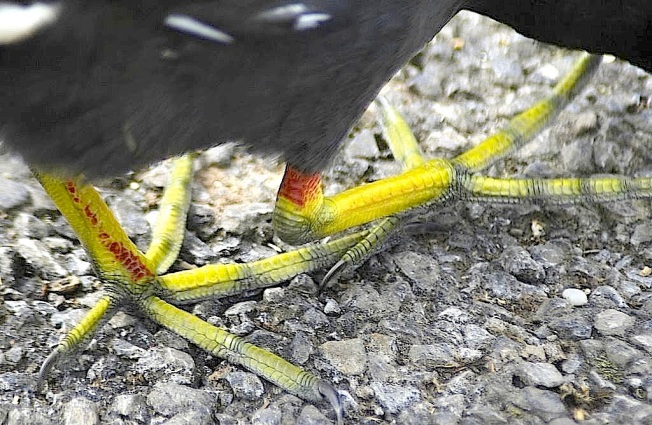 * A: “A funny-shaped thing on the end of your leg”. How we laughed (aged 7)
Credits: Gerlinde Taurer (1, 4, 7); Tom Sheley (2, 6); Keith Salvesen (3, 5, 8, 9); Mehemet Kartuk (wiki) 10

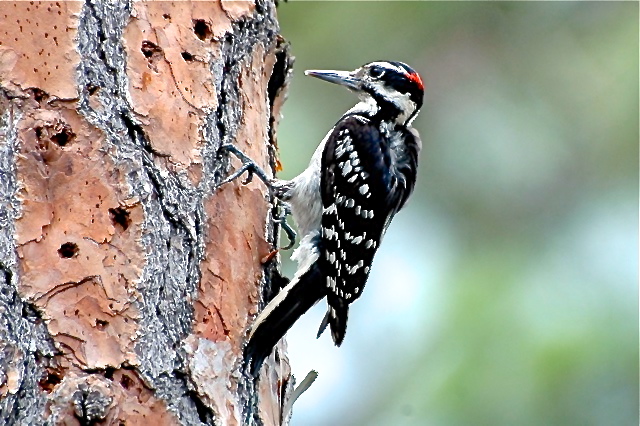
Delphi is an excellent place for woodpeckers. The Lodge itself has its own resident WEST INDIAN WOODPECKERS, who generally raise two broods a year in the nest boxes under the eaves. The coppice and pinewoods along the one-mile drives are home to the smaller Hairy Woodpeckers Picoides villosus, where they too nest annually. There’s a particular tall dead tree on the guest drive that is used every year, and from early March it is the first place I check for signs of occupation. If evident, I take it as a sign of good luck (and hope it extends to my fishing).
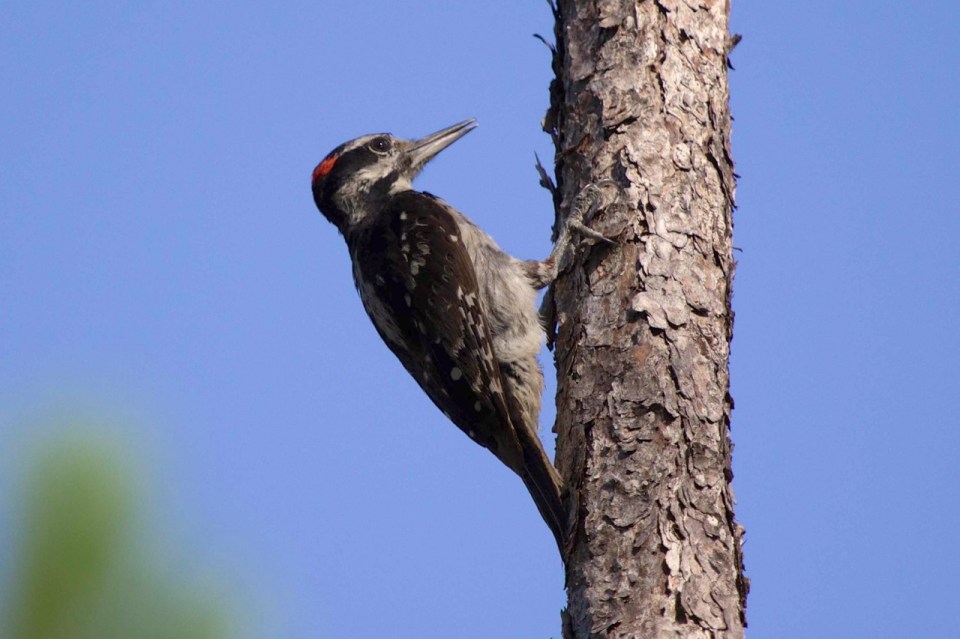

 I can’t believe I haven’t featured a hairy woodpecker for more than 2 years. As we prepare for our forthcoming trip to Abaco HQ and the consequent plethora of photos (95% of which will be deleted), here is a small gallery of males (red caps) and females, some of them taken at Delphi. Check out those huge claws of the one below at her nest on the dead tree mentioned above.

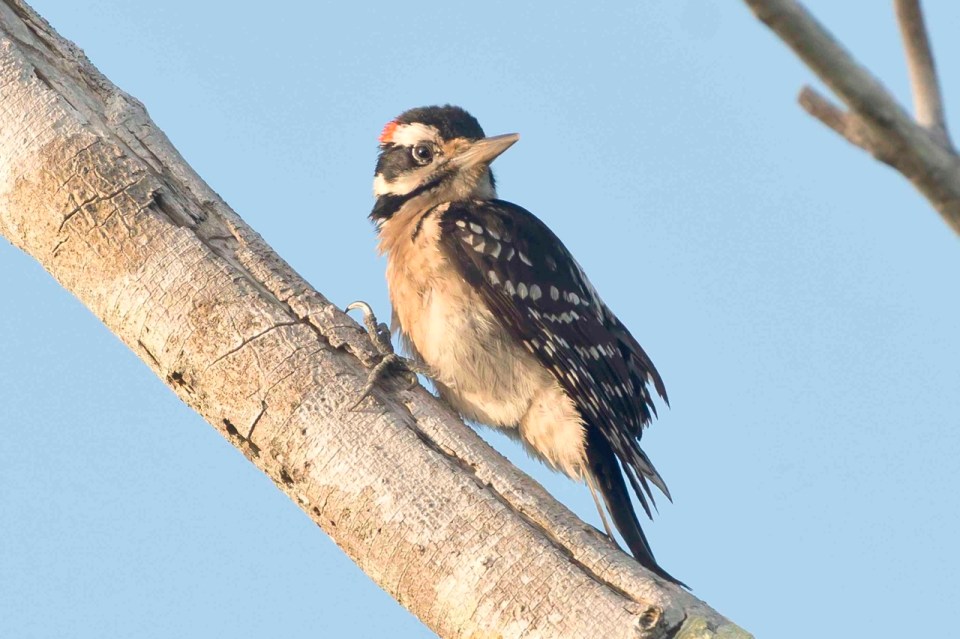
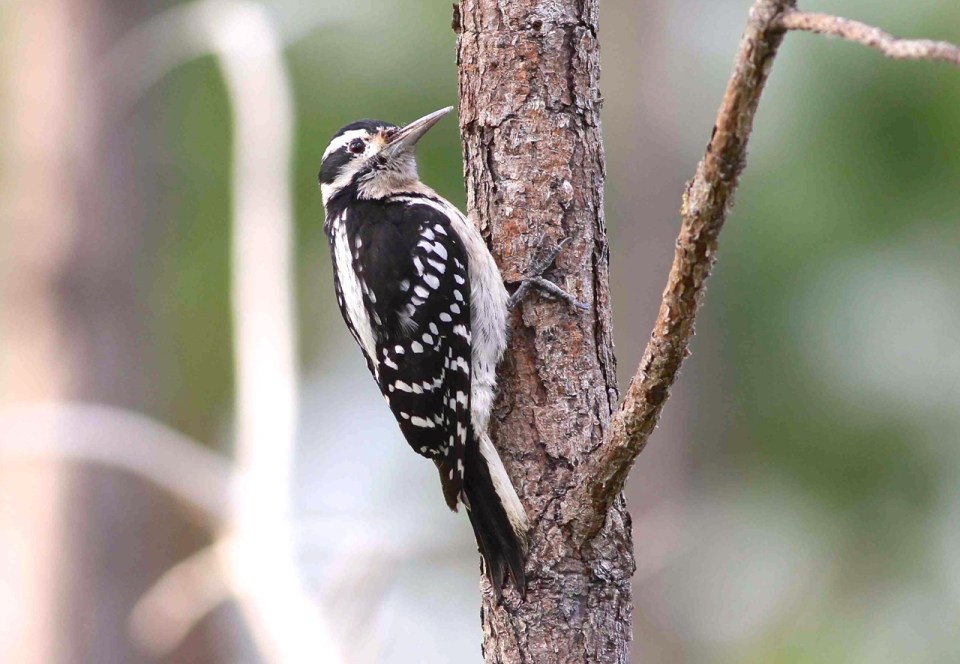
I photographed this female last year in a tree near the swimming pool. I watched it for some time, but it must have been camera shy, because although quite unconcerned by my presence, it never came right out into the open. 
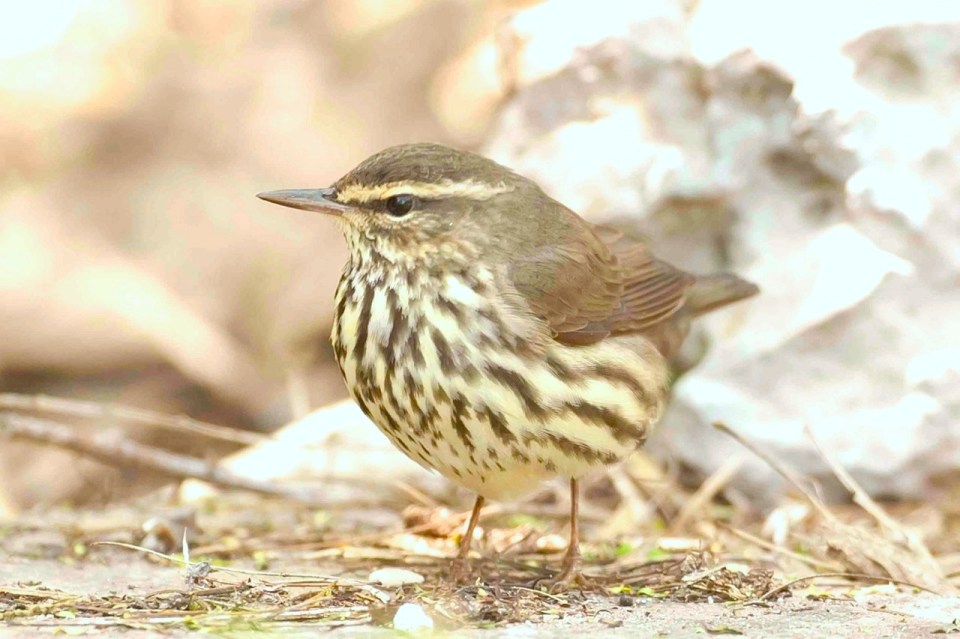
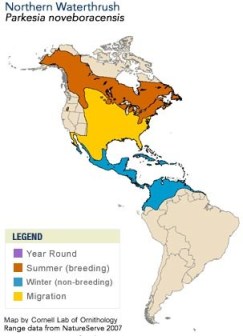
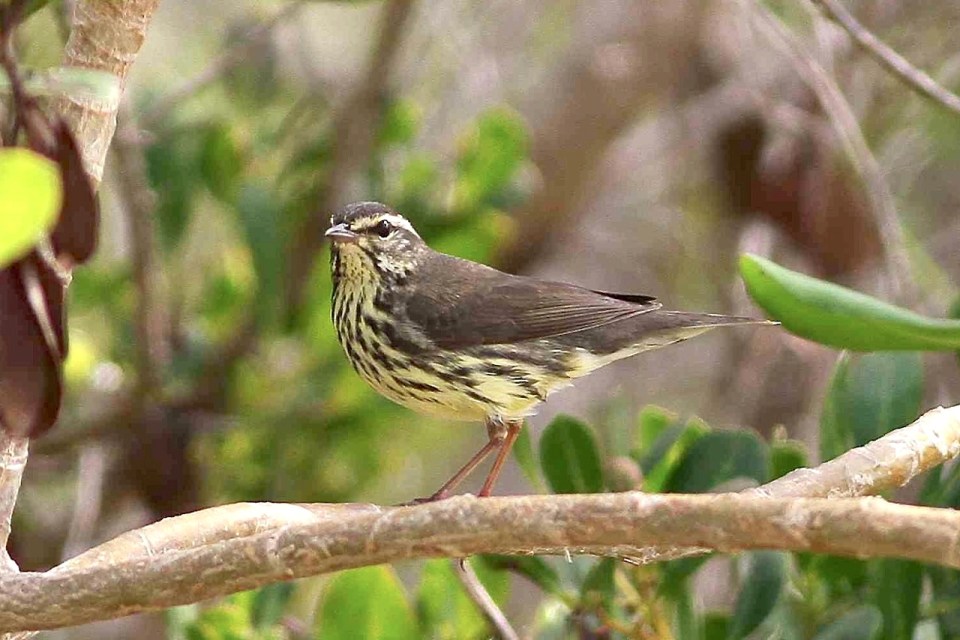
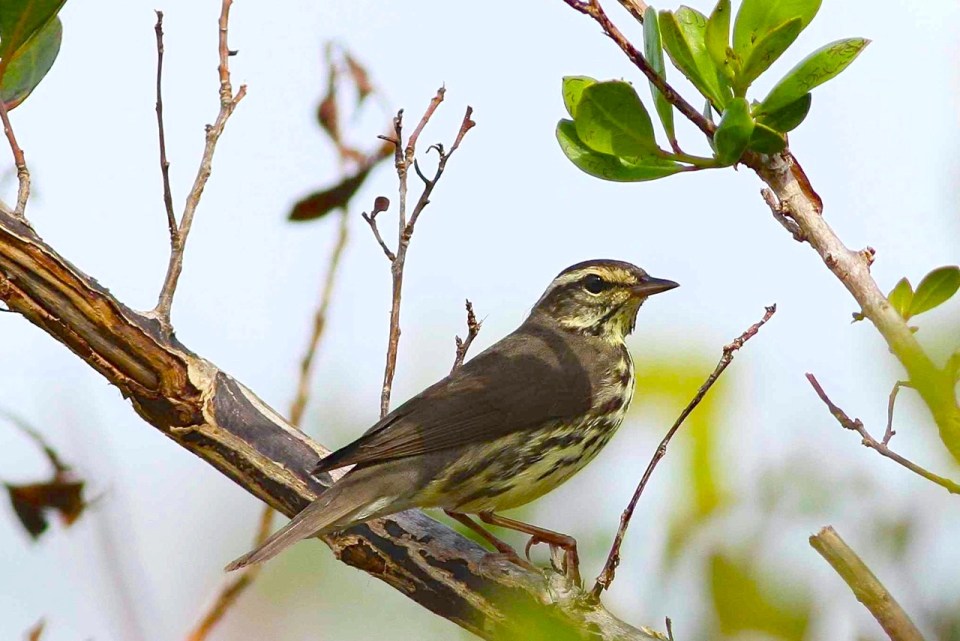
The pretty thrush-like warbler Northern Waterthrush Parkesia noveboracensis is a common winter resident on Abaco. Despite the name it’s not a real thrush, but it is larger than most of the compact winter warblers that heed the the migratory instinct that “It’s Better in the Bahamas” and make Abaco their overwintering habitat.

HOW CAN YOU TELL SIMILAR PLUMAGED THRUSHES FROM THESE GUYS?
The simplest rule of thumb is that true thrushes have spotted or speckled chests; whereas waterthrushes have streaked chests. That, and the fact that similar thrush species are generally larger. A number of true thrushes are recorded for Abaco, many quite similar to the waterthrush; but the speckled vs spotted distinction should be your guide. If a sighting is momentary or in bad light, it’s anyone’s guess…

APART FROM THRUSHES, ANY OTHER BIRDS I MIGHT CONFUSE IT WITH?
There’s another far less commonly found waterthrush that also overwinters on Abaco – the closely-related Louisiana waterthrush Parkesia motacilla. I have no Abaco photos of one – it really is quite rare – so I’ve had to borrow an open source one. The Cornell Lab explains the differences between the two waterthrushes thus: “Northern usually has stripes on throat, a slightly smaller bill, a thinner and off-white or cream eyestripe that does not extend as far onto the nape, less pink legs, and a more yellowish wash on the underparts”. Maybe one can generalise that the northern is overall a yellower bird, and its legs are more brown than pink.
Lousiana waterthrush – rarer on Abaco than the northern but a potential source of confusion
WHAT’S THAT POSH TAXONOMIC NAME ALL ABOUT, THEN?
The Mr Parkes in question was Kenneth Carroll Parkes (1922 – 2007), an American ornithologist and Chief Curator at the Carnegie Museum of Natural History, Pittsburgh. The noveboracencis part simply means ‘from New York’ in Latin (novum – new; Eboracum – York); and the -ensis is a common suffix meaning ‘from’. Mr Parkes’s bird from New York.
Kenneth Carrol Parkes

Credits: Tom Sheley (1, 2, 8); Becky Marvil (3); Magnus Manske (4); Bruce Hallett (5); Gerlinde Taurer (6, 7); Richard E Webster at Xeno-Canto for the song clip


I’m broadly in favour of self-identifying bird names. You know where you are with a Spoonbill. If its bill is spoon-shaped, it is one. Conversely if it isn’t, it isn’t. True, you might waste a lot of time looking for a brownish duck gadding about near a wall, but the general principle of WYCIIWYG (what you call it is what you get) is a useful one.

Thus with shovelers. Their beaks are shovel-shaped. They shovel about in the water to feed. It’s that simple. Being dabbling ducks, they are dab hands (wings?) at upending themselves to get that sturdy beak down in the water. These are highly specialist gadgets too, edged with ‘combs’ (lamellae) that strain out the water from a diet that includes aquatic vegetation and invertebrates. You can see this arrangement in the male shoveler in the header image.

The male shoveler has striking plumage, with one of those ‘mallard drake’-coloured heads that is green except when the light catches it and it looks blue. I say ‘looks’, because the blue shades apparent in bird plumage do not result from pigments (which absorb most colours but reflect the visible colours) but from so-called ‘structural colouration’ resulting from scattered light, with the blue wavelength dominant. So even the bluest of blue birds – a bluebird, say, or an indigo bunting – is not blue but appears blue. But the bright red pigmentation of a male Northern cardinal is ‘real’ colour.
This male shoveler does not have a blue head…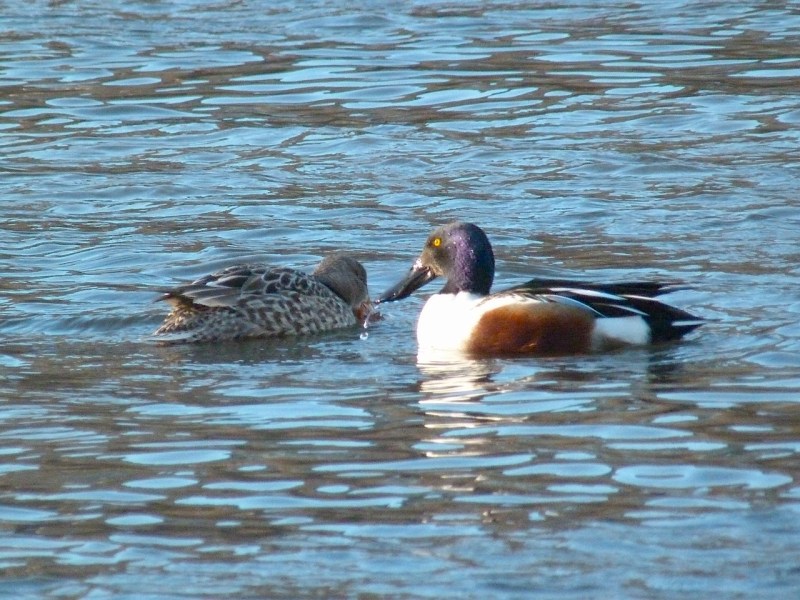

The shovelers shown above (except for the ‘blue’-headed one which comes from the set below) were all photographed on Abaco. I mentioned the familiar dabbling method of feeding earlier. However a few days ago in Central Park NYC on The Lake near Bow Bridge, I witnessed shoveler feeding behaviour that was new to me. It’s probably perfectly well-known and documented, but that’s amateurs for you**. A flock of about 30 male and female shovelers had split into smaller groups of between 2 and 10. They formed circles – sometimes very tight – and swam round each other with their heads underwater, stirring up the water as they paddled round, so that their bills were always immersed in freshly disturbed food possibilities. The effect was hypnotic, as you can see from the 15 sec video I took. Although in the clip it looks as though the birds are rapidly progressing to the right, they in fact stayed in much the same place. They were not very close to me, so these are illustrative images rather than ‘Audubon shots’.

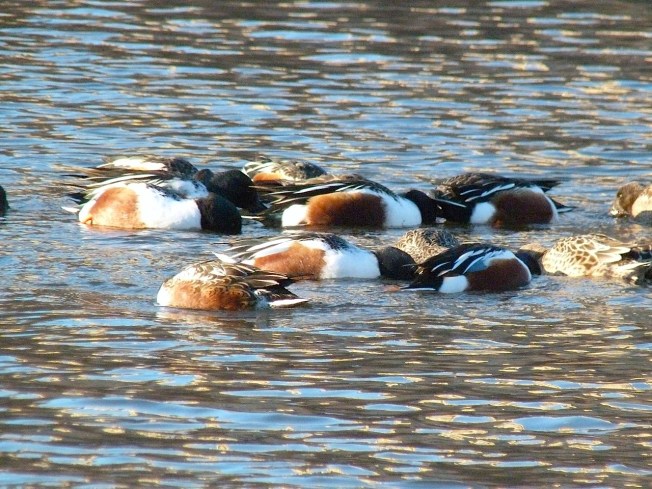
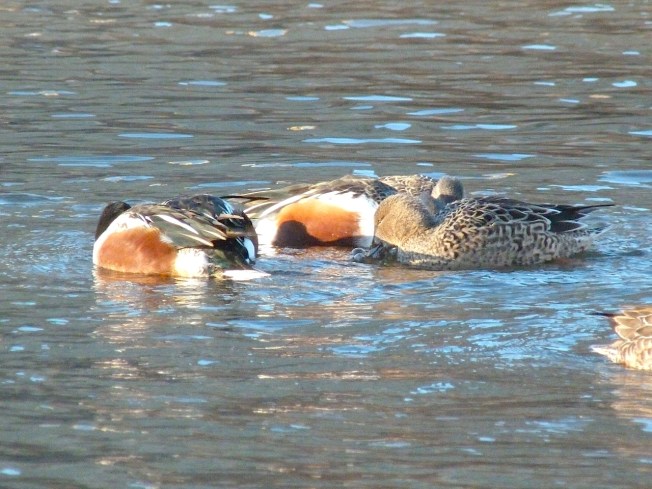
** Of course as soon as I looked I discovered that “Large groups of northern shovelers swim rapidly in circles to collect food from the surface by creating a funnel effect” (cheers to Wiki)
Credits: Tom Sheley (1, 2, 3); Tony Hepburn (4); Woody Bracey (5); Keith Salvesen (the rest)
YELLOW BIRDS ON ABACO: A ‘TWIXTMAS’ COLOUR SCHEME
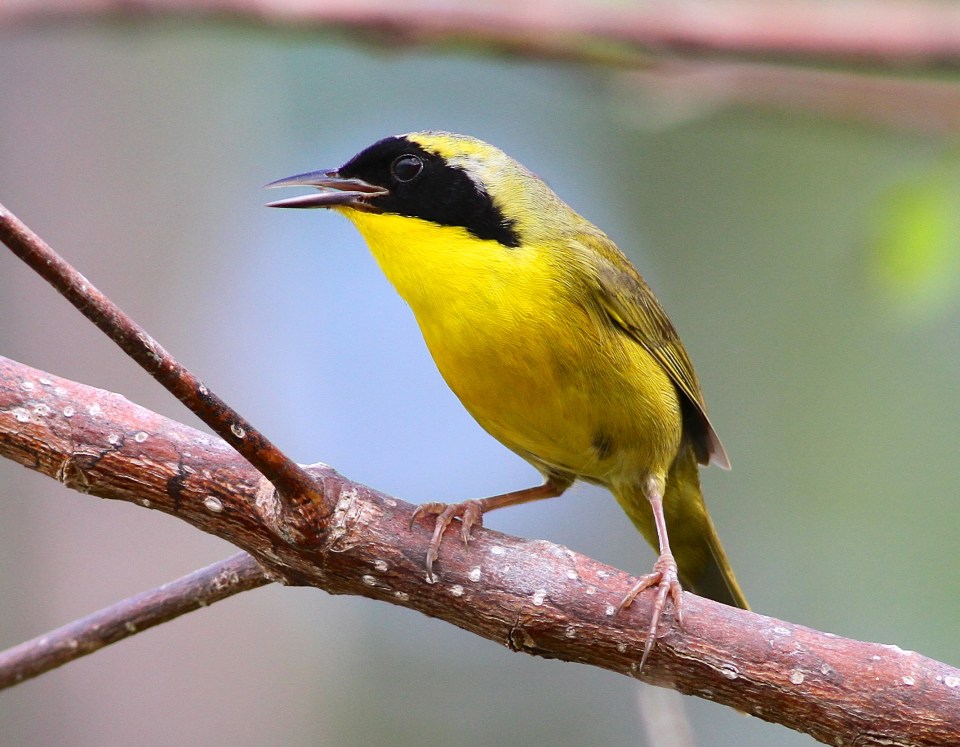
Red. Green. A splash of blue. The shimmer of gold and silver. Those Christmas colours are so passé. OVAH! So ‘last year’ (or very nearly). In the hope and expectation that people are not too bilious from Xmas Xcess, or too jaundiced by seasonal overload, I feel it’s time to change the colour scheme. Let’s go for bright yellow. Specifically, a mix of endemic Bahama Yellowthroats and Common Yellowthroats. I love these cheerful little birds, and the challenge of trying to lure them into the open with my rather unconvincing approximations of their ‘wichity’ call. Such sunny little creatures, and always such a joy to watch.
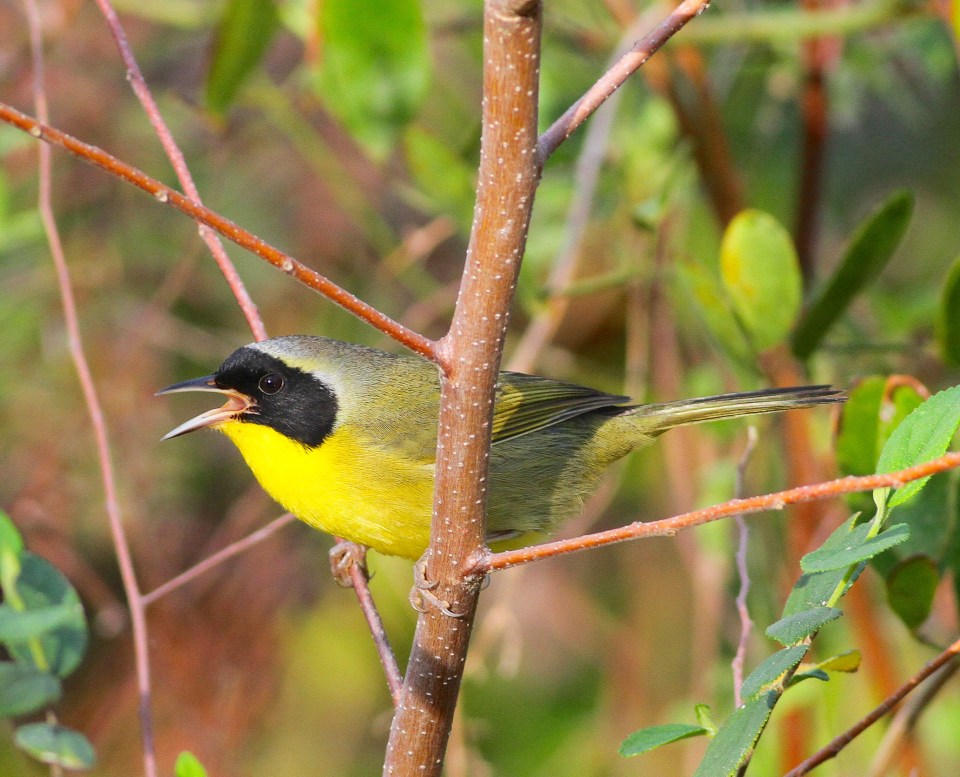
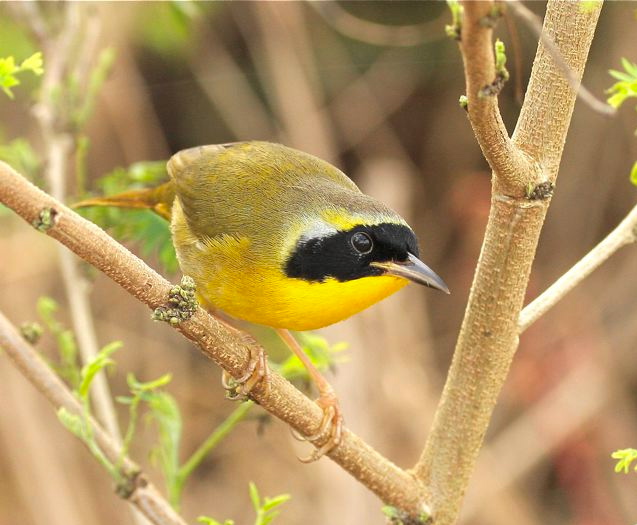

ALL ABOVE – BAHAMA YELLOWTHROATS; ALL BELOW – COMMON YELLOWTHROATS


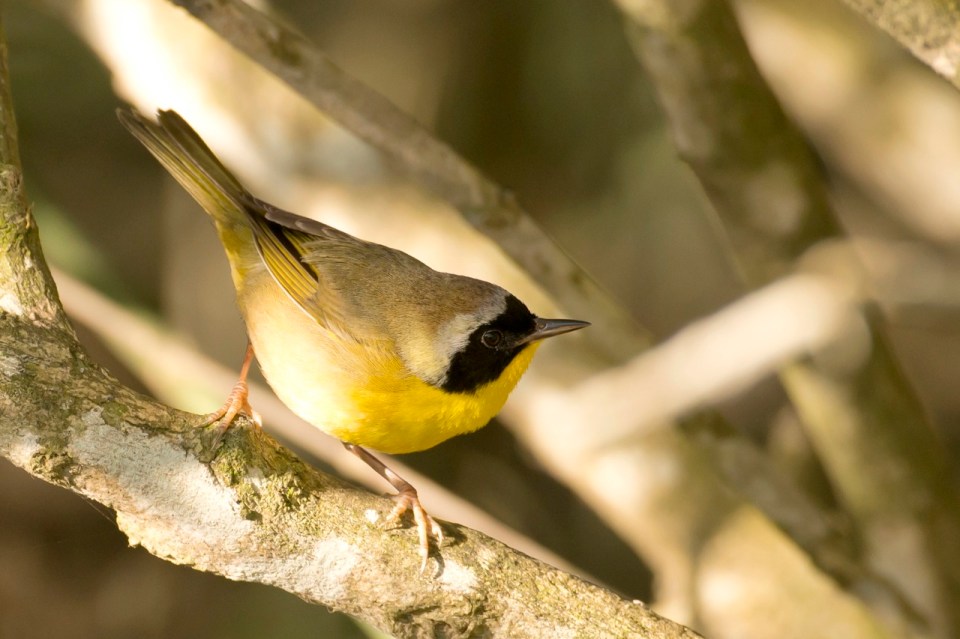

Credits: Gerlinde Taurer (1,2); Bruce Hallett (3, 6); Tom Reed (4); Tom Sheley (5, 7); Erik Gauger (8)
The Winter Solstice arrives today. The shortest day followed by the longest night of the year… then the serious business of Christmas. And some quality frivolity with it. So this will probably be my last post before then and possibly until next year, depending on available time, relative sobriety and other seasonal variables too numerous to mention…
 CALLING BIRDS? WHAT ARE THEY, EXACTLY?
“The Twelve Days of Christmas “is an old, old song, supposedly written in 1780, and popular ever since. Over time, the words have altered somewhat from the original. The ‘Calling Birds’ were originally ‘Colly (or Collie) Birds’, meaning, black birds. The word derives from the word ‘coal’. The change to ‘calling birds’ wasn’t noted until the early c20. One version I learnt as a child a few years decades later used ‘colly birds’. However the quaint usage quickly died out during the pernicious excesses of the 1960s which I obviously don’t remember because I wasn’t there…
European Blackbird
Colly birds were – are – European blackbirds, song birds that bring joy. There are other black birds of course, but crows, ravens and the like have from medieval times been viewed as birds of ill-omen (lots of examples in Shakespeare). Hardly a Christmassy gesture to give one of them to your True Love, far less four.
WHAT ABACO BIRD SHOULD I GIVE MY TRUE LOVE AFTER 5 GOLD RINGS?
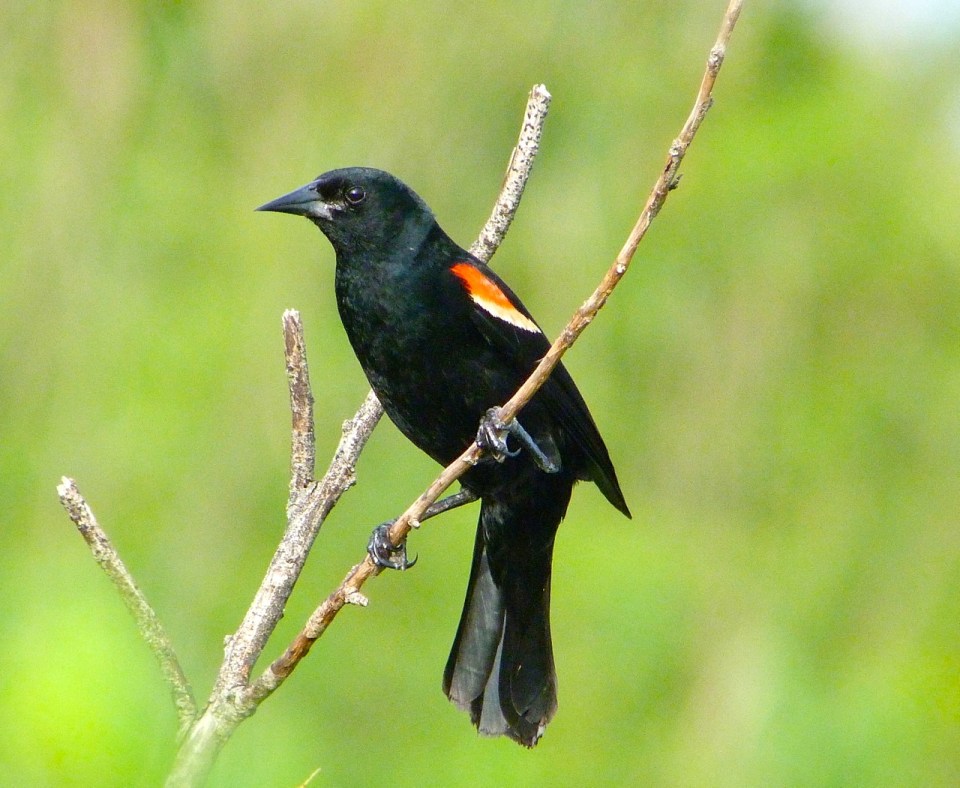
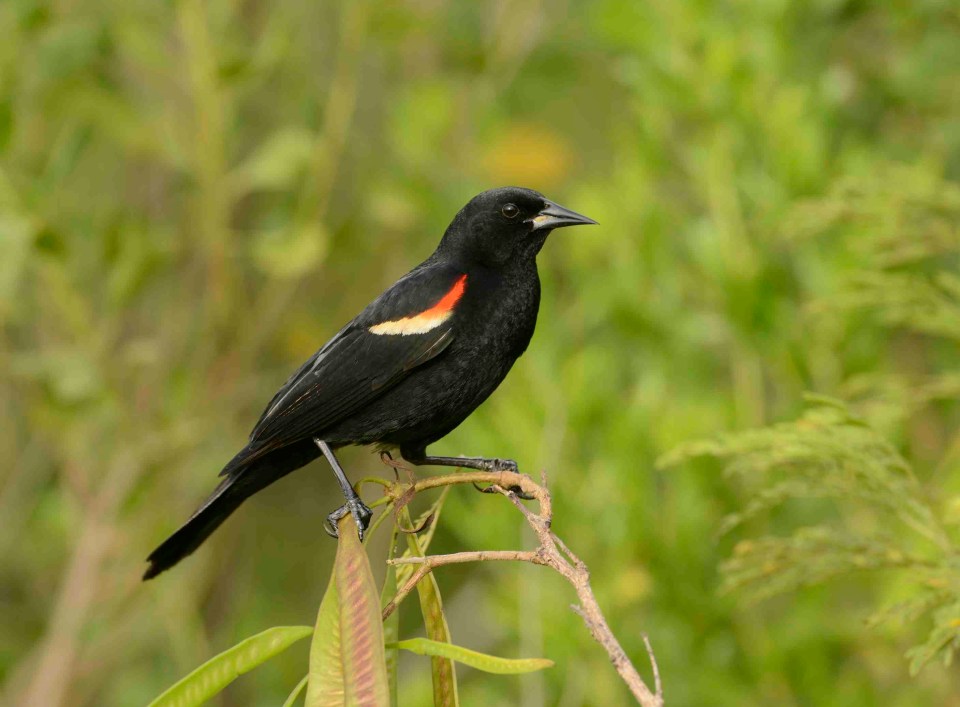
Undoubtedly red-winged blackbirds. They are undeniably black birds. They have festively flashy markings. True, their ‘metal-gate-with-very-rusty-hinges’ grating call is not exactly melodious (and 4 red-legged thrushes on vocals would suit the occasion much better). But what a handsome present to give someone already trying to cope with the burden and general commotion of sundry Lords a’Leaping, Maids a’Milking, Drummers Drumming and so on. Much easier to deal with.

HOW MANY GIFTS WILL MY TRUE LOVE EXPECT FROM ME?
I’m afraid it will be 364 in total, with some items on the list becoming increasingly difficult to source. The breakdown (note in passing the mathematical symmetry of the increasing and correspondingly diminishing numbers) is as follows:
But with any luck your TL would be happy to share a Kalik in the sunset instead of having all that palaver…

Happy Christmas** to all people kind enough to follow this blog or read it from time to time, and – why not – all the people who don’t and / or have no idea of its existence… Time to let Kermit & Elmo to take over.
Photo credits, Tom Sheley (2, 3), Keith Salvesen / RH (1, 4), Wiki for the Eurasian blackbird
**The term ‘Christmas’ is used as a broad term to cover the midwinter holiday period – or indeed non-holidays for many – and is intended to include in a benign way those of any faith or none. I don’t ‘do’ Winterval, sorry…

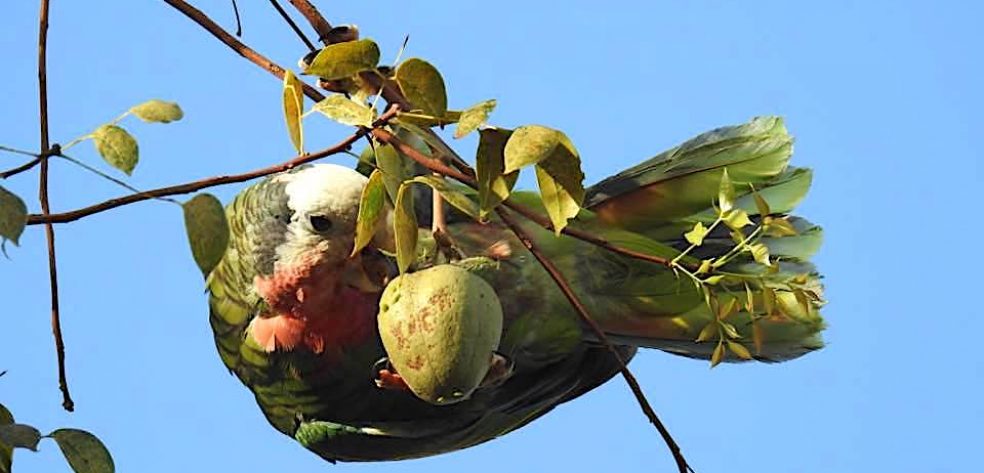
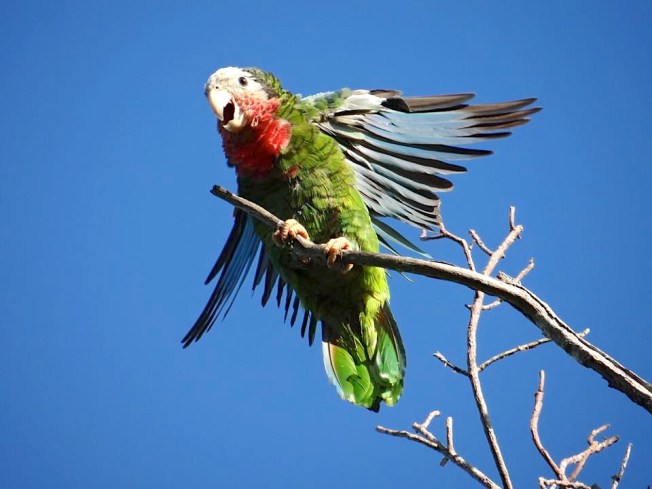
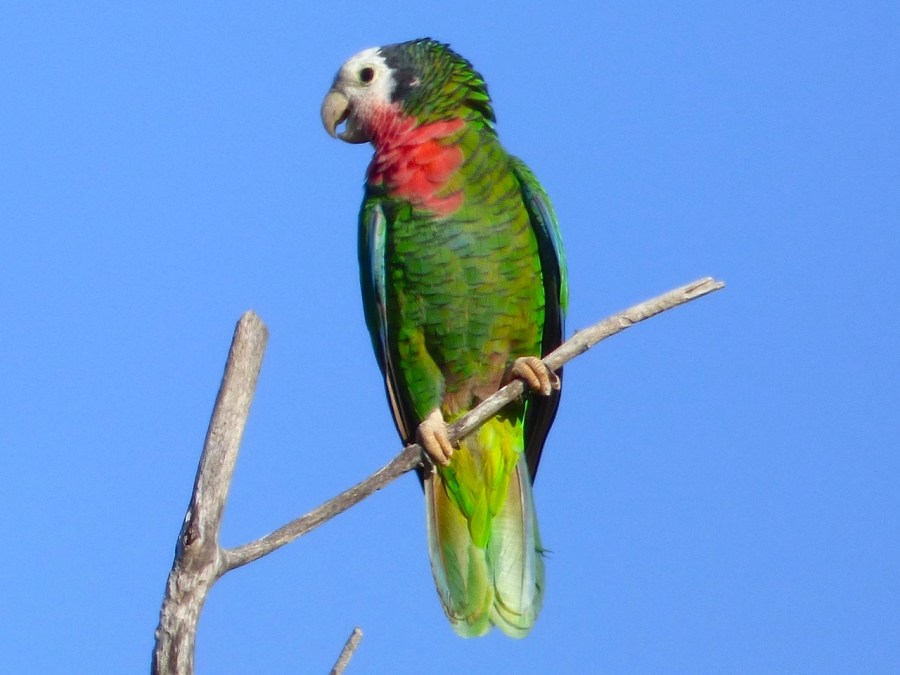
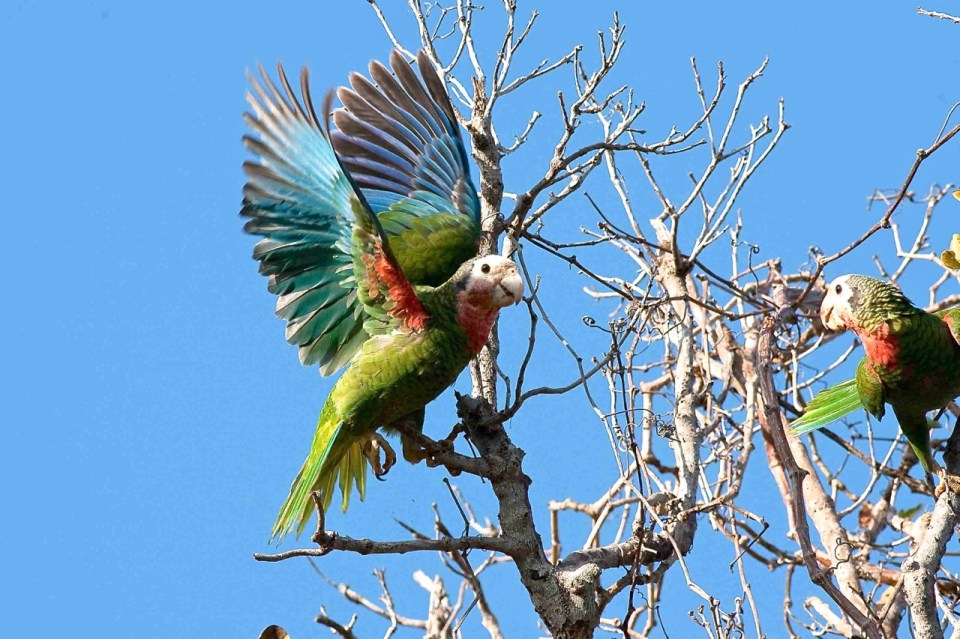
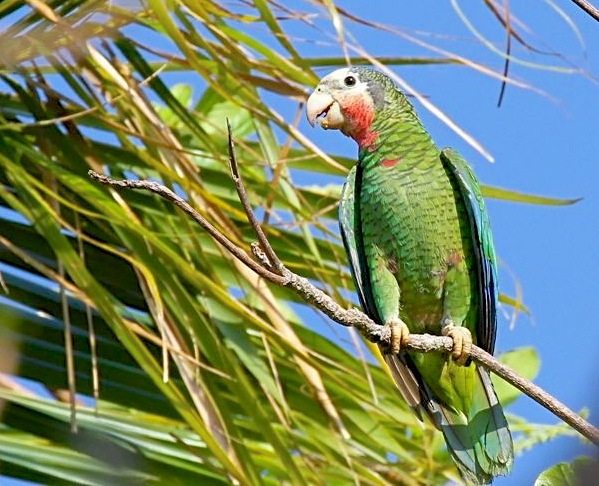
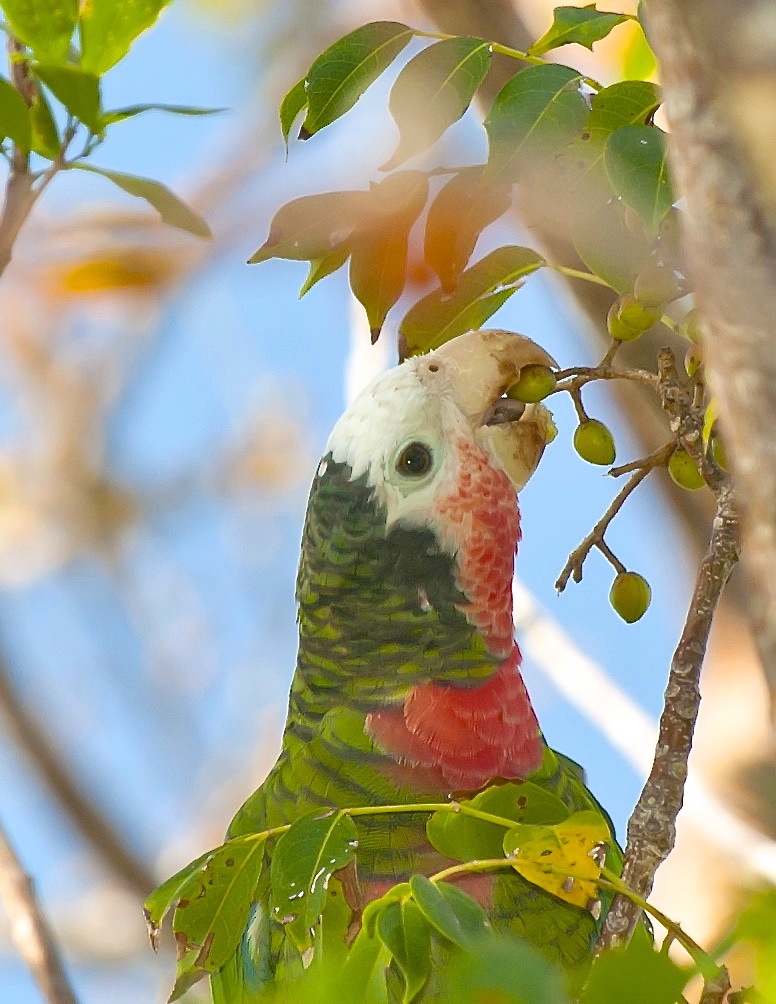
Painted buntings in the last post. And now some Abaco parrots. To adopt the joyous strangled yell of Noddy Holder (Slade, 1973, “Merry Christmas Everybody”)** “It’s….. CHRISTMASSSSSSS“. Abaco’s famous and unique ground-nesting parrots are about as seasonally festive as you could wish for. Bright, colourful, noisy and impossible to ignore. The run-up to Christmas is the perfect moment for a gallery of these fine birds that are making a very promising recovery from near-extinction thanks to intensive conservation measures over the last few years. There’s a caption competition at the end, too. Post your idea as a comment and there even may be something it it for the winner…

INTERMISSION

CAPTION COMPETITION
It’s Christmas. Season of Good Will. But what on earth is going on here…?
Credits: Melissa Maura (1, 2, 9), Peter Mantle (3), Keith Salvesen / RH (4, 8), Craig Nash (5), Bruce Hallett (6), Tom Sheley (7); Audio recorded by RH & Mrs RH at Bahamas Palm Shores
** FESTIVE MUSICAL DIGRESSION (OPTIONAL)
[youtube https://youtu.be/0A8KT365wlA]

PAINTED BUNTING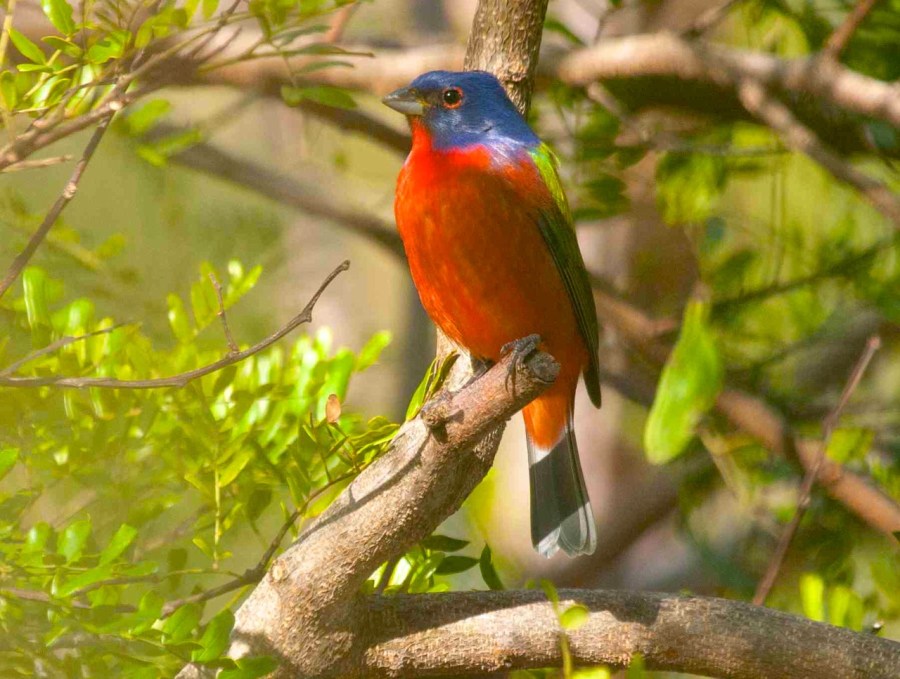


It’s hard to imagine a more Christmasy little bird than the Painted Bunting. Bright blue, red, green primary colours make for a spectacular small bird to grace any garden or feeder. There are other bunting species and close relations – e.g. grosbeaks – on Abaco. A common factor is the little fat beak and voracious seed greed…
Feeders at the Delphi Club. The first is of a female & a male PABU feeding together (RH). The second is a male PABU with a pair of black-faced grassquits (Sandy Walker)

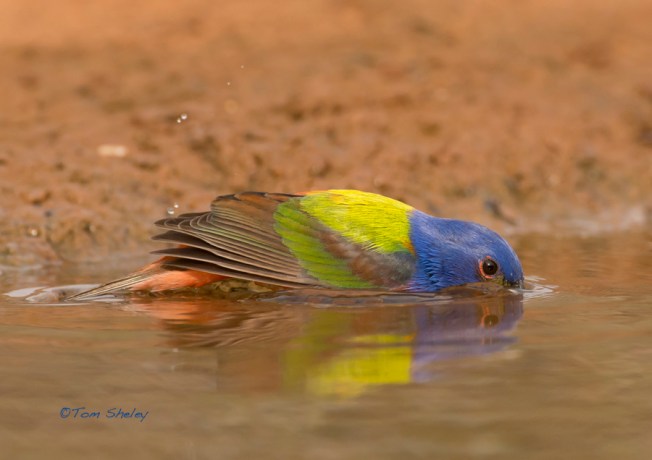
The next two wonderful photos are by Tom Sheley, a major photographic contributor to THE BIRDS OF ABACO. They were taken in Texas, not on Abaco, but I include them because of Tom’s strong connection with the birdlife of Abaco; and because on any view they are fantastic shots…

Credits: Tom Sheley (1, 7, 8), Erik Gauger (2), Tara Lavallee (3, 4), Keith Salvesen (5) Sandy Walker (6); Birdorable Cartoons

It’s been a while since I was in a crabby mood, but autumn is here and there’s a sharp nip in the early morning air… What better time to visit a selection of the many crab species found on Abaco.
GHOST CRAB
I thought I had some good photos of these cute little guys with their ‘Carson the Downton Abbey Butler’ white gloves. However, Tom Sheley (header and below) has perfectly caught the tide-hanging that they enjoy, sometimes disappearing completely or perhaps leaving just their twin periscopes showing.
HERMIT CRAB
Many people’s favourite small crab, with their endearing house-moving habits as they grow. Excellent for racing, too (see HERE). Here’s one taking its mobile home up a tree; and another tucked safely into a nerite [Capt Rick Guest amends] Magpie Shell, Cittarium pica, (used to be Livona pica), the living animal of which is the 3rd most consumed animal behind Lobster & Conch in the Caribbean. They are Littoral around Shorelines and are also used as bait.

BLACK-BACKED LAND CRAB 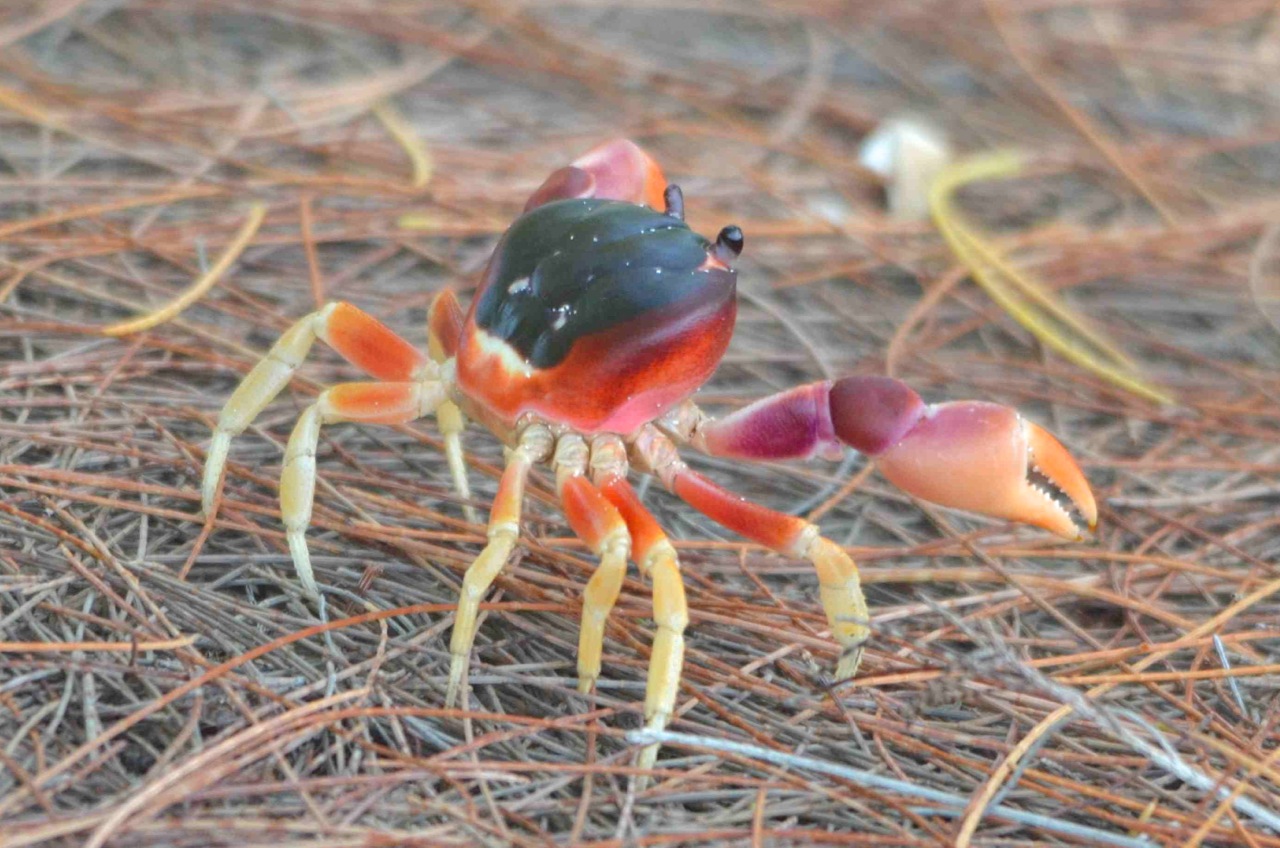
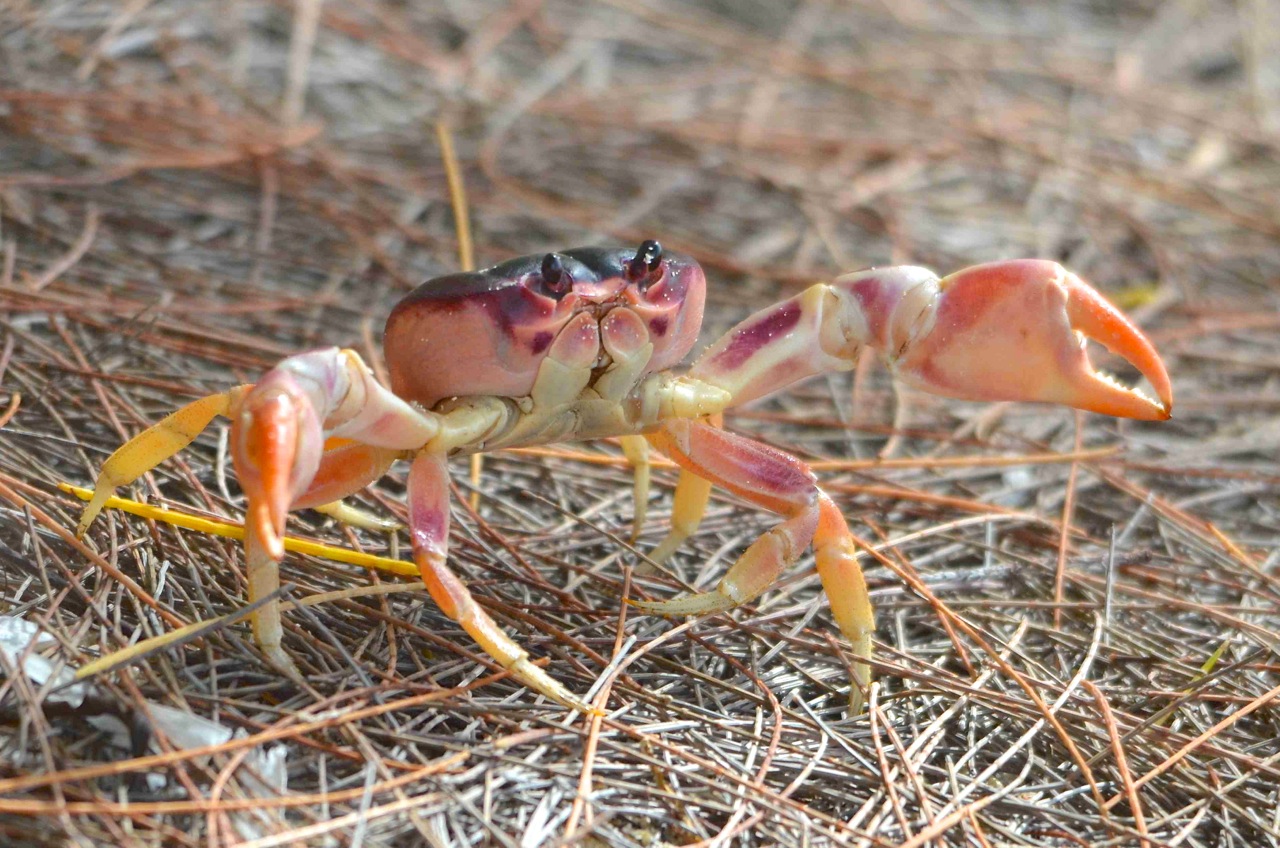
Faithful guardians of my rod (there are 2 there)!
LAND CRAB 

STONE CRAB
ARROW CRAB 
CLINGING CRAB 
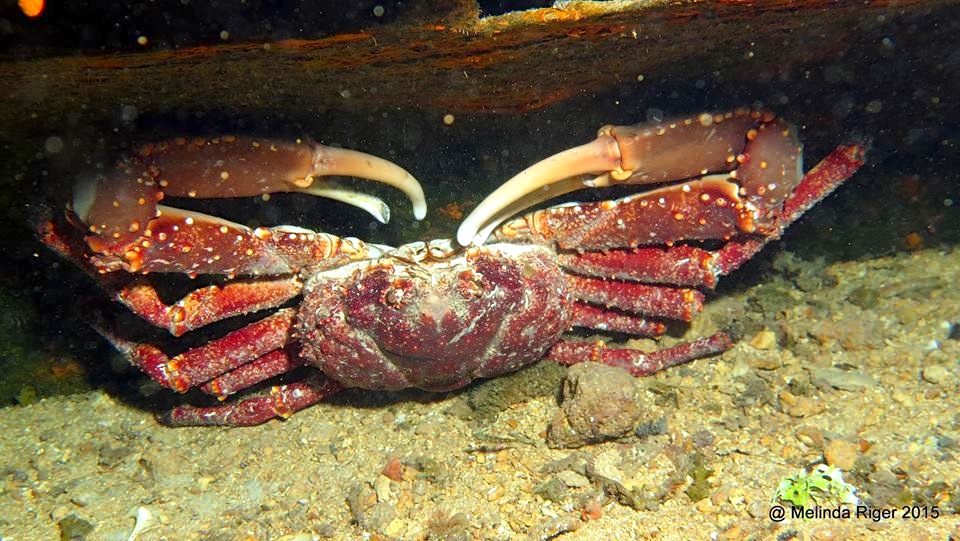
BLUE CRAB 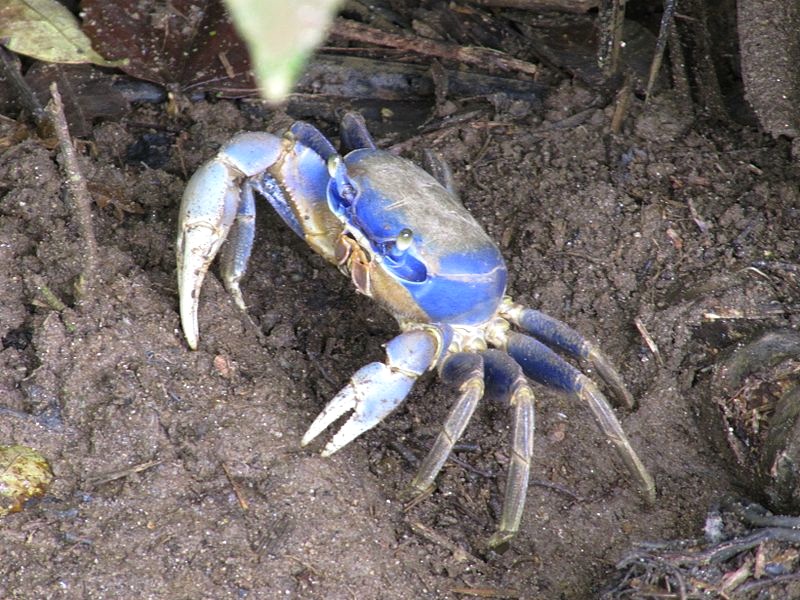
HORSESHOE CRAB (LIMULUS)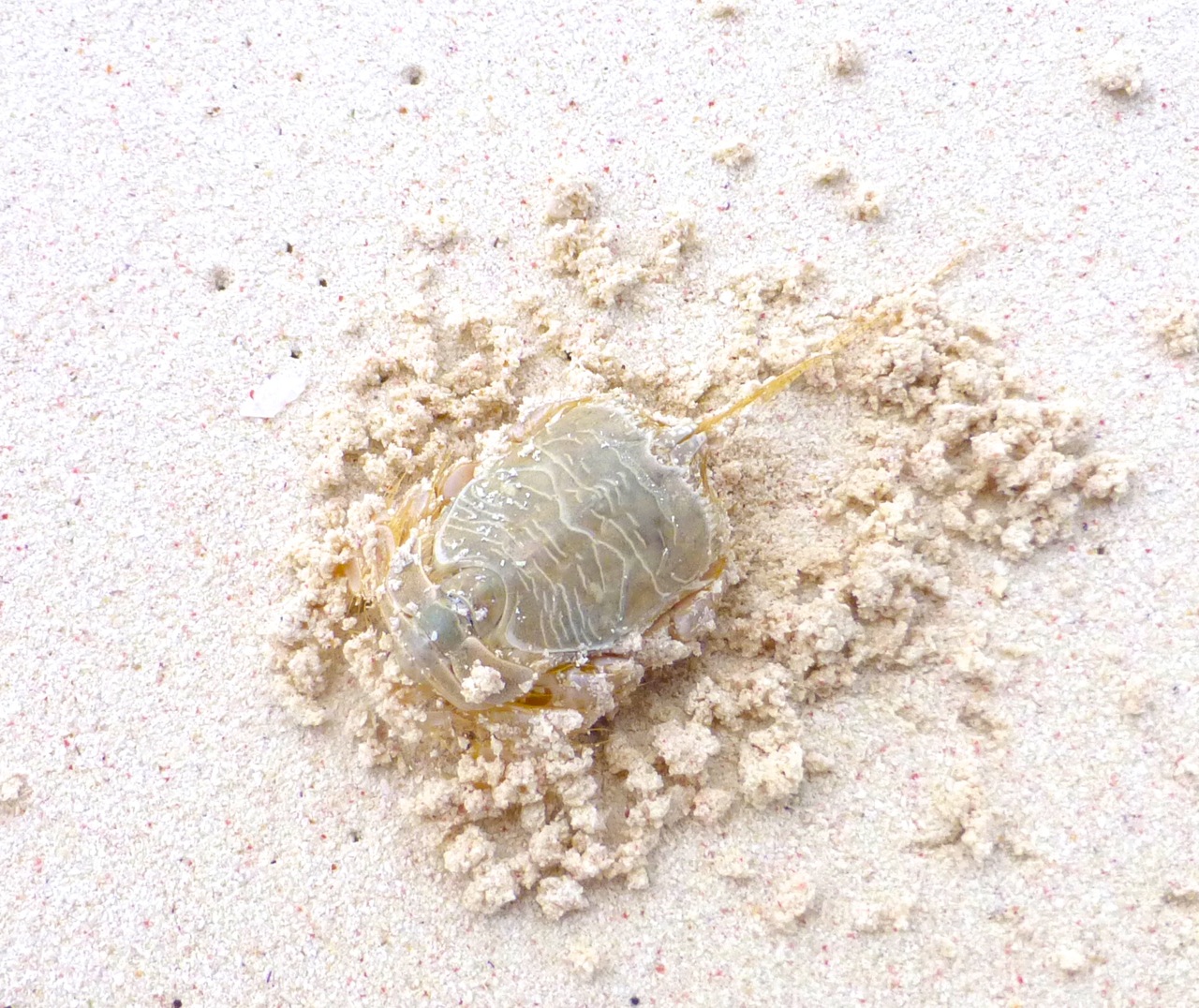
Credits: Tom Sheley (1, 2, 3); Keith Salvesen (4,7,8,9,15); Charlie Skinner (5,6); Melinda Riger (10,11,12,13); Leodec (14)

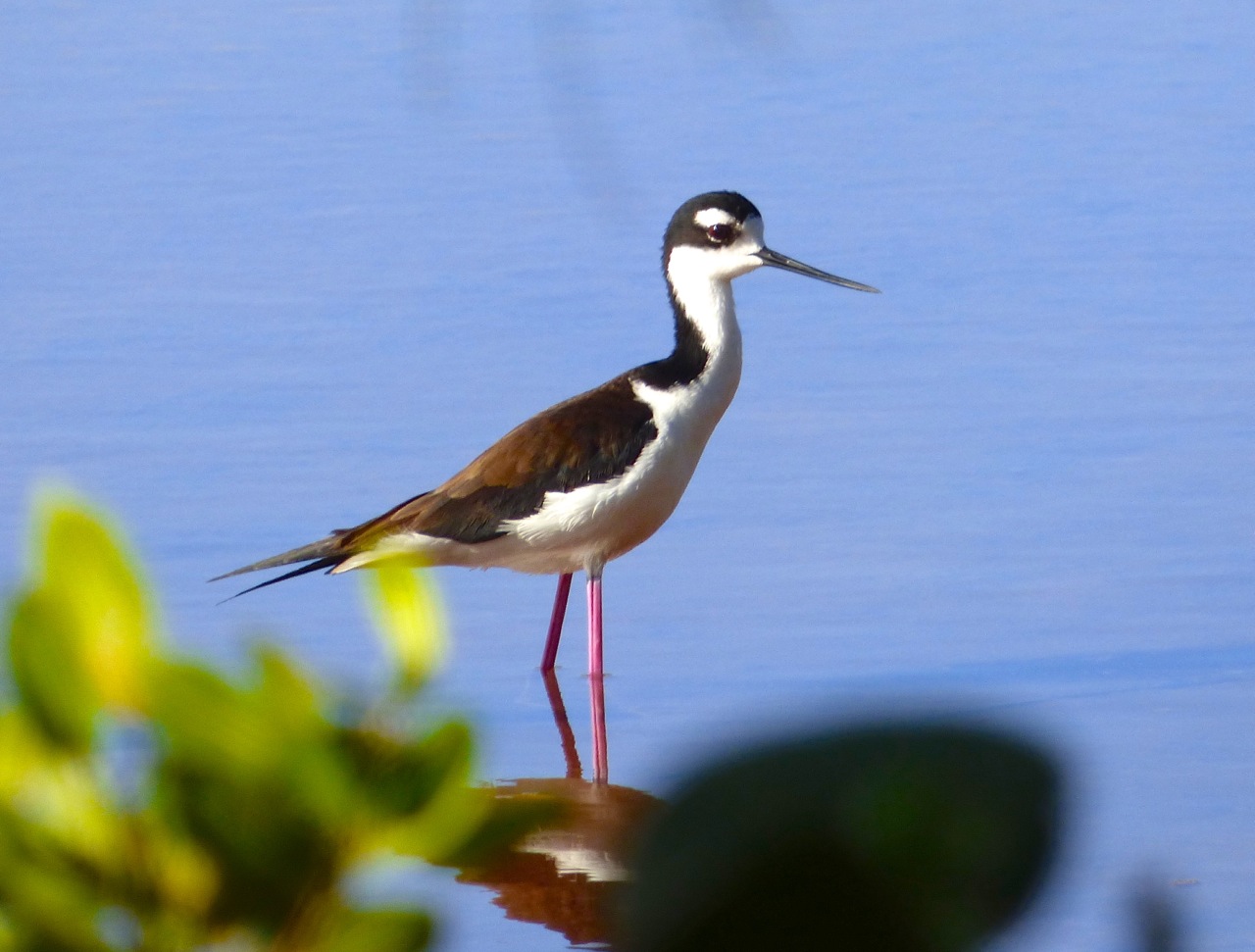
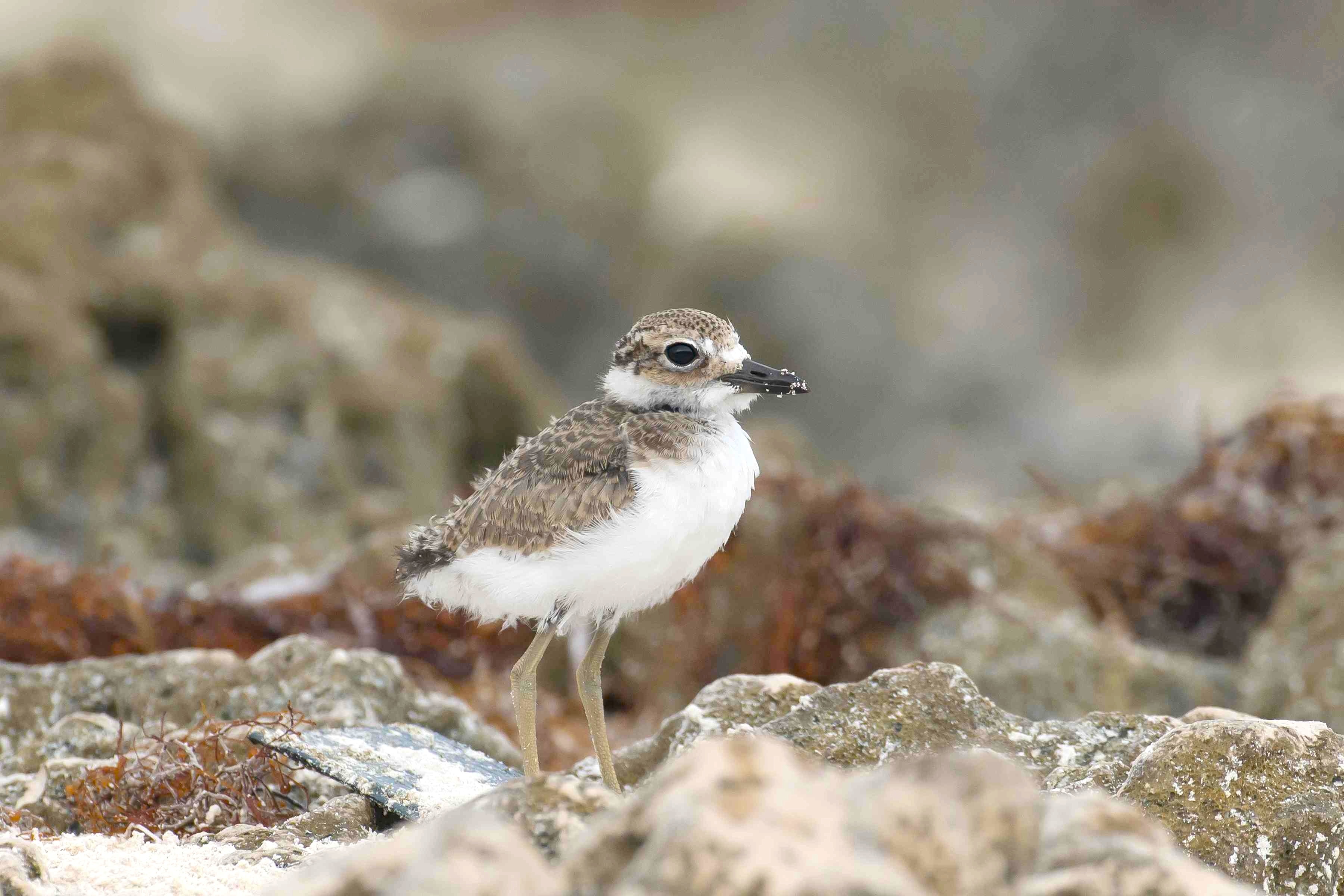
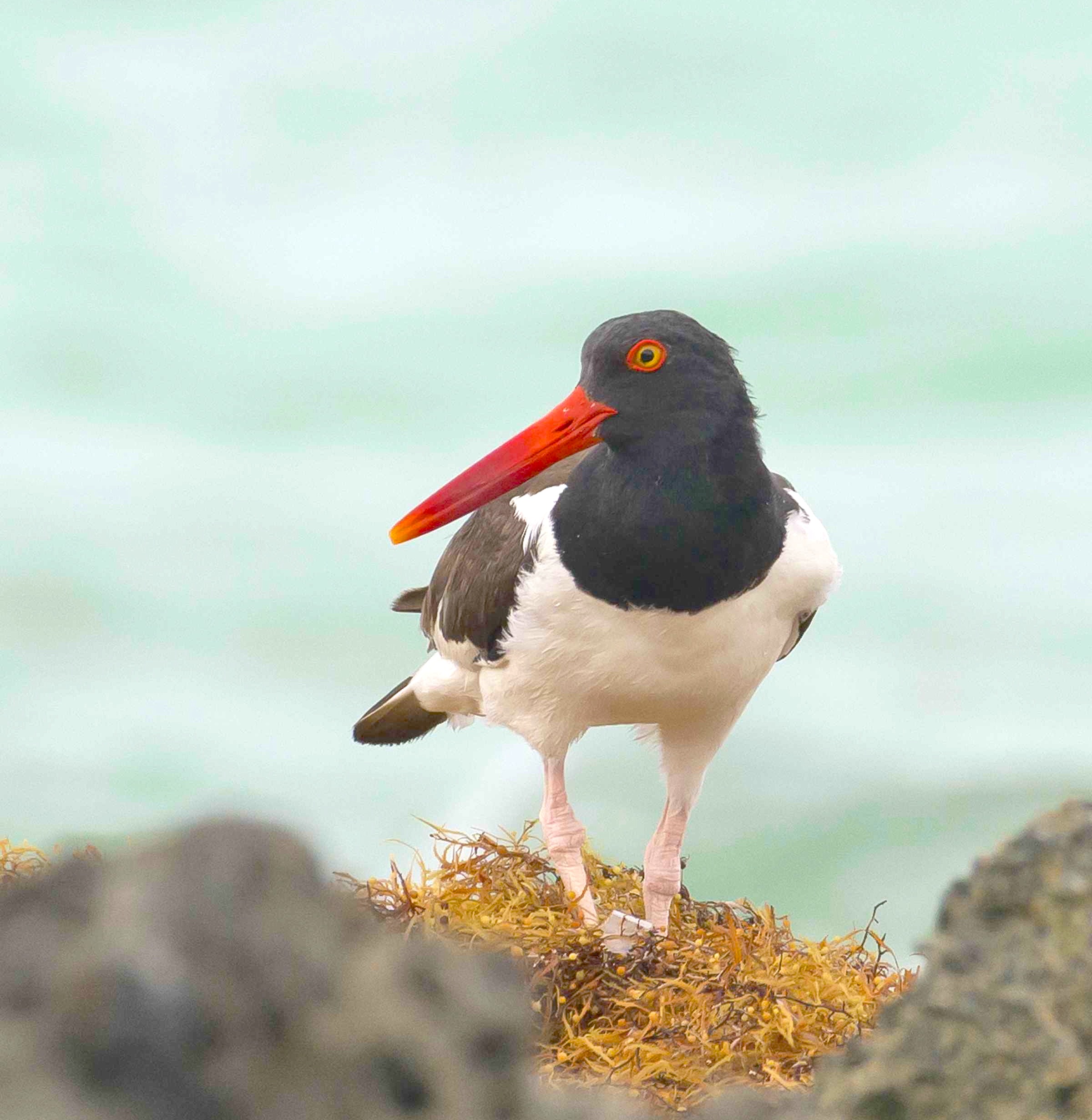
Abaco is home to 33 shorebird species. For a few, the islands are a permanent residence; for many others they are winter quarters; and some species are visitors transient in their migrations, or rare vagrants. Last year I produced 3 posts with plenty of photos showcasing 26 of the species, the remaining 7 all being transients or vagrants.
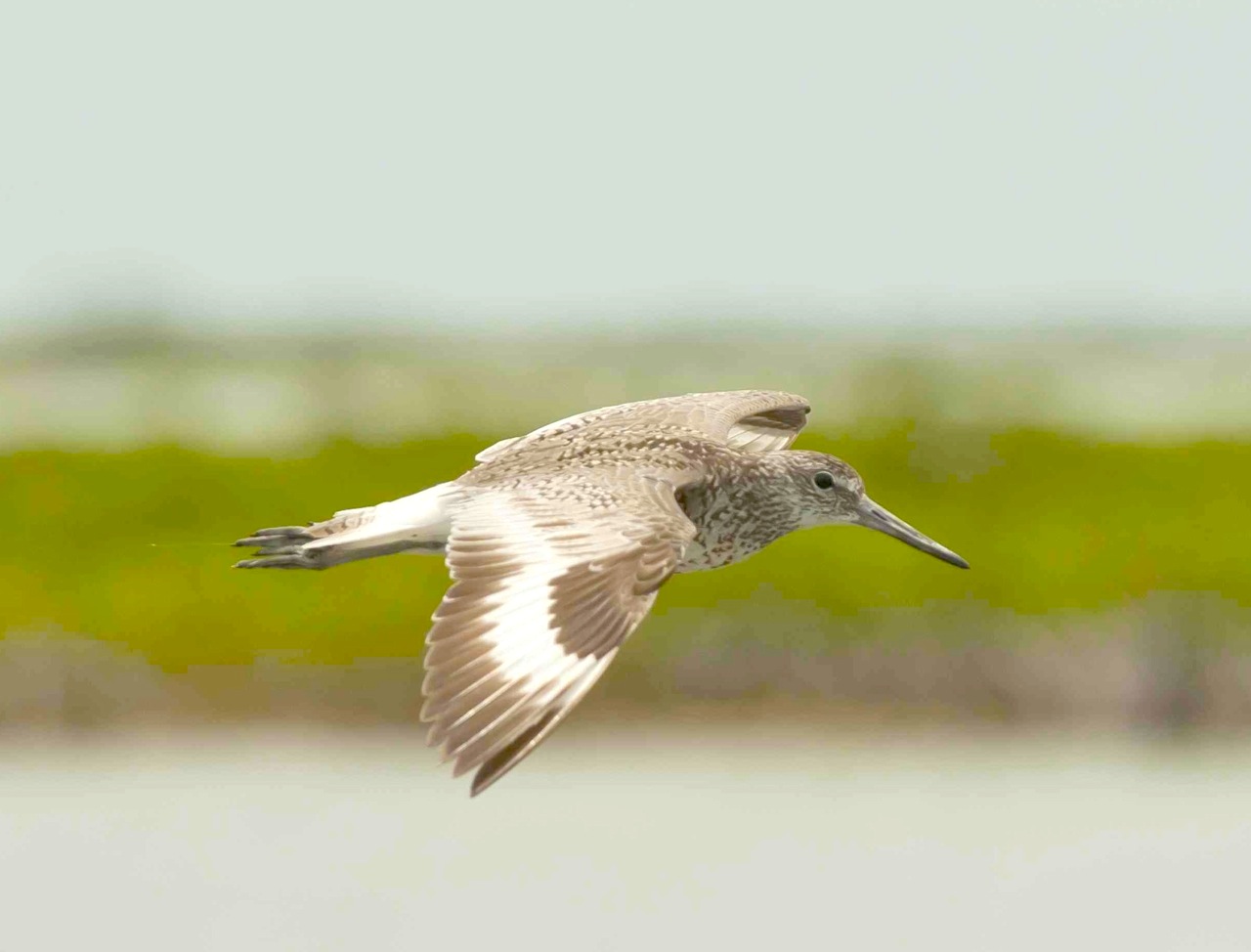
I divided the species into 3 categories: sandpipers & kin; plovers; and a catch-all ‘large shorebird’ group that included one or two sandpipers. Of the 26 birds featured and shown in the main checklist below, 23 are ones you might reasonably hope or expect to encounter on Abaco, though some only if you are lucky or your field-craft is excellent. The others are the long-billed dowitcher, American avocet and Wilson’s phalarope (of which only one has ever been seen on Abaco, with a photo to prove it)
CLICK A LINK TO INVESTIGATE
The codes tell you, for any particular bird, when you may see it (P = permanent, WR = winter resident, TR = transient, V = vagrant); whether it breeds (B) on Abaco; and your chance of seeing it, graded from easy (1) to vanishingly unlikely (5).

For the sake of completeness, the other 7 species of shorebird recorded for Abaco – all transients or vagrants – are:
Please excuse the wonky column formatting, an aspect of listing that WordPress doesn’t seem to cater for…

Photo Credits: Tom Sheley, Bruce Hallett, Keith Salvesen
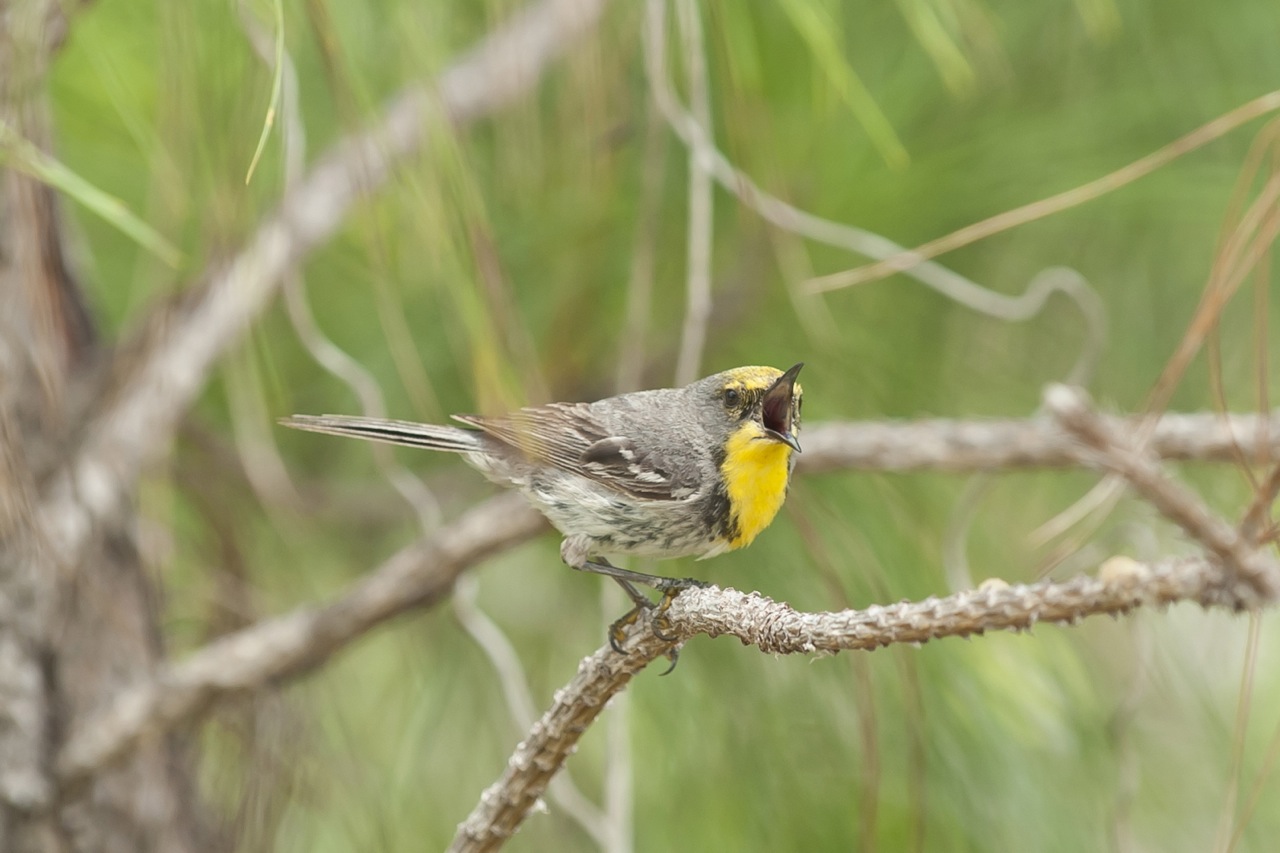
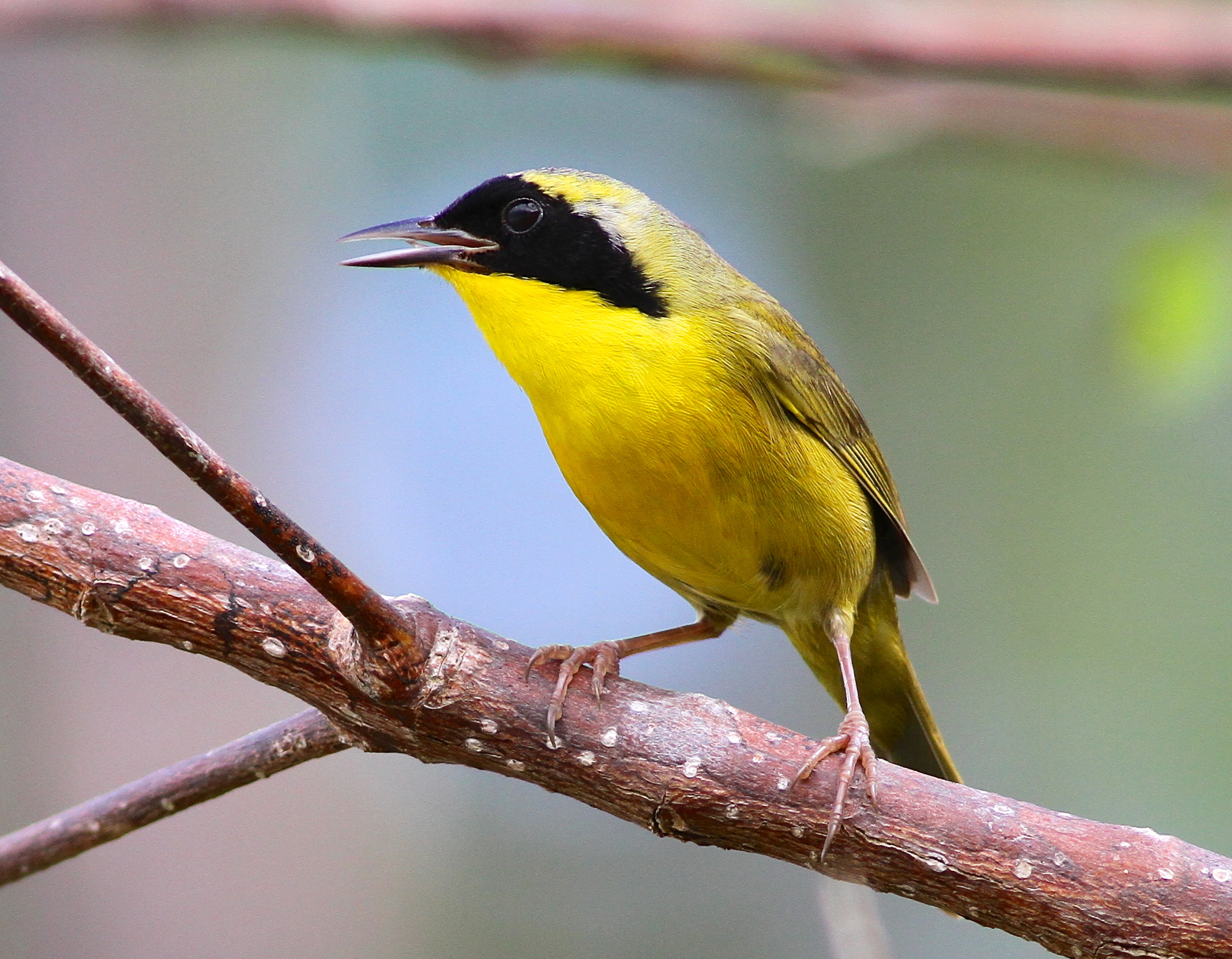
Abaco has a recorded 37 warbler species. Of these, most are winter residents and some are rarer migratory transients. Only 5 are permanently resident on Abaco: the Bahama Warbler, Bahama Yellowthroat, Olive-capped Warbler, Pine Warbler and Yellow Warbler. You can read about all 5 HERE

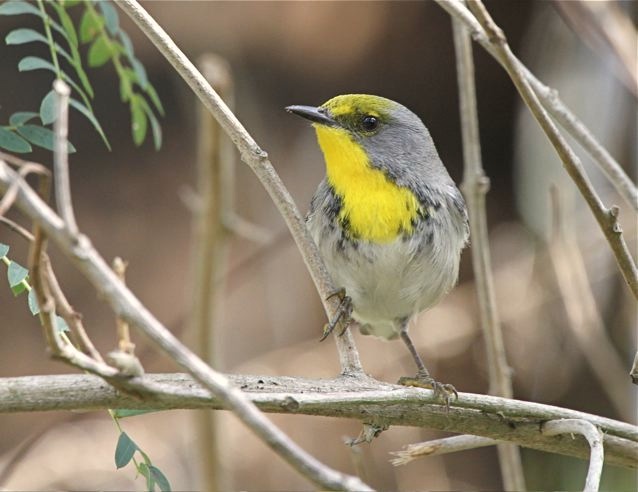
I realise that I haven’t posted about OCWs in their own right; and that as a species they have been unfairly lumped in (by me) with more general warbler posts. Time to put that right by showing some exclusively OCW photos.

OCWs have an unusually restricted range, despite which they remain IUCN-listed ‘Least Concern’. These pretty birds are native only to the western and eastern ends of Cuba, Grand Bahama, and Abaco. Their natural habitat is pine forests and to a lesser extent in mixed forest and coppice areas.

If you are lucky enough to see an OCW on Abaco, it’s worth thinking about the rich and unspoilt habitat that ensures its survival there. These little birds, along with other important bird species, enjoy a safe haven in the vast acres of pine forest.
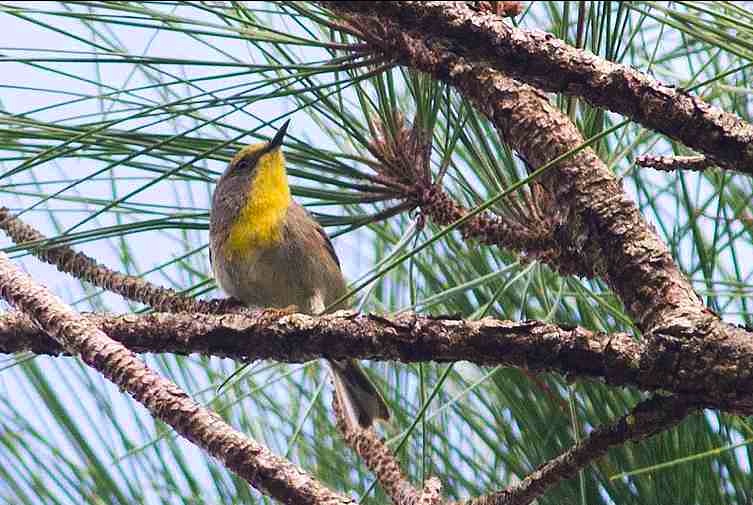
Photo credits: Bruce Hallett (1, 2, 3, 6); Tom Sheley (4, 5); Tom Reed (7)

Right now, I’m doing daily checks on the indispensable EBIRD CARIBBEAN in relation to the ABACO PIPING PLOVER WATCH project (and incidentally if you encounter one or more on a beach near you, details would be very welcome – below is what to look out for!).

It occurred to me to check out the contention that Abaco is Numero Uno birding destination in the Bahamas (though sadly lacking the flamingoes, except for vagrants; and the Bahama oriole, now extirpated and confined to select areas of Andros). Sure enough, Abaco has 42 out of the top 100 birding hotspots. In the map below, gray pointers indicate a few observations, blue means 50+ and green represents 100+. Nowhere has yet achieved the flame-red pointer – the ultimate hotspot accolade…

People often ask where best to go for quality birding on Abaco. The answer depends of course on the season and on what they are after – for example shorebirds or warblers; parrots or absence of parrots and so on. The Abaco 42 are listed below. There are a couple points to make about the hotspot list:

In very general terms, and assuming a broad birding interest, I would recommend the Treasure Cay area; in and around Marsh Harbour; the stretch east of the Highway that takes in Bahama Palm Shores, the Abaco Neem Farm, Delphi, Crossing Rocks & Gilpin Point; the National Park; and Sandy Point. I’m sure there will be other views, but I am thinking primarily of the visitor who has but a single day to spare from a packed schedule of fishing, swimming, sunbathing, eating and drinking… [nb as a soi-disant photographer I’m not so keen on the dumps and landfill. Yes, the birding can be good. No, I don’t want to feature rubbish in my already rubbish photos…]
Here’s the eBird list, omitting all the non-Abaconian hotspots. Clicking on the links will take you straight to the relevant location’s latest reports and show some of the species seen there. I haven’t checked every link, but spot-checks suggest they work ok…
4 Abacos–Citrus Farm near Treasure Cay
14 Abacos–Treasure Cay West Side
18 Abaco Cays IBA–Great Guana Cays
20 Abacos–Treasure Cay Sunset Ridge and vicinity
22 Robert’s nursery, ponds and marls overlook
28 Abaco Cays IBA–Green Turtle Cay
32 Gilpin Point
37 Big Bird
38 Castaway Cay
60 North Atlantic Abaco Cays IBA
93 Camp Abaco
96 Castaway Cay
98 Crossing Rock / Island Homes
RELATED POSTS
AUDUBON’S ‘PRIORITY BIRDS’ ON ABACO
ABACO BIRDS FOUND IN NYC (& VICE VERSA)
Credits: Tom Sheley, Bruce Hallett, Gerlinde Taurer, RH

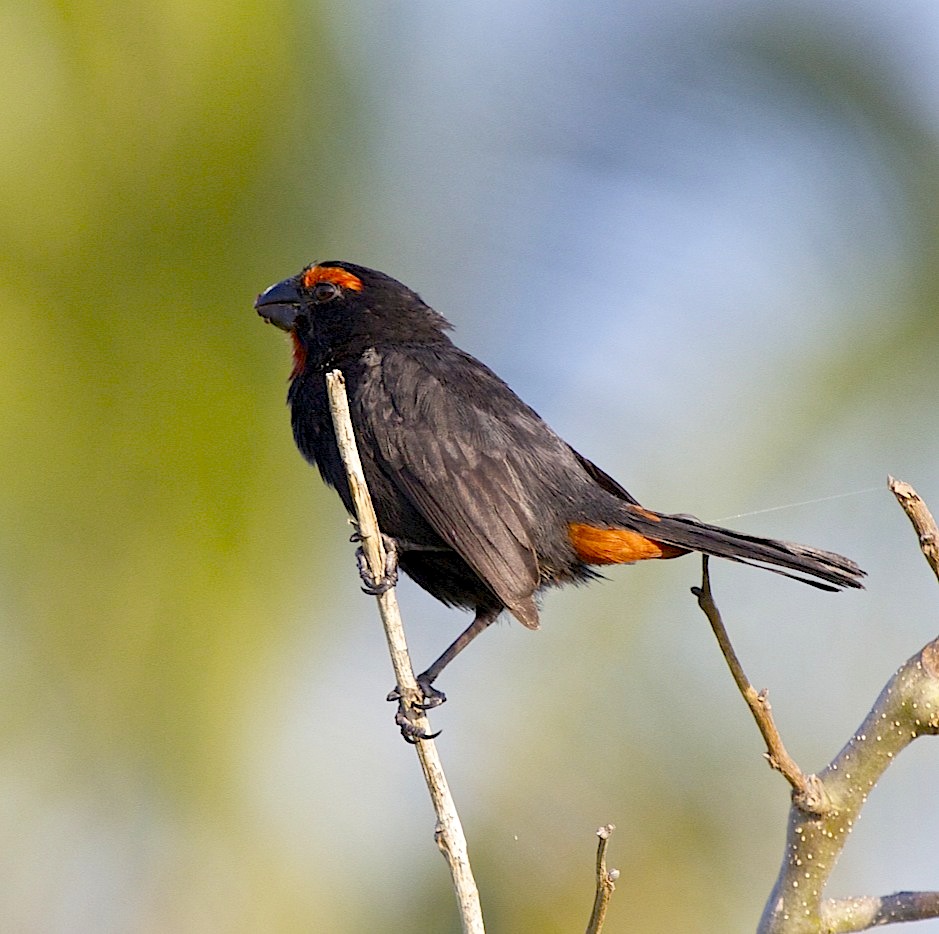
Following my last gloomy post about the widely-reported die-off of the poor, exhausted migratory great shearwaters, let’s turn with relief to a cheerful bird known to all and admired in coppice and garden: the Greater Antillean Bullfinch Loxigilla violacea. These pretty birds are easy to find and to identify. They love feeders, and they are responsive to ‘pishing’, that irritating (?) noise that birders make to unseen avians in the coppice to persuade them to reveal themselves. Adult males are black with bright red accessories (hence “police bird”); females are paler with orangey accessories; and juveniles look a bit scruffy and patchy. Here’s a GAB gallery to enjoy.



Credits: Erik Gauger (1); Alex Hughes (2, 3); Tom Sheley (4, 6); Keith Salvesen (5); Charles Skinner (7); Gerlinde Taurer (8); Bruce Hallett (9)
 ROLLING HARBOUR ABACO
You must be logged in to post a comment.