Unknown's avatar

JACKKNIFE FISH: BAHAMAS REEF FISH (30)

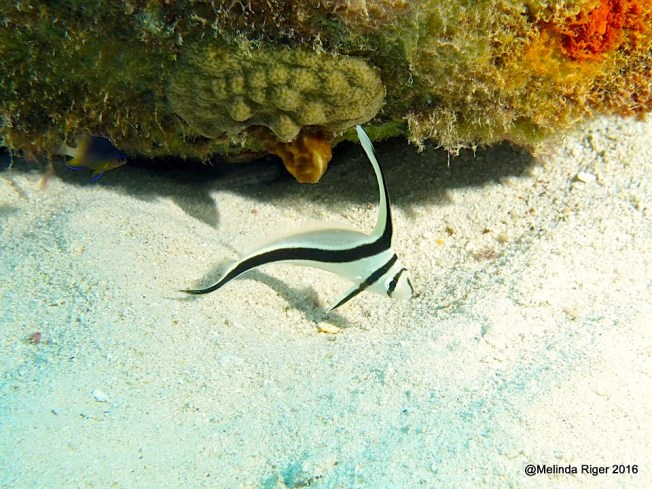
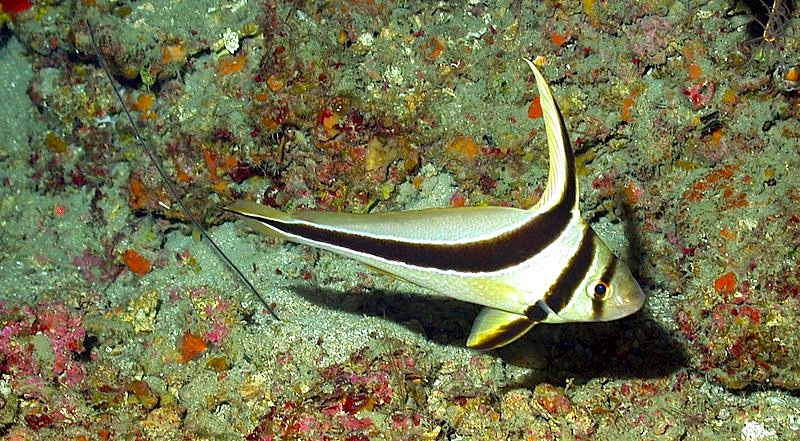
Jackknife Fish ©Melinda Riger @ GB Scuba

JACKKNIFE FISH: BAHAMAS REEF FISH 30

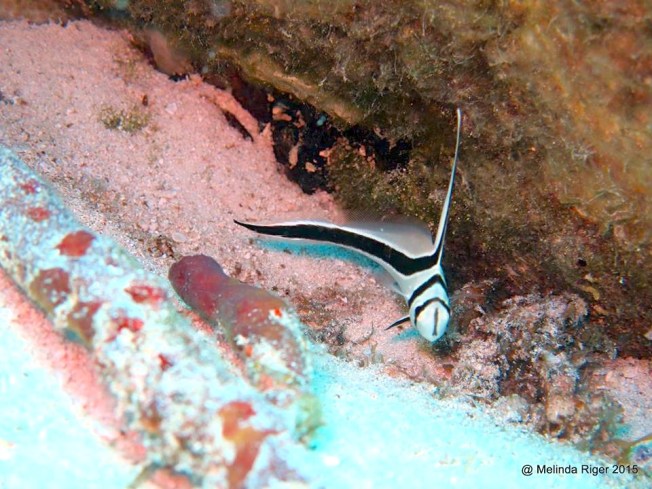
The rather uncomfortably ‘double-k’  Jackknife fish is one of 3 types of similar drumfish subspecies of Equetus found in Bahamas waters. The others are the High Hat and the SPOTTED DRUMFISH – the first fish featured in this series. Each of these drumfish species has juveniles that are elegant and delicate, becoming more conventionally fishlike as they grow to adulthood, as the final image shows.

Jackknife fish (juv) ©Melinda Riger @ G B Scuba copy

I always want to stick a hyphen in to separate each k: jack-knife fish. I think it’s an English thing. I have seen, at the other extreme, ‘jack-knifefish’, which looks most weird of all. Checking online, jackknife fish wins by a distance as the correct spelling. 

Jackknife Fish (juv) ©Melinda Riger @GB Scuba

These little fish, typically between 6 and 9 inches, inhabit the coral reefs of the Caribbean, the Gulf of Mexico, Florida and the Bahamas. Juveniles eat plankton and similar organism, graduating to small crabs and shrimps as adults.

Jackknife Fish ©Melinda Riger @ G B Scuba

A FULLY GROWN JACKKNIFE FISH (NOAA)Jackknife fish adult_NOAA_Photo_Library

Like other drumfishes, the jackknife can produce ‘croaking’ or ‘drumming sounds. This involves the fish beating its abdominal muscles against its swim bladder. There’s a lot more to it than my rather simplistic summary, but it’s probably as much as anyone needs or wants to know… The primary reason is believed to relate to mating. Other reasons include ‘low-level aggression’, and keeping in touch with each other in turbid waters.  I prefer the unscientific theory that sheer happiness makes them croak. Here’s a short video of a happy juvenile Jack knife fish (that’s yet another spelling variant…)

RELATED POSTS

Credits: Melinda Riger / GrandBahama Scuba; NOAA

Unknown's avatar

THE BAHAMAS: A STAMPING GROUND FOR DOLPHINS

Dolphin leaping, Abaco (BMMRO)

THE BAHAMAS: A STAMPING GROUND FOR DOLPHINS

I have commented before on the excellent wildlife stamps produced by the Bahamas Philatelic Bureau, and there is a fairly comprehensive page featuring many of the special issues HERE. Recently, dolphins were treated to their own set of stamps, in conjunction with the BMMRO (Bahamas Marine Mammal Research Organisation).  Four dolphin species are showcased, with a fifth species (Risso’s Dolphin) shown on the commemorative Official First Day Cover (replete with the BMMRO logo). The release date was 31 March 2016.

Bahamas Dolphin Stamps 2016

l_bmmro 25th ann_20160304134635-1

The stamps are available as sets of 4 or of course individually. In a newsletter earlier this year, the BMMRO included some fascinating information about their valuable work – in particular with whales – and about the individual dolphin species featured in this very special philatelic issue. This was also published by the stamp producers, Pobjoy Mint Stamp Division.

BMMRO is a Bahamian non-profit organisation whose mission is to promote the conservation of marine mammals in The Bahamas through scientific research and educational outreach. Since 1991, BMMRO has been conducting small vessel surveys primarily around Abaco Island to document the occurrence, distribution and abundance of marine mammals in The Bahamas.

imgres-3

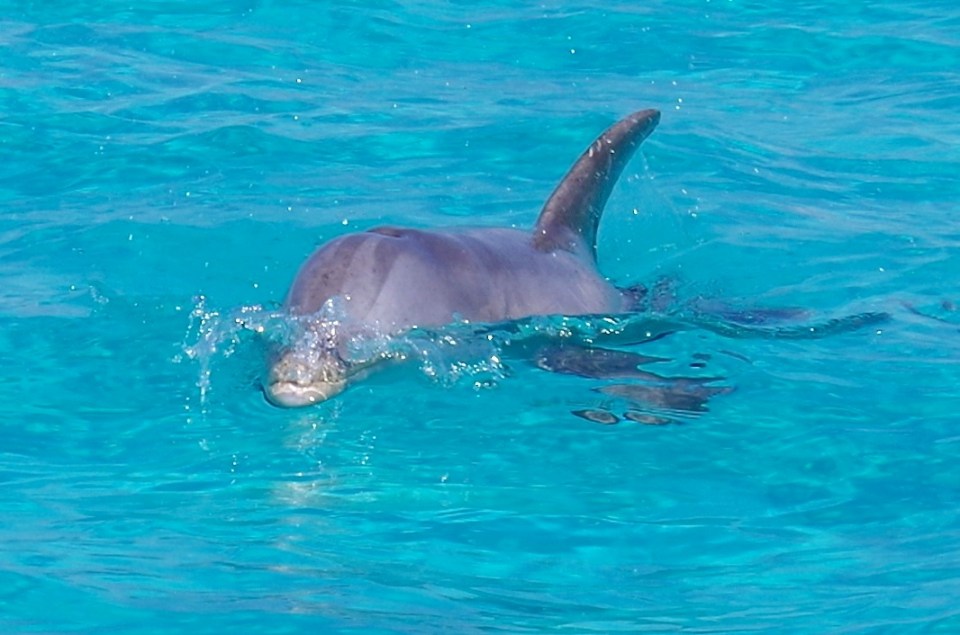
BOTTLENOSE DOLPHINS Tursiops truncatus

These are the most common marine mammals seen on the Bahama banks. It should be noted, however, that there are at least two distinct “breeding populations” or “ecotypes” of this species: coastal bottlenose dolphins that inhabit the shallow waters of the banks; and oceanic bottlenose dolphins found in pelagic waters. These populations diverged genetically several hundred thousand years ago and have since developed different physiological adaptations to their respective marine environments. The coastal ecotype is smaller in length reaching just over 8 feet and has a relatively larger dorsal fin and pectoral fins which helps them to maneuver more readily around rocks and reefs to catch fish, and to regulate their internal body temperature (the temperature of the shallow Bank waters fluctuates much more than the deeper Atlantic Ocean). The coastal dolphins do not travel much beyond the bank edge and live in small resident communities. The deeper diving oceanic ecotype can reach 10 feet or more in length, are usually seen in larger groups and appear to have a more extensive range with movements documented between Abaco, Bimini and Exuma Sound.

imgres-4

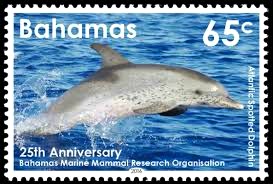
ATLANTIC SPOTTED DOLPHINS Stenella frontalis

These dolphins are not born with spots, but actually accumulate them as they mature, becoming quite mottled-looking as adults. Hence, young spotted dolphins are often confused with bottlenose dolphins, and sometimes the two species will interact, which adds to the confusion. Although they can reach almost the same length as bottlenose dolphins, they have a smaller girth and thus body weight. Atlantic spotted dolphins are a year-round resident species in The Bahamas. Individuals photo-identified 20 years ago in Abaco can still be seen in the same areas today. They are commonly seen in groups of 20-50 dolphins in the oceanic waters where they feed on flying fish and squid, and rarely venture on to the bank. However, along the western edges of Little and Great Bahama Banks this species can regularly be found on the bank during the daytime where they come to rest and socialise.

imgres-5

PANTROPICAL SPOTTED DOLPHINS Stenella attenuata

This species is more slender in body shape than Atlantic spotted dolphins, and also have a distinctive dark dorsal cape, which sweeps from their rostrum to behind their dorsal fin. Like Atlantic spotted dolphins, they accumulate their spots with age, which allows researchers to readily document age-classes within groups. This species is strictly oceanic in its distribution. Pantropical spotted dolphins are not as frequently sighted as Atlantic spotted dolphins in The Bahamas. They occur in groups of 50-100 dolphins and are often seen engaging in acrobatics, such as making high leaps out of the water, and bow-riding.

imgres-6

ROUGH-TOOTHED DOLPHINS Steno bredanensis

These dolphins are dark grey in colour with a long beak and prominent white lips. Their lower jaw and belly can sometimes be a pinkish colour. They reach just over 8 feet in length. They are an oceanic species and although appear to be rare in some parts of The Bahamas, can be regularly seen in the Tongue of the Ocean where they occur year round. Some individuals have been re-sighted in this area over the past ten years. They are typically found in groups of about 20 animals, but are sometimes in larger mixed-species aggregations of several hundred dolphins.

Risso's Dolphin - BMMRONot on a stamp but shown on the First Day Cover

RISSO’S DOLPHIN Grampus griseus

These are large light grey dolphins that can reach over 13 feet in length, and have a relatively tall, dark dorsal fin. Adults are typically covered with overlapping white scars caused by the teeth of their con-specifics making them look quite battered. They have a rounded head, lacking a beak, but have a deep vertical crease down the center of the forehead. As they mature, their forehead becomes prominently white, and as such they are one of the easiest species to recognize at sea. Risso’s dolphins are commonly seen in oceanic waters in the northern Bahamas each winter and spring, primarily on the Atlantic side of the islands. It is unknown where these groups range the rest of the year, but some individuals have been seen off Abaco repeatedly over the years.

RELATED POSTS

BAHAMAS WILDLIFE STAMPS PAGE

PHILATELY WILL GET YOU…

ABACO BIRD STAMPS

Bottlenose Dolphins, Rocky Point, Abaco (Keith Salvesen : BMMRO) 7

Credits: BMMRO for relevant text & images except last (RH), Pobjoy Mint, Bahamas Philatelic Bureau

Unknown's avatar

INDEPENDENCE DAY… FOR TINY FUZZY FLUFF BALLS

Piping Plover chick in the hand for banding (CWFNJ)

INDEPENDENCE DAY… FOR TINY PIPING FLUFF BALLS

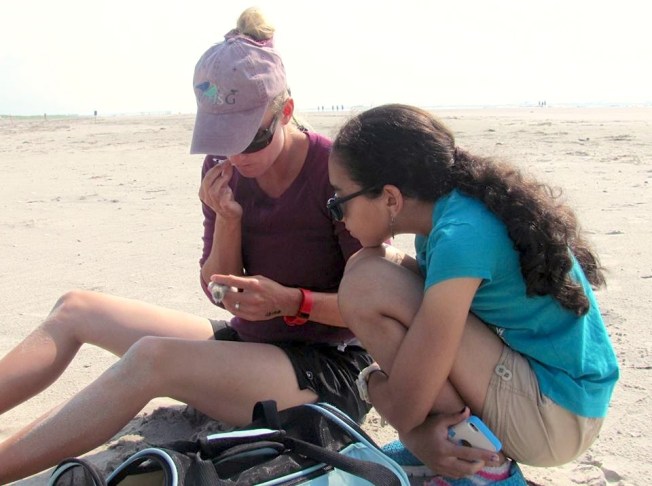
piping-ploverHappy July 4th to all those for whom the date has special significance (aside from it being plenty of people’s birthday). I’m celebrating the occasion by exercising my personal independence with a post that wrote itself. Mary Lenahan has done all the hard graft. Her photos and captions of a day in the field with her student Alex, in the company of CONSERVE WILDLIFE FOUNDATION NJ savants Todd Pover and Michelle Stantial merely needed to be arranged in traditional Rolling Harbour format, with a few additional comments.
    BIRDS IN THE HAND

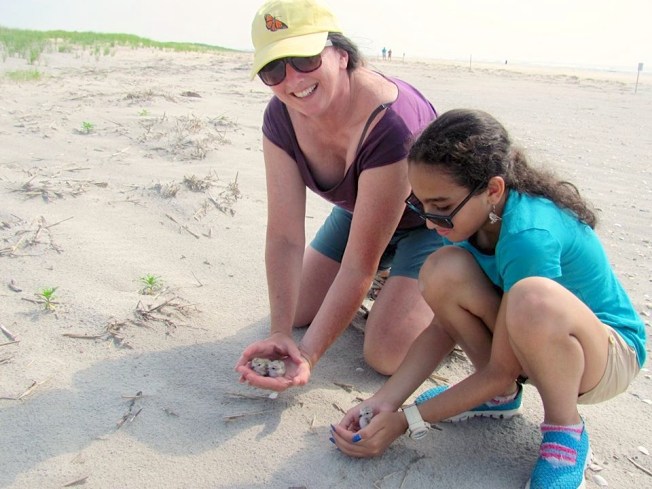
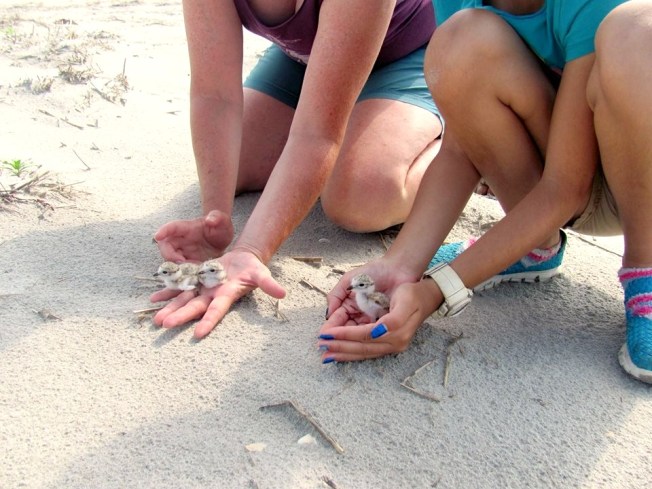
piping-plover“My student Alex and I were invited by Todd Pover (Conserve Wildlife of NJ Beach Nesting Bird Project Manager) to help out with some piping plover work in Avalon the other morning. We were lucky to observe the plover family from afar and close up as Michelle Stantial (Wildlife Biologist from SUNY College of Environmental Science and Forestry) and her technicians collected data on the week old plover chicks. What a thrill when we were able to release the fluffy chicks back to their parents in the Avalon dunes! Alex even took the time to help Todd take down a plover predator exclosure and to retrieve a balloon from the beach. What a fantastic and life changing experience for a budding scientist and her bird-nerd teacher. It is my hope that these endangered plovers overcome the many threats and obstacles they face and survive to migrate to their wintering grounds in the Bahamas”.

RH NOTE: 5 of the identified banded piping plovers that overwintered on Abaco were from NJ preserves. 2 of them (including the famous ‘Tuna’) were actually banded by Michelle herself last summer, with Emily Heiser.

Alex and Michelle Stantial discuss the bands on a piping plover chickPiping Plover chick in the hand for banding (CWFNJ)

Alex cradles a 1 week old chick before releasing him/her back to its parentsAlex and Michelle Stantial discuss the bands on the piping plover chick

Piping Plover chick in the hand for banding (CWFNJ)

Michelle Stantial places two fuzzy fluff balls into Mary’s hands for release!Piping Plover chick in the hand for banding (CWFNJ)

Fuzzy babiez!Piping Plover chick in the hand for banding (CWFNJ) Piping Plover chick in the hand for banding (CWFNJ)

Go find your parents! Piping Plover chick in the hand for banding (CWFNJ)

piping-ploverThese tiny birds, weighing a couple of grams maybe, were one week old. Already, they were nearing their own independence: still learning the arts of life from their parents, but fast becoming mini autonomous units too. To give you an idea how fast they develop, the first “fall” PIPL found on Abaco last year were spotted by Woody Bracey on July 31 on Green Turtle Cay mudflats – 6 birds in a group. Tuna, born in June, was first seen on Abaco in August, having undertaken a journey of well over 1000 miles.

ANSWERS the answers to the questions are as follows: ‘no’; ‘no’; and ‘not in the slightest’.

QUESTIONS the questions are: ‘don’t the parents reject a chick that has been handled during weighing, measuring and banding’?; ‘aren’t the chicks terrified and traumatised by the whole process’?; and ‘don’t the bands hamper their foraging / flying abilities or otherwise cause lifelong alarm and despondency’? 

The field work on the beach involves more than measuring and banding the chicks. Exclosures erected to exclude predators from the nest areas need to be regularly checked, and removed when the time is right (below)

Piping Plover nest exclosure, New Jersey (CWFNJ)

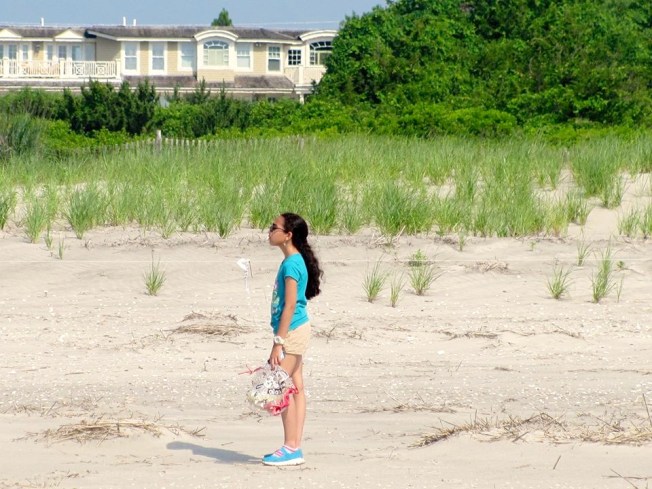
Alex finds a stray balloon very close to plover nest. BALLOONS BLOW and should never be released into the environment! This balloon could have been mistaken as food by a turtle or a whale, becoming trapped in the animal’s stomach, causing it to become very ill and die. The strings of balloons have been found tangled around the necks, bodies and legs of birds, causing pain, injury and death. Don’t release balloons or better yet, don’t buy them! Alex finds a deflated balloon on a plover beach

RELATED LINKS

ABACO PIPING PLOVER WATCH

CONSERVE WILDLIFE FOUNDATION NJ

BALLOONS BLOW

Many thanks to Mary Lenahan, Michelle Stantial, Todd Pover and of course Alex for being happy to share their experiences! And Birdorable for the little guys…

Unknown's avatar

BIRDS: BIG MOUTHFULS, VARIED DIETS & PLAYING WITH FOOD…

Anhinga eating fish (Phil Lanoue)

BIRDS: BIG MOUTHFULS, VARIED DIETS & PLAYING WITH FOOD…

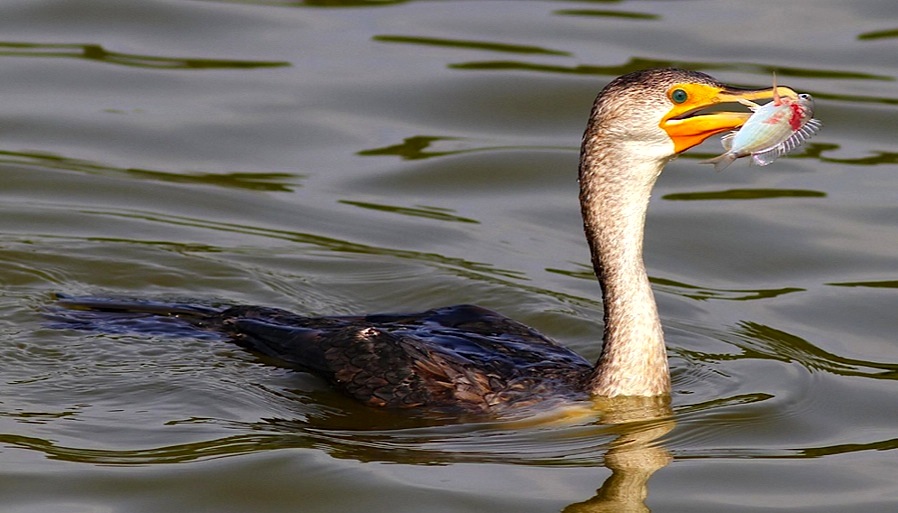
Anhingas are so-called ‘darters’. You won’t have seen one on Abaco. Or else, if you have, you’ve had a rare avian treat. These cormorant-like birds are far from unusual in Florida, all round the Gulf of Mexico, on Cuba and generally in the West Indies, and throughout the northern parts of South America. But somehow they have only very rarely bothered to wing their way across the relatively short expanse of water that separates their usual stamping ground in Florida and the northern Bahamas. I very rarely post about non-Abaco birds, unless for comparison. However, on the slender basis that one or two anhinga sightings have been made on Abaco since 1950 (they are classified as V5, i.e. vanishingly rare vagrants) , I am including PHIL LANOUE’S wonderful photo of one trying to get a gob-stoppingly large spiny fish down its throat. And making that an excuse to show more of his wonderful bird photos, including one of his renowned sequences.

BIG MOUTHFULS

By way of contrast to the anhinga above, this brown pelican has opened wide, but has disappointingly little to show for his huge gulp. Just a tiddler, and it really doesn’t look like it will manage to jump out of that capacious gullet…

Brown Pelican fishing (Phil Lanoue)

Here’s a better meal: a great egret has got hold of a massive shrimp. It won’t have any trouble getting it down…Great Egret eating fish (Phil Lanoue)

VARIED DIETS

As the great egret above demonstrates, fish are not the only prey species for the ‘fish-eating’ birds. These cormorants are happily mixing up their diet.Cormorant - varied diet 1 (Phil Lanoue)Cormorant - varied diet 3 (Phil Lanoue)

I’ll take a side-order of salad with that…Cormorant feeding (Phil Lanoue)Cormorant - varied diet 5 (Phil Lanoue)

PLAYING WITH FOOD

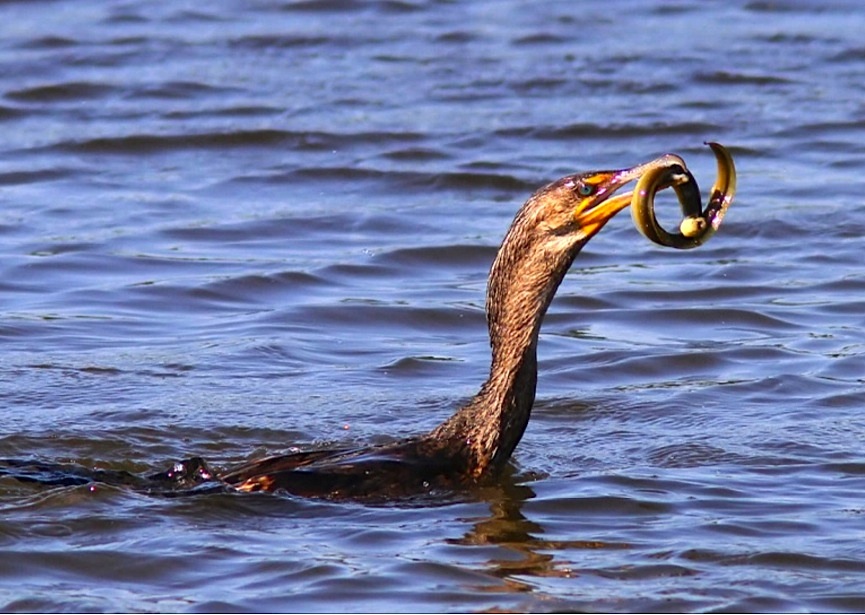
Regrettably, the cormorant with the eel, above, decided to play with its food before eventually swallowing it. Here are three more images from Phil’s sequence of the Eel Meal.

Chucking my dinner around a bitCormorant - varied diet 4 (Phil Lanoue)

Wearing my food as a hatCormorant eating eel (Phil Lanoue)

My whole meal seems to have gone to my head…Cormorant - varied diet 6 (Phil Lanoue)

All phantastic photos by Phil. Check out his website https://phillanoue.com

Unknown's avatar

BANANAQUITS ON ABACO (GUEST PHOTOS)

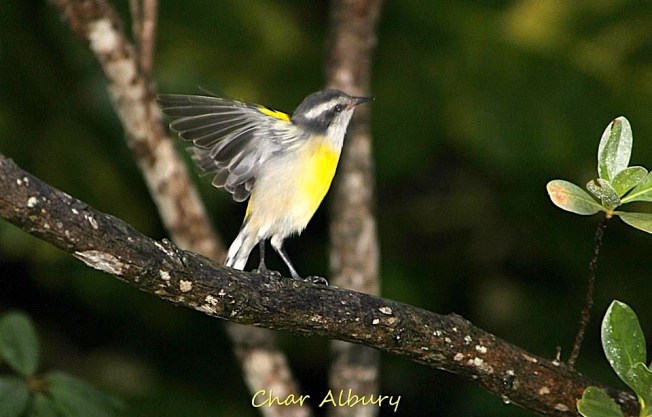
Bananaquit, Abaco (Char Albury)

BANANAQUITS ON ABACO (GUEST PHOTOS)

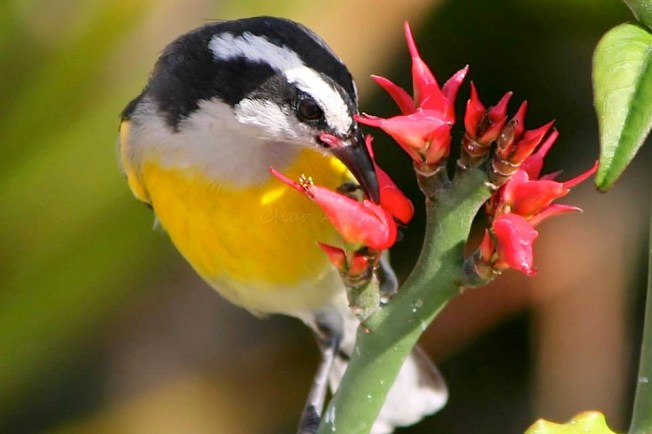
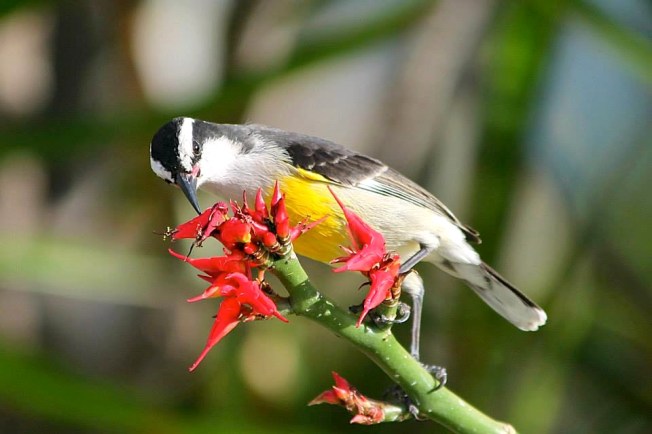
This is the best job in the world (#it’snotajob #it’sapastime #duh!yougetpaidinajob). I get to choose what to write about and what photos to use. And it’s all enjoyable, interesting, and totally new (to me) within the last 10 years. Bananaquits are another favourite small bird of mine. Charmaine Albury takes great Abaco wildlife photos – birds, butterflies, insects, shells and more – on Man-o-War Cay and beyond. It’s time to showcase some of her bananaquit photos. Let’s go!

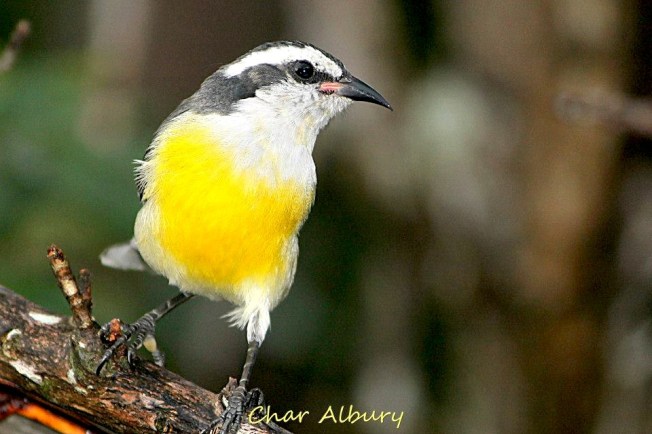
Bananaquit, Abaco (Char Albury)Bananaquit, Abaco (Char Albury)Bananaquit, Abaco (Char Albury)

Juvenile bananaquits have their own totally adorbz qualities, as I have observed BEFORE.

Bananaquit juvenile, Abaco (Char Albury) Bananaquit juvenile, Abaco (Char Albury) Bananaquit juvenile, Abaco (Char Albury) Bananaquit juvenile, Abaco (Char Albury)

Bananaquit juvenile, Abaco (Char Albury)

As the juveniles grow, their colouring becomes stronger until eventually they are hardly distinguishable from their parentsBananaquit juvenile, Abaco (Char Albury)Bananaquit, Abaco (Char Albury)Bananaquit, Abaco (Char Albury)

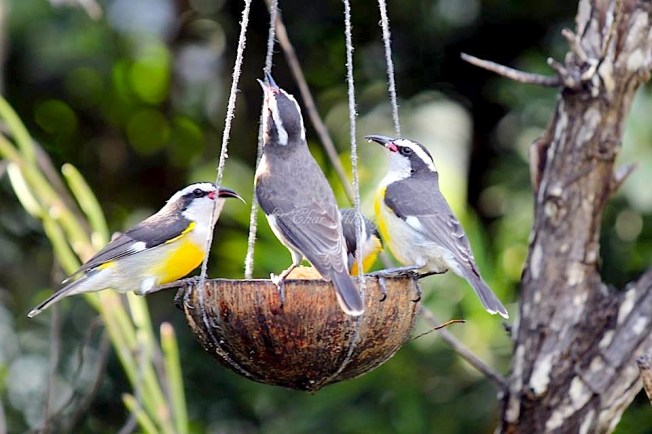
Bananaquits are readily attracted to gardens. They can used their sharp curved beaks to drink from hummingbird feeders. Or why not try Charmaine’s idea for a free-to-make bananaquit bar – look how successful it is!

Bananaquit, Abaco (Char Albury)

You’ll find several posts about bananaquits, none particularly recent. For an ‘in-house’ gallery of these bright little birds, click HERE

All photos Charmaine Albury, with thanks for use permission. You’ll notice that the images are watermarked or named, which is because Char’s images are available for sale. Let me know if you are interested in any of the photos featured here…

Unknown's avatar

CUBAN PEWEES AT THE NEEM FARM, ABACO

Cuban Pewee, Abbaco Neem Farm (Keith Salvesen) 5

CUBAN PEWEES AT THE NEEM FARM, ABACO

The Abaco Neem Farm just off the highway about 20 minutes south of The (one and only) Roundabout is about much more than the neem plants and the resultant products sold at the well-known shop in Marsh Harbour. The many varieties of fruit tree, the grasses and the wild flowers, the coppice, the pine forest, the open land and the pond that make up the extensive property provide a wonderful haven for birds, butterflies, moths and bees (there are hives too). It’s a great place for birding, and the owner Nick is rightly proud of the peaceful ambience of the farm. On a bright day, the place is alive with birdsong. 

Cuban Pewee, Abbaco Neem Farm (Keith Salvesen) 6

Among my favourite small birds found there are two species that are so tame and inquisitive that it is often possible to move slowly right up to them. The blue-gray gnatcatcher is one. The cuban pewee is another. This pewee was flitting about the edge of the coppice, hawking for insects and quite unconcerned by our presence. Sadly I only had ‘hated camera’ with me, having thrown ‘beloved camera’ into the sea a couple of days before, photographing shorebirds (and thence into the trash bin). So I’m not wholly pleased with the results, either for clarity or for colour. Needless to say, hated camera always has the last laugh…

Cuban Pewee, Abbaco Neem Farm (Keith Salvesen) 2

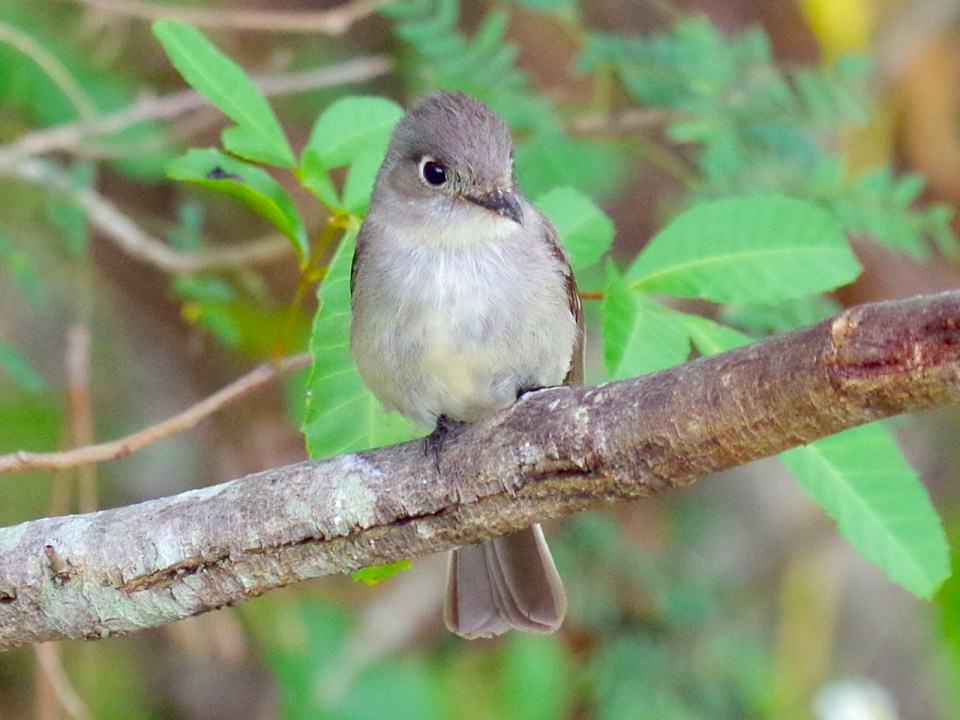
Identification of the various flycatcher species e.g. CUBAN PEWEE, LA SAGRA’S FLYCATCHER, LOGGERHEAD KINGBIRD and GRAY KINGBIRD can be tricky. The simplest way to distinguish the cuban pewee is to remember that it is a small bird (so, not a kingbird); and that its informal name is ‘crescent-eyed pewee’ due to the very noticeable white crescent behind the eye. And as Liann Key Kaighin reminds me in a comment, these little birds also answer to the name Tom Fool…

Cuban Pewee, Abbaco Neem Farm (Keith Salvesen)Cuban Pewee, Abbaco Neem Farm (Keith Salvesen) 3

A quick check of the sky for predators? Or maybe just for rain…Cuban Pewee, Abbaco Neem Farm (Keith Salvesen) 8

All photos: RH. Thanks to Nick Maoulis for his tolerance of people armed with cameras and binoculars.

PS I don’t go in much for beauty products (far far too late), but the Neem Salve is fantastic for minor injuries: cuts, grazes, bruises, small burns and so on. Well, it works for me.

Unknown's avatar

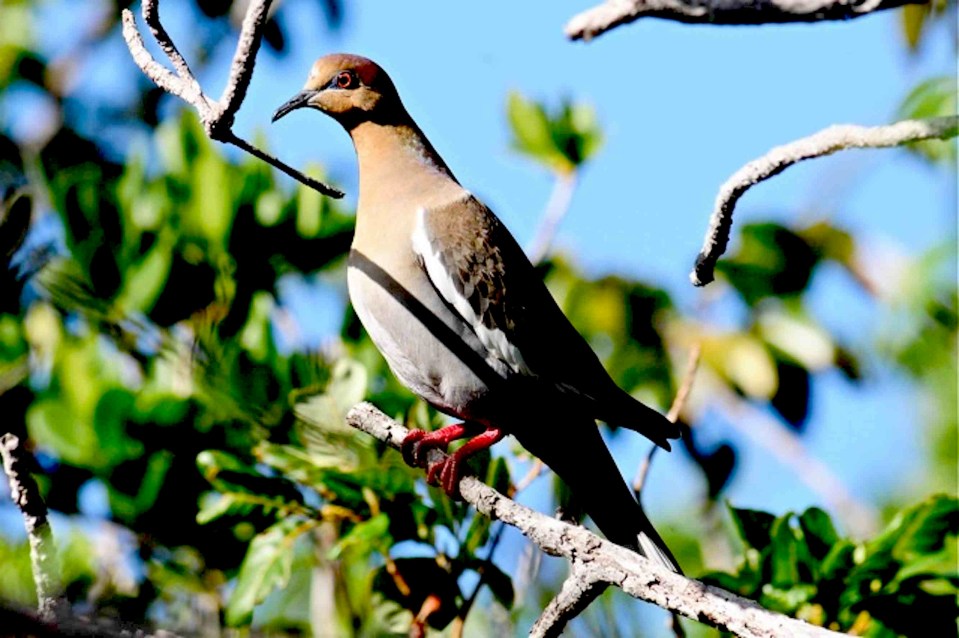
DOVE LOVE: APPRECIATING PIGEONS ON ABACO

White-crowned Pigeon, Abaco, Bahamas (Gerlinde Taurer)

DOVE LOVE: APPRECIATING PIGEONS ON ABACO

Monday was International Pigeon Appreciation Day 2016, apparently. I’m not a huge fan of limitless species being accorded their own special day each year: “Celebrate International Plankton Day – Be Kind to your Favourite Protozoa!” or “Global Millipede Day: Take an Arthropod for a Walk!”.

White-crowned Pigeon (& header image)White-crowned Pigeon, Abaco (Alex Hughes)

I’m not sure where pigeons come in all this. In many cities feral pigeons are considered vermin – yet people love to feed them, even the ones with rotted feet and one eye. Especially those ones. Pigeons may be pests in crop fields, yet HEROES in wartime. They may be decorative, yet are, regrettably, good sport and delicious.

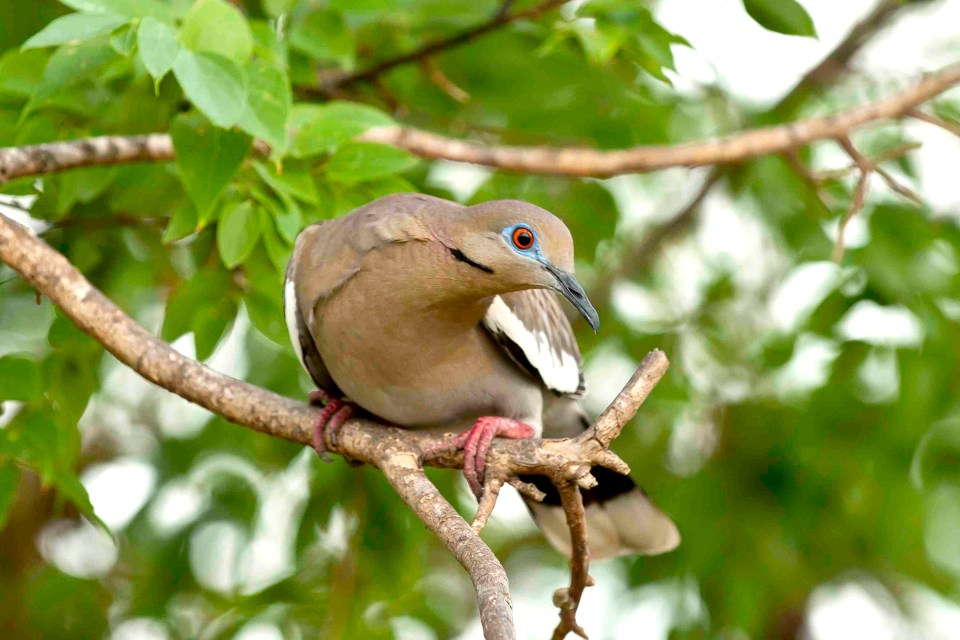
White-winged doveWhite-winged Dove, Abaco Bahamas - Tom SheleyWhite-winged Dove, Abaco - Tony Hepburn

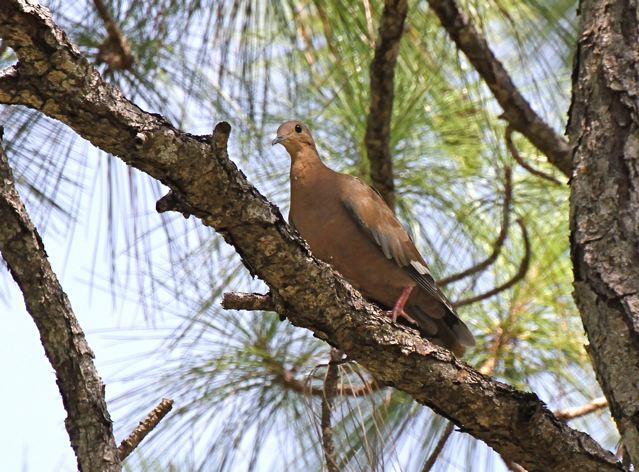
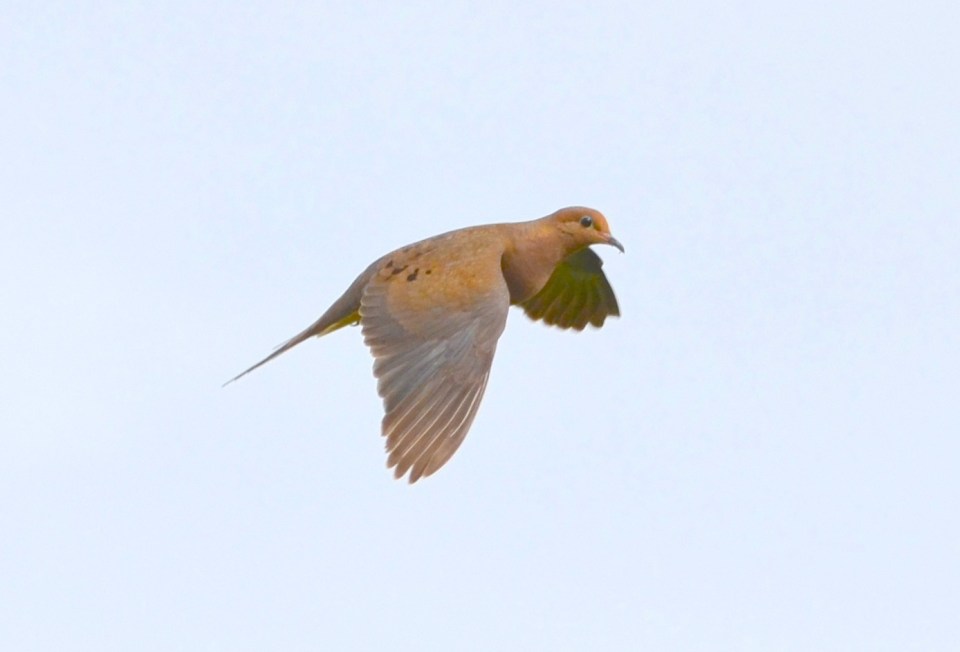
I’ve decided to take a broad view with pigeons and doves (there’s no significant difference), and not to be sniffy about Columba and their special day. They are pretty birds and they deserve it. So I’m featuring some Abaco pigeons and doves to enjoy, representing every species found on Abaco – and a bonus dove from New Providence at the end.

Eurasian Collared DoveCollared Dove, Abaco - Keith Salvesen / Rolling HarbourEurasian Collared Dove, Abaco (Bruce Hallett)

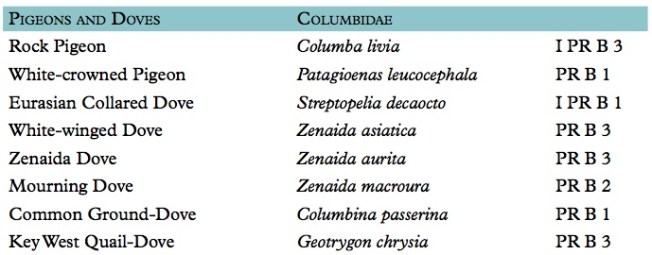
The Columbidae of Abaco: all permanent breeding residentsPigeons : Doves Abaco

Common Ground Dove (Tobacco Dove)Common Ground Dove, Abaco 1 (Tom Sheley)Common Ground Dove, Abaco (Keith Salvesen)

SPORT REPORT

PROTECTED SPECIES From a sporting and culinary point of view, the following pigeons and doves are protected by law at all times: Common Ground (Tobacco) Dove; Keywest Quail-Dove

SHOOTING IN SEASON The following have open season from roughly mid-September until March: Zenaida Dove; White-crowned Pigeon; Eurasian Collared Dove; Mourning Dove

UNPROTECTED – NO DESIGNATED CLOSED SEASON White-winged Dove (but why? they are fairly uncommon on Abaco); Rock Pigeon.

Zenaida DoveZenaida Dove, Abaco (Bruce Hallett)Zenaida Dove, Abaco (Bruce Hallett)

Key West Quail-Dove

The second bird of this pair was recently photographed by Milton Harris at the north end of Elbow Cay. More details HERE Key West Quail Dove, Nassau, Woody BraceyKey West Quail-Dove, Elbow Cay, Abaco (Milton Harris) 1a

Rock PigeonRock Pigeon, Sandy Point, Abaco Bahamas.Tom Sheley 2bRock Pigeon NYC (keith Salvesen)

Mourning DoveMourning Dove, Abaco (Charles Skinner)

The birds shown above represent the 8 species found on Abaco. However, not far away in New Providence, there is a beautiful pigeon that has not yet made its way over to Abaco and has yet to be introduced there. I am ambivalent about the deliberate introduction of alien species, because of the frequently very real risks to native species in terms of territory, habitat, food sources and so forth. But where there is no detectable threat to the local species, perhaps there is no great harm. I’d certainly like to see these lovely birds flying around – if possible, as a protected species…

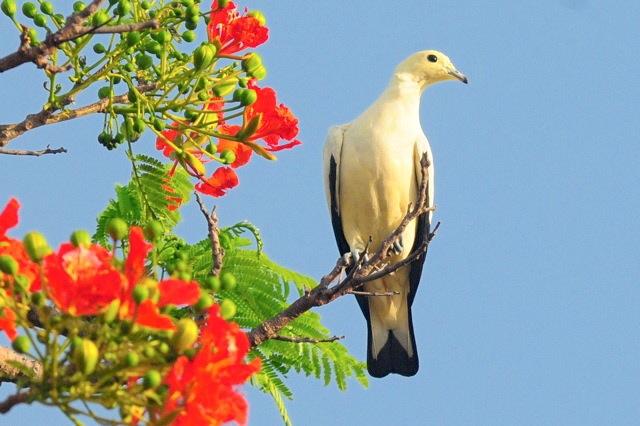
Pied Imperial Pigeon (Nassau)Pied Imperial Pigeon 1, Nassau (Woody Bracey) Pied Imperial Pigeon 2, Nassau (Woody Bracey).JPG

Photo credits: Gerlinde Taurer (1); Alex Hughes (2); Tom Sheley (3, 7, 13); Tony Hepburn (4); Keith Salvesen (5, 8, 14); Bruce Hallett (6, 9, 10); Woody Bracey (11, 16, 17); Milton Harris (12); Charles Skinner (15)

Unknown's avatar

WHALE-WATCHING: THE APPLIANCE OF SCIENCE

Blainville's Beaked Whale, Sandy Point, Abaco 14 (Keith Salvesen

WHALE-WATCHING: THE APPLIANCE OF SCIENCE

The Bahamas Marine Mammal Research Organisation has just celebrated its 25th year of existence. It was formed in 1991. The omnivorous leviathan Amazonus giganticus emerged in 1994 and the invasive species Megacorpus googleii not until 1998. A full 10 years later the first garbled recordings of Sarahpalinus illogicus were made. And all the while, a watchful eye was being kept on the cetaceans of the Bahamas – researching, counting, measuring, identifying, recording, poop-scooping, analysing samples, tagging, comparing, protecting and conserving. 

Blainville's Beaked Whale, Sandy Point, Abaco 20 (Keith Salvesen

As the years passed, so the science and technology evolved and became more sophisticated. Researching became at the same time easier, yet more complex as the organisation’s remit expanded to accommodate the vast increase in data collection now made possible by refined techniques. Here are two very recent examples – 25th anniversary projects, in fact – with thanks to Charlotte, Diane, their team and their colleagues in linked organisations.

TAGGING BLAINVILLE’S BEAKED WHALES

Last month, a tagging project started, involving suction cups being attached to the backs of BLAINVILLE’S BEAKED WHALES. The purpose of the research is to compare the foraging efficiency of the whales in Abaco waters with those of Andros, the second part of the project. I imagine this will provide valuable insights into the whale movements and behaviours in each location as well as such issues as the comparative availability of the food supply, and other factors that may affect expected foraging patterns. 

The tag is moved towards an adult male. Note the aerial (antenna?) at the back of itTagging a Blainville's beaked whale with a suction cup 1

Planting the tag on the whale’s backTagging a Blainville's beaked whale with a suction cup 2

Successful suction!Tagging a Blainville's beaked whale with a suction cup 3

The tag in placeTagging a Blainville's beaked whale with a suction cup 4

The tag is tracked for 18 hours, after which it is retrieved and the recordings can then be analysed back at BMMRO HQ in Sandy Point. So far, an adult male, a young male and two adult females have been tagged. Each female had a calf, but these were not tagged.

Female beaked whale with her calfBlainville's beaked whale female and calf

AERIAL PHOTOGRAMMETRY USING A HEXACOPTER

Drone technology is rapidly expanding as new uses for them are devised. BMMRO in conjunction with NOAA have used a sophisticated HEXACOPTER to take the first  PHOTOGRAMMETRY images of Blainville’s beaked whales. These aerial photographs were taken from approximately 100ft altitude. But note: not just anyone with a $50 drone can do this: the project required flight clearance from the Bahamas Department of Civil Aviation and a permit for research on marine mammals granted by the Bahamas Department of Marine Resources.

 Blainville’s beaked whale photogrammetry image – adult male (note ‘erupted’ teeth) Blainville's beaked whale photogrammetry image - adult male (note 'erupted' teeth) BMMRO

 Blainville’s beaked whale photogrammetry image – female and calf Blainville's beaked whale photogrammetry image - female and calf BMMRO

STOP PRESS Two additional images from the latest batch Blainville's beaked whales photogrammetry image - BMMRO  Blainville's beaked whales photogrammetry image - BMMRO

Photogrammetry: the science of making measurements from photographs. Applications include satellite tracking of the relative positioning and alterations in all Earth environments (e.g. tectonic motions etc), research on the swimming of fish, of bird or insect flight, and other relative motion processes. The results are used to guide and match the results of computational models of the natural systems. They help to invalidate or confirm new theories, to design novel vehicles or new methods for predicting or/and controlling the consequences of earthquakes, tsunamis etc, or to understand the flow of fluids next to solid structures, and many other processes. (Wiki-précis)

Hexacopter (6 rotors)Hexacopter_Multicopter_DJI-S800_on-air_credit_Alexander_Glinz

Tag Team: BMMRO, University of St Andrews (Scotland), Woods Hole Oceanographic Institution

Hexacopter: BMMRO, NOAA

Photo Credits: top two, moi (from BMMRO research vessel); remainder except for last, BMMRO; last, Wiki

Unknown's avatar

MAKE FRIENDS WITH ANEMONE (2): SPECTACULAR REEF LIFE

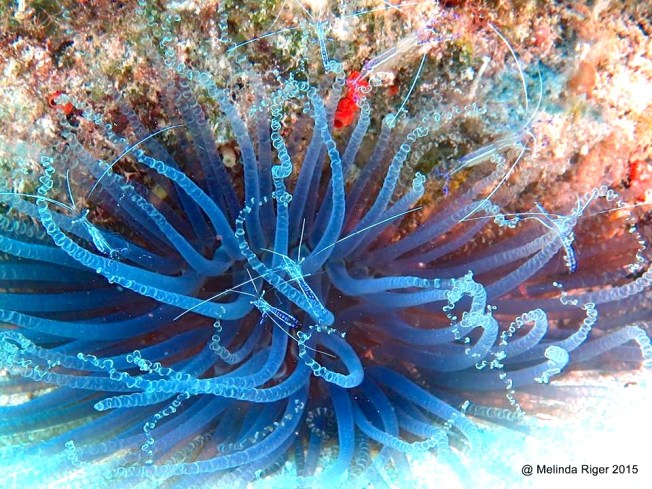
Corkscrew Anenome = Peterson Cleaner Shrimps ©Melinda Riger @G B Scuba copy

Corkscrew Anemone with Peterson Cleaner Shrimps

MAKE FRIENDS WITH ANEMONE (2):  SPECTACULAR REEF LIFE

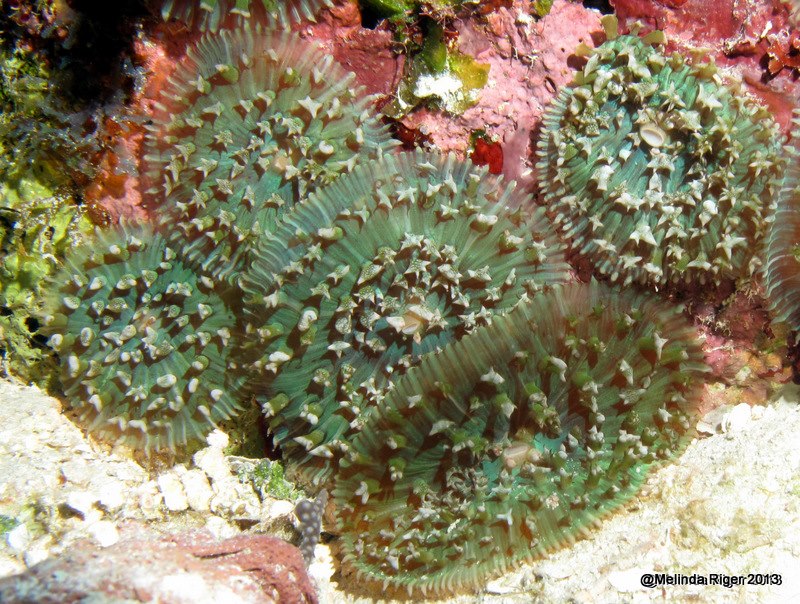
Going snorkelling? Planning a scuba day on the reef? You’ll see wonderful fish and amazing coral for sure. But sometimes the beauty of other life on the reef can be overlooked. Check out the anemone in the header image, with the camouflaged cleaner shrimps playing around it. You wouldn’t want to miss a sight like that. The many and varied forms and colours of anemone on the reefs of the Bahamas make up a vital component of a spectacular underwater world.

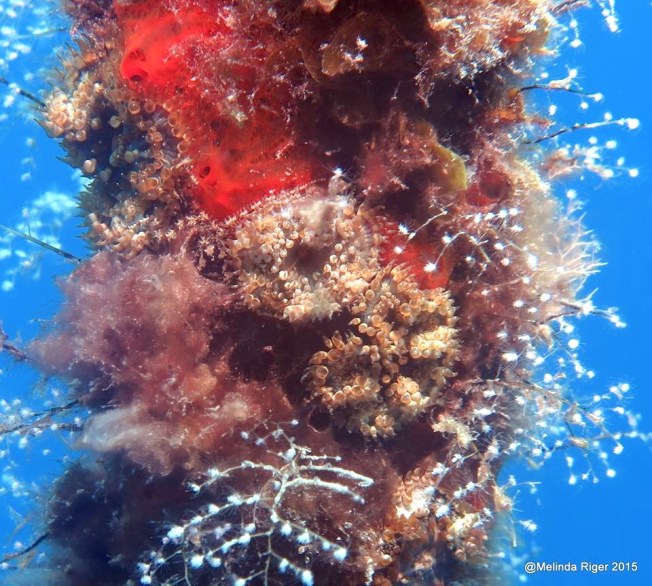
Giant Anenome ©Melinda Riger @ G B Scuba copyGiant Anemone ©Melinda Riger @ G B Scuba copy 4Anemone Melinda Riger @ G B ScubaAnemone on Rope ©Melinda Riger @ G B ScubaAnemone ©Melinda Riger @ Grand Bahama ScubaAnemone (Giant) ©Melinda Riger @GBS copyAnemone ©Melinda Riger @ GB Scuba

ADDED NOV 2016 Capt. Rick Guest adds this interesting material (& thanks for correcting my erroneous reference to anemones as ‘plants’. My bad. They are of course animals!):

“Anemones are living animals of the invertebrate type. Basically living corals without skeletons. All have stinging cells of several varieties to sting or entangle their prey such as small fish, or various invertebrates. A few can even, painfully, penetrate human dermal layers. Most host varieties of cleaner shrimps,and snapping shrimps that can stun their own prey. Some Dromidia crabs even pull some species of anemone off the reef, and attach them to their carapace (their back) apparently for camouflage, and perhaps protection”.

All photos: Melinda Riger of Grand Bahama Scuba, with thanks

Unknown's avatar

A FROG CALLED TOAD: NEW AMPHIBIAN SPECIES FOR ABACO

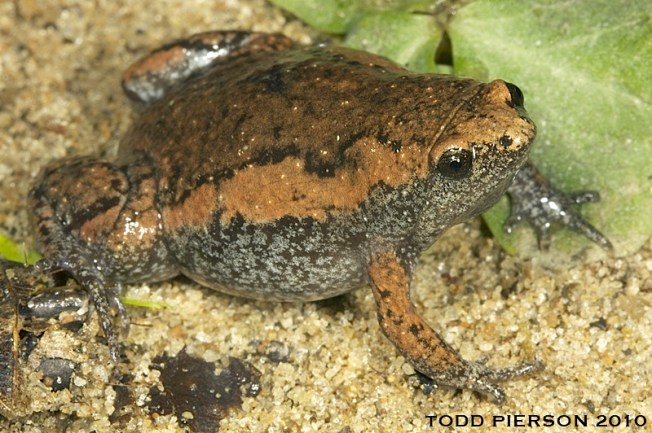
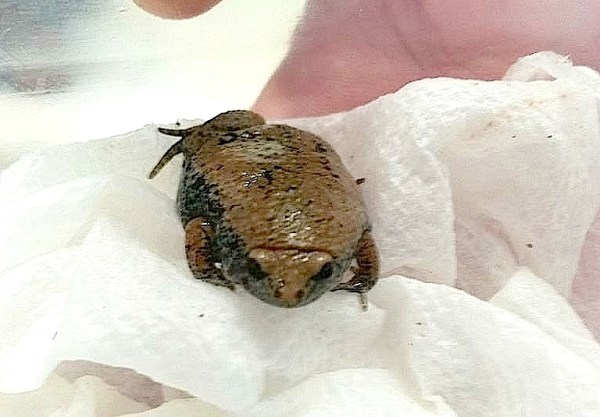
Eastern narrow-mouthed toad (Todd Pearson / ABSCI)

A FROG CALLED TOAD: NEW AMPHIBIAN SPECIES FOR ABACO

Welcome to the wonderful world of the tiny Eastern narrow-mouthed toad. This non-native species has just been discovered on Abaco and formally identified. It looks like a toad. It’s called a toad. It’s actually a frog. There’s a song from the ’60s (dread decade) called ‘Walkin’ my cat named dog…’. But no one has come up with ‘Check out my frog named toad’. Yet.

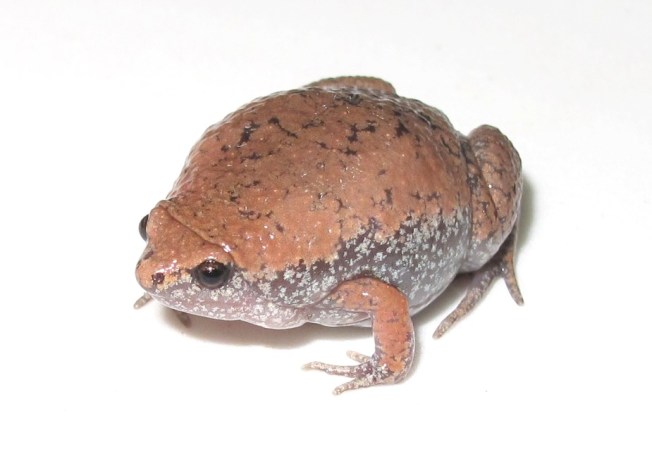
Eastern narrow-mouthed toad (Sean Giery ABSCI)

THE FIRST EVIDENCE ON ABACO

A year ago, Sean Giery reported on the excellent ABACO SCIENTIST website that he had heard the unmistakeable (to him) mating call of Eastern narrow-mouthed toads Gastrophryne carolinensis in the Marsh Harbour area, Abaco. Denizens of south-eastern US, the species had previously only been recorded in the Bahamas on Grand Bahama and New Providence.

Sean estimated that he heard several dozen of these tiny 2.5cm frogs, suggesting a well-established population. A veritable Frog Chorus.** However, he wasn’t able to obtain a specimen, so his identification was by sound alone – vividly described as “like a bleating lamb with a stuffy nose”. You can read the full article from last May HERE.

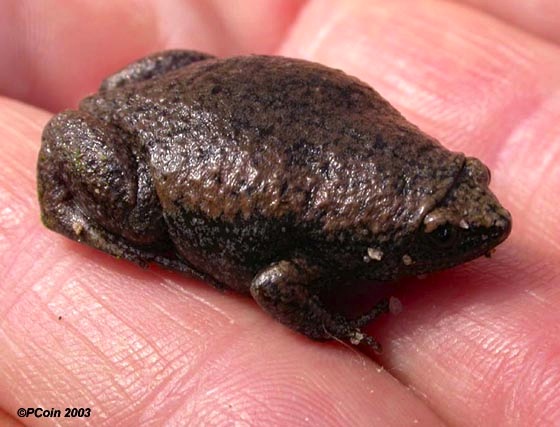
Eastern narrow-mouthed toad (P. Coin / ABSCI)

THE FIRST SPECIMEN IS FOUND 

In a further article one year later HERE, Sean relates how he was called to the home of alert student Donte Richard, who had remembered the original post. This was in a different area of MH, suggesting a spread of population. Others had reported the distinctive bleating calls as well. Identification of the specimen frog was made by researchers at the Frank Kenyon Centre, Friends of the Environment, and confirms a new addition to Abaco’s vertebrate fauna.

The evidential specimenEastern narrow-mouthed toad (ex Brian Kakuk)

WHERE WERE THEY FOUND?

ENM Toad Map MH

MIGHT THEY BE HARMFUL? 

Sean writes: “With Abaco added to the list of islands we see a distribution pattern that echoes another recent invader (the corn snake). Perhaps they share a similar route of entry? Whether or not the narrow-mouthed toad poses any real threat to Abaco’s native flora and fauna is unknown. However, given their diet of small invertebrates (ants, mites, termites), it seems unlikely that they could pose any substantial risk. That said, who knows?”

WHAT DO THEY LOOK LIKE WITH NO CLOTHES ON?
Tidelands Toad Skelly 2

CAN I BUY ONE AS A PET?

Yes, by all means you can. But they are remarkably expensive for a 2.5cm creature. ‘Urban Jungle Reptile’ sells them for $80 each. You might need a pair. But you’d be better off hanging round Marsh Harbour in May with a small bucket and spade. And they are useless for taking on walks. You’d be far better off with the cat named dog…

“My name is Freddie and I am for sale to a good non-amphibian-eating home”Narrow-mouthed frog (Urban Jungle Reptile)

**COMPLETELY THE WRONG SORT OF FROG CHORUS
CREDITS: foremost to Sean Giery / ABSCI for use permission for photo use and info; Todd Pierson (header), Sean (2, map 5), P.Coin (3); Brian Kakuk for posting the specimen initial shot (4); Tidelands Nature Center for the terrific skeleton photo taken at the Smithsonian (6); Urban Jungle Reptile ad (7).
DISCREDITS: Paul McCartney for his ill-advised foray into amphibian-based songwriting, a close second to David Bowie’s ‘Laughing Gnome’ for star career low points. Some might say.
Unknown's avatar

MUSCOVY DUCKS: THE MATING GAME…

Muscovy Duck, Abaco, Bahama (Gerlinde Taurer)

Muscovy Ducks, Gilpin Point, Abaco

MUSCOVY DUCKS: THE MATING GAME…

This is going to be a bit awkward for me. And for you. We are all going to have to be very adult about this. If you are sensitive about discussing… intimacies, then look away now. Because we are going to have to confront the facts with courage and fortitude. Ducks have sex. Oh, you didn’t quite catch that? They have Sex. SEX. SEX. Let’s call it something less.. well, I think mating is the correct word, although given the fact that the female suffers total submersion during the proceedings, ‘ducking’ would not be wholly out of place…

On Abaco, there are a number of muscovy ducks, all tame ones such as Perry Maillis’s at Gilpin Point shown in the Header image. They are not strictly an ‘official’ bird species of Abaco, but instead come into the classification “exotics”, in other words avian ‘also-rans’. This category also includes mallards, macaws and (for now) PEAFOWL – though I would fight to near-death to have these ranked as an established breeding introduced species (cf bobwhites), i.e. ‘proper’ Abaco birds. Many-time descendants of a few original tame birds, the population now is entirely feral and self-sustaining. 

Cairina_moschata_reproduction (Ianare Sevi wiki)

Muscovy ducks Cairina moschata turn out to be very interesting in the area of ‘Spring relationships’ (mallards and other ducks too, for that matter). A quick piece of research about them unearthed one unbeatable nugget of anatidaean anatomy: male muscovy ducks have spiralled penises which can become erect to 20 cm in one third of a second… Females have vaginas that spiral in the opposite direction to try to limit forced copulation by males, with ‘blind pouches’ if the female is unreceptive to advances…

So there you have it. Impressively rapid reactions from the male. And an equally clever response from the female. Something like this:

Male & Female Duck Corkscrewsimgres

NERVOUS DISPOSITION? STOP READING RIGHT NOW!

I once photographed the muscovy duck mating sequence (not on Abaco). Here are some images from the procedure. Until I looked at the images on my computer, I didn’t realise I had ‘caught’ (photo #2) the pink corkscrew in the process of inflation. So to speak. And with apologies for indelicacy.

SPRINGTIME. I THINK IT’S TIME TO FIND MYSELF… A LADY FRIEND

OH MY GOODNESS. THAT “1/3 OF A SECOND THING” IS STARTING TO HAPPEN…

QUICK! AHA! SHE LOOKS NICE. LET’S SEE HOW THINGS DEVELOP.

THAT SINKING FEELING…

THAT SUNKEN FEELING…

HEY! WHERE ON EARTH HAS SHE GOT TO?

OH! HELLO, DEAREST…

HOLD ON  AGAIN…. JUST A…. MOMENT…

YAY! I ENJOYED THAT

BLEURGHHHHHHH… ME TOO… I THINK?      

AH YES, ALL OK NOW. PLEASURE TO MEET YOU        

Credits: Header, Gelinde Taurer; Ianare Sevi; all other photos RH; infographic, scientist.com

Unknown's avatar

WTF? (WHAT’S THAT FISH) (9): THE HARLEQUIN BASS

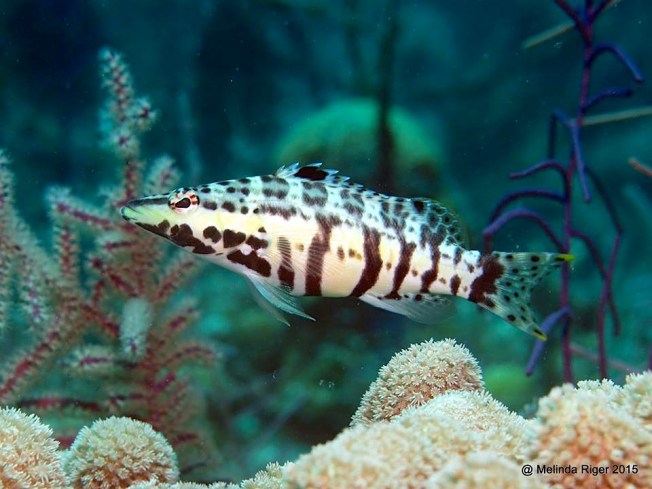
Harlequin Bass ©Melinda Riger @ G B Scuba copy

WTF? (WHAT’S THAT FISH) (9): THE HARLEQUIN BASS

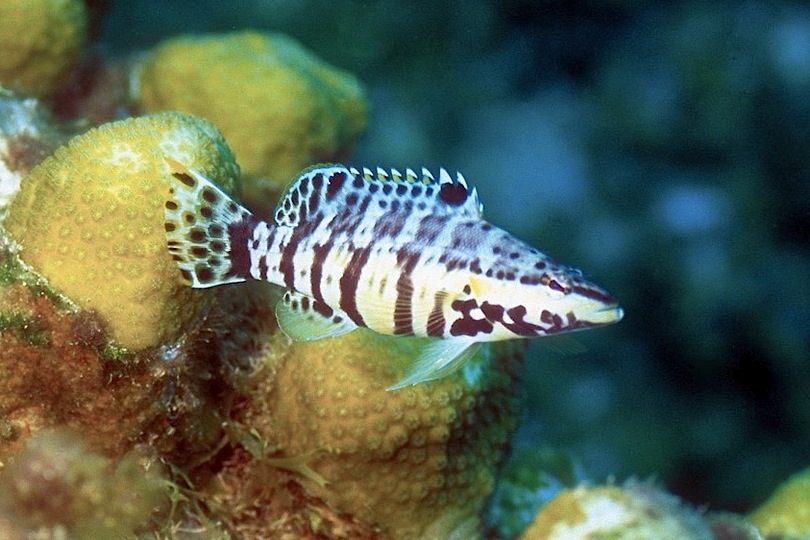
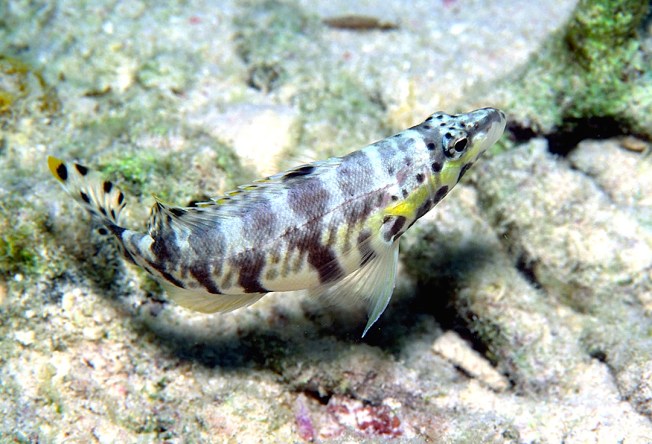
I’m conscious of being rather unfair on this pretty dwarf bass species by including it in the WTF? series. The usual denizen of the series is a fish so strange that one’s immediate instinct is to yell into one’s facemask, “WTF?”. BATFISH or FROGFISH or GUITARFISH and their bizarre ilk. So with apologies to this species for its somewhat harsh classification, here are some quite flattering photos of it to make up for any hurt feelings.

Harlequin Bass Fish ©Melinda Riger @ G B Scuba copyHarlequin Bass (jpc what'sthatfish)

The Harlequin Bass Serranus tigrinus has unusually striking body markings and a rather endearing spotty tailfin. They are hardy creatures and I note that they are recommended aquarium fish “and make a great candidate for beginners”, though there are warnings that they are “semi-aggressive”. NB they are only a few inches long, so no need to panic.

Harlequin_Bass_Serranus_tigrinus wikiHarlequin_Bass_(Serranus_tigrinus) wiki

If you are still not confident that you can ID one in the wild, here is a short video… Actually I’m really including it to show how these fish swim around. And next time, I promise a truly eye-watering WTF? fish from Bahamian waters, though its camouflage is so good that you may never notice it…

Credits: Melinda Riger / Grand Bahama Scuba (1, 2); jpc/ what’s that fish; wiki

Unknown's avatar

INTRODUCING ROSEATE SPOONBILLS TO ABACO?

Roseate Spoonbills 6 (Phil Lanoue) jpg

INTRODUCING ROSEATE SPOONBILLS TO ABACO?

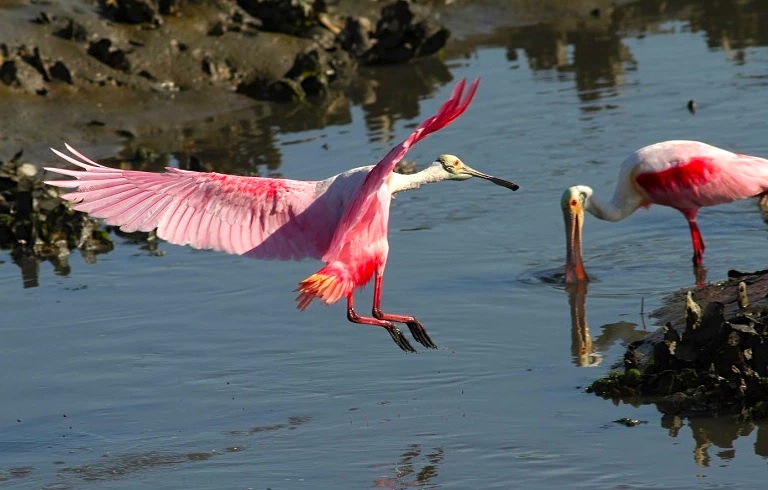
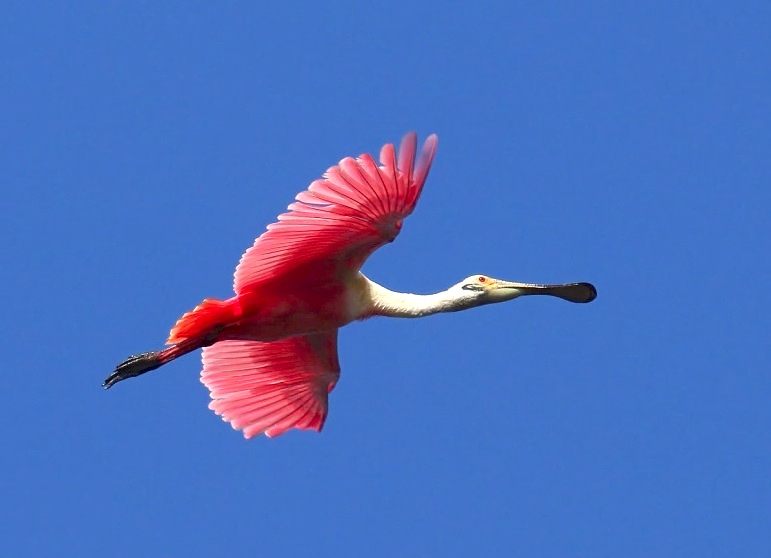
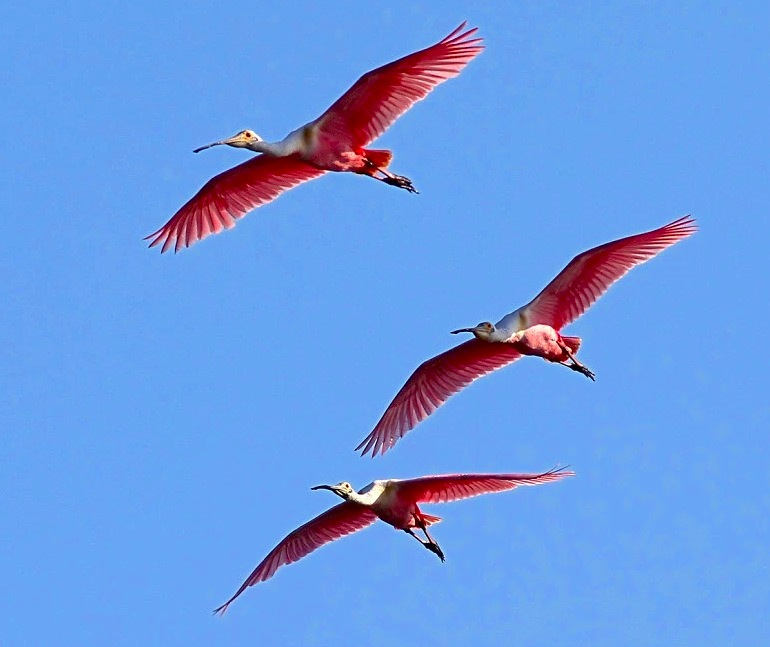
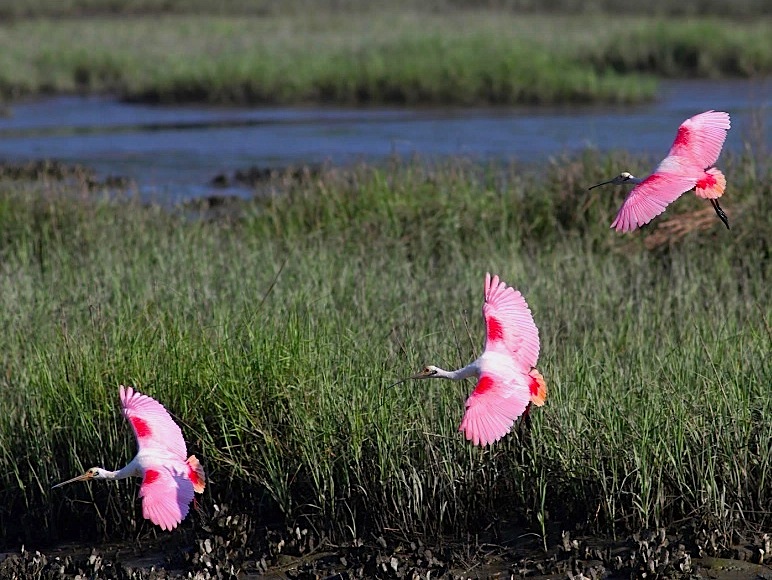
Roseate Spoonbills, this is Abaco. Abaco, meet Roseate Spoonbills. You guys should get on just fine together. What’s that, Abaco? You used to know the Roseate Spoonbills pretty well? Still see the occasional one? Like the one at GILPIN POND last autumn? Well then, Roseate Spoonbills, let’s re-introduce you as soon as possible. Just like the beautiful flamingos now absent from Abaco, you deserve to have a home there too…

Roseate Spoonbills 3 (Phil Lanoue) jpgRoseate Spoonbills 4 (Phil Lanoue) jpgRoseate Spoonbills 5 (Phil Lanoue) jpgRoseate Spoonbills 1 (Phil Lanoue) jpgRoseate Spoonbills 2 (Phil Lanoue) jpg

RELATED POSTS

SPOONBILLS AT GILPIN POINT

BAHAMAS SPOONBILLS

FLAMINGOS

All wonderful photos by PHIL LANOUE. Check out his website for astonishing image sequences of birds… and alligators (NOT just snaps…)

Unknown's avatar

*BIRDWATCHER ALERT* A BIG DAY FOR BIRDS EVERYWHERE!

Sanderling Trio, Delphi Beach, Abaco (Keith Salvesen) 5

Sanderling, Delphi Beach, Abaco

*BIRDWATCHER ALERT* A BIG DAY FOR BIRDS EVERYWHERE!

It’s here again – GBD, the second Global Big Day. A chance for anyone and everyone to participate in a worldwide celebration of birds at just the level you choose.

Global Big Day Flyer (Cornell Lab)

No need to try to cover 100 square miles in a day and record 300 species. Unless you want to, of course. You could as easily spend an hour or two in a garden. In a clearing in the coppice. Down a track in the pine forest. Sitting on the beach with a cooler full of beer. Whatever suits you. 

Western Spindalis, Delphi, AbacoWestern Spindalis, Delphi, Abaco (Keith Salvesen)

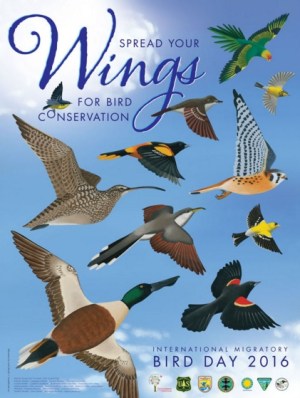
As the second Saturday in May, today also happens to be the official IMDB – International Migratory Bird Day – for the U.S. and Canada (the Caribbean is in October – reversed migration routes. Geddit?).

IMBD 2016 poster

However, this post is not primarily about that event, but rather an encouragement to people to join in with some easygoing birding today. And if you happened to want to do it tomorrow, that’s OK too! If you want to send me your checklist (iphone photo should be fine), please do. Or send 2 or 3 best photos, and I’ll post my favourites – though preferably rather than post to my FB page, email to rollingharbour.delphiATgmail.com .

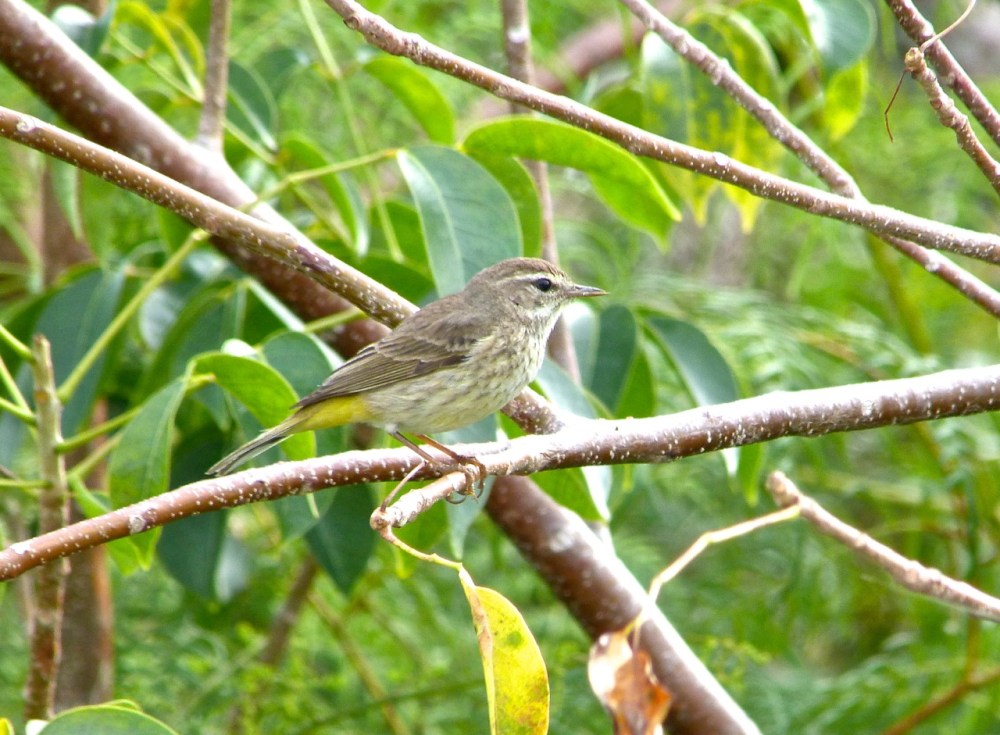
Palm Warbler, Delphi: a migratory warbler. Unlikely to be on Abaco – all hightailed north by nowPalm Warbler, Abaco 3 (Keith Salvesen)

Wherever you happen to be, just take a little time to look for some birds. There are plenty of places you can rule out straight away. Indoors for example. So it means being in the fresh air. And it’s probably best to set an hour or so as a minimum target time to spend on the task.

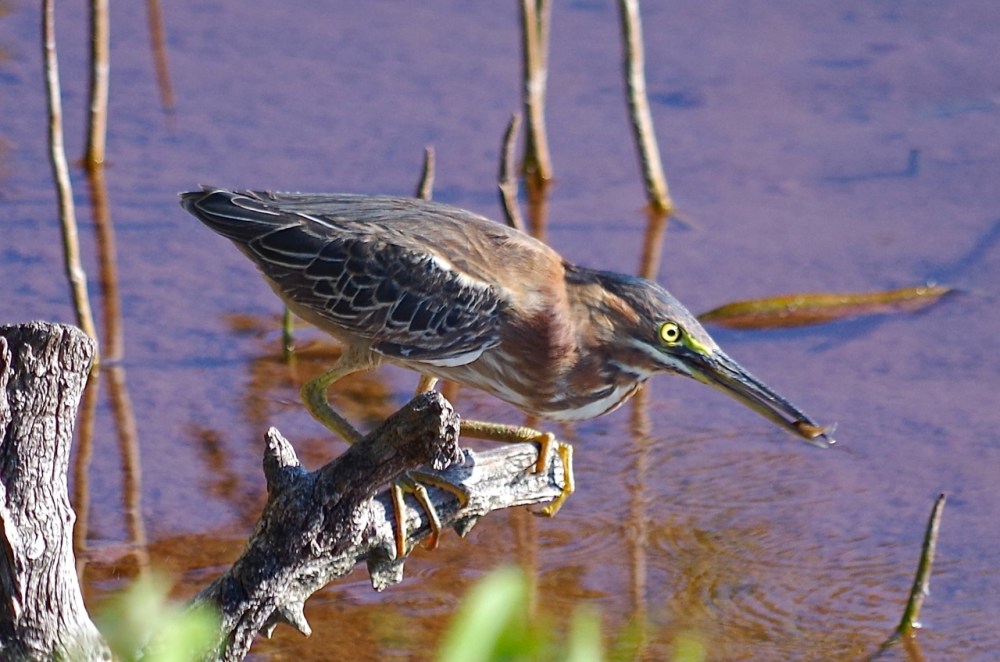
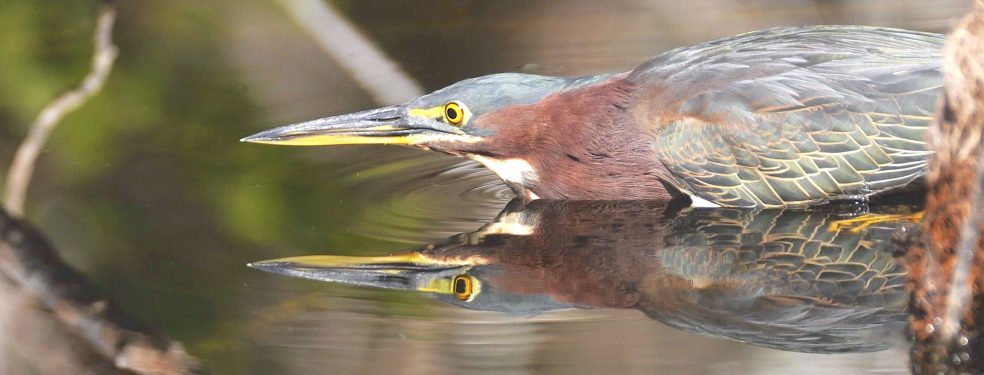
Green Heron hunting (successfully) – Gilpin Point pond, AbacoGreen Heron, Gilpin Point, Abaco (Keith Salvesen)05

WHAT DO I NEED?

Keep it simple. A pen that works. A spare pen just in case. A note book or even a large sheet of paper. Binoculars maybe. Camera if you are that way inclined. Sustenance. Maybe a friend for a joint effort. Possibly a bird book. If you have a North American one, it will help with most of the species you are likely to encounter. 

Antillean Bullfinch, Delphi, AbacoGreater Antillean Bullfinch, Abaco (Keith Salvesen)

In an ideal world you would then upload your checklist officially to eBird by May 17 so that your findings can be included in the global statistics. Or you could pass your record to a local birding group to upload for you. Or just have a bit of fun, why not, and see how many different birds you can find (even if you can’t put a name to them). Last year 268 Caribbean species were recorded. Imagine if one of yours was the only one of its kind to be seen?

Bananaquit, Delphi, AbacoBananaquit, Abaco 2 (Keith Salvesen)

WHY DO IT?

The stats gleaned from this initiative, and others like it (‘Shorebird Day’; ‘Warbler Day’ etc) are a good indicator of the state of health of the bird population both in general and by location. Perhaps an area previously having worrying low numbers for a particular species will show an encouraging upswing, indicating a successful breeding season and  / or effective habitat protection initiatives. Or maybe one species will show an unexpectedly low figure, indicating a need for research and the instigation of protection measures. 

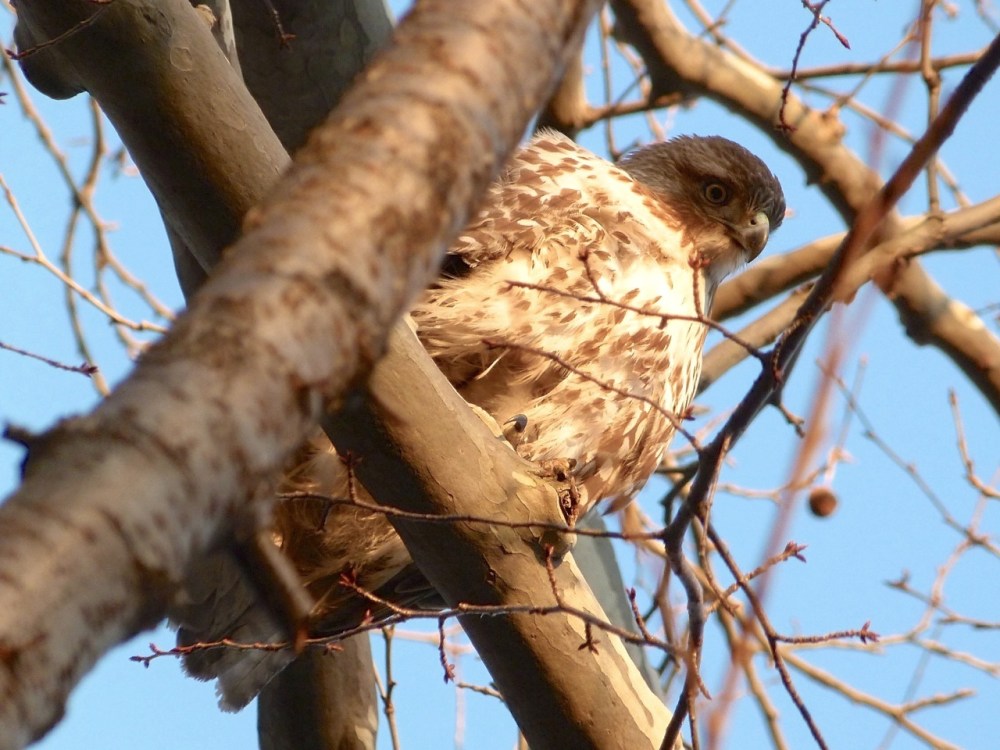
Red-tailed Hawk giving me ‘The Look’Red-tailed Hawk 2 NYC (Keith Salvesen)

So every return made for every region in the world is significant; and if you can add 20 species to the count, you will be adding to the vast fund of accumulated knowledge that in the long term helps to preserve the birds that surround us.

Let the count begin…

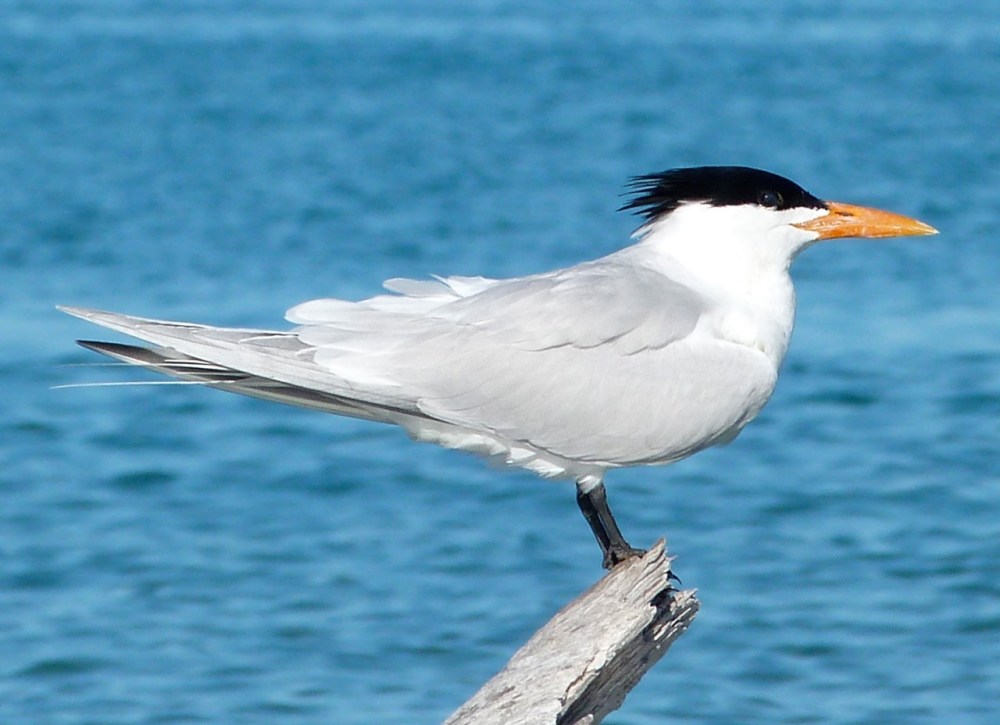
Royal Tern, The Marls, Abaco – taken while fishing. Camera + rod. Cool, huh?)Royal Terns Abaco (2) 2 (Keith Salvesen)

All photos: Keith Salvesen, taken on Abaco (ok, you got me there, not the red-tailed hawk, which is a cheat and was taken in Central Park NYC. Never got this close on Abaco. But I like it anyway)

Unknown's avatar

A GALLERY OF GORGEOUS: ABACO BIRDS ON DISPLAY

Abaco Parrot (Duncan Mullis)

A GALLERY OF GORGEOUS: ABACO BIRDS ON DISPLAY

Occasionally I feature birds photographed elsewhere than on Abaco – GRAND BAHAMA, for example. Almost always they are birds that are recorded for Abaco but are rarely encountered there (and even more rarely photographed). The ROSEATE SPOONBILL, for one. Or they may be birds that have come very close to Abaco but not quite reached the island… the WOOD STORK for example.

Today, I am showcasing some birds photographed on Abaco by Duncan Mullis during a trip from Grand Bahama. My selections from his trip are chosen to showcase colourful birds, endemic birds, and favourite birds of mine. Yours too, I hope. 

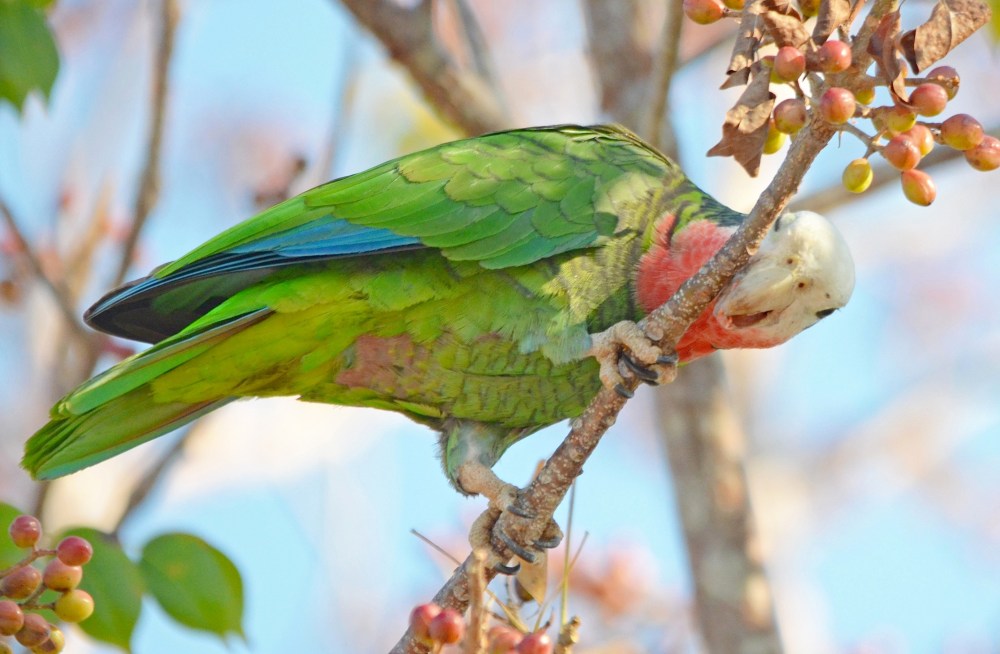
ABACO (CUBAN) PARROTSAbaco Parrot (Duncan Mullis)Abaco Parrot (Duncan Mullis)

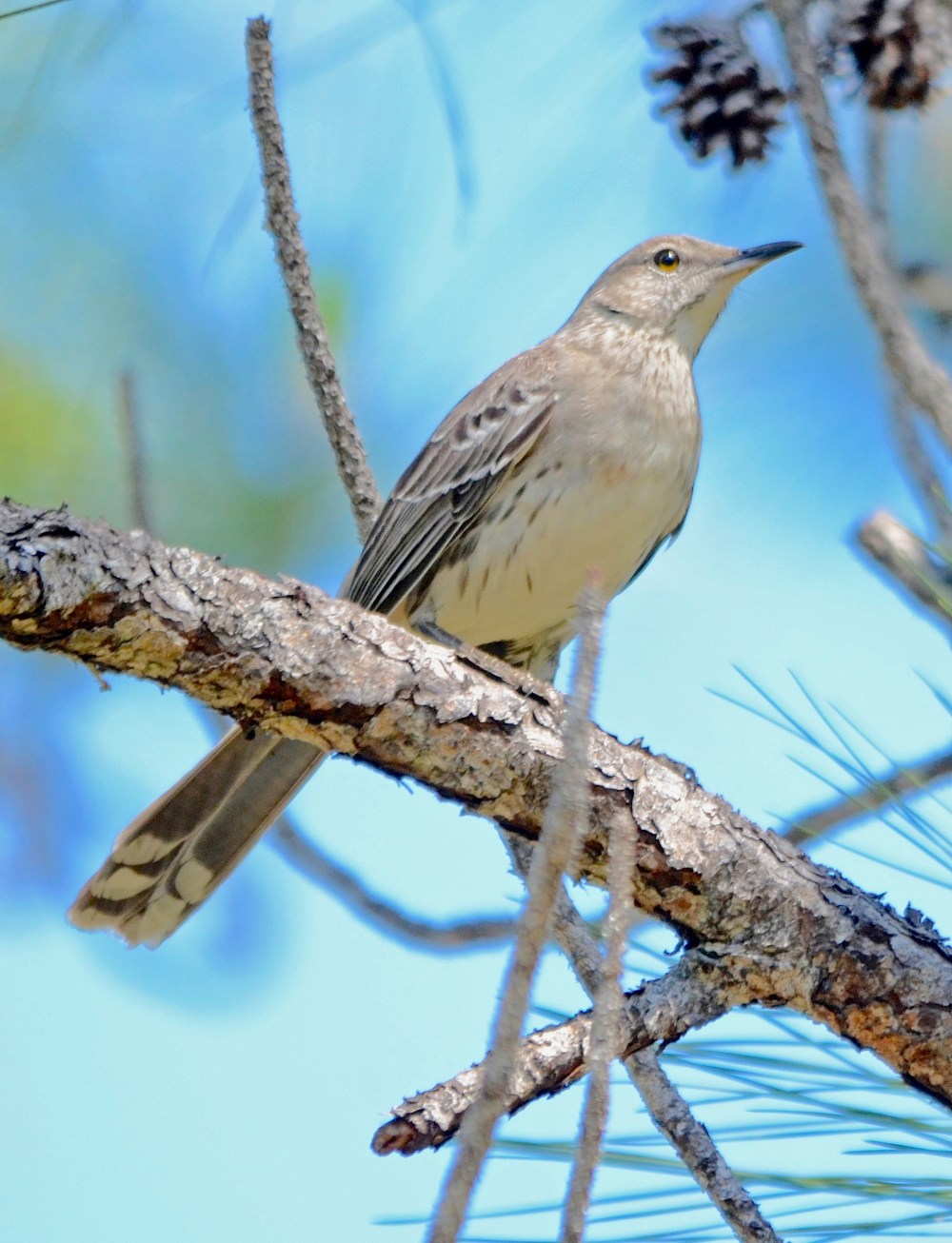
Two of the species were new to Duncan. One was the Bahama Mockingbird.

BAHAMA MOCKINGBIRDBahama Mockingbird, Abaco (Duncan Mullis)Bahama Mockingbird, Abaco (Duncan Mullis)

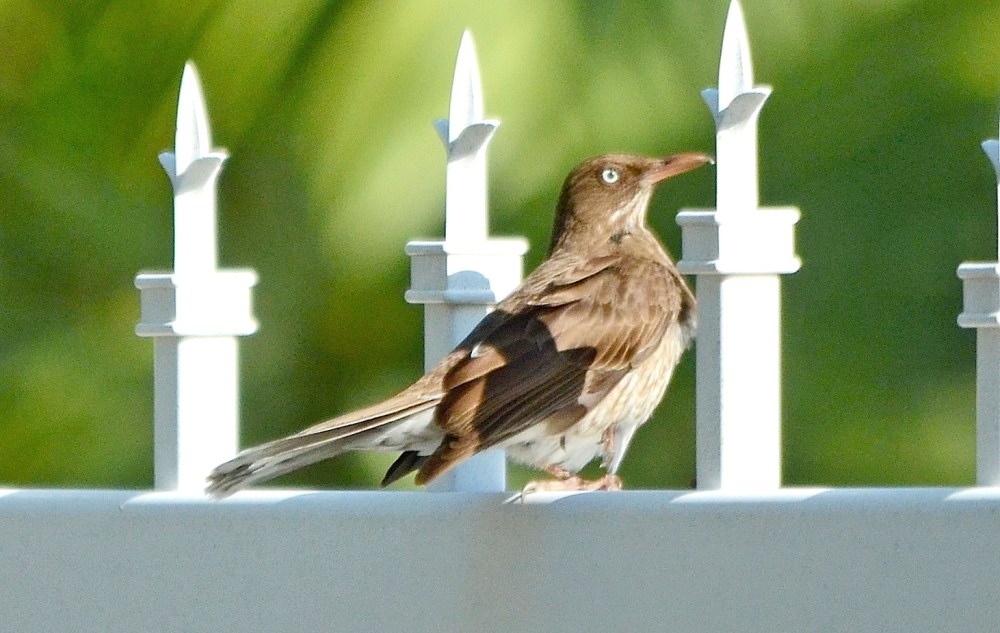
The other new species for Duncan was the PEARLY-EYED THRASHER. Until last March, this species had never been recorded on Abaco. Then one turned up in Treasure Cay and has stayed there ever since.  It is the latest of several ‘new species’ found on Abaco in the last couple of years. To read about the discovery by Woody Bracey click on the link above or below.

PEARLY-EYED THRASHERPearly-eyed Thrasher, Treasure Cay, Abaco (Duncan Mullis)

YELLOW-THROATED WARBLER Yellow-throated Warbler, Abaco (Duncan Mullis)

BAHAMA SWALLOW (ENDEMIC)Bahama Swallow, Abaco (endemic) (Duncan Mullis

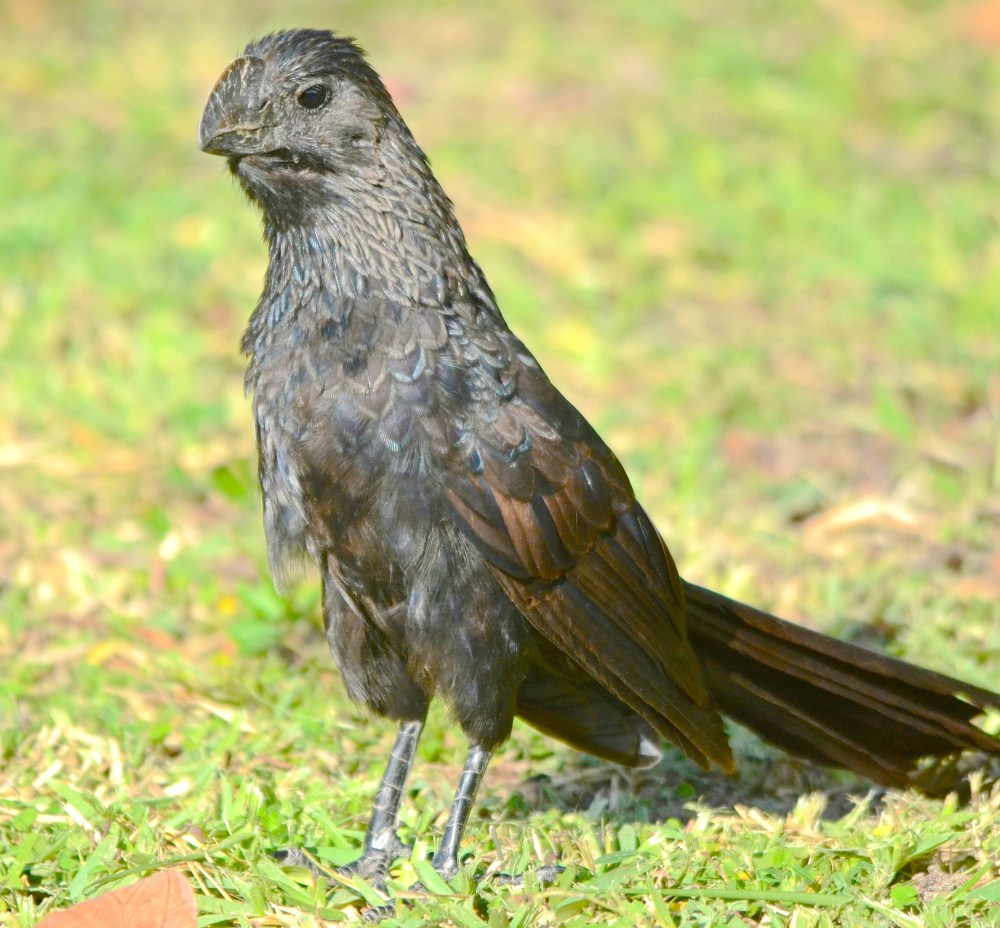
SMOOTH-BILLED ANISmooth-billed Ani, Treasure Cay, Abaco (Duncan Mullis)

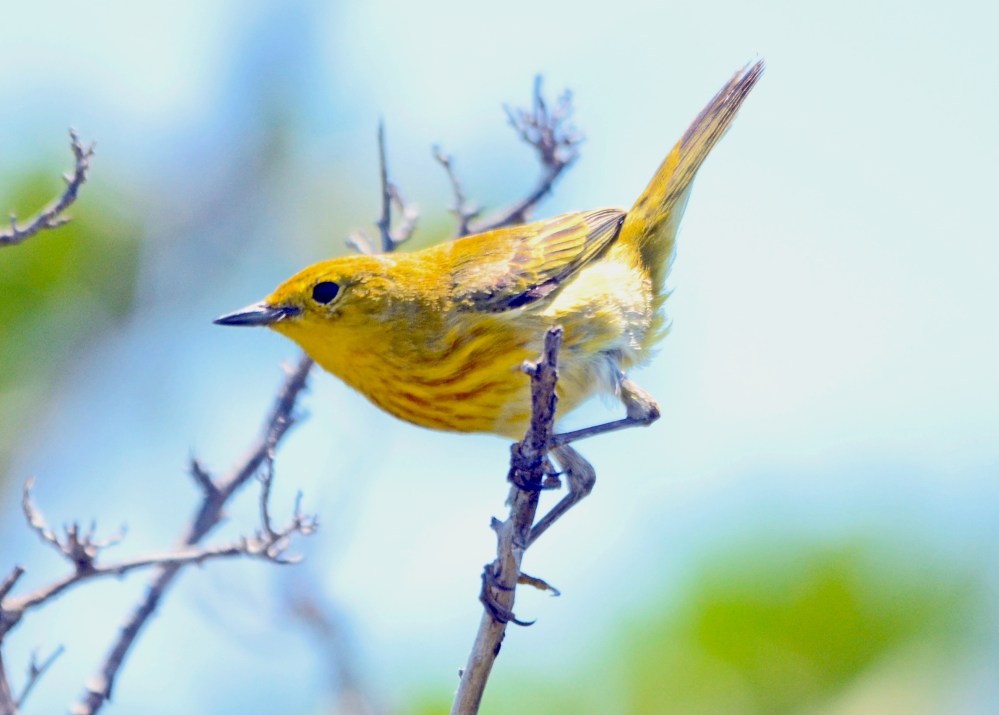
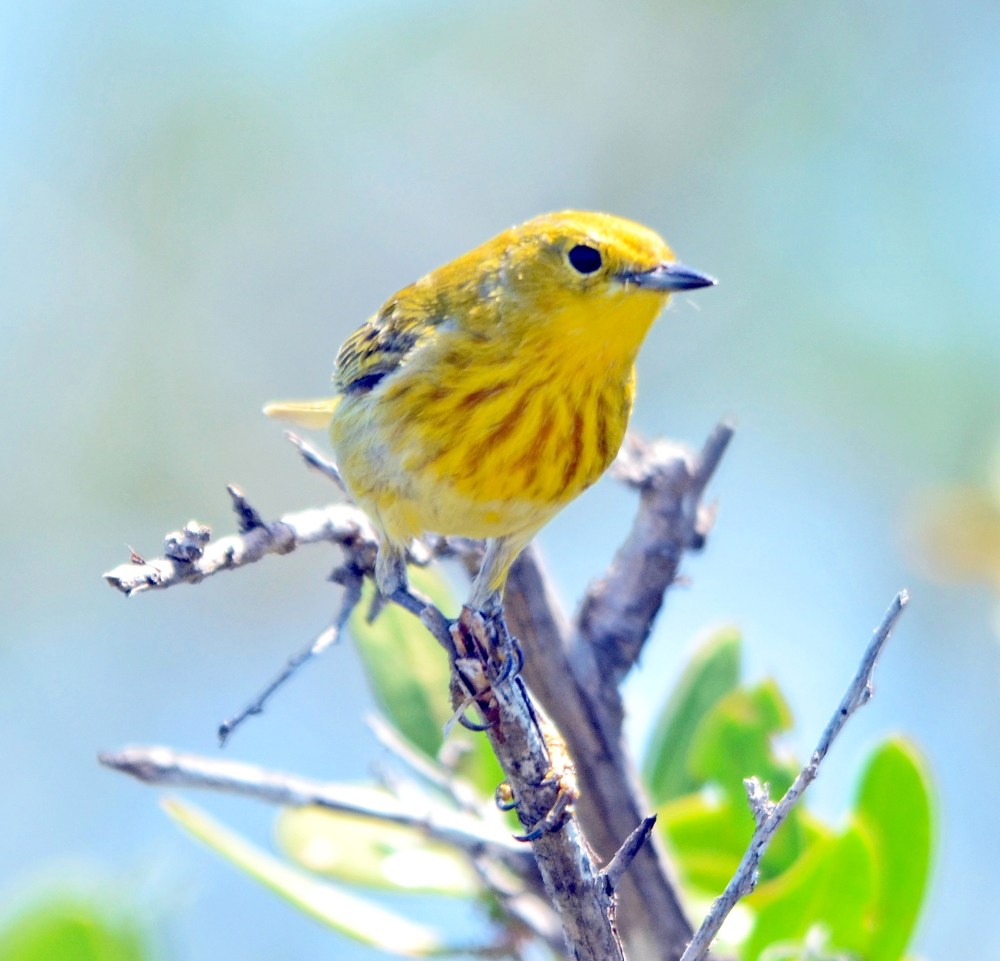
YELLOW WARBLERYellow Warbler, Abaco (Duncan Mullis)Yellow Warbler, Abaco (Duncan Mullis)

Credits: all photos by Duncan Mullis, with many thanks for use permission

Unknown's avatar

“AN OSTENTATION OF PEACOCKS”: FERAL BIRDS ON ABACO

Peahen, %22Different of Abaco%22 2 (Rhonda Pearce)

“AN OSTENTATION OF PEACOCKS”: FERAL BIRDS ON ABACO

A year or so ago I wrote a post entitled SOMETHING COMPLETELY “DIFFERENT (OF ABACO)”, a nod to Monty Python and to Nettica Symonette’s long-defunct fishing lodge on the road to Casuarina that it still proudly signposted on the Highway. You can click the link to see the full post and plenty of peacocks. Or, as I mentioned then, peafowl (only the males are peacocks; the females are peahens; and the little ones are peachicks).

Peacock, %22Different of Abaco%22 1 (Rhonda Pearce)

“Different of Abaco” is a great place for birding. An overgrown wilderness with brackish ponds and a *dangerous structure alert* dilapidated building, it was once home to Nettie’s flamingos, reintroduced by her in the hope of reinstating Abaco’s lost breeding population. The experiment did not come off, but another one did. The legacy of her introduction of a few peacocks is very evident today: they have bred very successfully and provide an exotic – and noisy – addition to the breeding bird species on Abaco.

Peacock, %22Different of Abaco%22 3 (Rhonda Pearce)

The evidence from reports suggests that the peafowl are spreading from their base at Different of Abaco and the local Casuarina area. Celia Rogers saw 2 males on the Cherokee road, some 3 or 4 miles to the north. And Rhonda Pearce has more recently found them at the entrance to Bahama Palm Shores, some way to the south (below).

 Peacock, Bahama Palm Shores Abaco 2 (Rhonda Pearce)    Peacock, Casuarina, Abaco 1 (Rhonda Pearce)

Extent of peafowl range from reported sightingsCasuarina, Abaco area map

As I wrote before, “In the wilderness that Different of Abaco has become for many years, the descendants of the original peacocks are breeding contentedly, expanding their population, and are wholly unreliant on human intervention. Verily feral, in fact”. If anyone has encountered peacocks elsewhere than in the DoA / Casuarina area, I’d love to hear about it. A photo would be a bonus!

Peacock, %22Different of Abaco%22 4 (Rhonda Pearce)

OPTIONAL FUN FACTS

The collective noun for peafowl is generally considered to be a “pride”, as with lions. But many bird species have been assigned more than one collective noun – and many of the more unusual ones are historic, dating back to medieval times, in particular The Boke of St Albans (1486) by a nun called Dame Juliana Berners, which included lists of collective nouns for ‘companys of beestys and fowlys’. These were known as ‘terms of venery’, and many related to falconry and hunting. She also wrote the presumed first fishing guide, A treatyse of fysshynge wyth an Angle (her catch records do not survive).

Anyway, apart from ‘pride’, peacocks are also collectively known as a ‘muster’; and far more descriptively as an ‘ostentation’.

D of A: the glory daysimg0049

Credits: All peafowl Rhonda Pearce; final image π “The Abacos” online

Unknown's avatar

“THE ADMIRABLE CHITON” (A DELPHI BEACH MYSTERY)

Fuzzy Chiton, Delphi, Abaco (Kasia Reid)

“THE ADMIRABLE CHITON” (A DELPHI BEACH MYSTERY)

The beach at Delphi is good for combing. Most of Abaco’s beaches are too, for that matter. You can find Kasia’s beachcombing page HERE. Last month 2 guests, Linda and Jan, went exploring on the beach and returned with a handful of mystery items they had found under the clumps of seaweed. These were clearly neither complete nor broken shells, and even after some research in books and online I remained baffled. They were obviously parts of some water-based species… but what parts, anatomically speaking? And what species?

Fuzzy Chiton valves (segments), Delphi Beach, Abaco, Bahamas

So I contacted Colin Redfern, Bahamian sea shell expert and author of a magisterial tome on the subject. His response was typically swift and definitive: 

The ladies have found some beach-worn valves from the common Fuzzy chiton, which was so nicely photographed by Kasia on your April 12, 2012 entry – (the one that included fecal pellets) [See Header]. As you know, the meat from this species is eaten by Bahamians, who discard the unwanted shell. The individual plates then become separated by wave action and normal deterioration. Abaco has a pretty good selection of chiton species, and individual valves from some of the other species are sometimes found on beaches.
Fuzzy Chiton, wiki

Chitons (pron. kytens) are marine molluscs with a great many species worldwide, from very small to quite large. Their shell comprises 8 interlocking and overlapping curved plates known as ‘valves’ that provide a flexible protection, and articulate as the creature moves. Chitons – at least some species – can even curl up into a protective ball. The plates are held together by a ‘girdle’ surrounding the animal.

Acanthopleura_granulata_(West_Indian_fuzzy_chitons)_(San_Salvador_Island,_Bahamas) James St. John

Fossil records show that these primitive-looking animals derive from the Devonian period – or even Ordovician. They remind me of trilobites, even older creatures from the Cambrian period that used to fascinate me at school when I was small and paying attention. The name chiton derives from Latin word for mollusc, which itself comes from an older Greek word meaning a tunic. Which they in no way resemble.

Fuzzy Chiton, Abaco (Kasia Reid)

After a chiton dies, the valves which make up the eight-part shell come apart because the girdle no longer holds them together and these the plates may wash up in beach drift, to be found by Linda and Jan. The individual shell plates are sometimes known as “butterfly shells” due to their shape.

A DOZEN CHITON FACT TO AMAZE YOUR FRIENDS WITH

  • Chitons are also known as ‘sea cradles’ or ‘coat-of-mail shells
  • Their shell consists of 8 plates / valves so flexible that they can even curl into a ball
  • They move with a muscular ‘foot’, and use it to cling onto rocks like a limpet
  • They have no definable head, no tail and no eyes, onlyphotoreceptor cell clusters’
  • The mouth on on the underside of the chiton
  • It contains a sort of tongue – a radula – with rows of teeth, each with 17 (why 17?)
  • They use the radula to scrape the rock substrate for algae and similar
  • A chiton’s digestive system produces neat little fecal packages like white pills
  • Its anus is next to its foot, a design mercifully not found in humans
  • I learn that chitons “lack a cerebral ganglion”. I think this means, no brain as such
  • However they do have a primitive ‘homing’ ability too complex to summarise…
  • Chitons are eaten by people mainly in the West Indies and the Philippines

Chiton, Abaco 2 (Kasia Reid)

WHAT? YOU CAN EAT THEM?**

If you are asking that question, you perhaps read right through the 12 facts to the very last one. If so, you deserve an answer and indeed a recipe for Chitons aka ‘Sea Cockroaches’. And who better to provide it than the brilliantly-named PSYKDELIASMITH Click the link to find out more.

**CAUTION As a couple of people have rightly pointed out (thanks Liann and Julias) since I posted this, not all chitons are edible. Some are poisonous. So before you think of a culinary chiton caper, best check that you have got an edible one

A chiton on the move, very slowly, and apparently halted by an encounter with a nerite

wp809b3177_06

Colin Redfern kindly sent me a pdf of the chiton section of his book. Of the fuzzy chiton he writes: “Occurrence: Very common intertidally on rocky shorelines. Known locally as a Curb, with the meaty foot used as an alternative to conch in salads. Gutted specimens or disarticulated valves consequently common along shorelines.” Which is just where this post began.

FUZZY CHITON scientific doc (Colin Redfern)

And if you want to know about the title and its link to Peter Pan, click THE ADMIRABLE CRICHTON

POST SCRIPT This post has generated quite a lot of comment on Facebook. Here are a few, plus an amazing discovery in Hope Town
  • “Commonly know as a curb, they are edible (raw) you make a salad like you do with conch , delicious !!!” (Rosalie Pyfrom)
  • True some are poisonous, but your have to know which ones!! I was showed as a child which were good from bad!!” (Janice Carey Hall) 
  •  “Very delicious” (Cantrell Walker)
  • “Lets not forget the poisonous ones!” (Julias Sawyer)
  •  “Don’t mess wit my curbs, nom nom”  + “Definitely do NOT eat the very large ones with the bumpy rim”.(Liann Key Kaighin)
  • “Curb stew is a Bahamian food that has since the loyalist arrived” (Steve Roessler)
 Gary Richardson Jr.'s photo.

Then Gary Richardson Jr added a photo of what must be a pearl, found in a curb in Hope Town. 

 To which I replied “Well that’s a surprise! Interesting find. Did a bit of research. Apparently all shelled molluscs are capable of producing ‘pearls’ – though they have no value. So this must be a chiton pearl…”
Credits: Linda & Jan for their beachcombing finds; Colin Redfern for his ID & info enabling this post (and his continuing interest); Kasia Reid; Hans Hillewaert & James St John (wiki uploads)
Unknown's avatar

REMARKABLE REEF CREATURES TO ADMIRE

Octopus (Adam Rees : Scuba Works)

REMARKABLE REEF CREATURES TO ADMIRE

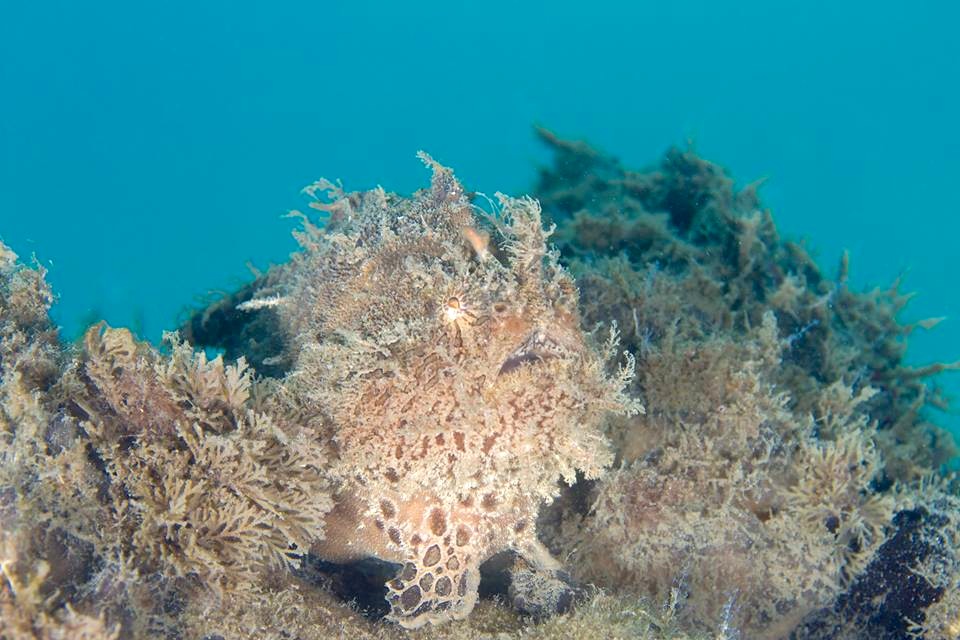
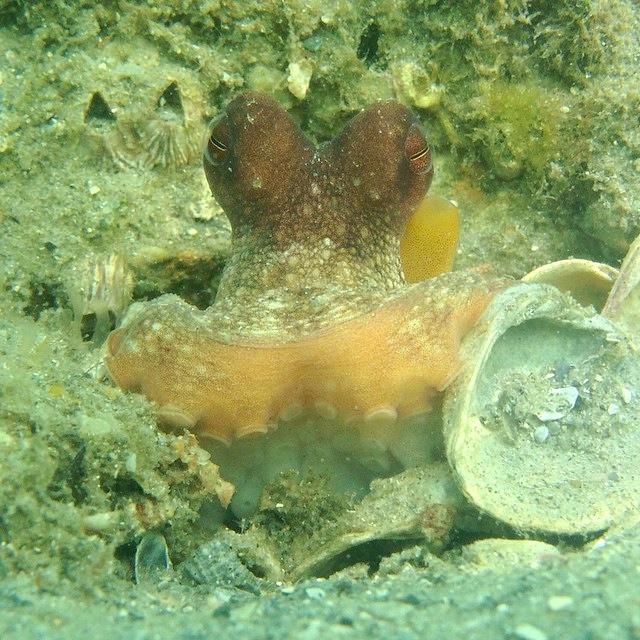
Here is a small collection of recent photographs from Adam Rees of Scuba Works. Three OCTOPUSES, an astounding FROGFISH,  a SEAHORSE, a MANTIS SHRIMP at close quarters, and a wonderful HAWKSBILL TURTLE. Clicking on a link will take you to a post with more photos and information about each creature. If these images don’t make you want to scuba then… what will?

Frogfish Hunting (Adam Rees : Scuba Works)Seahorse (Adam Rees : Scuba Works)Mantis Shrimp (Adam Rees : Scuba Works)Octopus 3 (Adam Rees : Scuba Works)Hawksbill Turtle (Adam Rees : Scuba Works)Octopus 2 (Adam Rees : Scuba Works)

All photos Adam Rees / Scuba Works, with thanks for use permission

Unknown's avatar

“ONE OF A KIND”: LIMPKINS ON ABACO

Limpkin, Abaco (Tony Hepburn)

“ONE OF A KIND”: LIMPKINS ON ABACO

It’s 07.50 and we are trundling up the one-mile Delphi drive towards the highway in a truck towing the skiff for a day of fishing out on the Marls. We are ‘first boat out’, so the driveway has been peaceful for a while. Suddenly, some way ahead, a dark shape detaches itself from the margin of the coppice and steps into the roadway. Large. Dark brown. Kind of awkward looking. Long legs. Long decurved bill. And the bird I’ve been waiting to see for a long time. A limpkin.
My first sighting of one of the Delphi limpkinsLimpkin, Delphi, Abaco (RH) 1

Grabbing the small point ‘n’ shoot I take fishing (far cheaper to drown than an iPh@ne), I leaned out of the open window and fired off some optimistic shoots at the bird, on full (yet feeble) zoom. For what they are worth**, here are a few – and will you look at the toes on the creature!

Limpkin, Delphi, Abaco (RH) 2  Limpkin, Delphi, Abaco (RH) 3Limpkin, Delphi, Abaco (RH) 4  Limpkin, Delphi, Abaco (RH) 6

Limpkins (Aramus guarauna) have lived near the top end of the Delphi drive for several seasons, but they and I have never coincided. I haven’t even heard their weird screaming call. The guides sometimes see them when they first arrive each day, but limpkins are very shy, unsociable birds that keep themselves to themselves. Unless you see them cross a track, you might never notice them. To make matters more difficult, they are mainly “nocturnally and crepuscular”, so they are not generally active during the day.

Limpkin at Gilpin PointLimpkin Gilpin Point, Abaco (Troy Mailis)

ONE OF A KIND

The limpkin is a species of long-billed, long-legged wading bird, and is unrelated to herons, cranes and rails despite appearances. In fact, it has the honour to be the sole member of its taxonomic family. They may be found near ponds, in mangroves, in dense coppice or on the edge of pinewoods. They move jerkily, with a flickering tail and, as with any ID-cooperative bird, to see one is to know one.

Juvenile limpkin220px-Limpkin_Juvenile

TEN LIMPID LIMPKIN FACTS TO ENTHRAL PUNTERS AT PETE’S PUB

  • The Limpkin has its own ‘monotypic’ family – a one-off species of bird
  • They eat snails and molluscs (also insects, worms & frogs), using their beaks to snatch them
  • They may leave piles of discarded shells in their favourite feeding sites
  • The birds are ungainly and awkward: “limpkin” probably derives from their limping gait
  • Males and females have the same plumage (males being slightly larger)
  • The beak acts like tweezers – slightly open and closing at the tip – for tweaking snails etc
  • Territory is defended aggressively, with ‘ritualized charging and wing-flapping’ at intruders
  • Sex lives: they are monogamous; or polyandrous (a male and more than one female. Tsk.)
  • They use ‘courtship feeding’ – males will catch and shell a snail and then feed it to a female
  • They are also known as the ‘Crying Bird’ for their bizarre shrieking call, as used in films (below)

Range maparam_guar_AllAm_map

Olivia Patterson of Friends of the Environment kindly sent me this video that she posted on their FB page a while back with the comment: “Do you know what a limpkin sounds like? There are a pair of them which live around the FRIENDS office. Check out this video to hear them calling out for each other. See if you can spot the limpkin! (hint… look at the pine tree on the left). Limpkins typically live near wetlands and eat snails”.

Limpkins call mainly at dusk in the night, or at dawn. The frankly somewhat tedious and repetitive cry has been phonetically rendered as “kwEEEeeer orklAAAar“, if that helps you to remember it! The racket has even achieved fame in films: it has been used for jungle sound effects in Tarzan films; and more recently for the HIPPOGRIFF in the film Harry Potter and the Prisoner of Azkaban.

Favourite food – the apple snail220px-Limpkin-snail2

** I’m not ashamed to use my more pathetic photos when context permits…

Credits: Header, Tony Hepburn; 5 rubbish photos from a moving truck, RH; Gilpin Point, Troy Maillis; 3 other images wiki (uncredited); range map, Cornell; video, Olivia Patterson / FOTE; general long-billed rootling around for info, with a nod to wiki.

A good wing-shake

Unknown's avatar

BELLA MOTHS: COLOURFUL, POISONOUS & PROMISCUOUS

Day-flying_Bella_Moth_(Utetheisa_ornatrix) on Rattlebox Blossom (Bob Peterson, Florida)

BELLA MOTHS: COLOURFUL, POISONOUS & PROMISCUOUS

Today’s offering is a creature I have never seen before on Abaco, or anywhere else for that matter. We saw it at the Neem Farm when we were looking for birds, butterflies and Spring flowers. I didn’t have moths in mind at all until I saw this one. For a start, moths are considered creatures of the night, so midday would not be an auspicious time for moth-hunting. As it turns out, the moth we found is, most unusually, active in day-time (‘diurnal’). 

Bella Moth, Neem Farm, Abaco (Keith Salvesen) 1

The BELLA MOTH Utetheisa ornatrix is also known as the ‘ornate moth’ or ‘rattlebox moth’ (after its favourite plant Crotalaria  – me neither). The one we saw was pink, with bright pink showing on the wings in flight. However these moths come in other vivid colours ranging from pink to red or orange, and yellow to white. Their black wing markings have many patterns.

Bella Moth, Neem Farm, Abaco (Keith Salvesen) 2

The bright coloration is, as in many species, nature’s way of saying ‘leave me alone’ and in particular, ‘I am very unpleasant to eat’. It is called APOSEMATISM.  Quite simply, the larvae feed on plants that contain poisonous alkaloids – in particular the yellow rattlebox plant Crotalaria, rendering them, as adult moths, extremely unpalatable. Bella adults may cannibalise eggs, pupae or larvae to counter alkaloid deficiency. Bella Moth, Neem Farm, Abaco (Keith Salvesen) 4

BELLA MOTH SEX LIVES: “IT’S COMPLICATED”

  • Sexual encounters are dictated by females, who compete with other females for males
  • Females seeking to mate always outnumber available males
  • A female bella will release powerful pheromones at dusk to lure males
  • Related females uniquely engage in collective pheromone release
  • This is termed “female pheromonal chorusing”
  • Several males will give the female chemical ‘nuptial gifts’ of poison and sperm
  • The female chooses the best of her suitors, and copulates with 4 or 5 of them
  • The whole process of copulation may take up to 12 hours…
  • In some way I don’t understand, she is then able to select her preferred sperm
  • Humans: do not try any of this at home, in the office, in Maccy Ds or when driving

Ornate_moth_(Utetheisa_ornatrix) Charles J Sharp wiki

Utetheisa_ornatrix (Dumi, Jamaica)

Credits: Header (on rattlebox blossom Crotalaria), Bob Peterson; 3 frankly rather feeble photos RH & Mrs RH; sharp photo by Charles J Sharp; open wings by Dumi