“CHECK OUT THE WEB” (2) SEMIPALMATED SANDPIPERS ON ABACO
Having recently headlined a post for SEMIPALMATED PLOVERS with a web-related title, I’m repeating it for Abaco’s other part-webbed shorebird, the semipalmated sandpiper. Either it’s so apposite that it doesn’t need changing; or else I lack the imagination to think up something new…
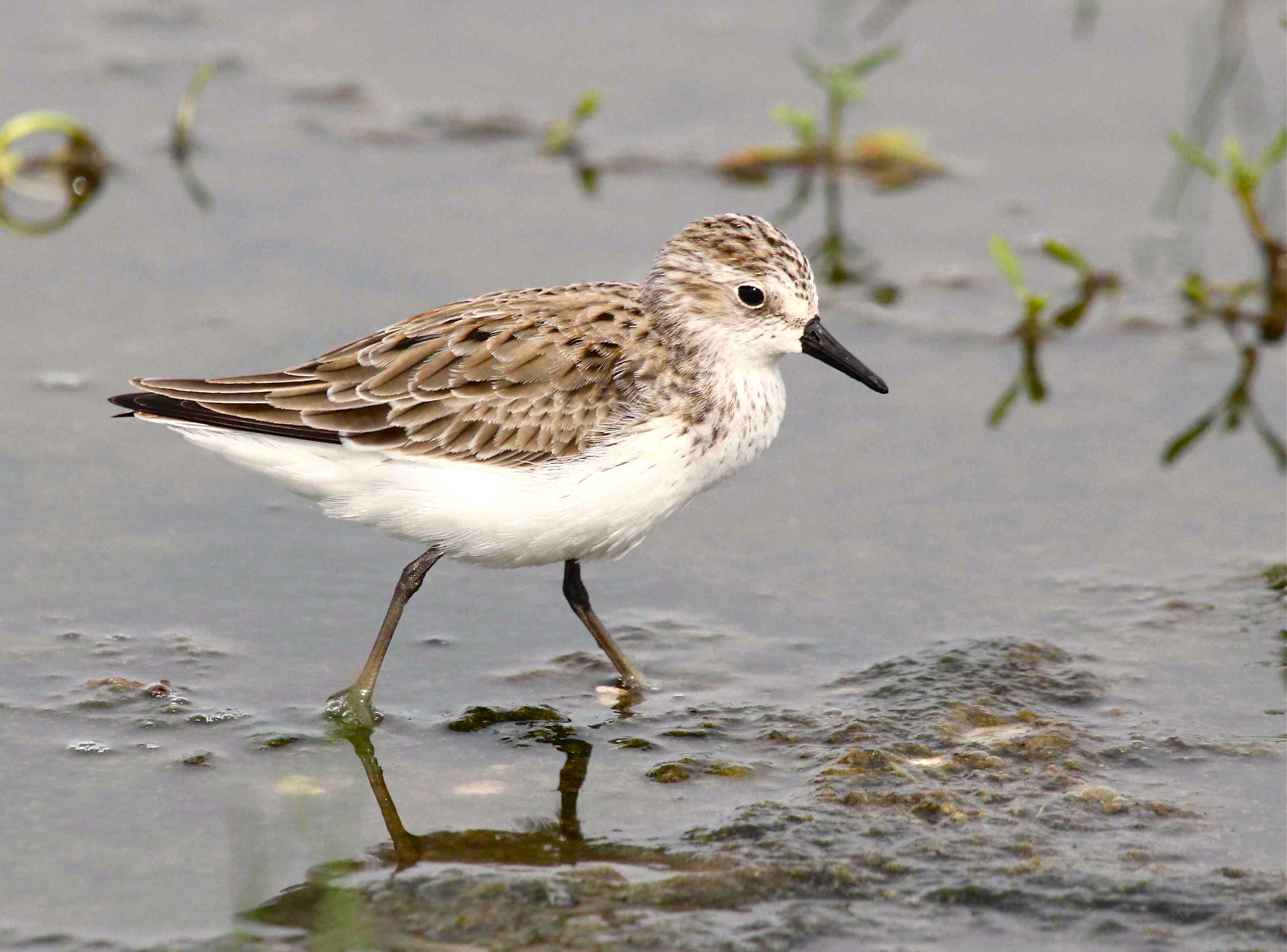
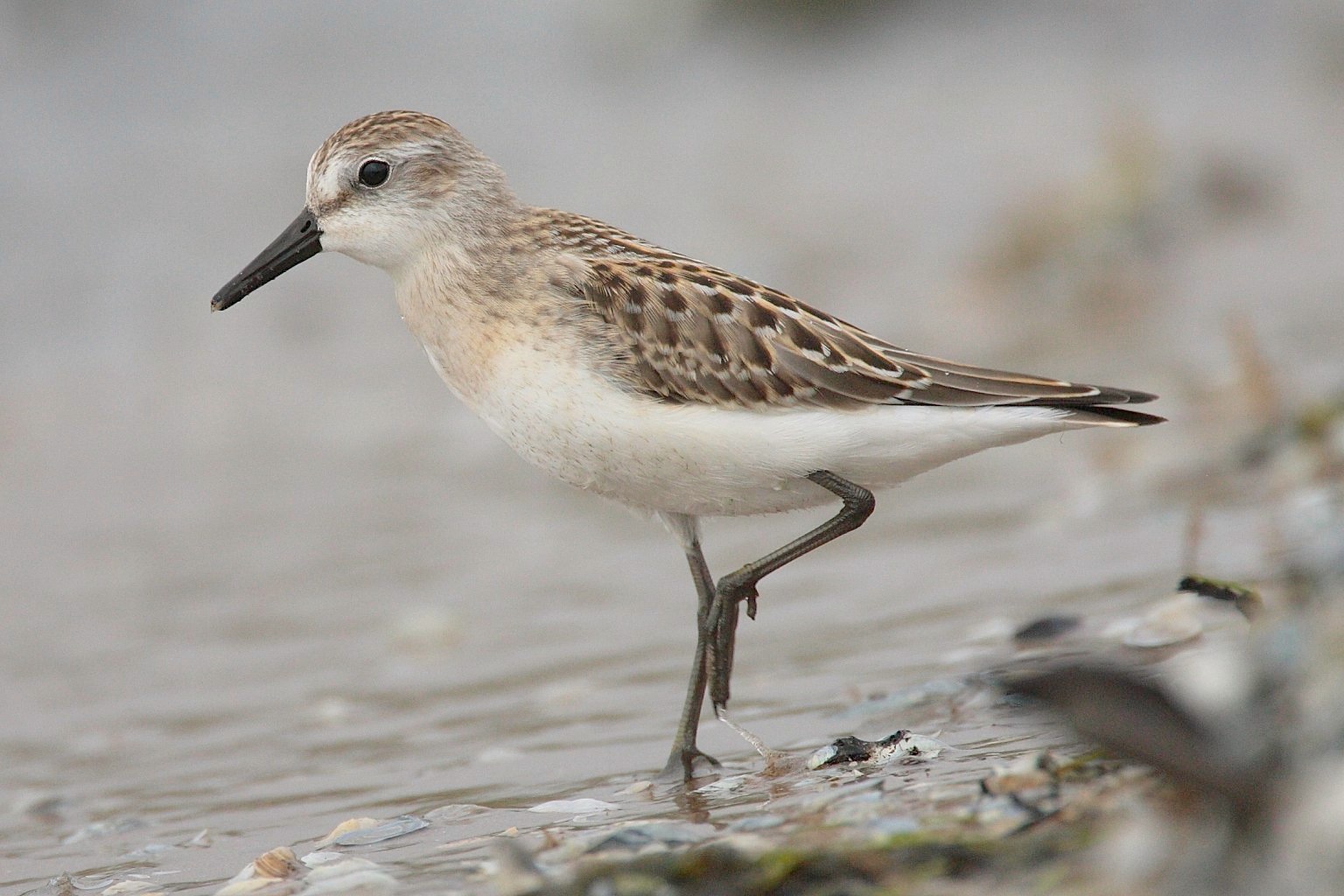
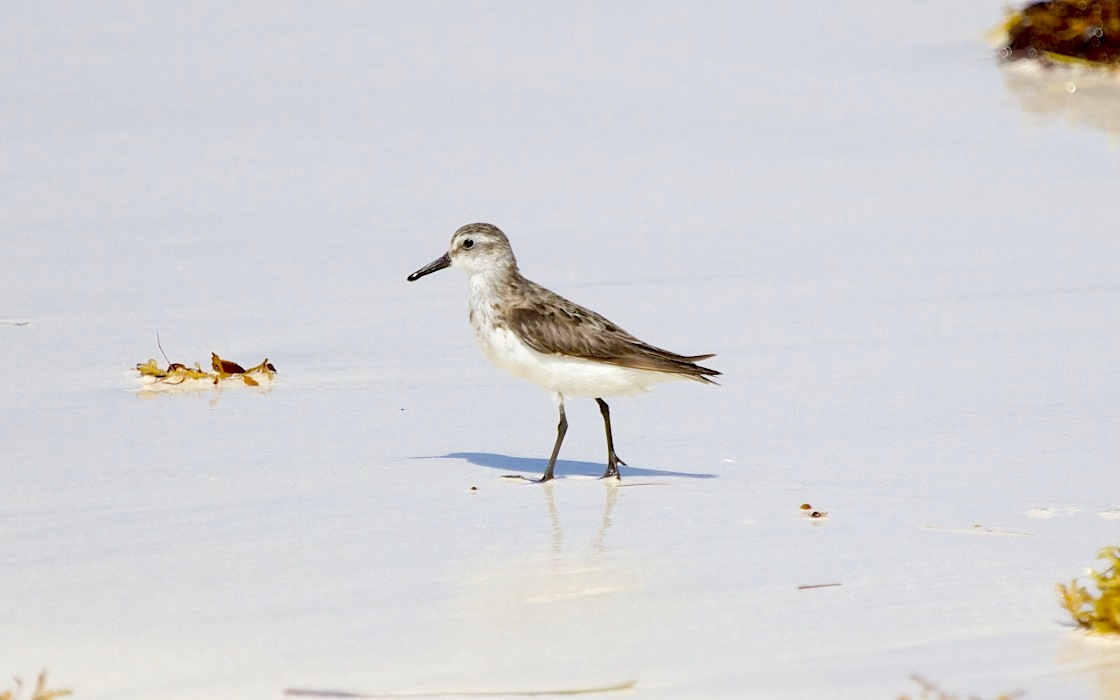
This attractive little sandpiper Calidris pusilla has the partially webbed feet that give it its name. In spring and fall these ‘peeps’ are the most numerous shorebirds on Abaco but they are just passing through on their migration further south – so-called ‘transients’. Flocks of these birds may be arriving any moment now on a beach near you. The signifiers are black legs, a short, straight dark bill, and a body that is white underneath and brown /gray on top, tinged lighter on the head and neck.
SO THEY’RE EASY TO SPOT ON THE SHORELINE?
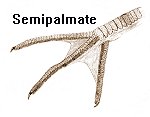
Not really, I’m afraid. This species is very easy to confuse with other small shorebirds (with which they happily mingle), especially the less common western sandpiper which has a slightly longer and downturned bill. It takes an experienced birder to tell them apart. The most reliable way – to see the feet to check for the partial webbing between the toes – is far from easy. A photograph of the bird as it picks its way across sand, tide margins or mud may be best, if you can zoom in on the feet. The webbing is just visible in both the images above; and more clearly in the one below.
A recent SPSP from Bruce Hallett, in which the semipalmation can more easily be seen
WHERE DO SEMIPALMATED SANDPIPERS LIVE?
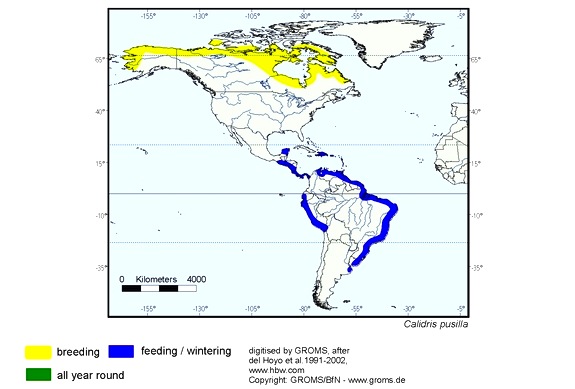
These are birds of the far north – Canada’s tundras and Alaska, close to water – where they breed and lay their eggs in scrapes. Rather sweetly, the male makes several prospective nests for the female to choose her favourite and furnish with grasses etc. Both adults share incubation duties. The chicks are independent almost as soon as they are hatched. Then in early fall they head many miles south to warmer places, of which Abaco is one of the most northerly, principally as a stopover for rest before continuing their journey to the coastal margins of South America. The migrating flocks may contain tens of thousands of birds. Of the many range maps around, this one from the excellent avibirds.com shows the marked contrast between the summer and winter habitats very clearly.
HOW DO THEY COMPARE IN SIZE WITH OTHER SANDPIPERS?
The SPSP is one of the smallest shorebirds, the female being slightly larger than the male. This image shows 2 of them in the company of a much larger white-rumped sandpiper (also a transient on Abaco) for comparison.

Time now to get the binoculars out (now where on earth are they?) and patrol the beach to catch the first of these little birds as they begin to arrive in considerable numbers during their fall migration.
Credits: Bruce Hallett (1, 2, 4), MDF (3), Avibirds (infographic), Dick Daniels (5), Woody Bracey (6) [& comments – cheers], Alex Hughes (7)
Well here’s a rum do. About four years ago, this somewhat minority interest blog emerged ‘mewling and puking’¹ into the world, guided by an incompetent male midwife whose basic training had been about 4 weeks of exposure to Abaco, its fishing, its wildlife, its geography and its history. ‘Bananaquit’ might as well have meant taking up a plantain-free diet. ‘Grassquit’ might have been the local word for ‘keep off the lawn’. And that’s before all the flowers. And the reef fish. And everything else that turned up during the storm-wracked voyage of discovery via polydamus swallowtails, manatees, spider wasps and batfish that led slowly to the calmer waters of ‘rather better informed (if no wiser)’.
Anyway, at midnight last night some unknown person kindly made the 250,000th visit to the blog, a target that once seemed inconceivable. In the past month, the 1000th person also signed up as a follower, another source of amazement. The reality is that despite Abaco being a sparsely-populated microdot island in a huge world, there are a great many people on the island or associated with it who are passionate about it and its extraordinarily diverse natural history. That knowledge makes curating this blog both easy and pleasurable.
I checked my stats for the last year to find out where hits from the top 10 countries – and for fun the bottom 1o – came from. Here’s the answer. Rather shamefully there was also a country I had never knowingly heard of, Palau (Micronesia). There follows a selection of a few photographs that have been popular over the years, mostly my own but the underwater ones are from Melinda Riger and Virginia Cooper of Grand Bahama Scuba.
Top 10 Bottom 10
SEARCH TERMS
The most popular searches – omitting posts about hurricanes, which always generate a lot of traffic – have concerned Abaco Parrots, Lignum Vitae, Sea Glass, the Loxahatchee poster series, Tarantula Hawk Wasps, Sea Biscuits / Urchins, Yellow Elder, Parrotfish, Shipwrecks, Hutias, Hole-in-the-Wall, Lionfish, Remora, and Abaco Maps. The most leftfield search of all was‘How dispose of dead bodies?’, by someone who had clearly strayed into the wrong category of website…
It would be strange to end this little celebration without a tip of the hat to Peter Mantle, old friend and genial doyen of the Delphi Club, for his wholehearted encouragement and support for the production and publication of THE DELPHI CLUB GUIDE TO THE BIRDS OF ABACO. This hefty tome, published in March 2014, showcases the wonderful and varied avian life on Abaco and has proved very popular – indeed well beyond our expectations. Although I appear nominally as author on the cover, it is in fact an extraordinary collaborative effort by some 30 people. The book’s success further demonstrates the commitment of Abaconians and other who love the island to Abaco’s rich natural heritage in an age of rapid change; and provides another good incentive for me to continue with the blog. Next stop: 500,000!
Banded in Michigan in 2010 – in Florida right now!
“GOOD MIGRATIONS” by THE BEACH BIRDS
It’s started already. The autumn migration of piping plovers from up north to down south. It seems only the other day (April in fact) that the last PIPL were seen on Abaco. Since then, they have spent the summer in their breeding grounds, raising families. This seems to have been a successful breeding season, with good reports that included a record number in the tiny Great Lakes population. But the attrition rate to predation is high: for example, of the 4 chicks in one family that was closely observed on Long Beach Island NJ, only one (‘Beth’) has survived.
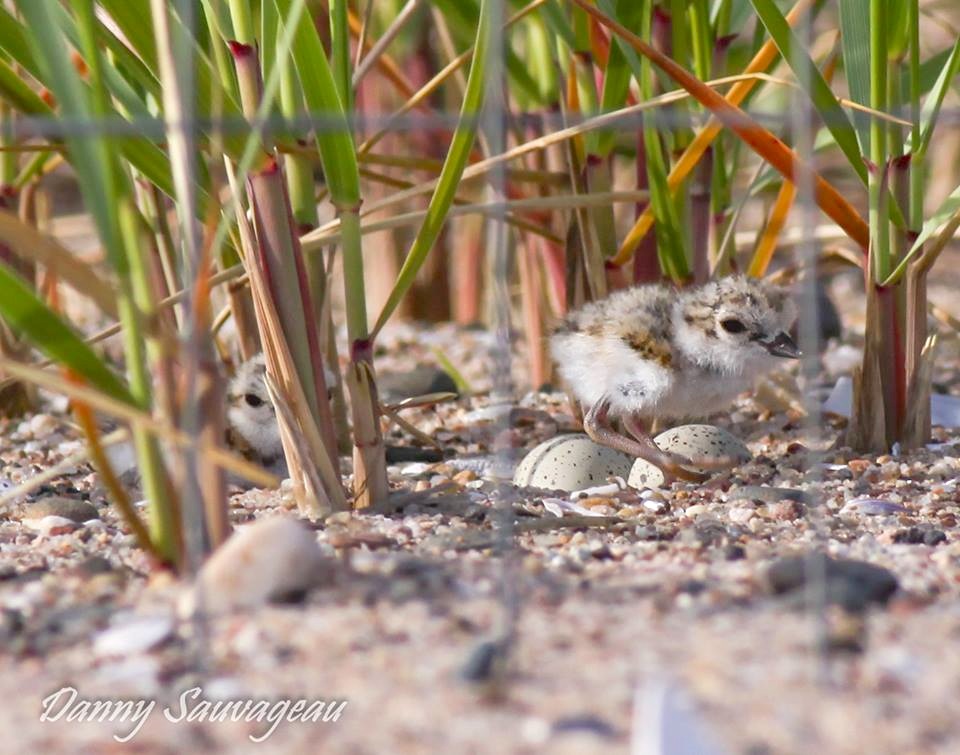
Piping plovers: 2 chicks & 2 eggs, Connecticut
WHAT’S SO SPECIAL ABOUT THESE BIRDS?
A recent estimate put the world’s supply of these little birds at 8000. And of these, many spend their winter in the Bahamas, Abaco being one of their favoured destinations. The survival of the species is in the balance. Habitat degradation at either end of their migrations could be disastrous; at both ends, more than doubly so.
Piping Plover juvenile, Connecticut
HOW CAN THEIR SURVIVAL BE ASSURED?
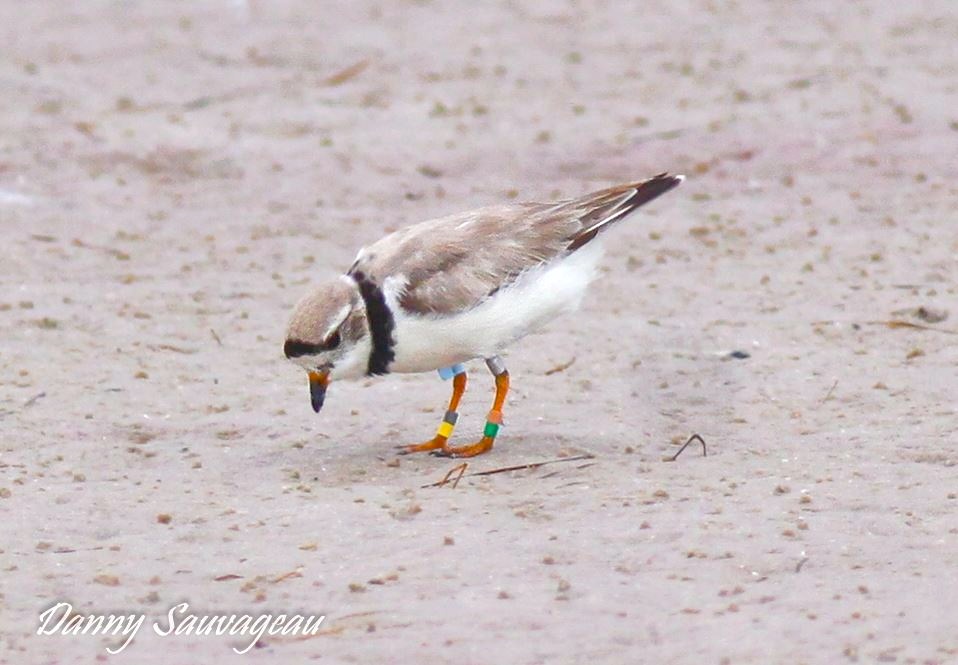
A number of organisations and individuals are dedicated to looking out for the PIPL. This includes ensuring preservation of habitat integrity and protection on the beaches where they nest, and banding programs so that birds can be tracked and monitored during their migrations. This is one aspect which people on Abaco (and elsewhere) can help with – looking out for these birds, reporting their location and how many are seen, and if possible describing the bling: colour of bands, which legs, which order,visible numbers etc. Or better still, taking photos!
WHERE WILL I FIND PIPING PLOVERS ON ABACO?
On beaches and shorelines. On the mainland, places where they were reported last year included Long Beach, Crossing Rocks, Schooner Bay, the beach at Delphi, Bahamas Palm Shores, Casuarina and Little Harbour. They also visit the cays, with a number reported on Man-o-War Cay for example.
HOW FAR HAVE THEY GOT IN THEIR TRAVELS?
Well on their way south. Danny Sauvageau, who combines monitoring beaches in Florida with being a wonderful bird photographer, has just reported the first arrivals. On 23 July he saw 3 unbanded PIPL in Dunedin Fl. – here’s one of them.
Then on 29 July Danny found his first banded Piping Plovers of the 2015-16 wintering season at Fort Desoto – 6 birds of which 5 were banded. This enabled him to recognise them as returners, and to identify their origin: “Two were from the Great Lakes (Michigan), two were from the Great Plains (North Dakota and South Dakota) and one was from Nebraska!”.
These 3 examples show the wide variation in banding in the different locations. Which is why a photo of a bird’s legs is particularly helpful for the research into the species.
The CONSERVE WILDLIFE FOUNDATION OF NJ is involved annually with researching the piping plovers of Abaco. Many will be familiar with the scientists Todd Pover and Stephanie Egger who visit each year to monitor the plovers. For those who do not already have a direct line to them I would be very pleased to receive reports of sightings to collate and pass on. The monitoring work provides exactly the kind of information that will help to ensure the survival of this adorable but vulnerable species. Please email me at rollingharbour.delphi@gmail.com or, better still, upload info / pics to the new FB page I have set up, ABACO PIPING PLOVER WATCH 2015 – 16
The most helpful information to have is date; time; location; number of birds; whether banded or unbanded; and if banded, as much information as possible or ideally a photo…
TYPICAL MUSICAL DEVIATION FROM THE TOPIC
The referencing in the title to a famous ‘disc’ from 1966 by a ‘popular beat combo’ does not presage a re-formation. In the past there was acrimony. Some drink ‘n’ drugs hell. Splits and re-formations. Sadly not all former members are still with us. Here’s a memory of them from (arguably) their most satisfyingly inventive era… **EARWORM ALERT** now you won’t be able to get the wretched tune out of your head. It’s given you ‘excitations’. Sorry about that.
Credits: All photos courtesy of Danny Sauvageau except ‘lone chick’ MDF & ‘chick in hand’ CWFNJ; shout outs to Danny, Todd, Stephanie and all PIPL researchers. Plus Bay Soundings. And the Beach Boys…
ADDENDUM AUG 2A good article about the significance of banding can be found at BAY SOUNDINGS(based around Tampa Bay). It includes contributions from Danny and a useful info box:
Reporting banded birds
Reporting banded birds is one of the most important activities for citizen-scientists, says Wraithmell. “It’s the only way we have to solve the mystery of migration – to learn where they stop and where they winter so we can protect that habitat too.”
Most photographers stumble upon their first banded birds accidentally because they don’t always see the bands until they review their images on a computer screen. After that, they’ll learn to watch for the bands even if they don’t get close enough to see them with their naked eye.
“There’s something very exciting about photographing banded birds, learning where they came from and following their travels if they’ve been seen and reported before,” Sauvageau said.
But capturing an image shouldn’t outweigh allowing the bird to rest or feed in peace, Wraithmell said. “One thing that’s really important is not disturbing the birds, whether they’re nesting or just resting,” she said. If nesting birds are disturbed, they fly off and leave their eggs or babies in broiling sun and defenseless against predators. Wintering birds need to rest and pack on the pounds before they fly back to their summer breeding grounds.
“Some birds, like piping plovers, actually spend more time here than they do nesting,” she said. “Their main job over the winter is eating and resting so they can nest successfully. And breeding is hard work – it takes a lot of energy to make an egg and then to feed and defend a chick until it’s old enough to take care of itself.”
For the scientists who band birds, “it’s like putting a message in a bottle and throwing it in the sea,” Wraithmell said. “Every resighting is valuable because we learn something new.”
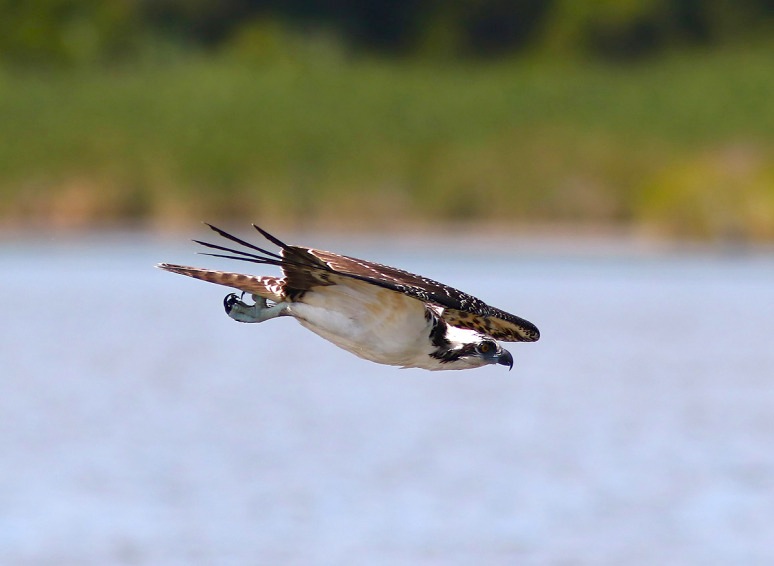
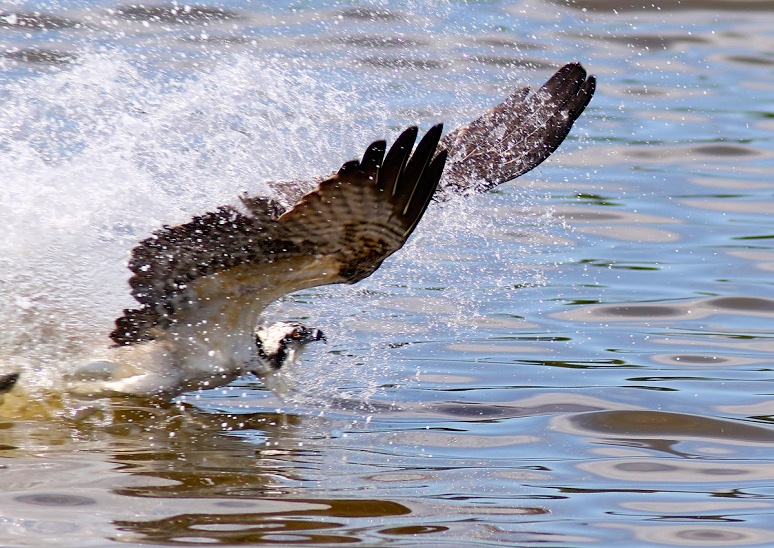
I have featured the wonderful photography of Phil Lanoue before. He specialises in taking sequences of the larger birds, many of them as they hunt for fish: herons, egrets, anhingas – and ospreys. Here is a remarkable sequence of an osprey showing its fishing skills, with a surprise ending that I won’t give away.
Pretty cool trick, huh?
Credits: Header image – Tom Sheley; Osprey sequence – Phil Lanoue. Many thanks to both for use permission
“CLINGING TO THE WRECKAGE”: BAHAMAS CLINGING CRABS
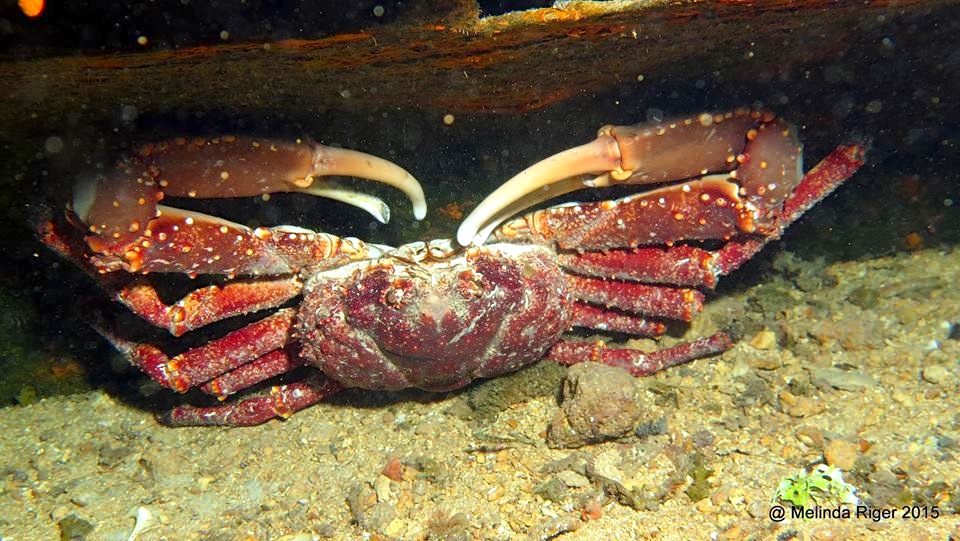
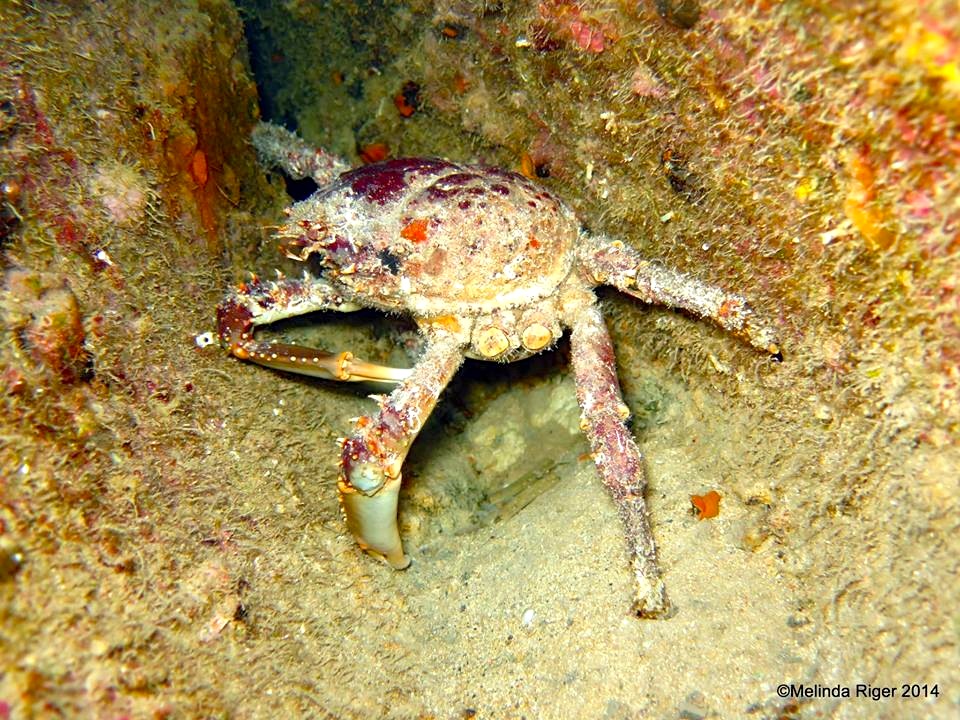
The Clinging Crab Mithrax spinosissimusanswers to a number of names: West Indian spider crab, channel clinging crab, reef or spiny spider crab, or coral crab. It is found throughout the waters of South Florida and the Caribbean.
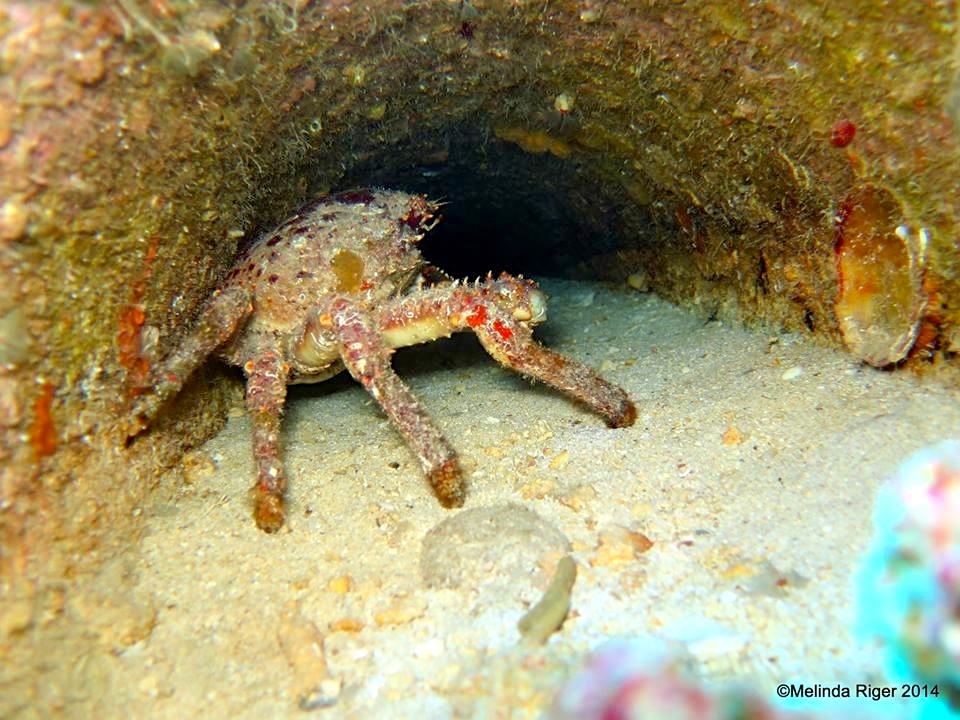
These are crabs of the reef, or indeed of the wrecks that may be found around reefs. Some of the crabs in this post have chosen wrecks as their home – in the header image the crab is living inside the smoke stack of ‘Theo’s Wreck’, Grand Bahama.
The clinging crab is believed to be omniverous, its main diet being algae and carrion. They can grow to 2 kg, and it is the largest species of reef crab found in the Caribbean.
The clinging crab / West Indian spider crab is (apparently) not commercially harvested for its meat. Although I read somewhere that they are delicious, I would be very reluctant to test the theory.
Life on the reef can be dangerous. This crab has lost some legs: its clinging powers are somewhat curtailed…
This guy has some missing parts, but seems quite laid back about it…
Credits: Melinda Riger of Grand Bahama Scuba (all photos), with thanks as always
‘CHECK OUT THE WEB’: SEMIPALMATED PLOVERS ON ABACO
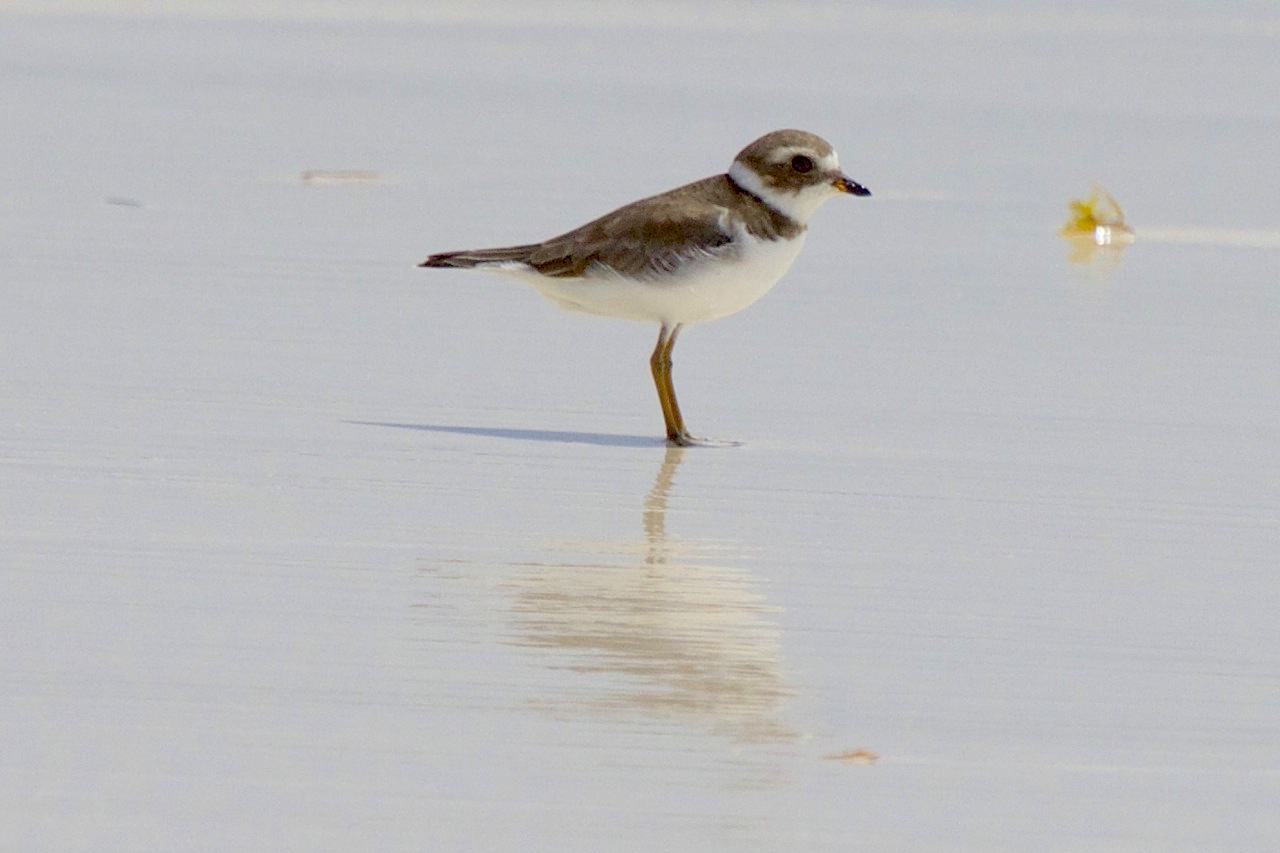
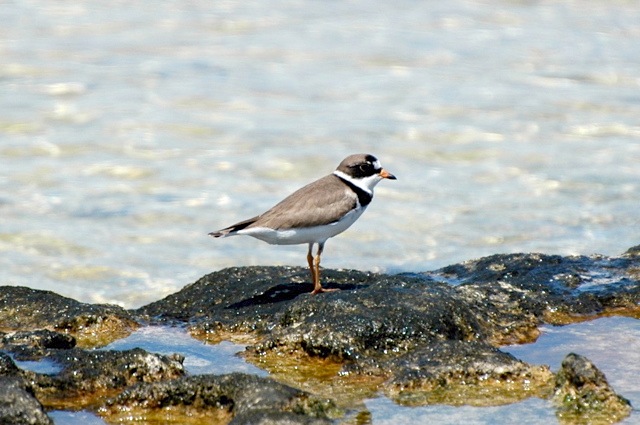
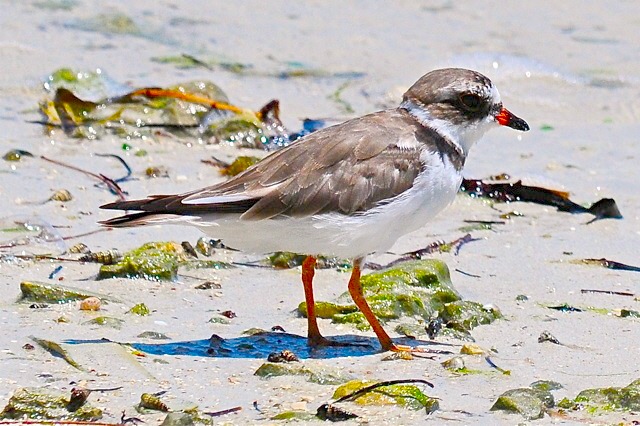
“Semipalmated”. You what? Come again? Ehhhh? My reactions to the word until embarrassingly recently. In fact until the steep learning curve involved in writing a bird book made some all of the terminology clearer. Plovers and sandpipers both have semipalmated versions, and I’ll take the semipalmated plover (Charadrius semipalmatus) first.
WHAT SHOULD I LOOK FOR?
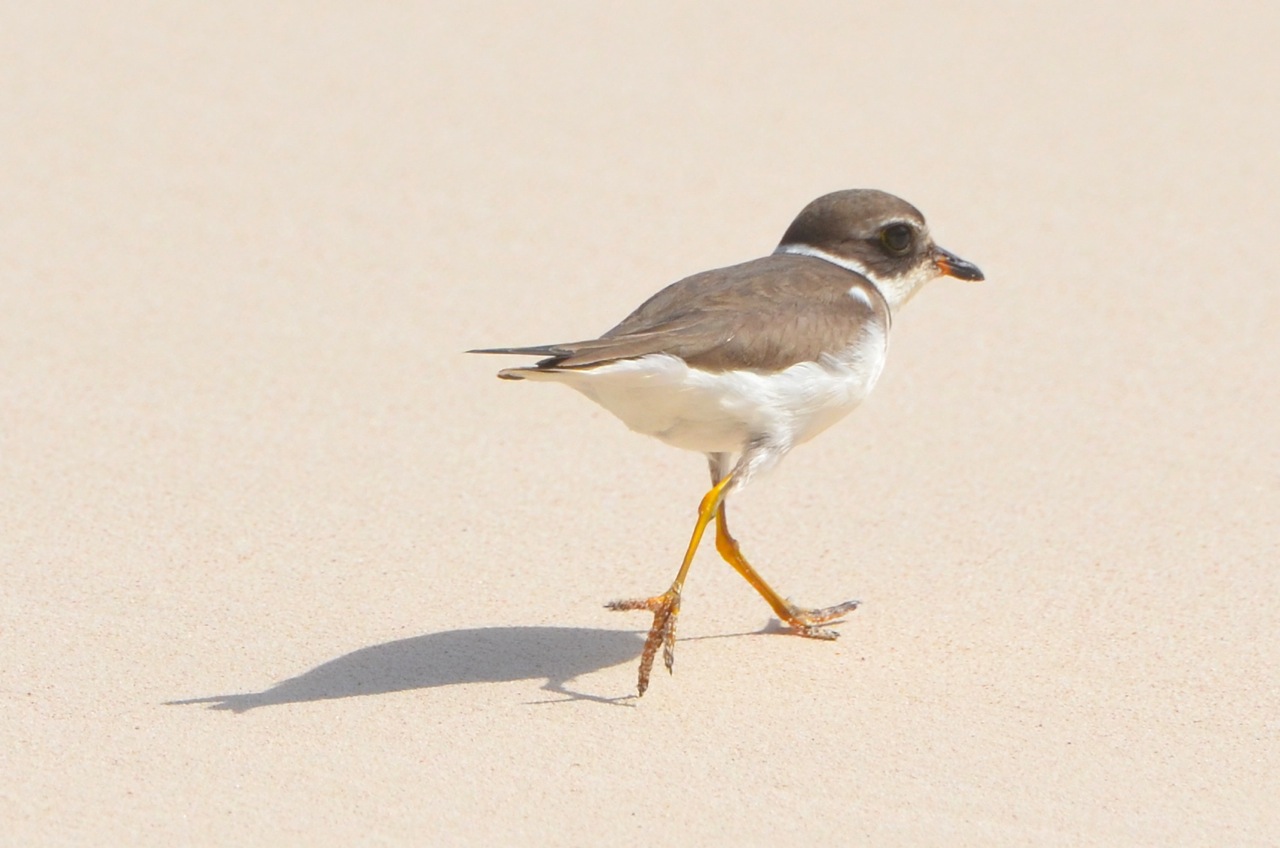
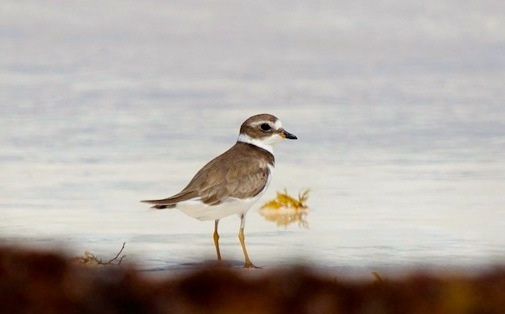
A small shorebird with a grey-brown back and wings, a white underside with a single black neck band, and orange legs. They have a brown cap, a white forehead, a black eye mask and a short black bill with an orange base to it. And feet to be discussed below.
WHERE DO THEY LIVE?
Their summer home and breeding habitat is on the beaches and flats of northern Canada and Alaska. They nest in scrapes on the ground right out in the open. In the Autumn these little birds set off on long journeys south to warmer climes until Spring: the coasts of the southern states, Caribbean and South America. On Abaco, they are fairly common in certain areas including the beach at Delphi. Like other plovers, these birds are gregarious and will mix in with other shorebirds – which can make them hard to pick out in the crowd.
GET ON WITH THE ‘SEMIPALMATED’ BIT, PLEASE
‘Semipalmated’ refers to the partial webbing between their toes. There are different degrees of palmation, as these handy graphics demonstrate:
Semipalmate: in practice, very hard so see in the field e.g. plovers & sandpipers
Palmate: full webbing across the ‘front’ 3 toes, e.g. gulls
Totipalmate: all toes are fully webbed e.g. cormorants
Nonpalmate: please supply own imagination
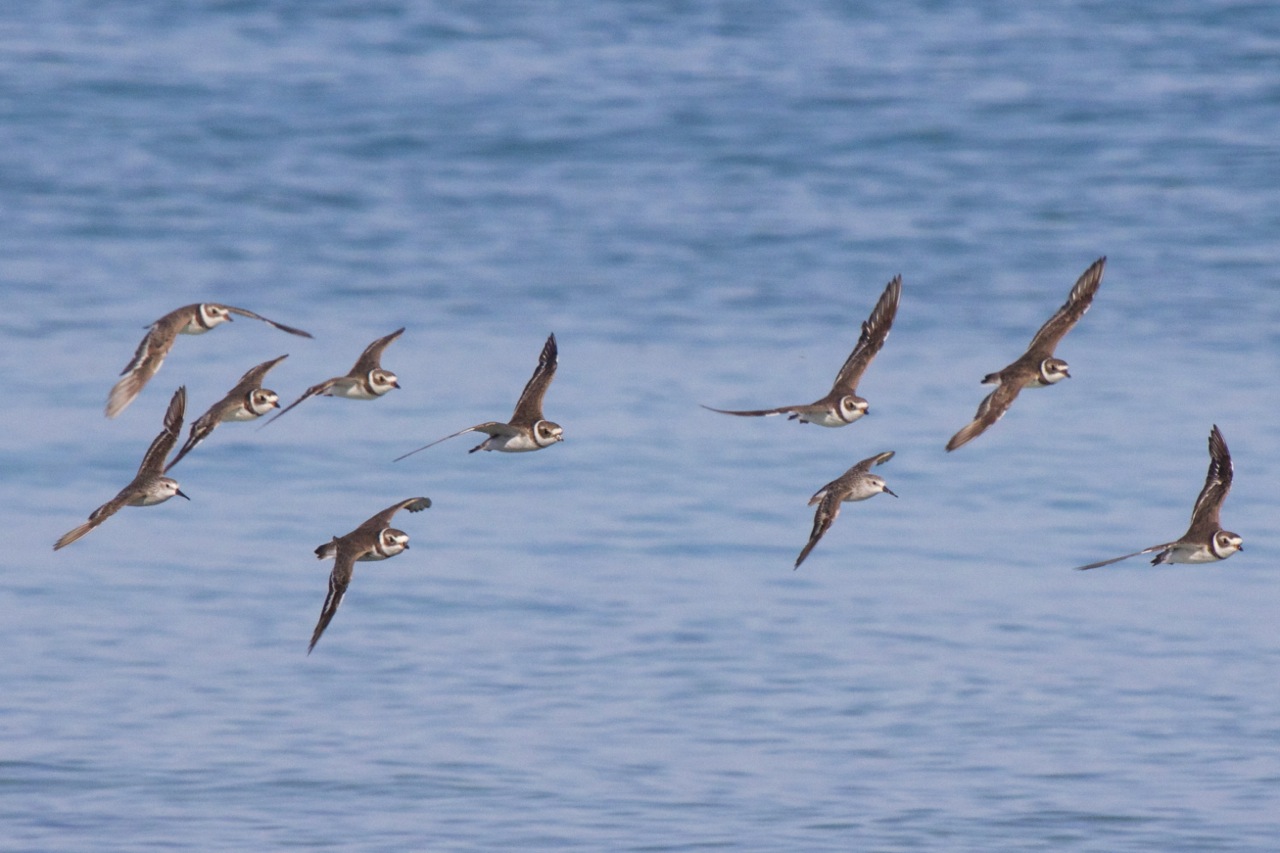
Gregarious flight: there are sandpipers in the mix (clue: long bills)
WHAT DO THESE BIRDS EAT?
Semipalmated plovers are much like any other small shorebird foraging on beaches and foreshores. They eat insects, crustaceans and worms. Here is a bird in a promising place for its preferred diet.
ANYTHING ELSE TO LOOK OUT FOR?
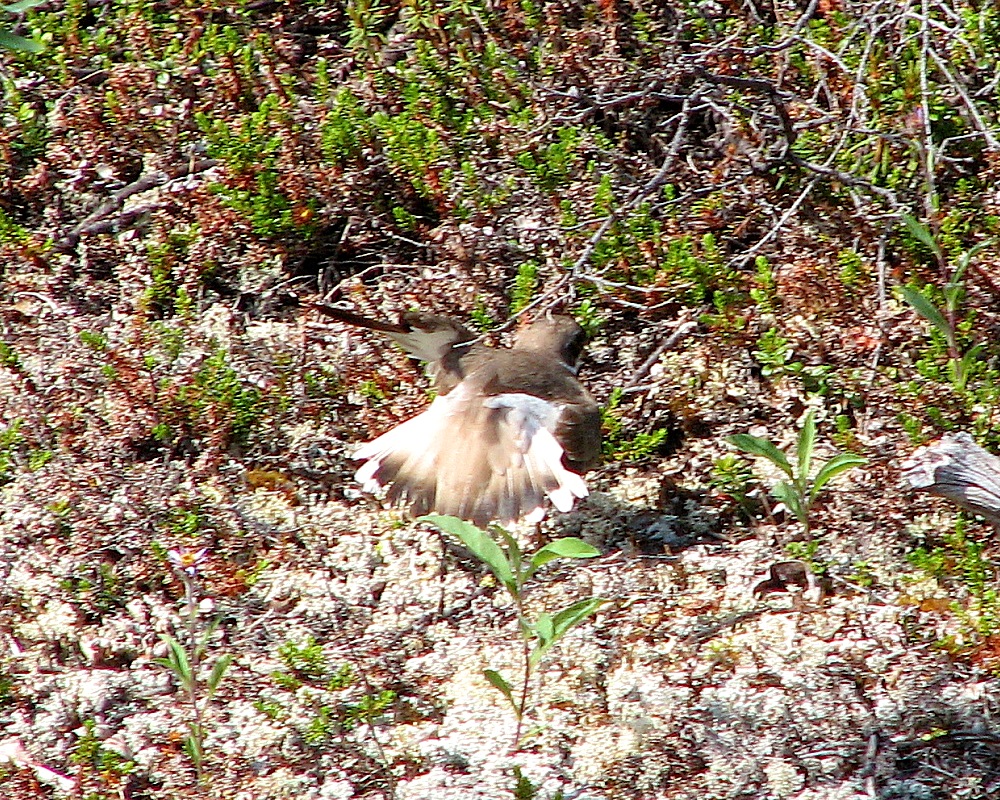
Like other plover species – Wilson’s and Killdeer for example – a semipalmated will use the ‘broken wing’ ploy to lure a predator away from a nest and the eggs or chicks in it. As it flops about pathetically on the sand looking vulnerable, it actually moves gradually further away from the nest. If it comes to the crunch it is able to take wing rapidly, leaving a very puzzled predator behind.
Semipalmated plovers flying with 2 sandpipers
Credits: Alex Hughes (1, 6, 9, 10); Woody Bracey (2, 3); Tony Hepburn (4); Charles Skinner (5); Bruce Hallett (7); D Gordon E Robertson (8); Bird foot infographics people.eku.edu
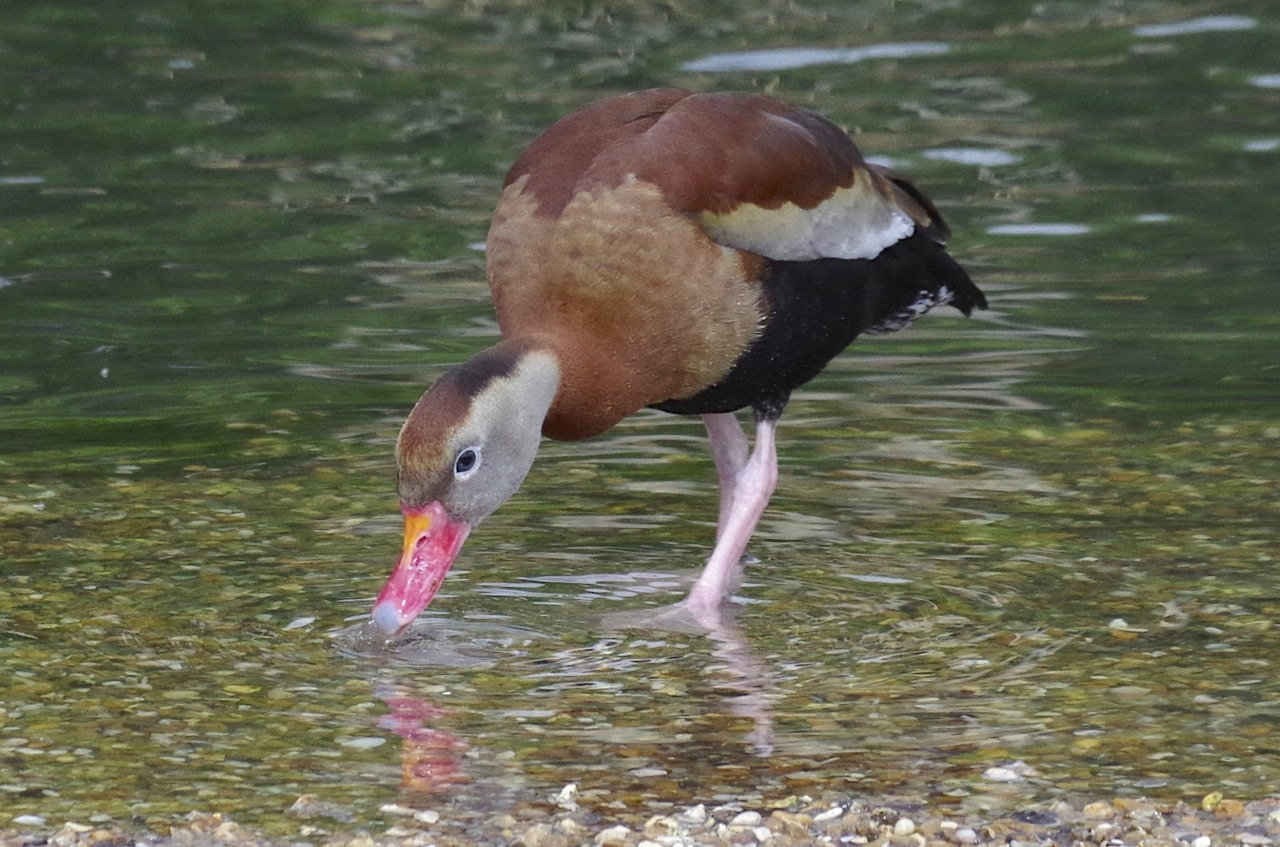
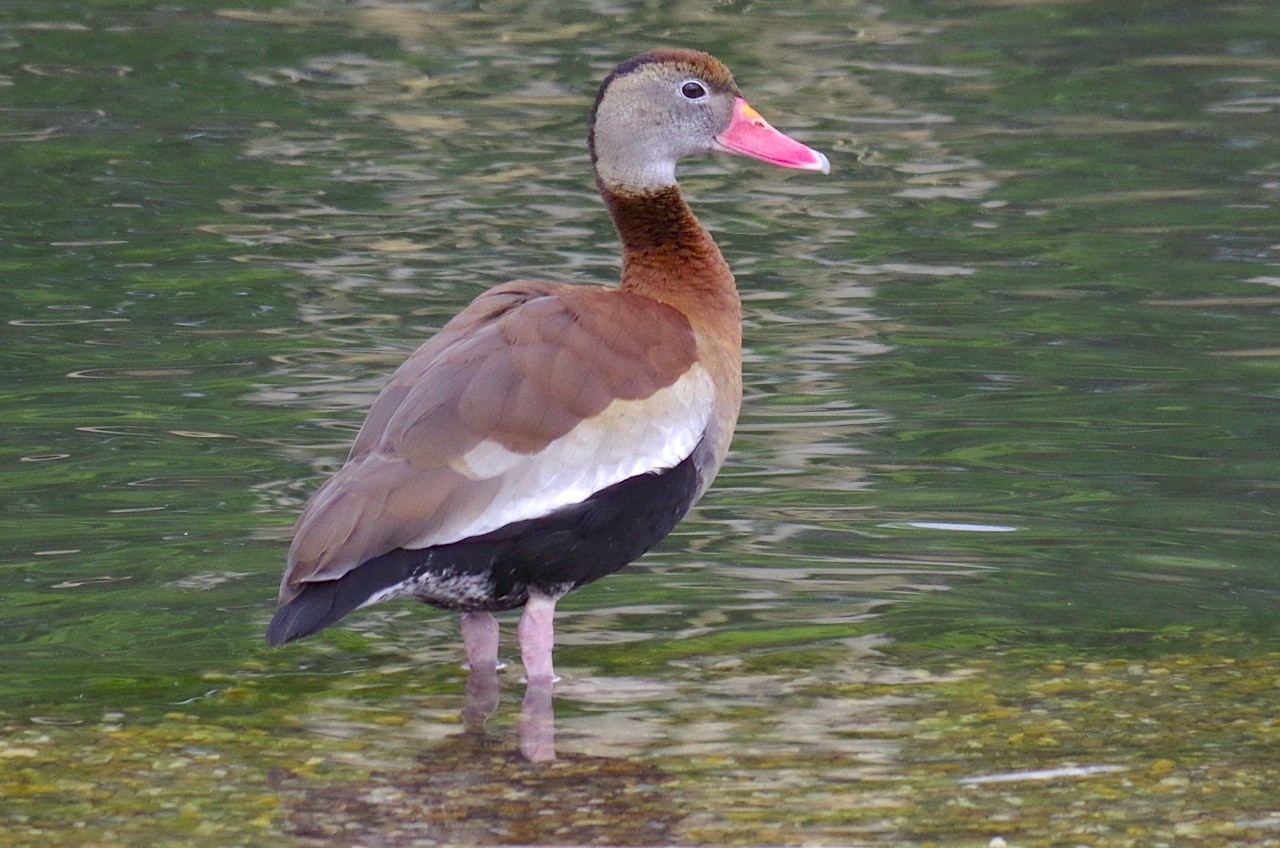
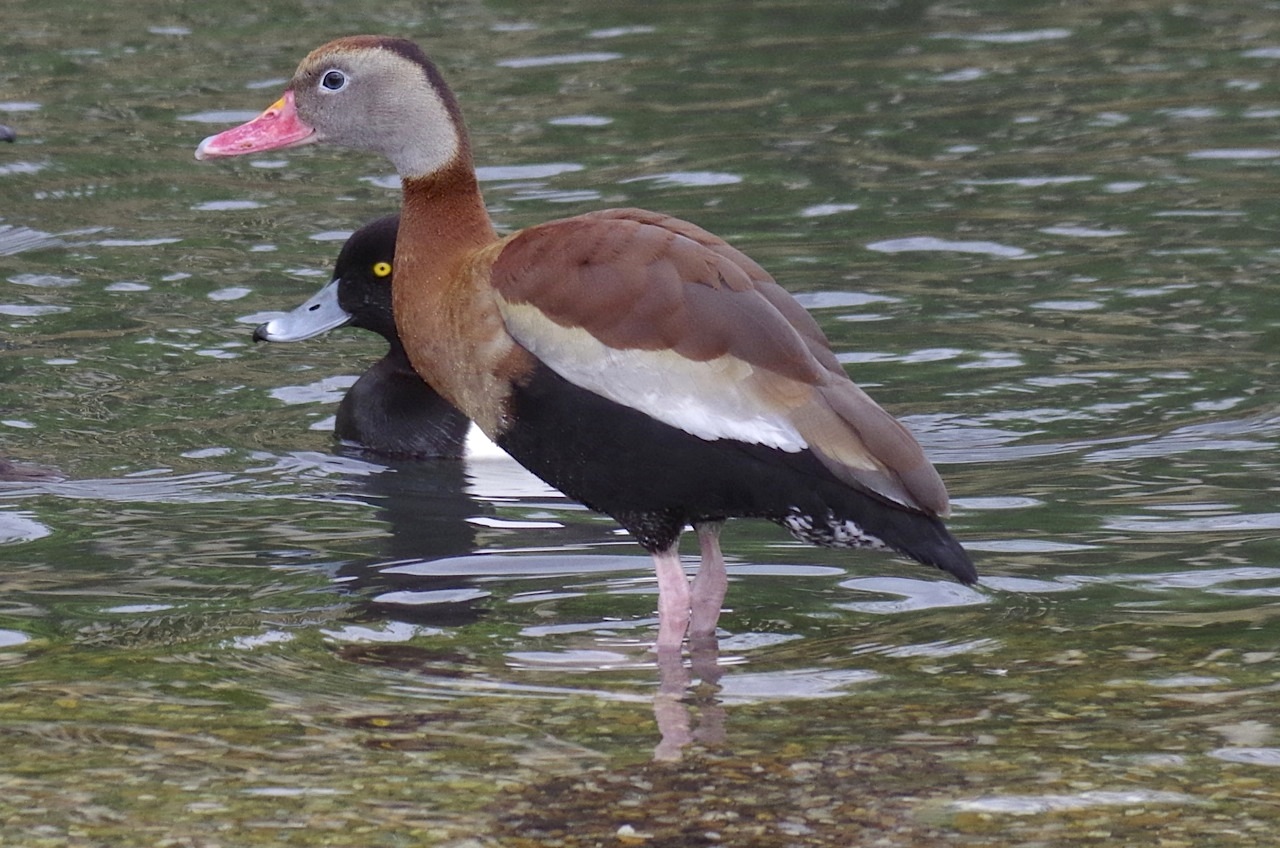
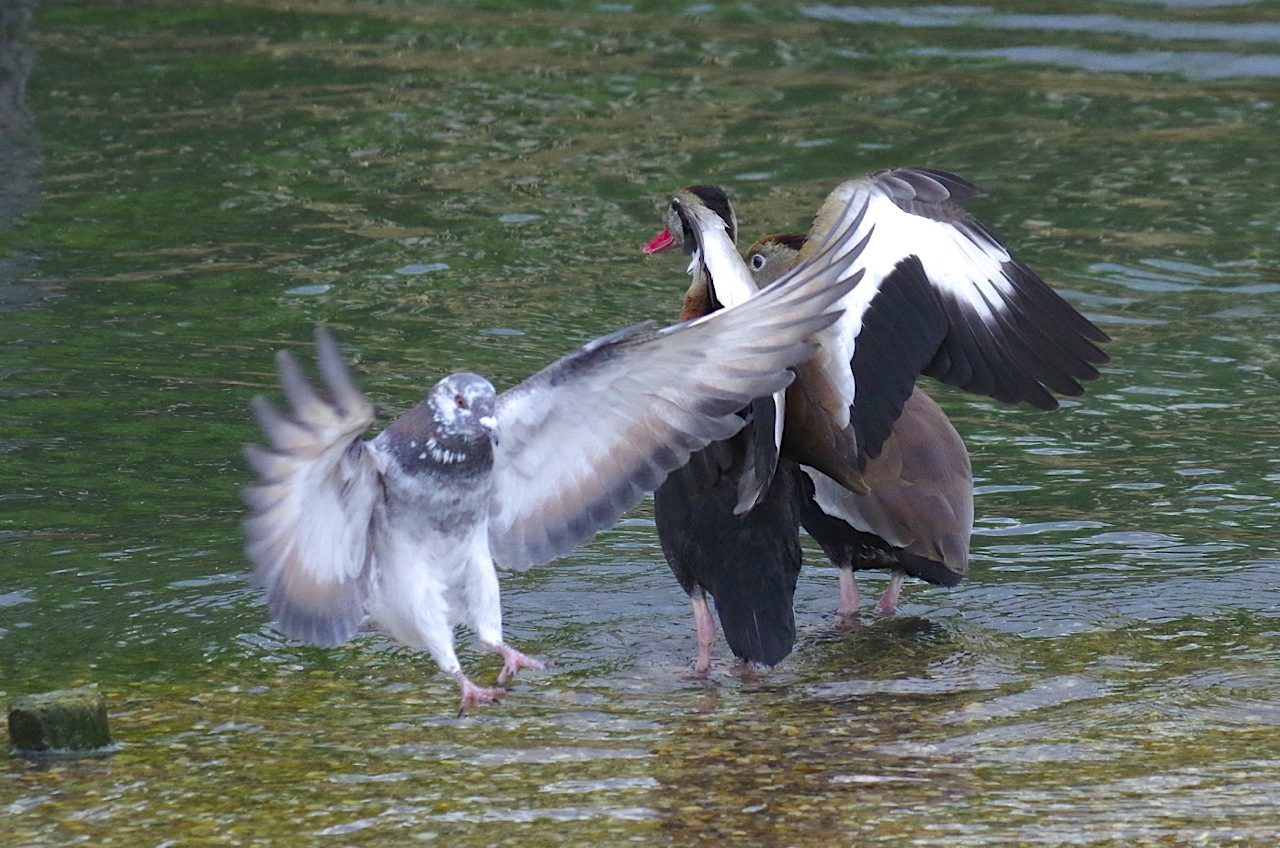
The first ever Black-bellied Whistling Ducks recorded for Abaco arrived last June. Six birds turned up on South Abaco in the Crossing Rocks area and slowly worked their way north via Delphi, Bahama Palm Shores and Casuarina. They split up into smaller groups. Two were seen near the airport. Eventually, after 3 weeks or so, the sightings and reports ceased. The BBWDs had moved on, presumably to Florida.
I mention them now because this June, a flock of 13 birds arrived on a golf course in Bermuda. The only previous recorded sighting of the species had been a single bird spotted in 2006. Within a couple of weeks, the birds had disappeared again. It’s strange that in consecutive years, June sightings have occurred on two islands where they are not a known species. I happen to have taken some photos of BBWDs elsewhere in the meantime, and I thought these pretty ducks deserved further exposure…
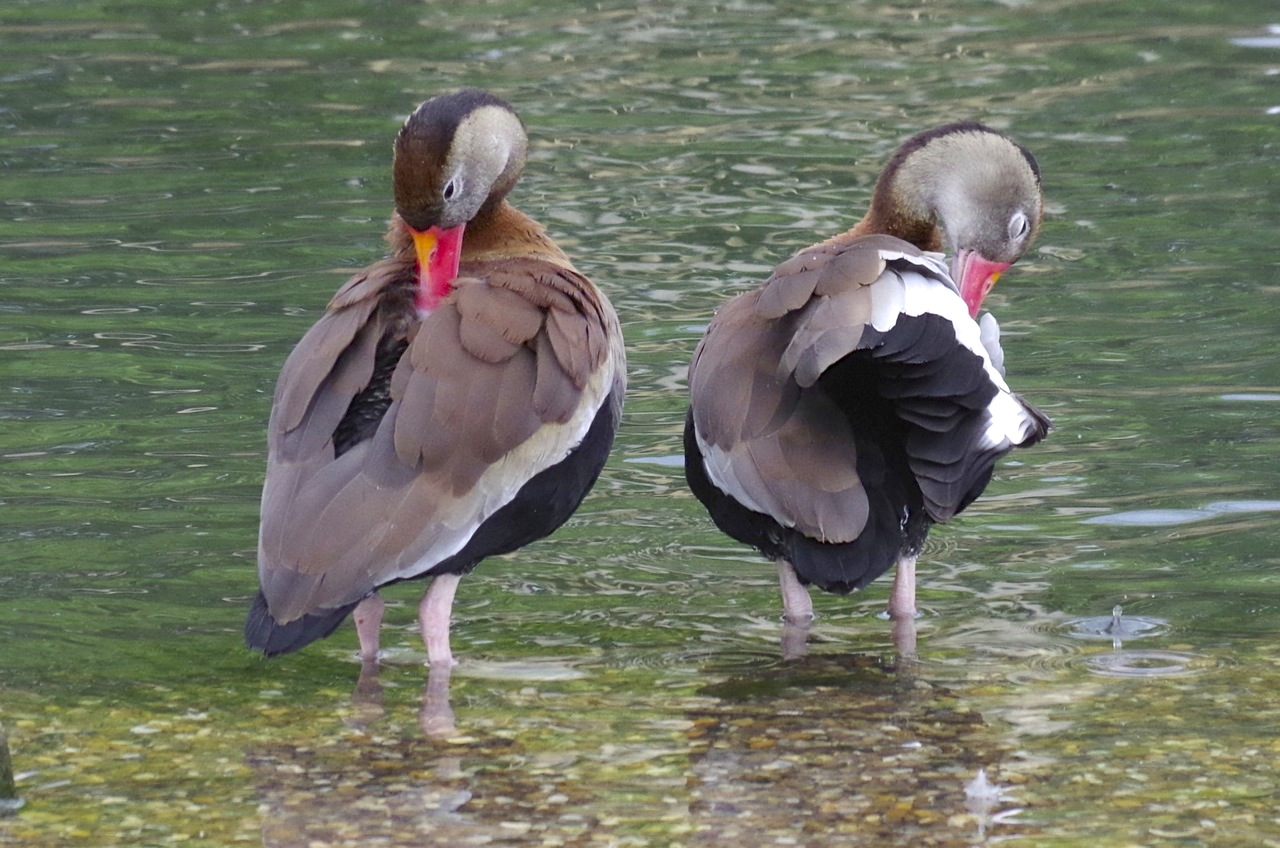
A BBWD LOVE STORY
Hello! Would you like to preen with me?
Yes I would. As long as there are no paparazzi around.
The photos above, except a missing final one, were taken by me at WWT Wildlife & Wetland Centre, Barnes, London, about a year later than the first sighting. The final photo (now excised) was re-used in error, probably because a year had passed and it carried over in a rewrite. It should have read ‘all but the last one’.
The caption ‘All photos by RH at WWT Barnes’ did not apply to the final image by Diliff (who featured, credited, in my previous post on these birds) but only to those above it.
Apologies for not having spotted this misattribution at the time, nor until the matter was raised in May 2026
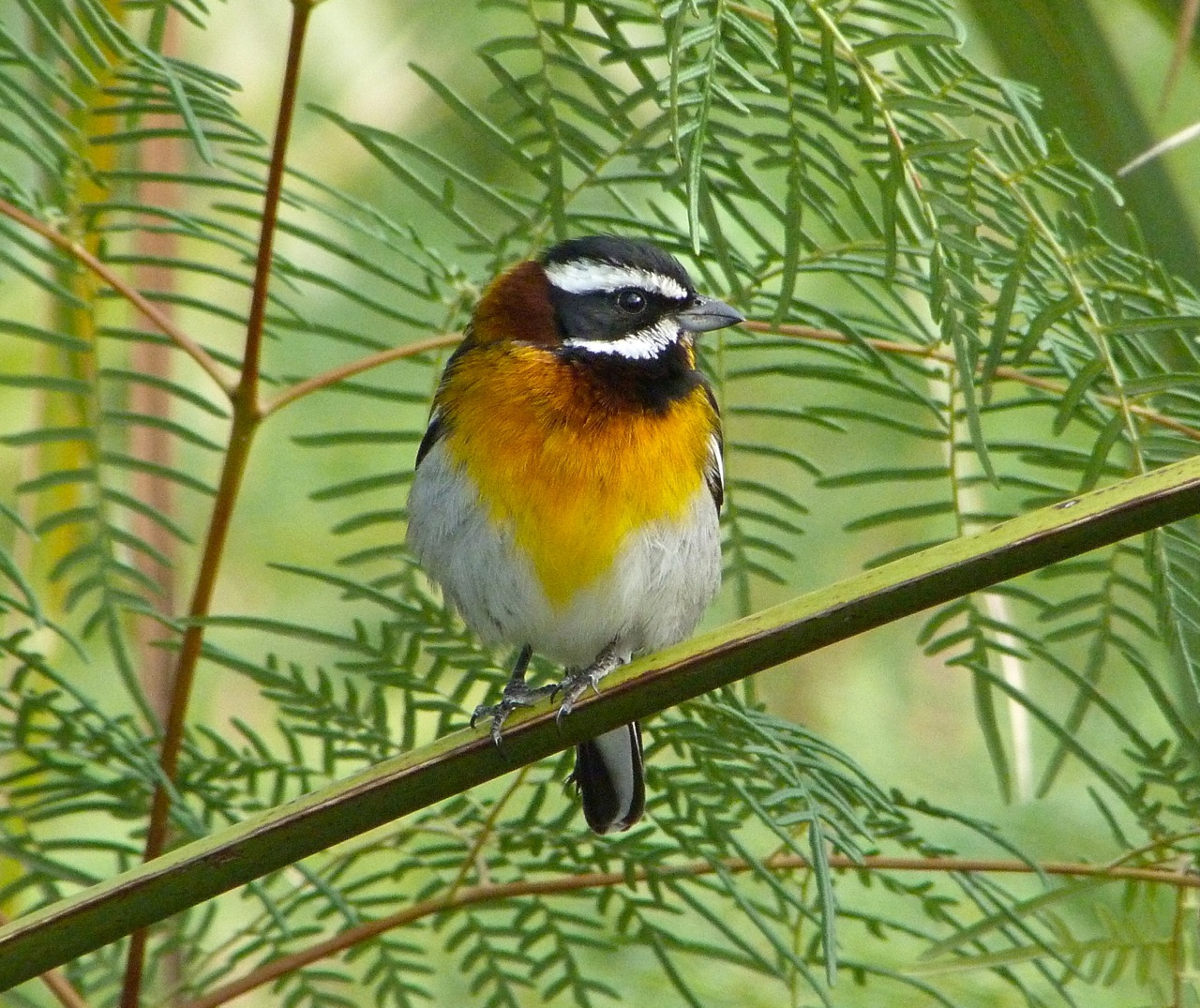
Mark Catesby: Bahama Finch (Western Spindalis, Spindalis zena)
MARK CATESBY: PIONEERING NATURALIST OF EARLY c18
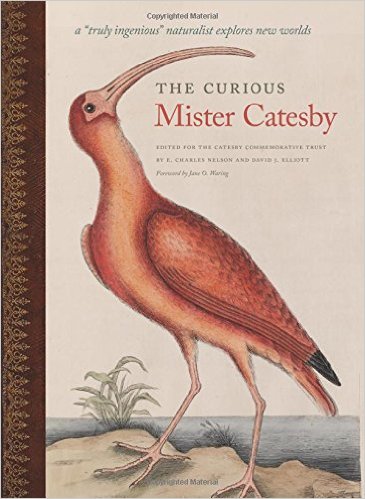
There’s been (yet) another abrupt side-swerve away from a topic I’d intended to post about, resulting from a newspaper article I read over the weekend. This concerns what was gushingly described as “the ultimate coffee table book”, a facsimile of Mark Catesby’s renowned work, The Natural History of Carolina, Florida and the Bahama Islands.
Catesby (1682 – 1749) was a pioneering English naturalist and artist who published his magnum opus based on a number of expeditions he undertook from 1712 onwards. His was the first ever published account of the flora and fauna of North America, and the 2 volumes (with a supplement) included some 220 colour plates of the creatures and plants of land and sea that he had come across.
Mark Catesby – Angelfish
Mark Catesby – Queen Triggerfish
Catesby’s growing fame as a botanist led to his undertaking expeditions on behalf of the Royal Society to collect plants and seeds in Carolina. He widened his researches both in America and to the West Indies, collecting plants and fauna as he went and sending them back to England. Among other discoveries, he was one of the very first people to observe and record the occurrence of bird migration as a twice-yearly phenomenon.
Red-legged Thrush in Gumbo Limbo Tree
Eventually, in 1726 Catesby also returned to base and set about writing up his findings and painting what he had seen. He learnt how to etch printing plates, and gradually the illustrations became more sophisticated, starting without backgrounds then including plants with the animals and birds. The whole project took him some 20 years; quite soon after completing it, he died.
Flamingo Head & Gorgonian Coral
CATESBY: THE VIDEO INTRO
WHERE IS THE ORIGINAL WORK NOW?
Catesby’s original drawings were bought by King George III for £120 (a very considerable sum in 1768 – my quick attempts to discover how much suggest ± £200,000) and have remained in the Royal Family ever since. This treasure is kept in the Royal Library of Windsor Castle, the property of HM QE2, though it is occasionally exhibited elsewhere. Later facsimiles of the original were produced, of which some 50 survive today.
Mark Catesby – ‘Bahama Titmous’ (Bananaquit)
SO WHAT’S ALL THE EXCITEMENT ABOUT NOW?
Addison Publications has printed a very limited edition facsimile of 60 in 4 lavish volumes, printed one at a time, “to mark the 300th anniversary of Catesby’s arrival in the New World”.
The cost per set? A stonking £39,500 ($61,330). Now this may sound a great deal of money for a modern copy of an old book and it undoubtedly is. But here’s the Christie’s Auction catalogue entry for one of the early facsimiles. Mmmmmm.
Mark Catesby – Hawksbill Turtle
“Illuminating natural history is so particularly essential to the perfect understanding of it” (Mark Catesby)
Mark Catesby (Black-faced Grassquit)
Delphi afficionados, especially any who have stayed in Room 1, may recognise 3 of the illustrative images I have chosen – the Spindalis, the Bananaquit and the Grassquit. No, I don’t mean the actual species, I mean that Catesby prints of them are tastefully hung on the walls. I can never decide which of the 3 is my favourite…
STOP PRESSThanks to Woody Bracey for his interesting comment. More information about the Catesby Commemorative Trust and the book The Curious Mister Catesby can be found HERE. A slightly curious promo video was also released.
For anyone tempted to look further into the importance of this ground-breaking naturalist, the CCT produced a 50 minute film that is well worth watching if you can spare the time.
Credits: Sunday Times (article), HM QE2, National Geographic, Catesby Commemorative Trust, sundry open source info-&-pic-mines inc. Wiki, Addison Publs, & my Bank Manager for declining to loan me the purchase price of the new facsimile…
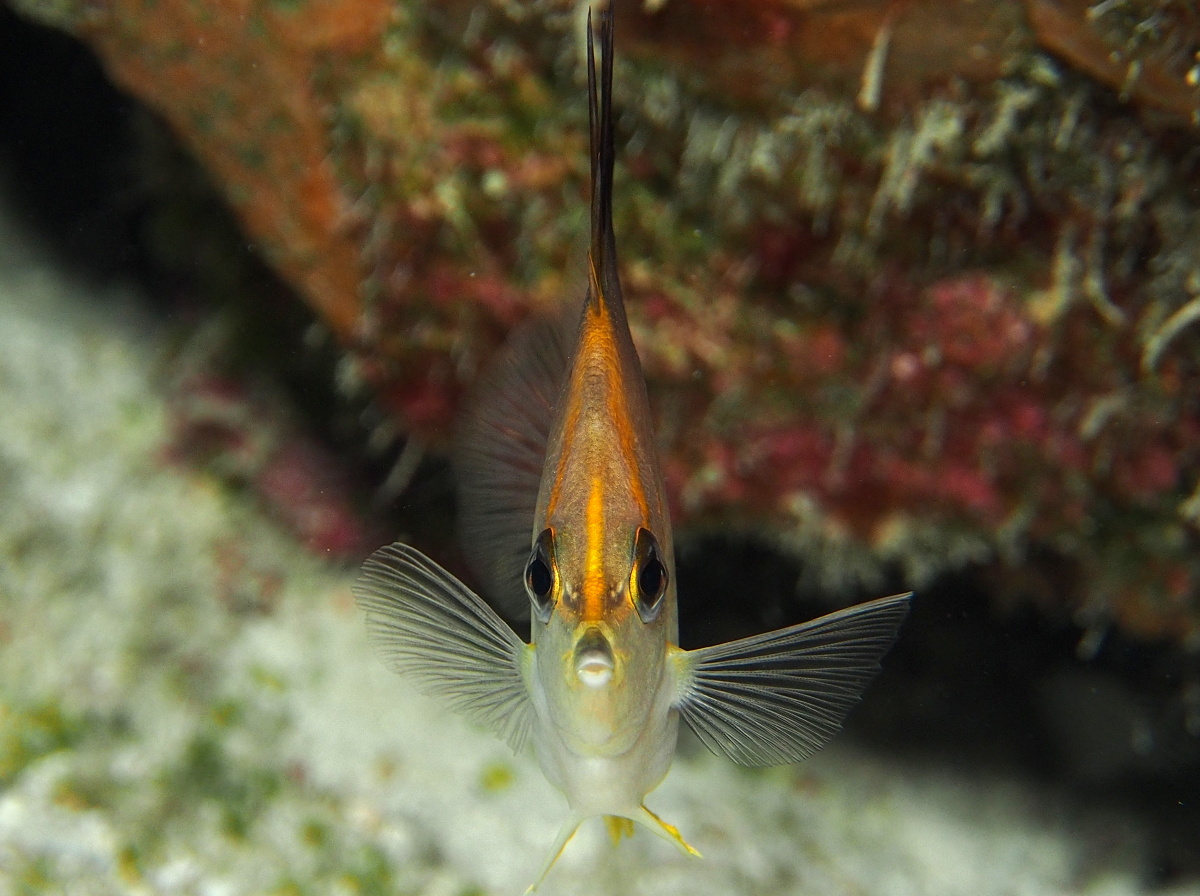
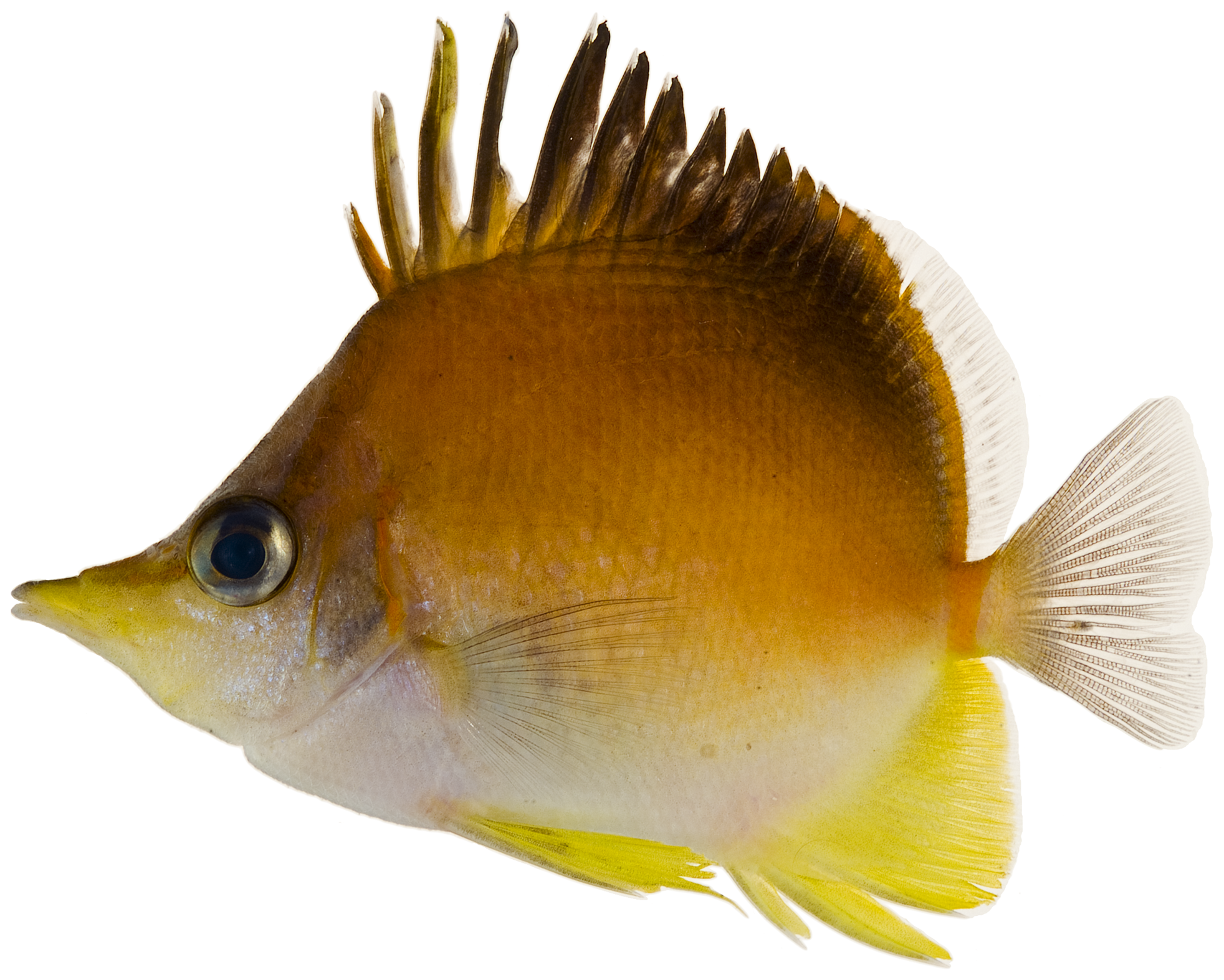
The Atlantic/ Caribbean Longsnout Butterflyfish Prognathodes aculeatus is sometimes known locally as the Longnose (not to be confused with the bright yellow Indo-Pacific Longnose Butterflyfish). The affectionate name for it is ‘Butterbun’. A more scientific name is ‘Poey’s Butterflyfish’, named for the man who first identified the species in 1841.
Mr Felipe Poey
These little fish, 2 0r 3 inches long, are commonly found on reefs from Florida down to Venezuela. Unlike most butterflyfishes, they prefer deeper water and have been found at 200 ft; and they tend to be solitary rather than gregarious.
BUTTERBUN. THAT SUGGESTS THEY ARE PLUMP?
NOPE!
RELATED LINKS
BUTTERFLYFISHES(RH guide to reef, banded, four-eyed & spotfin)
LIMESTONE CAVES ON ABACO: WELL WORTH LOOKING INTO…
I have written several posts in the last few months featuring Brian Kakuk’s amazing photos of the underwater caves of Abaco. These caves, mostly beneath Abaco’s pine forests, are fabulous treasures of rock and crystal. A recent post example can be seenHERE. I have also featured some of the famous Blues Holes of Abaco from time to time, for example HERE. So now it’s time to turn attention to ‘land caves’, the dry(ish) limestone holes and caverns that are dotted around Abaco, especially in the South, and bear witness to aeons of geological development through erosion.
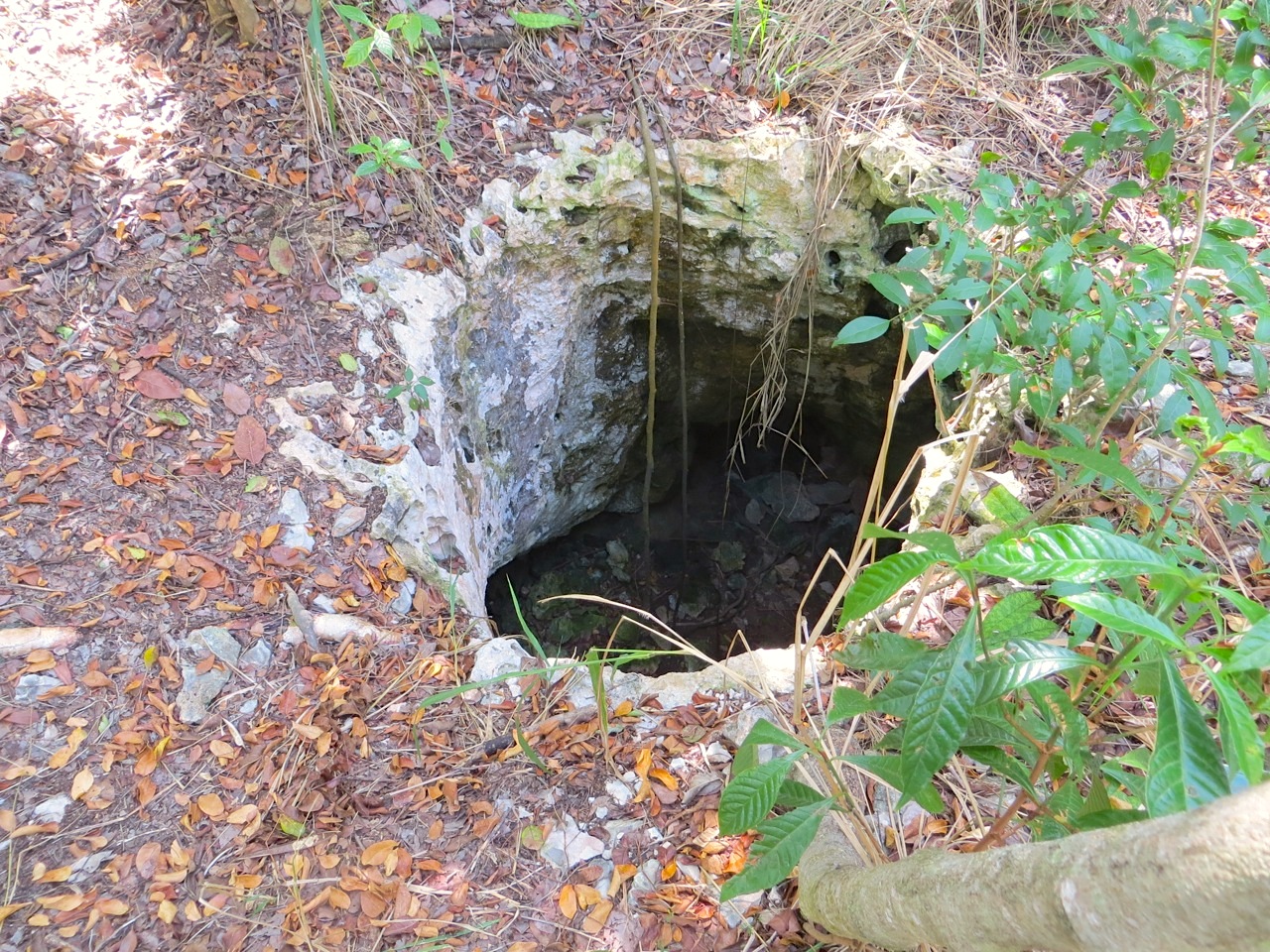
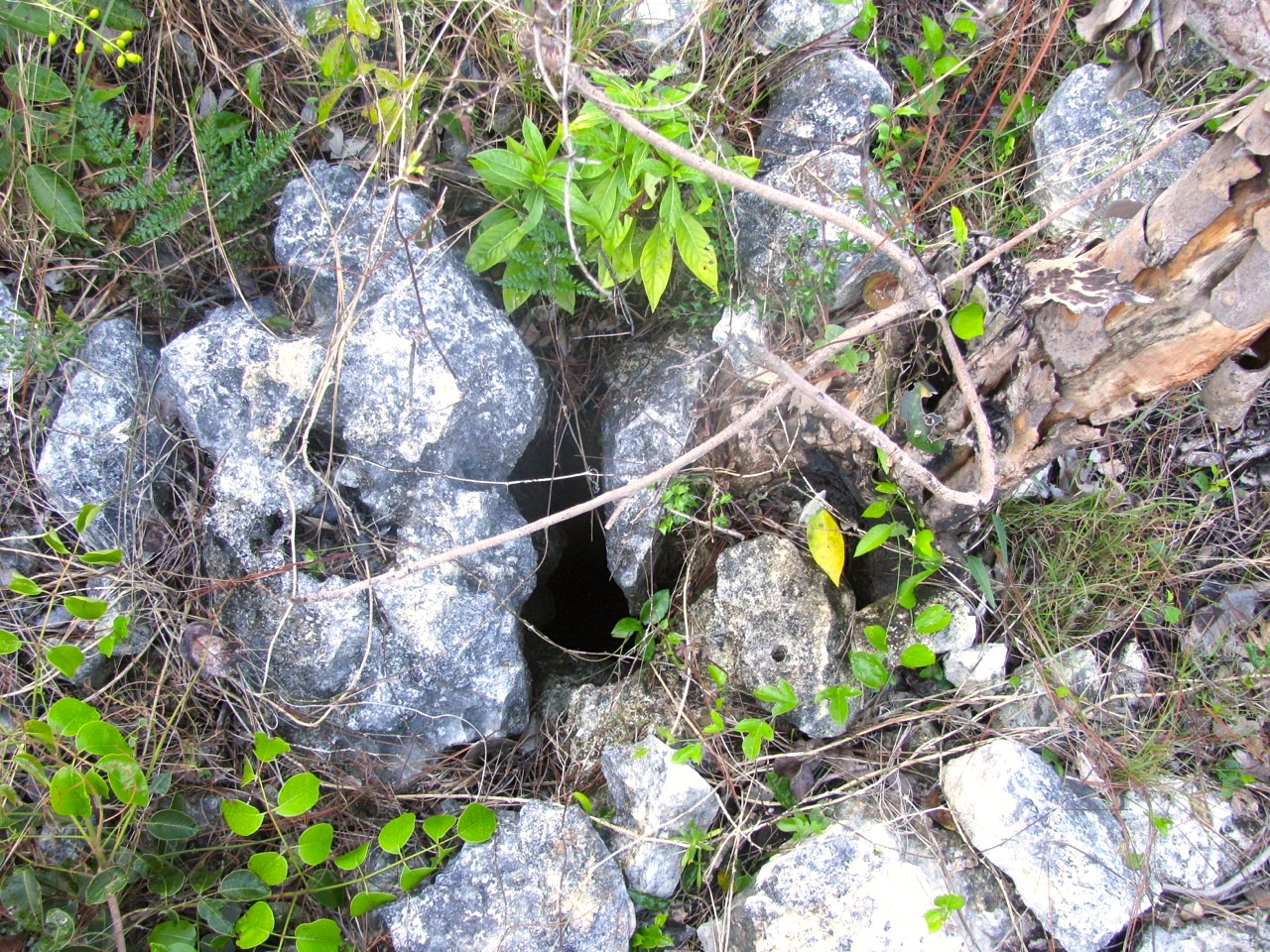
The coppice and extensive pine forests are pitted with holes of widely varying sizes. I’m way out of my depth here, geology-wise (polite corrections invited), but this sort of landscape is I believe known asKARST. This term presumably includes Abaco’s ‘dry’ holes, the blue holes and the substantial network of underwater caverns. Small examples can readily be found in easily accessible places such as non-dense coppice. We were very surprised when we pushed our into the coppice bordering the Delphi Club guest drive and took a closer look at a hole. Although the weather was hot and dry at the time, you will see that the hole has some form of micro-climate, with damp walls and interior and wet-climate plants like small ferns and forms of what I take to be moss and algae.
ONE OF MANY LIMESTONE HOLES BESIDE THE DRIVES AT DELPHI
A HOLE NEAR HOLE-IN-THE -WALL – LARGER INSIDE THAN IT LOOKS
THE CAVE-DWELLERS OF ABACO: THEFABULOUSPARROTS
Among the best-known special residents of Abaco are the ground-nesting parrots, gorgeous birds that I have often featured in the past – see the parrot page HERE. Not so long ago, their numbers had reduced to an unsustainable population – fewer than 1000 – that faced extinction. The creation of the National Park covering the pine forests where they breed, coupled with a vigilant and intensive conservation program, have reversed the trend. There is now a sustainable breeding population again, exceeding 3000 birds.
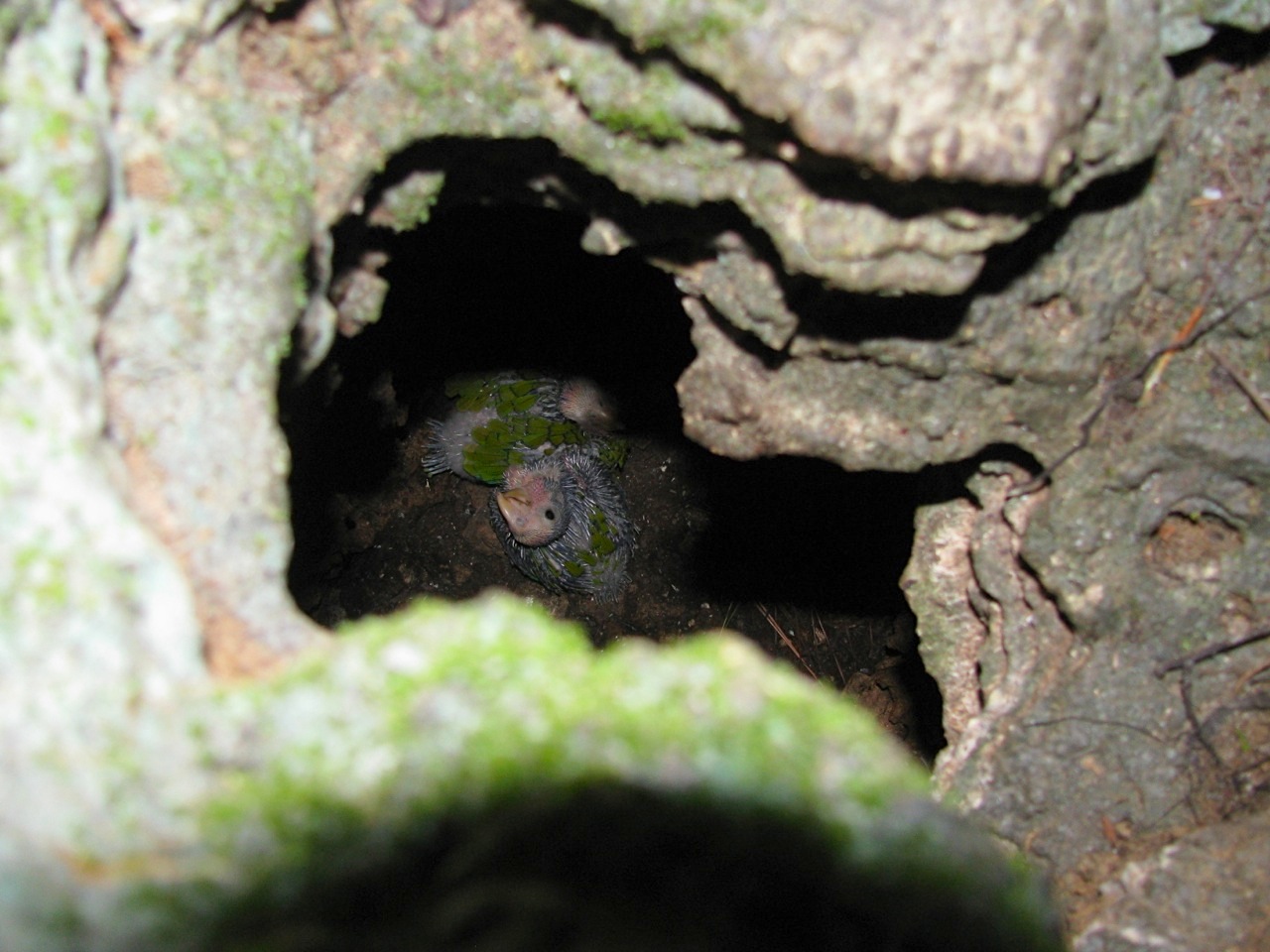
The only other breeding Cuban parrot population in the Bahamas is found on Inagua, where they nest conventionally in trees. There is a very small non-breeding population on New Providence. Abaco’s cave-dwelling subspecies of the cuban parrot is unique. Here’s an insight into how they live, deep in the pine forest, during the summer breeding season, with many thanks to Caroline Stahala, the scientist who spent some 10 years researching and protecting the parrots.
PARROT NEST HOLES: VULNERABLE TO PREDATORS, PROTECTED FROM FOREST FIRES
PARROTS MAY NEST DEEP – OR SHALLOW.
THE BREEDING SEASON: NEST, EGGS, HATCHLINGS, FLEDGELINGS…
HOW BIG DO THE ‘DRY’ HOLES GET?
TBH my personal experience is somewhat limited. I believe there are large, sea-scoured caves along rocky parts of the south coast, but those are rather different from the eroded ground holes discussed here. As so often I rely on Mrs RH – far more intrepid than me – and her exploring skills. The cave shown below is right down at the far south of Abaco, at Hole-in-the-Wall, hidden in the coppice along the ‘Soldier Road’ from the T-junction (we are talking rough tracks here – very – not proper roads) towards the lighthouse.
The rock is far more colourful than you might expect
Credits: Caroline “The Parrot Lady” Stahala; Mrs RH for investigating the last cave and taking the camera with her; RH the rest; Woody Bracey for our great day of birding at Hole-in-the-Wall and his local knowledge of the area…
WHEN A BIG BILL JUST MAKES YOU SMILE… WILSON’S SNIPE ON ABACO
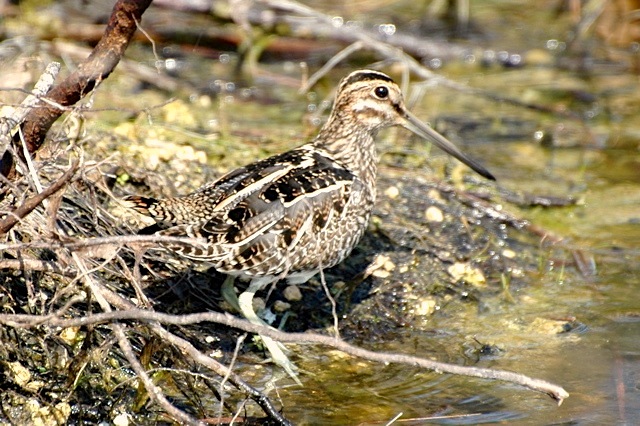
Wilson’s snipe Gallinago delicata is a plump little bird that is classified as a shorebird. But unlike some, it is not confined to the shore and immediate hinterland – marshland or brackish pond regions are also favoured habitats. Until recently (2003) the Wilson’s was treated as a subspecies of the widespread Common Snipe, before being accorded its own species-status. Something to do with white on the wing edges and a couple more tail feathers. If you want to know who Mr Wilson was (who also ‘owns’ other birds such as a plover and a phalarope) you can find outHERE.
A Wilson’s Snipe on Abaco (but not on the shore…)
The snipe, in common with several species such as the woodcock, willet and dowitcher, has a notably long bill. The header image is one of the best I have come across that clearly illustrate it, and comes from the extensive archive of the excellentBIRDS CARIBBEAN. The naturalist concerned noted “…check out this remarkable bill. If you have not held a shorebird like this in your hand, the bill is pliable, flexible, and innervated. The snipe feels its way through the muck and then plucks the worm out like tweezers”.
SNIPES AND SNIPERS
The snipe has the misfortune to be a game bird. In the c19, its populations began to reduce due to habitat destruction – especially the draining of marshland – to which it is still vulnerable, of course. But more serious was its increasing popularity with hunters as a difficult bird to shoot, with its fast, jagging flight. A hunter skilled enough to shoot snipe successfully became known as a “sniper”, a usage coined some 200 years ago. I imagine the verb ‘to snipe (at)’ a person derives from this usage, meaning to fire off a quick, accurate, possibly hurtful remark.
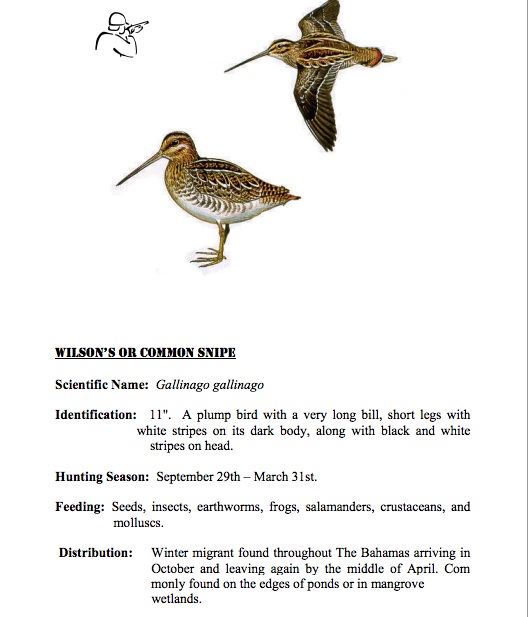
Despite these drawbacks, there are enough snipe for the species to remain IUCN-listed ‘least concern’. In the Bahamas, they can be hunted between autumn and spring. This is the relevant page from the BNT HUNTERS’ GUIDE
WILL I SEE WISNs ON ABACO?
Although the Wilson’s snipe is one of the most widespread shorebirds in North America, they are far less readily found on Abaco. For a start, they are migratory in the Bahamas, and only resident in winter (broadly, October to March), their non-breeding season. So don’t expect to find them during your pleasant stay in June. Secondly, they are classed as ‘rare’, one grade harder to find than ‘uncommon’. Thirdly, they are shy and well-camouflaged. Unless they choose to be out in the open – foraging in water, or maybe standing on a post – they can be very hard to see. And in winter it seems they tend to hunker down more and fly less than in the breeding season. Maybe they show more in summer because they know it’s the closed season for hunting… Compare the next two images, one taken on Abaco in winter, and one (cheers, Wiki) elsewhere in the summer.
A winter snipe on Abaco – shy, retiring and blending in with its surroundings
Wilson’s snipe in summer, confidently on a post in summer (closed season for hunters…)
DO SNIPES HAVE A DISTINCTIVE CALL THAT I WILL INSTANTLY RECOGNISE?
Not really, I’m afraid. Not easy for an amateur (me). They have a variety of vocalisations – calls, flight calls, and songs. They also make a sound called ‘winnowing’ with their tails while in flight. Here are a few short examples.
CALL / SONG Harry Lehto Xeno Canto
CALL /SONG Pasi Pirinen Xeno Canto
CALL Richard E Webster Xeno Canto
FLIGHT CALL Paul Marvin Xeno Canto
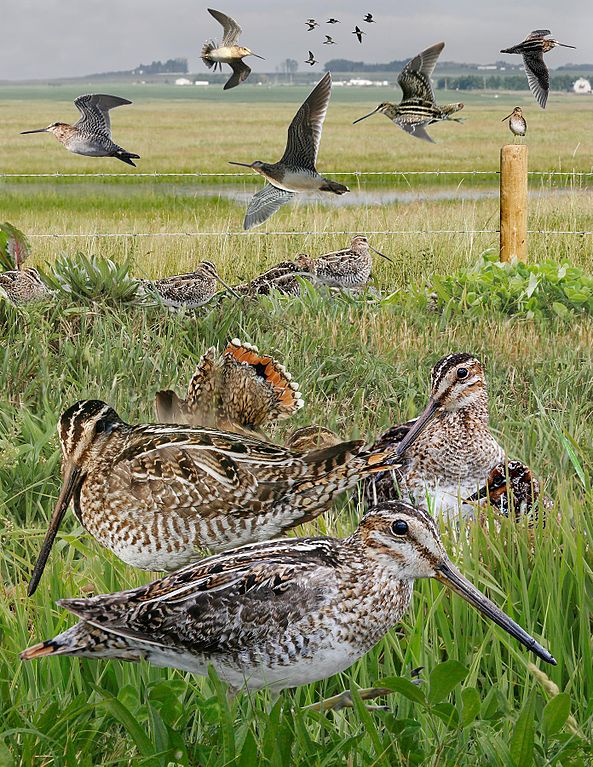
Now that the wonderful Crossley Guide ID bird images are available ‘open source’, I shall be including them in future species posts. When I remember. Their advantage is that in one image you can see all aspects of a paricular species – gender, breeding plumage, typical ‘poses’, in flight and so forth. A truly great resource for bird identification.
Credits: Birds Caribbean, Charles Skinner x 3, BNT, Alan D. Wilson, Woody Bracey, Sean Breazeal, Xeno Canto, Crossley ID Guides, Wiki, Audubon, Cornell and sundry worthy OK sources…
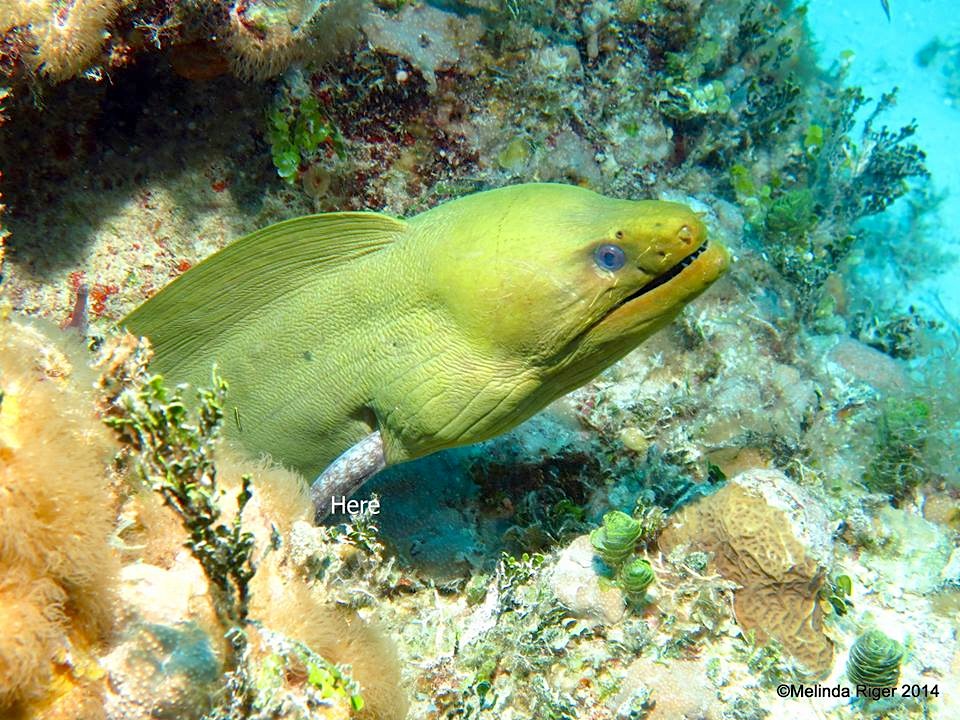
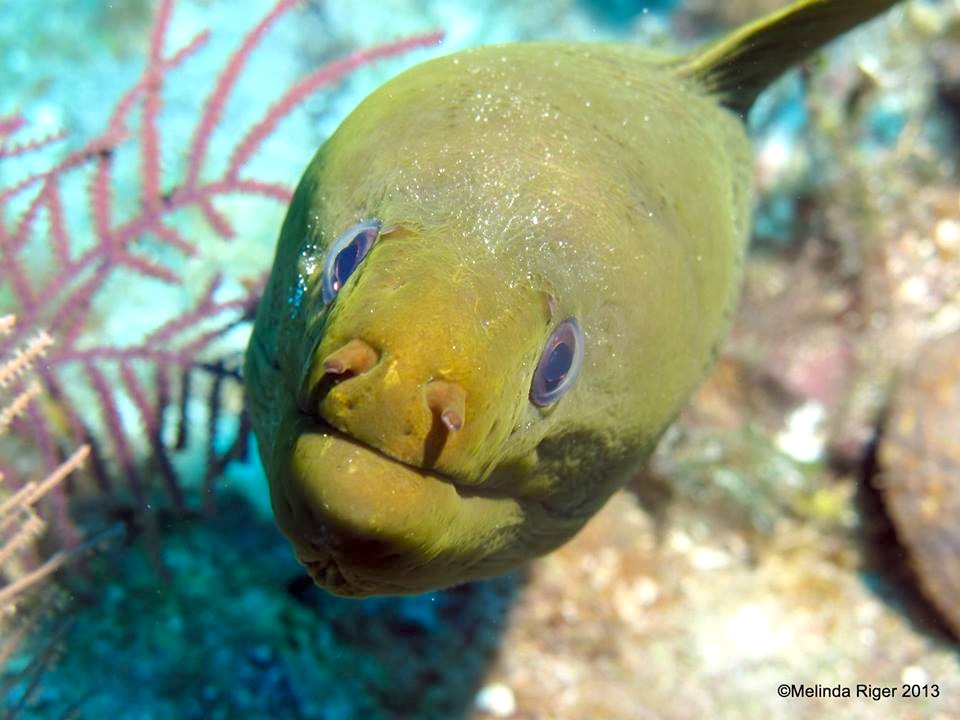
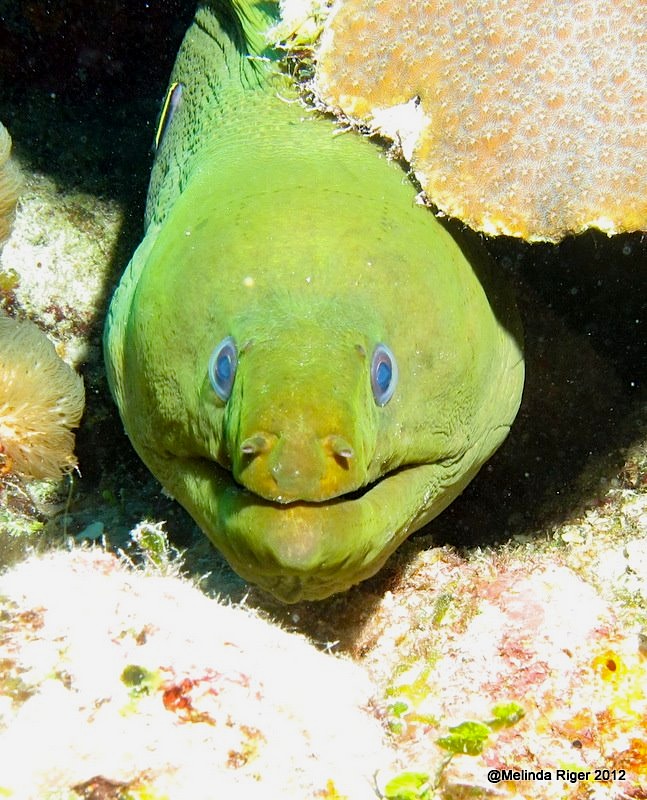
A short while back I posted aboutSPOTTED MORAYS, which people seem to enjoy. It generated requests for more forays, specifically with green morays. I gotcha – here they are, as promised… All the eels shown below, familiar to the divers who regularly encounter them and given names such as “Judy’ and “Wasabi” (my favourite), were photographed by Scuba expert Melinda Riger, whose skills with a camera are well-known. Let’s go Green…
Like all moray species, Greens like to lurk in convenient hiding places to watch the underwater world – and possible prey – go by. Here are some typical ‘lurking’ shots.
Green morays also have the unusual breathing apparatus that resemble nasal plugs
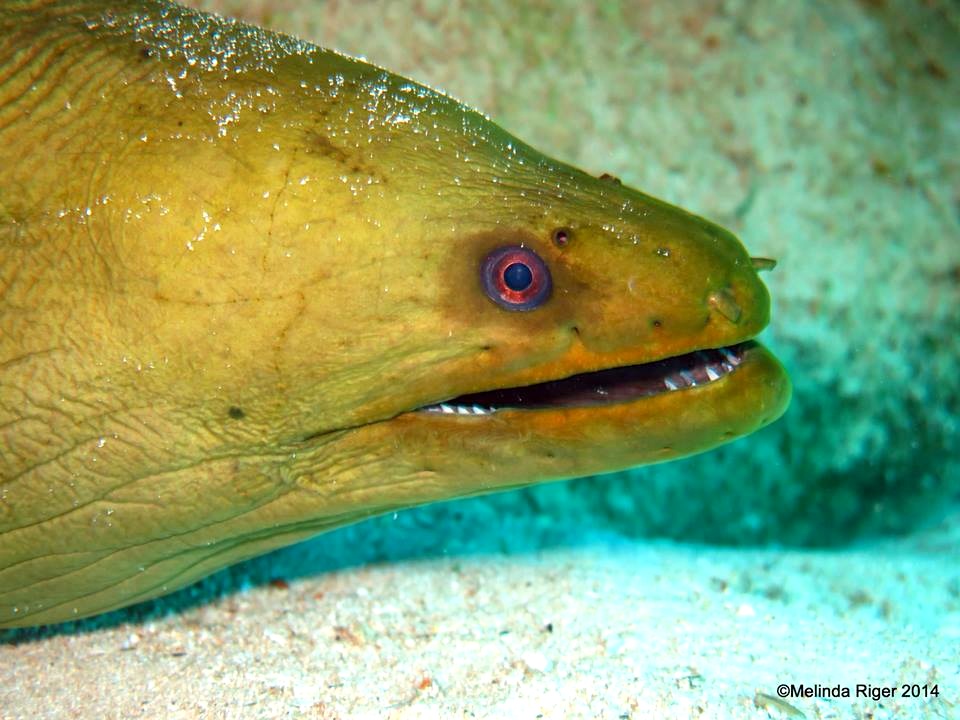
Those who recall the spotted moray post and their singular dentition arrangements that included a long sharp tooth sticking down from the upper jaw will no doubt be thinking, “are we going be shown any dental close-ups?” But of course… why would I not?
Note the cluster of teeth in the upper jaw, differing from the spotted moray
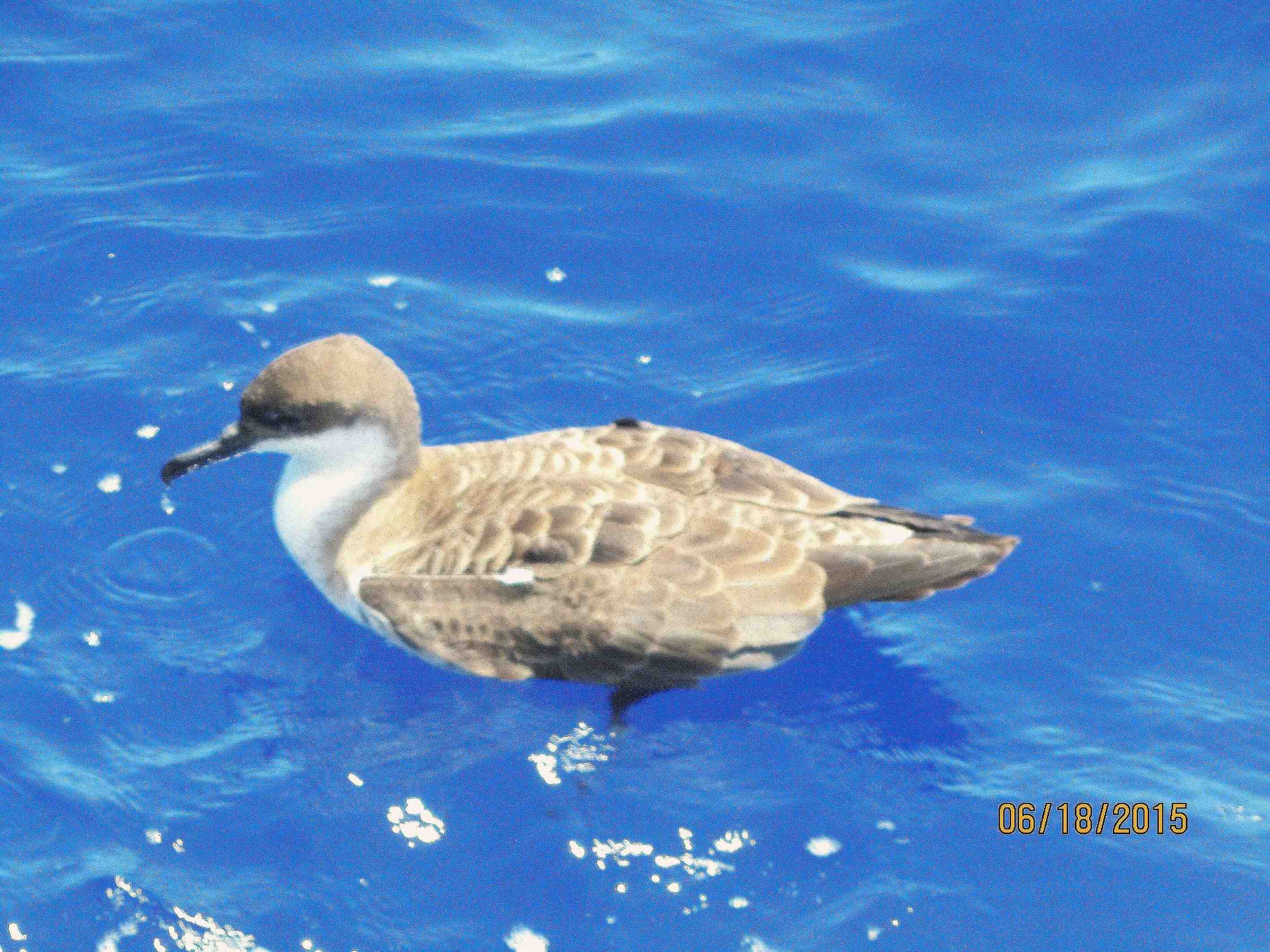
I return reluctantly to the “Great Shearwater” phenomenon to give, I hope, closure to the topic for this season and with luck for several years to come. A great many people have engaged with the debate about the large number unfortunate birds found either dead or dying in the water or (especially) on the beaches of Abaco and beyond. You can see the original post, a tabulation and map based on the reports I received or came across, and the views of the experts HERE.
This occurrence appears to have declined considerably from its peak last week, presumably because the migration has moved rapidly northwards. Already, reports from the eastern US Atlantic coast (e.g. Cape May) of a great shearwater influx are coming in, so we must hope that the attrition rate in the Northern Bahamas has stopped, or will stop within the next few days. This is evidenced by this FB clip from Tom Reed, a photographic contributor to THE BIRDS OF ABACO
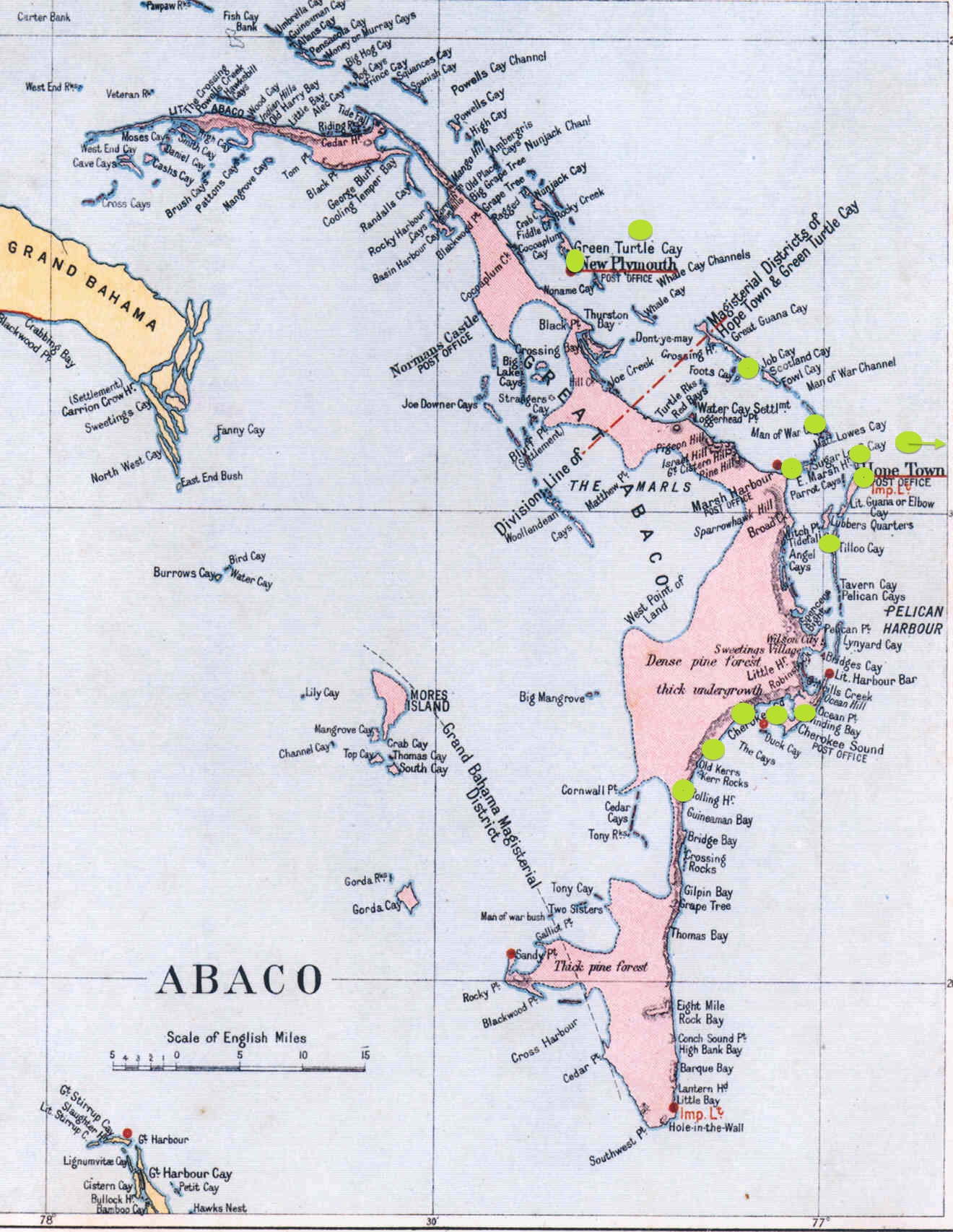
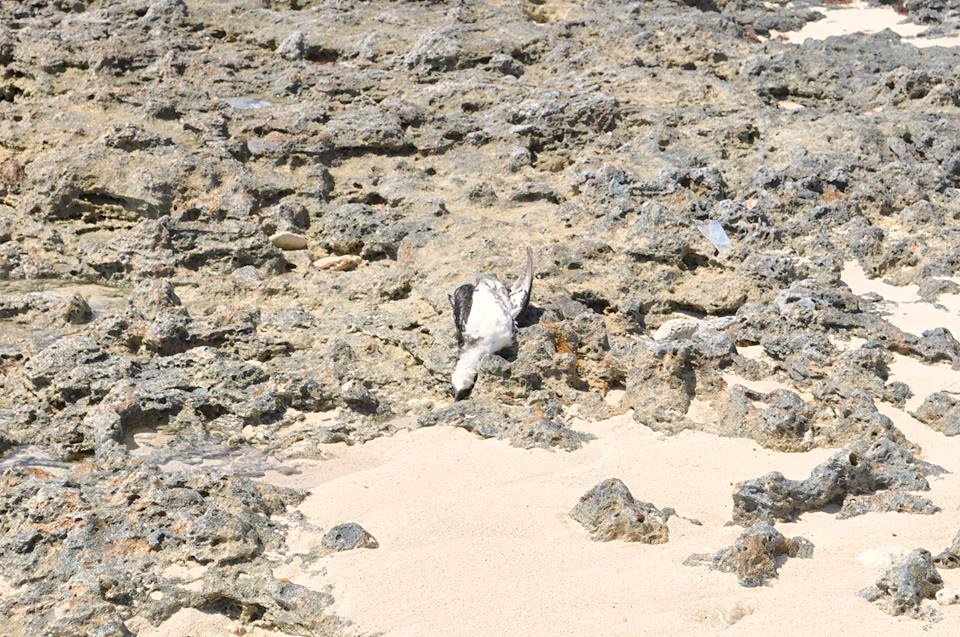
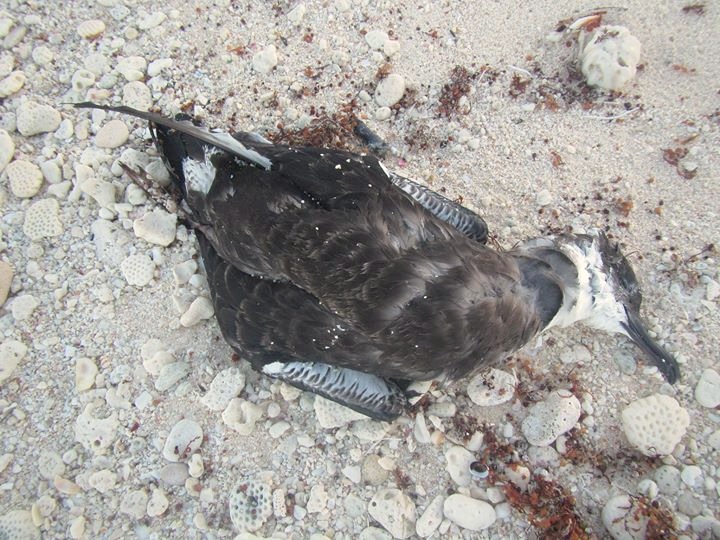
The ABA (American Birding Association) has taken an interest in the problem on Abaco, and reported the incidence of shearwater die-off HERE. For the sake of completeness, I have updated reports I have received or found over the last few days below, together with an updated distribution map. More sad images are included because, pitiful though they are, photographs are of real assistance in the study of migratory die-off. For example, it is likely that juvenile birds are more likely to be affected by exhaustion in the course of their 10,000 mile journey than adults. Photos enable an assessment of the age of the birds to be made.
Exhausted shearwater, Delphi beach. Is this a juvenile, less able to make a huge journey than an adult?The yellow tip to this bird’s beak shows that it is a different species of shearwater, the Cory’s. Like the Greats, these birds are also rare transients on Abaco, and also make long-distance migrations. A Cory’s was photographed a couple of weeks ago swimming happily off the Delphi beach. This one has obviously run out of stamina. It has the chance to recover, but it is vulnerable in this state; and turkey vultures are quick to move in on fatalities…
UPDATED REPORTS (SINCE JUNE 24) IN RED
Delphi Club Beach – 20 plus + 1
Schooner Bay – 5
Bahama Palm Shores – ‘many many’ dead birds washed up on the shore
Casuarina Beach – 1
Cherokee (Watching Bay) – 3 or 4
Cherokee (Winding Bay) – 4
Little Harbour – 3
Marsh Harbour area – about 5
Great Guana Cay, southern end – 1 (possibly a gull)
Tilloo Cay – 13 at least on Junk Beach, more than ever seen (see photos below)
Elbow Cay – 2 + 1 Atlantic side beach near Abaco Inn
Elbow Cay – 2, North End
Green Turtle Cay beach – 2
Green Turtle Cay, offshore – “a lot in the water”
Man-o-War Cay – 1 by the roadside
Ocean 20m from HT Lighthouse – 2 in the sea
also Exuma Sound (5 birds), Shroud Cay Exuma (gull?”), Briland Beach,Harbour Island Eleuthera (“some” + 4) , and Church Bay, South Eleuthera – 10 + 2
Ellen Bentz, who reported the Church Bay birds, has frozen 3 of them for research purposes; it will be extremely interesting to see what results from their examination, from the ages of the birds to condition to likely cause of death. She also took photographs to aid species identification and diagnostic efforts.
Abaco distribution map. Earlier reports marked in green, two new sites in blue
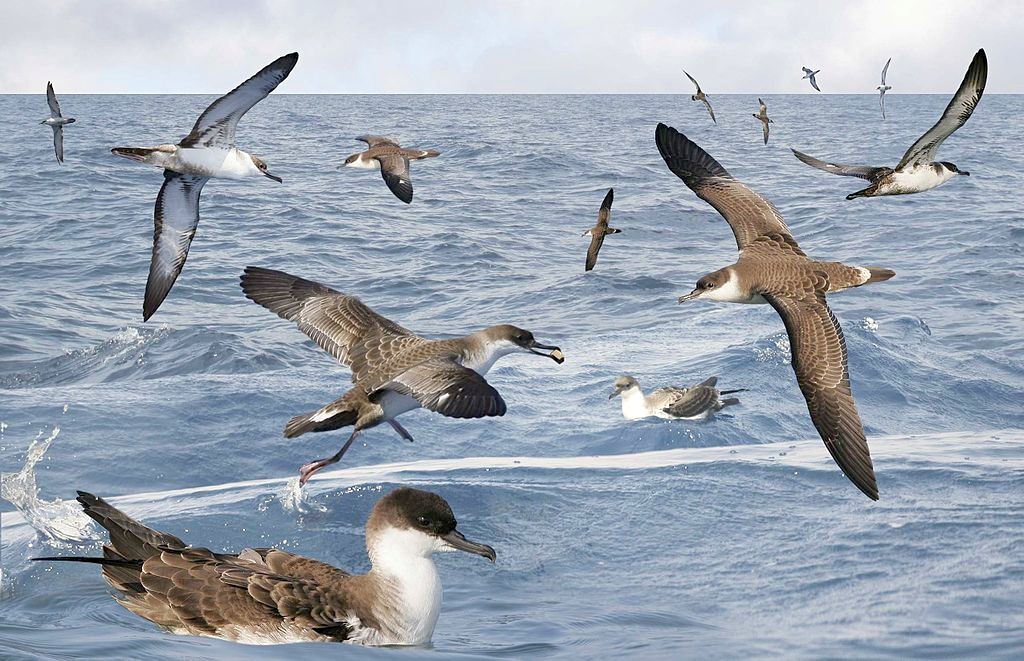
Here is the wonderful Crossley ID guide tableau of great shearwaters, showing every facet of the bird
WHERE DO THESE BIRDS COME FROM & WHERE DO THEY GO?
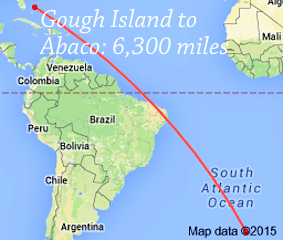
Sean Giery of the excellent ABACO SCIENTIST has also commented on the recent phenomenon, concluding “…if you haven’t looked up Gough Island, the probable origin of these Greater Shearwaters, do. Use Google Maps to get an impression of how far these amazing birds travel. It’s truly amazing.” By great good fortune, I’ve done the legwork for you… Let’s take a closer look.
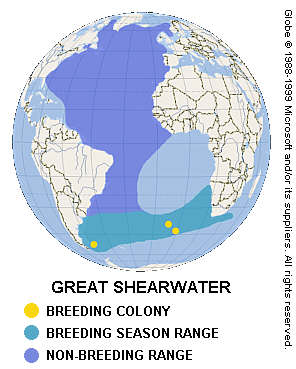
Great shearwaters breed almost exclusively the small area of the globe that includes the Gough Islands, Tristan da Cunha and a few lesser-known islands in that area. There is also a small breeding population in the Falklands. Whichever, they are not so very far from Antarctica. Their range, however, is massive and involves long migrations over the Atlantic ocean to the far north – as far as the Arctic – and back each year.
And, as the shearwater flies, this is the distance from the breeding grounds to Abaco; 2/3 of their total journey. Now, factor in a first-season juvenile shearwater facing the vagaries of food supply, weather conditions and stamina… The fact that some die-off occurs every few years at some stage of the migration becomes less surprising.
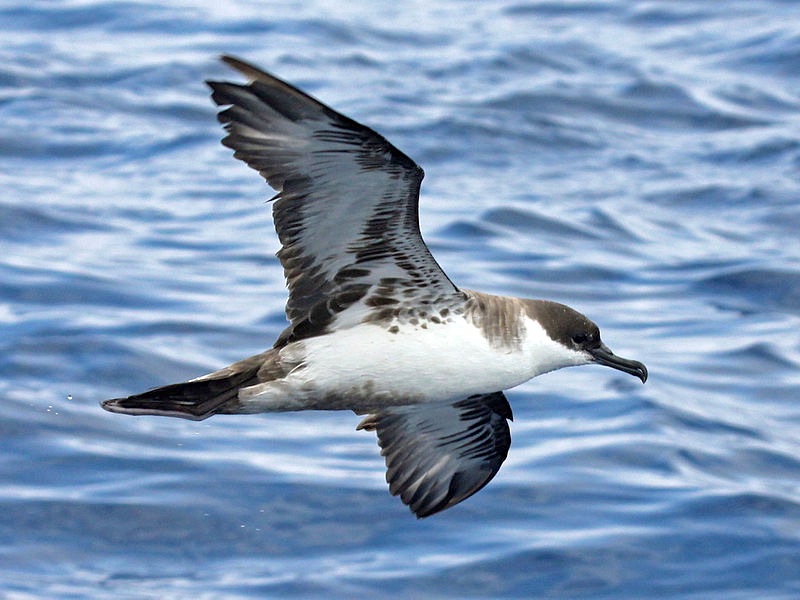
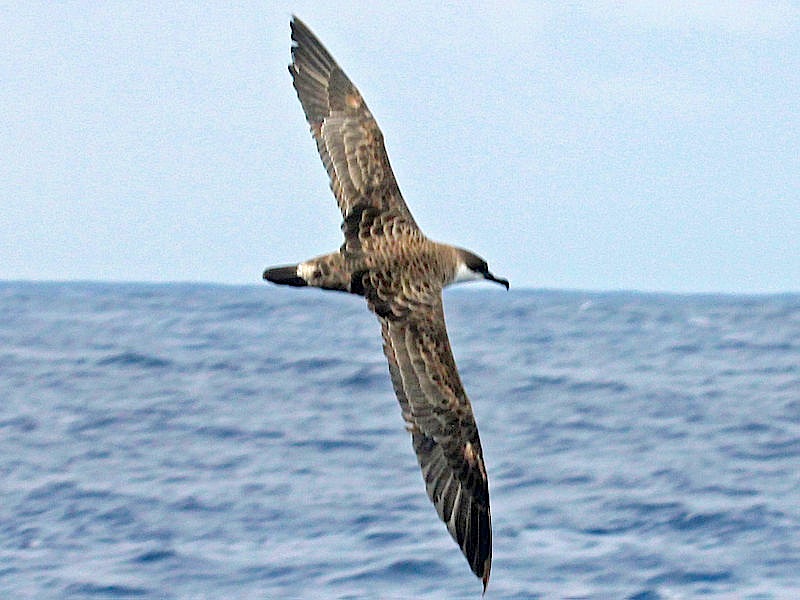
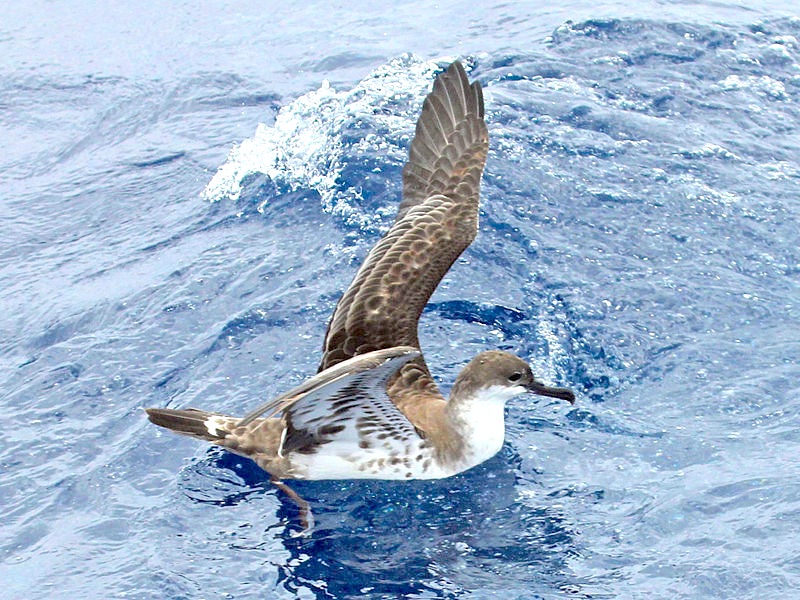
I’ll conclude with a photo of a great shearwater flying ‘at the shear’, which I am certain is how best we’d like to think of these wonderful seabirds…
Credits: to the 30 or so people credited in the original post I add with thanks Molly Kemmer Roberts, Susan Drwal, Sharon Elliott, Ellen Bentz, Dick Daniels and open source maps chaps.
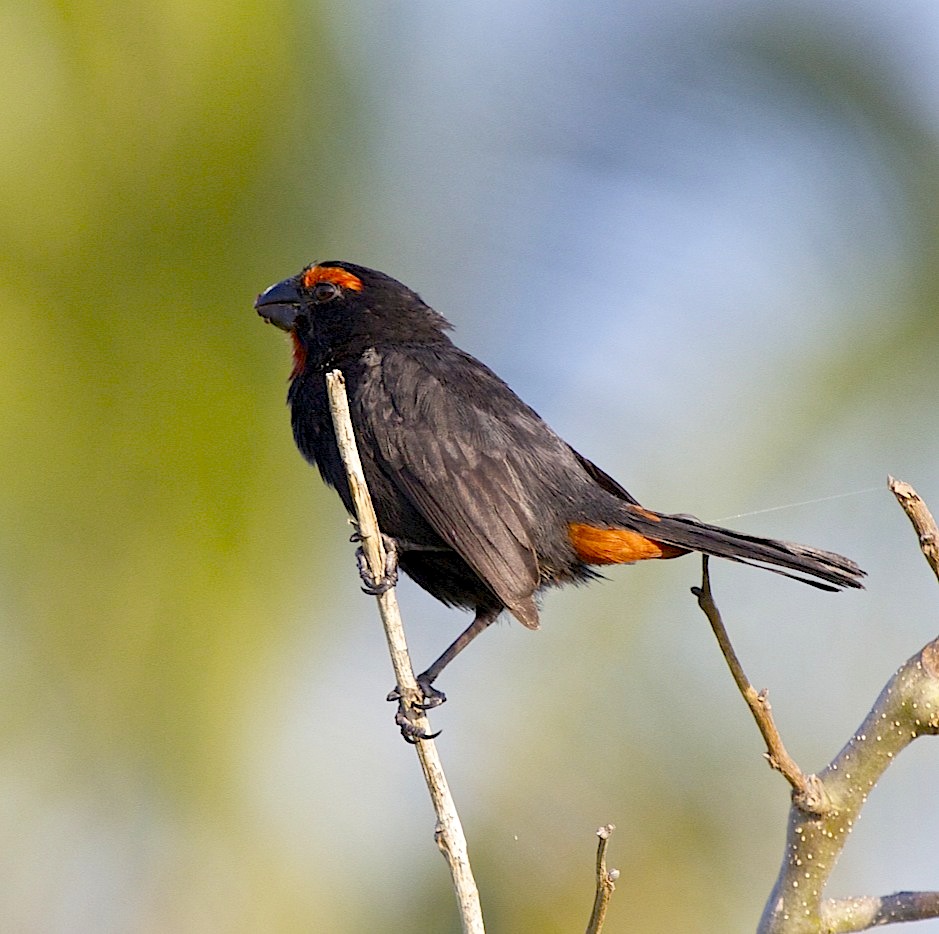
Following my last gloomy post about the widely-reported die-off of the poor, exhausted migratory great shearwaters, let’s turn with relief to a cheerful bird known to all and admired in coppice and garden: the Greater Antillean Bullfinch Loxigilla violacea. These pretty birds are easy to find and to identify. They love feeders, and they are responsive to ‘pishing’, that irritating (?) noise that birders make to unseen avians in the coppice to persuade them to reveal themselves. Adult males are black with bright red accessories (hence “police bird”); females are paler with orangey accessories; and juveniles look a bit scruffy and patchy. Here’s a GAB gallery to enjoy.
Credits: Erik Gauger (1); Alex Hughes (2, 3); Tom Sheley (4, 6); Keith Salvesen (5); Charles Skinner (7); Gerlinde Taurer (8); Bruce Hallett (9)
We do not generally do sad or sombre at Rolling Harbour. It’s a beautiful and happy place, and the Delphi Club is a haven of good fellowship and good craic (stemming no doubt from its Irish connections). But I have to report on a sad occurrence on the beach at Delphi and, as it turns out, at many other Abaco locations (and beyond) during June – a notable number of shearwaters being found dying or dead on beaches or else in the sea, their bodies in due course being washed in on the tide.
There are quite a few species of shearwater worldwide, of which 5 are recorded for Abaco. The only permanent breeding resident is the Audubon’s Shearwater, a bird that is quite commonly seen out at sea though not, I imagine, on land. We never managed to obtain a photo of one for “The Birds of Abaco”. I presume there are breeding colonies on Abaco, but not that I have heard about.
As the checklist above shows, three of the other shearwaters are rare transients. These birds fly long migration routes over the ocean and so the casual birder is in practice unlikely to encounter one, let alone get a photograph. The Manx can be ignored as an aberration – the V5 means that one or two vagrant individuals have been recorded since (say) 1950.
My first inkling that something unusual was occurring came a week ago from a FB post by Melissa Maura, whose wonderful parrot and flamingo photos feature elsewhere in these pages.She said “…on my rugged Abaco ocean beach last week, were many dead magnificent seabirds – greater shearwaters (about 5) and a couple of Frigate birds… They didn’t appear to wash in on the waves, but appeared to have perished perhaps from exhaustion on the beach”. Various later comments suggested that this phenomenon had been noted periodically in the past, the last time 4 or 5 years ago.
This was followed a couple of days later by evidence from well-known birding maestro Woody Bracey that living great shearwaters were in Abaco waters, perhaps confirming that they are in mid-migration at the moment. The one in #2 was “caught” 3 miles off Great Guana Cay.
Then a couple of days ago Jane Mantle emailed me with photos of some dead birds on the beach at Delphi saying that “half- dead birds are washing up on the beach ‘only for the vultures to finish off’. We must have over 20 with more to come”. I circulated these to the ‘usual suspects’ for ID and comment.
I also posted the photos on myRH FBto see if others had seen anything similar. Many thanks to all those who ‘liked’, shared or commented on the post. Here is a summary of the responses, from which a pretty clear picture emerges of widespread recent shearwater deaths on Abaco mainland and Cays.
Delphi Club Beach – 20 plus
Bahama Palm Shores – ‘many many’ dead birds washed up on the shore
Casuarina Beach – 1
Cherokee (Watching Bay) – 3 or 4
Cherokee (Winding Bay) – 4
Marsh Harbour area – about 5
Great Guana Cay, southern end – 1 (possibly a gull)
Tilloo Cay – 13 at least on Junk Beach, more than ever seen (see photos below)
Elbow Cay – 2 + 1 Atlantic side beach near Abaco Inn
Elbow Cay – 2, North End
Green Turtle Cay beach – 2
Green Turtle Cay, offshore – “a lot in the water”
Man-o-War Cay – 1 by the roadside
Ocean 20m from HT Lighthouse – 2 in the sea
also Exuma Sound (5 birds), Briland Beach Harbour Island (“some”) and Shroud Cay (gull?”)
SIGHTINGS MAP, ABACO AS AT 09.00 JUNE 25 (2X click to enlarge)
Shearwaters at Tilloo Cay (Janie Thompson)
Shearwaters on Elbow Cay (Rudolf Verspoor)
WHAT SORT OF SHEARWATERS ARE THESE?
In the main it looks and sounds as though these are migrating great shearwaters. Woody Bracey has identified several dead birds as ‘greats’ from photos, and one as an alive Cory’s shearwater swimming in the sea off the Delphi Beach. ID is not easy, and a few of the birds found may be gulls. It’s possible that there are some Audubon’s shearwaters among the stricken birds, although since they are resident to Abaco that would go against the theory of an exhausted migratory species that has been blown of course en masse.
WHAT DO THE EXPERTS THINK?
There are a few obvious contenders for the solution to the riddle of the shearwaters, ranging from the frontrunner migration exhaustion to disease and trash ingestion. The evidence of mass deaths over a wide geographical area during a short time probably rules out trash ingestion – although I’m sure the poor creatures must have plenty of plastic bits inside them. Mass disease striking suddenly over one area is seems unlikely. Once those two possibilities are ruled out, the primary cause, covering most instances of the sad and upsetting phenomenon, becomes clearer.
Lynn Gape of BNT posted the view of William Mackin, a seabird biologist who looked at some of the photos and wrote“The five birds look like greater shearwaters. They breed at Gough Island in the South Atlantic. The young begin life by flying 10000 miles to Newfoundland in the North Atlantic. Some do not make it. They wash up on eastern US and Bahamian beaches. It is sad. We should monitor the numbers. The frequency is variable but possibly increasing.”
Tony White, the omniscient Recorder of Bahamas Birds and compiler of the comprehensive and authoritative checklist for the area, writes:
“The dead birds on the beach (and in the water) is a phenomenon that happens every five to ten years. According to the late Dave Lee these are young Great Shearwaters migrating from their natal home in the South Atlantic to their feeding grounds off the US and Canada, Combination of poor food supply and wind conditions in the doldrums lead to their expending all their energy and expiring. It is a normal event for this species and has been recorded many times The Great Shearwater population appears to weather the bad years and do well in the good years. Relevant articles are: Lee, D.S. 2009. Mass die-offs of Greater Shearwater in the Western North Atlantic: Effects of weather patterns on mortality of a trans-equatorial migrant. Chat 73(2):37; Seabird Ecological Assessment Network. 2007. Greater Shearwater Die-off in the Atlantic: June-July 2007. Volunteer Newsletter 3(2):2; and Watson, George. 1970. A Shearwater Mortality on the Atlantic Coast. Atlantic Naturalist 25(2):75-80.
Woody Bracey has now left an informative and perceptive comment:“It’s amazing how far(10,000 miles) these young birds have to travel to their feeding grounds so soon after being fledged. Breeding colonies are on isolated subantarctic islands of the southern hemisphere. Breeding begins in October. Incubation of the single egg lasts 55 days and it is another 105 days until the chick is ready to fly. Each loss of a bird represents much time and effort of a pair to produce a single chick which then has to fly the gauntlet through the windless, often foodless doldrums to reach its northern feeding grounds. So many hazards, so few birds! It’s sad to witness these die-offs but the species still survives. Global warming cannot be helping this species on its journey to the colder, nutrient rich more northern briny destinatioin. Lets stop setting our dumps and forests on fire here in the Abacos. Eventually it will not only affect the Great Shearwaters but us as well”.
I should add that it is reassuring to be able to confirm that, at least at present, the great shearwater is IUCN-listed “Least Concern”
Tony has asked for all available information Bahamas-wide: “It would be very useful if someone could collect some hard data on the die-off, e.g. when was it first noted and how many birds are found along a given stretch of beach? Check for other species and take a few wings as samples of the desiccated birds. In past events the number of dead birds was much greater on Crooked and Acklin Islands than Abaco. Eleuthera too should be checked if possible”.
Lynn has also asked “Please photograph and count birds found on your beaches and send images and the number counted to me at lgape@bnt.bs. We will send on to William Mackin and Tony White who are keeping records of these occurrences The image with this post is a Greater Shearwater in flight…” (see above, as we would all like to think of these magnificent birds)
Or by all means contact me at rollingharbour.delphi@gmail.com and I’ll pass on any info
STOP PRESSAn update to this post written the following week, detailing new sightings and reporting the passing of a sad fortnight of shearwater fatalities in the Bahamas, can be foundHERE
A happier great shearwater image to leave you with…
Credits and thanks to Woody Bracey, Melissa Maura, Lynn Gape, Jane Mantle, William Mackin, Patrick Coin, J J Harrison, Dick Daniels, Norvell Slezycki, Lory Kenyon,Selah Vie, Lindsey Delaphine McCoy,Turtle Cove Tilloo, Janie Thompson, Rudolf Verspoor, Laurie Schreiner,Caroline Woodson Sawyer, Steph Russell, Ashley L. Albury, Dwayne Wallas, Sully Vincent T Sullivan, Ben Albury, Abaco Bulletin, Carol Rivard Roberts, Jason McIntosh, Dale Sawyer, Barbara Trimmer, Dominique Allen, Jessica Aitken and Juana Rudzki, with apologies to anyone else who has slipped through the net…
This ‘WTF?’ series started with a relatively conventional species, the REMORA. It has been getting progressively more bizarre. We moved onto an omnium gatherum of WEIRDO FISHES, then the remarkable LETTUCE SEA SLUG, and most recently the BATFISH. Time to ramp up the stakes: with many thanks to scuba expert Adam Rees for use permission for his terrific photos, I present… the FROGFISH.
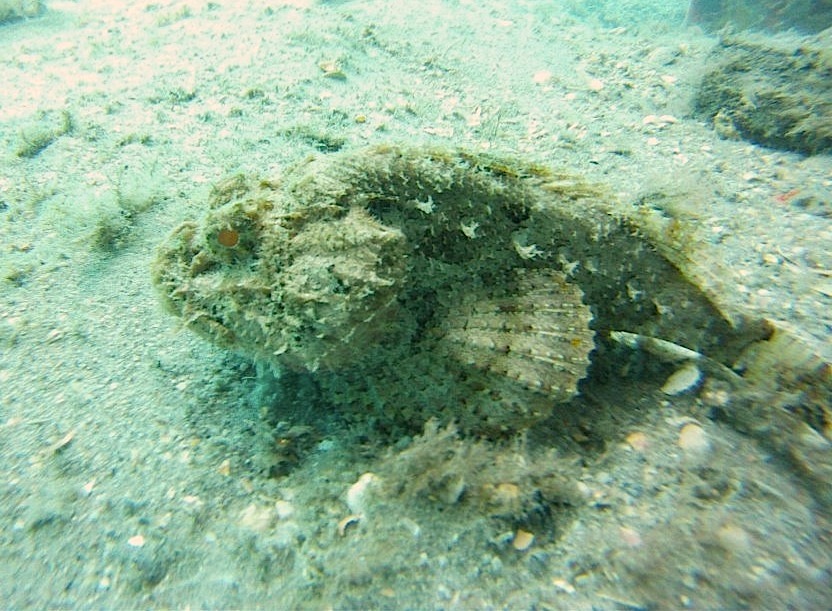
The frogfish is a kind of anglerfish found in almost all tropical and subtropical oceans and seas. There are about 50 different species worldwide, covering an astonishing range of strange appearances. They generally live on the sea floor around coral or rock reefs. In size they vary from tiny to about 15 inches long – although ‘long’ is a flexible concept because they are to an extent shape-changers in height and width.
FROGFISH SUPERPOWERS YOU MAY WISH TO HAVE
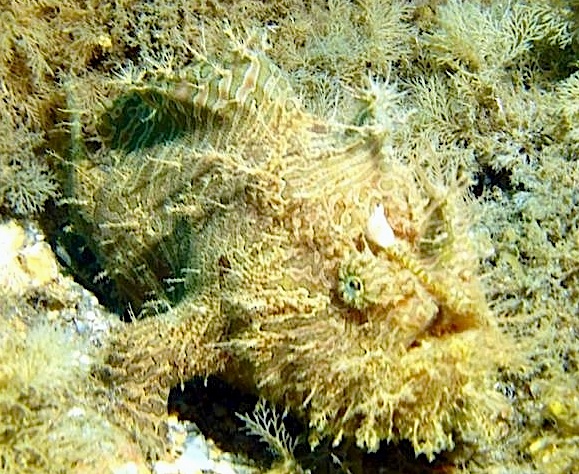
INVISIBILITY CLOAK . Frogfish are masters of disguise and camouflage. This enables them to catch their prey with minimal effort and also to avoid predators. Their camouflage methods – broadly known as ‘aggressive mimicry’ – include
Ability to change colour for days or even weeks to mimic their surroundings
Getting covered in algae and other organic matter that matches their habitat or
Looking inherently like a plump rock or in some cases, plant
Fear for the life of the spider crab…
IRRESISTIBLE ATTRACTION (just like that nice Mr Grey)
A sort of frontal dorsal fin called an illicium to which is attached a
Lure called an esca which may mimic a worm, shrimp or small fish etc and which is
Retractable in many species and
Regenerates if it gets mislaid
The ‘dollop of cream’ thing is the esca. Note the characteristic large mouth
Spot the esca…
BUOYANCY CONTROL & SHAPE-SHIFTING
Most frogfish have a ‘gas bladder’ to control their buoyancy.
Some species can change shape or even inflate themselves by sucking in quantities of water in a so-called defensive ‘threat display’.
HOW DO FROGFISH REPRODUCE?
Although not conventionally attractive creatures, frogfish clearly manage to reproduce. Little is known about the techniques in the wild, but one is probably ‘with care’, especially for a male frogfish who may not survive for long if he hangs around after fertilisation has taken place. It has been noted that females tend to select far smaller males to fertilise their huge numbers of eggs, perhaps for that very reason.
FROGFISH FEEDING SKILLS – GOOD OR BAD?
When deploying the lure, potential prey that comes too close to that wide mouth stands no chance. A frogfish will strike in a fraction of a second. Frogfishes have voracious appetites for crustaceans, other fish, and even each other. I can do no better than borrow this vivid description of a feeding frogfish:
“When potential prey is first spotted, the frogfish follows it with its eyes. Then, when it approaches within roughly seven body-lengths, the frogfish begins to move its illicium in such a way that the esca mimics the motions of the animal it resembles. As the prey approaches, the frogfish slowly moves to prepare for its attack; sometimes this involves approaching the prey or “stalking” while sometimes it is simply adjusting its mouth angle. The catch itself is made by the sudden opening of the jaws, which enlarges the volume of the mouth cavity up to twelve-fold, pulling the prey into the mouth along with water. The attack can be as fast as 6 milliseconds. The water flows out through the gills, while the prey is swallowed and the oesophagus closed with a special muscle to keep the victim from escaping. In addition to expanding their mouths, frogfish can also expand their stomachs to swallow animals up to twice their size.“
HOW DO FROGFISHES GET AROUND? SWIM? WALK? CRAWL?
Frogfishes do not in fact move around a great deal. Using their camo advantages, they prefer to lie on the sea floor and wait for prey to come to them. As mentioned in the quote above, they may slowly approach prey using their pectoral and pelvic fins to “walk” along the sea bottom. They can swim using their tail fin (or in some species by simple ‘jet propulsion’ by forcing water out of their gills) but rarely do so – they don’t feed on the move, and they are adapted to the sea floor environment where they food is readily available. However their “walking” ability is limited to short distances.
DO FROGFISH HAVE OTHER COLOUR SCHEMES?
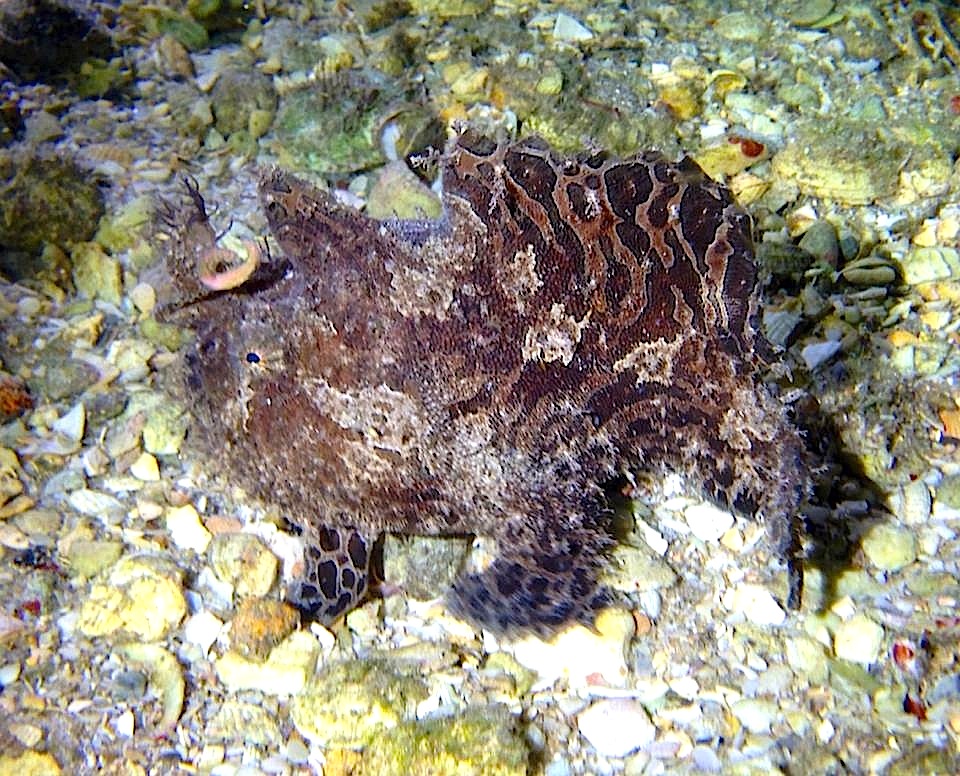
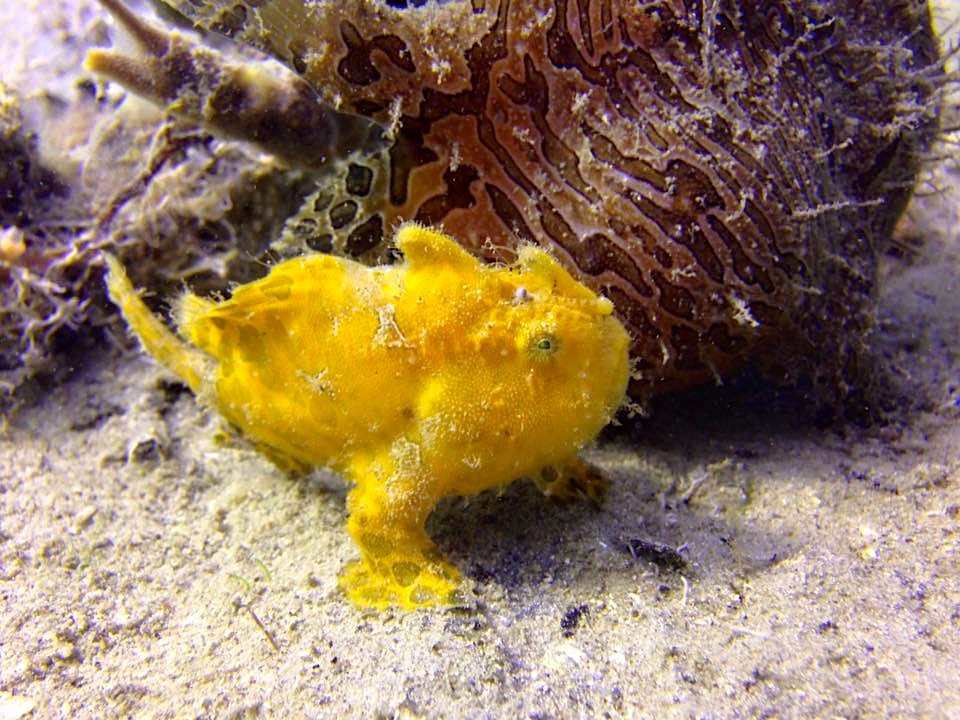
Indeed they do. In stark contrast to the camo species, some frogfishes are highlighter bright. Here are two of my favourite photos by Adam that show this clearly. I’ve no idea if these are a male and female. I suspect they are different species. I think the brown one is a striated frogfish and the other is… a yellow frogfish. Some people keep these creatures in aquaria, but apparently it is impossible to sex them, and they have to be kept on their own for everyone’s peace of mind…
FROGFISH INFOGRAPHICS
FROGFISH VIDEOS
These two videos, from Lester Knutsen and Daan Van Wijk respectively, show some of the characteristics I have written about above. Both are short and both are fascinating.
To read more about frogfishes and for some fabulous photos I highly recommend the websiteFROGFISH.CHYou can reach the main page(s) but the link seem to be broken so I have not been able to contact Teresa Zubi, whose site it is. She clearly has a sense of humour and uses a neat pair of gifs which I hope she won’t mind my using…
Credits: All main photos, Adam Rees of Scuba Works with many thanks; wiki for ‘spot the esca’, red quote & basic info; videos Lester Knutsen & Daan Van Wijk; Teresa Zubi for website & gifs; infographics, authors u/k
No apologies for writing again about Piping Plovers. This rare bird – only 8000 left in the world – overwinters in Florida, on the Gulf Coast, and to a notable extent in the Bahamas, very possibly on a beach near you. The peacefulness and cleanliness of Abaco’s pristine beaches provide the ideal habitat for the little PIPL to live safe and healthy lives during the winter, in preparation for their return to their summer breeding grounds. And breeding is what they are doing right now, up north. There are breeding populations on the Atlantic Coast, the Great Plains, and the Great Lakes. So I thought I’d feature a few images of what appears to be a rather successful season so far…
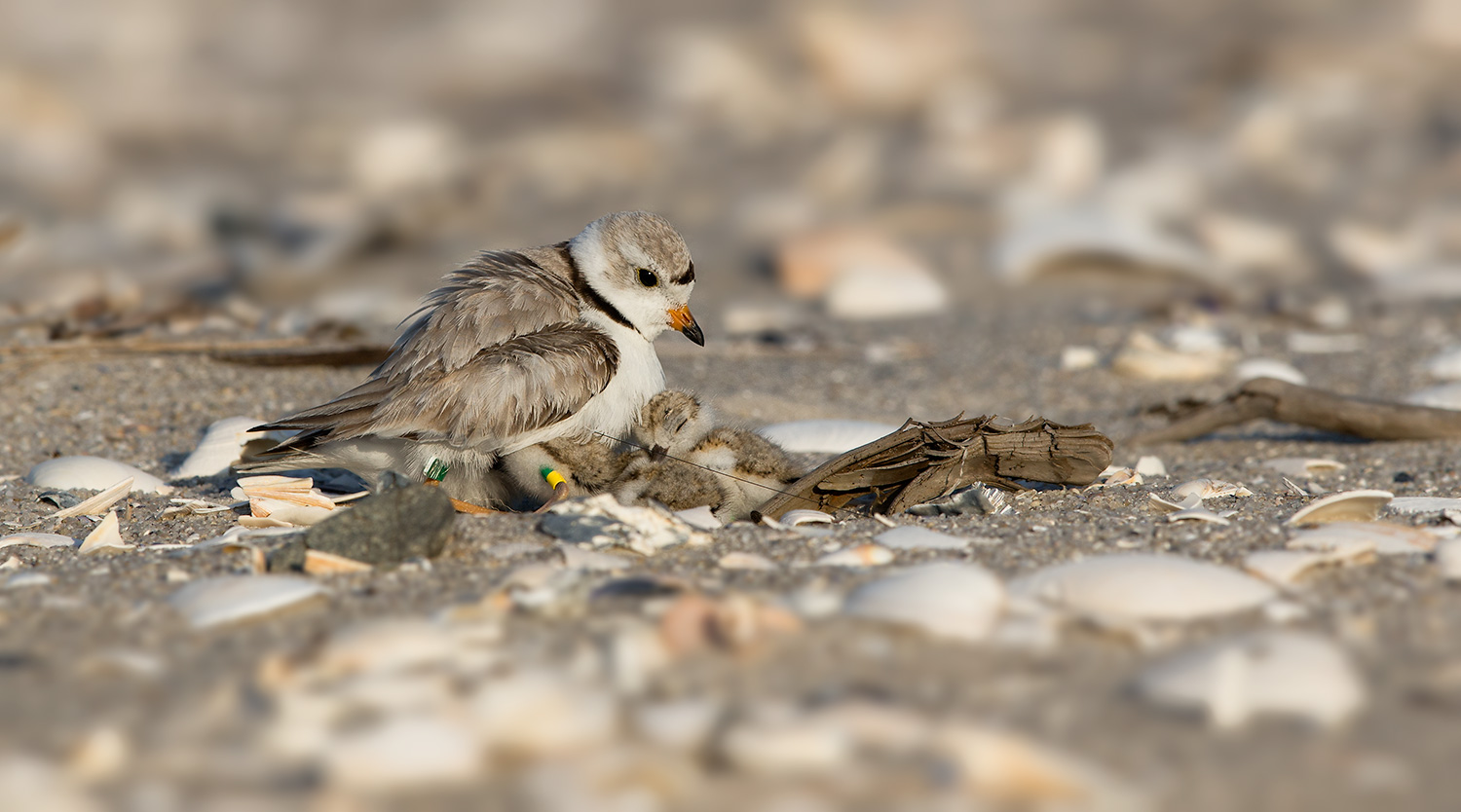
One of the best bird blogs around, one that I have recommended before, is calledREADINGS FROM THE NORTHSIDE. It is written in an informative yet witty style illustrated with excellent photos, and chronicles the daily avian goings-on on Long Beach Island NJ, an important nesting area for piping plovers. There are links with Todd Pover and Stephanie Egger, two scientists from the Conserve Wildlife Foundation of NJ who will be familiar to many Abaconians for the winter work they do with the plovers on Abaco. The photos below have almost all been taken this month as the PIPL chicks hatch and begin to find their feet in a big world.
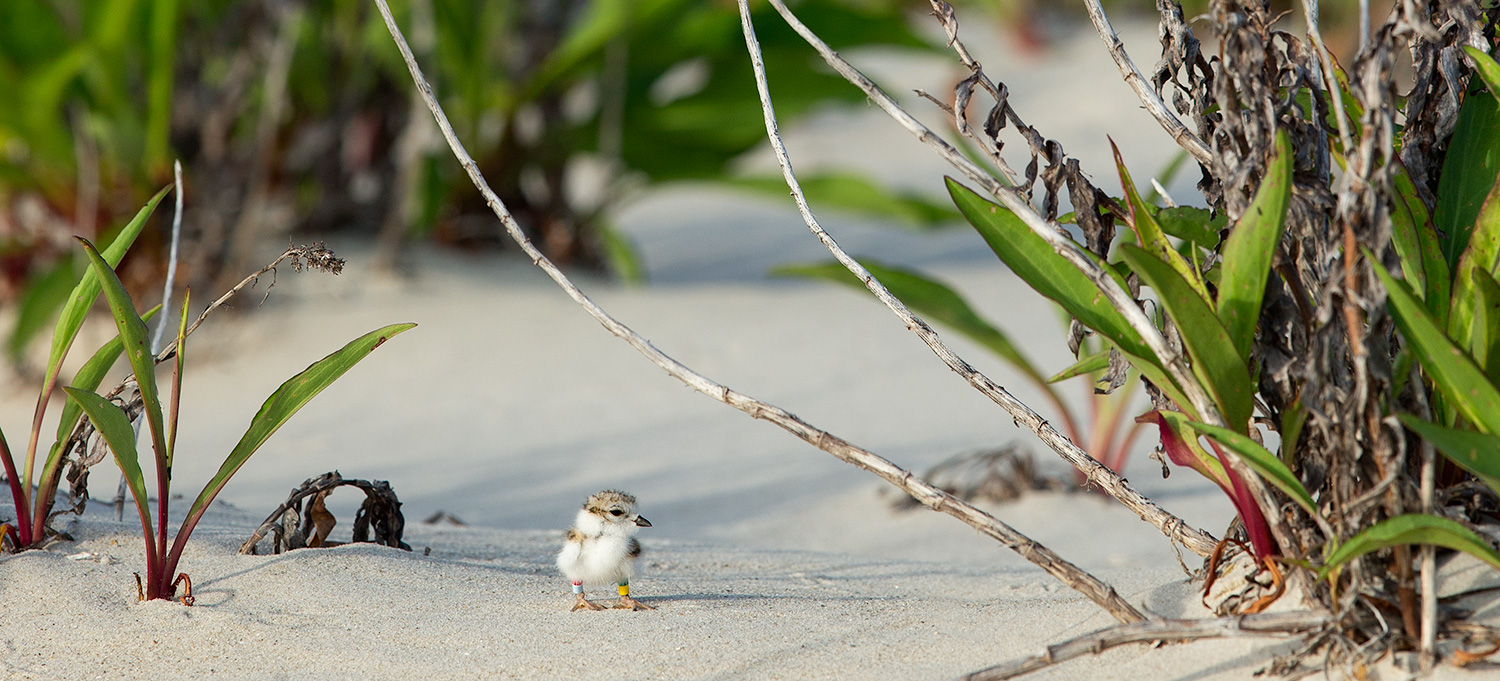
NEWLY HATCHED (TUFTERS’ & TACEY’S 4th CHICK, AMY)
TIDYING THE EGGSHELL
EGGSHELL REMOVAL
HAPPY FAMILIES…
MORE HAPPY FAMILIES
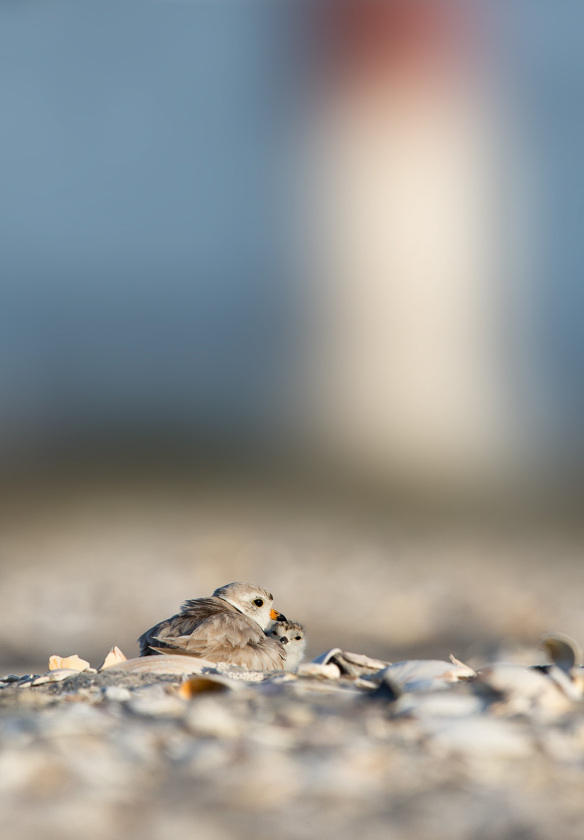
BARNEGAT LIGHTHOUSE WITH PIPL IN THE FOREGROUND!
Most regrettably, you’ll never see a Piping Plover chick on Abaco. The adult birds have left the Bahamian beaches and flown north before their breeding season begins. These little creatures are both rare and special at both ends of their migration range, so I’ll end with a video from the most excellent CONCH SALAD TV that is dedicated to these tiny wave-chasers. Abaco is one of the main areas for winter research into the piping plover population. Scientists visit the island to find the birds, count them, collect reports of sightings, check and identify tagged birds to determine their origin, and ensure the continuing good health of their habitat, without which the PIPL will be lost. You can find out more about this vital work carried out out by the CONSERVE WILDLIFE FOUNDATION OF NEW JERSEYHERE.
THE DELICATE TASK OF RINGING TINY BIRDS
Credits: MLF/ Ontario; Exit63 ‘Mr Norfside’ to whom a major tip o’ the hat; Conch Salad TV
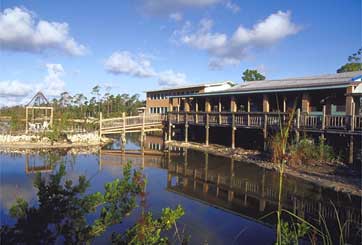
Driving the Highway south from Marsh Harbour, past the turn-off to Winding Bay and Cherokee, you reach an unassuming side road. This takes you to Casuarina, its gorgeous beach and the canal cut that leads to Cherokee Sound and … bonefish. At the junction you can hardly fail to see the large, time-worn notice for “Different of Abaco“, the former fishing lodge owned by Nettica Symonette. It has been defunct for many years. The lodge buildings are sadly dilapidated and *safety alert* the wooden boards are frail. The grounds are romantically overgrown, and dotted with half-concealed derelict vehicles and machinery rusting away benignly as the seasons pass. The large ponds that must have once been attractive are brackish and uninviting. But guess what! The place is a haven for birds.
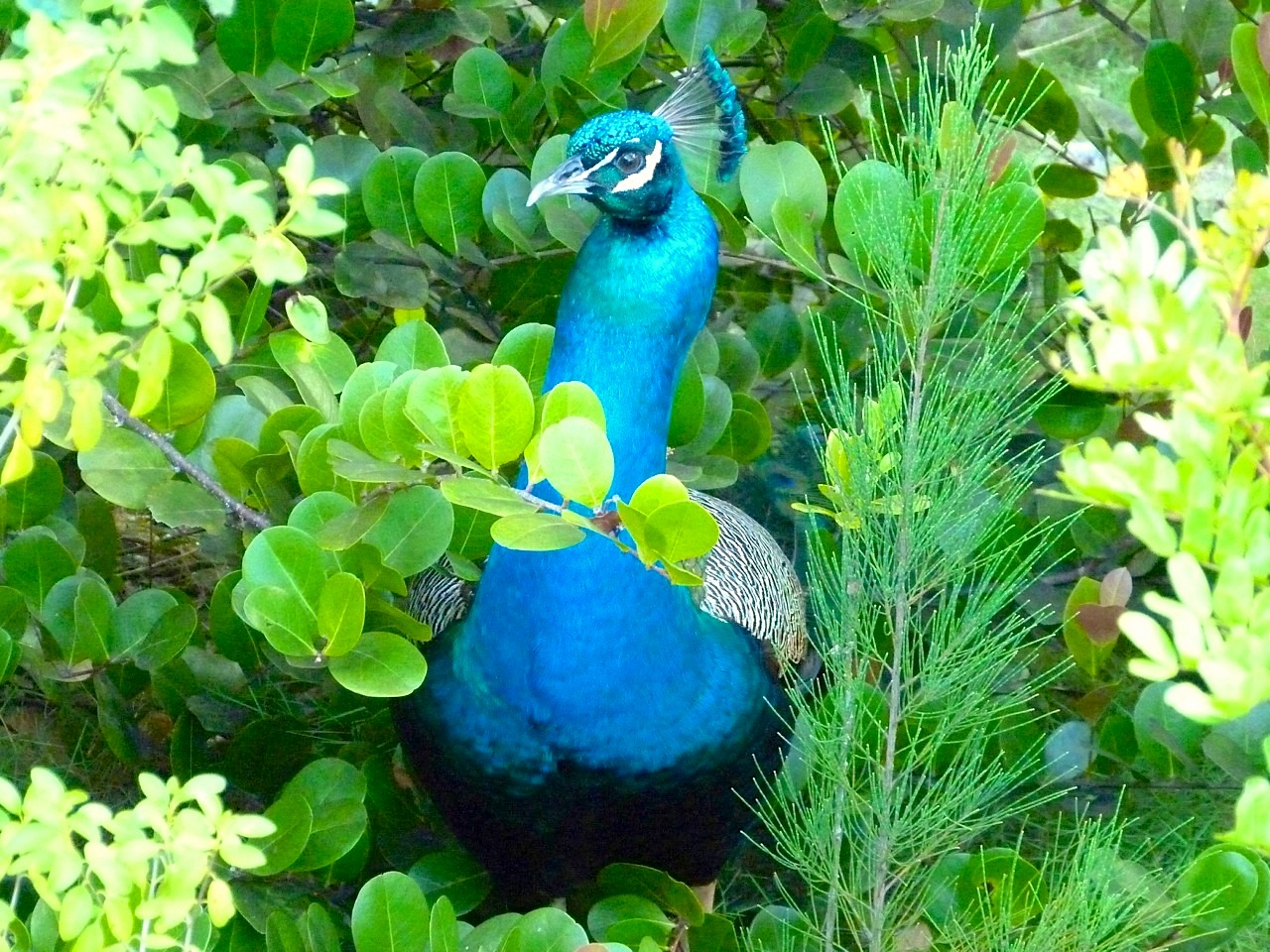
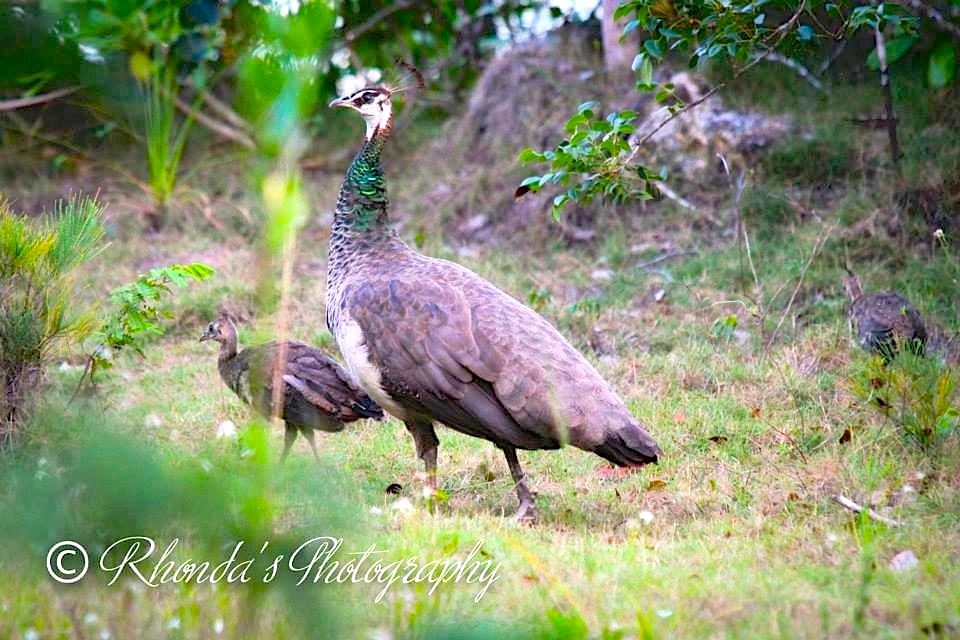
The most surprising sight is of peafowl – the collective name for peacocks, peahens and peachicks. This flamboyant species was introduced many years ago as a decorative addition to the Lodge and its grounds. It was part of a wider, more ambitious scheme to reintroduce a breeding flock of flamingoes to Abaco. These had regrettably become extirpated from the island and then, as now, were only found as vagrant individuals. The attempt sadly failed and the flamingoes disappeared. Rumours sometimes surface of breeding pairs far out on the Marls or in a secluded place in the far south of the island, but these remain unsubstantiated. The peafowl introduction, however, has proved to be an unexpected success.
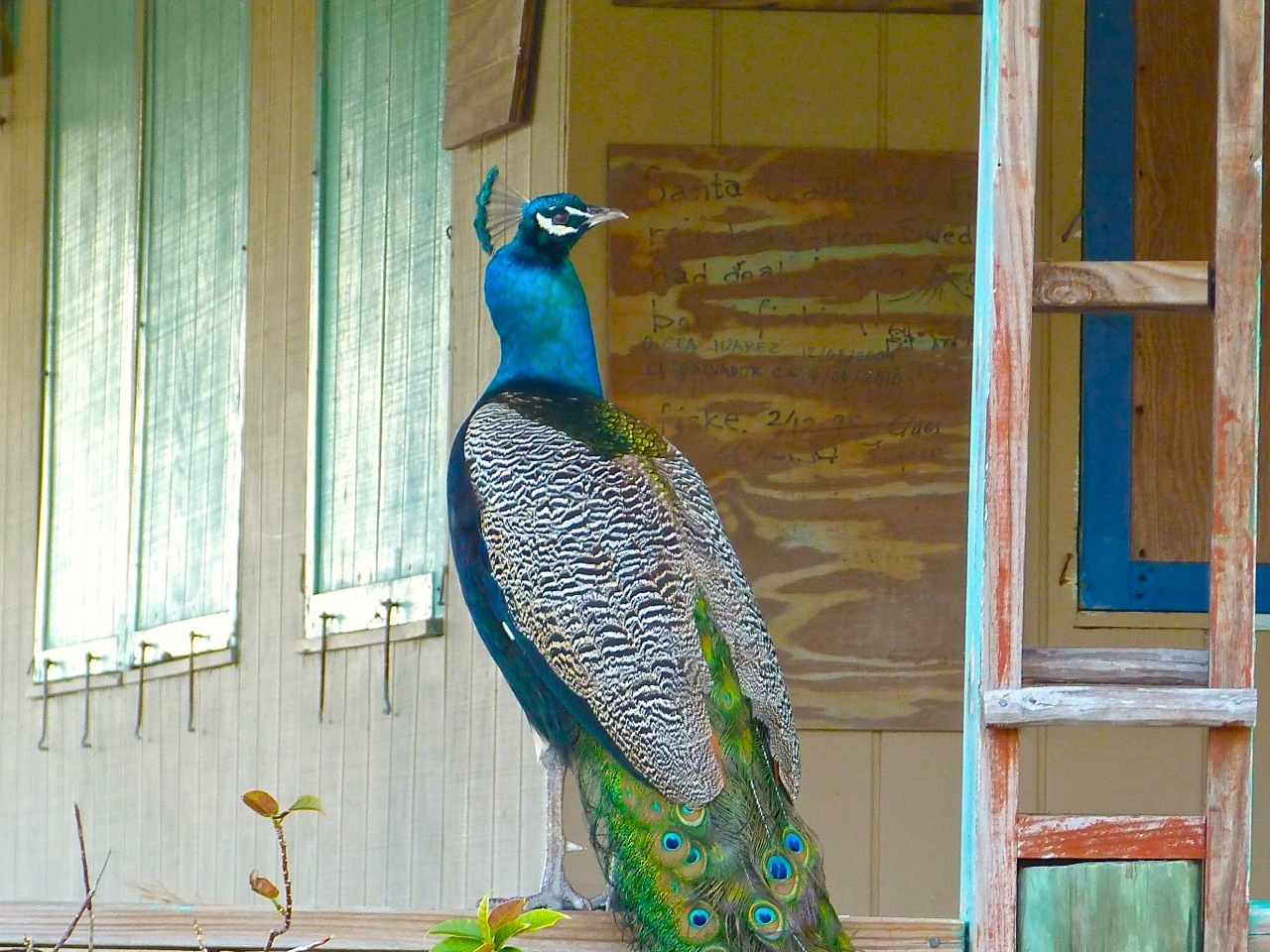
Peacock, with bizarre graffiti addressed to Santa Claus
Peahen in the garden of “Different of Abaco”
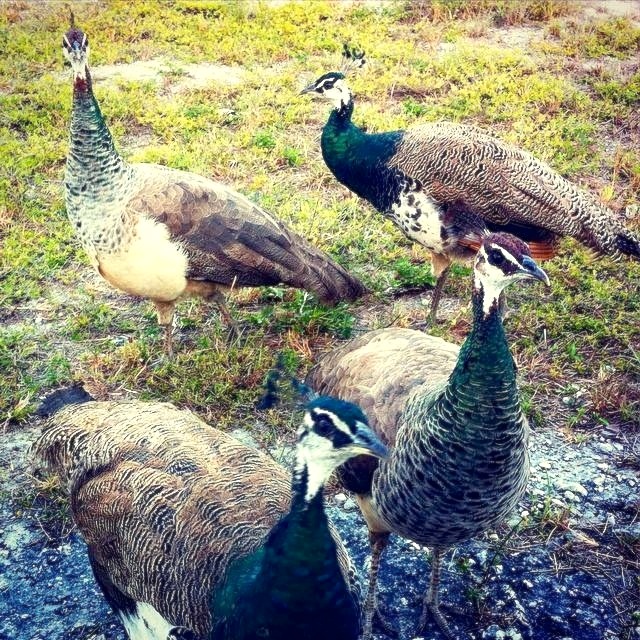
Peacocks swaggering in the grounds: note the fully feathered tails (cf photo #2 above)
The compilation of “THE BIRDS OF ABACO” involved plenty of decision-making. We obviously couldn’t feature every recorded species – for a start, for many species there were merely reports of sightings but no (or only inadequate) photographs. One interesting factor for consideration was the stage at which an introduced species becomes bird OF Abaco as opposed to a non-indigenous bird that happens to be IN Abaco.
Rhonda Pearce’s Peafowl Gallery (NB peachicks included!) above demonstrates why this species was an easy choice for inclusion. On the assumption that the original birds were brought to the Lodge in the late ’80s or early ’90s, the chicks you see here must be several generations down the line. A breeding population has been established in the wild, as the grounds of D of A have become. The evidence is that it is spreading slowly – across the road, further into the settlement at Casuarina and recently even further afield.
Celia Rogers photographed this cluster of peahens in Casuarina – but the two males were on the road to Cherokee, maybe 3 or 4 miles distance to the north as the peacock struts
So that’s how the feral peacocks of Abaco come to be classified (in a purely unofficial way) as birds OF Abaco for the purposes of the book**. Once they would have been viewed as pets – like the muscovy ducks that can be found in a few places, Gilpin Point for example. But in the wilderness that Different of Abaco has become for many years, the descendants of the original peacocks are breeding contentedly, expanding their population, and are wholly unreliant on human intervention. Verily feral, in fact.
**That, and the fact that Mrs RH borrowed my camera and undeniably took the best photos of the male and female birds (#1 and #4 above), as seen on pp 70-71 of the book…
I’ve been neglecting the moray eels. It’s ages since I did a post about them, and it’s time to put that right. Specifically, time to take a look at Spotted Morays Gymnothorax moringa. These eels can grow up to 2 meters, and live mainly in the sub-tropical waters of the Atlantic. They are solitary creatures, most often seen with just their heads protruding from holes and fissures reefs and r0cks. They have interesting dental arrangements (see below) and their bite is one that, all things being equal, is probably best avoided… Here’s what to look for.
ADULT SPOTTED MORAYS
TOOTHSOME CRITTERS (FANGS FOR THE MEMORY…)
WICKLE BABY MORAY. MORAYKIN?
Photo credits: all amazing photos courtesy of Melinda Riger of Grand Bahama Scuba; Props to ‘Earl the Eel’ who appears in some of them!
KILLDEER ON ABACO? IT DOESN’T, BUT ACE NAME ANYWAY
The KILLDEER Charadrius vociferus is a fairly common winter resident plover on Abaco. They can often be found on the Delphi beach, and the lovely beach at Casuarina is another place to spot them. They can easily be distinguished from other plover species, being the only ones with two black frontal bands – see above and below. The lower picture, you’ll be relieved to hear, is not the fabled ‘legless killdeer’, but is simply having a little rest on a nice warm wall.
The killdeer’s name is a bit of a puzzle, frankly. The Latin term Charadrius vociferus basically means “shouty plover”, but it’s a long way from that to “killdeer”. This is another one of those bird names that are allegedly onomatopoeic – and thankfully it has nothing whatsoever to do with savage behaviour involving Bambi and his ilk (or elk, even). Supposedly the killdeer call is “Kill…Deer”, in the same way as the bobwhite calls an interrogative “Bob…White?”.
Consulting some random authorities reveals divergence of opinion on the issue, with definite bet-hedging between ‘kill-dee’ variations and ‘dee dee dees’. Except for Messrs Flieg & Sanders who opine (rudely) ‘the shrill, loud, monotonous call resembles its name’. Yet while I completely get the ‘Bob…White?’ thing, I’m not so sure with the killdeer. Were I a little killdeer, it’s a name I’d like to have anyway. Respect! But what do these sound like to you?
or this
Guillermo Funes Xeno Canto
or this
Peter Boesman Xeno Canto
I’ve mentioned the distinctive double black breast-bands that distinguish the killdeer from its brother plovers. These can be seen at quite a distance, as this shot on the Delphi beach by Mrs RH shows (the tracks are from Smithy’s seaweed-clearing tractor).
The babies are, like all plover chicks, totes irresistibz munchkins
And like other plovers, a killdeer will defend its nest and young with a broken wing display to distract predators, lurching pathetically across the sand, moving ever further away from the nest.
I think we can safely conclude that, while the bird doesn’t quite live up to the cervidae-cidal tendencies suggested by its name, nor even sound particularly as though it is saying “killdeer”, it is a very attractive plover to have around whatever the heck its call may resemble.
Photo credits: Bruce Hallett, Tony Hepburn, Rick Lowe, Danny Sauvageau, Mrs RH, NTox, Very Recent FB & I’ll track down the source if it kills me**, Erik Gauger
** Got it now: The very excellent Mike Bizeau, whose on his wonderful NATUREHASNOBOSS website posts a single daily image. Many are birds, some are landscapes, some are other things that have caught his eye. I get a daily email, and am invariably impressed by the quality of the images…