Unknown's avatar

CHRISTMAS TREE WORMS: SEASONAL SPIROBRANCHES


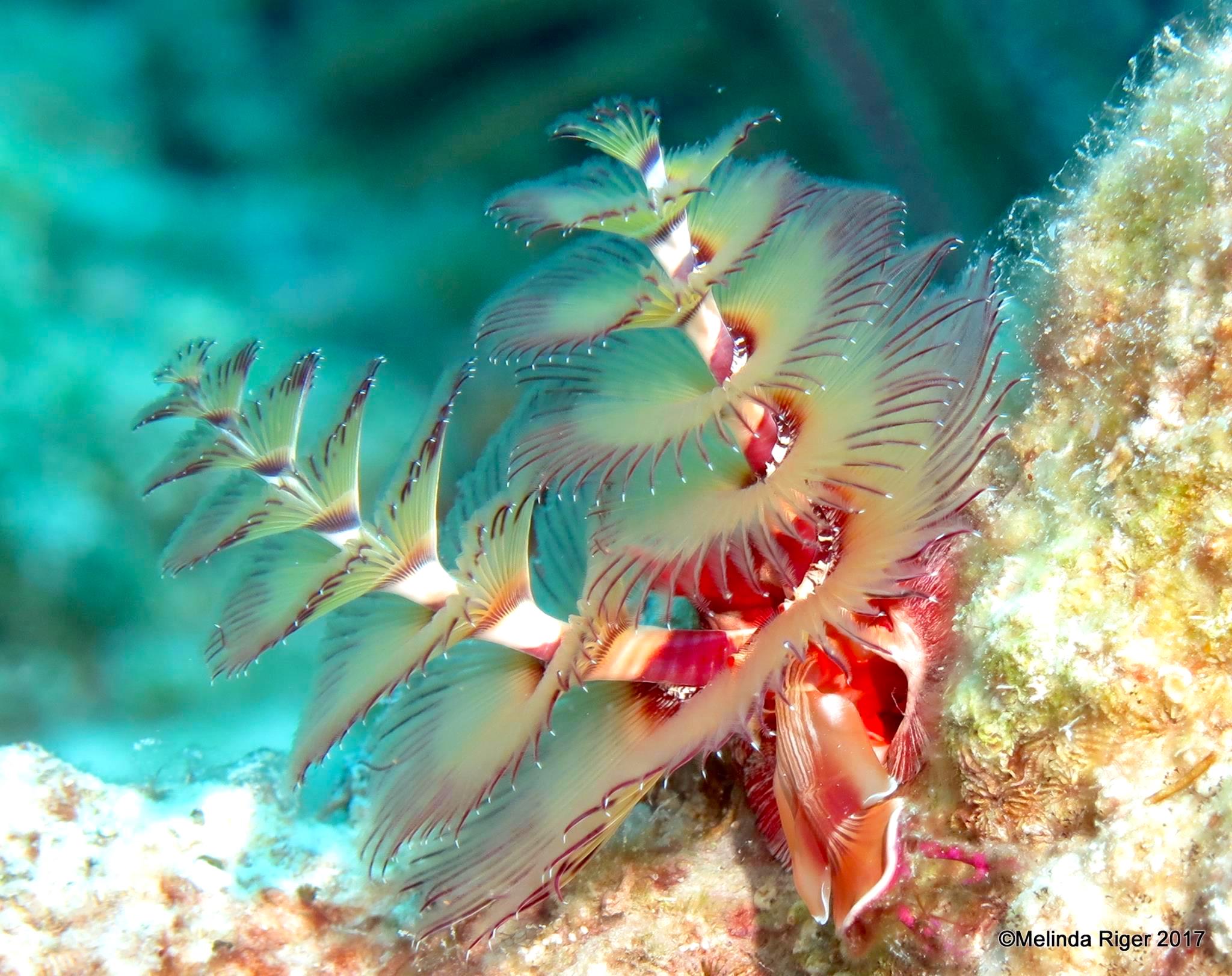
Christmas Tree Worm (Melinda Riger / Grand Bahama Scuba)

CHRISTMAS TREE WORMS: SEASONAL SPIROBRANCHES

music-notes-clip-art-png-musicDeck the Reefs with Worms Like Christmas Trees… Fal-La-La-etc-etc ” is a traditional Carol familiar to all. Well, most. Ok, some, then. Oh right – maybe with different words? Anyway, now is the perfect time to take another look at these remarkable subsurface symbols of seasonal good cheer (nb they are animals not plants).

christmas-tree-worm-melinda-riger-g-b-scuba

10 CHRISTMAS TREE WORM FACTS TO PONDER

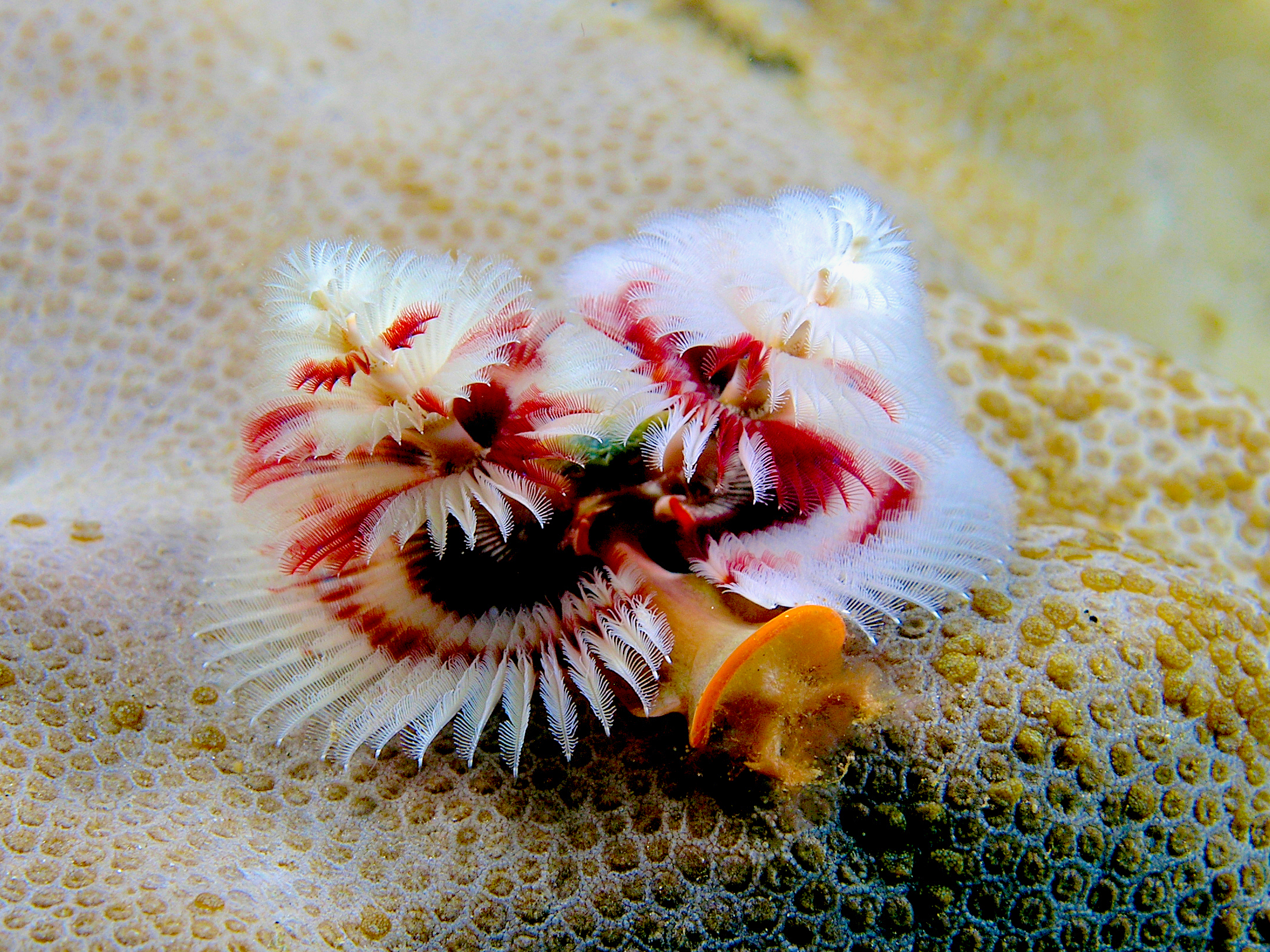
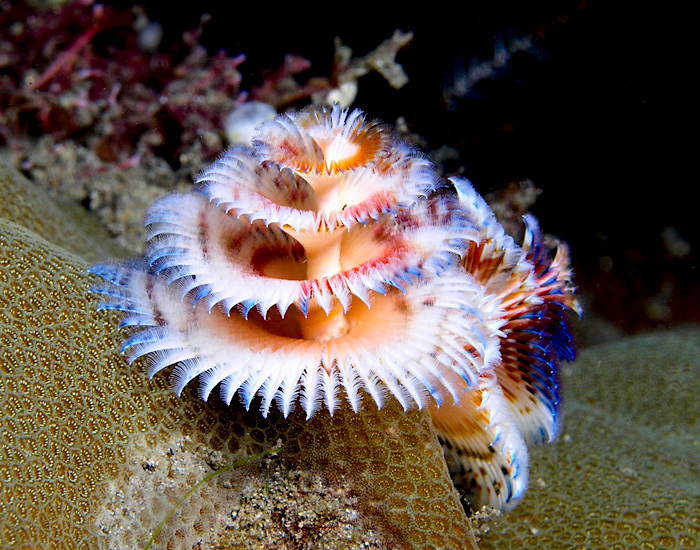
  • The 2 colourful spirals are not the worm, but complex structures for feeding & respiration
  • The spirals act as specialised mouth extensions for ‘filter-feeding’
  • Prey is trapped by the feathery tentacles & guided by cilia (microscopic hairs) to the mouth
  • The tentacle things are radioles and act as gills for breathing as well as prey traps
  • It is not believed that prey slide down the spiral to their doom, like on a helter-skelter

Christmas Tree Worm (Neil Hobgood Wiki)Christmas Tree Worm (Melinda Riger / Grand Bahama Scuba)

  • The actual worm lives in a sort of segmented tube, with extremely limited mobility skills
  • It contains digestive, circulatory & nervous systems – and a brain in the middle of it all
  • The worm also has a tiny drainage tube (I think I have this right) for excretion etc
  • They embed themselves into heads of coral such as brain coral. And stay there
  • And yes, the Christmas trees are retractable… (see below for some action)

spirobranchus_giganteus_orange_christmas_tree_worm-nick-hobgood-wiki

HOW DO THE WORMS… YOU KNOW…  ERM… REPRODUCE?

This is a delicate area. They don’t tend to talk about it much, but as far as I can make out they eject gametes from their what-I-said-above. There are mummy and daddy worms, and their respective gametes (eggs and spermatozoa) drift in the current and presumably into each other to complete the union. The fertilised eggs develop into larvae, which settle onto coral and burrow into it, build their protective tubes and the process begins again.

christmas_tree_worm-nick-hobgood-wiki

YOU DON’T REALLY UNDERSTAND THESE CREATURES, DO YOU?

I won’t lie. I found it hard to work out how the CTWs function in practice. There are plenty of resources showing them in their full glory, but that only takes one so far. Then I came across a short video that shows it all brilliantly simply (except for the reproduction part).
The worms, in their coral burrows, hoist their pairs of ‘trees’. You can easily see small particles – possibly zooplankton – drifting in the water, and the radioles swaying to catch potential food. Suddenly it all makes sense (except the repro bit – I haven’t found footage of that).  Next: the New Year Worm (there is no Easter worm).
A WHOLE FESTIVAL OF CHRISTMAS TREE WORMSChristmas Tree Worms (Neil Hobgood Wiki)

Credits: Melinda Riger (G B Scuba); Nick Hobgood; Betty Wills; Video by ‘Super Sea Monkey’;Reef Collage by RH; MarineBio; Wikibits & Magpie Pickings

Happy Christmas to all those who put up with RH with such fortitude
blue_christmas_tree_worm-betty-wills-wiki

Unknown's avatar

CINNAMON TEAL: ANOTHER NEW BIRD FOR ABACO


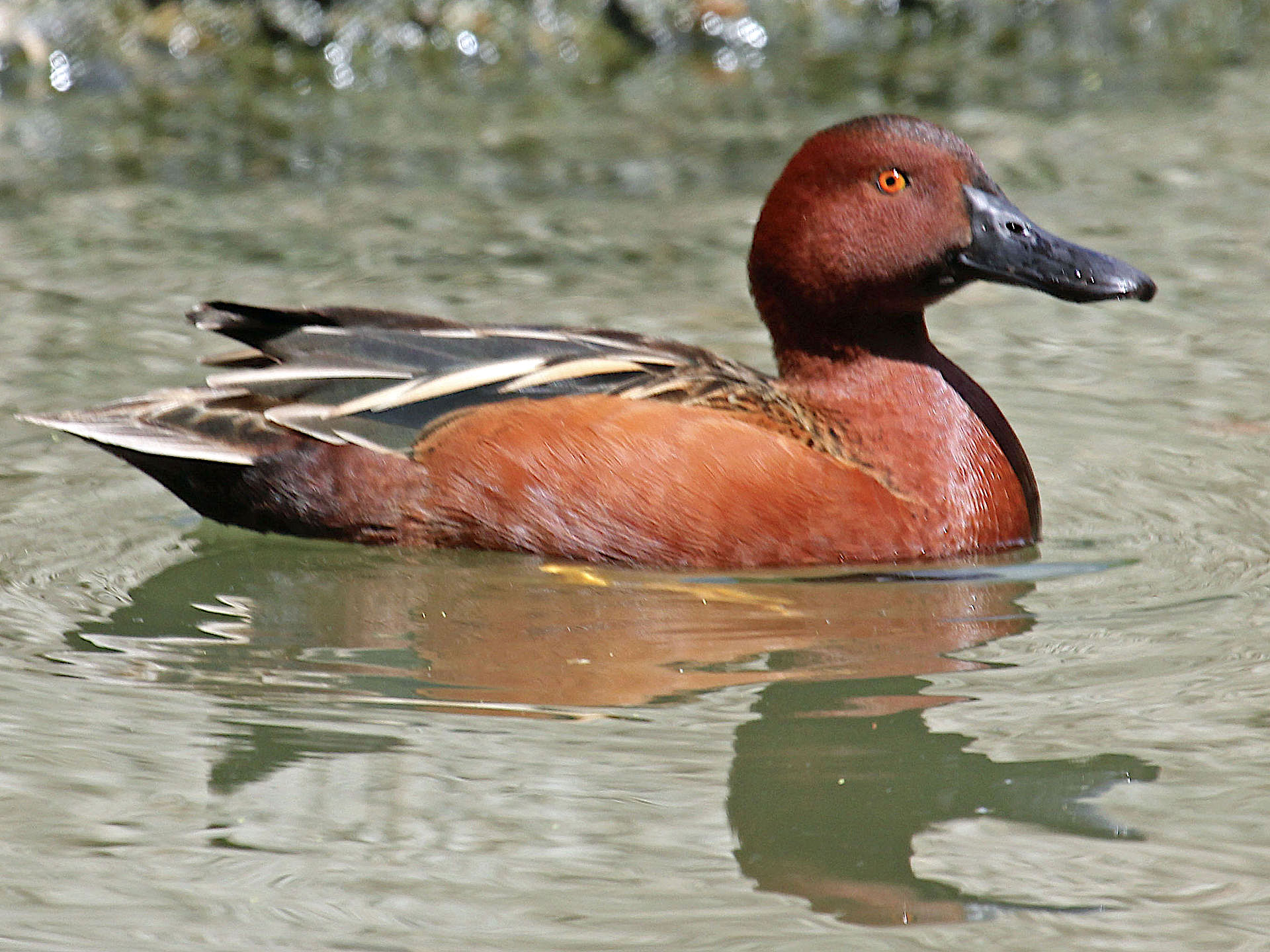
Cinnamon Teal (Michael L Baird, Wiki)

CINNAMON TEAL: ANOTHER NEW BIRD FOR ABACO

Picture the scene. You take a camera to photograph the winter ducks on a local pond on South Abaco. Suddenly you notice something strange and out of place out there. Something unfamiliar. It’s a duck for sure; but not one you’ve ever seen before in your life. Maybe it’s one you know about. Maybe you have no idea what it is at all, and have to identify it later on from a book or online. Anyway, you take some shots before it dabbles off into the overgrown margins of the pond, and leave with a modest air-punch: it’s a “lifer”. 

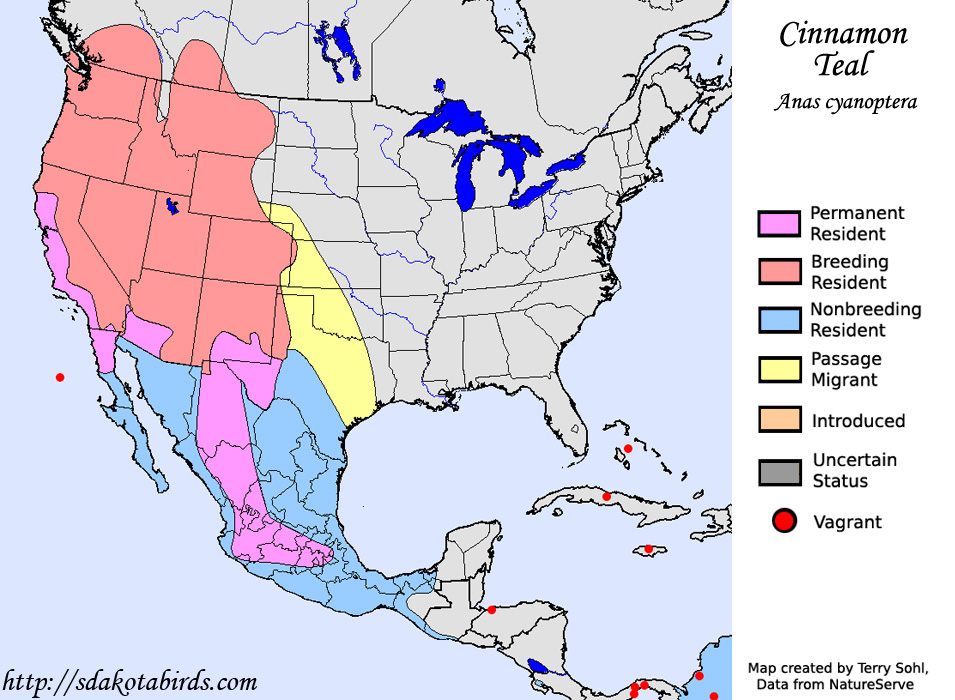
Keith Kemp, principal monitor for Abaco Piping Plover Watch, has just had this experience. There, on the local pond with the blue-winged teal, was a stranger. For him, a “lifer”. And as it turns out, for Abaco also a “lifer”. The only record of one I have found for the Bahamas is a single vagrant sighted on Andros (see range map below). Here are Keith’s unique photos of Abaco’s first Cinnamon Teal.

Cinnamon Teal, Abaco Bahamas (Keith Kemp)Cinnamon Teal, Abaco Bahamas (Keith Kemp)Cinnamon Teal, Abaco Bahamas (Keith Kemp)Cinnamon Teal, Abaco Bahamas (Keith Kemp)

The cinnamon teal (Spatula cyanoptera) is a dabbling duck species found in western North America, and in South America. They live in and around marshes and ponds, feeding mostly on pond-weed and plants, along with any attached aquatic insects. On the range map below, note the single red dot in the Bahamas denoting the single vagrant sighting on Andros.

The duck is named for the overall colouring of the adult male has a cinnamon-red head and body; and it has startlingly noticeable orange-red eyes . The adult female, as is so often the way, is rather less showy –  a mottled brown, with a pale brown head, brown eyes, and a grey bill.  For those who like comparisons, it resembles a female blue-winged teal, a few of which are shown above (not the ones with the white stripe on the face, which are male blues). 

Cinnamon Teal pair(andeansolitaire wiki)

Since the publication of BIRDS OF ABACO in 2014, with its comprehensive checklist of all recorded species since 1950, several new species have been sighted on Abaco. The latest was only last month – the SCALY-NAPED PIGEON. Now we have a new species of duck. Conveniently, there’s no other ‘regular’ duck species quite like it. So if you see a pretty cinnamon-coloured duck on a pond near you, you’ll be looking at the newest ‘Bird of Abaco’. And if you do see one, please share the news!

Cinnamon Teal (Dick Daniels, carolinabirds.org Wiki)

Credits: Michael L Baird (1); Keith Kemp (2, 3, 4, 5,); ‘andeansolitaire’ (6); Dick Daniels / carolinabirds.org (7); special thanks to Terry Sohl / sdakotabirds.com for use permission for his range map; cartoon by the inimitable Birdorable

Unknown's avatar

BAHAMA YELLOWTHROAT: A PHOTOGENIC ENDEMIC


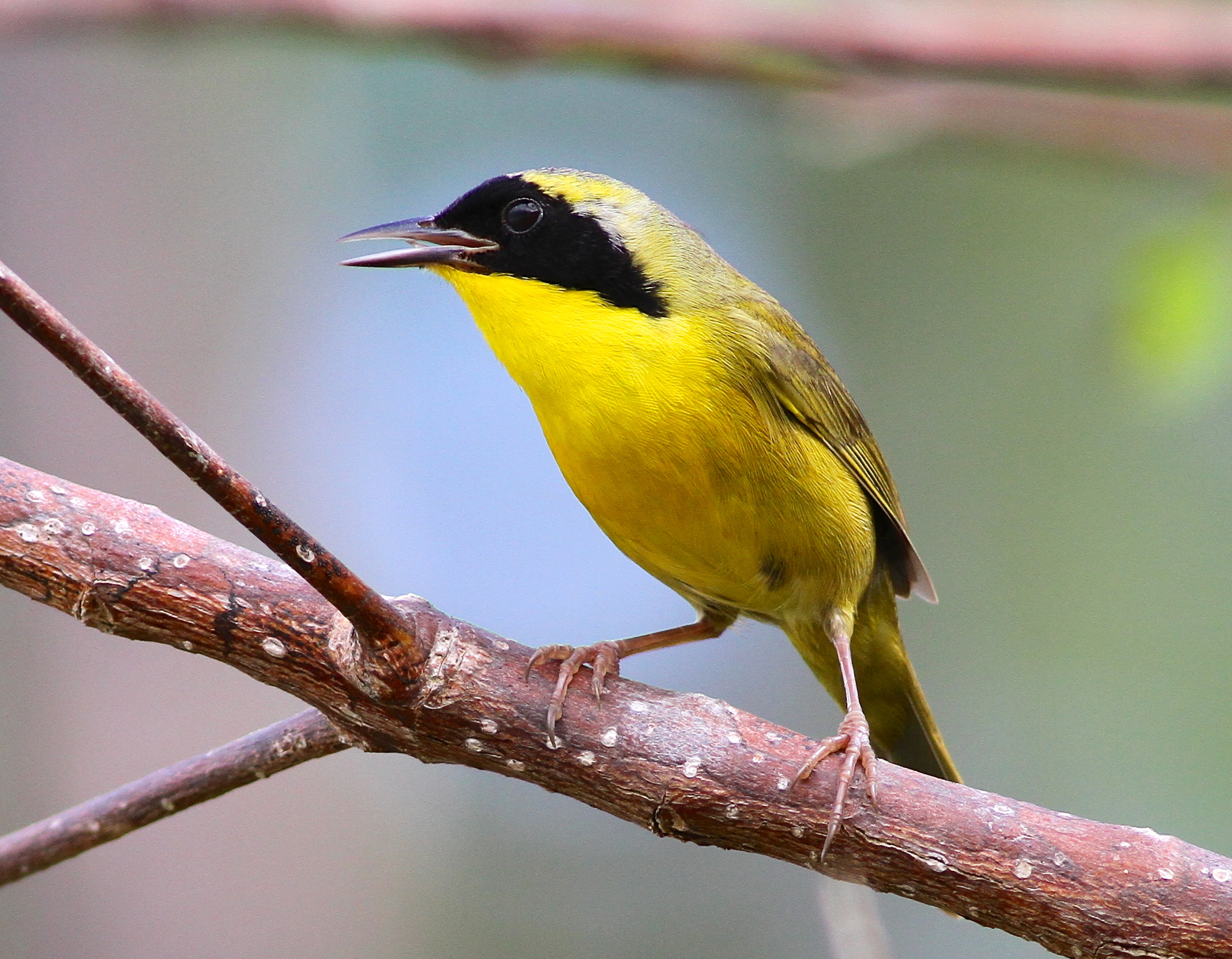
Bahama Yellowthroat, Abaco Bahamas (Gerlinde Taurer)

BAHAMA YELLOWTHROAT: A PHOTOGENIC ENDEMIC

Yesterday an Abaco friend asked me to ID a striking-looking bird photographed in the coppice by their house. It was a Bahama Yellowthroat, one of the 5 bird species endemic to the Bahamas. The bird was not clear enough for use here, but I’ll take any reason to feature these lovely creatures, with their trademark Zorro masks.

Bahama Yellowthroat, Abaco Bahamas (Bruce Hallett)

The other endemics are the Bahama Woodstar, Bahama Warbler and Bahama Swallow – all found on Abaco. The fifth is the endangered Bahama Oriole. Sadly these fine birds are now only found in very small numbers on Andros. They once lived on Abaco too, but have not been recorded there since the 1990s, and are considered extirpated. You can find out more about all these endemic birds HERE.

Bahama Yellowthroat, Abaco Bahamas (Gerlinde Taurer)

The Bahama Yellowthroats have a cousin, the Common Yellowthroat, that is a winter visitor on Abaco. There is some scope for confusion between the two birds, although a close look will reveal several differences. But let’s not get into that kind of detail right now… it would slightly detract from this little ‘gallery of gorgeous’.

Bahama Yellowthroat, Abaco Bahamas (Tom Reed)

One reason for my fondness for the yellowthroats is that it is one of the few species that I am able to imitate with sufficient accuracy to draw one from the depths of the coppice to the front of stage. It’s usually described as a ‘wichety-wichety‘ call, and the talent to mimic it has no other uses in life. Here’s a short recording I made – the Yellowthroat is the first and last call of the sample, with other species in between.

These are curious birds, and are not afraid to pose for a while, watching the watcher. They are also very vocal birds. You’ll see that many of these photos show them singing (‘vocalising’). You can even see their tiny tongues!

Bahama Yellowthroat, Abaco Bahamas (Bruce Hallett)

A couple of these images feature in THE BIRDS OF ABACO. This is a good moment to mention that we still have some remaining books, and right now we have a seasonal offer on them of a festive $88 plus shipping. A drop in MH can be arranged. Interested? Let me know or email the Delphi Club direct at delphi.bahamas@gmail.com

Bahama Yellowthroat, Abaco Bahamas (Charles Skinner)

Photo Credits: Gerlinde Taurer (1, 3); Bruce Hallett (2, 5); Tom Reed (4); Charles Skinner (6); Tom Sheley (7); sound recording Keith Salvesen / Rolling Harbour

Bahama Yellowthroat, Abaco Bahamas (Tom Sheley)

Unknown's avatar

NASSAU GROUPER: ENDANGERED… AND PROTECTED


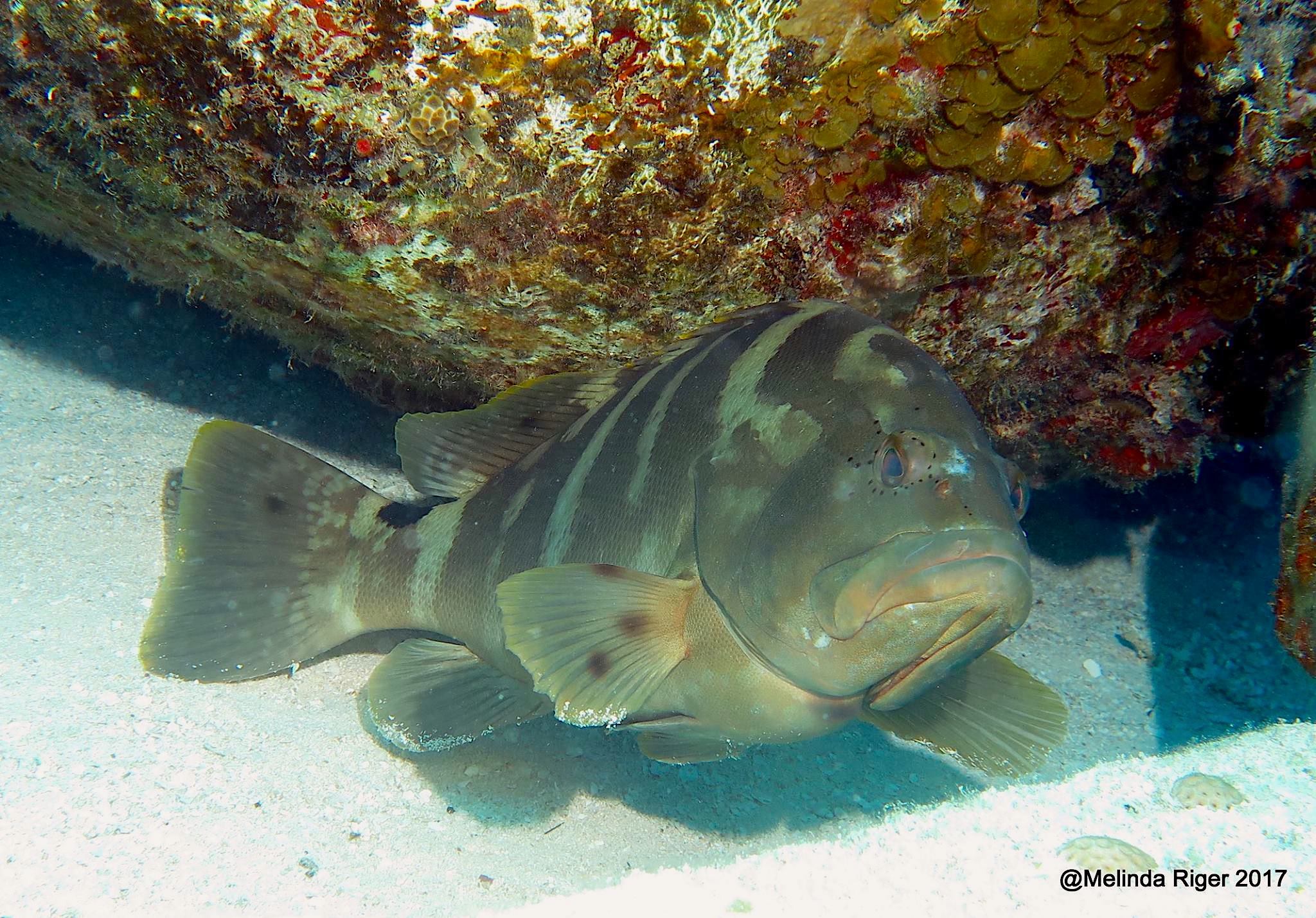
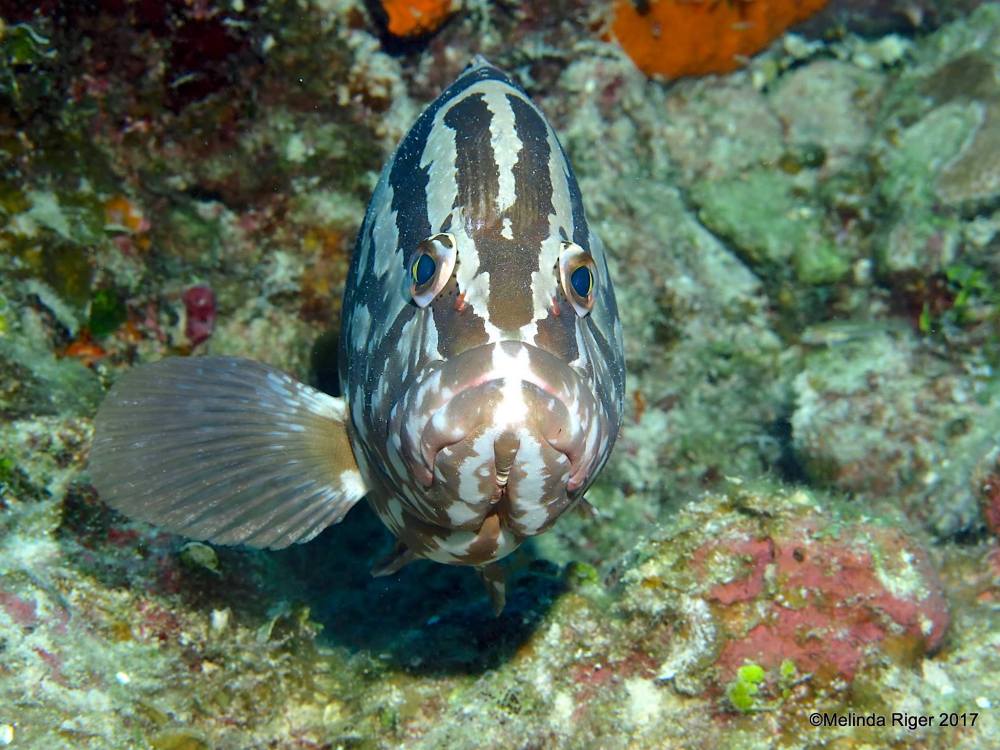
Nassau Grouper (Melinda Riger / Grand Bahamas Scuba)

NASSAU GROUPER: ENDANGERED… AND PROTECTED

Most creatures need some space for creative activity of one sort or another. Especially one particular sort, namely breeding. And for vulnerable and endangered species, this is especially important in order to maintain a sustainable population, and preferably to increase it year on year. Which is why there are closed seasons for certain fish, ensuring a time when they can be left alone to breed in peace and to perpetuate their species.

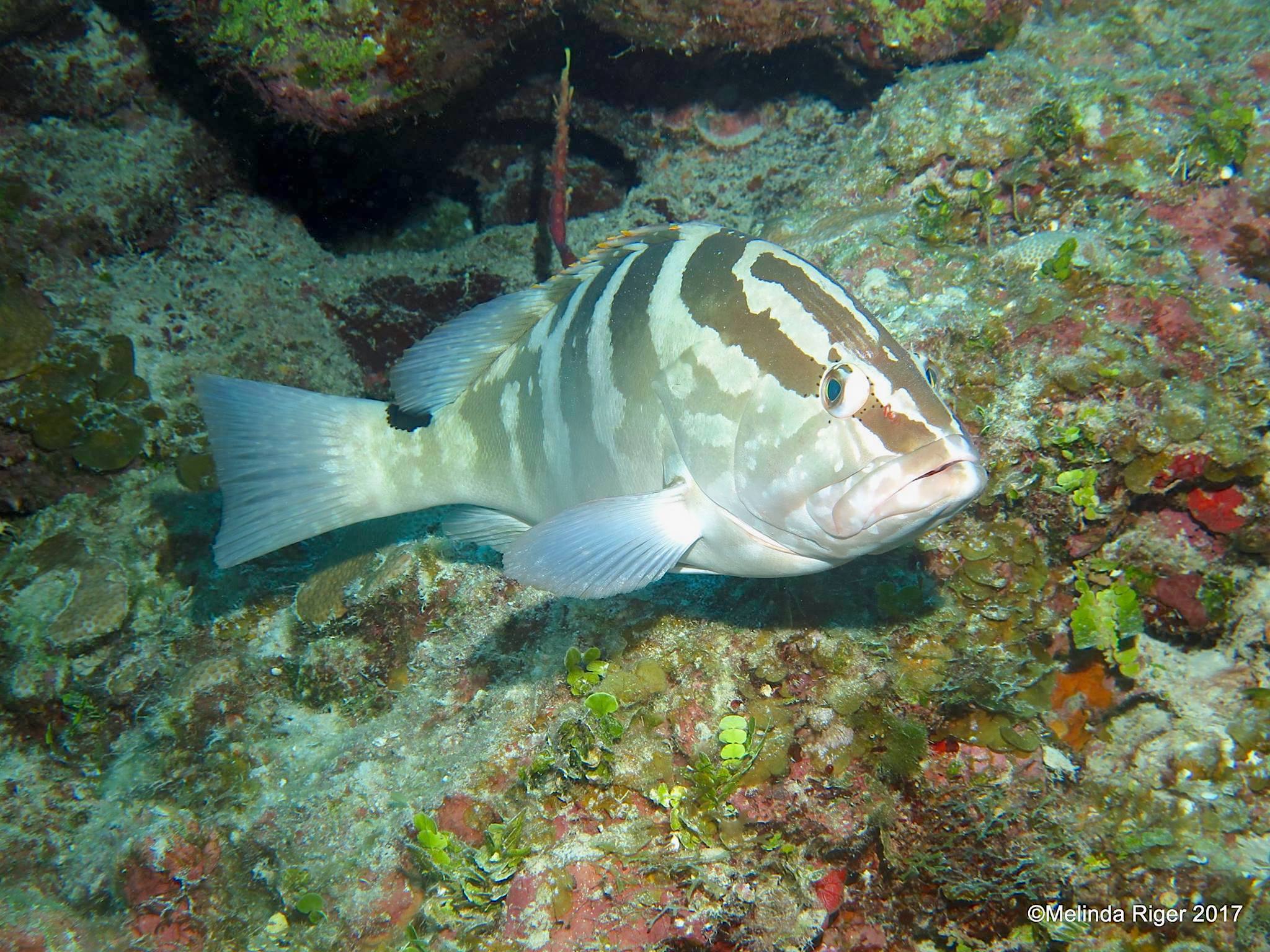
Nassau Grouper (Melinda Riger / Grand Bahamas Scuba)

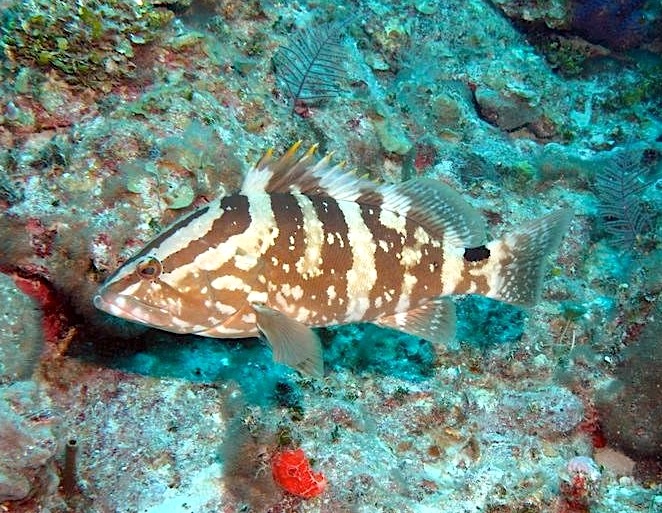
The Nassau grouper Epinephelus striatus is just one of a number of grouper species that inhabit Bahamian waters. They are mostly found in the Northern Bahamas but only the Nassau grouper is on the IUCN Red List as an Endangered Species in need of protection.

Nassau Grouper (Melinda Riger / Grand Bahamas Scuba)

WHY ARE THESE FINE FISH ENDANGERED?

Sad to say, mankind is the main cause of the population fragility that has led to the official listing, and the imposition of a strict closed season for 3 months between December 1st and February 28th. Scientific studies have shown that commercial overfishing has reduced a thriving population to fewer than 10,000 mature fish. That may sound plenty to be going on with… until you consider that a net annual loss of only 10% would lead to extinction in a decade.

Nassau Grouper Infographic (Royal Defence Force)

10 CONVENIENTLY COLLECTED NASSAU GROUPER FACTS TO PONDER

  • An adult can grow to more than a metre long, and weigh 25 kg
  • They tend to be solitary daytime feeders, eating small fish & crustaceans
  • Their large mouths are use to ‘inhale’ or suck in prey
  • The colouring of an individual can vary from red to brown
  • These fish have little black spots around the eyes (I’ve no idea why).
  • Their habitat is in the vicinity of coral reefs, from shallows to 100 m deep
  • Spawning occurs in Dec & Jan during a full moon
  • Large numbers gather in a single location to mate in a mass spawning
  • These groupers are slow breeders, which compounds the overfishing problem
  • They are easy mass targets at spawning time; hence the need for a closed season

Nassau Grouper (Melinda Riger / Grand Bahamas Scuba)

Department of Fisheries information sheet (interesting if you have the time)

A Nassau Grouper glumly contemplates the possibility of extinctionNassau Grouper (Melinda Riger / Grand Bahamas Scuba)

RELATED POSTS

BLACK GROUPER

TIGER GROUPER

RED HIND

NASSAU GROUPER 1

CLEANING STATIONS

Nassau Grouper (Melinda Riger / . Grand Bahama Scuba)

Credits: all photos, Melinda Riger; Infographic by Royal Defence Force (tip o’ the  hat to Char Albury); Info Sheet, Dept of Fisheries

Unknown's avatar

TRICOLORED HERON: A SPECTACULAR CATCH…


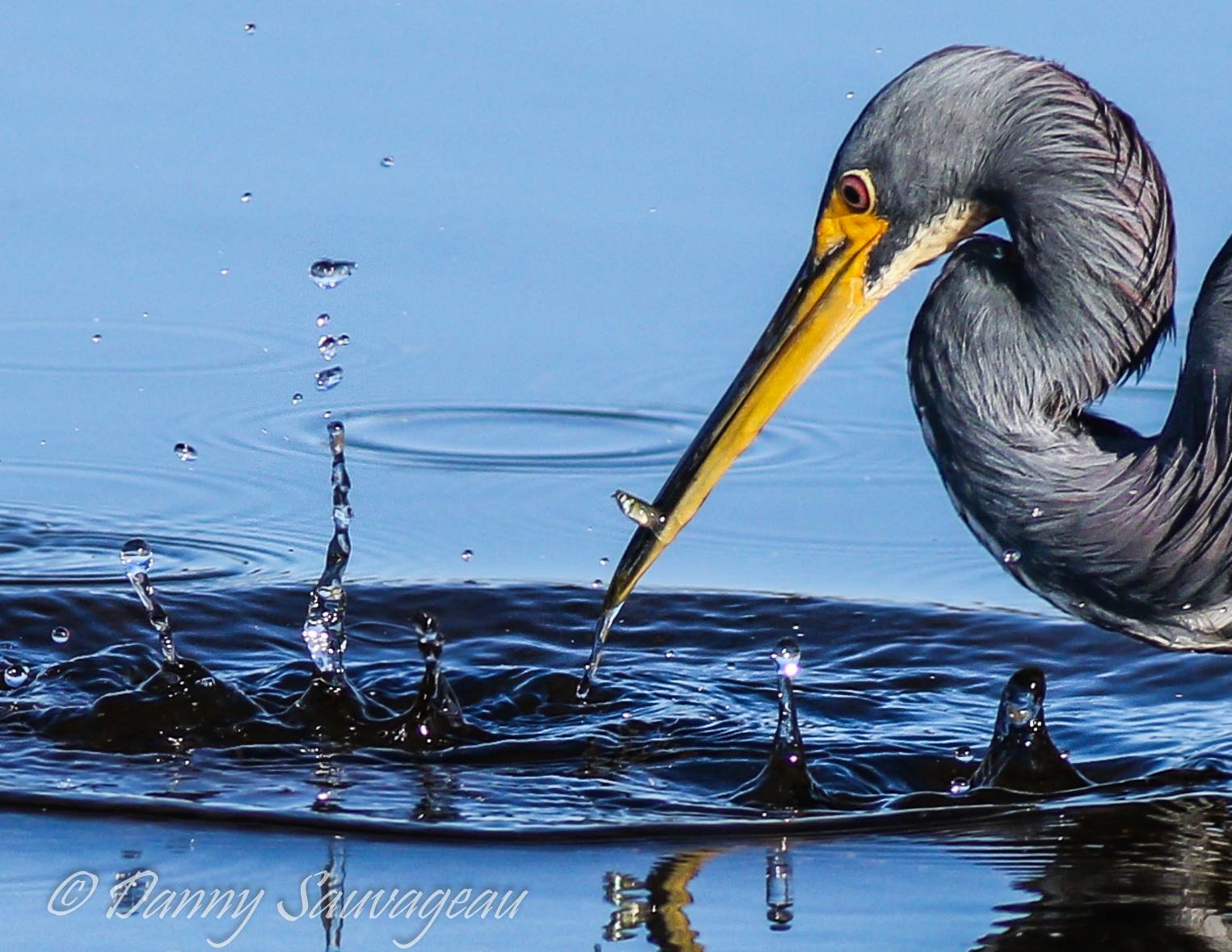
Tricolored Heron (Danny Sauvageau)

TRICOLORED HERON: A SPECTACULAR CATCH…

The photograph, I mean. The heron’s catch is rather modest, I think even it would agree. I’d been going to write about something else today but I’ve run out of time, and anyway this astonishing photo from bird photographer Danny Sauvageau ‘flew in’ over the weekend. It deserves a wider audience. 

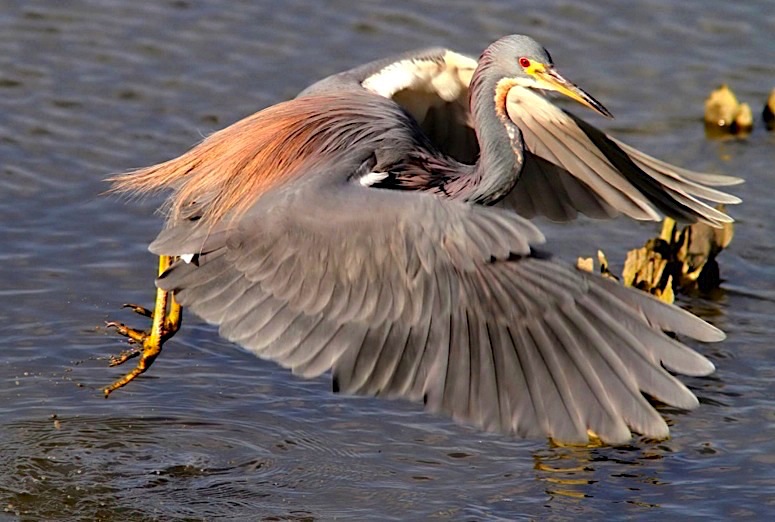
You can read plenty more about these wonderful birds – common, permanent breeding residents on Abaco – by simply clicking TRICOLORED HERONS. Meanwhile, Danny’s outstanding image deserves an equally stunning partner; a similarly spectacular ‘catch’ by photographer Phil Lanoue that appears in the linked post.

Tricolored Heron (Phil Lanoue)

RELATED POSTS

GREEN HERON

YELLOW-CROWNED NIGHT-HERON

SNOWY EGRET

REDDISH EGRET

Credits: Danny Sauvageau; Phil Lanoue – with thanks to both for use permission for their terrific camerawork

Unknown's avatar

SPERM WHALES – BMMRO FIELD TRIP, BAHAMAS


Sperm Whales, Bahamas (BMMRO)

SPERM WHALES – BMMRO FIELD TRIP, BAHAMAS

I can never quite get my head around the fact that the waters around Abaco are home to the twin leviathans, sperm whales and humpback whales. And before anyone points it out, I realise they can’t actually be twins: sperms whales (cachelots) are TOOTHED WHALES whereas humpback whales are BALEEN WHALES

Sperm Whales, Bahamas (BMMRO)

During November, the Bahamas Marine Mammal Research Organisation (BMMRO) undertook a rather special field trip. Using sophisticated devices, the scientists first located a group of sperm whales, and then tracked them through the night using the communications between the creatures – ‘vocalisations’ – to follow them. Later analysis of the recordings will have made it possible to identify the individuals through their unique vocal patterns – and so to recognise them again. 

Sperm Whale, Bahamas (BMMRO)

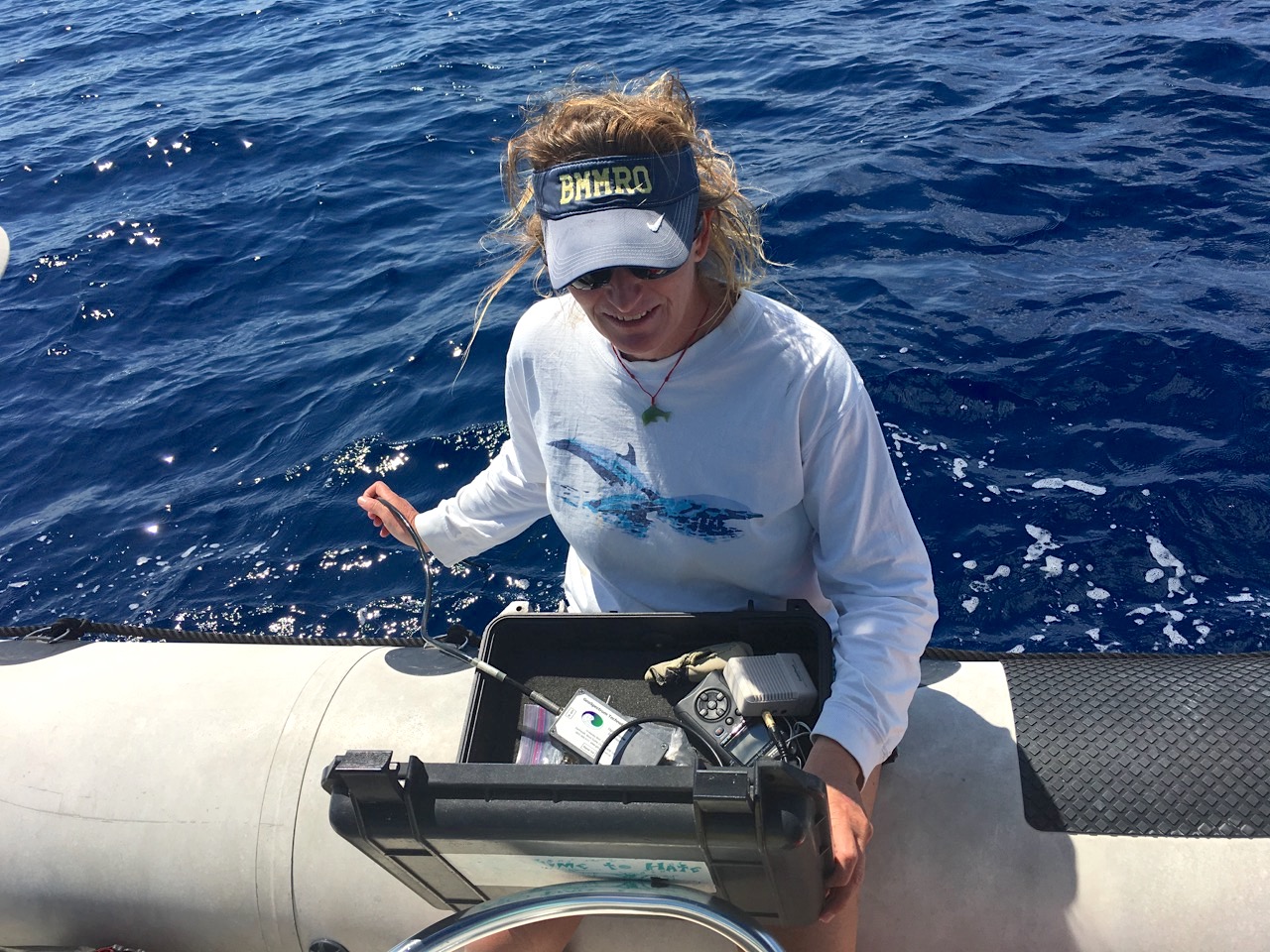
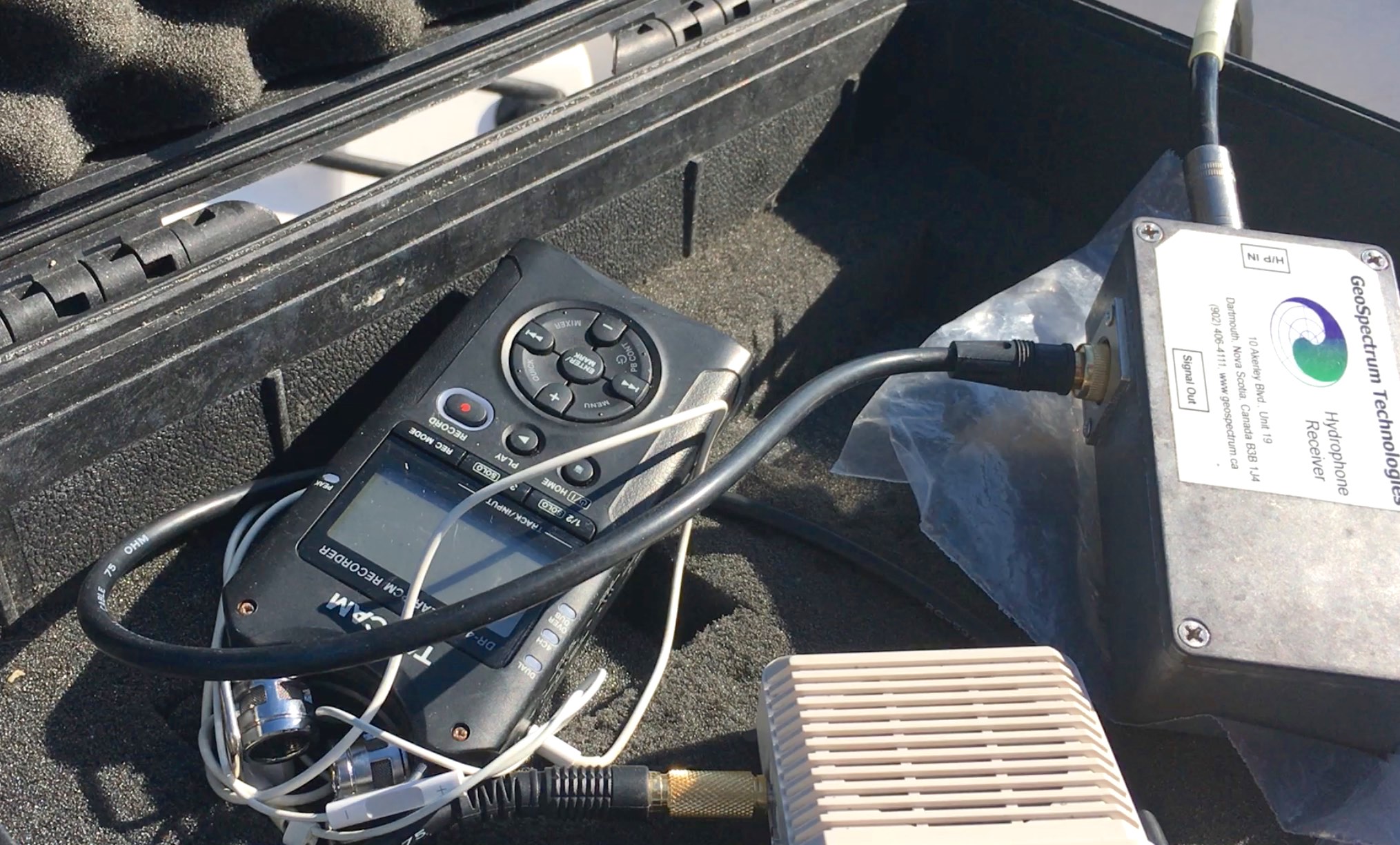
The hydrophonic equipment used is extremely sensitive, and can pick up the sounds made by whales and dolphins over a great distance. The box of tricks looks deceptively modest – I took these photos on a previous trip when we were looking for beaked whales and dolphins. Charlotte Dunn holds the microphone submerged on a cable and underwater sounds are amplified so that the slightest chirrup of a dolphin can be heard by everyone on the vessel. The sounds are recorded and locations carefully logged.

Besides the sperm whales, the BMMRO team also had sightings of spotted dolphins, bottlenose dolphins and beaked whales during the field trip. These bonus sightings will also have been logged for future reference. It all adds to the detailed research data that assists the conservation of the prolific marine mammal life in Bahamian waters.

Atlantic Spotted DolphinsAtlantic Spotted Dolphins, Bahamas (BMMRO)

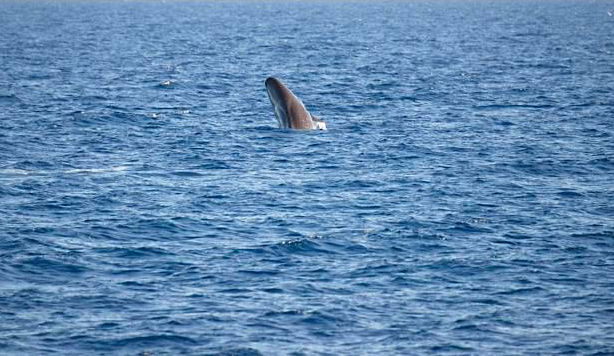
By the time one of the whales decided to breach, it was some distance away, so I’m afraid I can’t bring you a dramatic close-up from the trip. But just to see this view at all is breathtaking.

All photos BMMRO except the 2 hydrophone ones on the research boat (Keith Salvesen)

Unknown's avatar

BARN OWLS ON ABACO, BAHAMAS


Barn Owl, Abaco Bahamas (Woody Bracey)

Barn Owl, Abaco, Bahamas (Woody Bracey)

BARN OWLS ON ABACO, BAHAMAS

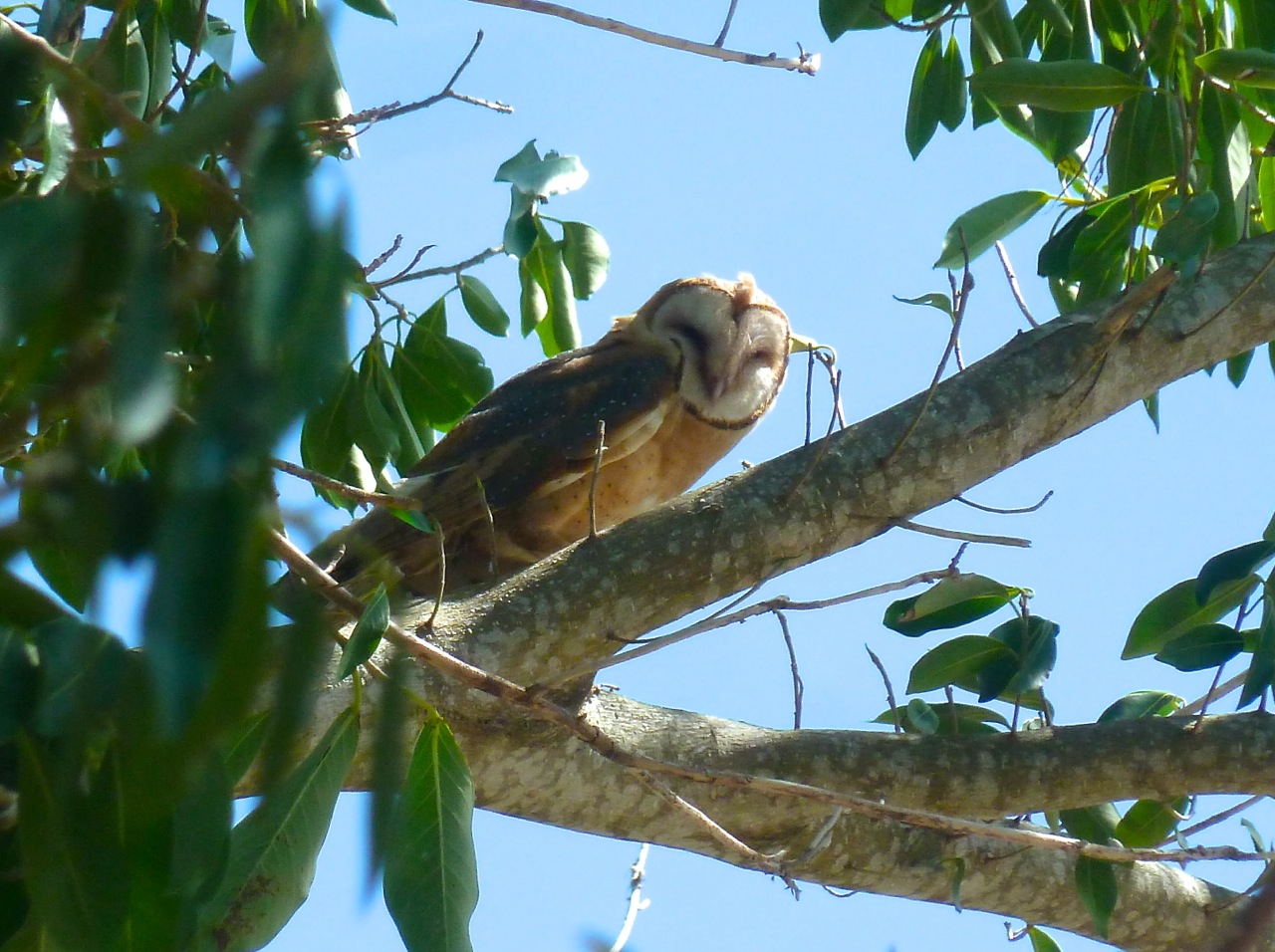
The Barn Owl (Tyto alba) is the only owl you are likely to see – and hear – on Abaco. The species is permanently resident, which is a good start in that sighting opportunities exist year-round. Although they are not at all common they can be found in particular locations, for example around Treasure Cay and Little Harbour; also on Elbow Cay, Lubbers Quarters (4 birds right now) and Man-o-War Cay (a while back). There are two other owl species recorded for Abaco: the rare Burrowing Owl (see link below for details); and the Northern Saw-whet Owl, a vanishingly rare vagrant recorded a handful of times that I don’t propose to feature unless and until it decides to visit Abaco more frequently…

Barn Owl (Birdorable)

I wrote about Barn Owls on Abaco many moons ago. I don’t usually rehash previous posts, but I am returning to the topic because of a recent barn owl sighting on Elbow Cay that caused interest, excitement and some speculation. 

Barn Owl, Treasure Cay, Abaco Bahamas (Becky Marvil)

Barn Owl, Treasure Cay, Abaco Bahamas (Becky Marvil)

The shrill wheezing cry of the Barn Owl – known in some places as the ‘screech owl’ (which, strictly, is a different owl species) – is unmistakeable. Barn owls also make an intimidating hissing noise. Mainly nocturnal, they fly noiselessly like white ghosts in the night. If you are lucky enough to see one in the daytime, you’ll be struck by the beautiful heart-shaped face and (if close enough) the delicate markings.

 Patrik Aberg Xeno-Canto

Both photos above were taken on Abaco. Woody Bracey’s header image is featured inTHE BIRDS OF ABACO“. Becky Marvil’s photo was taken near Treasure Cay. I’ve never seen a barn owl on Abaco, but  I’ve been lucky enough to get close to them in the UK. For those who have never seen one, here are a few of my own images that show what wonderful birds they are. They were photographed at a raptor rescue centre, so I am not going to pretend that these shots were taken in the wild. That would never do. 

Barn Owl (Keith Salvesen)Barn Owl Dorset (Keith Salvesen) Barn Owl Dorset (Keith Salvesen)Barn Owl 4 (Keith Salvesen)

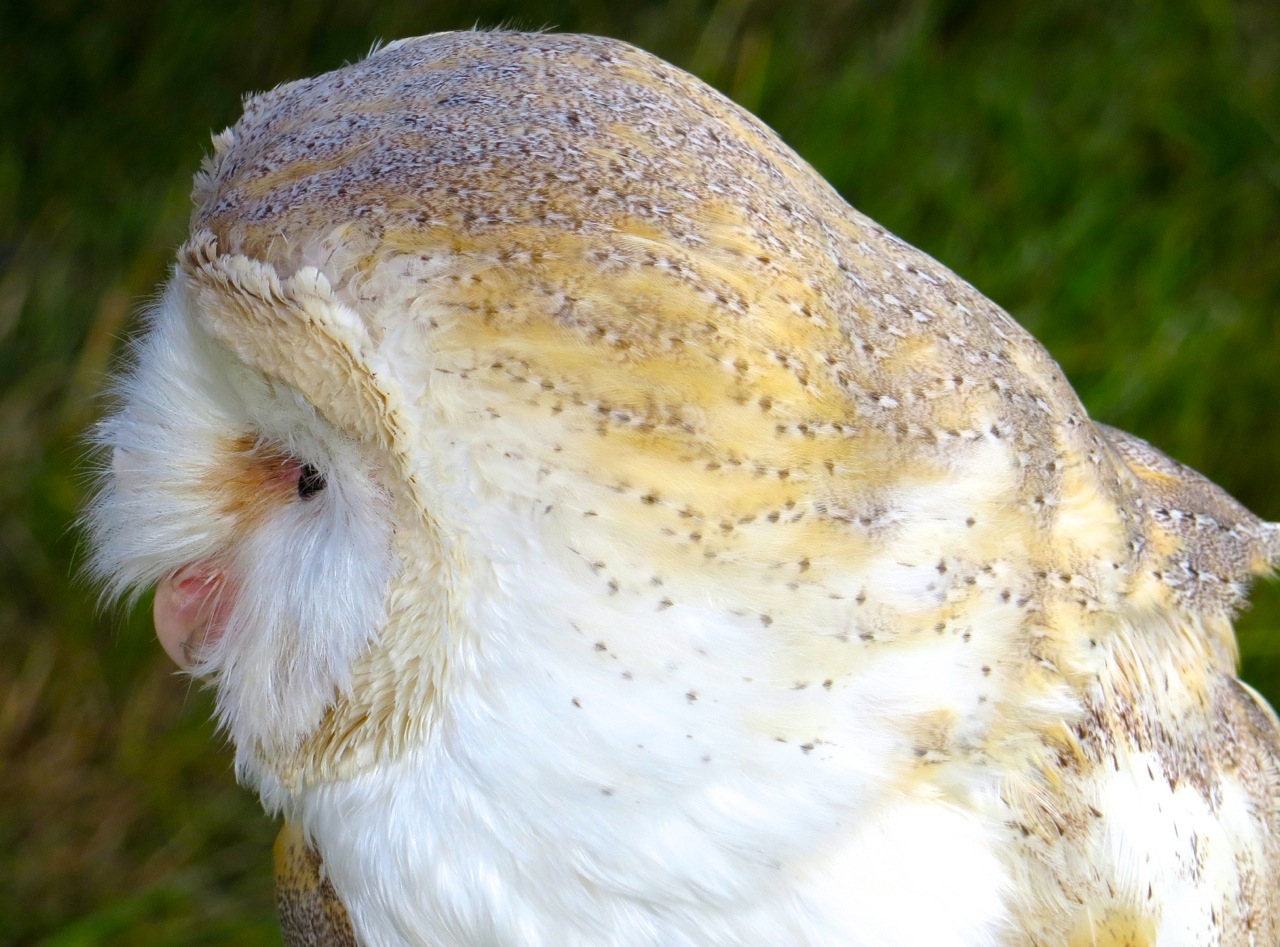
This close-up of the barn owl above shows the typical speckling on its pure white front, and the beautiful wing patterns. Amazingly for such a large bird, an adult weighs a mere 350g or so. As a comparison, The Birds of Abaco book weighs 2kg!

Barn Owl close-up (Keith Salvesen)

This fluffy baby barn owl had been rescued and was being cared for in a sanctuary before being returned to the wild. Whimsy is rarely permitted  in this blog, but seriously, folks – cuteness overload!Barn Owl 6 (Keith Salvesen)

RELATED POSTS

 OWLS OF ABACO (2) – BURROWING OWLS

BURROWING OWLS ON ELBOW CAY

Credits: Woody Bracey, Becky Marvil, Keith Salvesen, Patrik Aberg /  Xeno-Canto (audio), RSPB (video), Birdorable (Cartoon)

Unknown's avatar

WILD TURKEYS ON ABACO (BAD TIMING…)


WILD TURKEYS ON ABACO (BAD TIMING…)

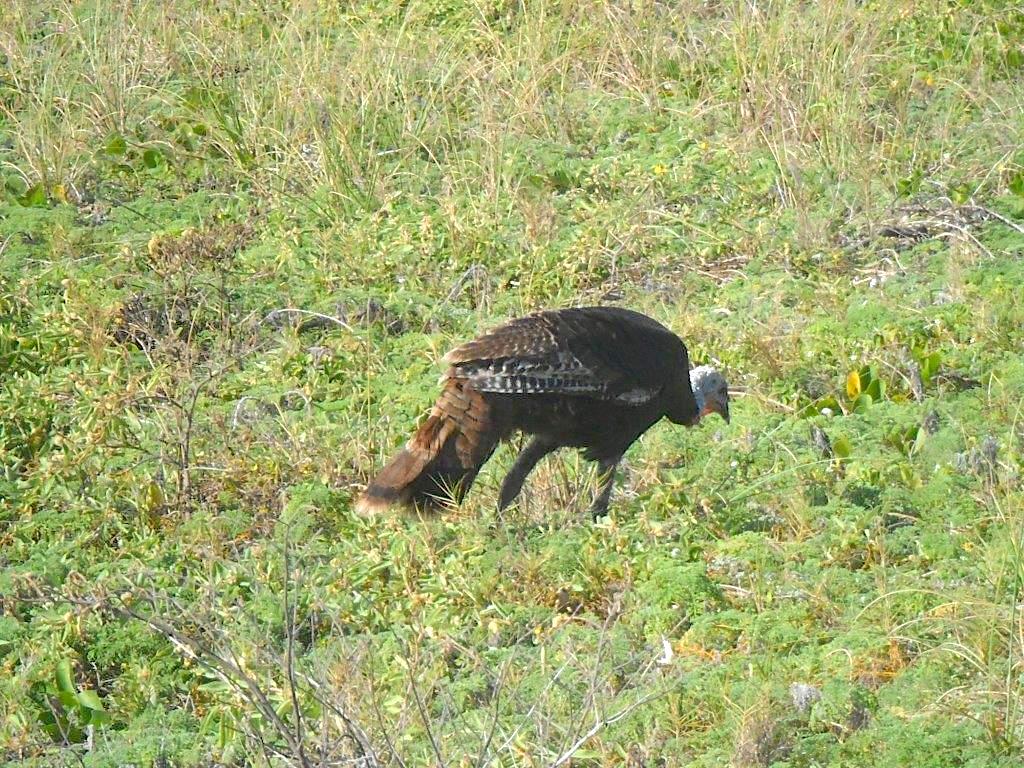
We have to face the facts here: this is absolutely the worst time of year to be a turkey. First, Thanksgiving. Then Christmas. It seems everyone wants a piece of you. Literally, I’m afraid. You could get very cut up about it. So this is not perhaps the most tactful time to mention that there are turkeys to be found on Abaco. Wild ones, though. Ones that lack the lavish feeding regimes enjoyed by the plump domestic turkeys that are integral to the festive season. And anyway, the Abaco turkeys – like the PEAFOWL of Casuarina – are harmless additions to the landscape and to the rich avian variety to be found on Abaco. 

Wild Turkey Hen, Abaco, Bahamas (Ali & Bob Ball)

Wild Turkey Hen, Abaco, Bahamas

I don’t know the origin of the Abaco wild turkeys, but I assume a few were introduced in the past and have become feral (again, just like the peafowl) . They may be flattered to know that they fall into a class called ‘exotics’. I note that we omitted to list them in THE BIRDS OF ABACO, where they would have kept company with muscovy ducks, mallards (a slightly harsh ruling maybe), chukars, red junglefowl, the peafowl, cockatiels, budgies, and a couple of macaw species. All these have been found on Abaco but do not strictly count as birds of Abaco. On the other hand, some introduced species such as the bobwhite have slipped under the radar and become fully accredited Abaco birds.

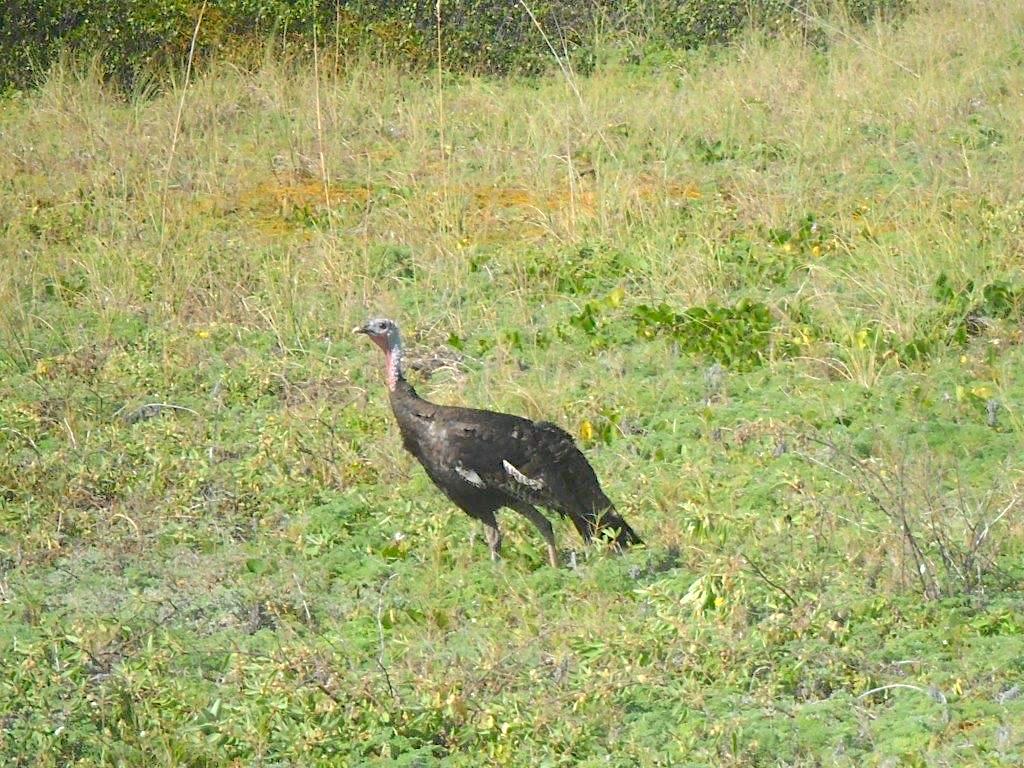
Wild Turkey Hen, Abaco, Bahamas (Ali & Bob Ball)

Wild Turkey Hen, Abaco, Bahamas

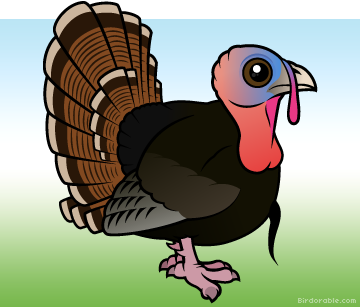
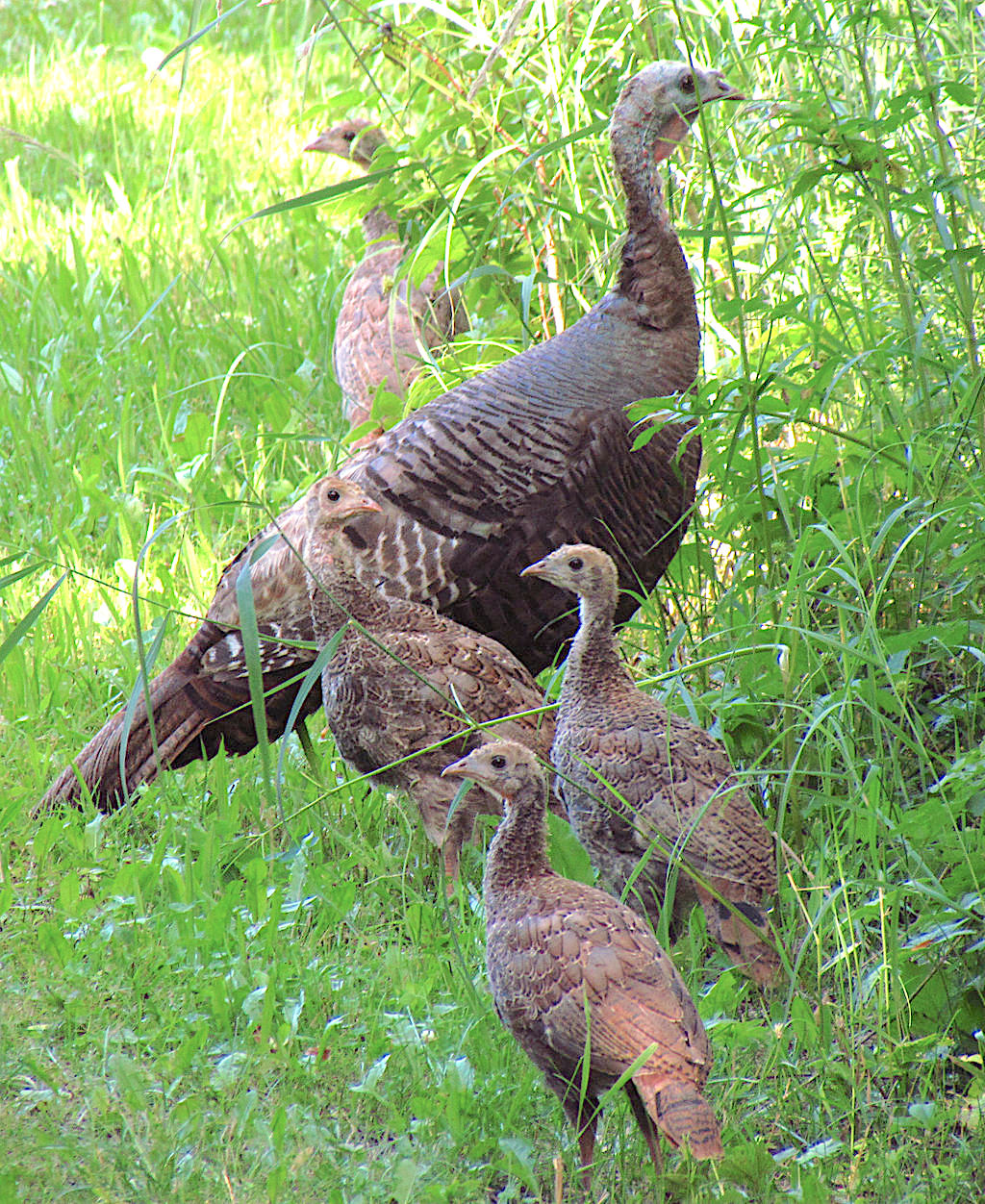
Adult male turkeys are called toms or gobblers; females are hens; juveniles are jakes; and the chicks are poults. In the breeding season, Toms engage in a great deal of strutting and fluffing-up-of-feathers business when they are trying to impress the hens – and frankly, they are notably free with their attentions. Promiscuous, one might say.

Historically, wild turkey populations in North America were decimated or destroyed by over-enthusiastic hunting. In many areas, conservation measures helped to restore the turkey populations. Still, the fact remains that they are potential food; and they are a (relatively) easy large target (cf turkey-shoot). Wild turkeys can fly short distances (which the domesticated variety cannot), but their body-weight somewhat limits the chance of escape by flight.

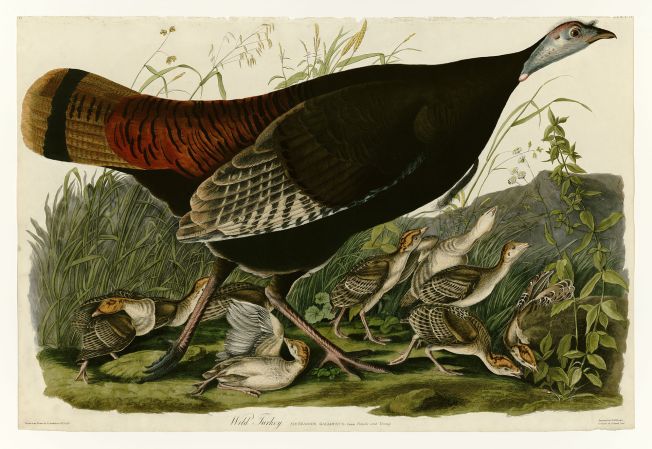
Audubon’s charming depiction of a turkey hen with her chicksWild Turkey Hen and Chicks (Audubon)

STRANGE BUT TRUE

Benjamin Franklin was unimpressed by the proposal of the Bald Eagle as national bird (and by the British, clearly…) As he wrote in letter to his daughter, “…in Truth the Turkey is in Comparison a much more respectable Bird, and withal a true original Native of America… He is besides, though a little vain & silly, a Bird of Courage, and would not hesitate to attack a Grenadier of the British Guards who should presume to invade his Farm Yard with a red Coat on”.

I’ve heard reports of Abaco wild turkeys seen north of Marsh Harbour; in the Little Harbour area; and in the far south of the island. I’d be pleased to learn of any recent sightings – it would be interesting to know how many small groups there are on the island. You can either comment here, DM me on FB, or email me. And perhaps I should add, let’s just map the turkeys, not eat them…

WHAT SORT OF WILD TURKEY SHOULD I CONSUME FESTIVELY?

Wild Turkey Hens with chicks (d. gordon & e. robertson)

Credits: Audubon (1, 4); Ali & Bob Ball (2, 3); D. Gordon / E. Robertson (5); Birdorable (cartoon); Etsy (soft bird); some random drink ad

Unknown's avatar

LARK SPARROW: EXTREMELY RARE VISITOR TO ABACO


Lark Sparrow (Nature Pics Online / Wiki)

LARK SPARROW: EXTREMELY RARE VISITOR TO ABACO

There’s a category of bird in the Bahamas known as a ‘V5’. The V stands for vagrant: a ‘foreign’ bird that ends up on Abaco by pure mischance. Whether through meteorological mishap (a storm for example) or navigational error, a bird that ought by rights to be found elsewhere turns up. That’s the first part of the rarity. The second part is that someone actually sees it, knows what it is (or may be) and reports it.

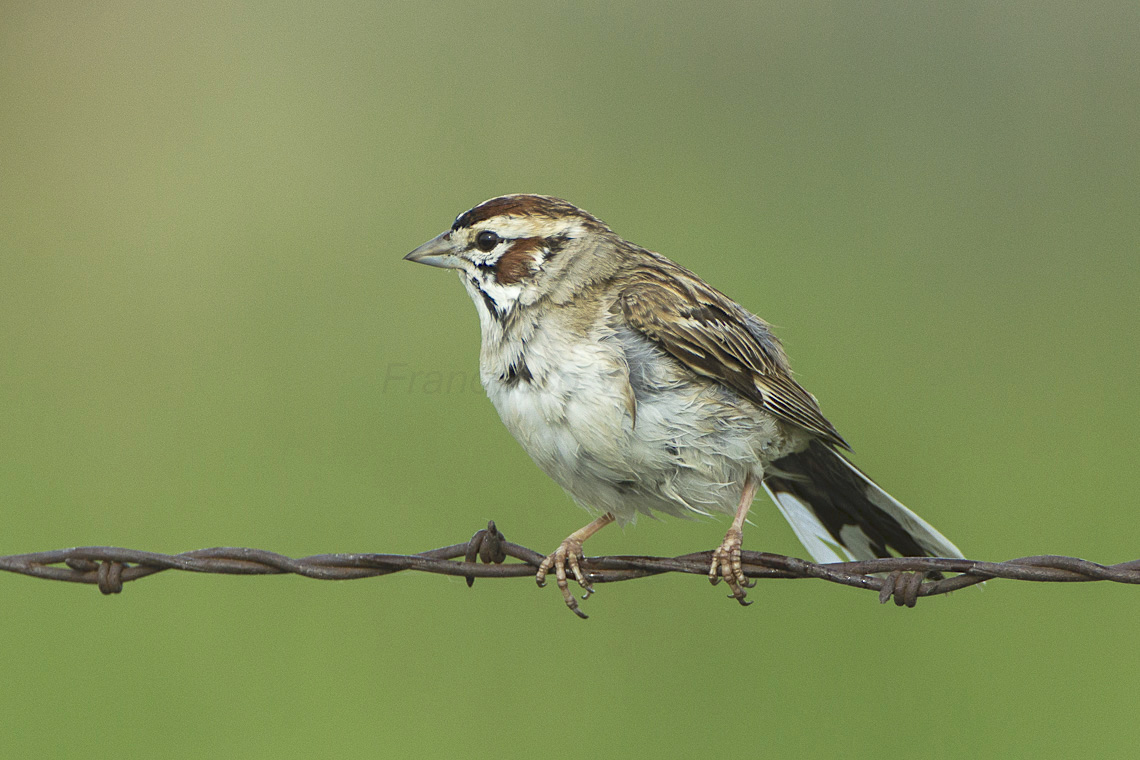
Lark Sparrow (Francesco Veronesi / Wiki)

The 5 part of V5 means that historically there may have been one, perhaps two previous reports of that species. Ever. More than 5 separate sightings, and the bird slips into the far less exclusive V4 category. The only category rarer than a V5 is an H. This stands for hypothetical, a bird that has been ‘credibly reported’ but where further confirmation is needed. Often, that never comes.

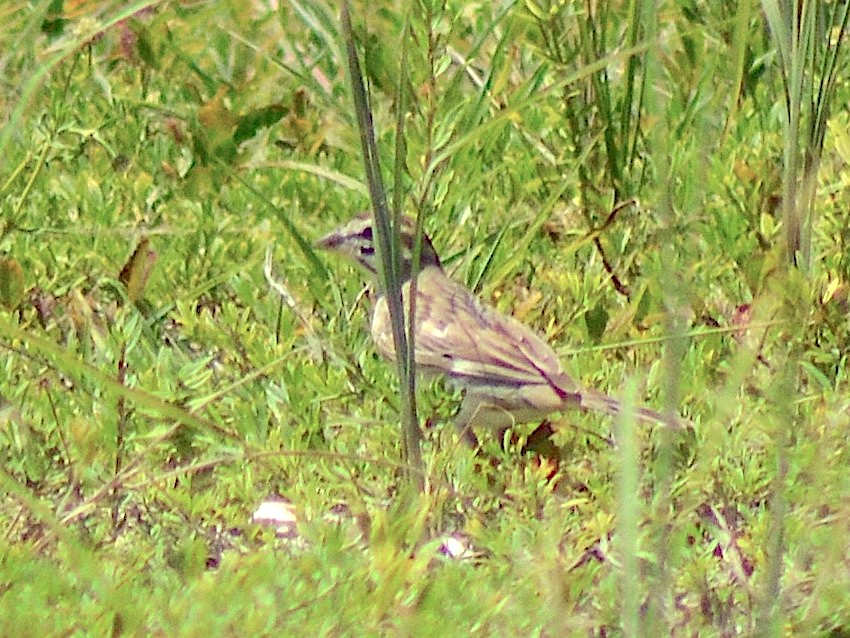
Lark Sparrow, Abaco Bahamas (Keith Kemp / Christopher Johnson)

The lark sparrow (Chondestes grammacus) is a fairly large sparrow, familiar enough in parts of the US and Canada. Until this August, there had only been a couple of reports on Abaco since records began. I’m not aware of any photographs from those sightings. Then in August, birder Keith Kemp was at Bahama Palm Shores bird-spotting with his keen-eyed nephew Christopher, who saw a sparrow-like bird fly into low grass near the beach. Keith managed to take a couple of photos of it, and later on checked his bird guides for ID… and lo! a lark sparrow. These are most likely the first photos of the species ever taken on Abaco – and there’s nothing like a photo, however hard to take, to provide confirmation of a sighting.

Lark Sparrow, Abaco Bahamas (Keith Kemp / Christopher Johnson)

Photo Credits: NaturePicsOnline / Wiki (1); Francesco Veronesi / Wiki (2); Keith Kemp with Christopher Johnson, Abaco (3, 4)


Unknown's avatar

MAPPING ABACO: BELLIN’S MAP 1764


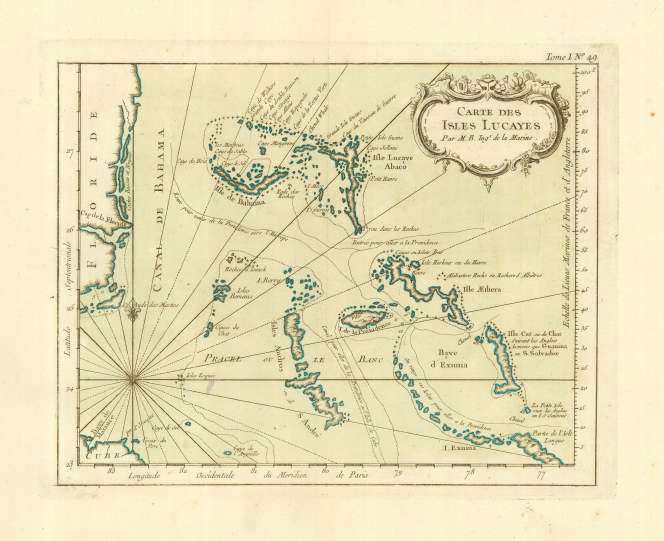
Bellin Map 1764 - Carte des Isles Lucayes

MAPPING ABACO: BELLIN’S MAP 1764

Jacques Nicolas Bellin (1703 – 1772) was a French naval hydrographer & geographer. He was a prolific mapmaker, especially of French territories, and was noted for his meticulous technique and attention to detail. He was elected to the Royal Society; and in due course was appointed Official Hydrographer of the French King.

Bellin Map 1764 - Carte des Isles Lucayes

In 1764, Bellin’s Petit Atlas Maritime was published. I am featuring one sheet from the atlas, the “Carte des Isles Lucayes”. The whole work came as a 5-volume set of map sheets, containing a total of 580 detailed charts. As you will see here, this copperplate engraving can be found in various forms: plain black & white; hand-washed or hand-coloured; or grandly multicoloured. These variations are the consequence of the distinction of Bellin’s work, which led to repeated re-publication in the c18 and beyond. Additionally, his work was admired and copied abroad.

Bellin Map 1764 - Carte des Isles Lucayes

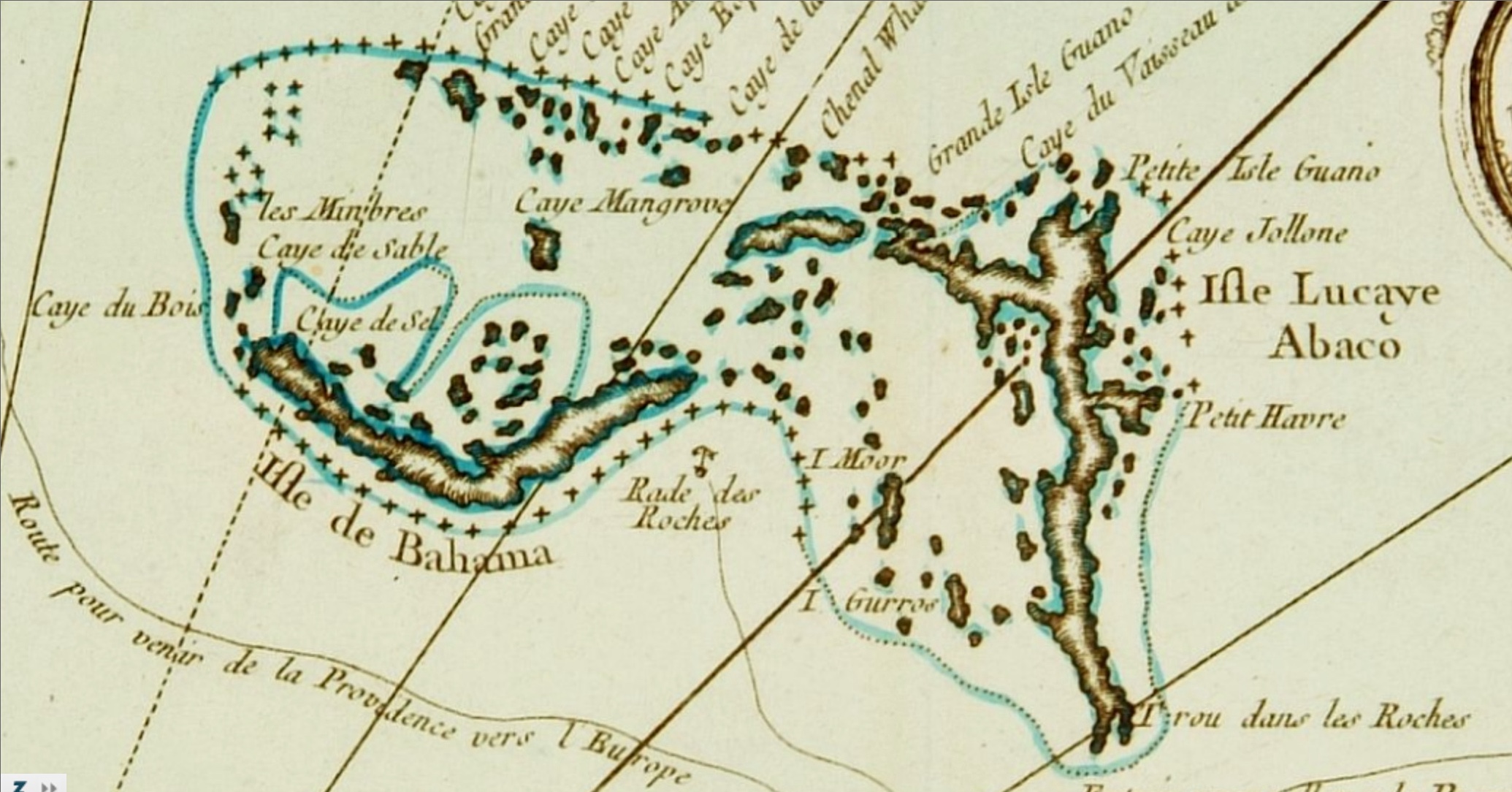
Bellin’s map contains plenty of information – including depth markings and advised shipping routes – though some of the topography might be considered debatable by modern standards. As you look more closely, some of the details are startling. For example, on New Providence (see above) the only place-name is simply designated ‘Ville’, as though the settlement there lacked the significance to merit a name. And look at it now… Andros is completely name-free, with not even a Ville marked – as is Grand Bahama for that matter, though a few Cays are named. Let’s turn to Abaco.
Bellin Map 1764 - Carte des Isles Lucayes
This section of the Bellin map also appears in my Abaco mapping article relating to HOLE-IN-THE-WALL. This geographical feature at the southern extremity of Abaco (now sadly blown apart by HURRICANE SANDY after millennia) was an important navigational landmark for shipping  by c17. The name, in French here, underwent a number of changes of the centuries, as you can see using the HITW link above.
Also of note is that at least Abaco was credited with a single named location – Little Harbour, the first settlement to feature on early maps, and the only one for a surprisingly long time. I imagine the position of this inlet and the safe anchorage it could provide for relatively large vessels became well-known. Like Hole-in-the-Wall, it was of seafaring significance.
A c18 mariner, looking at Bellin’s map in contemplation of a trip to the Isles Lucayes, might conclude that the seas around Abaco and Grand Bahama might be treacherous. The profusion of rocky areas and the indication of depth changes around the islands and cays suggest caution would be needed for a voyage. And as we know, throughout history ships have been wrecked in these seas – a situation somewhat improved (but not entirely eliminated) when the three ABACO LIGHTHOUSES were built.
Bellin Map 1764 - Carte des Isles Lucayes
RELATED POSTS
Credits: Library of Congress; Barry Ruderman Cat.; OS auctions inc eBay (!)
Unknown's avatar

BELTED KINGFISHERS: PROFICIENT PISCATORS


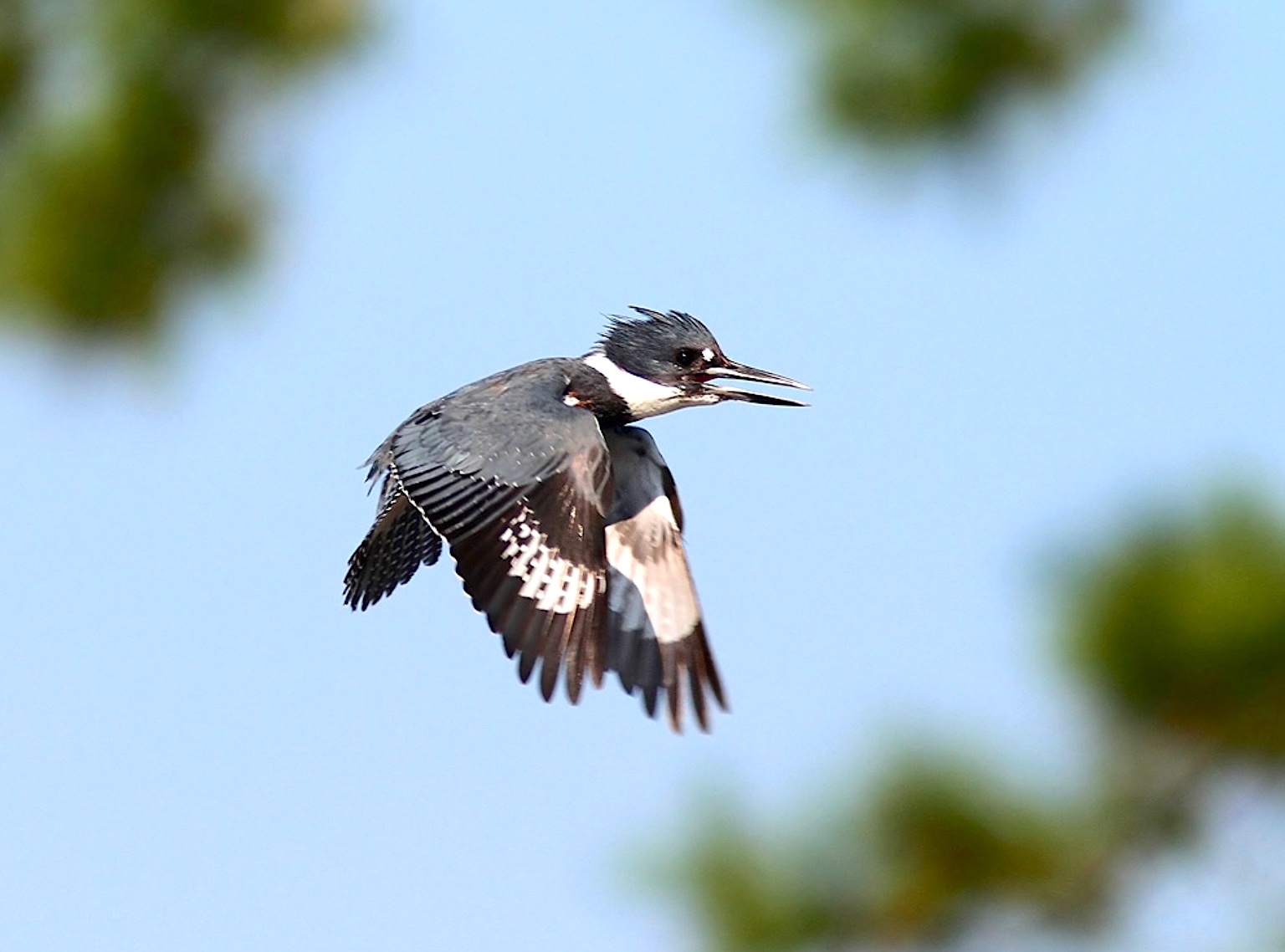
Belted Kingfisher (Phil Lanoue)

BELTED KINGFISHERS: PROFICIENT PISCATORS

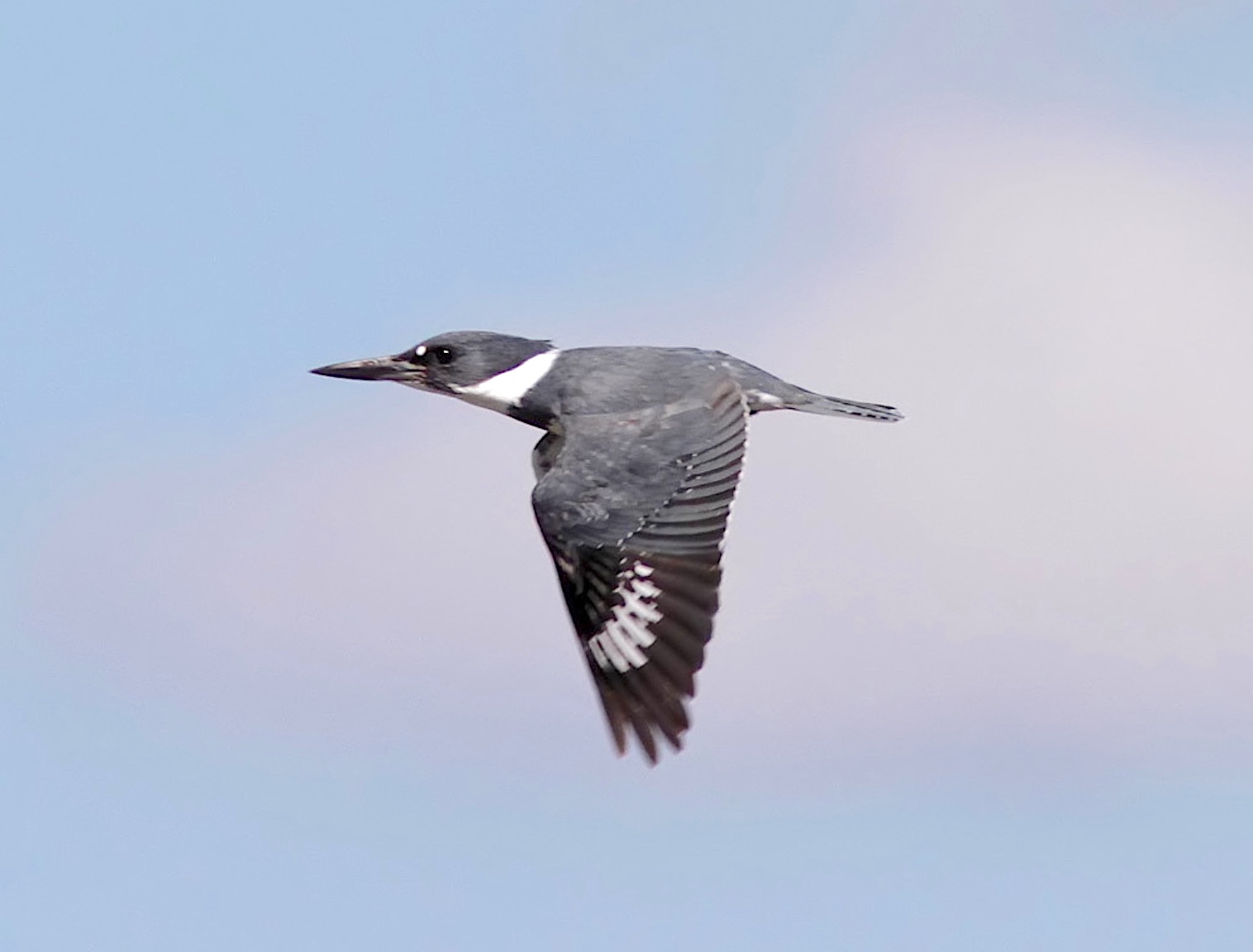
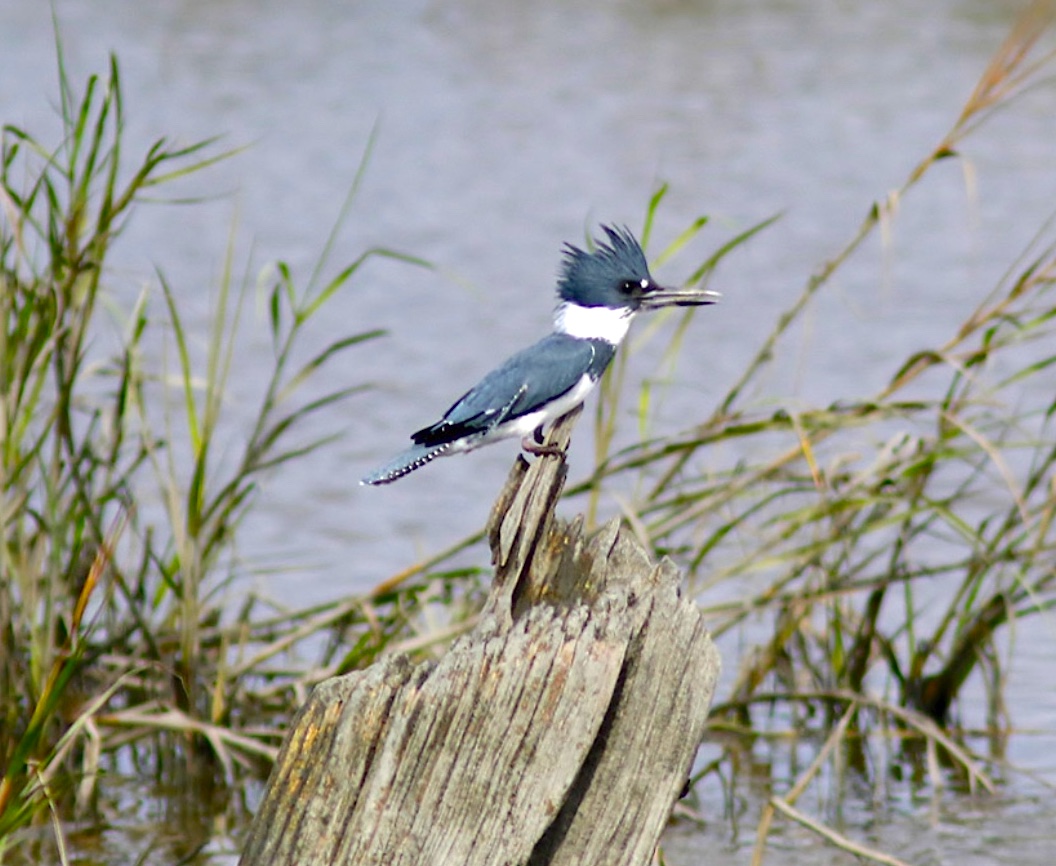
The belted kingfisher (Megaceryle alcyon) is an unmistakable winter visitor to Abaco. With its impressive crest and an adult wingspan approaching 2 ft, these fine birds are far larger than the irridescent kingfisher species found in Europe.

Belted Kingfisher (Phil Lanoue)

CARL LINNAEUS himself first documented the belted kingfisher in the mid c18, giving the specific name ‘alcyon’, a word of both Latin & Greek origin. The familiar phrase ‘Halcyon days‘, meaning a time of calm, is used more than once by Shakespeare; it references a calm period of weather supposedly occurring at kingfisher nesting time.

Belted Kingfisher (Phil Lanoue) Belted Kingfisher (Phil Lanoue)

The breeding grounds of the belted kingfisher are in Canada and the northern US, on coasts or near inland waters. They migrate further south in winter, to the southern US, Central America and West Indies. However vagrants have been found as far afield as the UK.

Belted Kingfisher (Phil Lanoue)

WHERE CAN I FIND THEM ON ABACO?

I have seen BKs when fishing out on the Marls, either perched on dead branches looking for fish, or in the mangroves, or in flight. There’s quite often one to be seen at Gilpin Pond, but always – for me, anyway – on the far side and out of practical range of my somewhat modest camera… Sandy Point is another place I have seen them. But these are common birds in winter, so anywhere near water where there are good perches to prospect for fish could be promising for a sighting. Sadly I’ve never actually seen a kingfisher on Abaco plunge-dive for fish, let alone eating a fish. And NB they are exceedingly hard to photograph at the best of times, especially in flight. Which is why I am very pleased to feature some more wonderful shots by photographer Phil Lanoue.

Belted Kingfisher (Phil Lanoue)

GENDER IDENTIFICATION

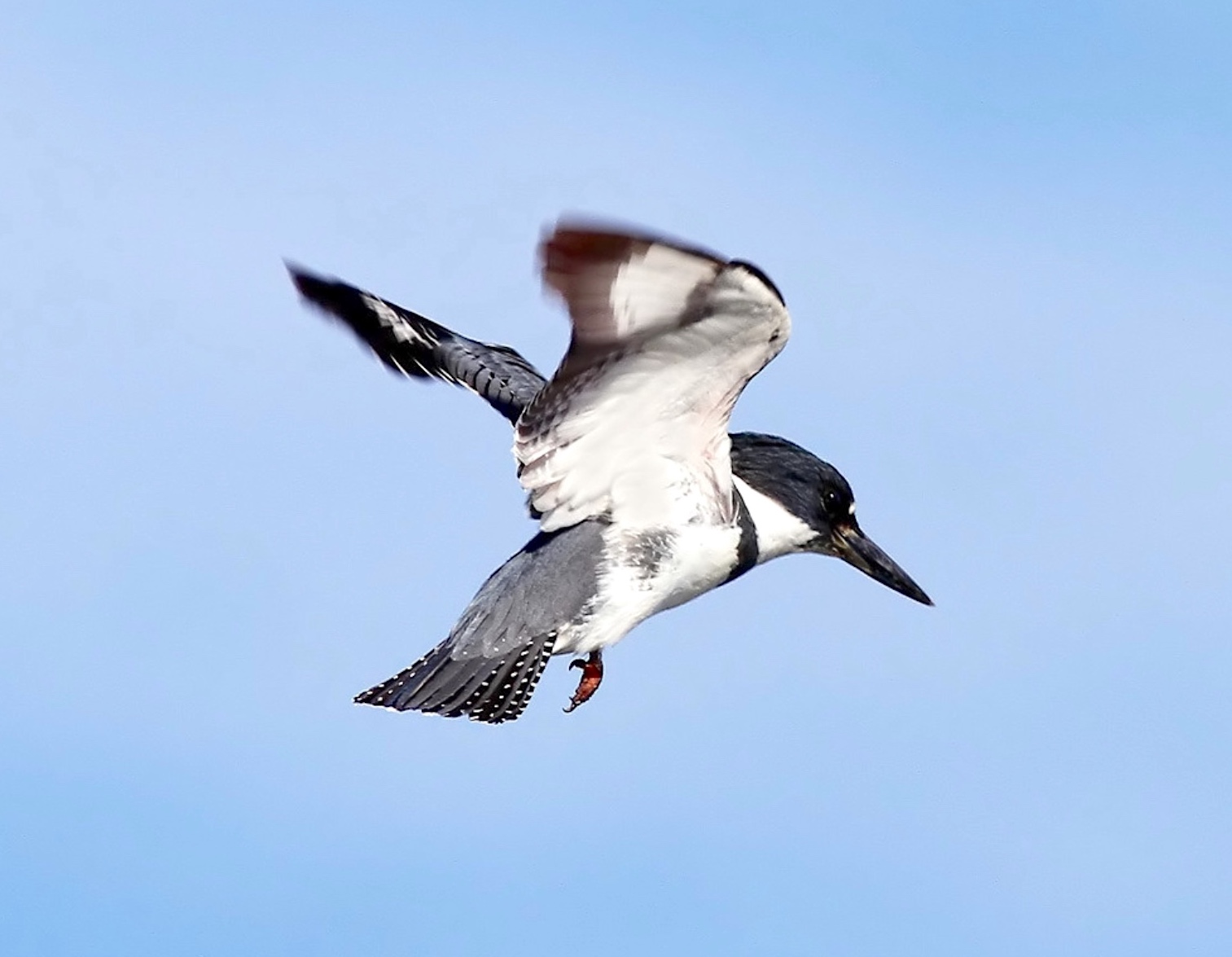
The kingfishers shown so far are all males, and basically blue and white. The (slightly) larger adult females can easily be identified by their very visible russet chest band. This colouring in fact extends under the wings, where it is harder to see in a perched bird.

Belted Kingfisher (Teddy Llovat) Belted Kingfisher (Michael L Baird)

AUDUBON:  A GUIDE TO THE BELTED KINGFISHER

Birding folk are familiar with the excellent presentations of individual bird species in the go-to guides such a Sibley and Peterson. However it always interests me that the images in my small and incredibly cheapo book of Audubon illustrations often give a very good depiction of a particular bird. He was the first naturalist to portray birds in action as opposed to rather stiff poses. Check out the plate below with the photos here.

Belted Kingfisher (Audubon)

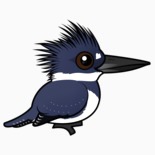
BIRDORABLE’S TAKE*

Belted Kingfisher (Birdorable)

Belted Kingfisher (Bruce Miller)

* BIRDORABLE cartoons are seriously good at reducing birds to their essentials. Try out their many warblers and you’ll see what I mean.

Photo Credits: Phil Lanoue (1 – 6), with thanks as ever for use permission; Teddy Lovatt (7); Michael L Baird (8); Audubon (9);  Bruce Miller (10); Birdorable – Cartoon

Unknown's avatar

ABACO BALD EAGLE(S): NEW SIGHTINGS


Bald Eagle - Poquoson, Virginia - Brian Lockwood

ABACO BALD EAGLE(S): NEW SIGHTINGS

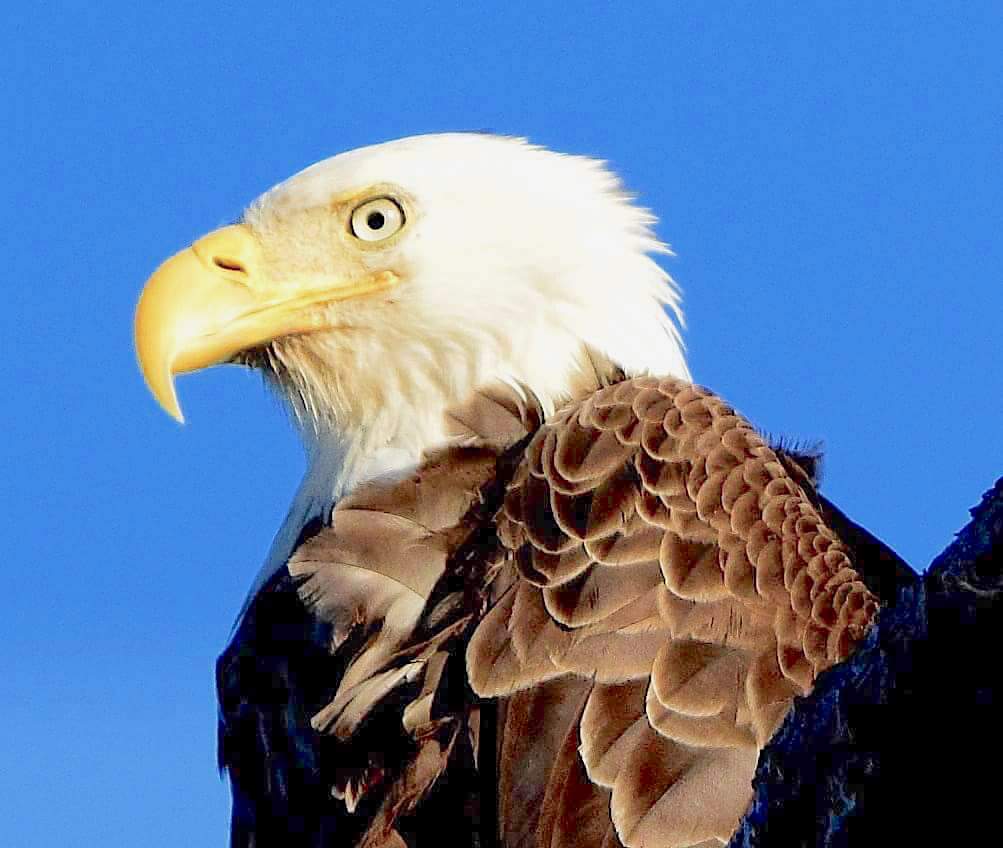
In March, I posted about a bald eagle spotted by a Delphi fisherman out on the Marls near Big Pine Point HERE – a very rare sighting indeed. The only previous Abaco sightings were sporadic, of a single bird, and all since 2000 (see below). 

In May, there was another bald eagle sighting, also on the Marls, this time by Danny Sawyer while out fishing; in the Power Plant area; and ‘Kelly’s Mom’ reported one from the Lubbers Quarters / Tahiti Beach area.

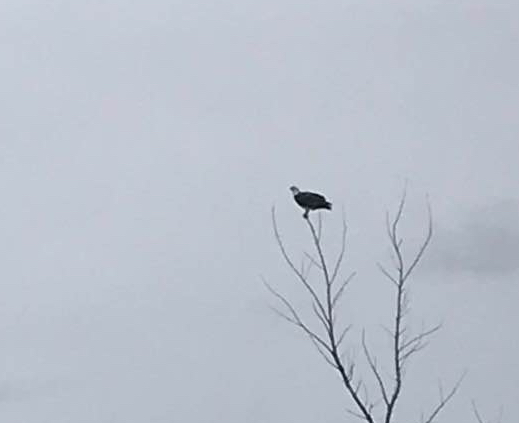
In September came the first photo ever of an Abaco bald eagle, taken by Carol Rivard Roberts in the Cross Harbour area from a considerable distance. 

And now, November, Delphi West & East fisherman, most entertaining boat partner, and friend Howard Pitts from Little Harbour has emailed to say that he saw a bald eagle “off the Cherokee Rd near the cell tower” in the last couple of days. 

BALD EAGLE SIGHTINGS REPORTED ON ABACO SINCE c1950 (= ‘ever’)

  • 2000 December, location unknown – info from Woody Bracey
  • 2001  December – Chicken Farm area – Betsy Bracey
  • 2002 December – over Marls opposite Treasure Cay – Woody Bracey
  • 2004 Autumn – south of Lynard Cay (after hurricane) – Cheryl Noice
  • 2014  Date unknown – circling the power plant – LC
  • ===================================
  • 2017  March – Big Pine Point, Marls – James Cheesewright
  • 2017  Early May – Power plant area – LC
  • 2017  May – Marls – Danny Sawyer
  • 2017  May  – Lubbers / Tahiti Beach area – ‘Kelly’s mom’
  • 2017  September – Cross Harbour – Carol Rivard Roberts (with photo)
  • 2017  November – Cherokee Road – Howard Pitts
  • STOP PRESS… NEW REPORTS 
  • 2017 November – Bahama Palm Shores / 8-mile beach – Steve Roessler
  • 2017 November – Tilloo Bank – Laurie Schreiner (with photo)

Italics = a report in comments on Danny’s FB page; Blue = added reports to me

So now for 2017 we have 6 sightings, including the first sighting with verification by photo. As I said previously, “there really is no mistaking a bald eagle. For obvious reasons it is surely one of the most recognisable raptors of all. And the only Abaco candidates for confusion would be a turkey vulture or an osprey. There’s very little scope for confusion with either”.

A THEORY

I suspect that the 2017 sightings are all of the same lone bird that has somehow strayed over to Abaco and finds the available prey good, and the location congenial. Also, he is undisputed king of the skies. I imagine his daily hunting range is a wide one, which would explain the varied sighting locations. I’m sticking with this theory unless and until 2 eagles are seen together.

 ABACO BALD EAGLE CHALLENGE

Carol Rivard Roberts is the winner of the challenge I set – the first person to capture an Abaco bald eagle on camera. She carries off the traditional yet strangely theoretical and / or symbolic Rolling Harbour bottle of Kalik, and the Kudos that attaches to it.

Reports of any further sightings would be very welcome, with photographs a bonus…

Bald Eagle - Poquoson, Virginia - Brian Lockwood

Credits: all brilliant eagle photos by very kind permission of Brian Lockwood, taken in his backyard in Poquoson, Va. except tiny distant Abaco eagle by Carol Rivard Roberts; amusing cartoon, Birdorable

Unknown's avatar

SANDERLINGS ON DELPHI BEACH, ABACO BAHAMAS


Sanderling, Delphi Beach Abaco Bahamas (Keith Salvesen)

SANDERLINGS ON DELPHI BEACH, ABACO BAHAMAS

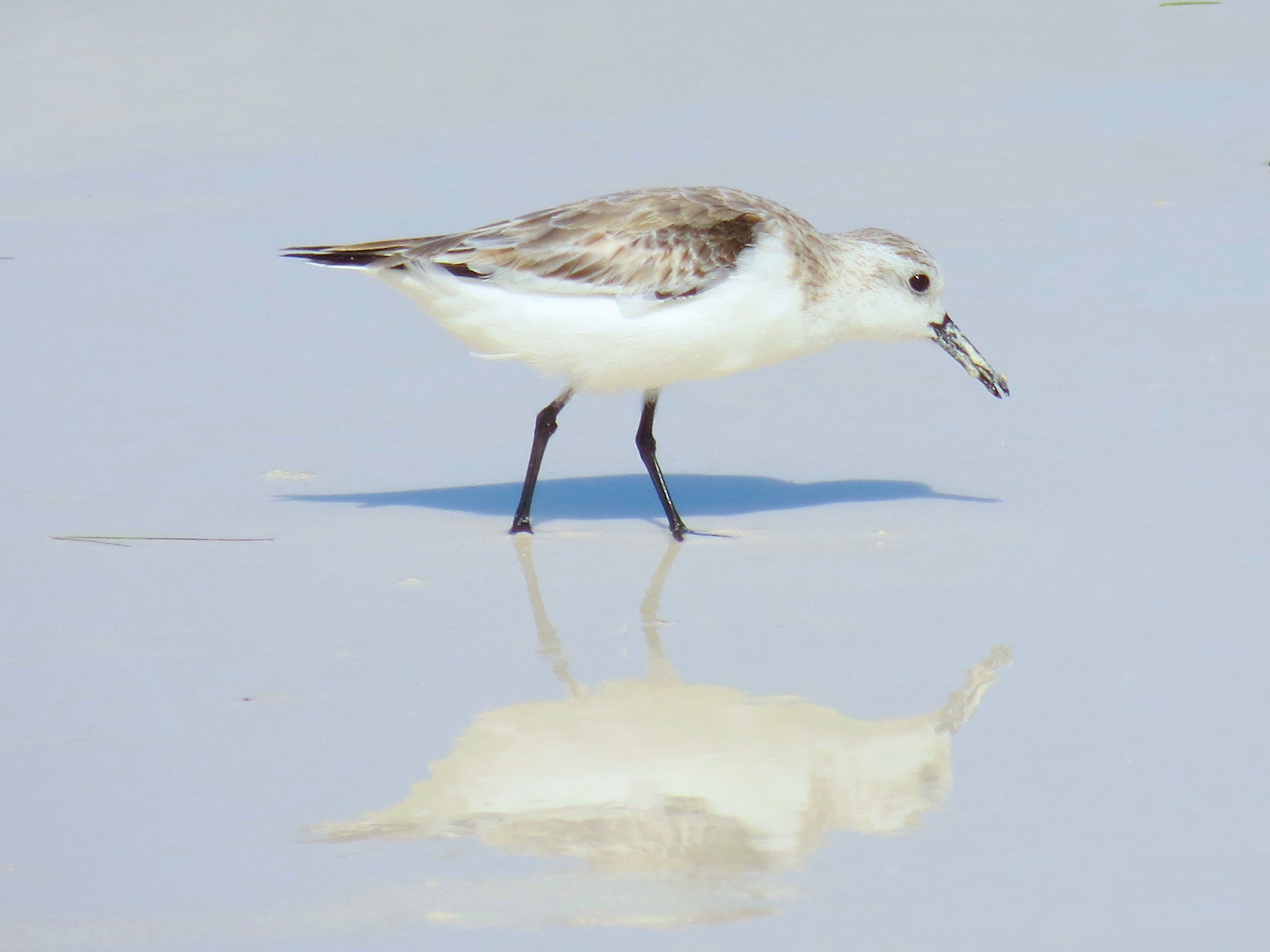
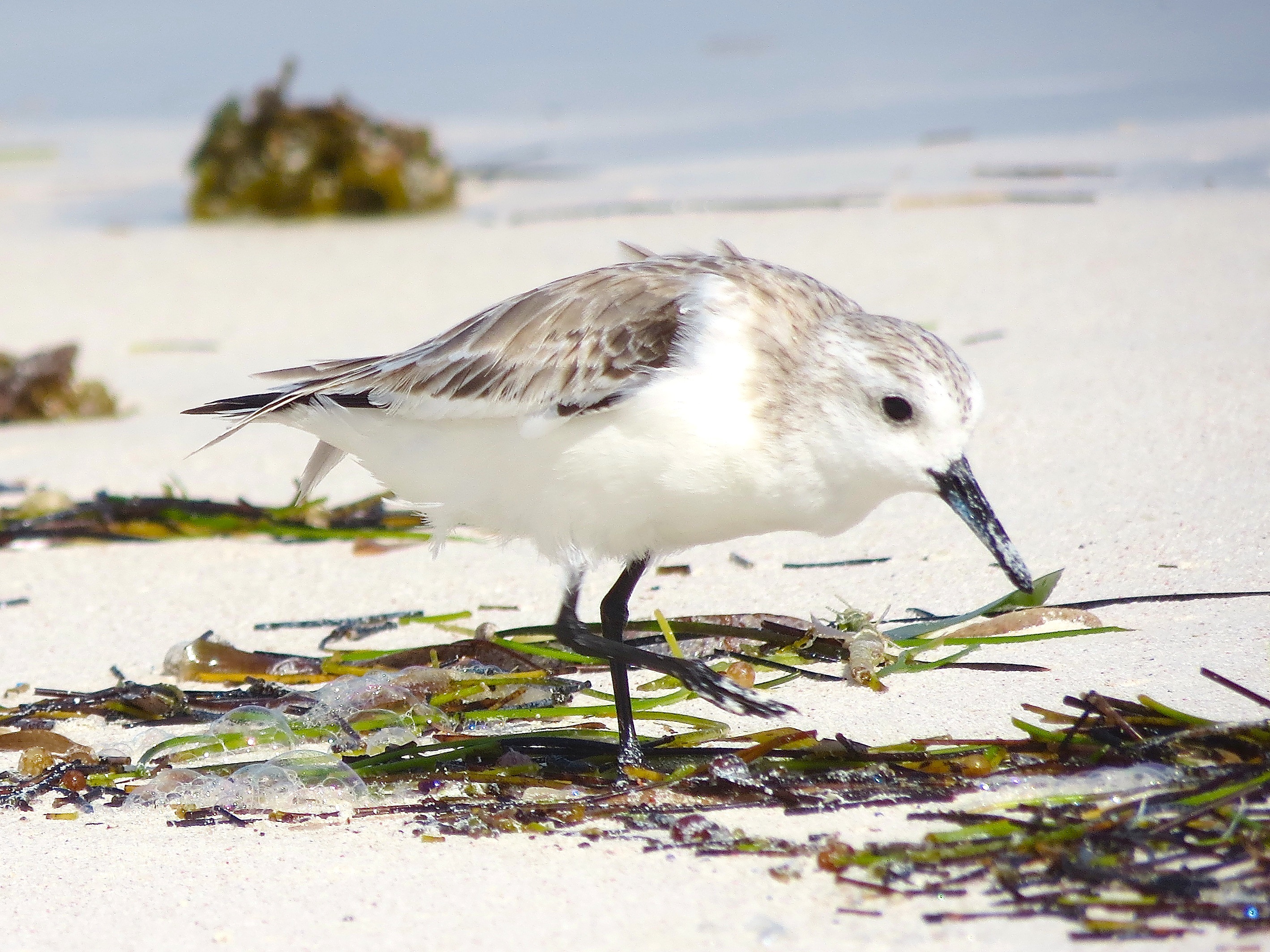
Looking back through some bird photo folders from last year, I came across these sanderlings that I photographed on the beach at Delphi. These little birds are far from rare, but watching a flock of them scuttling back and forth on the sand, in and out of the tide, is always a treat. And as you will notice, when they are foraging in earnest they not only stick their bills into the sand right up to the base… they go for total immersion of the head!

Sanderling, Delphi Beach Abaco Bahamas (Keith Salvesen)Sanderling, Delphi Beach Abaco Bahamas (Keith Salvesen)Sanderling, Delphi Beach Abaco Bahamas (Keith Salvesen)Sanderling, Delphi Beach Abaco Bahamas (Keith Salvesen) Sanderling, Delphi Beach Abaco Bahamas (Keith Salvesen)

All photos: Keith Salvesen, Rolling Harbour Abaco

Unknown's avatar

NEW BIRD FOR ABACO, BAHAMAS: SCALY-NAPED PIGEON


Scaly-naped Pigeon (Jean Lopez YT)

NEW BIRD FOR ABACO, BAHAMAS: SCALY-NAPED PIGEON

The scaly-naped pigeon (Patagioenas squamosa), also known as the red-necked pigeon, is found throughout most of the Caribbean. Except for the Bahama islands – if indeed they are considered Caribbean, which strictly and geographically they are not – even though for some purposes such as passport requirements they may be.

Scaly-naped Pigeon (Dick Daniels, Carolina Birds.org)

Until the last year or so, this pigeon species had not been recorded in the Bahamas. Then sightings began to be recorded on Inagua and TCI – not so very far north of their normal range – and mostly within the last 4 weeks. Since bird records began, they had never been reported further north in the Bahamas, until a few days ago on Abaco.Scaly-necked pigeon (postdlf wiki)

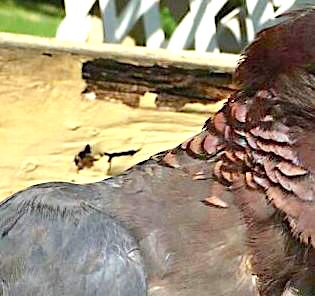
The scaly-naped pigeon is so called because the plumage on the back of its maroon-coloured neck looks somewhat… erm… scaly (hence the Latin squamosa in the binomial name): close-up below.  Notice also the bright, ringed eyes. 

 Scaly-necked pigeon's scaly neck, Abaco, Bahamas

These pigeons mainly feed on fruits and seeds, and usually hang out in small groups or mix in with other dove and pigeon species. They can be wary and flighty, like many of the family Columbidae. Here’s a short (30 secs) video of one preening.

IS THERE PHOTOGRAPHIC PROOF OF AN ABACO ONE?

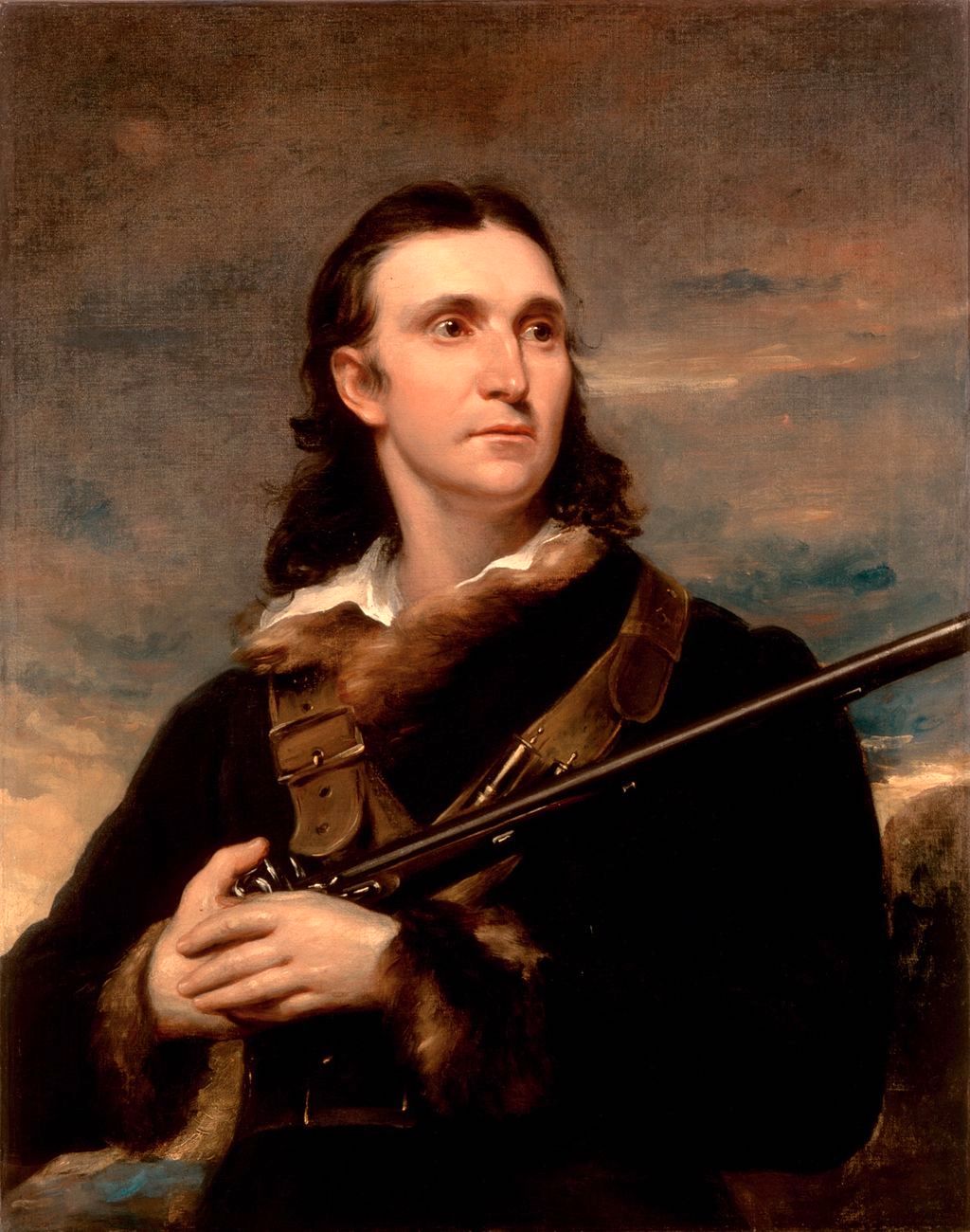
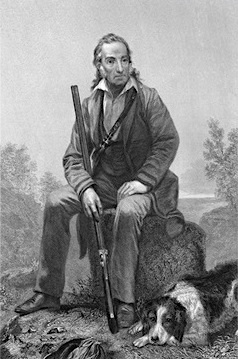
This is slightly tricky, I’m afraid. Right now, it is pigeon shooting season on Abaco. Several birds shot in South Abaco turned out not to be white-crowned pigeons or a WCP / dove cross,  and Woody Bracey was asked to ID photos taken of the deceased birds. The neck close-up above is from one of them… The full photos are a bit sad for a generally cheerful blog so I’ve not used them. At times like these, I have to remind myself that historically, natural historians obtained their specimens of our feathered friends by shooting them. Here are 3 portraits of John James Audubon as a young, middle-aged, and elderly man with his specimen-collecting equipment of choice.

 John James Audubon & gun John James Audubon & gun John James Audubon & gun

WHY HAVE THESE PIGEONS TURNED UP ON ABACO NOW?

The likeliest cause of the sightings this year on Inagua / TCI, and the current influx on South Abaco, is the recent extreme weather, especially Hurricanes Irma and Jose. It seems improbable that a mere whim to fly several hundred miles north from Hispaniola or Puerto Rico would account for the presence of these birds. One of the SNPs shot on Abaco has been retained as a specimen and preserved in a freezer. Woody is contemplating risking an expedition into the target area – a dangerous mission during the shooting season. He has invited any takers to join him, advising people to wear orange clothing to distinguish them from pigeons…

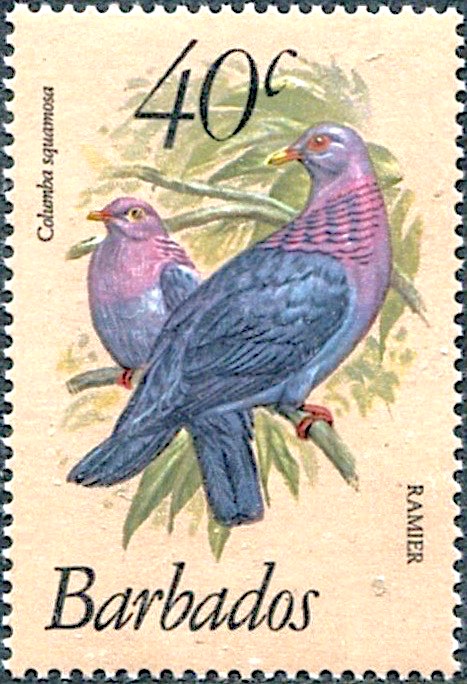
Scaly-naped Pigeon - Barbados

Scaly-naped pigeons are featured on stamps from Barbados (shown) and Barbuda. Like the Bahamas, the Caribbean countries have an excellent record for featuring their wildlife on stamps. You can read more about Bahamas wildlife stamps HERE

Scaly-naped Pigeon

Credits: Woody Bracey for the heads-up for the Abaco sightings; Jean Lopez (header still from a Youtube video); Dick Daniels / Carolinabirds.org; Cornell Lab / Neotropical Birds (range map); neck close-up from Abaco via Woody Bracey; ‘postdlf’ wiki; Felipe at Aves Puerto Rico; open source & wiki for all else 

Scaly-naped Pigeon (Jean Lopez)

Unknown's avatar

DOLPHINS: JUST AS SMART AS YOU ARE…


Bottlenose Dolphin (Brian Lockwood)

DOLPHINS: JUST AS SMART AS YOU ARE…

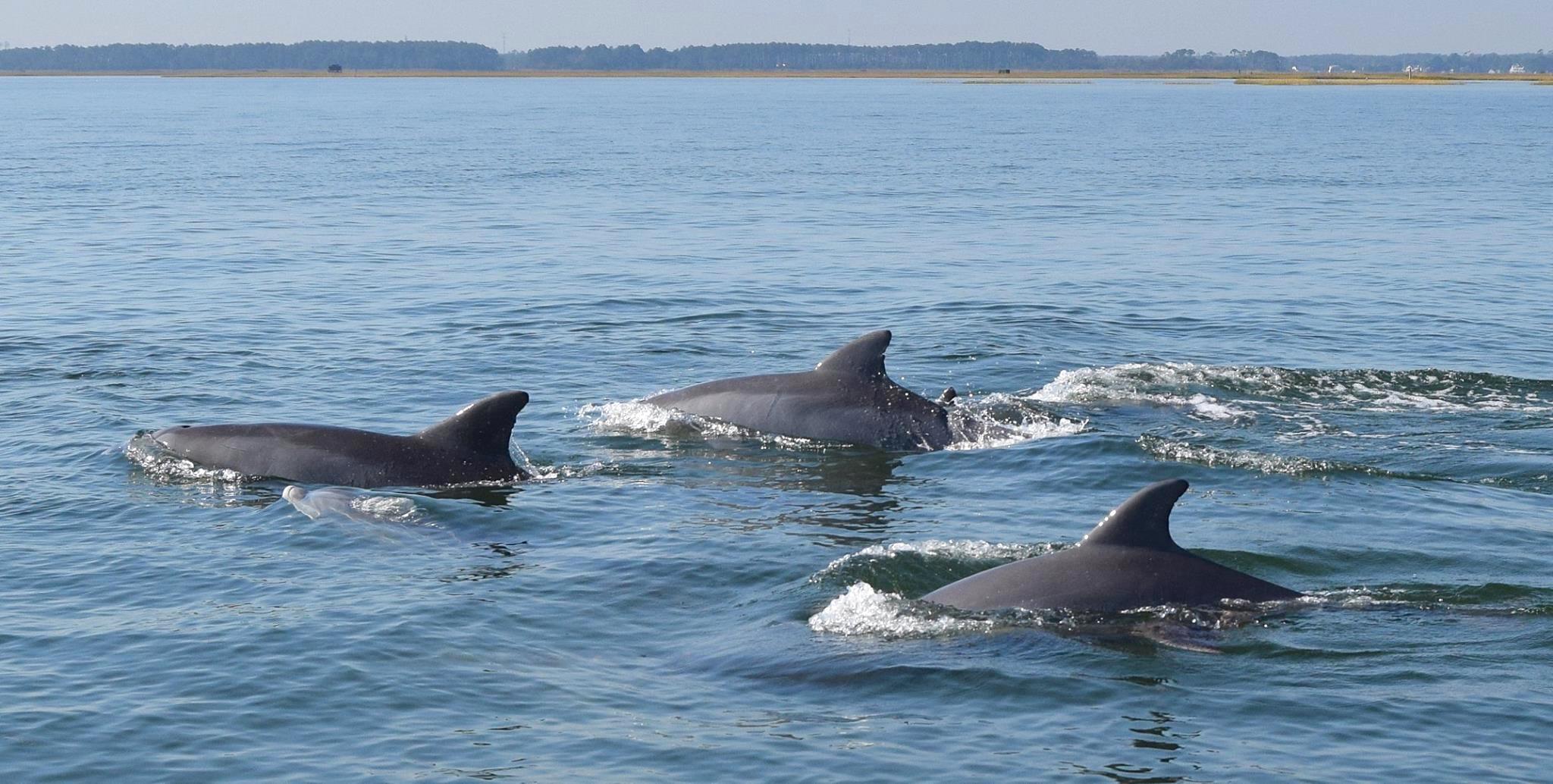
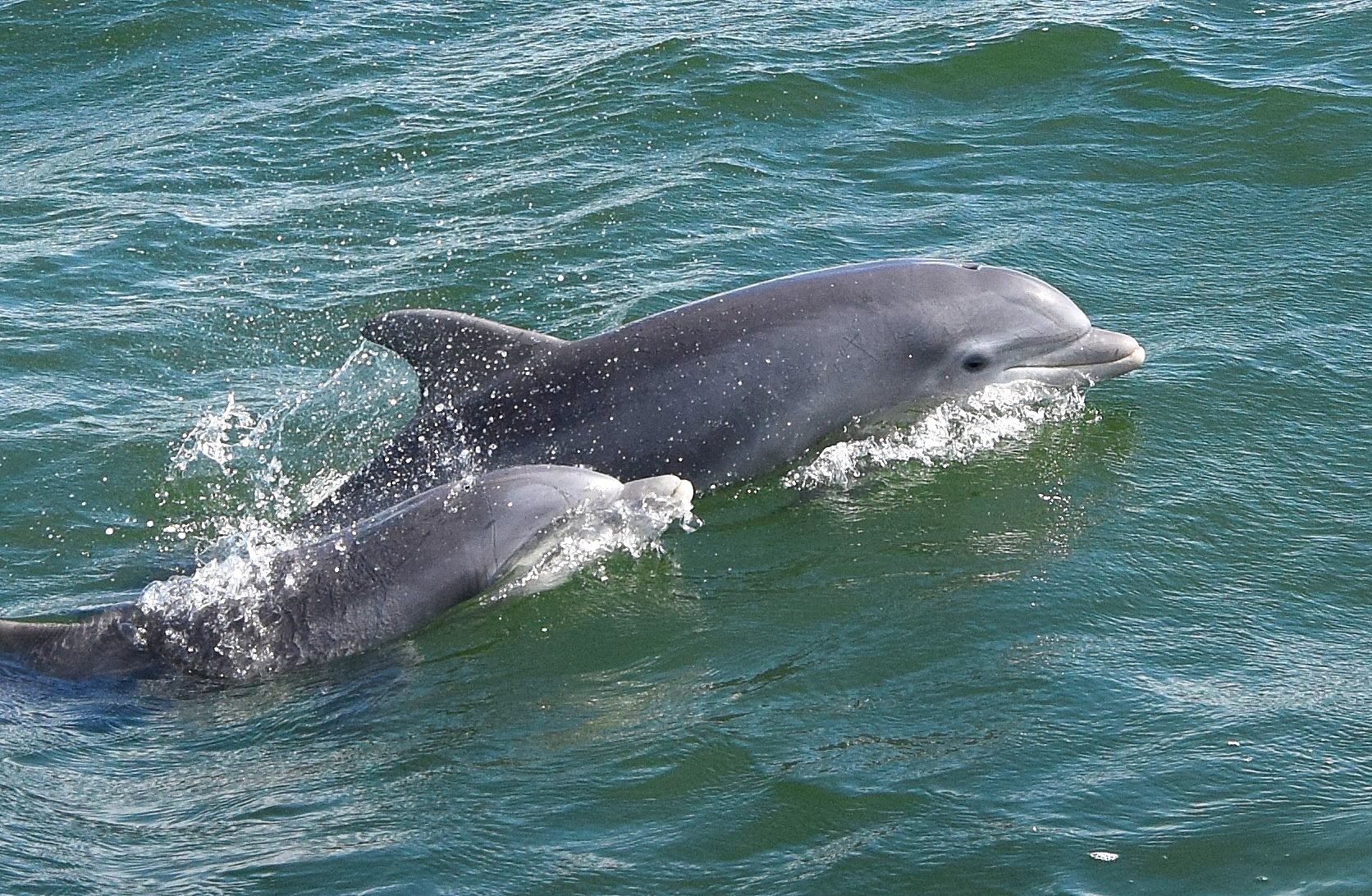
Anyone watching David Attenborough’s astounding new Blue Planet 2 series will already have got the strong message that dolphins are smart, sociable, and joyous creatures. Brian Lockwood from Porquoson VA – and recently become an Abaco resident – knows a smart way to get out on the water to watch them at close quarters: a jetski. Here are a few of the outstanding photos he has recently taken of dolphins doing what they love to do, and what humans love them to do. 

Bottlenose Dolphin (Brian Lockwood)

Bottlenose Dolphin (Brian Lockwood)

Bottlenose Dolphin (Brian Lockwood)

The hint of a quote in the heading of this post is based on something the inimitable Don Van Vliet, aka Captain Beefheart, once claimed: “When I see a dolphin I know it’s just as smart as I am…”.  The only slight problem with this comparative assessment is that there may have been times when the good Captain was conceivably on, or adjacent to, a different planet. Times when the dolphins might actually have got the intellectual upper hand.

Bottlenose Dolphins (Brian Lockwood) Bottlenose Dolphins (Brian Lockwood) Bottlenose Dolphins (Brian Lockwood)

OPTIONAL MUSICAL DIGRESSION FOR THE WEEKEND

There are plenty of excellent songs name-checking dolphins somewhere in the lyrics. Rather fewer with ‘dolphin’ in the title. Yes, there’s the Tim Buckley song (or the Beth Orton version of it). The insipid Firefall one? Nah! Then I remembered the Byrds and their ‘Dolphin’s Smile’. Never a single. Originally buried on “Side 2” of Notorious Byrd Brothers. Slightly obscure? Makes a change, so here it is, complete with its evocative yet synthetic ‘dolphin chatter’ intro.

Credits: all the wonderful dolphins taken by Brian Lockwood, with thanks for use permission

Bottlenose Dolphins (Brian Lockwood)

Unknown's avatar

TWO BOOKS: BIRDS, FISHING & DELPHI x 2


TWO BOOKS: BIRDS, FISHING & DELPHI x 2

November 1st. All Hallows, when the tricks or treats have passed, the amusing costumes are packed away for next year, and all restless souls are at peace once more. It’s a significant day for me – the first day I acknowledge the inevitability of the festive season. This, despite (or because of) the fact that Xmas shopping catalogues, charity appeals, store displays and optimistic ‘Book Your Christmas Dinner Today notices started to appear in early August… 

BOOK NEWS

The Birds of Abaco by Keith Salvesen

“THE BIRDS OF ABACO”

♦ ♦ ♦ ♦ SPECIAL OFFER ♦ ♦ ♦ ♦

We are reducing the price of the book for the time being, probably until early January. The price for each copy will now be $88 inc VAT + shipping. As always, you can arrange a drop at a convenient location in MH. To the many who have bought the book on Abaco and further afield, and been so appreciative, many thanks.

For those who haven’t come across the book but kindly follow ‘Rolling Harbour’, here is the original flyer which will give you an idea of its contents.

The Birds of Abaco by Keith Salvesen (flyer info)

Cuban Emerald, Delphi, Abaco (Keith Salvesen)

DOUBLE DELPHI

Double Delphi - jacket (Peter Mantle / KS edit)

Meanwhile, Peter Mantle’s wonderful recently published account of both his Delphis, East in Ireland and West in the Bahamas, is going down a storm. His ‘fisherman’s fantasy’ has had excellent reviews and has been featured in Trout & Salmon magazine, with other articles to come. Click the heading to find out more about the book, its cast of colourful characters, strange histories, triumphs and disasters, and most of all the fishing at each of Peter’s renowned Lodges: created from a ruin in one case; and from thick coppice in the other.

Double Delphi is for sale at $44 + shipping.

Email: delphi.bahamas@gmail.com

Direct online ordering of Peter’s book: https://wallopbooks.com/

Cuban Emerald Hummingbird (f), Delphi, Abaco: Keith Salvesen

Unknown's avatar

PIPING PLOVERS ON GRAND BAHAMA (for a change…)


Piping Plover, Grand Bahama (Erika Gates)

PIPING PLOVERS ON GRAND BAHAMA (for a change…)

I used to go on a bit about piping plovers*, because they are so special. Rare. Endangered. Creatures rewarding observation, and deserving research and conservation. Most of all, they favour the Bahamas for their winter migration destination.  The islands – especially Abaco, Grand Bahama and Andros – provide a safe and unspoiled habitat for them in winter. The photographs shown here are piping plovers taken on Grand Bahama in early September by well-known birding guide Erika Gates, who has kindly given me use permission.

Piping Plover, Grand Bahama (Erika Gates)

These days, ABACO PIPING PLOVER WATCH diverts PIPL from these pages to a dedicated Facebook page. Now in its 3rd season, useful data is being collected for the research teams in the breeding grounds in North America by volunteer beach monitors**. Some are regular, some are occasional, some are one-off reporters: all contribute to the overall picture. In particular we are able to identify individual banded birds and track them back to their summer locations.

Piping Plover, Grand Bahama (Erika Gates)

WHAT USE IS THAT?

Almost every banded bird resighted this season is a returner to exactly the same beach as before. Some are here for their third or even fourth year. These tiny birds are therefore surviving a journey of between 1000 and 2000 miles each autumn and again each spring – and locating their favourite beaches with unerring accuracy. A few are resighted en route during their migration; often we get reports of their nesting and breeding news during the summer.  Their little lives can be pieced together.

Piping Plover, Grand Bahama (Erika Gates)

AND THE CONCLUSION TO BE DRAWN?

The summer breeding grounds generally have conservation programs that help to protect the nesting birds from danger and disturbance. Those are the most vulnerable weeks for the adults and their chicks. The arrival of the plovers each autumn on Grand Bahama, Abaco and elsewhere in the Bahamas demonstrates their ‘beach fidelity’. They are confident that the beaches offer a safe and secure winter habitat where they are left alone. And when the time comes in Spring, they will be ready to make the long journey north again for the breeding season.

Piping Plover, Grand Bahama (Erika Gates)

* uncouth reader “you certainly did…

** additional volunteers welcome! If you walk a beach once a fortnight or even a month, own a piece of paper & a pencil, can count, and ideally have a camera or even a phone, you too can be a citizen scientist!

Photo credits: all photos, Erika Gates, with many thanks. Erika’s related websites are 

Unknown's avatar

BAHAMAS REEF FISH (39): YELLOWTAIL DAMSELFISH


Yellowtail Damselfish (©Melinda Riger / Grand Bahama Scuba)

BAHAMAS REEF FISH (39): YELLOWTAIL DAMSELFISH

Yellowtails are just one of several damselfish species in Bahamas waters. These small fish are conspicuous not just for the bright tails that give them their name. More striking if anything – especially if seen underwater in sunlight against the coral – are the electric blue spots visible in both adults and juveniles.

Yellowtail Damselfish (©Melinda Riger / Grand Bahama Scuba)

The body of adults is dark blue to brownish to almost black 

The body of juveniles is blue

Yellowtails are a common and widespread variety of damselfish. They have a limited ability to change colour according to their surroundings, but with their bright tails and luminous blue flecks, it’s hard to see how they can look, to a predator, anything other than a tasty snack.

I have enjoyed seeing these little fish at Fowl Cay Marine Preserve, Abaco. The reef there makes for easy and rewarding snorkelling, with a wide variety of small and medium-size reef fishes to be seen. It’s an expedition I would definitely recommend to anyone wanting to see a healthy and active reef in a completely natural protected area.

I found that a video I took with a tiny camera was sadly of use only to myself. No one else would be able to make anything out due to the marked camera shake. Novices, huh? You are spared that: here’s a brief example of yellowtails swimming instead, showing the difference between juveniles and adults.

Credits: all photos, Melinda Riger / Grand Bahama Scuba; video from Desert Diving

Unknown's avatar

PIED-BILLED GREBES: LESS COMMON THAN THE LEAST


Pied-billed grebe, Abaco (Tom Sheley)

PIED-BILLED GREBES: LESS COMMON THAN THE LEAST

There are two grebe species recorded for Abaco. The LEAST GREBE is the most common; the pied-billed grebe (Podilymbus podiceps) is rarer. These small birds, often called dabchicks, are marsh and pond dwellers. They are sometimes found in brackish or even salt water.

Pied-billed grebe, Abaco (Tony Hepburn)

The pied-billed grebe is somewhat larger than the least grebe. In the breeding season, they have a distinctive black beak-ring. In the header image, the bird is just starting to acquire the ring. Their dark eyes also distinguish them from the golden-eyed least grebe; and their beaks are pale rather than dark.

Least grebe with golden eyes and dark beakLeast Grebe, Abaco (Keith Salvesen)

Pied-billed Grebe for comparisonPied-billed grebe, Abaco (Linda Barry Cooper)

These birds have lobes on each toe rather than webbed feet. This helps them to paddle and to dive – which is how they mainly forage. They can stay under water for up to half a minute, often surfacing some distance from the entry point. This is one method they use to avoid danger – especially as they don’t fly with much enthusiasm.

Pied-billed grebe, Abaco (MDF wiki)

Grebes rather endearingly carry their young on their backs until the chicks are old enough to fend for themselves. The main threat to the species is habitat loss, especially of wetlands. The decline in local populations of this once-prolific bird is such that in some places they classified as threatened or endangered.

Pied-billed grebe, Abaco (Dori / wiki)

The pied-billed grebes’ call has been rendered thus: a “whooping kuk-kuk-cow-cow-cow-cowp-cowp.” If that helps you at all. If not, try this clip:

Michel St Martin / Xeno-Canto

Credits: Tom Sheley, Tony Hepburn, Keith Salvesen (least grebe), Linda Barry-Cooper, MDF / wiki, Dori / wiki; Sound file, Xeno-Canto; Cartoon, Birdorable

Unknown's avatar

BLAINVILLE’S BEAKED WHALES IN ABACO WATERS


Blainville's Beaked Whale, Abaco (BMMRO)

BLAINVILLE’S BEAKED WHALES IN ABACO WATERS

It’s hard to believe that the seas around Abaco and its cays are home to a number of whale species, from huge sperm and humpback whales down to so-called dwarf or pygmy species. In the middle of this range come the beaked whales, the most common being the Blainville’s Beaked Whale. I say ‘most common’, but in fact they are rare in the world, being found in only two other main locations on earth. 

Blainville's Beaked Whale, Abaco (BMMRO)

These whales are carefully monitored by the Bahamas Marine Mammal Research Organisation (BMMRO), and there is a tagging program to keep track of them. As with dolphins, individuals are identified by markings on the dorsal fin, which vary for each whale. The one above has distinctive scarring at the tip. There are also striations on the body, and conspicuous circular marks that are healed wounds caused by cookie-cutter sharks.

Blainville's Beaked Whale, Abaco (BMMRO)

To the untrained eye, there are no noticeable marks on the dorsal fin of the whale above. However, the whale’s back has a prominent pattern of scarring and healed cookie-cutter wounds. The whale below really looks as though it has been in the wars, with long deep healed wounds behind the head.

Blainville's Beaked Whale, Abaco (BMMRO)

I can’t tell without seeing the head, but I wonder if it is a male and the scars have been caused in a fight with another male – adult males have prominent tusks with which they do battle. Here is an photo that I took from the research boat on a different occasion. The tusks protrude upwards from the lower jaw, and are often covered in barnacles. They are capable of causing serious injury.

Blainville's Beaked Whale male, Abaco (Keith Salvesen)

Blainville’s beaked whales are amongst the deepest divers of all whales. But that and other whale topics will have to wait for another day… My computer malware / virus has been removed professionally with no data loss, and I have some catching up to do. Cost in terms of panic and stress: huge. Cost in real terms: $90.

Blainville's Beaked Whale, Abaco (BMMRO)

All photos BMMRO except the tusked male, Keith Salvesen