Unknown's avatar

PUFFER FISH: BAHAMAS REEF FISH (19)


Sharpnose Puffer Fish

Sharpnose Puffer Fish

PUFFER FISH: BAHAMAS REEF FISH (19)

10 PUFFER FISH FACTS TO ASTONISH YOUR FAMILY & FRIENDS

1. Puffers can inflate their bodies in an instant by ingesting huge amounts of water and becoming water-filled balloons.

2. They need a startling form of defence like this (or ‘piscatorial superpower’) because they can’t swim very well.

3. However, a persistent predator will find that they contain a toxin (tetrodotoxin TTX) that is a hundred times stronger than cyanide. One puffer fish has enough toxin to kill quite a few humans.  Agatha Christie was unaware of this – had she been, we might have had a classic  multiple murder mystery based on the contents of a fish tank… “Poirot and a Fishy Tale of the Caribbean”

Sharp Nose Puffer Fish ©Melinda Riger @GB Scuba

Sharpnose Puffer Fish

4. Selected parts of a puffer fish are a delicacy in some cultures (‘fugu’, in Japan). Trained chefs are used to avoid mass deaths among diners.

5. Sharks are the only species immune to the puffer fish and are not much bothered by a small fish that can blow itself up.

6. Puffers have skin, not scales; most have toxic spines of some sort. Bright coloured ones are probably more toxic than their duller cousins.
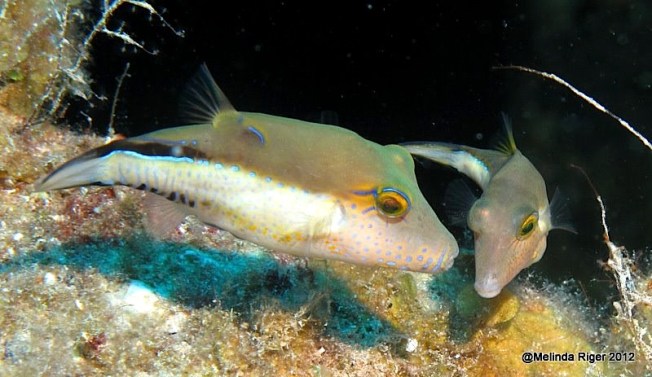
Sharp-nosed Puffer Fish ©Melinda Riger @ Grand Bahama Scuba

Sharpnose Puffer Fish

7. It’s worth knowing what an uninflated puffer looks like before you try to pet a passing fish and have a toxic encounter.

8. There are more than a hundred puffer species in the world, found where there are warm shallow waters.

9. Noy all puffers are toxic; and some are more toxic than others.

10. I have no idea of the relative toxicity of the 2 puffer species featured here. Sorry about that. Take care!
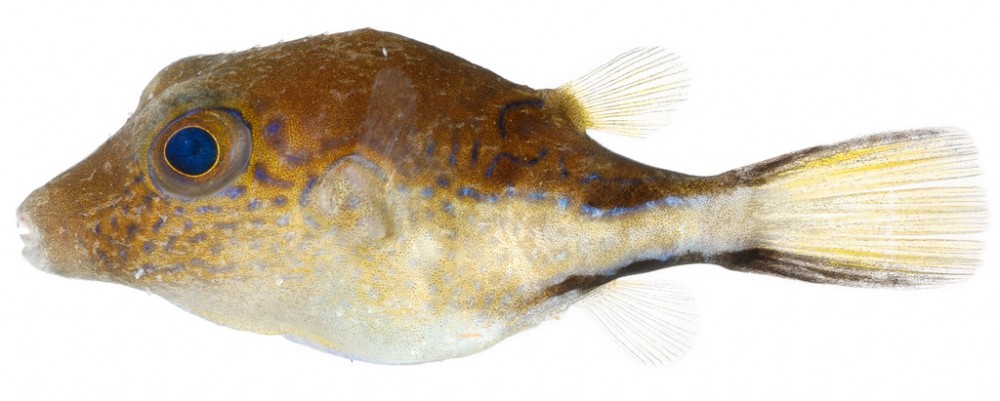
Animal-Fish-Photo-Canthigaster-rostrata-Caribbean-Sharp-Nose-Puffer-1000x401 Animal-Fish-Photo-Canthigaster-rostrata-Inflated-Caribbean-Sharp-Nose-Puffer-1000x590

The fish above are all Sharpnose Puffer Fish taken by Melinda Riger of Grand Bahama Scuba; the rather nice drawings of the species are courtesy of the Smithsonian via ‘Vintage Printables’.  

CHECKERED PUFFER FISH

I photographed some Checkered Puffers at Sandy Point, Abaco last summer. None was puffed up, and I wasn’t about to upset them. The following photos of a small group of puffers were taken from above and not underwater (“no fear”). 
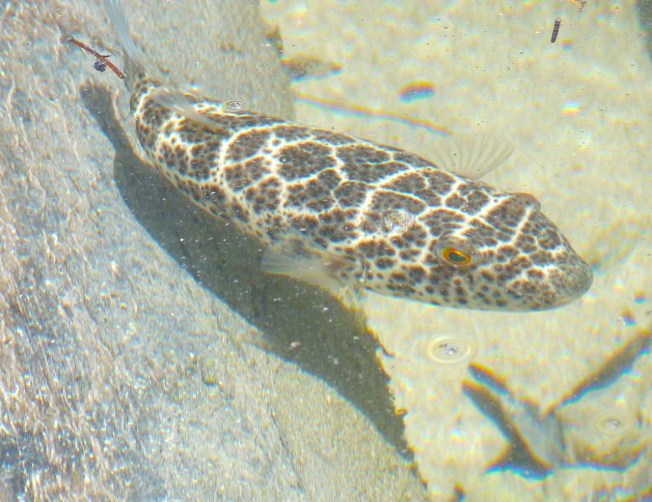
P1080246 - Version 2

Checkered Puffer Fish, Sandy Point, Abaco

P1080247 - Version 2

Checkered Puffer Fish, Sandy Point, Abaco

P1080248 - Version 2

Checkered Puffer Fish, Sandy Point, Abaco

I don’t know what species of puffer the one below may be, but I do know I don’t want it in the palm of my hand. I include it from an ‘info for kids’ site to illustrate what the full balloon looks like. I’m wondering if all one needs to deal with them is a pin on the end of a long stick…
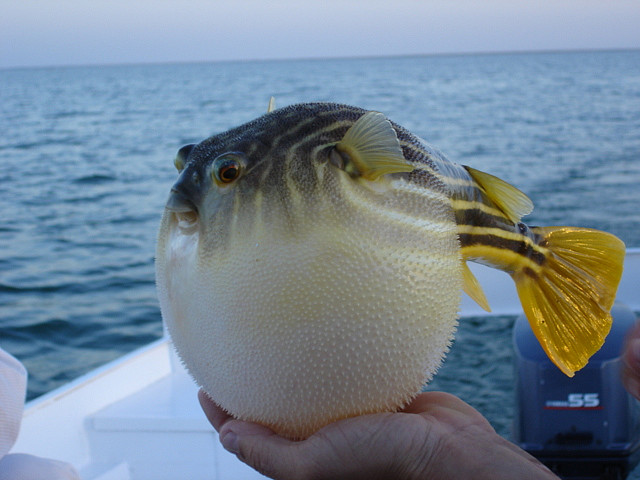
puffer-fish-facts-for-kids

Puffer Fish at Full Puff

FURTHER READING about dodgy creatures you may encounter:

5 CREATURES ON ABACO THAT YOU MAY WISH TO AVOID

SPIDER WASPS & TARANTULA HAWKS: DON’T MESS WITH THESE GUYS

Unknown's avatar

ABACO’S 5 ‘PERMANENT RESIDENT’ WARBLERS & A NEW WARBLER ID GUIDE


Olive-capped Warbler, Abaco (Bruce Hallett)

Olive-capped Warbler, Abaco

ABACO’S 5 ‘PERMANENT RESIDENT’ WARBLERS & A NEW WARBLER ID GUIDE

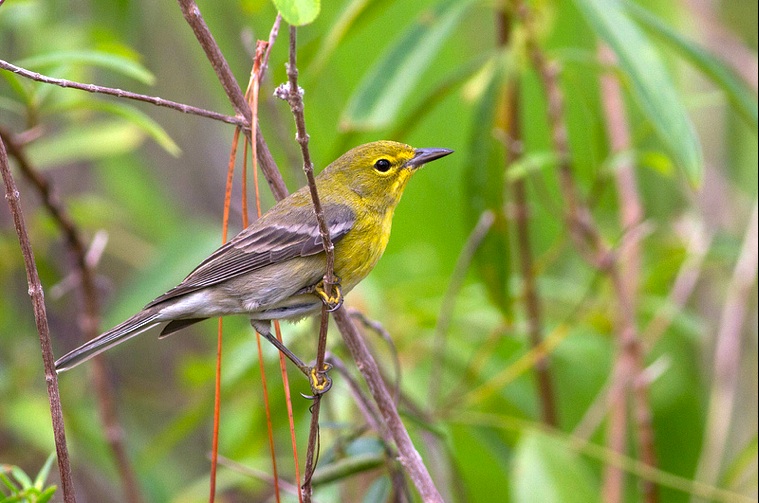
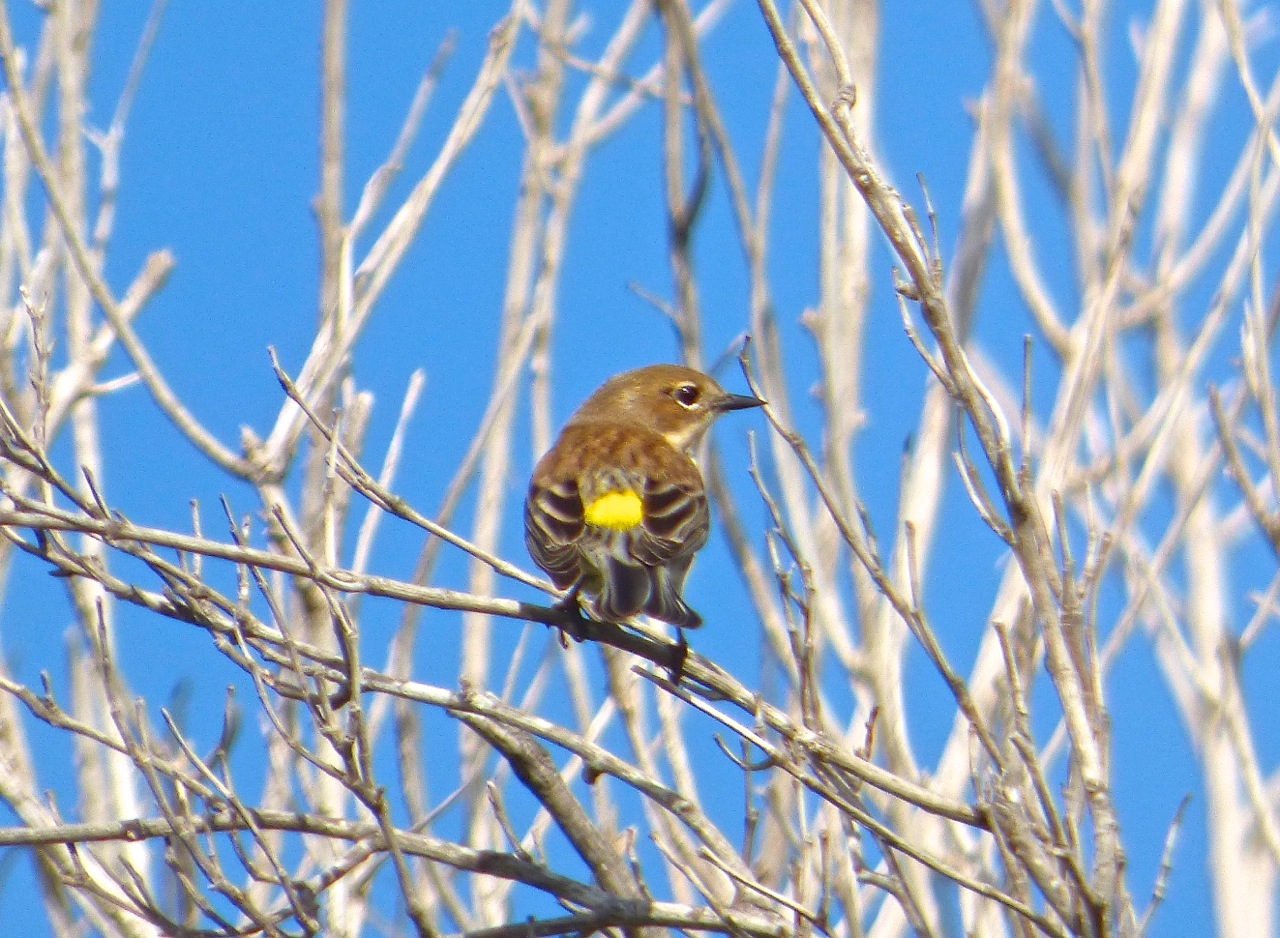
There are 37 Warbler species (Parulidae) recorded for Abaco. There is considerable scope for confusion between many of them. For a start, by no means all have the helpful word ‘warbler’ in their name. Secondly a great many of the species are to a greater or lesser extent yellow, with sub-variables for gender, age and season. It’s easy to get in muddle. A good place to start ID is with the warblers that are on Abaco all year round. Only 5 species are permanent residents on Abaco and the Cays: Bahama Warbler, Bahama Yellowthroat, Olive-capped Warbler, Pine warbler and Yellow Warbler. I have used images of these to illustrate this post.

Yellow Warbler (f) Abaco

Yellow Warbler (f) Abaco

The rest are mostly winter residents, with some being transient visitors passing through on their migration routes. Some are ‘everyday’ birds; some are unusual; and a few are extremely hard to find, the Kirtland’s warbler being the rarest and therefore the most prized sighting of all. I will be returning to the Kirtland’s in more detail in due course.

Pine Warbler, Abaco

Pine Warbler, Abaco

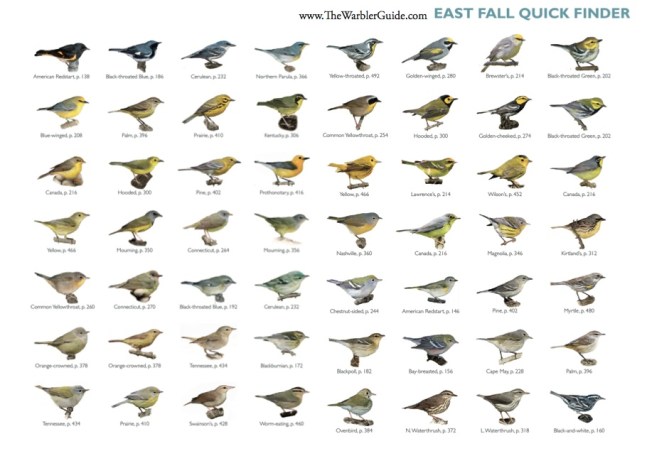
At the bottom of this post is a complete list of the Abaco warbler species, with Bahamas bird authority Tony White’s excellent codes indicating (a) when they may be seen; and (b) the likelihood of seeing a particular species (from 1 – 5). First however, news of a great resource for aiding warbler ID, produced by The Warbler Guide. Click on the blue link below to open a pdf with illustrative views of warbler species from several angles, spread of 8 pages. These are the warblers of North America, but you’ll find that almost all the Abaco warblers are featured.

THE WARBLER GUIDE QUICK-FINDERS

SAMPLE PAGE

Warbler Guide Sample Page

Bahama Warbler, Abaco (Woody Bracey)

Bahama Warbler, Abaco

THE 37 WARBLER SPECIES RECORDED FOR ABACO

WOOD-WARBLERS  PARULIDAE CODE
Ovenbird Seiurus aurocapilla WR 1
Worm-eating Warbler Helmitheros vermivorum WR 2
Louisiana Waterthrush Parkesia motacilla WR 3
Northern Waterthrush Parkesia noveboracensis WR 1
Blue-winged Warbler Vermivora cyanoptera WR 3
Black-and-white Warbler Mniotilta varia WR 2
Prothonotary Warbler Protonotaria citrea TR 3
Swainson’s Warbler Limnothlypis swainsonii WR 4
Tennessee Warbler Oreothlypis peregrina TR 4
Orange-crowned Warbler Oreothlypis celata TR 4
Nashville Warbler Oreothlypis ruficapilla WR 4
Connecticut Warbler Oporonis agilis TR 4
Kentucky Warbler Geothlypis formosa TR 4
Bahama Yellowthroat Geothlypis rostrata PR B 1
Common Yellowthroat Geothlypis trichas WR 1
Hooded Warbler Setophaga citrina WR 3
American Redstart Setophaga ruticilla WR 1
Kirtland’s Warbler Setophaga kirtlandii WR 4
Cape May Warbler Setophaga tigrina WR 1
Northern Parula Setophaga americana WR 1
Magnolia Warbler Setophaga magnolia WR 3
Bay-breasted Warbler Setophaga castanea TR 4
Blackburnian Warbler Setophaga fusca TR 4
Yellow Warbler Setophaga petechia PR B 1
Chestnut-sided Warbler Setophaga pensylvanica TR 4
Blackpoll Warbler Setophaga striata TR 3
Black-throated Blue Warbler Setophaga caerulescens WR 2
Palm Warbler Setophaga palmarum WR 1
Olive-capped Warbler Setophaga pityophila PR B 1
Pine Warbler Setophaga pinus PR B 1
Yellow-rumped Warbler Setophaga coronata WR 2
Yellow-throated Warbler Setophaga dominica WR 1
Bahama Warbler Setophaga flavescens PR B 1
Prairie Warbler Setophaga discolor WR 1
Black-throated Green Warbler Setophaga virens WR 3
Wilson’s Warbler Cardellina pusilla TR 4
Yellow-breasted Chat Icteria virens TR 4
Bahama Yellowthroat, Abaco

Bahama Yellowthroat, Abaco

Warbler_Guide

Image credits: Bruce Hallett, Tom Reed, Woody Bracey, Charlie Skinner; PDF from ‘The Warbler Guide”

Unknown's avatar

ABACO’S ENDEMIC BIRDS: MAKING A CASE FOR PROTECTION


Bahama Yellowthroat on Abaco - Tom Reed

Bahama Yellowthroat on Abaco – Tom Reed

 ABACO’S ENDEMIC BIRDS: MAKING A CASE FOR PROTECTION

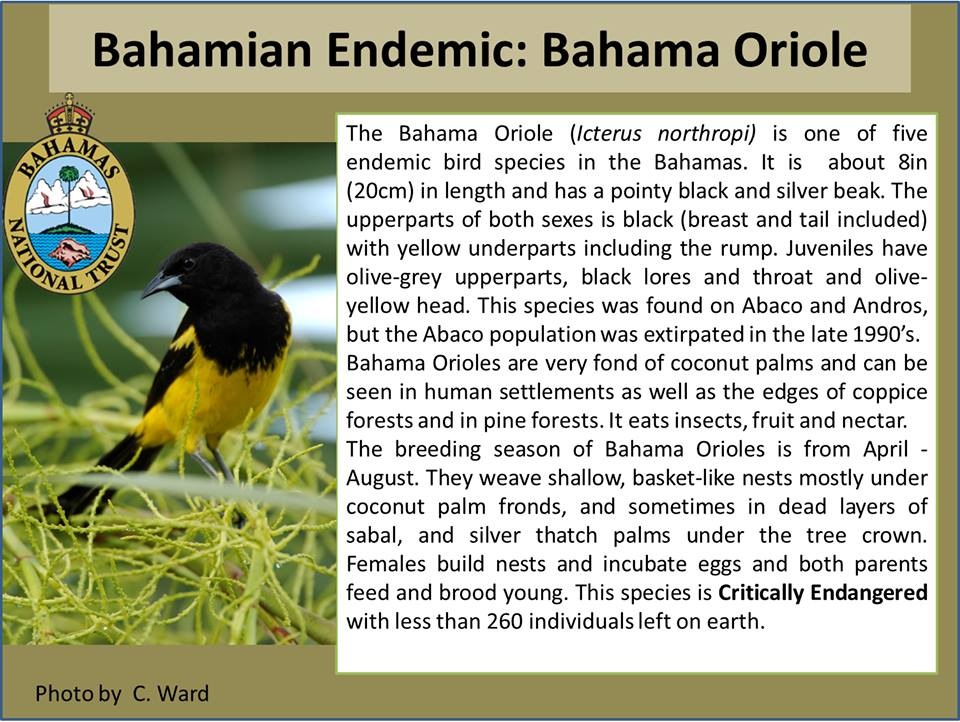
I recently wrote a post showcasing the 4 Bahamas endemic bird species found on Abaco: swallow, warbler, woodstar hummingbird, and yellowthroat. You can read it and see some great photos HERE. Sadly, the magnificent oriole, extant on Abaco for centuries, was extirpated in the 1990s. You can still see them but only on Andros; and the population there is barely sustainable – there are only 260 remaining. Still, on Abaco there remain four of the endemic species to conserve and care for.

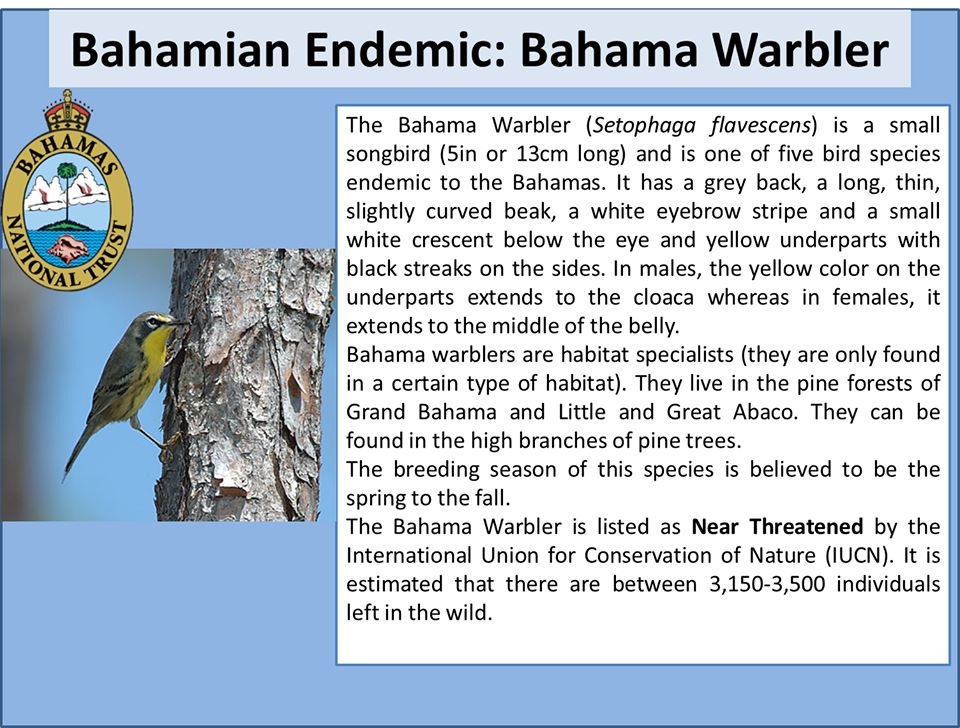
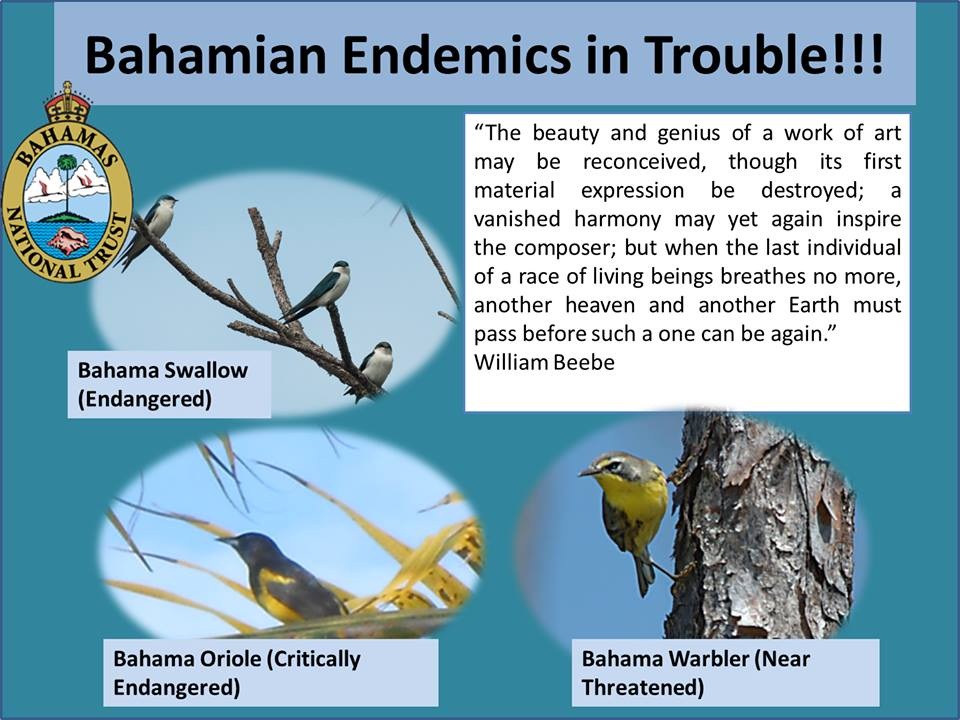
The Bahamas National Trust BNT has produced 6 brief but informative illustrated ‘cards’ about the Bahamas endemics. They deserve a wide audience, especially in view of the threats to some species for reasons that include habitat loss and increasing development. New Providence lost its subspecies of Bahama Yellowthroat within the last 20 years. Let’s hope that Abaco can hold onto its speciality birds for the future. 

IMG_1613IMG_1618IMG_1801IMG_1617IMG_1713IMG_1707

Unknown's avatar

“I’M ONLY HERE FOR THE BEER…” ON ABACO


“I’M ONLY HERE FOR THE BEER…” ON ABACO

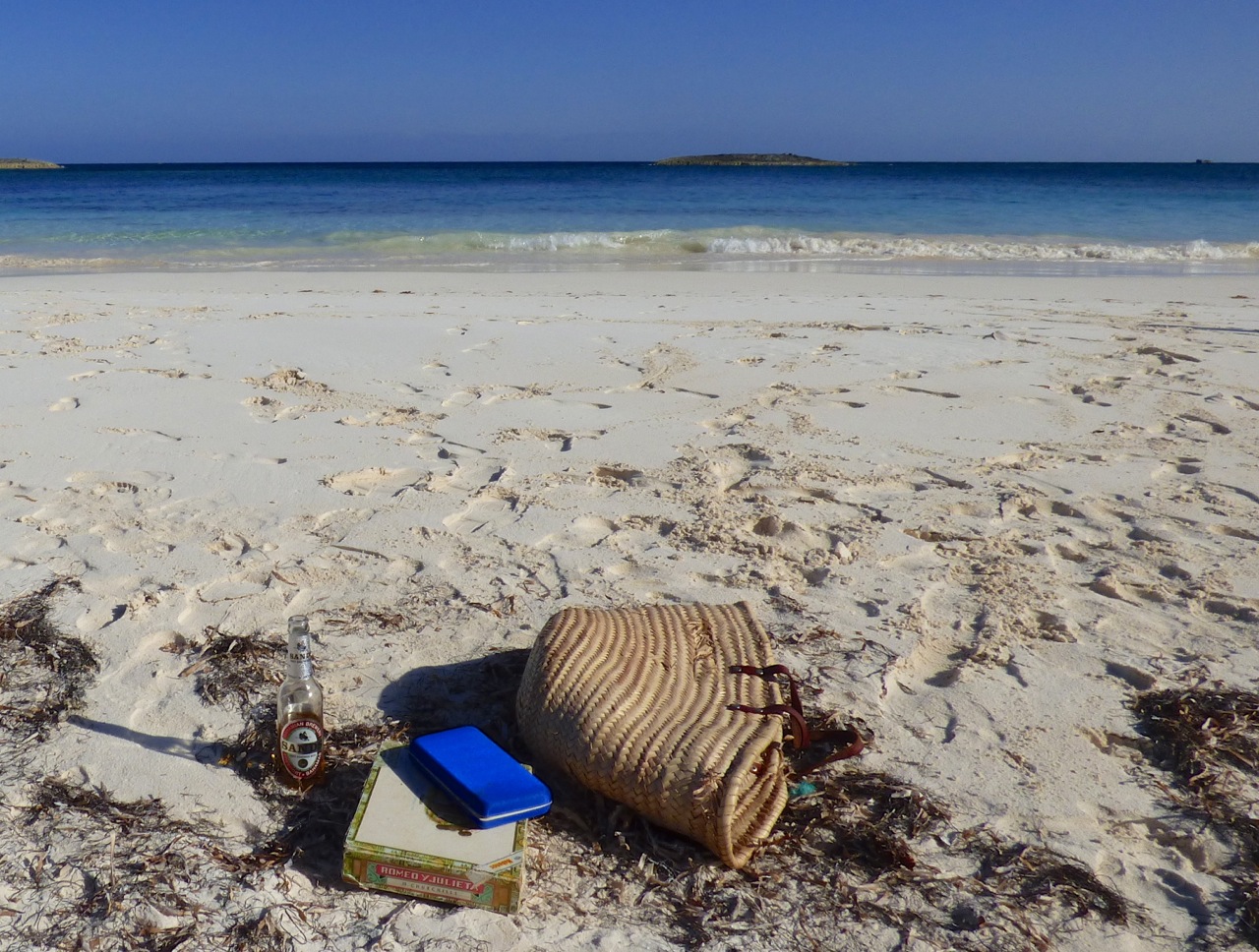
Strangely, our time on Abaco is usually punctuated at regular intervals by the ingestion of libations of an intoxicating variety. Basically, wine and beer. This has many positive  benefits: for example, it has a tendency to make ones own jokes seem a great deal funnier; and it can definitely aid casting confidence for an afternoon of bonefishing… Looking back over some recent photos, I found one I took on the Delphi beach during the ‘Permit Bagging’ week at the north end. I was amused by the sophistication of this shoreline collection of “essentials” belonging to one of the permit casters (RF – you!). The beer was an unsurprising beach-fishing accompaniment – the box of Romeo y Julietas was the main item of interest.

Beer post 6

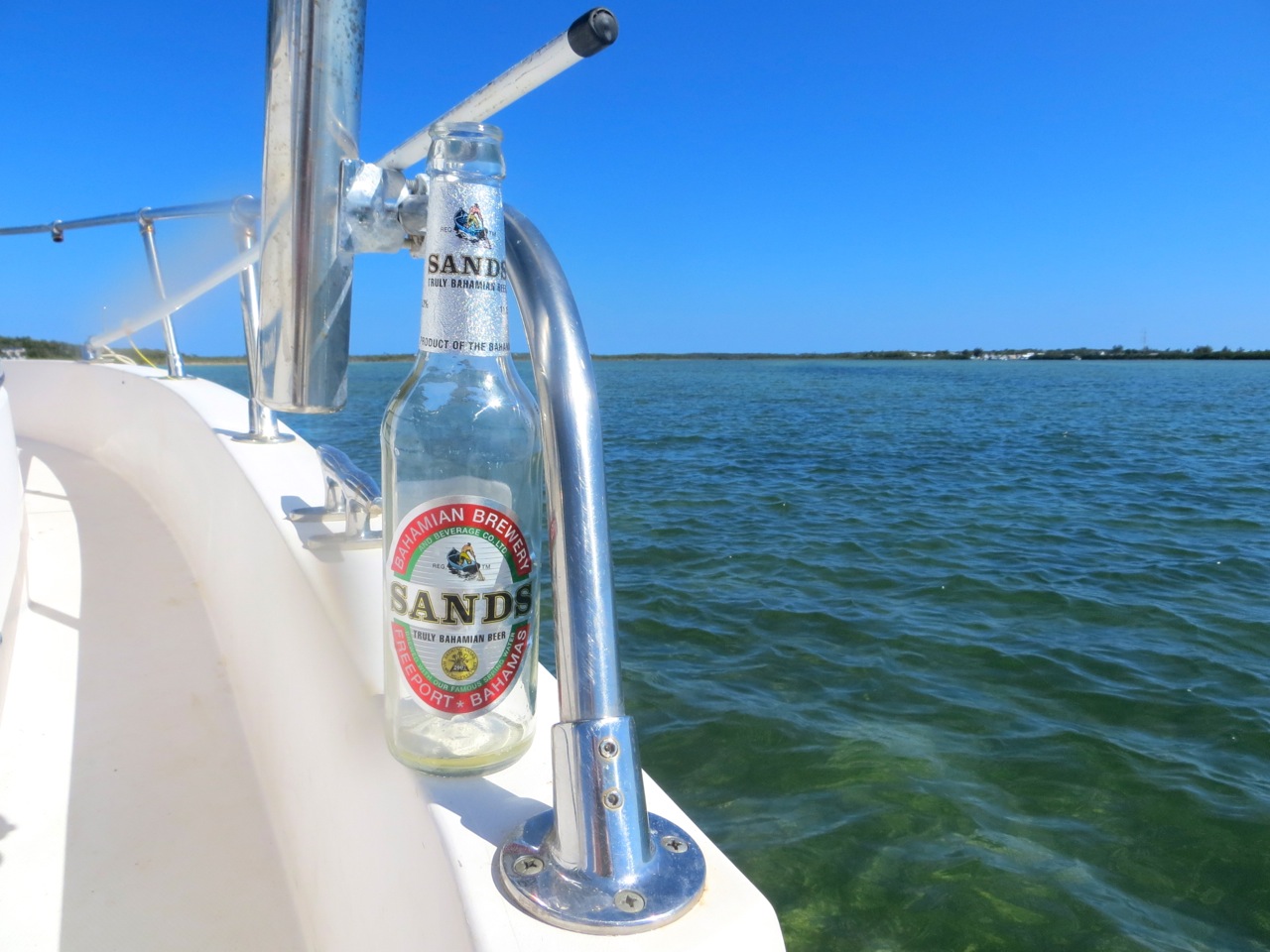
There can be few beers more perfectly named for its surroundings than Sands, although it can be drunk out at sea just as easily…Beer post 4

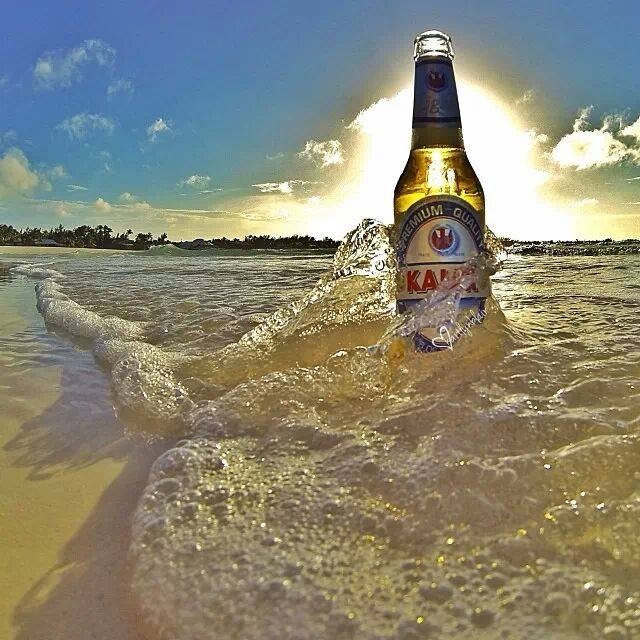
My own favourite is Kalik – though admittedly after a while my discernment of the subtle differences between the 2 brands may become somewhat dulledBeer post 3

This guy seems to be enjoying his lunch on a perfect day out fishing offshore… Oh! Wait – it’s me…Beer post 1

Kalik by Kaitlyn Blair (F:B) copyI enjoyed this imaginative beer-based image posted by Kaitlyn Blair on FB

The title from this post comes from  a slogan for Double Diamond beer circa 1970 and the associated excruciating advertising. It caught on, and in almost any social situation at least three people were likely to say “I’m only here for the beer”. Even Garden Parties at Buckingham Palace (where one of the droll wags was, by royal prerogative, Prince Phillip). Here, in all its glory, is the ‘fons et origo’ of the expression…

[youtube https://www.youtube.com/watch?v=7TGCrBE3JvY]

This is & will remain an ad-free site. No monetary payment is received for products featured. Oh. Thanks. Mine’s a Kalik please. 

Unknown's avatar

BANANAQUITS ARE UBIQUITS ON ABACO – AND ÜBERCUTE TOO


Bananaquit & palm, Delphi, Abaco, Bahamas 7

BANANAQUITS ARE UBIQUITS ON ABACO – AND ÜBERCUTE TOO

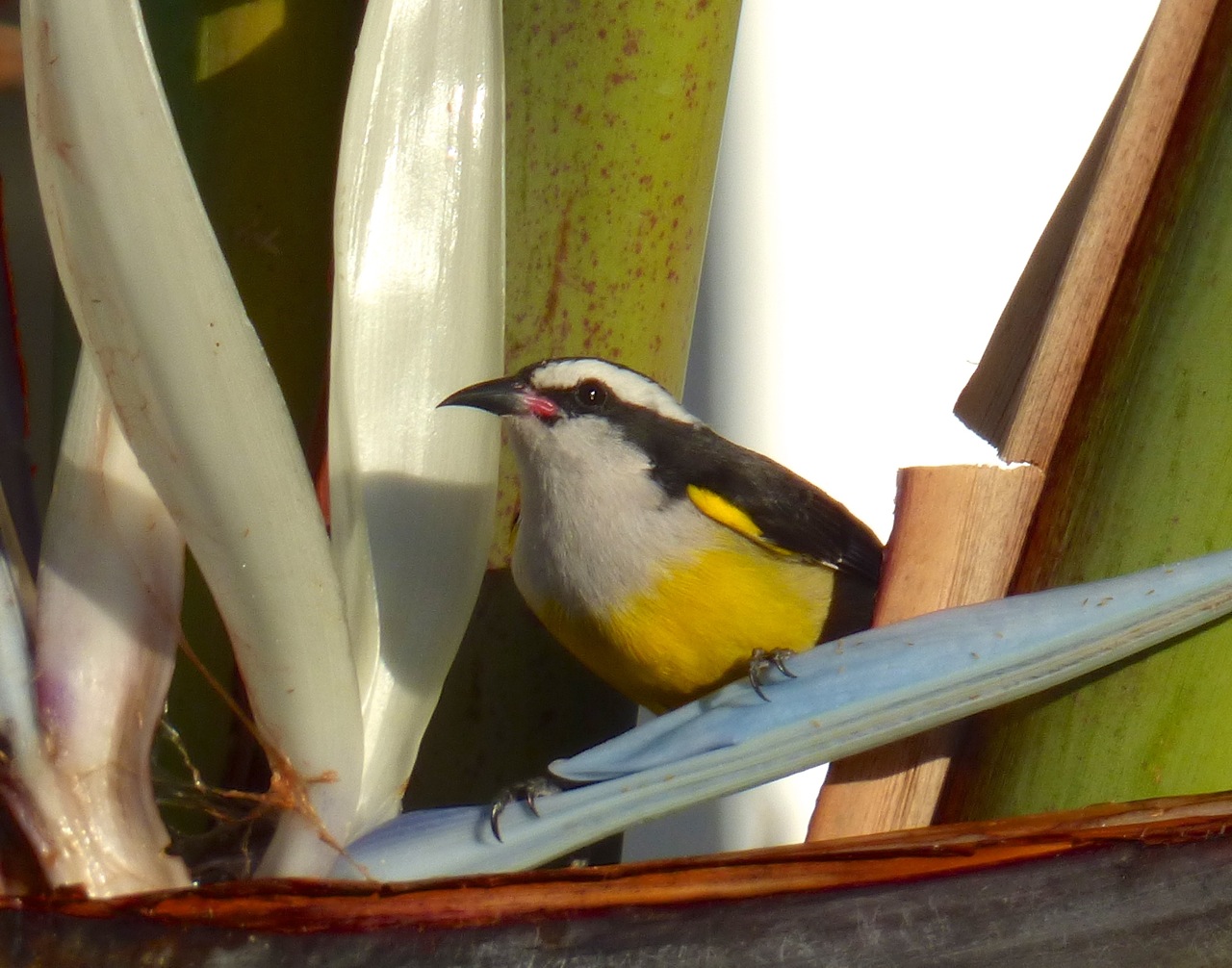
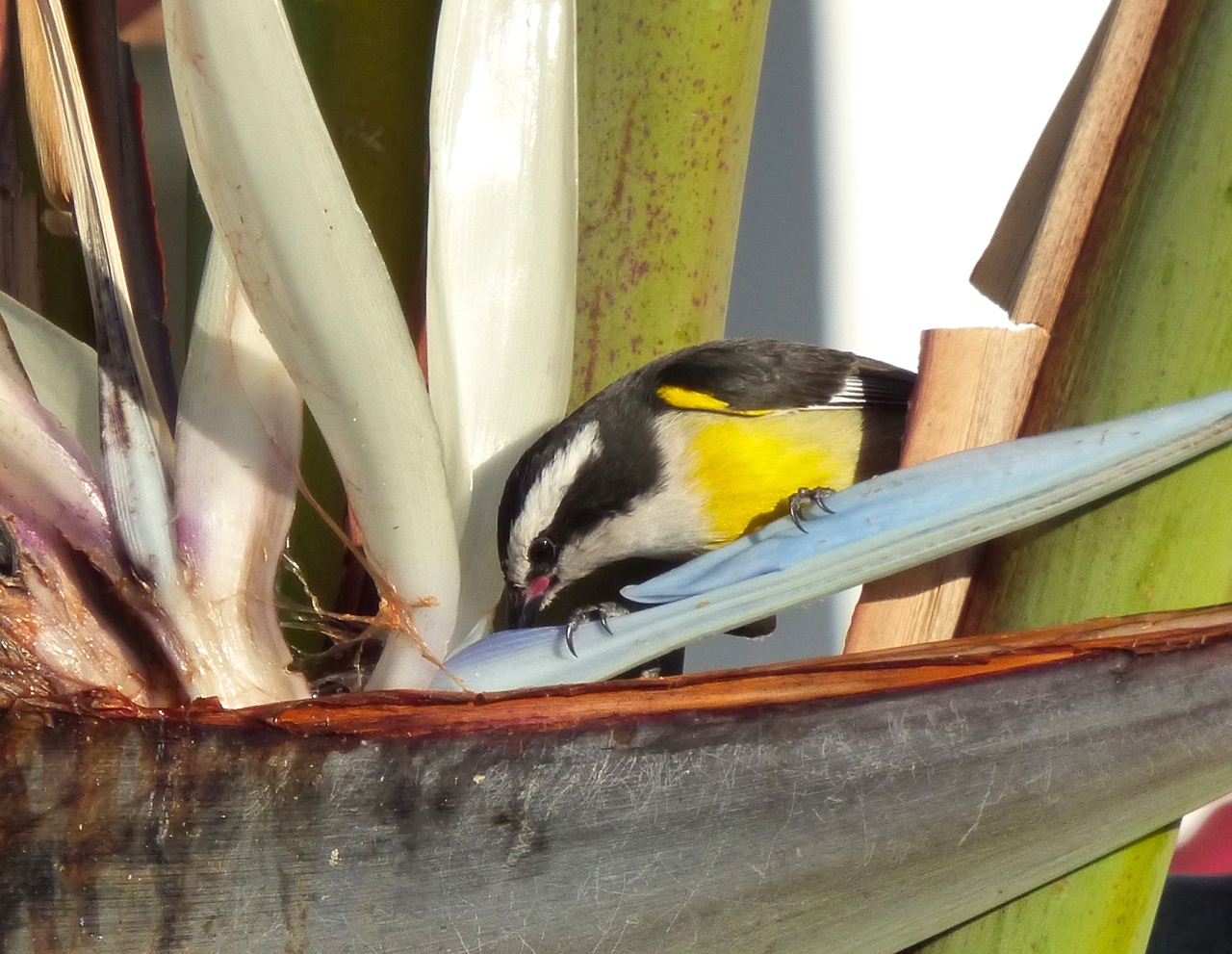
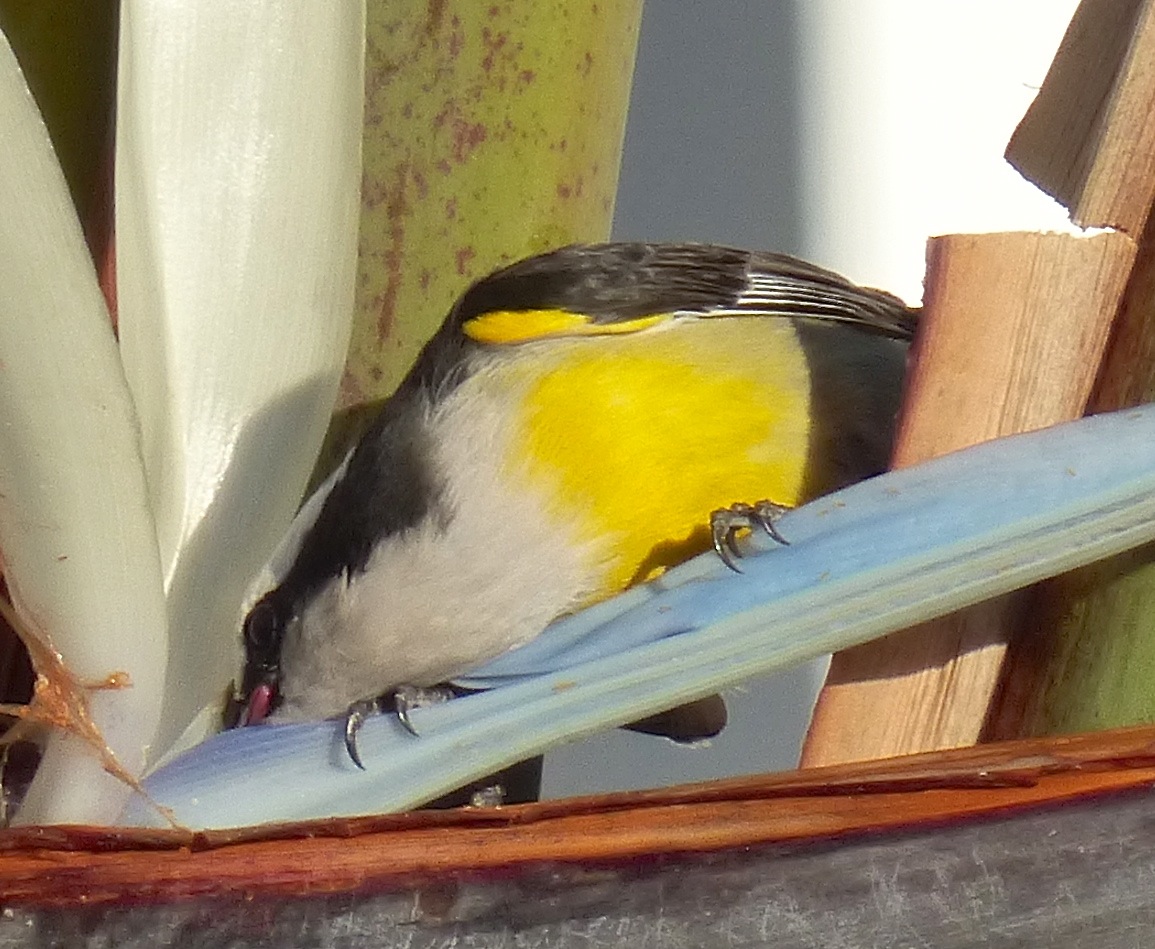
The Bananaquit Coereba flaveola. Permanently resident on Abaco, at the Delphi Club, and in my top ten favourite birds. And everyone else’s, I shouldn’t wonder. With their handsome livery and their cheeky chirping, they can be found almost anywhere. They could equally well be called ubiquits. I had been going to post some recent images of one feasting at a hummingbird feeder, but I found this thirsty palm-forager in my photo folder first, so here he is in all his glory…

Bananaquit & palm, Delphi, Abaco, Bahamas 1 Bananaquit & palm, Delphi, Abaco, Bahamas 2 Bananaquit & palm, Delphi, Abaco, Bahamas 5Bananaquit & palm, Delphi, Abaco, Bahamas 6Bananaquit & palm, Delphi, Abaco, Bahamas 4

Here’s the song of a bananaquit from Xeno-Canto (Paul Driver, Andros) (and there’s a thick-billed vireo in the background)

[audio http://www.xeno-canto.org/sounds/uploaded/FSCGENVPXK/XC140241-BANANAQUIT%20Andros%2042910.mp3]

And here is the ‘whole picture’ without the zooming, showing what a relatively small and cute bird the bananaquit isBananaquit & palm, Delphi, Abaco, Bahamas 3

All images: RH; sound recording Paul Driver, Xeno-Canto

Unknown's avatar

ABACO WARBLERS: IN SEARCH OF A YELLOW RUMP…


Yellow-rumped_Warbler Dan Pancamo (Wiki)

ABACO WARBLERS: IN SEARCH OF A YELLOW RUMP…

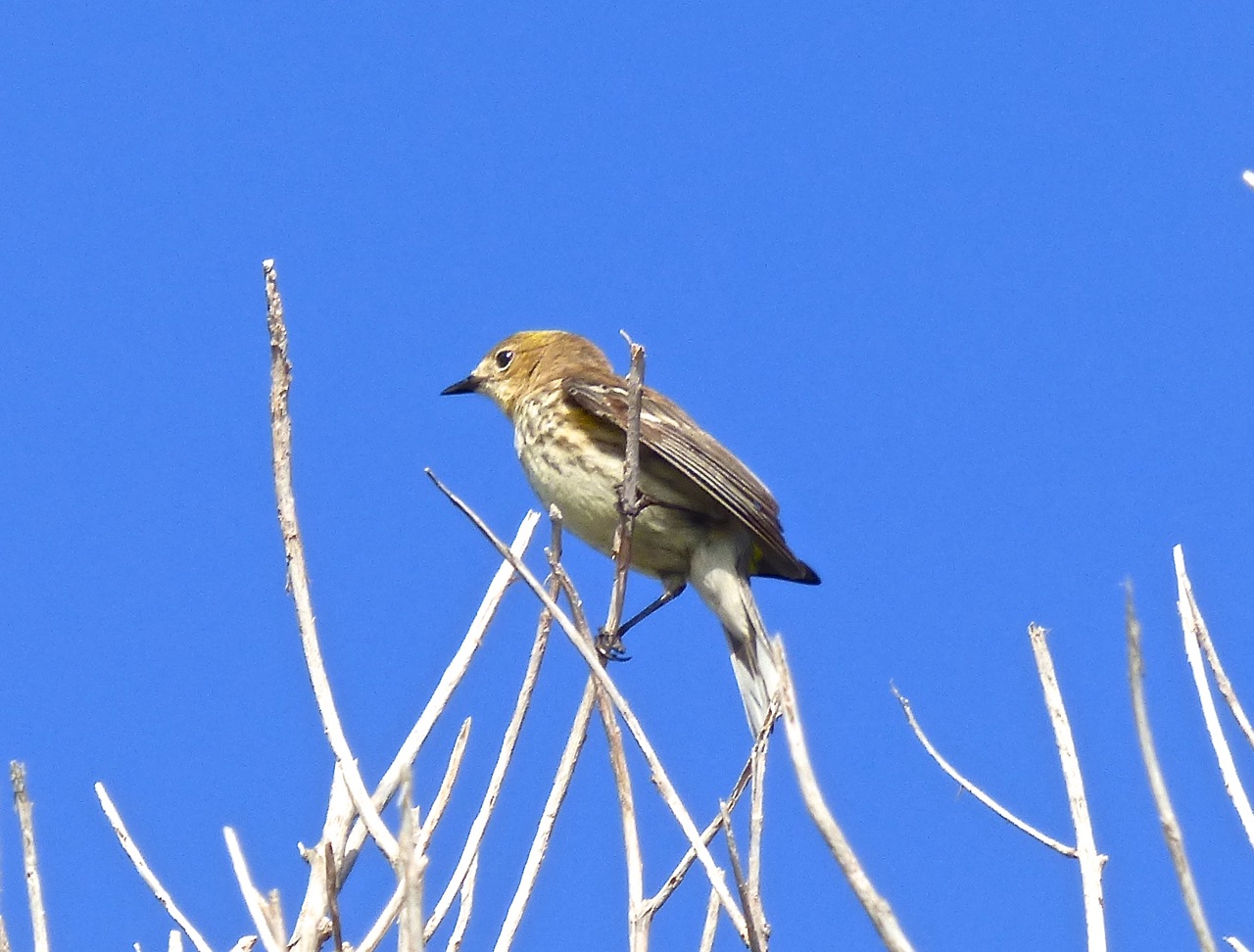
I haven’t been very lucky with yellow rumps in the past. This is not normally something one likes to talk about in a public forum… but to be honest I have been longing to get hold of a yellow rump of my own. The warbler Setophaga coronata, that is, a fairly common winter resident on Abaco. I’ve seen them of course. I’ve glimpsed a passing flash of yellow rump. But no YRW has stayed parked in tree with its backside towards me for long enough to permit me to photograph its posterior glory. Ideally I’d have liked a clear, attractive shot like the header image (Dan Pancamo, Wiki). But desperation leads to lowered expectations and plummeting standards. Frankly, this year I’d have been satisfied with any yellow rump. Abandoning my initial plan to apply a yellow highlighter pen to a compliant female grassquit, I bided my time. And suddenly there, at the very top of a tree near the swimming pool at Delphi, was my chance… A pair of YRWs were in evidence.

Yellow-rumped Warbler, Abaco 5Yellow-rumped Warbler, Abaco 6Yellow-rumped Warbler Abaco 1Yellow-rumped Warbler, Abaco 2

The tree wasn’t very close to me, and the birds stayed near the very top. My photos were never going to be great. Especially since each bird was meticulous in keeping its rear end out of sight. Then they flew away! However quite soon one was back. This time there were twigs in the way, one of the those little variables that makes camera focussing so enjoyable. But this time I managed to ‘pap’ its derrière…  Feeble shots but mine own. As an avian ‘Holy Grail’, a mere yellow rump leaves quite a lot to be desired, I can quite see. It’s on no one’s ‘bucket list’ of birding musts. But now I can move on, release that poor female grassquit and chuck out the highlighter pen.

Yellow-rumped Warbler, Abaco 3Yellow-rumped Warbler, Abaco 4

Unknown's avatar

BAHAMA WOODSTARS NESTING ON MAN-O-WAR CAY, ABACO


Bahama Woodstar (m) Bruce Hallett, Abaco

BAHAMA WOODSTARS NESTING ON MAN-O-WAR CAY, ABACO

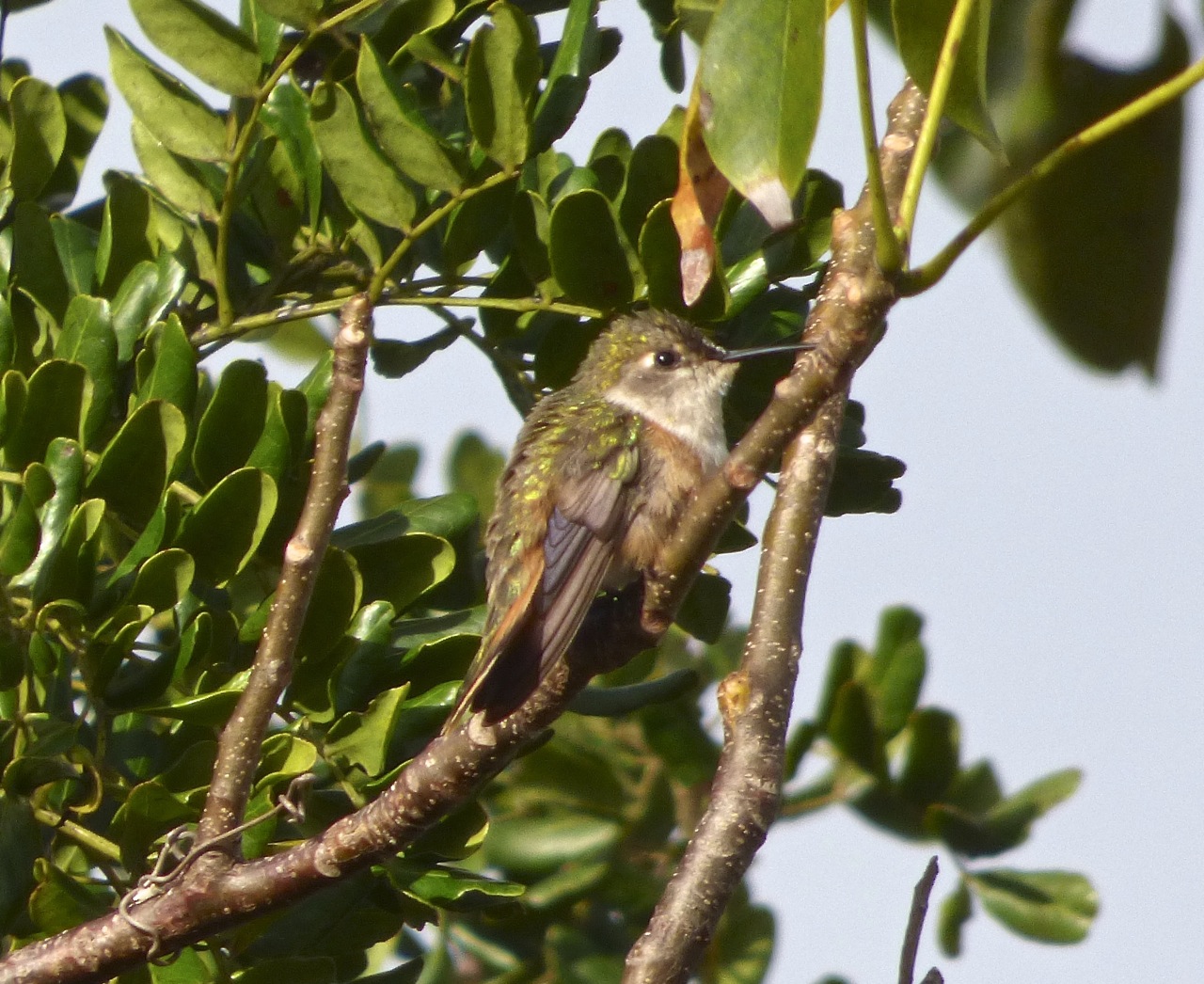
I’ve written before about the somewhat fraught relationship between the 2 hummingbird species of Abaco, the endemic Bahama Woodstar and the resident but non-indigenous Cuban Emerald. They tend not to mix, and the Woodstars tend to fade to areas where there are no Emeralds. Both are found at Delphi, but I suspect the sugar water feeders may play a part in that. Even there, the Emeralds predominate. This is my best recent shot of a female Woodstar on the Delphi drive. I had about 30 seconds to see it, whip out the camera, remove the lens cap and fire off some shots. Then it flicked away into the coppice. All images were useless bar one, which almost worked but won’t stand close scrutiny.

Bahama Woodstar, Delphi, Abaco

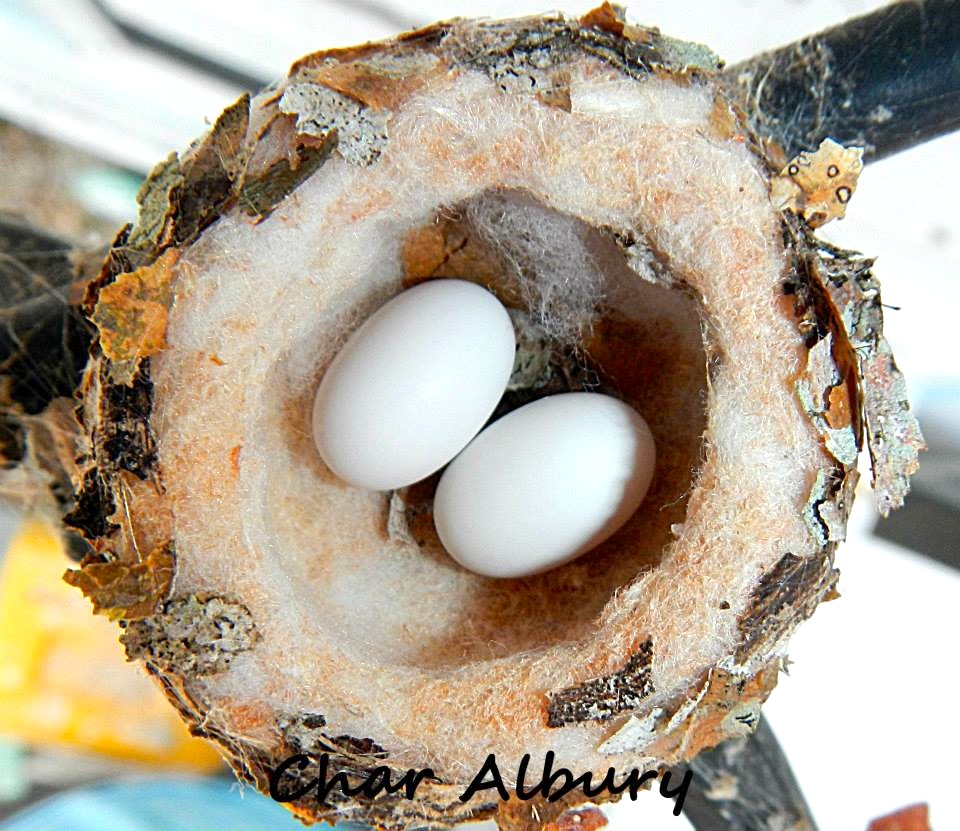
Man-o-War Cay may be quite small, but it seems to be blessed with plenty of Woodstars. They are often quite tame and Charmaine Albury has them nesting round her house annually. I posted about her baby Woodstars from last year HERE. This year they have returned, making their tiny cup nests rather precariously amid the domestic wiring. Here are a few of  Charmaine’s nest photos (for which thanks!) for this season.

A female Woodstar on the nest. They lay 2 eggs, which are incubated for around 2 weeksBahama Woodstar, Man-o-War Cay Abaco (Charmaine Albury)

A fledgling takes flight for the first time, leaving more room for the remaining chick. Note the stumpy little tailBahama Woodstar, Man-o-War Cay Abaco (Charmaine Albury)

Two eggs that seem far too big for such a tiny nestBahama Woodstar, Man-o-War Cay Abaco (Charmaine Albury)

Within the last couple of days, the first egg hatched. This hatchling is a few hours old at mostBahama Woodstar, Man-o-War Cay Abaco (Charmaine Albury)

photo copyphoto

Credits: Header pic of male BAWO Bruce Hallett; RH (Delphi); Charmaine Albury (nests); BNT info sheet

Unknown's avatar

ABACO BIRDS… THAT RUN LIKE THE CLAPPERS


Clapper Rail on Abaco by Sandy Walker

ABACO BIRDS… THAT RUN LIKE THE CLAPPERS

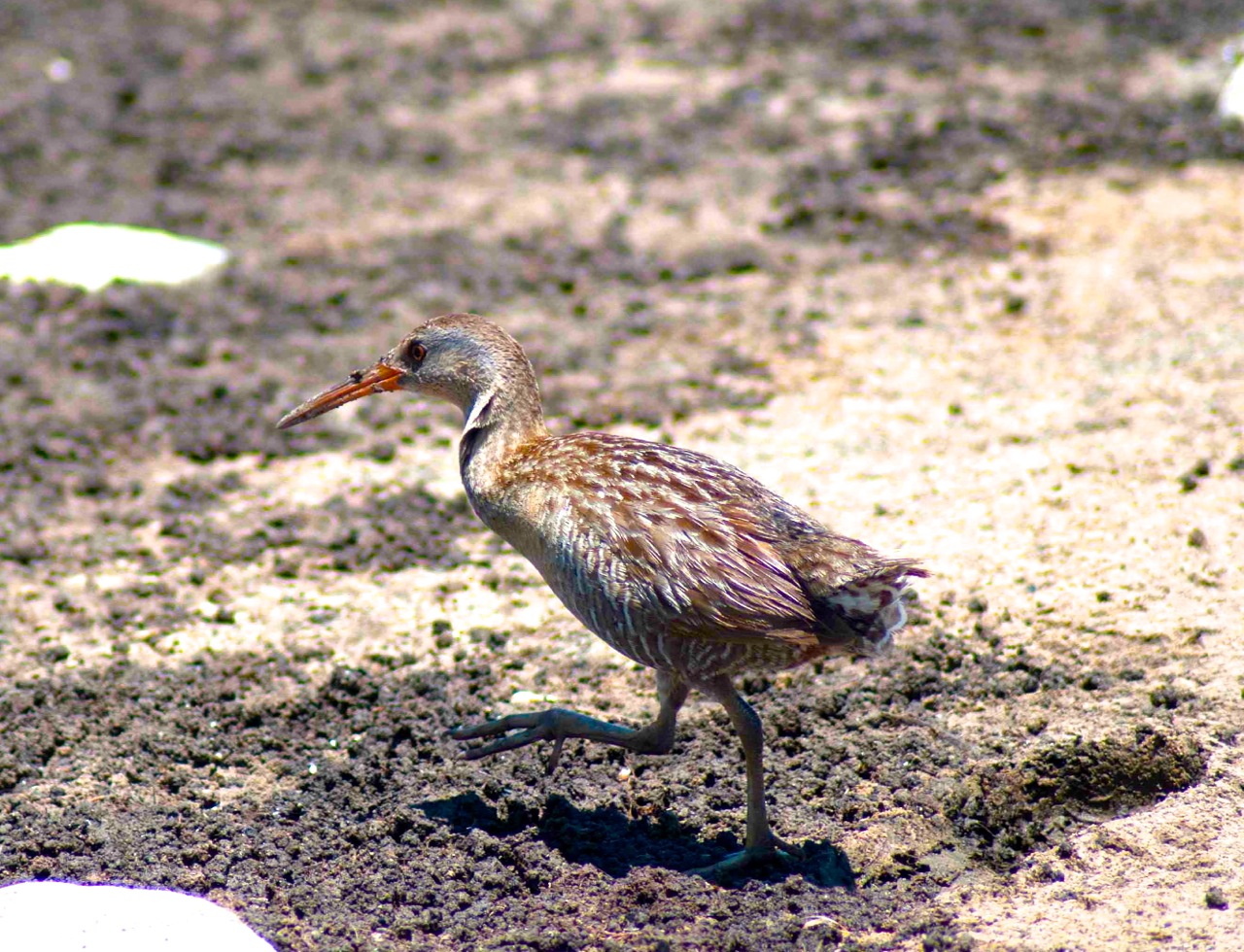
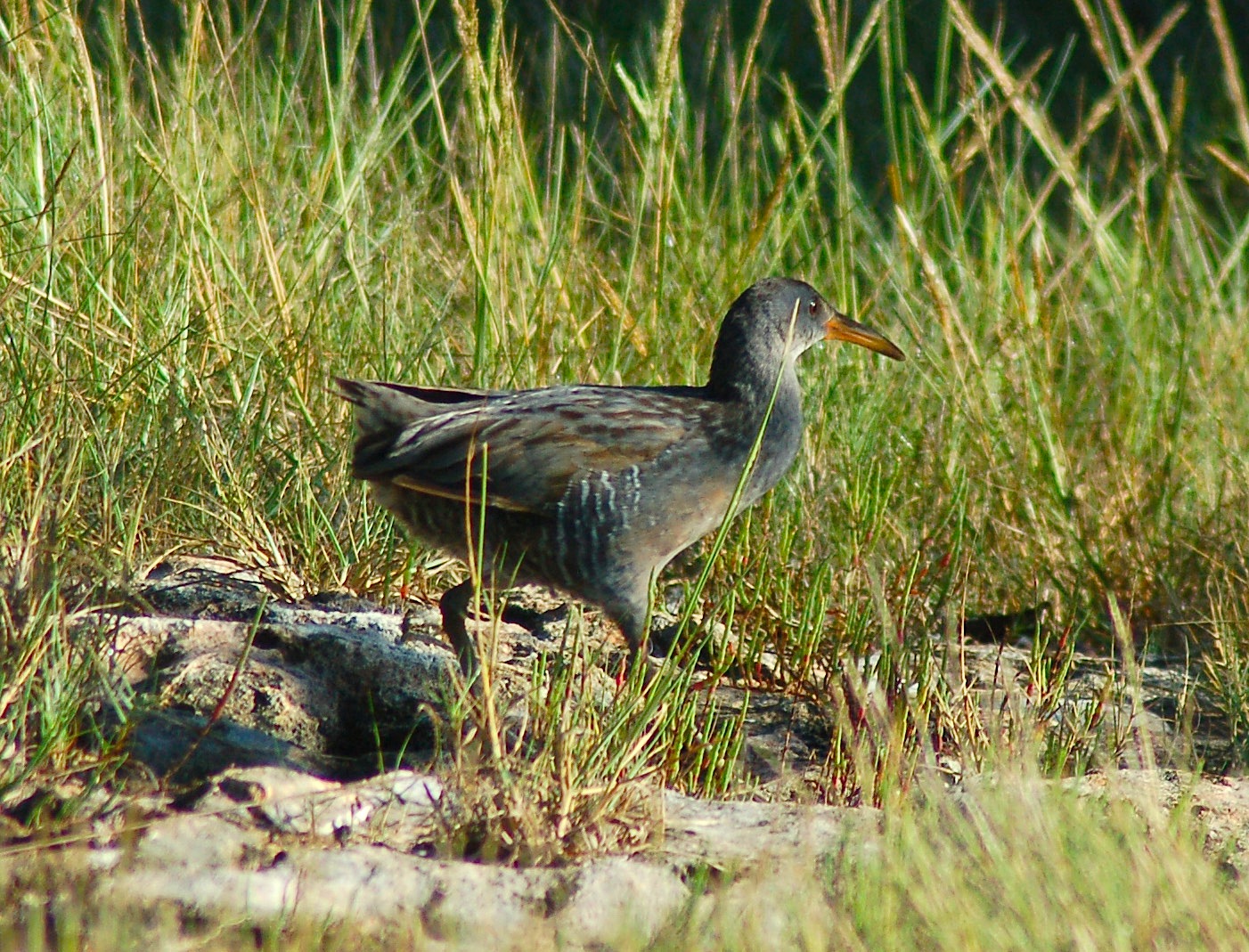
That is, essentially, because they are indeed Clappers. Rallus longirostris to be precise, or Clapper Rails. There are 4  rail species on Abaco, the Clapper being a permanent resident and not particularly uncommon. The others are the Virginia Rail and the Sora, both winter residents and less common (or in the Sora’s case, perhaps more furtive and less easy to find); and the Black Rail, which is generally agreed to be a ‘hypothetical’ for Abaco. That means they are believed to exist on Abaco but there are no confirmed sightings let alone any photos of one. However, last summer while we were taking a truck into the backcountry of South Abaco to locate hard-to-find birds for “The Birds of Abaco” book, the distinctive call of a Black Rail call was heard independently by two people on two different days in two different locations. I’ve heard another report since then. So they are out there somewhere, but keeping their heads down. The first to find one will have a considerable avian scoop!

Let’s start with some fabulous photographs by Tom Sheley. We used the first one in the book. By being patient, Tom managed to capture this bird having a quality preening session. Here are 4 shots from the sequence, including a rare one of the bird calling. To get the full glory of the detail, click on each image twice.Clapper Rail stretching.Abaco Bahamas - Tom Sheley ("The Birds of Abaco" by Keith Salvesen, p80)Clapper Rail rousing.Abaco Bahamas.Tom SheleyClapper Rail preening 2.Abaco Bahamas.3.12.Tom Sheley copyClapper Rail preening.Abaco Bahamas.3.12.Tom Sheley copy

Clapper Rails are elusive birds of mangrove swamp and marsh, more frequently heard than seen. They tend to lurk around in foliage and are easy to overlook. You may come across one foraging secretively in the mud. Although they can both swim and fly, they prefer to keep both feet on the ground.When running, these rails look endearingly comical. 

Clapper Rail, Abaco Erik Gauger V2Clapper Rail Sandy Walker 1 - V2Clapper Rail, Abaco Bahamas - Becky Marvil

It almost goes without saying nowadays, but the biggest threat to these rather charming inoffensive birds is habitat loss. That is to say, mankind. Drive the bulldozers through the mangroves and marshland of sub-tropical coastal areas, chuck down a few acres of concrete… and the clappers will very soon become clapped out.
Clapper Rail Abaco, Bahamas - Becky Marvil

“TO RUN LIKE THE CLAPPERS”. This phrase seems to be fairly recent, probably dating from early in WW2. Some suggest it is a rhyming slam bowdlerisation of ‘run like hell’ with ‘clapper(s)’ standing for ‘bell’, along the lines of the Cockney “I bought a brand new whistle” (whistle and flute = suit). Almost all plausible explanations relate to bells, and some argue that it simply reflects the rapid speed of the clapper of a vigorously rung handbell.

STOP PRESS Uli Nowlan has sent her photo of a Clapper Rail, taken at the ponds north of Treasure Cay – a reminder that there is good birding to be done in that area of North Abaco – the bird action is not confined to South Abaco below MH…

Clapper Rail, Abaco (TC ponds) - Uli Nowlan

Photo credits:Tom Sheley, Sandy Walker, Erik Gauger and Becky Marvil – plus Uli Nowlan

The Clapper Rail features in “The Delphi Club Guide to the Birds of Abaco” by Keith Salvesen pp 80 – 81

Unknown's avatar

ABACO’S ASTOUNDING UNDERGROUND CAVES (1)


ABACO’S ASTOUNDING UNDERGROUND CAVES (1)

Hitoshi Miho is a diver and photographer who takes amazing photographs of the underground caves he explores. These include some of the cave systems on Abaco, where he has recently accompanied renowned Abaco diver Brian Kakuk of the Bahamas Caves Research Foundation. In due course I hope to produce a page dedicated to the Caves and Blue Holes of Abaco including maps but that’s a project in the mind for now. Meantime, with Hitoshi’s kind permission, here are a few preliminary examples of his fabulous work that showcases the wondrous crystal palaces that lie deep beneath Abaco. 

Abaco Underwater Caves 1 (©Hitoshi Miho)Abaco Underwater Caves 2 (©Hitoshi Miho)Abaco Underwater Caves 3 (©Hitoshi Miho)Abaco Underwater Caves 4 (©Hitoshi Miho)Abaco Underwater Caves 5 (©Hitoshi Miho)

All images © Hitoshi Miho and displayed by kind permission

Unknown's avatar

ABACO CHALLENGE: THE MARK 2 BONEFISH FLY DESIGN


JLM Special makeover – back to Abaco? 

metiefly's avatarmetiefly

Constructive feedback is a wonderful inspirer. Esteemed fellow blogger and author of a stunning Bird book, RH (of rollingharbour.com) painstakingly limited his catch rate on my behalf during his last sojourn in the Abaco Marls. Persisting long after his wiser companions abandoned the JLM Special in favour of their tried and tested stalwarts, RH very kindly gathered all the empirical evidence he needed to tell me the following:

These flies don’t work in Abaco! Not even by accident! (These are my own words – RH is far more generous and polite :-))

RH went on to provide constructive insights to help me refine my approach:

“Basically, much too dark for the waters of Abaco, too bushy, no streamer tail, no sparkle.”

My first creative reaction is to take care of the colour tones…

Prototype1 - this albino variant is made by combining arctic fox tail with ginger (yes ginger!) elk hair and white embroidery thread. To give it some colour and fine movement, I used blonde hare fur tips. For the telson, a sliver of red wool . Photo - metiefly Prototype1 – this albino variant is made by combining arctic fox tail with ginger (yes ginger!) elk…
View original post 135 more words

Unknown's avatar

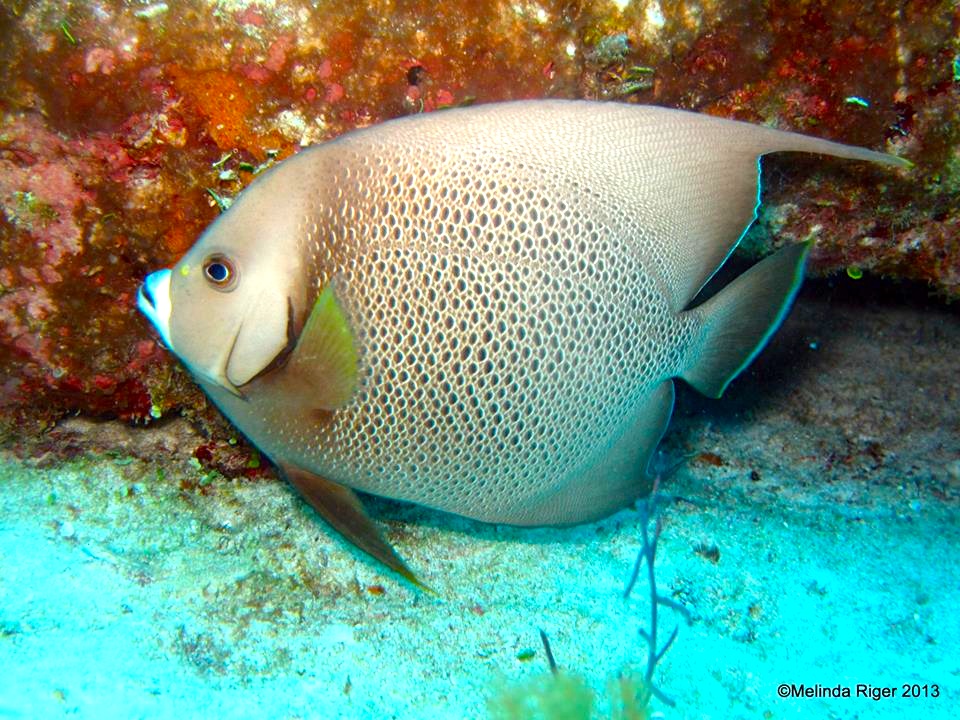
GRAY ANGELFISH – BAHAMAS REEF FISH (18)


Gray Angelfish f

GRAY ANGELFISH: BAHAMAS REEF FISH (18)

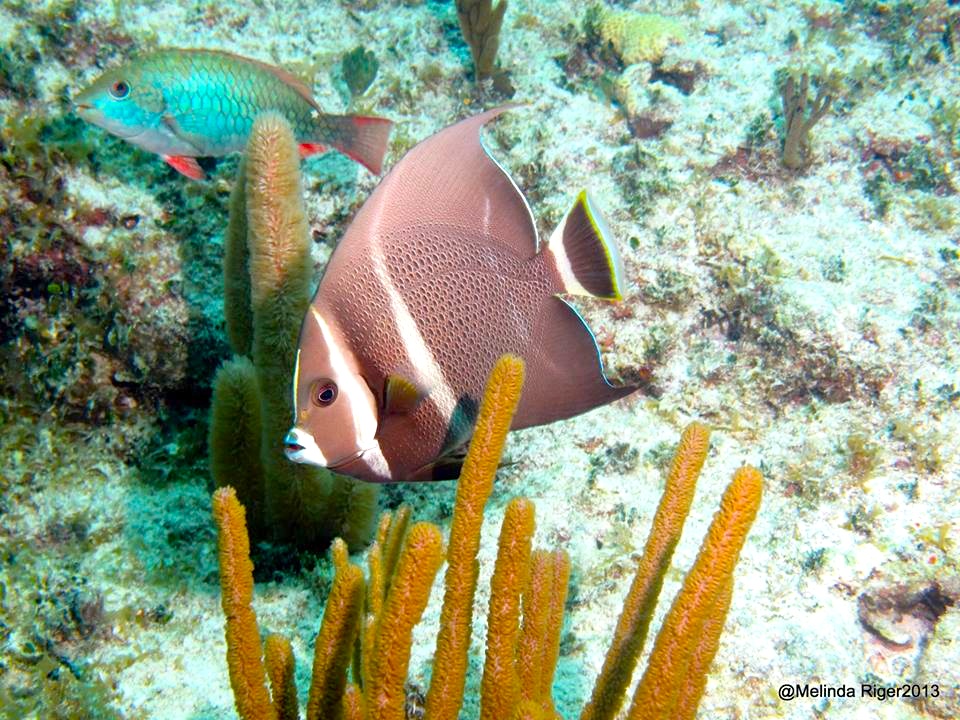
Some time ago I posted about GRAY ANGELFISH Pomocanthus arcuatus. They are the more dowdy cousins of the flashy QUEEN ANGELFISH. They are not without their own beauty, though, and I have collected a few more photos of this species taken by Melinda Riger of Grand Bahama Scuba. I’m always pleased to feature her amazing reef photos, with their vivid colours and clear detail, so I hope you enjoy these. The last one – with the stripes – is a juvenile.Gray Angelfish a © Melinda Riger @GB ScubaGray Angelfish d ©Melinda Riger @ GB ScubaGray Angelfish e ©Melinda Riger @ Grand Bahama ScubaGray Angelfisg juv b ©Melinda Riger @ G B ScubaGray Angelfish c ©Melinda Riger @ G B Scuba


Unknown's avatar

GEE! BEES!! HIVE TALKIN’ ON ABACO


Bees at Delphi Abaco 1

GEE! BEES!! HIVE TALKIN’ ON ABACO

This post concerns the bees of Abaco, with little or no apology for the cultural cross-reference to the dread mid-70’s musical era. If you wish to experience the full horror, scroll straight to the bottom of the page and relive those heady days of Barry, Robin & Maurice… 

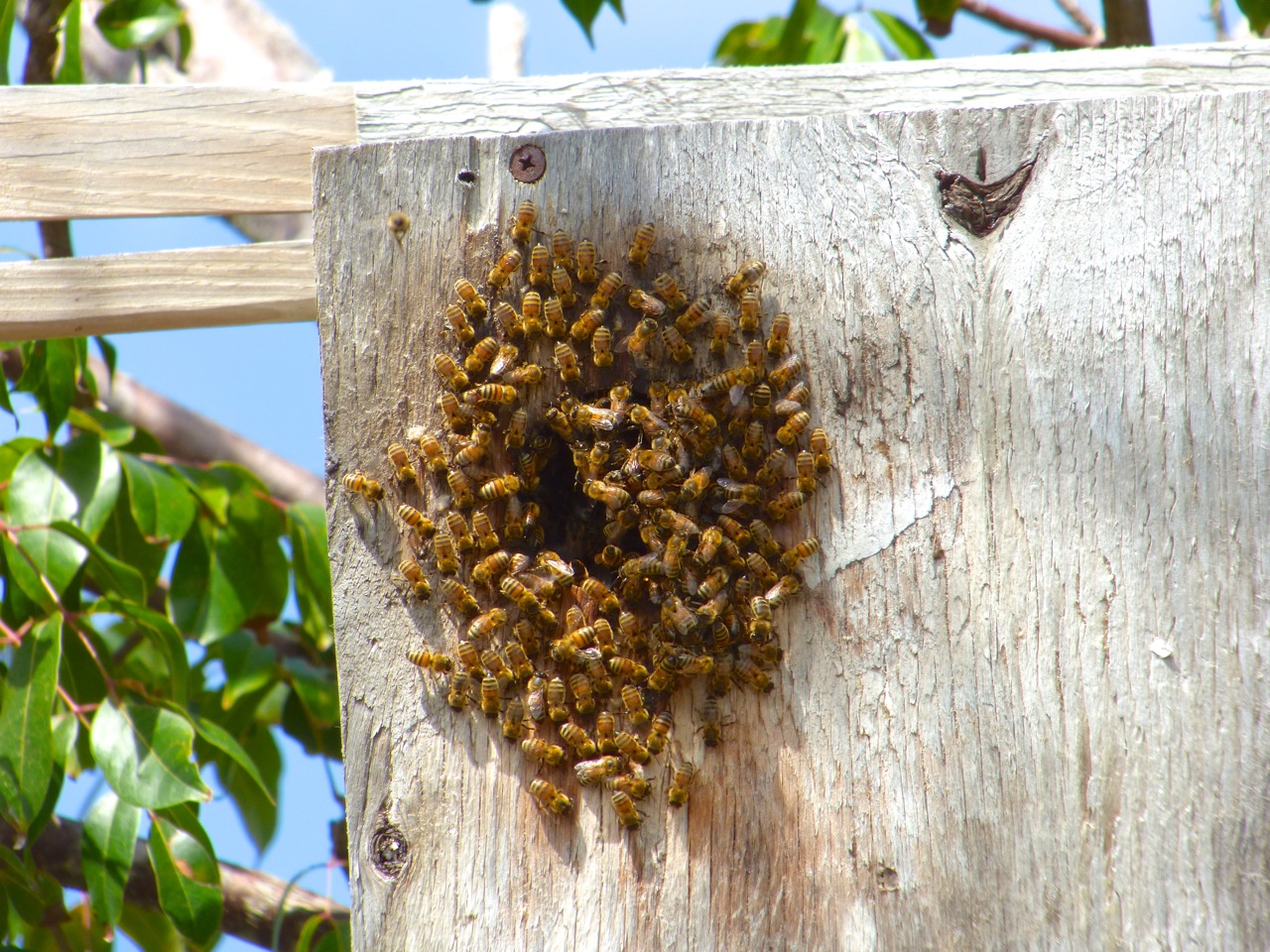
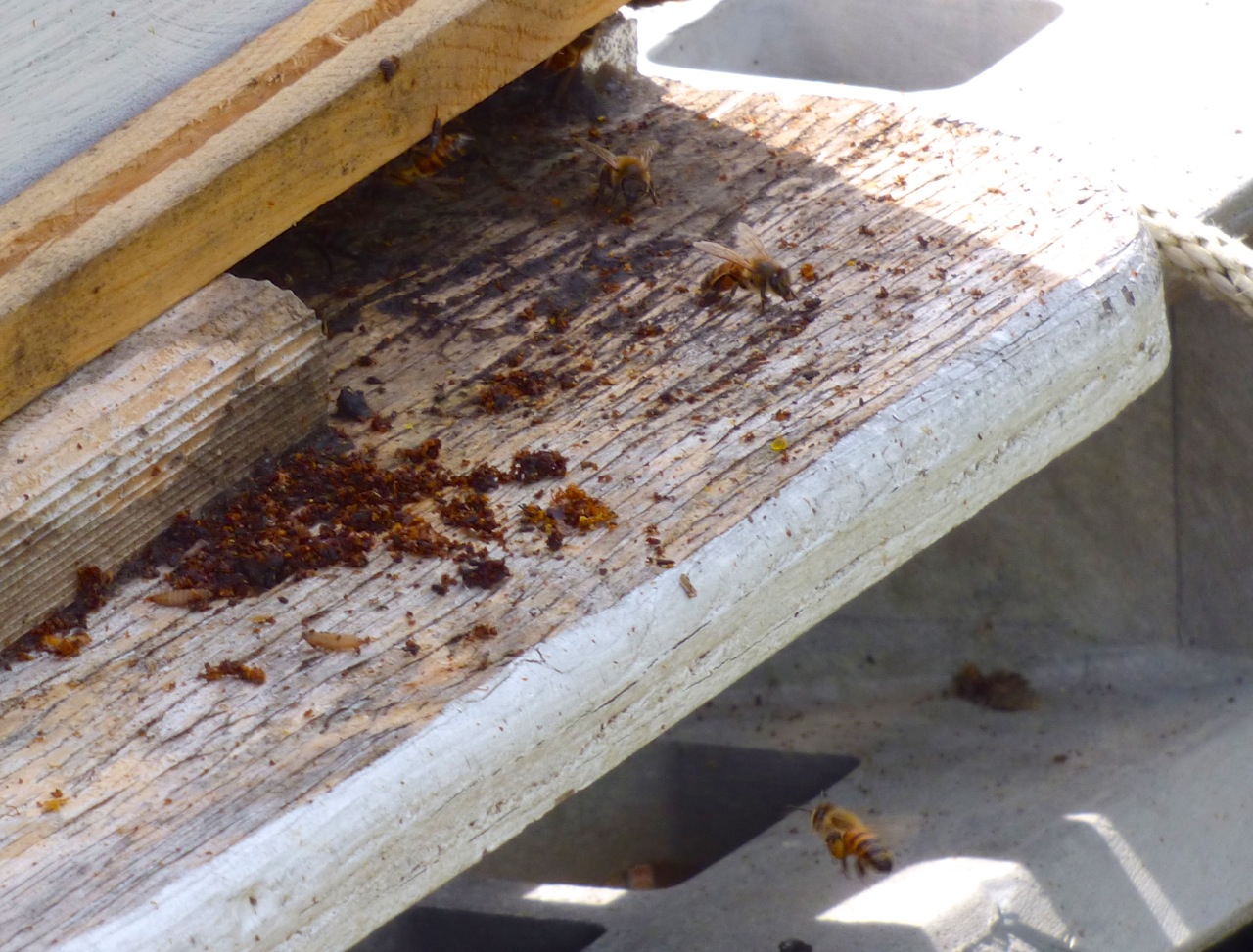
The bees on Abaco south of Marsh Harbour are mostly wild. The header photo shows the West Indian Woodpecker nest box near the skiff park at Delphi that has become the exclusive residence of bees. They have a profusion of flowers in the Delphi Club gardens to choose from, but it is not practical to keep hives for them. So they are left to do their own thing. Here they were last month, being busy.

Bees at Delphi Abaco 2

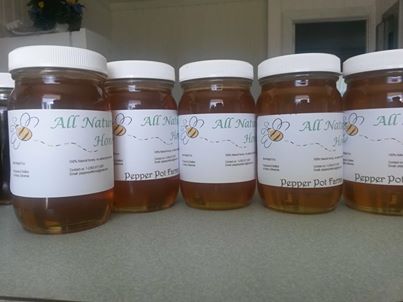
During the past year I have found 2 places between Delphi and MH that keep hives. One is PEPPER POT FARMS – click the name to reach their FB page. You can get their honey direct or in MH for $6.75 a pot. I enjoyed their evidence of why bees are called ‘workers’…

5 FUN BEE FACTS

  • Bees must visit approximately 2 million flowers to make 1 lb. of honey. 
  • Bees have to fly over 55,000 miles to make 1 lb. of honey. 
  • On average a worker bee will make 1/12 teaspoon of honey in her lifetime. 
  • Two tablespoons of honey would fuel a honey bee flying once around the world.
  • Honey bees will visit between 50-100 flowers during one nectar collection trip.

12721_208930259301915_1742177992_n

The other place with hives is ABACO NEEM FARMS, the base for the production of the stock at the Abaco Neem shop on the way into MH from the roundabout . The owner Nick has installed 2 hives which we had a look at when we took up his invitation to bird-watch there. It is something of a birding hotspot, benefitting from pine woods, coppice, fruit trees and open land over a large area. 

Abaco Neem Farm Hives 1Abaco Neem Farm Hives 2Abaco Neem Farm Hives 3

There was plenty of bee action around the hives on a warm sunny day and plenty of plants for them to feed from. We watched them come and go, the returning bees having filled their trouser pockets with pollen.Abaco Neem Farm Hives 4 Abaco Neem Farm Hives 5

There are both cultivated and wild flowers all over the place, with bees feasting on plants and fruit trees of many kinds. I liked the bright flower chosen by this bee. Abaco Neem Farm Hives 6

I’ll be posting more about the birds and plants of the Neem Farm in a while. Meanwhile, here are a couple of links to previous relevant links.

 TO SEE AN EARLIER ABACO BEE POST, CLICK HERE

TO SEE A CUBAN PEWEE AT THE NEEM FARM CLICK HERE

Finally, here is your chance to roll back the years with the Brothers Gibb. And below it, an excellent corrective!

This excellent Bee Gee parody by the “Hee Bee Gee Bees” called “Meaningless Songs in Very High Voices” is live from Sweden. Well, it still makes me laugh anyway (they also ripped off and ripped into Bowie, Jackson, The Police, Status Quo & many more).

Unknown's avatar

THE UNIQUE ABACO PARROT: ITS PAST, PRESENT & FUTURE


APB 1

THE UNIQUE ABACO PARROT: ITS PAST, PRESENT & FUTURE

Image Credits: RH, Caroline Stahala, Melissa Maura. Based on an information booklet ©Rolling Harbour. You are welcome to use or share this slideshow but please credit and link. Booklets are available at the Delphi Club, Abaco for a small donation to parrot research. The music is from astounding guitar virtuoso Erik Mongrain – he has all the tricks, and sounds as if he plays with 2 pairs of hands…

Unknown's avatar

FIVE STARS: BAHAMAS ENDEMIC BIRDS (FOUR FROM ABACO)


20130106_Bahamas-Great Abaco_4846_Bahama Yellowthroat_Gerlinde Taurer copy

Bahama Yellowthroat (Gerlinde Taurer)

FIVE STARS: BAHAMAS ENDEMIC BIRDS (FOUR FROM ABACO)

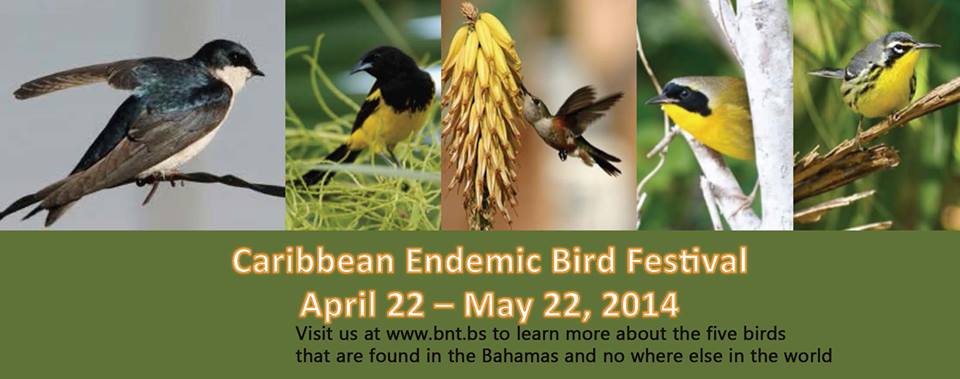
The Caribbean Endemic Bird Festival is underway. You can find out more on the CARIBBEAN BIRDS FESTIVALS Facebook page. Abaco is fortunate to be home to 4 of the 5 endemic Bahamas species. The fifth, the beautiful BAHAMA ORIOLE Icterus northropi, was found on both Abaco and Andros until the 1990s, when it sadly became extirpated from Abaco. Now found only on Andros, there are thought to be fewer than 300 Orioles left – a barely sustainable number. The species is unsurprisingly IUCN listed as critically endangered. Here’s a picture of one as a reminder of what Abaco is now missing…

Bahama_Oriole (Wiki)

Bahama Oriole

10302060_10152308854900862_2019057607431310750_n-1

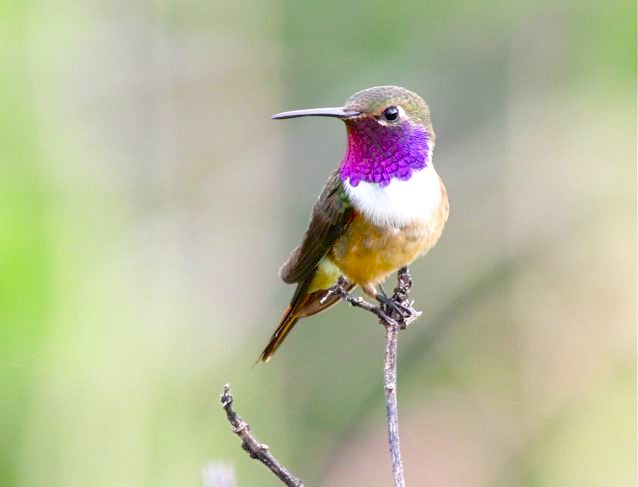
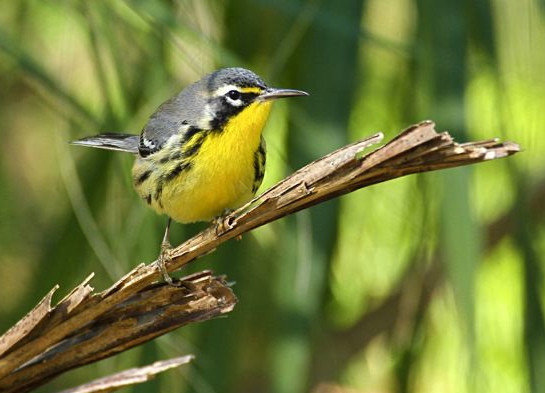
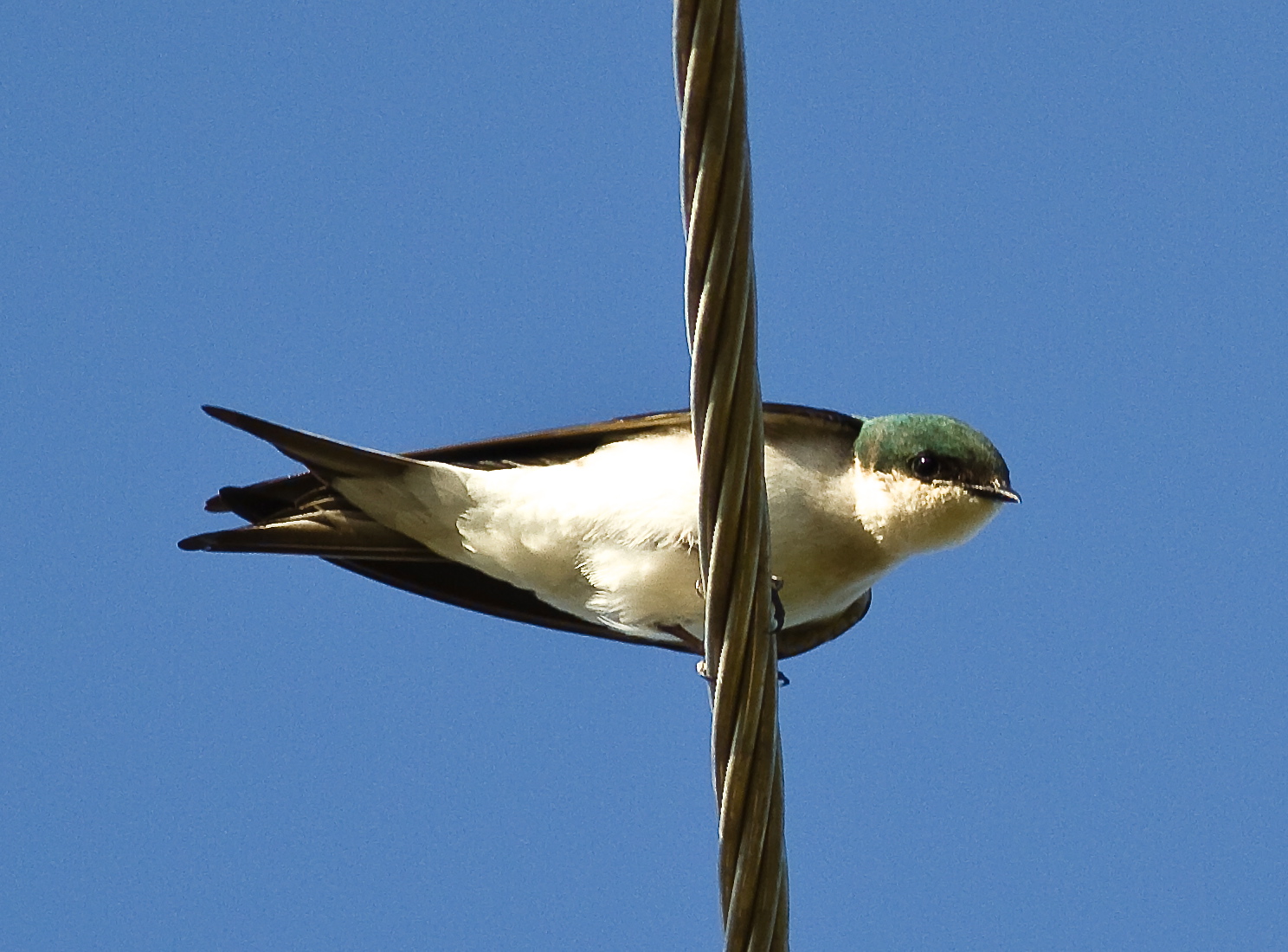
Abaco’s four endemic species are the tiny Bahama Woodstar hummingbird, the Bahama Yellowthroat, the Bahama Warbler (since 2011), and the Bahama Swallow. All are of course permanent breeding residents on Abaco and its outer Cays. None is exclusive to Abaco; all are relatively plentiful. The Woodstar is perhaps the hardest to find, not least because it competes territorially with the Cuban Emerald hummingbird. Even Woodstars can be found easily in some areas – Man-o-War Cay is a good place for them, for example. Here are some striking images of these four endemic bird species taken from the archives for “The Birds of Abaco” published last month. 

BAHAMA WOODSTAR Calliphlox evelynae 

Bahama Woodstar male 3.1.Abaco Bahamas.2.12.Tom Sheley copy

Bahama Woodstar (m) (Tom Sheley)

Bahama Woodstar (f) TL IMG_3213 2

Bahama Woodstar (f) Tara Lavallee

BAHAMA YELLOWTHROAT Geothlypis rostrata

Bahama Yellowthroat vocalizing.Abaco Bahamas.Tom Sheley

Bahama Yellowthroat (Tom Sheley)

Bahama Yellowthroat (M) BH IMG_0675 copy

Bahama Yellowthroat (Bruce Hallett)

BAHAMA WARBLER Setophaga flavescens

Bahama Warbler BH IMG_8398 copy - Version 2

Bahama Warbler (Bruce Hallett)

Bahama Warbler WB P1001012 copy

Bahama Warbler (Woody Bracey)

BAHAMA SWALLOW Tachycineta cyaneoviridis

Bahama Swallow CN

Bahama Swallow (Craig Nash)

bahama-swallow EG  copy

Bahama Swallow (Erik Gauger)

“The Delphi Club Guide to the Birds of Abaco”  was published as limited edition of 500 and has only been for sale for 8 weeks or so exclusively through the Delphi Club. Yesterday, we passed a happy milestone in that short time as the 250th copy was sold. Complimentary copies have also been donated to every school and relevant education department on Abaco to tie in with the excellent policy of teaching children from an early age the value of the natural world around them, the importance of its ecology, and the need for its conservation. The cover bird for the book was easy to choose – it just had to be a male Woodstar in all his glory with his splendid purple ‘gorget’. 

Bahama Woodstar (m) BH IMG_0917 copy

Bahama Woodstar (m) Bruce Hallett

JACKET GRAB JPG

Image credits as shown; otherwise, ‘cover bird’ by Tom Sheley, Bahama Oriole from Wiki and CEBF flyer from the Bahamas National Trust

Unknown's avatar

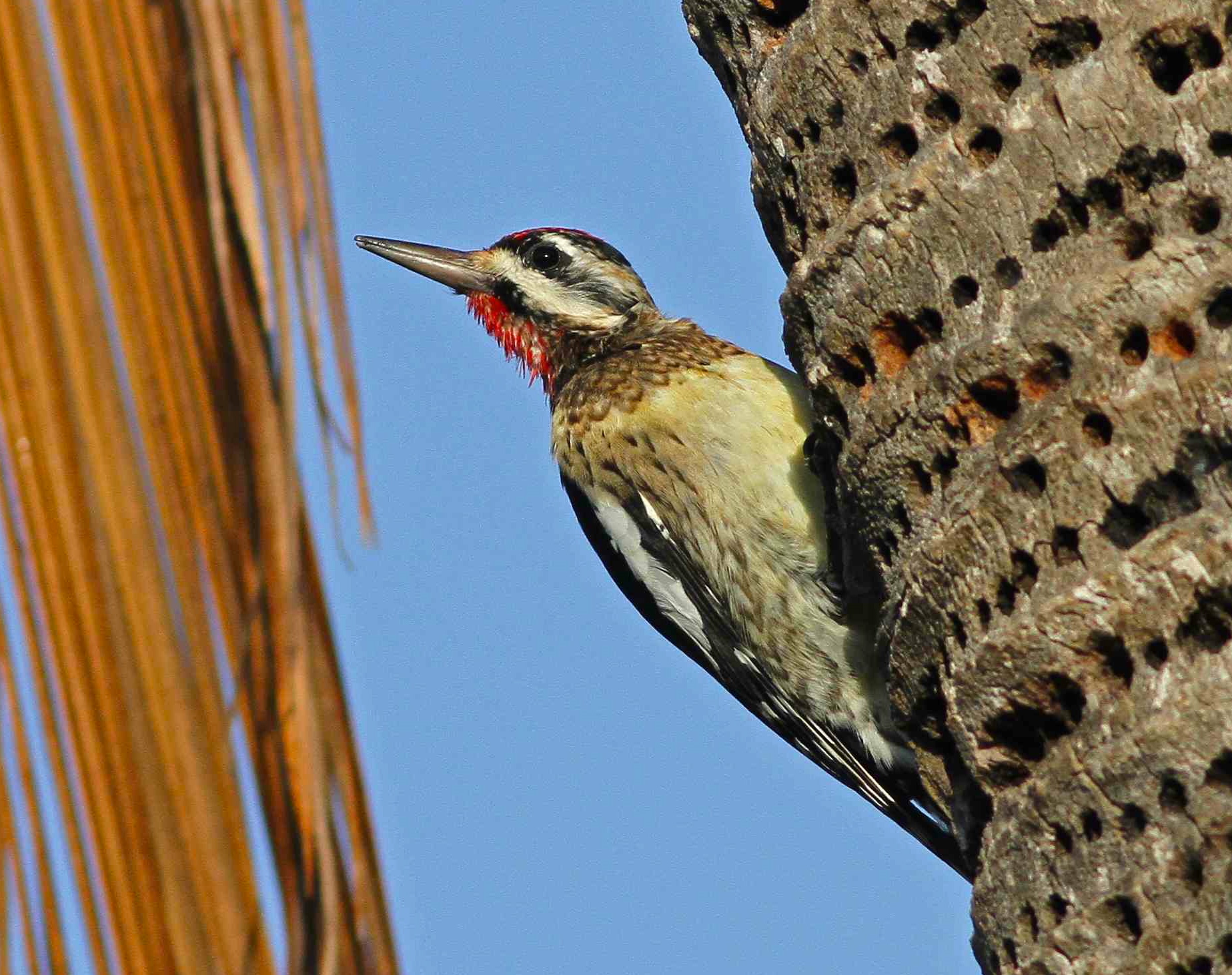
WHICH ABACO BIRD HAS A YELLOW BELLY & SUCKS SAP?


Yellowbelliedsapsucker by John Harrison (Wiki)

WHICH ABACO BIRD HAS A YELLOW BELLY & SUCKS SAP?

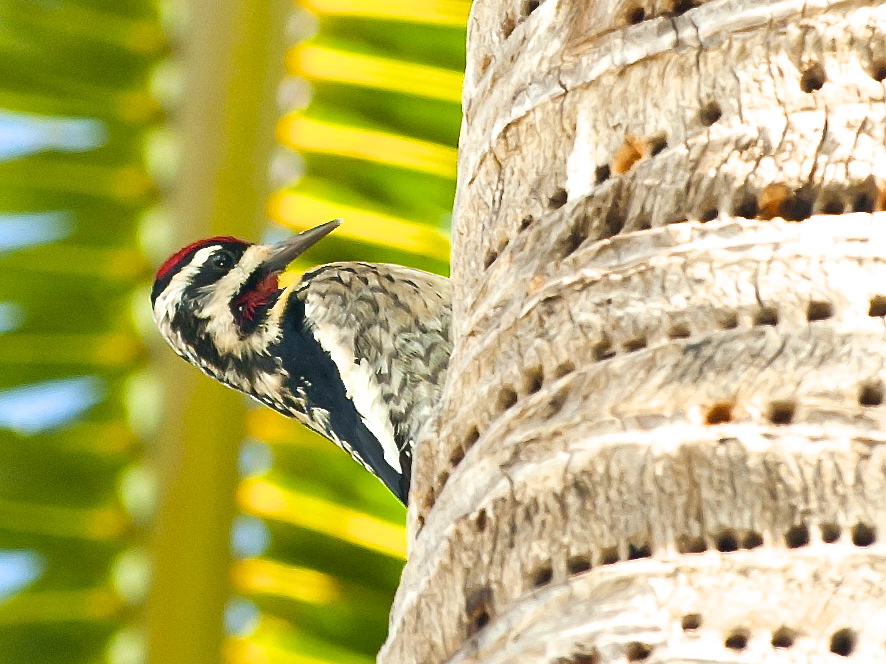
You’re ahead of me here, aren’t you? The answer of course is… Sphyrapicus varius. Abaco has two permanently resident woodpecker species, the WEST INDIAN WOODPECKER and the HAIRY WOODPECKER. There is a third, migratory woodpecker species that is a fairly common winter resident, the yellow-bellied sapsucker. Like its woodpecker cousins, the sapsucker drills holes in trees (see below). The dual purpose is to release the sap, which it eats, and to attract insects that it also eats. A two-course meal, if you like. They’ll also eat insects on an undrilled tree, and even ‘hawk’ for them in flight. They balance their diet with fruit and berries. Bahamas -Great Abaco_Yellow-bellied Sapsucker_Gerlinde Taurer 1 FV

Bahamas-Great Abaco_Yellow-bellied Sapsucker_Gerlinde Taurer 2 copy

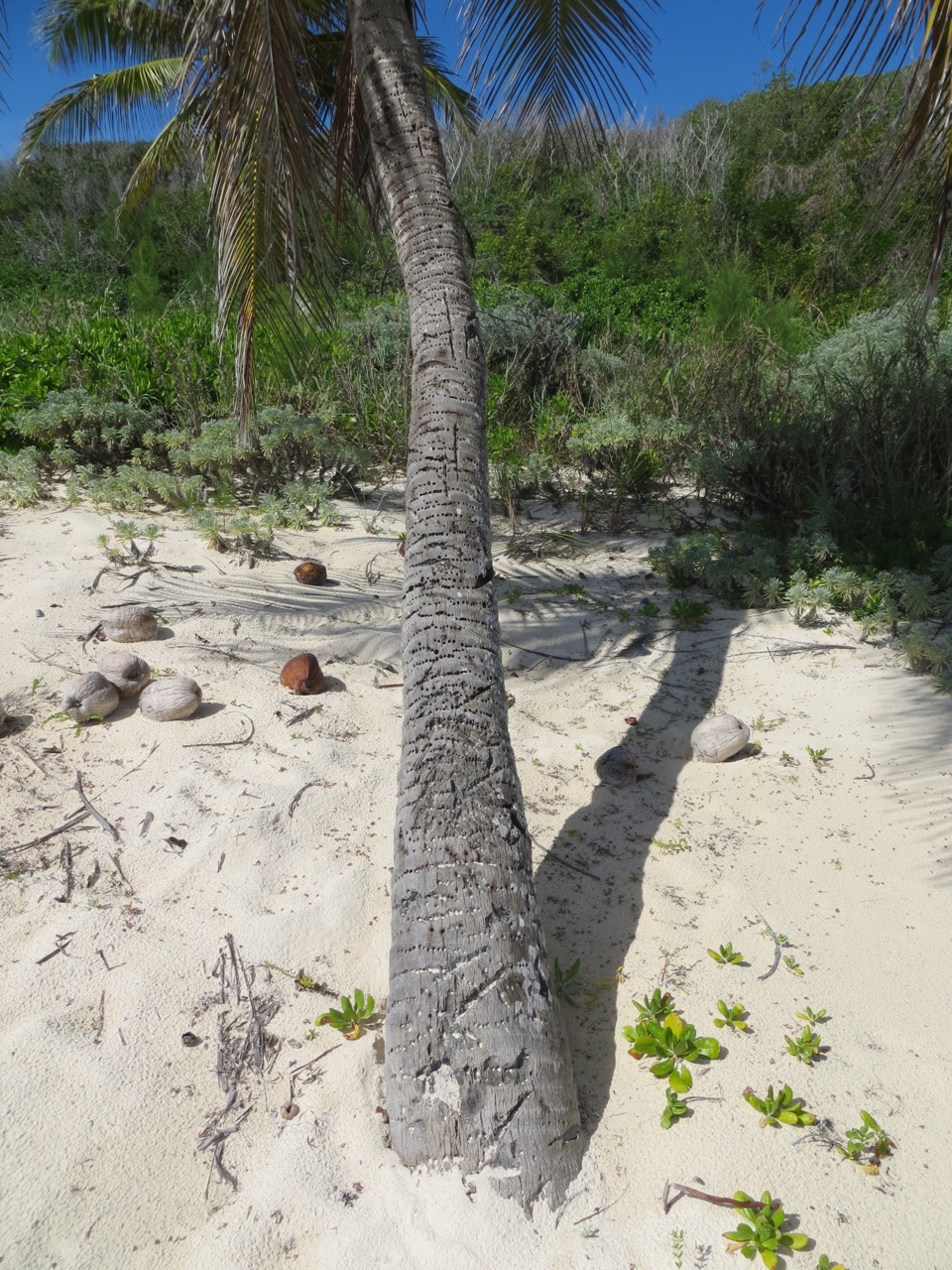
The distinctive patterns of sapsucker holes may completely encircle the trunk of a tree with almost mathematical precision. This is sometimes described as ‘girdling’ and may have a damaging effect on a tree, sometimes even killing it if the bark is severely harmed. This may require preventive measures in orchards for example, though note that in the US Yellow-bellied Sapsuckers are listed and protected under the Migratory Bird Treaty Act so radical action is prohibited. Yellow-bellied Sapsucker. Abaco Bahamas 2.12.Tom Sheley copy 3

YELLOW-BELLIED SAPSUCKER SOUNDS

DRUMMING (Xeno-Canto / Richard Hoyer) 

 CALL (Xeno-Canto / Jonathon Jogsma)  

On Abaco, palms are a favourite tree for the sapsuckers. There are several palms along the Delphi beach, and this year I noted that one coconut palm in particular had seen plenty of sapsucker  action, with the drill holes girdling the entire trunk from top to bottom.

Yellow-bellied Sapsuckers & Coconut Palms 1 RH Yellow-bellied Sapsuckers & Coconut Palms 2 RH

In their breeding grounds yellow-bellied sapsuckers excavate a large cavity in a softwood tree as a nest. They mate for life, and often return to the same nest year every year, with the pair sharing nesting duties. I have no idea whether the pair migrate south for the winter together, or whether they agree to take a break from each other. I’d like to think it’s the former…

sphy_vari_AllAm_mapSphyrapicus varius Dominic Sherony (Wiki)

Credits: Photos Gerlinde Taurer, Tom Sheley, RH + John Harrison & Dominic Sherony (Wiki); Cornell Lab (Range Map) & Xeno-Canto (YBS recordings as credited above)

Species featured in ‘The Delphi Club Guide to the Birds of Abaco’ by Keith Salvesen, pp 242-3

Unknown's avatar

BIRDS, PLASTIC & CONSERVATION: A CONTROVERSIAL AD…


marine_debris_program_noaa-1

Plastic marine debris washed up on a beach (NOAA)

BIRDS, PLASTIC & CONSERVATION: A CONTROVERSIAL AD…

Rolling Harbour is a broadly neutral territory. We occasionally do ‘opinionated’ round here. We are not afraid to express views. But we try to avoid controversy and in particular, politics in its broadest sense. There have been occasional lapses into outrage – one example was the huge cruise ship taking a shortcut (allegedly, I had better add) that trashed significant areas of irreplaceable coral reef and smeared poisonous anti-fouling paint along the seabed, affecting reef life for decades and… Stop me right there!

The most sensitive area is conservation. Some issues are straightforward; with others the balance of what is right and wrong is more debatable. One particular aspect that can be problematic is in the presentation of information. We are all familiar with charity appeals that cajole with images of happy children or sweet puppies. We also see the ones with horrific images that are uncomfortable or even downright unpleasant to look at. Both can be powerful and valid  ways to raise awareness and attract support. Some of the more extreme images used may actually have the effect of repelling people. The same is true with conservation projects. There are ones illustrated with images that make you go ‘ahhhh’ and smile; others are undeniably distressing and will make you wince with uneasiness.

Piping Plover photo taken at GTC Abaco by Tom Reed for Conserve Wildlife NJ GTCpipl_TR

graphic image by Ian Hutton (UW) of a dead shearwater crammed with plastic debrisShearwater, by Ian Hutton via Uni of Washington

See how you react to this 45 second video from Australia. It is made by Greenpeace – itself a controversial organisation in some eyes – and concerns Coke, plastic and birds. I had no idea what to expect, and it gave me a jolt. It has been the subject of legal action, of alleged censorship and interference from powerful lobbies, and a sizzling amount of anger. It won’t take you long to watch it. Compare how you feel during the first ten seconds with how you feel 30 seconds later…

Unknown's avatar

BIRD SPOTTING ON ABACO? EASY! SPOTTED SANDPIPERS…


Spotted Sandpiper TR FV2

BIRD SPOTTING ON ABACO? EASY! SPOTTED SANDPIPERS…

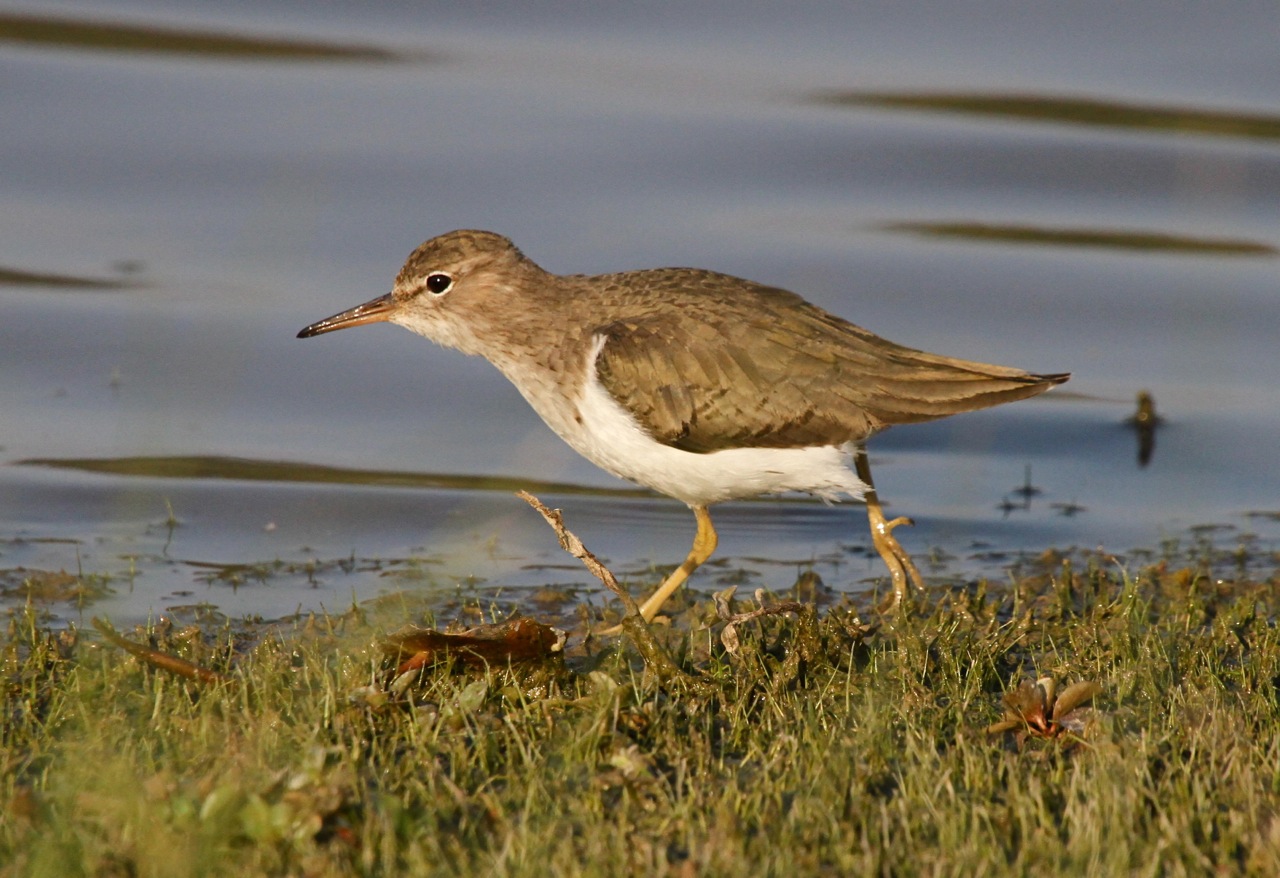
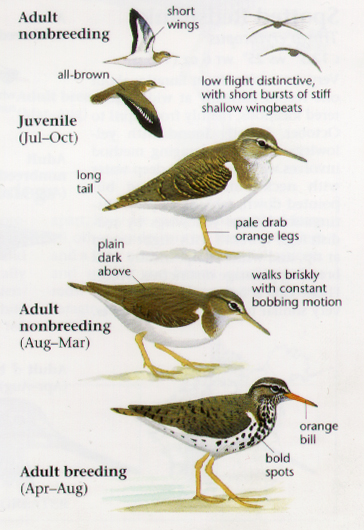
The Spotted Sandpiper Actitis macularia is a common winter resident on Abaco. These pretty shorebirds are only spotted part-time – in the breeding season – when they look like this… 

Spotted Sandpiper.Abaco Bahamas.Tom Sheley FV

Spotted Sandpiper (breeding plumage)

Spotted Sandpiper Actitis macularia Wiki

Spotted Sandpiper (breeding plumage)

The species sets a fine example for gender equality – role reversal, even. The female Spotted Sandpipers are the first to arrive in the breeding area, with males following on. Once a female has staked out her nesting territory, she is the one to defend it.  A male will then arrive on the scene, and (if approved of) they mate.  Once the eggs are laid the male takes on the egg incubating duties and the subsequent chick care once they hatch. While he is occupied with domestic concerns, the female may take the chance to play away from home and produce eggs with other males. Just imagine if humans of either sex behaved like that… Oh. Sometimes they do apparently (sources: The Daily Snooper; Celeb Shocker!)

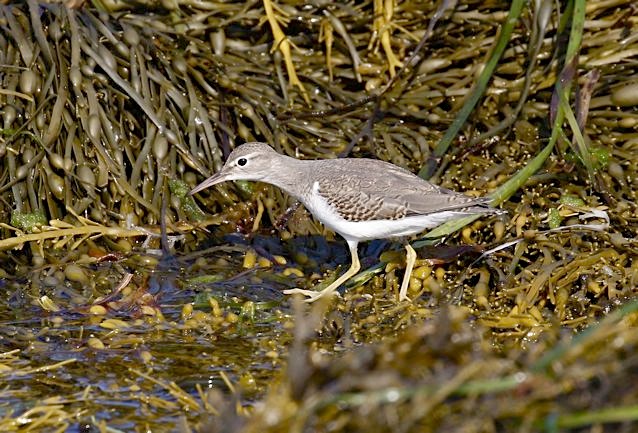
The Spotted Sandpiper in non-breeding plumage has no speckles, and looks like this 

Spotted Sandpiper BH (non-breeding 2) FV

Spotted Sandpiper (non-breeding plumage)

 This bird appears to be in an intermediate stage, just starting to acquire the spots

Spotted Sandpiper BH (non-breeding 1) FV

Spotted Sandpiper (intermediate stage)

At the immature stage, these birds look much more delicate

Spotted Sandpiper (imm), Abaco Bruce Hallett

Spotted Sandpiper (juv) Bruce Hallett

SpottedSandpipermapSPSA The Sibley Field Guide to Birds of Western North America - David Allen Sibley

Image credits: Tom Reed, Bruce Hallett, Tom Sheley, Cornell Lab, Wiki, Sibley

Unknown's avatar

A BONEFISHING CHALLENGE ON ABACO: THE ‘WHICH?’ REPORT


_MG_4668_1280x853_

A BONEFISHING CHALLENGE ON ABACO

In January I posted an article called BONEFISHING ON ABACO: A CHALLENGE IS ACCEPTED. This stemmed from contact online with fisherman and fly tyer Mark Minshull, who kindly tied some flies for me to try on the Marls. In the post I showed pictures of my manky flybox and his immaculate flies. We agreed to see how things turned out while I was on Abaco in March, and  that I would report back…   
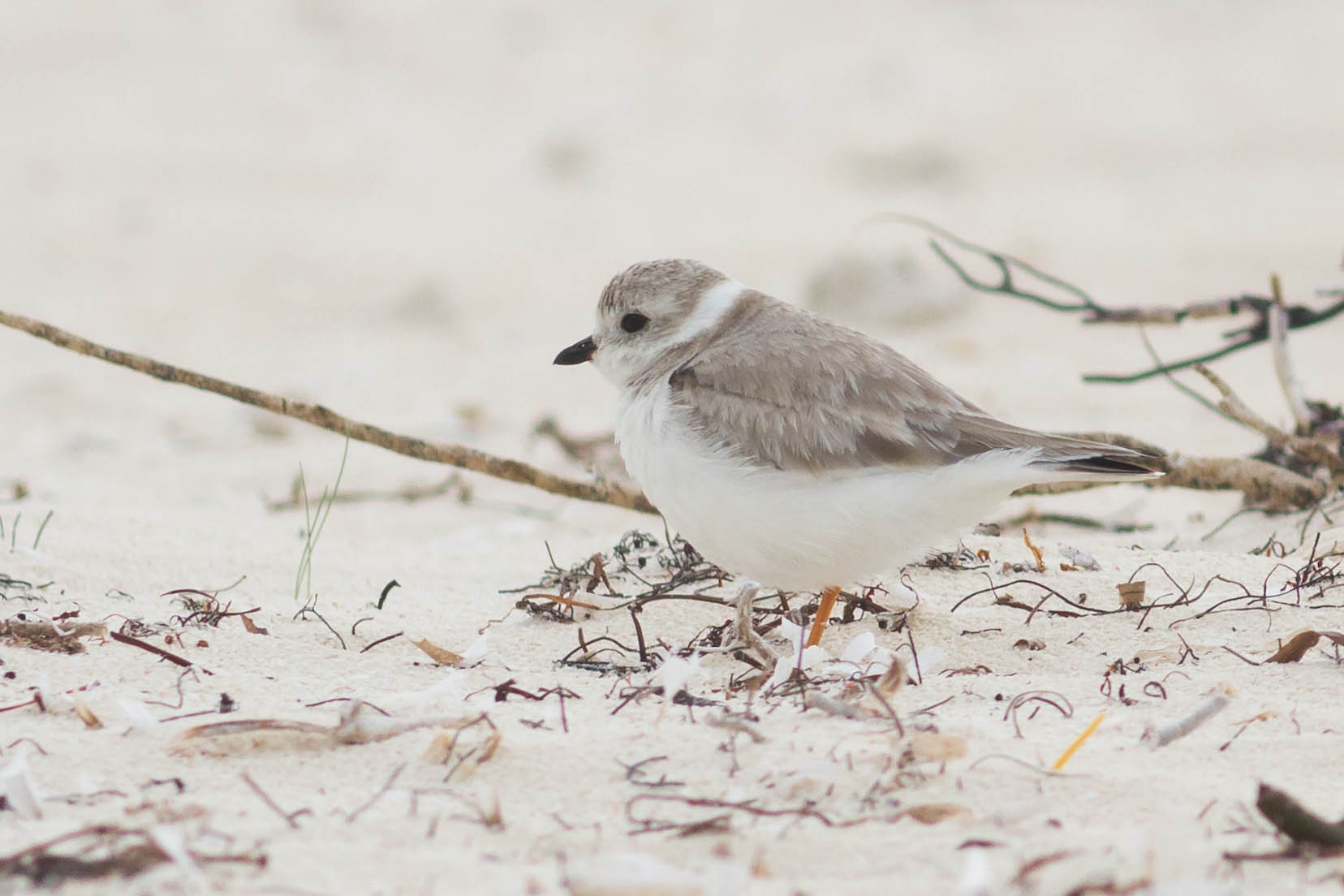
image24

Mark 1 Specimen Bonefish Flies

THE ‘WHICH?’ REPORT ON MARK 1 BONEFISHING FLIES

We set out to test the efficacy of  prototype ‘Mark 1’ bonefishing flies in the waters of the Abaco Marls. Our testers came from the US (TC & AH), Northern Ireland (AB), and England (RH). All are proficient fly fishermen with experience of several prime bonefishing destinations between them, except for the Englishman RH who was included to add balance to the trials by adding the element of incompetence. His fly box remained an object of ridicule throughout the tests, until he resorted to using a more carefully chosen small fly box containing his most successful flies, some ‘Delphi Club Approved’ flies and the test flies. 

QUALITY All our testers agreed that the Mark 1 flies were beautifully designed and tied. As flies, their quality was rated ‘superb’; ‘bloody good’; and ‘very impressive’. As potential winners for the waters of Abaco, however, there was considerable doubt about the suitability of the pattern for colouring, shape and size.

THE TEST AREA We used the huge area of prime bonefishing territory of the mangrove swamps and sand banks on the west side of Abaco known as the Marls. Our testers were familiar with the waters and all had fished them numerous times. The sea depth, depending on tide, is a few feet at most. The consistency of the bottom is of lightweight, pale coloured mud.

Bonefishing, Abaco Marls Abaco  1

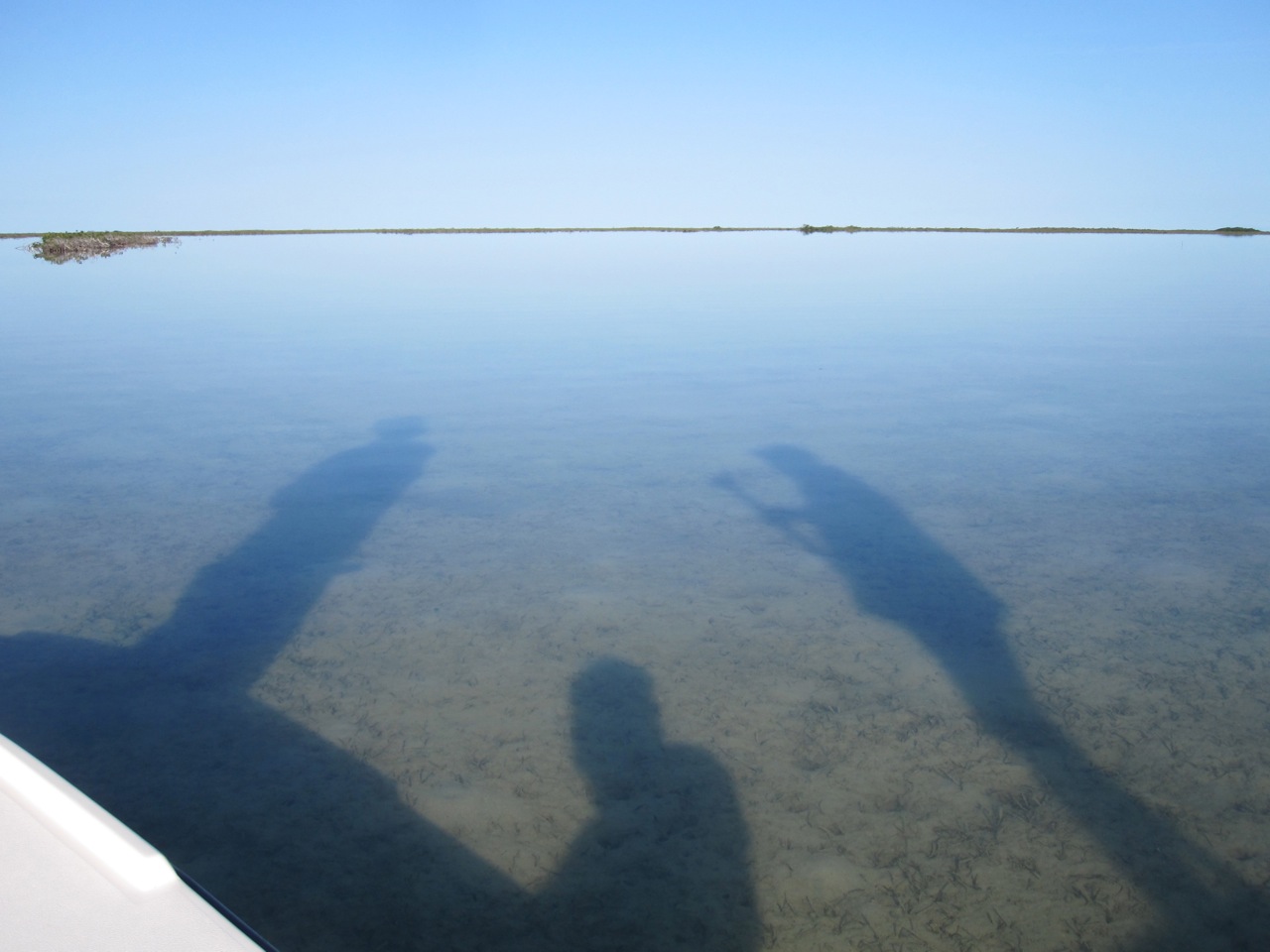
It is usually easier to look out for the shadows of the fish on the light bottom than for the fish themselves, which are often difficult to see in the water. Half-close your eyes and look at this image – the fish almost disappears, but the shadow is clearly visible. It is hard to believe the wonderful colouring of the fish until it is out of the water.Bonefish, Abaco Marls Abaco 2

THE TESTS The initial reservations of the testers unfortunately proved justified in the field. The testers all found that the fish tended not to follow the flies at all, and mostly behaved as if they had not seen them, even with the most accurate casts. The few ‘follows’ observed produced refusals of the fly at the end. Disappointingly, no fly was taken by a single fish throughout the trials.

OBSERVATIONS Our testers had some useful comments. Above all, the Mark 1 flies were undoubtedly of excellent quality and design. They simply were not suited to the waters – or the bonefish – of Abaco. TC thought they might work in Belize. It was thought that larger versions might attract permit. Overall, the Mark 1s were so radically different from the tried and tested fly patterns used successfully on Abaco that the 3 competent fishermen soon forsook the experiment and caught fish using more familiar flies. The 4th tester, lacking any finesse, might have fluked a take against the odds , but even he drew a blank.

THE PROFESSIONALS The Guides in each case had been fishing the Marls since they could walk and hold a rod. They each examined the flies, shook their heads and kept their thoughts to themselves. We interpret this as indicating a tendency for the local guides to doubt the effectiveness of the Mark 1 flies.

IMG_1169

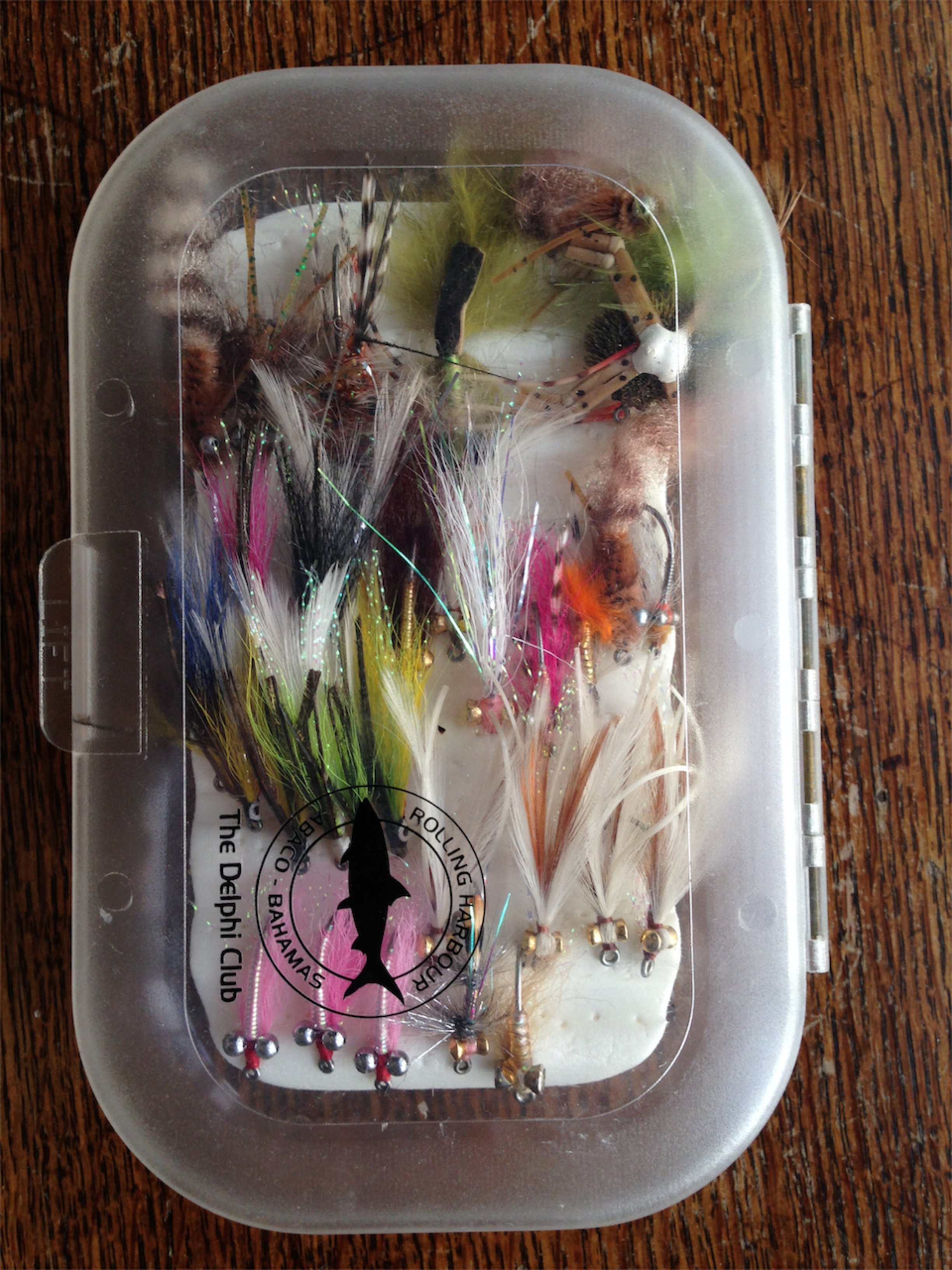
RH’s ‘Selected Specimen’ Fly Box

RESULTS ANALYSIS  The flies above show (front row) the 3 versions of the Mark 1 fly; (middle row) the highly effective Delphi Daddy and Delphi Diva patterns, with one random silver concoction of unknown origin; (back row) ; 2 browny / pale patterns plus a shocking pink one that the guides wisely forbade and, below, 3 roughly matching flies that brought great success even for RH this year (including 12 boated and 5 lost in one day), sourced from renowned tackle specialist E. Bay.

CONCLUSION The flies that catch the bones on Abaco tend to be pale and to have ‘streamer’ tails and / or a fair amount of sparkle. A touch of pink seems to be good. Too much pink, not so. Rubbery legs can be very effective (except in the fisherman after lunch). But lovely lifelike dark shrimp imitations are of no interest to the fish of the Marls.

‘WHICH?’ RATINGS FOR THE MARK 1 FLY 

  • Design and construction *****
  • Ease of use *****
  • Effectiveness for Abaco waters *

All photos RH. Thanks to Mark for creating the challenge and for being a great sport

A Box of Bonefish Flies (Abaco)

The largely ridiculous fly box of RH (most good ones removed)


Unknown's avatar

BLACK-AND-WHITE WARBLERS ON ABACO


B & W Warbler (f) BH IMG_0482 copy

The Black-and-White Warbler Mniotilta varia is a fairly common winter resident on Abaco. They are the only birds of the genus Mniotilta (“moss-picker” gr.). Unlike most warblers these birds behave rather like nuthatches, creeping along the trunks and branches of trees grubbing insects out of the bark. Pine trees are ideal for this. I remain rather dim about the 37 species of warbler on Abaco. A lot of them are small and yellow. But as soon as I saw one of these for the first time, I was very relieved. I knew exactly what it was – the bird that has been described as ‘a flying humbug’. 

Black & White Warbler.Cross Harbor.Abaco Bahamas.Tom SheleyB & W Warbler BH IMG_9587 copyBlack & White Warbler TR jpg

SUMMER     WINTER
220px-Mniotilta_varia_map.svg

Finally, this is a great short video of this little bird in action. Even if you only watch the first 30 seconds, you will be enchanted…

Image Credits: Bruce Hallett, Tom Shelley, Tom Reed (my own were too feeble to use…). All are contributors to “The Delphi Club Guide to the Birds of Abaco” (Publ. March 2014)

Unknown's avatar

THE CONCH QUEST OF ABACO…


Conch ©Melinda Riger @G B Scuba

THE CONCH QUEST OF ABACO…

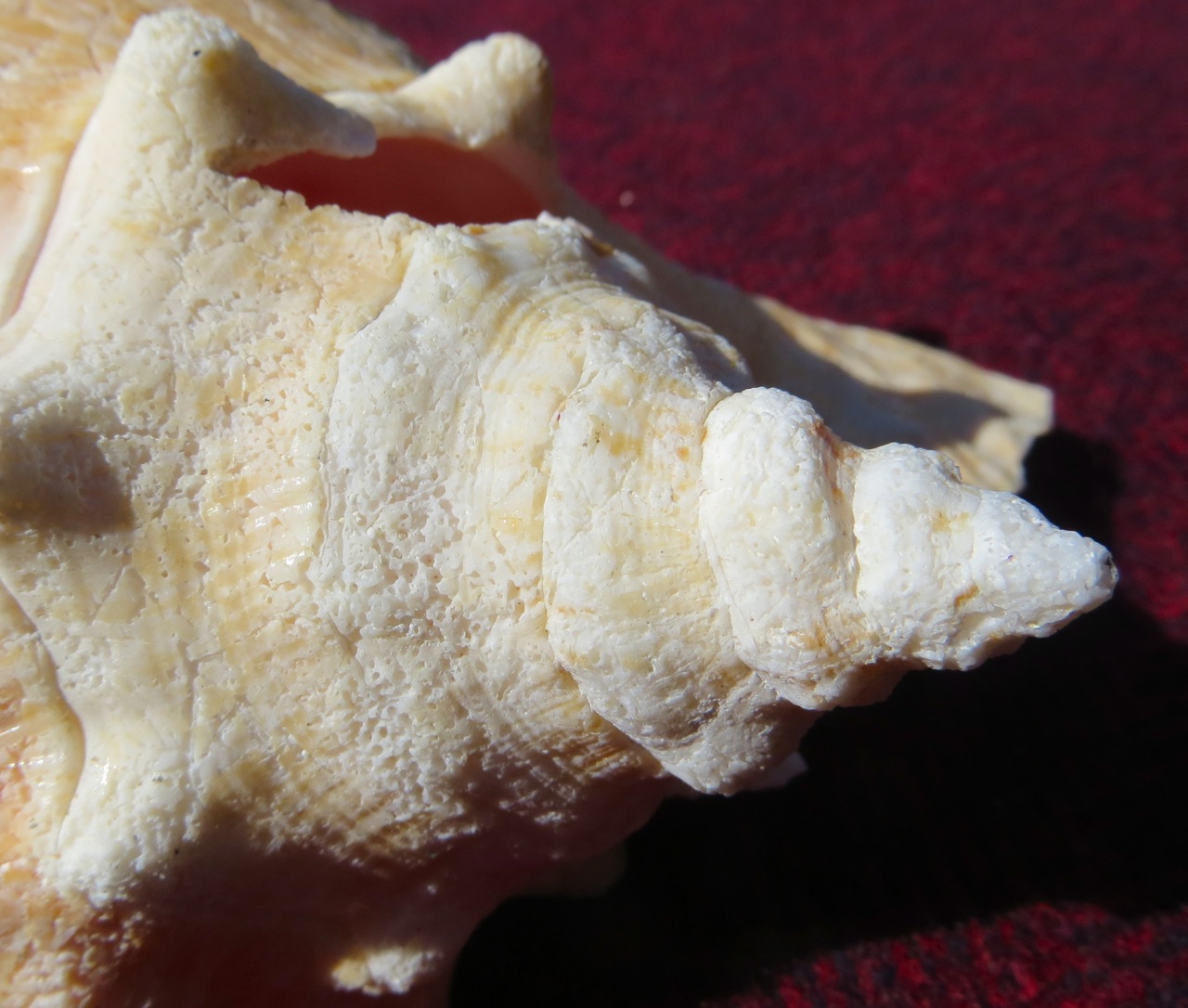
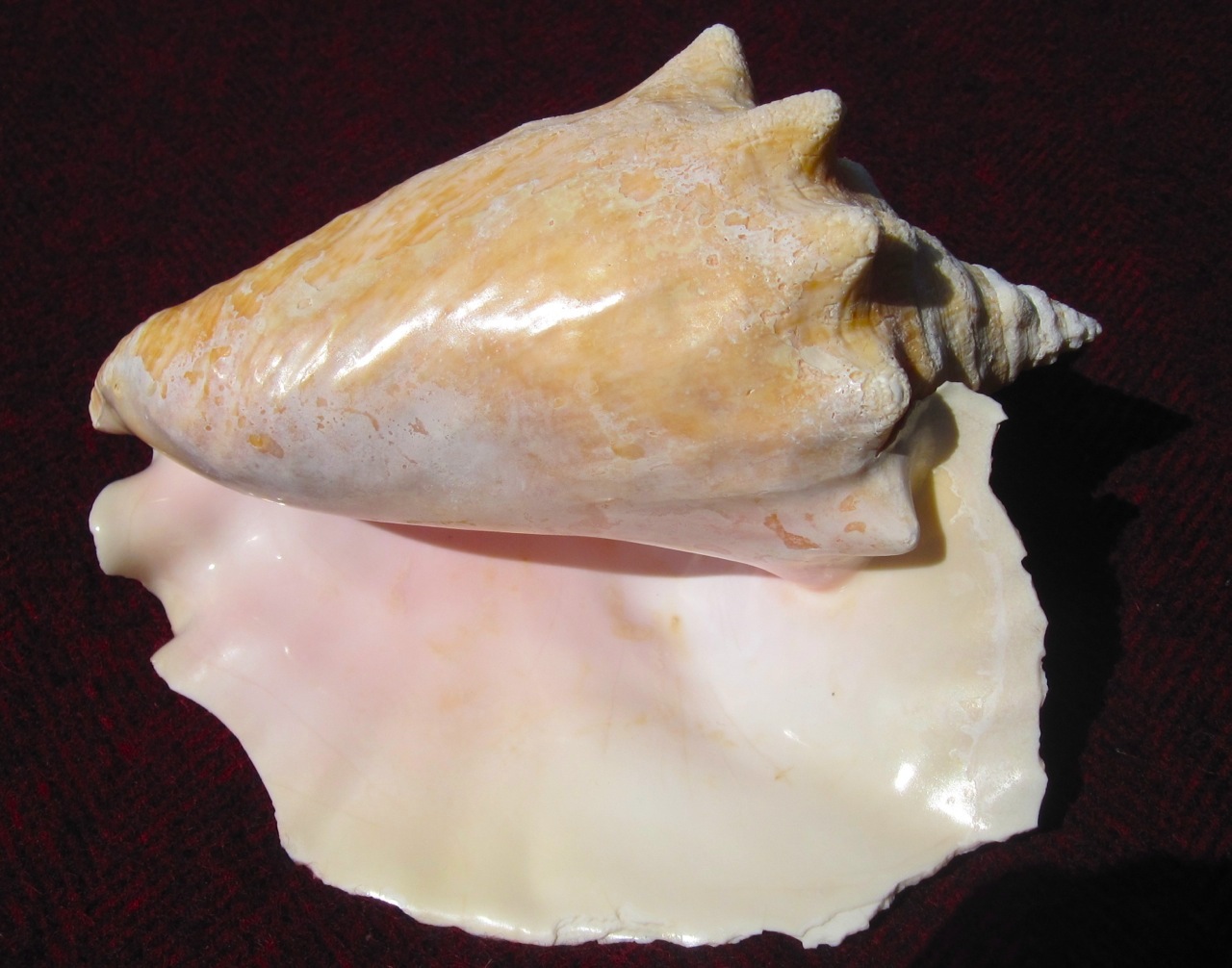
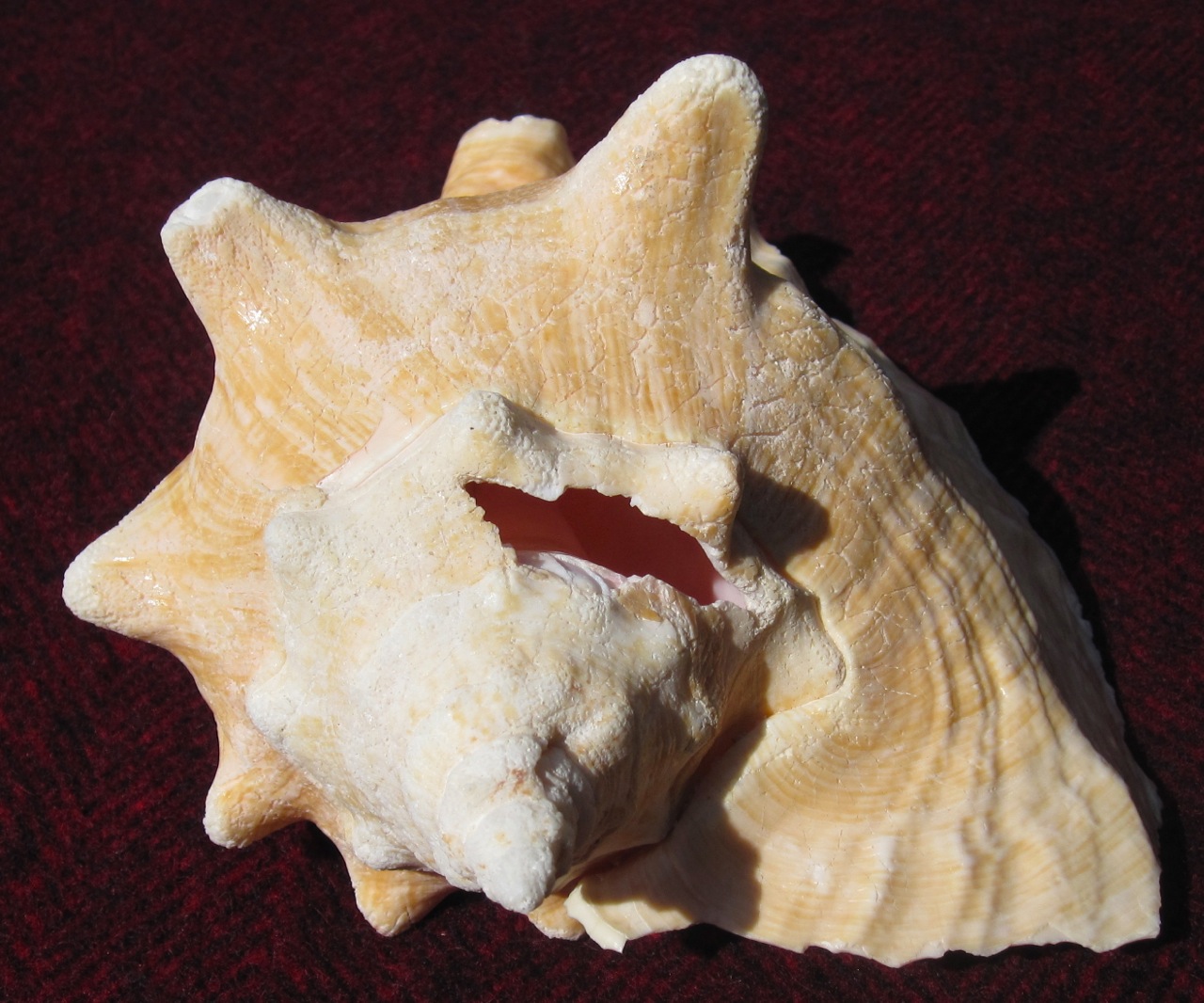
Conchs are gastropods. They are food. They are decoration (anyway, the shells are). For some, they are a living. And on Abaco they are everywhere – alive in the waters, and as shells scattered on  beaches or piled up outside restaurants. So the quest for conch is an easy one. There are fears of overfishing, however, and an active organisation The Bahamas National Conchservation Campaign exists to protect them. Another similar Bahamas organisation is Community Conch.conchs-at-sandy-point-1 We found a nice half-buried conch shell at Sandy Point. It was full of sand grains and tiny shells – mini gastropods and bivalves – that took some time to wash out of the spiralling internal structure. Here are some studies of the shell. IMG_2438IMG_2442IMG_2444IMG_2445IMG_2448IMG_5279IMG_5278 The damage to the shell above is the place where it has been bashed in to enable removal of the occupant. In order to do so, it is necessary to break the strong vacuum that would prevent extraction if you tried by the conventional route. Effectively the conch anchors itself to its shell and must be cut out. The best way to make the hole is with the spiral tip of another conch. This breaks the suction and enables you to prise out the occupant…

935327_499742893413409_191944192_n                                                               CC_logo2

Finally, you can usually rely on me to go off-piste. So here is a video of how to make a conch horn to annoy your friends and neighbours with…

[youtube https://www.youtube.com/watch?v=ebzN79oNTJg]