Unknown's avatar

CATCHING FLIES: CRESCENT-EYED (CUBAN) PEWEE ON ABACO


Crescent-eyed (Cuban) Pewee on Abaco 6

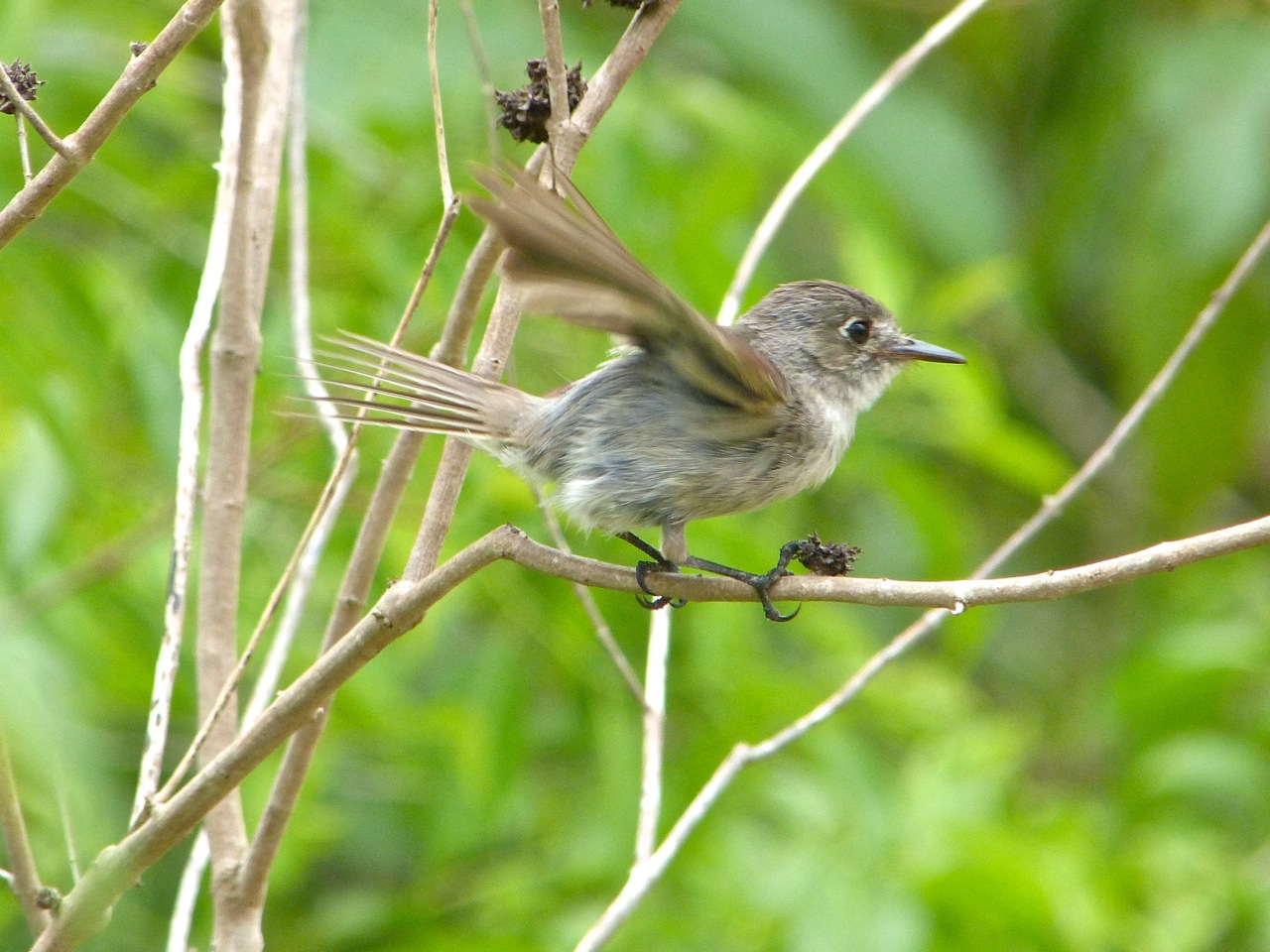
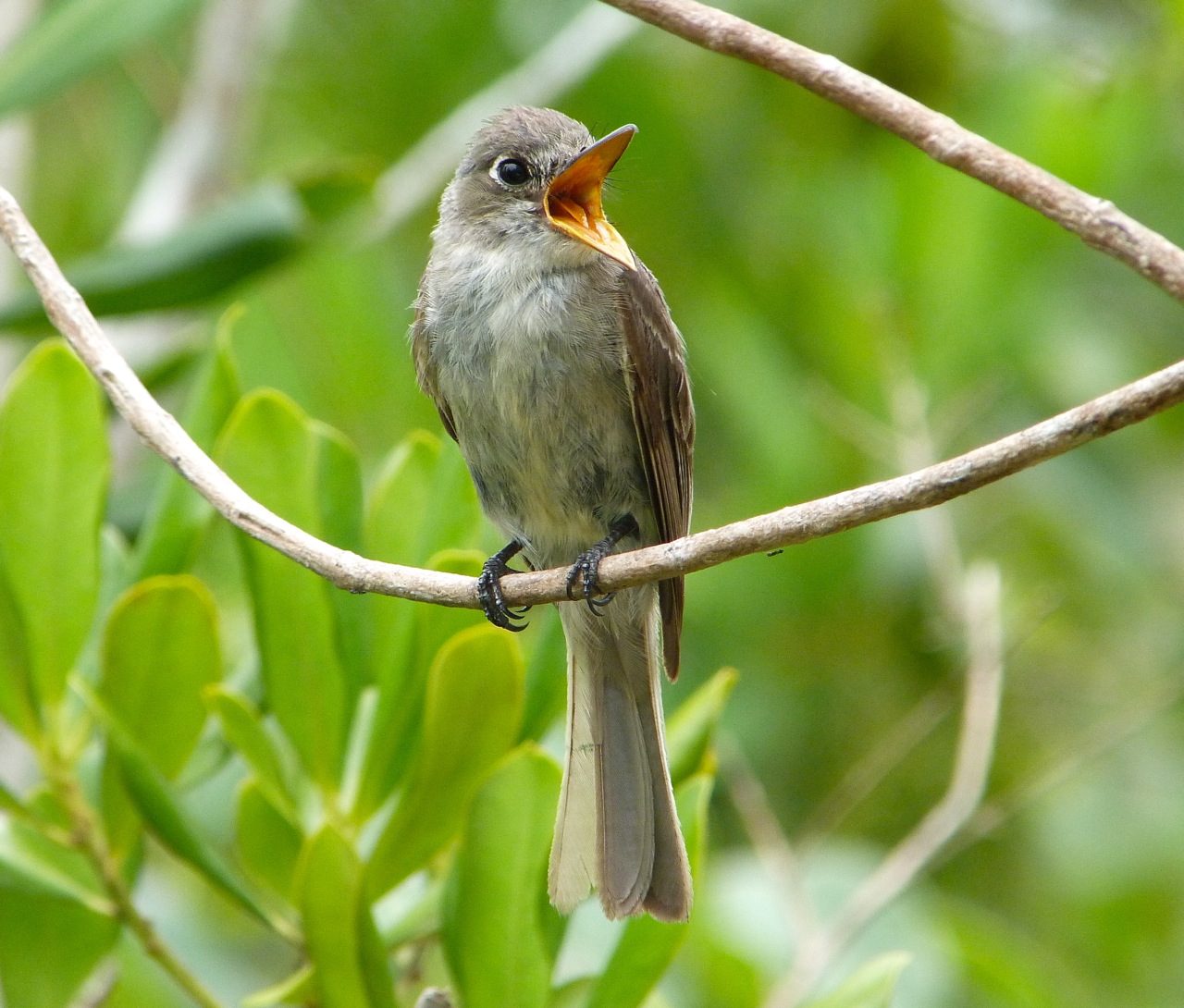
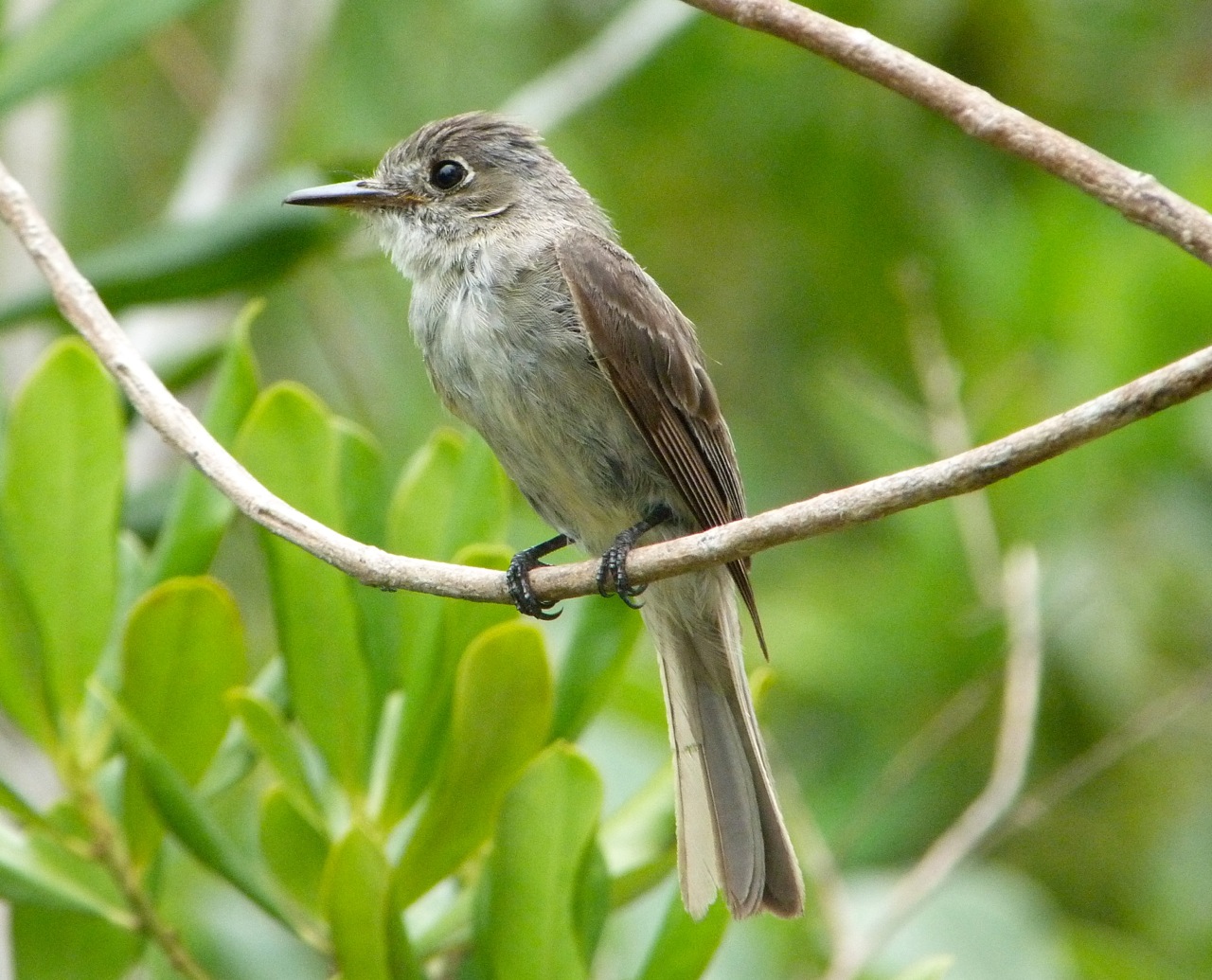
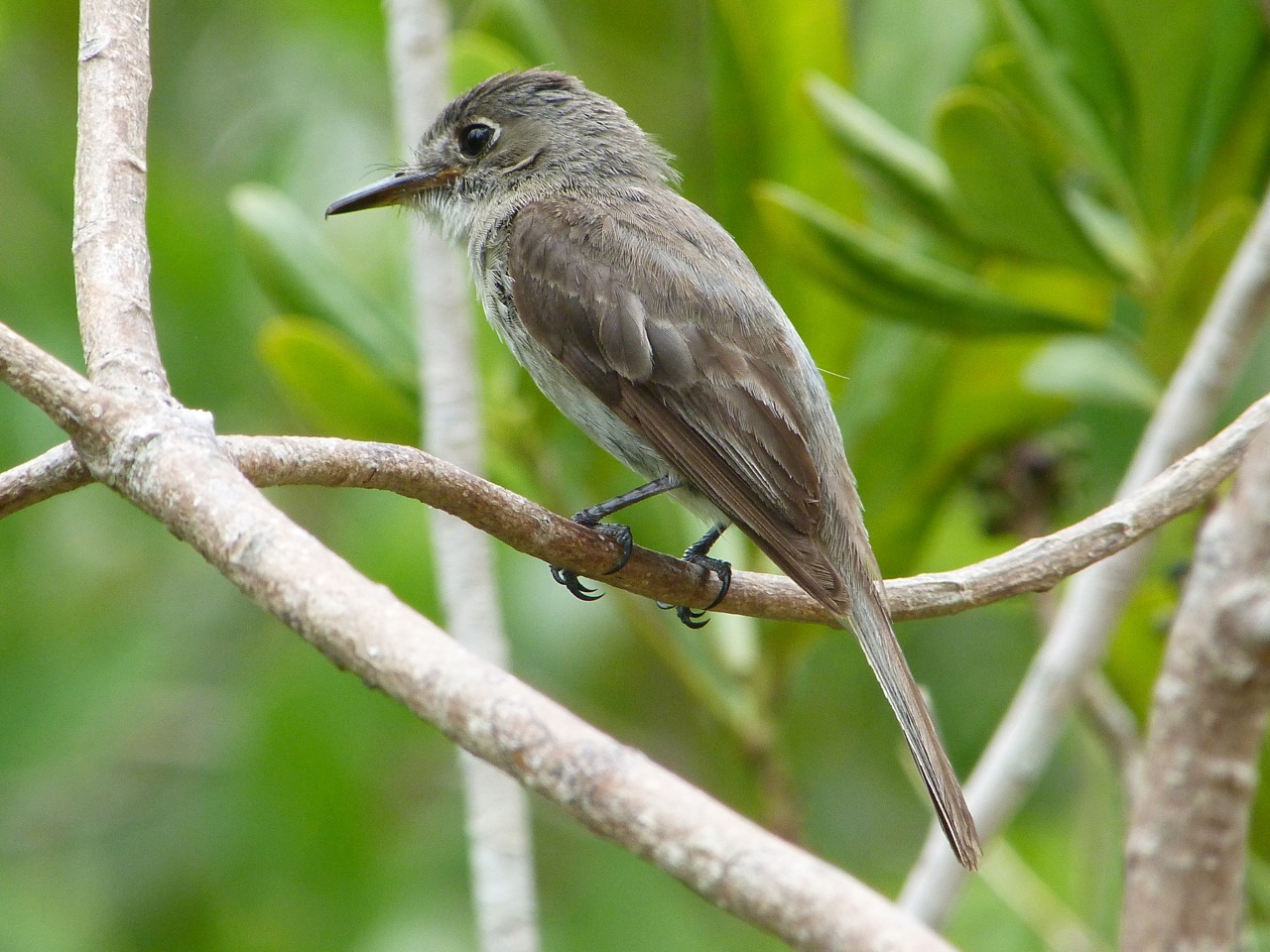
One of the prettiest small birds to photograph on Abaco is the Crescent-eyed, or Cuban, Pewee Contopus caribaeus. These small flycatchers are as interested in your struggles with your camera settings and your ‘stealthy’ (yet clumsy) approach, as you are in their cute poses. It’s a symbiotic relationship – you may get nice pictures, they have a benign laugh at your efforts.Crescent-eyed (Cuban) Pewee on Abaco 2

This bird was one of a pair we found at a magical corner of scrubland at a crossroad of tracks between the edge of the pine forest and a backcountry of derelict and overgrown sugar cane fields – the perfect habitat for a wide variety of species. The pewees had a nest hidden deep in the undergrowth, but were tame enough to be untroubled by our presence. They kept calm and carried on as usual.Crescent-eyed (Cuban) Pewee on Abaco 1Crescent-eyed (Cuban) Pewee on Abaco 5

These little birds are resident in Cuba and the Northern Bahamas. I have previously posted photos of them, taken by the beach at Casuarina, HERE. They are the smallest flycatchers – tyrannidae – on Abaco, a family that includes LA SAGRA’S FLYCATCHER, and the larger Loggerhead & Gray Kingbirds. Here’s a recording of cuban pewees made on Abaco (credit: Jesse Fagan / Xeno-Canto)

Crescent-eyed (Cuban) Pewee on Abaco 3Crescent-eyed (Cuban) Pewee on Abaco 4

They often have a charmingly quizzical or watchful expressionCrescent-eyed (Cuban) Pewee on Abaco 8Crescent-eyed (Cuban) Pewee on Abaco 7

“Magical Corner”, Abaco – birding hotspot. Location on application. $$ only please (©Tom Sheley)Birdwatching Hotspot, Abaco Backcountry ©Tom Sheley

Unknown's avatar

OUT FOR A DUCK: FINDING WHITE-CHEEKED (BAHAMA) PINTAILS ON ABACO


White-cheeked Pintail, Abaco 9

OUT FOR A DUCK: FINDING WHITE-CHEEKED (BAHAMA) PINTAILS ON ABACO

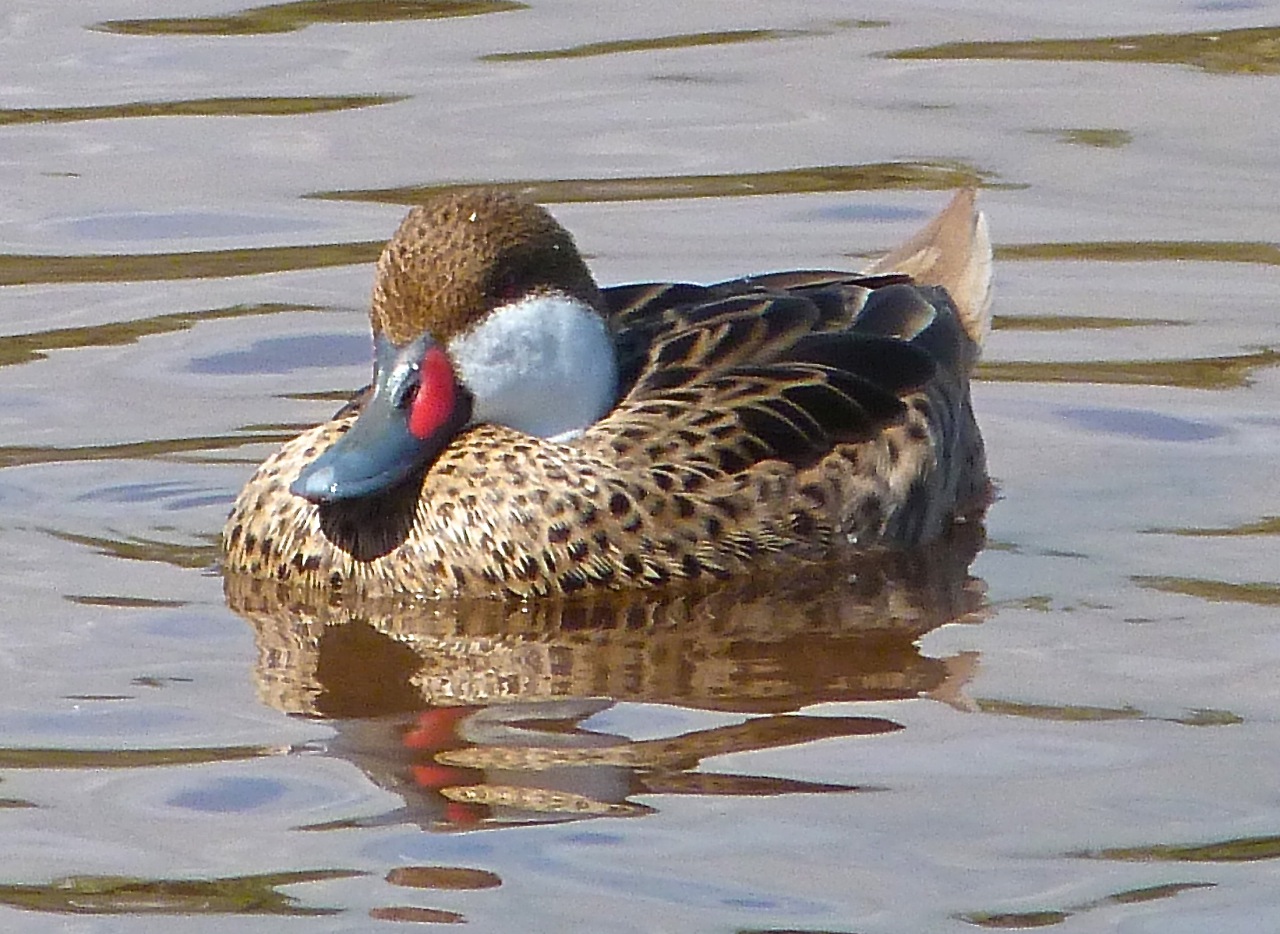
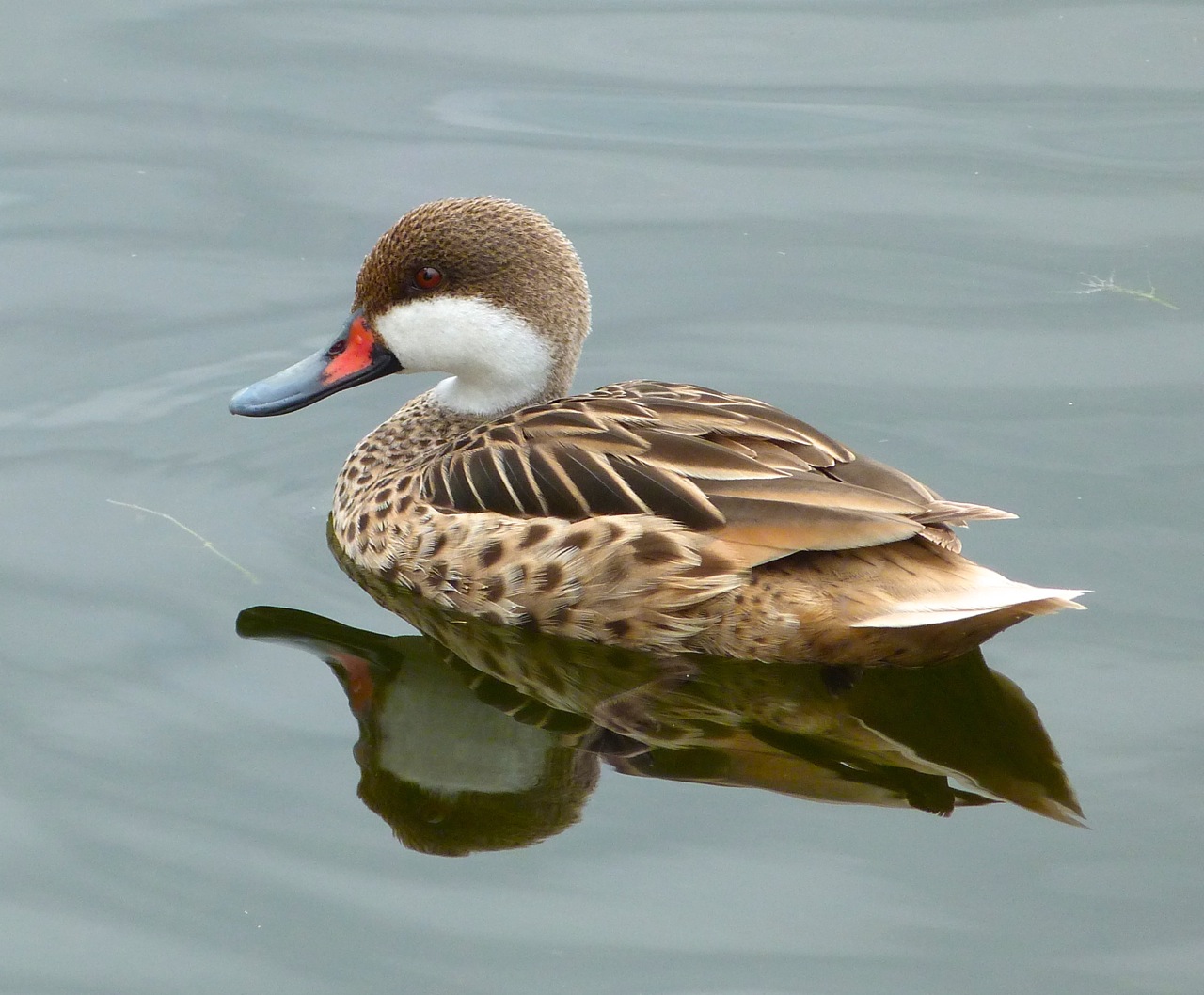
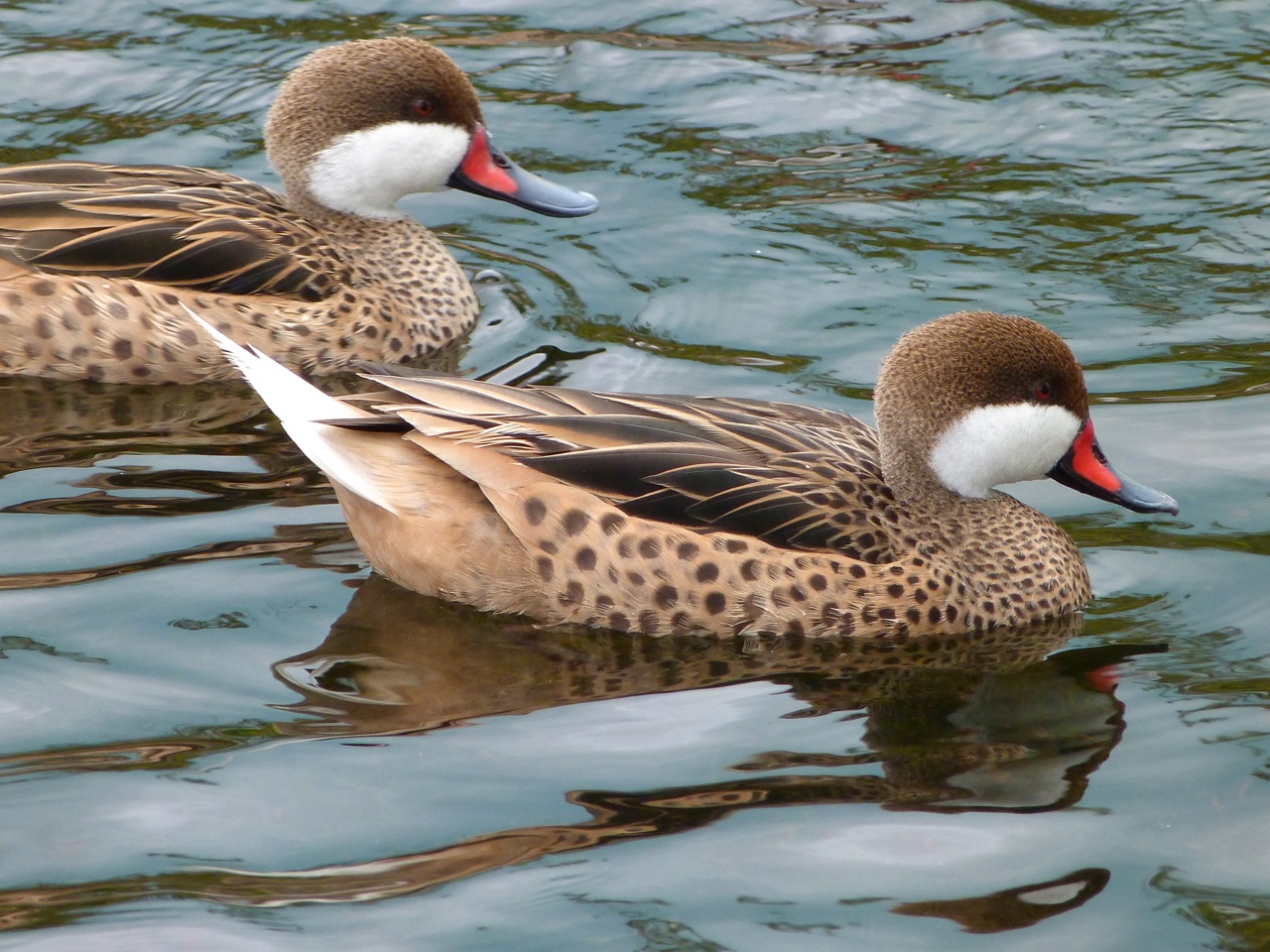
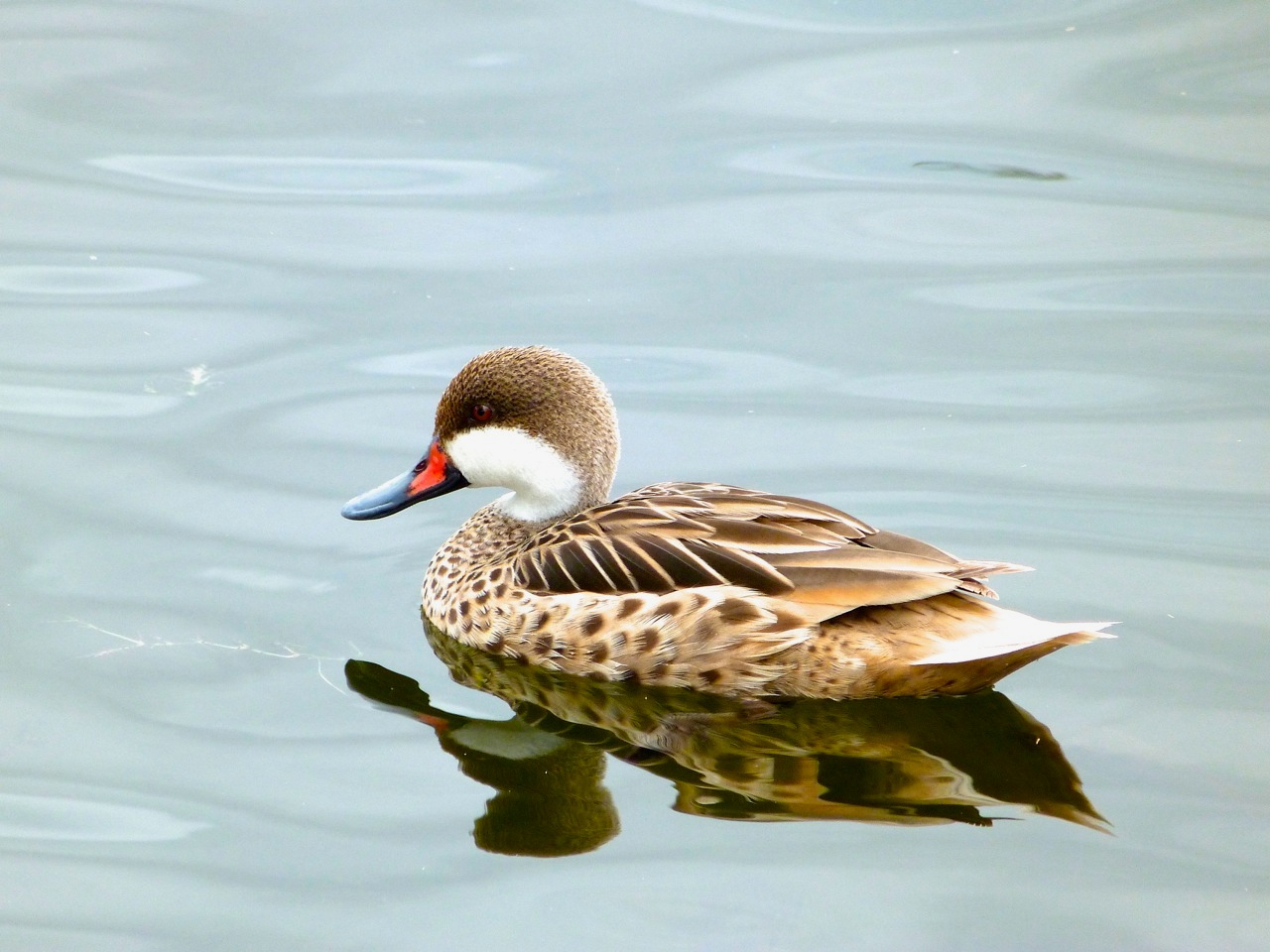
Hunt them. Then when you have found them, shoot them. But only with a camera, obviously… These attractive dabbling ducks are far too pretty for anything more controversial than watching and enjoying. Many moons ago I posted about them HERE, but I’m a bit cannier since then, and even have my own photos now…

NOTE Within hours of posting this, I was alerted (thanks, Tony W) to the inadvisability of (a) using the word ‘hunting’ in the title; and (b) the opening 2 sentences. (a) has been changed to the neutrally vanilla ‘finding’. (b) remain but with this warning: “It is illegal to shoot white-cheeked pintail in the Bahamas“. While I don’t imagine the readers of a blog like this will already have rushed to the gun cabinet, packed up a cartridge bag, added a couple of Kaliks and headed off  with extreme pintail population decrease in mind, I expect a  g**gle search for ‘hunting & shooting sweet small ducks’ could indeed provoke the odd (to very odd) person to assume it is open season for pintails. It isn’t. It never is.

White-cheeked Pintail, Abaco 1

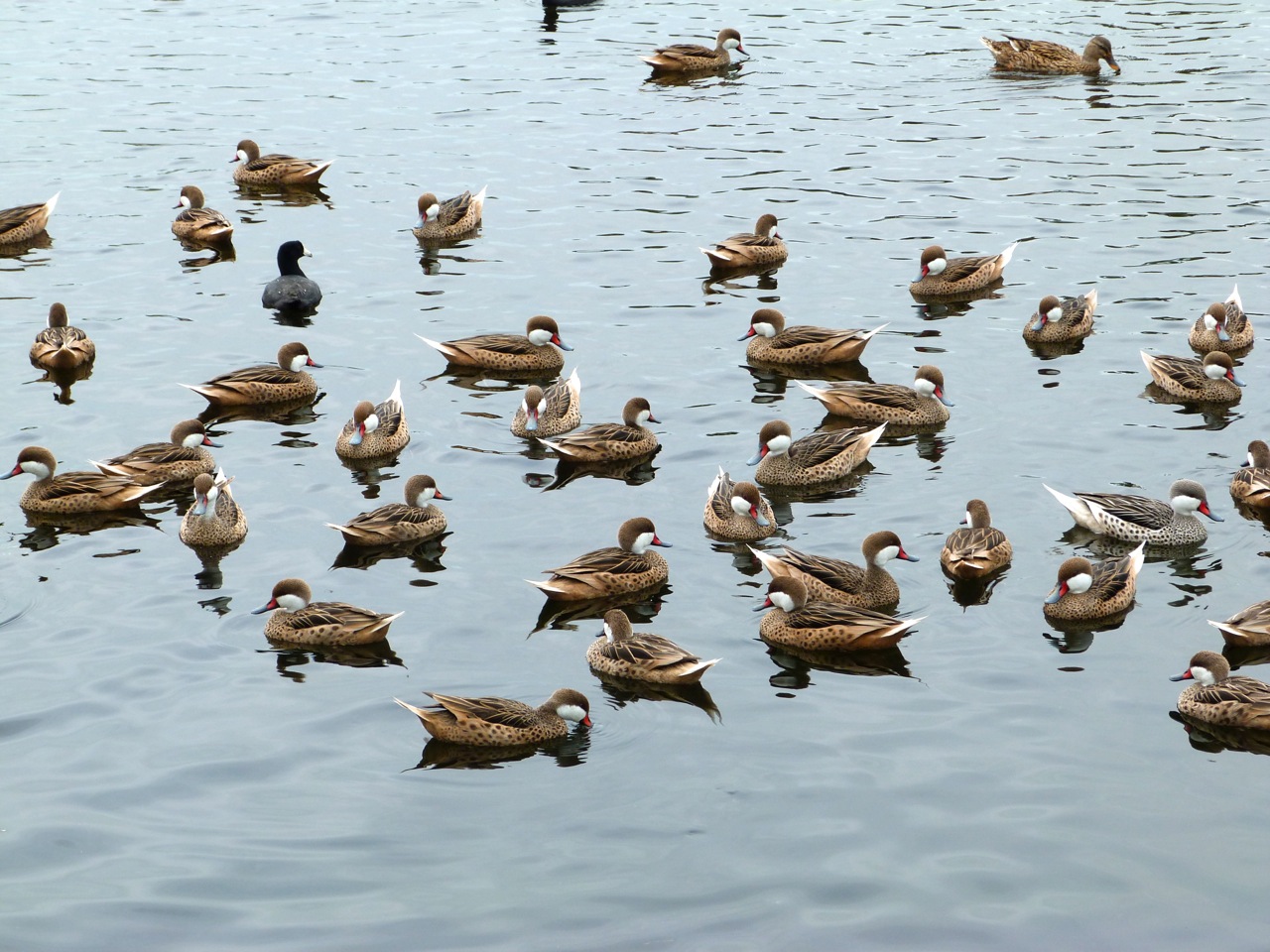
The white-cheeked pintail Anas Bahamensis is also known as the Bahama Pintail. It is a gregarious species, often found in large numbers on lakes and ponds. An excellent place to see them on Abaco is at the pond by Hole 11 at Treasure Cay golf course. Don’t all rush at once – and if you do follow up the hint, check in  at the Clubhouse to get permission – there may be a competition in progress… You’ll see many other waterbird species there, and I will do a follow-up post about them. Do mind your head – if someone yells ‘fore’ they will probably not be counting duck species.White-cheeked Pintail, Abaco 3

The male and female of the species are very similar. However, in the image below there’s one bird that stands out from the others… and I don’t mean the American Coot. Near the bottom right is a LEUCISTIC variant of the Bahama Duck, a genetic condition similar to albinism.White-cheeked Pintail, Abaco 5

Here is a close-up of the same duck on dry land. These variants are known as Silver Bahama Pintails. They are worth more than the standard version. You can see some good comparative pictures and find out more at MALLARD LANE FARMSWhite-cheeked Pintail, Abaco 7

 Here is a more extreme wiki-example of a silver bahama pintail
220px-White-cheeked_Pintail_white_morph_RWD

Another excellent place for pintails is in the Crossing Rocks area of South Abaco. Strictly, it is on private land. And legally too, for that matter. So I won’t pinpoint these pintails publicly. There is a wonderful variety of waterbird life there. I have seen great egrets, little blue herons, yellow-crowned night herons, belted kingfishers and elegant BLACK-NECKED STILTS there, besides several duck species. I have also seen a sora there (twice), a small, furtive rail that skulks in the reeds and foliage at the edge of the water, profoundly hoping that you won’t notice it… If you are birding on Abaco from Delphi, ask Peter or Sandy for the location. Or else contact me.White-cheeked Pintail, Abaco 6

“On Reflection…”White-cheeked Pintail, Abaco 2

Unknown's avatar

FORAYS WITH MORAYS (1): EEL APPEAL IN THE BAHAMAS


Wasabi the Eel 2

FORAYS WITH MORAYS (1): EEL APPEAL IN THE BAHAMAS

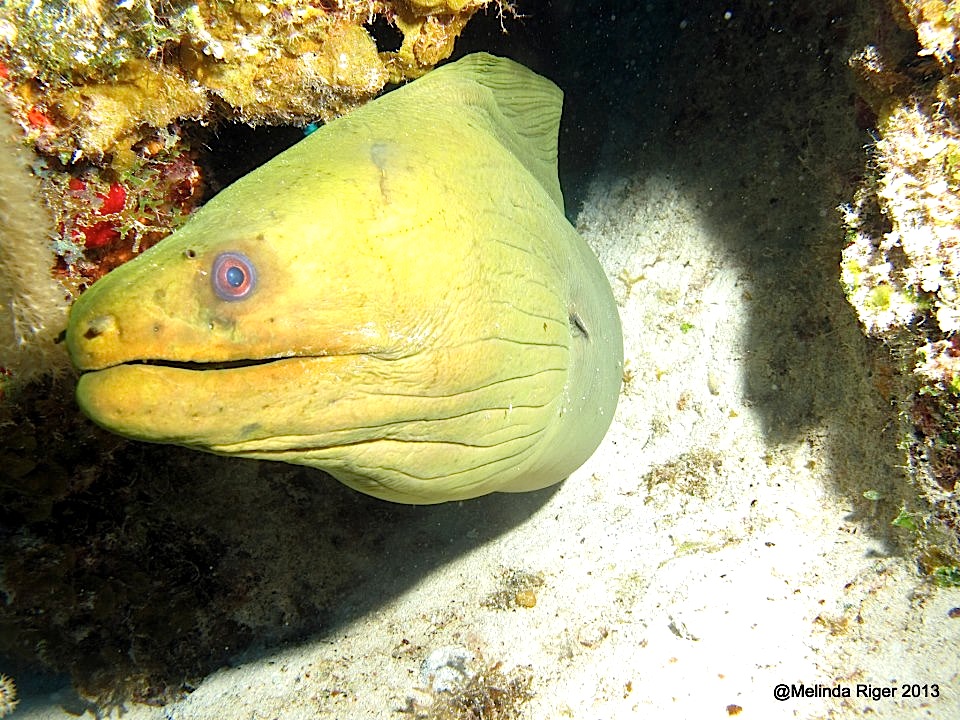
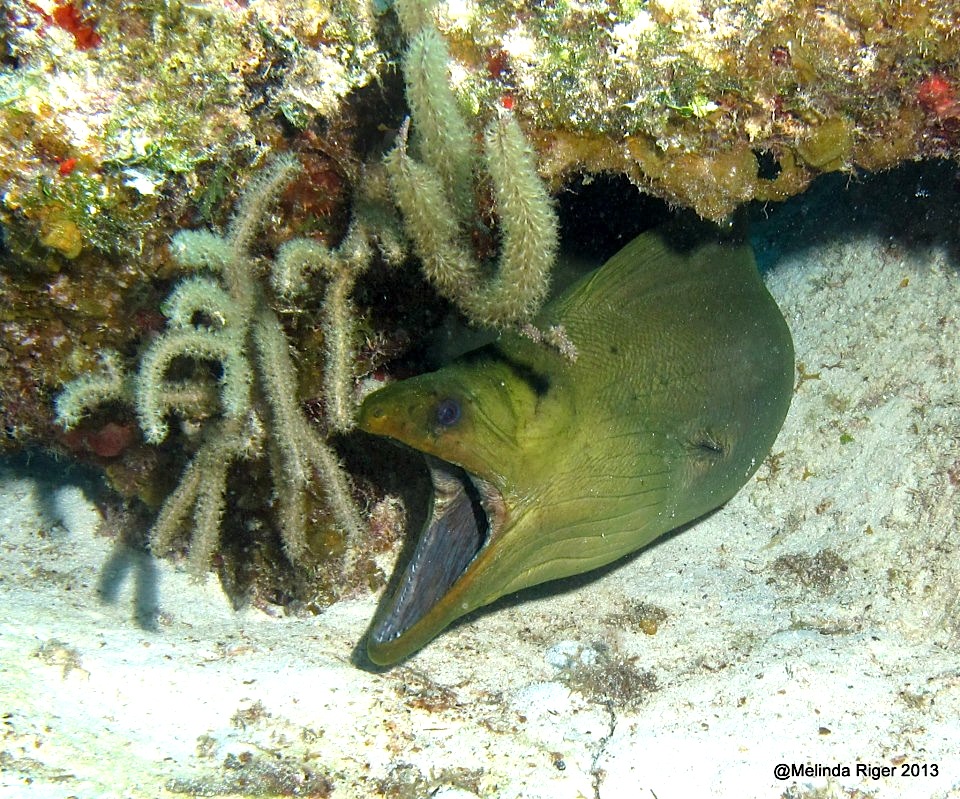
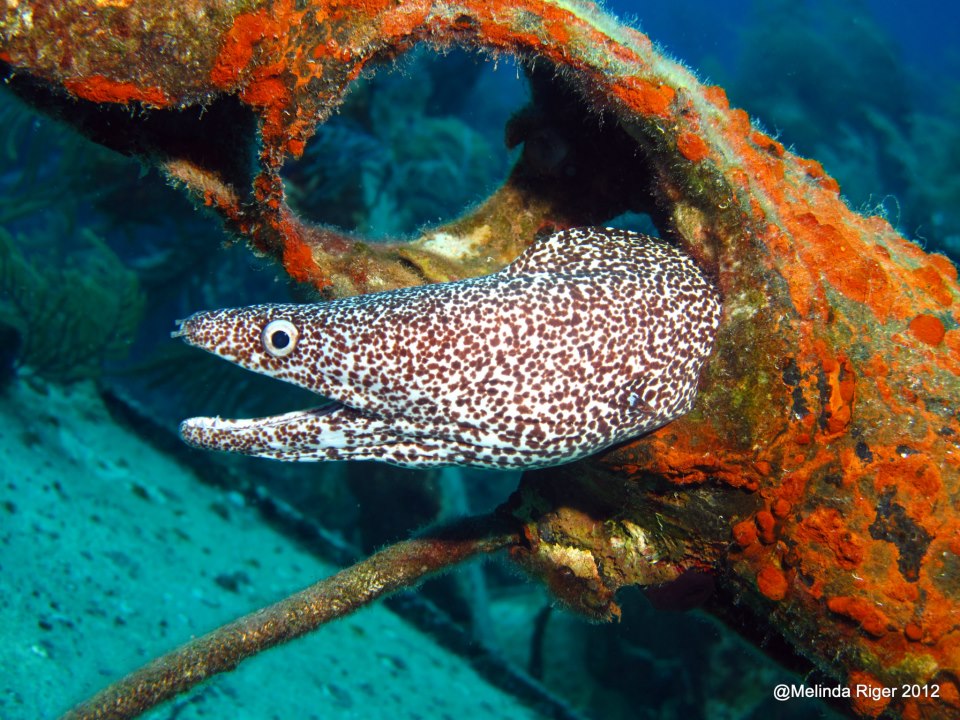
MORAY EELS are found in most oceans, with around 200 species worldwide. In Bahamian waters, the 3 most common are the green, yellow and spotted morays, all featured below. These ones have been given affectionate names by the divers who encounter them regularly in their home surroundings – Rico, Judy, Wasabi and Earl. Moray Eel

Morays have something of a reputation for aggression, though (like many creatures with teeth) they much prefer to swim away or hide rather than attack. They will defend themselves resolutely, however, so it might be a mistake the get too close.Moray Eel ©Melinda Riger @GBS

Hand-feeding morays has become a popular dive activity. However there can be drawbacks. They have poor vision, and may find it difficult to distinguish between food, finger-food and fingers. There are many cases of divers who have lost a finger while hand-feeding moray eels; in some places it has been banned. Yellow Moray Eel©Melinda Riger @GBS copy

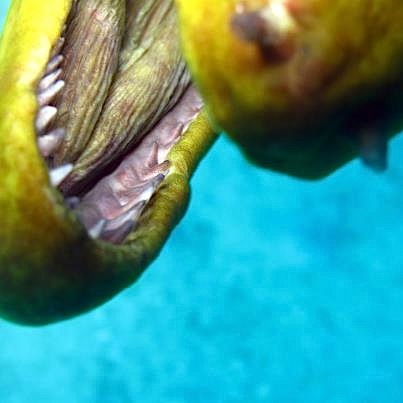
The moray eel has strong clamping jaws, and its sharp teeth point backwardsMoray Eel mouth (interior)Green Moray Eel ©Melinda Riger @GBS

This has two effects. A finger will be held as if by a fish-hook barb; and the eel will not release the grip of its powerful jaws without them being prised apart.Wasabi the Moray Eel

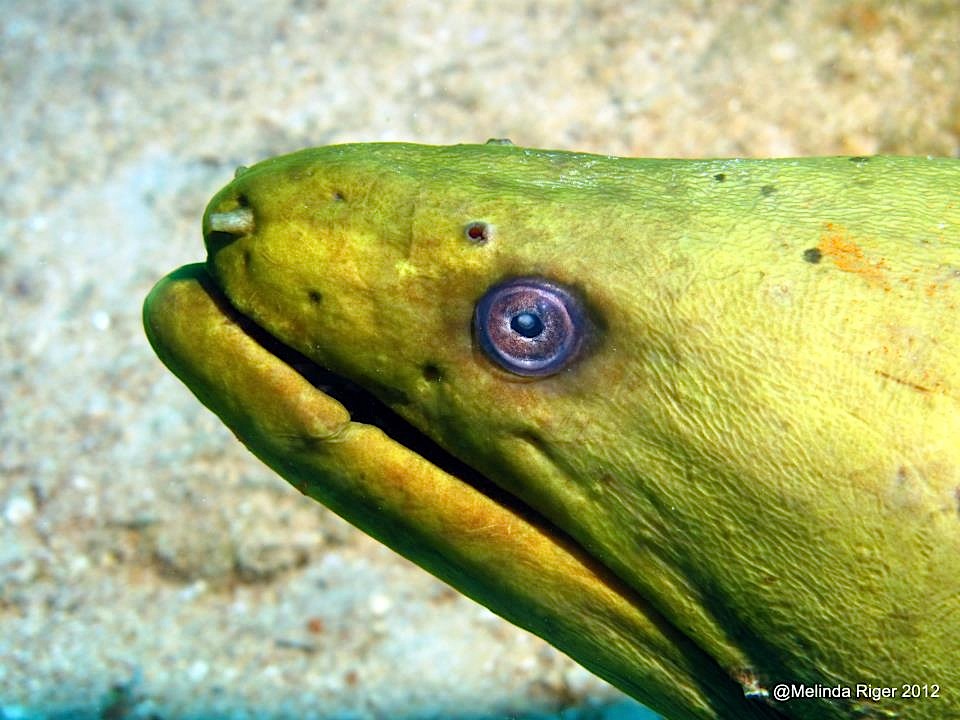
Moray eels have a strong sense of smell, and curious nostrilsMoray Eel (Rico) ©Melinda Riger @GBSMoray Eel copy

Finally, here are two images of a fine spotted moray eel known as ‘Earl’, and a video of a different one%22Earl the Eel%22Spotted Moray Eel ©Melinda Riger @ GBS

Credits: All images ©Melinda Riger @ Grand Bahama Scuba


Unknown's avatar

ELEGANT COOT CABARETS (6,6,2,5 anag.): CATTLE EGRETS ON ABACO


“ELEGANT COOT CABARETS” (6,6,2,5 anag.): CATTLE EGRETS ON ABACO

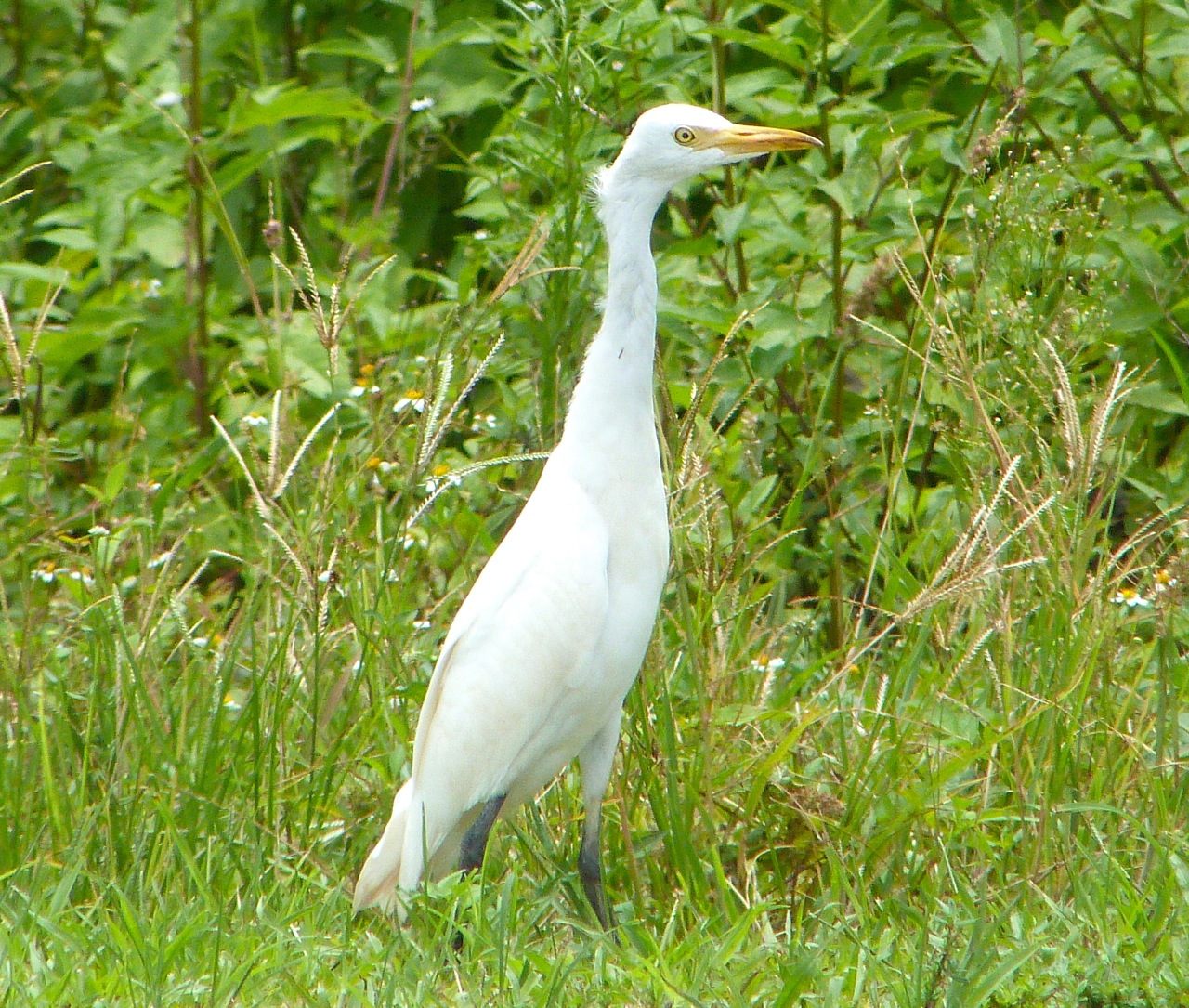
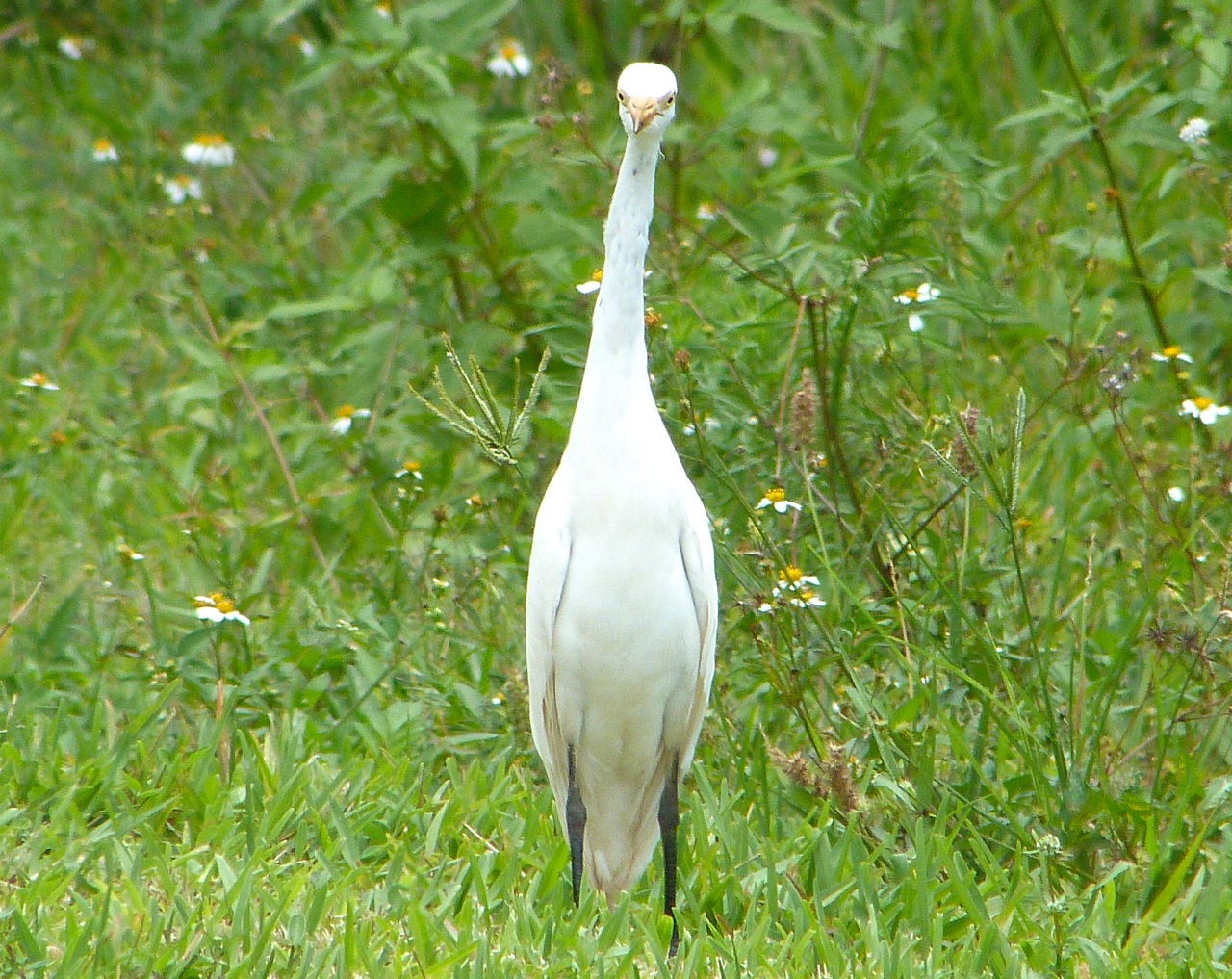
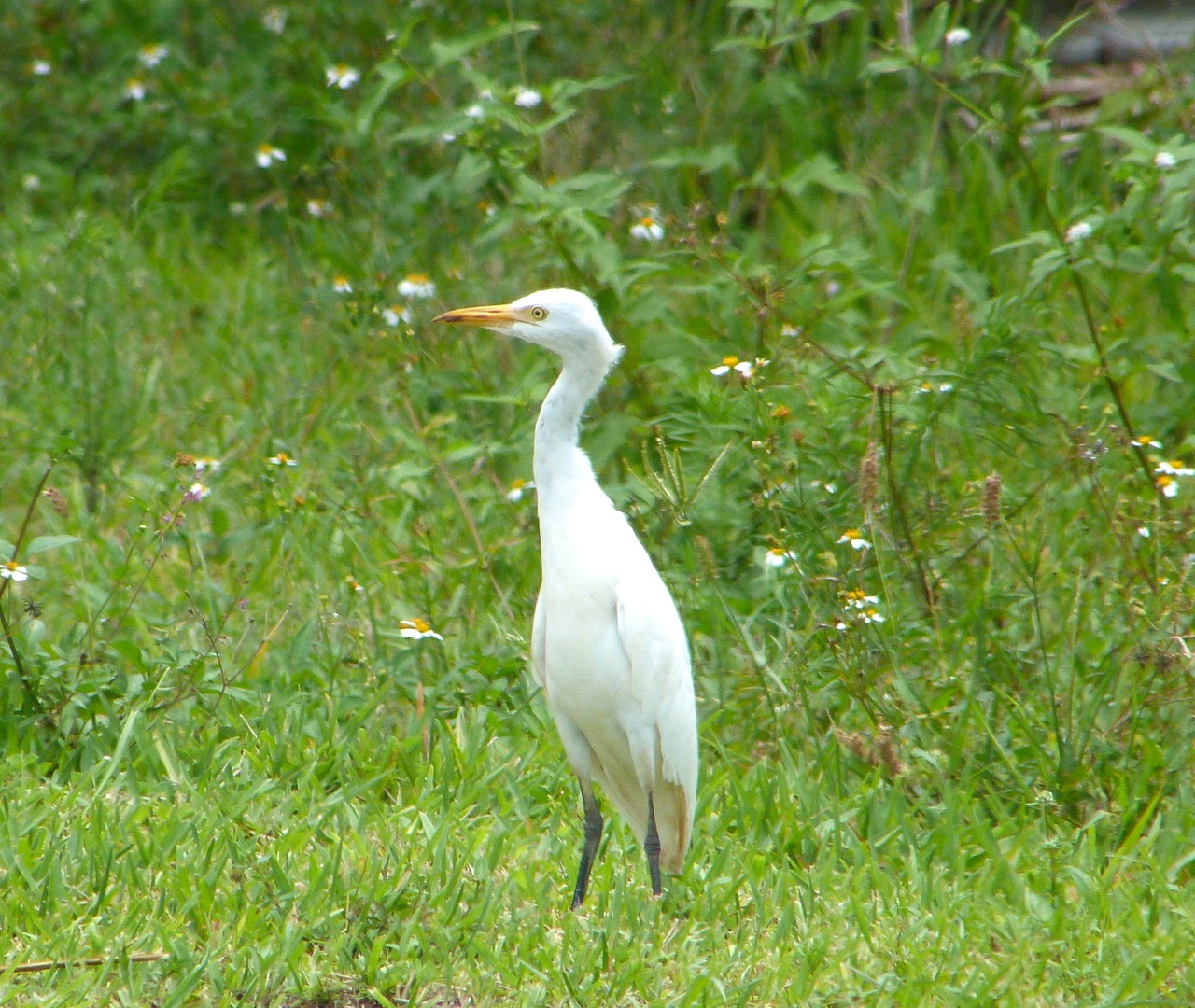
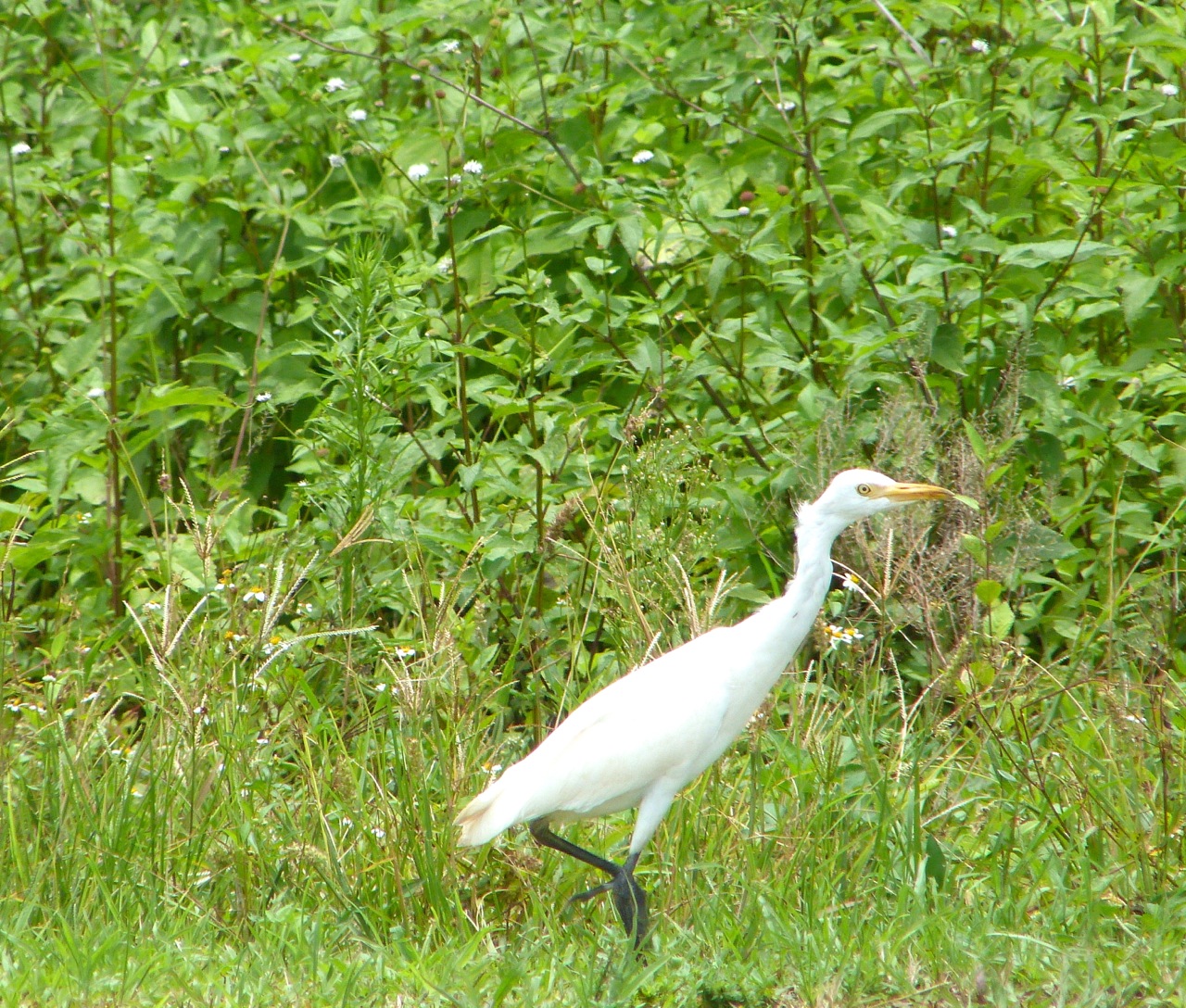
The CATTLE EGRET Bubulcus ibis is a species of heron with an affinity with cattle and other grazing animals. It’s a two-way thing – they relieve a cow of its ticks and flies, and get a ready meal return. Their name is the latin for ‘herdsman’.

Originating in Africa, these birds have proved to be one of the most successful and resilient bird species at expanding their breeding populations around the globe.

Range map – yellow: breeding – green: year-round –  blue: non-breeding                     

The first sightings in North America were in 1941, then assumed to be escapees. Far from it. They flew in and multiplied. By 1953 they were breeding in Florida; in Canada in 1962; and in the Bahamas in the 1960s. Now they are everywhere – though (depending, like, how old you are) your grandparents might never have seen one… Here’s a helpful wiki-graphic 

Range expansion in the Americas

In the breeding season, cattle egrets develop pinkish-buff patches on their front, back and crown, and grow matching head-plumes

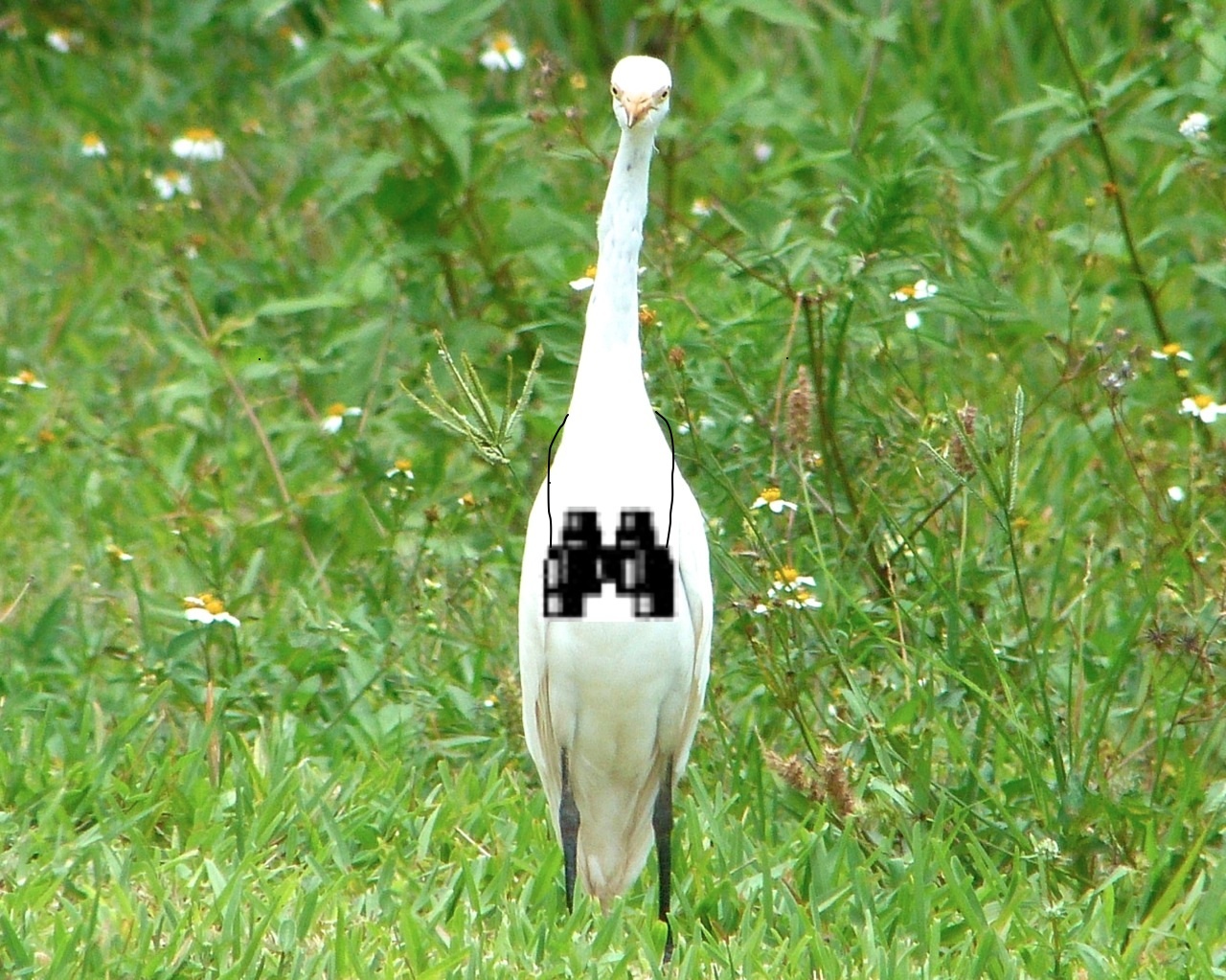
Recently we saw one at Sandy Point when photographing kestrels. It’s no longer in full breeding plumage, but traces of a pinkish tinge can still be seen.Cattle Egret Abaco 8The cattle egret’s eyes are positioned so that while they are feeding they have binocular vision. I’m not quite sure why that would be advantageous; you might think they’d prefer one eye on their food, and one on the look out for predatorsCattle Egret Sandy Point Abaco 12

When on the move the egrets may adopt a stooping, creeping stanceCattle Egret Abaco 7

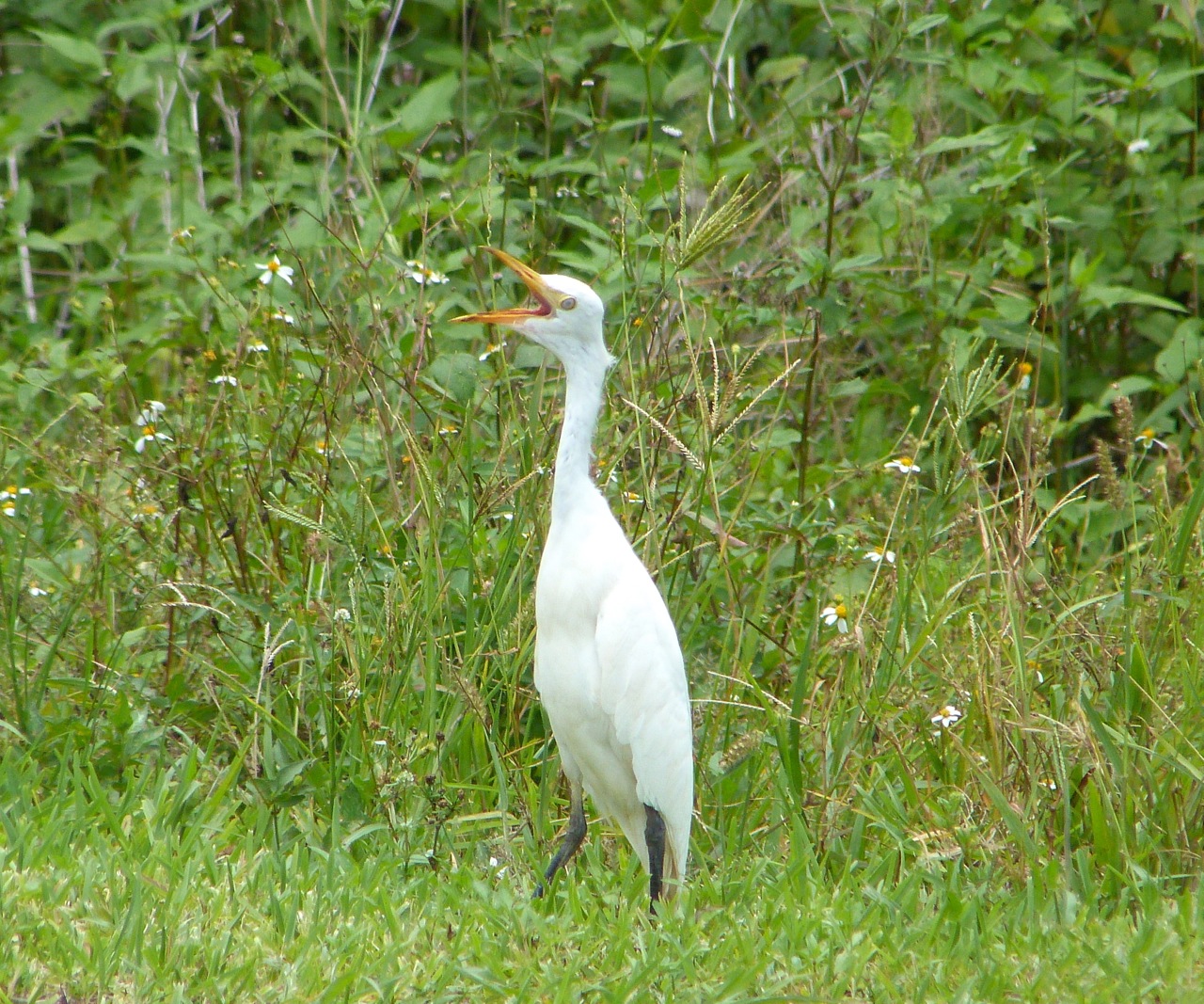
These birds have capacious mouths, which enable them to vary their diet from small maggoty things to larger insects, then through snails to small frogs and the likeCattle Egret Abaco 5

Although the neck generally looks slim, they appear to have an expandable gullet which no doubt helps with larger food itemsCattle Egret Abaco 4

Now. Time to get back to the Crossword…Cattle Egret Abaco 2

BINOCULAR VISIONce_sp1Graphics, breeding plumage & header: redoubtable wiki; other images RH

ADDENDUM The redoubtable dou dou, creator of tiny and cute handmade bird models, has been inspired by these fine creatures to make a handsome pair. Check out her site with the link above… and you can even buy your very own cattle egrets there

cattle-egret-birds

Unknown's avatar

QUIS PHOTOGRAPHIET IPSOS PHOTOGRAPHERES? [INSULA ABACO]


RH vig

QUIS PHOTOGRAPHIET IPSOS PHOTOGRAPHERES? [INSULA ABACO]*

Who indeed does photograph the people who take the photographs? Here is a small gallery of photographers on Abaco caught in the act of shooting wildlife, so to speak. And if anyone has ever seen – or been – a photographer photographing photographers photographing other photographers, trust me, that is one stage beyond weird.

RH on a nature trek with Ricky JohnsonWildlife Photography on Abaco 1

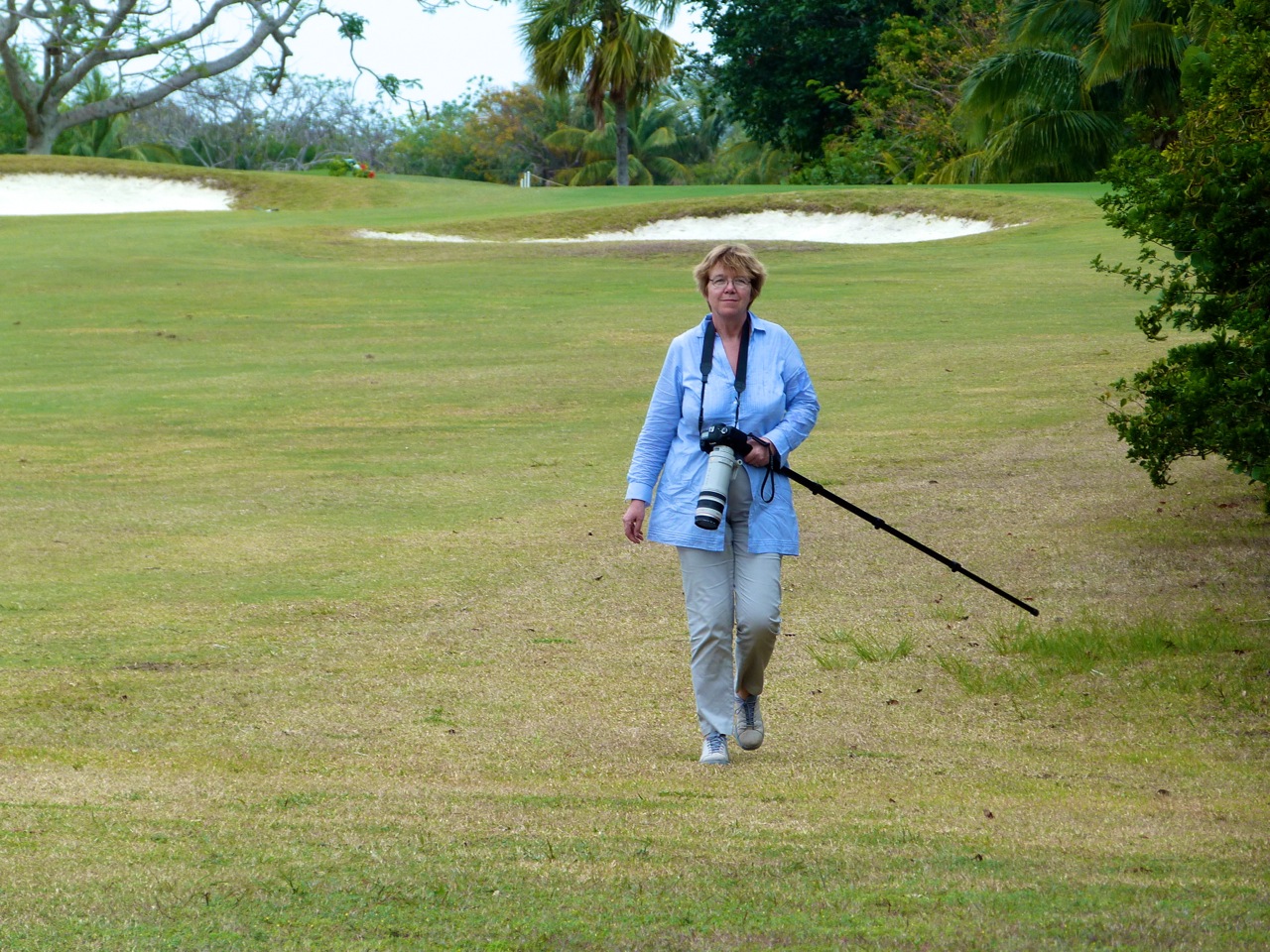
Mrs RH goes right off-piste & ends up on the golf course at TC  [good birding there in fact]Wildlife Photography on Abaco 3

RH (who uses a stick – or ‘cane’, if that isn’t too ’50 shades’) takes a collapsible wading stick on these occasions. Since he, too, is collapsible it is sometimes helpful to have a seat while photographing. Not elegant, though, and not especially comfortable. Cheers, Clare, for capturing the indignity…Wildlife Photography on Abaco 8

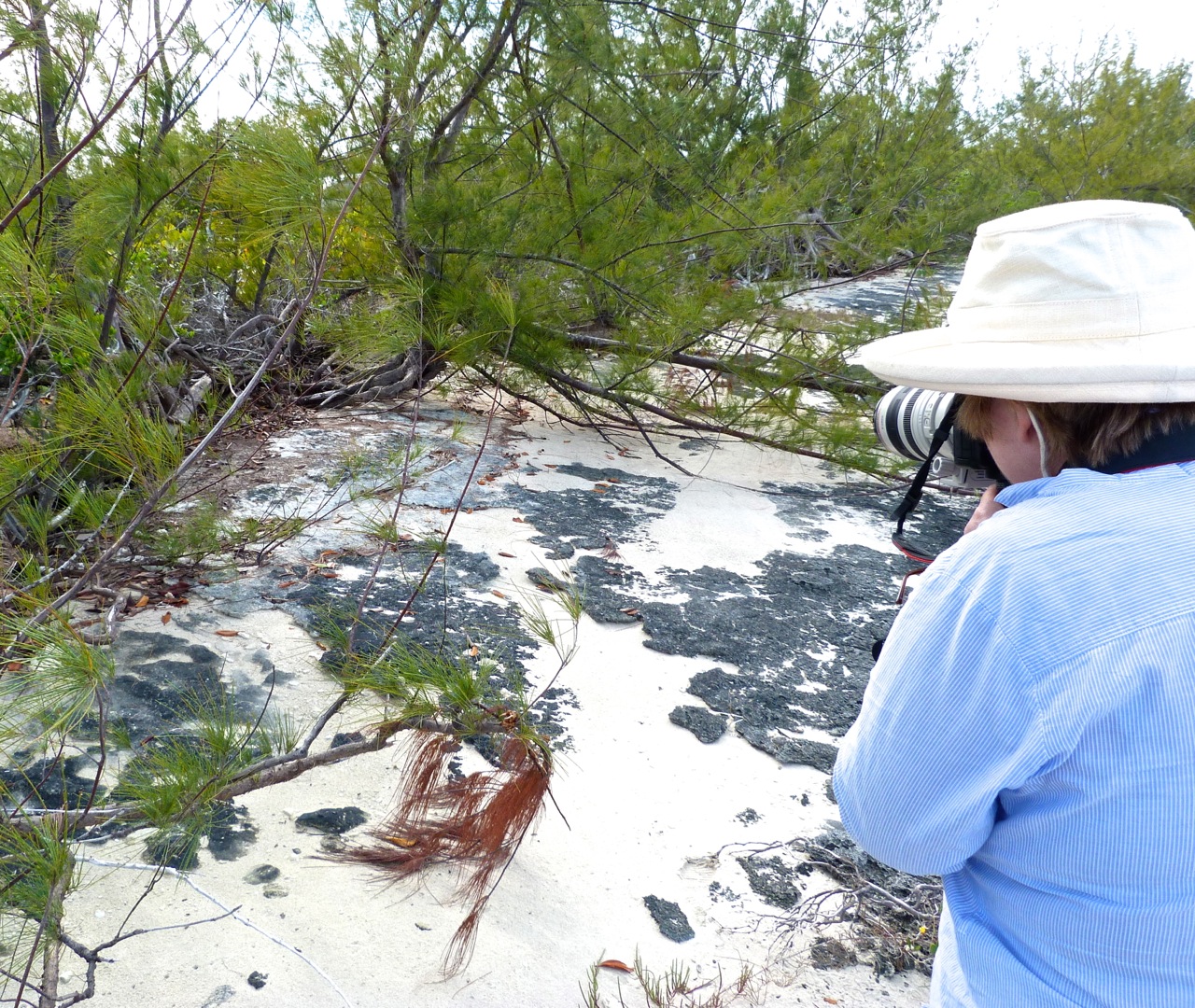
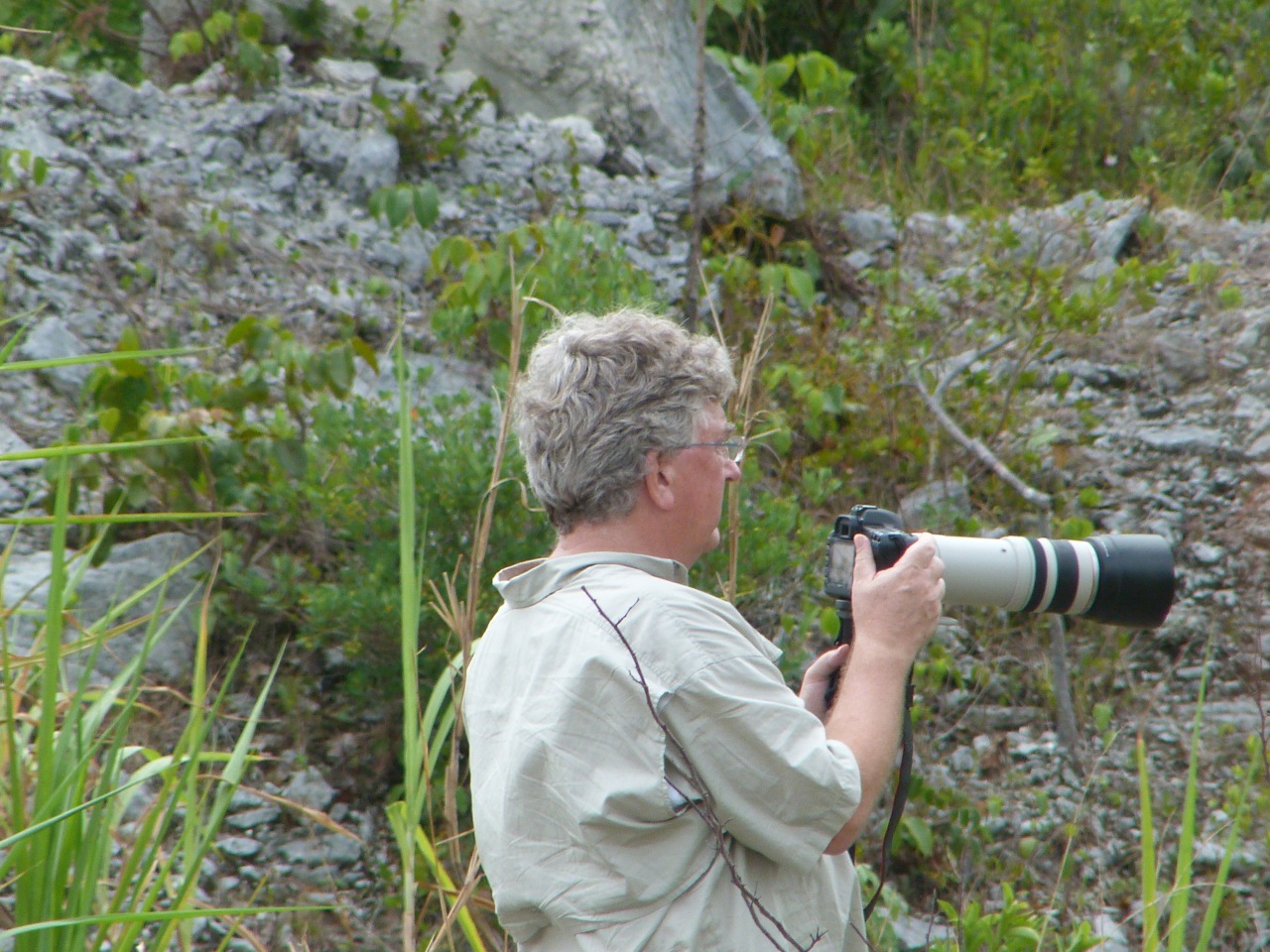
Mrs RH zooms in on a possibly rare bird… as it turned out, a female grassquit!Wildlife Photography on Abaco 4

RH sort of looks the part but the backpack is crammed full of food & drink, not equipment, and he is looking for shade for a picnic at CasuarinaWildlife Photography on Abaco 6

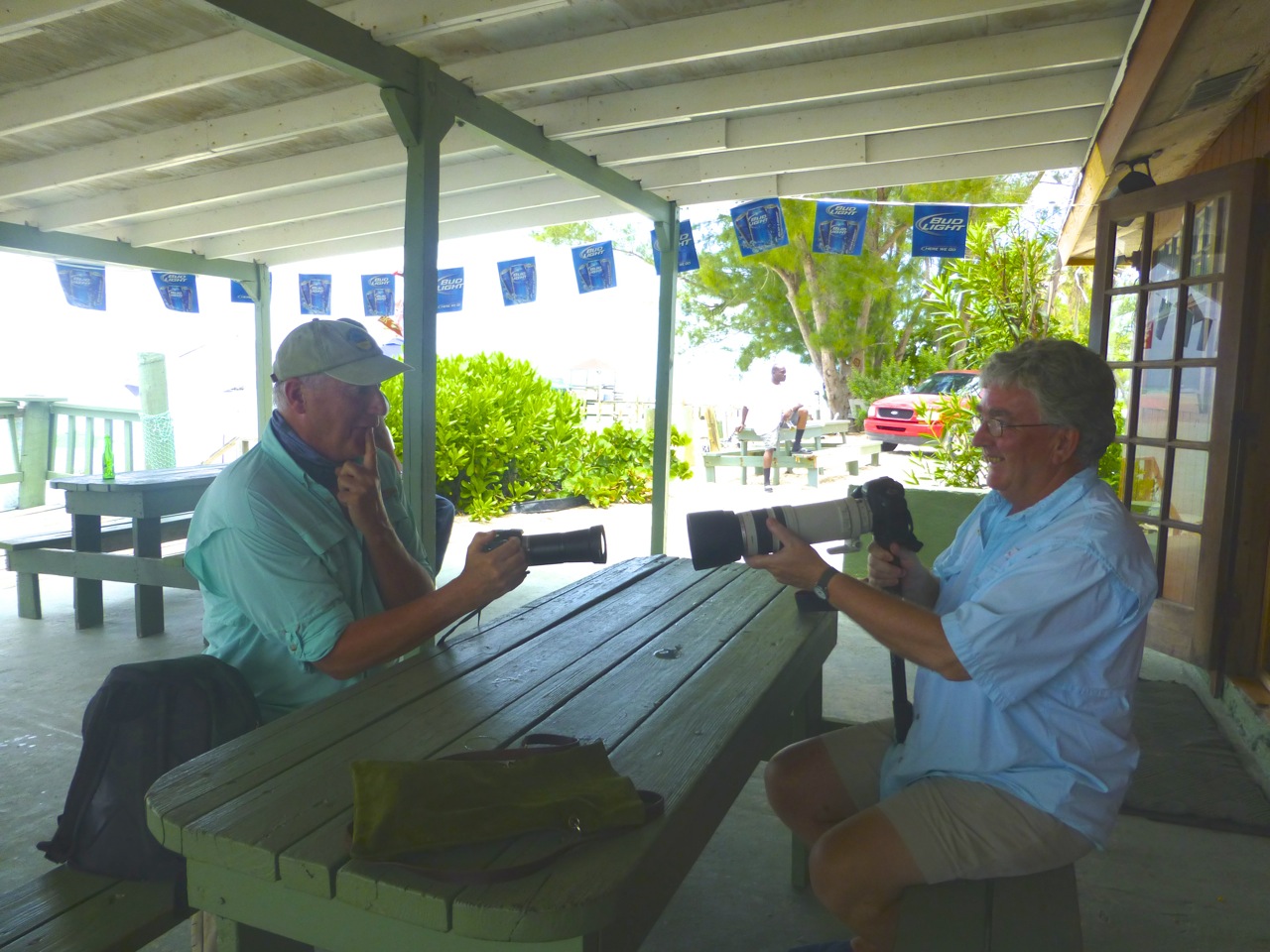
PM challenges RH to a ‘camera-off’ duel at Nancy’s, Sandy Point, and proves that his is the biggest…Wildlife Photography on Abaco 7

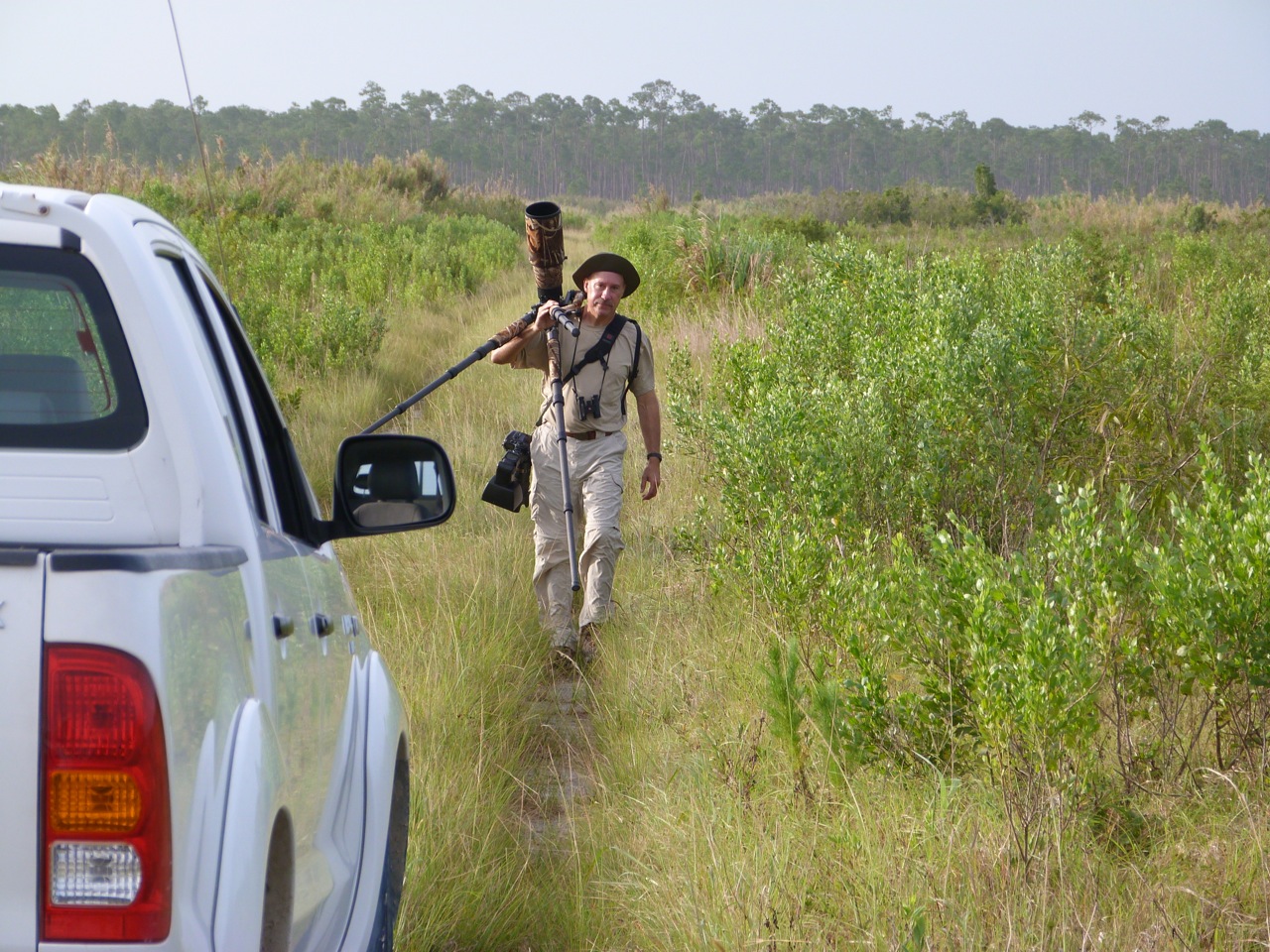
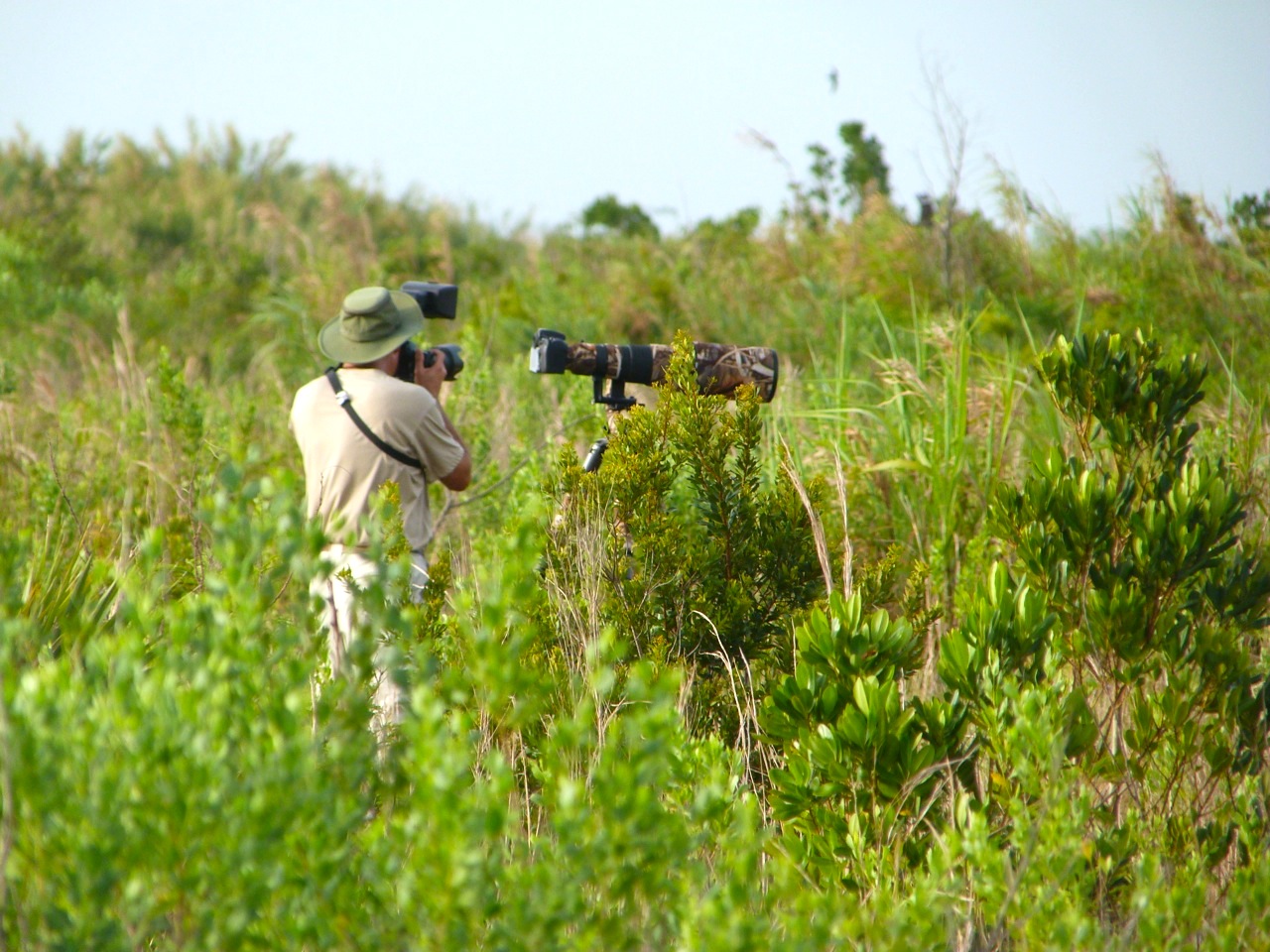
Ace birder and photographer from Ohio, Tom, arrives at Delphi and puts PM’s puny equipment to shame – and with Camo for extra cool. Even the tripod legs.Wildlife Photography on Abaco 11

Sandy Walker, General Manager of Delphi and man of many parts, turns out to own a snappy NikonWildlife Photography on Abaco 12

PM & RH engaged in a ridiculous challenge to photograph various items on the beach. Both lost, even though they had devised the rules…Wildlife Photography on Abaco 10

The professionals Tom and Woody (‘Birdman of Abaco’) Bracey get serious with Bahama Mockingbirds in the pine forest. The red bandana is to attract the endemic Bahama Woodstar hummingbirds.Wildlife Photography on Abaco 13

However at Sandy Point they seem to have forgotten their cameras…Wildlife Photography on Abaco 14

Tom returning to the truck after filming an evening festival of dozens of nighthawks on the wingWildlife Photography on Abaco 15

Out in the field… or scrubland – with 2 camerasWildlife Photography on Abaco 21

PM takes aim…Wildlife Photography on Abaco 20

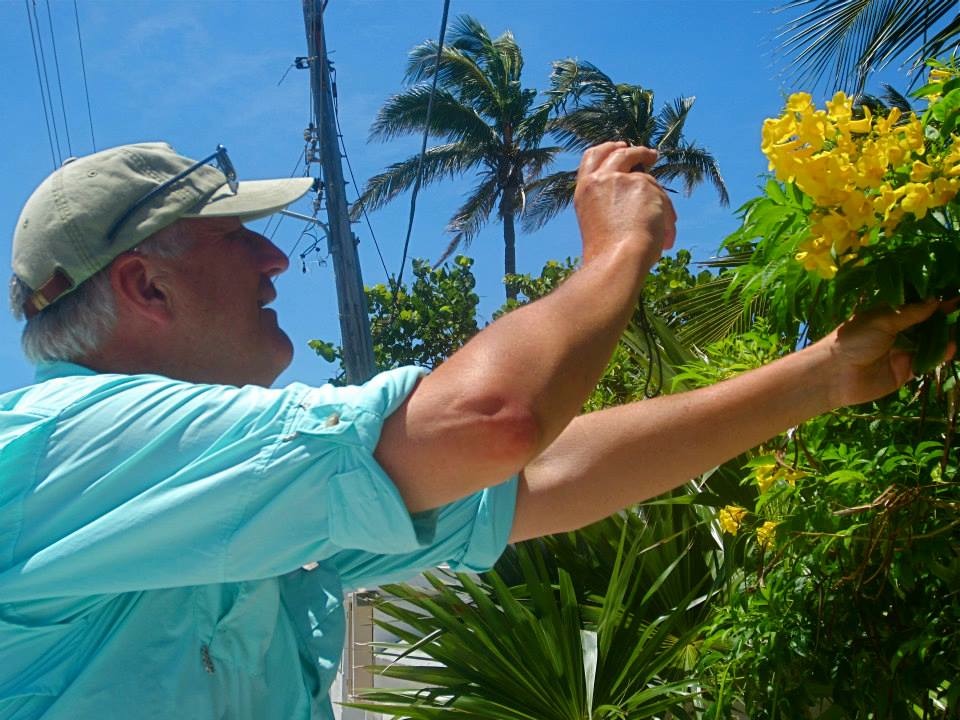
RH subdues an unruly Yellow Elder (Bahamas national flower) for a close-upWildlife Photography on Abaco 18

*This titular nod to the phrase ‘quis custodiet ipsos custodes’ (‘who is guarding the guardians’) is open to objection on the ground of illogicality. It’s a Latin tag with a greek-derived verb and noun forms jocularly inserted. A ‘photograph’ is, literally, ‘light writing’ in Greek. So ‘quis lux-scribit ipsos lucis-scriptores’ is the best solution I can offer… Let’s have that Elder flower to end on a light note Yellow Elder Hope Town, Abaco 2

DRAMATIS PERSONAE

Photographees: Peter Mantle, Sandy Walker, Tom Sheley, Woody Bracey, Mrs RH, RH

Photographers: Clare Latimer, Brigitte Bowyer, Mrs RH, RH

Photographers of photographers photographing photographers: none that we were aware of

Unknown's avatar

ONE ROYAL BABY DESERVES… AN ABACO ROYAL TERN


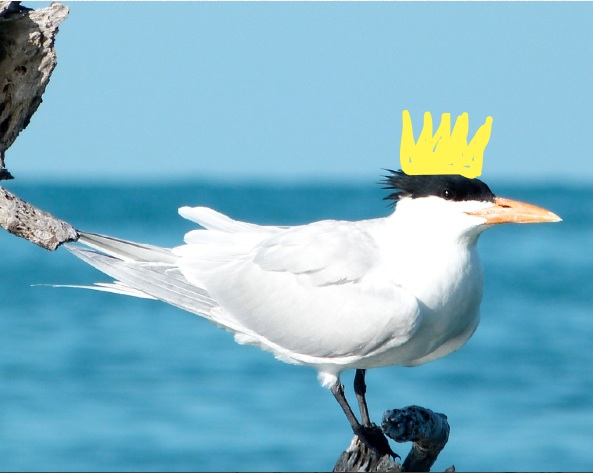
Royal Tern Crowned

ONE ROYAL BABY DESERVES… AN ABACO ROYAL TERN

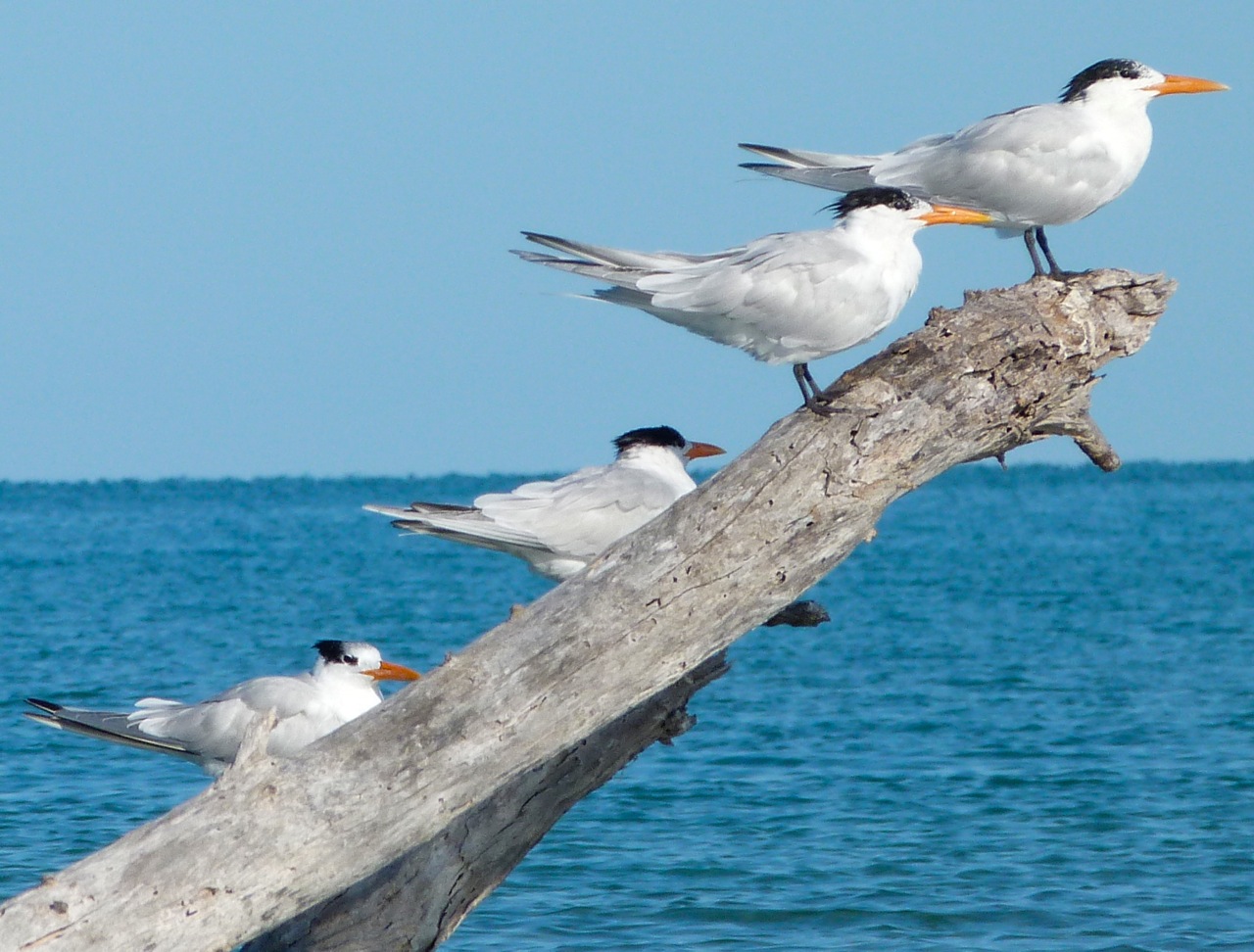
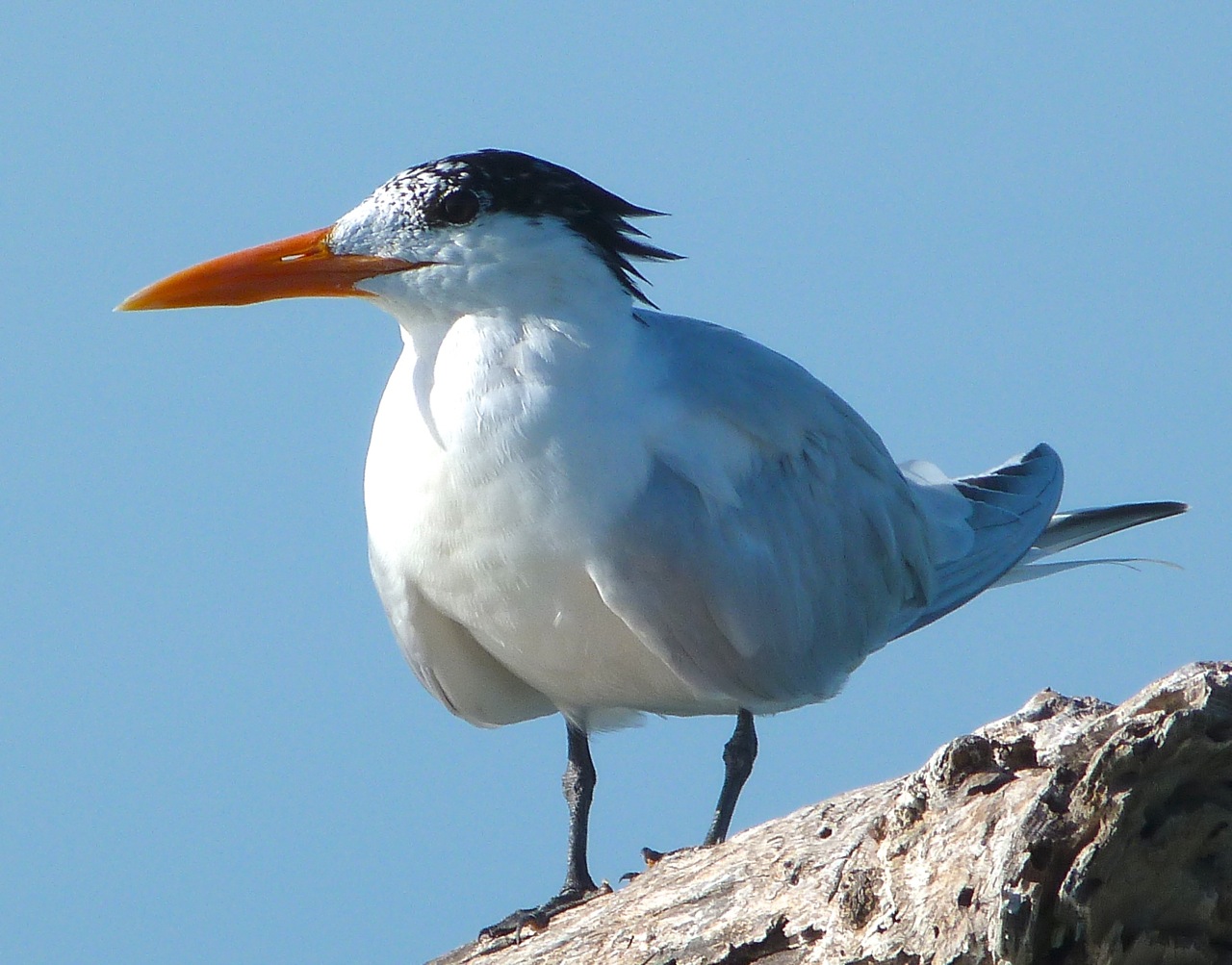
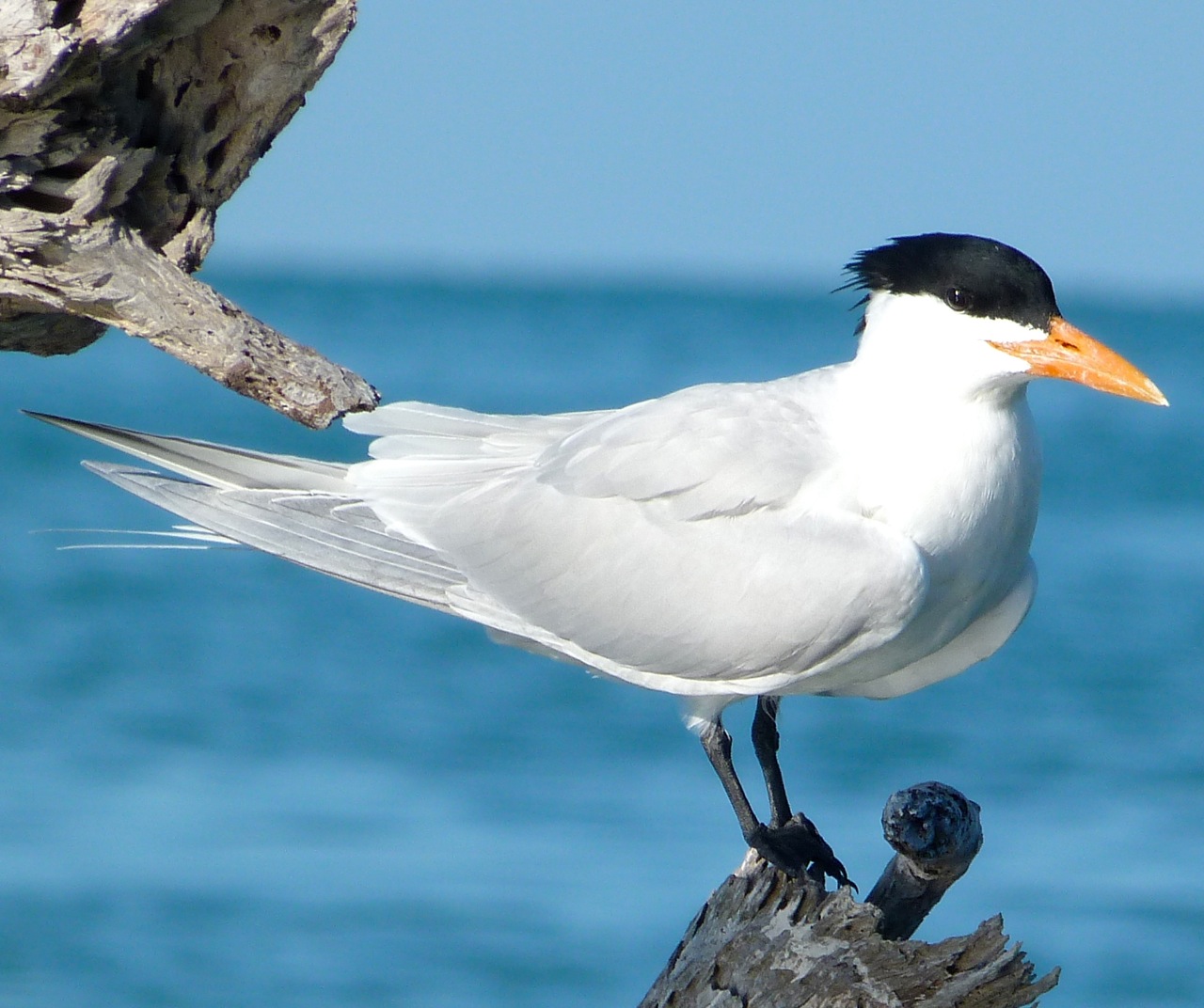
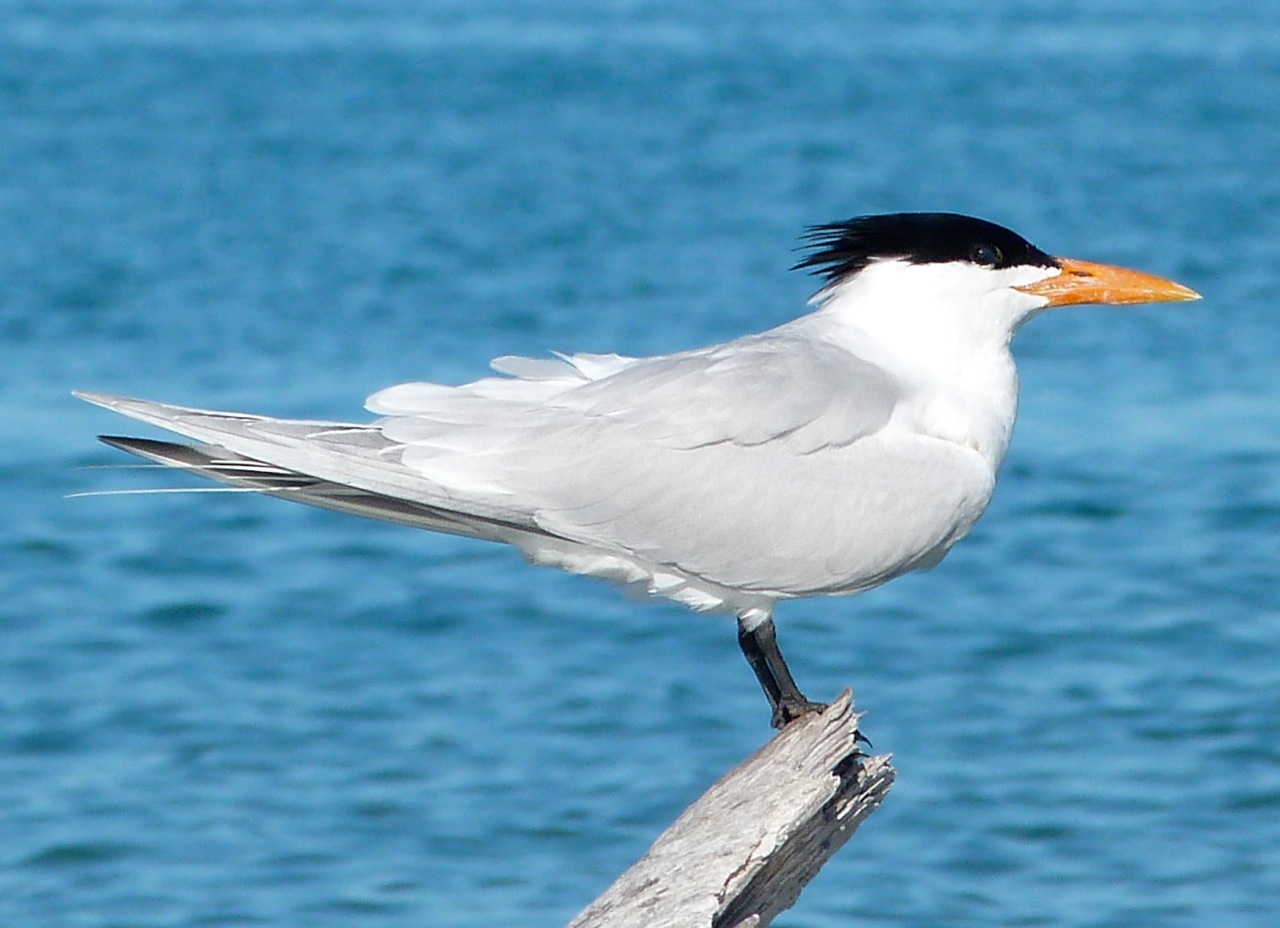
I posted briefly about ROYAL TERNS (Thalasseus maximus) on the Abaco Marls earlier this year HERE. Yesterday’s news from the Lindo Wing (anti-Monarchists look away now) surely justifies a few more photos of these fine and noble seabirds. Everyone else is using the event to sell newspapers / magazines / products (‘Royal’ Baby Lotion – so gentle, so soft – fit for a future King’s delicate…’ etc etc). If there’s a cheerful bandwagon passing, why not just hop on? I’ll skip the info about the range and nesting arrangements of these birds and show some them in all their glory, posing in the sunshine on a dead tree way out in the Abaco Marls.

Royal Terns Abaco (2) 4Royal Terns Abaco (2) 6 Royal Terns Abaco (2) 5 Royal Terns Abaco (2) 3 Royal Terns Abaco (2) 2 Royal Terns Abaco (2) 1PS No terns were hurt trying to get the yellow crown to fit one of them. In fact, they rather enjoyed it…

Unknown's avatar

ONE GOOD TERN DESERVES… A FISH [DELPHI CLUB BEACH, ABACO]


Least Tern, Delphi, Abaco 2

ONE GOOD TERN DESERVES… A FISH

DELPHI CLUB BEACH, ABACO

The LEAST TERN (Sternula antillarum, as it is now designated) is a small tern of the Americas and Caribbean, a very pretty, delicate little bird. It is a rare a vagrant to Europe, with a single example recorded in Great Britain. It is quick and manoeuvrable in flight, slightly hunched and ready to assume the position shown below after hovering over a likely spot for small fish. This image shows the bird coming out of its hover, and at the very start of its rapid plunge to the water. It’s here for illustrative purposes only – I realise it is somewhat inept as a photograph, but frankly you can never be sure when the dive is going to happen. Unless you have lightning reactions, a refrangible apex lens and a zircon-encrusted focal-zone flange, you’ll be lucky to do much better. Oh, and steady hands.Least Tern Abaco b

I had a lucky break on the Delphi beach one day, when I was taking photos of Wilson’s plovers and their new chicks (soon to feature here). A least tern appeared from nowhere and landed at the water’s edge within a few yards of me. I had no time to rethink my settings – a perennial problem at the best of times – and I simply aimed the camera and managed to squeeze off 3 shots before the bird took off again. One was a blurry fail, one is the header picture… and the 3rd captured the bird as it turned its head. You can see that, even though this is a small and light bird, its feet have sunk right into the soft, damp white sand.Least Tern, Delphi, Abaco 1

Another day on the beach produced a more measured opportunity. A least tern landed quite close to me, and was so preoccupied with its preening routine that it let me creep closer, all the while keeping a beady black eye on me. In the top shot, it has just become aware of me behind it. I was lucky it chose to stay and let me watch.Least Tern, Delphi, Abaco 8 Least Tern, Delphi, Abaco 7 Least Tern, Delphi, Abaco 6 Least Tern, Delphi, Abaco 5 Least Tern, Delphi, Abaco 4

Unknown's avatar

A BAHAMAS CRAB FEAST ON ABACO & BEYOND


Land Crab 2

A BAHAMAS CRAB FEAST ON ABACO & BEYOND

The photos below show a sample of the types of crab that may be found in and around the island of Abaco, both in the sea and on land. The wonderful underwater images were taken in adjacent waters by Melina Riger of Grand Bahama Scuba. The rest were taken by landlubbers at Rolling Harbour on the Delphi beach and rather closer to the building than one might expect. The last crab (and the header image) was a crab hooshed out of the coppice by Ricky Johnson to demonstrate its fighting prowess. I have put links to 2 posts featuring this fine specimen (including a video) at the end.

ARROW CRABArrow Crab ©Melinda Riger @ GB Scuba copy

Arrow Crab ©Melinda Riger @ GB Scuba

HERMIT CRABHermit Crab ©Melinda Riger @ GB Scuba

Hermit Crab 2Hermit Crab 3Hermit Crab 1

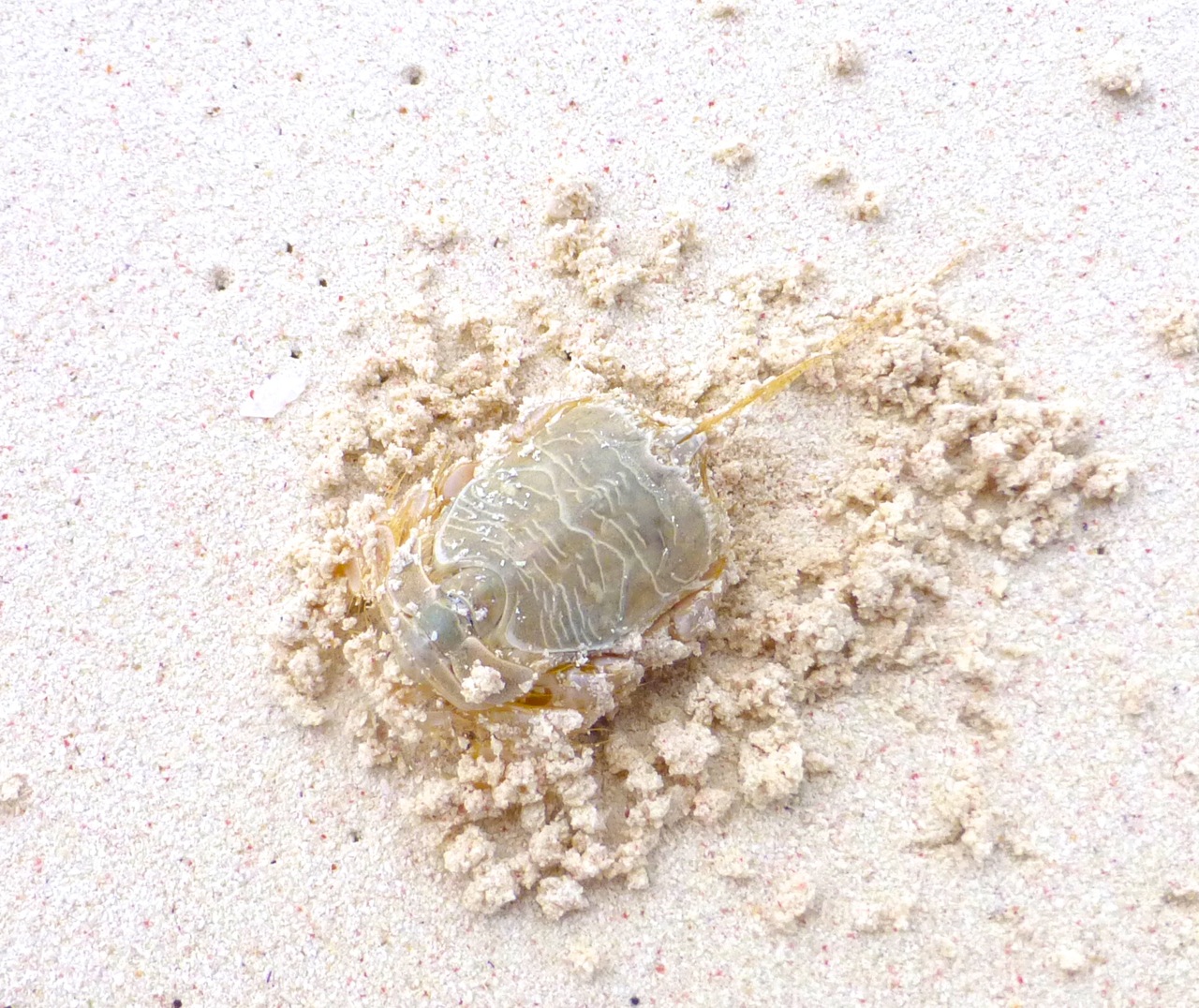
HORSESHOE CRAB (LIMULUS)Horseshoe Crab (Limulus), Delphi Beach, Abaco Bahamas

COMMON GHOST CRAB (Ocypode quadrata), DELPHI BEACHBeach Crab 1

PET CRABS PROTECTING MY ROD OUTSIDE OUR ROOM (note second crab behind it) AND ADVERTISING HARDY PRODUCTS. Rick Guest has pointed out that the crab is not protecting my rod at all. As if! “The crab in the foreground is the male guarding “his” female, distinguished by the small, abdominal triangle. The wide margins of the female’s abdomen are evident.” So that’s how to tell the sex of a land crab. Crabs & rodCrab & rod

BLUE LAND CRAB (Cardisoma guanhumi) WITH ATTITUDELand Crab 1

LAND CRABS ON ABACO: HOW TO STALK & WRESTLE THEM

LAND CRAB vs RICKY JOHNSON: ROUND 2 (VIDEO)

PS thanks to Nick Kenworthy for species comments + knowing the Latin names; also Clare for the Limulus

Unknown's avatar

“STRIKE THE POSE”: RED-WINGED BLACKBIRDS ON ABACO


Red-winged Blackbird Abaco Bahamas 5

“STRIKE THE POSE”: RED-WINGED BLACKBIRDS ON ABACO

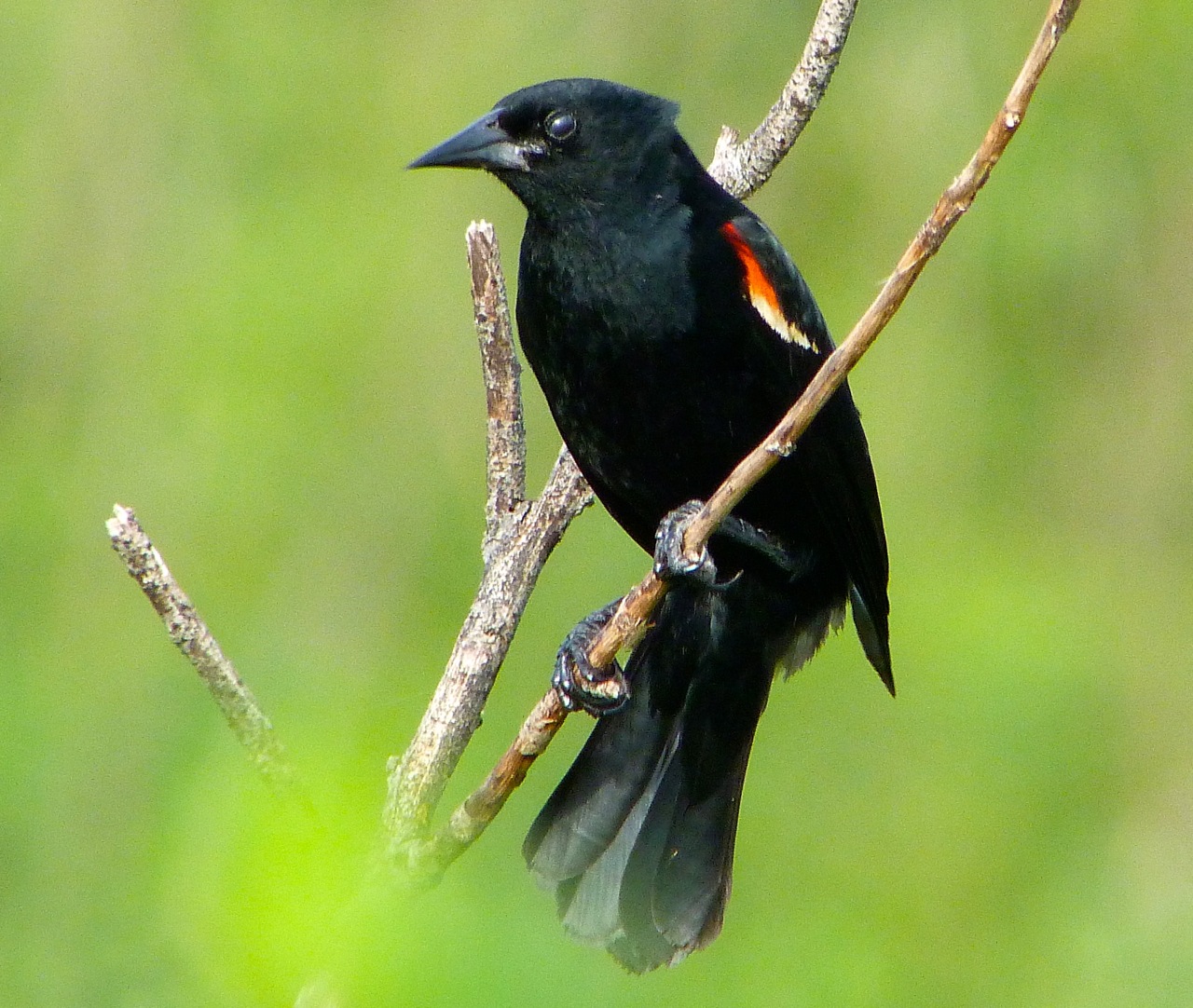
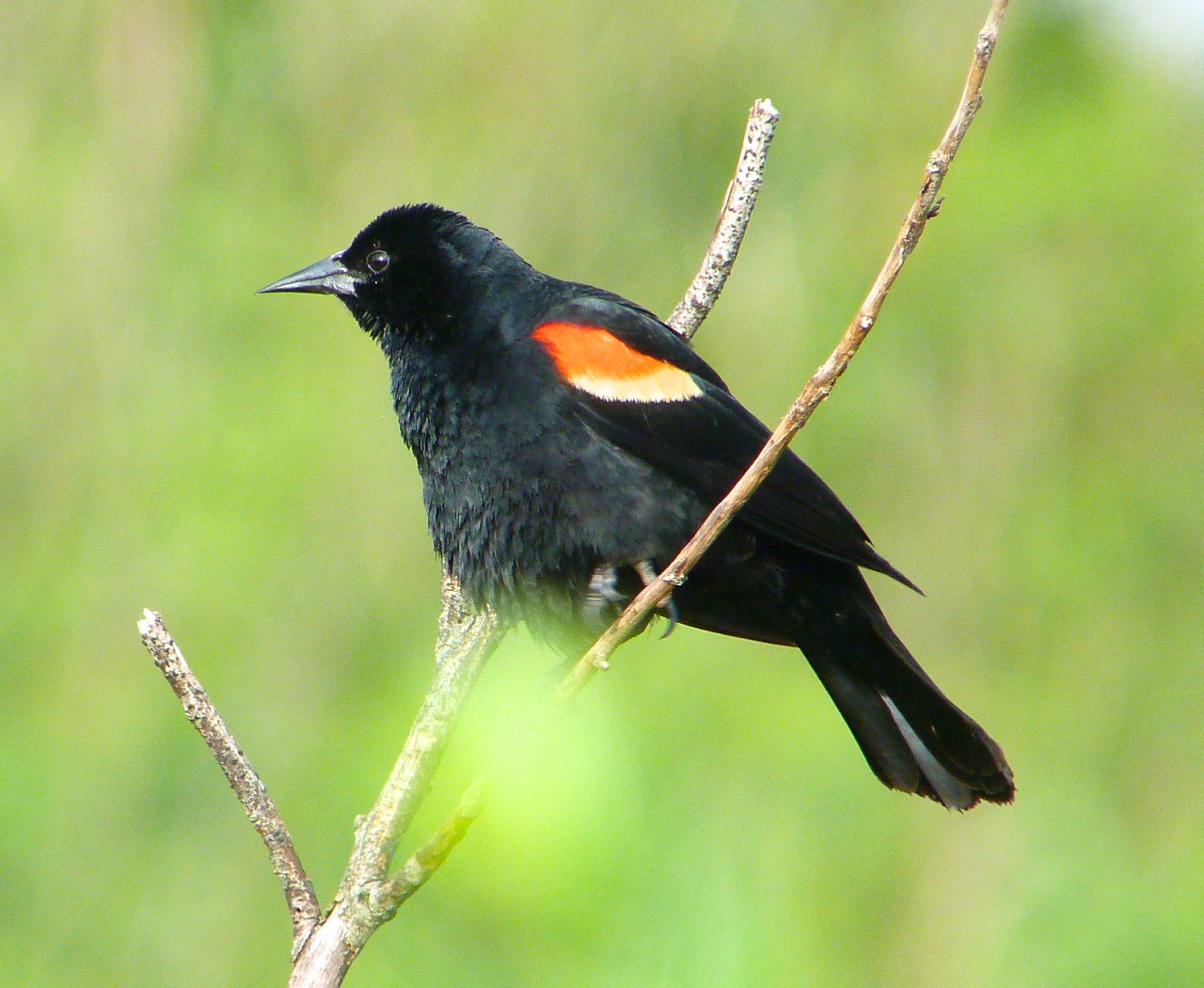
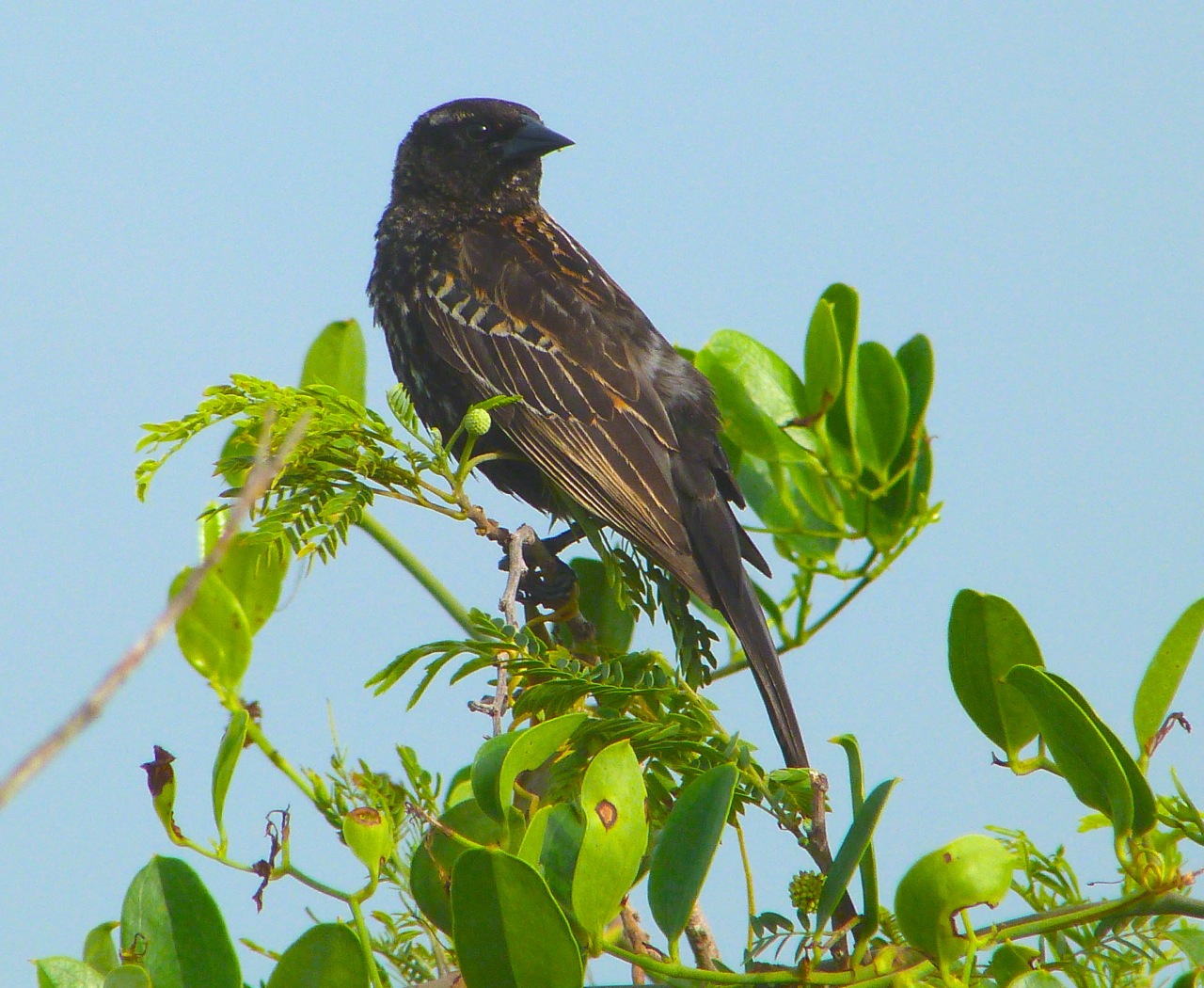
The red-winged blackbird (Agelaius phoeniceus) has previously hopped around these pages in the context of a (my!) simple way to RECORD BIRDS using a smart-phone, trim the result and convert it into an mp3 (or even a ring-tone – I have a great Abaco parrot one to startle friends, family and indeed complete strangers). Now we move on to a more important topic, namely courtship and so forth. And boy, don’t male RWBs fancy themselves when trying to impress the laydeez…Red-winged Blackbird Abaco Bahamas 1We had taken a truck into backcountry between the pine forest and the Marls, with Tom and his impressive camo-camera with its 10 foot lens.Tom & Nighthawks

We found formerly cultivated fields – evidence of the defunct sugar cane industry – and then we came unexpectedly to a large expanse of open scrubland, with the track straggling through the middle.Truck

And there, on carefully chosen vantage points, was an array of RWBs. Red-winged Blackbird Abaco Bahamas 2

This bird was within range of my comparatively puny camera, and I watched as it arranged itself into various elegant poses in the late afternoon sun. All around were their ‘rusty door hinge’ calls, of which this is an example (in fact a female, recorded at Casaurina, hence the background sound of lapping waves).

[audio https://rollingharbour.com/wp-content/uploads/2013/05/rh-red-winged-blackbird-f-abaco-bahamas-mp3.mp3]

Red-winged Blackbird Abaco Bahamas 4

These acres of open land were not far inland, and there was a slight breeze to ease the heat. This caused the occasional ruffling of feathers, and the need to spruce up…Red-winged Blackbird Abaco Bahamas 3

The purpose of all this was of course to impress the opposite sex (behaviour not confined to bird species). There were plenty of females around, also similarly perching on vantage points for similar display-with-view-to-dating-maybe-more reasons.Red-winged Blackbird Abaco Bahamas 6Red-winged Blackbird Abaco Bahamas 7

I didn’t see the phase in which the males may get quite worked-up, but luckily Y**T*b* has perfect example of a male RWB in full song. Credits as shown on the video.

Unknown's avatar

POSTING POSTERS: 5 OUTSTANDING ECO-EDUCO-INFO POSTERS


LRE Logo

LOXAHATCHEE RIVER DISTRICT POSTERS

EXCELLENT ECO POSTERS FROM LRD: FOR WEBSITE CLICK HERE

TO ENLARGE (CONSIDERABLY), DOUBLE-CLICKLoxahatchee River District Coral Reef Poster

Loxahatchee River District Bonefish Poster

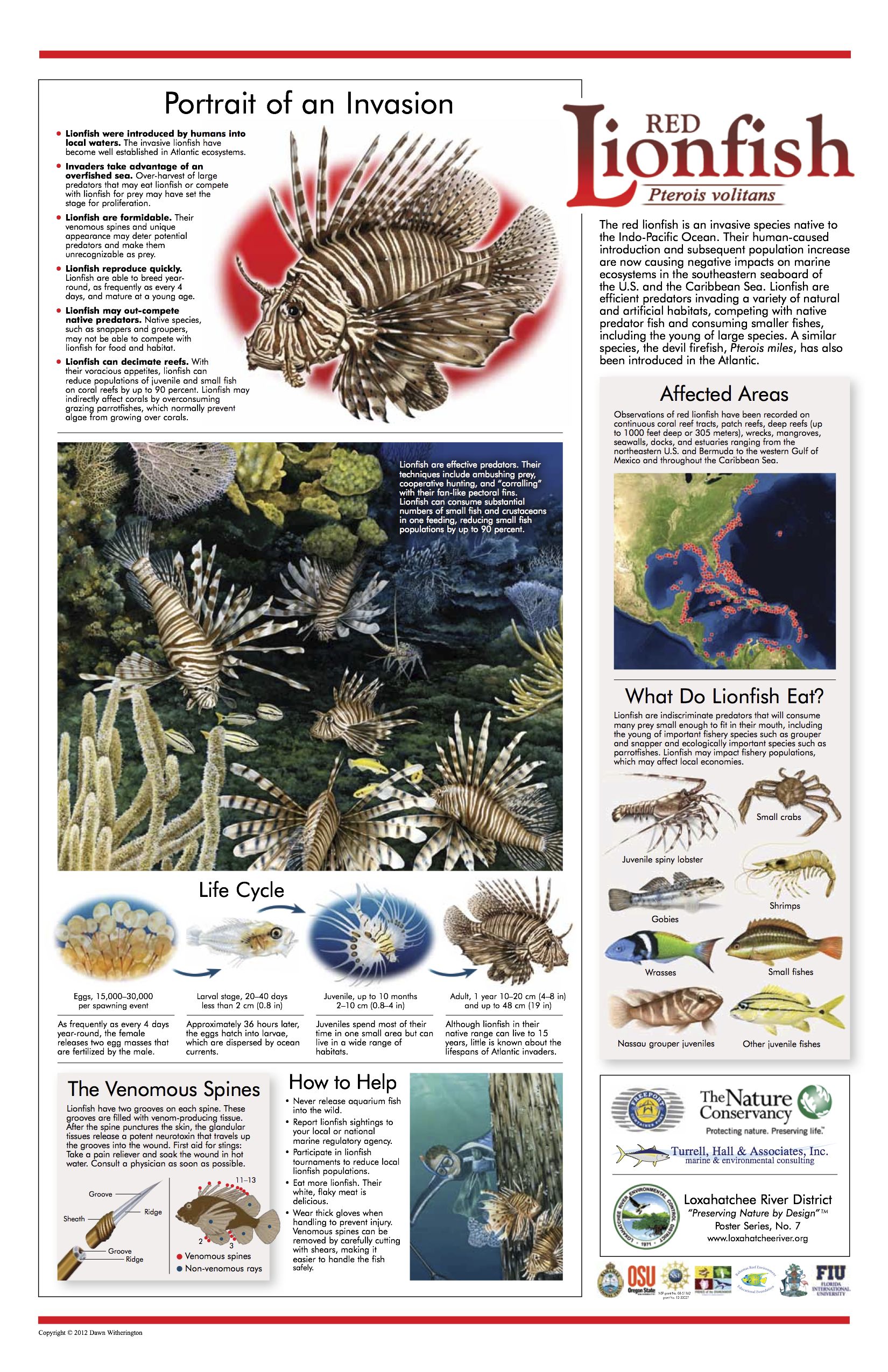
Loxahatchee River District Lionfish Poster tarponposter.inddseagrasses_poster_8.5x11

CREDIT thanks to Loxahatchee River District for use permission for this website. Please note that these posters are ©Loxahatchee River District, and may not be used without permission. Especially not for commercial purposes. Please resist any temptation to drag them out and use them without contacting LRD first (website link at top of page). RH

BTT LOGOClick me for Bonefish & Tarpon Trust

Nature Conservancy Logo

Click me for Nature Conservancy, Bahamas

Unknown's avatar

CONSERVATION PIECE: AN ABACO ECO-MISCELLANY


CONSERVATION PIECE: AN ABACO ECO-MISCELLANY

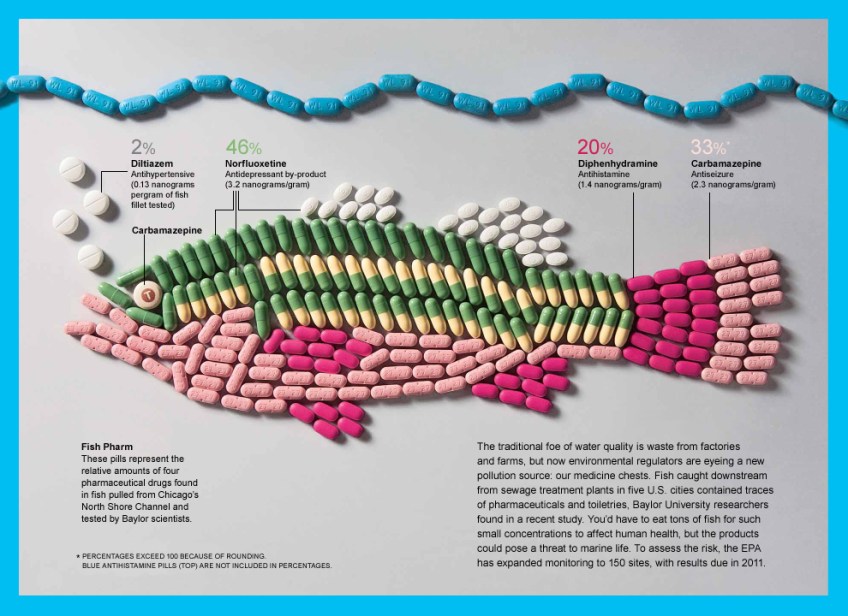
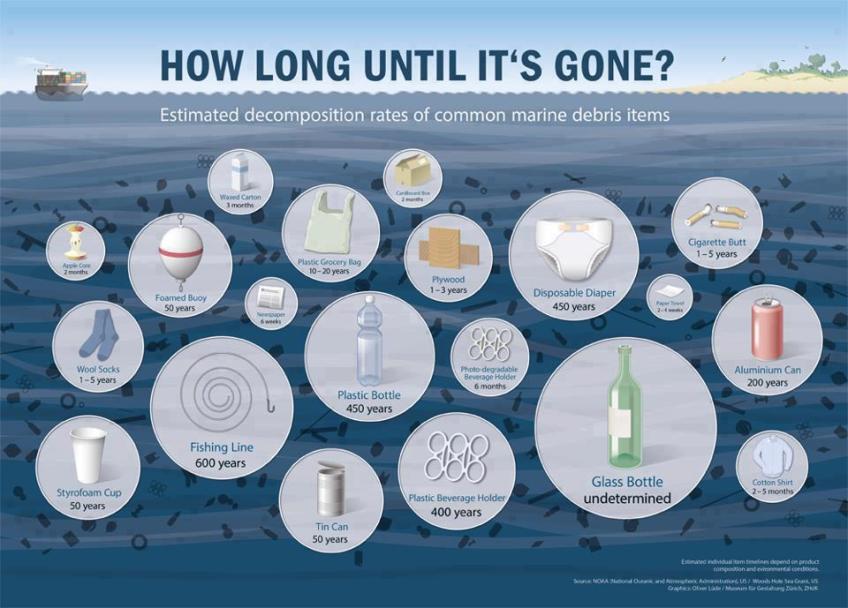
From time to time I post individual items on the CONSERVATION page. This comprises an assortment of articles, photos, videos and graphics with an eco-message relevant to Abaco and its waters. They accumulate gradually, and occasionally it is good to post a selection for consideration. What is the most frequently found item of detritus on a beach? Is it ok to eat striped bass? How many uses does a coconut have? How quickly does the invasive lionfish population spread? What is Fish Pharm? How many years does it take for an aluminium can to decompose? These and many other questions are answered below.

184790_196532023698608_1805444_aClick logo for website!

NOAA MARINE DEBRIS PROGRAM

Keepin’ the Sea Free of Debris!

ICC volunteers clean 10 million lbs of trash from our coasts
May 16, 2013 by NOAA Marine Debris Program

By: Dianna Parker

One rubber chicken, 117 mattresses, 4,159 candles, and 689,274 utensils. What do all of these things have in common?

They’re all marine debris collected last September at the Ocean Conservancy’s 2012 International Coastal Cleanup®, sponsored in part by the NOAA Marine Debris Program.The numbers are in: more than 550,000 volunteers came together to collect 10 million pounds of marine debris.  In the United States, volunteers found enough bottles that, when stacked end to end, equal the height of 1,000 Empire State Buildings. That’s a lot of trash on our beaches and in our waterways!This litter is threatening our marine environment, economy, and health, and the problem will only get worse unless we change the way we consume and dispose of products. There are solutions, and we can prevent litter from ending up in the ocean.So here’s a challenge: the next time you use a throw-away item: a bag, bottle, or utensil, answer the question, “Where it’s going?” How will you keep your items from becoming litter in our oceans, rivers, and streams? Head to Ocean Conservancy’s data release page for some neat infographics on last year’s trash haul. Here are the top 10 types volunteers found this year

top-10-items-found

THE PELAGIC OCEAN: AN INVESTIGATION INTO POLLUTION – BY KIDS

Prepare to be astounded – and horrified – by the cruel damage inflicted on sea life by humans and their prolific plastic trash. Credit: Friends of the Environment, Abaco

PROPOSED MARINE PROTECTED AREAS / EAST ABACO CREEKS VIDEOAbaco-park
coconut-uses 2Bahamas Lighthouse Pres Soc Logo

BAHAMAS LIGHTHOUSE PRESERVATION SOCIETY

BLPS NEWSLETTER JAN 2013 FINAL

LIONFISH

IMG_0383e.img_assist_custom-246x336

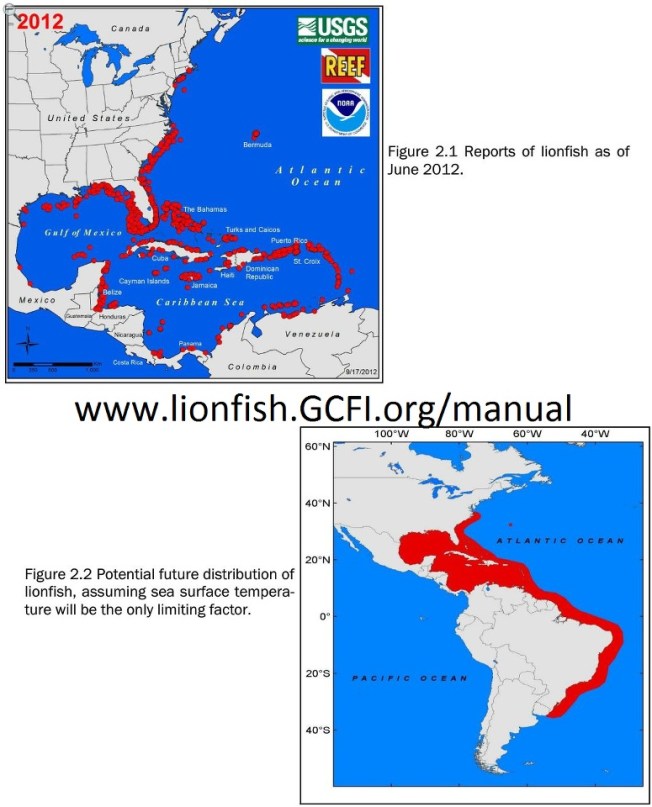
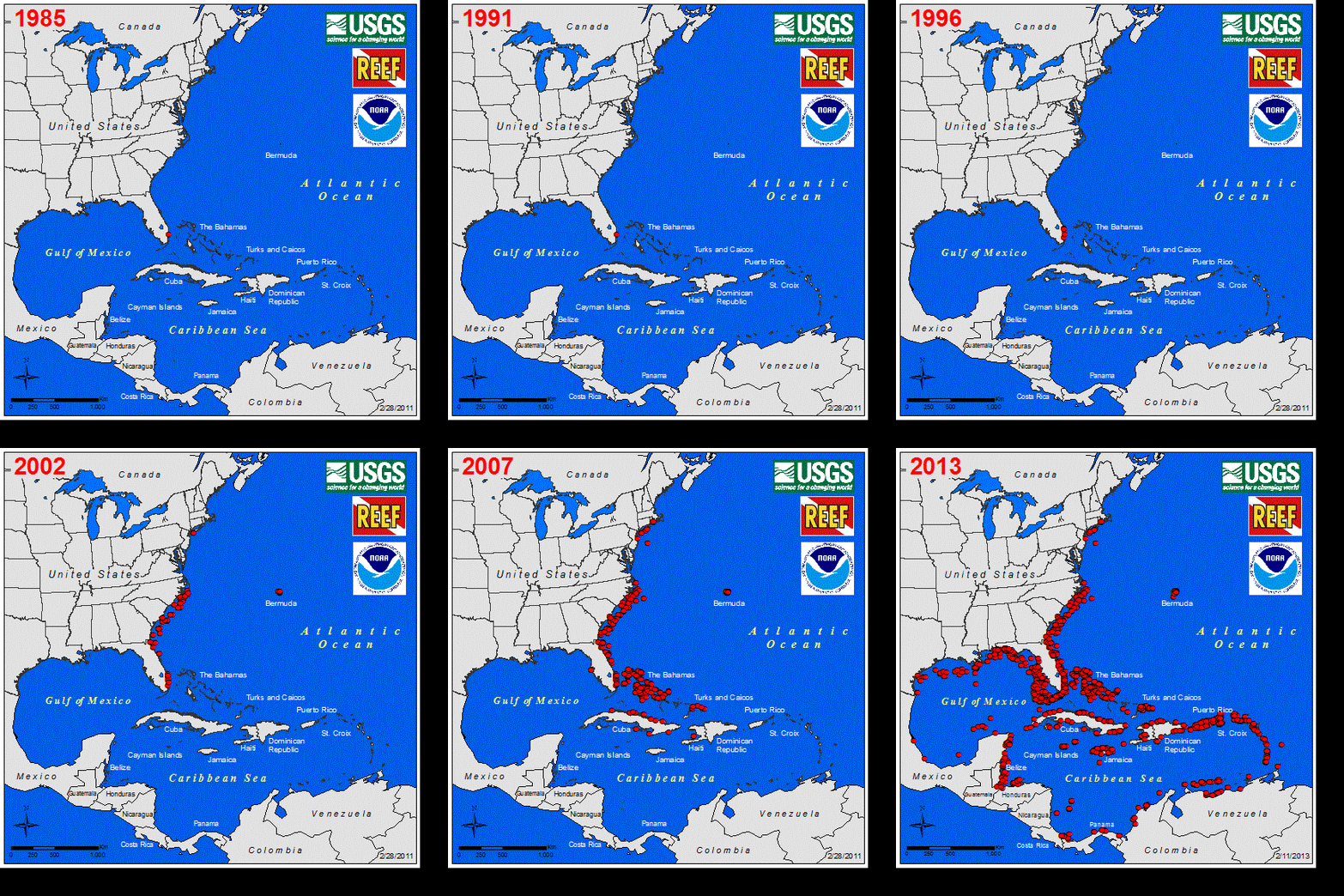
The debate about the seemingly unstoppable spread of the invasive lionfish species is well known. There are some who argue strongly that lionfish have their uses, and not merely as a food source. To see ongoing lionfish research by the organisation REEF click HERE To supplement the static projection graphic for lionfish spread (below), here is an active graphic that vividly shows how the species (love them or hate them) has expanded exponentially in numbers and range over a very short period

lionfishanimation 2013

 REEF lionfish progam graphics Conch Conservation Notice EGO -ECO graphic fishNational Geographic

Abaco Crawfish Logo

LOBSTERS – WE GOTTEM! OVERFISH THEM – WE AIN’T!

Video courtesy the fabulous CONCH SALAD TV; heads-up from ABACO SCIENTIST; campaign by SIZE MATTERS

BLPS LOGO

BAHAMAS LIGHTHOUSE PRESERVATION SOCIETY Read the Society’s 4-page January 2013 Newsletter HERE BLPS NEWSLETTER JAN 2013 

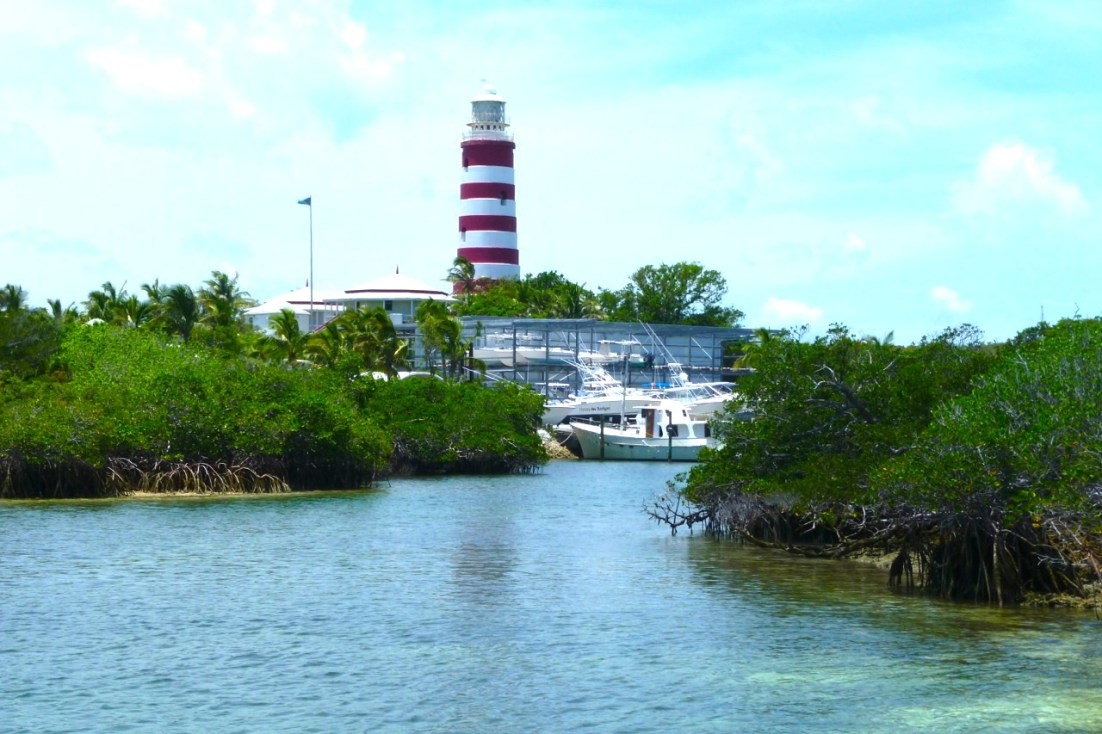
The Society was founded in 1995, and it has already achieved much to preserve and protect the lighthouses of the Bahamas. Of particular interest to Abaconians will be the news about the Hope Town lighthouse, and about the work done at Hole-in-the-Wall. If you’d like to support this hard-working not-for-profit organisation and help to preserve a part of Abaco’s maritime history, the email address is blps.bah@gmail.com  Hope Town Lighthouse
bpa_logo

A new environmental organisation has been announced: to find out more

CLICK===>>> BPFA 

IUCN CUBAN PARROT RED LIST RANGE MAP FOR AT RISK SPECIES
I have annotated this IUCN map of the Cuban Parrot population range. It’s worth noting that the Bahamian subspecies is now found only as a breeding population on Abaco and Inagua, being defunct on all other islands since the mid-c20. Of these populations, only the Abaco parrot breeds underground, a unique feature among the whole species.
I am puzzled by the suggestion of an ‘extant (resident)’ population on the Bimini Is. That would suggest that they breed there. I don’t know the date of the map, but I have checked with the Avibase bird database, and the Cuban parrot is indeed included in the list of Bimini birds. I’ve put a query on the map because I don’t know what the position is in 2012.
Click me!
FRIENDS OF THE ENVIRONMENT (ABACO)
This conservation organisation has recently completely redesigned its website (click logo above), and presents comprehensive and easily navigated information about a myriad aspects of conservation on Abaco and its fragile ecology. The fragility is mostly directly or indirectly caused by mankind (a broad statement, I know, but it’s an arguable stance), so it’s worth checking out the measures that are being undertaken to preserve the natural resources of the island and its cays. Below is a post about one feature highlighted on the FotE site that I am particularly interested in. Overall all the new website is definitely one for any Abaconian (or, like me, regular visitor) to study. If you want to contribute your support (either generally or to a specific cause) go to the FotE website (click logo) or visit the Rolling Harbour wildlife charity page HERE

THE EFFECT OF RISING SEA LEVELS IN THE CARIBBEAN

This map has been posted by the SCSCB, with the very interesting and definitely worrying text “The map shows projected impacts of a 2 meter sea level rise in the Caribbean. The orange is the impact of 2 meters, while the yellow is the 25 meter line. The last time the ice caps melted the sea rose between 18 and 25 meters. The most conservative estimates indicate a 1-meter rise by the end of the century (concurrent with a 2 degree C rise in temperature). From the position of planning, I am curious about the estimates being used by Caribbean resource managers in their long-range planning. For example, what percentage of Caribbean seabirds nest below 2 meters…”

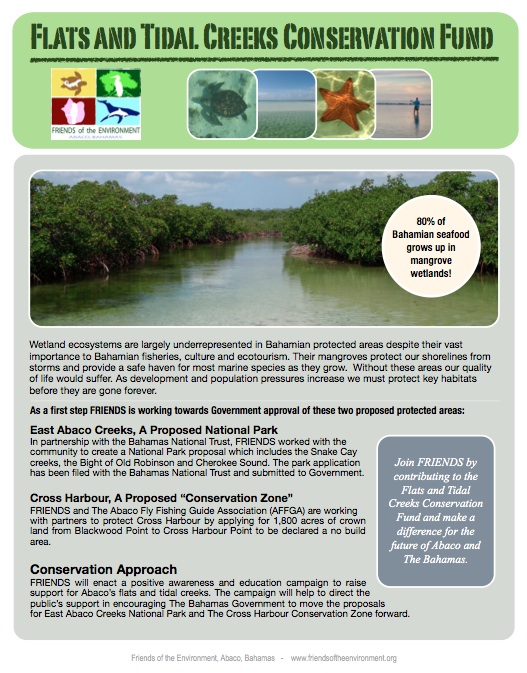
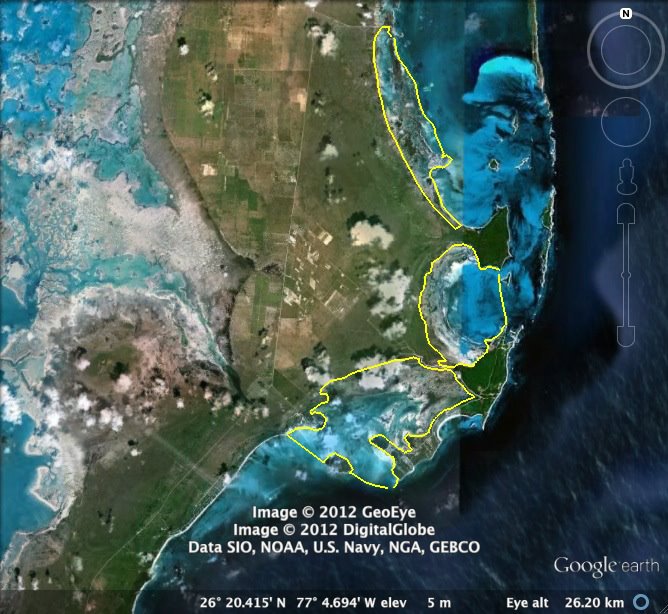
EAST ABACO CREEKS NATIONAL PARK PROPOSAL

Click on the title above to see the BNT’s proposal for this major conservation proposal for the east Abaco creeks. It’s in .pdf form and you can (probably) copy / save it if you wish. The map below shows the 3 areas concerned. You can check out more details – and photos – on Facebook at EACNP

A VISUAL TO PONDER FROM ‘SCIENCE IS AWESOME’
CONSERVATION ON ABACO AND IN THE BAHAMAS

This new page (June 2012) is intended to showcase the achievements of the various organisations and individuals involved with the protection and conservation of the fragile ecology and wildlife in a small and rapidly developing area. A number of posts and articles from other pages will gradually migrate to this page.

I have posted on Facebook a statement by the new Environment Minister which praises the environmental work carried out in the Bahamas and pledges Government support MINISTER’S STATEMENT Let’s hope it’s forthcoming…

community conch logo

CONCH CONSERVATION

The supply of conchs is not infinite. Overfish them, take them before maturity  or pollute their habitat and this valuable marine resource depletes – and conchs, as with so many marine species, will become threatened. Fortunately there is a Bahamas-wide conservation organisation with a website packed with interest.  COMMUNITY CONCH is “a nonprofit organization that aims to protect queen conchs in the Bahamas, a species of mollusk threatened by aggressive over-fishing. We promote sustainable harvest of queen conch through research, education and community-based conservation”

“Helping to sustain a way of life in the Bahamas”

Much of the research has been carried out in Berry Is, Andros and Exuma Cays. However the team has recently been based at Sandy point, Abaco CLICK===>>> ABACO EXPEDITION  The full Conch Conservation post can be found at CONCH QUEST

BAHAMAS MARINE MAMMAL RESEARCH ORGANISATION (BMMRO)

The BMMRO is featured many times in this blog, in particular in the pages WHALES & DOLPHINS and MANATEES. They now have a Facebook page with all the latest news, photos, newsletters links and cetacean / sirenian goss in one easily-digested timelined place. To reach it CLICK ===>>> BMMRO FACEBOOK PAGE

For the latest quarterly newsletter, just published, CLICK ===>>> BMMRO NEWSLETTER JULY 2012

A RECENT FLYER FOR THE ‘SIZE MATTERS’ CRAWFISH CAMPAIGN

BAHAMAS NATIONAL TRUST PRESS RELEASE JUNE 2012

ABACO PARROT POPULATION ON THE RISE
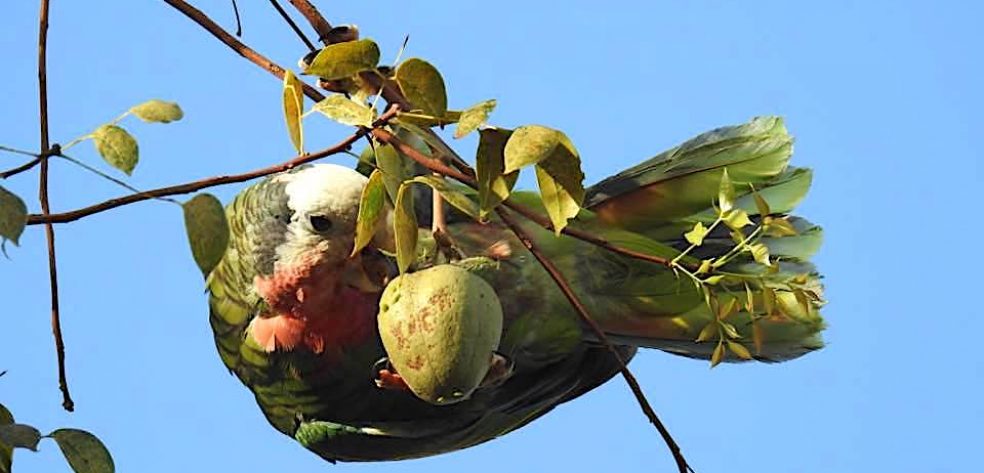
The Bahamas National Trust  in conjunction with Dr. Frank Riviera and Caroline Stahala recently conducted an intensive survey of the Bahama Parrot on Abaco Population surveys conducted in 2002 resulted in estimates of the Abaco parrot population of about 2,500 parrots with similar values in the following years. This year Dr. Frank Rivera and Caroline Stahala, who took part in the initial surveys, helped by  BNT wardens and volunteers, conducted a 10 year follow up survey to determine the change in the Abaco parrot population since management began. The results indicate that the Abaco parrot population has increased since the BNT’s management efforts were implemented with a new estimate of just over 4,000 parrots on Abaco. The BNT has been concerned about the Bahama Parrot Population since the 1980’s. Studies indicated that the major threat to the parrots were feral cats who cause serious problems to the parrots during the nesting season by entering the underground nesting cavities and killing the breeding adults and chicks. The BNT implemented an intensive predator control effort in 2009 throughout the parrot nesting area culminating in the hiring of Marcus Davis as Deputy Park whose primary responsibility is to oversee the predator control program. During the breeding seasons the BNT has seen a decrease in the number of breeding parrots killed and nest success increase. The question, though, remained whether this effort would translate into an increase in the Abaco parrot population size. Survey results indicated that predator control has led to an increase in nest success.  In addition, the Abaco parrots have weathered several hurricanes (Frances, Jean and Irene) over the last 10 years and still appear to show  a population increase. Hopefully with continued management efforts a healthy and viable  endemic parrot population on Abaco will continue to thrive. According to David Knowles, BNT Director of Parks “This gives us hope that with continued management efforts we can continue to have a healthy and viable endemic parrot population on Abaco.”
Unknown's avatar

‘SLOW BLUES IN SEA’: BAHAMAS REEF FISH (10)


BLUES IN C tab

‘SLOW BLUES IN SEA’: BAHAMAS REEF FISH (10)

Albert King, Lead Belly and Mike Bloomfield are prime examples of foremost bluesmen guitar-slingers who, in their own distinctive styles, favoured the key of… I’m sorry, what did you say? Oh yes, quite right. My misunderstanding. Apologies, I’ll take it from the top…

Deep blue sea. Deep blue fish. *Deep breath*. All better now. The fish below may all readily be found nosing around the coral reefs of the Bahamas in a leisurely manner. Mostly, they are feeding. Fowl Cay Marine Preserve, Abaco, is a great place for watching them. No need to have all the gear – a simple snorkel, mask and flippers, and an ability to float a bit, would be sufficient.

BLUE CHROMIS Chromis cyanea

Blue Chromis, Fowl Cay, Abaco fish12 These dazzling little blue fish will be one of the first you’ll meet (along with the omnipresent yellow and black striped sergeant majors, so friendly they will come right up to your mask). You can’t miss them. Though very small, their electric blue colouring cuts through the water even on the dullest of days up-top. They can reach 5 inches in length, but most that you see will be tiddlers. They are frequently seen in the company of larger fish.Blue Chromis ©Melinda Riger @ GB Scuba

Blue Chromis ©Melinda Riger @ GB Scuba

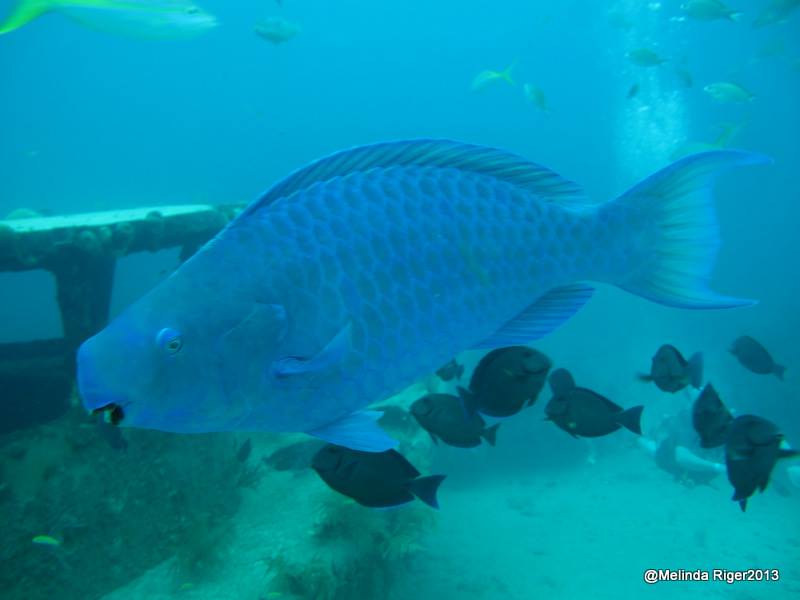
BLUE PARROTFISH Scarus coeruleusBlue Parrot Fish ©Melinda Riger @ G B Scuba

Parrotfish play a vital part in the ecology and health of the coral reef. They graze on algae, cleaning the coral and grinding the surface with their teeth. They take the nutrients and excrete the rest as… sand. This helps to form your beach! To find out more about their uses and habits, click PARROTFISH. You’ll find a great deal of interesting info about the species, conveniently compressed into factual bullet points. Blue parrotfish 2Blue Parrotfish

BLUE TANG Acanthurus coeruleus

The blue tang is a type of surgeonfish, all-blue except for a yellow spot near the tail. The blueness can vary considerably, from very pale to dark. They tend to swim elegantly around in large groups.Blue Tang ©Melinda Riga @ G B Scuba Blue Tang ©Melinda Riger @ GB Scuba

Here are some images of schools of blue tang that I took with a cheapo underwater camera at Fowl Cay. They are a lovely sight as they drift slowly past alongside the reef. The top one also has a sergeant major (see above).fishx fishu4 Blue Tang, Abaco fish28 fish20

CREOLE WRASSE Clepticus parraeCreole Wrasse ©Melinda Riger @GBS

This wrasse can grow up to a foot long, and may be found at considerable depths on deep-water reefs – 300 feet or more. They are active by day, and hide in rock clefts at night. This species is sociable, moving around in shoals. They develop yellow markings with age. Creole Wrasse School ©Melinda Riger @GBS

QUEEN TRIGGERFISH Balistes vetula

There are several species of triggerfish. The queen is capable of changing colour to match its surroundings, or (it is said) if subjected to stress. I think we have all been there. It is an aggressive and territorial fish, and its favourite prey is the sea urchin, a testament to its courage…Queen Triggerfish

QUEEN ANGELFISH (JUVENILE)

I have featured this species before HERE, and strictly it as much yellow as blue. But the blue earns double points, surely, for its startling vividness. Anyway, I like the way it hangs casually upside down, and the bubbles in this photo.

Juvenile Queen Angel ©Melinda Riger GB Scuba

Credits: Good photos – Melinda Riger of Grand Bahama Scuba; Poor photos – RH

From time to time I end a post with something musical. Just for fun (toxic concept). So here is a real “Slow Blues in C” from the fantastic guitarist Stefan Grossman off  his eclectic ‘Yazoo Basin Boogie’ album. 22 quality tracks. Buy from Am*z*n – much cheaper than iT*nes.    


61xe+fzzYUL._SL500_AA280_

Unknown's avatar

WHALE & DOLPHIN RESEARCH, PHOTOS & SIGHTINGS REPORT


WHALE & DOLPHIN RESEARCH, PHOTOS & SIGHTINGS REPORT

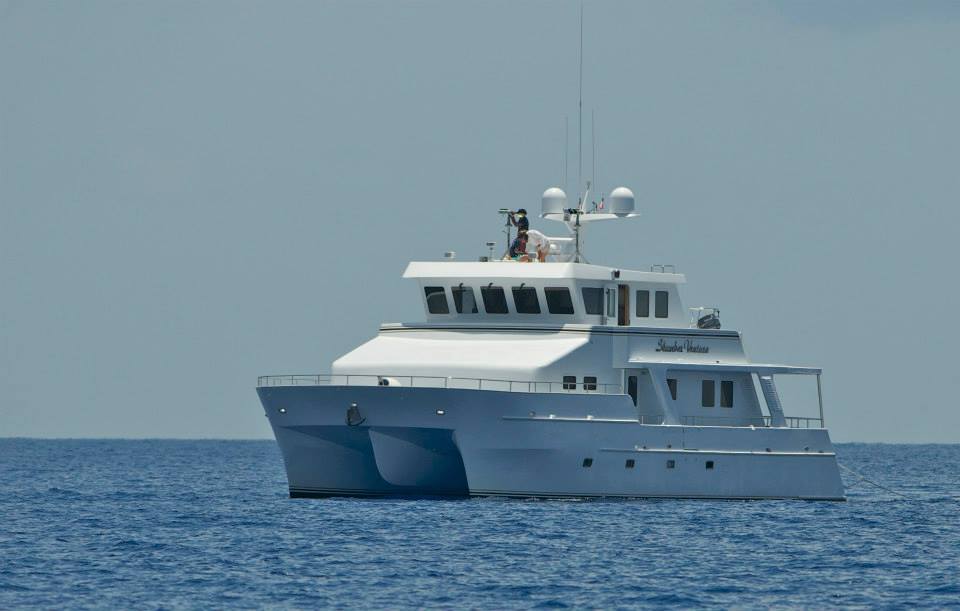
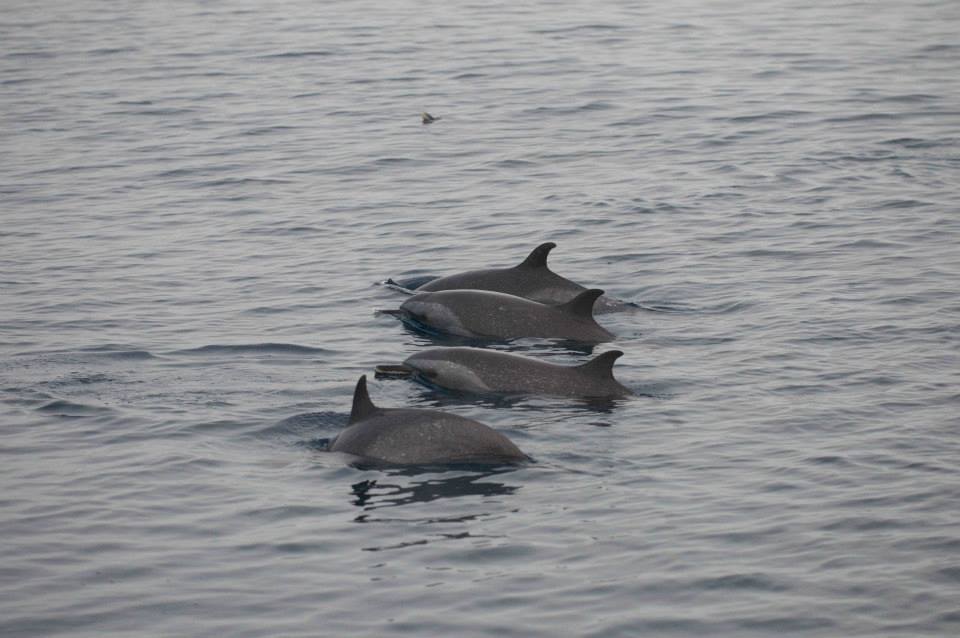
The Bahamas Marine Mammal Research Organisation (BMMRO) has recently been involved in a major tagging and monitoring program  around Andros, in particular using sonar to test the responses of beaked whales. Being all at sea for a few weeks meant that many other marine mammals were encountered. Thanks to Charlotte and Diane for permission to use some of their photographs taken during the research trip – and also in Abaco waters – to illustrate the amazing diversity of cetacean life in the waters of the northern Bahamas.

Click me!

RESEARCH VESSEL “SLUMBER VENTURE”'Slumber Venture' survey vessel

WHALES

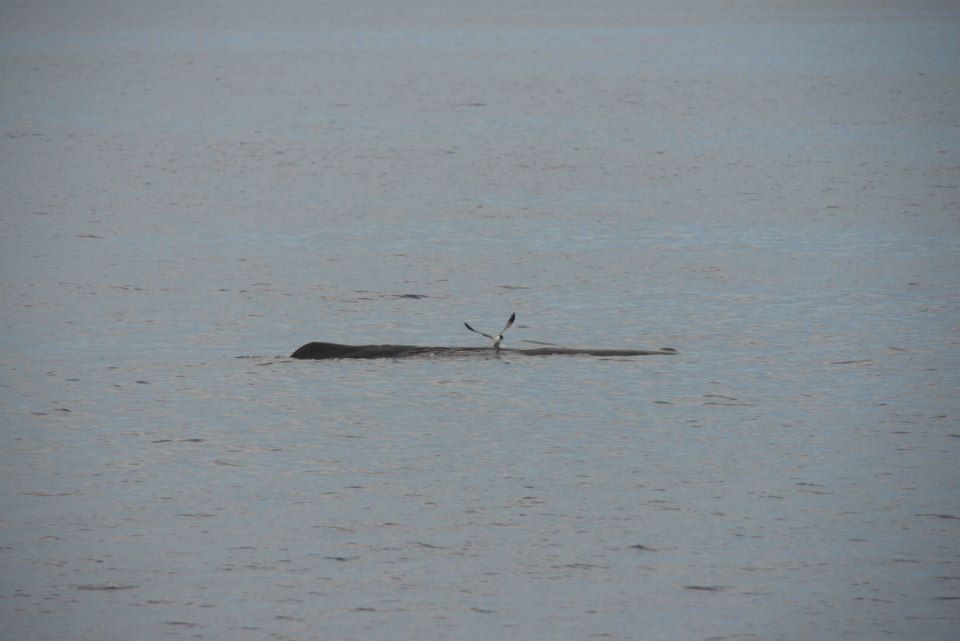
A Sperm Whale with unusual pigmentation

SPERM WHALES OFF ANDROSSperm WhalesSPERM WHALE TAILINGSperm Whale tailingTHAT GULL SURELY CAN’T BE CRAZY ENOUGH TO…Gull landing on Sperm WhaleWELL, IT JUST DID!Gull landed on Sperm Whale

MELON-HEADED WHALES – MOTHER & NEW-BORN CALF

Melon-headed Whale mother with new calf

THE FIN OF A MALE BEAKED WHALEBeaked whales - the fin of a male

DOLPHINS

BOTTLENOSE DOPHIN & CALFBottlenose Dolphin & Calf, Abaco

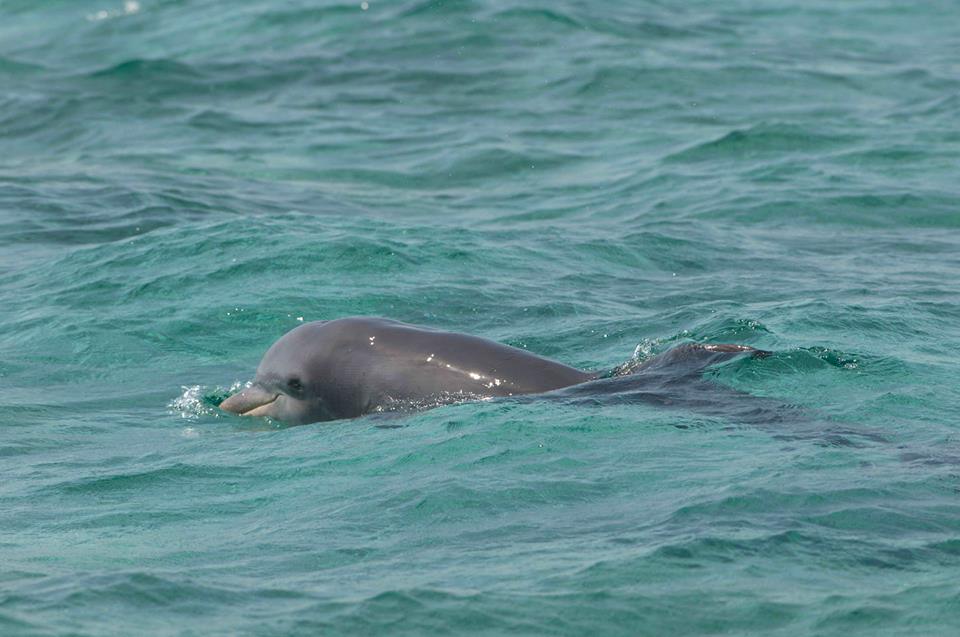
BOTTLENOSE DOLPHINBottlenose Dolphin near Gorda Cay

DOLPHINS BOW-RIDINGDolphins bow-riding

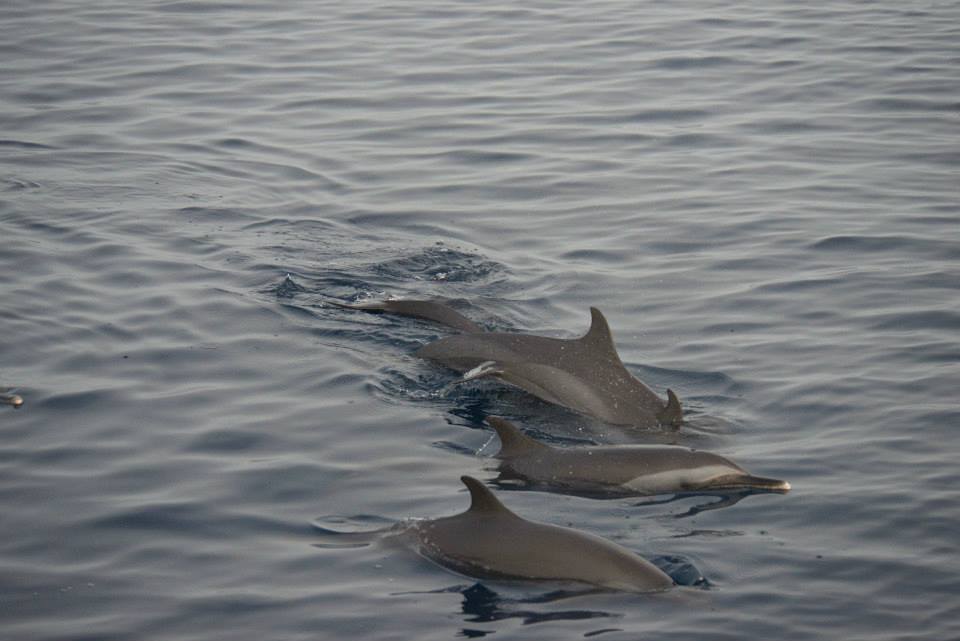
SPOTTED DOLPHINSSpotted Dolphins Spotted Dolphins x 4

ROUGH-TOOTHED DOLPHINS

The research, tagging and monitoring programs pay dividends in conservation and species preservation terms… but then along comes a brutal reminder, way out in the pristine ocean, of the far-reaching extent of man’s reckless damage of the planet and the creatures in it. This poor animal has become swathed in plastic.  The likelihood is that its stomach will have dozens of pieces of plastic in it, from microscopic to potentially damaging – or fatal. We made it all, and we chucked it away.Marine Mammals & plastic

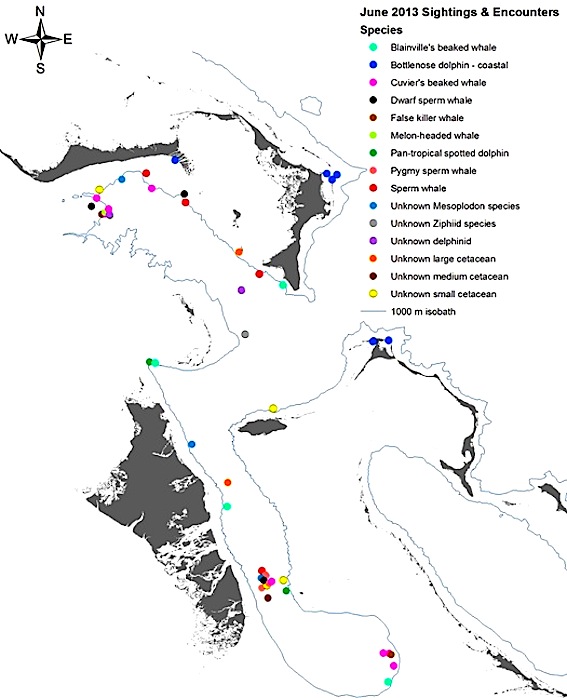
Moving into less contentious areas, here is the BMMRO sightings list for the last month, with a great deal of activity recorded. For once there is even a sighting included of my very own, of 3 bottlenose dolphins in Hope Town harbour one lunchtime in mid-June. See HERE

BMMRO June Sightings

Finally, the latest news from the BMMRO is that Dr Diane Claridge, besides being awarded her PhD earlier this year for her research on beaked whales, has graduated from the ancient scottish university of St Andrews, founded in  1413. It is the third-oldest university in the english-speaking world (and the oldest in the scottish-speaking world…).Dr Diane Claridge, St Andrews Uni

Georgie Manatee BMMRO SUPPORT LOGO

Credit: savethemanatee.org

Unknown's avatar

“ABACO ART” aka SAND & WATER AT CASUARINA…


Ferry Wake Abaco

“ABACO ART” aka SAND & WATER AT CASUARINA…

What is art? *loud reader yawn* I suspect we all know it when we see it; and know instinctively when something violently overpraised and vastly overhyped has failed to shake off a strong impression of ‘utter tosh’, ‘money for old rope’ or ‘one-trick pony’. We all have inbuilt settings for “I may not know much about art but I know what I like” and “a child of 3 could have done that”. It’s just that our individual settings are all different. But secretly (go on, admit it) we all know that ours are the correct and appropriate ones…

With that in mind here are some sandy puddles I photographed on glorious day when we were idly looking for SAND DOLLARS on a sand bar at Casuarina. I don’t suppose they amount to anything, but I’ll soon know from my stats what people think of these abstract patterns. And I have a powerful delete button if this post bombs… If not I see scope here for a line of T-shirts, mugs, key rings  stickers and … mouse mats? Does anyone still use those?Sand & Water Abstacts on Abaco 15 Sand & Water Abstacts on Abaco 14 Sand & Water Abstacts on Abaco 13 Sand & Water Abstacts on Abaco 12 Sand & Water Abstacts on Abaco 11 Sand & Water Abstacts on Abaco 10 Sand & Water Abstacts on Abaco 9 Sand & Water Abstacts on Abaco 7 Sand & Water Abstacts on Abaco 6 Sand & Water Abstacts on Abaco 5 Sand & Water Abstacts on Abaco 4 Sand & Water Abstacts on Abaco 3 Sand & Water Abstacts on Abaco 2 Sand & Water Abstacts on Abaco 1[The header picture is the wake of the ferry from Hope Town to Marsh Harbour. Or as I prefer to call it, “Aquatextural Modifications III”]

Unknown's avatar

PRETTY PALMS: CHEERY WARBLERS ON SUNNY ABACO


220px-Palm_Warbler,_Indiatlatlantic

PRETTY PALMS: CHEERY WARBLERS ON SUNNY ABACO

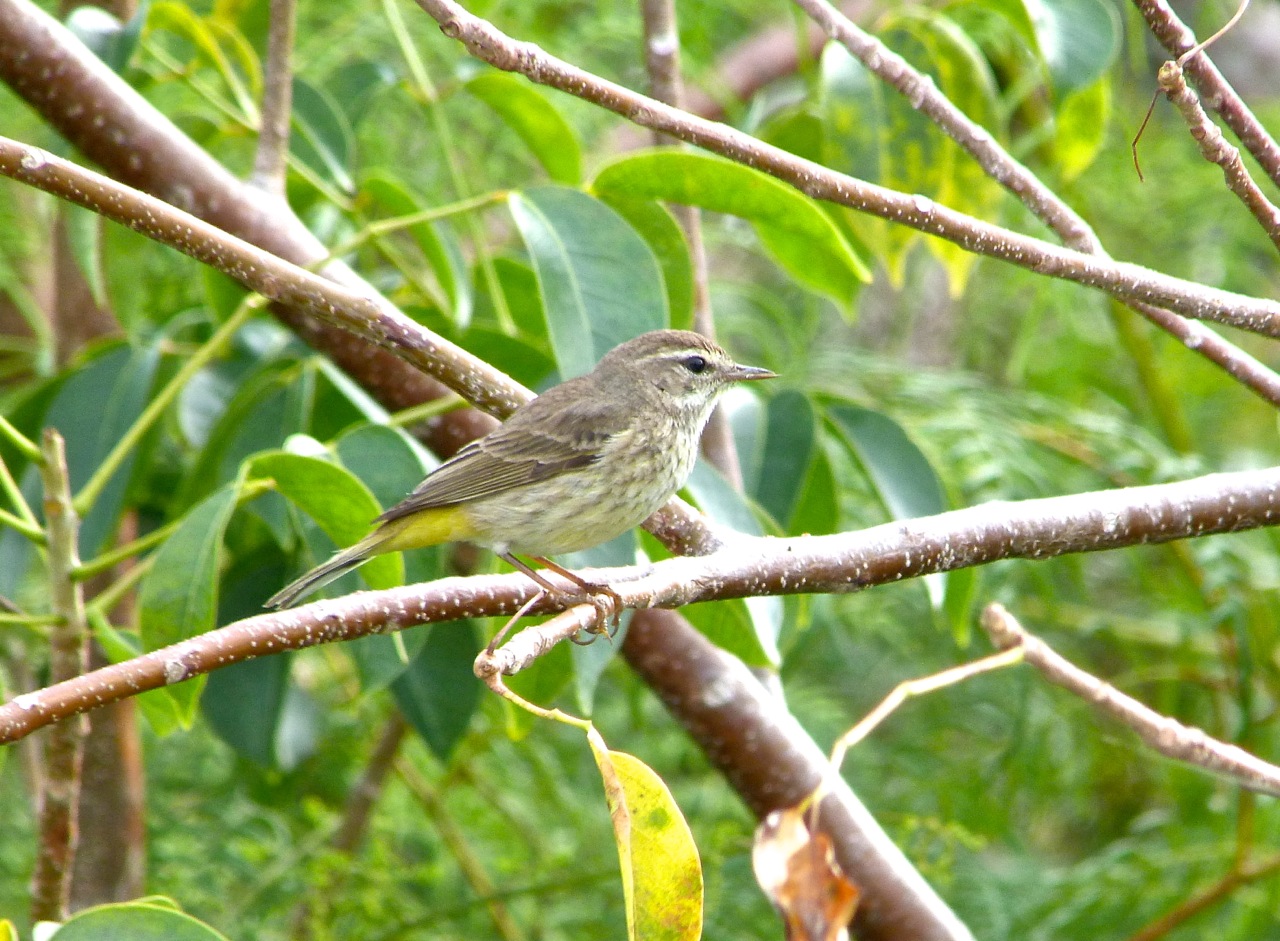
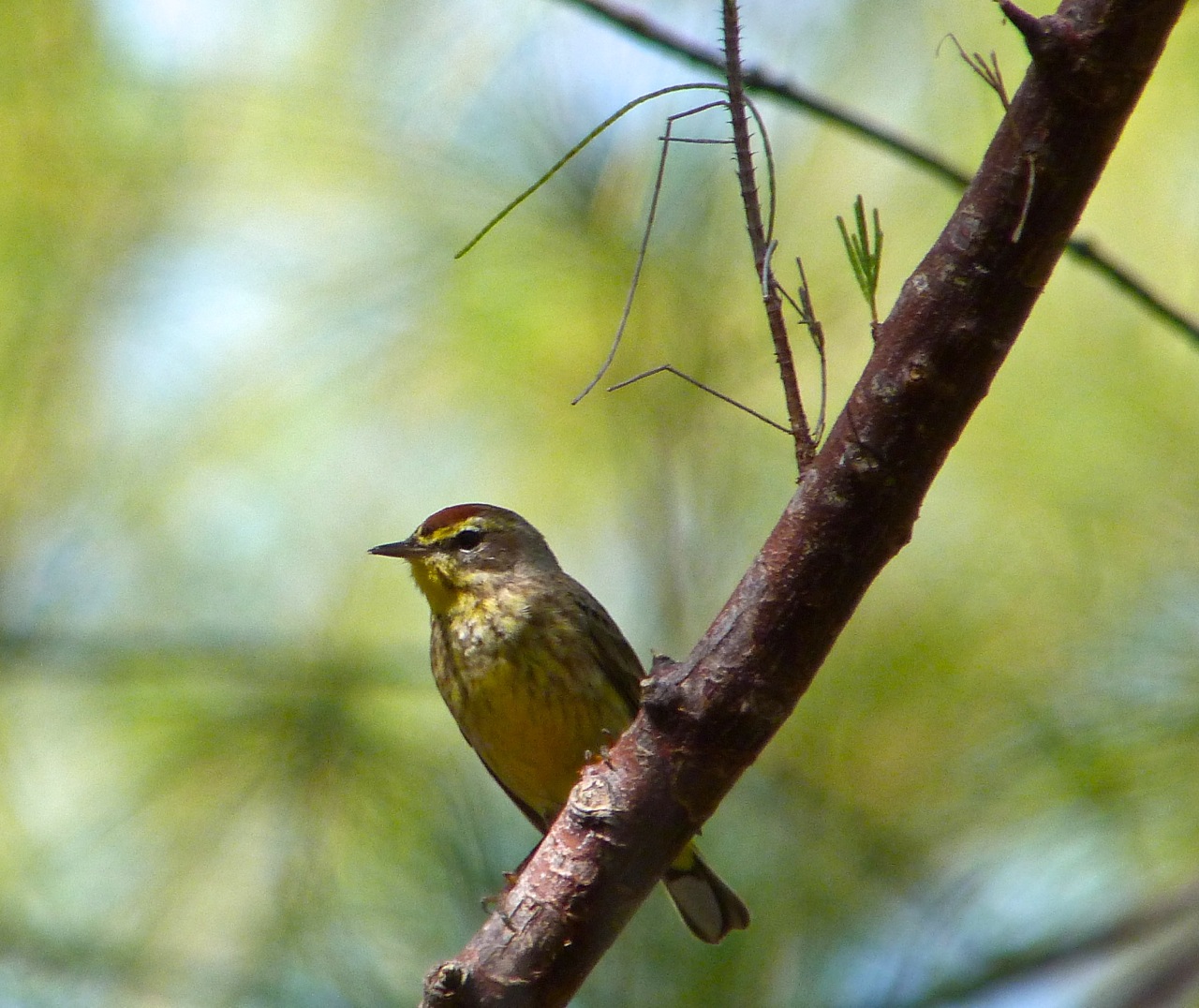
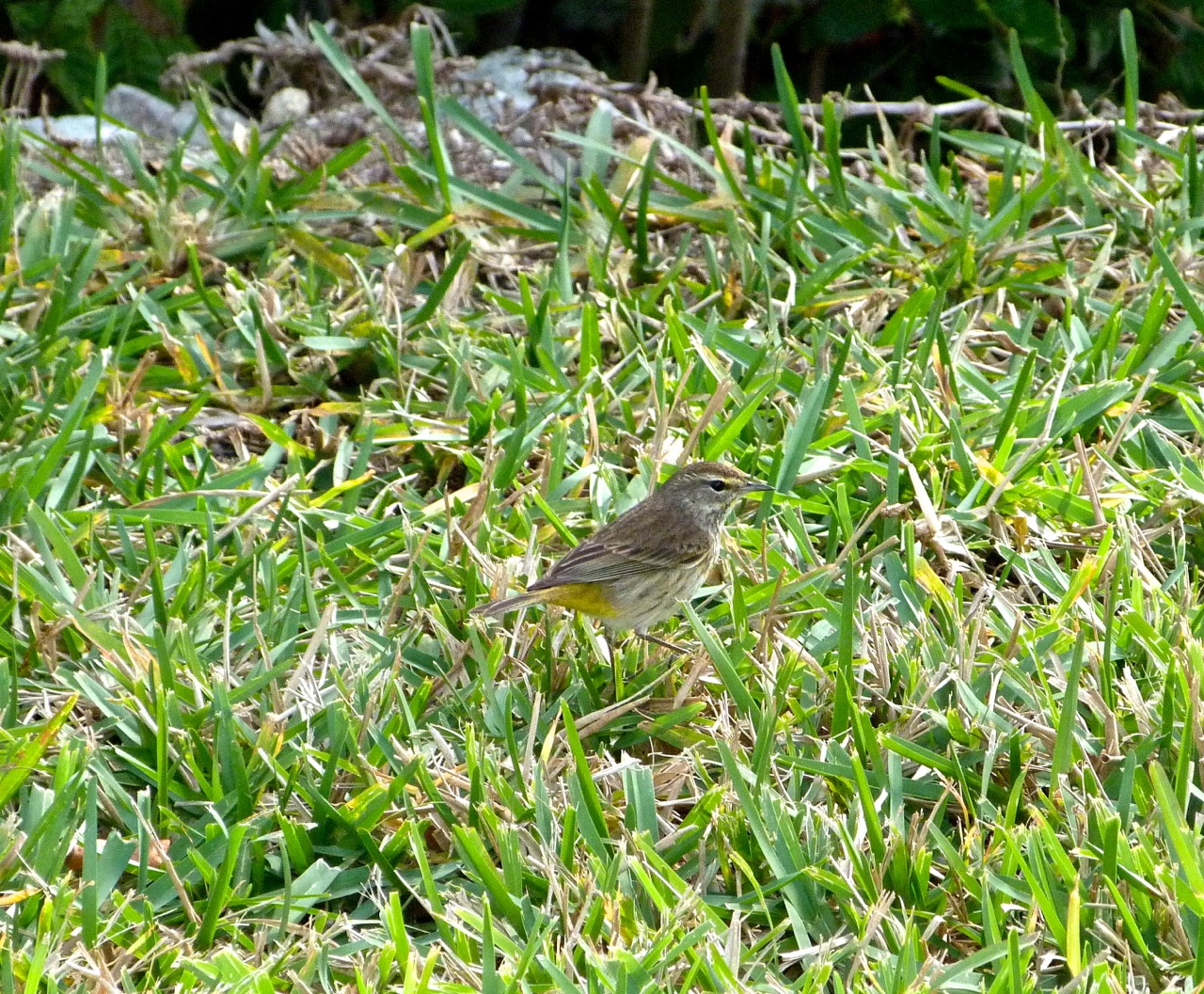
Palm Warblers Setophaga palmarum are cheerful little birds. Keen feeders, foraging around on the ground, in the coppice, or where there are pines. They are one of only 3 warbler species that bobs its tail, not just when it’s happy but much of the time. Maybe it is happy much of the time. The other 2 species are the relatively familiar Prairie Warbler; and the vanishingly rare – on Abaco, at least – Kirtland’s Warbler, the avian Holy Grail for birdwatchers on the island. 

The male palm warbler in breeding plumage has a smart chestnut cap and what might be described as a ‘buttery’ BTM, to use a polite text-abbrev. The females are paler and have less yellow on them. The photos below were taken in March this year, mostly by Mrs RH (I can’t now recall who took what so I’ll give a general credit until she claims her ones). You’ll see the wide variety of types of place you might encounter one of these little birds. The last picture isn’t great as a photograph… but it’s a classic bit of acrobatic personal grooming.

CALL [audio http://www.xeno-canto.org/sounds/uploaded/HNJLXSFHYB/palm_warbler_callnotes_xc.mp3]

Palm Warbler, Abaco 7 Palm Warbler, Abaco 6 Palm Warbler, Abaco 5 Palm Warbler, Abaco 4 Palm Warbler, Abaco 3 Palm Warbler Abaco 2 Palm Warbler Abaco 1Thank you for admiring me…Palm Warbler, Abaco 9…now please excuse me if I scratch my ear for a moment…Palm Warbler, Abaco 8Header thumbnail image credit: Wiki

Unknown's avatar

UNDERWATER BAHAMAS: REEF GARDENS & DENIZENS (1)


Christmas Tree Worms ©Melinda Riger @ G B Scuba

UNDERWATER REEF GARDENS IN THE BAHAMAS (1)

Animal, vegetable or mineral? If you dive down and take a close look at a reef, you’ll soon find that it isn’t easy to tell what is what… That ‘plant’ is a magic worm;  this ‘creature’ is a tentacled plant…

ANEMONESAnemone ©Melinda Riger @ GB ScubaAnenome ©Melinda Riger @ G B ScubaAnenome (Giant) ©Melinda Riger @GBS

BASKET STARS

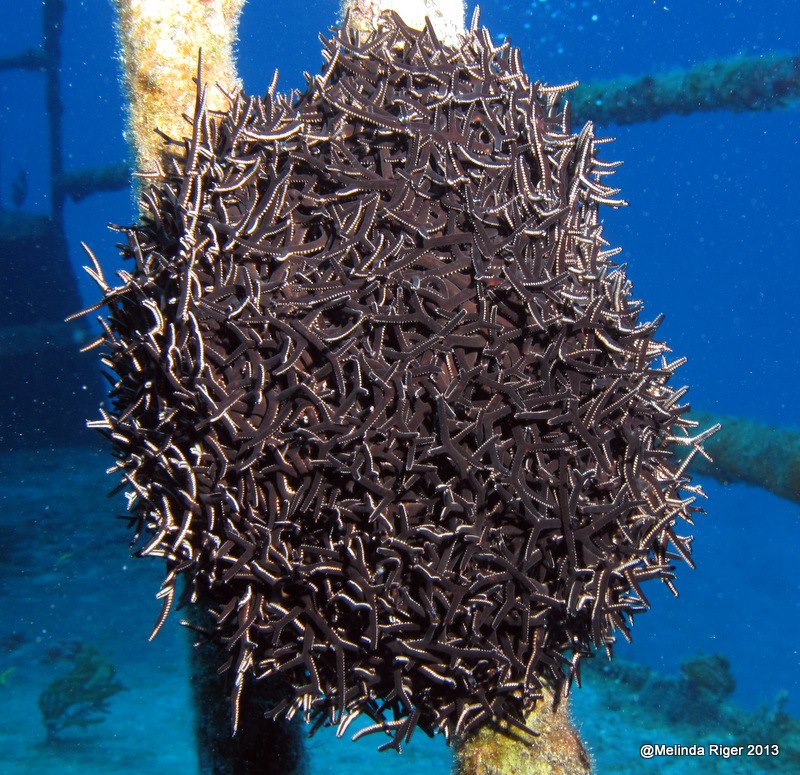
A species of ‘brittle star’ that, as the images suggest, like to ‘hang’ togetherBasket Star ©Melinda Riger @ GB ScubaBasket Star ©Melinda Riger @GBS

REEF MIX29801_478636495491078_987749415_n 299343_478636145491113_873966996_n 526981_465306386824089_928061136_n

CHRISTMAS TREE WORMS Spirobranchus giganteusChristmas Tree Worms ©Melinda Riger @ G B Scuba


Thanks to scuba photographer extraordinaire Melinda Riger of Grand Bahama Scuba; & wiki-minipics

Delphi Bonefish Logo

Unknown's avatar

FLUTTER BY, BUTTERFLY: ATALA ENCHANTING ON ABACO


Atala Hairstreak Butterfly, Abaco 7

FLUTTER BY, BUTTERFLY: ATALA ENCHANTING ON ABACO

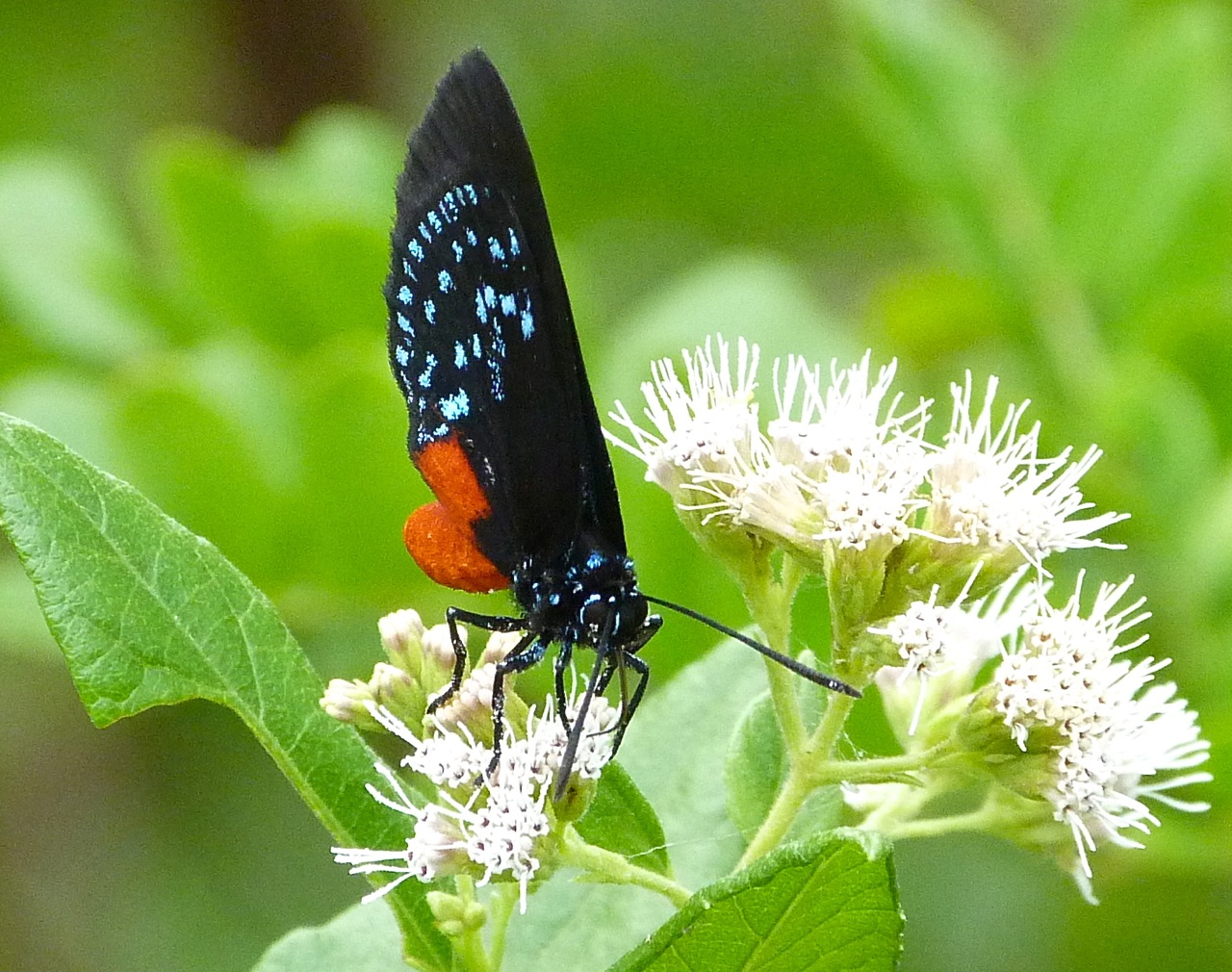
It’s hard to resist another fly-past for the Atala Hairstreak Butterfly Eumaeus Atala . So I won’t. Once seen, never forgotten. They are small wonders, with their plump orange abdomens and their striking blue-dotted motif; obvious candidates for a signature Rolling Harbour logo for insect posts.

Atala Hairstreak Logo

Atala Hairstreak Butterfly, Abaco 1Atala Hairstreak Butterfly, Abaco 4Atala Hairstreak Butterfly, Abaco 2

This close-up in particular shows clearly that the vivid blue markings are not confined to the Atala’s wings. They are also on the body, the head, and surprisingly on the legs as well.Atala Hairstreak Butterfly, Abaco 6

It is rare to see the inside of an Atala’s wings. In flight they tend just to look black; then they land with precision and closed wings (zeugma score!). In sunshine the spots of the feeding Atala shine out like small LEDs. They very rarely open their wing to reveal the velvety blue upper sides.As I watched the single Atala, a second one arrived and almost immediately ‘jumped’ the first. By which I mean that, for a few seconds, the new arrival ‘covered’ the feeding Atala in every sense of the word. Please consider this a blurry study of the upper side of an Atala’s wings, and politely ignore the intrusive circumstances. This is not a scandal blog. Yet. Mere moments later, it was all over **. I made my excuses and left.Atala Hairstreak Butterfly, Abaco 3

These events may have piqued your interest in the life cycle of the Atala. Some months ago I posted in detail about this, with the whole process illustrated from eggs, larvae, caterpillar and chrysalis to the emergent butterfly. At the end of the post are some helpful links. CLICK LIFECYCLE OF THE ATALA HAIRSTREAK

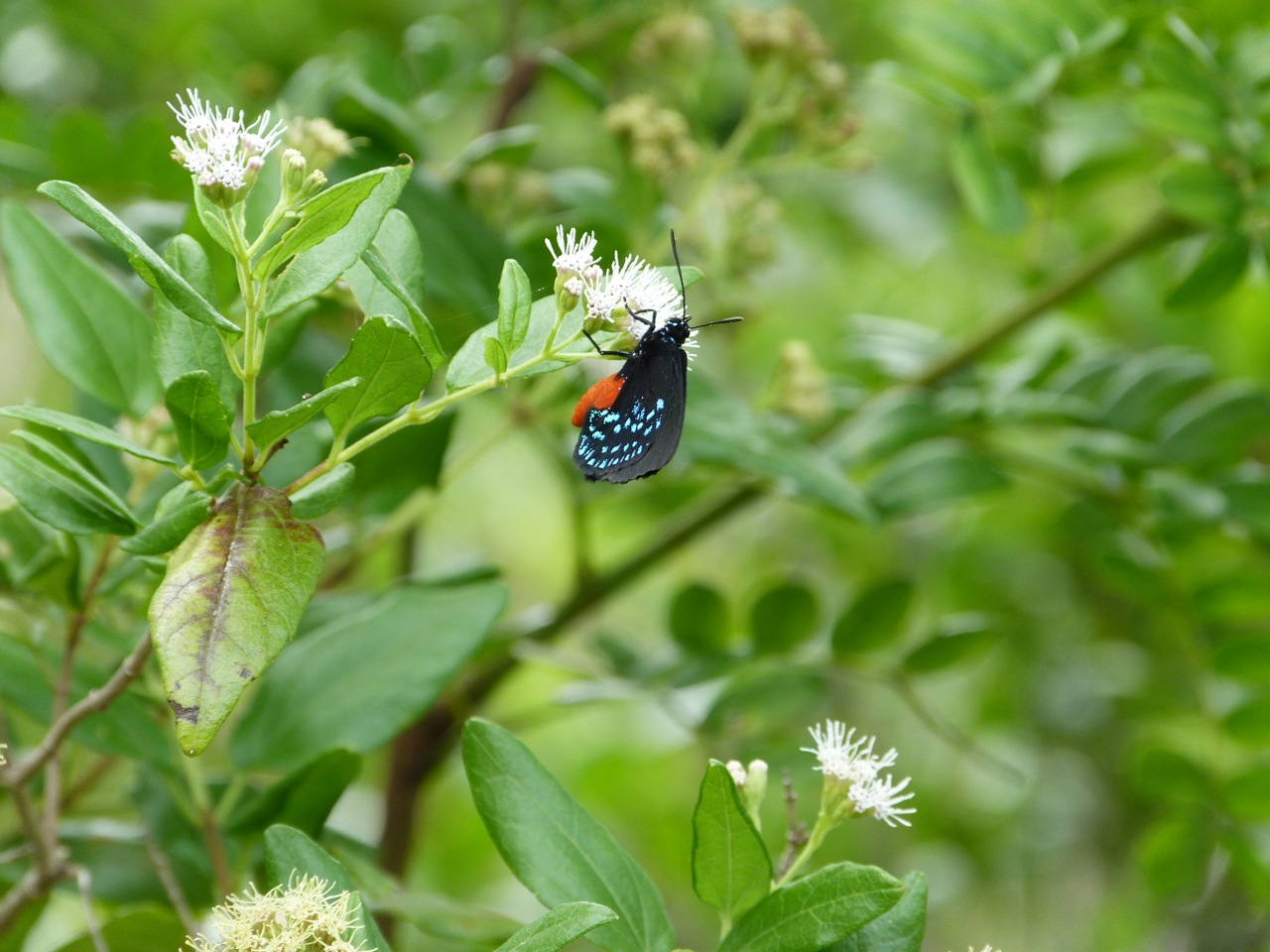
Finally, you may want to get a sense of size for this butterfly – crops and zooms can sometimes give a distorted impression. So here is a normal snap of the butterfly feeding.Atala Hairstreak, Abaco 9

**My spam box is full of suggestions about this

Image credit for open-wing shot on flower: Stranica

Unknown's avatar

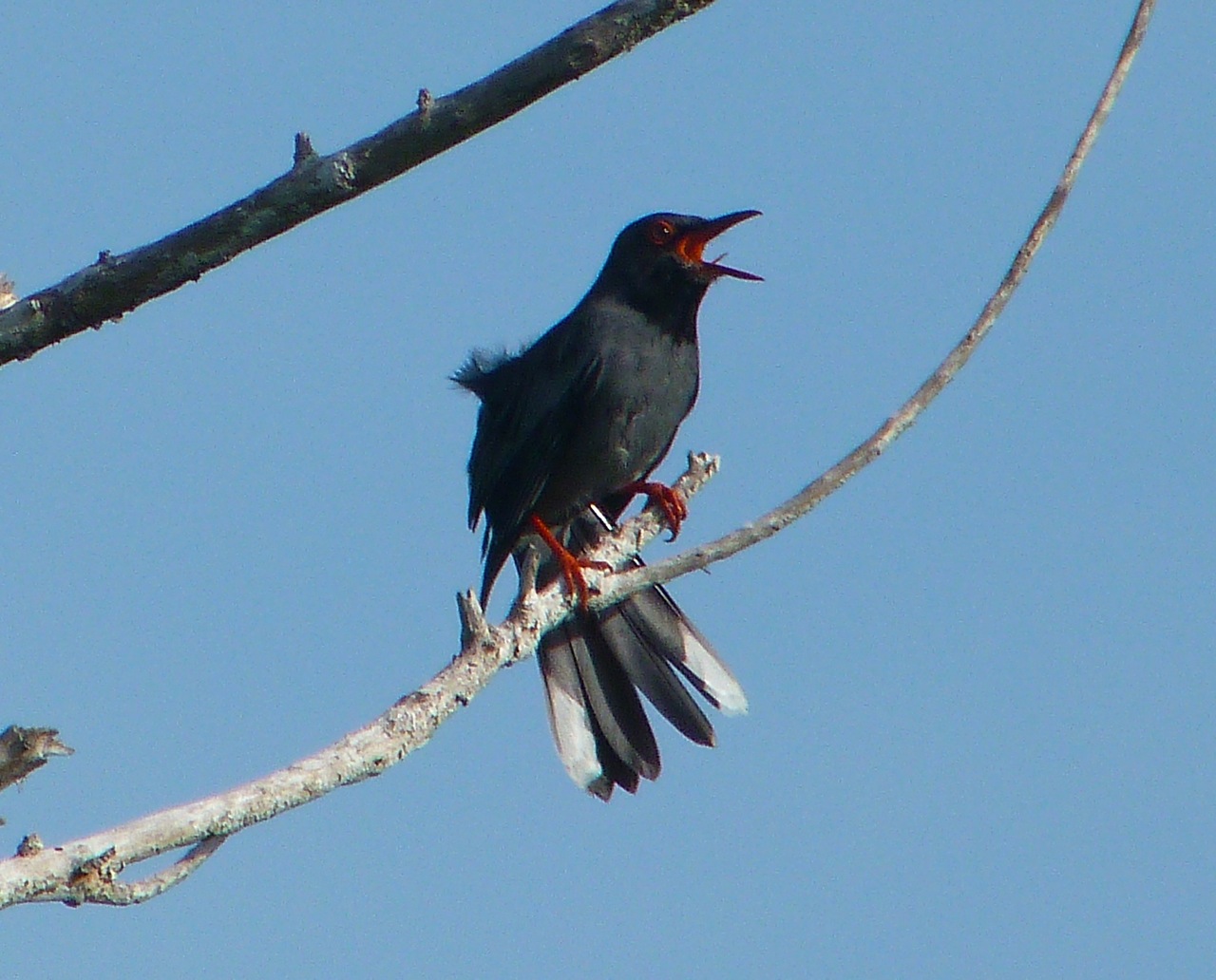
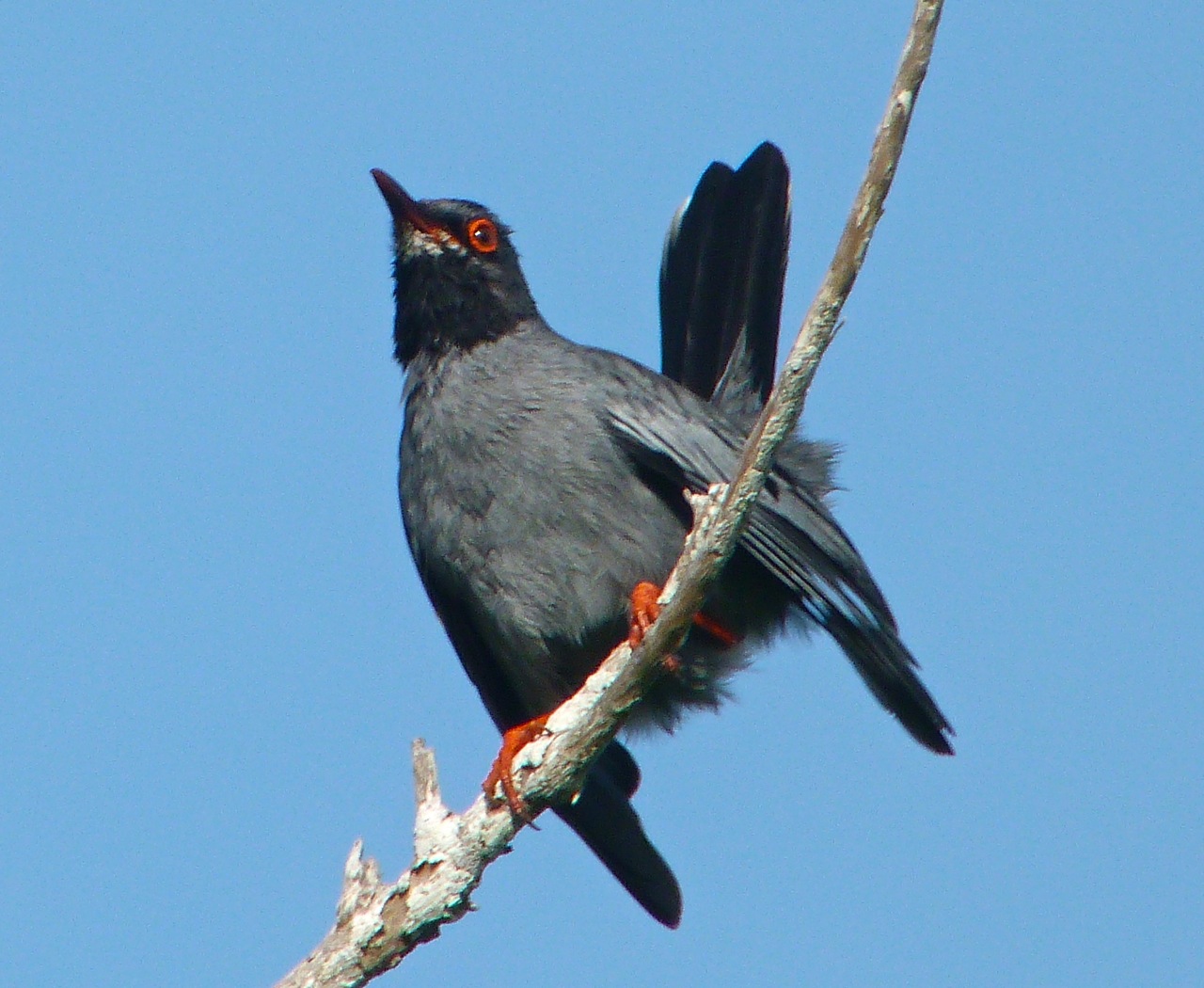
OL’ RED EYES IS BACK: A RED-LEGGED THRUSH SINGS THE… REDS?


Red-legged Thrush, Abaco 2

OL’ RED EYES IS BACK: A RED-LEGGED THRUSH SINGS THE… REDS?

The Red-legged Thrush (Turdus plumbeus) is often said to be the Caribbean equivalent of the American Robin. Its main range is from the northern Bahamas down to the Caymans, Hispaniola, Dominica and Cuba. Although Abaco is less than 200 miles from the Florida coast, reports of RLTs in Florida are rare. Similarly, the robin rarely crosses over to Abaco – and most reported sightings are on the Cays rather than the main island.RTL Range Map birdlife.org

Red-legged Thrush, Abaco 10

I’ve always been slightly surprised by the RLT’s name. You don’t get birds called ‘the brown-feathered tobaccoquit’ and so on. Brown-feathers are not a particular signifier. Thus, there are plenty of bird species with red legs. But few with eyes that glow with the startling intensity of an angry ember*. 

RTL eye

The RLT on Abaco is ubiquitous – familiar in gardens, coppice and pine forest. They have a broad diet, eating mainly fruits and insects of all types. They will also eat snails, lizards and even birds’ eggs. Because of this range of diet, you’ll often see these birds foraging on the ground, as well as in the understorey and higher up in the bushes and trees of the coppice.Red-legged Thrush Abaco 7

In the mornings and evenings, RLTs like to sing. They will fly up to a high perch, often the topmost dead branch of a tree, and perform loudly and elegantly. They have a variety of characteristic poses that they like to strike. These photos were taken with a small camera from ground to tree top in the coppice, so they aren’t as sharp as I’d like. But you can still see the bird’s tiny ululating tongueRed-legged Thrush, Abaco 1Red-legged Thrush, Abaco 5

This bird was in the Delphi drive at around 6.00 pm. I recorded it for about 30 seconds as a video, but the camera-shake is so… well, I’m sparing you the movie, ok? Instead I’ve converted the song to an mp3 file, which has worked quite well. Turn your volume up a bit – the bird was not very close. Note the smart matching red inside of the mouth – hence, singing the reds…

Red-legged Thrush, Abaco 4Red-legged Thrush, Abaco 9Red-legged Thrush, Abaco 3

One disadvantage of posing on a high perch is the risk of ruffled feathers & dignity

MAKIN’ COOL MUSICRed-legged Thrush, Abaco 8

YET SECONDS LATER… WARDROBE MALFUNCTIONRed-legged Thrush, Abaco 6

Finally, another (and more professional) example of an RLT’s song from Xeno-Canto, also recorded in the Bahamas

Credits: All photos RH except the greyer one on the ground, Mrs RH. Range map birdlife.org

AFTERWORD

1. John Bethell has commented “In Long Island they call them Rain Crows, because they were always seen right after a rain storm!”. So I checked my James Bond (1947), the best resource for historic local names. Generically, ‘Blue Thrasher’, and specifically for the Bahamas, ‘Blue Jane’ are given.

NEW (JUNE 2014) ‘John’ comments “Rain bird or rain crow refer to both the mangrove cuckoo and the lizard cuckoo in the Bahamas”.

2. *To the friend who rightly points out that, strictly speaking, embers cannot be ‘angry’, I point to my right to use PATHETIC FALLACY if I choose, the imputation of human emotions to objects or, [perhaps] creatures. Or to employ, like, creative simile. Now beg to go back on my Xmas card list, buddy.

Unknown's avatar

WILLET OR WON’T IT… GET CLOSE TO YOU?


WILLET OR WON’T IT… GET CLOSE TO YOU?

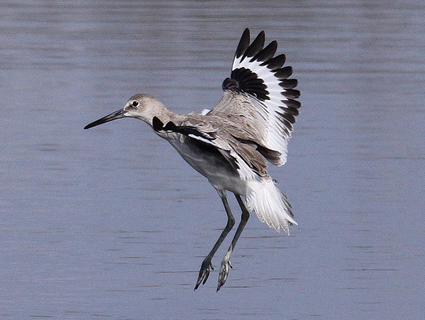
Willets (Tringa semipalmata) are large sandpipers, familiar as shore birds, foragers on sand bars and mudflats, or out in the mangrove swamps. Some might describe them as quite solid and plain to look at. Until they take flight, when their gorgeous wing patterns are revealed.

willet ©Greg Page @ Cornell Lab

Willets are ground-nesting birds, often breeding in colonies. They use their stout bills to forage on mudflats or in shallow water for insects, crustaceans, marine worms and occasionally plant-life. They tend to keep their distance, and in the past I have only managed this sort of unimpressive snapshot, not least because I normally only take a small basic camera out on the water in case it – or I – should fall in.Willet, Abaco Marls 1

However, we recently fished from the prow of a skiff parked on a sandy spit on the Abaco Marls, as bonefish came past on the tide. It was a productive hour for my boat-partner, though frankly less so for his boat-partner… As we fished, and to our surprise, a willet landed of the point of the spit to feed, and gradually worked its way towards us seemingly unconcerned by the skiff, by us or by the fish action. It started off about 30 feet away, and at close quarters it was far less drab and notably more elegant than expected.Willet, Abaco Marls 4

It foraged slowly towards us, keeping a beady inky-black eye on usWillet, Abaco Marls 2

At one time it came within a very few feet of us, then decided it had come close enough. We watched it stepping delicately away on its semi-palmated feet. The shot isn’t clear enough to show the slight webbing between the toes. However, you can clearly see the barred tail.Willet, Abaco Marls 5

In the c19 and early c20 there was a sharp population decline of these fine birds due to hunting. I’m not sure if it was for feathers, food or fun. All three, probably. Their population has recovered and their IUCN status is currently ‘Least Concern’, but like so many similar species they remain at risk, especially through continued habitat loss.

The Willet call and song are very distinctive, and are reproduced here via the great bird-noise resource Xeno-Canto

CALL

SONG

Willet, Abaco Marls 6All images RH except header (Wikimedia) & in-flight image (Greg Page @ Cornell Lab for Ornithology)

(PS if you think the traditional RH puntastic title is laboured, be grateful I didn’t proceed with the initial idea of working ‘Bruce Willets’ into this post. It didn’t work, on any level…)

Unknown's avatar

SHORE THINGS: BEACHCOMBING ON A PRISTINE ABACO BEACH


Shore Things 16

SHORE THINGS: BEACHCOMBING ON A PRISTINE ABACO BEACH

The Abaco bay known as Rolling Harbour is a 3/4 mile curve of white sand beach, protected by an off-shore reef. The beach is pristine. Or it would be but for two factors. One is the seaweed that arrives when the wind is from the east – natural and biodegradable detritus. It provides food and camouflage for many species of shorebird – plover and sandpipers of all varieties from large to least. The second – far less easily dealt with – is the inevitable plastic junk washed up on every tide. This has to be collected up and ‘binned’, a never-ending cycle of plastic trash disposal. Except for the ATLAS V SPACE-ROCKET FAIRING found on the beach, that came from the Mars ‘Curiosity’ launch. Sandy's Mystery Object

We kept is as a… curiosity, until it was eventually removed by the men in black…

Shore Things 14I’d intended to have a ‘plastic beach trash’, Atlantic-gyre-rage rant, with angry / sad photos to match. Instead, I decided to illustrate a more positive side to beach life – things you may discover when you take a closer look at the sand under your feet. Like the coconut above. Many of these photos were taken by our friend Clare Latimer (to whom thanks for use permission); some by me.

Shore Things 13A LONE FLOWERShore Things 17SEA STAR (DEFUNCT), WITH CRAB TRACKSShore Things 21SEA FAN (GORGONIAN)Shore Things 15WASHED-UP BOTTLE (PROBABLY NOT RUM)Shore Things 12

SEA BISCUITSShore Things 9

Thanks to Capt Rick Guest, who has contributed an interesting comment regarding the sea biscuit with a hole in it. He writes “the (Meoma) Sea Biscuit w/ the hole in it was dined upon by a Helmet Conch. The Cassis madagascariensis, or C.tuberosa drills the hole w/ its conveyer-belt-like radula teeth w/ some help from its acidic, saliva. Probably 98% of all symetrical holes in marine invertebrates are of this nature. Murex, Naticas, Helmets, and many Cephalapods (via a Stylet), are the usual B&E suspects. The Cone shells utilize a modified radula in the form of a harpoon which is attached to a venom tube.” For more on the vicious cone shell, and other creatures to avoid, click HERE
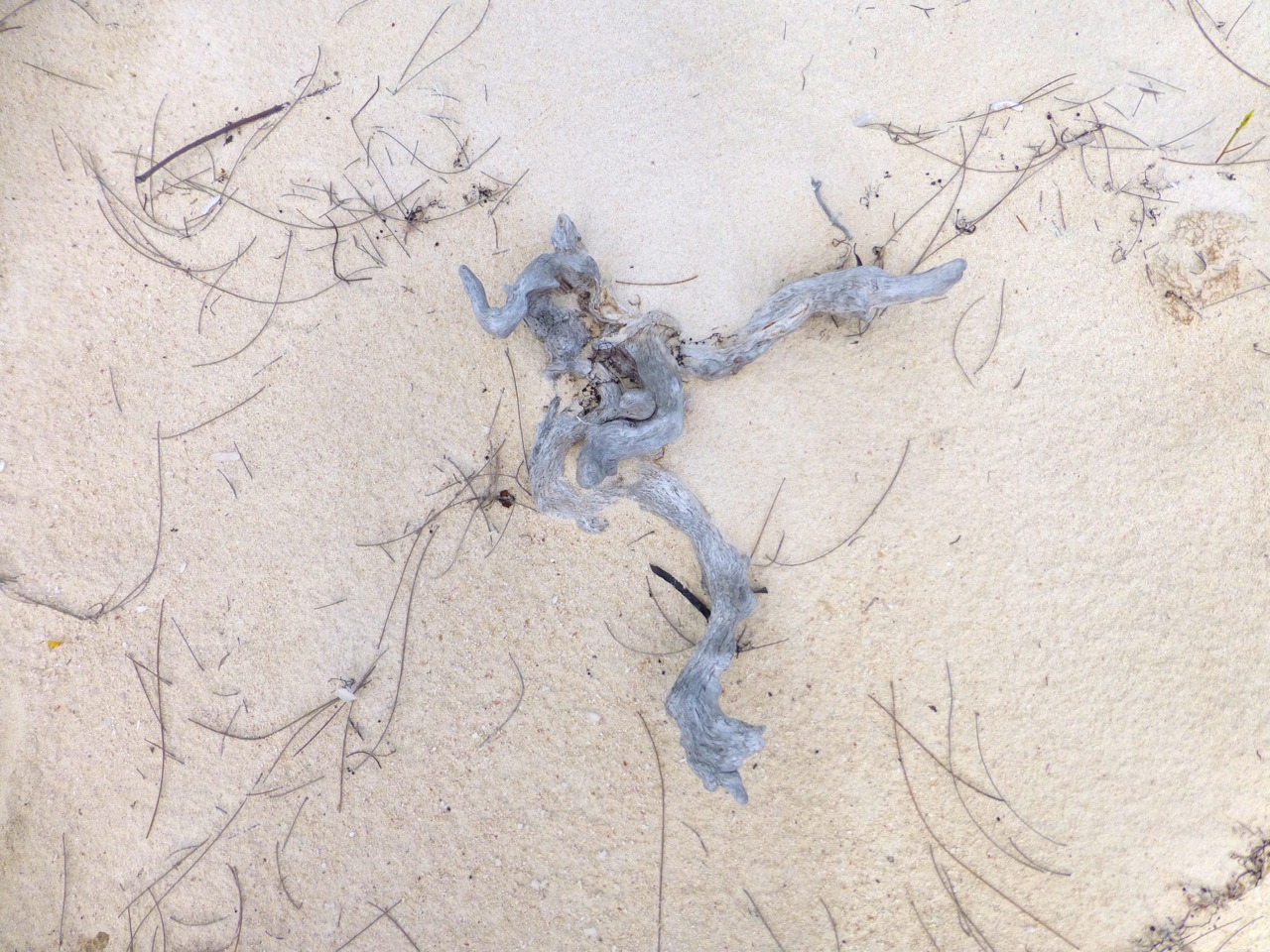
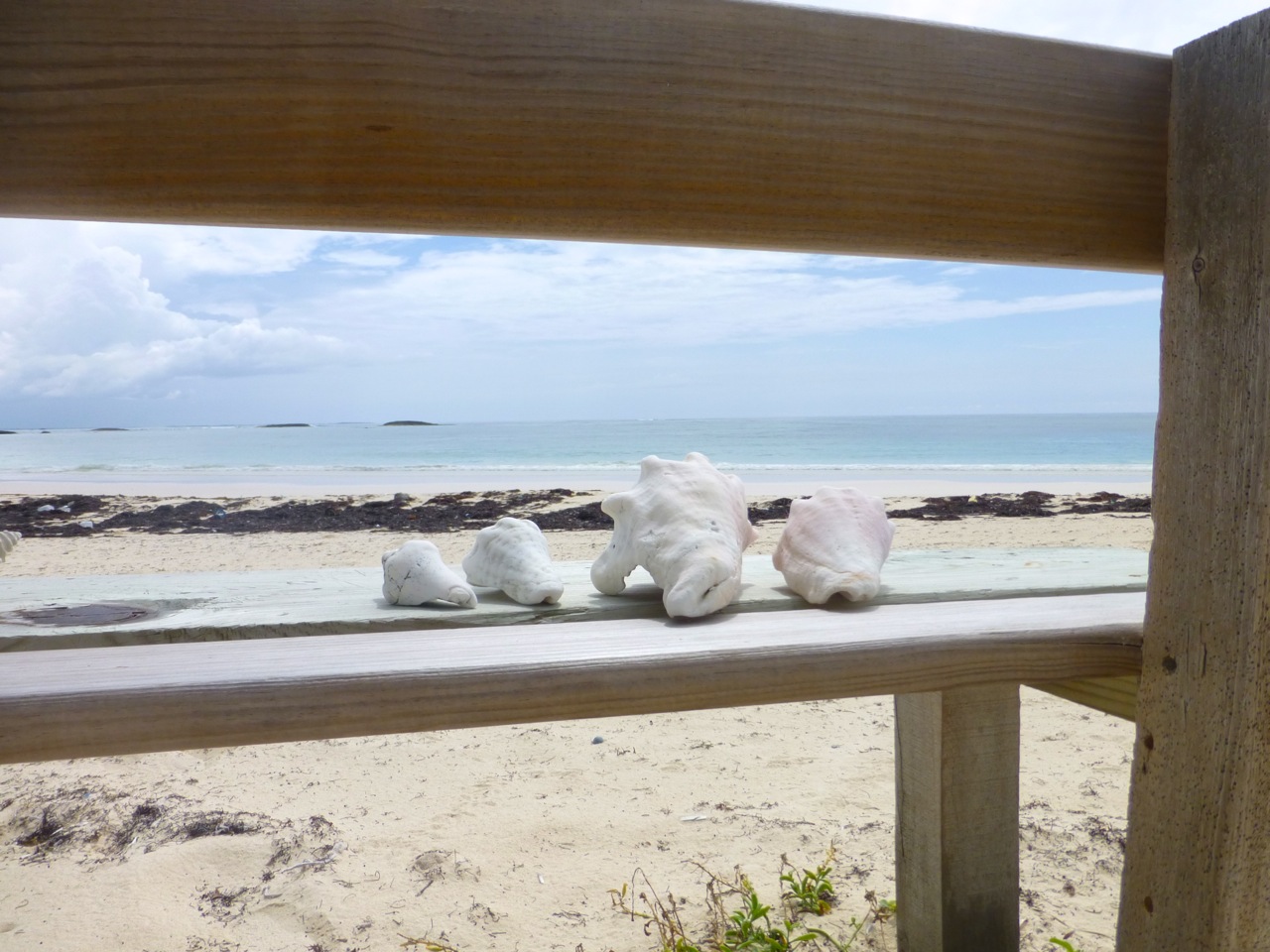
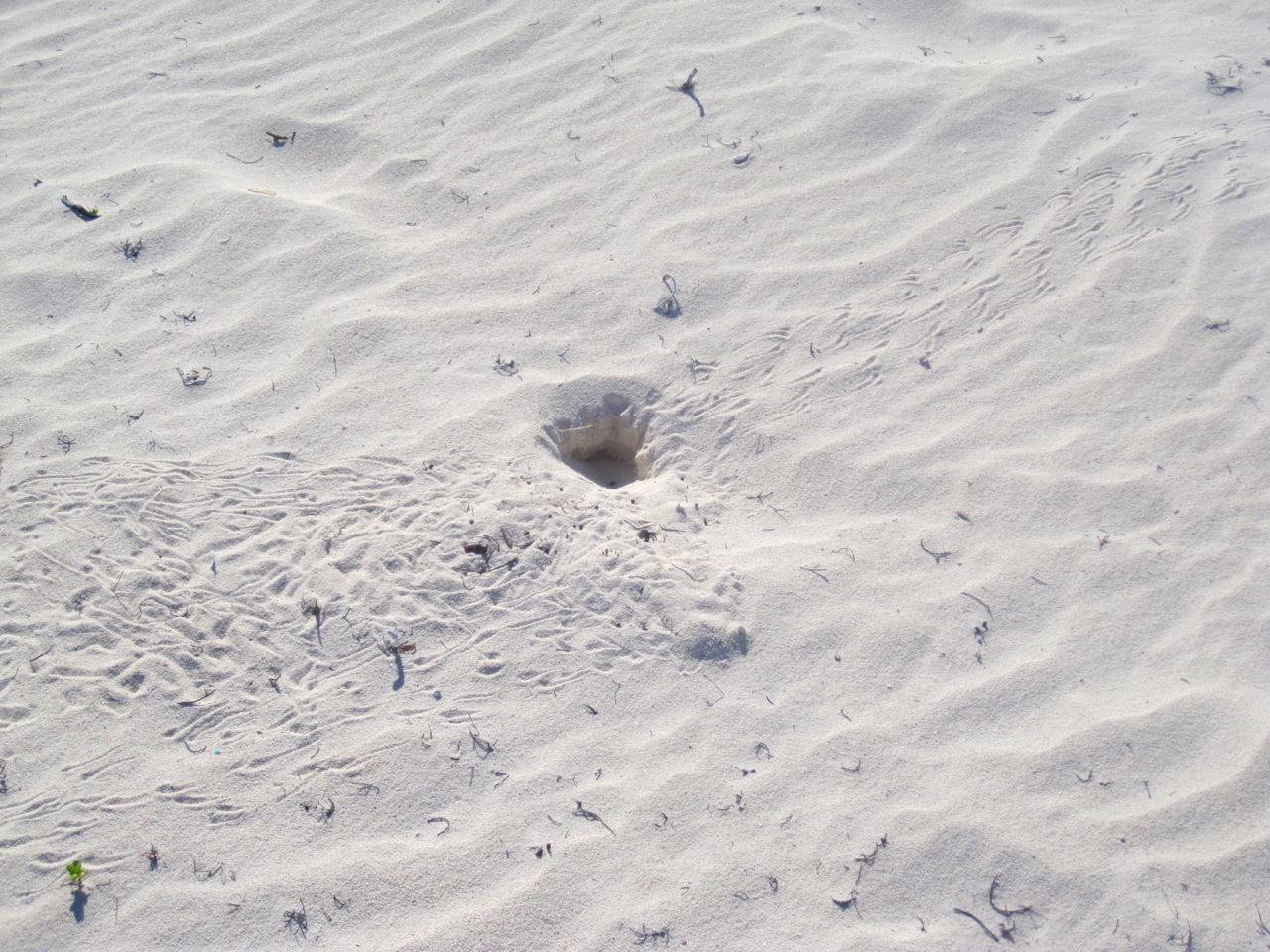
DRIFTWOOD. IT’S LIKE… OH, USE YOUR IMAGINATIONShore Things 5A WILSON’S PLOVER NESTShore Things 11HORSESHOE CRAB (LIMULUS)Shore Things 4SCULPTURE? AN EMBRYONIC SHELTER? Shore Things 3LARGE BIRD FOOTPRINTSShore Things 18MORE BIRD PRINTS AND CRAB TRACKSShore Things 19 CRABUS CUTICUSShore Things 6CONCH SHELLS & OTHER BEACH TREASURESShore Things 8Shore Things 20CRAB HOLE & TRACKSShore Things 22SOME IDIOT’S LEFT HIS… OH! IT’S MINEShore Things 7