Unknown's avatar

A VISIT TO BIMINI’S MARINE ENVIRONMENT (1)


Loggerhead Hatchling Bimini BMPAC

Loggerhead Hatchling (Bimini’s Marine Protected Area Campaign)

A VISIT TO BIMINI’S MARINE ENVIRONMENT (1)

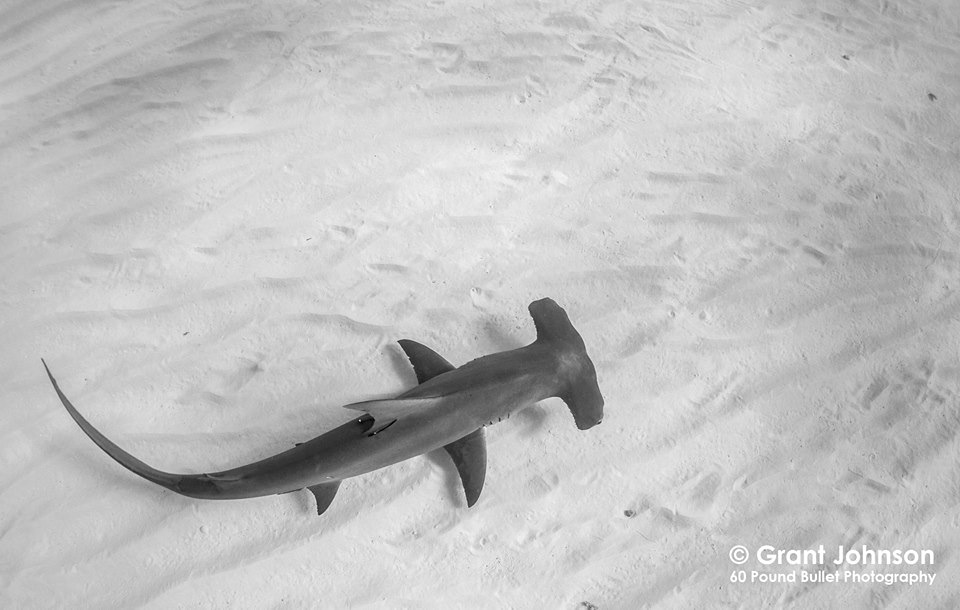
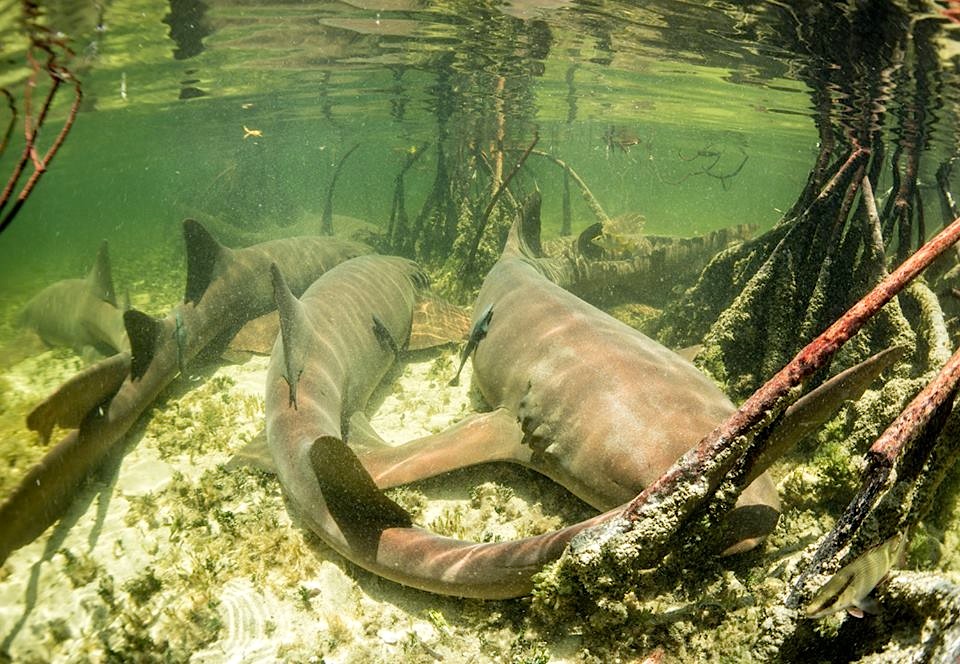
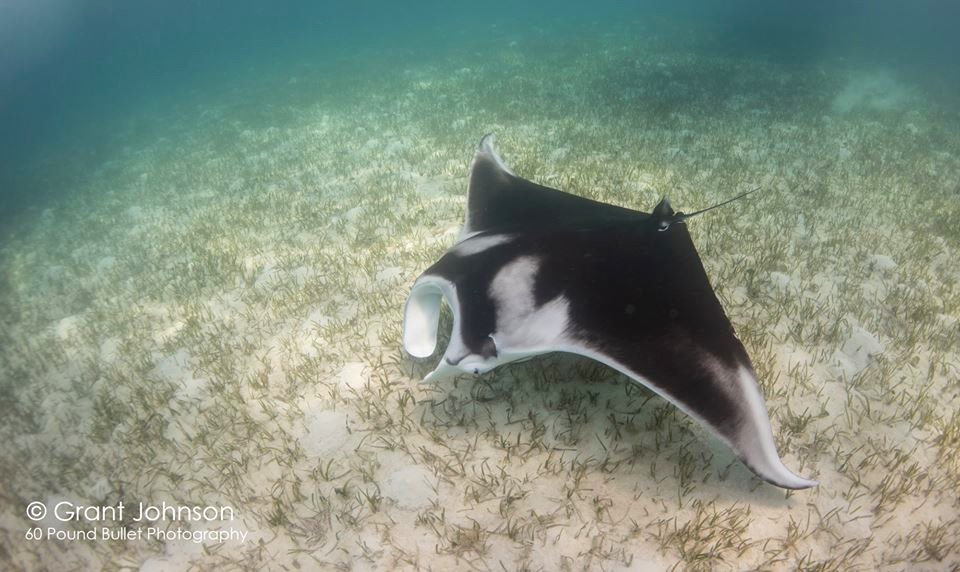
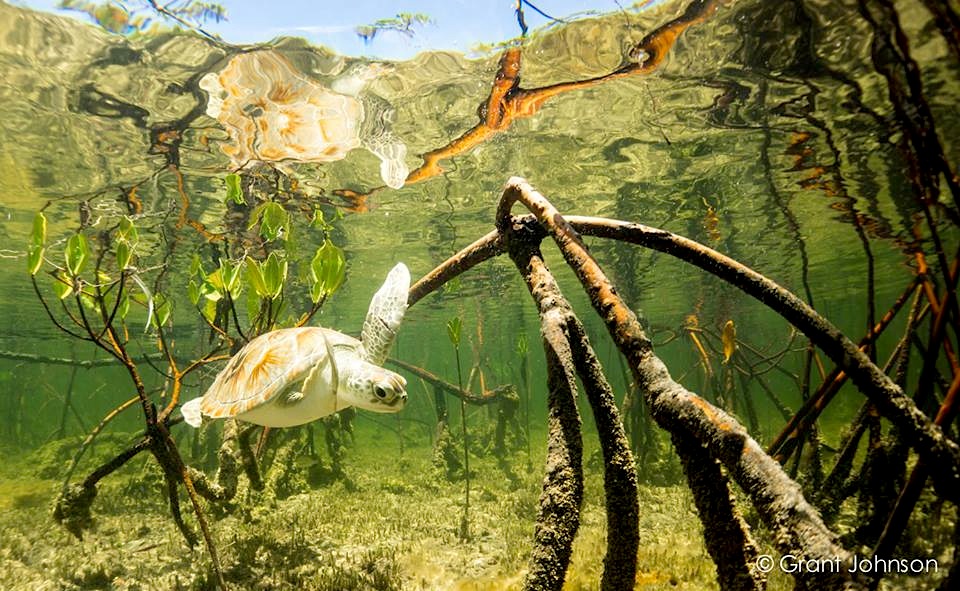
Abaco is fortunate already to have special conservation areas, both on land (e.g. the huge National Park) and at sea (e.g. Fowl Cay Marine Preserve). Other preserves are in active stages of development. Elsewhere in the Bahamas, where the natural life is equally wonderful, battles are being fought to protect pristine habitat from the encroachments of modern life such as unsuitable development (or development in unsuitable locations). For this first look at Bimini, I am most grateful to Bimini’s Marine Protected Area Campaign  for permission to use some of their wonderful photographic archive that illustrates the vital importance of the mangroves, reefs, sea grass and pristine sea to marine life large and small. It’s worth checking out the background and surrounding context of these images to see the sort of habitat the creatures depicted prefer. This post features some of the larger species.

HAMMERHEAD SHARKS

Hammerhead Shark, Bimini (Grant Johnson/ 60 Pound Bullet)Hammerhead Sharks 3 Bimini's Marine Protected Area Campaign Hammerhead Shark 2 Bimini's Marine Protected Area Campaign Hammerhead Shark 4 Bimini's Marine Protected Area Campaign

NURSE SHARK NURSERY IN THE MANGROVES

Nurse Sharks Bimini's Marine Protected Area Campaign Nurse Shark BMPAC

BOTTLENOSE DOLPHINS

Dolphin 2 Bimini's Marine Protected Area CampaignDolphin Bimini's Marine Protected Area Campaign

RAYS

A pregnant female southern stingray, seen from belowSouthern Stingray (pregnant) Bimini's Marine Protected Area CampaignRay, Bimini's Marine Protected Area Campaign Ray, Bimini's Marine Protected Area Campaign

HAWKSBILL TURTLES

Turtle in Mangroves Bimini's Marine Protected Area CampaignHawkshead Turtle 2 Bimini's Marine Protected Area Campaign

CREDITS: Bimini’s Marine Protected Area Campaign with many thanks for use permission of their material including images © Grant Jonson / 60 Pound Bullet Photography, and to all other photographers featured. Overall, cheers to Bimini, wildlife and conservation…

Unknown's avatar

RED HIND GROUPER: BAHAMAS REEF FISH (25)


Red Hind Grouper Melinda Riger @ G B Scuba copy

RED HIND GROUPER: BAHAMAS REEF FISH (25)

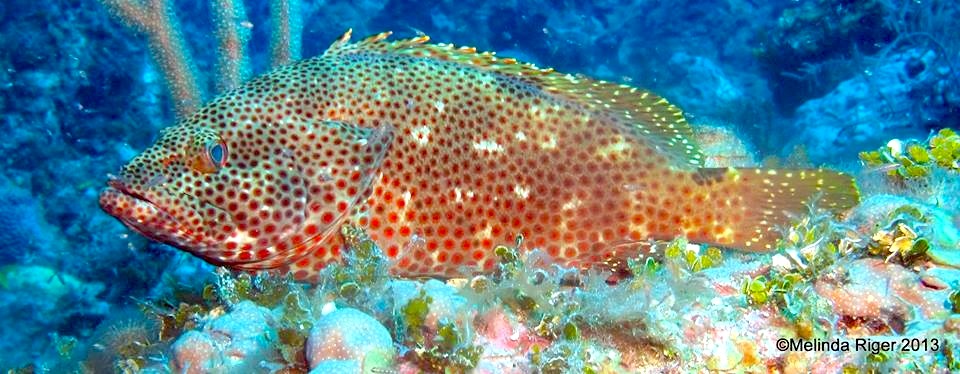
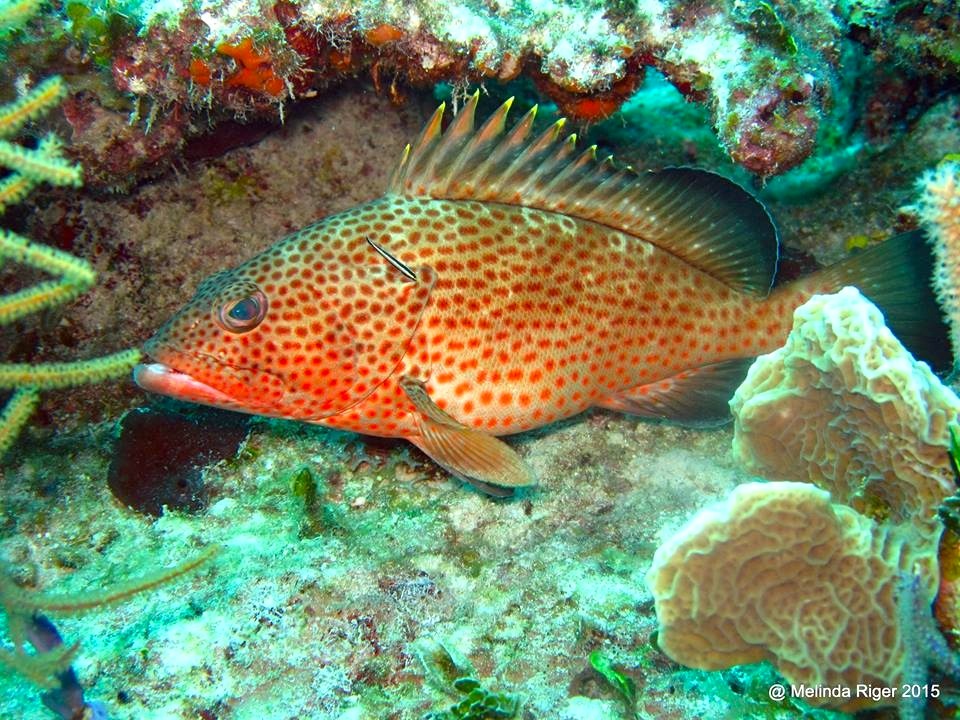
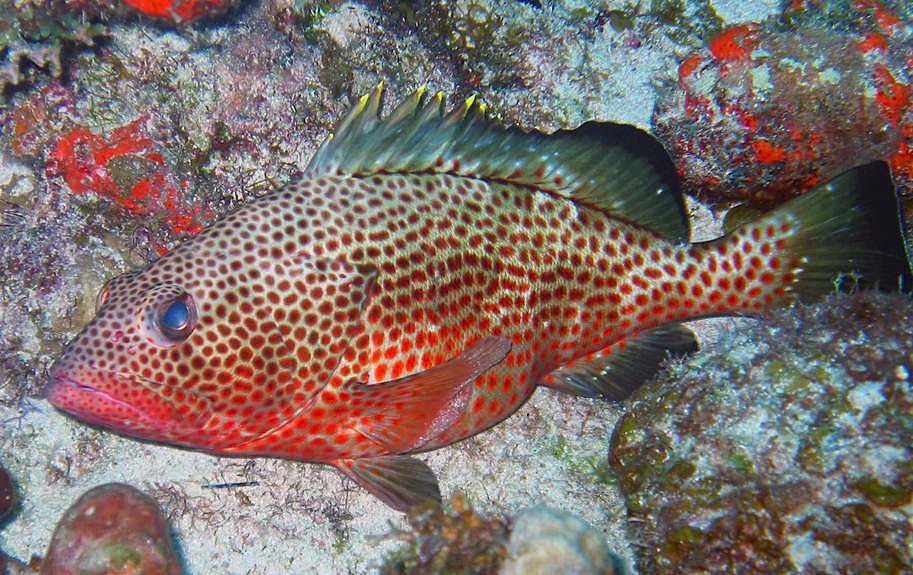
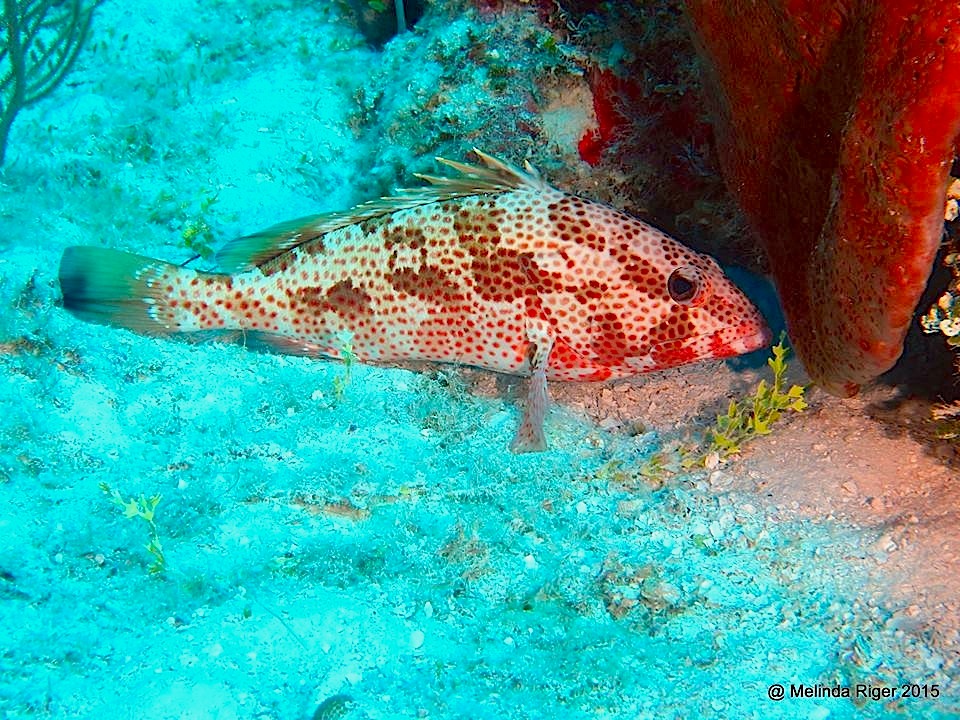
The Red Hind is one of several grouper species commonly found in  Bahamas waters. Commonly for now, anyway. There is less information available about this species compared with other groupers, but sources seem agreed that it is (a) abundant and (b) IUCN listed ‘least concern’ but (c) heavily fished and (d) delicious.

Red Hind, attended by Cleaner FishRed Hind Grouper ©Melinda Riger @ G B Scuba copy 2

Red Hind Grouper ©Melinda Riger GB Scuba copy

One problem arises from the fact that Red Hinds form spawning aggregations in particular areas, making them vulnerable to fishing exploitation in those locations, and consequent population decline. Already, some of their spawning areas are protected.

Another threat comes from the degradation of coastal habitats coupled with increasing commercial and recreational fishing.  Red Hinds are targeted with speargun, hook and line, fish traps and nets. They may also be by-catch of other fishing operations. Fortunately Marine Protected Areas such as the ones in Abaco waters provide localised protection but these are not found throughout the Red Hind’s range. Closed seasons have been imposed in a few areas, another conservation method that has recently been introduced in the Bahamas for the Nassau grouper. 

Female spawning Red Hind Grouper (Univ of Puerto Rico:NOAA)

Getting the right balance between traditional fishing for food, and stock conservation is inevitably a tricky calculation. For the Red Hind, the factors that may result in the population decline of a plentiful species are in plain sight and will continue to be monitored by the various scientific research organisations involved…

OTHER GROUPERS YOU MAY ENJOY…

NASSAU GROUPER

TIGER GROUPER

BLACK GROUPER

Red Hind Grouper ©Melinda Riger @ G B Scuba copy 3

Credits: All images Melinda Riger at Grand Bahama Scuba except (4) NOAA / Puerto Rico Univ; research from several sources, tip of the hat to SCRFA

Unknown's avatar

BOTTLENOSE DOLPHINS IN ABACO WATERS (2): MOTHER & CALF


Dolphin Mother & Calf, Sandy Point, Abaco, Bahamas 12

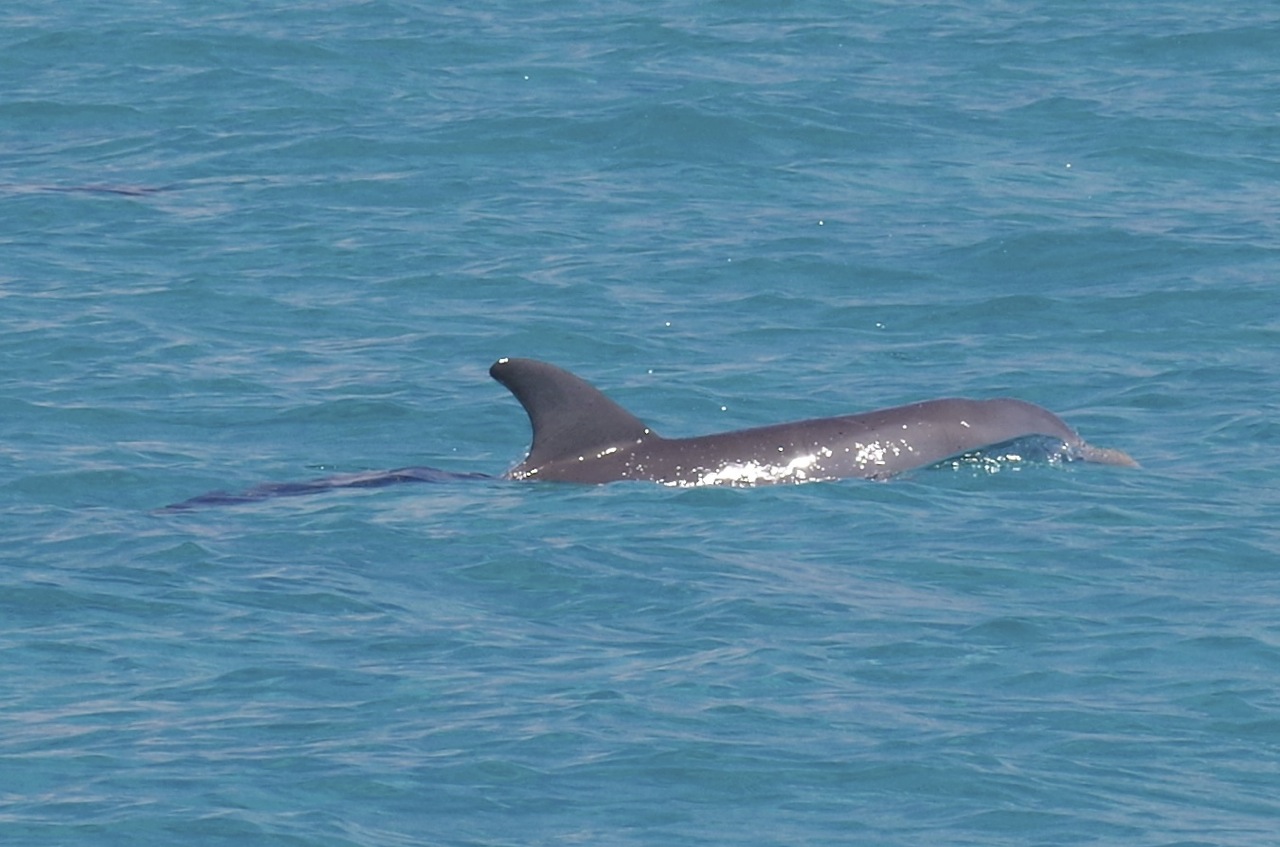
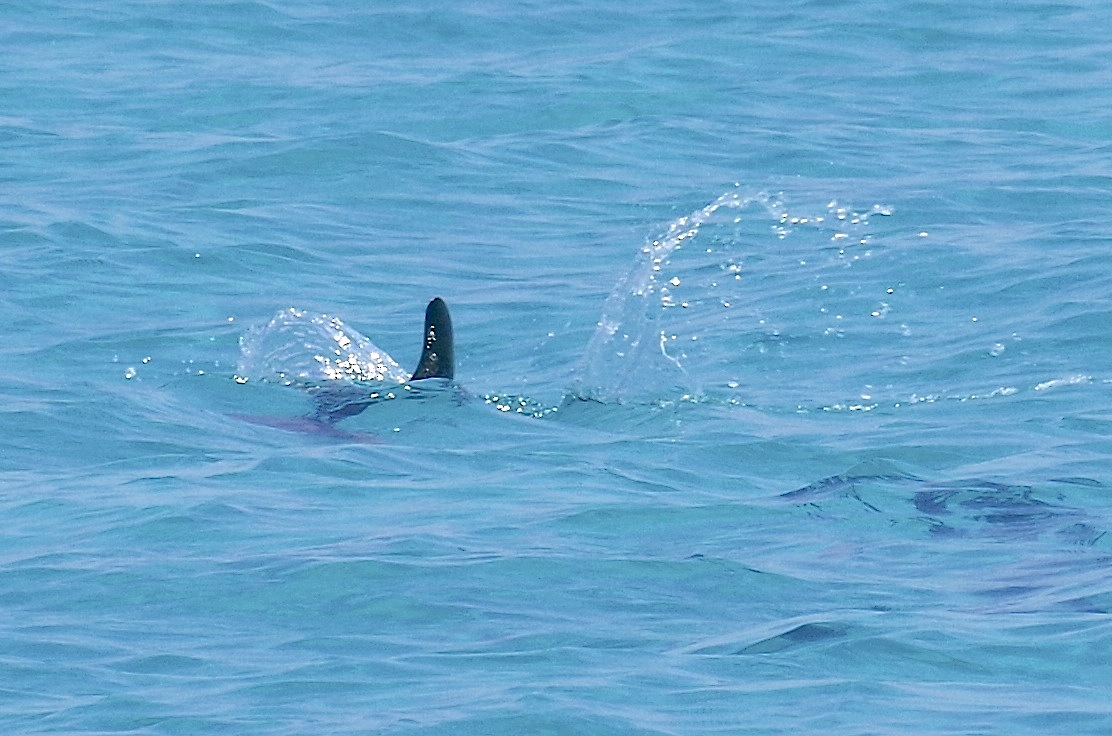
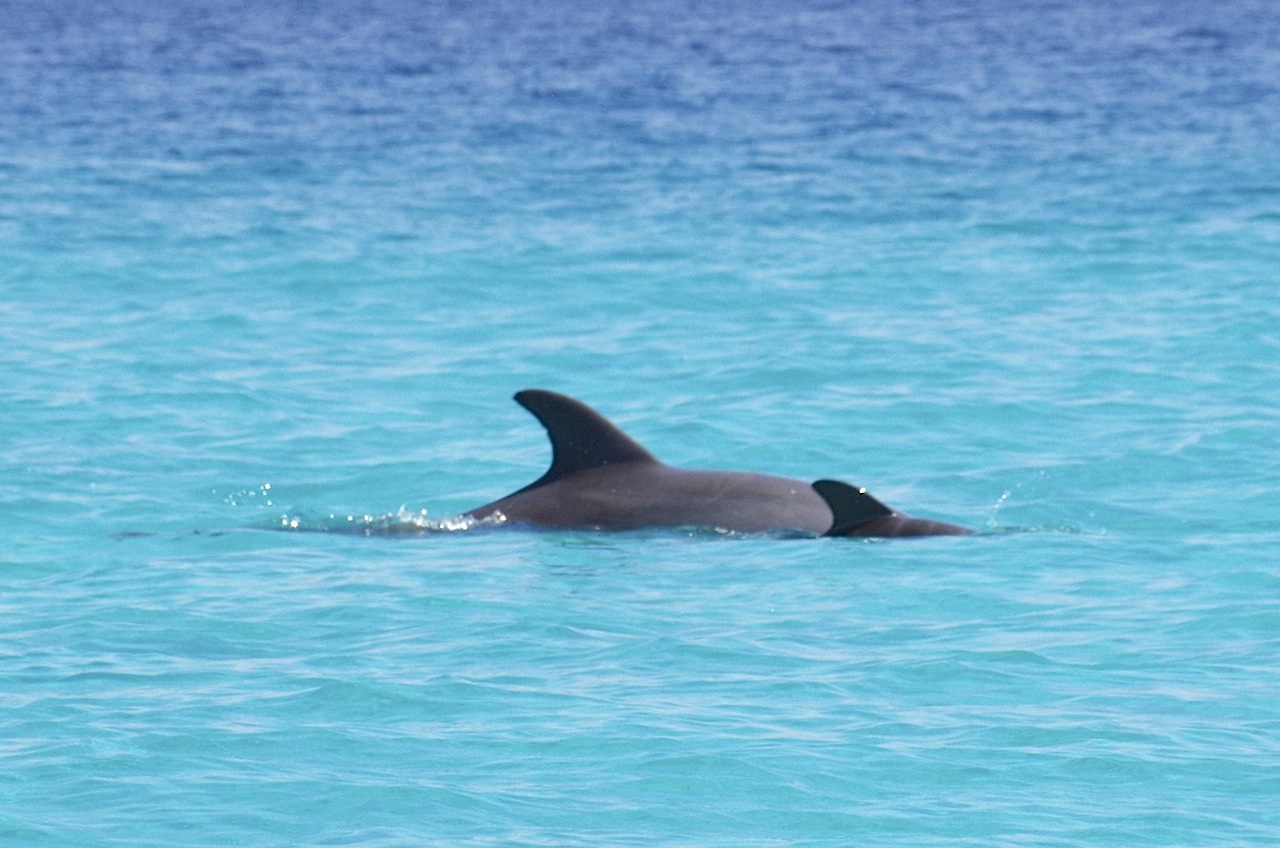
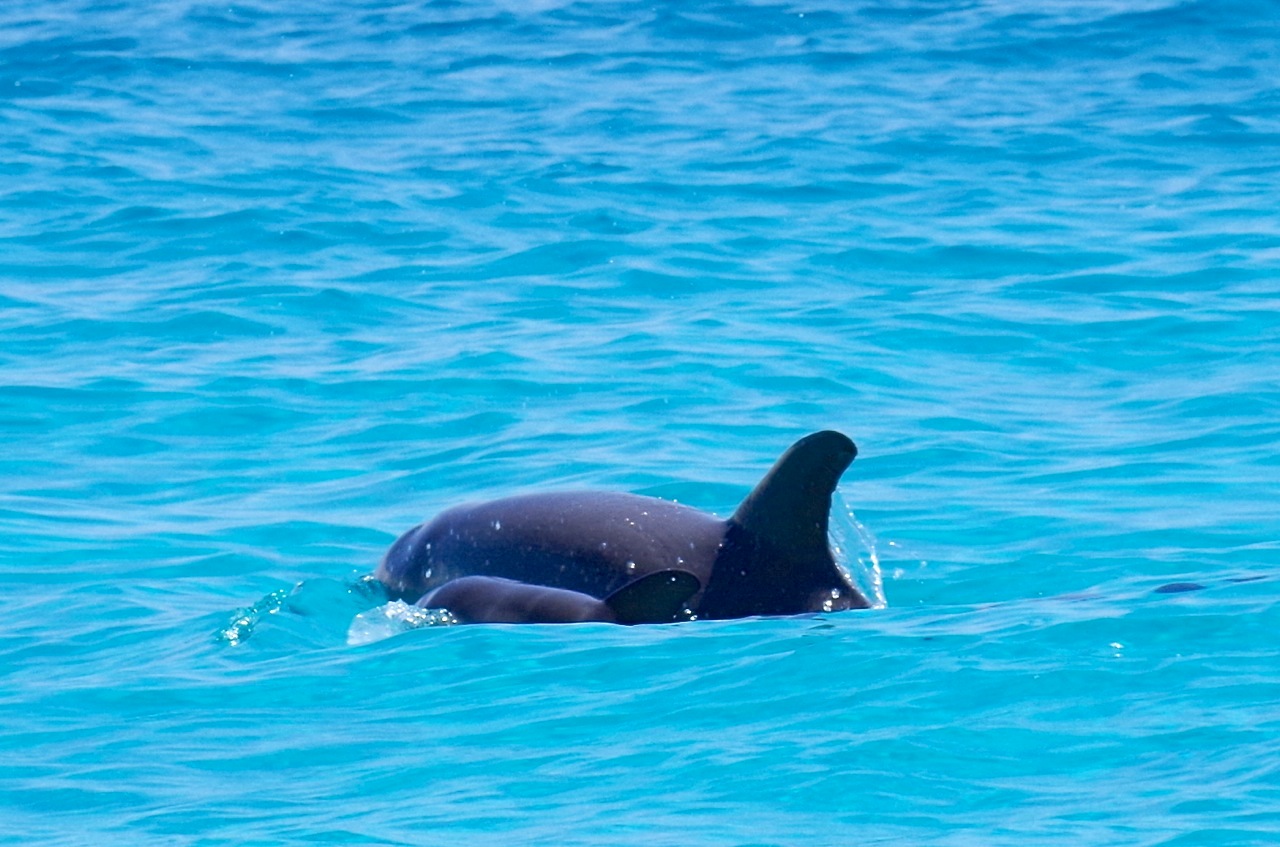
Sometimes things happen that completely take my breath away. Here is one of those moments, from our recent trip with Charlotte and Diane in the BMMRO research boat. As we returned from whale-watching to base in Sandy Point and moved from the deep dark ocean to the bright blue shallows, we encountered a group of bottlenose dolphins. You can see my recent post featuring some of the adults HERE. That was exciting enough, as they played around the boat. Then another participant appeared… 

 Notice the dark area behind the adult dolphin… Dolphin Mother & Calf, Sandy Point, Abaco, Bahamas

…which soon separated into a small dark splashing creature with its own fin cutting the waves…Dolphin Mother & Calf, Sandy Point, Abaco, Bahamas

…and next seen keeping pace with its parentDolphin Mother & Calf, Sandy Point, Abaco, Bahamas

The sharp line between the light and the dark sea is where the sandy shallows abruptly give way to the deep waters of the Grand Bahama Canyon, a massive trench up to 2.5 miles deep with almost vertical cliff walls to the depths in some places

Dolphin Mother & Calf, Sandy Point, Abaco, Bahamas

Dolphin Mother & Calf, Sandy Point, Abaco, Bahamas

There were less active and splashy moments as the pair swam around togetherDolphin Mother & Calf, Sandy Point, Abaco, BahamasDolphin Mother & Calf, Sandy Point, Abaco, Bahamas

Then it was back to doing what they like best…Dolphin Mother & Calf, Sandy Point, Abaco, BahamasDolphin Mother & Calf, Sandy Point, Abaco, Bahamas

Then some more restful moments…Dolphin Mother & Calf, Sandy Point, Abaco, Bahamas Dolphin Mother & Calf, Sandy Point, Abaco, Bahamas

And finally the pair moved away. On the far horizon, the Massive Mickey Mouse Cruise ship moored at ‘Disney’s Castaway Cay’ (formerly the sober-sounding Gorda Cay), where you can be a Pirate of the Caribbean. Or anyway a very happy Tourist. The choice is yours. Would you like fries with that?Dolphin Mother & Calf, Sandy Point, Abaco, Bahamas

And looking out to sea from the cheerful place that is Castaway Cay, I wonder if a small child was wondering “Ok, love Mickey and his Friends – but I’d also really love to see a wild dolphin swimming free… 

Disney Magic docked next to the Castaway Cay Family Beach copy

All photos RH (except Castaway, Wiki). Huge thanks to Charlotte, Diane and Bahamas Marine Mammal Research Organisation BMMRO for a truly wonderful day photo 2

bmmro_logo

Unknown's avatar

BAHAMAS MANATEES: GINA’S GOOD NEWS FOR 2015


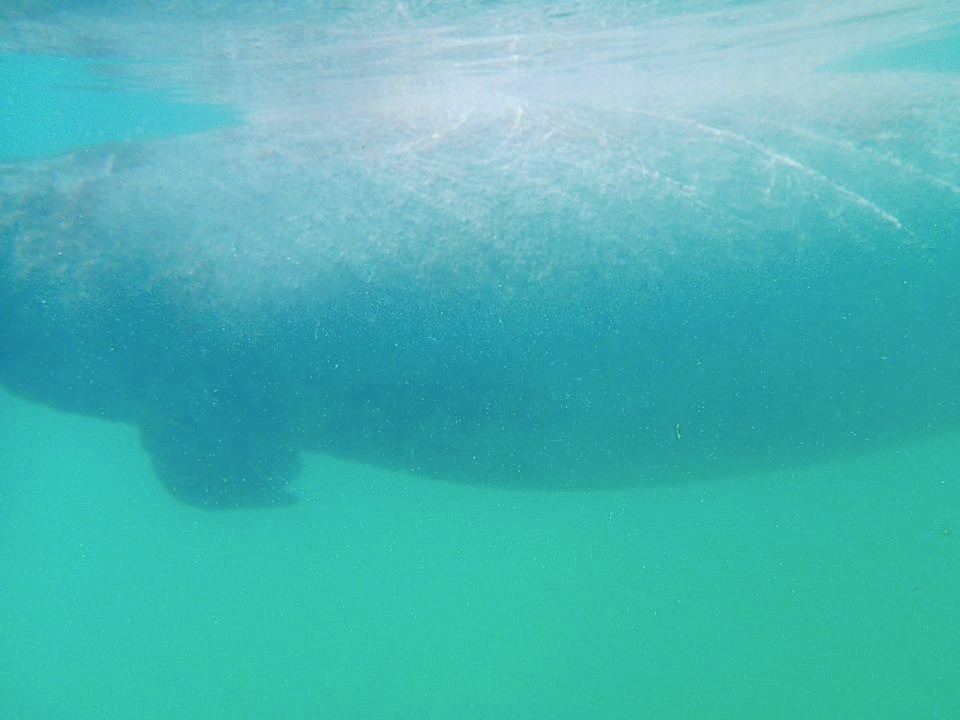
Tm_Gina&JJWest Indian Manatee mother & calf, Bahamas - Gina & JJ

Manatee Gina with her weaned calf JJ

BAHAMAS MANATEES: GINA’S GOOD NEWS FOR 2015

Last year held hopes of a joyous reunion – and indeed union – in Abaco waters between young manatees Randy and Georgie. He had taken the trip from the Berry Is., around the top of Abaco and down the east coast as far at Little Harbour. She lives in Cherokee. Tantalisingly close. But then Randy retraced his steps as far as Gorda Cay and hopes for the production of Abaco’s first manatee calf (at least, in living / recorded memory) turned to seagrass mulch. The poignant story and some great manatee close-up photos (including a ‘selfie’ of sorts on a Go-Pro) can be found HERE

West Indian Manatee mother & calf, Bahamas - Gina & JJ - weaning

But manatees do breed elsewhere in the Bahamas, in particular the Berry Is. They also seem to favour the north end of Eleuthera, and have been seen on Andros and NP. True, the absence of significant freshwater sources in the Bahamas – an essential part of their diet –  doesn’t make for an ideal habitat, but manatees do pair off and Bahamas calves are born. In summer 2012, there were four resident West Indian Manatees (Trichechus manatus) living in Great Harbour Cay, Berry Is. The adult female, Gina, had been there for 3 years – she originated from Florida. She had reportedly had 3 or 4 calves and was caring for her latest, a female calf called JJ, born in the late winter of 2011.

Adult female manatees are sexually mature at 6-10 years of age and have a gestation period of up to 13 months. The first two years of a calf’s life is spent with its mother. During this time they are taught where to find food, fresh water, warmth and shelter. Generally, after two years the calf is weaned and separates from its mother (see header image of Gina and JJ during that process)

 Nursing a growing JJ West Indian Manatee mother & calf, Bahamas - Gina & JJ - nursing

Now there is more good news for Gina, who has been under regular observation by the BMMRO. At the turn of the year, Gina was re-tagged in Harbour Island, Eleuthera. As reported,  “she looks well, was very calm and is very pregnant… If the tag comes off and is found, please call the number on the tag to let us know – we are now monitoring her movements via the internet”.

Gina’s shows her best sideGina the Manatee 1

Coming atcher…Gina the Manatee 3

Tell-tale signs (to experts, anyway) of advanced pregnancyGina the Manatee 2

I will post any further news about Gina as it arises. Meanwhile, for more information about West Indian manatees, you can visit the MANATEE PAGE. There are several links there to specific manatee stories, especially about Rita and her adventurous daughter GEORGIE, Abaco’s current favourite (indeed, only) resident manatee… Both Links need an update, I notice –  they don’t cover Georgie’s subsequent return to Abaco and her contented settling down again in Cherokee where she seems happy as a… sirenian.

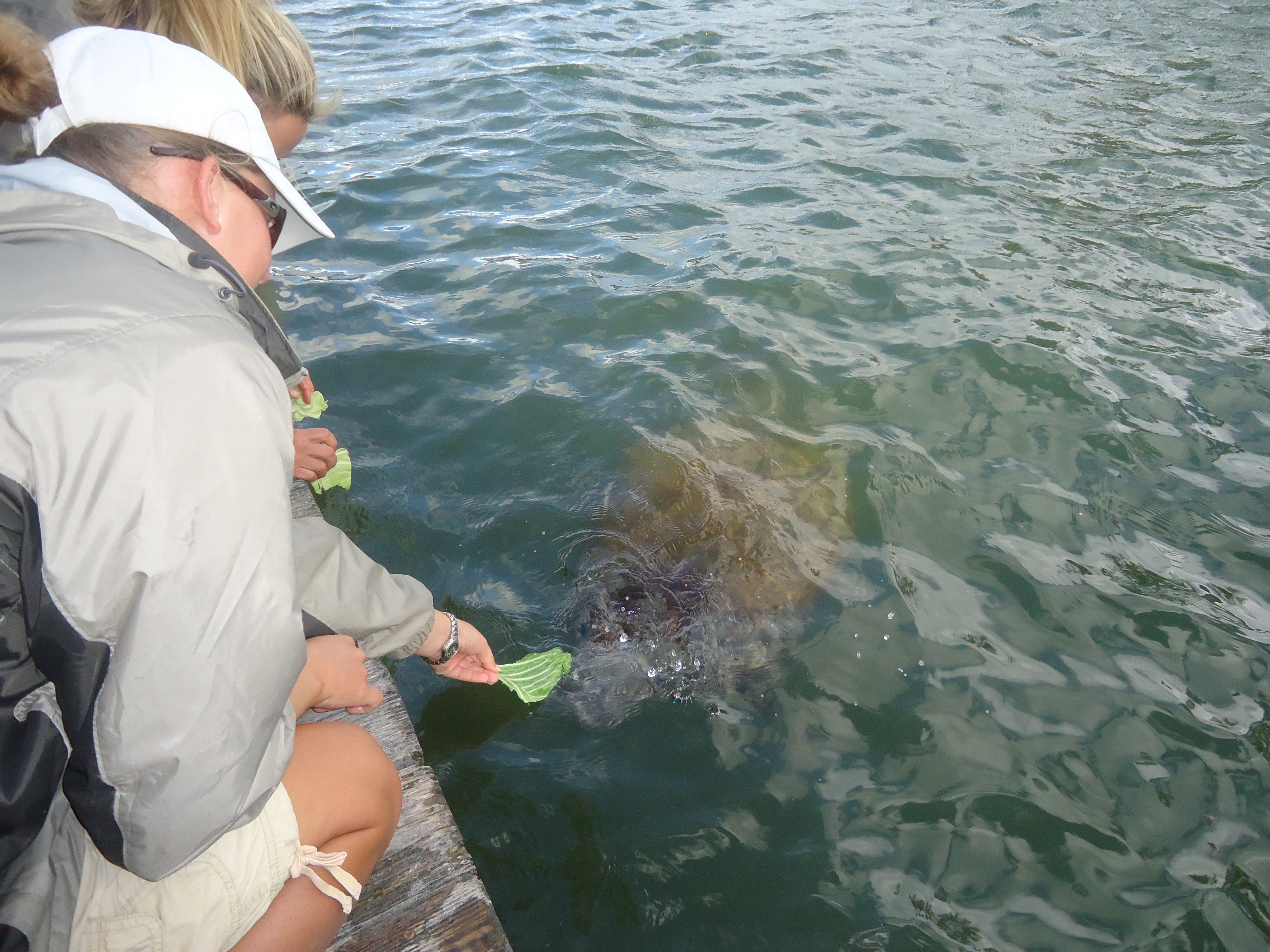
Dana & Trish greeting Georgie Manatee

Credits: All photos and primary fount of Bahamas manatee knowledge: BMMRO; Magpie Pickings

mantsw~1

Unknown's avatar

ABACO’S FOUR PROTECTED AREAS: THE PROPOSALS


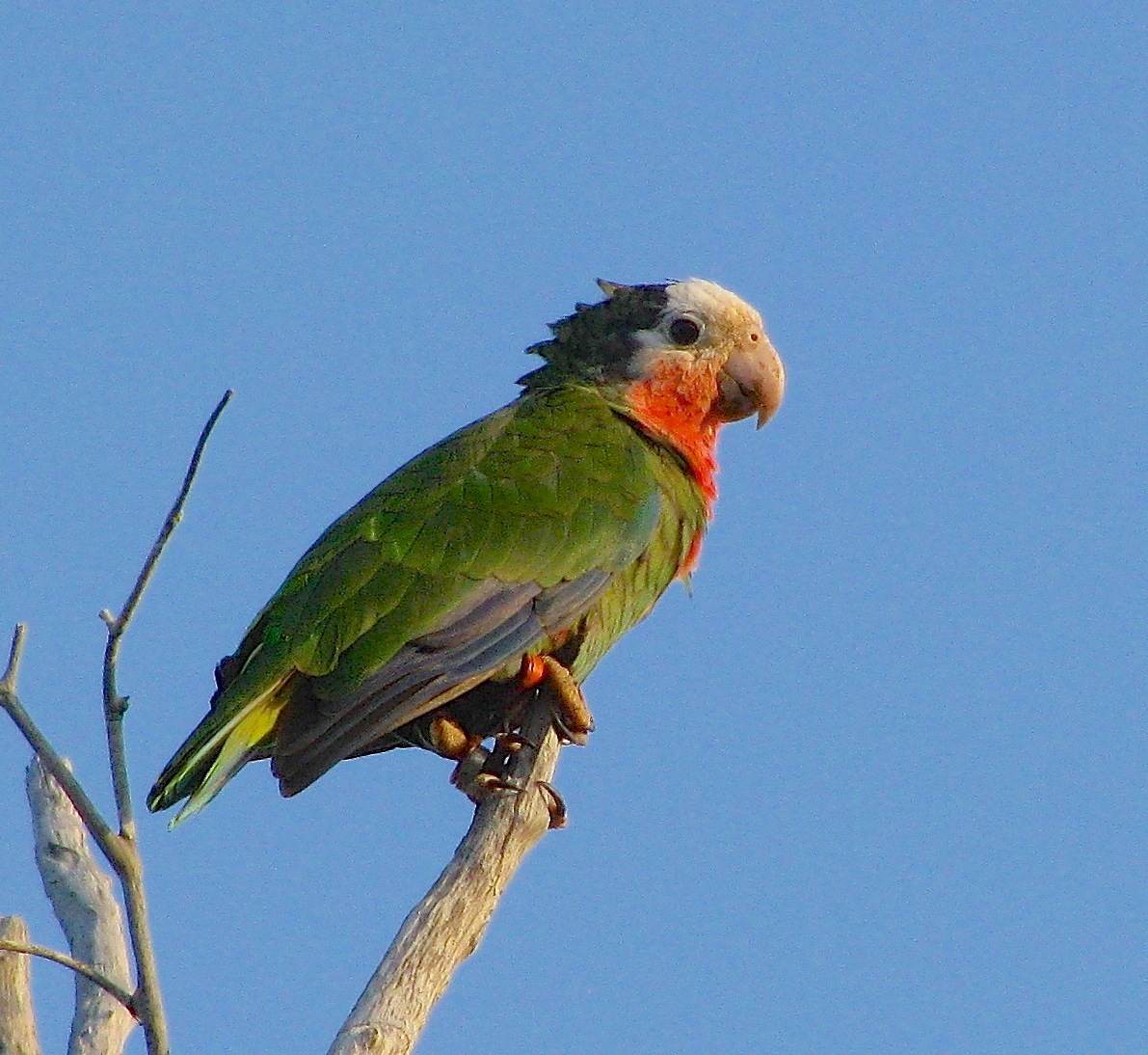
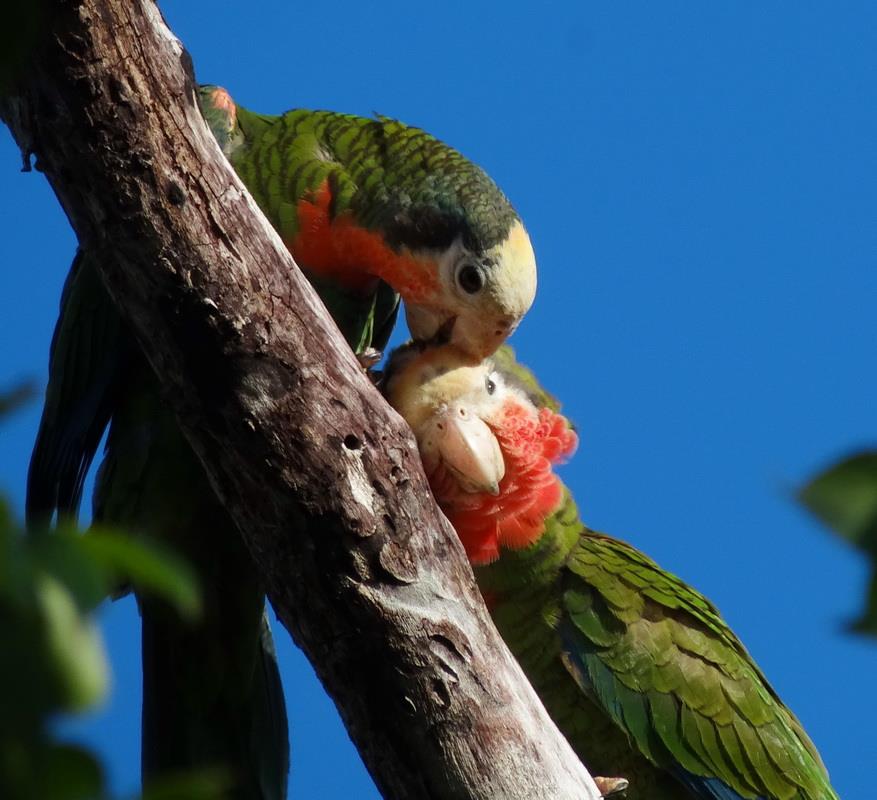
ABACO (CUBAN) PARROT (Caroline Stahala)

ABACO’S FOUR PROTECTED AREAS: THE PROPOSALS

The latest version of the 40TH ANNIVERSARY OF THE BAHAMAS PROPOSAL FOR THE EXPANSION OF THE PROTECTED AREA SYSTEM OF THE COMMONWEALTH OF THE BAHAMAS has been published. It is a joint proposal by the Bahamas Government, The Nature Conservancy and the Bahamas National Trust. The breadth of the scheme is very ambitious, affecting all the principal Bahama Islands. To understand the objectives and scope of the project, you can see the whole 34-page project by clicking BAHAMAS PROPOSED PROTECTED AREAS 2014 It is in pdf format, so you should be able to save it if you wish to.

Many people will be familiar with the proposals as they affect Abaco. However since the latest version appears to be a final draft, I thought it might be helpful to show the 4 proposed areas of protection and conservation in their present form. These are, in summary:

  1. THE ABACO MARLS NATIONAL RESERVE A vast area of nearly 200,000 acres (300 square miles) of mangrove flats, sandbanks, creeks and wetland habitat
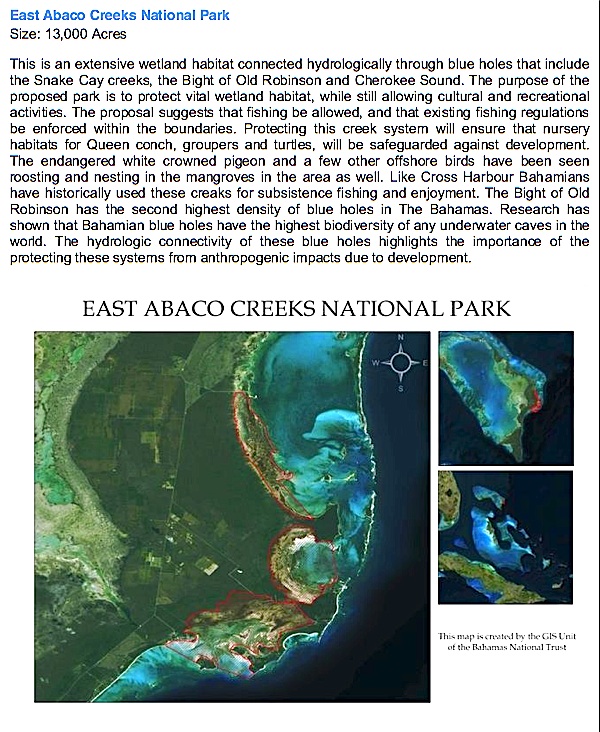
  2. EAST ABACO CREEKS NATIONAL PARK 13,000 acres (20 square miles) of wetland habitat that provides a vital wildlife nursery, and includes blue holes, creeks and a significant area for recreational activities (though Pete’s Pub at Little Harbour may be just outside the zone…)
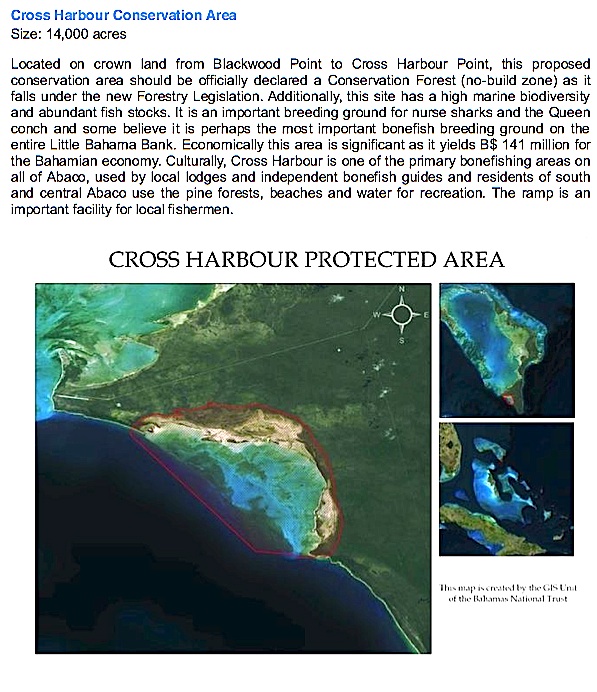
  3. CROSS HARBOUR PROTECTED AREA 14,000 acres (21 square miles) in South West Abaco, a crucial breeding area for a number of species,including bonefish
  4. SOUTH ABACO BLUE HOLES CONSERVATION AREA  A huge 34,000 acre (53 square miles) swathe of South Abaco to the west of the E D Highway, incorporating 4 inland blue holes and important cave systems, and 13 offshore blue holes. This is an area of mainly pine forest on land and low waters at sea, with an anticipated value for eco-tourism

Here are the BNT maps showing the extent of each area. Far more information will be found via the link to the report given above. 

THE ABACO PROPOSALS

Abaco Preserves 1 copy

Abaco Preserves 2 copyjpg Abaco Preserves 3 copyjpg Abaco Preserves 4 copyjpg

Credits: Parrot, (ex-)parrot protector Caroline Stahala; Maps, BNT; acres to sq m conversion, Gizmo!

Unknown's avatar

FLAMINGO TONGUE SNAILS: ALL YOU NEED TO KNOW


Cyphoma_gibbosum Clark Anderson - Aquaimages

FLAMINGO TONGUE SNAILS: ALL YOU NEED TO KNOW

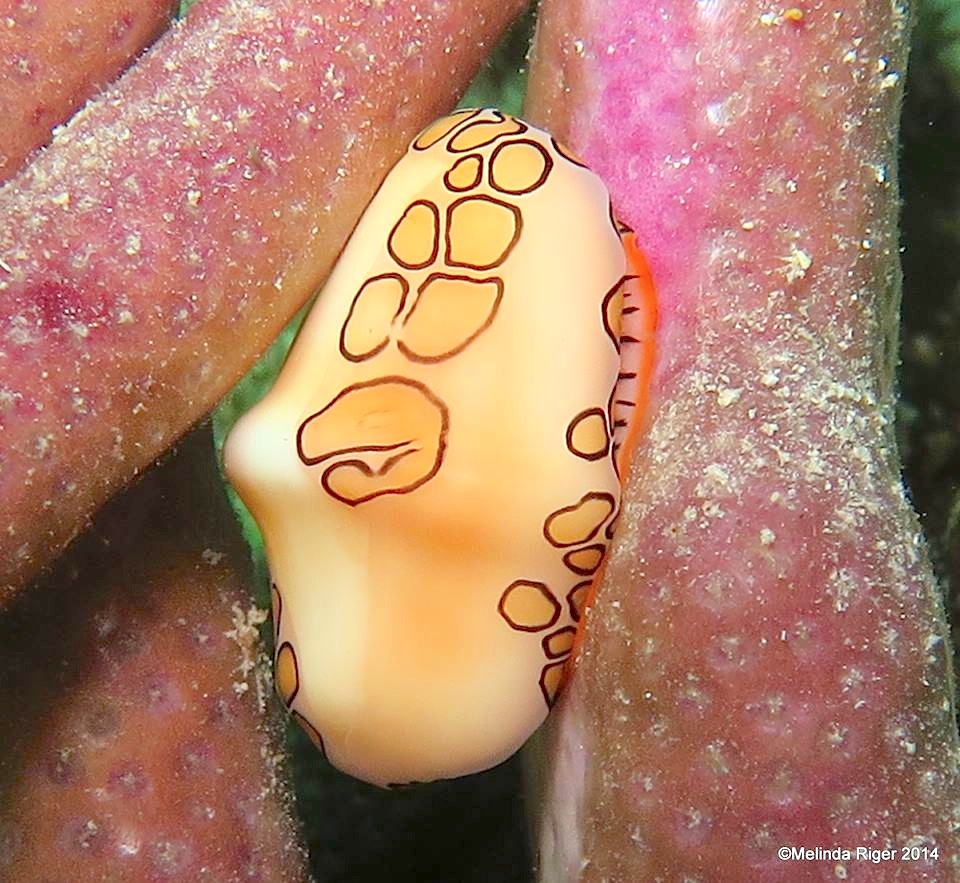
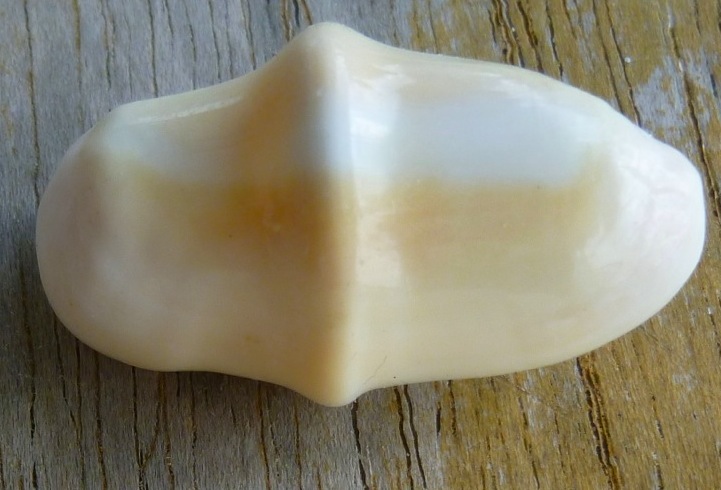
I wrote about FLAMINGO TONGUE SNAILS Cyphoma gibbous more than two years ago. They have not changed noticeably since then but this site has – in scope, available material and audience. So I am revisiting these small marine gastropod molluscs, which are related to cowries. The live animal is brightly coloured and strikingly patterned, but that colour only exists in the ‘live’ parts – the ‘mantle’. The shell itself is usually pale and characterised by  a thick ridge round the middle. These snails live in the tropical waters of the Caribbean and the wider western Atlantic. Whether alive or dead, they are gratifyingly easy to identify.

FLAMINGO TONGUE SNAIL ON A PURPLE ROPE SPONGEFlamingo Tongue on purple rope sponge ©Melinda Riger @ GB Scuba copy

FEEDING ON A CORAL STEM

This snail is snacking on a coral stem, leaving a feeding track behind it. The structural shell ridge is clearly visible beneath the distinctively marked live tissue of these creatures.

Flamingo Tongue LASZLO ILYES Cyphoma_gibbosum_(living)_2

The flamingo tongue feeds by browsing on soft corals. Adult females attach eggs to coral which they have recently fed upon. About 10 days later, the larvae hatch. They eventually settle onto other gorgonian corals such as Sea Fans. Juveniles tend to live on the underside of coral branches, while adults are far more visible and mobile. Where the snail leaves a feeding scar, the corals can regrow the polyps, and therefore the snail’s feeding preference is generally not harmful to the coral.

Flamingo_Tongue_Snail_on_Soft_Coral_LASZLO ILYES

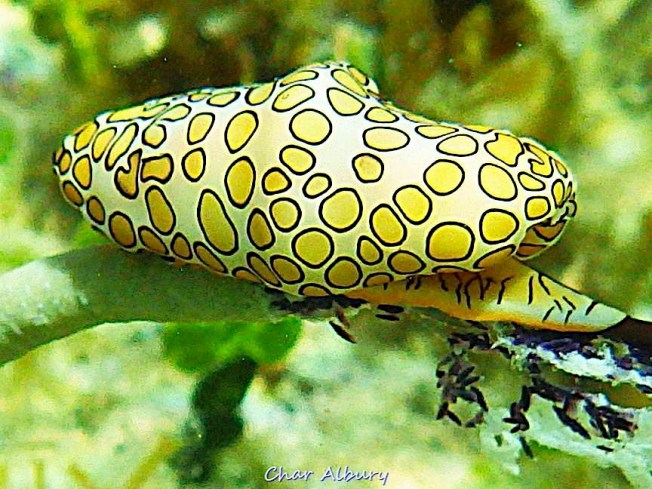
The principal purpose of the mantle of  tissue over the shell is as the creature’s breathing apparatus.  The tissue absorbs oxygen and releases carbon dioxide. As I have seen it described (unkindly?) “it’s basically their lungs, stretched out over their rather boring-looking shell”. 

Flamingo Tongue, Abaco (Char Albury)

This snail species, once common, is becoming rarer. The natural predators include Hogfish, Pufferfish and Spiny Lobsters, though the spotted mantle provides some defence by being rather unpalatable. Gorgonian corals contain natural toxins and instead of secreting these, the snail stores them. This supplements the defence provided by its APOSEMATIC COLORATION, the vivid colour and /or pattern warning sign to predators found in many species.

It comes as little surprise to learn that man is now considered to be the greatest menace to these little  creatures, and the reason for their significant decline in numbers. The threat comes from snorkelers and divers who mistakenly / ignorantly think that the colour of the mantle is the shell of the animal, collect up a whole bunch from the reef, and in due course are left with… “boring-looking shells” (see photos below). Don’t be a collector; be a protector…
Flamingo Tongue, Abaco (Char Albury)

These photos are of flamingo tongue shells from the Delphi Club Collection. Until I read the ‘boring-looking shell’ comment, I believed everyone thought they were rather lovely… I did, anyway. You decide!

Flamingo Tongue Snail Shell, Keith Salvesen AbacoFlamingo Tongue Snail Shell, Keith Salvesen AbacoFlamingo Tongue Snail Shell, Keith Salvesen Abaco

Finally, a couple of videos. The first is rather charmingly titled ‘FLAMINGO TONGUES DOING…. SOMETHING’. Any (printable but amusing) suggestions via the Comment box are welcome. The second punchily summarises this post in 30 seconds. Maybe that’s all that was needed!

Image Credits: Clark Anderson, Melinda Riger, Laszlo Ilyes, Charmaine Albury, RH

Doh! Reading through this after posting I can’t remove from my mind the likeness of Homer Simpson on the snail in Melinda’s photo (2). I had to  check it out and… it’s uncanny!

Homer Simpson Flamingo Tongue copy images

Unknown's avatar

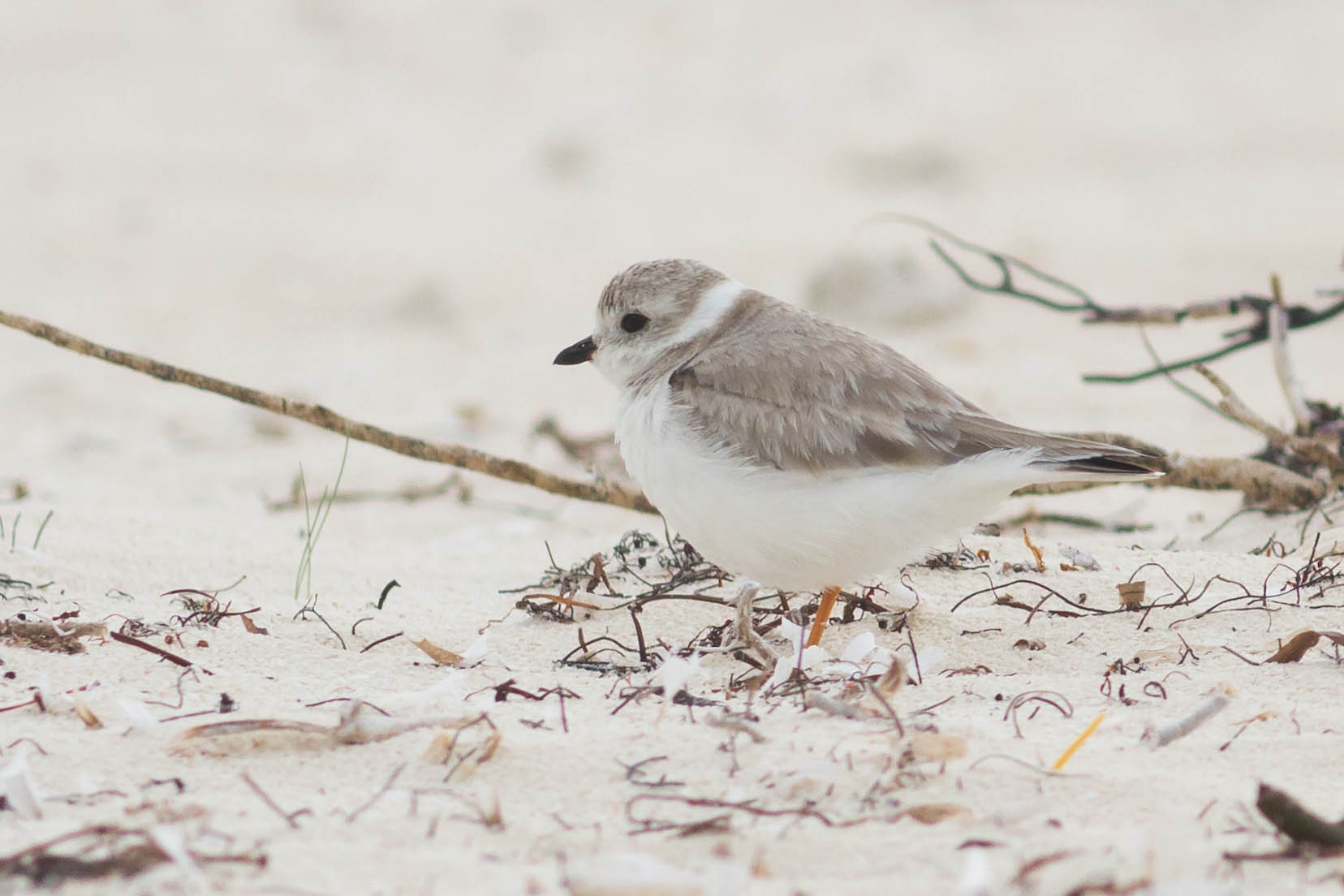
“50 WAYS TO PLEASE YOUR PLOVER”: PIPING PLOVERS ON ABACO (2)


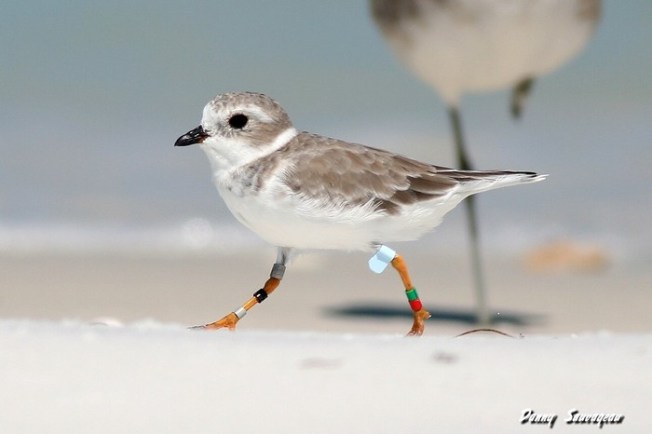
Piping Plover - Danny Sauvageau

 “50 WAYS TO PLEASE YOUR PLOVER”: PIPING PLOVERS ON ABACO (2)

There must be 50 ways at least, most of them amounting to leaving Piping Plovers alone and respecting their habitat. So, in many cases simply NOT doing things . Refraining from driving your  SUV around on the beaches exactly where they are resting (with other shorebirds) during migration (yes, this very scenario is captured on film). Discouraging your canine friends from investigating their scrapes, eggs and chicks. Not building a concrete block on their favourite beach. Avoiding dumping quantities of oil in their vicinity. That kind of thing. Make a new plan, Stan! Watch where you drive, Clive! Find a new place, Grace! Safeguard your oil, Doyle! And leave the birds free…

Piping Plover - Danny Sauvageau

MIGRATION & CONSERVATION I’m returning to Piping Plovers at a time when concerns for their diminished population has led to intensive research and protection programs at both ends of their migration routes. For a long time, their winter destination was a mystery. Recent investigations have helped to pinpoint the wintering grounds, which include Abaco. Ringing programs in the summer breeding areas mean that birds can be identified in winter and traced back to their origin. So if you are out and about and see one of these little guys – let’s say, on the beach at Casuarina – and you happen to have a camera with you, can I repeat the request to please take a photo, if possible showing the leg bling, and let one of the island birders (or me) know…

You can see how the PIPLs live through the seasons and their migrations in an excellent Audubon interactive presentation I have featured previously entitled “Beating the Odds: A Year in the Life of a Piping Plover”. CLICK BEATING THE ODDS

Piping Plover - Danny Sauvageau

PIPL ON ABACO I shared this wonderful video from the reliably excellent CONCH SALAD TV on my FB page, but it’s such a great 15 minutes worth of Piping Plover information that I am including it in this post, not least because many of the the subscribers are different. The Bahamas in general and Abaco in particular are favoured by these delightful but rare and vulnerable birds for their winter habitat (sensible creatures). If you can spare 15 minutes and are interested in the importance of Abaco as a vital component in the conservation of migratory birds, do watch the video. Presenters include Todd Pover and Stephanie Egger of CONSERVE WILDLIFE NEW JERSEY, David Knowles of the BNT and Olivia Patterson of FOTE (Friends of the Environment, Abaco). One of the most heartening features is to see the responses of  the young children who were encouraged to participate in the project, and who take to it with huge enthusiasm.  

Piping Plover - Danny Sauvageau

A while back, well-known and much missed Abaco naturalist Ricky Johnson made his own Piping Plover film incorporating his own trademark style and sense of humour. My original post about it can be seen HERE, but far better to go straight to Ricky’s video. It’s good to recall his infectious enthusiasm for the wildlife of Abaco. Impossible to watch without smiling…

Piping Plover - Danny Sauvageau

Piping Plover - Danny Sauvageau

The PIPL in this post all have two things in common. The wonderful photos are all taken by Danny Sauvageau; and all of the birds are differently ringed, reflecting their various summer habitats. So this brings me to Danny’s Kickstarter project “Saving Endangered Piping Plovers through Photography”. He has put together a superb presentation explaining his project, and how his photography in prime PIPL resting areas during their migrations back and forth can help to map and complete the picture of this vulnerable species to enable their protection.

You can reach Danny’s film by clicking the link DANNY’S FILM (there’s no obligation to go further and contribute) and you will see some fabulous footage of these little birds scuttling around on the beach, looking enchanting; and the commentary will explain the importance of the the birds and the research into their conservation.

RELATED POSTS

RARE GEMS: PIPL ON ABACO 1

“GIVE PEEPS A CHANCE ” (I know, I know…)

Credits: All photos, Danny Sauvageau; Videos – Audbon, Conch Salad TV, Ricky Johnson, Danny Sauvageau; Tip of the Hat, Paul Simon

Piping-Plover Artmagenta          Piping-Plover Artmagenta          Piping-Plover Artmagenta          Piping-Plover Artmagenta          Piping-Plover Artmagenta          Piping-Plover Artmagenta

Unknown's avatar

RARE GEMS: PIPING PLOVERS ON ABACO (1)


Piping Plover (non-breeding), Abaco (Bruce Hallett)

Piping-Plover Artmagenta  RARE GEMS: PIPING PLOVERS ON ABACO (1) Piping-Plover Artmagenta

8000 

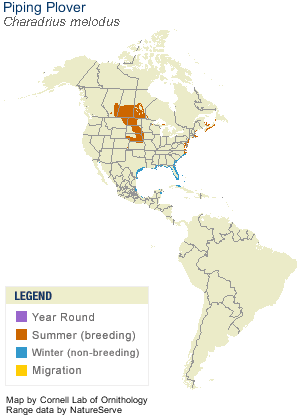
That’s the total number of all the piping plovers (Charadrius melodus) left in the world. Like many other rare and vulnerable species (e.g. the Kirtland’s Warbler), the habitat at both ends of their migration routes is under threat. And, as with the Kirtland’s, vigorous conservation campaigns are underway. Problems such as habitat loss at one end are bad enough – if at both ends, population decline is a certainty and extinction looms. The summer breeding range of PIPLs takes in Canada, central US and the eastern seaboard. In winter they join the mass migration of other birds south to warmer climes. Abaco is lucky enough to receive these little winter visitors; and at Delphi we are fortunate that every year some choose the beach for their winter retreat.

char_melo_AllAm_map

Piping Plover, Abaco (Tony Hepburn)

This is the first of a planned Piping Plover series that I have been working on. The reason for beginning now is because the autumn migrations are starting, and before long a few of this precious species will be on a beach near you on Abaco. Many of them will be ringed as part of the ongoing conservation projects. One of the best ways to monitor success is to follow the migratory lives of these birds; and this can very easily be done by taking photographs of a piping plover that show its rings. The number and colours of the rings on each leg tell the conservationists a great deal about an individual bird. Here is a photo by Don Freiday that shows what to look out for – these 4 items of plover-bling are an integral part of the preservation efforts for this species.

PIPLfledge_banded_Meb_DF

The Audubon Society has produced a wonderful interactive demonstration of the PIPL’s year-round life  that can be found at BEATING THE ODDS. For anyone interested in these fascinating little birds, I highly recommend a click on the link. Some clips are shown below.

A good example of one of the organisations involved in the conservation of PIPLs is CONSERVE WILDLIFE NEW JERSEY, of which Todd Pover and Stephanie Egger are also directly involved on both Abaco and with the CAPE ELEUTHERA INSTITUTE.

With due acknowledgement to Audubon, here are a couple of outstanding photos by Shawn Carey from the site; and below them, details of the range of the Piping Plovers and their 4000-odd mile two-way trip made in the course of each year.

TWO LEGS                                                                SIX LEGS

ShawnCarey[3] ShawnCarey.crop[1}

SUMMER                                                                      FALL

PIPL range Summer jpgPIPL range Fall jpg

WINTER                                                                         SPRING

PIPL range Winter jpgPIPL range Spring jpg

THE PIPING OF THE PLOVER Originator Lang Elliot, as featured by Audubon, eNature, Birdwatchers Digest etc

That’s enough to begin with. I will return to PIPLs soon, with more photos, information and links. Meanwhile, here is a great 4-minute video from Plymouth Beach MA. And if you see a Piping Plover on Abaco this autumn and are not part of the ‘bird count community’, please let me know the location; if you can, describe the rings – how many, which legs, what colour; if possible, photograph the bird (and – a big ask – try to include the legs). Whether ringed or not, all data is invaluable and I’ll pass it on.

 Migration ProductionsMigration Productions

Piping Plover Chick (Beaun -Wiki)

Credits with thanks: Bruce Hallett, Cornell Lab, Tony Hepburn, Don Freiday, Shawn Carey, Audubon, Beaun/wiki, Lang Elliott (audio) Migration Productions (video), Artmagenta (mini drawings)

Piping-Plover Artmagenta          Piping-Plover Artmagenta          Piping-Plover Artmagenta          Piping-Plover Artmagenta          Piping-Plover Artmagenta          Piping-Plover Artmagenta

Unknown's avatar

ABACO’S ENDEMIC BIRDS: MAKING A CASE FOR PROTECTION


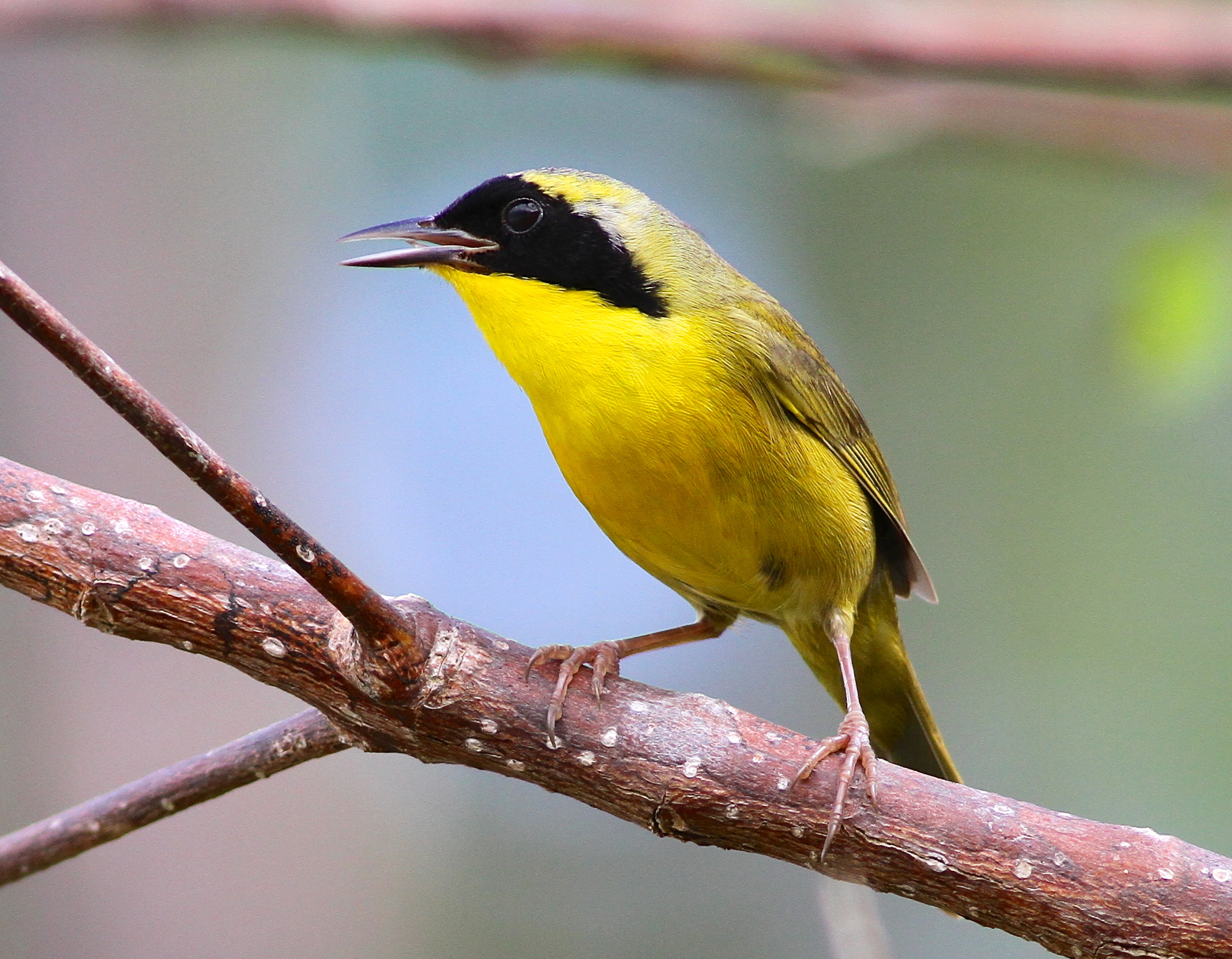
Bahama Yellowthroat on Abaco - Tom Reed

Bahama Yellowthroat on Abaco – Tom Reed

 ABACO’S ENDEMIC BIRDS: MAKING A CASE FOR PROTECTION

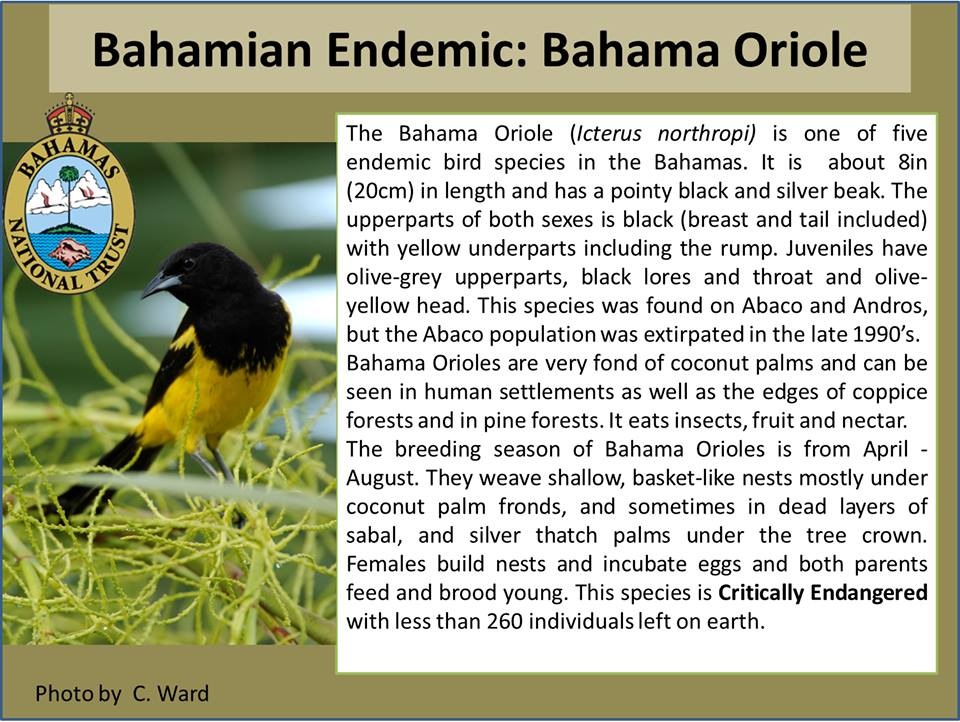
I recently wrote a post showcasing the 4 Bahamas endemic bird species found on Abaco: swallow, warbler, woodstar hummingbird, and yellowthroat. You can read it and see some great photos HERE. Sadly, the magnificent oriole, extant on Abaco for centuries, was extirpated in the 1990s. You can still see them but only on Andros; and the population there is barely sustainable – there are only 260 remaining. Still, on Abaco there remain four of the endemic species to conserve and care for.

The Bahamas National Trust BNT has produced 6 brief but informative illustrated ‘cards’ about the Bahamas endemics. They deserve a wide audience, especially in view of the threats to some species for reasons that include habitat loss and increasing development. New Providence lost its subspecies of Bahama Yellowthroat within the last 20 years. Let’s hope that Abaco can hold onto its speciality birds for the future. 

IMG_1613IMG_1618IMG_1801IMG_1617IMG_1713IMG_1707

Unknown's avatar

THE UNIQUE ABACO PARROT: ITS PAST, PRESENT & FUTURE


APB 1

THE UNIQUE ABACO PARROT: ITS PAST, PRESENT & FUTURE

Image Credits: RH, Caroline Stahala, Melissa Maura. Based on an information booklet ©Rolling Harbour. You are welcome to use or share this slideshow but please credit and link. Booklets are available at the Delphi Club, Abaco for a small donation to parrot research. The music is from astounding guitar virtuoso Erik Mongrain – he has all the tricks, and sounds as if he plays with 2 pairs of hands…

Unknown's avatar

FIVE STARS: BAHAMAS ENDEMIC BIRDS (FOUR FROM ABACO)


20130106_Bahamas-Great Abaco_4846_Bahama Yellowthroat_Gerlinde Taurer copy

Bahama Yellowthroat (Gerlinde Taurer)

FIVE STARS: BAHAMAS ENDEMIC BIRDS (FOUR FROM ABACO)

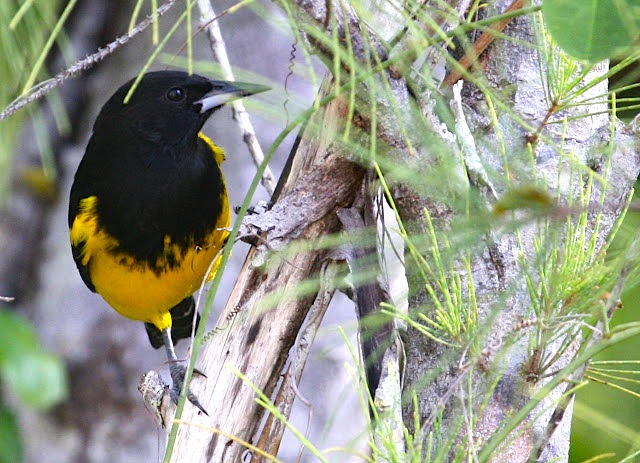
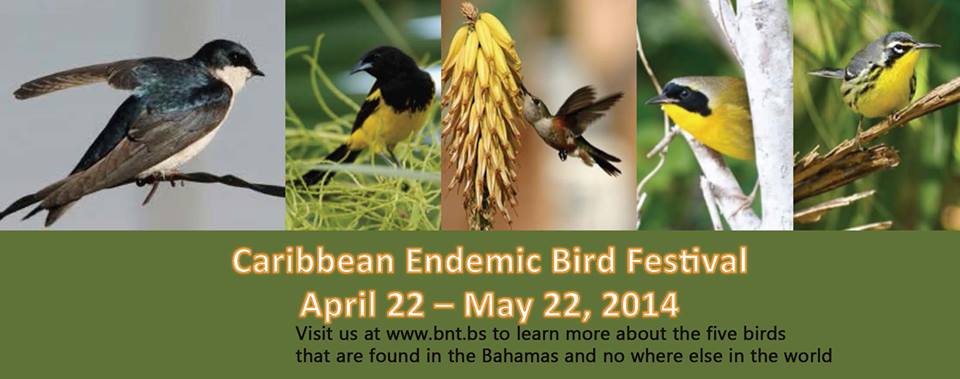
The Caribbean Endemic Bird Festival is underway. You can find out more on the CARIBBEAN BIRDS FESTIVALS Facebook page. Abaco is fortunate to be home to 4 of the 5 endemic Bahamas species. The fifth, the beautiful BAHAMA ORIOLE Icterus northropi, was found on both Abaco and Andros until the 1990s, when it sadly became extirpated from Abaco. Now found only on Andros, there are thought to be fewer than 300 Orioles left – a barely sustainable number. The species is unsurprisingly IUCN listed as critically endangered. Here’s a picture of one as a reminder of what Abaco is now missing…

Bahama_Oriole (Wiki)

Bahama Oriole

10302060_10152308854900862_2019057607431310750_n-1

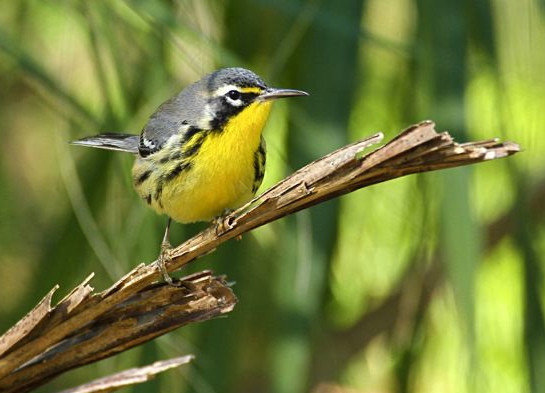
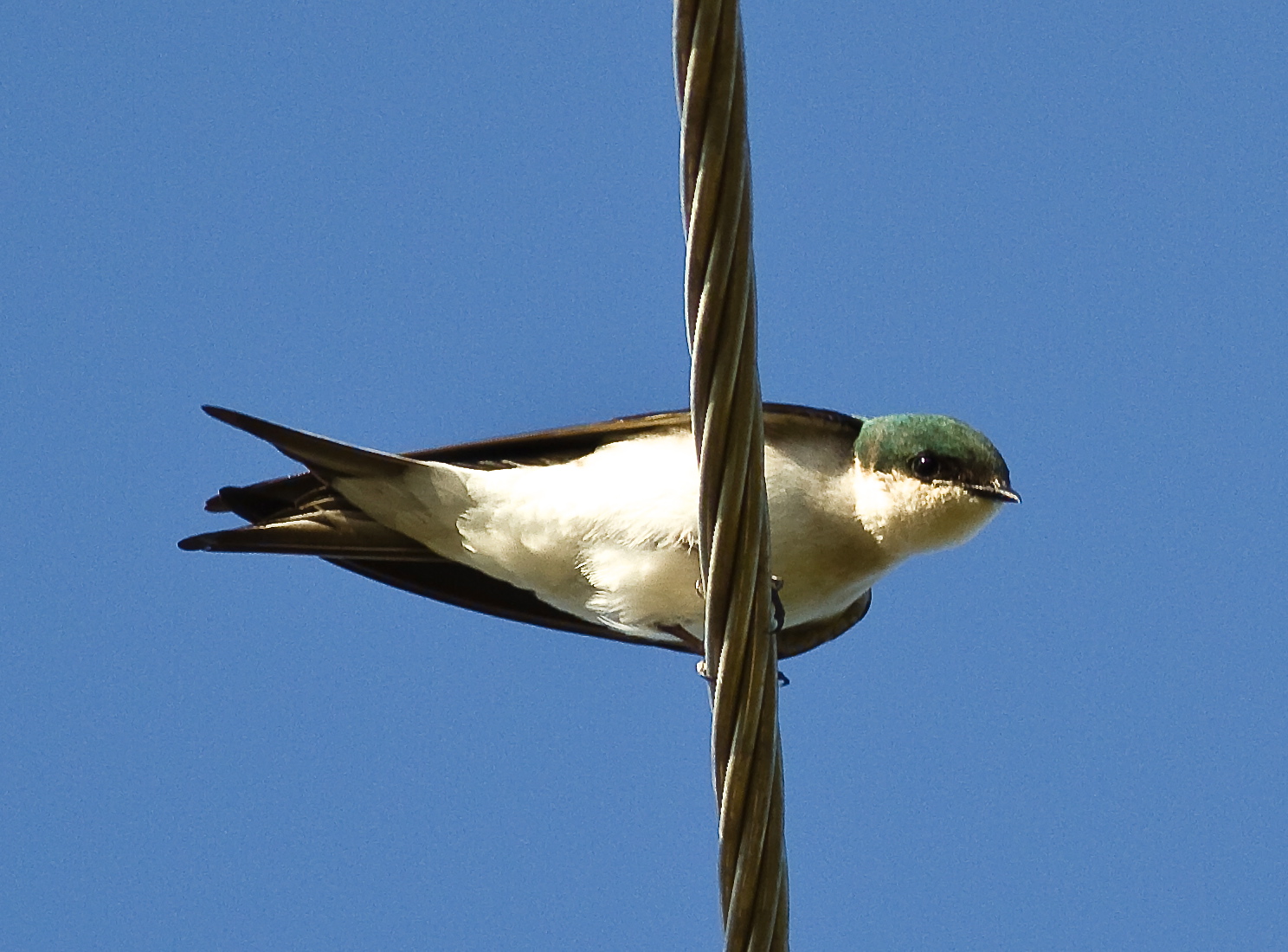
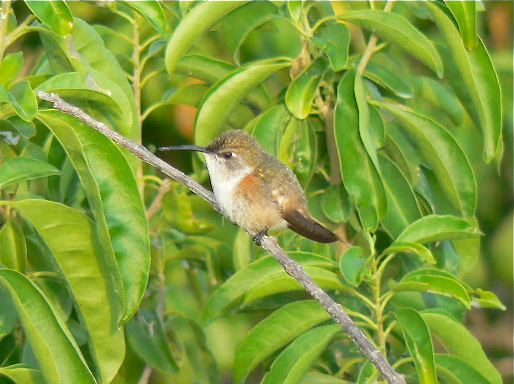
Abaco’s four endemic species are the tiny Bahama Woodstar hummingbird, the Bahama Yellowthroat, the Bahama Warbler (since 2011), and the Bahama Swallow. All are of course permanent breeding residents on Abaco and its outer Cays. None is exclusive to Abaco; all are relatively plentiful. The Woodstar is perhaps the hardest to find, not least because it competes territorially with the Cuban Emerald hummingbird. Even Woodstars can be found easily in some areas – Man-o-War Cay is a good place for them, for example. Here are some striking images of these four endemic bird species taken from the archives for “The Birds of Abaco” published last month. 

BAHAMA WOODSTAR Calliphlox evelynae 

Bahama Woodstar male 3.1.Abaco Bahamas.2.12.Tom Sheley copy

Bahama Woodstar (m) (Tom Sheley)

Bahama Woodstar (f) TL IMG_3213 2

Bahama Woodstar (f) Tara Lavallee

BAHAMA YELLOWTHROAT Geothlypis rostrata

Bahama Yellowthroat vocalizing.Abaco Bahamas.Tom Sheley

Bahama Yellowthroat (Tom Sheley)

Bahama Yellowthroat (M) BH IMG_0675 copy

Bahama Yellowthroat (Bruce Hallett)

BAHAMA WARBLER Setophaga flavescens

Bahama Warbler BH IMG_8398 copy - Version 2

Bahama Warbler (Bruce Hallett)

Bahama Warbler WB P1001012 copy

Bahama Warbler (Woody Bracey)

BAHAMA SWALLOW Tachycineta cyaneoviridis

Bahama Swallow CN

Bahama Swallow (Craig Nash)

bahama-swallow EG  copy

Bahama Swallow (Erik Gauger)

“The Delphi Club Guide to the Birds of Abaco”  was published as limited edition of 500 and has only been for sale for 8 weeks or so exclusively through the Delphi Club. Yesterday, we passed a happy milestone in that short time as the 250th copy was sold. Complimentary copies have also been donated to every school and relevant education department on Abaco to tie in with the excellent policy of teaching children from an early age the value of the natural world around them, the importance of its ecology, and the need for its conservation. The cover bird for the book was easy to choose – it just had to be a male Woodstar in all his glory with his splendid purple ‘gorget’. 

Bahama Woodstar (m) BH IMG_0917 copy

Bahama Woodstar (m) Bruce Hallett

JACKET GRAB JPG

Image credits as shown; otherwise, ‘cover bird’ by Tom Sheley, Bahama Oriole from Wiki and CEBF flyer from the Bahamas National Trust

Unknown's avatar

BIRDS, PLASTIC & CONSERVATION: A CONTROVERSIAL AD…


marine_debris_program_noaa-1

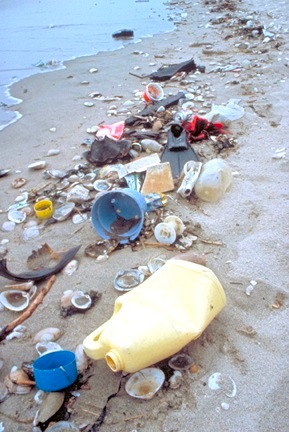
Plastic marine debris washed up on a beach (NOAA)

BIRDS, PLASTIC & CONSERVATION: A CONTROVERSIAL AD…

Rolling Harbour is a broadly neutral territory. We occasionally do ‘opinionated’ round here. We are not afraid to express views. But we try to avoid controversy and in particular, politics in its broadest sense. There have been occasional lapses into outrage – one example was the huge cruise ship taking a shortcut (allegedly, I had better add) that trashed significant areas of irreplaceable coral reef and smeared poisonous anti-fouling paint along the seabed, affecting reef life for decades and… Stop me right there!

The most sensitive area is conservation. Some issues are straightforward; with others the balance of what is right and wrong is more debatable. One particular aspect that can be problematic is in the presentation of information. We are all familiar with charity appeals that cajole with images of happy children or sweet puppies. We also see the ones with horrific images that are uncomfortable or even downright unpleasant to look at. Both can be powerful and valid  ways to raise awareness and attract support. Some of the more extreme images used may actually have the effect of repelling people. The same is true with conservation projects. There are ones illustrated with images that make you go ‘ahhhh’ and smile; others are undeniably distressing and will make you wince with uneasiness.

Piping Plover photo taken at GTC Abaco by Tom Reed for Conserve Wildlife NJ GTCpipl_TR

graphic image by Ian Hutton (UW) of a dead shearwater crammed with plastic debrisShearwater, by Ian Hutton via Uni of Washington

See how you react to this 45 second video from Australia. It is made by Greenpeace – itself a controversial organisation in some eyes – and concerns Coke, plastic and birds. I had no idea what to expect, and it gave me a jolt. It has been the subject of legal action, of alleged censorship and interference from powerful lobbies, and a sizzling amount of anger. It won’t take you long to watch it. Compare how you feel during the first ten seconds with how you feel 30 seconds later…

Unknown's avatar

THE CONCH QUEST OF ABACO…


Conch ©Melinda Riger @G B Scuba

THE CONCH QUEST OF ABACO…

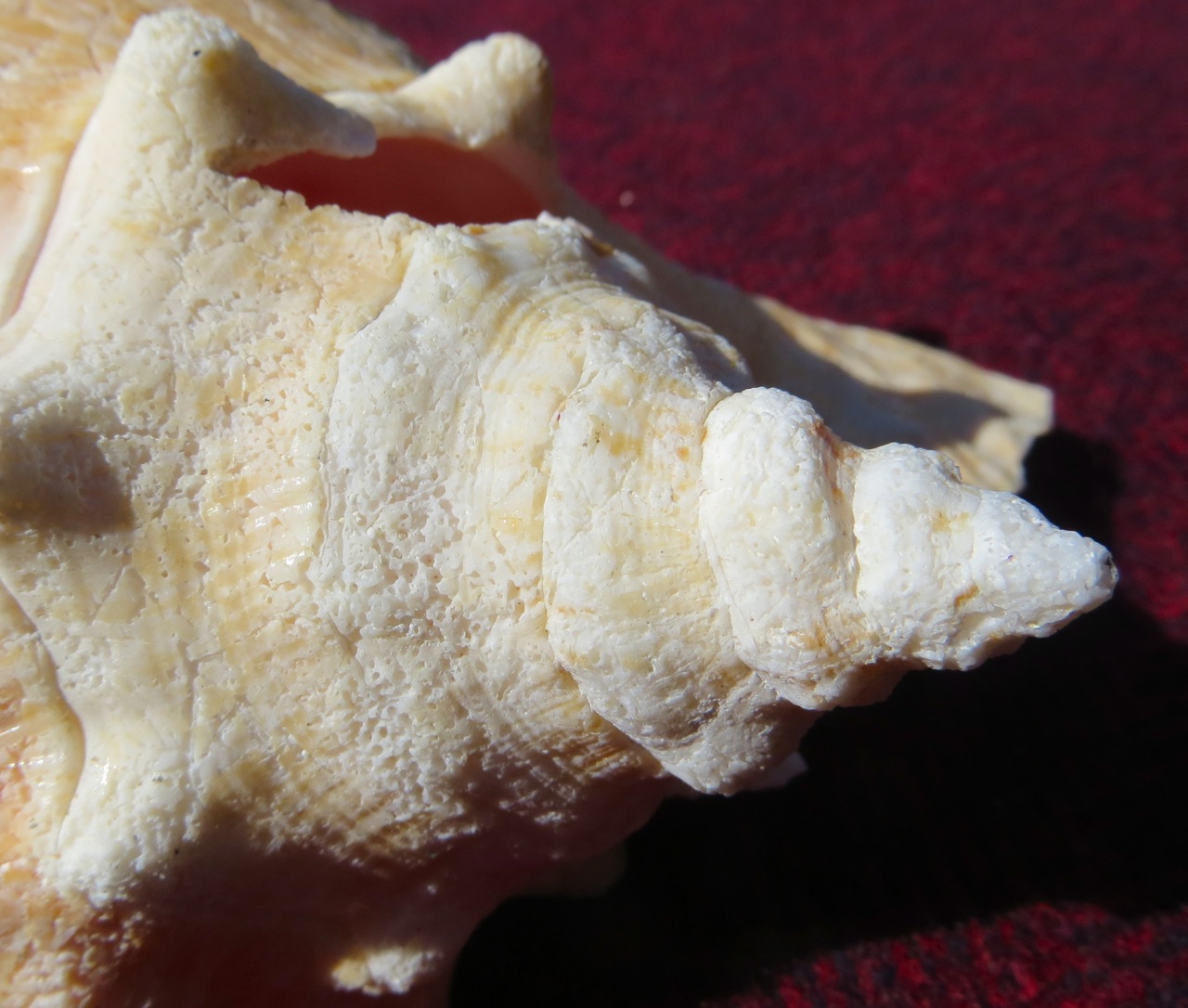
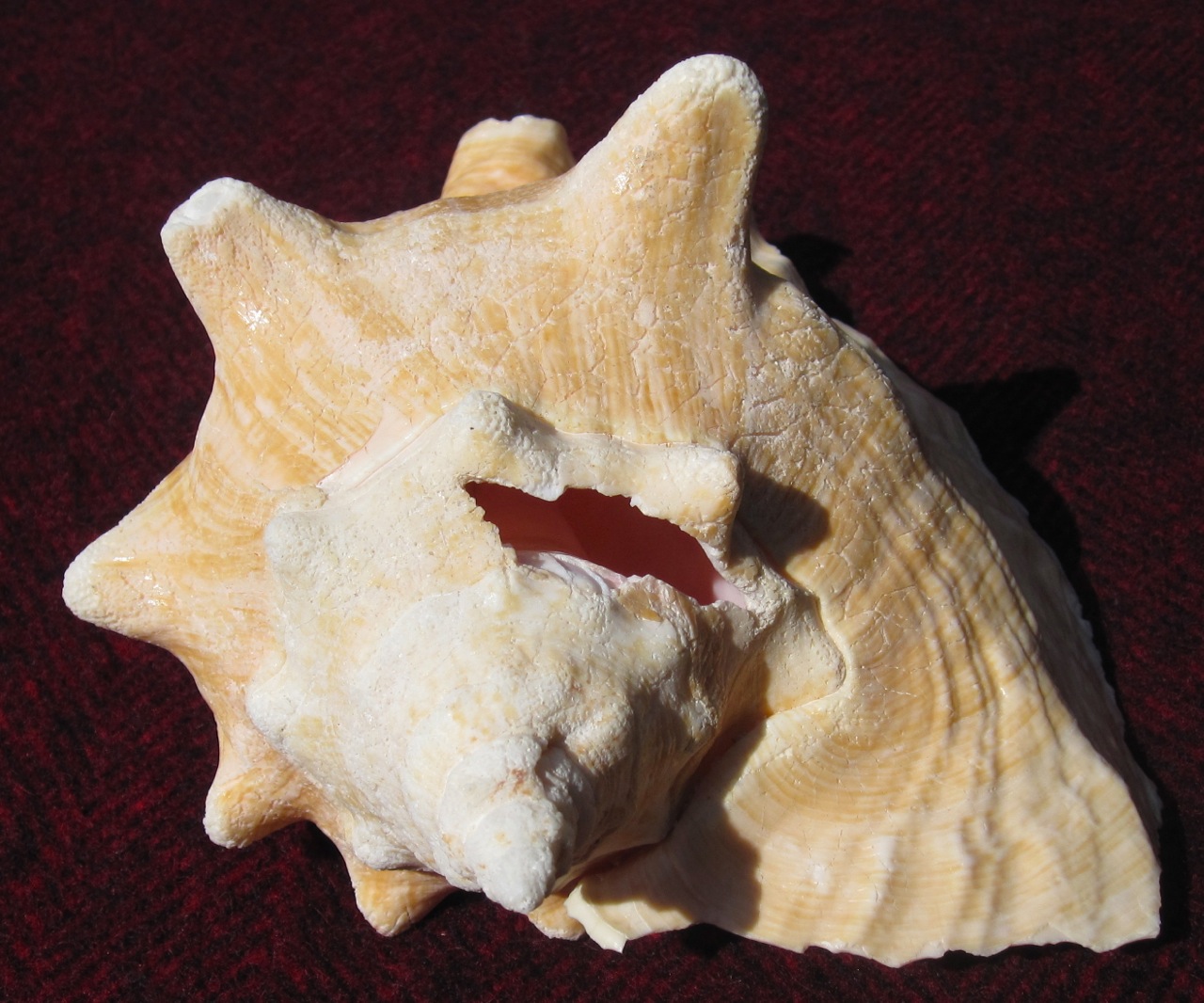
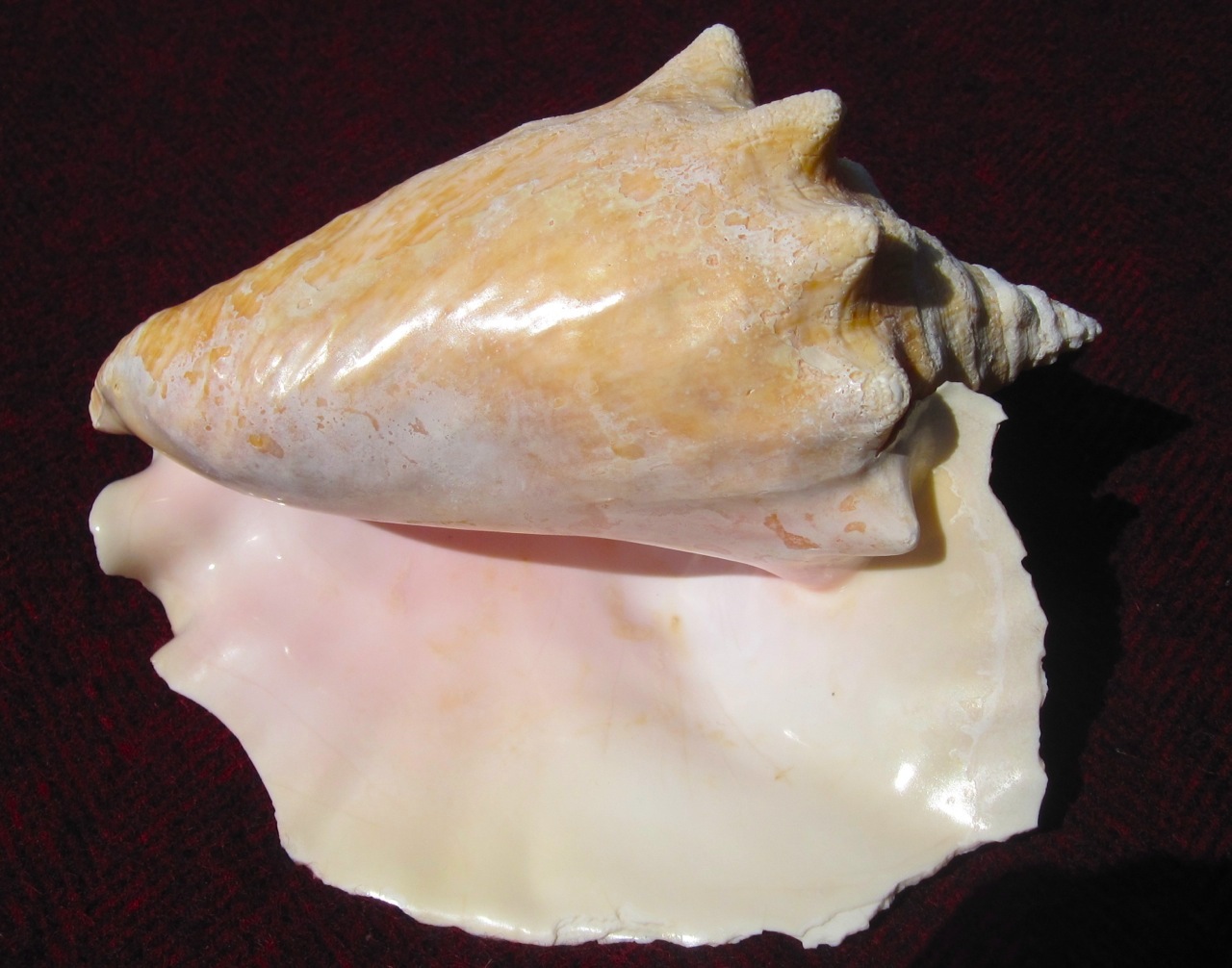
Conchs are gastropods. They are food. They are decoration (anyway, the shells are). For some, they are a living. And on Abaco they are everywhere – alive in the waters, and as shells scattered on  beaches or piled up outside restaurants. So the quest for conch is an easy one. There are fears of overfishing, however, and an active organisation The Bahamas National Conchservation Campaign exists to protect them. Another similar Bahamas organisation is Community Conch.conchs-at-sandy-point-1 We found a nice half-buried conch shell at Sandy Point. It was full of sand grains and tiny shells – mini gastropods and bivalves – that took some time to wash out of the spiralling internal structure. Here are some studies of the shell. IMG_2438IMG_2442IMG_2444IMG_2445IMG_2448IMG_5279IMG_5278 The damage to the shell above is the place where it has been bashed in to enable removal of the occupant. In order to do so, it is necessary to break the strong vacuum that would prevent extraction if you tried by the conventional route. Effectively the conch anchors itself to its shell and must be cut out. The best way to make the hole is with the spiral tip of another conch. This breaks the suction and enables you to prise out the occupant…

935327_499742893413409_191944192_n                                                               CC_logo2

Finally, you can usually rely on me to go off-piste. So here is a video of how to make a conch horn to annoy your friends and neighbours with…

[youtube https://www.youtube.com/watch?v=ebzN79oNTJg]

Unknown's avatar

MARINE DEBRIS? NO THANKS! 10 FACTS FROM NOAA


Ten Things You Should Know About Marine Debris

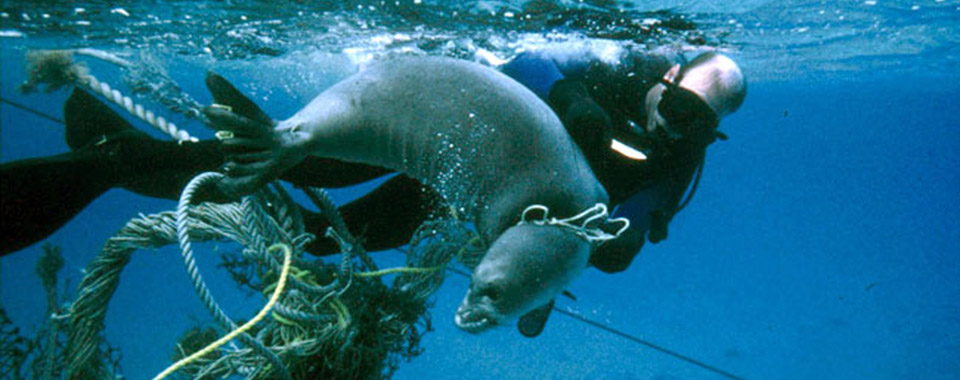
monksealMonkseal being rescued from marine debris

Entangled-harbor-seal NOAA Marine Debris
Our waterways are littered with stuff that doesn’t belong in them. Plastic bags, cigarette butts, fishing nets, sunken vessels, glass bottles, abandoned crab traps…the list is endless. Some of this marine debris comes from human activity at sea, and some of it makes its way into our waterways from land.
While we know that marine debris is bad for the environment, harms wildlife, and threatens human health and navigation, there is much we don’t know. How much marine debris is in our environment? How long does it last? How harmful is it to natural resources or human health and safety? How long does it take to break down in the water? The NOAA Marine Debris Program is finding answers to these questions.

1. It doesn’t stay put

While a lot of debris sinks, much also floats. Once this marine debris enters the ocean, it moves via oceanic currents and atmospheric winds. Factors that affect currents and winds (for example, El Niño and seasonal changes) also affect the movement of marine debris in the ocean. Debris is often carried far from its origin, which makes it difficult to determine exactly where an item came from.

2. It comes in many forms

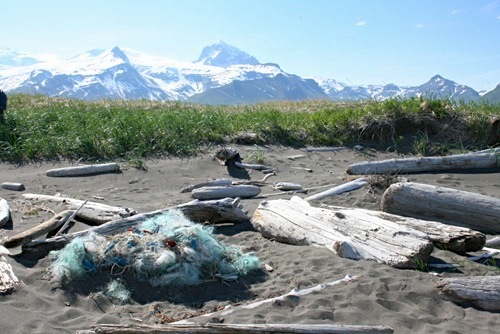
Marine debris comes in many forms, ranging from small plastic cigarette butts to 4,000-pound derelict fishing nets. Plastic bags, glass, metal, Styrofoam, tires, derelict fishing gear, and abandoned vessels are all examples of debris that often ends up in our waterways.img_0510_ss-1

3. It’s your problem, too

Marine debris is a problem for all of us. It affects everything from the environment to the economy; from fishing and navigation to human health and safety; from the tiniest coral polyps to giant blue whales.

4. NOAA is fighting this problem

The NOAA Marine Debris Program works in the U.S. and around the world to research, reduce, and prevent debris in our oceans and coastal waterways. Much of this work is done in partnership with other agencies, non-governmental organizations, academia, industry, and private businesses.The Marine Debris Research, Prevention, and Reduction Act, signed into law in 2006, formally created the Marine Debris Program. The Act directs NOAA to map, identify, measure impacts of, remove, and prevent marine debris.

img_0327

5. Some debris is being turned into energy

Abandoned and lost fishing gear is a big problem. It entangles and kills marine life and is a hazard to navigation. Based on a model program in Hawaii, the Fishing for Energy program was formed in 2008 to tackle this problem with creative new ideas. The program is a partnership between NOAA, Covanta Energy Corporation, National Fish and Wildlife Foundation, and Schnitzer Steel.This program offers the fishing community a no-cost way to dispose of old or derelict fishing gear. Once removed from the environment, the gear is transported to the nearest Covanta Energy-from-Waste facility. About one ton of derelict nets creates enough electricity to power one home for 25 days!

6. Marine debris can hurt or kill animals

Marine debris may be mistaken by some animals for food or eaten accidently. Often, larger items like nets, fishing line, and abandoned crab pots snare or trap animals. Entanglement can lead to injury, illness, suffocation, starvation, and even death. NOAA is working with many partners to tackle this problem by reducing and preventing marine debris in our oceans and waterways.

Sea turtle entangled in a ghost net

7. There’s a lot to learn about this problem

We know that marine debris is a big problem, but there’s much we need to learn. NOAA funds projects across the country and works with scientists and experts around the globe to better understand how marine debris moves, where it comes from, and how it affects the environment. This knowledge will help us find better ways to tackle the problem.

8. You can help us get the word out!

The NOAA Marine Debris Program offers a heap of creative products to get the word out about marine debris. Looking for brochures, posters, fact sheets, or guidebooks? We’ve got those. Like videos? We’ve got those, too. We even have a blog! You’ll find it all online.

9. This is a global problem.

Marine debris is a global problem that requires global solutions. NOAA experts work with scientists and organizations around the world to share lessons learned, discover what programs work best, and map out future strategies to fight this problem.

img_04761

10. Small steps lead to big results

Fighting the marine debris problem begins at home.

  • – Try to cut back on the amount of trash you produce.
  • – Opt for reusable items instead of single-use products.
  • – Recycle as much of your trash as you can.
  • – Join local efforts to pick up trash.
  • – Keep streets, sidewalks, parking lots, and storm drains free of trash—they can empty into our oceans and waterways.

marine_debris_program_noaa-1

Click to link
noaaleft
Minorly adapted from an NOAA article, with added illustrative NOAA images
Unknown's avatar

ABACO: AN IMPORTANT BIRDING AREA IN THE BAHAMAS


Abaco (Cuban) Parrot 2013 11

Abaco (Cuban) Parrot

ABACO: AN IMPORTANT BIRDING AREA IN THE BAHAMAS

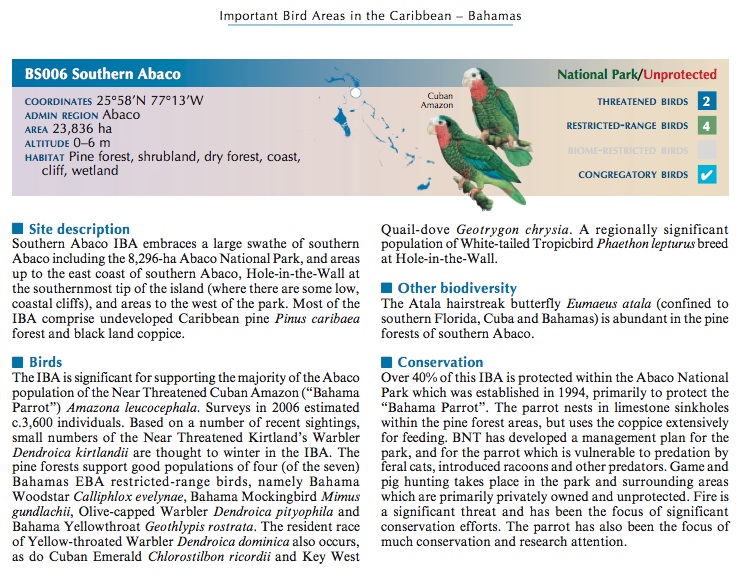
The Bahamas National Trust BNT is one of several organisations in the Bahamas responsible for conservation across the widely scattered islands of the Bahamas. One of its tasks is to look after the birds and their habitat, and from time to time the Trust publishes articles about their work. The Abaco-related material below is taken from a much longer article by Predensa Moore and Lynn Gape that covers the whole area, and concerns the importance of Abaco as a prime Bird Area. This applies in particular to Little Abaco and the Northern Cays; and to the large area of South Abaco that incorporates the National Park. The bird images used show some Abaco speciality birds mentioned by the BNT in their material. 

BNT BIRD ARTICLE 2 JPG copy

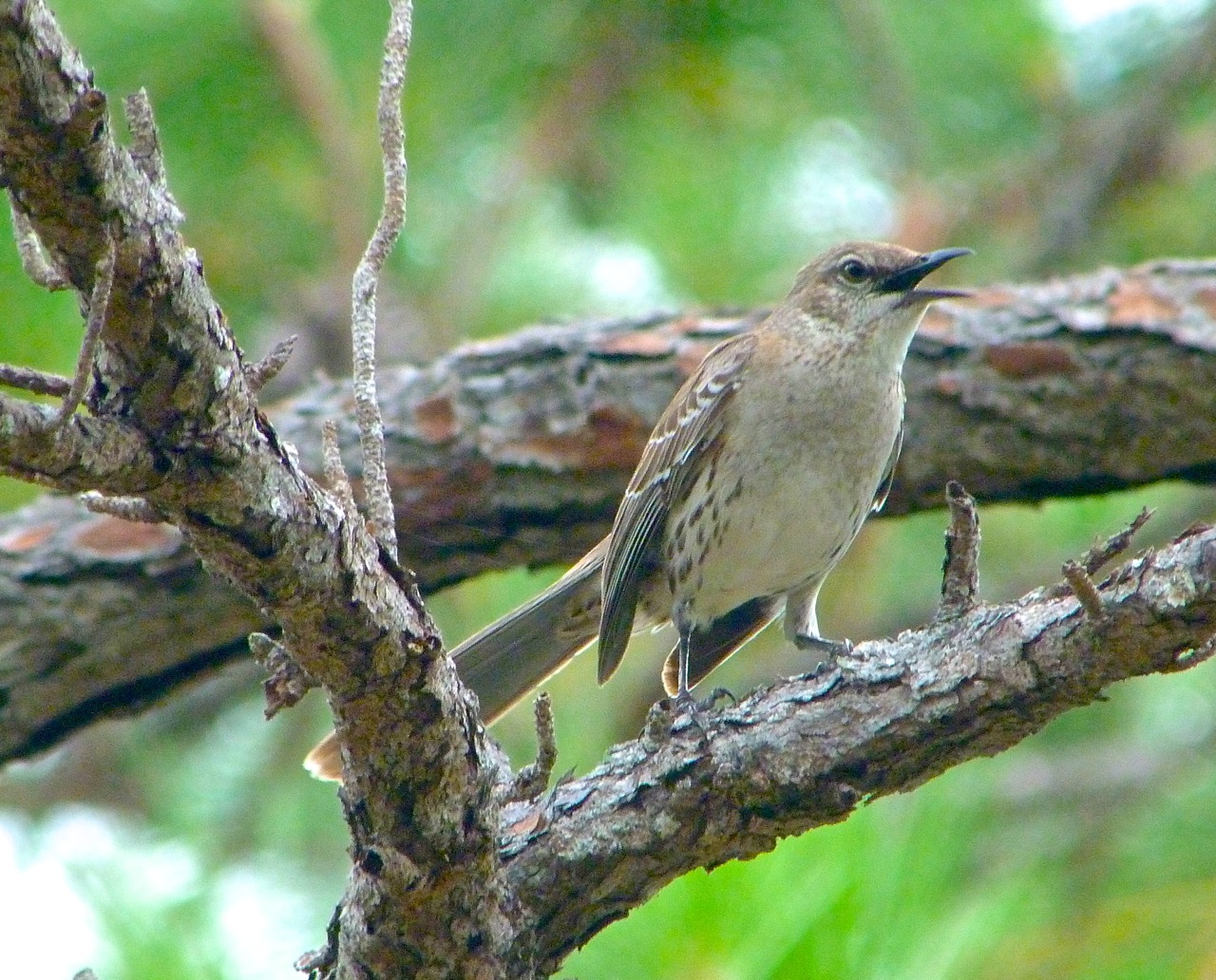
BAHAMA MOCKINGBIRD Mimus gundlachiiBahama Mockingbird, Abaco 3BNT BIRD ARTICLE 3 JPGBAHAMA WOODSTAR Calliphlox evelynae              Bahama Woodstar BPS BNT BIRD ARTICLE 4 JPGBAHAMA YELLOWTHROAT Geothlypsis rostrataBahama Yellowthroat Abaco 8 BNT BIRD ARTICLE 5 JPG

CUBAN EMERALD Chlorostilbon ricordiiCuban Emerald Hummingbird, Delphi, Abaco 1Credits: BNT; Bahama Woodstar, Ann Capling with thanks; the rest, RH

Unknown's avatar

EARLY BIRDS ON ABACO: CHARLES CORY’S EXPEDITIONS 1891


00179p1

EARLY BIRDS ON ABACO: CHARLES CORY’S EXPEDITIONS 1891

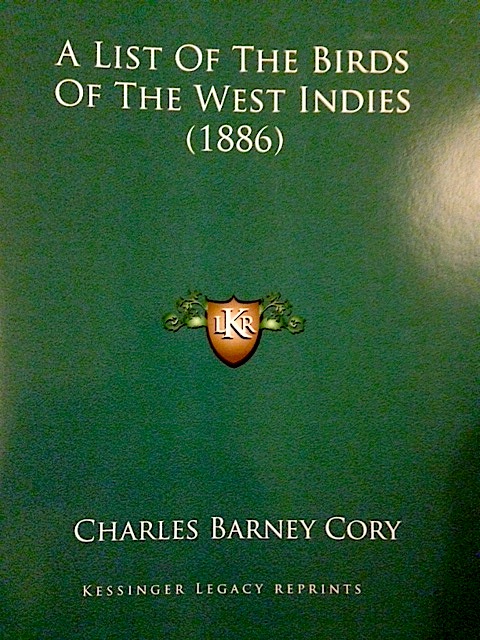
Before the explorations of the american ornithologist Charles Cory towards the end of the c19, there had been few if any serious attempts to record the birds of the Bahama Islands, especially the sparsely populated ones such as Abaco. The english naturalist Mark Catesby had published his  wonderful The Natural History of Carolina, Florida and the Bahama Islands as early as 1754, which of course included some birds, but it was far from avian-specific. During the 1880s, Cory forsook the golf course (his other passion – he even competed in the 1904 Olympics but, as it is intriguingly put, “…did not finish…”) to concentrate on birds. He commenced his research for his List of the Birds of the West Indies, published in 1886. The scope was wide, including Antilles, Jamaica, Cuba, Hispaniola and the Bahamas. The book simply listed birds by family, giving the bird names in Latin, and the locations where they were found. It’s scarcely an enticing read, and the ‘print on demand’ copy I obtained for about $15 is frankly horrid.00199p1

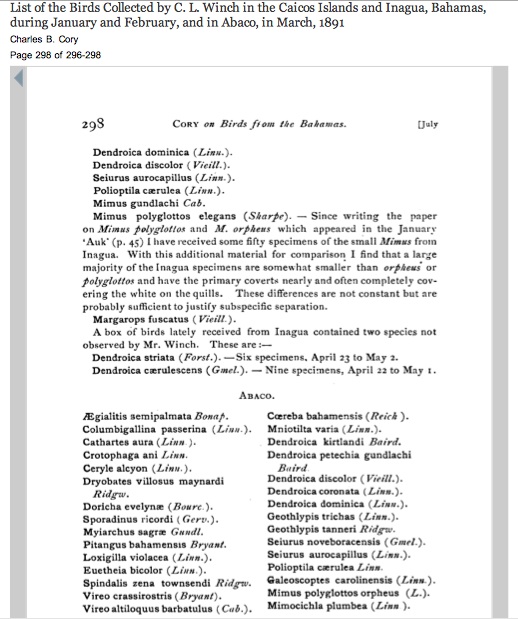
In 1891, Cory and his colleague Mr C.L. Winch paid more specific attention to the Bahamas, visiting several islands, taking specimens and recording their findings. Cory subsequently published these in the ornithological journal of record, The Auk, established in 1884 as a quarterly peer-reviewed scientific journal and the official publication of the American Ornithologists’ Union (AOU).  I’m not clear whether Cory actually accompanied Winch throughout the voyages, or whether they covered the islands separately. In any event, the first visit to Abaco took place in March 1891, when Mr Winch took specimens and recorded the species he encountered.00161p1

Cory : Winch 1891 March jpg

To save you the bother of taxing your brain with Latin  taxonomies (in some cases out-of-date), the species recorded are shown below. Every one of these species might be seen during a March visit nowadays.

COLUMN 1 Semipalmated Plover; Common Ground Dove; Turkey Vulture; Smooth-billed Ani; Belted Kingfisher; Hairy Woodpecker; Bahama Woodstar; Cuban Emerald; La Sagra’s Flycatcher; Loggerhead Kingbird; Greater Antillean Bullfinch; Black-faced Grassquit; Western Spindalis; Thick-billed Vireo; Black-whiskered Vireo

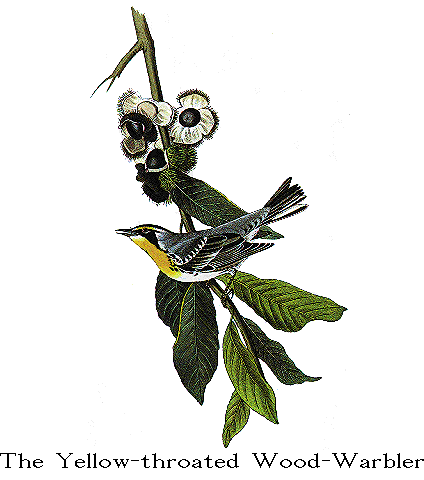
COLUMN 2 Bananaquit; Black & White Warbler; Kirtland’s Warbler; Yellow Warbler; Prairie Warbler; Yellow-rumped Warbler; Yellow-throated Warbler; Common Yellowthroat; Bahama Yellowthroat; Northern Waterthrush; Ovenbird; Blue-gray Gnatcatcher; Gray Catbird; Northern Mockingbird;  Red-legged Thrush

00103p1

In June they were back on Abaco; or at least, Mr Winch had returned. This time, the list of species was somewhat different, as one might expect in the summer season. It contains one particular curiosity: the Bahama Oriole. This fine bird was sadly extirpated from Abaco in the 1990s, and may now only be found on Andros. There are reckoned to be only about 300 left, so the species is on the brink of extinction.Bahama Oriole.jpg (Wiki)

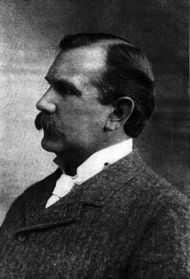
Charles Cory 1857 – 1921Charles Barney Cory 1857-1921 (Wiki)Cory List copy jpg

COLUMN 1 Red-tailed Hawk; Mourning Dove; Common Nighthawk; Cuban Emerald; Bahama Woodstar; West Indian Woodpecker; Hairy Woodpecker; La Sagra’s Flycatcher; Cuban Pewee; Loggerhead Kingbird; Gray Kingbird; Bahama Oriole; Red-winged Blackbird

COLUMN 2  Greater Antillean Bullfinch; Western Spindalis; Thick-billed Vireo; Bahama Swallow; Bahama Yellowthroat; Pine Warbler; Olive-capped Warbler; Yellow-throated Warbler; Bananaquit; Blue-gray Gnatcatcher; Northern Mockingbird; Red-legged Thrush

Cory published his findings in The Auk
The Auk 1891

A regrettable ‘print-on-demand’ purchaseCory

Illustrations by John James Audubon 1785 – 1851 (who never visited Abaco)00422p1

For anyone with eyelids still open, you can read more about Bahamas birds and The Auk journal HERE

Unknown's avatar

3 MONTHS ON ABACO WITH THE BMMRO: AN INTERN’S STORY


BMMRO whale pic

The Bahamas Marine Mammal Research Organisation LogoClick logo for website

BMMRO Bahamas Marine Mammal Research Organisation Banner

3 MONTHS ON ABACO WITH THE BMMRO: AN INTERN’S STORY

My name is Jack Lucas and I am Marine Biology Student at Plymouth University in the UK. I came to the Bahamas Marine Mammal Research Organisation on Abaco in July 2013 for a 3 month internship, which has been an amazing experience from start to finish. Heres a summary of my summer spent at BMMRO.

Sperm Whale Fluking

I arrived at the start of July and was fortunate enough with my timing to be part of an assembled crew of scientists from all over the world coming together to start work on what was to be this summers main project; collecting faecal samples from Blainville’s beaked whales to assess stress hormones produced. This team included Dr Roz Rolland and Dr Scott Kraus from New England Aquarium, who are collaborating with BMMRO for the work, and the samples will be analysed back at their lab in the US. Also along for the ride was Roxy Corbett; a whale observer and field researcher from the US, and Dr Stephanie King; a acoustician from the Sea Mammal Research Unit in Scotland. The first day after arriving it was straight out on the boat to search for these elusive creatures and the beginning of a crash course in how to collect and store the faecal samples when we found them. For the first week the work was a mix of boat work when the weather permitted and practicing poop collection using custom-made fine-mesh nets and coffee grounds (as close to the real thing as we were willing to try!), as well as clearing out BMMRO’s garage and, under the direction of foreman Scott, the construction from scratch of a lab to prepare samples for storage.

An example of the use of coffee grounds to practise whale poop-scoop technique269RH note: NOT Jack’s arms / snappy diving suit…

Unfortunately, despite days of poop collection practice and endless hours searching for the whales at sea, the original poop team never got a chance to employ these by now highly developed skills or to see the lab being used, as the weather was so windy we barely encountered the animals let alone spent long enough with them to collect any samples. 

Despite the lack of beaked whales, we did encounter loads of marine mammals in the first few weeks, from sperm whales to three different species of dolphin; including the little-seen and even less-studied rough-toothed dolphin.

Rough-toothed Dolphin

After discussion with Charlotte and Di about a possible project for me to complete during my stay, it was to be this species that I would focus on and in between the usual office jobs it was my task to sort through the photos from 20 rough toothed encounters in the Bahamas since 1995 and create a catalogue of individuals. This initial task consisted of careful inspection, comparison and sorting of what turned out to be over 5000 photos, into an organised catalogue of 167 separate and distinctive individuals. Despite the hours of endless staring at fins, it was very rewarding as there were 13 resighted individuals found (we were not necessarily expecting any!) which suggests long-term site fidelity and association of these animals, in addition to year round use of the Grand Bahama Canyon. Even more rewarding; the results of this work have recently been submitted for a poster display at an Odontocete workshop in New Zealand this December and I am also writing up the results in a formal scientific paper, with the hopeful goal of publishing a note in a peer-review journal. 

 Scott, Jack, Stephanie and Di in the new lab at Sandy Point

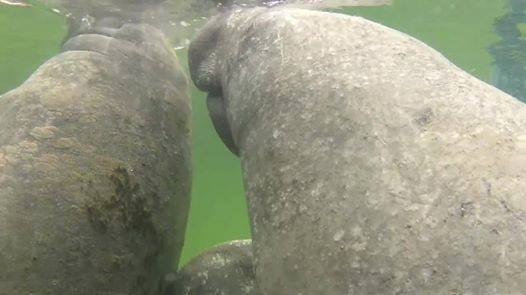
Around a month in I was lucky enough to be sent by Di and Charlotte to Great Harbour Cay on the nearby Berry Islands to work with the manatees there, in particular Georgie; a recently released juvenile whose status is being carefully monitored after her rehabilitation at Atlantis’ Dolphin Cay following health problems. The work here for a week under the guidance of Kendria; a Bahamian contracted by BMMRO to monitor the manatees on the Berry Islands, consisted of tracking Georgie using a satellite tag attached to a belt around her tail. Once located, we logged her position and made any notes on her health and behaviour aswell as the other manatees that were often found with her (there are currently 6 located on Great Harbour Cay). Two days in her tag was found unattached at a locals dock (it has a weak-link incase of entanglement) and we had to locate her using underwater hydrophones to detect her belt. Once found, I had the rare opportunity of entering the water with her in order to re-attach a new tag to her belt; it was amazing and one of the best encounters I have had with any animal! It is impossible not to love these amiable and gentle creatures, especially when you observe their infamous ‘hugs’ in person! 

Georgie the Manatee

For more about Georgie’s re-release in the Berry Is. after her earlier shenanigans on Abaco, see HERE

After returning from the Berry Islands (and incidentally missing the first two poop collections of the season made by Charlotte!) it was back to hunting for the elusive beaked whales around South Abaco. During my time I had the chance to work with several interns coming to BMMRO including local marine-enthusiasts Tristan and AJ, and Courtney Cox from Florida. Oscar Ward from the UK also joined the team as Charlotte left for Scotland to complete her PhD, and was on hand during the poop-collection and other little excursions. In wasn’t until the last month of my time here that we managed to get close enough to the whales for me to get in the water and be towed alongside in the hope of seeing one defecate. One amazing morning two whales surfaced right off the bow of the boat and what resulted was again, one of the most amazing moments; swimming just a couple of feet away from an animal only a handful of people in the world have seen underwater. After nearly two months with no samples, the two weeks that followed were a flurry of boat days, poop-collection and whale watching; with a total of 7 samples collecting from beaked whales (5 in one day!!) and another 3 from sperm whales. This was the best possible end to my time here and I finally got a chance to use the much-practiced poop collection techniques. The samples included a number of squid beaks, and in one very deep dive collection a mass of parasitic worms and a weird cephalopod-type animal! We also got a chance in the last few weeks to test-run a new addition to the fleet, that included a dive compressor.

Ready to collect some poop…

Finally my time in the Bahamas had to come to an end, and I had to return home. The last 3 months has flown by and has been one of the most enjoyable and most importantly educational periods of my life and I cannot thank Di and Charlotte enough for making it all possible. The day-to-day boat runs, office work, equipment maintenance and station chores has given me a good insight into all aspects of field research. It was my first taste of life as a marine mammal scientist, and it has made me even more determined to pursue a career in this field; a perfect stepping stone from which to move forward. In addition my work with BMMRO (and what must of been a brilliant reference from the girls!) made it possible to secure a highly competitive internship in the Farallon Islands this winter tagging elephant seals amongst other work! I cannot wait to continue working in this field and finish writing up the results of my project here, and hope I have the chance to come to Abaco again to work with these amazing people and animals!Sperm Whale supplier of poop BMMRO
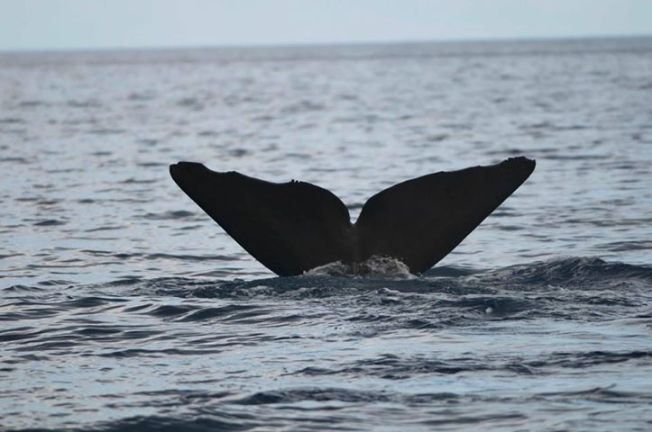
BMMRO would like to thank Jack for all his help during the summer, and all our interns for their assistance! To our sponsors, Friends of the Environment, Disney Animal Programs and Environmental Initiatives and Rotary of Abaco, we thank you for your continued support.

To read more about the work of Interns on Abaco with the BMMRO at Sandy Point and Friends of the Environment in Marsh Harbour, check out Oscar Ward’s excellent blog SEVENTYPERCENTBLUE. There are articles on Life in the Mangroves, the Bahamas Climate, Whale Poop Collection, and most intriguing how he and co-intern Jack both came very close to being Black Tip  Fodder… real live Chums!

The Author researching underwater creatures
Unknown's avatar

ABACO PARROTS TO CELEBRATE A MODEST LANDMARK


Abaco Parrot

Abaco Parrot

ABACO PARROTS TO CELEBRATE A MODEST LANDMARK

‘Rolling Harbour: The Blog’ had humble beginnings – a dodgy structure built on foundations formed of an unpromising mix of ignorance and incompetence. Gradually it has come together, to the extent that it has just passed the 125,000 visits mark. Abaco is a small and uncrowded island, so the audience demographic [to use biz-speak] isn’t large. However the wildlife, scenery and lifestyle have turned out to have a wider appeal. 1/8 of a million people (or perhaps 1 crazy punter with repetitive strain injury from checking in unhealthily often) deserve a few of Abaco’s unique parrots in return.

I THANK YOU ALLAbaco (Cuban) Parrot 2013 4a

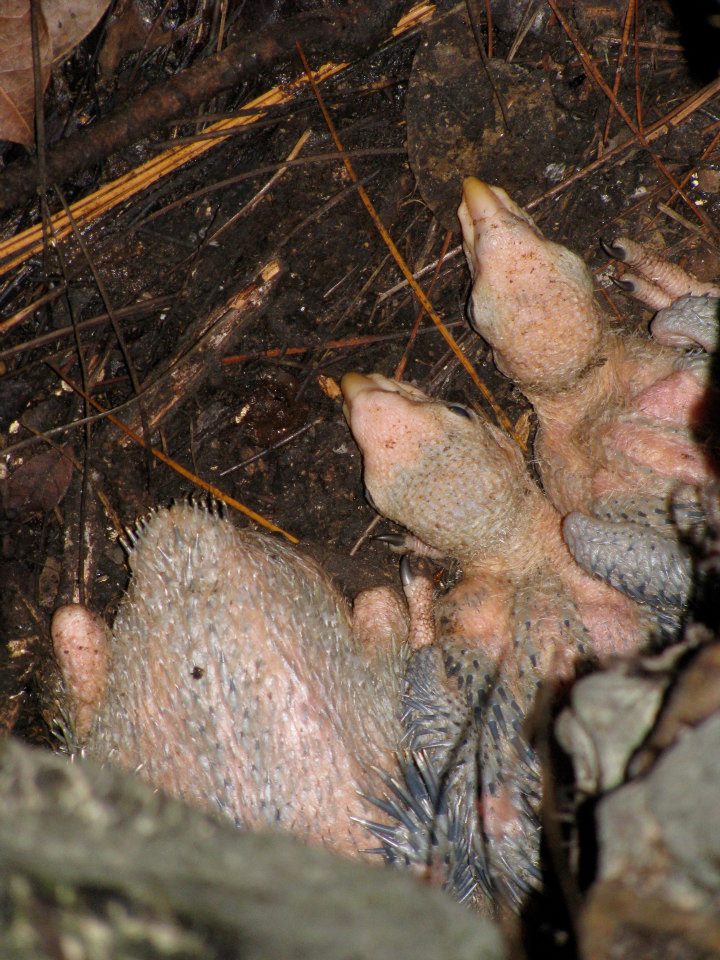
WHERE IT ALL BEGINS – AN UNDERGROUND NEST DEEP IN THE NATIONAL FORESTAbaco Parrot Nest 2

EVENTUALLY THE CHICKS HATCH…Abaco Parrot Nest 4

…AND GROWAbaco Parrot Nest 5

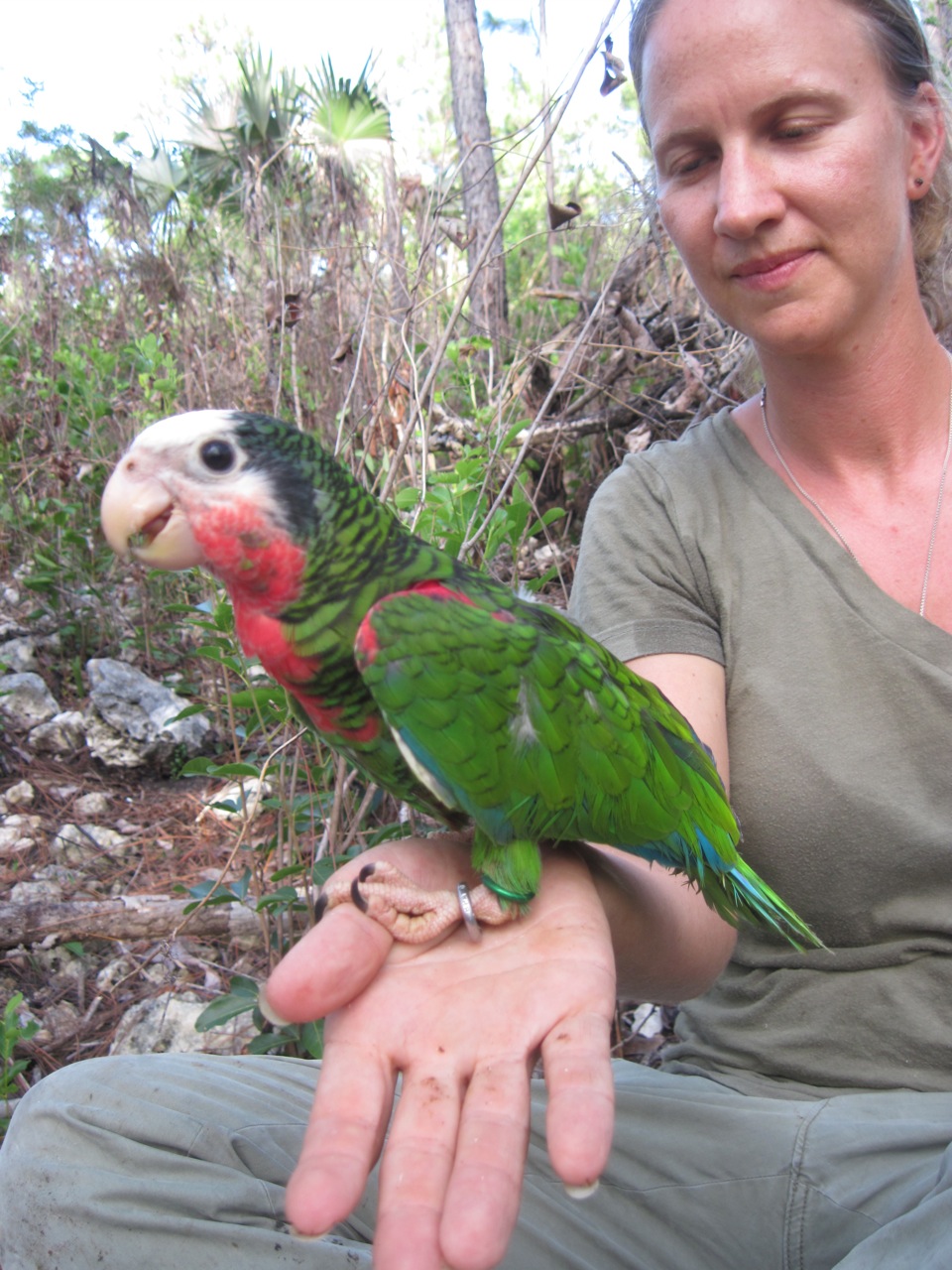
IN DUE COURSE THEY ARE READY TO BE CHECKED OVER AND RINGEDAbaco Parrot Chick Ringing 1

THEY HAVE NO FEAR OF THE ‘PARROT LADY’, SCIENTIST CAROLINECS with Abaco parrot chick

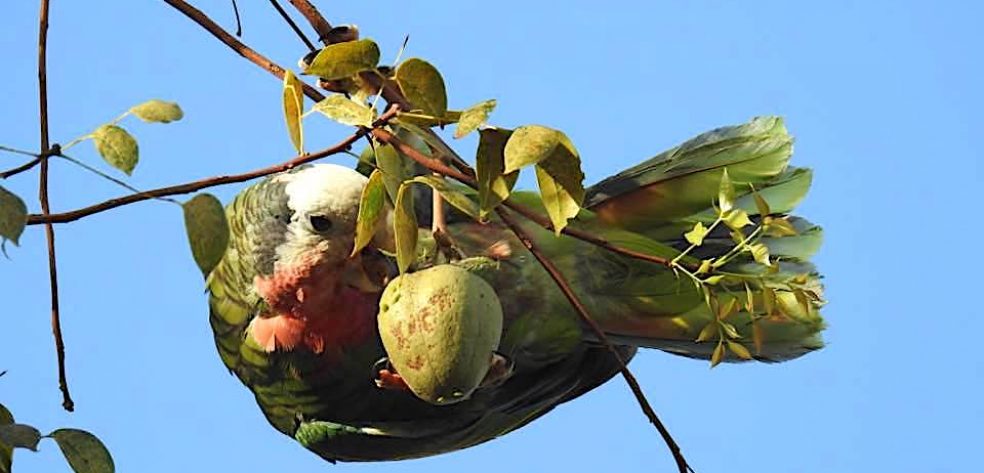
SOON THEY ARE INDEPENDENT AND DISCOVERING THE JOYS OF GUMBO LIMBO BERRIESABACO PARROT ©CS 2012 3

KEEPING A BEADY EYE OUT…ABACO PARROT ©CS 2012 7

DOMESTIC HARMONY…ABACO PARROTS MM 3ABACO PARROTS MM 8

…BUT NOT ALL THE TIMEAbaco Parrots MM 10

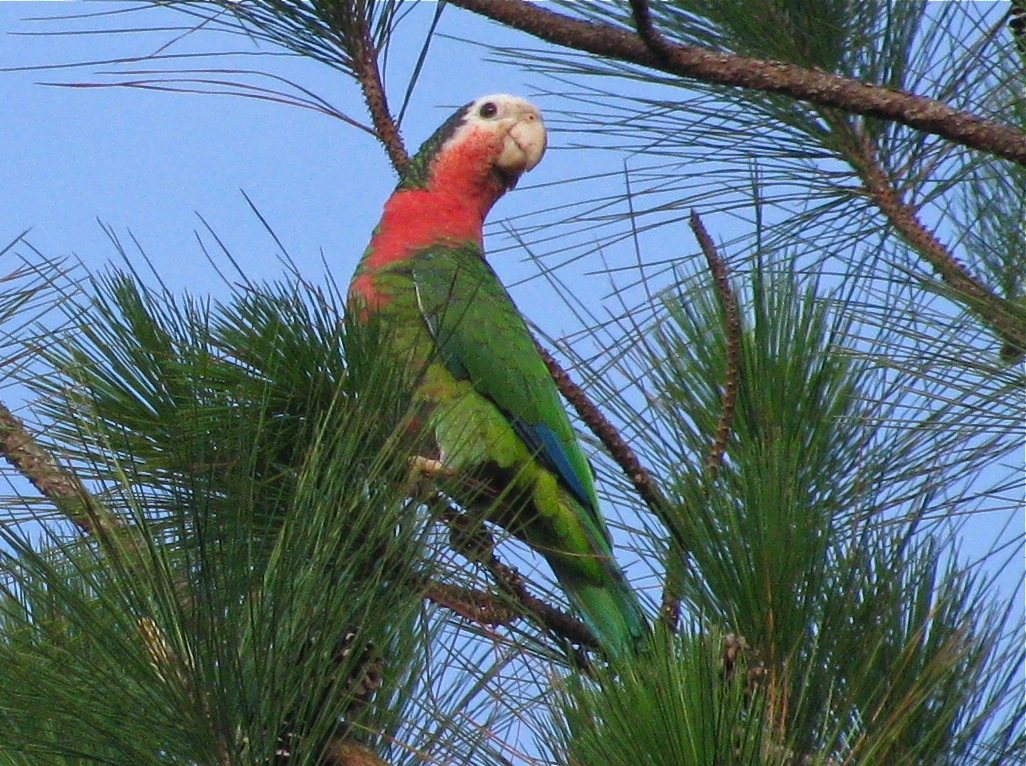
‘HOW DO I LOOK AGAINST A BRIGHT BLUE SKY?’Abaco (Cuban) Parrot 2013 13

PARROTS HAVING AN EARLY EVENING GET-TOGETHER AT BAHAMA PALM SHORES

‘GOODNESS ME, IS THAT THE TIME? I MUST FLY…’

parrot crossingCredits: Caroline Stahala, Melissa Maura, RH; recording and video RH

Unknown's avatar

GEORGIE THE (FORMER) ABACO MANATEE RETURNS TO THE BERRY IS.


Georgie the Manatee, Hope Town, Abaco (© Stafford Patterson) 1

GEORGIE THE (FORMER) ABACO MANATEE RETURNS TO THE BERRY IS.

Last year I posted about Georgie, the young manatee that made Abaco her home for several months. Georgie was born in Spanish Wells. She and her mother Rita travelled to Nassau Harbour, where in April 2012 they were rescued from the multiple shipping hazards and  released in Great Harbour Cay, Berry Is. Both were equipped with tags to monitor their movements. In June, the newly-weaned Georgie embarked on a big solo adventure by swimming to Abaco. Her tracking device showed that she called in at the Marls, before continuing right round the top of Abaco and down the east side, calling in at various Cays on the way. In all, her journey was some 200 miles long. She eventually settled down in the Cherokee and Casuarina area, and in a modest way became a lettuce-chomping celebrity.  DANA & TRISH FEEDING GEORGIE (2)

Georgie-related posts include these:

WEST INDIAN MANATEES AND THE BAHAMAS: THE FACTS

GEORGIE THE ABACO MANATEE – CHEROKEE’S SIRENIAN VISITOR STAYS ON…

GEORGIE THE ABACO MANATEE: FAREWELL CHEROKEE, HELLO ATLANTIS

The BMMRO has recently updated Georgie’s story: “Georgie remained in Cherokee Sound throughout the fall, including during hurricane Sandy but in January she was beginning to look slightly underweight. Concern was raised about her general appearance and the decision was made… to conduct a field health assessment and relocate her to the Atlantis Marine Mammal Rescue Center. “recap1

“Georgie underwent a series of general health evaluations and was fed approximately 75 pounds of lettuce each day. She gained more than 200 pounds during the course of her care and weighed 569 pounds upon her recent release”. recap4

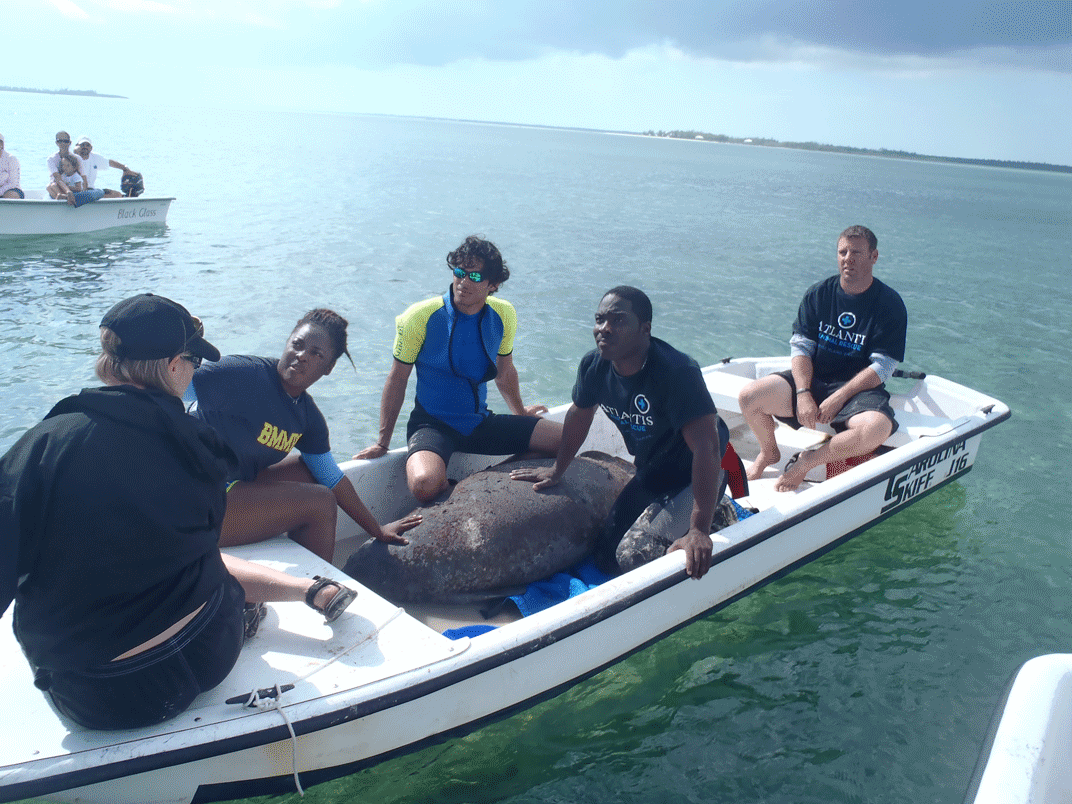
“We are pleased to announce that Georgie has now been released once more to Great Harbour Cay in the Berry Islands after a successful rehabilitation at Atlantis’ Dolphin Cay. She was successfully released on Wednesday 14th August by the Atlantis Animal Rescue Team from the Atlantis Dolphin Cay Marine Mammal Rescue Center, with the help of the Bahamas Marine Mammal Research Organisation (BMMRO). She has a satellite tag attached to her which will help post-release monitoring, currently being conducted by representatives from BMMRO and Dolphin Cay.”

Georgie being let down from the boat, back into Great Harbour Cay (K. Ferguson)
Georgie with her tag shortly after release (K. Ferguson)

Georgie socialising with a young male manatee in Great Harbour Cay a few days later (K. Ferguson)

safe_image.php

“The first 3 weeks of Georgie’s release  showed her venturing on longer and longer journeys, with the blue circles showing her first weeks’ movements, the red her second, and finally the yellow circles her locations up to Saturday. She is doing very well and often seen with the other manatees in the area.”

1240329_651667491519147_1896477103_n

GEORGIE: THE MOVIE OF THE MOVIE

Apologies for using an iPh*ne to capture the movie – I wasn’t able to embed it directly. Updates on Georgie will be posted on BMMRO’s FACEBOOK PAGE

Credits and thanks to BMMRO and Kendria Ferguson for use of photos and the maroon text…

Unknown's avatar

THE HUMMER’S TALE: A BAHAMA WOODSTAR’S RESCUE ON EXUMA


photo copy

THE HUMMER’S TALE: A BAHAMA WOODSTAR’S RESCUE ON EXUMA

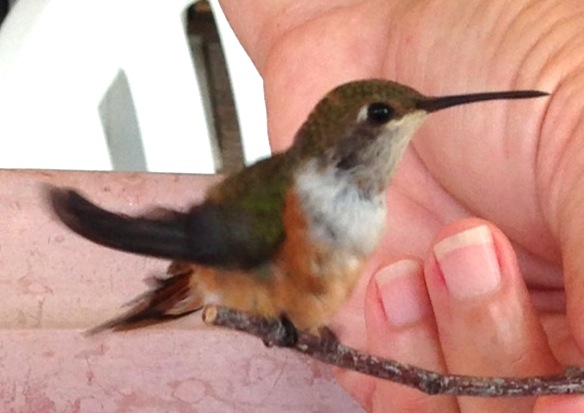
This blog usually stays pretty close to base on Abaco, with occasional forays to other parts of the Bahamas. Inagua for example, for amazing photos of the annual FLAMINGO banding. Now it’s time for a visit to Exuma. In July, a resident of Stocking Island emailed me asking for advice about a rescued hummingbird that had arrived on her porch and could not – or would not – fly. Caroyln had nursed her – a female Bahama Woodstar – for 5 days and was worried about her (lack of) progress.

0

Being an amateur in these matters, and some 4000 miles away, I wondered how much I could usefully contribute. However for the next few days Carolyn and I kept in touch and exchanged ideas. The bird was apparently uninjured, was able to feed a bit and to drink sugar water from a syringe. However without being able to fly, her chances of survival were minimal.OLYMPUS DIGITAL CAMERA

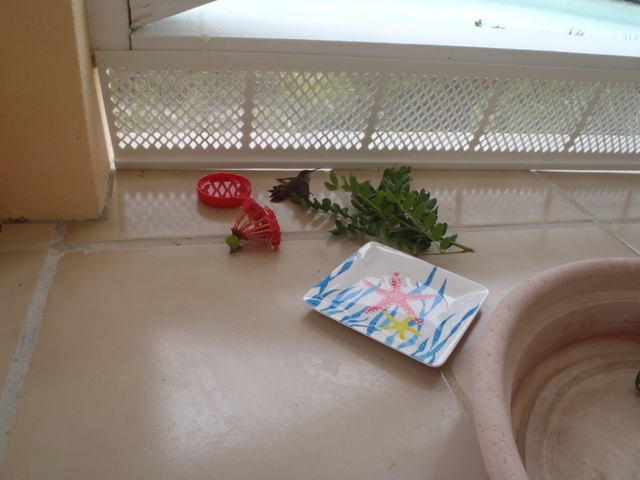
Eventually the hummer start to practise some fluttering, which was a good sign. That’s her above, in the widow behind the greenery. We worked on various ideas to encourage a flying instinct. I suggested putting her on a low box to see what happened… If the fluttering worked to any extent, a gradual increase in take-off height might do the trick.OLYMPUS DIGITAL CAMERA

This seemed promising, except that the bird’s left wing fluttered twice as fast as her right wing. This suggested some sort of lack of co-ordination that might explain why the natural instinct to fly was somehow surpressed. However by Day 10 we had progress, if not actual lift-off.

By now the bird was starting to look less bedraggled and a lot stronger. My suggested names (‘Hummy’; ‘Humela’) didn’t find favour; Carolyn simply called her ‘Baby’. A potential fruit-fly factory on a banana was constructed.photo

At times, Baby was somewhat passive, but it’s possible that Carolyn’s tuneful mockingbird was a confusing element… You can see she was well catered for, with sustenance, fresh air and a nice view.

The next stage was to devise an outdoor flight plan. There had been strong winds, but by Day 12 they had abated.  It was time to see what Baby could do in the fresh air, with tempting flowers all around. She had had some indoor twig perching practice. Her fluttering was stronger: maybe launching from a low branch outside would be the answer. Or the ground?

Mmmmm. 3 failed attempts. Not encouraging. And Carolyn needed to leave Exuma imminently. Luckily, a new life for Baby was at hand with a family in Georgetown who were able to supply a happy ending, having cared for hummingbirds and being perfectly set up with a screened porch with shrubs, flowers, feeders… and fruit flies. Hummer heaven. I am waiting to hear the very end of the story… did Baby ever fly, or is she so pampered in her new home that there is no need for her to budge? And when I get some news, I will post it here.

Bahamas Map  Exuma