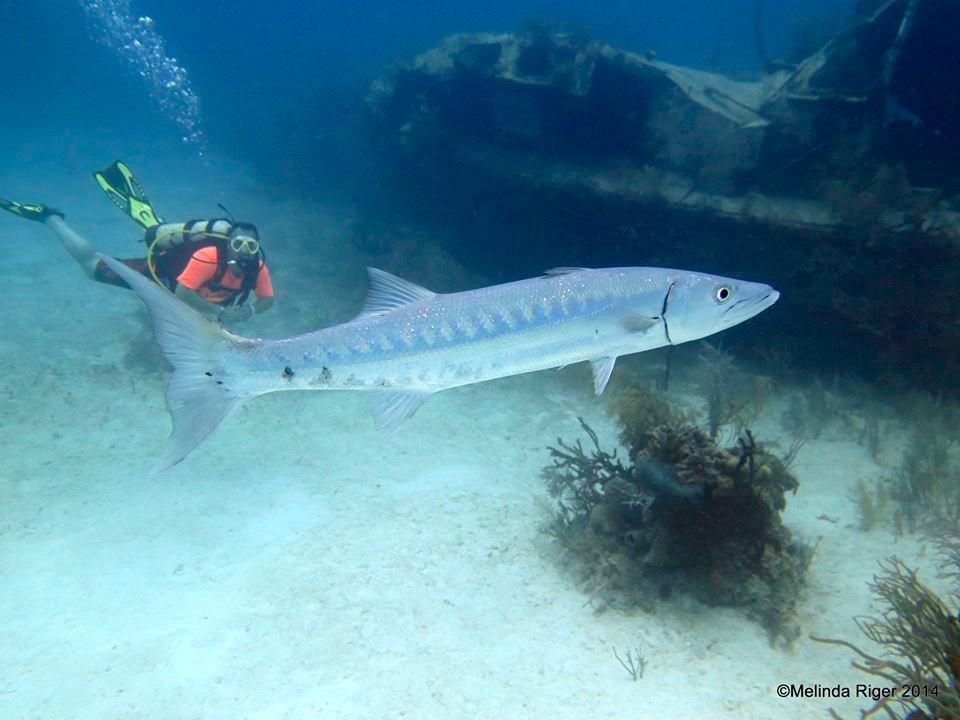
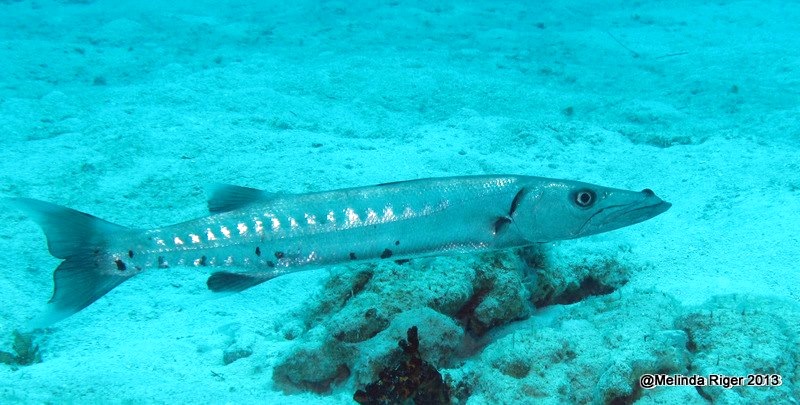
We’ve had some sharks swimming around the blog, for example HERE. But not a great deal about barracudas. Time to put that right. Melinda Riger’s excellent photographs tell you the basics of what you need to know – they are lean, mean biting machines with wicked teeth. In fact, ‘cuda bites are quite rare (unless you you very stupid or very unlucky) and many of the common sense rules that apply to fraternising with sharks in their own element apply equally with ‘cudas.
Great gnashers – some teeth angle forwards & some backwards for mincing prey effectively
Lobbing a brightly-coloured lure from a skiff using a spinning rod into the general vicinity of a barracuda can result in a heart-stopping few seconds as the fish plunges towards the lure at astonishing speed. If it takes it, there’s even more fun to be had bringing it in. ‘Cuda steaks are delicious, but some care needs to be taken. These fish are known carriers ofCIGUATERA fish-poisoning. Click the link to find out about the unpleasantness of the toxin involved. On Abaco, ‘cudas from one side of the island are OK, and from the other side may be suspect… just make sure you know which is which before you cook your supper…
10 PUFFER FISH FACTS TO ASTONISH YOUR FAMILY & FRIENDS
1. Puffers can inflate their bodies in an instant by ingesting huge amounts of water and becoming water-filled balloons.
2. They need a startling form of defence like this (or ‘piscatorial superpower’) because they can’t swim very well.
3. However, a persistent predator will find that they contain a toxin (tetrodotoxin TTX) that is a hundred times stronger than cyanide. One puffer fish has enough toxin to kill quite a few humans. Agatha Christie was unaware of this – had she been, we might have had a classic multiple murder mystery based on the contents of a fish tank… “Poirot and a Fishy Tale of the Caribbean”
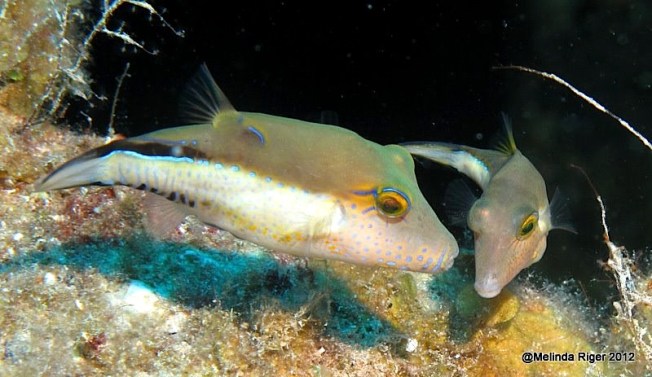
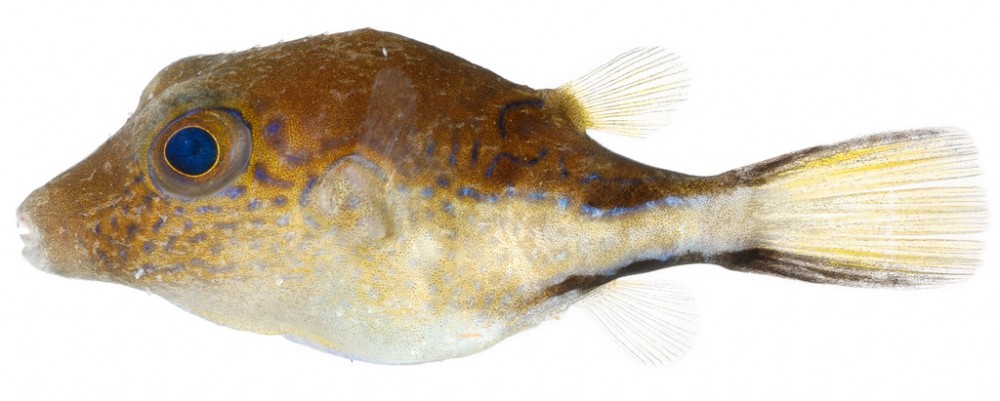
Sharpnose Puffer Fish
4. Selected parts of a puffer fish are a delicacy in some cultures (‘fugu’, in Japan). Trained chefs are used to avoid mass deaths among diners.
5. Sharks are the only species immune to the puffer fish and are not much bothered by a small fish that can blow itself up.
6. Puffers have skin, not scales; most have toxic spines of some sort. Bright coloured ones are probably more toxic than their duller cousins.
Sharpnose Puffer Fish
7. It’s worth knowing what an uninflated puffer looks like before you try to pet a passing fish and have a toxic encounter.
8. There are more than a hundred puffer species in the world, found where there are warm shallow waters.
9. Noy all puffers are toxic; and some are more toxic than others.
10. I have no idea of the relative toxicity of the 2 puffer species featured here. Sorry about that. Take care!
The fish above are all Sharpnose Puffer Fish taken by Melinda Riger of Grand Bahama Scuba; the rather nice drawings of the species are courtesy of the Smithsonian via ‘Vintage Printables’.
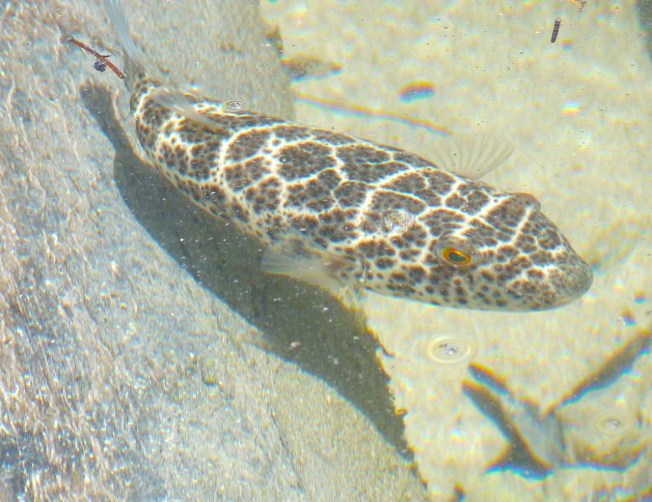
CHECKERED PUFFER FISH
I photographed some Checkered Puffers at Sandy Point, Abaco last summer. None was puffed up, and I wasn’t about to upset them. The following photos of a small group of puffers were taken from above and not underwater (“no fear”).
Checkered Puffer Fish, Sandy Point, Abaco
Checkered Puffer Fish, Sandy Point, Abaco
Checkered Puffer Fish, Sandy Point, Abaco
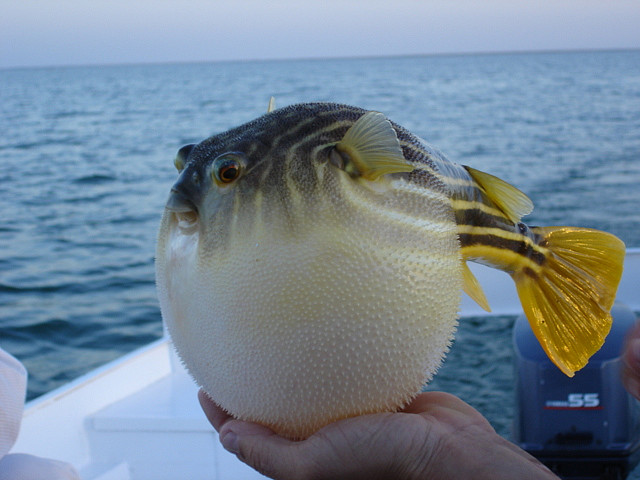
I don’t know what species of puffer the one below may be, but I do know I don’t want it in the palm of my hand. I include it from an ‘info for kids’ site to illustrate what the full balloon looks like. I’m wondering if all one needs to deal with them is a pin on the end of a long stick…
Puffer Fish at Full Puff
FURTHER READING about dodgy creatures you may encounter:
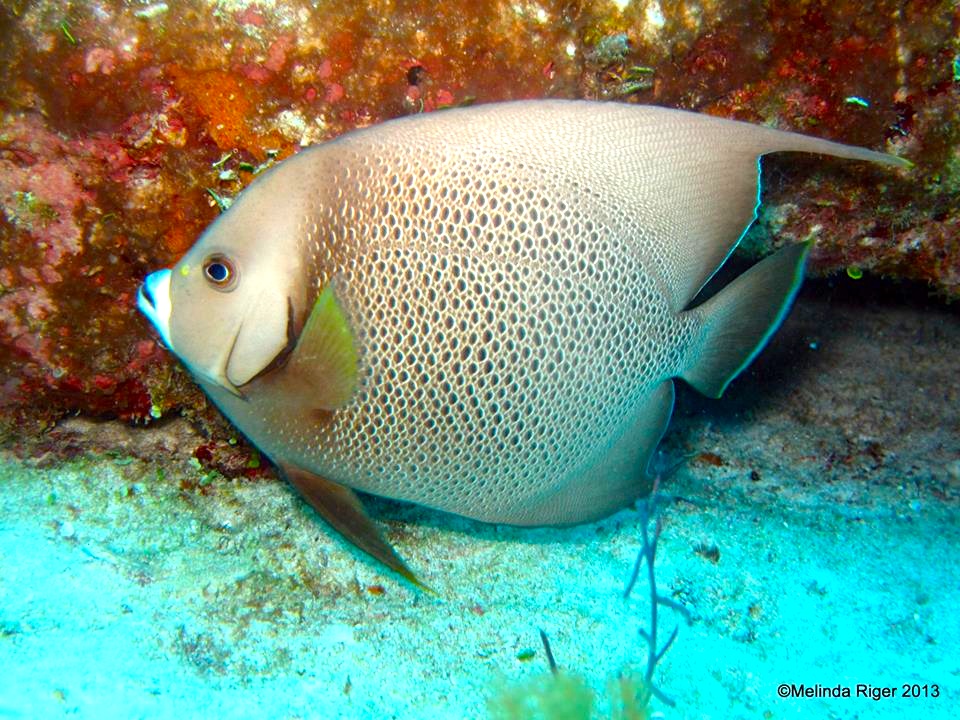
Some time ago I posted aboutGRAY ANGELFISHPomocanthus arcuatus. They are the more dowdy cousins of the flashy QUEEN ANGELFISH. They are not without their own beauty, though, and I have collected a few more photos of this species taken by Melinda Riger of Grand Bahama Scuba. I’m always pleased to feature her amazing reef photos, with their vivid colours and clear detail, so I hope you enjoy these. The last one – with the stripes – is a juvenile.
LAURA JESSON “Do you know, I believe we should all behave quite differently if we lived in a warm, sunny climate all the time. We shouldn’t be so withdrawn and shy and difficult…” (Brief Encounter 1945)
The quote is there both because it is particularly apposite for any withdrawn etc Brit with a toehold in Abaco, and because it explains or excuses the somewhat clumsy title pun… March has been dominated by (a) a trip to Abaco and (b) publication of “The Birds of Abaco”. Time for some cheerful finny fotos to end the month with, courtesy of diving belle Melinda Riger of Grand Bahama Scuba and her top-class camera work.
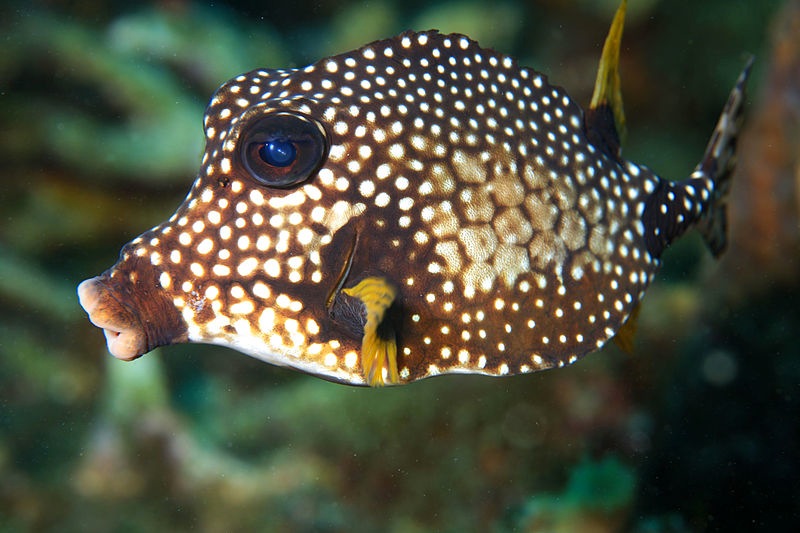
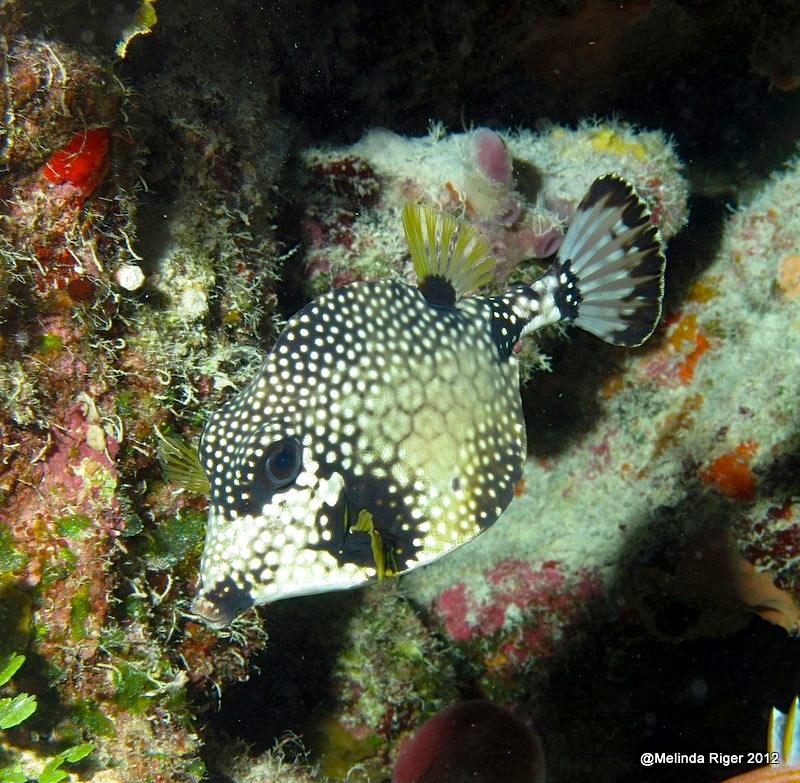
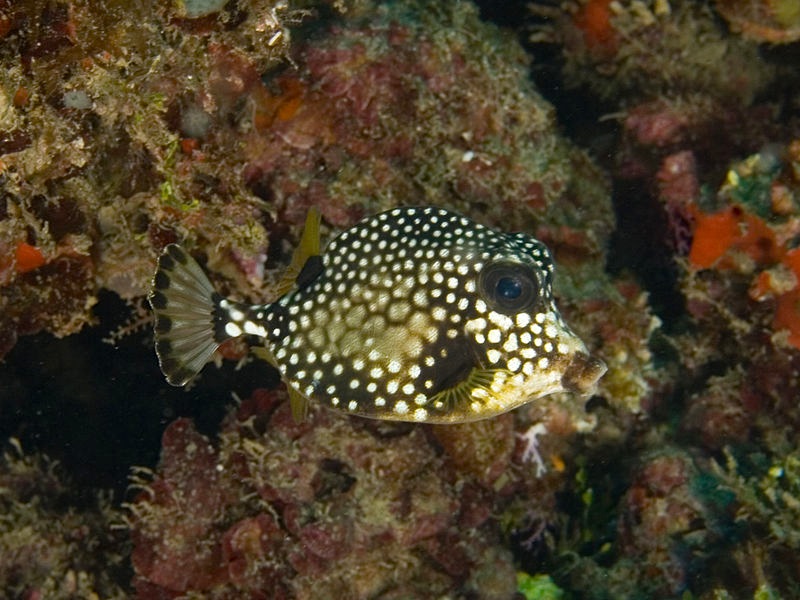
SPOTTED & SMOOTH TRUNKFISH: BAHAMAS REEF FISH (16)
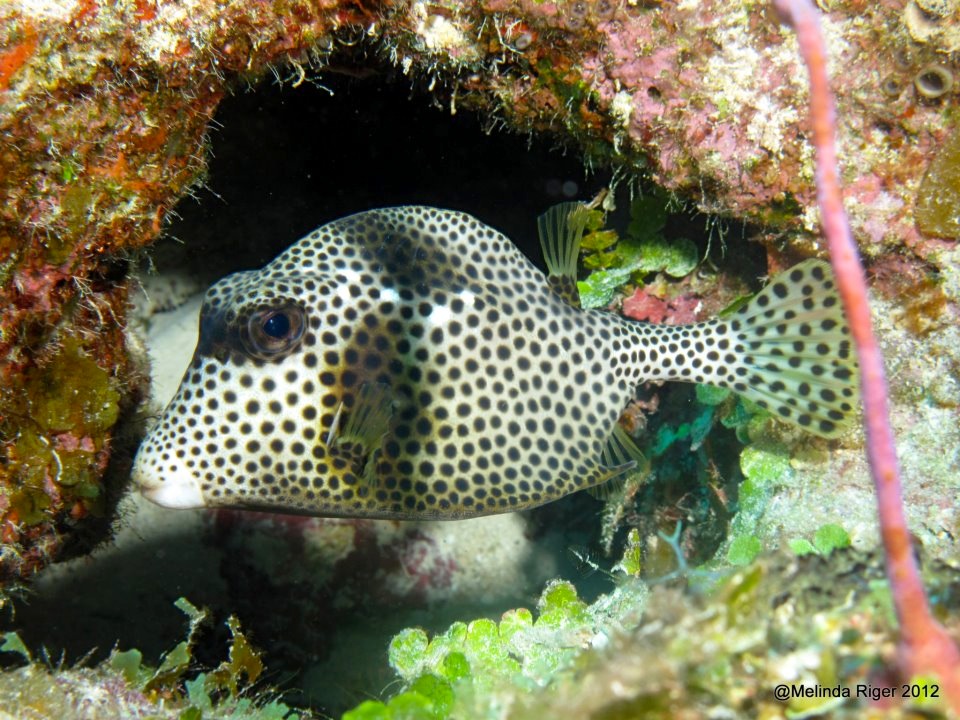
THE SPOTTED TRUNKFISH is a reef fish distinctive for its dark spots on a silvery-white background. It’s very wrong of me to comment, I know, but arguably its appearance is amusing. It probably feels the same about divers with all their gear…
However the trunkfish deserves to be treated with due respect. When touched, they secrete a colourless toxin from glands on their skin. The toxin is only dangerous when ingested, so divers are unlikely to be harmed by the it. Predators however are at risk, and creatures as large as nurse sharks are known to have died as a result of eating a trunkfish.
THE SMOOTH TRUNKFISH is almost a negative of the spotted trunkfish, with white spots on a dark background rather than vice versa. Adults develop hexagonal patterning on their sides. They also secrete toxins and are best left untouched. Their ability to pucker up is impressive…
“Coming at you…” Here is the extraordinary pouting triangular creature you will seePhoto Credits: Melinda Riger @ Grand Bahama Scuba; additional props to Wiki
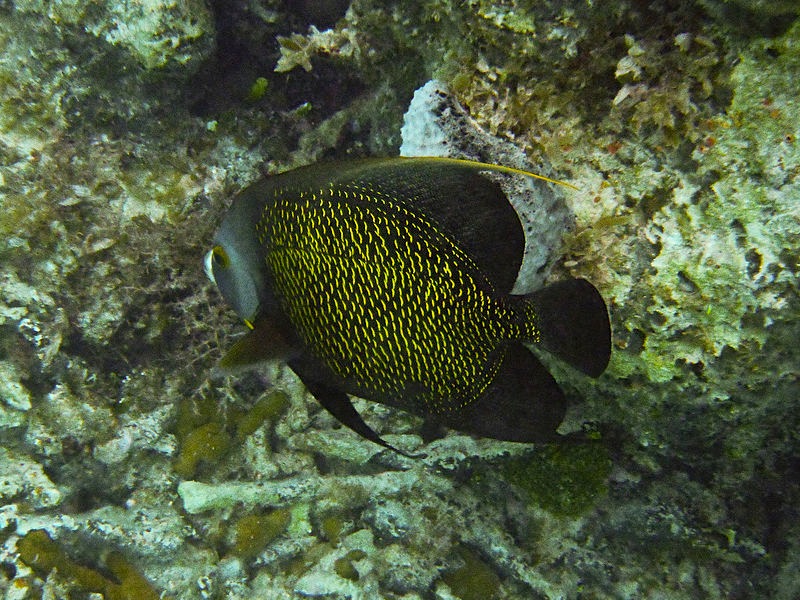
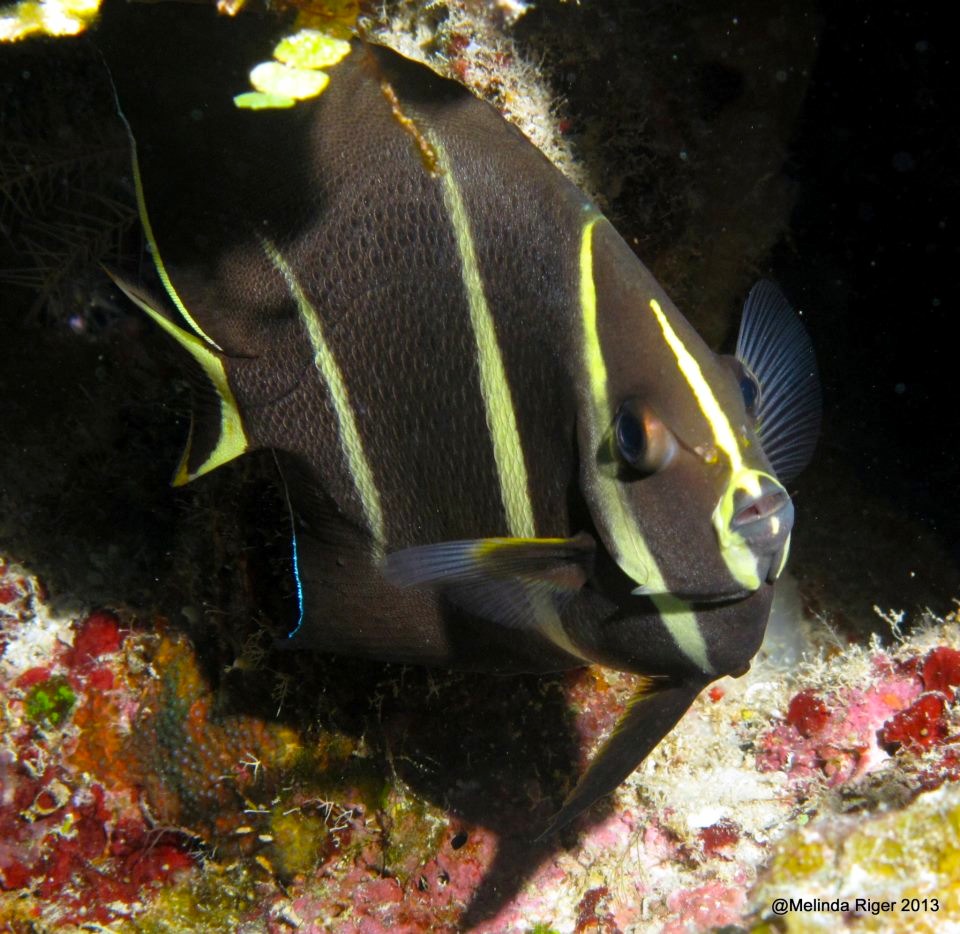
JUVENILE FRENCH ANGELFISH – BLACK WITH YELLOW BANDS
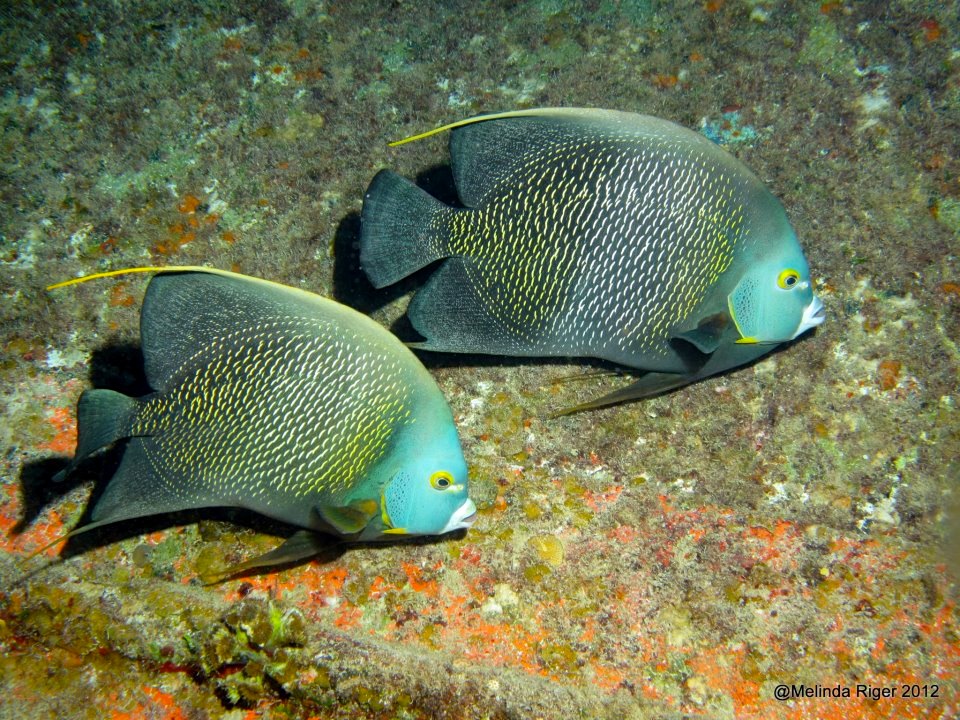
The French angelfish Pomacanthus paru is found in the western Atlantic and in parts of the eastern Atlantic. They are mainly seen around shallow reefs, often in pairs. They feed on sponges, algae, soft corals and small invertebrates.
ADULT FRENCH ANGELFISH
Juveniles are extremely useful members of the reef fish community, providing cleaning stations. They service many species including jacks, snappers, morays, grunts, surgeonfishes, and wrasses, removing parasites.
Angelfish are monogamous, and defend their territory robustly. They swim around the reef during the day but at night they shelter in so-called ‘hiding spots’, which they return to each evening.
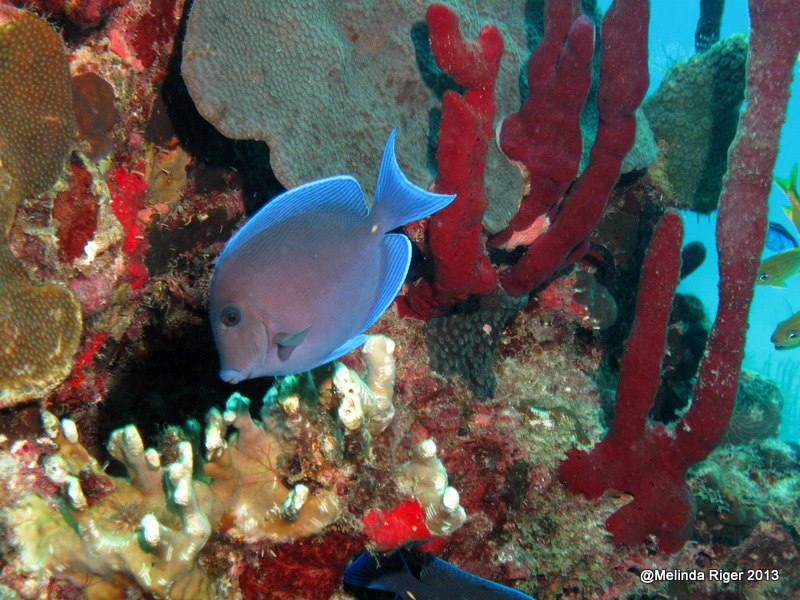
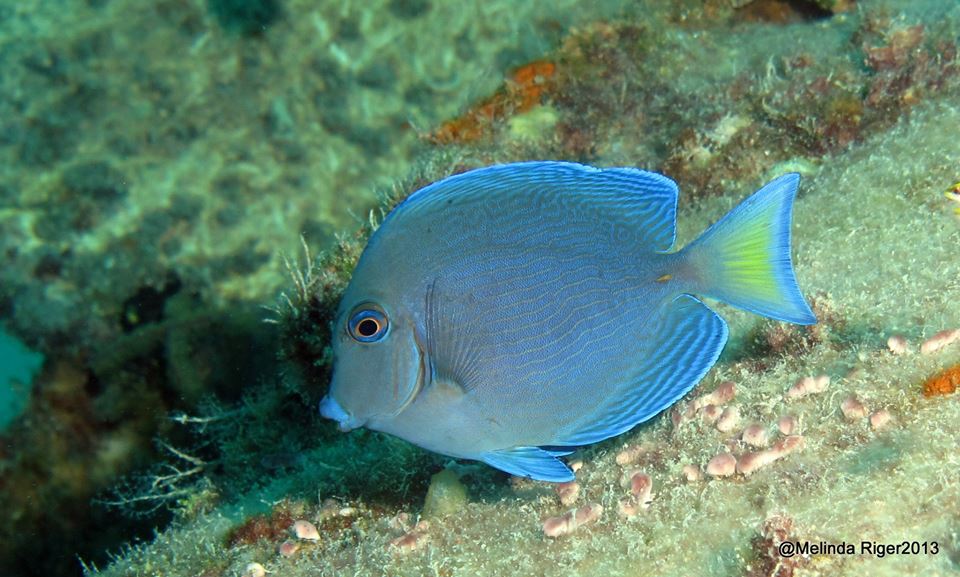
The Blue Tang Acanthurus coeruleus is a species of Atlantic surgeonfish mostly found on coral reefs. They are known as surgeonfish because they can slice you with their sharp, spiny caudal fins. Adults are blue, ranging from a deep blue or even purplish to much paler blue.
Surprisingly, as juveniles, Blue Tang are bright yellow.
As they grow, they become blue, with the tail being the last part to lose the yellow.
Blue Tang are herbivores, cruising constantly round reefs feeding on algae. They also act as cleaners of other fish species, removing parasites. They themselves may be cleaned by gobies by visiting so-called ‘cleaning stations’. These piscine beauty parlours have a medicinal purpose as well, since cleaning helps to cure minor wounds.
These fish often move around reefs in large schools, as shown in the header image. Apart from having some value as an aquarium fish, they are not generally of use to humans. Their spiny caudal fins can cause a nasty wound. They have an unpleasant smell. Their flesh supposedly contains toxins, and they carrying a risk of the disease CIGUATERA. I can’t even find a recipe for them online – now, that is a bad sign, there are some people who will try anything. I guess best to boil them for an hour or two, drain the water, allow to cool, and throw away the fish.
FUN FACT In the Disney/Pixar film Finding Nemo, the character Dory (voiced by Ellen DeGeneres) is a blue tang.
BLUE TANG: THE MOVIE [RE-RELEASE]
“RECIPE Take one incompetent swimmer who hasn’t snorkelled in, oh, nearly 40 years. Place him over a coral reef for his first time ever. Add a small underwater camera totally alien to him. Immerse for 30 minutes in warm briny water. Lessons have been learnt for next time. Mainly, don’t keep waving the camera about; let the fish move round you rather than vice versa; and most important of all, remember to keep breathing or else…
Here is BLUE TANG: THE MOVIE (music by Adrian Legg), 45 secs of advanced camera-shake with some beautiful fish more or less in shot for most of the time. If you are prone to sea-sickness, do not enlarge the video. If you are allergic to poor photography… well, thanks for visiting.”
[vimeo https://vimeo.com/44794952]
Credits: Good pictures, Melinda; bad pictures and execrable movie, not Melinda
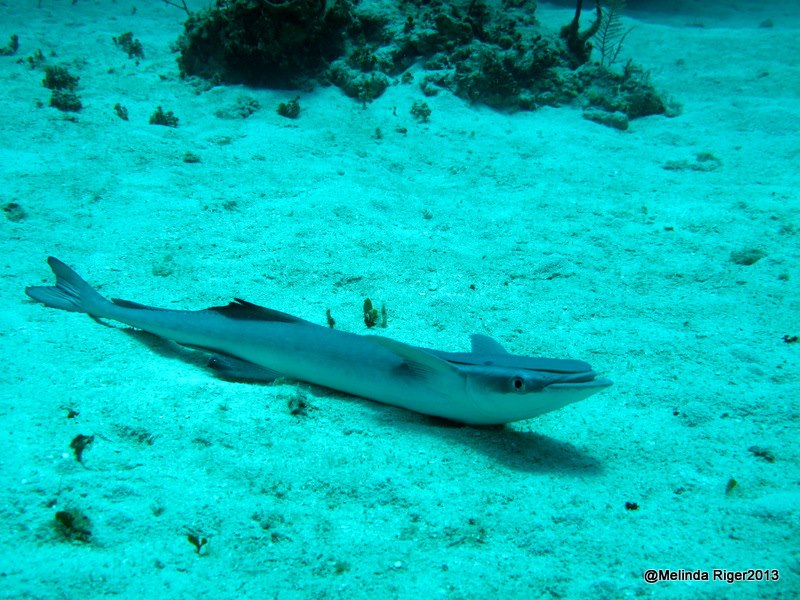
Remoras (Echeneidae), also known as Sharksuckers, Whalesuckers or Suckerfishes, are ray-finned fish that grow up to 3 feet long.
You may have noticed them in pictures of sharks and wondered briefly why they hang out with such dangerous creatures. There is filmed evidence that remoras do occasionally get eaten by their hosts…
WHAT DO THEY DO?
Remoras have remarkable dorsal fins that form a sucker-like organ with a ribbed structure. It looks a bit like the sole of a trainer or beach shoe.This bizarre organ can open and close to create or release suction, enabling it can latch onto larger marine creatures. The remora can increase suction by sliding backward, or it can release itself by swimming forward – the ‘slats’ are smooth in one direction, and rough the other way. They have been known to attach themselves to boats. And scuba divers. Even with hairy legs…
WHAT KIND OF CREATURES DO THEY GET ATTACHED TO?
Remoras associate with specific host species. They commonly attach themselves to sharks, manta rays, whales, turtles, and manatees / dugongs. Smaller remoras may latch onto fish such as tuna and swordfish, and some travel in the mouths or gills of large manta rays, ocean sunfish, swordfish, and sailfish.
WHY WOULD THEY WANT TO DO THAT?
The relationship between a remora and its host is known as Commensalism, specifically ‘Phoresy‘.The host to which it attaches for transport gains nothing from the relationship, but also loses little. The remora benefits by using the host as transport and protection, and also feeds on morsels dropped by the host. Controversy surrounds whether a remora’s diet is primarily leftover fragments, or the feces of the host. Maybe it’s a healthy mix of both.
WHERE CAN I FIND ONE?
Remoras are found in tropical, sub-tropical and temperate waters, including the mediterranean. You will definitely find them in the Bahamas. Melinda’s photos were all taken in the waters south of Grand Bahama.
CAN YOU CATCH ONE?
YES! This late addition (Nov 2016) comes courtesy of Cinda Parks… a remora caught in Cherokee Sound. It’s the first image of a live one out of the water that I’ve come across!
ARE THEY USEFUL TO MANKIND IN ANY WAY?
Yes, but not in a good way, some may think. Some cultures use remoras to catch turtles. A cord or rope is fastened to the remora’s tail, and when a turtle is sighted, the fish is released from the boat; it usually heads directly for the turtle and fastens itself to the turtle’s shell, and then both remora and turtle are hauled in. Smaller turtles can be pulled completely into the boat by this method, while larger ones are hauled within harpooning range. This practice has been reported throughout the Indian Ocean, especially from eastern Africa near Zanzibar and Mozambique, from northern Australia, Japan and even the Americas.
Because of the shape of the jaws, appearance of the sucker, and coloration of the remora, it sometimes appears to be swimming upside down (see above). This probably led to an older name reversus, although this might also derive from the fact that the remora frequently attaches itself to the tops of manta rays or other fish, so that the remora is upside down while attached.
THANKS FOR THAT. BUT WHERE CAN I GET MORE INFO ON THESE SUCKERS?
RIGHT HERE – AN EXCELLENT VIDEO WITH PLENTY OF LIVE REMORA ACTION
OH! FINAL QUESTION. ARE REMORAS EDIBLE?
I though someone might ask that, so I’ve checked it out. Here is the best recipe I have found, expanded slightly from a blokey Australian chat thread:
Recipe for cooking Remora
put a 12 ltr pot on to boil
when the pot is bubbling violently, add 2 whole remora, 2 garden rocks, 1 carrot & a large turnip
add grandfather’s boots to taste, and turn heat down after 3 hours
simmer for a further 6 hours
turn off heat and drain carefully
remove and discard remora, and serve the rest on a bed of tin tacks
Credits: Melinda Riger, Grand Bahama Scuba; Cinda Parks for the freshly caught remora 2016; Wikimedia; meaty Wiki chunks & assorted pickings
I have been idly filing away some stunning close-up reef denizen images by Melinda Riger. A Monday morning is the perfect time to showcase some pouts, poses and glad eyes from the ‘catfish walk’, starting with my absolute favourite…
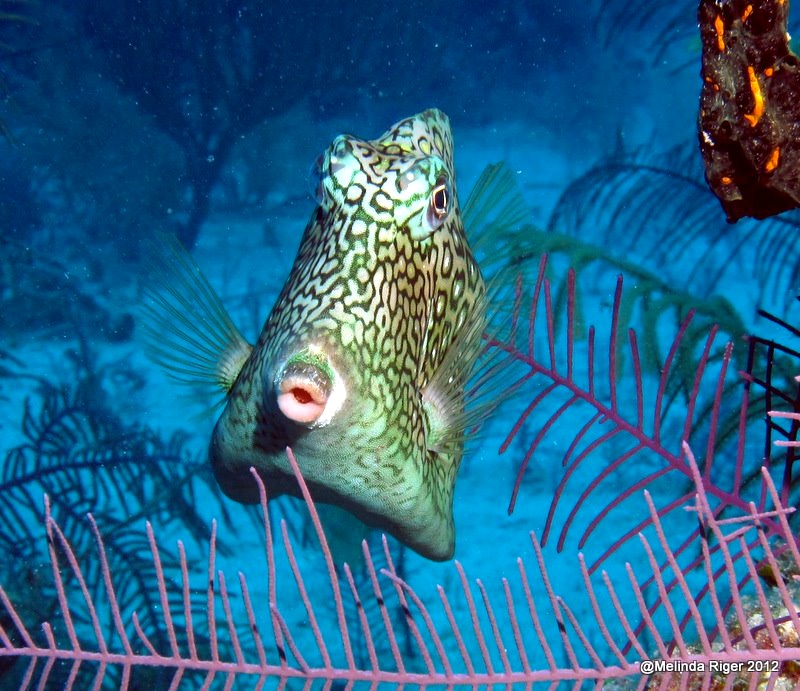
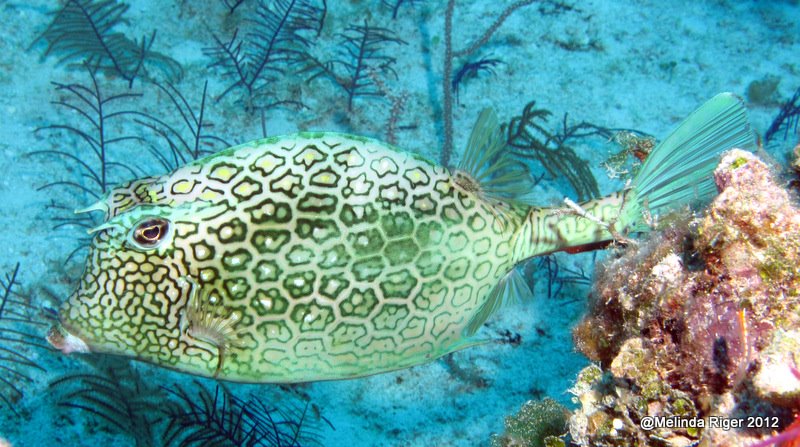
A COWFISH** PERFECTS THE POUT
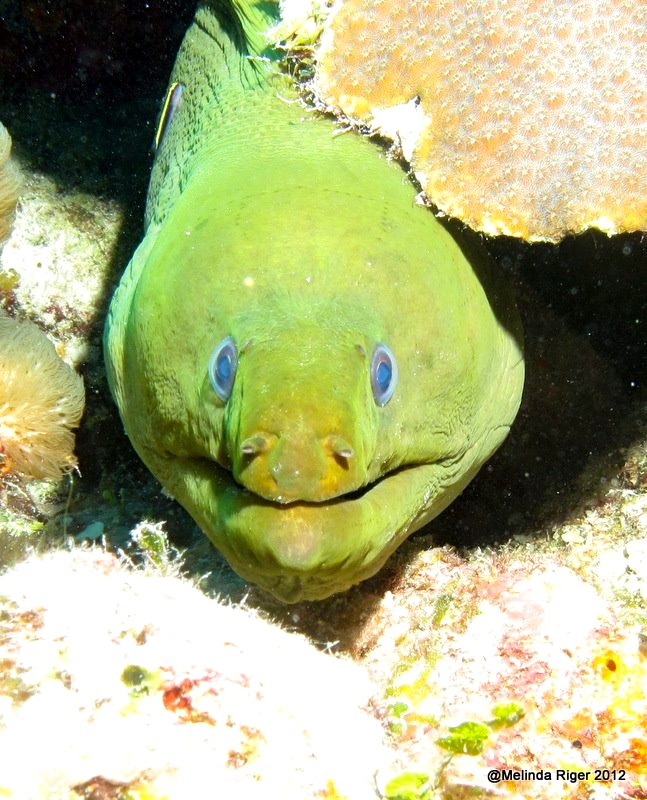
A GREEN MORAY EEL SMILES STRAIGHT TO CAMERA
THE QUEEN ANGELFISH ‘LOVES’ THE LENS
A GROUPER DOES THE ‘OPEN-MOUTH’ GAPE
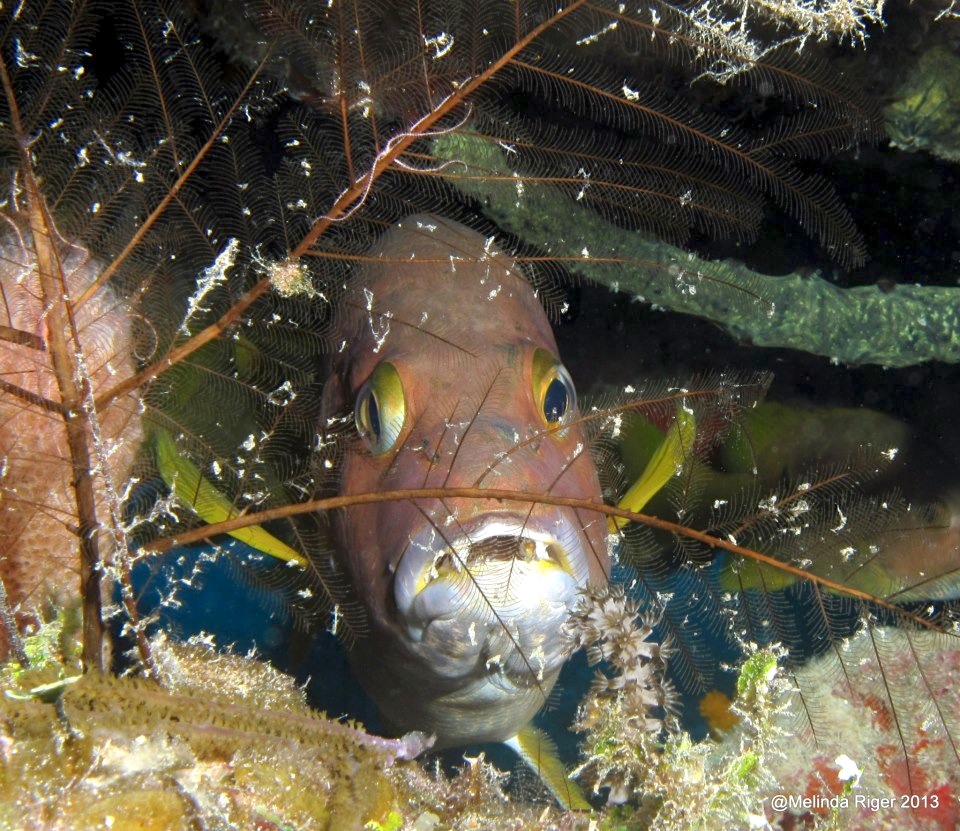
THIS SCHOOLMASTER SNAPPER MAY NOT HAVE GOT QUITE WHAT IT TAKES
NICE EYES, BUT THE PETITE SAND-DIVER NEEDS TO BE A LITTLE MORE OUTGOING
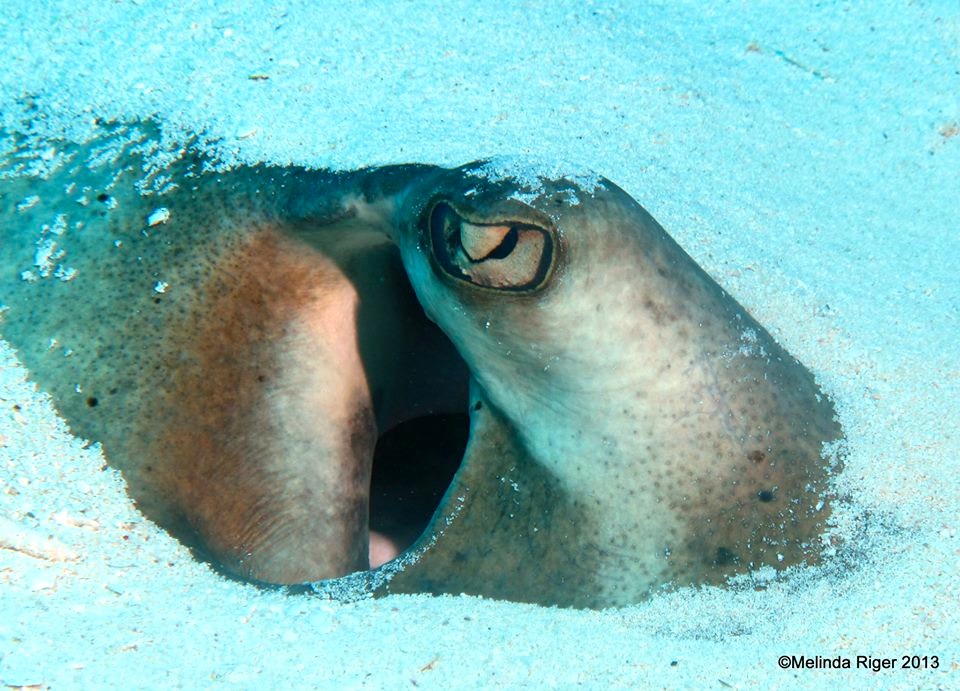
AS DOES THE SOUTHERN STINGRAY
HOWEVER THE PEACOCK FLOUNDER IS ROCKING THE MAKE-UP BOX
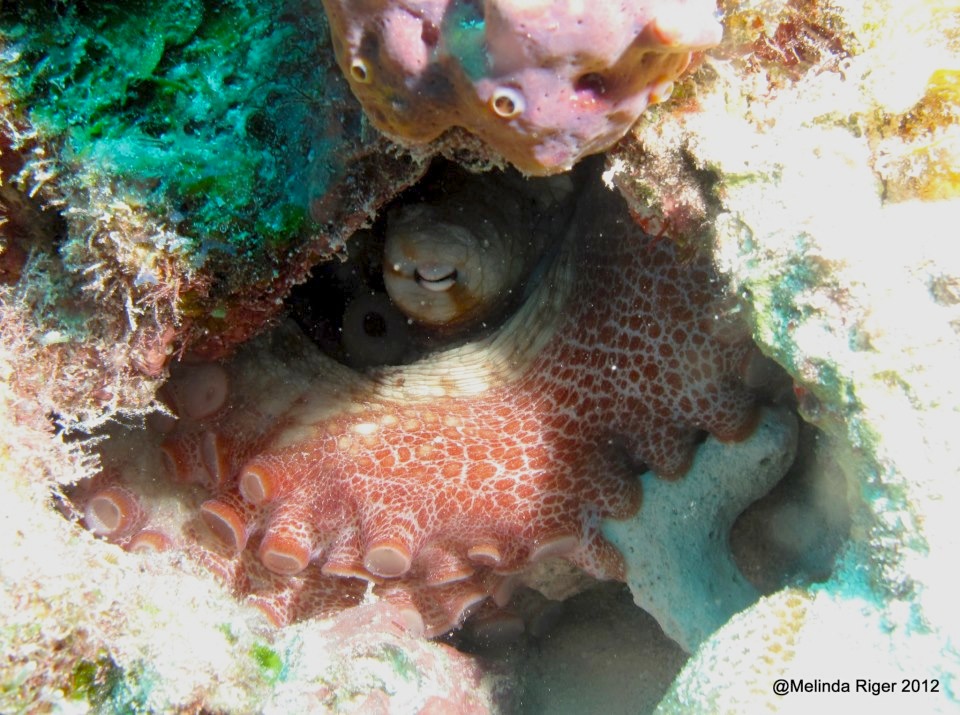
THE OCTOPUS IS MOODY & WON’T GET OUT OF BED FOR LESS THAN 20 MOLLUSCS
AND REGRETTABLY THE POOR CONCH HAS A BAD STAGE FRIGHT
For more octopus information and a discussion of the correct plural (choice of 3)CLICKHERE
For a post about underwater species camouflageCLICKHERE
**Since I posted this earlier today, I have been asked (re photo 1) what the… the… heck a Cowfish looks like, when it’s not puckering up while facing you. The answer is: stunningly glamorous…
Thanks as ever to Melinda Riger of Grand Bahama Scuba for use permission for her fab photos; tip of the dorsal fin to Wiki for the shark eye header pic
BAHAMAS REEF FISH (14): HAMLETS (NOT GLOOMY DANES)
“Oh, that this too too solid flesh would melt, thaw and…” Ah! Sorry. I’m soliloquising again. Must be Thursday. And the merest mention of Hamlet is enough to set anyone off. But I speak not of noble yet gloomy Danes of Elsinore and of discernibly introspective aspect. These ones are pretty reef fish of the Caribbean seas, mainly in the Bahamas and along the Florida coast. There are a number of different types of hamlet, of which the 4 featured below in Melinda’s amazing underwater images were were encountered in one dive.
SHY (OR GOLDEN) HAMLET
Hamlets have outstandingly interesting reproductive skills, being ‘synchronous hermaphrodites’. They have the unusual benefit of having both male and female sexual organs as adults, permitting imaginative combinations of pairings (though not including self-fertilization). When they find a mate, “the pair takes turns between which one acts as the male and which acts as the female through multiple matings, usually over the course of several nights”.I don’t dare check whether there are websites that cater for this sort of energetic coupling. The wonder is that Hamlets preferentially mate with individuals of their same colour pattern, and that they are not more wanton with their attentions and sexual flexibility.
INDIGO HAMLET
BARRED HAMLET
BUTTER HAMLET
OPTIONAL CULTURAL, HISTORICAL & MUSICAL DIVERSION INSPIRED BY HAMLET
The other notable Hamlet is, of course, the mild cigar equated in the famed commercials with happiness, accompanied by an excerpt from a jazzy version of Bach’s ‘Air on the G String’. Here is one of the best – and possibly the only advert to my knowledge to feature not one, but two excellent Sir Walter Raleigh jokes.
Bach’s well-known descending chord sequence of was of course shamelessly ripped off by ingeniously adapted by Procol Harum for ‘A Whiter Shade of Pale’, their first single in 1967. Relive the Summer of Love right here and now. Is this the music that might even put those versatile hamlets in the mood…
Any fret-tweakers might like to see the sheet music of the Air for guitar – you could even play it on air guitar – which is relatively easy, being in C major.Credits: All fish pics Melinda Riger of Grand Bahama Scuba, except wiki-header; open-source online material; my mp3, dammit – I can’t get the wretched tune out of my mind…
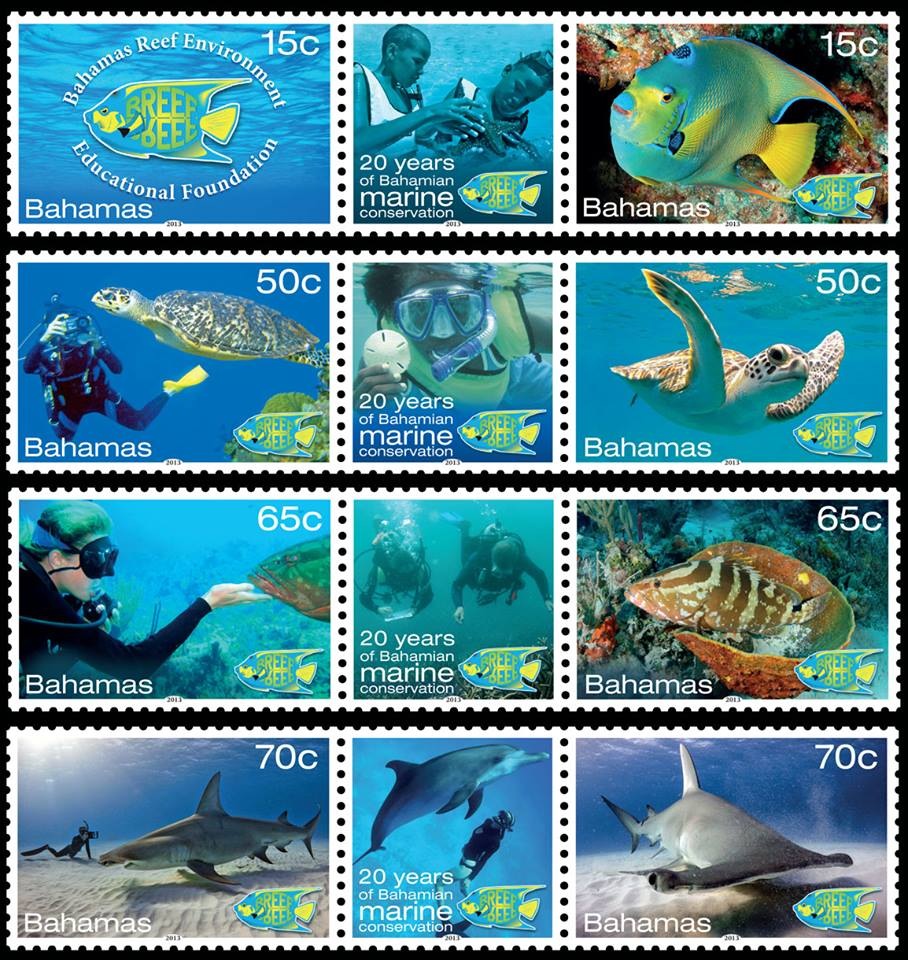
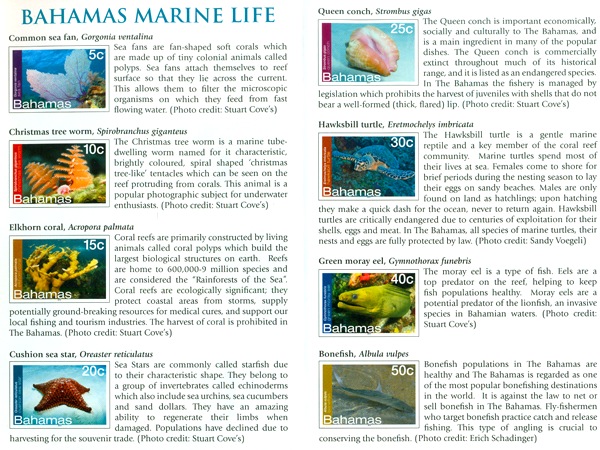
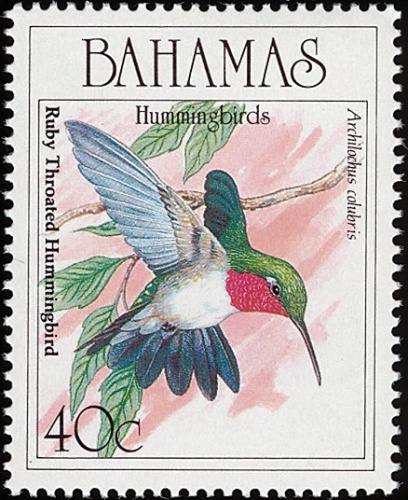
The Bahamas ‘does’ extremely nice stamps, in particular ones featuring the rich and varied wildlife of the islands. The islands spread from the subtropical climates of the north, on a level with Florida, to the near-tropical islands of the south. This ensures plenty of scope for designing pretty sticky bits of paper to stick onto other bits of paper. One of the small pleasures in life, near-lost to the tyranny of the email…
The sets of wildlife stamps are issued by the Bahamas Post Office. I’ll add to this collection piecemeal (including some from my own modest collection). The very latest commemorative issue heads the display.
Best seen on Inagua, the island where they breed. Less often found elsewhere, and sadly now only as occasional ‘vagrants’ on Abaco. Flamingo post with wonderful pictures of adults, babies and nests HERE
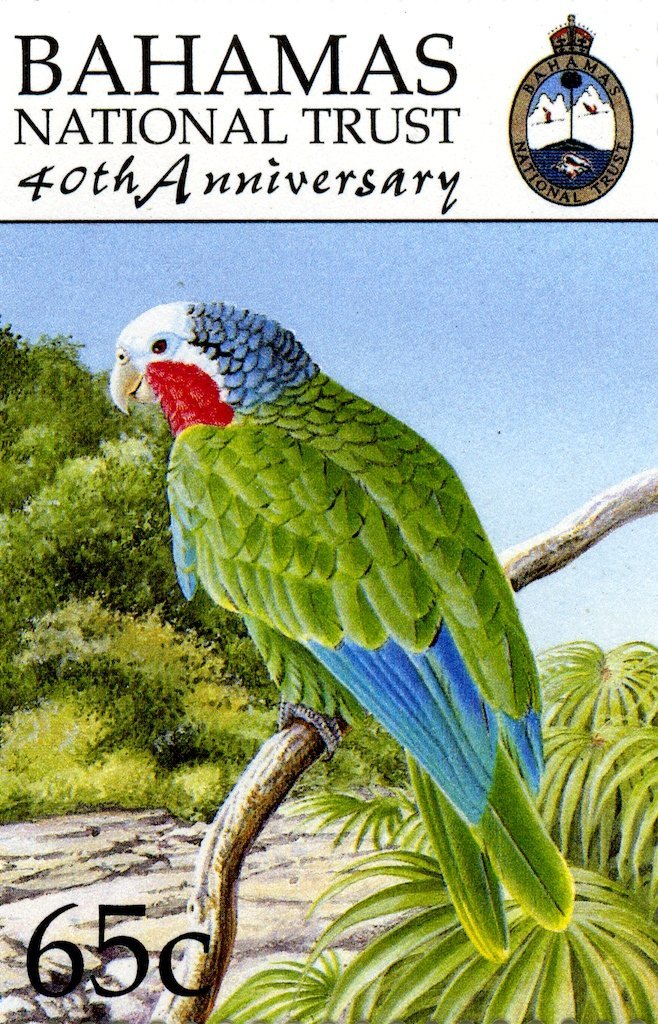
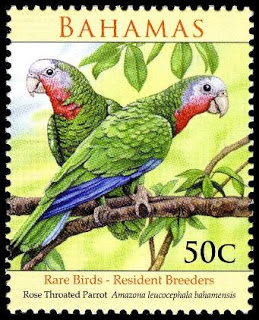
PARROT POST
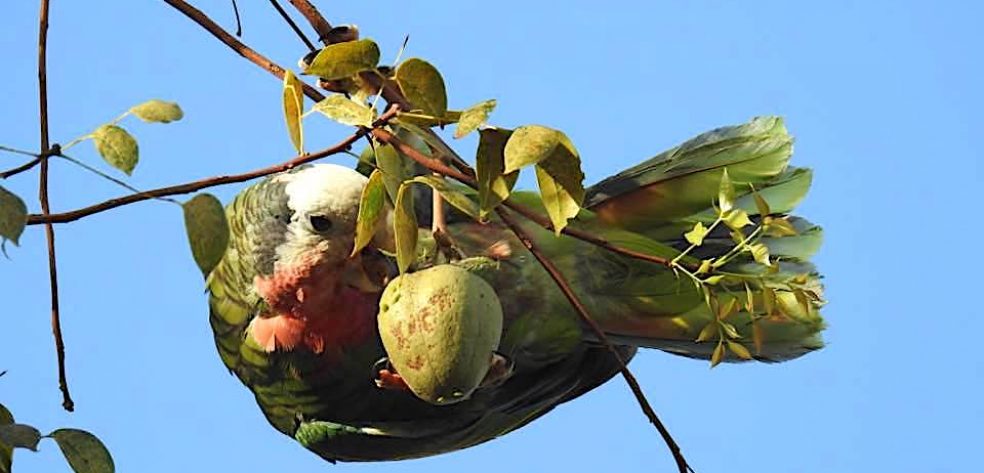
Found mainly on Abaco (the resident underground nesting variety) and Inagua (conventional nesters), where they breed. Small groups are now found elsewhere, e.g. Nassau, where there is a local monitoring programme, but I’m not sure that there is evidence of breeding there. Any info welcome… One (of several) lavishly illustrated parrot postsHERE
The KIRTLAND’S WARBLER is one of the rarest birds of the Bahamas, a winter resident that breeds only in a small area of Michigan. The entire population is numbers only a few thousand birds. The number of sightings annually on Abaco is very small – fewer than a dozen, and in some years none at all. Increasing knowledge about their favourite haunts is now improving the recording rate. I know of two seen this year, on the same day… a birder’s lifetime achievement.
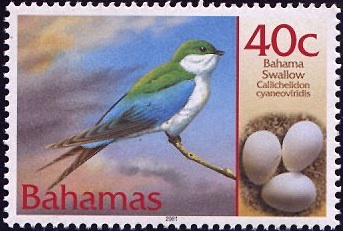
This swallow is endemic to the Bahamas
Found on Abaco only as an occasional visitor.
WATERFOWLCredit as shown
3. ANIMALS
4 BUTTERFLIES & INSECTS
Credits: A compendious credit to sundry online sources including Bahamas PO, Bahamas Weekly, eBay and other sales / promotional sources, ads and the like, and unknown sources. I rarely find myself having to use this broad sweep approach: if your pic is here and you are upset, apologies, contact me to express your displeasure &co and I’ll take it down of course. But these are only non-rare small bits of paper; and this is a humble non-profit making info site of limited appeal in a Big Wide World. OK with that?
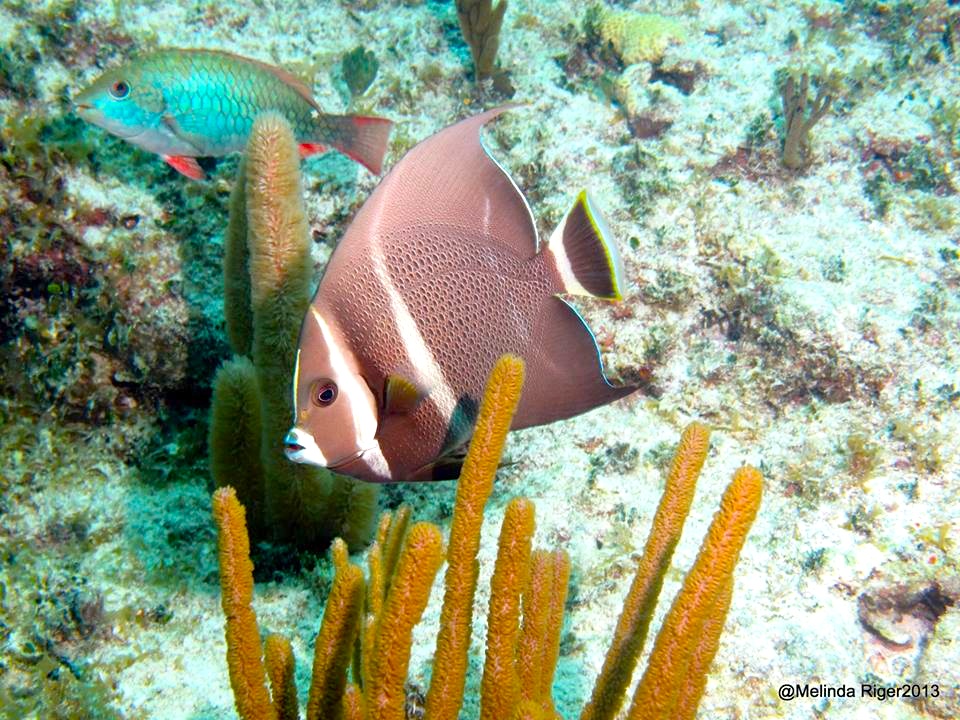
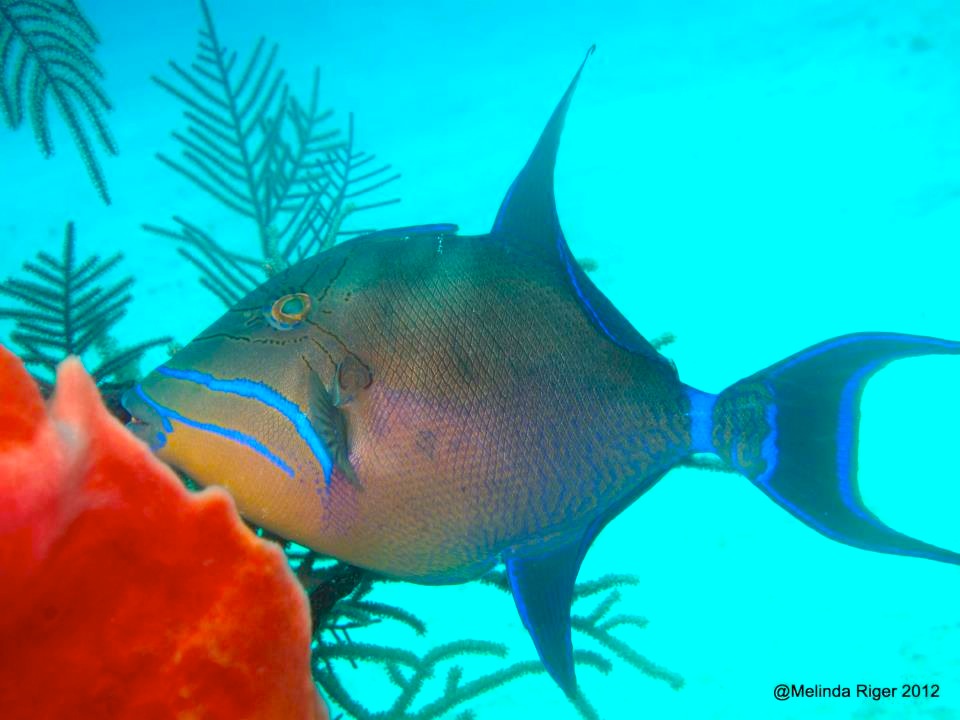
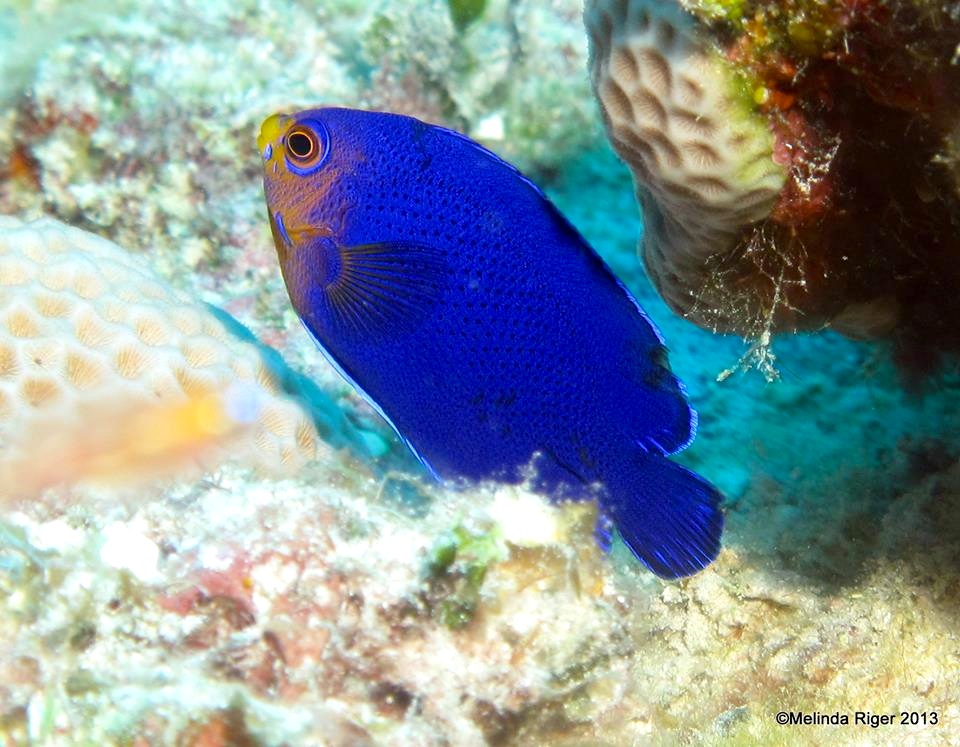
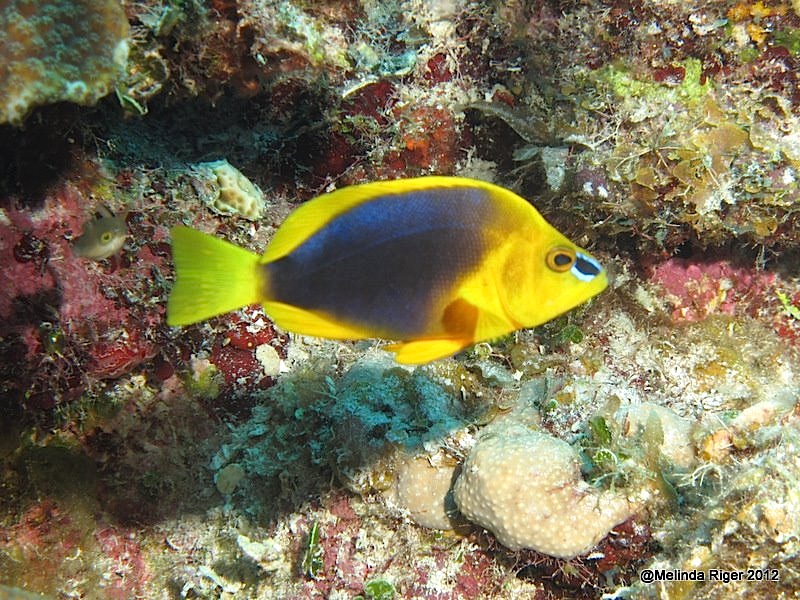
QUEEN ANGELFISH: COLOURFUL CORAL ROYALTY – BAHAMAS REEF FISH (13)
One of the earliest posts in the Bahamas Reef Fish series was about Queen Angelfish Holacanthus ciliaris, and you can see it HERE. I make no apology for returning with some more recent photos from Melinda Riger – these fish deserve plenty of attention for their wonderful bright presence that stands out even amongst the colourful corals of the reef.
This first image is remarkable for its clarity and composition. What, I wonder, is the fish saying to Melinda as she presses the camera button? All caption suggestions welcome…
Angelfish are quite happy to swim round either way up
The juvenile of the species, nosing around the coral for tasty morsels, is equally colourful
We are back in the realm of ‘animal, vegetable or mineral?’. Dive down a few feet – inches, even – to the reef, and… is this thing waving about here a plant or a creature? And is that colourful lump over there a bit of inanimate rock or a living thing?
1. FEATHER DUSTERS
Not in fact pretty frilly-fringed plants, but worms among the coral. The tiny electric blue fish are Blue Chromis, ubiquitous around the reefs.
Here the feather dusters have attached themselves to a sea fan, a ‘gorgonian’ coral
Moored on part of an old wreck
A different form of duster with remarkable feathered tentacles
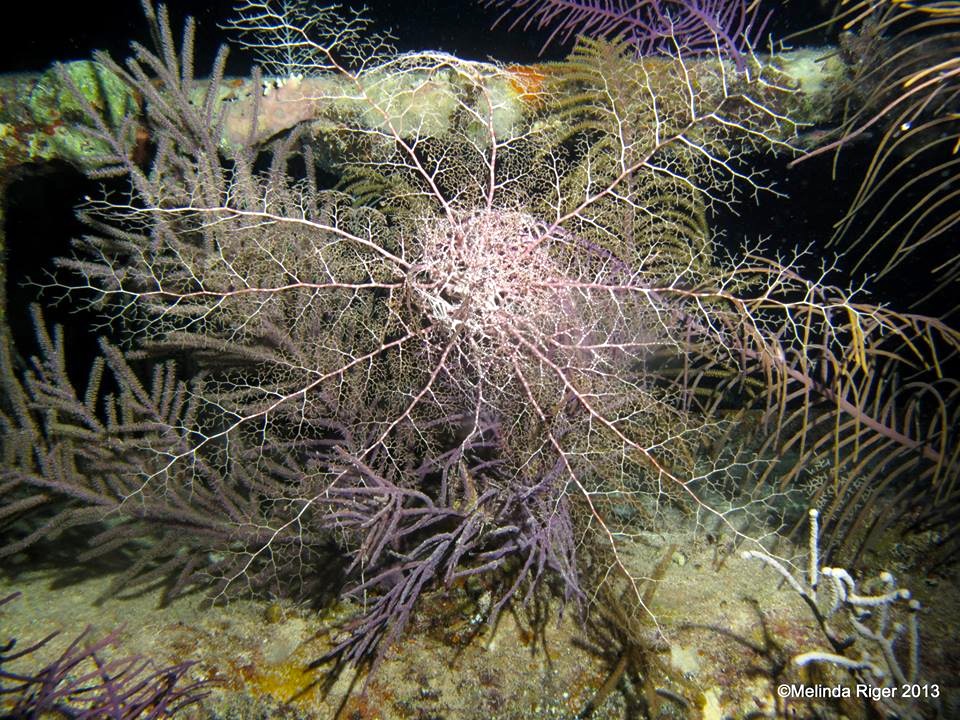
2. BASKET STARS Creatures in the same family group as brittle stars. Take a close look at the remarkable transformation in the two photographs. The top image is taken in daylight. The star is off duty and enjoying some downtime. However the second image is the same view at night, with the star fully open and waiting to harvest whatever micro-morsels come its way. The star has truly ‘come out at night’.
3. CORKY SEA FINGER Another form of gorgonian coral, sometimes known as dead man’s fingers… **
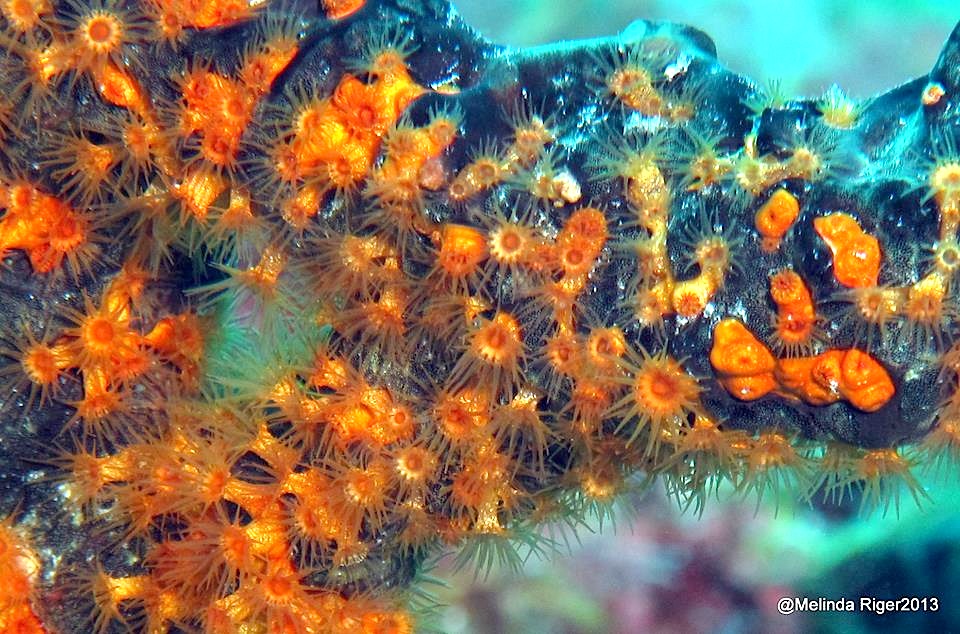
4. GOLDEN ZOANTHIDS Coral forms living on a Green Rope Sponge. Some zoanthids contain a deadly poisin called palytoxin, which may do unspeakable things to your heart. Like stop it. Luckily, none so unpleasant live in the Bahamas (or so the Bahamian Tourist Board would no doubt wish me to make clear).
I realise that calling this occasional series ‘Reef Gardens’ is a bit of a misnomer. They are in fact Reef Zoos. The previous posts are as follows:
Image credits, with thanks: Melinda Riger @ Grand Bahama Scuba
** I knew this image reminded me of something… or someone. And (superannuated British rockers out there), is it not exactly like the hairdo of one of the guys in Mott the Hoople, a band lifted from relative obscurity to fame by being gifted a song by David Bowie? Guitarist. Ian Hunter. Take a look at him now… and just imagine then
TIGER GROUPER Mycteroperca tigris – BAHAMAS REEF FISH (12)
The grouper family is a large one, and a number of varieties of the species inhabit Bahamas waters. Like most groupers, these are denizens of coral reefs. An adult grouper may grow to 3 ft long and weigh in the region of 10 lbs.
Groupers are effective predators, with strong gills that enable them to suck their prey into their large mouths from a short distance away. They will eat smaller fish, crustaceans, and even OCTOPUSES(click to discover the correct plural form for this creature).
Many divers become familiar with the groupers of the reefs they explore, and some of the fish are given pet names. They are often distinguished from each other by distinctive markings or injury scars. More varieties of grouper will be on show soon; though it has to be said that this series will be no beauty parade… (see above and below for further details)
All photos: Melinda Riger @ Grand Bahama Scuba
UPDATE I’ve found a video of a tiger grouper off Nassau sizing up the photographer, before swimming away
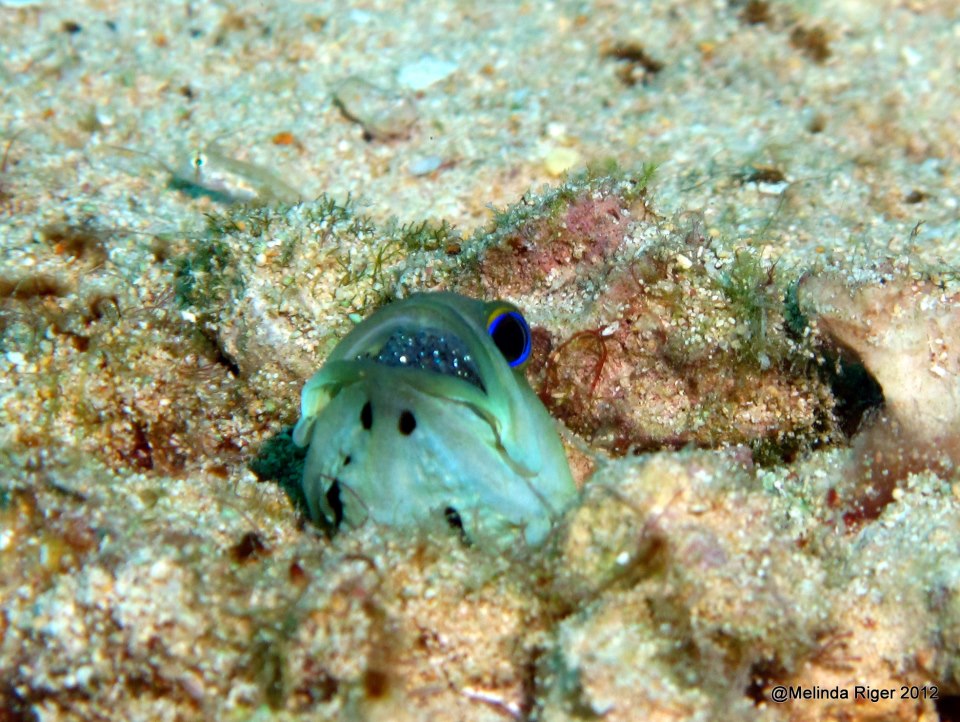
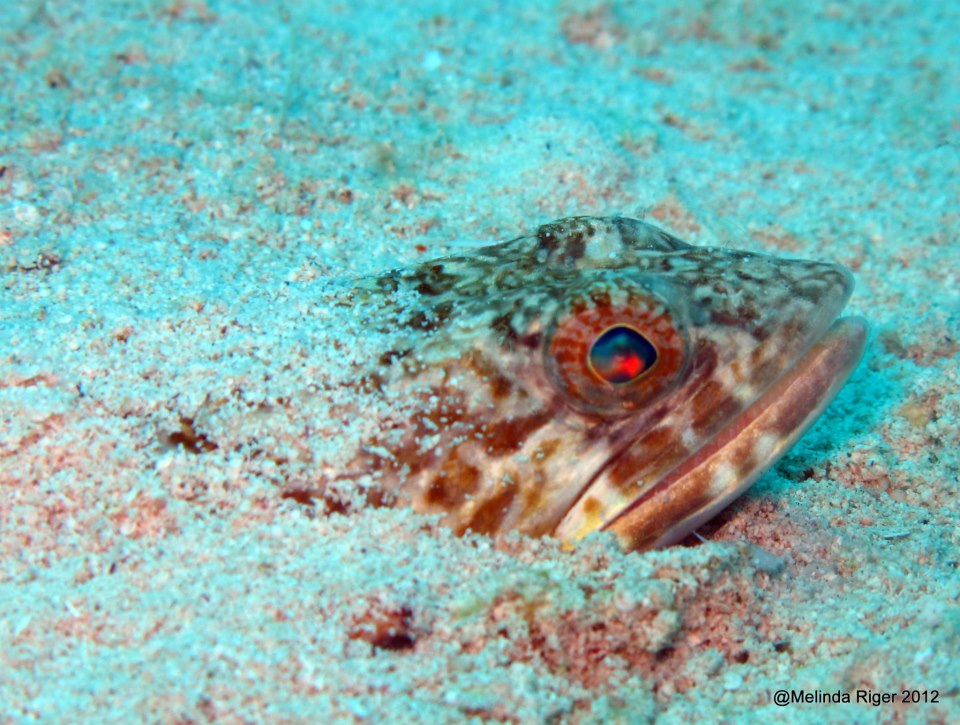
The coral reefs of the Bahamas provide a home for a myriad of subaquatic creatures and plants. Not necessarily a safe one, though. Some species prefer to remain largely hidden to reduce the chances of becoming part of the lengthy reef food chain. Rocks, of course, can offer some security, but also the sandy bottom. Even brain coral can provide some protection…
JAWFISH
This Yellowhead Jawfish has its eggs safely stored in its mouth
SAND DIVER FISH
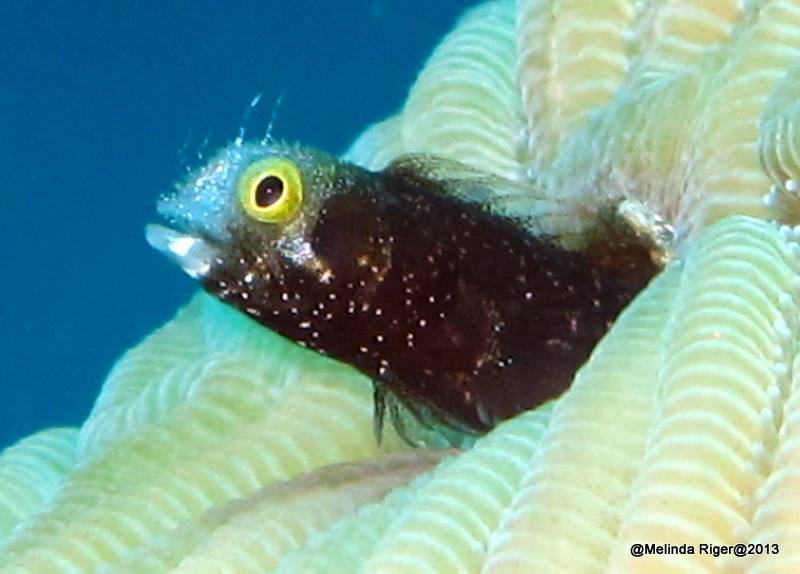
ROUGHHEAD BLENNY IN BRAIN CORAL (and header)
…and in a different home
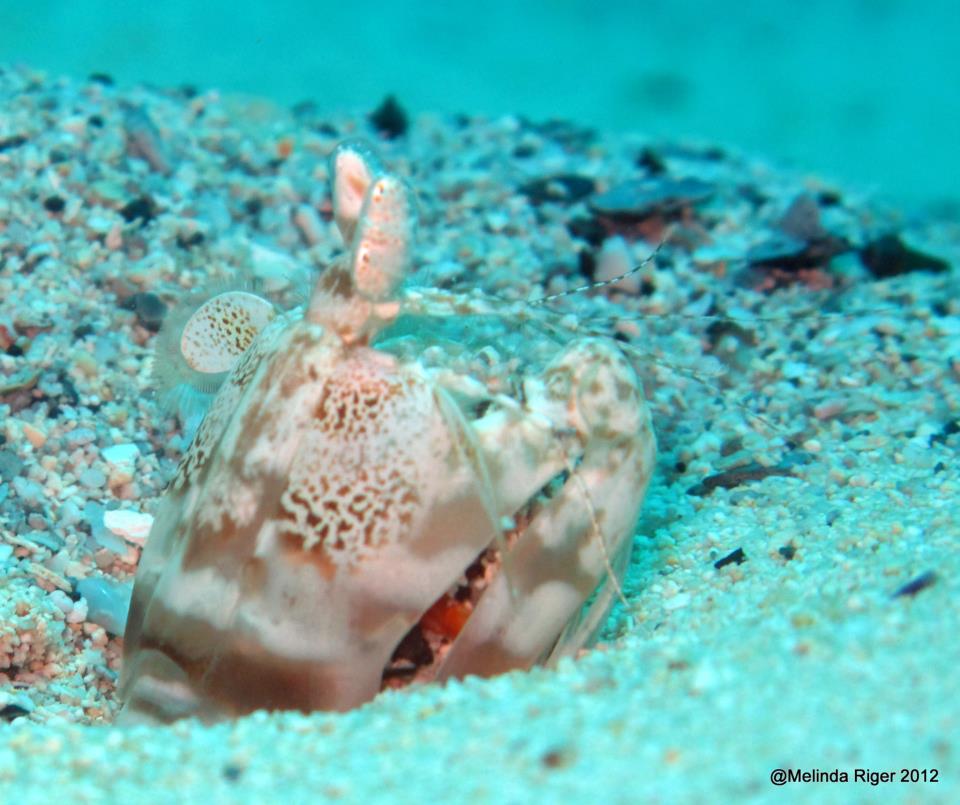
MANTIS SHRIMP
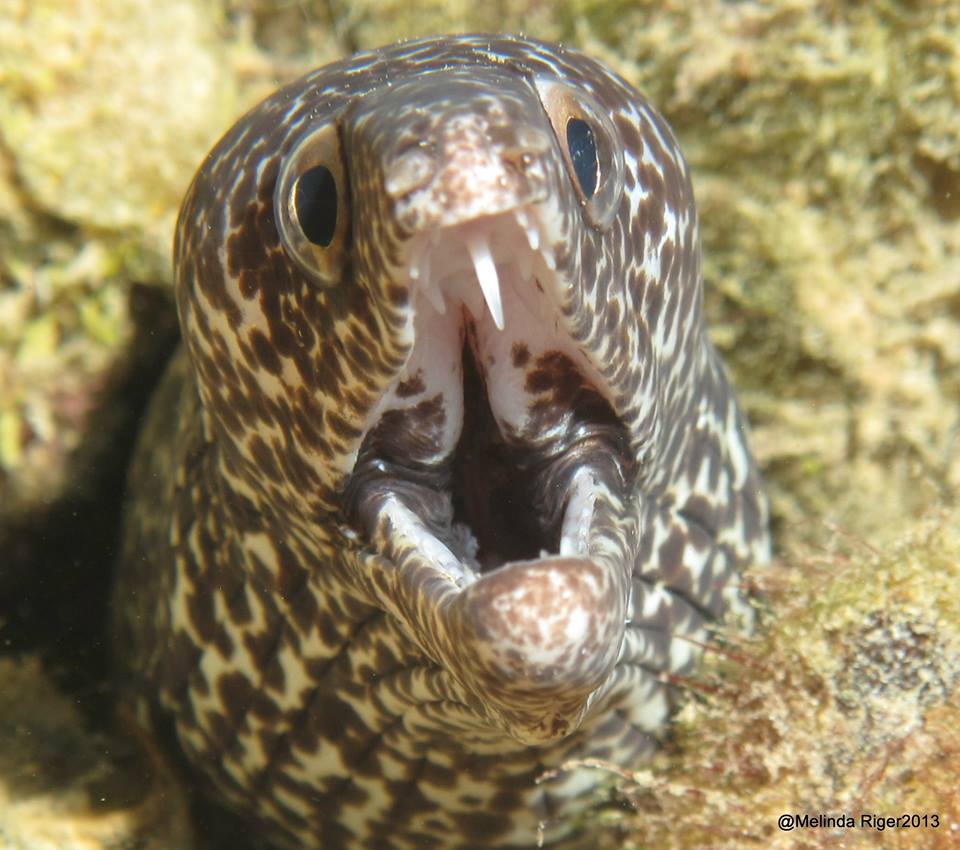
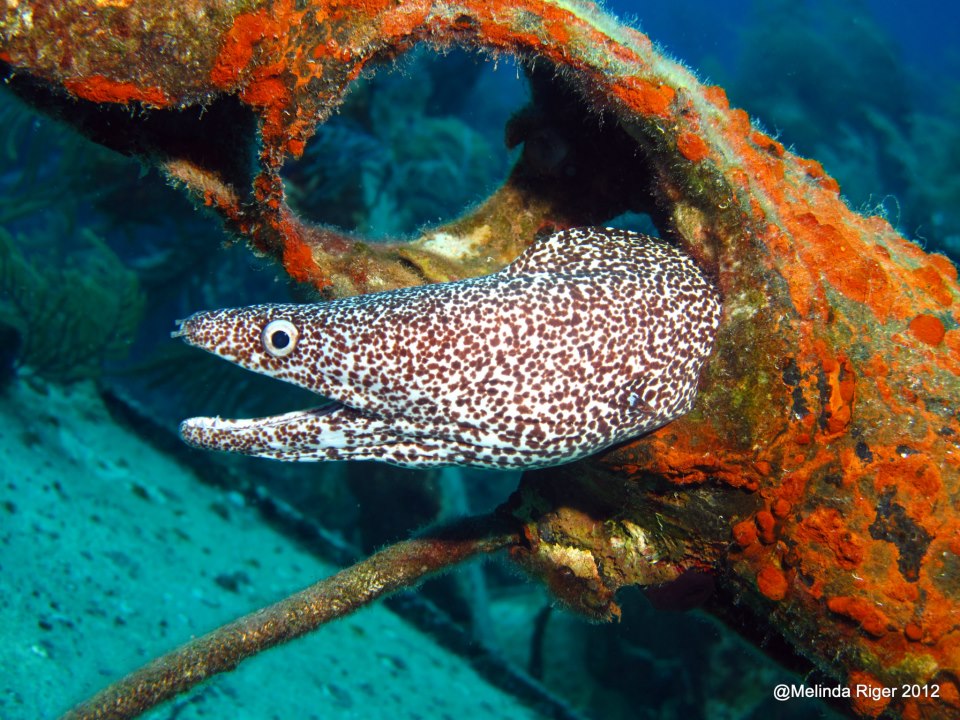
…AND A VERY GOOD AFTERNOON TO YOU TOO, MR SPOTTED MORAY EELAll Images: thanks to Melinda Riger of Grand Bahama Scuba
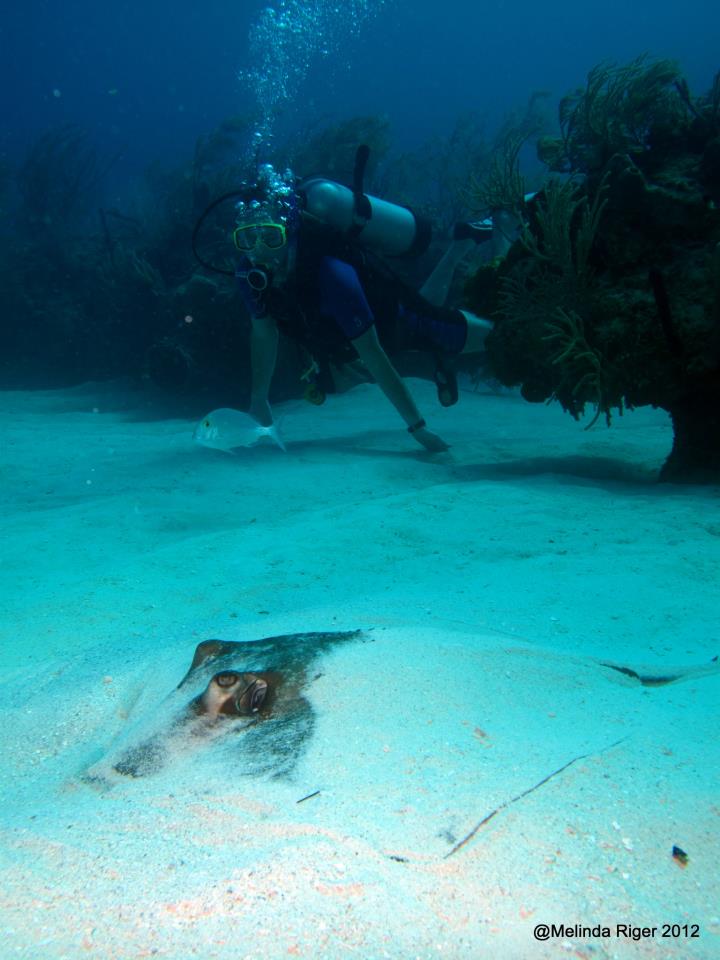
The SOUTHERN STINGRAYDasyatis americana is a ‘whiptail stingray’ found in the Western Atlantic Ocean. Their habitat and personal habits – feeding and mating – are similar to those of the YELLOW STINGRAY. They live on the seabed, where they feed on small crustaceans, molluscs and fish. They expose their prey by flapping their ‘wings’ (= pectoral fins) to disturb the sand
You want to avoid treading on one of these if possible. Their tails have a serrated barb covered in venomous mucous, used for self-defence. These spines are not fatal to humans, but if you step on one it may be an experience in extreme pain to tell your grandchildren about.
Luckily they are likely to see you long before you notice them, and to swim away from your approach
IUCN LISTING: ‘DATA DEFICIENT’
Surprisingly, the ‘at risk’ status of the Southern Stingray is not known. However, as with other marine species that humans like to befriend in the wild for the perceived benefit of both parties, there are parts of the Caribbean where stingray swims involve rather more than merely swimming with and enjoying the rays in their own environment. There is organised hand-feeding with cut-up fish, even general fondling and cuddling, that can make these wild creatures seem ‘tame’. There is growing concern that such close dependent interactions with humans is not a good thing, at least for the stingrays.
A diver admiring a ray while keeping a respectful distance
If you watch out for them… they’ll keep an eye out for you
Credits: Melinda Riger of Grand Bahama Scuba; Wiki for thumbs / material; selected online trawlings
My incompetent first ever underwater video at Fowl Cay Marine Preserve, Abaco. I hadn’t snorkelled for X decades, and frankly had some breathing-and-swimming-simultaneously issues, let alone trying to hold a tiny camera steady. Still, here it is (with a proper diver’s video below)
Music credit on my vid to the fairly litigious Joe Satriani – see JS v Coldplay ‘If I could Fly’ / ‘Viva La Vida’ plagiarism case (settled, to no one’s great advantage). Hey, Joe, what you doin’ with that writ in your hand? For anyone the slightest bit interested in the alleged similarities, here is a mash-up reward for reading about stingrays. Or penalty.
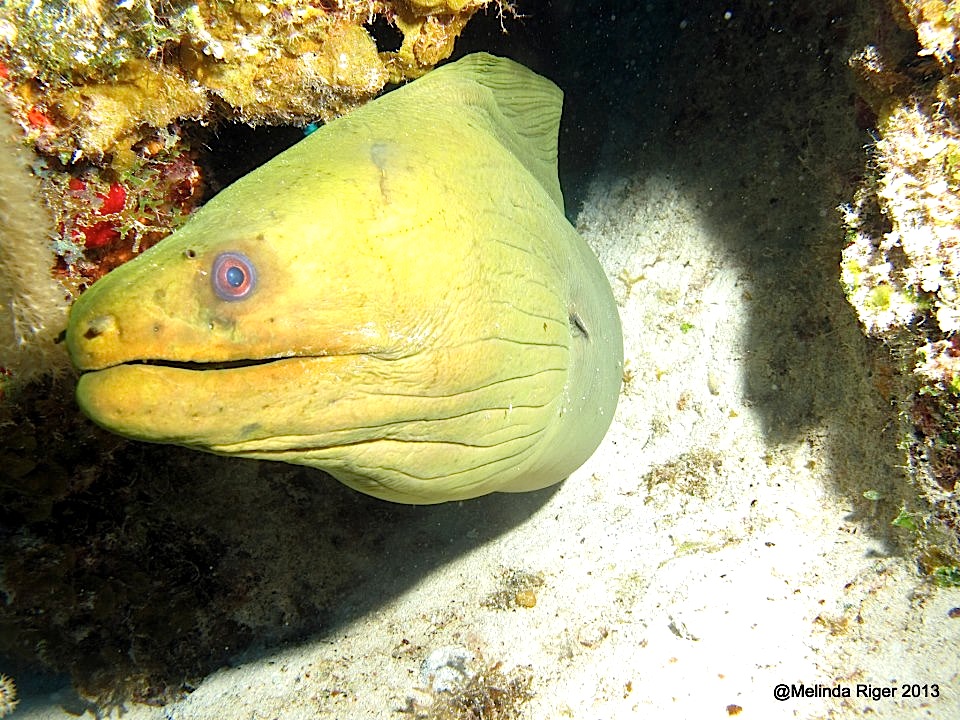
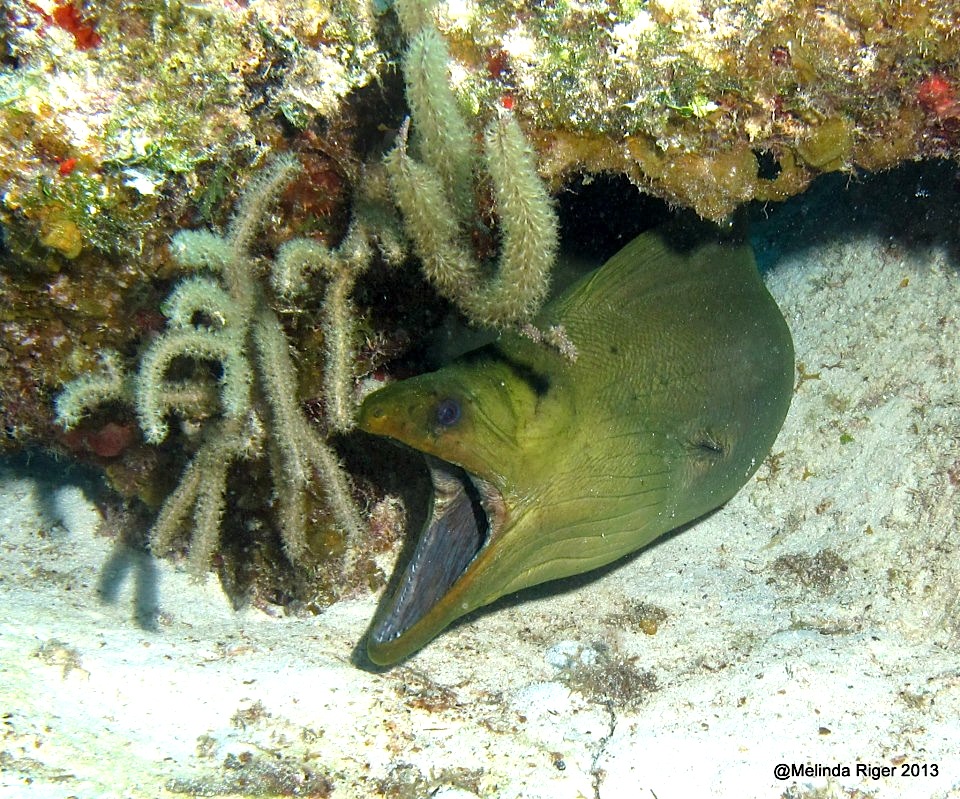
MORAY EELS are found in most oceans, with around 200 species worldwide. In Bahamian waters, the 3 most common are the green, yellow and spotted morays, all featured below. These ones have been given affectionate names by the divers who encounter them regularly in their home surroundings – Rico, Judy, Wasabi and Earl.
Morays have something of a reputation for aggression, though (like many creatures with teeth) they much prefer to swim away or hide rather than attack. They will defend themselves resolutely, however, so it might be a mistake the get too close.
Hand-feeding morays has become a popular dive activity. However there can be drawbacks. They have poor vision, and may find it difficult to distinguish between food, finger-food and fingers. There are many cases of divers who have lost a finger while hand-feeding moray eels; in some places it has been banned.
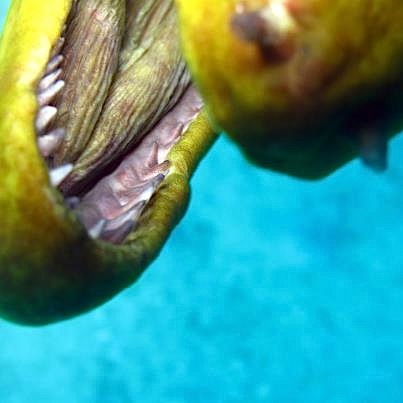
The moray eel has strong clamping jaws, and its sharp teeth point backwards
This has two effects. A finger will be held as if by a fish-hook barb; and the eel will not release the grip of its powerful jaws without them being prised apart.
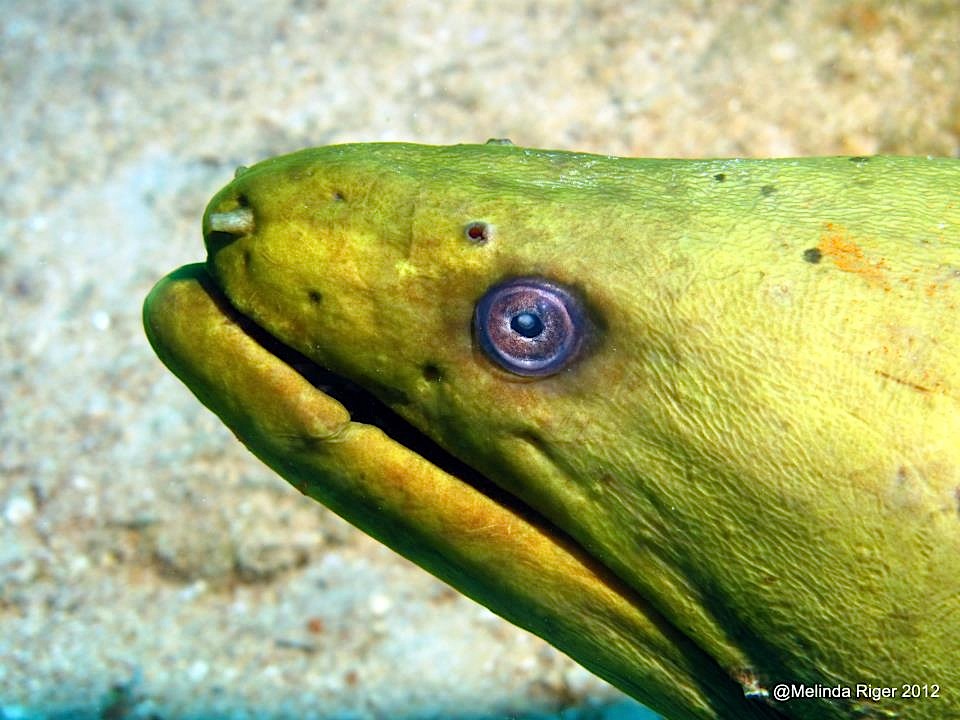
Moray eels have a strong sense of smell, and curious nostrils
Finally, here are two images of a fine spotted moray eel known as ‘Earl’, and a video of a different one

























































 QUEEN ANGELFISH: COLOURFUL CORAL ROYALTY – BAHAMAS REEF FISH (13)

























 ROLLING HARBOUR ABACO
You must be logged in to post a comment.