For tens of thousands of people, the past 2 weeks have been dominated by one cruelly aggressive female: Irma. In terms of a lucky escape, Abaco’s gain was elsewhere’s pain. Recently, only the vivid Wunderground trackers I have posted have stood out from the bleakness of the ominous clouds, pounding waves, and sluicing rain. With the prospects for Hurricane Jose wandering around in the mid-Atlantic looking increasingly good, it’s time for a look at something more cheerful.
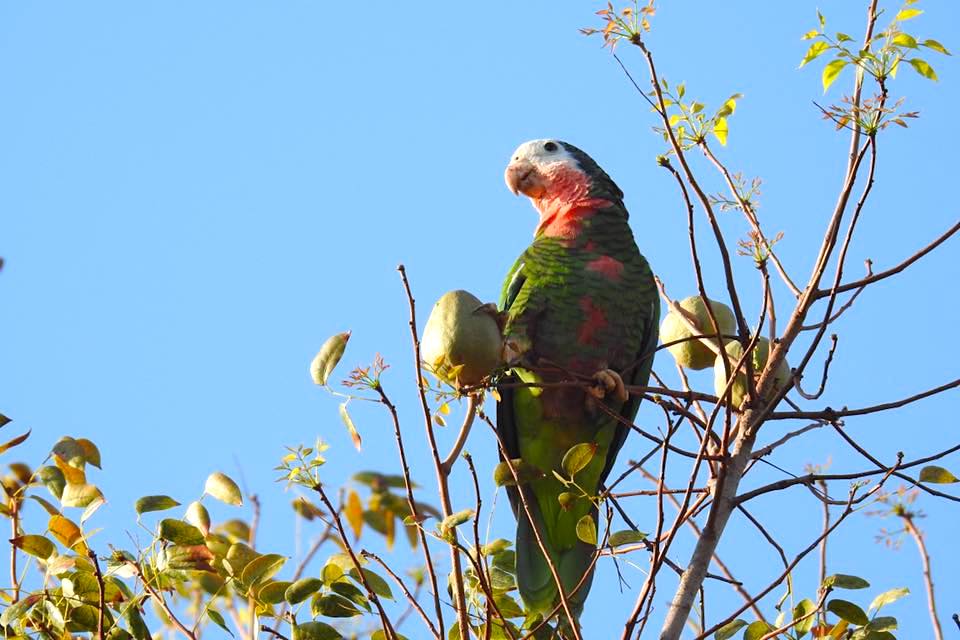
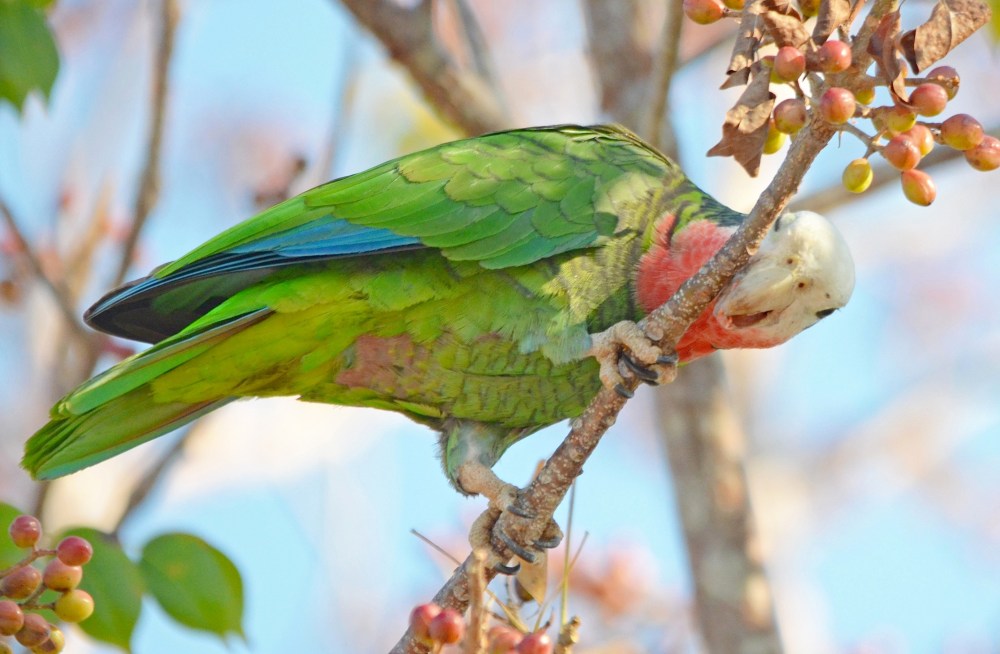
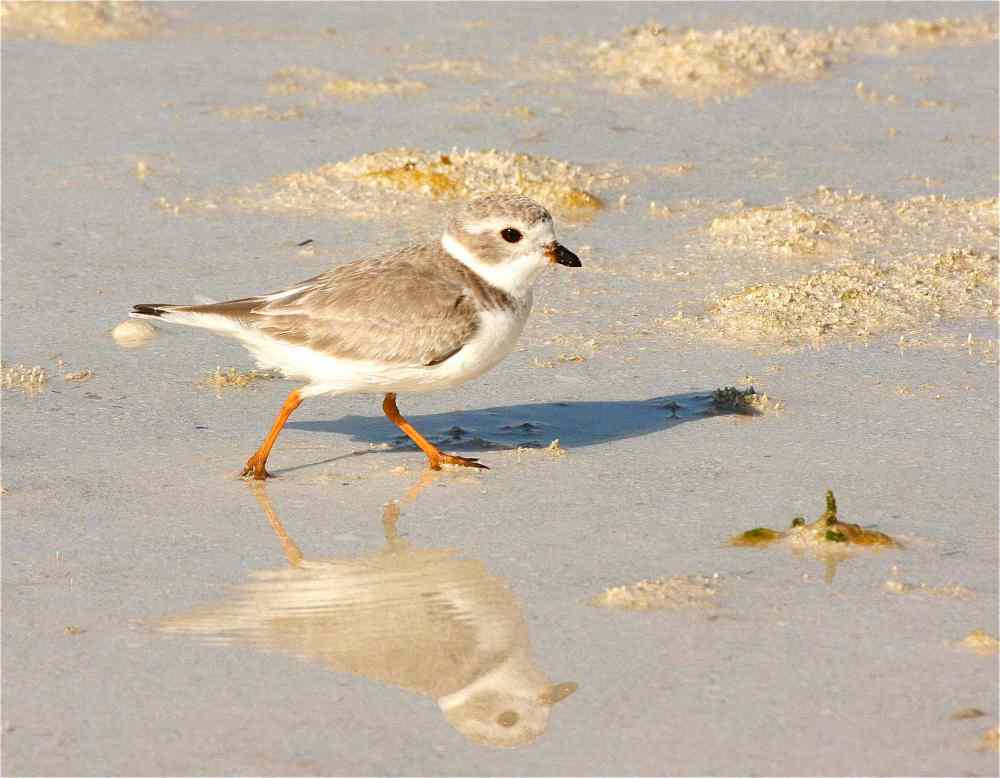
Birds can lighten the spirit. As yet, I’ve seen few reports of how the birds on Abaco have fared, but the ones I have seen have been encouraging. A west-indian woodpecker back on his usual tree; a piping plover foraging on the beach at Winding Bay, even as the storm raged; bird business more or less as usual at Delphi. No news yet of Abaco’s iconic parrots, which will have most likely headed to the National Park for cover. They usually manage OK. The header image is a tip of the hat to them, their raucous beauty, and their healthy recovery from near-extinction over the last few years.
Here’s a small gallery of some of Abaco’s most colourful and striking birds for some light relief. Have a nice day!
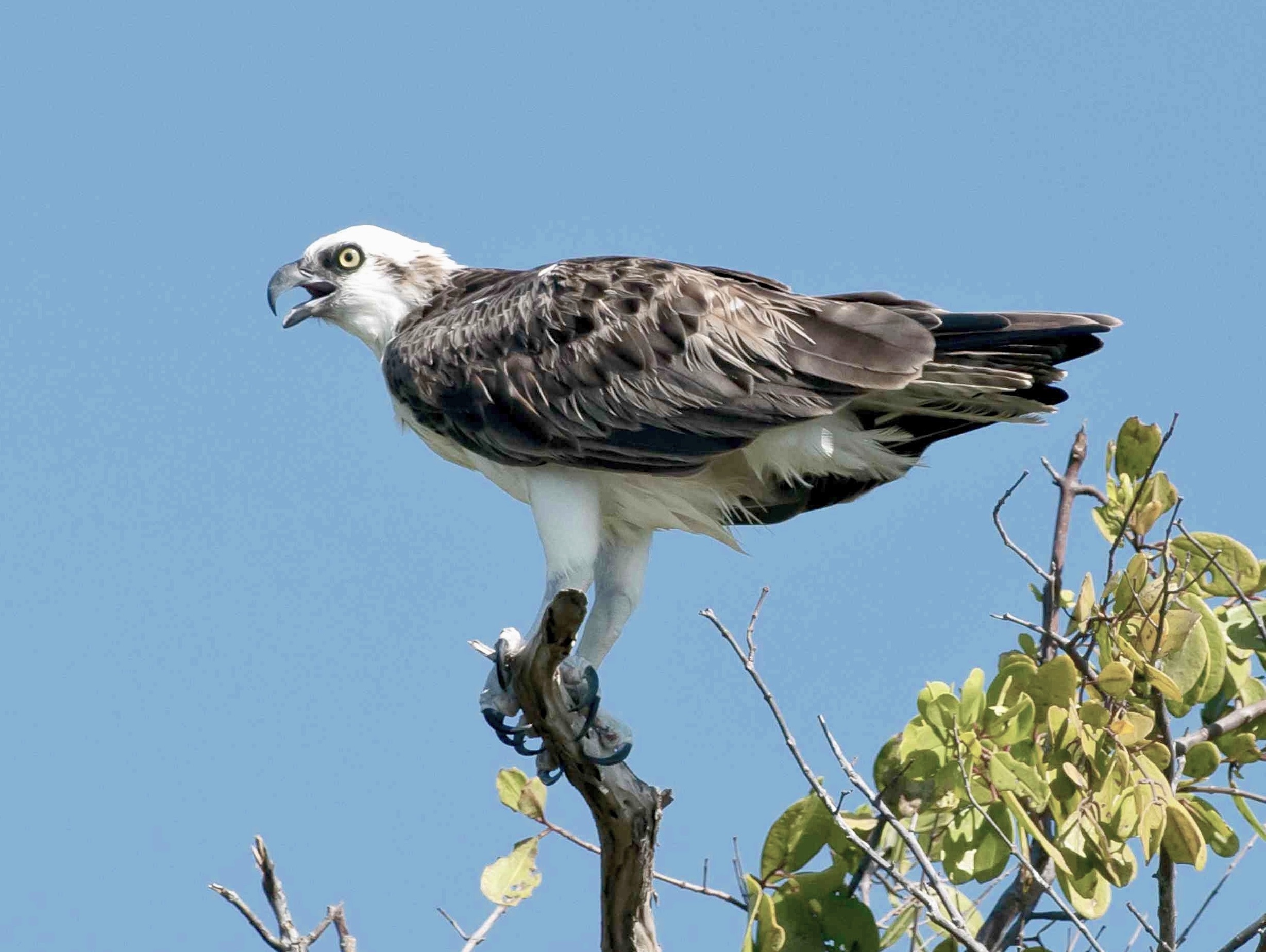
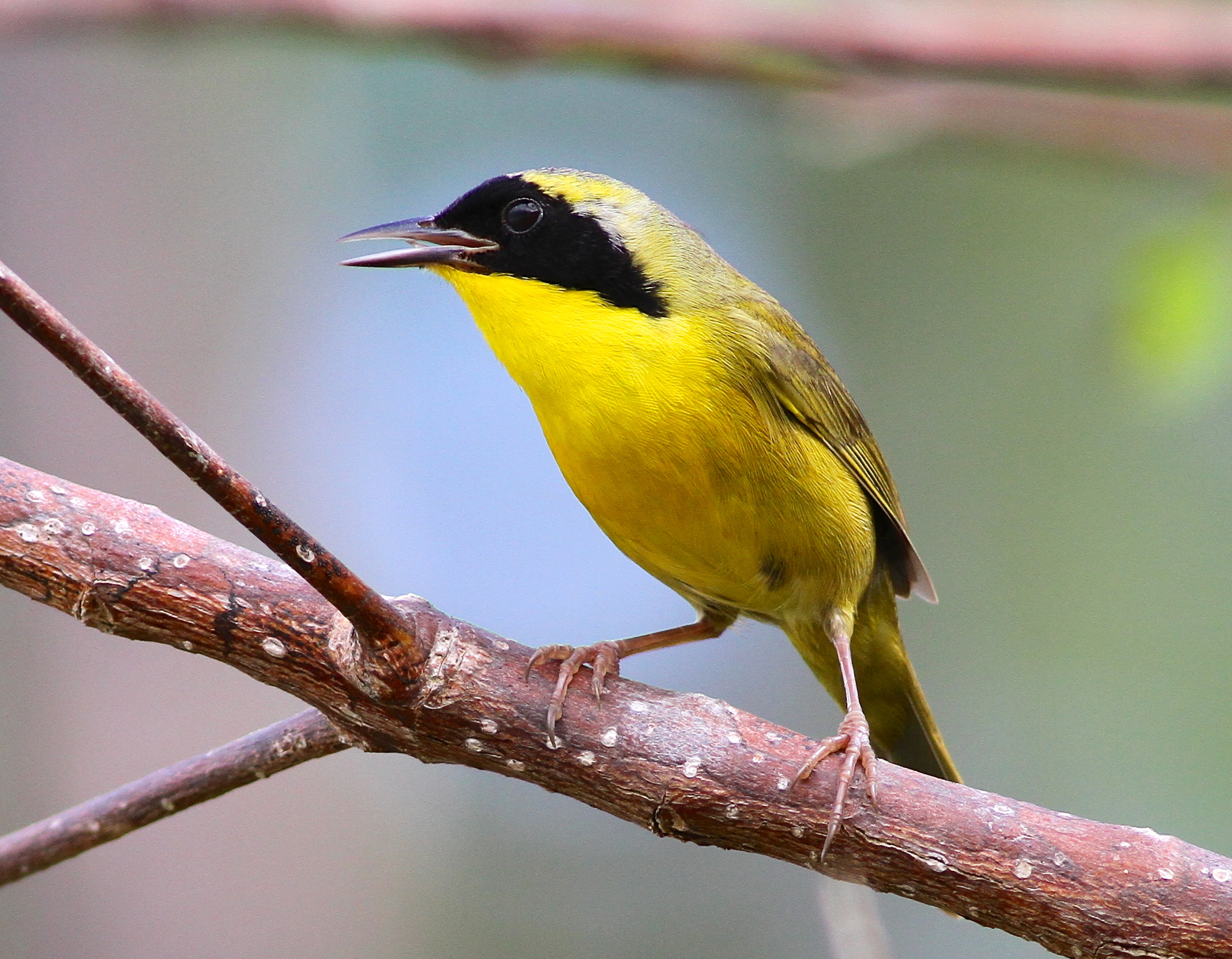
Photo Credits: Abaco (Cuban) Parrot, Melissa Maura; Painted Bunting, Tom Sheley; Bananaquit, Keith Salvesen; Western Spindalis, Craig Nash; White-cheeked (Bahama) Pintail, Keith Salvesen; Cuban Emerald (f), Keith Salvesen; Bahama Woodstar, Tom Sheley; Black-necked Stilt, Tom Sheley; Cuban Pewee, Keith Salvesen; Osprey, Tom Sheley; Bahama Yellowthroat, Gerlinde Taurer. Storm tracker, Wunderground
To be honest, the header image is not the sort of ‘fruity’ I had in mind, which was intended to have an entirely dietary connotation. I’m not quite sure what these two are up to – not procreation, I think, in that precarious situation. It looks non-aggressive… so maybe just having fun and… er… hanging out together.
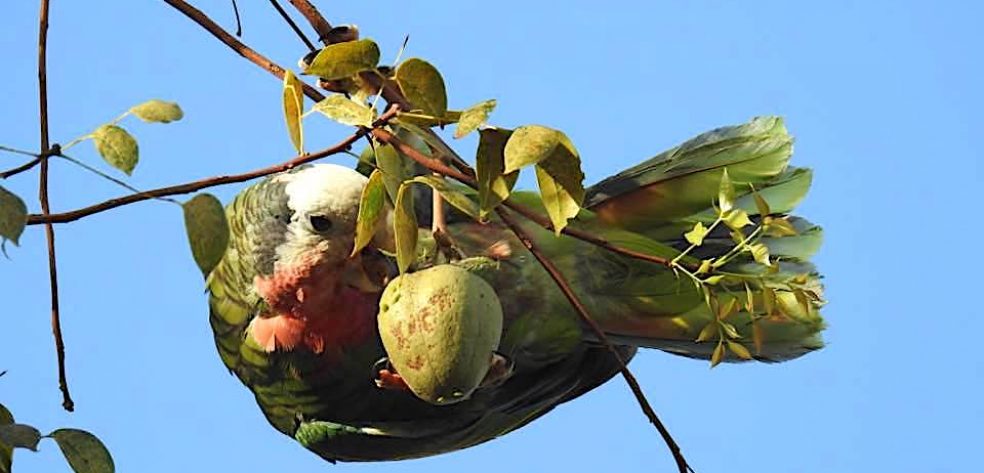
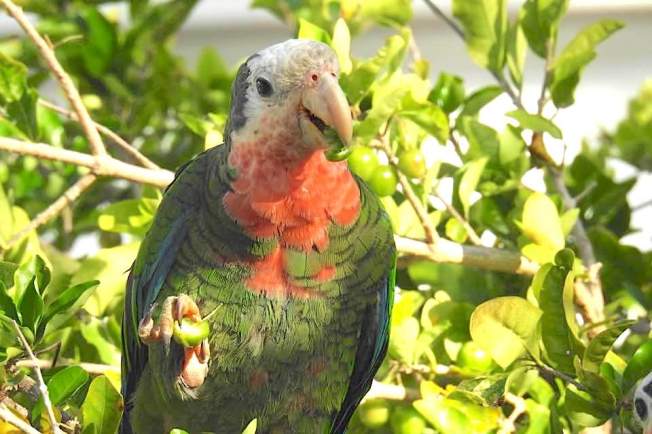
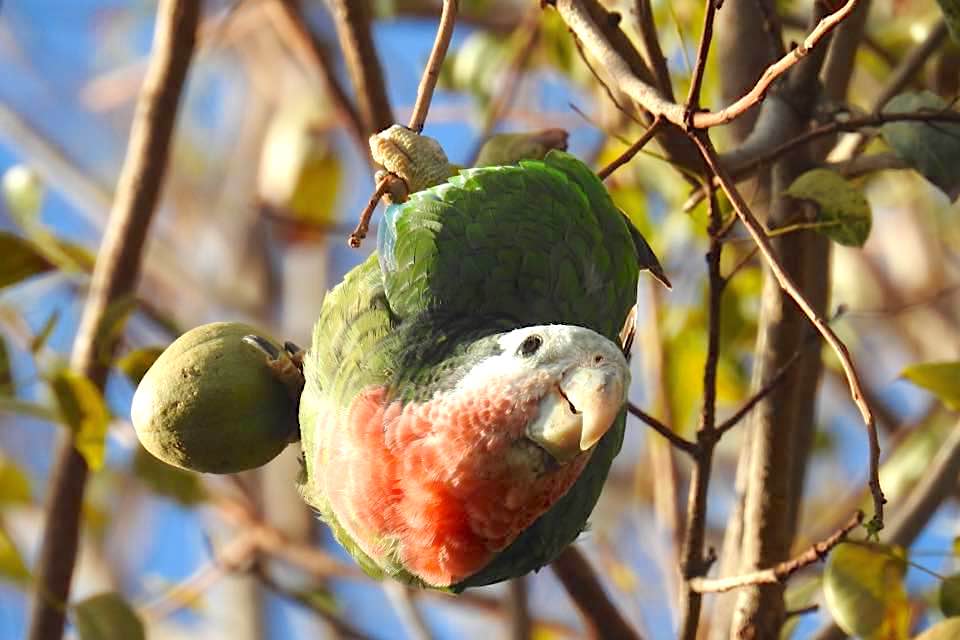
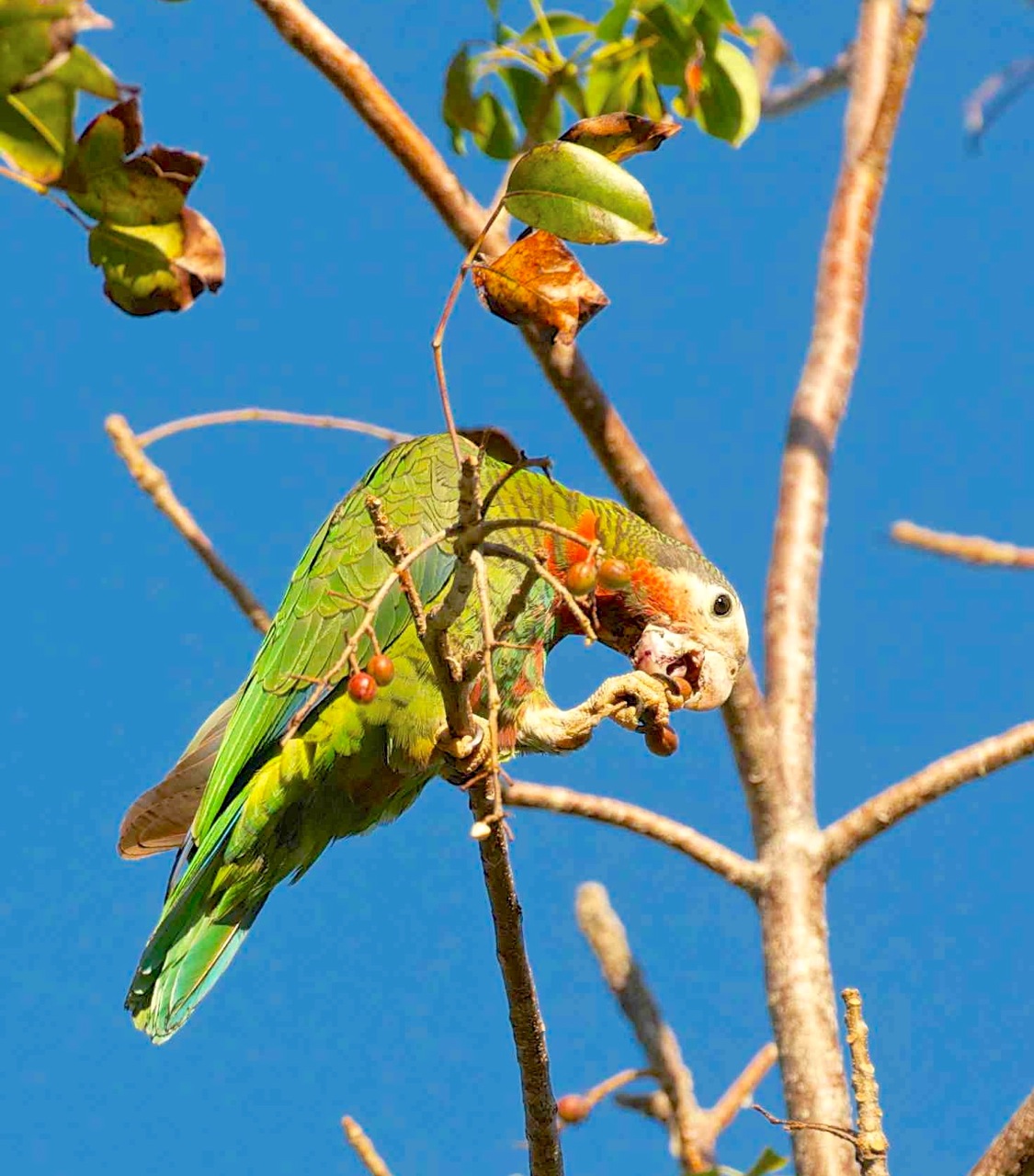
Here are some Abaco parrots doing what they love to do in between group squawking sessions: gorge themselves on fruit, and getting at it any which way.
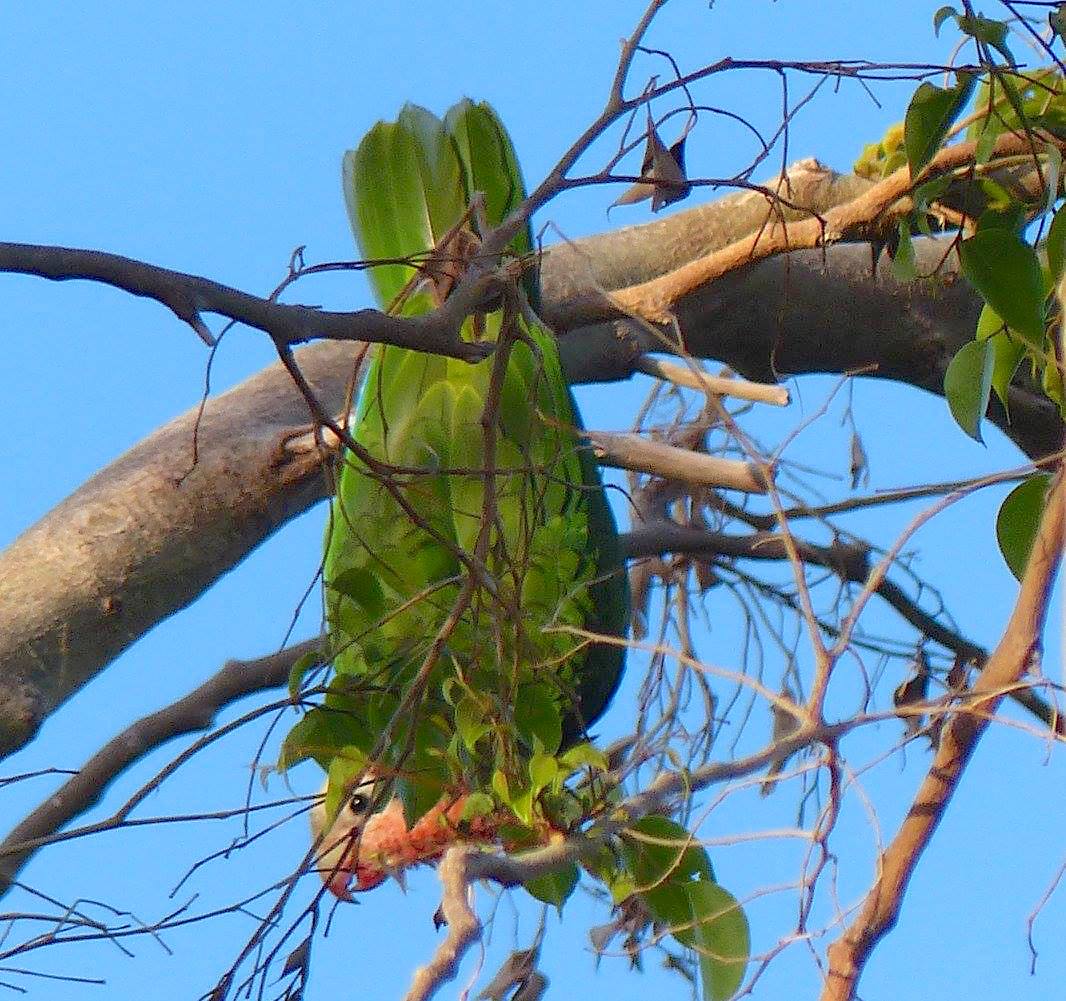
Upside down is really just a different angle to get at fruit
Noshing on berries
One in the beak, next one ready in the claw
Tackling something more substantial
More acrobatics
And eventually out on a limb…
All great parrot photos by Melissa Maura, with thanks as always for use permission
New Providence, Bahamas – specifically in Nassau itself – now has a small population (c.15) of Cuban parrots. Their origin is debated, since the only known Bahamas breeding populations of these birds are on Abaco (underground nesting in limestone caves) and Inagua (conventional nesting). There’s more on the (probable) provenance of the New Providence birds HERE and HERE.
Whatever the location, the nesting arrangements or the precise origin, one fact is certain: these beautiful birds are prodigious eaters of fruit. Here are a couple of the Nassau parrots tucking in with relish on a sunny day. Soon they will fly off to other fruit trees nearby, emitting their loud excited squawks, to continue their day of feeding…
Note the wide businesslike spread of the claws
All photos: Melissa Maura, with thanks as always – and for a great new parrot header image…
Abaco, like the rest of the Bahama Islands, is strangely short of native land mammals. The last of the wild ABACO BARBS – descendants of Spanish Colonial horses of high pedigree – died very recently. The proud Barbs are no more. But they, of course, were an introduced species. There are the hard-breeding, hard-hunted hogs. And feral potcakes, unowned or disowned. Many feral cats. Maybe a few rabbit escapees. And bats: several of the dozen (or so) Bahamas species are found on Abaco. At one time there was the shy nocturnal HUTIA that had the distinction of being – or having been – endemic to many of the islands. Not on Abaco, sadly – its own subspecies the Great Abaco Hutia had become extinct by the c17. You’ll have to go to the Exumas to see a hutia.
HEY! THERE ARE RACCOONS, AREN’T THERE?
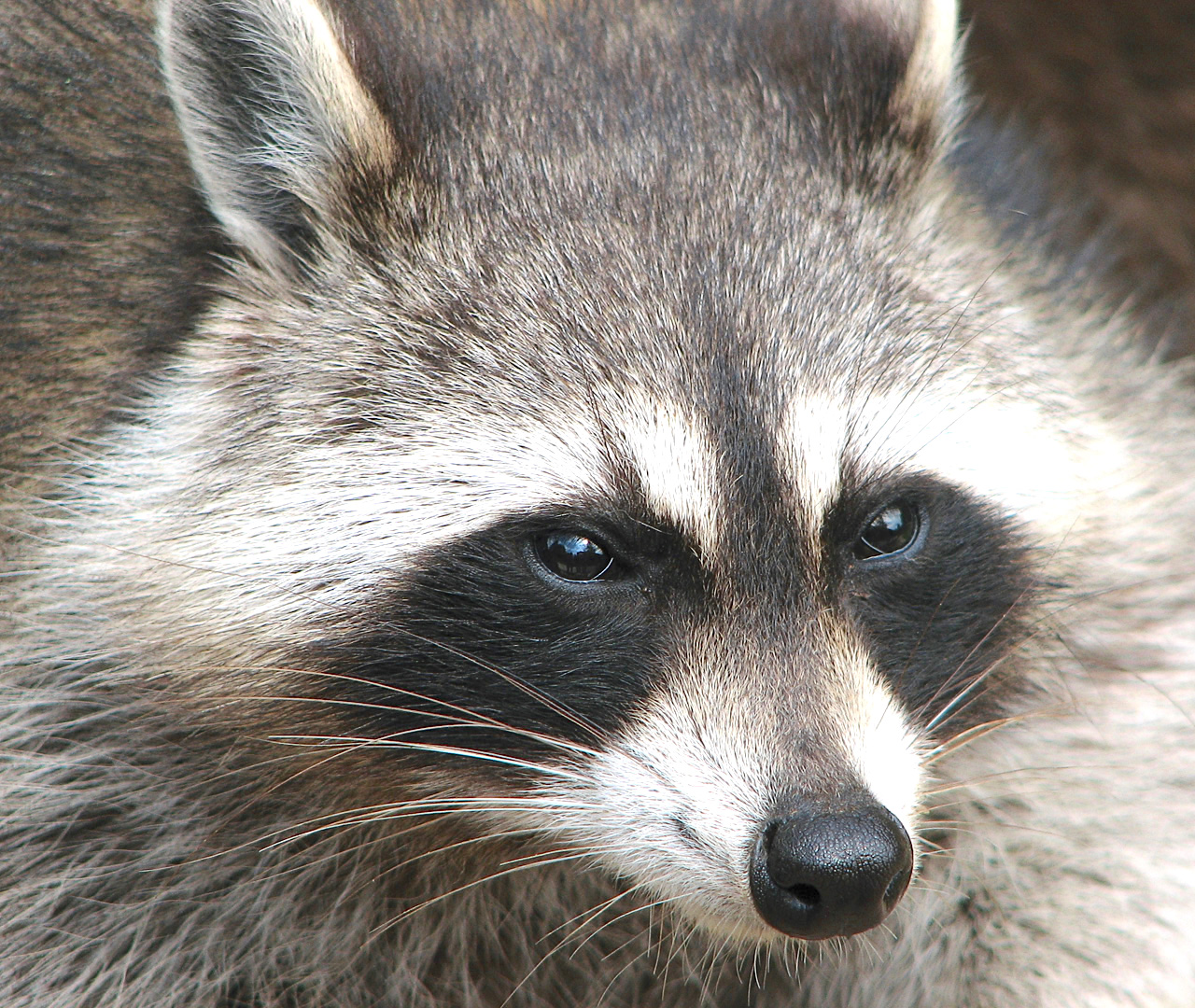
This endearing-looking creature was photographed on Abaco by Charmaine Albury
Raccoons are a non-native species, probably introduced in the Bahamas many decades – perhaps a couple of centuries – ago. They are thought to have been brought to New Providence originally. More recently they arrived on Abaco – possibly as pets in the first place, which were then released or escaped. And they are spreading: as recently as April 2012 an excellent article in the Bahamas edition of COASTAL ANGLER MAGAZINE introduced “Eleuthera’s Newest Mammal”.
RACOON PROS
Cuddly, furry, cute-looking, quite high on the well-known scientifically-based ‘ADORBS’ scale (Animals Deemed Outrageously, Ridiculously, Breathtakingly Strokeable)
Comfortingly familiar despite being wild animals (NB potentially aggressive)
Don’t have the same drawbacks as skunks
Have valuable fur
Pelts can be used for Davy Crockett hats
RAC-CONS
Considered to be “one of the world’s most omnivorous animals”
Known to wreak havoc with certain crops, eg watermelons
Canny and adept hunters, including at night; good climbers to treetop level
Suspected of predation of land crabs (depriving ‘natural’ predators of the pleasure)
Compete with birds for fruit, berries and nectar
Relish birds’ eggs. Low and ground-nesting birds are particularly at risk throughout season
On Abaco, a major conservation program has been needed to protect the nests of the Abaco parrots in the limestone caverns of the national park from raccoons, feral cats and rodents
Eat small birds, curly tail lizards, anoles and suchlike
Can be aggressive to humans – note the handy claws clearly shown in the photo above
A shy raccoon in a tree, Treasure Cay (Becky Marvil)
LIVE AND LET LIVE?
“The authors of the study Taxonomic status and conservation relevance of the raccoons of the West Indies (2003) hold that the Bahamian raccoon is an invasive specieswhich itself poses a threat to the insularecosystem.The Government of the Bahamas has this species listed as up for eradication on the islands of New Providence and Grand Bahama”.
So the official line favours eradication of a potentially harmful non-native species – failing which, presumably containment of numbers. Trapping is one way to achieve this – and there are both humane as well as cruel ways to do so. However, trapping in one place, only to release somewhere else is clearly not an option. But it would provide the opportunity to neuter / spay the animals and slow or prevent the reproductive spread of the creatures. Hunting raccoons is another method. It’s not currently a significant sport, but neither are raccoons protected. Their fur has a value, and some say they could provide a source of somewhat gamey meat.
Or they could be just left as they are, as attractive creatures now well-established, despite the inevitable risks to native species such as the reviving population of Abaco parrots, now at sustainable numbers. On Abaco, reduced to its basics the $64k question might be: which would you prefer in the future? More raccoons or fewer parrots (or indeed, no parrots at all)?
Raccoons exhibited in the Garden of the Groves, Freeport, Grand Bahama (neutered /spayed)
PUMPKIN
I wouldn’t wish to run the risk of influencing the delicately balanced arguments about the raccoons of the Bahamas, but will you just take a look at this? The perfect fit for the acronymic descriptor A.D.O.R.B.S!
Coastal Angler magazine, BNT / Erika Gates, Bahamas Weekly, Charmaine & Becky for the Abaco photos, plus Wiki / open source, Buzzfeed / YouTube & don’t get stuck into the rest of the cutesy viddys… Stop Press: added above the pros & cons – a great recent photo by Cheryl Wile Ferguson (nb not taken on Abaco)
At least as far as stamps are concerned, the raccoon gets equal billing with the hutia (and the bat)
A while back I wrote a post about the mysterious population of Cuban parrots in Nassau. The mysteries being, how and when did they get there; and how and especially why is the population slowly increasing when there is scant evidence of nests, fledglings or juveniles; and no equivalent secluded location for cave-nesting, as the Abaco parrots do in the limestone holes in the Abaco National Park.
STOP PRESSMelissa Maura comments“I was brought a wounded juvenile years ago, and raised and successfully released it here along with a wild flock of 5 or 6. They ARE nesting in the odd large tree cavity in undisclosed parts of Nassau. I’m pretty certain the original pair escaped from a cage within the garden of people associated with the BNT many years ago. They may have been re-habilitated youngsters, originally requiring human help. At any rate our precious birdies are thriving – along with the odd impostor!”
I won’t expound the theories again – if you are interested you can check out the original article HERE. You’ll find I have since incorporated quite a few very informative comments that were made in response, touching on the above mysteries but with differing theories.
HOW BIG IS THE NASSAU POPULATION?
In the summer, when I last researched this, the maximum reported number was about a dozen. It’s not clear whether those were all seen at the same time – obviously an important evidential factor, since it precludes double counting. It has now become clear that there are a minimum of 15 birds, because recently a flock of 15 were all sighted together. As I added to the previous post:
STOP PRESS On 6 October 2016 New Providence was in the direct path of Hurricane Matthew. Despite the power of the storm, by the following day there was a report of a sighting in Nassau. Today, 9 October, comes a report of a group of 15 – as far as I am aware the highest number sighted together. Maybe they all came together for solidarity… In any event, the sighting confirms that, at least as far as the parrots are concerned, the hurricane has not caused any problems.
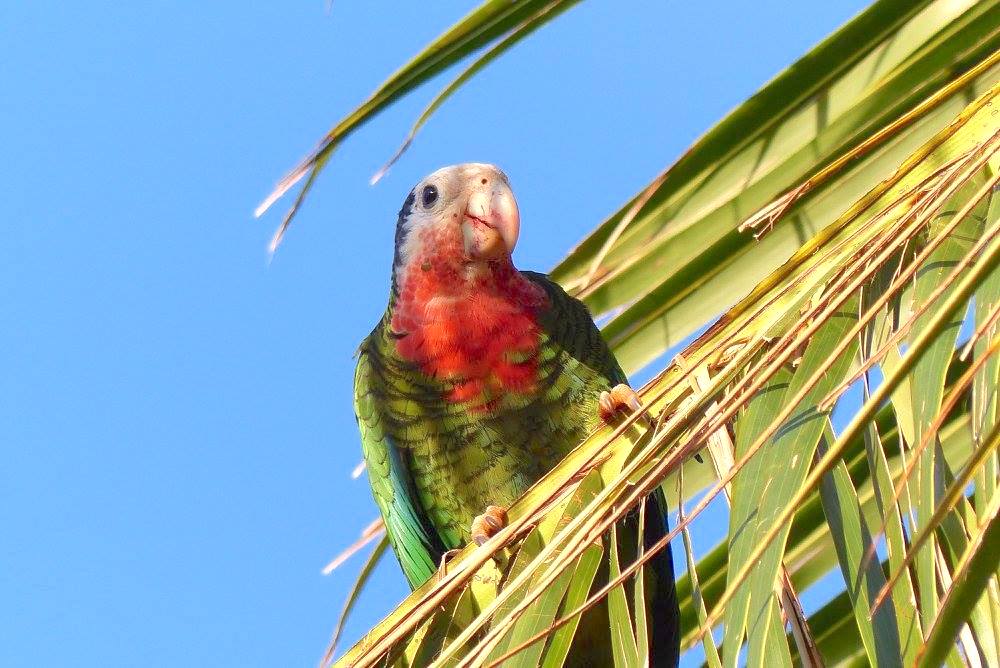
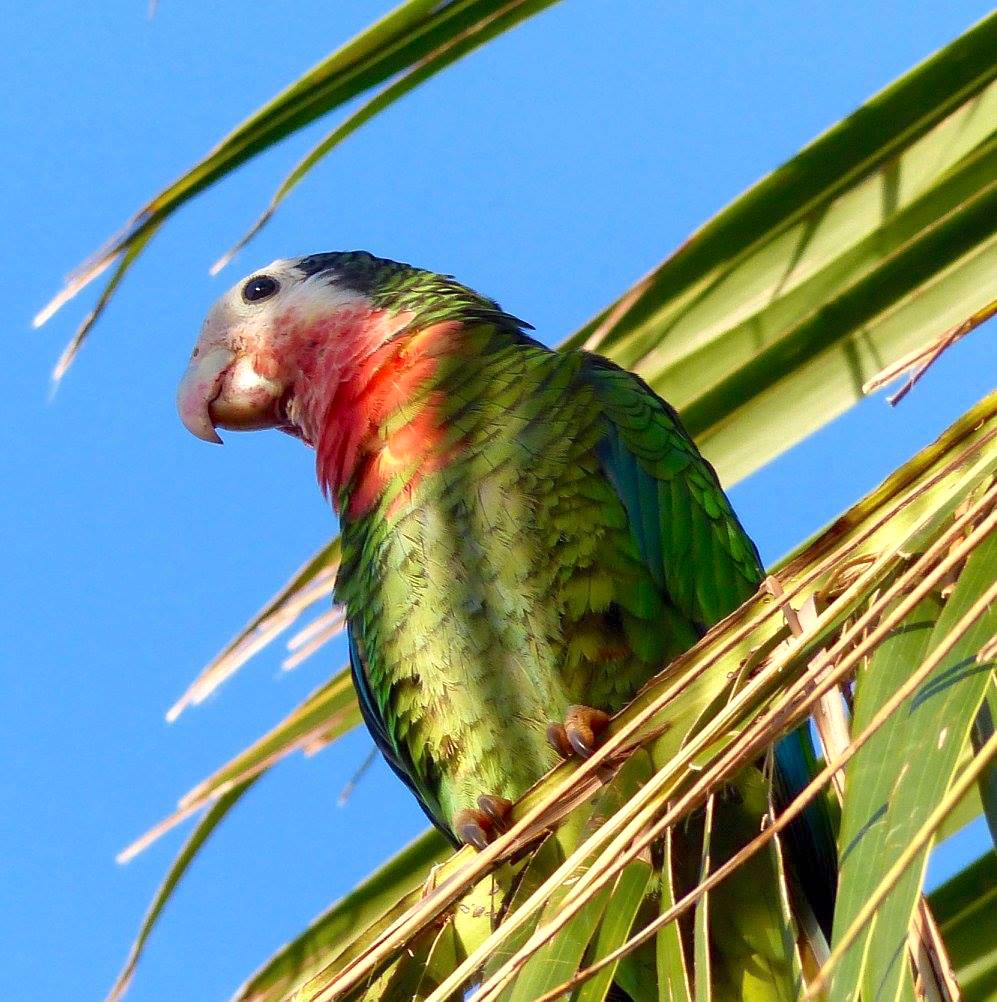
Posing prettily for photos – though maybe a bit ‘snooty supermodel whatevah’ in the second…
The photos in this post were all taken in the last couple of days by Nassau Resident Lynn Gape, of the BAHAMAS NATIONAL TRUST. Some of them show very clearly the bright blue on the wings of these lovely birds – a colour that is much more evident in flight.
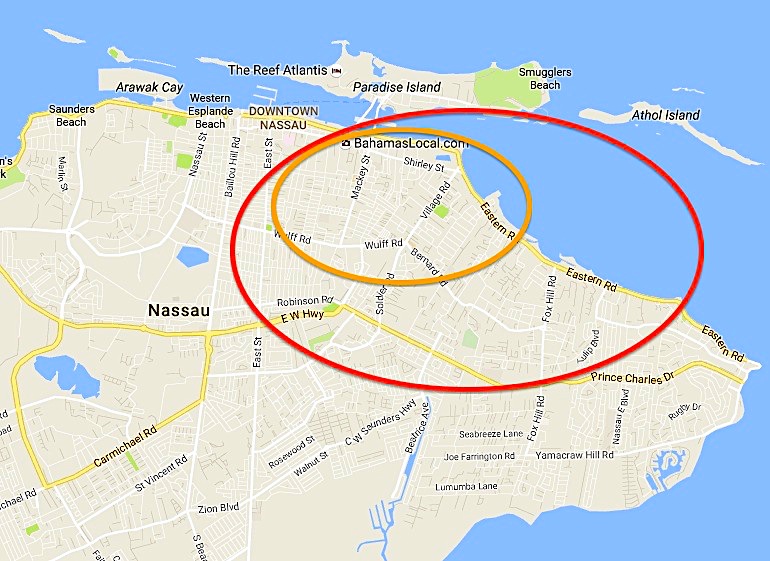
You can keep track of the Nassau parrots on a dedicated Facebook pageBAHAMA PARROTS OF NASSAU LOCATOR. This is a well-used resource, with many local people adding their sightings (in some cases, just the ‘hearings’) of these lovely (but raucous) birds. From the reports I was able to draw up a rough map for the main area of sightings (red oval), and the hotspot from which most reports are made (orange oval). There are outliers, of course, mainly to the south.
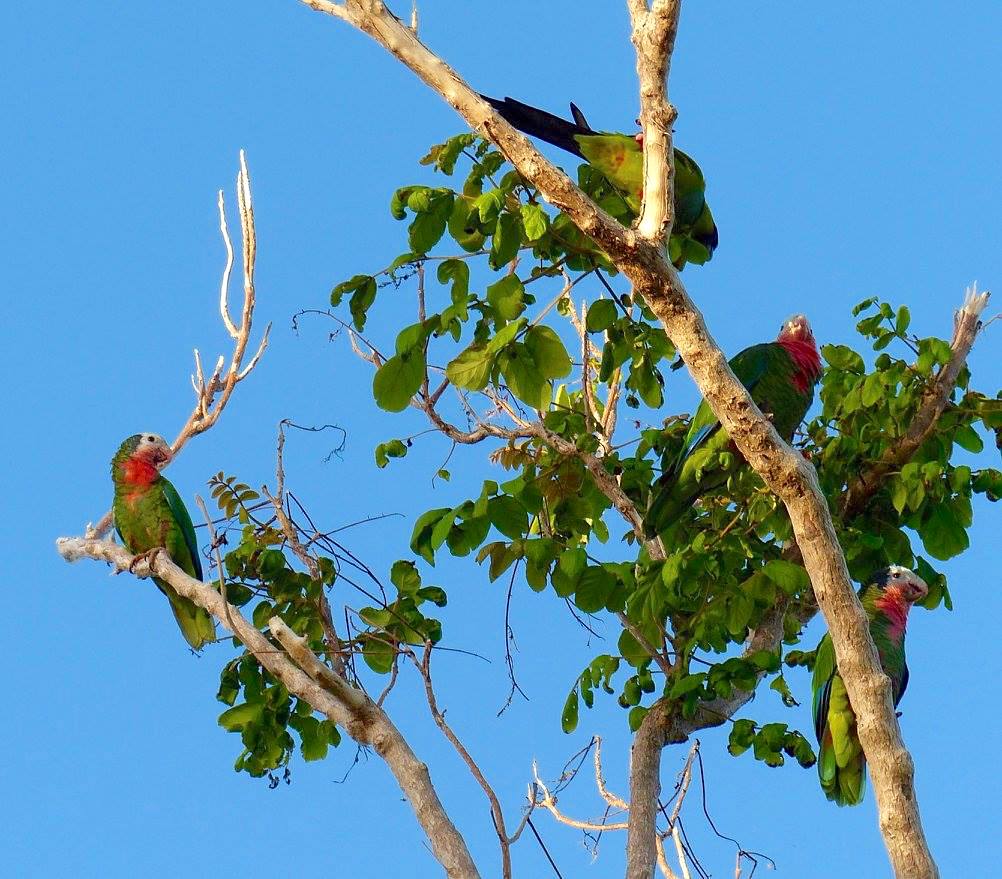
Like all parrot species, Cuban parrots are gregarious. And the more that are gathered together, the louder the party. And other psittacine species are happy to get in on the act. The image below and image #2 above show a black-headed parakeet mixed in with the parrots. I’ve seen earlier photos where he is hanging out with them. There seems to be no animosity between the species.
So there we have it. The population is rising and there is no definitive explanation. Releases of captive birds are unlikely, since these parrots are now a protected species. The smart money must, I think, be on a the colony nesting in tree holes somewhere secluded. Parrot awareness has greatly increased on New Providence, and no doubt the issue will eventually be resolved. But in many ways I rather hope it remains a mystery.
Where did they come from, and when did they arrive on New Providence? And how? The conventional wisdom is that the Cuban Amazon or rose-throated parrots (Amazona leucocephala) exist in the Bahamas only on South Abaco (from Marsh Harbour down to the National Park) and Inagua. The species is arguably (but not as yet officially) divisible into two subspecies. On Inagua, the parrots behave as you’d expect, including in their breeding and tree-nesting habits. Conversely, the parrots of Abaco nest underground in limestone holes and crevices in the National Park at the southern end of the island. This very distinctive habit makes them vulnerable to predators of course. On the other hand, there is good protection from the forest fires that pass rapidly and harmlessly through the scrub above them, yet which would make tree-nesting extremely hazardous. It would be interesting to know if the parrots of Abaco have always done this; or whether they were originally tree nesters who adapted their behaviour to meet changed conditions in their habitat.
WHEN DID THE PARROTS ARRIVE IN NASSAU?
The BAHAMA PARROTS OF NASSAU LOCATOR group was set up on Facebook in early 2012 by Shelley Cant-Woodside. Lynn Gape of the Bahamas National Trust (BNT) was also involved from that early stage. The stated purpose of the group was “to help locate the increasing reports of parrot sightings on NP in general and Nassau in particular”. This suggests an increased awareness of an existing intrusion of the colourful and noisy Cuban parrots, a species hard to mistake or ignore. At the other end of the time-scale for their arrival on NP, when omniscient and much-missed ornithologist Tony White published his comprehensive checklist for each Bahama island in his Birder’s Guide to the Bahama Islands (inc. TCI) in 1998, no record existed of a sighting of a Bahamas parrot on NP. Abaco and Inagua, yes. But nowhere else. So that gives less than a 14-year window for a parrot influx.
SO HOW DID THEY GET TO NP?
There are realistically two possibilities. Either two or more captive parrots on NP (including a male and a female!) escaped or were released on NP; or were brought to NP and freed. Alternatively, says another theory, a flock of parrots in the Abaco National Park were caught up in a hurricane, and involuntarily relocated to the nearest land in the confusion. It could of course be both (Helpful Reader: “…or neither?”). Shelley tells me: “I know thatARDASTRA GARDENS(Nassau Zoo) positively identified Bahama Parrots on New Providence as early as 2004, which is when I worked there. We were told at the time that some folks had purposely released them. I doubt that it is related to hurricanes”.
RELEASED BIRDS
This theory is by far the most likely one, and is supported by anecdotal evidence. Even so, it is not entirely straightforward. I don’t know what protection was afforded the parrots in the Bahamas in the early 2000s, but certainly there were captive birds; and indeed there was and is a market for this species of Amazona further afield – Cuba for example, and (to my huge surprise) the UK, where a single bird may be had for £380 ($500). But even assuming the existence of a few males and females, they would have needed to breed. And there are few, if any, contemporary reports of parrot nests in trees; or of chicks or juveniles. If these bright, noisy birds were new to Nassau around 2004, they must surely have attracted some attention if they were breeding and spreading from then on.
HURRICANE MAELSTROM
I have taken a look at several Bahamas hurricanes and tropical storms between 2004 (the Ardastra ID) and 2012 (Locator page founded). Tracking and intensity information rules out most of them. It’s fair to say that the paths of the storms are almost invariably from the south / east veering west / northwards. You might think that a parrot flock could not be carried by hurricane 50 miles in the opposite direction, from the south of Abaco to New Providence. But perhaps disorientation and self-preservation play their parts – a psittacine instinct to fly away from the danger, in the opposite direction from its path, towards where the weather is calmer.
Hurricane Irene tracking path
WHAT’S THE ANSWER, THEN?
To check the rival theories, I asked well-known scientist and parrot expert Caroline Stahala for her views. This authoritative opinion leads to the conclusion that the Parrots of Nassau result from escape, or release from captivity, perhaps supplemented by later importation.
“I know people like the ‘hurricane’ theory but there isn’t much support for it, especially since we did get reports through-the-grapevine that someone had released these birds. They did show up after a serious hurricane season Frances/Jeanne etc [2004] but thats probably because their housing in Nassau was damaged or the person who had them couldn’t take care of them properly. During hurricanes, parrots don’t fly away, they hunker down and ride out the storm. Amazon parrots absolutely do not like flying over large bodies of water, their wings are designed to be super manoeuverable in forests, not for distance flights, so the chance that they would fly over water during a hurricane is very very slim. Not to mention a whole group of them (6-12)”.
On the other hand, it’s not that simple. Lynn Gape (BNT) comments: “I heard the hurricane theory differently. I was told that someone thought that the parrots flew to Nassau with a flock of White Crowned Pigeons after one of the hurricanes. The thought being that although they do not like to fly over water, they were really in need of food and felt there would be strength in numbers for the flight”.
WHERE CAN I FIND THEM?
Almost all reported sightings have been in East Nassau. Occasional sightings have been reported outside that area but the overwhelming majority are within the RED oval on the map below, with the hotspot area within the ORANGE oval. I base this both on the Locator page and also the somewhat sporadic eBird reports.
SO THE NASSAU PARROTS MUST BE BREEDING, RIGHT?
Parrot sighting reports are increasing but that fact, as I have discovered on Abaco, does not necessarily suggest an increasing population. Increased citizen enthusiasm and awareness is also linked to increased bird reporting, as is the advent of simple reporting systems such as social media posts, eBird and so forth. However the impression I get from reading the Locator posts is that, while evidence of actual population growth is unclear, numbers may be being maintained despite an inevitable attrition rate. The Locator has sad images of 2 known casualties, causes of death unknown.
WHERE ARE THEY NESTING, THEN?
It seems that, unlike Abaco, there is no secluded forested area on NP with suitable limestone terrain to provide underground caves. Therefore the parrots must be finding other suitable cavities, the most obvious being in trees. As far as I can make out, there have been very few – if any – reports of juvenile parrots being seen. For that matter, there have been none of nesting behaviour either – a pair of parrots in a tree preparing a nest, taking turns on the eggs, foraging for food for the chicks, or squawking flying instructions at the fledglings**. So perhaps there is an unfrequented area of coppice on NP, some distance from the bustle of Nassau, where all this takes place in midsummer. By the time they put in an appearance in the town, they have already grown to young adulthood.
**COMMENTOn the question of evidence of nesting behaviour, Lynn Gape says: “I have seen four parrots in my garden, and they exhibited behaviour similar to what I have seen with adult and juvenile parrots on Inagua – calling for food, and adults feeding them. So possibly there may have been some successful breeding”.
This recent photo (below) by Ian Coerbell shows the sort of tree cavity that according to Caroline Stahala might be a possible nesting site. She says:
“I did document a nesting pair of Abaco parrots in Nassau. The nest was in a tree cavity. However, as long as the birds have been there, the numbers do not seem to have increased. For some reason they aren’t very successful on NP. Melissa Maura rehabbed a young Abaco parrot that was found malnourished & dehydrated in Nassau. She ended up releasing it but we don’t know what happened to it.”
Cat Binks has commented that she believes there is a nesting location in an overgrown lot adjacent within the ‘hotspot’ area. She sees them most evenings, sometimes as many as six. Cat also confirms that “enthusiasm and awareness has increased… I’m getting daily feedback about fly-overs [in the hotspot area]”.
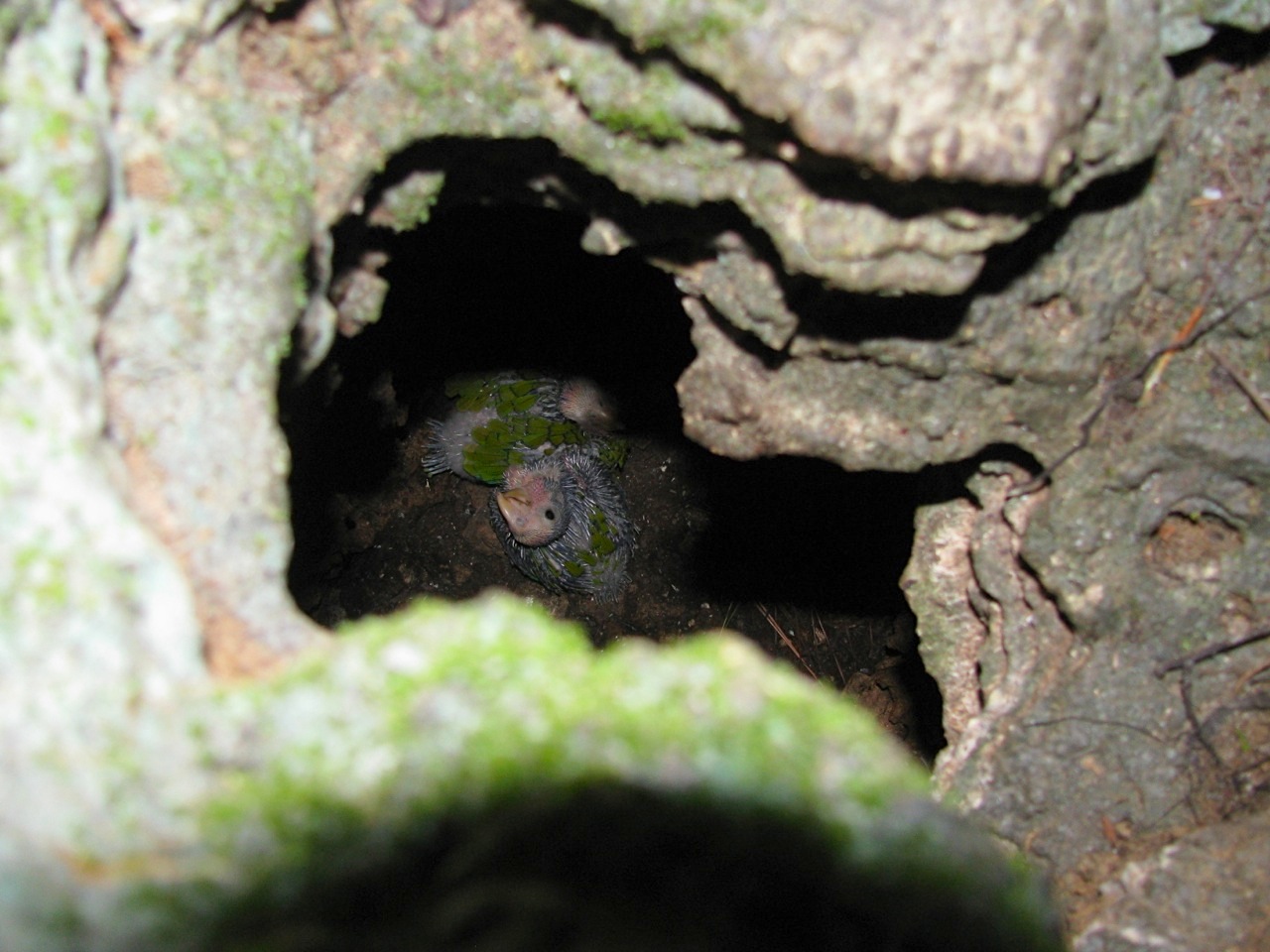
A parrot and chick in a limestone cave nest on Abaco
HOW MANY OF THEM ARE THERE?
The BNT gave this estimate of numbers a few years ago:“There is a very small population (less than ten individuals) on the island of New Providence”. I suspect it is difficult to make a reliable estimate of numbers now. The birds are unbanded, and there is a considerable risk of double-counting when the sightings are of 2 or 3 at a time, in different locations over a very small area. I think it’s probable that the number has reached double figures, and that in any event it is not diminishing despite some casualties.
STOP PRESSOn 6 October 2016 New Providence was in the direct path of Hurricane Matthew. Despite the power of the storm, by the following day there was a report of a sighting in Nassau. Today, 9 October, comes a report of a group of 15 – as far as I am aware the highest number sighted together. Maybe they all came together for solidarity… In any event, the sighting confirms that, at least as far as the parrots are concerned, the hurricane has not caused any problems.
Caroline points out that there is a good chance of interbreeding between feral Amazon species in Nassau that ‘hang out’ with the so-called Abaco parrots:“That would basically make the Bahama parrot population a hybrid and not of much conservation use. Having said that, I still think its really neat that the birds are there and I hope everyone enjoys seeing them in a natural setting. Hopefully we can find out more about them in the next few years”.
Lynn comments: “With regards to the interbreeding with feral parrots that does not seem to be a problem at this time – we did at one time see them with a Yellow Nape Amazon but that bird has disappeared; and according to Caroline Stahala they will not breed with the Black-headed Parakeet. We thought that the birds did nest in a large tree right on Parliament Street. Caroline Stahala and Predensa Moore investigated but did not find conclusive proof. However the timing would correspond with the time when Melissa found and took care of the young parrot”.
WHAT ARE THE HAZARDS FOR THE PARROTS?
Numerous, as you’d imagine, especially in an urban setting, though the birds may have adapted their behaviour to an extent to avoid some of the obvious dangers. There is evidence that some birds are already adapting to urban life, as this recent photo shows. Two parrots have teamed up with a black-hooded parakeet (presumably escaped or released from captivity) to investigate a vehicle and maybe play with the windshield wipers…
STOP PRESS Parrot in a Gumelemi tree, Skyline Heights, Nassau. A great shot by Linda J Clews, with thanks. The parrots have sadly stopped coming to her property since the clearance of coppice to make way for the golf course of the Baha Mar development – an example of the effects of habitat loss on wildlife.
ARE THEY PROTECTED, OR CAN WE CAGE THEM OR SHOOT THEM?
Yes, and no, and definitely not. According to the Bahamas National Trust “Bahama Parrots are protected under the Wild Birds (Protection) Act. It is illegal to harm or capture or offer this bird for sale. The Convention for the International Trade of Endangered Species (CITES) list the Bahama Parrot in Appendix 1 meaning that it is a species which is near extinction or very endangered”.
If anyone would like to know what a flock of these wonderful but uninhibitedly raucous birds sounds like, this is a short recording I made at Bahama Palm Shores, Abaco (an excellent hotspot for them incidentally).
Credits: Shelley Cant-Woodside and Caroline Stahala for information and advice; Locator page members for active or tacit use permissions; photos by Melissa Maura (1, 2, 5); Lynn Gape (3, 7); Sandy Cunningham (4); Neill Pritchard (6, 10); Ian Coerbell (8); Caroline Stahala (9); Tim Colclough (11); Linda Clews (12); Keith Salvesen (13)
Abaco is spoilt for birds. What other island in the word has its very own population of ground-nesting parrots? (Clue: none). How many others provide a secluded winter home for the rare Kirtland’s Warbler? Or a safe habitat for piping plovers – more than 300 individual birds recorded last year, nearly 4% of the total population? Or host 32 warbler species in the winter to supplement the 5 resident species? Or record a visit from a black-browed albatross? Or enjoy 4 out of 5 of the Bahamian endemic species (no longer the Bahama Oriole sadly, now confined to specific areas of Andros).
A while back I held a poll for Abaco’s favourite bird, with about 10 contenders. Some were quick to point out that their own personal favourite was not an option, but I had to take a fairly broad brush approach. On the podium, gold went to the Bahama Woodstar; silver to the parrot; and bronze to the western spindalis. I’m in a genial mood today, having caught a fair-sized wild brown trout on my third (part) day of stalking it (over 2 weeks), on the smallest fly in my box (size 18). I put it straight back of course. Respect! So in a spirit of cordiality, here are some epic shots of Abaco’s democratically elected favourite bird… at least according to the poll.
The two images above were taken by the legendary Bruce Hallett, author of the go-to field guide for the Bahamas, which no birder should be without. Many of his wonderful photos appear in THE BIRDS OF ABACO, and he was a steady guiding hand during the preparation of the book.
This brilliant photo of a female woodstar was taken by Tara Lavallee of Bahama Palm Shores, and for composition, clarity, colour and sheer charm it was a must for inclusion in the book.
Another major photographic contributor was Tom Sheley. I had the pleasure of spending time on Abaco with Tom during expeditions deep into backcountry to find and photograph birds. He had two cameras, one with a long lens. The other had a very long lens. The results he obtained – showcased in the book – were outstanding. His woodstar graces the front cover.
Tom also took a delicate little study of a female woodstar feeding, one of my favourite photos
Occasionally I feature birds photographed elsewhere than on Abaco – GRAND BAHAMA, for example. Almost always they are birds that are recorded for Abaco but are rarely encountered there (and even more rarely photographed). The ROSEATE SPOONBILL, for one. Or they may be birds that have come very close to Abaco but not quite reached the island… the WOOD STORK for example.
Today, I am showcasing some birds photographed on Abaco by Duncan Mullis during a trip from Grand Bahama. My selections from his trip are chosen to showcase colourful birds, endemic birds, and favourite birds of mine. Yours too, I hope.
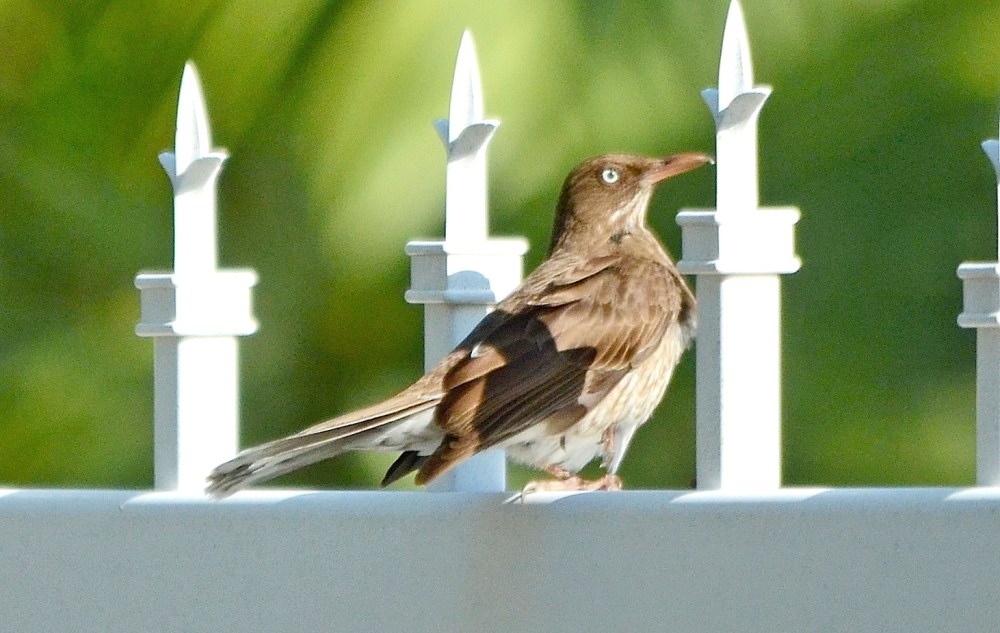
The other new species for Duncan was the PEARLY-EYED THRASHER. Until last March, this species had never been recorded on Abaco. Then one turned up in Treasure Cay and has stayed there ever since. It is the latest of several ‘new species’ found on Abaco in the last couple of years. To read about the discovery by Woody Bracey click on the link above or below.
Today is the 46th Earth Day, a global event to encourage ecology and conservation, and to discourage the spoiling of the planet by mankind. What becomes lost now may never be retrieved. Plant a tree. Grow some bee- or butterfly-friendly flowers. Clear a patch of beach of plastic trash. Recycle stuff. That sort of thing.
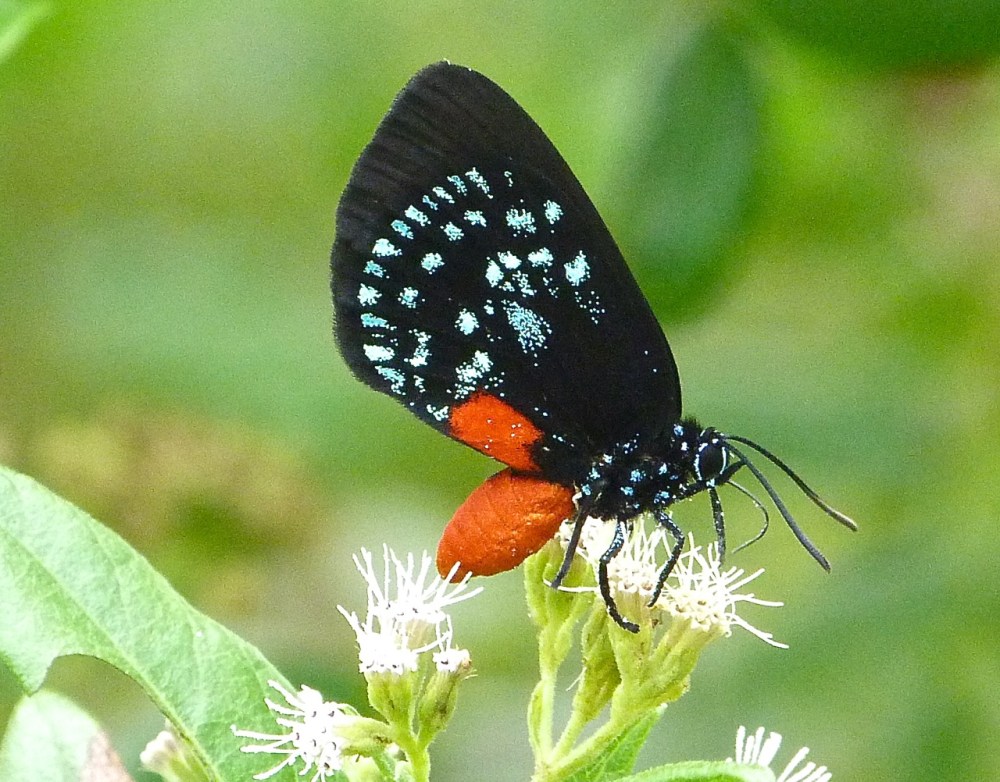
Atala Hairstreak Eumaeus atala – Delphi
Gulf Fritillary Agraulis vanillae – Neem Farm
I’d lined up some horror-images of plastic-filled birds, entangled turtles, damaged reefs and so forth, of which I have a depressingly large archive. Then, in a spirit of *vogue word alert* positivity I scrapped that miserable idea and decided instead to celebrate some of the natural wonders that can be found on Abaco.
Some signal species serve as a continuing tribute to those who work to conserve them. The gorgeous ABACO PARROTS, now saved from the brink of extinction – and currently establishing a new colony on New Providence. The rare PIPING PLOVERS that find a safe home to spend their winters on Abaco’s beaches. The 5 ENDEMIC BIRD species. The WHALES & DOLPHINS that populate the waters. The west-indian MANATEES, until very recently almost unknown for Abaco yet now providing a curious addition to the scene as they visit their favourite haunts.
Habitat protection has been provided over substantial areas on both land and sea by the creation of natural parks and preserves. These have very recently been extended by the establishment of 4 large PROTECTED AREAS for East Abaco Creeks, Cross Harbour, the Marls and the South Abaco Blue Holes, a wonderful reward for a great deal of hard lobbying by conservation organisations and by many concerned individuals.
Scientific research and conservation work is continuously carried out in Abaco waters. TheCORAL REEFSthat form the 3rd largest barrier reef in the world; theBLUE HOLESthat lead to wonderful caves and cathedral caverns of crystal; the vast area of theMARLSand the species that rely on the mangrove swamps; theMANGROVESthemselves: all these are watched over and monitored for ways to protect them best for future generations.
I’ve mentioned trees and plants. There are a variety of well-known sources for both on Abaco – on the mainland, anyway, and maybe some cays. Any will advise on bee and butterfly attractants. Thinking of which, bird seed feeders and hummer sugar water feeders are cheap and guarantee the interest of garden and coppice birds, and during the winter months some brightly coloured migrants such as buntings and grosbeaks.
“FIVE YEARS HARD LABOUR” (NOT!) AND A PARROT TO PROVE IT
I was reading about sea cucumbers online when a small golden Trophy flashed up on my screen, top right. It was mine genial host ‘WordPress’ to remind me that today is the fifth anniversary of this blog. Good grief! Time flies when you are having fun.
So I packed in the sea cucumbers and decided to post a single image that stands for much of what this blog has been about over the five years – the promotion of Abaco’s wildlife, ecology and conservation in particular; and of the attractions of main island and its cays in general. The excellent contemporary bluesman Seasick Steve (such a great name) has an album called “I started with nothing and I’ve still got most of it left”. This blog was started on a whim from nothing, with a near-zero knowledge base and me blundering about in the darkest blogosphere. It’s still pretty dark out there, but I seem to have got the hang of a few things along the way. My thanks to the 1100+ followers and the 300,000+ people who have hit the site over the five years. Without you guys and the encouragement I have received, the whole exercise would have ground pointlessly to a halt at an early stage… Instead, Rolling Harbour will keep on erratically rolling along.
Let the parrots have their say…
(Photo & sound recording from Bahama Palm Shores, RH)
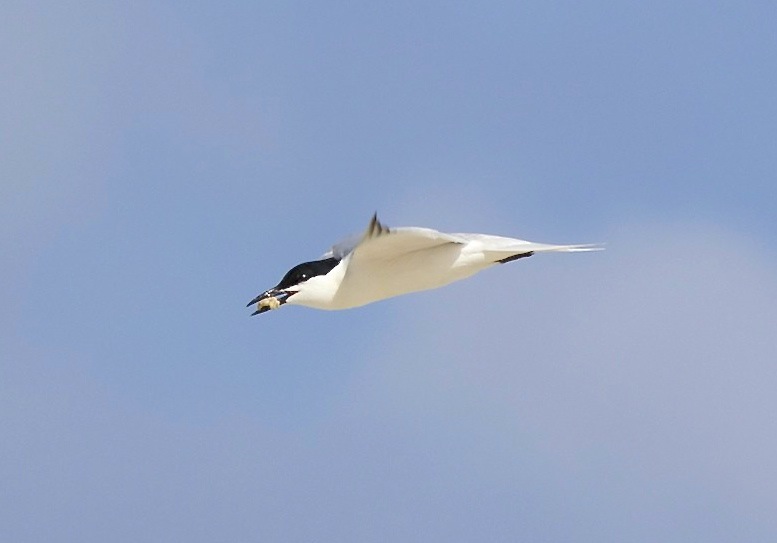
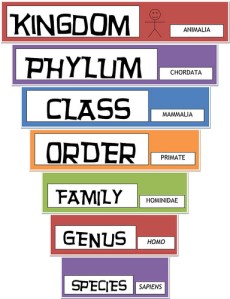
The gull-billed tern Gelochelidon nilotica had a name upgrade from Sterna nilotica some years ago, and was awarded the honour of its own genus. Let’s be clear at the outset: there’s no such thing as a tern-billed gull. Which slightly lessens the scope for species confusion.
For those (me) who need a reminder about the whole family / genus / species taxonomic maze, here is a reminder. The example used is man. Or stickman, anyway.
There are 12 species of tern recorded for Abaco. Only one, the royal tern, is a permanent resident. There is one winter resident, the Forster’s tern and there a 6 summer resident terns of varying degrees of commonness. The other four are transient or vagrant, and probably not worth making a special trip to Abaco to find. The GBT is designated SB3, a summer breeding resident that is generally uncommon, though might be more common in particular areas.
TERN TABLE****I know! Too tempting…
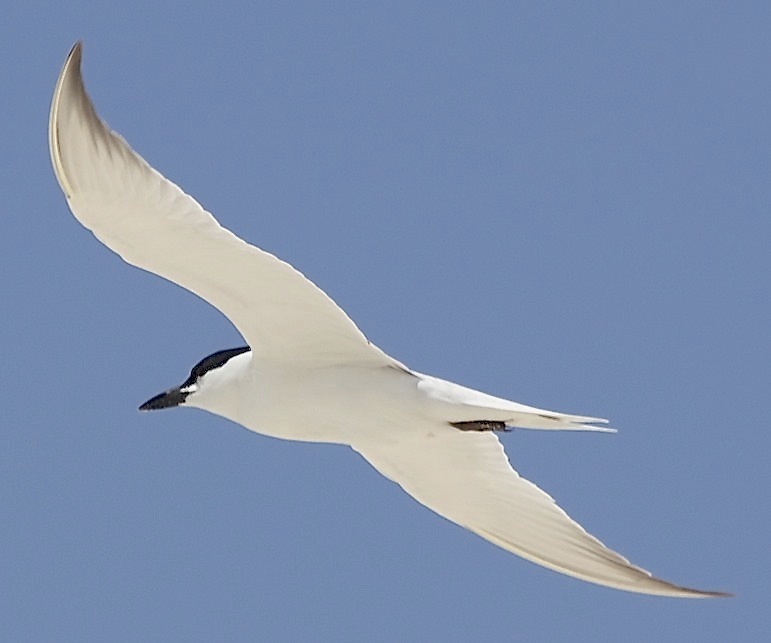
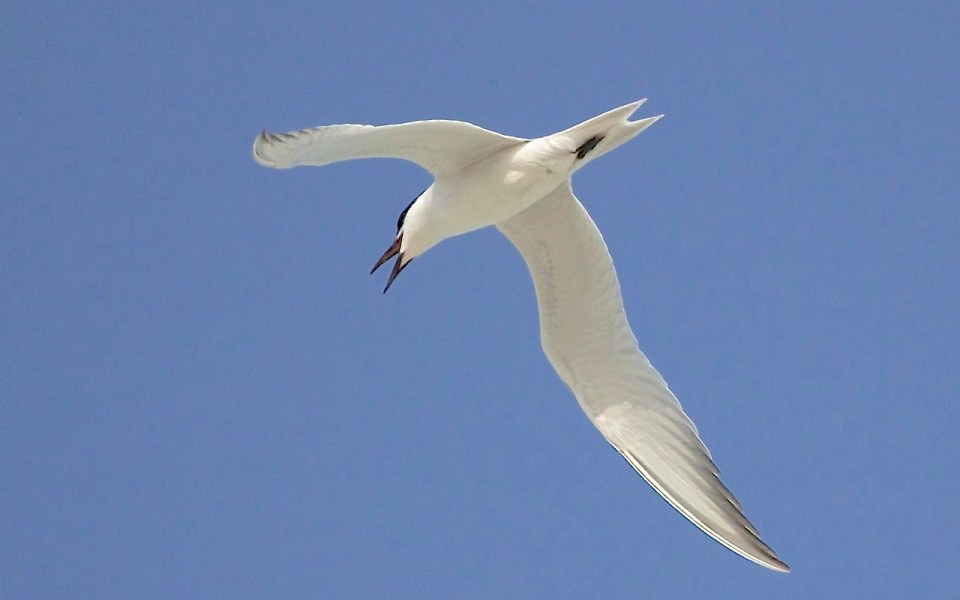
The bird gets its name from it short, thick gull-like bill. It’s quite large in tern terms, with a wingspan that may reach 3 foot. They lose their smart black caps in winter.
There are 6 species of GBT worldwide, and it is found in every continent. While many terns plunge-dive for fish, the GBT mostly feeds on insects in flight, and will also go after birds eggs and chicks. Small mammals and amphibians are also on the menu. The header image shows a GBT with a small crab. I imagine they must eat fish. Surely they do?But I have looked at dozens of images online to find one noshing on a fish, with no success. Does anyone have a ‘caught-in-the-act’ photo?
All photos were taken by Alex Hughes, a contributor to “THE BIRDS OF ABACO”, when he spent some time on Abaco a while back in connection with the conservation of the Abaco Parrot and the preservation of the habitat integrity of their nesting area in the Abaco National Park
ABACO PARROTS: BRIGHT GREEN, RED & BLUE = HAPPY CHRISTMAS TO YOU
Painted buntings in the last post. And now some Abaco parrots. To adopt the joyous strangled yell of Noddy Holder (Slade, 1973, “Merry Christmas Everybody”)** “It’s….. CHRISTMASSSSSSS“. Abaco’s famous and unique ground-nesting parrots are about as seasonally festive as you could wish for. Bright, colourful, noisy and impossible to ignore. The run-up to Christmas is the perfect moment for a gallery of these fine birds that are making a very promising recovery from near-extinction thanks to intensive conservation measures over the last few years. There’s a caption competition at the end, too. Post your idea as a comment and there even may be something it it for the winner…
INTERMISSION
CAPTION COMPETITION
It’s Christmas. Season of Good Will. But what on earth is going on here…?
Credits: Melissa Maura (1, 2, 9), Peter Mantle (3), Keith Salvesen / RH (4, 8), Craig Nash (5), Bruce Hallett (6), Tom Sheley (7); Audio recorded by RH & Mrs RH at Bahamas Palm Shores
In past posts I have mentioned what an excellent birding place Gilpin Point has become. There’s the large pond; and right beside it, dunes, the other side of which is a fine secluded beach and the ocean. The place is a magnet for birds of all shapes and sizes, from brown pelicans down to the tiny endemic Bahama woodstars. There are water birds, wading birds, shorebirds and coppice birds. It has become a place where Abaco parrots regularly congregate. You can reach the Gilpin FB page HERE.
A while back, there was a rare visitor, a Flamingo that stayed a few months then disappeared again. It was in some ways a sad reminder of past flamingo glory days, when they were commonly found on Abaco. Now they are confined to Inagua apart from the occasional vagrant. For more on the the topic, with wonderful photos by Melissa Maura of the breeding season on Inagua, click HERE. Another rare vagrant – formerly quite plentiful on Abaco – was recently found at Gilpin by Keith Kemp, who skilfully managed to get photos of it from some distance away: a Roseate Spoonbill.
I have featured spoonbills before in a post IN THE PINK, but the photos were taken on New Providence by Woody Bracey. I had no Abaco spoonbill photos. To be fair, we did once see one while we were bonefishing far out on the Marls. It was on the edge of the mangroves a good distance away, and the pale pink tinge caught my eye. My photo with an iPhone 4 (the one with the risibly cr@p camera – remember?) was so utterly pathetic that I dumped it (the photo, I mean, but the phone soon followed). But we knew what we had seen, and that was enough.
STOP PRESS 1I should add that a friended visited the pond after the side-effects of Hurricane Joaquin had receded, and the spoonbill had gone. So the spoonbill alone would not make the journey worthwhile!
STOP PRESS 2A check of eBird reveals that a handful of spoonbills have been reported in Northern Bahamas this year, about 6 in all. Almost none before that. I have the impression that birding intensity in The Bahamas, coupled with the ease of uploading reports to eBird, will increasingly make a difference to the incidence of sightings of uncommon and rare species, cf the recentWHIMBRELSof Grand Bahama.
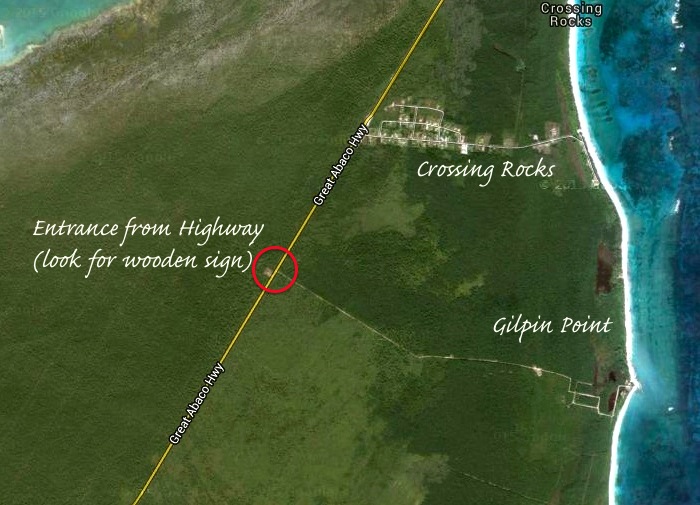
GILPIN POINT LOCATION
Gilpin Point is just south of Crossing Rocks. The brackish pond – sometimes an alarming reddish colour that I assume is algal – is just inland from the shoreline and provides a wonderful haven for birds. It’s a long mile from the highway. There is no vehicle nor even human traffic apart from occasional birders and walkers. Please note that the drive and the property are private. However Perry Maillis is always welcoming to tidy birders who (as I have written elsewhere) bring only enthusiasm and take only photographs (though a picnic on the beach is worth considering. And maybe a swim…).
Helpful location maps
WHAT SPECIES MIGHT BE FOUND AT GILPIN?
A brief list includes regular visits from parrots. It’s the only place we have found a furtive little sora skulking in the reedy margins. It’s a reliable spot for herons and egrets of every kind, white-cheeked (Bahama) pintails by the score, black-necked stilts and lesser yellowlegs. Occasionally a northern pintail, ruddy duck or merganser. Turkey vultures. Limpkins. We’ve seen belted kingfishers, Bahama woodstars, cuban emeralds, american kestrels, Bahama swallows, doves, pigeons, western spindalis and many more coppice birds besides. One flamingo. One spoonbill. Pelicans have been seen on the rocks on the beach. Shorebirds include turnstones, sundry plovers & sandpipers, and oystercatchers. You may well see tropicbirds and frigate birds off-shore, and assorted gulls and terns. I can’t personally be more species-specific because I have never ‘shorebirded’ properly there, but I have noticed an impressive mix…
When we launched THE BIRDS OF ABACO at the Delphi Club, we were delighted that Pericles was able to come to the party. He took a few photos and I’m sure he won’t mind my including a small gallery to end with, featuring a couple of the Gilpin entries in his signed copy.
Bahamas birding nobility: Tony White with Caroline Stahala; Woody Bracey & Bruce Hallett
Credits: Keith Kemp for the great spoonbill photos; Perry for the Delphi photos
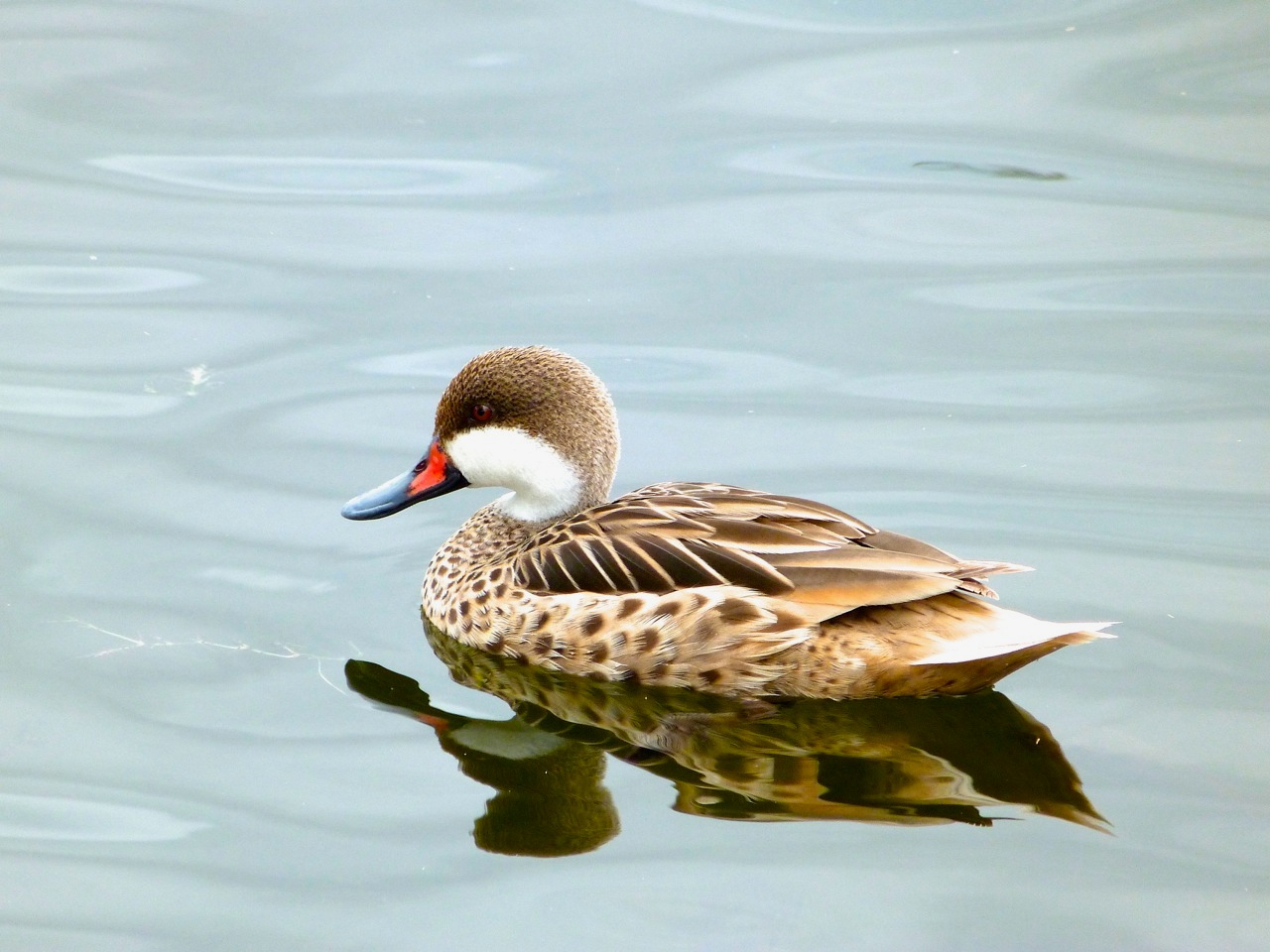
BAHAMA PINTAILS ON ABACO (WITH YELLOWLEGS PHOTOBOMB)
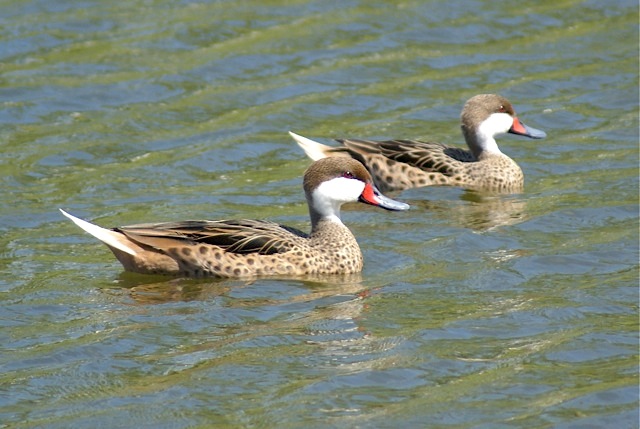
I’m not going to pretend that these are particularly meritorious bird photos in any way. We were at Gilpin Point pond, always a good place to see birds and now an area that has regular parrot fly-pasts (and hang-around-squawkings). It’s the only place we have found a furtive little sora creeping guiltily around the reedy margins. It’s a reliable spot for herons and egrets of all kinds, white-cheeked (bahama) pintails by the score, black-necked stilts and lesser yellowlegs. Occasionally a northern pintail. I’ve seen belted kingfishers, bahama woodstars, cuban emeralds, american kestrels, spindalis and many more coppice birds besides. Pelicans have been seen on the rocks on the beach. Always worth a try! One day perhaps I’ll make a checklist… **
A ‘Preening of Pintail’ with a lesser yellowlegs feeding happily (if blurrily) behind them
Less than a minute earlier… PHOTOBOMB
The photobomb was a complete surprise, but I managed to snap the more elegant landing…
**As a postscript, I see that Pericles Maillis posted on eBird his very brief bird count at Gilpin pond and on the beach a couple of days after I posted this. He saw
3 Blue-winged Teal (‘first sighting of bw teal for 2015 migration’)
LIMESTONE CAVES ON ABACO: WELL WORTH LOOKING INTO…
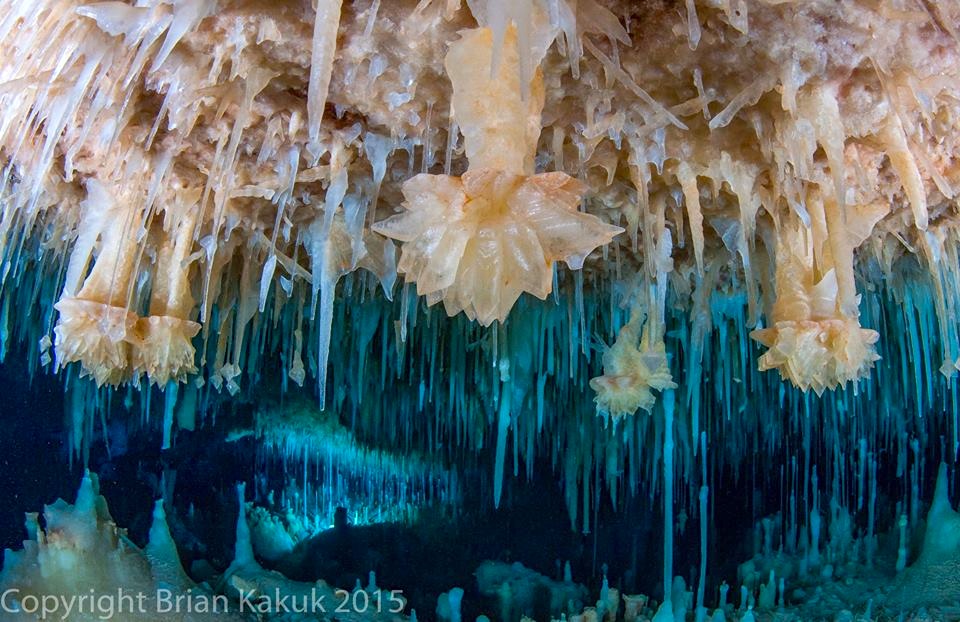
I have written several posts in the last few months featuring Brian Kakuk’s amazing photos of the underwater caves of Abaco. These caves, mostly beneath Abaco’s pine forests, are fabulous treasures of rock and crystal. A recent post example can be seenHERE. I have also featured some of the famous Blues Holes of Abaco from time to time, for example HERE. So now it’s time to turn attention to ‘land caves’, the dry(ish) limestone holes and caverns that are dotted around Abaco, especially in the South, and bear witness to aeons of geological development through erosion.
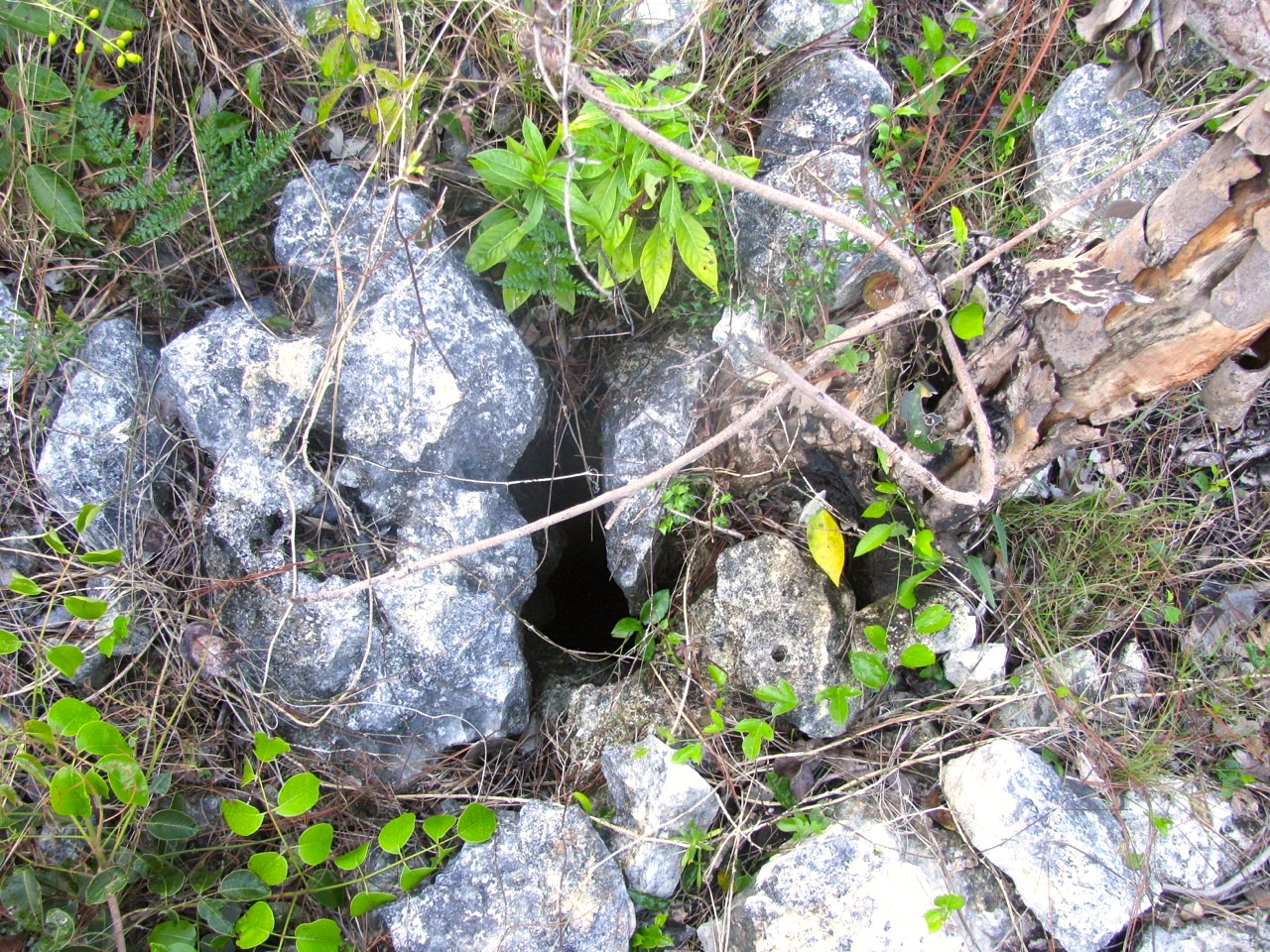
The coppice and extensive pine forests are pitted with holes of widely varying sizes. I’m way out of my depth here, geology-wise (polite corrections invited), but this sort of landscape is I believe known asKARST. This term presumably includes Abaco’s ‘dry’ holes, the blue holes and the substantial network of underwater caverns. Small examples can readily be found in easily accessible places such as non-dense coppice. We were very surprised when we pushed our into the coppice bordering the Delphi Club guest drive and took a closer look at a hole. Although the weather was hot and dry at the time, you will see that the hole has some form of micro-climate, with damp walls and interior and wet-climate plants like small ferns and forms of what I take to be moss and algae.
ONE OF MANY LIMESTONE HOLES BESIDE THE DRIVES AT DELPHI
A HOLE NEAR HOLE-IN-THE -WALL – LARGER INSIDE THAN IT LOOKS
THE CAVE-DWELLERS OF ABACO: THEFABULOUSPARROTS
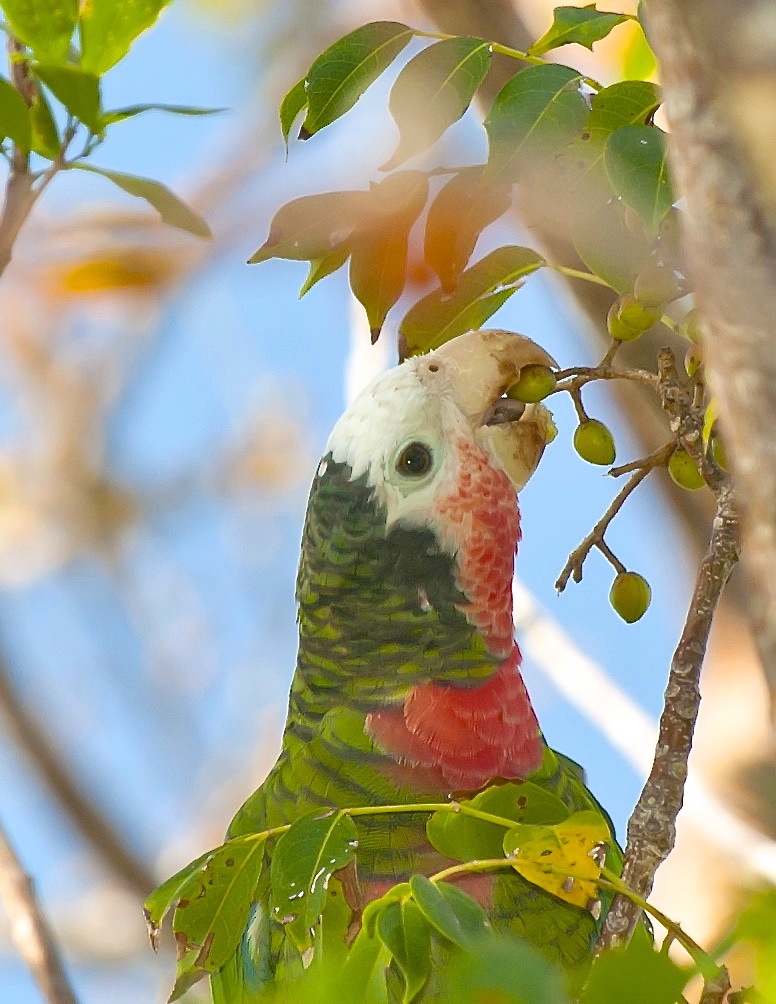
Among the best-known special residents of Abaco are the ground-nesting parrots, gorgeous birds that I have often featured in the past – see the parrot page HERE. Not so long ago, their numbers had reduced to an unsustainable population – fewer than 1000 – that faced extinction. The creation of the National Park covering the pine forests where they breed, coupled with a vigilant and intensive conservation program, have reversed the trend. There is now a sustainable breeding population again, exceeding 3000 birds.
The only other breeding Cuban parrot population in the Bahamas is found on Inagua, where they nest conventionally in trees. There is a very small non-breeding population on New Providence. Abaco’s cave-dwelling subspecies of the cuban parrot is unique. Here’s an insight into how they live, deep in the pine forest, during the summer breeding season, with many thanks to Caroline Stahala, the scientist who spent some 10 years researching and protecting the parrots.
PARROT NEST HOLES: VULNERABLE TO PREDATORS, PROTECTED FROM FOREST FIRES
PARROTS MAY NEST DEEP – OR SHALLOW.
THE BREEDING SEASON: NEST, EGGS, HATCHLINGS, FLEDGELINGS…
HOW BIG DO THE ‘DRY’ HOLES GET?
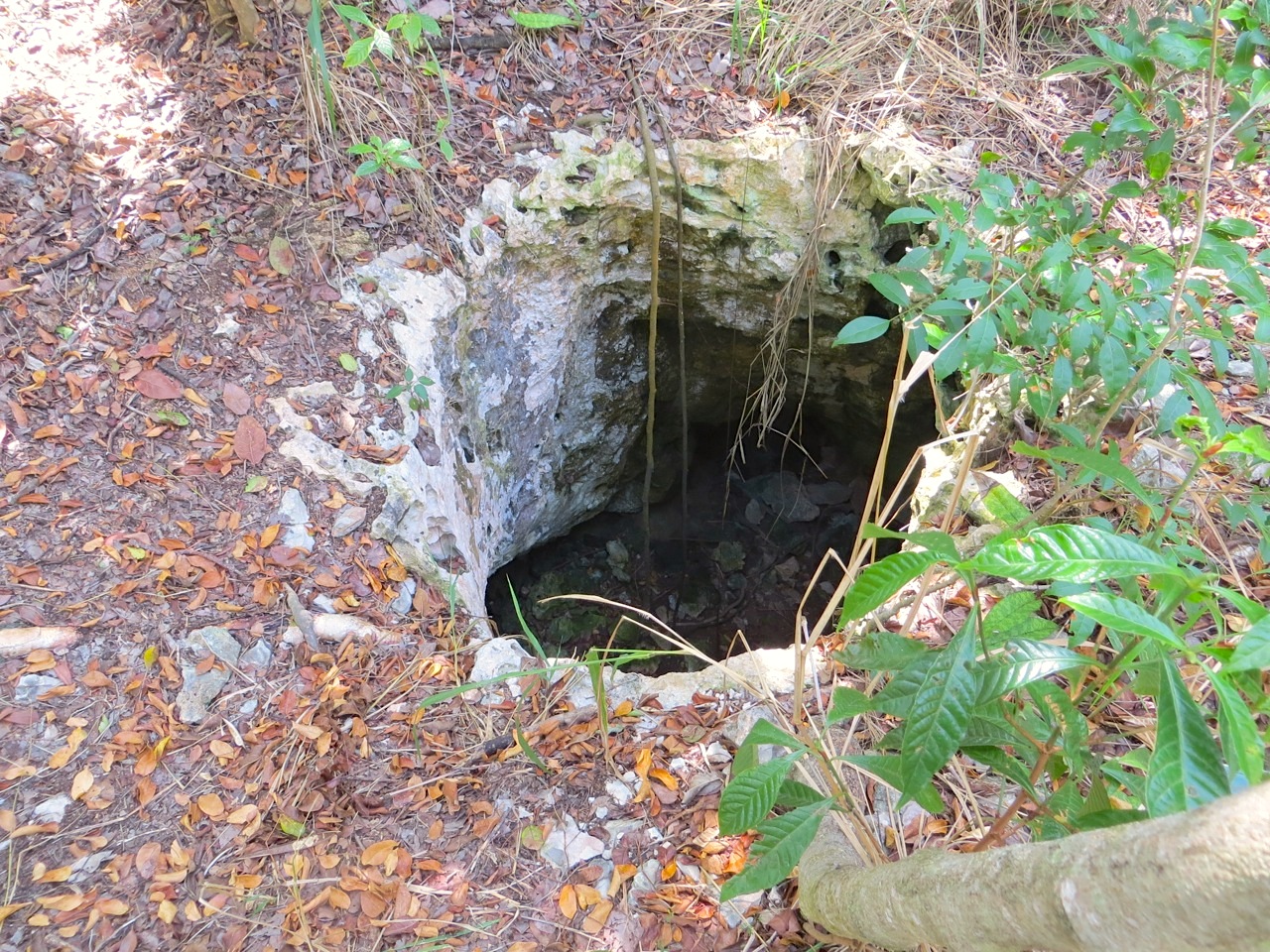
TBH my personal experience is somewhat limited. I believe there are large, sea-scoured caves along rocky parts of the south coast, but those are rather different from the eroded ground holes discussed here. As so often I rely on Mrs RH – far more intrepid than me – and her exploring skills. The cave shown below is right down at the far south of Abaco, at Hole-in-the-Wall, hidden in the coppice along the ‘Soldier Road’ from the T-junction (we are talking rough tracks here – very – not proper roads) towards the lighthouse.
The rock is far more colourful than you might expect
Credits: Caroline “The Parrot Lady” Stahala; Mrs RH for investigating the last cave and taking the camera with her; RH the rest; Woody Bracey for our great day of birding at Hole-in-the-Wall and his local knowledge of the area…
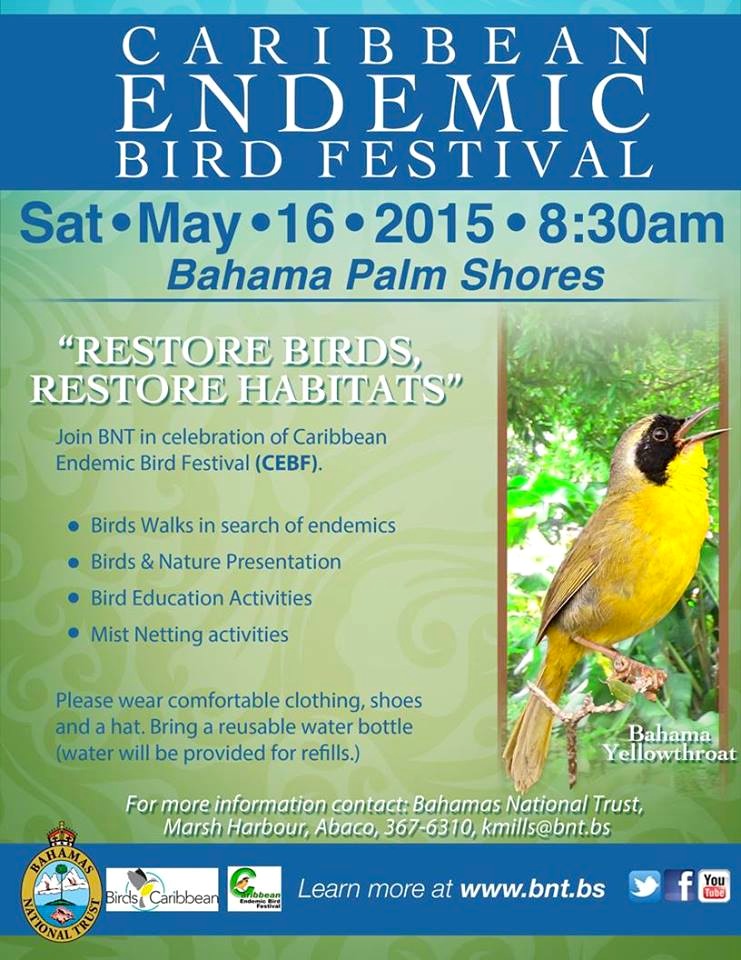
THE CARIBBEAN ENDEMIC BIRD FESTIVAL (CEBF) is a Caribbean-wide festival that aims to heighten awareness for birds generally in the region. It is sponsored by the excellent BIRDS CARIBBEANorganisation – click the link to see what it is all about. Birds, obviously, but from the points of view both of promoting and of preserving the rich avian variety throughout the Caribbean.
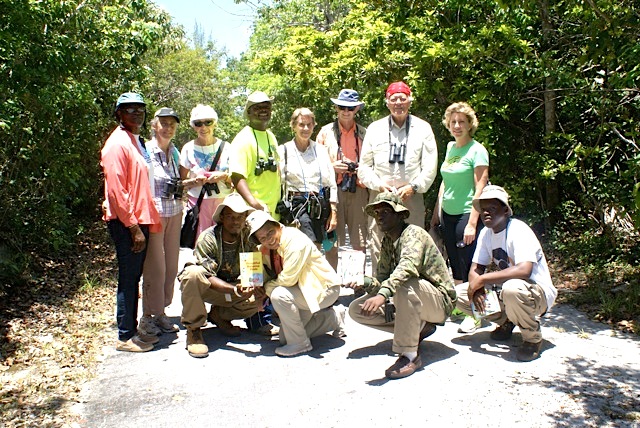
As part of the CEBF celebrations this month, a birding group from New Providence came to Abaco to explore the birdlife. The expedition group included several well-known local bird experts, all the better for locating and identifying species and ensuring a comprehensive checklist could be compiled. Also in the group was photographer Linda Huber, whose photos you will undoubtedly have seen in Bahamas publications, including the recently published small guideBEAUTIFUL BAHAMA BIRDS(click to see my review and further details – highly recommended for any birder from novice up). Here are a few of Linda’s photos of some of the birds seen during the expedition, a gallery that shows the extraordinary diversity of species to found in a short time on Abaco.
Apologies to those who received a ‘false start’ draft of this post. It was lunchtime, I was hungry, I pressed ‘Save Draft’… or thought I had. Why is the ‘Publish’ button so close? Oh. Right. I see. It’s not its fault, it’s mine…
Western Spindalis Spindalis zena Abaco Parrot Amazona leucocephala bahamensis
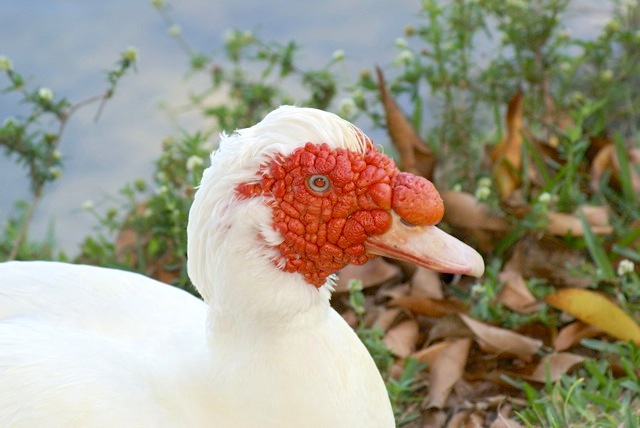
2 or 3 introduced or domestic species (if that Muscovy Duck was at Gilpin Point it’s a pet!)
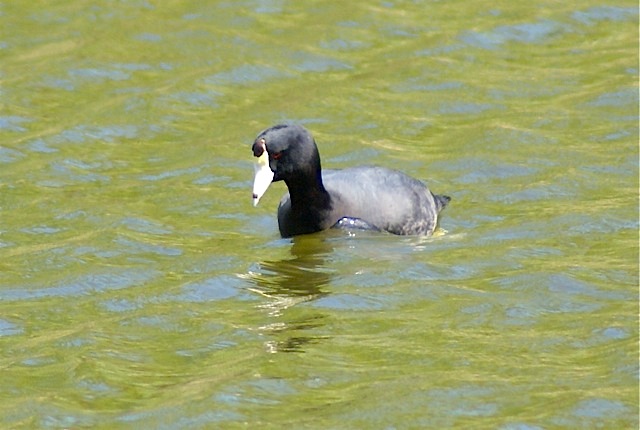
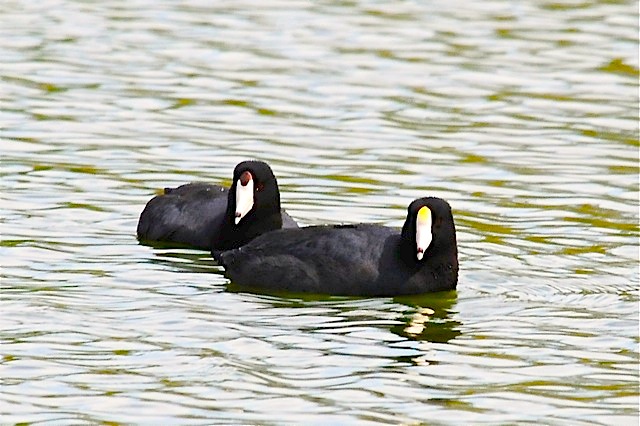
The debatable ‘Caribbean Coot’, about which it has been written** The American Coot is familiar to all, but controversy surrounds the Caribbean Coot with its all-white frontal shield. Some authorities say it is a separate species; others say it is a true subspecies of the American Coot; some claim it is simply a local variant. Bond (1947) treats them as distinct species. The image below shows the two species together. They coexist contentedly and are indifferent to the debate.
The group on a Logging Track in the Abaco National Park
The New Providence Birding Group Expedition to Abaco
CREDITS All photos Linda Huber (with many thanks for use permission) except the pair of coots (Tony Hepburn) and the singing Bahama Yellowthroat in the BNT Flyer (Bruce Hallett)
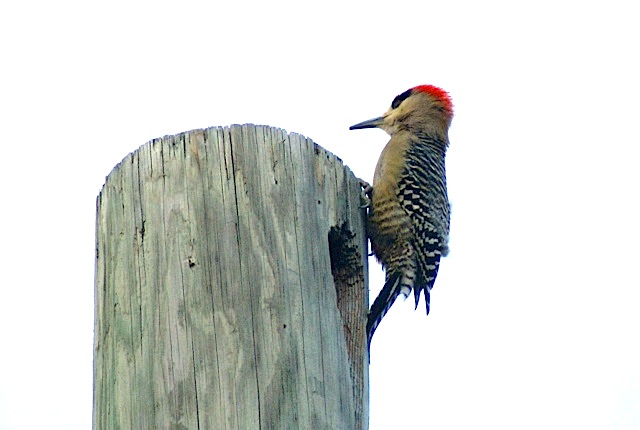
South Abaco – the tract of land south of Marsh Harbour – has some of the richest birding in the Bahamas. Besides 4 of the 5 BahamasENDEMIC SPECIES, it contains some of the most interesting speciality birds. The uniqueABACO PARROTfor a start, with a population that is gradually increasing following a drastic decline and conservation intervention. RarePIPING PLOVERSon the eastern shoresthat overwinter, as do the endangeredKIRTLAND’S WARBLERS, of which more soon. In the Bahamas the WEST INDIAN WOODPECKER is common on Abaco, but elsewhere it is rare on San Salvador and is no longer found on Grand Bahama (missing, presumed extirpated). If you want to learn more about them and their engaging ways read Caroline Stahala’s fascinating article HERE
Olive-capped Warbler, one of 5 permanent resident warblers (of 37 species in all) Bruce Hallett
January was an excellent time for the Hope Town Birding Group to take the ferry over for a quality day of birding on south Abaco. In all, 44 species were identified, ranging from expected feathery denizens to what are sometimes described as ‘Good Gets’. The group was led by Bruce Wolck. Jan Metcalf contacted me to arrange for Delphi – a notable birding hotspot – to be on the itinerary. And as she wrote to me afterwards in summing up the day:
“Amazing birds, amazing day, amazing Delphi (where we saw the Bullfinch)”
Sally Chisholm has since emailed that among places visited were the “[town] dump, locations along the highway south to the Y, Sandy Point, the south ferry dock, Gilpin Point, Bahama Palm Shores and Delphi”. I’ve never been to the dock, so that’s one for us to try out in March…
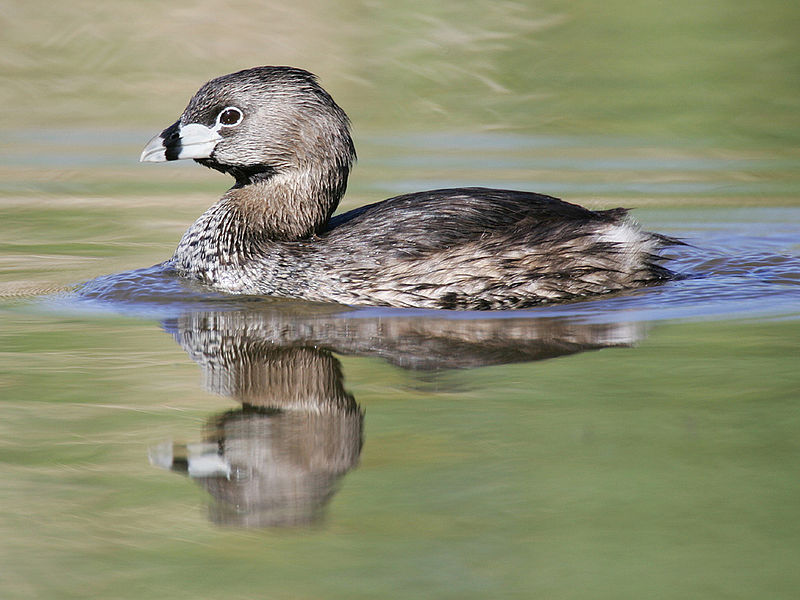
Here is the group’s checklist of the 44 species. I have added thumbnail images, almost all taken on Abaco by contributors toTHE DELPHI CLUB GUIDE TO THE BIRDS OF ABACO, including some used in the book. “Good Gets” include the Pied-billed Grebe, a permanent resident but quite scarce; the Bonaparte’s Gull; the Great Black-backed Gull; and the White Ibis. The last 3 are what are termed ‘casual’ winter residents – rarely seen and so irregularly reported.
HOPE TOWN BIRDING GROUP CHECKLIST – JANUARY 2015
CLICK on a thumbnail to enlarge it. That’s the idea anyway, but I’m a bit ‘casual’ myself in checking links. The ones I spot-checked worked so I am hoping for the best with the remainder…
Pied-billed Grebe
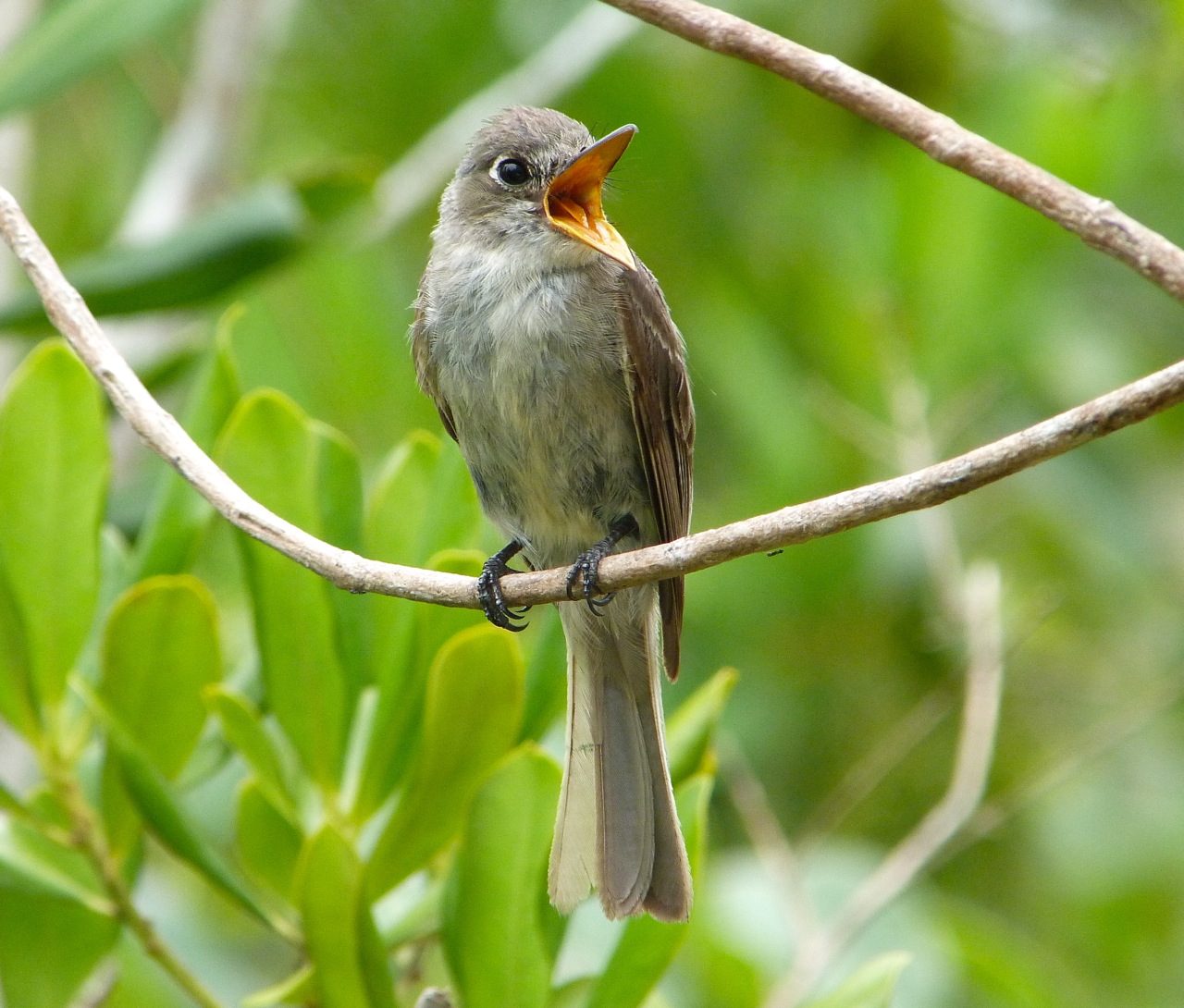
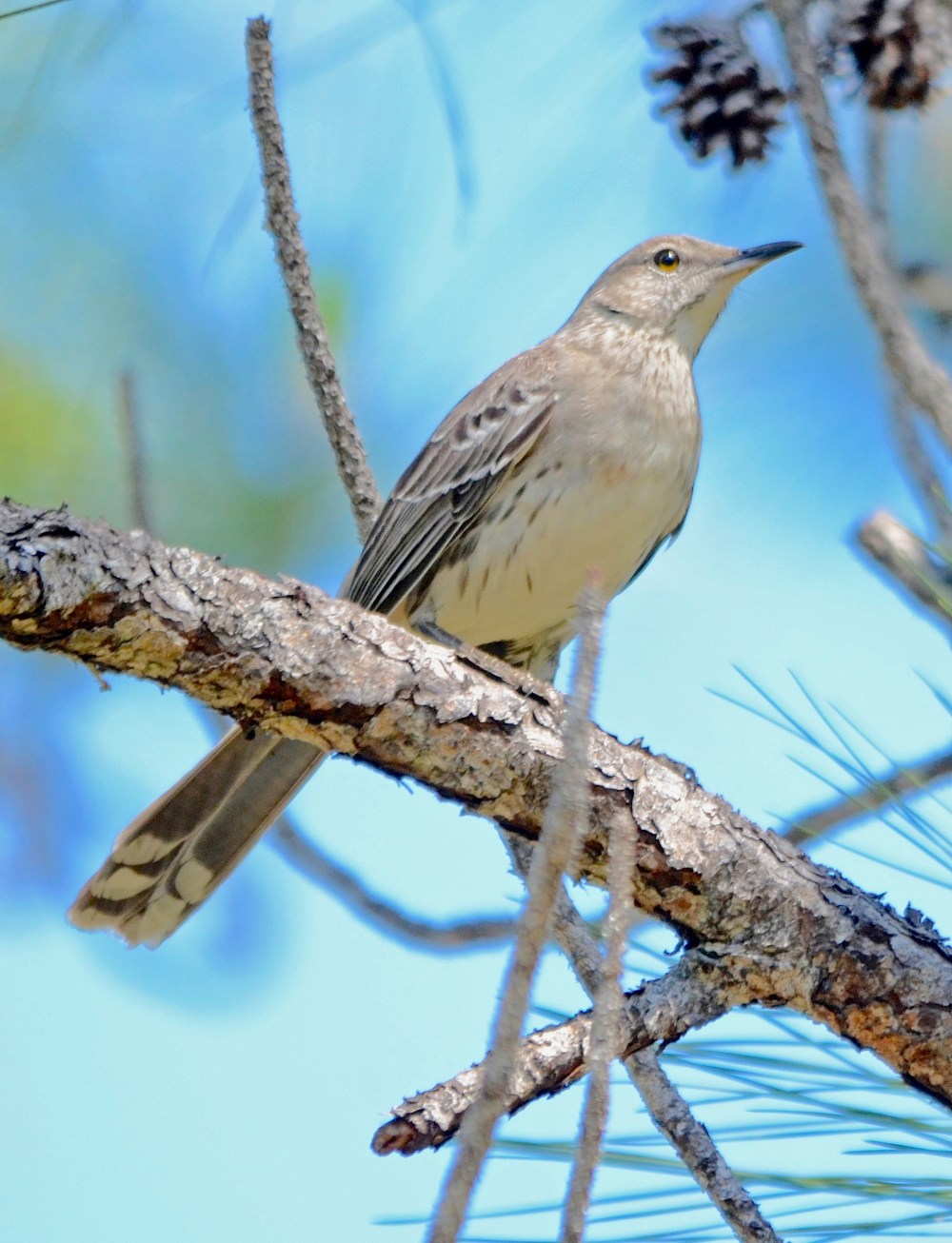
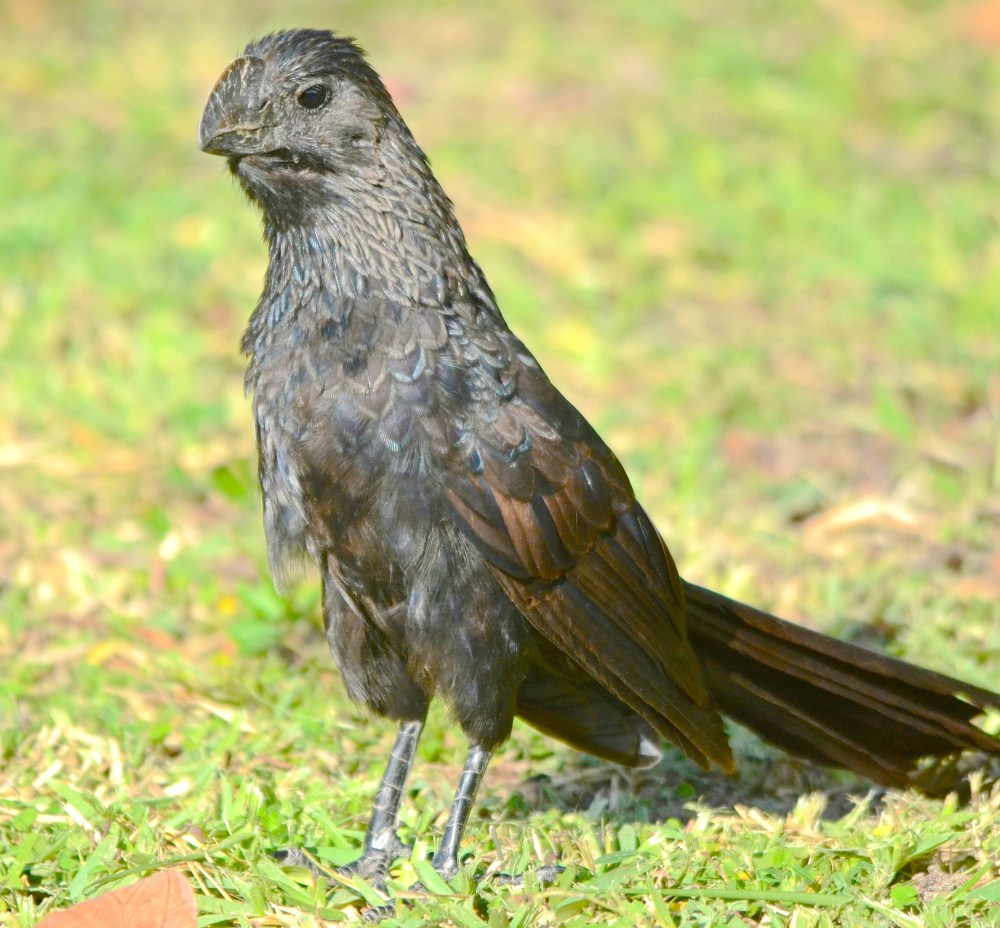
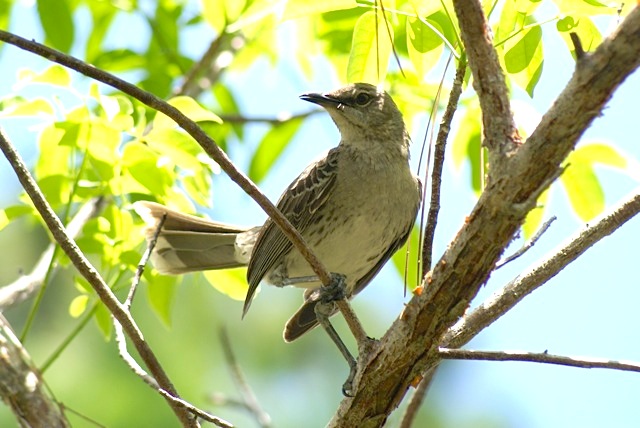
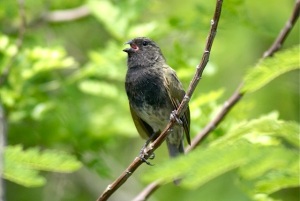
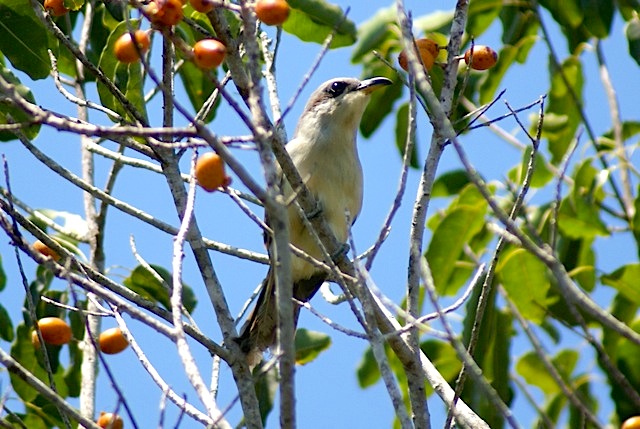
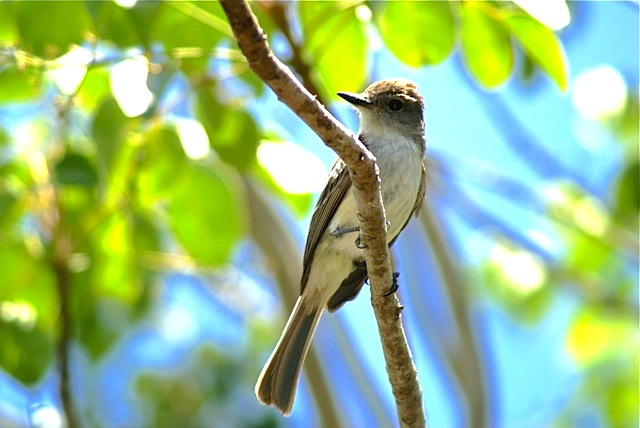
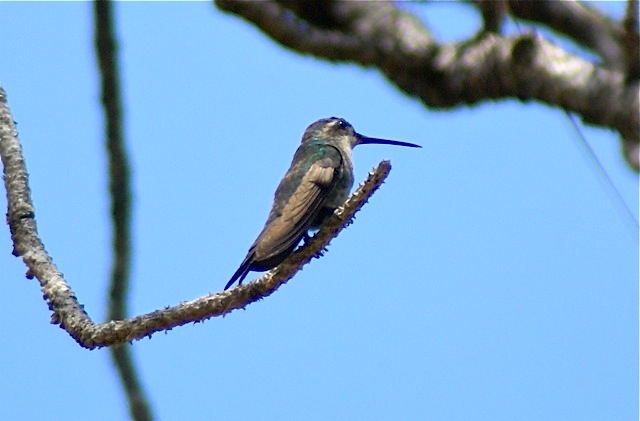
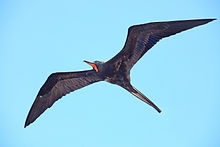
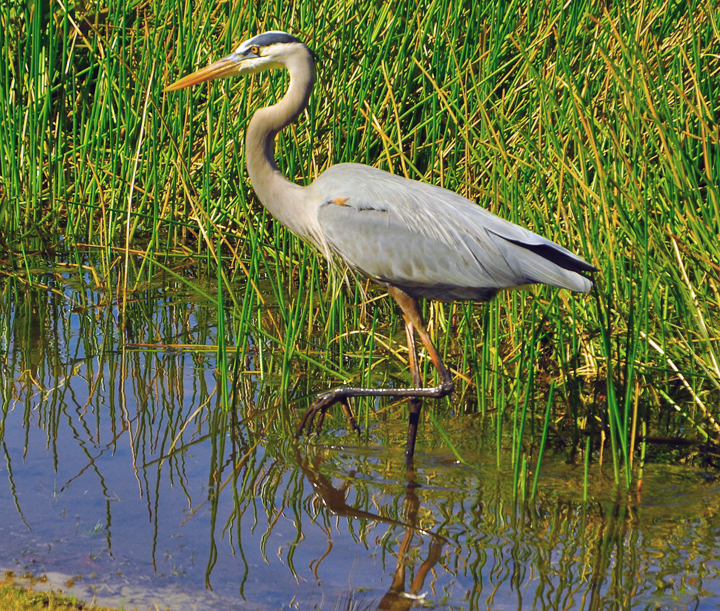
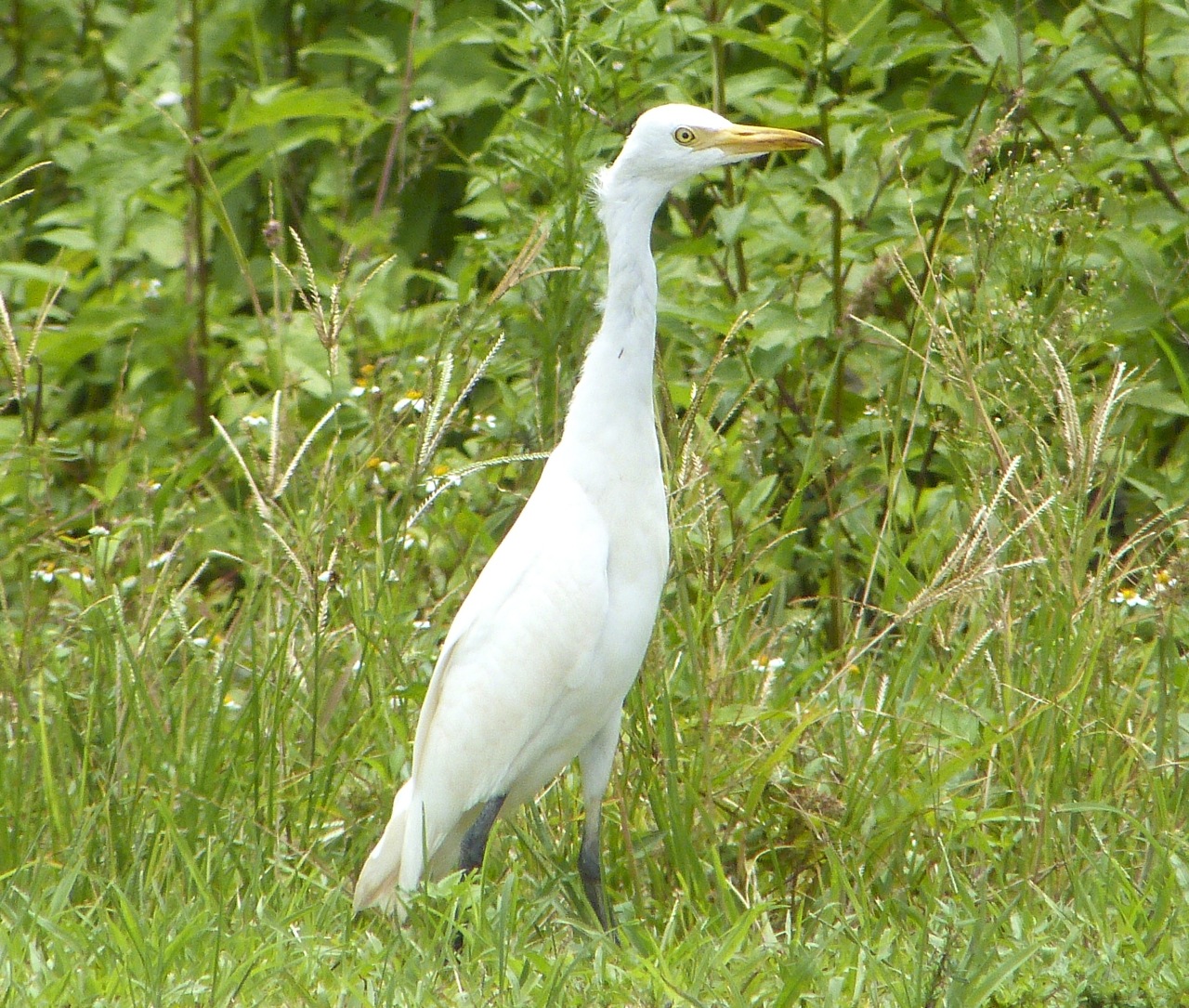
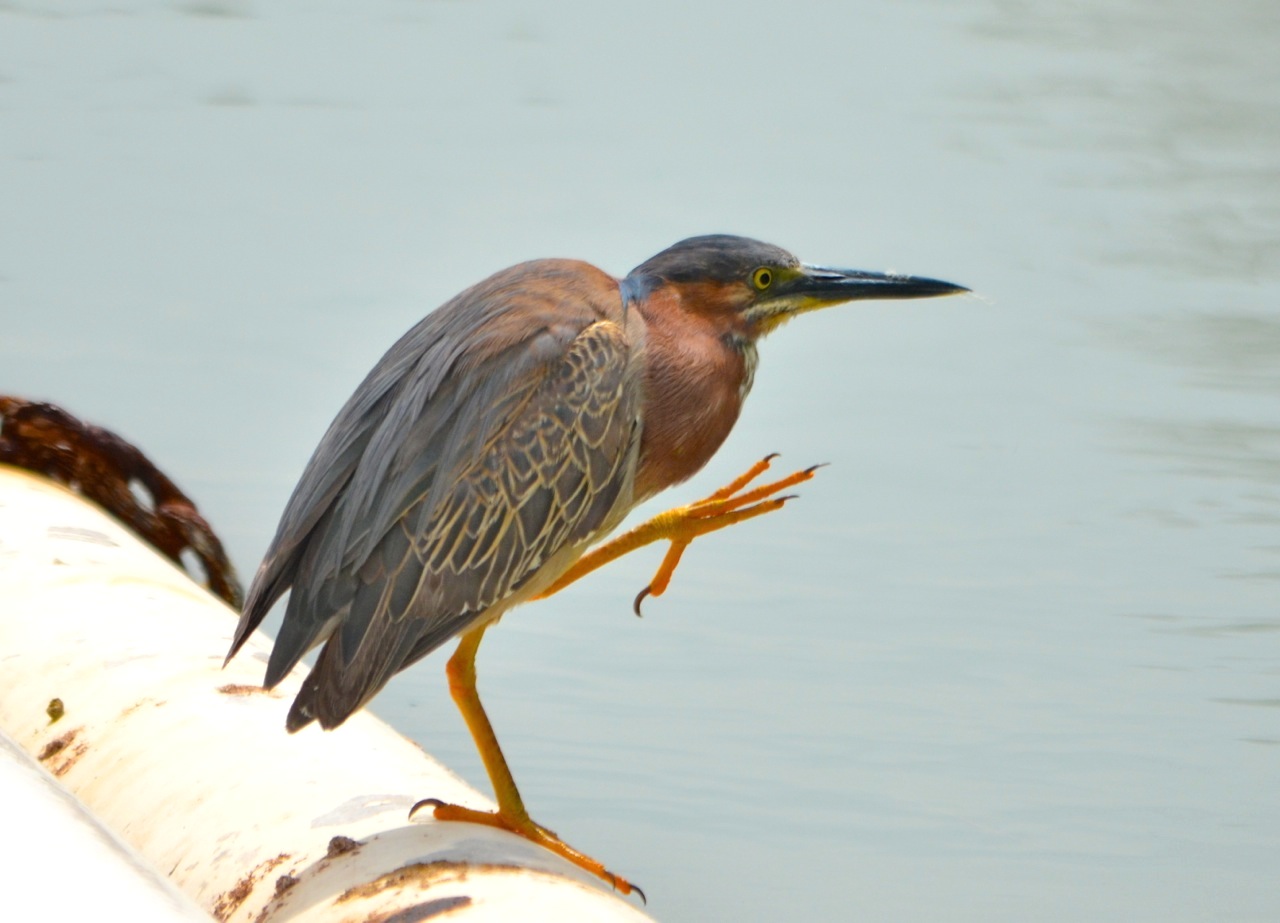
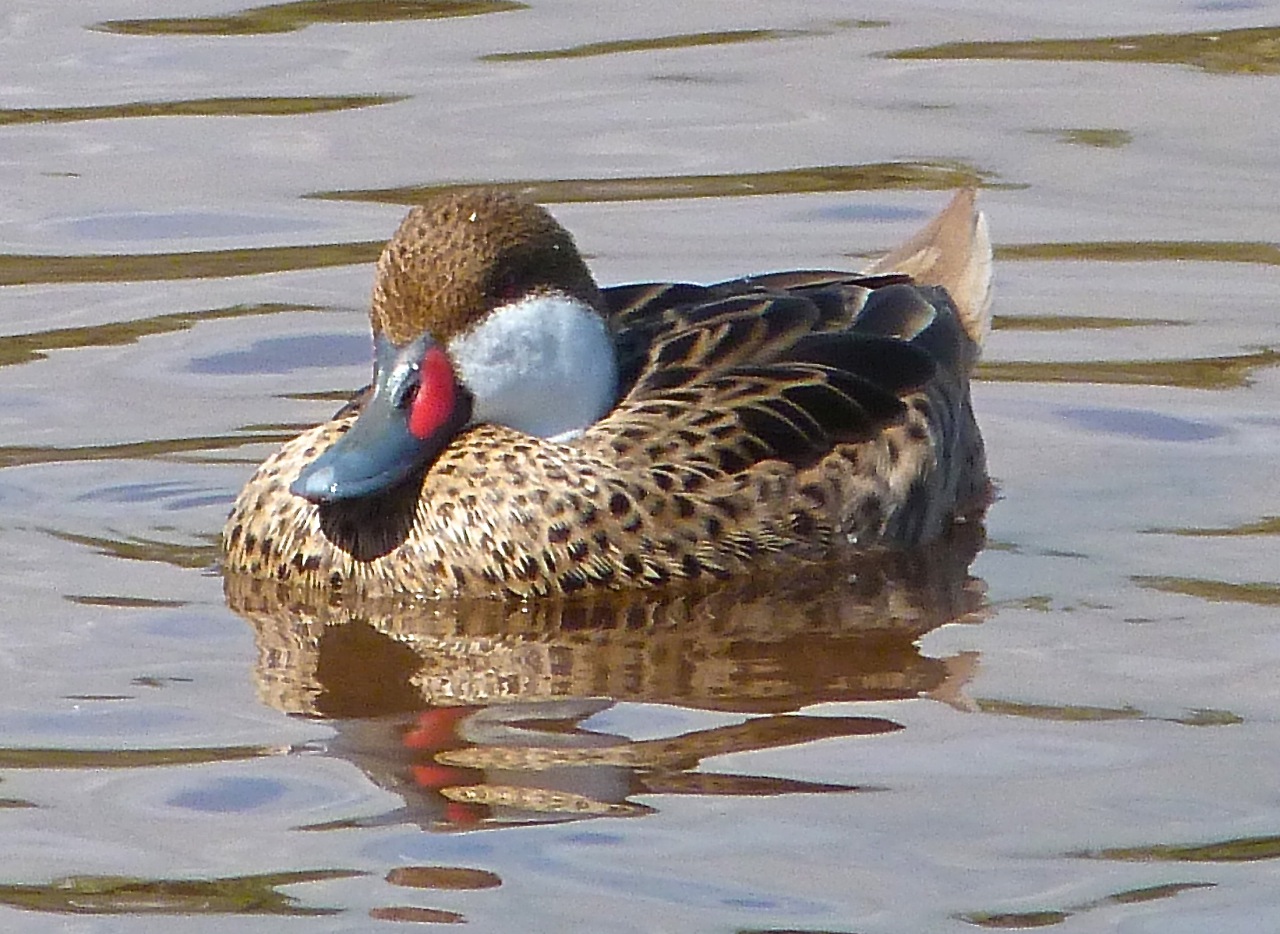
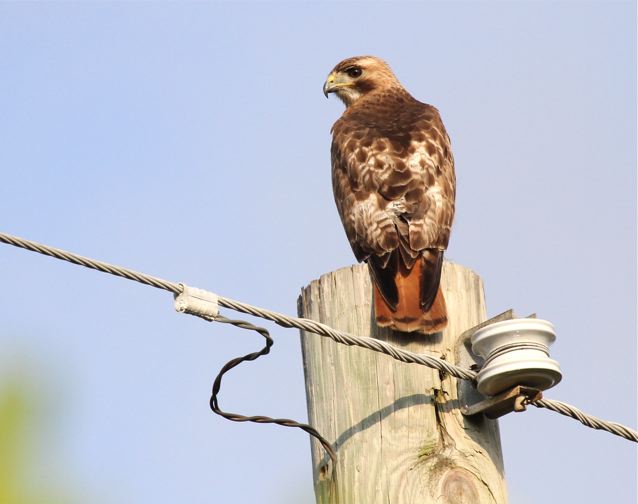
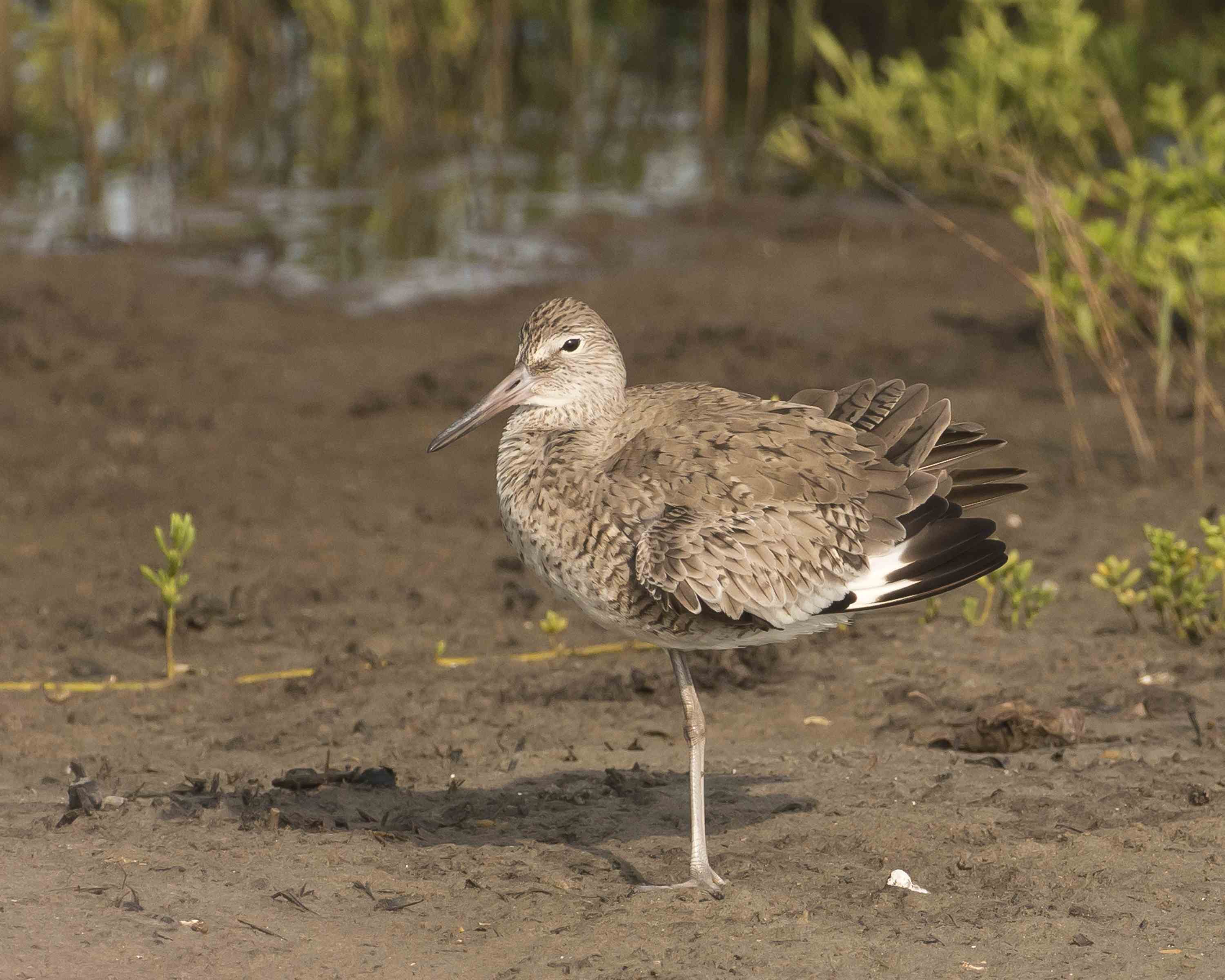
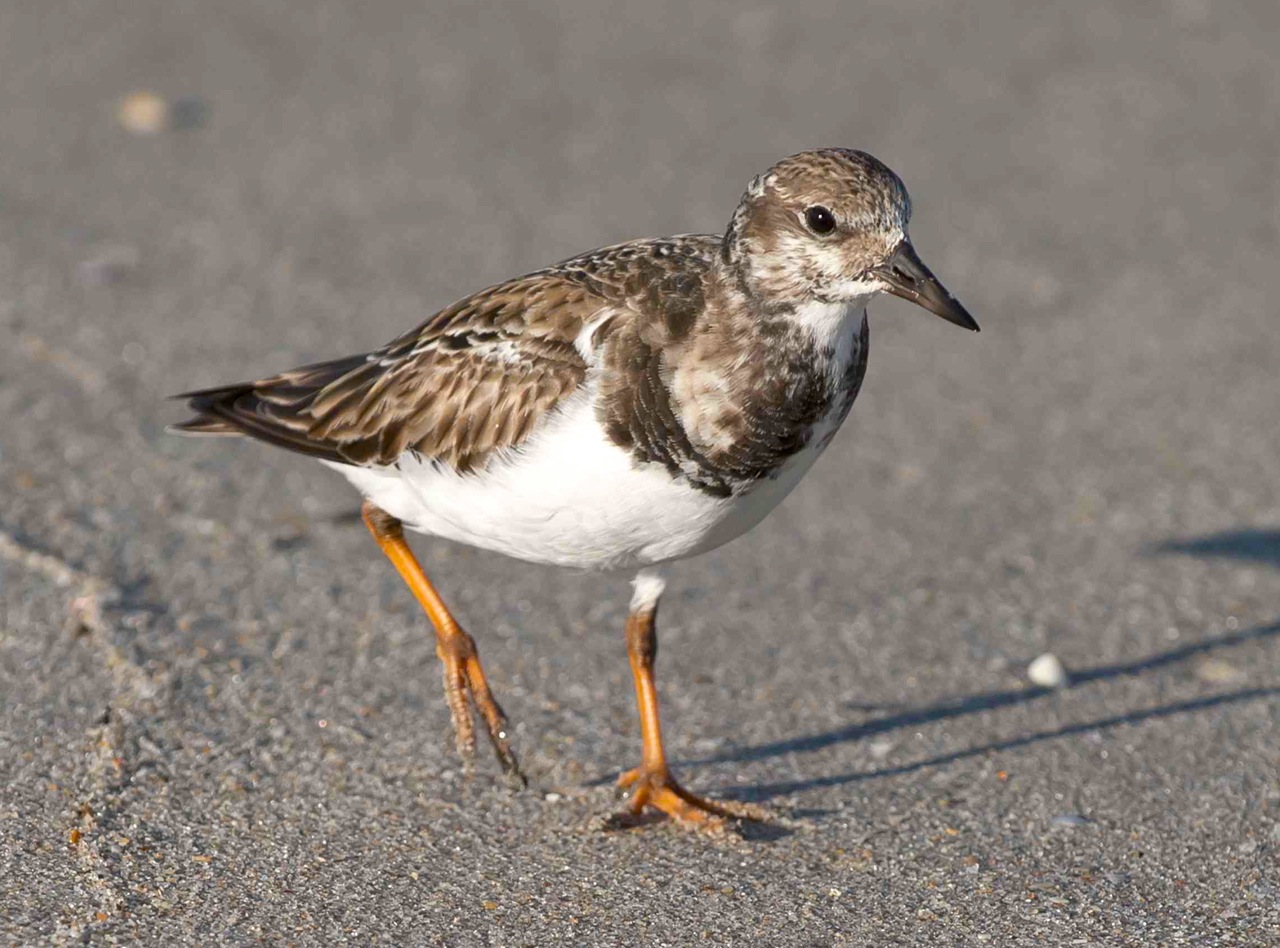
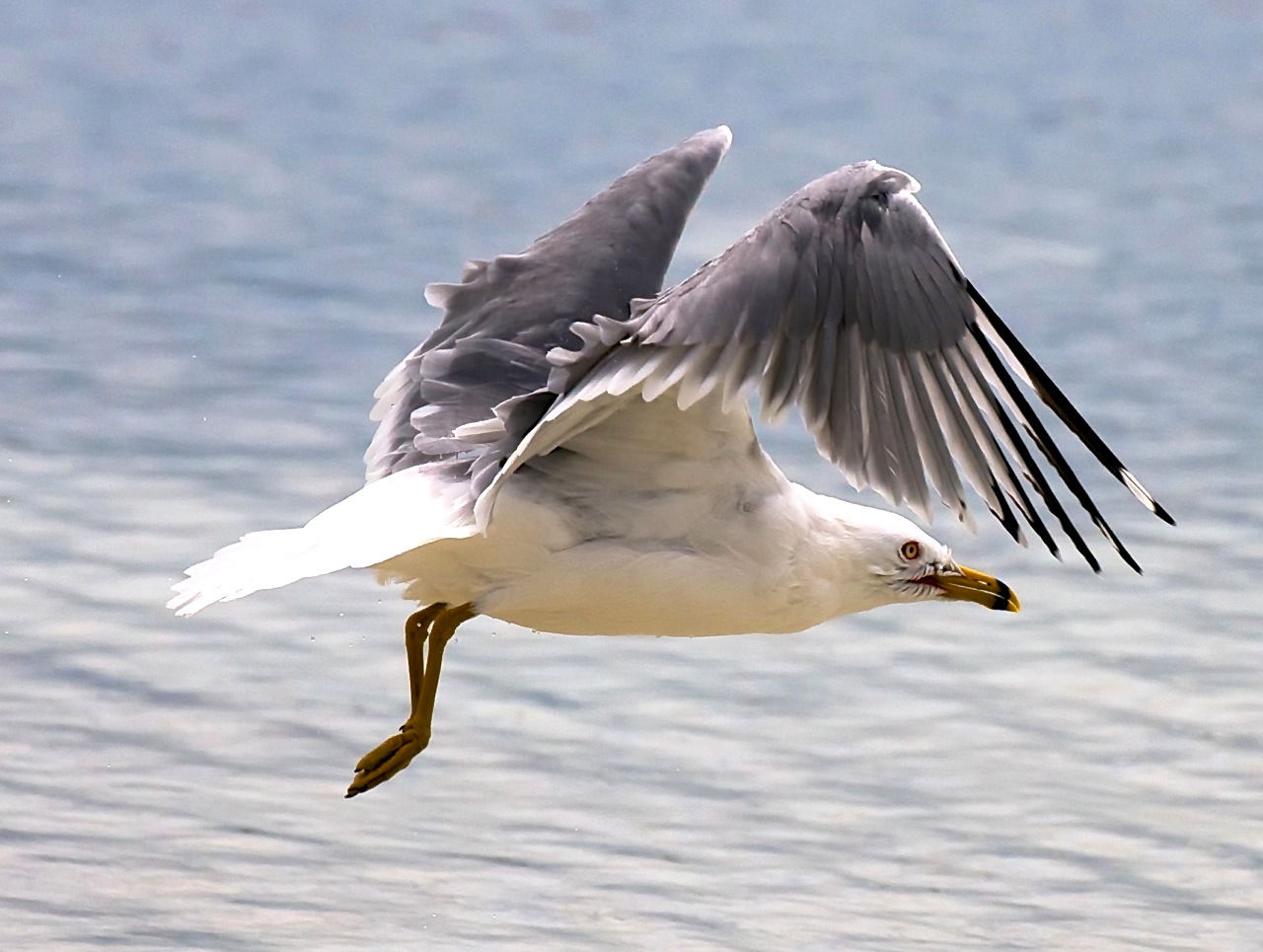
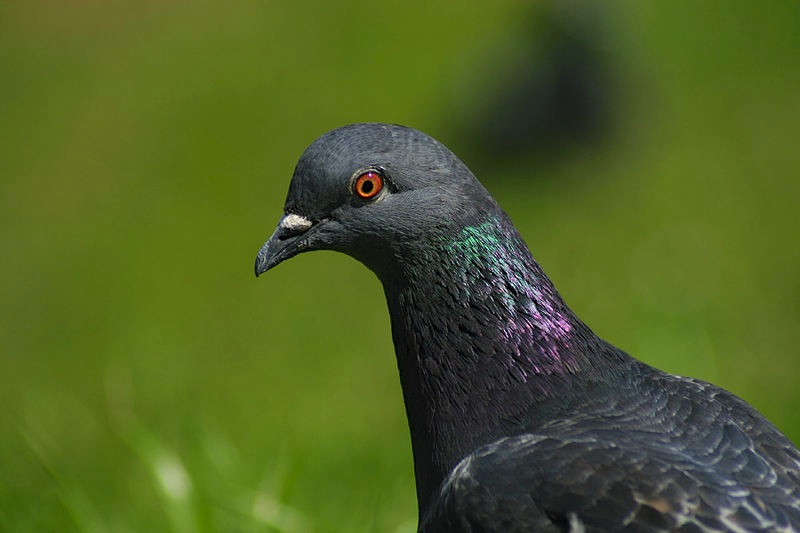
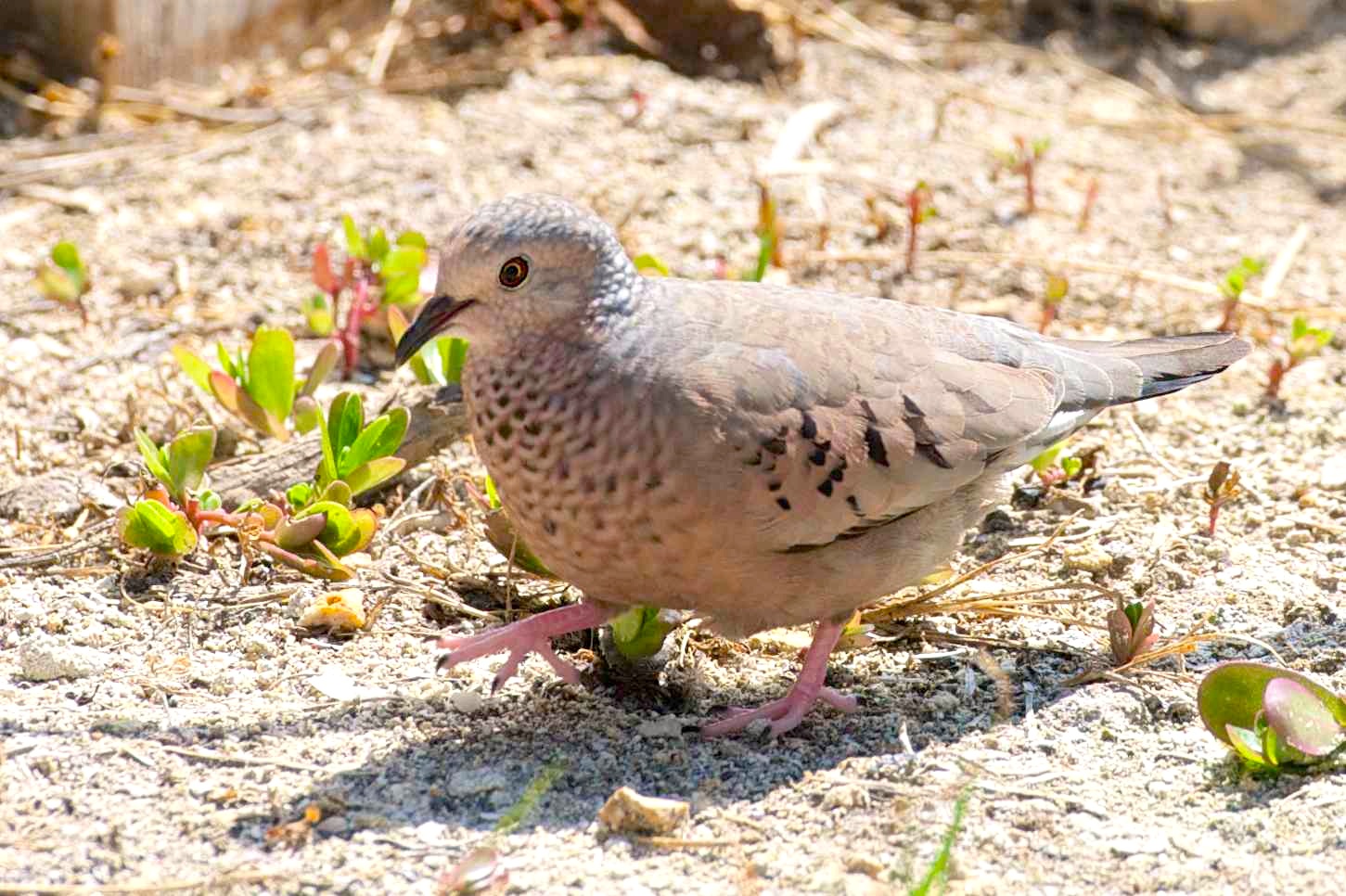
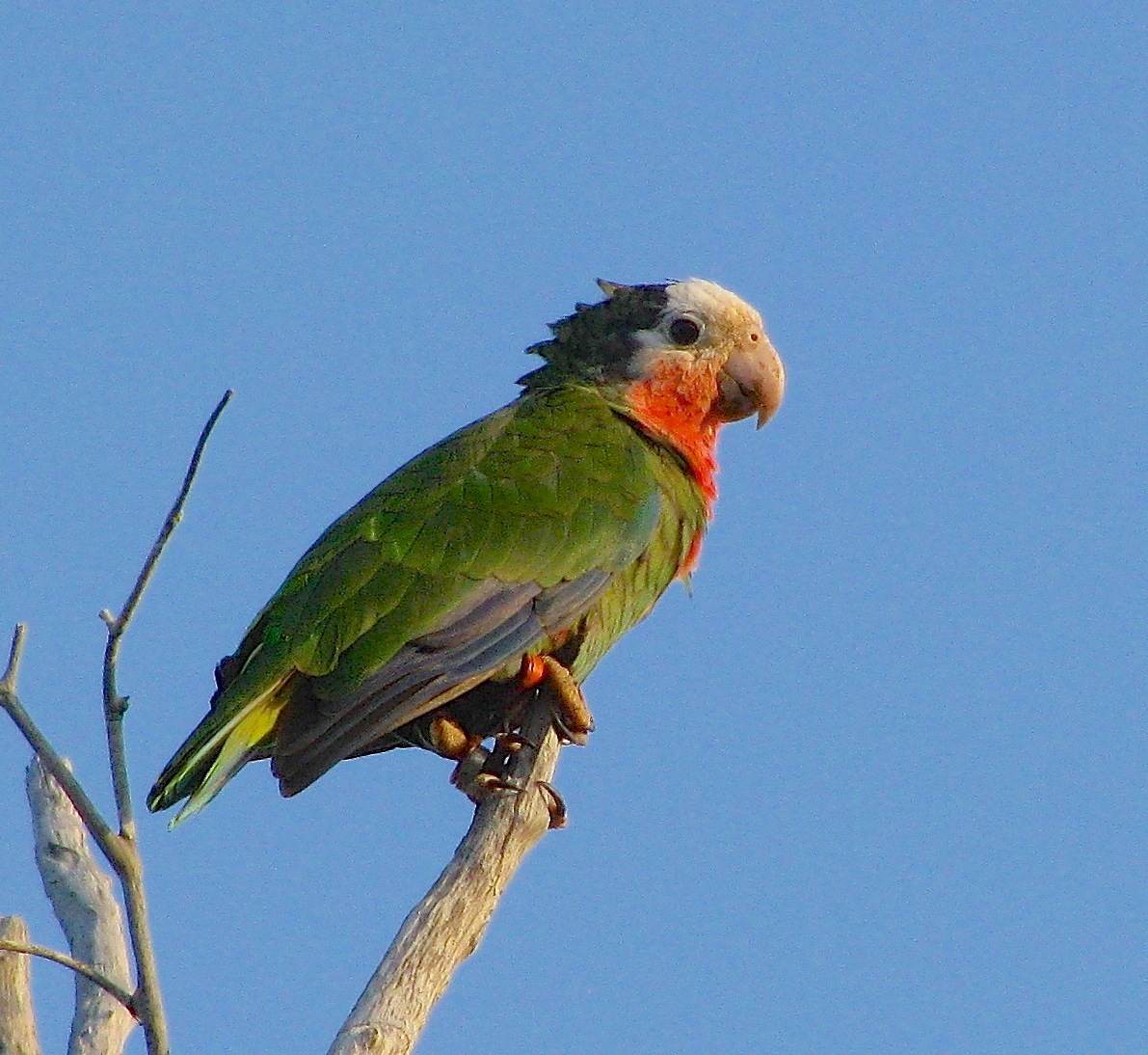
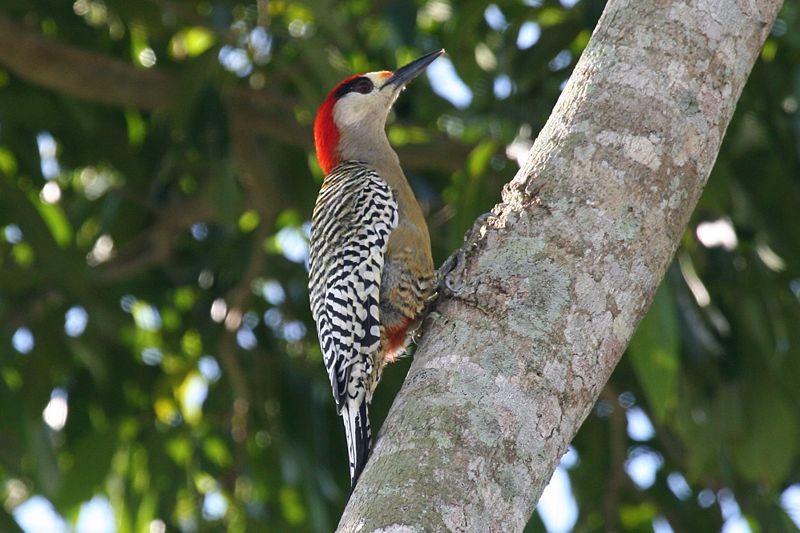
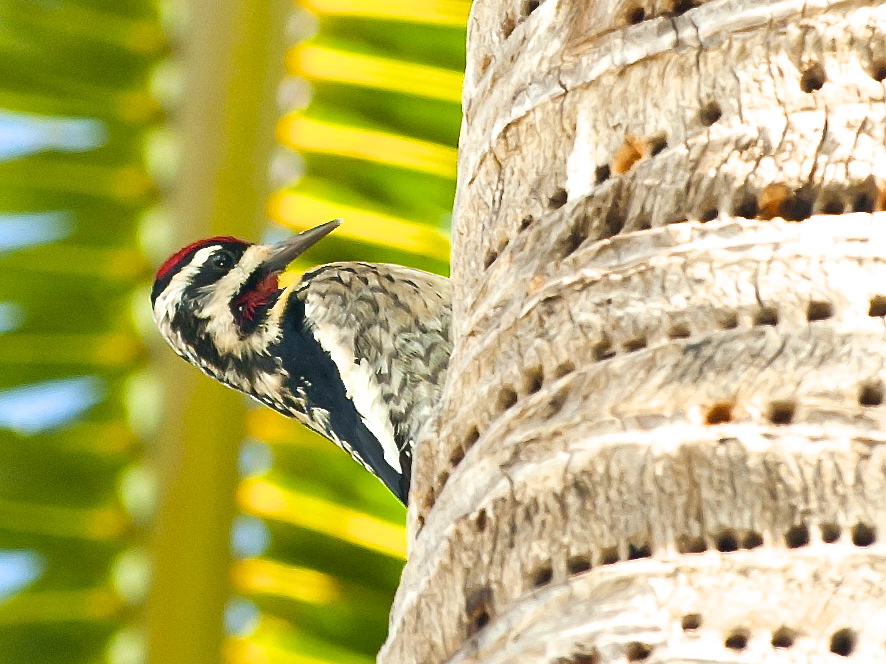
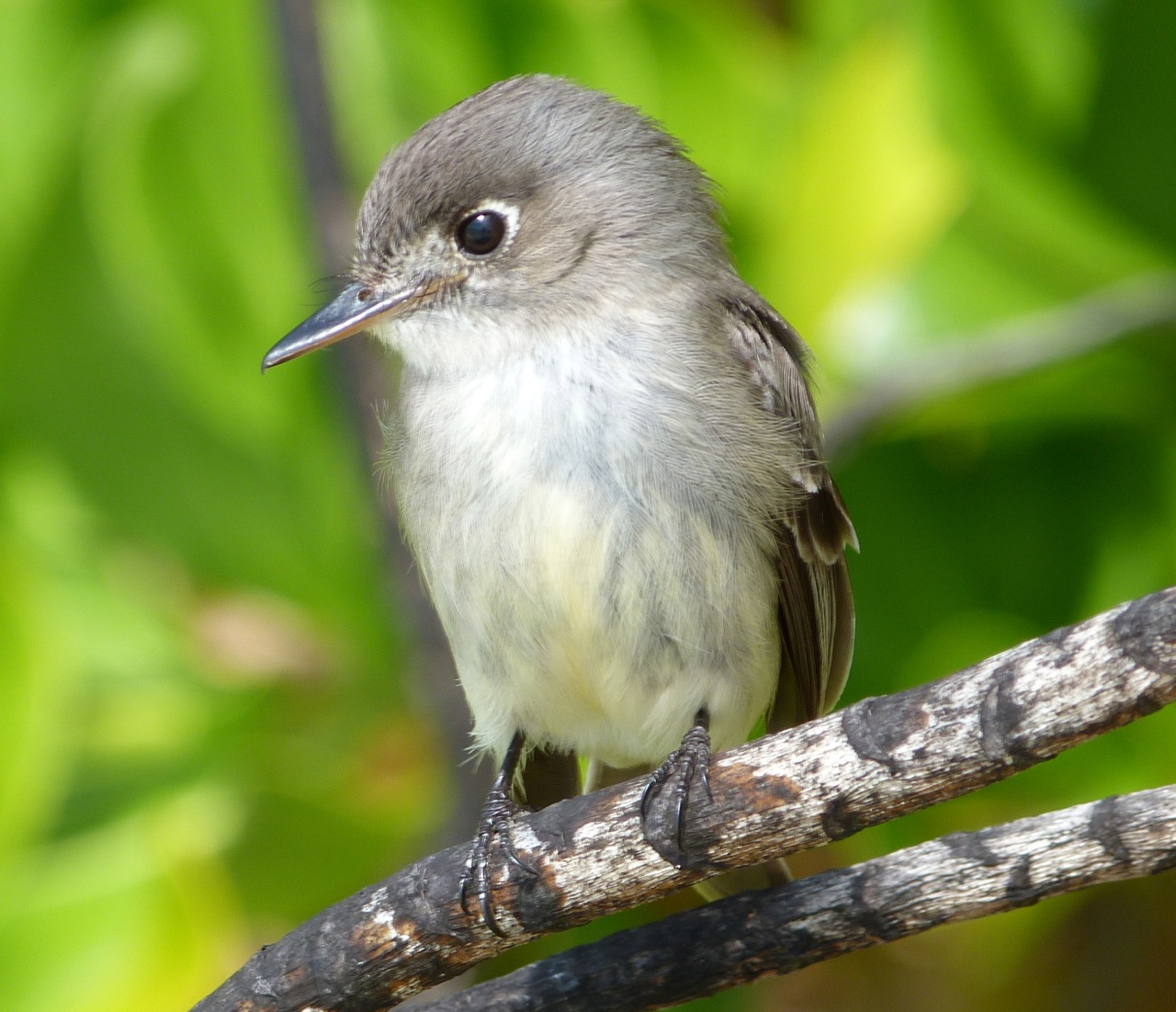
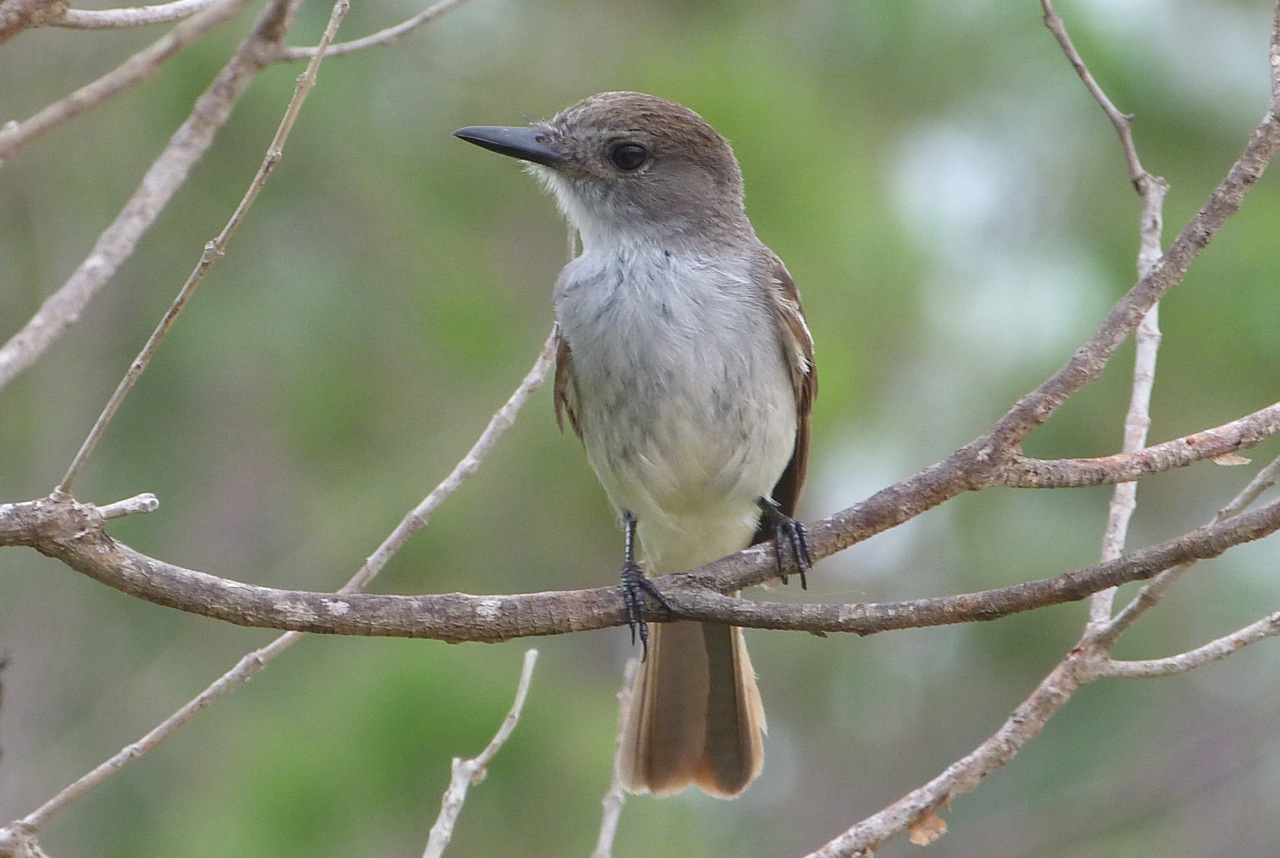
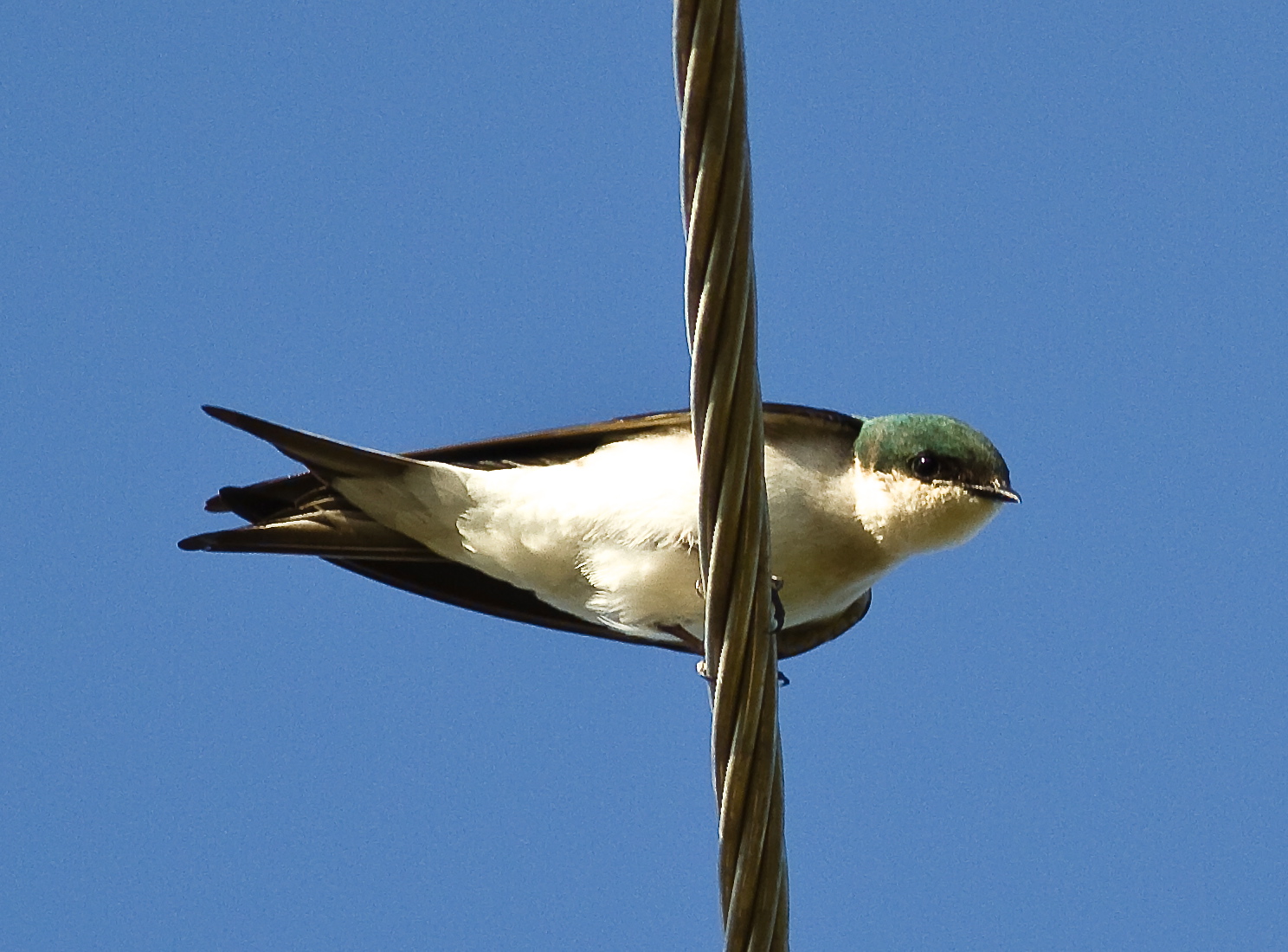
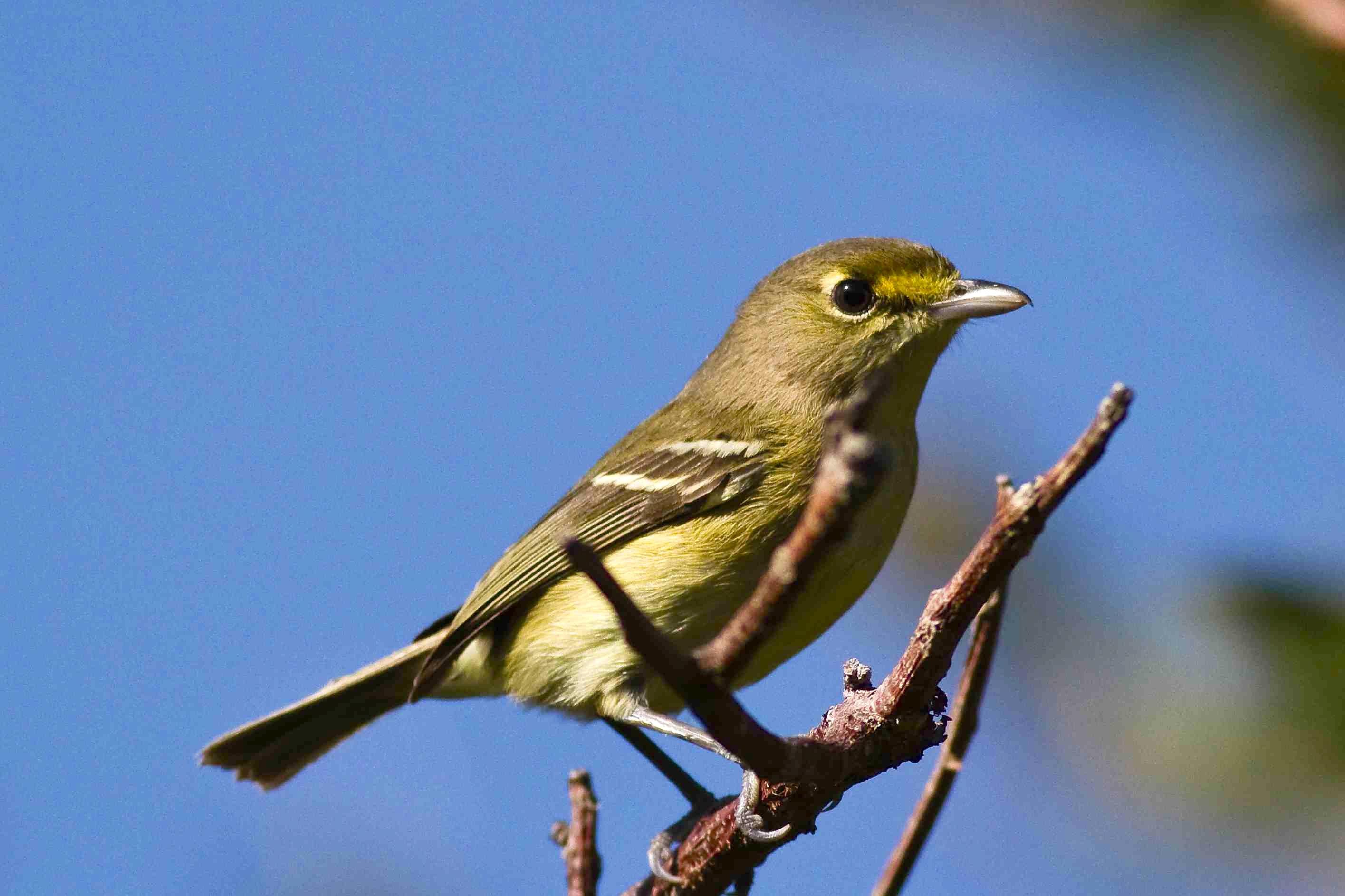
Brown Pelican Magnificent Frigatebird Great Blue Heron Great Egret Little Blue Heron Cattle Egret Green Heron White Ibis White-cheeked Pintail Turkey Vulture Red-tailed Hawk American Kestrel Black-bellied Plover American Oystercatcher Willet Ruddy Turnstone Laughing Gull Bonaparte’s Gull Ring-billed Gull Great Black-backed Gull Rock Dove Eurasian Collard Dove Common Ground Dove Cuban Parrot Smooth-billed Ani Cuban Emerald Belted Kingfisher West Indian Woodpecker Yellow-bellied Sapsucker Cuban Peewee La Sagra’s Flycatcher Loggerhead Kingbird Bahama Swallow Red-legged Thrush Northern Mockingbird Thick-billed Vireo Northern Parula
Yellow-throated Warbler Olive-capped Warbler
Pine Warbler Stripe-headed Tanager Black-faced Grassquit Greater Antillian Bullfinch
If any Birding Groups are interested in birding the one-mile drives (wonderful pine and coppice habitats), gardens and one-mile white sand beach at Delphi, let me know. It can easily be arranged, but there are times when it is not convenient or that some areas are not open for access. Email me as first contact at rollingharbour.delphi[AT]gmail.com
Western Spindalis, Abaco -Delphi Club Drive (Keith Salvesen)
Velma Knowles is a resident of Nassau but originates from Abaco, where her grandparents lived. She is a keen photographer and birder, and recently spent a few days ‘back home’ on Abaco, staying on Man-o-War Cay during that strange ‘Christmas to New Year’ period that people have begun to refer to uncomfortably as ‘Twixmas’. Which I guess goes well with ‘Winterval’, if that neologism to describe the festive season rocks your sleigh.
Obviously, Velma had her camera with her; and a bit of quality birding was built into her schedule. Man-o-War has been having a prolific winter season, birdwise, with plenty of interesting migratory species passing through or settling there till Spring. But who would be content with a random warbler from the North, when there are Abaco’s specialist birds to encounter. Many of the birds featured – all are permanent residents – were seen on Man-o-War; others on the main island, though not actually at Delphi. Every bird shown can readily be found at Delphi, except perhaps for the Royal Tern, hence a few mentions. Let’s see how Velma did during her brief visit. (Spoiler Alert: very well indeed!).
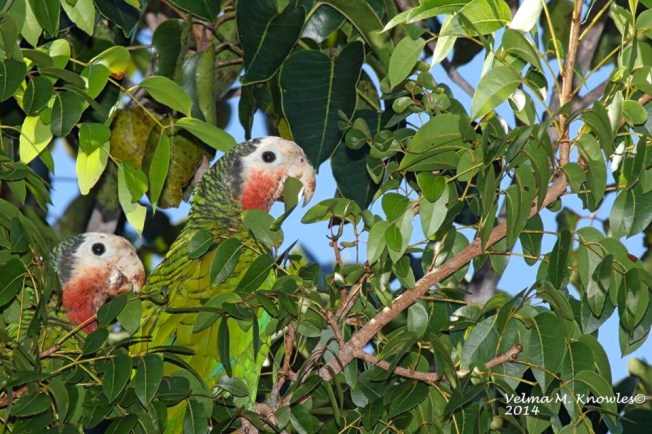
A first ‘get’ for anyone’s Abaco checklist, and hence the header image. Not available on the Cays, so a trip to the ‘mainland’ and the wild pine forest and coppice of South Abaco is called for (they don’t venture north of Marsh Harbour). Rescued from the brink of extinction by careful conservation measures, the newly regenerating population of these unique underground-nesting parrots is gradually spreading, making them easier to find. During the day, Bahamas Palm Shores is a likely spot, as are locations to the south, including Delphi and the area around Crossing Rocks down to Gilpin Point.
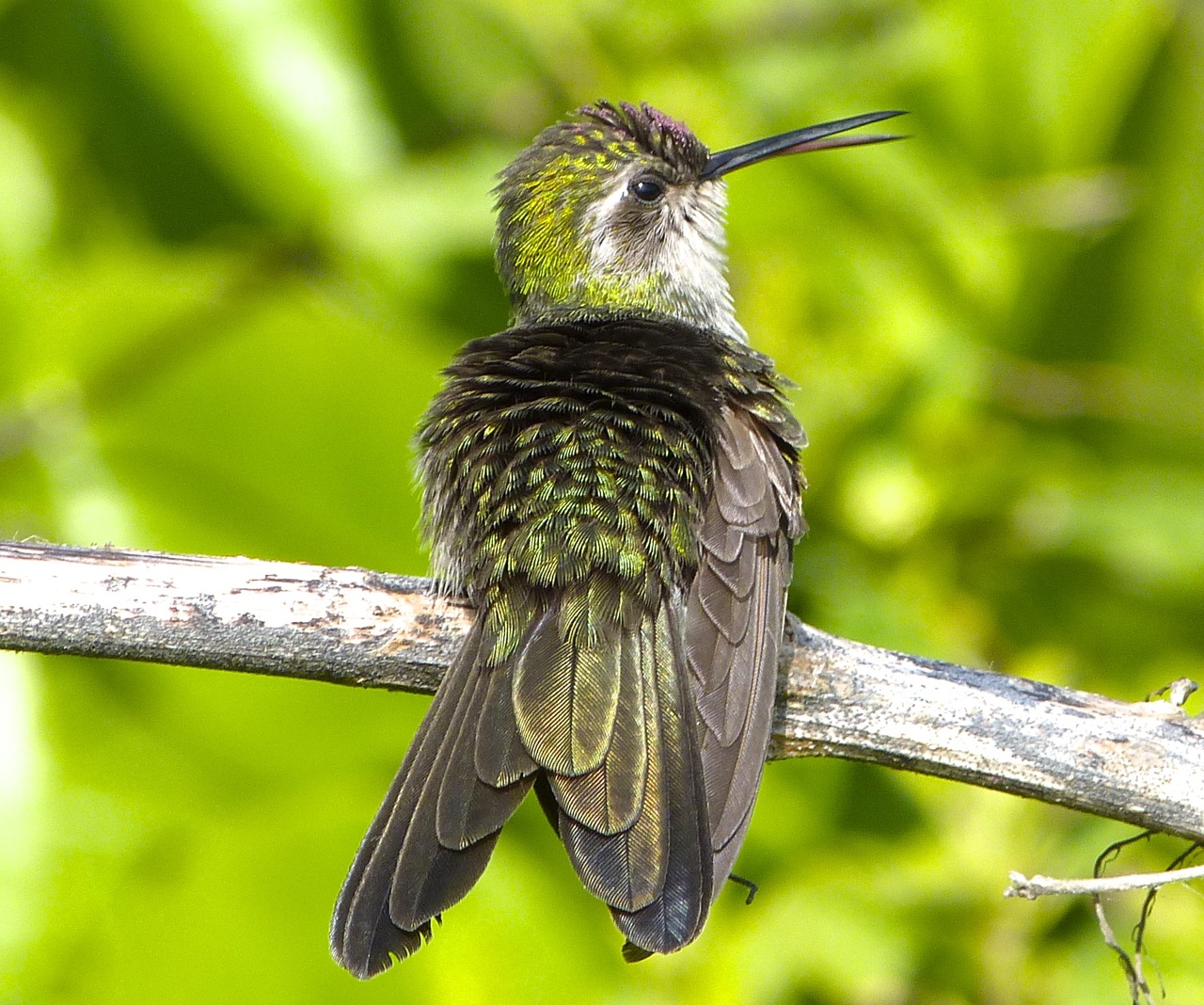
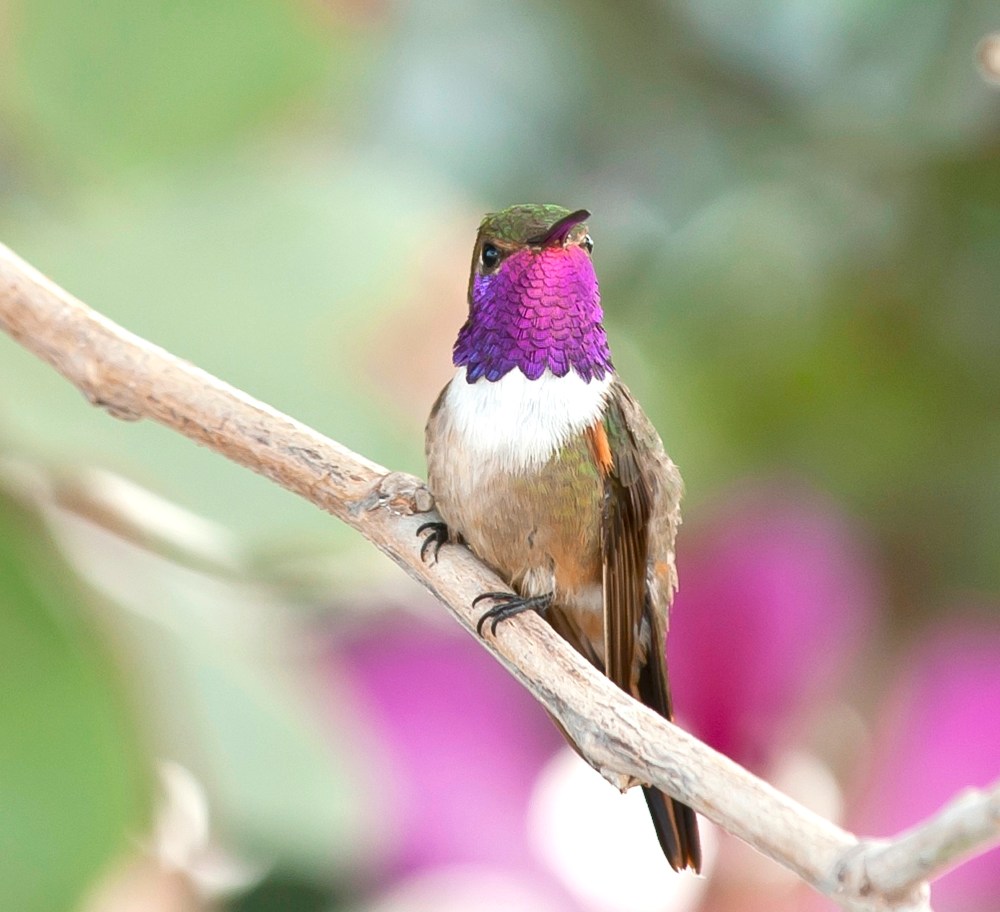
Abaco’s lovely endemic hummingbird, rather pushed around by the brash incomer Cuban Emerald and therefore tending to avoid them (though both can be found at Delphi). The MALE CUBAN EMERALD has a striking purple throat aka ‘gorget’; the female (below) encountered by Velma has a more delicate colouring.
Unlike the Woodstar, these pretty iridescent green hummers are not endemic yet are more frequently encountered. They fly and change direction with astonishing speed, and are feeder-keen! Your sugar-water feeder will also attract Bananquits (pointy curved beak for the little holes) and West Indian Woodpeckers (long tongue) – and possibly Woodstars.
Splendid and occasionally noisy birds that nest in boxes under the eaves at Delphi. They produce two families a year. Velma writes “It has been a long wait but I finally saw this lifer, the West Indian Woodpecker. This bird is only found in The Bahamas, Cuba and the Cayman Islands. Awesome call!”
Velma writes “One of my targeted birds, the Western Spindalis, formerly called the stripe-headed tanager. On the way from the airport we spotted him on the side-of-the-road. Now that’s island-birding!”
Velma writes“Such a beautiful call… the Thick-billed Vireo. We heard a number of these guys on our bird-walks. The Thick-billed Vireo is a Caribbean endemic, being restricted to The Bahamas, the Caymans, the Turks and Caicos, two islands off of Cuba and one off of Haiti (though it has been reported in Florida)”
The adult male’s striking colour patches are orange-red; the female’s are more yellow. They are greedy at the feeder and rank high up in the pecking order, where smaller birds defer to them. One local name for them is ‘Police Bird’: the adult male’s colouring matches that of a Bahamian Police Officer’s uniform.
Published 2014 ~ 128pp ~ $20, available from the BNT
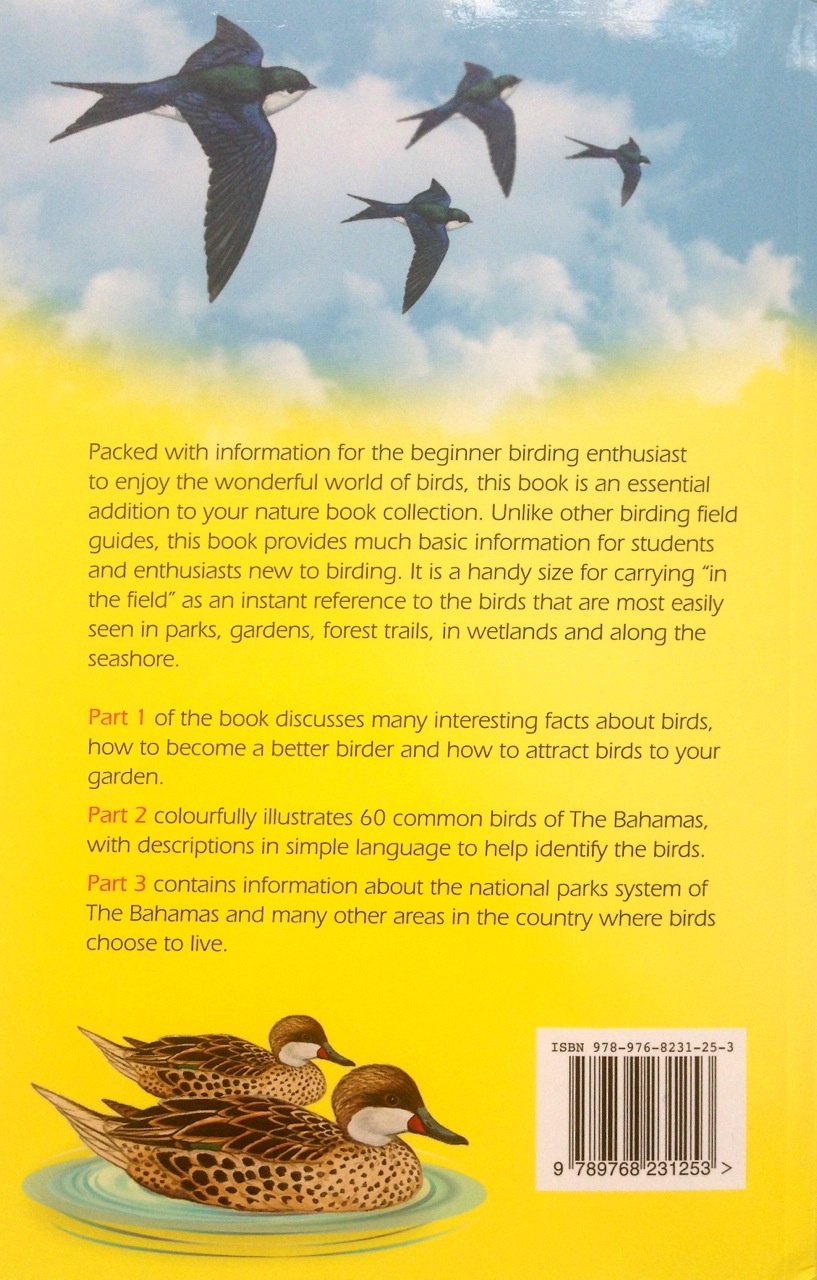
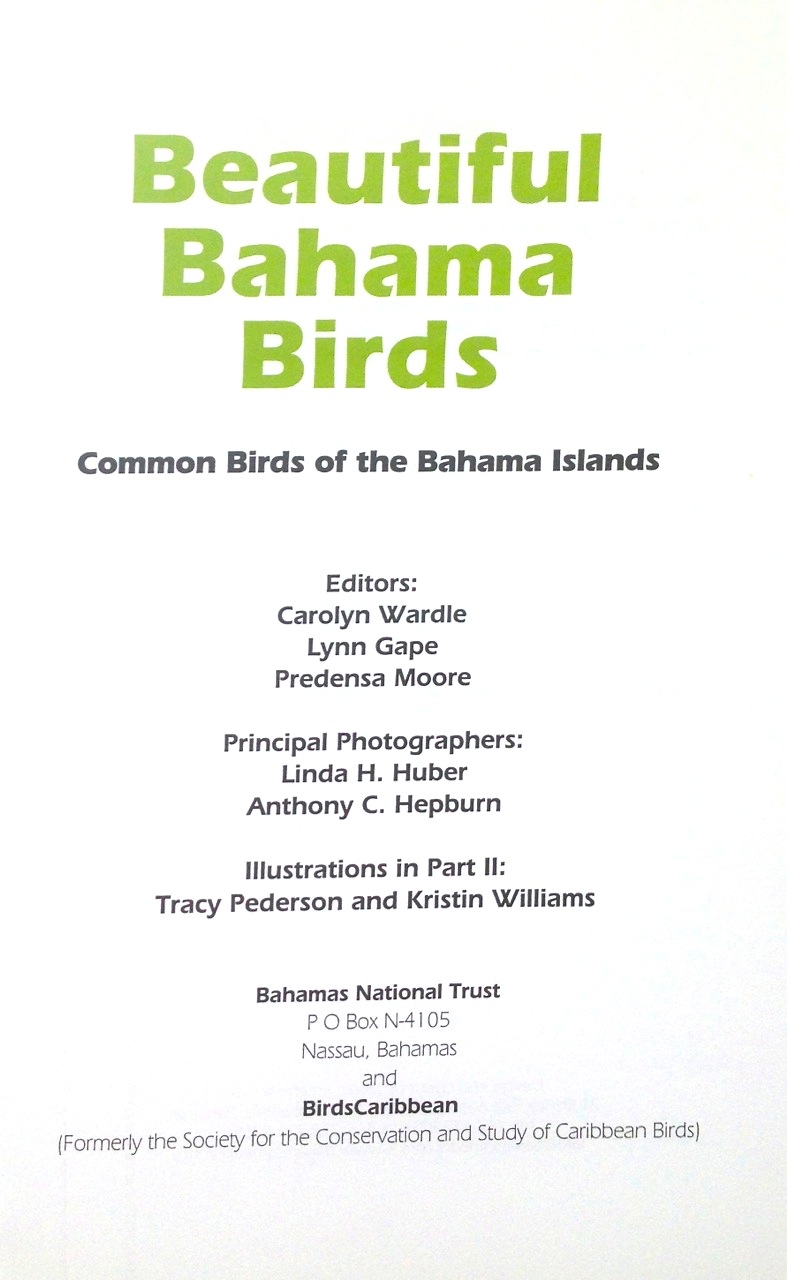
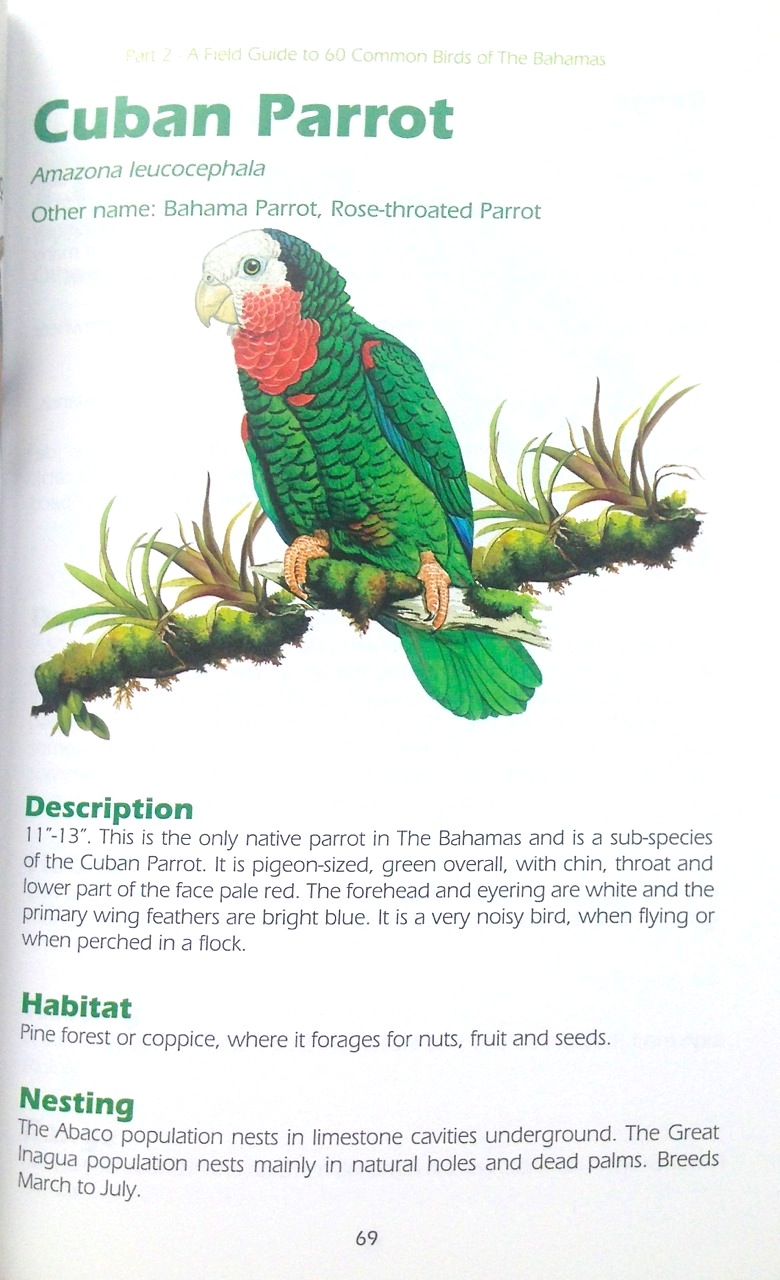
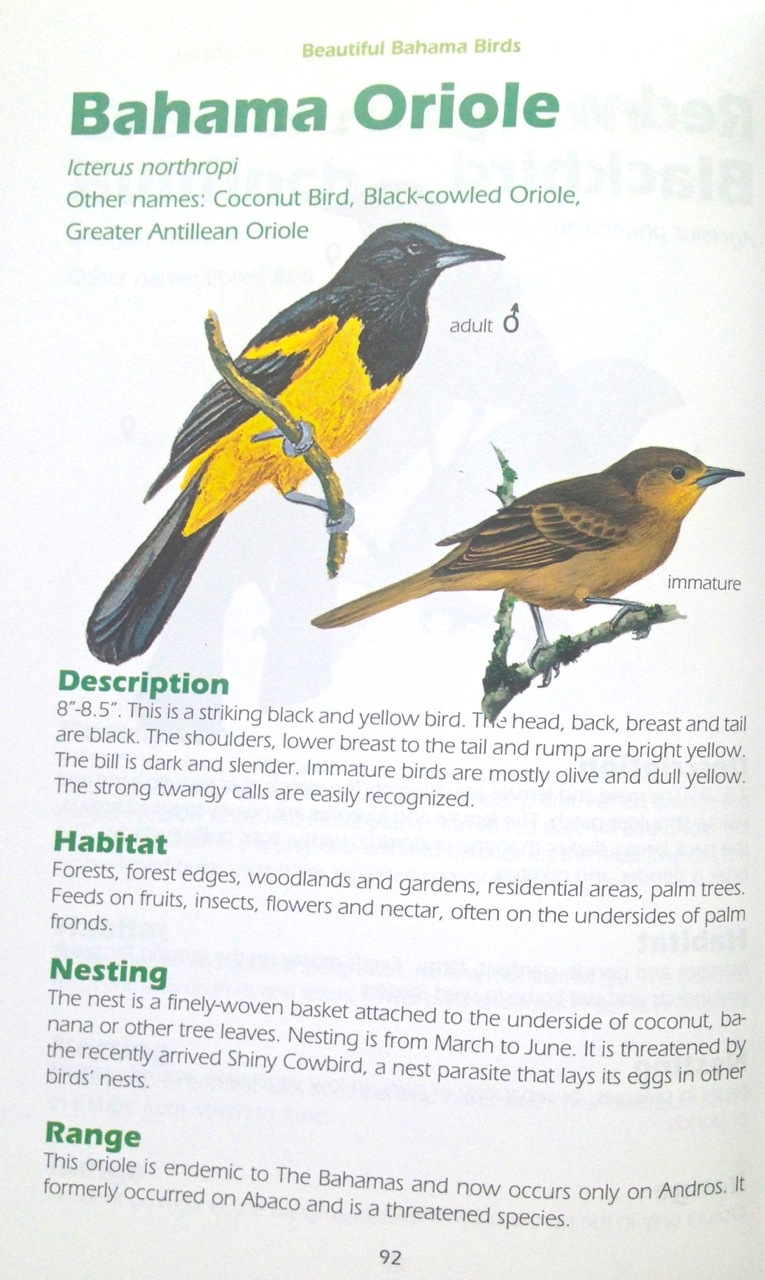
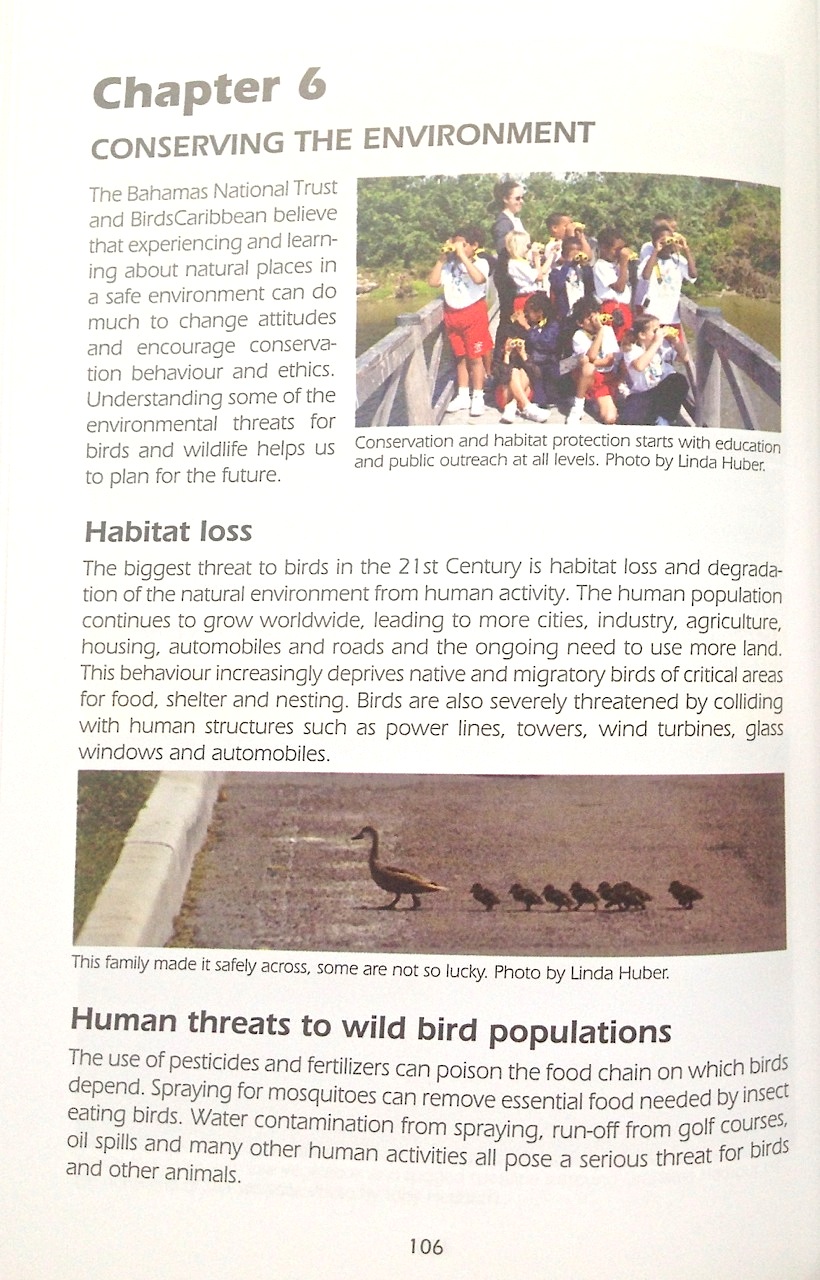
A fine new book on the birds of the Bahamas has recently been published by theBAHAMAS NATIONAL TRUSTandBIRDSCARIBBEAN. Compiled and edited by well-known Bahamas bird guideCAROLYN WARDLE with the BNT’s Lynn Gape and Predensa Moore, this slim book is packed with valuable information. It doesn’t set out to be an exhaustive field guide, a task already fully covered by Bruce Hallett’s indispensable Birds of the Bahamas and the TCI. Nor is it anything like my own photographic tome ‘Birds of Abaco’, differing in scope and intention, and weighing a mere 225 gms as opposed to 2 kilos! Beautiful Bahama Birds is eminently a book for the pocket, day bag or backback, to be carried along with your Hallett.
I have illustrated this review with photos of sample pages of the book, invariably the best way to give a clear impression of this kind of publication. Apologies that some of my images are a bit wonky, my copy being new and individual pages being hard to keep flat…
The photographs throughout the book are mainly the work of Linda Huber and the late Tony Hepburn. I was fortunate enough to be able to use some of Tony’s photographs for my own book, given with unreserved generosity; it is a fitting tribute to him that his images have now been published in Beautiful Bahama Birds, and that it is dedicated to him.
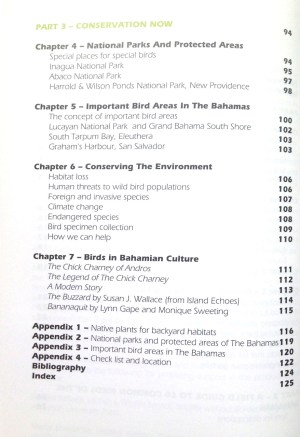
An idea of the broad scope and of the book and its usefulness to the birder can be gained from the contents pages, which I reproduce here. Click to enlarge them. The book is arranged in 3 parts: Let’s Go Birding; Field Guide to 60 Common Birds; and Conservation Now.
PART 1 offers plenty of useful information and practical advice about birding in general (I wish I could have read this before I started my own book!). Anyone who loves birds will benefit from this whole section, even if they would not call themselves a birder – especially Chapter 3 ‘Getting Closer to Bird Life’.
PART 2 All 5 Bahama endemics are featured in the main section, which is handily divided very broadly into ‘waterbirds’ and ‘land birds’. Some birds are commonly found on most islands; some have more limited range: for example the Bahama Oriole is now found only on Andros; and breeding populations of the Cuban Parrot are found only on Abaco and Inagua (the increasing number of sightings on New Providence give some hope for a breeding population there too). I’ve chosen the parrot because the underground-nesting subspecies on Abaco is so special; and the Flamingo and Bahama Oriole, both very sadly extirpated from Abaco in recent memory.
The illustrations by Tracy Pederson and Kristin Willams are clear and highlight well the identifiers for each species. Where necessary, species variations are shown, for example between sexes, breeding / non-breeding plumage and adult / immature. This can be a confusing and even fraught area (as I constantly find), which this book usefully addresses. Some birds in flight are also shown to aid ID.
PART 3 covers the National Parks, important birding areas of the Bahamas, conservation matters, and a charming section on birds in Bahamian culture. Appendices include lists of Bahamas native plants and their importance for wildlife; National Parks and Protected Areas; important birding areas of the Bahamas; a Checklist; a Bibliography; and a user-friendly Index (not all are…).
A good Checklist is a vital ingredient for any birder, whether visitor or local. Here, all the species occurring on the islands are shown on the left and their residential status and range throughout the islands across the top. Thus at a glance you can tell whether a given species is found on a particular island and when it may be found there. You would know not to look for Turkey Vultures on Eleuthera at any time; and that the black-bellied plover is a winter resident throughout the region and not to be seen during your trip in June… I also like the tick-boxes on the left for species collectors.
Overall I have thoroughly enjoyed this small book and unreservedly recommend it. It does not replace Hallett, but it complements it. Furthermore, I’m sure the straightforward style and presentation will appeal to bird-loving non-birders and also to younger birders – it may even encourage some out into the field! On p.20 the recommended reading list includes books that would appeal to young readers and links to appropriate websites, a thoughtful touch. I have learnt, or been reminded of, much from reading this book a couple of times. It is a welcome addition to the relatively sparse avian literature for the Bahamas, a prime birding region that is home to an astonishingly wide variety of birds including rare, threatened and vulnerable species like the Parrots, the Kirtland’s Warbler and the Piping Plover.
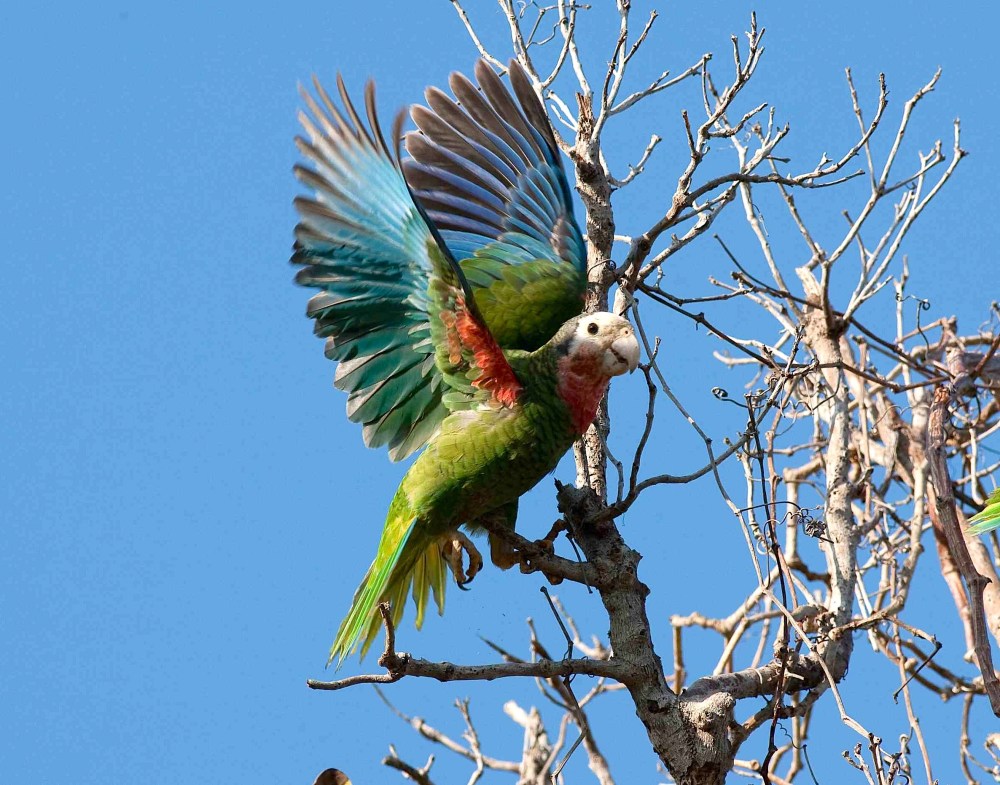
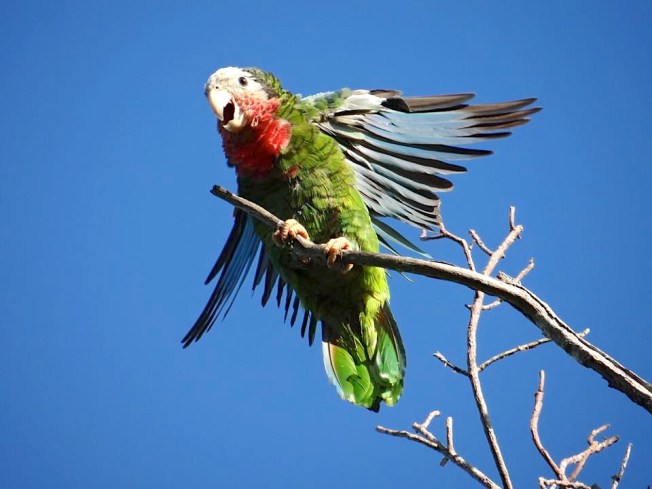
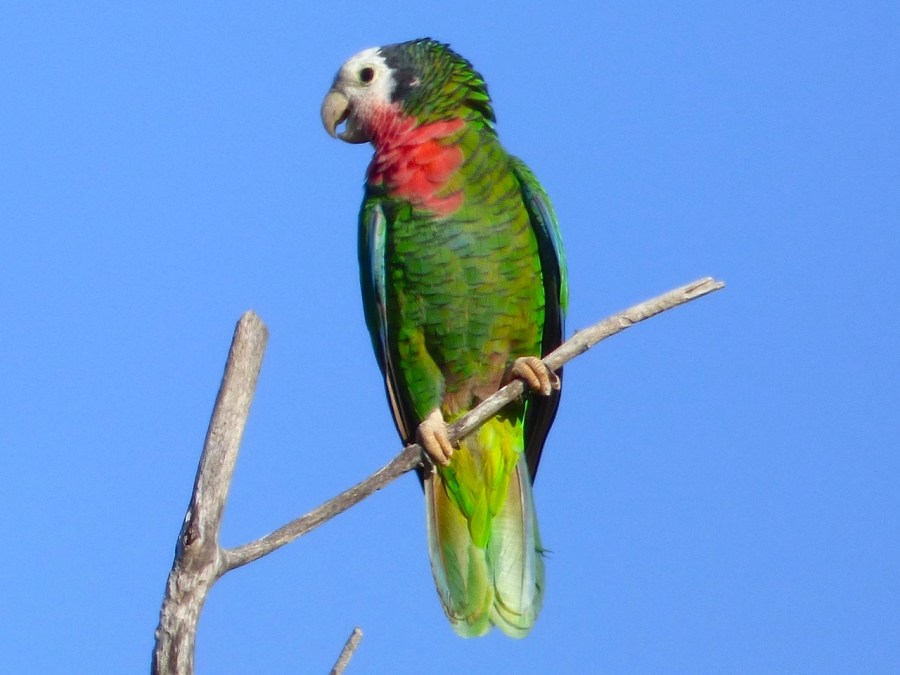
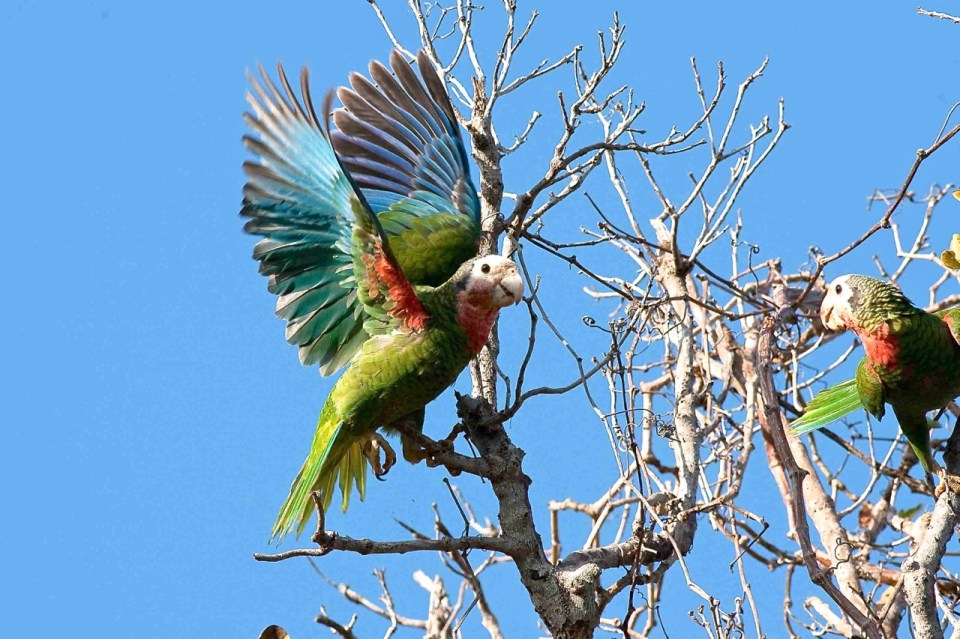
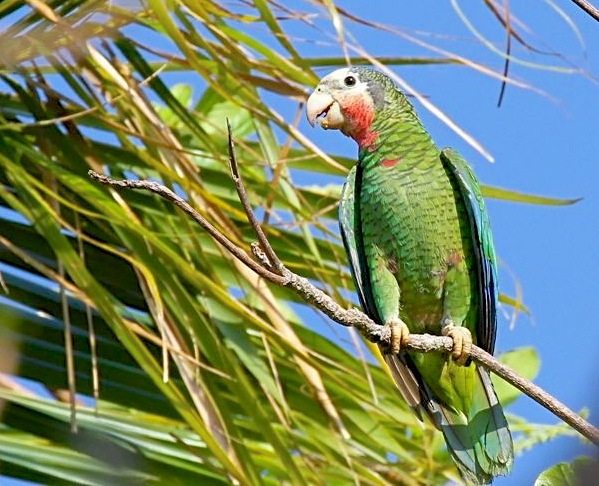
It’s been a while since the parrots of Abaco got a look-in hereabouts. Time to put that right. At the end of this gallery I will add some links to posts about the unique ground-nesting parrots of Abaco. Newcomers to this blog (I thank you both) may be interested to know that intensive conservation measures have brought this subspecies of the Cuban Parrot back from the brink of extinction – fewer than 1000 – to a sustainable and expanding population of around 4000.
For an overview of these lovely birds, I’ve made a slideshow presentation of a small booklet I put together in conjunction with scientist Caroline Stahala, who devoted several years to the research and protection of the parrots. Contents: parrots, nests, eggs, cute chicks, info, Sandy Walker with a fledgling on his lap.
Here is the noise of a flock of parrots at Bahama Palm Shores, an excellent place to find them. It’s one of the less raucous recordings that I have made! We normally go to the main (north) turning, drive straight down to the end, cut the engine and listen. I’ve usually been lucky in that immediate area around 5.00 p.m., though others may have discovered other good times of day.
ABACO PARROTSUnique parrots in pictures, video & sound
Credits: Melissa Maura (brilliant header!), Gerlinde Taurer, Craig Nash, Tom Sheley, Peter Mantle, RH, Nina Henry, Bruce Hallett, Charlie Skinner, and Caroline Stahala

























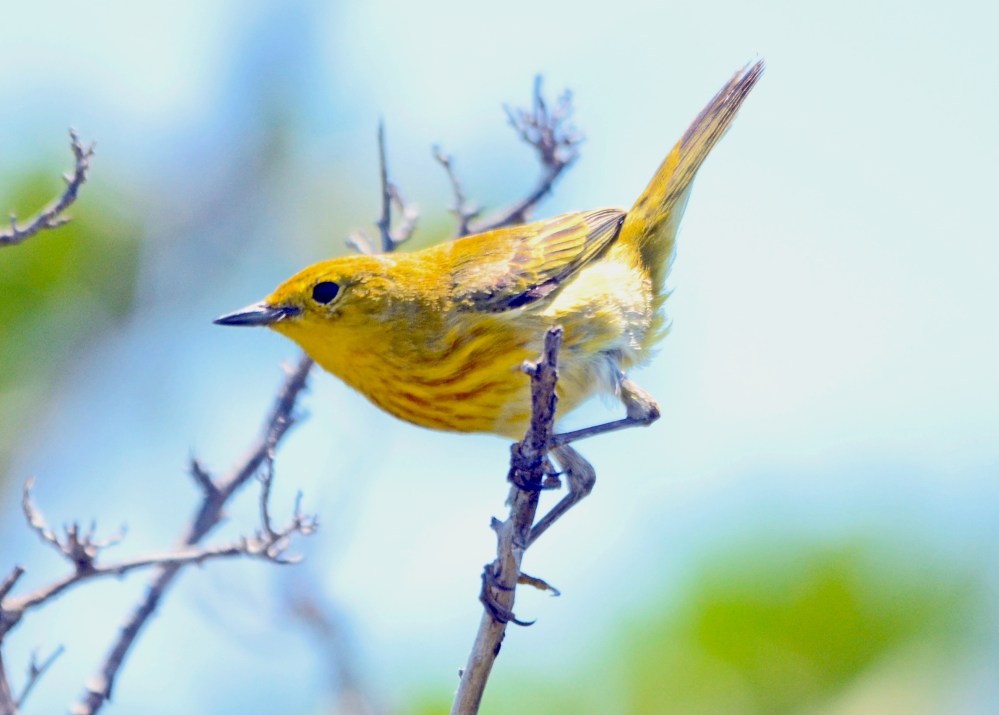
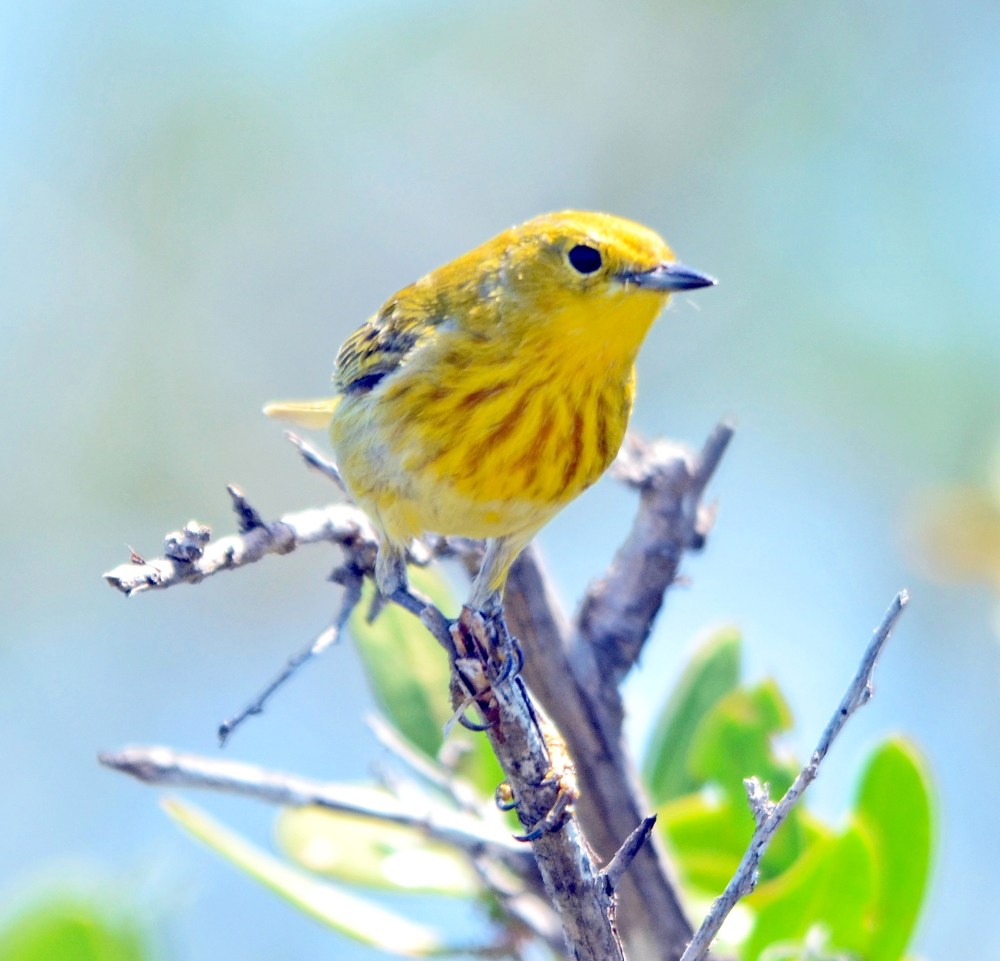
















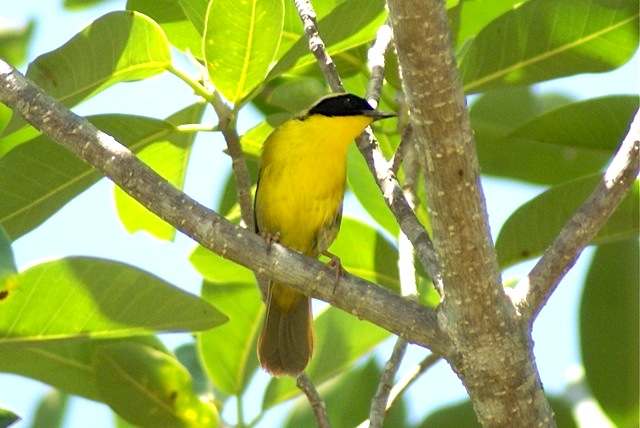
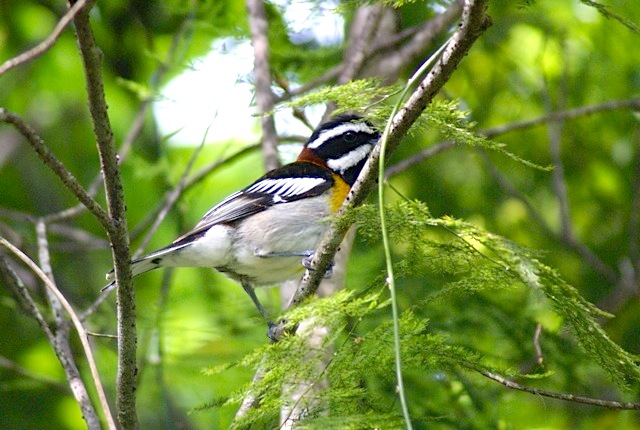
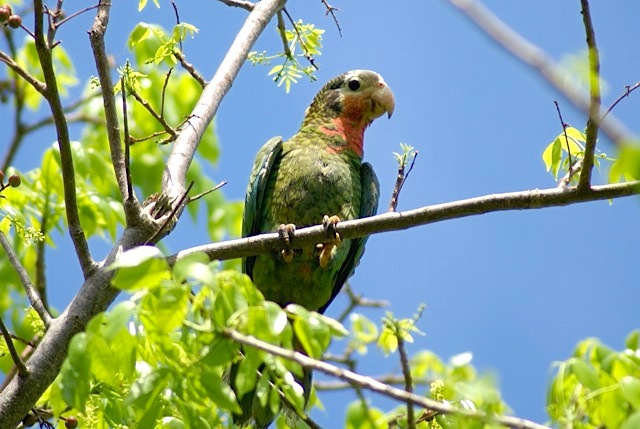
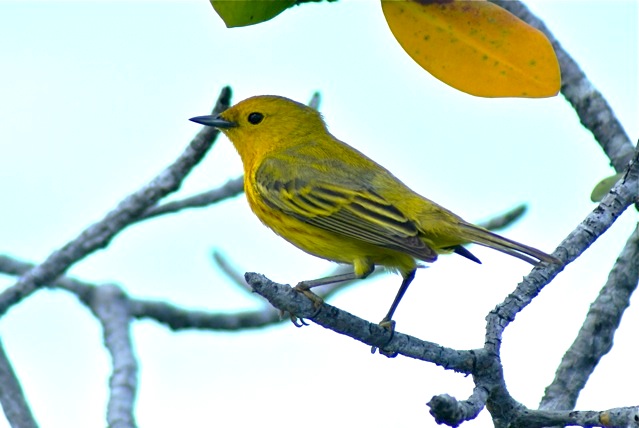
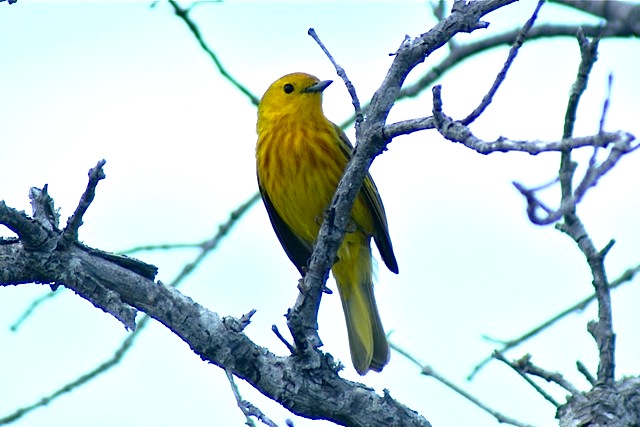
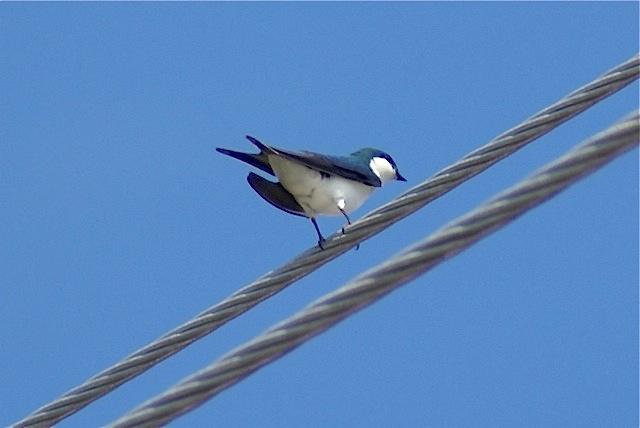
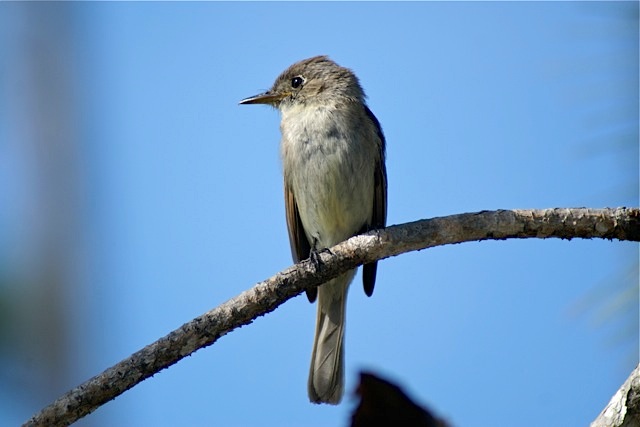
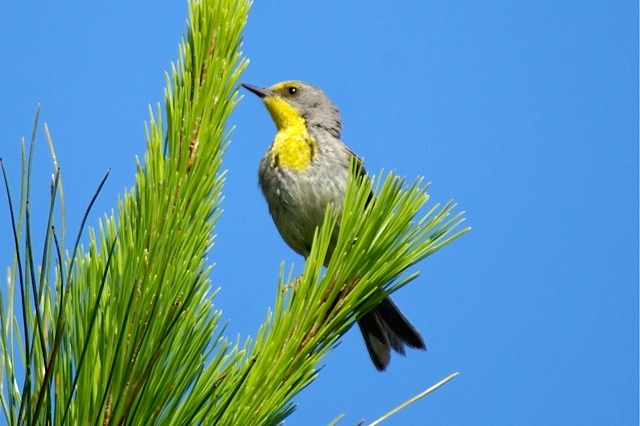
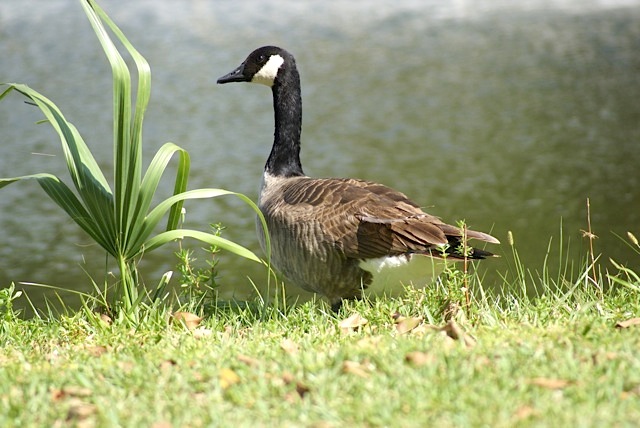
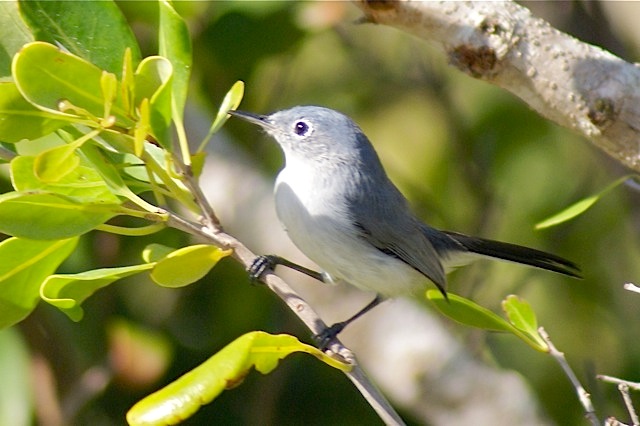




















 Pine Warbler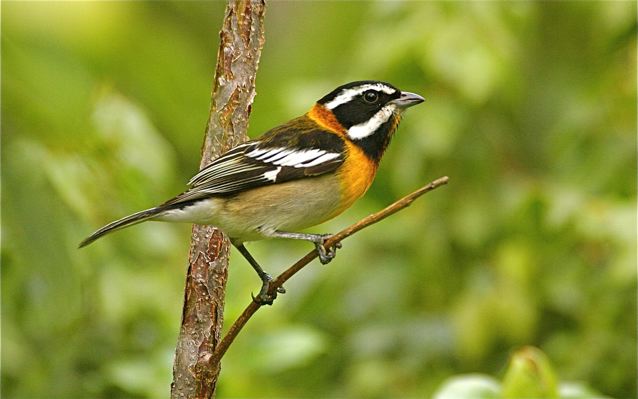


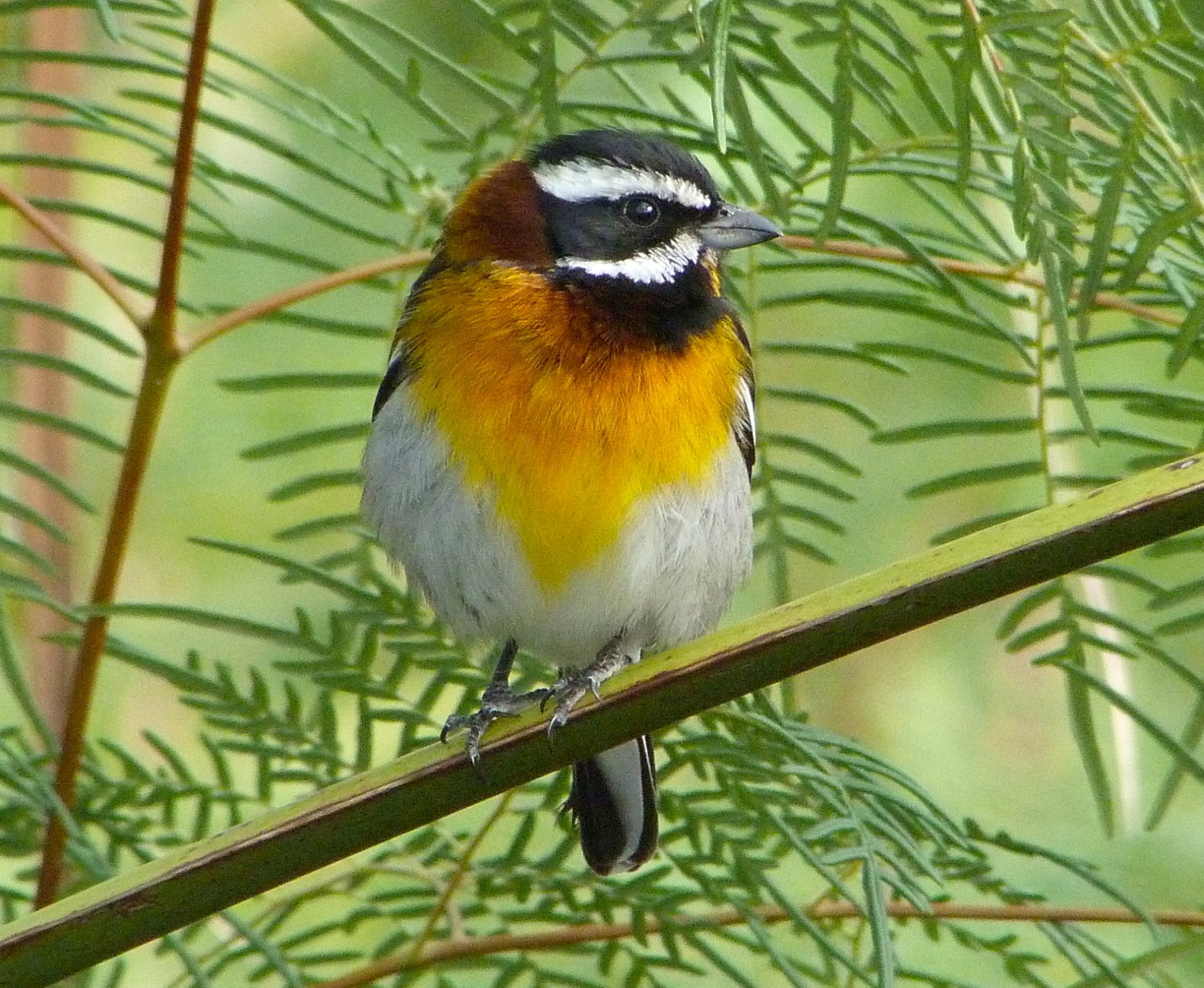











 ROLLING HARBOUR ABACO
You must be logged in to post a comment.