Unknown's avatar

MARINE DEBRIS: BALLOONS – WHAT GOES UP MUST COME DOWN…


Marine Debris - Balloons & Plastic (Balloons Blow)

MARINE DEBRIS: BALLOONS – WHAT GOES UP MUST COME DOWN…

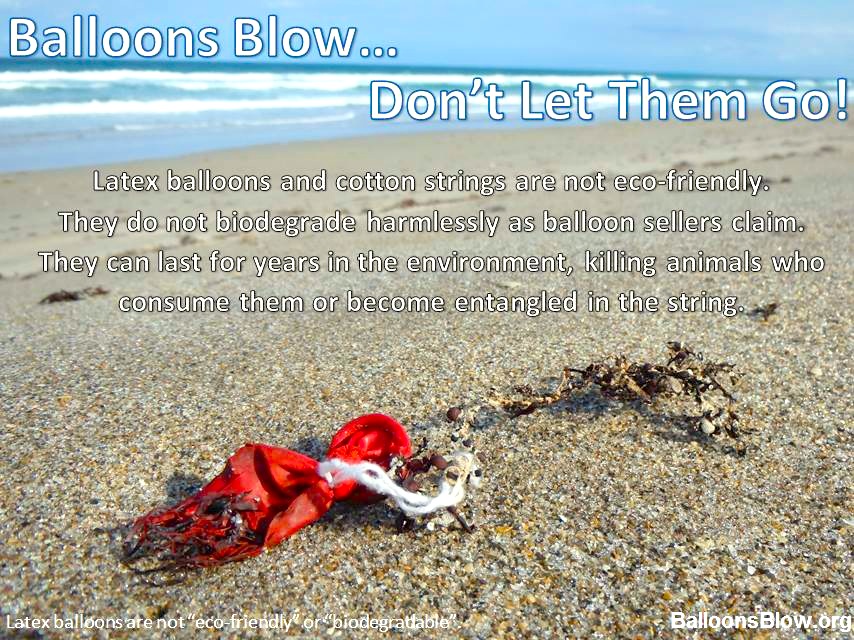
Two sisters, Chelsea and Danielle, grew up by a Florida beach. With their parents,they learned from an early age to collect rubbish from the beach and to keep it clean. When they were little, the problems weren’t so great. Gradually, the tide changed. Literally. And indeed littorally. As is a common experience with any shoreline these days however remote and unspoilt, all manner of debris washes in on every tide, from plastic straws to SPACE ROCKET FAIRINGS. There has been a massive increase in ‘single-use’ plastic items. Most of it will take years, decades or even centuries to decompose. And there are deflated balloons, with their strings.

A typical haul of a lot of plastic and several balloons from just one beach collectionMarine Debris - Balloons & Plastic (Balloons Blow)

As ‘business’ on the Florida beach increased, so it became clear that balloons were becoming a significant problem. The increasing popularity of mass releases of balloons at sports events, civic or institutional occasions, and smaller celebrations means 100s or even 1000s of balloons being released into the sky. In most cases they are filled with helium – a finite resource – which carries them high over the earth. Very festive. Then the problems begin. They get caught in thermals, winds and crosswinds, gales and storms. Whether onto land or water, they all have to come down eventually. The problems caused therefore affect creatures inland, on the shoreline and out to sea.
Marine Debris - Balloons & Plastic (Balloons Blow)

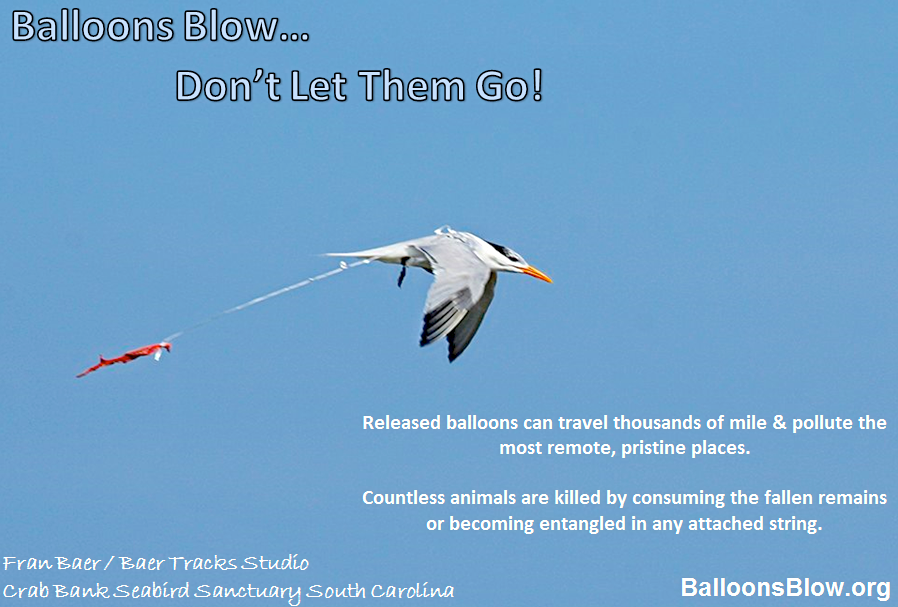
Eventually the sisters decided to take action. They started a website BALLOONSBLOW.ORG, linked to a FB page. They post regularly about their beach clean-ups, now extended to other beaches on the south-west coast of Florida. They also produce balloon-based information sheets and flyers such as these:

Balloons Blow fact sheet

Marine Debris - Balloons & Plastic (Balloons Blow)

I have a folder in which I keep some horrific images of incapacitated, dying or dead creatures. I use them sparingly because in the main they are upsetting. Almost every one of them involves entanglement in or ingestion of such materials as plastic, mylar, styrofoam, rubber or latex. Here are just 3 examples involving balloon strings – I’ll spare you others I have collected (e.g. a turtle that died trying to excrete the remains of a balloon).
Marine Debris - Balloons & Plastic (Balloons Blow)Marine Debris - Balloons & Plastic (Balloons Blow)Sea Turtle tied up in balloon string (Blair Witherington : NOAA)

I don’t have a down on ‘fun’ – and nor do Chelsea and Lucy I’m sure. But, now in their 20s, they have had years of direct hands-on experience clearing their beach and one can see why they decided to take wider action. From one area they have accumulated a vast collection of balloons that will take many decades to break down. Even then, the degraded pieces and micro-pieces will be eaten by fish, turtles and birds.

Here’s an illustration of the problem of creatures nibbling away at latexMarine Debris - Balloons & Plastic (Balloons Blow)
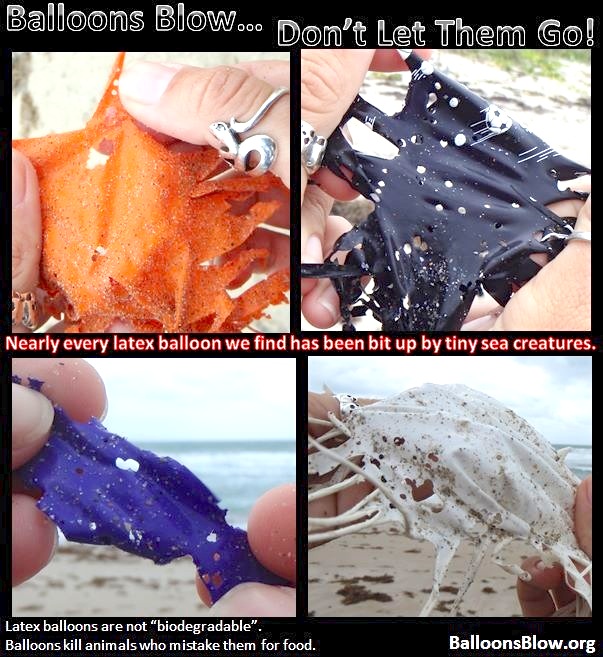
Marine Debris - Balloons & Plastic (Balloons Blow)

The Delphi beach is very regularly cleaned up, of course, but there’s nothing that can be done to stem the arrival of debris large and small on every tide. Beautiful and remote though the one-mile curved strand may be, one cannot walk far without seeing plastic of some description. As a matter of interest, I tried a test: walking south on the beach in the tide-line, how long would it take to find balloon evidence? The answer was, less than 10 minutes.
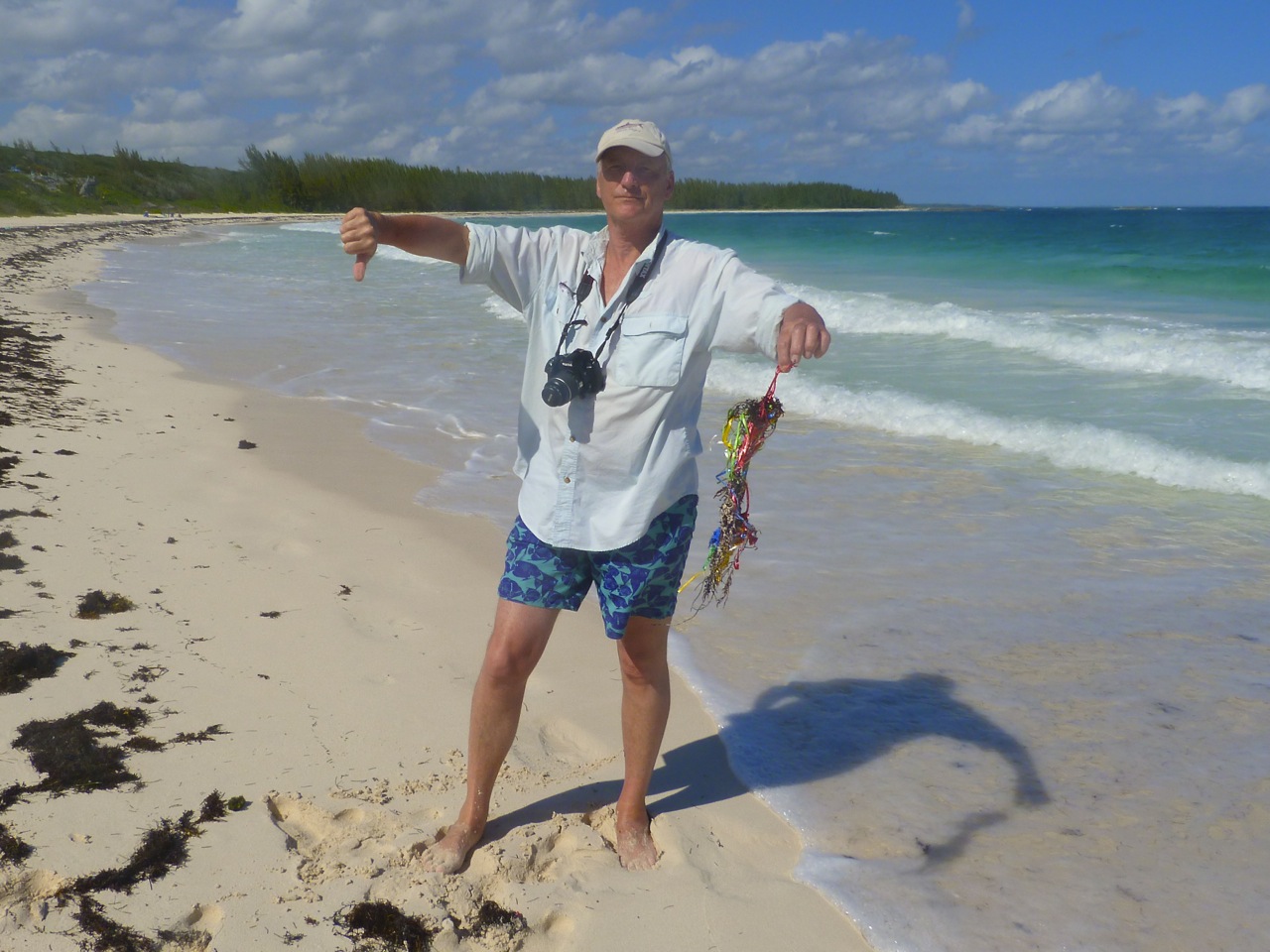
Marine Debris: RH on DCB beach - balloon strings

The decomposition rate of various common itemsPlastic trash -5 Gyres Infographic

The Balloons Blow website is constructive in offering festive alternatives to mass balloon releases, rather than merely chronicling the downsides. The balloons and other plastic junk mostly arrives from the western fringes of the North Atlantic Gyre, in the Sargasso Sea, where the trash gets caught in the sargassum and is eventually forced onto the shoreline by currents, winds and tides. 

             North Atlantic Gyre hotspot infographic                           North Atlantic Gyre Garbage Patch wired_com

Marine Debris - Balloons & Plastic (Balloons Blow)

This post has concentrated on the dangers to wildlife caused by latex and mylar balloons that are sometimes claimed to be biodegradable but are not. There’s more to be said about plastic marine trash, but I’ll keep that for another day. 

Marine Debris - Balloons & Plastic (Balloons Blow)

IMG_4836

RELATED POSTS

MARINE DEBRIS / NOAA PAGE

MARINE DEBRIS? NO THANKS!

MAPPING ABACO

Credit:  BALLOONSBLOW.ORG 

Marine Debris - Balloons & Plastic (Balloons Blow)

Unknown's avatar

ABACO BUTTERFLIES feat. FLUTTERY PHILATELY


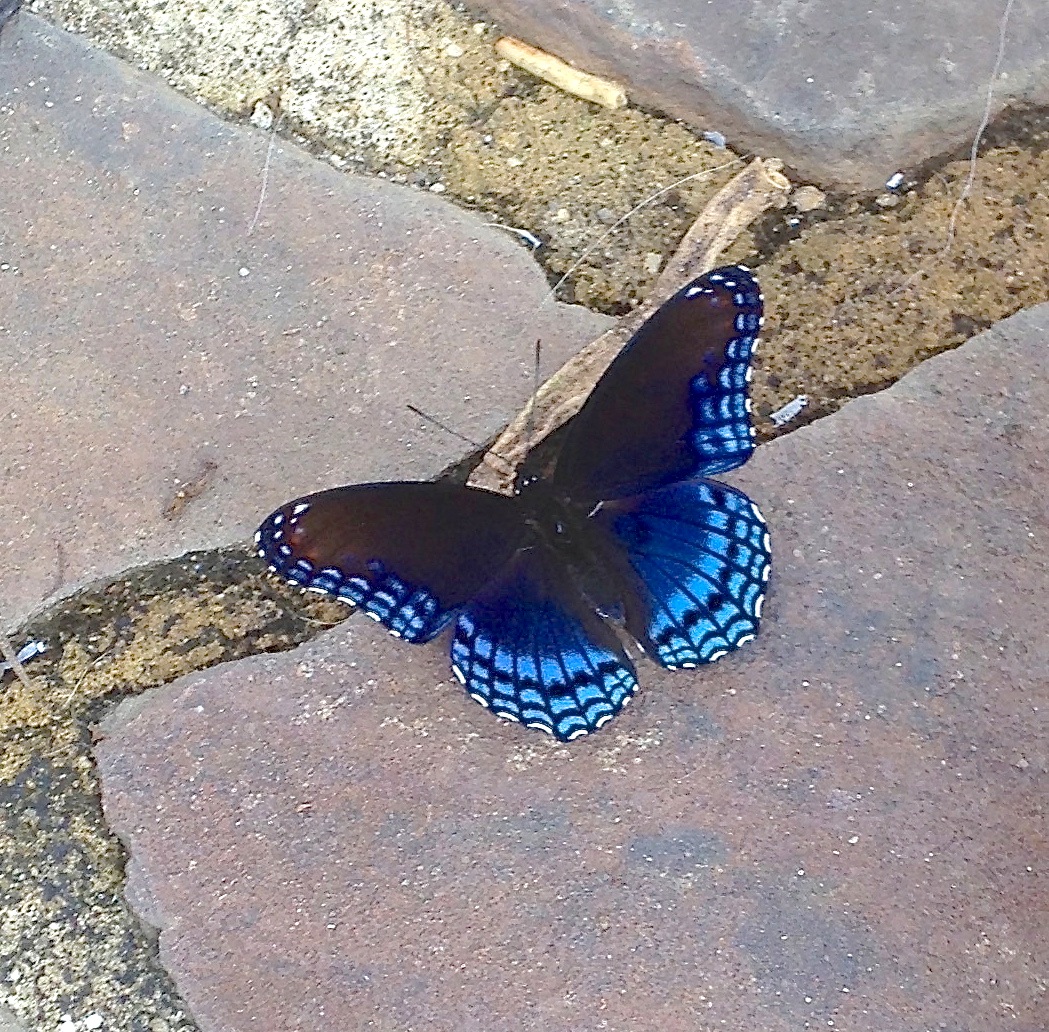
Red-spotted Purple Butterfly, Abaco (Selah Vie)

ABACO BUTTERFLIES feat. FLUTTERY PHILATELY

I’ve been distracted from my intended scribble by a lovely butterfly posted by ‘Selah Vie’, one I’ve never seen before. It’s one of those lepidots that have a topside surprisingly and excitingly different from the underwings (see header image). Imagine having this beauty turning up on your patio…

RED-SPOTTED PURPLE BUTTERFLYRed-spotted Purple Butterfly (Selah Vie)

This reminded me that I have some butterfly images waiting in the wings (ha!), so now is the time to encourage a few out of their virtual chrysalis for wider appreciation. 

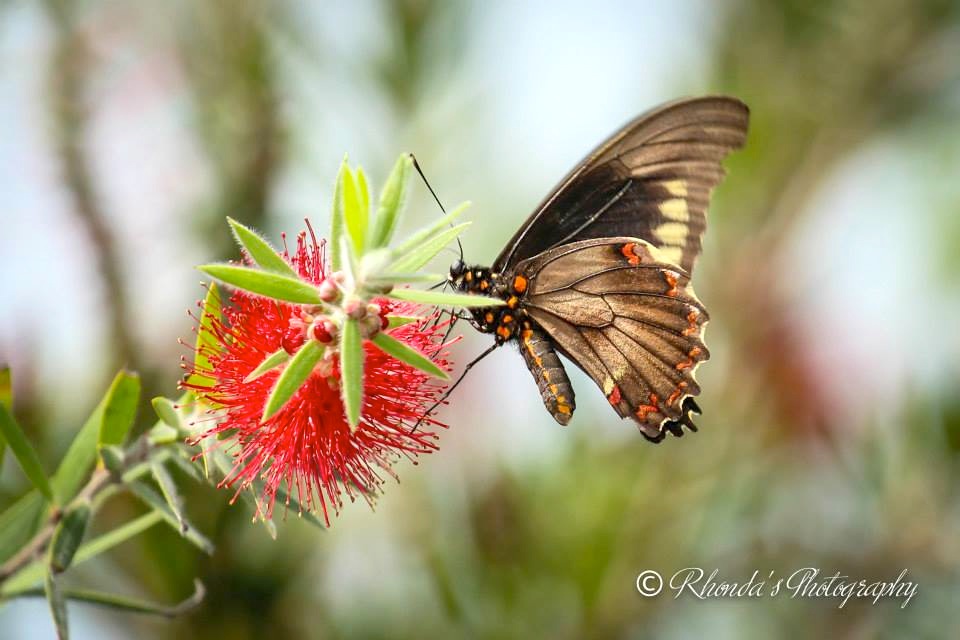
BAHAMAS SWALLOWTAILBahama Swallowtail? Palamedes Swallowtail?Bahama Swallowtail, Abaco (Rhonda Pearce) 2Bahama Swallowtail, Abaco (Rhonda Pearce) 1

POLYDAMUS SWALLOWTAILPolydamus Swallowtail, Abaco (Rhonda Pearce)Hibiscus / Polydamus Swallowtail, Delphi Abaco (Keith Salvesen)

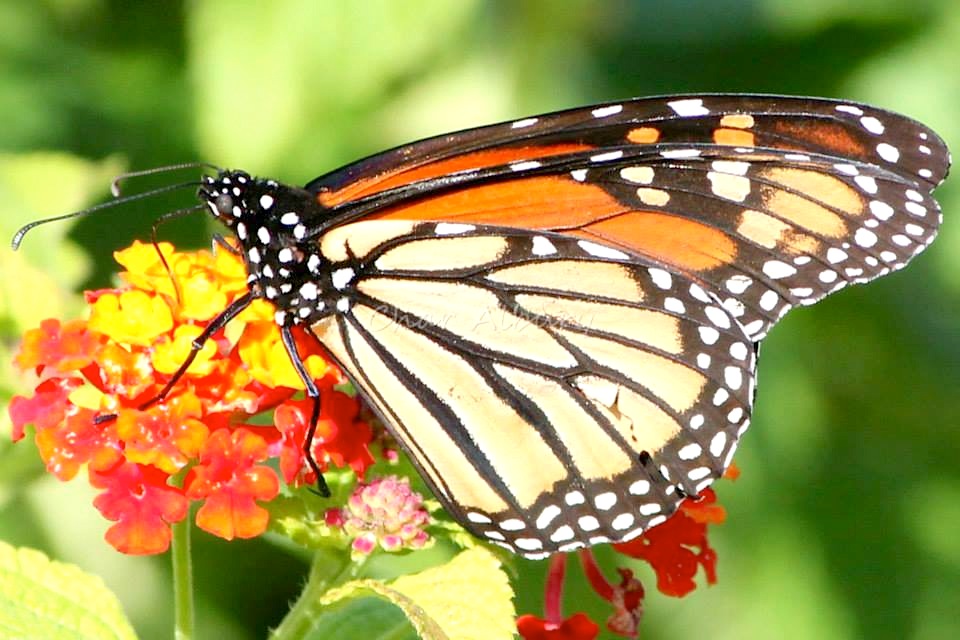
MONARCH BUTTERFLYMonarch Butterfly, Abaco (Charmaine Albury) 2 Monarch Butterfly, Abaco (Charmaine Albury) 1

MONK (?) SKIPPER

Skipper Butterfly, Abaco (Rhonda Pearce)

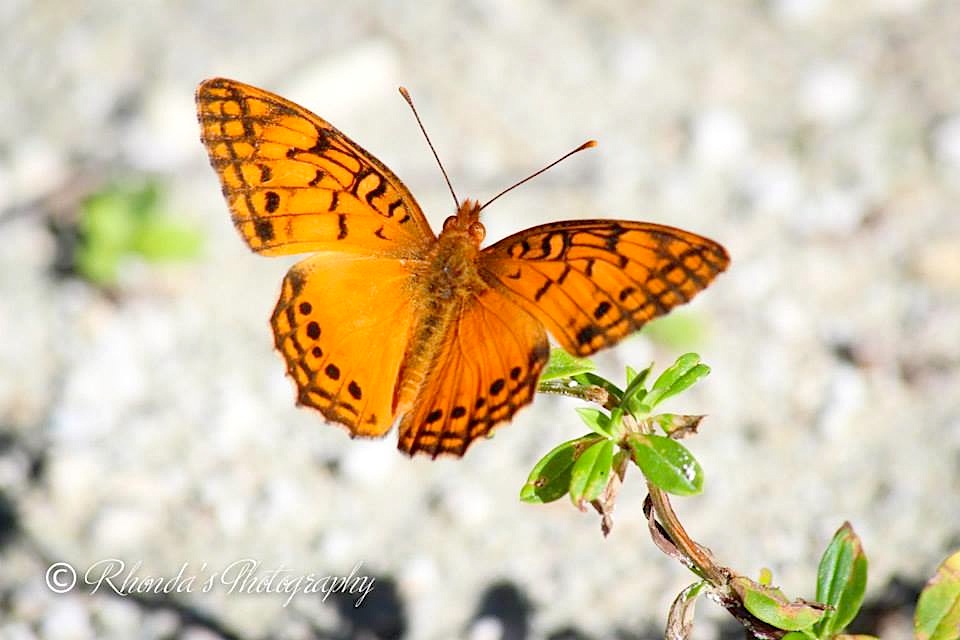
FRITILLARY (make unknown)Fritillary, Abaco (Rhonda Pearce)

tigertail

FLUTTERY PHILATELY

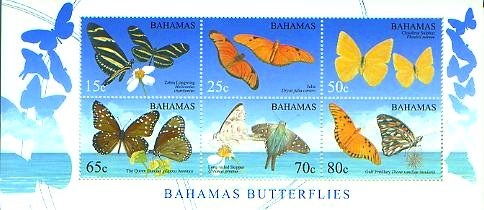
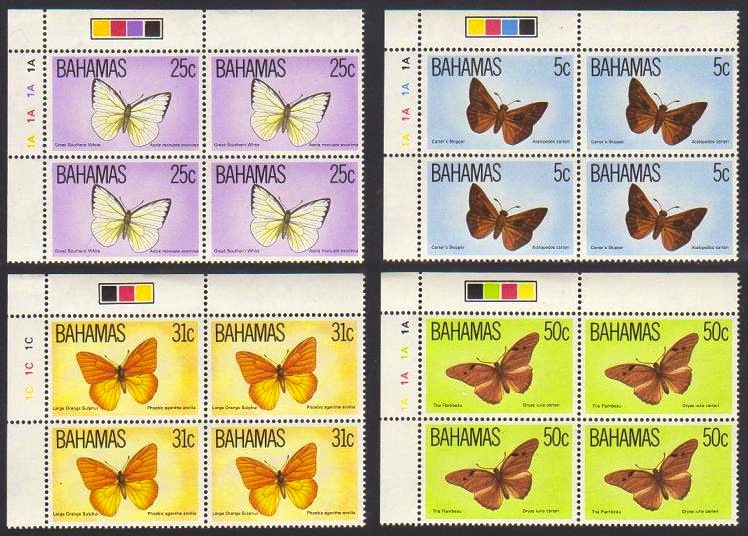
The Bahamas has an excellent record for producing colourful stamp issues showcasing the wildlife of the islands – birds, reef fish and of course butterflies. I’ve posted about these several time, and they are more or less collected together on a dedicated stamp page HERE. As for the butterflies, they get a new issue every decade or so. Here are the last four.

1975

Bahamas Butterfly Stamps 1974

1983

$_1-1

1994

$_1-1 copy

2008

baha08002

tigertail          imgres          tigertail

Credits: Selah Vie (1, 2); Uli Nowlan (3); Rhonda Pearce (4, 5, 6, 10, 11); RH (7); Charmaine Albury (8, 9); open source / ads etc (all stamps)

Unknown's avatar

A QUARTER OF A MILLION GLIMPSES OF ABACO…


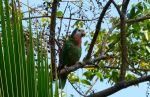
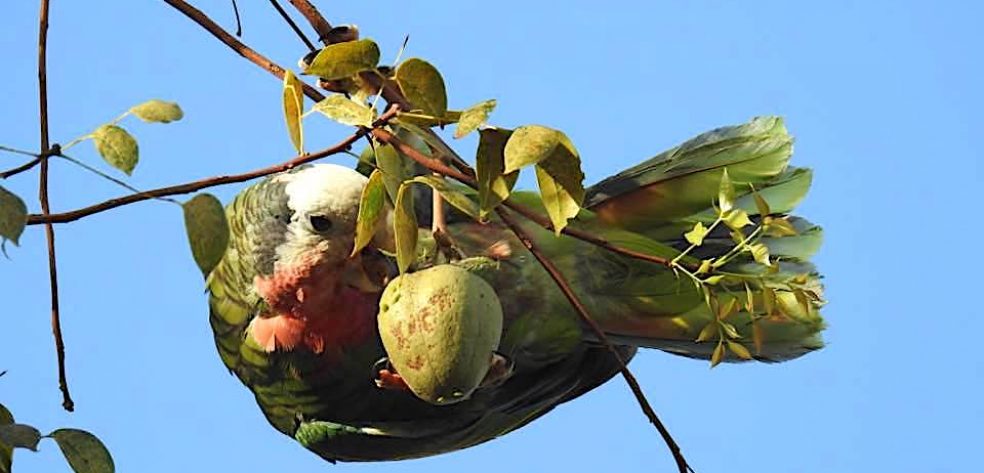
Abaco (Cuban) Parrot, Abaco, Bahamas  (Keith Salvesen)

A QUARTER OF A MILLION GLIMPSES OF ABACO…

Well here’s a rum do. About four years ago, this somewhat minority interest blog emerged ‘mewling and puking’¹ into the world, guided by an incompetent male midwife whose basic training had been about 4 weeks of exposure to Abaco, its fishing, its wildlife, its geography and its history. ‘Bananaquit’ might as well have meant taking up a plantain-free diet. ‘Grassquit’ might have been the local word for ‘keep off the lawn’. And that’s before all the flowers. And the reef fish. And everything else that turned up during the storm-wracked voyage of discovery via polydamus swallowtails, manatees, spider wasps and batfish that led slowly to the calmer waters of ‘rather better informed (if no wiser)’. 

Anyway, at midnight last night some unknown person kindly made the 250,000th visit to the blog, a target that once seemed inconceivable. In the past month, the 1000th person also signed up as a follower, another source of amazement. The reality is that despite Abaco being a sparsely-populated microdot island in a huge world, there are a great many people on the island or associated with it who are passionate about it and its extraordinarily diverse natural history. That knowledge makes curating this blog both easy and pleasurable. 
RH Stats clip

I checked my stats for the last year to find out where hits from the top 10 countries – and for fun the bottom 1o – came from. Here’s the answer. Rather shamefully there was also a country I had never knowingly heard of, Palau (Micronesia). There follows a selection of a few photographs that have been popular over the years, mostly my own but the underwater ones are from Melinda Riger and Virginia Cooper of Grand Bahama Scuba.

Top 10                                                                   Bottom 10
Top 10 countries jpg   Bottom 10 countries jpg

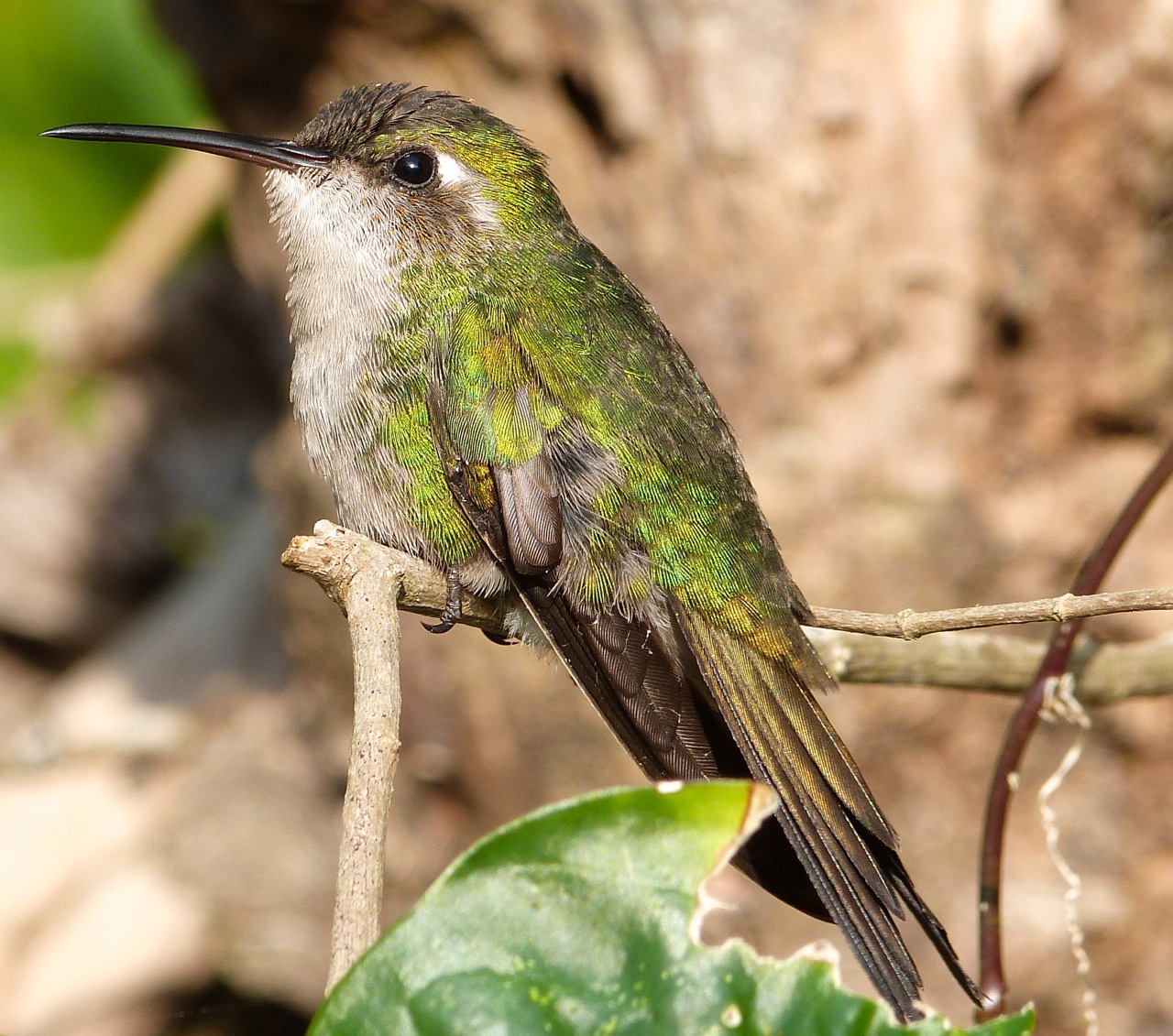
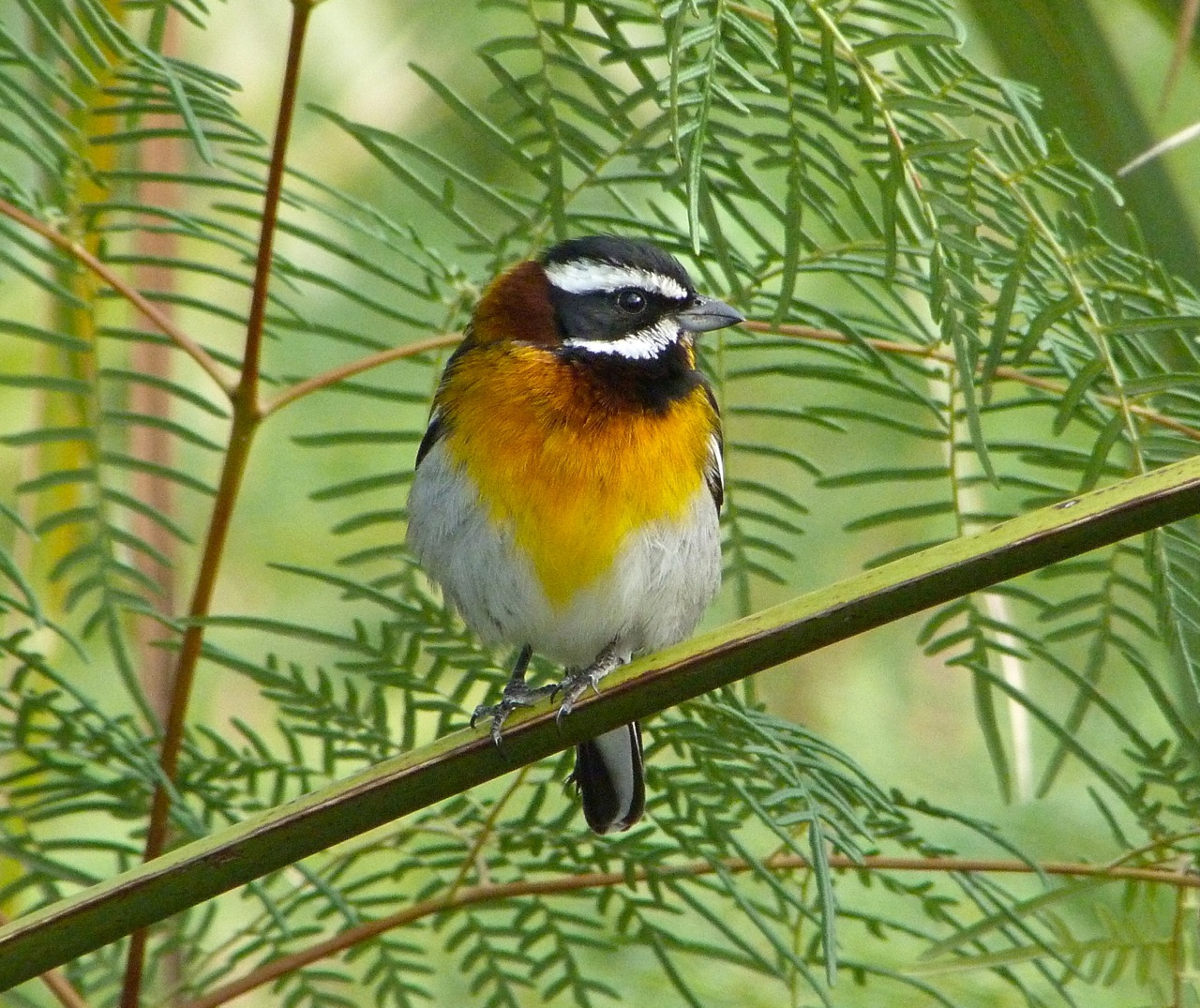
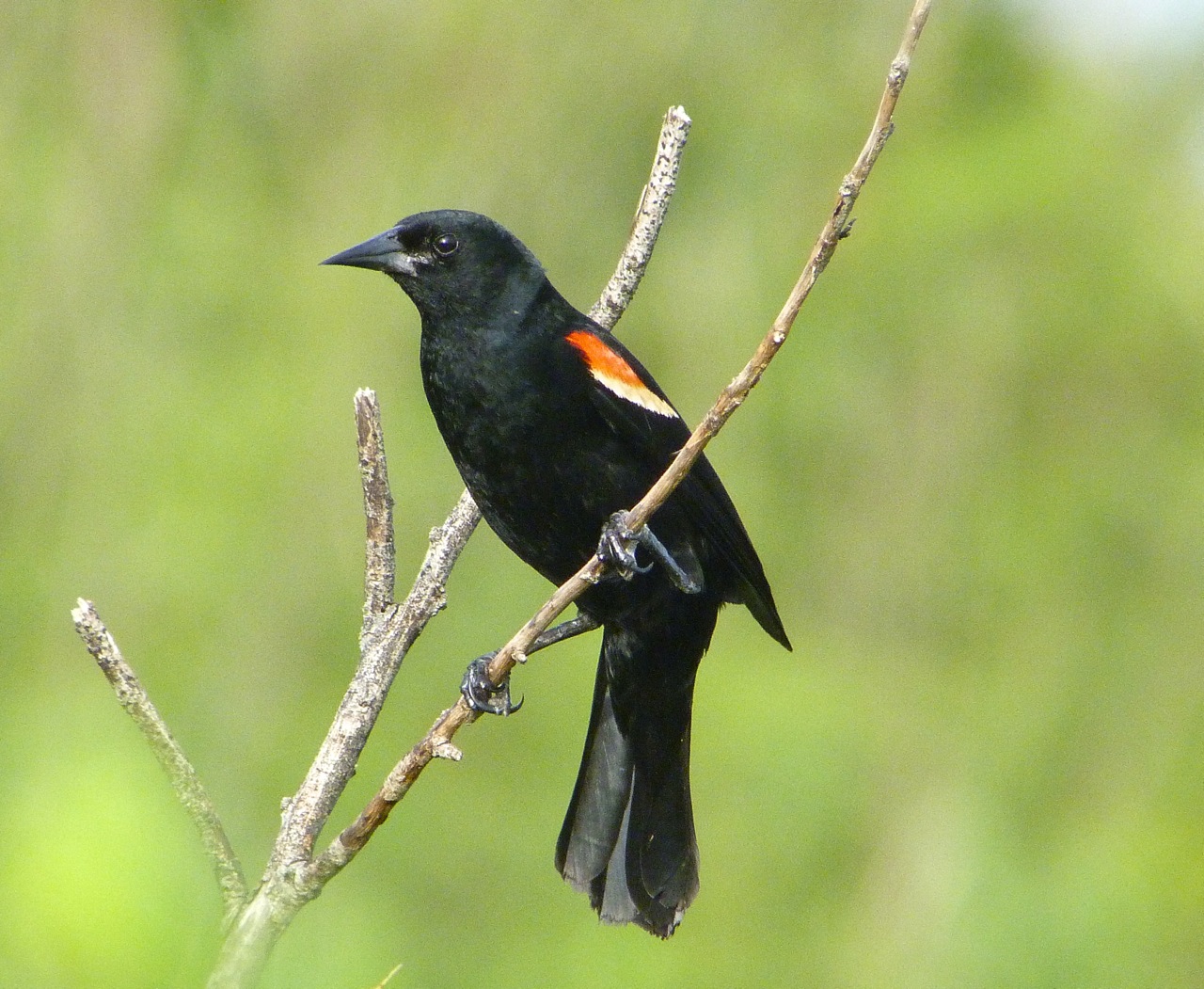
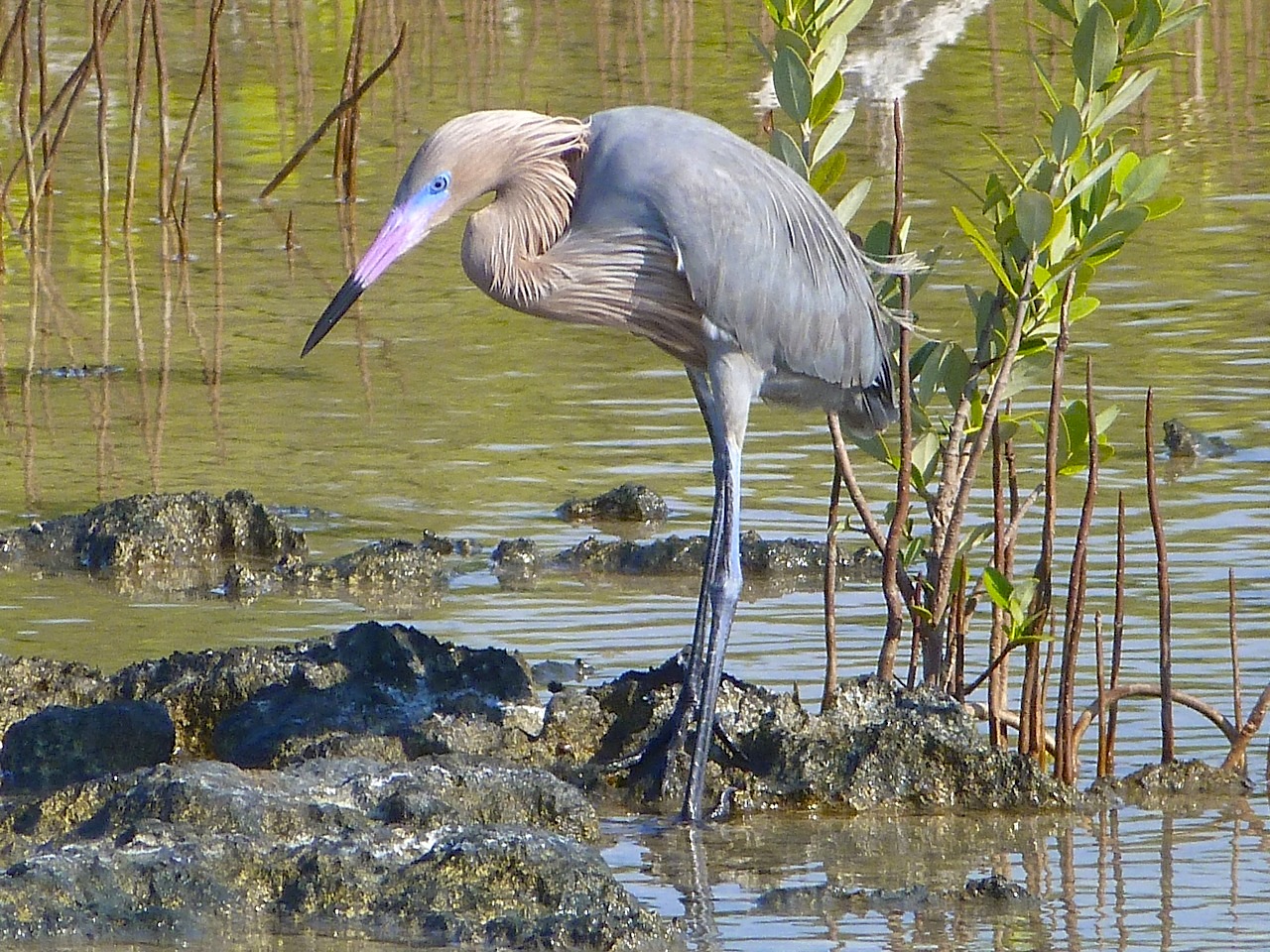
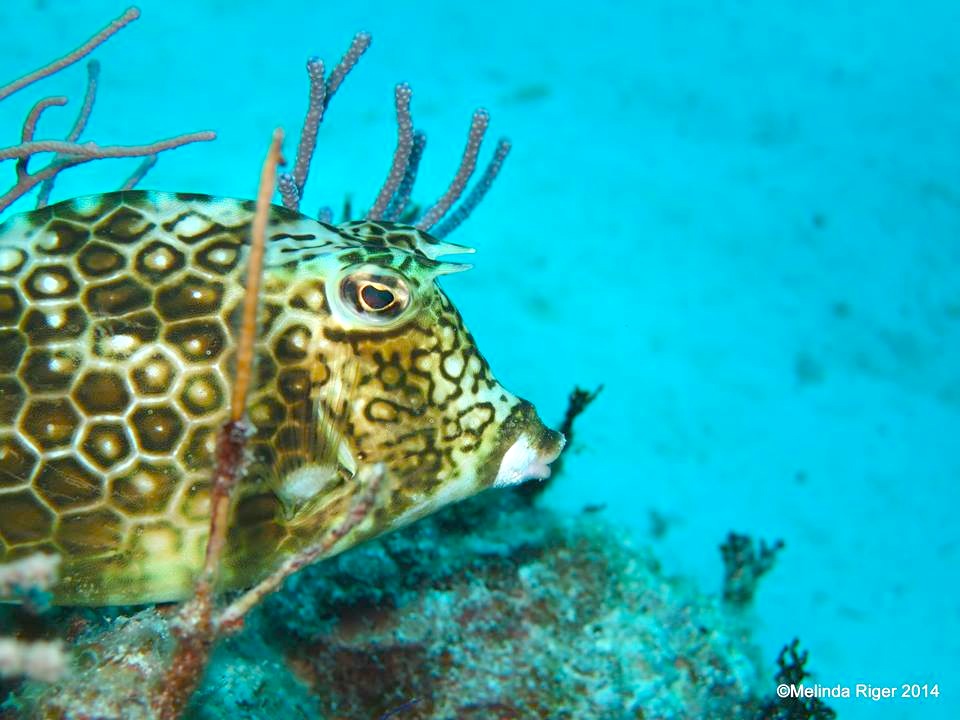
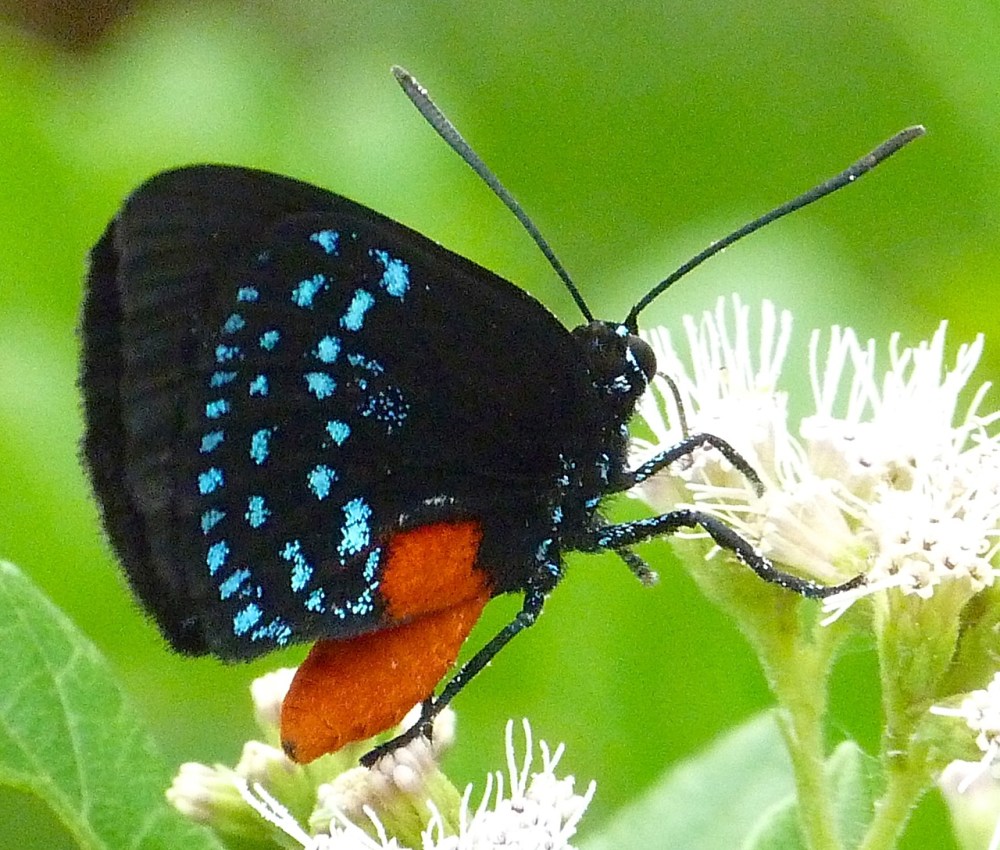
Cuban Emerald Hummingbird, Delphi, Abaco (Keith Salvesen)Bananaquit & palm, Delphi, Abaco, Bahamas  (Keith Salvesen)Western Spindalis, Abaco, Bahamas  (Keith Salvesen)Blue-gray Gnatcatcher, Abaco, Bahamas (Keith Salvesen)Red-winged Blackbird, Abaco, Bahamas  (Keith Salvesen)Brown Pelicans, Sandy Point, Abaco  (Keith Salvesen)Reddish Egret, Crossing Rocks, Abaco, Bahamas (Keith Salvesen)French Angelfish (juv), Bahamas (Melinda Riger)Four-eyed Butterflyfish ©Melinda Riger @GBSCowfish ©Melinda Riger @ GB ScubaOctopus ©Melinda Riger @ Grand Bahama ScubaNassau Grouper, Bahamas (Melinda Riger)Blacktip Shark ©Virginia Cooper @ G B Scuba copy 2Curly-tail Lizard, Delphi, Abaco, Bahamas (Keith Salvesen)Atala Hairstreak Butterfly, Abaco, Bahamas (Keith Salvesen)Bird of Paradise Flower (Strelitzia) Abaco (Keith Salvesen)Hibiscus : Polydamus Swallowtail, Delphi Abaco (Keith Salvesen)Yellow Elder Hope Town, Abaco, Bahamas (Keith Salvesen)

SEARCH TERMS

The most popular searches – omitting posts about hurricanes, which always generate a lot of traffic – have concerned Abaco Parrots, Lignum Vitae, Sea Glass, the Loxahatchee poster series, Tarantula Hawk Wasps, Sea Biscuits / Urchins, Yellow Elder, Parrotfish, Shipwrecks, Hutias, Hole-in-the-Wall, Lionfish, Remora, and Abaco Maps. The most leftfield search of all was ‘How dispose of dead bodies?’, by someone who had clearly strayed into the wrong category of website…

A FEW OF THE MOST POPULAR POSTS / PAGES
SEA SHELLS
SPIDER WASPS & TARANTULA HAWKS: DON’T MESS WITH THESE GUYS    
ABACO FACTS (including likelihood of adverse shark encounter or shipwreck)    
ABACO MAPS    
LIGNUM VITAE – BAHAMAS NATIONAL TREE    
YELLOW ELDER – THE BAHAMAS NATIONAL FLOWER    
SEA URCHINS & SEA BISCUITS – BEACHCOMBING TREASURES ON ABACO    
ABACO FOOD & DRINK (cook hog / bonefish; clean a conch; sip an Abaco cocktail / Goombay Smash)
ABACO & HOLE-IN-THE-WALL, BAHAMAS: A SHORT HISTORY IN MAPS    
PINEAPPLES: SYMBOLS OF WELCOME & WEALTH (ALSO, DELICIOUS)    
ABACO ISLAND BOA: THE ONLY ABACO SNAKE    
WHALES & DOLPHINS    
ABACO PARROTS    
FLORA

It would be strange to end this little celebration without a tip of the hat to Peter Mantle, old friend and genial doyen of the Delphi Club, for his wholehearted encouragement and support for the production and publication of THE DELPHI CLUB GUIDE TO THE BIRDS OF ABACO. This hefty tome, published in March 2014, showcases the wonderful and varied avian life on Abaco and has proved very popular – indeed well beyond our expectations. Although I appear nominally as author on the cover, it is in fact an extraordinary collaborative effort by some 30 people. The book’s success further demonstrates the commitment of Abaconians and other who love the island to Abaco’s rich natural heritage in an age of  rapid change; and provides another good incentive for me to continue with the blog. Next stop: 500,000!

¹ © W. Shakespeare, Romeo & Juliet Act 2 Sc. 7

dcbg2ba-jacket-grab-for-pm-v2-copyShark Gif

Unknown's avatar

BUTTERFLIES ON ABACO (5): THE UNUSUAL MARTIAL SCRUB-HAIRSTREAK


BUTTERFLIES ON ABACO (5): THE UNUSUAL MARTIAL SCRUB-HAIRSTREAK

I wish I could tell you something useful about this butterfly, but frankly there’s not a lot of info about it to be found. In part that may be because it is not a mainstream American butterfly, being found only in southern Florida. However it is found in the West Indies, and indeed on Abaco – this one was photographed by Nina Henry at Little Harbour. She was walking from Pete’s Pub to the OLD LIGHTHOUSE when she came across this butterfly. She sent it to me as a query and it took me an hour to nail the ID – there are other very similar and more common hairstreaks that threw me off track for a while (I thought it might be a female… oh, ever  mind, it wasn’t).

The Martial Scrub-Hairstreak Strymon martialis ranges from the southern tip of Florida, throughout the Bahamas and Greater Antilles. I’ve never seen one on Abaco, and I’d be very interested to hear from anyone who has. As far as I can make out this creature’s range tends to be further south, so I’m guessing they are unusual  for Abaco. Prove me wrong!

Martial Scrub-Hairstreak Strymon martialis (Nina Henry) 3 sm

Martial Scrub-Hairstreak Strymon martialis (Nina Henry) 2 sm

Photo Credit: Nina Henry

Unknown's avatar

‘ATALA FASCINATING’: THE LIFECYCLE OF THE ATALA HAIRSTREAK ON ABACO


Atala Hairstreak Butterfly, Abaco 6

‘ATALA FASCINATING’: THE LIFECYCLE OF THE ATALA  HAIRSTREAK ON ABACO

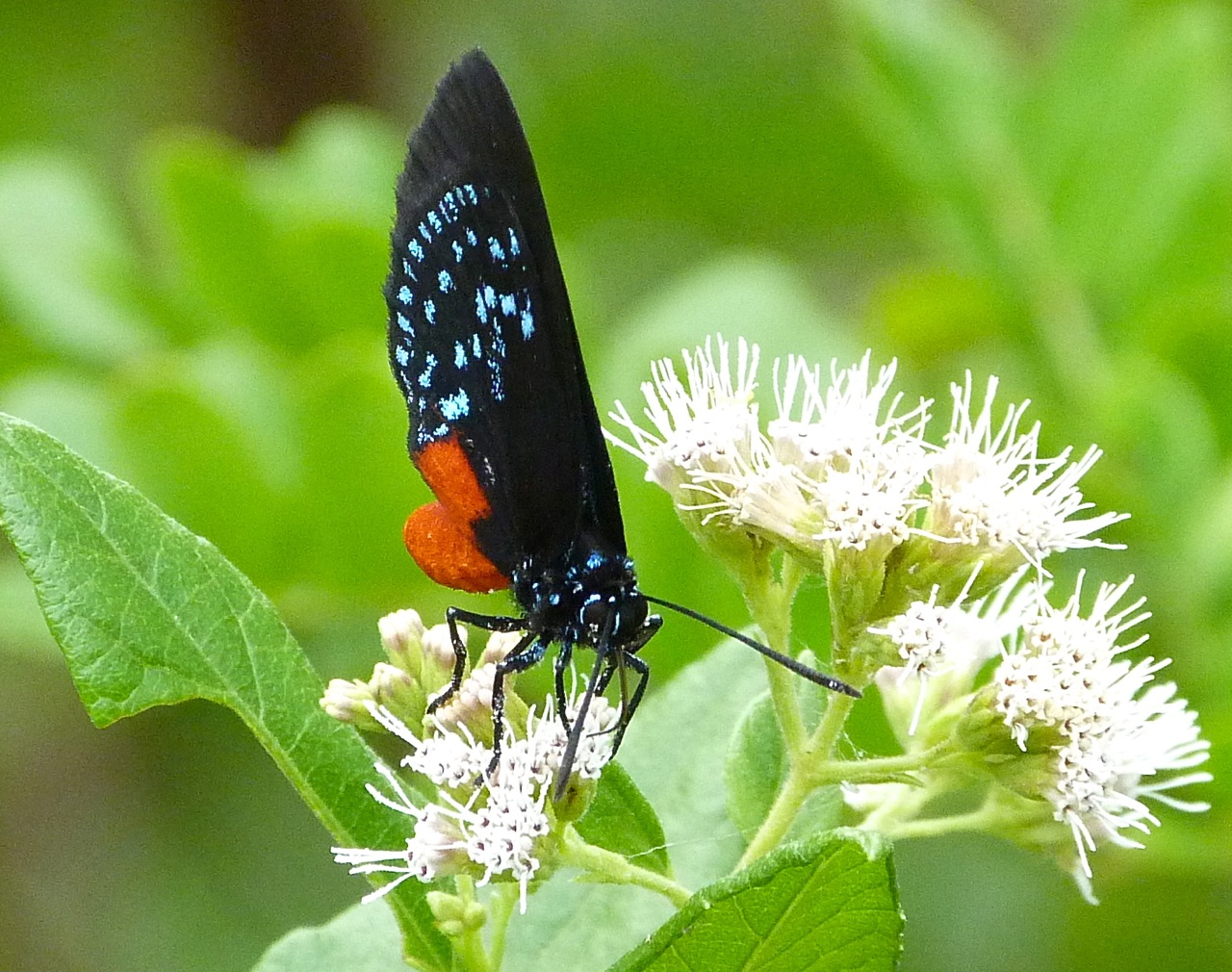
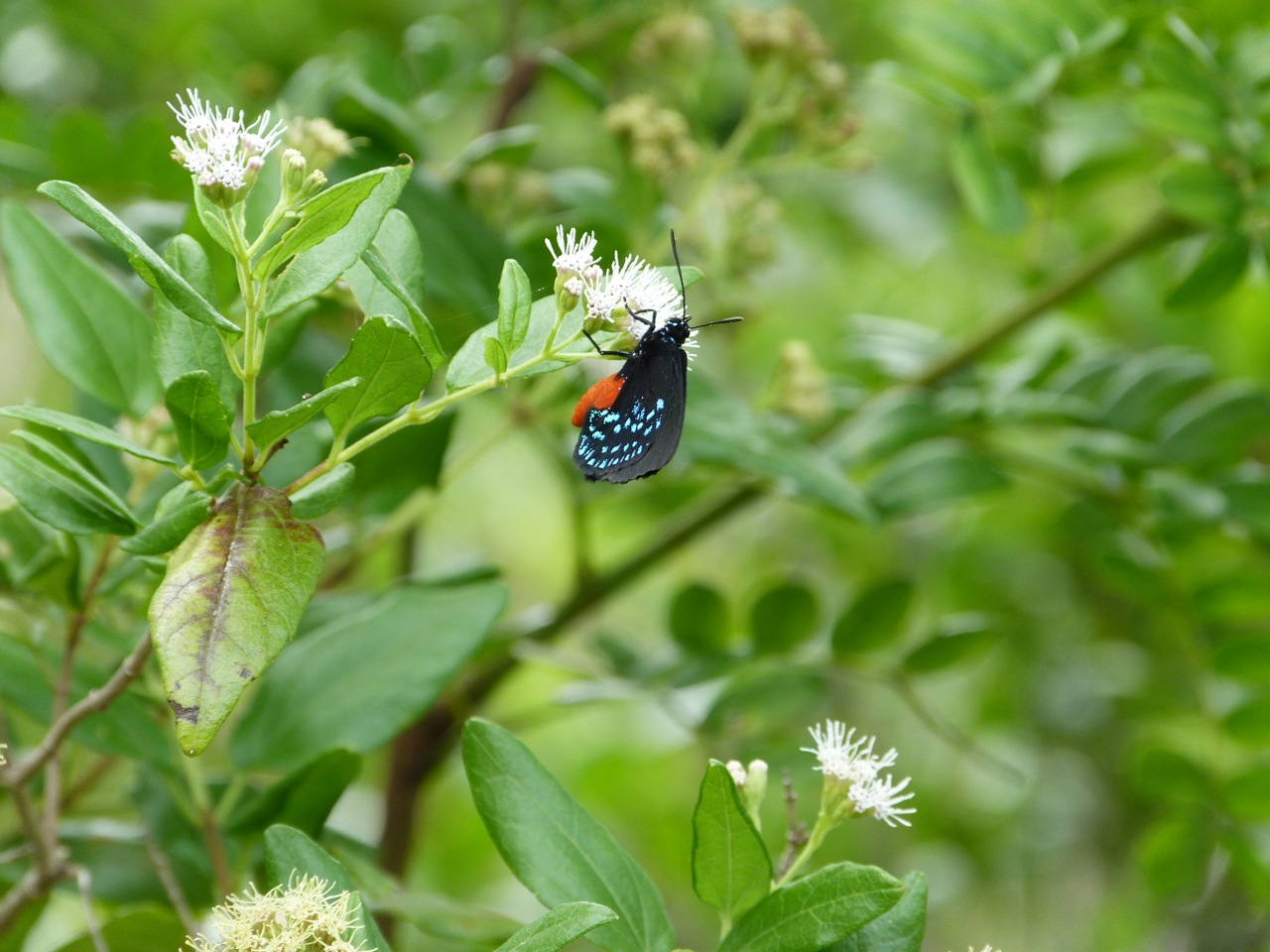
I have posted about several of the wonderful butterfly species the live on Abaco, but my favourite will always be the small but beautiful Atala Hairstreak Eumaeus atala. Its ‘look-at-me’ bright orange abdomen, black wings and the curious luminescent bright blue spots that even cover its legs and head are unmistakeable. These butterflies favour the coontie plant – especially for egg-laying – but they can be seen almost anywhere as far as I can see, though I have never seen one right by a beach. 

I’ve posted before about the lifecycle of the Atala, but I have never had a chance to show the complete post-egg process from caterpillar to triumphantly emergent butterfly actually recorded on Abaco until now. Thanks to Rhonda Pearce, her patience and her skill with a camera, the following sequence of photos shows in detail the various stages of metamorphosis.

THINGS TO LOOK OUT FOR

  • The little hairs on the caterpillars (larvae)
  • The dark gluey-looking shed skins
  • The delicate silky threads as the chrysalis forms
  • The butterfly emerges upside down, enabling it to uncrumple & spread its wings to dry

1964966_10152506740213720_6039769522835749460_n10516815_10152518719448720_8042135533496504376_n10460336_10152513042213720_1749266799385283727_n10329065_10152513052483720_1278639048660950997_n10636149_10152513103088720_95745605012112261_n10670036_10152537482408720_2714379949813709137_n

10173638_10152536424683720_8837746952198646203_n10703931_10152539084318720_4254043938657181472_n      10530805_10152539181538720_7306525148033947757_n1800474_10152539184718720_2160773318941097404_n1904051_10152539181463720_3683578272660806029_n10410511_10152536410758720_8834582183802288185_n


RELATED POSTS

ATALA HAIRSTREAK LIFECYCLE (you’ll find more info about the process here)

FLUTTER BY, BUTTERFLY

ABACO’S LOVELIEST BUTTERFLY

ABACO BUTTERFLY PAGE (other species found on Abaco)

Photo Credits: All Rhonda Pearce except the header of a full adult imago, RH

PS Sorry, I’ve been very po-faced and not mentioned Halloween. Everyone else is covered in blood, guts and gore, so I reckon the market is saturated. Also I get the wrong end of the ‘Trick or Treat’ stick. I carefully prepare 2 lots of choccy-based sweets. One is delicious. The other contains chilli. If the callers are nice, they get the Treat. If not, they get the Trick. That must be right, surely. I can listen to them hawking and barfing as they run off into the night…. [No children were hurt in the making of this story…]

Unknown's avatar

SWALLOWTAIL BUTTERFLIES ON ABACO


SWALLOWTAIL BUTTERFLIES ON ABACO

Uli Nowlan has had two beautiful swallowtail butterfly species in her garden at Treasure Cay. These are absolute stunners, with great camerawork to capture the details.

BAHAMA SWALLOWTAIL Papilio andraemonBahamas Swallowtail Butterfly, Abaco (Uli Nowlan)

TIGER SWALLOWTAIL Papilio glaucusSwallowtail Butterfly, Abaco (Uli Nowlan) Bahamas Swallowtail Butterfly, Abaco (Uli Nowlan)

Unknown's avatar

“I MUST FLY”: GONE TO ABACO. BACK SOMETIME.


“I MUST FLY”: GONE TO ABACO. BACK SOMETIME.

UPDATES AS & WHEN

BLUE-GRAY GNATCATCHERBlue-gray Gnatcatcher Delphi Club Abaco Bahamas.Tom Sheley

HIS ‘N’ HERS RODS ON THE BEACH AT DELPHIOn the beach... Delphi Club, Abaco

ZEBRA HELICONIAN BUTTERFLYZebra Heliconian Abaco Charlie Skinner

QUEEN ANGELFISHQueen Angelfish © Melinda Riger @ G B Scuba

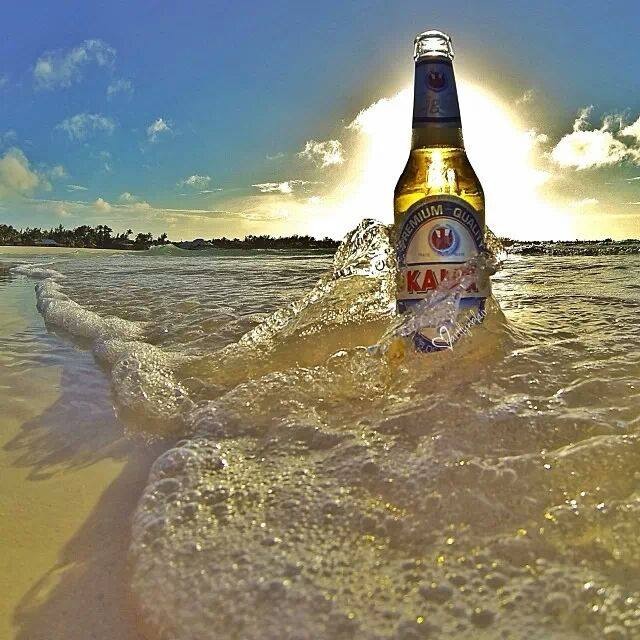
REFRESHMENT OF CHOICE…Kalik by Kaitlyn Blair (F:B)Relax Notice, Lubbers CayShark Cartoon

Photos: Tom Sheley, RH, Charlie Skinner, Melinda, Kaitlyn Blair on FB, RH

Unknown's avatar

BUTTERFLIES ON ABACO (4): DRYAS JULIA (JULIA HELICONIAN)


800px-Dryas_julia-02_(xndr)

DRYAS JULIA (JULIA HELICONIAN): BUTTERFLIES ON ABACO (4)

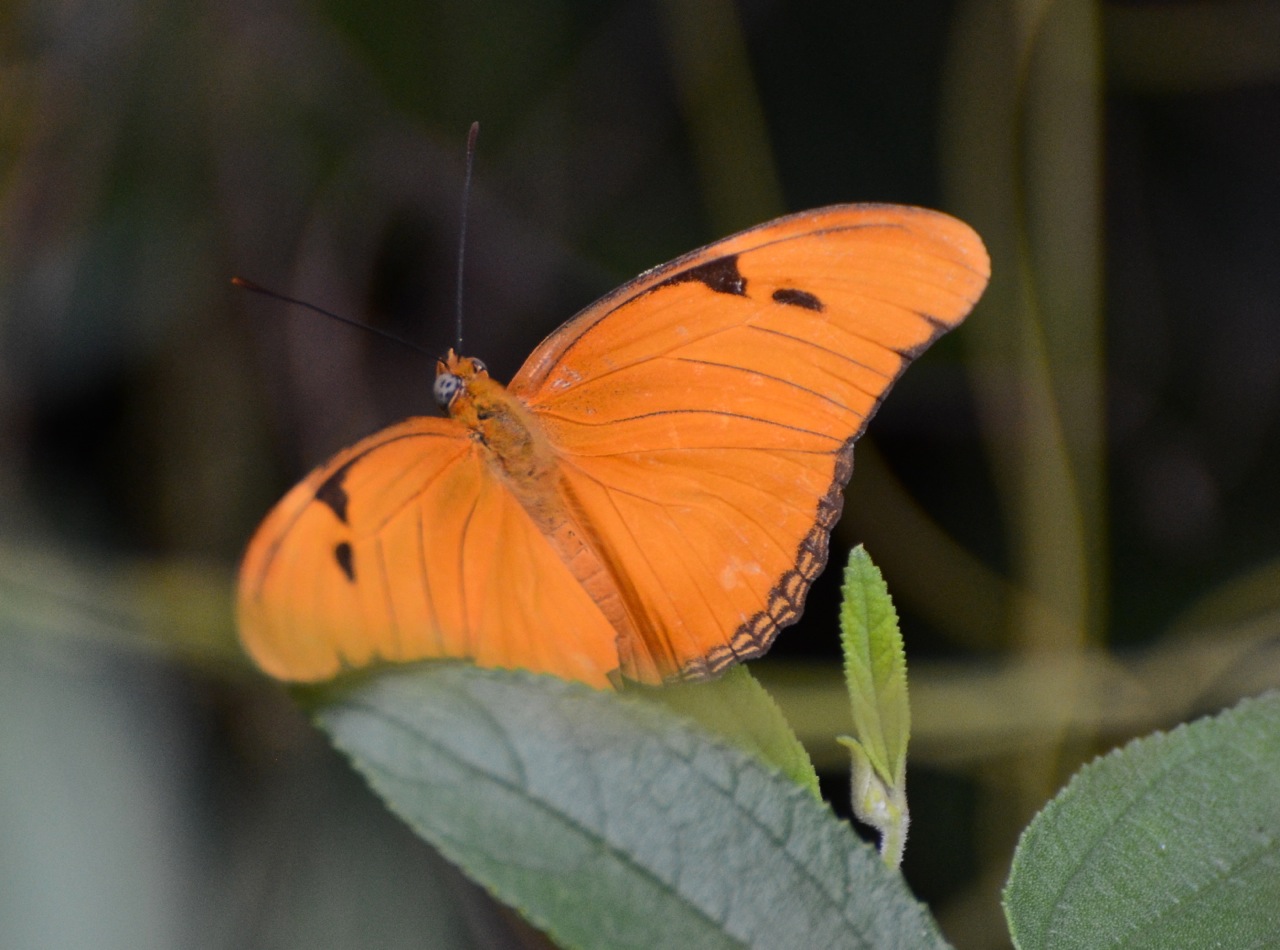
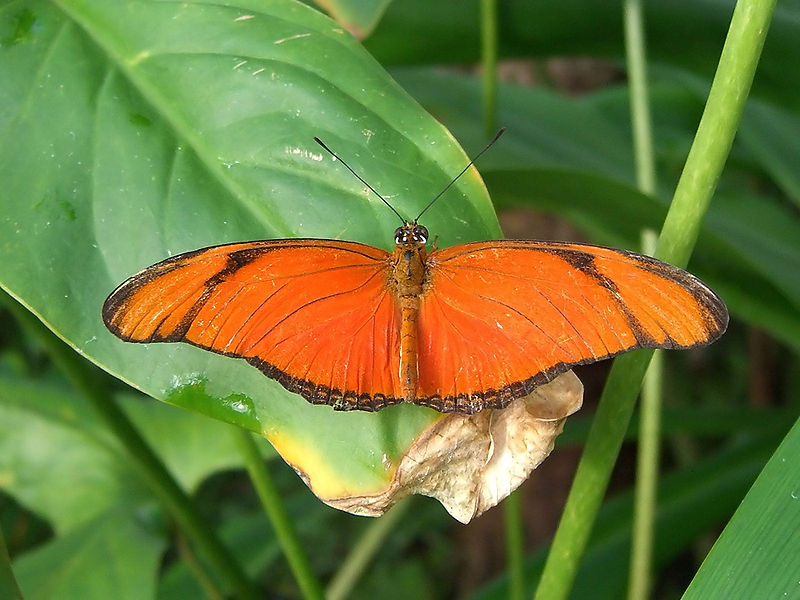
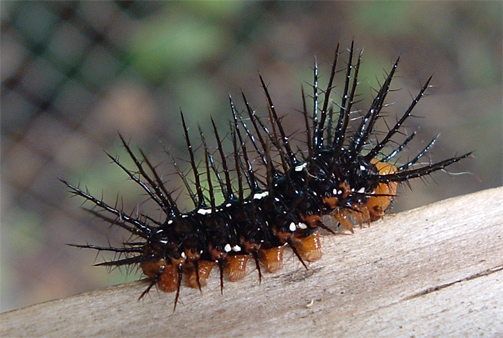
A fast-flying butterfly in a fetching shade of orange designed to be off-putting to avian predators. If the colour fails as a deterrent, these butterflies are unpleasant to eat (supposedly), so birds learn to leave them alone.

Dryas Julia Butterfly CS 1Dryas Julia Butterfly CS 2800px-Dryas_julia_2 800px-Dryas.julia 800px-Julia-heliconian-butterfly Dryas_julia_caterpillarCredits: Charlie Skinner & Wiki

OTHER BUTTERFLIES IN THIS SERIES

ZEBRA HELICONIANS

GULF FRITILLARY

COMMON BUCKEYE

Unknown's avatar

BUTTERFLIES ON ABACO (3): COMMON BUCKEYE


220px-Buckeye_Butterfly_(Junonia_coenia)

BUTTERFLIES ON ABACO (3): COMMON BUCKEYE

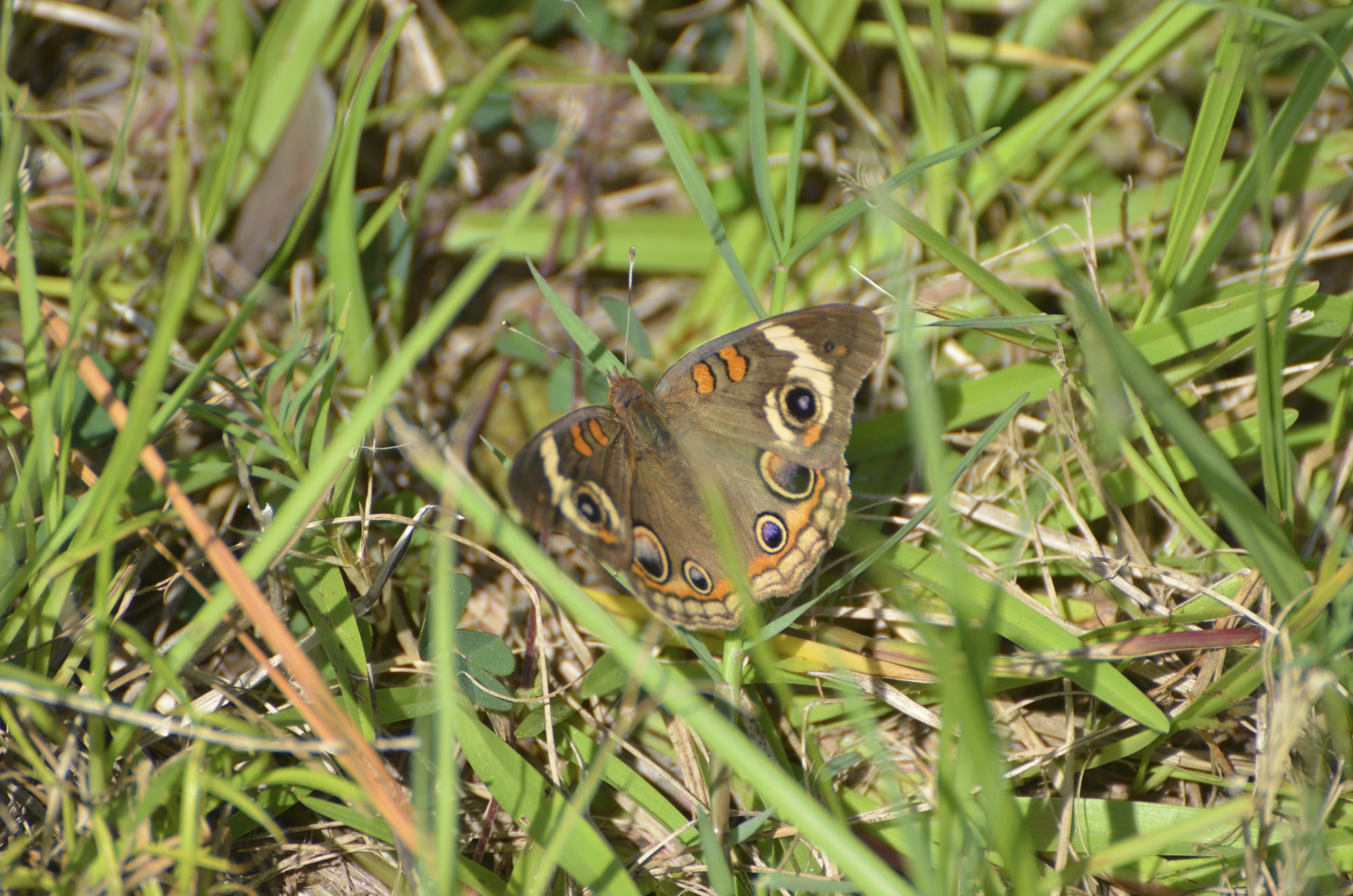
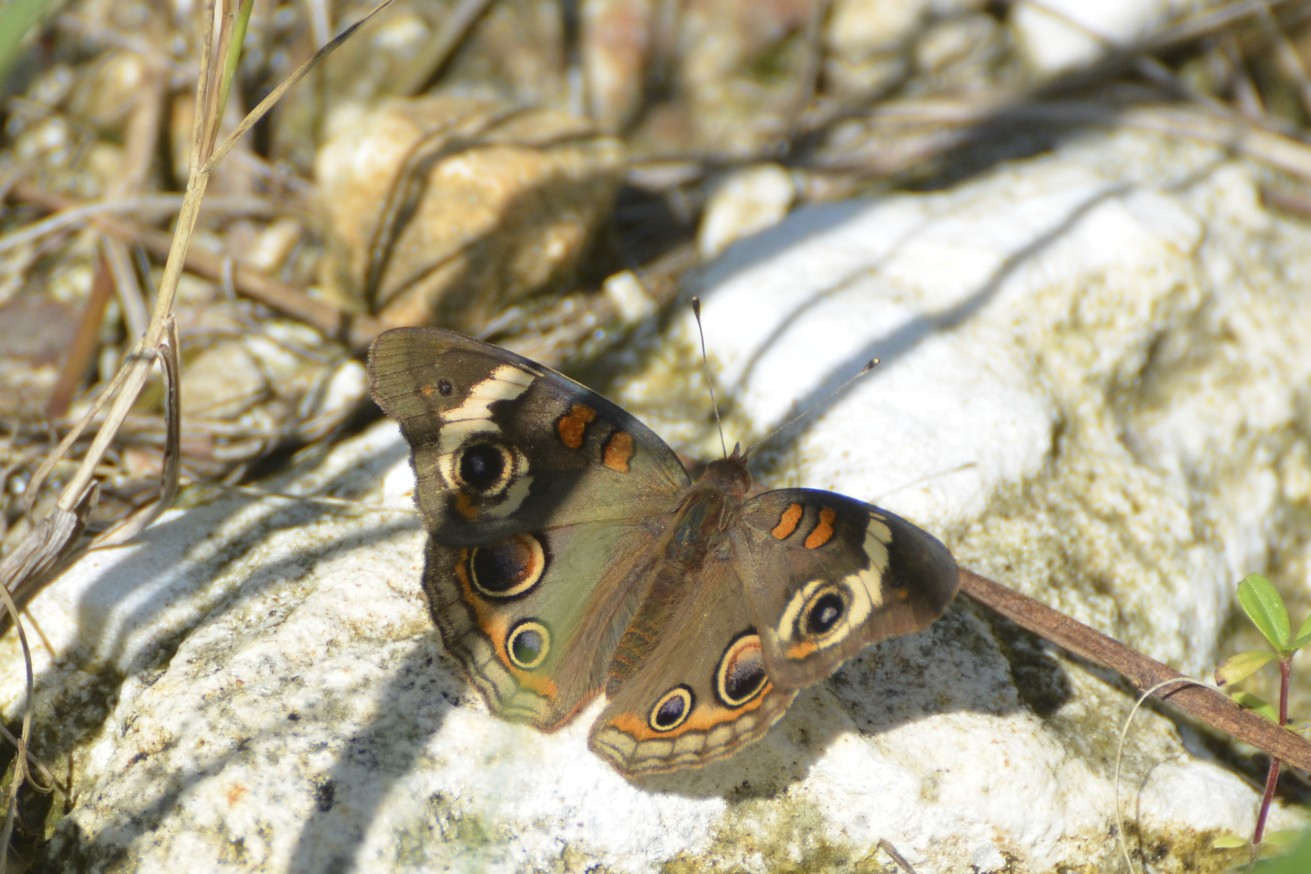
At first glance the Common Buckeye Butterfly Junonia coenia looks unpromisingly drab. However, like many butterfly species, the outside appearance is only one side of the story, a facade to enable it to blend in with the scenery. As the header image suggests, this creature has a more more flamboyant and colourful side to it – a feature not confined to butterflies, and extending even to humans…

Charlie Skinner DSC_7818

As it feeds, or as the sun warms its wings, the buckeye will start to reveal itself DSC_7831DSC_7825DSC_7817 DSC_7823

The bright eye-spots of the buckeye, for which it is named, are designed to deter predators, as much as for decorative purposes. Birds, in particular, are thought to be put off by a creature apparently possessing 3 pairs of eyes.DSC_7829DSC_7822DSC_7830DSC_7832

The caterpillars and chrysalis of this species look like thisCommon_Buckeye_larva_variation,_Megan_McCarty42Common_Buckeye_chrysalis,_Megan_McCarty43

This rather charming illustration of the buckeye species is by Jacob Hübner from his Sammlung exotischer Schmetterlinge Vol. 2 ([1819] – [1827] (Plate32)442px-Hubner1821SammlExotSchmett2Plate32

Also in this series: ZEBRA HELICONIANS and GULF FRITILLARIES

Photo Credits: Butterflies by Charlie Skinner (except header, Wiki); Caterpillars & Chrysalis by Megan McCarty via Common Licence

Unknown's avatar

BUTTERFLIES ON ABACO, BAHAMAS (2) GULF FRITILLARIES


BUTTERFLIES ON ABACO, BAHAMAS (2) GULF FRITILLARIES

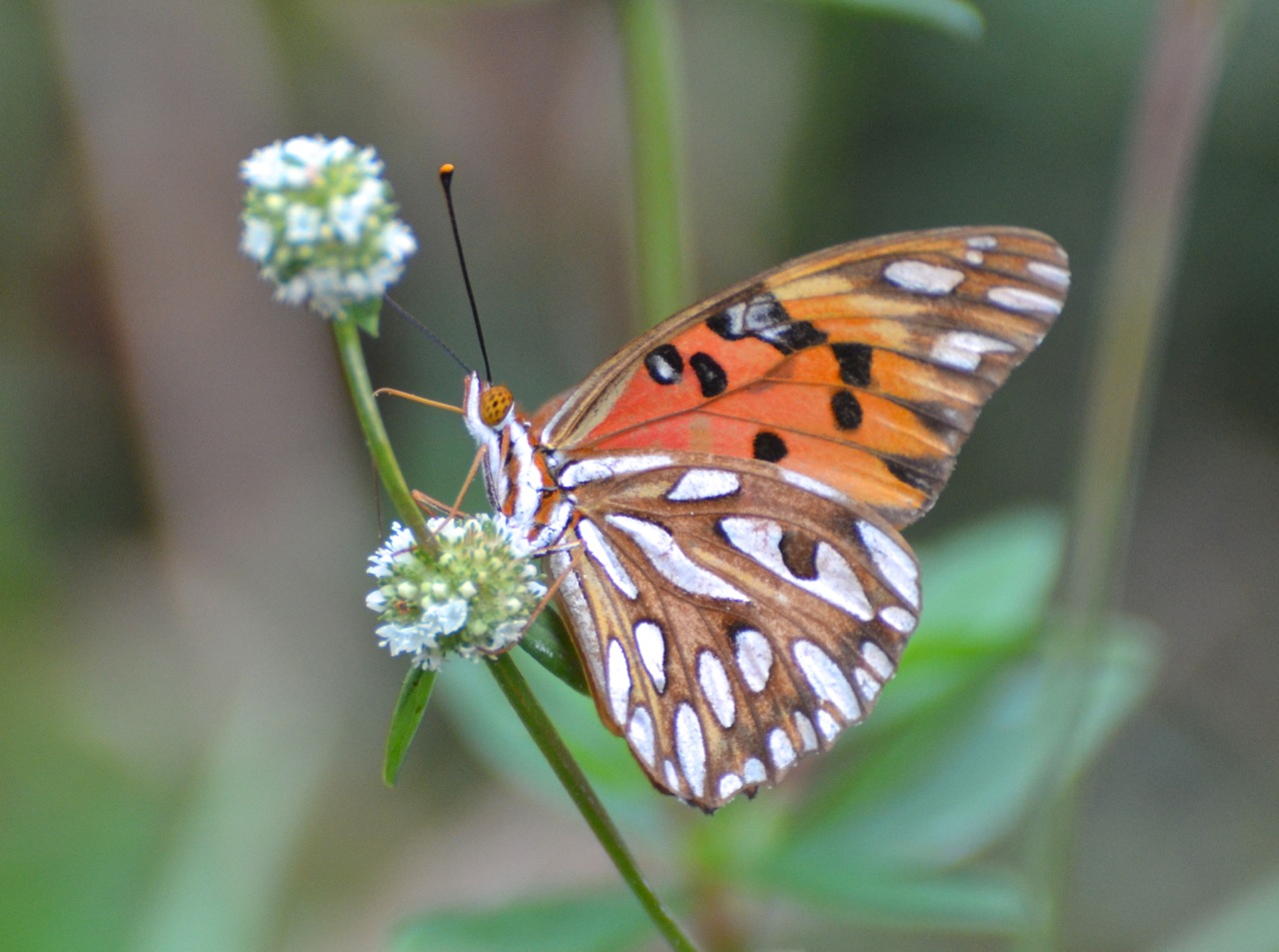
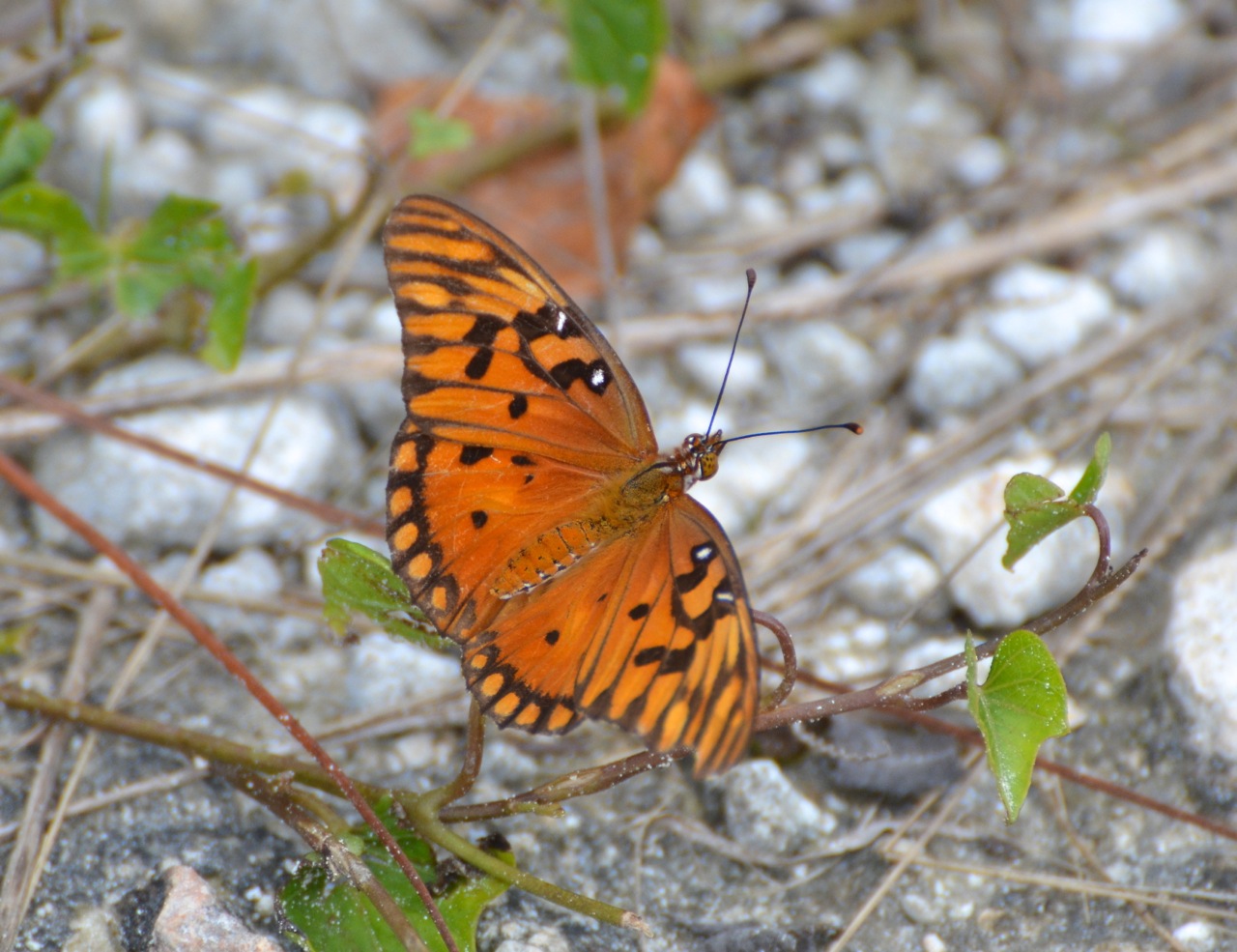
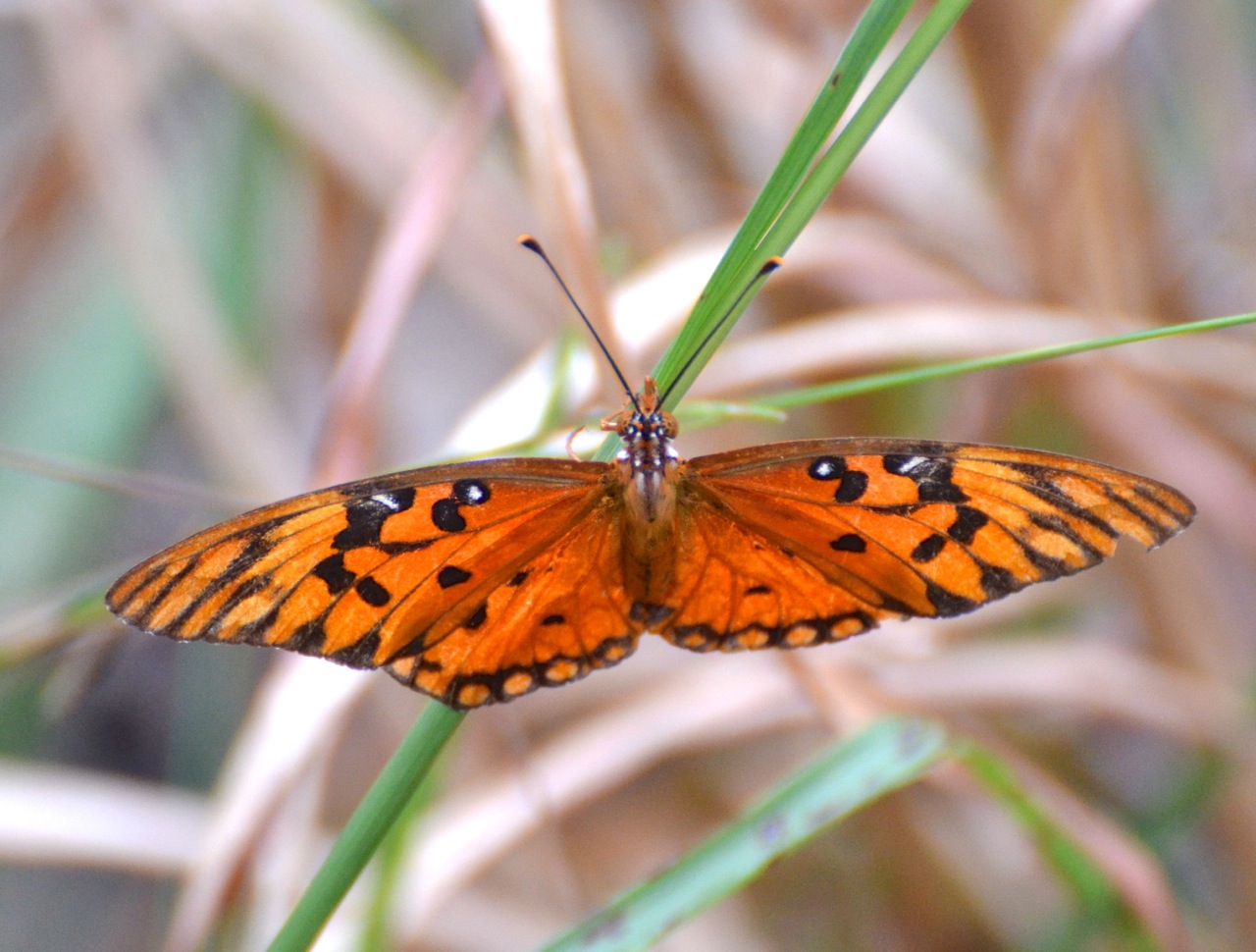
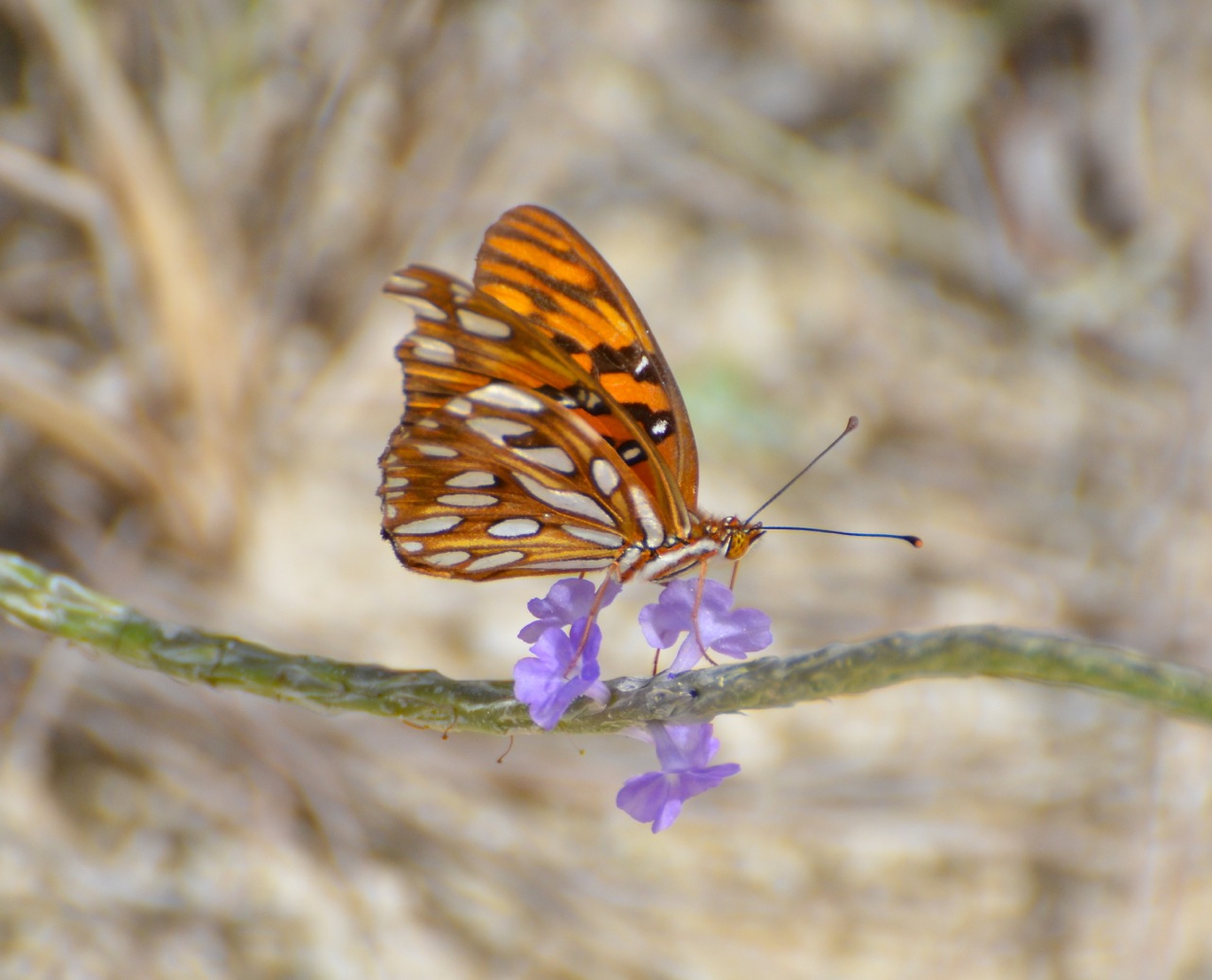
The GULF FRITILLARY Agraulis vanillae is a so-called ‘longwing’ butterfly species found from South America to central North America, named for its migration route over the Gulf of Mexico.Gulf Fritillary Abaco CSK 7Gulf Fritillary Abaco CSK 2

The black and orange patterns of this butterfly are a reminder to predators of the toxicidity of its stripy caterpillar  and birds tend to leave them alone. Just in case. The markings are also similar to other butterflies that are poisonous – for example the Monarch.  Tip of the hat to Wiki for the information that “this species belongs to the ‘orange’ Batesian mimicry complex”. Me neither! It is where an innocuous species resembles a noxious one in order to discourage predators without going to the bother of actually developing its own ‘on-board’ toxins.

Gulf Fritillary Abaco CSK 4Gulf Fritillary Abaco CSK 3

File:Gulf Fritillary Life Cycle.svgGulf Fritillary Abaco CSK 1Gulf Fritillary Abaco CSK 5

The gulf fritillary is common on Abaco, as elsewhere in the Bahamas. I particularly fond of the photo below, in which the whole feeding apparatus can be seen. I haven’t done my homework, I’m afraid. If anyone wants to provide the technical terms (mouth? proboscis? tongue-thing?), that would be welcome. Please use the comment box to spread enlightenment.Gulf Fritillary Abaco CSK 6

FURTHER BUTTERFLIES YOU MAY ENJOY

ZEBRA HELICONIANS

ATALA HAIRSTREAKS and LIFECYCLE OF THE ATALA HAIRSTREAK

Credits: all amazing photos by Charlie Skinner, except header image Wiki – to which credit also for the graphic and some info in particular ‘Batesian Mimicry complex’, which is definitely one to drop lightly into conversation…

Unknown's avatar

BUTTERFLIES ON ABACO, BAHAMAS (1) ZEBRA HELICONIANS


Zebra Heliconium Abaco CS 3

BUTTERFLIES ON ABACO, BAHAMAS (1) ZEBRA HELICONIANS

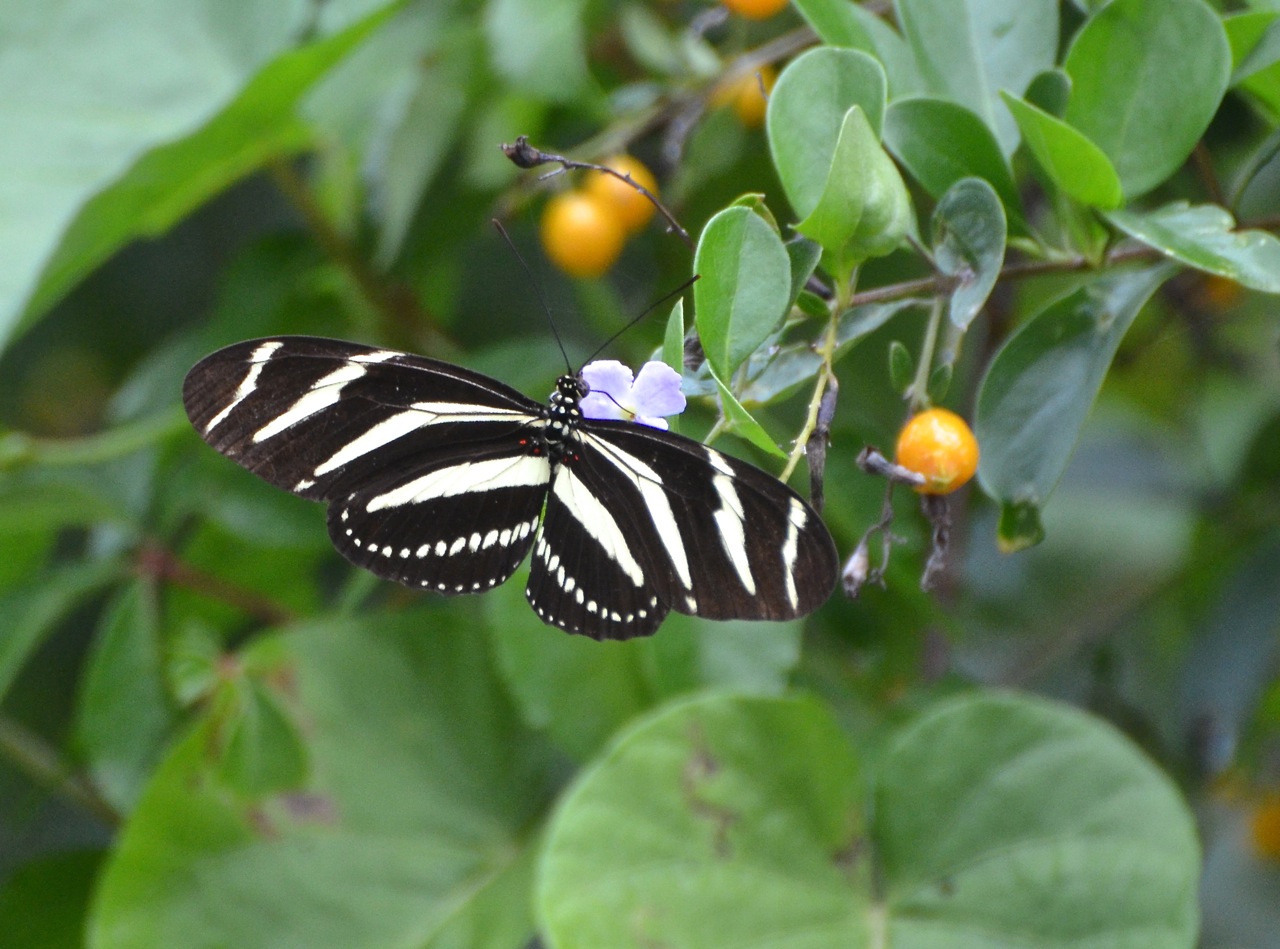
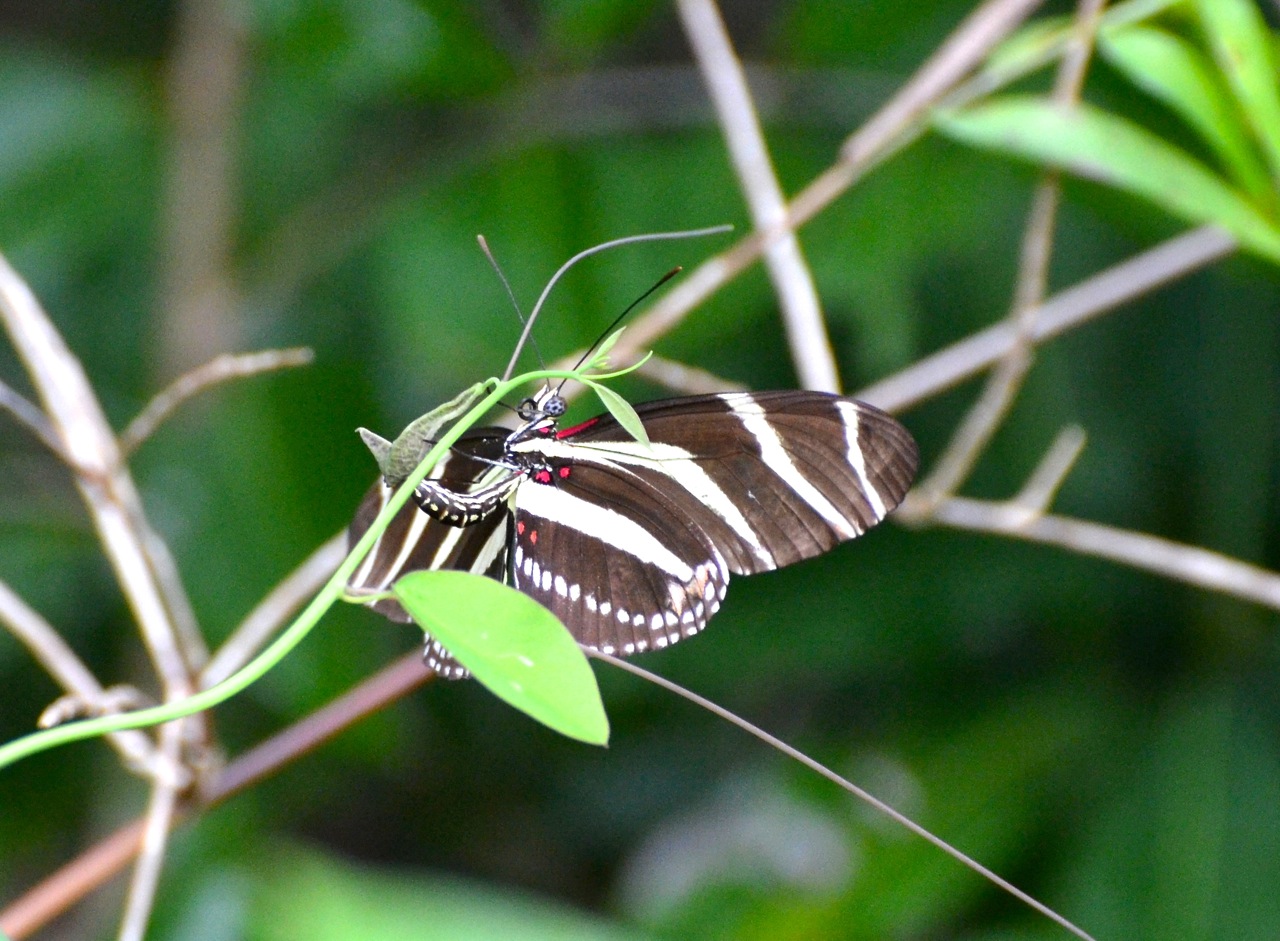
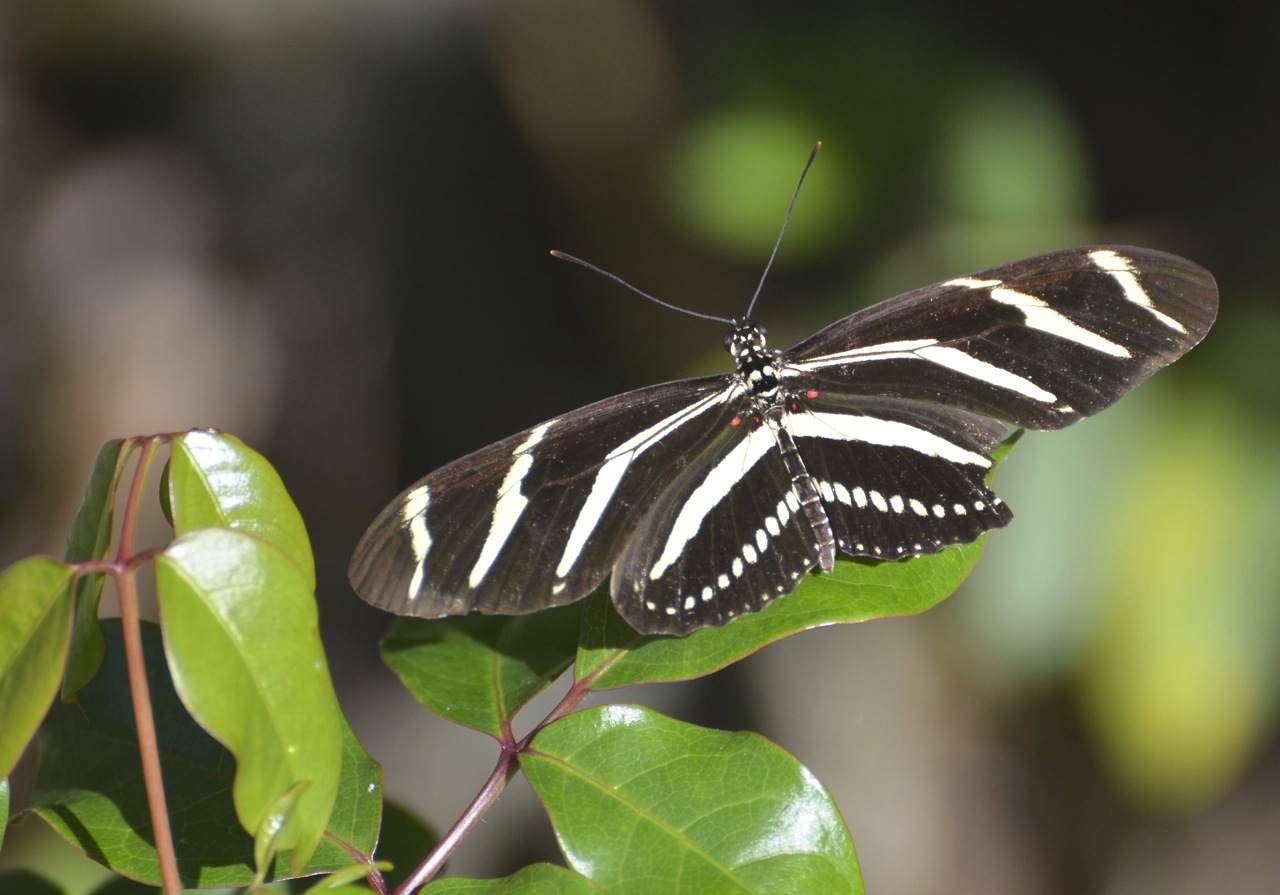
The Zebra Heliconian butterfly Heliconius charithonia is also know as the Zebra Longwing.  These striking butterflies roost nightly in large colonies, a species behaviour that is believed to be a protective measure against predation, providing safety in numbers (or at least reducing the probabilities that you will be the one to be eaten). In 1996 the Zebra Longwing was appointed the State Butterfly of Florida.

Zebra Heliconium Abaco CS 1Zebra Heliconium Abaco CS 2Zebra Heliconium Abaco CS 5Zebra Heliconium Abaco CS 4Zebra Heliconium Abaco CS 6Zebra Heliconium Abaco CS 7Credits: all images by Charles Skinner, taken in the vicinity of the Delphi Club, Abaco

Unknown's avatar

PHILATELY WILL GET YOU… NICE BAHAMAS WILDLIFE STAMPS


Parrot

WILDLIFE STAMPS OF THE BAHAMAS

with guest expert PHIL LATTERLY

The Bahamas ‘does’ extremely nice stamps, in particular ones featuring the rich and varied wildlife of the islands. The islands spread from the subtropical climates of the north, on a level with Florida, to the near-tropical islands of the south. This ensures plenty of scope for designing pretty sticky bits of paper to stick onto other bits of paper. One of the small pleasures in life, near-lost to the tyranny of the email…

The sets of wildlife stamps are issued by the Bahamas Post Office. I’ll add to this collection piecemeal (including some from my own modest collection). The very latest commemorative issue heads the display.

1. SEA CREATURES

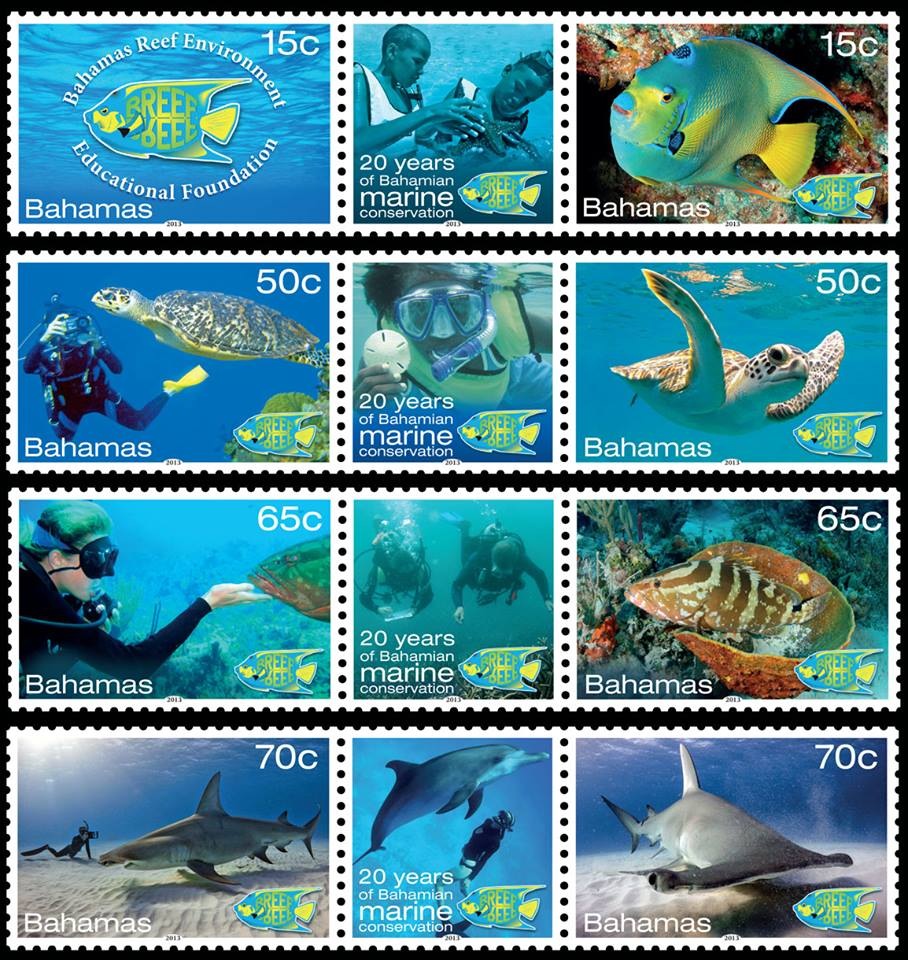
BREEF 20th Anniversary Issue – November 2013IMG_2918

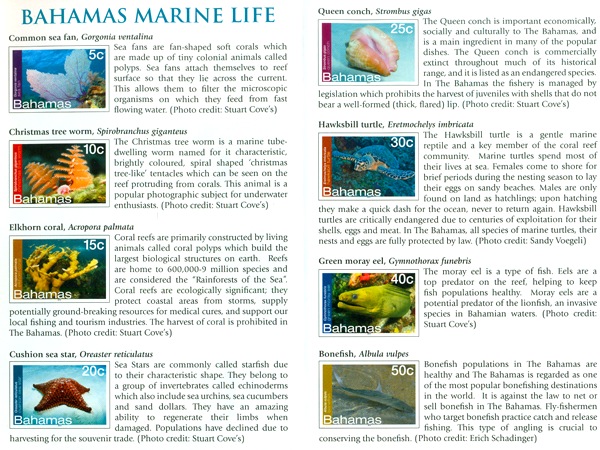
REEF FISHESBahamas Reef Fish StampsBahamas Bonefish Stamp (old-style)Bahamas Marine Life Stamps 2012

2. BIRDS

February 2012: WWF Flamingo Issue

Best seen on Inagua, the island where they breed. Less often found elsewhere, and sadly now only as occasional ‘vagrants’ on Abaco. Flamingo post with wonderful pictures of adults, babies and nests HEREBahamas Wildlife Stamps Flamingos

PARROT POST

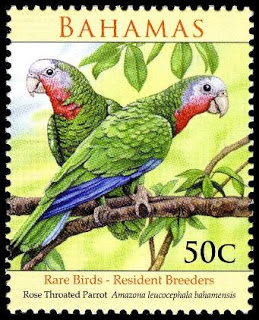
Found mainly on Abaco (the resident underground nesting variety) and Inagua (conventional nesters), where they breed. Small groups are now found elsewhere, e.g. Nassau, where there is a local monitoring programme, but I’m not sure that there is evidence of breeding there. Any info welcome… One (of several) lavishly illustrated parrot posts HERE

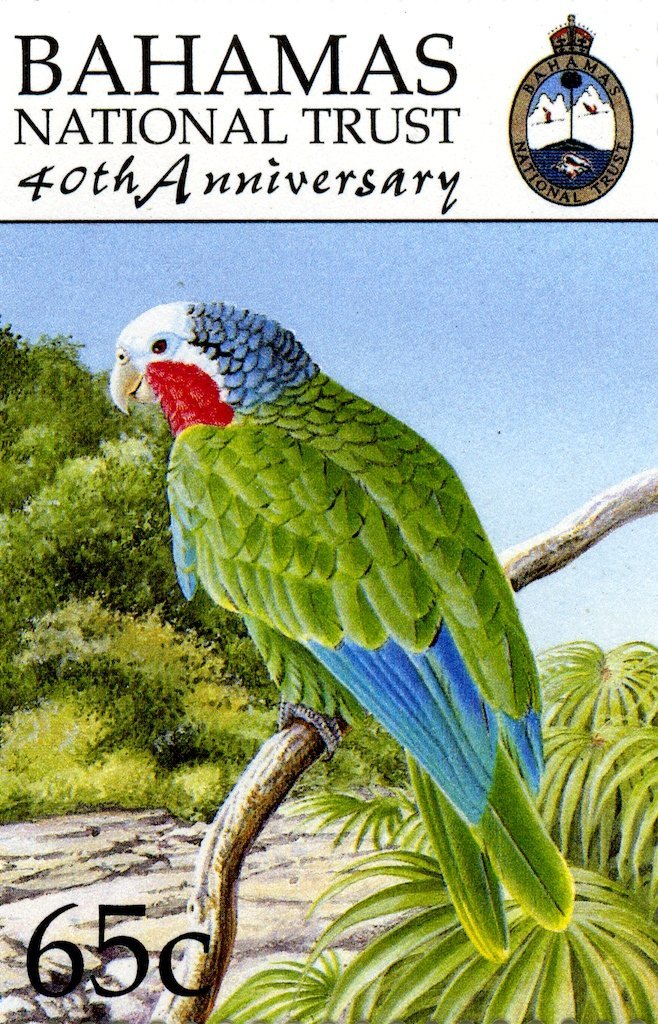
 Impressive commemorative issues for the BAHAMAS NATIONAL TRUST

OTHER BIRD SPECIES

Bahamas Wildlife Stamp Osprey

The KIRTLAND’S WARBLER is one of the rarest birds of the Bahamas, a winter resident that breeds only in a small area of Michigan. The entire population is numbers only a few thousand birds. The number of sightings annually on Abaco is very small – fewer than a dozen, and in some years none at all. Increasing knowledge about their favourite haunts is now improving the recording rate. I know of two seen this year, on the same day… a birder’s lifetime achievement.

Bahamas Stamps Kirtland's Warbler (eBay)

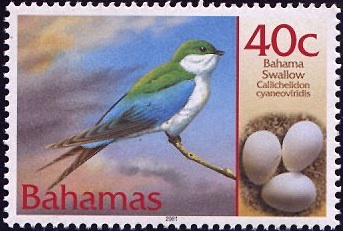
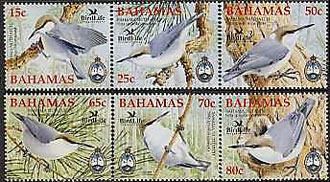
This swallow is endemic to the Bahamas

Found on Abaco only as an occasional visitor.

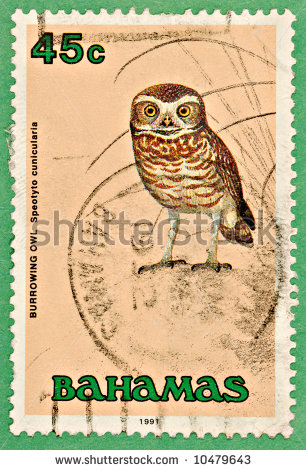
stock-photo-a-bahamas-stamp-featuring-a-burrowing-owl-on-the-face-10479643 copy

WATERFOWL                Credit as shown

3. ANIMALS

Bahamas Wildlife Stamp Set

Bahamas Wildlife Stamps Sept 1984Bahamas Wildlife Stamp Set - Bat, Hutia, Raccoon, DolphinBahamas Potcake Stamps (First Day Cover)

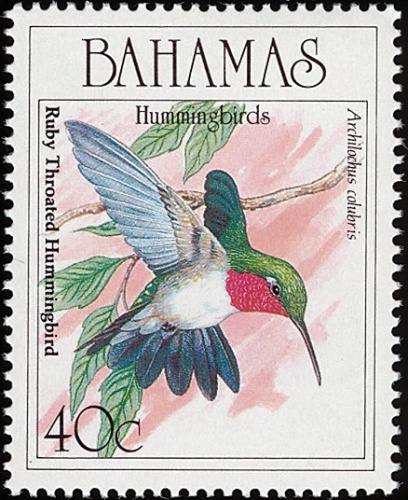
4 BUTTERFLIES & INSECTSBahamas Butterfly Stamps

Credits: A compendious credit to sundry online sources including Bahamas PO, Bahamas Weekly, eBay and other sales / promotional sources, ads and the like, and unknown sources. I rarely find myself having to use this broad sweep approach: if your pic is here and you are upset, apologies, contact me to express your displeasure &co and I’ll take it down of course. But these are only non-rare small bits of paper; and this is a humble non-profit making info site of limited appeal in a Big Wide World. OK with that?

Unknown's avatar

FLUTTER BY, BUTTERFLY: ATALA ENCHANTING ON ABACO


Atala Hairstreak Butterfly, Abaco 7

FLUTTER BY, BUTTERFLY: ATALA ENCHANTING ON ABACO

It’s hard to resist another fly-past for the Atala Hairstreak Butterfly Eumaeus Atala . So I won’t. Once seen, never forgotten. They are small wonders, with their plump orange abdomens and their striking blue-dotted motif; obvious candidates for a signature Rolling Harbour logo for insect posts.

Atala Hairstreak Logo

Atala Hairstreak Butterfly, Abaco 1Atala Hairstreak Butterfly, Abaco 4Atala Hairstreak Butterfly, Abaco 2

This close-up in particular shows clearly that the vivid blue markings are not confined to the Atala’s wings. They are also on the body, the head, and surprisingly on the legs as well.Atala Hairstreak Butterfly, Abaco 6

It is rare to see the inside of an Atala’s wings. In flight they tend just to look black; then they land with precision and closed wings (zeugma score!). In sunshine the spots of the feeding Atala shine out like small LEDs. They very rarely open their wing to reveal the velvety blue upper sides.As I watched the single Atala, a second one arrived and almost immediately ‘jumped’ the first. By which I mean that, for a few seconds, the new arrival ‘covered’ the feeding Atala in every sense of the word. Please consider this a blurry study of the upper side of an Atala’s wings, and politely ignore the intrusive circumstances. This is not a scandal blog. Yet. Mere moments later, it was all over **. I made my excuses and left.Atala Hairstreak Butterfly, Abaco 3

These events may have piqued your interest in the life cycle of the Atala. Some months ago I posted in detail about this, with the whole process illustrated from eggs, larvae, caterpillar and chrysalis to the emergent butterfly. At the end of the post are some helpful links. CLICK LIFECYCLE OF THE ATALA HAIRSTREAK

Finally, you may want to get a sense of size for this butterfly – crops and zooms can sometimes give a distorted impression. So here is a normal snap of the butterfly feeding.Atala Hairstreak, Abaco 9

**My spam box is full of suggestions about this

Image credit for open-wing shot on flower: Stranica

Unknown's avatar

BLOOMING MARVELLOUS: FLOWERS OF ABACO


Hibiscus : Polydamus Swallowtail, Delphi Abaco

BLOOMING MARVELLOUS: FLOWERS OF ABACO

The flowers and plants below were mostly photographed in the grounds of The Delphi Club, Abaco or nearby. I expect most or many are already securely on the SD chips or hard drives of every visitor to an agreeably floral place like the Bahamas. Who can resist a pretty flower? I have confessed in earlier plant-based posts (links below) to a certain lack of aptitude around flowers. They just… are. Let’s see how this pans out – corrections and (for the last two) IDs welcome.

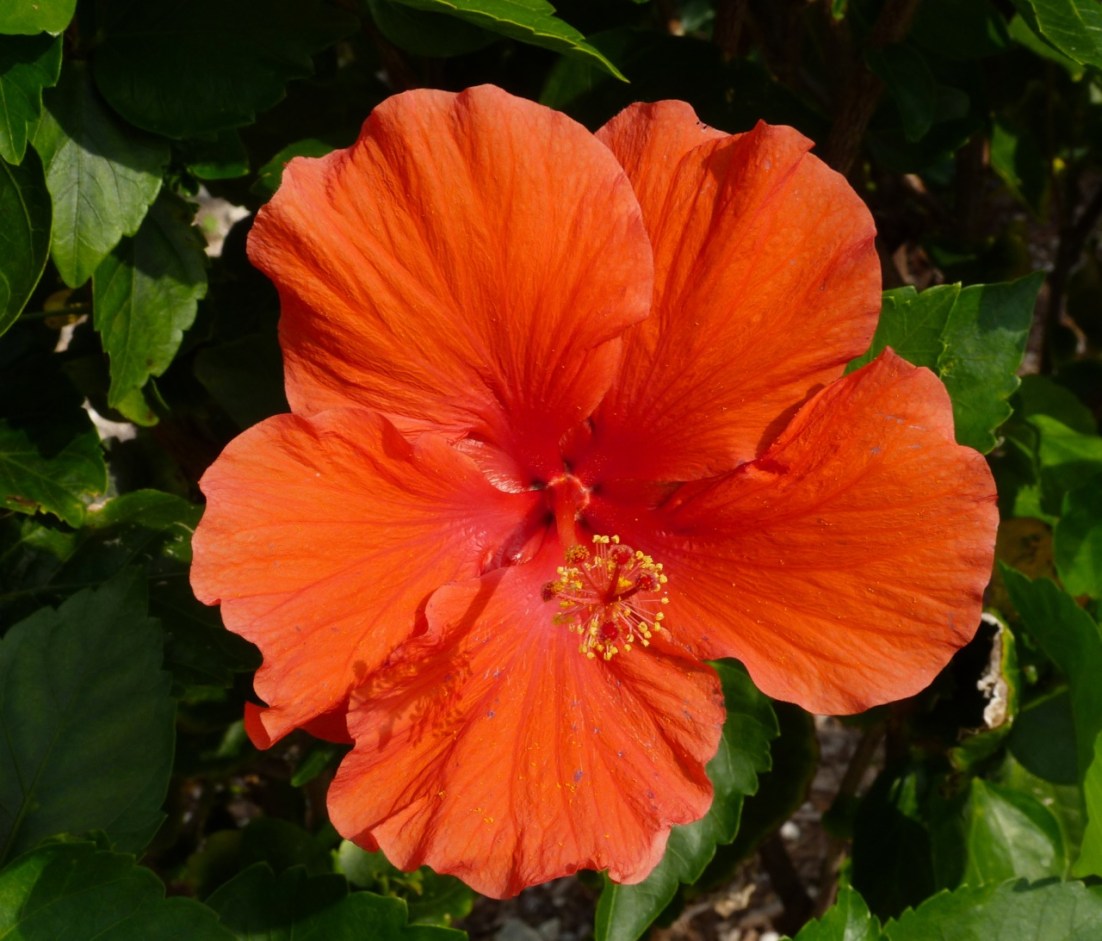
HIBISCUSHibiscus Delphi Abaco 2Hibiscus Delphi Abaco 1 Hibiscus Delphi Abaco 5Hibiscus Delphi Abaco 4

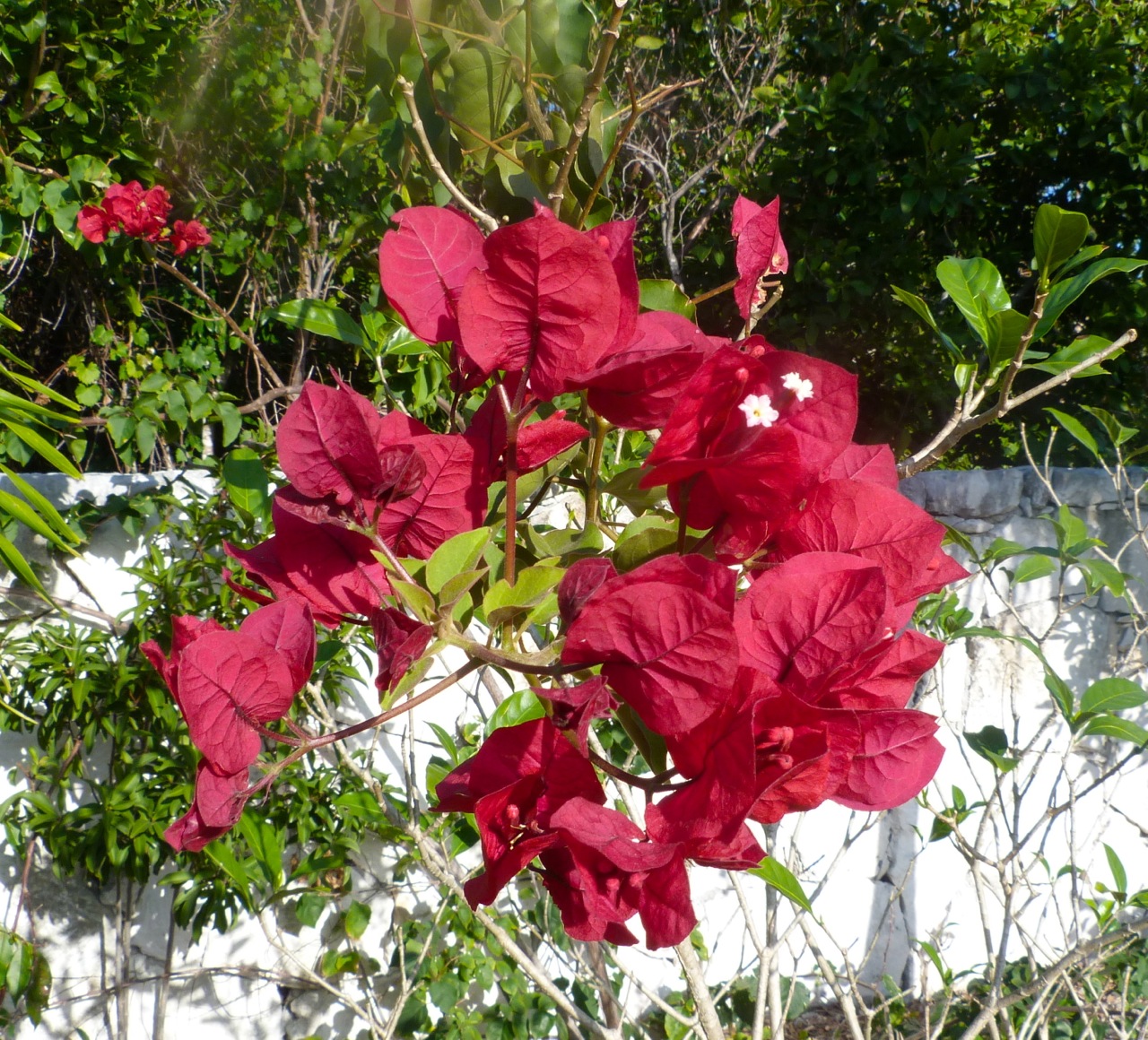
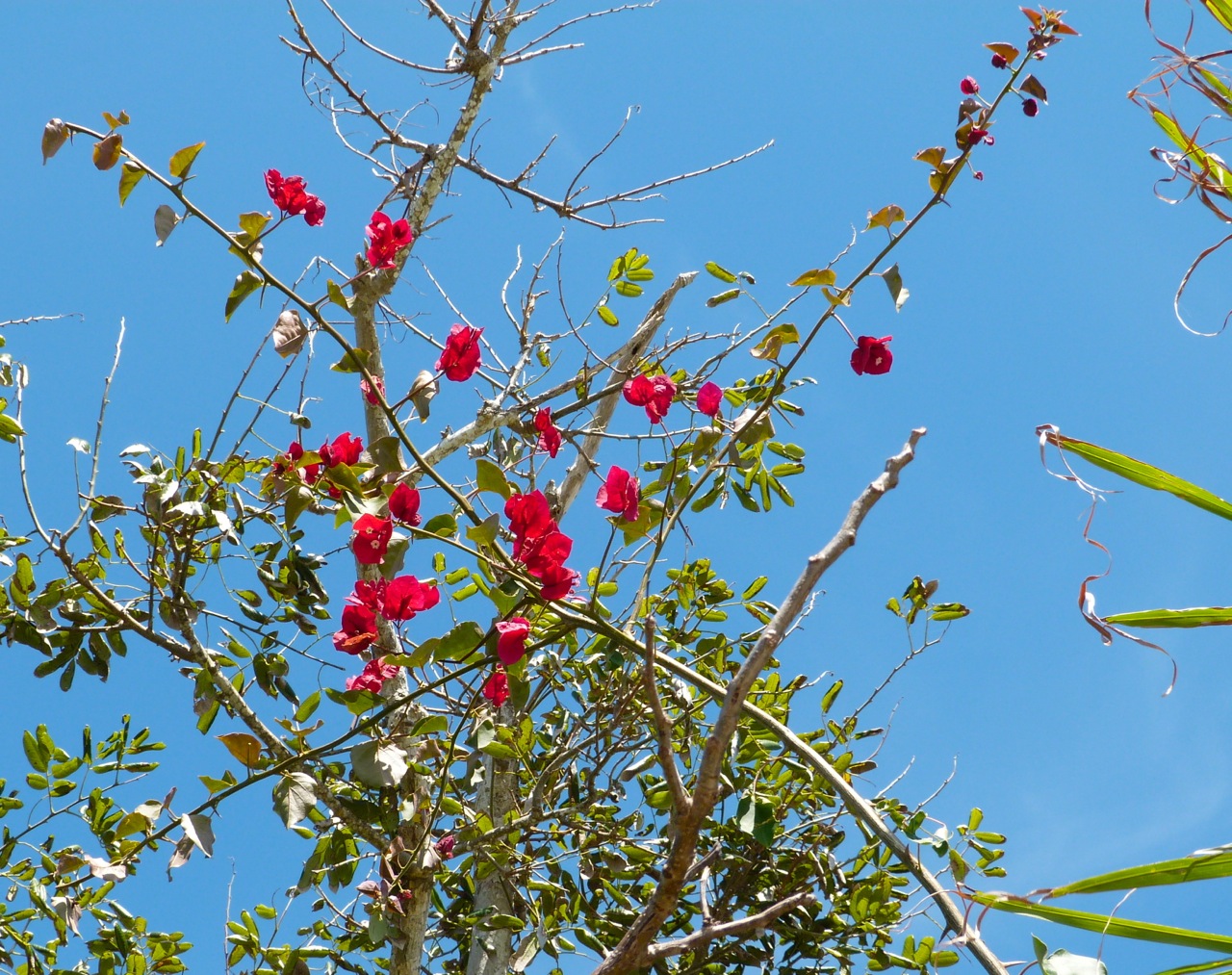
BOUGAINVILLEABougainvillea Delphi Abaco Bougainvillea AbacoBougainvillea Abaco 2Bougainvillea : Polydamus Swallowtail, Delphi AbacoThe butterfly is a Polydamus Swallowtail (also in the header image)

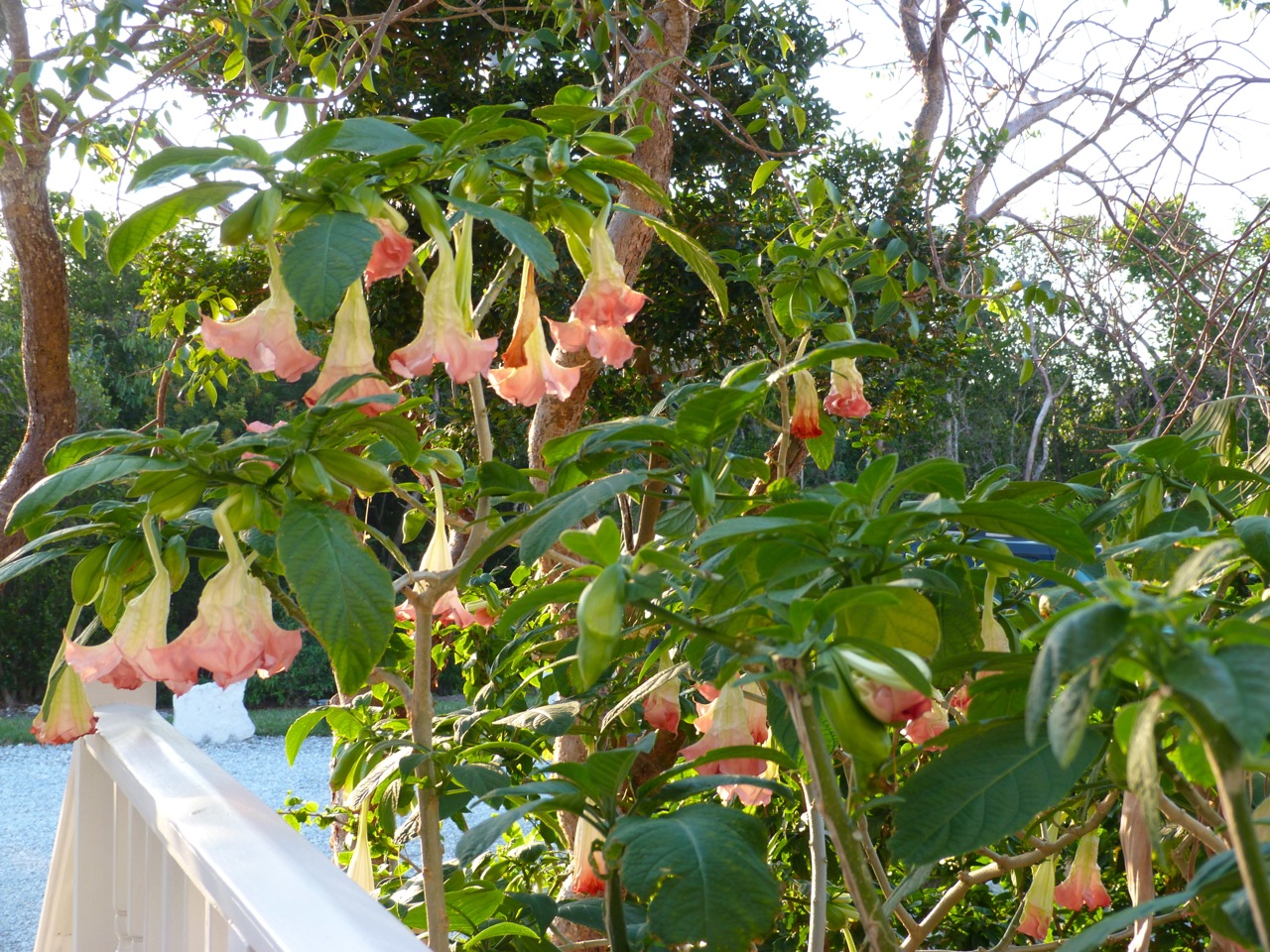
DATURA (ANGEL’S TRUMPET)Datura (Angel's Trumpet), Delphi Abaco Datura : Cuban Emerald Delphi AbacoThis one has a cuban emerald hummingbird feeding from it – a lucky, but frankly not very good, shot

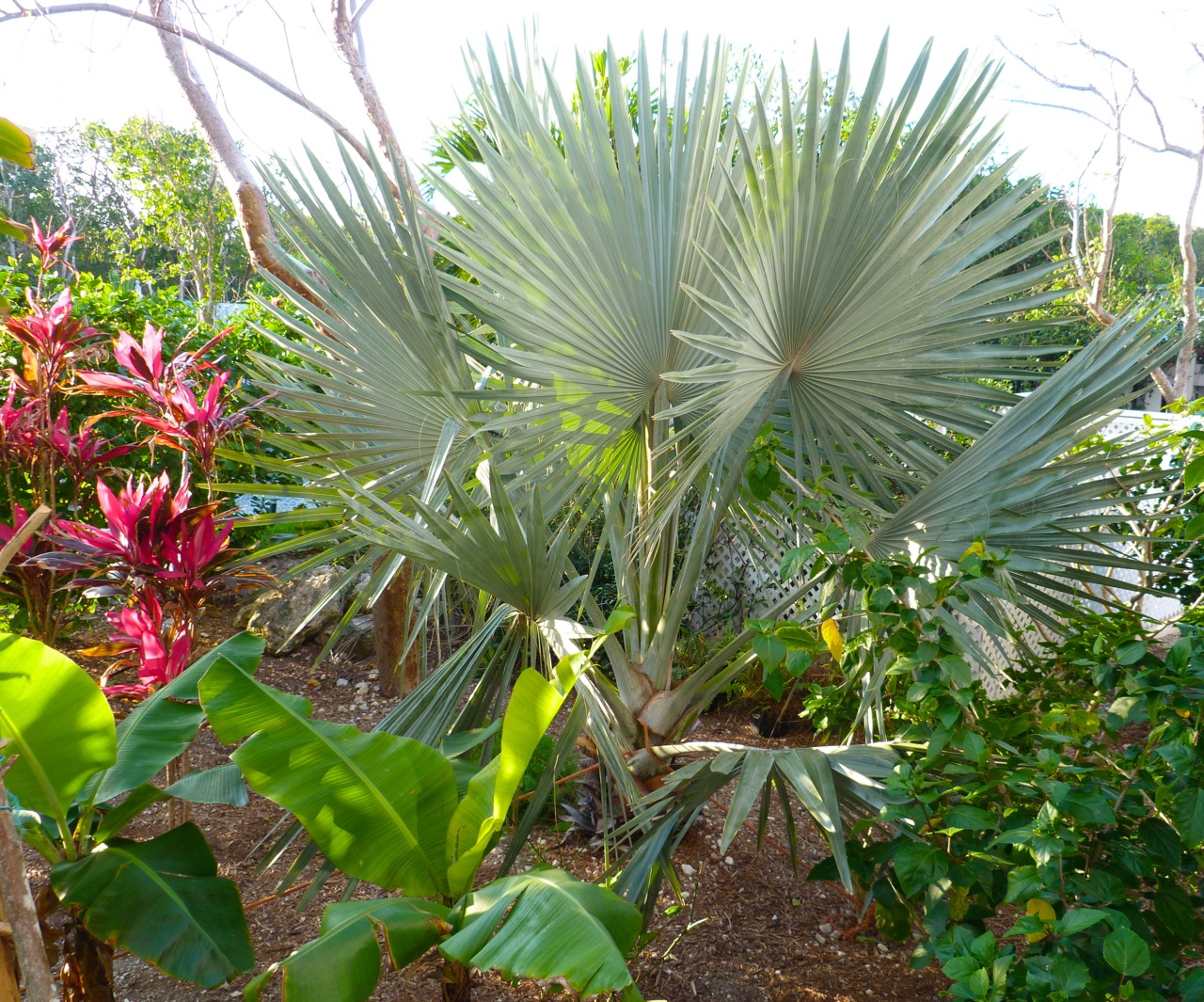
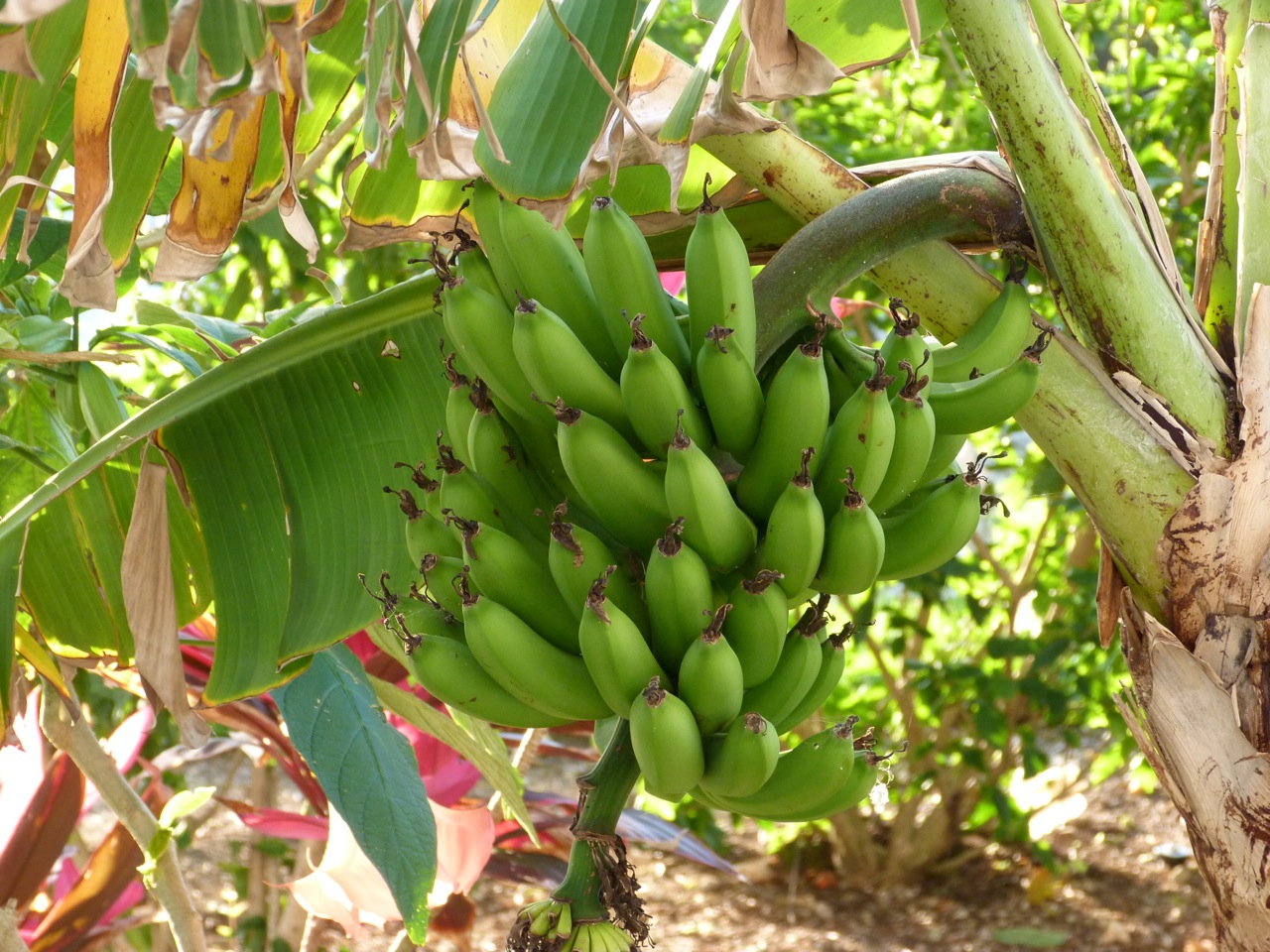
FIRECRACKER PLANT RusseliaFirecracker Plant BPSMARSH FLEABANE (WITH HONEY BEE) PlucheaMarsh Fleabane, AbacoHORSERADISH TREE (WITH CUBAN EMERALD HUMMINGBIRD)  Moringa oleiferaHorseradish Tree : Cuban Emerald Abaco BahamasBISMARCK PALMBismarck Palm, Delphi AbacoBANANASBananas, Delphi AbacoThese were growing just outside our bedroom. Pity they weren’t quite ripe…

I’m beginning to struggle now. The next two plants are probably completely obvious, but I am losing my floral grip. Suggestions welcome via the comment box or email (Bridget on Tilloo, that means you…)

STOP PRESS ID within 24 hours, thanks to Nick Kenworthy who says via the comment box that this bright pink one “is loosely referred to as the Orchid tree (or Hong Kong Orchid Tree) as the blooms are very like an orchid but it comes on a tree rather than a plant”. I’ve checked my cheat books, where it is named Bauhinia pupurea, aka Orchid Tree, Butterfly Tree or (from the leaf shape) Bull Hoof Tree. The tree originates from India and Southeast Asia. Nick has undoubtedly nailed it, for which many thanks. One more to go…

ORCHID TREE Bauhinia pupureaP1050168 - Version 2

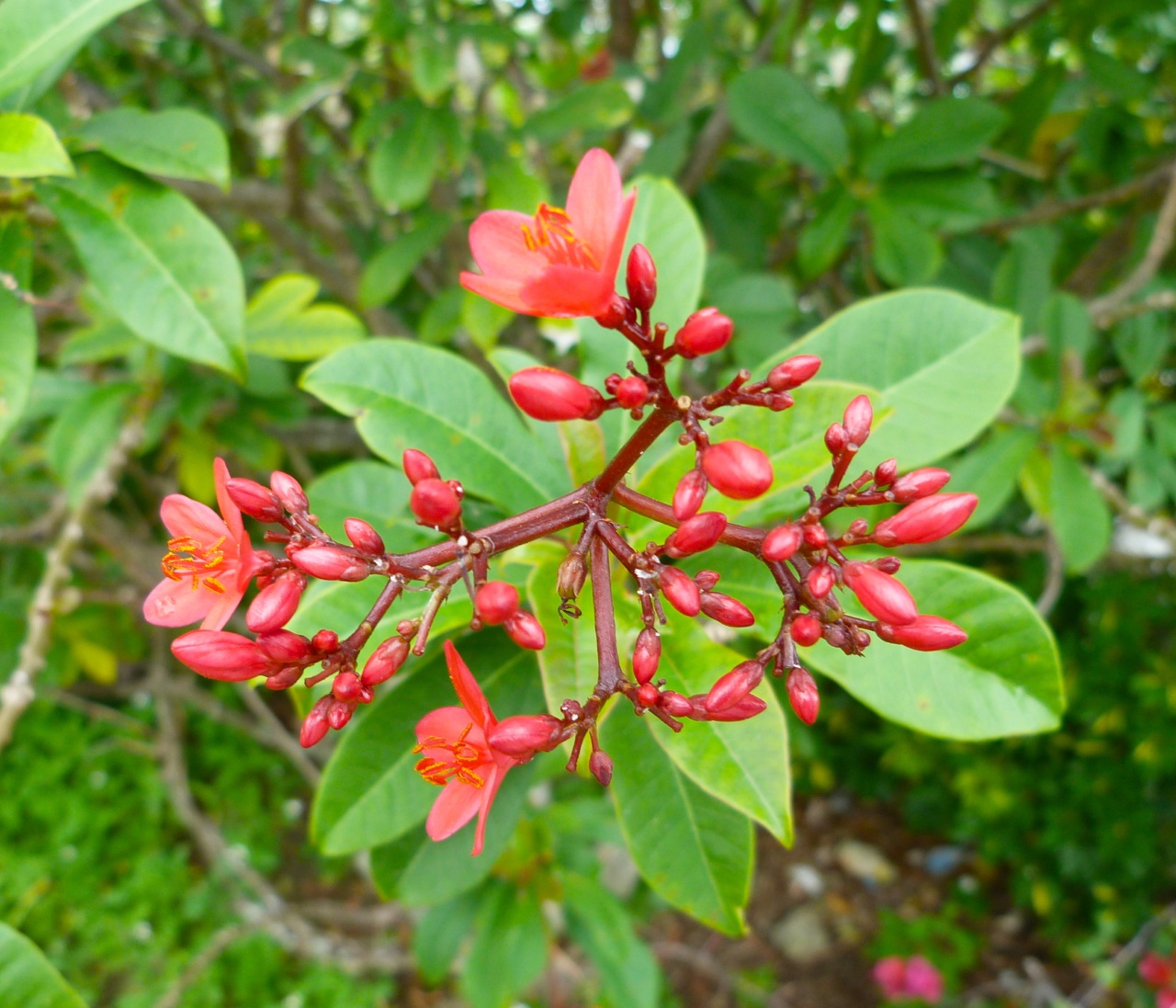
STOP PRESS 2 Nick has solved the second ID as well. His interesting information about this striking waxy plant can be seen in detail in the comments below. The answer, in a word, is ‘Jatropha’, of which there are a great many varieties – and quite a number of informal names, most of which (‘Firecracker’; ‘Star of Bethlehem’) are confusingly assigned to other plant species as well. It doesn’t feature in either of my Caribbean plant /tree reference books, so my amateur eyes didn’t actually let me down this time… This plant (there was were two of three) was in a small park area by the beach at Treasure Cay. I haven’t seen it elsewhere on Abaco.

JATROPHAP1050172 P1050171

Here are the links to a couple of my previous Abaco flower / plant posts:

A BUNCH OF FLOWERS (the most recent)

FLOWERING ON ABACO (an expedition with Ricky Johnson)

There’s a larger collection on the dedicated FLORA page, including some of the above, but also featuring articles on LIGNUM VITAE, YELLOW ELDER, Bird of Paradise flowers STRELITZIA and more

Unknown's avatar

THE LIFE CYCLE OF THE ATALA HAIRSTREAK BUTTERFLY (Eumaeus atala)


Atala butterfly on chrysalisAtala Hairstreak Logo

THE LIFE CYCLE OF THE ATALA BUTTERFLY Eumaeus atala

I’ve been planning a post about this lovely small butterfly for some time. I posted a close-up photo of one taken last summer at ATLALA PICS  (worth clicking to enlarge to see its cute curly tongue) but I wanted to find out more about them and their strikingly-coloured abdomens. This led me to the excellent butterfly (& co) website of STEPHANIE SANCHEZ. Click her name to be transported to her intriguingly and Greekly named HEURISTRON pages for a wealth of Florida-based lepidoptera information. With Steph’s kind approval, the following post is based on her Atala work, and includes her amazing images of the life cycle of the Atala with captions. The blue links below will take you  to the relevant pages of Steph’s site, where you will find plenty of advice about Atala-friendly plants.

THE STAGES FROM EGG TO BUTTERFLY

Atala Butterfly lays eggs on Coontie

 EGGS are laid on COONTIE the Atala Butterfly HOST PLANT (clusters of 10 – 50)

LARVAE Red caterpillars with yellow markings, hatch from the eggs and eat the host plant. They shed their skin several times while they’re growing up. (You can look up “larval instar” if you want to get more technical than that.)

CHRYSALIS The caterpillars eat, and grow, and then they hang from the bottom of a leaf on the Coontie, shed their skin one last time, and turn into a chrysalis.

BUTTERFLY Inside the chrysalis, the caterpillar turns into the butterfly. When it’s done, it crawls out and hangs upside-down to extend and dry its wings before it flies away.

==========================

Up close, the white rounded eggs have tiny hairs on them

Atala Butterflies lay eggs on Coontie        Atala Eggs on Coontie

COONTIE (Zamia floridana or pumila)

Coontie

The eggs hatch into these bright red and yellow caterpillars

Atala larvae on Coontie                                                          Atala butterfly larvae (caterpillar)

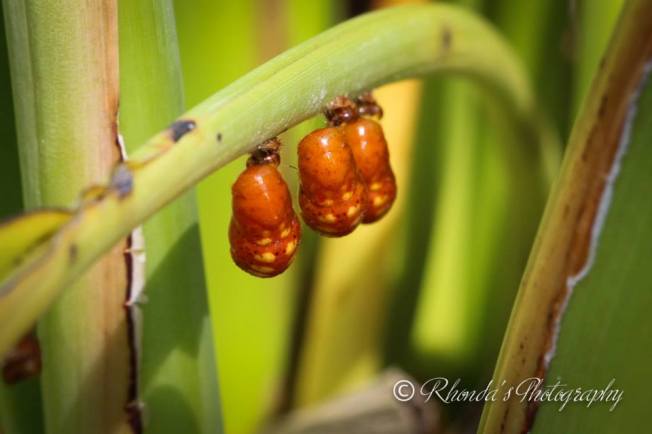
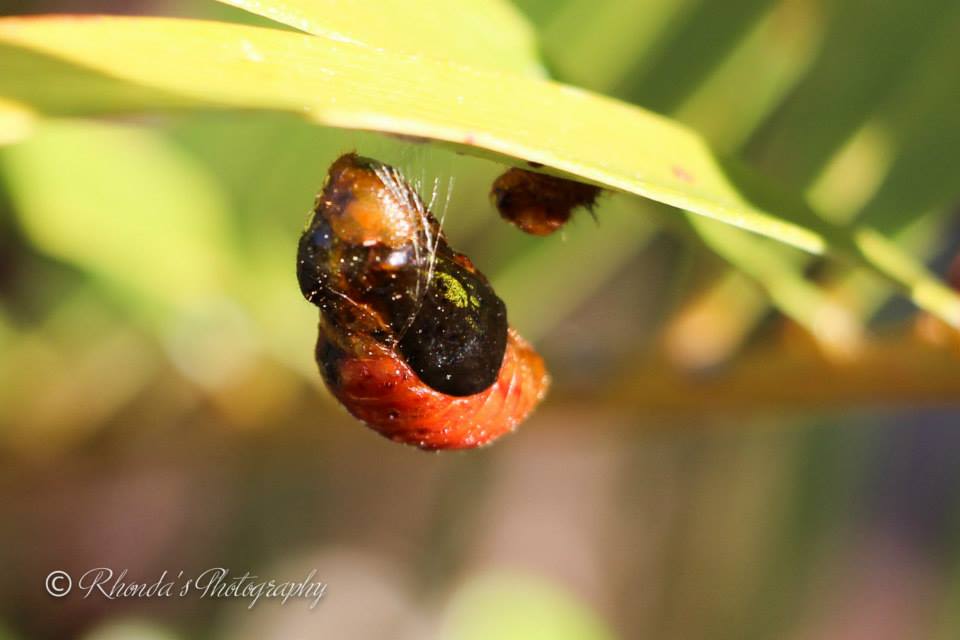
When the caterpillars have eaten and grown enough, they hang under the leaf, shed their skin a final time, and turn into a chrysalis. The one below is undergoing the change; you can see how different it looks from the bright red caterpillars

Atala butterfly larvae making a chrysalis

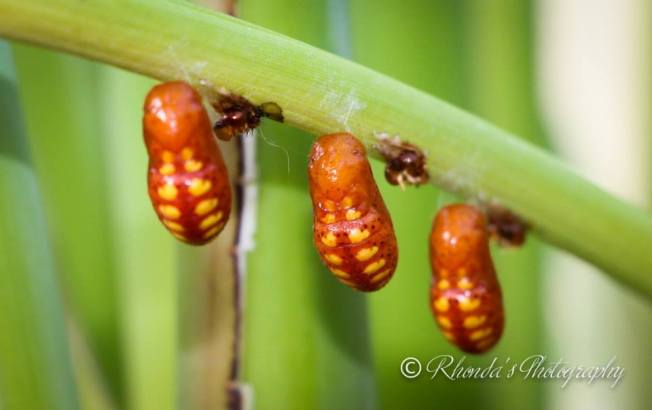
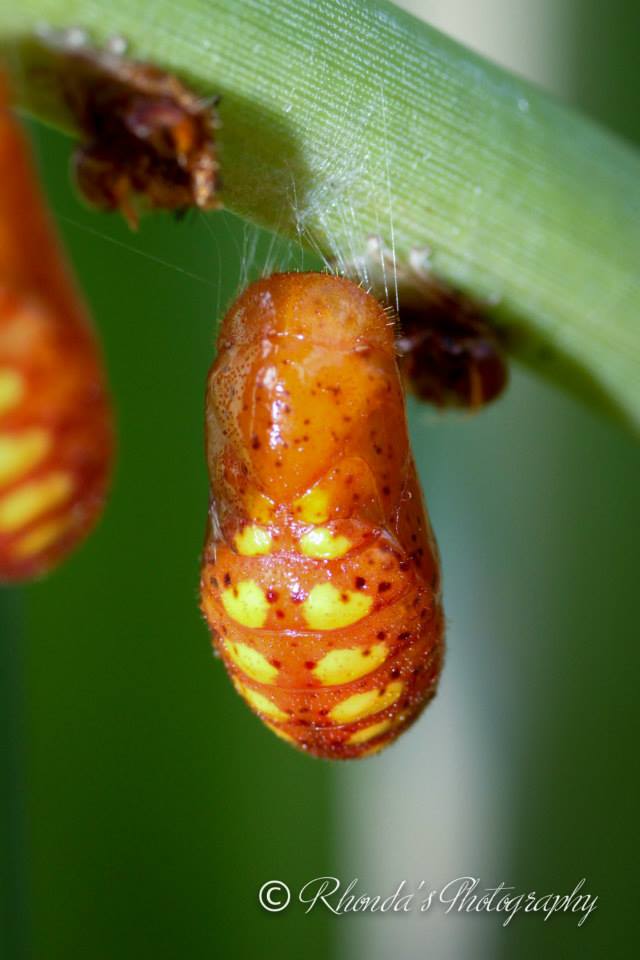
On a very new chrysalis the yellow dots on the back of the caterpillar are still visible

Atala butterfly chrysalides

Then as it ages, the chrysalis darkens to a more opaque soft brown that darkens more the older it gets

 Atala butterfly chrysalis

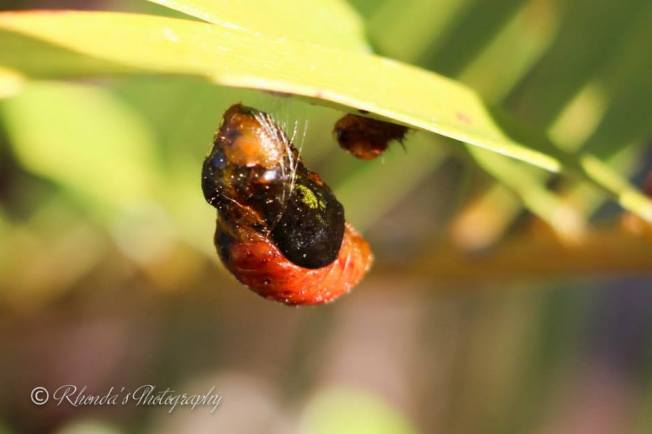
Finally, a day or so before the butterfly is ready to emerge, you can start to see the red abdomen through the bottom of the chrysalisAtala butterfly chrysalides

 The little spiky brown splotches near the chrysalides are the shed skins of the larvaeAtala butterfly chrysalis

When they first crawl out of their chrysalis, their abdomen is swollen with fluid and their wings are squished and tiny. They hang upside-down and excrete fluid, and also pump fluid into their wings to expand them

Atala butterfly emerging from chrysalisAtala butterfly emerging

This is a good time to hold them; they can’t fly away. Be sure to let them hang upside-down though, or their wings will dry wrong and they will be unable to fly. Also watch out for the goo they poo because it can stain your clothes

Atala butterfly emerging

emerged Atala butterfly expanding wingsAtala butterfly on fingeremerged Atala butterfly expanding wings

All of these Atala Photographs were taken in Broward County, Florida by ©Stephanie SanchezAtala butterfly on chrysalis

WHY THE BRIGHT RED ABDOMEN? I suppose it’s obvious that this is one of nature’s warning signals. But are these insects inherently toxic, or are the toxins acquired by ingestion or some other process? Lifting wholesale from Wiki, which puts it as well as I could (+ useful links), “The host plants contains toxic chemicals, known as cycasins, and the bright coloration of the adult is believed to be aposematic. Birds and lizards attempt to prey on the adults, but find them distasteful and learn to avoid the brightly patterned butterflies.”

Steph advises “if you want Atala Butterflies in your butterfly garden, you’ll need at least a dozen Coontie plants to keep a colony alive; more is better. They tend to stay close to home, so they’re a fun butterfly to garden for because you can continue to enjoy watching them in your garden after they become butterflies. Some other butterflies tend to emerge and fly off.”

STEPH’S LINKS BUTTERFLIES -∞- ATALA NECTAR -∞- HOST PLANTS

RH LINKS BUTTERFLIES -∞- HEURISTIC  (because I didn’t know what ‘Heuristron’ means… we learn stuff here!)

OTHER LINKS LITTLE BUTTERFLIES (Atala etc page of Barbara Woodmasnsee’s butterfly website. Nice pics!)

Unknown's avatar

ART FOR THE [NATIONAL] PARKS: 3 DAY EVENT IN AID OF ABACO’S WILDLIFE


Atala Hairstreak LogoSUPPORT ABACO WILDLIFE CONSERVATION AND THE WORK OF THE BNT

LOCAL ARTISTS & ARTISANS; LECTURES; ENVIRONMENTAL GAMES; FRESH MARKET

(Help to make sure that the creatures pictured below stay off the IUCN ‘threatened species’ list) 

Art for the Parks: Abaco National Parks

Unknown's avatar

“SO THIS IS CHRISTMAS…” ABACO WILDLIFE APPEALS TO EVERYONE!


“SO THIS IS CHRISTMAS…” Abaco (Cuban) ParrotImage: ©RH

Christmas time. Holidays. Festive season. Yuletide. ġéohol*. Noel. Winterval. However you describe it, there’s a reassuring ritual each year. To many, the familiar religious carols and rites. To all, the cheerful sound of jingling tills. The exchange of presents happily bought and excitedly received. The groaning table weighted with victuals. Light and laughter. Glasses generously filled and refilled.  Sudden growing dizziness and a strange lack of coordination. Wondering what others are saying. Wondering what you are saying. Drowsiness. Overwhelming sleepiness. The passage of time. The groaning hangover as seven West Indian woodpeckers attack your skull with hammer-drills… Time for a soothing image.

BMMRO Dolphin Image copyImage ©BMMRO

Where was I? Oh yes. This is a very good time to draw attention to the various wildlife organisations based on Abaco and in the wider Bahamas. During the year they look after the birds, the marine mammals and so forth that help make Abaco such a very special place to be. I am simply going take the opportunity to post the link to my updated page for ABACO WILDLIFE CHARITIES. Oh. I just have. Well, is there one that appeals to you, I wonder? Just asking… Meanwhile, here’s the music of the heading to get you in the mood

Delphi Xmas + lights* Old English / Anglo-Saxon origin of “Yule”

Unknown's avatar

ATALA HAIRSTREAK – ABACO’S LOVELIEST BUTTERFLY


Back safely in Blighty at last, and 17 cups of coffee down the line it’s time to take caffeine-trembling hands to the computer. A quick skim through the new batch of Abaco wildlife photos has shown that at least 3 out of (say) 987 have came out adequately, so new material will now be appearing – parrots and other birds, reef fish, plants, bonefishing, and a lot more (including some videos). I’ll make a start with an Atala Hairstreak, a small but unmistakable butterfly that is a creature of delicacy and beauty. It is the one that features in the RH logo above. Here is a live specimen taken deep in the pine forest  a few days ago at the Blue Hole known as Sawmill Sink. The colouring is just as it is in real life – there’s been no ‘work’ done on this image. Its little curly tongue shows that it is busy feeding. Click on it to enlarge it.

Unknown's avatar

HUMMINGBIRD MOTHS AT THE DELPHI CLUB, ABACO


HUMMINGBIRD MOTHS Hemaris Thysbe

Apart from the plentiful bird species to found all around the Delphi Club, there’s the strange half-way house between insect and bird that is the HUMMINGBIRD MOTH Hemaris Thysbe, also known as Hummingbird Clearwings. These can be seen – and heard – especially at dusk hovering around the flowers in the garden, sipping nectar. In the half-light they are sometimes confused for tiny birds. I have seen them most clearly when they are busy among the flowers in the beds on either side of the lit main staircase. So far I have not managed to get a reasonable photo of one – a situation I hope to put right in May. Meanwhile, I have found some wonderful pictures, not from Abaco, on a website related to a Research Program at Miami University . They were taken by Dr Hays Cummins, to whom thanks for use permission. These and other outstanding images can be found at his comprehensive website, for which CLICK===>>> HERE  

This slideshow requires JavaScript.

Unknown's avatar

ABACO NATURE TOURS WITH RICKY JOHNSON


ABACO NATURE TOURS with Ricky Johnson

Reluctant as I am to give Ricky even more publicity that he gets already – including passim in this blog – his Nature Tours are seriously good, and his  knowledge and enthusiasm for the flora, fauna, geology and history of Abaco are unrivalled. If you want to see a parrot close-up, understand a blue hole or learn which trees and shrubs are poisonous  (and which are the antidotes) he is undoubtedly your man. He will even show you birds where you have completely failed to see any & believe there are none  

To reach Ricky’s A N T website CLICK LOGO===>>> 

Advert ends (that will be $50 please Ricky)