Unknown's avatar

SOME NICE PICS OF BAHAMAS WILDLIFE… WHILE TECHIES LABOUR


Ring-billed Gull, Abaco Bahamas (Nina Henry)

SOME NICE PICS OF BAHAMAS WILDLIFE…

WHILE TECHIES LABOUR

Western Spindalis, Abaco Bahamas (Keith Salvesen)

I’m never quite sure how far it’s permissible to go beyond ‘really pissed off’ about a tech problem. Anything much stronger seems a bit indulgent both in itself and especially when measured against the far-reaching despair experienced by many in far more important areas of life.

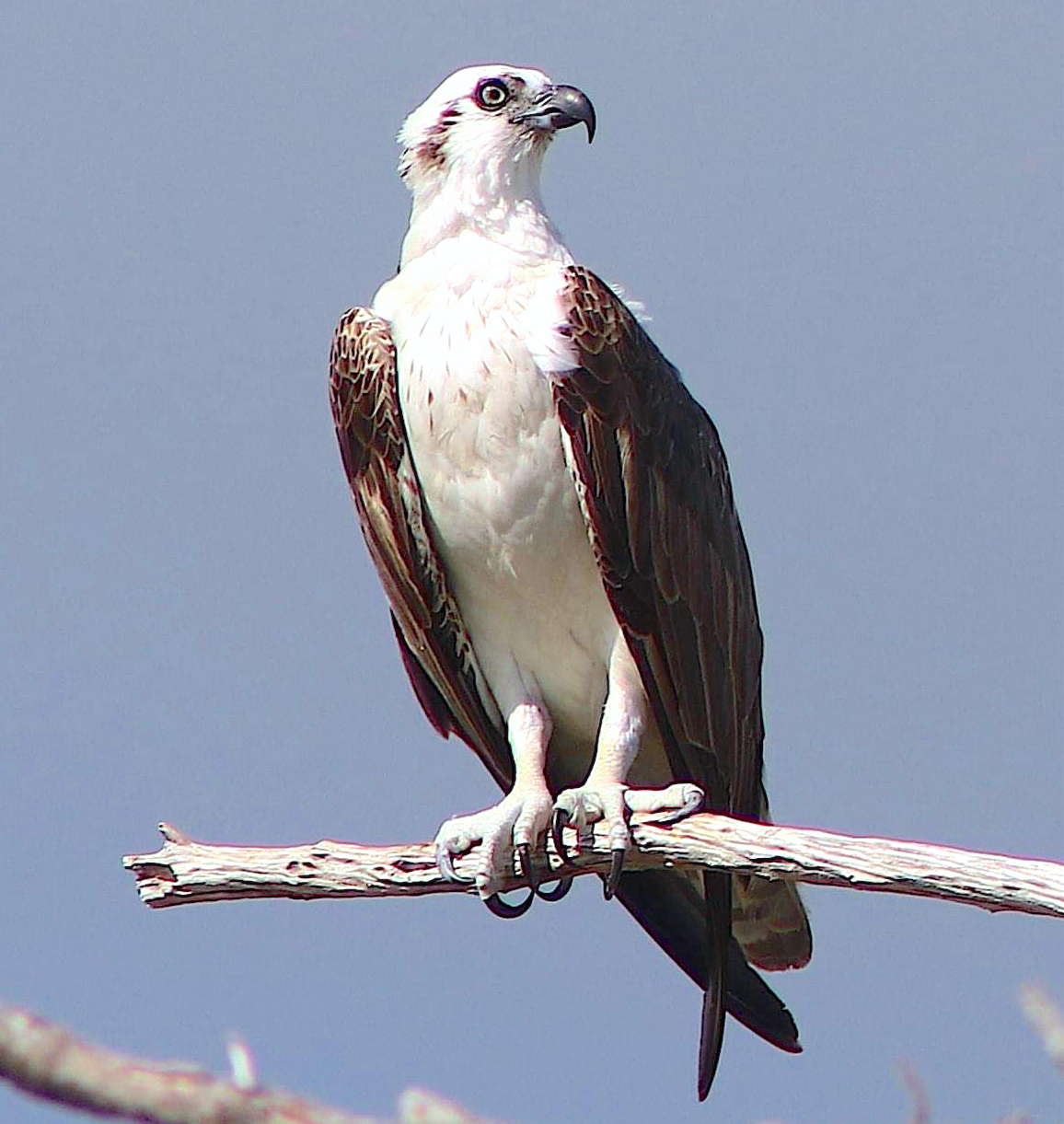
Northern Parula Warbler, Abaco Bahamas (Bruce Hallett)

I am just having a huge “Grrrrrrrrr” moment because my complex blog menu, with 3 rows of headings and carefully curated nests of drop-downs under each, has been scrubbed by persons or AI unknown. It’s several years of cumulative and (mostly) pleasurable organisational work up the spout.

As a Brit, may I be permitted to say ‘bother’. Or maybe ‘Dash it all?’ Or declare that I’m a mite cheesed orf? To which a fair response would be “it’s just a trivial inconvenience, get over it…”

Abaco Parrot (Craig Nash)

For the moment, here are some nice pics to enjoy, all taken on Abaco. I’m happy to say that right now, 7 weeks since Dorian, there are promising signs that in some areas of Abaco, the birds are starting to show themselves – including a few winter warblers. See you the other side of rethinking my Menu…

Conch shell, Schooner Bay Abaco Bahamas (Keith Salvesen)Western Spindalis, Abaco Bahamas (Keith Salvesen)

Credits: Nina Henry, Bruce Hallett, Mary Kay Beach, Craig Nash, Keith Salvesen / Rolling Harbour, Charlotte Dunn / BMMRO (western spindalis badge, moi)

Humpback Whale tailing, Abaco Bahamas (Charlotte Dunn / BMMRO)

Unknown's avatar

HIDDEN DEPTHS: LIFE ON ABACO’S CORAL REEFS


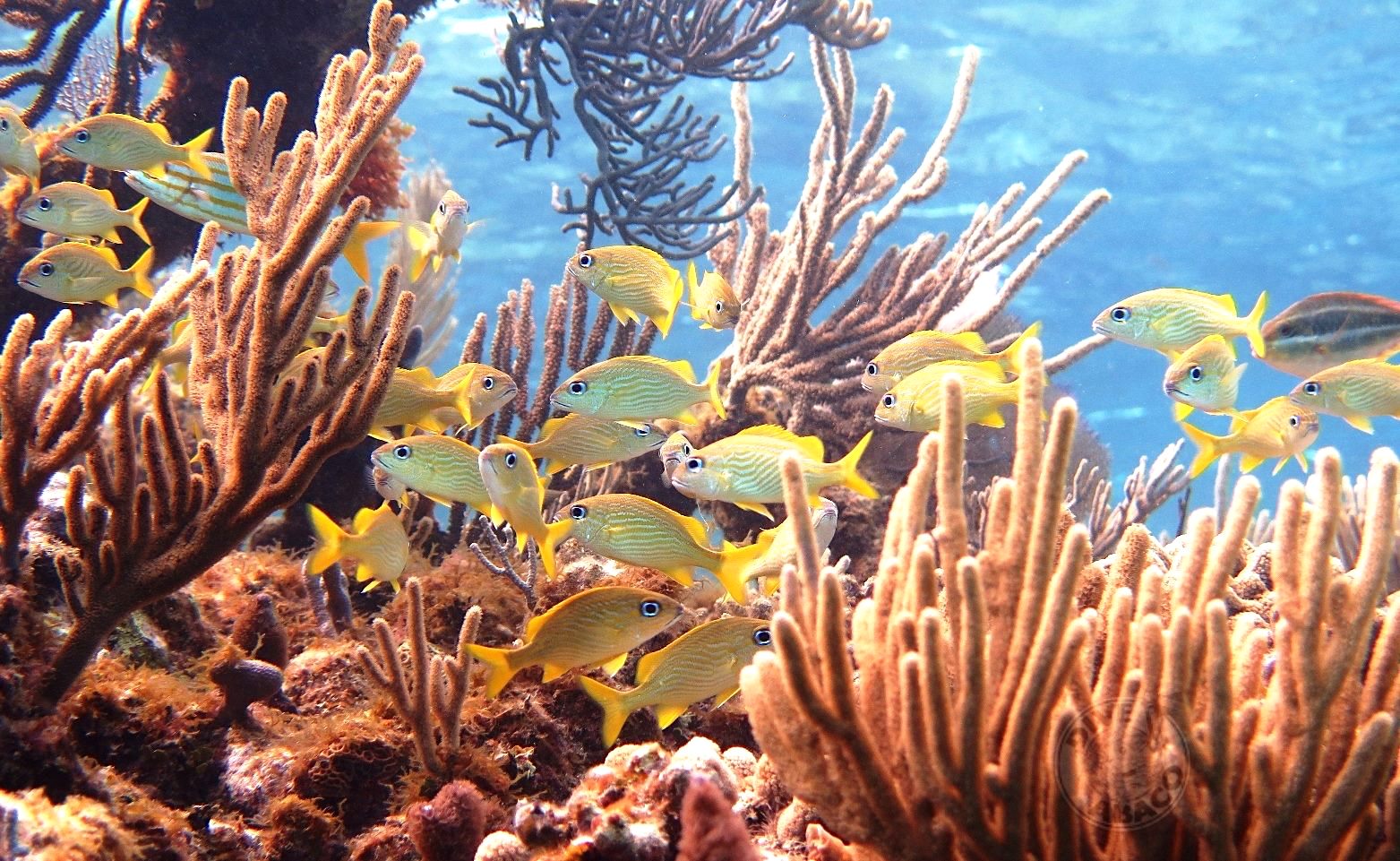
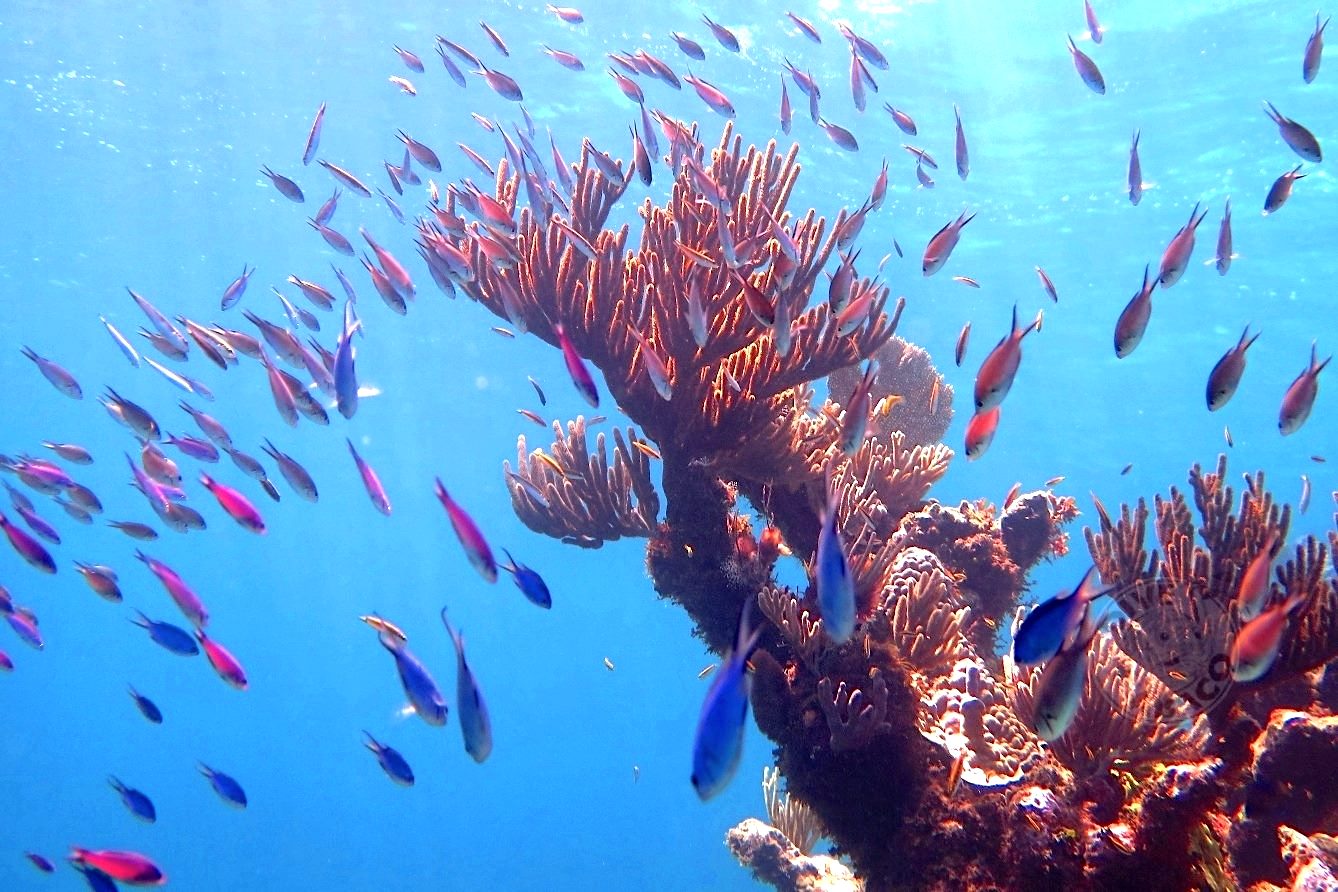
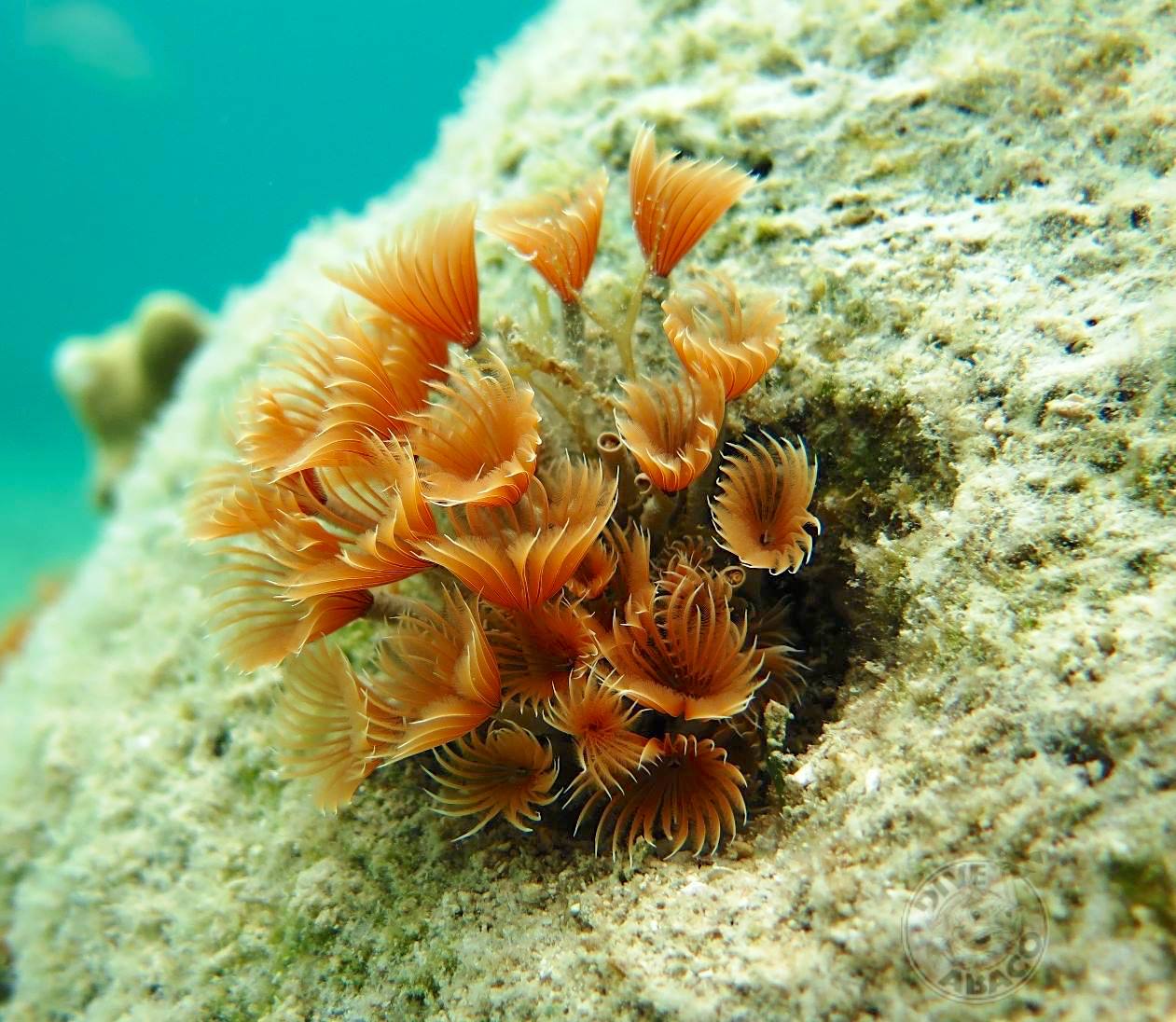
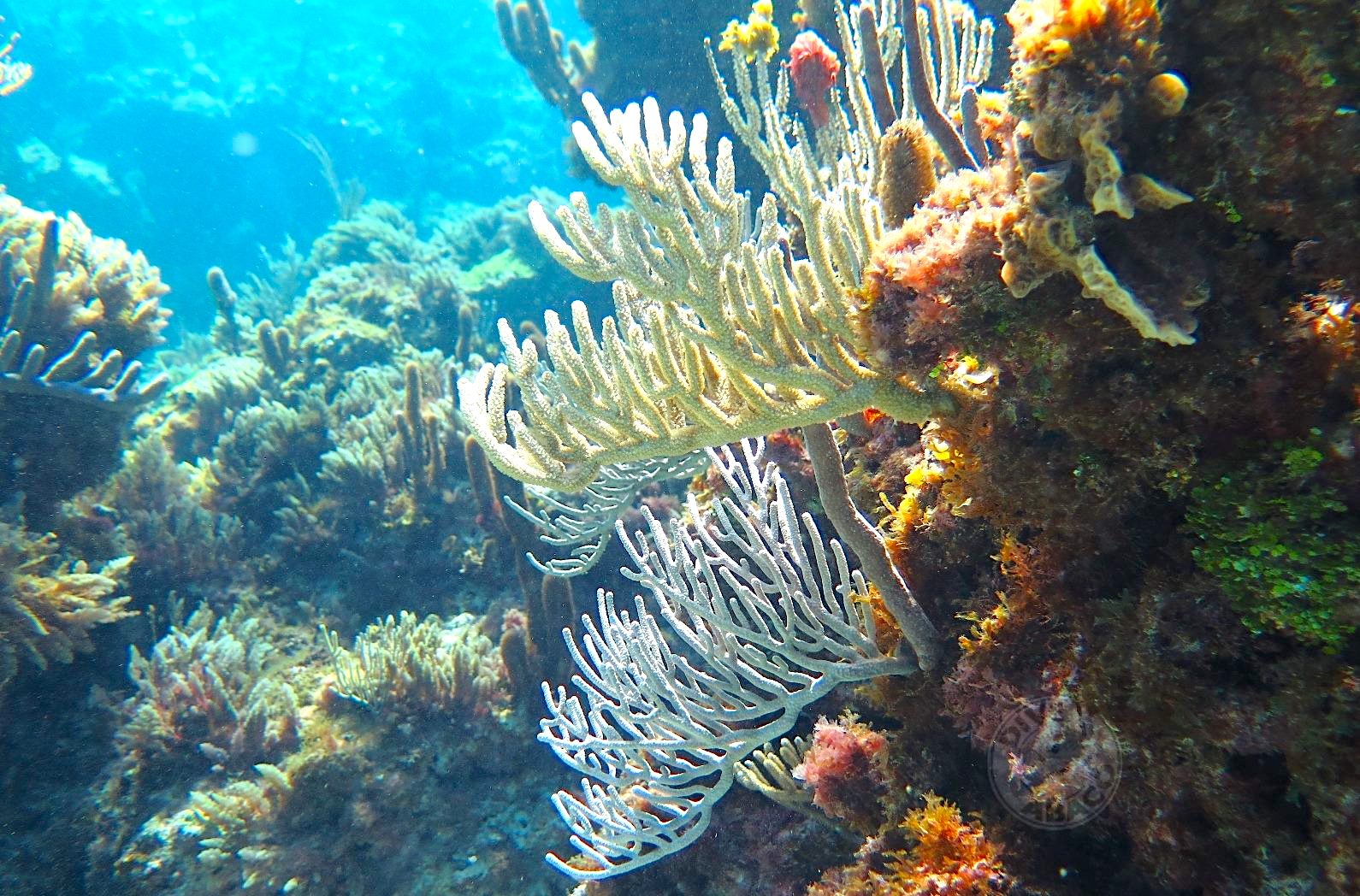
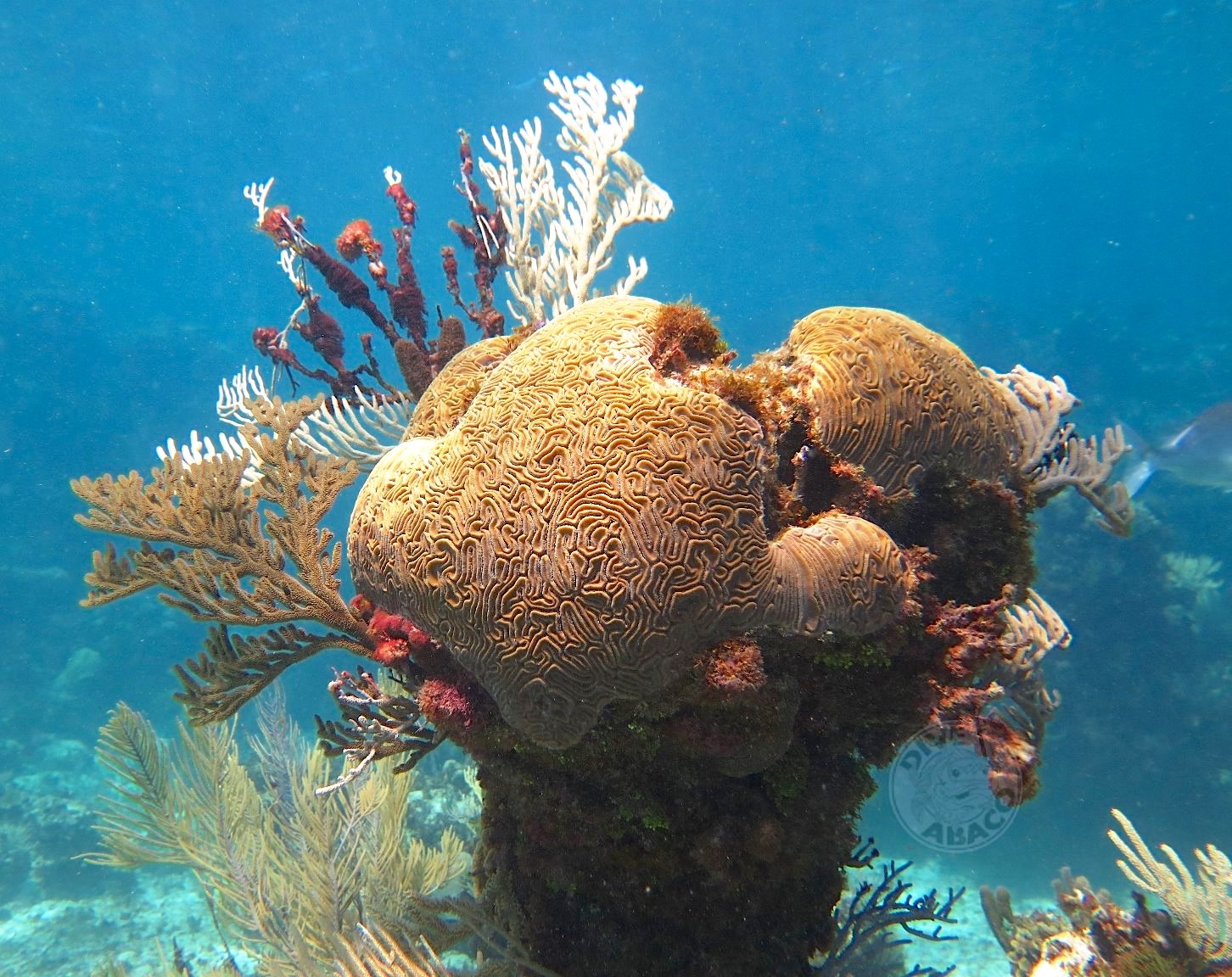
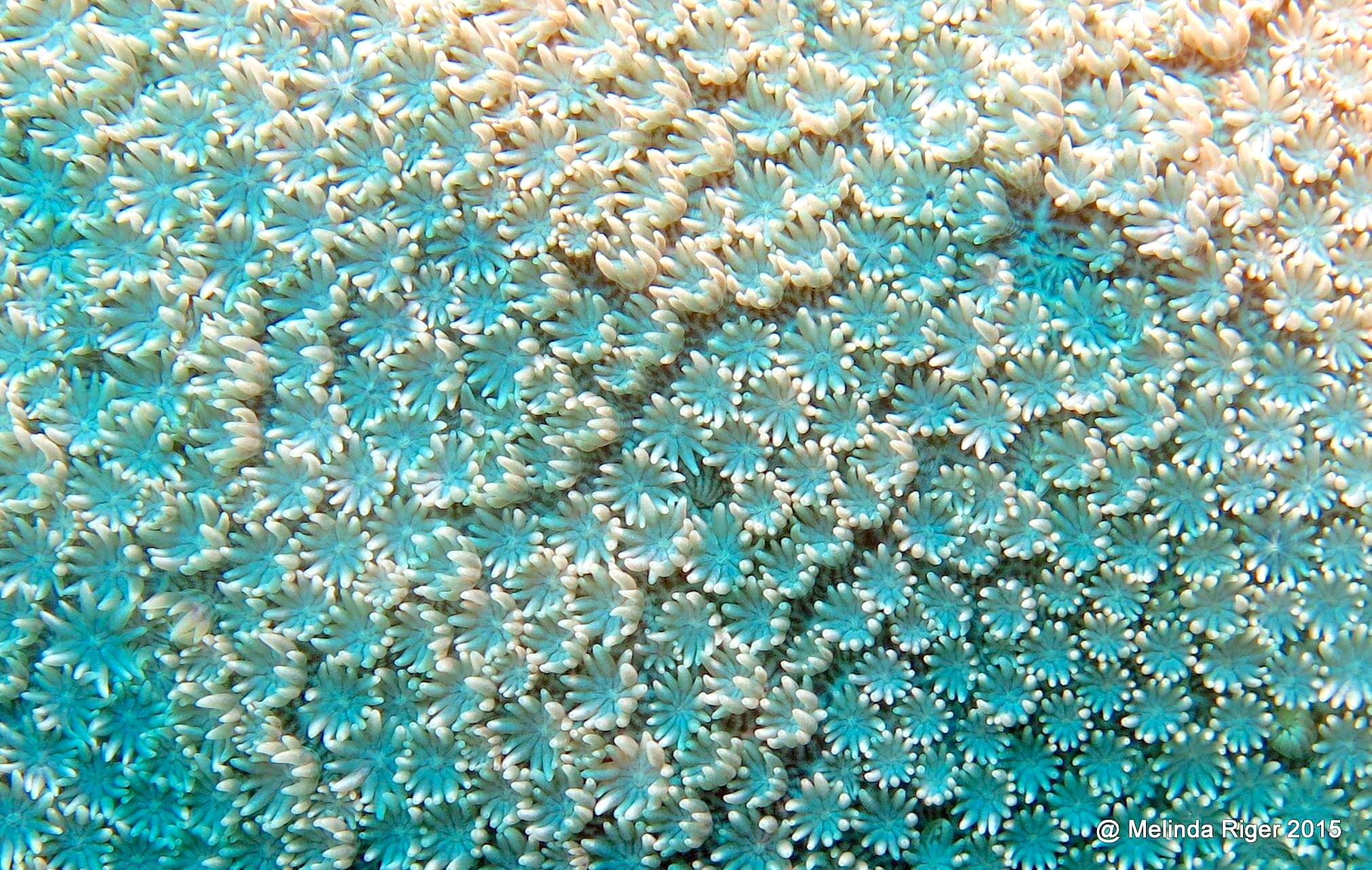
Reef Coral Abaco Bahamas (Melinda Rodgers / Dive Abaco)

HIDDEN DEPTHS: LIFE ON ABACO’S CORAL REEFS

Nearly 4 weeks after the devastation of Hurricane Dorian, the island and its cays are beginning to emerge gradually from the wreckage and the desolation. The extent of the disaster on the ground is clear, not least from the aerial photos – first drone, then plane, and now Google – of ‘before’ and ‘after’. 

Reef Coral Abaco Bahamas (Melinda Rodgers / Dive Abaco)Reef Coral Abaco Bahamas (Melinda Rodgers / Dive Abaco)

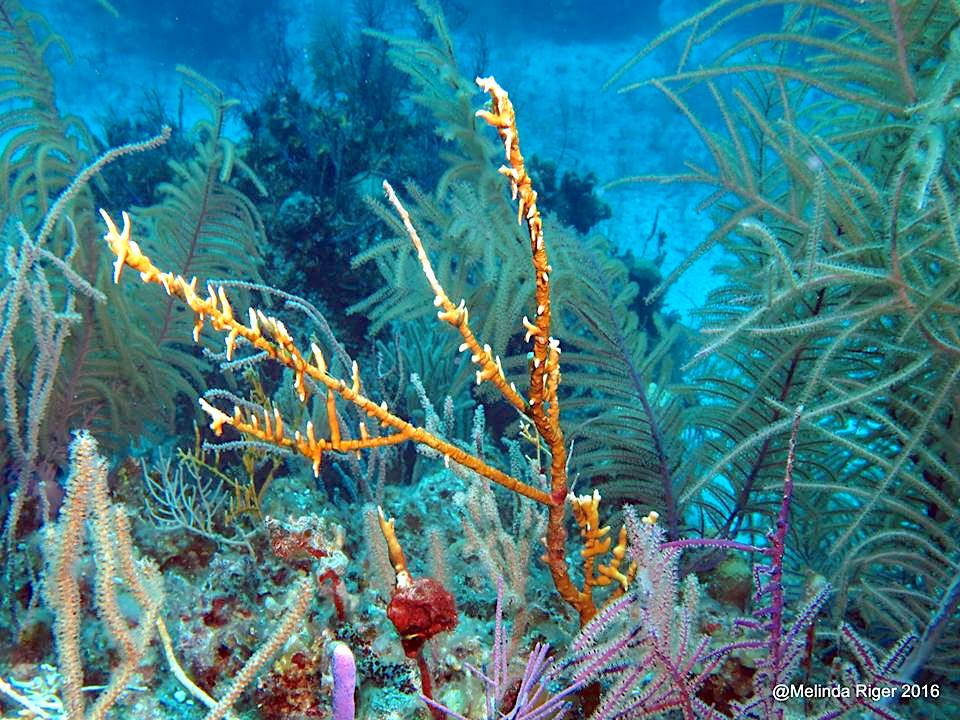
At the stage, it isn’t possible to determine the extent to which the underwater world has been affected. The storm surge was huge and the waves were savage. The progress of the storm was slow (and it went on to stall over equally damaged Grand Bahama). Who knows the effect on the corals and other reef life for which Abaco is renowned.

Reef Coral Abaco Bahamas (Melinda Rodgers / Dive Abaco) Reef Coral Abaco Bahamas (Melinda Rodgers / Dive Abaco)

This pictorial post is a reminder of how things were below the surface of Abaco waters before Dorian struck. If it lifts spirits to any degree, I shall be glad.

Reef Coral Abaco Bahamas (Melinda Rodgers / Dive Abaco) Reef Coral Abaco Bahamas (Melinda Rodgers / Dive Abaco)

All these photos are by Melinda Rodgers who, with Capt Keith, are DIVE ABACO. Many will know how badly they have fared, being in the heart of Marsh Harbour. We wish them a speedy return to the wonderful enterprise they have run for many years. I’m pleased to be able to show the beauty of the reefs in happier times from their archive.

Reef Coral Abaco Bahamas (Melinda Rodgers / Dive Abaco)Reef Coral Abaco Bahamas (Melinda Rodgers / Dive Abaco)

Credits: Melinda Rodgers /  Dive Abaco

Reef Coral Abaco Bahamas (Melinda Rodgers / Dive Abaco)

Unknown's avatar

URCHIN RESEARCHIN’: SEA HEDGEHOGS OF THE REEF


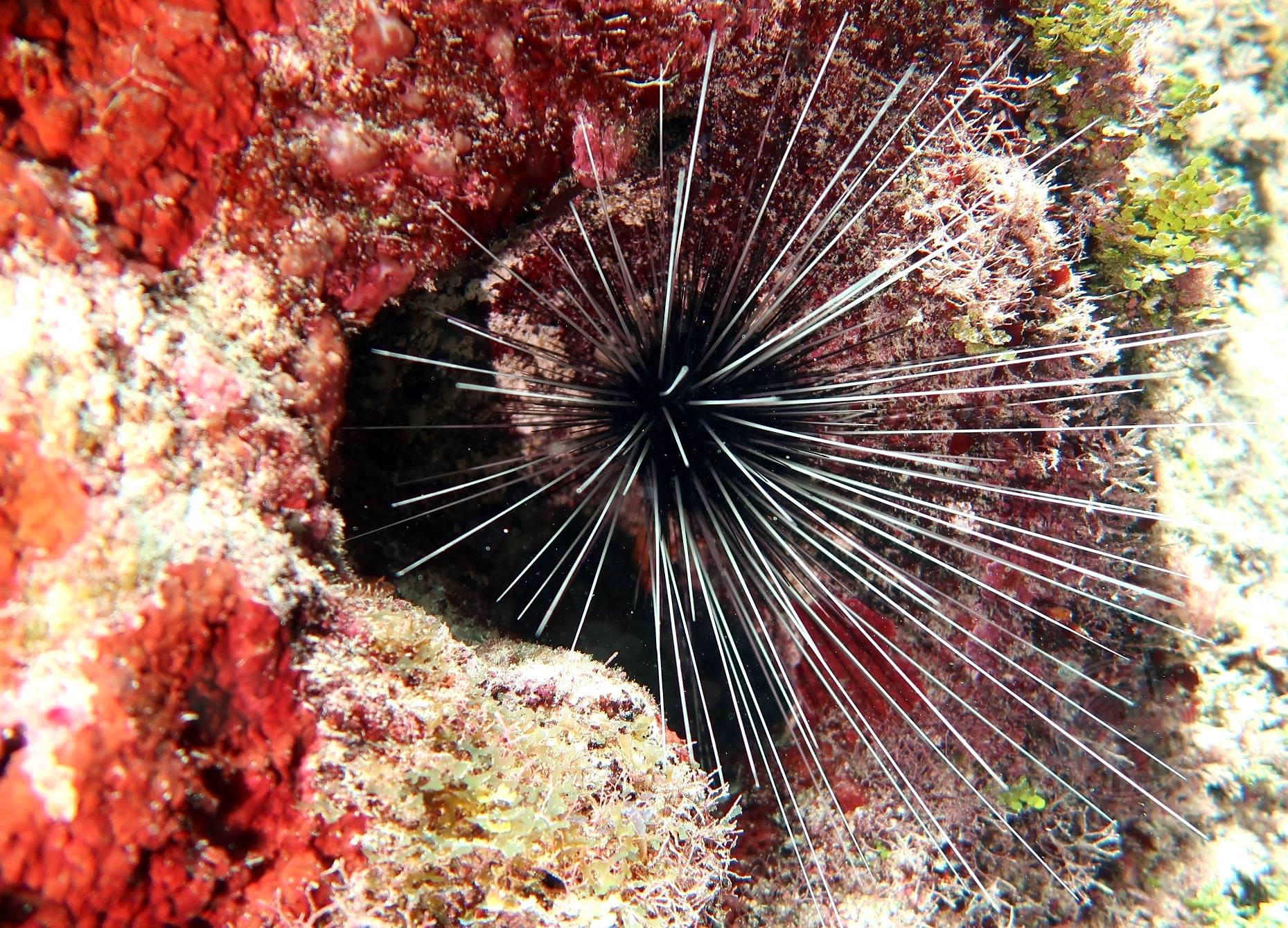
Long-spined sea urchin Diadema antillarum (Melinda Rodgers / Dive Abaco)

URCHIN RESEARCHIN’: SEA HEDGEHOGS OF THE REEF

The long-spined sea urchin Diadema antillarum featured in this post is one of those creatures that handily offers its USP in its name, so you know what you are dealing with. Something prickly, for a start. These are creatures of the reef, and many places in the Caribbean and in the western Atlantic generally sustain healthy populations.

Long-spined sea urchin Diadema antillarum (Melinda Rodgers / Dive Abaco)

These animals are essentially herbivores, and their value to vulnerable coral reefs cannot be overstated. Where there is a healthy population of these urchins, the reef will be kept clean from smothering algae by their methodical grazing. They also eat sea grass.

Long-spined sea urchin Diadema antillarum (Melinda Rodgers / Dive Abaco)

HOW DO THE SPINES OF DIFFERENT KINDS OF URCHIN COMPARE?

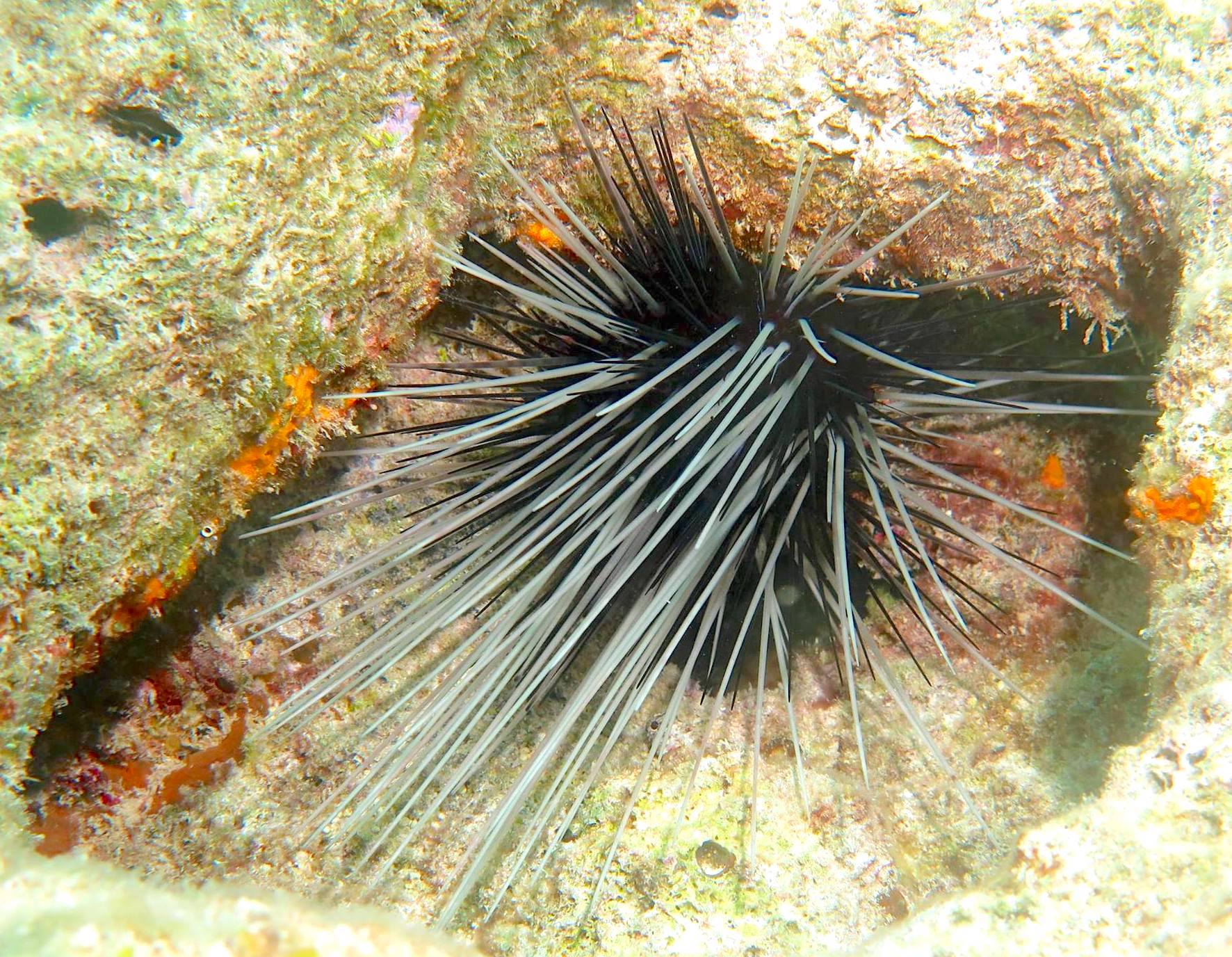
Small sea urchins species have spines a few cms long at most. The long-spine variety exceed 10 cms, and the largest may have spines up to 30 cms (= 1 foot) long. The length, as shown here, means that when the creatures are safely lodged in crevices near their algae supply, their spines remain very visible.
Long-spined sea urchin Diadema antillarum (Melinda Riger / G B Scuba)
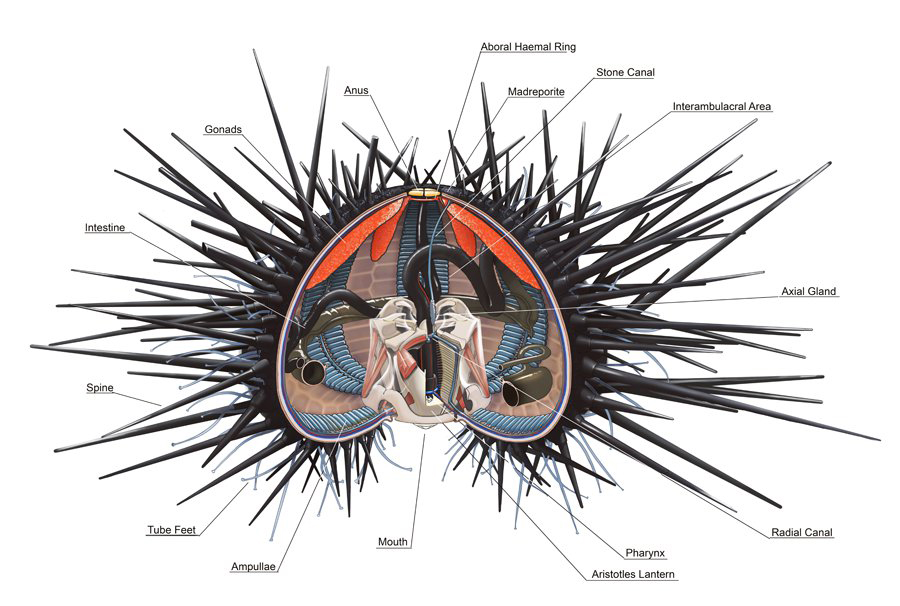
Anatomy of a long-spined sea urchin. You may possess a few of these organs yourself…

Long-spined sea urchin Diadema antillarum anatomy diagram (wiki)

Long-spined sea urchin Diadema antillarum (Melinda Rodgers / Dive Abaco)

CAN YOU GIVE US A TEST, PLEASE?

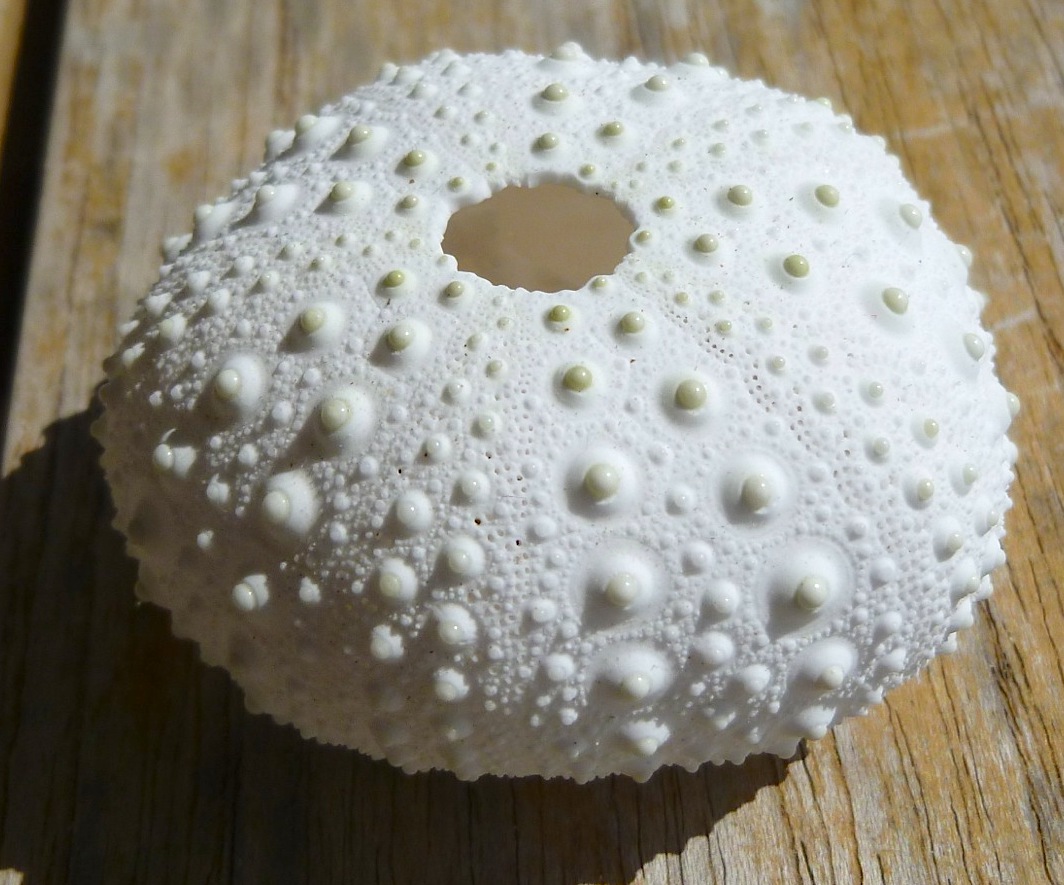
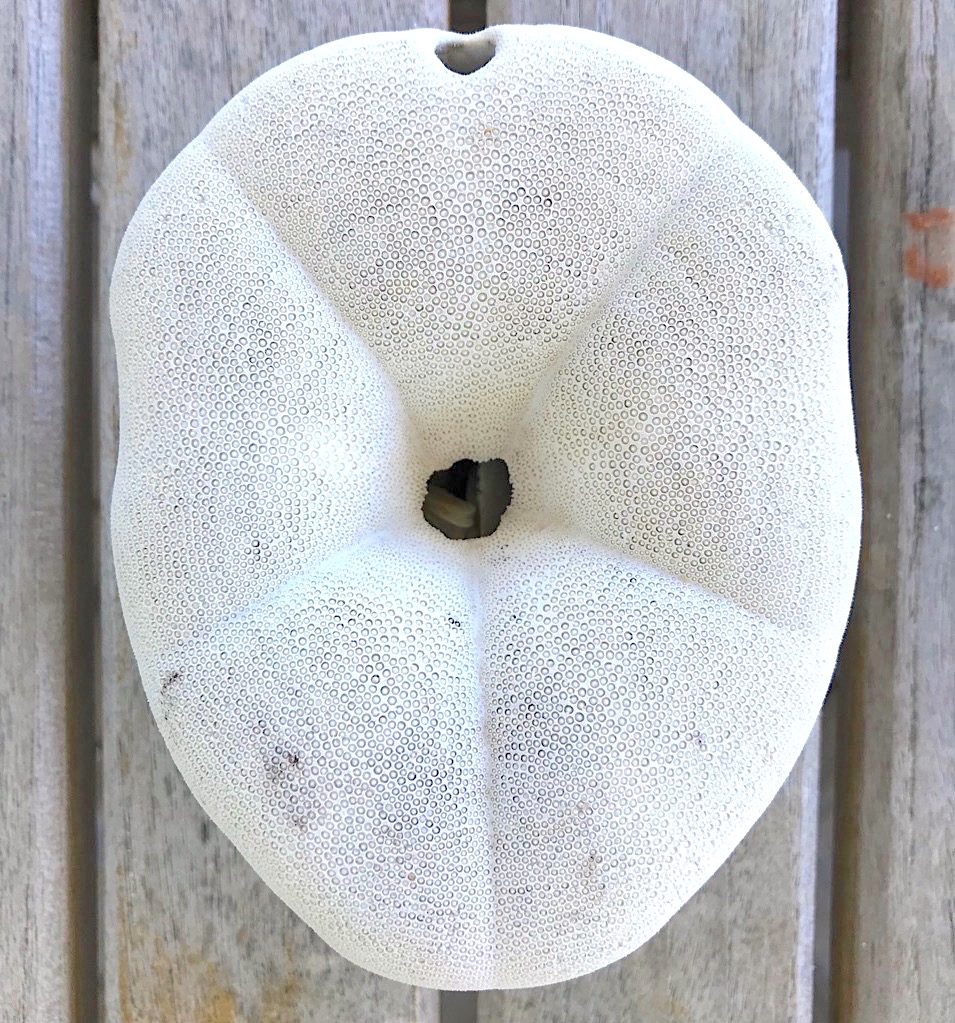
As with SAND DOLLARS and similar creatures, the skeleton of a sea urchin is known as a ‘test’. Urchin tests are remarkably beautiful, especially seen in sunlight. Here are 2 examples I photographed a while ago. You’ll immediately notice the delicate colours and the amazing complexity of the pattern and symmetry. The top one is (or is most like) a long-spined urchin test.
Long-spined sea urchin Test / Skeleton Diadema antillarum (Keith Salvesen / Rolling Harbour) Long-spined sea urchin Test / Skeleton Diadema antillarum (Keith Salvesen / Rolling Harbour)

A BIT ABOUT SYMMETRY

Sea urchins are born with bilateral symmetry – in effect, you could fold one in half. As they grow to adulthood, they retain symmetry but develop so-called ‘fivefold symmetry’, rather as if an orange contained 5 equal-sized segments. The graphic above gives a good idea of how the interior is arranged inside the segments.

Long-spined sea urchin Diadema antillarum (Melinda Rodgers / Dive Abaco)

A FEW FACTS TO HAND DOWN TO YOUR CHILDREN

  • Urchin fossil records date the species back to the Ordivician period, c 40m years ago
  • In the ’90s the population was decimated and still has not recovered fully
  • Urchins feel stress: a bad sign that the spines here are white rather than black
  • Urchins are not only warm water creatures: some kinds live in polar regions
  • Urchins are of particular use in scientific research, including genome studies
  • Some urchins end up in aquariums / aquaria, where I doubt the algae is so tasty
  • Kindest not to prod or tread on them
  • Their nearest relative (surprisingly) is said to be the Sea Cucumber 

Sea Cucumber (Melinda Riger / G B Scuba)

ARE THEY EDIBLE?

Apparently they are eaten in some parts of the world; their gonads and roe are considered a delicacy. As far as I know, they are not generally on the menu in the Bahamas. Correction invited. Personally, I could leave them or leave them.

CREDITS: Melinda Rodgers / Dive Abaco (1, 2, 3, 6, 9) taken Abaco; Melinda Riger / G B Scuba (4, 10, 11) taken Grand Bahama; Keith Salvesen / Rolling Harbour (7, 8) taken Abaco; Wiki graphic (5) taken from internet. RESEARCH Fred Riger for detailed  information; otherwise the usual magpie pickings…

Long-spined sea urchin Diadema antillarum (Melinda Riger / G B Scuba)

Unknown's avatar

‘TELLIN TIME’ – RISE AND SHINE: ABACO SEASHELLS


Sunrise Tellin Shell, Abaco Bahamas (Keith Salvesen Rolling Harbour)

‘TELLIN TIME’ – RISE AND SHINE: ABACO SEASHELLS

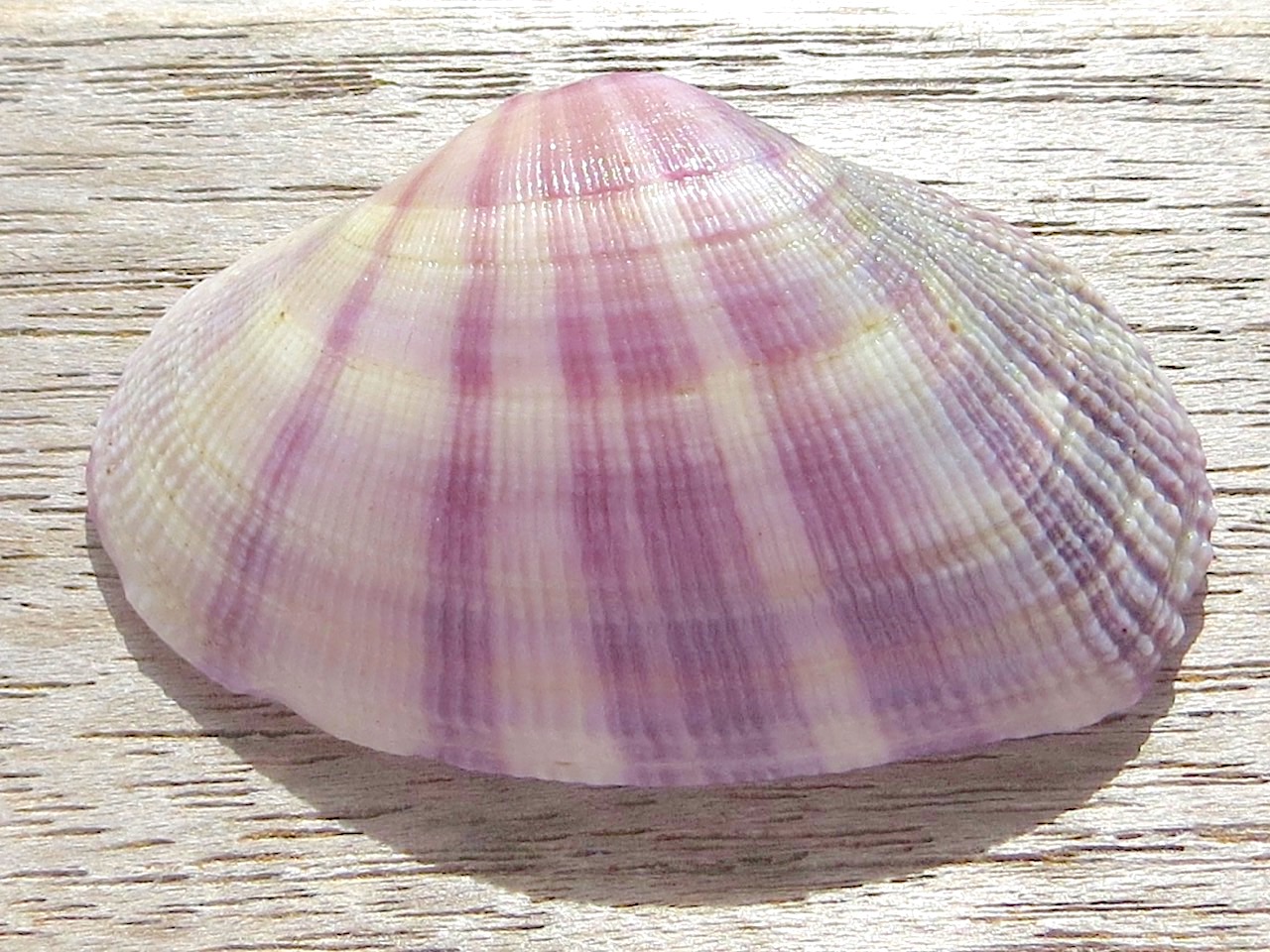
SUNRISE TELLINS Tellina Radiata

I included these pretty shells, with their striking pink radials, in a much earlier posBEACHCOMBING BIVALVES The ones shown here are larger specimens. Some call them ‘rose-petal shells’. The hinges (muscles) are very delicate, and for many of these shells that wash up on the beach, the two halves have separated naturally. 

Sunrise Tellin Shell, Abaco Bahamas (Keith Salvesen Rolling Harbour)

STs are not uncommon, and I recently found some beauties at Sandy Point. They can grow up to about 7 cms / 2.75 inches, and some of these ones were that length, or very nearly so. I realised after I had taken the photos that I should have used a coin for comparison.

Sunrise Tellin Shell, Abaco Bahamas (Keith Salvesen Rolling Harbour)

TELLIN: THE TRUTH

The occupant of each of these pretty shells is a type of very small clam. I have completely failed to find a photo of a nude one with its shell removed, but maybe these are never seen at all. The clams live on the sea-floor, often buried in the sand, and with the lid (mostly) shut. Then they die (or their shells are bored into by a predator and they are eaten) and the shells eventually wash up empty on the beach. There’s not much to say about them – they perform no tricks (some shell creatures do, such as backflips) and are believed to have vanilla sex lives (some shell creatures are quite inventive in this department).

Inside Story… not much to tell except (a) still very pretty & (b) possible predator bore-hole top rightSunrise Tellin Shell, Abaco Bahamas (Keith Salvesen Rolling Harbour)

WELL, WHAT ELSE IS THERE TO THEM, APART FROM BEING PRETTY & BEACHCOMB-ABLE?

  • The clams have 5 tiny teeth to chew up their staple diet, which is mainly plant material
  • These include one ‘strong’ tooth, and one ‘weak’ one, though how someone found it out remains a mystery
  • Tellins are native to the Caribbean and north as far as Florida.
  • They live mainly in quite shallow water, but can be found as deep as 60 foot
  • They have no particular rarity value, and are used for marine-based crafts

Sunrise Tellin Shell, Abaco Bahamas (Seashells . org)

PLEASE TRY HARDER TO HOLD MY ATTENTION

You know those lovely tellins you collected during your holiday on Abaco to take home to your loved ones? You may have committed a crime! You did take them, didn’t you? However the general rule – law, even – seems to be “in most countries it is illegal to bring back these shells from holidays”. However, you have been fortunate; the Bahamas has no specific prohibition on the removal of tellin shells, certainly not for personal use.

READER COMMENT: WHOOPS! ALSO, PHEW!

Sunrise Tellin Shell, Abaco Bahamas (Rhonda Pearce)


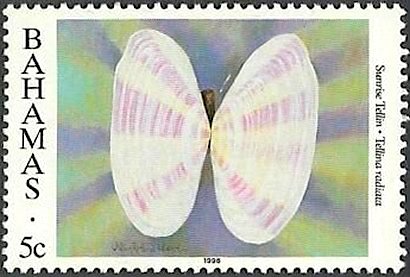
As ever, the very excellent Bahamas Philatelic Bureau has covered seashells along with all the other wildlife / natural history stamp sets they have produced regularly over the years. The sunrise tellin was featured in 1995. You can find more – much more – on my PHILATELY page.

Sunrise Tellin Shell 5c Stamp Bahamas (BPB)

All photos Keith Salvesen / Rolling Harbour; Rhonda Pearce Collection plus Seashells.Org, O/S Linnean Poster, O/S BPB stamp

Sunrise Tellin Shell, Abaco Bahamas (Keith Salvesen Rolling Harbour)

Unknown's avatar

FLAMINGO TONGUE SNAILS: DECORATIVE CORAL-DWELLERS


Flamingo Tongue Snails (Melinda Rogers, Dive Abaco, Bahamas)

FLAMINGO TONGUE SNAILS: DECORATIVE CORAL-DWELLERS

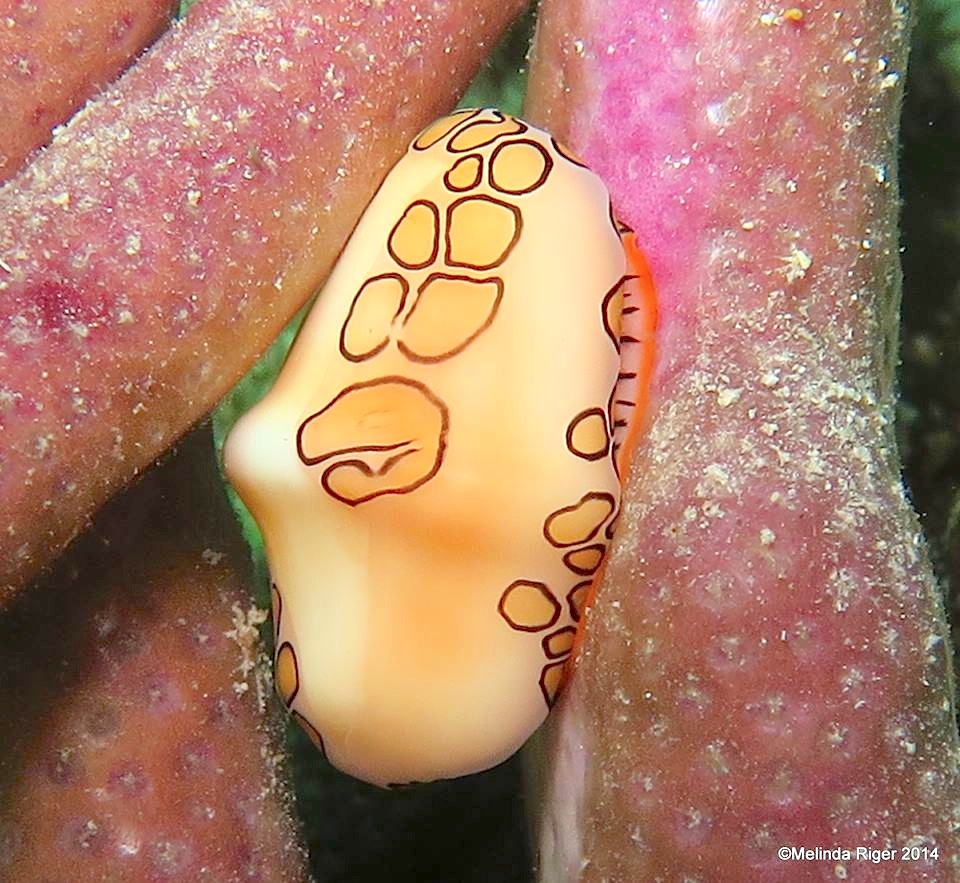
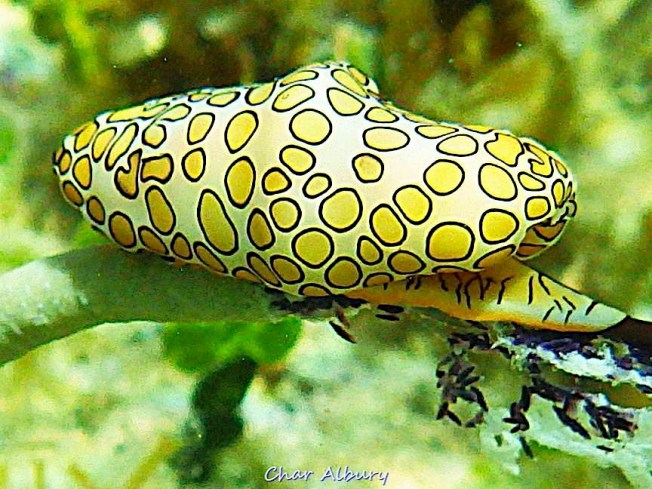
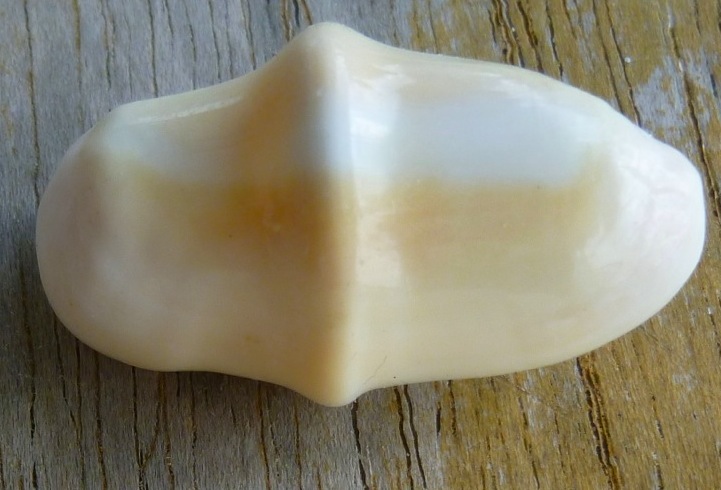
FLAMINGO TONGUE SNAILS Cyphoma gibbous are small marine gastropod molluscs related to cowries. The living animal is brightly coloured and strikingly patterned, but that colour only exists in the ‘live’ parts – the so-called ‘mantle’. The shell itself is usually pale, and characterised by a thick ridge round the middle. These snails live in the tropical waters of the Caribbean and the wider western Atlantic. Whether alive or dead, they are gratifyingly easy to identify.

Flamingo Tongue Snails (Melinda Rogers, Dive Abaco, Bahamas)

THE IMPORTANCE OF CORAL

Flamingo tongue snails feed by browsing on soft corals. Often, they will leave tracks behind them on the coral stems as they forage (see image below). But corals are not only food – they provide the ideal sites for the creature’s breeding cycle.

Flamingo Tongue Snails (Dive Abaco, Bahamas)Flamingo Tongue Snails (Melinda Rogers, Dive Abaco, Bahamas)

Adult females attach eggs to coral which they have recently fed upon. About 10 days later, the larvae hatch. They eventually settle onto other gorgonian corals such as Sea Fans. Juveniles tend to live on the underside of coral branches, while adults are far more visible and mobile. Where the snail leaves a feeding scar, the corals can regrow the polyps, and therefore the snail’s feeding preference is generally not harmful to the coral.

The principal purpose of the patterned mantle of tissue over the shell is to act as the creature’s breathing apparatus. The tissue absorbs oxygen and releases carbon dioxide. As it has been (unkindly?) described, the mantle is “basically their lungs, stretched out over their rather boring-looking shell”

Flamingo Tongue Snails (Melinda Rogers, Dive Abaco, Bahamas)

THREATS AND DEFENCE

The species, once common, is becoming rarer. The natural predators include hogfish, pufferfish and spiny lobsters, though the spotted mantle provides some defence by being rather unpalatable. Gorgonian corals contain natural toxins, and instead of secreting these after feeding, the snail stores them. This supplements the defence provided by its APOSEMATIC COLORATION, the vivid colour and /or pattern warning sign to predators found in many animal species.

Flamingo Tongue Snails (Melinda Rogers, Dive Abaco, Bahamas)

MANKIND’S CONTRIBUTION

It comes as little surprise to learn that man is now considered to be the greatest menace to these little creatures, and the reason for their significant decline in numbers. The threat comes from snorkelers and divers who mistakenly / ignorantly think that the colour of the mantle is the actual shell of the animal, collect up a whole bunch from the reef, and in due course are left with… dead snails and “boring-looking shells” (see photos below). Don’t be a collector; be a protector…

Flamingo Tongue Snails (Melinda Rogers, Dive Abaco, Bahamas)

The photos below are of nude flamingo tongue shells from the Delphi Club Collection. Until I read the ‘boring-looking shell’ comment, I believed everyone thought they were rather lovely… I did, anyway. You decide!

Flamingo Tongue Snail Shell, Keith Salvesen AbacoFlamingo Tongue Snail Shell, Keith Salvesen Abaco

Image Credits:  Melinda Rogers / Dive Abaco; Keith Salvesen / Rolling Harbour

Flamingo Tongue Snails (Melinda Rogers, Dive Abaco, Bahamas)

Unknown's avatar

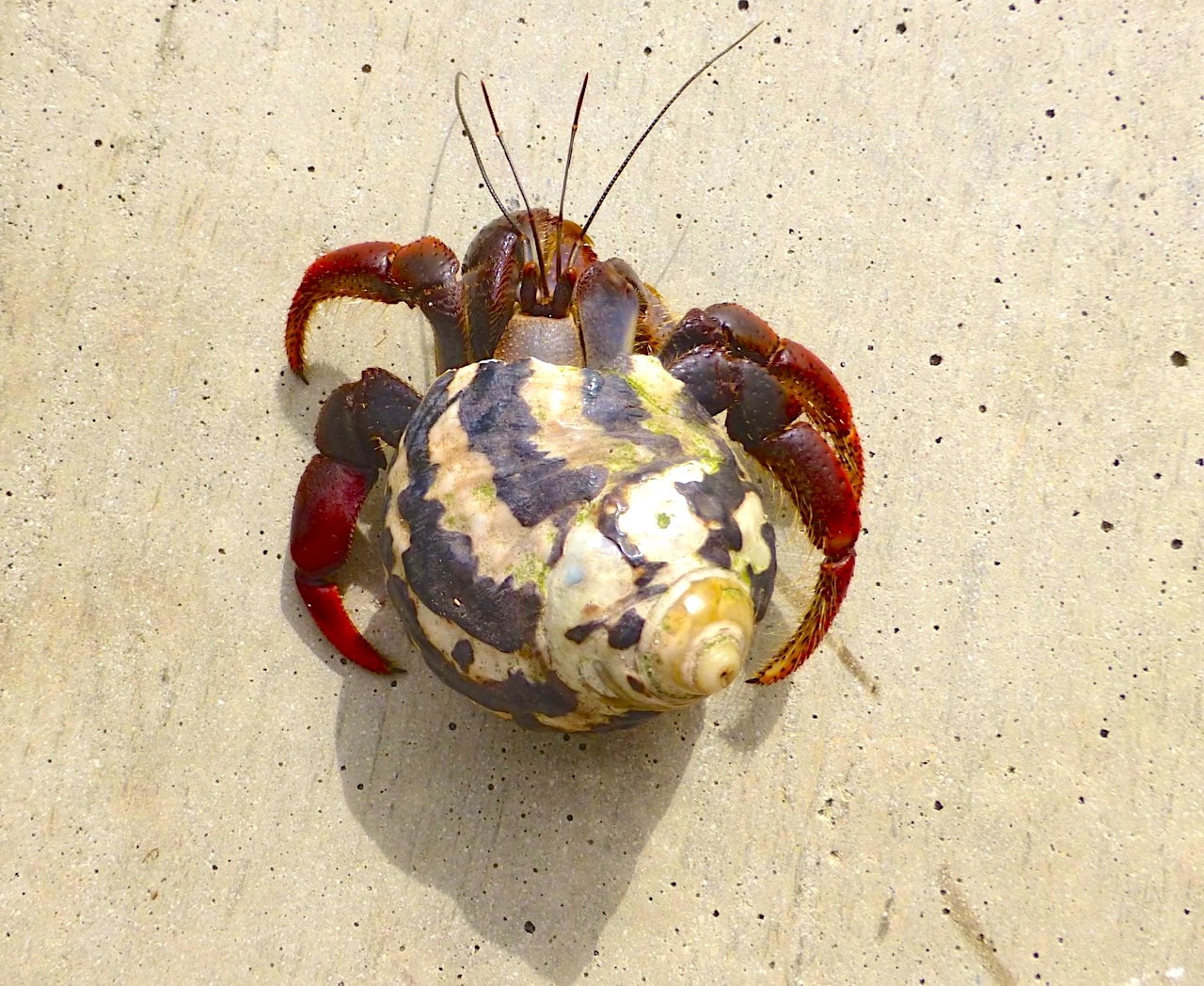
HERMIT CRABS: SHELL-DWELLERS WITH MOBILE HOMES


Hermit Crab, Abaco Bahamas (Keith Salvesen / Rolling Harbour)

HERMIT CRABS: SHELL-DWELLERS WITH MOBILE HOMES

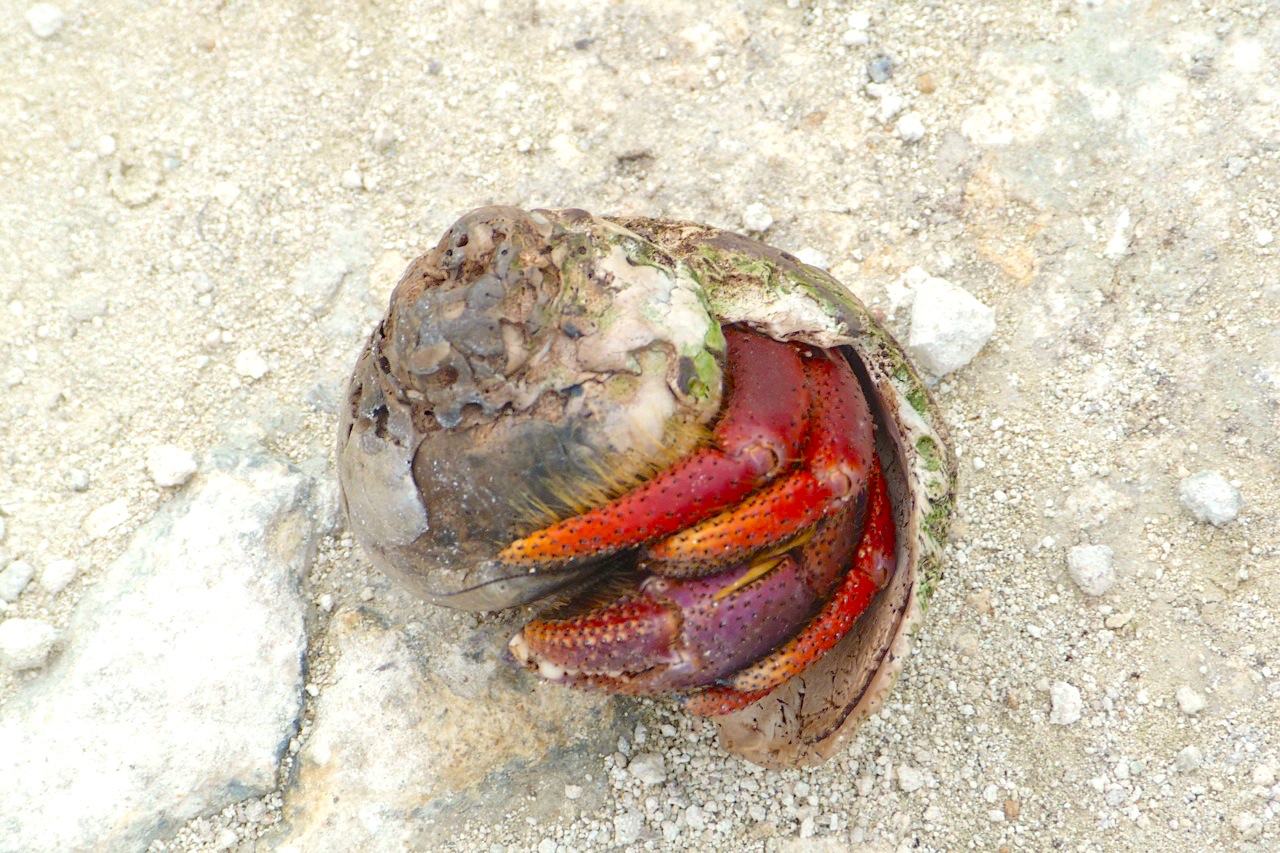
As everyone knows, Hermit Crabs get their name from the fact that from an early age they borrow empty seashells to live in. As they grow they trade up to a bigger one, leaving their previous home for a smaller crab to move into. It’s a benign** chain of recycling that the original gastropod occupant would no doubt approve of, were it still alive… The crabs are able to adapt their flexible bodies to their chosen shell. Mostly they are to be found in weathered (‘heritage’) rather than newly-empty shells for their home. [**except for fighting over shells] 

Hermit Crab, Abaco Bahamas (Keith Salvesen / Rolling Harbour)

 HERMIT CRAB FACTS TO ENLIVEN YOUR CONVERSATION

  • The crabs are mainly terrestrial, and make their homes in empty gastropod shells
  • Their bodies are soft, making them vulnerable to predation and heat.
  • They are basically naked – the shells protect their bodies & conceal them from predators
  • In that way they differ from other crab species that have hard ‘calcified’ shells / carapaces
  • Ideally the shell should be the right size to retract into completely, with no bits on display

Hermit Crab, Abaco Bahamas (Keith Salvesen / Rolling Harbour)

  • As they grow larger, they have to move into larger and larger shells to hide in
  • As the video below shows wonderfully, they may form queues and upsize in turns
  • Occasionally they make a housing mistake and chose a different home, eg a small tin

Hermit Crab, Abaco Bahamas (Keith Salvesen / Rolling Harbour)

  • The crabs may congregate in large groups which scatter rapidly when they sense danger
  • The demand for suitable shells can be competitive and the cause of inter-crab battles
  • Sometimes two or more will gang up on a rival to prevent its move to a particular shell

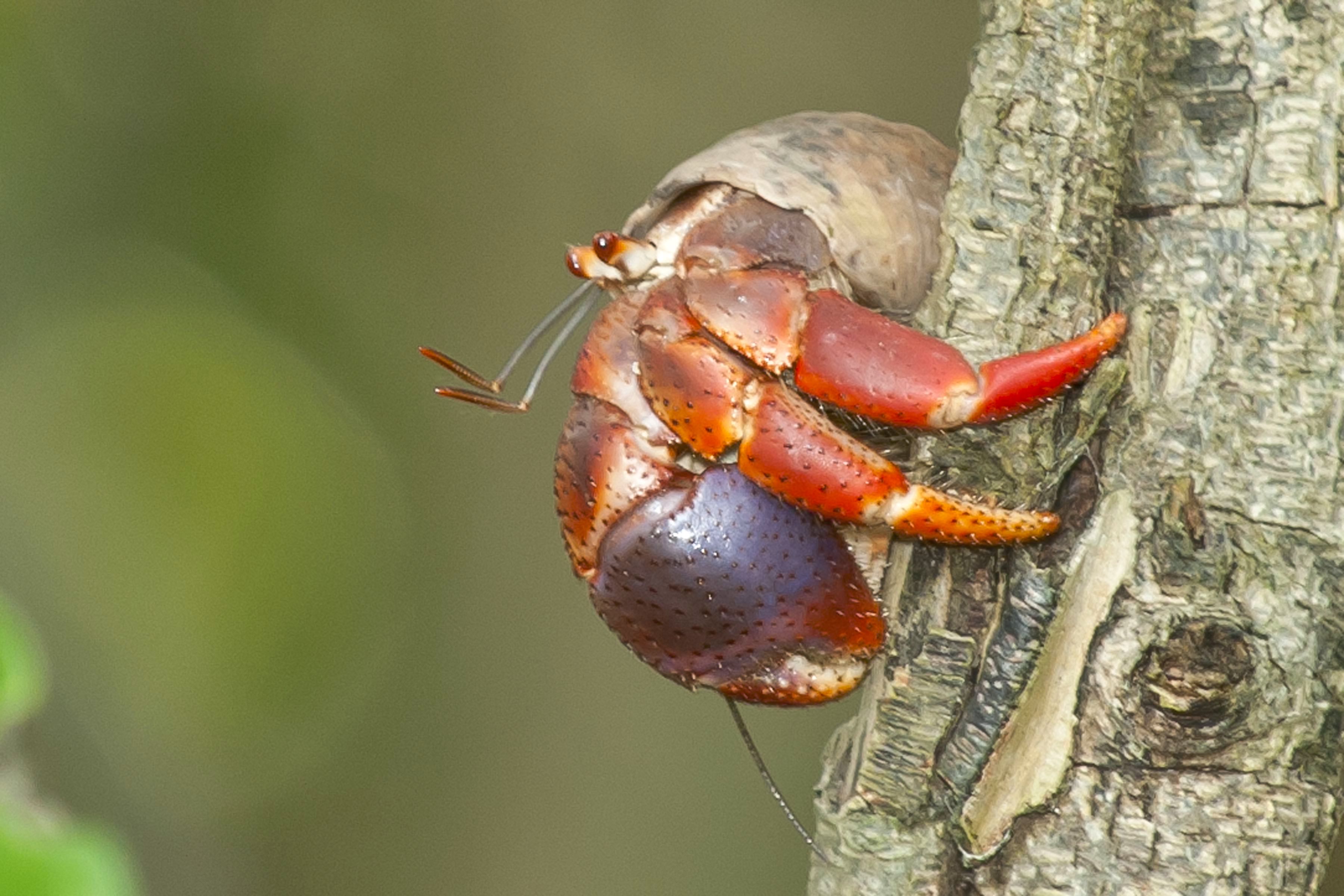
HERMIT CRABS CAN EVEN CLIMB TREES – WITH THEIR SHELLS ON TOO

Hermit Crab, Abaco Bahamas (Tom Sheley)

HERMIT CRABS EXCHANGING HOMES with DAVID ATTENBOROUGH

This is a short (c 4 mins) extract from BBC Earth, with David Attenborough explaining about the lives and habits of these little crabs with his usual authoritative care and precision . If you have the time I highly recommend taking a look.

Credits: All photos taken on Abaco by Keith Salvesen except for the tree-climber crab photographed by Tom Sheley; video from BBC Earth

Hermit Crab, Abaco Bahamas (Keith Salvesen / Rolling Harbour)

Unknown's avatar

TUNICATES: SESSILE ASEXUAL SEA-SQUIRTS


Painted Tunicates Bahamas (Melinda Riger / GB Scuba)

TUNICATES: SESSILE ASEXUAL SEA-SQUIRTS

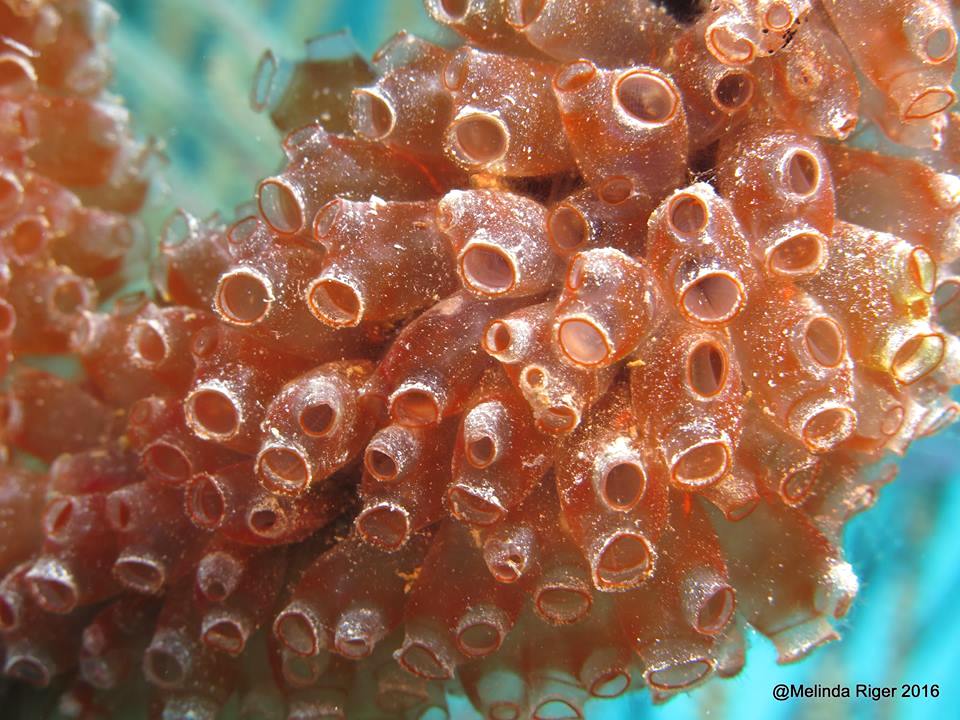
Painted Tunicates Clavina picta are one of several species of tunicate ‘sea-squirts’ found in Bahamas and Caribbean waters. These creatures with their translucent bodies are usually found clustered together, sometimes in very large groups. One reason for this is that they are ‘sessile’, unable to move from where they have taken root on the coral.

Painted Tunicates Bahamas (Melinda Riger / GB Scuba)

HOW DO THEY FEED?

Like most if not all sea squirts, tunicates are filter feeders. Their structure is simple, and enables them to draw water into their body cavity. In fact they have 2 openings, an ‘oral siphon’ to suck in water; and an exit called the ‘atrial siphon’. Tiny particles of food (e.g. plankton) are separated internally from the water by means of a tiny organ (‘branchial basket’) like a sieve. The water is then expelled. 

Diagram of adult solitary tunicate

Painted Tunicates Bahamas (Melinda Riger / GB Scuba)

WHAT DOES ‘TUNICATE’ MEAN?

The creatures have a flexible protective covering referred to as a ‘tunic’. ‘Coveringcates’ didn’t really work as a name, so the tunic aspect became the name. 

Painted Tunicates Bahamas (Melinda Riger / GB Scuba)

IF THEY CAN’T MOVE, HOW DO THEY… (erm…) REPRODUCE?

Tunicates are broadly speaking asexual. Once a colony has become attached to corals or sponges, they are able to ‘bud’, ie to produce clones to join the colony. These are like tiny tadpoles and their first task is to settle and attach themselves to something suitable – for life – using a sticky secretion. Apparently they do this head first, then in effect turn themselves upside down as they develop the internal bits and pieces they need for adult life. The colony grows because (*speculation alert*) the most obvious place for the ‘tadpoles’ to take root is presumably in the immediate area they were formed.

Painted Tunicates Bahamas (Melinda Riger / GB Scuba)

APART FROM BEING STATIONARY & ASEXUAL, ANY OTHER ATTRIBUTES?

Some types of tunicate contain particular chemicals that are related to those used to combat some forms of cancer and a number of viruses. So they have a potential use in medical treatments, in particular in helping to repair tissue damage.

Painted Tunicates Bahamas (Melinda Riger / GB Scuba)

Credits: all fabulous close-up shots by Melinda Riger / Grand Bahama Scuba; diagram from depts.washington.edu; magpie pickings with a particular mention of an article by Sara MacSorley

Painted Tunicates Bahamas (Melinda Riger / GB Scuba)

Unknown's avatar

ECHINODERMS, DOLLAR DOVES & PETRIFIED BISCUITS


Sand Dollar, Abaco Bahamas (Keith Salvesen / Rolling Harbour)

ECHINODERMS, DOLLAR DOVES & PETRIFIED BISCUITS

Echinoderms (Gr. ‘Hedgehog Skin’) comprise a large variety of sea creatures characterised (mostly) by radial symmetry. In a nutshell a creature with radial (as opposed to bilateral) symmetry can be divided into equal portions from the centre, like a cake. It has no left or right side and no definable front or back.  It is multidirectional from the centre, where the mouth is located. It obviously has a distinct upper side and an underside, but that has no bearing on this form of symmetry. 

Ten dollar Sand Dollar coin, Bahamas

Within the family of radially symmetrical animals, echinoderms (starfish, sand dollars and sea urchins) are unique in having five-point radial symmetry. These are the creatures you are most likely to come across in Abaco. There are two particular aspects of dollars and biscuits that merit a closer look (made more difficult by me stupidly taking photos of white things on a white background).

Sand Dollar Doves, Abaco Bahamas (Keith Salvesen / Rolling Harbour)

DOLLAR DOVES

I’m sure all Bahamians know or are aware of at least one version of the famous ‘Sand Dollar’ poem, in which the various characteristics of the test (the skeleton of the creature) are given religious significance. One verse of the poem may be puzzling: “Now break the centre open And here you will release The five white doves awaiting To spread good will and peace”.

The Sand Dollar Legend

A few years back, Senior Granddaughter was looking at some Abaco sand dollars I’d given her for her growing collection of shells. She picked one up, shook it and it rattled. She said a friend at school had told her that a rattling sand dollar has ‘doves’ inside it, and asked if we could break it open and see. I’ve learnt that it is useless to argue with her – she has the tenacity of a trial lawyer – so we did. This is what we found.

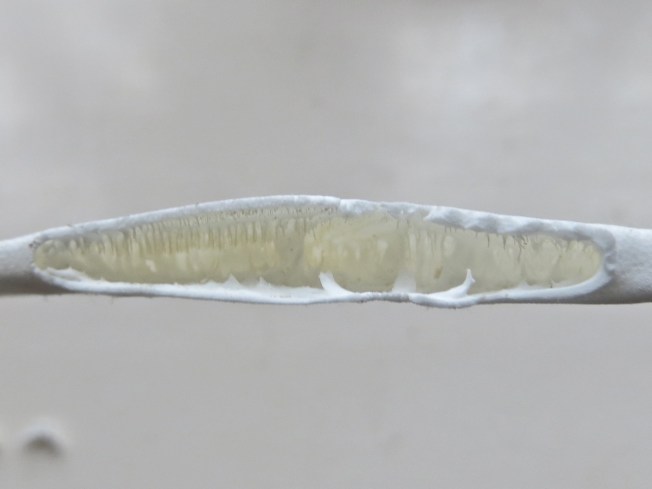
Sand Dollar with a spiky interior like a white cave with stalagmites and stalagtitesSand Dollar Doves, Abaco Bahamas (Keith Salvesen / Rolling Harbour)

Five white doves (in fact, the separated parts of the creature’s feeding apparatus)Sand Dollar Doves, Abaco Bahamas (Keith Salvesen / Rolling Harbour)

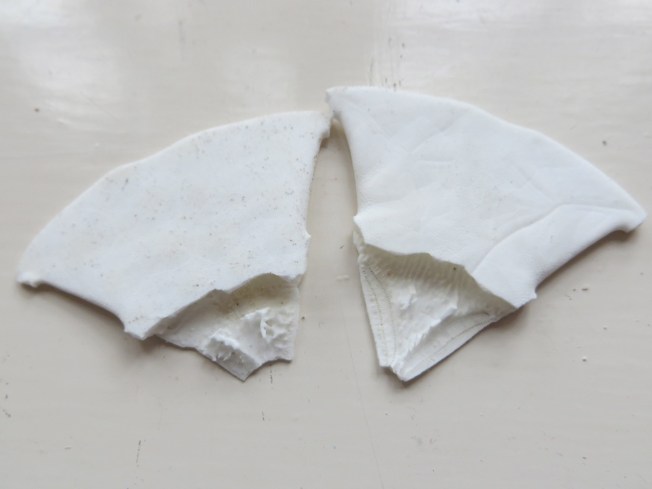
Two broken pieces showing where the doves are centrally locatedSand Dollar Doves, Abaco Bahamas (Keith Salvesen / Rolling Harbour)

A regrettably poor photo of a single doveSand Dollar Doves, Abaco Bahamas (Keith Salvesen / Rolling Harbour)
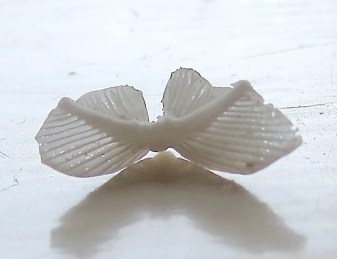
The image below, from Pinterest, shows the ‘mouth’ with its dove-parts intact, in an arrangement called ‘Aristotle’s Lantern‘, a five-sided globular structure that supports the mouth and jaws of an echinoderm.

Sand Dollar : Aristotle's Lantern : Doves (Pinterest)

PETRIFIED BISCUITS

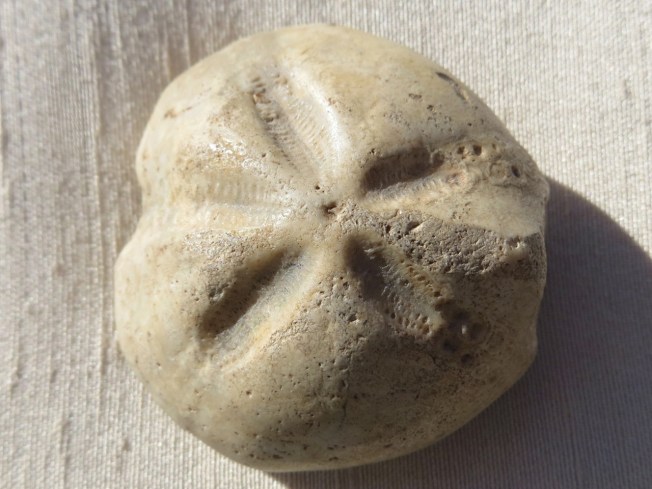
In common parlance ‘petrified’ is an extreme version of ‘terrified’. Literally, it means ‘turned to stone’ (L. petrus, a rock). It is descriptive of a state of fossilisation, where an animal skeleton or dead wood or plant matter turns over aeons into stone. Senior GD (a most inquisitive girl) followed up on the doves research after discovering a box containing random stones and fossils. She found these two items:

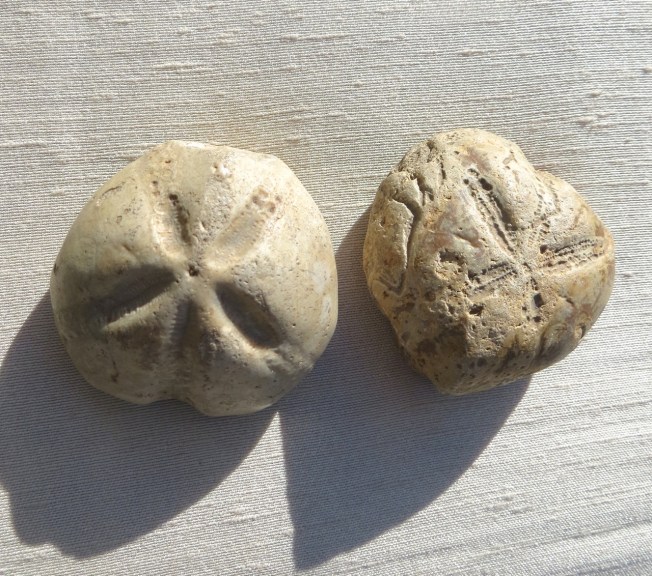
Fossilised sea biscuitsPetrified / Fossilised Sea Biscuit (Keith Salvesen)
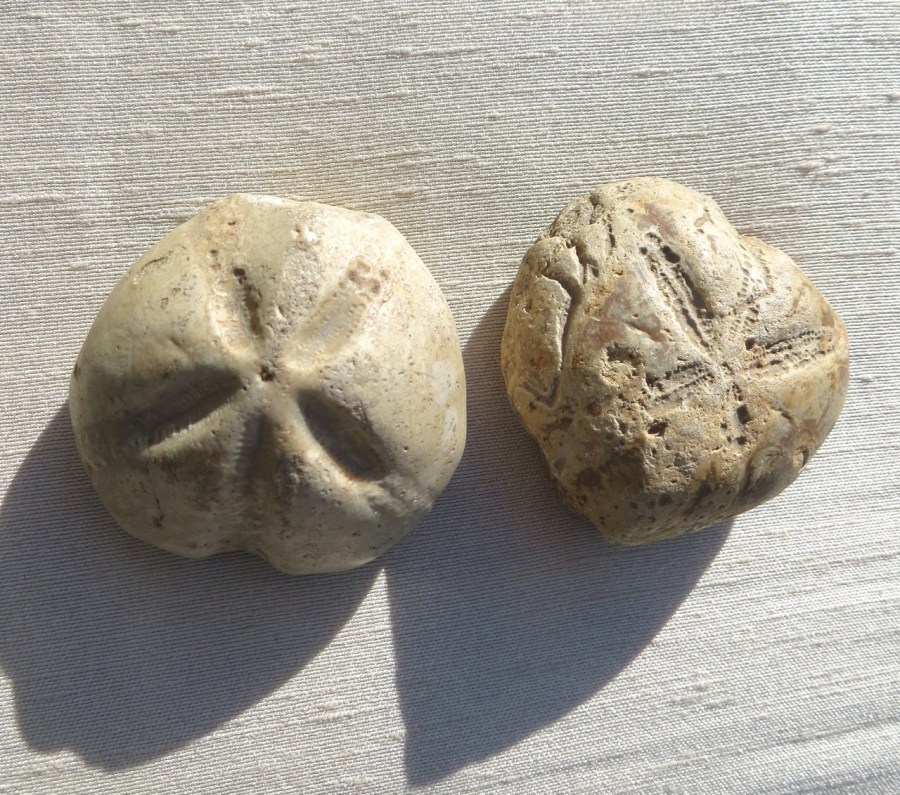
A closer look at the pair of rocksPetrified / Fossilised Sea Biscuit (Keith Salvesen)

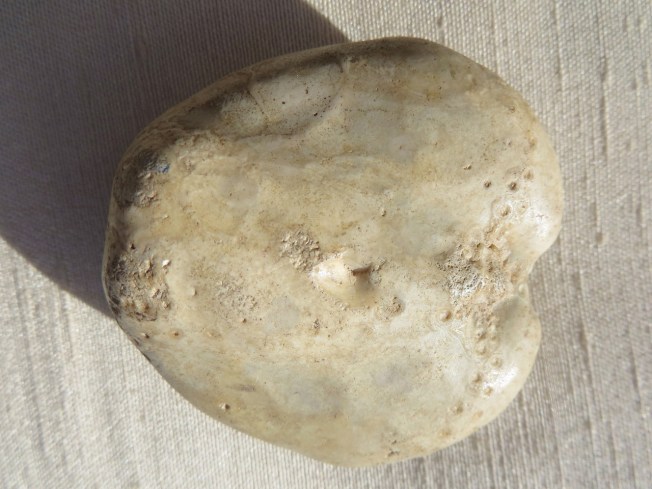
The undersides of the fossils above – looking like stones but with some tell-tale small holesPetrified / Fossilised Sea Biscuit (Keith Salvesen) Petrified / Fossilised Sea Biscuit (Keith Salvesen)

A close-up of the pale biscuitPetrified / Fossilised Sea Biscuit (Keith Salvesen)

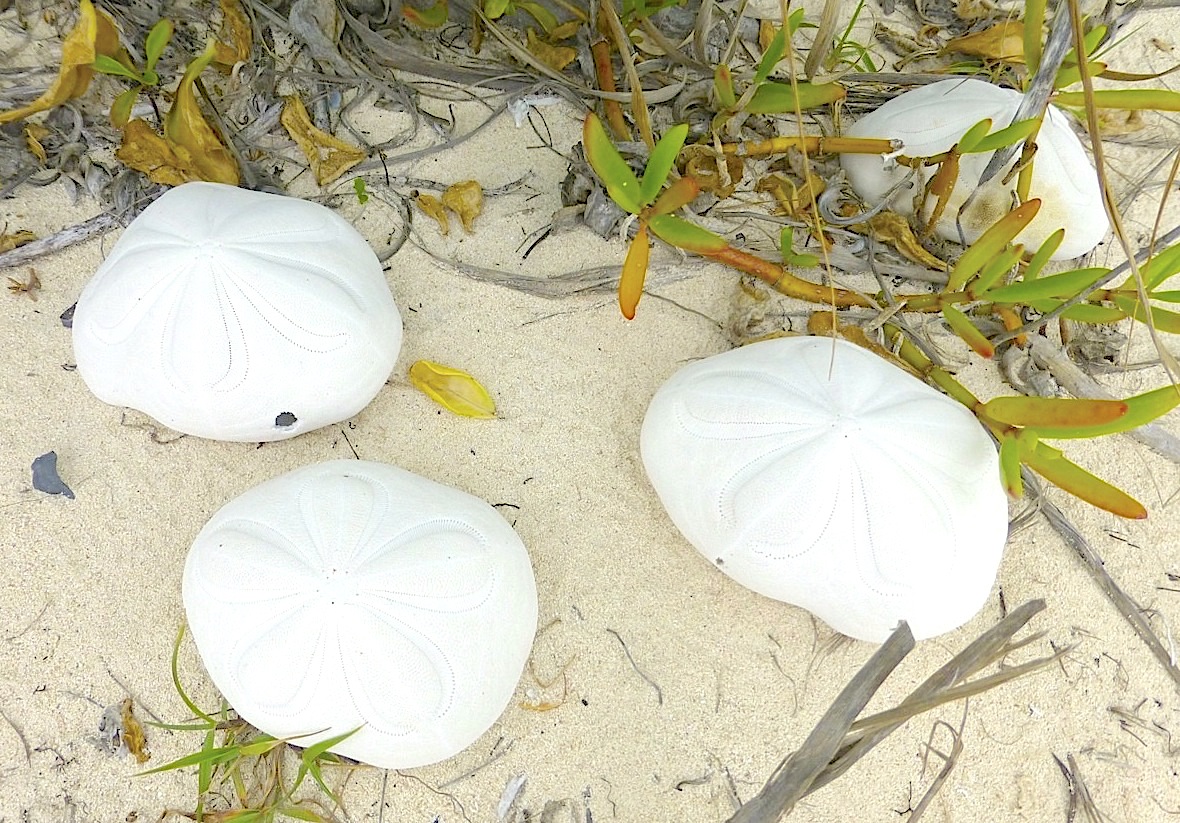
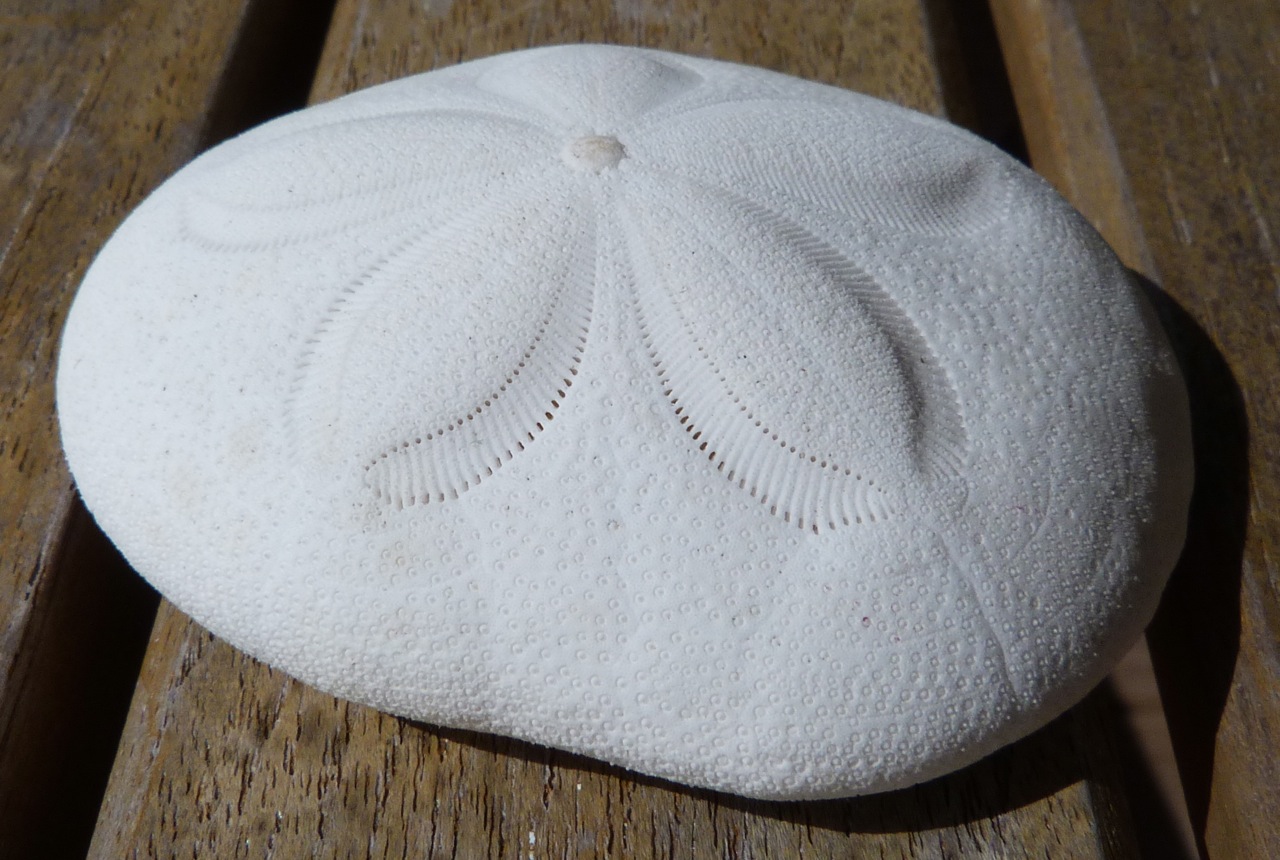
Sea biscuits on the beach at Delphi – familiar white skeletons (‘tests’) but not yet fossilsSea Biscuits, Abaco Bahamas (Keith Salvesen / Rolling Harbour)
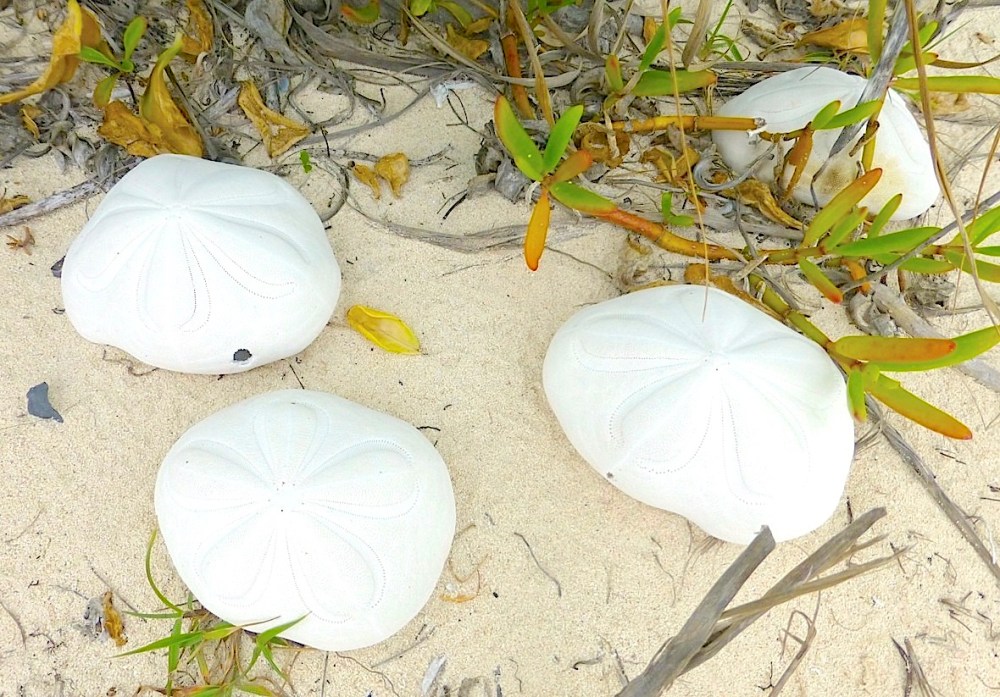
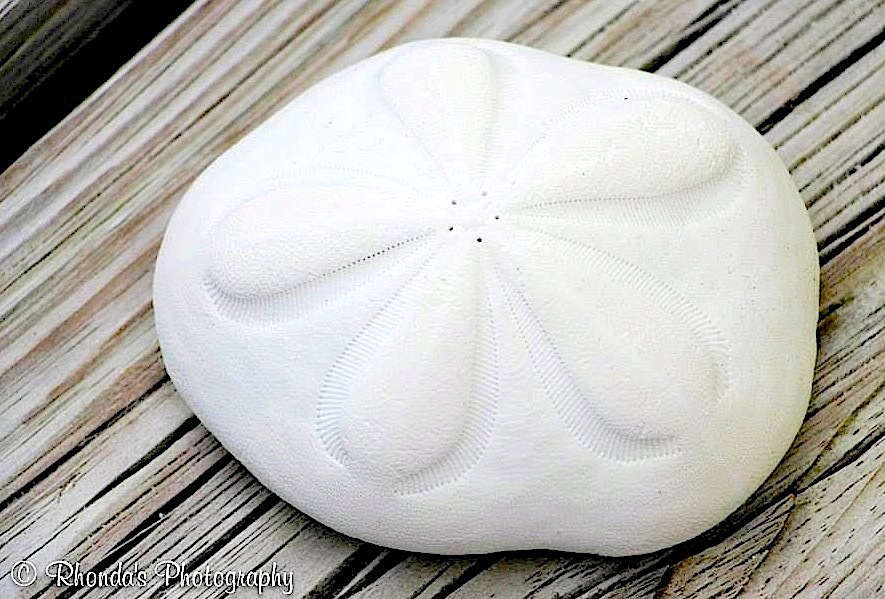
A ‘modern’ non-Jurassic Abaco sea biscuit in close-upSea Biscuit, Abaco Bahamas (Rhonda Pearce)

FUN FACT

Florida has an unofficial but proposed State Fossil, the ‘Sea Biscuit (Eocene Age)’. I didn’t know it before, but it turns out that more than 40 US States have State Fossils. Whatever next? State Bacteria? State Viruses?

Sea biscuit from Madagascar (OS)

SO HOW OLD MIGHT A PETRIFIED BISCUIT BE?

The fossil biscuits I have looked at, from Florida to Madagascar (see small image above), are said to come from three specific historic epochs – from the oldest, Jurassic (145m – 201m years ago), to Eocene (34m – 56m) and Pleistocene (0.01m – 2.6m). 

HOW DOES THAT HELP ANYBODY? BE MORE PRECISE

By all means. Here is an excellent Geochart that gives an idea of the time span. A Jurassic sea biscuit would be more than 145m years old. This chart also helpfully helps avoid confusion with the Eon Era Period Epoch ordering.

geotimescale

You will find more echinoderm entertainment using this link to my fellow-blogger ‘Dear Kitty’ https://dearkitty1.wordpress.com/2007/01/01/big-hedgehog-small-sand-dollars-diving-schools/

All photos ‘in-house’ except the Delphi biscuits, Clare Latimer; & the single biscuit Rhonda Pearce; Sand Dollar poem on Postcard, Dexter Press; the Geochart was in my ‘useful chart photos’ folder but I can’t now find the source. I did try.
Unknown's avatar

“GIFTS FROM THE SEA”: THE CHEROKEE SHELL MUSEUM


Cherokee Shell Museum, Abaco Bahamas (Keith Salvesen)

“GIFTS FROM THE SEA”: THE CHEROKEE SHELL MUSEUM

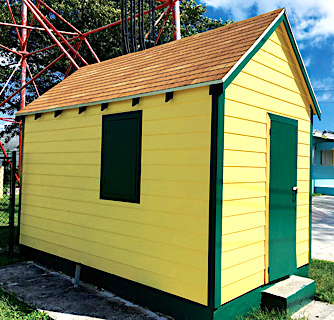
In the shadow of a tall pylon in the secluded settlement of Cherokee stands Abaco’s smallest museum. Make that one of the world’s smallest museums. As I mentioned after it opened last year, other contenders for the title include the MmuseumM in New York, housed in an elevator shaft (look through glass window + audio guide); a converted red telephone kiosk in Warley, Yorkshire UK dedicated to local history (one visitor at a time); and a tiny shed of 134 sq ft in Arizona featuring what might broadly be called ‘ephemera’, including a Beatles poster…

Cherokee Shell Museum, Abaco Bahamas (Keith Salvesen)

This tiny museum is dedicated to the shells of Abaco. It is almost certainly the smallest shell museum anywhere in the world (except maybe the one you kept in a small box under your bed when you were 10). 

Cherokee Shell Museum, Abaco Bahamas / Gifts from the Sea / Cinder Pinder

“Gifts from the Sea” is housed in the former 1950s telegraph office that ceased to operate in 1987 and had fallen into disrepair. Leased from BTC for a nominal rent, the little building was restored, and given a smart new roof and a complete makeover. It’s the perfect space for displaying a selection of the wonderful shells and corals to be found in Abaco waters.

Cherokee Shell Museum, Abaco Bahamas / Gifts from the Sea / Cinder Pinder

This community project is the vision and creation of Curator Lee Pinder. Derek Weatherford fitted cabinets for the exhibits, and artist Jo-Ann Bradley painted a interior Cherokee-themed mural as a fitting backdrop to the displays.

Cherokee Shell Museum, Abaco Bahamas / Gifts from the Sea / Cinder Pinder

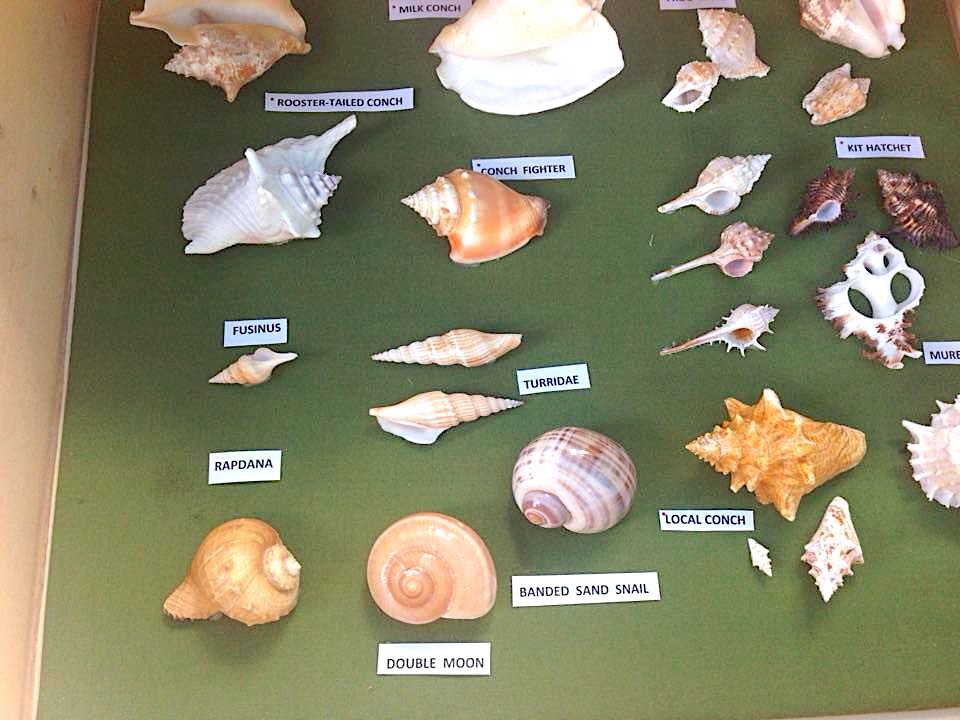
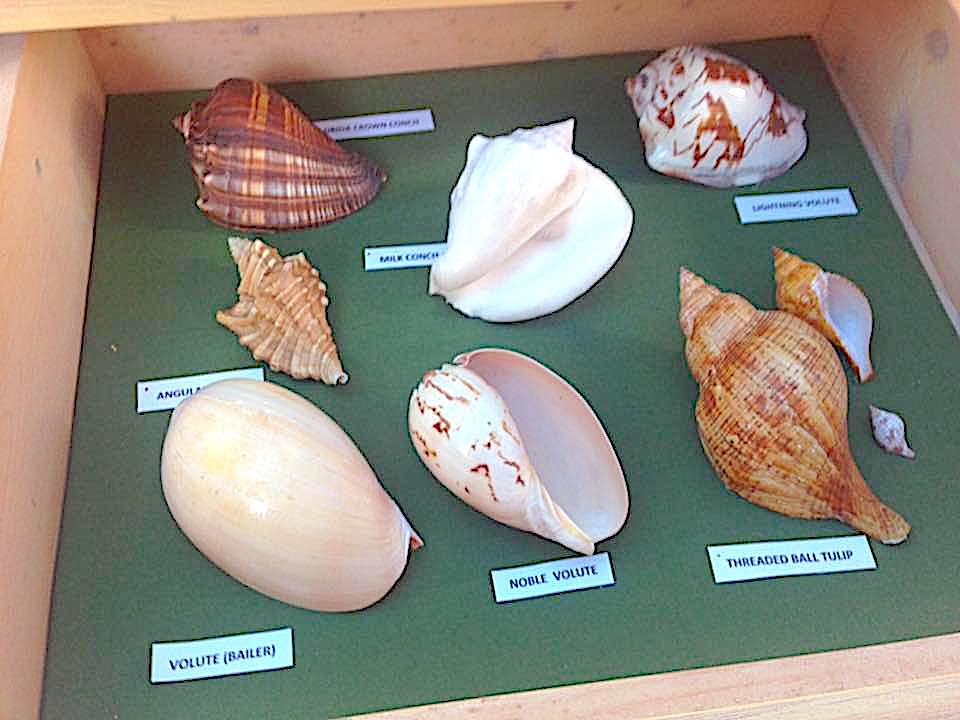
The exhibition shows more than 200 shells, each catalogued with its Latin and common name, and clearly labelled in the display. Most were found locally; a few are from further afield. Some specimens are very rare. The collection will expand as people make shell donations to the museum. 
Cherokee Shell Museum, Abaco Bahamas / Gifts from the Sea / Abaconian

The building has a door at each end to give natural light and provide a ‘walk-through’ arrangement, which makes viewing in the confined space easier. Entry is free but there’s a glass jar for donations towards the upkeep of the museum. I’m guessing here, but I reckon donations made ‘outside the jar’ (so to speak) are very welcome too…

Museum Curator Lee PinderCherokee Shell Museum, Abaco Bahamas / Gifts from the Sea / Cinder Pinder

The opening ceremony took place on Easter Saturday 2017, when Cherokee resident Rev. Bateman Sands performed the official ribbon cutting ceremony preceded by a prayer at precisely 12 noon. As Jennifer Hudson in an Abaconian article pointed out, he was the ideal person for the task, having been “the first telegraph operator in Cherokee Sound, working in the little building using Morse code and in charge of the one and only telephone in the settlement until 1987 when the new BTC building was opened”.

Cherokee Shell Museum, Abaco Bahamas / Gifts from the Sea / Cinder Pinder

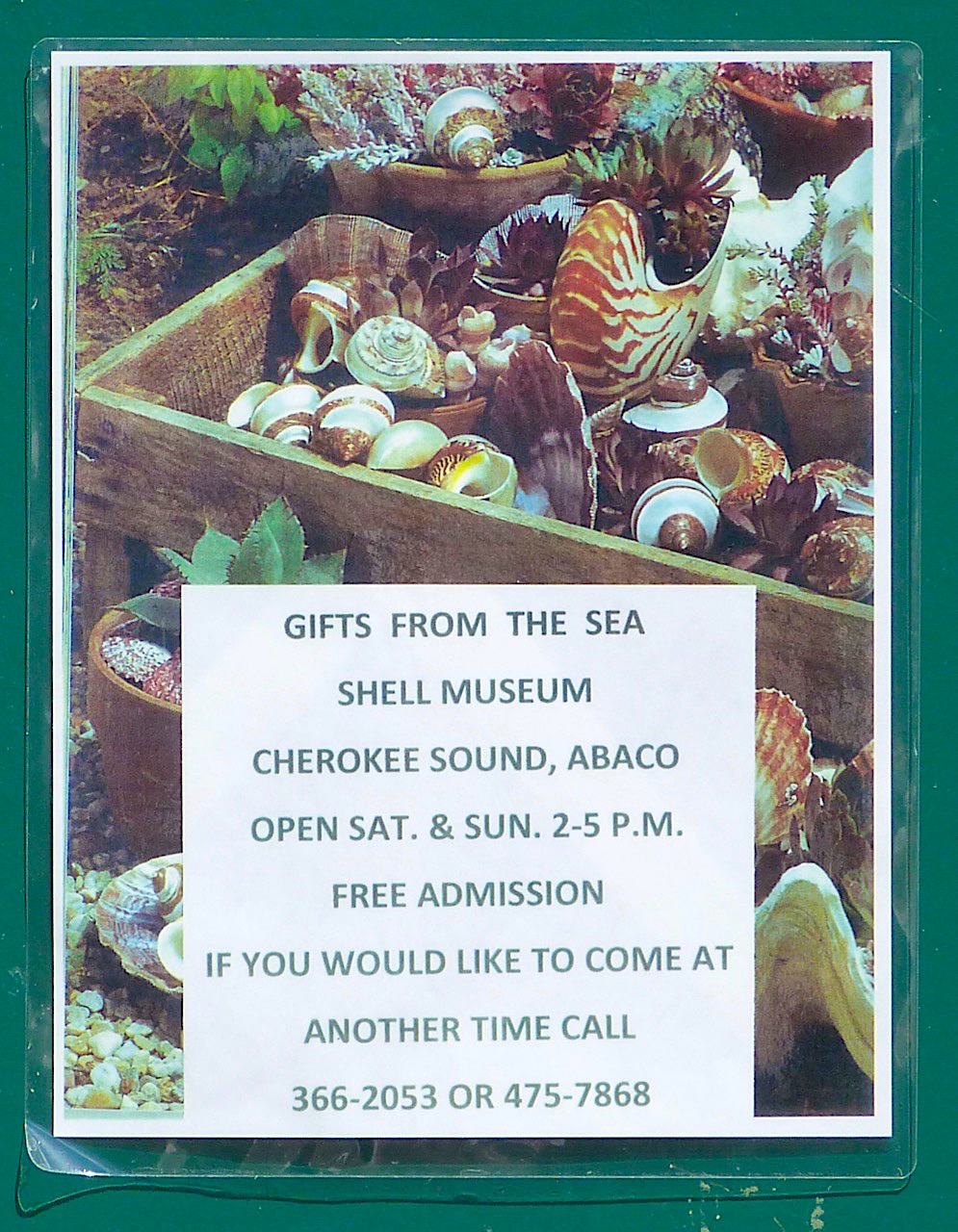
The shell museum is not left open all the time, but visitors are welcomed on weekend afternoons, and private tours can be arranged by calling either number shown below on the notice attached to the door.

Cherokee Shell Museum, Abaco Bahamas (Keith Salvesen)

To see a selection of the many types of Abaco shells, check out my shell page HERE

Sources and Photo Credits: Bradley Albury / Jennifer Hudson / Abaconian; Cindy James Pinder (shells, interior 2017); Keith Salvesen (exterior, 2018)

Cherokee Shell Museum, Abaco Bahamas (Keith Salvesen)

Unknown's avatar

SEA BISCUITS: THEY REALLY DO CONTAIN DOVES – AND MORE!


Sea Biscuit Close-up, Abaco (Keith Salvesen)

SEA BISCUITS: THEY REALLY DO CONTAIN DOVES – AND MORE!

Recently I posed the question whether sea biscuits, like sand dollars contain ‘doves’. I had one in my hand, it rattled, I took a photograph through its ‘mouth hole’ and the question was answered. Biscuits do indeed contain doves – see HERE for details and comparisons with dollar doves.

Sea Biscuit 'Doves', Abaco (Keith Salvesen)

However, I spinelessly* failed to break open the biscuit to check out the contents more closely. I theorised that, because of the 5-way symmetry of these creatures, there would be 5 doves (which are in fact segmented mouth parts) in a biscuit exactly as with a dollar, and amiably challenged anyone to disprove it. [* biscuits and dollars are types of sea urchin – see what I did there?]

Dollar dove in close-up – one of 5 segmented mouth parts inside the ‘test’ (skeleton)Sand Dollar 'Doves', Abaco (Keith Salvesen)

Melissa Ann Guinness from Hope Town has a far more robust attitude to these things and, taking up the challenge, she heartlessly smashed open a sea biscuit from her collection to investigate further. I said I’d publish a correction if my theory was wrong. This is it – though in one arguable sense the theory holds good. It just didn’t go far enough…

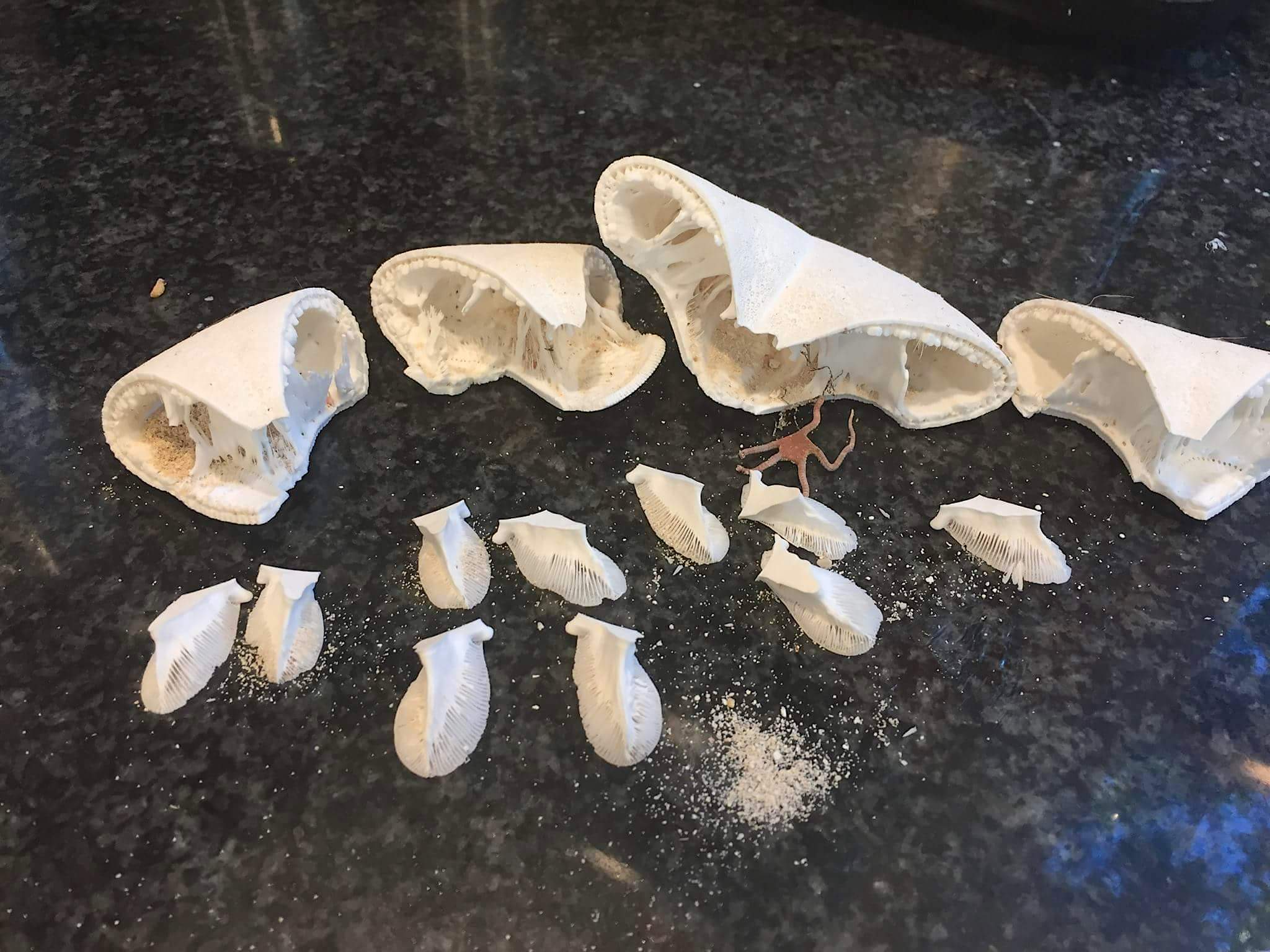
Sea Biscuit 'Doves', Abaco (Melissa Ann Guinness)

In the above picture you can see (a) 4 quarters of a sea biscuit skeleton (b) 10 demi-doves (rather than 5 whole doves) and (c) a small mummified 5-limbed brittle star that was presumably in the creature’s digestive system when it died.

10 ‘demi-doves’  (or, when assembled, 5 doves that (unlike sand dollars) are in 2 parts
Sea Biscuit 'Doves', Abaco (Melissa Ann Guinness)

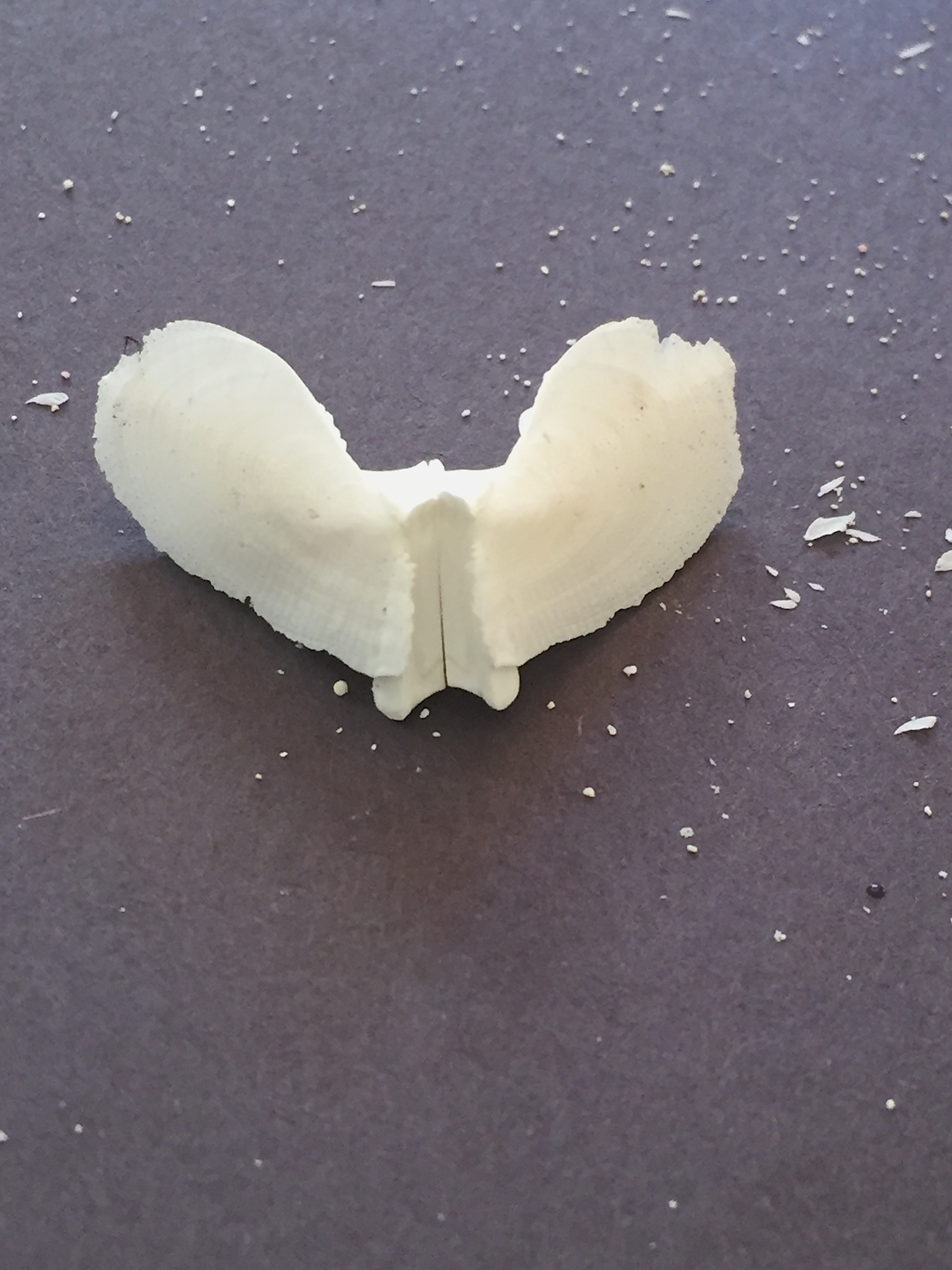
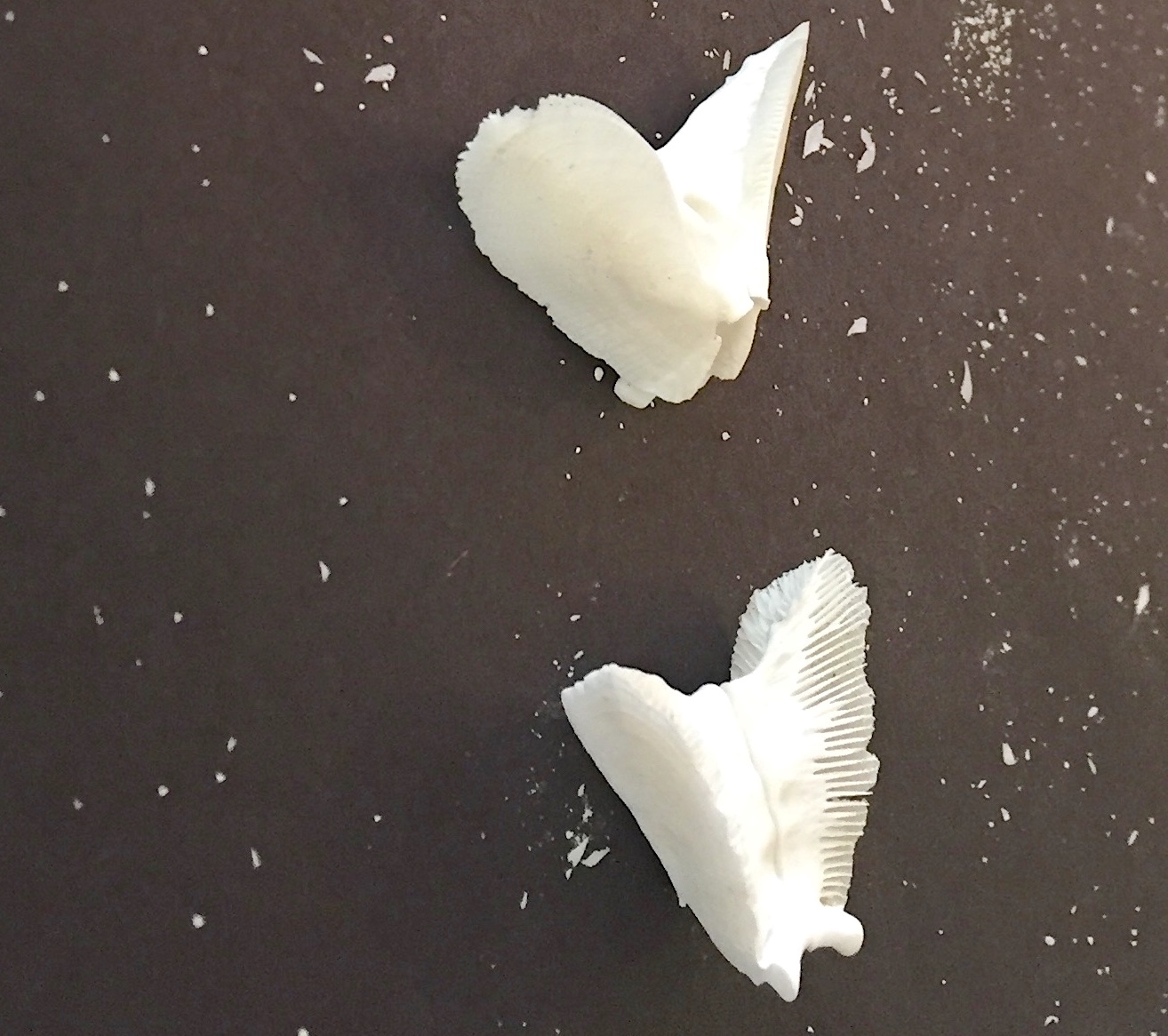
Complete doves

Sea Biscuit 'Doves', Abaco (Melissa Ann Guinness) Sea Biscuit 'Doves', Abaco (Melissa Ann Guinness) Sea Biscuit 'Doves', Abaco (Melissa Ann Guinness)

The final reconstruction – 5 doves and a bonus brittle star

Sea Biscuit 'Doves', Abaco (Keith Salvesen)

Photo Credits: Keith Salvesen (1, 2, 3, 10); Melissa Ann Guinness (4, 5, 6, ,7 ,8 ,9)

Unknown's avatar

FLORAL CORAL: REEF GARDENS IN THE BAHAMAS


Reef Corals, Bahamas (Melinda Riger / G B Scuba)

FLORAL CORAL: REEF GARDENS IN THE BAHAMAS

Like many of the blues musicians who covered Robert Johnson’s originals, we got ramblin’ on our minds. Specifically to ‘Delphi East’ in Ireland, thus stupidly exchanging 82F sunshine in southern UK for 46F rain in the Emerald Isle. Good for the fishing, if nothing else… So (always remembering that corals are actually creatures and not plants) here’s a bouquet of coral to be going on with until we next meet with wifi!

Reef Corals, Bahamas (Melinda Riger / G B Scuba)Reef Corals, Bahamas (Melinda Riger / G B Scuba)Reef Corals, Bahamas (Melinda Riger / G B Scuba)Reef Corals, Bahamas (Melinda Riger / G B Scuba)Reef Corals, Bahamas (Melinda Riger / G B Scuba)Reef Corals, Bahamas (Melinda Riger / G B Scuba)

OPTIONAL MUSICAL RAMBLING

Robert Johnson’s output – a meagre 29 songs in all – formed the bedrock for later bluesmen and the blues / rock crossovers that followed. They mined Johnson’s talent and formed their own new material from it. Here’s the original – you’ve probably heard it or variations of it with different names, a thousand times – some good, some bad, most so-so. 

Entire coral pot pourri by Melinda Riger / Grand Bahama Scuba

Unknown's avatar

SEA BISCUITS: DO THEY REALLY CONTAIN DOVES?


Sea Biscuits, Delphi, Abaco (Clare Latimer)

Sea Biscuits on the Beach, Delphi, Abaco Bahamas

SEA BISCUITS: DO THEY REALLY CONTAIN DOVES?

A couple of years ago I wrote a post called ECHINODERMS, DOLLAR DOVES & PETRIFIED BISCUITS. It dealt with the… fact? rumour? old wive’s tale?… that within each sand dollar test (i.e. the white skeleton) are hidden 5 ‘doves’. You can hear them rattling inside if you shake the dollar… 

Sand Dollar Doves (Keith Salvesen) 6

Sand Dollar from Abaco containing 5 miniature white doves…

I investigated the theory with senior granddaughter, and we broke a sand dollar in half. And as you can see, the answer was undoubtedly yes – there were 5 tiny white doves, thus fulfilling the prediction of the famous ‘Sand Dollar’ poem that contains the lines  “Now break the centre open And here you will release The five white doves awaiting To spread good will and peace”.

Five white doves (in fact, the separated parts of the creature’s feeding apparatus)Sand Dollar Doves (Keith Salvesen) 1

A single dove, a picture of dovelinessSand Dollar Doves (Keith Salvesen) 3

I never thought to extend the experiment to sea biscuits, another object prized by beachcombers. All that changed last month when I picked up a sea biscuit and found that it, too, rattled.

A rattling good sea biscuit

So I turned it over to take a closer look at the underside. And there, unmistakably, was the source of the rattle – some kind of internal arrangement inside the feeding  hole (let us not pause overlong to consider the purpose of the other hole). But it wasn’t conclusively a dove.

So I shook it around a bit (sorry, doves) and zoomed in. And there was a small white columbine-type contraption remarkably similar to those found in the dollar dove. And no, I did not smash open the sea biscuit (it wasn’t actually mine). And no, I didn’t doubt any longer that sea biscuits also contain doves.

SO WILL THERE BE 5 DOVES, LIKE WITH THE DOLLARS?

I predict there will also be five. Both dollars and biscuits have ‘five-way symmetry’ (look on the topside of a biscuit or dollar to see how); and so the mouth (from which the ‘doves’ derive) will have a single part for each of the five sectors, all linked. 

If anyone would like to smash up one of their precious beach finds and test the theory, please feel free. Prove me wrong… and I’ll publish a correction! [Photo please…]

All photos Keith Salvesen except Header, Clare Latimer at Delphi

Unknown's avatar

SEA GLASS TREASURES & TWO ISLAND CHICKS…


Sea Glass & Jewellery, Abaco, Bahamas (Two Island Chicks)

SEA GLASS TREASURES & TWO ISLAND CHICKS…

It’s time to shine the Rolling Harbour spotlight on sea glass, a neglected (by me) topic recently . Everyone loves it (don’t they?), and there’s always a bit of excitement in finding a pretty piece of cloudy glass gleaming in the sand on the beach. Just look at that colour. Might it be rare? How old could it be? Should I pick it up or leave it for someone else to enjoy? 

Sea Glass & Jewellery, Abaco, Bahamas (Two Island Chicks)

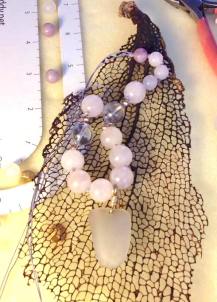
Collecting sea glass is one of the pleasures of a walk on the beach. Or maybe it’s the motivation for the walk. For some, it is an opportunity to turn what the sea throws onto the beach into something decorative. Abaco is home to some excellent jewellery** makers who specialise in using locally found materials to make beautiful things. These sometimes incorporate a mix of sea glass, pebbles, and small shells.

Sea Glass & Jewellery, Abaco, Bahamas (Two Island Chicks)Sea Glass & Jewellery, Abaco, Bahamas (Two Island Chicks)Sea Glass & Jewellery, Abaco, Bahamas (Two Island Chicks)

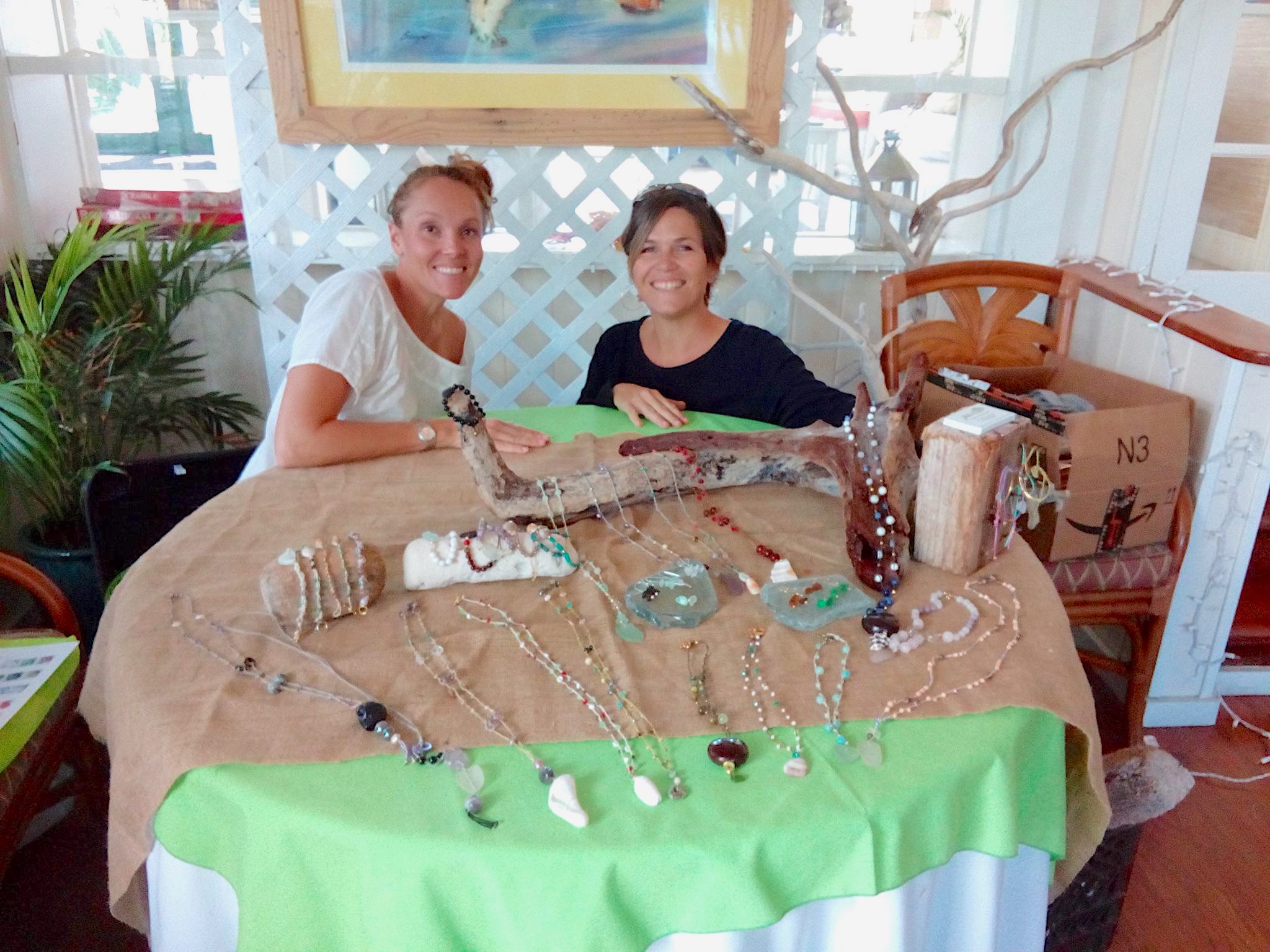
In Hopetown on Elbow Cay, Hilary Thompson and Erika Feszt Russell do just that. Trading under the name ‘Two Island Chicks’, they use sea glass in many of their creations, some examples of which are displayed here. As you’ll see, they also apply their creativity to showing their jewellery attractively. 

Sea Glass & Jewellery, Abaco, Bahamas (Two Island Chicks)

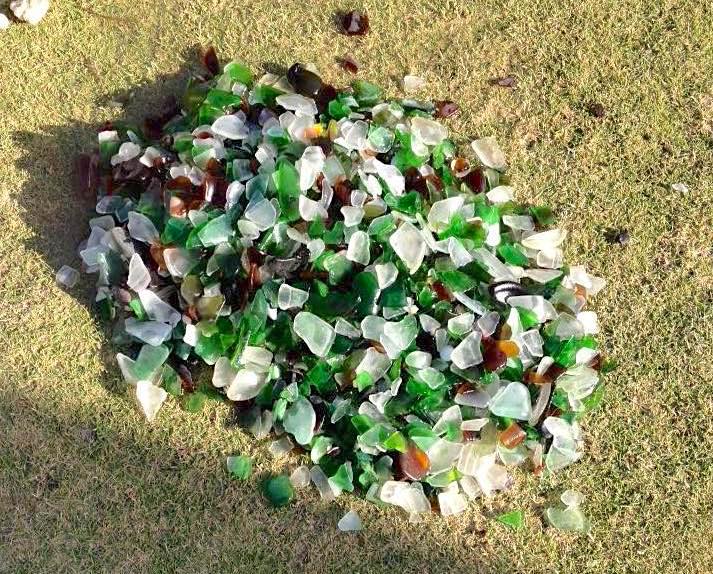
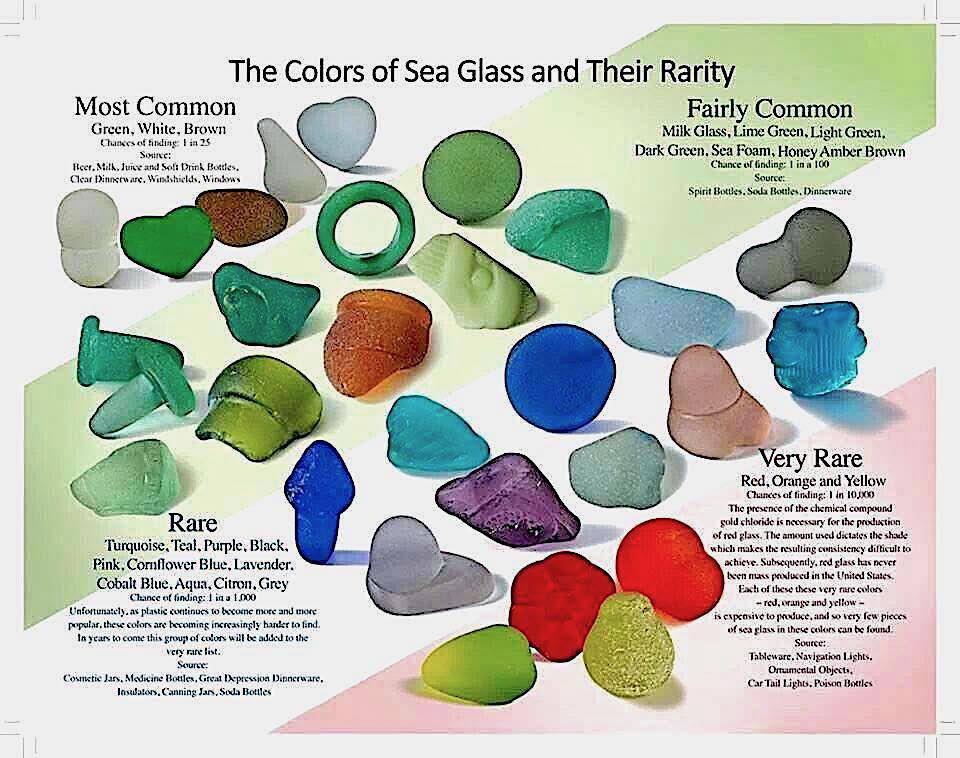
The collected glass has to be sorted into the various colours. Most are quite common (white, green, brown), some are uncommon (eg cobalt blue), and just a few that are very rare – and possibly valuable (red, orange) – see charts below.

Sea Glass & Jewellery, Abaco, Bahamas (Two Island Chicks)Sea Glass & Jewellery, Abaco, Bahamas (Two Island Chicks)Sea Glass & Jewellery, Abaco, Bahamas (Two Island Chicks)Sea Glass & Jewellery, Abaco, Bahamas (Two Island Chicks)

The charts below give a general overview of the comparative rarity of various sea glass colours, their sources, and the chances of making a rare find. Of course, these are mainstream colours; there are many other in-between hues and shades.

Sea Glass & Jewellery, Abaco, Bahamas (Two Island Chicks)Sea Glass & Jewellery, Abaco, Bahamas (Two Island Chicks)Sea Glass & Jewellery, Abaco, Bahamas (Two Island Chicks)

Can you spot the most unusual piece of sea glass here?Sea Glass & Jewellery, Abaco, Bahamas (Two Island Chicks)

Sea Glass & Jewellery, Abaco, Bahamas (Two Island Chicks) Sea Glass & Jewellery, Abaco, Bahamas (Two Island Chicks)

RELATED POSTS

BEACHCOMBING FOR SEA GLASS with Kasia

BOOKCOMBING: SEA GLASS BOOKS (4 books compared)

ABACO ARTS & CRAFTS (with drop-down menus)

** Yeah yeah, I hear you. Jewellery? How English is that? Please mentally substitute ‘jewelry’ throughout. Maybe the same for colour / color. This is a bi-lingual area.

THE TWO ISLAND CHICKS

Credits: Hilary and Erika for all the photos; as for the sea glass charts (1) West Coast Sea Glass 2006 (as found in a number of online sources); (2) Origin unknown (ditto re online sources) 

Unknown's avatar

CHEROKEE SHELL MUSEUM, ABACO: “GIFTS FROM THE SEA”


Cherokee Shell Museum, Abaco Bahamas / Gifts from the Sea / Cinder Pinder

CHEROKEE SHELL MUSEUM, ABACO: “GIFTS FROM THE SEA”

One of the smallest museums in the world has just opened on April 15 in the picturesque settlement of Cherokee on Abaco, Bahamas. Other contenders for the title include the MmuseumM in New York, housed in an elevator shaft (look through glass window + audio guide); a converted red telephone kiosk in Warley, Yorkshire UK dedicated to local history (one visitor at a time); and a tiny shed of 134 sq ft in Arizona featuring what might broadly be called ‘ephemera’, including a Beatles poster…

Cherokee Shell Museum, Abaco Bahamas / Gifts from the Sea / Abaconian

Whatever the size comparisons, the new shell museum is beyond doubt the very best one in the Bahamas, not least because it is the only one. “Gifts from the Sea” is housed in the former 1950s telegraph office that ceased to operate in 1987 and had fallen into disrepair. Leased from BTC for a nominal rent, the little building was restored, and given a smart new roof and a complete makeover. The new museum provides the perfect space for displaying a selection of the wonderful shells to be found in Abaco waters.

Cherokee Shell Museum, Abaco Bahamas / Gifts from the Sea / Cinder Pinder

The whole community has got behind this project, which is the vision and creation of Curator Lee Pinder. Derek Weatherford fitted cabinets for the exhibits, and artist Jo-Ann Bradley has painted a fabulous interior Cherokee-themed mural as a fitting backdrop to the displays.

Cherokee Shell Museum, Abaco Bahamas / Gifts from the Sea / Cinder Pinder

The exhibition shows more than 200 shells, each catalogued with its Latin and common name, and clearly labelled in the display. Most were found locally; a few are from further afield. Some specimens are very rare. It is hoped to expand the collection as people make shell donations to the museum. 

Cherokee Shell Museum, Abaco Bahamas / Gifts from the Sea / Abaconian

The building has a door at each end to give natural light and provide a ‘walk-through’ arrangement, which will make viewing in the confined space easier. Entry is free but there’s a glass jar for donations towards the upkeep of the museum. I’m guessing here, but I reckon donations that are made ‘outside the jar’ (so to speak) are very welcome too…

Museum Curator Lee PinderCherokee Shell Museum, Abaco Bahamas / Gifts from the Sea / Cinder Pinder

The opening ceremony took place on Easter Saturday, when Cherokee resident Rev. Bateman Sands performed the official ribbon cutting ceremony preceded by a prayer at precisely 12 noon. As Jennifer Hudson in an Abaconian article points out, he was the ideal person for the task, having been “the first telegraph operator in Cherokee Sound, working in the little building using Morse code and in charge of the one and only telephone in the settlement until 1987 when the new BTC building was opened”.

Cherokee Shell Museum, Abaco Bahamas / Gifts from the Sea / Cinder Pinder

The shell museum is not left open all the time, but visitors are welcomed and private tours can be arranged by calling 475-7868.

Cherokee Shell Museum, Abaco Bahamas / Gifts from the Sea / Cinder Pinder

To see a selection of the many types of Abaco shells, check out my shell page HERE

Sources and Credits: Bradley Albury / Jennifer Hudson / Abaconian; Cindy James Pinder for her great photos

Sand dollar, Abaco (Rolling Harbour)

Unknown's avatar

FLORAL CORAL: BEAUTIFUL BAHAMIAN REEF LIFE


coral-soft-corals-melinda-riger-g-b-scuba

FLORAL CORAL: BEAUTIFUL BAHAMIAN REEF LIFE

This post needs no commentary from me, nor my larky intrusions. These wonderful images from Melinda Riger speak for themselves. You’ll see a wide variety of soft and hard corals in the images below (prize** for the full list). If these superb photos don’t want to make you want to grab a snorkel, mask and flippers, then… well, that would be a very great shame.

coral-melinda-riger-g-b-scubacoral-melinda-riger-gb-scubacoral-reef-2-melinda-riger-g-b-scubafire-coral-melinda-riger-gb-scubapillar-coral-melinda-riger-gb-scubablushing-star-coralpurple-sea-fan-melinda-riger-g-b-scubapurple-sea-fan-melinda-riger-g-b-scuba-copy

**the prize is the usual legendary bottle of Kalik. Or do I mean mythical?

All wonderful photos by Melinda Riger, Grand Bahama Scuba. All corals also available in a wide range of colours in Abaco waters. See them there on the third largest barrier reef in the world (and in rather better nick that the greatest, by all accounts).

Unknown's avatar

SPONGES ON THE REEF: A COLOURFUL MISCELLANY


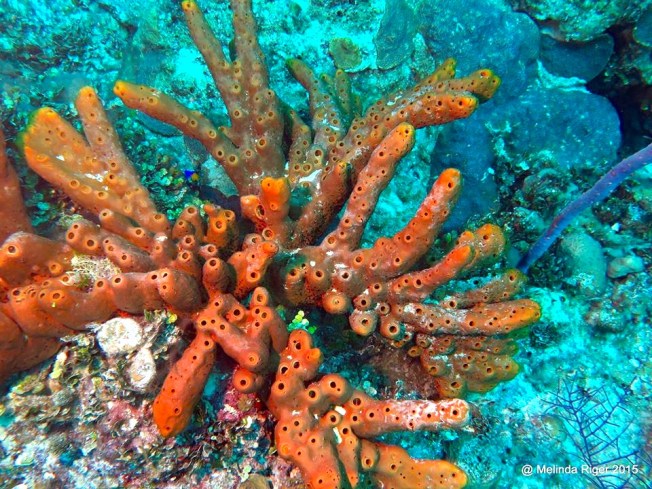
Brown Tube Sponge ©Melinda Riger @ G B Scuba

SPONGES ON THE REEF: A COLOURFUL MISCELLANY

It’s time to take an up-close look at some of the sponges you may find as you snorkel or scuba round the reefs of the Bahamas. I am always amazed by how bright and colourful they are, and by their many different shapes and sizes. Even the unpromising sounding (slightly medical, even?) BROWN TUBE SPONGE turns out to be fascinating to examine closely. Here are some more sponge species. 

CANDELABRA SPONGECandelabra Sponge ©Melinda Riger @ G B Scuba copy

STOVE PIPE SPONGEStove Pipe Sponge ©Melinda Riger @ G B Scuba

PURPLE VASE SPONGEVase Sponge, purple ©Melinda Riger @ G B Scuba

BRANCHING TUBE SPONGE WITH ROPE SPONGESponges - Branching Tube Sponge with rope sponge ©Melinda Riger @ GB Scuba

PURPLE TUBE SPONGEPurple Tube Sponge ©Melinda Riger @ GB Scuba

PURPLE SPONGE WITH GIANT ANEMONEPurple Sponge : Giant Anemone ©Melinda Riger @ G B Scuba

VASE SPONGEVase Sponge ©Melinda Riger @ G B Scuba

The above sponges represent a fraction of the sponge varieties found on Bahamas reefs. I’ll post some more quite soon. All this has made me want to go for a snorkel. But right now I am 30 miles from the sea. And I have no gear…

HANG ON A MOMENT! WHAT IS A SPONGE WHEN IT’S AT HOME?

It’s really very simple: if you are ever asked the question, just reply “a sponge is a primitive sedentary aquatic invertebrate with a soft porous body that is typically supported by a framework of fibres or calcareous or glassy spicules. Sponges draw in a current of water to extract nutrients and oxygen”.

AND WHAT, PRAY, IS A SPICULE?

You’re having a laugh… if you seriously want to know, read the abbreviated version about them HERE. And admire this microscopic collage of ‘demospongiae spicule diversity’ made available by the wonders of Wiki and the research of about 20 credited scientists.

Demospongiae_spicule_diversity

All photos: Melinda Riger, Grand Bahama Scuba. Tip of the hat to Wiki and scientists

Unknown's avatar

WHITE-TAILED TROPICBIRD: ABACO’S MOST ELEGANT BIRD


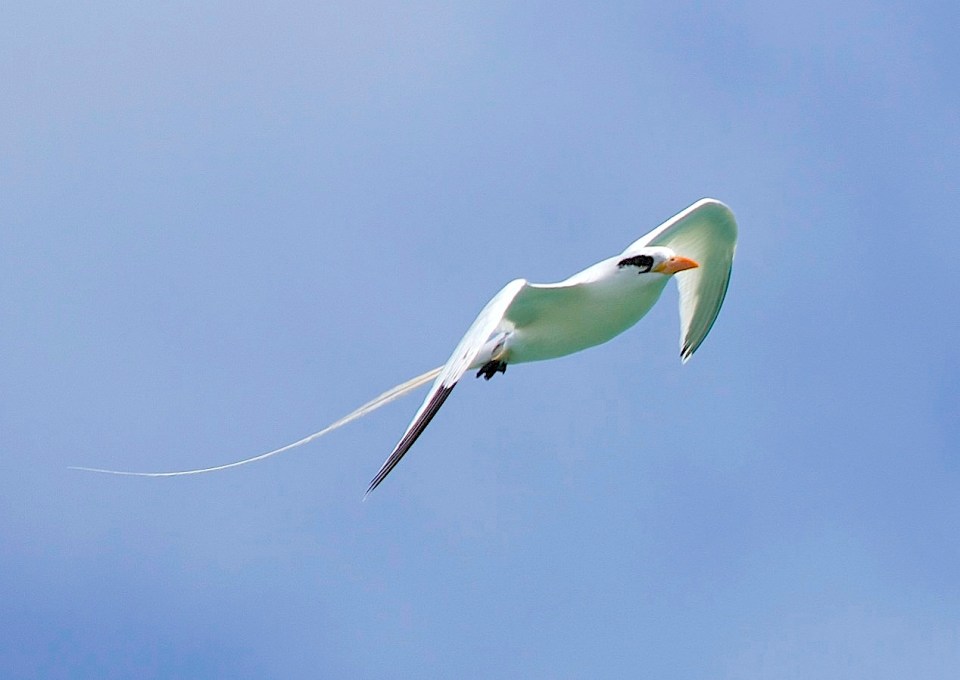
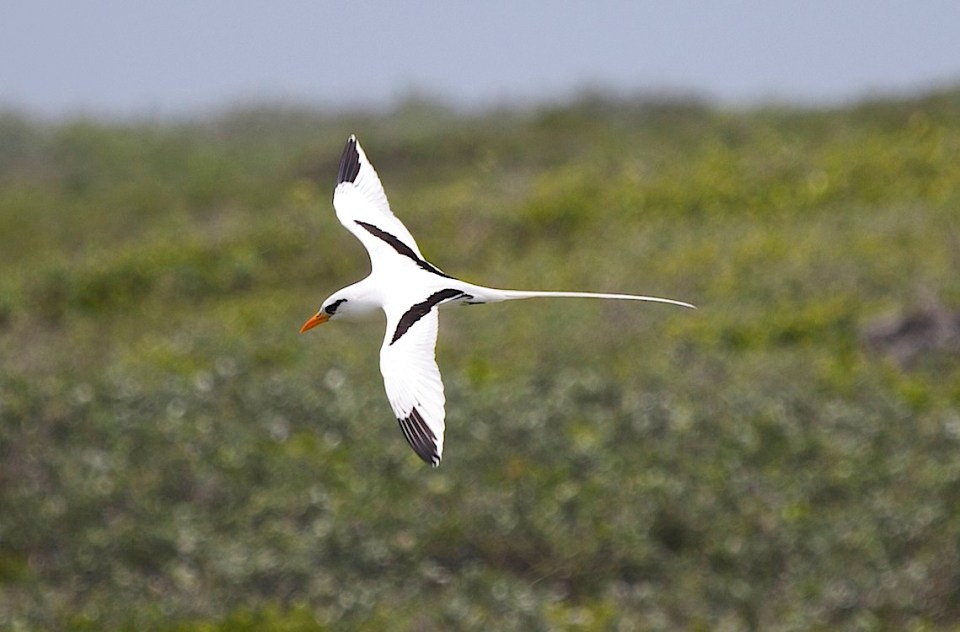
White-tailed Tropicbird, Abaco (Alex Hughes)

WHITE-TAILED TROPICBIRD: ABACO’S MOST ELEGANT BIRD

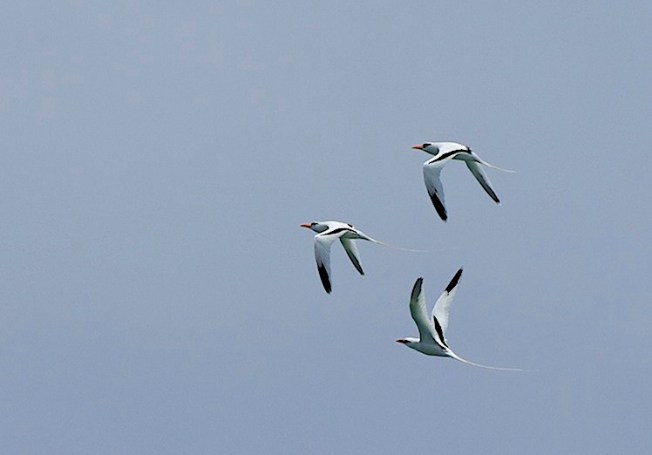
A competition to decide the most elegant bird found on Abaco (of 350+ recorded species) is a simpler task than it sounds. Colourfulness doesn’t come into (sorry, painted bunting, Abaco parrot & co). Nor cuteness, rarity, popularity and so on. Some birds don’t make the starting line at all (but we love you, ungainly limpkins and raucous clumsy-flying Anis). Best to judge from a different viewpoint: is there one bird that in flight is invariably beautiful to watch, in a way that can make you catch your breath…?

White-tailed Tropicbird, Abaco (Alex Hughes)White-tailed Tropicbird, Abaco (Alex Hughes)

The caribbean white-tailed tropicbird (Phaethon lepturus catesbyi) is one of six types of tropicbird found worldwide. It is named after pioneering naturalist MARK CATESBY, who predated John James Audubon. Click the link to find out more about him. Catesby’s depiction (below) of a ‘Phaeton’ must be one of the earliest.

Catesby’s TropicbirdTropicbird - Mark Catesby jpg

IMG_0413

In the Bahamas, tropicbirds are summer resident only and breed on the islands. Abaco is fortunate to have several breeding colonies, not all in remote or inaccessible places. Female tropicbirds lay a single egg directly onto the ground or on rocky ledges and in rocky holes. One might suppose that such limited egg production with a somewhat high-risk nesting policy, coupled with modern problems such as habitat destruction, might affect numbers. However, these fine birds seem to be doing well, and are IUCN-listed ‘Least Concern’.

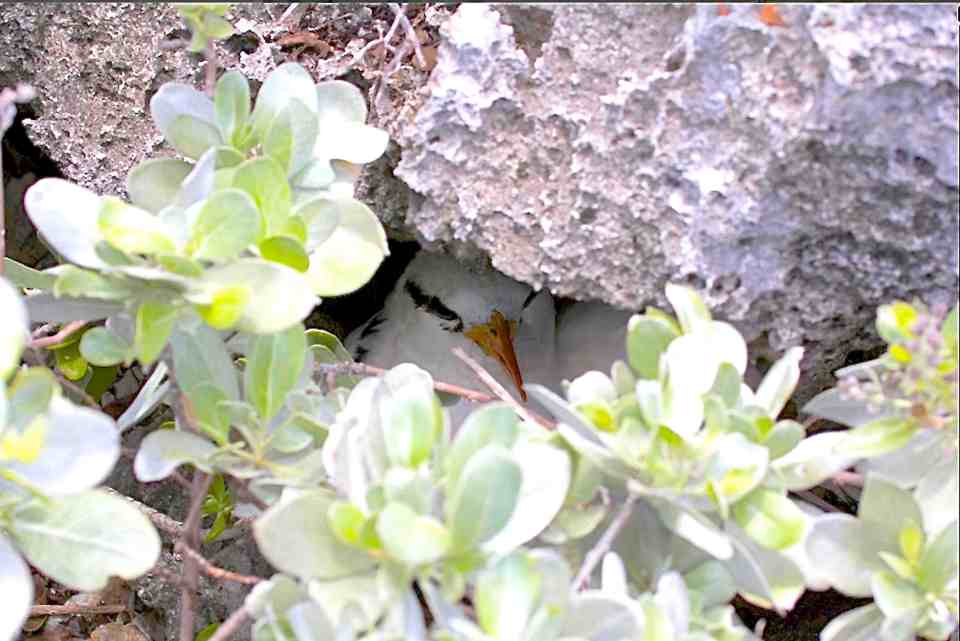
This tropicbird on Abaco has found a safe place to nest in a rocky holeWhite-tailed Tropicbird on nest, Abaco (Alex Hughes)

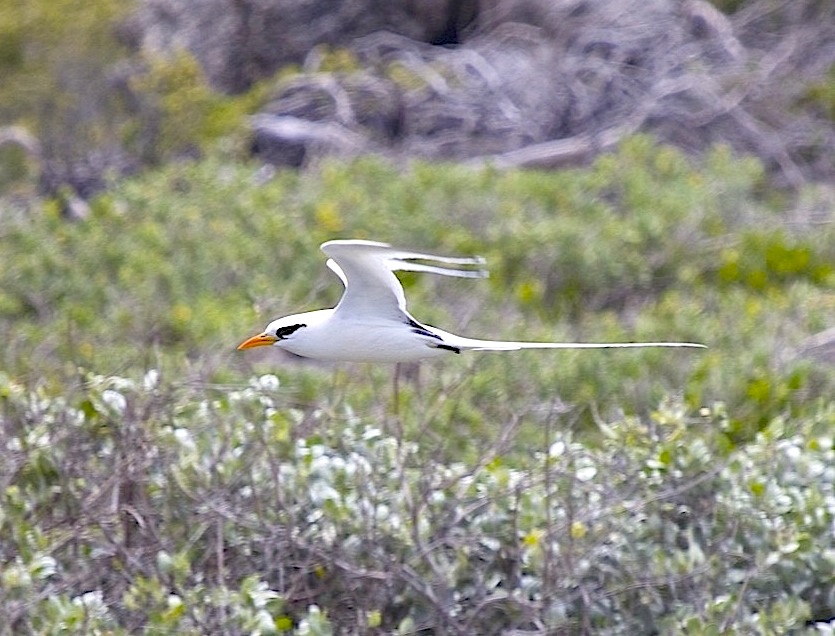
Tropicbirds have a variety of local names in the Caribbean, for example ‘longtail’ and ‘bosun bird’ (after their screeching call). They plunge-dive for fish, but are inexpert swimmers. This is a factor I am prepared to overlook in the elegance contest. They were born to fly high, not to paddle about.

White-tailed Tropicbird, Abaco (Alex Hughes)White-tailed Tropicbird, Abaco (Alex Hughes)

THE STORY OF TB THE TROPICBIRD

A couple of years ago, a tropicbird chick was rescued by a dive boat and given to Melissa Maura, well-known for her animal magic, to care for. She nurtured ‘TB’, giving him a soft bed and providing him with a swimming pool. To begin with, it looked as though he might not be able to fly at all, but as he became stronger he started to flap his wings.

White-tailed Tropicbird, Bahamas (Melissa Maura)White-tailed Tropicbird, Bahamas (Melissa Maura)

Then it was time to go to the beach, get acquainted with sand and sea, and practise flying. I have some pathetic photos of an exhausted TB lying flat out on the sand after his initial attempts to fly. But Melissa and TB persevered with the flying practice and in due course TB began to get the hang of it. Finally, the great day arrived. Melissa and a friend took TB down to the beach and launched him into the air. He took off, flying strongly away, never to return. A moment of triumph mixed with poignance.

  White-tailed Tropicbird, Bahamas (Melissa Maura) White-tailed Tropicbird, Bahamas (Melissa Maura)White-tailed Tropicbird, Bahamas (Melissa Maura)

You are very welcome to propose a rival in the elegance stakes in the comment box!

Credits: Main photos Alex Hughes; TB images Melissa Maura

White-tailed Tropicbird, Abaco (Alex Hughes)

Unknown's avatar

ECHINODERMS, DOLLAR DOVES & PETRIFIED BISCUITS


Sand Dollar Doves (Keith Salvesen) 6

Sand Dollar from Abaco containing 5 miniature white doves…

ECHINODERMS, DOLLAR DOVES & PETRIFIED BISCUITS

Echinoderms (Gr. ‘Hedgehog Skin’) comprise a large variety of sea creatures characterised (mostly) by radial symmetry, often five-way. For Abaconians, the most frequently encountered are starfish, sea urchins, sand dollars and sea biscuits. I am going to look at two particular aspects of dollars and biscuits, conscious that my illustrative photos of white objects were stupidly taken against a white background.

DOLLAR DOVES

I’m sure all Bahamians know or are aware of at least one version of the famous ‘Sand Dollar’ poem, in which the various characteristics of the test (the skeleton of the creature) are given religious significance. One verse of the poem may be puzzling: “Now break the centre open And here you will release The five white doves awaiting To spread good will and peace”.

Recently, Senior Granddaughter (10 this week) was looking at some Abaco sand dollars in her unfeasibly huge collection of shells. She picked one up, shook it and it rattled. She said a friend at school had told her that a rattling sand dollar has ‘doves’ inside it, and asked if we could break it open and see. I’ve learnt that it is useless to argue with her – she has the tenacity of a trial lawyer – so we did. This is what we found.

Sand Dollar with a spiky interior like a white cave with stalagmites and stalagtitesSand Dollar Doves (Keith Salvesen) 4

Five white doves (in fact, the separated parts of the creature’s feeding apparatus)Sand Dollar Doves (Keith Salvesen) 1

Two broken pieces showing where the doves are centrally locatedSand Dollar Doves (Keith Salvesen) 5

A single dove (best viewed the other way up for full-on doveliness)Sand Dollar Doves (Keith Salvesen) 3

The photo below, from Pinterest, shows the ‘mouth’ with its 5 dove-parts intact, an arrangement called ‘Aristotle’s Lantern’.

Sand Dollar : Aristotle's Lantern : Doves (Pinterest)

PETRIFIED BISCUITS

In common parlance ‘petrified’ is an extreme version of ‘terrified’. Literally, it means ‘turned to stone’ (L. Petrus, a rock). It is descriptive of a state of fossilisation, where an animal skeleton or dead wood or plant matter turns over aeons into stone. Undaunted by her Doves discovery, SG (a most inquisitive girl) also discovered a box containing random stones and fossils. She found these two items:

Fossilised sea biscuitsPetrified Sea Biscuit (Keith Salvesen) 1

A closer look at the pair of rocksPetrified Sea Biscuit (Keith Salvesen) 5 Petrified Sea Biscuit (Keith Salvesen) 4

The undersides of the fossils above – looking like stones but with some tell-tale small holesPetrified Sea Biscuit (Keith Salvesen) 2 Petrified Sea Biscuit (Keith Salvesen) 3

A close-up of the pale biscuitPetrified Sea Biscuit (Keith Salvesen) 6

Sea biscuits as everyone knows them, on the beach at Delphi – skeletons but not yet fossilsSea Biscuits, Delphi, Abaco (Clare Latimer) copy

A ‘modern’ sea biscuit in close-upSea Biscuit, Abaco (Rhonda Pearce) copy

FUN FACT

Florida has an unofficial but proposed State Fossil, the ‘Sea Biscuit (Eocene Age)’. I didn’t know it before, but it turns out that around 40 States have State Fossils. Whatever next? State Bacteria?

SO HOW OLD MIGHT A PETRIFIED BISCUIT BE?

The fossil biscuits I have looked at, from Florida to Madagascar, are said to come from three specific historic epochs – from the oldest, Jurassic (145m – 201m years ago),  to Eocene (34m – 56m) and Pleistocene (0.01m – 2.6m). 

HOW DOES THAT HELP ANYBODY? BE MORE PRECISE

By all means. Here is an excellent Geochart that gives an idea of the time span. A Jurassic sea biscuit would be more than 145m years old. So maybe the next plan should be to take the 2 petrified sea biscuits plus SG to a museum to see if we can get an idea of their age…geotimescale

All photos ‘in-house’ except the Delphi biscuits, Clare Latimer & the single biscuit Rhonda Pearce; Geochart to be credited asap, mislaid the source…

Unknown's avatar

ROLLING HARBOUR, ABACO: LIFE’S A BEACH & THEN SOME…


Rolling Harbour Beach, Abaco1b

ROLLING HARBOUR, ABACO: LIFE’S A BEACH & THEN SOME…

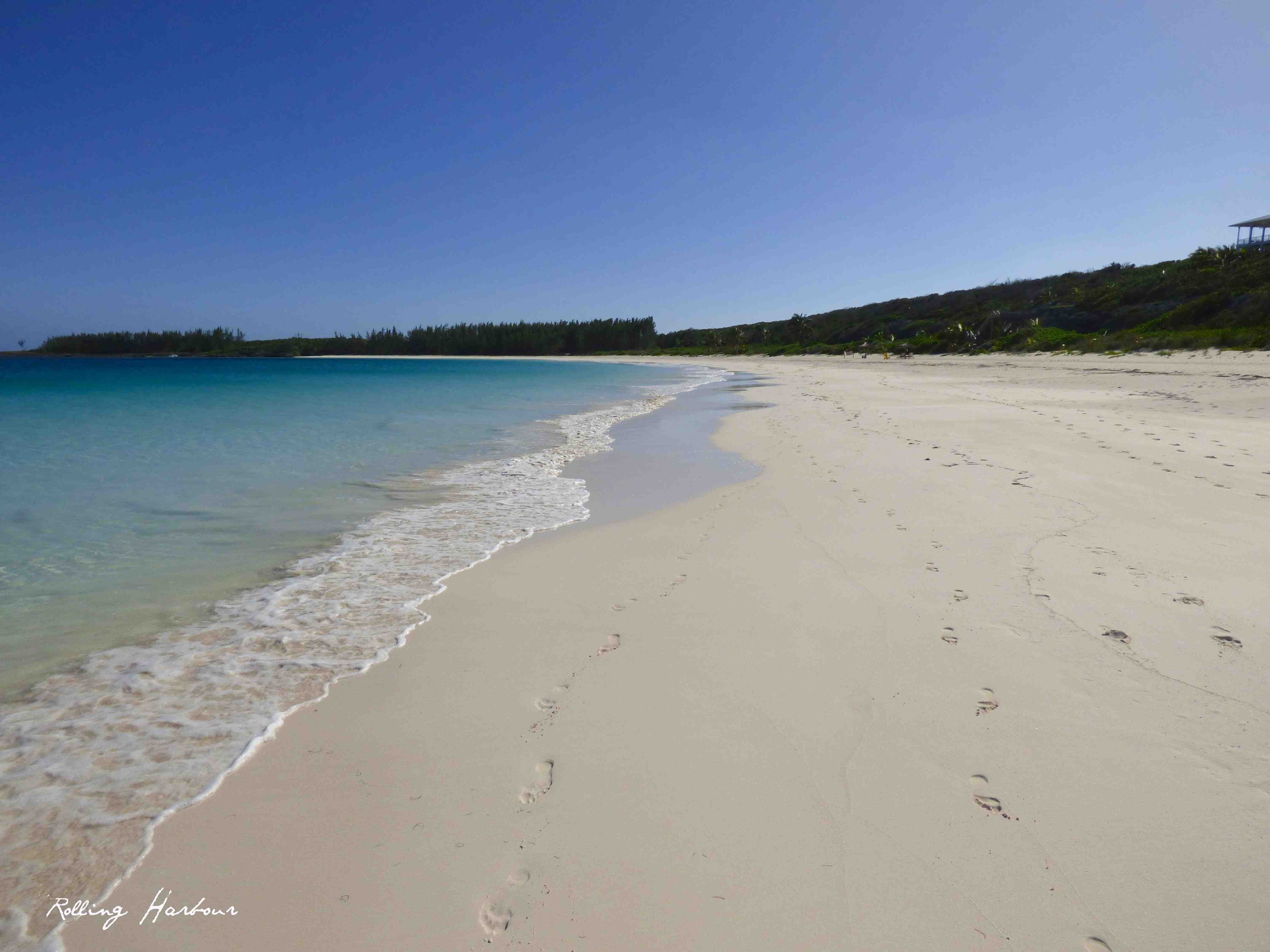
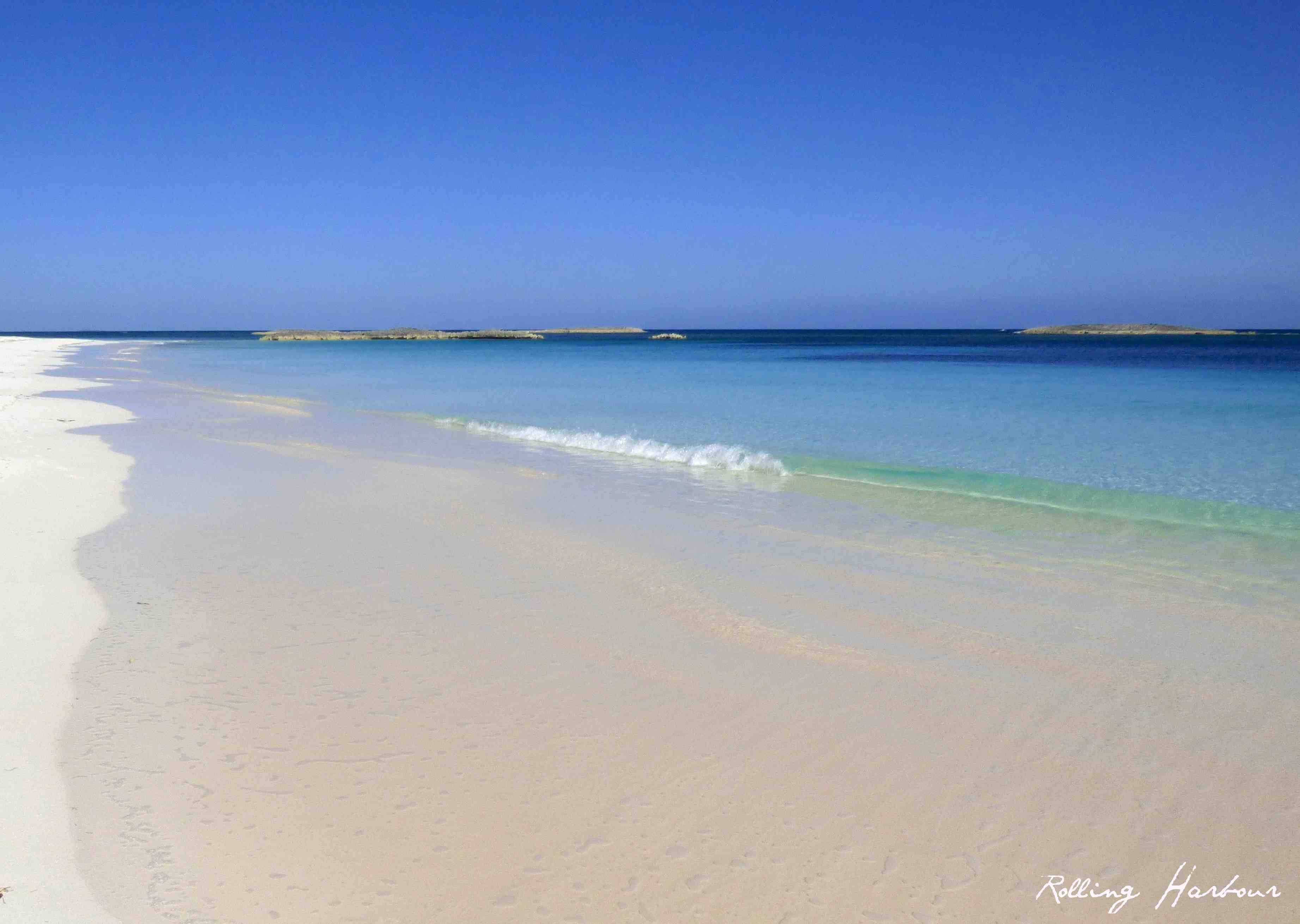
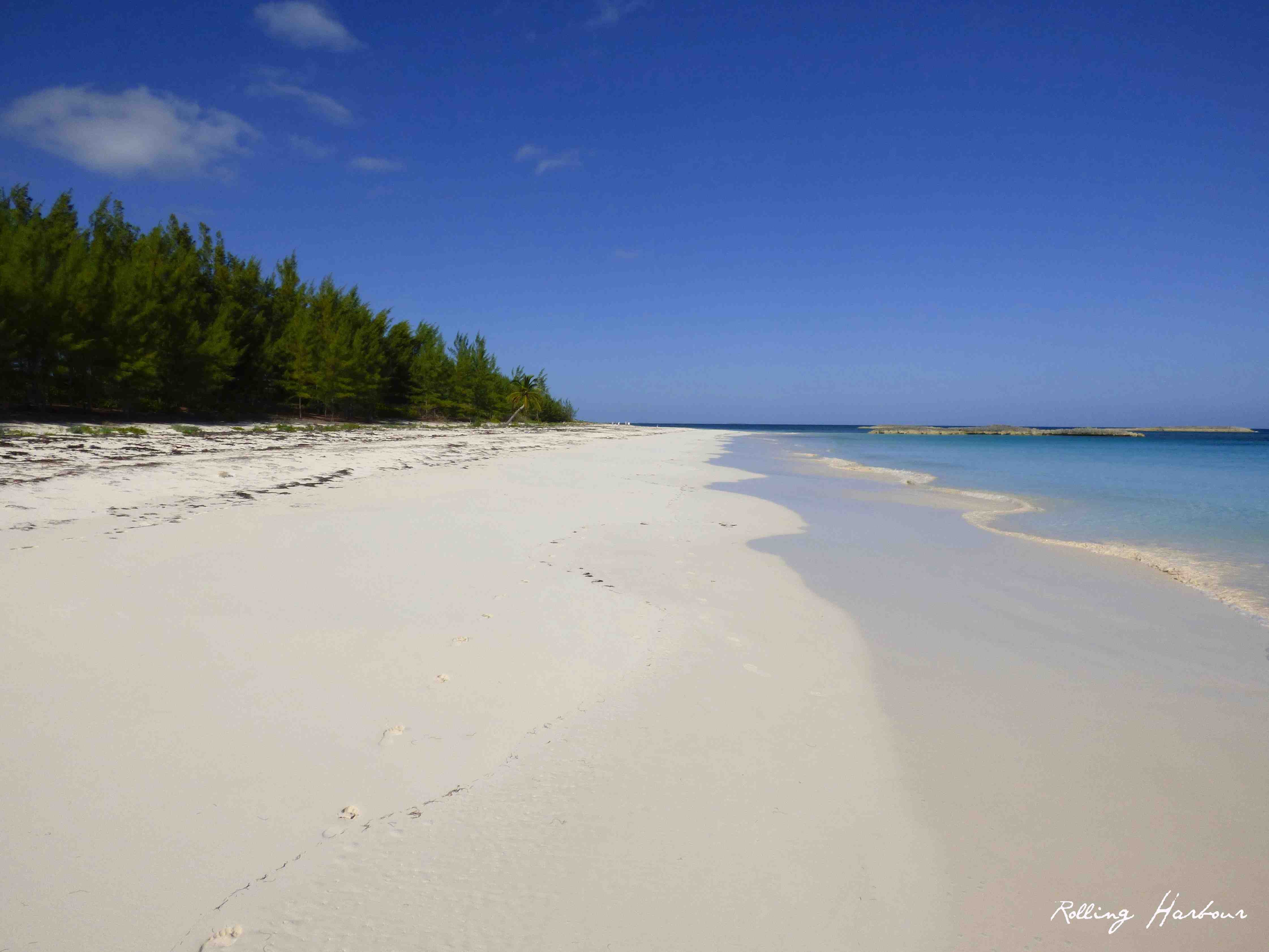
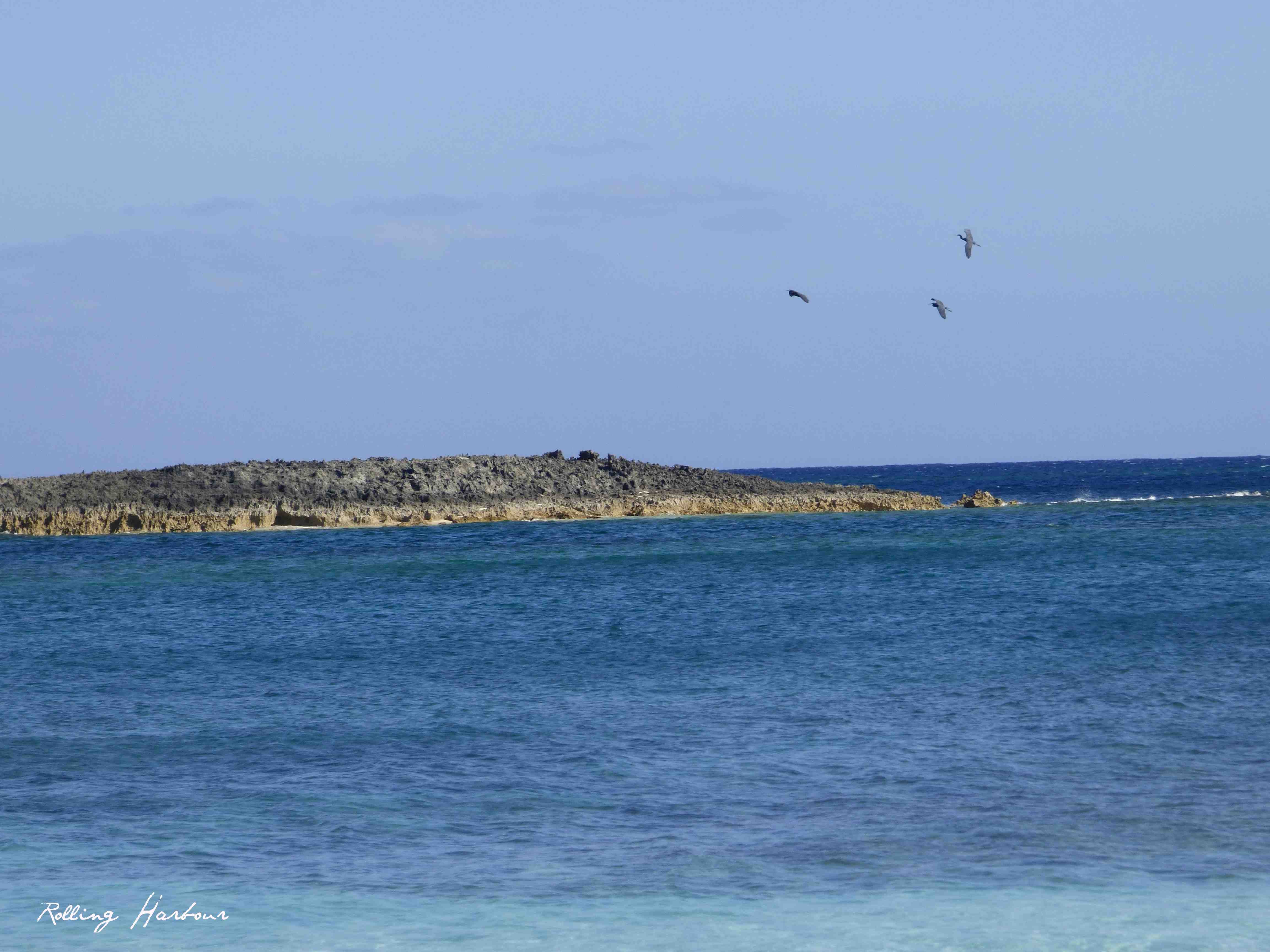
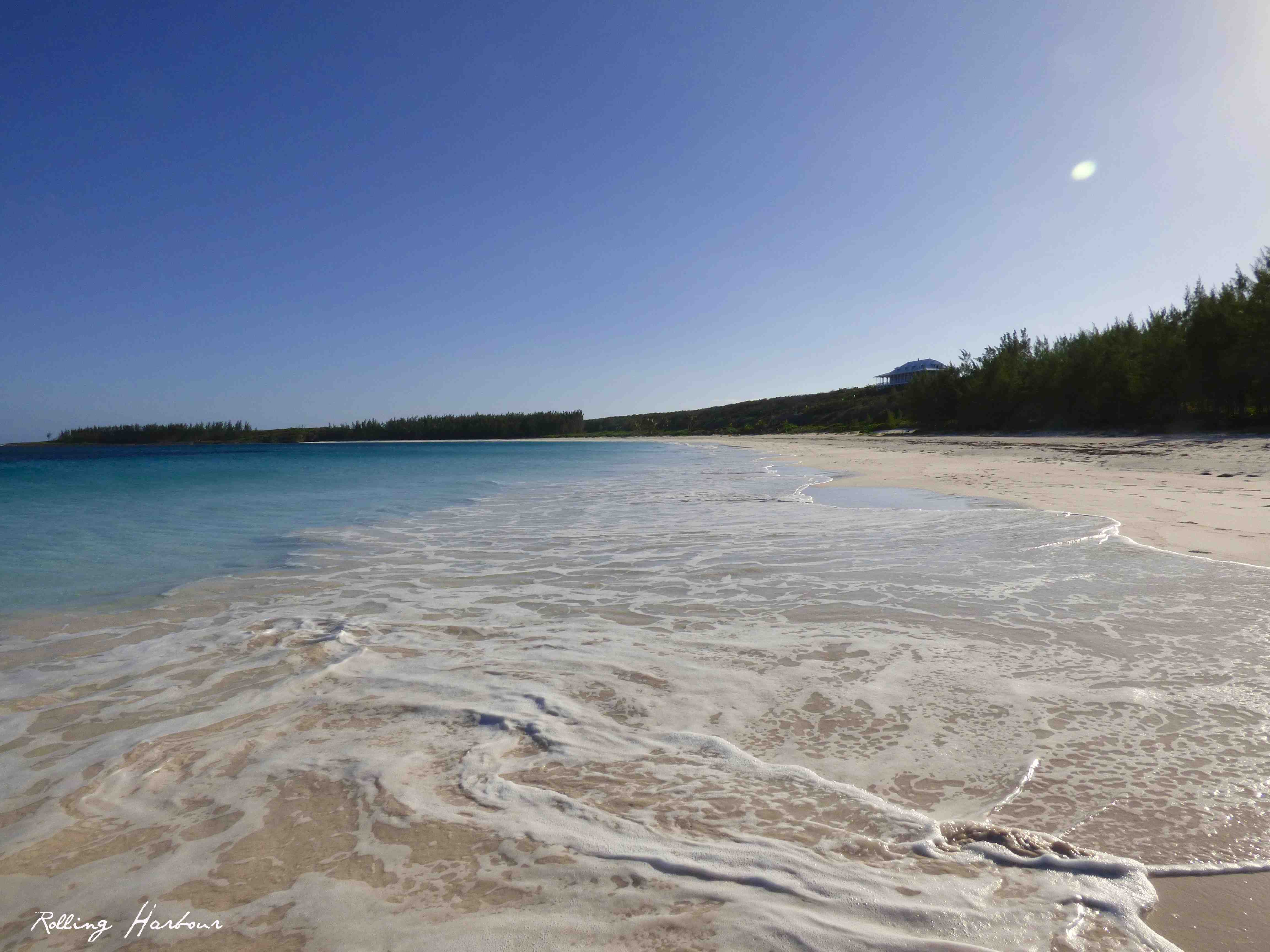
Rolling Harbour (the geographical feature) is a gently curving one-mile white sand bay presided over by the Delphi Club, which sits on a 50 foot cliff behind the beach. There are rocks at either end, fish in the sea (including bonefish and, in the right conditions, permit), birds on the shore and shells on the sand. And that’s it… 

Rolling Harbour Beach, Abaco2bRolling Harbour Beach, Abaco3bRolling Harbour Beach, Abaco4bRolling Harbour Beach, Abaco5bRolling Harbour Beach, Abaco6bRolling Harbour Beach, Abaco7bRolling Harbour Beach, Abaco8b

And if anyone can explain the strange ribbed sky effect that seems to have appeared from nowhere when I posted these photos that I took last year (300dpi), then I’d be very grateful…

Unknown's avatar

FLAMINGO TONGUE SNAILS: ALL YOU NEED TO KNOW


Cyphoma_gibbosum Clark Anderson - Aquaimages

FLAMINGO TONGUE SNAILS: ALL YOU NEED TO KNOW

I wrote about FLAMINGO TONGUE SNAILS Cyphoma gibbous more than two years ago. They have not changed noticeably since then but this site has – in scope, available material and audience. So I am revisiting these small marine gastropod molluscs, which are related to cowries. The live animal is brightly coloured and strikingly patterned, but that colour only exists in the ‘live’ parts – the ‘mantle’. The shell itself is usually pale and characterised by  a thick ridge round the middle. These snails live in the tropical waters of the Caribbean and the wider western Atlantic. Whether alive or dead, they are gratifyingly easy to identify.

FLAMINGO TONGUE SNAIL ON A PURPLE ROPE SPONGEFlamingo Tongue on purple rope sponge ©Melinda Riger @ GB Scuba copy

FEEDING ON A CORAL STEM

This snail is snacking on a coral stem, leaving a feeding track behind it. The structural shell ridge is clearly visible beneath the distinctively marked live tissue of these creatures.

Flamingo Tongue LASZLO ILYES Cyphoma_gibbosum_(living)_2

The flamingo tongue feeds by browsing on soft corals. Adult females attach eggs to coral which they have recently fed upon. About 10 days later, the larvae hatch. They eventually settle onto other gorgonian corals such as Sea Fans. Juveniles tend to live on the underside of coral branches, while adults are far more visible and mobile. Where the snail leaves a feeding scar, the corals can regrow the polyps, and therefore the snail’s feeding preference is generally not harmful to the coral.

Flamingo_Tongue_Snail_on_Soft_Coral_LASZLO ILYES

The principal purpose of the mantle of  tissue over the shell is as the creature’s breathing apparatus.  The tissue absorbs oxygen and releases carbon dioxide. As I have seen it described (unkindly?) “it’s basically their lungs, stretched out over their rather boring-looking shell”. 

Flamingo Tongue, Abaco (Char Albury)

This snail species, once common, is becoming rarer. The natural predators include Hogfish, Pufferfish and Spiny Lobsters, though the spotted mantle provides some defence by being rather unpalatable. Gorgonian corals contain natural toxins and instead of secreting these, the snail stores them. This supplements the defence provided by its APOSEMATIC COLORATION, the vivid colour and /or pattern warning sign to predators found in many species.

It comes as little surprise to learn that man is now considered to be the greatest menace to these little  creatures, and the reason for their significant decline in numbers. The threat comes from snorkelers and divers who mistakenly / ignorantly think that the colour of the mantle is the shell of the animal, collect up a whole bunch from the reef, and in due course are left with… “boring-looking shells” (see photos below). Don’t be a collector; be a protector…
Flamingo Tongue, Abaco (Char Albury)

These photos are of flamingo tongue shells from the Delphi Club Collection. Until I read the ‘boring-looking shell’ comment, I believed everyone thought they were rather lovely… I did, anyway. You decide!

Flamingo Tongue Snail Shell, Keith Salvesen AbacoFlamingo Tongue Snail Shell, Keith Salvesen AbacoFlamingo Tongue Snail Shell, Keith Salvesen Abaco

Finally, a couple of videos. The first is rather charmingly titled ‘FLAMINGO TONGUES DOING…. SOMETHING’. Any (printable but amusing) suggestions via the Comment box are welcome. The second punchily summarises this post in 30 seconds. Maybe that’s all that was needed!

Image Credits: Clark Anderson, Melinda Riger, Laszlo Ilyes, Charmaine Albury, RH

Doh! Reading through this after posting I can’t remove from my mind the likeness of Homer Simpson on the snail in Melinda’s photo (2). I had to  check it out and… it’s uncanny!

Homer Simpson Flamingo Tongue copy images