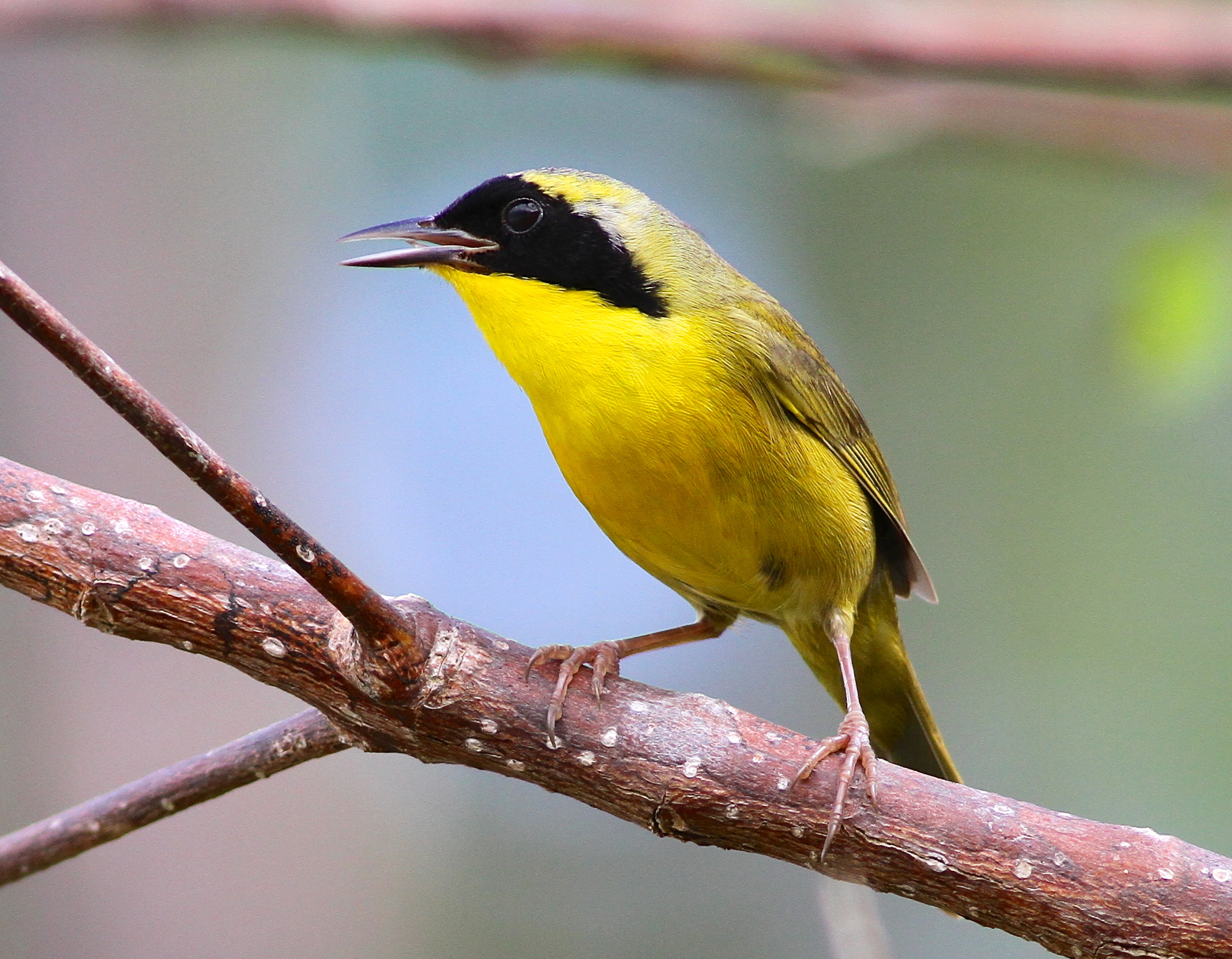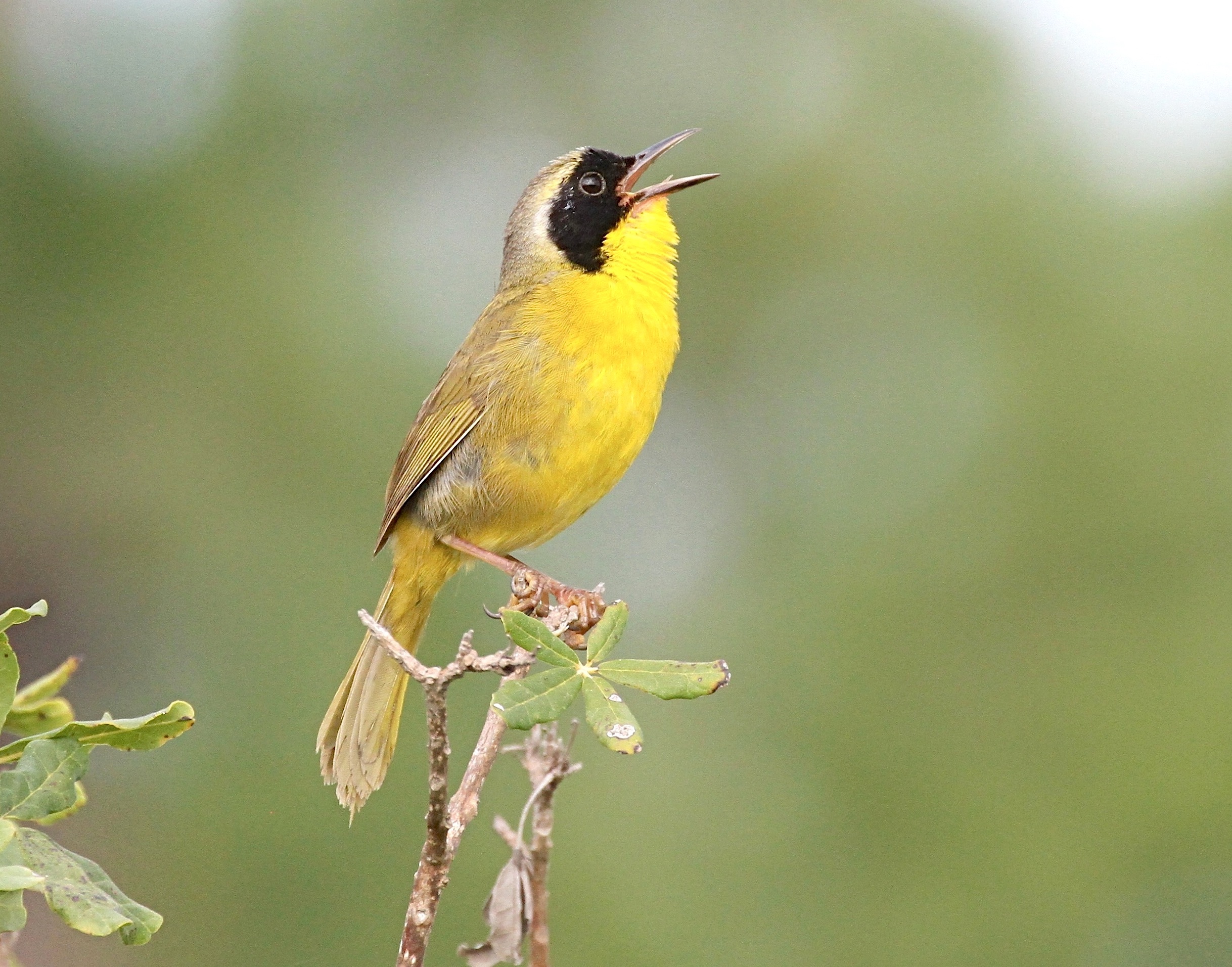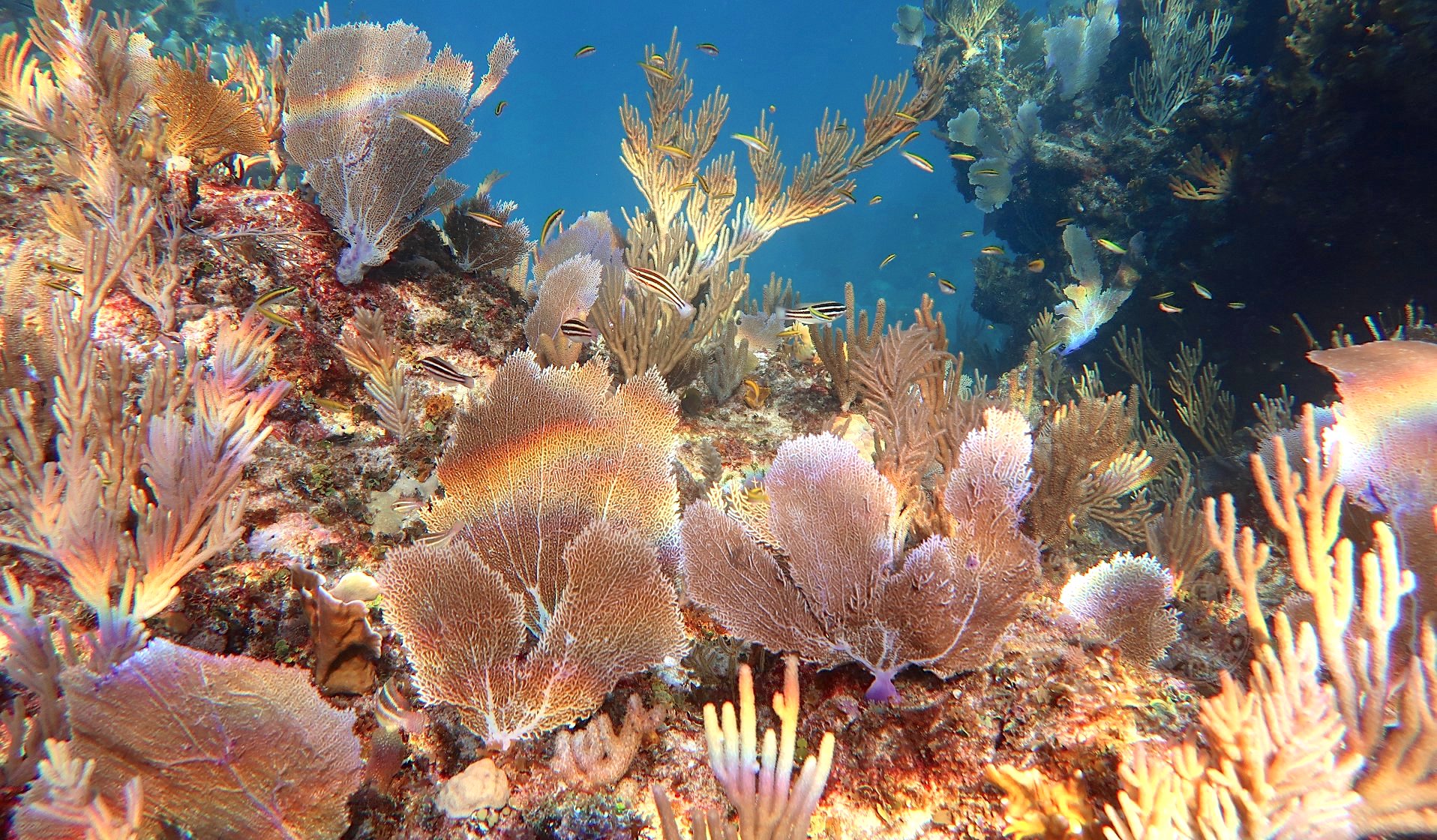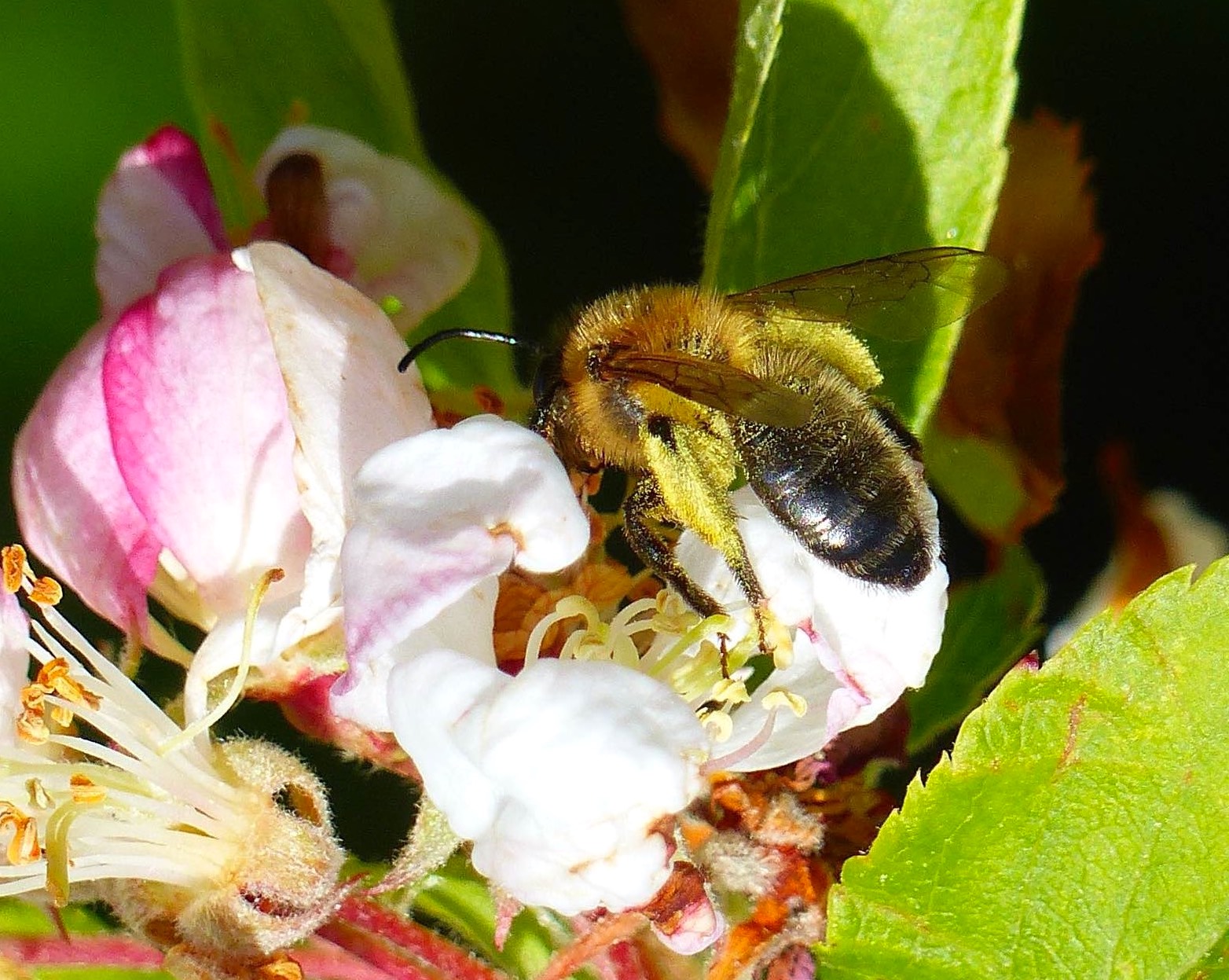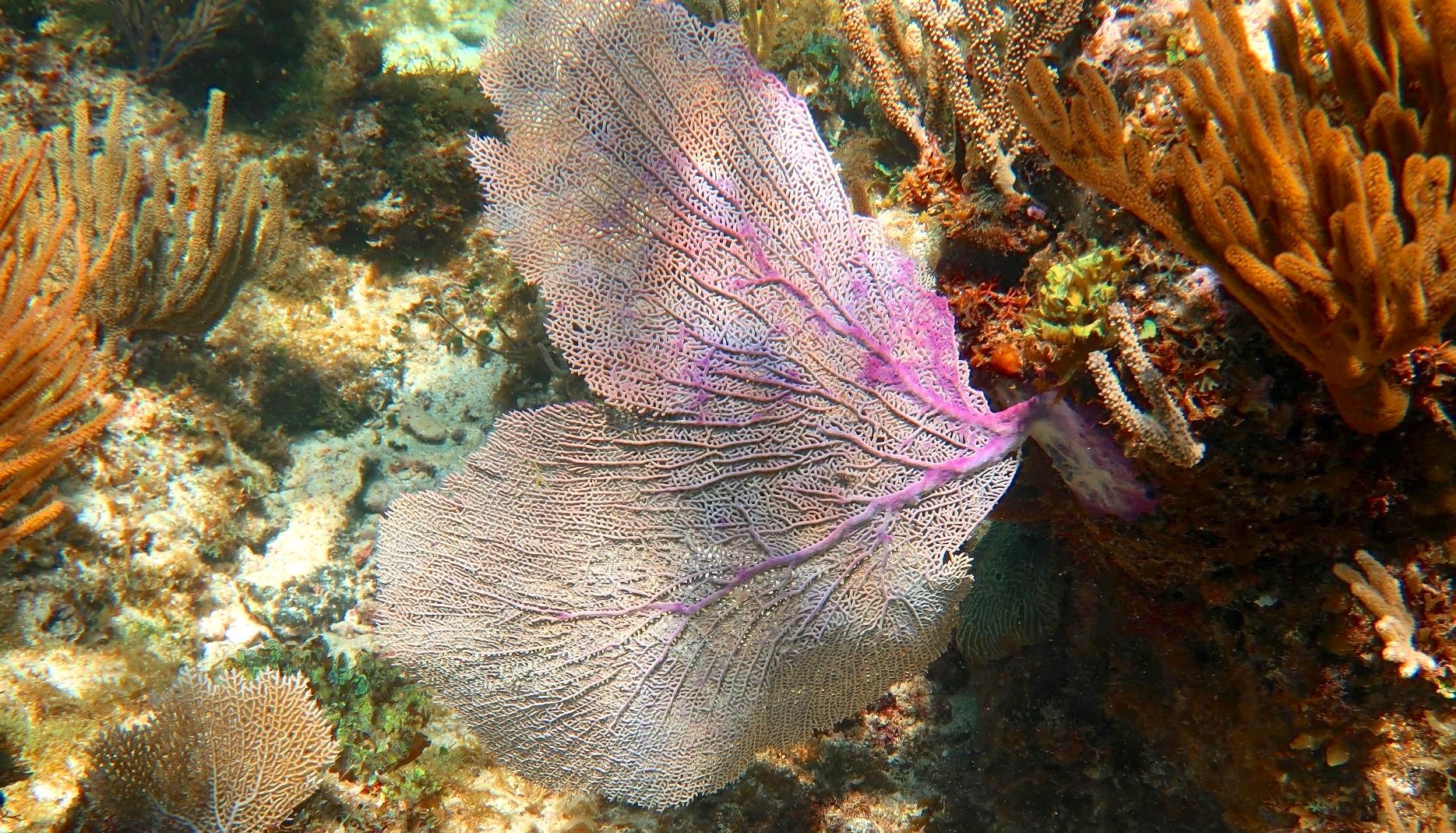
Not much in the way of a caption needed here. As the poet said: “He that loves not the Hibiscus has a Soul assuredly viscous…”
EASTER BUNNY: OUT STANDING IN ITS FIELD
Well, strictly more lying down than standing I suppose, not least because it had sensed me. When I was one-and-twenty* rabbits were a-plenty… and I might have shot it with a bun gun. Then I decided that shooting with a camera was the better way forward.
*Nod to A.E.Housman; also to my erstwhile online natural scientist friend who led an outdoorsy life and blogged as ‘Out Standing in my Field’, a self-referencing ID never bettered.
LUNAR SEA + CRATERS = SUPERMOON
This is not the ‘pink’ supermoon you saw the other day, but one from a couple of years back. I only had a bridge camera with me with a cheapo 1.7 teleconverter, but luckily a sturdy windowsill as well to reduce the shakes (that kind, anyway…). I marked a few prominent features on the image. Some of these took me back to a childhood astronomy book (‘Imbrium!’; ‘Nubium!’) where I learned about stars well beyond Orion, Ursa ma. & mi., and Cassiopeia – about the only constellations I can reliably point to these days.
This week’s supermoon shone very brightly where I am now, but the moon itself was rather hazy. It certainly wasn’t pink but rather more of a pale cold white. As it turns out, the ‘pink’ doesn’t refer to the lunar colouring anyway, but to the full moon in Spring that occurs when the early-blooming wild pink comes into flower. So, it’s a seasonally-based name and a bit like the harvest moon not being harvest coloured…
Photo: Keith Salvesen / Rolling Harbour Abaco
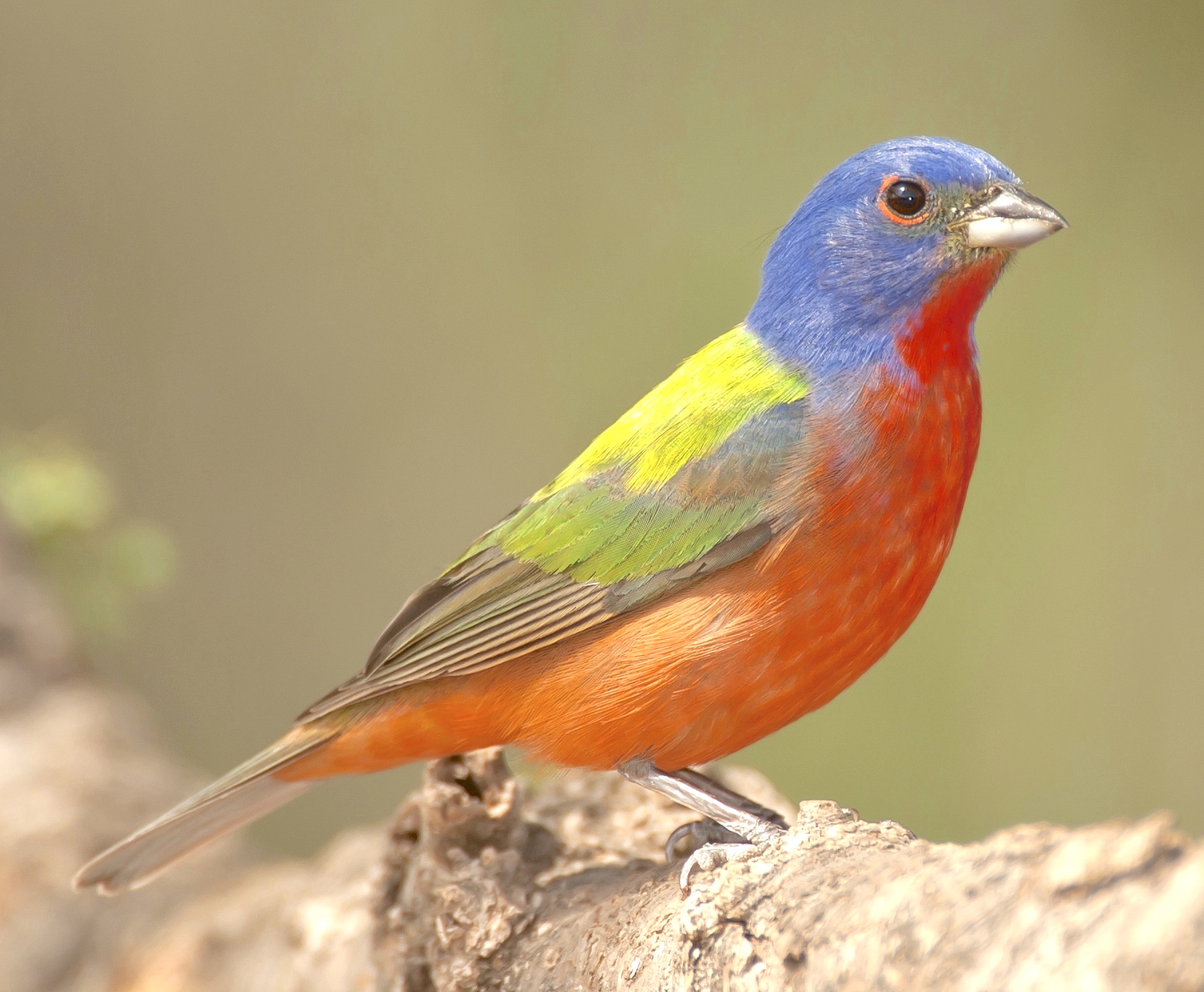
PAINTED BUNTING: PICTURE PERFECT ON ABACO (7)
Photo: Tom Sheley, taken at Bahama Palm Shores, Abaco
This wonderful and mood-brightening photo was taken by Tom while we were compiling an archive for my book BIRDS OF ABACO It is one of the most memorable images of the very large number of photographs featured. Every one of them was taken on Abaco (photos taken ‘off-island’ were ruthlessly excluded); and each one in natural surroundings (no seed-trails, recorded calls and so on). Sadly the edition sold out well before Hurricane Dorian so we have been unable to replace any of the many lost copies. However, I am contemplating producing a pdf version of the pre-print draft (a Covid displacement activity). If that goes ahead I will devise a way to distribute it simply, and possibly in return for a modest donation towards the work of Abaco wildlife organisations.
GREEN HERON: PICTURE PERFECT ON ABACO (6)
We saw this green heron (Butorides virescens) at Gilpin Pond, South Abaco. It’s an excellent location for waterbirds and waders, although in hot weather when the water level drops an algal bloom colours the water with a reddish tinge. The coppice around the pond is good for small birds; parrots pass through on their daily flights to and from the forest; and the beach the other side of the dunes can be excellent for shorebirds.
We watched this heron fishing for some time. I took quite a few photos of the bird in action, including its successes in nabbing tiny fish. However there were two problems with getting the perfect action shot. First, the bird’s rapid darts forwards and downwards, the fish grabs, and the returns to perching position with its snack were incredibly quick. Secondly, my slow reactions and innate stupidity with camera settings militated against a sharp ‘in-motion’ image to be proud of. So I’m afraid you get the bird having just swallowed its catch.
Photo: Keith Salvesen / Rolling Harbour
SPERM WHALE BONES & RESEARCH: LIFE AFTER DEATH
I made this short video last year at BMMRO HQ, Sandy Point, Abaco. A sperm whale had stranded earlier in the year, and after the necropsy some of the bones were taken from the beach for research. In order to clean them, the bones were sunk and anchored to the seabed offshore in quite shallow water. Strandings are always sad, of course, but it is good to know that even after death the creature makes an important contribution to scientific research. In a sense, it has life after death.
BMMRO / Rolling Harbour Abaco / Keith Salvesen
GROUPER AT THE CLEANERS: PICTURE PERFECT BAHAMAS (5)
GROUPER AT A CLEANING STATION: PICTURE PERFECT BAHAMAS (5)
This black grouper (‘Arnold’) is at a so-called CLEANING STATION, being groomed by gobies. The process is an example of species symbiosis known as MUTUALISM. This is a transaction between individuals of two species that is mutually beneficial. Here, the primary creature pauses at a locally familiar cleaning station and allows itself to be expertly cleaned by tiny fishes such as gobies and wrasses to remove parasites, dead skin and so forth. This nurture even includes, as here, inside the mouth and gills. The gobies benefit by feeding on the proceeds of their endeavours removed from the host (or ‘client’ as one might say). And of course, in return for their favours a collateral benefit is that they can feed freely without being eaten by a potential predator.
Credit: Melinda Riger / Grand Bahama Scuba
MANATEES: PICTURE PERFECT ON ABACO (4)
MANATEES: PICTURE PERECT ON ABACO (4)
MANATEE APPRECIATION DAY 2020
Mrs RH and I are sticking to self-isolation right now (we are fine, but thank you for asking). However I am already breaking my current self-imposed ‘single-picture-and-not-much-writing’ regime with today’s creature feature. The excuse? It is of course the last Wednesday in March and as everyone must know it is Manatee Appreciation Day.
Anyone can (and indeed should) appreciate manatees anywhere at any time, and their contemplation is a way to lift the spirits. They were first found in Abaco waters about a dozen years ago. BMMRO reported their movements and the ongoing research. Later, Bahamian locals enthusiastically followed the lives of Gina, Rita, Georgie, Randy & co; and the calves such as JJ and Sayle (winning name in a public competition). Citizen scientist reports were invaluable to the research. Unsurprisingly, since Hurricane Dorian reports have greatly reduced. Manatees may well still be around but even now, 6 months later, trichechi sightings are sporadic. There are other concerns, after all.
Manatees love the camera and, Madonna-like, are often pleased to ‘strike the pose’. Of a sort.
Today the Marine Conservation Society (MCS) showed their appreciation for manatees with a superb image and an excellent set of Manatee Facts that I recommend to anyone who has read this far. For example, recent broadcasts and news articles have featured the importance of seagrass. You will see that it is the primary diet of manatees.
Credits: Photos #1 – #4 Charlotte Dunn / Bahamas Marine Mammal Research Organisation (BMMRO) and #5 Caine Delacy / BMMRO; MCS UK
MCS links: https://www.mcsuk.org; https://www.facebook.com/mcsuk/
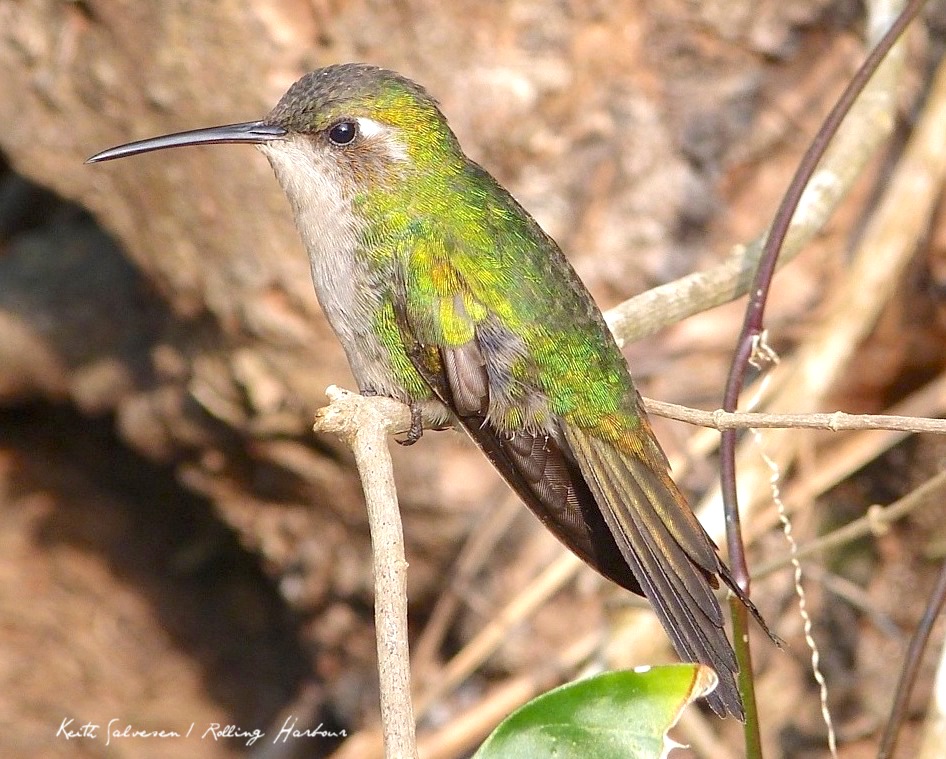
CUBAN EMERALD (f): PICTURE PERFECT ON ABACO (3)
I spent a wonderful 15 minutes with this little Cuban Emerald hummingbird (Chlorostilbon ricordii), which I found perched on a stick in a small clearing in the coppice at Delphi. I was several feet away when I first noticed it, so I spent some time inching forward towards it. Even from a distance, the metallic sheen of the feathers glinted in the bright sunlight. The bird watched me, tame and unruffled, as I approached. I took photos as I moved closer so that if it flew off at least I’d have something to remember it by. In the end it let me get so close that I could almost have touched it. When I’d taken some close-ups, I backed very slowly away. The little beady black eyes followed my retreat with interest. The bird was still happily perched on the stick when I lost eye-contact with it. In the end I was more moved (in one sense) than it was (in another).
Credit: Keith Salvesen / Rolling Harbour
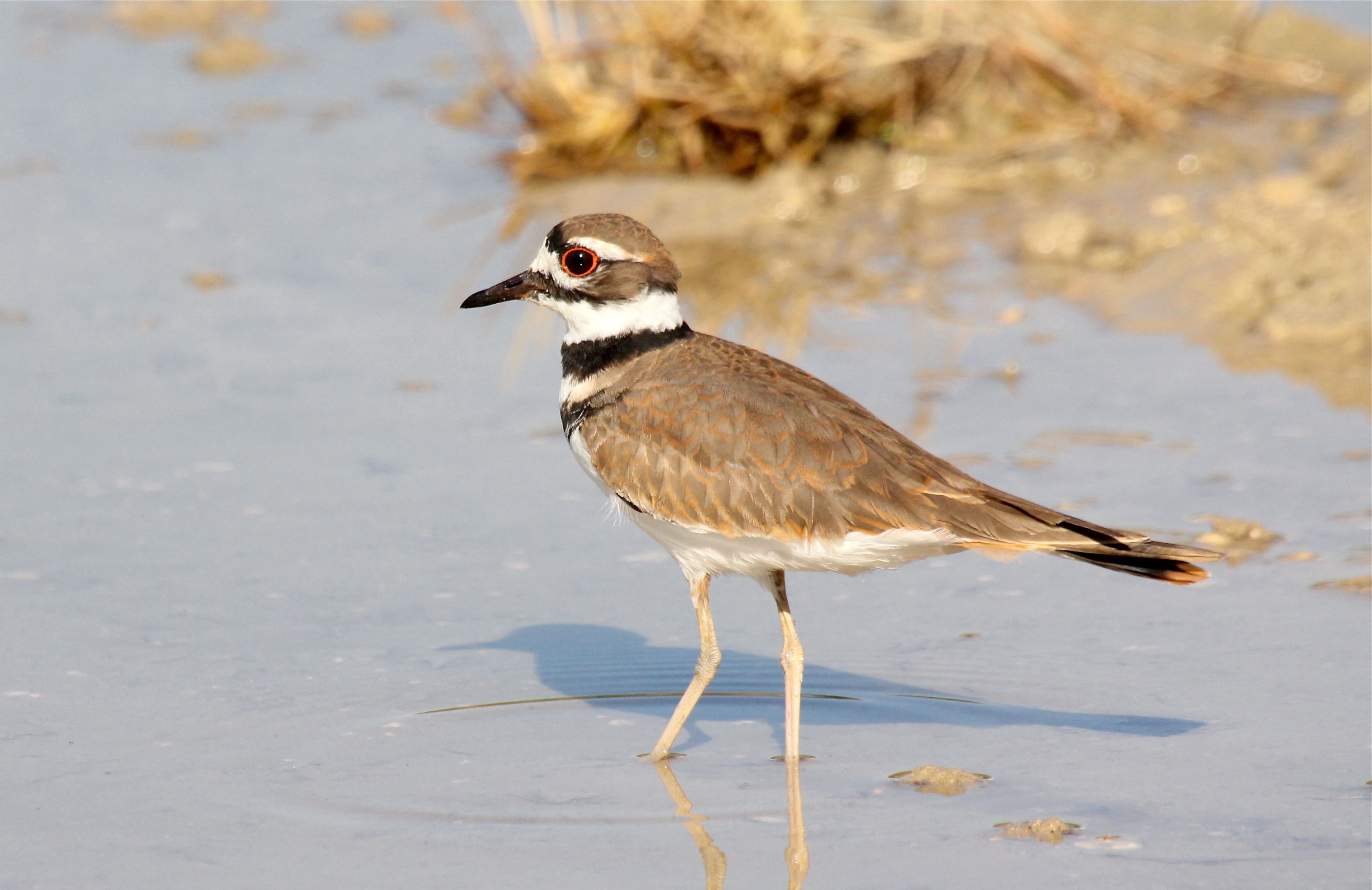
KILLDEER: PICTURE PERFECT ON ABACO (2)
For the time being, while things are a bit crazy, I’ll be posting single / pairs of images that in my view are so excellent that they stand alone without needing any comment from me, annoying wordplay, or musical digressions. All have been taken on Abaco Bahamas. Only some will be my own – the bar is set at a DSLR height that exceeds my camera skills.
Credit: Bruce Hallett
RUDDY TURNSTONES: PICTURE PERFECT ON ABACO (1)
I very rarely – almost never – publish single or pairs of images, not least because I enjoy the bits of research and writing that cover a topic more thoroughly. However, today I was going through the photographic archive from my book BIRDS OF ABACO and came across these RUTUs photographed on the Marls by contributor Tom Sheley.
TBH turnstones are among the easiest shorebirds to photograph. They are pleasingly tame, so you can get quite close to them without ruffling their feathers. They aren’t tiny and they are pretty and quite colourful. And they are fairly abundant and so not hard to locate… but they make it hard to get a really good bright, clear photo. Or is that just me…? Anyway, Tom definitely has the camera skills required.
DOLPHINS IN THE SEA OF ABACO, BAHAMAS
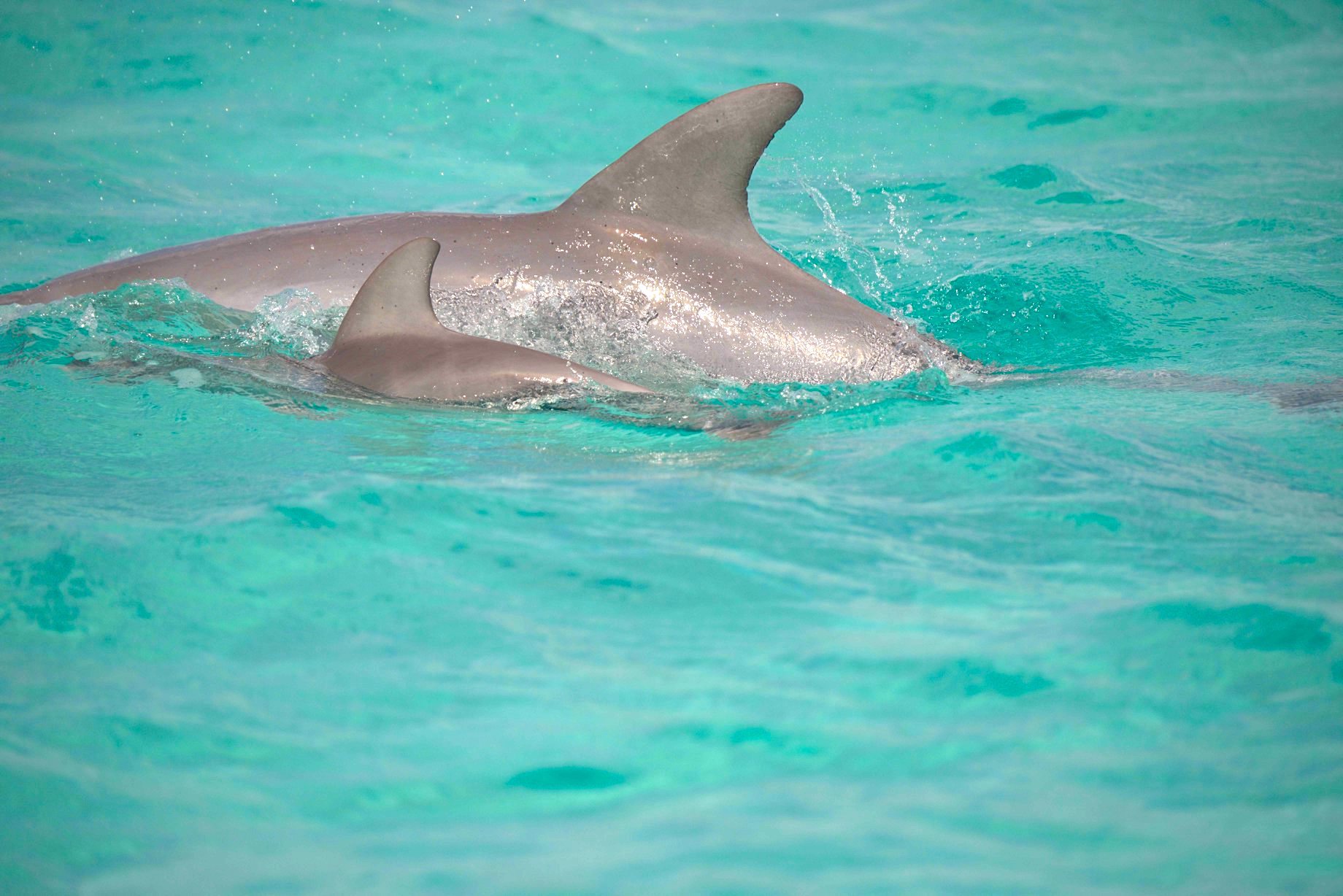
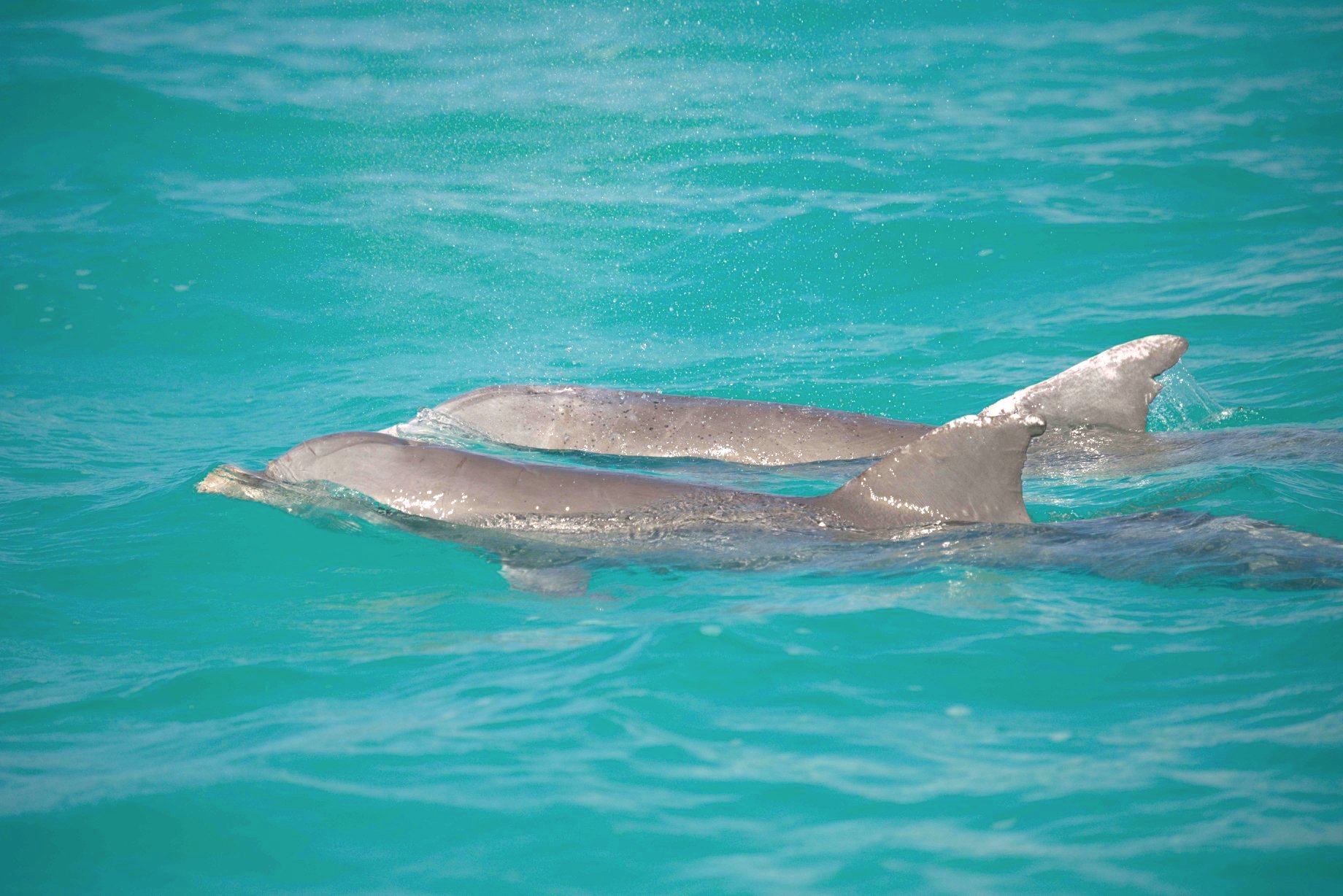
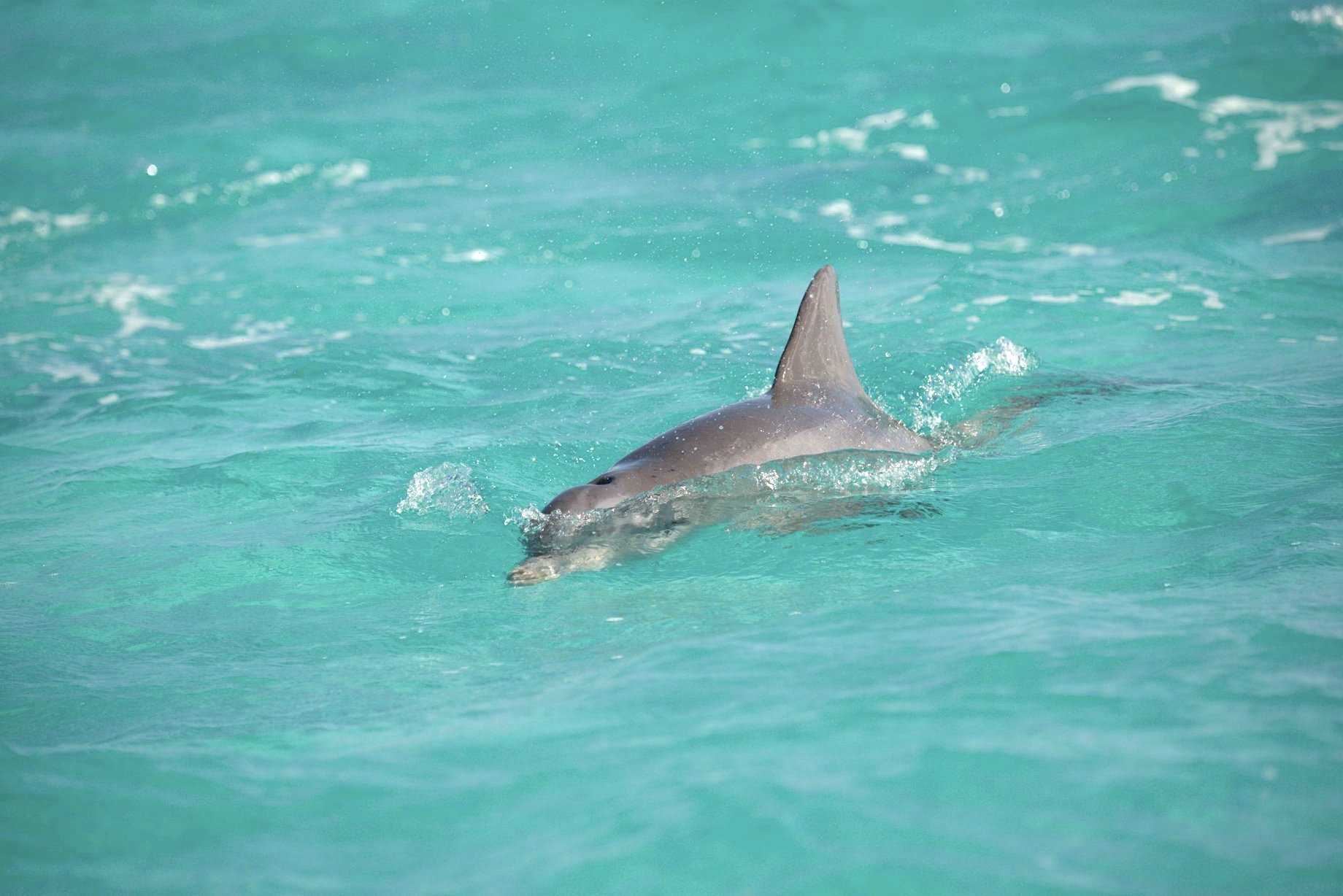
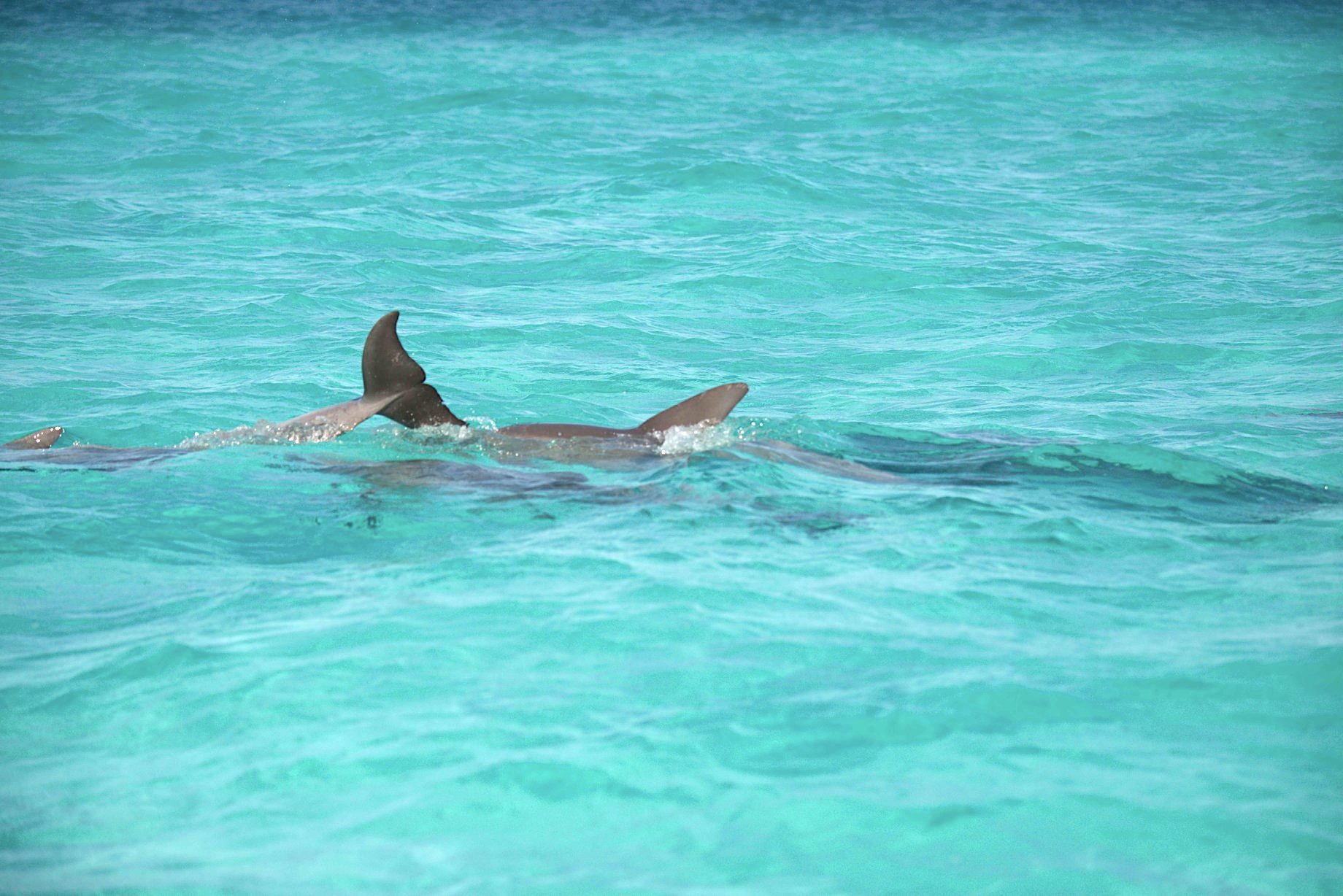
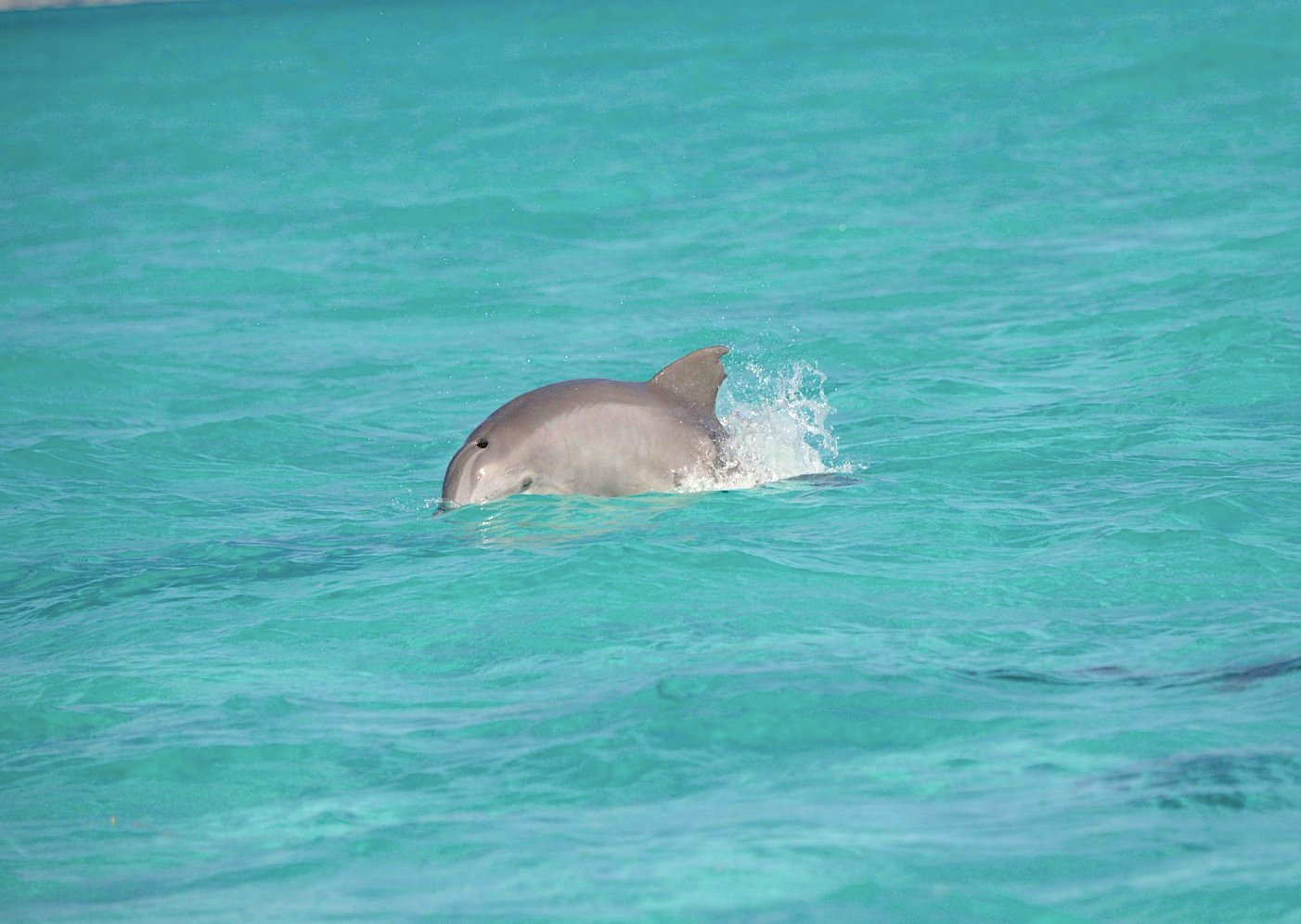
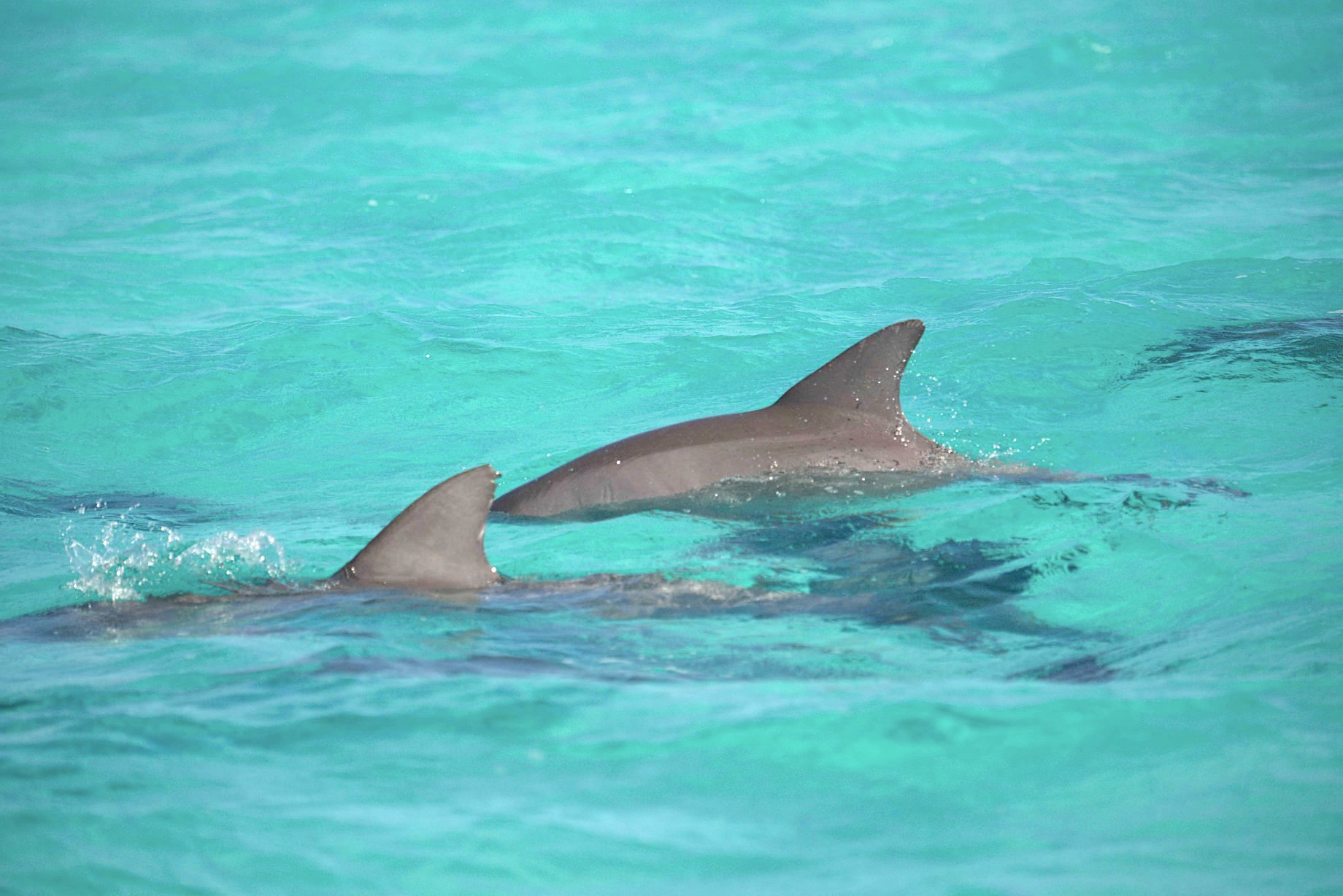
The bottlenose dolphin photos here, taken during a recent BMMRO dolphin research project in the Sea of Abaco, are of great significance. Six months after Hurricane Dorian smashed the life out of Abaco, the island is still in the early stages of recovery – to the extent that recovery is possible when the main (only) town has been pulverised to rubble and the island’s infrastructure wrecked. Good news is prized.
Amidst the human cost of Dorian to the Abaco community, people have found some consolation in the natural world around them. The return of birdsong. The bright flashes of the unique parrots flying overhead. Shorebirds returning to the beaches from wherever they found for cover. Curly-tail lizards sunning themselves. And on water, sightings of turtles, rays and dolphins to spread some cheer. Some huge bonefish are being caught (and released) too.
The Bahamas Marine Mammal Research Organisation (BMMRO) has its HQ at Sandy Point. During the past months, life there has been busy. A long-term underwater acoustic research project is in progress, for example. The effects of the hurricane on the marine mammals in Abaco waters – whales , dolphins and manatees – has been a cause of great concern. A drop in the dolphin population in the Sea of Abaco had been noted a few months ago, so a second assessment of the area has just been carried out.
GOOD NEWS FOR DOLPHINS
Scientists Diane Claridge and Charlotte Dunn obtained positive results. During the assessment, they encountered 18 individual dolphins. The encouraging observations included:
- The wonderful mother and newborn calf in the header image – a great sign of hope
- Some dolphins first recorded – amazingly – in 1992
- Dolphins in areas not used for years, probably due to recent reduced boat traffic
- Familiar dolphin behaviours such as wave-surfing and group socialising
If you wonder how researchers can be so sure about the ID of the animals they see, check out the dorsal fins in some images here. Individual dolphins have unique patterns, markings (#2) and in particular fin damage that is readily identifiable. Seen close to, these are obvious. At a longer distance, binoculars are needed. Photos of each animal are also taken to be analysed in the lab. Sound recordings may be taken: distinctive individual voice patterns are analysed to assist ID. All of this can be compared against the BMMRO database. That is how dolphins first recorded in 1992 can be identified with such certainty now.
Credits: Charlotte Dunn (photos) and Diane Claridge, BMMRO; the dolphins for research cooperation
If you would like to know more about the work of BMMRO and its research, click the logo above
ON THE WING: BLACK-NECKED STILTS, ABACO, BAHAMAS
Black-necked stilts Himantopus mexicanus may be the most elegant shorebirds you will ever see. They are permanent residents on Abaco and not uncommon where they are found. It could be on a beach; more likely it will be in or around brackish ponds. It won’t be in the pine forest or coppice.
The rather disorganised stilt flying in the header image rather undercuts my claim for elegance, I realise. The image above of the bird at full stretch against a background of waves gives a much better idea of the beauty of this species.
Gilpin Pond is a good place to see stilts, and in summer they nest around the perimeter. A word of warning: they may be aggressive in the breeding season. I got too near a nest once and the female shouted at me then flew straight at my head. I hadn’t even realised there was a nest there until this happened, so her actions rather give the game away.
In common with some smaller shorebird species – for example, plovers and killdeer – the stilts have another defensive method to protect their young, a so-called ‘distraction display’. When their nest is under threat, one of the adults will pretend to have a damaged or broken wing and so be unable to fly. It will flutter feebly along the ground, moving further and further away from the nest, diverting attention from it. It’s an amazing sight to watch the tactic in action. Check out this video to see examples of this behaviour.
Credits: all photos by Alex Hughes, one of the photographic contributors to The Birds of Abaco; video Nat Bel
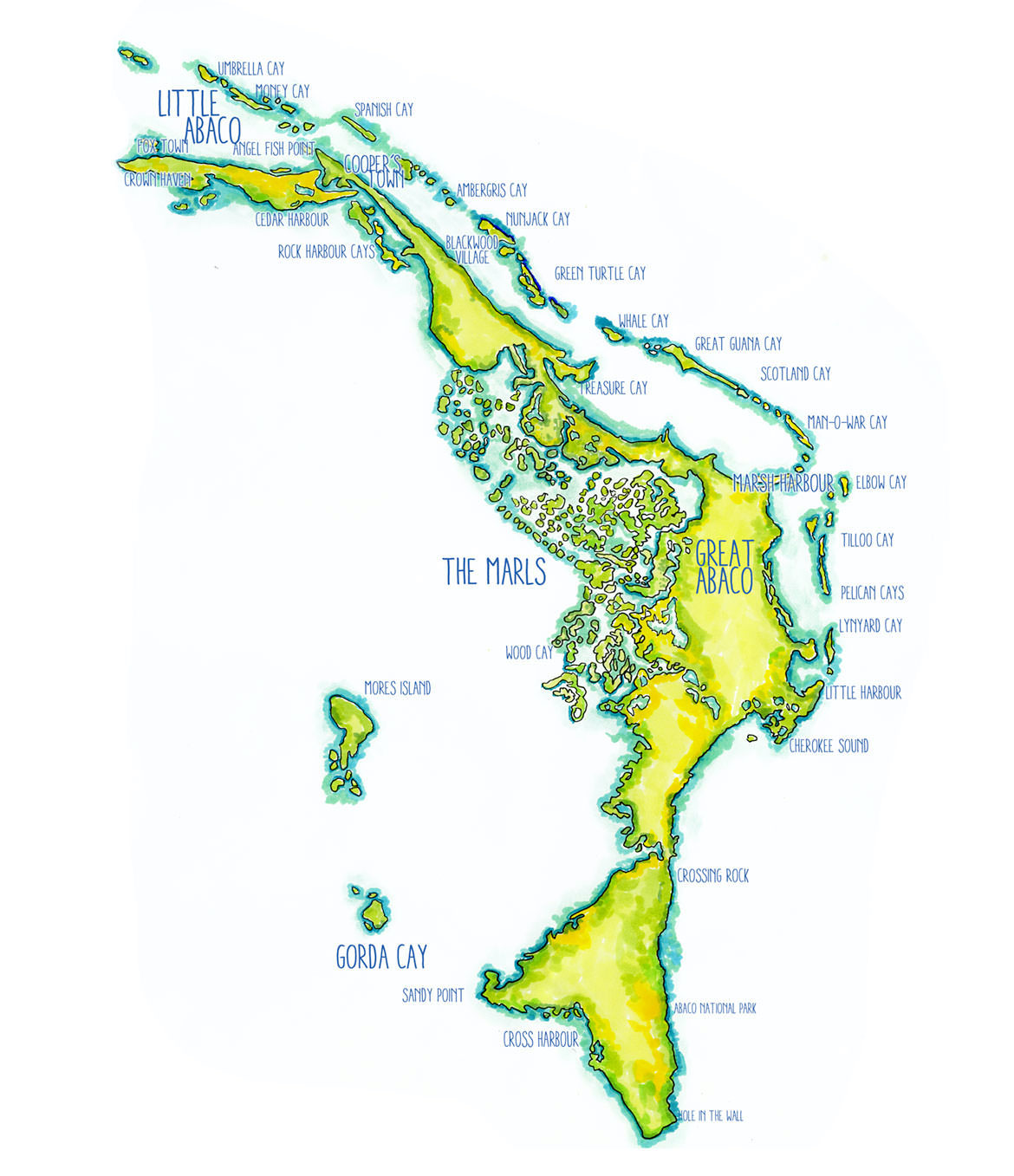
CORAL REEFS AND HURRICANE DAMAGE ON ABACO BAHAMAS


- 25 – 30% of the 29 reef sites surveyed are devastated
- factors include damage from debris, silt burial, and bleaching
- uprooted casuarina trees were caught in the storm surge, causing damage
- in particular, corals have been smashed and reef structure destroyed
- there is biomass loss – basically reduced populations of fish & other organisms
- removal of debris and other deleterious matter (eg silt)
- cutting back the non-native, invasive casuarinas from the shoreline
- restoration programs (recent successes with ‘coral farming’ could be vital)
- extending marine protected areas
- developing a rapid response protocol to meet extreme situations
The reports ends with some welcome news: Government departments have recently proposed putting $5 million towards a coral restoration project on Abaco, including the establishment of a and-based aquaculture facility to support coral growth in nurseries. Let’s hope that becomes a reality.

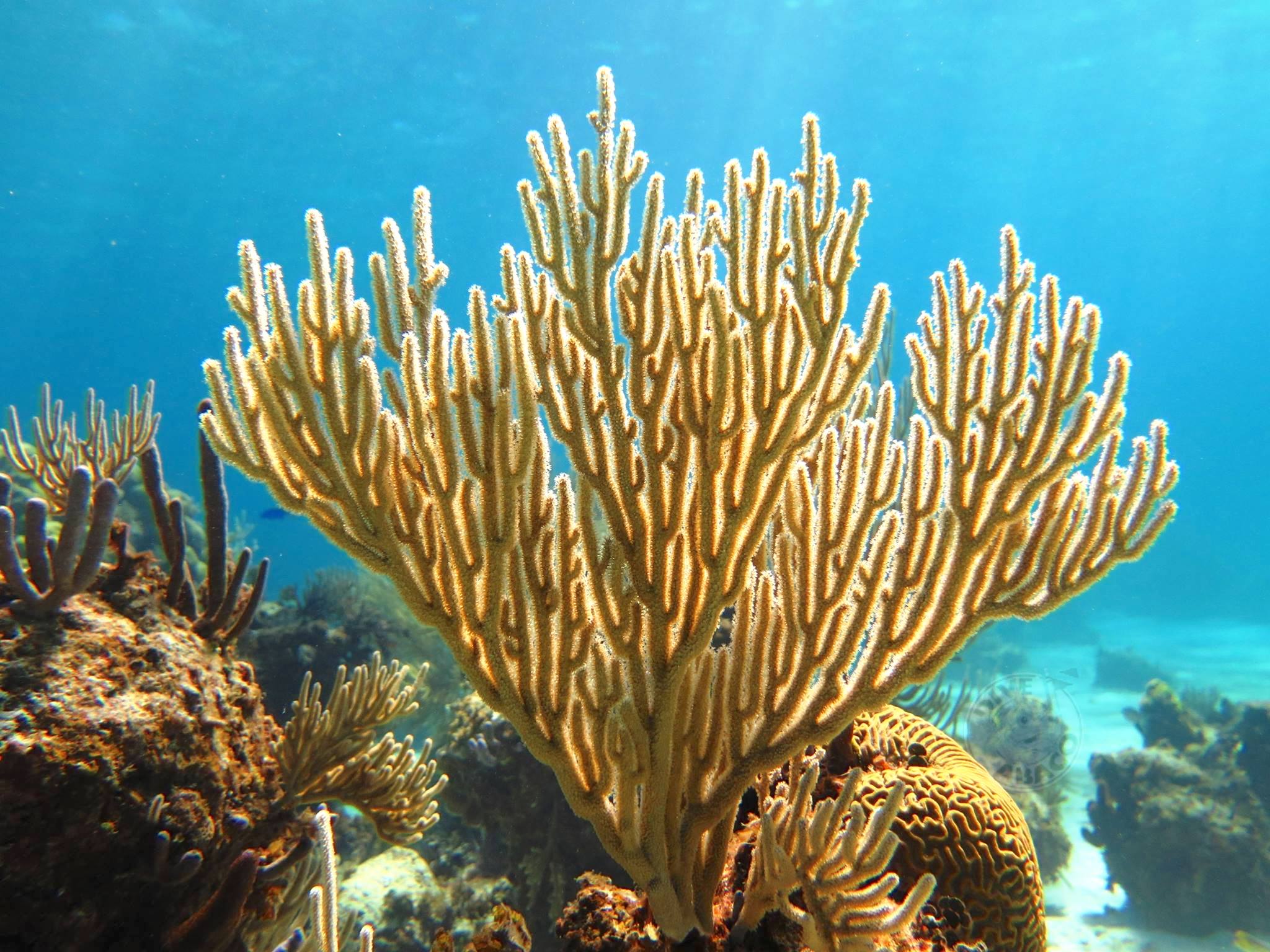
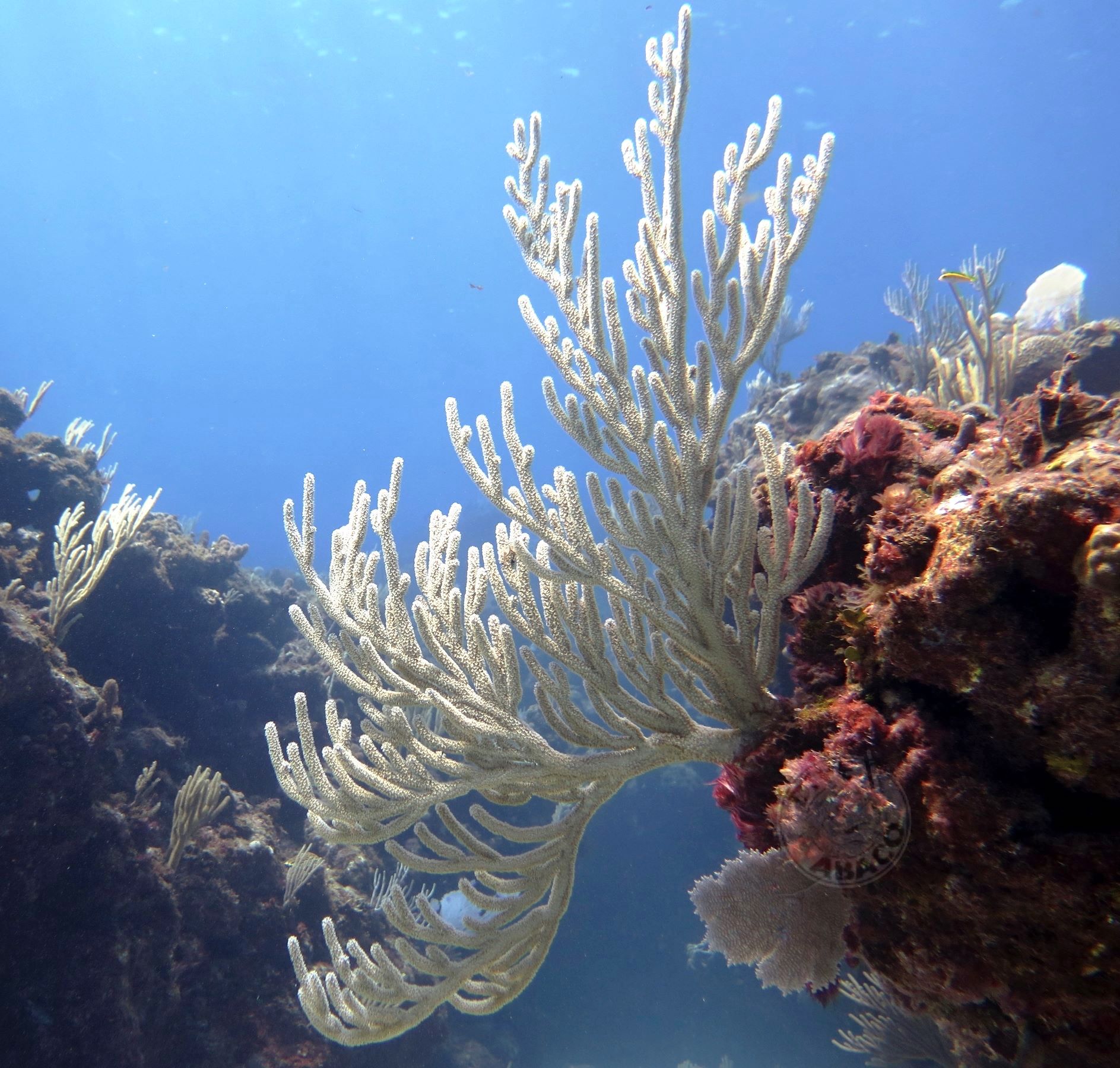
This has been an opportunity to revisit the clear waters around Abaco where Melinda Rogers of Dive Abaco took these astonishing photos of coral on the local reefs. If the coral is destroyed or dies, this is what our children and their children will be be missing.
Click the brain coral to link to the Nassau Guardian Article
All photos, Melinda Rogers / Dive Abaco; Map, Sandy Estabrook; Nassau Guardian / Paige McCartney; Perry Institute for Marine Sciences (PIMS)
BANANAQUITS: AHEAD OF THE CURVE?
Bananaquits (Coereba flaveola) are small, colourful, and delightful birds of the coppice and garden. Besides their obvious attractiveness, the birds have in recent years enjoyed an uniquity: the status of being the sole species in the family Coerebidae.
However this singular status has really been a kind of avian parking place due to past, present (and doubtless future) uncertainty of the right category for these birds. Like so many avian species these days, they are subject to the rigours and vagaries of continual reclassification by the ornithological powers-that-be.
Bananaquits are, broadly speaking, passerines – essentially birds that perch. The nominal ‘passer’ was specifically awarded to sparrows by BRISSON, a contemporary of Linnaeus. Recently, bananaquits have suffered mysterious migrations of their classification ranging from the generalised ‘passerine‘ to the vague incertae sedis (= ‘uncertain group‘) to uncomfortable inclusion with tanagers / emberizids.
The debate over the appropriate classification for this pretty little bird (of which there are many subspecies in the broad Caribbean region) – rumbles on. A new way to confuse the issue is the suggestion that the bananaquit should be split into 3 species. In some areas, I believe this has happened at least informally.
Elsewhere there are doubters, sceptics, and champions of other group inclusions. The most obvious beneficiaries of all this will be dedicated birders, who may end up with two extra species to add to their ‘Lifer’ lists. Personally I’d like to think that the birds themselves will stay ahead of the curve in their own category, maintaining the mystery of their precise status while humans argue about what to call them.
CREDITS: Keith Salvesen / Rolling Harbour (1); Gerlinde Taurer (2); Craig Nash (3, 7); Tom Sheley (4, 5); Erik Gauger (6). All birds photographed on Abaco, Bahamas
Bananaquit perched on yellow elder, the National flower of the Bahamas
OCTOPUS’S GARDEN (TAKE 9) IN THE BAHAMAS
We are back again under the sea, warm below the storm, with an eight-limbed companion in its little hideaway beneath the waves.
It’s impossible to imagine anyone failing to engage with these extraordinary, intelligent creatures as they move around the reef. Except for octopodophobes, I suppose. I’ve written about octopuses quite a lot, yet each time I get to look at a new batch of images, I feel strangely elated that such a intricate, complex animal can exist.
While examining the photo above, I took a closer look bottom left at the small dark shape. Yes my friends, it is (as you feared) a squished-looking seahorse,
The kind of image a Scottish bagpiper should avoid seeing
OPTIONAL MUSICAL DIGRESSION
With octopus posts I sometimes (rather cornily, I know) feature the Beatles’ great tribute to the species, as voiced with a delicacy that only Ringo was capable of. There’s some fun to be had from the multi-bonus-track retreads currently so popular. These ‘extra features’ include alternative mixes, live versions and – most egregious of all except for the most committed – ‘Takes’. These are the musical equivalent of a Picasso drawing that he botched or spilt his wine over and chucked in the bin, from which his agent faithfully rescued it (it’s now in MOMA…)
You might enjoy OG Take 9, though, for the chit chat and Ringo’s endearingly off-key moments.
All fabulous photos by Melinda Riger, Grand Bahama Scuba taken a few days ago
‘EGYPTIAN MUMMY’ (aka MOTHER GOOSE) & HER BROOD
This post has little to do with Abaco, and only a tenuous connection with the Bahamas. It is about birds, though, so I’ll justify it that way. This is today’s news and these are photos I took this morning in a park that is less than 10 minutes walk from our house. The reason? I’d heard that goslings had been seen at the small lake there, remarkably early in the year for any bird.
I had expected that this rumour related to the Canada geese that lord it over the smaller waterfowl (moorhens, coots, mallards, tufted ducks and so on). What I saw, as I got close to the lake, was a pair of Egyptian geese Alopochen aegyptiaca. And, true to the report, they had goslings with them. There were 10 in all and they were jointly and severally (as we lawyers say) totally adorbs and charmsy.
These are birds of Africa, but – like Canada geese – have spread far and wide mainly as the result of introduction by man. The Egyptians considered them sacred and featured them in hieroglyphs. Modern man has deemed them ornamental (cf peafowl) and removed them from their home to pastures new. Geese are robust, so they adapted in their new environment with relative ease.
As with many other transferred species, birds inevitably escaped from their ‘owners’ and feral populations soon became established. In Abaco terms, this is exactly what happened with the peafowl that were brought to the ‘Different of Abaco’ fishing lodge. The birds survived its demise, lived and bred in the increasingly wild grounds, and are now many generations on.
At some stage, the Egyptian goose was introduced in Florida, where it thrived. Nowadays it is not a particularly unusual bird there. It remains one of the birds of south-east US that has never made the relatively short journey to Abaco. There are however a handful of reports from Grand Bahama, New Providence and Eleuthera, so northern Bahamas is in range.
It’s probably only a matter of time before these geese turn up on Abaco. Five years ago, the first BLACK-BELLIED WHISTLING DUCKS were found, a flock of 6 seen several times as they progressed from Crossing Rocks north to the airport. There are still the occasional sightings of these ducks, the last about 2 weeks ago north of Marsh Harbour. The Egyptian goose is a fine bird and part of me (the part that doesn’t disapprove of avian introductions) hopes that they do occasionally undertake the journey from the flocks in Florida.
All photos: Keith Salvesen / Rolling Harbour Abaco
YELLOWTAIL PARROTFISH: BAHAMAS REEF FISH (54)
YELLOWTAIL (REDFIN) PARROTFISH: BAHAMAS REEF FISH (54)
The yellowtail parrotfish (sometimes known as a redfin) is one of around half-a-dozen kinds of parrotfish found among the coral reefs of the Bahamas, and sometimes in seagrass areas. There are many other related species worldwide (about 80). Parrotfish are among the most important fishes on the reef because they play a major role in BIOEROSION , a vital process for the health of the reef.
A. FEEDING & BEACH BUILDING
- Their dental arrangements – a mouthful of meshing teeth – form the characteristic ‘beak’
- Primarily herbivores but also snack on small creatures, organisms, or even molluscs
- As they feed on their favourite algae, their teeth grind up the coral which they ingest
- They digest the coral & excrete it as sand, becoming a component of your favourite beach
- The teeth grow continuously, replacing ones worn away by grinding coral as they graze
- They are a vital species in preventing algae from choking coral: essential reef cleaners
B. PARROTFISH: PERSONAL INFORMATION
- Some secrete a protective mucous cocoon to sleep in or as concealment from predators
- Mucous also helps to heal damage, repel parasites, & protect them from UV light
- As they develop from the juvenile stage, most species change colour significantly
- In some species, juveniles change colour temporarily for protective purposes
- These are “sequential hermaphrodites”, turning from female to male (‘protogyny’)
- Single males tend to have several lady friends, and aggressively defend their love rights
- Parrotfish are PELAGIC SPAWNERS. Females release many tiny buoyant eggs into the water
- The eggs float freely then eventually sink to the coral until they hatch
- Unlike almost all other fishes, they use their pectoral fins to propel themselves
- Feeding behaviour / dietary requirements make them (thankfully) unsuitable for aquariums (or aquaria, if you prefer)
WHAT WAS THAT ABOUT CHANGING SEX?
- Parrotfish may undergo sex reversal in which developing female fish become males
- Parrotfish born male remain male throughout their lives (“primary males”)
- Female-born fish may change sex & colour to become male (“secondary males”)
- Secondary males are fertile and generally mate with a single female
- Females that stay female live in harems protected by a dominant “supermale” BUT…
- …if the supermale dies, the largest female in the group changes sex to become male…
- …AND amazingly adopts the coloration of the supermale (best ‘astounding fact’ of all)
ARE PARROTFISH EDIBLE? JUST ASKING…
- Parrotfish skin is very tough but their flesh is soft and degenerates quickly
- Some species (eg blue parrotfish) carry ciguatera toxins – to be avoided
- They are not considered a fishing target in Bahamas, nor a food-fish
- Parrotfish are eaten elsewhere in the world however, for example Jamaica (cooked)
- In Hawaii they are eaten raw – at one time they were reserved for royalty
VIDEO LINK: PARROTFISH POOP
Credits: Melinda Rogers / Dive Abaco for her great illustrative images. All photographs were taken on the reefs of Abaco, before the devastation and destruction of Hurricane Dorian last September; Florida Museum to cross-check facts; VIDEO – Scientific American
PIPING PLOVERS: ABACO’S RARE WINTER RESIDENTS
PIPING PLOVERS Charadrius melodus are specialist shorebirds on Abaco. For a start, they are very rare – the IUCN listing suggests a population of only 8000 mature birds in the world. They are both scarce numerically and limited geographically.
These tiny plovers breed only in a few defined areas of North America – areas that are rapidly reducing mostly for all the usual depressing human-derived causes, for example the exercise of man’s alienable right from time immemorial to drive vehicles all over the nesting sites in the breeding season. The birds are unsurprisingly IUCN listed as ‘near-threatened’.
Piping Plovers breed and nest in the north and produce their chicks. The chicks soon learn to be independent and to fly. From about mid-July, those adults and chicks that have avoided the wheels of the SUVs, the unleashed dogs in the areas set aside for nesting, and the more natural dangers from gulls, start to get the urge to fly south for the winter. The range of their winter grounds is shown in blue on the range map above. It includes the Bahamas in general and Abaco in particular.
Q. WHY ARE THEY CALLED PIPING PLOVERS? A. BECAUSE OF THIS!
Paul Turgeon
I will return soon to the significance of the safe, clean beaches of Abaco and the healthy habitat for the survival of this remarkable little bird. For now, I’ll simply say that loss of habitat, and an increase in the nature and / or extent of environmental threats at either end of the migration, may seriously damage the survival of the species. It follows that habitat degradation at both ends of the migration could see the IUCN listing progress rapidly to vulnerable, endangered, critically endangered and… well, the next category is ‘extinct in the wild’.
If you are interested in shorebirds, in bird migration, in research into bird movements, and in the reason migratory birds are banded, you can find out more at ABACO PIPING PLOVER WATCH. This is the only season-long research project in the Bahamas, and involves Citizen Scientists on Abaco in the south working with partner Proper Scientists in the breeding grounds in the north. Early next month I will write a follow-up post on these topics.
The photographs in this post were taken a few days ago on the long crescent of beach at Winding Bay, Abaco by Lisa Davies. Her contribution is precious because the APPW project mentioned above was for many reasons in danger of stalling as the result of the devastating effects of Hurricane Dorian on almost every aspect of island life. Lisa’s discovery of a small flock of a dozen plovers in the sunshine has given impetus to the project – and has resulted in some superb photos.
Credits: All photos by Lisa Davies; audio call, Paul Turgeon / Xeno-Canto; range map from WIKI


You must be logged in to post a comment.