Unknown's avatar

SOME NICE PICS OF BAHAMAS WILDLIFE… WHILE TECHIES LABOUR


Ring-billed Gull, Abaco Bahamas (Nina Henry)

SOME NICE PICS OF BAHAMAS WILDLIFE…

WHILE TECHIES LABOUR

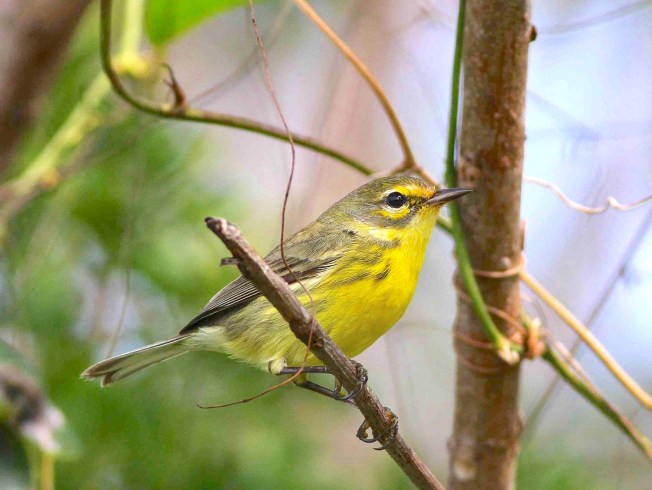
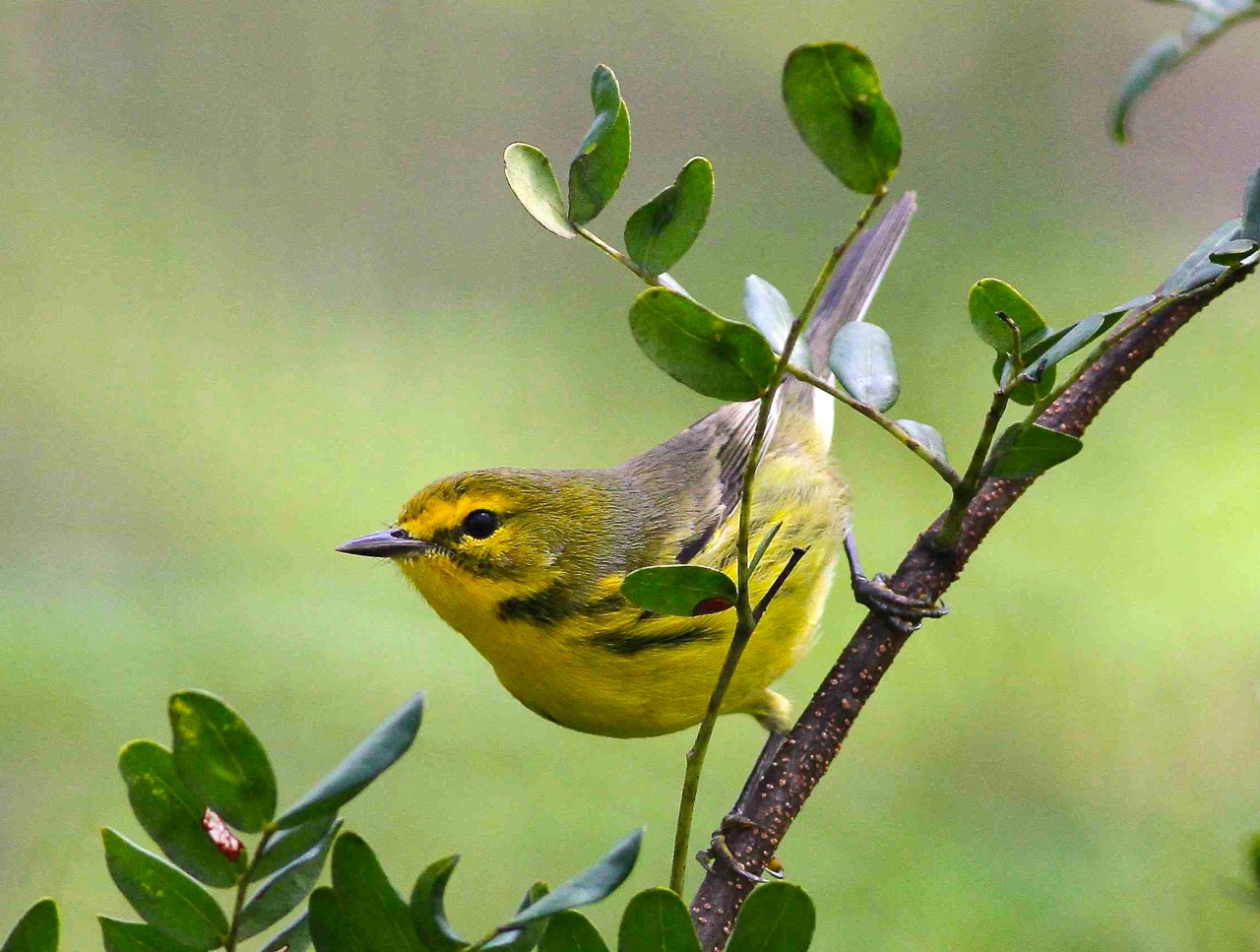
Western Spindalis, Abaco Bahamas (Keith Salvesen)

I’m never quite sure how far it’s permissible to go beyond ‘really pissed off’ about a tech problem. Anything much stronger seems a bit indulgent both in itself and especially when measured against the far-reaching despair experienced by many in far more important areas of life.

Northern Parula Warbler, Abaco Bahamas (Bruce Hallett)

I am just having a huge “Grrrrrrrrr” moment because my complex blog menu, with 3 rows of headings and carefully curated nests of drop-downs under each, has been scrubbed by persons or AI unknown. It’s several years of cumulative and (mostly) pleasurable organisational work up the spout.

As a Brit, may I be permitted to say ‘bother’. Or maybe ‘Dash it all?’ Or declare that I’m a mite cheesed orf? To which a fair response would be “it’s just a trivial inconvenience, get over it…”

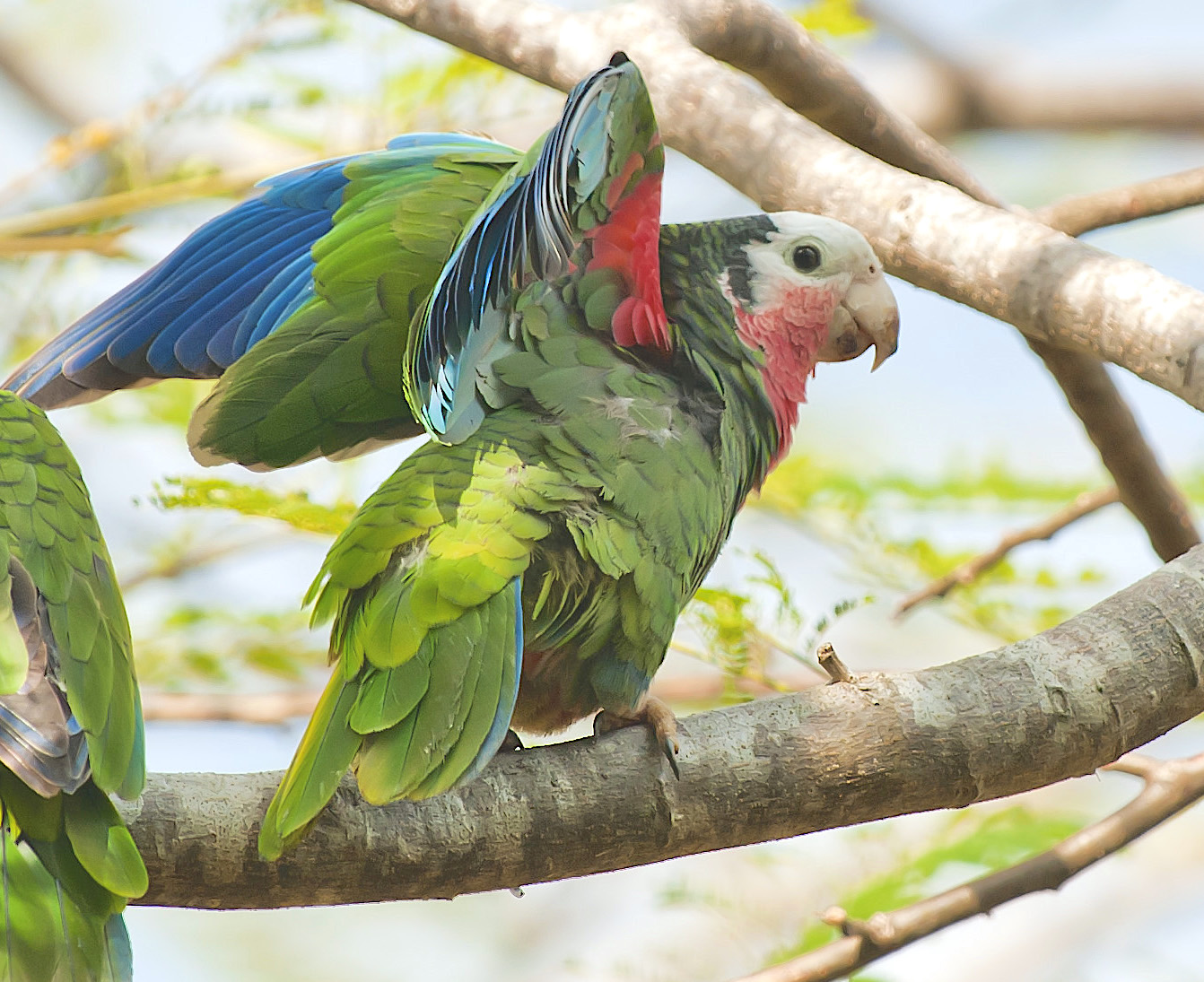
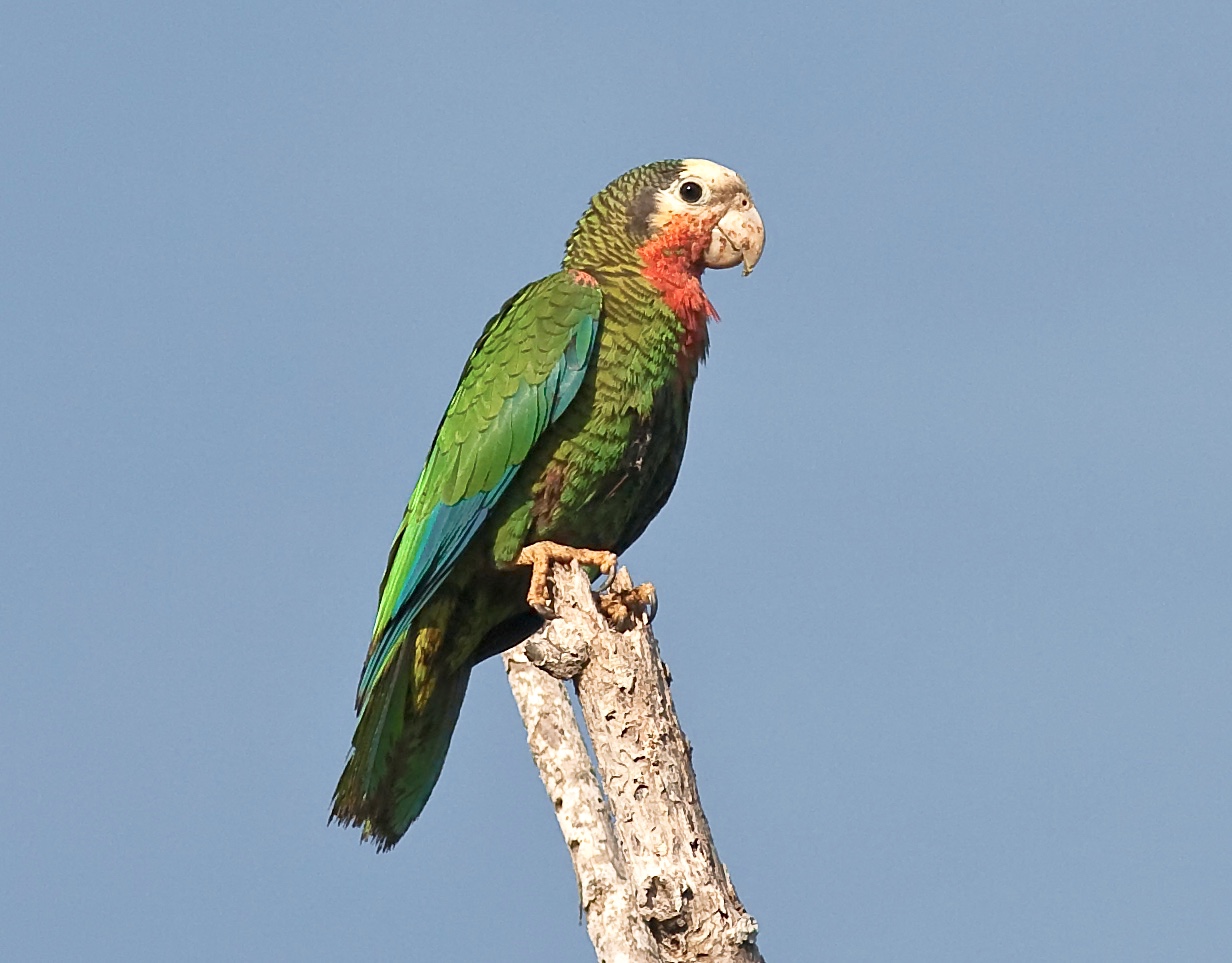
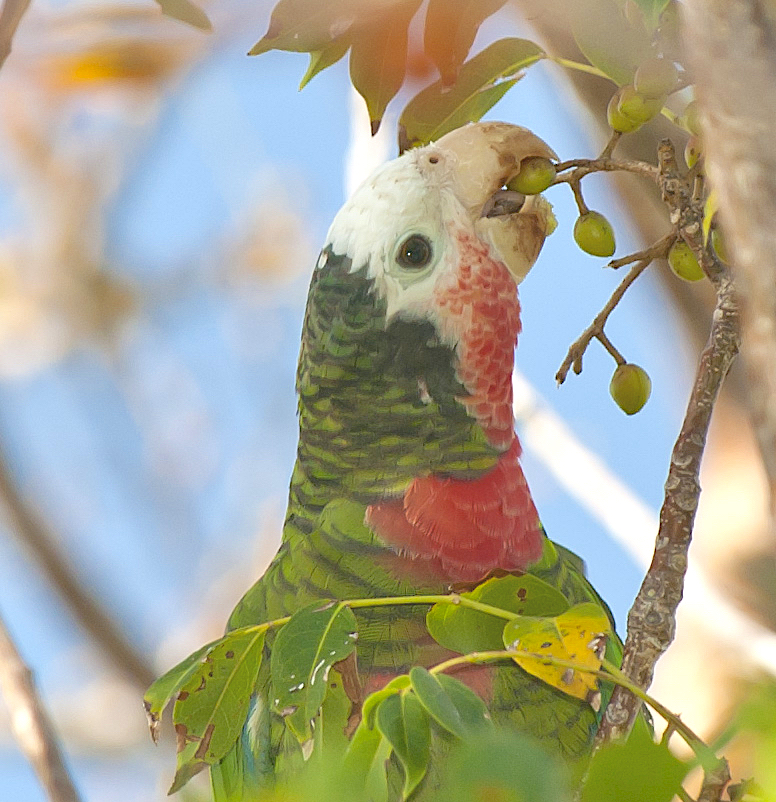
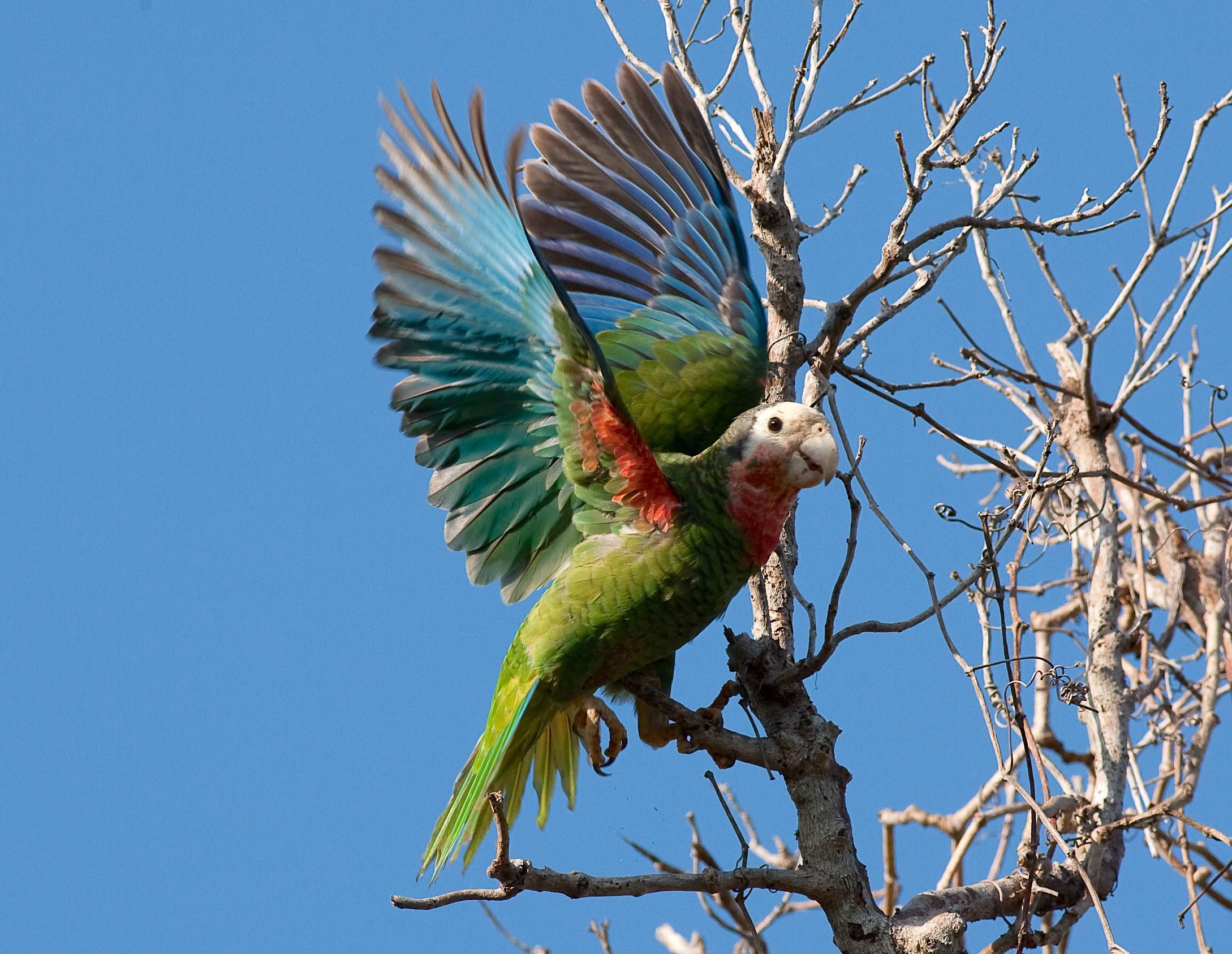
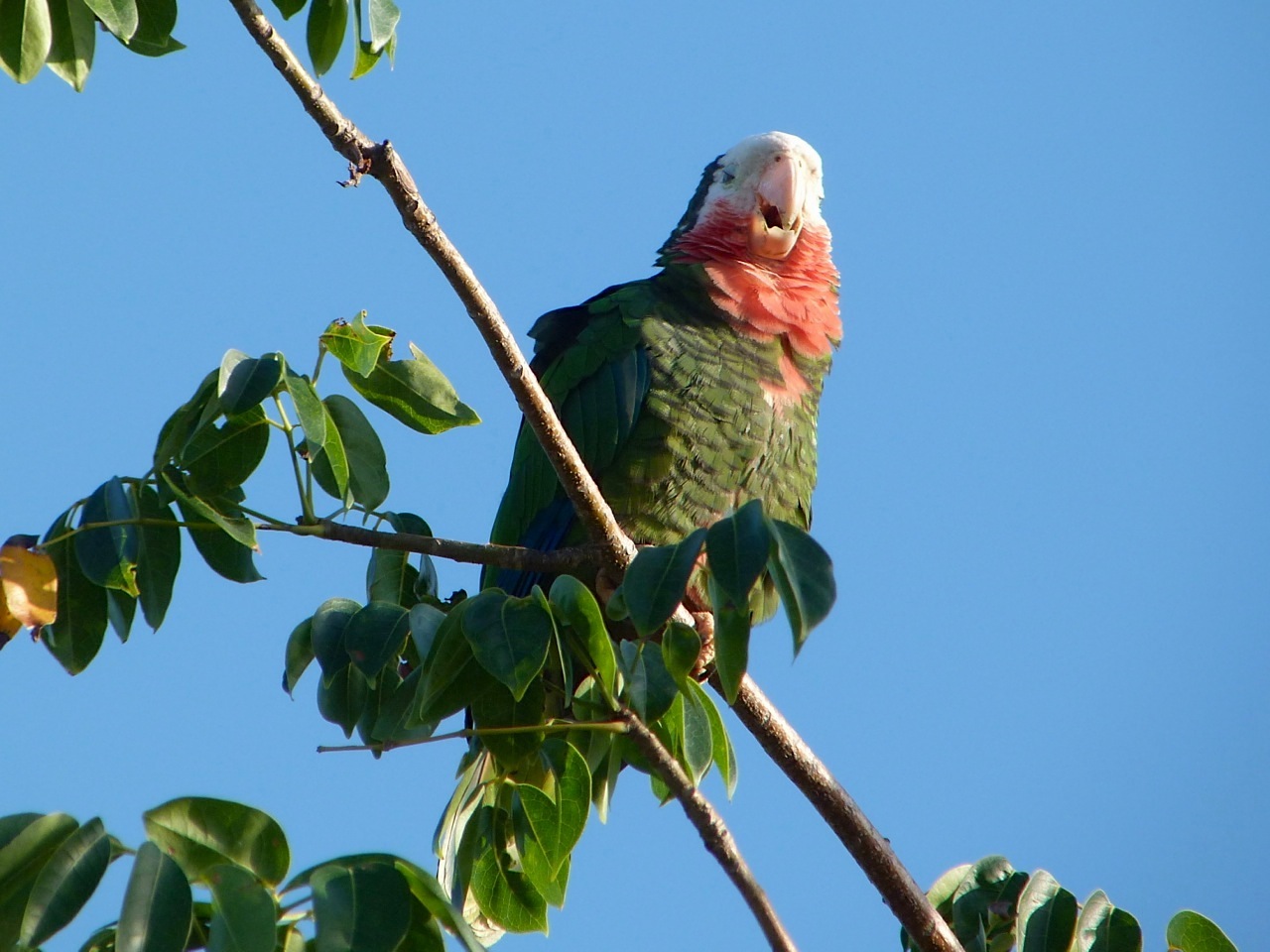
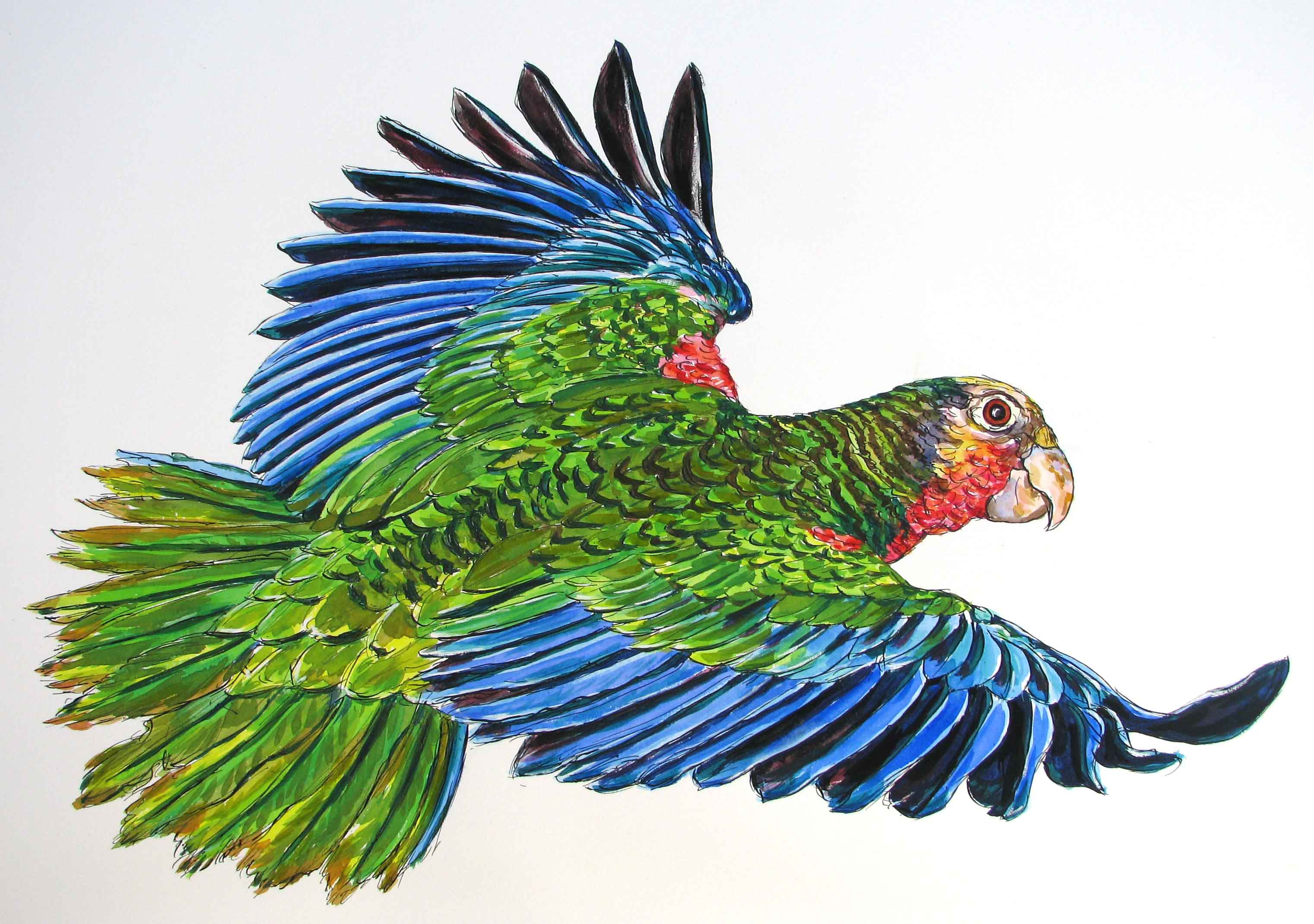
Abaco Parrot (Craig Nash)

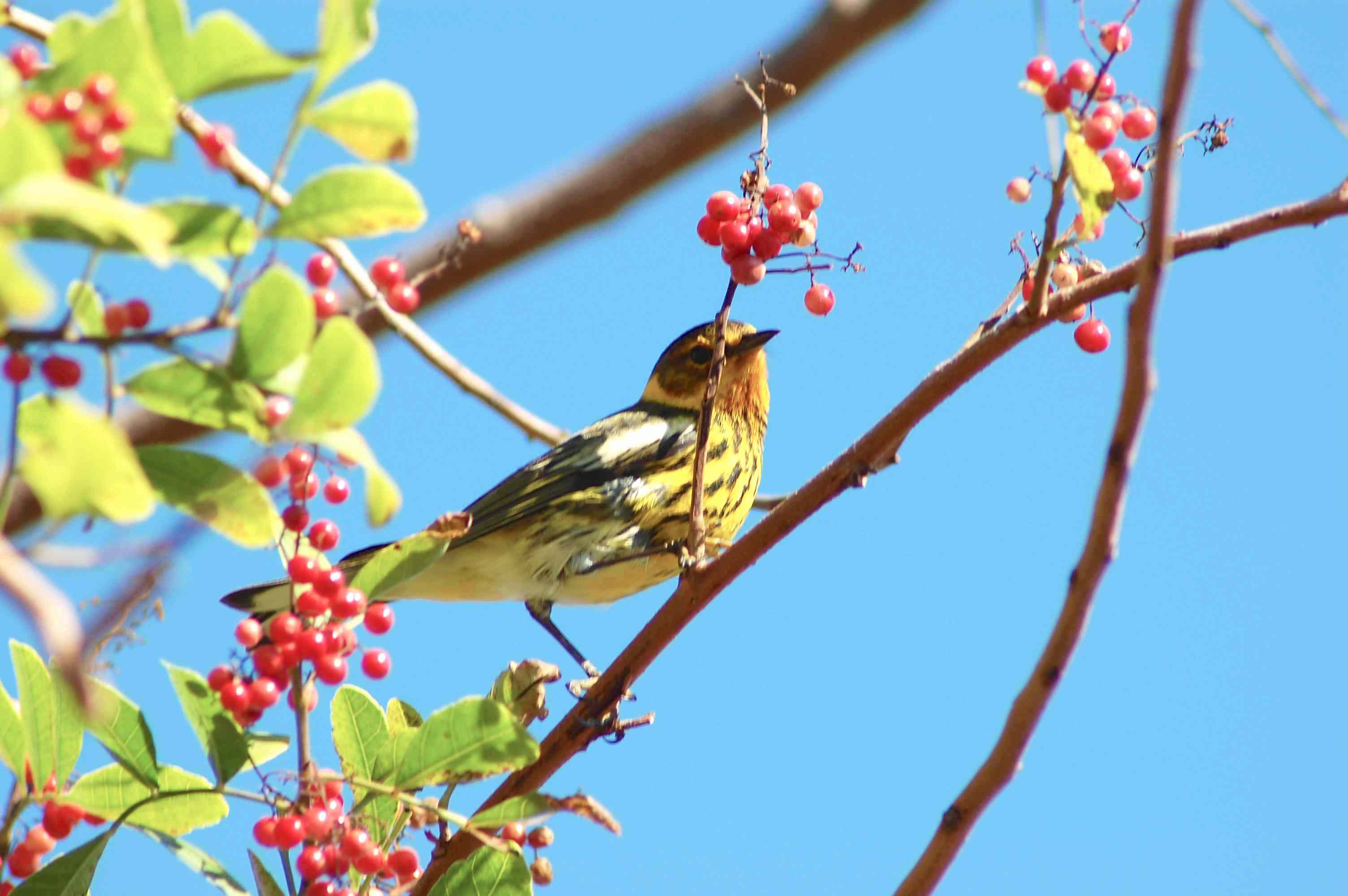
For the moment, here are some nice pics to enjoy, all taken on Abaco. I’m happy to say that right now, 7 weeks since Dorian, there are promising signs that in some areas of Abaco, the birds are starting to show themselves – including a few winter warblers. See you the other side of rethinking my Menu…

Conch shell, Schooner Bay Abaco Bahamas (Keith Salvesen)Western Spindalis, Abaco Bahamas (Keith Salvesen)

Credits: Nina Henry, Bruce Hallett, Mary Kay Beach, Craig Nash, Keith Salvesen / Rolling Harbour, Charlotte Dunn / BMMRO (western spindalis badge, moi)

Humpback Whale tailing, Abaco Bahamas (Charlotte Dunn / BMMRO)

Unknown's avatar

WTF? (WHAT’S THAT FISH?): THE FROGFISH


Frogfish (Adam Rees / Scuba Works)

The Astoundingly 5* Strange Frogfish (Adam Rees / Scuba Works)

WTF? (WHAT’S THAT FISH?)

A COMPENDIUM OF SUBSURFACE WEIRDNESS

A SERIES OF 15 OF THE STRANGEST SEA CREATURES IN BAHAMAS WATERS

INTRODUCTION

WTF? stands for ‘What’s That Fish’? But it might also be your exclamation when you come across one of these creatures. The WTF? series highlights some of the unusual, curious, weird and downright extraordinary fishes that inhabit the waters of the northern Bahamas. Some represent local forms of a species found elsewhere in the world; others are in their own evolutionary cul-de-sac. Just as I think I have seen it all, so another oddity crops up somewhere that demands inclusion. 

The WTF? series, put together over several years, is intended to be the most direct route to an underwater menagerie of piscine strangeness, with some great photos to whet your appetite to learn more about these fascinating denizens of the ocean. 

1. THE FROGFISH

* CLICK ON THIS TITLE TO BE TRANSPORTED TO THE STRANGE WORLD OF THE FROGFISH *

Frogfish (Adam Rees, Scuba Works)Credits are given in the individual articles. Thanks to all those that have provide the photos, without which this type of illustrated, unscientifically scientific poke around in the ocean depths would not be possible.

Unknown's avatar

“THE BIRDS OF ABACO”: BOOKMAKERS (& GAMBLERS?)


Delphi Club Guide to the Birds of Abaco (Jacket)

“THE BIRDS OF ABACO”: BOOKMAKERS (& GAMBLERS?)

THE DELPHI CLUB GUIDE TO THE BIRDS OF ABACO

163 SPECIES, 350+ PHOTOS, 30 PHOTOGRAPHERS, 272 PAGES

Black-necked Stilt, Abaco Bahamas (Alex Hughes)

Black-necked Stilt – Alex Hughes

THE POST DORIAN PLANS

It is a truth universally acknowledged that, until 1 September 2019 when Dorian struck, Abaco was a prime birding location in the Bahamas archipelago, an island chain that stretches from the lower reaches of the temperate zone to the more exotic sub-tropical region. The judgement for ‘best birding location’ is both objective and subjective, and the criteria are flexible. However on any view Abaco scores highly in all avian categories: resident species, endemics, migratory birds, speciality species, vulnerable species, and extreme rarities.

We’ll have to wait some time before it is possible to tell what effects the devastating storm has had on the wildlife of the island and on its birding credentials…

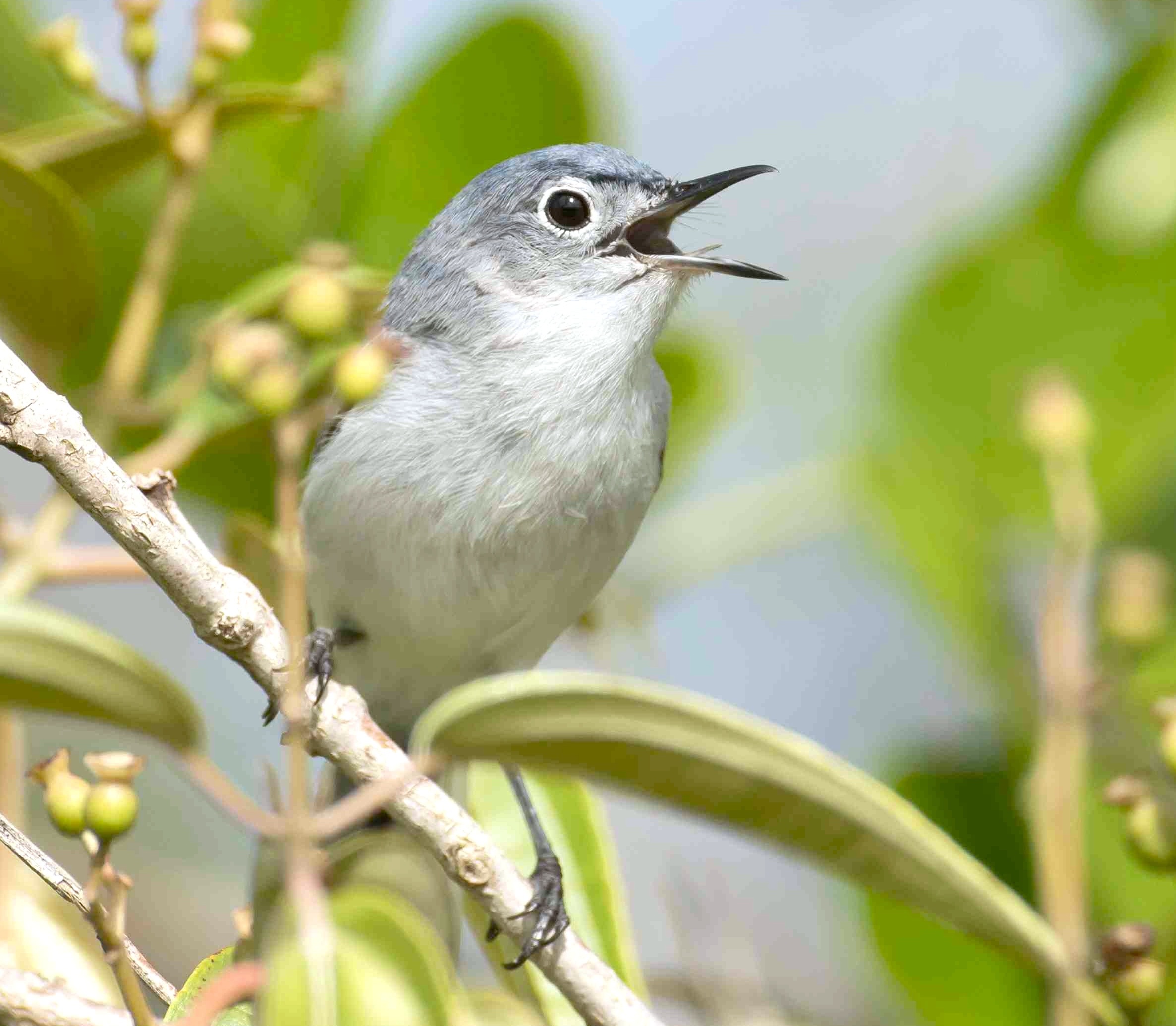
Blue-gray Gnatcatcher vocalizing. Abaco Bahamas (Tom Sheley)

Blue-gray Gnatcatcher – Tom Sheley

BOOKMAKING

The Delphi Club Guide to THE BIRDS OF ABACO was published in March 2014. To say “I wrote it” would be a gross distortion of the truth: it was an entirely collaborative project. The originator of the idea – as with the entire Delphi Club project (now in new & expert hands) – was Peter Mantle. The book showcases the work of 30 photographers, including some outstanding contributions by islanders. There was huge input from the very experienced project manager (= Mrs RH, then of YUP) and from the top Bahamas bird experts – Woody Bracey, Tony White, Bruce Hallett, and Tony Hepburn, to name but 4. So although my name is on the cover, it is as a participant representing the contributions, camera skills and brainpower of many people.

Cuban Emerald (f) Gilpin, Abaco Bahamas (Keith Salvesen)

Cuban Emerald (f) – Keith Salvesen

GAMBLERS?

The book project was something of a gamble. When planning began, social media – and the facility to reach a wide audience – was significantly less active than it was soon to become. The book was launched at Delphi to generous enthusiasm and support both on Abaco and beyond, but the extent of the interest (and sales) that might be generated more widely was unknown. We predicted it might be a slow-grower, so we were astonished by the immediate positive response to the guide. Perhaps it helped that there was a wider purpose to the book than as a photographic showcase for Abaco’s rich birdlife – we donated copies to all Abaco schools, colleges, libraries and local wildlife organisations for educational purposes. A significant percentage of the profits was set aside for local wildlife causes and duly distributed. 

Moving on just 5 years to this summer, the limited edition of 500 had all but sold out; and around 100 free copies had been donated – or deposited (as required by UK Law) in specified institutions: British Library; National Library of Scotland; National Library of Wales; Bodleian Library, Oxford; University Library, Cambridge; and Library of Trinity College, Dublin.

Brown Pelican, Abaco Bahamas (Tom Sheley)

Brown Pelican – Tom Sheley

PRESENT FOR THE FUTURE?

Six weeks after Dorian, a semblance of normality is returning to the stricken island. Daily snippets of optimism are of great significance: a lost pet found after many days; a trashed plant defiantly putting out a flower; a pair of parrots screeching past; a boat recovered; a building slightly less damaged than feared. Recovered possessions from flooded houses have brought mixed emotions – heart-rending losses of precious items, yet also the unexpected recovery of possessions believed lost or destroyed. And in that context but far less emotionally, I have now had quite a few requests for replacement copies of “Birds of Abaco”.

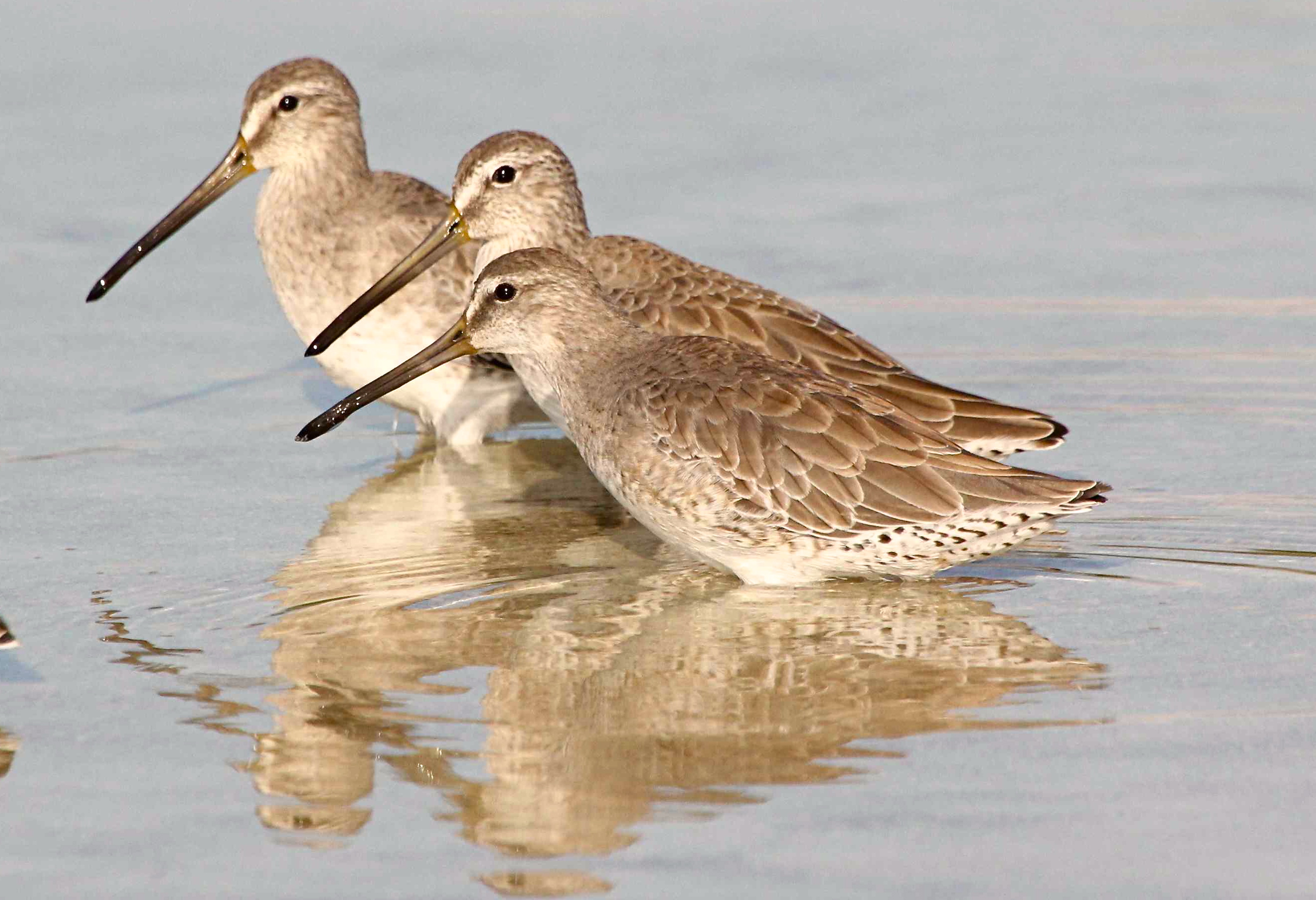
Short-billed Dowitcher, Abaco (Bruce Hallett)

Short-billed dowitchers – Bruce Hallett

SO, ARE THERE ANY REPLACEMENT BIRD BOOKS LEFT?

The position in a conch-shell is this:

  • There are now no copies still available on Abaco. Former HQ (and book storage / fulfilment facility) The Delphi Cub changed hands a year ago, and no longer carries a stock of the books. 
  • In the UK, Peter Mantle and I have about a dozen between us that are, in one way or another, ring-fenced.
  • That’s it, I’m afraid.
Bridled Tern, Abaco Bahamas (Bruce Hallett)

Bridled Tern – Bruce Hallett

ARE YOU PLANNING TO REPRINT?

For several reasons, no – it’s not a viable proposition. Specifically:

  • the size & print-costs of such a large heavy (2 kgs) book
  • the specialist printing (eg in Italy) needed to retain the quality; and the associated shipping costs
  • the lack of any viable storage and / or fulfilment facilities on Abaco, or anywhere else suitable
  • the lack of a prominent ornithologically-minded literary-leaning benefactor with a kind smile & deep pockets
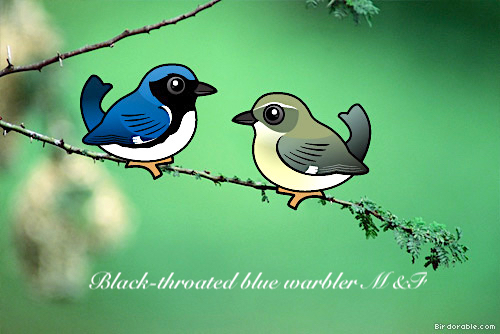
Black-throated blue warbler (Gerlinde Taurer)

Black-throated blue warbler – Gerlinde Taurer

CAN I STILL GET THE BOOK IN SOME OTHER FORM?

Yes! I hope. We are kicking around the following ideas in a general and inchoate way:

  • first, avoiding any system requiring storage or fulfilment (so, not a physical reprint)
  • using existing production material to create a Print-on-Demand book
  • turning the guide into an eBook (may be difficult / impossible with non-standard format)
  • most likely producing a full PDF (or similar) version for download and possibly printing
  • selecting sections – eg the definitive checklist – as individual downloads
  • considering other suggestions!

At the moment this is in the basket marked ‘non-urgent’, but the alternatives will be under active consideration.

Clapper Rail Abaco Bahamas Tom Sheley

Clapper Rail – Tom Sheley

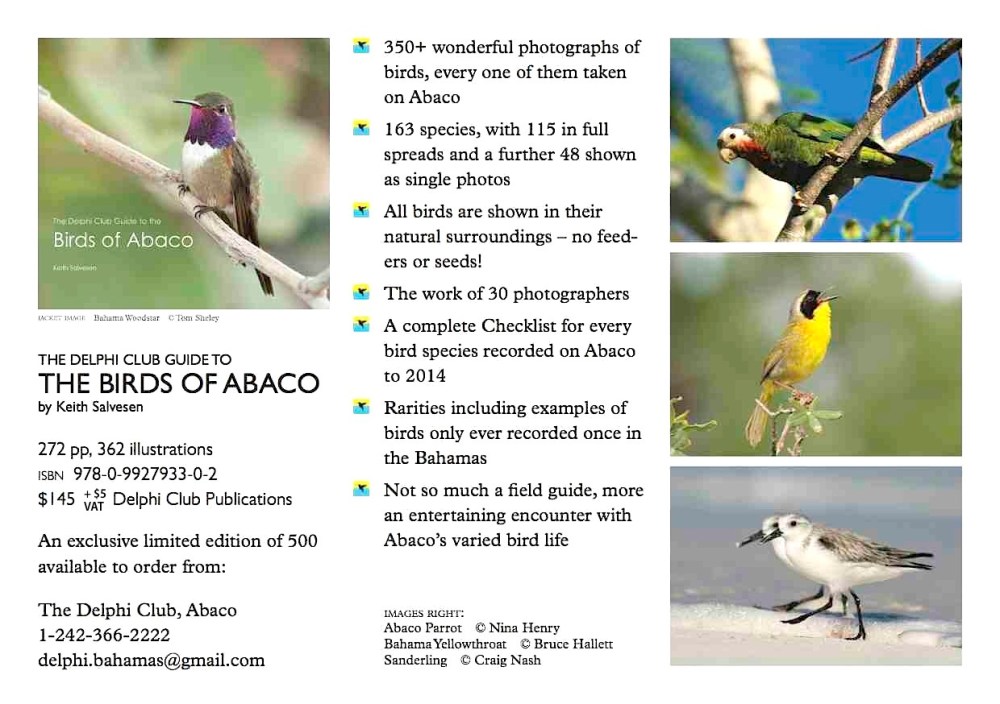
The original flyer for the book"Birds of Abaco" flyer

Painted Bunting male.Abaco Bahamas.Tom SheleyPainted Bunting Tom Sheley

Photos: Alex Hughes (1); Tom Sheley (2, 4, 9, 10); Keith Salvesen (3, 11); Bruce Hallett (5, 7); Gerlinde Taurer (8);  Charmaine Albury, para-breakers 

Cuban (Crescent-eyed) Pewee, Delphi, Abaco (Keith Salvesen)Cuban Pewee Keith Salvesen

Unknown's avatar

ABACO PARROTS, SURVIVAL & RESEARCH: POST-DORIAN UPDATE


Abaco Parrot, Bahamas (Tom Sheley)

ABACO PARROTS: SURVIVAL & RESEARCH

A POST-DORIAN UPDATE

The unique and symbolic parrots of Abaco have become quite a focus of attention now that some kind of normality is returning to the devastated island. Utilities and supplies are being sorted out gradually (and with unavoidable setbacks). There are some signs of optimism in the air – and some parrots too.

Abaco Parrot, Bahamas (Erik Gauger)

SO, AFTER THE HURRICANE ARE THERE ANY PARROTS AROUND?

At Bahama Palm Shores, the most ‘parroty’ of all the communities in south Abaco, Tara Lavallee was the first to see – and photograph – a pair on Sep 25th, nearly 4 weeks after Dorian struck. Over the next 10 days, and thanks to Janene Roessler’s work, I compiled a record of reports and sightings and mapped them. There were 12 in all, from Crossing Rocks in the south to Winding Bay in the north (25 – 30 miles as the parrot flies). 

Abaco Parrot, Bahamas after Hurricane Dorian (Tara Lavallee)

THE FIRST POST-DORIAN PARROTS

ABACO PARROT SIGHTINGS MAP BETWEEN SEP 25 AND OCT 4

The interactive map works like this (in theory at least). You can expand the map using the cursor, double clicks, or 2 fingers until you have enlarged the target area sufficiently to click on the individual coloured parrots. For each one, the sighting details are given with as much information as was available. The colour key is this:

  • Maroon – First sighting 
  • Blue – sighting with some details (eg numbers)
  • Yellow – sighting with little detail
  • Purple – flocks of 10 +

Abaco Parrot, Bahamas (Craig Nash)

IS ANYONE LOOKING AFTER OUR PARROTS?

By the turn of the century the parrot population had become unsustainable, having fallen below 1000, and their extinction was imminent. Since then, many organisations (eg BNT) and people have been involved in the reversal of the decline through intensive anti-predation and conservation measures. All this work continues so that the future of the parrots is assured. The rough estimate pre-Dorian was of c4000 birds.

Abaco Parrots, Bahamas (Peter Mantle)

WHAT ABOUT NOW, AFTER THE STORM?

As I mentioned in a previous post, a survey team including Abaco’s former parrot scientist Caroline Stahala Walker (now with Audubon) were planning a trip to Abaco once access became possible. They have just arrived on-island, and will be assessing the effect of Dorian both on the wildlife and on the habitat. This will include the parrots, and other ‘signal’ birds too. I expect these will include the endemics, the speciality birds (eg the woodpeckers), and some shorebirds including (I hope) piping plovers. They will also bring feed and feeders and give advice about care of the birds.

Caroline wrote “I wanted to let everyone know we have a team going to Abaco for surveys and setting up feeders starting tomorrow. The logistics were tough enough to piece together but it certainly would not have happened without all of your help. I will post pictures and update after the trip, not sure what internet situation will be like while there. Thanks everyone! You made this happen.”

CAROLINE’S GO FUND ME PAGE: CLICK THE LOGO

Abaco Parrot, Bahamas (Tom Sheley)

Some years ago Caroline and I put together a tiny booklet about the parrots, mainly for the benefit of guests and visitors at the Delphi Club. We asked for $5 – 10 donations for the birds. There were 2 editions. Later, I turned it into an ‘moving booklet’ with added music (that you can turn off!). Some people may have seen this elsewhere online recently. The middle section on the parrot nests in the National park, the chick-care, and the associated breeding research may be of particular interest. The pics are cute!

Thanks to all who contacted me to say there was an issue with the version of this booklet originally posted – a ‘privacy settings’ problem, as it turned out. I’ve exchanged it for a different format version, which is also a bit clearer… 

Credits: Tom Sheley (1, 6); Erik Gauger (2); Tara Lavallee (3); Craig Nash (4); Peter Mantle (5, 7)

Thanks to Tara, Janene and Caroline

Abaco Parrots Bahamas (Peter Mantle)

Unknown's avatar

THE NATURAL HISTORY OF THE BAHAMAS: A FIELD GUIDE


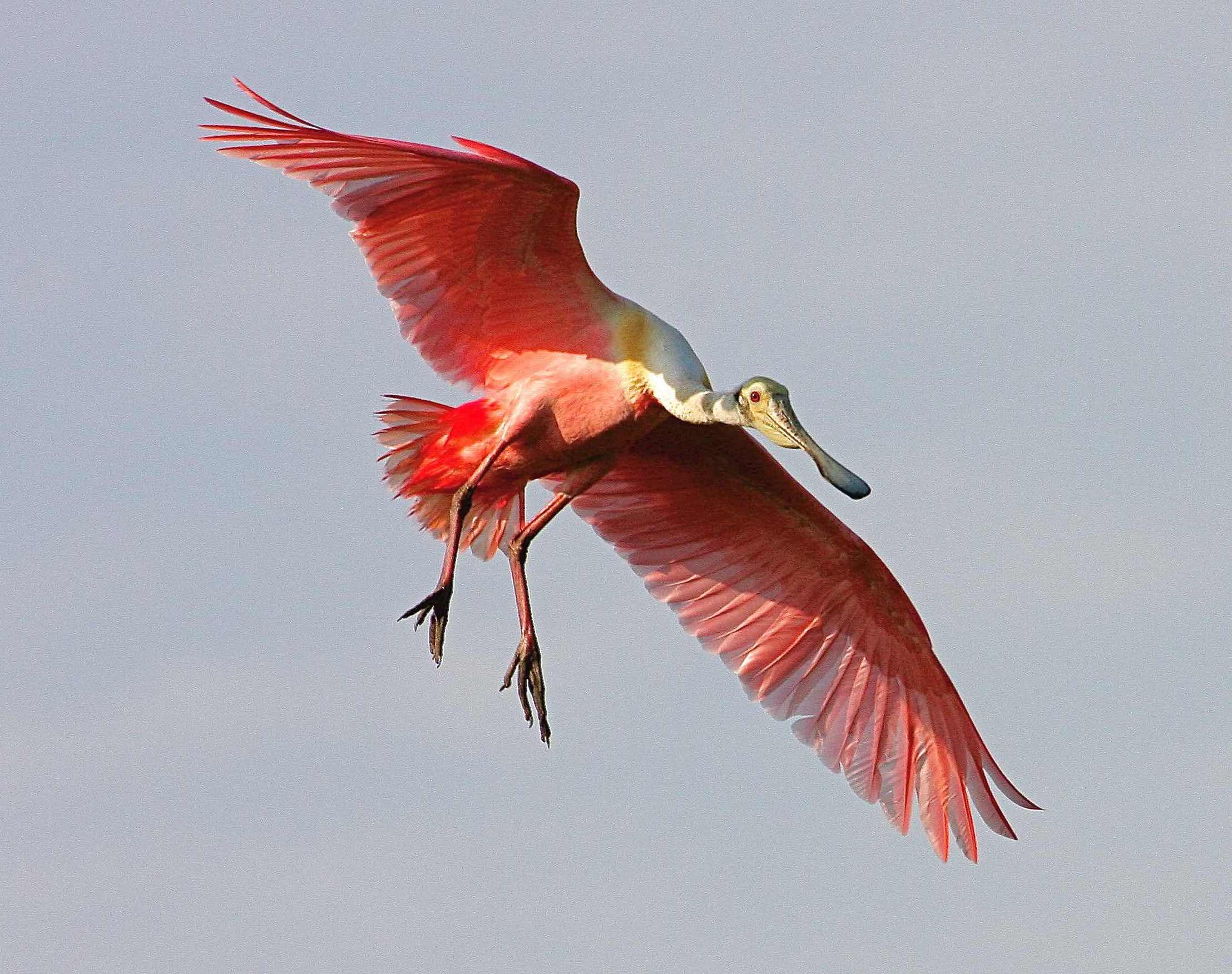
Roseate Spoonbill, New Providence Bahamas (Elwood 'Woody' Bracey)

Roseate Spoonbill, New Providence – Dr Elwood ‘Woody’ Bracey

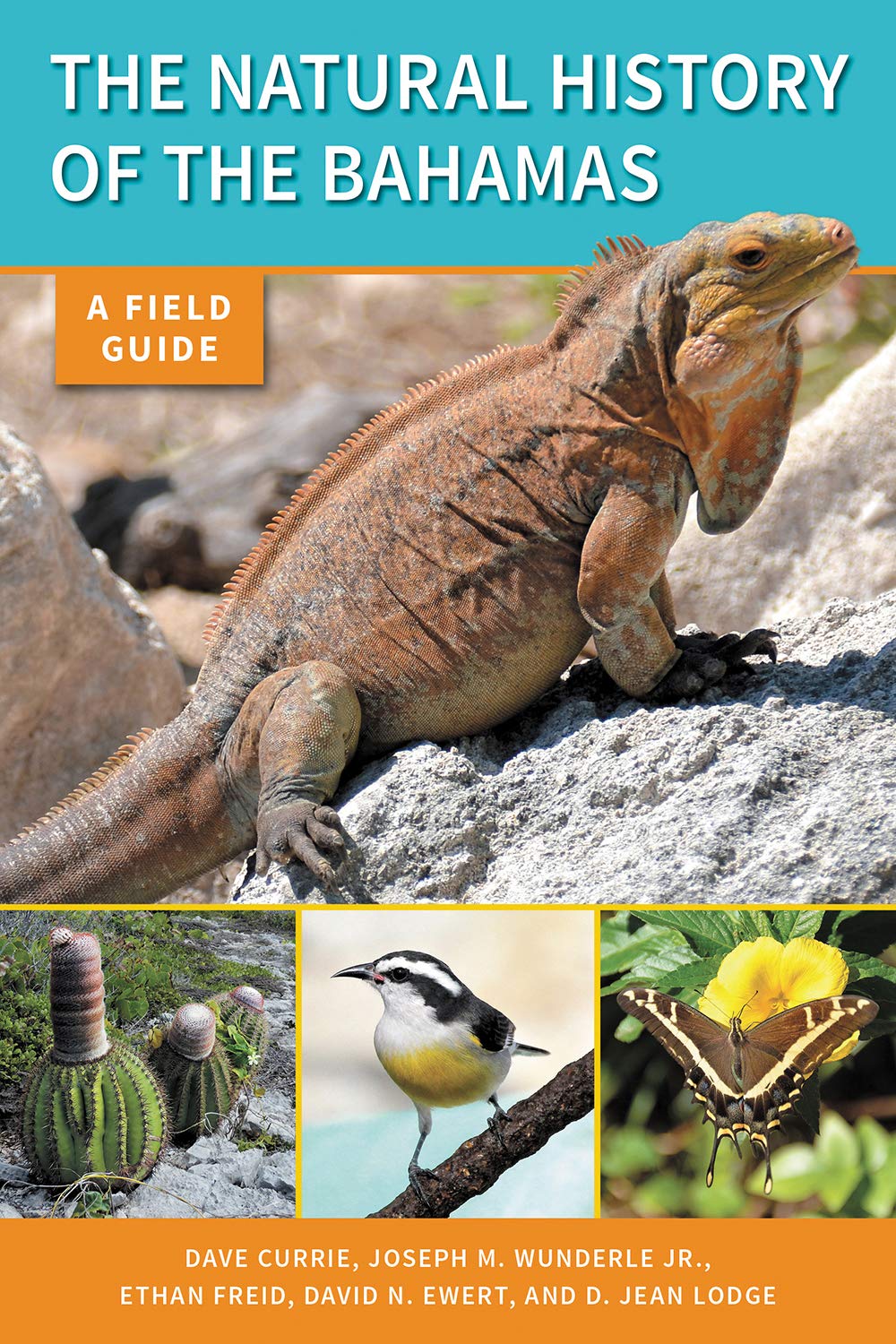
THE NATURAL HISTORY OF THE BAHAMAS: A FIELD GUIDE

On October 15th Cornell University Press publishes the first-ever comprehensive field guide to the terrestrial natural history of the Bahamas*. This monumental study has been years in the devising, researching, writing and production. The five authors are all eminent natural scientists in their specialist fields, and well-known far beyond the Bahamas. They combine to bring authoritative yet accessible scholarship to the pages. This book will undoubtedly become the go-to standard field guide for the Bahamas for decades. Furthermore, its breadth of scope will reach adjacent territories beyond the archipelago. *With a few exceptions for ‘signal species’, ocean-life is not included

The new guide comprises an encyclopaedic 464 pages with 768 colour photos plus line drawings, maps, charts and tables. The subject-matter begins with a detailed introduction that encompasses Geology, Climate, Habitat, Biogeography, Human History and Conservation. This establishes the wider context for the pages that follow.

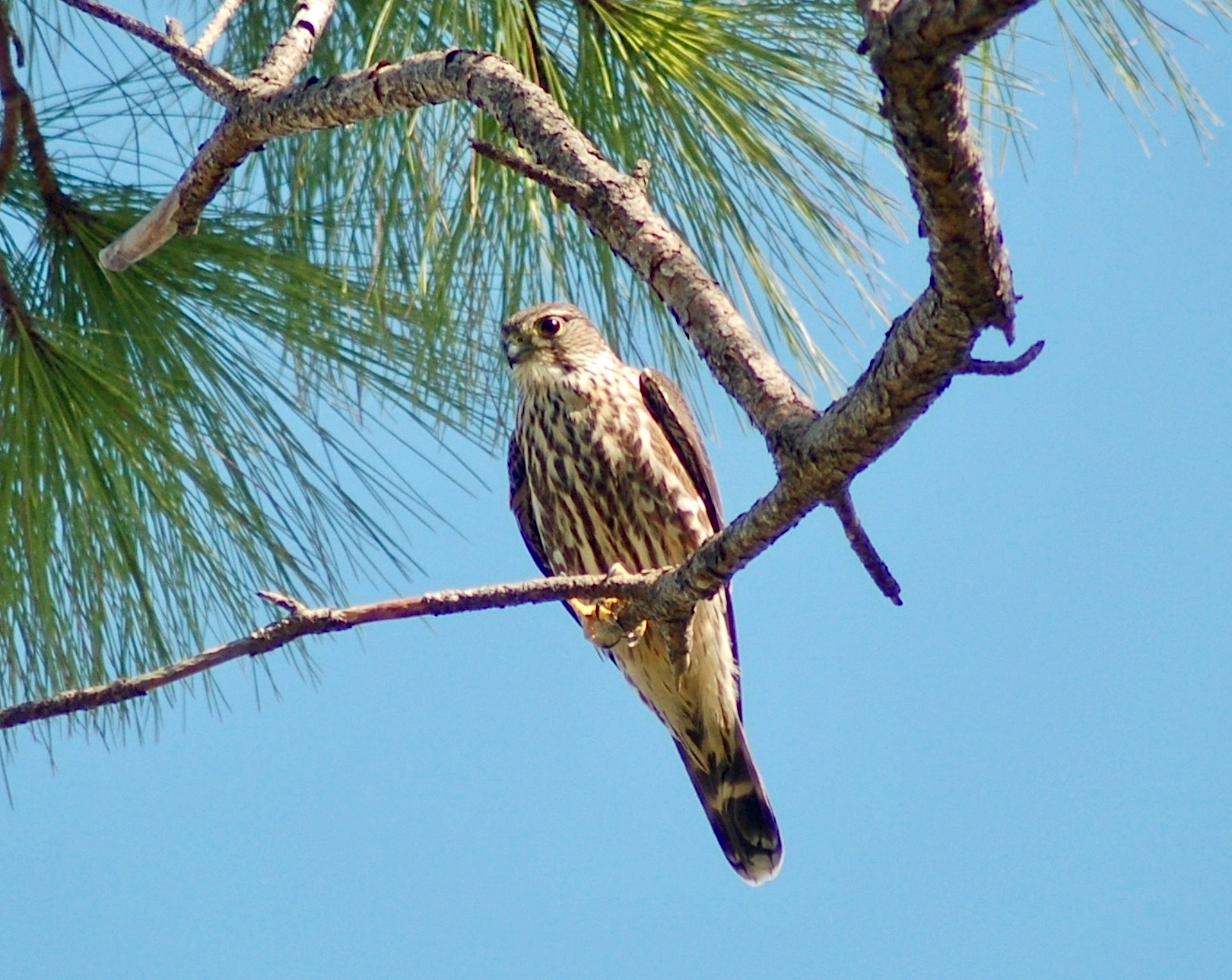
Merlin, Abaco Bahamas (Becky Marvil)

Merlin, Abaco Bahamas – Becky Marvil

The guide is then divided into discrete sections that cover Fungi, Flora / Plants, Invertebrates, Amphibians, Reptiles, Birds, and Mammals (of which there are very few in the Archipelago, and few of those endemic). As a general observation, you simply will not believe how many species and subspecies there in some of the categories.

Wild Pig or Hog (f) on Abaco Bahamas (Dana Lowe)

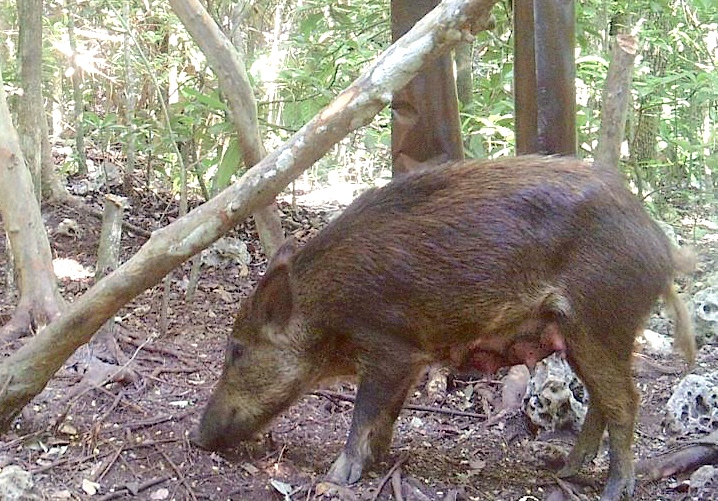
Wild Pig or Hog (f) on Abaco Bahamas (Dana Lowe)

In expressing my enthusiasm for the new guide, I ought to declare my interest. From a fairly early stage of the project, I helped in two ways: sourcing / supplying images; and helping with proofing / editorial work of the sort common to all such diverse reference works.

Nassau Grouper, Grand Bahama (Melinda Riger)

Nassau Grouper, Grand Bahama (Melinda Riger)

Right now, in the aftermath of the disastrous impact of Hurricane Dorian, the northern Bahamas (Abaco & Grand Bahama) are still at the very earliest stages of a return to normality. Some areas are still without reliable water or power. The extent of the devastation suggests that the new ‘normality’ will inevitably be rather different from the past. It is sobering to consider that, since this field guide went to press, the balance of nature on two of the most diverse islands for wildlife in the archipelago has already changed significantly – and in some instances that change may well be for good.

Gull-billed Tern in flight, Abaco Bahamas (Alex Hughes)

Gull-billed Tern in flight, Abaco Bahamas – Alex Hughes

I have a hope – and there are some signs already – that people’s interest in the wildlife around them provides a degree of comfort in hard times. Further south in the Bahamas, the other islands will each have had their own similar extreme weather experiences many times. The wildlife is varied but with similarity throughout the extensive chain of 700 islands that make up the Bahamas, with a vertical length of over 500 miles and covering more than 8000 square miles of land and sea. The familiarity of many of the plants, trees, butterflies, and birds binds the diverse islands together to create a common experience.

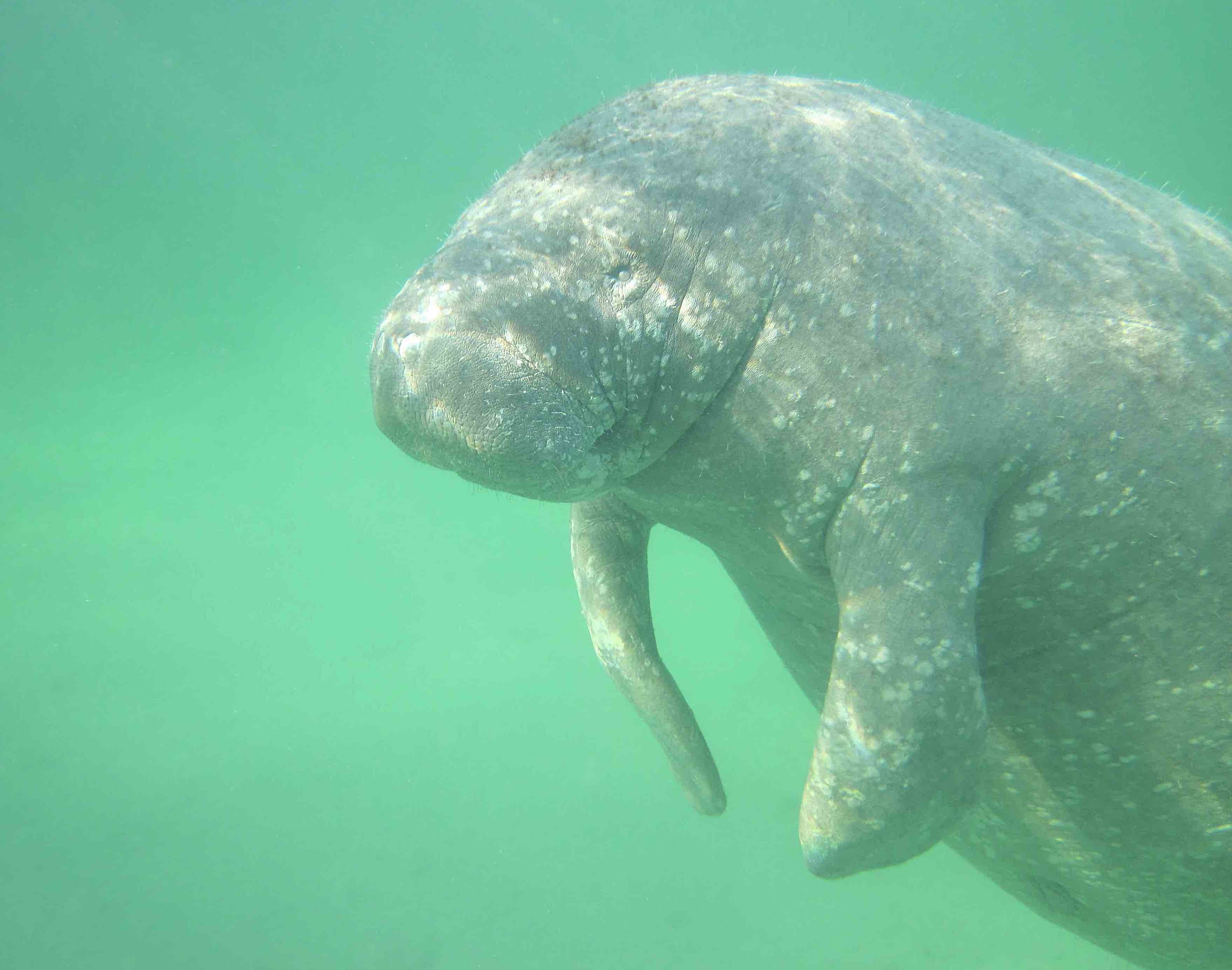
West-Indian Manatee, Bahamas (Charlotte Dunn / BMMRO)

West-Indian Manatee, Bahamas (Charlotte Dunn / BMMRO)

For more information on this new publication CORNELL U P FIELD GUIDE

Credits as captioned, with thanks to all concerned

Cuban Emerald Hummingbird, Abaco Bahamas (Keith Salvesen / Rolling Harbour)

Cuban Emerald Hummingbird, Abaco Bahamas (Keith Salvesen / Rolling Harbour)

Unknown's avatar

IS THIS THE REAL LIFE? OR IS THIS JUST FANS AT SEA?


Purple sea fan, Bahamas (Melinda Riger / Grand Bahama Scuba)

IS THIS THE REAL LIFE? OR IS THIS JUST FANS AT SEA?

I wrote the original post on this theme, with its somewhat Bohemian and rhapsodic title, a while back. It was put together at a time of sunshine, normality and optimism. The 2019 hurricane season was far in the future, and the prospect of one – let alone two – of the finest islands in the Bahamas being virtually eradicated overnight was unthinkable.

Purple Sea Fans, Abaco, Bahamas (Dive Abaco / Keith & Melinda Rogers)

Right now, in the aftermath of the devastation wrought by Hurricane Dorian, and as the communities gradually start on the long road to recovery, the priorities remain personal and community safety, food, fresh water, medical supplies and access to all the other necessities that the major relief operation has so effectively enabled. However, as gradual improvements to daily life are achieved, so a degree of interest in the natural world is returning.

Purple sea fan, Bahamas (Melinda Riger / Grand Bahama Scuba)

The despoliation of the land is there for all to see, visible even from space. As yet – as far as I know – no one has had the time or opportunity, or even a boat and the right equipment to investigate below the surface of the sea. What of the reefs: the bright darting reef fish; the larger denizens of the deep; the corals, sponges and anemones? The massive Cat 5 storm caused an unprecedented 23′ surge. It’s hard to see how the reefs can have remained unaffected, and there must be the possibility that the THIRD LARGEST BARRIER REEF in the world will have been altered irrevocably.

Purple sea fan, Bahamas (Melinda Riger / Grand Bahama Scuba)

Since Dorian, the related organisations have been unable to operate. Abaco’s ‘Dive Abaco’ was virtually annihilated along with the rest of Marsh Harbour. Grand Bahama Scuba has just reopened, although it may take a while before dive trips are anywhere back to normal. This post contains beautiful photos from both the Melindas concerned, taken in happier times before the dark cloud swept over the islands just one month ago.

Purple sea fan, Bahamas (Melinda Riger / Grand Bahama Scuba)

NOTES FROM THE PRE-DORIAN PAST

The waters of Abaco teem with myriads of fish that depend on the coral reefs for shelter and safety, for breeding, for growing up in, and for nourishment. Sea fans (or gorgonians, to use the technical name) are animals too. They may look like plants and stay rooted to the spot, but like anemones these ‘soft corals’ are creatures of the reef and essential indicators of its health.

Purple Sea Fans, Abaco, Bahamas (Dive Abaco / Keith & Melinda Rogers)

At the moment it can still be said that the static (‘sessile’) members of the Abaco reef community are relatively unscathed by the impact of (and I don’t want to get into any arguments here) whatever causes mass bleaching and the death of reefs elsewhere in the world.

Purple Sea Fans, Abaco, Bahamas (Dive Abaco / Keith & Melinda Rogers)

Purple Sea Fans, Abaco, Bahamas (Dive Abaco / Keith & Melinda Rogers)  Purple Sea Fans, Abaco, Bahamas (Dive Abaco / Keith & Melinda Rogers)

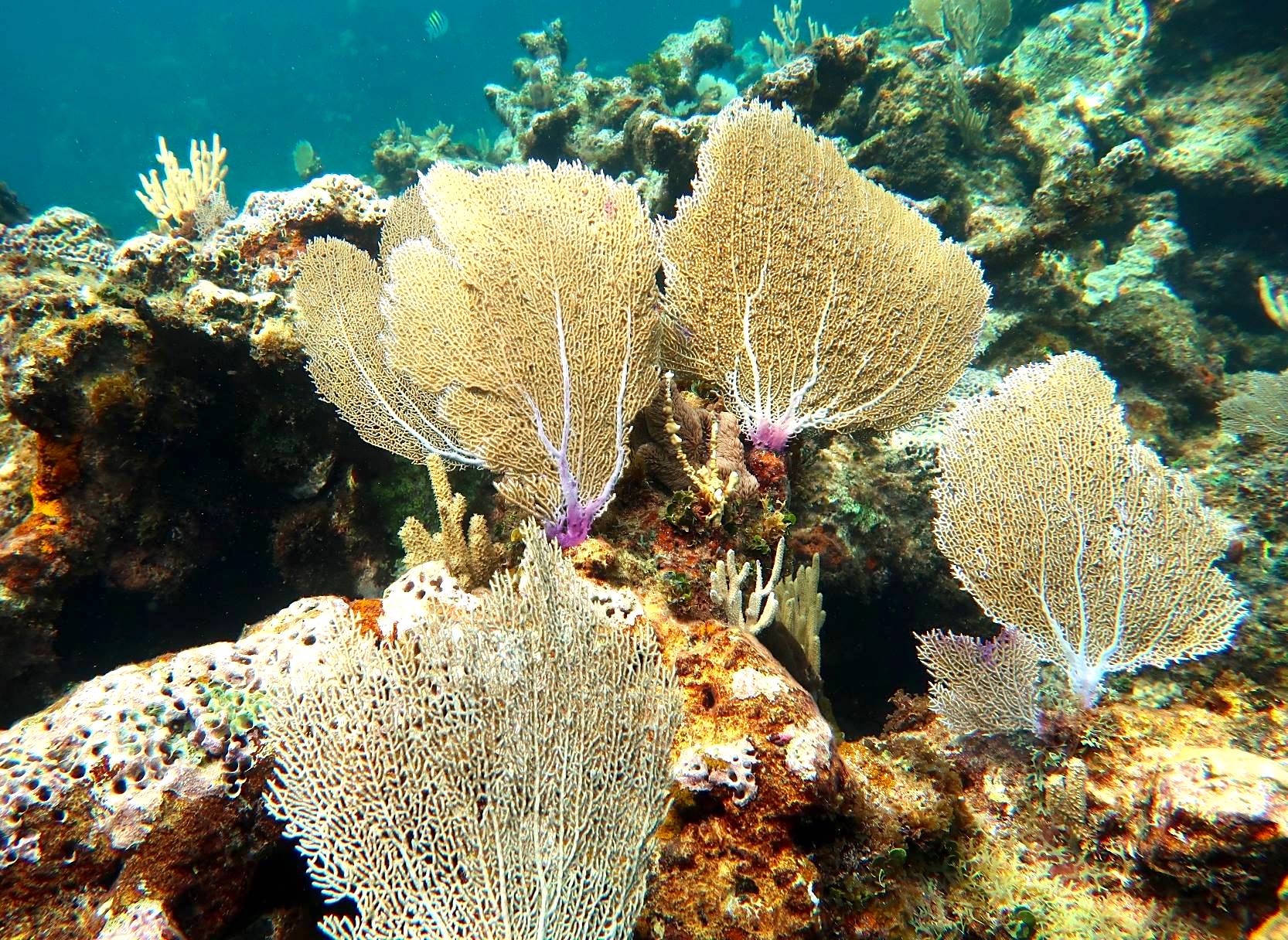
The purple sea fan Gorgonia ventalina (classified by Linnaeus in 1785) is one of the most common species of sea fan, and a spectacular one at that. The main branches are linked by a lattice of smaller branches. Below the ‘skin’ is a skeleton made of calcite compounded with a form of collagen. 

Purple Sea Fans, Abaco, Bahamas (Dive Abaco / Keith & Melinda Rogers)

Sea fans are filter-feeders, and have polyps with eight tiny tentacles that catch plankton as it drifts past. They develop so that their orientation is across the prevailing current. This maximises the water passing by and consequently the supply of food as the fans gently wave in the flow.

Purple Sea Fans, Abaco, Bahamas (Dive Abaco / Keith & Melinda Rogers)  Purple Sea Fans, Abaco, Bahamas (Dive Abaco / Keith & Melinda Rogers)

Gorgonians have a chemical defence mechanism that protects against potential troublemakers. The main effect is to make themselves unpleasant to nibble or uproot.

Purple Sea Fans, Abaco, Bahamas (Dive Abaco / Keith & Melinda Rogers)

One species impervious to this deterrent is the fascinating FLAMINGO TONGUE SNAIL (more of which quite soon). Other ‘safe’ species include the fireworm and BUTTERFLYFISHES.

Purple Sea Fans, Abaco, Bahamas (Dive Abaco / Keith & Melinda Rogers)

One benefit of sea fans to mankind is that their defensive chemicals have been discovered to provide the basis for drug research and development, specifically in the field of  anti-inflammatories. Another benefit, of course, is that they are very beautiful to look at. And in bad times, that can only be good .

Purple Sea Fans, Abaco, Bahamas (Dive Abaco / Keith & Melinda Rogers)

Purple Sea Fans, Abaco, Bahamas (Dive Abaco / Keith & Melinda Rogers)    Purple Sea Fans, Abaco, Bahamas (Dive Abaco / Keith & Melinda Rogers)

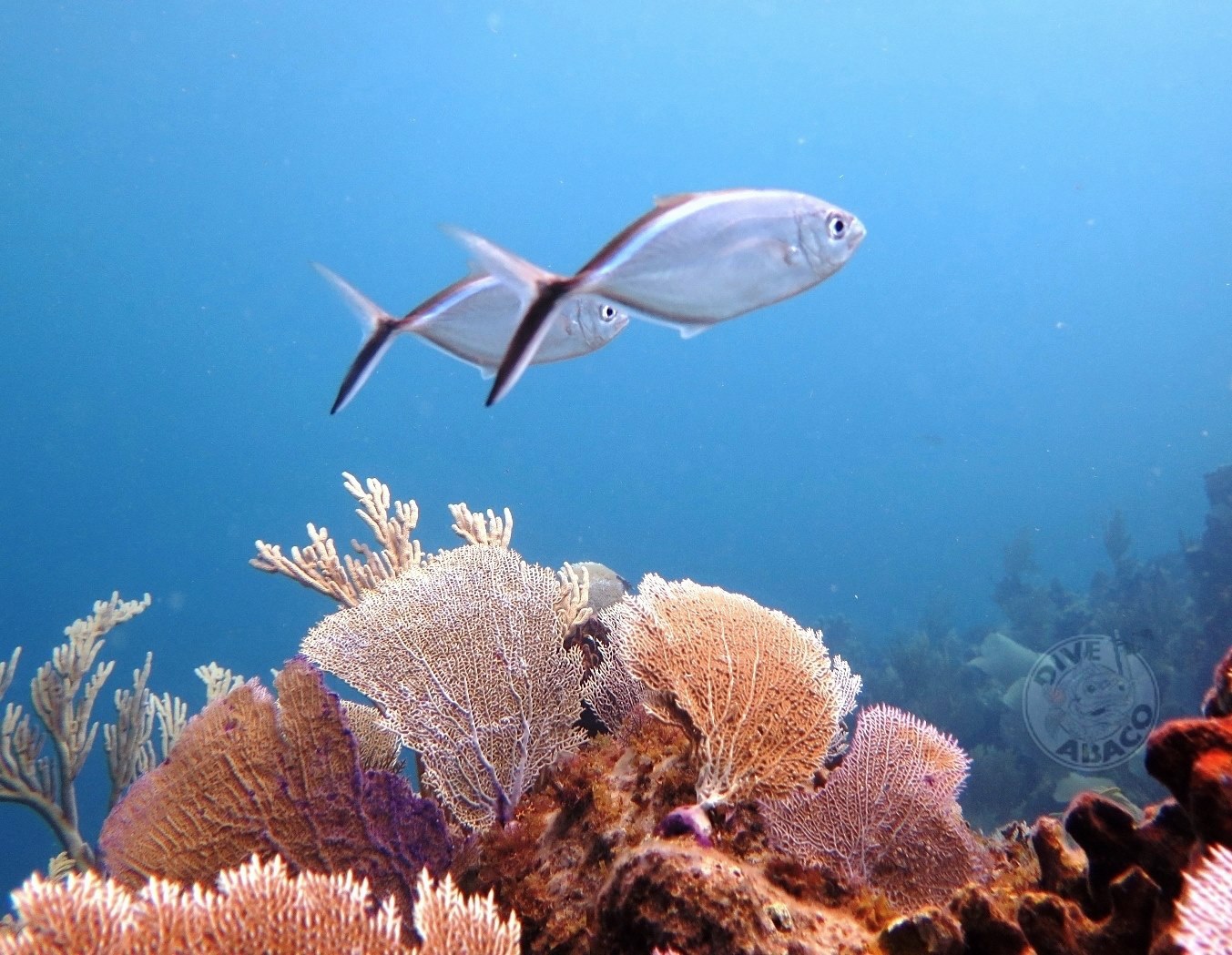
Most of the photos featured are by courtesy of Capt. Keith and Melinda Rogers of the well-known local scuba dive and snorkel centre DIVE ABACO, located in central Marsh Harbour. As prime enablers of reef exploration in Abaco waters, it can truly be said that they too have plenty of fans.

Purple Sea Fans, Abaco, Bahamas (Dive Abaco / Keith & Melinda Rogers)

Credits: Melinda and Keith Rodgers / Dive Abaco, Marsh Harbour; Melinda and Fred Riger / Grand Bahama Scuba (1, 3, 4, 5)

** The answer to the questions in the Title is… it’s both!

FINALLY, A SPECIAL FAN FOR ABACO AND GRAND BAHAMA

Purple Sea Fans, Abaco, Bahamas (Dive Abaco / Keith & Melinda Rogers)

Unknown's avatar

BEAUTIFUL BIRDS OF ABACO, BAHAMAS (1): PRAIRIE WARBLER


BEAUTIFUL BIRDS OF ABACO, BAHAMAS (1): PRAIRIE WARBLER

The increasing flow of reports of recent bird sightings on Abaco seems to confirm the theory that in times of crisis and of recovery from disaster, people gain strength from the natural world that surrounds them. The bright flash of a parrots wings; the hoarse squawk of a West Indian Woodpecker; the unmistakable cheery call of the thick-billed vireo; the ‘peep’ of a shore-bird – all these can bring comfort in troubled times. 

Prairie Warbler, Abaco Bahamas (Gerlinde Taurer / Rolling Harbour)

Right now, social media on Abaco, and radiating far beyond, is alive with more encouraging news after the storm, not least about the gradual re-establishment of normality as utilities and services are restored, movement becomes more possible, and plans for repairing the past and designing the future can begin to be made.

Prairie Warbler, Abaco Bahamas (Gerlinde Taurer / Rolling Harbour)

This post features photos of Prairie warblers taken on Abaco by Gerlinde Taurer, contributor to THE BIRDS OF ABACO. It is the start of a short series that will focus on a single species and feature gorgeous photos, all taken on Abaco. These bright little warblers are common winter residents and in normal times their Fall arrival would be well under way – along with some 30 other species of warbler that make Abaco – and the Bahamas generally – their winter home. 

Prairie Warbler, Abaco Bahamas (Gerlinde Taurer / Rolling Harbour)

The rich diversity of the avian life of Abaco is truly astonishing: from residents to migratory species, from tiny to huge, from frequently encountered to very rare. Every bird (yes, even the reputedly ‘dull’ black-faced grassquits) has its own beauty and character. Even a small brown bird may have a lovely song.  In non-storm circumstances, it would not be unusual for an amateur birder to encounter upwards of 40 species during half a day in the field – especially with binoculars. I hope that on a shattered island, appreciation of the lively and varied birdlife is already making a small yet positive contribution to the recovery.

Credits: All photos taken by Gerlinde Taurer on Abaco (my own are suppressed for being, frankly, dross in comparison)

Prairie Warbler, Abaco Bahamas (Gerlinde Taurer / Rolling Harbour)

Unknown's avatar

ABACO BAHAMAS POST-DORIAN: HOPE & THE ICONIC PARROTS


Abaco (Cuban) Parrot, Bahamas (Craig Nash)

ABACO BAHAMAS POST-DORIAN: HOPE & THE ICONIC PARROTS

As the intensive Hurricane Dorian relief operation continues on a devastated Abaco, the extent of the destructive power of the huge storm is all too evident. Gradually restored communications and the availability of social media have circulated far and wide the awful photos and aerial views of the smashed island, and the tragic stories of loss and desolation. Accounts of astonishing courage, determination and generosity are for all to see. And, nearly 4 weeks later, we have early signs of recovery and grounds for hope in a stricken land.

Abaco (Cuban) Parrot, Bahamas (Caroline Stahala Walker)

For the last 10 days or so, inquiries about Abaco’s birds and other wildlife have begun and are increasing daily. I take this as a sign that people are at last able to look slightly beyond the immediate horrors of the storm to the brighter horizon of the future. The iconic parrots are the principle concern, and finally – finally – I have some good news to bring. Here it is, in all its glory.

Abaco (Cuban) Parrot, Bahamas post hurricane Dorian (Tara Lavallee)

I have been waiting anxiously to pick up the first reports of parrot sightings – or even of their raucous squawks. This iPhone photo was taken yesterday at Bahama Palm Shores by Tara Lavallee. You are looking at the first photograph of the parrots since the end of last month. This pair were apparently wary and jumpy – quite unlike the unselfconscious rowdy birds with which we are so familiar. There was a sighting near Casuarina, too. It looks as though the parrots are returning.

Abaco (Cuban) Parrot, Bahamas (Caroline Stahala Walker)

WHERE HAVE THE PARROTS BEEN IN THE MEANTIME?

The parrots live and breed in the Abaco National Park right down in the south of the island. This is a vast area of pine forest that gives way to scrubland as it nears the coast. The assumption is that the approaching storm will have driven the parrots deep into the forest where, happily, they will have been some distance away from the destructive path of the hurricane. Many creatures can sense the approach of bad weather from changes in the air around them. This may trigger an instinct to head for home some time before the threat arrives. 

ONCE THEY GET THERE, WHAT DO THEY DO?

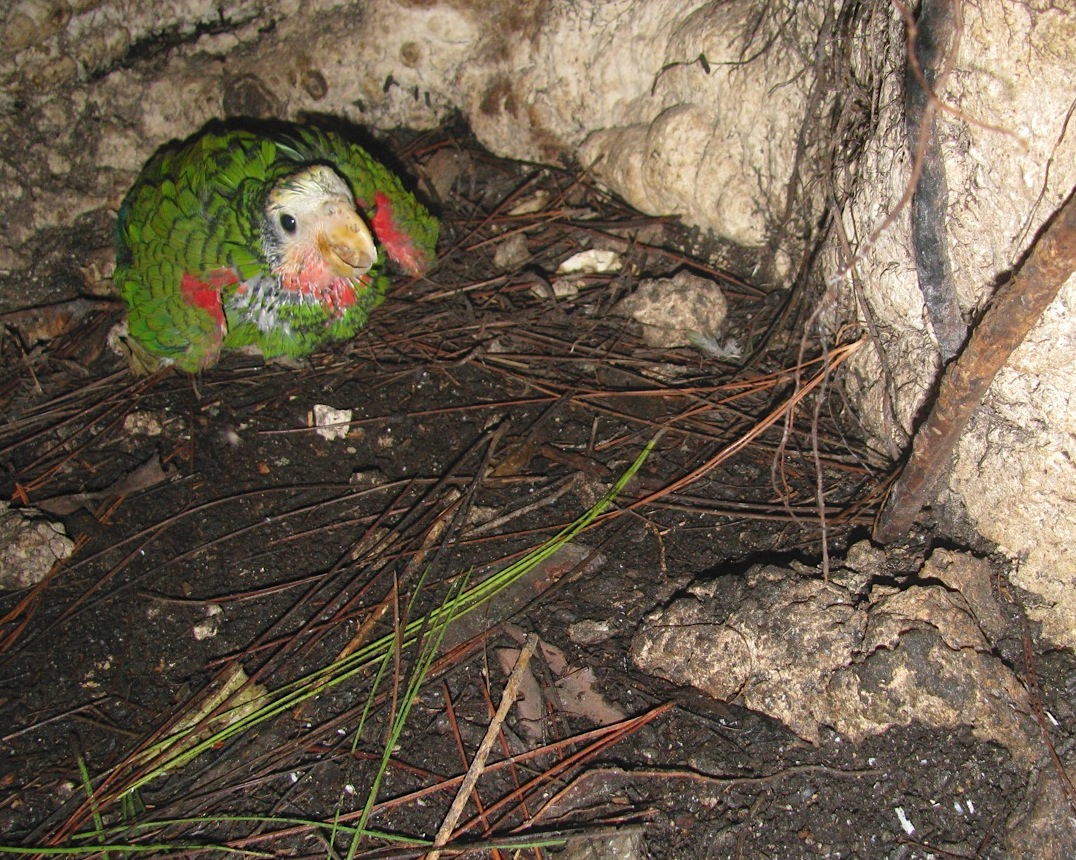
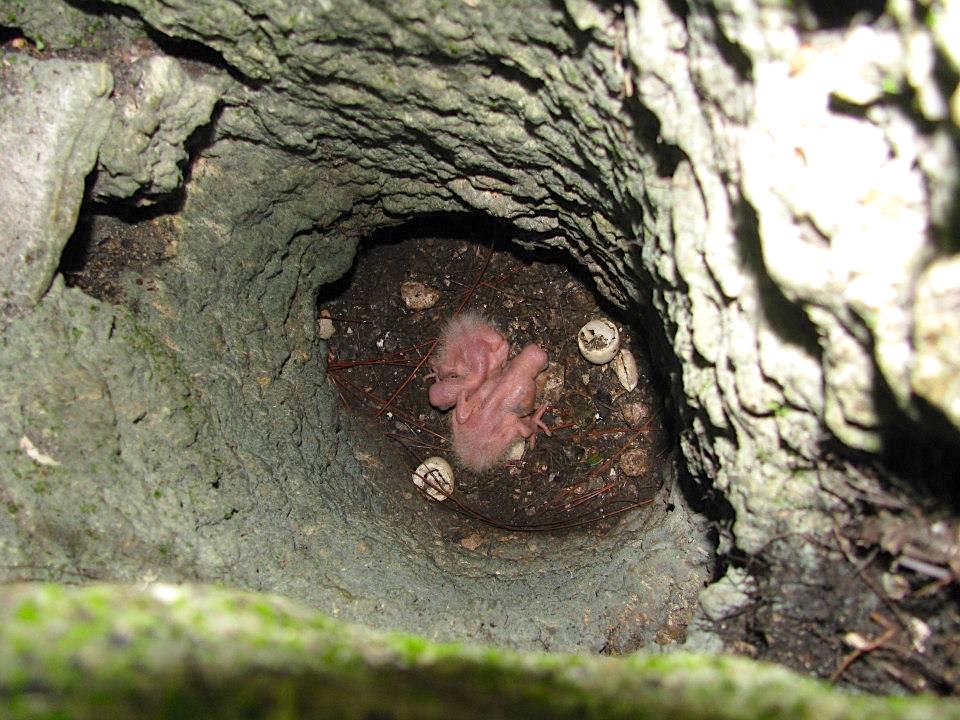
They lie low. The parrots have an additional and most unusual way to stay safe. They can avoid the dangers of adverse weather and even forest fires because they live and nest underground in limestone caves deep in the National Park.

Abaco (Cuban) Parrot, Bahamas (Caroline Stahala Walker)

HOW RARE IS THAT?

The Abaco parrot (as opposed to its tree-nesting cousins in Inagua and in small numbers in Nassau) is unique in this respect, certainly in the northern hemisphere. There are half-a-dozen mostly inter-related species in the Antipodes that nest underground, but that is all. Even if the caves get flooded, limestone is a permeable rock and water will dissipate. And as for fires, the holes are deep enough for the flames to pass over them. Tree-dwellers are far more vulnerable.

Abaco (Cuban) Parrot, Bahamas (Caroline Stahala Walker)

DOES THIS MEAN THE PARROTS ARE ALL SAFE?

It’s much too early to judge, because there is another vital component in their survival: the availability and sufficiency of suitable food. This is the factor that most worries those concerned with the parrots’ welfare – the BNT, the scientists and naturalists who helped to bring the species back from the edge of extinction, and organisations further afield such as Birds Caribbean. So it’s a question now of where they will find to feed; and beyond that, how they respond if they find their usual feeding haunts trashed. 

Feeding on Gumbo Limbo berries, a favourite snackAbaco (Cuban) Parrot, Bahamas (Gerlinde Taurer)

SIGHTING REPORTS

The signs are that the parrots are now emerging and looking for food. With luck their presence will become more noticeable. This is an important moment for collecting stats. They will help research into the effect of Dorian on the population including the wellbeing of the birds, their flocking behaviour, and the locations they now find to their liking. The fact that parrots have been seen at BPS, the parrot hotspot, is encouraging. 

Abaco (Cuban) Parrot, Bahamas (from a photo by Craig Nash))

If anyone sees or even hears parrots over the next couple of weeks I’d welcome a report either directly or indirectly. The most helpful details are date, time, location and approx numbers (1, pair, a few, lots). Beyond that, behaviour notes are of interest – feeding, chattering, hanging round, being unsettled and so on. A photo is always a bonus, even a phone one. 

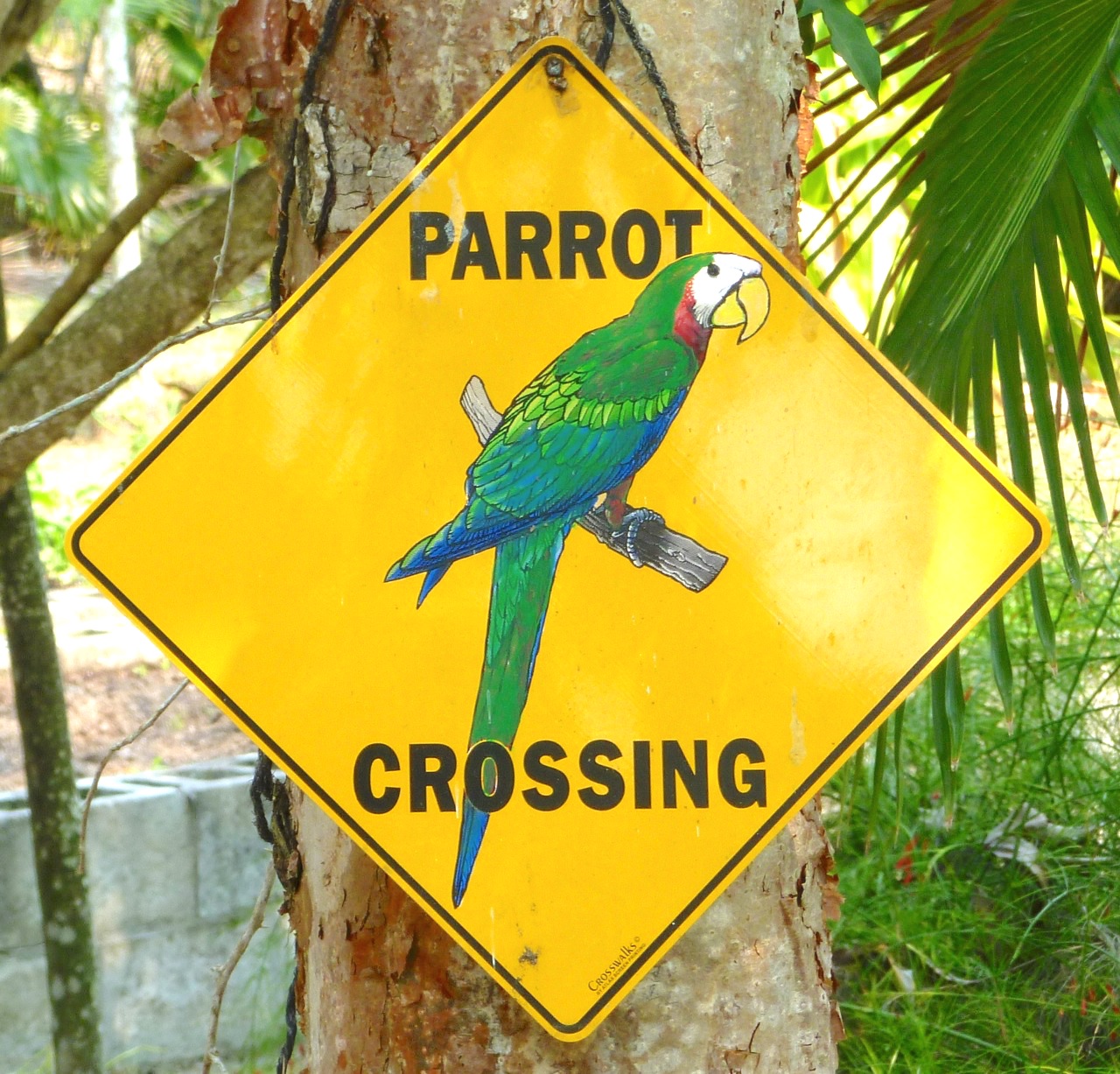
Parrot Crossing sign Abaco Bahamas (Keith Salvesen)

Do not doubt the resilience of these beautiful birds. Now that the threat of extinction has been removed through skilled  conservation, management and predator control, they will win through. If you doubt it, just look at this image below. It shows a nest in the immediate aftermath of hurricane Irene, with its occupant safe and sound as the parents forage for food and parrot scientist Caroline nips in with her camera.

Abaco (Cuban) Parrot, Bahamas (Caroline Stahala Walker)

Credits: Craig Nash (1, 9); Caroline Stahala Walker (2, 4, 6, 7, 11); Tara Lavallee (3); Keith Salvesen (5, 10); Gerlinde Taurer (8); Melissa Maura (12)

Abaco (Cuban) Parrot, Bahamas (Melissa Maura)

Unknown's avatar

HIDDEN DEPTHS: LIFE ON ABACO’S CORAL REEFS


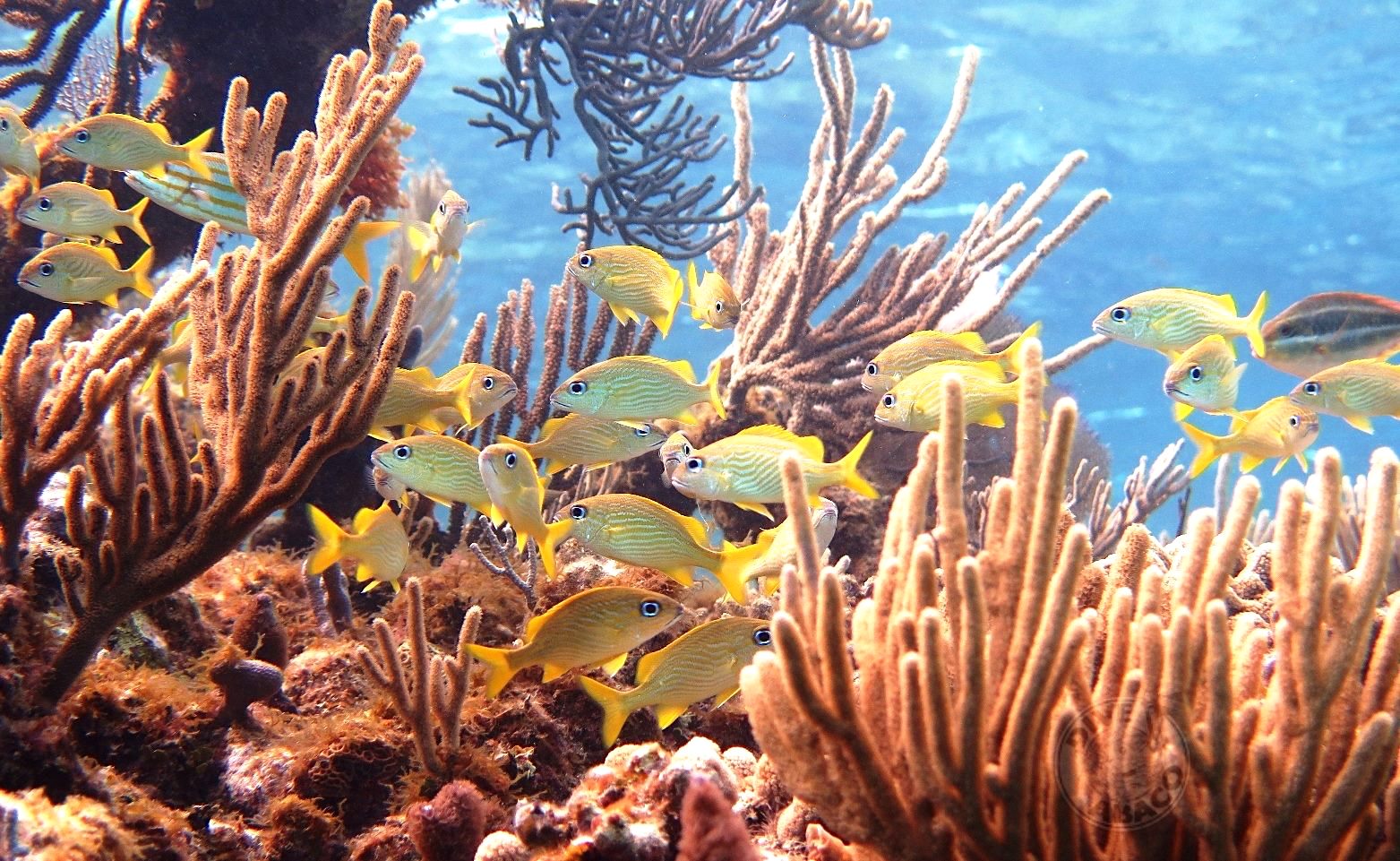
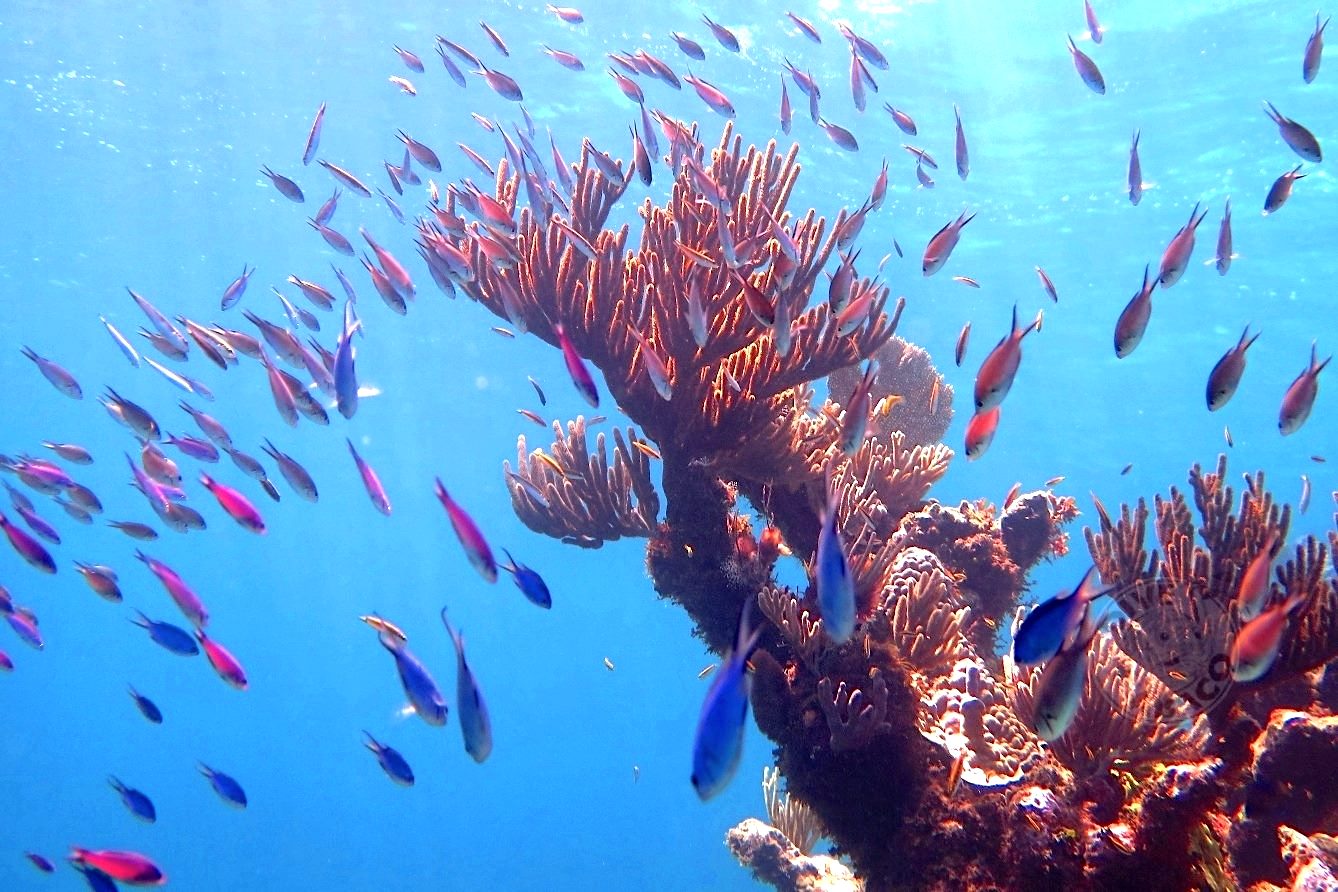
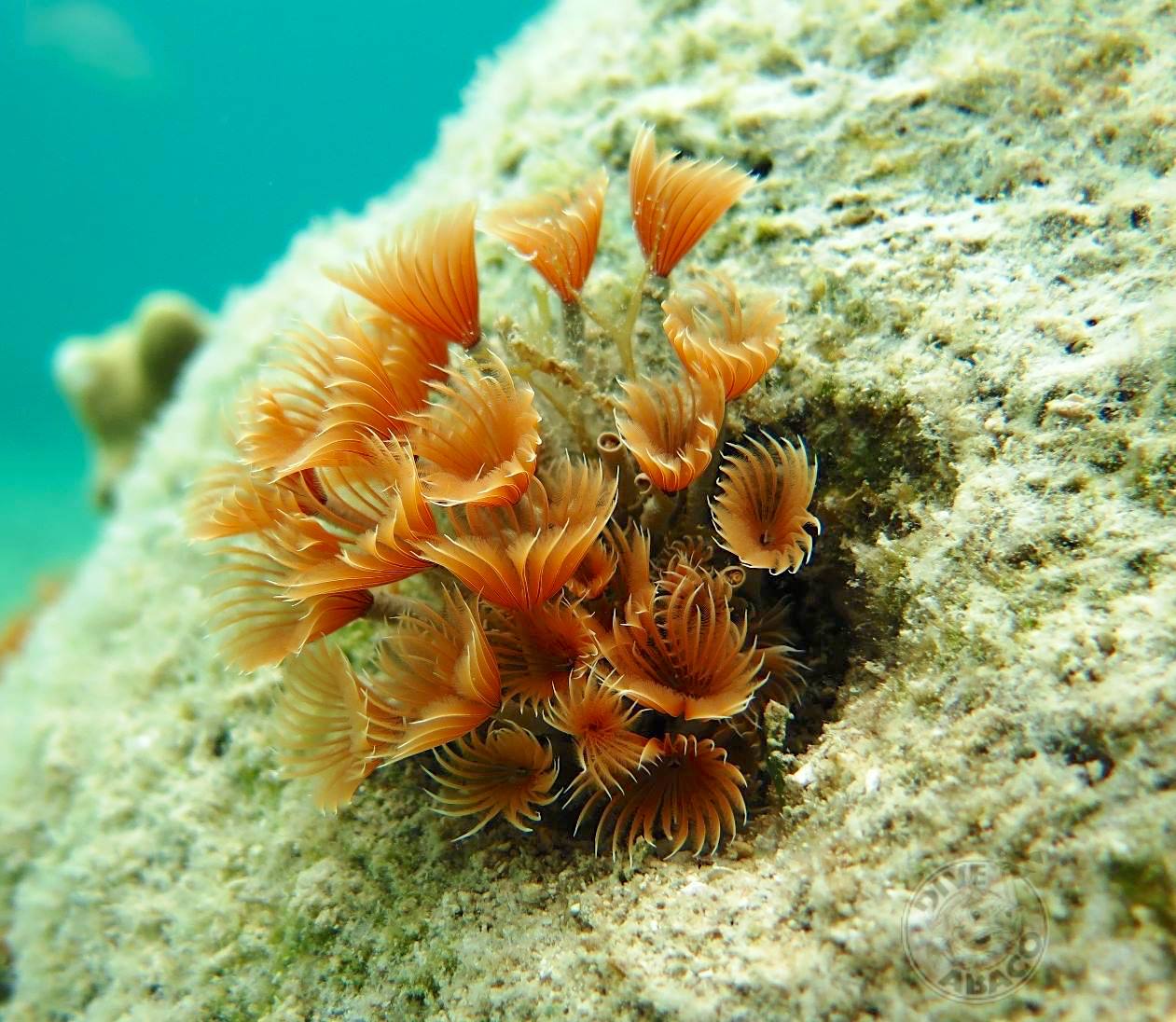
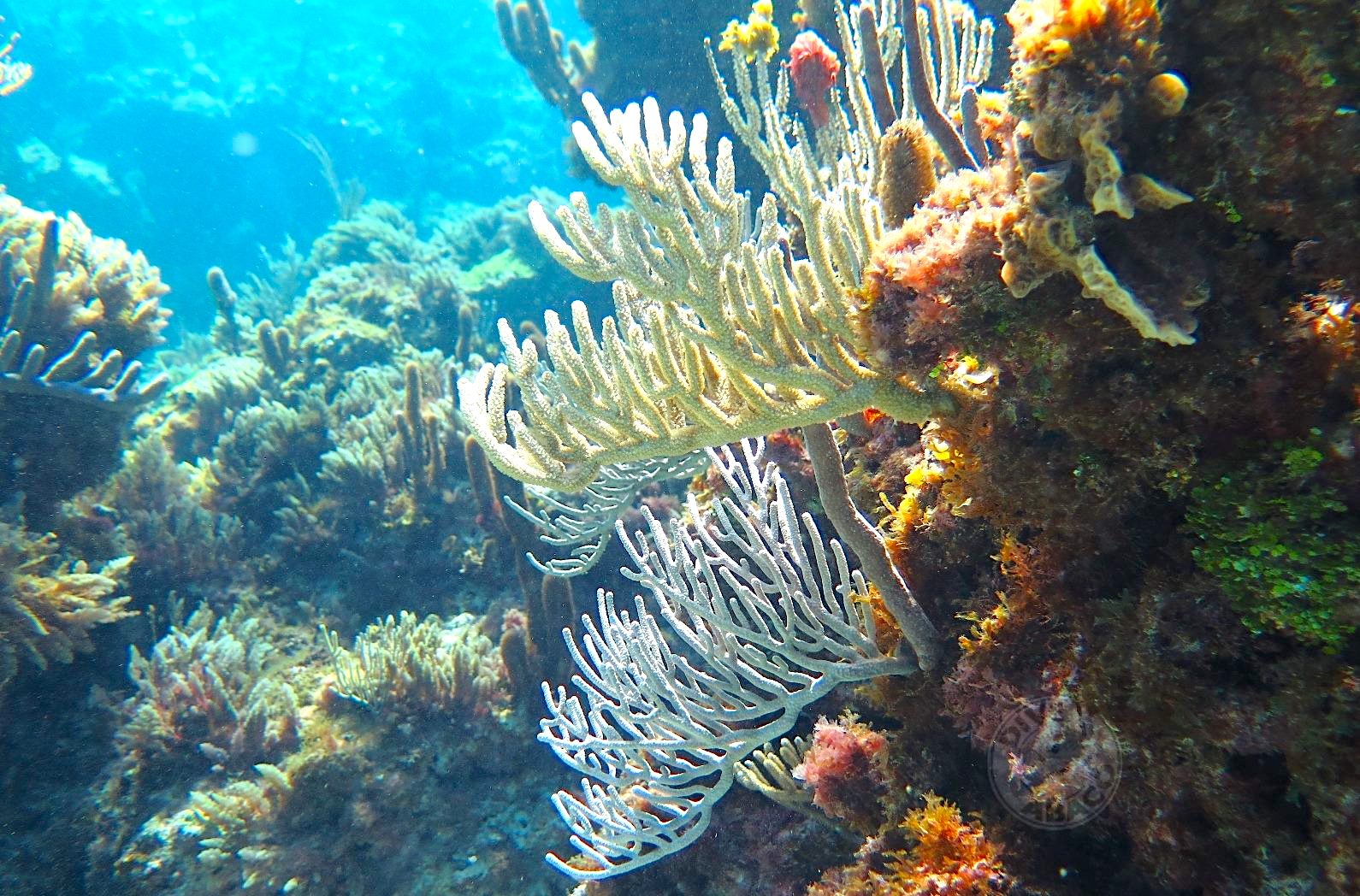
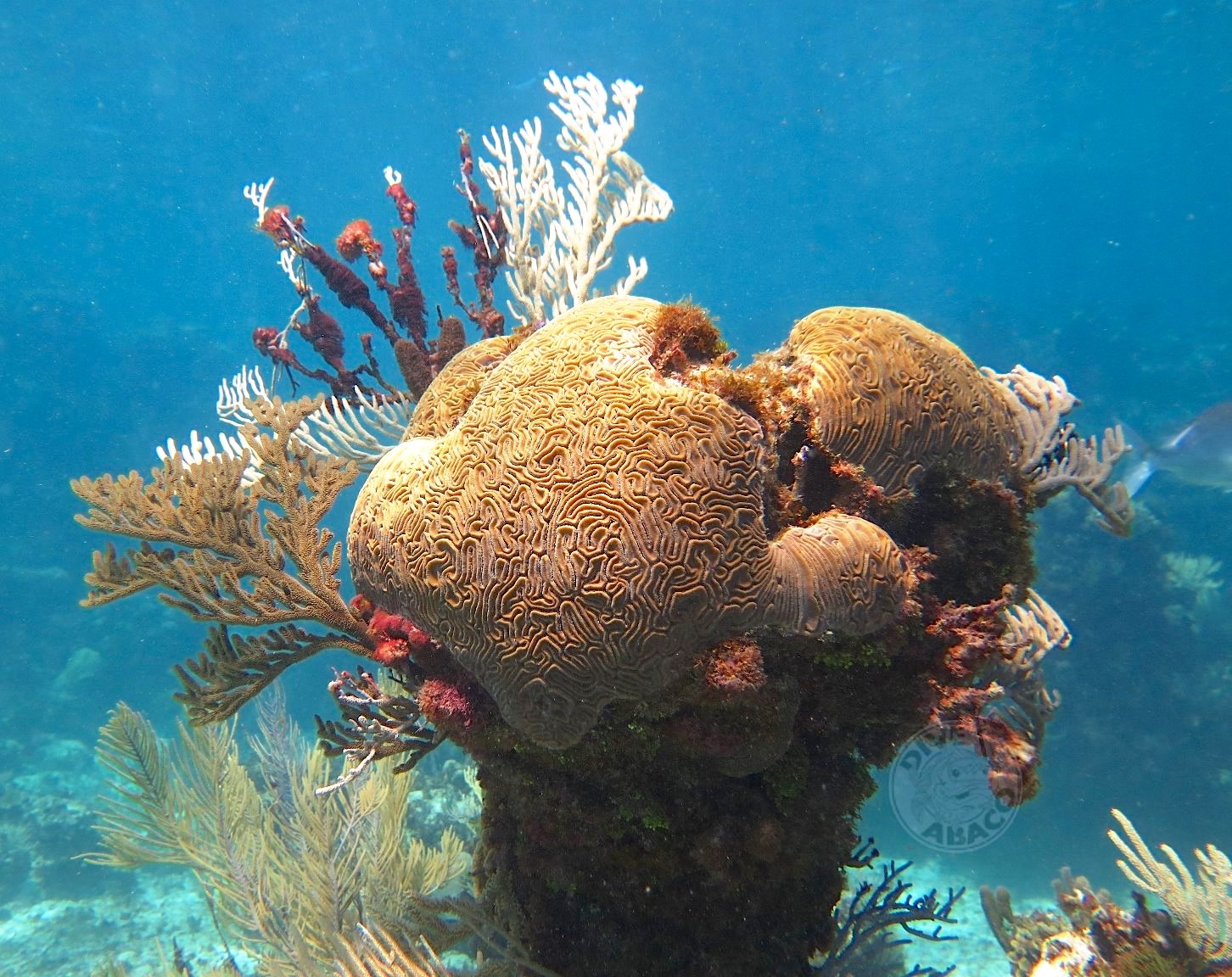
Reef Coral Abaco Bahamas (Melinda Rodgers / Dive Abaco)

HIDDEN DEPTHS: LIFE ON ABACO’S CORAL REEFS

Nearly 4 weeks after the devastation of Hurricane Dorian, the island and its cays are beginning to emerge gradually from the wreckage and the desolation. The extent of the disaster on the ground is clear, not least from the aerial photos – first drone, then plane, and now Google – of ‘before’ and ‘after’. 

Reef Coral Abaco Bahamas (Melinda Rodgers / Dive Abaco)Reef Coral Abaco Bahamas (Melinda Rodgers / Dive Abaco)

At the stage, it isn’t possible to determine the extent to which the underwater world has been affected. The storm surge was huge and the waves were savage. The progress of the storm was slow (and it went on to stall over equally damaged Grand Bahama). Who knows the effect on the corals and other reef life for which Abaco is renowned.

Reef Coral Abaco Bahamas (Melinda Rodgers / Dive Abaco) Reef Coral Abaco Bahamas (Melinda Rodgers / Dive Abaco)

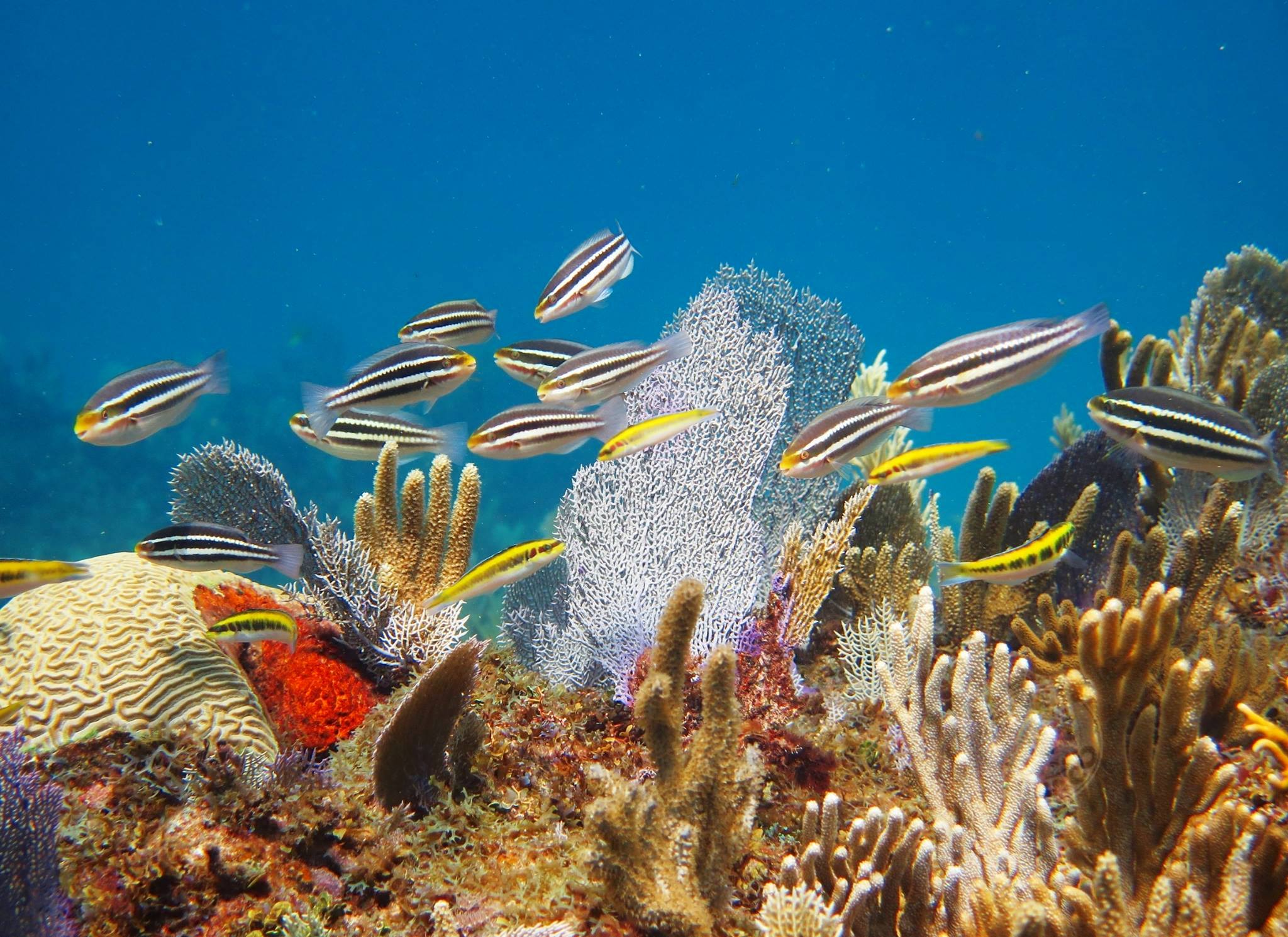
This pictorial post is a reminder of how things were below the surface of Abaco waters before Dorian struck. If it lifts spirits to any degree, I shall be glad.

Reef Coral Abaco Bahamas (Melinda Rodgers / Dive Abaco) Reef Coral Abaco Bahamas (Melinda Rodgers / Dive Abaco)

All these photos are by Melinda Rodgers who, with Capt Keith, are DIVE ABACO. Many will know how badly they have fared, being in the heart of Marsh Harbour. We wish them a speedy return to the wonderful enterprise they have run for many years. I’m pleased to be able to show the beauty of the reefs in happier times from their archive.

Reef Coral Abaco Bahamas (Melinda Rodgers / Dive Abaco)Reef Coral Abaco Bahamas (Melinda Rodgers / Dive Abaco)

Credits: Melinda Rodgers /  Dive Abaco

Reef Coral Abaco Bahamas (Melinda Rodgers / Dive Abaco)

Unknown's avatar

SEAL: THE REAL DEAL


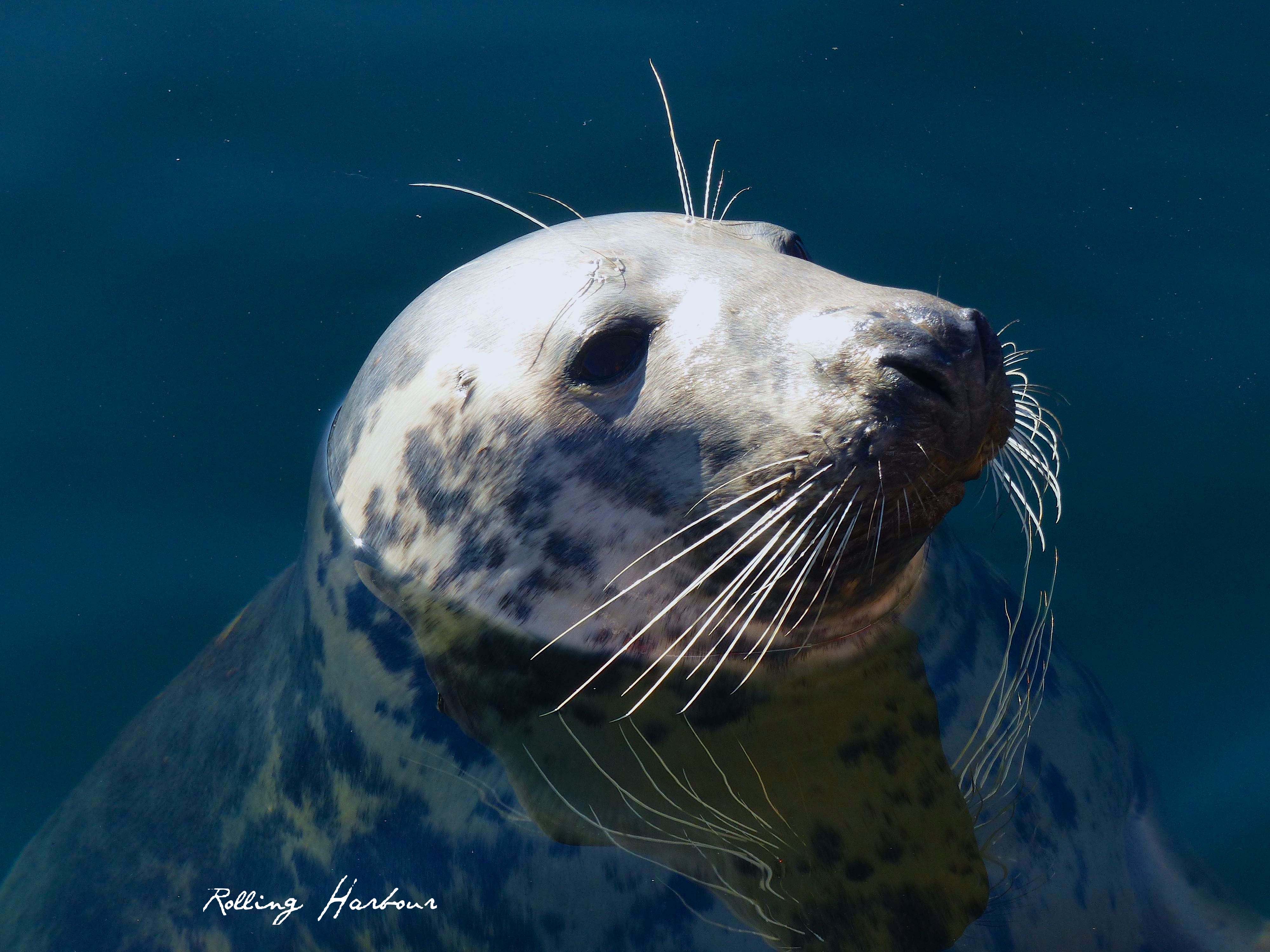
Harbour Seal, Gairloch Scotland (Keith Salvesen / Rolling Harbour)

As Abaco starts to rebuild from the unimagined severity of its destruction, it’s not a great moment for discursive writing about the astonishing richness of wildlife there, both above and below the sea. So here’s a photo of a Harbour Seal that I took this afternoon. If it gives you something to smile about, I’d be very glad. RH

Unknown's avatar

STICKING TOGETHER: BIRDS OF A FEATHER ON ABACO


Smooth-billed Ani Pair, Abaco Bahamas (Gerlinde Taurer / Birds of Abaco)

Smooth-billed Anis, Abaco – Gerlinde Taurer

STICKING TOGETHER: BIRDS OF A FEATHER

In times of trouble, of grief and of despair, humans have an instinct to rally round for the greater good. Right now, I am very conscious that on Abaco – and indeed Grand Bahama – there is little or no time or mental space for overmuch concern about the wildlife. I am safely distanced from the tragedies and dire misfortunes of the countless individuals, families and communities affected by Hurricane Dorian. In this post I simply offer some images of birds – all photographed on Abaco – that are bonded together as adults or adult and chick, as symbolic of the huge combined human efforts on Abaco to comfort, restore, and rebuild a shattered island.

Northern Bobwhite pair, Abaco Bahamas (Tom Sheley)

Northern Bobwhites, Abaco backcountry – Tom Sheley

Piping Plovers, Delphi Beach, Abaco Bahamas (Keith Salvesen / Rolling Harbour)

Piping Plover, Delphi Beach Abaco – Keith Salvesen

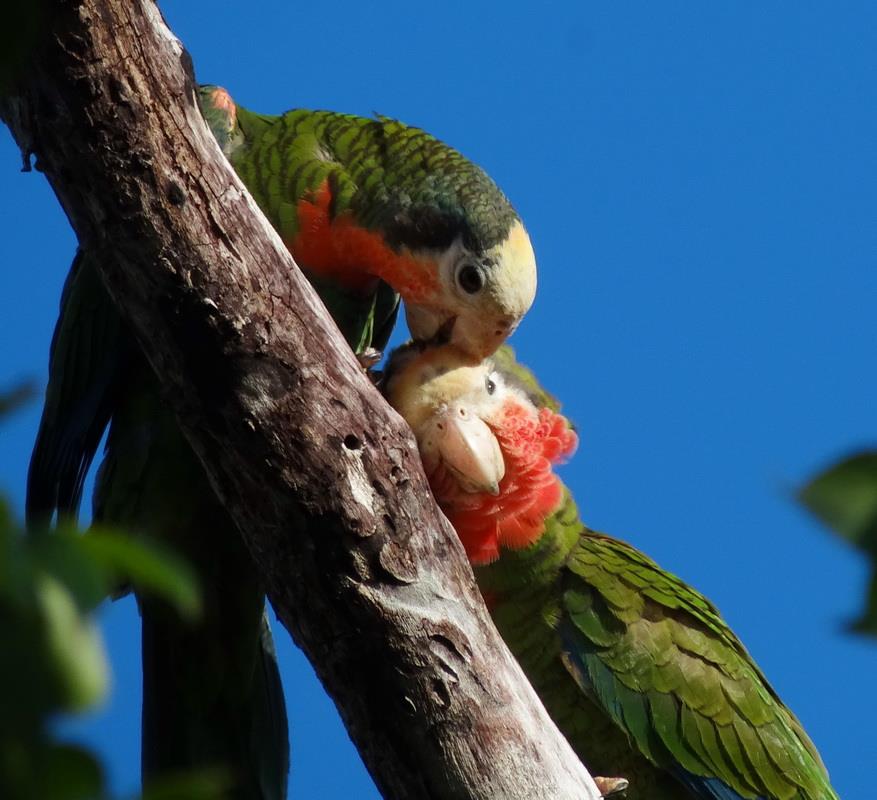
Abaco (Bahama) Parrots, Bahamas - Peter Mantle

Abaco Parrots – Peter Mantle

Neotropic Cormorants, Treasure Cay, Abaco Bahamas - Bruce Hallett

Neotropic Cormorants, Treasure Cay, Abaco – Bruce Hallett

Common Gallinule Adult & Chick, Abaco Bahamas - Tom Sheley

Common Gallinule adult & chick, Abaco – Tom Sheley

Wilson's Plover adult & chick, Abaco Bahamas - Sandy Walker

Wilson’s Plover adult & chick, Abaco Bahamas – Sandy Walker

American Oystercatcher pair, Abaco Bahamas - Tom Sheley

American Oystercatchers, Abaco Bahamas – Tom Sheley

CREDITS: Gerlinde Taurer (1); Tom Sheley (2, 6, 8); Keith Salvesen (3, 8); Peter Mantle (4); Bruce Hallett (5); Sandy Walker (7)

Sanderlings, Delphi Beach, Abaco Bahamas (Keith Salvesen / Rolling Harbour)

Sanderlings, Delphi Beach, Abaco Bahamas – Keith Salvesen

Unknown's avatar

‘THE BIRDS OF ABACO’: HURRICANE DORIAN RELIEF


Abaco (Bahama) Parrot - Melissa Maura

‘THE BIRDS OF ABACO’: HURRICANE DORIAN RELIEF

ABACO, BAHAMAS has been all but destroyed by Hurricane Dorian. The horrendous scale of the disaster in human terms alone is only now becoming clear as the days pass and new tragedies are revealed. Many established relief funds – international, national and local – are being very generously supported for the benefit of those who have suffered so grievously. I am adding to the number through my specific link to Abaco and its wildlife.

Black-necked Stilt, Abaco Bahamas (Alex Hughes)

GO FUND ME BIRDS

For obvious reasons, the GFM page (in edited form here) has a rather more formal , explicatory tone than I would usually use.

Sally and I were founder members of the Delphi Club, Abaco and retain strong connections with the island and the community. I run a conservation program for rare migratory plovers that overwinter on Abaco; and I am involved with BMMRO & its marine mammal research.


‘THE BIRDS OF ABACO’, of which I am the author, was published in 2014. The book was designed by Sally and published by Peter Mantle / The Delphi club. By the end of last year the edition had sold out, and all planned educational donations to schools, libraries and relevant organisations had been completed. 

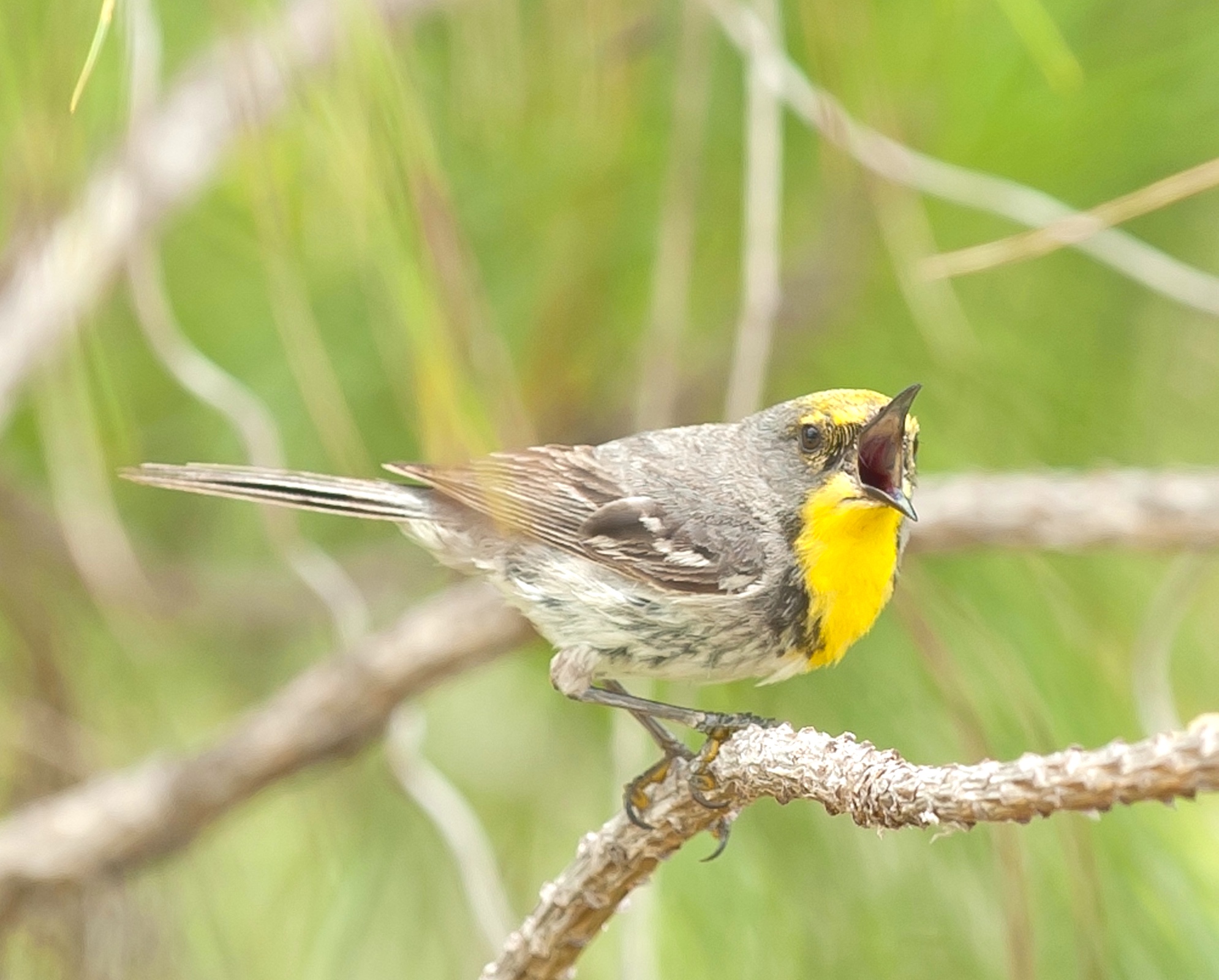
Olive-capped Warbler, Abaco Bahamas (Tom Sheley)
However, I have a couple of dozen books left in the UK.  Through this fundraiser, I am offering a copy of the book in exchange for a donation of $150 (or the equivalent). The resulting fund (minus the cost of fulfilment from the UK) will be added to the funds achieved by the Delphi Club through their DORIAN RELIEF FUND .

A higher donation is of course encouraged; and please note, it is not compulsory to receive a bird book.  Smaller donations are extremely welcome too, and for those of $50+ I will offer the donors a high-res PDF of a bird of their choice from a selection of several significant species found on Abaco; or a PDF of the complete bird species checklist for Abaco. That’s voluntary too.

Cuban Pewee, Abaco Bahamas (Keith Salvesen / Rolling Harbour)


The original price of this large photographic book was $145. It showcases the wonderful birds of Abaco with contributions from 30 photographers. Almost all are either residents of Abaco, or have strong connections with – and affection for – the island and its cays. 

The books can be sent to Bahamas, USA, Canada and Europe. For any other destination, please contact me before you make a donation. Books will not be dispatched before October.

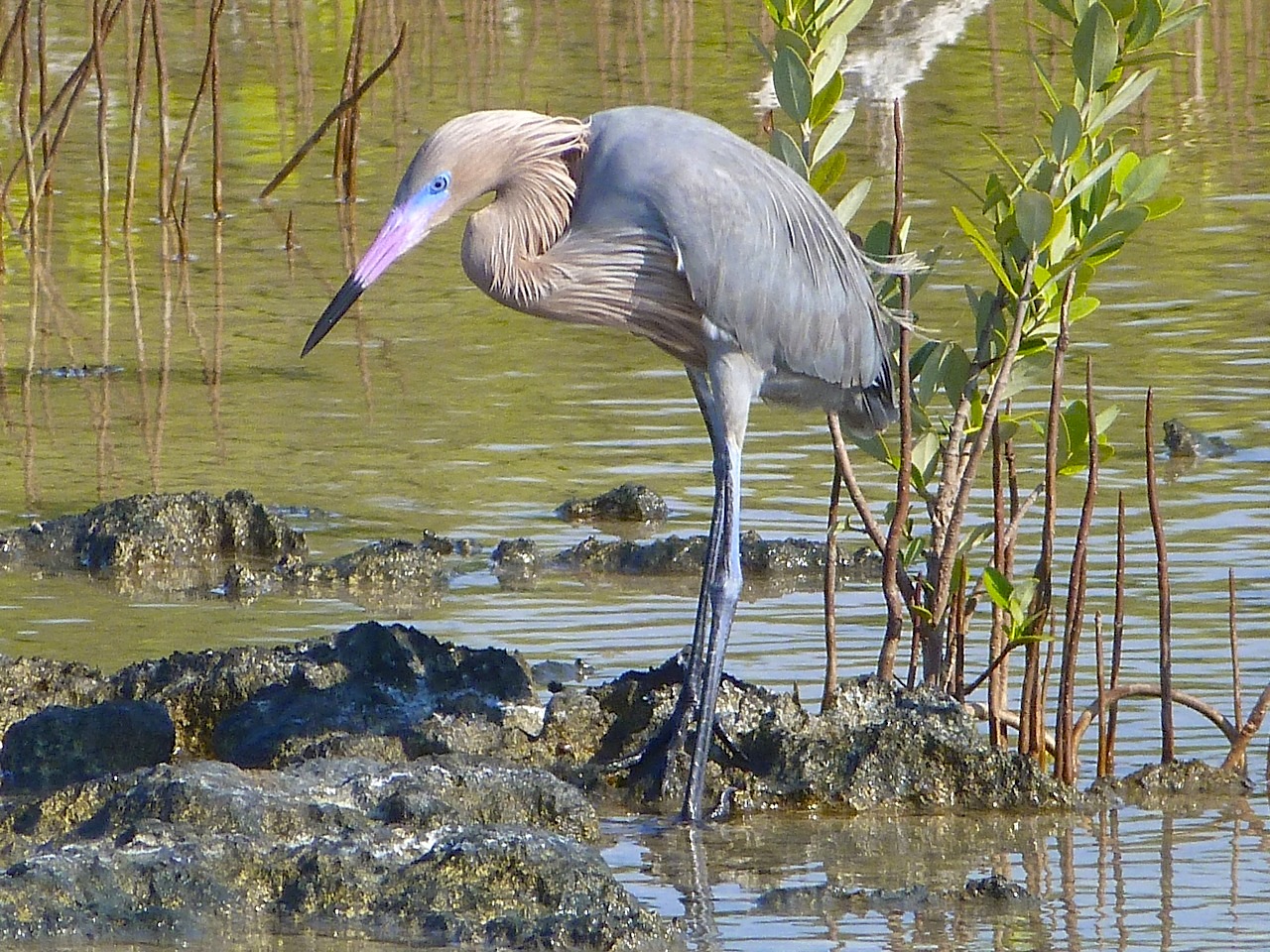
Reddish Egret, breeding colours - Abaco Bahamas (Keith Salvesen / Rolling Harbour)
Please note that the Delphi Club does not have a stock of books and is not directly involved with this fundraiser. Please contact me with any inquiries, even though the Club details are shown on the pre-publication flyer below.

Keith Salvesen

Rolling Harbour Abaco

Photo Credits: Melissa Maura – Abaco Parrot (1); Alex Hughes – Black-necked Stilt (2); Sally Salvesen – book jacket (3); Tom Sheley – Olive-capped Warbler (4); Keith Salvesen – Cuban Pewee; Reddish Egret in breeding plumage (5, 6)

Unknown's avatar

HURRICANE DORIAN ABACO RELIEF: DONATIONS, RESOURCES, INFO, RADIO, & LINKS


HURRICANE DORIAN ABACO RELIEF: DONATIONS, RESOURCES, INFO, RADIO, & LINKS

SEP 6 UPDATE Since my original post focussing mainly on the rapidly increasing numbers of donation sites and their links, the true extent of the Hurricane Dorian catastrophe on central Abaco and outlying cays is gradually becoming clearer. Reports of localised looting are coming in. The situation is truly desperate and no one reading this will be unaware of the unfolding tragedy. Our thoughts must be with the bereaved and the injured; the missing; their families and friends; the frightened evacuees; those that have lost their homes, possessions, livelihoods; the courageous local people and relief teams.

This is a time when information is valuable, in particular as to the resources available, the urgent needs of the island and its cays, and the ways in which outsiders can help with this dire situation and with funding the recovery. Here are a few suggestions that I hope will be useful, and which will be further updated as the need arises.

LOCAL INFORMATION RESOURCES

The main resources are local / community Facebook groups, or more general Abaco-wide groups. All of them contain local reports and updates, photos, videos and requests for news of family, friends & communities. Events and news are fast-moving, so if you find a group you like, keep checking for up-to-date news, requests for advice or help etc. Simply entering a settlement name in FB search may take you direct to a community group.

ABACO COMMUNITY UPDATE

ABACO BULLETIN GROUP

ABACO BAHAMAS – LIVING ON ISLAND TIME

HOPE TOWN BULLETIN

LITTLE HOUSE BY THE FERRY Amanda Diedrick’s oustanding blog has a wealth of info & advice

THE ABACONIAN  Website

THE ABACONIAN – FB page

TRIBUNE242 – Website (also links to FB, T etc)

Radio link selection given below

I’ll review and edit this page daily. I’ll look out for additional fundraisers, but please contact me with any others that you would like to see included, giving the link to it. You can do this by commenting here; via DM on my Rolling Harbour FB page; or email for those that have it.

ROLLING HARBOUR ABACO

NB I am not making personal recommendations here, except in the case of the Delphi Relief Fund and Caroline’s parrot fundraiser, where I have personal connections and concerns. Please check these pages for yourself before you decide to donate

SEP 6 CLICK LOGO FOR CAUTION NEEDED WHEN YOU CHOOSE YOUR DONATION FUND

RELIEF DONATION SITES

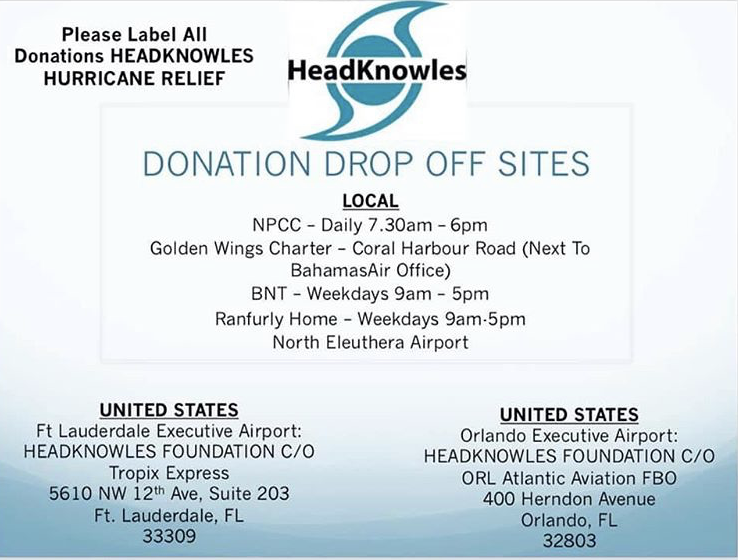
HEADKNOWLES An organization formed in 2015 by Bahamians Lia Head-Rigby and Gina Knowles to provide hurricane relief to the residents of the south and central Bahamas after the devastation of Hurricane Joaquin. Since then, Headknowles provided relief after Hurricanes Matthew and Irma.

You can find out more about the invaluable work of this organization via this link to Amanda Diedrick’s website LITTLE HOUSE BY THE FERRY You will also find there regularly updated information about the present crisis.

DONATIONS                HeadKnowles GO FUND ME page

UPDATES & INFO        Facebook group page

Bahamas Red CrossThe Bahamas branch of the International Red Cross is requesting help with its Dorian-relief program. Specifically, it’s looking for donations of nonperishable goods, water, toiletries, baby products, radios, batteries, candles, bedding, generators, and building supplies (NT)

DONATIONS               BAHAMAS RED CROSS

DONATIONS             ONE ELEUTHERA FOUNDATION

DONATIONS                PERC, Inc.

PERC, Inc. is a not-for-profit U.S. corporation created in 1998 to support the philanthropic work of charitable and community organizations in Abaco, Bahamas (specifically, Hope Town, Man O’ War and Marsh Harbour), and to enable U.S. tax payers make tax deductible contributions to their preferred Abaco charities.

RELIEF NEEDS

LAZY LOCATIONS Excellent list of Hurricane Dorian Relief Efforts including supplies-provision and similar aid in the Abacos, some of which are not yet listed below 

COLDWELL BANKER / LIGHTBOURNE on F/B: Helpful advice, donation links and relief needs (see end of post for list). Their main office on NP is open to accept donations of supplies. For US donors, here are 6 drop-off centres in the States

COMMUNITY& INDIVIDUAL FUNDRAISERS

(GoFundMe unless otherwise stated – PLEASE CHECK VALIDATION)

THE ABACO CLUB ON WINDING BAY

NEW YORK TIMES BAHAMAS RELIEF ADVICE / LINKS

==============================

THE DELPHI CLUB ABACO RELIEF FUND Fundraiser by Robert Ford & Club Members (& my own connection)

HURRICANE RELIEF FOR ELBOW CAY Fundraiser by Matt Winslow.

Please note that this fund, now exceeding $400K of a (raised) target of $500K will have a $ for $ fund match from a private foundation

HOPE TOWN VOLUNTEER FIRE & RESCUE HURRICANE RELIEF  Local Paypal funding

NB  Sep 6 NEW LINK

MESSAGE READS “response to our fundraising efforts has been overwhelming – literally! Your generosity has overtaxed our PayPal account and we are working to find more effective and efficient ways to collect donations. Please hold off on donations through PayPal at this time. We will be providing new funding mechanisms in the next few days. Thank you all for your generosity!!’

Errol Thurston Bahamas Abaco Hurricane Relief Fund  Fundraiser by Errol Thurston 

HOPE 4 HOPE TOWN – ABACO ISLANDS RELIEF FUND Fundraiser by Patrick Davis 

Abaco Strong Hurricane Relief Fund  Fundraiser by Dave Meldeau 

Abaco Parrot post Dorian Food Supplementation Fundraiser by Caroline Stahala 

For the Love of Abaco – Hurricane Relief Fundraiser by Lou Lentine 

Hurricane Dorian Relief Fund for Abaco Fundraiser by Al Lee

Dorian Relief Effort – Bahamas Abaco Islands TCCF Fundraiser by Omar Maissen 

Hurricane Dorian Relief Fund Abacos Fundraiser by Heidi Marie Hill 

MAINSTREAM INTERNATIONAL NGOs

DIRECT RELIEF  Hurricane Dorian Relief

SEP 5: “Luíz David Rodriguez, the programme manager for Direct Relief, an NGO, said the island’s main health clinic, near Marsh Harbour, was being overwhelmed with hundreds of people waiting to be treated”

 GlobalGiving Disaster Recovery Network Hurricane Dorian Relief Fund

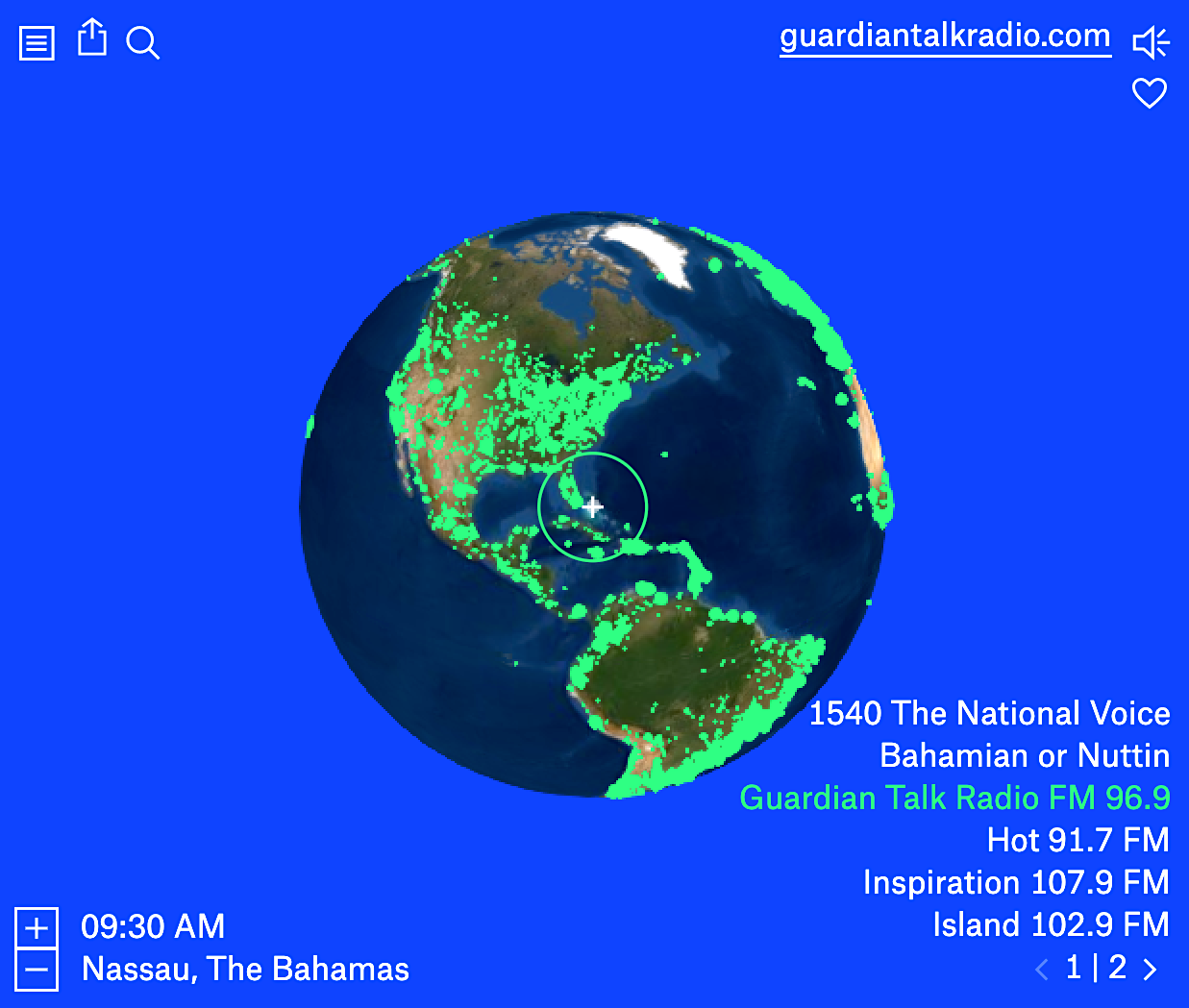
RADIO GARDEN – highly recommended for online or as App – a simple world-wide resource. The link is set take you direct to Guardian Talk Radio. You’ll see other Bahamas stations listed. Every green dot represents a radio station. The globe rotates. You can pinpoint a chosen station anywhere in the world in seconds

ZNS BAHAMAS – varied news formats with rolling updates

ZNS RADIO – news and plenty of online links

TUNE IN BAHAMAS – Stream Radio – more than a dozen stations – App available

LIVE ONLINE BAHAMASStream Radio  – Lots of stations – can headline favourites

CAUTION FOR DONORS

  • Be on guard for a surge of solicitations related to any highly publicized crisis. There will be fraudulent charity solicitations, some involving websites and email links attempting to steal your credit card information for identity theft or insert malware on your computer.
  • Unknown Senders. Do not respond to, or click on any attachments, links or pictures included in, emails or text messages received from unknown senders.
  • Fake Victims. Social media will include many fake victims. Do not donate to unknown individuals purporting to need aid that post on Facebook, GoFundMe, etc. They may be fraudsters, and even if legitimate victims, they may receive an unfairly large amount of aid.
  • Scamming. Scammers may try to use copy-cat names similar to those of well-known charities. Avoid name confusion by independently verifying that the charity is legitimate before you donate. Reputable charities will not pressure you to give immediately.
  • Third-party ‘enablers’. Beware of individuals or others claiming to be third party intermediaries for charities or those in need.
  • Give directly only to the charities that you are confident are legitimate and recognized for providing humanitarian relief on a specific local and / or at international level

CREDITS

Amanda Diedrick / Little House by the Ferry for taking a big lead in collecting and spreading information and advice including the HeadKnowles information shown here

Matthew McCoy for additional suggestions

Sundry online posters of clips and snips

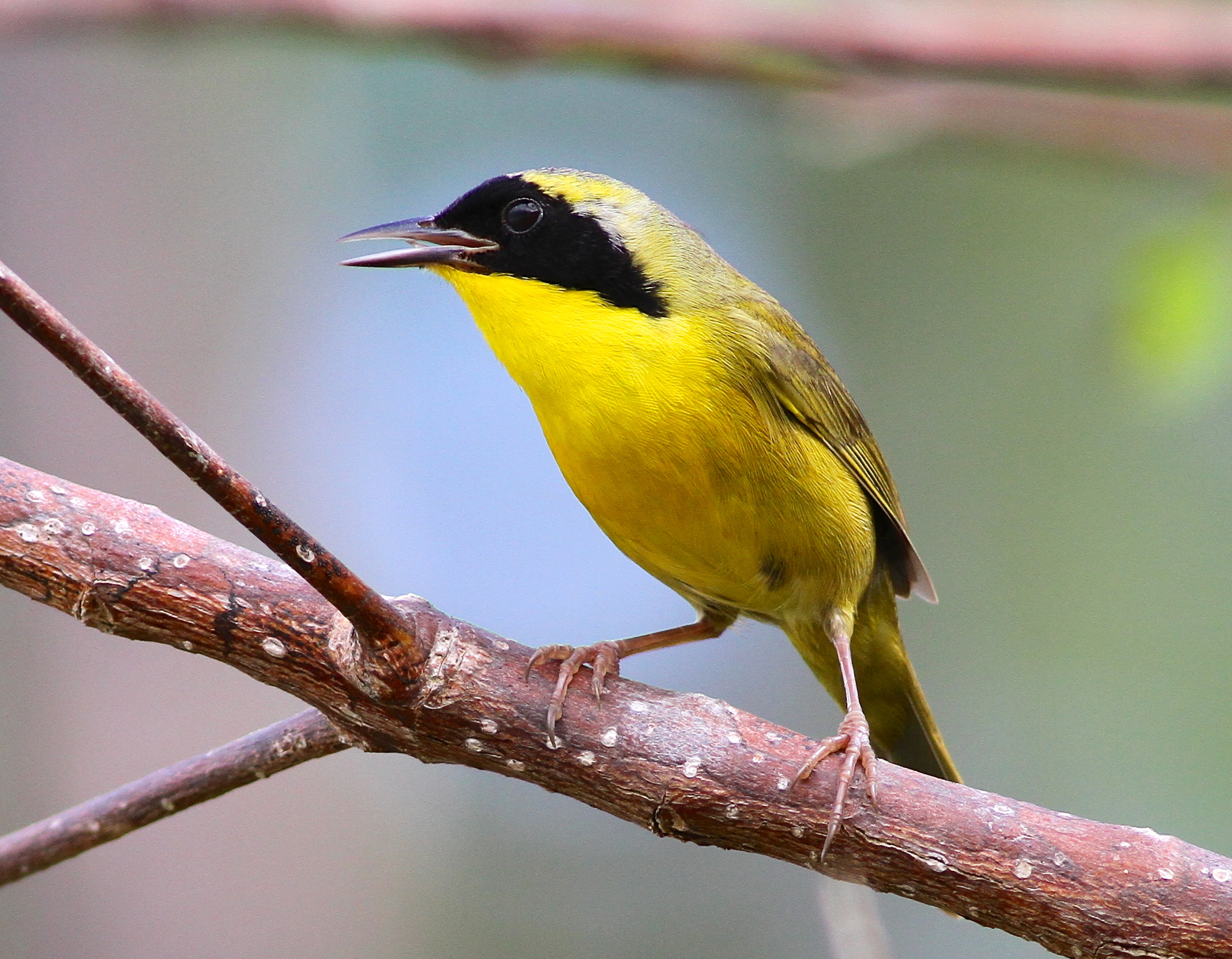
PHOTO CREDIT: Gerlinde Taurer – Bahama Yellowthroat (endemic to the Bahamas)

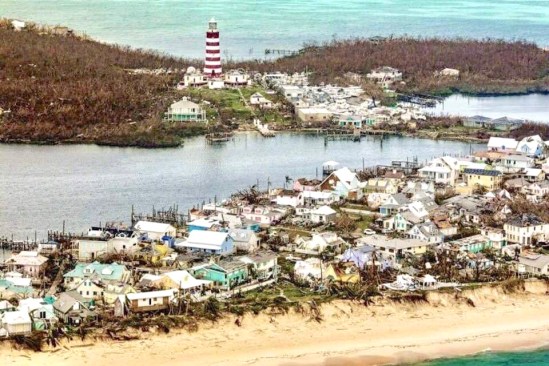
Elbow Reef Lighthouse still standing where Hurricane Dorian made landfall (NYT)

Unknown's avatar

HURRICANE DORIAN: RELIEF CONTACTS & LINKS FOR ABACO BAHAMAS


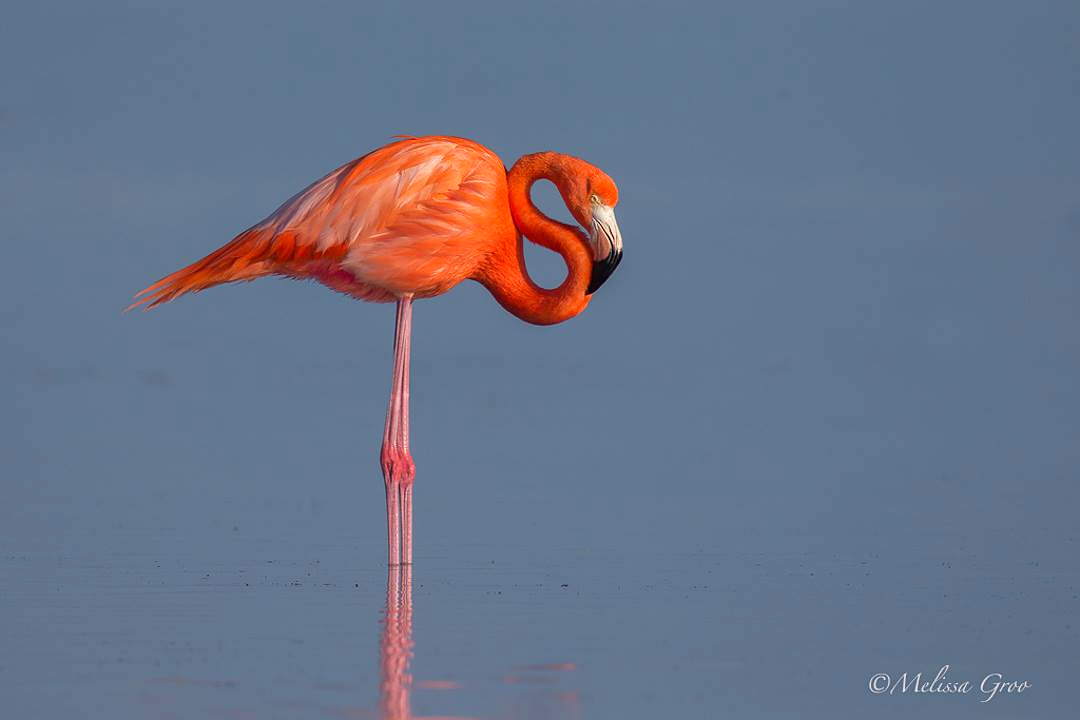
American Flamingo ©Melissa Groo (with kind permission)

HURRICANE DORIAN: RELIEF CONTACTS & LINKS FOR ABACO BAHAMAS

The massive extent of the devastation caused by the unprecedented violence of Hurricane Dorian to the northern Bahamas is, after 2 days, still being revealed only gradually. Overall, the cruel effects of the storm could hardly be any worse. There’s no need to chronicle the horrendous details of the crisis in terms of the people, communities, property, infrastructure, fauna, flora and even geology. Right now, bad news accumulates by the hour. Many people are still unaccounted for. Information about some of the communities is scant.

This is a time when information is valuable, in particular as to the resources available, the urgent needs of the island and its cays, and the ways in which outsiders can help with this dire situation and with funding the recovery. Here are a few suggestions that I hope will be useful. 

LOCAL INFORMATION RESOURCES

The main resources are local / community Facebook groups, or more general Abaco-wide groups. All of them contain local reports and updates, photos, videos and requests for news of family, friends & communities. Events and news are fast-moving, so if you find a group you like, keep checking for up-to-date news, requests for advice or help etc

ABACO COMMUNITY UPDATE

ABACO BULLETIN GROUP

ABACO BAHAMAS – LIVING ON ISLAND TIME

(to be expanded)

I will be reviewing and editing this page daily. I’ll look out for additional fundraisers, but please contact me with any others that you would like to see included, giving the link to it. You can do this by commenting here; via DM on my Rolling Harbour FB page; or email for those that have it.

ROLLING HARBOUR ABACO

NB I am not making personal recommendations here, except in the case of the Delphi Relief Fund and Caroline’s parrot fundraiser, where I have personal connections and concerns. Please check these pages for yourself before you decide to donate

RELIEF DONATION SITES

HEADKNOWLES An organization formed in 2015 by Bahamians Lia Head-Rigby and Gina Knowles to provide hurricane relief to the residents of the south and central Bahamas after the devastation of Hurricane Joaquin. Since then, Headknowles provided relief after Hurricanes Matthew and Irma.

You can find out more about the invaluable work of this organization via this link to Amanda Diedrick’s website LITTLE HOUSE BY THE FERRY You will also find there regularly updated information about the present crisis.

DONATIONS               HeadKnowles GO FUND ME page

UPDATES & INFO        Facebook group page

Bahamas Red CrossThe Bahamas branch of the International Red Cross is requesting help with its Dorian-relief program. Specifically, it’s looking for donations of nonperishable goods, water, toiletries, baby products, radios, batteries, candles, bedding, generators, and building supplies (NT)

DONATIONS               BAHAMAS RED CROSS

DONATIONS               PERC, Inc.

PERC, Inc. is a not-for-profit U.S. corporation created in 1998 to support the philanthropic work of charitable and community organizations in Abaco, Bahamas (specifically, Hope Town, Man O’ War and Marsh Harbour), and to enable U.S. tax payers make tax deductible contributions to their preferred Abaco charities.

RELIEF NEEDS

LAZY LOCATIONS  Excellent list of Hurricane Dorian Relief Efforts including supplies-provision and similar aid in the Abacos, some of which are not yet listed below 

COMMUNITY& INDIVIDUAL FUNDRAISERS

(GoFundMe unless otherwise stated – PLEASE CHECK VALIDATION)

THE DELPHI CLUB ABACO RELIEF FUND Fundraiser by Robert Ford & Club Members (& my own connection)

HURRICANE RELIEF FOR ELBOW CAY Fundraiser by Matt Winslow 

HOPE TOWN VOLUNTEER FIRE & RESCUE HURRICANE RELIEF  Local Paypal funding

Errol Thurston Bahamas Abaco Hurricane Relief Fund  Fundraiser by Errol Thurston 

HOPE 4 HOPE TOWN – ABACO ISLANDS RELIEF FUND Fundraiser by Patrick Davis 

Abaco Strong Hurricane Relief Fund  Fundraiser by Dave Meldeau 

Abaco Parrot post Dorian Food Supplementation Fundraiser by Caroline Stahala 

For the Love of Abaco – Hurricane Relief Fundraiser by Lou Lentine 

Hurricane Dorian Relief Fund for Abaco Fundraiser by Al Lee

Dorian Relief Effort – Bahamas Abaco Islands TCCF Fundraiser by Omar Maissen 

Hurricane Dorian Relief Fund Abacos Fundraiser by Heidi Marie Hill 

OTHER WAYS TO GIVE

NB I know nothing specific about these more widely-based organisations – it’s up to you to check them out

 GlobalGiving’s Disaster Recovery Network Hurricane Dorian Relief Fund

DIRECT RELIEF  Hurricane Dorian Relief

CREDITS

Amanda Diedrick / Little House by the Ferry for taking a big lead in collecting and spreading information and advice including the HeadKnowles information shown here

Matthew McCoy for additional suggestions

PHOTO CREDIT  Melissa Groo, International Photographer with Bahamas ties. Thanks as always for use permission

Unknown's avatar

THE SYMBOL OF A RESILIENT BAHAMAS: BAHAMA PARROTS


ABACO (BAHAMA) PARROT for Hurricane Dorian (Keith Salvesen / Rolling Harbour)

THE SYMBOL OF A RESILIENT BAHAMAS

 THE BAHAMA PARROT

Hurricane Dorian makes landfall on Abaco later today. The island has been in an unwavering direct line for several days, gaining force to Cat. 4** while slowing down as it approaches. The skies have darkened, the seas are turbulent, danger to humans, wildlife, property, landscape is imminent.

** UPDATE just before landfall today, Dorian strengthened to a rare and very dangerous Cat. 5 hurricane. This is when not just property and land is threatened, but life itself. Early reports are of flooding and structural damage. Now is not the moment to pick through the information filtering through. Better to assess the impact after the storm has passed on to the north-west, where it is currently headed via Grand Bahama.

When we first became involved with Abaco, the parrot numbers were believed to be fewer than 1000, a barely sustainable population. An intensive, continuing conservation program over several years has seen the numbers treble or more. This recovery is as much due to the resilience of the species as to human intervention. 

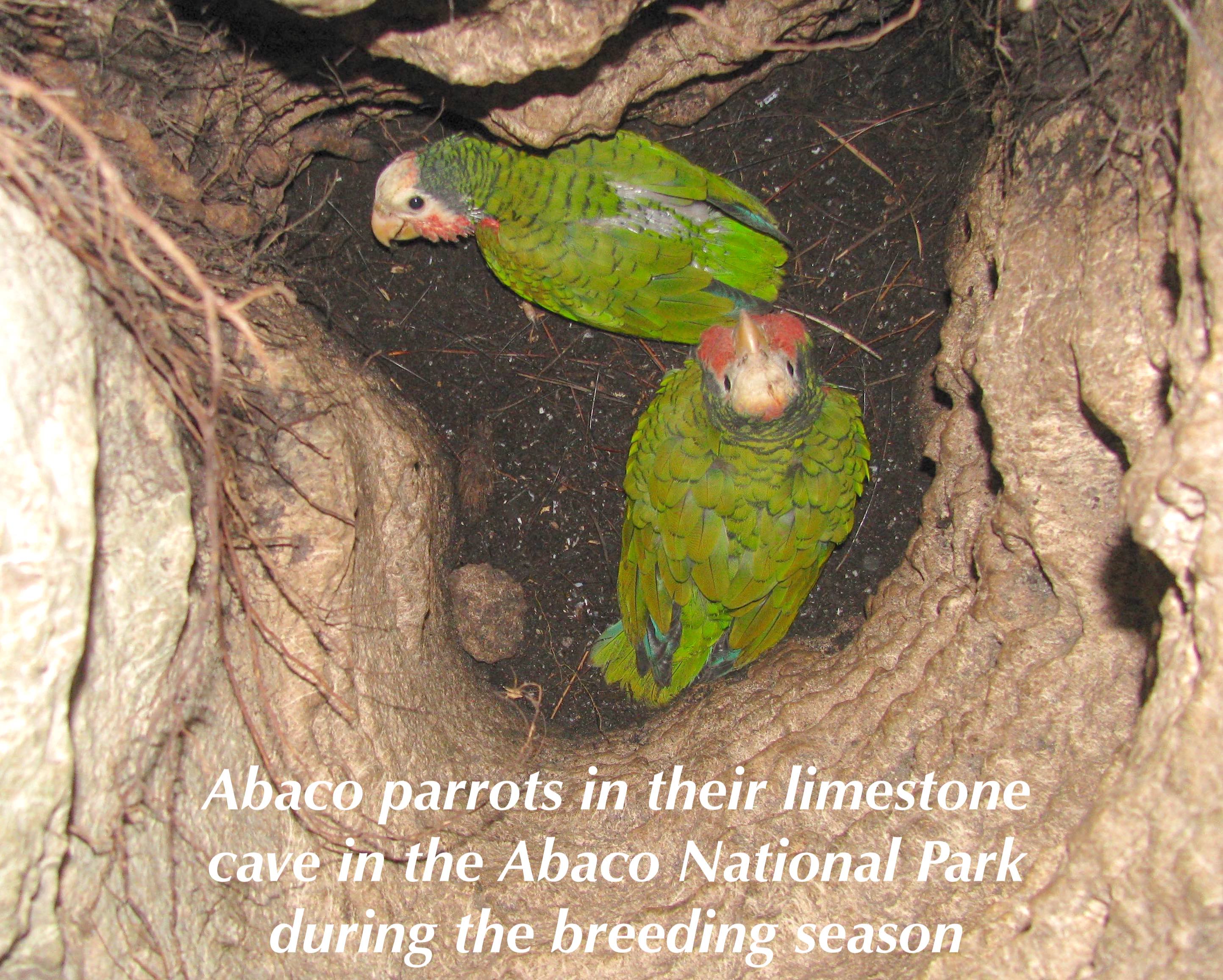
The parrots will be lying low in the National Park, some in the limestone caves they nest in during the breeding season. As humans take equivalent protective measures we are watching from a thankfully safe distance. We wish the very best of luck to our friends, and to all on the island and its cays during the next 48 hours.

Abaco Parrots in limestone cave, breeding season (Caroline Stahala)

Unknown's avatar

HURRICANE DORIAN, ABACO BAHAMAS: STAY STRONG, STAY SAFE


Bahama / Abaco Parrot Pair (Melissa Maura)

HURRICANE DORIAN, ABACO BAHAMAS: STAY STRONG, STAY SAFE

As Hurricane Dorian sweeps directly and inexorably towards Abaco this weekend, from my safe distance of 4000 miles I wish all the very best to my friends, and to all the people and the precious island they inhabit. 

Bahama / Abaco Parrot Pair (Melissa Maura)

Credits: Melissa Maura for her wonderful parrot photos; NASA / GOES

Unknown's avatar

TROPICAL STORM: THE PICTURE OF DORIAN? GRAY…


Tropical Storm Dorian . Aug 27 . Cloud formation. Aerial view. NOAA NHC NASA

TROPICAL STORM: THE PICTURE OF DORIAN? GRAY…

+ TROPICAL DEPRESSION SIX – SPACE VIEW AND LIGHT POLLUTION

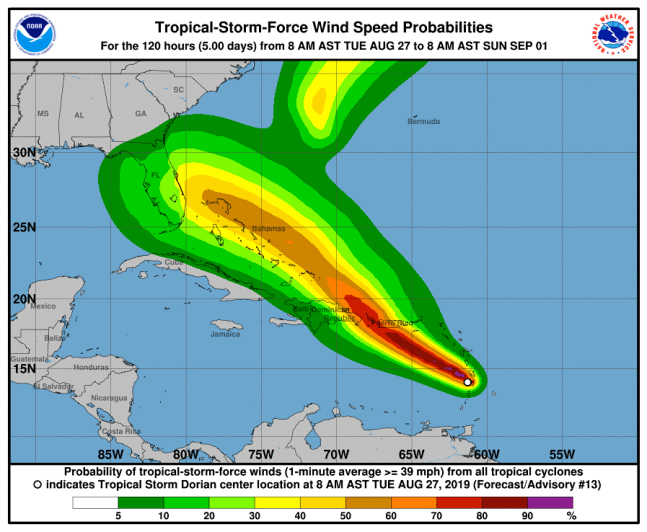
TS Dorian is the 4th tropical storm of the Atlantic season, and the first one to have the northern Bahamas & Abaco in its sights. Right now it is way down south in the area round Barbados, heading for Puerto Rico. I just checked out the NOAA, NHC, NWC & NASA sites to find out the present predictions. Although the direction and force of the storm may be changeable as it moves north, it’s as well to know the currently predicted path. As of this morning, Abaco is directly in it. And TD Six is lurking to the north-west as well.

WIND SPEED

PROGRESS / ETA

Subject to the usual variables, this coming weekend looks potentially the time for some kind of murky weather over Abaco. Maybe it won’t happen like that, but this looks like one to keep a weather eye on.

   STORM CONE

Tropical depression Six, described as ‘poorly organised’, is already making its present felt. This dramatic image of ‘6’ from NOAA has a strange beauty, and interesting not least because of its startling highlighting of light pollution (and check out Freeport and Nassau).

TD SIX LAST NIGHT

TD SIX – VIEW FROM SPACE

CREDITS: the combined resources of NOAA, NHC, NWS & NASA & associates

TS Dorian Path Prediction

Unknown's avatar

ABACO’S 38 WARBLERS: AN ILLUSTRATED ID GUIDE (Pt 1)


Olive-capped Warbler, Abaco Bahamas (©Tom Sheley)

Olive-capped Warbler (resident species), Abaco Bahamas (©Tom Sheley)

ABACO’S 38 WARBLERS: AN ILLUSTRATED ID GUIDE (Pt 1)

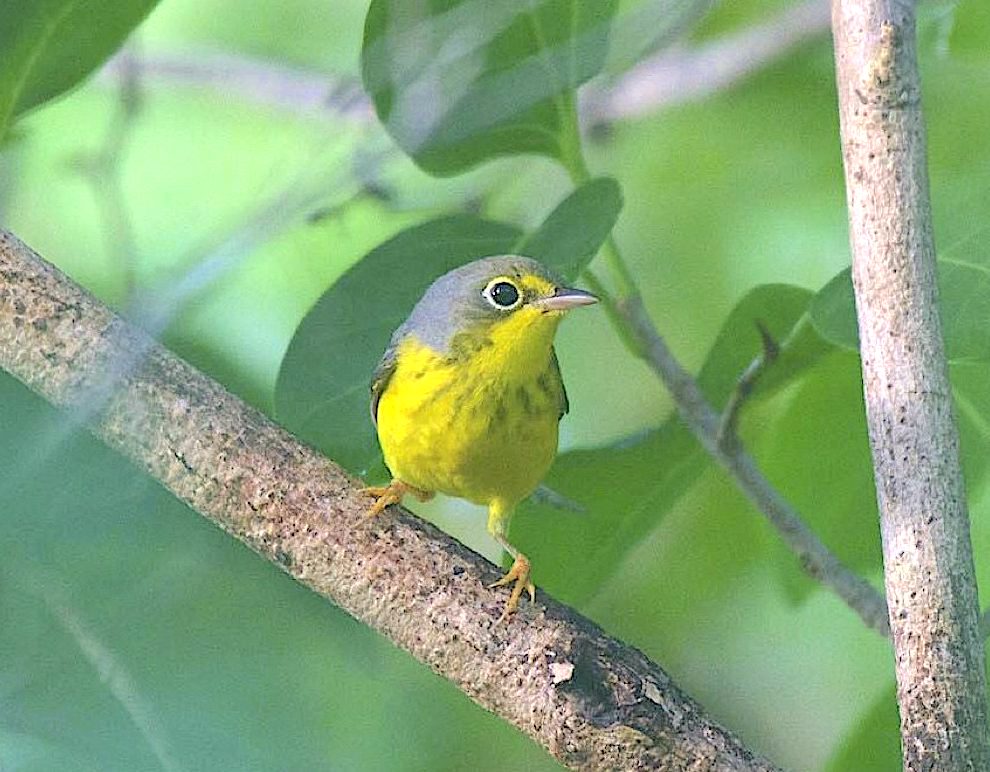
IT’S STARTED The great winter migration of warblers and their imminent arrival in The Bahamas is underway. Any day now – if not already – the ‘winter’ / ‘Fall’ (late summer & early spring as well) warblers will be arriving on Abaco. There are 38 warbler species recorded for the main island and the cays. For years, it was just 37. Exactly a year ago, a CANADA WARBLER was seen and photographed by well-known birder Chris Johnson. It was a first for Abaco – and the first-ever report for the Bahamas as well. You’ll find the story HERE.

First-ever Canada Warbler for Abaco & the entire Bahamas: Aug 2018 (Chris Johnson)

Canada Warbler, Abaco Bahamas (1st record) (Chris Johnson)

Canada Warbler, Abaco Bahamas (1st record) (Chris Johnson)

This post is the first of 3 warbler posts for the Fall. A while back I compiled a basic (in retrospect) guide to Abaco’s warbler species. I’ll give a link and pdf in due course once I have rechecked (improved? rewritten?) it. [Note: of no value on eBay, @m@z@n or anywhere else]. Many of the warblers are far from easy to distinguish from each other. For example, many males have yellow or yellow-and-black plumage. The females are invariably less colourful – often brownish or olive – than the males (as are juveniles), and that can lead to confusion – and not only by me, I think.

Hooded Warbler, Abaco Bahamas (Chris Johnson)

Hooded Warbler, Abaco Bahamas (Chris Johnson)

The guide divides the original 37 species into categories, with a code for each bird to show. You’ll see below the codes relating to each of the 5 resident species:

  • Resident status – permanent / breeding, migratory or transient
  • Frequency – likelihood of seeing each species in its season, rated from 1 (very likely) to 5 (extreme rarities, maybe recorded once or twice since c1950
Bahama Warbler (endemic), Abaco Bahamas (Alex Hughes)

Bahama Warbler (endemic), Abaco Bahamas (Alex Hughes)

Numerically, the division of the 38 breaks down into 3 categories:

  • 5 permanent residents (PR) that breed on Abaco (B), of which two are ENDEMIC
  • 21 winter residents (WR) ranging from ‘everyday’ species to rarities like the rare, vulnerable Kirtland’s Warbler (now under threat from proposed development)
  • 12 transients, most of which you will be very lucky to encounter
Palm Warbler, Abaco Bahamas (Nina Henry)

Palm Warbler, Abaco Bahamas (Nina Henry)

The photos used in this series were almost all taken on Abaco / the Cays. There’ll be examples of the male of each warbler species, with some females for contrast. Where I have no Abaco / Baha images – especially with the transients – I have used other mainstream birding resources and Wiki. All due credits will be given at the foot of each post.

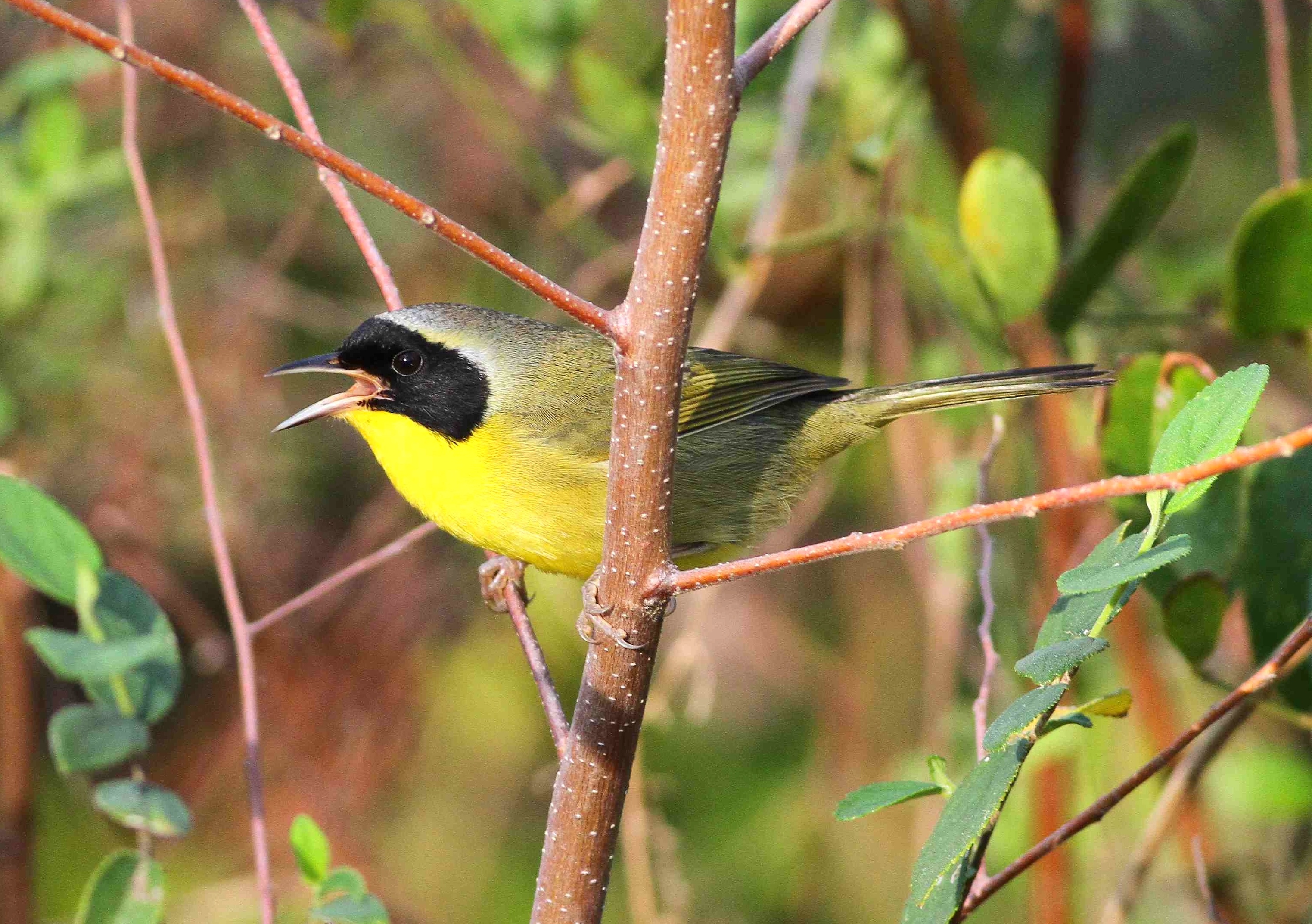
Bahama Yellowthroat, Abaco Bahamas (Gerlinde Taurer)

Bahama Yellowthroat, Abaco Bahamas (Gerlinde Taurer)

The warblers shown above are a mix of warbler species on Abaco: resident / endemic, winter migrants, and transient / vagrant. Time to take a look at the first category, the Bahamas-loving resident species that live and breed on Abaco

5 PERMANENT RESIDENTS

BAHAMA YELLOWTHROAT Geothlypis rostrata PR B 1  ENDEMIC

Bahama Yellowthroat (endemic), Abaco Bahamas (Gerlinde Taurer)

Bahama Yellowthroat (endemic), Abaco Bahamas (Gerlinde Taurer)

BAHAMA WARBLER Setophaga flavescens PR B 1 ENDEMIC

Bahama Warbler (endemic), Abaco Bahamas (Bruce Hallett)

Bahama Warbler (endemic), Abaco Bahamas (Bruce Hallett)

YELLOW WARBLER Setophaga petechia PR B 1 

Yellow Warbler, sunrise, Abaco Bahamas (Tom Sheley)

Yellow Warbler, sunrise, Abaco Bahamas (Tom Sheley)

OLIVE-CAPPED WARBLER Setophaga pityophila PR B 1 

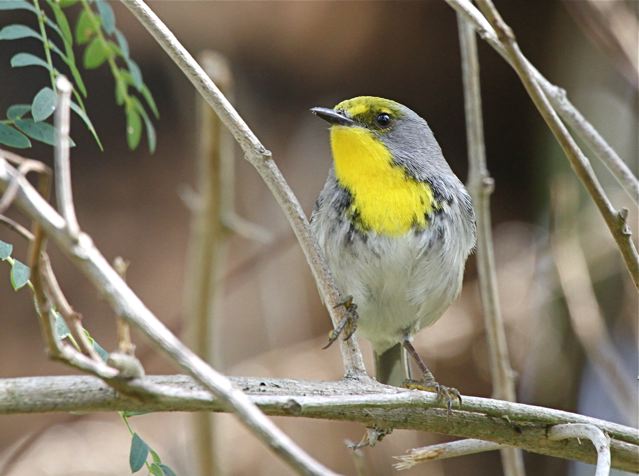
Olive-capped Warbler, Abaco Bahamas (Bruce Hallett)

Olive-capped Warbler, Abaco Bahamas (Bruce Hallett)

PINE WARBLER Setophaga pinus PR B 1 

Pine Warbler, Abaco Bahamas (Tom Sheley)

Pine Warbler, Abaco Bahamas (Tom Sheley)

In Part 2: Winter migrants from common to rare

PHOTO CREDITS Tom Sheley (1, 9, 11); Chris Johnson (2, 3); Alex Hughes (4); Nina Henry (5); Gerlinde Taurer (6, 7); Bruce Hallett (8, 10); Photos mainly from the archive collected for“THE DELPHI CLUB GUIDE TO THE BIRDS OF ABACO” by Keith Salvesen

Unknown's avatar

URCHIN RESEARCHIN’: SEA HEDGEHOGS OF THE REEF


Long-spined sea urchin Diadema antillarum (Melinda Rodgers / Dive Abaco)

URCHIN RESEARCHIN’: SEA HEDGEHOGS OF THE REEF

The long-spined sea urchin Diadema antillarum featured in this post is one of those creatures that handily offers its USP in its name, so you know what you are dealing with. Something prickly, for a start. These are creatures of the reef, and many places in the Caribbean and in the western Atlantic generally sustain healthy populations.

Long-spined sea urchin Diadema antillarum (Melinda Rodgers / Dive Abaco)

These animals are essentially herbivores, and their value to vulnerable coral reefs cannot be overstated. Where there is a healthy population of these urchins, the reef will be kept clean from smothering algae by their methodical grazing. They also eat sea grass.

Long-spined sea urchin Diadema antillarum (Melinda Rodgers / Dive Abaco)

HOW DO THE SPINES OF DIFFERENT KINDS OF URCHIN COMPARE?

Small sea urchins species have spines a few cms long at most. The long-spine variety exceed 10 cms, and the largest may have spines up to 30 cms (= 1 foot) long. The length, as shown here, means that when the creatures are safely lodged in crevices near their algae supply, their spines remain very visible.
Long-spined sea urchin Diadema antillarum (Melinda Riger / G B Scuba)
Anatomy of a long-spined sea urchin. You may possess a few of these organs yourself…

Long-spined sea urchin Diadema antillarum anatomy diagram (wiki)

Long-spined sea urchin Diadema antillarum (Melinda Rodgers / Dive Abaco)

CAN YOU GIVE US A TEST, PLEASE?

As with SAND DOLLARS and similar creatures, the skeleton of a sea urchin is known as a ‘test’. Urchin tests are remarkably beautiful, especially seen in sunlight. Here are 2 examples I photographed a while ago. You’ll immediately notice the delicate colours and the amazing complexity of the pattern and symmetry. The top one is (or is most like) a long-spined urchin test.
Long-spined sea urchin Test / Skeleton Diadema antillarum (Keith Salvesen / Rolling Harbour) Long-spined sea urchin Test / Skeleton Diadema antillarum (Keith Salvesen / Rolling Harbour)

A BIT ABOUT SYMMETRY

Sea urchins are born with bilateral symmetry – in effect, you could fold one in half. As they grow to adulthood, they retain symmetry but develop so-called ‘fivefold symmetry’, rather as if an orange contained 5 equal-sized segments. The graphic above gives a good idea of how the interior is arranged inside the segments.

Long-spined sea urchin Diadema antillarum (Melinda Rodgers / Dive Abaco)

A FEW FACTS TO HAND DOWN TO YOUR CHILDREN

  • Urchin fossil records date the species back to the Ordivician period, c 40m years ago
  • In the ’90s the population was decimated and still has not recovered fully
  • Urchins feel stress: a bad sign that the spines here are white rather than black
  • Urchins are not only warm water creatures: some kinds live in polar regions
  • Urchins are of particular use in scientific research, including genome studies
  • Some urchins end up in aquariums / aquaria, where I doubt the algae is so tasty
  • Kindest not to prod or tread on them
  • Their nearest relative (surprisingly) is said to be the Sea Cucumber 

Sea Cucumber (Melinda Riger / G B Scuba)

ARE THEY EDIBLE?

Apparently they are eaten in some parts of the world; their gonads and roe are considered a delicacy. As far as I know, they are not generally on the menu in the Bahamas. Correction invited. Personally, I could leave them or leave them.

CREDITS: Melinda Rodgers / Dive Abaco (1, 2, 3, 6, 9) taken Abaco; Melinda Riger / G B Scuba (4, 10, 11) taken Grand Bahama; Keith Salvesen / Rolling Harbour (7, 8) taken Abaco; Wiki graphic (5) taken from internet. RESEARCH Fred Riger for detailed  information; otherwise the usual magpie pickings…

Long-spined sea urchin Diadema antillarum (Melinda Riger / G B Scuba)