Unknown's avatar

“I’M WITH THE BAND…” PIPING PLOVER TUNA’S GUEST POST


 Tuna the Piping Plover: from New Jersey to Abaco (Rhonda Pearce)

“I’M WITH THE BAND…” PIPING PLOVER TUNA’S GUEST POST

Hello, readers of Mr Harbour’s blog. My name is Tuna. This is the first part of my autobiography, and I’m only just 3 months old. I’ve already made a 1000-mile journey to Abaco for reasons I don’t quite understand. Maybe because it’s nice and warm here. This is my story so far.

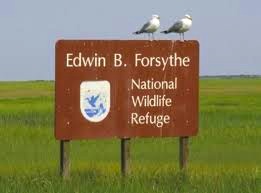
I was born on June 10th in the Holgate Unit of the Edwin B Forsythe National Wildlife Refuge, New Jersey. If I’d known then what  ‘beautiful’ was, this would have been it.

StationPhoto2

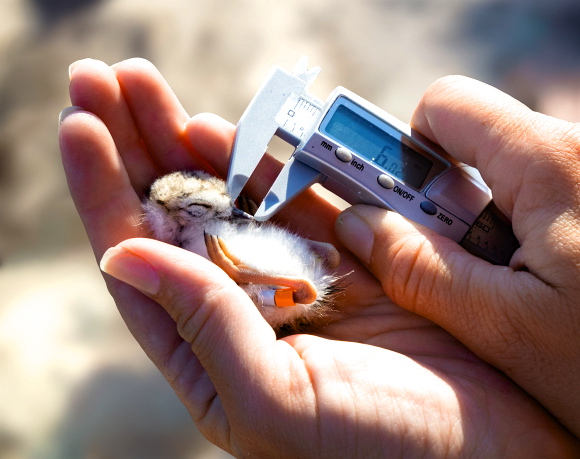
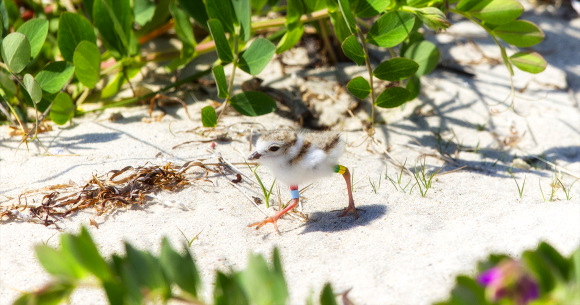
My dad is called Ross. My mum is called Paula. I had a brother but suddenly he stopped being there. We didn’t see him again, I never knew why. Anyway, the day after I was born a very kind lady called Michelle (Stantial, CWF-NJ) picked me up and sort of cuddled me in her fingers. I was weighed and measured. She also put coloured rings on my top bits of leg. I had blue & green on one leg and black & gray on the other. Very smart. A chic chick. It was very quick and it didn’t hurt at all. After that I never really thought about them again, they just were part of me. As I grew bigger they sort of grew with me.

It made for an exciting first full day of my life, June 11. Here are some pictures of Michelle doing this with other chicks from the same region so you can see how gentle she was. The chicks’ names were Meg, Joe and Nod. Mr Northside Jim watched them every day and took photos of them to record how they grew up. You can read about us and the other shorebirds, Ospreys and Peregrine Falcons  of LBI NJ HERE

Meg being picked up for measuring and bandingpicking-up-piping-plover chick1 π Northside Jim LBI NJ

Banding Meg with a unique colour combo for IDpiping-plover-chick-banding-lbi π Northside Jim LBI NJ

Beak and leg measuringpiping-plover-chick-measurement π Northside Jim LBI NJ

I grew very quickly and my mum and dad showed me how to get food for myself. They looked after me in the nest and kept an eye on me when I went for a wander. Soon I was trying out my wings to see what would happen. Nothing. 

This isn’t me but was taken quite near my bit of beach. Can you see the other chick?Piping Plovers Conserve Wildlife Foundation NJ

It’s fun exploring the big world but it’s dangerous for little birds. I lost several friends along the way. That’s how my brother disappeared I think. As you grow bigger the world seems to get smaller. Which is weird.piping-plover-sit-in-dune π Northside Jim LBI NJmeg-beach-pea PIPL chick π Northside Jim LBI NJ

I got good at finding my own food, going further away from the nest and trying out the water. My wings seemed to be starting to work a bit. Quite soon I felt nearly ready to have a go at flying.Piping Plover (juv) CT (Danny Sauvageau)

On July 5 I managed to fly. Yup, I fledged and I flew. That was only 25 days after I cracked out. Mum and Dad had been talking about making a journey, a long one, and wondering when I would be ready for it. This was puzzling. I liked it where we were. But something was telling me I needed to fly somewhere else for some reason. Then one day I just took off and headed south…

_Piping_Plover_on_the_Fly (USFWS Mountain-Prairie wiki)

After several days of flying and landing in new places to rest and flying again, I reached a place that I knew was exactly right. I don’t know how, but something told me that it would be a good place to stay until I needed to move again. So I landed on a beach called Watching Bay on Abaco. I’d travelled 1000 miles from where I cracked out, and I wasn’t even 3 months old. Cool, huh?

EBF NWR to Cherokee Map jpg

There were some other birds on the beach, including one just like me except she didn’t have any coloured rings. Ha! There were very few humans apart from a few taking a walk. On Aug 28 one lady stopped and pointed something at me. I wonder why? She kept her distance so I wasn’t scared.

August 28 Watching Bay, Cherokee, Abaco. Rhonda Pearce’s photos led to provisional ID of Tuna
#10 Aug 28. Watching Bay, Cherokee Abaco. 1 bird. Banded. Rhonda Pearce 2#10 Aug 28. Watching Bay, Cherokee, Abaco. 1 bird. Banded. Rhonda Pearce 1

There was plenty to eat on the beach, and it was quite sheltered from the wind. It seemed safe. I liked it a lot and decided to stay there

Watching Bay, Cherokee, Abaco jpg

On Sep 16 I saw the same lady again, and she saw me. She was very careful not to get me worried, and she pointed that thing at me again. Then she walked away. I hope she comes back. She seems nice.

Sept 16 Watching Bay, Cherokee, Abaco. Rhonda’s new photos led to confirmed ID of TunaTuna the Piping Plover: from New Jersey to Abaco (Rhonda Pearce)      Tuna the Piping Plover: from New Jersey to Abaco (Rhonda Pearce)Tuna the Piping Plover: from New Jersey to Abaco (Rhonda Pearce)  #19 PIPL Bands close-up jpg

I’m planning to stay on this beach for now. More news from me soon. Cheeps from Tuna.

PIPL Watching Bay, Cherokee, Abaco. 1 bird. Banded. Rhonda Pearce 2 copy copy

TUNA’S FIRST THREE MONTHS

  • JUN 10      Hatched
  • JUN 11      Banded & measured
  • JUL 05       Fledged
  • AUG 28     First sighted on Abaco – preliminary ID
  • SEP 16       Seen again on the same beach – ID confirmed
  • SEP 22       Last sighting before Hurricane Joaquin
  • OCT 03       Back on the beach again after Hurricane Joaquin

STOP PRESS Tuna’s mother Paula was re-sighted on Sep 28 on Joulter Cays, Andros

NOTE If you ever wondered why birds are banded and what on earth use it is, the answer is in this story. Banding & tagging enables detailed research at both ends of the migration which in turn enables protection of the species and conservation of threatened habitats. There are only 8000 PIPL left. Degradation of the breeding grounds or the overwintering grounds – let alone both – may result in extinction. This seems to have been a good summer for the piping plover; let’s hope the winter treats them well so that this summer’s chicks like Tuna will be able to breed safely next year.

For details of all this season’s PIPL sightings, check out ABACO PIPING PLOVER WATCH 

EDWIN B FORSYTHE NWR

CONSERVE WILDLIFE FOUNDATION of NJ

Credits: huge thanks for info and fab photos to Michelle Stantial, Northside Jim, Danny Sauvageau and Rhonda Pearce for the strands to weave this (slightly creative) tale; to USFWS Mountain-Prairie for the PIPL in flight; as always Xeno-Canto for bird sound recordings non pareil; oh, and Meg, Joe & Nod

images

Edwin B Forsythe NWR map

Unknown's avatar

WADING TO MAKE A COMEBACK: WHIMBRELS RETURN TO BAHAMAS


Whimbrel (Lip Kee wiki)

WADING TO MAKE A COMEBACK: WHIMBRELS RETURN TO BAHAMAS

It’s been many long years. Many checklists show the whimbrel Numenius phaeopus as a recorded bird for most of the Bahamas islands. On Abaco it is rated as a ‘TR4’ in Tony White’s magisterial checklist, which is to say a transient species in migration that is ‘casual, reported irregularly’. Elsewhere it is described as ‘rare / accidental’. This is only one step better than ‘vanishingly rare’. Prior to this year, the last documented sighting report I have found for Abaco was in 2000. Woody Bracey, renowned and persistent birder, last saw one there in 2002. We found no photos to use for “THE BIRDS OF ABACO”, not even as a snapshot in the supplement.

Frankly it was beginning to look as though the Bahamas whimbrel might be going… might already have gone… the way of the specimen below that I found last year in the Museum of Natural History in Dublin (it’s 109 years old). And the lovely whimbrel header picture is from elsewhere in the world. But suddenly…

Whimbrel (Dublin Natural History Museum) - Keith Salvesen

On August 20th this year, Keith Kemp, a regular birder on Abaco, encountered a whimbrel in the Cherokee Sound area. On the eBird map clip below, it is shown with the red marker, meaning a recent sighting. The blue marker is the 2000 sighting at Crossing Rocks. Keith didn’t get a photo, but he got the kudos of seeing the first Abaco whimbrel for 15 years!Whimbrel sightings Abaco

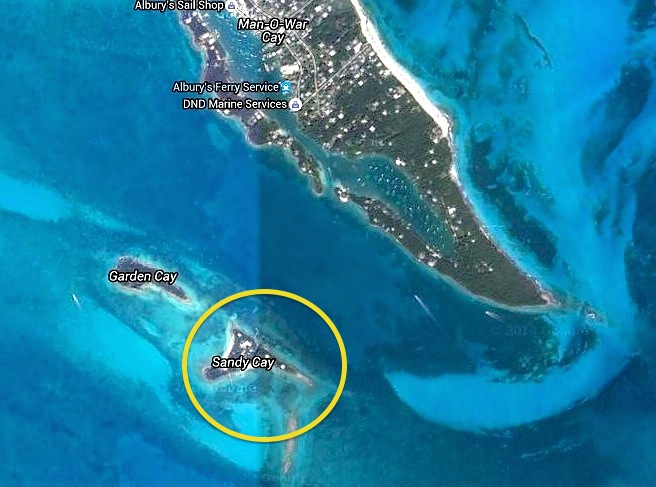
That was in August. On September 14th, Charmaine Albury went one better – she had her camera with her! Sandy Cay is a small islet to the southwest of Man-o-War Cay. There, in all it’s glory, was another whimbrel. She promptly shot it, luckily not in a Winsconsin dentist / Cecil the lion sense. She even managed to get a good in-flight shot.

Whimbrel, Sandy Cays, Abaco (Charmaine Albury) 2Whimbrel in flight, Abaco (Charmaine Albury)Sandy Cay Abaco jpg

And that might have been that for the Northern Bahamas for another 15 years. Except that the following day at West End, Grand Bahama, Linda Barry-Cooper went one better – she found 2 whimbrels together. Goodness knows how many decades have passed since the last sighting of a pair. Here they are.

Whimbrel, West End, Grand Bahama 1 Sep 2015 (Linda Barry Cooper) Whimbrel, West End, Grand Bahama 2 Sep 2015 (Linda Barry Cooper)     Whimbrel, West End, Grand Bahama 3 Sep 2015 (Linda Barry Cooper)

So that’s a massive influx of 4 whimbrels in the Northern Bahamas within one month. And who knows, maybe more to come. As for other Bahamas islands, a quick check on eBird for the last 10 years shows 3 on GB apart from Linda’s; a handful in the TCI; a couple on Inagua. And that’s it. Matt Jeffery says that on Andros one or two are seen every year as they pass through. And Eleuthera had a famous Whimbrel in 2011 called Chinquapin that had been fitted with a tracking device. It started its migration south, only to run slap into Hurricane Irene. After a doubtless severe buffeting it found safety on Eleuthera, where it was recaptured and cared for.  I think this goes beyond the usual concept of  ‘transient’ though it was undoubtedly ‘accidental’…

“…a shorebird, tracked using a satellite transmitter, flew through Hurricane Irene and survived. The bird, a whimbrel, left Southampton Island in northern Canada and reached the outer band of the huge storm as hurricane-force winds began pounding the Bahamas. The next day the whimbrel, nicknamed Chinquapin, migrated into the eye of the hurricane and landed on Eleuthera Island in the Bahamas” (π Repeating Islands). You can read more about Chinquapin’s epic adventure HERE

chinquapin_t607

If you are wandering on your favourite stretch of sand, idly beachcombing and keeping an eye out for Piping Plovers, here are the sounds that should make you stop in your tracks: the song and the extraordinary call of the new wave (hopefully) of whimbrels in the Bahamas…

SONG π Guillermo Funes Xeno-Canto

CALL π Stein Ø. Nilsen Xeno-Canto

Finally, having nothing to contribute personally to the great whimbrel comeback by way of Bahamas-made photos or sound recordings, I find I have actually photographed one in the UK. It was probably by mistake. The bird is certainly retreating rapidly. This is the only chance I shall ever have to fit it into a relevant post, so I claim writer’s prerogative to show it…

Whimbrel Pensthorpe 2010 copy

Credits: Charmaine Albury, Linda Barry-Cooper, Lip Kee (header), Lisa Paravisini (Chinquapin) and RH (the other pics); Xeno-Canto (recordings)

Unknown's avatar

FEEDER BIRDS AT THE DELPHI CLUB, ABACO


Delphi Club, Rolling Harbour, Abaco aerial

FEEDER BIRDS AT THE DELPHI CLUB, ABACO

The compilation of The Delphi Club Guide to THE BIRDS OF ABACO involved making a few rules and sticking to them. For example, the avian images in the book – and there are a great many –  had to be of birds actually photographed on Abaco or in Abaco waters. Gorgeous pictures from Grand Bahama or New Providence were ruthlessly excluded, however painful it was to do. Some wonderful spoonbill photos taken in Nassau stayed in the ‘Not Use’ folder. The temptation to slip in an non-Abaco whimbrel to fill a whimbrel-shaped space among the shorebirds had to be resisted – even though at the time the last recorded sighting of one on Abaco (no photo) was in 2000…

Bananaquit 2, Delphi, Abaco (Keith Salvesen)

Another important restriction was the stipulation that we would only use birds that had been photographed in their natural surroundings, defined as being a place where a particular species might naturally be found. Coppice and shoreline, obviously, but this included utility wires, posts and docks etc for species that habitually use them to perch on or hunt from. However, the rule meant a complete embargo on feeder photos, however winsome a hummingbird might look as it sips sugar water. We extended the principle to include a ban on luring birds into camera-shot with seed or corn trails; and similar ruses beyond the simple whistles and pishes that anyone might use to tempt a bird out of deep cover.

Cuban Emerald coming in to land… and feedingCuban Emerald, Delphi, Abaco (Peter Mantle) 1 Cuban Emerald, Delphi, Abaco (Peter Mantle) 2

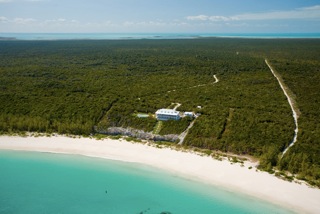
The Delphi club is the perfect location for an enviably varied number of species. Its remoteness down a one-mile drive from the Highway, with pine forest giving way to luxuriant coppice, ensures minimal disturbance for the birds including a number of rarer species.  Delphi Club Rolling Harbour Abaco Aerial view

The one-mile white sand curve of the beach sees many shorebirds and seabirds in all seasons. The gardens attract both the usual suspects and less common birds. The building, too, has its resident West Indian Woodpeckers in two nesting boxes under the eaves, thoughtfully provided to discourage the Club’s woodwork from exploratory drilling.

Mr and Mrs Black-faced GrassquitBlack-faced Grassquit (m) Delphi, Abaco (Keith Salvesen) Black-faced Grassquit (f) Delphi, Abaco (Keith Salvesen)

There are a number of seed and sugar water feeders around the place, and bird baths too. It’s a long time since I featured a collection of ‘tame’ birds. This post shows a few of the species that have made Delphi their home.

Mr and Mrs Greater Antillean BullfinchGreater Antillean Bullfinch (m), Delphi, Abaco (Keith Salvesen)Great Antillean Bullfinch. Delphi, Abaco (Keith Salvesen)

Mr and Mrs Painted BuntingPainted Bunting, Delphi, Abaco (Keith Salvesen)

Bananaquit: the curved beak makes it easy to use the hummer feeder (see above)Bananaquit (f) Delphi, Abaco (Keith Salvesen)

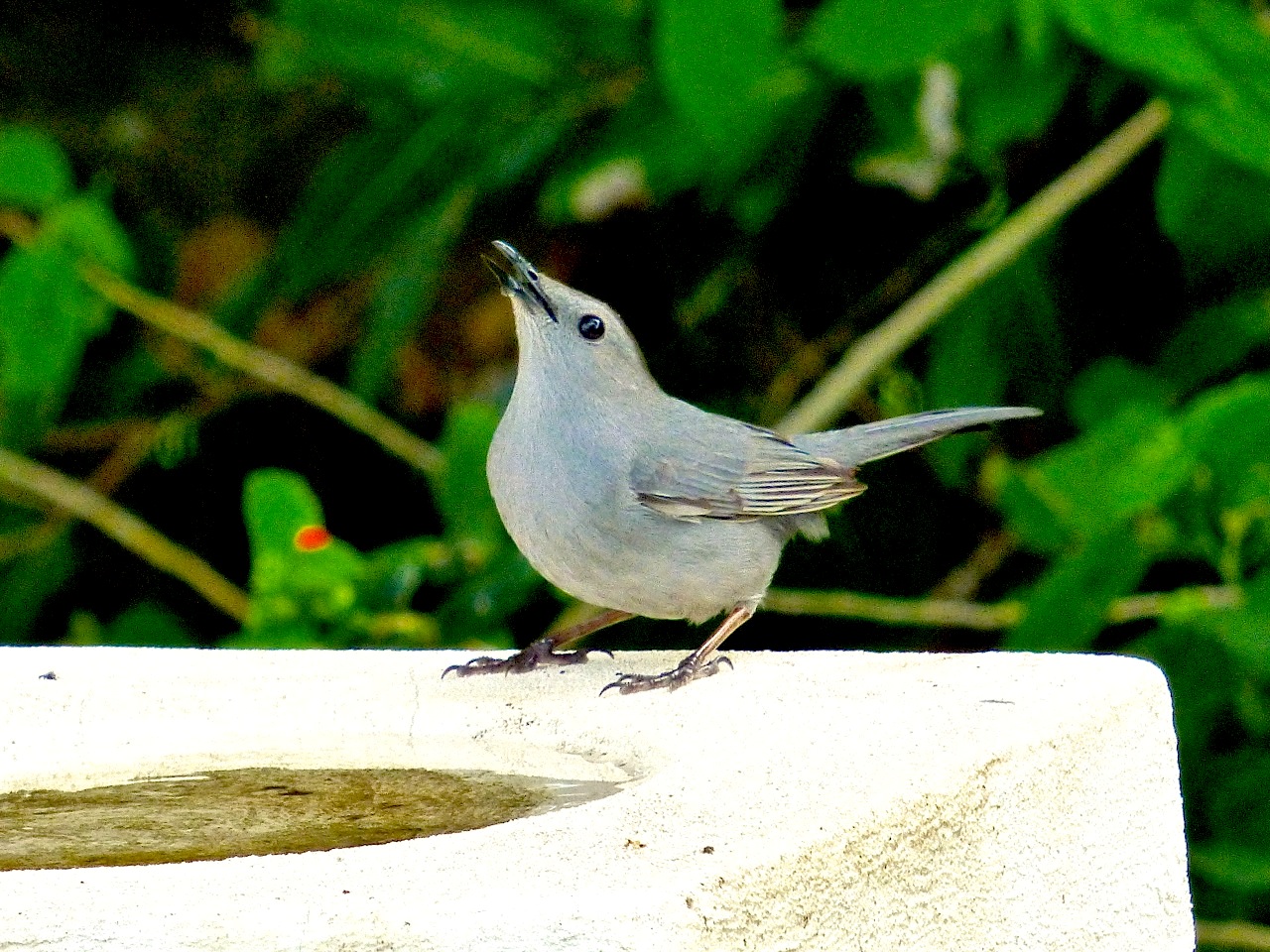
A Gray Catbird takes a drink… and a bathGray Catbird, Delphi, Abaco (Keith Salvesen)Gray Catbird, Delphi, Abaco (Keith Salvesen)

Adaptive behaviour from a W I Woodpecker – that long tongue is perfect for the jobWest Indian Woodpecker, Delphi, Abaco (Keith Salvesen)

The turkey vulture takes priority over all smaller birds…Turkey Vulture, Delphi, Abaco (Keith Salvesen)

A red-legged thrush enjoys picking up the seed shrapnel off the ground…Red-legged Thrush Abaco 7

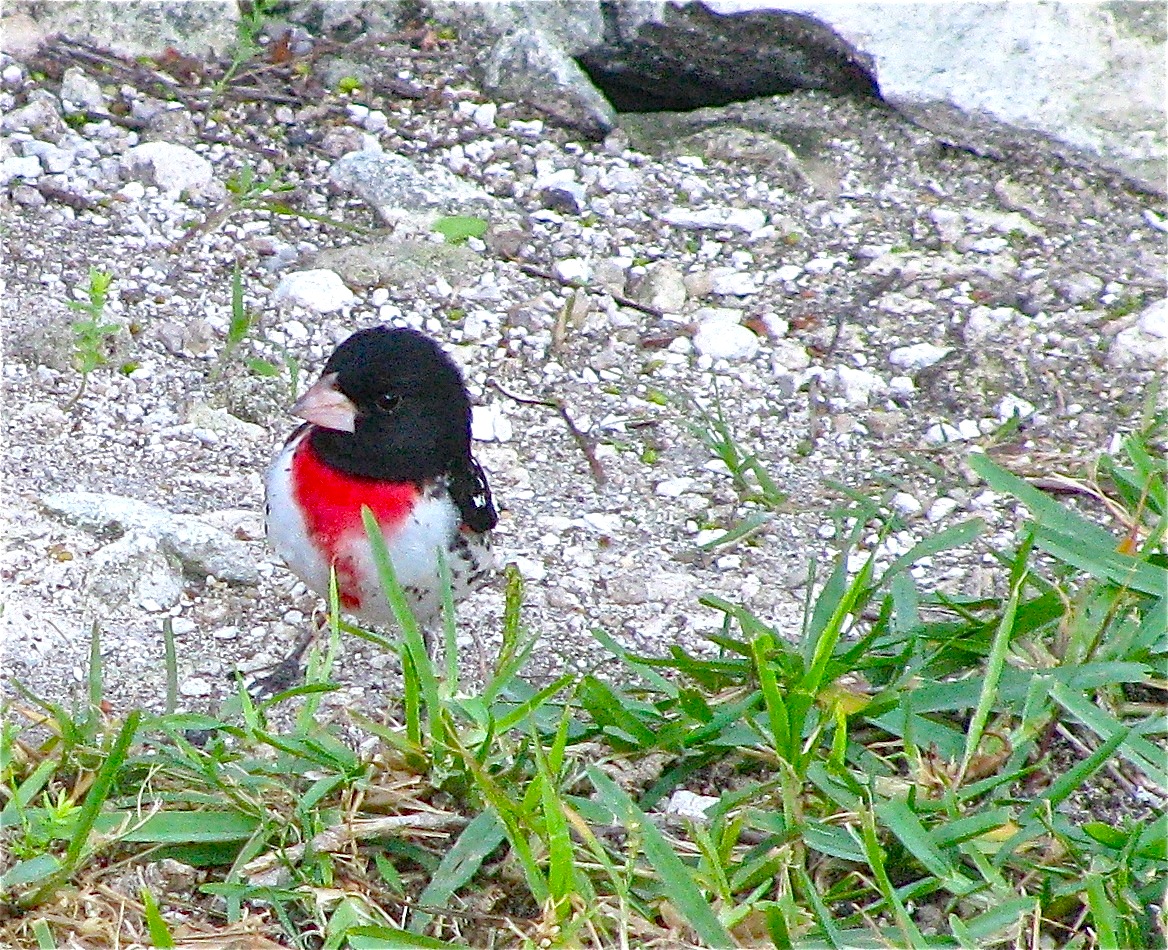
As do rose-breasted grosbeaks and indigo buntingsIndigo Bunting & Grosbeaks, Delphi, Abaco ©C StahalaRose-breasted Grosbeak

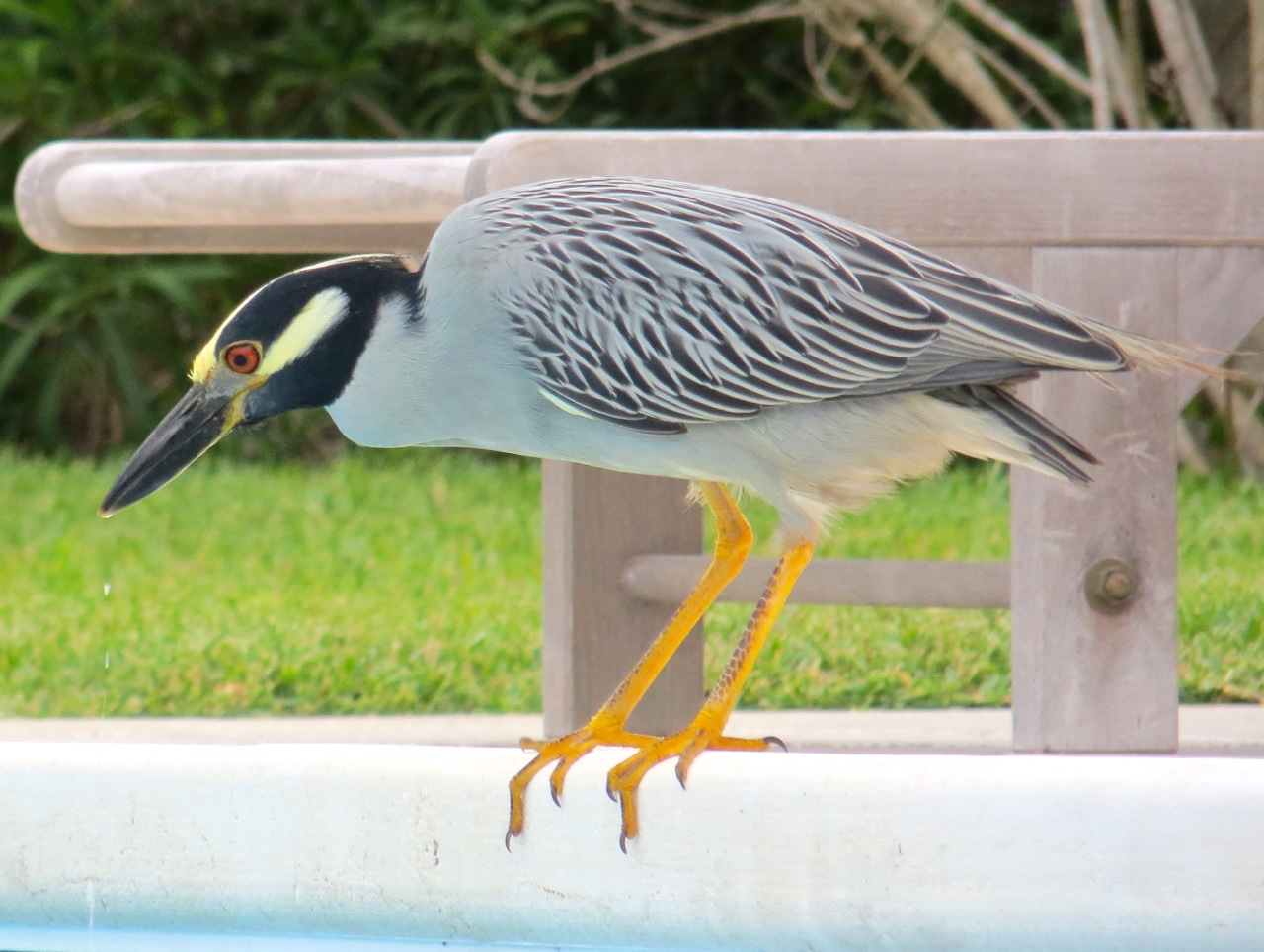
Meanwhile, a yellow-crowned night heron takes a drink from the poolYellow-crowned Night Heron, Abaco 9

Credits: all photos RH except aerial shot of Delphi, Peter Brown; the hummers, Peter Mantle; and the buntings / grosbeaks, PM and Caroline Stahala…

dcbg2ba-jacket-grab-for-pm-v2-copy

Unknown's avatar

CREOLE WRASSE: SHADES OF DEEP PURPLE…


Creole Wrasse ©Melinda Riger @ G B Scuba copy 4

CREOLE WRASSE: SHADES OF DEEP PURPLE…

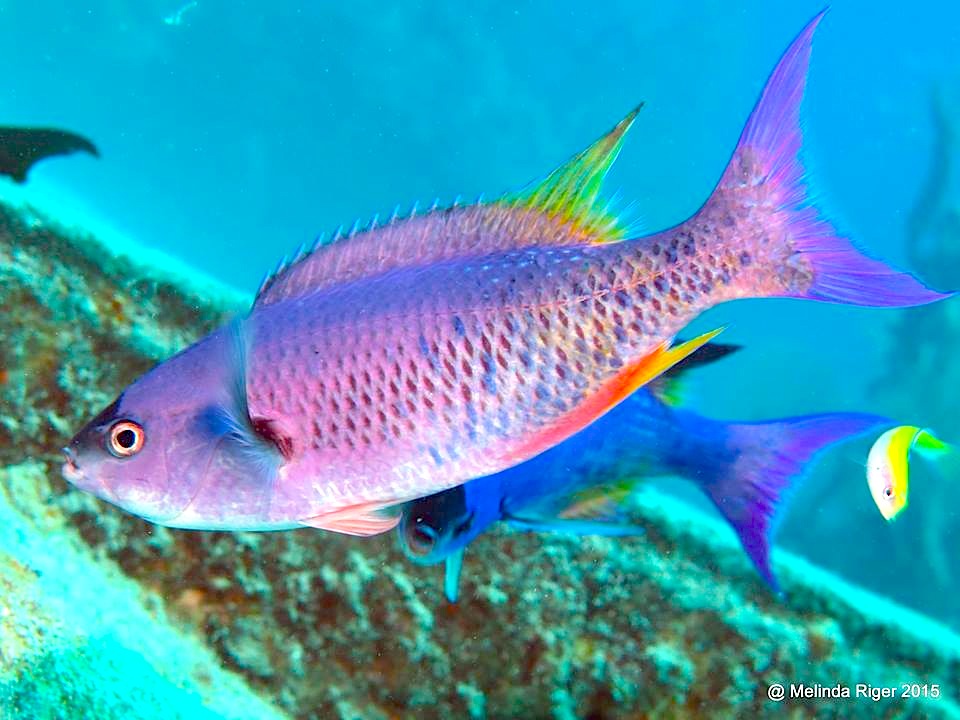
The creole wrasse is a small wrasse species, with adult males reaching about 12 inches long. During its life, a creole wrasse changes colour significantly.  A juvenile is almost completely violet-purple. As it matures, it develops patches of yellow on the rear part of its body.

Creole Wrasse ©Melinda Riger @ G B Scuba copy 7

Creole wrasse are found throughout the tropical and subtropical waters of the western Atlantic from Florida south to Brazil. The habitat includes Bermuda, the Caribbean Sea, and the Gulf of Mexico.

Creole Wrasse ©Melinda Riger @ G B Scuba copy 5Creole Wrasse ©Melinda Riger @ G B Scuba copy 6

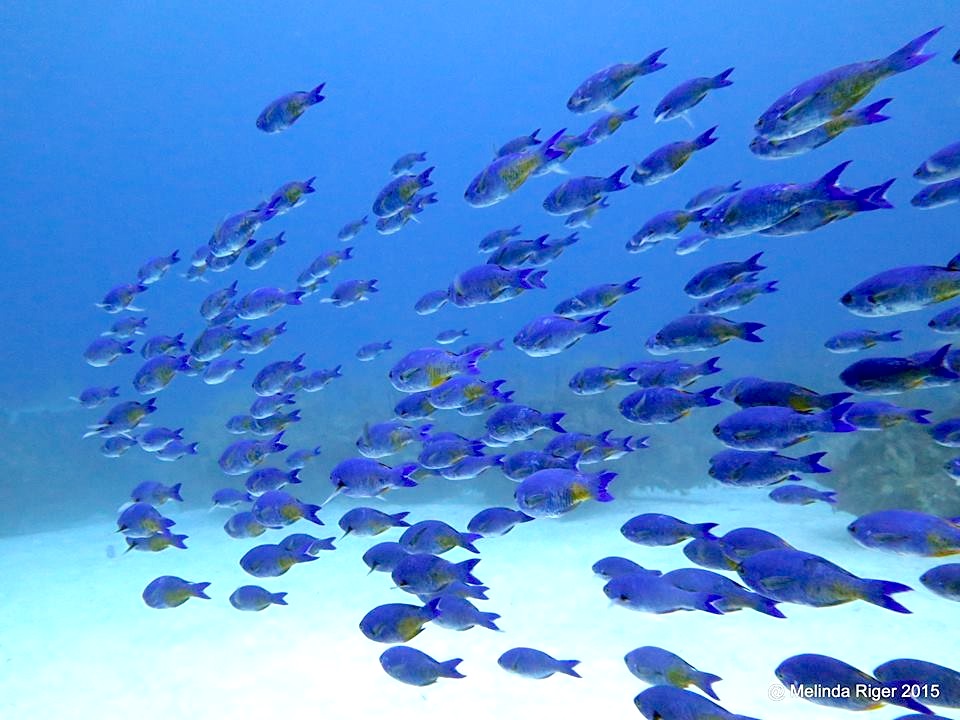
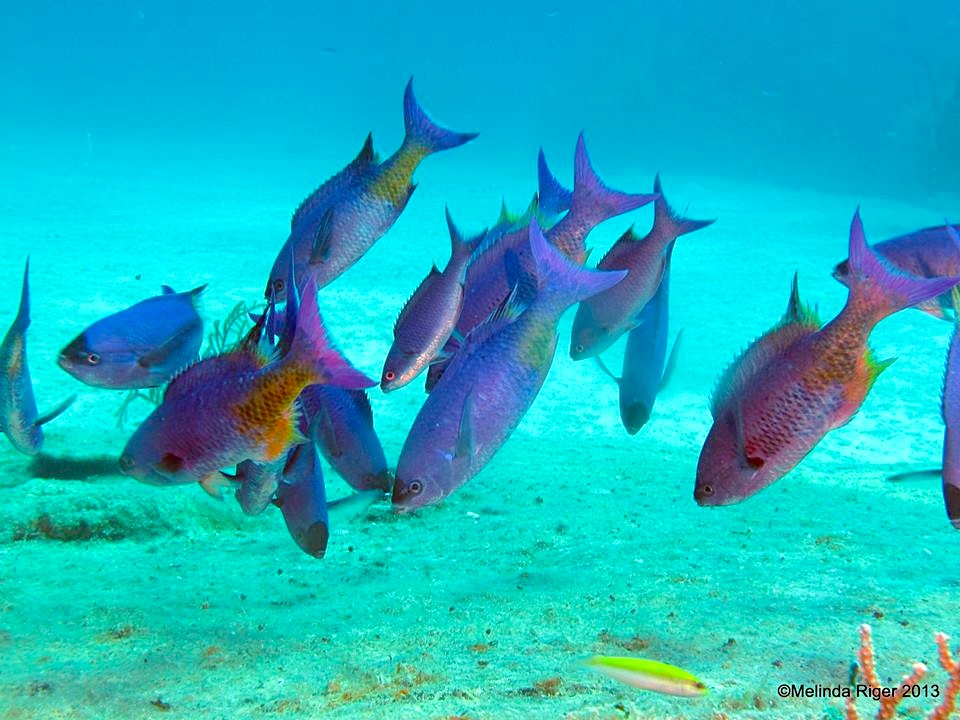
Creole wrasse are social fish that live in groups around coral reefs. They are found in shallow water, but may also be seen as deep as 100m. 

Creole Wrasse at a cleaning station ©Melinda Riger @ G B Scuba copy

The groups of wrasse feed on plankton, small jellyfish, pelagic TUNICATES, and invertebrate larvae. These fish are active in groups by day. At night each fish finds its own safe crevice in the reef to sleep.

Creole Wrasse School ©Melinda Riger @G B Scuba copy

ANYTHING ELSE WE NEED TO KNOW?

Yes indeed. Their intriguing breeding regime – how unlike our own dear species. The creole wrasse is a protogynous hermaphrodite.  The largest fish in a group is a dominant breeding male, while smaller fish remain female. If the dominant male dies, the largest female changes sex. The mature males congregate at leks to breed, at which they display and are approached by females before mating with them. [note: these leks are reminiscent of certain clubs in the less reputable parts of some towns and cities. Or so I am told]

Creole Wrasse Melinda Riger @ G B Scuba copy

It’s been a while since the last Rolling Harbour musical diversion, but the colour of this wrasse nudged my memory back to 1968 and DP’s first album (line-up Mk 1 of several hundred, or so it seems). Hence the post title. Anyone who remembers this ‘wasn’t there’. Anyone who doesn’t obviously wasn’t there either…

818A6udpP9L._SL1500_

I don’t think this guy thinks much of that. And quite right tooCreole Wrasse ©Melinda Riger @GBS copy

All phish photos by Melinda; DP cover borrowed from Am@z@n; MP3 moi

Unknown's avatar

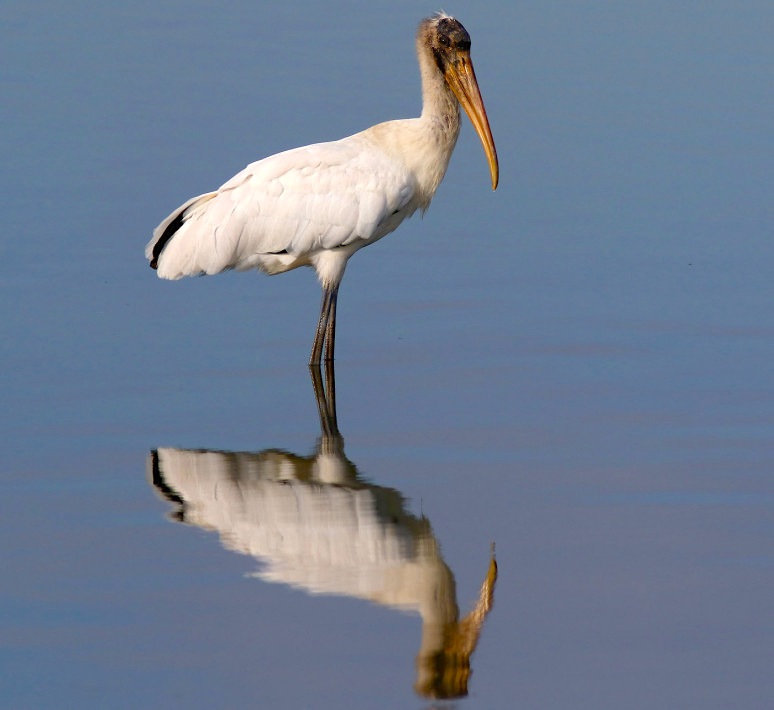
WOOD STORKS ON ABACO? CLOSE BUT NOT CLOSE ENOUGH…


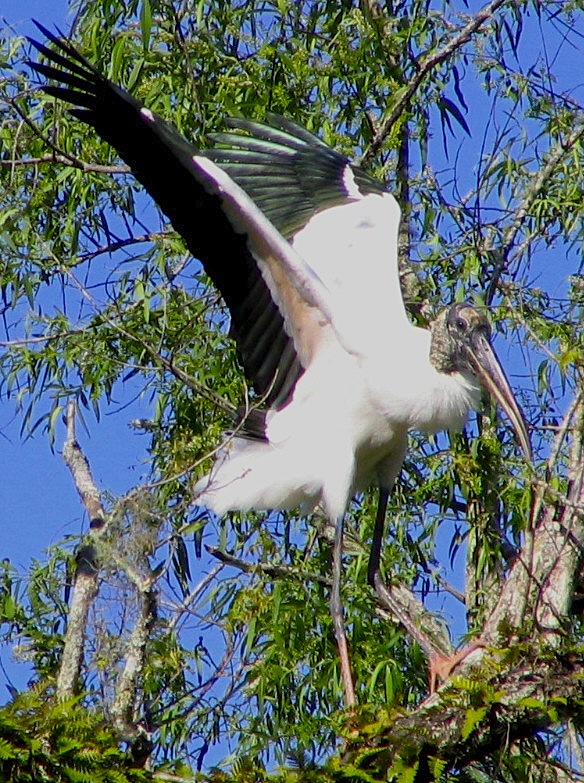
Wood stork in flight (Huhnra, Wiki)

WOOD STORKS ON ABACO? CLOSE BUT NOT CLOSE ENOUGH…

I very rarely write about birds that you can’t find on Abaco, especially ones that have never been recorded there. In fact, I don’t think I have ever done so. The nearest was the critically endangered endemic BAHAMA ORIOLE, until quite recently available on Abaco. For the familiar and depressing reasons it was deemed extirpated in the 1990s and is found now only in very specific area of Andros. Its future is very uncertain: another species a feather’s width from extinction.

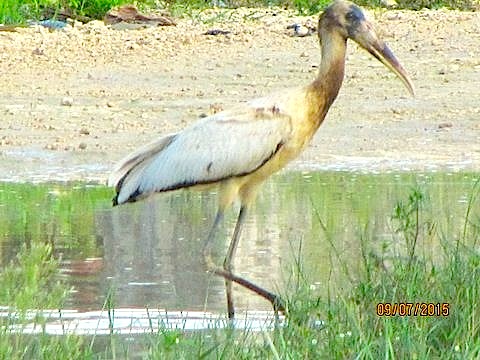
Which brings me to the Wood Stork Mycteria americana, a fine bird with a breeding population in Florida. Yet the last one recorded for the Bahamas was 51 years ago – and not on Abaco. It’s surprising that the species is not driven across the stretch of sea to the northern Bahamas by curiosity or more plausibly by storms (as with other vagrant species).

Wood Stork Fl. (Mehmet Karatay, Wiki)

The first Bahamas sighting of a Wood Stork since 1964 occurred on September 4th at the unromantic-sounding ‘Freeport Dump’ on Grand Bahama, when naturalist and birding guide Erika Gates found one. The bird was still there on September 7th when Woody Bracey flew over from Abaco and joined Erika to check. Here it is.

Wood Stork, Grand Bahama (Erika Gates) copy

Woody took a date-stamped shot for future reference

IMG_4529

The distance from Freeport to Marsh Harbour, Abaco is about 100 miles as the stork flies. But from the eastern end of Grand Bahama to the nearest point on Abaco is much closer – 35 miles or so. So with a following wind perhaps it won’t be another 51 years until the next Wood Stork is seen in the Bahamas. And maybe next time it will fly as far as Abaco…

Wood Stork, Florida (Googie Man, Wiki)

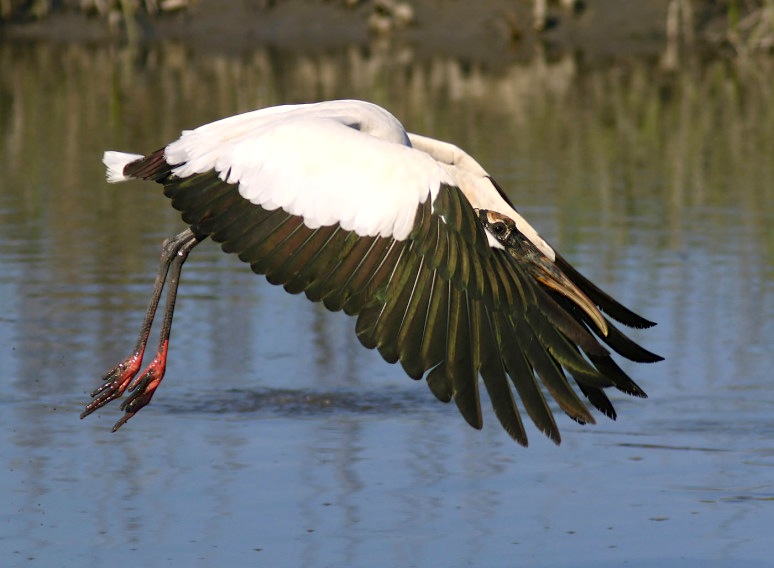
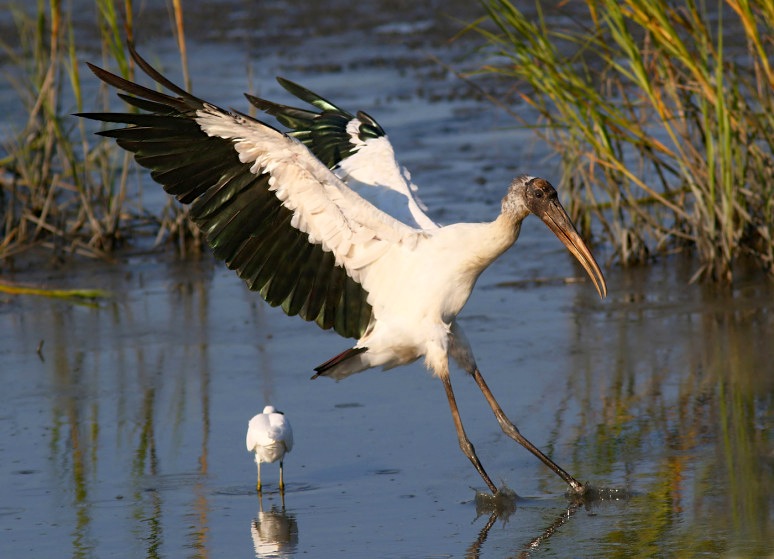
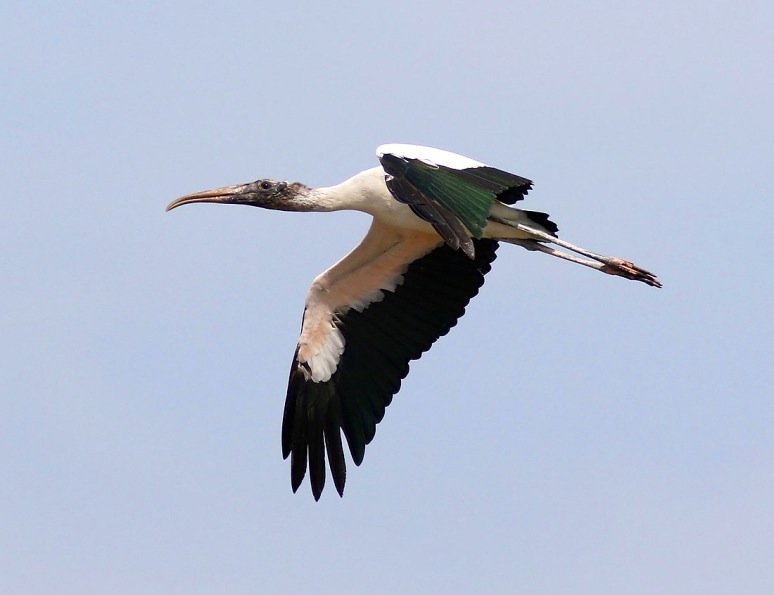
I sometimes feature photos by Florida photographer PHIL LANOUE, whose website is a must for anyone with an interest in birds. Among his specialities are the wood storks in his area, and I have chosen 4 outstanding WS images to end with (thanks as always to Phil for use permission).

Wood Stork in Flight, Florida (Phil Lanoue)Wood Stork landing, Florida (Phil Lanoue)Wood Stork in Flight, Florida (Phil Lanoue)Wood Stork in water, Florida (Phil Lanoue)

Credits: Erika Gates, Woody Bracey, Phil Lanoue, ‘Huhnra’, Mehmet Karatay, ‘Googie Man’

Unknown's avatar

WORLD SHOREBIRDS DAY: ABACO’S COMPLETE CHECKLIST


American Oystercatcher, Abaco (Tom Sheley)

WORLD SHOREBIRDS DAY: ABACO’S COMPLETE CHECKLIST

Abaco is home to 33 shorebird species. For a few, the islands are a permanent residence; for many others they are winter quarters; and some species are visitors transient in their migrations, or rare vagrants. Last year I produced 3 posts with plenty of photos showcasing 26 of the species, the remaining 7 all being transients or vagrants. 

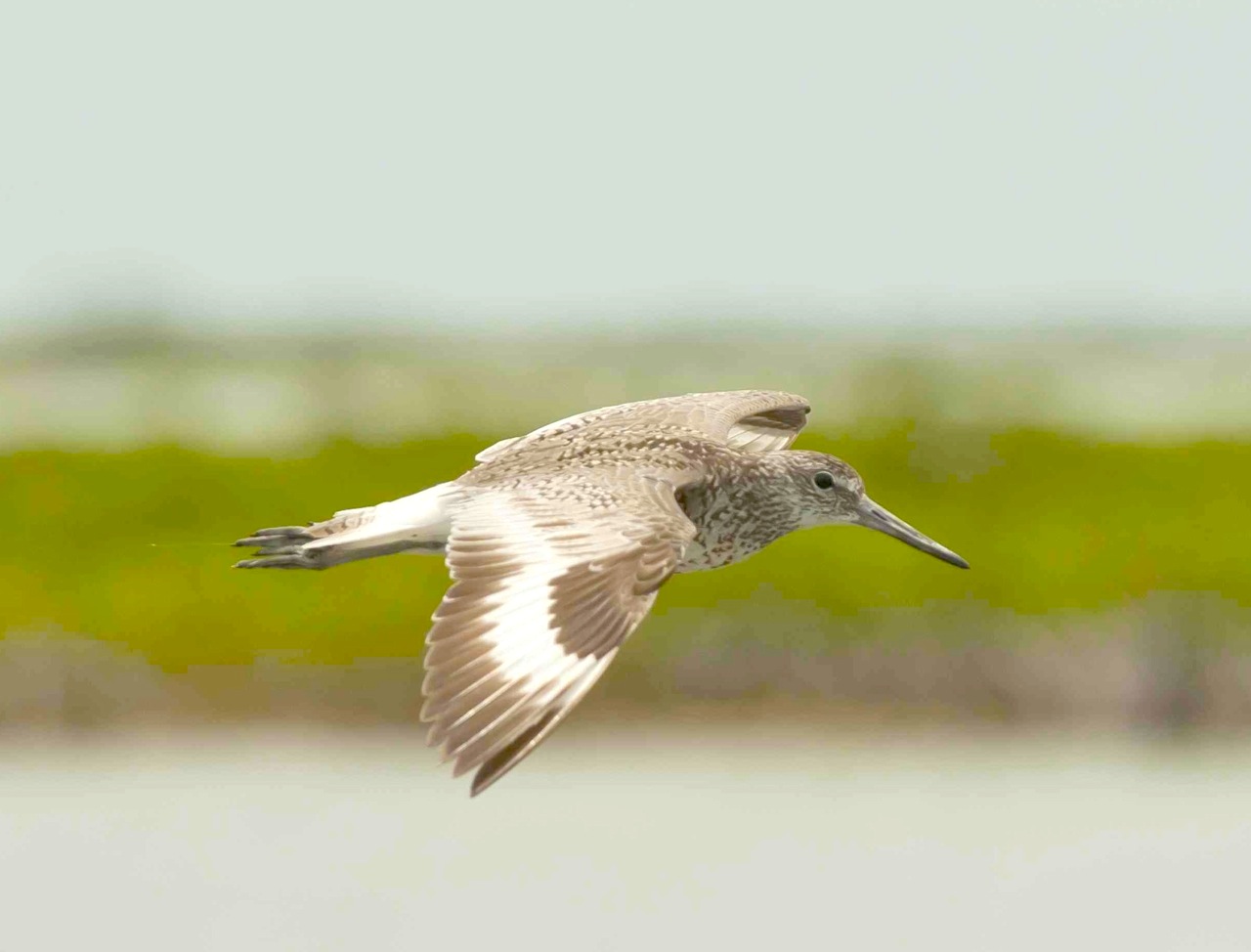
Willet in flight.Abaco Bahamas.6.13.Tom Sheley small2

I divided the species into 3 categories: sandpipers & kin; plovers; and a catch-all ‘large shorebird’ group that included one or two sandpipers. Of the 26 birds featured and shown in the main checklist below, 23 are ones you might reasonably hope or expect to encounter on Abaco, though some only if you are lucky or your field-craft is excellent. The others are the long-billed dowitcher, American avocet and Wilson’s phalarope (of which only one has ever been seen on Abaco, with a photo to prove it)

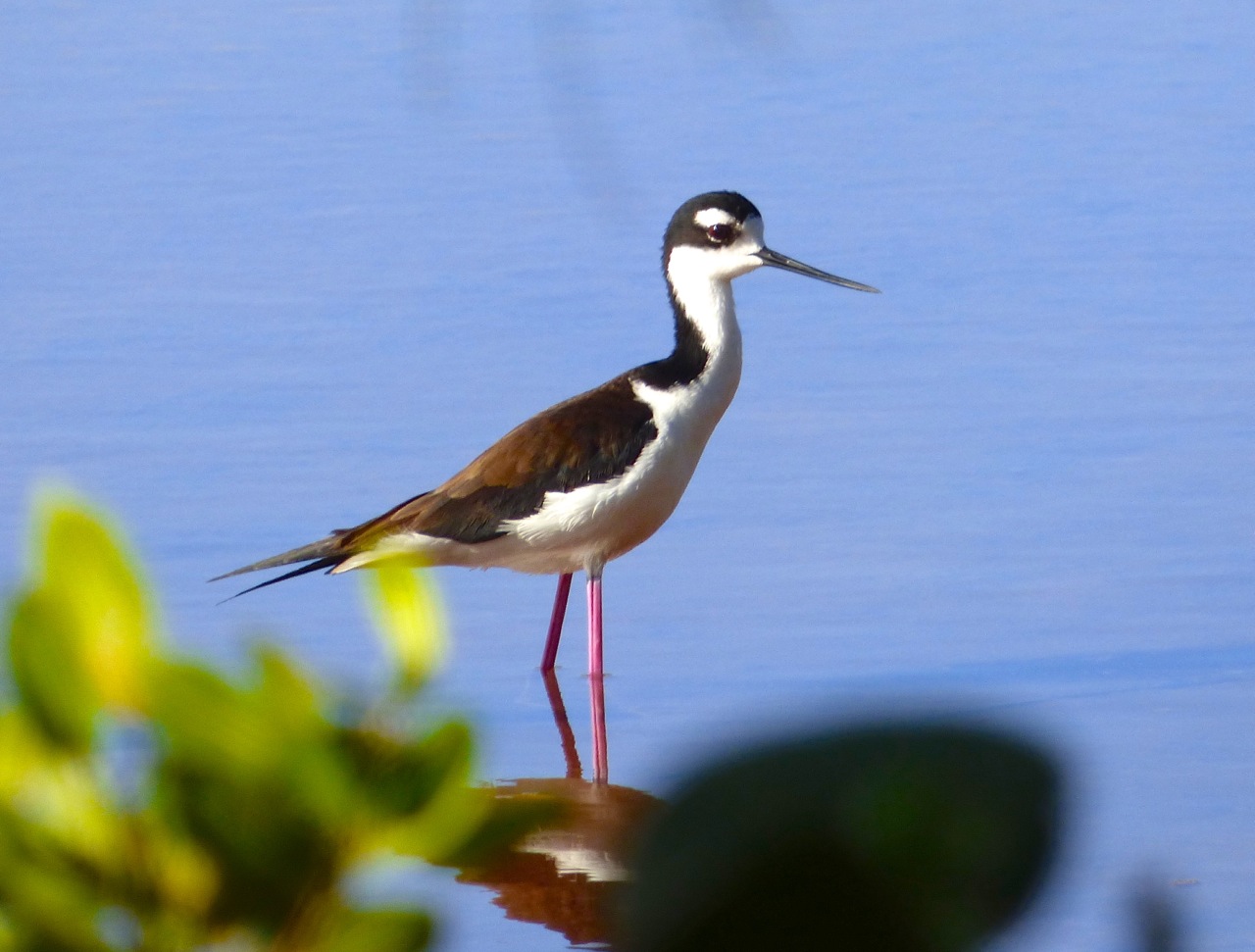
Black-necked Stilt, Gilpin Point, Abaco (Keith Salvesen)

CLICK A LINK TO INVESTIGATE

LARGE SHOREBIRDS

SANDPIPERS

PLOVERS

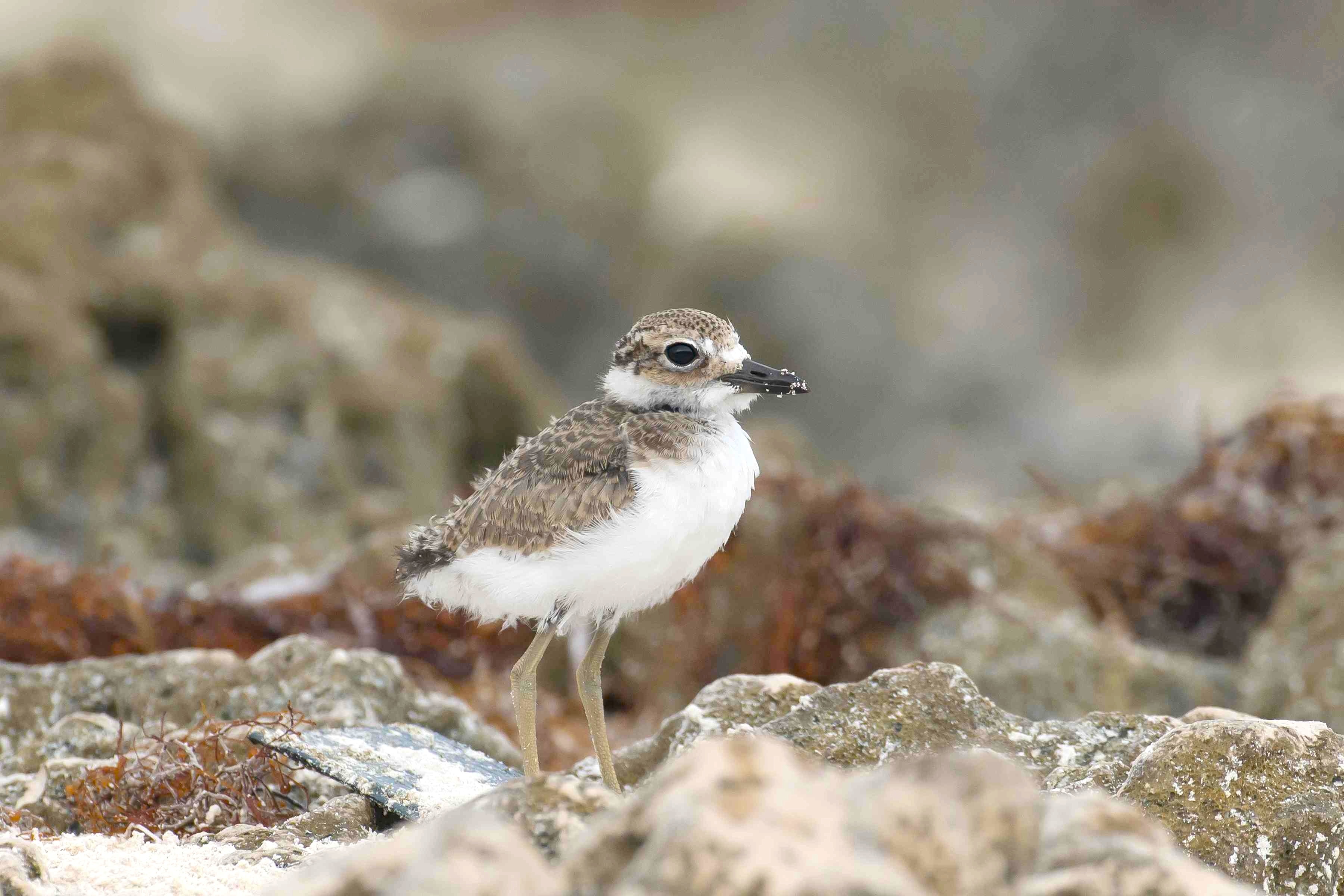
Wilson's Plover chick.Delphi Club.Abaco Bahamas.Tom Sheley JPG copy

THE COMPLETE CHECKLIST

The codes tell you, for any particular bird, when you may see it (P = permanent, WR = winter resident, TR = transient, V = vagrant); whether it breeds (B) on Abaco; and your chance of seeing it, graded from easy (1) to vanishingly unlikely (5). 

  • Black-necked Stilt                             Himantopus mexicanus                PR B 3
  • American Avocet                               Recurvirostra americana             WR 4
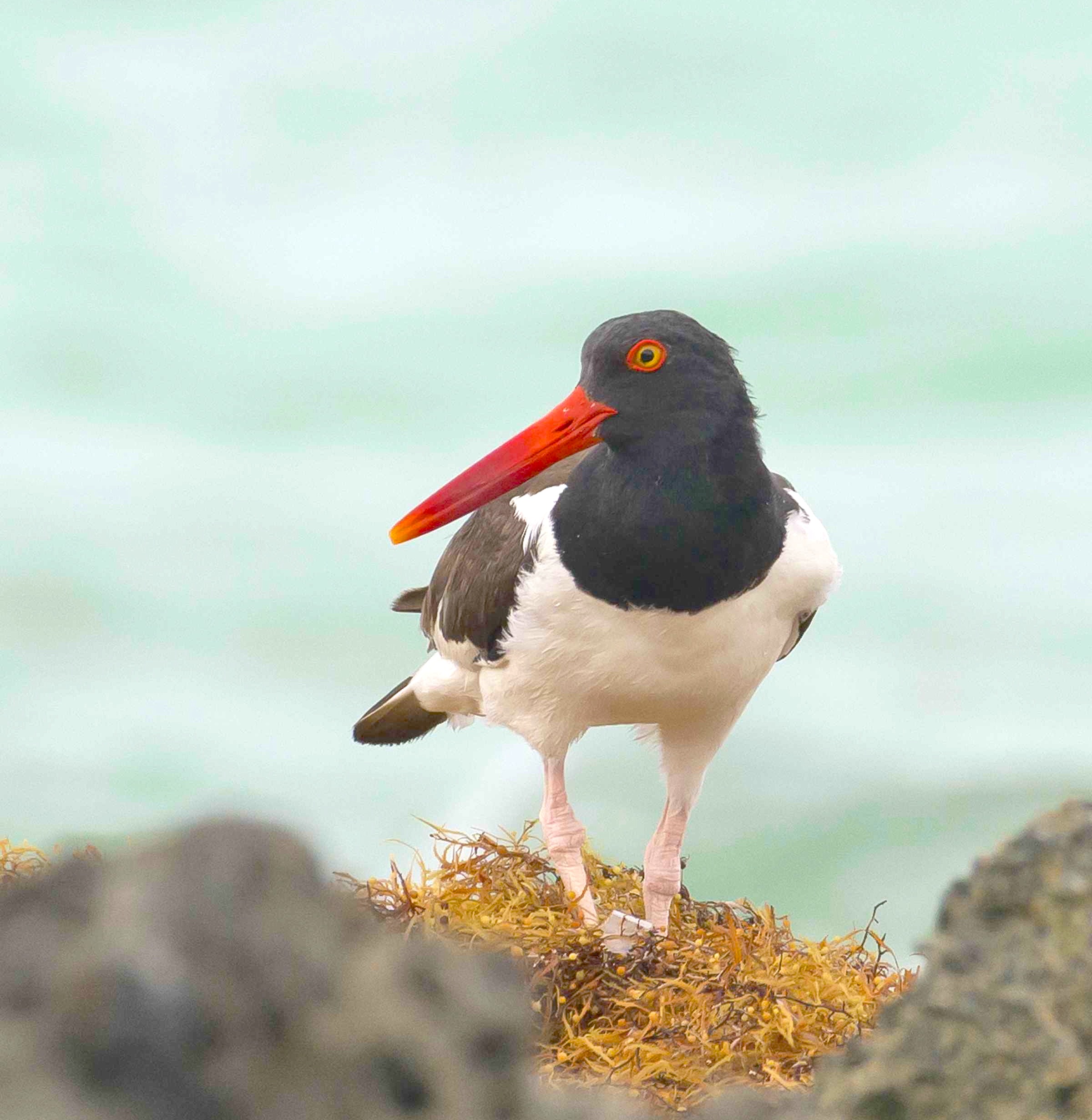
  • American Oystercatcher                  Haematopus palliatus                   PR B 2
  • Black-bellied Plover                         Pluvialis squatarola                       WR 1
  • American Golden-Plover                Pluvialis dominica                           TR 4
  • Wilson’s Plover                                 Ochthodromus wilsonia                 PR B 2
  • Semipalmated Plover                      Charadrius semipalmatus             WR 2
  • Piping Plover                                     Charadrius melodus                       WR 3
  • Killdeer                                               Charadrius vociferus                     WR 2
  • Spotted Sandpiper                            Actitis macularius                          WR 1
  • Solitary Sandpiper                            Tringa solitaria                              WR 2
  • Greater Yellowlegs                            Tringa melanoleuca                      WR 2
  • Willet                                                   Tringa semipalmata                     PR B 2
  • Lesser Yellowlegs                              Tringa flavipes                               WR 3
  • Ruddy Turnstone                              Arenaria interpres                        PR 2
  • Red Knot                                             Calidris canutus                            WR 3
  • Sanderling                                          Calidris alba                                   WR 1
  • Dunlin                                                 Calidris alpina                               WR 2
  • Least Sandpiper                                Calidris minutilla                          WR 2
  • White-rumped Sandpiper               Calidris fuscicollis                          TR 3
  • Semipalmated Sandpiper                Calidris pusilla                               TR 2
  • Western Sandpiper                           Calidris Mauri                                TR 2
  • Short-billed Dowitcher                    Limnodromus griseus                    WR 1
  • Long-billed Dowitcher                     Limnodromus scolopaceus           WR 4
  • Wilson’s Snipe                                   Gallinago delicata                          WR 3
  • Wilson’s Phalarope                           Phalaropus tricolor                        V 4

Semipalmated Sandpiper (juv), Abaco (Bruce Hallett)

For the sake of completeness, the other 7 species of shorebird recorded for Abaco – all transients or vagrants – are:

  • Upland Sandpiper                     Bartramia longicauda             TR 4
  • Whimbrel                                    Numenius phaeopus                 TR 4
  • Hudsonian Godwit                   Limosa haemastica                    V5
  • Marbled Godwit                         Limosa fedoa                              V5
  • Buff-breasted Sandpiper          Tryngites subruficollis             V5
  • Pectoral Sandpiper                   Calidris melanotos                    TR 3
  • Stilt Sandpiper                           Calidris himantopus                 TR 3

Please excuse the wonky column formatting, an aspect of listing that WordPress doesn’t seem to cater for…

Ruddy Turnstone Abaco Bahamas. 2.12.Tom Sheley copy 2

Photo Credits: Tom Sheley, Bruce Hallett, Keith Salvesen

Unknown's avatar

INTERNATIONAL VULTURE AWARENESS DAY ON ABACO


Turkey Vulture, Abaco (Craig Nash) 2

INTERNATIONAL VULTURE AWARENESS DAY ON ABACO

Majestic. Soaring. Graceful. Revolting. That’s the Turkey Vulture. It’s quite a while since I posted about them: you can read all about them and their disgusting habits in the post CARRION SCAVENGING. You’ll discover 10 essential facts, their unpleasant little ways with urine and puke, the sound they make, some sex-tips and a Metallica video. 

turkey-vulture

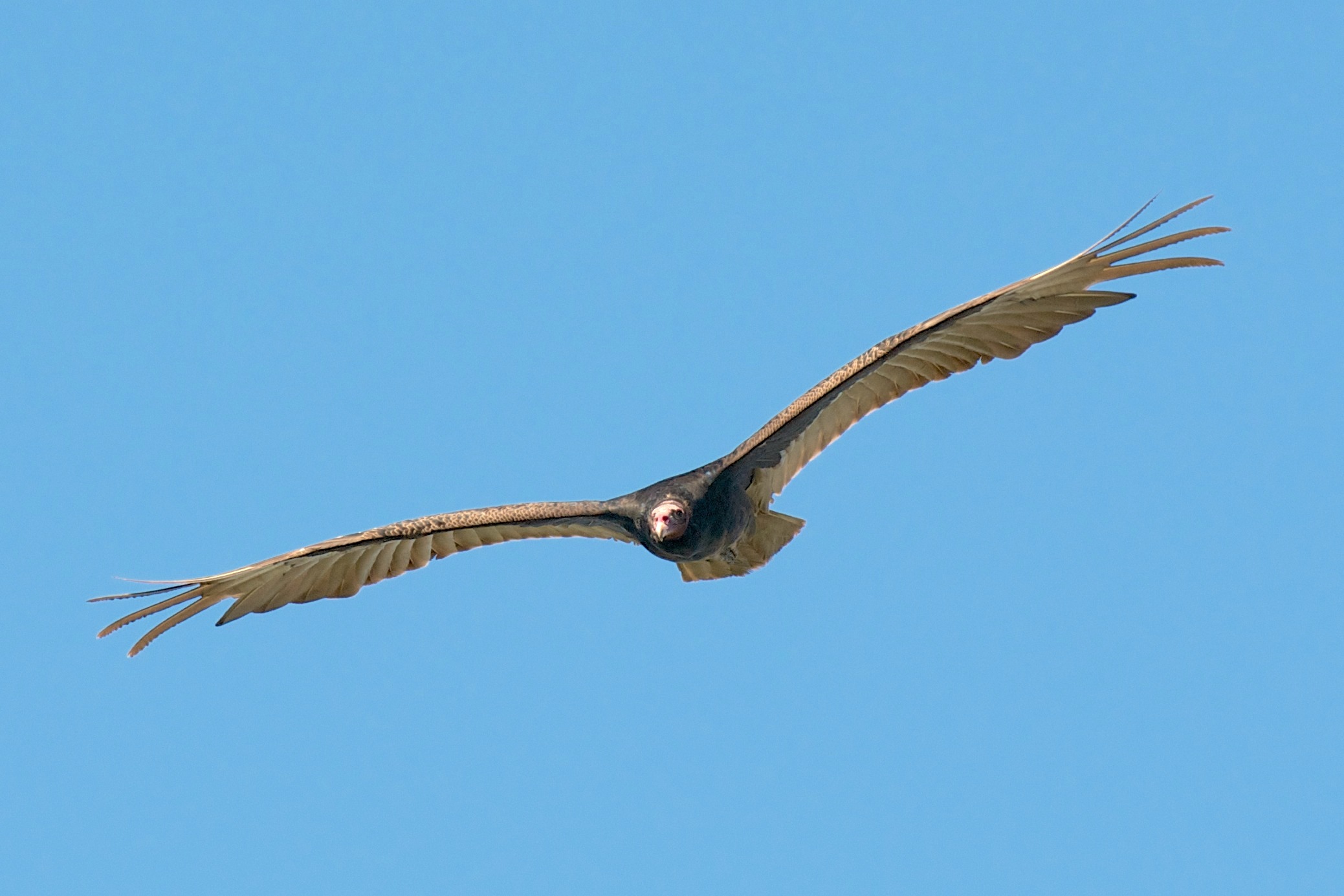
Are you unaware of vultures? Well, today is their day. These dedicated bird days come thick and fast at certain times of year. Tomorrow we celebrate World Shorebirds Day, so I’m giving the vultures their time in the sun today. On Abaco you could hardly fail to be aware of the ubiquitous TVs, and I have chosen a selection of photos, all taken on Abaco, to make a gallery for their day. 

Let’s start with some of the more glamourous ‘in-flight’ shots. This is when TVs look their best, as they wheel round floating and swooping on the thermals – singly, in pairs or in flocks. 

Turkey Vulture, Abaco (Nina Henry)Turkey Vulture, Abaco (Nina Henry)Turkey Vulture, Abaco (Bruce Hallett)Turkey Vulture, Abaco (Charlie Skinnner)

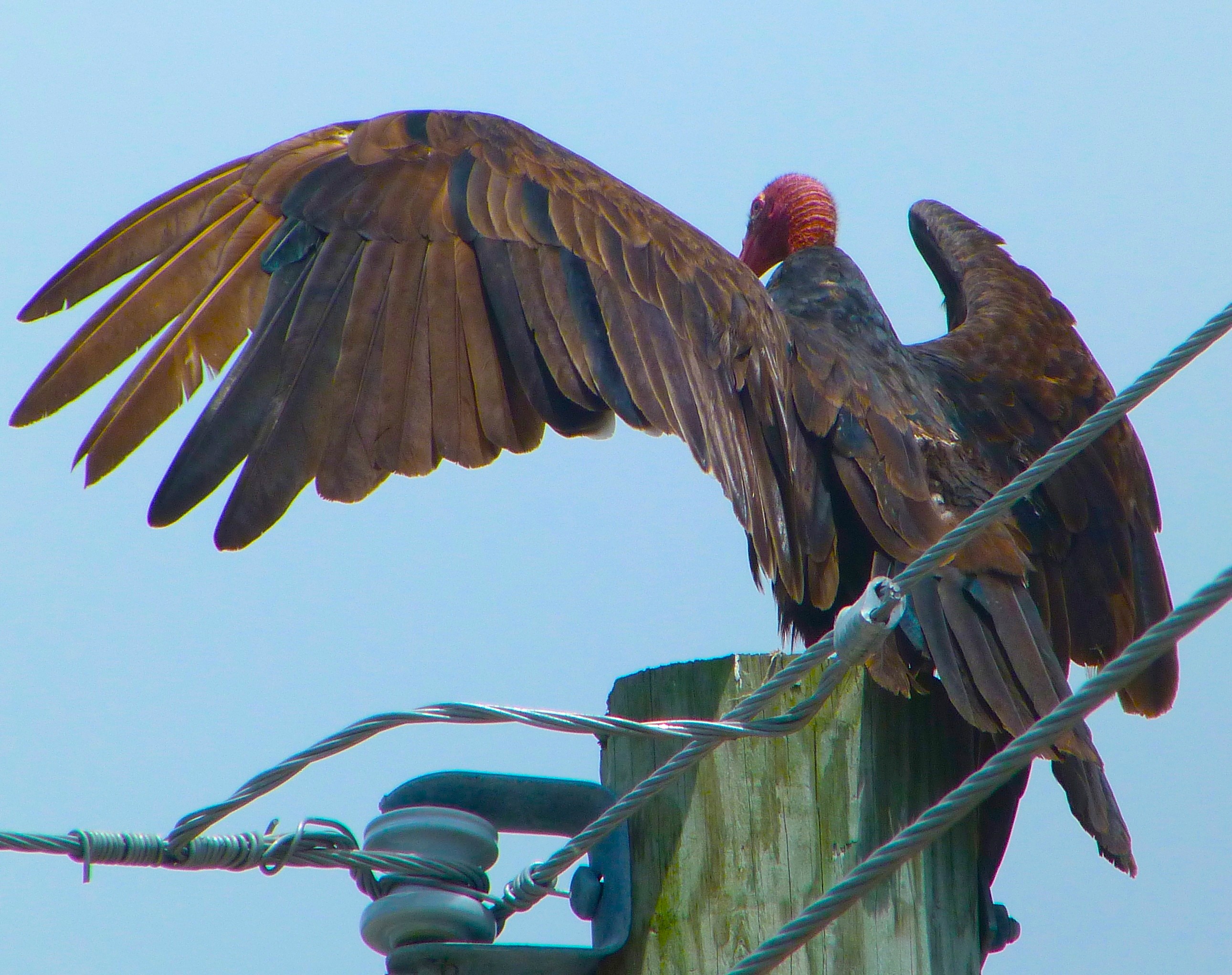
At closer quarters TVs are till impressive, though arguably less attractive… TVs often use utility wires (header image) or posts to perch on, scope out the territory, or simply to dry their wings

Turkey Vulture, Spread Wings, Abaco (Keith Salvesen)

TVs will never be truly adorable. The final image (by Irish photographer Craig Nash) is truly ‘warts and all’… Ah, but look at the sweet little hairs on its head!

Turkey Vulture, Abaco (Craig Nash)

Talking of adorable, this is the perfect place for a shout-out for the wonderful BIRDORABLE site. For this special day they have put all their vultures together in one helpful chart. They have a load of fun at Birdorable HQ. You can download birds for children to colour in. Or even get a T-shirt with your favourite bird on it (mine’s a PIPL).

photo 1

Credits: Craig Nash (1, 7); Nina Henry (2, 3); Bruce Hallett (4); Charlie Skinner (5); Keith Salvesen (6); the incomparable Birdorable

Unknown's avatar

HIP! HIP! HIPPOCAMPUS: LET’S CELEBRATE SEAHORSES


Seahorse (Bahamas) 4 ©Melinda Riger @G B Scuba

HIP! HIP! HIPPOCAMPUS: LET’S CELEBRATE SEAHORSES

Melinda Riger, doyenne of the deep and photographer to the stars (brittle stars, basket stars, starfish etc), undertook her 5000th dive a few days ago. She swims with sharks almost daily, and points her lens at the varied reef life she encounters along the way. Her gold prize for the dive turned out to be one of the smallest creatures she encountered: the seahorse. Hippocampus (Ancient Greek: Ἵππος, horse and Κάμπος, sea monster) is a unique fish, deriving from the pipefish, with more than 50 species known worldwide. I can feel a Rolling Harbour fact list coming on…

Seahorse (Bahamas) 3 ©Melinda Riger @G B Scuba

10 SEAHORSE FACTS TO DAZZLE YOUR FRIENDS WITH

  • Only seahorses and razorfish swim upright / vertically all the time
  • Their tails are prehensile and enable them to moor on coral, seagrass etc
  • They have no scales, but skin stretched over bony plates arranged in rings
  • The ‘coronet’ on a seahorse’s head is unique to the individual
  • Seahorses are pathetic swimmers: the slowest have a top speed of 5′ per hour
  • They feed by ambush, rotating the head and sucking prey in with their snout
  • A seahorse’s eyes can move independently of each other, like a chameleon 
  • The Bahamas is home to H. erectus and the dwarf seahorse H. zosterae
  • Despite rumours, they don’t mate for life. Some may stay together for a season
  • The smallest seahorse in the world – the pygmy – is a maximum of 15mm long

Seahorse (Bahamas) 2 ©Melinda Riger @G B Scuba

MAKING BABY SEAHORSES: A MOST UNUSUAL ARRANGEMENT

There’s no getting round it: seahorse courtship and reproduction is highly unusual. Here is a summary of how it goes (there’s a lot more to it, but life is short):

  1. COURTING This may last for many days. They may change colour; they swim together; they entwine tails; they attach themselves to the same strand of coral or seagrass and turn slowly round it in unison (a so-called ‘pre-dawn’ dance). The final courtship dance may last several hours while the male & female prepare for the next stage.
  2. EGG TRANSFER When the time is right the female transfers her eggs – hundreds of them – via her ovipositor  to the male, in the process of which they are fertilised. Handily, he has inflated a special egg pouch located on his abdomen. She then buggers off.
  3. GESTATION The fertilised eggs grow inside the egg pouch of the male and develop into baby seahorses. This process may take from 10 days to a few weeks. During this time, the female will visit for a short ‘morning greeting’ and some intertwining action.
  4. ‘BIRTH’ In due course the male ejects the baby seahorses from his pouch using muscular contractions. These may number from five to (get this!) 2,500 at a time; on average 100–1000. Job done. Then the tiny seahorse babies are on on their own…

Seahorse (Bahamas) 1 ©Melinda Riger @G B Scuba

THREATS TO SEAHORSES

The attrition rate of baby seahorses through predation is high (as for most fish species), but the prolific breeding rate reduces the effect on the overall populations.  As so often, there are human-related threats, not least habitat destruction, overfishing and pollution. There’s a less expected problem: the importance of seahorses in Chinese medicine.  Their presumed healing qualities are used to treat impotence, wheezing, enuresis, pain and to assist labour. For these purposes, some 20 million seahorses a year are caught and sold. Increasingly they are reduced to pill or capsule form. 

Seahorse values depend on the species, but weight for weight dried seahorses retail for *unbelieving face* more than the price of silver and almost that of gold in Asia, from US$600 to $3000 per kilogram. Ours not to reason why.

anagram

USELESS SEAHORSE FACTS

  • Seahorse is an anagram of seashore
  • The Seahorses were an English rock band, formed in 1996 by guitarist John  Squire following his departure from The Stone Roses. They split in 1999
  • Devendra Banhart’s song ‘Seahorse’ contains these inspiring lyrics:
    I wanna be a little seahorse
    I wanna be a little seahorse
    A little seahorse
    I wanna be a little seahorse
    I wanna be a little seahorse
    I wanna be a little seahorse
    I wanna be a little seahorse
  • I’m losing the will to live. Let’s meet Otis.

Introducing Otis, Melinda’s seahorse that lives under her dockSeahorse (Otis), Bahamas ©Melinda Riger @ G B Scuba

SEAHORSE MATING DANCE (4 MINS)

MALE SEAHORSE GIVING BIRTH

All photos: many thanks to Melinda Riger of Grand Bahama Scuba; sources, many and manifold including Wiki which is pretty good on this kind of thing! Fab seahorse gif by Alex Konahin 

Seahorse by Alex Konahin copy

Unknown's avatar

MANGROVE DIE-BACK IN THE ABACO MARLS: THE FACTS


Mangroves, The Marls, Abaco, Bahamas (Keith Salvesen, Rolling Harbour)

MANGROVE DIE-BACK IN THE ABACO MARLS: THE FACTS

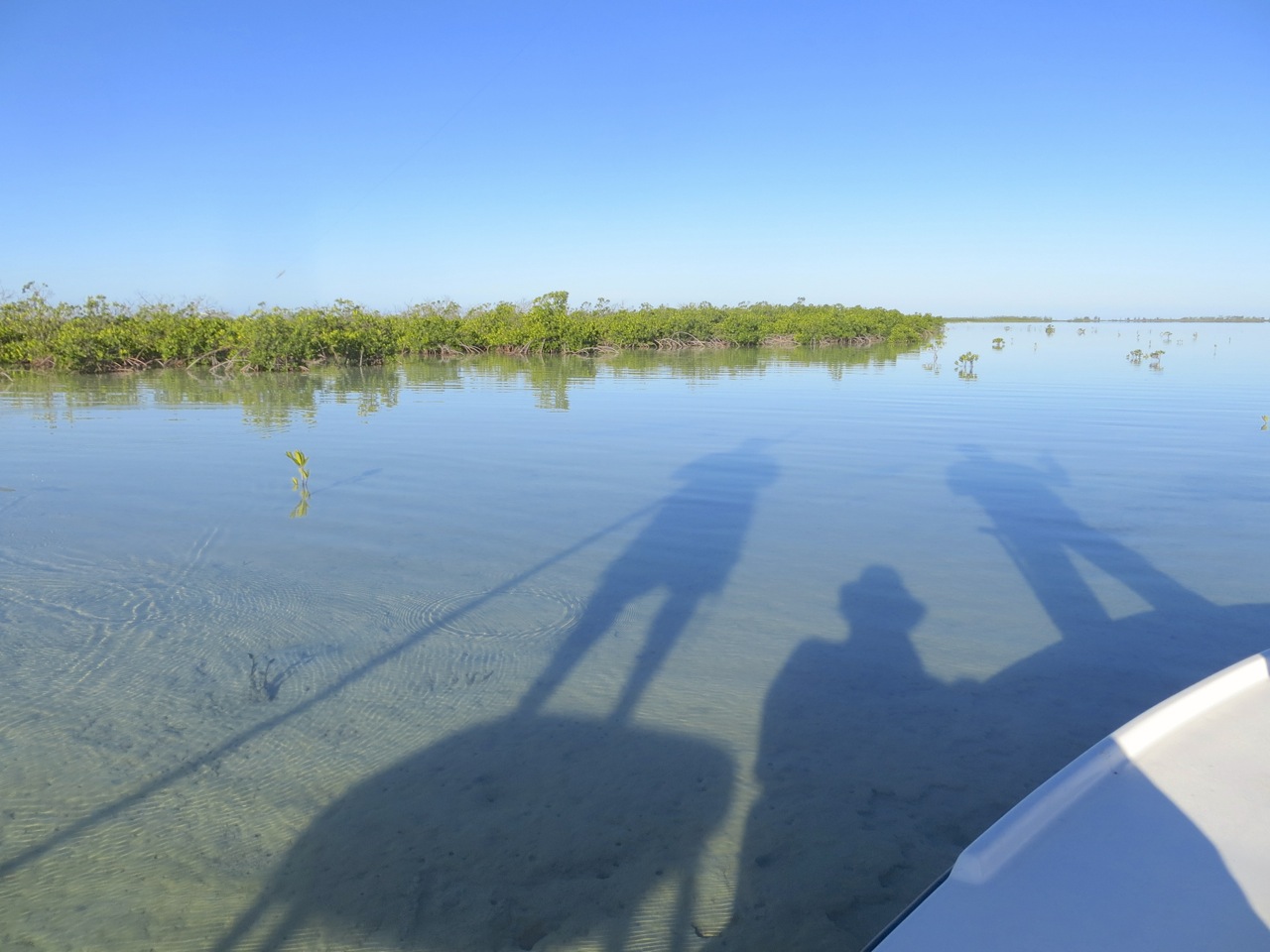
For some time now, there has been understandable concern about the increasing evidence of mangrove die-back in the Abaco Marls and elsewhere in Abaco waters. Scientific investigations are ongoing and you will find some of the survey results so far on the excellent Abaco Scientist interactive map HERE. You’ll find other relevant and authoritative mangrove material if you check out the BLOG menu of the website.
Abaco - The Marls

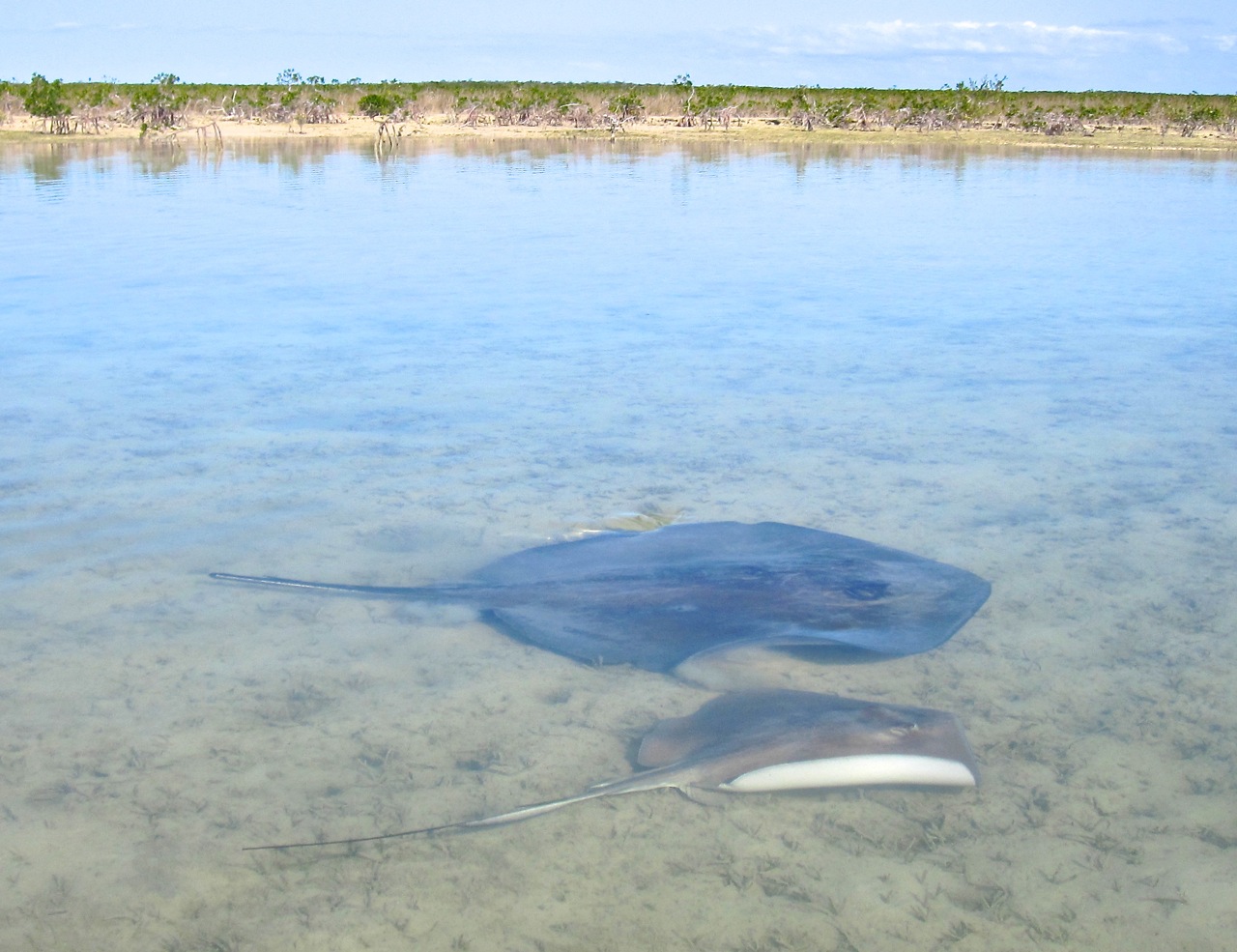
The ‘200 sq. miles’ in my map is debatable, depending what one includes. Other estimates are of 300 or even 400 sq. miles. Whichever, the Marls cover a massive area of mangroves, islets, flats, channels and wonderfully diverse wildlife. A large proportion of the many species – fish, birds, turtles etc – depend on the complex ecology of the mangroves for food, shelter and breeding. Depletion of the mangroves from whatever cause will have a direct effect on the creatures of the Marls.

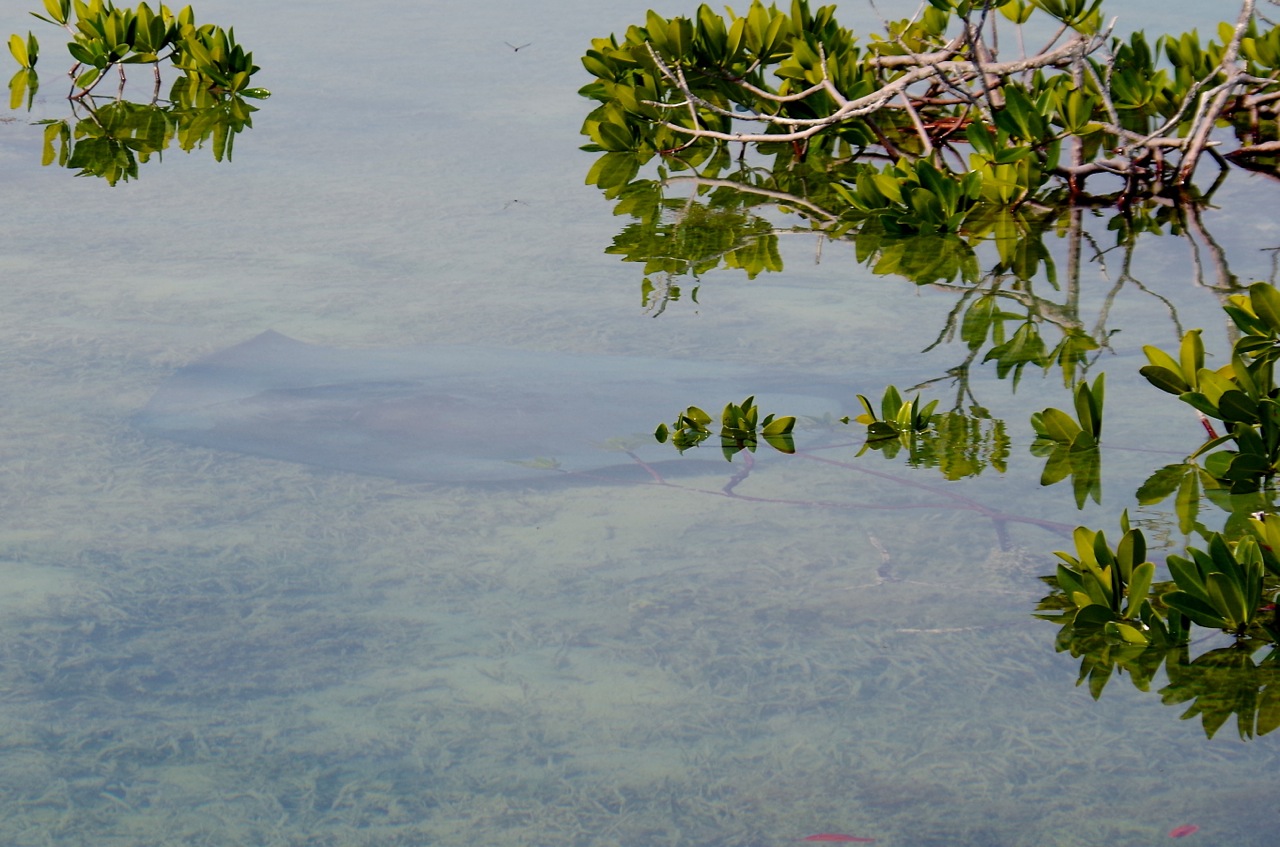
Stingrays Abaco Marls 6

Ryann Rossi, a PhD student with North Carolina State University, has been researching the worrying phenomenon of mangrove die-back in the Marls this summer. She has written an interesting and informative  account (conveniently in the RH ‘Facts about…’ style) that was published in Abaco Scientist last week. The blue links will take you to the ABSCI site for further information on each topic. I’m grateful to Ryann and ABSCI for permission to use the material.

Five Things to Know About the Mangrove Die-back in The Marls (at this point, anyway)

1. This die-back appears to be the result of multiple stressors acting together. Think of it in the sense of our own body – when our immune system is down, we are often more susceptible to getting sick. The same thing is likely happening to the mangroves.Mangrove Die-back 1 (Abaco Scientist : Ryann Rossi)

2. It appears as though a fungal disease may be taking advantage of already stressed mangroves and causing die-back. We did preliminary surveys across Abaco and found fungal lesions nearly everywhere. However, the fungus was present in different densities in different areas. In the die-back area nearly all the leaves remaining on trees have lesions. We think that this pathogen capitalized on the mangroves being weakened by other stressors such as hurricanes, which cause extensive leaf drop, change in the movement of water, change in sedimentation and erosion.

Mangrove Die-back 2 (Abaco Scientist : Ryann Rossi) jpg

3. We are still working on identifying the pathogen associated with the lesions we’ve found. We are confident that it is a fungus and are currently growing fungal cultures in the lab to examine defining morphological characteristics in addition to using DNA sequencing to identify the culprit.

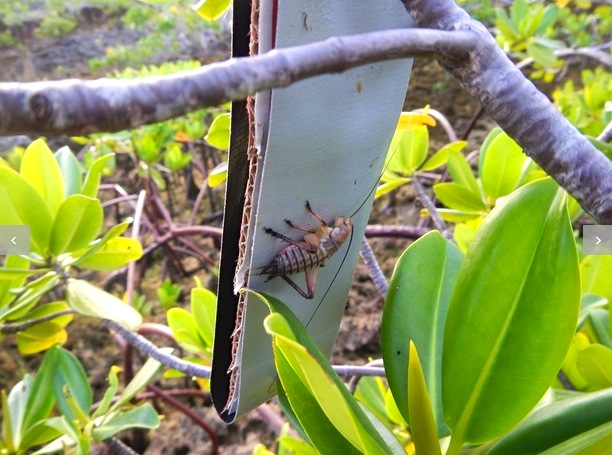
4. We have documented the presence of the Robust Bush Cricket (Tafalisca eleuthera) in the die-back areas as well as other areas with high densities of lesions. These crickets are documented to consume Red and White mangrove leaves. As such, we were concerned about their potential role in die-back. We set out a caging experiment to exclude the crickets from certain dwarf Red mangrove trees to see just how much grazing they may be doing in the die-back area. This experiment is ongoing.

Mangrove Die-back 3 (Abaco Scientist : Ryann Rossi) jpg

5. The take home: there is likely more than one causal agent of the die-back in The Marls. Many factors govern mangrove productivity and functioning: nutrient availability, salinity, sedimentation rate, herbivory, and disease are just a few of the factors that contribute to overall mangrove function making it very difficult to pin point which factors may be driving the die-off. On the bright side, we are confident that we have a lead on the causes and we are working hard in the field and laboratory to fully understand what is going on in The Marls.

By Ryann Rossi|August 26th, 2015|Disease, fungus, Insects, Mangroves and Creeks, The Marls
All pics below taken while fishing on the Marls except Melinda’s shark (I’ve never got a good one)
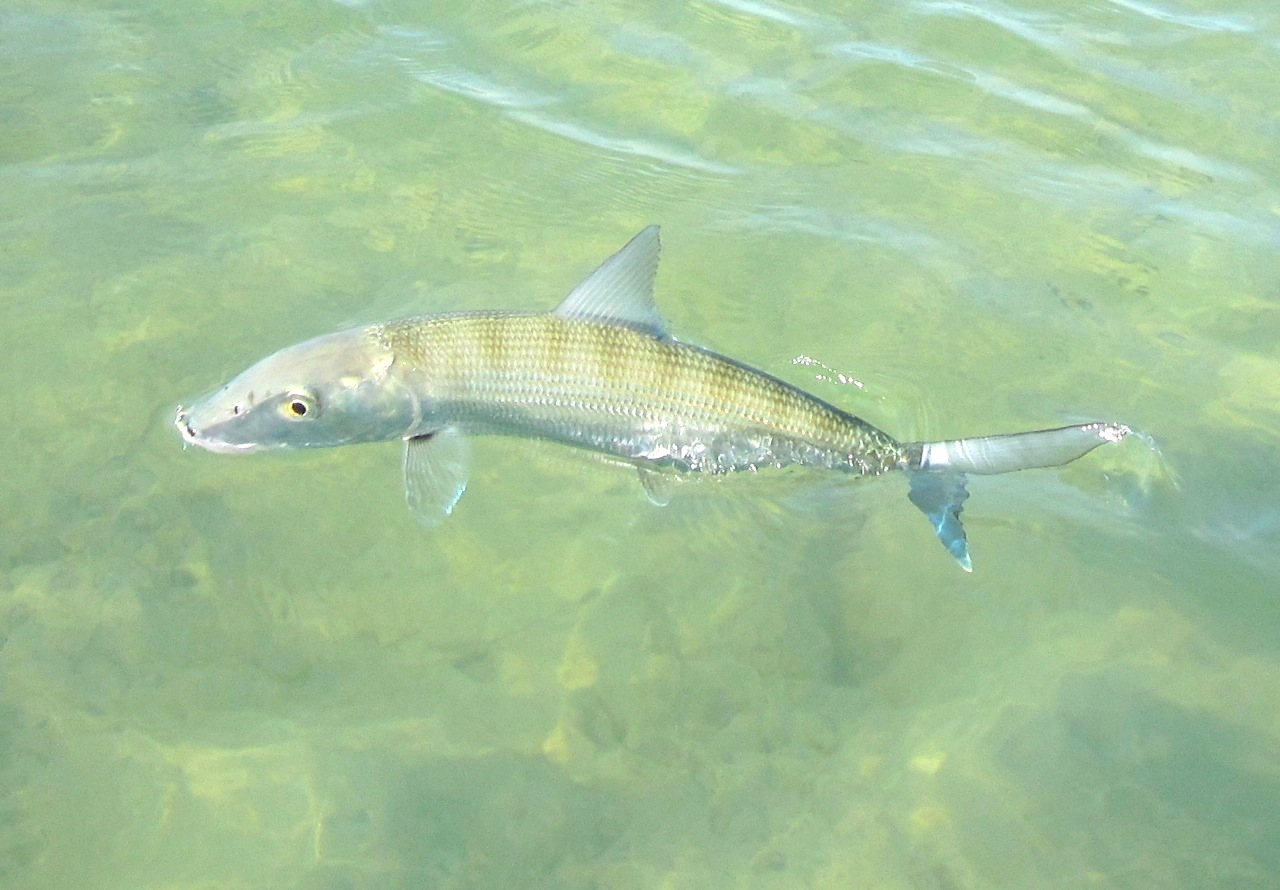
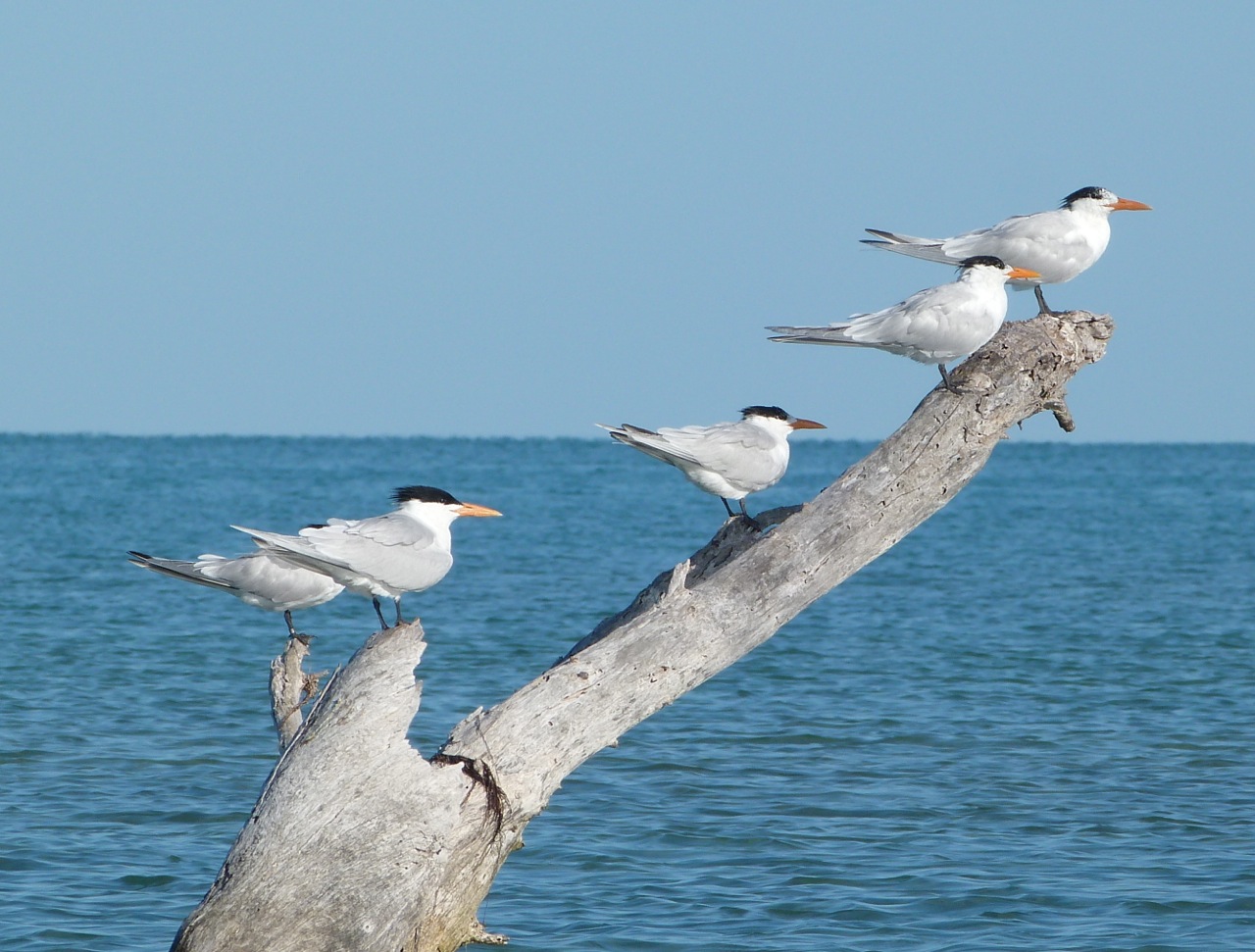
Hawksbill Turtle, Abaco Marls (Keith Salvesen)Bonefish Abaco Marls 4Shark 4 ©Melinda Riger @ G B Scuba copyOsprey - Abaco Marls 1 Reddish Egret (White Morph), Abaco MarlsRoyal Tern, Abaco, Bahamas (Marls) 3Willet, The Marls, AbacoSouthern Stingray, Abaco Marls (Keith Salvesen 4)
FRIENDS OF THE ENVIRONMENT has also included an article on die-back by Ryann in its latest Newsletter:

Mangrove Die Off on Abaco by Ryann Rossi, NCSU

This summer Stephanie Archer and I continued research efforts focused on determining the cause of the mangrove die-off in The Marls (work funded by the National Science Foundation). Our efforts were predominantly focused on the fungal pathogen we found associated with the die-off site. We created a small citizen science and outreach project to document the presence or absence of the pathogen across Abaco. This project consisted of short surveys and leaf collections. In total, 92 areas were surveyed including locations from Abaco and San Salvador. We also took this outreach project to the annual Bahamas Reef Environment Education Foundation (BREEF) teacher training conference.  There we disseminated survey packets to teachers from islands throughout The Bahamas who will help us collect more data on the presence (or absence) of this pathogen on other Islands.

3 men on a skiff, Abaco Marls (Keith Salvesen : Rolling Harbour)

Three men on a skiff – Abaco Marls

On Abaco, we constructed an experiment to investigate the role of grazing and the presence of fungal lesions on Red mangroves. We simulated grazing using crafting scissors to cut small sections on 600 leaves in 4 different mangrove creeks. We observed the leaves for 28 days to determine if cutting leaves predisposed leaves to fungal infection. At these sites we also trapped for insects to gain an idea of what kind of grazers may be chewing on the leaves. We also did a series of disease incidence surveys that will be routinely monitored for disease progress over the next 2 years. These surveys will allow us to systematically track the progress of the disease. In addition to our field work, we spent many hours in the laboratory isolating fungi from leaves to grow in culture. These cultures were brought back to North Carolina State University and will be sequenced in order to help us identify the fungal pathogen responsible for making the lesions on the mangrove leaves.

Mangroves, Abaco Marls (Keith Salvesen)

Credits: Source material Ryann Rossi; Abaco Scientist; all photos © Keith Salvesen @ Rolling Harbour except those by Ryann / ABSCI in the main article and Melinda Riger’s cool shark

Unknown's avatar

OLIVE-CAPPED WARBLERS ON ABACO


Olive-capped Warbler 3.Abaco Bahamas.6.13.Tom Sheley

OLIVE-CAPPED WARBLERS ON ABACO

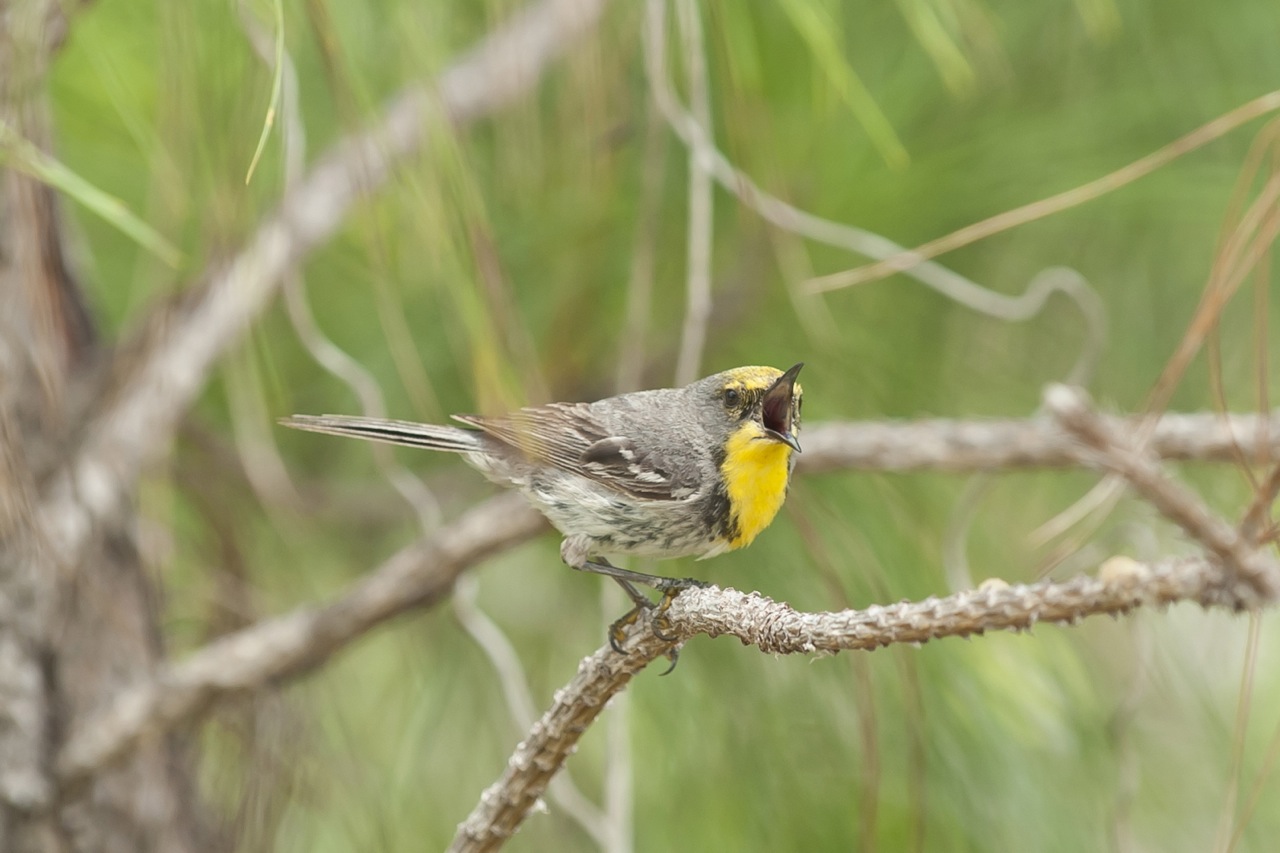
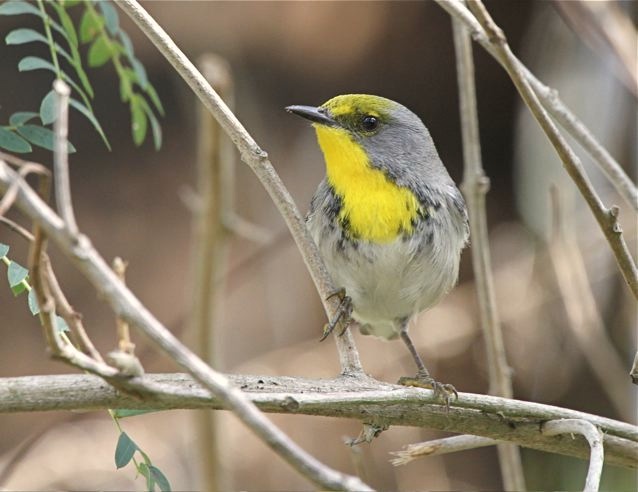
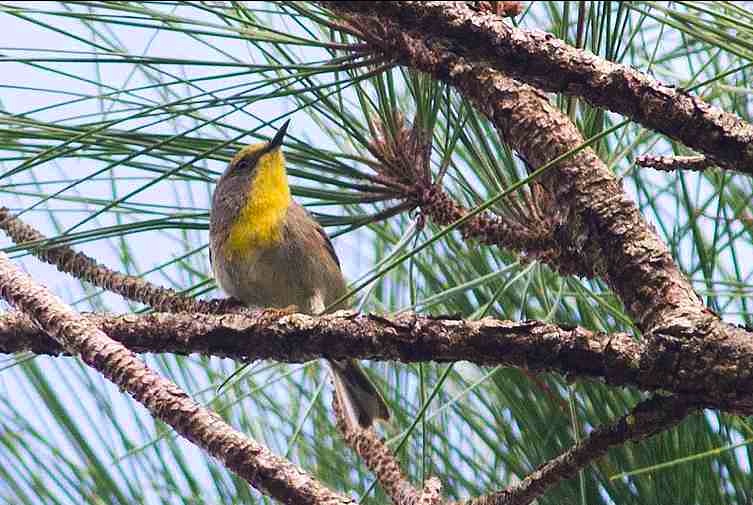
Abaco has a recorded 37 warbler species. Of these, most are winter residents and some are rarer migratory transients. Only 5 are permanently resident on Abaco: the Bahama Warbler, Bahama Yellowthroat, Olive-capped Warbler, Pine Warbler and Yellow Warbler. You can read about all 5 HERE 

Olive-capped Warbler, Abaco (Bruce Hallett)Olive-capped Warbler, Abaco (Bruce Hallett)

I realise that I haven’t posted about OCWs in their own right; and that as a species they have been unfairly lumped in (by me) with more general warbler posts. Time to put that right by showing some exclusively OCW photos.

Olive-capped Warbler.Abaco Bahamas.6.13.Tom Sheley

OCWs have an unusually restricted range, despite which they remain IUCN-listed ‘Least Concern’. These pretty birds are native only to the western and eastern ends of Cuba, Grand Bahama, and Abaco. Their natural habitat is pine forests and to a lesser extent in mixed forest and coppice areas.

Olive-capped Warbler 6.Abaco Bahamas.6.13.Tom Sheley

If you are lucky enough to see an OCW on Abaco, it’s worth thinking about the rich and unspoilt habitat that ensures its survival there. These little birds, along with other important bird species, enjoy a safe haven in the vast acres of pine forest.Olive-capped Warbler, Abaco (Bruce Hallett)

Olive-capped Warbler, Abaco (Tom Reed)

Photo credits: Bruce Hallett (1, 2, 3, 6); Tom Sheley (4, 5); Tom Reed (7)

Unknown's avatar

‘BAHAMAS SHRIMPING’: BANDED CORAL SHRIMPS


Banded Coral Shrimp ©Melinda Riger @ G B Scuba copy 2

‘BAHAMAS SHRIMPING’: BANDED CORAL SHRIMPS

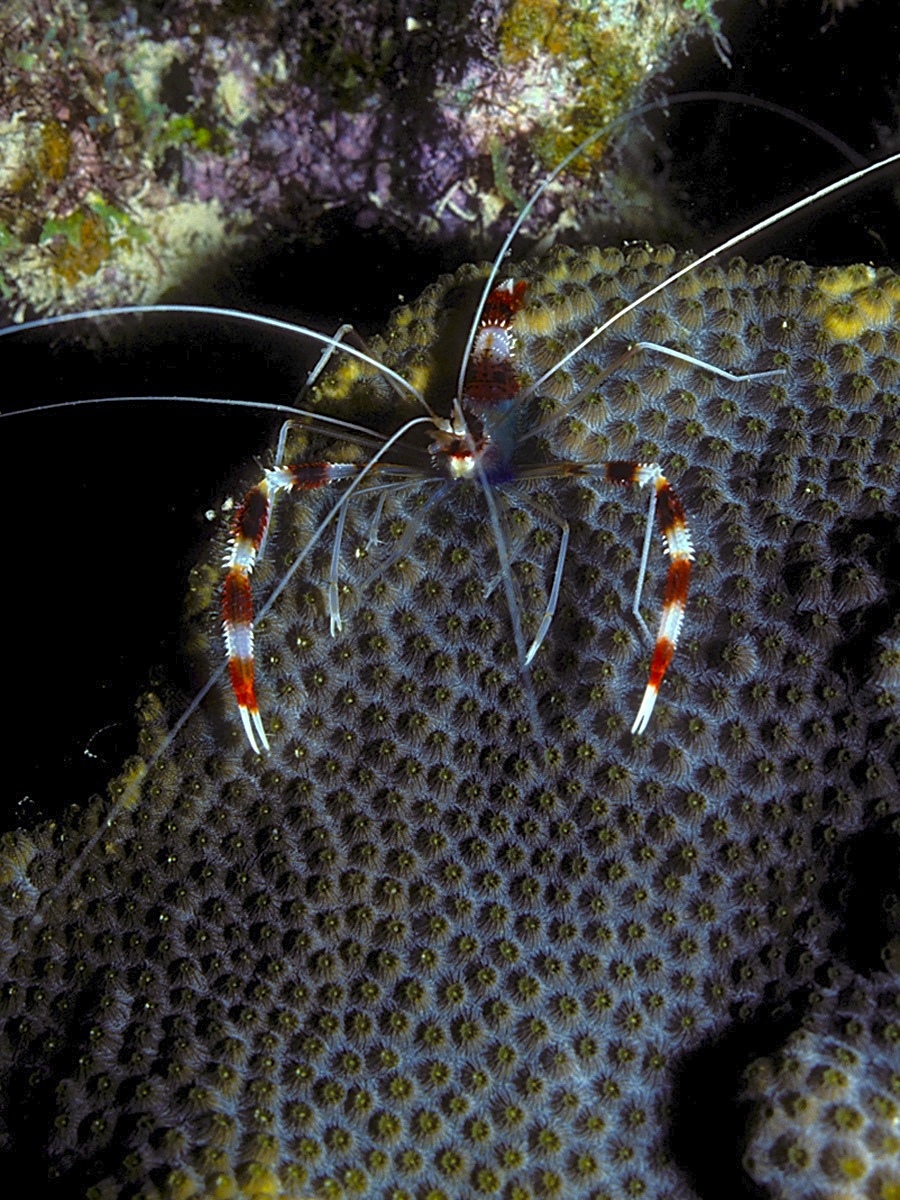
The Banded Coral Shrimp Stenopus hispidus is also known as the banded cleaner shrimp because it cleans other fish (see TAKEN TO THE CLEANERS); and ‘boxing shrimp’ because its stance and the large pincers on the third set of legs give the creature the appearance of a boxer ready to fight.

Banded Coral Shrimp Stenopus hispidus (Johan Fredriksson) a

These shrimps are widely distributed in tropical and sub-tropical waters around the world where coral reefs are found. Their striking colour scheme makes them instantly recognisable.

Banded Coral Shrimp (Alexander Vasenin) a

BANDED CORAL SHRIMP ON STAR CORAL AT NIGHTBanded Coral Shrimp on Star Coral (night) - LASZLO ILYES

 BANDED CORAL SHRIMPS: 10 FACTS TO BANDY ABOUT

  • BCSs are decapods, having 5 matching pairs of legs / claws on each side
  • They can be found as deep as 200 metres in the ocean
  • They are also found in aquaria, but need careful management because…
  • They are generally aggressive to other BCSs & shrimps in the same tank and
  • They need room for their long legs and antennae to move freely around
  • However, rather sweetly, they are monogamous and do not eat their partners
  • Diet-wise they are omnivore carnivore scavengers
  • They are said to be amusing to watch as they rush round a tank after food
  • Not a good shrimp to breed: the larvae get stuck in the filtration or get eaten
  • In the sea, they act as ‘cleaner’ fish to larger fish species (see below)

Banded Coral Shrimp ©Melinda Riger @ G B Scuba Banded Coral Shrimp (+ Moray Tail) ©Melinda Riger @ G B Scuba copy

In its capacity as a cleaner shrimp, the BCS solicits passing fish by slowly waving its long, white antennae. It then uses its three pairs of claws to remove parasites, fungi and damaged tissue from the fish. See the video example below.

A Banded Coral Shrimp (Stenopus hispidus).

BANDED CORAL SHRIMP CLEANING A PASSING YELLOW TANG

BANDED CORAL SHRIMPS IN A VASE SPONGE

Credits: Melinda Riger (Grand Bahama Scuba); Johan Fredriksson; Alexander Vasenin; Laszlo Ilyesr; R. Ling; LiveAquaria, Fishlore [nb not all pics are from the Bahamas, but the BCS is the same the world over…]

Unknown's avatar

ABACO’S BIRDING HOTSPOTS (42 OF THE BAHAMAS TOP 100)


Black-necked Stilt, Abaco (Tom Sheley)

ABACO’S BIRDING HOTSPOTS (42 OF THE BAHAMAS TOP 100)

Right now, I’m doing daily checks on the indispensable EBIRD CARIBBEAN in relation to the ABACO PIPING PLOVER WATCH project (and incidentally if you encounter one or more on a beach near you, details would be very welcome – below is what to look out for!).

Piping Plover, Abaco - Bruce Hallett

It occurred to me to check out the contention that Abaco is Numero Uno birding destination in the Bahamas (though sadly lacking the flamingoes, except for vagrants; and the Bahama oriole, now extirpated and confined to select areas of Andros). Sure enough, Abaco has 42 out of the top 100 birding hotspots. In the map below, gray pointers indicate a few observations, blue means 50+ and green represents 100+. Nowhere has yet achieved the flame-red pointer – the ultimate hotspot accolade…

Abaco Birding Hotspots Map (eBird)

People often ask where best to go for quality birding on Abaco. The answer depends of course on the season and on what they are after – for example shorebirds or warblers; parrots or absence of parrots and so on. The Abaco 42 are listed below. There are a couple points to make about the hotspot list:

  • There is a degree of duplication, eg Gorda Cay / Castaway Cay being shown as separate entries, as is Angelfish Point / Angel Fish Point
  • Also, the data gathered by eBird is entirely dependent on regular uploads of checklists. Inevitably the birders will mostly be regulars, with their own preferred beats or perhaps with an interest limited to the area where they live. Some records show long gaps – sometimes a couple of years – between reports. So the eBird data can only give an overview, not a precise record of actual observations or birding effort and success. 

Bahama Woodstar male 3.1.Abaco Bahamas.2.12.Tom Sheley copy

In very general terms, and assuming a broad birding interest, I would recommend the Treasure Cay area; in and around Marsh Harbour; the stretch east of the Highway that takes in Bahama Palm Shores, the Abaco Neem Farm, Delphi, Crossing Rocks & Gilpin Point; the National Park; and Sandy Point. I’m sure there will be other views, but I am thinking primarily of the visitor who has but a single day to spare from a packed schedule of fishing, swimming, sunbathing, eating and drinking… [nb as a soi-disant photographer I’m not so keen on the dumps and landfill. Yes, the birding can be good. No, I don’t want to feature rubbish in my already rubbish photos…]

American Oystercatcher4.1.Delphi Club.Abaco Bahamas.6.13.Tom Sheley RH 2

Here’s the eBird list, omitting all the non-Abaconian hotspots. Clicking on the links will take you straight to the relevant location’s latest reports and show some of the species seen there. I haven’t checked every link, but spot-checks suggest they work ok…

3 Treasure Cay GC

4 Abacos–Citrus Farm near Treasure Cay

5 Abaco–Sandy Point

8 Angel Fish Point

10 Marsh Harbour

12 Abaco–Crossing Rocks

13 Abacos–Treasure Cay Dump

14 Abacos–Treasure Cay West Side

18 Abaco Cays IBA–Great Guana Cays

20 Abacos–Treasure Cay Sunset Ridge and vicinity

22 Robert’s nursery, ponds and marls overlook

23 Abaco–Bahama Palm Shores

28 Abaco Cays IBA–Green Turtle Cay

32 Gilpin Point

35 Hope Town, Elbow Cay

37 Big Bird

38 Castaway Cay

41 Man-o-war Cay

44 Abaco National Park IBA

45 Marsh Harbour–Landfill

52 Island Homes–Beach

57 Abaco Beach Resort

60 North Atlantic Abaco Cays IBA

62 North dump (Abaco)

65 Marsh Harbour

69 Cherokee Sound

70 Great Guana Cay

72 Green Turtle Cay Sand Spit

73 Angelfish Point

81 Green Turtle Cay

82 Track north of Hwy

86 Southern Abaco IBA

87 Abaco Neem farm

88 Marsh Harbor Airport

89 Abaco–Crown Haven

91 Little Abaco IBA

92 Abaco–Hole-in-the-Wall

93 Camp Abaco

94 Little Harbour

96 Castaway Cay

97 Cooper’s Town

98 Crossing Rock / Island Homes

Bahamas-Great Abaco_4846_Bahama Yellowthroat_Gerlinde Taurer copy

RELATED POSTS

AUDUBON’S ‘PRIORITY BIRDS’ ON ABACO

ABACO BIRDS FOUND IN NYC (& VICE VERSA)

THE BIRDS OF ABACO”

Reddish Egret, Crossing Rocks, Abaco (Keith Salvesen)11

Credits: Tom Sheley, Bruce Hallett, Gerlinde Taurer, RH

Unknown's avatar

ABACO BUTTERFLIES feat. FLUTTERY PHILATELY


Red-spotted Purple Butterfly, Abaco (Selah Vie)

ABACO BUTTERFLIES feat. FLUTTERY PHILATELY

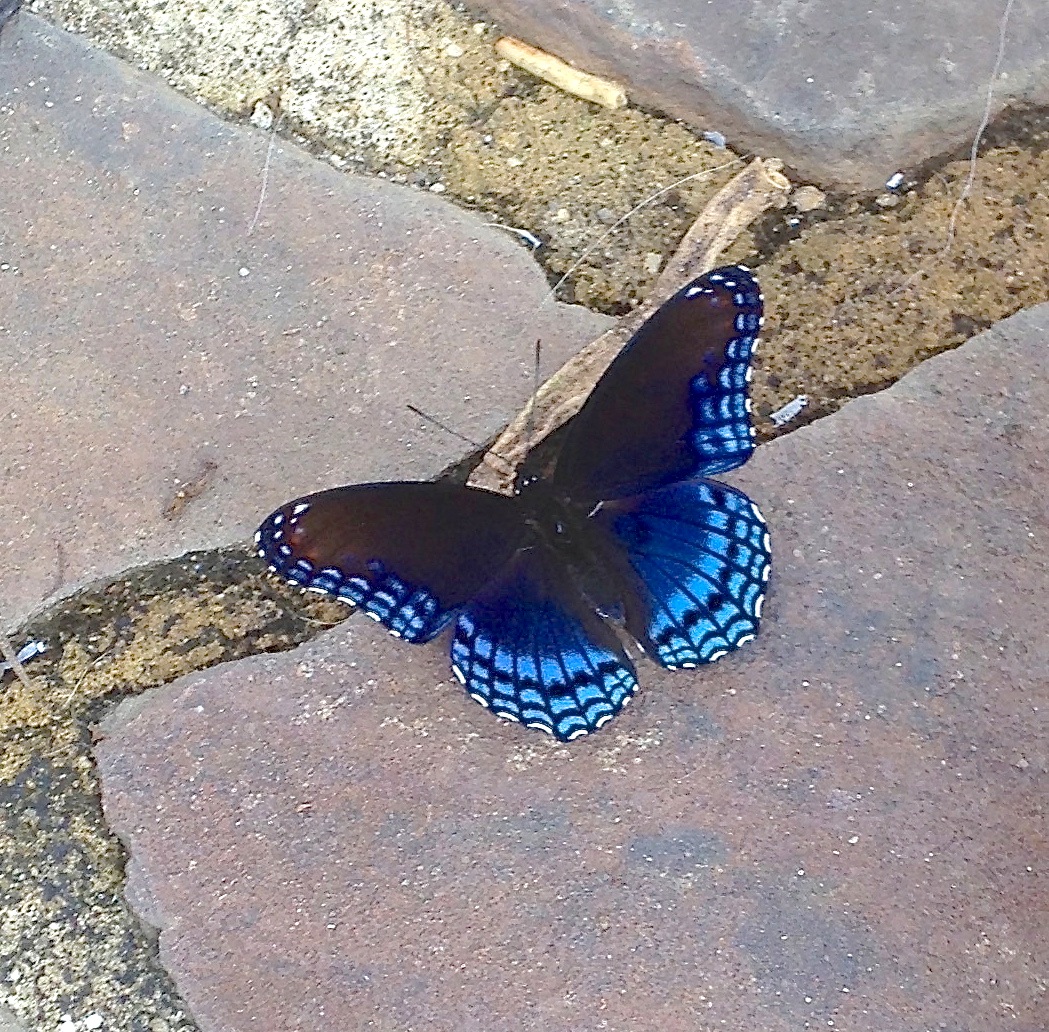
I’ve been distracted from my intended scribble by a lovely butterfly posted by ‘Selah Vie’, one I’ve never seen before. It’s one of those lepidots that have a topside surprisingly and excitingly different from the underwings (see header image). Imagine having this beauty turning up on your patio…

RED-SPOTTED PURPLE BUTTERFLYRed-spotted Purple Butterfly (Selah Vie)

This reminded me that I have some butterfly images waiting in the wings (ha!), so now is the time to encourage a few out of their virtual chrysalis for wider appreciation. 

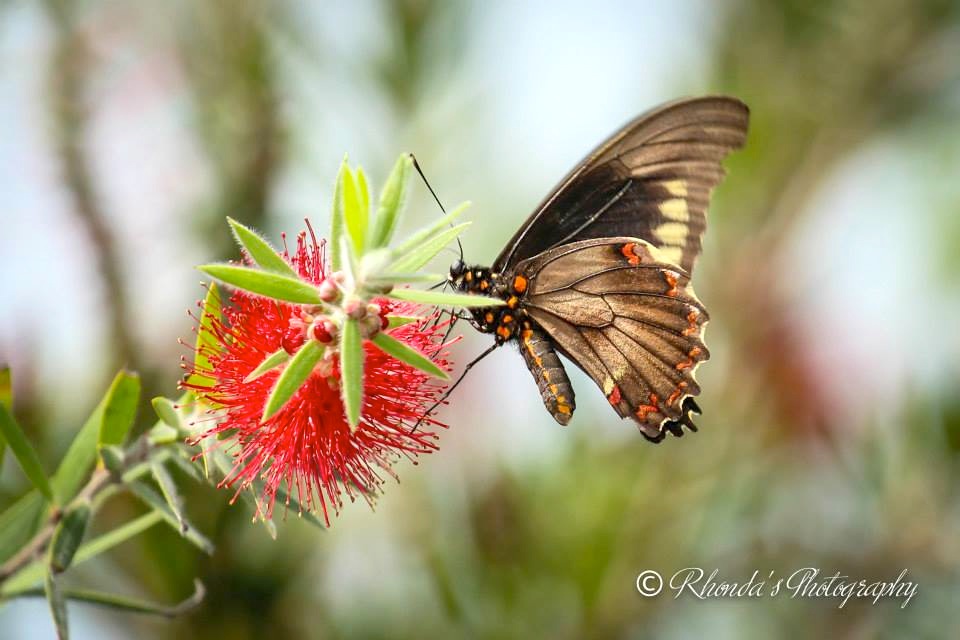
BAHAMAS SWALLOWTAILBahama Swallowtail? Palamedes Swallowtail?Bahama Swallowtail, Abaco (Rhonda Pearce) 2Bahama Swallowtail, Abaco (Rhonda Pearce) 1

POLYDAMUS SWALLOWTAILPolydamus Swallowtail, Abaco (Rhonda Pearce)Hibiscus / Polydamus Swallowtail, Delphi Abaco (Keith Salvesen)

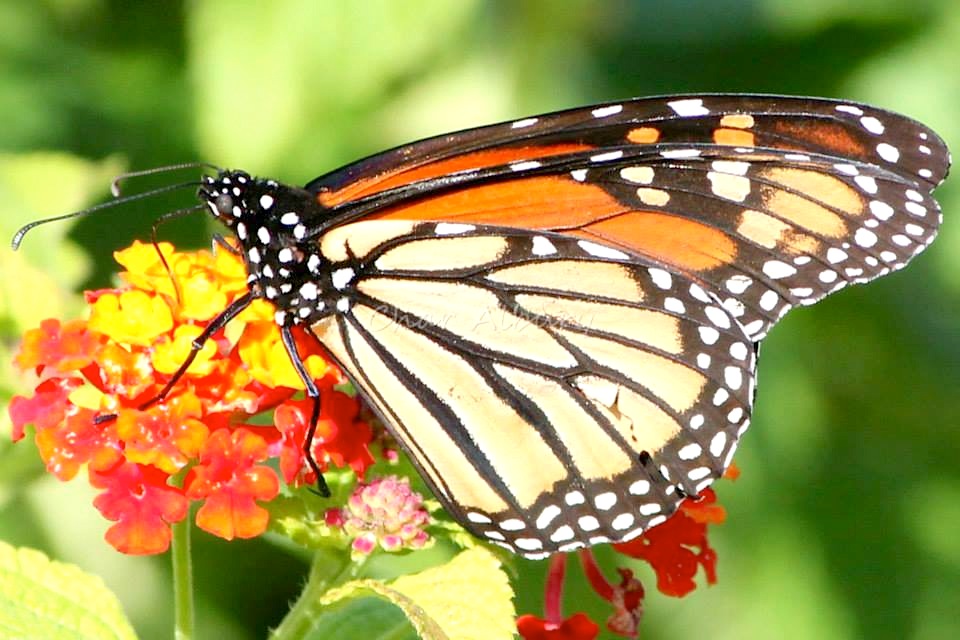
MONARCH BUTTERFLYMonarch Butterfly, Abaco (Charmaine Albury) 2 Monarch Butterfly, Abaco (Charmaine Albury) 1

MONK (?) SKIPPER

Skipper Butterfly, Abaco (Rhonda Pearce)

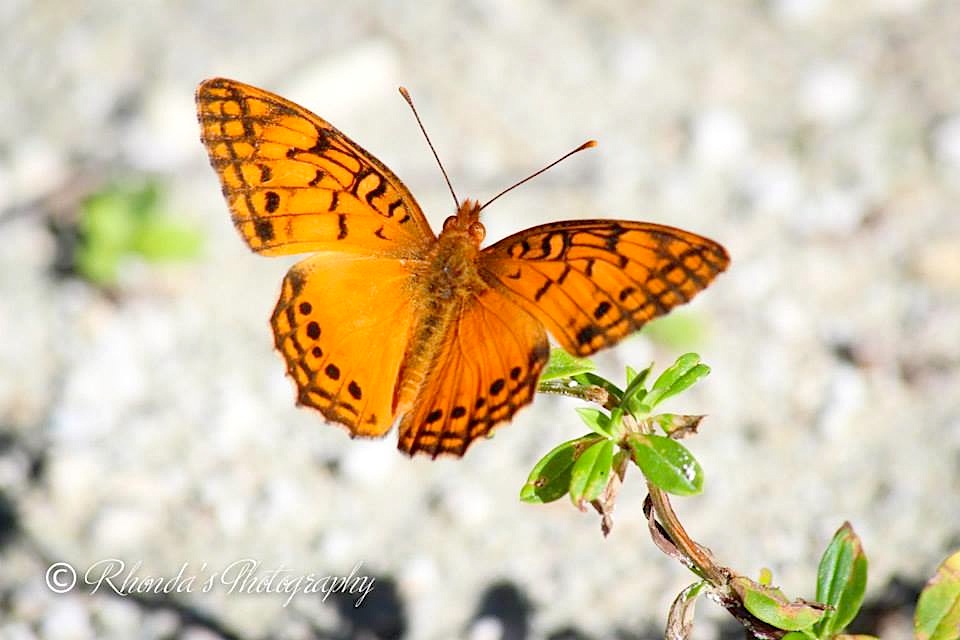
FRITILLARY (make unknown)Fritillary, Abaco (Rhonda Pearce)

tigertail

FLUTTERY PHILATELY

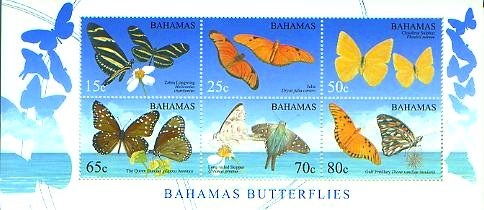
The Bahamas has an excellent record for producing colourful stamp issues showcasing the wildlife of the islands – birds, reef fish and of course butterflies. I’ve posted about these several time, and they are more or less collected together on a dedicated stamp page HERE. As for the butterflies, they get a new issue every decade or so. Here are the last four.

1975

Bahamas Butterfly Stamps 1974

1983

$_1-1

1994

$_1-1 copy

2008

baha08002

tigertail          imgres          tigertail

Credits: Selah Vie (1, 2); Uli Nowlan (3); Rhonda Pearce (4, 5, 6, 10, 11); RH (7); Charmaine Albury (8, 9); open source / ads etc (all stamps)

Unknown's avatar

BAHAMAS MANATEE MAGIC ON ABACO & BEYOND


Gina the Manatee & her calf (BMMRO)

Gina (adult female) and her calf – last seen August 6th, 2015 in Spanish Wells Key feature – numerous paddle cuts; white oval scar on left side of back; linear scar on posterior right side of body

BAHAMAS MANATEE MAGIC ON ABACO & BEYOND

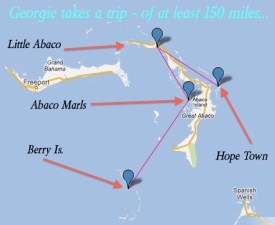
Four years ago, there were no manatees in Abaco waters. Then a couple of adventuresome sirenians made the trip over from the Berry Is. and since then, there have been at least one, sometimes two and occasionally three resident on Abaco. And for slow, gentle, animals they certainly move around, too. In the past, I wrote quite often about the manatees, charting their journeys based on satellite tracking and sightings. I reported the tantalising prospect of the young male, Randy, hooking up with young female Georgie in Cherokee Sound, only to turn back when he reached Little Harbour. You can read more about the manatees of Abaco on my manatee page HERE.

     Georgie’s epic trip (Sept 12) continued to Cherokee Sound; and Randy’s ‘pursuit’ (Sept 14)Georgie Manatee's direct route to Abaco       Randy's the Manatee's trip Berry Is. to Abaco copy

The most comprehensive source for Bahamas Manatee information is now to be found by joining the open Facebook group BAHAMA MANATEE CLUB, skilfully curated by Felice Leanne Knowles. There, you can follow the meanderings of your favourite Abaco manatee, watching as he or she moves around the island and cays. In recent months there have been sightings of single or pairs of manatees in several places, including Sandy Point, Little harbour, Marsh Harbour, Schooner Bay and Hope Town Harbour (where two are right now). Here’s an excellent example of how, just like a Beach Boy, an Abaco manatee gets around. In July, Randy moved from Sandy Point to Schooner Bay in 2 days. The big question is, did he travel round the longer top route, as he has in the past; or (more likely in the time taken) via Hole-in-the-Wall?

Randy the Abaco Manatee goes swimabout

Randy the Abaco Manatee goes swimabout

Felice has just produced a great map that shows the present locations of all the Bahamas manatees currently recorded. She has also supplied photos and information about them. Most have names and are well-known to the research team and the locals where they stay. There is one new calf – Gina’s –  this year. One or two manatees are new on the scene and have yet to be identified or named. 

Manatees Throughout The Bahamas

The map shows the last location of the named manatees. The pink dots label females, the green dots label males, and the yellow dots label unknown manatees. The number of unknown manatees has been approximated to reduce error. The photos are of the individual manatees with dates and specific locations of their most recent sighting. We do not have enough data and photos to confirm the unknowns labeled. Any help from the public would be greatly appreciated. Send sighting reports to http://www.bahamaswhales.org/sightings/index.html NB Felice points out Full body and paddle photos are very important for the identification of manatees. Facial shots do not provide enough information for a manatee to be identified”

Bahamas Manatee Location Map - Aug 2015 (Felice Leanne Knowles)

Gina the Manatee, Casuarina, Abaco (BMMRO / FLK)

Georgie (sub-adult female) Last seen in Casuarina, Abaco 9th July, 2015 Key feature – 2 pink scars on the right posterior of her body

Randy the Manatee, Hope Town, Abaco (BMMRO / FLK)

Randy (sub-adult male) Last sighted in Hope Town August 12th, 2015 Key feature – triangle cut on right side of paddle

Manatees, Hope Town, Abaco (BMMRO / FLK)

Unknown (adult, presumed female) with Randy Last seen in Hope Town August 12th, 2015 Key feature – 3 prop scars on the posterior right side of body

Gina the Manatee with her calf, Spanish Wells Bahamas (BMMRO / FLK)

Gina’s Calf Last seen August 6th, Spanish Wells Key feature – none yet, just really tiny!

Blackbeard the manatee, Lyford Cay, New Providence (BMMRO / FLK)

Blackbeard (adult male) Last seen in Lyford Cay August 13th, 2015 Key features – triangle cut on right side of paddle (similar to Randy’s); oval scar on centre of paddle; three prop scars on the back and linear scar

Kong the Bahamas Manatee, Great Harbour Cay Marina, Berry Is. (BMMRO / FLK)

Kong (adult male) Last seen in Great Harbour Cay Marina, February 25th, 2015 Key feature – triangle cut on the left side of paddle; linear scar across the back; oval scar on the back near paddle

J.J. the manatee, Great Harbour Cay Marina, Berry Islands (BMMRO / FLK)

J.J. (sub-adult female) Last seen in Great Harbour Cay Marina, Berry Islands, February 25th, 2015 Key feature – 3 small semi-circular cuts out of paddle at the very end

Rita the Manatee, Hawks Nest Marine, Cat Island (BMMRO/ FLK)

Rita (adult female) Last seen 23rd March, 2014 Hawks Nest Marine, Cat Island Key feature – Large triangle cut on right side of paddle; two small triangular cuts side by side forming a “w” on the left side of paddle

Unknown adult Manatee, West Grand Bahama (BMMRO /FLK)

Unknown adult, West Grand Bahama – Key feature: too distant!

Manatee Awareness Poster jpg

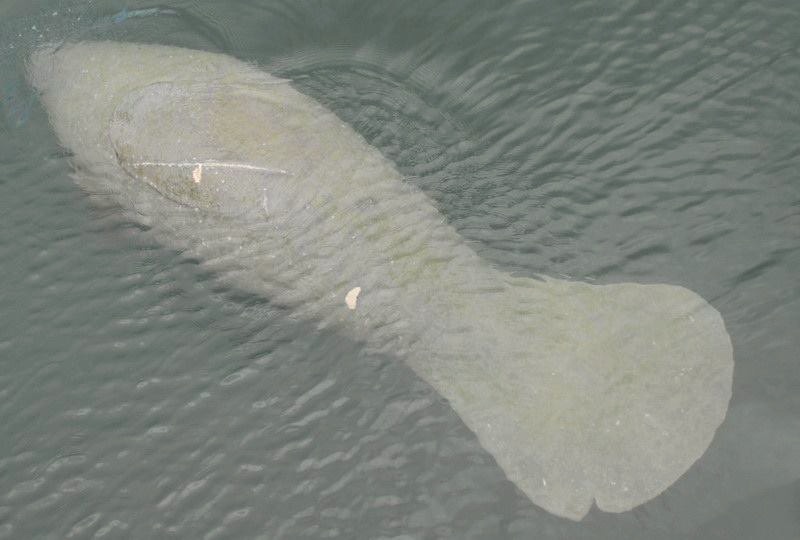
You may have noticed that several of the manatees shown carry scars attributable to prop wounds. Almost all carry injuries of some sort. Because manatees are slow, gentle, inquisitive and trusting creatures, they are especially vulnerable in harbour areas for obvious reasons. Elsewhere than the Bahamas, boat-strike is one of the main causes of manatee mortality. The BMMRO recently issued the above advisory notice because of the uncertainty about the rights and wrongs of watering manatees from docks with hoses and feeding them lettuce etc. Overall the message is that, though creatures of wonder, they are better off being admired but left to their own devices. They are adept at finding the fresh water sources they need, and their sea-grass diet is amply provided for. Dependence on humans, however well-meaning, is actually harmful.

The Travelling Mantee’s Favourite Song

RELATED LINKS

BAHAMA MANATEE CLUB

REPORT MANATEE SIGHTINGS

BMMRO

ROLLING HARBOUR MANATEES

MANATEE CONSERVATION

Credits: first and foremost, Felice Leanne Knowles; also BMMRO, Charlotte, & Diane for permission to make free with their material and photos from the get-go; any other photographers of the manatees shown and posted via BMMRO / FLK (Cha Boyce, Jessica Mullen,Otis Wilhoyte I think, maybe others…)

Manatee Logo (Savethemanatee.org)

Unknown's avatar

ABACO’S WINTER WARBLERS: ARRIVING ANY MOMENT!


Yellow-throated Warbler, Abaco - Bruce Hallett

Yellow-throated Warbler, Abaco

ABACO’S WINTER WARBLERS: ARRIVING ANY MOMENT!

To celebrate the forthcoming influx of the ‘confusing fall warblers’ of the winter season, here is a reminder of my guide to the 37 warbler species found on Abaco, of which only 5 are permanent residents. The remainder are either winter residents of variable scarcity; or transients somewhat randomly passing through. As ace birdman Woody Bracey has rightly commented on the guide, “One note of caution to new birders. Most transients are seen in Abaco in the fall. They are not in bright breeding plumage at this time. That’s why they’re called ‘confusing fall warblers’. So don’t expect all the birds you see to look exactly like the photos. Females and juveniles are generally duller and may look very different from Spring males”.

Last season, Charmaine Albury saw 22 of the possible warbler species on Man-o-War Cay, a remarkably good proportion for a small island (I’d be interested if anyone can top that in one location).  Add prolific shorebirds including piping plovers to the mix and it looks as though MoW is fast becoming a reliable hotspot for birding. Charmaine’s species were:  Yellow-throated, Tennessee, Common Yellowthroat, Yellow, Pine, Bahama, Ovenbird, Worm Eating, Northern Waterthrush, Black and White, Cape May, Redstart, Northern Parula, Black-throated Blue, Palm, Yellow-rumped, Prairie, Hooded, Prothonotary, Orange-crowned, Blackburnian, BlackPoll.

AN ILLUSTRATED GUIDE TO ABACO’S 37 WARBLER SPECIES

Until a couple of years ago, I lazily believed all of the warblers were (a) near identical and (b) yellow, differing only in their extent of yellowness. Not so. I know better now. The seasonal migration prompted me to devise a general guide to all the various warblers, so that the great diversity can be appreciated. The photos that follow show an example of each warbler, where possible (1) male and (2) taken on Abaco. Where I had no Abaco images – especially with the transients – I have used other mainstream birding resources and Wiki. All due credits at the foot of the post.

Abaco has 37 warbler species recorded for the main island and cays. They fall into 3 categories: 5 permanent residents (PR) that breed on Abaco (B), of which two are endemics; 21 winter residents (WR) ranging from ‘everyday’ species to rarities such as the Kirtland’s Warbler; and 11 transients, most of which you will be lucky to encounter. The codes given for each bird show the residence status and also the likelihood of seeing each species in its season, rated from 1 (very likely) to 5 (extreme rarities, maybe only recorded once or twice).

Yellow Warbler at sunrise.Abaco Bahamas.6.13.Tom Sheley copy copy

PERMANENT RESIDENTS

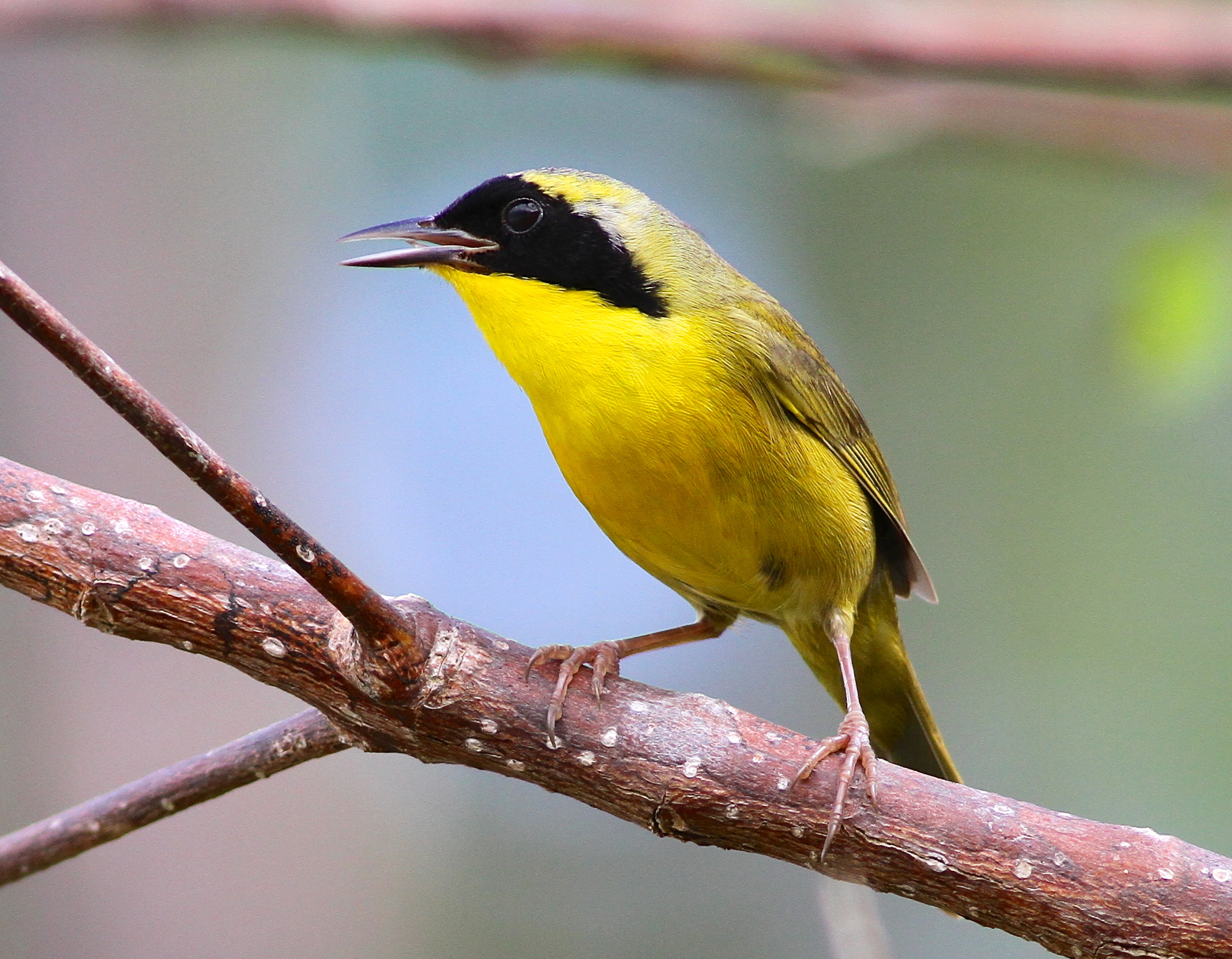
BAHAMA YELLOWTHROAT Geothlypis rostrata PR B 1  ENDEMIC
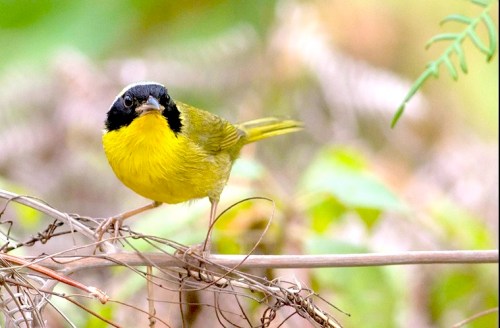
Bahama Yellowthroat, Abaco - Tom Reed

YELLOW WARBLER Setophaga petechia PR B 1 
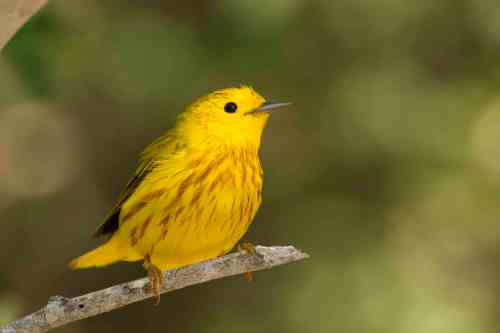
Yellow Warbler, Abaco Bahamas.6.13.Tom Sheley

OLIVE-CAPPED WARBLER Setophaga pityophila PR B 1 

Olive-capped Warbler, Abaco - Bruce Hallett

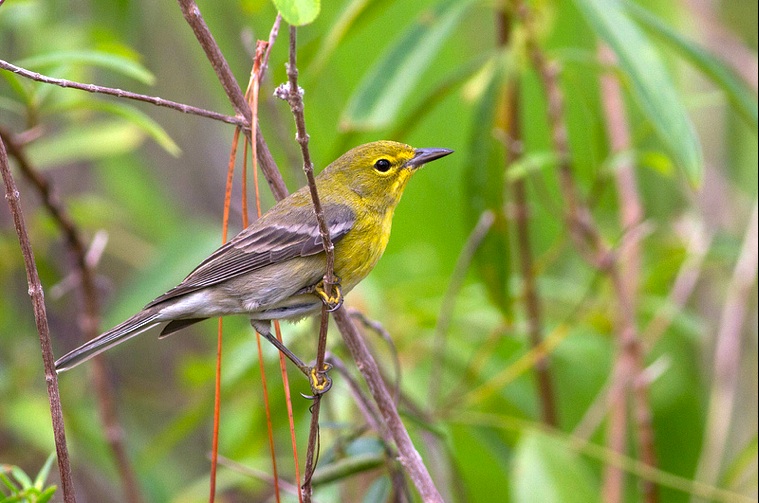
PINE WARBLER Setophaga pinus PR B 1 

Pine Warbler, Abaco - Tom Reed

BAHAMA WARBLER Setophaga flavescens PR B 1 ENDEMIC
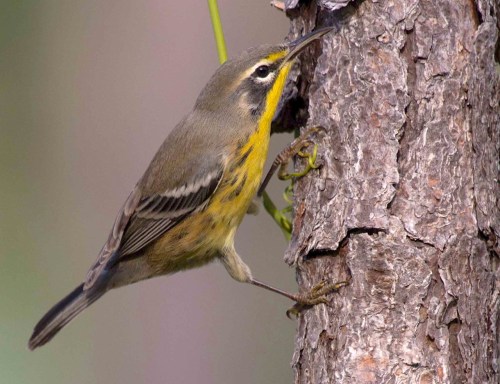
Bahama Warbler, Abaco - Alex Hughes

Yellow Warbler at sunrise.Abaco Bahamas.6.13.Tom Sheley copy copy

WINTER RESIDENTS  (COMMON)

OVENBIRD Seiurus aurocapilla WR 1 
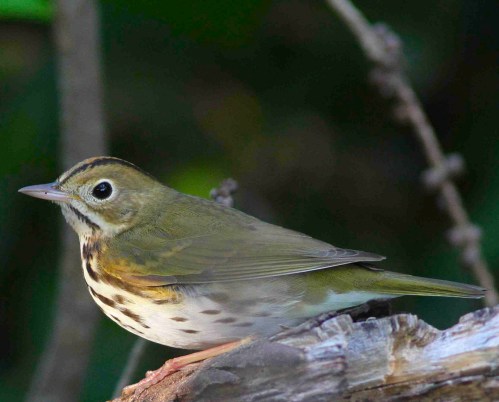
OVENBIRD_Bahamas-Great Abaco_6639_Ovenbird_Gerlinde Taurer 2

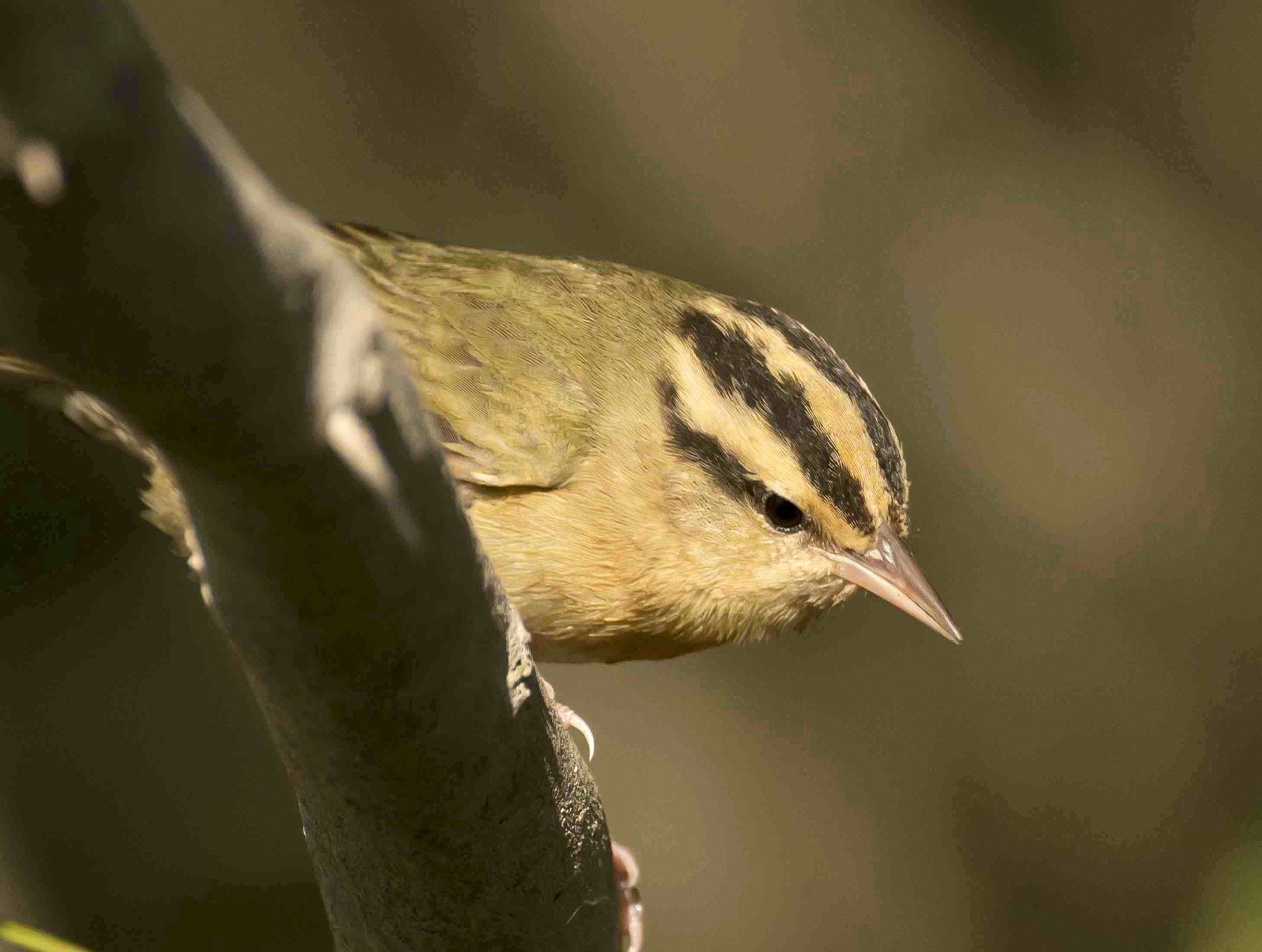
WORM-EATING WARBLER Helmitheros vermivorum WR 2 

Worm-eating Warbler.Bahama Palm Shores.Abaco Bahamas.Tom Sheley

NORTHERN WATERTHRUSH  Parkesia noveboracensis WR 1 

BAHAMAS - Northern Waterthrush - Oct 2010 Becky Marvil

BLACK-AND-WHITE WARBLER Mniotilta varia WR 2 

Black & White Warbler, Abaco - Bruce Hallett

COMMON YELLOWTHROAT Geothlypis trichas WR 1 

Common Yellowthroat.Gilpin Pond.Abaco Bahamas.Tom Sheley copy

AMERICAN REDSTART  Setophaga ruticilla WR 1 
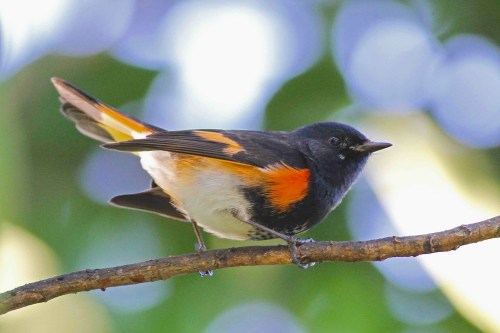
Bahamas-Great Abaco_6334_American Redstart_Gerlinde Taurer copy

CAPE MAY WARBLER Setophaga tigrina WR 1 

Cape May Warbler (m), Abaco - Bruce Hallett

NORTHERN PARULA Setophaga americana WR 1 

Northern Parula, Abaco - Woody Bracey

BLACK-THROATED BLUE WARBLER Setophaga caerulescens WR 2 

Black-throated Blue Warbler (m), Abaco - Bruce Hallett

PALM WARBLER  Setophaga palmarum WR 1 

Palm Warbler, Abaco - Peter Mantle

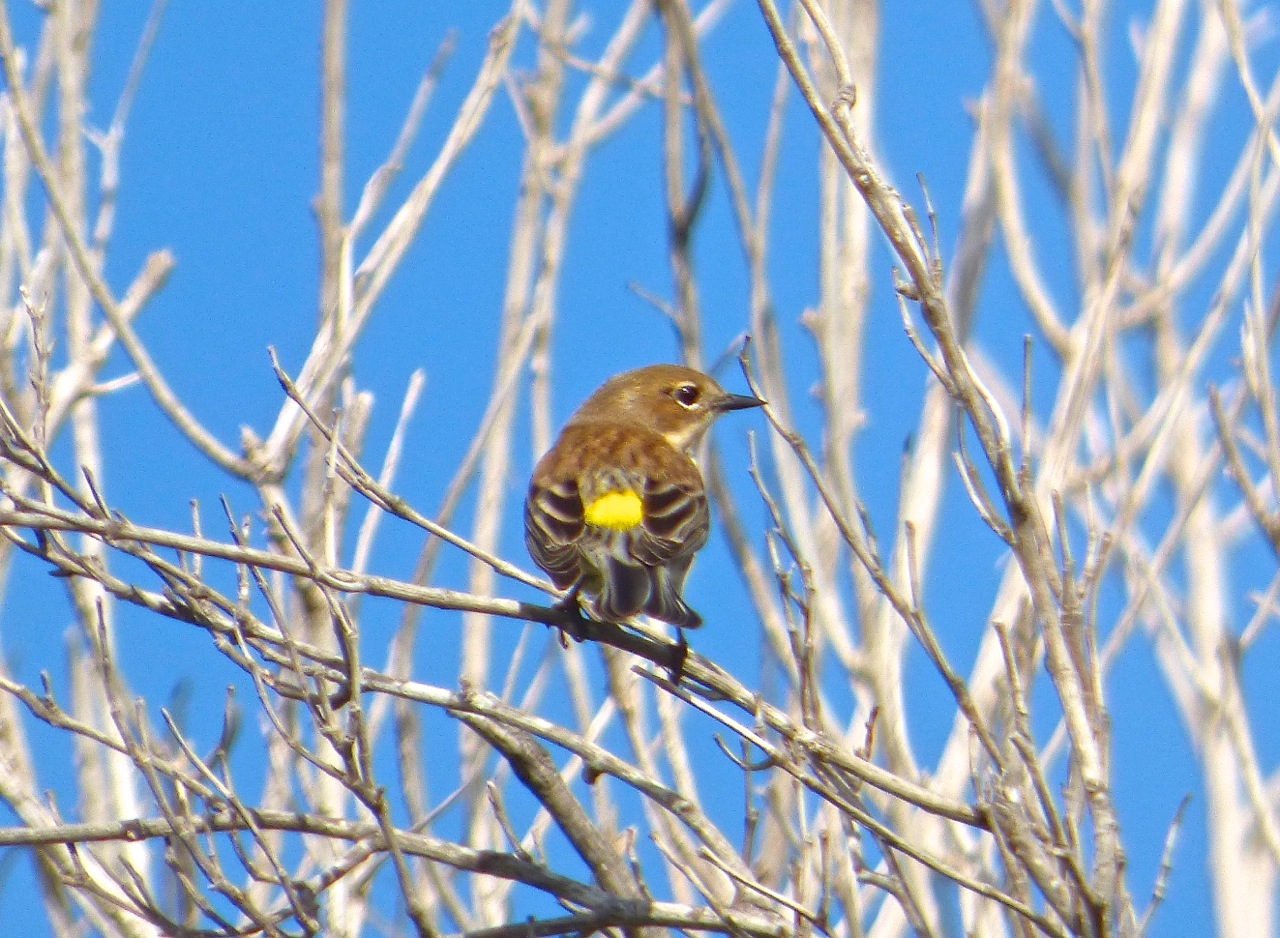
YELLOW-RUMPED WARBLER Setophaga coronata WR 2 
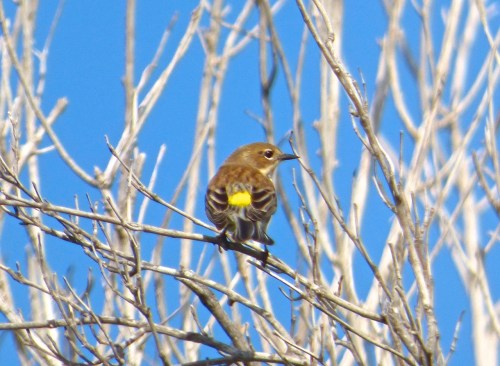
Yellow-rumped Warbler, Abaco - Keith Salvesen (RH)

YELLOW-THROATED WARBLER Setophaga dominica WR 1 
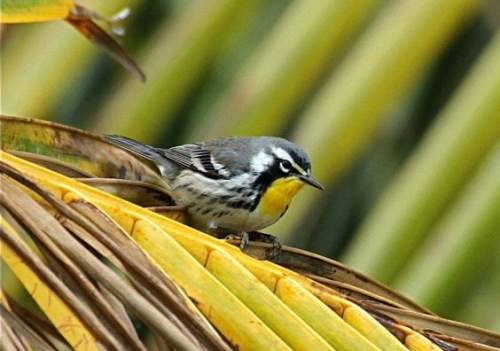
Yellow-throated Warbler, Abaco - Bruce Hallett

PRAIRIE WARBLER Setophaga discolor WR 1 
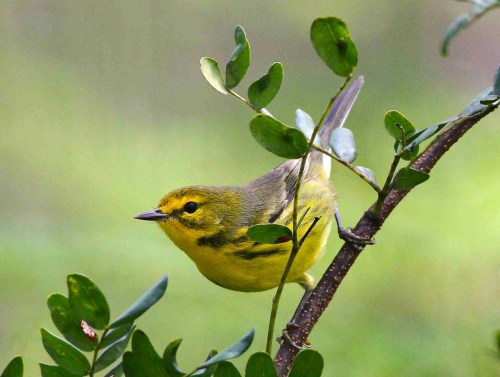
Bahamas-Great Abaco_6609_Prairie Warbler_Gerlinde Taurer copy 2

Yellow Warbler at sunrise.Abaco Bahamas.6.13.Tom Sheley copy copy

 WINTER RESIDENTS  (UNCOMMON TO RARE)

LOUISIANA WATERTHRUSH Parkesia motacilla WR 3 

Louisiana waterthrush William H. Majoros WIKI

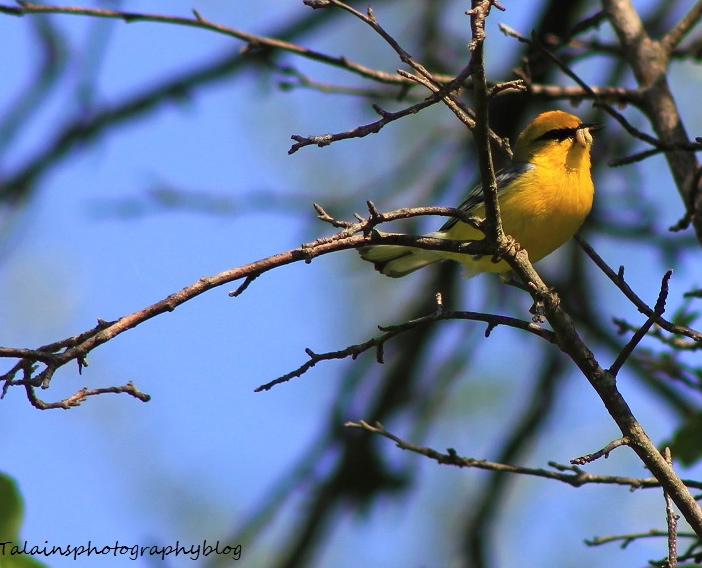
BLUE-WINGED WARBLER Vermivora cyanoptera WR 3

Blue-winged Warbler, Abaco (Becky Marvil)

Blue-winged Warbler. talainsphotographyblog

SWAINSON’S WARBLER  Limnothlypis swainsonii WR 4 
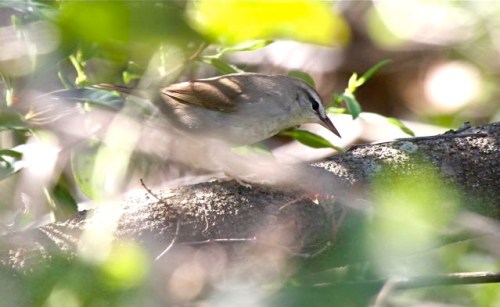
Swainson's Warbler, Abaco - Bruce Hallett

NASHVILLE WARBLER Oreothlypis ruficapilla WR 4 
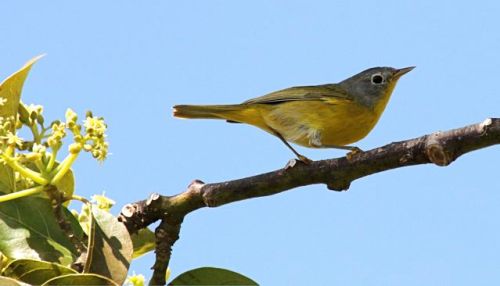
Nashville Warbler, Abaco - Bruce Hallett

HOODED WARBLER Setophaga citrina WR 3 

Hooded Warbler, Abaco (Charmaine Albury)

KIRTLAND’S WARBLER Setophaga kirtlandii WR 4 
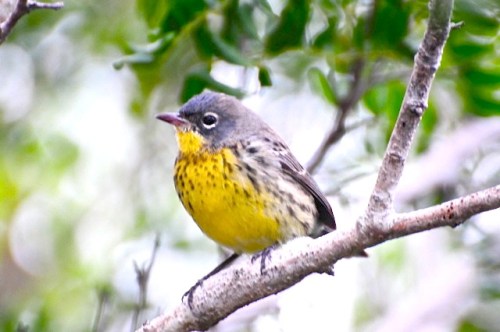
Kirtland's Warbler (m), Abaco - Woody Bracey

MAGNOLIA WARBLER Setophaga magnolia WR 3 

Magnolia warbler, Abaco - Craig Nash

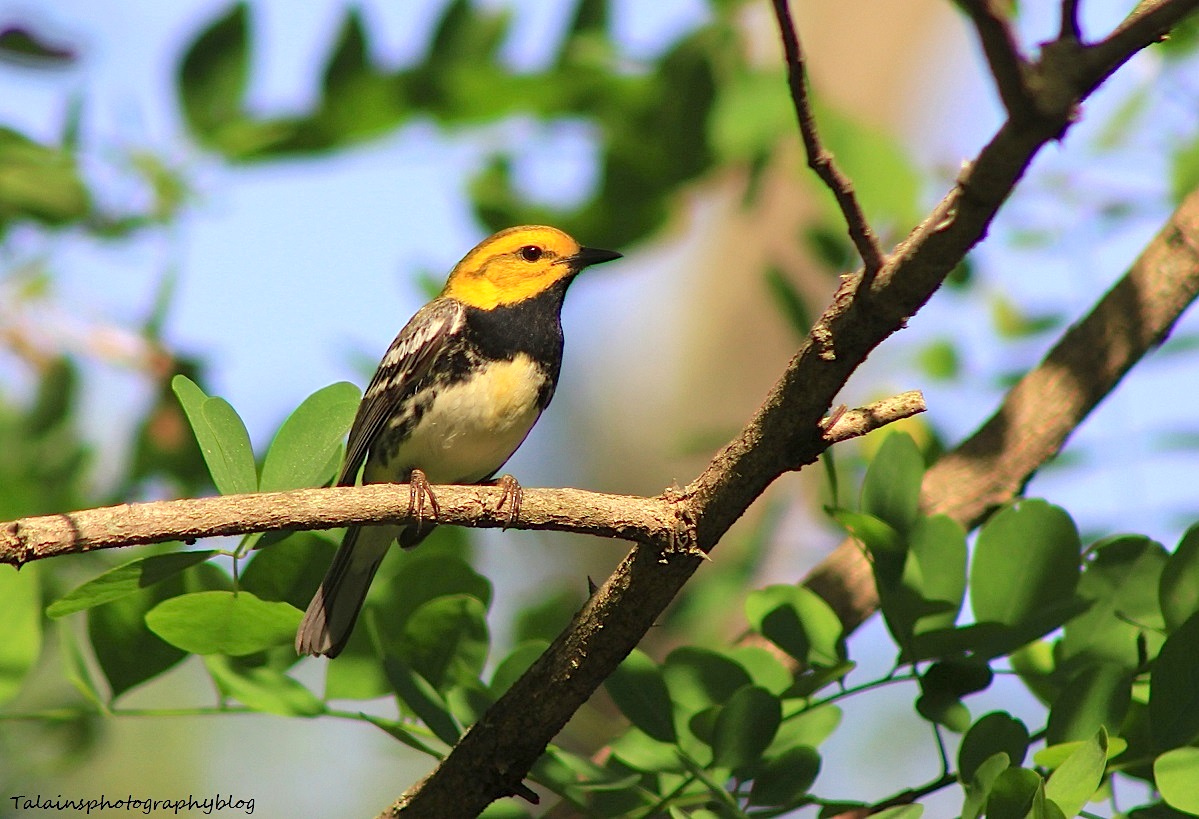
BLACK-THROATED GREEN WARBLER Setophaga virens WR 3 

Black-throated Green Warbler - talainsphotographyblog

Yellow Warbler at sunrise.Abaco Bahamas.6.13.Tom Sheley copy copy

TRANSIENTS

PROTHONOTARY WARBLER Protonotaria citrea TR 3 

Prothonotary Warbler, Abaco - Ann Capling

TENNESSEE WARBLER Oreothlypis peregrina TR 4 
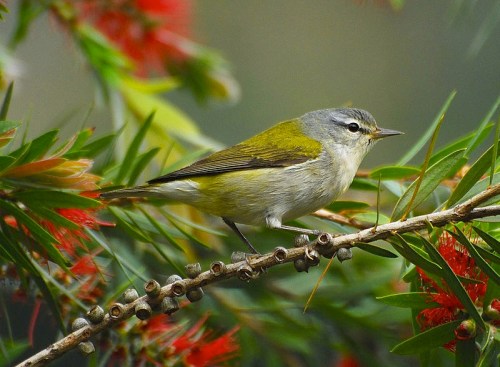
Tennessee Warbler Jerry Oldenettel Wiki

ORANGE-CROWNED WARBLER  Oreothlypis celata TR 4 
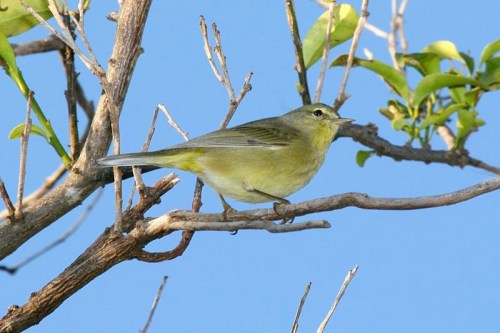
Orange-crowned Warbler dominic sherony wiki

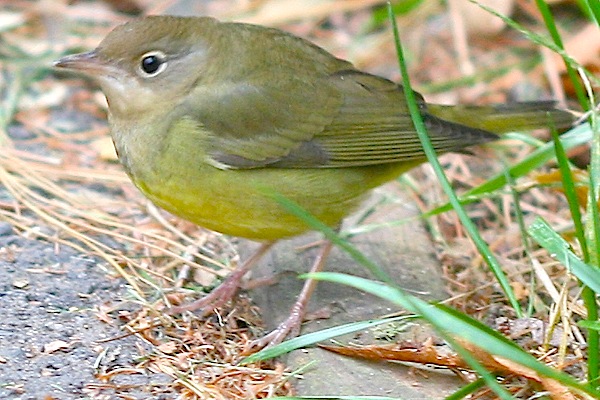
CONNECTICUT WARBLER Oporonis agilis TR 4 

Connecticut Warbler Central Park NYC 10000birds.com

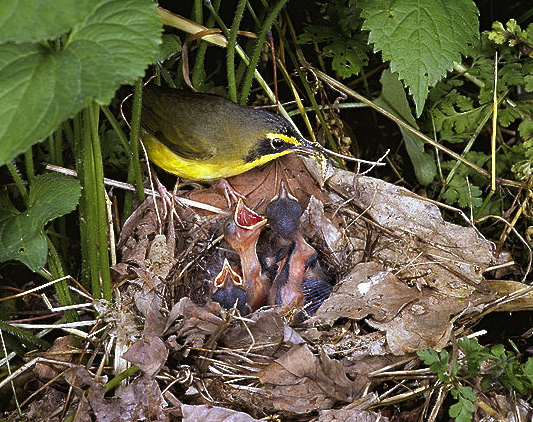
KENTUCKY WARBLER Geothlypis formosa TR 4 

Kentucky_Warbler Steve Maslowski wiki - Version 2

BAY-BREASTED WARBLER Setophaga castanea TR 4 

Bay-breated warbler MDF Wiki

BLACKBURNIAN WARBLER Setophaga fusca TR 4

Blackburnian Warbler Mdf wiki

CHESTNUT-SIDED WARBLER Setophaga pensylvanica TR 4

Chestnut-sided Warbler talainsphotographyblog - Version 2

BLACKPOLL WARBLER Setophaga striata TR 3 
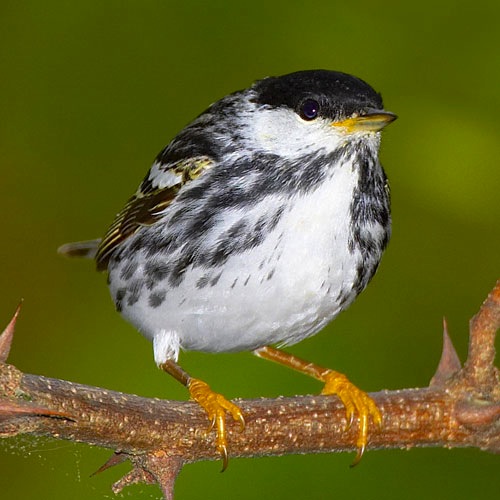
Blackpoll Warbler avibirds.com

WILSON’S WARBLER Cardellina pusilla TR 4 

Wilson's Warbler Michael Woodruff wiki

YELLOW-BREASTED CHAT Icteria virens TR 4 

Yellow-breasted Chat Emily Willoughby wiki

PHOTO CREDITS: GUIDE (1 – 37) Bruce Hallett (Header, 3, 9, 12, 14, 17, 21, 22); Tom Reed (1, 4); Tom Sheley (2, 7, 10); Alex Hughes (5); Gerlinde Taurer (6, 11, 18);  Becky Marvil (8, 20a); Woody Bracey (13, 24); Peter Mantle (15); RH (16); William H. Majoros (wiki)(19);  talainsphotographyblog (20b, 26, 34); Charmaine Albury (23); Craig Nash (25); Ann Capling (27); Jerry Oldenettel wiki (28); Dominic Sherony wiki (29); 10000birds (30); Steve Maslowski wiki (31);  MDF wiki (32, 33); Avibirds (35); Michael Woodruff wiki (36); Emily Willoughby wiki (37)

CHECKLIST & CODES based on the complete checklist and codes for Abaco devised by Tony White with Woody Bracey for “THE DELPHI CLUB GUIDE TO THE BIRDS OF ABACO” by Keith Salvesen
Unknown's avatar

BAHAMA PINTAILS ON ABACO (WITH YELLOWLEGS PHOTOBOMB)


Bahama (Whitecheeked) Pintail with Lesser Yellowlegs, Gilpin Point, Abaco

BAHAMA PINTAILS ON ABACO (WITH YELLOWLEGS PHOTOBOMB)

I’m not going to pretend that these are particularly meritorious bird photos in any way. We were at Gilpin Point pond, always a good place to see birds and now an area that has regular parrot fly-pasts (and hang-around-squawkings). It’s the only place we have found a furtive little sora creeping guiltily around the reedy margins. It’s a reliable spot for herons and egrets of all kinds, white-cheeked (bahama) pintails by the score, black-necked stilts and lesser yellowlegs. Occasionally a northern pintail. I’ve seen belted kingfishers, bahama woodstars, cuban emeralds, american kestrels, spindalis and many more coppice birds besides. Pelicans have been seen on the rocks on the beach. Always worth a try! One day perhaps I’ll make a checklist… **
A ‘Preening of Pintail’ with a lesser yellowlegs feeding happily (if blurrily) behind themBahama (Whitecheeked) Pintail with Lesser Yellowlegs, Gilpin Point, Abaco

Less than a minute earlier… PHOTOBOMBBahama (Whitecheeked) Pintail with Lesser Yellowlegs, Gilpin Point, Abaco

The photobomb was a complete surprise, but I managed to snap the more elegant landing…Bahama (Whitecheeked) Pintail with Lesser Yellowlegs, Gilpin Point, Abaco

** As a postscript, I see that Pericles Maillis posted on eBird his very brief bird count at Gilpin pond and on the beach a couple of days after I posted this. He saw

  • 3 Blue-winged Teal (‘first sighting of bw teal for 2015 migration’)
  • 20 White-cheeked (Bahama) Pintail
  • 1 Great Blue Heron
  • 1 Snowy Egret
  • 2 Tricolored Heron
  • 5 Green Heron
  • 2 Killdeer
  • 2 Ruddy Turnstone
  • 10 Laughing Gull
  • 1 Caribbean Dove
  • 8 House Sparrow

Pics: RH

Unknown's avatar

WHALE TALES FROM ABACO (1): BLAINVILLE’S BEAKED WHALES


Blainville's Beaked Whales, Abaco (1) (Keith Salvesen)

WHALE TALES FROM ABACO (1): BLAINVILLE’S BEAKED WHALES

Back in March we were invited by Charlotte and Diane of the Bahamas Marine Mammal Research Organisation BMMRO to spend a day out with them on the research boat, a chance we jumped at. I had been writing on and off about the organisation’s whale, dolphin and manatee research since the very early days of this blog. We’d seen bottlenose dolphins in Abaco waters, but never whales. This was the big day…

Our first sighting was a short distance south of Rocky Point, as we moved beyond the turquoise water of the low sandbanks into the deeper, darker ocean waters of the Bahama canyon beyond. Whale territory. The shoreline was plainly in view to the east; and to the north, on the horizon, was the massive bulk of the ‘fun ship’ parked at Castaway (Gorda) cay.

Beaked whale or fun ship for a day out? You decide…Blainville's Beaked Whales, Abaco (1) (Keith Salvesen)

A Blainville’s beaked whale noses towards the research vesselBlainville's Beaked Whales, Abaco (1) (Keith Salvesen)

The Blainville’s beaked whale (Mesoplodon densirostris) is also known slightly less politely as the dense-beaked whale.  It is named for the French zoologist Henri de Blainville who first described the species in 1817 based on his examinations of a piece of jaw or ‘rostrum’ — the heaviest bone he had ever come across — which resulted in the name densirostris (Latin for “dense beak”).

The beak breaks the surfaceBlainville's Beaked Whales, Abaco (1) (Keith Salvesen)

The BMMRO has carried out intensive research on the species for a number of years in the northern Bahamas, with detailed documentation of sightings and photo identification of individual animals. More recently, these whales have been the subject of incredibly detailed research into their species intercommunication through vocalisations – mainly clicks and click patterns. To view Charlotte’s PhD thesis for St Andrew’s University click HERE (and many congratulations, Dr Dunn…). Just reading the contents table will give a good idea of the scope and complexity of the research. 

The blowhole, used for breathing, in close-up. You can hear this in the video below.Blainville's Beaked Whales, Abaco (1) (Keith Salvesen)

Our amazing first encounter with 6 whales lasted nearly an hour. Usually, they stay near the surface for 20 minutes or so, then they do a deep dive lasting roughly 20 minutes before resurfacing. But on this occasion they behaved more like huge dolphins, swimming towards the boat, around it, under it, then drifting away again before returning.

Blainville's Beaked Whales, Abaco (1) (Keith Salvesen)

Given their length of some 15 feet and weight of about 2000 pounds, it was a extraordinary experience to see them at such close quarters.

Whale showing healed circular wounds caused by COOKIECUTTER SHARKSBlainville's Beaked Whales, Abaco (1) (Keith Salvesen)

The Blainville’s range is extensive and in general terms they may be found in tropical and sub-tropical waters worldwide. They are by no means uncommon, but apart from the data collected by the BMMRO it seems that comparatively little is known about them. Their diet is thought to consist mainly of squid found at depth. They are protected by a variety of Agreements, Memoranda of Understanding, Protocols and so forth throughout the worldwide range.

Cetacea_range_map_Blainvilles_Beaked_WhaleBlainville's Beaked Whales, Abaco (1) (Keith Salvesen)

The research boat is equipped with sonar the can pick up the click and whistles of whales and dolphins from a considerable distance. It was remarkable to watch a group of cetaceans and to be able to hear them loudly and animatedly communicating with each other..Blainville's Beaked Whales, Abaco (1) (Keith Salvesen)

Another vital aspect of the research is poop scooping. As soon as the whales had gathered round the boat, Charlotte slid into the water with her scoop net… the cloudy poop yields a mass of information about an individual creature. I wrote about this interesting job, often tasked to interns (who practice with coffee grounds) in ‘FAMILIAR FECES’.

Charlotte expertly wields the poop scoopBlainville's Beaked Whales, Abaco (1) 11 16.46.13

Then, all too soon, it was deep dive time. The whales moved off from the boat and slowly, without show or splash, disappeared. And we went to investigate HOLE-IN-THE-WALL at close quarters. The next post will feature an adult male Blainville’s beaked whale, with his massive barnacle-encrusted teeth protruding upwards from his lower jaw.

The remains of a neat and undramatic deep diveBlainville's Beaked Whales, Abaco (1) (Keith Salvesen)

In this very short video of two whales right by the boat: you can actually hear their breathing.

BMMRO research RHIB with Diane           BMMRO HQ, Sandy Point, AbacoBMMRO Research Boat, Sandy Point, Abaco (Keith Salvesen) BMMRO HQ, Sandy Point, Abaco (Keith Salvesen)

Credits: All photos RH; Charlotte & Diane for a brilliant day out; Mr Blainville for a brilliant whale

220px-Henri_Marie_Ducrotay_de_Blainville

Unknown's avatar

CARIBBEAN REEF SQUID: SUPERPOWERS & SEX LIVES REVEALED


Squid ©Melinda Riger @ Grand Bahama Scuba

CARIBBEAN REEF SQUID: SUPERPOWERS & SEX LIVES REVEALED

The Caribbean reef squid Sepioteuthis sepioidea is a small squid species of the Caribbean Sea and the Floridian coast. Its fins extend nearly the whole length of the body and undulate rapidly as it swims. Recently, it has been discovered that this squid is capable of brief flight out of the water.Squid ©Melinda Riger @ Grand Bahama Scuba

Reef squid tend to form small shoals in and around reefs. It is by far the most common squid species in its range, and can be sighted both close to the shore and quite near the surface (although that increases the risk of predation by seabirds).

A silvery squid swimming just below the surfaceCaribbean_reef_squid (Ed Brown)

Squid are voracious eaters, dragging their prey to their mouths and using a beak to cut it up. Their target species are small fish, molluscs and crustaceans. They have a ‘raspy tongue’ known as a radula which further breaks up the food for easy consumption.

Squid at Fowl Cay Marine Preserve, AbacoSquid Fowl Cay, Abaco Ellen Sokol, Kiskeedee Sailing Charters

SQUID SUPERPOWERS (SUPERCOOL)

  • Squid can change colour, texture and shape
  • This enviable power is used defensively as camouflage or to appear larger if threatened
  • It is also used in courtship rituals, something that humans would find most disconcerting
  • Colour patterns are also used for routine squid-to-squid communication AND GET THIS:
  • A squid can send a message to another on one side, and a different one to a squid on the other

Squid © Melinda Riger @ Grand Bahama Scuba copy

SQUID SEX (1) “ROMANCING THE SQUID”

  • A male will gently stroke a female with his tentacles
  • The female will (most likely) flash an ‘alarm’ pattern
  • The male soothes her (don’t try this at home, guys) by blowing and jetting water at her
  • If he’s not getting on well, he’ll move off and repeat the routine until she sees his good points
  • However this on / off courtship can last for hours until at last he succeeds by…
  • …attaching a sticky packet of sperm onto the female’s body (romance is not dead)
  • She reaches for it and moves it to her “seminal receptacle”
  • Meanwhile he stays close, emitting a pulsing pattern, as well he might after all that
  • She then finds a safe place to lay her eggs. Job done.Two_Caribbean_Reef_Squid,(Clark Anderson)

SQUID SEX (2) IT ALL ENDS BADLY

  • As soon the female squid has laid her eggs, she dies at once
  • The male squid live a bit longer, and may have other packets to stick – then he dies too
  • It’s all horribly reminiscent of Romeo and Juliet. Without the balcony scene.Sepioteuthis sepioidea Caribbean Reef Squid (Nick Hobgood)

USES OF SQUID ON ABACO

Squid are prolific in the seas around Abaco, which is fortunate because they form a large part of the diet of some whale species, particularly the Blainville’s Beaked Whales that are commonly found in Abaco waters. I have a post on these magnificent creatures in preparation right now, and am in the process of sorting out suitable photos from a large number taken during a research expedition in March. 

More Squid at Fowl Cay Marine Preserve, AbacoSquid School, Fowl Cay, Abaco Ellen Sokol, Kiskeedee Sailing Charters

Credits: As ever (for underwater pics) Melinda Riger of Grand Bahama Scuba; also Ellen Sokol of Kiskeedee Sailing Charters, who kindly sent me the Fowl Cay photos; also Ed Brown, Clark Anderson and Nick Hobgood for ‘open-sourcing’ their great images

Unknown's avatar

“CHECK OUT THE WEB” (2) SEMIPALMATED SANDPIPERS ON ABACO


Semipalmated Sandpiper, Abaco (Bruce Hallett)

“CHECK OUT THE WEB” (2) SEMIPALMATED SANDPIPERS ON ABACO

Having recently headlined a post for SEMIPALMATED PLOVERS with a web-related title, I’m repeating it for Abaco’s other part-webbed shorebird, the semipalmated sandpiper. Either it’s so apposite that it doesn’t need changing; or else I lack the imagination to think up something new…

Semipalmated Sandpiper (juv), Abaco (Bruce Hallett)
semipalmateThis attractive little sandpiper Calidris pusilla has the partially webbed feet that give it its name. In spring and fall these ‘peeps’ are the most numerous shorebirds on Abaco but they are just passing through on their migration further south – so-called ‘transients’. Flocks of these birds may be arriving any moment now on a beach near you. The signifiers are black legs, a short, straight dark bill, and a body that is white underneath and brown /gray on top, tinged lighter on the head and neck. 

Semipalmated Sandpiper Calidris pusilla (MDF) 

SO THEY’RE EASY TO SPOT ON THE SHORELINE?

Not really, I’m afraid. This species is very easy to confuse with other small shorebirds (with which they happily mingle), especially the less common western sandpiper which has a slightly longer and downturned bill. It takes an experienced birder to tell them apart. The most reliable way – to see the feet to check for the partial webbing between the toes – is far from easy. A photograph of the bird as it picks its way across sand, tide margins or mud may be best, if you can zoom in on the feet. The webbing is just visible in both the images above; and more clearly in the one below.

A recent SPSP from Bruce Hallett, in which the semipalmation can more easily be seen Semipalmated Sandpiper (Bruce Hallett)

WHERE DO SEMIPALMATED SANDPIPERS LIVE?

These are birds of the far north – Canada’s tundras and Alaska, close to water – where they breed and lay their eggs in scrapes. Rather sweetly, the male makes several prospective nests for the female to choose her favourite and furnish with grasses etc. Both adults share incubation duties. The chicks are independent almost as soon as they are hatched. Then in early fall they head many miles south to warmer places, of which Abaco is one of the most northerly, principally as a stopover for rest before continuing their journey to the coastal margins of South America. The migrating flocks may contain tens of thousands of birds. Of the many range maps around, this one from the excellent avibirds.com shows the marked contrast between the summer and winter habitats very clearly. 

Semipalmated Sandpiper distribution map (Avibirds.com)

Semipalmated Sandpiper (Dick Daniels Wiki)

HOW DO THEY COMPARE IN SIZE WITH OTHER SANDPIPERS?

The SPSP is one of the smallest shorebirds, the female being slightly larger than the male. This image shows 2 of them in the company of a much larger white-rumped sandpiper (also a transient on Abaco) for comparison.White-rumped Sandpiper + 2 semi-palmated(Woody Bracey)1 copy 2

Time now to get the binoculars out (now where on earth are they?) and patrol the beach to catch the first of these little birds as they begin to arrive in considerable numbers during their fall migration.Semi-palmated Sandpiper, Abaco (Alex Hughes)

Credits: Bruce Hallett (1, 2, 4), MDF (3), Avibirds (infographic), Dick Daniels (5), Woody Bracey (6) [& comments – cheers], Alex Hughes (7)

Unknown's avatar

A QUARTER OF A MILLION GLIMPSES OF ABACO…


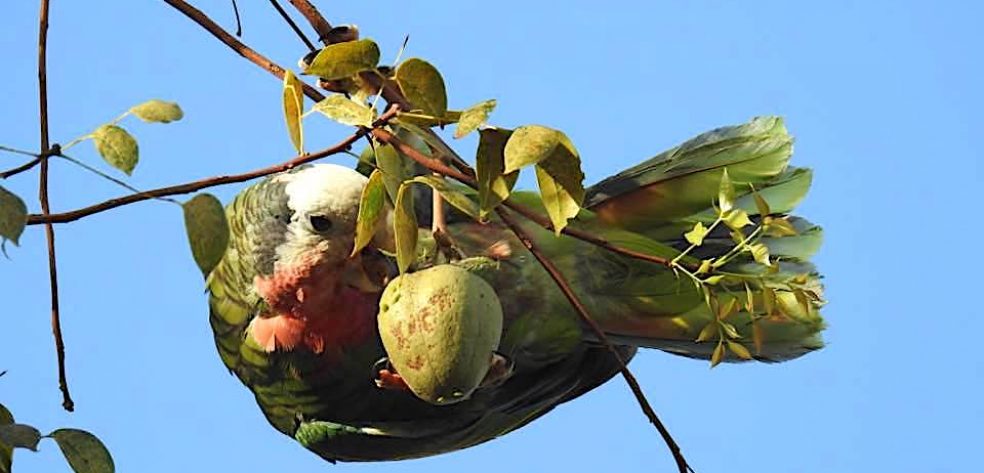
Abaco (Cuban) Parrot, Abaco, Bahamas  (Keith Salvesen)

A QUARTER OF A MILLION GLIMPSES OF ABACO…

Well here’s a rum do. About four years ago, this somewhat minority interest blog emerged ‘mewling and puking’¹ into the world, guided by an incompetent male midwife whose basic training had been about 4 weeks of exposure to Abaco, its fishing, its wildlife, its geography and its history. ‘Bananaquit’ might as well have meant taking up a plantain-free diet. ‘Grassquit’ might have been the local word for ‘keep off the lawn’. And that’s before all the flowers. And the reef fish. And everything else that turned up during the storm-wracked voyage of discovery via polydamus swallowtails, manatees, spider wasps and batfish that led slowly to the calmer waters of ‘rather better informed (if no wiser)’. 

Anyway, at midnight last night some unknown person kindly made the 250,000th visit to the blog, a target that once seemed inconceivable. In the past month, the 1000th person also signed up as a follower, another source of amazement. The reality is that despite Abaco being a sparsely-populated microdot island in a huge world, there are a great many people on the island or associated with it who are passionate about it and its extraordinarily diverse natural history. That knowledge makes curating this blog both easy and pleasurable. 
RH Stats clip

I checked my stats for the last year to find out where hits from the top 10 countries – and for fun the bottom 1o – came from. Here’s the answer. Rather shamefully there was also a country I had never knowingly heard of, Palau (Micronesia). There follows a selection of a few photographs that have been popular over the years, mostly my own but the underwater ones are from Melinda Riger and Virginia Cooper of Grand Bahama Scuba.

Top 10                                                                   Bottom 10
Top 10 countries jpg   Bottom 10 countries jpg

Cuban Emerald Hummingbird, Delphi, Abaco (Keith Salvesen)Bananaquit & palm, Delphi, Abaco, Bahamas  (Keith Salvesen)Western Spindalis, Abaco, Bahamas  (Keith Salvesen)Blue-gray Gnatcatcher, Abaco, Bahamas (Keith Salvesen)Red-winged Blackbird, Abaco, Bahamas  (Keith Salvesen)Brown Pelicans, Sandy Point, Abaco  (Keith Salvesen)Reddish Egret, Crossing Rocks, Abaco, Bahamas (Keith Salvesen)French Angelfish (juv), Bahamas (Melinda Riger)Four-eyed Butterflyfish ©Melinda Riger @GBSCowfish ©Melinda Riger @ GB ScubaOctopus ©Melinda Riger @ Grand Bahama ScubaNassau Grouper, Bahamas (Melinda Riger)Blacktip Shark ©Virginia Cooper @ G B Scuba copy 2Curly-tail Lizard, Delphi, Abaco, Bahamas (Keith Salvesen)Atala Hairstreak Butterfly, Abaco, Bahamas (Keith Salvesen)Bird of Paradise Flower (Strelitzia) Abaco (Keith Salvesen)Hibiscus : Polydamus Swallowtail, Delphi Abaco (Keith Salvesen)Yellow Elder Hope Town, Abaco, Bahamas (Keith Salvesen)

SEARCH TERMS

The most popular searches – omitting posts about hurricanes, which always generate a lot of traffic – have concerned Abaco Parrots, Lignum Vitae, Sea Glass, the Loxahatchee poster series, Tarantula Hawk Wasps, Sea Biscuits / Urchins, Yellow Elder, Parrotfish, Shipwrecks, Hutias, Hole-in-the-Wall, Lionfish, Remora, and Abaco Maps. The most leftfield search of all was ‘How dispose of dead bodies?’, by someone who had clearly strayed into the wrong category of website…

A FEW OF THE MOST POPULAR POSTS / PAGES
SEA SHELLS
SPIDER WASPS & TARANTULA HAWKS: DON’T MESS WITH THESE GUYS    
ABACO FACTS (including likelihood of adverse shark encounter or shipwreck)    
ABACO MAPS    
LIGNUM VITAE – BAHAMAS NATIONAL TREE    
YELLOW ELDER – THE BAHAMAS NATIONAL FLOWER    
SEA URCHINS & SEA BISCUITS – BEACHCOMBING TREASURES ON ABACO    
ABACO FOOD & DRINK (cook hog / bonefish; clean a conch; sip an Abaco cocktail / Goombay Smash)
ABACO & HOLE-IN-THE-WALL, BAHAMAS: A SHORT HISTORY IN MAPS    
PINEAPPLES: SYMBOLS OF WELCOME & WEALTH (ALSO, DELICIOUS)    
ABACO ISLAND BOA: THE ONLY ABACO SNAKE    
WHALES & DOLPHINS    
ABACO PARROTS    
FLORA

It would be strange to end this little celebration without a tip of the hat to Peter Mantle, old friend and genial doyen of the Delphi Club, for his wholehearted encouragement and support for the production and publication of THE DELPHI CLUB GUIDE TO THE BIRDS OF ABACO. This hefty tome, published in March 2014, showcases the wonderful and varied avian life on Abaco and has proved very popular – indeed well beyond our expectations. Although I appear nominally as author on the cover, it is in fact an extraordinary collaborative effort by some 30 people. The book’s success further demonstrates the commitment of Abaconians and other who love the island to Abaco’s rich natural heritage in an age of  rapid change; and provides another good incentive for me to continue with the blog. Next stop: 500,000!

¹ © W. Shakespeare, Romeo & Juliet Act 2 Sc. 7

dcbg2ba-jacket-grab-for-pm-v2-copyShark Gif