Unknown's avatar

WORLD SHOREBIRDS DAY: ABACO’S COMPLETE CHECKLIST


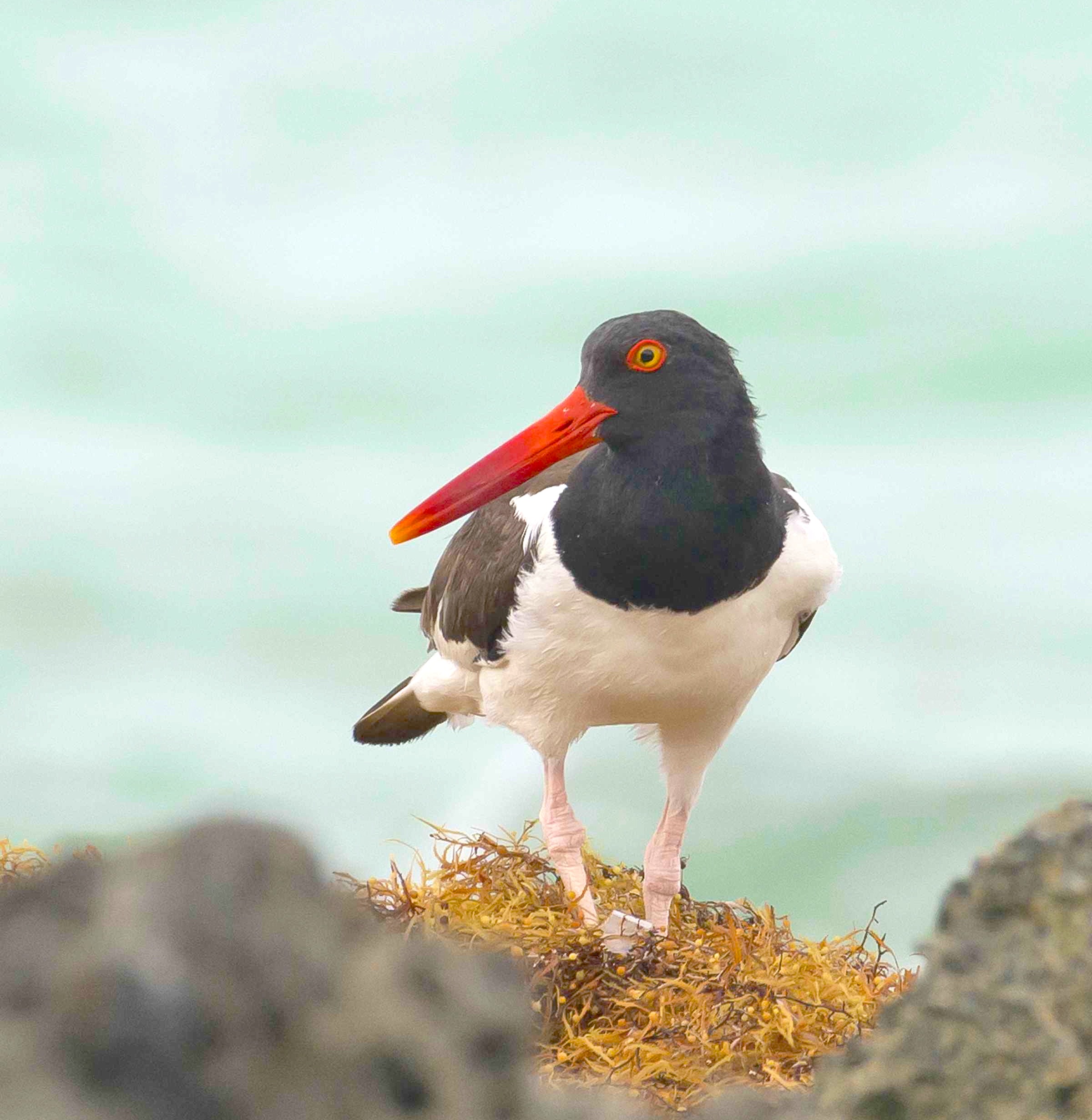
American Oystercatcher, Abaco (Tom Sheley)

WORLD SHOREBIRDS DAY: ABACO’S COMPLETE CHECKLIST

Abaco is home to 33 shorebird species. For a few, the islands are a permanent residence; for many others they are winter quarters; and some species are visitors transient in their migrations, or rare vagrants. Last year I produced 3 posts with plenty of photos showcasing 26 of the species, the remaining 7 all being transients or vagrants. 
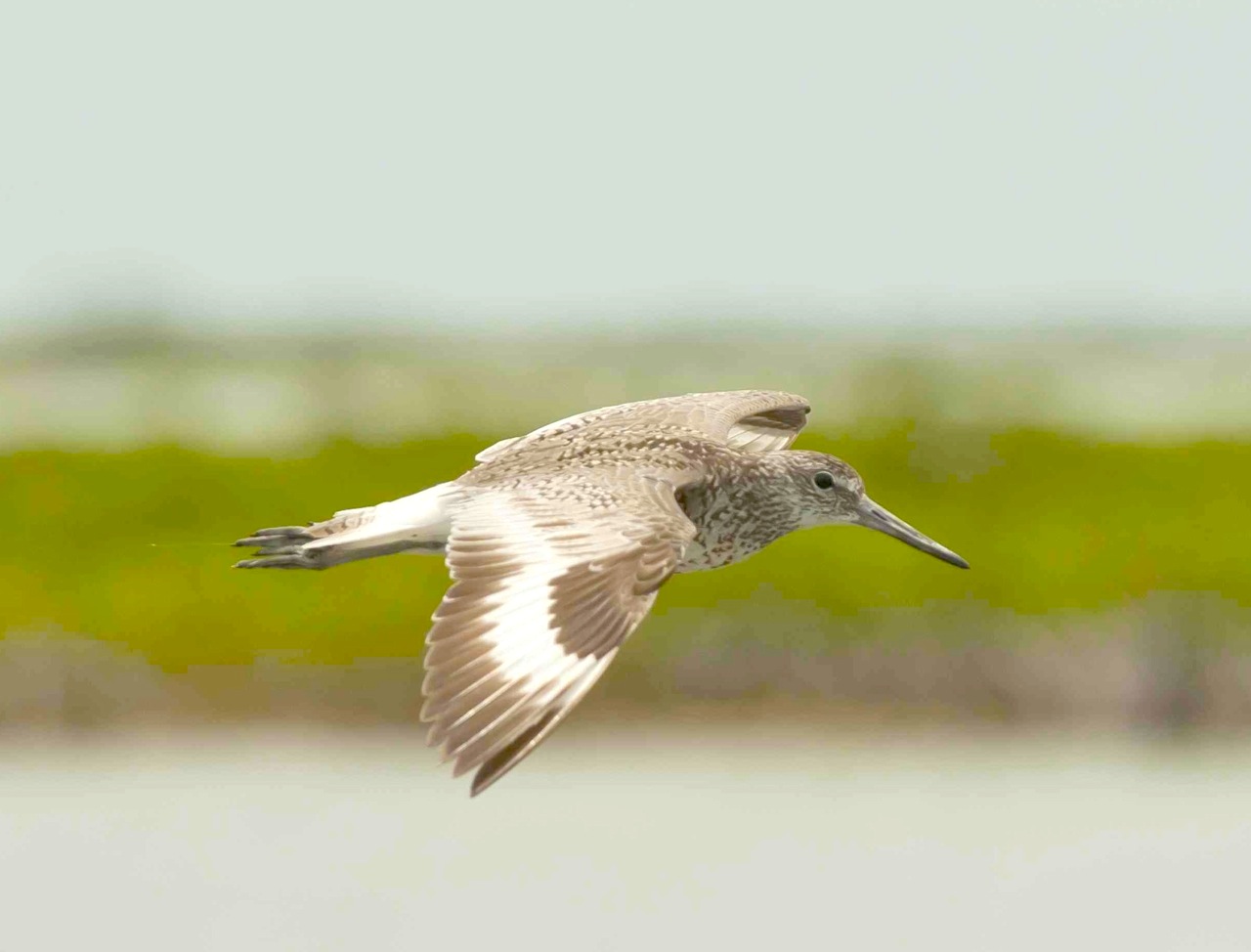
Willet in flight.Abaco Bahamas.6.13.Tom Sheley small2

I divided the species into 3 categories: sandpipers & kin; plovers; and a catch-all ‘large shorebird’ group that included one or two sandpipers. Of the 26 birds featured and shown in the main checklist below, 23 are ones you might reasonably hope or expect to encounter on Abaco, though some only if you are lucky or your field-craft is excellent. The others are the long-billed dowitcher, American avocet and Wilson’s phalarope (of which only one has ever been seen on Abaco, with a photo to prove it)
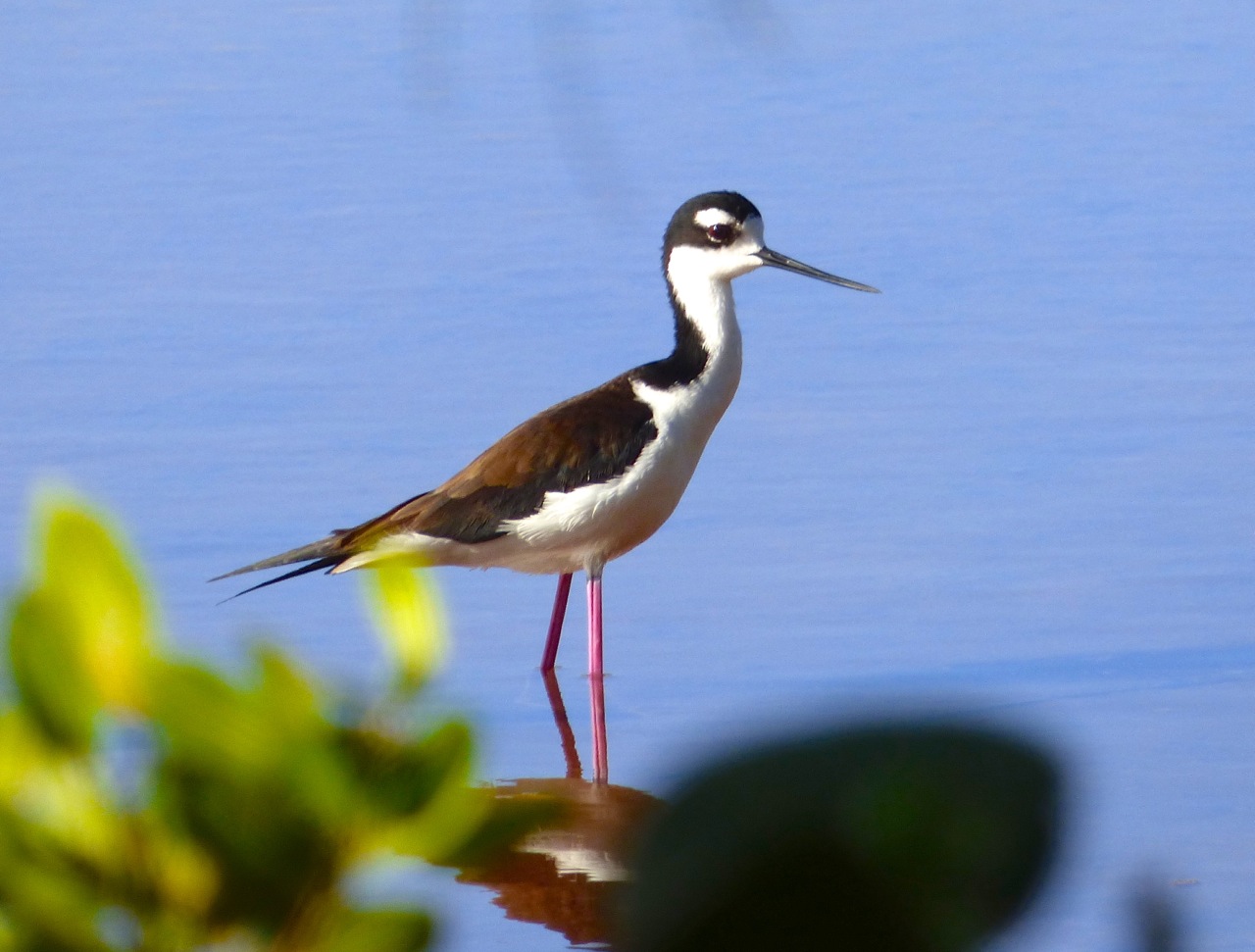
Black-necked Stilt, Gilpin Point, Abaco (Keith Salvesen)

CLICK A LINK TO INVESTIGATE

LARGE SHOREBIRDS

SANDPIPERS

PLOVERS

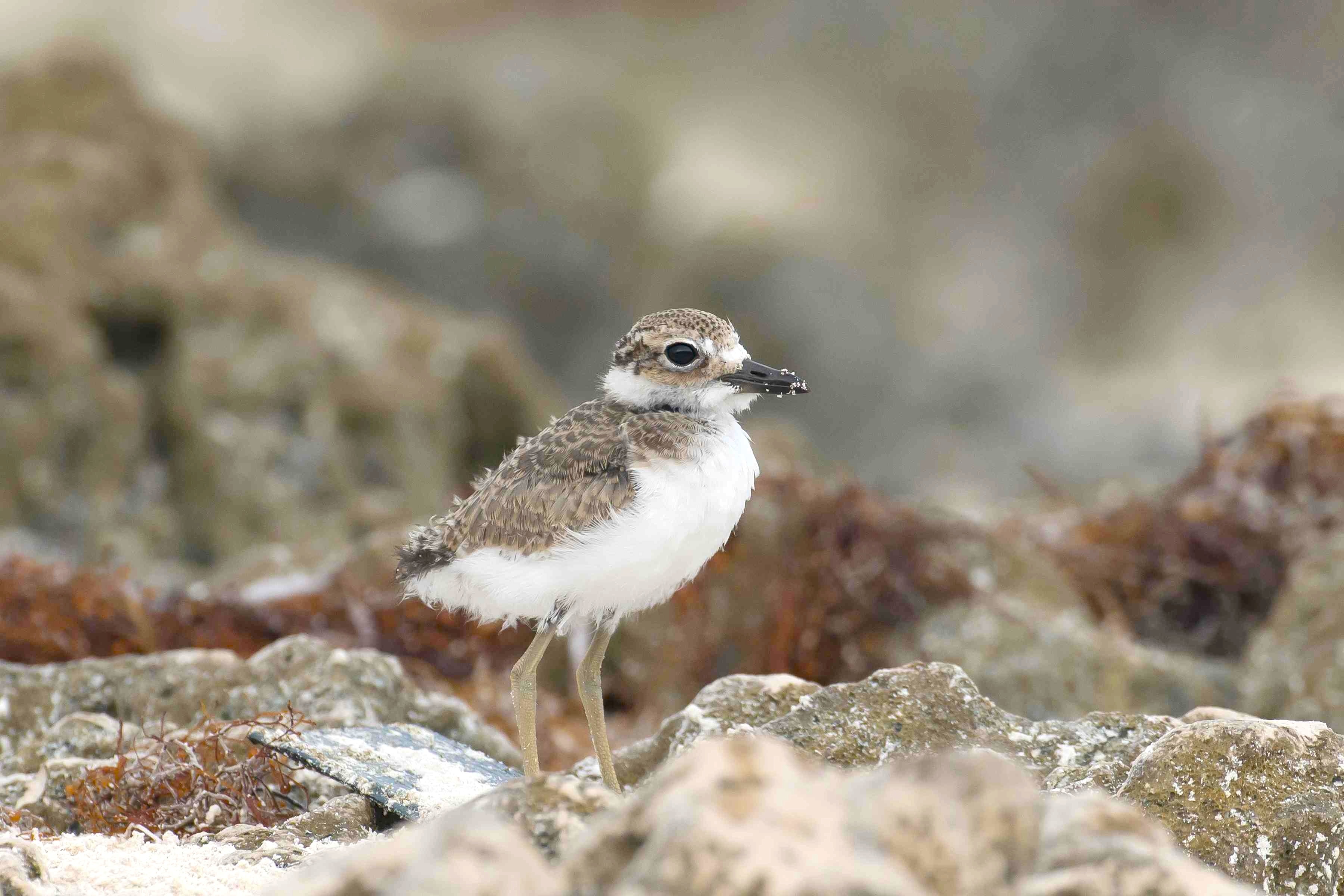
Wilson's Plover chick.Delphi Club.Abaco Bahamas.Tom Sheley JPG copy

THE COMPLETE CHECKLIST

The codes tell you, for any particular bird, when you may see it (P = permanent, WR = winter resident, TR = transient, V = vagrant); whether it breeds (B) on Abaco; and your chance of seeing it, graded from easy (1) to vanishingly unlikely (5). 

  • Black-necked Stilt                             Himantopus mexicanus                PR B 3
  • American Avocet                               Recurvirostra americana             WR 4
  • American Oystercatcher                  Haematopus palliatus                   PR B 2
  • Black-bellied Plover                         Pluvialis squatarola                       WR 1
  • American Golden-Plover                Pluvialis dominica                           TR 4
  • Wilson’s Plover                                 Ochthodromus wilsonia                 PR B 2
  • Semipalmated Plover                      Charadrius semipalmatus             WR 2
  • Piping Plover                                     Charadrius melodus                       WR 3
  • Killdeer                                               Charadrius vociferus                     WR 2
  • Spotted Sandpiper                            Actitis macularius                          WR 1
  • Solitary Sandpiper                            Tringa solitaria                              WR 2
  • Greater Yellowlegs                            Tringa melanoleuca                      WR 2
  • Willet                                                   Tringa semipalmata                     PR B 2
  • Lesser Yellowlegs                              Tringa flavipes                               WR 3
  • Ruddy Turnstone                              Arenaria interpres                        PR 2
  • Red Knot                                             Calidris canutus                            WR 3
  • Sanderling                                          Calidris alba                                   WR 1
  • Dunlin                                                 Calidris alpina                               WR 2
  • Least Sandpiper                                Calidris minutilla                          WR 2
  • White-rumped Sandpiper               Calidris fuscicollis                          TR 3
  • Semipalmated Sandpiper                Calidris pusilla                               TR 2
  • Western Sandpiper                           Calidris Mauri                                TR 2
  • Short-billed Dowitcher                    Limnodromus griseus                    WR 1
  • Long-billed Dowitcher                     Limnodromus scolopaceus           WR 4
  • Wilson’s Snipe                                   Gallinago delicata                          WR 3
  • Wilson’s Phalarope                           Phalaropus tricolor                        V 4

Semipalmated Sandpiper (juv), Abaco (Bruce Hallett)

For the sake of completeness, the other 7 species of shorebird recorded for Abaco – all transients or vagrants – are:

  • Upland Sandpiper                     Bartramia longicauda             TR 4
  • Whimbrel                                    Numenius phaeopus                 TR 4
  • Hudsonian Godwit                   Limosa haemastica                    V5
  • Marbled Godwit                         Limosa fedoa                              V5
  • Buff-breasted Sandpiper          Tryngites subruficollis             V5
  • Pectoral Sandpiper                   Calidris melanotos                    TR 3
  • Stilt Sandpiper                           Calidris himantopus                 TR 3

Please excuse the wonky column formatting, an aspect of listing that WordPress doesn’t seem to cater for…

Ruddy Turnstone Abaco Bahamas. 2.12.Tom Sheley copy 2

Photo Credits: Tom Sheley, Bruce Hallett, Keith Salvesen
Unknown's avatar

OLIVE-CAPPED WARBLERS ON ABACO


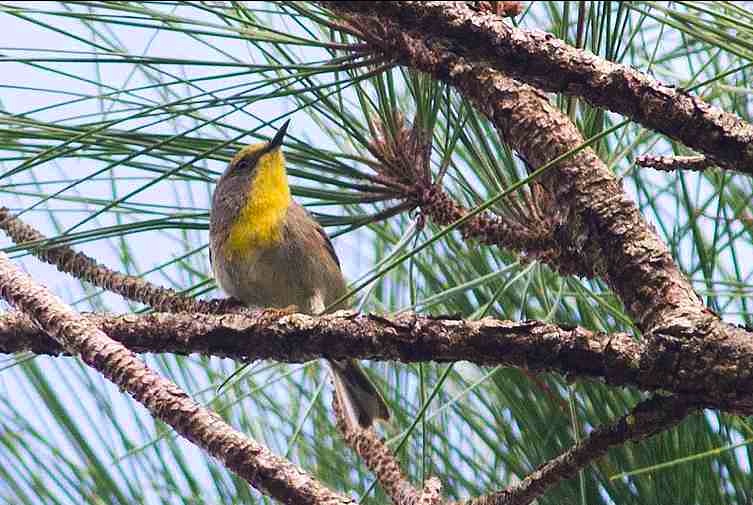
Olive-capped Warbler 3.Abaco Bahamas.6.13.Tom Sheley

OLIVE-CAPPED WARBLERS ON ABACO

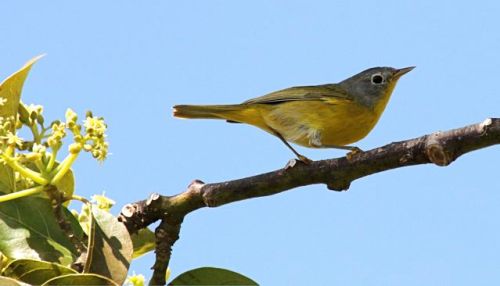
Abaco has a recorded 37 warbler species. Of these, most are winter residents and some are rarer migratory transients. Only 5 are permanently resident on Abaco: the Bahama Warbler, Bahama Yellowthroat, Olive-capped Warbler, Pine Warbler and Yellow Warbler. You can read about all 5 HERE 

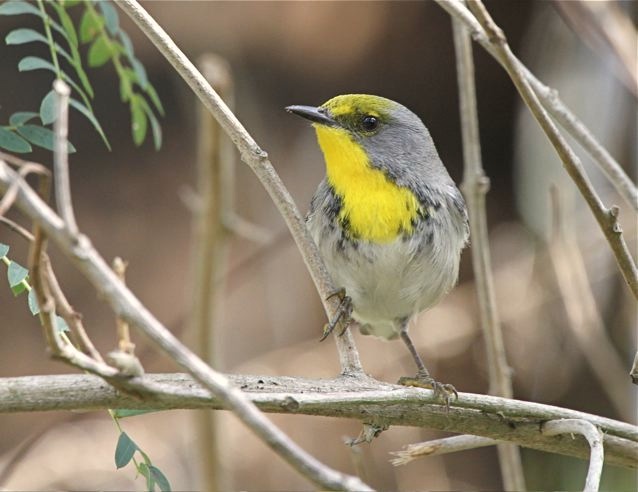
Olive-capped Warbler, Abaco (Bruce Hallett)Olive-capped Warbler, Abaco (Bruce Hallett)

I realise that I haven’t posted about OCWs in their own right; and that as a species they have been unfairly lumped in (by me) with more general warbler posts. Time to put that right by showing some exclusively OCW photos.

Olive-capped Warbler.Abaco Bahamas.6.13.Tom Sheley

OCWs have an unusually restricted range, despite which they remain IUCN-listed ‘Least Concern’. These pretty birds are native only to the western and eastern ends of Cuba, Grand Bahama, and Abaco. Their natural habitat is pine forests and to a lesser extent in mixed forest and coppice areas.

Olive-capped Warbler 6.Abaco Bahamas.6.13.Tom Sheley

If you are lucky enough to see an OCW on Abaco, it’s worth thinking about the rich and unspoilt habitat that ensures its survival there. These little birds, along with other important bird species, enjoy a safe haven in the vast acres of pine forest.Olive-capped Warbler, Abaco (Bruce Hallett)

Olive-capped Warbler, Abaco (Tom Reed)

Photo credits: Bruce Hallett (1, 2, 3, 6); Tom Sheley (4, 5); Tom Reed (7)

Unknown's avatar

ABACO’S BIRDING HOTSPOTS (42 OF THE BAHAMAS TOP 100)


Black-necked Stilt, Abaco (Tom Sheley)

ABACO’S BIRDING HOTSPOTS (42 OF THE BAHAMAS TOP 100)

Right now, I’m doing daily checks on the indispensable EBIRD CARIBBEAN in relation to the ABACO PIPING PLOVER WATCH project (and incidentally if you encounter one or more on a beach near you, details would be very welcome – below is what to look out for!).

Piping Plover, Abaco - Bruce Hallett

It occurred to me to check out the contention that Abaco is Numero Uno birding destination in the Bahamas (though sadly lacking the flamingoes, except for vagrants; and the Bahama oriole, now extirpated and confined to select areas of Andros). Sure enough, Abaco has 42 out of the top 100 birding hotspots. In the map below, gray pointers indicate a few observations, blue means 50+ and green represents 100+. Nowhere has yet achieved the flame-red pointer – the ultimate hotspot accolade…

Abaco Birding Hotspots Map (eBird)

People often ask where best to go for quality birding on Abaco. The answer depends of course on the season and on what they are after – for example shorebirds or warblers; parrots or absence of parrots and so on. The Abaco 42 are listed below. There are a couple points to make about the hotspot list:

  • There is a degree of duplication, eg Gorda Cay / Castaway Cay being shown as separate entries, as is Angelfish Point / Angel Fish Point
  • Also, the data gathered by eBird is entirely dependent on regular uploads of checklists. Inevitably the birders will mostly be regulars, with their own preferred beats or perhaps with an interest limited to the area where they live. Some records show long gaps – sometimes a couple of years – between reports. So the eBird data can only give an overview, not a precise record of actual observations or birding effort and success. 

Bahama Woodstar male 3.1.Abaco Bahamas.2.12.Tom Sheley copy

In very general terms, and assuming a broad birding interest, I would recommend the Treasure Cay area; in and around Marsh Harbour; the stretch east of the Highway that takes in Bahama Palm Shores, the Abaco Neem Farm, Delphi, Crossing Rocks & Gilpin Point; the National Park; and Sandy Point. I’m sure there will be other views, but I am thinking primarily of the visitor who has but a single day to spare from a packed schedule of fishing, swimming, sunbathing, eating and drinking… [nb as a soi-disant photographer I’m not so keen on the dumps and landfill. Yes, the birding can be good. No, I don’t want to feature rubbish in my already rubbish photos…]

American Oystercatcher4.1.Delphi Club.Abaco Bahamas.6.13.Tom Sheley RH 2

Here’s the eBird list, omitting all the non-Abaconian hotspots. Clicking on the links will take you straight to the relevant location’s latest reports and show some of the species seen there. I haven’t checked every link, but spot-checks suggest they work ok…

3 Treasure Cay GC

4 Abacos–Citrus Farm near Treasure Cay

5 Abaco–Sandy Point

8 Angel Fish Point

10 Marsh Harbour

12 Abaco–Crossing Rocks

13 Abacos–Treasure Cay Dump

14 Abacos–Treasure Cay West Side

18 Abaco Cays IBA–Great Guana Cays

20 Abacos–Treasure Cay Sunset Ridge and vicinity

22 Robert’s nursery, ponds and marls overlook

23 Abaco–Bahama Palm Shores

28 Abaco Cays IBA–Green Turtle Cay

32 Gilpin Point

35 Hope Town, Elbow Cay

37 Big Bird

38 Castaway Cay

41 Man-o-war Cay

44 Abaco National Park IBA

45 Marsh Harbour–Landfill

52 Island Homes–Beach

57 Abaco Beach Resort

60 North Atlantic Abaco Cays IBA

62 North dump (Abaco)

65 Marsh Harbour

69 Cherokee Sound

70 Great Guana Cay

72 Green Turtle Cay Sand Spit

73 Angelfish Point

81 Green Turtle Cay

82 Track north of Hwy

86 Southern Abaco IBA

87 Abaco Neem farm

88 Marsh Harbor Airport

89 Abaco–Crown Haven

91 Little Abaco IBA

92 Abaco–Hole-in-the-Wall

93 Camp Abaco

94 Little Harbour

96 Castaway Cay

97 Cooper’s Town

98 Crossing Rock / Island Homes

Bahamas-Great Abaco_4846_Bahama Yellowthroat_Gerlinde Taurer copy

RELATED POSTS

AUDUBON’S ‘PRIORITY BIRDS’ ON ABACO

ABACO BIRDS FOUND IN NYC (& VICE VERSA)

THE BIRDS OF ABACO”

Reddish Egret, Crossing Rocks, Abaco (Keith Salvesen)11

Credits: Tom Sheley, Bruce Hallett, Gerlinde Taurer, RH

Unknown's avatar

ABACO’S WINTER WARBLERS: ARRIVING ANY MOMENT!


Yellow-throated Warbler, Abaco - Bruce Hallett

Yellow-throated Warbler, Abaco

ABACO’S WINTER WARBLERS: ARRIVING ANY MOMENT!

To celebrate the forthcoming influx of the ‘confusing fall warblers’ of the winter season, here is a reminder of my guide to the 37 warbler species found on Abaco, of which only 5 are permanent residents. The remainder are either winter residents of variable scarcity; or transients somewhat randomly passing through. As ace birdman Woody Bracey has rightly commented on the guide, “One note of caution to new birders. Most transients are seen in Abaco in the fall. They are not in bright breeding plumage at this time. That’s why they’re called ‘confusing fall warblers’. So don’t expect all the birds you see to look exactly like the photos. Females and juveniles are generally duller and may look very different from Spring males”.

Last season, Charmaine Albury saw 22 of the possible warbler species on Man-o-War Cay, a remarkably good proportion for a small island (I’d be interested if anyone can top that in one location).  Add prolific shorebirds including piping plovers to the mix and it looks as though MoW is fast becoming a reliable hotspot for birding. Charmaine’s species were:  Yellow-throated, Tennessee, Common Yellowthroat, Yellow, Pine, Bahama, Ovenbird, Worm Eating, Northern Waterthrush, Black and White, Cape May, Redstart, Northern Parula, Black-throated Blue, Palm, Yellow-rumped, Prairie, Hooded, Prothonotary, Orange-crowned, Blackburnian, BlackPoll.

AN ILLUSTRATED GUIDE TO ABACO’S 37 WARBLER SPECIES

Until a couple of years ago, I lazily believed all of the warblers were (a) near identical and (b) yellow, differing only in their extent of yellowness. Not so. I know better now. The seasonal migration prompted me to devise a general guide to all the various warblers, so that the great diversity can be appreciated. The photos that follow show an example of each warbler, where possible (1) male and (2) taken on Abaco. Where I had no Abaco images – especially with the transients – I have used other mainstream birding resources and Wiki. All due credits at the foot of the post.

Abaco has 37 warbler species recorded for the main island and cays. They fall into 3 categories: 5 permanent residents (PR) that breed on Abaco (B), of which two are endemics; 21 winter residents (WR) ranging from ‘everyday’ species to rarities such as the Kirtland’s Warbler; and 11 transients, most of which you will be lucky to encounter. The codes given for each bird show the residence status and also the likelihood of seeing each species in its season, rated from 1 (very likely) to 5 (extreme rarities, maybe only recorded once or twice).

Yellow Warbler at sunrise.Abaco Bahamas.6.13.Tom Sheley copy copy

PERMANENT RESIDENTS

BAHAMA YELLOWTHROAT Geothlypis rostrata PR B 1  ENDEMIC

Bahama Yellowthroat, Abaco - Tom Reed

YELLOW WARBLER Setophaga petechia PR B 1 

Yellow Warbler, Abaco Bahamas.6.13.Tom Sheley

OLIVE-CAPPED WARBLER Setophaga pityophila PR B 1 

Olive-capped Warbler, Abaco - Bruce Hallett

PINE WARBLER Setophaga pinus PR B 1 

Pine Warbler, Abaco - Tom Reed

BAHAMA WARBLER Setophaga flavescens PR B 1 ENDEMIC

Bahama Warbler, Abaco - Alex Hughes

Yellow Warbler at sunrise.Abaco Bahamas.6.13.Tom Sheley copy copy

WINTER RESIDENTS  (COMMON)

OVENBIRD Seiurus aurocapilla WR 1 

OVENBIRD_Bahamas-Great Abaco_6639_Ovenbird_Gerlinde Taurer 2

WORM-EATING WARBLER Helmitheros vermivorum WR 2 

Worm-eating Warbler.Bahama Palm Shores.Abaco Bahamas.Tom Sheley

NORTHERN WATERTHRUSH  Parkesia noveboracensis WR 1 

BAHAMAS - Northern Waterthrush - Oct 2010 Becky Marvil

BLACK-AND-WHITE WARBLER Mniotilta varia WR 2 

Black & White Warbler, Abaco - Bruce Hallett

COMMON YELLOWTHROAT Geothlypis trichas WR 1 

Common Yellowthroat.Gilpin Pond.Abaco Bahamas.Tom Sheley copy

AMERICAN REDSTART  Setophaga ruticilla WR 1 

Bahamas-Great Abaco_6334_American Redstart_Gerlinde Taurer copy

CAPE MAY WARBLER Setophaga tigrina WR 1 

Cape May Warbler (m), Abaco - Bruce Hallett

NORTHERN PARULA Setophaga americana WR 1 

Northern Parula, Abaco - Woody Bracey

BLACK-THROATED BLUE WARBLER Setophaga caerulescens WR 2 

Black-throated Blue Warbler (m), Abaco - Bruce Hallett

PALM WARBLER  Setophaga palmarum WR 1 

Palm Warbler, Abaco - Peter Mantle

YELLOW-RUMPED WARBLER Setophaga coronata WR 2 

Yellow-rumped Warbler, Abaco - Keith Salvesen (RH)

YELLOW-THROATED WARBLER Setophaga dominica WR 1 

Yellow-throated Warbler, Abaco - Bruce Hallett

PRAIRIE WARBLER Setophaga discolor WR 1 

Bahamas-Great Abaco_6609_Prairie Warbler_Gerlinde Taurer copy 2

Yellow Warbler at sunrise.Abaco Bahamas.6.13.Tom Sheley copy copy

 WINTER RESIDENTS  (UNCOMMON TO RARE)

LOUISIANA WATERTHRUSH Parkesia motacilla WR 3 

Louisiana waterthrush William H. Majoros WIKI

BLUE-WINGED WARBLER Vermivora cyanoptera WR 3

Blue-winged Warbler, Abaco (Becky Marvil)

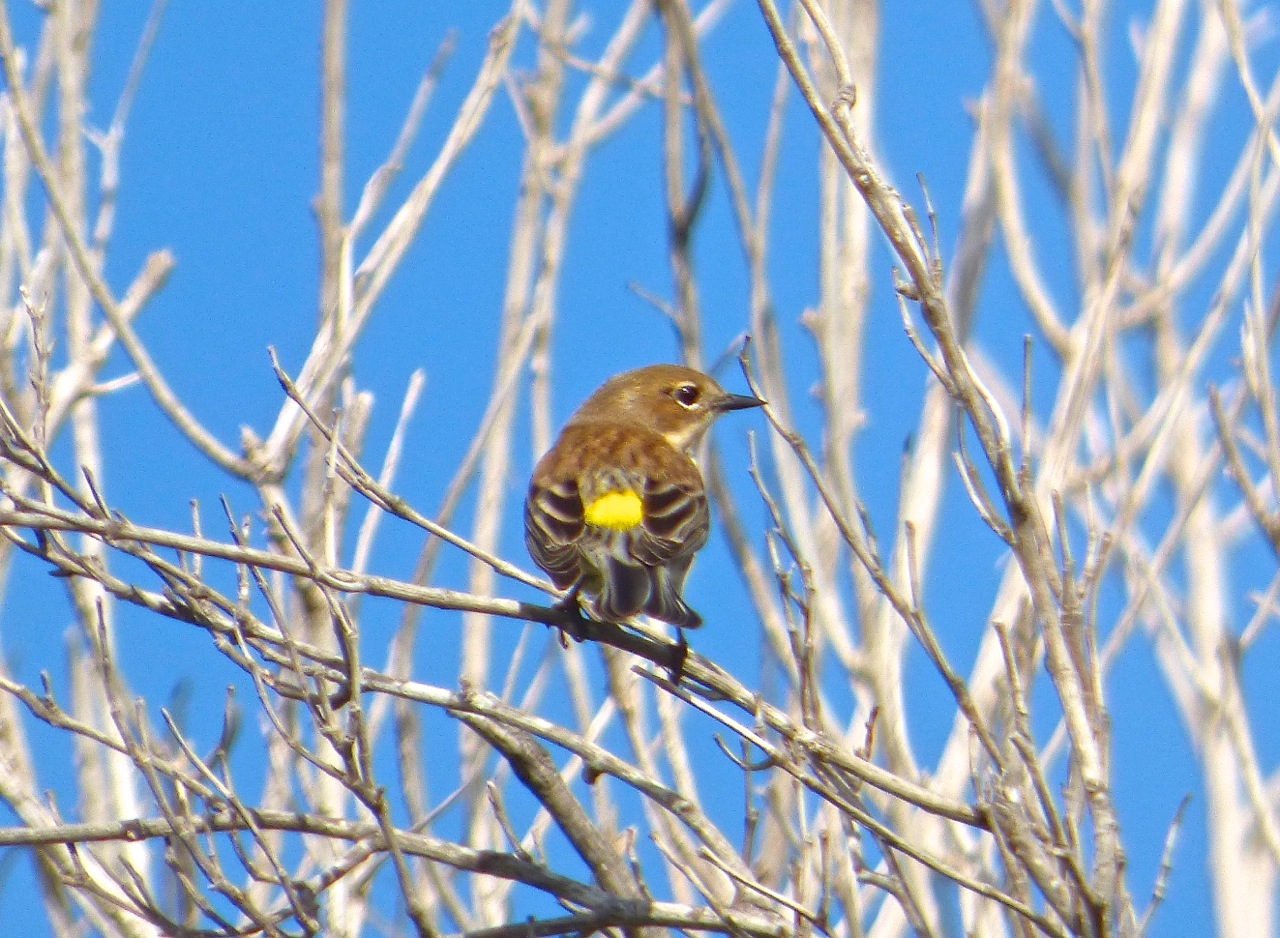
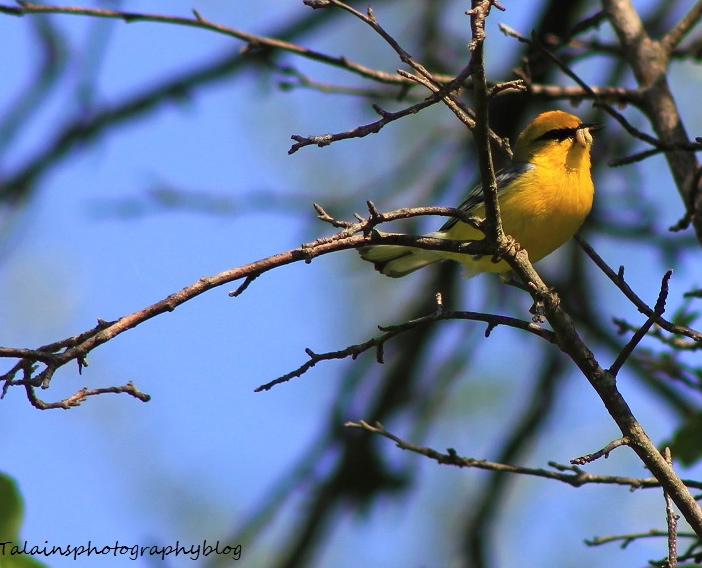
Blue-winged Warbler. talainsphotographyblog

SWAINSON’S WARBLER  Limnothlypis swainsonii WR 4 

Swainson's Warbler, Abaco - Bruce Hallett

NASHVILLE WARBLER Oreothlypis ruficapilla WR 4 

Nashville Warbler, Abaco - Bruce Hallett

HOODED WARBLER Setophaga citrina WR 3 

Hooded Warbler, Abaco (Charmaine Albury)

KIRTLAND’S WARBLER Setophaga kirtlandii WR 4 

Kirtland's Warbler (m), Abaco - Woody Bracey

MAGNOLIA WARBLER Setophaga magnolia WR 3 

Magnolia warbler, Abaco - Craig Nash

BLACK-THROATED GREEN WARBLER Setophaga virens WR 3 

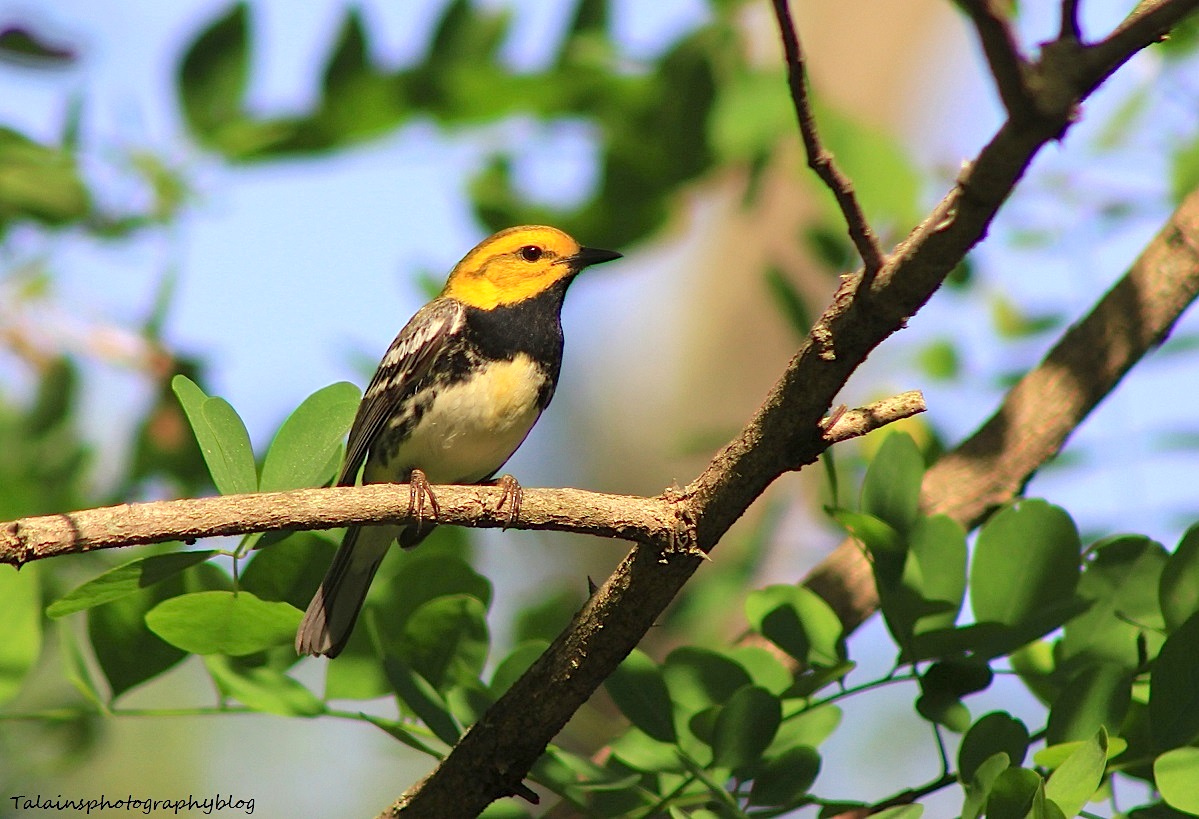
Black-throated Green Warbler - talainsphotographyblog

Yellow Warbler at sunrise.Abaco Bahamas.6.13.Tom Sheley copy copy

TRANSIENTS

PROTHONOTARY WARBLER Protonotaria citrea TR 3 

Prothonotary Warbler, Abaco - Ann Capling

TENNESSEE WARBLER Oreothlypis peregrina TR 4 

Tennessee Warbler Jerry Oldenettel Wiki

ORANGE-CROWNED WARBLER  Oreothlypis celata TR 4 

Orange-crowned Warbler dominic sherony wiki

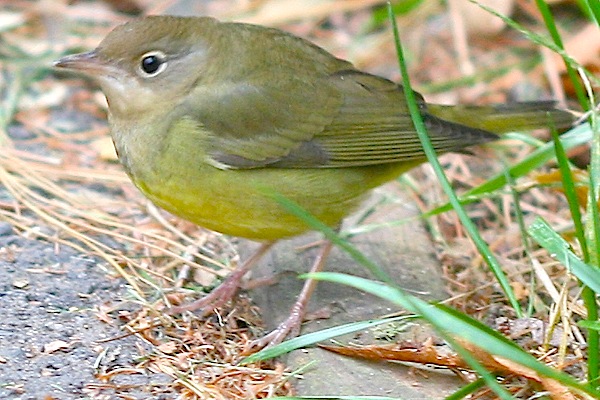
CONNECTICUT WARBLER Oporonis agilis TR 4 

Connecticut Warbler Central Park NYC 10000birds.com

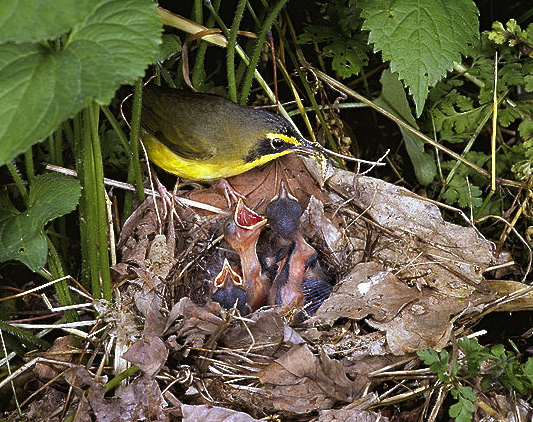
KENTUCKY WARBLER Geothlypis formosa TR 4 

Kentucky_Warbler Steve Maslowski wiki - Version 2

BAY-BREASTED WARBLER Setophaga castanea TR 4 

Bay-breated warbler MDF Wiki

BLACKBURNIAN WARBLER Setophaga fusca TR 4

Blackburnian Warbler Mdf wiki

CHESTNUT-SIDED WARBLER Setophaga pensylvanica TR 4

Chestnut-sided Warbler talainsphotographyblog - Version 2

BLACKPOLL WARBLER Setophaga striata TR 3 

Blackpoll Warbler avibirds.com

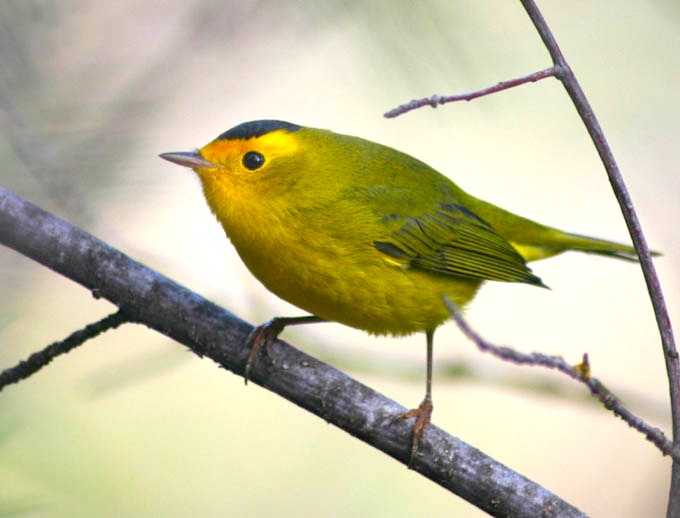
WILSON’S WARBLER Cardellina pusilla TR 4 

Wilson's Warbler Michael Woodruff wiki

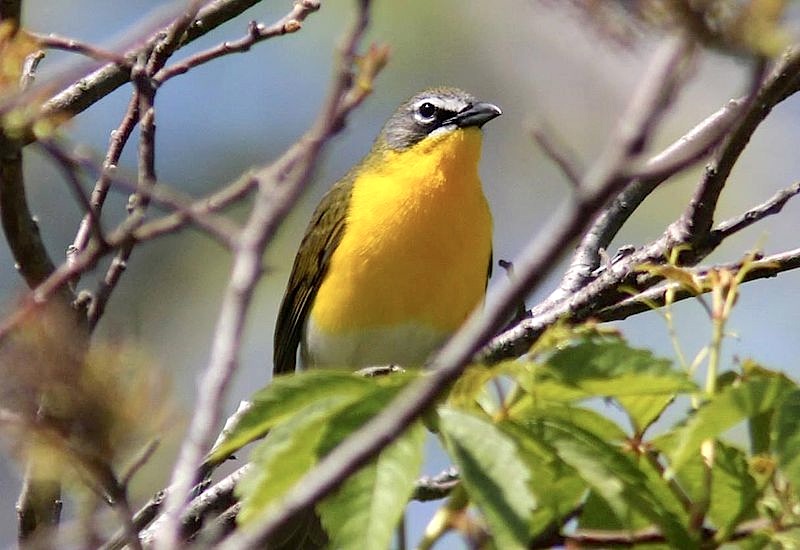
YELLOW-BREASTED CHAT Icteria virens TR 4 

Yellow-breasted Chat Emily Willoughby wiki

PHOTO CREDITS: GUIDE (1 – 37) Bruce Hallett (Header, 3, 9, 12, 14, 17, 21, 22); Tom Reed (1, 4); Tom Sheley (2, 7, 10); Alex Hughes (5); Gerlinde Taurer (6, 11, 18);  Becky Marvil (8, 20a); Woody Bracey (13, 24); Peter Mantle (15); RH (16); William H. Majoros (wiki)(19);  talainsphotographyblog (20b, 26, 34); Charmaine Albury (23); Craig Nash (25); Ann Capling (27); Jerry Oldenettel wiki (28); Dominic Sherony wiki (29); 10000birds (30); Steve Maslowski wiki (31);  MDF wiki (32, 33); Avibirds (35); Michael Woodruff wiki (36); Emily Willoughby wiki (37)

CHECKLIST & CODES based on the complete checklist and codes for Abaco devised by Tony White with Woody Bracey for “THE DELPHI CLUB GUIDE TO THE BIRDS OF ABACO” by Keith Salvesen

Unknown's avatar

BAHAMA PINTAILS ON ABACO (WITH YELLOWLEGS PHOTOBOMB)


Bahama (Whitecheeked) Pintail with Lesser Yellowlegs, Gilpin Point, Abaco

BAHAMA PINTAILS ON ABACO (WITH YELLOWLEGS PHOTOBOMB)

I’m not going to pretend that these are particularly meritorious bird photos in any way. We were at Gilpin Point pond, always a good place to see birds and now an area that has regular parrot fly-pasts (and hang-around-squawkings). It’s the only place we have found a furtive little sora creeping guiltily around the reedy margins. It’s a reliable spot for herons and egrets of all kinds, white-cheeked (bahama) pintails by the score, black-necked stilts and lesser yellowlegs. Occasionally a northern pintail. I’ve seen belted kingfishers, bahama woodstars, cuban emeralds, american kestrels, spindalis and many more coppice birds besides. Pelicans have been seen on the rocks on the beach. Always worth a try! One day perhaps I’ll make a checklist… **

A ‘Preening of Pintail’ with a lesser yellowlegs feeding happily (if blurrily) behind themBahama (Whitecheeked) Pintail with Lesser Yellowlegs, Gilpin Point, Abaco

Less than a minute earlier… PHOTOBOMBBahama (Whitecheeked) Pintail with Lesser Yellowlegs, Gilpin Point, Abaco

The photobomb was a complete surprise, but I managed to snap the more elegant landing…Bahama (Whitecheeked) Pintail with Lesser Yellowlegs, Gilpin Point, Abaco

** As a postscript, I see that Pericles Maillis posted on eBird his very brief bird count at Gilpin pond and on the beach a couple of days after I posted this. He saw

  • 3 Blue-winged Teal (‘first sighting of bw teal for 2015 migration’)
  • 20 White-cheeked (Bahama) Pintail
  • 1 Great Blue Heron
  • 1 Snowy Egret
  • 2 Tricolored Heron
  • 5 Green Heron
  • 2 Killdeer
  • 2 Ruddy Turnstone
  • 10 Laughing Gull
  • 1 Caribbean Dove
  • 8 House Sparrow

Pics: RH

Unknown's avatar

“CHECK OUT THE WEB” (2) SEMIPALMATED SANDPIPERS ON ABACO


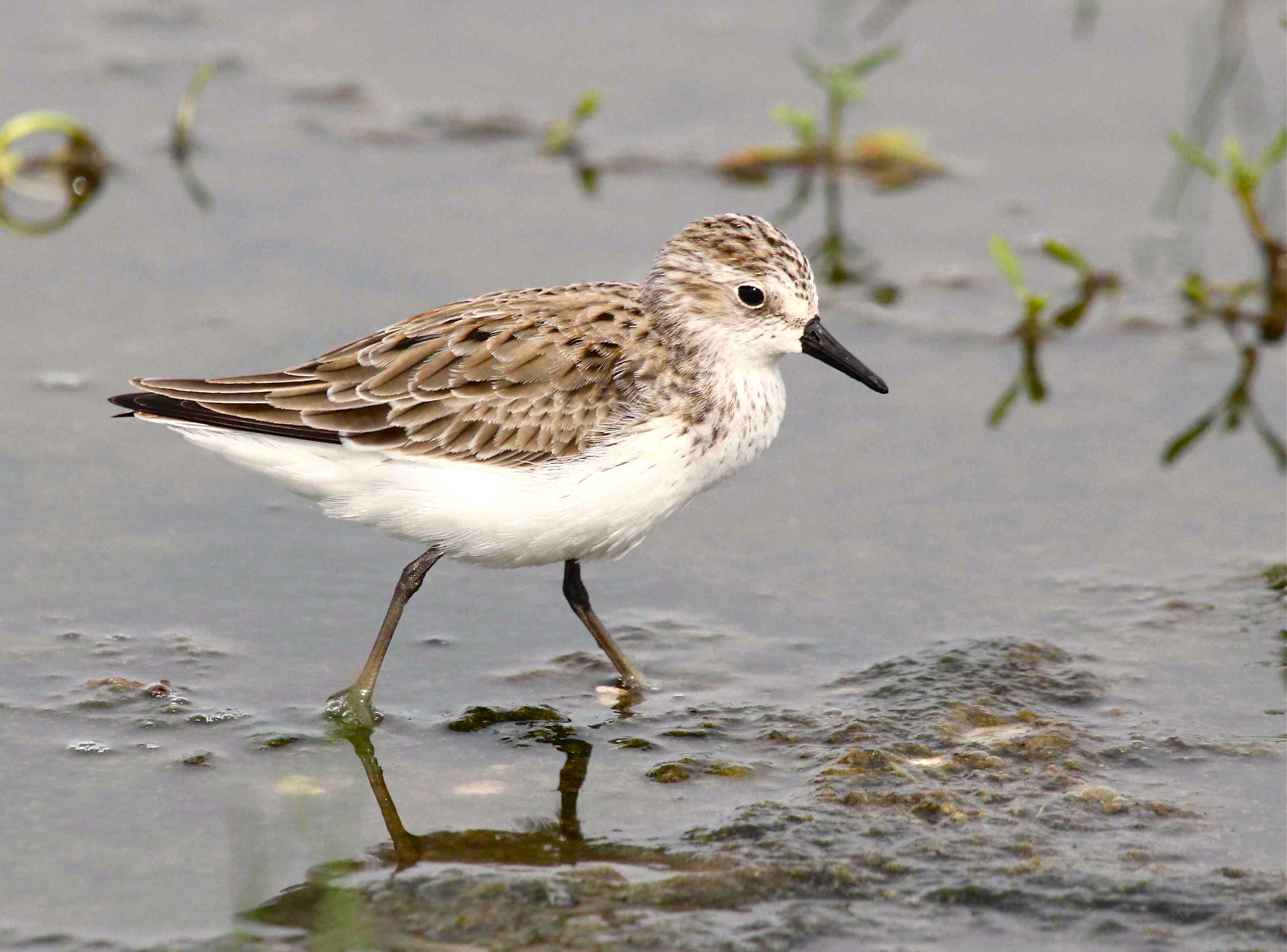
Semipalmated Sandpiper, Abaco (Bruce Hallett)

“CHECK OUT THE WEB” (2) SEMIPALMATED SANDPIPERS ON ABACO

Having recently headlined a post for SEMIPALMATED PLOVERS with a web-related title, I’m repeating it for Abaco’s other part-webbed shorebird, the semipalmated sandpiper. Either it’s so apposite that it doesn’t need changing; or else I lack the imagination to think up something new…

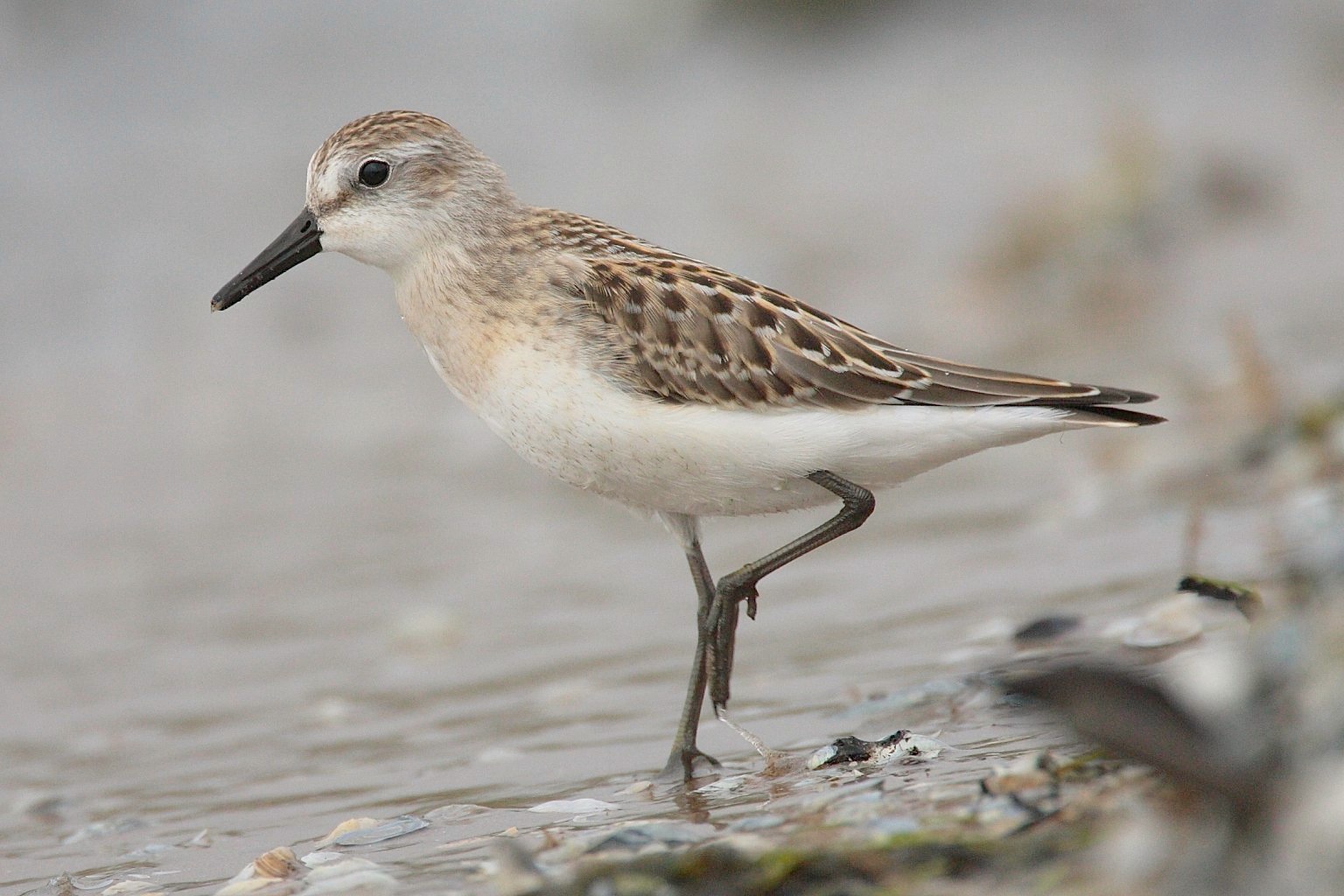
Semipalmated Sandpiper (juv), Abaco (Bruce Hallett)
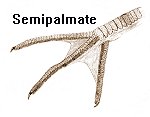
semipalmateThis attractive little sandpiper Calidris pusilla has the partially webbed feet that give it its name. In spring and fall these ‘peeps’ are the most numerous shorebirds on Abaco but they are just passing through on their migration further south – so-called ‘transients’. Flocks of these birds may be arriving any moment now on a beach near you. The signifiers are black legs, a short, straight dark bill, and a body that is white underneath and brown /gray on top, tinged lighter on the head and neck. 

Semipalmated Sandpiper Calidris pusilla (MDF) 

SO THEY’RE EASY TO SPOT ON THE SHORELINE?

Not really, I’m afraid. This species is very easy to confuse with other small shorebirds (with which they happily mingle), especially the less common western sandpiper which has a slightly longer and downturned bill. It takes an experienced birder to tell them apart. The most reliable way – to see the feet to check for the partial webbing between the toes – is far from easy. A photograph of the bird as it picks its way across sand, tide margins or mud may be best, if you can zoom in on the feet. The webbing is just visible in both the images above; and more clearly in the one below.

A recent SPSP from Bruce Hallett, in which the semipalmation can more easily be seen Semipalmated Sandpiper (Bruce Hallett)

WHERE DO SEMIPALMATED SANDPIPERS LIVE?

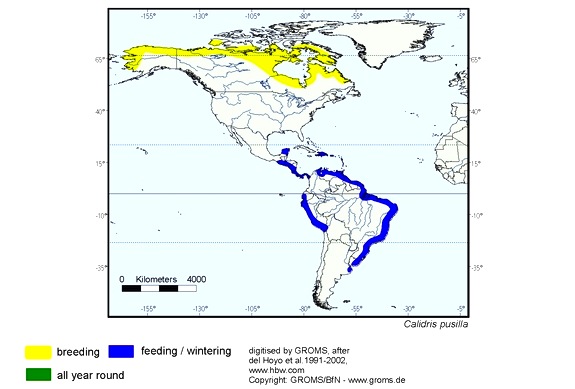
These are birds of the far north – Canada’s tundras and Alaska, close to water – where they breed and lay their eggs in scrapes. Rather sweetly, the male makes several prospective nests for the female to choose her favourite and furnish with grasses etc. Both adults share incubation duties. The chicks are independent almost as soon as they are hatched. Then in early fall they head many miles south to warmer places, of which Abaco is one of the most northerly, principally as a stopover for rest before continuing their journey to the coastal margins of South America. The migrating flocks may contain tens of thousands of birds. Of the many range maps around, this one from the excellent avibirds.com shows the marked contrast between the summer and winter habitats very clearly. 

Semipalmated Sandpiper distribution map (Avibirds.com)

Semipalmated Sandpiper (Dick Daniels Wiki)

HOW DO THEY COMPARE IN SIZE WITH OTHER SANDPIPERS?

The SPSP is one of the smallest shorebirds, the female being slightly larger than the male. This image shows 2 of them in the company of a much larger white-rumped sandpiper (also a transient on Abaco) for comparison.White-rumped Sandpiper + 2 semi-palmated(Woody Bracey)1 copy 2

Time now to get the binoculars out (now where on earth are they?) and patrol the beach to catch the first of these little birds as they begin to arrive in considerable numbers during their fall migration.Semi-palmated Sandpiper, Abaco (Alex Hughes)

Credits: Bruce Hallett (1, 2, 4), MDF (3), Avibirds (infographic), Dick Daniels (5), Woody Bracey (6) [& comments – cheers], Alex Hughes (7)

Unknown's avatar

A QUARTER OF A MILLION GLIMPSES OF ABACO…


Abaco (Cuban) Parrot, Abaco, Bahamas  (Keith Salvesen)

A QUARTER OF A MILLION GLIMPSES OF ABACO…

Well here’s a rum do. About four years ago, this somewhat minority interest blog emerged ‘mewling and puking’¹ into the world, guided by an incompetent male midwife whose basic training had been about 4 weeks of exposure to Abaco, its fishing, its wildlife, its geography and its history. ‘Bananaquit’ might as well have meant taking up a plantain-free diet. ‘Grassquit’ might have been the local word for ‘keep off the lawn’. And that’s before all the flowers. And the reef fish. And everything else that turned up during the storm-wracked voyage of discovery via polydamus swallowtails, manatees, spider wasps and batfish that led slowly to the calmer waters of ‘rather better informed (if no wiser)’. 

Anyway, at midnight last night some unknown person kindly made the 250,000th visit to the blog, a target that once seemed inconceivable. In the past month, the 1000th person also signed up as a follower, another source of amazement. The reality is that despite Abaco being a sparsely-populated microdot island in a huge world, there are a great many people on the island or associated with it who are passionate about it and its extraordinarily diverse natural history. That knowledge makes curating this blog both easy and pleasurable. 
RH Stats clip

I checked my stats for the last year to find out where hits from the top 10 countries – and for fun the bottom 1o – came from. Here’s the answer. Rather shamefully there was also a country I had never knowingly heard of, Palau (Micronesia). There follows a selection of a few photographs that have been popular over the years, mostly my own but the underwater ones are from Melinda Riger and Virginia Cooper of Grand Bahama Scuba.

Top 10                                                                   Bottom 10
Top 10 countries jpg   Bottom 10 countries jpg

Cuban Emerald Hummingbird, Delphi, Abaco (Keith Salvesen)Bananaquit & palm, Delphi, Abaco, Bahamas  (Keith Salvesen)Western Spindalis, Abaco, Bahamas  (Keith Salvesen)Blue-gray Gnatcatcher, Abaco, Bahamas (Keith Salvesen)Red-winged Blackbird, Abaco, Bahamas  (Keith Salvesen)Brown Pelicans, Sandy Point, Abaco  (Keith Salvesen)Reddish Egret, Crossing Rocks, Abaco, Bahamas (Keith Salvesen)French Angelfish (juv), Bahamas (Melinda Riger)Four-eyed Butterflyfish ©Melinda Riger @GBSCowfish ©Melinda Riger @ GB ScubaOctopus ©Melinda Riger @ Grand Bahama ScubaNassau Grouper, Bahamas (Melinda Riger)Blacktip Shark ©Virginia Cooper @ G B Scuba copy 2Curly-tail Lizard, Delphi, Abaco, Bahamas (Keith Salvesen)Atala Hairstreak Butterfly, Abaco, Bahamas (Keith Salvesen)Bird of Paradise Flower (Strelitzia) Abaco (Keith Salvesen)Hibiscus : Polydamus Swallowtail, Delphi Abaco (Keith Salvesen)Yellow Elder Hope Town, Abaco, Bahamas (Keith Salvesen)

SEARCH TERMS

The most popular searches – omitting posts about hurricanes, which always generate a lot of traffic – have concerned Abaco Parrots, Lignum Vitae, Sea Glass, the Loxahatchee poster series, Tarantula Hawk Wasps, Sea Biscuits / Urchins, Yellow Elder, Parrotfish, Shipwrecks, Hutias, Hole-in-the-Wall, Lionfish, Remora, and Abaco Maps. The most leftfield search of all was ‘How dispose of dead bodies?’, by someone who had clearly strayed into the wrong category of website…

A FEW OF THE MOST POPULAR POSTS / PAGES
SEA SHELLS
SPIDER WASPS & TARANTULA HAWKS: DON’T MESS WITH THESE GUYS    
ABACO FACTS (including likelihood of adverse shark encounter or shipwreck)    
ABACO MAPS    
LIGNUM VITAE – BAHAMAS NATIONAL TREE    
YELLOW ELDER – THE BAHAMAS NATIONAL FLOWER    
SEA URCHINS & SEA BISCUITS – BEACHCOMBING TREASURES ON ABACO    
ABACO FOOD & DRINK (cook hog / bonefish; clean a conch; sip an Abaco cocktail / Goombay Smash)
ABACO & HOLE-IN-THE-WALL, BAHAMAS: A SHORT HISTORY IN MAPS    
PINEAPPLES: SYMBOLS OF WELCOME & WEALTH (ALSO, DELICIOUS)    
ABACO ISLAND BOA: THE ONLY ABACO SNAKE    
WHALES & DOLPHINS    
ABACO PARROTS    
FLORA

It would be strange to end this little celebration without a tip of the hat to Peter Mantle, old friend and genial doyen of the Delphi Club, for his wholehearted encouragement and support for the production and publication of THE DELPHI CLUB GUIDE TO THE BIRDS OF ABACO. This hefty tome, published in March 2014, showcases the wonderful and varied avian life on Abaco and has proved very popular – indeed well beyond our expectations. Although I appear nominally as author on the cover, it is in fact an extraordinary collaborative effort by some 30 people. The book’s success further demonstrates the commitment of Abaconians and other who love the island to Abaco’s rich natural heritage in an age of  rapid change; and provides another good incentive for me to continue with the blog. Next stop: 500,000!

¹ © W. Shakespeare, Romeo & Juliet Act 2 Sc. 7

dcbg2ba-jacket-grab-for-pm-v2-copyShark Gif

Unknown's avatar

“GOOD MIGRATIONS” by THE BEACH BIRDS


Piping Plover 32 (banded as an adult in 2010 at Manistee, MI Sleeping Bear Dunes N L, MI)

Banded in Michigan in 2010 – in Florida right now!

“GOOD MIGRATIONS” by THE BEACH BIRDS

It’s started already. The autumn migration of piping plovers from up north to down south. It seems only the other day (April in fact) that the last PIPL were seen on Abaco. Since then, they have spent the summer in their breeding grounds, raising families. This seems to have been a successful breeding season, with good reports that included a record number in the tiny Great Lakes population. But the attrition rate to predation is high: for example, of the 4 chicks in one family that was closely observed on Long Beach Island NJ, only one (‘Beth’) has survived.

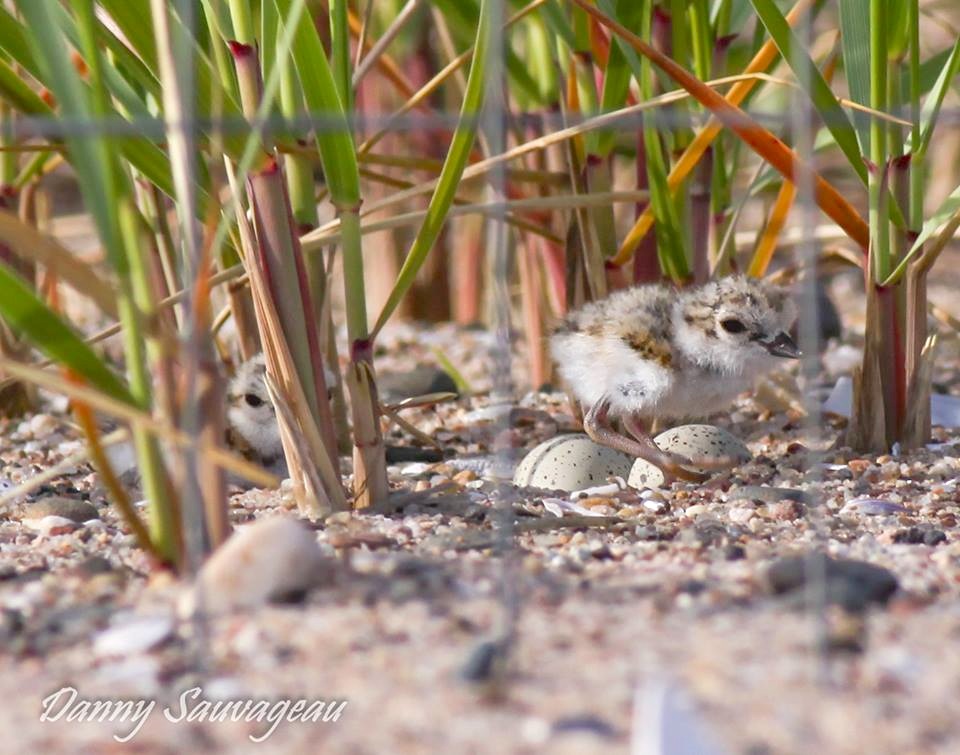
Piping Plovers - 2 chicks, 2 eggs - CT (Danny Sauvageau)

Piping plovers: 2 chicks & 2 eggs, Connecticut

WHAT’S SO SPECIAL ABOUT THESE BIRDS?

A recent estimate put the world’s supply of these little birds at 8000. And of these, many spend their winter in the Bahamas, Abaco being one of their favoured destinations. The survival of the species is in the balance. Habitat degradation at either end of their migrations could be disastrous; at both ends, more than doubly so.

Piping Plover (juv) CT (Danny Sauvageau)

Piping Plover juvenile, Connecticut

HOW CAN THEIR SURVIVAL BE ASSURED?

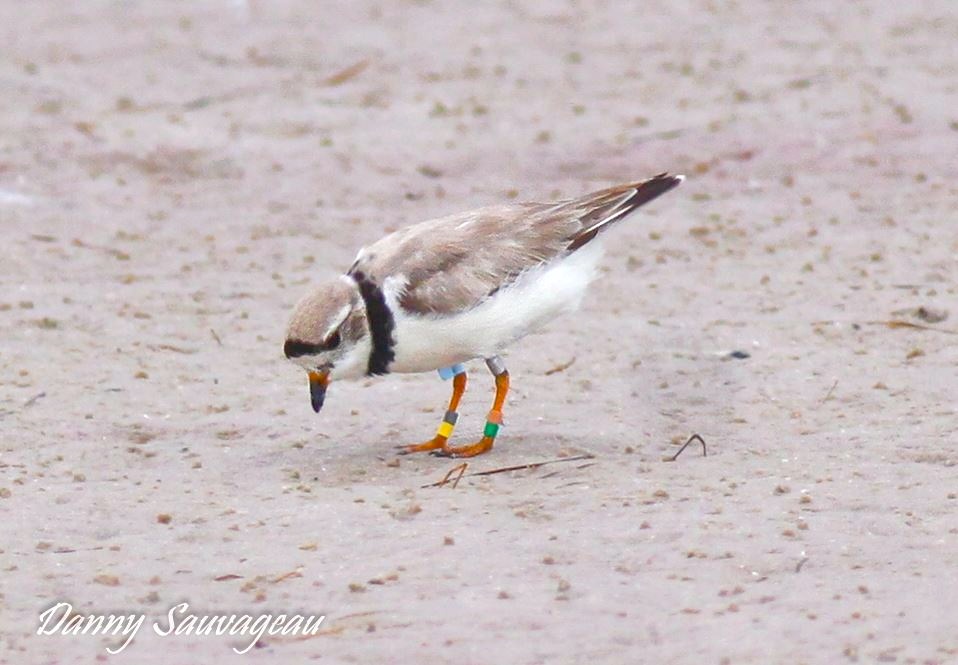
A number of organisations and individuals are dedicated to looking out for the PIPL. This includes ensuring preservation of habitat integrity and protection on the beaches where they nest, and banding programs so that birds can be tracked and monitored during their migrations. This is one aspect which people on Abaco (and elsewhere) can help with – looking out for these birds, reporting their location and how many are seen, and if possible describing the bling: colour of bands, which legs, which order,visible numbers etc. Or better still, taking photos!

Piping Plover CT (Danny Sauvageau)

WHERE WILL I FIND PIPING PLOVERS ON ABACO?

On beaches and shorelines. On the mainland, places where they were reported last year included Long Beach, Crossing Rocks, Schooner Bay, the beach at Delphi, Bahamas Palm Shores, Casuarina and Little Harbour. They also visit the cays, with a number reported on Man-o-War Cay for example.Piping Plover (Danny Sauvageau) 3

HOW FAR HAVE THEY GOT IN THEIR TRAVELS?

Well on their way south. Danny Sauvageau, who combines monitoring beaches in Florida with being a wonderful bird photographer, has just reported the first arrivals. On 23 July he saw 3 unbanded PIPL in Dunedin Fl. – here’s one of them.Piping Plover, Dunedin, FL (Danny Sauvageau)

Then on 29 July Danny found his first banded Piping Plovers of the 2015-16 wintering season at Fort Desoto – 6 birds of which 5 were banded. This enabled him to recognise them as returners, and to identify their origin: “Two were from the Great Lakes (Michigan), two were from the Great Plains (North Dakota and South Dakota) and one was from Nebraska!”.

These 3 examples show the wide variation in banding in the different locations. Which is why a photo of a bird’s legs is particularly helpful for the research into the species.

PPL-106- 2nd year at Ft Desoto - Banded in Nebraska PPL-35 - 3rd year at Ft Desoto - Banded as a chick 2012 Vermillion, MI along Lake Superior PPL-2 - 3rd year at Ft Desoto - Banded as a adult 2013 Whitefish Point, MI along Lake Superior

The CONSERVE WILDLIFE FOUNDATION OF NJ is involved annually with researching the piping plovers of Abaco. Many will be familiar with the scientists Todd Pover and Stephanie Egger who visit each year to monitor the plovers. For those who do not already have a direct line to them I would be very pleased to receive reports of sightings to collate and pass on. The monitoring work provides exactly the kind of information that will help to ensure the survival of this adorable but vulnerable species. Please email me at rollingharbour.delphi@gmail.com or, better still, upload info / pics to the new FB page I have set up, ABACO PIPING PLOVER WATCH 2015 – 16Piping Plover Charadrius melodus (Ontario, MDF : wiki)

The most helpful information to have is date; time; location; number of birds; whether banded or unbanded; and if banded, as much information as possible or ideally a photo…

lbi-piping-plover-chick

TYPICAL MUSICAL DEVIATION FROM THE TOPIC

The referencing in the title to a famous ‘disc’ from 1966 by a ‘popular beat combo’ does not presage a re-formation. In the past there was acrimony. Some drink ‘n’ drugs hell. Splits and re-formations. Sadly not all former members are still with us. Here’s a memory of them from (arguably) their most satisfyingly inventive era… **EARWORM ALERT** now you won’t be able to get the wretched tune out of your head. It’s given you ‘excitations’. Sorry about that.

Credits: All photos courtesy of Danny Sauvageau except ‘lone chick’ MDF & ‘chick in hand’ CWFNJ; shout outs to Danny, Todd, Stephanie and all PIPL researchers. Plus Bay Soundings. And the Beach Boys…

ADDENDUM AUG 2 A good article about the significance of banding can be found at BAY SOUNDINGS (based around Tampa Bay). It includes contributions from Danny and a useful info box:

Reporting banded birds

Reporting banded birds is one of the most important activities for citizen-scientists, says Wraithmell. “It’s the only way we have to solve the mystery of migration – to learn where they stop and where they winter so we can protect that habitat too.”

Most photographers stumble upon their first banded birds accidentally because they don’t always see the bands until they review their images on a computer screen. After that, they’ll learn to watch for the bands even if they don’t get close enough to see them with their naked eye.

“There’s something very exciting about photographing banded birds, learning where they came from and following their travels if they’ve been seen and reported before,” Sauvageau said.

But capturing an image shouldn’t outweigh allowing the bird to rest or feed in peace, Wraithmell said. “One thing that’s really important is not disturbing the birds, whether they’re nesting or just resting,” she said. If nesting birds are disturbed, they fly off and leave their eggs or babies in broiling sun and defenseless against predators. Wintering birds need to rest and pack on the pounds before they fly back to their summer breeding grounds.

“Some birds, like piping plovers, actually spend more time here than they do nesting,” she said. “Their main job over the winter is eating and resting so they can nest successfully. And breeding is hard work – it takes a lot of energy to make an egg and then to feed and defend a chick until it’s old enough to take care of itself.”

For the scientists who band birds, “it’s like putting a message in a bottle and throwing it in the sea,” Wraithmell said. “Every resighting is valuable because we learn something new.”

Unknown's avatar

‘CHECK OUT THE WEB’: SEMIPALMATED PLOVERS ON ABACO


Semi-Palmated Plover, Abaco (Alex Hughes)

‘CHECK OUT THE WEB’: SEMIPALMATED PLOVERS ON ABACO

“Semipalmated”. You what? Come again? Ehhhh? My reactions to the word until embarrassingly recently. In fact until the steep learning curve involved in writing a bird book made some all of the terminology clearer. Plovers and sandpipers both have semipalmated versions, and I’ll take the semipalmated plover (Charadrius semipalmatus) first.

Semipalmated Plover, Abaco (Woody Bracey)

WHAT SHOULD I LOOK FOR?

A small shorebird with a grey-brown back and wings, a white underside with a single black neck band, and orange legs. They have a brown cap, a white forehead, a black eye mask and a short black bill with an orange base to it. And feet to be discussed below.Semi-palmated Plover WB P1001211 copySemipalmated Plover, Abaco (Tony Hepburn)

WHERE DO THEY LIVE?

Their summer home and breeding habitat is on the beaches and flats of northern Canada and Alaska. They nest in scrapes on the ground right out in the open. In the Autumn these little birds set off on long journeys south to warmer climes until Spring: the coasts of the southern states, Caribbean and South America. On Abaco, they are fairly common in certain areas including the beach at Delphi. Like other plovers, these  birds are gregarious and will mix in with other shorebirds – which can make them hard to pick out in the crowd.Semipalmated Plover, Abaco (Charles Skinner)

GET ON WITH THE ‘SEMIPALMATED’ BIT, PLEASE

‘Semipalmated’ refers to the partial webbing between their toes. There are different degrees of palmation, as these handy graphics demonstrate:

Semipalmate: in practice, very hard so see in the field e.g. plovers & sandpipers semipalmate

Palmate: full webbing across the ‘front’ 3 toes, e.g. gulls

palmate

Totipalmate: all toes are fully webbed e.g. cormorants

totipalmate

Nonpalmate: please supply own imagination 

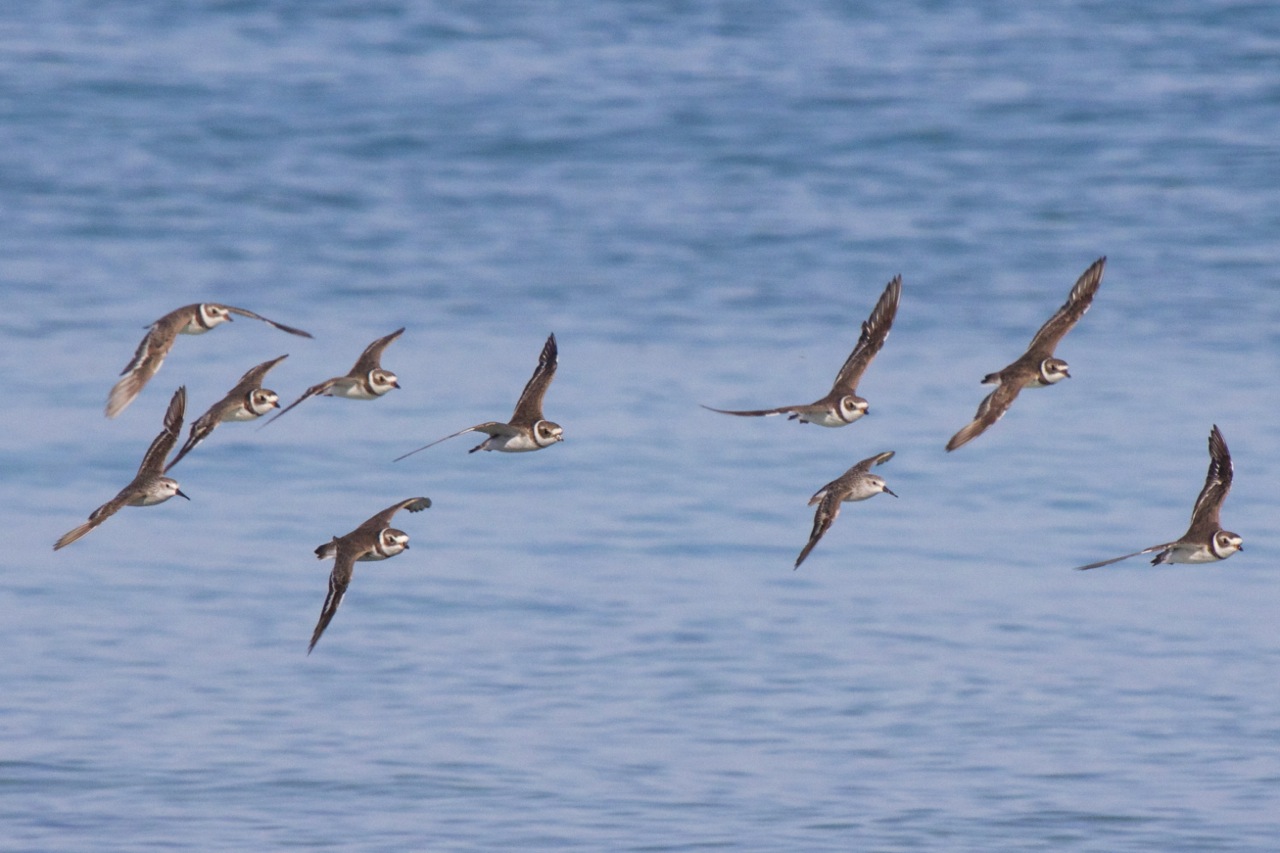
Gregarious flight: there are sandpipers in the mix (clue: long bills)Semipalmated Plover, Abaco (Alex Hughes)

WHAT DO THESE BIRDS EAT?

Semipalmated plovers are much like any other small shorebird foraging on beaches and foreshores. They eat insects, crustaceans and worms. Here is a bird in a promising place for its preferred diet.

Semipalmated Plover, Abaco (f, nb) Bruce Hallett FV

ANYTHING ELSE TO LOOK OUT FOR?

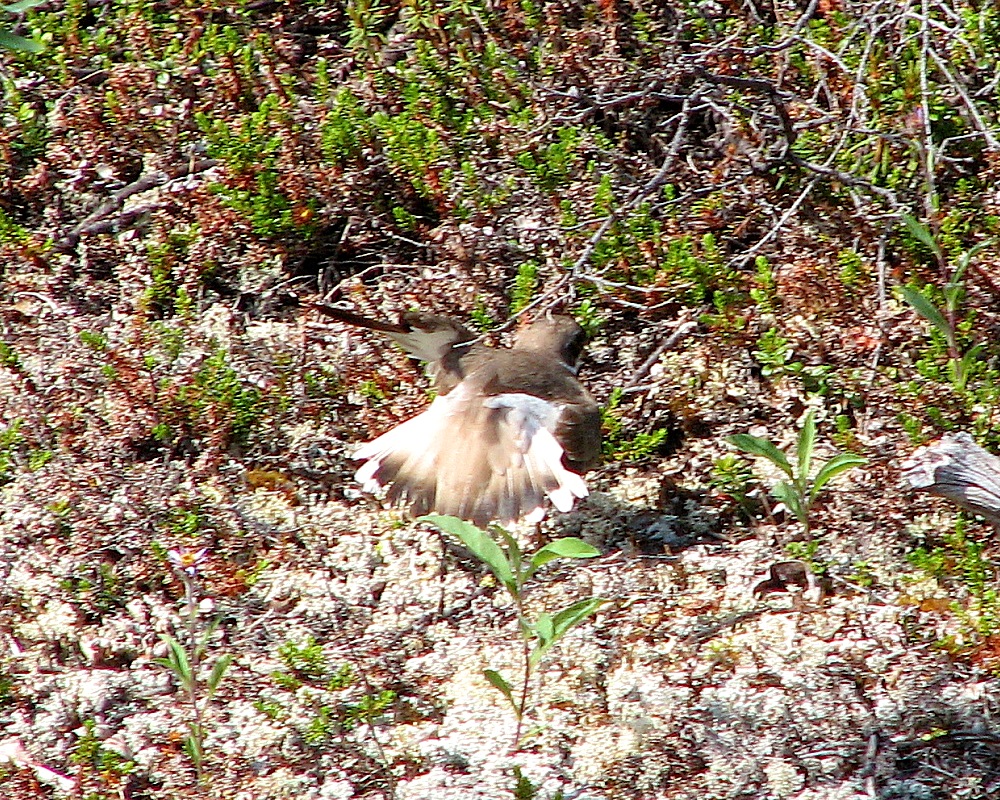
Like other plover species – Wilson’s and Killdeer for example – a semipalmated will  use the ‘broken wing’ ploy to lure a predator away from a nest and the eggs or chicks in it. As it flops about pathetically on the sand looking vulnerable, it actually moves gradually further away from the nest. If it comes to the crunch it is able to take wing rapidly, leaving a very puzzled predator behind.Semipalmated_Plover,_broken_wing_display (D Gordon E Robertson)

Semipalmated plovers flying with 2 sandpipersSemi-palmated Plover AH IMG_0612 jpg

Credits: Alex Hughes (1, 6, 9, 10); Woody Bracey (2, 3); Tony Hepburn (4); Charles Skinner (5); Bruce Hallett (7); D Gordon E Robertson (8);  Bird foot infographics people.eku.edu AH IMG_1637 copy

Unknown's avatar

LIMESTONE CAVES ON ABACO: WELL WORTH LOOKING INTO…


Abaco Parrot nest (Caroline Stahala)

LIMESTONE CAVES ON ABACO: WELL WORTH LOOKING INTO…

I have written several posts in the last few months featuring Brian Kakuk’s amazing photos of the underwater caves of Abaco. These caves, mostly beneath Abaco’s pine forests, are fabulous treasures of rock and crystal. A recent post example can be seen HERE. I have also featured some of the famous Blues Holes of Abaco from time to time, for example HERE. So now it’s time to turn attention to ‘land caves’, the dry(ish) limestone holes and caverns that are dotted around Abaco, especially in the South, and bear witness to aeons of geological development through erosion.

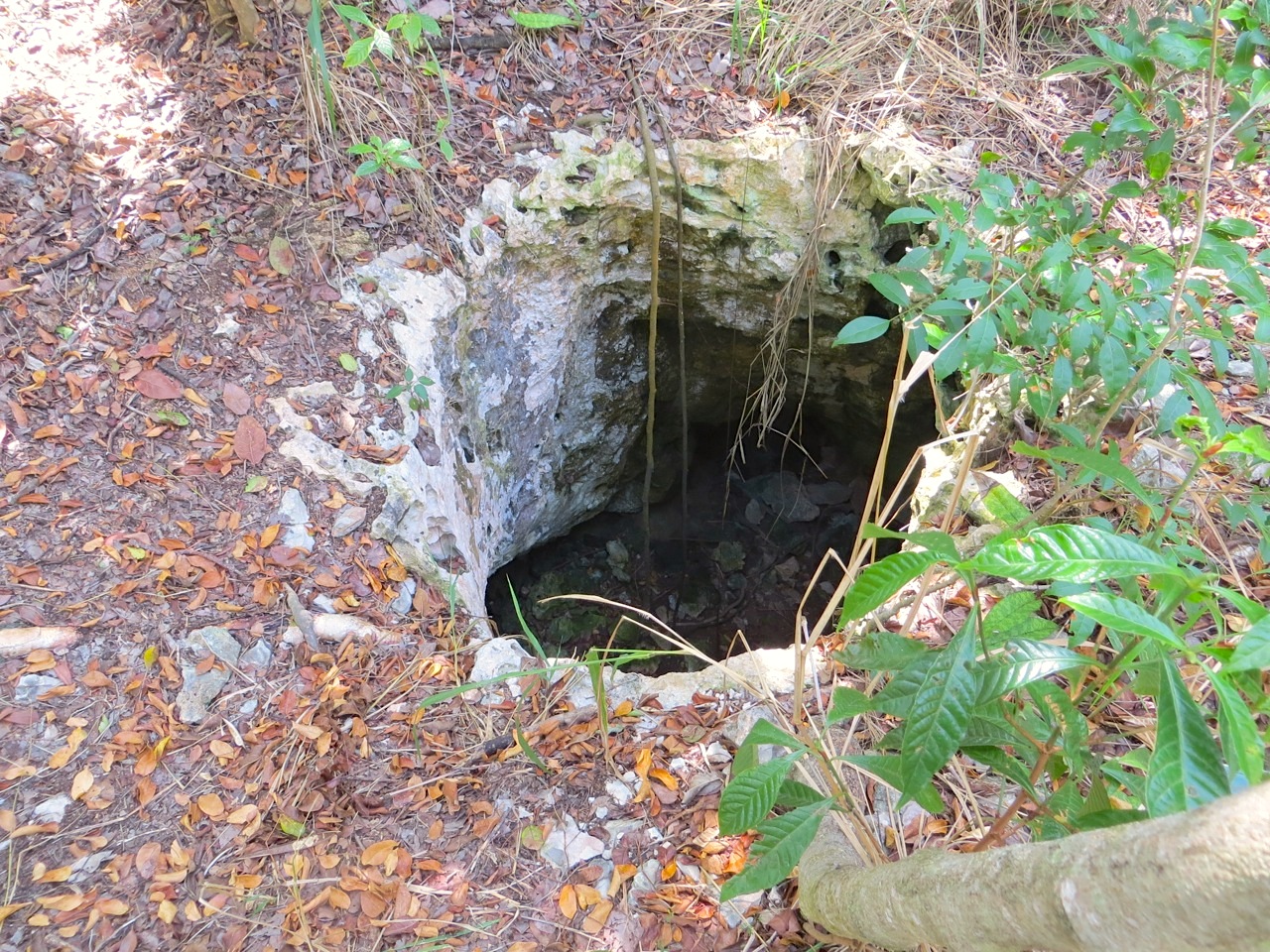
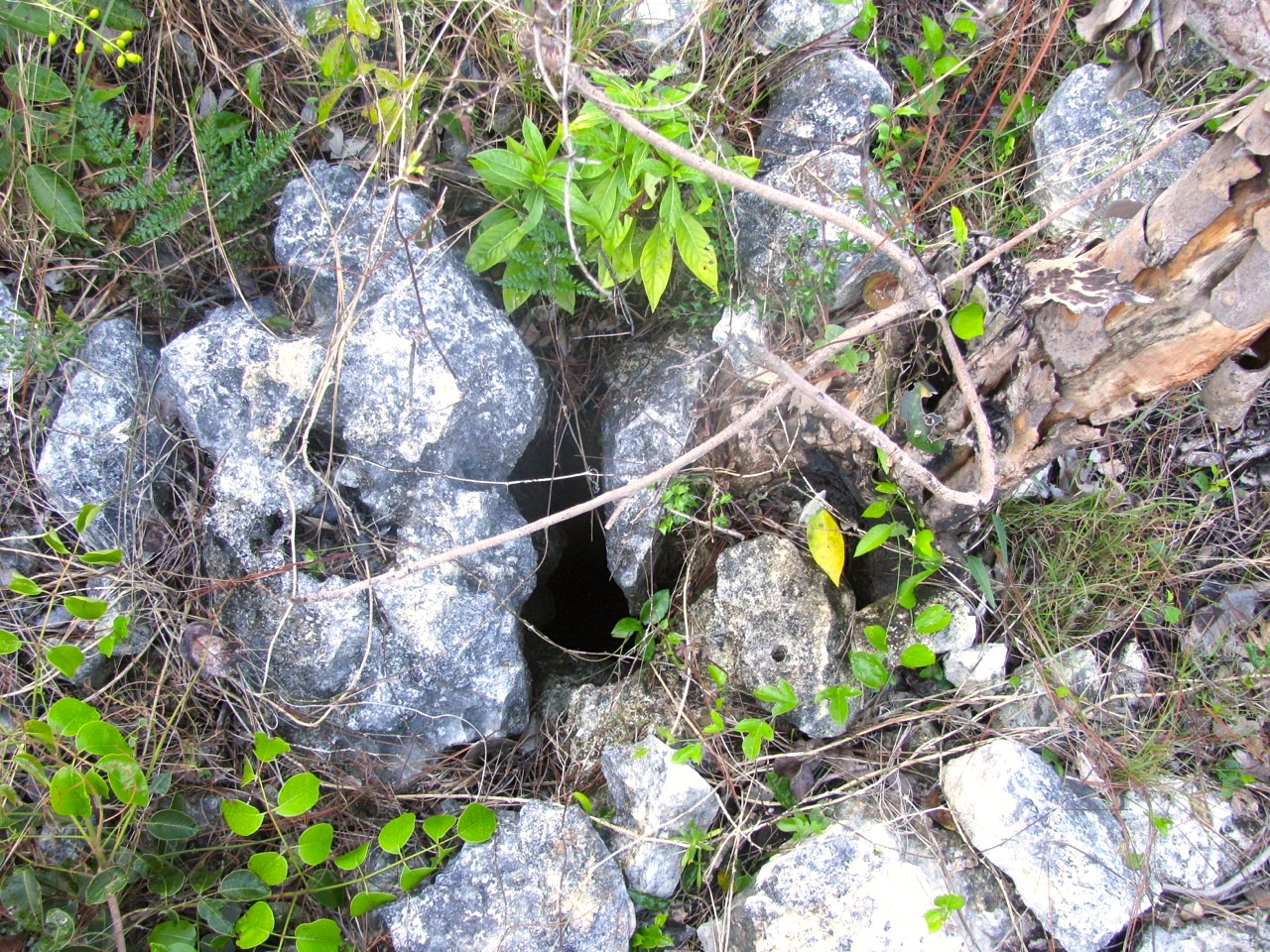
The coppice and extensive pine forests are pitted with holes of widely varying sizes. I’m way out of my depth here, geology-wise (polite corrections invited), but this sort of landscape is I believe known as KARST. This term presumably includes Abaco’s ‘dry’ holes, the blue holes and the substantial network of underwater caverns. Small examples can readily be found in easily accessible places such as non-dense coppice. We were very surprised when we pushed our into the coppice bordering the Delphi Club guest drive and took a closer look at a hole. Although the weather was hot and dry at the time, you will see that the hole has some form of micro-climate, with damp walls and interior and wet-climate plants like small ferns and forms of what I take to be moss and algae.

ONE OF MANY LIMESTONE HOLES BESIDE THE DRIVES AT DELPHILimestone Hole, Delphi, Abaco (Keith Salvesen)

A HOLE NEAR HOLE-IN-THE -WALL – LARGER INSIDE THAN IT LOOKS 

Limestone Hole, Hole-in-the-Wall Abaco01  Limestone Hole, Hole-in-the-Wall Abaco03

THE CAVE-DWELLERS OF ABACO: THE FABULOUS PARROTS

Among the best-known special residents of Abaco are the ground-nesting parrots, gorgeous birds that I have often featured in the past – see the parrot page HERE. Not so long ago, their numbers had reduced to an unsustainable population – fewer than 1000 – that faced extinction. The creation of the National Park covering the pine forests where they breed, coupled with a vigilant and intensive conservation program, have reversed the trend. There is now a sustainable breeding population again, exceeding 3000 birds.  

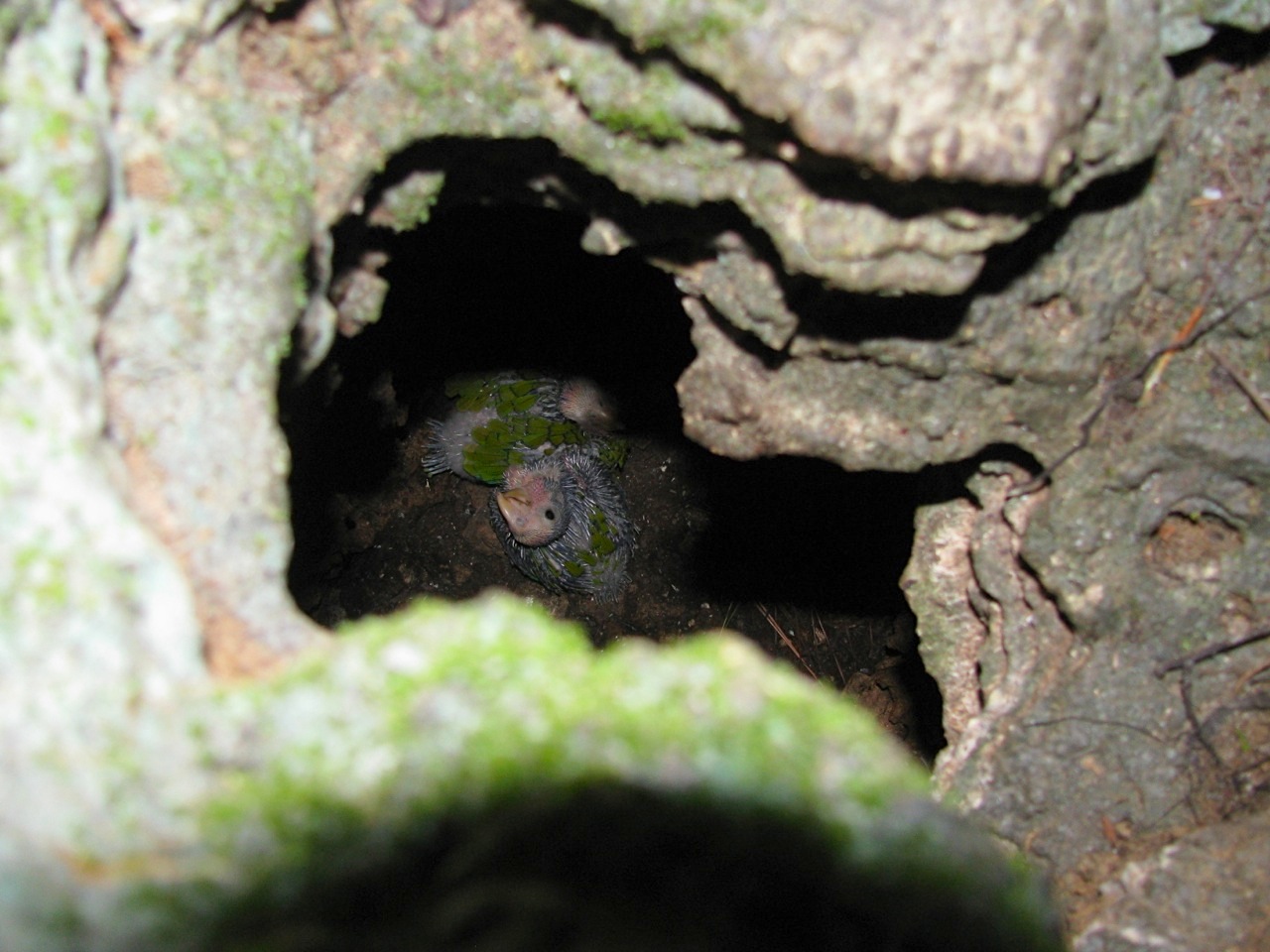
The only other breeding Cuban parrot population in the Bahamas is found on Inagua, where they nest conventionally in trees. There is a very small non-breeding population on New Providence. Abaco’s cave-dwelling subspecies of the cuban parrot is unique. Here’s an insight into how they live, deep in the pine forest, during the summer breeding season, with many thanks to Caroline Stahala, the scientist who spent some 10 years researching and protecting the parrots.

PARROT NEST HOLES: VULNERABLE TO PREDATORS, PROTECTED FROM FOREST FIRESLimestone Holes & Abaco Parrots (Caroline Stahala) Limestone Holes & Abaco Parrots (Caroline Stahala)

PARROTS MAY NEST DEEP – OR SHALLOW. Limestone Holes & Abaco Parrots (Caroline Stahala)Limestone Holes & Abaco Parrots (Caroline Stahala)

THE BREEDING SEASON: NEST, EGGS, HATCHLINGS, FLEDGELINGS…Limestone Holes & Abaco Parrots 08Limestone Holes & Abaco Parrots (Caroline Stahala)Limestone Holes & Abaco Parrots (Caroline Stahala)Limestone Holes & Abaco Parrots (Caroline Stahala)

HOW BIG DO THE ‘DRY’ HOLES GET?

TBH my personal experience is somewhat limited. I believe there are large, sea-scoured caves along rocky parts of the south coast, but those are rather different from the eroded ground holes discussed here. As so often I rely on Mrs RH – far more intrepid than me – and her exploring skills. The cave shown below is right down at the far south of Abaco, at Hole-in-the-Wall, hidden in the coppice along the ‘Soldier Road’ from the T-junction (we are talking rough tracks here – very – not proper roads) towards the lighthouse. 

Soldier Road Sign, Hole-in-the-Wall Abaco

Limestone Hole, Hole-in-the-Wall Abaco15Limestone Hole, Hole-in-the-Wall Abaco16Limestone Hole, Hole-in-the-Wall Abaco06Limestone Hole, Hole-in-the-Wall Abaco13

The rock is far more colourful than you  might expectLimestone Hole, Hole-in-the-Wall Abaco09

Credits: Caroline “The Parrot Lady” Stahala; Mrs RH for investigating the last cave and taking the camera with her; RH the rest; Woody Bracey for our great day of birding at Hole-in-the-Wall and his local knowledge of the area… 

Unknown's avatar

WHEN A BIG BILL JUST MAKES YOU SMILE… WILSON’S SNIPE ON ABACO


Wilson's Snipe (Birds Caribbean)

WHEN A BIG BILL JUST MAKES YOU SMILE… WILSON’S SNIPE ON ABACO

Wilson’s snipe Gallinago delicata is a plump little bird that is classified as a shorebird. But unlike some, it is not confined to the shore and immediate hinterland – marshland or brackish pond regions are also favoured habitats. Until recently (2003) the Wilson’s was treated as a subspecies of the widespread Common Snipe, before being accorded its own species-status. Something to do with white on the wing edges and a couple more tail feathers. If you want to know who Mr Wilson was (who also ‘owns’ other birds such as a plover and a phalarope) you can find out HERE.

A Wilson’s Snipe on Abaco (but not on the shore…)WILSON'S SNIPE, Abaco (Charles Skinner)WILSON'S SNIPE, Abaco (Charles Skinner)     WILSON'S SNIPE, Abaco (Charles Skinner)

The snipe, in common with several species such as the woodcock, willet and dowitcher, has a notably long bill. The header image is one of the best I have come across that clearly illustrate it, and comes from the extensive archive of the excellent BIRDS CARIBBEAN. The naturalist concerned noted “…check out this remarkable bill. If you have not held a shorebird like this in your hand, the bill is pliable, flexible, and innervated. The snipe feels its way through the muck and then plucks the worm out like tweezers”.

SNIPES AND SNIPERS

The snipe has the misfortune to be a game bird. In the c19, its populations began to reduce due to habitat destruction – especially the draining of marshland – to which it is still vulnerable, of course. But more serious was its increasing popularity with hunters as a difficult bird to shoot, with its fast, jagging flight. A hunter skilled enough to shoot snipe successfully became known as a “sniper”, a usage coined some 200 years ago. I imagine the verb ‘to snipe (at)’  a person derives from this usage, meaning to fire off a quick, accurate, possibly hurtful remark.

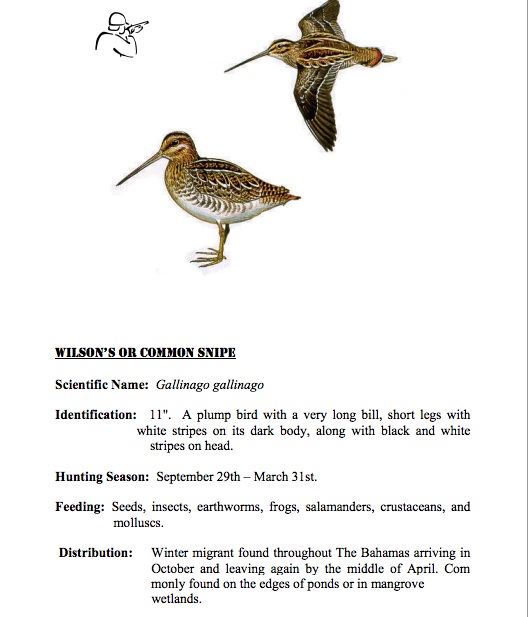
Despite these drawbacks, there are enough snipe for the species to remain IUCN-listed ‘least concern’. In the Bahamas, they can be hunted between autumn and spring. This is the relevant page from the BNT HUNTERS’ GUIDE 

Wilson's Snipe BNT Hunters' Guide jpg

800px-Wilsons_Snipe_Richmond_BC Alan D. Wilson

WILL I SEE WISNs ON ABACO?

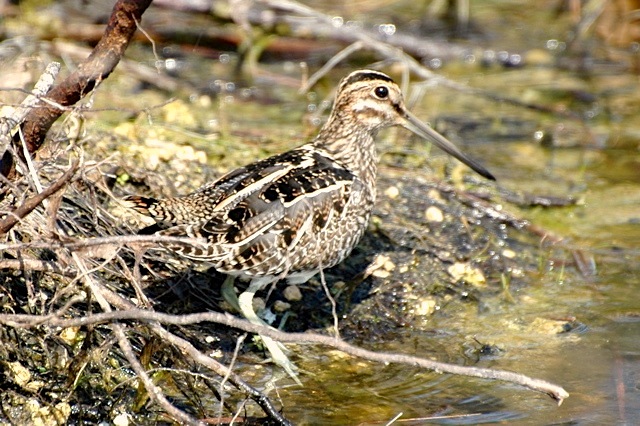
Although the Wilson’s snipe is one of the most widespread shorebirds in North America, they are far less readily found on Abaco. For a start, they are migratory in the Bahamas, and only resident in winter (broadly, October to March), their non-breeding season. So don’t expect to find them during your pleasant stay in June.  Secondly, they are classed as ‘rare’, one grade harder to find than ‘uncommon’. Thirdly, they are shy and well-camouflaged. Unless they choose to be out in the open – foraging in water, or maybe standing on a post – they can be very hard to see. And in winter it seems they tend to hunker down more and fly less than in the breeding season. Maybe they show more in summer because they know it’s the closed season for hunting… Compare the next two images, one taken on Abaco in winter, and one (cheers, Wiki) elsewhere in the summer.

A winter snipe on Abaco – shy, retiring and blending in with its surroundingsWilson's Snipe, Abaco (Woody Bracey)

Wilson’s snipe in summer, confidently on a post in summer (closed season for hunters…)800px-Common_snipe_fencepost (Sean Breazeal)

DO SNIPES HAVE A DISTINCTIVE CALL THAT I WILL INSTANTLY RECOGNISE?

Not really, I’m afraid. Not easy for an amateur (me). They have a variety of vocalisations – calls, flight calls, and songs. They also make a sound called ‘winnowing’ with their tails while in flight. Here are a few short examples.

CALL / SONG Harry Lehto Xeno Canto

CALL /SONG Pasi Pirinen Xeno Canto

CALL Richard E Webster Xeno Canto

FLIGHT CALL Paul Marvin Xeno Canto

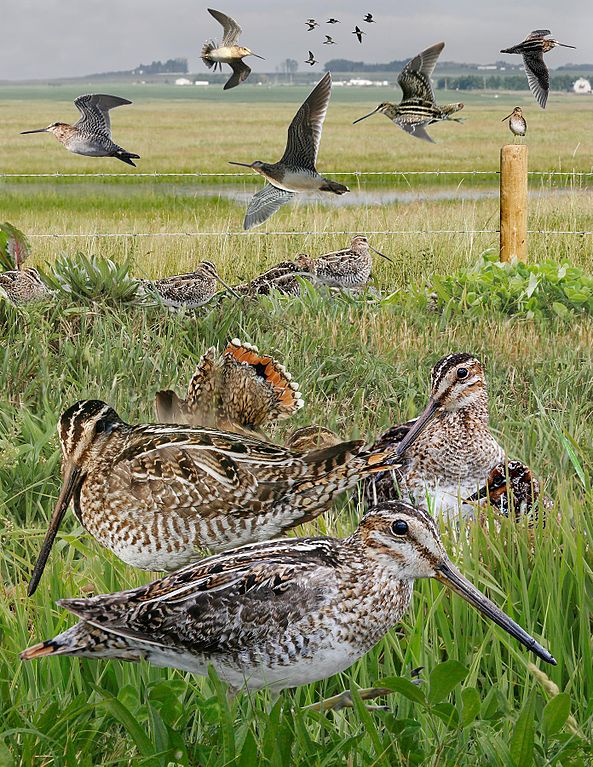
Now that the wonderful Crossley Guide ID bird images are available ‘open source’, I shall be including them in future species posts. When I remember. Their advantage is that in one image you can see all aspects of a paricular species – gender, breeding plumage, typical ‘poses’, in flight and so forth. A truly great resource for bird identification.Wilson's_Snipe_from_The_Crossley_ID_Guide_Eastern_Birds

Credits: Birds Caribbean, Charles Skinner x 3, BNT, Alan D. Wilson, Woody Bracey, Sean Breazeal, Xeno Canto, Crossley ID Guides, Wiki, Audubon, Cornell and sundry worthy OK sources…

Unknown's avatar

SHARING SHEARWATER SEASHORE SHOCK ON ABACO…


Great_Shearwater_RWDz9 Dick DanielsSHARING SHEARWATER SEASHORE SHOCK ON ABACO…

I return reluctantly to the “Great Shearwater” phenomenon to give, I hope, closure to the topic for this season and with luck for several years to come. A great many people have engaged with the debate about the large number unfortunate birds found either dead or dying in the water or (especially) on the beaches of Abaco and beyond. You can see the original post, a tabulation and map based on the reports I received or came across, and the views of the experts HERE

This occurrence appears to have declined considerably from its peak last week, presumably because the migration has moved rapidly northwards. Already, reports from the eastern US Atlantic coast (e.g. Cape May) of a great shearwater influx are coming in, so we must hope that the attrition rate in the Northern Bahamas has stopped, or will stop within the next few days. This is evidenced by this FB clip from Tom Reed, a photographic contributor to THE BIRDS OF ABACO

TR clip

The ABA (American Birding Association) has taken an interest in the problem on Abaco, and reported the incidence of shearwater die-off HERE. For the sake of completeness, I have updated reports I have received or found over the last few days below, together with an updated distribution map. More sad images are included because, pitiful though they are, photographs are of real assistance in the study of migratory die-off. For example, it is likely that juvenile birds are more likely to be affected by exhaustion in the course of their 10,000 mile journey than adults. Photos enable an assessment of the age of the birds to be made.

Exhausted shearwater, Delphi beach. Is this a juvenile, less able to make a huge journey than an adult?Great Shearwater, Delphi, Abaco (Sharon Elliott)The yellow tip to this bird’s beak shows that it is a different species of shearwater, the Cory’s.  Like the Greats, these birds are also rare transients on Abaco, and also make long-distance migrations. A Cory’s was photographed a couple of weeks ago swimming happily off the Delphi beach. This one has obviously run out of stamina. It has the chance to recover, but it is vulnerable in this state; and turkey vultures are quick to move in on fatalities…

 UPDATED REPORTS (SINCE JUNE 24) IN RED
  • Delphi Club Beach – 20 plus + 1
  • Schooner Bay – 5
  • Bahama Palm Shores – ‘many many’ dead birds washed up on the shore
  • Casuarina Beach – 1
  • Cherokee (Watching Bay) – 3 or 4
  • Cherokee (Winding Bay) – 4
  • Little Harbour – 3
  • Marsh Harbour area – about 5
  • Great Guana Cay, southern end   – 1 (possibly a gull)
  • Tilloo Cay – 13 at least on Junk Beach, more than ever seen (see photos below)
  • Elbow Cay – 2 + 1 Atlantic side beach near Abaco Inn
  • Elbow Cay – 2, North End
  • Green Turtle Cay beach – 2
  • Green Turtle Cay, offshore – “a lot in the water”
  • Man-o-War Cay – 1 by the roadside
  • Ocean 20m from HT Lighthouse – 2 in the sea

also Exuma Sound (5 birds), Shroud Cay Exuma (gull?”), Briland Beach,Harbour Island Eleuthera (“some” + 4) , and Church Bay, South Eleuthera – 10 + 2

Ellen Bentz, who reported the Church Bay birds, has frozen 3 of them for research purposes; it will be extremely interesting to see what results from their examination, from the ages of the birds to condition to likely cause of death. She also took photographs to aid species identification and diagnostic efforts.

unnamed unnamed-4 unnamed-2  unnamed-1unnamed-3

Abaco distribution map. Earlier reports marked in green, two new sites in blue
Shearwater Map, Abaco update

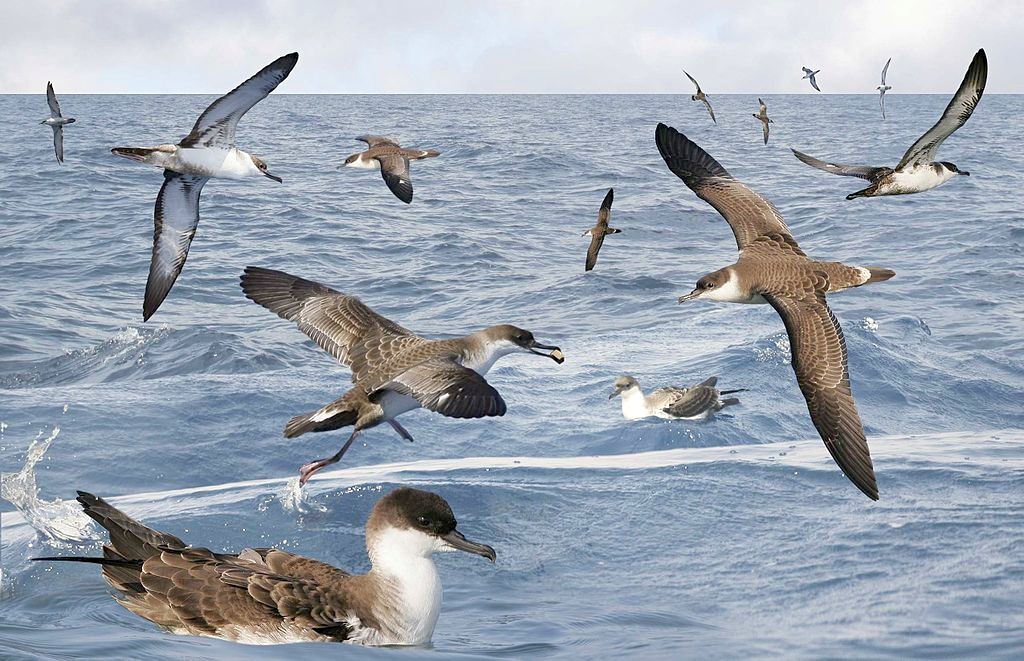
Here is the wonderful Crossley ID guide tableau of great shearwaters, showing every facet of the birdGreat_Shearwater_from_the_Crossley_ID_Guide_Britain_and_Ireland
WHERE DO THESE BIRDS COME FROM & WHERE DO THEY GO?
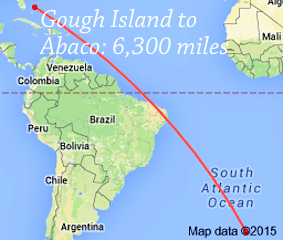
Sean Giery of the excellent ABACO SCIENTIST has also commented on the recent phenomenon, concluding “…if you haven’t looked up Gough Island, the probable origin of these Greater Shearwaters, do. Use Google Maps to get an impression of how far these amazing birds travel. It’s truly amazing.” By great good fortune, I’ve done the legwork for you… Let’s take a closer look.
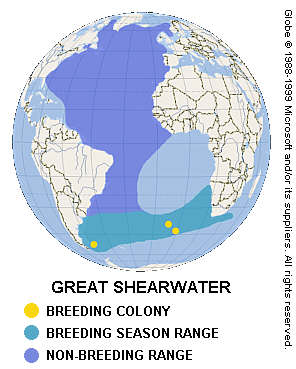
Great shearwaters breed almost exclusively the small area of the globe that includes the Gough Islands, Tristan da Cunha and a few lesser-known islands in that area. There is also a small breeding population in the Falklands. Whichever, they are not so very far from Antarctica. Their range, however, is massive and involves long migrations over the Atlantic ocean to the far north – as far as the Arctic – and back each year.
gtshearmap
 And, as the shearwater flies, this is the distance from the breeding grounds to Abaco; 2/3 of their total journey. Now, factor in a first-season juvenile shearwater facing the vagaries of food supply, weather conditions and stamina… The fact that some die-off occurs every few years at some stage of the migration becomes less surprising.
Gough Island to Abaco 6300 milesGough Island to Abaco jpg
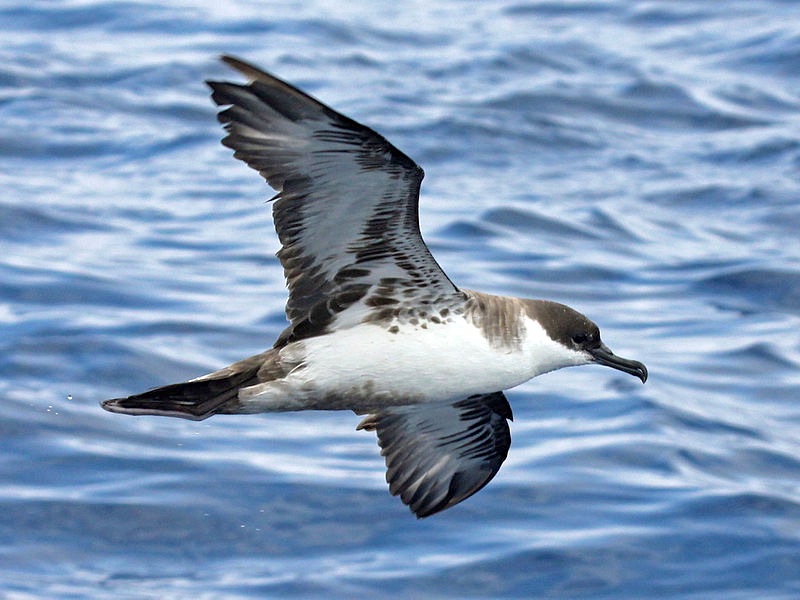
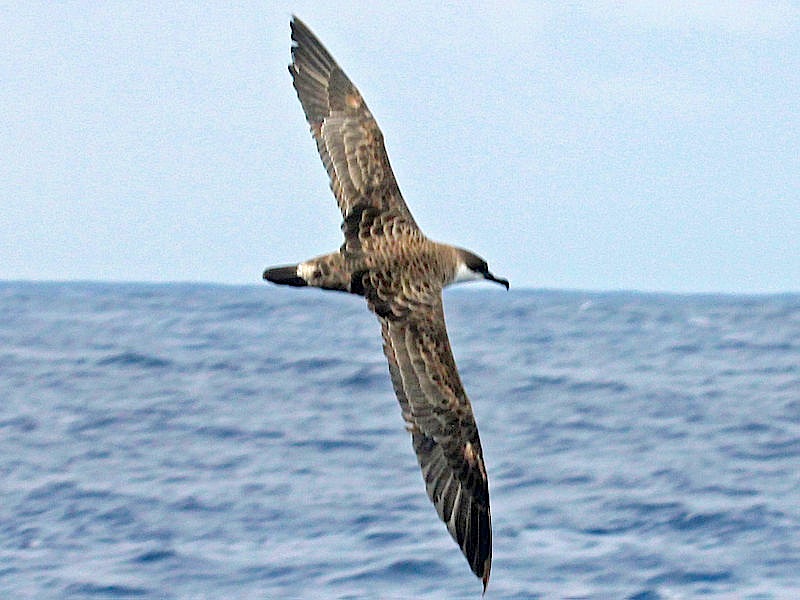
I’ll conclude with a photo of a great shearwater flying ‘at the shear’, which I am certain is how best we’d like to think of these wonderful seabirds…
Great_Shearwater_RWD3b Dick Daniels
Credits: to the 30 or so people credited in the original post I add with thanks Molly Kemmer Roberts, Susan Drwal, Sharon Elliott, Ellen Bentz, Dick Daniels and open source maps chaps.
Unknown's avatar

GREATER ANTILLEAN BULLFINCH: ABACO’S “POLICE BIRD”


Greater Antillean Bullfinch, Abaco (Erik Gauger)

GREATER ANTILLEAN BULLFINCH: ABACO’S “POLICE BIRD”

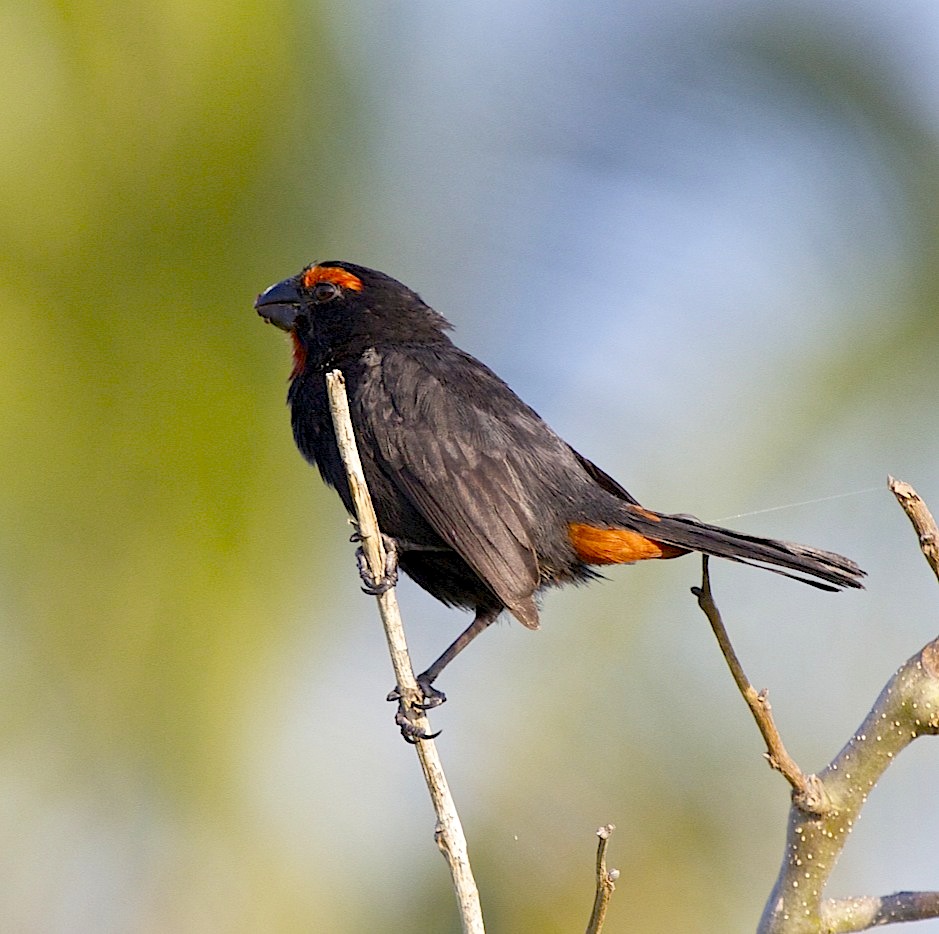
Following my last gloomy post about the widely-reported die-off of the poor, exhausted migratory great shearwaters, let’s turn with relief to a cheerful bird known to all and admired in coppice and garden: the Greater Antillean Bullfinch Loxigilla violacea. These pretty birds are easy to find and to identify. They love feeders, and they are responsive to ‘pishing’, that irritating (?) noise that birders make to unseen avians in the coppice to persuade them to reveal themselves. Adult males are black with bright red accessories (hence “police bird”); females are paler with orangey accessories; and juveniles look a bit scruffy and patchy. Here’s a GAB gallery to enjoy.

Greater Antillean Bullfinch, Abaco (Alex Hughes) 4 Greater Antillean Bullfinch, Abaco (Alex Hughes) 5Greater Antillean Bullfinch immature with snail 2.Delphi Club.Abaco (Tom Sheley)Greater Antillean Bullfinch, Abaco (Keith Salvesen)Great Antillean Bullfinch, Abaco  (Tom Sheley) 1Great Antillean Bullfinch, Abaco (Charles Skinner)Great Antillean Bullfinch, Abaco (Gerlinde Taurer)GAB BH IMG_9208 copy 2

Credits: Erik Gauger (1); Alex Hughes (2, 3); Tom Sheley (4, 6); Keith Salvesen (5); Charles Skinner (7); Gerlinde Taurer (8); Bruce Hallett (9)


Unknown's avatar

SIGNS OF GOOD BREEDING: PIPING PLOVERS IN SUMMER


Piping Plover Charadrius melodus (Ontario, MDF / wiki)

SIGNS OF GOOD BREEDING: PIPING PLOVERS IN SUMMER

No apologies for writing again about Piping Plovers. This rare bird – only 8000 left in the world – overwinters in Florida, on the Gulf Coast, and to a notable extent in the Bahamas, very possibly on a beach near you. The peacefulness and cleanliness of Abaco’s pristine beaches provide the ideal habitat for the little PIPL to live safe and healthy lives during the winter, in preparation for their return to their summer breeding grounds. And breeding is what they are doing right now, up north. There are breeding populations on the Atlantic Coast, the Great Plains, and the Great Lakes. So I thought I’d feature a few images of what appears to be a rather successful season so far…

One of the best bird blogs around, one that I have recommended before, is called READINGS FROM THE NORTHSIDE. It is written in an informative yet witty style illustrated with excellent photos, and chronicles the daily avian goings-on on Long Beach Island NJ, an important nesting area for piping plovers. There are links with Todd Pover and Stephanie Egger, two scientists from the Conserve Wildlife Foundation of NJ who will be familiar to many Abaconians for the winter work they do with the plovers on Abaco. The photos below have almost all been taken this month as the PIPL chicks hatch and begin to find their feet in a big world.
Piping Plover LBI 1   Piping Plover LBI 2 piping-plover-chick-sneaking-through-dune piping-plover-sit-in-dune

NEWLY HATCHED (TUFTERS’ & TACEY’S 4th CHICK, AMY) piping-plover-wet-chick1

TIDYING THE EGGSHELLpiping-plover-with-eggshell

EGGSHELL REMOVALpiping-plover-remove-eggshell-nest

HAPPY FAMILIES…piping-plover-chick-leaves-nest

MORE HAPPY FAMILIES IMG_0853 IMG_0856 IMG_0855 IMG_0854

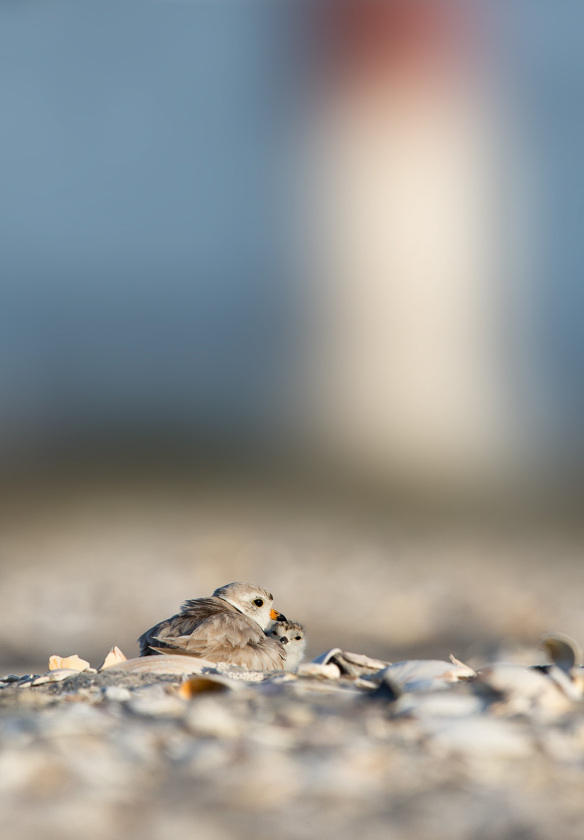
BARNEGAT LIGHTHOUSE WITH PIPL IN THE FOREGROUND!IMG_0857

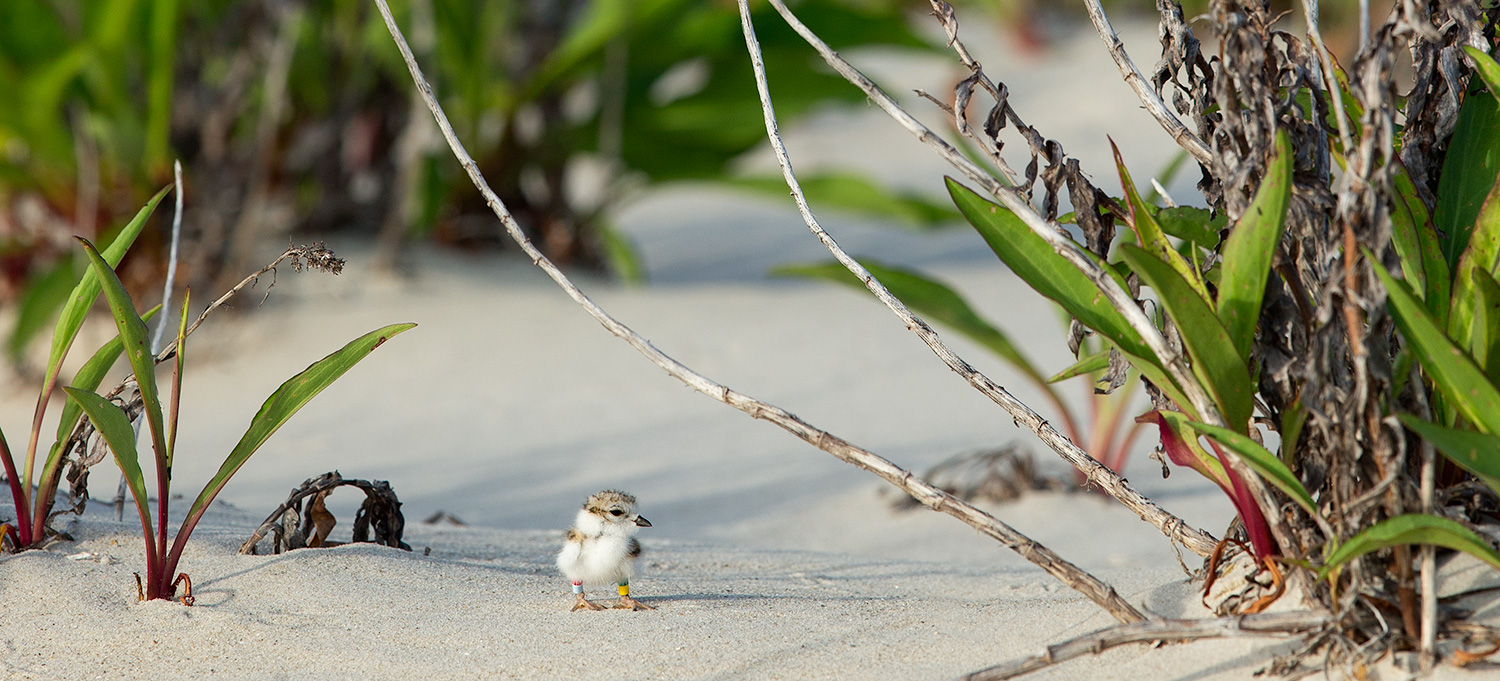
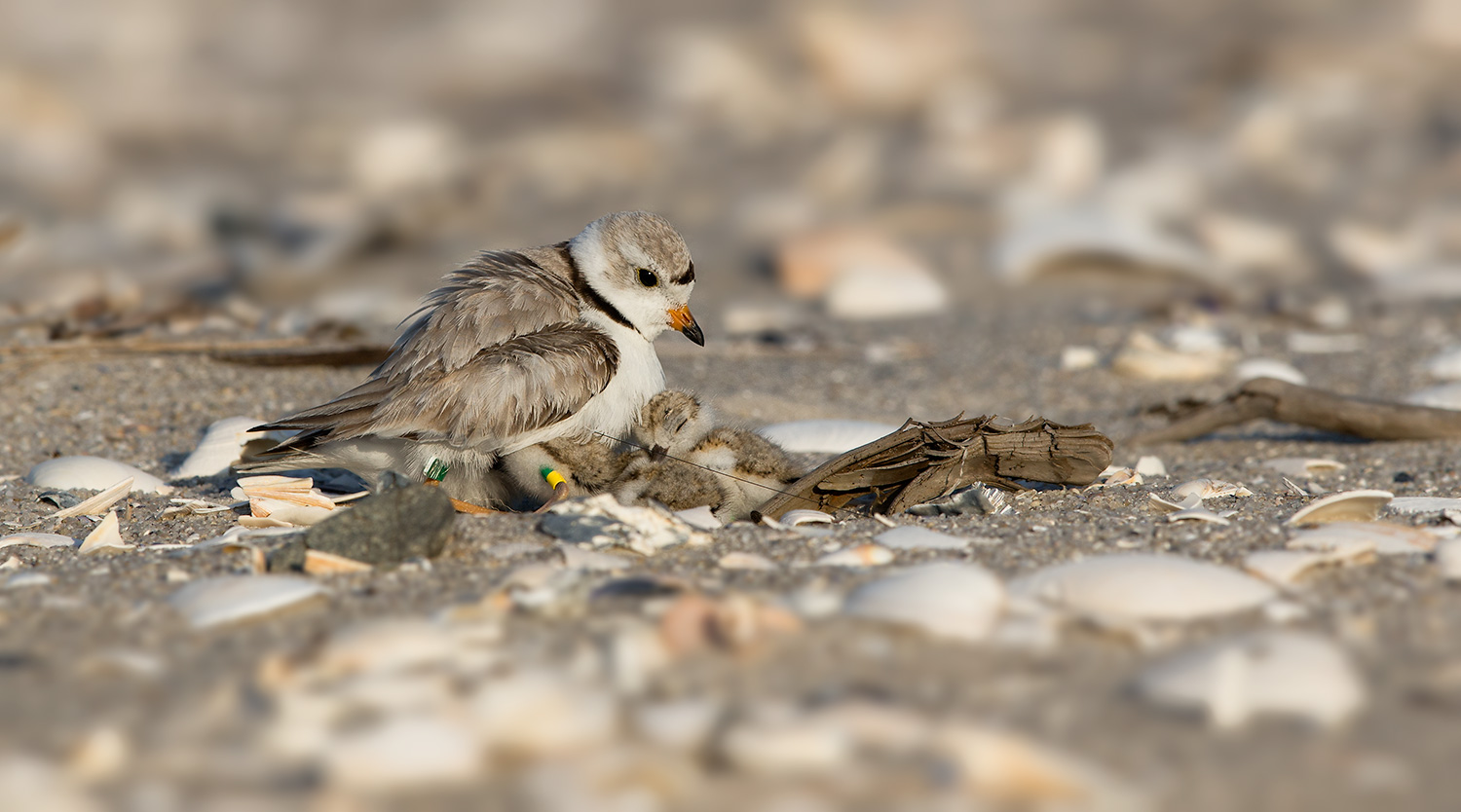
Most regrettably, you’ll never see a Piping Plover chick on Abaco. The adult birds have left the Bahamian beaches and flown north before their breeding season begins. These little creatures are both rare and special at both ends of their migration range, so I’ll end with a video from the most excellent CONCH SALAD TV that is dedicated to these tiny wave-chasers. Abaco is one of the main areas for winter research into the piping plover population. Scientists visit the island to find the birds, count them, collect reports of sightings, check and identify tagged birds to determine their origin, and ensure the continuing good health of their habitat, without which the PIPL will be lost. You can find out more about this vital work carried out out by the CONSERVE WILDLIFE FOUNDATION OF NEW JERSEY HERE.

THE DELICATE TASK OF RINGING TINY BIRDS
lbi-piping-plover-chick

Credits: MLF/ Ontario; Exit63 ‘Mr Norfside’ to whom a major tip o’ the hat; Conch Salad TV

Unknown's avatar

FERAL PEACOCKS: SOMETHING COMPLETELY “DIFFERENT (OF ABACO)”


Peacock, Casuarina, Abaco (Sally Salvesen)

FERAL PEACOCKS: SOMETHING COMPLETELY “DIFFERENT (OF ABACO)”

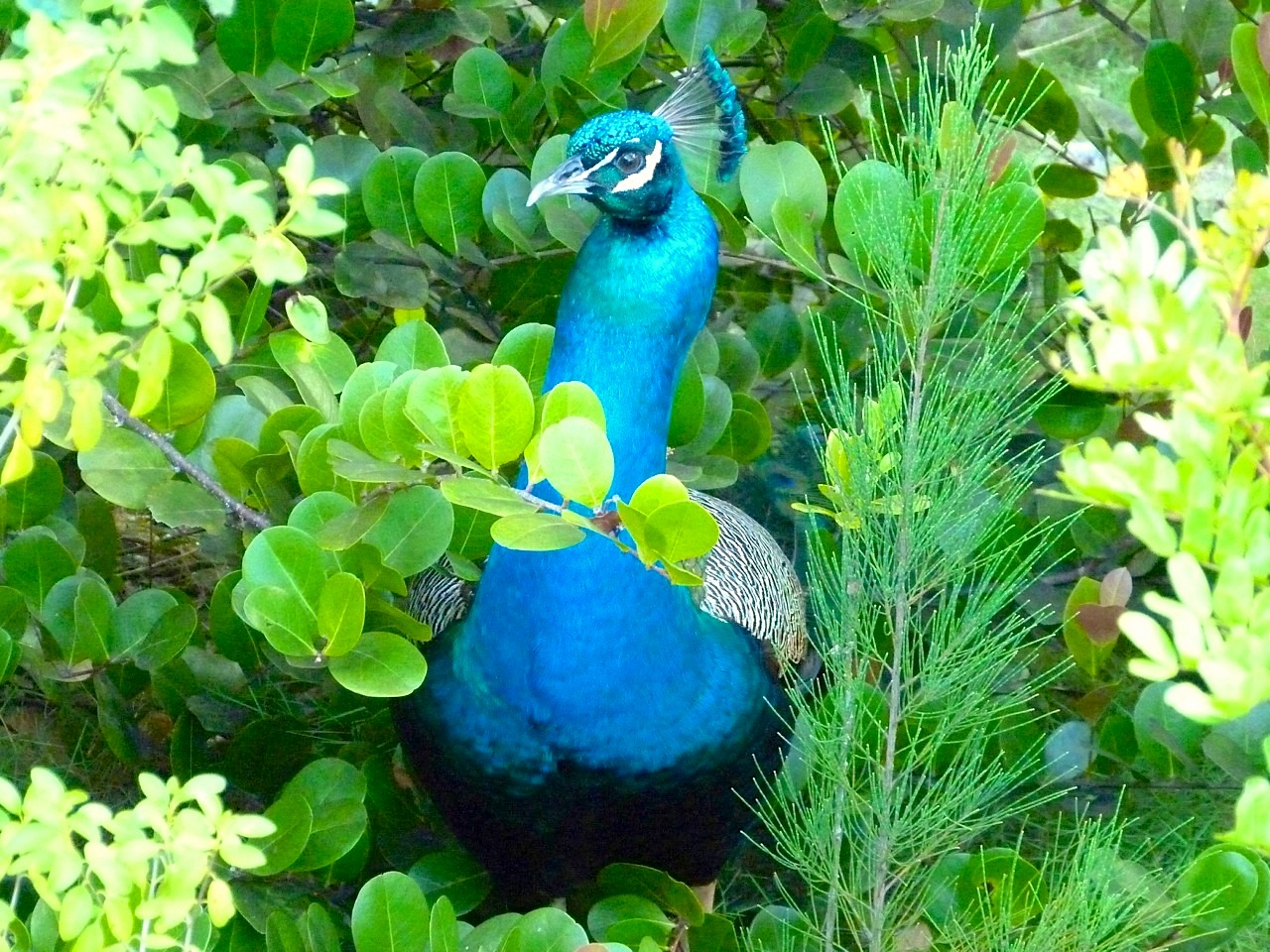
Driving the Highway south from Marsh Harbour, past the turn-off to Winding Bay and Cherokee, you reach an unassuming side road. This takes you to Casuarina, its gorgeous beach and the canal cut that leads to Cherokee Sound and … bonefish. At the junction you can hardly fail to see the large, time-worn notice for “Different of Abaco“, the former fishing lodge owned by Nettica Symonette. It has been defunct for many years. The lodge buildings are sadly dilapidated and *safety alert* the wooden boards are frail. The grounds are romantically overgrown, and dotted with half-concealed derelict vehicles and machinery rusting away benignly as the seasons pass. The large ponds that must have once been attractive are brackish and uninviting. But guess what! The place is a haven for birds.

Peacock, Casuarina, Abaco (Keith Salvesen)

The most surprising sight is of peafowl – the collective name for peacocks, peahens and peachicks. This flamboyant species was introduced many years ago as a decorative addition to the Lodge and its grounds. It was part of a wider, more ambitious scheme to reintroduce a breeding flock of flamingoes to Abaco. These had regrettably become extirpated from the island and then, as now, were only found as vagrant individuals. The attempt sadly failed and the flamingoes disappeared. Rumours sometimes surface of breeding pairs far out on the Marls or in a secluded place in the far south of the island, but these remain unsubstantiated. The peafowl introduction, however, has proved to be an unexpected success.

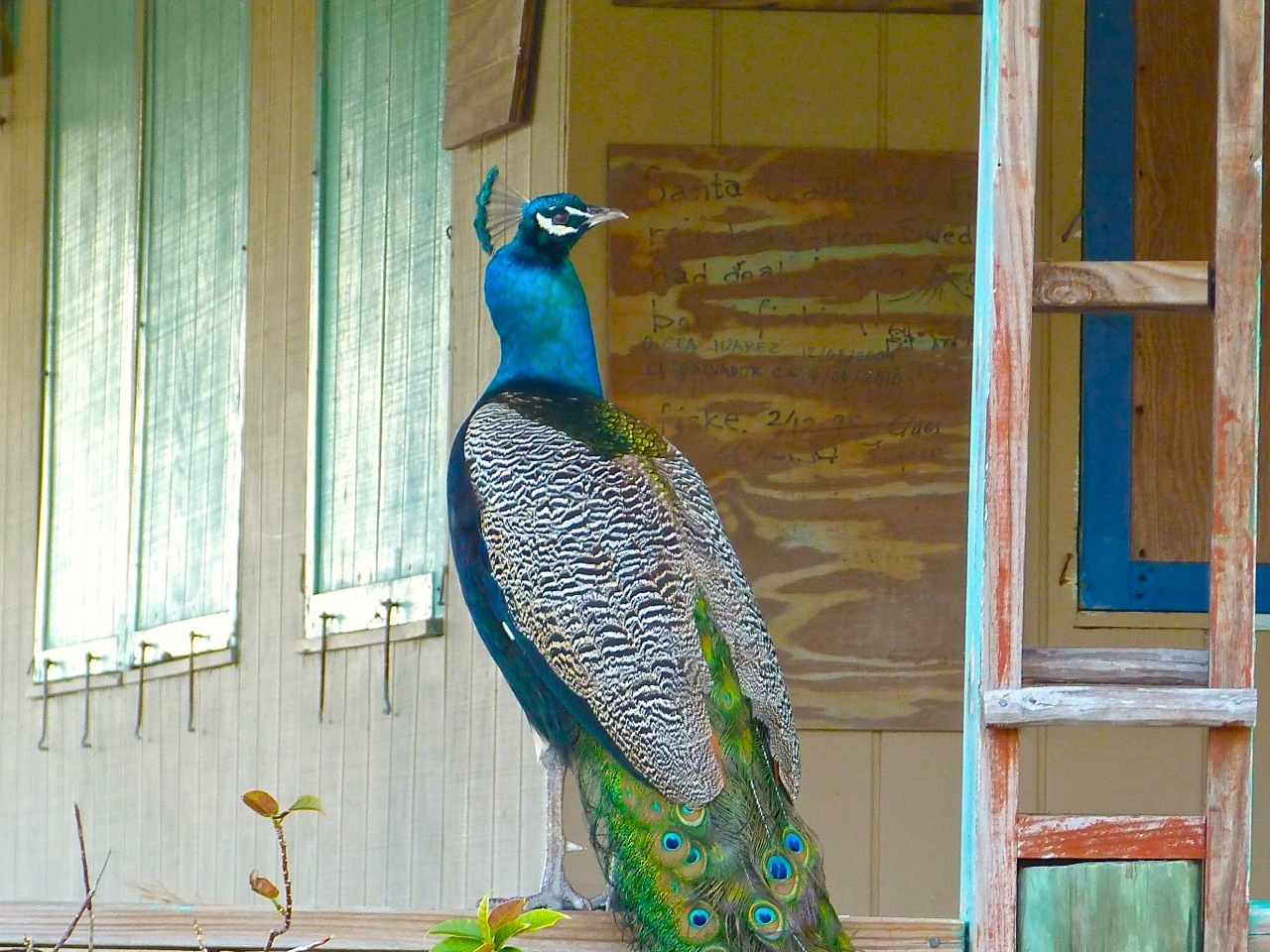
Peacock, with bizarre graffiti addressed to Santa ClausFeral Peacock, Casuarina, Abaco (Keith Salvesen)

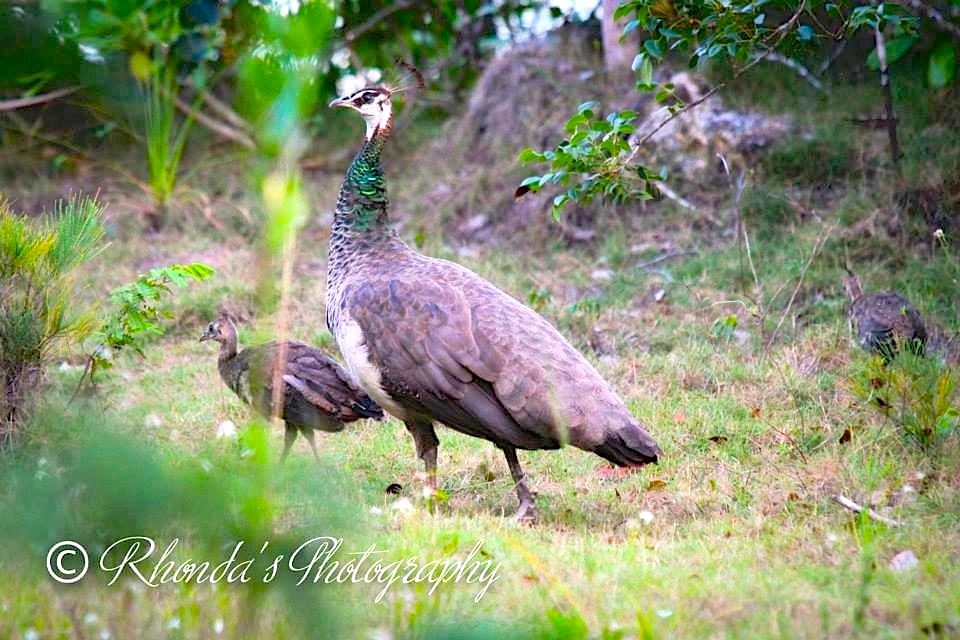
Peahen in the garden of “Different of Abaco”Peahen, Casuarina, Abaco (Sally Salvesen)

Peacocks swaggering in the grounds: note the fully feathered tails (cf photo #2  above)Peacock, Abaco (Nina Henry) 1Peacock, Abaco (Nina Henry) 3

The compilation of “THE BIRDS OF ABACO” involved plenty of decision-making. We obviously couldn’t feature every recorded species – for a start, for many species there were merely reports of sightings but no (or only inadequate) photographs. One interesting factor for consideration was the stage at which an introduced species becomes bird OF Abaco as opposed to a non-indigenous bird that happens to be IN Abaco.

1610795_10152397349768720_8542277013207863186_n10345763_10152398046303720_8315779621600880072_n10524740_10152397350053720_2270412119470328978_n10306740_10152397712968720_2616129013617847509_n    10647090_10152398010393720_8268702990135221309_n

Rhonda Pearce’s Peafowl Gallery (NB peachicks included!) above demonstrates why this species was an easy choice for inclusion. On the assumption that the original birds were brought to the Lodge in the late ’80s or early ’90s, the chicks you see here must be several generations down the line. A breeding population has been established in the wild, as the grounds of D of A have become. The evidence is that it is spreading slowly – across the road, further into the settlement at Casuarina and recently even further afield.

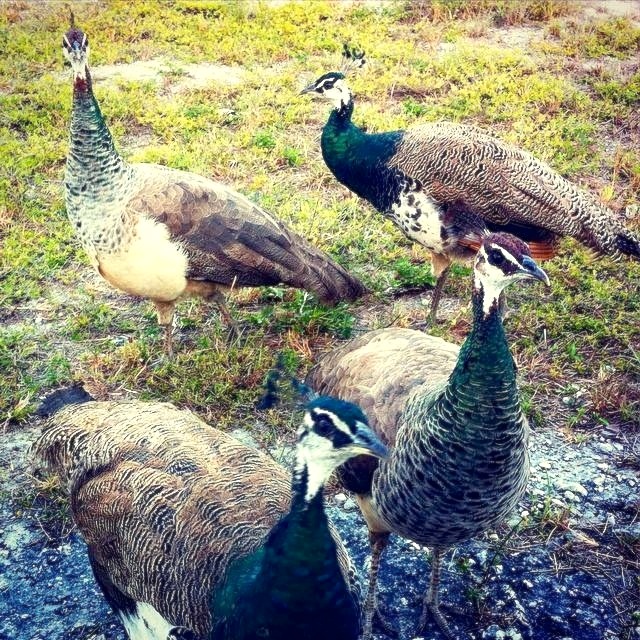
Celia Rogers photographed this cluster of peahens in Casuarina – but the two males were on the road to Cherokee, maybe 3 or 4 miles distance to the north as the peacock struts

Peahens, Casuarina (Celia Rogers)Peacocks (Cherokee Road)  Abaco (Celia Rogers)

So that’s how the feral peacocks of Abaco come to be classified (in a purely unofficial way) as birds OF Abaco for the purposes of the book**. Once they would have been viewed as pets – like the muscovy ducks that can be found in a few places, Gilpin Point for example. But in the wilderness that Different of Abaco has become for many years, the descendants of the original peacocks are breeding contentedly, expanding their population, and are wholly unreliant on human intervention. Verily feral, in fact.

**That, and the fact that Mrs RH borrowed my camera and undeniably took the best photos of the male and female birds (#1 and #4 above), as seen on pp 70-71 of the book…

Peacock, Abaco (Liann Key Kaighin) 1

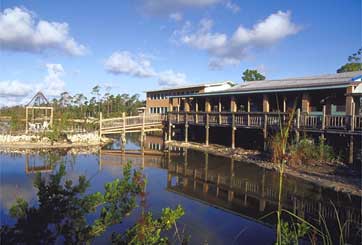
D of A: the glory daysimg0049

Credits: Mrs RH (1, 4); RH (2, 3); Nina Henry (5, 6); Rhonda Pearce (7 – 11); Celia Rogers (12, 13); Liann Key Kaighin (14); added final image π “The Abacos” online

Unknown's avatar

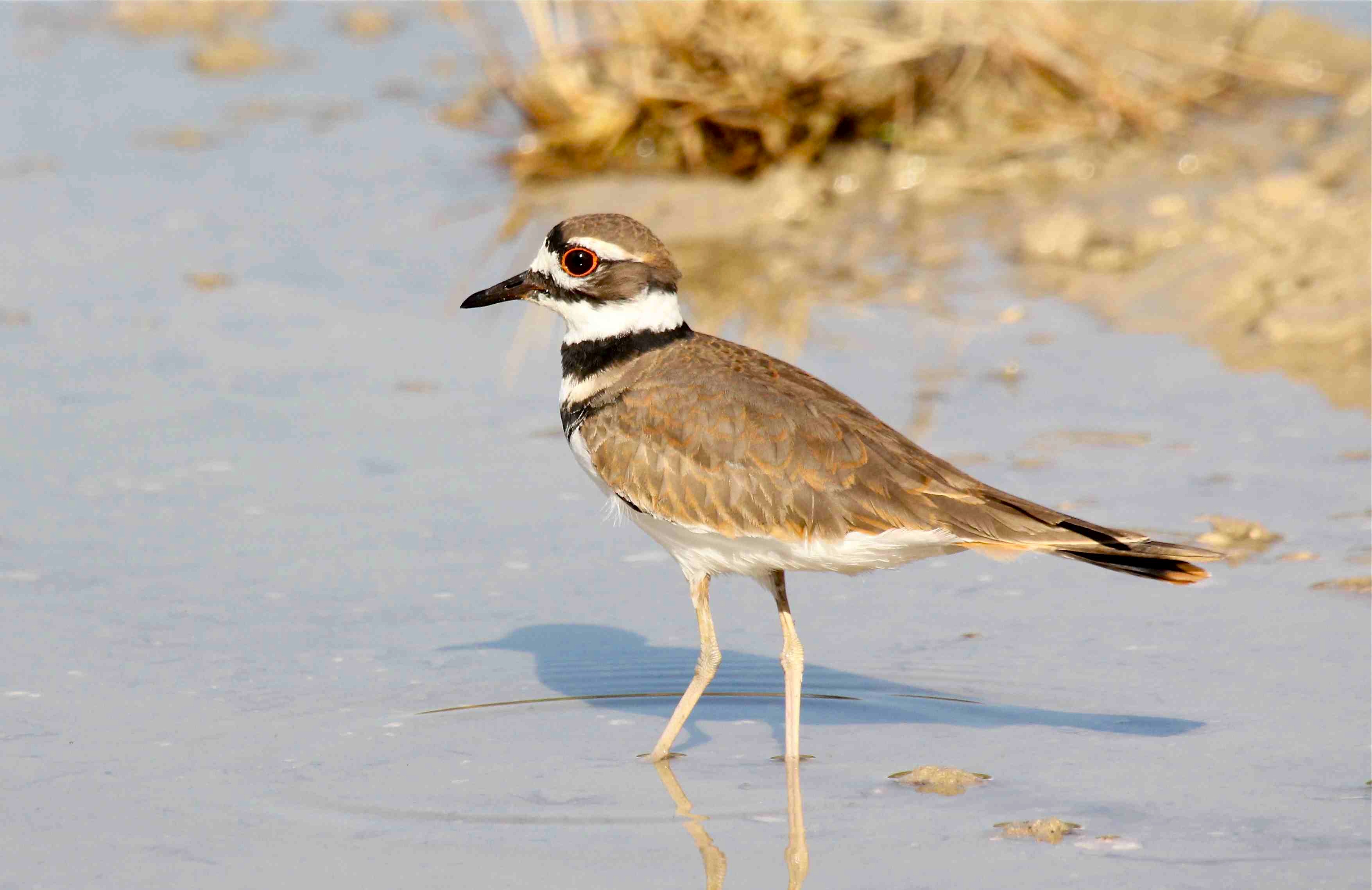
KILLDEER ON ABACO? IT DOESN’T, BUT ACE NAME ANYWAY


Kildeer, Abaco (Bruce Hallett)

KILLDEER ON ABACO? IT DOESN’T, BUT ACE NAME ANYWAY

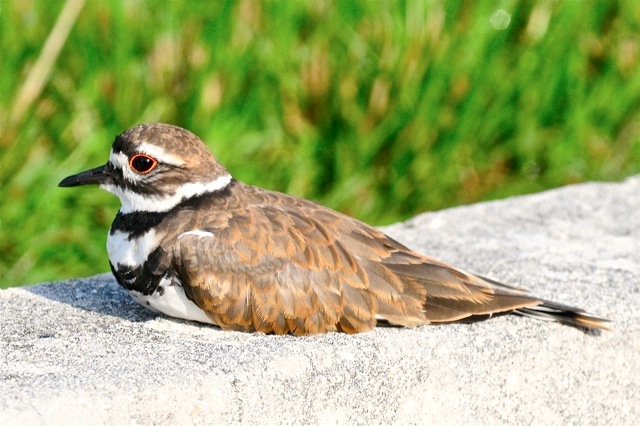
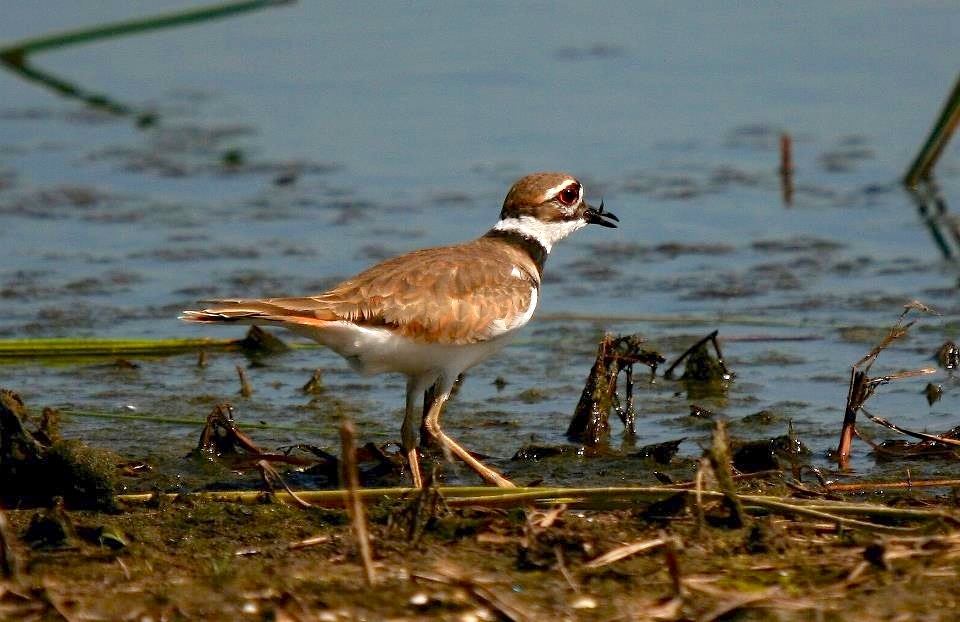
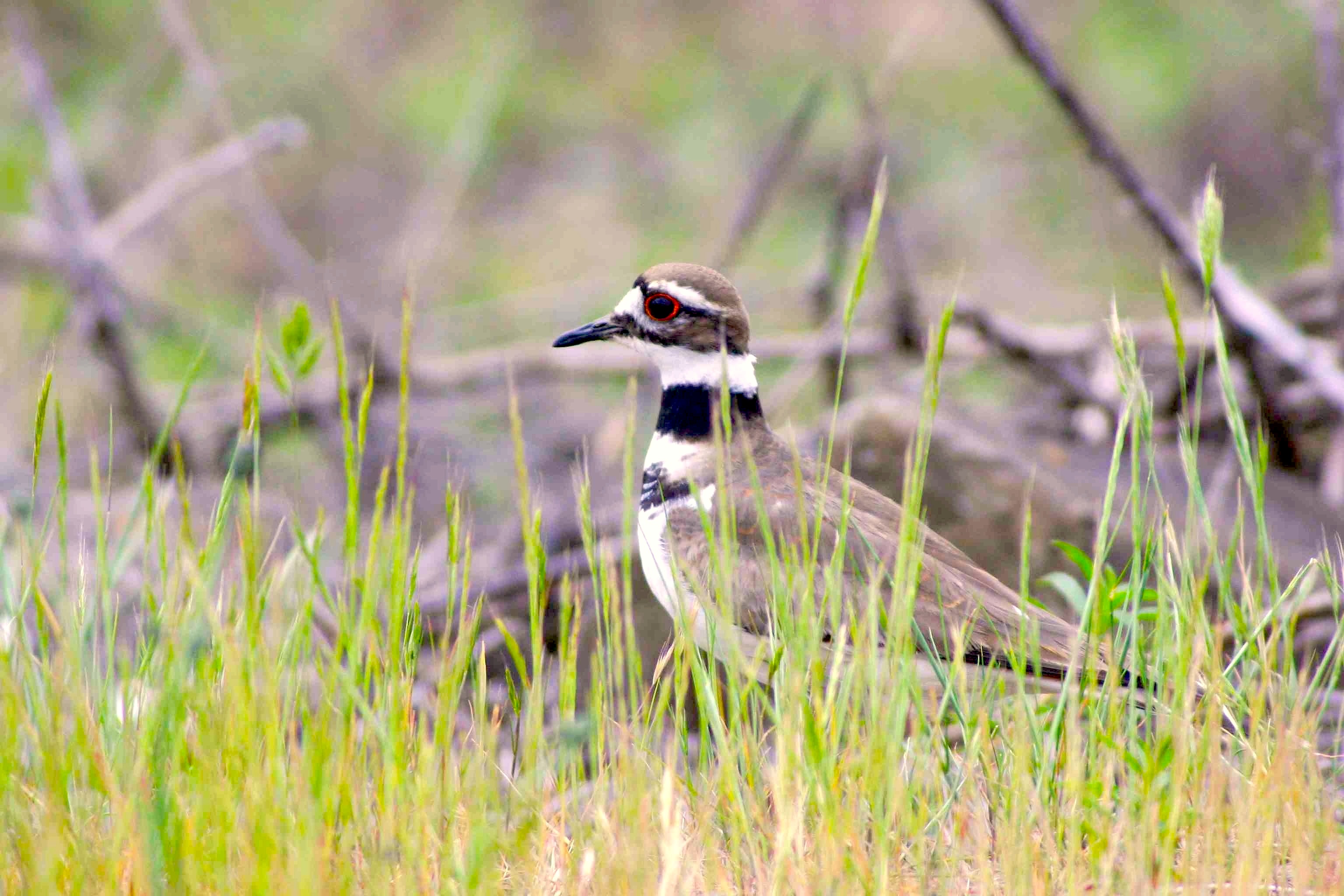
The KILLDEER Charadrius vociferus is a fairly common winter resident plover on Abaco. They can often be found on the Delphi beach, and the lovely beach at Casuarina is another place to spot them. They can easily be distinguished from other plover species, being the only ones with two black frontal bands – see above and below. The lower picture, you’ll be relieved to hear, is not the fabled ‘legless killdeer’, but is simply having a little rest on a nice warm wall.

Killdeer, Abaco (Tony Hepburn)

The killdeer’s name is a bit of a puzzle, frankly. The Latin term Charadrius vociferus basically means “shouty plover”, but it’s a long way from that to “killdeer”. This is another one of those bird names that are allegedly onomatopoeic – and thankfully it has nothing whatsoever to do with savage behaviour involving Bambi and his ilk (or elk, even). Supposedly the killdeer call is “Kill…Deer”, in the same way as the bobwhite calls an interrogative “Bob…White?”. 

Killdeer - Harrold & Wilson Ponds, NP (Rick Lowe) copy

Consulting some random authorities reveals divergence of opinion on the issue, with definite bet-hedging between ‘kill-dee’ variations and ‘dee dee dees’. Except for Messrs Flieg & Sanders who opine (rudely) ‘the shrill, loud, monotonous call resembles its name’. Yet while I completely get the ‘Bob…White?’ thing, I’m not so sure with the killdeer. Were I a little killdeer, it’s a name I’d like to have anyway. Respect! But what do these sound like to you?

or this

Guillermo Funes Xeno Canto

or this

Peter Boesman Xeno CantoKIlldeer (Danny Sauvageau)

I’ve mentioned the distinctive double black breast-bands that distinguish the killdeer from its brother plovers. These can be seen at quite a distance, as this shot on the Delphi beach by Mrs RH shows (the tracks are from Smithy’s seaweed-clearing tractor).

Killdeer SS edits

The babies are, like all plover chicks, totes irresistibz munchkinsKilldeer hatchling (NTox)Killdeer FB

And like other plovers, a killdeer will defend its nest and young with a broken wing display to distract predators, lurching pathetically across the sand, moving ever further away from the nest. 

I think we can safely conclude that, while the bird doesn’t quite live up to the cervidae-cidal tendencies suggested by its name, nor even sound particularly as though it is saying “killdeer”, it is a very attractive plover to have around whatever the heck its call may resemble.Killdeer, Abaco (Erik Gauger)

Photo credits: Bruce Hallett, Tony Hepburn, Rick Lowe, Danny Sauvageau, Mrs RH, NTox, Very Recent FB & I’ll track down the source if it kills me**, Erik Gauger

** Got it now: The very excellent Mike Bizeau, whose on his wonderful NATUREHASNOBOSS website posts a single daily image. Many are birds, some are landscapes, some are other things that have caught his eye. I get a daily email, and am invariably impressed by the quality of the images…

Unknown's avatar

NORTHERN PINTAILS ON ABACO: LOOKING SHARP


Northern Pintail, Abaco (Keith Salvesen)

NORTHERN PINTAILS ON ABACO: LOOKING SHARP

The Northern Pintail Anas acuta is a relatively rare winter resident dabbling duck on Abaco. The species has a huge range, being found throughout much of the northern hemisphere. 

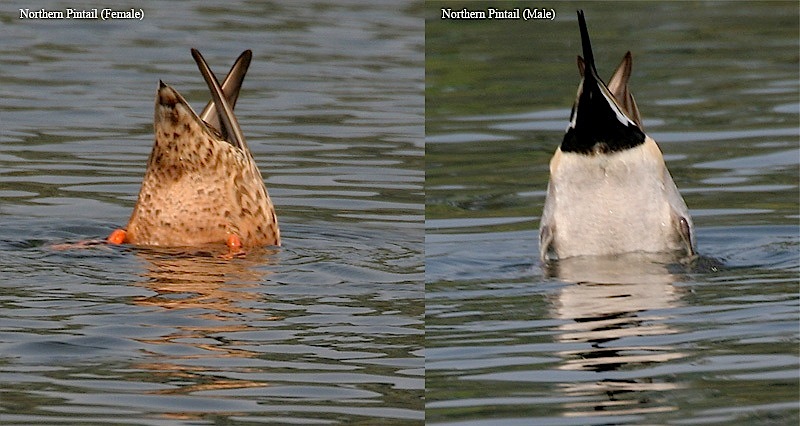
DABBLING DUCKS – PINTAILS UPNorthern Pintails (M & F) Up-ending (J M Garg)jpg

The ‘acuta’ in the Latin name refers to the characteristic sharp ‘pin tail’. As so often, the drake is a somewhat flashy specimen while the female is unassuming or, as some sources harshly put it, dull and drab. And while the drake makes a melodious whistle, the female simply quacks or croaks.

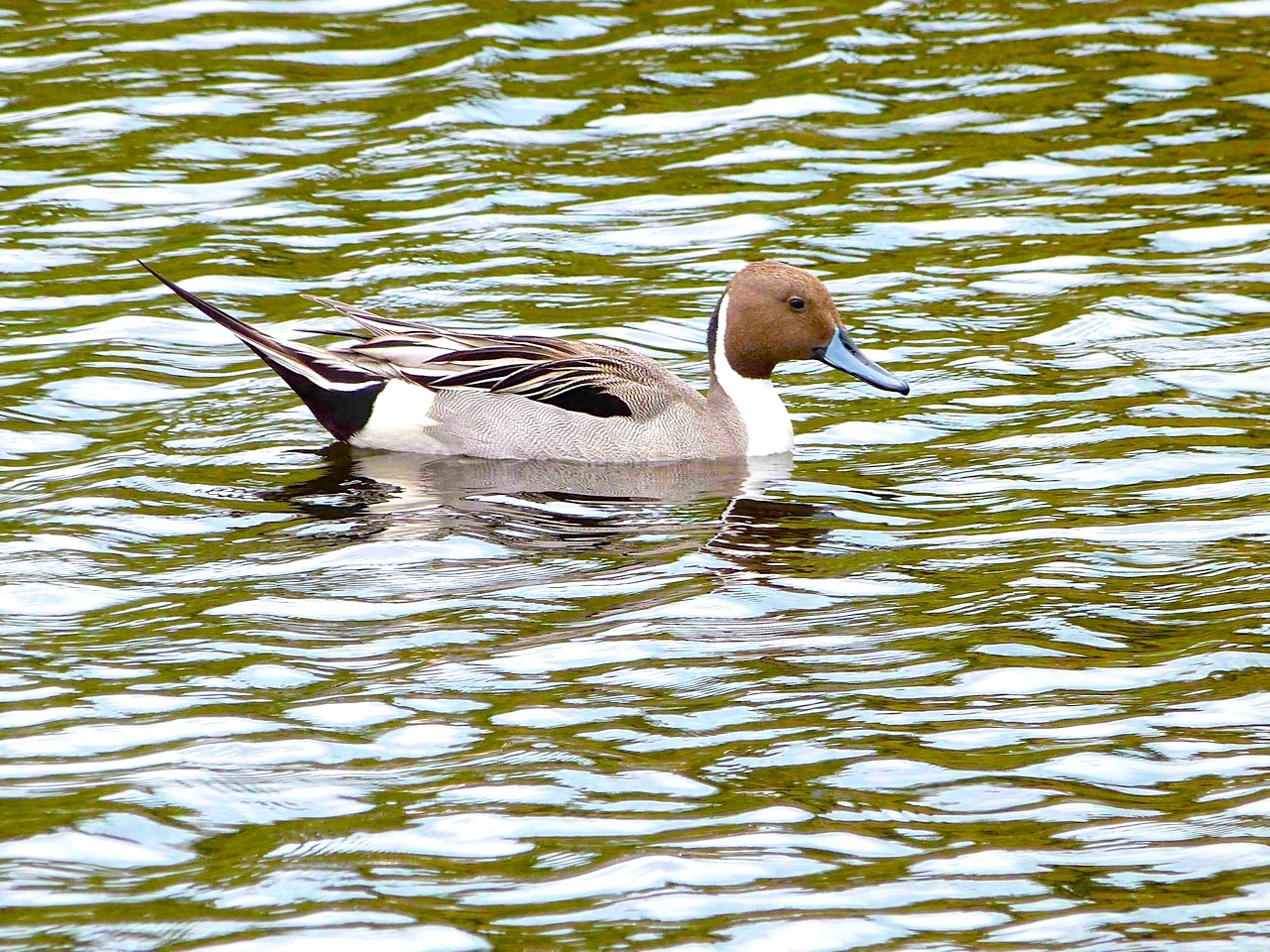
FLASHY MALENorthern Pintail, Abaco (Tony Hepburn)

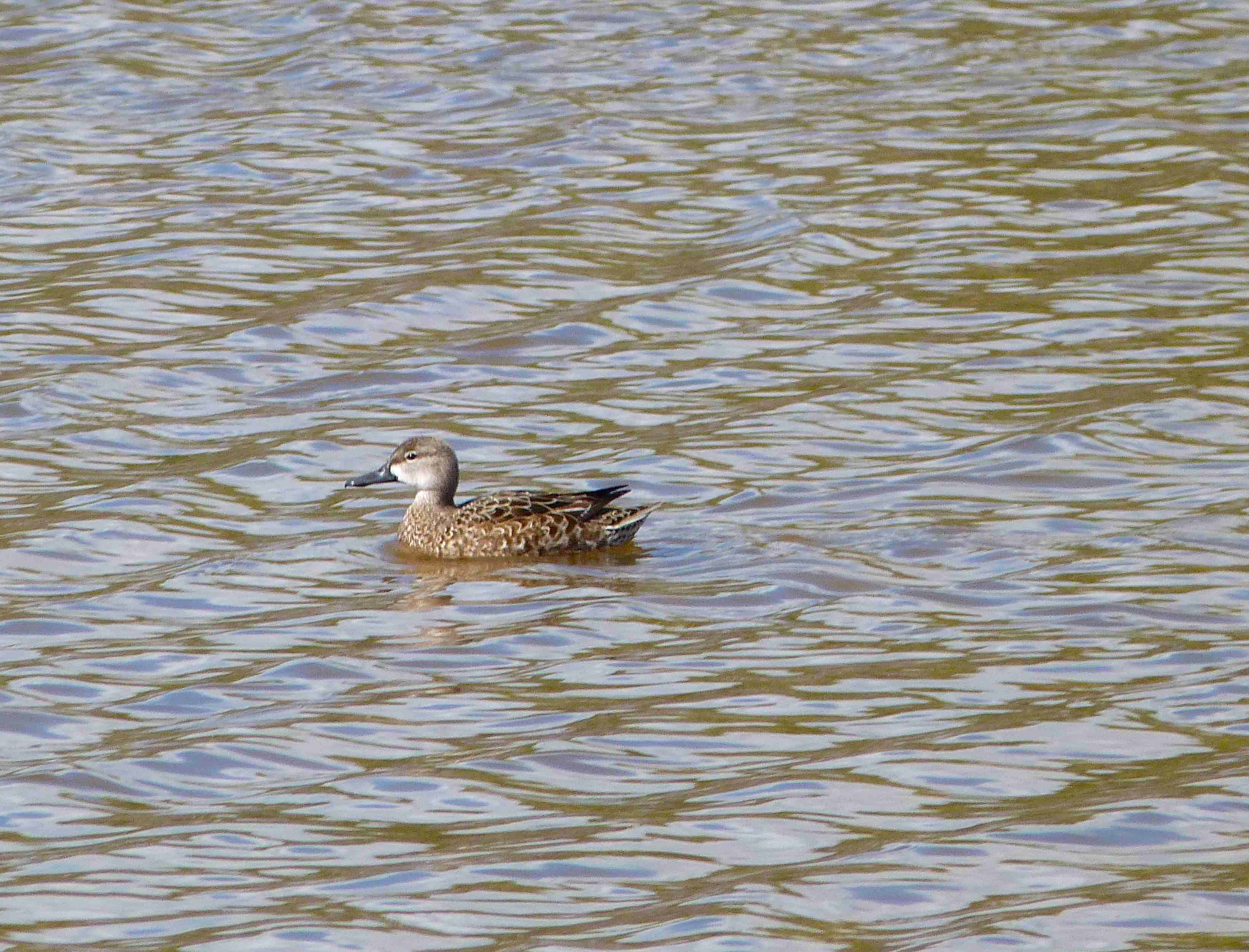
DULL & DRAB FEMALE? DEBATABLE!Northern Pintail (f), Abaco (Keith Salvesen)Northern Pintail (f) x 4 (Woody Bracey)

Northern Pintails form flocks and are happy to mix with other species.  Their long necks give the edge over similarly-sized dabbling ducks such as the mallard, enabling them to reach deeper down in the water to feed.

Northern Pintail PM IMG_5342 copy 2

THREATS TO THE SPECIES

  • Predation of nests and chicks by animals and birds such as birds of prey and (some) gulls
  • Parasites including worms and lice, to which they seem to be susceptible; and avian diseases including bird ‘flu
  • Hunting: they are a good target species being swift and agile in the air (for sport) yet quite large (for success rate). Also, delicious (for dinner).
  • Lead poisoning from shot or angling tackle, research has shown. A major problem with all bottom-feeders, though improved where laws prohibiting lead shot have been introduced
  • Loss of wetland areas to agriculture or due to habitat or climate changes

Northern Pintail, Abaco (Keith Salvesen)

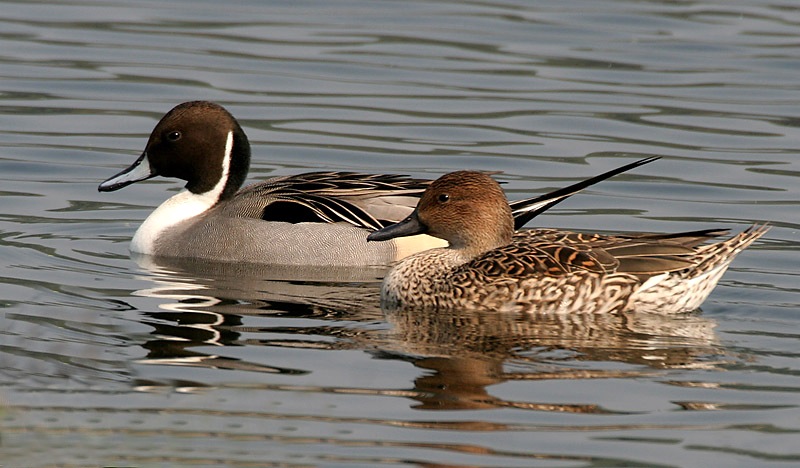
On Abaco, Northern Pintails arrive in the autumn and leave as spring approaches. They are most likely to be found on ponds such as the one at Treasure Cay Golf Course, where I photographed the male; and at Gilpin Point where I spotted the lone female (at a distance). Below are both genders together for comparison (NB not taken on Abaco). 

BREEDING TIME

Mating is aquatic, by the usual anatine method in which the female lowers herself in the water to indicate her agreement to the proposal whereupon the male tries to drown her. Apparently after mating, the male raises his head and whistles – whether as a signal that it’s all over or exaltation or relief has not been researched. Yet. 

Northern Pintails (M & F) J M Garg

 RELATED POSTS

BAHAMA (WHITE-CHEEKED) PINTAIL

BAHAMA PINTAIL PAGE

Credits: RH x 3, Peter Mantle x 1, Tony Hepburn x 1, Woody Bracey x 1, J M Garg x 2, Birdorable 

        northern-pintail        northern-pintail        northern-pintail

Unknown's avatar

“THEY CALL ME THE HUNTER…” A GREEN HERON ON ABACO


Green Heron, Gilpin Point, Abaco (Keith Salvesen)07

“THEY CALL ME THE HUNTER…” A GREEN HERON ON ABACO

There are a number of birding hotspots on South Abaco (defined loosely for avian purposes as south from Marsh Harbour). Most are attractive places to be; a few (e.g. the town dump) less so, requiring additional skills to avoid taking your long-awaited ‘life bird’ in a pool of grossness…

Always a good bet, Gilpin Point near Crossing Rocks is definitely worth a visit at almost any time, especially the brackish pond just inland from the shoreline. Bear in mind it is (a) a longish private road (we got a puncture down there once…*) and (b) it is private land. However Perry Maillis is always welcoming to tidy birders who bring only enthusiasm and take only pictures. Plus he very kindly changed our wheel! At the end of this post is a rough list of birds I have seen at Gilpin, with one or two that I know have also been seen there (photographic evidence!)

*I realise I should say we got a ‘flat’, but to me that would mean we had obtained an apartment. We are indeed “nations divided by a common language” (Attrib variously to Wilde, Shaw & Churchill)

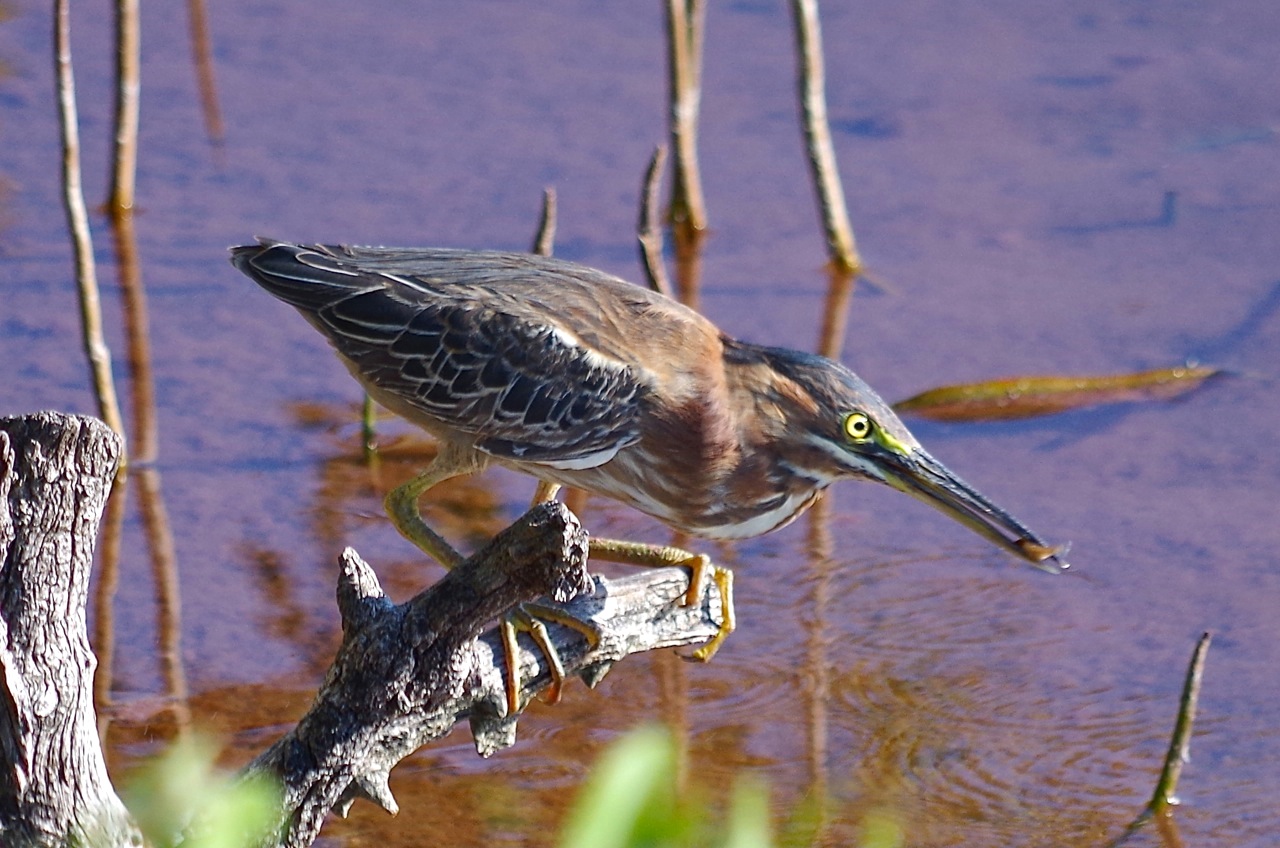
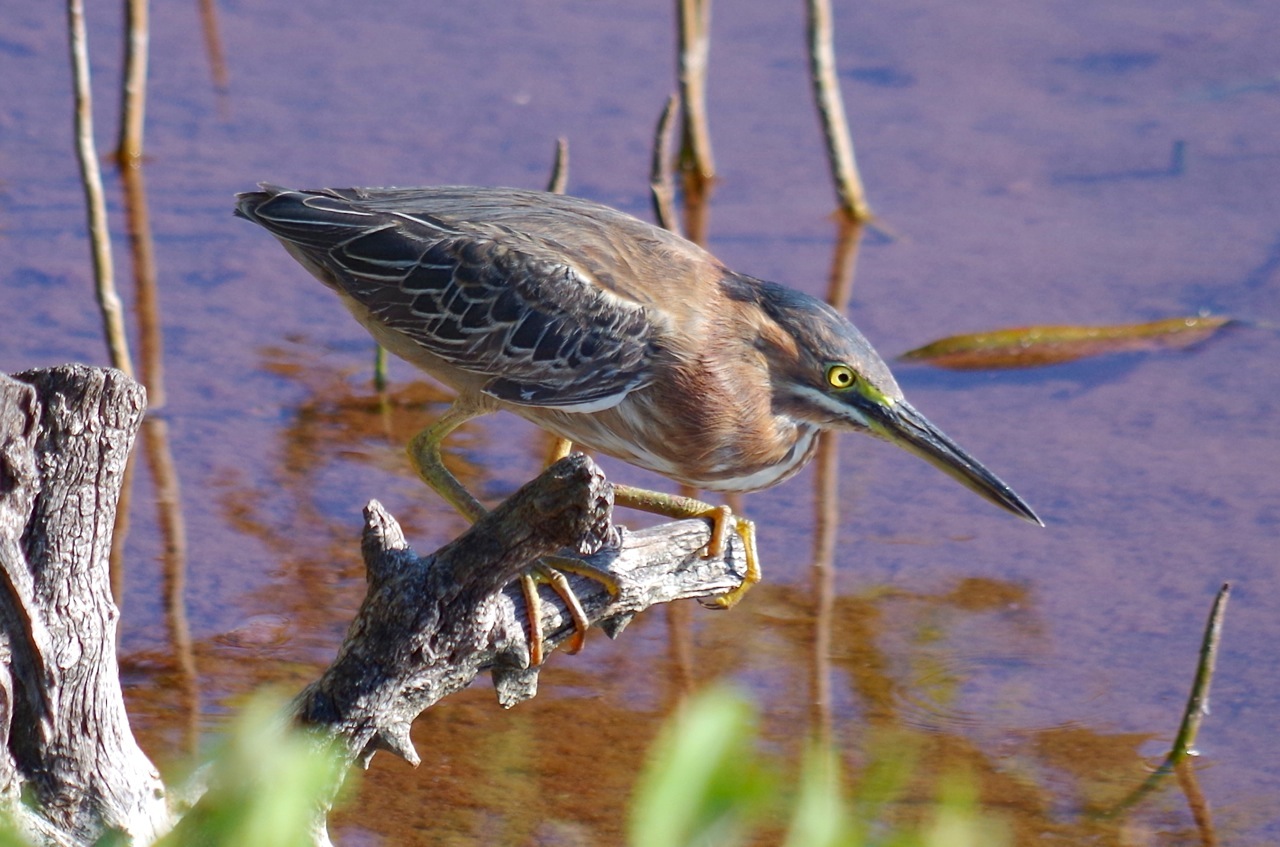
We found this small Green Heron quite easily. We’d watched it fly onto a stump in the pond near the jetty, then fly closer to the shoreline. By tiptoeing onto the jetty, we could see it perched close to the water, inspecting it with a fierce and predatory eye. Both eyes, in fact. 

Green Heron, Gilpin Point, Abaco (Keith Salvesen)01

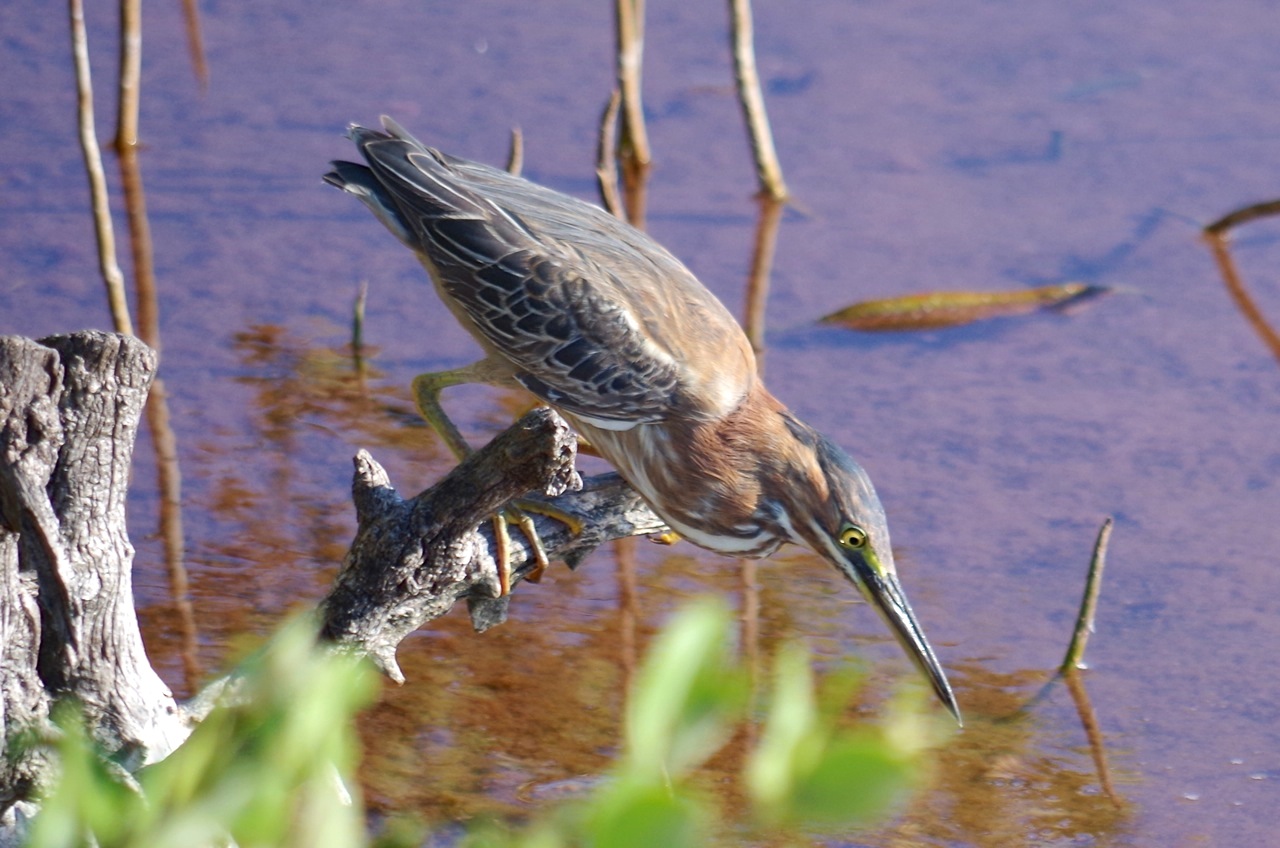
The hunting technique is deceptively simple. Note the long sharp stabbing beak. Note the large feet and claws for gripping securely Here’s how it is done. As a fish is sighted, so the heron leans forward, beak closer to the water, more streamlined to look at.Green Heron, Gilpin Point, Abaco (Keith Salvesen)02

As the prey unwittingly approaches the bird slowly tilts further forward unless its beak almost touches the water, the quicker to strike…Green Heron, Gilpin Point, Abaco (Keith Salvesen)03 Green Heron, Gilpin Point, Abaco (Keith Salvesen)04

The actual strike is so rapid that it is barely possible to see with the naked eye, let alone to photograph it clearly. For me and my little Pentax, anyway. But the end result is rarely in doubt, with a small fish struggling but securely held. It will be down the heron’s gullet in a matter of seconds.Green Heron, Gilpin Point, Abaco (Keith Salvesen)05

I left the heron as it settled slowly back into ‘scanning the water mode’ while I went to look at some Lesser Yellowlegs nearbyGreen Heron, Gilpin Point, Abaco (Keith Salvesen)06

I returned a few minutes later. Scanning was still in progress, and the bird started the gradual ‘leaning forward’ process as it sighted a fishGreen Heron, Gilpin Point, Abaco (Keith Salvesen)08

Get ready to spearfish…Green Heron, Gilpin Point, Abaco (Keith Salvesen)10

Epic success for the heron, epic fail for the photographer…Green Heron, Gilpin Point, Abaco (Keith Salvesen)09

“Ha ha Mr Human with your funny black clicky thing hanging round the thing that attaches your head to your body. I was too quick for you. Who hasn’t got the hang of shutter speed yet? Eh? I win the fish. I win the game…”Green Heron, Gilpin Point, Abaco (Keith Salvesen)11

ROUGH GILPIN CHECKLIST

Species we have found on and around the pond include Black-necked Stilts, Little Blue Heron, Great Blue Heron, Tri-colored Heron, Snowy Egret, Reddish Egret, Yellow-crowned Night Heron, Sora, hordes of White-cheeked Pintails, Northern Pintails, Lesser Yellowlegs, Belted Kingfisher, Turkey Vulture, Smooth-billed Ani, American Kestrel, Bahama Woodstar, Cuban Emerald, Mucovy Duck (pets!)  and – for the first time this year – Green heron. As a bonus, Gilpin has become a regular stop for flocks of Abaco Parrots. Other species found there include American Flamingo, Brown Pelican, DC Cormorants and Limpkin. I’ve no doubt there are shorebirds on the beach such as Wilson’s Plovers, various gulls to be identified, and passing tropicbirds & magnificent frigatebirds high over the water.

VOLUNTARY MUSICAL DIGRESSION

‘The Hunter’ is a well-known Albert King / Stax song from 1967 with elements reminiscent of many blues songs and lyrics before that. The best known versions are probably the one by Free (‘Tons of Sobs’ 1968), which is un-improvable and definitive; and the doff of the cap by Led Zeppelin towards the end of ‘How Many More Times’… However ‘Pacific Gas and Electric’ made a pretty good stab at the song, also in the late ’60s

RELATED POSTS  

SHARP-EYED SHARP BILLED

A FACEFUL OF FISH

All photos RH; Music ‘borrowed’  from a CD into iTunes, converted to MP3 and ‘re-borrowed’ for present non-commercial purposes. And it did say “FREE” on it in large letters…

Unknown's avatar

CARIBBEAN ENDEMIC BIRD FESTIVAL: NASSAU BIRDERS VISIT ABACO


DSC00298_3

CARIBBEAN ENDEMIC BIRD FESTIVAL: NASSAU BIRDERS VISIT ABACO

THE CARIBBEAN ENDEMIC BIRD FESTIVAL (CEBF) is a Caribbean-wide festival that aims to heighten awareness for birds generally in the region. It is sponsored by the excellent BIRDS CARIBBEAN organisation – click the link to see what it is all about. Birds, obviously, but from the points of view both of promoting and of preserving the rich avian variety throughout the Caribbean.

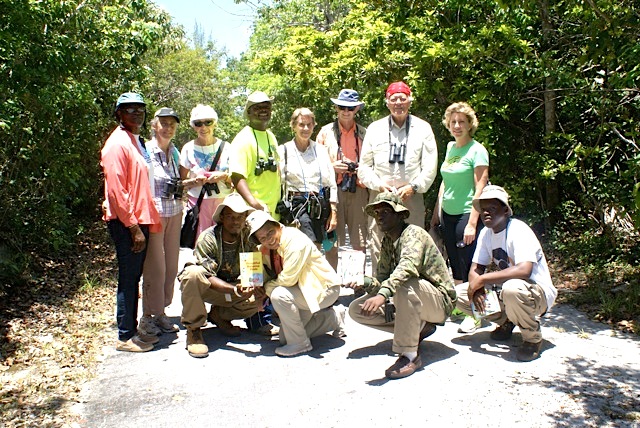
As part of the CEBF celebrations this month, a birding group from New Providence came to Abaco to explore the birdlife. The expedition group included several well-known local bird experts, all the better for locating and identifying species and ensuring a comprehensive checklist could be compiled. Also in the group was photographer Linda Huber, whose photos you will undoubtedly have seen in Bahamas publications, including the recently published small guide BEAUTIFUL BAHAMA BIRDS (click to see my review and further details – highly recommended for any birder from novice up). Here are a few of Linda’s photos of some of the birds seen during the expedition, a gallery that shows the extraordinary diversity of species to found in a short time on Abaco.

Apologies to those who received a ‘false start’ draft of this post. It was lunchtime, I was hungry, I pressed ‘Save Draft’… or thought I had. Why is the ‘Publish’ button so close? Oh. Right. I see. It’s not its fault, it’s mine…

Western Spindalis Spindalis zena             Abaco Parrot Amazona leucocephala bahamensis                       DSC00210_2  DSC00216_2

Bahama Yellowthroat Geothlypis rostrata                   Bahama Mockingbird Mimus gundlachiiDSC00298_3 DSC00317_2

Bahama Warbler Setophaga flavescens                         Black-faced Grassquit Tiaris bicolorDSC00356_3 DSC00381_3

                                                        Yellow Warbler Dendroica petechia                                                                DSC00371_2 DSC00378_2

Bahama Swallow Tachycineta cyaneoviridis              Cuban Pewee Contopus caribaeus bahamensis  DSC00399_3 DSC00413_2

Olive-capped Warbler Dendroica pityophila            Pearly-eyed Thrasher Margarops fuscatusDSC00422_2 DSC00501_3

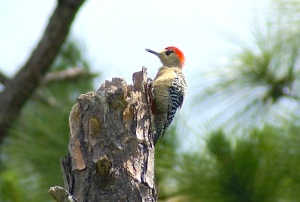
                              West Indian Woodpecker Melanerpes superciliaris                                             DSC00475_2  DSC00278_3

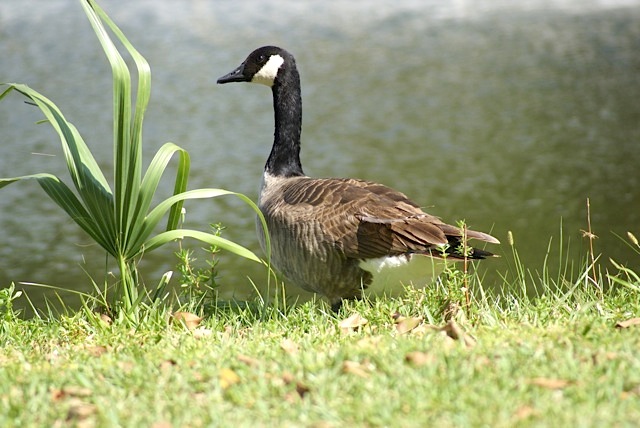
                                                      Canada Goose Branta canadensis                                                                             DSC00566 DSC00642_2

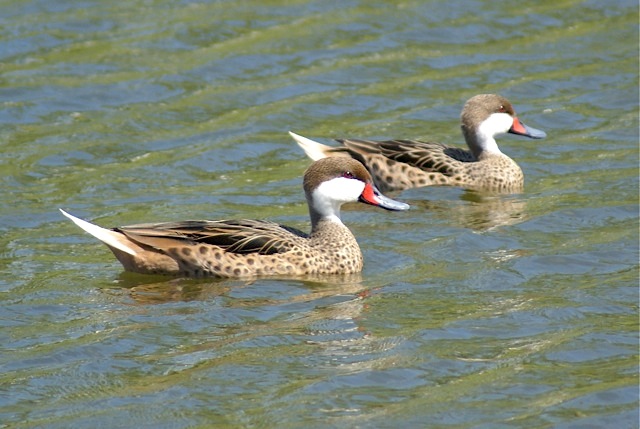
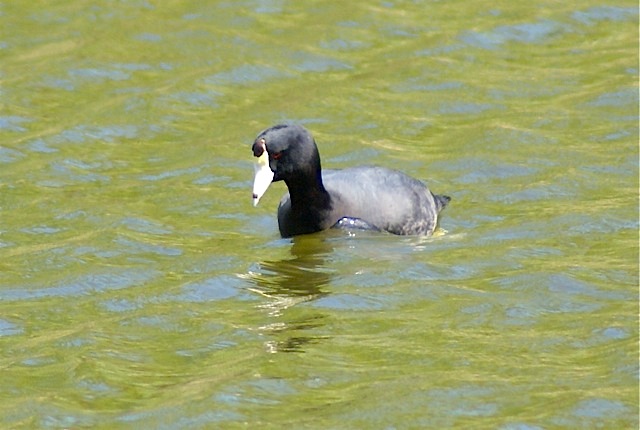
White-cheeked Pintails Anas bahamensis                   Caribbean Coot Fulica caribaea     DSC00612_2 DSC00627_3

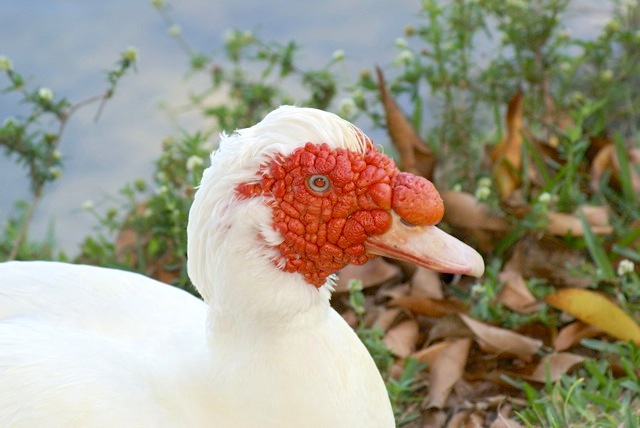
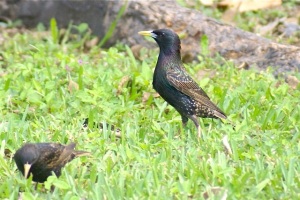
Muscovy Duck Cairina moschata                                   European Starling Sturnus vulgaris        DSC00639_2  DSC00524_2

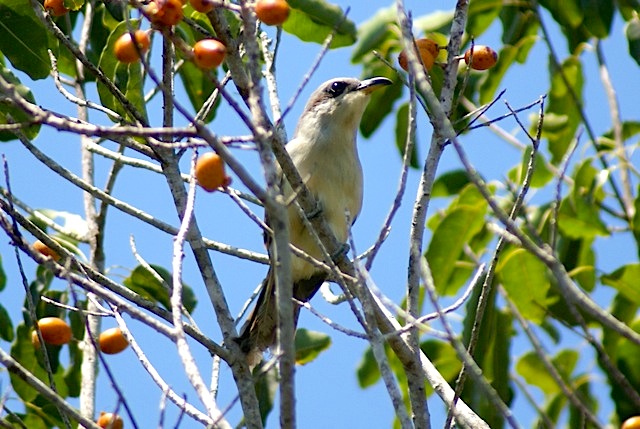
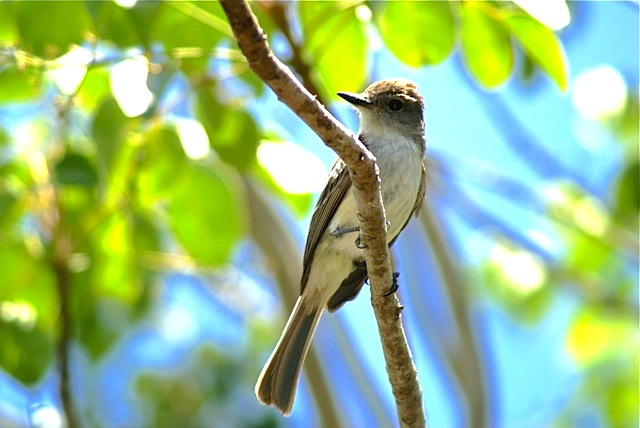
Mangrove Cuckoo Coccyzus minor                    La Sagra’s Flycatcher Myiarchus sagrae lucaysiensisDSC00675_2 DSC00694_2_2

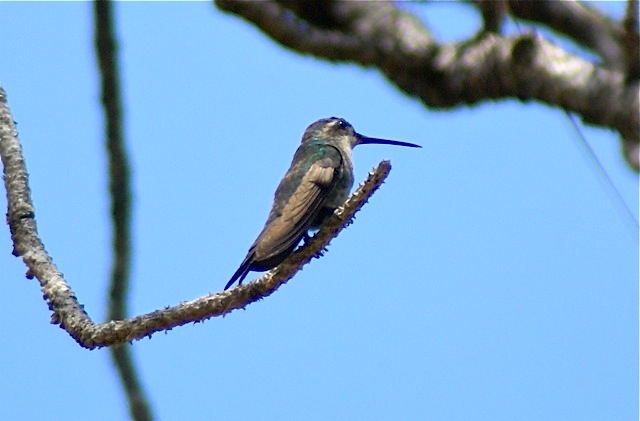
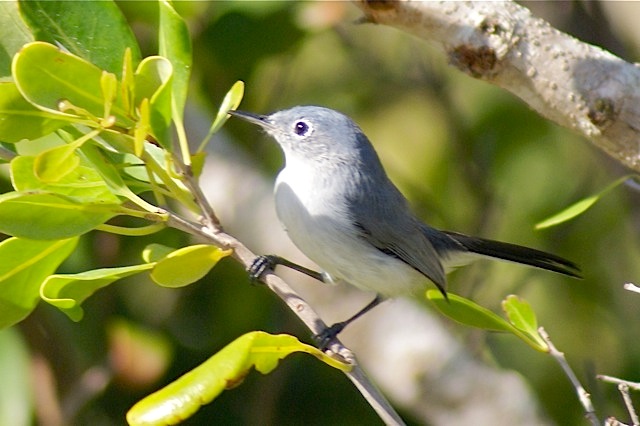
Cuban Emerald Chlorostilbon ricordii                        Blue-gray Gnatcatcher Polioptila caerulea DSC00721_2 DSC09484_2

The gallery above includes a number of specialist birds and others of particular interest. In brief:

  • 3 of the 4 ENDEMIC SPECIES found on Abaco (omitting only the Bahama Woodstar)
  • The famous, incomparable and indeed unique ground-nesting ABACO PARROT
  • 4 ‘local’ subspecies of birds also found beyond the Bahamas
  • 1 of only 5 resident warblers, the Olive-capped (of 37 recorded for Abaco)
  • The most recent addition to the birds recorded for Abaco PEARLY-EYED THRASHER
  • The WEST-INDIAN WOODPECKER, now found only on Abaco and (rarely) San Salvador
  • 2 or 3 introduced or domestic species (if that Muscovy Duck was at Gilpin Point it’s a pet!)
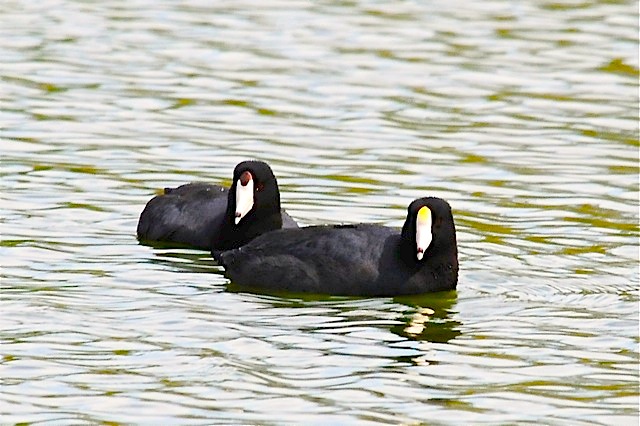
  • The debatable ‘Caribbean Coot’, about which it has been written**  The American Coot is familiar to all, but controversy surrounds the Caribbean Coot with its all-white frontal shield. Some authorities say it is a separate species; others say it is a true subspecies of the American Coot; some claim it is simply a local variant. Bond (1947) treats them as distinct species. The image below shows the two species together. They coexist contentedly and are indifferent to the debate.

American & 'Caribbean' Coot (Tony Hepburn)

The group on a Logging Track in the Abaco National ParkDSC00349

The New Providence Birding Group Expedition to AbacoDSC00706_3

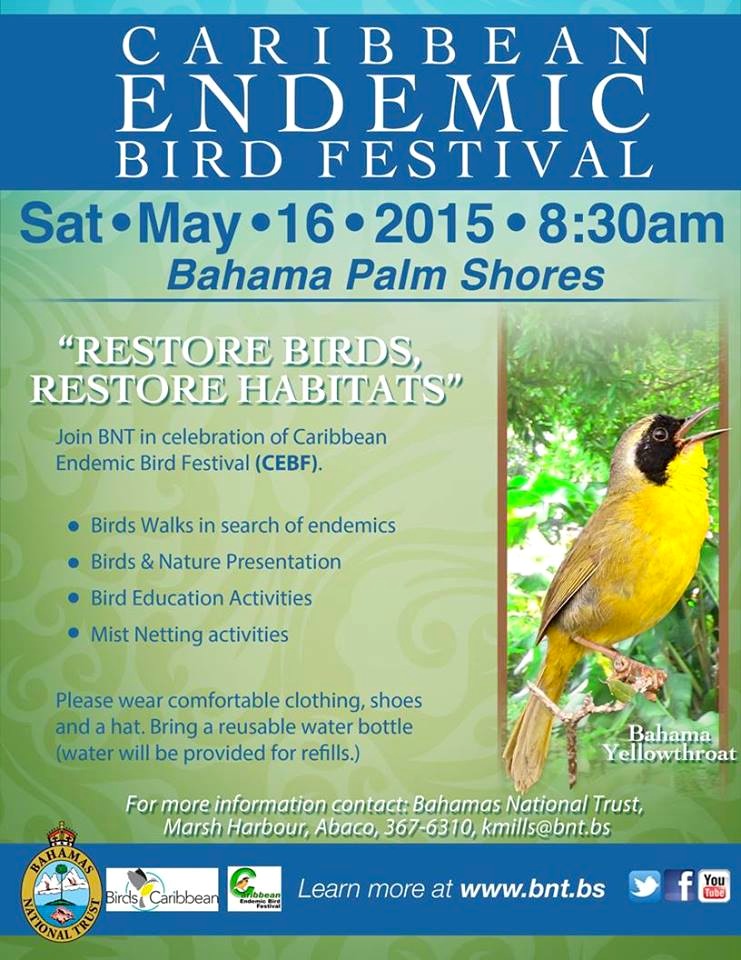
 Caribbean Endemic Bird Festival Flyer

CREDITS All photos Linda Huber (with many thanks for use permission) except the pair of coots (Tony Hepburn) and the singing Bahama Yellowthroat in the BNT Flyer (Bruce Hallett)

** Keith Salvesen, The Birds of Abaco p22

Unknown's avatar

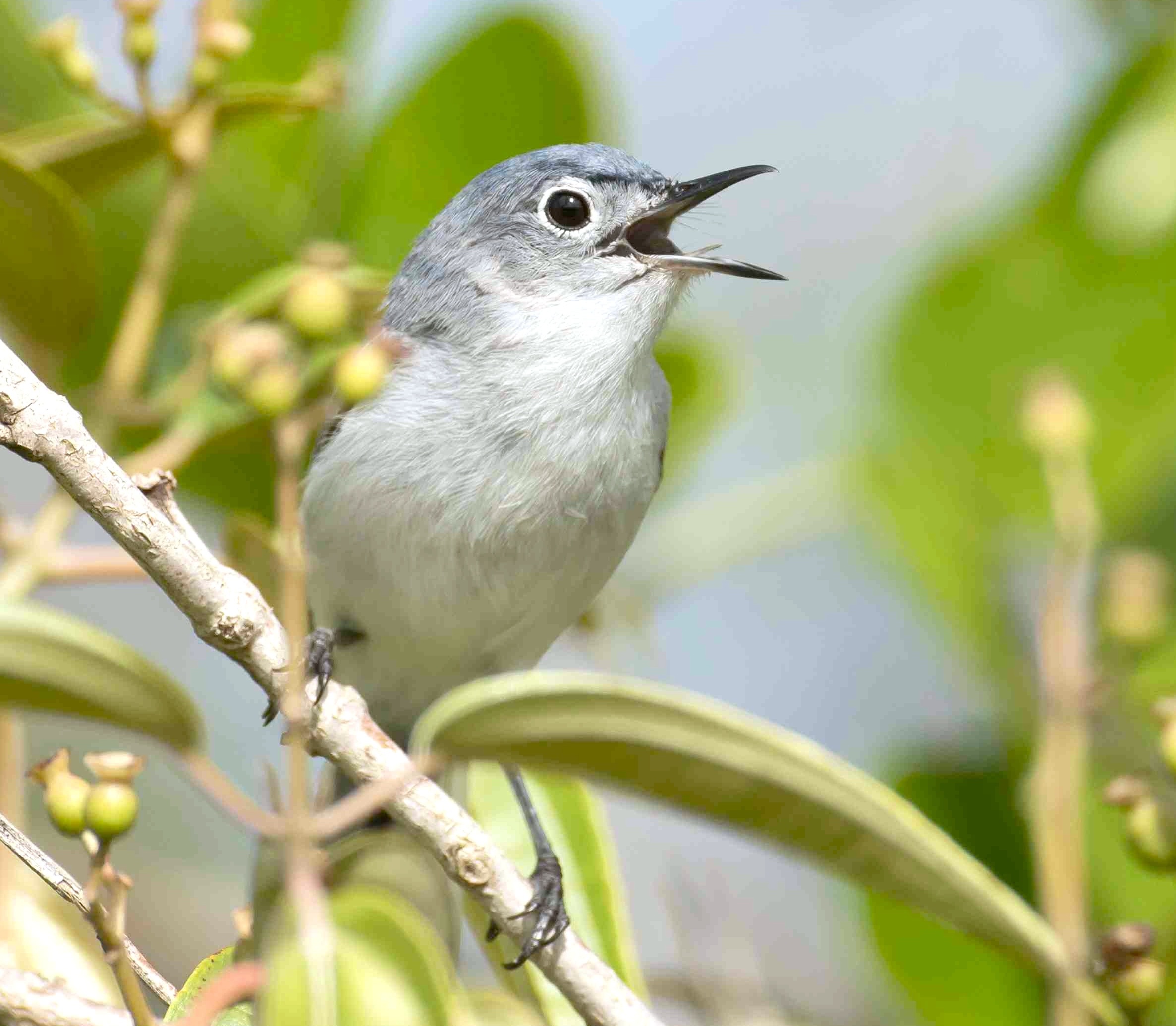
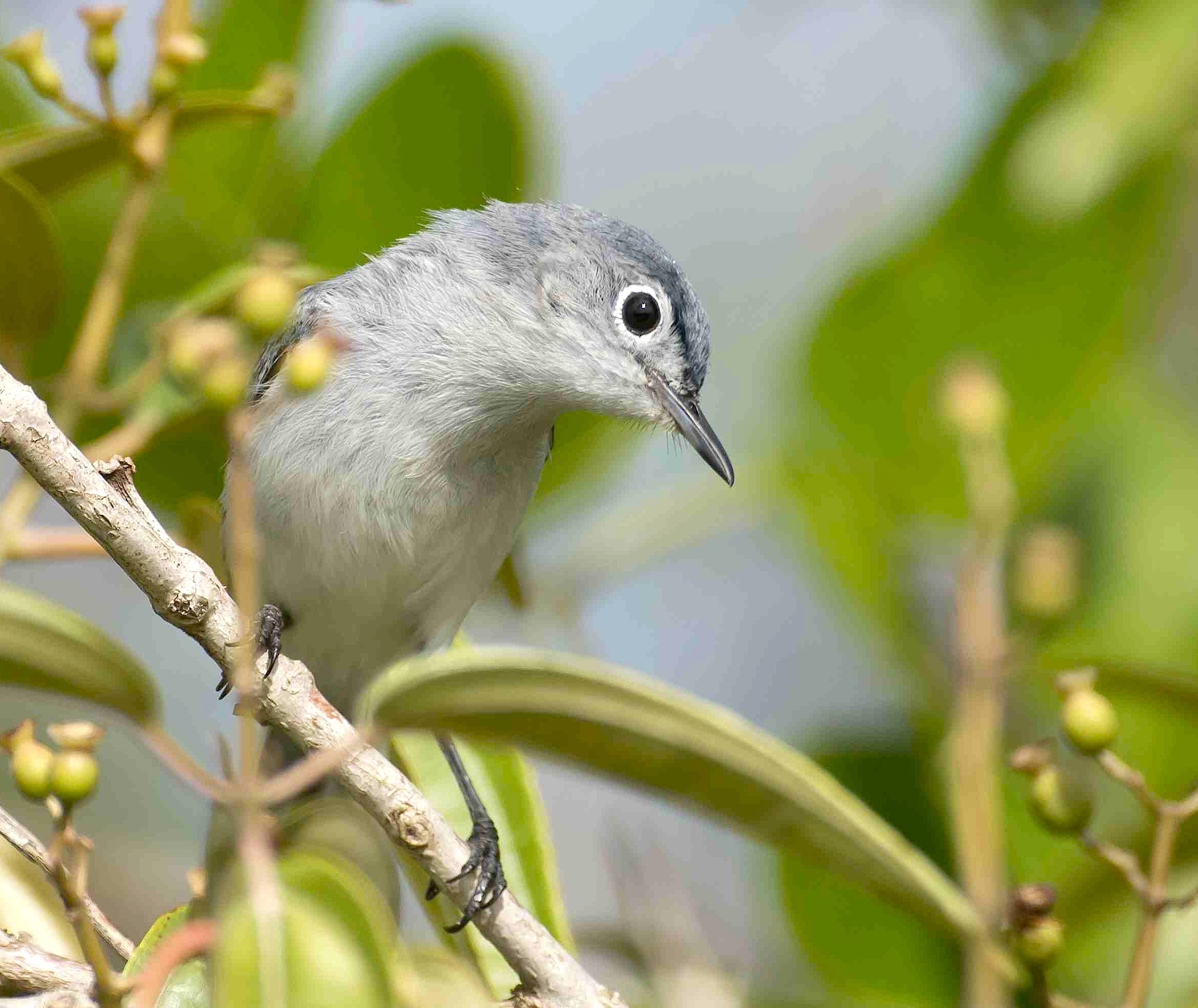
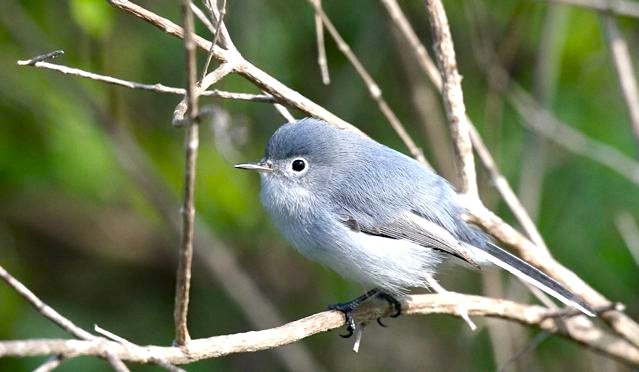
“STRIKE THE POSE”: BLUE-GRAY GNATCATCHERS ON ABACO


Blue-Gray Gnatcatcher, Treasure Cay, Abaco (Becky Marvil)

“STRIKE THE POSE”: BLUE-GRAY GNATCATCHERS ON ABACO

I’ve featured these little birds before, including a few I took a couple of months back. For reasons to do with a current project I have been revisiting some of my archive folders of Abaco birds. Most are carefully and correctly labelled, which in most cases is easy – ‘Abaco Parrots’; ‘W Spindalis’; B/quits’ etc. Some have more fancy shortcut names that I’m just getting into – ‘PIPL’; ‘BAWA’; ‘WESA’ and so on. And some are crammed into generic folders like ‘Shorebirds Misc’, ‘Gulls Terns Whatever’ or ‘Warblers???’ pending further attention (if ever).

Blue-Gray Gnatcatcher, Treasure Cay, Abaco (Becky Marvil)Blue-Gray Gnatcatcher, Treasure Cay, Abaco (Becky Marvil)

The BGGs I have previously shown have all been photographed on South Abaco. Several of the photos here were taken in and around the Treasure Cay area by Becky Marvil, one of the photographic contributors to THE BIRDS OF ABACO. It’s good to remember that although South Abaco provides the best birding, there are other parts of the island, and some Cays such as Man-o-War, where the birding is also very good.

Blue-Gray Gnatcatcher, Treasure Cay, Abaco (Becky Marvil)Blue-gray Gnatcatcher, Treasure Cay Abaco (Becky Marvil)

BGGs are well-known for their irreziztbz little ways – coming to check you out if you pish, click or whistle softly in thick coppice; posing daintily for the camera; and maybe even preceding or following you down a track in a companionable way. They may be small, but they always a welcome sight and they make for a very attractive bird gallery.

Blue-gray Gnatcatcher, Abaco Bahamas (Tom Sheley) aBlue-gray Gnatcatcher preening, Abaco Bahamas (Tom Sheley) bBlue-gray Gnatcatcher, Abaco Bahamas (Tom Sheley) c

Blue-gray Gnatcatcher, Abaco (Charles Skinner)Blue-gray Gnatcatcher, Abaco (Charles Skinner)

Credits: Becky Marvil (1,2,3,4,5), Tom Sheley (6,7,8), Charlie Skinner (9,10), Bruce Hallett (11)Blue-gray Gnatcatcher, Abaco (Bruce Hallett)