Unknown's avatar

BAHAMAS WHALES & DOLPHINS IN ABACO & ANDROS WATERS


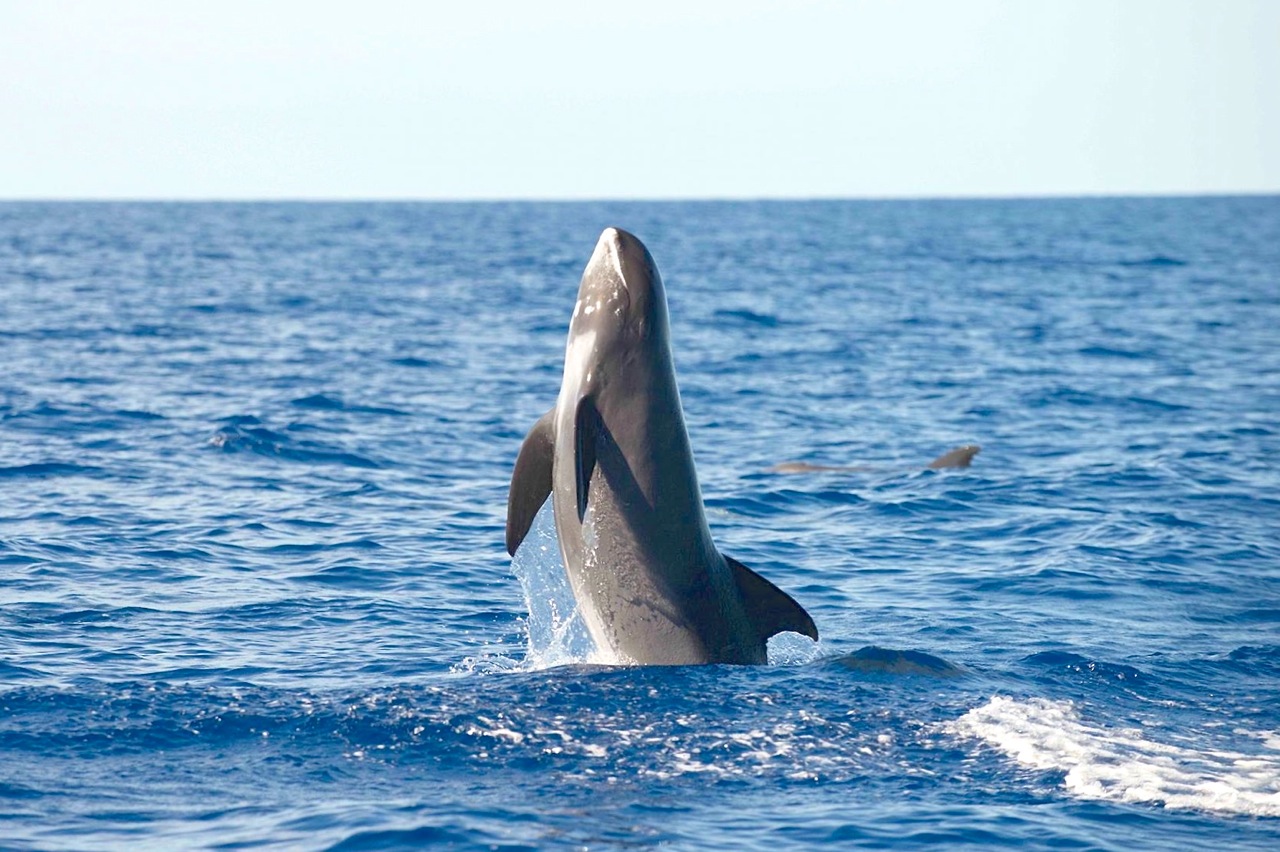
Melon-headed Whale breaching - BMMRO copy

Melon-headed Whale breaching – BMMRO

BAHAMAS WHALES & DOLPHINS IN ABACO & ANDROS WATERS

The Bahamas Marine Mammal Research Organisation (BMMRO)  has its HQ at Sandy Point, Abaco. We recently went out in their research boat, a RHIB, to spend an unforgettable day with Blainville’s beaked whales and bottlenose dolphins. I posted some of the dolphins HERE; and a two-part beaked whale post is a work in progress.

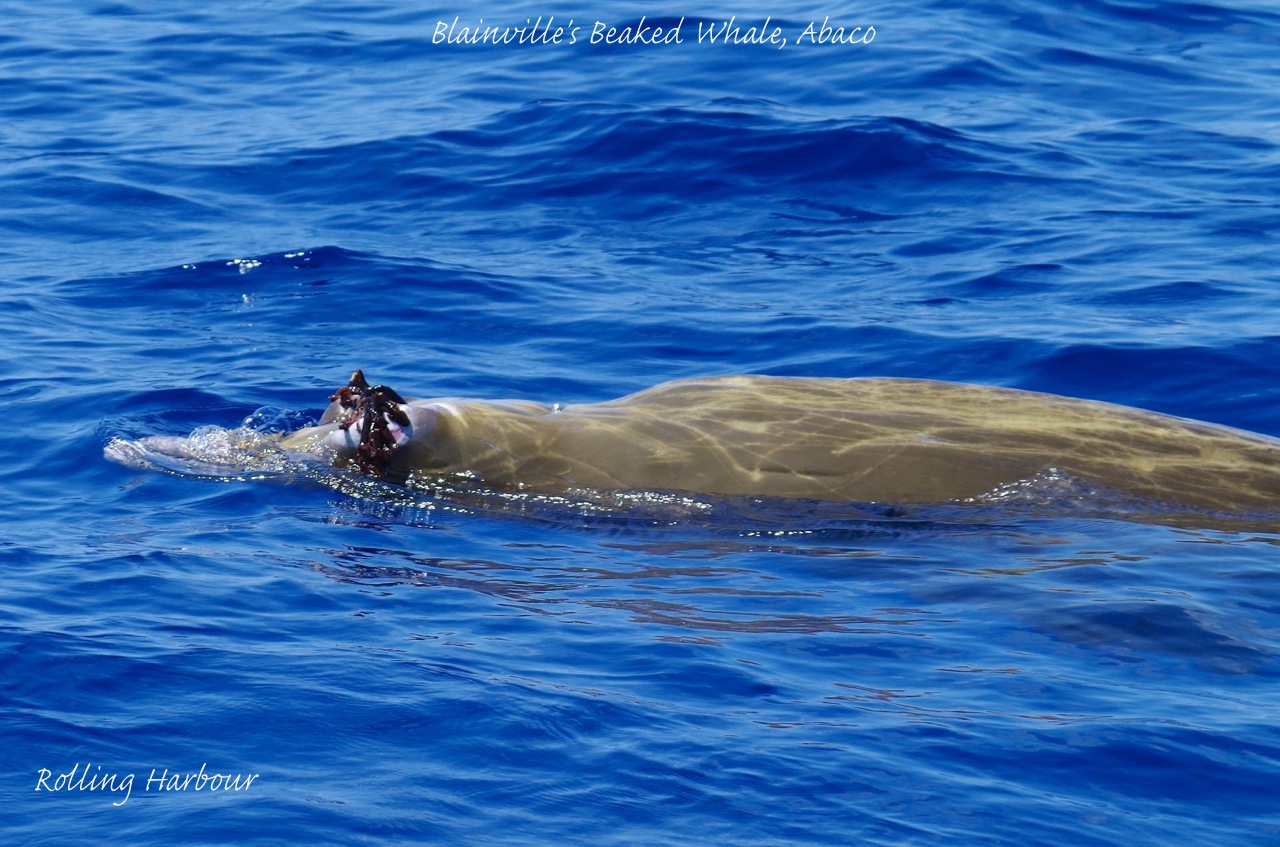
Male Blainville’s beaked whale with its extraordinary barnacle-encrusted teeth that protrude upwards from its lower jaw. The prominent beak is plainly visible. Sighted off the south-west point of Abaco during our second encounter with a group of these whales – the only male we saw that dayBlainville's Beaked Whale KS 1

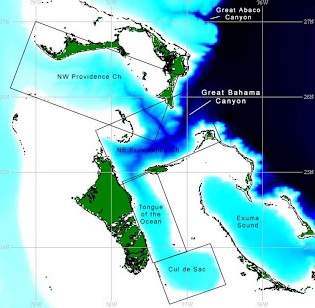
Abaco waters are ideal for marine mammals, especially off the southern shores where the walls of the Great Bahama Canyon drop vertiginously down from the shallow coastal waters to depths of up to 3 miles below. This is one of the deepest ocean canyons in the world.  The area provides a rich source of food and nutrients for the whales and dolphins and many different species are regularly sighted there, from huge sperm whales to small pilot whales (including plenty of species I had never heard of before). 

Great Bahama Canyon Map edit

As the name suggests, the BMMRO’s remit extends far beyond Abaco. The researchers often spend time exploring and recording cetaceans in other Bahamian waters. For the last few weeks the team have been off Andros and have encountered quite a few target species. I have included a selection below taken within the last month to illustrate the importance of the area for a remarkable assortment of wonderful whales and dolphins.

BLAINVILLE’S BEAKED WHALEBlainville's Beaked Whale copy

DWARF SPERM WHALESDwarf Sperm Whales - BMMRO copy

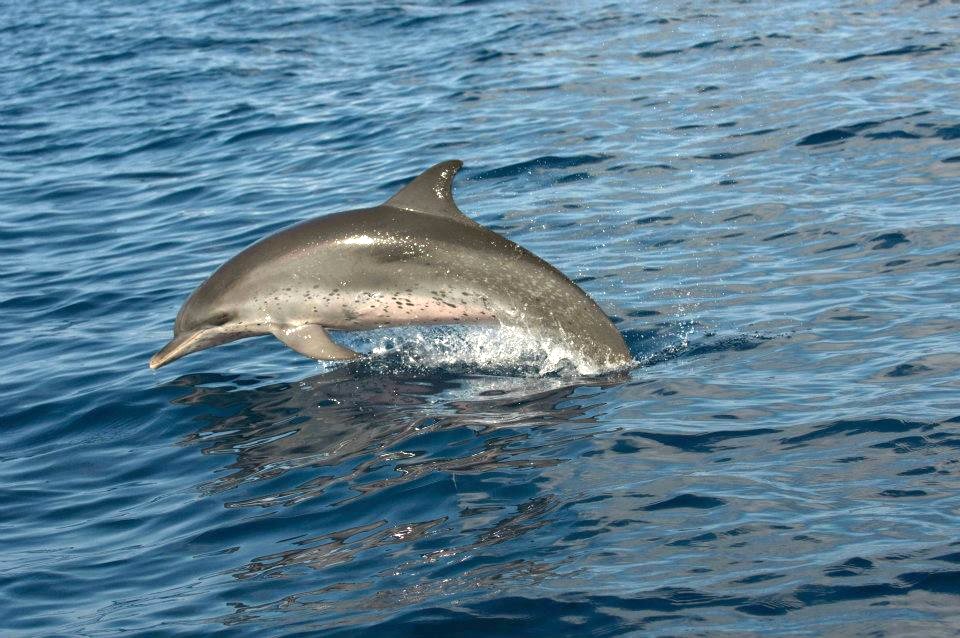
PANTROPICAL SPOTTED DOLPHINSPantropical Spotted Dolphin - BMMRO Pantropical Spotted Dolphin leap - BMMRO copy

On board the research vessel, every sighting is recorded in detail – where possible by species, numbers, ages, sexes, and individual identifying characteristics. Thus ‘SW34’ may have a damaged fluke, whereas ‘RD49’ may have a long scar on its back. 

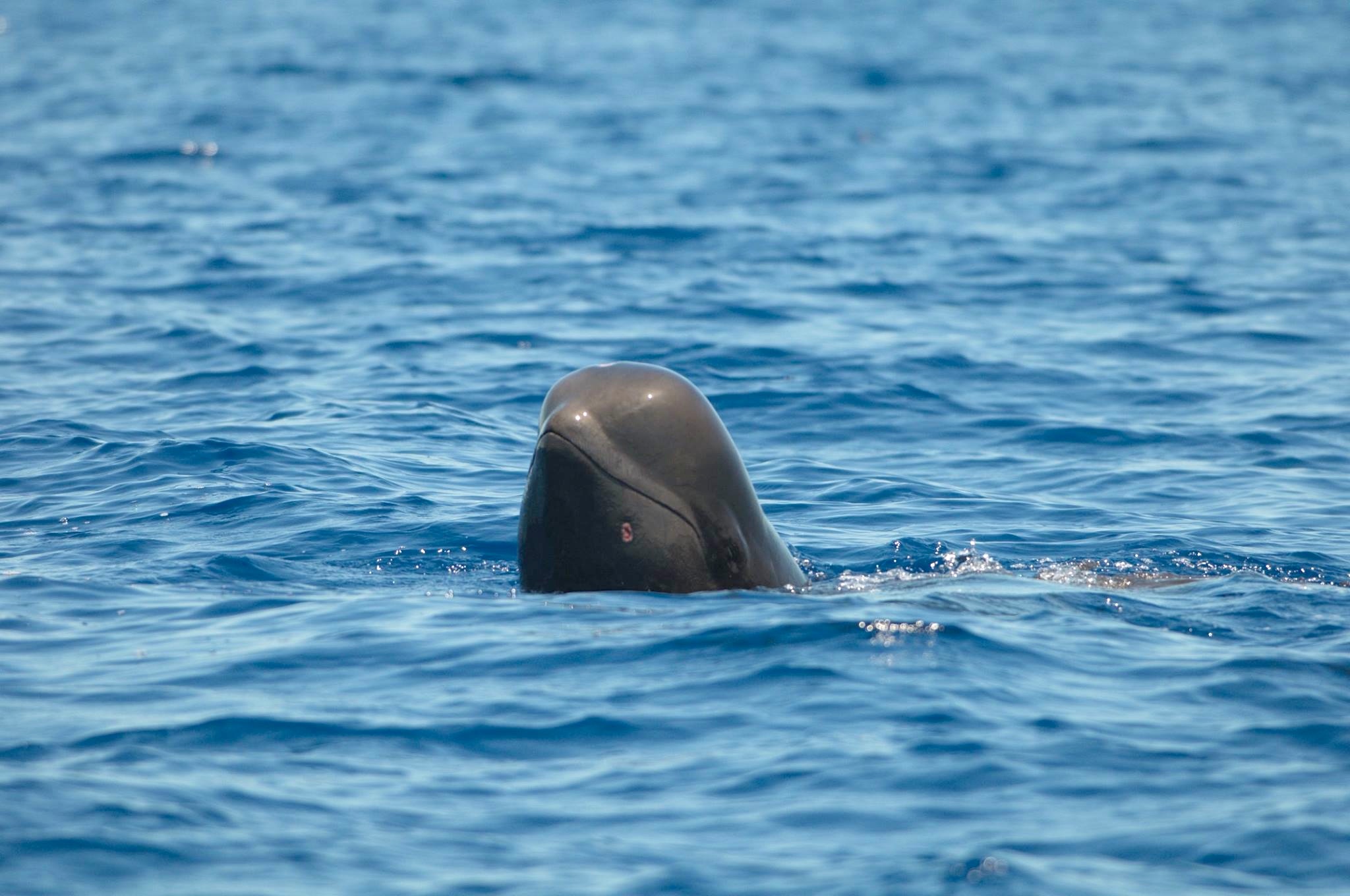
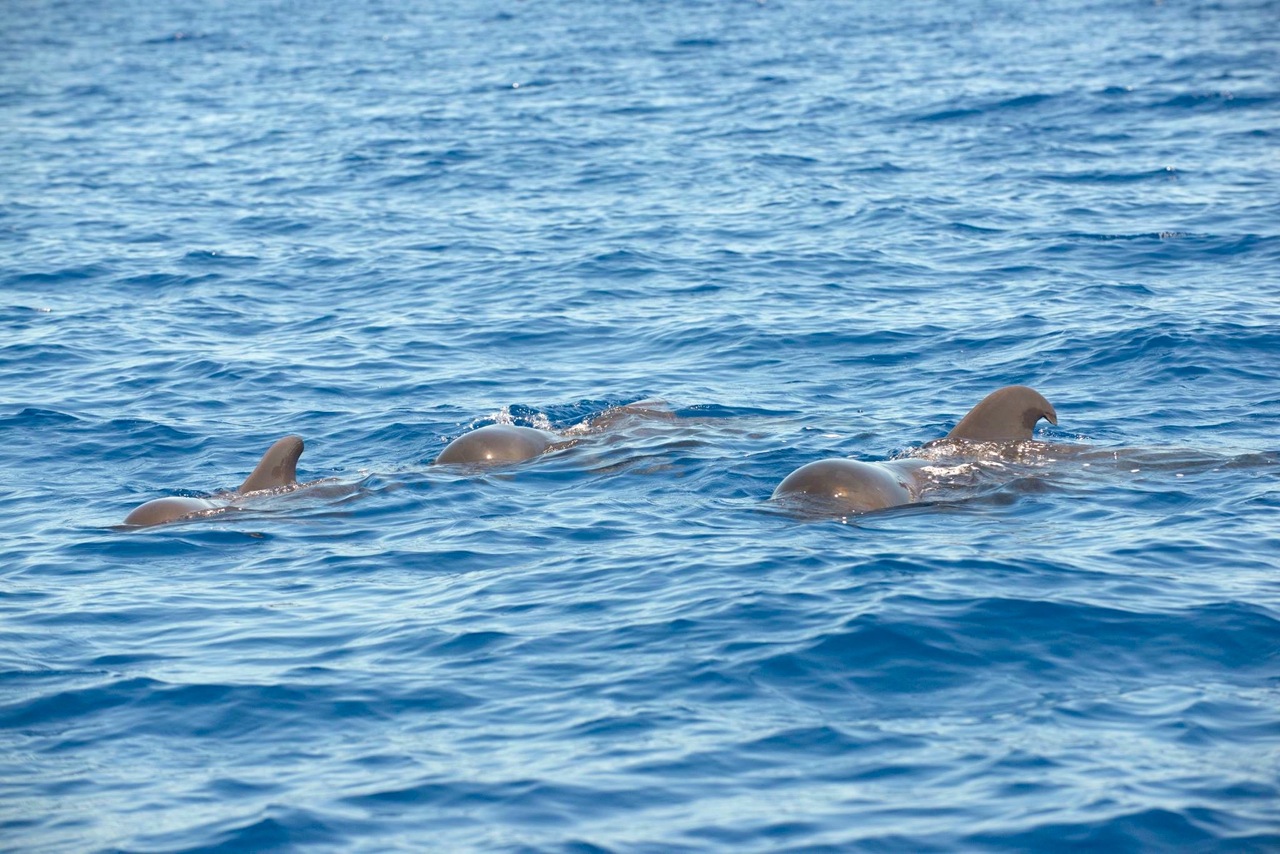
PILOT WHALESPilot Whale - BMMROPilot Whales - BMMRO copyPilot Whales 2 - BMMRO

The research boat is equipped with sound devices which, when the microphone is immersed, are capable of picking up whale or dolphin sounds from a considerable distance. It’s astounding to be able to listen in ‘live’ to the wide assortment of clicks and whistles produced as the creatures communicate with each other. The recorded sound patterns are studied and can often be matched to enable an individual animal to be identified. 

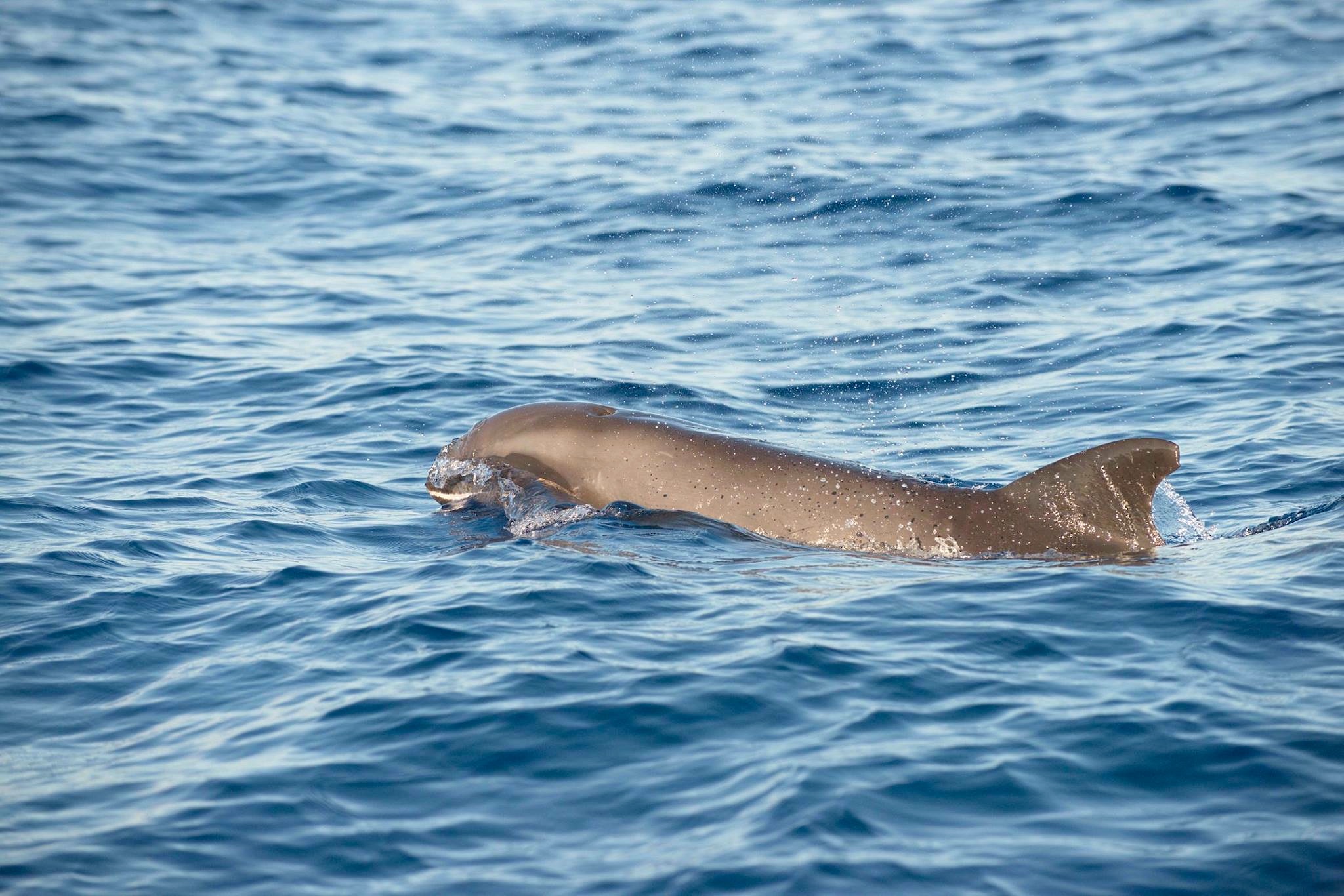
MELON-HEADED WHALESMelon-headed Whales - BMMRO Melon-headed Whale - BMMRO

RISSO’S DOLPHINRisso's Dolphin - BMMRO copy

Other work, including photography, is done underwater. Perhaps the most intriguing aspect is the collection of poop specimens, from which a great deal can be ascertained about the diet and health of an individual animal. I wrote about this task and the methods used a while ago inFAMILIAR FECES‘.

I’ll be writing more about whales soon. Meanwhile, here’s a short BMMRO video of a large group of melon-headed males. At the start, you can clearly hear communication sounds between them.

Credits: Charlotte & Diane of the BMMRO for taking us out with them and for all the photos except the male Blainville’s beaked whale (mine, for once!)

Unknown's avatar

BRITTLE STARS: PRIMITIVE YET INCREDIBLY COMPLEX STARFISH


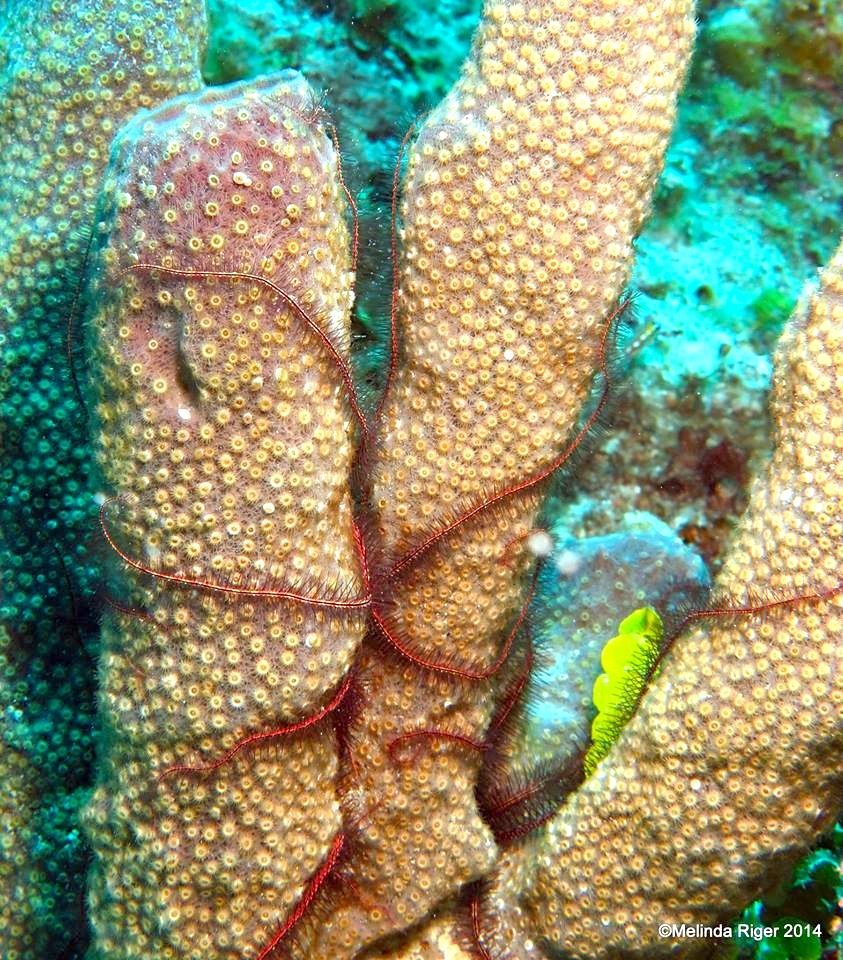
Brittle Star around a Tube Sponge ©Melinda Riger @ GB Scuba

BRITTLE STARS: PRIMITIVE YET INCREDIBLY COMPLEX STARFISH

BRITTLE STARS are closely related to starfish, and in particular to Basket Stars. They are commonly known as “serpent stars”, having 5 long, thin arms that may grow as long as 2 feet long. There are lots of different types of brittle star – at least 2000 – and they are found in every ocean on earth from the poles to the tropics. In Bahamian waters they a commonly found living on reefs.

Although these creatures look primitive, their structure, nervous systems, respiratory systems, digestive systems, sex lives and transportation methods are incredibly complex. Take it from me – I’ve just read about it all. So I’ve decided to pick a few aspects of these creatures to highlight rather than discuss the minutiae of their ossicles (tiny bones), madroporites (a sort of water filter / pressure balancer) and viscera.

You are most likely to see Brittle Stars clinging to coral or spongesSponge & Brittle Star ©Melinda Riger @GB Scuba

A DOZEN BRITTLE STAR FACTS TO PLAY WITH

  • The star has no eyes and no sense organs as we know them, but can detect light chemically; and (why would they need this?) sense smell through their ‘feet’… [Not a superpower I would prize, but still]
  • The mouth is on the underside of the central disc (‘body’) of 5 segments, each with a toothed jaw
  • The mouth is used both for ingestion and, putting it delicately, egestion. [Nor that superpower]
  • Stars eat tiny organisms suspended in the water or mini-worms, gathering them with their arms
  • If I have understood this, they breathe through their armpits, and can excrete from here also
  • The arms fit the main part with ball and socket joints, and are flexible in all directions
  • The genitals seem to be located in or between the armpits (lucky we are not descended from stars)
  • Stars readily regenerate lost arms until they lose the 5th – then they are in real trouble
  • This enables them to shed an arm in a predator attack, like a lizard its tail
  • Trials indicate that a jettisoned arm cannot regenerate from itself
  • They use only 4 arms to move along, with the fifth ‘steering’ out in front or trailing behind
  • Brittle Stars are inedible but non-toxic

Brittle Star on Green Rope Sponge ©Melinda Riger @ GB Scuba

Often, brittle stars will cling on inside a spongeBrittle Stars in sponge ©Melinda Riger @ GB Scuba

I quite liked this infographic from a source new to me, ‘Weird ‘n’ Wild Creatures Wikia’Brittle_Stars_front

Here is a great video from Neptune Canada of a brittle star fight on the ocean floor over the remains of a shrimp. If you watch the ones joining the fight, you will clearly see the locomotion method described above, with one limb pathfinding and the other four ‘walking’.

I’m not renowned for extreme sensitivity, so I feel no shame in showing mating brittle stars, courtesy of Channel Banks. It’s not exactly Lady Chatterley and Mellors, but the entwined arms are rather romantic, no?

Credits: all wonderful photos by Melinda Riger of Grand Bahama Scuba; BS infographic and viddys as credited

Unknown's avatar

RED HIND GROUPER: BAHAMAS REEF FISH (25)


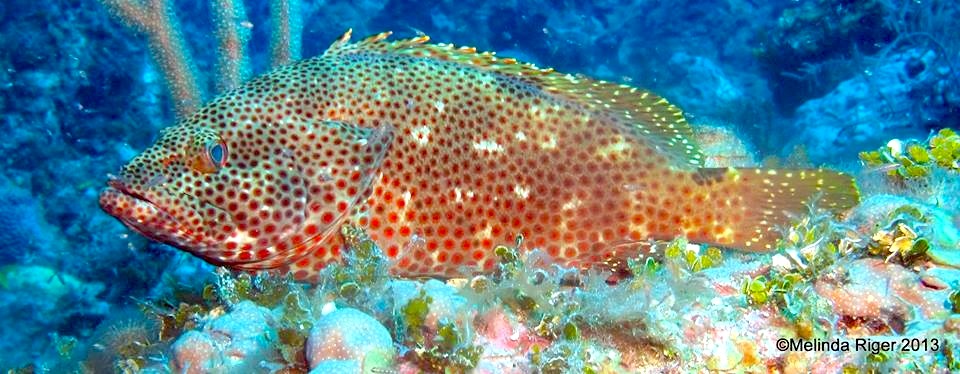
Red Hind Grouper Melinda Riger @ G B Scuba copy

RED HIND GROUPER: BAHAMAS REEF FISH (25)

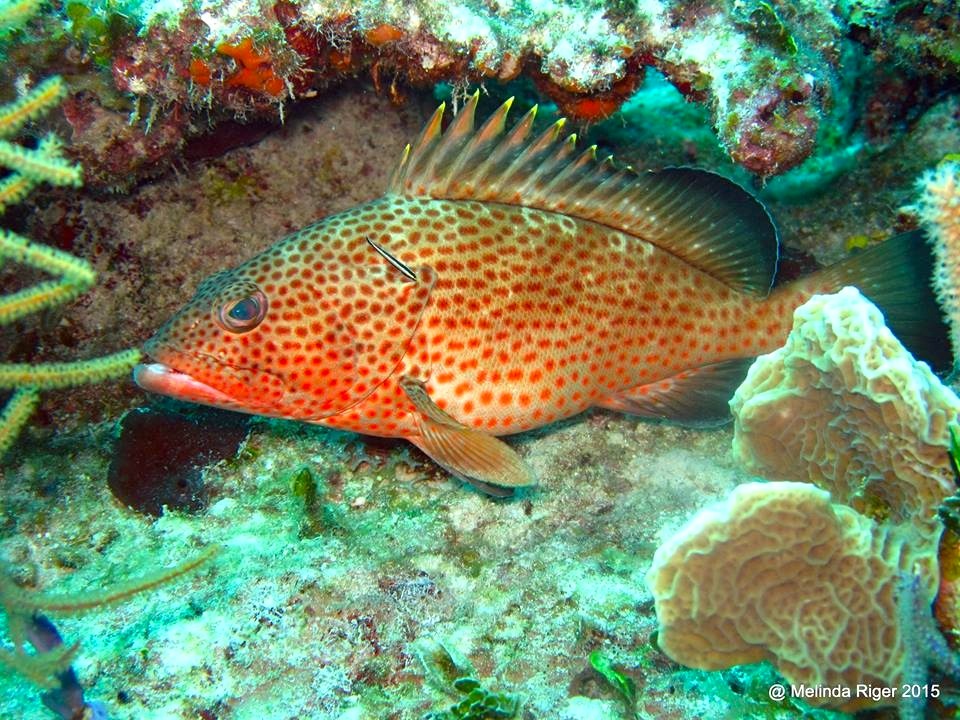
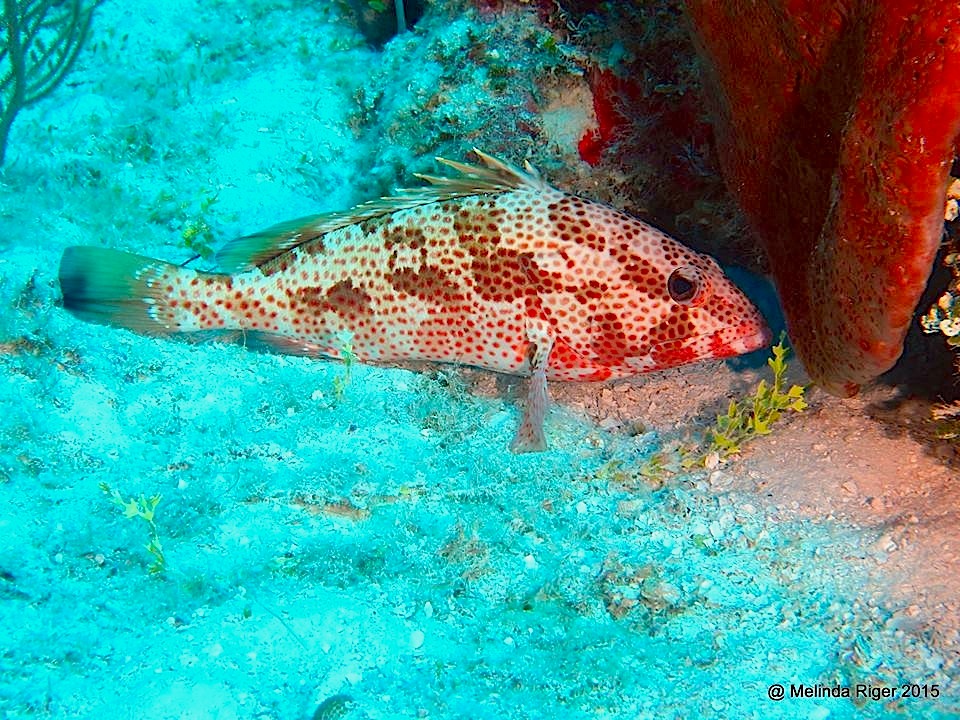
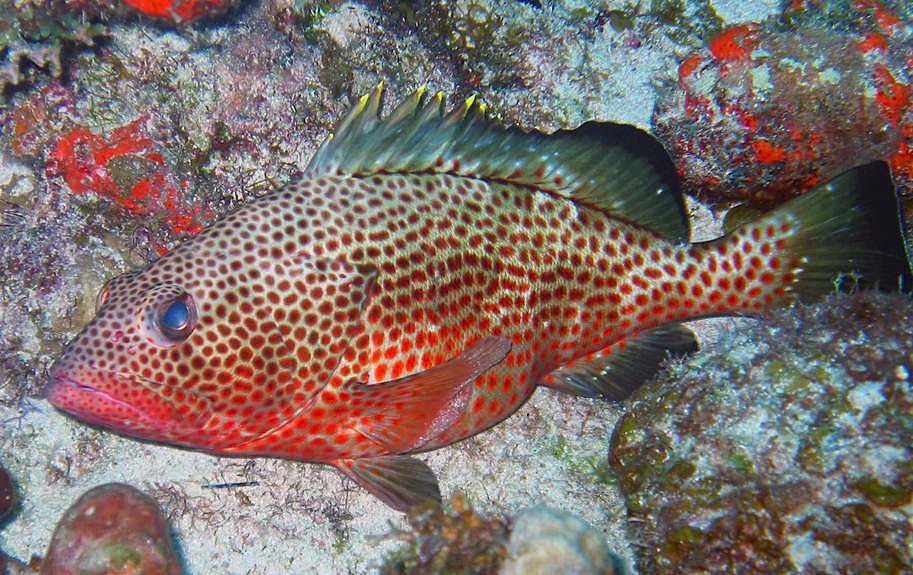
The Red Hind is one of several grouper species commonly found in  Bahamas waters. Commonly for now, anyway. There is less information available about this species compared with other groupers, but sources seem agreed that it is (a) abundant and (b) IUCN listed ‘least concern’ but (c) heavily fished and (d) delicious.

Red Hind, attended by Cleaner FishRed Hind Grouper ©Melinda Riger @ G B Scuba copy 2

Red Hind Grouper ©Melinda Riger GB Scuba copy

One problem arises from the fact that Red Hinds form spawning aggregations in particular areas, making them vulnerable to fishing exploitation in those locations, and consequent population decline. Already, some of their spawning areas are protected.

Another threat comes from the degradation of coastal habitats coupled with increasing commercial and recreational fishing.  Red Hinds are targeted with speargun, hook and line, fish traps and nets. They may also be by-catch of other fishing operations. Fortunately Marine Protected Areas such as the ones in Abaco waters provide localised protection but these are not found throughout the Red Hind’s range. Closed seasons have been imposed in a few areas, another conservation method that has recently been introduced in the Bahamas for the Nassau grouper. 

Female spawning Red Hind Grouper (Univ of Puerto Rico:NOAA)

Getting the right balance between traditional fishing for food, and stock conservation is inevitably a tricky calculation. For the Red Hind, the factors that may result in the population decline of a plentiful species are in plain sight and will continue to be monitored by the various scientific research organisations involved…

OTHER GROUPERS YOU MAY ENJOY…

NASSAU GROUPER

TIGER GROUPER

BLACK GROUPER

Red Hind Grouper ©Melinda Riger @ G B Scuba copy 3

Credits: All images Melinda Riger at Grand Bahama Scuba except (4) NOAA / Puerto Rico Univ; research from several sources, tip of the hat to SCRFA

Unknown's avatar

BOTTLENOSE DOLPHINS IN ABACO WATERS (2): MOTHER & CALF


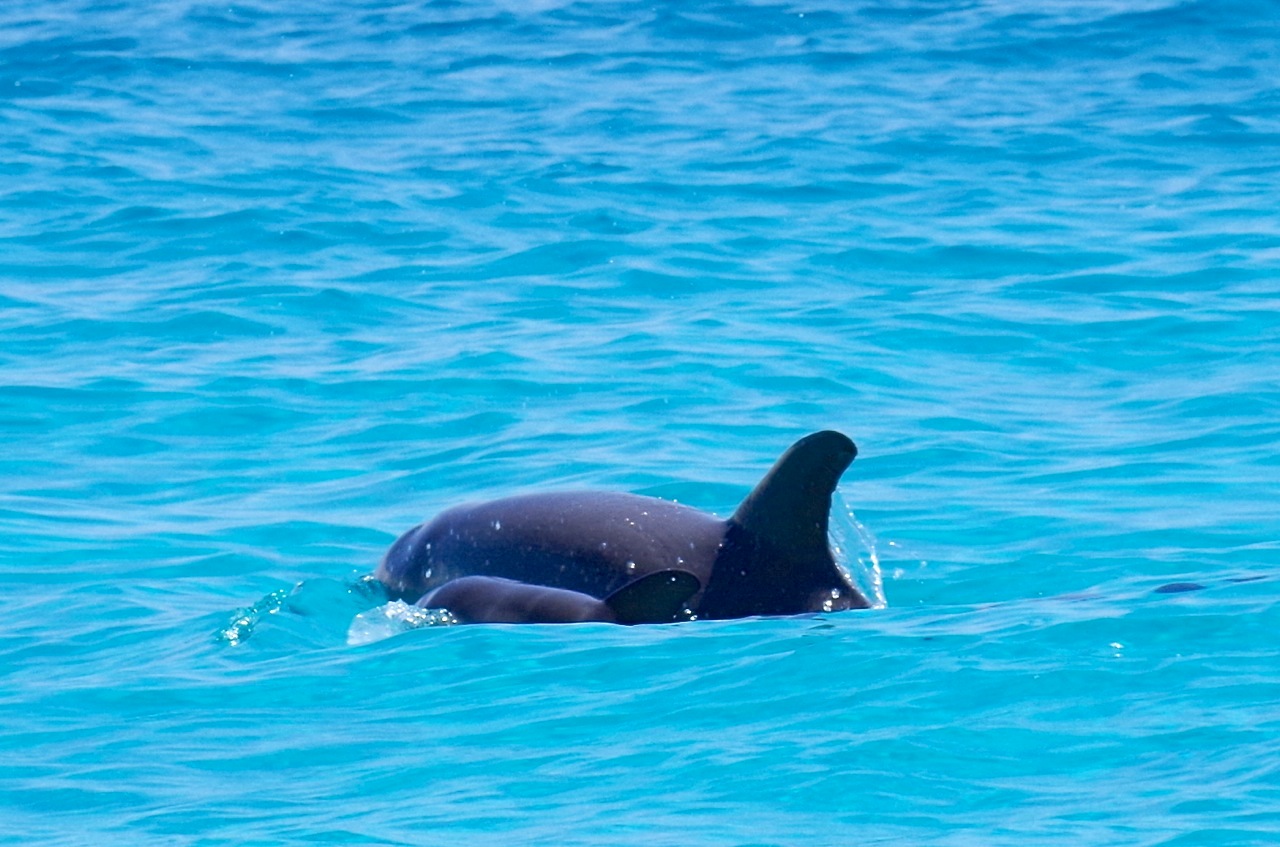
Dolphin Mother & Calf, Sandy Point, Abaco, Bahamas 12

Sometimes things happen that completely take my breath away. Here is one of those moments, from our recent trip with Charlotte and Diane in the BMMRO research boat. As we returned from whale-watching to base in Sandy Point and moved from the deep dark ocean to the bright blue shallows, we encountered a group of bottlenose dolphins. You can see my recent post featuring some of the adults HERE. That was exciting enough, as they played around the boat. Then another participant appeared… 

 Notice the dark area behind the adult dolphin… Dolphin Mother & Calf, Sandy Point, Abaco, Bahamas

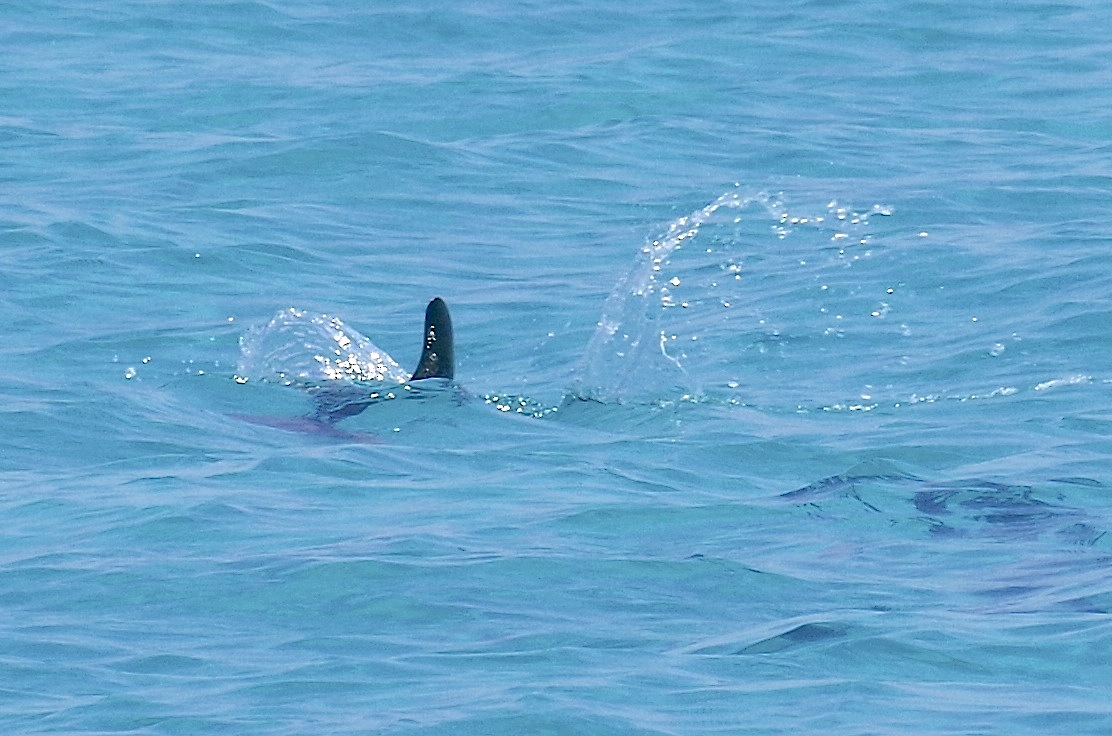
…which soon separated into a small dark splashing creature with its own fin cutting the waves…Dolphin Mother & Calf, Sandy Point, Abaco, Bahamas

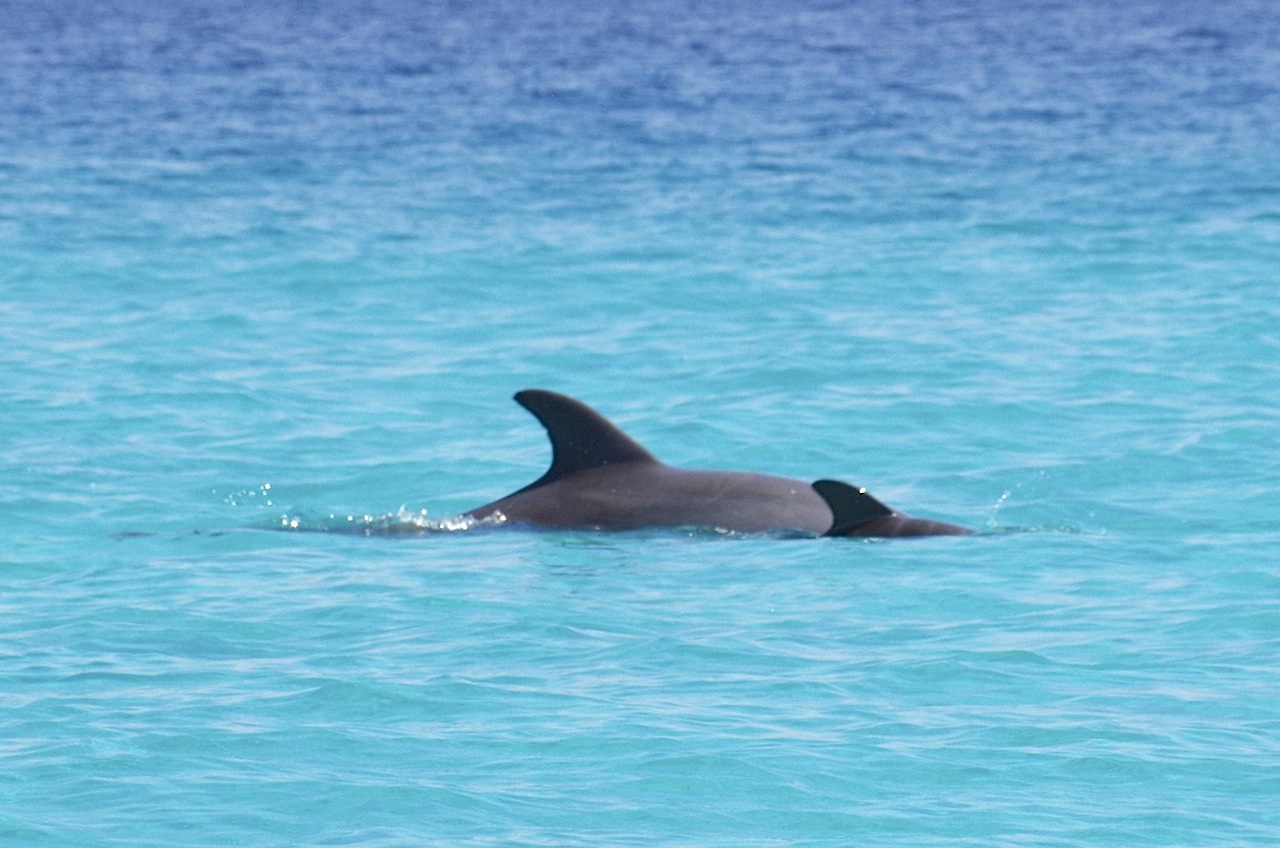
…and next seen keeping pace with its parentDolphin Mother & Calf, Sandy Point, Abaco, Bahamas

The sharp line between the light and the dark sea is where the sandy shallows abruptly give way to the deep waters of the Grand Bahama Canyon, a massive trench up to 2.5 miles deep with almost vertical cliff walls to the depths in some places

Dolphin Mother & Calf, Sandy Point, Abaco, Bahamas

Dolphin Mother & Calf, Sandy Point, Abaco, Bahamas

There were less active and splashy moments as the pair swam around togetherDolphin Mother & Calf, Sandy Point, Abaco, BahamasDolphin Mother & Calf, Sandy Point, Abaco, Bahamas

Then it was back to doing what they like best…Dolphin Mother & Calf, Sandy Point, Abaco, BahamasDolphin Mother & Calf, Sandy Point, Abaco, Bahamas

Then some more restful moments…Dolphin Mother & Calf, Sandy Point, Abaco, Bahamas Dolphin Mother & Calf, Sandy Point, Abaco, Bahamas

And finally the pair moved away. On the far horizon, the Massive Mickey Mouse Cruise ship moored at ‘Disney’s Castaway Cay’ (formerly the sober-sounding Gorda Cay), where you can be a Pirate of the Caribbean. Or anyway a very happy Tourist. The choice is yours. Would you like fries with that?Dolphin Mother & Calf, Sandy Point, Abaco, Bahamas

And looking out to sea from the cheerful place that is Castaway Cay, I wonder if a small child was wondering “Ok, love Mickey and his Friends – but I’d also really love to see a wild dolphin swimming free… 

Disney Magic docked next to the Castaway Cay Family Beach copy

All photos RH (except Castaway, Wiki). Huge thanks to Charlotte, Diane and Bahamas Marine Mammal Research Organisation BMMRO for a truly wonderful day photo 2

bmmro_logo

Unknown's avatar

BOTTLENOSE DOLPHINS IN ABACO WATERS (PART 1)


Bottlenose Dolphins, Rocky Point, Abaco (Keith Salvesen : BMMRO) 7

BOTTLENOSE DOLPHINS IN ABACO WATERS (PART 1)

DCB GBG Cover Logo dolphin

This seems to be a excellent early Spring for dolphin and whale sightings in Abaco waters. I’ve noticed that people have been posting dolphin sightings on FB recently. In our brief window of opportunity each March, I usually reckon to see 2 or 3 dolphins at most – maybe crossing over to Hope Town on the ferry, or more probably on a fishing trip. This year we saw 2 groups of about 6 off Cherokee while fishing, including calves. On another day, 4 adults made a leisurely progress the whole length of Rolling Harbour while we watched from the balcony of the Delphi Club. I don’t think they have ever been so close to the shore there before. The best was to come.Bottlenose Dolphins, Rocky Point, Abaco (Keith Salvesen : BMMRO) 3

Near the end of our trip Charlotte Dunn and Diane Claridge invited us to go out with them on the BMMRO research boat. This is equipped with a hydrophonic system that can detect the bleeps, whistles and clicks of cetaceans, and record them for comparison with previous data. This enables particular animals to be identified from their vocalisations. The other method is to note particular features of an animal – damage to a fin, markings on the flank and so on. During the day C & D happily conversed in code: “Is that 132 over there?” “No, it’s got a nick in the fluke, it must be 127…”BMMRO Research Boat, Sandy Point, Abaco

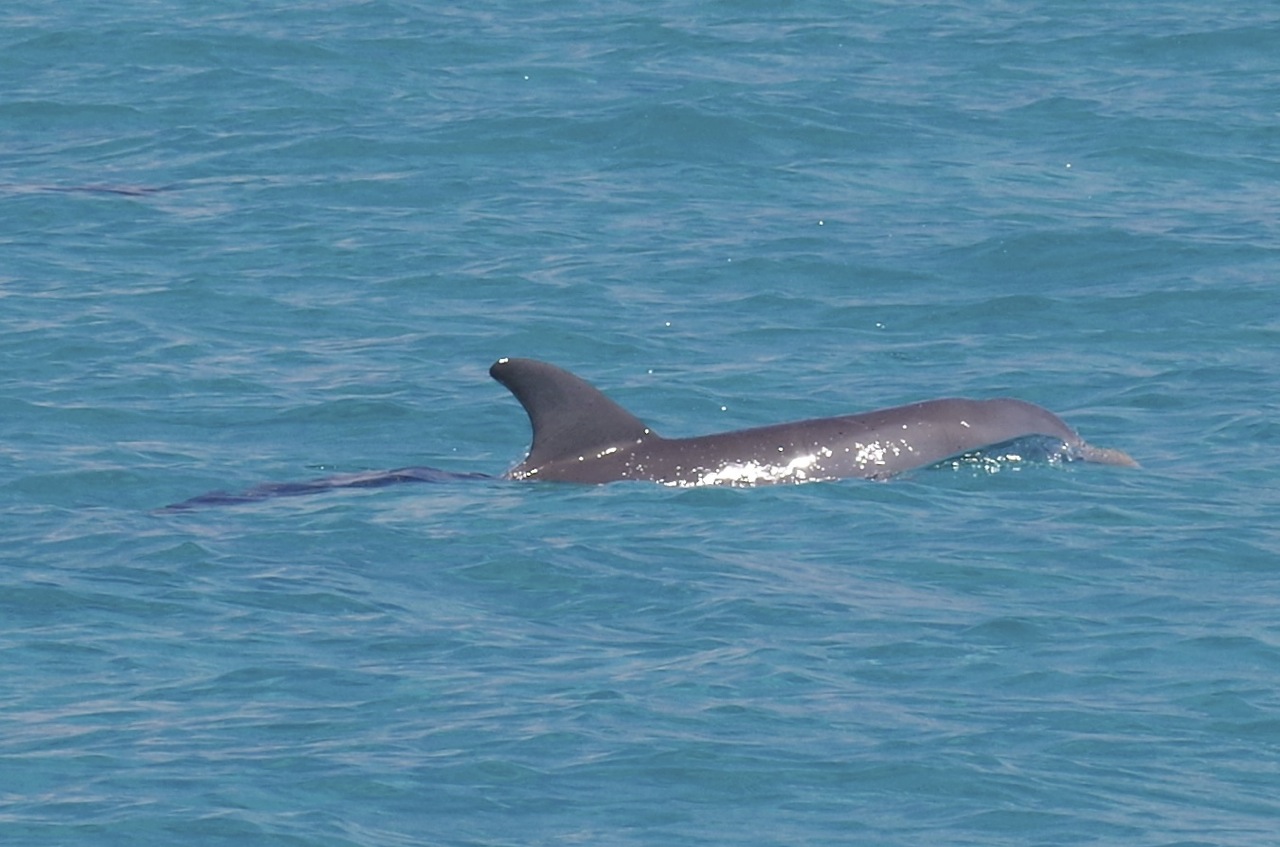
As we returned in the RHIB from an amazing day spent at close quarters with beaked whales [more on these soon], we moved from deep dark blue ocean to sandy turquoise shallows. There, just off Rocky Point (near BMMRO HQ at Sandy Point) were half a dozen bottlenose dolphins, including a mother and calf. This post contains a small batch of photos of adults – there’ll be another post shortly featuring the calf… Bottlenose Dolphins, Rocky Point, Abaco (Keith Salvesen : BMMRO) 4Bottlenose Dolphins, Rocky Point, Abaco (Keith Salvesen : BMMRO) 1Bottlenose Dolphins, Rocky Point, Abaco (Keith Salvesen : BMMRO) 5

Here’s a taster for the next post – the calf, just visible close alongside its mother, was being given leaping practice. Watch this blog…

Bottlenose Dolphins, Rocky Point, Abaco (Keith Salvesen : BMMRO) 6

All photos RH. Huge thanks to Charlotte, Diane and Bahamas Marine Mammal Research Organisation BMMRO for a truly wonderful day (and for my cool sweatshirt!) photo 2

bmmro_logo

Unknown's avatar

SAW FISH IN THE ABACO MARLS? NO SURPRISE. SAW A SAWFISH? AWESOME!


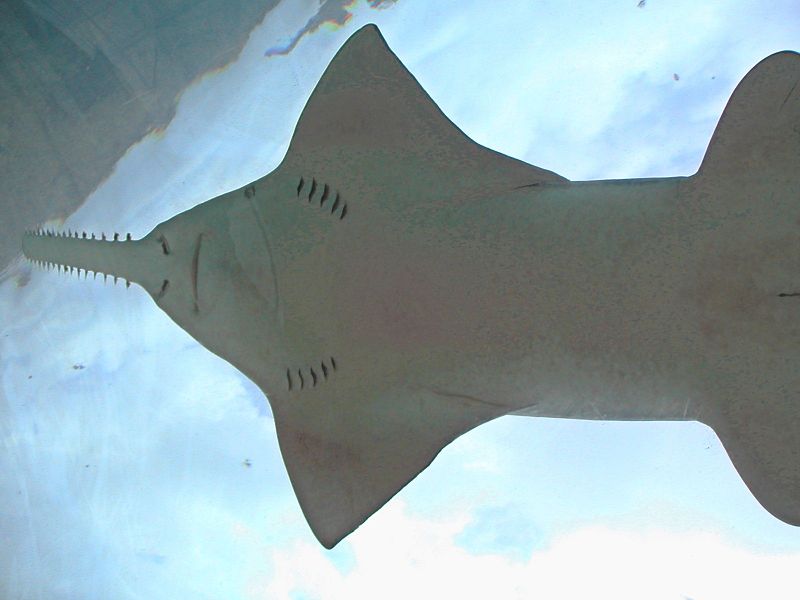
Pristis_pectinata _Georgia_Aquarium_ Diliff Wiki

SAW FISH IN THE ABACO MARLS? NO SURPRISE. SAW A SAWFISH? AWESOME!

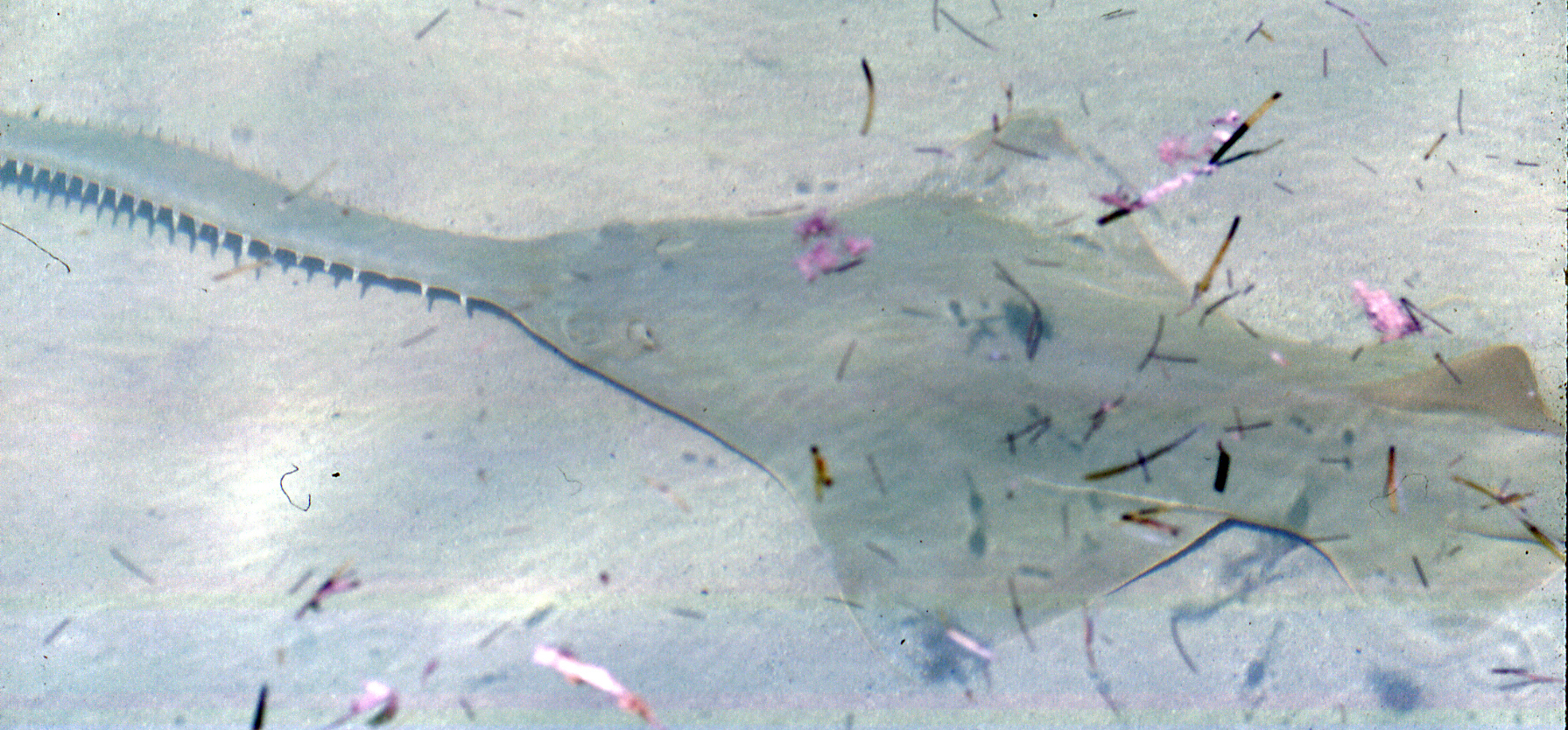
Exactly a year ago, an extraordinary find was made out on the Abaco Marls. Almost disguised against the pale mud under the low water was the first sawfish reported for the Marls. This fish is not merely a rarity in the Northern Bahamas: all species of sawfishes worldwide are IUCN listed as Endangered or Critically Endangered.

Sawfish, Abaco Marls Feb 2014 (Photo: Jacque Cannon)

Sawfish, Abaco Marls Feb 2014 (Photo: Jacque Cannon)

Here is an account of the discovery reported by FRIENDS OF THE ENVIRONMENT: “On a recent fishing trip in the Marls with local guide Justin Sands, Sam and Jacque Cannon had an exciting encounter. As Justin was poling the flats, with Sam on the bow searching for bonefish, Jacque spotted a Sawfish! Jacque and Justin quickly forgot about Sam and his efforts to catch a bonefish and turned their focus to the Sawfish. This is a very rare sighting and one we are happy there was a camera available to document it…” A couple of weeks later I was lucky enough to sit next to Jacque at dinner at the Delphi Club, so I was able to hear at first hand the story of this amazing find. It also turned out to be the perfect time to sign an early copy of “The Birds of Abaco” for Jacque and Sam… 1900063_10152069487394482_984358031_n

Sawfish Book Plate (1884)

Sawfish Book Plate (1884)

 10 ESSENTIAL SAWFISH FACTS

  • Sawfishes are also known as Carpenter Sharks; their ‘saw’ is called a ROSTRUM
  • There are 7 species in oceans and seas worldwide, including the Mediterranean
  • All populations have declined drastically due to habitat loss, overfishing & pollution
  • The rostrum is used to feel, to dig, to slash & impale or stun its prey, and for defence
  • Sawfishes are nocturnal creatures and spend a lot of time face down on the sea floor
  • Like sharks, their skeleton is made of cartilage and not bone.
  • Some species can grow up to 7m long
  • They are generally unaggressive unless provoked but fight strongly when caught
  • Sawfishes are slow breeders, making population recovery more difficult
  • Babies are called ‘pups’. Their rostrum is flexible and sheathed until after birth
Sawfish seen from Underwater Tunnel - Atlantis, Nassau Bahamas (Fred Hsu)

Sawfish seen from below – Atlantis, Nassau, Bahamas (Fred Hsu)

Other sawfish have been seen recently in the Northern Bahamas, though not in Abaco waters. Last summer the Bahamas National Trust posted 2 great images of a Smalltooth Sawfish, saying “BNT was excited to receive these photographs of a Smalltooth Sawfish photographed in the proposed East Grand Bahama National Park – Bersus Cay Area. The sawfish was 12 to 13 feet long and was seen in water that was 2 -3 feet deep. Thank you to Buzz Cox, Island Manager at Deep water Cay for sending us these photos”. Sawfish, Grand Bahama Sawfish, Grand Bahama

CONSERVATION ISSUES

POPULATION DECLINE As noted above, Sawfish populations have declined to less than 10% of historical levels. The Smalltooth Sawfish – seen above – was once prolific in the Atlantic, Gulf of Mexico, Mediterranean, Black Sea and Indo-Pacific. Population numbers of this species are now estimated at less than 5% to perhaps as low as 1% of their historic levels.

THREAT TO SURVIVAL The threats to their existence are many: habitat loss, overfishing, accidental bycatch, rostrum souvenir hunters (good prices can be obtained), taking them for fins (as a delicacy) or oil from their liver (medicinal).

LEGAL PROTECTION Capturing a sawfish is illegal in certain countries, including the United States. The sale of smalltooth sawfish rostra is prohibited in the United States under the Endangered Species Act.  The import for sale of that of any sawfish species is also prohibited. The international trade of sawfish was banned by the CITES convention in June 2007.
For those that want to find out  a bit more detail about these issues, there’s plenty on interesting information in a scientific (but readable) paper from NOAA – click the link below

A very recent Bahamas smalltooth sawfish sighting on Bimini – Jan 2015Pristis_pectinata_(smalltooth_sawfish)_(Bimini,_western_Bahamas) Lee & Mary Ellen St John Jan 2015 Wiki

Smalltooth Sawfish (Pristis pectinata) Bimini, Bahamas – Lee & Mary Ellen St John Jan 2015

Time for some footage of these rare and wonderful creatures in the Bahamas. The first is from John Flanagan and was taken during a dive off Bimini in early 2014. He was so surprised by the sight that he nearly forgot to turn on his camera to take a short video… The second is a longer 5 min video taken off Andros by Grant Johnson of “wild footage of the critically endangered Smalltooth Sawfish (Pristis pectinata). The west side of Andros, Bahamas is one of the last places on Earth that still provides vast refuge for this incredible animal”.

Finally, you may be wondering how exactly the sawfish uses its rostrum to stun fish, as mentioned earlier. Watch this short video – see how quickly it moves, for such an apparently cumbersome and dozy creature…
Credits as shown above, with particular mention of Jacque Cannon for probably the first known sighting and anyway photo of an Abaco sawfish…; header pic in aquarium Diliff (Wiki)

Unknown's avatar

MAKING A SPLASH: SPERM WHALES & MANATEES IN ABACO WATERS


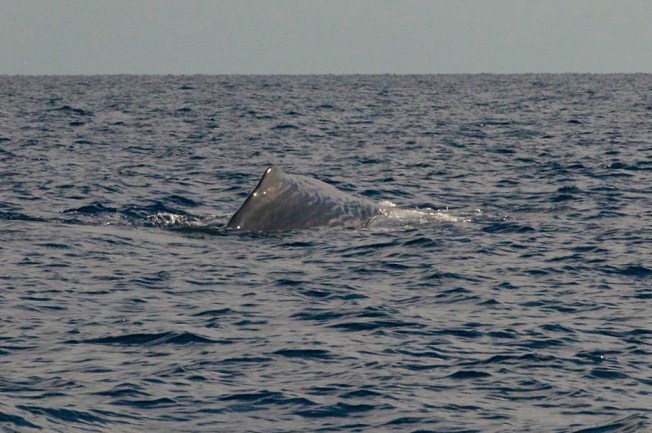
Sperm Whale, Abaco Bahamas (BMMRO)

MAKING A SPLASH: SPERM WHALES & MANATEES IN ABACO WATERS

After a quiet spell on the cetacean and sirenian front, there is exciting news to report. First, the BMMRO encountered two sperm whales just off Sandy Point.  I don’t know how close to the shore they actually were, but it was very friendly of them to come so near to the BMMRO HQ.Sperm Whale, Sandy Point, Abaco BMMRO3

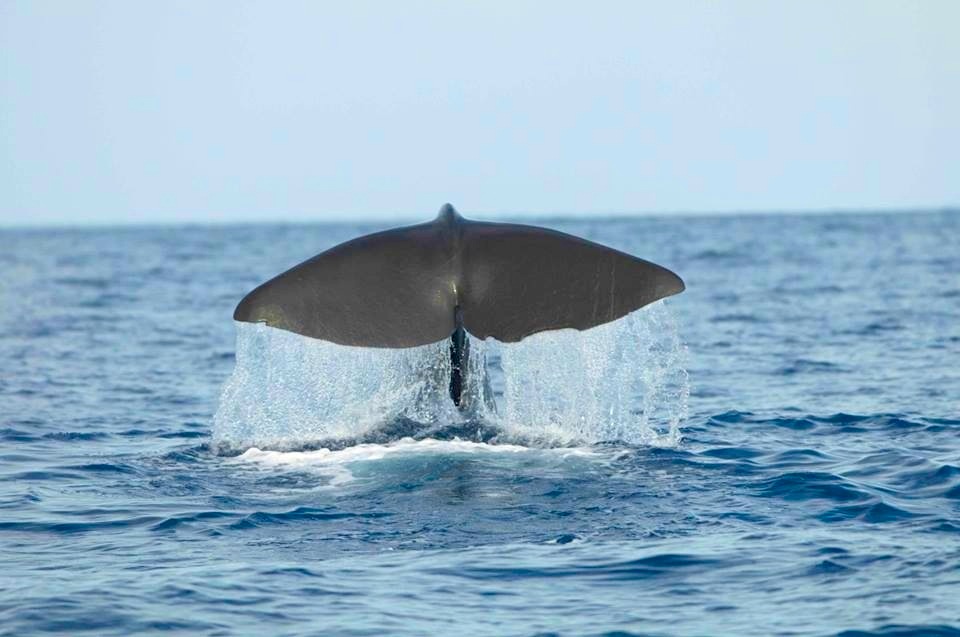
When whales are sighted from the research vessel, one of the tasks is to collect feces. This job is often undertaken by interns, and is a good way to learn that serious research may well involve unattractive work… They practise with… er… coffee grounds and a net. For more on this important yet unappealing aspect of whale research, CLICK NICE TO SEE FAMILIAR FECES. Another essential part of any sighting is to take fluke photos to enable ID.  Every whale has different and distinctive patterning to the fluke, including general wear and tear. As a photo archive is built up, the researchers are able to recognise a particular whale and cross-reference it with previous sightings.

Sperm Whale, Sandy Point, Abaco BMMRO2Sperm Whale, Sandy Point, Abaco BMMRO1

The third task of a sighting is to record clicks made by an individual whale. This enables an estimate of the whale’s size to be made, and again a sound archive is gradually built up from which comparisons can be made.

Sperm Whale, Sandy Point, Abaco BMMRO4

A NEW MANATEE VISITS MARSH HABOUR

FRIENDS OF THE ENVIRONMENT has just reported the sighting of a new manatee at the head of Marsh Harbour harbour. I’m not aware of any other sightings in the last couple of days, but as they say,  “Please keep your eyes out and drive carefully! Contact Bahamas Marine Mammal Research Organization with any further sighting reports by calling 357-6666. You can also share photos with them on Facebook. Also, please do not feed the manatee. They are able to find their own food and anything else may make them unhealthy”.

This is Abaco’s third recent manatee. First there was GEORGIE, who as far as I know is still comfortably settled in the Cherokee area. Then RANDY arrived earlier this and got to within about a few miles of Georgie… High hopes of a meeting – and ‘friendship, maybe more’ – were dashed when Randy turned round and headed back to Castaway Cay. Let’s hope this newcomer stays around. I wonder what he – or she – will be named? My suggestion is Abby or Abi, which I think is unisex…

10846213_10152589661493178_5080839733543438859_n10849995_10152589661598178_1824081022417510310_n

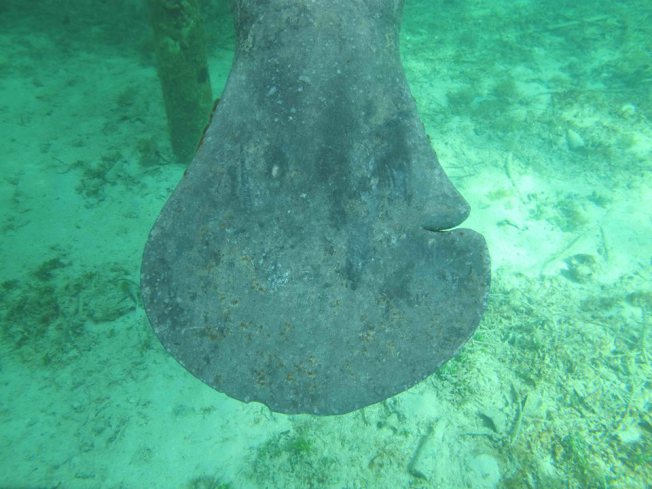
Just as with the whale flukes, the tail of a manatee is an important means of identification. The new manatee’s tail has its own distinctive edge pattern, which will enable its future recognition. Here is an image of Randy’s tail, with its unique notch. 

Randy the Abaco Manatee - tail notch

Credits: BMMRO & FOTE with thanks as ever for use permissions

mantsw~1

Unknown's avatar

NASSAU GROUPER: VULNERABLE, ENDANGERED… & NOW PROTECTED


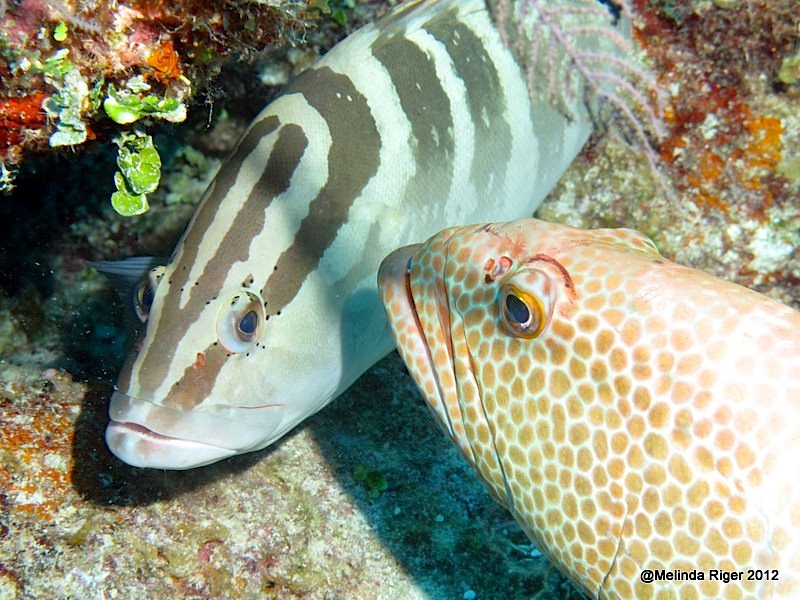
Nassau Grouper ©Melinda Riger @ GB Scuba copy

NASSAU GROUPER: VULNERABLE, ENDANGERED… & NOW PROTECTED

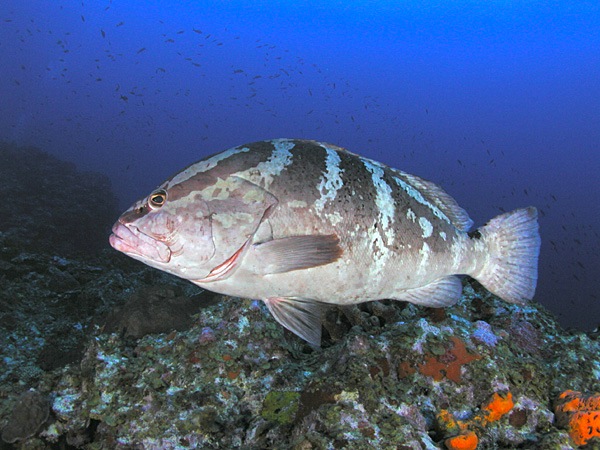
The Nassau grouper Epinephelus striatus is one of a number of Caribbean grouper species found generally in the Northern Bahamas and specifically in Abaco waters. Others include the Black, Tiger, and Yellowfin groupers, the Red Hind,and the Graysby. The Nassau grouper is special, however, not least because (unlike the others) it is on the IUCN Red List as an Endangered Species and is also a US National Marine Fisheries Service Species of Concern. It is considered the most important of the groupers for commercial fishing in the Caribbean, and the IUCN listing data suggests that a population decline of 60% occurred over the last three generations (27-30 years), a startling rate. The current population size is estimated at >10,000 mature individuals.

Nassau Grouper ©Melinda Riger @ G B Scuba copy 2

The Nassau Grouper is a creature of the coral reefs in the Caribbean and adjacent seas, though it can also be found in deep water. It feeds in the daytime on small fish and small crustaceans such as shrimps, crabs and lobsters. It lurks in caves and recesses in the reef, sucking in the prey that passes unsuspecting by. The coloration of an individual fish may vary considerably with conditions, and it can adapt its colour to its surroundings as camouflage.  

Tiger grouper meets Nassau grouperNassau & Tiger Grouper ©Melinda Riger @ Grand Bahama Scuba  copy

Spawning takes place in December and January as the seawater cools, always at full moon, and always in the same place. In the moonlight, huge numbers of the grouper gather together to mate in a mass spawning aggregation. This may continue for several days. However, the species is slow breeder, which is why overfishing is particularly damaging to the population as the depleted stock cannot readily be replaced.

3846_aquaimages Wiki

CONSERVATION ISSUES

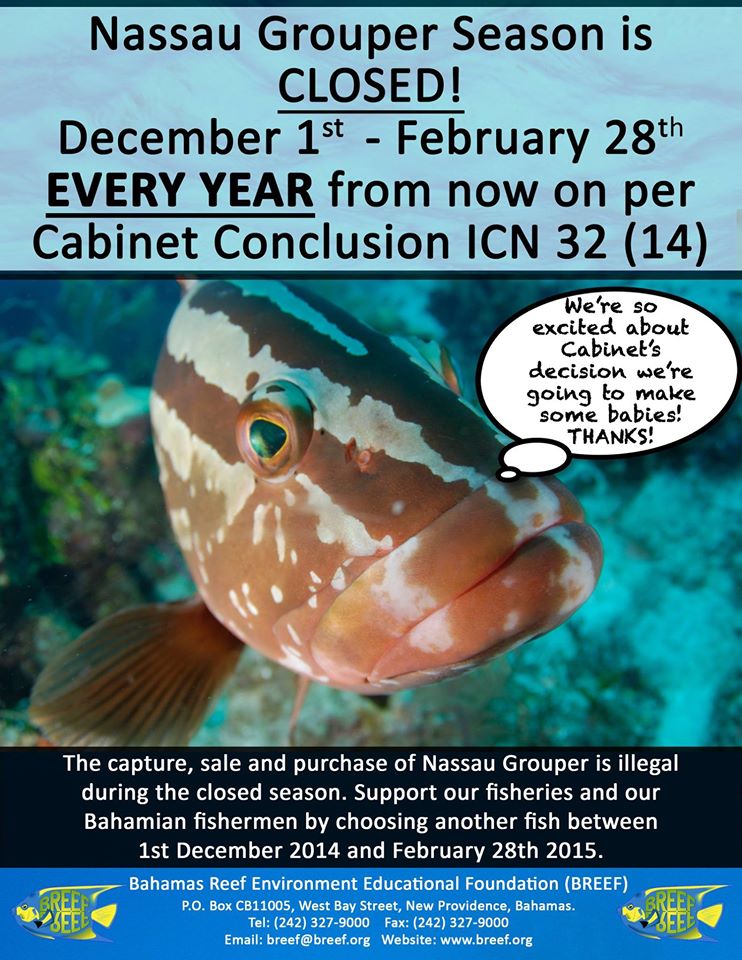
There are other besides factors commercial overfishing that make the Nassau grouper so vulnerable, including fishing during the breeding season; taking undersized fish; pollution and reef decline; habitat loss; and invasive species. The spawning areas are especially vulnerable to exploitation. In the Bahamas, as elsewhere,  the government has now instituted a closed fishing season for the Nassau grouper. Here is the BREEF  flyer, just circulated – and in fact the reason for this post, which reminded me that I had planned to write about this fish! 10382222_10152869346685953_7443797899832698038_o

THREATS

The Bahamas National Trust sums up the multiple threats in this uncompromising way:

Nassau grouper is eaten by barracudas, lizard fish, dolphins, sharks and other large predators of the reef community. But the predators that have the biggest impact on the grouper population are humansPeople are fishing groupers before they can grow to maturity and reproduce. Sex change may also cause a problem. In undisturbed areas there are usually equal numbers of male and females. In heavily fished areas there are often three or more times more females than males. This means many eggs will not be fertilized during spawning. Other threats include, habitat destruction, coral breakage from divers, siltation from construction, runoff from logging and agriculture, dredging, sewage, oil spills and other contaminants that harm coral reefs where Nassau Groupers live.

grouperEpinephelus_striatus_2

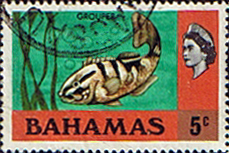
There’s an extent to which a country can be judged on its attitude to wildlife from the stamps it chooses to issue. It’s something to do with appreciation and promotion of the country’s natural resources. For example, North Korea rates nil in this respect, with stamps involving scary weaponry, flags, marching and eerily glowing leaders – not a single sparrow to be seen.  By fortunate contrast the Bahamas and its Postal Service score very highly in celebrating the diversity of the wildlife of the islands. The Nassau Grouper was first featured on Bahamas stamps as long ago as 1971, some 25 years before the IUCN Red Listing, and probably before the sharp decline in population numbers had even begun.

bahamas-1971-nassau-grouper-sg-363-fine-used-19448-p

In 2012 the Bahamas Postal Service released ‘a new definitive 16 stamp series’ depicting the marine life of The Bahamas. The Nassau has been promoted from 5c in 1971 to 70c in 2012. That’s inflation for you.

bahamas-marine-life-stamps2

Finally in 2013 BREEF’s 20 years of marine conservation was commemorated with a distinguished and colourful set of 8 stamps, noting in their release: ‘Two of the new stamps feature the Nassau Grouper, a now endangered species that has experienced severe population decline throughout the region… BREEF is well known as an advocate for an annual closed season for the iconic Nassau Grouper during its winter breeding period. The push for the closed season was based on scientific evidence of population collapses throughout the region due to overfishing. BREEF is calling on the government to implement a fixed closed season for the Nassau Grouper in order to protect the species and the fishing industry. The closed season traditionally runs during the spawning season from December 1st until February 28th, to allow the fish to reproduce.  BREEF is calling urgently for the announcement of this year’s Nassau Grouper closed season….’ And so it came to pass… Not only is the Nassau grouper now worth 2 x 65c; it is strictly protected for 3 months during its breeding season. Maybe philately even had a hand in getting somewhere…

BREEF_Comemorative_stamps_PastedGraphic-3

Nassau Grouper (Rick Smit wiki)

Credits: Melinda Riger, Rick Smit, Open Source, BNT, BREEF, Wikimedia, Bahamas Postal Service

Unknown's avatar

ABACO’S FOUR PROTECTED AREAS: THE PROPOSALS


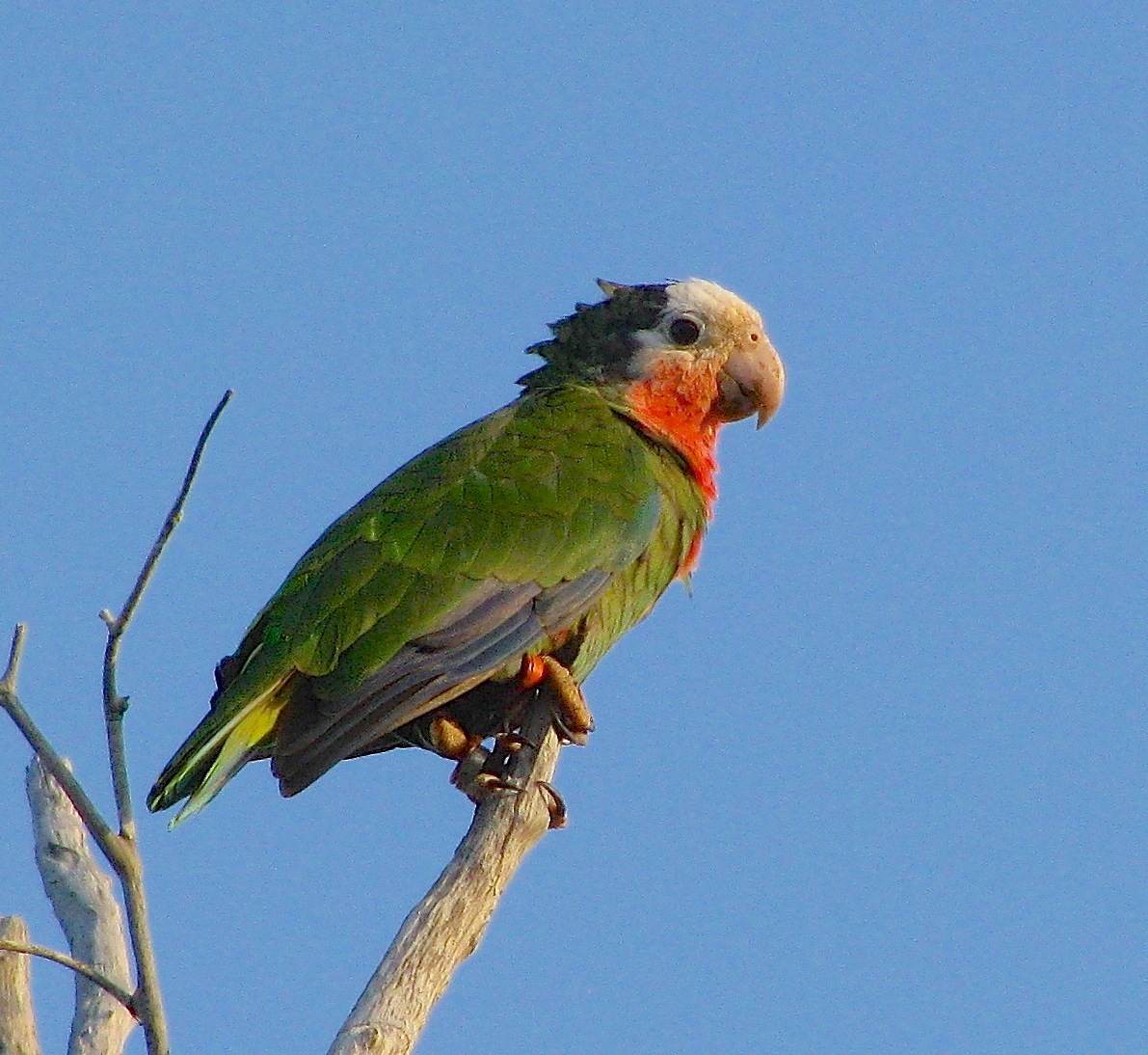
ABACO (CUBAN) PARROT (Caroline Stahala)

ABACO’S FOUR PROTECTED AREAS: THE PROPOSALS

The latest version of the 40TH ANNIVERSARY OF THE BAHAMAS PROPOSAL FOR THE EXPANSION OF THE PROTECTED AREA SYSTEM OF THE COMMONWEALTH OF THE BAHAMAS has been published. It is a joint proposal by the Bahamas Government, The Nature Conservancy and the Bahamas National Trust. The breadth of the scheme is very ambitious, affecting all the principal Bahama Islands. To understand the objectives and scope of the project, you can see the whole 34-page project by clicking BAHAMAS PROPOSED PROTECTED AREAS 2014 It is in pdf format, so you should be able to save it if you wish to.

Many people will be familiar with the proposals as they affect Abaco. However since the latest version appears to be a final draft, I thought it might be helpful to show the 4 proposed areas of protection and conservation in their present form. These are, in summary:

  1. THE ABACO MARLS NATIONAL RESERVE A vast area of nearly 200,000 acres (300 square miles) of mangrove flats, sandbanks, creeks and wetland habitat
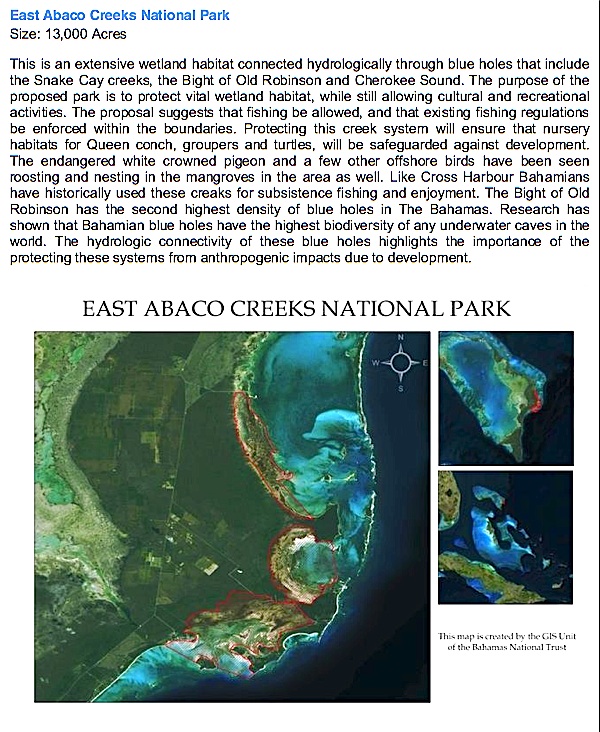
  2. EAST ABACO CREEKS NATIONAL PARK 13,000 acres (20 square miles) of wetland habitat that provides a vital wildlife nursery, and includes blue holes, creeks and a significant area for recreational activities (though Pete’s Pub at Little Harbour may be just outside the zone…)
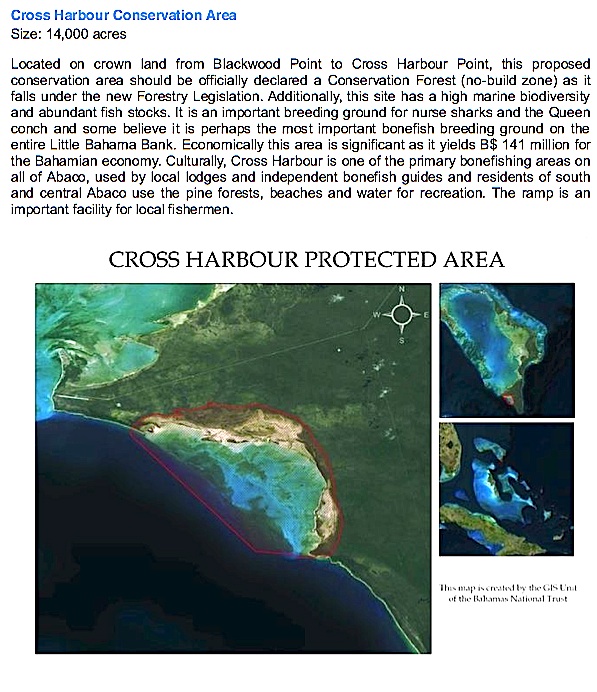
  3. CROSS HARBOUR PROTECTED AREA 14,000 acres (21 square miles) in South West Abaco, a crucial breeding area for a number of species,including bonefish
  4. SOUTH ABACO BLUE HOLES CONSERVATION AREA  A huge 34,000 acre (53 square miles) swathe of South Abaco to the west of the E D Highway, incorporating 4 inland blue holes and important cave systems, and 13 offshore blue holes. This is an area of mainly pine forest on land and low waters at sea, with an anticipated value for eco-tourism

Here are the BNT maps showing the extent of each area. Far more information will be found via the link to the report given above. 

THE ABACO PROPOSALS

Abaco Preserves 1 copy

Abaco Preserves 2 copyjpg Abaco Preserves 3 copyjpg Abaco Preserves 4 copyjpg

Credits: Parrot, (ex-)parrot protector Caroline Stahala; Maps, BNT; acres to sq m conversion, Gizmo!

Unknown's avatar

FLAMINGO TONGUE SNAILS: ALL YOU NEED TO KNOW


Cyphoma_gibbosum Clark Anderson - Aquaimages

FLAMINGO TONGUE SNAILS: ALL YOU NEED TO KNOW

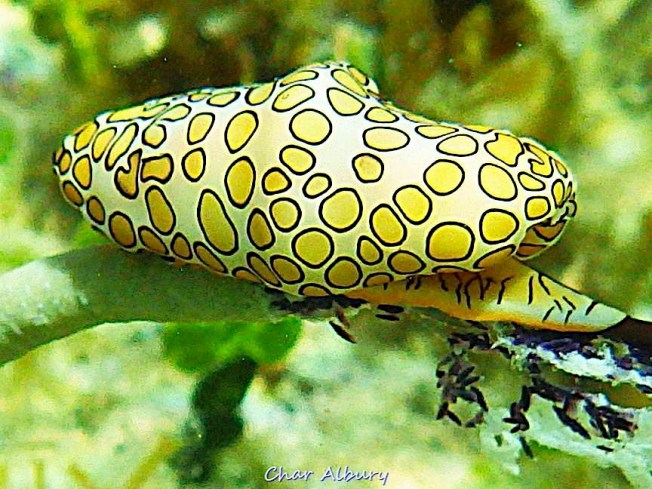
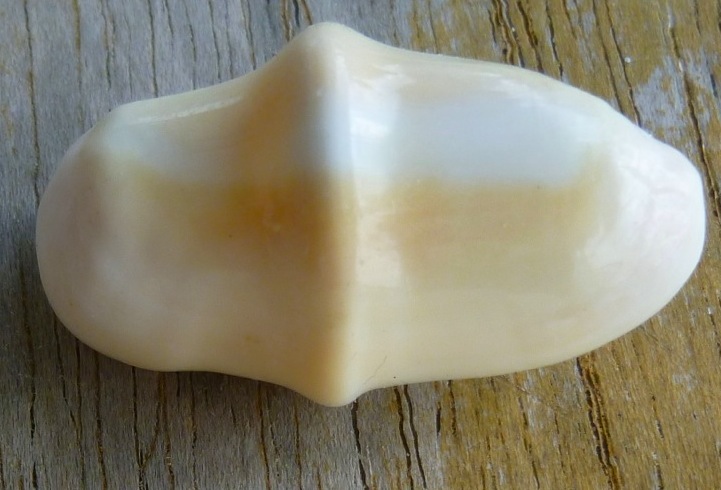
I wrote about FLAMINGO TONGUE SNAILS Cyphoma gibbous more than two years ago. They have not changed noticeably since then but this site has – in scope, available material and audience. So I am revisiting these small marine gastropod molluscs, which are related to cowries. The live animal is brightly coloured and strikingly patterned, but that colour only exists in the ‘live’ parts – the ‘mantle’. The shell itself is usually pale and characterised by  a thick ridge round the middle. These snails live in the tropical waters of the Caribbean and the wider western Atlantic. Whether alive or dead, they are gratifyingly easy to identify.

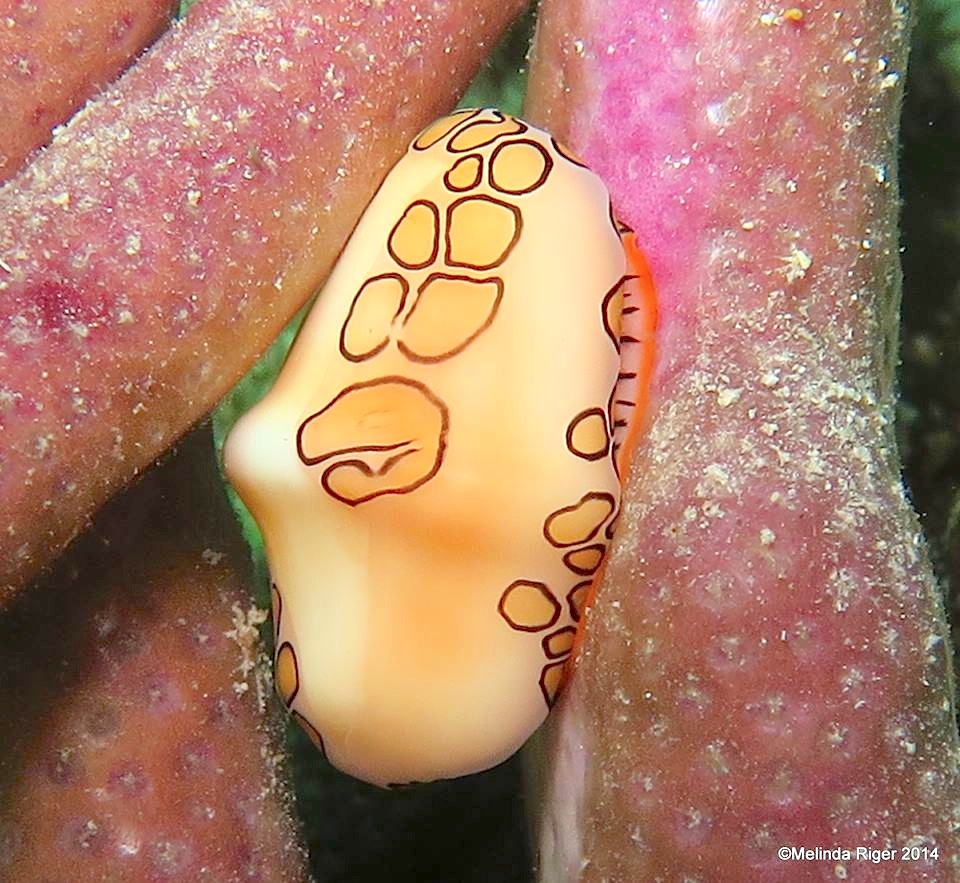
FLAMINGO TONGUE SNAIL ON A PURPLE ROPE SPONGEFlamingo Tongue on purple rope sponge ©Melinda Riger @ GB Scuba copy

FEEDING ON A CORAL STEM

This snail is snacking on a coral stem, leaving a feeding track behind it. The structural shell ridge is clearly visible beneath the distinctively marked live tissue of these creatures.

Flamingo Tongue LASZLO ILYES Cyphoma_gibbosum_(living)_2

The flamingo tongue feeds by browsing on soft corals. Adult females attach eggs to coral which they have recently fed upon. About 10 days later, the larvae hatch. They eventually settle onto other gorgonian corals such as Sea Fans. Juveniles tend to live on the underside of coral branches, while adults are far more visible and mobile. Where the snail leaves a feeding scar, the corals can regrow the polyps, and therefore the snail’s feeding preference is generally not harmful to the coral.

Flamingo_Tongue_Snail_on_Soft_Coral_LASZLO ILYES

The principal purpose of the mantle of  tissue over the shell is as the creature’s breathing apparatus.  The tissue absorbs oxygen and releases carbon dioxide. As I have seen it described (unkindly?) “it’s basically their lungs, stretched out over their rather boring-looking shell”. 

Flamingo Tongue, Abaco (Char Albury)

This snail species, once common, is becoming rarer. The natural predators include Hogfish, Pufferfish and Spiny Lobsters, though the spotted mantle provides some defence by being rather unpalatable. Gorgonian corals contain natural toxins and instead of secreting these, the snail stores them. This supplements the defence provided by its APOSEMATIC COLORATION, the vivid colour and /or pattern warning sign to predators found in many species.

It comes as little surprise to learn that man is now considered to be the greatest menace to these little  creatures, and the reason for their significant decline in numbers. The threat comes from snorkelers and divers who mistakenly / ignorantly think that the colour of the mantle is the shell of the animal, collect up a whole bunch from the reef, and in due course are left with… “boring-looking shells” (see photos below). Don’t be a collector; be a protector…
Flamingo Tongue, Abaco (Char Albury)

These photos are of flamingo tongue shells from the Delphi Club Collection. Until I read the ‘boring-looking shell’ comment, I believed everyone thought they were rather lovely… I did, anyway. You decide!

Flamingo Tongue Snail Shell, Keith Salvesen AbacoFlamingo Tongue Snail Shell, Keith Salvesen AbacoFlamingo Tongue Snail Shell, Keith Salvesen Abaco

Finally, a couple of videos. The first is rather charmingly titled ‘FLAMINGO TONGUES DOING…. SOMETHING’. Any (printable but amusing) suggestions via the Comment box are welcome. The second punchily summarises this post in 30 seconds. Maybe that’s all that was needed!

Image Credits: Clark Anderson, Melinda Riger, Laszlo Ilyes, Charmaine Albury, RH

Doh! Reading through this after posting I can’t remove from my mind the likeness of Homer Simpson on the snail in Melinda’s photo (2). I had to  check it out and… it’s uncanny!

Homer Simpson Flamingo Tongue copy images

Unknown's avatar

‘TREAT WITH PATIENCE…’ – NURSE SHARKS IN THE BAHAMAS


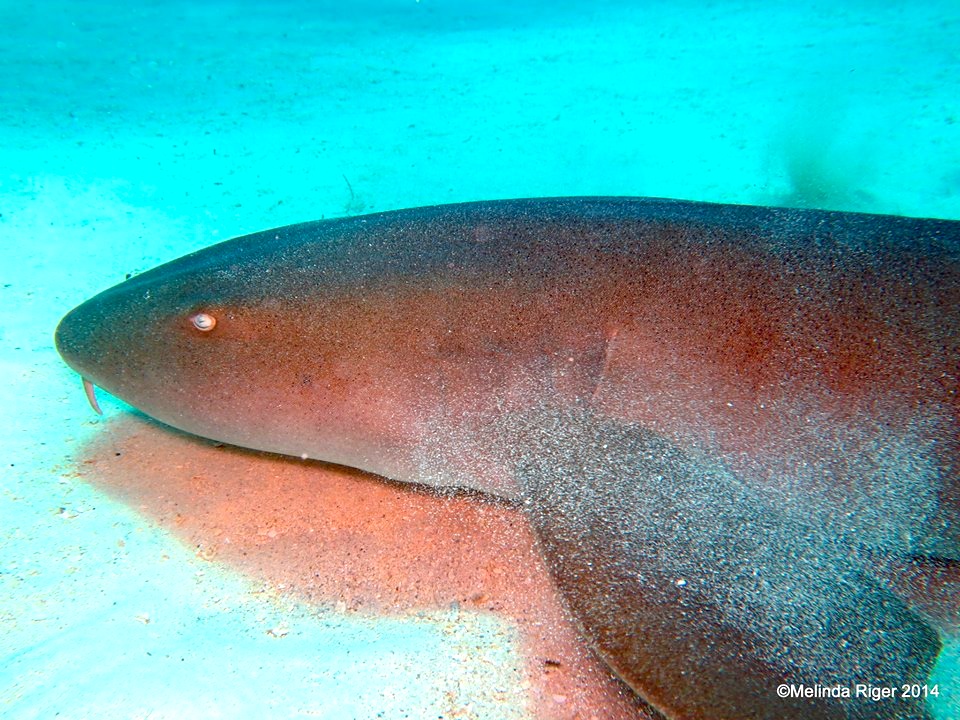
Nurse Shark ©Melinda Riger @ GB Scuba

‘TREAT WITH PATIENCE…’ – NURSE SHARKS IN THE BAHAMAS

The scientific name for the nurse shark sounds like something Bilbo Baggins might have said to summon elves to his rescue: Ginglymostoma cirratum. Actually the name is a mix of Greek and Latin and means “curled, hinged mouth” to describe this shark’s somewhat puckered appearance. The origin of the name “nurse shark” is unclear. It may come from the sucking sound they make when hunting for prey in the sand, which vaguely resembles that of a nursing baby. Or it may derive from an archaic word, nusse, meaning cat shark. The most likely theory though is that the name comes from the Old English word for sea-floor shark: hurse.

Shark ©Melinda Riger @ GB Scuba

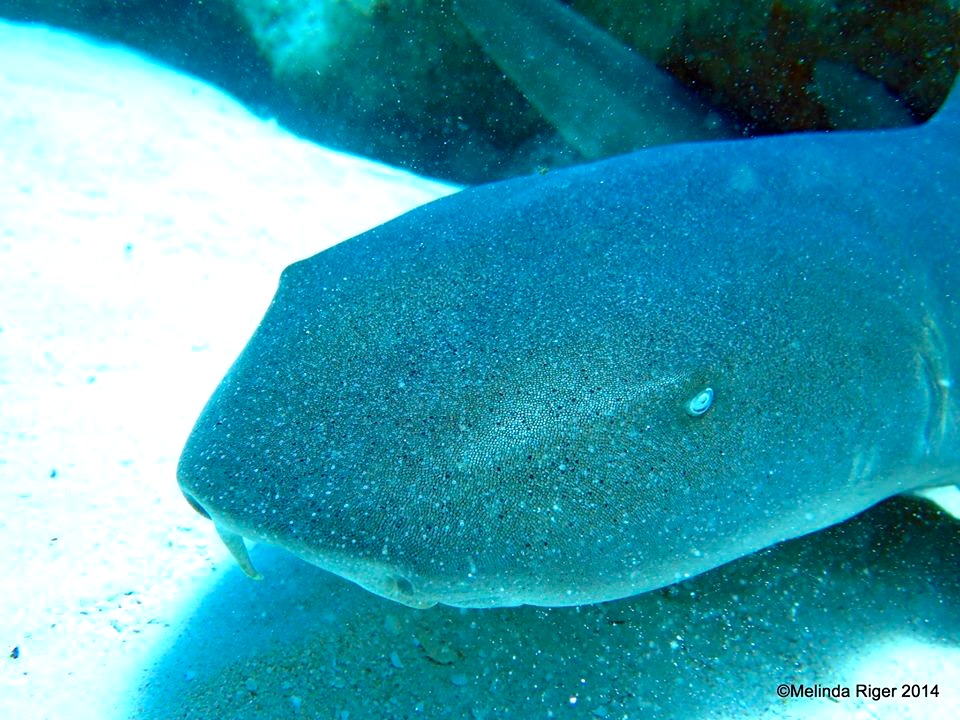
Nurse sharks are slow-moving bottom-dwellers and are, for the most part, harmless to humans. However, they can be huge—up to 14 feet (4.3 meters)—and have very strong jaws filled with thousands of tiny, serrated teeth, and will bite defensively if stepped on or bothered by divers who assume they’re docile. [There are recorded instances of injuries caused to divers who have tried to pull nurse sharks by the tail. And serve them right, I say. Treat them with patience – and respect!] 

Nurse_shark_with_remoras Duncan Wright (Sabine's Sunbird)

Notice that the nurse shark in the above photo, and in the header image, is being attended by REMORAS. Click the link to find out more about the strange relationship these ‘weird suckers’ have with larger marine creatures.

Nurse Shark ©Melinda Riger @ G B Scuba

They use their strong jaws to crush and eat shellfish and even coral, but prefer to dine on fish, shrimp, and squid. [And also stingrays, apparently. They have been observed resting on the bottom with their bodies supported on their fins, possibly providing a false shelter for crustaceans which they then ambush and eat.] They are gray-brown and have distinctive tail fins that can be up to one-fourth their total length. Unlike most other sharks, nurses are smooth to the touch. 

Nurse Shark ©Melinda Riger @ Grand Bahama Scuba

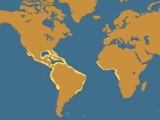
Nurse sharks are found in the warm, shallow waters of the western Atlantic and eastern Pacific oceans. They are abundant throughout their range and have no special conservation status, although the closeness of their habit to human activities is putting pressure on the species.

map-nurse-shark-160-20135-cb1321035858

Nurse sharks are nocturnal and will often rest on the sea floor during the day in groups of up to 40 sharks, sometimes piled on top of each other.

Shark, Nurse (young) ©Melinda Riger @ GB Scuba

FAST FACTS

  • Type: Fish 
  • Diet:  Carnivore
  • Size: 7.5 to 9.75 ft (2.2 to 3 m)
  • Weight: 200 to 330 lbs (90 to 150 kg)
  • Size relative to a 6-ft (2-m) man:
Illustration: Shark compared with adult manNurse Shark ©Melinda Riger @ G B Scuba copy

Credits: All photos Melinda Riger, Grand Bahama Scuba; range map and text mostly  NATIONAL GEOGRAPHIC  filled out with other pickings

Unknown's avatar

CETACEAN SENSATION: SPERM WHALES & DOLPHINS ON ABACO


10492458_817200128299215_4153510656415477809_n - Version 2

CETACEAN SENSATION: SPERM WHALES & DOLPHINS ON ABACO

July has been ‘Whale Camp’ month for the BMMRO, when a small group of lucky youngsters get to spend time out at sea searching for whales and dolphins, and learning the intricacies of data recording and research. One target was the sperm whale, a species that may be found off the coasts of South Abaco. This is a favoured place because the deep trench of the Great Bahama Canyon throws up the food these whales need (see map below).

After some time spent searching, the BMMRO reported  “the sperm whales are back! We found a single animal yesterday, and finally in the evening found the rest of the group, 10+ animals including 3 mother-calf pairs, and dolphins at Rocky Point!” Here are some of the photos from the trip.

Sperm Whale Tailing, Abaco, Bahamas (BMMRO) Sperm Whale, Abaco, Bahamas (BMMRO) Sperm Whale, Abaco, Bahamas (BMMRO)

This map of the northern Bahamas shows the V-shaped tails of the Great Bahama Canyon, and explains why the east coast and (in particular) the shallower south-west coast between Hole-in-the-Wall and Rocky Point is so attractive to feeding whale species.

Great Bahama Canyon

The dolphins were quite prolific in July, in particular bottlenose and spotted dolphins. These photos were mostly taken while the search for sperm whales was going on: the BMMRO posted “lots of dolphins up at Gorda Cay yesterday… still not hearing any sperm whales in the area, has been a couple of weeks without sign of them so they should be showing up again soon…” As they obligingly did!

Bottlenose Dolphin, Abaco, Bahamas (BMMRO)Bottlenose Dolphins, Abaco, Bahamas (BMMRO) Bottlenose Dolphin, Abaco, Bahamas (BMMRO)Spotted Dolphins, Abaco, Bahamas (BMMRO)

10592949_747256928672527_8290058412214442799_n

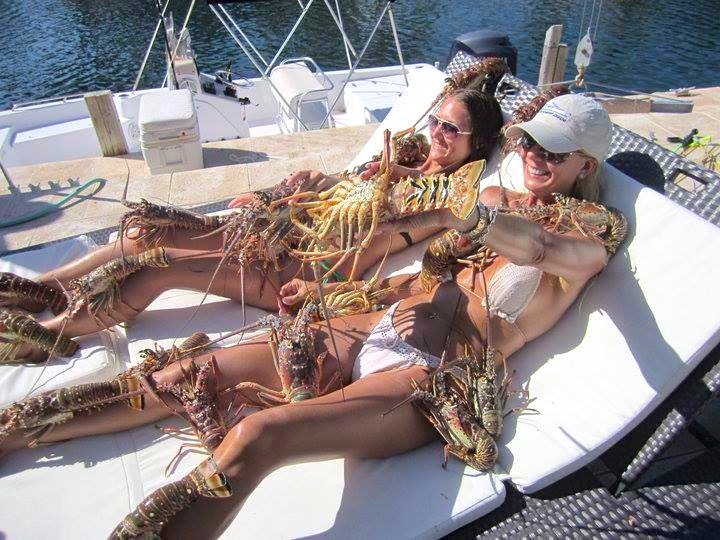
Today is the first day of the crawfish season and Facebook Abaco has been crawling with crawfish for a couple of days in feverish anticipation. So I decided to stick with whales and dolphins instead because there are enough crawfish images out there to keep anyone happy. However I did particularly like this offering today from Albury’s Ferry Services, always a byword for tastefulness and decorum. I’ve borrowed their picture (they borrow mine sometimes) – I wondered if it need a little more exposure, then decided there was probably quite enough already….

1560751_559512834154838_7953388384919364087_n

Photo credits: all cetaceans, BMMRO; Crawfish Ladies, Albury’s Ferries; ‘Keep Calm’, Mariah Sawyer

Unknown's avatar

THE ABACO PARROT: BEAUTIFUL, NOISY AND UNIQUE [Video]


 Abaco (Cuban) Parrot 2013 (Keith Salvesen)

THE ABACO PARROT: BEAUTIFUL, NOISY AND UNIQUE [Video]

I’ve posted quite often about Abaco’s unique ground-nesting parrots. They have their own page at ABACO PARROTS; and there’s a link in the right sidebar to a small illustrated booklet about them wot I writ in conjunction with Caroline Stahala. I have just found a very short bit of video footage that’s ideal for anyone who is extremely busy and /or has a short attention span. Spend a happy 10 seconds to  (a) admire the bright colours and (b) listen to the raucous cries of a flock of Abaco parrots. 

Abaco Parrots (Melissa Maura)Credits: Header photo & video RH; 2-parrot pic Melissa Maura with thanks


Unknown's avatar

DOLPHINS OF ABACO: WONDERFUL PHOTOS FROM THE BMMRO


Dolphin, Abaco - BMMRO

DOLPHINS OF ABACO: WONDERFUL PHOTOS FROM THE BMMRO

The BMMRO (Bahamas Marine Research Organisation) is based at Sandy Point, Abaco. It is dedicated to researching, monitoring, and protecting the marine mammals of a very large area. Not just cetaceans – the dolphins and whales. Recently, a small number of West Indian manatees (sirenians) have been making the northern Bahamas their home. I’ve written plenty about Georgie the adventurous manatee in the past – and in April she returned to her favourite place, Cherokee, after a bit of time away from Abaco.

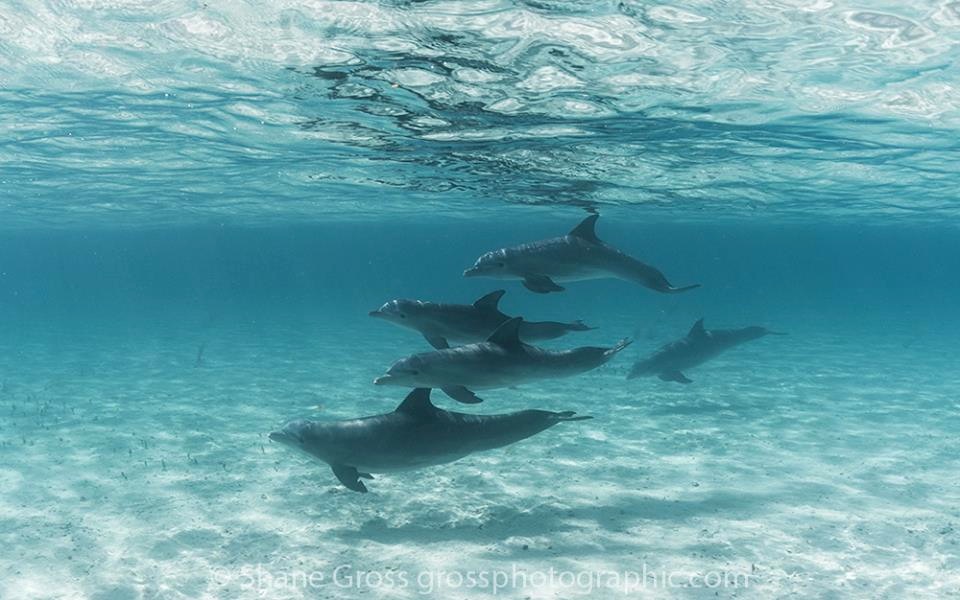
Recently, photographer Shane Gross spent some time with the BMMRO and took stunning photos of dolphins. It’s impossible to say, or think, anything unpleasant about these lovely, intelligent, playful creatures. Say you ‘don’t much care for dolphins’, and you’d be more than halfway to having a down on kittens. Here are some magnificent images that deserve a wide audience.

Dolphins, Abaco, Bahamas (BMMRO) - Shane GrossDolphins, Abaco, Bahamas (BMMRO) - Shane GrossDolphins, Abaco, Bahamas (BMMRO) - Shane GrossDolphins, Abaco, Bahamas (BMMRO) - Shane GrossDolphins, Abaco, Bahamas (BMMRO) - Shane Gross

WHALES & DOLPHINS  PAGE

MANATEES PAGE

BMMRO WEBSITE

BMMRO FACEBOOK

SHANE GROSS PHOTOGRAPHIC

Thanks as ever to Charlotte & Diane at the BMMRO for ongoing use permission of material including the header pic; and to Shane for his outstanding photos

Unknown's avatar

ABACO’S ASTOUNDING UNDERGROUND CAVES (2)


ABACO’S ASTOUNDING UNDERGROUND CAVES (2)

This is the second of a series of photos taken by diver Hitoshi Miho in the underground cave systems of Abaco in conjunction with the  Bahamas Caves Research Foundation. This series forms part of a wider project for the blog in due course. With Hitoshi’s kind permission, here are a few more examples of his wonderful images of the silent and mysterious world that lies beneath Abaco. I’ve recently been lightly involved with marine pollution and the environmental effects of ill-considered development. One dreads to imagine the adverse effects on these caves and the blues holes that might result from a massive dredging project of the sort currently being contentiously and litigiously carried out in the pristine waters of Bimini. Thousands of years of crystal development could be lost in a comparative blink of an eye. 

To see the first post in this series CLICK HERE

10308184_752552571456858_2115210641388870115_n10329264_752552464790202_7261889560995188026_n10325409_752552154790233_5546656110067315585_n10334270_752552538123528_6559580758107286582_n10275952_752552164790232_4052617988726351903_nAll images ©Hitoshi Miho, with thanks for use permission

Unknown's avatar

THE CONCH QUEST OF ABACO…


Conch ©Melinda Riger @G B Scuba

THE CONCH QUEST OF ABACO…

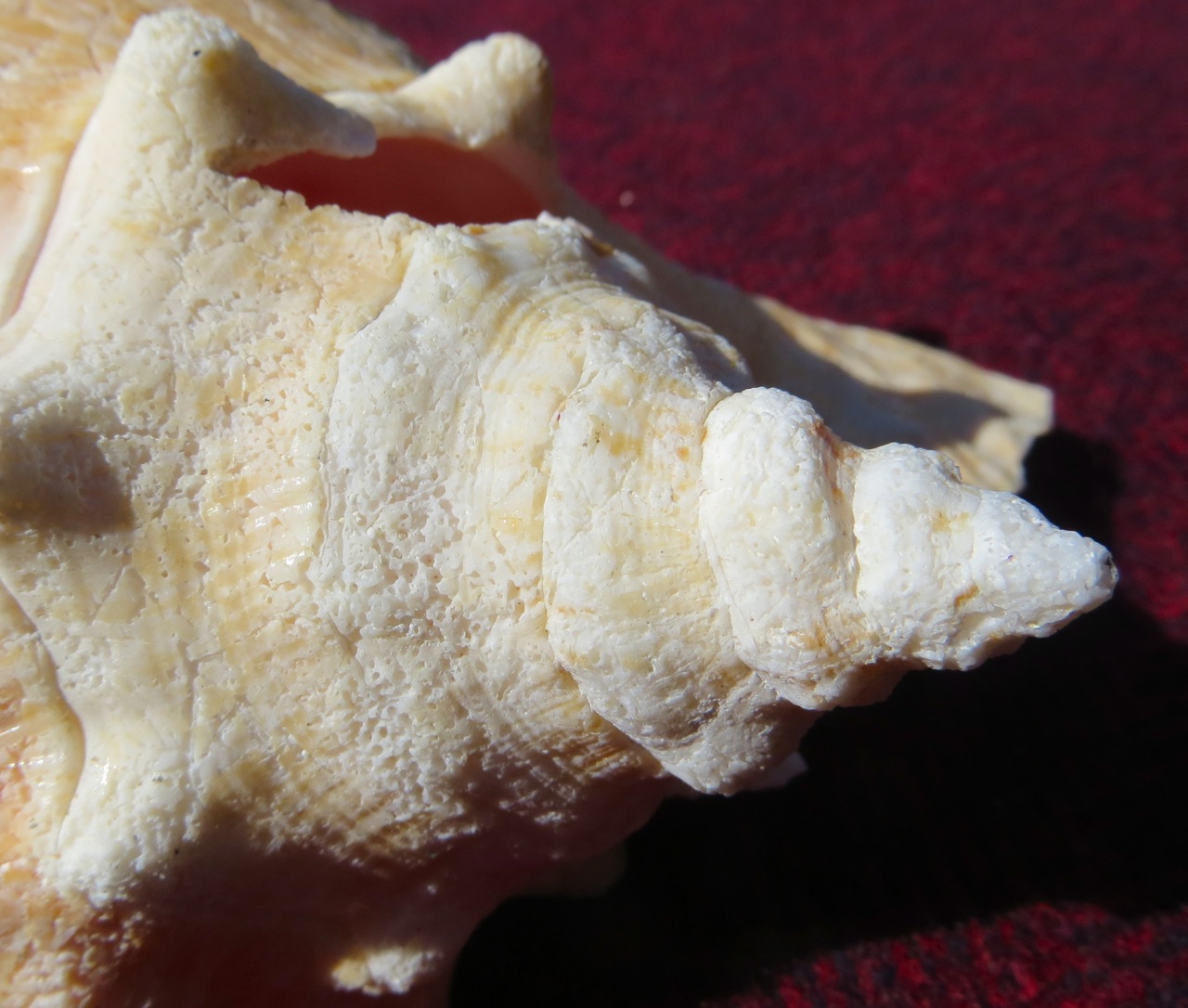
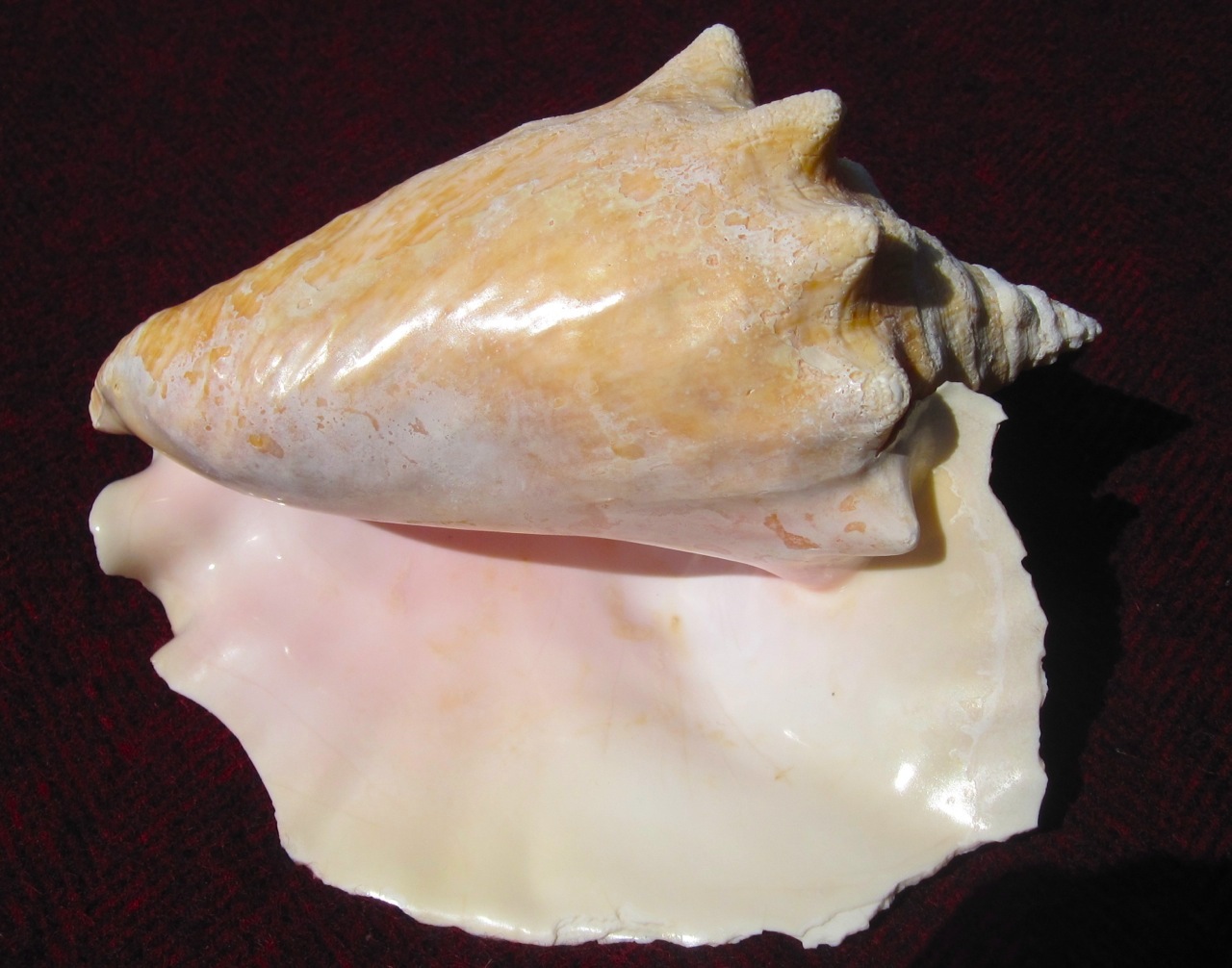
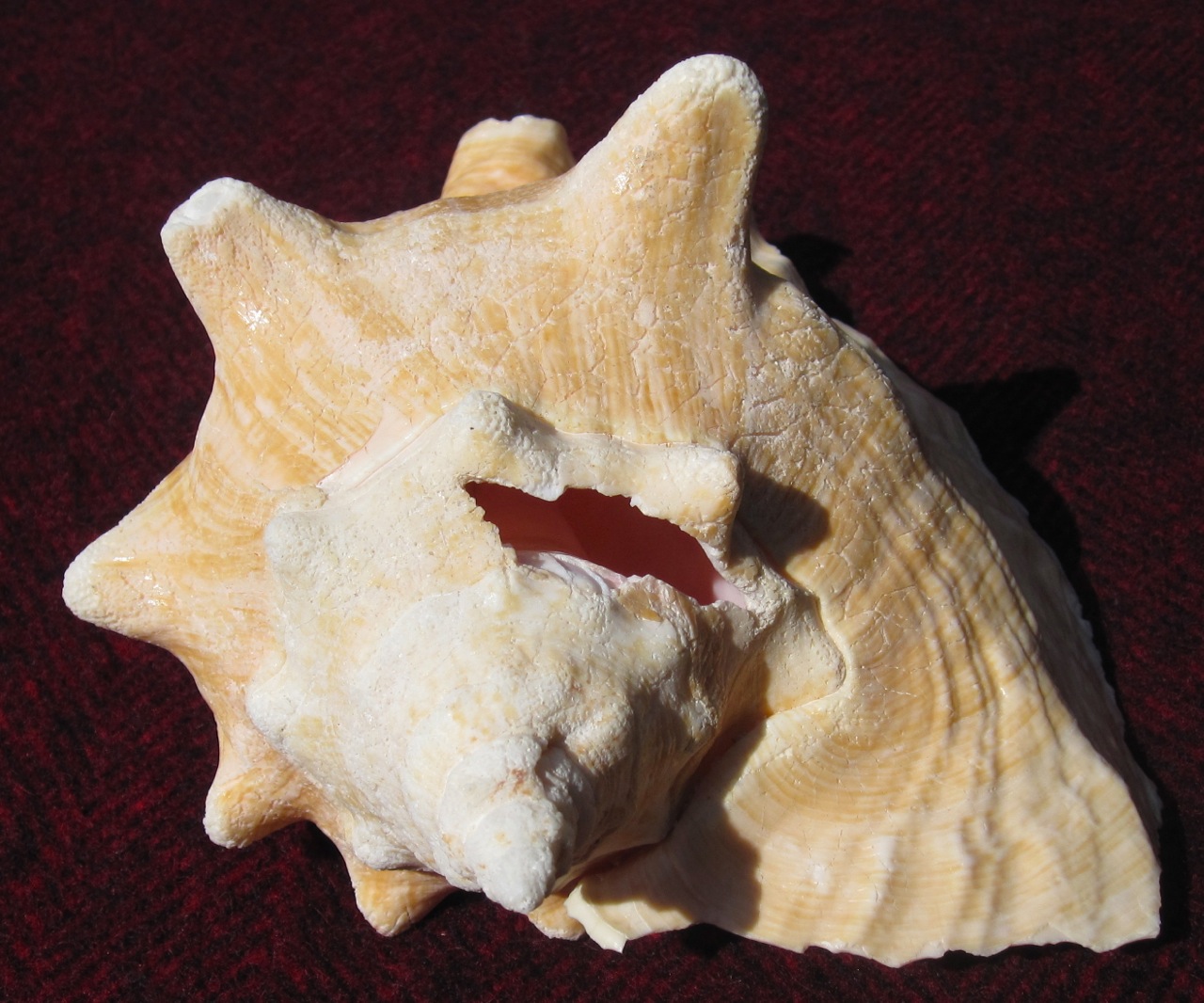
Conchs are gastropods. They are food. They are decoration (anyway, the shells are). For some, they are a living. And on Abaco they are everywhere – alive in the waters, and as shells scattered on  beaches or piled up outside restaurants. So the quest for conch is an easy one. There are fears of overfishing, however, and an active organisation The Bahamas National Conchservation Campaign exists to protect them. Another similar Bahamas organisation is Community Conch.conchs-at-sandy-point-1 We found a nice half-buried conch shell at Sandy Point. It was full of sand grains and tiny shells – mini gastropods and bivalves – that took some time to wash out of the spiralling internal structure. Here are some studies of the shell. IMG_2438IMG_2442IMG_2444IMG_2445IMG_2448IMG_5279IMG_5278 The damage to the shell above is the place where it has been bashed in to enable removal of the occupant. In order to do so, it is necessary to break the strong vacuum that would prevent extraction if you tried by the conventional route. Effectively the conch anchors itself to its shell and must be cut out. The best way to make the hole is with the spiral tip of another conch. This breaks the suction and enables you to prise out the occupant…

935327_499742893413409_191944192_n                                                               CC_logo2

Finally, you can usually rely on me to go off-piste. So here is a video of how to make a conch horn to annoy your friends and neighbours with…

[youtube https://www.youtube.com/watch?v=ebzN79oNTJg]

Unknown's avatar

WHALES, DOLPHINS & MANATEES, ABACO: BMMRO NEWS


blue1

WHALES, DOLPHINS & MANATEES, ABACO: BMMRO NEWS

BMMRO COLLABORATES WITH NEW PARTNER, ATLANTIS BLUE PROJECT

The ATLANTIS BLUE PROJECT is managed by the Atlantis Blue Project Foundation, a private non-profit organization dedicated to the preservation and enhancement of global marine ecosystems through scientific research, education, and community outreach. BMMRO is excited to now be a part of this project and in turn has received two grants from the Atlantis Blue Project for 2014 

blue2

Stranding Response to Support Conservation of Marine Mammals in the Bahamas 

Increasing capacity and available funds to respond rapidly to strandings in The Bahamas will increase our ability to determine cause of death and/or successful rehabilitation of marine mammals. At the first stranding workshop held in the Bahamas in 2008, the Honourable Lawrence Cartwright, Minister of Agriculture and Marine Resources officially opened the workshop stating “I believe the establishment of a Marine Mammal Stranding Network in The Bahamas will serve to promote the conservation of marine mammal species and their habitat by improving the rescue and humane care of stranded marine mammals, advancing stranding science, and increasing public awareness through education.” This funding will provide the resources to train veterinarians on how to work with stranded marine mammals as well as provide the resources to respond to strandings.

blue3

Field Research & Outreach to Support Conservation of Bahamas Marine Mammals

Cetaceans are long-lived, highly specialised animals with delayed reproduction and low fecundity, which makes them incapable of rapid adaptation and thus particularly vulnerable to anthropogenic impacts. BMMRO has compiled an unprecedented long-term dataset for the region, which has become increasingly valuable to inform about the baseline ecology of some odontocete species. This research will ensure that this important work continues to fill key gaps in our knowledge about the ecology of marine mammals. Additionally, we will increase awareness and build capacity amongst Bahamians, both of which will contribute to local conservation needs.

blue4blue5

JANUARY SIGHTINGS

For Abaco, the excitement is the sperm whale seen just off the Rocky Point area. More generally for the northern Bahamas, in addition to the manatee Georgie (former temporary resident of Abaco) and others, there was a manatee reported on Eleuthera. It looks as though these gently creatures continue to find the area to their liking.

BMMRO Sightings Jan 2014

I must be going now – thanks for visiting Rolling Harbour…blue6

bmmro_logoClick me!

(Thanks as ever to Charlotte & co at BMMRO for permission to use and adapt their material!)

Unknown's avatar

MARINE DEBRIS? NO THANKS! 10 FACTS FROM NOAA


Ten Things You Should Know About Marine Debris
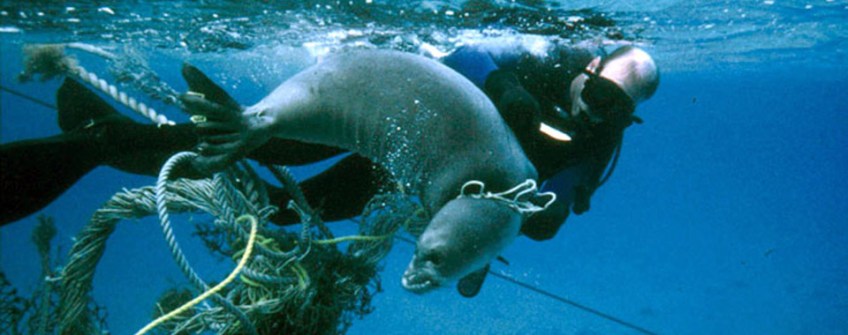
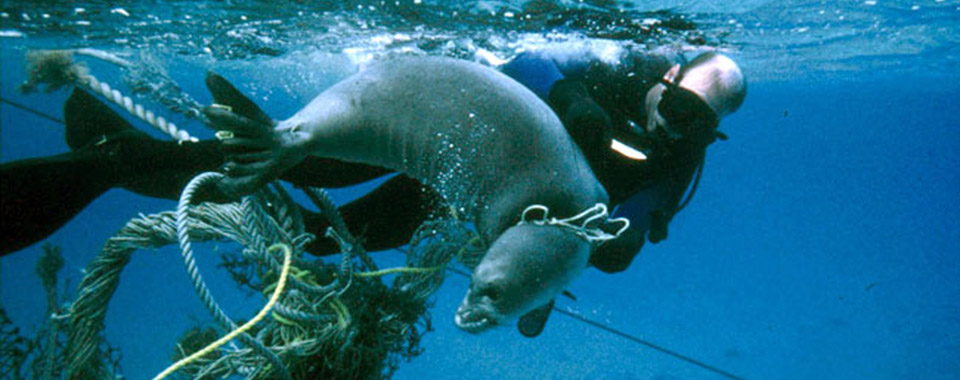
monksealMonkseal being rescued from marine debris

Entangled-harbor-seal NOAA Marine Debris
Our waterways are littered with stuff that doesn’t belong in them. Plastic bags, cigarette butts, fishing nets, sunken vessels, glass bottles, abandoned crab traps…the list is endless. Some of this marine debris comes from human activity at sea, and some of it makes its way into our waterways from land.
While we know that marine debris is bad for the environment, harms wildlife, and threatens human health and navigation, there is much we don’t know. How much marine debris is in our environment? How long does it last? How harmful is it to natural resources or human health and safety? How long does it take to break down in the water? The NOAA Marine Debris Program is finding answers to these questions.

1. It doesn’t stay put

While a lot of debris sinks, much also floats. Once this marine debris enters the ocean, it moves via oceanic currents and atmospheric winds. Factors that affect currents and winds (for example, El Niño and seasonal changes) also affect the movement of marine debris in the ocean. Debris is often carried far from its origin, which makes it difficult to determine exactly where an item came from.

2. It comes in many forms

Marine debris comes in many forms, ranging from small plastic cigarette butts to 4,000-pound derelict fishing nets. Plastic bags, glass, metal, Styrofoam, tires, derelict fishing gear, and abandoned vessels are all examples of debris that often ends up in our waterways.img_0510_ss-1

3. It’s your problem, too

Marine debris is a problem for all of us. It affects everything from the environment to the economy; from fishing and navigation to human health and safety; from the tiniest coral polyps to giant blue whales.

4. NOAA is fighting this problem

The NOAA Marine Debris Program works in the U.S. and around the world to research, reduce, and prevent debris in our oceans and coastal waterways. Much of this work is done in partnership with other agencies, non-governmental organizations, academia, industry, and private businesses.The Marine Debris Research, Prevention, and Reduction Act, signed into law in 2006, formally created the Marine Debris Program. The Act directs NOAA to map, identify, measure impacts of, remove, and prevent marine debris.

img_0327

5. Some debris is being turned into energy

Abandoned and lost fishing gear is a big problem. It entangles and kills marine life and is a hazard to navigation. Based on a model program in Hawaii, the Fishing for Energy program was formed in 2008 to tackle this problem with creative new ideas. The program is a partnership between NOAA, Covanta Energy Corporation, National Fish and Wildlife Foundation, and Schnitzer Steel.This program offers the fishing community a no-cost way to dispose of old or derelict fishing gear. Once removed from the environment, the gear is transported to the nearest Covanta Energy-from-Waste facility. About one ton of derelict nets creates enough electricity to power one home for 25 days!

6. Marine debris can hurt or kill animals

Marine debris may be mistaken by some animals for food or eaten accidently. Often, larger items like nets, fishing line, and abandoned crab pots snare or trap animals. Entanglement can lead to injury, illness, suffocation, starvation, and even death. NOAA is working with many partners to tackle this problem by reducing and preventing marine debris in our oceans and waterways.

Sea turtle entangled in a ghost net

7. There’s a lot to learn about this problem

We know that marine debris is a big problem, but there’s much we need to learn. NOAA funds projects across the country and works with scientists and experts around the globe to better understand how marine debris moves, where it comes from, and how it affects the environment. This knowledge will help us find better ways to tackle the problem.

8. You can help us get the word out!

The NOAA Marine Debris Program offers a heap of creative products to get the word out about marine debris. Looking for brochures, posters, fact sheets, or guidebooks? We’ve got those. Like videos? We’ve got those, too. We even have a blog! You’ll find it all online.

9. This is a global problem.

Marine debris is a global problem that requires global solutions. NOAA experts work with scientists and organizations around the world to share lessons learned, discover what programs work best, and map out future strategies to fight this problem.

img_04761

10. Small steps lead to big results

Fighting the marine debris problem begins at home.

  • – Try to cut back on the amount of trash you produce.
  • – Opt for reusable items instead of single-use products.
  • – Recycle as much of your trash as you can.
  • – Join local efforts to pick up trash.
  • – Keep streets, sidewalks, parking lots, and storm drains free of trash—they can empty into our oceans and waterways.

marine_debris_program_noaa-1

Click to link
noaaleft
Minorly adapted from an NOAA article, with added illustrative NOAA images

Unknown's avatar

CHRISTMAS TREE WORMS: FESTIVE CREATURES OF THE CORAL REEF


File:Spirobrancheus giganteus.jpg

CHRISTMAS TREE WORMS Spirobranchus giganteus

“PROBABLY THE MOST CHEERILY FESTIVE WORMS IN THE WORLD…”
File:Christmas Tree worms.jpgChristmas Tree Worms ©Melinda Riger @ G B ScubaFile:Spirobranchus giganteus (assorted Christmas tree worms).jpgFile:Spirobranchus giganteus (Red and white christmas tree worm).jpgFile:Christmas tree worm (Spirobranchus giganteus).jpg      File:Reef0232.jpgFile:ChristmasTreeWorm-SpirobranchusGiganteus.jpgFile:Spirobranchus giganteus at Gili Lawa Laut.JPG

DCB Xmas Credits: Melinda Riger of Grand Bahama Scuba, Wiki-Reef & RH

Unknown's avatar

SHARKS! ALL YOU NEED (OR WANT) TO KNOW IN ONE SMALL BOOK


Shark ©Melinda Riger @ Grand Bahama Scuba copy

SHARKS! ALL YOU NEED (OR WANT) TO KNOW IN ONE SMALL BOOK

THE IDENTIFICATION, BEHAVIOUR & NATURAL HISTORY OF THE SHARKS OF FLORIDA, THE BAHAMAS, THE CARIBBEAN & GULF OF MEXICO

Jeremy Stafford-Deitsch, Trident Press 2000 (95 pp)

Occasionally I review books, apps, ‘meeja’ and so on, of general relevance to Abaco wildlife and ecology. You can find all this under the heading BOOKS ETC and its drop-down sub-menus. You’ll see comparative recommendations, mostly positive, with some frankly snidey comments on a few things not to waste your ‘hard-earned’ on. 

Shark Swirl ©Melinda Riger @ GB Scuba

Here’s a book I bought on @m@z@n for a few coins + p&p (less than $5 total) just to see what it might have to offer. The answer is, a great deal. It’s not the book for those who want a detailed exploration the intricate mesopathy of selachimorphic exo-cartilege, if such a thing exists. But it has a mass of useful information, brief but helpful identification pages for many different shark species, and good illustrations, all compressed into a slim tome.

Although this book was published in 2000, sharks haven’t changed noticeably since then, so the contents still hold good. Here are a few pages to give an idea of how simple yet informative this book is.

A tour round a shark’s ‘bits’Shark Book 6

The Contents page gives a very clear idea of the scope of the book. Pages 34 to 54 are of particular interest for anyone intending to dive, spearfish, snorkel or indeed take a dip.Shark Book 5

The entries for the Blacktip Shark and the Lemon Shark. Each entry features a useful range map, and an even more useful ‘potential danger rating’ for each species. It’s worth remembering, however, that there are sharks worldwide, and they all have teeth. Thousands of people dive and swim with many of the species every day in complete safety. There are simply some does and don’ts, mostly completely obvious, that will make the difference between enjoying their company (and they, yours); and pushing your luck with a wild creature when you have intruded into its habitat…Shark Book 3 Shark Book 4

THE SHARK TRUST FEEDING CODE

This page interested me in the light of the chumming debate. Plenty of basic common sense here.Shark Book 8

A useful illustration to help you understand what the book is all aboutShark Book 7

More shark information and some amazing images can be found HERE .
As I wrote elsewhere: “Take comfort from the fact that no fatalities and fewer than 10 injuries from shark attacks have been recorded in Abaco waters for over 250 years (since 1749)… By way of comparison, in the last 150 years there have been 36 recorded shark attacks in the Mediterranean, of which 18 have been fatal… Since 1845 there have been a number of shark attacks in British waters, with one fatality.  There were two more fatalities in an incident in 1956 , but this was an ‘own-goal’ arising from an attempt to blow up a shark with dynamite. It can hardly be blamed on the shark.

WEIRD NON-SHARK RELATED STATISTIC: Amazingly, in the 3 years 2007 – 09 in England and Wales, 42 people died from being bitten by animals, only a few of which were dogs.

CONCLUSION You are statistically far safer to spend 250 years swimming off Abaco than spending 3 years stroking a cat in Manchester. Or Swansea.”

Shark Book 2

Shark Gif