Unknown's avatar

KILLDEER ON ABACO? IT DOESN’T, BUT ACE NAME ANYWAY


Kildeer, Abaco (Bruce Hallett)

KILLDEER ON ABACO? IT DOESN’T, BUT ACE NAME ANYWAY

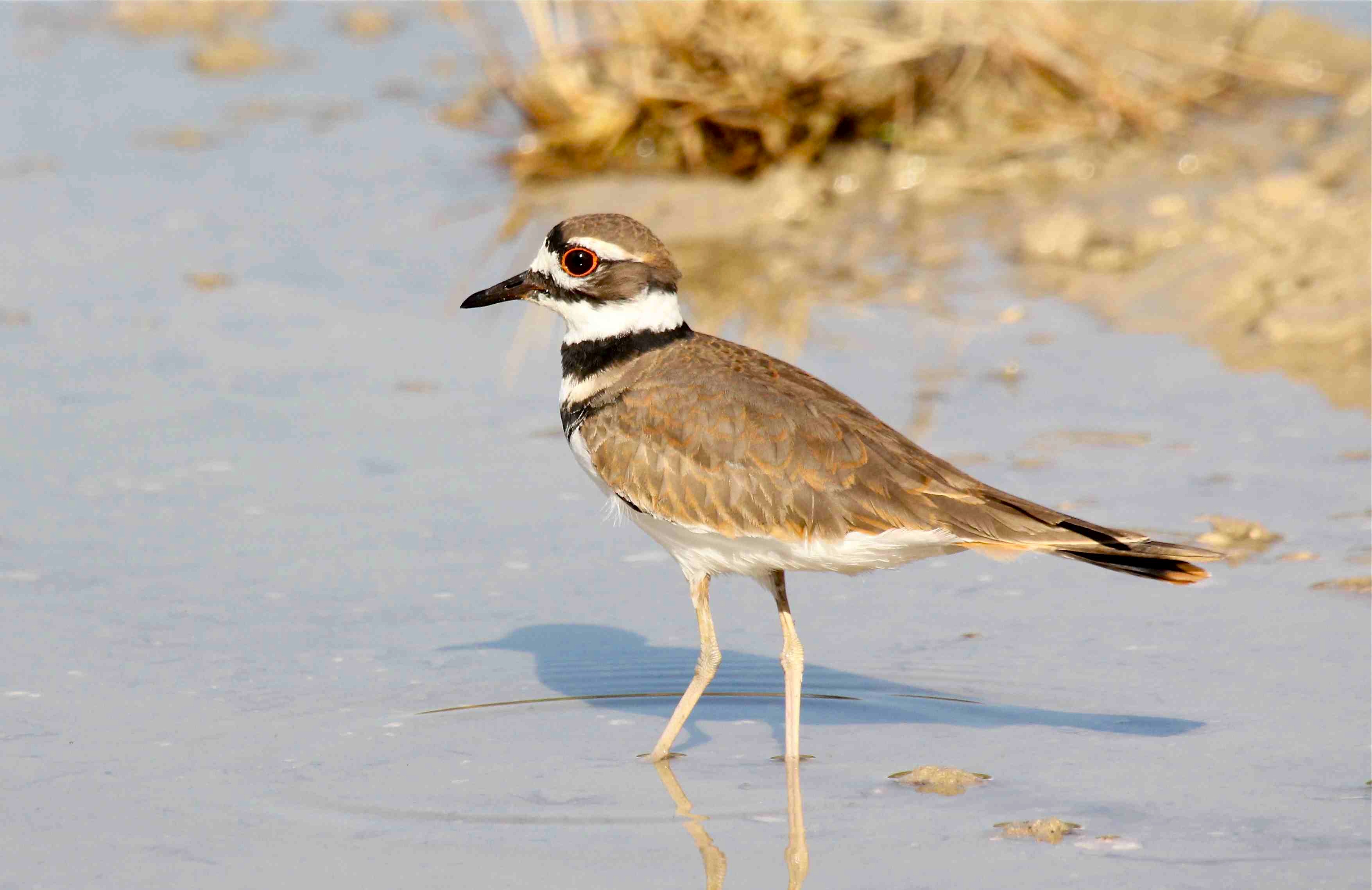
The KILLDEER Charadrius vociferus is a fairly common winter resident plover on Abaco. They can often be found on the Delphi beach, and the lovely beach at Casuarina is another place to spot them. They can easily be distinguished from other plover species, being the only ones with two black frontal bands – see above and below. The lower picture, you’ll be relieved to hear, is not the fabled ‘legless killdeer’, but is simply having a little rest on a nice warm wall.
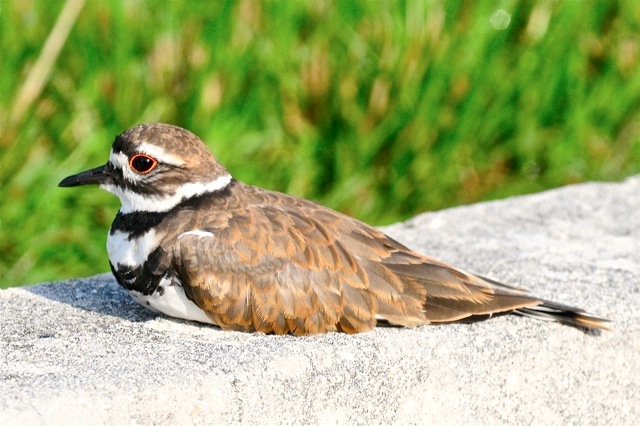
Killdeer, Abaco (Tony Hepburn)

The killdeer’s name is a bit of a puzzle, frankly. The Latin term Charadrius vociferus basically means “shouty plover”, but it’s a long way from that to “killdeer”. This is another one of those bird names that are allegedly onomatopoeic – and thankfully it has nothing whatsoever to do with savage behaviour involving Bambi and his ilk (or elk, even). Supposedly the killdeer call is “Kill…Deer”, in the same way as the bobwhite calls an interrogative “Bob…White?”. 

Killdeer - Harrold & Wilson Ponds, NP (Rick Lowe) copy

Consulting some random authorities reveals divergence of opinion on the issue, with definite bet-hedging between ‘kill-dee’ variations and ‘dee dee dees’. Except for Messrs Flieg & Sanders who opine (rudely) ‘the shrill, loud, monotonous call resembles its name’. Yet while I completely get the ‘Bob…White?’ thing, I’m not so sure with the killdeer. Were I a little killdeer, it’s a name I’d like to have anyway. Respect! But what do these sound like to you?

or this

Guillermo Funes Xeno Canto

or this

Peter Boesman Xeno CantoKIlldeer (Danny Sauvageau)
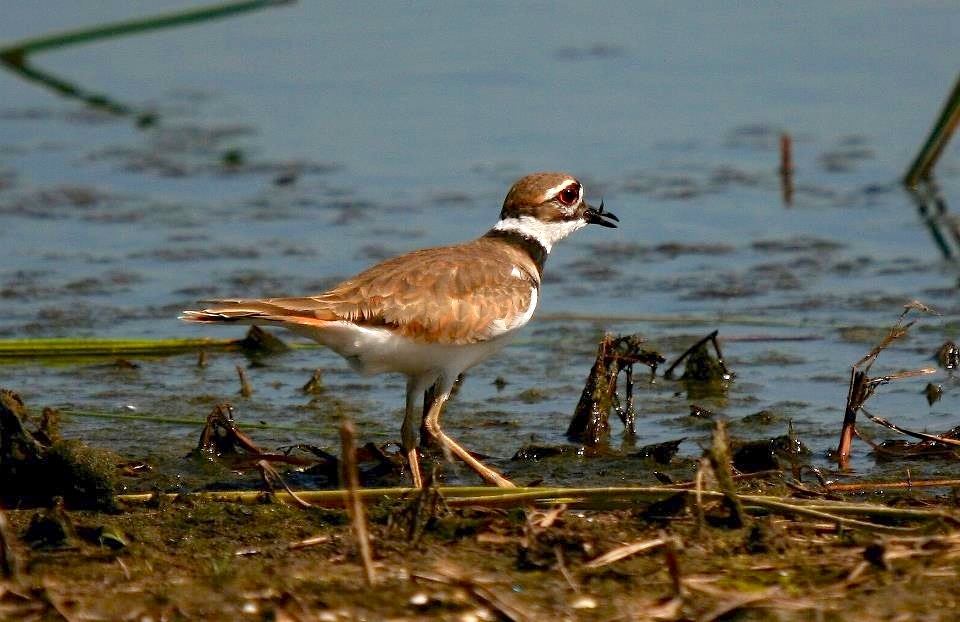
I’ve mentioned the distinctive double black breast-bands that distinguish the killdeer from its brother plovers. These can be seen at quite a distance, as this shot on the Delphi beach by Mrs RH shows (the tracks are from Smithy’s seaweed-clearing tractor).

Killdeer SS edits

The babies are, like all plover chicks, totes irresistibz munchkinsKilldeer hatchling (NTox)Killdeer FB

And like other plovers, a killdeer will defend its nest and young with a broken wing display to distract predators, lurching pathetically across the sand, moving ever further away from the nest. 

I think we can safely conclude that, while the bird doesn’t quite live up to the cervidae-cidal tendencies suggested by its name, nor even sound particularly as though it is saying “killdeer”, it is a very attractive plover to have around whatever the heck its call may resemble.Killdeer, Abaco (Erik Gauger)
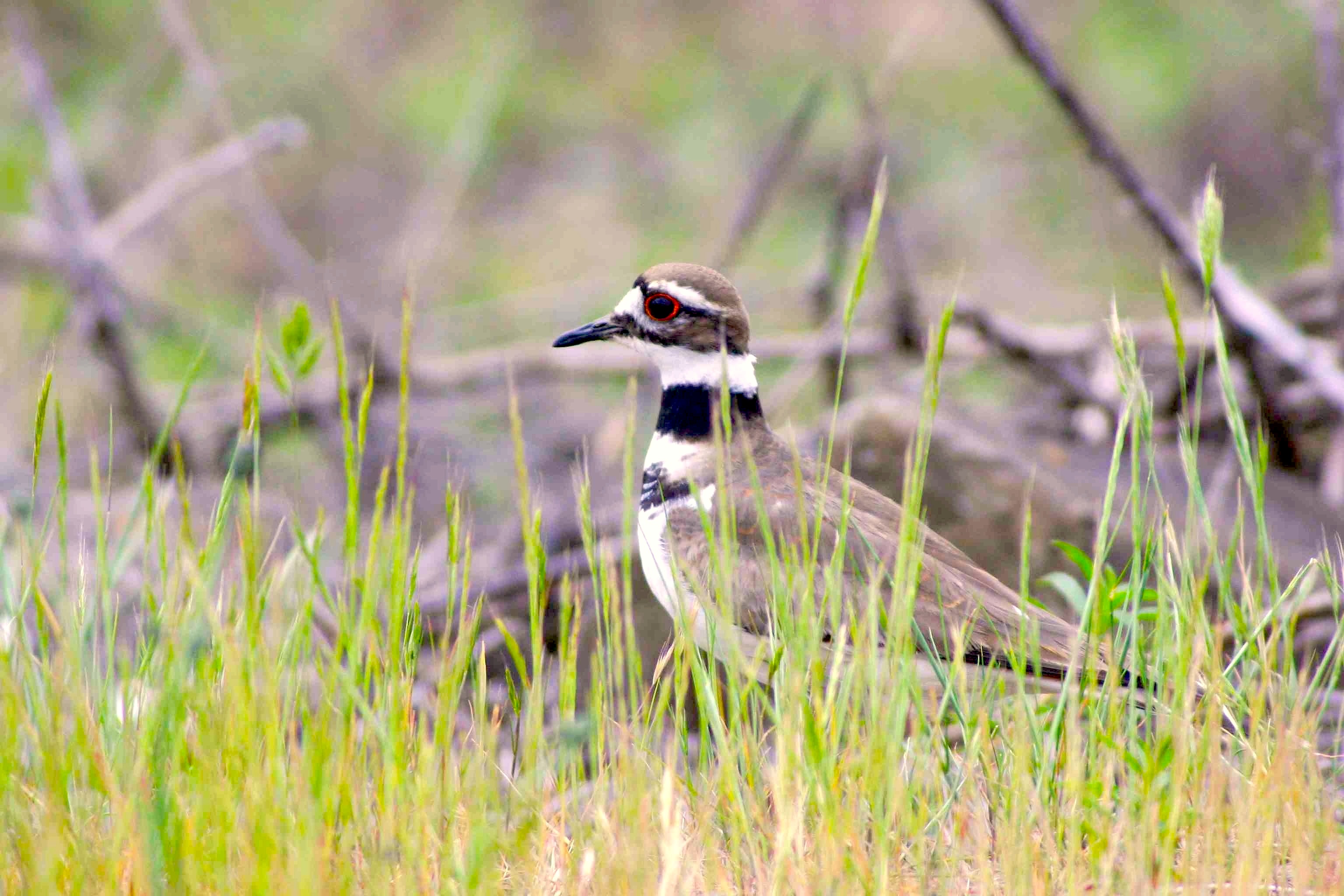
Photo credits: Bruce Hallett, Tony Hepburn, Rick Lowe, Danny Sauvageau, Mrs RH, NTox, Very Recent FB & I’ll track down the source if it kills me**, Erik Gauger

** Got it now: The very excellent Mike Bizeau, whose on his wonderful NATUREHASNOBOSS website posts a single daily image. Many are birds, some are landscapes, some are other things that have caught his eye. I get a daily email, and am invariably impressed by the quality of the images…
Unknown's avatar

ENDANGERED SPECIES DAY: ONE LITTLE REASON WHY IT MATTERS…


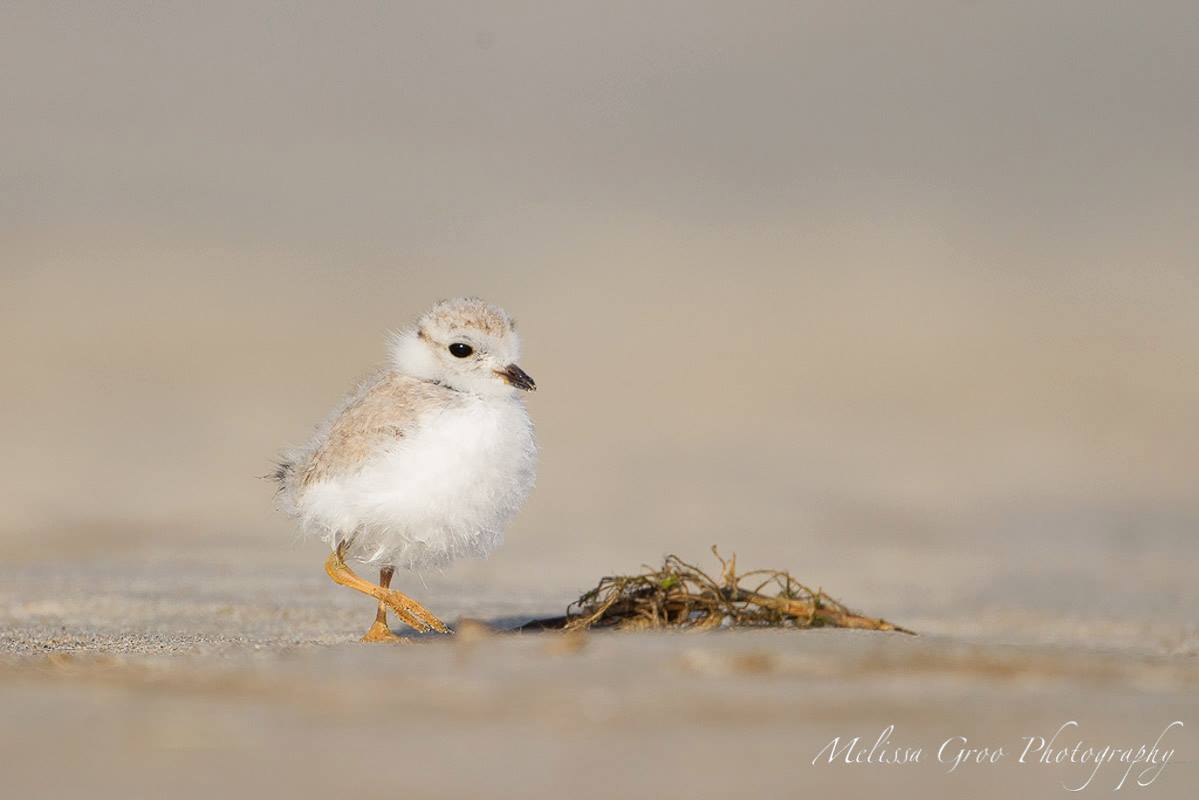
Piping Plover Chick ©Melissa Groo PhotographyI had been going to post a selection of bird photos to mark Endangered Species Day today. I’d begun to plan the details – the birds to use, the captions for each and so on. Then I saw one photograph that is so charming and yet so poignant that I realised that adding further images would be superfluous. This tiny piping plover chick is a potent symbol of the vulnerability of all threatened species.

This shot was taken by award-winning and renowned wildlife photographer Melissa Groo. If you want to see the most wonderful and varied wildlife photography that you could ever imagine, please go to Melissa’s website and prepare to be amazed. You will find it HERE

I have posted several times about the endangered piping plovers, many of which overwinter in the northern Bahamas generally, Abaco particularly, and the Delphi Club beach specifically. There are believed to be fewer than 8000 individual birds on earth, and their little world of the shoreline is threatened at both ends of their migration, as well as at their rest ‘stopovers’ en route in either direction. Conservation programs at each end of the range are proving effective at preserving the plovers’ habitat, and the population does seem to have increased slightly. Each chick protected represents a small triumph for conservation.

10929252_1074153812594711_7941388760872191799_n

RELATED POSTS

RARE GEMS

50 WAYS TO PLEASE YOUR PLOVER

PLOVER LOVER?

Photo credit: Melissa Groo, with thanks for the inspiration! “Less is more…”; Conserve Wildlife Foundation of NJ for their partnership conservation work with PIPL on Abaco and in the Bahamas; the originator – ?Great Lakes Piping Plover Project –  of the neat small logo…

10626583_10153152260167977_7640847114631960629_n

Unknown's avatar

PLOVER LOVER? MEET SOME CUTE CHICKS ON ABACO


Wilson's Plover chick.Delphi Club.Abaco Bahamas.Tom Sheley

PLOVER LOVER? MEET SOME CUTE CHICKS ON ABACO

(*Serious Voice*) “The Wilson’s Plover is the only permanent resident plover found on Abaco, the other species being the winter resident Black-bellied Plover, Semipalmated Plover, Piping Plover and Killdeer; and the rare transient American Golden Plover. The nidification of the Wilson’s Plover is by common consent among naturalists the most…”

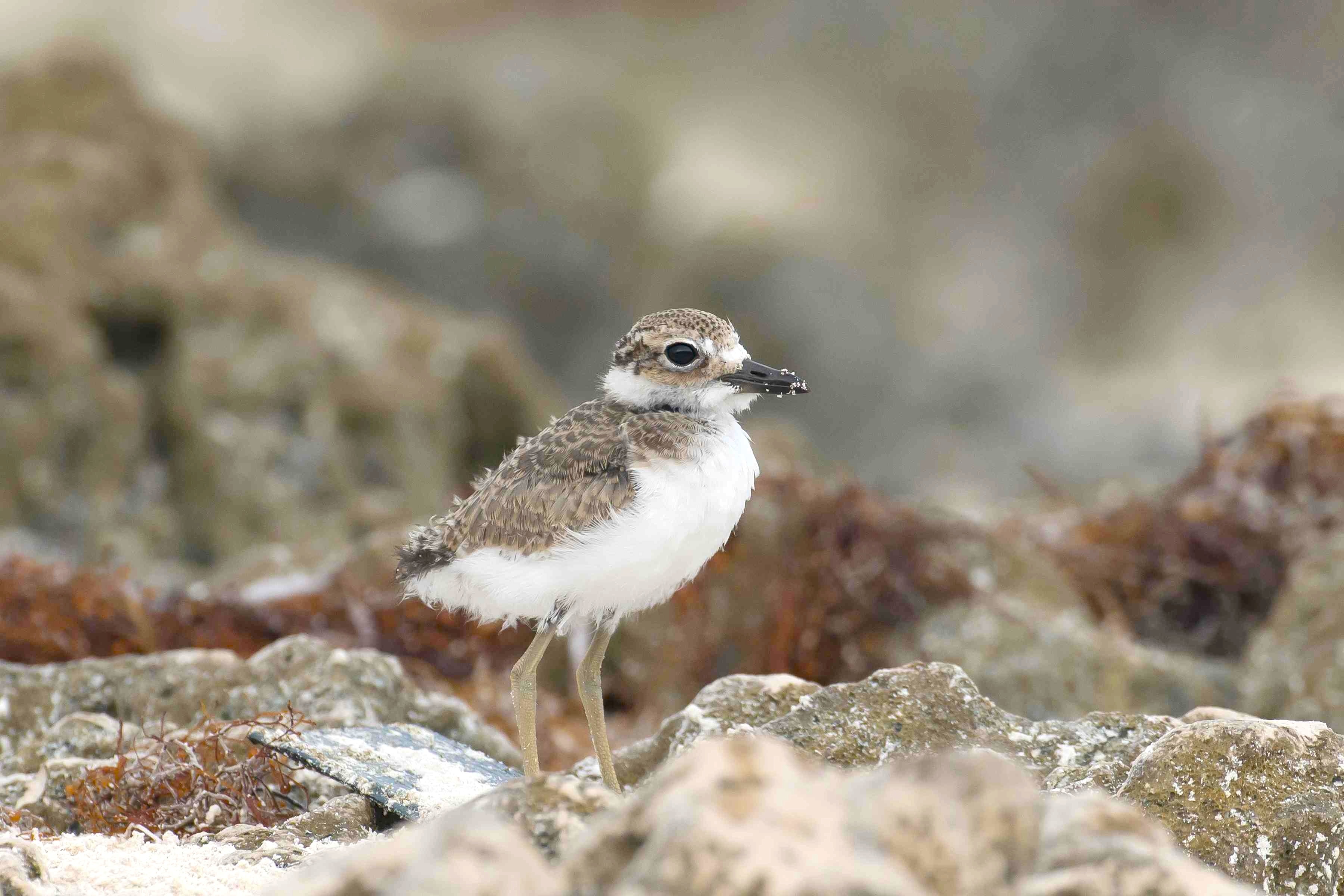
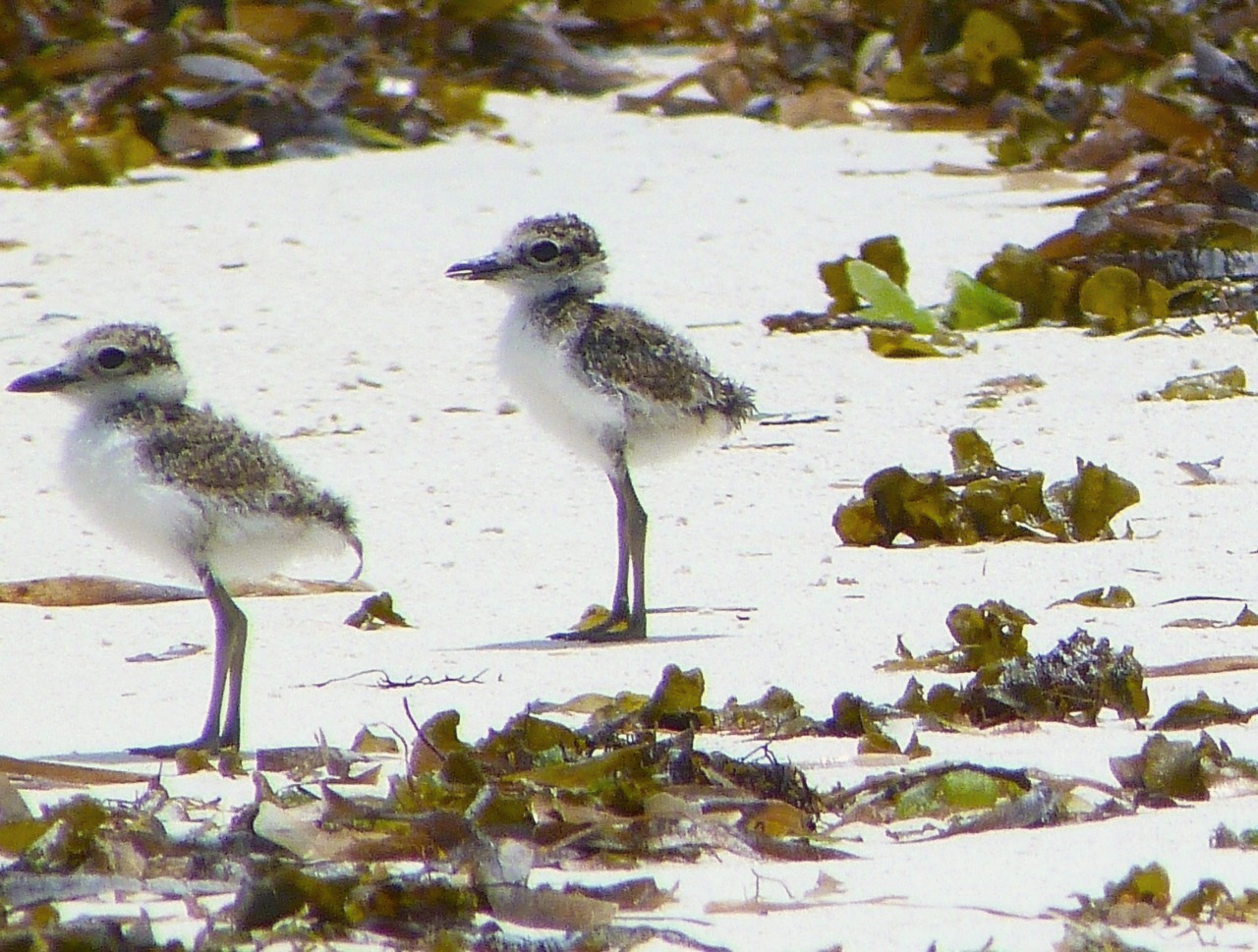
But let’s not get carried away with all that pompous ornithological stuff. There are baby plovers to be considered. Each one exudz adorbz and absorbz admirz. Most of the photos below were taken on the beach at Delphi. Ready? Let’s meet some chicks… But you can’t have them without first having the eggs, can you?

Wilson's Plover nest, Delphi Beach, Abaco (Clare Latimer)Wilson's Plover chick.Delphi Club.Abaco Bahamas.Tom Sheley

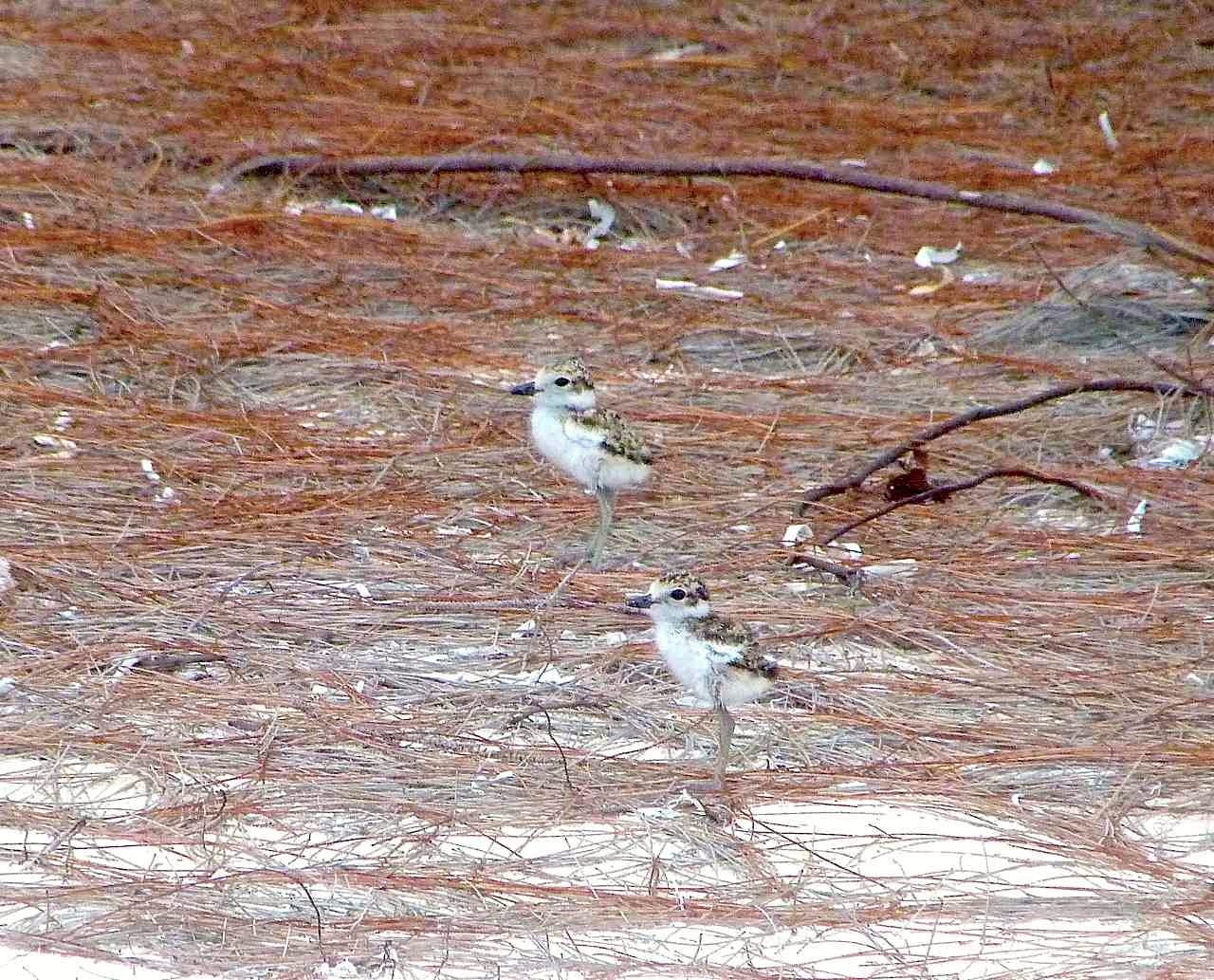
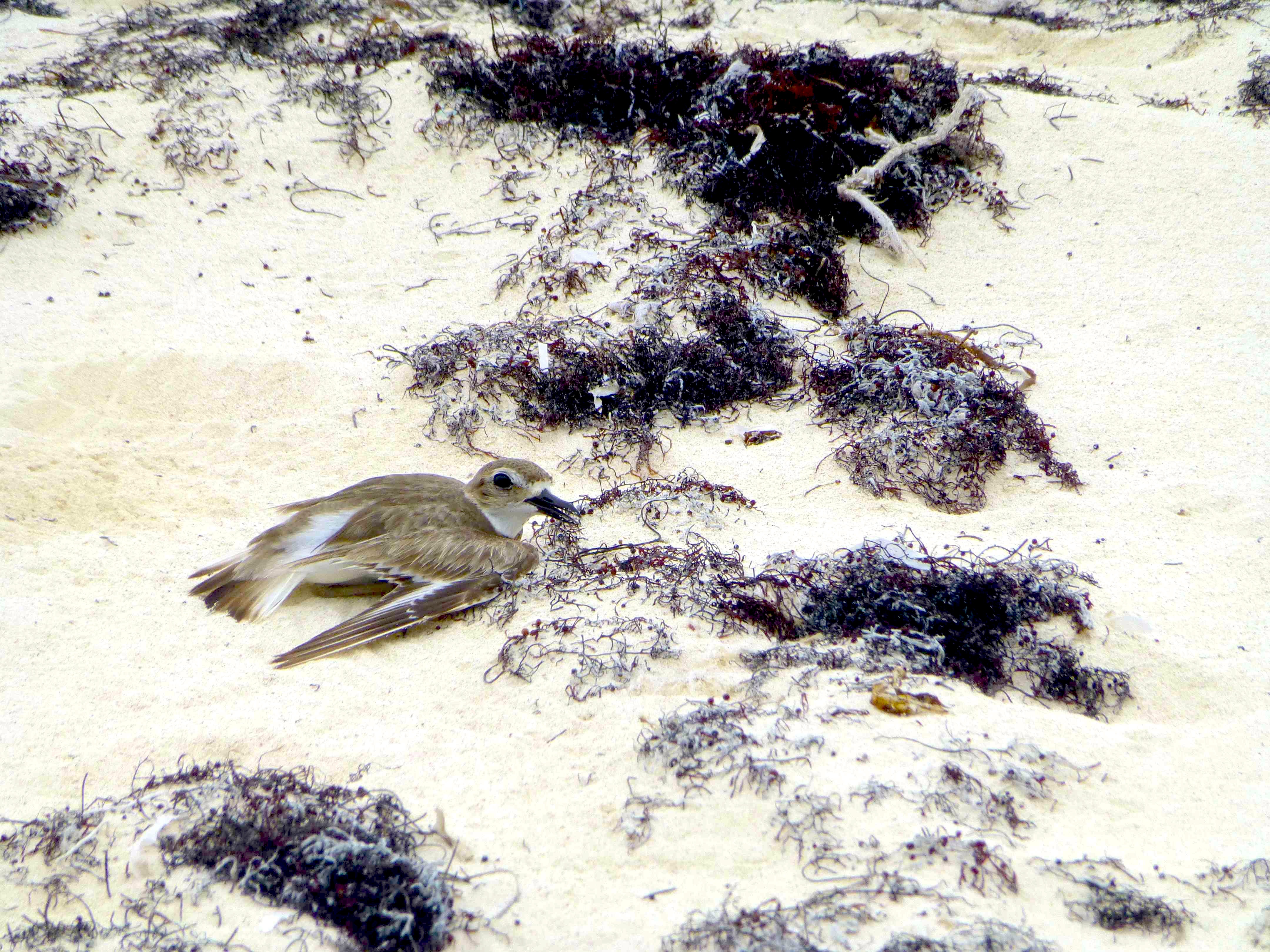
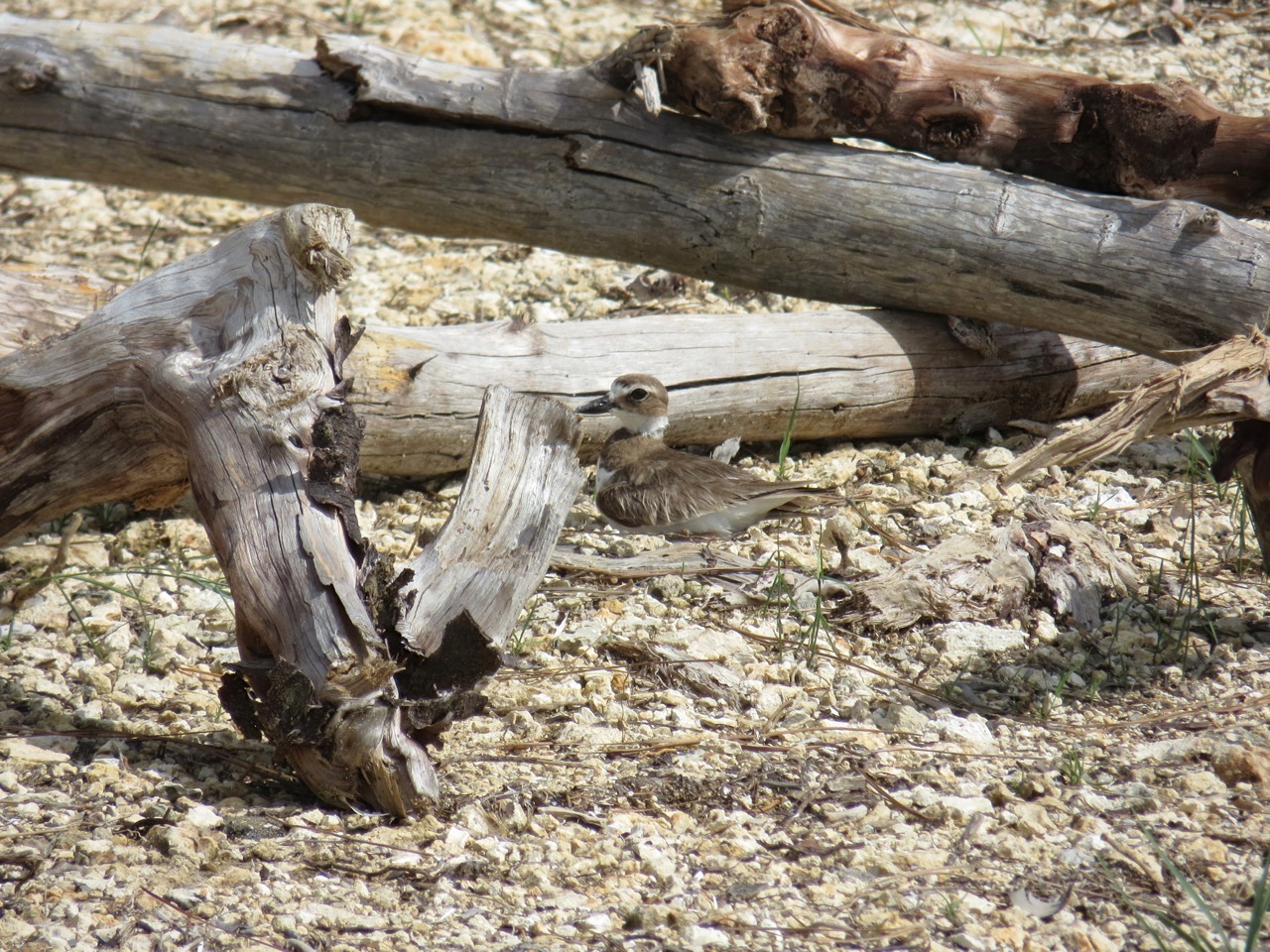
The Wilson’s Plovers at Delphi generally nest at the north end of the beach, up towards the reef. It is secluded, has good sight-lines and is bordered by pines. On the approach of a predator or human (in this case, me), the tiny chicks are sent scuttling to safety at the back of the beach while the parents prepare to tough it out if need be…Wilson's Plover Chicks Delphi Beach, Abaco (Keith Salvesen)

“You ain’t seen me, right?”Wilson's Plover Chick, Delphi Beach, Abaco (Keith Salvesen)

“I know we are caught in the open, but if we stand really still, you can’t see us, right?”Wilson's Plover Chicks x 2, Delphi, Abaco (Keith Salvesen)

One of the most fascinating aspects of bird behaviour to watch is the so-called ‘broken-wing’ display put on by plover parent(s) to distract a predator away from a nest or scrape, and the eggs or chicks in it. Kildeer and black-necked stilts are among other species that do this performance. It goes like something like this: 

“Oh! OW! I am helpless. Please don’t attack me, Apex Predator, for I am but a vulnerable plover…”Wilson's Plover, Delphi, Abaco -  broken wing display (Clare Latimer)

“But kindly follow me as I flap pathetically (moving away from my nest). I can’t fly, you know…”Wilson's Plover, Delphi, Abaco -  broken wing display (Clare Latimer)

Camouflage also plays a part in the protection of these little creatures. This chick is on the rocks at the north end of the Delphi beach, the bit where you begin to wish you’d worn shoes because the rock is so sharp… From 10 feet away, you might well miss seeing the chick completely.Wilson's Plover chick. Delphi.Abaco Bahamas.6.13.Tom Sheley

This is one of my favourite shots, also at Delphi, taken by Sandy WalkerWilson's Plover & Chick, Delphi, Abaco (Sandy Walker)

Quite a while ago, I wrote about a Wilson’s Plover family that had made their scrape at Nettie’s Point, the place where the bonefishing skiffs are launched. They chose their homemaking site right where the trucks and trailers turn. Big mistake you might think. But the kind guides built a small stockade of branches round the scrape so that it could clearly be seen and avoided. After that, Mrs WP settled down happily and Mr WP stood guard whenever anyone was around…

The protective stockade in place. Mrs Plover in place. All’s well with the worldNettie's Point, Abaco - Proected Wison's Plover Nest (Keith Salvesen)Nettie's Point, Abaco - Mrs Wilson's Plover on the nest (Keith Salvesen)

Soon after, two chicks hatched, were reared by both parents, and in due course fledged safelyWilson's Plover.Abaco Bahamas.Tom SheleyWilson's Plover + chicks 2.Abaco Bahamas.6.13.Tom Sheley

Photo Credits: Clare Latimer (2, 7, 8); Tom Sheley (1, 3, 9, 13, 14); Sandy Walker (10); RH (the rest)

Unknown's avatar

IT’S A WARBLER. WITH A YELLOW THROAT. ON ABACO. SIMPLE?


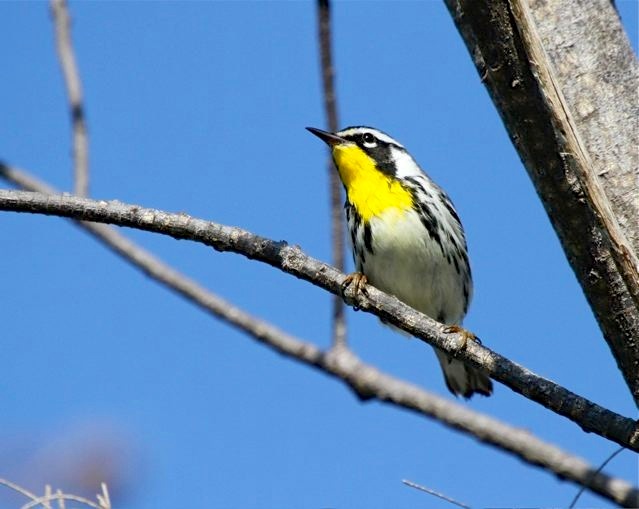
Yellow-throated warbler, Abaco  (Keith Salvesen)

IT’S A WARBLER. WITH A YELLOW THROAT. ON ABACO. SIMPLE?

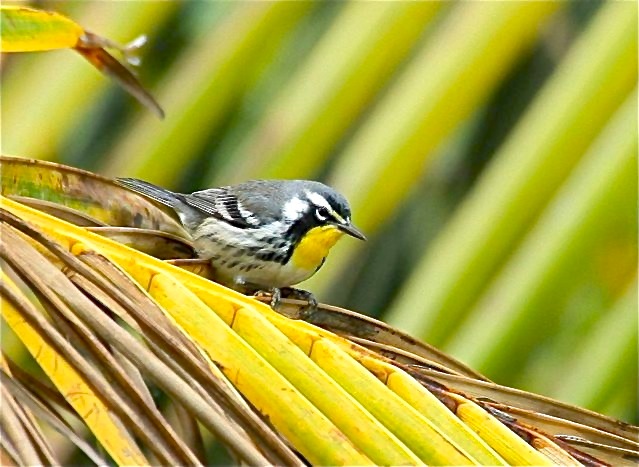
The Yellow-throated Warbler (Setophaga dominica) is a most helpful warbler, in that what you see is what you get. You needn’t go to embarrassing lengths to determine whether it has a Yellow Rump. It doesn’t make extravagant geographical claims like the Cape May, Kentucky, Tennessee, Nashville or Connecticut warblers. It doesn’t disguise its warblerdom with a confusing name like ‘American Redstart’ or ‘Ovenbird’. Nor with a weird warbler name that is completely obscure like the Prothonotary. It’s a winter resident only, so it won’t try to puzzle you in the summer. The males and females are roughly similar in appearance, unlike so many species. All-in-all, a most agreeable and obliging little bird. Here are a few to enjoy, before I spoil the magic slightly…

Yellow-throated Warbler, Abaco (Bruce Hallett)Yellow-throated Warbler, Abaco (Bruce Hallett) 2Yellow-throated warbler, Abaco (Erik Gauger)

YTWs are quite pose-y birds, and tend to strike attitudes. One is the ‘head-in-the-air’, as below and further above. There’s the ‘butt-in-the-air’ too, immediately above (one of my favourite photos)Yellow-throated Warbler, Abaco (Becky Marvil) Yellow-throated Warbler, Abaco - Becky MarvilYellow-throated warbler, Abaco  (Keith Salvesen)

This shape is both characteristic and characterful. You might call it the ‘sag-in-the-middle’Yellow-throated warbler, Abaco  (Keith Salvesen)

This year I saw my first YTW in the Delphi Gardens, skulking around in a Gumbo Limbo tree. Having taken a number of rather poor shots – partly due to the intervention of branches, twigs, leaves, berries, shaky hands and so forth – I got some clearer shots at it, the two above and below being the best of an indifferent bunch.Yellow-throated warbler, Abaco  (Keith Salvesen)Yellow-throated warbler, Abaco  (Keith Salvesen)

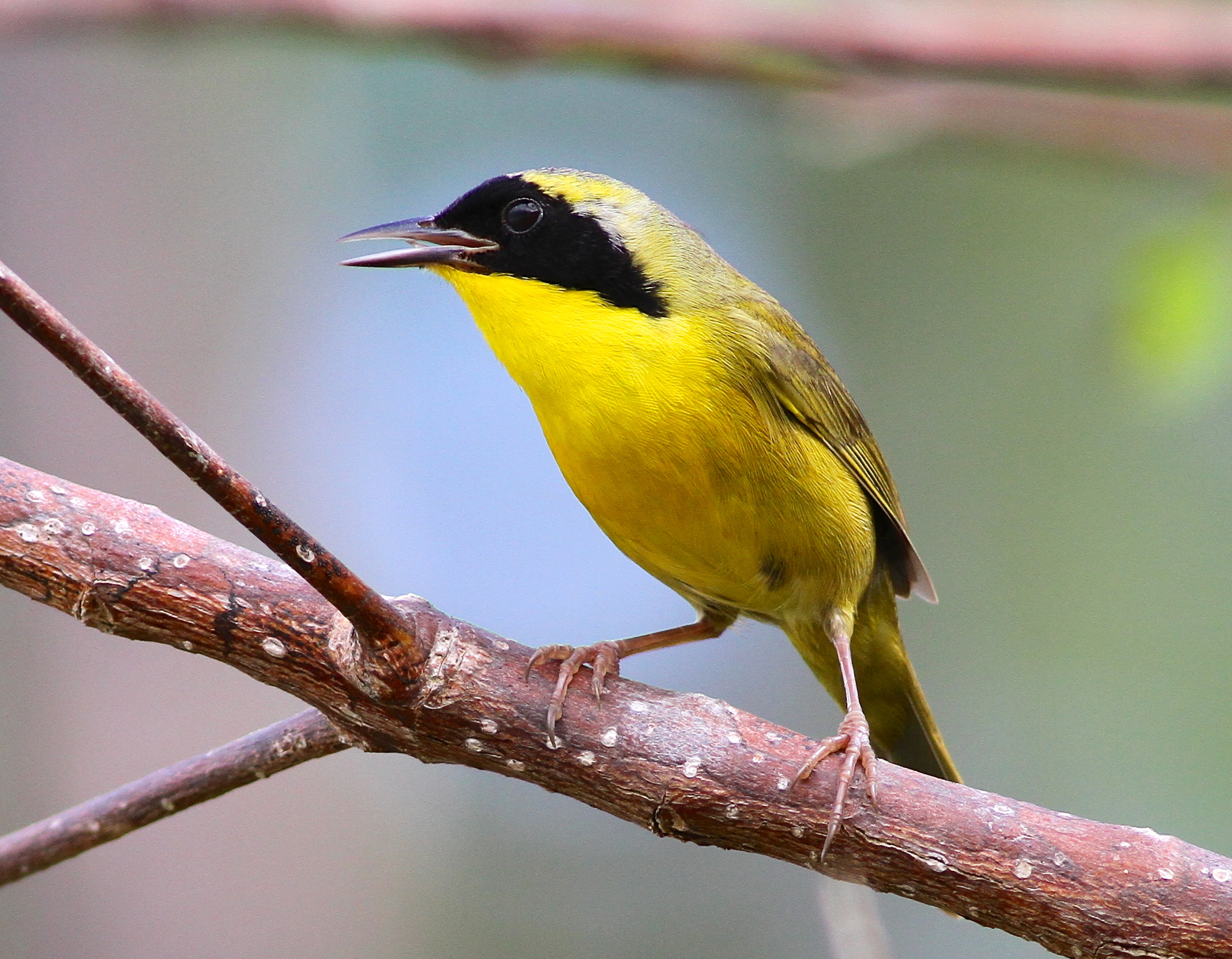
I said earlier that the magic of the apparently simple ID of a warbler that lives up to its name would have to be spoiled. I’m afraid this little gallery rather undoes the certainties I’d promised… two more species common to Abaco, also named for their yellow throats (yet it’s more extensive than just the throat, anyway) . 
BAHAMA YELLOWTHROAT
                                                     20130106_Bahamas-Great Abaco_4846_Bahama Yellowthroat_Gerlinde Taurer copy Bahama Yellowthroat (m) Bruce Hallett
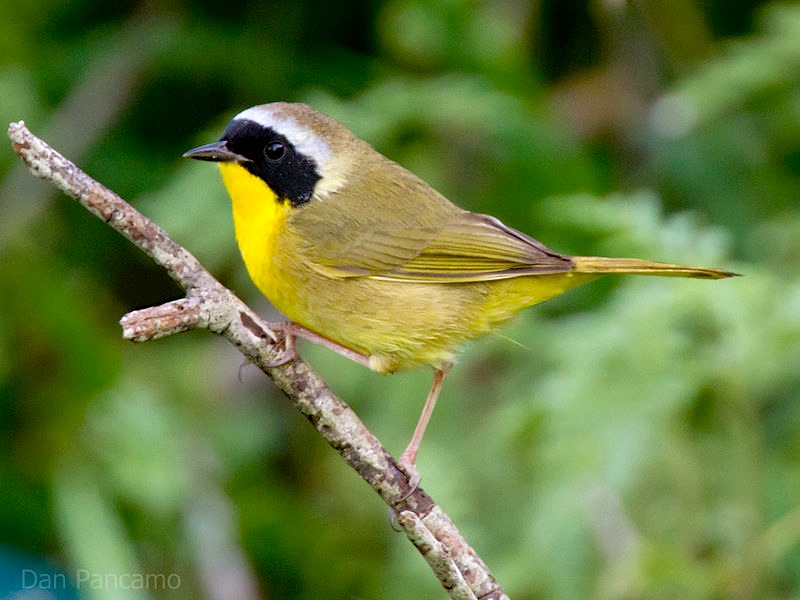
COMMON YELLOWTHROAT
800px-Common_Yellowthroat_by_Dan_Pancamo Common Yellowthroat, Gilpin Pond, Abaco Bahamas (Tom Sheley)
You’d really think that someone at Audubon Towers or Cornell Castle might have thought of calling these two species ‘Bahama’ and ‘Common’ Masked Warblers, wouldn’t you – after all there’s a Hooded Warbler, which indeed has a hood. No other warbler has a mask like these 2. Then any confusion could be avoided. So remember: the Yellow-throated Warbler has a yellow throat AND is otherwise black and white, with streaks. Erm, just like a…
BLACK AND WHITE WARBLER

Black & White Warbler (Wiki)

RELATED POSTS
 
Credits: RH (1,7,8,9,10); Bruce Hallett (2, 3); Erik Gauger (4); Becky Marvil (5, 6). Thumbnails: Gerlinde Taurer, Bruce Hallett, Dan Pancamo, Tom Sheley, Wiki
Unknown's avatar

WEST INDIAN WOODPECKERS ON ABACO: GUEST POST


WEST INDIAN WOODPECKERS ON ABACO: GUEST POST

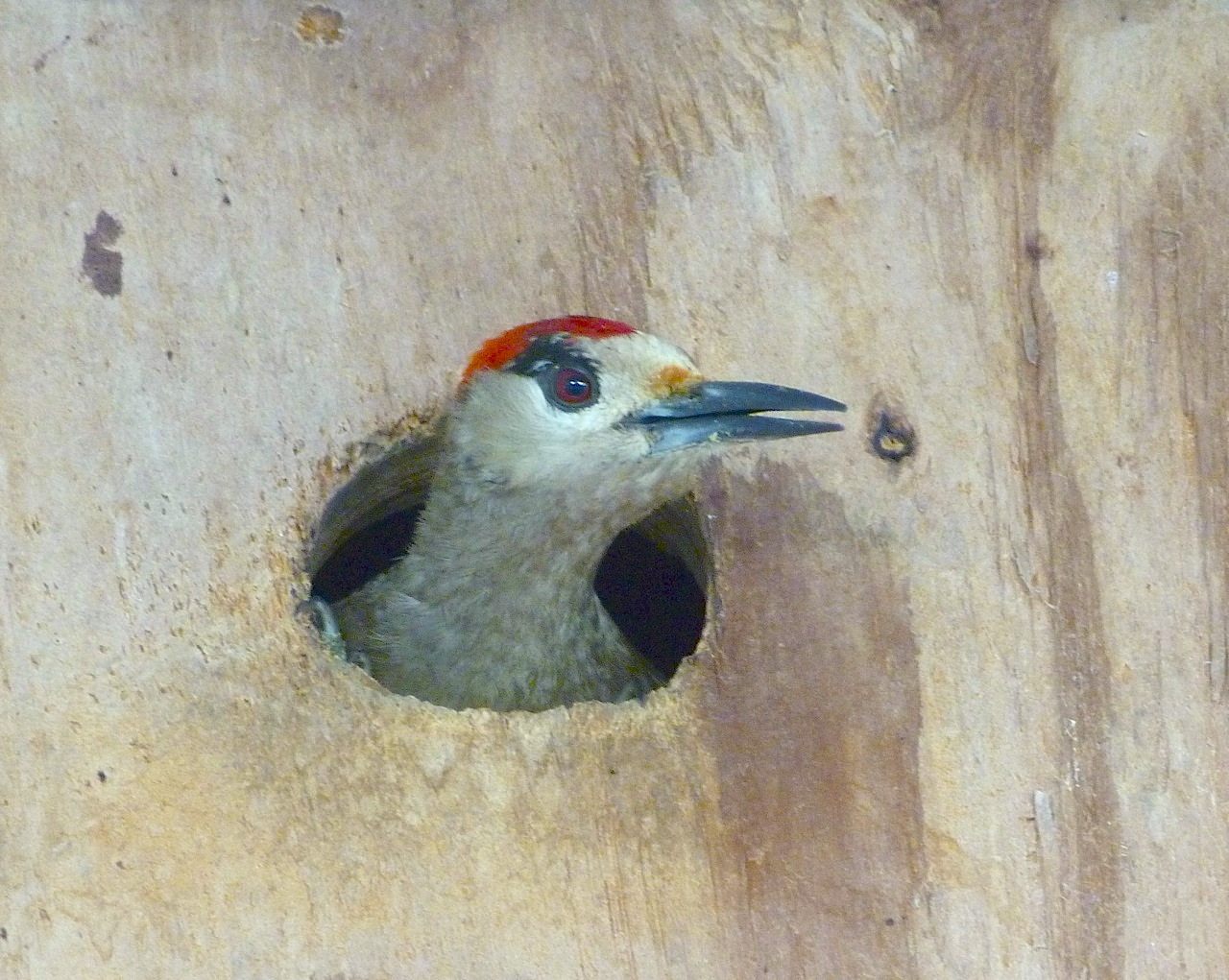
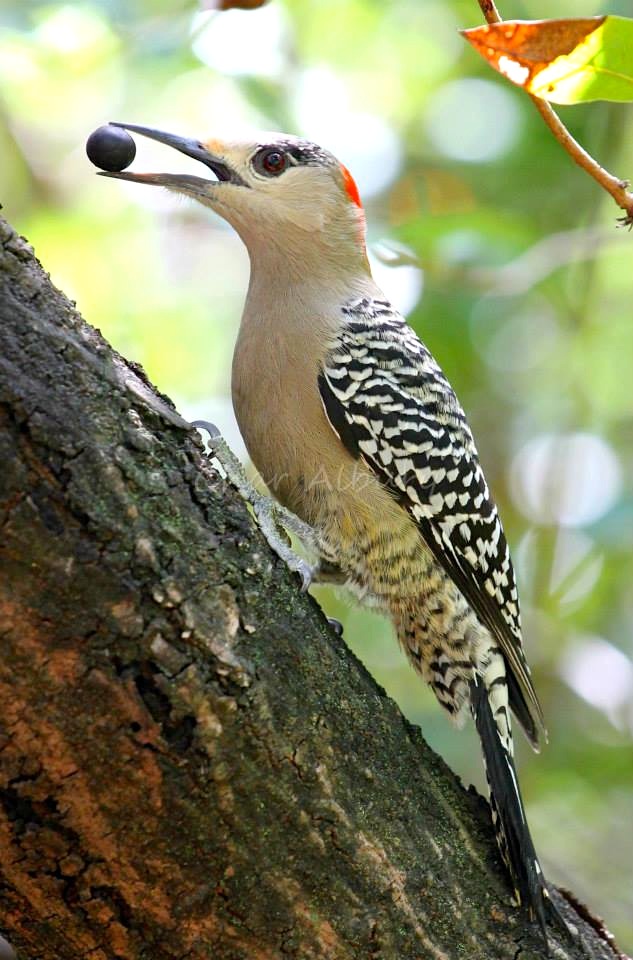
The WEST INDIAN WOODPECKER Melanerpes superciliaris is a specialist bird of Abaco, where it is common. The only other island in the Bahamas where it is found is San Salvador, where it is uncommon. Formerly found on Grand Bahama, it is now believed to be extirpated from that island, with no recent recorded sightings. In the early days at Delphi, we had to put up 2 nest boxes under the eaves to discourage the woodpeckers from destroying the woodwork – very effective, since they are now used every year by a pair that raises a family in one of the boxes and, even before the chicks have fledged, are busy kitting out the second box for a second family… 

WIW box Delphi

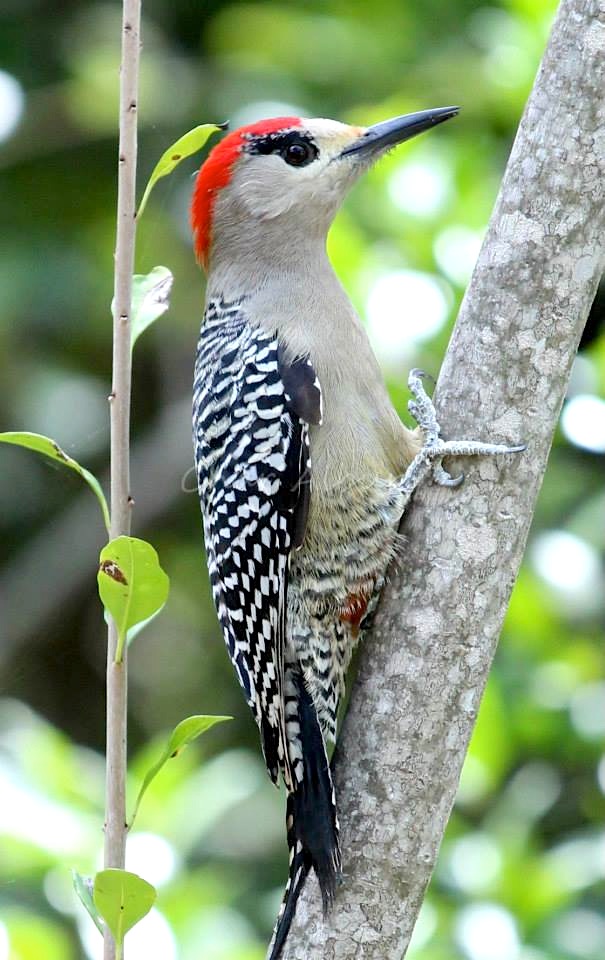
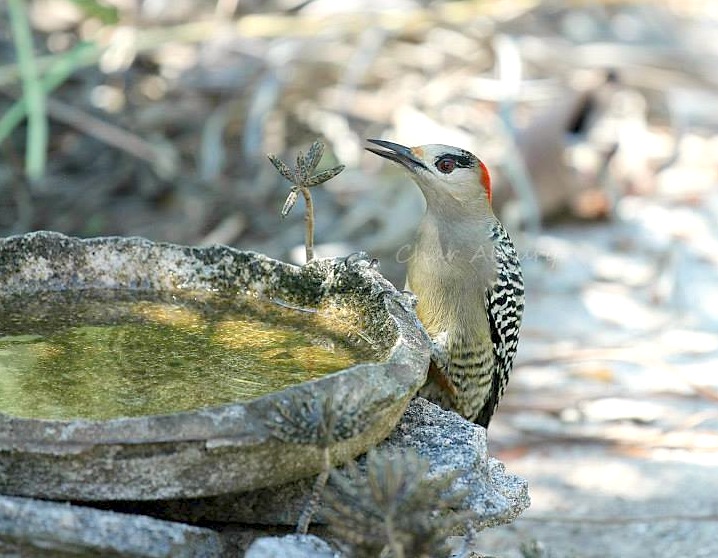
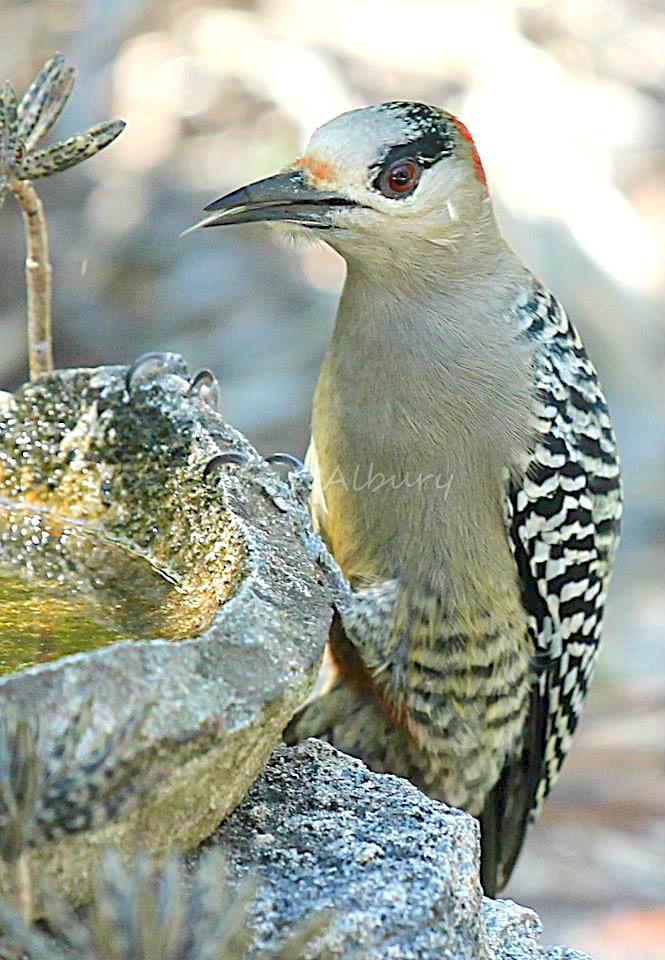
Charmaine Albury is a resident of Man-o-War Cay, Abaco. A photographic contributor to THE BIRDS OF ABACO, she is an enthusiastic birder and very handy with a camera. MOW has had a great winter season for birds, especially warbler species, and Charmaine has been recording her sightings and posting about them regularly. She has now started a photographic Facebook page SEES THE DAY which I commend to anyone wanting an overview of the rich birdlife of Abaco. This post shows some of her excellent recent photographs of West Indian Woodpeckers on Abaco. The male has the striking red crown; the female has a smaller, paler cap.

11035287_1625338024365232_6166437311448663000_n

20417_1625338127698555_7498796397392575987_n

PLAYING WITH YOUR FOOD? HOW MUCH FUN CAN YOU HAVE WITH A BERRY?11117259_1625337987698569_7452867222430469765_n10942602_1625337984365236_7839433915910857592_n

and… pop it into the hole. Score!20417_1625338031031898_5316912847301464680_n

11035287_1625338024365232_6166437311448663000_n

NOW IT’S TIME TO VISIT THE STONE THING THAT HAS WATER IN IT10309181_1625338207698547_743705503764216360_n11080986_1625338147698553_6862424132411400508_n11060458_1625338187698549_1989610138388453679_n

   11035287_1625338024365232_6166437311448663000_n

MY TURN ON THE TREE NOW11133685_1625338034365231_5375400946628441291_n

GETTING A BIT SLEEPY NOW. GOT BED HEAD…11111962_1625338074365227_2479363145688616600_n

All photos Charmaine Albury, with many thanks for use permission. Delphi WIW in nest box & all silly anthropomorphising captions are down to me…

Unknown's avatar

ABACO, HERE WE COME – READY OR NOT…


Pelangi Store, eBay

ABACO, HERE WE COME – READY OR NOT…

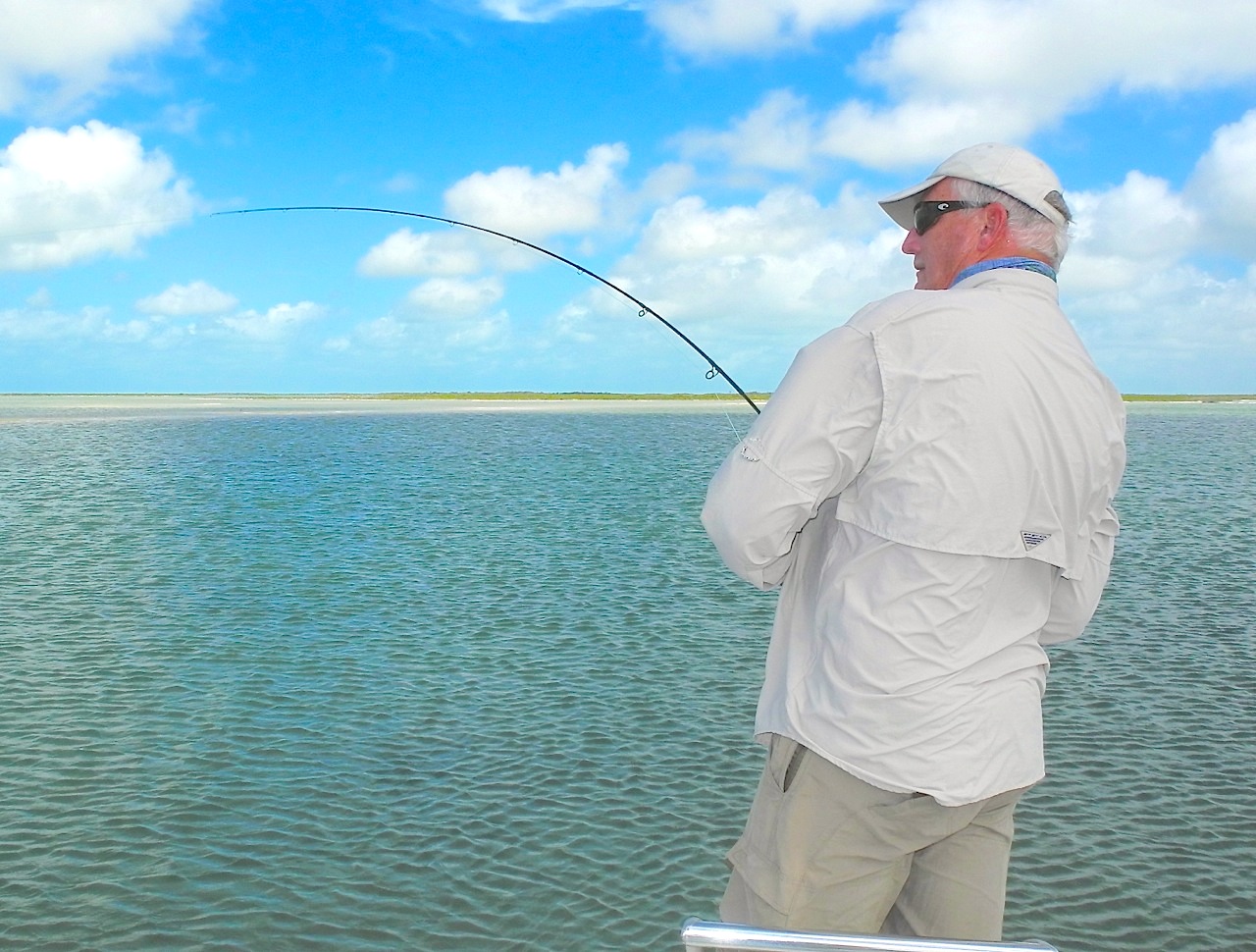
The seats are chosen, the online check-in done, the die is cast… Mr and Mrs Harbour are on their way in the BA cattle truck. Laptops are to be abandoned for the duration, but I intend to post occasional things of interest by iPhone – a Kirtland’s warbler sighting, maybe (I wish!) or a fish that has stupidly managed to impale itself on my hook perhaps. Normal blogging service, if there is such a thing round here, will be resumed in due course… 

Fish on! Abaco Marls RH

FISH ON!

“THE BIRDS OF ABACO”

The book was launched at the Delphi Club exactly one year ago. We have been really delighted by the huge interest in it and the enthusiasm for it shown by so many people – residents, migratory residents and transients. There are still copies available*. If anyone would like a signed copy while we are at Delphi, I’m sure that can be arranged. I shall bring my special signing pen (it doesn’t smudge!) just in case…

flyer 2 copy

It’s possible – by which I mean highly likely, of course – that perceived ‘downtime’ on Abaco will in fact be quite busy. Fishing. Birding. Beaching. Pooling. Talking. Drinking. Eating. Sleeping. So apologies in advance if I’m not so responsive to comments, Facebook stuff and general soshul meeja matters. No offence meant and I hope none taken – I’ll try to keep up with it or play catch up in due course. Anyway, for those who kindly stick with Rolling Harbour or drop in occasionally, much appreciated… 

DELPHI SUNDOWNDelphi Club Abaco Portrait FV

*The price shown in the flyer for the book is now $150 to take account of the VAT. The publisher has absorbed the balance

Fishing sign pic: Pelangi Store, eBay. I ‘borrowed’ it, but who knows, they might make a sale as a result…

Unknown's avatar

THE PECKING ORDER: FEEDER GREED ON ABACO


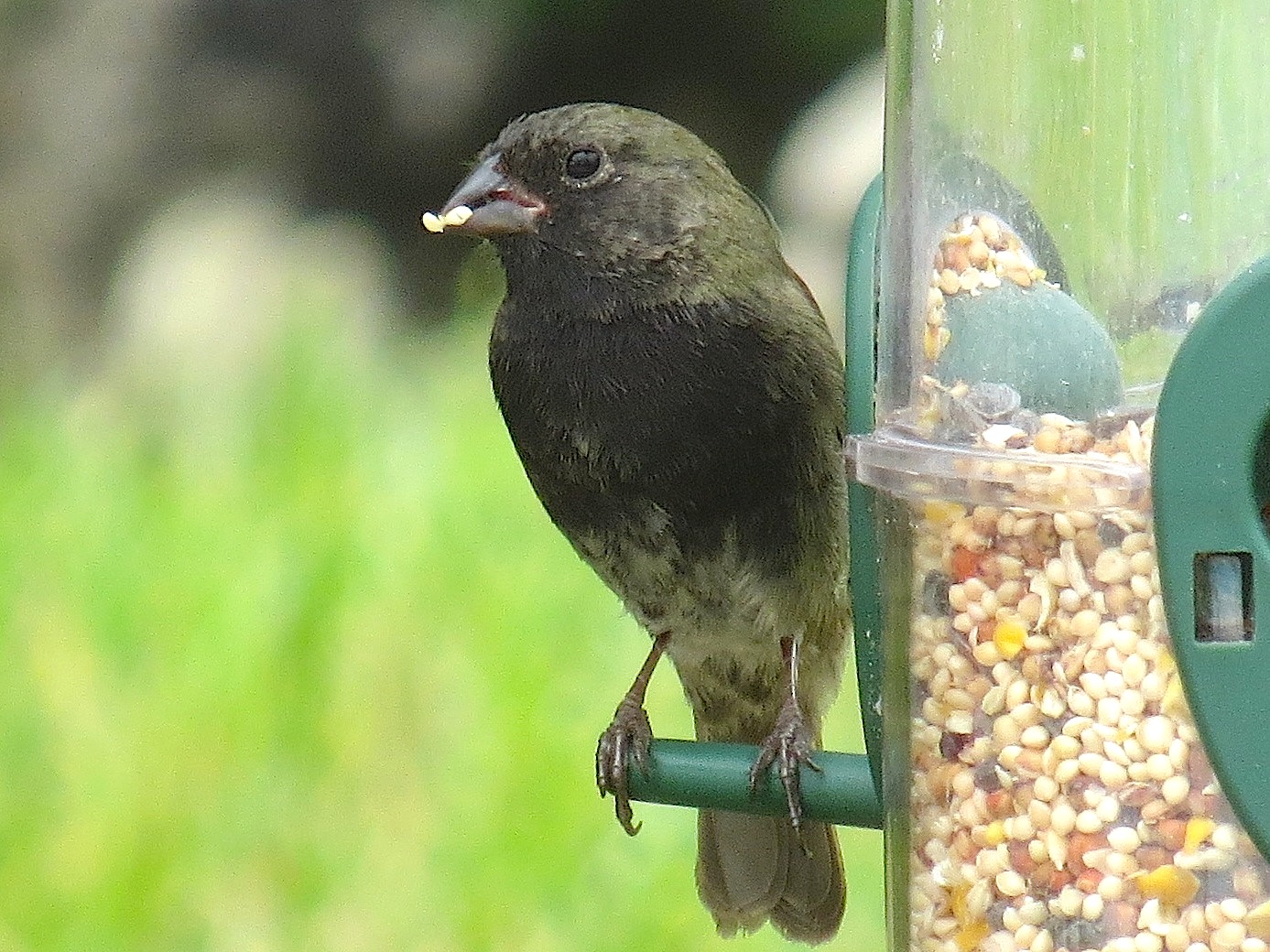
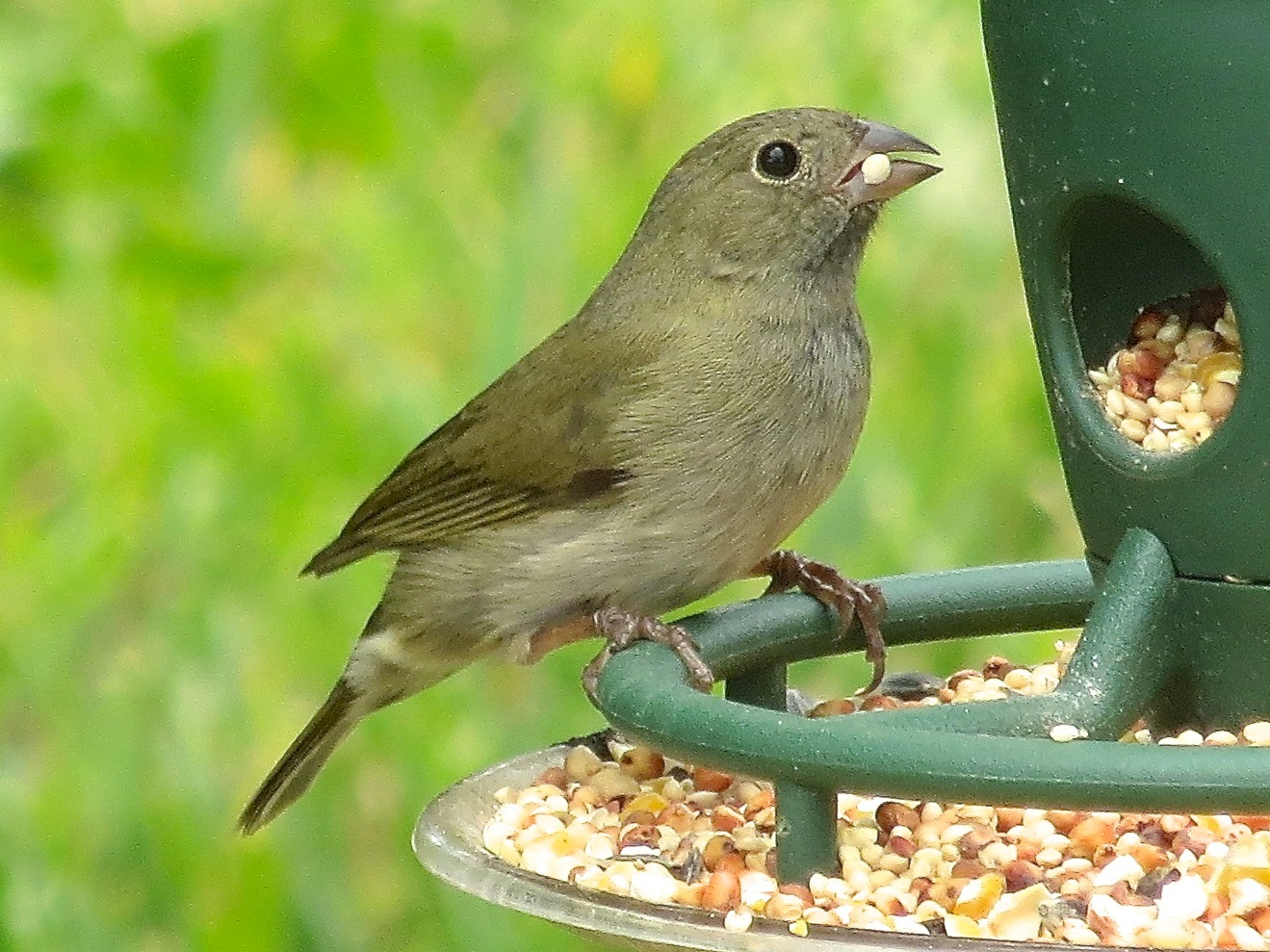
Black-faced Grassquits, Delphi, Abaco 2

THE PECKING ORDER: FEEDER GREED ON ABACO

At Delphi there are several feeders, with seeds for the garden birds in general, and sugar water feeders for the specialist hummingbirds. The seed feeders are the cause of a certain amount of species squabbling, with a pecking order based on size. Smaller birds tend to give way to larger, and either flutter down to the ground to pick up dropped seeds or fly off to the bushes until it’s safe to return.  The hummer feeders are also visited by birds with adaptive beaks to fit the tiny holes, such as bananaquits; and birds with long and probing tongues like the resident West Indian woodpeckers. The hummers tend to flit away until the intruders have flown off again.

BLACK-FACED GRASSQUITS

There’s no getting away from it, I’m afraid. BFGs are greedy little birds. Many would also call them dull, but personally I rather like the assertive colouring of the male and the subtle olive shades of the female (but that said I’d trade one in for a painted bunting without a second thought…). They are easily bullied out of the way by GABs (see below), although I have noticed that both species happily coexist on the ground under the feeders, where there is more space for them to pick up fallen seeds.

Black-faced Grassquits, Delphi, Abaco 4Black-faced Grassquits, Delphi, Abaco 3 Black-faced Grassquits, Delphi, Abaco 6

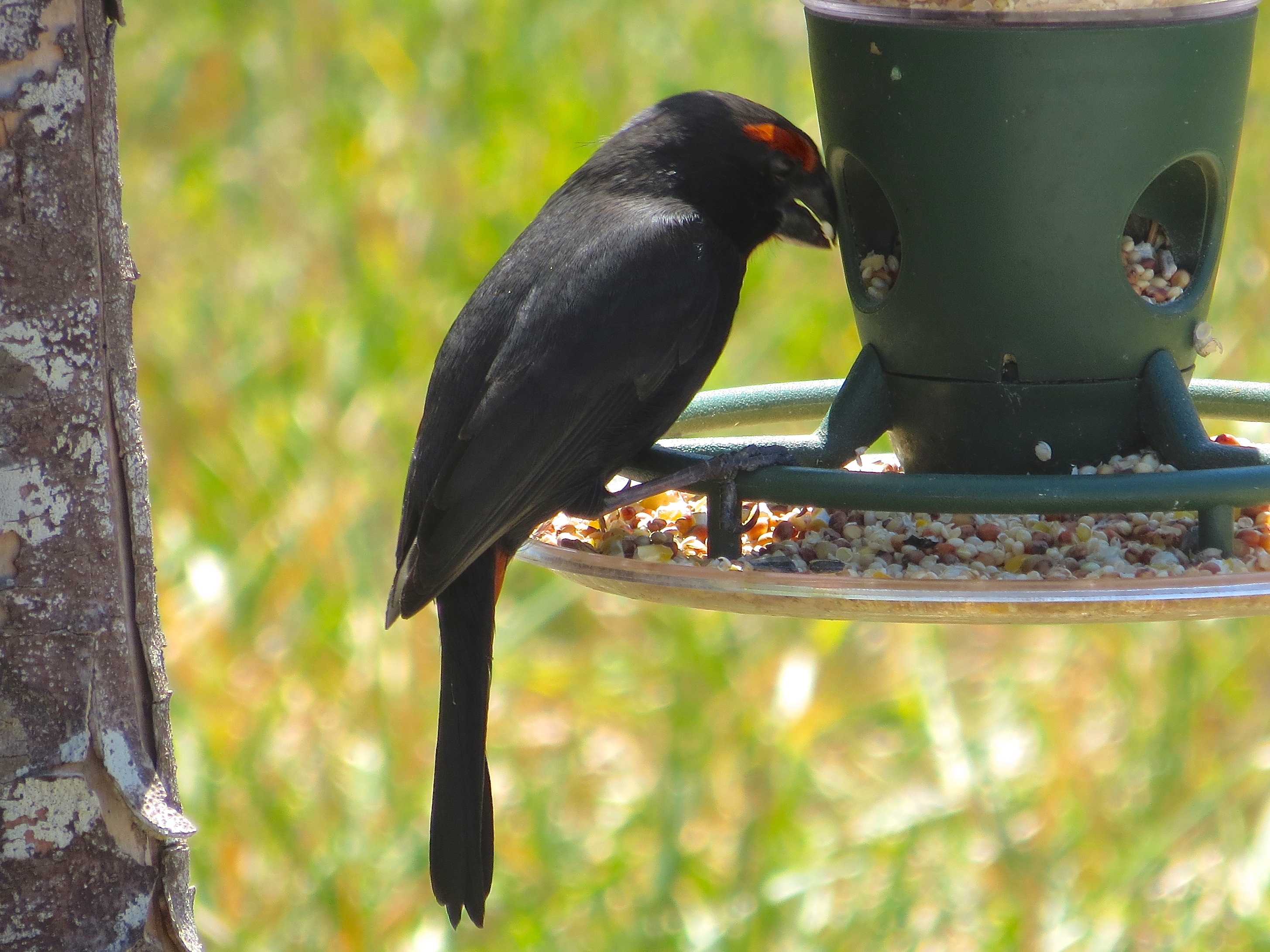
 GREATER ANTILLEAN BULLFINCH

These fine birds with their striking livery assume feeder priority. They are just as voracious as the BFGs, and get seriously stuck in. No other birds spoil their feasting. These are alpha seed guzzlers.Greater Antillean Bullfinch, Delphi, AbacoGreater Antillean Bullfinch, Delphi, Abaco

HEY YOU! GRASSQUIT! DON’T YOU DARE COME ANY CLOSER… MINE!Greater Antillean Bullfinch, Delphi, AbacoGreater Antillean Bullfinch, Delphi, Abaco

HUMMINGBIRD FEEDER RIVALS

BANANAQUIT

This bird had been sticking its thin, curved beak in to the tiny holes and drinking until I got a bead on it (with the camera). Annoyingly it then started to sip the spillage, so I missed the shot I really wanted… Meanwhile two Emeralds had retired to the bushed nearby, waiting for their chance at what was after all their own designated feeder.Bananaquit at Hummer feeder, Delphi, Abaco Bananaquit at Hummer feeder, Delphi, Abaco

This is a beak that can easily negotiate a little feeder holeBananaquit & palm, Delphi, Abaco, Bahamas 7

WEST INDIAN WOODPECKER

When Delphi’s resident woodpeckers decide to try out the hummer feeder, everyone keeps clear. Very meanly, the male takes precedence over the female, despite the fact that in the course of each year she rears two families, moving to the second nesting box to rearrange the furniture even before the chicks in the first box have flown. Nevertheless, she has to wait her turn… Note how the male manages to get his long tongue right into the small hole in the yellow flower…West Indian Woodpecker (male) at Hummer Feeder, Delphi, Abaco

Meanwhile, Mrs Woody politely waits her turn…West Indian Woodpecker (female) at Hummer Feeder, Delphi, Abaco

 All photos: RH

Unknown's avatar

ROLLING HARBOUR, ABACO: LIFE’S A BEACH & THEN SOME…


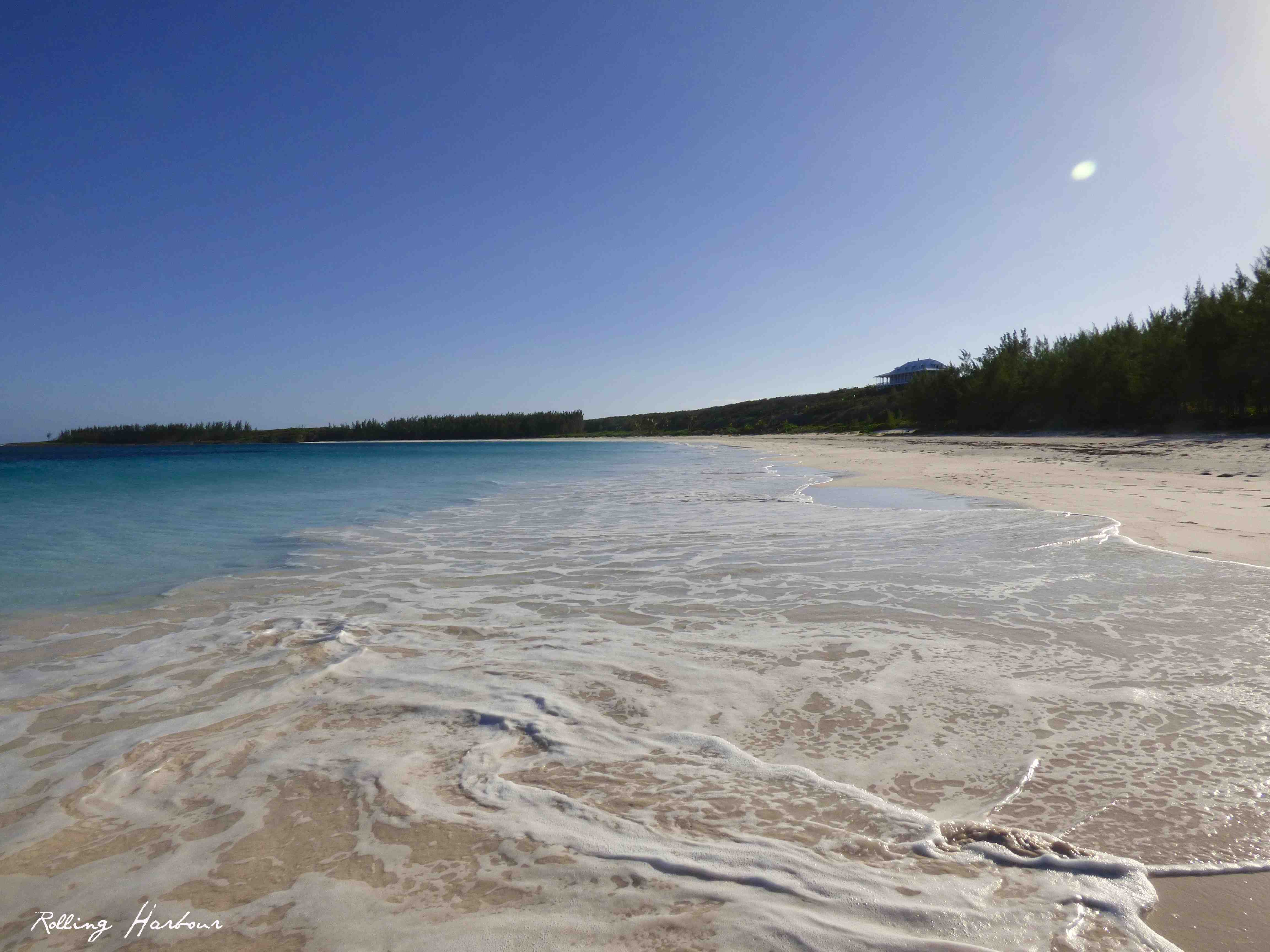
Rolling Harbour Beach, Abaco1b

ROLLING HARBOUR, ABACO: LIFE’S A BEACH & THEN SOME…

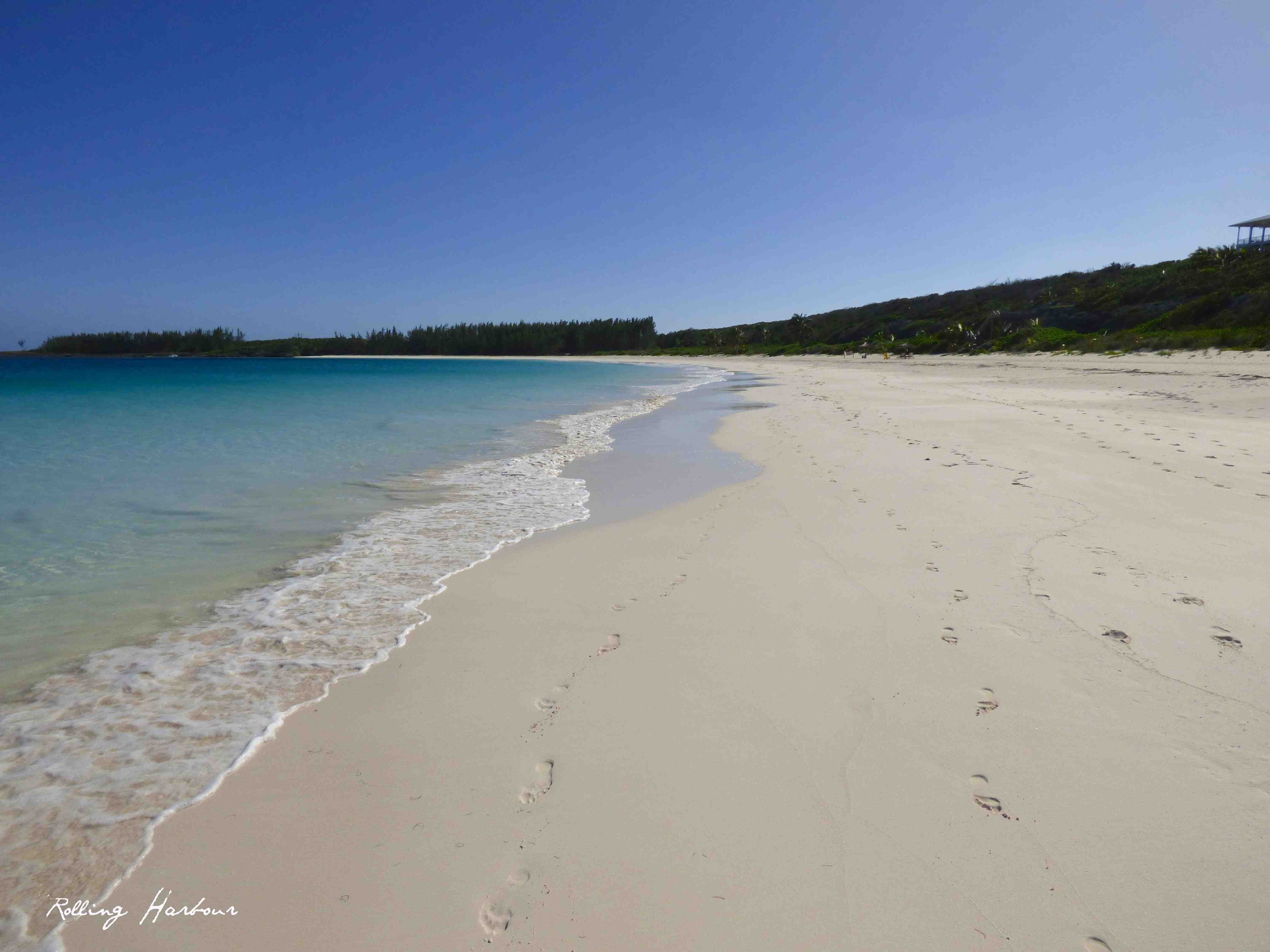
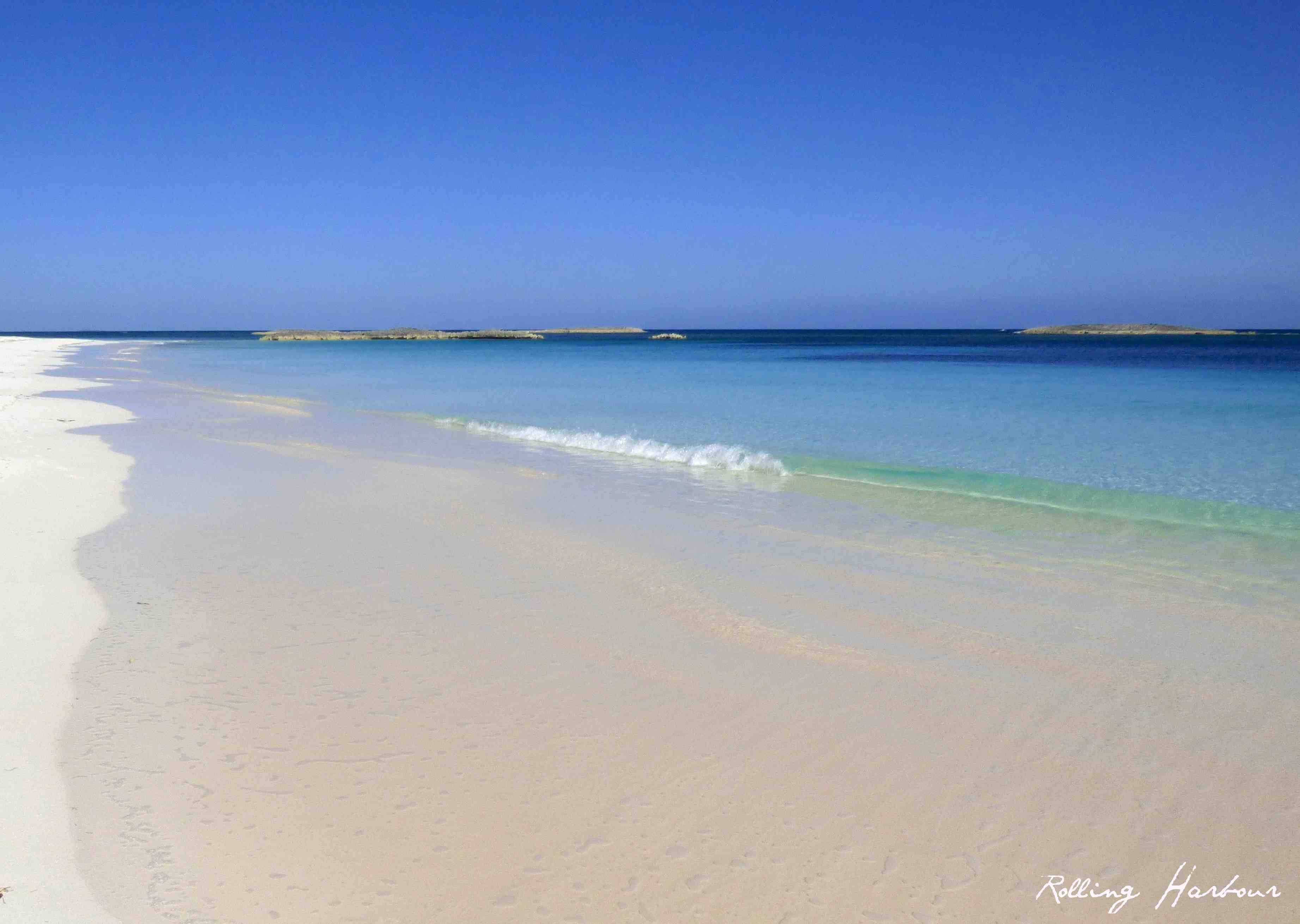
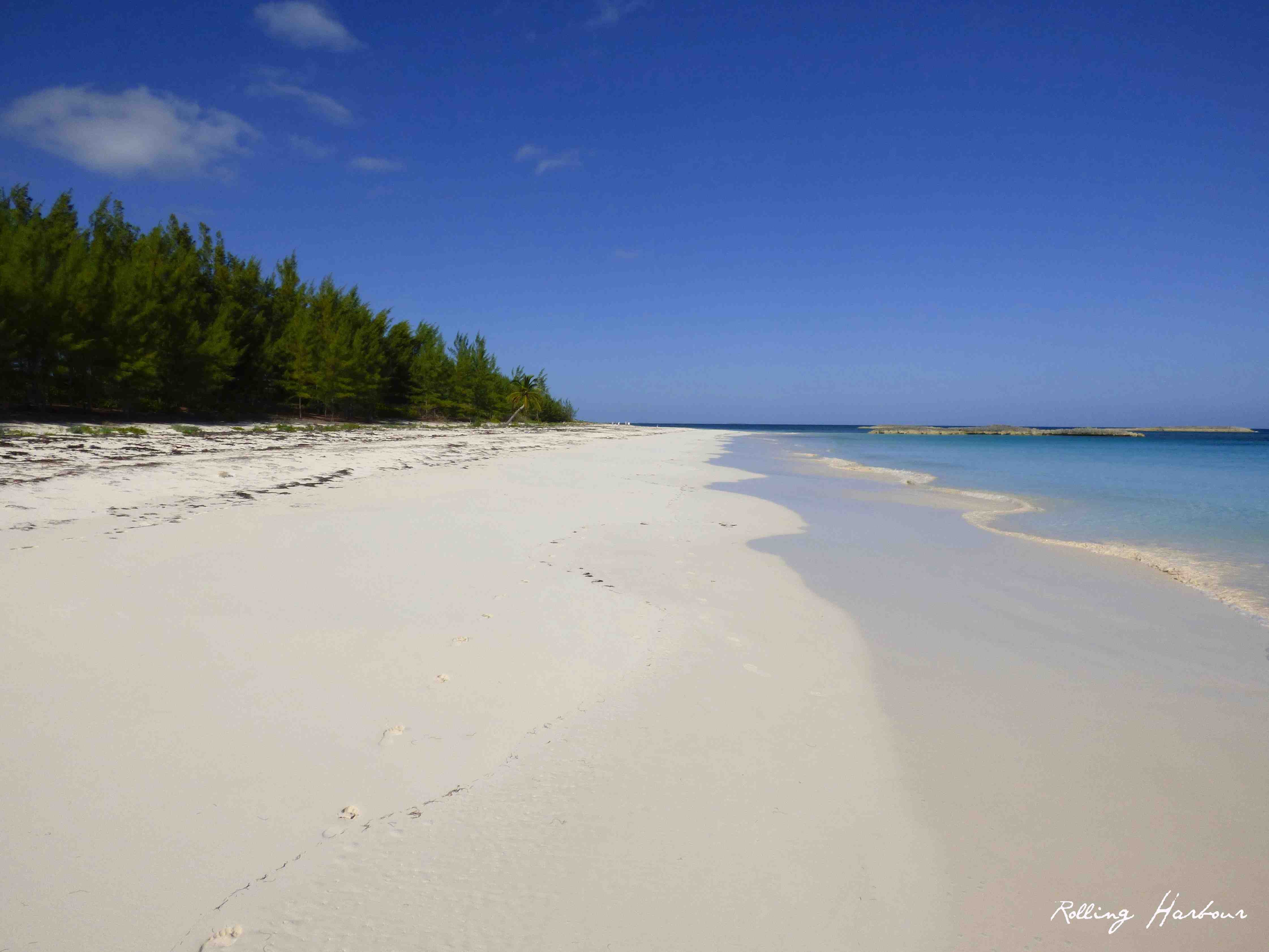
Rolling Harbour (the geographical feature) is a gently curving one-mile white sand bay presided over by the Delphi Club, which sits on a 50 foot cliff behind the beach. There are rocks at either end, fish in the sea (including bonefish and, in the right conditions, permit), birds on the shore and shells on the sand. And that’s it… 

Rolling Harbour Beach, Abaco2bRolling Harbour Beach, Abaco3bRolling Harbour Beach, Abaco4bRolling Harbour Beach, Abaco5bRolling Harbour Beach, Abaco6bRolling Harbour Beach, Abaco7bRolling Harbour Beach, Abaco8b

And if anyone can explain the strange ribbed sky effect that seems to have appeared from nowhere when I posted these photos that I took last year (300dpi), then I’d be very grateful…

Unknown's avatar

“PELICAN BRIEF”: BROWN PELICANS AT SANDY POINT, ABACO


Brown Pelicans, Sandy Point, Abaco 12

 “PELICAN BRIEF”: BROWN PELICANS AT SANDY POINT, ABACO

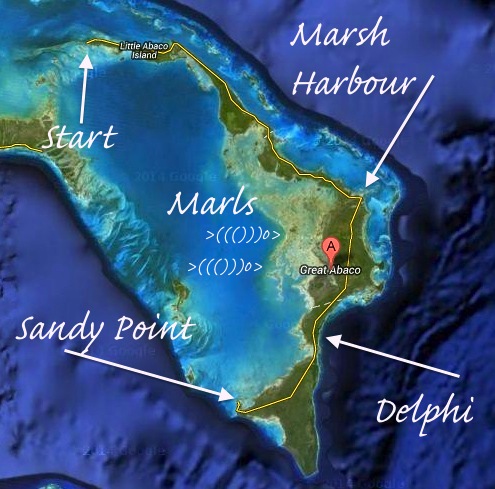
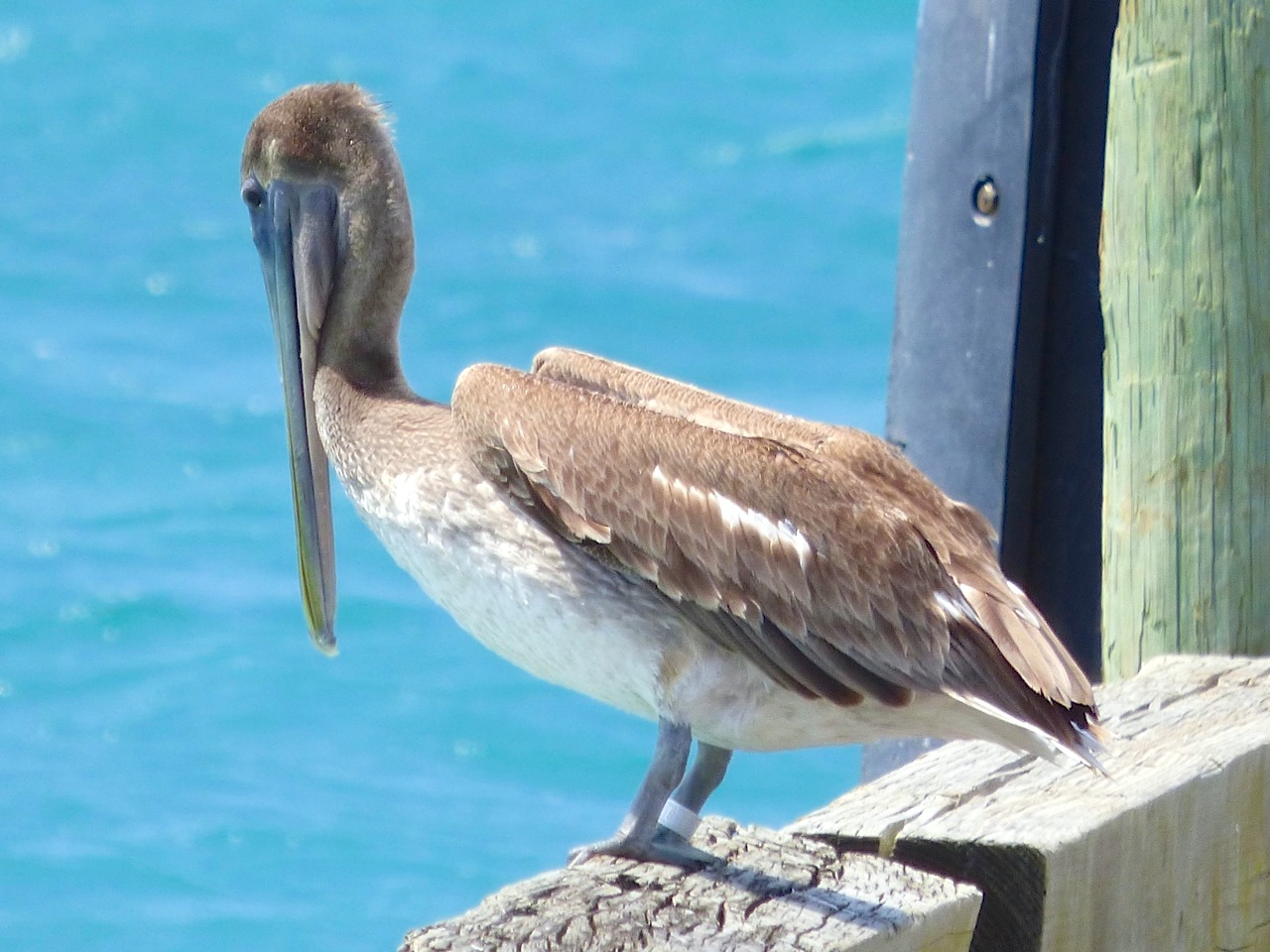
The Brief today is to write about Brown Pelicans at Sandy Point. And to shoehorn in the traditional titular pun somehow (job done!). For those unfamiliar with Abaco, SP is the end of the road. Literally. The island has one highway 120 miles long, mostly straight, from north to nearly south where it curves abruptly west for a while, past the airfield, and when it reaches the ocean at Rocky Point there’s a 90º turn. For a couple of miles, you travel north again into Sandy Point… then stop when you see the sea ahead of you. Dead end. Time to park and explore… 

Abaco Road Map

Brown Pelicans, Sandy Point, Abaco 4

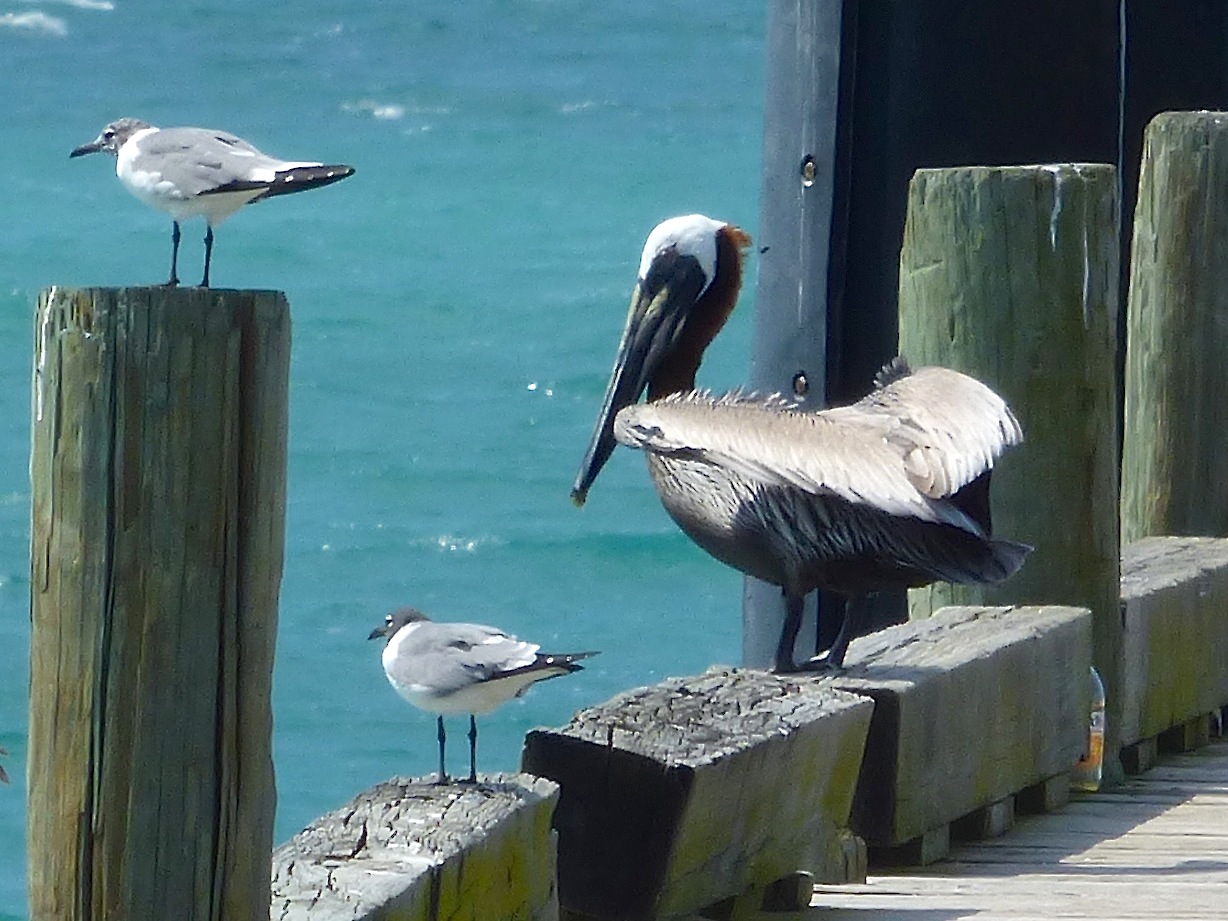
The birding at SP can be very rewarding. Depending on the time of year, you may see ospreys, tropicbirds, heron and egrets of various sorts, kestrels, anis and plenty of shorebirds. The last are found on the narrow beaches and at low tide on the sandbars close to the shore. On the more distant sandbars in Spring, you may see a colony of Magnificent Frigatebirds (or Man-0-War birds), the males with their amazing ‘look-at-me’ bright red throat-balloons (‘gular pouches’) inflated to enhance their wooing prospects. This is exactly the time you’ll realise you haven’t brought your binoculars with you…  Brown Pelicans, Sandy Point, Abaco 9 We’d gone to a (very) informal lunch party at the legendary Nancy’s, but there was activity on the nearby dock that caught my eye. A pair of pelicans were fishing from it, then drying in the sun, then having a little fly around. I only had a rather underwhelming camera with me, so I did what I could in a short time before returning to the matter in hand. Brown Pelicans, Sandy Point, Abaco 8Brown Pelicans, Sandy Point, Abaco 6Brown Pelicans, Sandy Point, Abaco 7 Although I watched the birds diving off the dock a few times, I never actually saw them catch anything. Maybe they had already swallowed some hapless little fish before returning to the dock. I was reminded of a poem by a poet called James Montgomery. Here’s his vivid and perhaps overwrought description of pelican feeding habits: Nimbly they seized and secreted their prey, Alive and wriggling in the elastic net, Which Nature hung beneath their grasping beaks; Till, swoln, with captures, the unwieldy burden Clogg’d their slow flight, as heavily to land, These mighty hunters of the deep return’d. There on the cragged cliffs they perch’d at ease, Gorging their hapless victims one by one; Then full and weary, side by side, they slept, Till evening roused them to the chase again. James Montgomery (4 November 1771 – 30 April 1854): Pelican Island, 1828 (canto IV, l. 141)

Watching the water intentlyBrown Pelicans, Sandy Point, Abaco 10

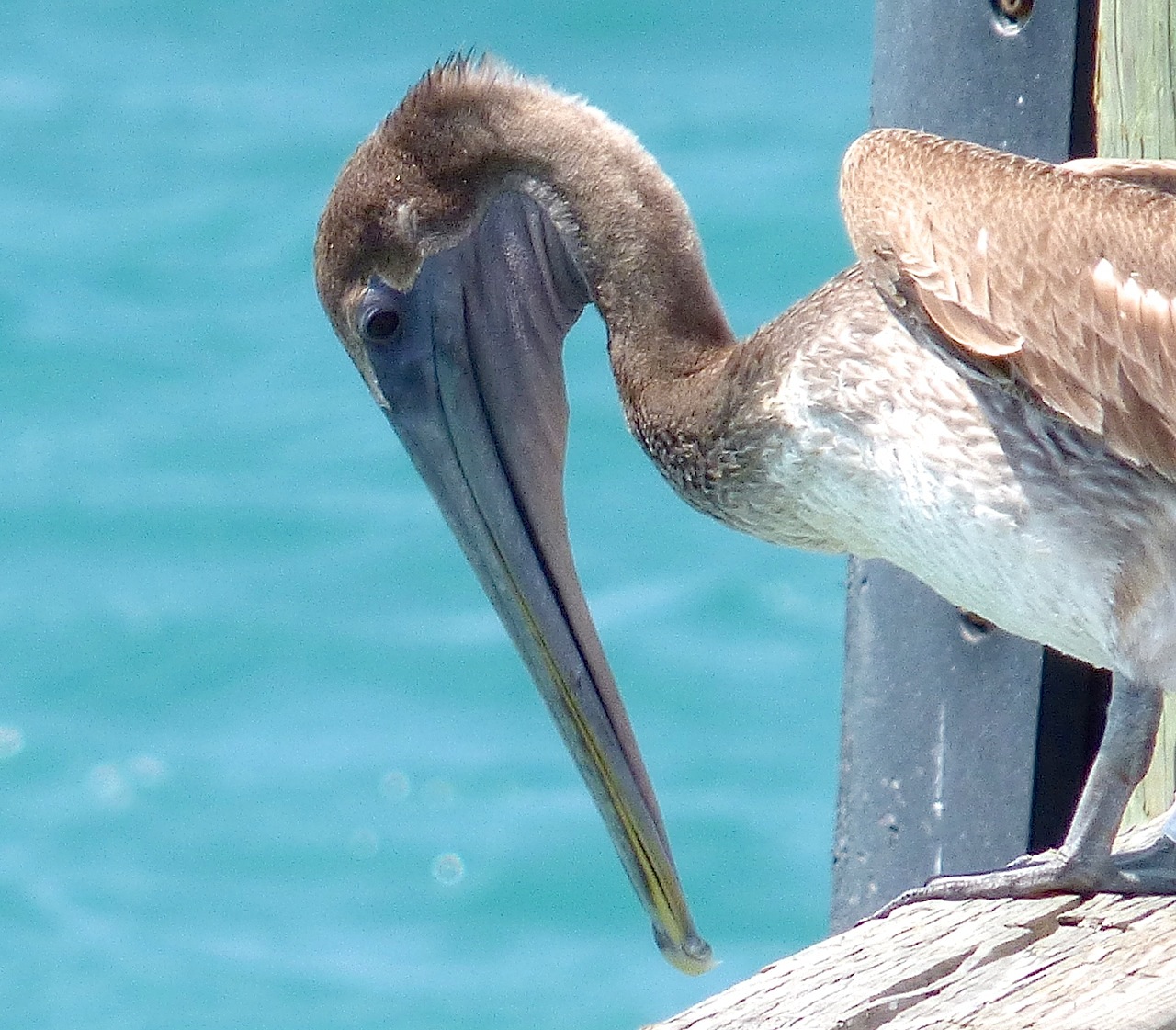
Check out that ‘gular pouch’… Pelicans, like frigatebirds, have them – cormorants too.Brown Pelicans, Sandy Point, Abaco 14

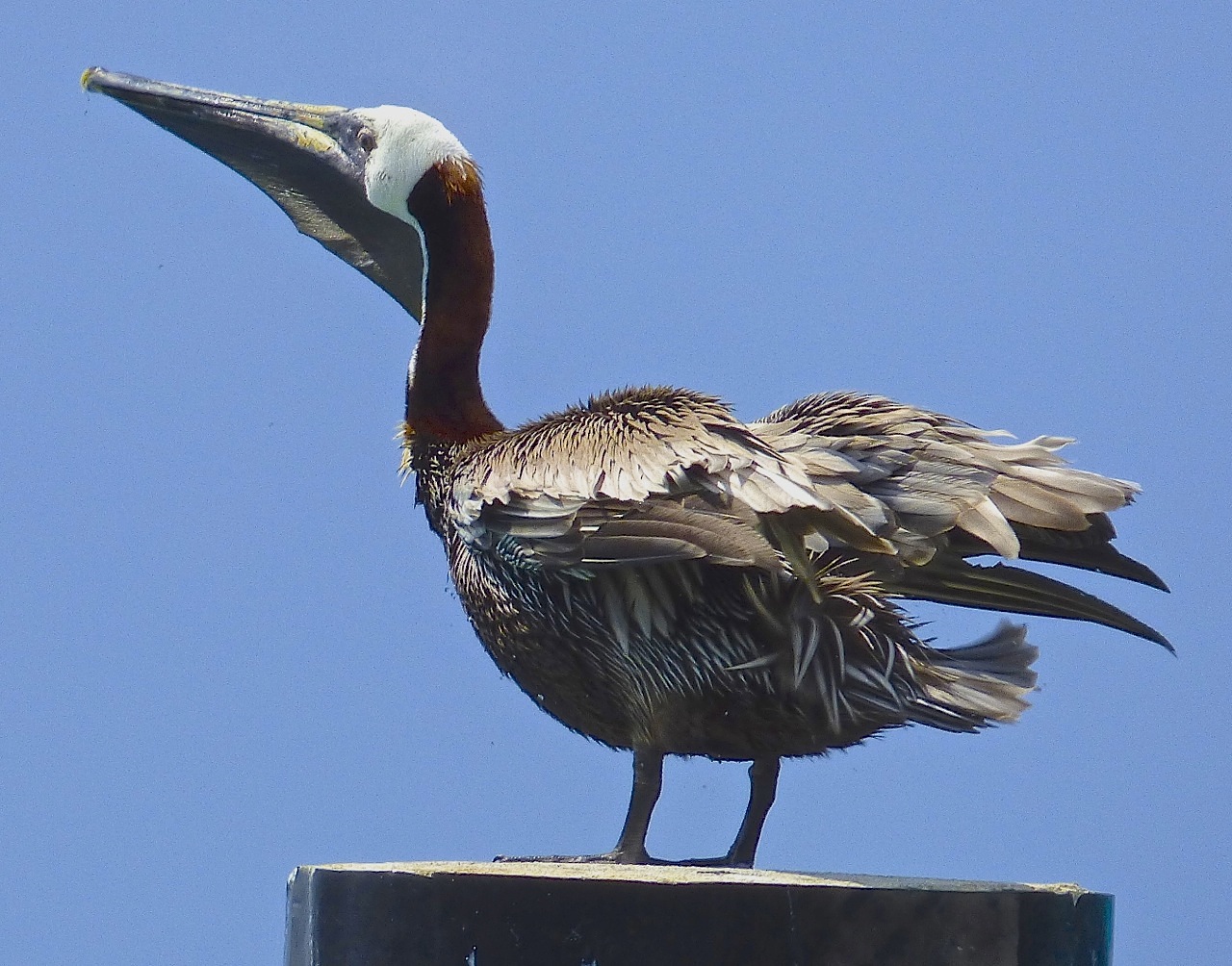
After each sortie a certain amount of shaking down, feather fluffing & general drying-off took placeBrown Pelicans, Sandy Point, Abaco 13

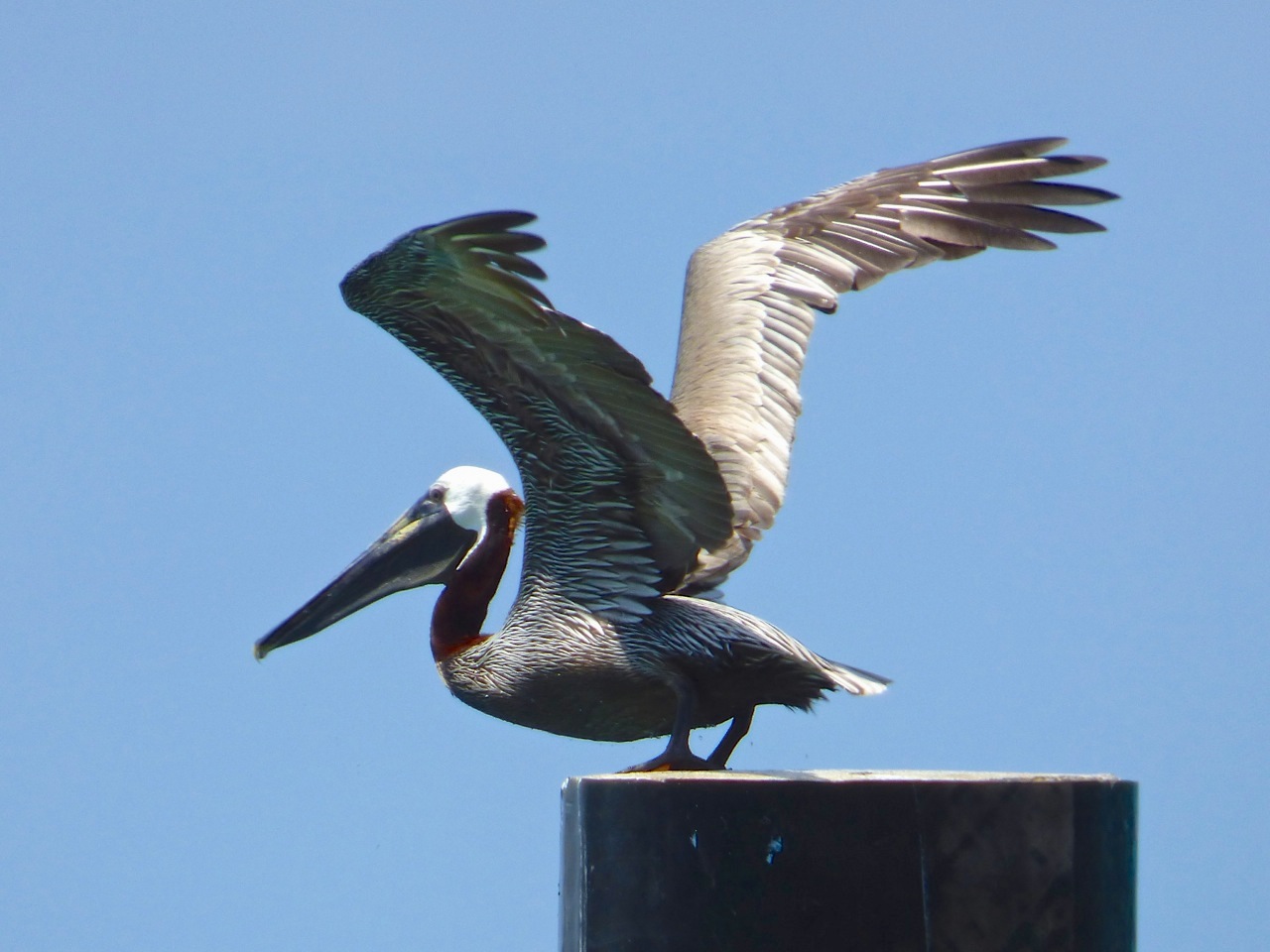
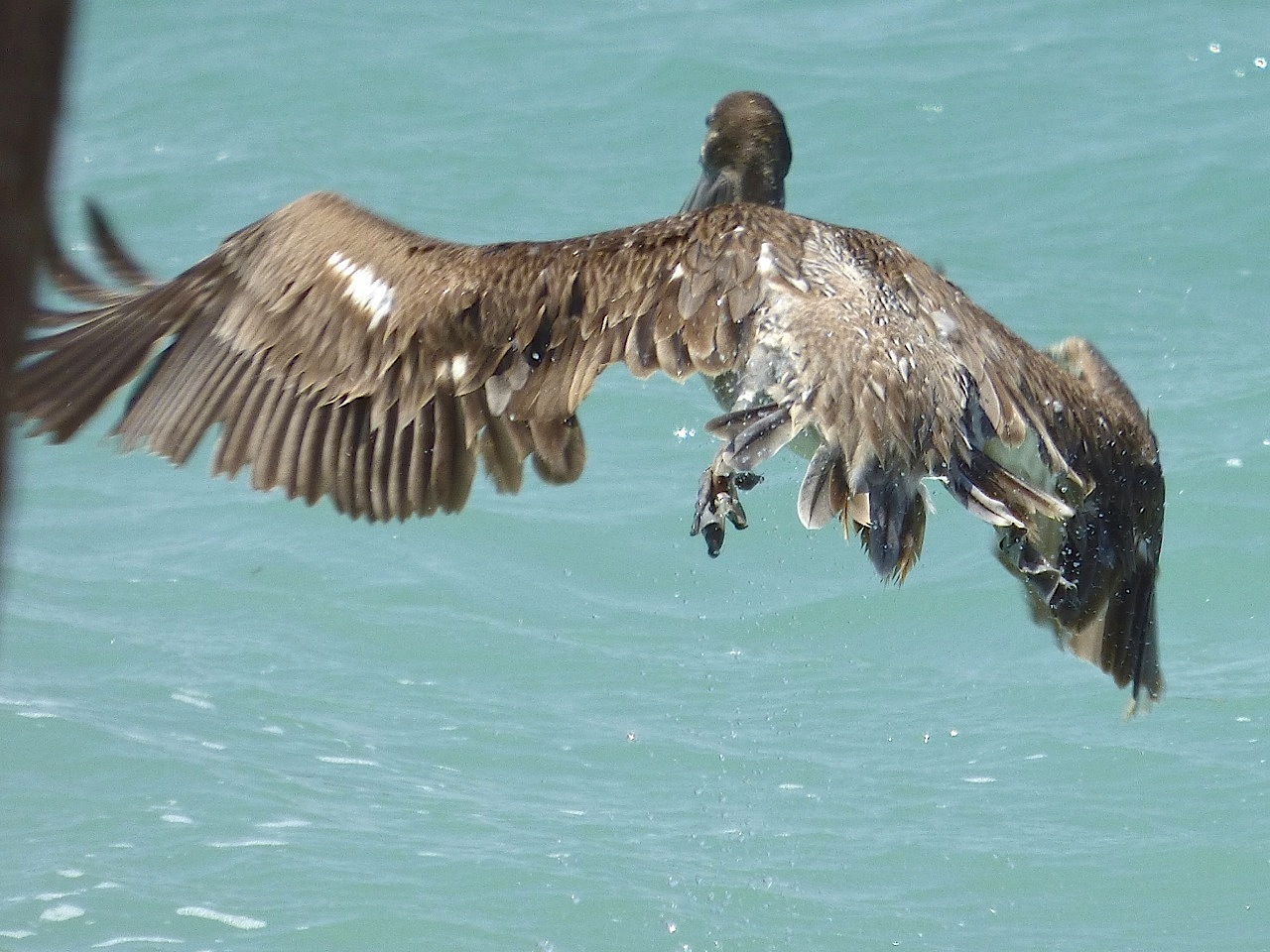
Although these pelicans look generally rather clumsy and ponderous both in flight and on land, they are surprisingly quick and agile in the dive. Occasionally, however, the take-off was a bit ragged… Brown Pelicans, Sandy Point, Abaco 16 Usually the male took the tallest post from which to survey the scene, but occasionally the female beat him to a good vantage point.Brown Pelicans, Sandy Point, Abaco 17 I’d never seen pelicans so close-to before. At Delphi they can be seen flying lazily past over the bay, quite high. I’ve seen one in Hope Town, but some distance away. So it was a huge thrill to be able to watch these two birds from the dock itself. You’ll see that the female was ringed (banded), but the male was not. Very soon we’ll be back on Abaco. I’m hoping the pelicans will be at Sandy Point again. And the ospreys. And the Frigatebirds.  And that I’ll have remembered the binoculars. And that the Kaliks at Nancy’s will be ice-cold…  All photos, RH

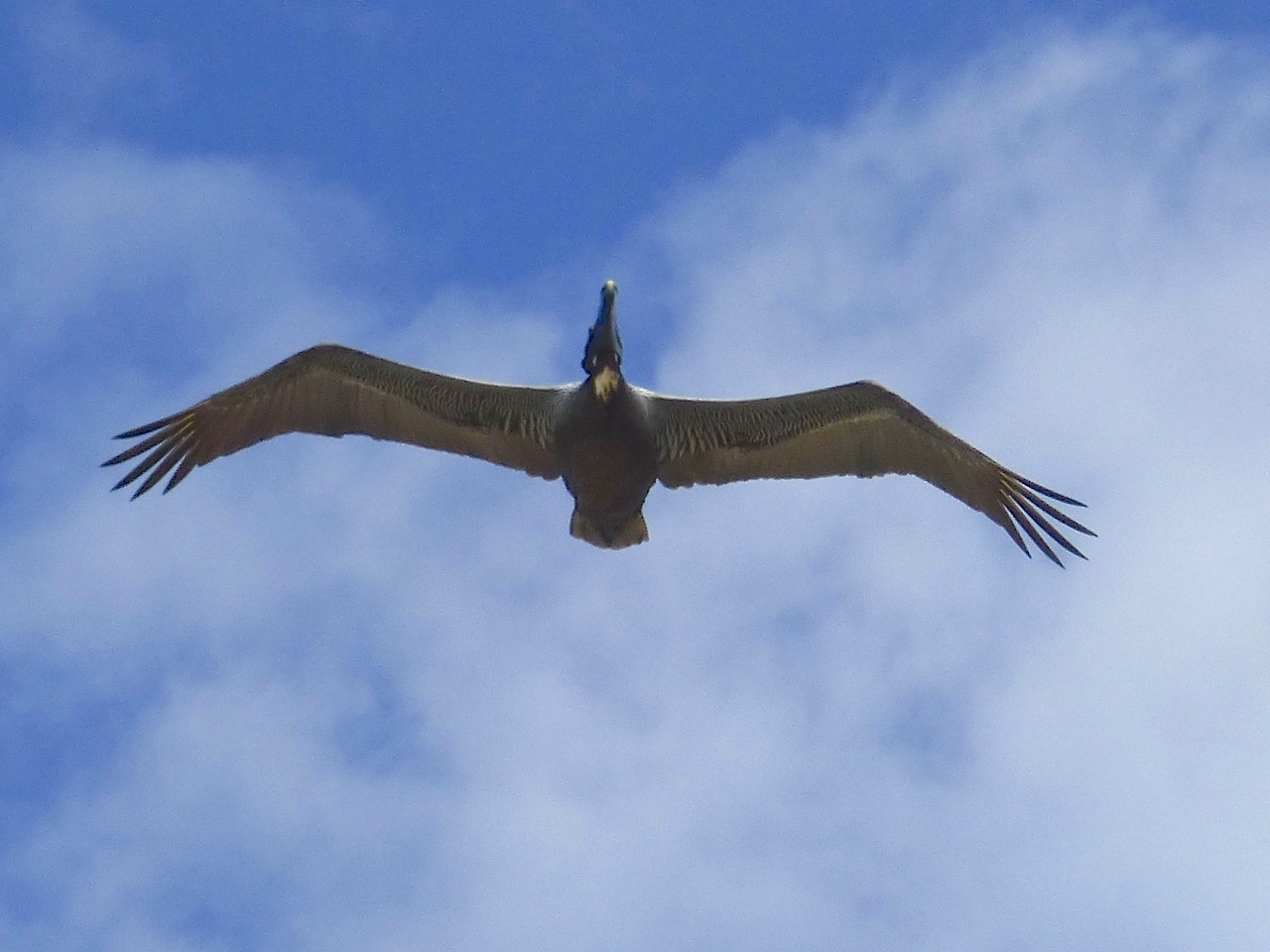
It’s a poor photo, but it illustrates the huge wingspan compared to body length…Brown Pelicans, Sandy Point, Abaco 15

Unknown's avatar

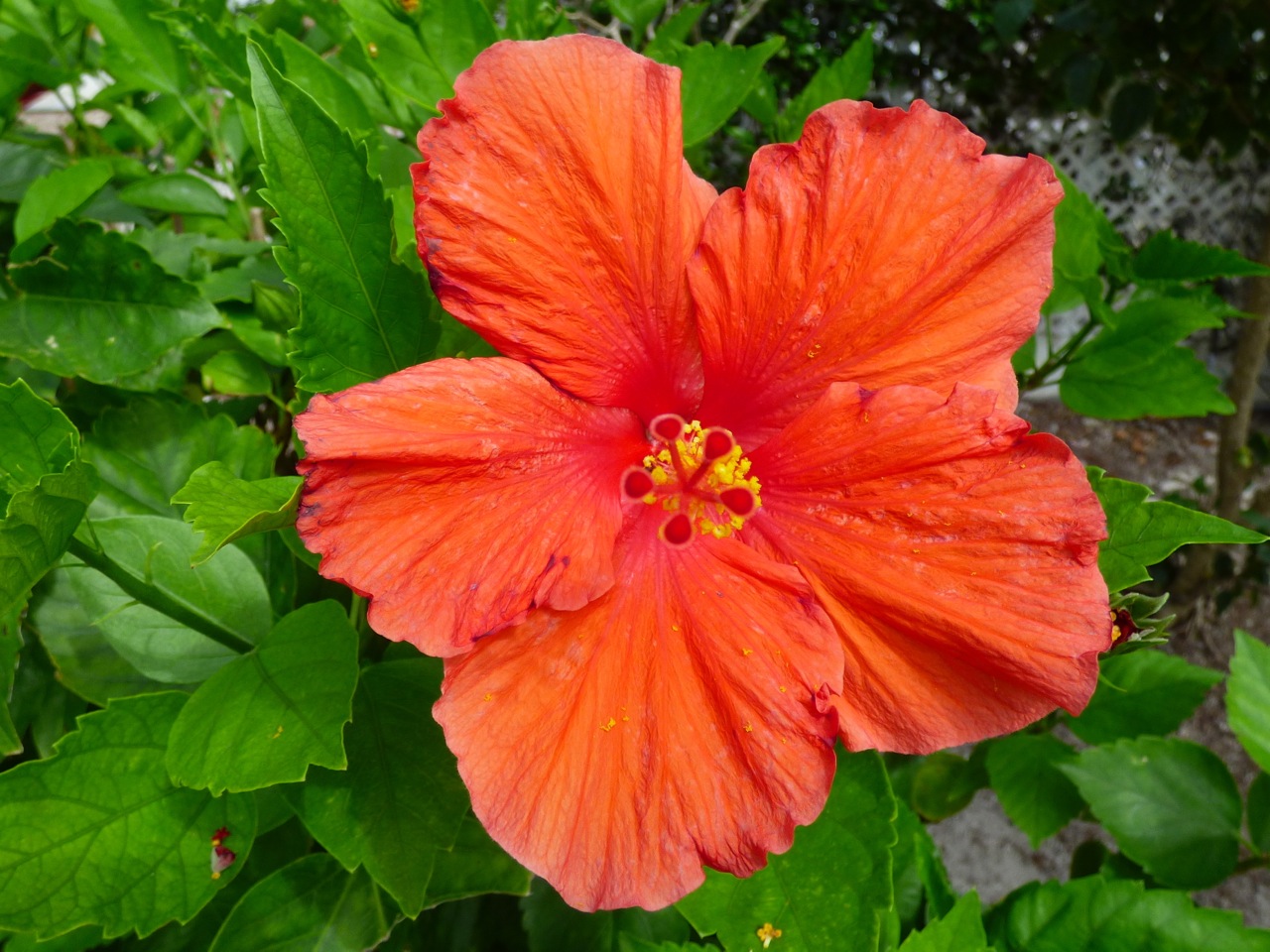
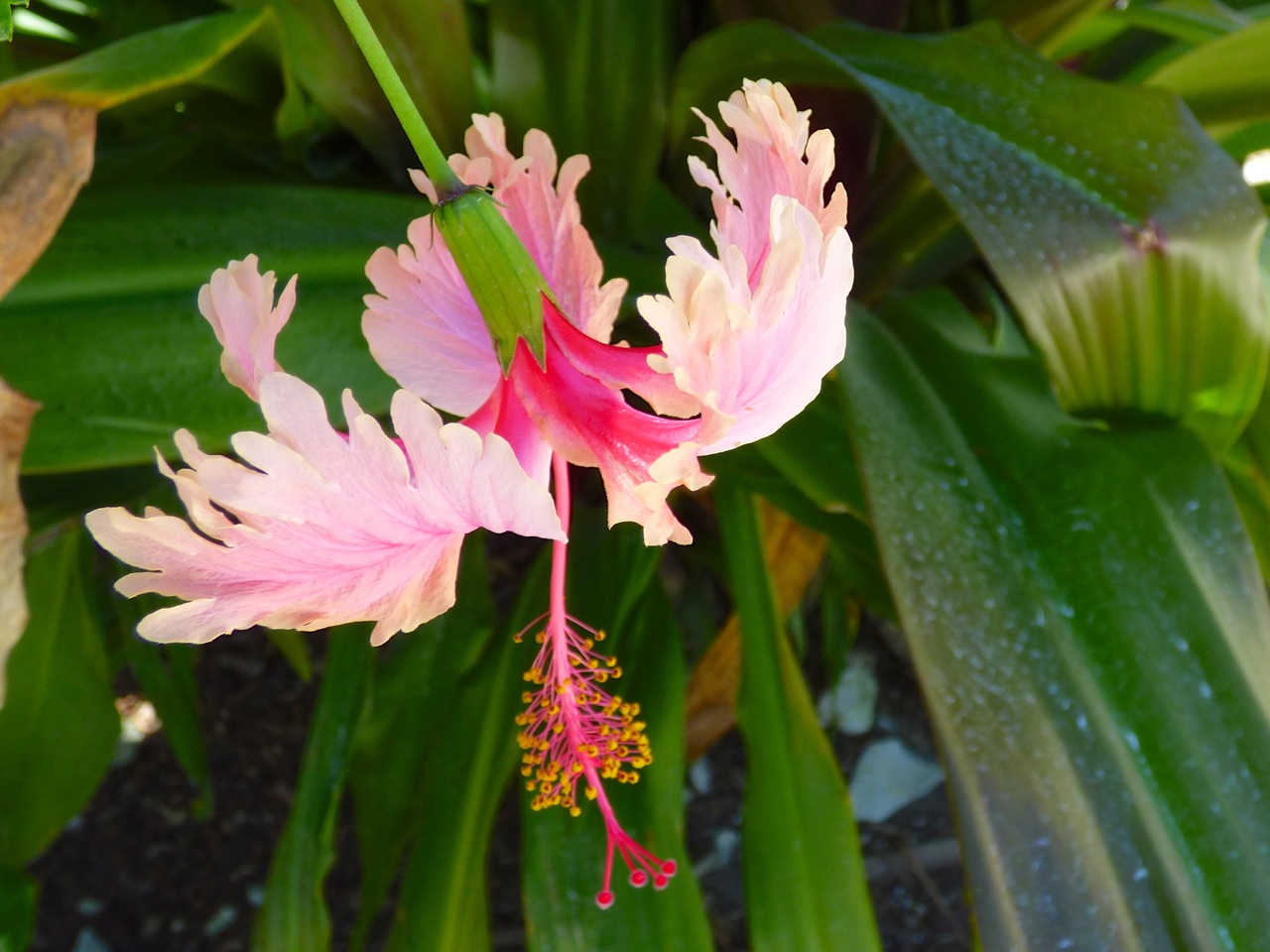
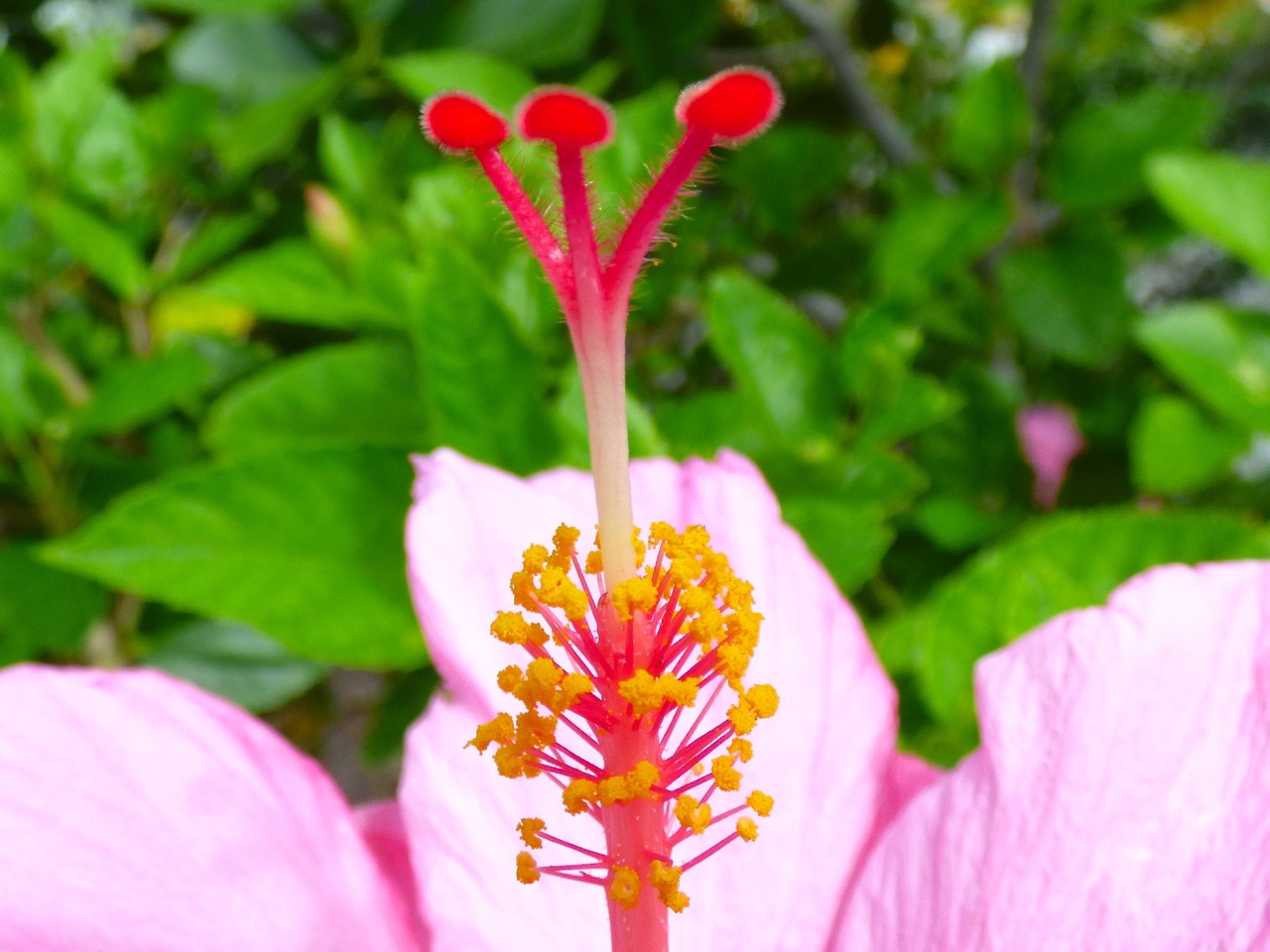
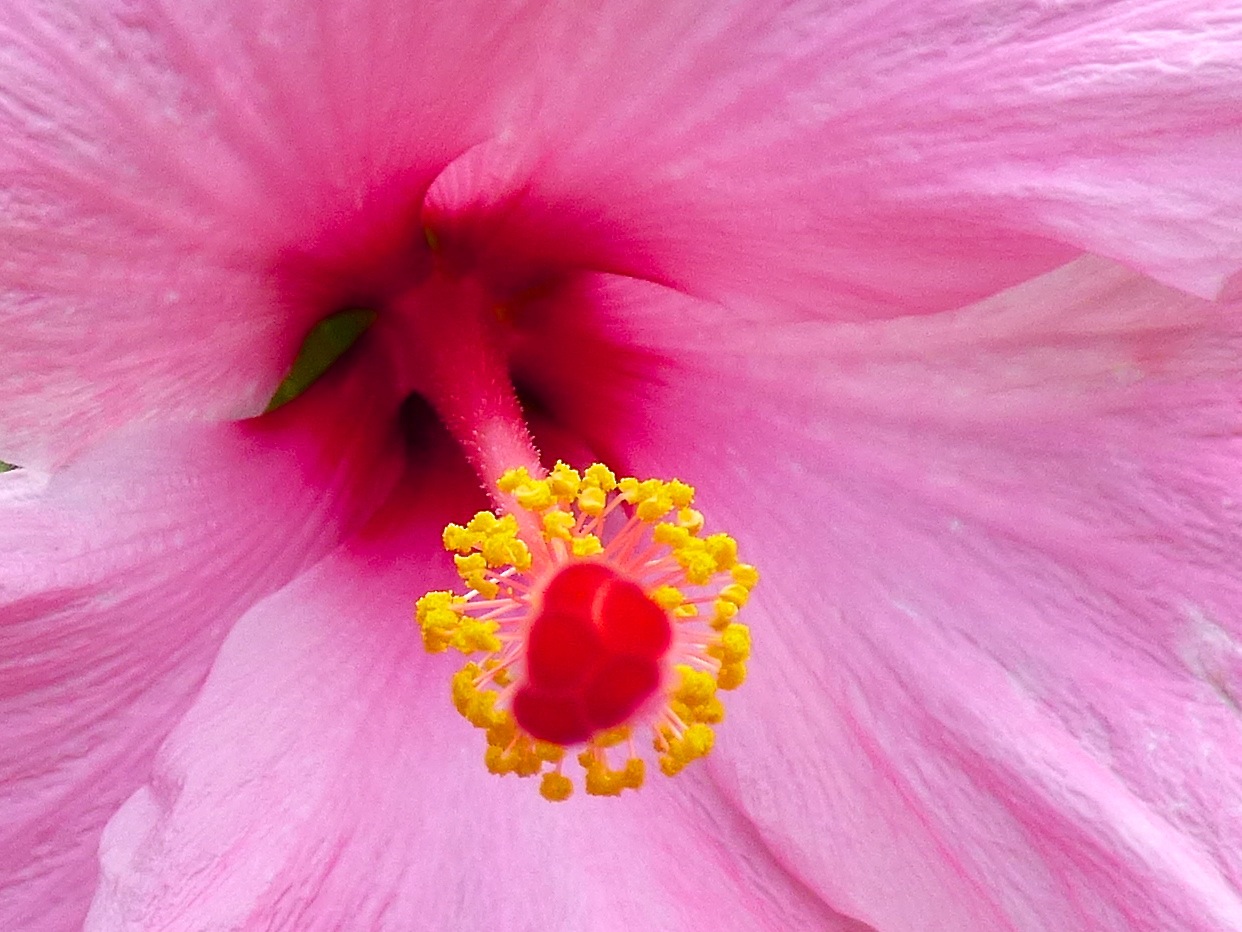
HIBISCUS ON ABACO: BLOOMING MARVELLOUS


Hibiscus, Delphi, Abaco 1

HIBISCUS ON ABACO: BLOOMING MARVELLOUS

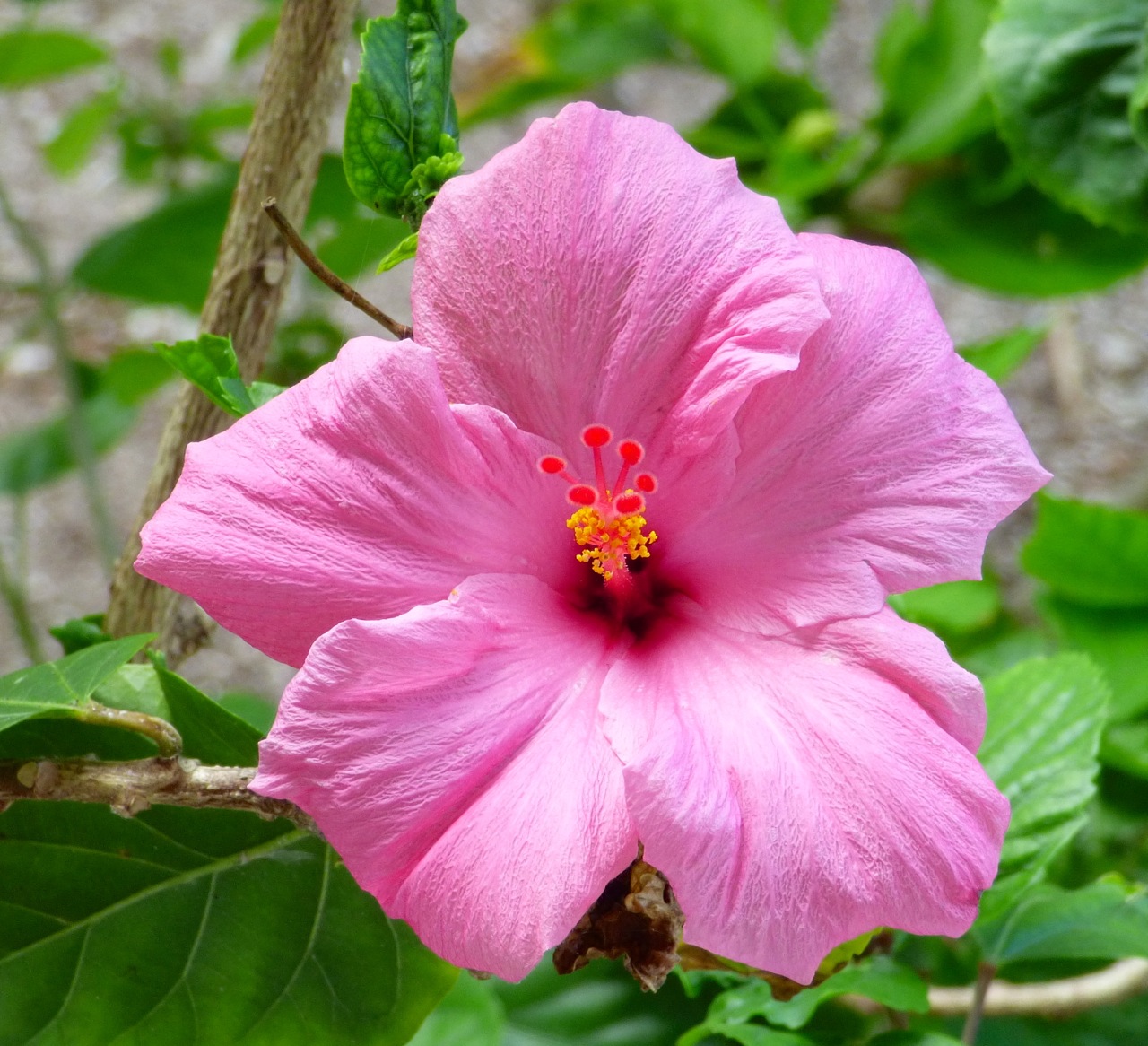
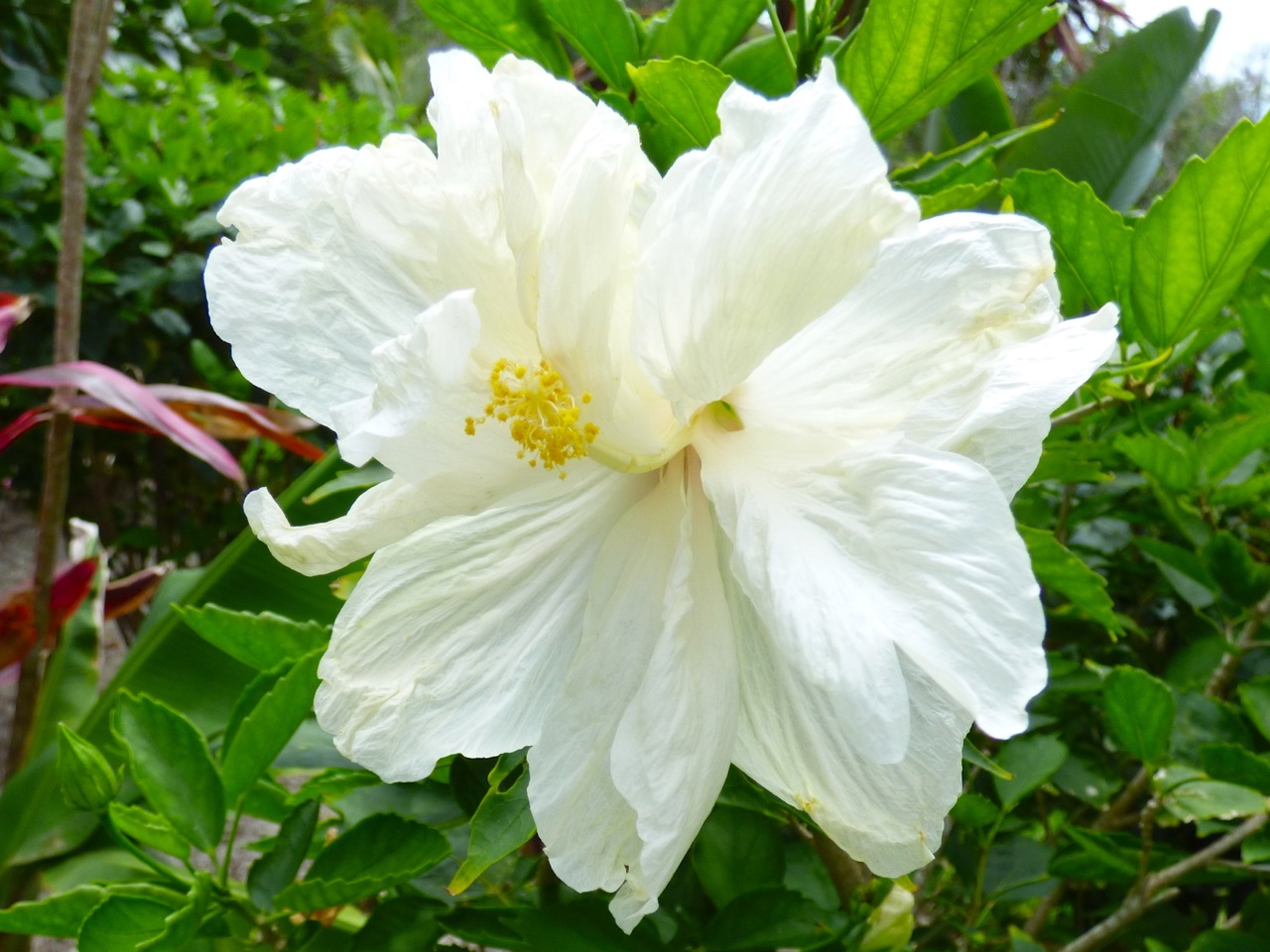
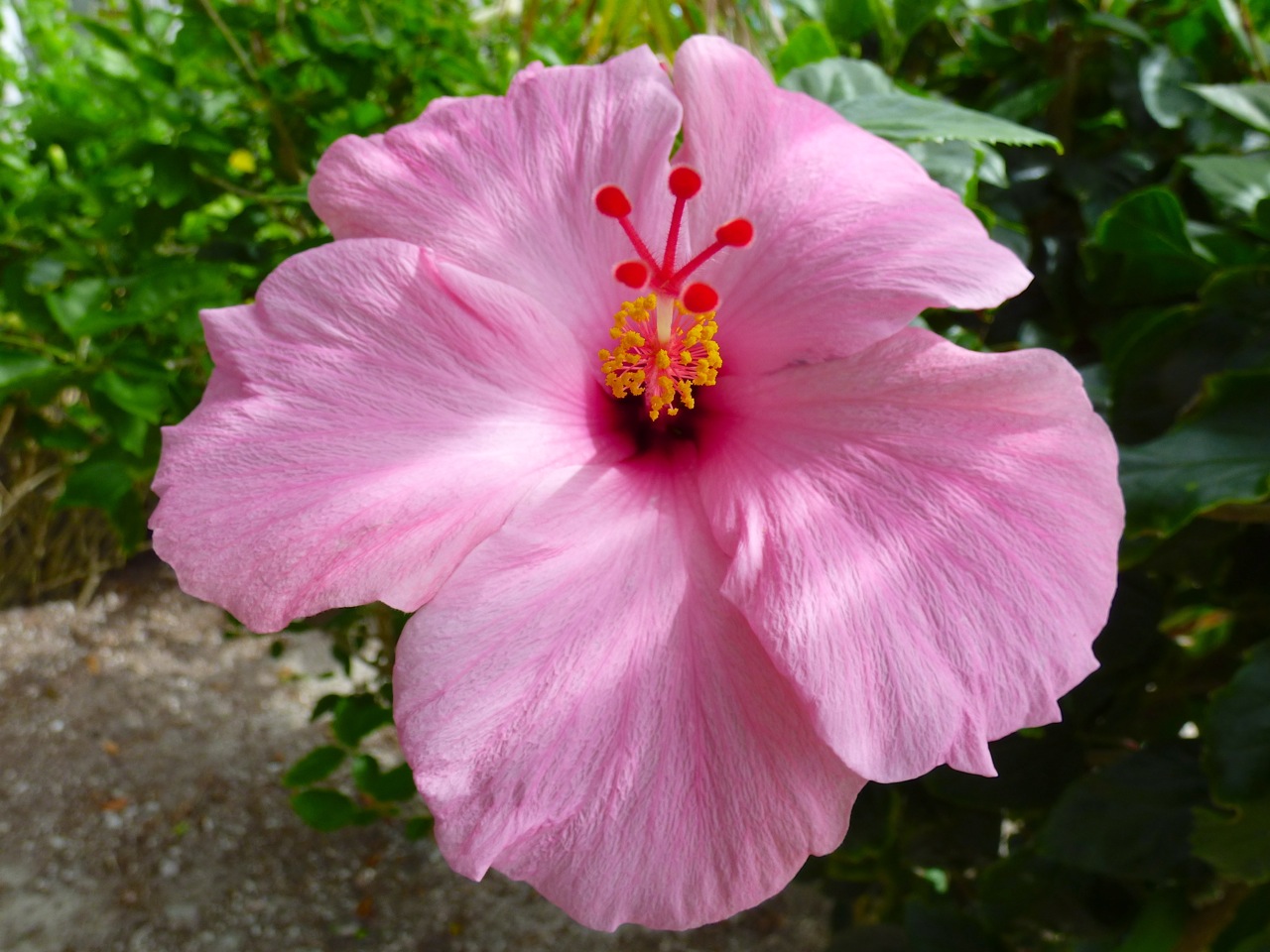
I’ve been deleting old photos from past Abaco trips to free up space for some new ones. Why did I keep all those dreary back views of small birds? How many black shadow pics of Turkey Vultures flying high in a blue sky does one need? What’s with the blurry butterflies? Then I came across a clump of hibiscus photos taken in the Delphi garden last March. Can’t have too many of them, so here are a few to enjoy. In two weeks we will be among them again, and no doubt I’ll take a lot a few more. As if there aren’t enough already.  Hibiscus, Delphi, Abaco 4Hibiscus, Delphi, Abaco 3 Hibiscus, Delphi, Abaco 5Hibiscus, Delphi, Abaco 7 Hibiscus, Delphi, Abaco 9 Hibiscus, Delphi, Abaco 8Hibiscus, Delphi, Abaco 6Hibiscus, Delphi, Abaco 10Hibiscus, Delphi, Abaco 2

Unknown's avatar

‘SEXING THE HUMMER’: A GENDER GUIDE TO ABACO’S HUMMINGBIRDS


Cuban Emerald (male) Abaco - Becky Marvil

Cuban Emerald (male) Abaco – Becky Marvil

 ‘SEXING THE HUMMER’: A GENDER GUIDE TO ABACO’S HUMMINGBIRDS

The subject matter of this post is not as indelicate as the title might imply; nor is it a ‘hands-on’ practical guide for intimate examinations of tiny birds. In particular it does not publicise some recently discovered louche activity involving unfeasibly large motor vehicles. It’s all about plumage. In my thin disguise as a person with apparent knowledge about the wildlife of a country that is not my own, I get frequent requests for bird ID. Some, I know at once. Some I have to think about, my memory not being quite as…

Where was I? Yes, bird ID. I use BRUCE HALLETT’S book of course, and online the CORNELL LAB and AUDUBON sites. OISEUX-BIRDS is also a good resource and has a large archive of images. And of course dear old Google – they may watch your every keystroke and know more about you than you do yourself, but put a bird’s name into Google Images and you’ll probably see your bird in every static pose or flight you need for ID. They’ll log that too for future use. I have had some queries about Bahama Woodstar gender ID, and more recently, Cuban Emeralds. So here are the adult males and females of each species in all their undoubted glory…

BAHAMA WOODSTAR (Calliphlox evelynae)

Bahama Woodstar (m), Abaco (Bruce Hallett)

Bahama Woodstar (male), Abaco (Bruce Hallett)

Bahama Woodstar male, Abaco Bahamas (Tom Sheley)

Bahama Woodstar male, Abaco Bahamas (Tom Sheley)

Bahama Woodstar, Delphi Club, Abaco (Keith Salvesen)

Bahama Woodstar (female), Delphi Club, Abaco (Keith Salvesen)

Bahama Woodstar (female), Abaco (Velma Knowles)

Bahama Woodstar (female), Abaco (Velma Knowles)

Bahama Woodstar (female), Bahama Palm Shores, Abaco  (Tara Lavallee)

Bahama Woodstar (female), Bahama Palm Shores, Abaco (Tara Lavallee)

 WOODSTAR ID MADE EASY

Males have a glorious purple, showy ‘gorget’. Females are less flamboyant, and have grey throats and fronts. Tara’s wonderful photo above vividly demonstrates their more delicate beauty. It’s one of my personal favourites from “BIRDS OF ABACO“, along with Tom Sheley’s above, the bird that graces the jacket. 

 CUBAN EMERALD (Chlorostilbon ricordii)

Cuban Emerald (male), Delphi Club, Abaco (Keith Salvesen)

Cuban Emerald (male), Delphi Club, Abaco (Keith Salvesen)

Cuban Emerald (male), Abaco (Erik Gauger)

Cuban Emerald (male), Abaco (Erik Gauger)

Cuban Emerald (female), Delphi Club, Abaco (Keith Salvesen)

Cuban Emerald (female), Delphi Club, Abaco (Keith Salvesen)

Cuban Emerald (female) Gilpin Point, Abaco (Keith Salvesen)

Cuban Emerald (female) Gilpin Point, Abaco (Keith Salvesen)

EMERALD ID MADE EASY

Male emeralds are basically… er… emerald green all over , apart from the wings. Females have grey throats and fronts, and lack the chestnut frontal band of the female woodstar. I’d say that their iridescent green is a different metallic shade from the male, but that may be just me. I don’t have the palette vocab to describe it, but advice welcome! Perhaps one can simply say it is more subtle.

SO IT’S JUST THE TWO HUMMERS ON ABACO, IS IT?

The answer is ‘No’. But don’t make a special trip to see the third species – they are casual / irregular vagrants only, and a definite sighting will be a rarity. But just in case, here are stock photos of a male and a female, and (taken on Abaco by Bruce Hallett) an immature male of the species…
RUBY-THROATED HUMMINGBIRD

MaleRuby-throated hummer (Steve Maslowski, Wiki)

FemaleRuby-throated Hummingbird (Tim Ross Wiki)

Ruby-throated Hummingbird (male, immature)

Ruby-throated Hummingbird (male, imm), Abaco (Bruce Hallett)

Ruby-throated Hummingbird (male, imm), Abaco (Bruce Hallett)

This is an attractive print of the R-tH by MenaboniRuby-throated Hummingbird - Menaboni

To complete this post, I’ll add a brilliant Woodstar photo taken by Tom Sheley, birdman and generous fishing partner, that I reckon spans the boundary between photography and art. 

Bahama Woodstar female.Abaco Bahamas.Tom Sheley

Bahama Woodstar female.Abaco Bahamas.Tom Sheley

Credits: In addition to those shown below images, Steve Maslowski and Tim Ross for the RTHs

Unknown's avatar

HOPE TOWN BIRDERS SPOT 44 SPECIES ON SOUTH ABACO


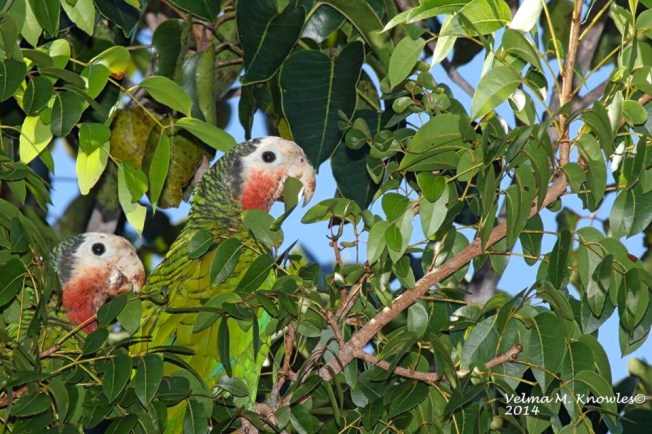
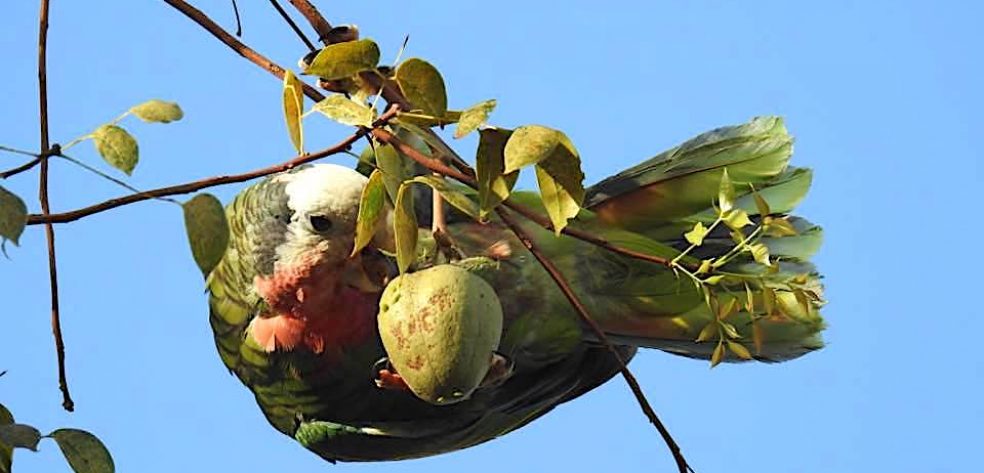
Abaco (Cuban) Parrot, Bahama Palm Shores (Keith Salvesen)

Abaco (Cuban) Parrot, Bahama Palm Shores (Keith Salvesen)

HOPE TOWN BIRDERS SPOT 44 SPECIES ON SOUTH ABACO

South Abaco – the tract of land south of Marsh Harbour – has some of the richest birding in the Bahamas. Besides 4 of the 5 Bahamas ENDEMIC SPECIES, it contains some of the most interesting speciality birds. The unique ABACO PARROT for a start, with a population that is gradually increasing following a drastic decline and conservation intervention. Rare PIPING PLOVERS on the eastern shores that overwinter, as do the endangered KIRTLAND’S WARBLERS, of which more soon. In the Bahamas the WEST INDIAN WOODPECKER is common on Abaco, but elsewhere it is rare on San Salvador and is no longer found on Grand Bahama (missing, presumed extirpated). If you want to learn more about them and their engaging ways read Caroline Stahala’s fascinating article HERE
Olive-capped Warbler, Abaco (Bruce Hallett)

Olive-capped Warbler, one of 5 permanent resident warblers (of 37 species in all) Bruce Hallett

January was an excellent time for the Hope Town Birding Group to take the ferry over for a quality day of birding on south Abaco. In all, 44 species were identified, ranging from expected feathery denizens to what are sometimes described as ‘Good Gets’. The group was led by Bruce Wolck. Jan Metcalf contacted me to arrange for Delphi – a notable birding hotspot – to be on the itinerary. And as she wrote to me afterwards in summing up the day:
“Amazing birds, amazing day, amazing Delphi (where we saw the Bullfinch)”
Sally Chisholm has since emailed that among places visited were the “[town] dump, locations along the highway south to the Y, Sandy Point, the south ferry dock, Gilpin Point, Bahama Palm Shores and Delphi” I’ve never been to the dock, so that’s one for us to try out in March…
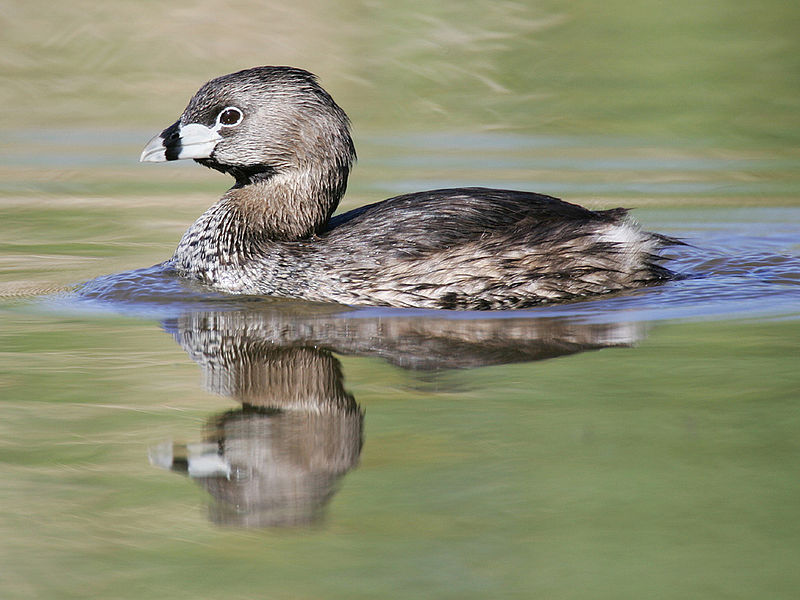
Here is the group’s checklist of the 44 species. I have added thumbnail images, almost all taken on Abaco by contributors to THE DELPHI CLUB GUIDE TO THE BIRDS OF ABACO, including some used in the book. “Good Gets” include the Pied-billed Grebe, a permanent resident but quite scarce; the Bonaparte’s Gull; the Great Black-backed Gull; and the White Ibis. The last 3 are what are termed ‘casual’ winter residents – rarely seen and so irregularly reported.
HOPE TOWN BIRDING GROUP CHECKLIST – JANUARY 2015
CLICK on a thumbnail to enlarge it. That’s the idea anyway, but I’m a bit ‘casual’ myself in checking links. The ones I spot-checked worked so I am hoping for the best with the remainder…
Pied-billed- Grebe Podilymbus podiceps (Wiki)Pied-billed Grebe
Pelican Sandy Point Abaco (Keith Salvesen)Brown Pelican
Magnificent Frigate male wikipicsMagnificent Frigatebird
Great_Blue_Heron_Wading_2Great Blue Heron 
Great Egret Abaco - Treasure Cay Ponds (Keith Salvesen)Great Egret
Little Blue Heron, Abaco - Bruce HallettLittle Blue Heron
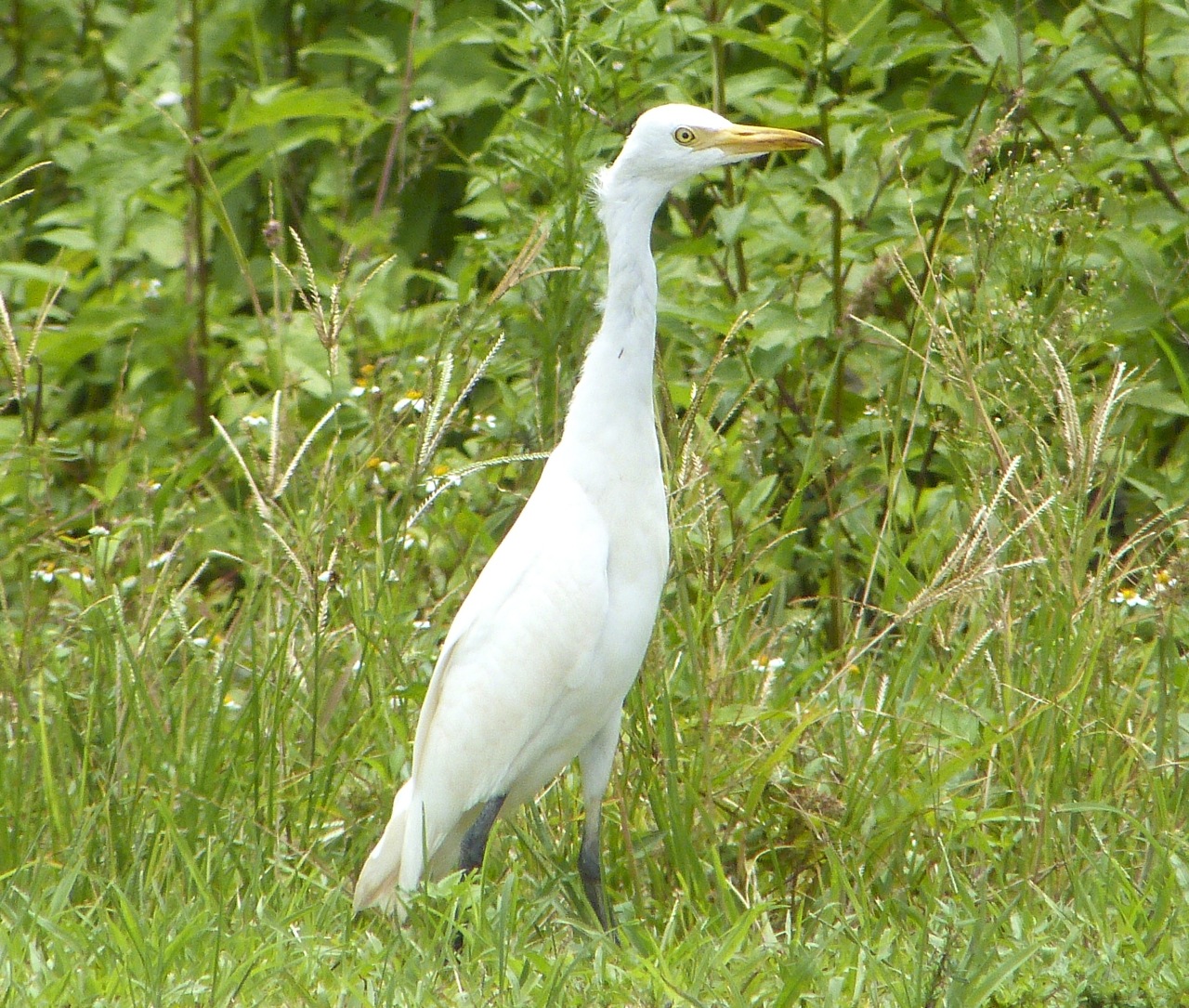
Cattle Egret, Sandy Point, Abaco - Keith SalvesenCattle Egret
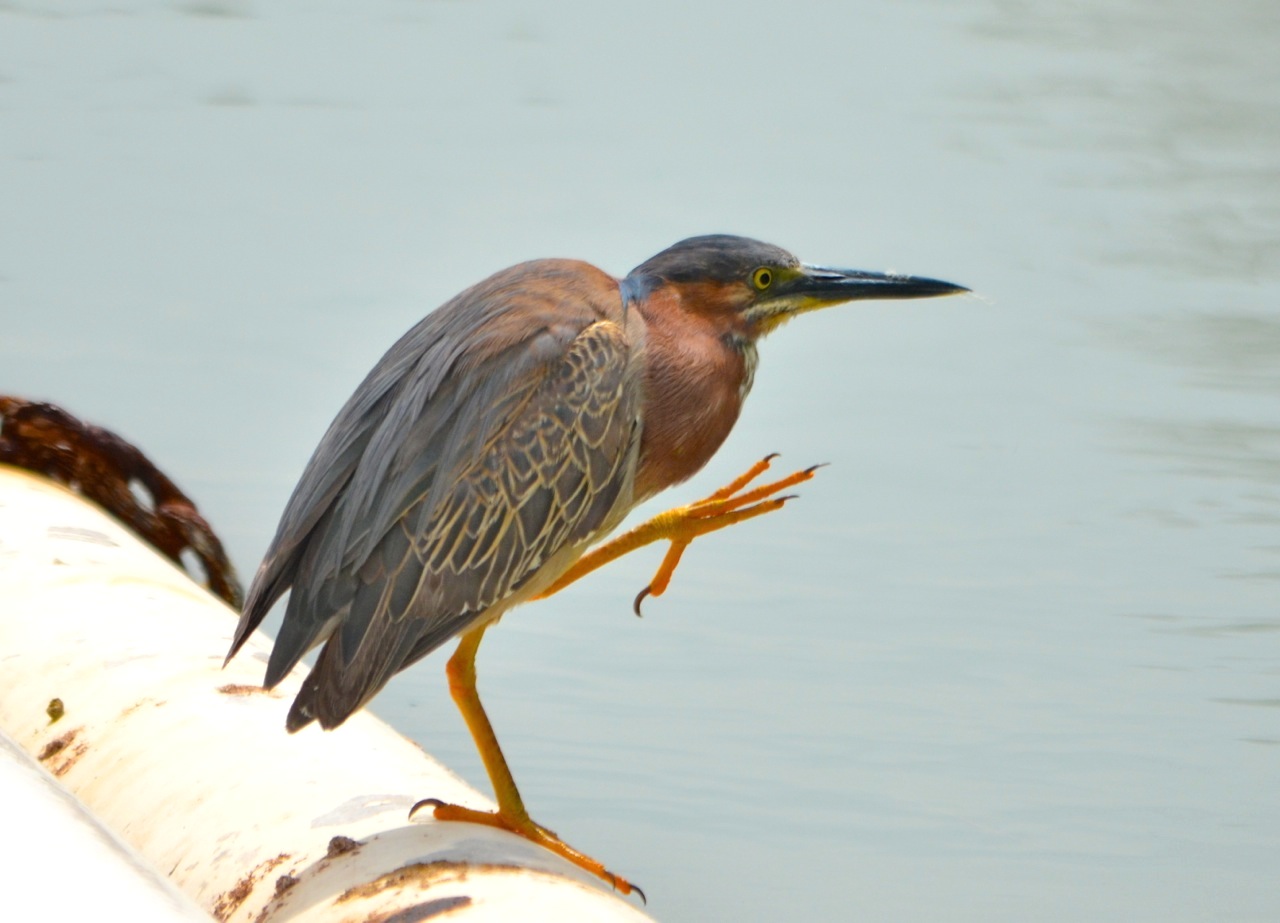
Green Heron, Abaco - Treasure Cay GC - Charlie SkinnerGreen Heron
White Ibis, Treasure Cay Abaco - Kasia ReidWhite Ibis
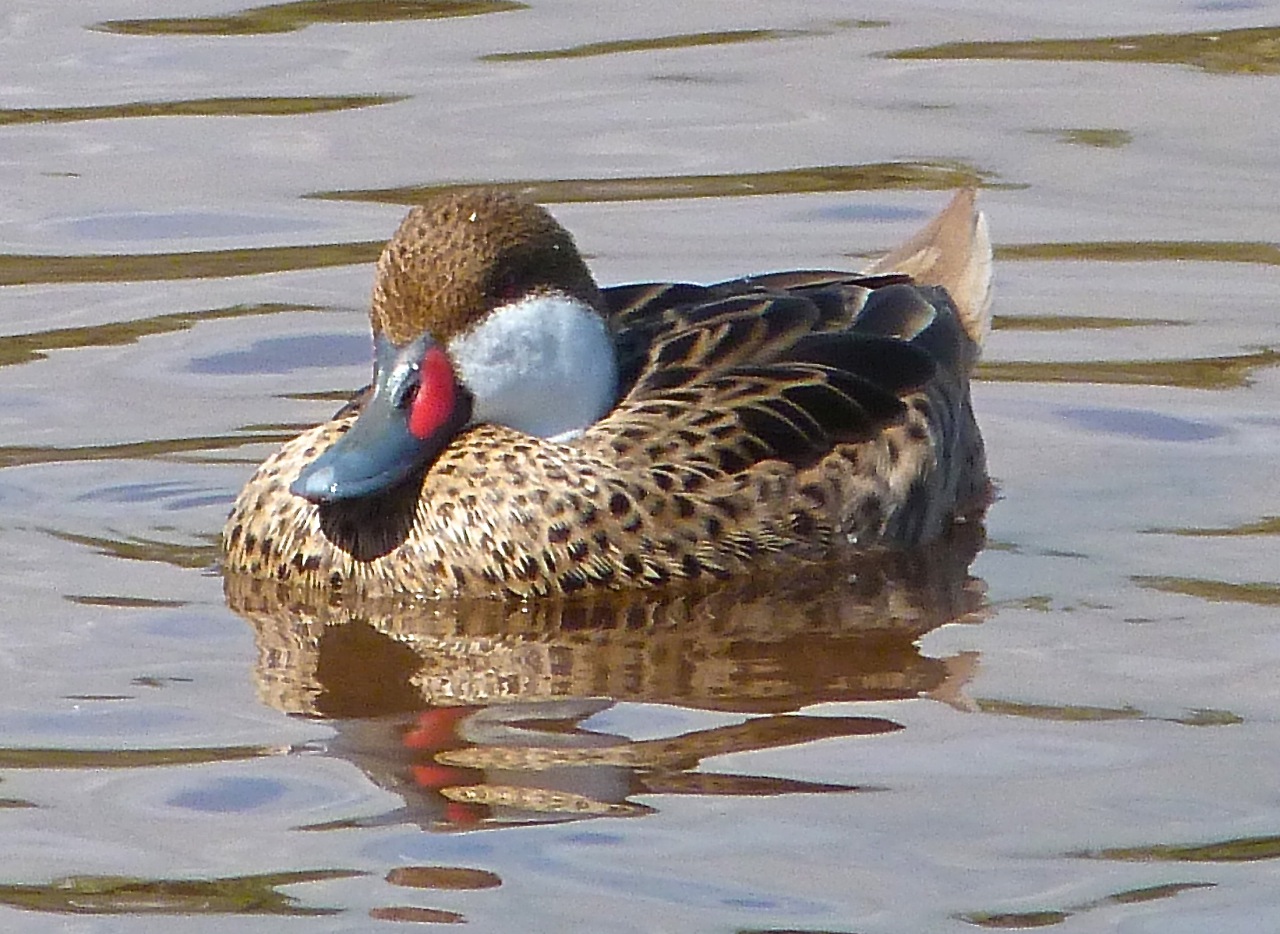
White-cheeked Pintail, Abaco - Gilpin Pond - Keith SalvesenWhite-cheeked Pintail
Turkey Vulture Abaco - Delphi  (Keith Salvesen)Turkey Vulture
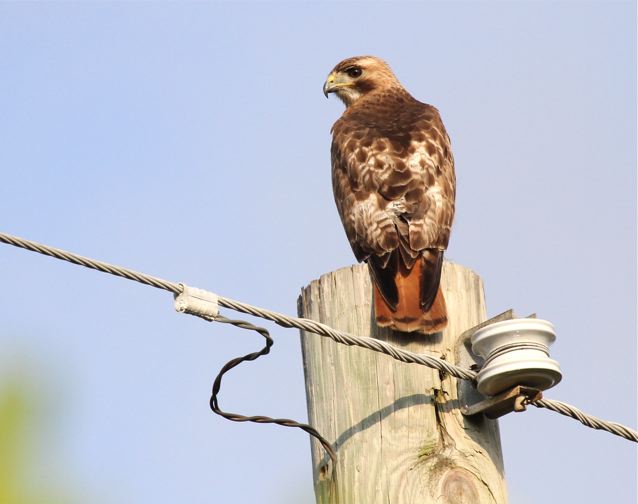
Red-tailed Hawk Abaco - Bruce HallettRed-tailed Hawk
American Kestrel Abaco - Sandy Point - Keith SalvesenAmerican Kestrel
1009BlackBelliedPloverBlack-bellied Plover
American Oystercatcher Abaco -  Jim ToddAmerican Oystercatcher
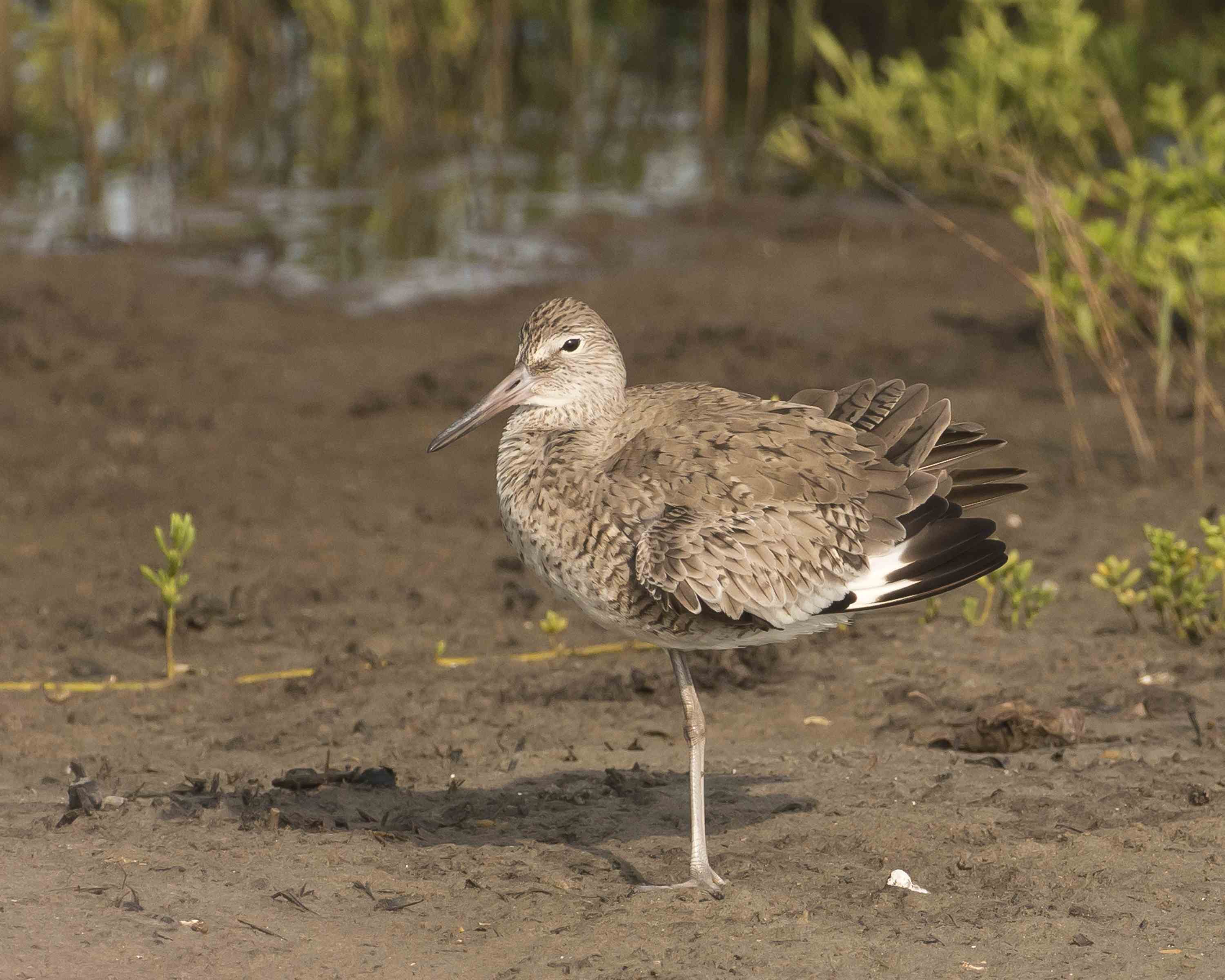
Willet.Abaco Bahamas.2.13.Tom Sheley smallWillet
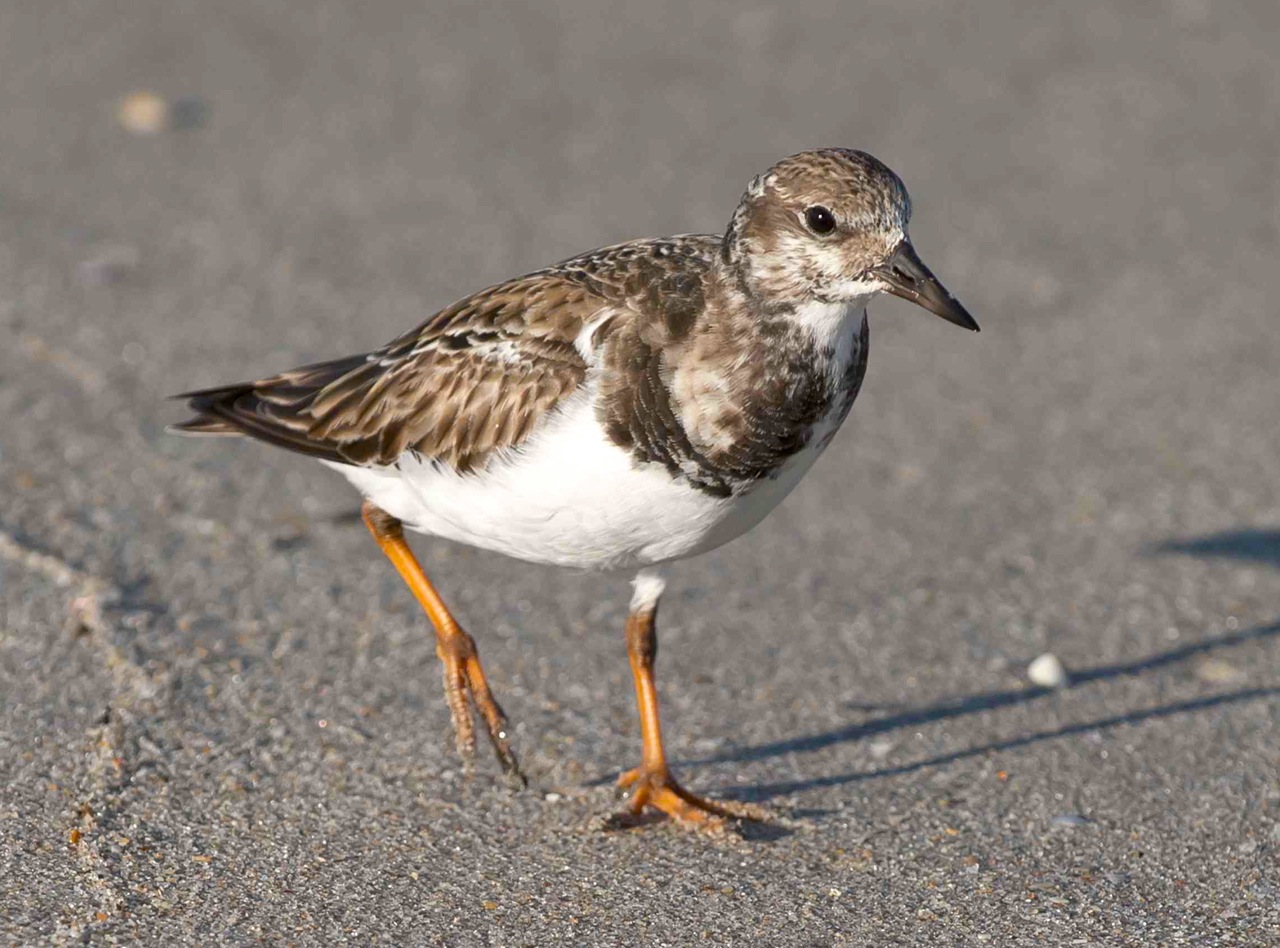
Ruddy Turnstone winter plumage.Abaco Bahamas.2.13.Tom Sheley eRuddy Turnstone
Laughing Gull, Abaco - Nina HenryLaughing Gull
Bonaparte's Gull (Ad NB), Abaco - Bruce HallettBonaparte’s Gull
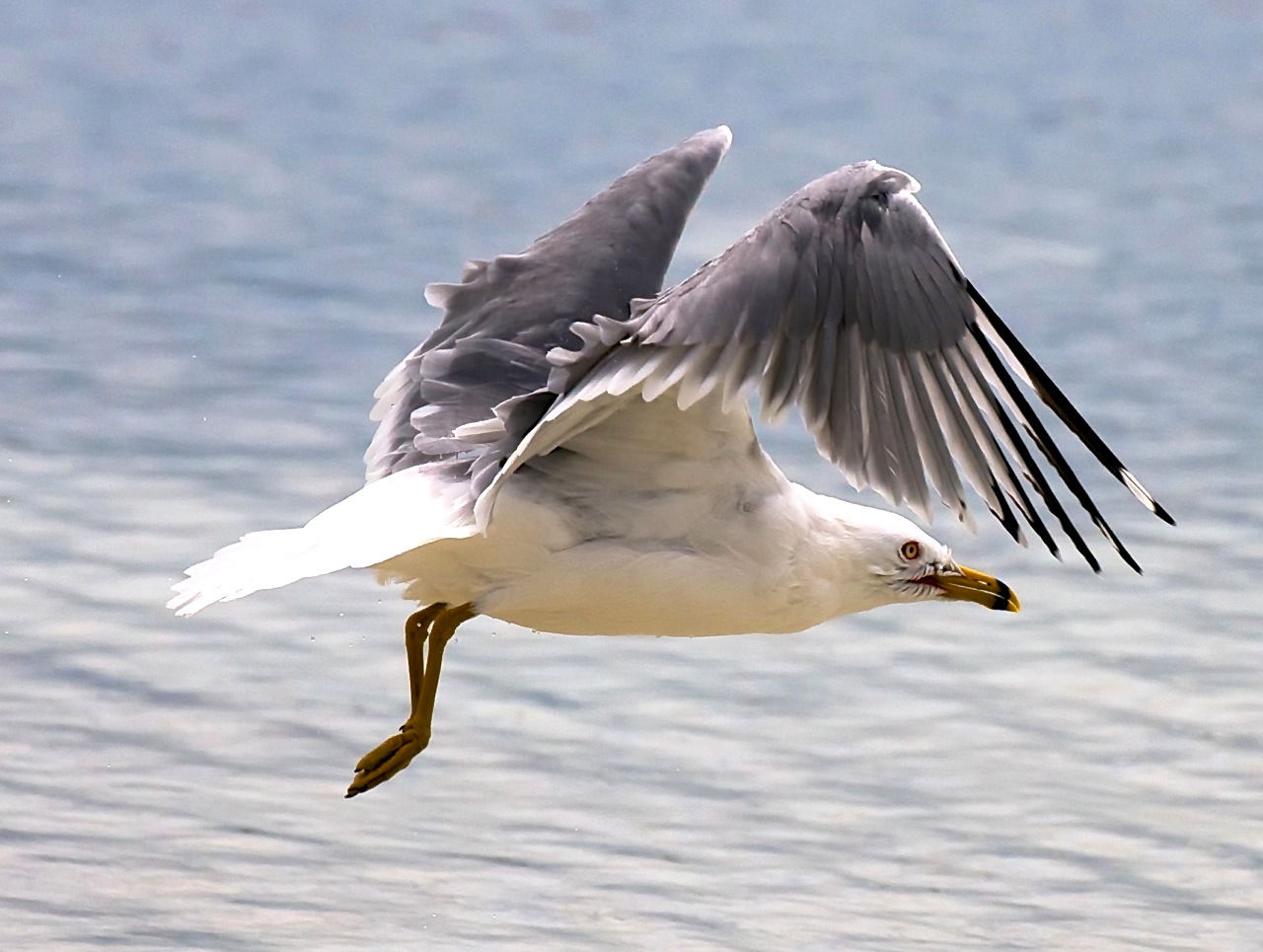
Ring-billed Gull, Abaco (Nina Henry : DCB)Ring-billed Gull
800px-Great_Black-backed_Gull_Larus_marinusGreat Black-backed Gull
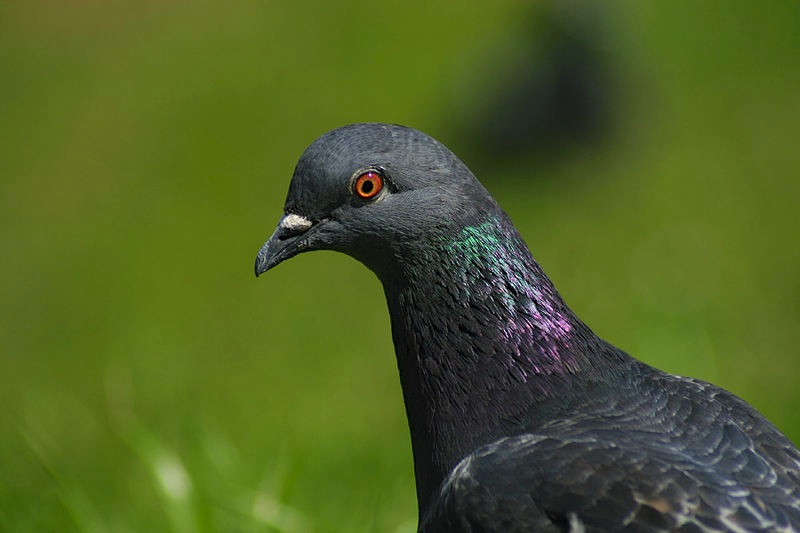
Rock_Dove_close-upRock Dove
Eurasian Collared Dove, Abaco - Bruce HallettEurasian Collard Dove
Ground Dove, Abaco -Nina Henry Common Ground Dove
ABACO (CUBAN) PARROT, Abaco (Caroline Stahala)Cuban Parrot
Smooth-billed Ani, Abaco - Roselyn PierceSmooth-billed Ani
Cuban Emerald, Delphi, Abaco - Keith SalvesenCuban Emerald
800px-Belted_Kingfisher_with_preyBelted Kingfisher
800px-West_Indian_Woodpecker_(Melanerpes_superciliaris)West Indian Woodpecker
Yellow-bellied Sapsucker. Abaco Bahamas 2.12.Tom SheleyYellow-bellied Sapsucker
Cuban Pewee Abaco - Casuarina - Keith SalvesenCuban Peewee
La Sagra's Flycatcher - Delphi,  Abaco - Keith SalvesenLa Sagra’s Flycatcher
Loggerhead Kingbird, Abaco - Peter Mantle Loggerhead Kingbird
Bahama Swallow, Abaco - Craig NashBahama Swallow
Red-legged Thrush, Delphi,  Abaco - Keith SalvesenRed-legged Thrush
Northern Mockingbird, Delph, Abaco  - Keith SalvesenNorthern Mockingbird
Thick-billed Vireo, Abaco (Craig Nash)Thick-billed Vireo
Northern Parula, Abaco - Craig NashNorthern Parula
Yellow-throated Warbler, Abaco - Bruce HallettYellow-throated Warbler
Olive-capped Warbler, Abaco - Bruce HallettOlive-capped Warbler
Pine Warbler, AbacoPine Warbler
Western Spindalis, Abaco - Bruce HallettStripe-headed Tanager

Black-faced Grassquit (m), Abaco - Bruce HallettBlack-faced Grassquit
Greater Antillean Bullfinch, Abaco - Tony HepburnGreater Antillian Bullfinch
If any Birding Groups are interested in birding the one-mile drives (wonderful pine and coppice habitats), gardens and one-mile white sand beach at Delphi, let me know. It can easily be arranged, but there are times when it is not convenient or that some areas are not open for access. Email me as first contact at rollingharbour.delphi[AT]gmail.com
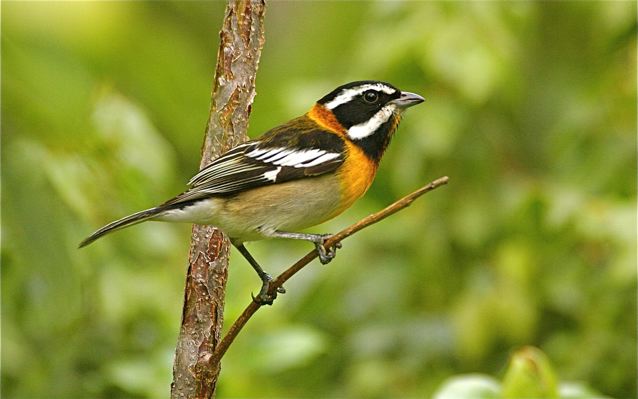
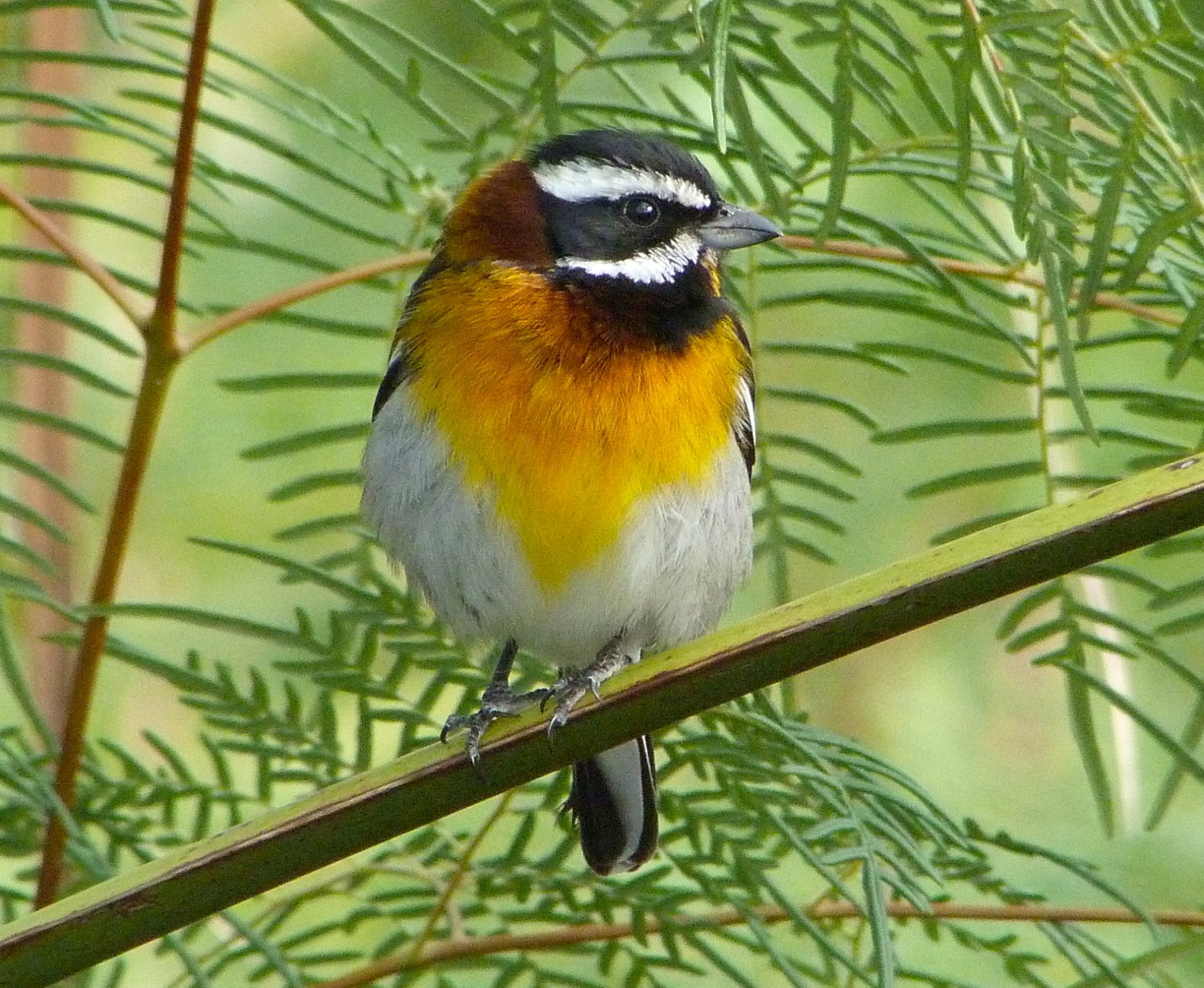
Western Spindalis Abaco (Keith Salvesen)

Western Spindalis, Abaco -Delphi Club Drive (Keith Salvesen)

Unknown's avatar

FESTIVE BIRDING ON ABACO WITH GUEST BIRDER VELMA


Abaco Parrot, Abaco (Velma Knowles)

FESTIVE BIRDING ON ABACO WITH GUEST BIRDER VELMA

Velma Knowles is a resident of Nassau but originates from Abaco, where her grandparents lived. She is a keen photographer and birder, and recently spent a few days ‘back home’ on Abaco, staying on Man-o-War Cay during that strange ‘Christmas to New Year’ period that people have begun to refer to uncomfortably as ‘Twixmas’. Which I guess goes well with ‘Winterval’, if that neologism to describe the festive season rocks your sleigh. 

Obviously, Velma had her camera with her; and a bit of quality birding was built into her schedule. Man-o-War has been having a prolific winter season, birdwise, with plenty of interesting migratory species passing through or settling there till Spring. But who would be content with a random warbler from the North, when there are Abaco’s specialist birds to encounter. Many of the birds featured – all are permanent residents – were seen on Man-o-War; others on the main island, though not actually at Delphi. Every bird shown can readily be found at Delphi, except perhaps for the Royal Tern, hence a few mentions. Let’s see how Velma did during her brief visit. (Spoiler Alert: very well indeed!).

ABACO PARROTS

A first ‘get’ for anyone’s Abaco checklist, and hence the header image. Not available on the Cays, so a trip to the ‘mainland’ and the wild pine forest and coppice of South Abaco is called for (they don’t venture north of Marsh Harbour). Rescued from the brink of extinction by careful conservation measures, the newly regenerating population of these unique underground-nesting parrots is gradually spreading, making them easier to find. During the day, Bahamas Palm Shores is a likely spot, as are locations to the south, including Delphi and the area around Crossing Rocks down to Gilpin Point. 

Abaco Parrot, Abaco (Velma Knowles)Abaco Parrot pair, Abaco (Velma Knowles)

BAHAMA WOODSTAR

Abaco’s lovely endemic hummingbird, rather pushed around by the brash incomer Cuban Emerald and therefore tending to avoid  them (though both can be found at Delphi). The MALE CUBAN EMERALD has a striking purple throat aka ‘gorget’; the female (below) encountered by Velma has a more delicate colouring.

Bahama Woodstar, Abaco (Velma Knowles)Bahama Woodstar, Abaco (Velma Knowles)

CUBAN EMERALD

Unlike the Woodstar, these pretty iridescent green hummers are not endemic yet are more frequently encountered. They fly and change direction with astonishing speed, and are feeder-keen! Your sugar-water feeder will also attract Bananquits (pointy curved beak for the little holes) and West Indian Woodpeckers (long tongue) – and possibly Woodstars.Cuban Emerald, Abaco (Velma Knowles)Cuban Emerald, Abaco (Velma Knowles)

WEST INDIAN WOODPECKER   

Splendid and occasionally noisy birds that nest in boxes under the eaves at Delphi. They produce two families a year. Velma writes “It has been a long wait but I finally saw this lifer, the West Indian Woodpecker. This bird is only found in The Bahamas, Cuba and the Cayman Islands. Awesome call!”West-Indian Woodpecker, Abaco (Velma Knowles)

WESTERN SPINDALIS

Velma writes “One of my targeted birds, the Western Spindalis, formerly called the stripe-headed tanager. On the way from the airport we spotted him on the side-of-the-road. Now that’s island-birding!”Western Spindalis, Abaco (Velma Knowles)

 BANANAQUIT

One of my own  favourite small birds. Irresistably cheery, busy and ubiquit(-ous) Bananaquit, Abaco (Velma Knowles)

THICK-BILLED VIREO

Velma writes “Such a beautiful call… the Thick-billed Vireo. We heard a number of these guys on our bird-walks. The Thick-billed Vireo is a Caribbean endemic, being restricted to The Bahamas, the Caymans, the Turks and Caicos, two islands off of Cuba and one off of Haiti (though it has been reported in Florida)”Thick-billed Vireo, Abaco (Velma Knowles)

GREATER ANTILLEAN BULLFINCH

The adult male’s striking colour patches are orange-red; the female’s are more yellow. They are greedy at the feeder and rank high up in the pecking order, where smaller birds defer to them. One local name for them is ‘Police Bird’: the adult male’s colouring matches that of a Bahamian Police Officer’s uniform.

Greater Antillean Bullfinch, Abaco (Velma Knowles)

YELLOW-CROWNED NIGHT HERON (juvenile)  Yellow-crowned Night Heron, Abaco (Velma Knowles)

ROYAL TERNRoyal Tern, Abaco (Velma Knowles)

ROYAL TERN SYNCHRONISED DIVING SCHOOL, LONG DOCK, CHEROKEE

At 770 feet, this dock is the longest in the entire BahamasRoyal Terns at Long Dock, Cherokee, Abaco (Velma Knowles)

All photos: Velma Knowles, with thanks for use permission

Unknown's avatar

“ELEVEN PIPERS PIPING”: CUTE PLOVERS FOR CHRISTMAS…


Piping Plovers Conserve Wildlife Foundation NJ

Yay Mom! Apparently it’s something exciting called Christmas…

ELEVEN PIPERS PIPING“: CUTE PLOVERS FOR CHRISTMAS…

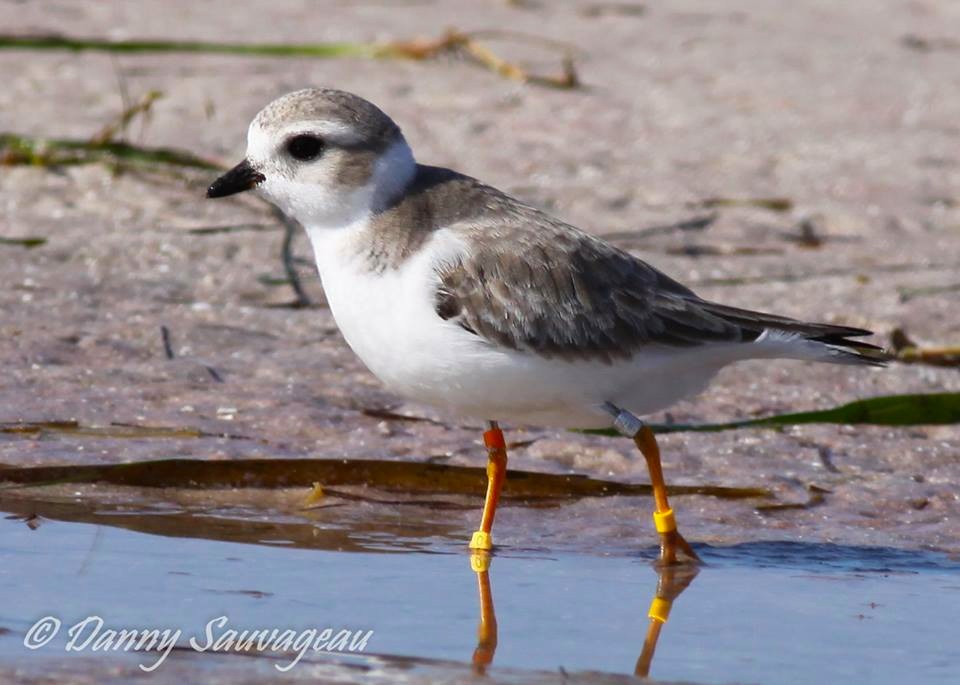
A Gorgeous Gallery of Ringed / Tagged PIPL by Danny Sauvageau

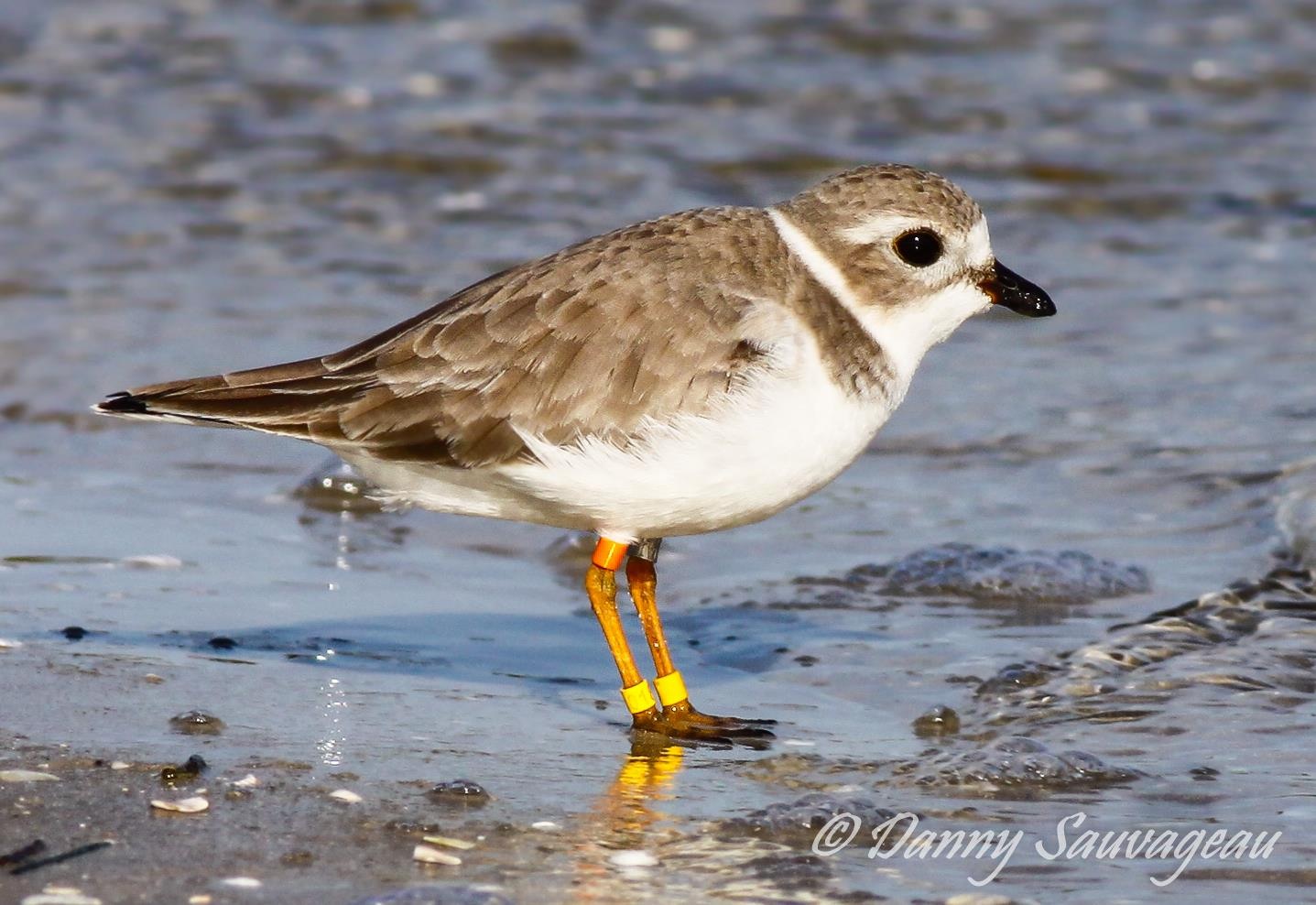
The numbers, positions, colours and numbering of the rings and tags pinpoints the precise origins of each bird. Note that some birds are ringed both above and below the ‘knee’. These markers have no effect on the daily lives of the birds, but are massively helpful in migration research. Danny’s photos are taken at ‘resting points’ in Florida where the birds pause as they migrate south for winter, many to Abaco and other Bahamas islands. Some birds shown below come from Canada, others from along the Eastern Seaboard of North America. Piping Plover, Florida (Danny Sauvageau 1) Piping Plover, Florida (Danny Sauvageau 2) Piping Plover, Florida (Danny Sauvageau 3)  Piping Plover, Florida (Danny Sauvageau 6) Piping Plover, Florida (Danny Sauvageau 5) Piping Plover, Florida (Danny Sauvageau 7) Piping Plover, Florida (Danny Sauvageau 9)

One Piper Piping…

Jerome Fischer / Xeno Canto

A Piper from Conserve Wildlife Foundation of NJ

This New Jersey conservation organisation is very closely involved with research into PIPL migration to their winter grounds. Two scientists, Todd Pover and Stephanie Egger, recently made their annual visit to Abaco to count the plovers and check for ID markers. At one remote location they found an amazing 88 birds. However, by the time they got to Delphi, the four Pipers that had been playing on the beach for a couple of weeks had moved off, unsettled by windy conditions. Piping Plover Conserve Wildlife Foundation NJ.JPG

An unringed Piper taken recently by Charmaine Albury on Man-o-War CayPiping Plover, Abaco - Charmaine Albury

The Epitome of Cute
Piping Plover chick (ex-FB, original lource unknown)

AND ONE EXTRA FOR LUCK!

Eco-friendly PIPL plush ‘stuffies’ from the fabulous UNREAL BIRDS. Check out their other species – the American Oystercatcher is irresistible. NB 20% of every sale goes to the Conserve Wildlife Foundation of NJ (see link above).

Piping Plover Plush Stuffies - Unreal Birds

Credits: Conserve Wildlife Foundation of NJ / ‘BirdsbyKim’; Danny Sauvageau; Char Albury; Unreal Birds; Cute chick from FB, unattributed – thanks, photographer!

Unknown's avatar

COLOURFUL BUNTING FOR CHRISTMAS ON ABACO


imagesimagesimagesimages

Painted Bunting, Abaco (Erik Gauger)

COLOURFUL BUNTING FOR CHRISTMAS ON ABACO

BUNTING  /ˈbʌntɪŋ/  (Noun)
[Yay! A Christmas gift of a puntastic avian / festive double-meaning]
  1. A small New World songbird of the cardinal subfamily
  2. Flags and other colourful festive decorations

imagesimagesimages

PAINTED BUNTINGPainted Bunting, Abaco Tara Lavallee

It’s hard to imagine a more Christmasy little bird than the Painted Bunting. Bright blue, red, green primary colours make for a spectacular small bird to grace any garden or feeder. The 2 birds above were featured in a detailed post on the species several months ago, with plenty of other great photos, HERE But there are other bunting species and close relations on Abaco that haven’t yet had a look-in on these pages. A common factor is the little fat beak and a great liking for seeds…

images

INDIGO BUNTINGIndigo Bunting.BPS.Abaco Bahamas.Tom Sheley

Indigo Bunting male with 2 females going for the seeds, Bahama Palm ShoresIndigo Bunting, BPS, Abaco Ann Capling

images

ROSE-BREASTED GROSBEAKRose-breasted Grosbeak PMRose-breasted Grosbeak, Delphi, Abaco (Caroline Stahala)

images

SUMMER TANAGERSummer Tanager (m), Abaco Bruce Hallett

images

SCARLET TANAGERScarlet Tanager, Abaco Woody Bracey

The birds above are all buntings or part of the wider bunting family. The definition is somewhat flexible and includes piranga and tanager species (and in the past the Western Spindalis, formerly the Stripe-headed Tanager). All were photographed on Abaco, mostly at the Delphi Club or Bahama Palm Shores. The photos below are a flagrant cheat. You’ll never see one of these on Abaco. They were taken by me a couple of years back in Central Park, NYC, made magic with snow and freezing air. Have a very happy and colourful Christmas!

images

NORTHERN CARDINALRed Cardinal CP NYC 2Red Cardinal CP NYC 3

Credits: Erik Gauger, Tara Lavallee, Tom Sheley, Ann Capling, Caroline Stahala, Bruce Hallett, Woody Bracey, RH

imagesimagesimagesimages

Unknown's avatar

THICK-BILLED VIREOS: ABACO’S ONLY PERMANENT RESIDENT VIREO


Thick-billed Vireo, Abaco 2 Tom Reed

THICK-BILLED VIREOS: ABACO’S ONLY PERMANENT RESIDENT VIREO

Hard to know why I haven’t got round to featuring these little vireos before. Unlike the other 7 vireo species found on Abaco seasonally or as transients, the Thick-billed Vireo Vireo crassirostris is an ever-present permanent resident of the coppice and scrub; and their unmistakeable repeating song can be heard almost everywhere. It was the first bird song I heard on Abaco, and therefore the TBV was the first bird I learned to ID. I’ve got quite a soft spot for them, really.Thick-billed Vireo, Abaco (Craig Nash)

Although TBVs are very easy to hear and track to a general area of coppice, I find actually seeing the bird creating the noise quite hard – let alone getting a clear camera shot. They always seem to be lurking several feet further away, deeper in the foliage, than the sound suggests. I’ve had some fun making TBV song iPhone recordings along the Delphi drive, practising the technique. If you want to know more about recording and converting to MP3 CLICK HERE.

One of my favourite images, from Gerlinde Taurer: a ‘shouty’ bird. We used it for ‘BIRDS OF ABACO‘.Thick-billed Vireo, Abaco  (Gerlinde Taurer 2)

I also love this perky little guy with a great beady-eyed pose taken by Bruce HallettThick-billed Vireo, Abaco (Bruce Hallett 2)

Here’s a clip of song, which I’m sure will be immediately familiar to Bahamians:

Paul Driver / Xeno Canto

Thick-billed Vireo, Abaco Bahamas.Tom Sheley

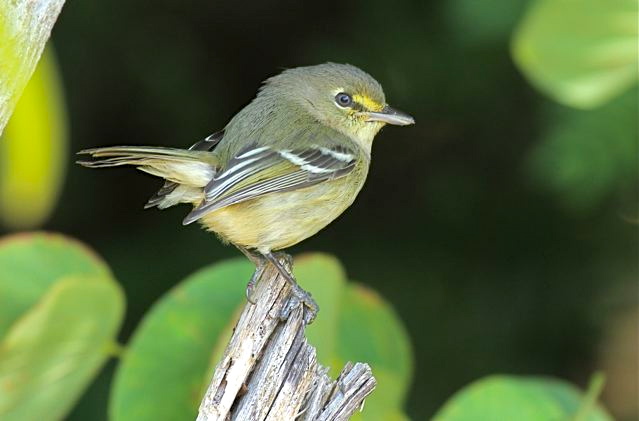
The main signifiers for this species, which in combination distinguish the TBV from the other vireo species on Abaco, are:

  • Two white wing bars
  • Yellow patch – usually quite prominent – between eye and beak
  • Thick bill – which immediately rules it out of being one of the 37 warbler species on Abaco…

Text book TBVThick-billed Vireo, Abaco (Becky Marvil 2).jpg

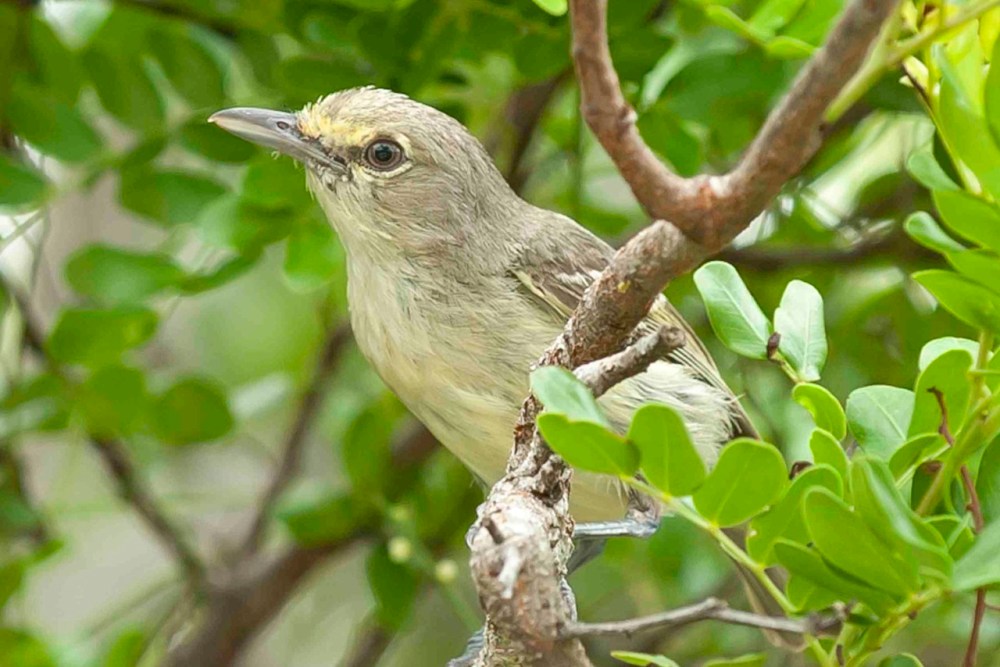
There are marked colour variations in the species according to maturity, season and to an extent gender (though m & f are quite similar). Here’s one that is causing wing-bar confusion by only showing traces. It also has quite dark upper parts.

Thick-billed Vireo, Abaco (Alex Hughes)

This is a very yellow TBVThick-billed Vireo, Abaco (Bruce Hallett 1)Whereas this one has rather anaemic colorationThick-billed Vireo, Abaco Bahamas .Tom SheleyFinally, this pretty TBV is very delicately markedThick-billed Vireo, Abaco (Tony Hepburn)

RELATED POSTS

BLACK-WHISKERED VIREO

PHILADELPHIA VIREO

Credits: Tom Reed (1), Craig Nash (2), Gerlinde Taurer (3), Bruce Hallett (4, 8), Tom Sheley (5, 9), Becky Marvil (6), Alex Hughes (7), Tony Hepburn (10); Paul Driver / Xeno Canto

Unknown's avatar

VIREOS ON ABACO (2): THE PHILADELPHIA VIREO


Vireo_philadelphicus Brian Mcclure (wiki) CROP

VIREOS ON ABACO (2): THE PHILADELPHIA VIREO

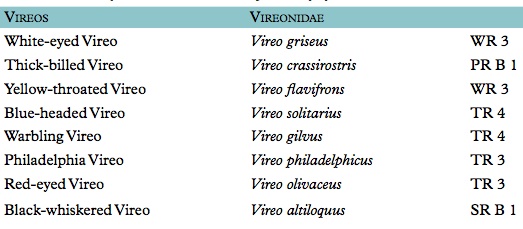
Vireos haven’t had as much attention as they deserve hereabouts. I have posted about the BLACK-WHISKERED VIREO, but the 7 other vireo species found on Abaco haven’t had much of a look in. It’s a wrong that I shall right at once by featuring the rather shy Philadelphia Vireo Vireo philadelphicus. Here is the full list of the vireos recorded for Abaco, from which you will see that only the Thick-billed Vireo is a common permanent resident. The Black-whiskered vireo is a common summer breeding resident; there are 2 uncommon winter residents; and the other 4 are transients that chose Abaco as a resting place on their migrations.

Taken from ‘The Birds of Abaco’ checklist by Tony White with Woody BraceyVIREO CHECKLIST

SONY DSC

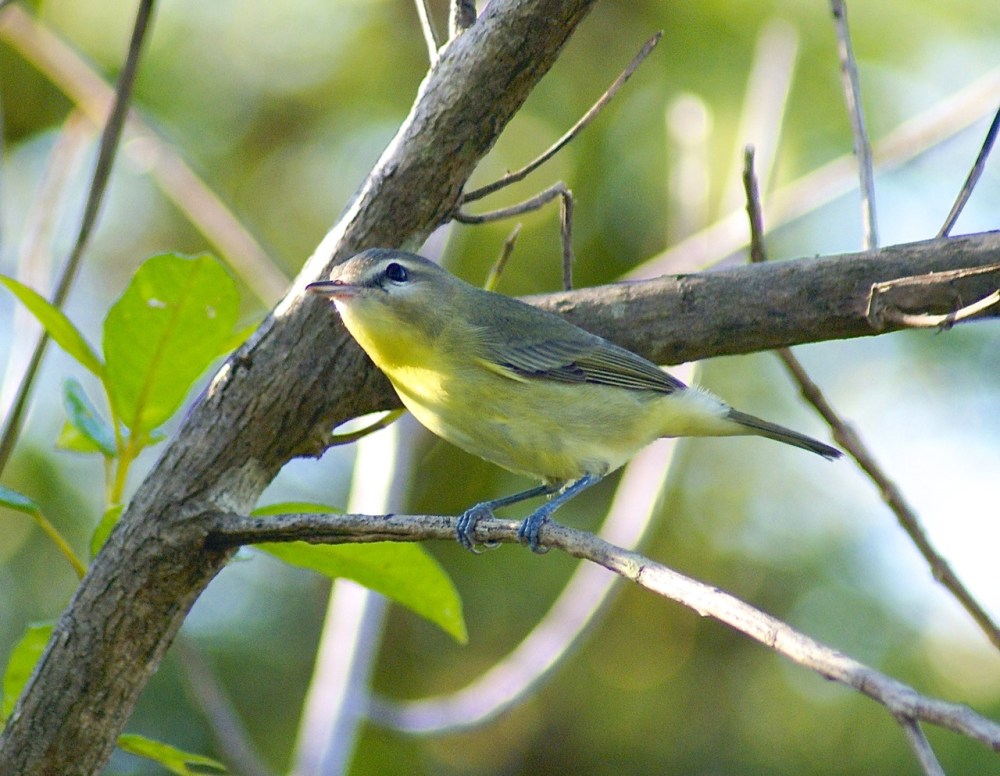
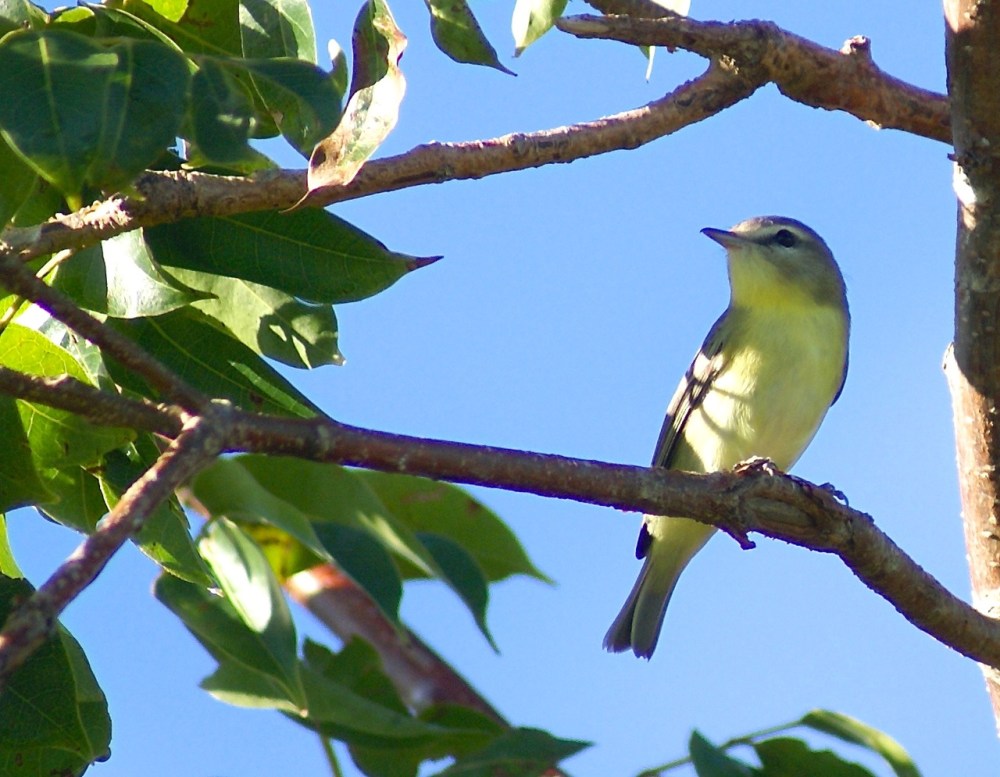
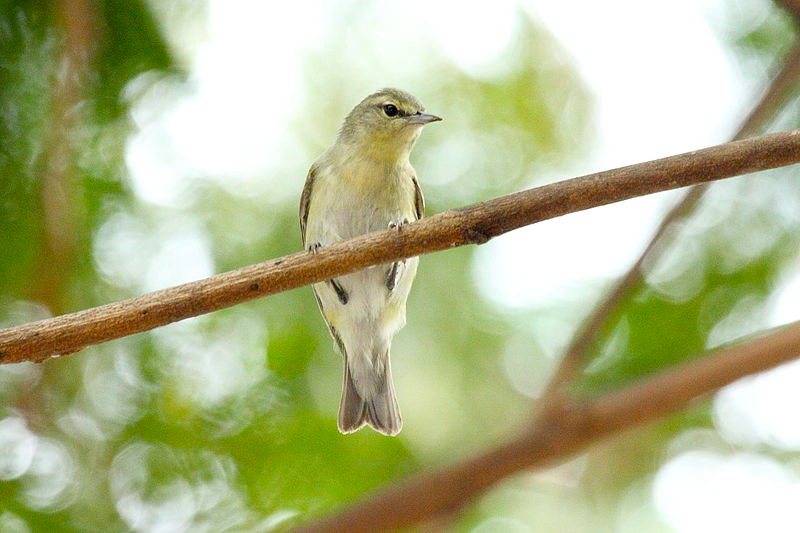
This little bird tends  to be described with such unkind adjectives as ‘drab’, ‘dull’ and ‘plain’, but  like many under-appreciated species it has its own charm. The header image and the one above give excellent close-up views. The signifiers include the dark eyes, white eyebrows, the dark line through the eyes, the yellow underparts, and in the negative sense the complete absence of eye rings, wing bars or tail markings. And the thick bill is one quick way to distinguish it from similar-looking warbler species, with their generally smaller, pointy beaks. SONY DSC

The Philadelphia Vireo has a wide range, from its summer breeding grounds as far north as Canada down to its winter quarters in Mexico and South America. They have even, very rarely, been seen in Europe. The connection with Philadelphia is somewhat tenuous and arises because the bird was first identified in 1842 from a specimen collected near Philadelphia. However their visits there are brief, since at best it is only a stopover on their migration route…vire_phil_AllAm_map

Philadelphia Vireo (Vireo philadelphicus Dominic Sherony wiki

Here is the song comparison between (in order) the Philly, the familiar TBV whose song accompanies everyday life on Abaco, and the Black-whiskered vireo. My TBV recording is rather quieter than the other 2.

 Andrew Spencer / Xeno Canto

RH at Delphi

 Brian Cox / Xeno-Canto

Philadelphia Vireo William H. Majoros wiki If you want to know how to record birdsong easily using an iPhone or equivalent CLICK HERE 

Credits: Woody Bracey (2, 3); Brian McClure, Dominic Sherony, William H. Majoros, Xeno Canto, Wiki, Cornell Lab

Unknown's avatar

“STAR ANIS”: ENTERTAININGLY GREGARIOUS CUCKOOS ON ABACO


Smooth-billed Ani, TCGC Hole 11 - Becky Marvil

“STAR ANIS”: ENTERTAININGLY GREGARIOUS CUCKOOS ON ABACO 

The Smooth-billed Ani (Crotophaga ani) is the third member of the cuckoo family found on Abaco, the others being the MANGROVE CUCKOO and the YELLOW-BILLED CUCKOO. Anis range from Florida and the Bahamas in the north, down through the Caribbean to South America, where they are widespread.

Ani Range Map (Xeno-Canto) jpg

Smooth Billed Ani, Abaco - Nina Henry 2a

Unlike their shy and retiring cuckoo cousins, anis are extrovert shouty birds that like to hang out in noisy gangs. Large groups can quite often be found in the low scrub at the Highway end of the Delphi drive; and you may well find a posse of them in settlements such as Sandy Point. You’ll probably hear them from some way off, sounding like this:

Leonardo Ordóñez-Delgado / Xeno Canto

Smooth-billed Anis_Abaco - Tony Hepburn

Anis have advanced parenting and chick-rearing skills, sharing not only communal nesting sites but also egg incubation and feeding the chicks. They are also what my mother might have called ‘fast’, raising up to three broods in a season. Rather touchingly, the young of earlier broods help to feed more recent chicks.

Smooth-billed Anis Abaco - Gerlinde Taurer d

I have tried to discover why an ani’s beak is as it is, without much success. Very often beak shape relates directly to the feeding habits and preferences of a species, but it is hard to see how a diet consisting mainly of insects and small reptiles such as lizards would account for such a prominent proboscis. Here is a close-up of the item in question (thanks, Roselyn Pierce).
On Abaco (and indeed elsewhere) Anis are sometimes known as ‘Cemetery Birds’, no doubt because of their all-black appearance (their raucous tendencies would be quite inappropriate for a graveyard…). [Nicolette Russell has contacted me to say that she has always known them as Rain Crows] However although at a distance these birds may look completely black, catch one in the sun at the right angle, and you’ll find that the plumage is far more varied, and with some intricate patterning.

Smooth-billed Ani. Abaco Bahamas Tom Sheley

Look for Anis in low scrubland and coppice, cultivated areas, perched in unsteady bickering rows on utility lines… and on the ground.

Smooth-billed Ani, Abaco. Gerlinde Taurer c

The appearance and flying abilities of Anis are wonders to behold. As I wrote in The Birds of Abaco, “Their curious heavy beaks, their clumsy flight and their untidy take-off and landing routines suggest a design fault”.

Smooth Billed Ani, Abaco - Nina Henry 1a

“One… is the loneliest number…” oh, hang on a moment…Smooth-billed Ani Abaco - Gerlinde Taurer a

…”two of us…standing solo in the sun…”Smooth-billed Ani, Abaco (Gerlinde Taurer) b

As far as I know, there is not yet a collective noun for a group of anis. There should be. Any suggestions welcome via the comment box. Meanwhile I put forward A Commotion of Anis”

Smooth-biled Ani, Abaco - Bruce Hallett

Credits: Becky Marvil, Nina Henry, Tony Hepburn, Gerlinde Taurer, Roselyn Pierce, Tom Shelley, Bruce Hallett; Xeno Canto for range map & sound file; Hat tip to Aimee Mann.

“Star Anis” – do not confuse with Star Anise. One can fly, the other cannotStar Anise Spice (Tesco)

Unknown's avatar

STANDIN’ ON THE DOCK OF THE BAY: GREAT BLUE HERON ON ABACO


Great Blue Heron, Sandy Point, Abaco - Keith Salvesen 2

STANDIN’ ON THE DOCK OF THE BAY: GREAT BLUE HERON ON ABACO

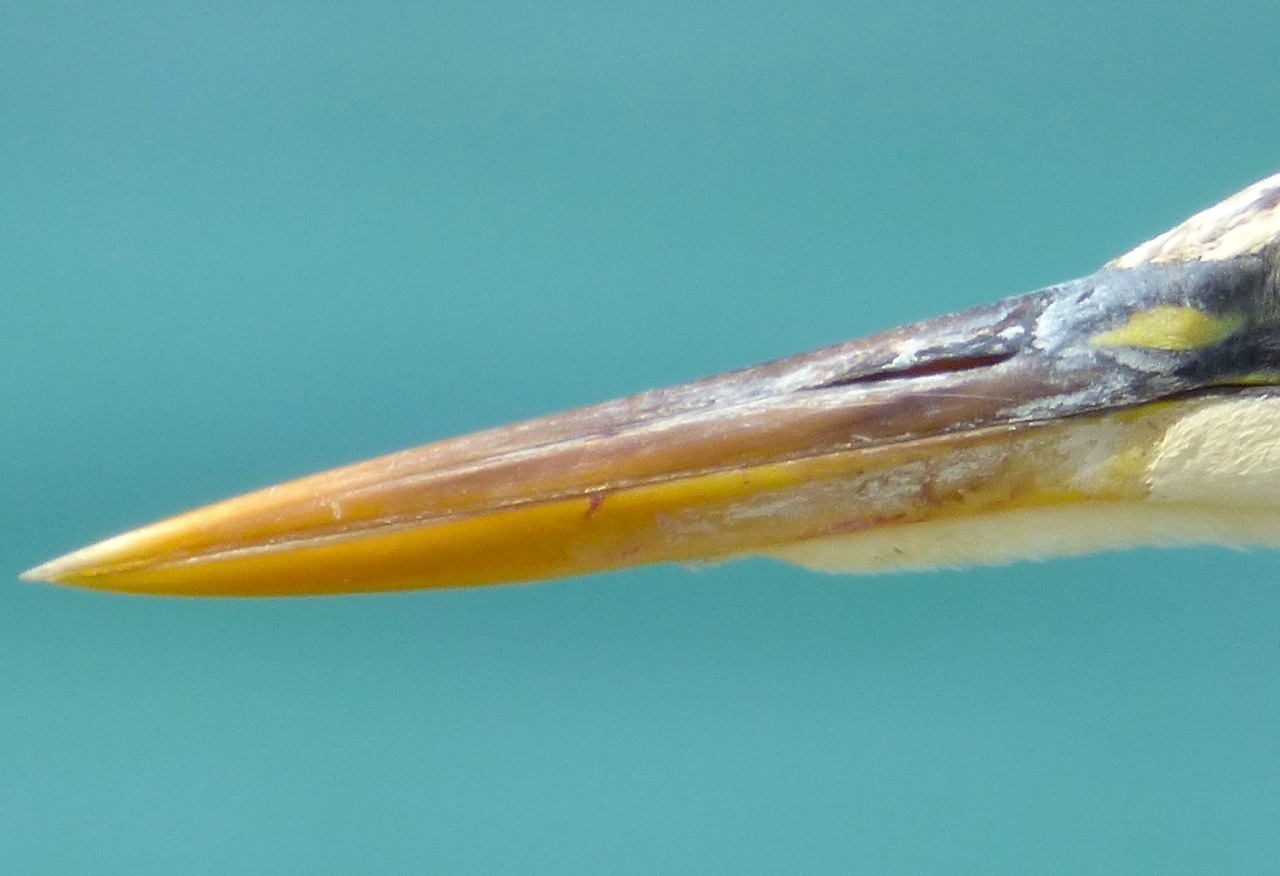
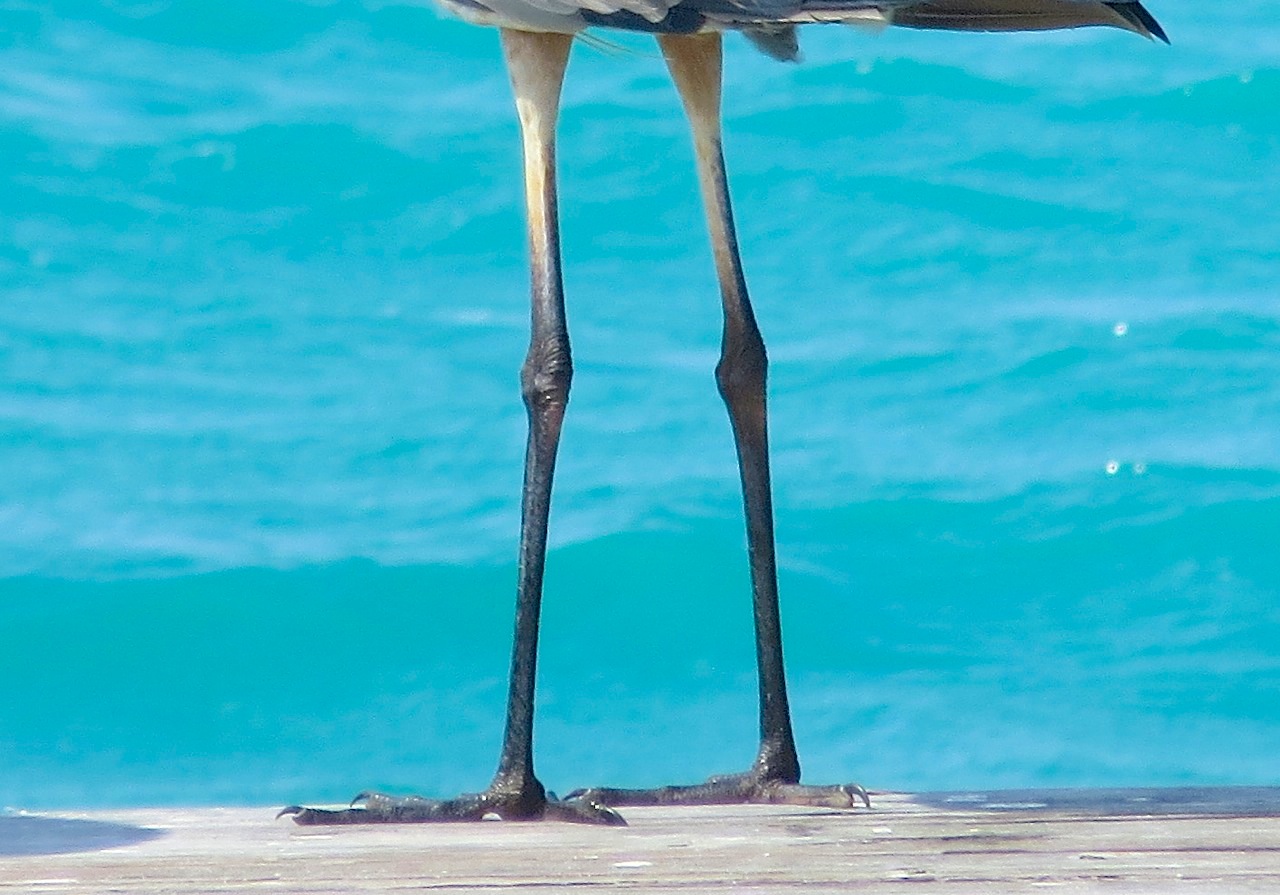
The occasion: a trip to Sandy Point for a lunch party at the legendary Nancy’s in honour of  Sandy Walker at the end of his 5 years as manager of the Delphi Club. A pair of brown pelicans on the nearby dock were clumsily flying around, diving, perching, drying their feathers, then repeating the cycle. In a quiet moment I slipped away to watch them – and a Great Blue Heron landed quite close by me. So as well as taking photos of the pelicans, I pointed the camera at the heron from time to time. My favourite view is of it standing proudly on the edge of the dock, with the truly azure sea behind it (header and final image).

Great Blue Heron, Sandy Point, Abaco - Keith Salvesen 6

THE PERILS OF A CAMERA UPGRADE

[PHOTOGRAPHIC INTERLUDE – SKIP IF EASILY BORED BY SUCH THINGS]

I don’t have a fancy camera. I would never get the settings right before the bird had flown. Or died, even. So I had been using a Panasonic Lumix FZ45 kindly given to me by Mrs RH in a benign moment, possibly Christmas. Then I made a classic error of upgrading to an FZ72 with an alleged massive 60X zoom. Brilliant, I thought. Big mistake. My old camera has a Leica lens. Used with care and a lens extension (zeugma score!), it is / I am occasionally capable of taking pin-sharp photos. The upgrade camera’s lens turned out not to be a Leica. Almost all the shots I took were ‘soft’, the more so using the zoom. A soft photo taken with a less good lens, zoomed 60X, will never be a better photo. Just an even softer one. I wish I’d had Old Faithful with me instead. When we got home, I immediately dug out OF and sold 60X disappointment. OF is now reinstated as my BF.  

The shots of this heron mostly turned out fairly well, largely because it stayed quite close to me. It flew off a couple of times, then returned to the edge of the dock. Here are a few close-up views of the heron selected from the various pics I took, showing some of the details of this fine bird. Great Blue Heron, Sandy Point, Abaco - Keith Salvesen 3 Great Blue Heron, Sandy Point, Abaco - Keith Salvesen 4 Great Blue Heron, Sandy Point, Abaco - Keith Salvesen 5Great Blue Heron, Sandy Point, Abaco - Keith Salvesen 7Great Blue Heron, Sandy Point, Abaco - Keith Salvesen 10 Then I remembered why I was meant to be at Sandy Point, and went back to Nancy’s for conch fritters and a Kalik or two well OK make that three… Great Blue Heron, Sandy Point, Abaco - Keith Salvesen 11

ROLLING HARBOUR MUSICAL DIGRESSION

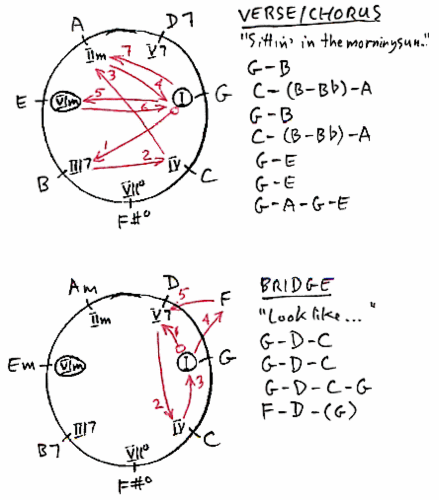
Otis Redding recorded ‘Sittin’ on the Dock of the Bay’, arguably his greatest moment, in 1967 a matter of days before he died in a plane crash. The record became the first ever posthumous US Chart #1 (#3 in UK). I’ve dug out a video compo by the excellent Rhino outfit that disinters or at least recycles gems from our musical heritage. It’s not just the voice of Otis Redding that makes this song so poignant and so good – Steve Cropper’s guitar is outstanding too.

Guitarists out there – you want a ‘Chase Chart’, don’t you?

Ch_6_Fig_114http://www.howmusicreallyworks.com

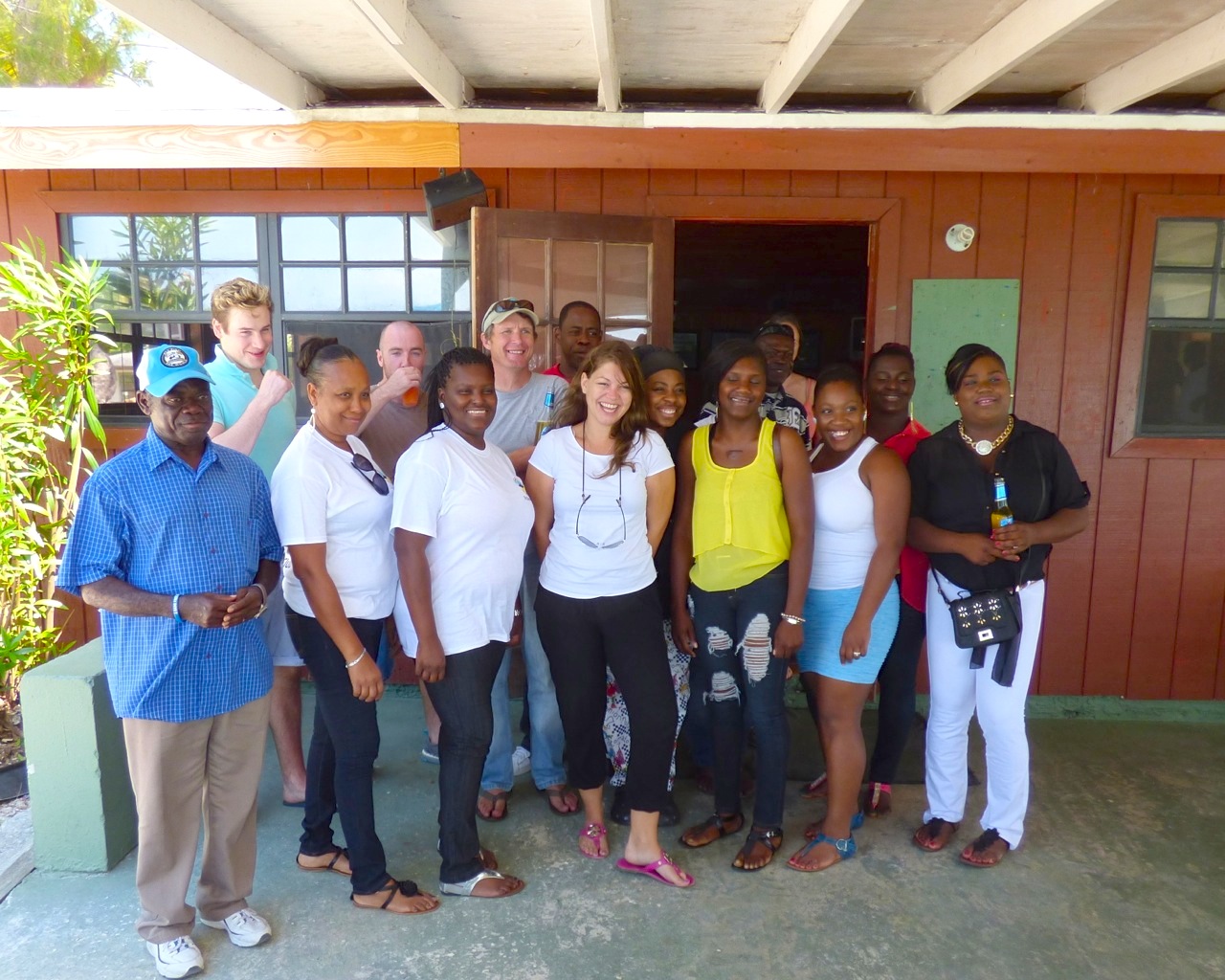
A rare photo of Sandy (centre back row, sunnies on cap) smilingSandy at Sandy Point

Photo Credits: RH, er… that it…

Unknown's avatar

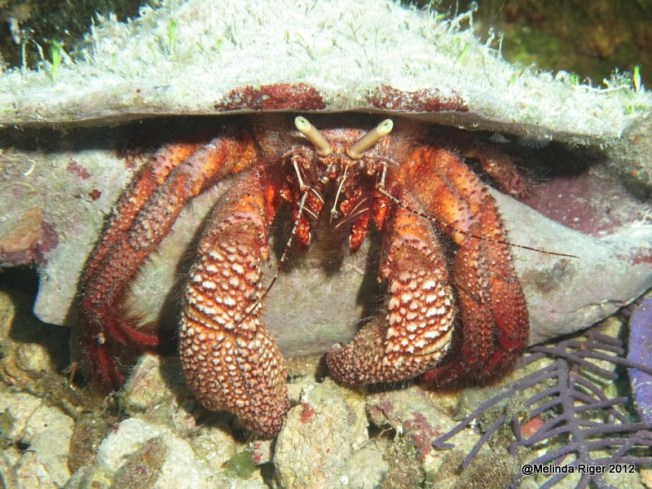
SHELL HOMES: HERMIT CRABS IN THE BAHAMAS


Hermit Crab ©Melinda Riger @ Grand Bahama Scuba

SHELL HOMES: HERMIT CRABS IN THE BAHAMAS

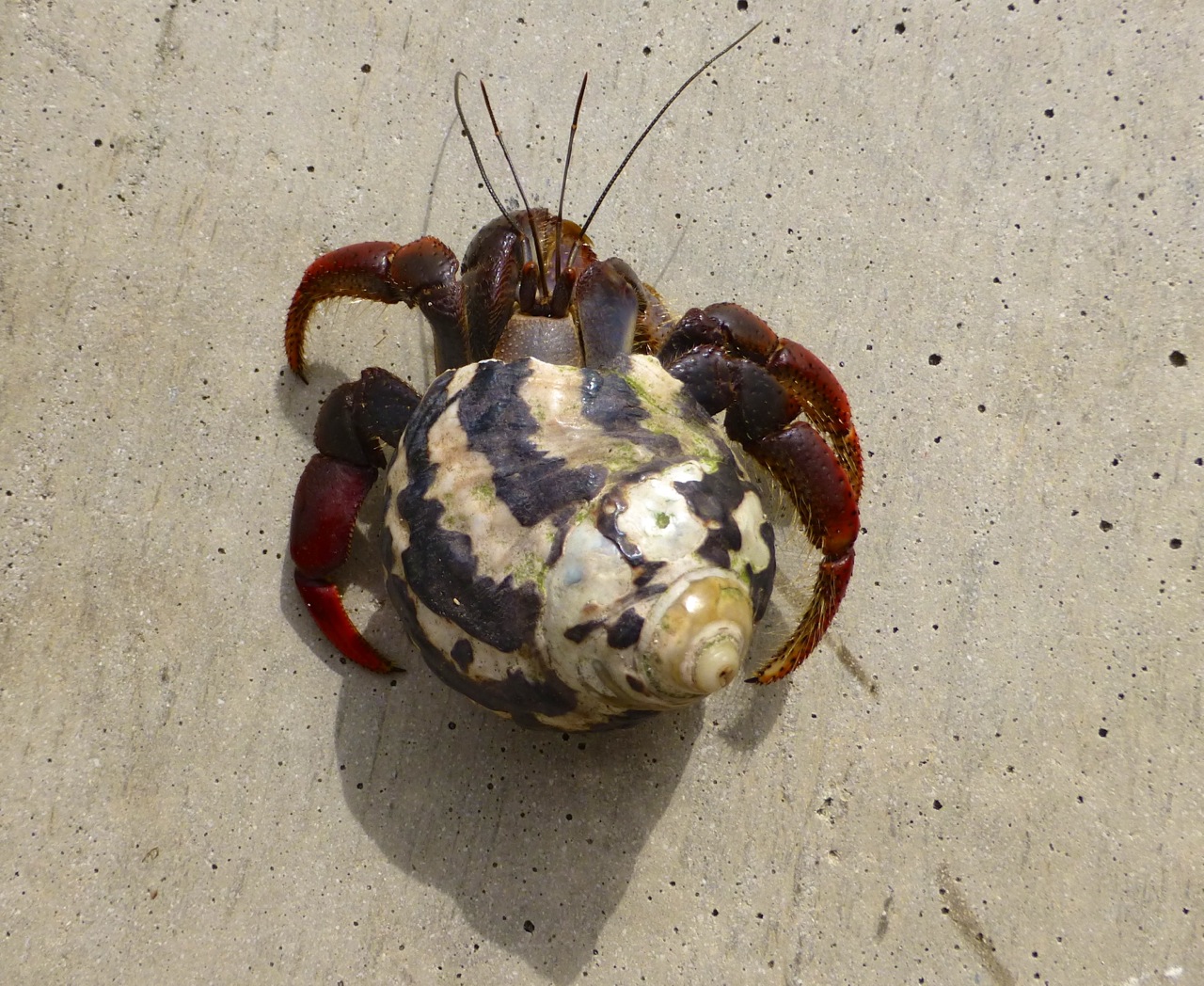
I’m feeling distinctly crabby right now. In a skilled move that would impress the Bahamas utility providers, the UK’s very own much-vaunted BT selected us for the privilege of being unplugged from the grid last week. From the time of reporting the problem, it has taken them 6 days to plug us back in. It’s a little reminder of the far more persistent Abaco experience! No landline, no wifi, no email for almost a week. To begin with, it was a light relief. After nearly a week, not funny anymore. Here are some nice crabs in conchs to celebrate getting back online while reflecting my crabby mood.Hermit Crab ©Melinda Riger @ G B Scuba Hermit Crab ©Melinda Riger @ GB Scuba copy Hermit Crab ©Melinda Riger @ GB ScubaFind out more about Hermit Crabs – in particular crab racing at Delphi and the intricate rules – here: WACKY RACES AT DELPHIHemit Crab, Delphi (Clare Latimer)

Hermit Crab in a conch ©Melinda Riger @ GB Scuba

Photo credits: all undersea shots – Melinda; potential crab race contestant – Clare