Unknown's avatar

“KNOCK ON WOOD”: HAIRY WOODPECKERS FOR GOOD LUCK


Bahamas-Great Abaco_6568_Hairy Woodpecker_Gerlinde Taurer copy

“KNOCK ON WOOD”: HAIRY WOODPECKERS FOR GOOD LUCK

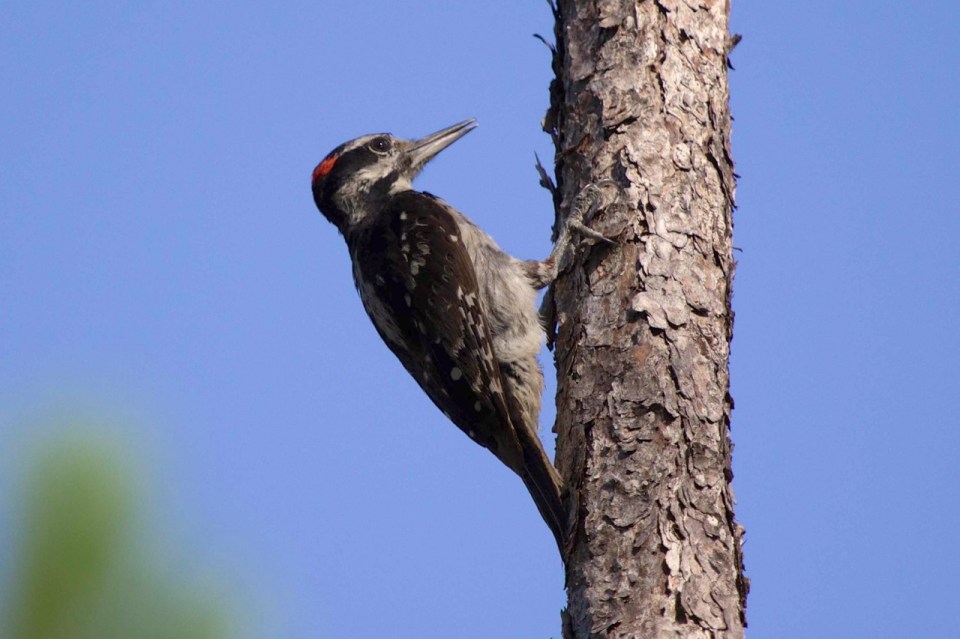
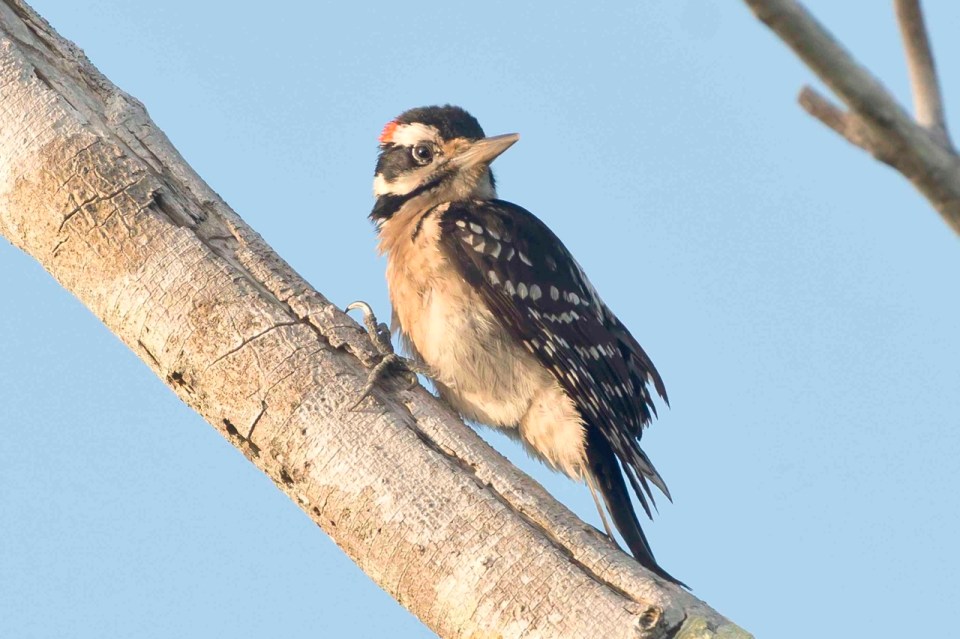
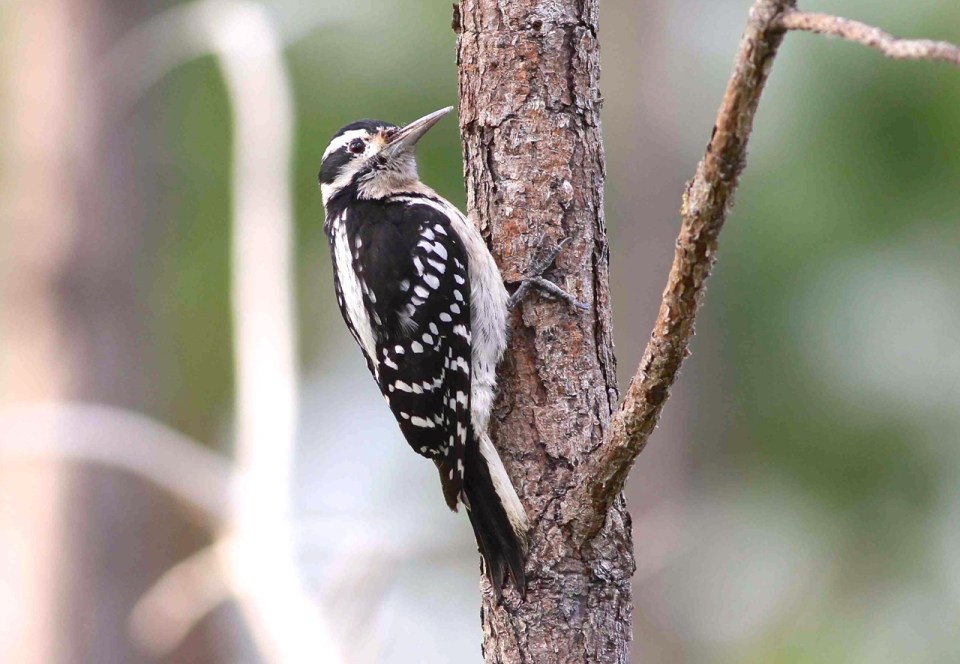
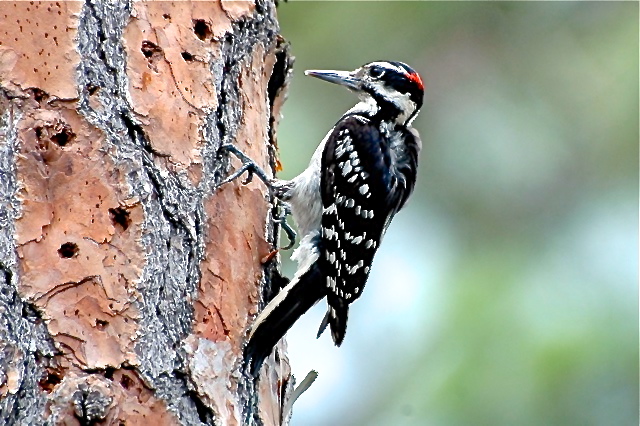
Delphi is an excellent place for woodpeckers. The Lodge itself has its own resident WEST INDIAN WOODPECKERS, who generally raise two broods a year in the nest boxes under the eaves. The coppice and pinewoods along the one-mile drives are home to the smaller Hairy Woodpeckers Picoides villosus, where they too nest annually. There’s a particular tall dead tree on the guest drive that is used every year, and from early March it is the first place I check for signs of occupation. If evident, I take it as a sign of good luck (and hope it extends to my fishing).

Hairy Woodpecker, Abaco (Alex Hughes) Hairy Woodpecker, Abaco (Bruce Hallett) Hairy Woodpecker, Delphi, Abaco (Peter Mantle)I can’t believe I haven’t featured a hairy woodpecker for more than 2 years. As we prepare for our forthcoming trip to Abaco HQ and the consequent plethora of photos (95% of which will be deleted), here is a small gallery of males (red caps) and females, some of them taken at Delphi. Check out those huge claws of the one below at her nest on the dead tree mentioned above.

Hairy Woodpecker female. Delphi Club.Abaco Bahamas.6.13.Tom Sheley copyHairy Woodpecker male. Delphi Club.Abaco Bahamas.6.13.Tom Sheley copyBahamas-Great Abaco_5247_Hairy Woodpecker_Gerlinde Taurer copyHairy Woodpecker, Abaco (Tony Hepburn)

I photographed this female last year in a tree near the swimming pool. I watched it for some time, but it must have been camera shy, because although quite unconcerned by my presence, it never came right out into the open. Hairy Woodpecker, Delphi, Abaco (Keith Salvesen)

MUSICAL DIGRESSION (OPTIONAL)
“Knock on Wood”, the 1966 hit for Eddie Floyd, was co-written with the amazing Steve Cropper (‘house guitarist’ for Stax). It has been much-covered over the years, none more unexpectedly than by David Bowie on his 1974 Live album (also released as a single). Here is the originator, in a live performance. 
Credits: Gerlinde Taurer (1, 7), Alex Hughes, Bruce Hallett, Peter Mantle, Tom Sheley (5, 6), Tony Hepburn, Keith Salvesen
Unknown's avatar

STIRRING TALES OF NORTHERN SHOVELERS


Northern Shoveler male. Abaco Bahamas. 2.12.Tom Sheley copy 2

STIRRING TALES OF NORTHERN SHOVELERS

I’m broadly in favour of self-identifying bird names. You know where you are with a Spoonbill. If its bill is spoon-shaped, it is one. Conversely if it isn’t, it isn’t. True, you might waste a lot of time looking for a brownish duck gadding about near a wall, but the general principle of WYCIIWYG (what you call it is what you get) is a useful one.

Northern Shoveler 2.Abaco Bahamas.2.12.Tom Sheley

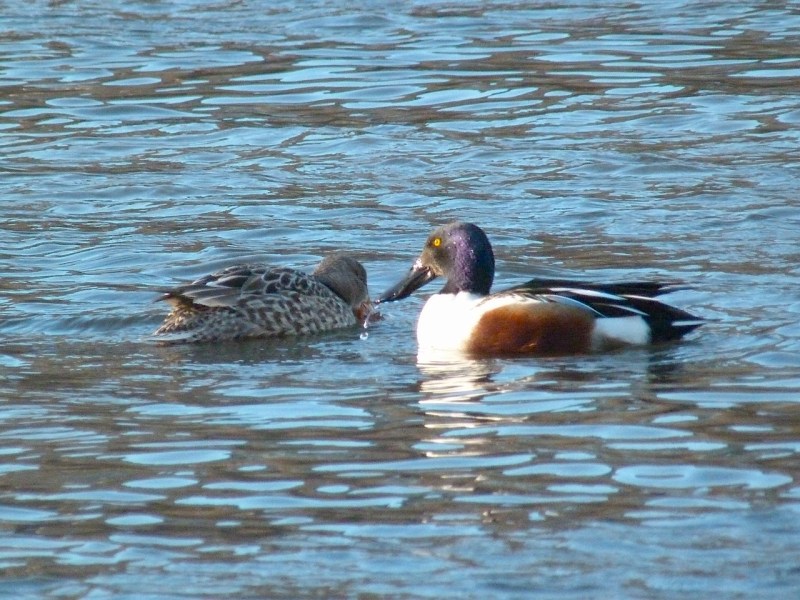
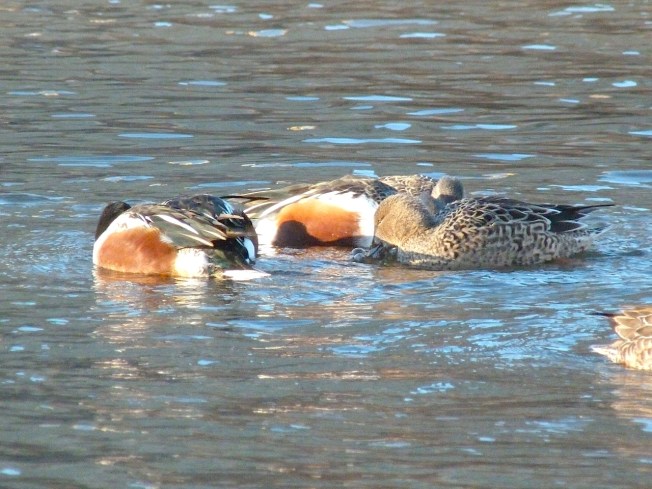
Thus with shovelers. Their beaks are shovel-shaped. They shovel about in the water to feed. It’s that simple. Being dabbling ducks, they are dab hands (wings?) at upending themselves to get that sturdy beak down in the water. These are highly specialist gadgets too, edged with ‘combs’ (lamellae) that strain out the water from a diet that includes aquatic vegetation and invertebrates.  You can see this arrangement in the male shoveler in the header image.

Northern Shoveler.Abaco Bahamas.2.12.Tom Sheley

The male shoveler has striking plumage, with one of those ‘mallard drake’-coloured heads that is green except when the light catches it and it looks blue. I say ‘looks’, because the blue shades apparent in bird plumage do not result from pigments (which absorb most colours but reflect the visible colours) but from so-called ‘structural colouration’ resulting from scattered light, with the blue wavelength dominant. So even the bluest of blue birds – a bluebird, say, or an indigo bunting – is not blue but appears blue. But the bright red pigmentation of a male Northern cardinal is ‘real’ colour. 

This male shoveler does not have a blue head…Northen Shovelers Foraging (Keith Salvesen) 5

Northern Shoveler (m & f) Abaco (Tony Hepburn) Northern Shoveler, Abaco (Woody Bracey)

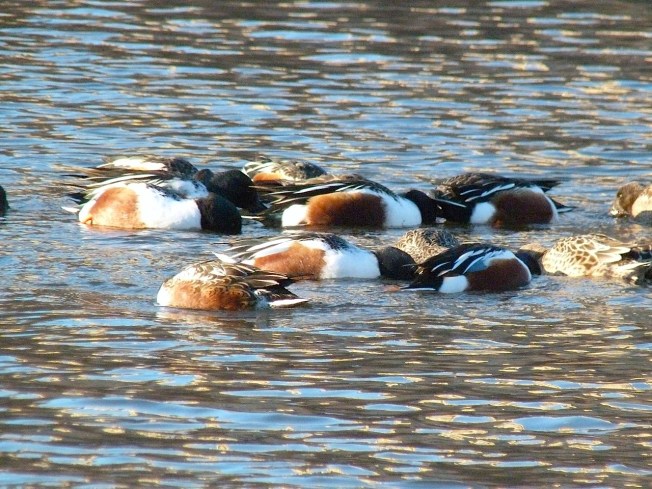
The shovelers shown above (except for the ‘blue’-headed one which comes from the set below) were all photographed on Abaco. I mentioned the familiar dabbling method of feeding earlier. However a few days ago in Central Park NYC on The Lake near Bow Bridge, I witnessed shoveler feeding behaviour that was new to me. It’s probably perfectly well-known and documented, but that’s amateurs for you**. A flock of about 30 male and female shovelers had split into smaller groups of between 2 and 10. They formed circles – sometimes very tight – and swam round each other with their heads underwater, stirring up the water as they paddled round, so that their bills were always immersed in freshly disturbed food possibilities. The effect was hypnotic, as you can see from the 15 sec video I took. Although in the clip it looks as though the birds are rapidly progressing to the right, they in fact stayed in much the same place. They were not very close to me, so these are illustrative images rather than ‘Audubon shots’.

Northen Shovelers Foraging (Keith Salvesen) 7Northen Shovelers Foraging (Keith Salvesen) 1Northen Shovelers Foraging (Keith Salvesen) 3

** Of course as soon as I looked I discovered that “Large groups of northern shovelers swim rapidly in circles to collect food from the surface by creating a funnel effect” (cheers to Wiki)Spinus-northern-shoveler-2015-01-n025006-w

Credits: Tom Sheley (1, 2, 3); Tony Hepburn (4); Woody Bracey (5); Keith Salvesen (the rest)

Unknown's avatar

“FOUR CALLING BIRDS…” CAN YOU FIND ONE ON ABACO?


Red-winged Blackbird Abaco Bahamas (Keith Salvesen)

“FOUR CALLING BIRDS…” CAN YOU FIND ONE ON ABACO?

The Winter Solstice arrives today. The shortest day followed by the longest night of the year… then the serious business of Christmas. And some quality frivolity with it. So this will probably be my last post before then and possibly until next year, depending on available time, relative sobriety and other seasonal variables too numerous to mention…

Red-winged Blackbird.Abaco Bahamas.6.13.Tom SheleyCALLING BIRDS? WHAT ARE THEY, EXACTLY?

“The Twelve Days of Christmas “is an old, old song, supposedly written in 1780, and popular ever since. Over time, the words have altered somewhat from the original. The ‘Calling Birds’ were originally ‘Colly (or Collie) Birds’, meaning, black birds. The word derives from the word ‘coal’. The change to ‘calling birds’ wasn’t noted until the early c20. One version I learnt as a child a few years decades later used ‘colly birds’. However the quaint usage quickly died out during the pernicious excesses of the 1960s which I obviously don’t remember because I wasn’t there…

European BlackbirdEuropean Blackbird (wiki)

Colly birds were – are – European blackbirds, song birds that bring joy. There are other black birds of course, but crows, ravens and the like have from medieval times been viewed as birds of ill-omen (lots of examples in Shakespeare). Hardly a Christmassy gesture to give one of them to your True Love, far less four. 

WHAT ABACO BIRD SHOULD I GIVE MY TRUE LOVE AFTER 5 GOLD RINGS?

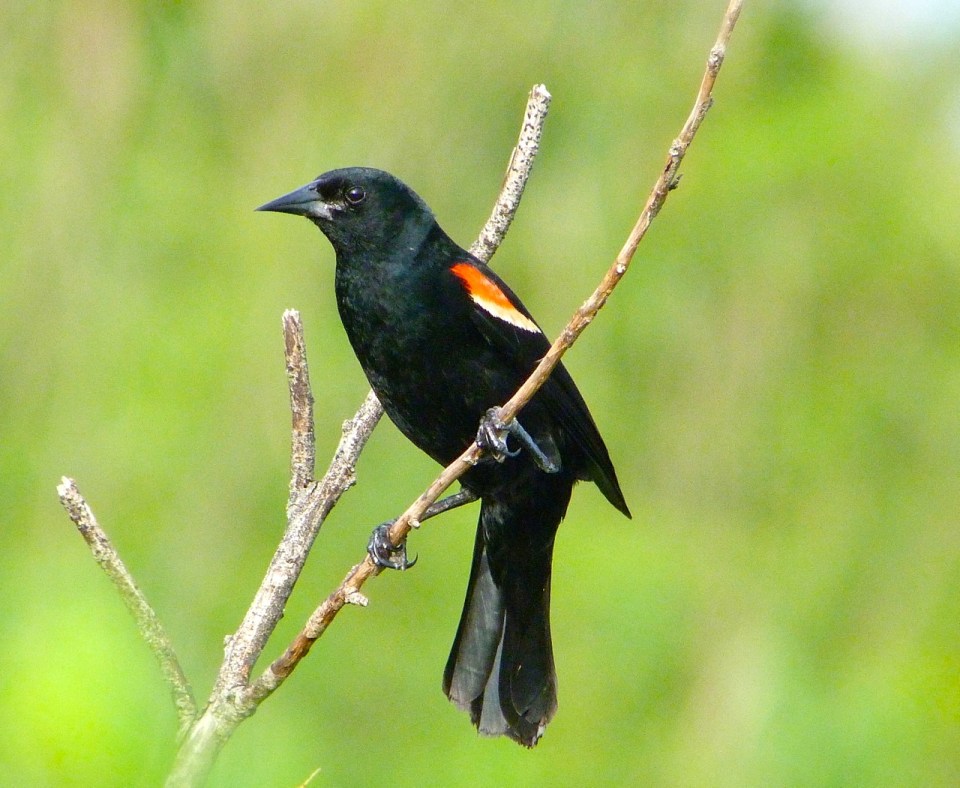
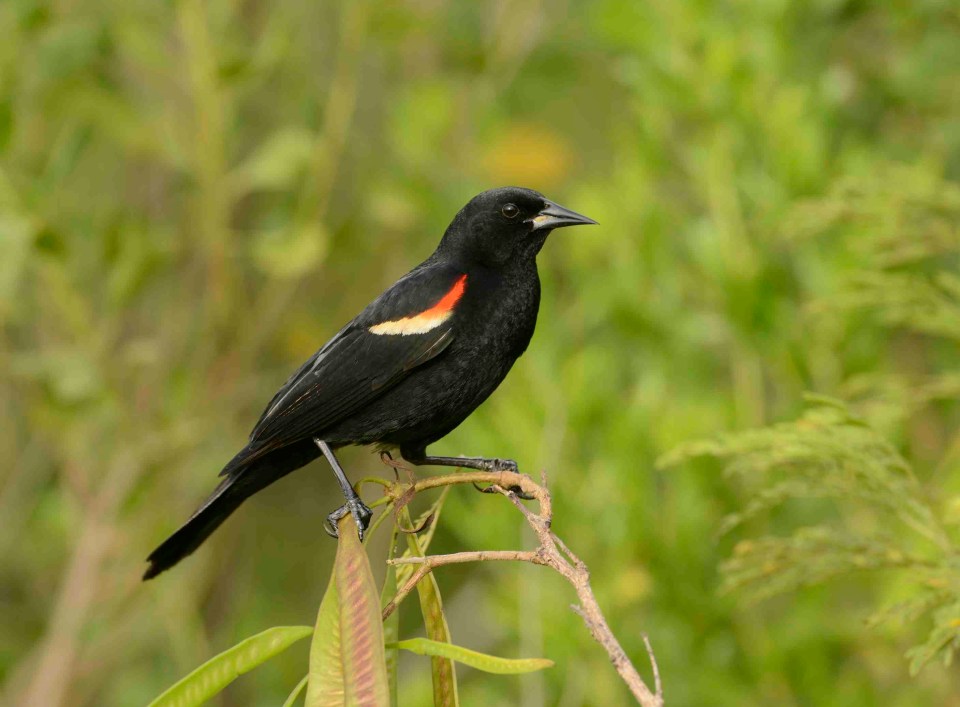
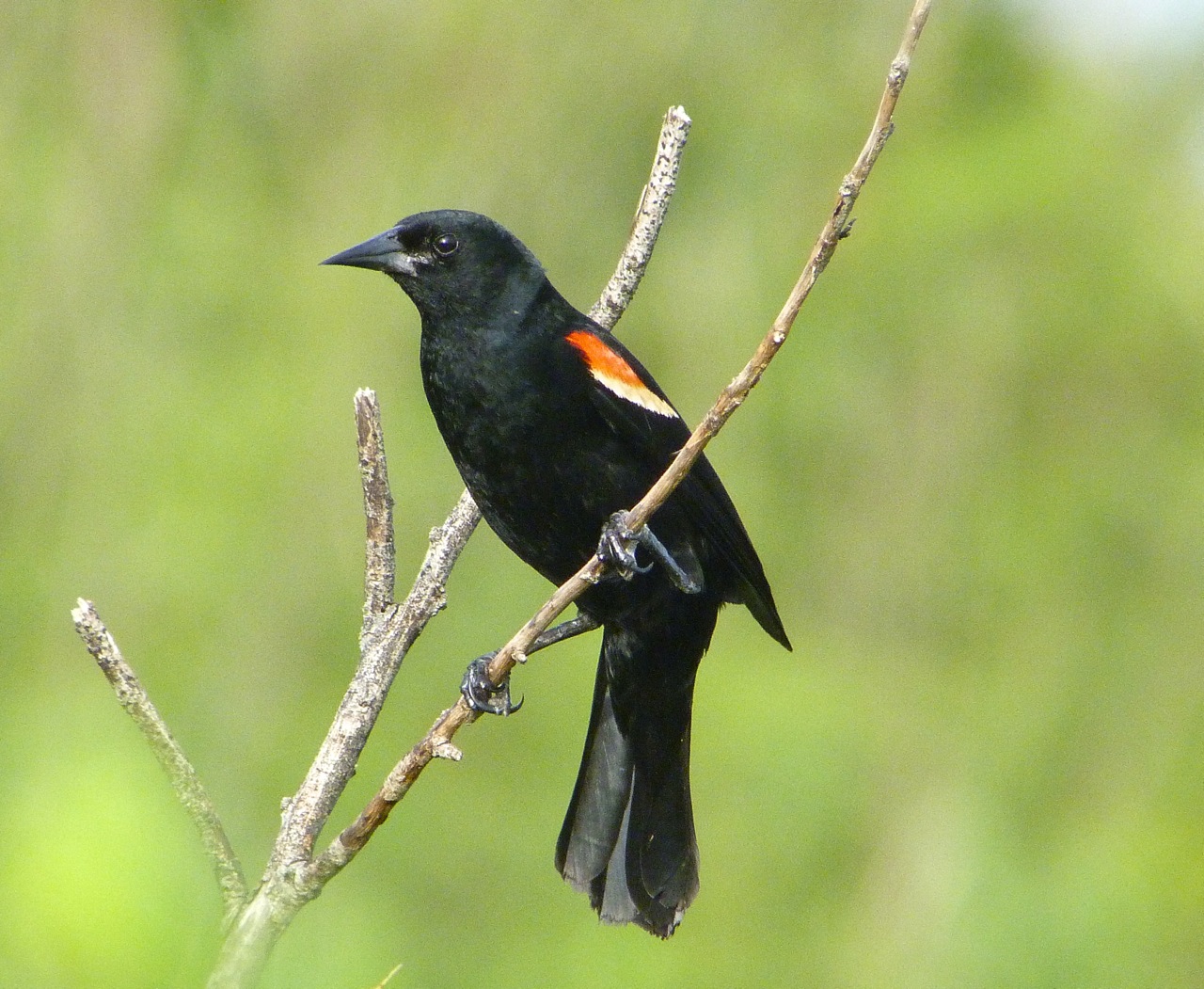
Undoubtedly red-winged blackbirds. They are undeniably black birds. They have festively flashy markings. True, their ‘metal-gate-with-very-rusty-hinges’ grating call is not exactly melodious (and 4 red-legged thrushes on vocals would suit the occasion much better). But what a handsome present to give someone already trying to cope with the burden and general commotion of sundry Lords a’Leaping, Maids a’Milking, Drummers Drumming and so on. Much easier to deal with.

Red-winged Blackbird male 2 .Abaco Bahamas.6.13.Tom Sheley

HOW MANY GIFTS WILL MY TRUE LOVE EXPECT FROM ME?

I’m afraid it will be 364 in total, with some items on the list becoming increasingly difficult to source. The breakdown (note in passing the mathematical symmetry of the increasing and correspondingly diminishing numbers) is as follows:

  • 12 partridges in pear trees
  • 22 turtle doves
  • 30 french hens
  • 36 calling birds
  • 40 golden rings
  • 42 geese a laying
  • 42 swans a swimming
  • 40 maids a milking
  • 36 ladies dancing
  • 30 lords a leaping
  • 22 pipers piping
  • 12 drummers drumming

But with any luck your TL would be happy to share a Kalik in the sunset instead of having all that palaver…

Red-winged Blackbird Abaco Bahamas (Keith Salvesen)

Happy Christmas** to all people kind enough to follow this blog or read it from time to time, and – why not – all the people who don’t and / or have no idea of its existence… Time to let Kermit & Elmo to take over. 

Photo credits, Tom Sheley (2, 3), Keith Salvesen / RH (1, 4), Wiki for the Eurasian blackbird

**The term ‘Christmas’ is used as a broad term to cover the midwinter holiday period – or indeed non-holidays for many – and is intended to include in a benign way those of any faith or none. I don’t ‘do’ Winterval, sorry…

Unknown's avatar

ABACO PARROTS: BRIGHT GREEN, RED & BLUE = HAPPY CHRISTMAS TO YOU


Abaco (Cuban) Parrot Pair (Melissa Maura)

ABACO PARROTS: BRIGHT GREEN, RED & BLUE = HAPPY CHRISTMAS TO YOU

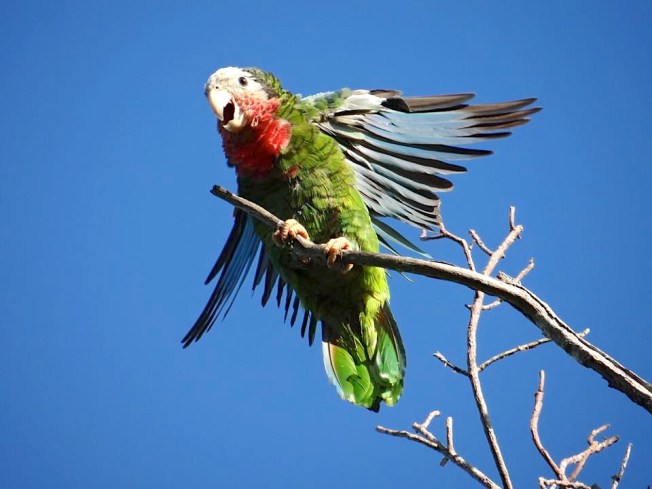
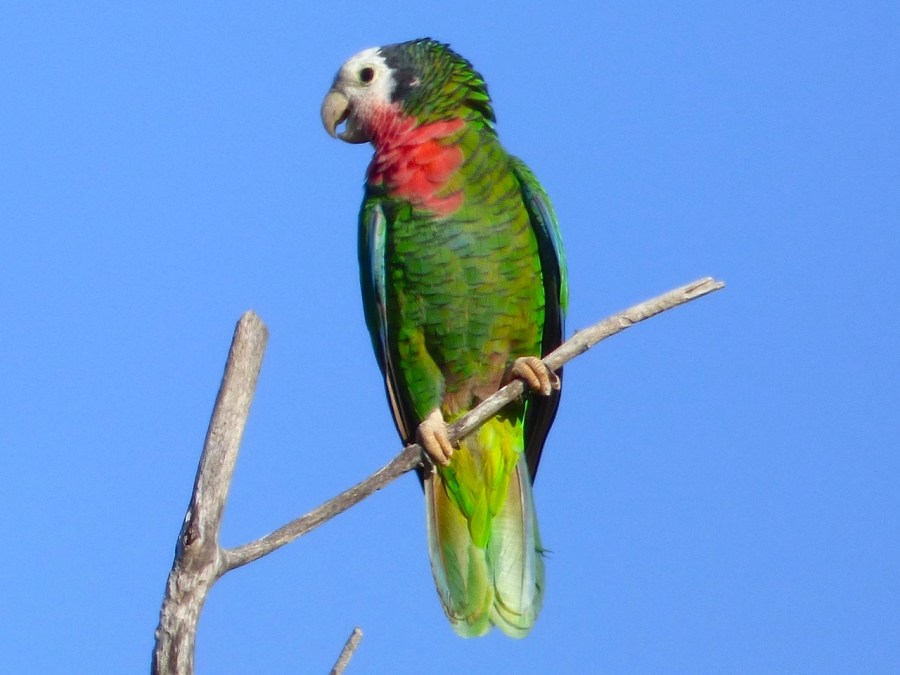
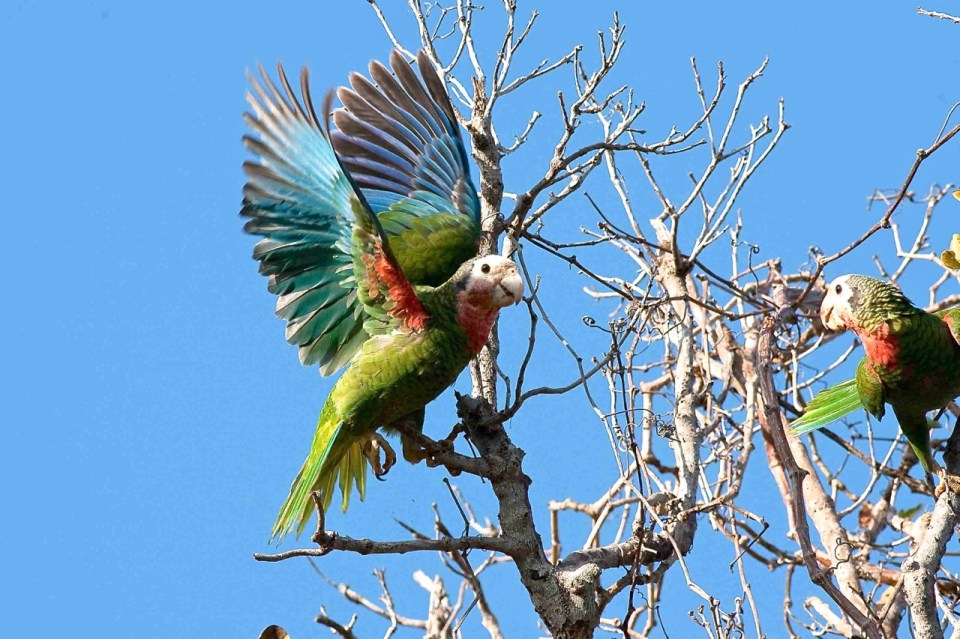
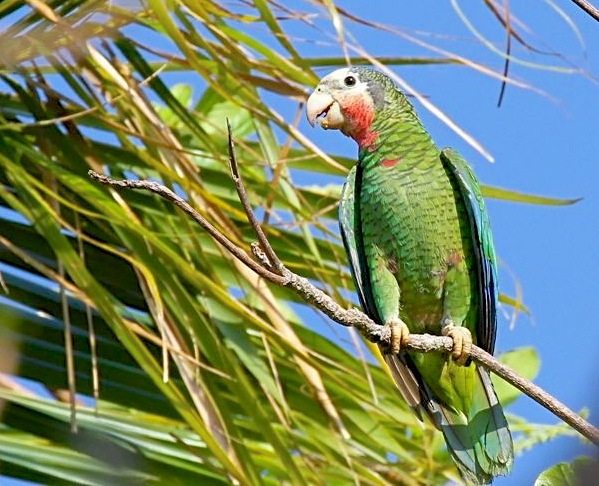
Painted buntings in the last post. And now some Abaco parrots. To adopt the joyous strangled yell of Noddy Holder (Slade, 1973, “Merry Christmas Everybody”)** “It’s….. CHRISTMASSSSSSS“. Abaco’s famous and unique ground-nesting parrots are about as seasonally festive as you could wish for. Bright, colourful, noisy and impossible to ignore. The run-up to Christmas is the perfect moment for a gallery of these fine birds that are making a very promising recovery from near-extinction thanks to intensive conservation measures over the last few years. There’s a caption competition at the end, too. Post your idea as a comment and there even may be something it it for the winner…

Abaco (Cuban) Parrot Pair (Melissa Maura)Abaco Parrots (Peter Mantle)Abaco Parrot (Keith Salvesen)Abaco (Cuban) Parrot (Craig Nash)

INTERMISSION

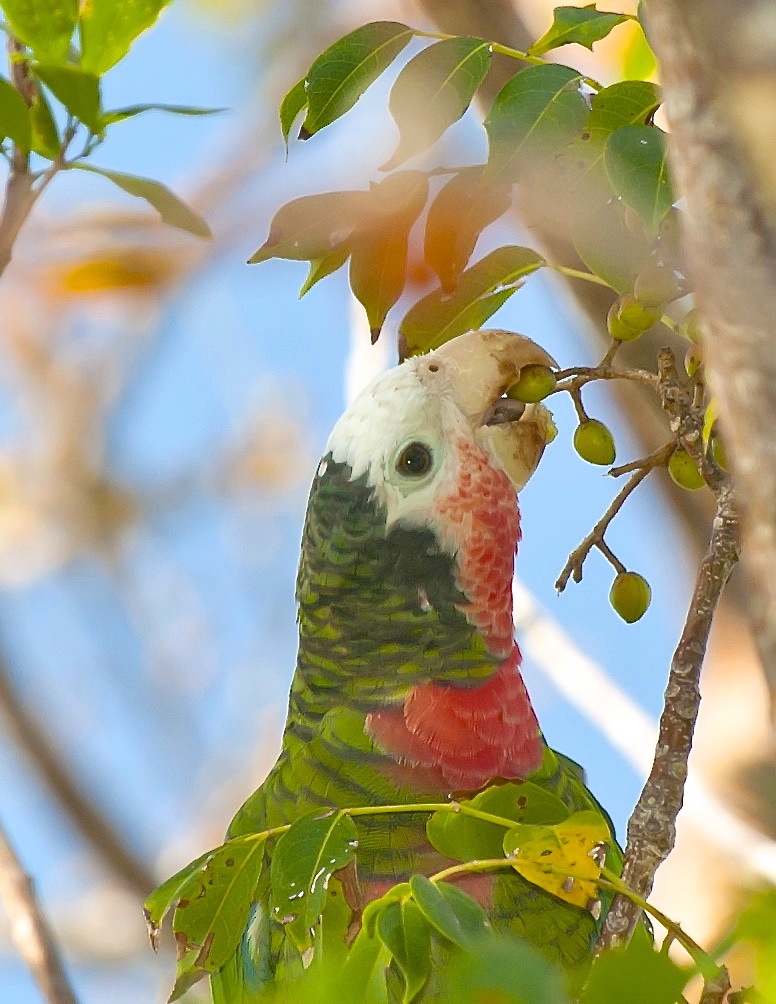
Abaco / Cuban Parrot (Bruce Hallett)Abaco Parrot eating Gumbo Limbo fruit. Abaco Bahamas (Tom Sheley)Abaco (Cuban) Parrot (Keith Salvesen)

CAPTION COMPETITION

It’s Christmas. Season of Good Will. But what on earth is going on here…?Abaco (Cuban) Parrot Pair (Melissa Maura)

Credits: Melissa Maura (1, 2, 9), Peter Mantle (3), Keith Salvesen / RH (4, 8), Craig Nash (5), Bruce Hallett (6), Tom Sheley (7); Audio recorded by RH & Mrs RH at Bahamas Palm Shores

**  FESTIVE MUSICAL DIGRESSION (OPTIONAL)

[youtube https://youtu.be/0A8KT365wlA]

Unknown's avatar

BRIGHT & BEAUTIFUL BUNTING FOR AN ABACO CHRISTMAS


Painted Bunting.Bahama Palm Shores.Abaco Bahamas.Tom Sheleyimagesimagesimagesimages

BRIGHT & BEAUTIFUL BUNTING FOR AN ABACO CHRISTMAS

BUNTING  /ˈbʌntɪŋ/  (Noun)

[Yay! A Christmas gift of a puntastic avian / festive double-meaning]
  1. A small New World songbird of the cardinal subfamily
  2. Flags and other colourful festive decorations

imagesimagesimages

PAINTED BUNTINGPainted Bunting, Abaco (Erik Gauger)
Painted Bunting, Abaco (Tara Lavallee)Painted Bunting, Abaco (Tara Lavallee)

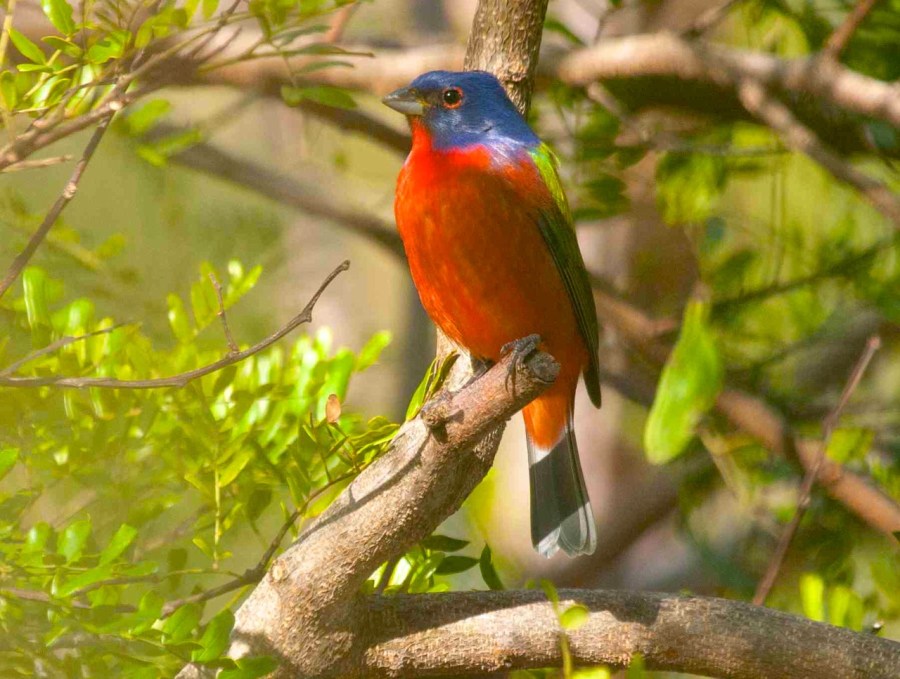
It’s hard to imagine a more Christmasy little bird than the Painted Bunting. Bright blue, red, green primary colours make for a spectacular small bird to grace any garden or feeder. There are other bunting species and close relations – e.g. grosbeaks – on Abaco. A common factor is the little fat beak and voracious seed greed…

                                                           painted-buntingimagespainted-bunting copy

Feeders at the Delphi Club. The first is of a female & a male PABU feeding together (RH). The second is a male PABU with a pair of black-faced grassquits (Sandy Walker)Painted Buntings (M & F), Delphi, Abaco (Keith Salvesen)Painted Bunting, Delphi, Abaco (Sandy Walker)

                                                        painted-buntingimagespainted-bunting copy

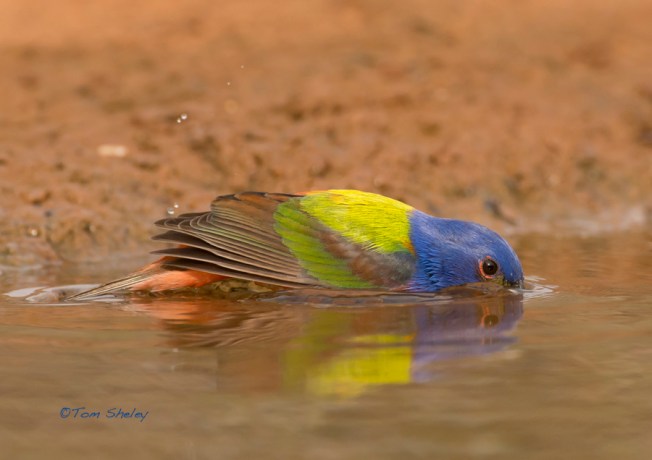
The next two wonderful photos are by Tom Sheley, a major photographic contributor to THE BIRDS OF ABACO. They were taken in Texas, not on Abaco, but I include them because of Tom’s strong connection with the birdlife of Abaco; and because on any view they are fantastic shots…
Painted Bunting reflection LR.Laguna Seca.South TX. 4.16.13.Tom SheleyPainted Bunting dip reflection LR.Laguna Seca.South TX. 4.16.13.Tom Sheley

Credits: Tom Sheley (1, 7, 8), Erik Gauger (2), Tara Lavallee (3, 4), Keith Salvesen (5) Sandy Walker (6); Birdorable Cartoons

imagesimagesimagesimages

Unknown's avatar

TRI-COLORED HERON HUFFS SNOWY EGRET: GILPIN POND, ABACO


Snowy Egret, Gilpin Pond Abaco 10 (Keith Salvesen)

TRI-COLORED HERON HUFFS SNOWY EGRET: GILPIN POND, ABACO

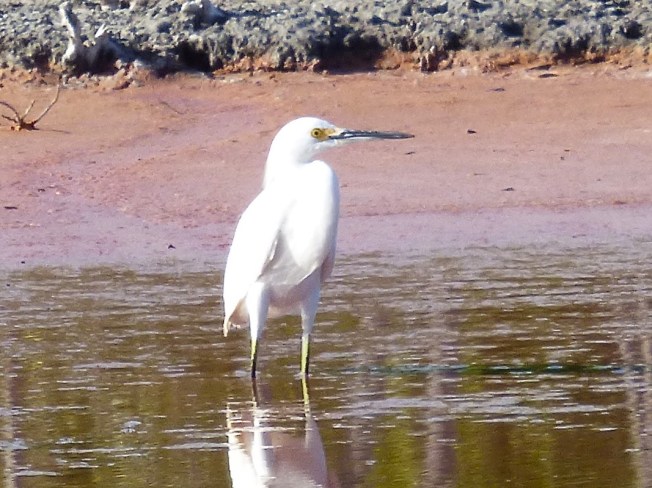
We were at Gilpin Pond to watch for Herons and Egrets. Bahama Pintails were a given, Black-necked Stilts were likely – but one never quite knows what Ardeidae will turn up. There was a snowy egret fishing peacefully at the north end of the pond. We were a little way off, on a small wooden jetty. Slowly and rather deliberately a tri-colored wandered right through the Egret’s hunting area. It wasn’t looking for food, and it certainly wasn’t in a hurry. 

Heron wading through my fishing spot? Like I care? [Yes. You really do]Snowy Egret with Tri-colored Heron, Gilpin Pond Abaco 1 (Keith Salvesen)

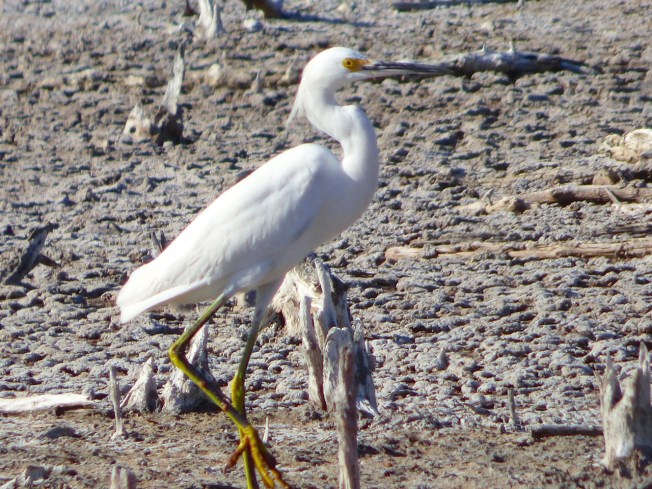
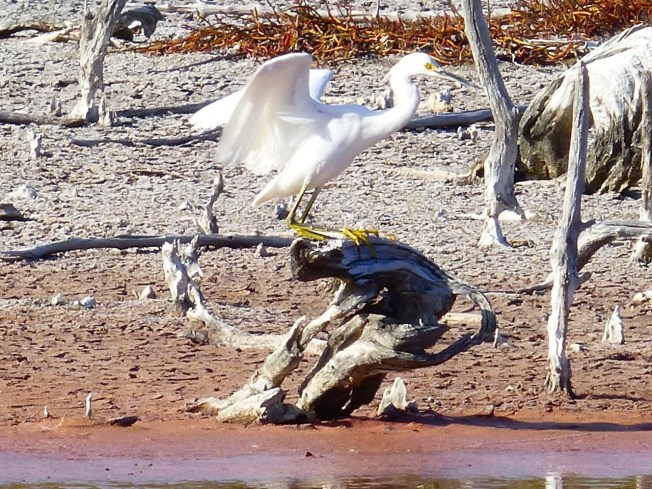
I regret to say that Snowy threw a bit of a strop. Having been hunched and intent on his hunting, he became distracted and palpably upset. It was just… the heron’s meander right past his beak was a bit to much for any self-respecting egret to tolerate. This is how it went, as the heron moved very slowly forwards…

A bad hair day – but gradually regaining composure…Snowy Egret, Gilpin Pond Abaco 1 (Keith Salvesen)Snowy Egret, Gilpin Pond Abaco 2 (Keith Salvesen)Snowy Egret, Gilpin Pond Abaco 3 (Keith Salvesen)Snowy Egret, Gilpin Pond Abaco 4 (Keith Salvesen)

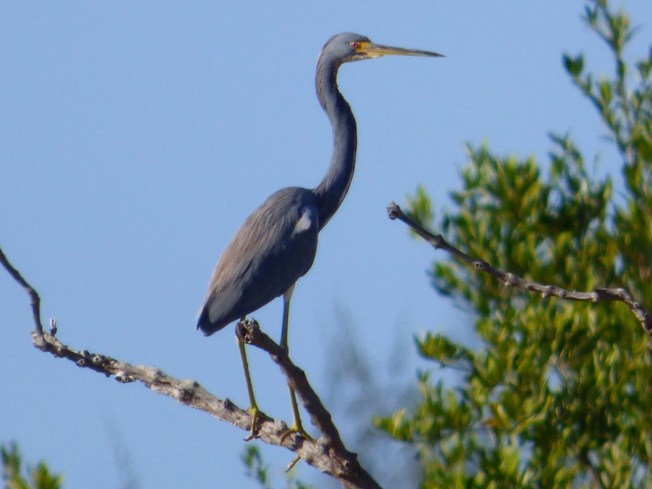
Then the heron got out of the water… out of the way. You’d think.Tri-colored Heron, Gilpin Pond Abaco 2 (Keith Salvesen)

Not to be outdone, the egret followed behind, no doubt muttering crossly…Snowy Egret, Gilpin Pond Abaco 6 (Keith Salvesen)

…and hopped up onto a dead tree stump, where it stood rather forlornlySnowy Egret, Gilpin Pond Abaco 8 (Keith Salvesen)Snowy Egret, Gilpin Pond Abaco 9 (Keith Salvesen)

At which point the heron flew off and perched high up on a dead branch. I swear I heard it laugh.Tri-colored Heron, Gilpin Pond Abaco 4 (Keith Salvesen)

All photos RH. All anthropomorphic interpretations, too.

Unknown's avatar

SAYING NO TO BEAUTIFUL BAHAMAS BIRDS…


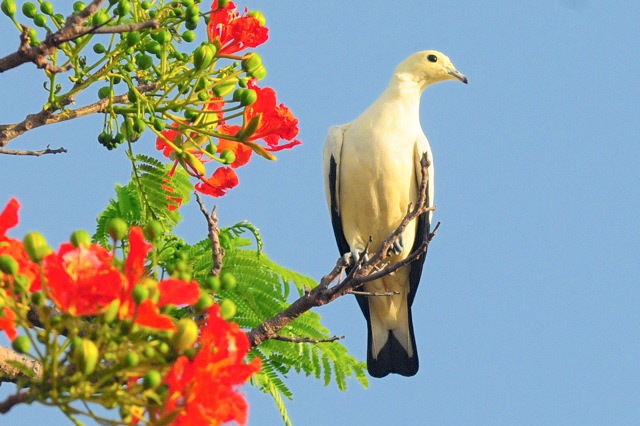
Pied Imperial Pigeon 1, Nassau (Woody Bracey)

Pied Imperial Pigeon, Nassau

SAYING NO TO BEAUTIFUL BAHAMAS BIRDS…

Flamingos & Chicks, Inagua (Melissa Maura)

Flamingos & Chicks, Inagua

Writing a bird book involves defining parameters at an early stage. Best to avoid working them out 6 months into the project; or (worse) letting them evolve gradually as each obstacle along the stony track to the printers is encountered. Far better to decide the general rules of engagement at the outset, and be able to tweak them later if need be. 

Brown Booby + egg, San Salvador (Woody Bracey)

Brown Booby on its nest, San Salvador

And so it was that we stayed for a convivial weekend with Peter and Jane Mantle to discuss the pros and the cons, the whys and the wherefores, the format and the style of a book to showcase the birds of Abaco. And how on earth to get started on the project…

Pied Imperial Pigeon 2, Nassau (Woody Bracey).JPG

Pied Imperial Pigeon, Nassau

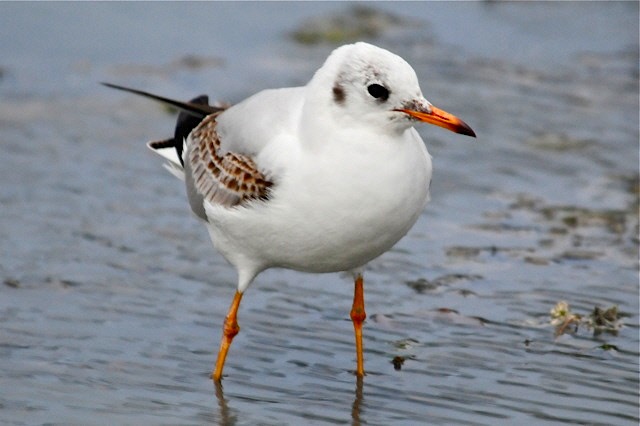
Black-headed Gull imm, New Providence (Bruce Hallett)

Black-headed Gull (immature), New Providence

One thing was clear at the outset. It was essential that every photograph in the book would have to be taken on Abaco. It wasn’t to be ‘The Birds of Abaco including Birds from Grand Bahama, New Providence, Eleuthera and Inagua that You Might also Find on Abaco’. Or ‘The Birds of Abaco, Mostly’. And there was to be no cheating.

burrowing-owl-great-inagua-woody-braceyjpg

Burrowing owl, Great Inagua

The project involved the work of some 30 photographers in all, from the prolific to a couple of people who offered a single excellent photo. I amassed a large archive, though only a percentage could be used. For example many fine photos fell by the wayside because resolution was inadequate for high-quality print purposes.  

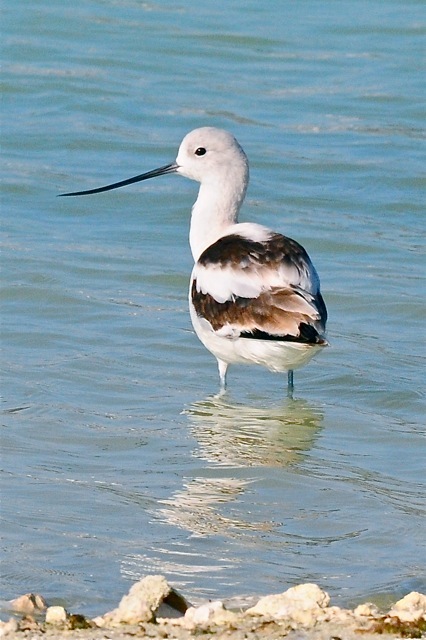
American Avocet, Bahamas 1 (Tony Hepburn)

American Avocet, Nassau

I also collected plenty of folders containing images of birds we desperately wanted to include, that were not all taken on Abaco but were part of a wider field trip. These were ruthlessly (but painfully) excluded from consideration. In fact, to stick within the (self-imposed) guidelines, I set aside all photos that I was not certain had been taken on Abaco. Where there was doubt, they were out.

Key West Quail-Dove, Nassau, Woody Bracey

Key West Quail-Dove, Nassau

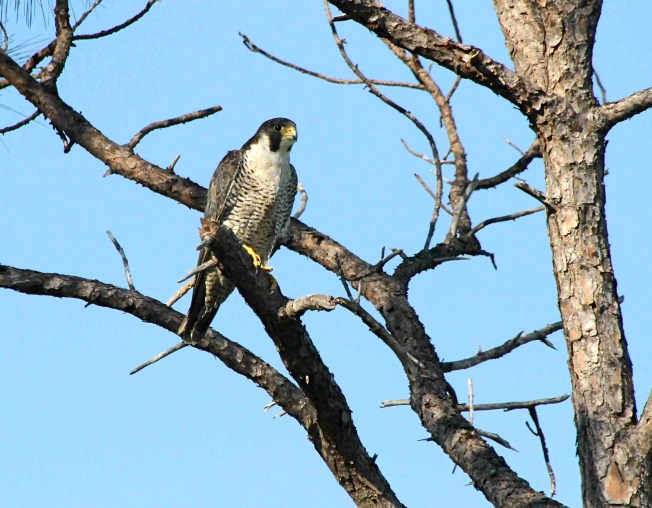
This post contains a selection of photos from the Aviary des Refusés. We would have loved to have included the peregrine falcon and burrowing owl, for example, but had no Abaco images to use then. Other bird species were in any event disqualified for being unknown on Abaco. A Pearly-eyed Thrasher recently found its way to Treasure Cay, this first recorded for Abaco; yet could be found elsewhere in the Bahamas two years ago.

Peregrine Falcon (Woody Bracey) sm

Peregrine Falcon, New Providence

Pearly-eyed Thrasher, San Salvador (Woody Bracey) jpg

Pearly-eyed Thrasher, San Salvador

Horned Lark, Nassau (Woody Bracey)

Horned Lark, Nassau

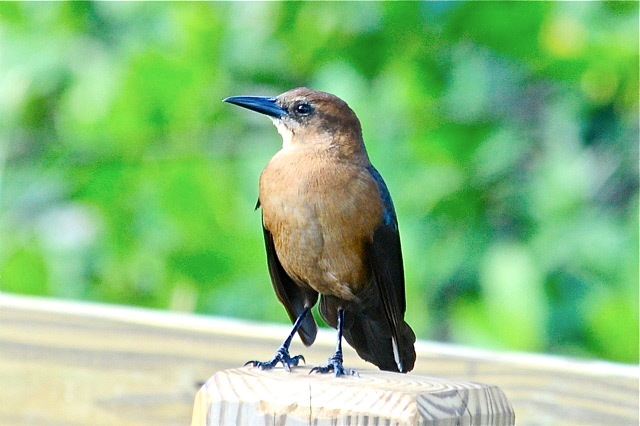
Boat-tailed Grackle (f), Nassau (Woody Bracey)

Boat-tailed Grackle (f), Nassau

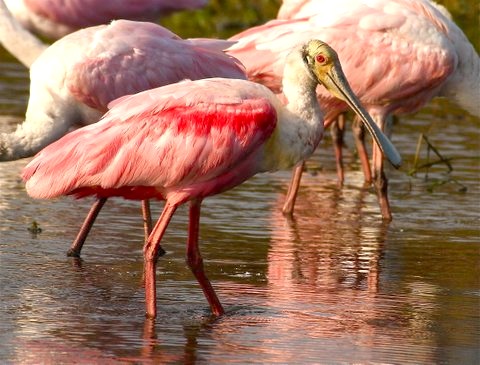
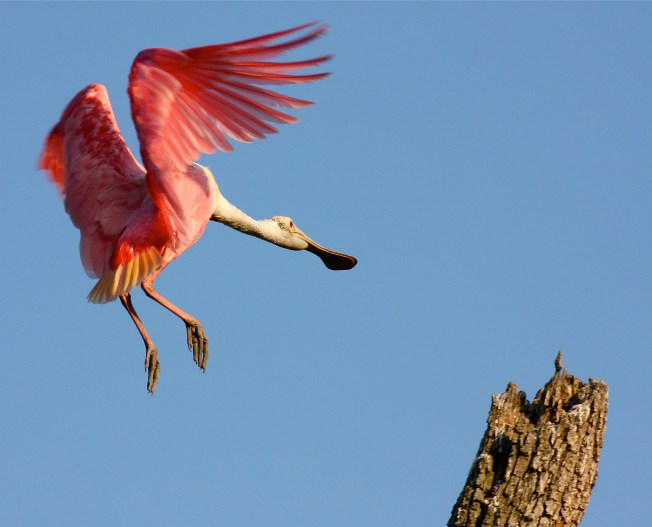
Roseate Spoonbill WB 59_IMG_6302 copy 3

Roseate Spoonbill WB 58_IMG_6230 copy 3
Roseate Spoonbill, Great Inagua

Cuban Grassquit, Nassau (Woody Bracey)

Cuban Grassquit, Nassau

Brown-headed Nuthatch, Grand Bahama (Woody Bracey) cr sm copy

Brown-headed Nuthatch, Grand Bahama

American Avocet, San Salvador (Woody Bracey)

American Avocet, San Salvador

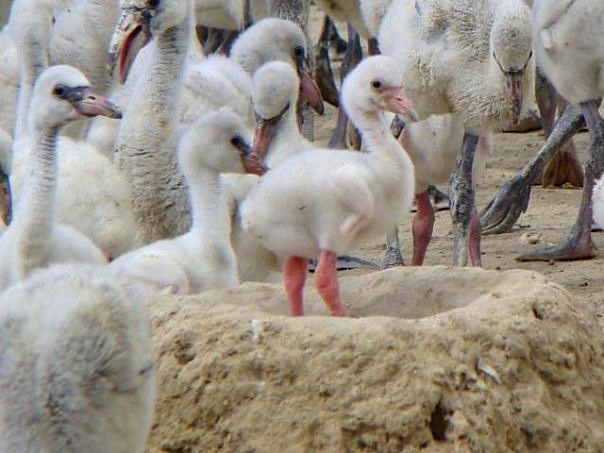
Flamingos & Chicks, Inagua (Melissa Maura)

Flamingo Chicks, Inagua

Credits: Woody Bracey for taking / supplying a most of these great images, with Tony Hepburn, Bruce Hallett, Melissa Maura (the wonderful Flamingos) and all those involved in the joint field trips from which some of these photos originate. And Peter Mantle for having the idea for the book and for being wholeheartedly supportive through thick and thin…


Unknown's avatar

“THE DELPHI CLUB GUIDE TO THE BIRDS OF ABACO”


Abaco Parrot, Abaco Bahamas (Peter Mantle)

“THE DELPHI CLUB GUIDE TO THE BIRDS OF ABACO”

A new season – the seventh – of the Delphi Club is now underway. There are fish to be caught, poolside inactivities to relish, chef-prepared meals to eat and a capacious wine cellar to be explored. To which, add birds to be spotted. Delphi has turned out to be a superb place for birding – not a feature given prominence in the original prospectus… The Club’s remoteness and its rich mix of pine forest, coppice, gardens and a pristine one-mile beach ensure the prefect protected habitat for a vast number of bird species common, uncommon and rare.

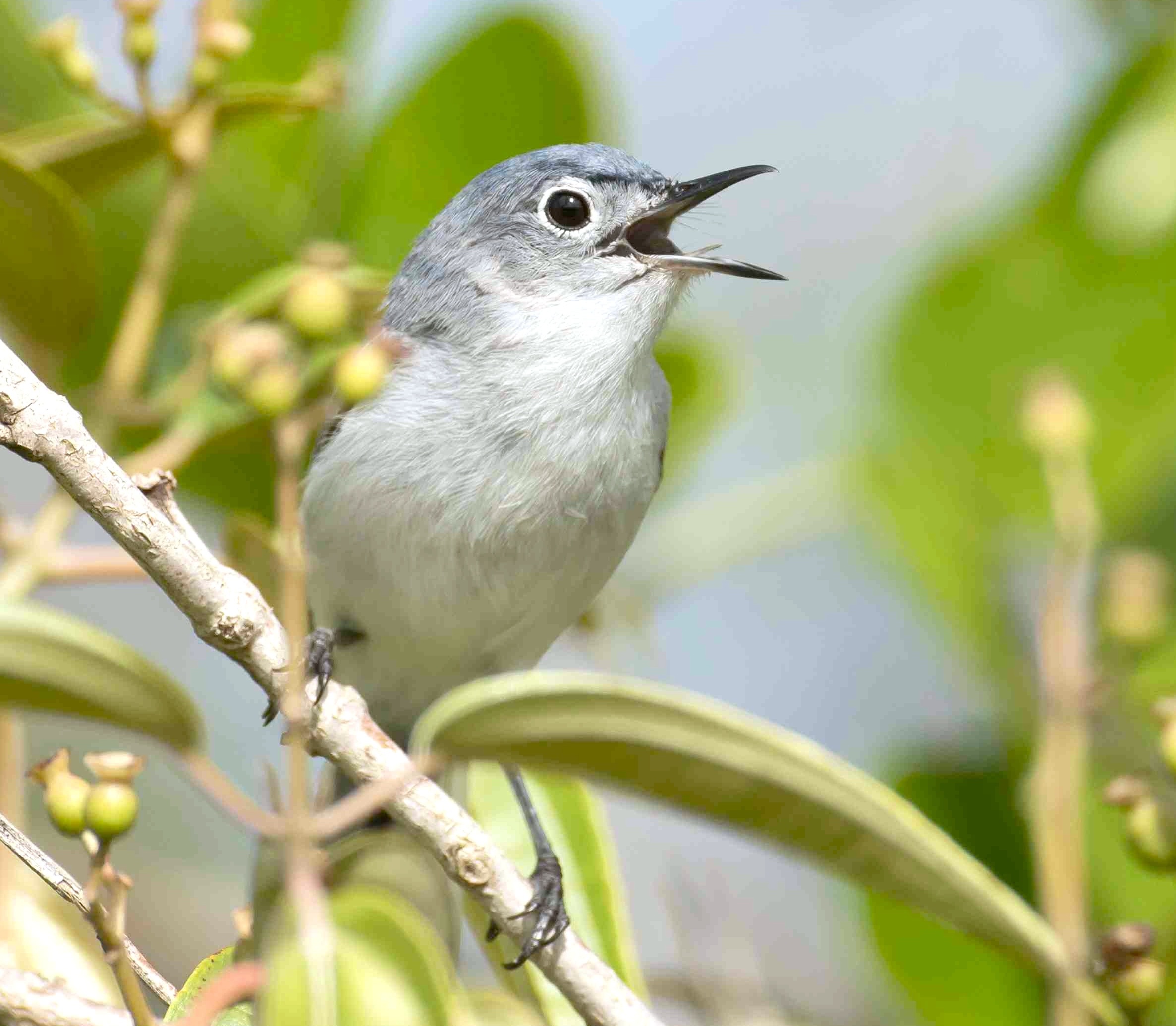
Blue-gray Gnatcatcher vocalizing.Abaco Bahamas.6.13.Tom Sheley a

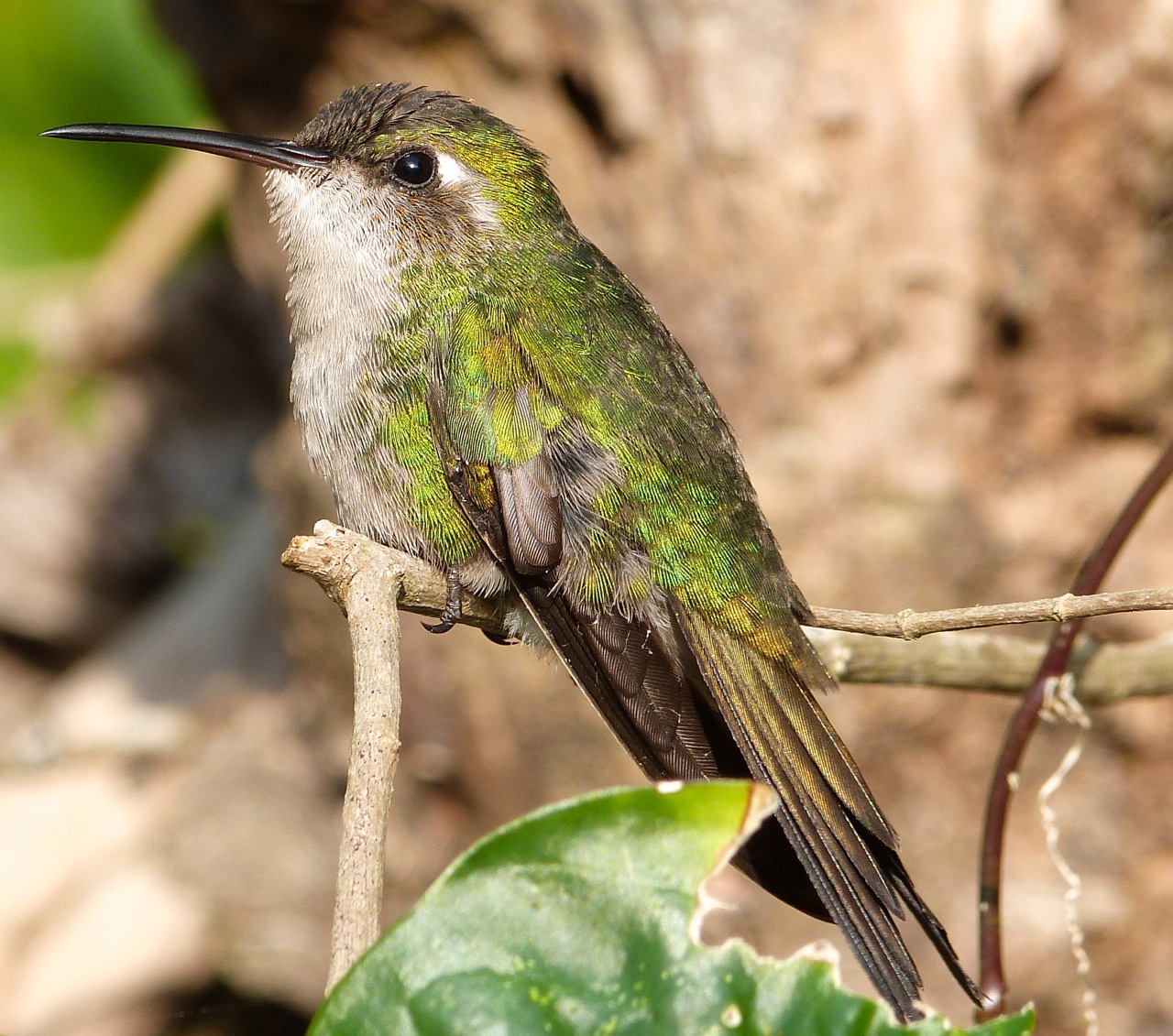
Eighteen months ago, “The Delphi Club Guide to THE BIRDS OF ABACOwas published. The originator of the idea – as with the entire Delphi project – was of course Peter Mantle, the publisher. The book took 16 months from conception to the arrival of three pallets of printed books on the dockside in Marsh Harbour, having travelled by a tortuous route from specialist printers in Italy. Cuban Emerald Hummingbird, Delphi, Abaco (Keith Salvesen)

The book was launched at the Delphi Club in March 2014, to generous enthusiasm and support both on Abaco and beyond. 75% of the edition has been sold already. In addition, Abaco schools, libraries and wildlife organisations have been given copies for educational purposes. A percentage of profits is to be given to local wildlife causes. We couldn’t be more pleased with the response to this lavish book, a unique publication in the Bahamas. 

Delphi Club Guide to the Birds of Abaco (Jacket)

The incremental growth of social media is rapid. Blogs gain readers. Facebook and Twitter pages gain new friends and followers. The start of this new Delphi season is therefore a good moment to post a reminder about the book, illustrated with a few of the wonderful bird species featured. And… ahem… there are only 57 more ‘sleeps’ until Christmas. 

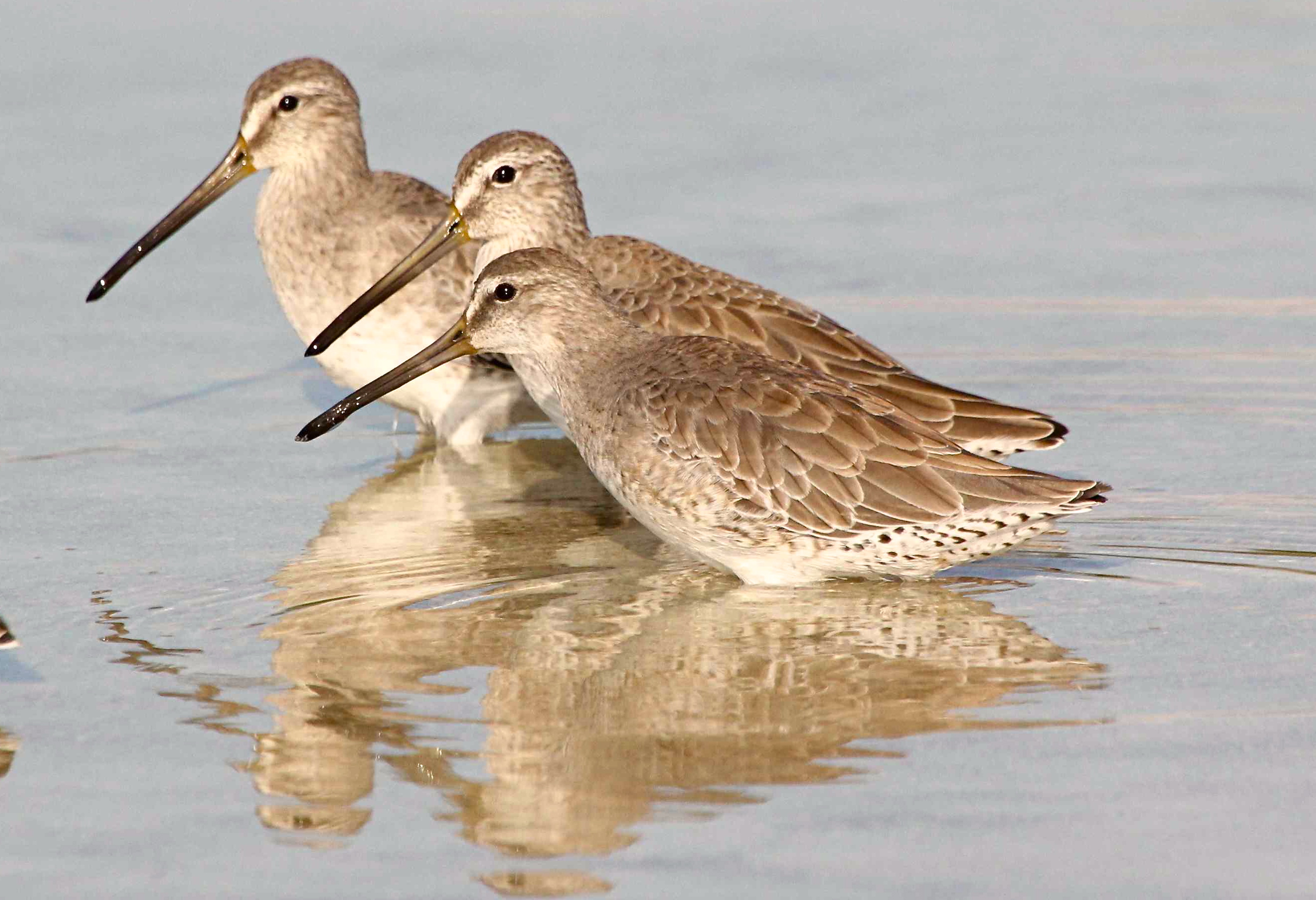
Short-billed Dowitcher, Abaco (Bruce Hallett)

The Guide showcases the rich and varied bird life of Abaco, Bahamas and features both resident and migratory species including rarities and unusual sightings. The main features are as follows:

  • 272 pages with more than 350 photographs
  • 163 species shown in vivid colour – nearly two-thirds of all the bird species ever recorded for Abaco
  • Every single photograph was taken on Abaco or in Abaco waters
  • All birds are shown in their natural surroundings – no feeders or trails of seed were used
  • Several birds featured are the first ones ever recorded for Abaco or even for the entire Bahamas

Clapper Rail Abaco Bahamas Tom Sheley

  • A total of 30 photographers, both experienced and amateur, contributed to the project
  • The book has had the generous support of many well-known names of Abaco and Bahamas birding
  • A complete checklist of every bird recorded for Abaco since 1950 up to the date of publication was compiled specially for the book.
  • A neat code was devised to show at a glance when you may see a particular bird, and the likelihood of doing so. Birds found at Delphi are also marked.
  • Specially commissioned cartographer’s Map of Abaco showing places named in the book

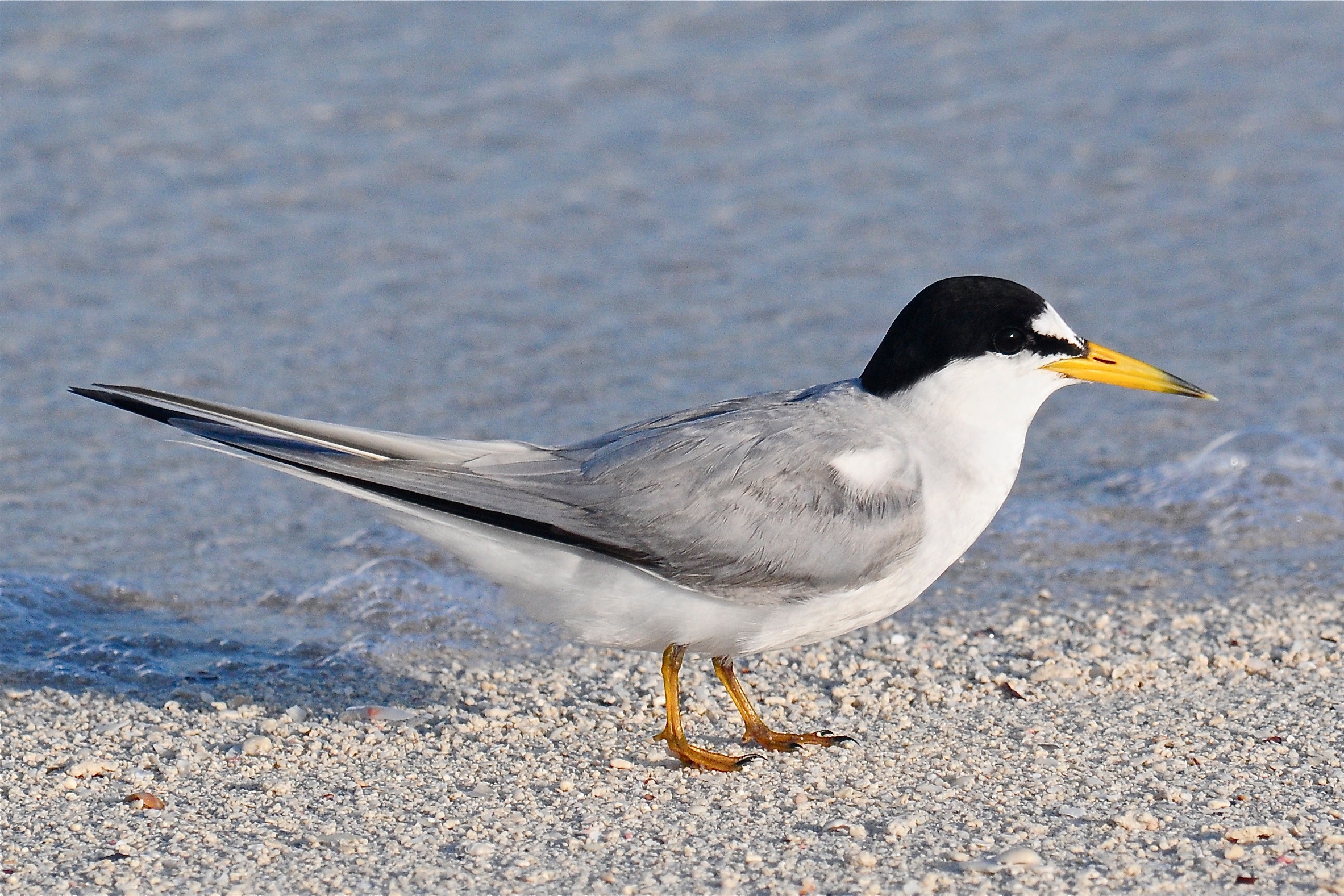
Least Tern_ACH3672 copy

  • Informative captions intentionally depart from the standard field guide approach…
  • …as does the listing of the birds in alphabetical rather than scientific order
  • Say goodbye to ’37 warbler species on consecutive pages’ misery
  • Say hello to astonishing and unexpected juxtapositions of species

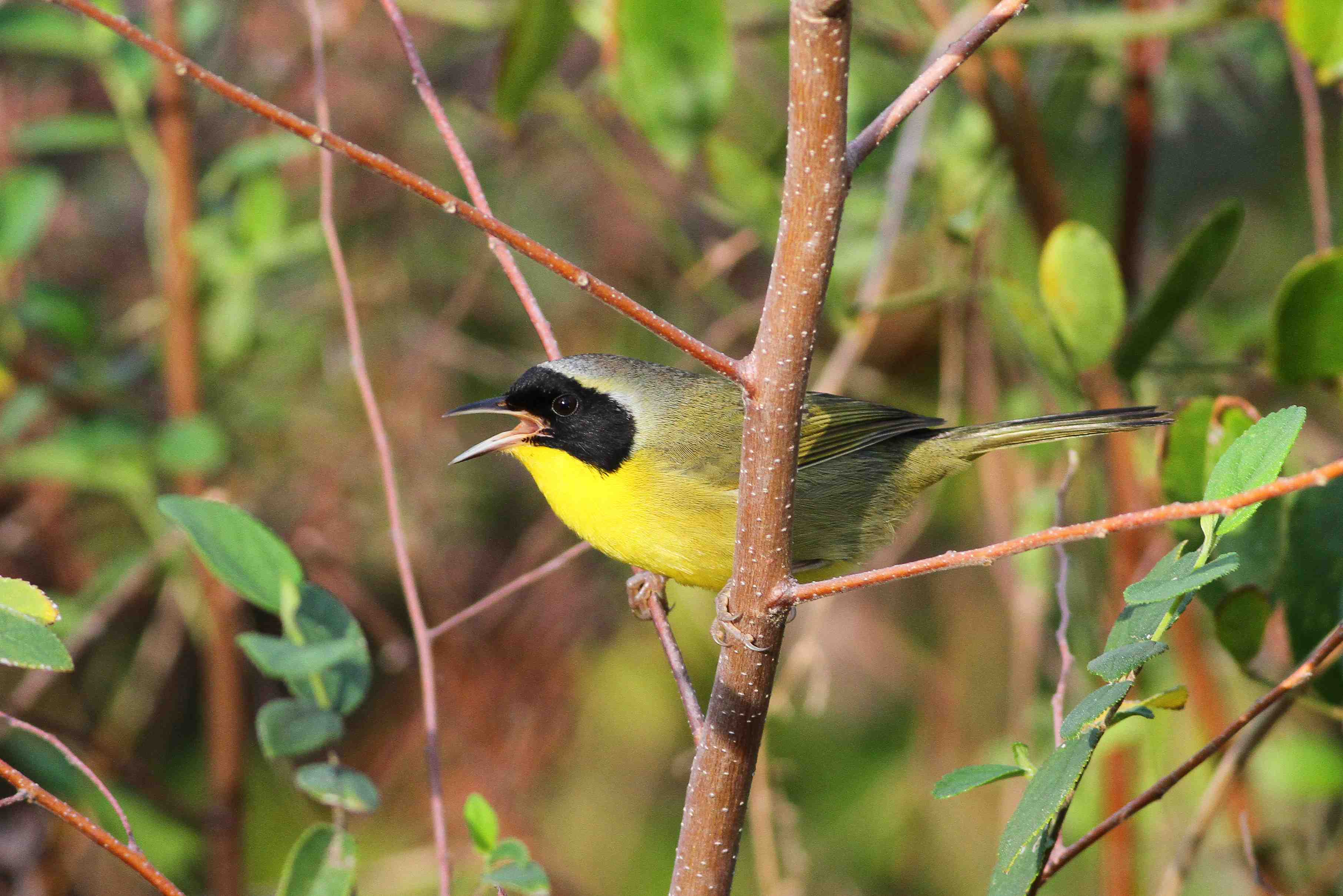
Abaco_Bahama Yellowthroat_Gerlinde Taurer copy

  • The book was printed in Florence, Italy by specialist printers on Grade-1 quality paper
  • Printing took pairs of printers working in 6 hour shifts 33 hours over 3 days to complete
  • The project manager and the author personally oversaw the printing

Smooth-billed Ani pair GT

  • The book is dedicated to the wildlife organisations of Abaco
  • A percentage of the proceeds of sale will be donated for the support of local wildlife organisations
  • A copy of the book has been presented to every school and library on Abaco

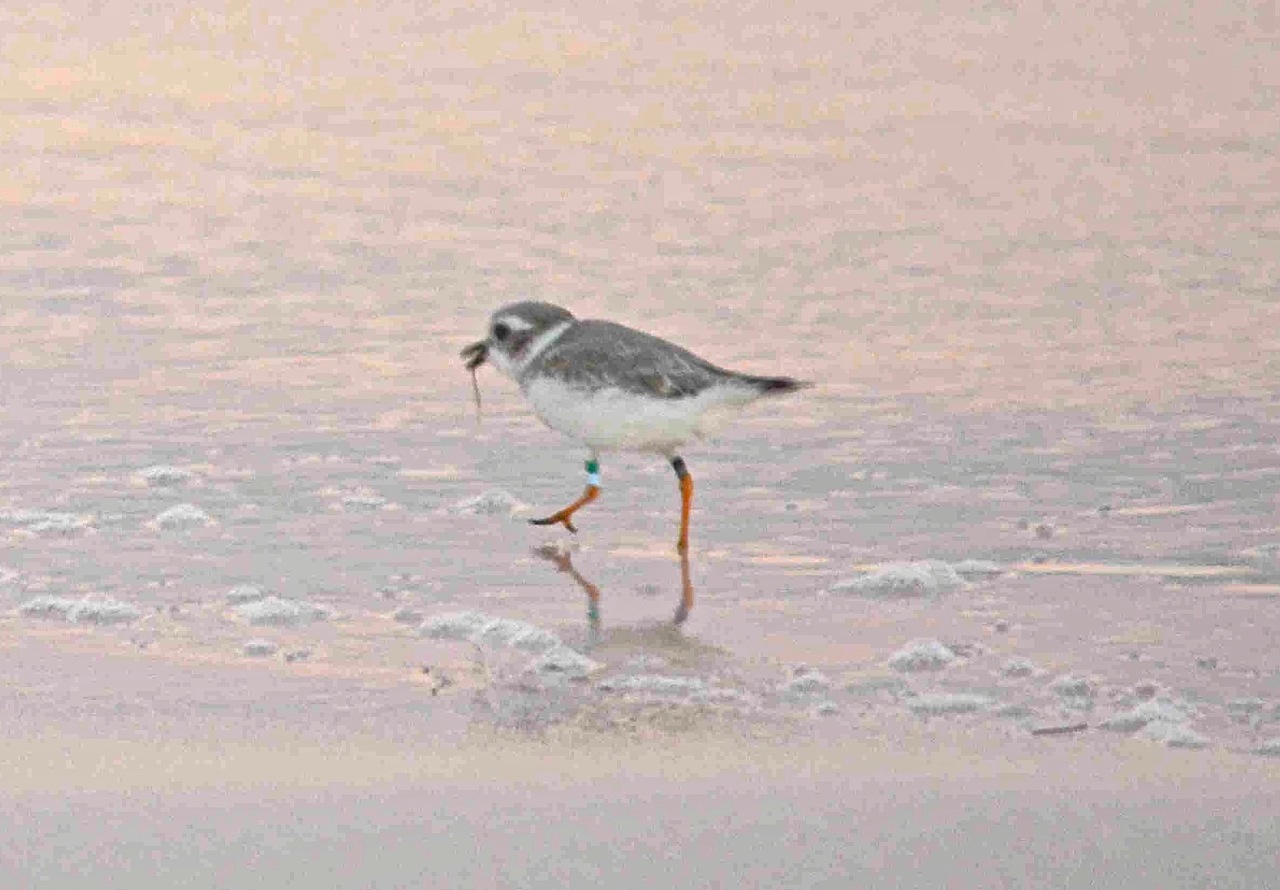
Piping Plover BH IMG_1919

The book is published by the Delphi Club (contact details below). The project was managed by a publishing specialist in art books. The author is the wildlife blogger more widely known on Abaco and (possibly) beyond as ‘Rolling Harbour’. Oh! So that would in fact be Mrs Harbour and myself. Well well! What are the chances? Painted Bunting male.Abaco Bahamas.Tom Sheley

The Delphi Club at Rolling Harbour
PO Box AB-20006, Marsh Harbour, Abaco, Bahamas
Tel: +1-242-366-2222
General Manager – Max Woolnough: +1-242-577-1698
delphi.bahamas@gmail.com

Or email rollingharbour.delphi@gmail.com with any queries or commentsAmerican Oystercatchers BH IMG_2000 copy 2

Images by Tom Sheley,  Bruce Hallett, Gerlinde Taurer, Tony Hepburn, Peter Mantle, RH

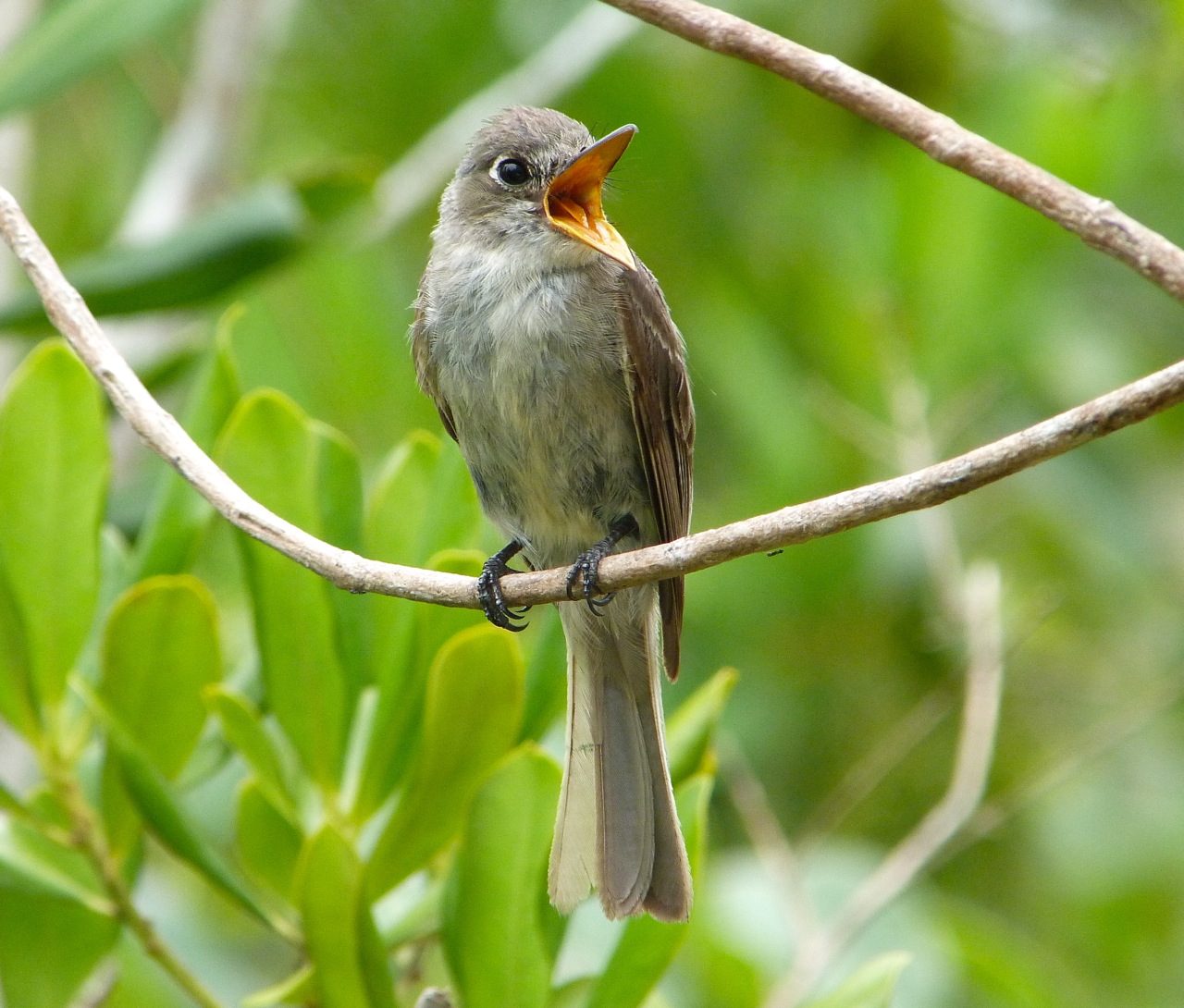
Cuban (Crescent-eyed) Pewee, Delphi, Abaco (Keith Salvesen)"Birds of Abaco" flyer

Unknown's avatar

“I GET AROUND”: PIPING PLOVER TUNA’S GUEST POST (3)


Piping Plover Tuna. Abaco. Oct 10. Rhonda Pearce

“I GET AROUND”: PIPING PLOVER TUNA’S GUEST POST (3)

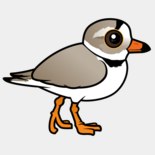
Hi again, readers of Mr Harbour’s blog. Tuna here. This is part 3 of my diary.  I’m 4½ months old now, and getting on famously here on Abaco. Especially now the big wind and waves have gone away [Hurricane Joaquin – ed]. Someone called me ‘Abaco’s favourite plover’, which really fluffed up my feathers. I’ve started to explore a bit and meet more birds just like me*. Turns out they are all Travellers from the North too – what are the chances? [100% – ed]

Piping Plover Tuna. Abaco. Rhonda Pearce 1

*How do I know what I look like? Well it’s easy. When I am chomping meat strings in the sunshine on the edge of the water, there’s a picture of me in the water doing the exactly same thing at the same time only upside down. Like these two friends of mine here.

PiPl 5x WB 23.10.15 min

I do a lot of running about on the beach. Back and forth. Up and down. Into the water and out again. It’s a busy life. And I’ve only got little legs. In case anyone worries that Michelle’s 4 smart rings hurt me or get in the way, I never feel them. They are just a part of who I have always been since she picked me up the day after I cracked out. Piping Plover Tuna. Abaco. Rhonda Pearce 2

I’ve met lots of birds that are different from me, too. Some live here all the time, others are Travellers from the North too. I’m relying on Mr H here to show you some of the guys I hang out with these days. We all kind of mix up and if you don’t try to find meat strings where the bigger birds want to find them, it’s very friendly. Actually they are all bigger than me!

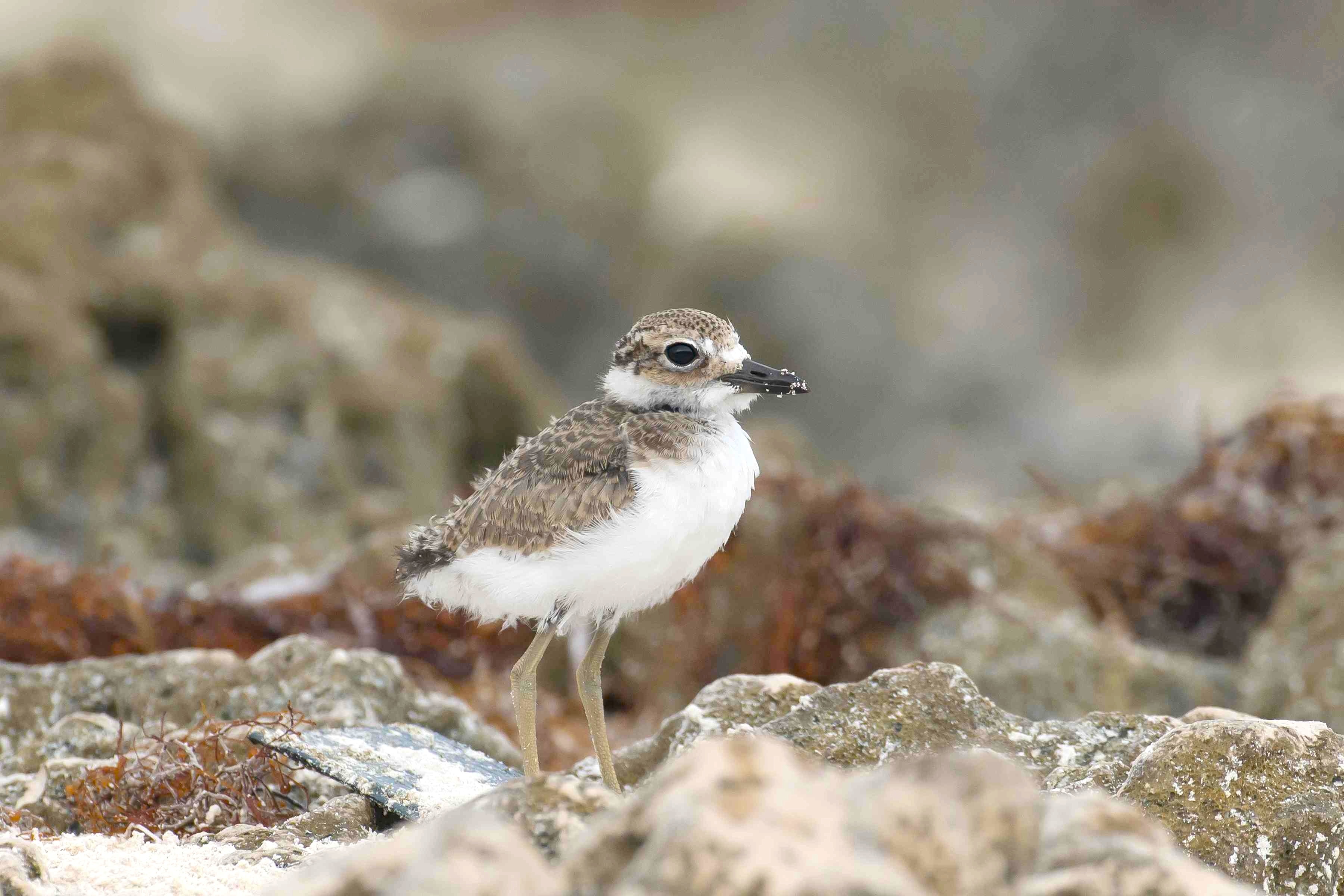
Sandpiper, Semipalmated Plover, Ruddy Turnstone, Wilson’s Plover (all on Abaco)Sanderling, Abaco (Craig Nash) Semi-palmated Plover, Abaco (Tony Hepburn) Ruddy Turnstones at Delphi, Abaco (Keith Salvesen)  Wilson's Plover, Abaco (Keith Salvesen)

I’ve made my first trip to a different beach. I decided to fly round and explore, and I saw lots more sand so I flew there and stayed a couple of days. Like a little holiday. A nice man [Keith Kemp] saw me there and told Mr H about my coloured bands. That’s how he knew I’d moved and he told my watcher Rhonda so she didn’t go looking for me on my home beach and get worried that I wasn’t there. Then I flew back there after a couple of days and Rhonda found me there again yesterday.

Tuna on his vacation from Watching Bay to Winding Bay. Note meat string in #1PiPl l band wb 22.10.15 b - V2 copy PiPl r band wb 22.10.15 b V2 copyWatching Bay : Winding Bay Map

                                                     piping-plover                   piping-plover                  piping-plover

I’ve got a new game I’ve been playing when Rhonda comes to see me. She sits down on the beach and puts shells all round her in the sand. So I come over and have a look at them (once I pecked the cloth thing she sits on. Urrch! It wasn’t food). Then she uses that thing that makes a plover noise [the focus sound on her camera – ed] and I put my head on one side to listen. Piping Plover Tuna. Abaco. Rhonda PearcePiping Plover Tuna. Abaco. Rhonda Pearce 1Piping Plover Tuna. Abaco. Rhonda Pearce 1

There’s another reason I put my head on one side. Sometimes really really big birds fly over the beach. Huge dark ones. I like to keep an eye on them. I think they may be trouble. So I put my head on one side so I know exactly where they are in the sky until I feel safe.

This is me back on my beach after my trip. Green on Blue (L); Black on Grey (R) = TUNAPiping Plover Tuna. Abaco. Rhonda Pearce 1

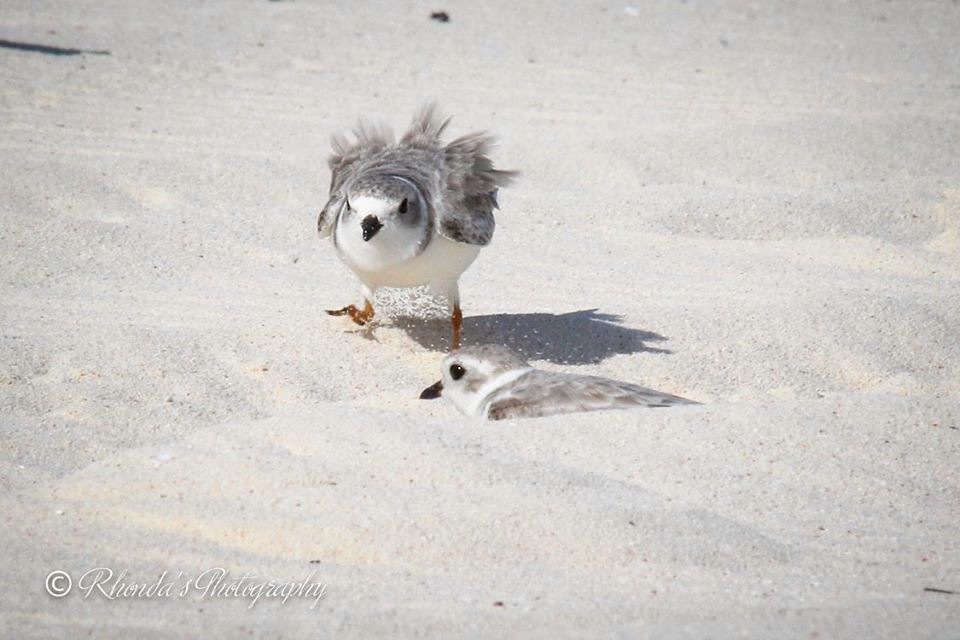
This is a New Friend on my beach, one of 3. They don’t have any bands but they are Travellers from the North like me. In this game I lie low in a hole in the sand and my NF rushes at me kicking sand up like a crazy bird. Fun, huh?Piping Plover Tuna. Abaco. Rhonda Pearce 1

More news from me soon. Cheeps from Tuna.

Watching Bay, Cherokee, Abaco jpg

TUNA’S FIRST 4½ MONTHS

  • JUN 10        Hatched Edwin B. Forsythe NWR (Holgate Center), New Jersey
  • JUN 11         Banded & measured by Michelle Stantial
  • JUL 05         Fledged
  • AUG 28       First sighted on Abaco – preliminary ID
  • SEP 16         Seen again on the same beach – ID confirmed
  • SEP 22         Last sighting before Hurricane Joaquin
  • SEP 28         Paula (Tuna’s mother) re-sighted on Joulter Cays, Andros
  • OCT 03        Tuna safely back on the beach again after Hurricane Joaquin
  • OCT 20-23  Expedition to Winding Bay (ID there on Oct 22)
  • OCT 24        Found back on Watching Bay beach

PIPL Watching Bay, Cherokee, Abaco. 1 bird. Banded. Rhonda Pearce 2 copy copy

NOTE If you ever wondered why birds are banded and what on earth use it is, the answer is in this story. Banding & tagging enables detailed research at both ends of the migration which in turn enables protection of the species and conservation of threatened habitats. There are only 8000 PIPL left. Degradation of the breeding grounds or the overwintering grounds – let alone both – may result in extinction. This seems to have been a good summer for the piping plover; let’s hope the winter treats them well so that this summer’s chicks like Tuna will be able to breed safely next year.

This Diary extract shows how an individual banded bird’s movements can be monitored within its chosen area, so that a picture can be formed of its habitat choices and range.

For details of all this season’s PIPL sightings, check out ABACO PIPING PLOVER WATCH 

TUNA’S DIARY (1)

TUNA’S DIARY 2

EDWIN B FORSYTHE NWR

CONSERVE WILDLIFE FOUNDATION of NJ

Credits: photos Rhonda Pearce, Keith Kemp, Craig Nash, Tony Hallett, Keith Salvesen; thanks to bander Michelle Stantial, birder & ‘Tuna Watcher’ Rhonda Pearce, CWFNJ & cohorts, Matt Jeffery and all other providers of info snippets; Birdorable for the cartoon; and Xeno-Canto for the recording

Unknown's avatar

“CRABACO?”: CRABBING ON ABACO, BAHAMAS


Ghost Crab in surf.Delphi Club.Abaco Bahamas.Tom Sheley

“CRABACO?”: CRABBING ON ABACO, BAHAMAS

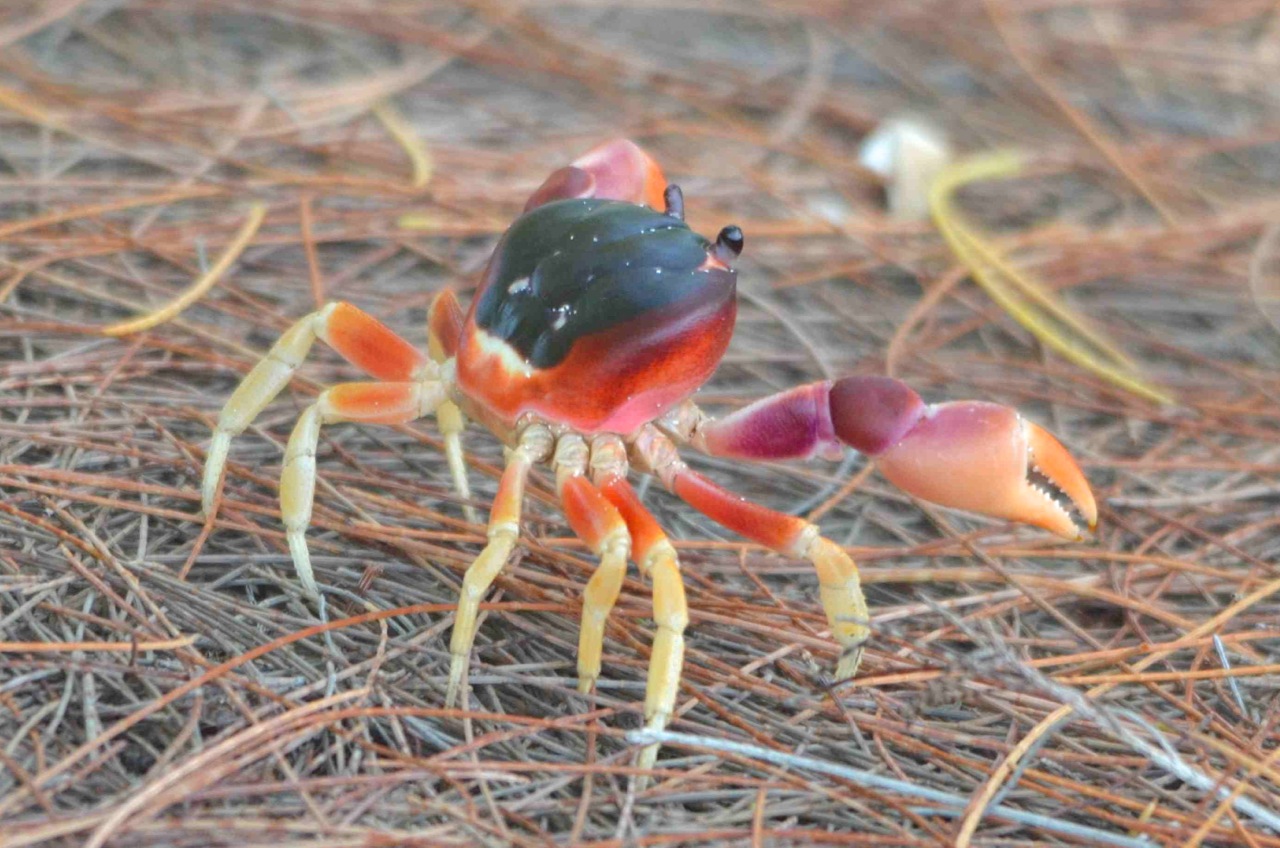
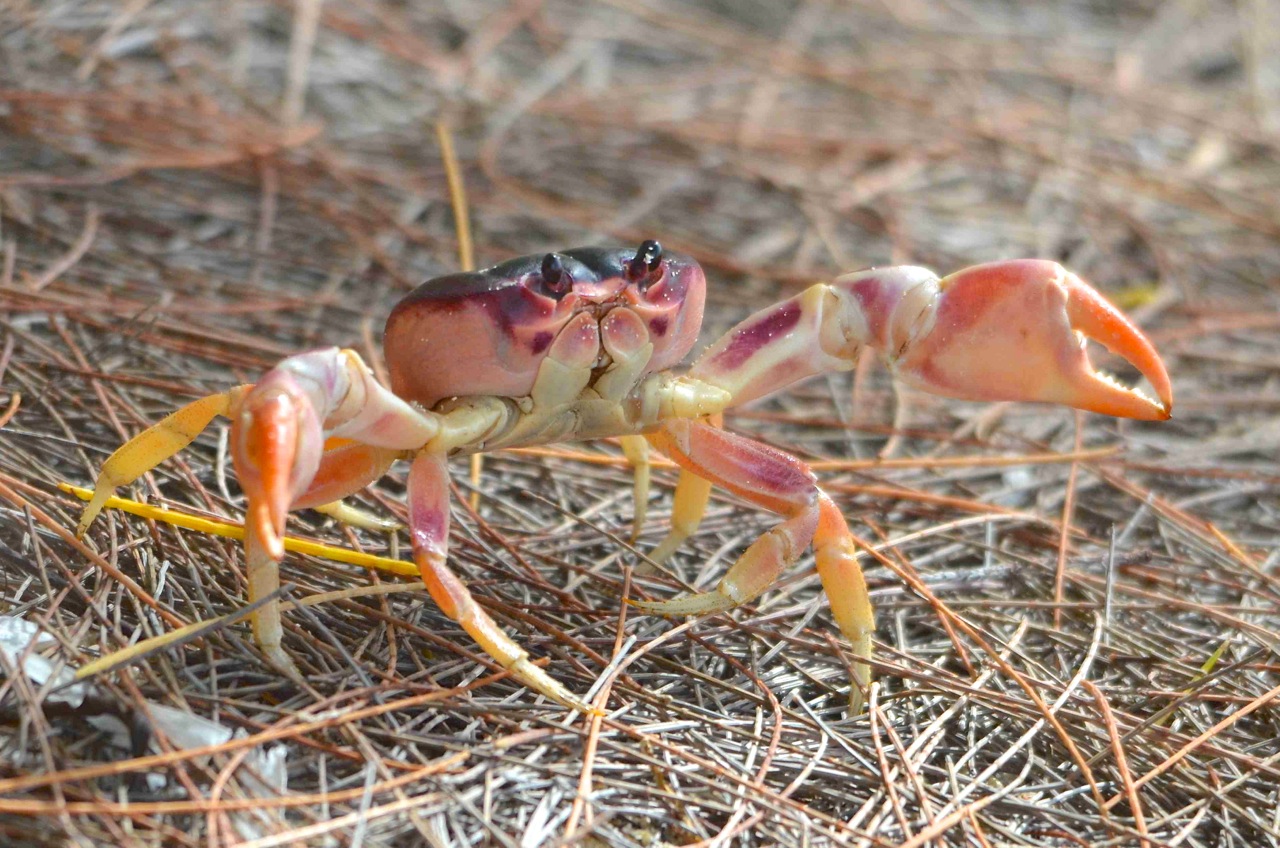
It’s been a while since I was in a crabby mood, but autumn is here and there’s a sharp nip in the early morning air… What better time to visit a selection of the many crab species found on Abaco. 

GHOST CRAB

I thought I had some good photos of these cute little guys with their ‘Carson the Downton Abbey Butler’ white gloves. However, Tom Sheley (header and below) has perfectly caught the  tide-hanging that they enjoy, sometimes disappearing completely or perhaps leaving just their twin periscopes showing.Ghost Crabin surf.Delphi Club.Abaco bahamas.Tom Sheley

HERMIT CRAB

Many people’s favourite small crab, with their endearing house-moving habits as they grow. Excellent for racing, too (see HERE). Here’s one taking its mobile home up a tree; and another tucked safely into a nerite [Capt Rick Guest amends] Magpie Shell, Cittarium pica, (used to be Livona pica), the living animal of which is the 3rd most consumed animal behind Lobster & Conch in the Caribbean. They are Littoral around Shorelines and are also used as bait.Hermit Tree Crab.Abaco Bahamas.6.13.Tom Sheley copy Hermit Crab in a nerite shell, Delphi Abaco (Keith Salvesen)

BLACK-BACKED LAND CRAB Black-backed land crab, Abaco 1 (Charles Skinner) Black-backed Land Crab, Abaco 2 (Charles Skinner)

Faithful guardians of my rod (there are 2 there)!Black-backed Land Crab, Delphi, Abaco (Keith Salvesen)

LAND CRAB Land Crab, Bahamas Palm Shores Abaco (Keith Salvesen)Land Crab, Bahamas Palm Shores Abaco 2 (Keith Salvesen)

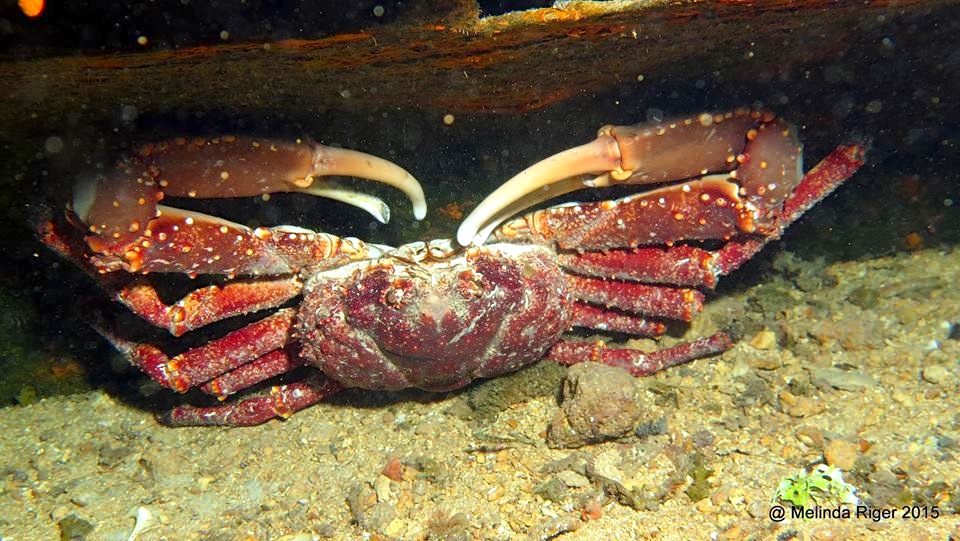
STONE CRABStone Crab ©Melinda Riger @ G B Scuba

ARROW CRAB Arrow Crab ©Melinda Riger @ GB Scuba copy

CLINGING CRAB Clinging Crab © Melinda Riger @ G B ScubaClinging Crab ©Melinda Riger @ G B Scuba copy

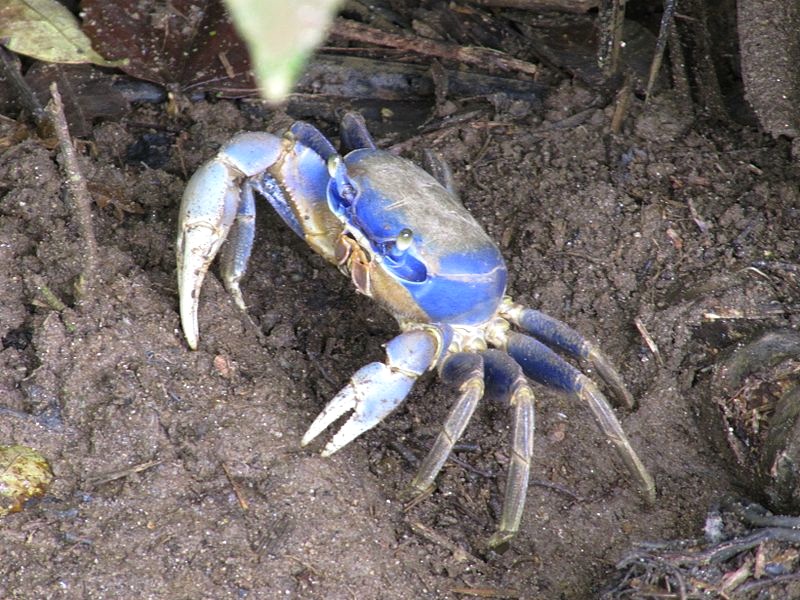
BLUE CRAB Blue crab (Atlantic) - Leoadec Wiki

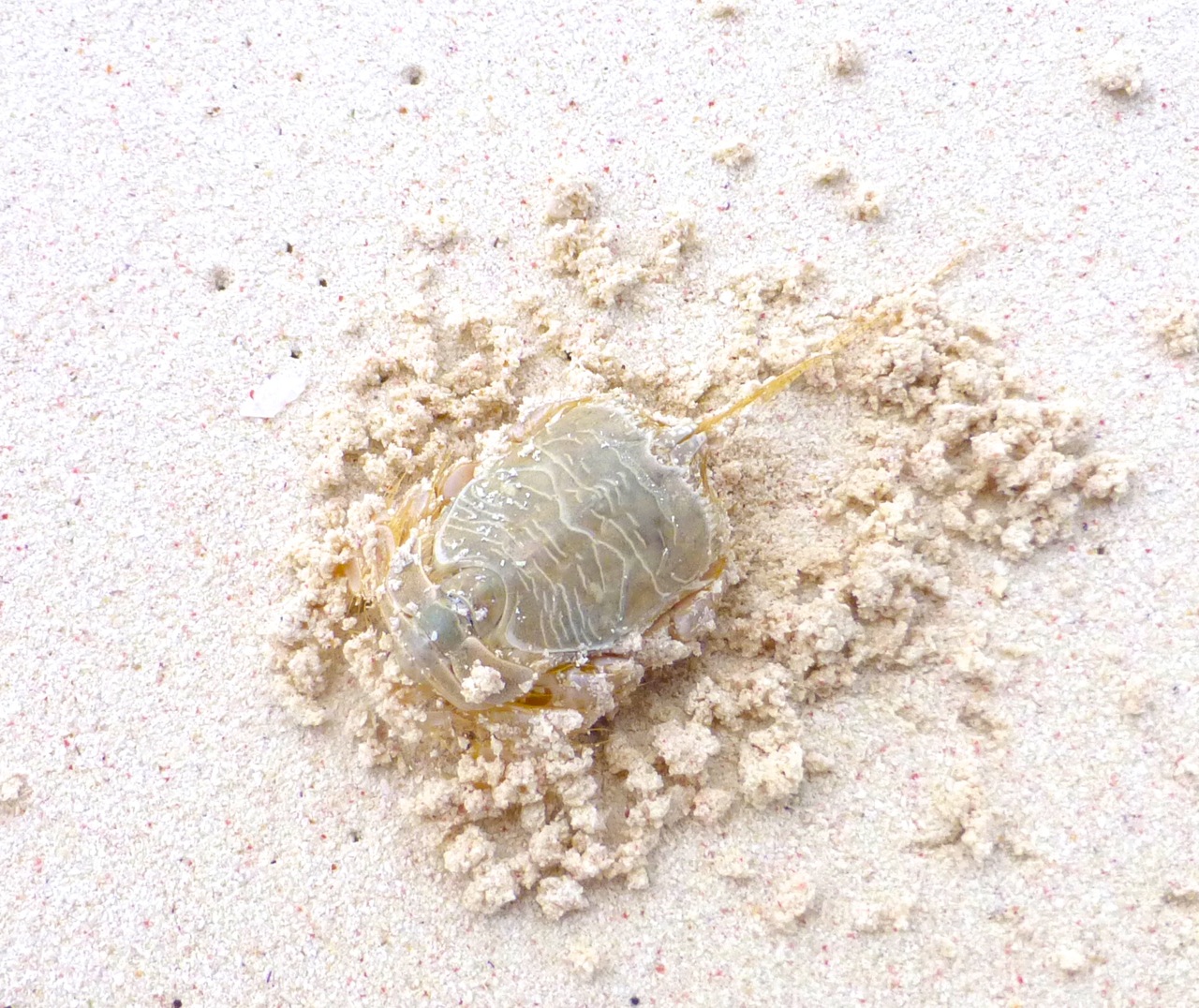
HORSESHOE CRAB (LIMULUS)Horseshoe Crab (Limulus), Delphi Beach, Abaco Bahamas (Keith Salvesen)


Credits: Tom Sheley (1, 2, 3); Keith Salvesen (4,7,8,9,15); Charlie Skinner (5,6); Melinda Riger (10,11,12,13); Leodec (14)

Unknown's avatar

A RARE SPOONBILL VISITS GILPIN POND, ABACO


Roseate Spoonbill, Gilpin Pond, Abaco (Keith Kemp)4

A RARE SPOONBILL VISITS GILPIN POND, ABACO

In past posts I have mentioned what an excellent birding place Gilpin Point has become. There’s the large pond; and right beside it, dunes, the other side of which is a fine secluded beach and the ocean. The place is a magnet for birds of all shapes and sizes, from brown pelicans down to the tiny endemic Bahama woodstars. There are water birds, wading birds, shorebirds and coppice birds. It has become a place where Abaco parrots regularly congregate. You can reach the Gilpin FB page HERE.

A while back, there was a rare visitor, a Flamingo that stayed a few months then disappeared again. It was in some ways a sad reminder of past flamingo glory days, when they were commonly found on Abaco. Now they are confined to Inagua apart from the occasional vagrant. For more on the the topic, with wonderful photos by Melissa Maura of the breeding season on Inagua, click HERE. Another rare vagrant – formerly quite plentiful on Abaco – was recently found at Gilpin by Keith Kemp, who skilfully managed to get photos of it from some distance away: a Roseate Spoonbill.

Roseate Spoonbill, Gilpin Pond, Abaco (Keith Kemp)2

I have featured spoonbills before in a post IN THE PINK, but the photos were taken on New Providence by Woody Bracey. I had no Abaco spoonbill photos. To be fair, we did once see one while we were bonefishing far out on the Marls. It was on the edge of the mangroves a good distance away, and the pale pink tinge caught my eye. My photo with an iPhone 4 (the one with the risibly cr@p camera – remember?) was so utterly pathetic that I dumped it (the photo, I mean, but the phone soon followed). But we knew what we had seen, and that was enough.

roseate-spoonbill                roseate-spoonbill               roseate-spoonbill

STOP PRESS 1 I should add that a friended visited the pond after the side-effects of Hurricane Joaquin had receded, and the spoonbill had gone. So the spoonbill alone would not make the journey worthwhile!

STOP PRESS 2 A check of eBird reveals that a handful of spoonbills have been reported in Northern Bahamas this year, about 6 in all. Almost none before that. I have the impression that birding intensity in The Bahamas, coupled with the ease of uploading reports to eBird, will increasingly make a difference to the incidence of sightings of uncommon and rare species, cf the recent WHIMBRELS of Grand Bahama.

Spoonbill, Gilpin Pond, Abaco (Keith Kemp)3

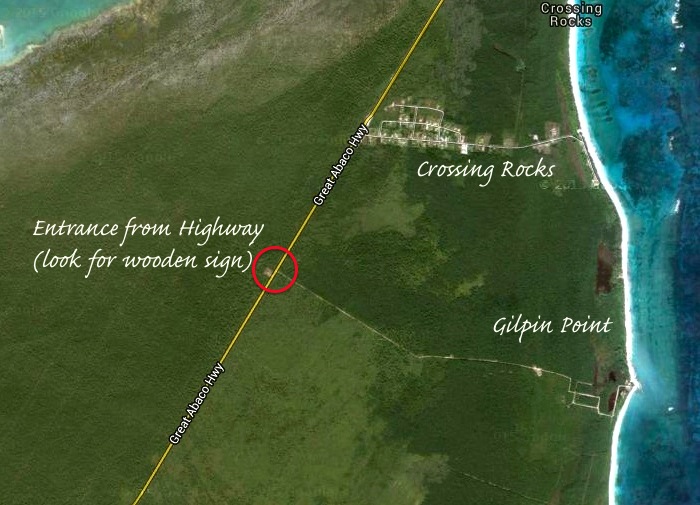
GILPIN POINT LOCATION

Gilpin Point is just south of Crossing Rocks. The brackish pond – sometimes an alarming reddish colour that I assume is algal – is just inland from the shoreline and provides a wonderful haven for birds. It’s a long mile from the highway. There is no vehicle nor even human traffic apart from occasional birders and walkers. Please note that the drive and the property are private. However Perry Maillis is always welcoming to tidy birders who (as I have written elsewhere) bring only enthusiasm and take only photographs (though a picnic on the beach is worth considering. And maybe a swim…). 

Helpful location mapsGilpin Map 1 Gilpin Map 2 Gilpin Map 3

WHAT SPECIES MIGHT BE FOUND AT GILPIN?

A brief list includes regular visits from parrots. It’s the only place we have found a furtive little sora skulking in the reedy margins. It’s a reliable spot for herons and egrets of every kind, white-cheeked (Bahama) pintails by the score, black-necked stilts and lesser yellowlegs. Occasionally a northern pintail, ruddy duck or merganser. Turkey vultures. Limpkins. We’ve seen belted kingfishers, Bahama woodstars, cuban emeralds, american kestrels, Bahama swallows, doves, pigeons, western spindalis and many more coppice birds besides. One flamingo. One spoonbill. Pelicans have been seen on the rocks on the beach. Shorebirds include turnstones, sundry plovers & sandpipers, and oystercatchers. You may well see tropicbirds and frigate birds off-shore, and assorted gulls and terns. I can’t personally be more species-specific  because I have never ‘shorebirded’ properly there, but I have noticed an impressive mix…

When we launched THE BIRDS OF ABACO at the Delphi Club, we were delighted that Pericles was able to come to the party. He took a few photos and I’m sure he won’t mind my including a small gallery to end with, featuring a couple of the Gilpin entries in his signed copy.

10153160_10152104925423929_44675888_n 1926631_10152104925178929_80294246_n11856_10152104921903929_1879699722_n 1525102_10152104925648929_1614125758_n

Bahamas birding nobility: Tony White with Caroline Stahala; Woody Bracey & Bruce Hallett
1911624_10152104926303929_1596185906_n

Credits: Keith Kemp for the great spoonbill photos; Perry for the Delphi photos

Unknown's avatar

HOODED MERGANSERS: RARE BAHAMAS WINTER RESIDENTS


Hooded Merganser - male (Keith Salvesen WWT)

HOODED MERGANSERS: RARE BAHAMAS WINTER RESIDENTS

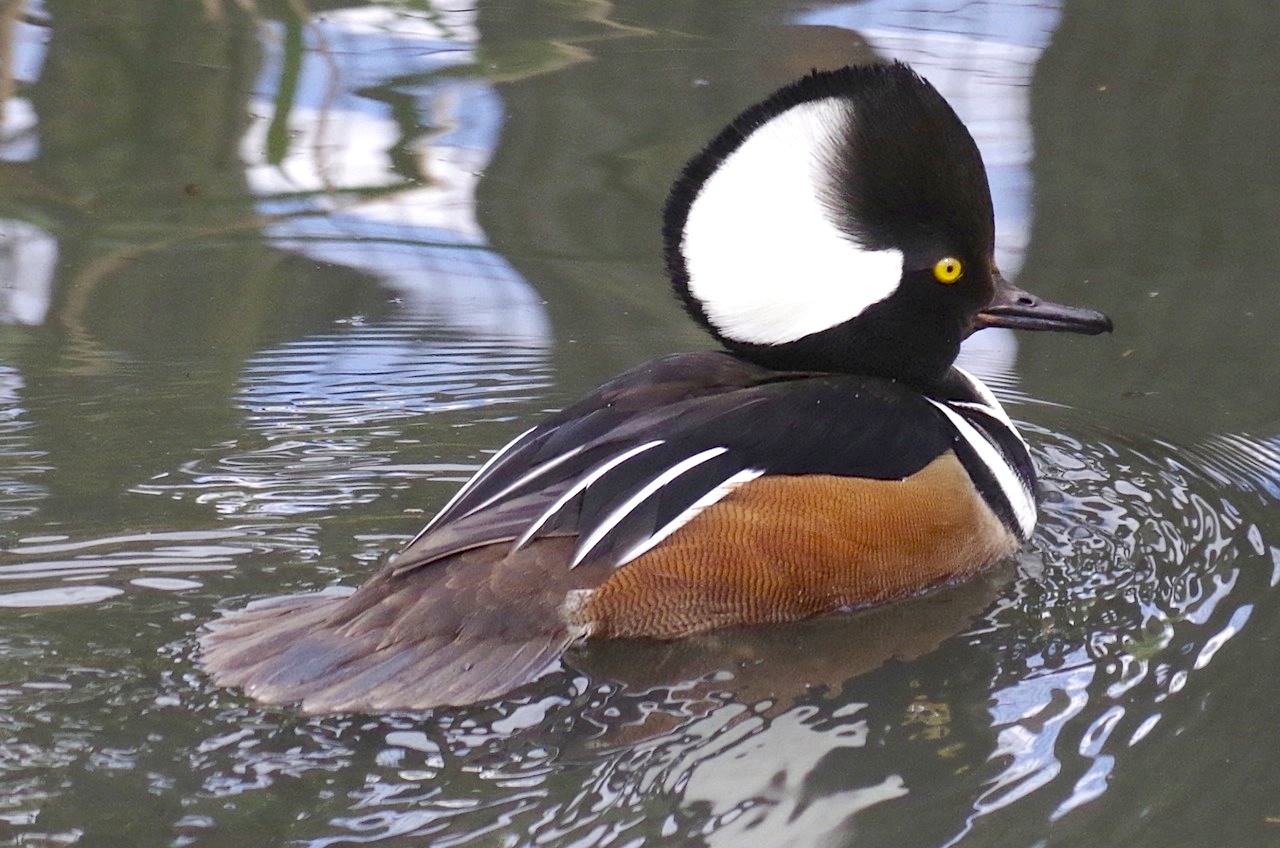
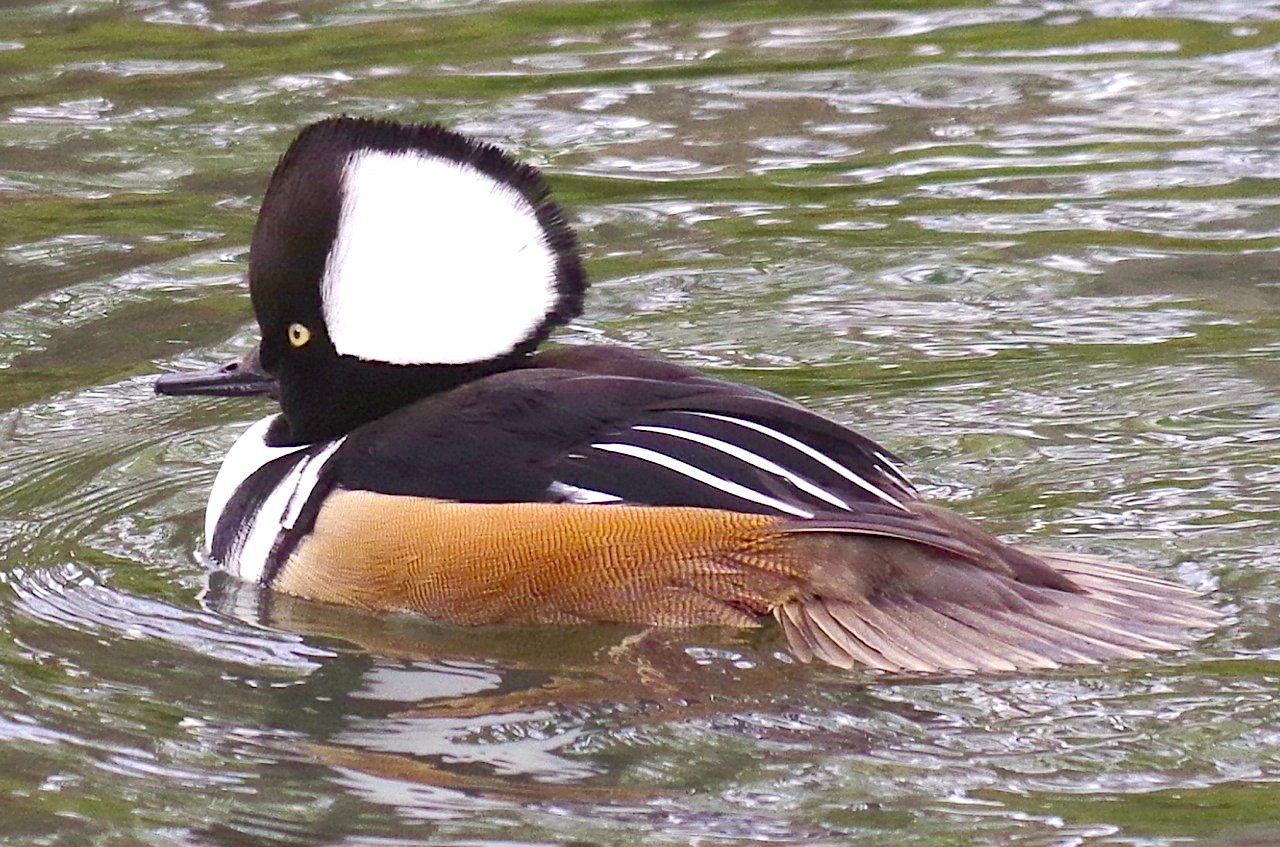
On the whole, I’d advise against undertaking a special trip to the Bahamas to search for mergansers, either hooded or red-breasted. Both species are classified as rare winter residents. Over the last 10 years they have occasionally found in the northern Bahamas, including on Abaco. I’ve seen a female red-breasted merganser at Gilpin Pond. Although the bird photos I post are generally taken on Abaco, I admit that I have no hooded merganser photos taken there. Or in the Bahamas for that matter. So bear with me – these that I took elsewhere will have serve as illustrations of what you might see on Abaco if you were in the right place at the right time. As if…

Hooded Merganser - male (Keith Salvesen WWT)Hooded Merganser - male (Keith Salvesen WWT)Hooded Merganser - female (Keith Salvesen WWT)Hooded Merganser - female (Keith Salvesen WWT)Hooded Merganser - male (Keith Salvesen WWT)Hooded Merganser - male (Keith Salvesen WWT) Hooded Merganser - female (Keith Salvesen WWT) Hooded Merganser - male (Keith Salvesen WWT) Hooded Merganser pair (Keith Salvesen WWT)

All photos: RH

Unknown's avatar

FEEDER BIRDS AT THE DELPHI CLUB, ABACO


Delphi Club, Rolling Harbour, Abaco aerial

FEEDER BIRDS AT THE DELPHI CLUB, ABACO

The compilation of The Delphi Club Guide to THE BIRDS OF ABACO involved making a few rules and sticking to them. For example, the avian images in the book – and there are a great many –  had to be of birds actually photographed on Abaco or in Abaco waters. Gorgeous pictures from Grand Bahama or New Providence were ruthlessly excluded, however painful it was to do. Some wonderful spoonbill photos taken in Nassau stayed in the ‘Not Use’ folder. The temptation to slip in an non-Abaco whimbrel to fill a whimbrel-shaped space among the shorebirds had to be resisted – even though at the time the last recorded sighting of one on Abaco (no photo) was in 2000…

Bananaquit 2, Delphi, Abaco (Keith Salvesen)

Another important restriction was the stipulation that we would only use birds that had been photographed in their natural surroundings, defined as being a place where a particular species might naturally be found. Coppice and shoreline, obviously, but this included utility wires, posts and docks etc for species that habitually use them to perch on or hunt from. However, the rule meant a complete embargo on feeder photos, however winsome a hummingbird might look as it sips sugar water. We extended the principle to include a ban on luring birds into camera-shot with seed or corn trails; and similar ruses beyond the simple whistles and pishes that anyone might use to tempt a bird out of deep cover.

Cuban Emerald coming in to land… and feedingCuban Emerald, Delphi, Abaco (Peter Mantle) 1 Cuban Emerald, Delphi, Abaco (Peter Mantle) 2

The Delphi club is the perfect location for an enviably varied number of species. Its remoteness down a one-mile drive from the Highway, with pine forest giving way to luxuriant coppice, ensures minimal disturbance for the birds including a number of rarer species.  Delphi Club Rolling Harbour Abaco Aerial view

The one-mile white sand curve of the beach sees many shorebirds and seabirds in all seasons. The gardens attract both the usual suspects and less common birds. The building, too, has its resident West Indian Woodpeckers in two nesting boxes under the eaves, thoughtfully provided to discourage the Club’s woodwork from exploratory drilling.

Mr and Mrs Black-faced GrassquitBlack-faced Grassquit (m) Delphi, Abaco (Keith Salvesen) Black-faced Grassquit (f) Delphi, Abaco (Keith Salvesen)

There are a number of seed and sugar water feeders around the place, and bird baths too. It’s a long time since I featured a collection of ‘tame’ birds. This post shows a few of the species that have made Delphi their home.

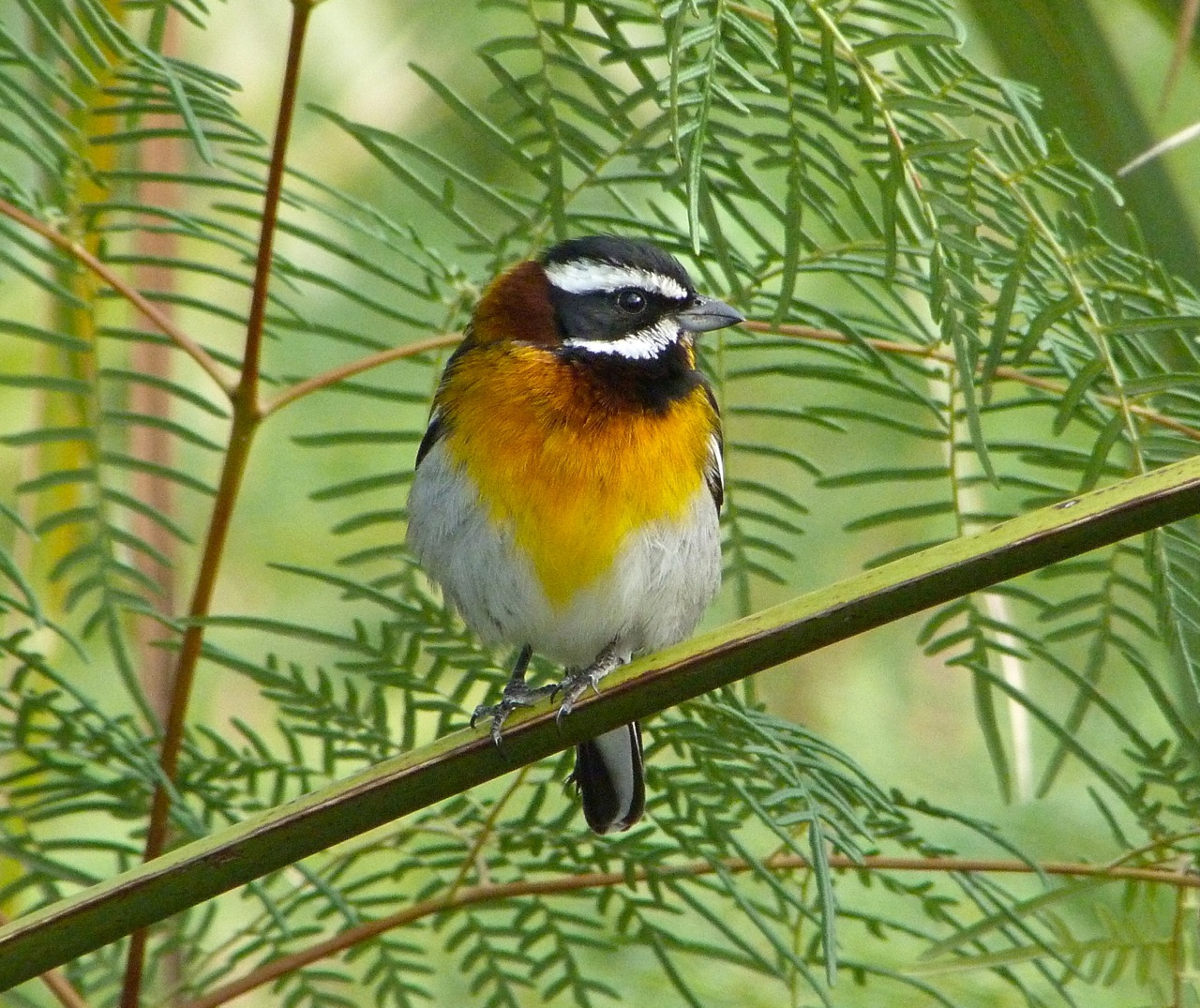
Mr and Mrs Greater Antillean BullfinchGreater Antillean Bullfinch (m), Delphi, Abaco (Keith Salvesen)Great Antillean Bullfinch. Delphi, Abaco (Keith Salvesen)

Mr and Mrs Painted BuntingPainted Bunting, Delphi, Abaco (Keith Salvesen)

Bananaquit: the curved beak makes it easy to use the hummer feeder (see above)Bananaquit (f) Delphi, Abaco (Keith Salvesen)

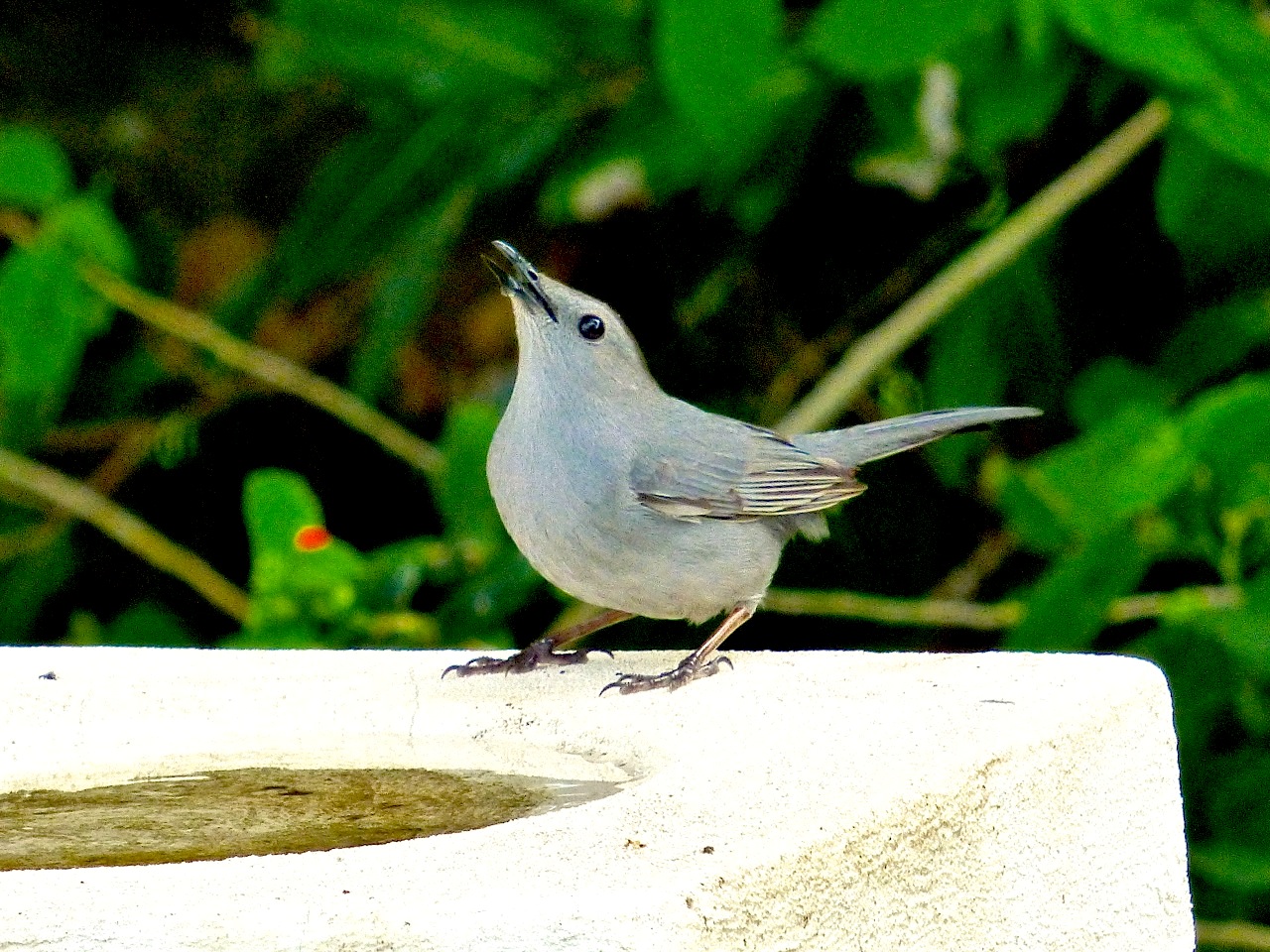
A Gray Catbird takes a drink… and a bathGray Catbird, Delphi, Abaco (Keith Salvesen)Gray Catbird, Delphi, Abaco (Keith Salvesen)

Adaptive behaviour from a W I Woodpecker – that long tongue is perfect for the jobWest Indian Woodpecker, Delphi, Abaco (Keith Salvesen)

The turkey vulture takes priority over all smaller birds…Turkey Vulture, Delphi, Abaco (Keith Salvesen)

A red-legged thrush enjoys picking up the seed shrapnel off the ground…Red-legged Thrush Abaco 7

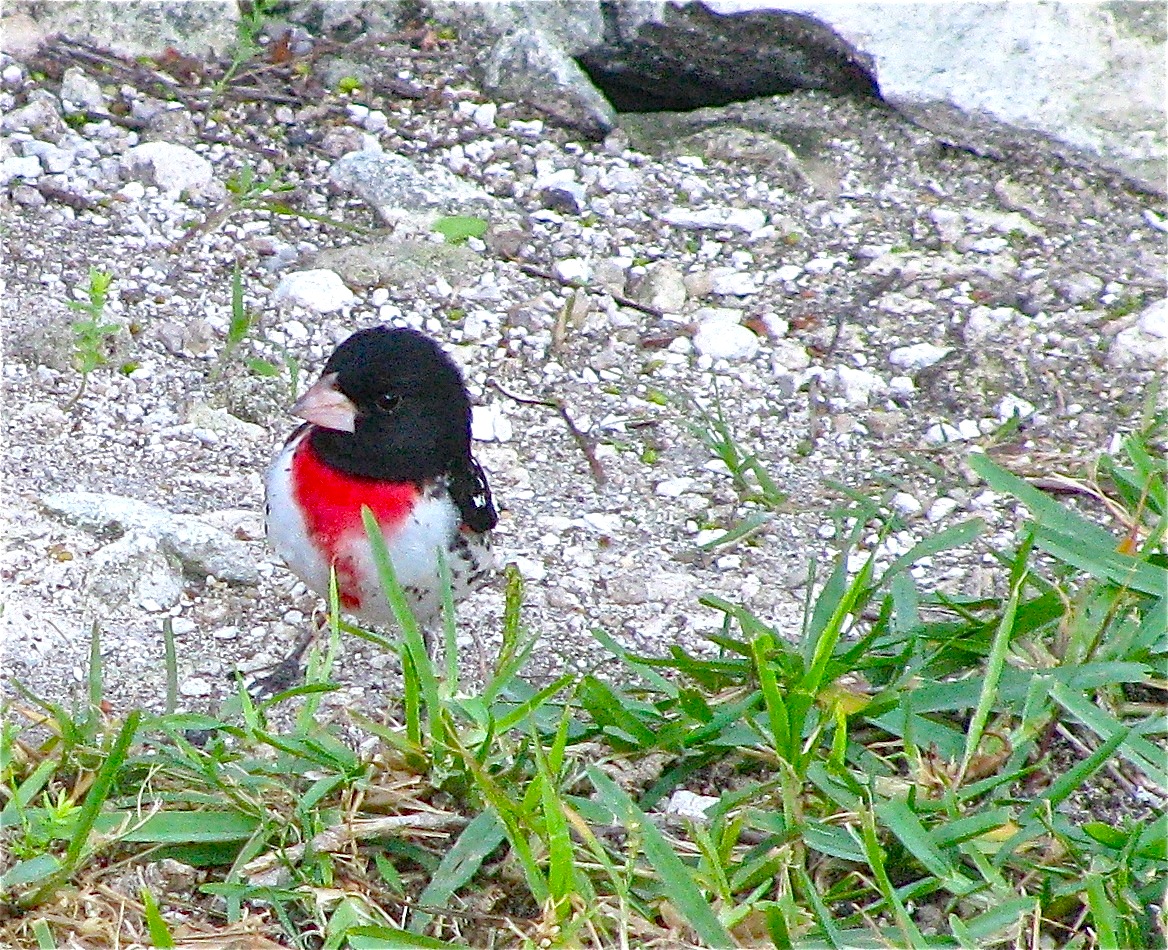
As do rose-breasted grosbeaks and indigo buntingsIndigo Bunting & Grosbeaks, Delphi, Abaco ©C StahalaRose-breasted Grosbeak

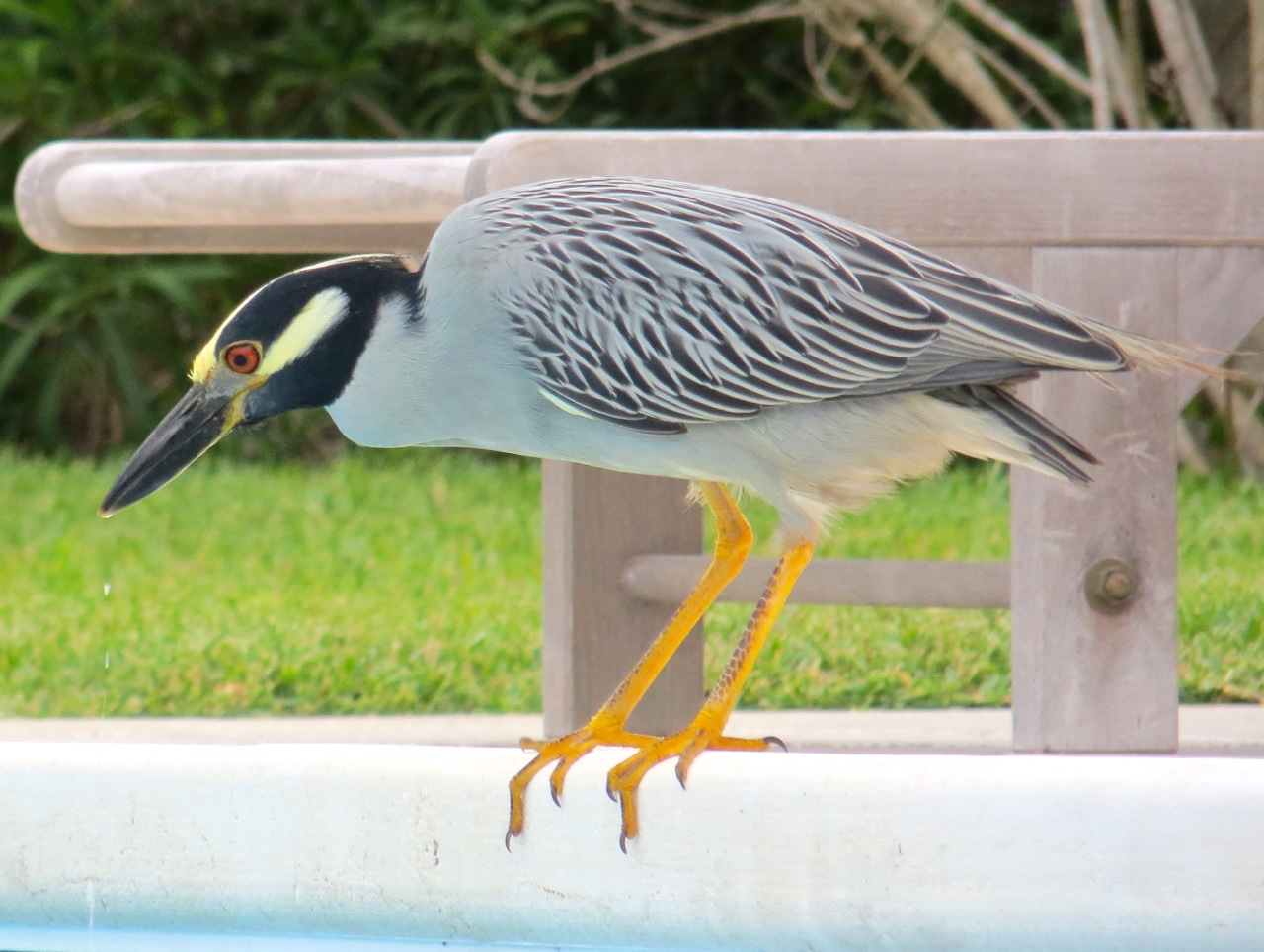
Meanwhile, a yellow-crowned night heron takes a drink from the poolYellow-crowned Night Heron, Abaco 9

Credits: all photos RH except aerial shot of Delphi, Peter Brown; the hummers, Peter Mantle; and the buntings / grosbeaks, PM and Caroline Stahala…

dcbg2ba-jacket-grab-for-pm-v2-copy

Unknown's avatar

WORLD SHOREBIRDS DAY: ABACO’S COMPLETE CHECKLIST


American Oystercatcher, Abaco (Tom Sheley)

WORLD SHOREBIRDS DAY: ABACO’S COMPLETE CHECKLIST

Abaco is home to 33 shorebird species. For a few, the islands are a permanent residence; for many others they are winter quarters; and some species are visitors transient in their migrations, or rare vagrants. Last year I produced 3 posts with plenty of photos showcasing 26 of the species, the remaining 7 all being transients or vagrants. 

Willet in flight.Abaco Bahamas.6.13.Tom Sheley small2

I divided the species into 3 categories: sandpipers & kin; plovers; and a catch-all ‘large shorebird’ group that included one or two sandpipers. Of the 26 birds featured and shown in the main checklist below, 23 are ones you might reasonably hope or expect to encounter on Abaco, though some only if you are lucky or your field-craft is excellent. The others are the long-billed dowitcher, American avocet and Wilson’s phalarope (of which only one has ever been seen on Abaco, with a photo to prove it)

Black-necked Stilt, Gilpin Point, Abaco (Keith Salvesen)

CLICK A LINK TO INVESTIGATE

LARGE SHOREBIRDS

SANDPIPERS

PLOVERS

Wilson's Plover chick.Delphi Club.Abaco Bahamas.Tom Sheley JPG copy

THE COMPLETE CHECKLIST

The codes tell you, for any particular bird, when you may see it (P = permanent, WR = winter resident, TR = transient, V = vagrant); whether it breeds (B) on Abaco; and your chance of seeing it, graded from easy (1) to vanishingly unlikely (5). 

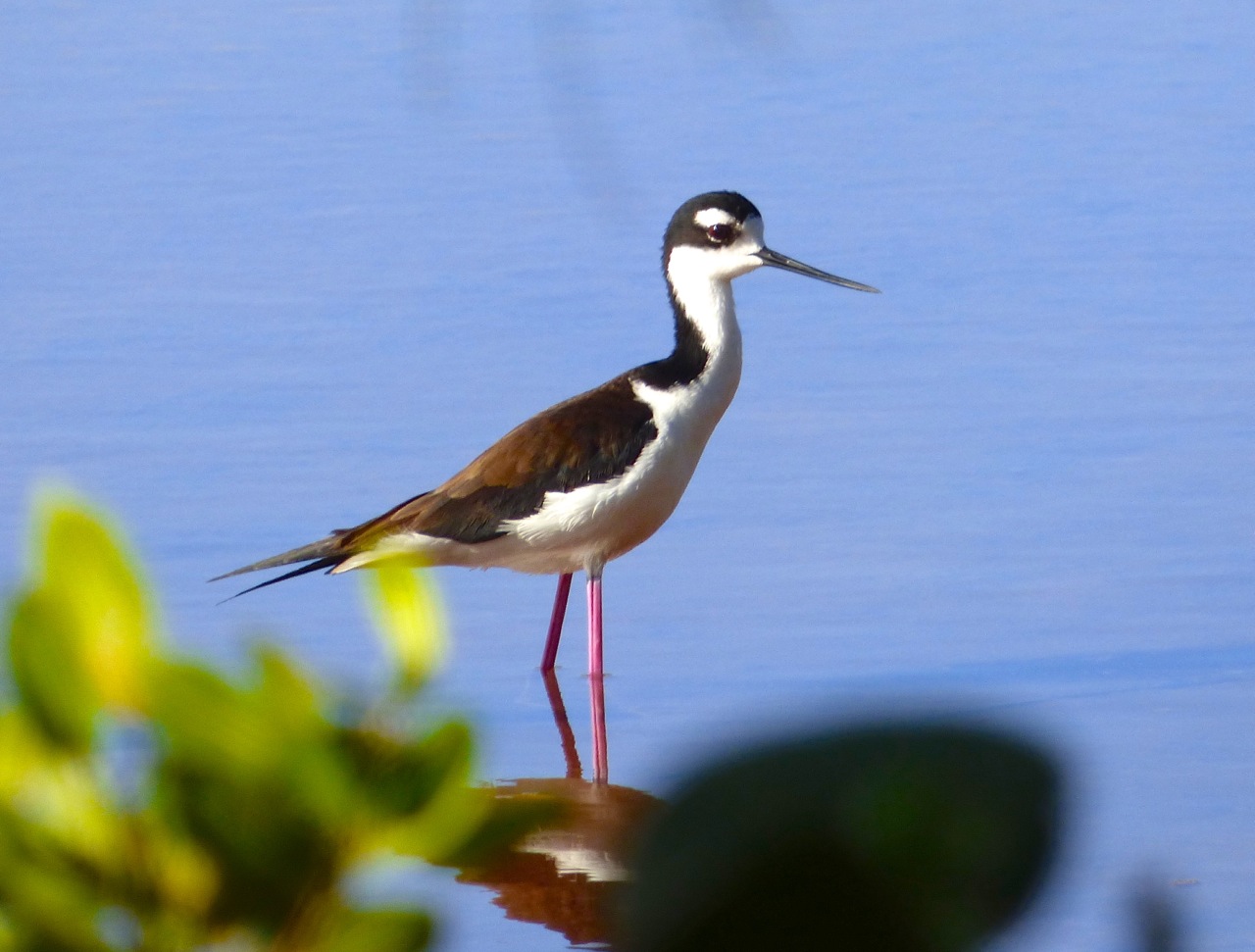
  • Black-necked Stilt                             Himantopus mexicanus                PR B 3
  • American Avocet                               Recurvirostra americana             WR 4
  • American Oystercatcher                  Haematopus palliatus                   PR B 2
  • Black-bellied Plover                         Pluvialis squatarola                       WR 1
  • American Golden-Plover                Pluvialis dominica                           TR 4
  • Wilson’s Plover                                 Ochthodromus wilsonia                 PR B 2
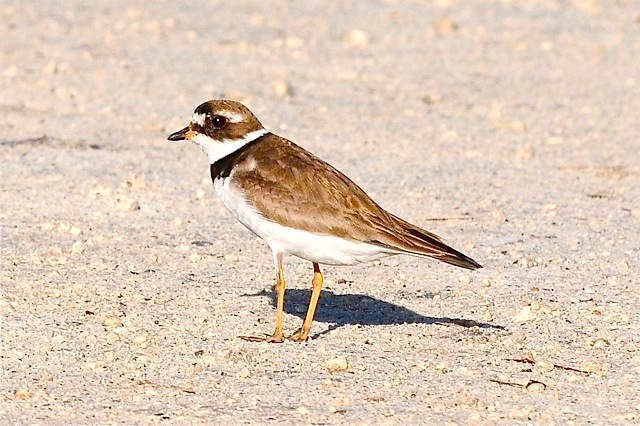
  • Semipalmated Plover                      Charadrius semipalmatus             WR 2
  • Piping Plover                                     Charadrius melodus                       WR 3
  • Killdeer                                               Charadrius vociferus                     WR 2
  • Spotted Sandpiper                            Actitis macularius                          WR 1
  • Solitary Sandpiper                            Tringa solitaria                              WR 2
  • Greater Yellowlegs                            Tringa melanoleuca                      WR 2
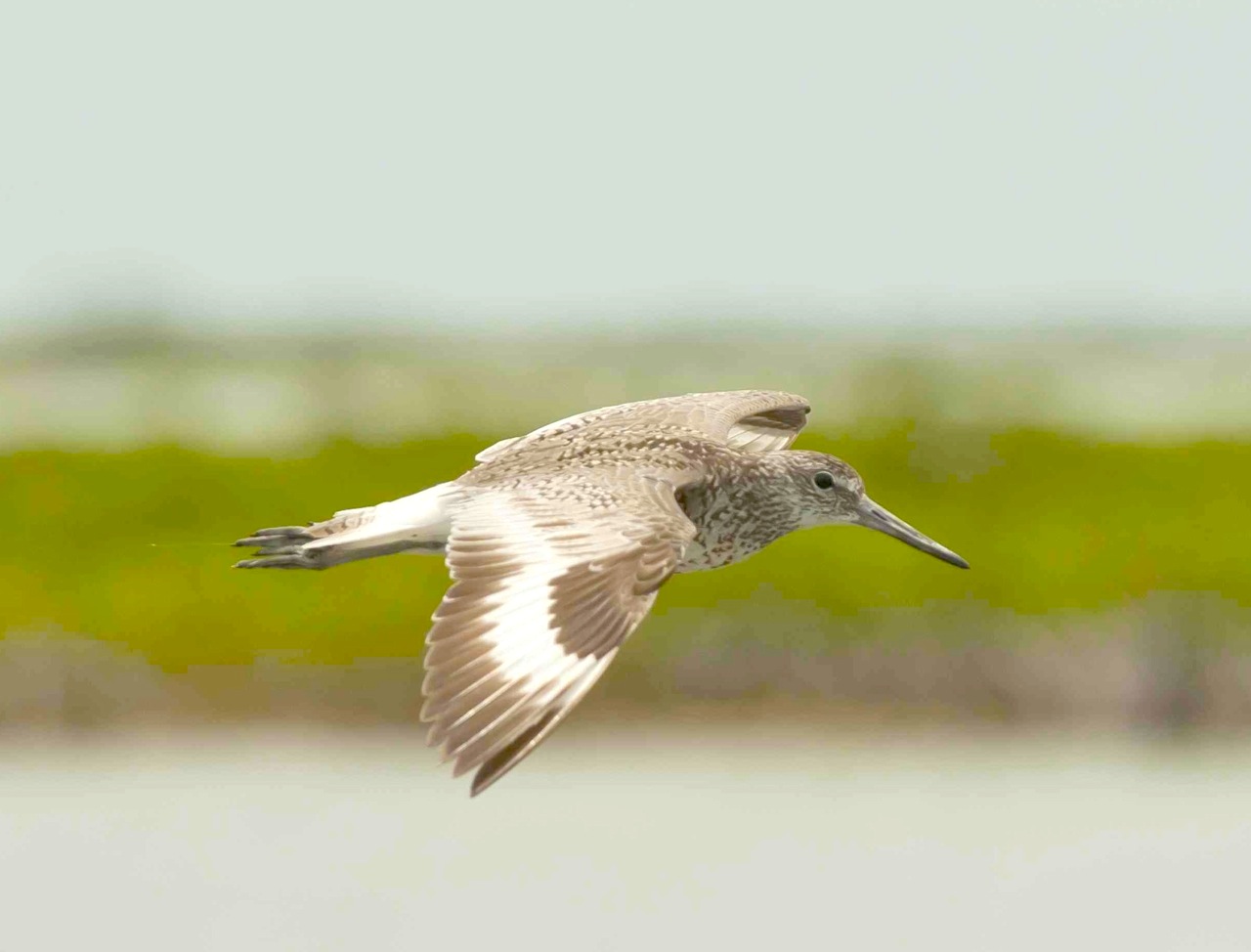
  • Willet                                                   Tringa semipalmata                     PR B 2
  • Lesser Yellowlegs                              Tringa flavipes                               WR 3
  • Ruddy Turnstone                              Arenaria interpres                        PR 2
  • Red Knot                                             Calidris canutus                            WR 3
  • Sanderling                                          Calidris alba                                   WR 1
  • Dunlin                                                 Calidris alpina                               WR 2
  • Least Sandpiper                                Calidris minutilla                          WR 2
  • White-rumped Sandpiper               Calidris fuscicollis                          TR 3
  • Semipalmated Sandpiper                Calidris pusilla                               TR 2
  • Western Sandpiper                           Calidris Mauri                                TR 2
  • Short-billed Dowitcher                    Limnodromus griseus                    WR 1
  • Long-billed Dowitcher                     Limnodromus scolopaceus           WR 4
  • Wilson’s Snipe                                   Gallinago delicata                          WR 3
  • Wilson’s Phalarope                           Phalaropus tricolor                        V 4

Semipalmated Sandpiper (juv), Abaco (Bruce Hallett)

For the sake of completeness, the other 7 species of shorebird recorded for Abaco – all transients or vagrants – are:

  • Upland Sandpiper                     Bartramia longicauda             TR 4
  • Whimbrel                                    Numenius phaeopus                 TR 4
  • Hudsonian Godwit                   Limosa haemastica                    V5
  • Marbled Godwit                         Limosa fedoa                              V5
  • Buff-breasted Sandpiper          Tryngites subruficollis             V5
  • Pectoral Sandpiper                   Calidris melanotos                    TR 3
  • Stilt Sandpiper                           Calidris himantopus                 TR 3

Please excuse the wonky column formatting, an aspect of listing that WordPress doesn’t seem to cater for…

Ruddy Turnstone Abaco Bahamas. 2.12.Tom Sheley copy 2

Photo Credits: Tom Sheley, Bruce Hallett, Keith Salvesen

Unknown's avatar

INTERNATIONAL VULTURE AWARENESS DAY ON ABACO


Turkey Vulture, Abaco (Craig Nash) 2

INTERNATIONAL VULTURE AWARENESS DAY ON ABACO

Majestic. Soaring. Graceful. Revolting. That’s the Turkey Vulture. It’s quite a while since I posted about them: you can read all about them and their disgusting habits in the post CARRION SCAVENGING. You’ll discover 10 essential facts, their unpleasant little ways with urine and puke, the sound they make, some sex-tips and a Metallica video. 

turkey-vulture

Are you unaware of vultures? Well, today is their day. These dedicated bird days come thick and fast at certain times of year. Tomorrow we celebrate World Shorebirds Day, so I’m giving the vultures their time in the sun today. On Abaco you could hardly fail to be aware of the ubiquitous TVs, and I have chosen a selection of photos, all taken on Abaco, to make a gallery for their day. 

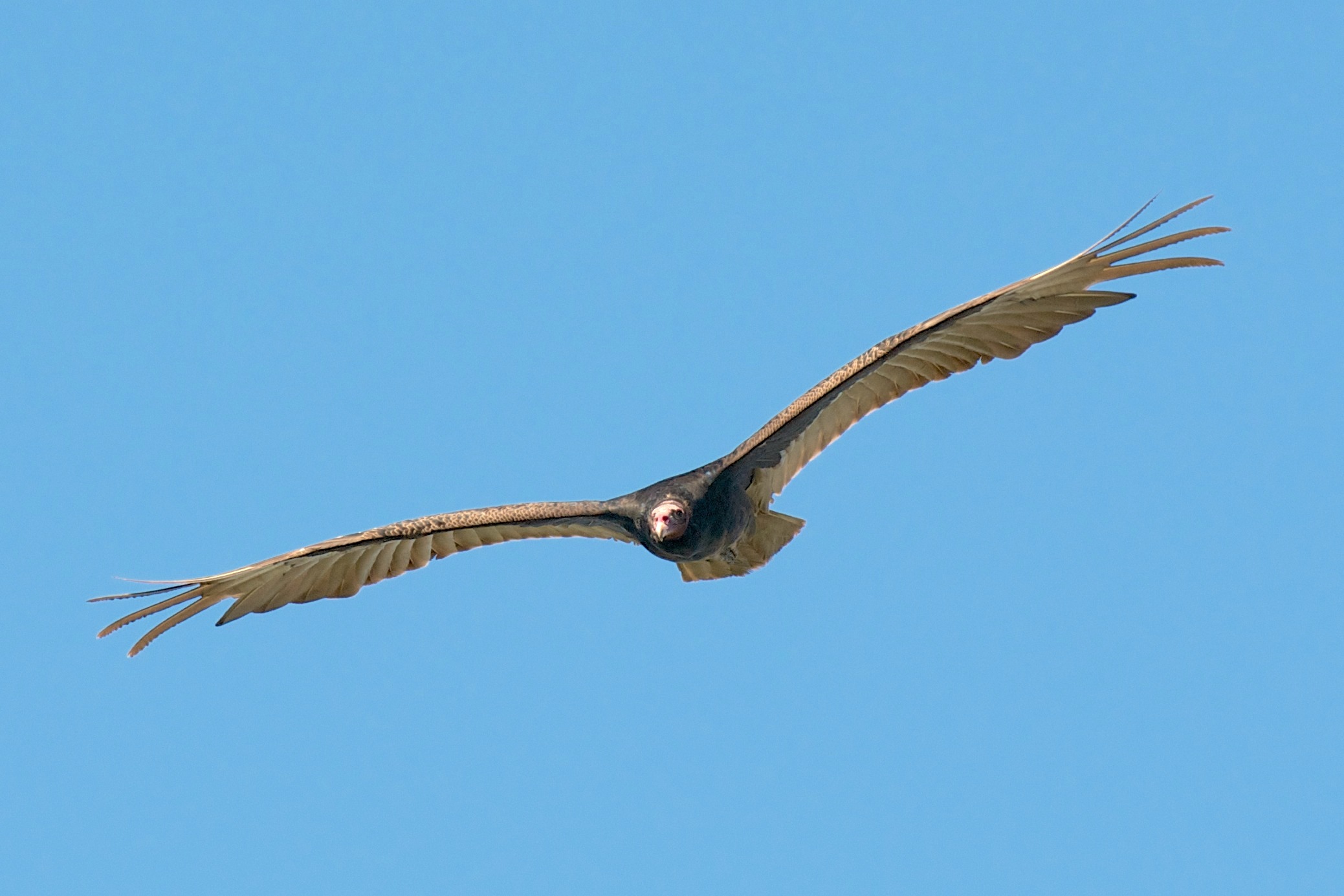
Let’s start with some of the more glamourous ‘in-flight’ shots. This is when TVs look their best, as they wheel round floating and swooping on the thermals – singly, in pairs or in flocks. 

Turkey Vulture, Abaco (Nina Henry)Turkey Vulture, Abaco (Nina Henry)Turkey Vulture, Abaco (Bruce Hallett)Turkey Vulture, Abaco (Charlie Skinnner)

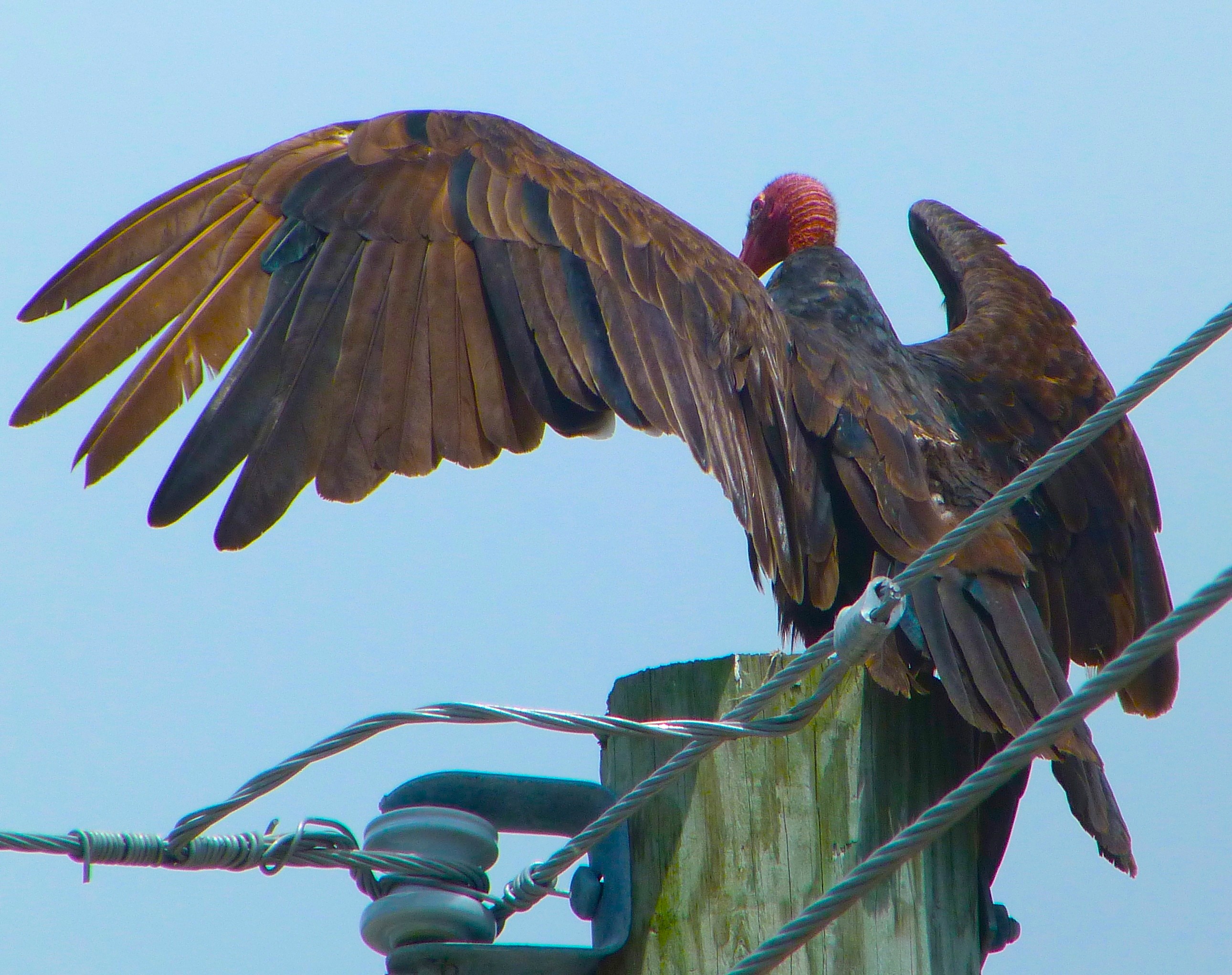
At closer quarters TVs are till impressive, though arguably less attractive… TVs often use utility wires (header image) or posts to perch on, scope out the territory, or simply to dry their wings

Turkey Vulture, Spread Wings, Abaco (Keith Salvesen)

TVs will never be truly adorable. The final image (by Irish photographer Craig Nash) is truly ‘warts and all’… Ah, but look at the sweet little hairs on its head!

Turkey Vulture, Abaco (Craig Nash)

Talking of adorable, this is the perfect place for a shout-out for the wonderful BIRDORABLE site. For this special day they have put all their vultures together in one helpful chart. They have a load of fun at Birdorable HQ. You can download birds for children to colour in. Or even get a T-shirt with your favourite bird on it (mine’s a PIPL).

photo 1

Credits: Craig Nash (1, 7); Nina Henry (2, 3); Bruce Hallett (4); Charlie Skinner (5); Keith Salvesen (6); the incomparable Birdorable

Unknown's avatar

A QUARTER OF A MILLION GLIMPSES OF ABACO…


Abaco (Cuban) Parrot, Abaco, Bahamas  (Keith Salvesen)

A QUARTER OF A MILLION GLIMPSES OF ABACO…

Well here’s a rum do. About four years ago, this somewhat minority interest blog emerged ‘mewling and puking’¹ into the world, guided by an incompetent male midwife whose basic training had been about 4 weeks of exposure to Abaco, its fishing, its wildlife, its geography and its history. ‘Bananaquit’ might as well have meant taking up a plantain-free diet. ‘Grassquit’ might have been the local word for ‘keep off the lawn’. And that’s before all the flowers. And the reef fish. And everything else that turned up during the storm-wracked voyage of discovery via polydamus swallowtails, manatees, spider wasps and batfish that led slowly to the calmer waters of ‘rather better informed (if no wiser)’. 

Anyway, at midnight last night some unknown person kindly made the 250,000th visit to the blog, a target that once seemed inconceivable. In the past month, the 1000th person also signed up as a follower, another source of amazement. The reality is that despite Abaco being a sparsely-populated microdot island in a huge world, there are a great many people on the island or associated with it who are passionate about it and its extraordinarily diverse natural history. That knowledge makes curating this blog both easy and pleasurable. 
RH Stats clip

I checked my stats for the last year to find out where hits from the top 10 countries – and for fun the bottom 1o – came from. Here’s the answer. Rather shamefully there was also a country I had never knowingly heard of, Palau (Micronesia). There follows a selection of a few photographs that have been popular over the years, mostly my own but the underwater ones are from Melinda Riger and Virginia Cooper of Grand Bahama Scuba.

Top 10                                                                   Bottom 10
Top 10 countries jpg   Bottom 10 countries jpg

Cuban Emerald Hummingbird, Delphi, Abaco (Keith Salvesen)Bananaquit & palm, Delphi, Abaco, Bahamas  (Keith Salvesen)Western Spindalis, Abaco, Bahamas  (Keith Salvesen)Blue-gray Gnatcatcher, Abaco, Bahamas (Keith Salvesen)Red-winged Blackbird, Abaco, Bahamas  (Keith Salvesen)Brown Pelicans, Sandy Point, Abaco  (Keith Salvesen)Reddish Egret, Crossing Rocks, Abaco, Bahamas (Keith Salvesen)French Angelfish (juv), Bahamas (Melinda Riger)Four-eyed Butterflyfish ©Melinda Riger @GBSCowfish ©Melinda Riger @ GB ScubaOctopus ©Melinda Riger @ Grand Bahama ScubaNassau Grouper, Bahamas (Melinda Riger)Blacktip Shark ©Virginia Cooper @ G B Scuba copy 2Curly-tail Lizard, Delphi, Abaco, Bahamas (Keith Salvesen)Atala Hairstreak Butterfly, Abaco, Bahamas (Keith Salvesen)Bird of Paradise Flower (Strelitzia) Abaco (Keith Salvesen)Hibiscus : Polydamus Swallowtail, Delphi Abaco (Keith Salvesen)Yellow Elder Hope Town, Abaco, Bahamas (Keith Salvesen)

SEARCH TERMS

The most popular searches – omitting posts about hurricanes, which always generate a lot of traffic – have concerned Abaco Parrots, Lignum Vitae, Sea Glass, the Loxahatchee poster series, Tarantula Hawk Wasps, Sea Biscuits / Urchins, Yellow Elder, Parrotfish, Shipwrecks, Hutias, Hole-in-the-Wall, Lionfish, Remora, and Abaco Maps. The most leftfield search of all was ‘How dispose of dead bodies?’, by someone who had clearly strayed into the wrong category of website…

A FEW OF THE MOST POPULAR POSTS / PAGES
SEA SHELLS
SPIDER WASPS & TARANTULA HAWKS: DON’T MESS WITH THESE GUYS    
ABACO FACTS (including likelihood of adverse shark encounter or shipwreck)    
ABACO MAPS    
LIGNUM VITAE – BAHAMAS NATIONAL TREE    
YELLOW ELDER – THE BAHAMAS NATIONAL FLOWER    
SEA URCHINS & SEA BISCUITS – BEACHCOMBING TREASURES ON ABACO    
ABACO FOOD & DRINK (cook hog / bonefish; clean a conch; sip an Abaco cocktail / Goombay Smash)
ABACO & HOLE-IN-THE-WALL, BAHAMAS: A SHORT HISTORY IN MAPS    
PINEAPPLES: SYMBOLS OF WELCOME & WEALTH (ALSO, DELICIOUS)    
ABACO ISLAND BOA: THE ONLY ABACO SNAKE    
WHALES & DOLPHINS    
ABACO PARROTS    
FLORA

It would be strange to end this little celebration without a tip of the hat to Peter Mantle, old friend and genial doyen of the Delphi Club, for his wholehearted encouragement and support for the production and publication of THE DELPHI CLUB GUIDE TO THE BIRDS OF ABACO. This hefty tome, published in March 2014, showcases the wonderful and varied avian life on Abaco and has proved very popular – indeed well beyond our expectations. Although I appear nominally as author on the cover, it is in fact an extraordinary collaborative effort by some 30 people. The book’s success further demonstrates the commitment of Abaconians and other who love the island to Abaco’s rich natural heritage in an age of  rapid change; and provides another good incentive for me to continue with the blog. Next stop: 500,000!

¹ © W. Shakespeare, Romeo & Juliet Act 2 Sc. 7

dcbg2ba-jacket-grab-for-pm-v2-copyShark Gif

Unknown's avatar

GREATER ANTILLEAN BULLFINCH: ABACO’S “POLICE BIRD”


Greater Antillean Bullfinch, Abaco (Erik Gauger)

GREATER ANTILLEAN BULLFINCH: ABACO’S “POLICE BIRD”

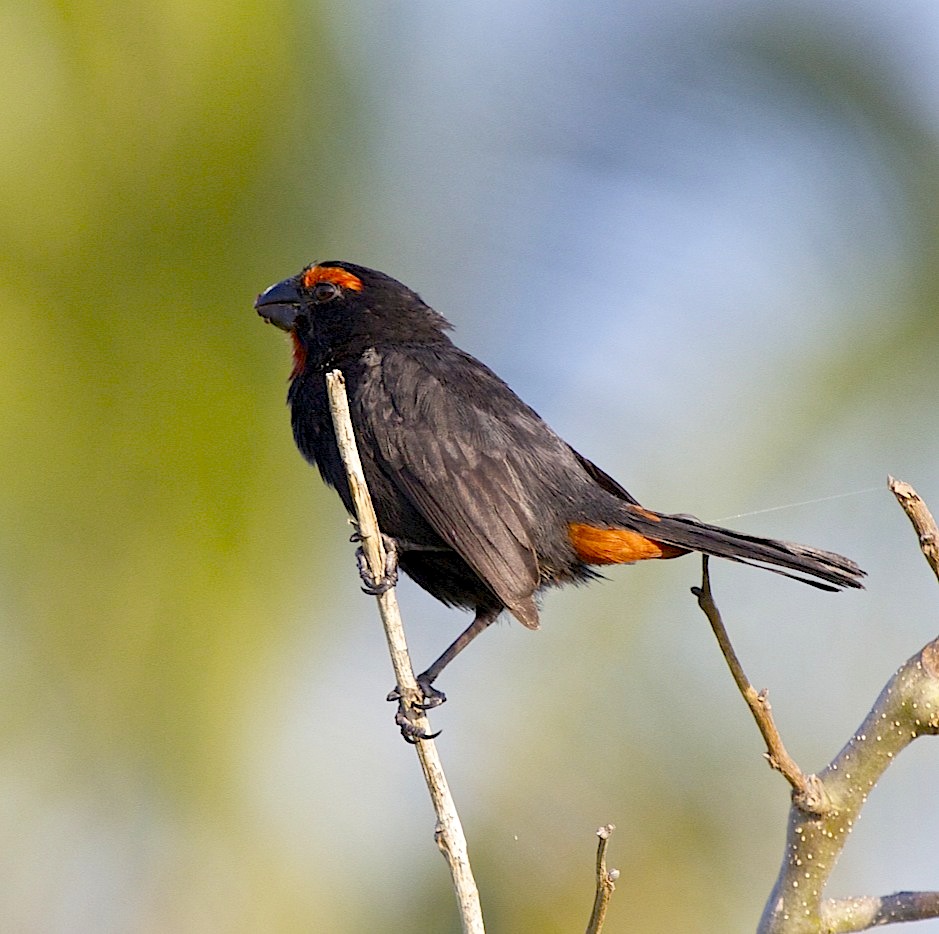
Following my last gloomy post about the widely-reported die-off of the poor, exhausted migratory great shearwaters, let’s turn with relief to a cheerful bird known to all and admired in coppice and garden: the Greater Antillean Bullfinch Loxigilla violacea. These pretty birds are easy to find and to identify. They love feeders, and they are responsive to ‘pishing’, that irritating (?) noise that birders make to unseen avians in the coppice to persuade them to reveal themselves. Adult males are black with bright red accessories (hence “police bird”); females are paler with orangey accessories; and juveniles look a bit scruffy and patchy. Here’s a GAB gallery to enjoy.

Greater Antillean Bullfinch, Abaco (Alex Hughes) 4 Greater Antillean Bullfinch, Abaco (Alex Hughes) 5Greater Antillean Bullfinch immature with snail 2.Delphi Club.Abaco (Tom Sheley)Greater Antillean Bullfinch, Abaco (Keith Salvesen)Great Antillean Bullfinch, Abaco  (Tom Sheley) 1Great Antillean Bullfinch, Abaco (Charles Skinner)Great Antillean Bullfinch, Abaco (Gerlinde Taurer)GAB BH IMG_9208 copy 2

Credits: Erik Gauger (1); Alex Hughes (2, 3); Tom Sheley (4, 6); Keith Salvesen (5); Charles Skinner (7); Gerlinde Taurer (8); Bruce Hallett (9)


Unknown's avatar

NORTHERN PINTAILS ON ABACO: LOOKING SHARP


Northern Pintail, Abaco (Keith Salvesen)

NORTHERN PINTAILS ON ABACO: LOOKING SHARP

The Northern Pintail Anas acuta is a relatively rare winter resident dabbling duck on Abaco. The species has a huge range, being found throughout much of the northern hemisphere. 

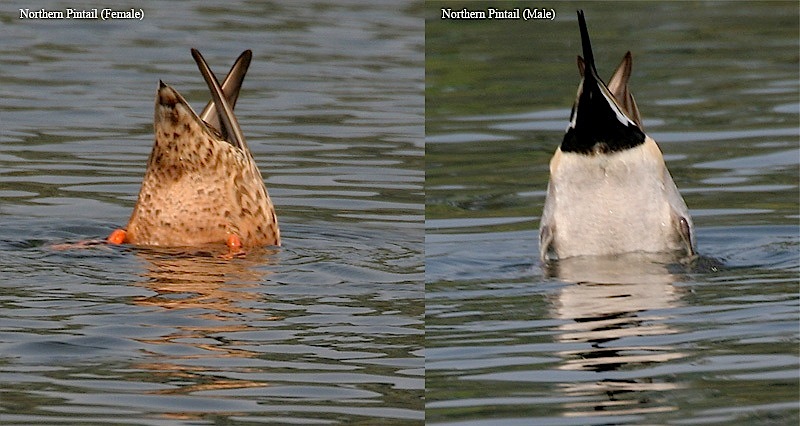
DABBLING DUCKS – PINTAILS UPNorthern Pintails (M & F) Up-ending (J M Garg)jpg

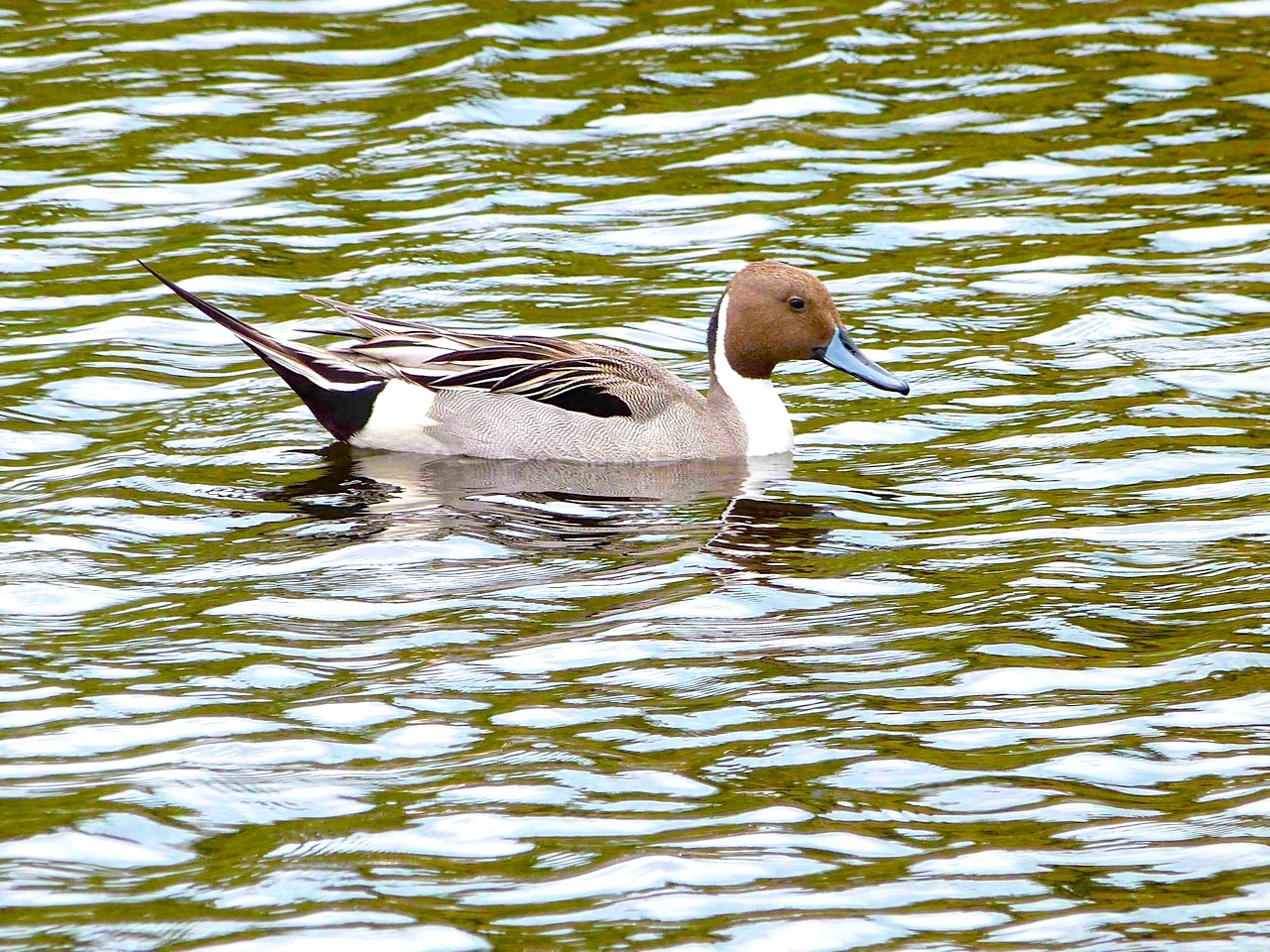
The ‘acuta’ in the Latin name refers to the characteristic sharp ‘pin tail’. As so often, the drake is a somewhat flashy specimen while the female is unassuming or, as some sources harshly put it, dull and drab. And while the drake makes a melodious whistle, the female simply quacks or croaks.

FLASHY MALENorthern Pintail, Abaco (Tony Hepburn)

DULL & DRAB FEMALE? DEBATABLE!Northern Pintail (f), Abaco (Keith Salvesen)Northern Pintail (f) x 4 (Woody Bracey)

Northern Pintails form flocks and are happy to mix with other species.  Their long necks give the edge over similarly-sized dabbling ducks such as the mallard, enabling them to reach deeper down in the water to feed.

Northern Pintail PM IMG_5342 copy 2

THREATS TO THE SPECIES

  • Predation of nests and chicks by animals and birds such as birds of prey and (some) gulls
  • Parasites including worms and lice, to which they seem to be susceptible; and avian diseases including bird ‘flu
  • Hunting: they are a good target species being swift and agile in the air (for sport) yet quite large (for success rate). Also, delicious (for dinner).
  • Lead poisoning from shot or angling tackle, research has shown. A major problem with all bottom-feeders, though improved where laws prohibiting lead shot have been introduced
  • Loss of wetland areas to agriculture or due to habitat or climate changes

Northern Pintail, Abaco (Keith Salvesen)

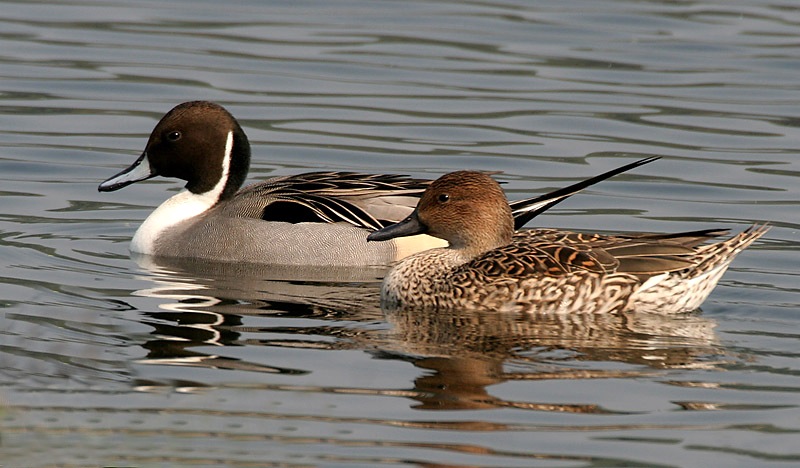
On Abaco, Northern Pintails arrive in the autumn and leave as spring approaches. They are most likely to be found on ponds such as the one at Treasure Cay Golf Course, where I photographed the male; and at Gilpin Point where I spotted the lone female (at a distance). Below are both genders together for comparison (NB not taken on Abaco). 

BREEDING TIME

Mating is aquatic, by the usual anatine method in which the female lowers herself in the water to indicate her agreement to the proposal whereupon the male tries to drown her. Apparently after mating, the male raises his head and whistles – whether as a signal that it’s all over or exaltation or relief has not been researched. Yet. 

Northern Pintails (M & F) J M Garg

 RELATED POSTS

BAHAMA (WHITE-CHEEKED) PINTAIL

BAHAMA PINTAIL PAGE

Credits: RH x 3, Peter Mantle x 1, Tony Hepburn x 1, Woody Bracey x 1, J M Garg x 2, Birdorable 

        northern-pintail        northern-pintail        northern-pintail

Unknown's avatar

PIONEER NATURALISTS & ABACO BIRDS: POTTED BIOGRAPHIES


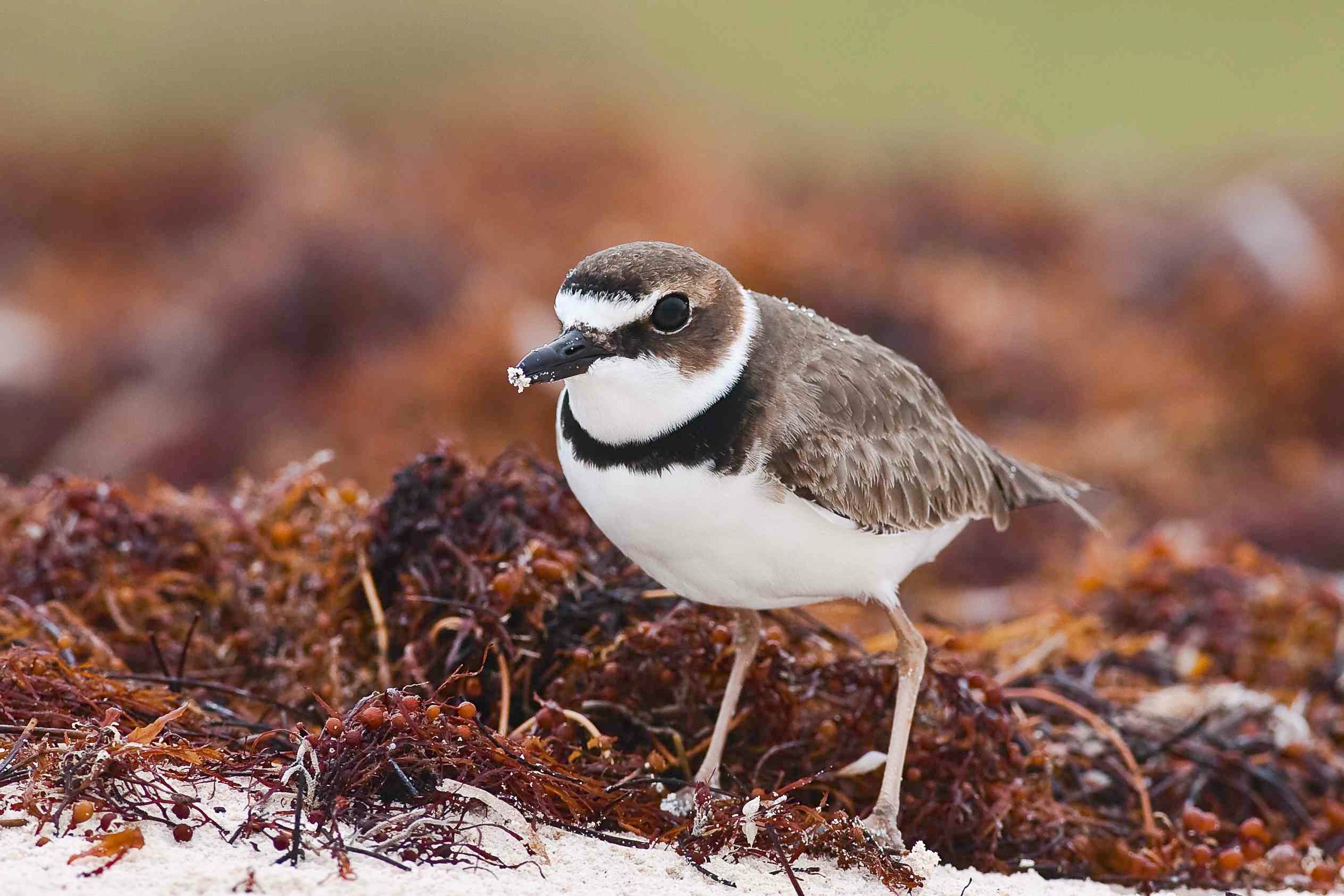
Wilson's Plover, Abaco (Craig Nash)

Wilson’s Plover, Abaco (Craig Nash)

PIONEER NATURALISTS & ABACO BIRDS: POTTED BIOGRAPHIES

Who were all the people – all men, I’m afraid – who are immortalised in the names of birds they first discovered or recorded or collected specimens of or wrote about? In various previous birds posts I have given brief bios of the naturalist for whom the particular species under consideration is named. I’ve decided to bring all those who specifically relate to Abaco together in one place. There is not (as far as I know) a collective term for ornithologists, so may I introduce a “Scope” or “Twitch” of them…

ALEXANDER WILSON 1766 – 1813

Mr WilsonWilson’s phalarope, plover, snipe, storm-petrel, warbler

Alexander Wilson was a scottish poet and writer. He specialised in ballads, pastoral pieces, and satirical commentary on the conditions of weavers in the mills. The latter got him into trouble when he overstepped the mark by making a vicious written attack on one mill owner. He was arrested, convicted and sentenced to burn the work in public (fair enough, perhaps) and imprisoned (somewhat harsh). After his release, he sensibly emigrated to America in 1794.
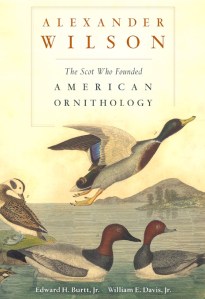
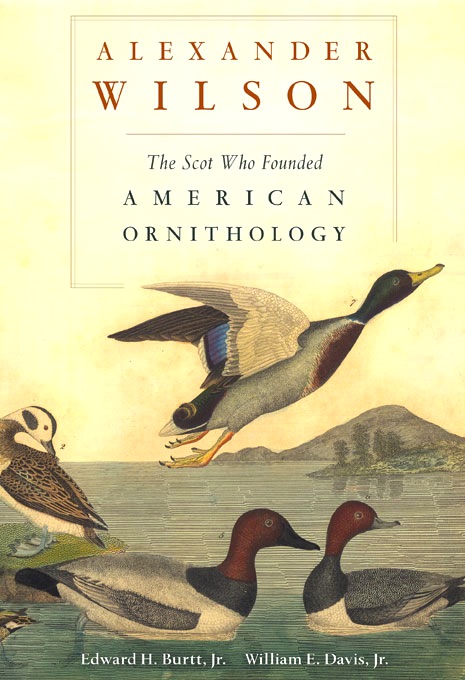
Alexander Wilson: The Scot Who Founded American Ornithology

Wilson became a teacher in Pennsylvania, and develpoped his interests in ornithology and painting. His ambitious plan was to publish a collection of illustrations of all the birds of North America. He travelled widely, collecting, painting, and securing subscriptions to fund a nine-volume American Ornithology (1808–1814). Of the 268 species of birds illustrated, 26 had never previously been described. Wilson died during the preparation of the ninth volume, which was completed and published by George Ord. Wilson predated John James Audubon (though not by many years) and  is generally acknowledged to be the founder of American ornithol0gy.

For examples of Wilson’s American Birds, check out the excellent Virginia University records HERE 
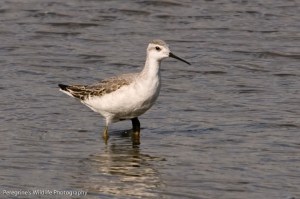
Wilson's Phalarope (Craig Nash)

Wilson’s Phalarope (Craig Nash)

CHARLES LUCIEN BONAPARTE 1803 – 1853

Bonaparte, Charles Lucien (1803-1857)Bonaparte’s gull, Zenaida dove

Charles Lucien Bonaparte, 2nd Prince of Canino and Musignano was a French biologist and ornithologist. He was nephew of the Emperor Napoleon. He married his cousin Zenaïde, by whom he had twelve children. They moved from Italy to Philadelphia, by which time Bonaparte had already developed a keen interest in ornithology. He collected specimens of a new storm-petrel, later named after the Scottish ornithologist Alexander Wilson (see above).

Bonaparte studied the ornithology of the United States, and updated Wilson’s American Ornithology. His revised edition was published between 1825 and 1833. He was a keen supporter of a (then unknown) ornithologist John James Audubon. Rather sweetly, he created the genus Zenaida, after his wife, applying it to the White-winged Dove Zenaida asiatica,  Zenaida Dove Zenaida aurita and Mourning Dove Zenaida macroura. He himself was later honoured in the name ‘Bonaparte’s Gull’.

Bonaparte's Gull, Abaco (Bruce Hallett)

Bonaparte’s Gull, Abaco (Bruce Hallett)

RAMON LA SAGRA (1798 -1871)
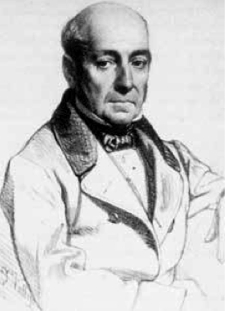
Mr La Sagra La Sagra’s Flycatcher

Ramón Dionisio José de la Sagra y Peris was a multi-talented man, being a Spanish botanist and also a writer, economist, sociologist, politician, anarchist, and founder of the world’s first anarchist journal El Porvenir (“The Future”). He lived in Cuba and became director of Havana’s Botanical Garden; his name lives on arguably more significantly in ornithological than in anarchist circles (actually, an ‘anarchist circle’ must surely be a contradiction in terms…)
La Sagra's Flycatcher, Abaco (Keith Salvesen)

La Sagra’s Flycatcher, Abaco (Keith Salvesen)

A Cuban stamp commemorates the death of Juan Gundlach, the nauralist who chose La Sagra’s name to bestow on the flycatcher, and who himself is honoured in the name of the Bahama Mockingbird Mimus gundlachii Cuba Stamp La Sagra's Flycatcher

WILLIAM JOHN SWAINSON (1789 – 1855)

Mr SwainsonFor Abaco: Swainson’s Hawk, Thrush & Warbler

Swainson was an English ornithologist, entomologist, conchologist, natural historian, and a gifted illustrator of the natural world. He was a pioneer of the new lithographic technology, which enabled quicker reproduction of his work than engraving. Swainson lent his name to a number of avian species, three of which may be found on Abaco – the Swainson’s Hawk, Thrush and Warbler. The hawk is a rare visitor; the thrush is a transient, passing through the Bahamas during migration; and the warbler is a hard-to-find winter resident. Below is the only known Swainson’s Hawk to be photographed on Abaco.

Swainson's Hawk, Abaco (Bruce Hallett)

Swainson’s Hawk, Abaco (Bruce Hallett)

JOHN ISIAH NORTHROP (1861 – 91)
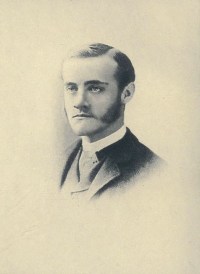
640px-Picture_of_John_Isaiah_NorthropBahama Oriole (Icterus northropi)

John Isiah Northrop, for whom the endemic BAHAMA ORIOLE Icterus northropi is named, entailed a bit more research. The link above will take you to my post about this very beautiful species that is sadly on the brink of extinction. Until recently it was found only on Abaco and Andros, but is now extirpated from Abaco and exists only in certain enclaves on Andros.
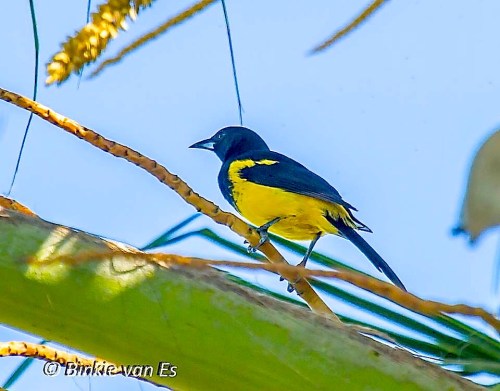
Bahamas Oriole, Andros (Binkie Van Es)

Bahamas Oriole, Andros (Binkie Van Es)

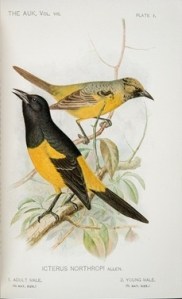
I can do no better than regurgitate the info provided by the University of Glasgow Library Research Annexe in relation to a fine  illustration from A Naturalist in the Bahamas (1910), reprinted in The Auk journal (below) at a time when Icterus northropi was still a mere subspecies:

The yellow and black Bahama Oriole (Icterus Northropi) is a bird species unique to the Bahamas. The bird was named for American ornithologist and zoologist, John Isiah Northrop (1861–91); the illustration comes from an account of the trip Northrop and his botanist wife, Alice, took to the Bahamas in 1889 which was published in his memory: A Naturalist in the Bahamas: John I. Northrop, October 12 1861-June 25, 1891; a memorial volume (Columbia University Press, 1910). It was edited and introduced by Henry Fairfield Osborn, professor of zoology at Columbia University where Northrop worked as a tutor and was killed in a laboratory explosion shortly (9 days) before the birth of his son John Howard Northrop (who became a Nobel prize-winning chemist)”.Icterus Northropi illustrated in A Naturalist in the Bahamas (plate 1)
 

JARED POTTER KIRTLAND 1793 –1877

260px-Jared_Potter_Kirtland_1793-1877Kirtland’s Warbler (Setophaga kirtlandii)

Jared Potter Kirtland was a naturalist, malacologist and politician, most active in Ohio where he served as a probate judge, and in the Ohio House of Representatives. He was also a physician and co-founder of a University Medical School. Kirtland became one of America’s leading naturalists, with a particular interest in horticulture and sea shells. He published numerous natural history articles, and was a founder and president of the Kirtland Society of Natural History and the Cleveland Academy of Natural Science.

Somewhere in amongst all this, he discovered or at least studied the warbler that was named after him. This rare bird is found in small numbers only in certain areas of Michigan; and overwinters in the Bahamas including on Abaco. They a very hard to find, and harder still to photograph. This year we made an expedition into remote backcountry and found 4, more of which another time…
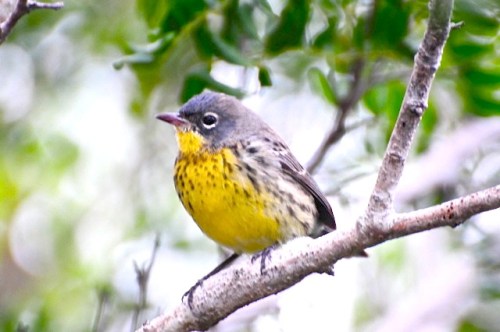
Kirtland's Warbler, Abaco (Woody Bracey)

Kirtland’s Warbler, Abaco (Woody Bracey)

JOHN JAMES AUDUBON (1785 – 1851)

John James Audubon never went to Abaco. The nearest he got was probably in 1820, when he made a field trip to the southern states, including Florida; or in the 1830s when he made at least one trip to Key West. One technique that set him apart from contemporaries was his method of producing naturalistic (as opposed to ‘stuffed bird’) drawings. It involved killing birds using very fine shot, and then using wires to pose them naturally, according to his field sketches. This contrasted with the usual technique of using a stuffed specimen as a model.

Although no Abaco birds are specifically named for Audubon, it is almost impossible to dip a toe into ornithological history without immediately stubbing it on Audubon’s name. Hence his inclusion in this piece, bringing it to a conclusion.

Audubon’s master-work was his renowned Birds of America, arguably the most famous bird tome ever. There are about 120 sets of the original book still in existence. They were incredibly expensive to produce in contemporary terms; and in modern times a set sold for $11.5 million at Sotheby’s London in 2010, setting the unbeaten record for the world’s most expensive book sale. Recently there was great excitement over the sale of another set at Christie’s New York, but the sale price was far lower, a mere $7,922,500… 

Audubon Birds of America.jpg

Credits: Bird pictures as shown; Encyclopaedia of Cleveland History, University of Glasgow Library, The Auk, Audubon Society, Wiki, Magpie pickings
Unknown's avatar

COMMON GROUND DOVE (‘TOBACCO DOVE’) ON ABACO


Common Ground Dove, Abaco (Tom Reed)

COMMON GROUND DOVE (‘TOBACCO DOVE’) ON ABACO

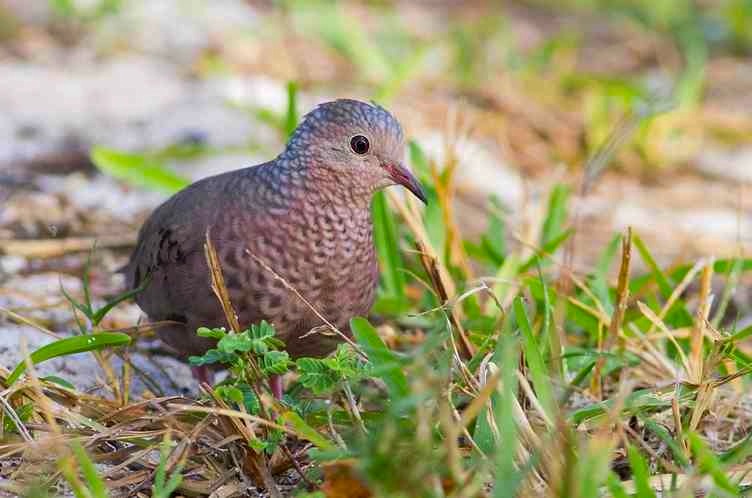
These small birds Columbina passerina are also known as tobacco doves. Although they sometimes perch in the branches of trees, you are more likely to encounter them on the ground, where they forage for seeds, fruit, and insects. Common Ground Dove, Abaco 1 (Tom Sheley)

They will often fly in front of a person or vehicle in short fluttering stages, keeping out of reach but never going too far ahead.When they fly, their undersides flash reddish-brown (sometimes described as chestnut) – hence (I presume) the tobacco dove name.

Common Ground Dove, Abaco 2 (Tom Sheley)

The common ground dove is one of the world’s smallest doves – roughly 6 inches long. Its beak has a black tip, and its feathers have a pinkish tinge. The feathers on the head and the breast look rather like scales. Females are similar to males but tend to be greyer.

Common Ground Dove, Abaco (Nina Henry)

Common ground doves mate with their partner for life, and a pair may have 2 or even 3 broods a year. Both parents feed the young birds until they are ready to feed themselves. Rather amazingly, hatchlings can fledge in 11 days. 

Common Ground Dove, Abaco 3 (Nina Henry)

Here’s the sound to listen out for, a (frankly) rather monotonous and subdued little ‘whoop’.

 Andrew Spenser / Xeno Canto

Common Ground Dove, Abaco 2 (Nina Henry)

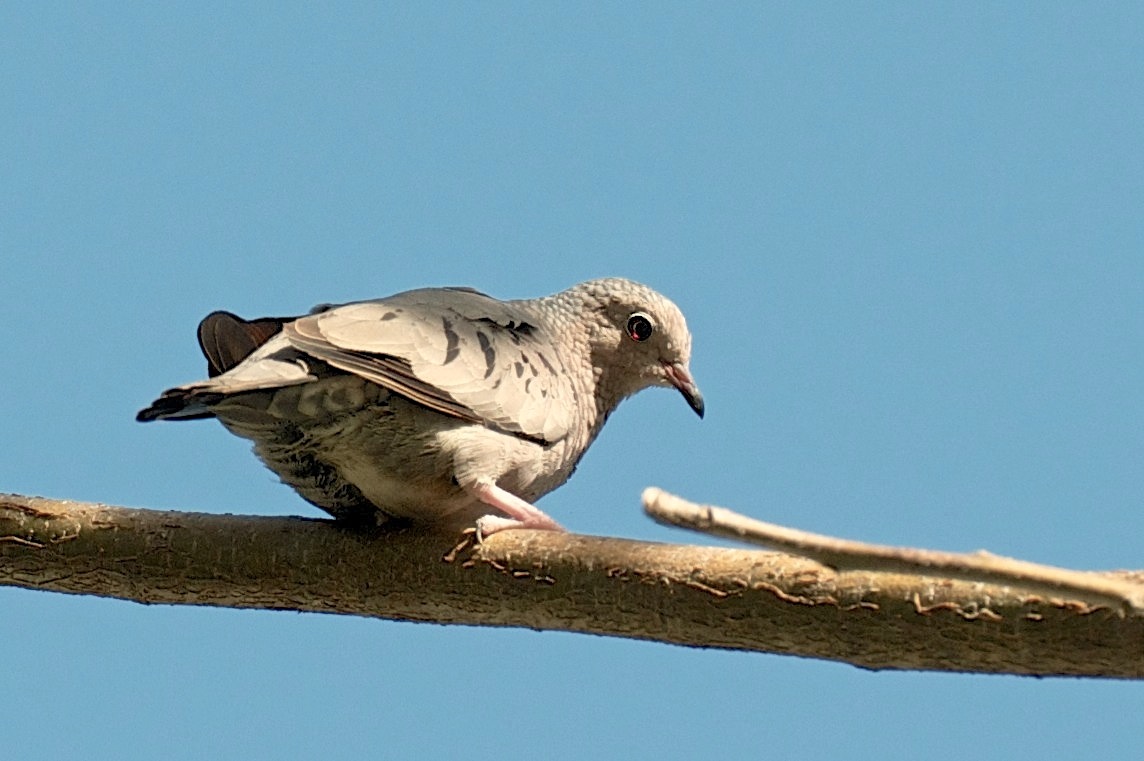
My own attempts to photograph a CGD satisfactorily have been rather feeble. I have taken plenty of photos of them on the ground, but nothing memorable, let alone useable. However the one below surprised me by flying onto a branch quite near me, and I had time to squeeze the trigger before it flew off again. Far from perfect compared with others on this page, but I’m not going to let that little detail prevent me from showing it… Common Ground Dove, Abaco (Keith Salvesen)

 Photo Credits: Tom Reed (1), Tom Sheley (2, 3), Nina Henry (4, 5, 6), RH (7); Audio – Andrew Spenser / Xeno Canto