Unknown's avatar

“THE DELPHI CLUB GUIDE TO THE BIRDS OF ABACO” (2016)


Delphi Club Guide to the Birds of Abaco (Jacket)

“THE DELPHI CLUB GUIDE TO THE BIRDS OF ABACO”

In a box in the corner over there – no, there – are my last 6 copies of ‘The Birds of Abaco’. Peter Mantle probably has a few over here in the UK too. And there are definitely some remaining at Delphi HQ in a cupboard  just a few lurches away from the surprisingly popular ‘honesty bar’. But there aren’t a great many left now, so forgive me for drawing attention to the fact that the Season of Goodwill is upon us. And… ahem… there are only 24 more ‘sleeps’ until Christmas. 
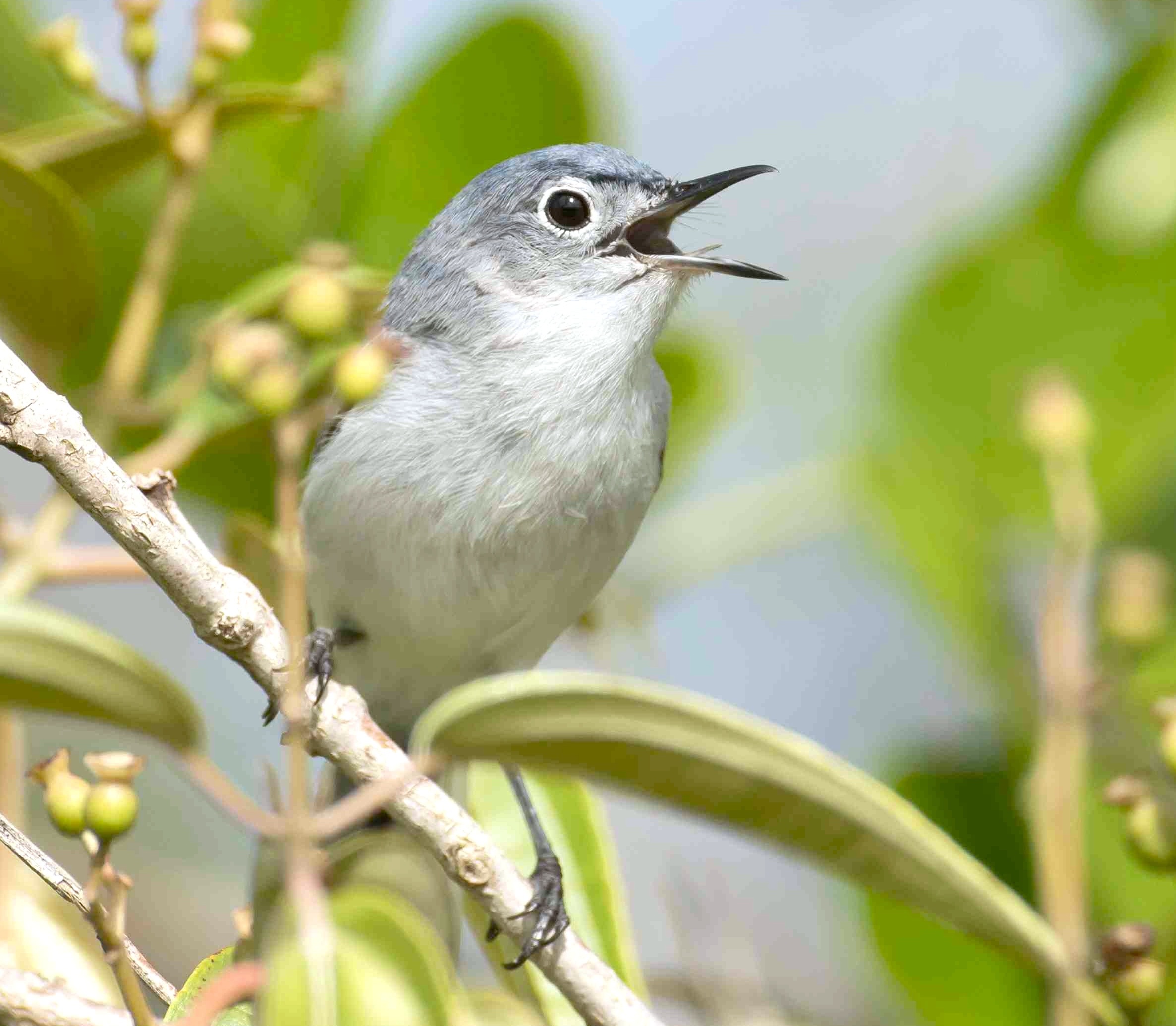
Blue-gray Gnatcatcher vocalizing.Abaco Bahamas.6.13.Tom Sheley aBlue-gray Gnatcatcher Tom Sheley

“The Delphi Club Guide to THE BIRDS OF ABACO” was published in March 2014. To say “I wrote it” would be a gross distortion of the truth: it was an entirely collaborative project. The originator of the idea – as with the entire Delphi Club project – was Peter Mantle, the publisher. The work of 30 photographers is included. There was huge input from the very experienced project manager and from Bahamas bird experts. So although my name is on the cover, it is as a participant representing the contributions, camera skills and brainpower of many people.
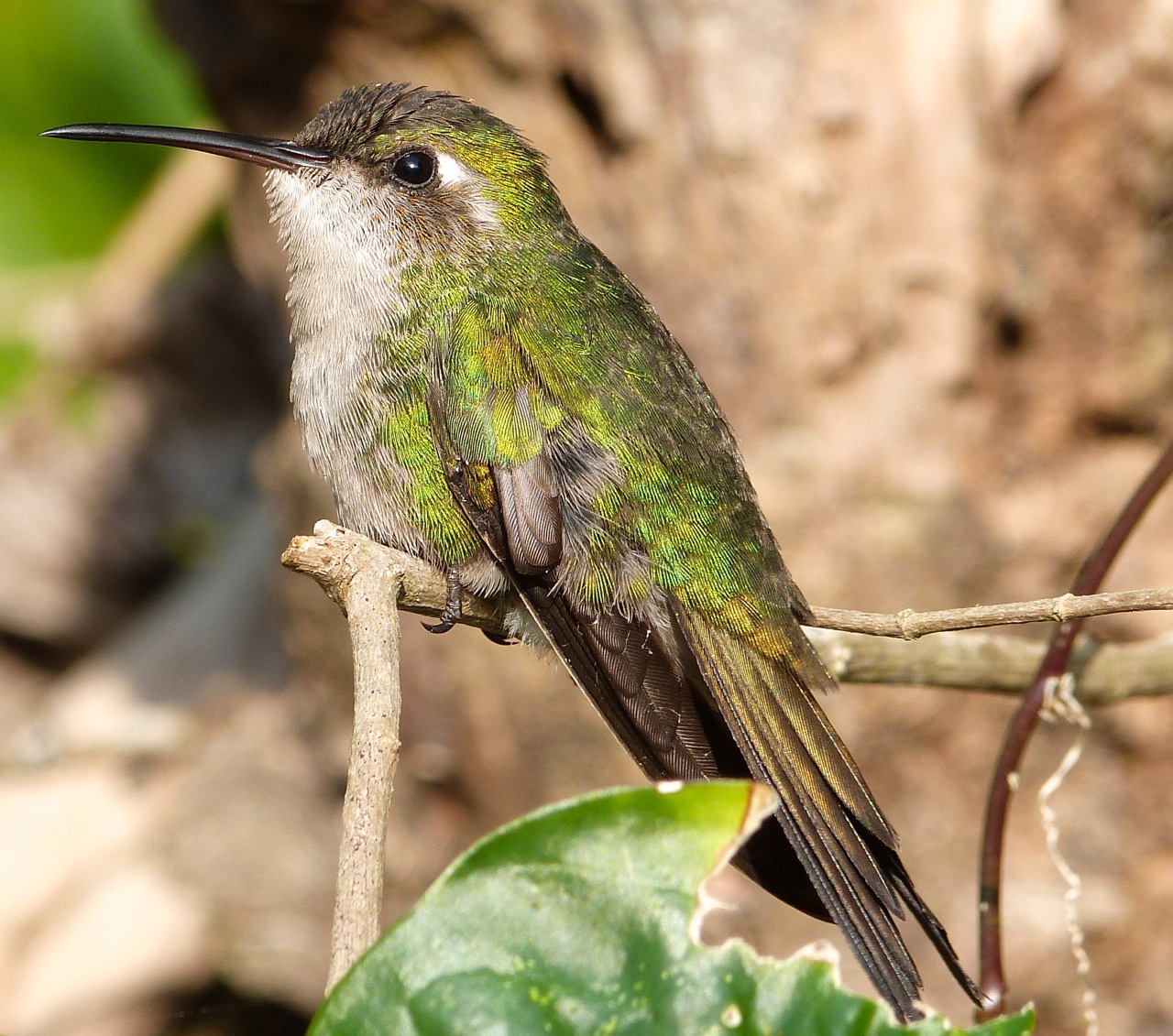
Cuban Emerald Hummingbird, Delphi, Abaco (Keith Salvesen)Cuban Emerald (f) Keith Salvesen

The book launched to generous enthusiasm and support both on Abaco and beyond, which has continued ever since. We have been astonished by the positive responses to this unique publication for the Bahamas. There is a wider purpose to the book than as a photographic showcase for Abaco birds. All Abaco schools, colleges, libraries and local wildlife organisations have been given free copies for educational purposes. And a percentage of the profits is set aside for local wildlife causes. 
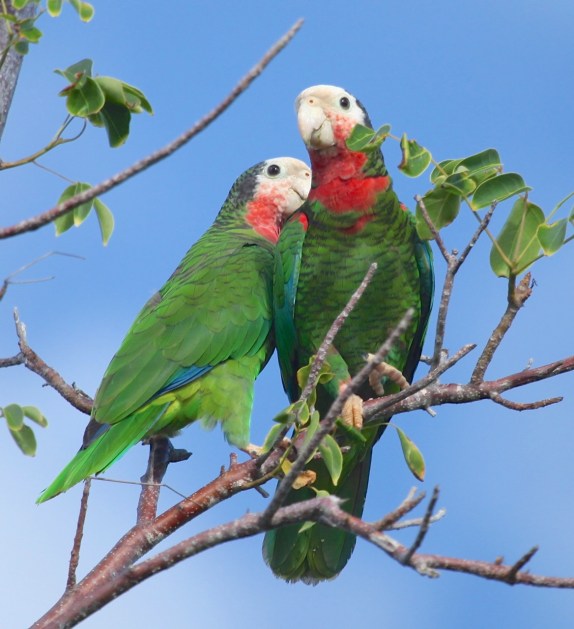
Abaco Parrot, Abaco Bahamas (Peter Mantle)Abaco (Cuban) Parrots Peter Mantle

Below are some facts and stats. Some people may well have seen these set out elsewhere, but a lot of new people have kindly tuned in to Rolling Harbour in the last 12 months or so, so I will repeat some of the details.
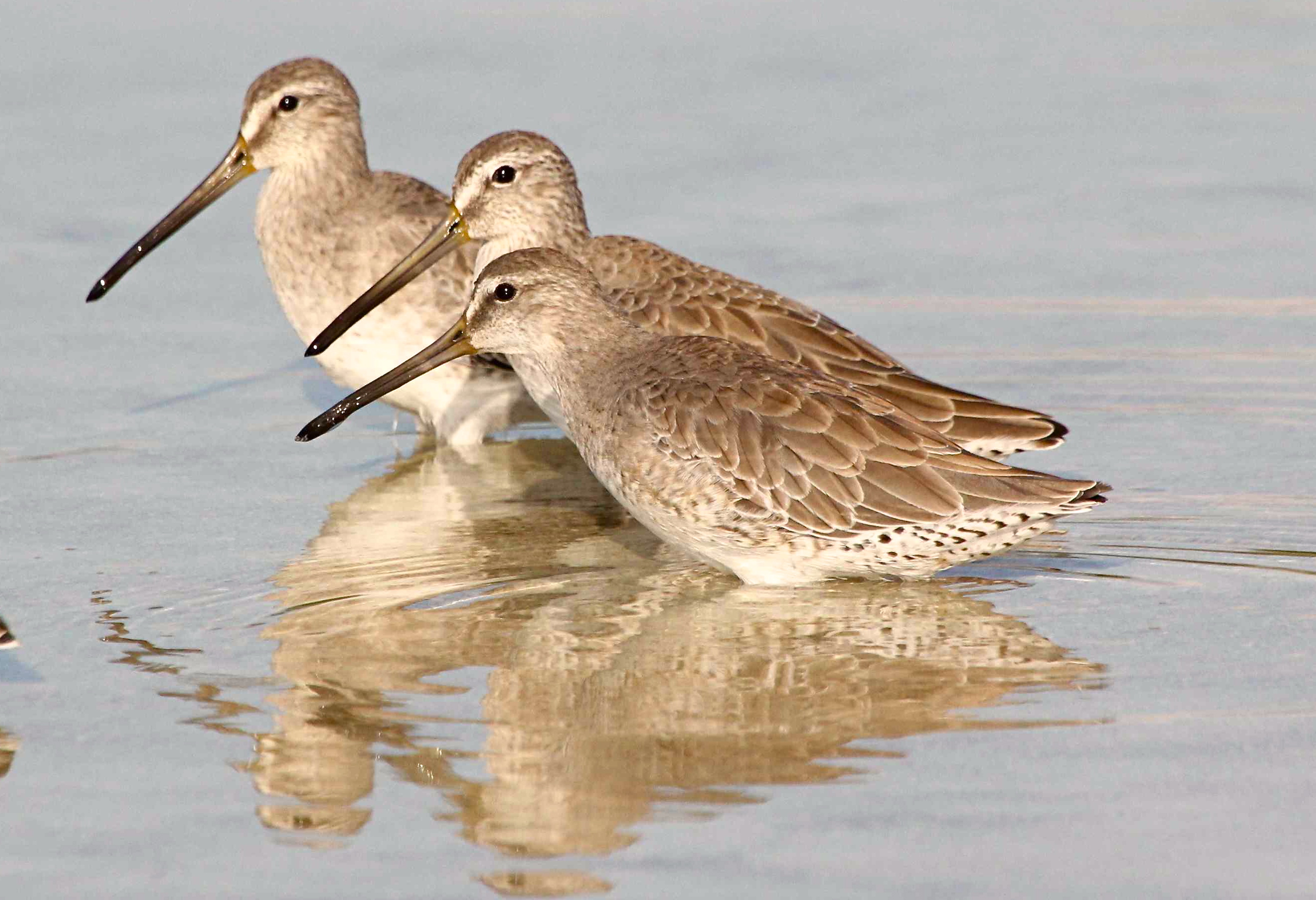
Short-billed Dowitcher, Abaco (Bruce Hallett)Short-billed dowitchers Bruce Hallett

The Guide showcases the rich and varied bird life of Abaco, Bahamas and features both resident and migratory species including endemics rarities and unusual sightings.

The main features are as follows:

  • 272 pages with more than 350 photographs
  • 163 species shown in vivid colour – nearly two-thirds of all the bird species ever recorded for Abaco
  • Every single photograph was taken on Abaco or in Abaco waters
  • All birds are shown in their natural surroundings – no feeders or trails of seed were used
  • Several birds featured are the first ones ever recorded for Abaco or even for the entire Bahamas

Clapper Rail Abaco Bahamas Tom SheleyClapper Rail Tom Sheley

  • A total of 30 photographers, both experienced and local amateurs, contributed to the project
  • The book had the generous support of many well-known names of Abaco and Bahamas birding
  • A complete checklist of every bird recorded for Abaco since 1950 up to the date of publication was compiled specially for the book (6 new species have been recorded since then…)
  • A code was devised to show at a glance when you may see a particular bird, and the likelihood of doing so. Birds found at Delphi are also marked
  • Specially commissioned cartographer’s Map of Abaco showing places named in the book
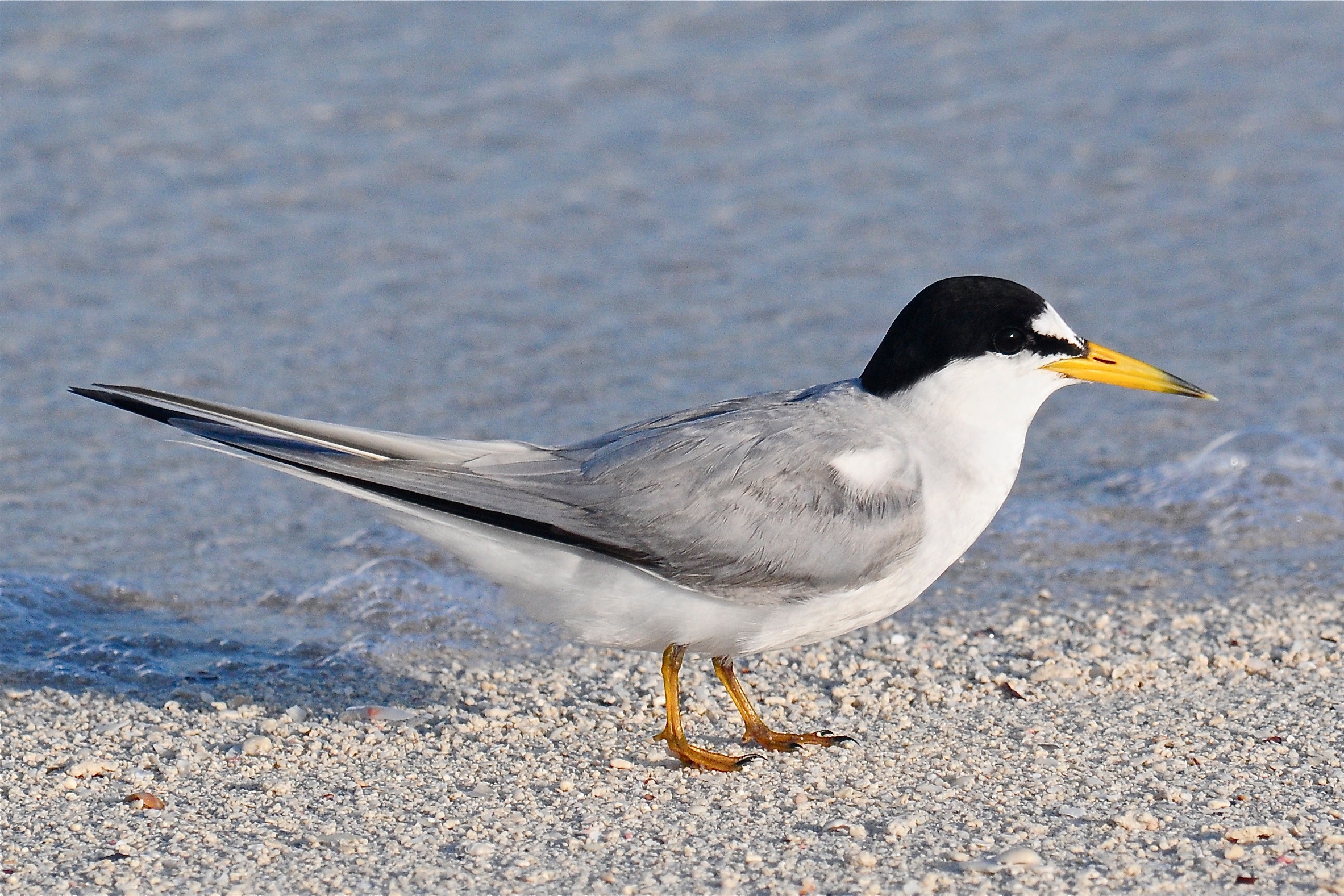
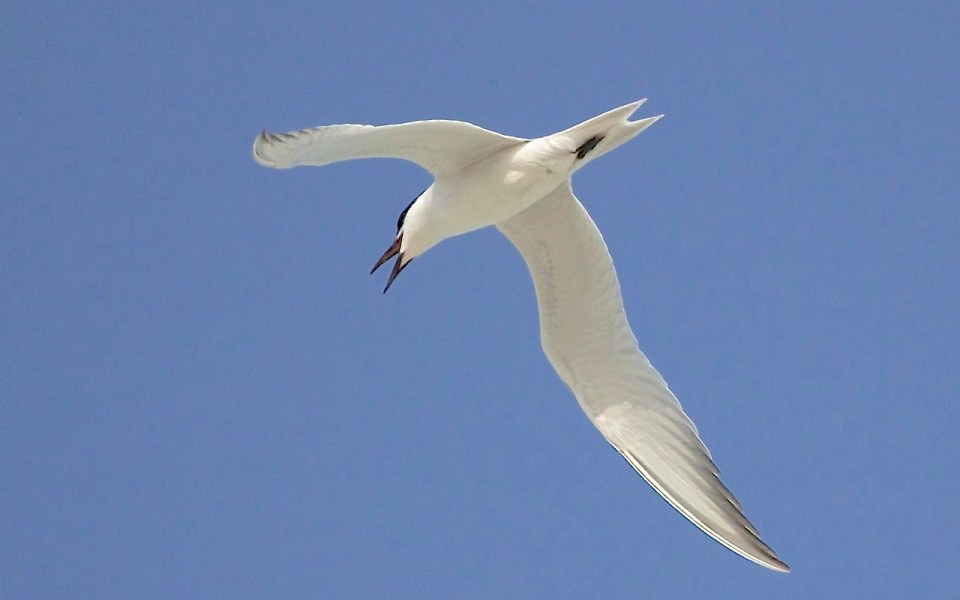
Least Tern, Abaco (Tony Hepburn)Least Tern Tony Hepburn

  • Informative captions intentionally depart from the standard field guide approach…
  • …as does the listing of the birds in alphabetical rather than scientific order
  • Say goodbye to ’37 warbler species on consecutive pages’ misery
  • Say hello to astonishing and unexpected juxtapositions of species
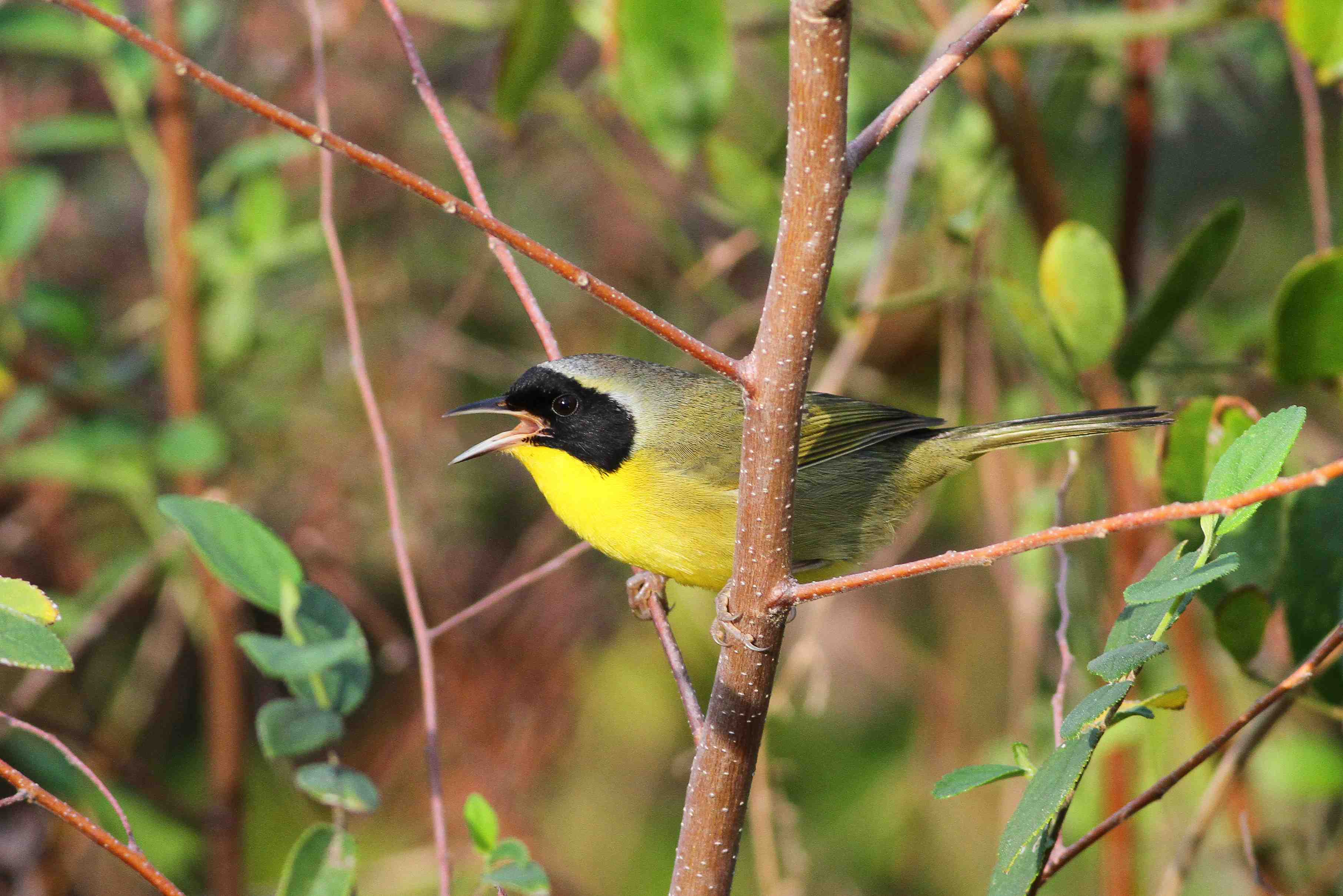
Abaco_Bahama Yellowthroat_Gerlinde Taurer copyBahama Yellowthroat Gerlinde Taurer

  • The book was printed in Florence, Italy by specialist printers on Grade-1 quality paper
  • Printing took pairs of printers working in 6 hour shifts 33 hours over 3 days to complete
  • The project manager and the author personally oversaw the printing 

Smooth-billed Ani pair, Abaco (Gerlinde Taurer)Smooth-billed Anis Gerlinde Taurer

  • The book is dedicated to the wildlife organisations of Abaco
  • A percentage of the profits is put by for the support of local wildlife organisations
  • A copy of the book has been presented to every school, college and library on Abaco

Piping Plover, Abaco - Bruce HallettPiping Plover Bruce Hallett

The book is published by the Delphi Club (contact details below). The project was managed by a publishing specialist in art books. The author is the wildlife blogger more widely known on Abaco and (possibly) beyond as ‘Rolling Harbour’. Oh! So that would in fact be Mrs Harbour and myself. Well well! What were the chances? 

Painted Bunting male.Abaco Bahamas.Tom SheleyPainted Bunting Tom Sheley

The Delphi Club at Rolling Harbour
PO Box AB-20006, Marsh Harbour, Abaco, Bahamas
Tel: +1-242-366-2222
General Manager – Max Woolnough: +1-242-577-1698
delphi.bahamas@gmail.com

Or email rollingharbour.delphi@gmail.com with any queries or comments

American Oystercatcher, Abaco - Tom SheleyAmerican Oystercatcher Tom Sheley

Photos: Tom Sheley,  Bruce Hallett, Gerlinde Taurer, Tony Hepburn, Peter Mantle, Keith Salvesen
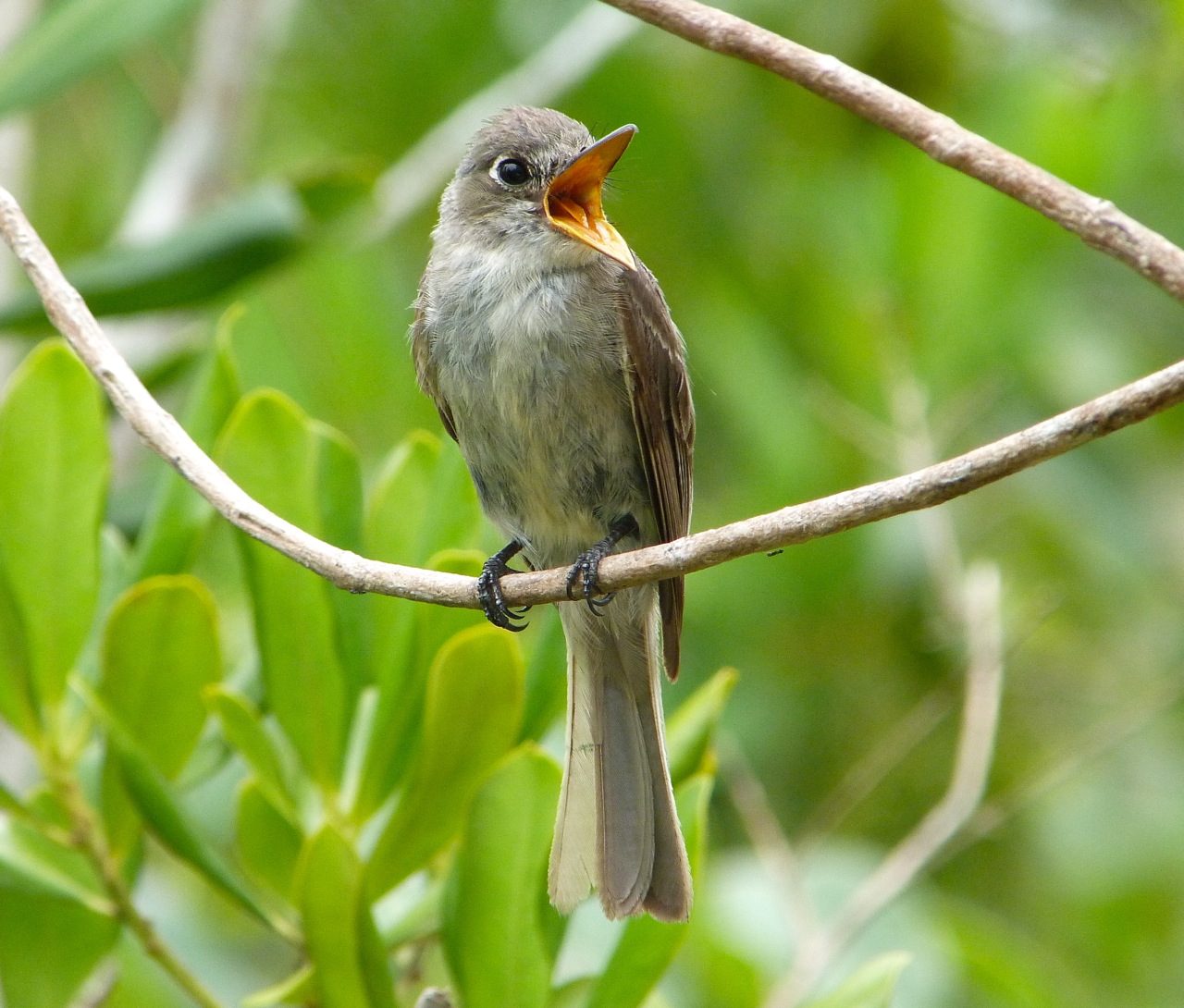
Cuban (Crescent-eyed) Pewee, Delphi, Abaco (Keith Salvesen)Cuban Pewee Keith Salvesen

USEFUL LINKS

DELPHI CLUB BAHAMAS

ABACO BIRDS. COM

ABACO PIPING PLOVER WATCH

The original flyer for the book"Birds of Abaco" flyer

Unknown's avatar

BAHAMA WOODSTARS: JEWELS IN ABACO’S CROWN


Bahama Woodstar Hummingbird, Abaco (Bruce Hallett)

BAHAMA WOODSTARS: JEWELS IN ABACO’S CROWN

Abaco is spoilt for birds. What other island in the word has its very own population of ground-nesting parrots? (Clue: none). How many others provide a secluded winter home for the rare Kirtland’s Warbler? Or a safe habitat for piping plovers – more than 300 individual birds recorded last year, nearly 4% of the total population? Or host 32 warbler species in the winter to supplement the 5 resident species? Or record a visit from a black-browed albatross? Or enjoy 4 out of 5 of the Bahamian endemic species (no longer the Bahama Oriole sadly, now confined to specific areas of Andros). 

Bahama Woodstar Hummingbird, Abaco (Bruce Hallett)

A while back I held a poll for Abaco’s favourite bird, with about 10 contenders. Some were quick to point out that their own personal favourite was not an option, but I had to take a fairly broad brush approach. On the podium, gold went to the Bahama Woodstar; silver to the parrot; and bronze to the western spindalis. I’m in a genial mood today, having caught a fair-sized wild brown trout on my third (part) day of stalking it (over 2 weeks), on the smallest fly in my box (size 18). I put it straight back of course. Respect! So in a spirit of cordiality, here are some epic shots of Abaco’s democratically elected favourite bird… at least according to the poll.

BIRD POLL FV2

The two images above were taken by the legendary Bruce Hallett, author of the go-to field guide for the Bahamas, which no birder should be without. Many of his wonderful photos  appear in THE BIRDS OF ABACO, and he was a steady guiding hand during the preparation of the book. 

This brilliant photo of a female woodstar was taken by Tara Lavallee of Bahama Palm Shores, and for composition, clarity, colour and sheer charm it was a must for inclusion in the book.

Bahama Woodstar, Abaco (Tara Lavallee)

Another major photographic contributor was Tom Sheley. I had the pleasure of spending time on Abaco with Tom during expeditions deep into backcountry to find and photograph birds. He had two cameras, one with a long lens. The other had a very long lens. The results he obtained – showcased in the book – were outstanding. His woodstar graces the front cover.

Bahama Woodstar male, Abaco, Bahamas (Tom Sheley)Bahama Woodstar male, Abaco, Bahamas (Tom Sheley)

Tom also took a delicate little study of a female woodstar feeding, one of my favourite photosBahama Woodstar female, Abaco, Bahamas (Tom Sheley)

Credits: Bruce Hallett, Tara Lavallee, Tom Sheley


Unknown's avatar

TONY WHITE: CHAMPION OF BAHAMAS BIRDS


Tony White, Birds of Abaco launch, Delphi Club 3

Tony White, Keith Salvesen, Bruce Hallett & Woody Bracey

TONY WHITE: CHAMPION OF BAHAMAS BIRDS

Tony White passed away 2 days ago. The sad news has spread rapidly through the birding community and far beyond it. It is not my place to write a detailed appreciation of Tony’s life and achievements; others who have been his long-term friends, associates and birding companions are in a far better position to do so than I. However, I do have direct experience of Tony’s kindness, enthusiasm and pragmatism in connection with the compilation of The Delphi Club Book of the BIRDS OF ABACO

Tony with Caroline Stahala Walker, erstwhile parrot supremo of AbacoTony White with Caroline Stahala

It took 16 months or so from the initial idea of the project to the finished 30-contributor book and a launch party at the Delphi Club in March 2014. During that time I had amazing support from the birding elite of the Bahamas. The proposed book might well have been treated as misconceived fantasy by amateur hicks from out of town. Instead, we received nothing but courtesy, kindness, cooperation, and a willingness that the project should succeed.

Tony with Bruce Hallett (author of Birds of the Bahamas and TCI)Tony White, Birds of Abaco launch, Delphi Club 1

Tony was one of the invaluable experts on whom I knew I could rely. His emails were invariably cordial, helpful and to the point. When I asked if he would undertake a complete revision of the checklist for Abaco that appears in his indispensable book for Bahamas birders (see link below), he agreed without hesitation. In due course, and in conjunction with Woody Bracey, a new checklist for all birds recorded for Abaco – however rare – from 1950 until the day of publication was completed.

Tony in the field (Lynne Gape, BNT)Tony White in the filed (Lynne Gape)

When the book was launched Tony was there of course, his startlingly blue eyes bright with excitement. His friends Bruce Hallett and Woody Bracey, without whose help the book would never have been the avian showcase that it is, were also present. The contributions of all three were indispensable .

Tony after a Grand Bahama bird count (Erika Gates)Tony White

I have included some photos of Tony as we would all like to remember him, with thanks to Lynn Gape of the Bahamas National Trust and to Erika Gates, Grand Bahama.

Tony White, Bruce Hallett & Woody Bracey at “Birds of Abaco” launch; author aka RH (seated)Tony White, Birds of Abaco launch, Delphi Club V2

51KAMPYWDEL._SX323_BO1,204,203,200_

To read my original review of Tony’s magisterial book click HERE

To see Tony and Woody’s complete Abaco bird checklist, up to date as at March 2014, click CHECKLIST FV 06 table sun2 Since then, 5 new species have been recorded on Abaco.

RH 3 June 2016

Unknown's avatar

GULL-BILLED TERNS ON ABACO


Gull-billed Tern, Abaco (Alex Hughes) 01

GULL-BILLED TERNS ON ABACO

The gull-billed tern Gelochelidon nilotica had a name upgrade from Sterna nilotica some years ago, and was awarded the honour of its own genus. Let’s be clear at the outset: there’s no such thing as a tern-billed gull. Which slightly lessens the scope for species confusion. 

Gull-billed Tern, Abaco (Alex Hughes) 04

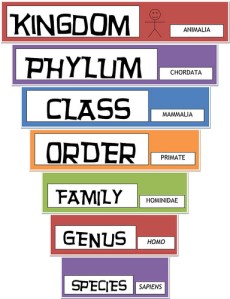
For those (me) who need a reminder about the whole family / genus / species taxonomic maze, here is a reminder. The example used is man. Or stickman, anyway.3958555126_4f85d9fa5b

Gull-billed Tern, Abaco (Alex Hughes) 05

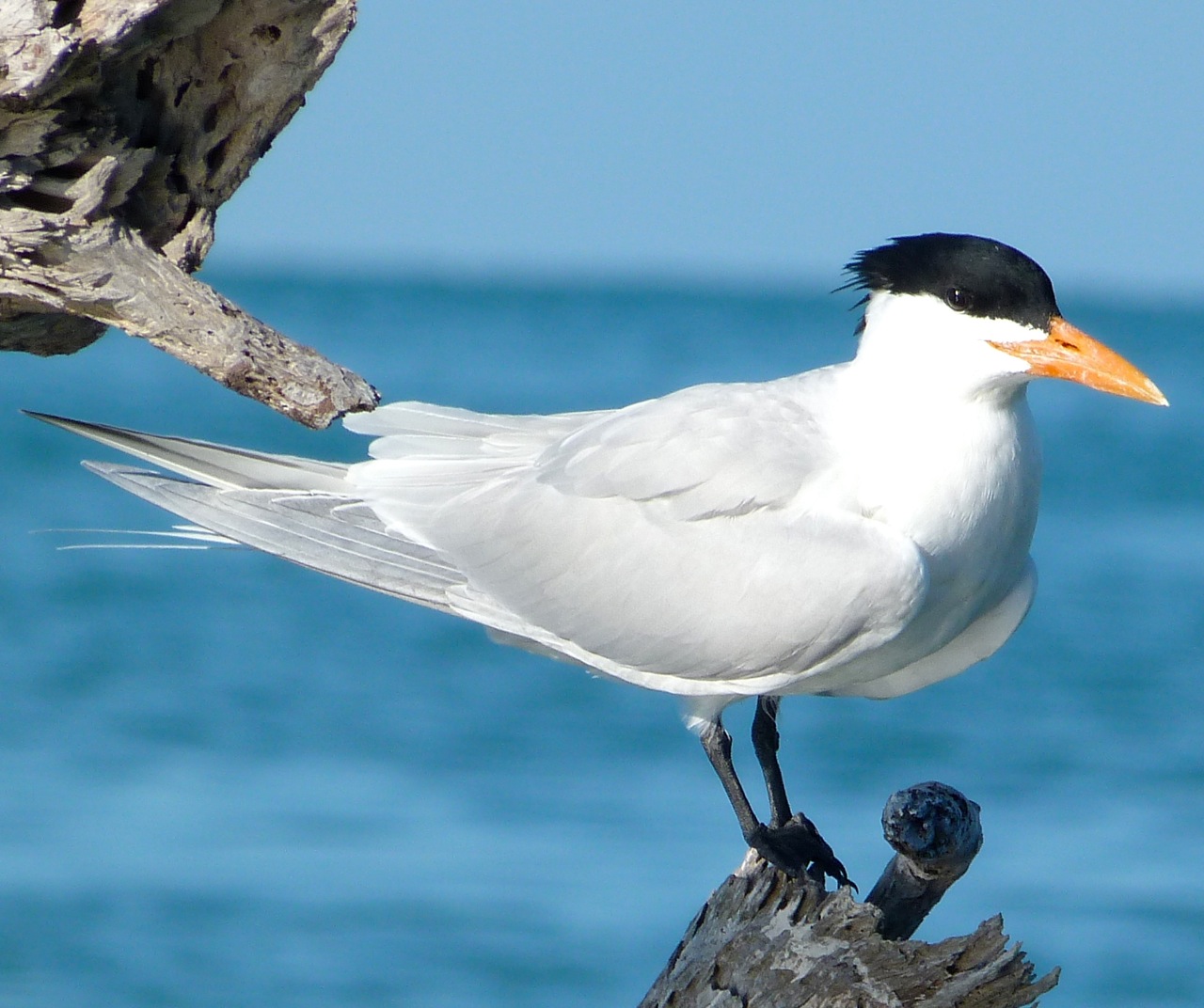
There are 12 species of tern recorded for Abaco. Only one, the royal tern, is a permanent resident. There is one winter resident, the Forster’s tern and there a 6 summer resident terns of varying degrees of commonness. The other four are transient or vagrant, and probably not worth making a special trip to Abaco to find. The GBT is designated SB3, a summer breeding resident that is generally uncommon, though might be more common in particular areas.

TERN TABLE**Tern Species Abaco**I know! Too tempting…

gull-billed-tern

Gull-billed Tern, Abaco (Alex Hughes) 11

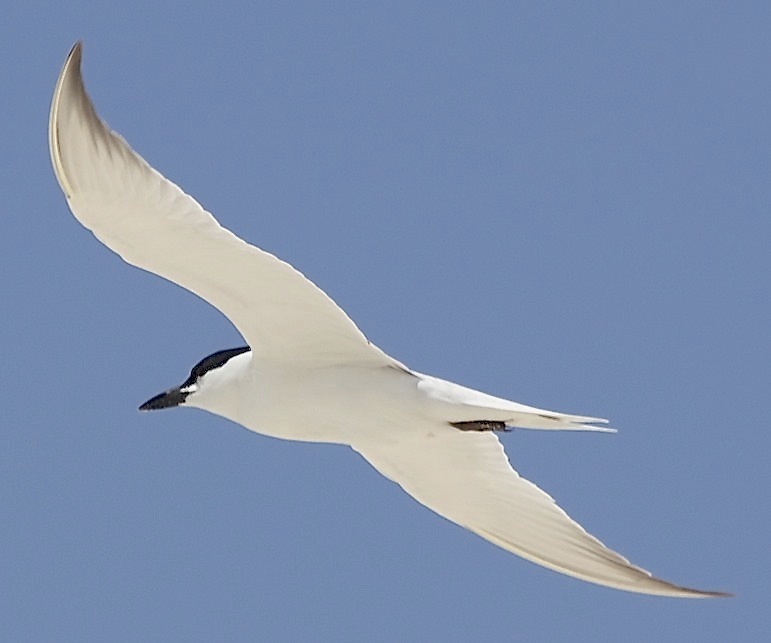
The bird gets its name from it short, thick gull-like bill. It’s quite large in tern terms, with a wingspan that may reach 3 foot. They lose their smart black caps in winter.

Gull-billed Tern, Abaco (Alex Hughes) 03

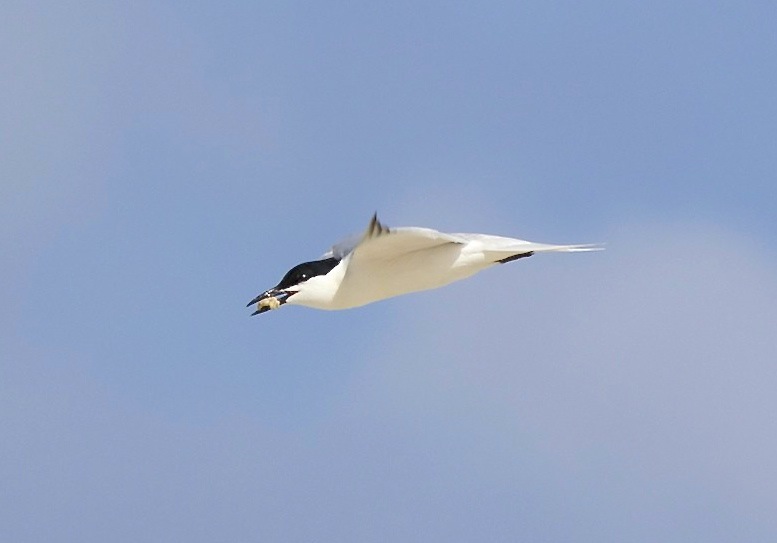
There are 6 species of GBT worldwide, and it is found in every continent. While many terns plunge-dive for fish, the GBT mostly feeds on insects in flight, and will also go after birds eggs and chicks. Small mammals and amphibians are also on the menu. The header image shows a GBT with a small crab. I imagine they must eat fish. Surely they do? But I have looked at dozens of images online to find one noshing on a fish, with no success. Does anyone have a ‘caught-in-the-act’ photo?

Gull-billed Tern, Abaco (Alex Hughes) 06Gull-billed Tern, Abaco (Alex Hughes) 02

All photos were taken by Alex Hughes, a contributor to “THE BIRDS OF ABACO”, when he spent some time on Abaco a while back in connection with the conservation of the Abaco Parrot and the preservation of the habitat integrity of their nesting area in the Abaco National Park

Gull-billed Tern, Abaco (Alex Hughes) 12


Unknown's avatar

SAYING NO TO BEAUTIFUL BAHAMAS BIRDS…


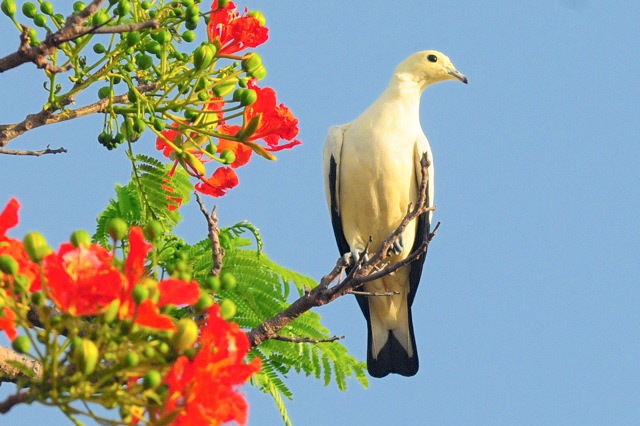
Pied Imperial Pigeon 1, Nassau (Woody Bracey)

Pied Imperial Pigeon, Nassau

SAYING NO TO BEAUTIFUL BAHAMAS BIRDS…

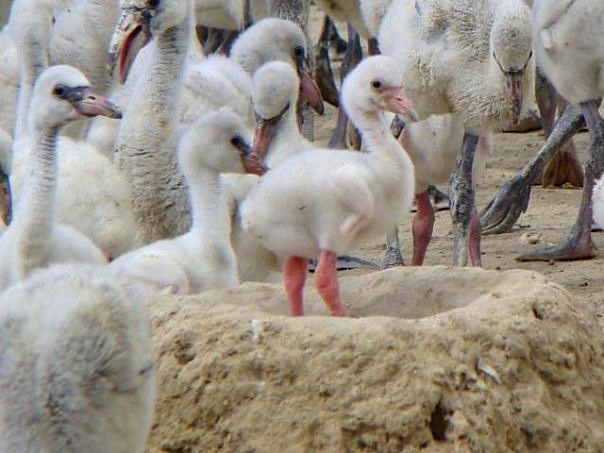
Flamingos & Chicks, Inagua (Melissa Maura)

Flamingos & Chicks, Inagua

Writing a bird book involves defining parameters at an early stage. Best to avoid working them out 6 months into the project; or (worse) letting them evolve gradually as each obstacle along the stony track to the printers is encountered. Far better to decide the general rules of engagement at the outset, and be able to tweak them later if need be. 

Brown Booby + egg, San Salvador (Woody Bracey)

Brown Booby on its nest, San Salvador

And so it was that we stayed for a convivial weekend with Peter and Jane Mantle to discuss the pros and the cons, the whys and the wherefores, the format and the style of a book to showcase the birds of Abaco. And how on earth to get started on the project…

Pied Imperial Pigeon 2, Nassau (Woody Bracey).JPG

Pied Imperial Pigeon, Nassau

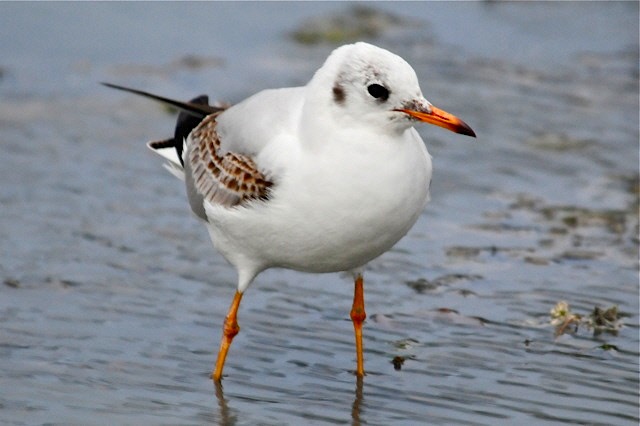
Black-headed Gull imm, New Providence (Bruce Hallett)

Black-headed Gull (immature), New Providence

One thing was clear at the outset. It was essential that every photograph in the book would have to be taken on Abaco. It wasn’t to be ‘The Birds of Abaco including Birds from Grand Bahama, New Providence, Eleuthera and Inagua that You Might also Find on Abaco’. Or ‘The Birds of Abaco, Mostly’. And there was to be no cheating.

burrowing-owl-great-inagua-woody-braceyjpg

Burrowing owl, Great Inagua

The project involved the work of some 30 photographers in all, from the prolific to a couple of people who offered a single excellent photo. I amassed a large archive, though only a percentage could be used. For example many fine photos fell by the wayside because resolution was inadequate for high-quality print purposes.  

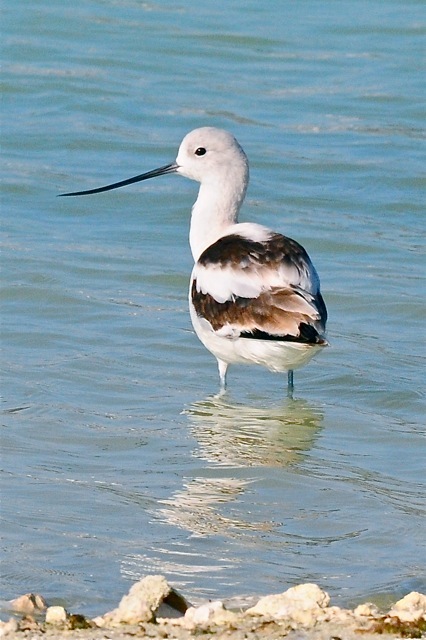
American Avocet, Bahamas 1 (Tony Hepburn)

American Avocet, Nassau

I also collected plenty of folders containing images of birds we desperately wanted to include, that were not all taken on Abaco but were part of a wider field trip. These were ruthlessly (but painfully) excluded from consideration. In fact, to stick within the (self-imposed) guidelines, I set aside all photos that I was not certain had been taken on Abaco. Where there was doubt, they were out.

Key West Quail-Dove, Nassau, Woody Bracey

Key West Quail-Dove, Nassau

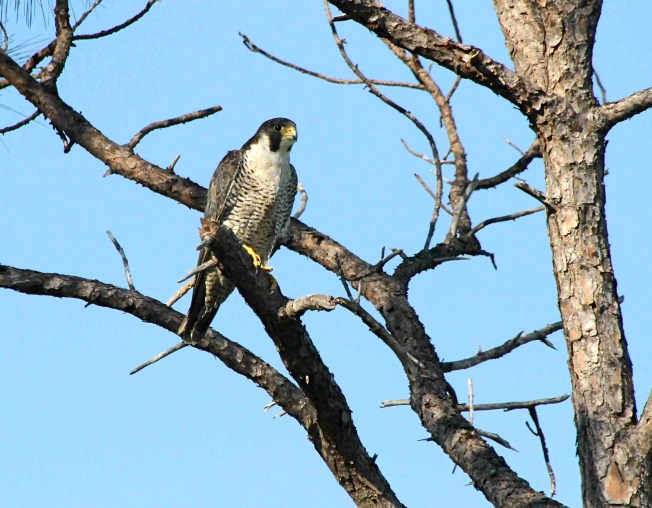
This post contains a selection of photos from the Aviary des Refusés. We would have loved to have included the peregrine falcon and burrowing owl, for example, but had no Abaco images to use then. Other bird species were in any event disqualified for being unknown on Abaco. A Pearly-eyed Thrasher recently found its way to Treasure Cay, this first recorded for Abaco; yet could be found elsewhere in the Bahamas two years ago.

Peregrine Falcon (Woody Bracey) sm

Peregrine Falcon, New Providence

Pearly-eyed Thrasher, San Salvador (Woody Bracey) jpg

Pearly-eyed Thrasher, San Salvador

Horned Lark, Nassau (Woody Bracey)

Horned Lark, Nassau

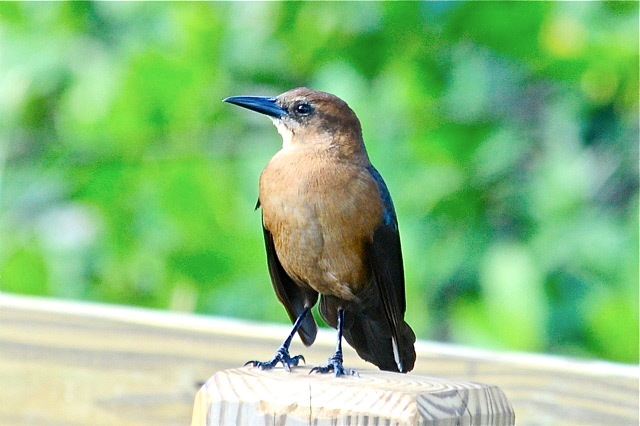
Boat-tailed Grackle (f), Nassau (Woody Bracey)

Boat-tailed Grackle (f), Nassau

Roseate Spoonbill WB 59_IMG_6302 copy 3

Roseate Spoonbill WB 58_IMG_6230 copy 3
Roseate Spoonbill, Great Inagua

Cuban Grassquit, Nassau (Woody Bracey)

Cuban Grassquit, Nassau

Brown-headed Nuthatch, Grand Bahama (Woody Bracey) cr sm copy

Brown-headed Nuthatch, Grand Bahama

American Avocet, San Salvador (Woody Bracey)

American Avocet, San Salvador

Flamingos & Chicks, Inagua (Melissa Maura)

Flamingo Chicks, Inagua

Credits: Woody Bracey for taking / supplying a most of these great images, with Tony Hepburn, Bruce Hallett, Melissa Maura (the wonderful Flamingos) and all those involved in the joint field trips from which some of these photos originate. And Peter Mantle for having the idea for the book and for being wholeheartedly supportive through thick and thin…


Unknown's avatar

“THE DELPHI CLUB GUIDE TO THE BIRDS OF ABACO”


Abaco Parrot, Abaco Bahamas (Peter Mantle)

“THE DELPHI CLUB GUIDE TO THE BIRDS OF ABACO”

A new season – the seventh – of the Delphi Club is now underway. There are fish to be caught, poolside inactivities to relish, chef-prepared meals to eat and a capacious wine cellar to be explored. To which, add birds to be spotted. Delphi has turned out to be a superb place for birding – not a feature given prominence in the original prospectus… The Club’s remoteness and its rich mix of pine forest, coppice, gardens and a pristine one-mile beach ensure the prefect protected habitat for a vast number of bird species common, uncommon and rare.

Blue-gray Gnatcatcher vocalizing.Abaco Bahamas.6.13.Tom Sheley a

Eighteen months ago, “The Delphi Club Guide to THE BIRDS OF ABACOwas published. The originator of the idea – as with the entire Delphi project – was of course Peter Mantle, the publisher. The book took 16 months from conception to the arrival of three pallets of printed books on the dockside in Marsh Harbour, having travelled by a tortuous route from specialist printers in Italy. Cuban Emerald Hummingbird, Delphi, Abaco (Keith Salvesen)

The book was launched at the Delphi Club in March 2014, to generous enthusiasm and support both on Abaco and beyond. 75% of the edition has been sold already. In addition, Abaco schools, libraries and wildlife organisations have been given copies for educational purposes. A percentage of profits is to be given to local wildlife causes. We couldn’t be more pleased with the response to this lavish book, a unique publication in the Bahamas. 

Delphi Club Guide to the Birds of Abaco (Jacket)

The incremental growth of social media is rapid. Blogs gain readers. Facebook and Twitter pages gain new friends and followers. The start of this new Delphi season is therefore a good moment to post a reminder about the book, illustrated with a few of the wonderful bird species featured. And… ahem… there are only 57 more ‘sleeps’ until Christmas. 

Short-billed Dowitcher, Abaco (Bruce Hallett)

The Guide showcases the rich and varied bird life of Abaco, Bahamas and features both resident and migratory species including rarities and unusual sightings. The main features are as follows:

  • 272 pages with more than 350 photographs
  • 163 species shown in vivid colour – nearly two-thirds of all the bird species ever recorded for Abaco
  • Every single photograph was taken on Abaco or in Abaco waters
  • All birds are shown in their natural surroundings – no feeders or trails of seed were used
  • Several birds featured are the first ones ever recorded for Abaco or even for the entire Bahamas

Clapper Rail Abaco Bahamas Tom Sheley

  • A total of 30 photographers, both experienced and amateur, contributed to the project
  • The book has had the generous support of many well-known names of Abaco and Bahamas birding
  • A complete checklist of every bird recorded for Abaco since 1950 up to the date of publication was compiled specially for the book.
  • A neat code was devised to show at a glance when you may see a particular bird, and the likelihood of doing so. Birds found at Delphi are also marked.
  • Specially commissioned cartographer’s Map of Abaco showing places named in the book

Least Tern_ACH3672 copy

  • Informative captions intentionally depart from the standard field guide approach…
  • …as does the listing of the birds in alphabetical rather than scientific order
  • Say goodbye to ’37 warbler species on consecutive pages’ misery
  • Say hello to astonishing and unexpected juxtapositions of species

Abaco_Bahama Yellowthroat_Gerlinde Taurer copy

  • The book was printed in Florence, Italy by specialist printers on Grade-1 quality paper
  • Printing took pairs of printers working in 6 hour shifts 33 hours over 3 days to complete
  • The project manager and the author personally oversaw the printing

Smooth-billed Ani pair GT

  • The book is dedicated to the wildlife organisations of Abaco
  • A percentage of the proceeds of sale will be donated for the support of local wildlife organisations
  • A copy of the book has been presented to every school and library on Abaco

Piping Plover BH IMG_1919

The book is published by the Delphi Club (contact details below). The project was managed by a publishing specialist in art books. The author is the wildlife blogger more widely known on Abaco and (possibly) beyond as ‘Rolling Harbour’. Oh! So that would in fact be Mrs Harbour and myself. Well well! What are the chances? Painted Bunting male.Abaco Bahamas.Tom Sheley

The Delphi Club at Rolling Harbour
PO Box AB-20006, Marsh Harbour, Abaco, Bahamas
Tel: +1-242-366-2222
General Manager – Max Woolnough: +1-242-577-1698
delphi.bahamas@gmail.com

Or email rollingharbour.delphi@gmail.com with any queries or commentsAmerican Oystercatchers BH IMG_2000 copy 2

Images by Tom Sheley,  Bruce Hallett, Gerlinde Taurer, Tony Hepburn, Peter Mantle, RH

Cuban (Crescent-eyed) Pewee, Delphi, Abaco (Keith Salvesen)"Birds of Abaco" flyer

Unknown's avatar

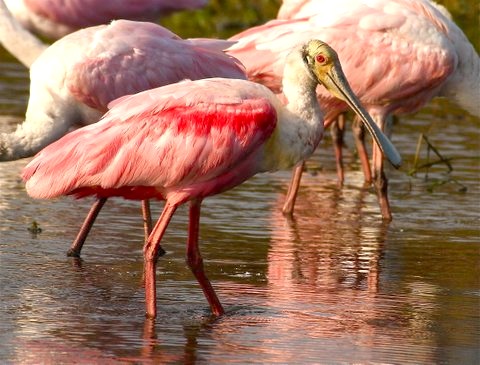
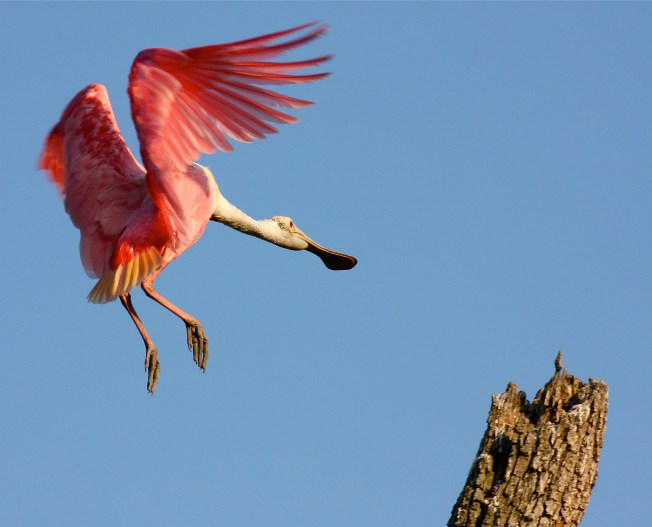
A RARE SPOONBILL VISITS GILPIN POND, ABACO


Roseate Spoonbill, Gilpin Pond, Abaco (Keith Kemp)4

A RARE SPOONBILL VISITS GILPIN POND, ABACO

In past posts I have mentioned what an excellent birding place Gilpin Point has become. There’s the large pond; and right beside it, dunes, the other side of which is a fine secluded beach and the ocean. The place is a magnet for birds of all shapes and sizes, from brown pelicans down to the tiny endemic Bahama woodstars. There are water birds, wading birds, shorebirds and coppice birds. It has become a place where Abaco parrots regularly congregate. You can reach the Gilpin FB page HERE.

A while back, there was a rare visitor, a Flamingo that stayed a few months then disappeared again. It was in some ways a sad reminder of past flamingo glory days, when they were commonly found on Abaco. Now they are confined to Inagua apart from the occasional vagrant. For more on the the topic, with wonderful photos by Melissa Maura of the breeding season on Inagua, click HERE. Another rare vagrant – formerly quite plentiful on Abaco – was recently found at Gilpin by Keith Kemp, who skilfully managed to get photos of it from some distance away: a Roseate Spoonbill.

Roseate Spoonbill, Gilpin Pond, Abaco (Keith Kemp)2

I have featured spoonbills before in a post IN THE PINK, but the photos were taken on New Providence by Woody Bracey. I had no Abaco spoonbill photos. To be fair, we did once see one while we were bonefishing far out on the Marls. It was on the edge of the mangroves a good distance away, and the pale pink tinge caught my eye. My photo with an iPhone 4 (the one with the risibly cr@p camera – remember?) was so utterly pathetic that I dumped it (the photo, I mean, but the phone soon followed). But we knew what we had seen, and that was enough.

roseate-spoonbill                roseate-spoonbill               roseate-spoonbill

STOP PRESS 1 I should add that a friended visited the pond after the side-effects of Hurricane Joaquin had receded, and the spoonbill had gone. So the spoonbill alone would not make the journey worthwhile!

STOP PRESS 2 A check of eBird reveals that a handful of spoonbills have been reported in Northern Bahamas this year, about 6 in all. Almost none before that. I have the impression that birding intensity in The Bahamas, coupled with the ease of uploading reports to eBird, will increasingly make a difference to the incidence of sightings of uncommon and rare species, cf the recent WHIMBRELS of Grand Bahama.

Spoonbill, Gilpin Pond, Abaco (Keith Kemp)3

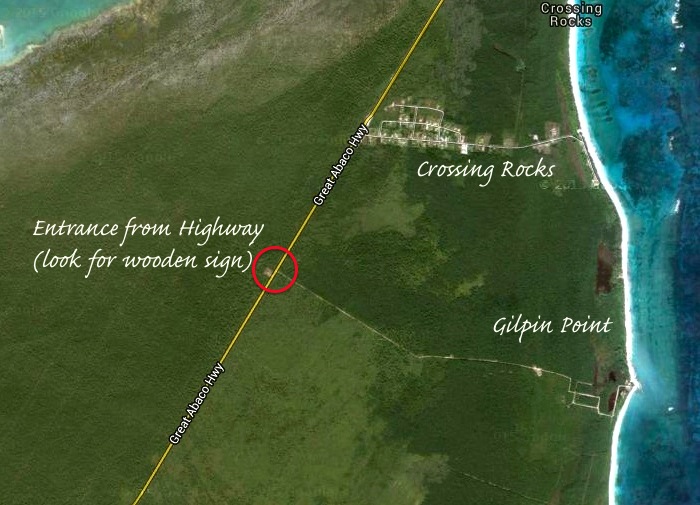
GILPIN POINT LOCATION

Gilpin Point is just south of Crossing Rocks. The brackish pond – sometimes an alarming reddish colour that I assume is algal – is just inland from the shoreline and provides a wonderful haven for birds. It’s a long mile from the highway. There is no vehicle nor even human traffic apart from occasional birders and walkers. Please note that the drive and the property are private. However Perry Maillis is always welcoming to tidy birders who (as I have written elsewhere) bring only enthusiasm and take only photographs (though a picnic on the beach is worth considering. And maybe a swim…). 

Helpful location mapsGilpin Map 1 Gilpin Map 2 Gilpin Map 3

WHAT SPECIES MIGHT BE FOUND AT GILPIN?

A brief list includes regular visits from parrots. It’s the only place we have found a furtive little sora skulking in the reedy margins. It’s a reliable spot for herons and egrets of every kind, white-cheeked (Bahama) pintails by the score, black-necked stilts and lesser yellowlegs. Occasionally a northern pintail, ruddy duck or merganser. Turkey vultures. Limpkins. We’ve seen belted kingfishers, Bahama woodstars, cuban emeralds, american kestrels, Bahama swallows, doves, pigeons, western spindalis and many more coppice birds besides. One flamingo. One spoonbill. Pelicans have been seen on the rocks on the beach. Shorebirds include turnstones, sundry plovers & sandpipers, and oystercatchers. You may well see tropicbirds and frigate birds off-shore, and assorted gulls and terns. I can’t personally be more species-specific  because I have never ‘shorebirded’ properly there, but I have noticed an impressive mix…

When we launched THE BIRDS OF ABACO at the Delphi Club, we were delighted that Pericles was able to come to the party. He took a few photos and I’m sure he won’t mind my including a small gallery to end with, featuring a couple of the Gilpin entries in his signed copy.

10153160_10152104925423929_44675888_n 1926631_10152104925178929_80294246_n11856_10152104921903929_1879699722_n 1525102_10152104925648929_1614125758_n

Bahamas birding nobility: Tony White with Caroline Stahala; Woody Bracey & Bruce Hallett
1911624_10152104926303929_1596185906_n

Credits: Keith Kemp for the great spoonbill photos; Perry for the Delphi photos

Unknown's avatar

A QUARTER OF A MILLION GLIMPSES OF ABACO…


Abaco (Cuban) Parrot, Abaco, Bahamas  (Keith Salvesen)

A QUARTER OF A MILLION GLIMPSES OF ABACO…

Well here’s a rum do. About four years ago, this somewhat minority interest blog emerged ‘mewling and puking’¹ into the world, guided by an incompetent male midwife whose basic training had been about 4 weeks of exposure to Abaco, its fishing, its wildlife, its geography and its history. ‘Bananaquit’ might as well have meant taking up a plantain-free diet. ‘Grassquit’ might have been the local word for ‘keep off the lawn’. And that’s before all the flowers. And the reef fish. And everything else that turned up during the storm-wracked voyage of discovery via polydamus swallowtails, manatees, spider wasps and batfish that led slowly to the calmer waters of ‘rather better informed (if no wiser)’. 

Anyway, at midnight last night some unknown person kindly made the 250,000th visit to the blog, a target that once seemed inconceivable. In the past month, the 1000th person also signed up as a follower, another source of amazement. The reality is that despite Abaco being a sparsely-populated microdot island in a huge world, there are a great many people on the island or associated with it who are passionate about it and its extraordinarily diverse natural history. That knowledge makes curating this blog both easy and pleasurable. 
RH Stats clip

I checked my stats for the last year to find out where hits from the top 10 countries – and for fun the bottom 1o – came from. Here’s the answer. Rather shamefully there was also a country I had never knowingly heard of, Palau (Micronesia). There follows a selection of a few photographs that have been popular over the years, mostly my own but the underwater ones are from Melinda Riger and Virginia Cooper of Grand Bahama Scuba.

Top 10                                                                   Bottom 10
Top 10 countries jpg   Bottom 10 countries jpg

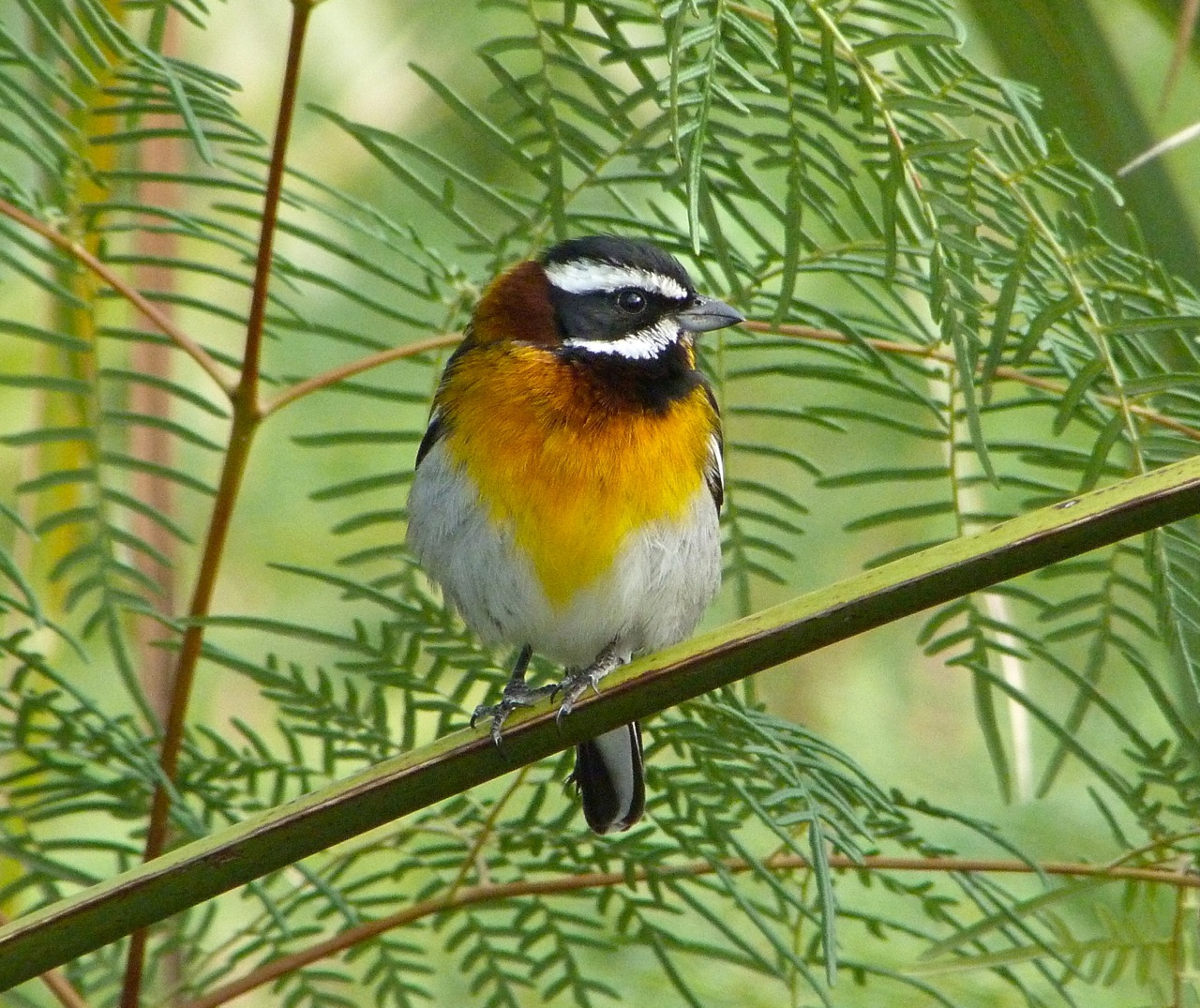
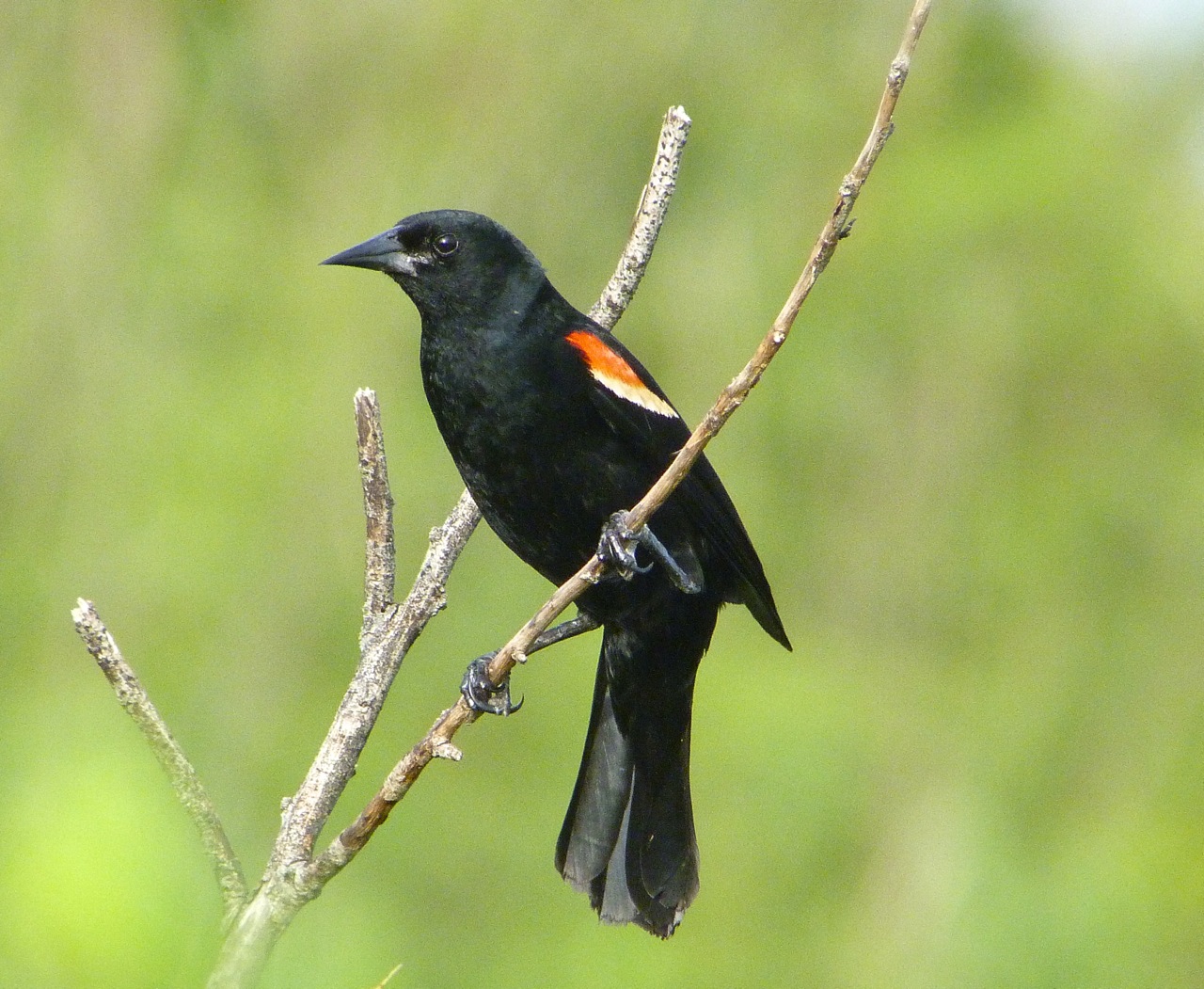
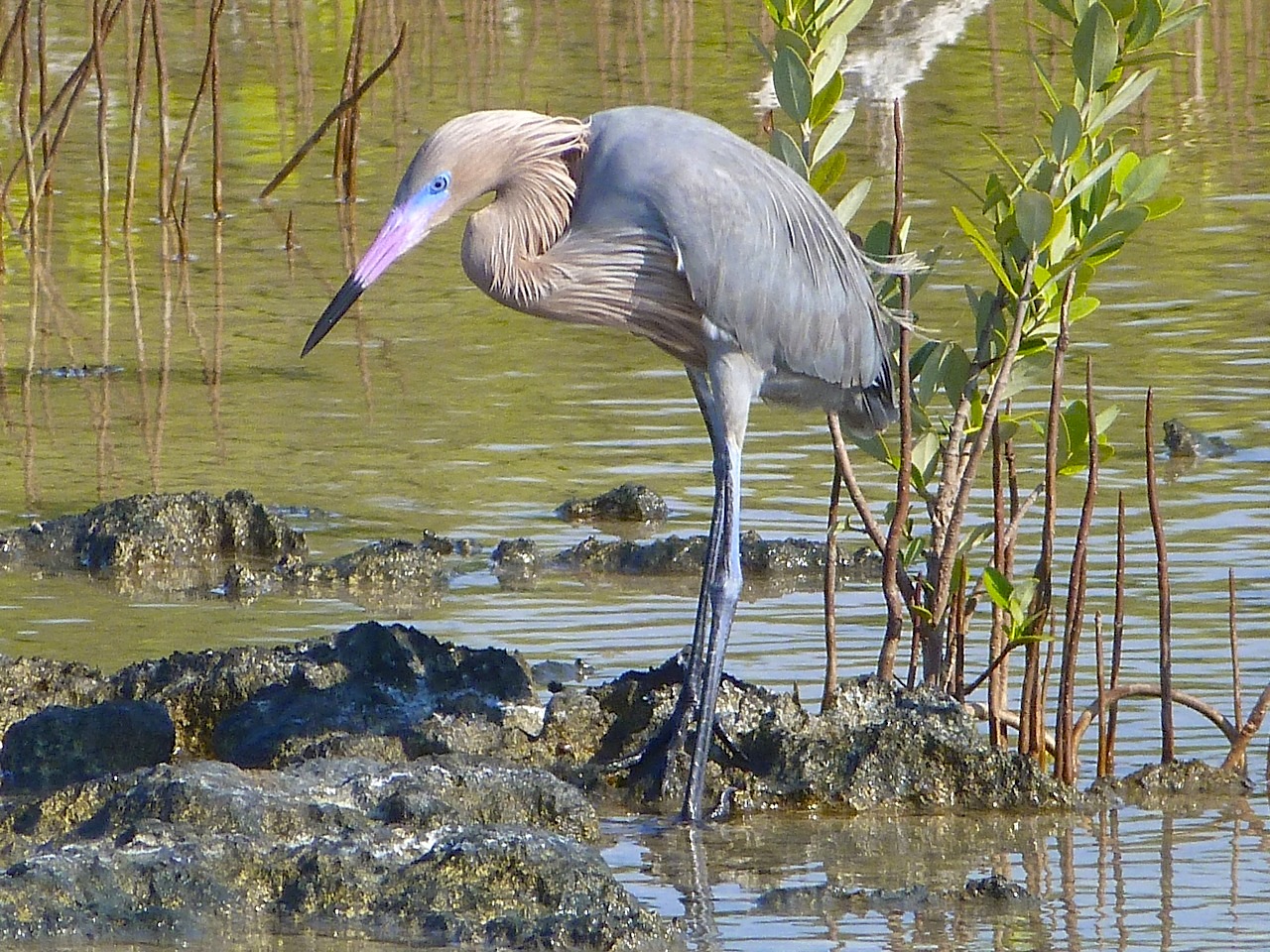
Cuban Emerald Hummingbird, Delphi, Abaco (Keith Salvesen)Bananaquit & palm, Delphi, Abaco, Bahamas  (Keith Salvesen)Western Spindalis, Abaco, Bahamas  (Keith Salvesen)Blue-gray Gnatcatcher, Abaco, Bahamas (Keith Salvesen)Red-winged Blackbird, Abaco, Bahamas  (Keith Salvesen)Brown Pelicans, Sandy Point, Abaco  (Keith Salvesen)Reddish Egret, Crossing Rocks, Abaco, Bahamas (Keith Salvesen)French Angelfish (juv), Bahamas (Melinda Riger)Four-eyed Butterflyfish ©Melinda Riger @GBSCowfish ©Melinda Riger @ GB ScubaOctopus ©Melinda Riger @ Grand Bahama ScubaNassau Grouper, Bahamas (Melinda Riger)Blacktip Shark ©Virginia Cooper @ G B Scuba copy 2Curly-tail Lizard, Delphi, Abaco, Bahamas (Keith Salvesen)Atala Hairstreak Butterfly, Abaco, Bahamas (Keith Salvesen)Bird of Paradise Flower (Strelitzia) Abaco (Keith Salvesen)Hibiscus : Polydamus Swallowtail, Delphi Abaco (Keith Salvesen)Yellow Elder Hope Town, Abaco, Bahamas (Keith Salvesen)

SEARCH TERMS

The most popular searches – omitting posts about hurricanes, which always generate a lot of traffic – have concerned Abaco Parrots, Lignum Vitae, Sea Glass, the Loxahatchee poster series, Tarantula Hawk Wasps, Sea Biscuits / Urchins, Yellow Elder, Parrotfish, Shipwrecks, Hutias, Hole-in-the-Wall, Lionfish, Remora, and Abaco Maps. The most leftfield search of all was ‘How dispose of dead bodies?’, by someone who had clearly strayed into the wrong category of website…

A FEW OF THE MOST POPULAR POSTS / PAGES
SEA SHELLS
SPIDER WASPS & TARANTULA HAWKS: DON’T MESS WITH THESE GUYS    
ABACO FACTS (including likelihood of adverse shark encounter or shipwreck)    
ABACO MAPS    
LIGNUM VITAE – BAHAMAS NATIONAL TREE    
YELLOW ELDER – THE BAHAMAS NATIONAL FLOWER    
SEA URCHINS & SEA BISCUITS – BEACHCOMBING TREASURES ON ABACO    
ABACO FOOD & DRINK (cook hog / bonefish; clean a conch; sip an Abaco cocktail / Goombay Smash)
ABACO & HOLE-IN-THE-WALL, BAHAMAS: A SHORT HISTORY IN MAPS    
PINEAPPLES: SYMBOLS OF WELCOME & WEALTH (ALSO, DELICIOUS)    
ABACO ISLAND BOA: THE ONLY ABACO SNAKE    
WHALES & DOLPHINS    
ABACO PARROTS    
FLORA

It would be strange to end this little celebration without a tip of the hat to Peter Mantle, old friend and genial doyen of the Delphi Club, for his wholehearted encouragement and support for the production and publication of THE DELPHI CLUB GUIDE TO THE BIRDS OF ABACO. This hefty tome, published in March 2014, showcases the wonderful and varied avian life on Abaco and has proved very popular – indeed well beyond our expectations. Although I appear nominally as author on the cover, it is in fact an extraordinary collaborative effort by some 30 people. The book’s success further demonstrates the commitment of Abaconians and other who love the island to Abaco’s rich natural heritage in an age of  rapid change; and provides another good incentive for me to continue with the blog. Next stop: 500,000!

¹ © W. Shakespeare, Romeo & Juliet Act 2 Sc. 7

dcbg2ba-jacket-grab-for-pm-v2-copyShark Gif

Unknown's avatar

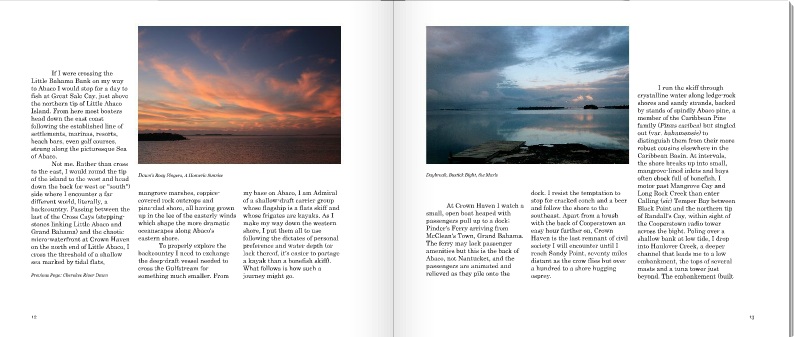
“THE ABACO BACKCOUNTRY – AN APPRECIATION” by JIM TODD


Click to preview The Abaco Backcountry photo book

Jim Todd has produced an attractive self-published book, available in 3 formats, showcasing some of the outstanding features of the less-frequented areas of Abaco and its waters. It contains many excellent photographs, with interesting notes and observations. There are places and facts in the book that may not be known even to locals! Below are some sample pages. 

Abaco Backcountry Grab 2 Abaco Backcountry Grab 3 Abaco Backcountry Grab 4 Abaco Backcountry Grab 5Abaco Backcountry Grab 7 Abaco Backcountry Grab 6Abaco Backcountry Grab 1

Anyone who loves Abaco, its natural surroundings, its ecology and its wildlife will love this book. If this post has whetted your appetite, here are some further details:

Available exclusively on BLURB (this is the direct link)

“The Abaco Backcountry draws on the author’s extensive exploration of the area to describe a hypothetical traverse of its length in words and pictures. It is not a guidebook but an appreciation of a unique Bahamian marine ecosystem”

56 pp, available softcover ($35), Hardcover, Dustjacket ($38.99) and Hardcover, Image Wrap ($40.99)

STOP PRESS In answer to a UK query, the Blurb price is shown in $$$. When you go to the checkout, the shipping is added e.g. $10.99 to ship the PB version to the UK. You can pay by CC or Paypal. The conversion to sterling (or presumably euros) happens… by magic

Unknown's avatar

IT’S A WARBLER. WITH A YELLOW THROAT. ON ABACO. SIMPLE?


Yellow-throated warbler, Abaco  (Keith Salvesen)

IT’S A WARBLER. WITH A YELLOW THROAT. ON ABACO. SIMPLE?

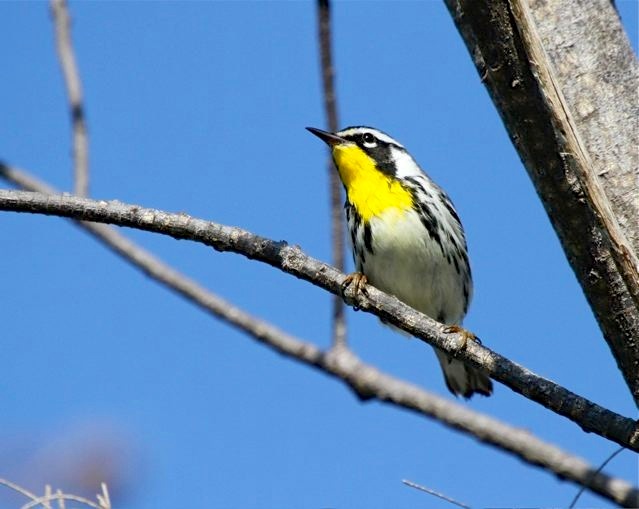
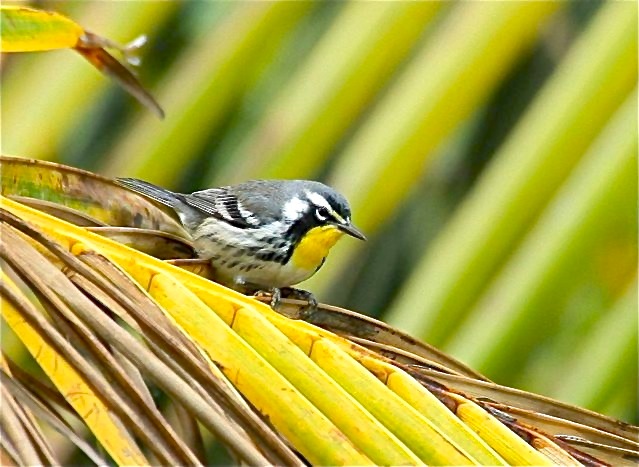
The Yellow-throated Warbler (Setophaga dominica) is a most helpful warbler, in that what you see is what you get. You needn’t go to embarrassing lengths to determine whether it has a Yellow Rump. It doesn’t make extravagant geographical claims like the Cape May, Kentucky, Tennessee, Nashville or Connecticut warblers. It doesn’t disguise its warblerdom with a confusing name like ‘American Redstart’ or ‘Ovenbird’. Nor with a weird warbler name that is completely obscure like the Prothonotary. It’s a winter resident only, so it won’t try to puzzle you in the summer. The males and females are roughly similar in appearance, unlike so many species. All-in-all, a most agreeable and obliging little bird. Here are a few to enjoy, before I spoil the magic slightly…

Yellow-throated Warbler, Abaco (Bruce Hallett)Yellow-throated Warbler, Abaco (Bruce Hallett) 2Yellow-throated warbler, Abaco (Erik Gauger)

YTWs are quite pose-y birds, and tend to strike attitudes. One is the ‘head-in-the-air’, as below and further above. There’s the ‘butt-in-the-air’ too, immediately above (one of my favourite photos)Yellow-throated Warbler, Abaco (Becky Marvil) Yellow-throated Warbler, Abaco - Becky MarvilYellow-throated warbler, Abaco  (Keith Salvesen)

This shape is both characteristic and characterful. You might call it the ‘sag-in-the-middle’Yellow-throated warbler, Abaco  (Keith Salvesen)

This year I saw my first YTW in the Delphi Gardens, skulking around in a Gumbo Limbo tree. Having taken a number of rather poor shots – partly due to the intervention of branches, twigs, leaves, berries, shaky hands and so forth – I got some clearer shots at it, the two above and below being the best of an indifferent bunch.Yellow-throated warbler, Abaco  (Keith Salvesen)Yellow-throated warbler, Abaco  (Keith Salvesen)

I said earlier that the magic of the apparently simple ID of a warbler that lives up to its name would have to be spoiled. I’m afraid this little gallery rather undoes the certainties I’d promised… two more species common to Abaco, also named for their yellow throats (yet it’s more extensive than just the throat, anyway) . 
BAHAMA YELLOWTHROAT
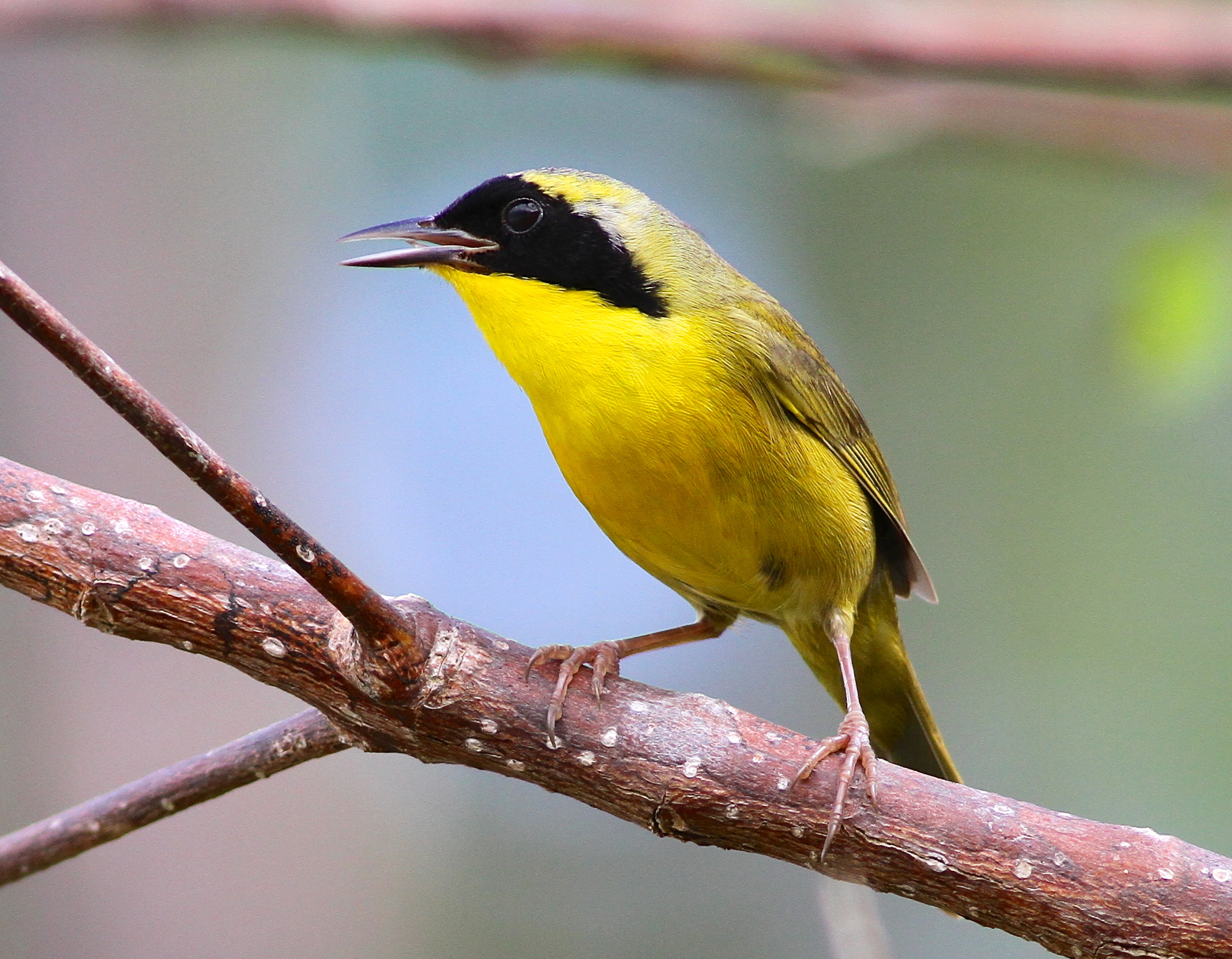
                                                     20130106_Bahamas-Great Abaco_4846_Bahama Yellowthroat_Gerlinde Taurer copy Bahama Yellowthroat (m) Bruce Hallett
COMMON YELLOWTHROAT
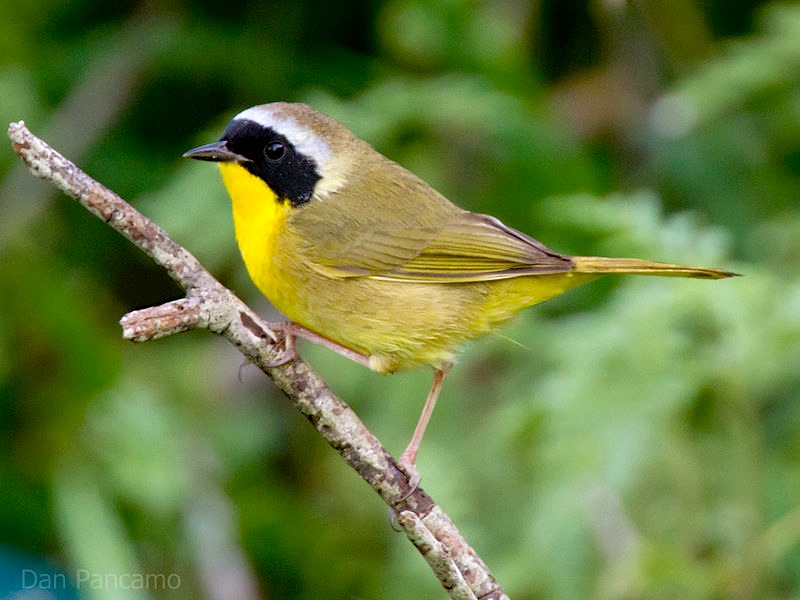
800px-Common_Yellowthroat_by_Dan_Pancamo Common Yellowthroat, Gilpin Pond, Abaco Bahamas (Tom Sheley)
You’d really think that someone at Audubon Towers or Cornell Castle might have thought of calling these two species ‘Bahama’ and ‘Common’ Masked Warblers, wouldn’t you – after all there’s a Hooded Warbler, which indeed has a hood. No other warbler has a mask like these 2. Then any confusion could be avoided. So remember: the Yellow-throated Warbler has a yellow throat AND is otherwise black and white, with streaks. Erm, just like a…
BLACK AND WHITE WARBLER

Black & White Warbler (Wiki)

RELATED POSTS
 
Credits: RH (1,7,8,9,10); Bruce Hallett (2, 3); Erik Gauger (4); Becky Marvil (5, 6). Thumbnails: Gerlinde Taurer, Bruce Hallett, Dan Pancamo, Tom Sheley, Wiki
Unknown's avatar

ABACO, HERE WE COME – READY OR NOT…


Pelangi Store, eBay

ABACO, HERE WE COME – READY OR NOT…

The seats are chosen, the online check-in done, the die is cast… Mr and Mrs Harbour are on their way in the BA cattle truck. Laptops are to be abandoned for the duration, but I intend to post occasional things of interest by iPhone – a Kirtland’s warbler sighting, maybe (I wish!) or a fish that has stupidly managed to impale itself on my hook perhaps. Normal blogging service, if there is such a thing round here, will be resumed in due course… 

Fish on! Abaco Marls RH

FISH ON!

“THE BIRDS OF ABACO”

The book was launched at the Delphi Club exactly one year ago. We have been really delighted by the huge interest in it and the enthusiasm for it shown by so many people – residents, migratory residents and transients. There are still copies available*. If anyone would like a signed copy while we are at Delphi, I’m sure that can be arranged. I shall bring my special signing pen (it doesn’t smudge!) just in case…

flyer 2 copy

It’s possible – by which I mean highly likely, of course – that perceived ‘downtime’ on Abaco will in fact be quite busy. Fishing. Birding. Beaching. Pooling. Talking. Drinking. Eating. Sleeping. So apologies in advance if I’m not so responsive to comments, Facebook stuff and general soshul meeja matters. No offence meant and I hope none taken – I’ll try to keep up with it or play catch up in due course. Anyway, for those who kindly stick with Rolling Harbour or drop in occasionally, much appreciated… 

DELPHI SUNDOWNDelphi Club Abaco Portrait FV

*The price shown in the flyer for the book is now $150 to take account of the VAT. The publisher has absorbed the balance

Fishing sign pic: Pelangi Store, eBay. I ‘borrowed’ it, but who knows, they might make a sale as a result…

Unknown's avatar

THICK-BILLED VIREOS: ABACO’S ONLY PERMANENT RESIDENT VIREO


Thick-billed Vireo, Abaco 2 Tom Reed

THICK-BILLED VIREOS: ABACO’S ONLY PERMANENT RESIDENT VIREO

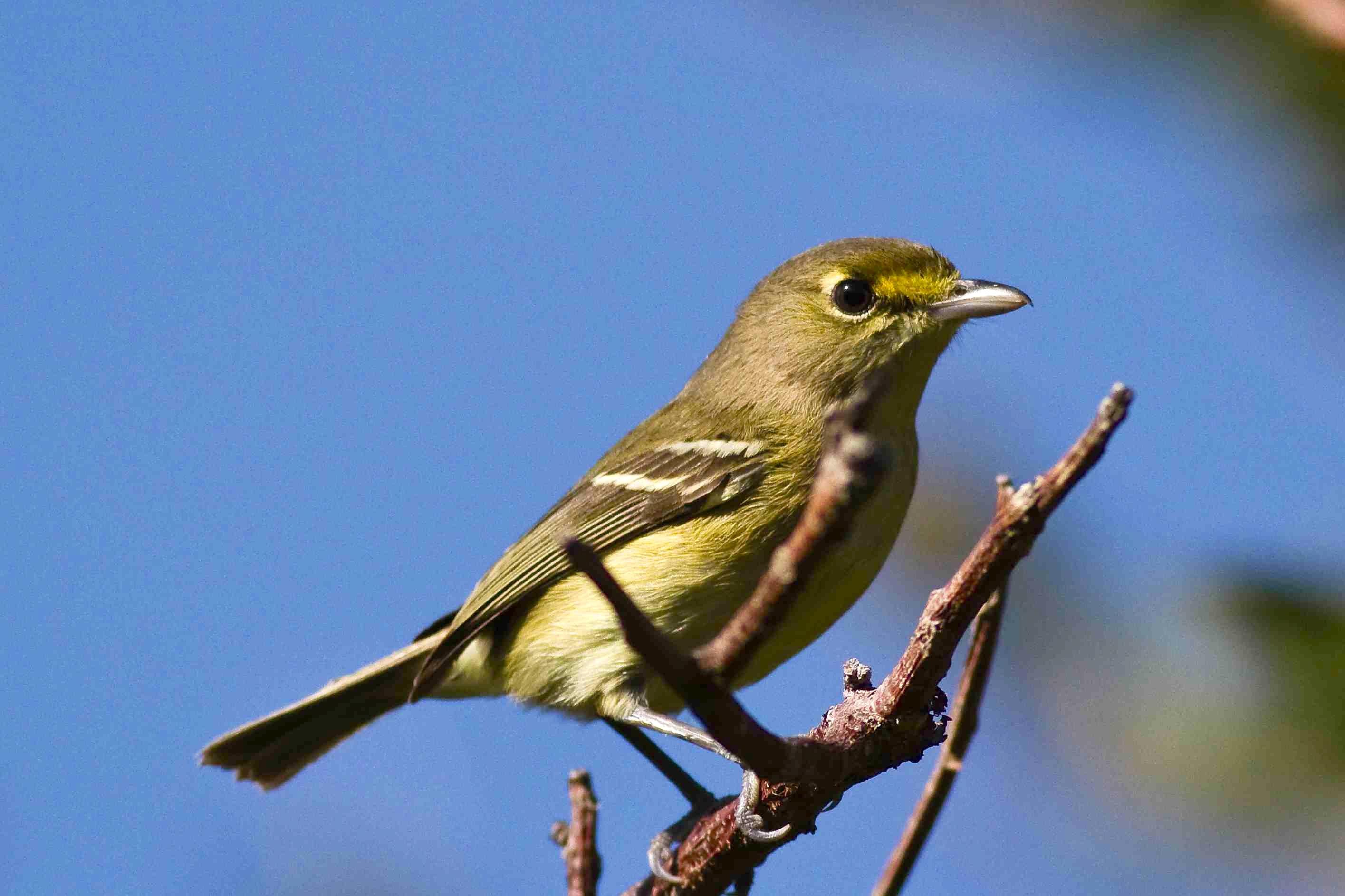
Hard to know why I haven’t got round to featuring these little vireos before. Unlike the other 7 vireo species found on Abaco seasonally or as transients, the Thick-billed Vireo Vireo crassirostris is an ever-present permanent resident of the coppice and scrub; and their unmistakeable repeating song can be heard almost everywhere. It was the first bird song I heard on Abaco, and therefore the TBV was the first bird I learned to ID. I’ve got quite a soft spot for them, really.Thick-billed Vireo, Abaco (Craig Nash)

Although TBVs are very easy to hear and track to a general area of coppice, I find actually seeing the bird creating the noise quite hard – let alone getting a clear camera shot. They always seem to be lurking several feet further away, deeper in the foliage, than the sound suggests. I’ve had some fun making TBV song iPhone recordings along the Delphi drive, practising the technique. If you want to know more about recording and converting to MP3 CLICK HERE.

One of my favourite images, from Gerlinde Taurer: a ‘shouty’ bird. We used it for ‘BIRDS OF ABACO‘.Thick-billed Vireo, Abaco  (Gerlinde Taurer 2)

I also love this perky little guy with a great beady-eyed pose taken by Bruce HallettThick-billed Vireo, Abaco (Bruce Hallett 2)

Here’s a clip of song, which I’m sure will be immediately familiar to Bahamians:

Paul Driver / Xeno Canto

Thick-billed Vireo, Abaco Bahamas.Tom Sheley

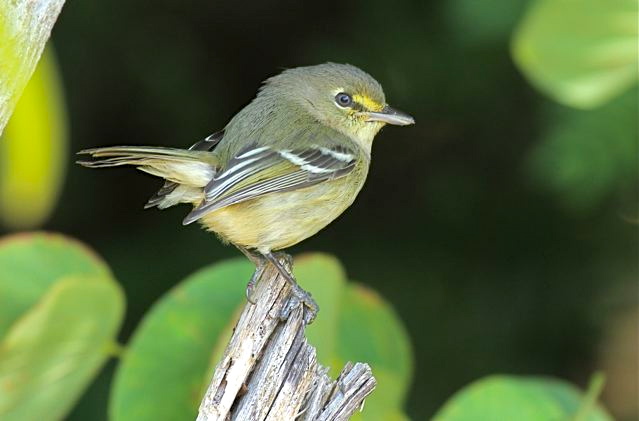
The main signifiers for this species, which in combination distinguish the TBV from the other vireo species on Abaco, are:

  • Two white wing bars
  • Yellow patch – usually quite prominent – between eye and beak
  • Thick bill – which immediately rules it out of being one of the 37 warbler species on Abaco…

Text book TBVThick-billed Vireo, Abaco (Becky Marvil 2).jpg

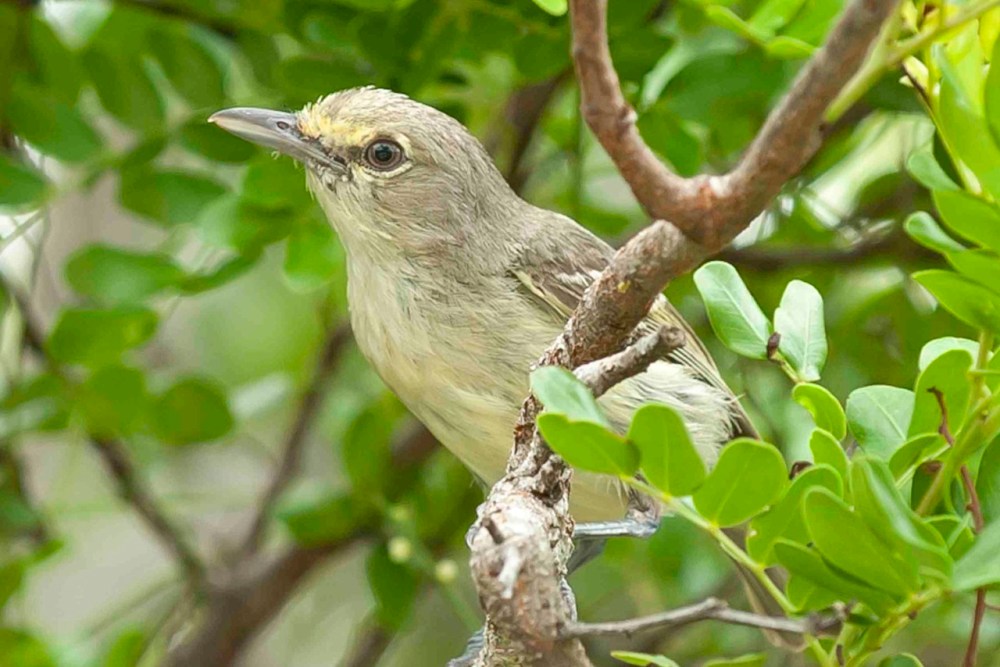
There are marked colour variations in the species according to maturity, season and to an extent gender (though m & f are quite similar). Here’s one that is causing wing-bar confusion by only showing traces. It also has quite dark upper parts.

Thick-billed Vireo, Abaco (Alex Hughes)

This is a very yellow TBVThick-billed Vireo, Abaco (Bruce Hallett 1)Whereas this one has rather anaemic colorationThick-billed Vireo, Abaco Bahamas .Tom SheleyFinally, this pretty TBV is very delicately markedThick-billed Vireo, Abaco (Tony Hepburn)

RELATED POSTS

BLACK-WHISKERED VIREO

PHILADELPHIA VIREO

Credits: Tom Reed (1), Craig Nash (2), Gerlinde Taurer (3), Bruce Hallett (4, 8), Tom Sheley (5, 9), Becky Marvil (6), Alex Hughes (7), Tony Hepburn (10); Paul Driver / Xeno Canto

Unknown's avatar

“BEAUTIFUL BAHAMA BIRDS”: NEW BAHAMAS BIRD BOOK REVIEW


ABACO PARROTS MM 2

“Over the Moon” (Abaco Parrot / Melissa Maura)

“BEAUTIFUL BAHAMA BIRDS”: NEW BOOK REVIEW

Published 2014 ~ 128pp ~ $20, available from the BNT

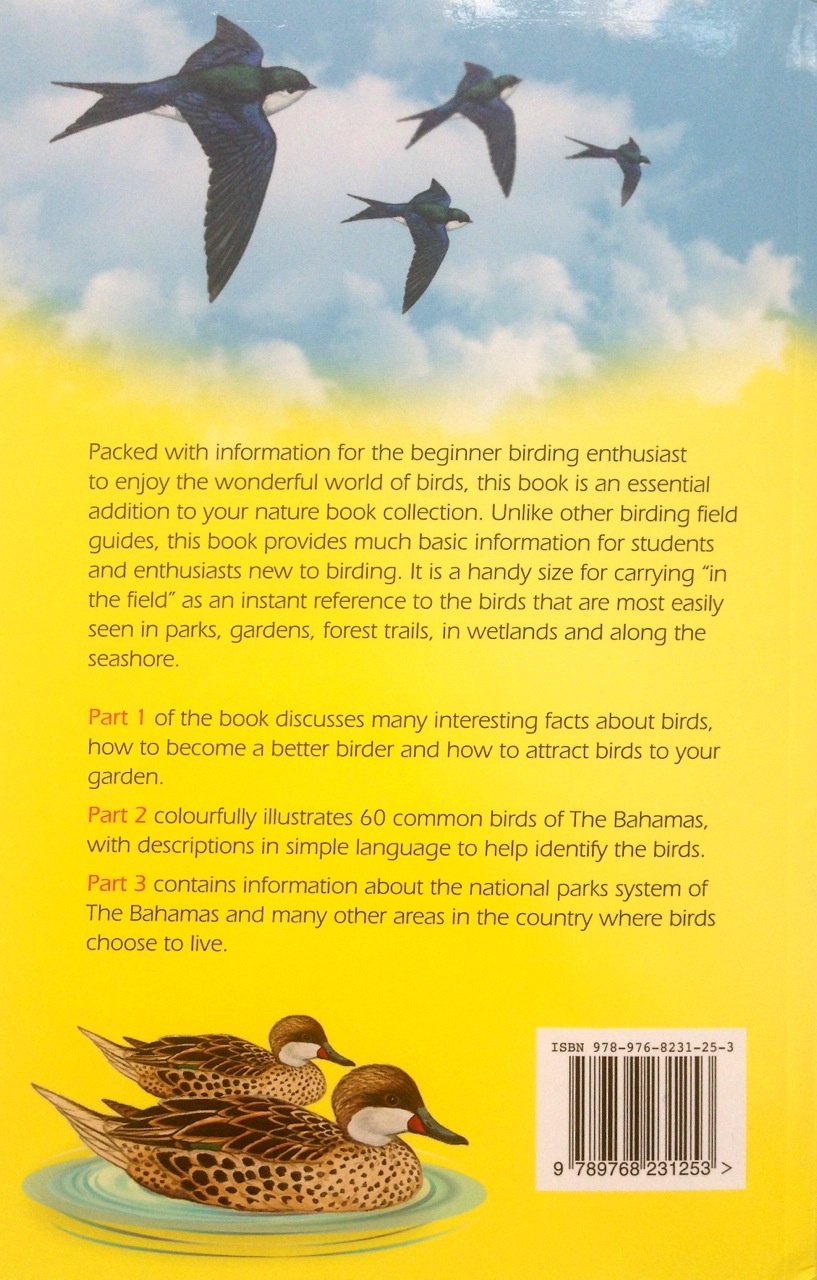
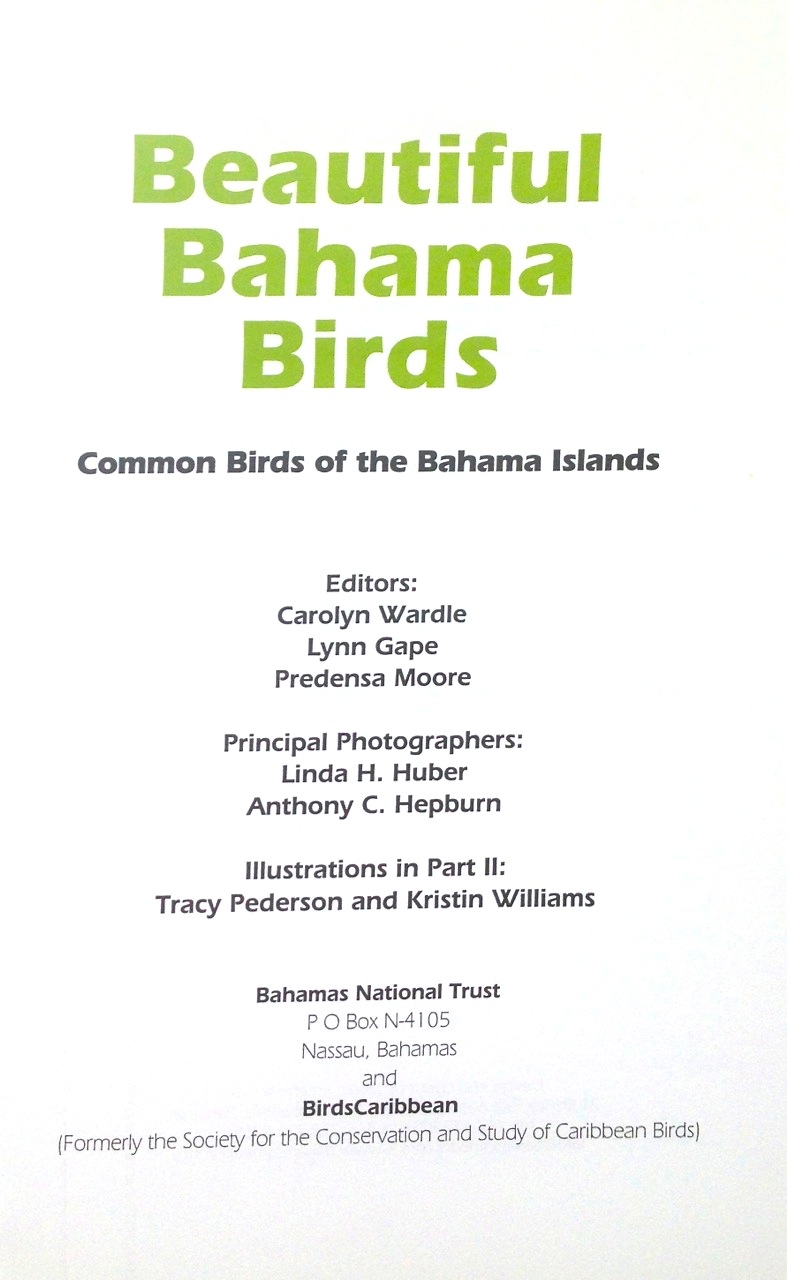
A fine new book on the birds of the Bahamas has recently been published by the BAHAMAS NATIONAL TRUST and BIRDSCARIBBEAN. Compiled and edited by well-known Bahamas bird guide CAROLYN WARDLE  with the BNT’s Lynn Gape and Predensa Moore, this slim book is packed with valuable information. It doesn’t set out to be an exhaustive field guide, a task already fully covered by Bruce Hallett’s indispensable Birds of the Bahamas and the TCI. Nor is it anything like my own photographic tome ‘Birds of Abaco’, differing in scope and intention, and weighing a mere 225 gms as opposed to 2 kilos! Beautiful Bahama Birds is eminently a book for the pocket, day bag or backback, to be carried along with your Hallett.

I have illustrated this review with photos of sample pages of the book, invariably the best way to give a clear impression of this kind of publication. Apologies that some of my images are a bit wonky, my copy being new and individual pages being hard to keep flat…

Beautiful Bahama Birds 1 Beautiful Bahama Birds 2

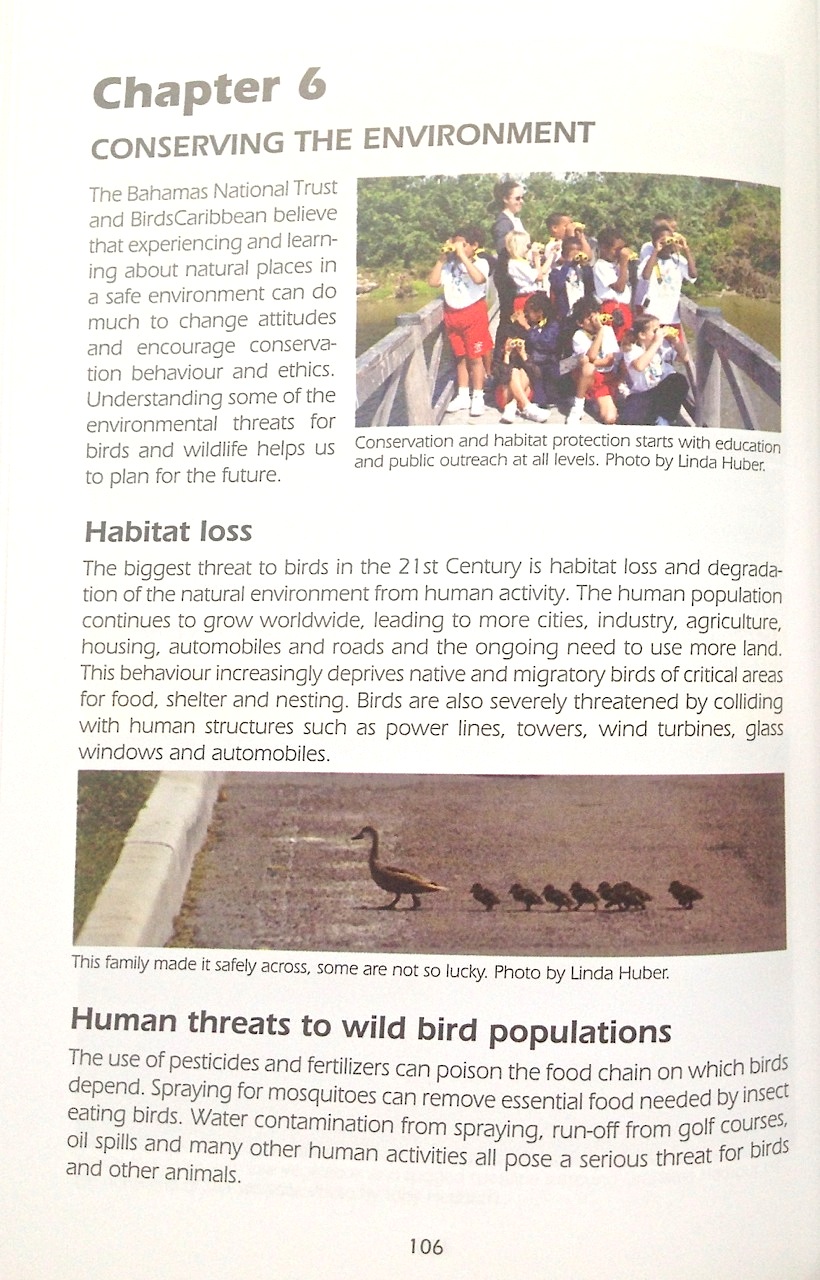
The photographs throughout the book are mainly the work of Linda Huber and the late Tony Hepburn. I was fortunate enough to be able to use some of Tony’s photographs for my own book, given with unreserved generosity; it is a fitting tribute to him that his images have now been published in Beautiful Bahama Birds, and that it  is dedicated to him.Beautiful Bahama Birds 3

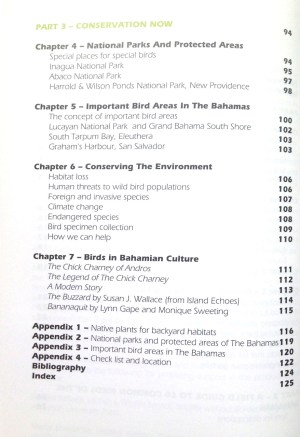
An idea of the broad scope and of the book and its usefulness to the birder can be gained from the contents pages, which I reproduce here. Click to enlarge them. The book is arranged in 3 parts: Let’s Go Birding; Field Guide to 60 Common Birds; and Conservation Now.
Beautiful Bahama Birds 4Beautiful Bahama Birds 5b

PART 1 offers plenty of useful information and practical advice about birding in general (I wish I could have read this before I started my own book!). Anyone who loves birds will benefit from this whole section, even if they would not call themselves a birder – especially Chapter 3 ‘Getting Closer to Bird Life’.

Beautiful Bahama Birds 6  Beautiful Bahama Birds 7

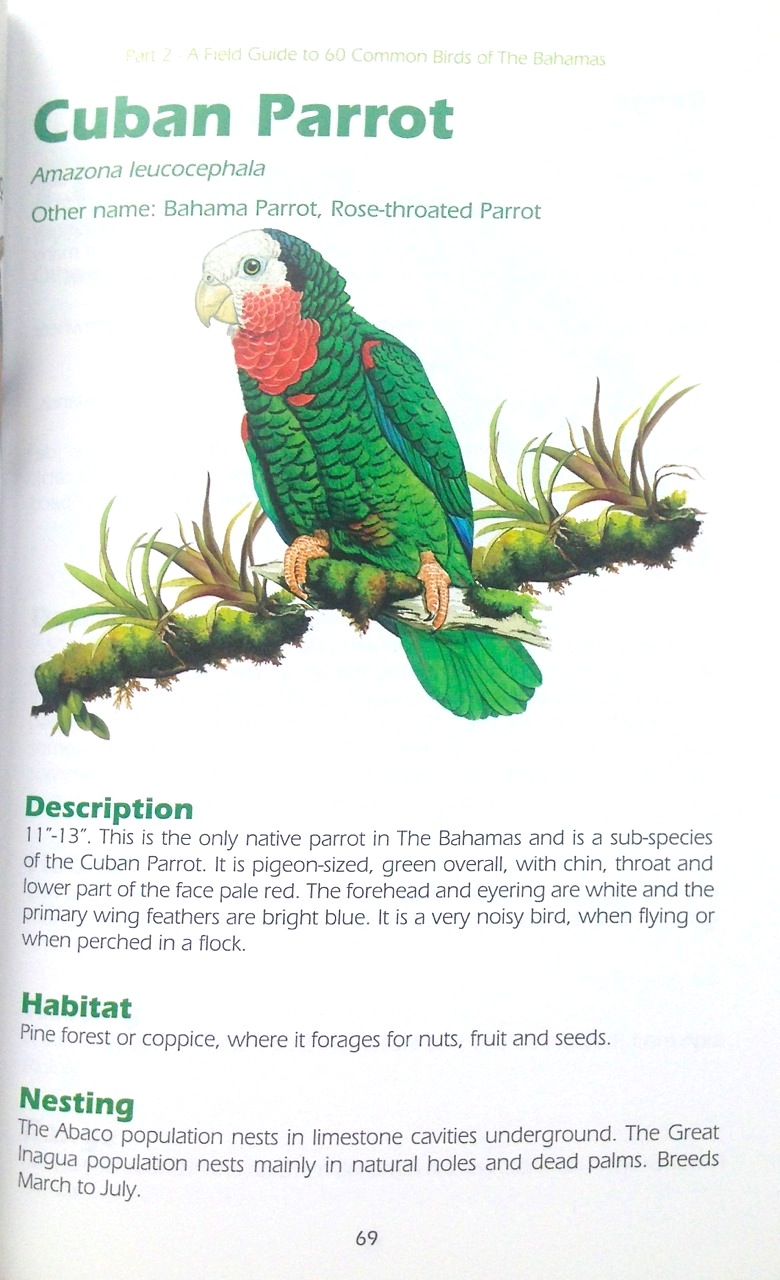
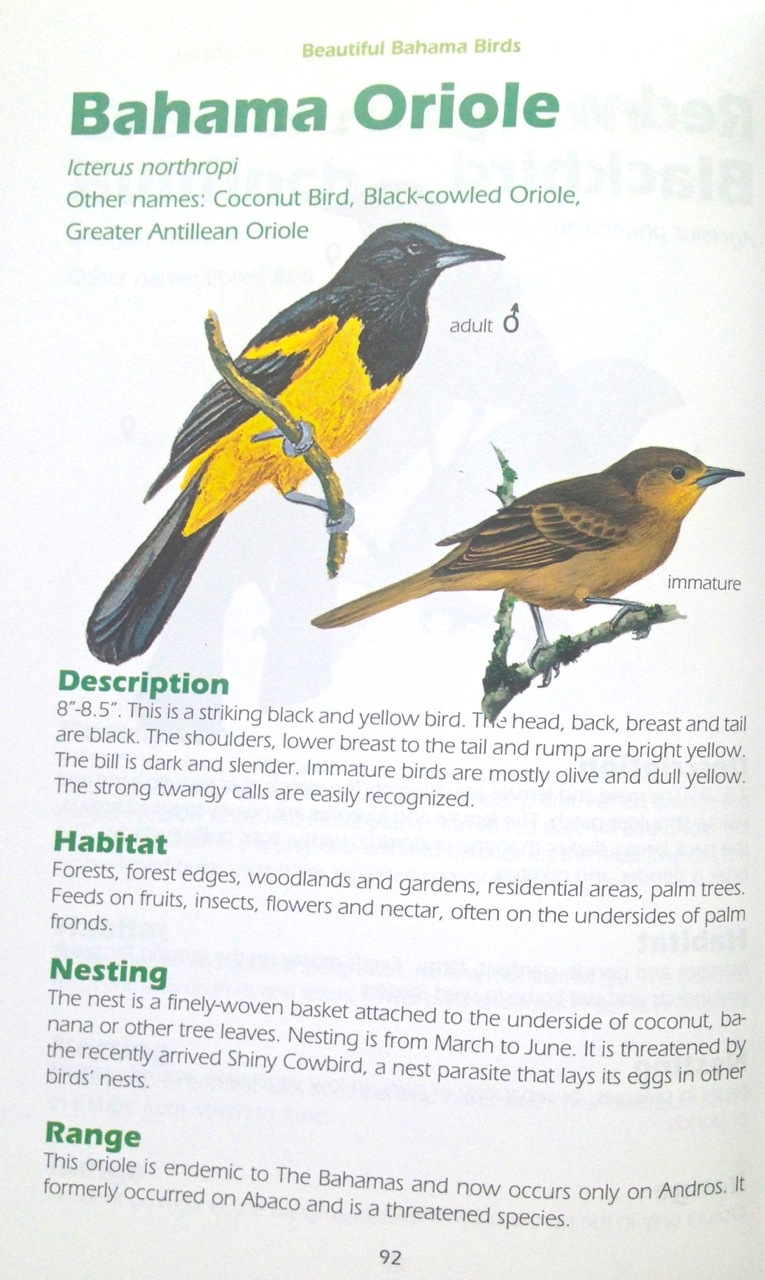
PART 2 All 5 Bahama endemics are featured in the main section, which is handily divided  very broadly into ‘waterbirds’ and ‘land birds’. Some birds are commonly found on most islands; some have more limited range: for example the Bahama Oriole is now found only on Andros; and breeding populations of the Cuban Parrot are found only on Abaco and Inagua (the increasing number of sightings on New Providence give some hope for a breeding population there too). I’ve chosen the parrot because the underground-nesting subspecies on Abaco is so special; and the Flamingo and Bahama Oriole, both very sadly extirpated from Abaco in recent memory.

The illustrations by Tracy Pederson and Kristin Willams are clear and highlight well the identifiers for each species. Where necessary, species variations are shown, for example between sexes, breeding / non-breeding plumage and adult / immature. This can be a confusing and even fraught area (as I constantly find), which this book usefully addresses.  Some birds in flight are also shown to aid ID.

   Beautiful Bahama Birds 8 Beautiful Bahama Birds 9

Beautiful Bahama Birds 10

PART 3 covers the National Parks, important birding areas of the Bahamas, conservation matters, and a charming section on birds in Bahamian culture. Appendices include lists of Bahamas native plants and their importance for wildlife; National Parks and Protected Areas; important birding areas of the Bahamas; a Checklist; a Bibliography; and a user-friendly Index (not all are…).

 Beautiful Bahama Birds 13 Beautiful Bahama Birds 12

A good Checklist is a vital ingredient for any birder, whether visitor or local. Here, all the species occurring on the islands are shown on the left and their residential status and range throughout the islands across the top. Thus at a glance you can tell whether a given species is found on a particular island and when it may be found there. You would know not to look for Turkey Vultures on Eleuthera at any time; and that the black-bellied plover is a winter resident throughout the region and not to be seen during your trip in June…  I also like the tick-boxes on the left for species collectors.

Beautiful Bahama Birds 11

Overall I have thoroughly enjoyed this small book and unreservedly recommend it. It does not replace Hallett, but it complements it. Furthermore, I’m sure the straightforward style and presentation will appeal to bird-loving non-birders and also to younger birders – it may even encourage some out into the field! On p.20 the recommended reading list includes books that would appeal to young readers and links to appropriate websites, a thoughtful touch. I have learnt, or been reminded of, much from reading this book a couple of times. It is a welcome addition to the relatively sparse avian literature for the Bahamas, a prime birding region that is home to an astonishingly wide variety of birds including rare, threatened and vulnerable species like the Parrots, the Kirtland’s Warbler and the Piping Plover.

BOOK LINKS

RH BOOK REVIEW PAGE

BIRDER’S GUIDE TO THE BAHAMA ISLANDS (Tony White)

JAMES BOND (LICENSED TO WATCH BIRDS…)

SAN SALVADOR BIRDS

DELPHI CLUB GUIDE TO THE BIRDS OF ABACO

Unknown's avatar

‘AMOY’ THERE! AMERICAN OYSTERCATCHERS ON ABACO


American Oystercatcher.Delphi Club.Abaco Bahamas.Tom Sheley

‘AMOY’ THERE! AMERICAN OYSTERCATCHERS ON ABACO

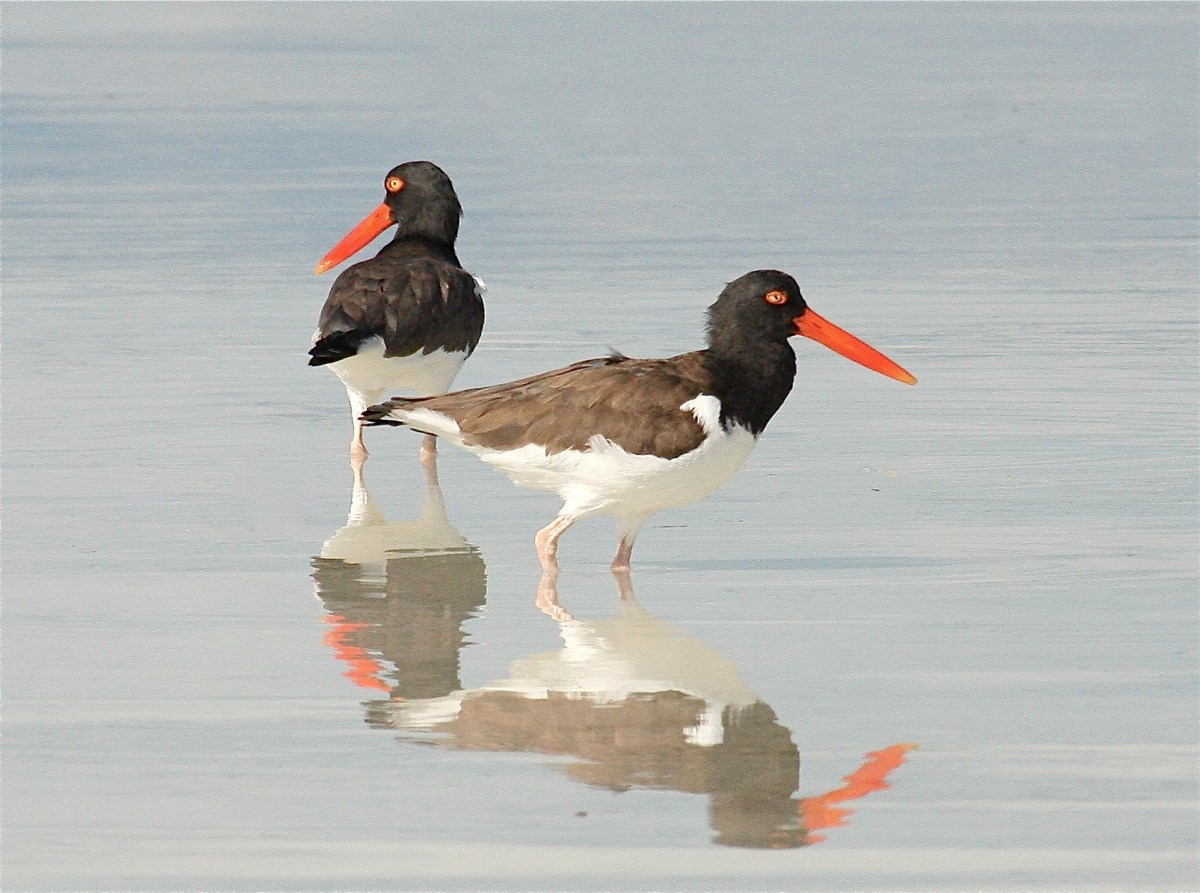
The American Oystercatcher Haematopus palliatus is a familiar shorebird, with the significant advantage that it cannot be mistaken for any other shore species either to look at or to hear. All those little sandpipers and plovers can be very confusing; the handsome AMOY stands out from the crowd. I am posting about this species now as a prelude to WORLD SHOREBIRDS DAY on September 6th. The link will take you to the official Facebook Page where you will find more information, including how to sign up for a pleasant day’s birding, with the chance to report your sightings.world-shorebirds-day1000

The header picture and the next 2 were taken by photographer and ace birder Tom Sheley on the Delphi Club beach. Unsurprisingly, we used one of these wonderful photographs as a full-page image in The Delphi Club Guide to THE BIRDS OF ABACO.

American Oystercatcher.Delphi Club.Abaco Bahamas.Tom Sheley American Oystercatcher.Delphi Club.Abaco Bahamas.Tom Sheley

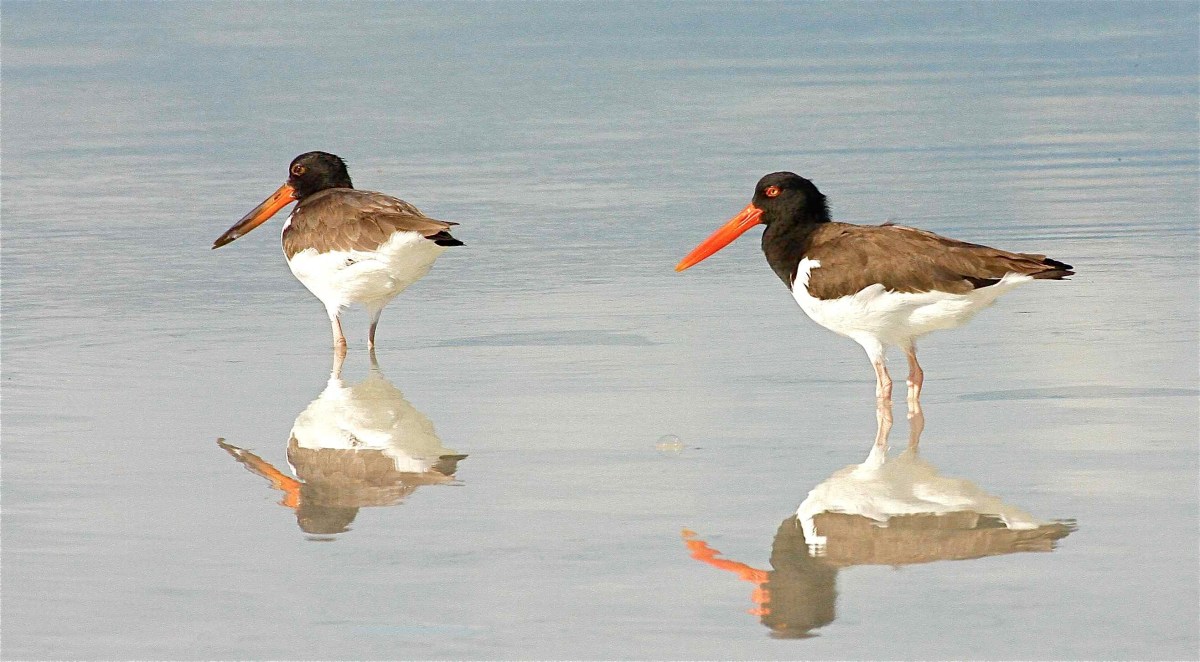
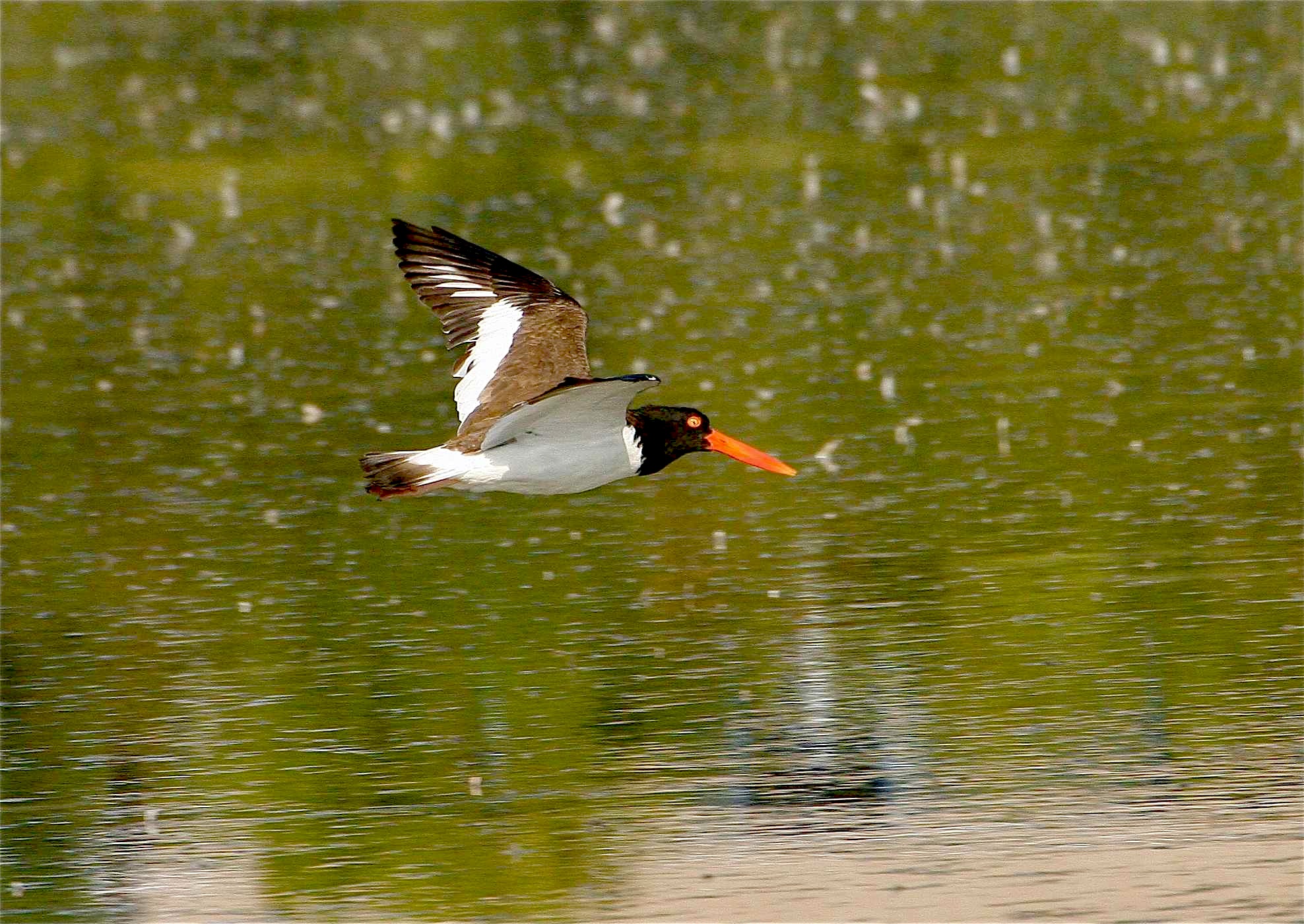
Bruce Hallett, author of the essential field guide ‘Birds of the Bahamas and the TCI’ (featured in the sidebar) was a major contributor to the book. Not just with his excellent photographs, either, such as the two below. His knowledge, his patience with my queries, and his scrupulous reading of the final draft to eliminate my errors were vital to the project. American Oystercatcher.Abaco Bahamas.Bruce HallettAmerican Oystercatcher.Abaco Bahamas.Bruce Hallett163952

Here are two recordings of oystercatchers, unmistakeable call sounds that will probably be instantly familiar.

Lopez Lanus / Xeno-Canto

Krzysztof Deoniziak / Xeno-Canto

I like the rather dishevelled appearance of this AMOY from Jim Todd, fly fisherman, author of ‘The Abaco Backcountry’, and intrepid kayak explorer around the coast of Abaco.American oystercatcher Abaco (Jim Todd)

The next two photos were taken on the Delphi beach by Charlie Skinner, another contributor to the book. Below them is an ‘in-flight’ shot by Bruce Hallett.American Oystercatcher, Abaco (Charlie Skinner)American Oystercatcher, Abaco (Charlie Skinner)     American Oystercatcher.Abaco Bahamas.Bruce Hallett

This fine video from Audubon shows close-up views of the American Oystercatcher, and unleashes more of the distinctive call-sounds – an insistent wittering – of the species. [vimeo https://vimeo.com/48479131%5D

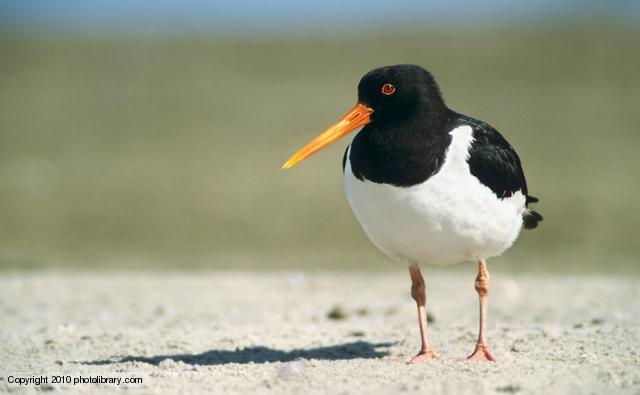
For some time, I found it difficult to distinguish American and Eurasian Oystercatchers. The markings of both species are variable according to gender, age, season and so on, but are generally very similar. Mrs RH noticed the salient difference at once – the eyes. The AMOY has bright orange eyes with red eye-rings; the EUROY’s eyes are the reverse colouring, as this example shows.Eurasian Oystercatcher. BBC

 Credits: Tom Sheley, Bruce Hallett, Jim Todd, Charlie Skinner, Xeno-Canto, Audubon, BBC
world-shorebirds-day1000

Unknown's avatar

“FAIR GAME” ON ABACO: THE ATTRACTIVE BUT SADLY DELICIOUS WHITE-CROWNED PIGEON


White-crowned Pigeon, Abaco, Bahamas (Tony Hepburn)

 “FAIR GAME” ON ABACO: THE ATTRACTIVE BUT SADLY DELICIOUS WHITE-CROWNED PIGEON

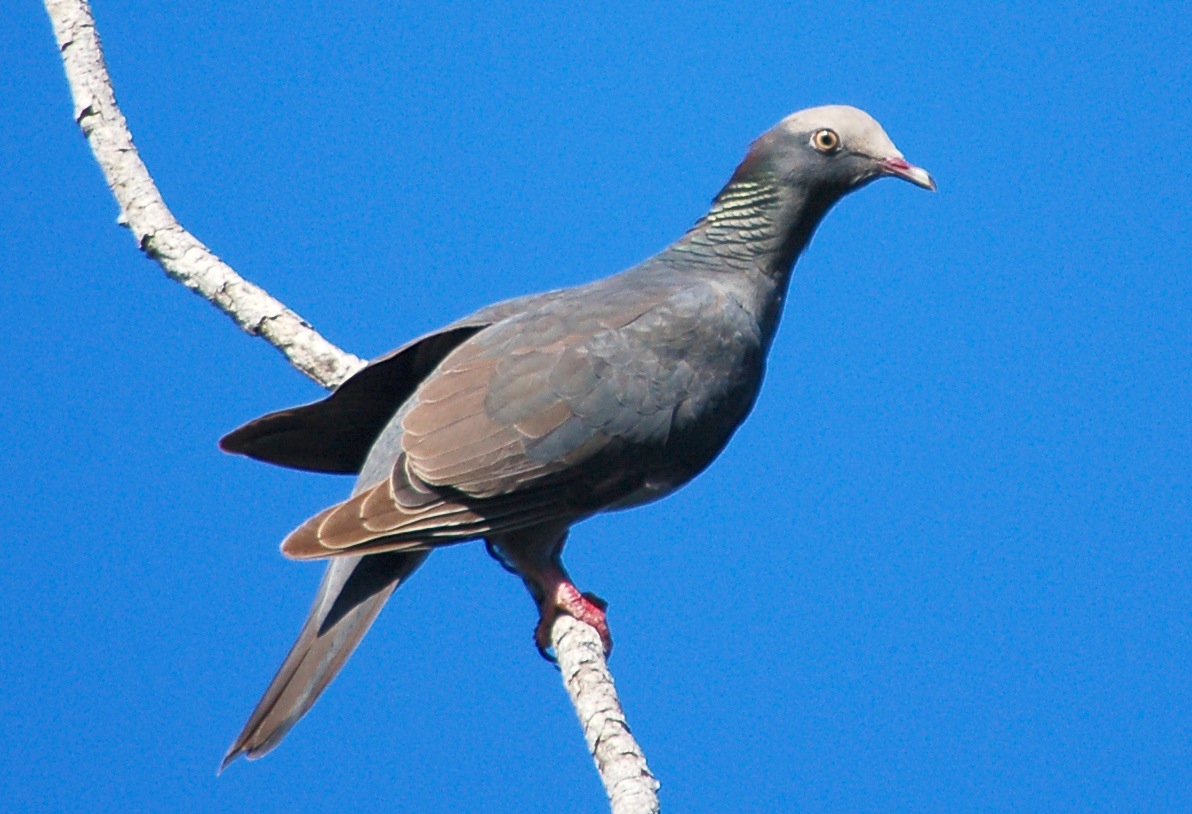
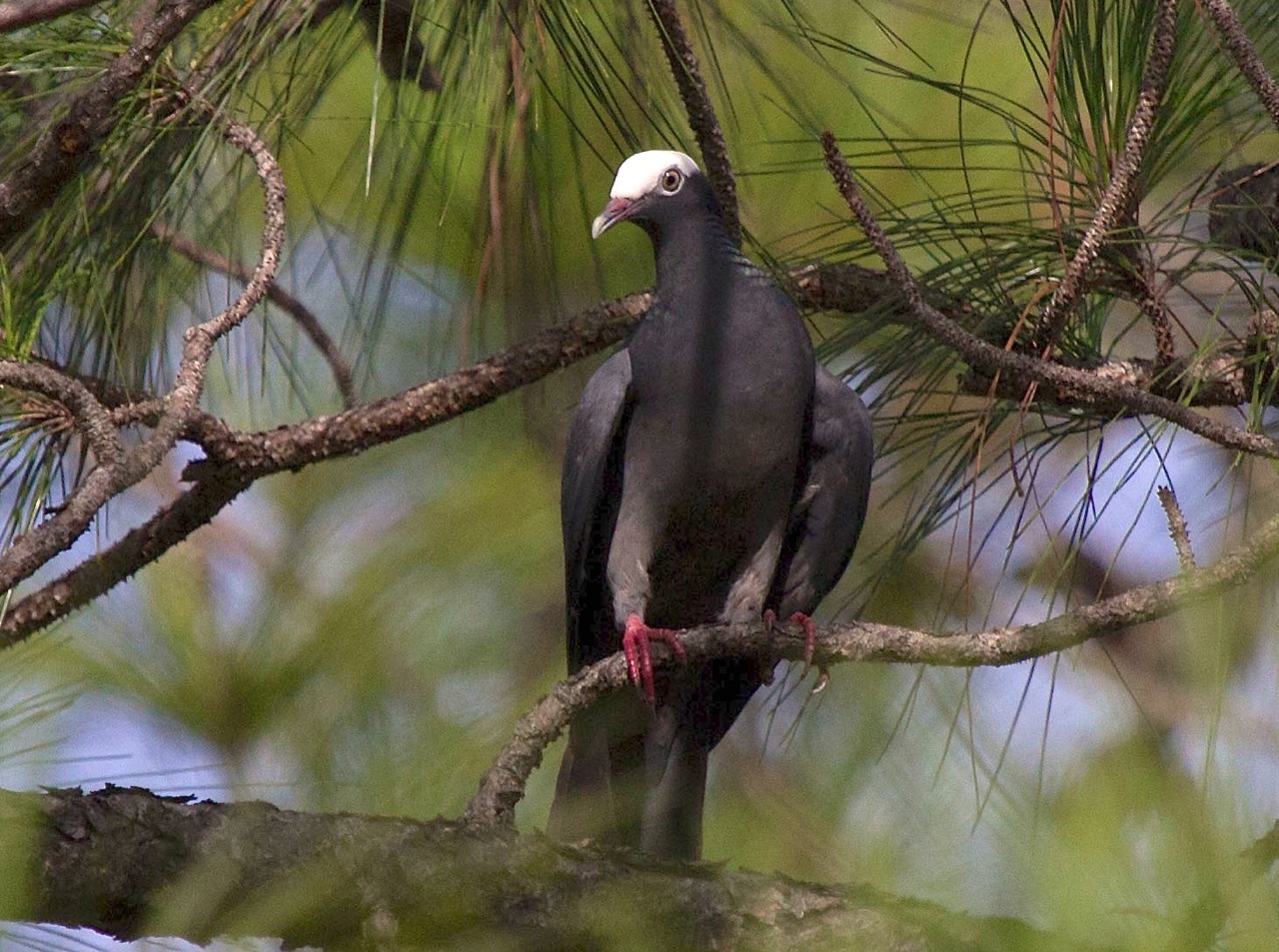
Fishing is the mainstay of Abaco’s sporting life, but hunting runs it a close second. Whether it’s the hog hunters plunging down remote backcountry tracks with their dogs or the shooters plying their trade, there is plenty on the hunter’s menu. The WHITE-CROWNED PIGEON Patagioenas leucocephala is one of the species that’s fair game in season. The bright white of its crown rather gives away its position. A permanent resident on Abaco, this pigeon is quite commonly found.

White-crowned Pigeon, Abaco, Bahamas (Gerlinde Taurer)

The Bahamas hunting season for this species is between the end of September and March. Here is the relevant extract from the excellent BNT HUNTERS GUIDE, a very useful publication packed with information that is well worth a look at. WCP BNT Hunters Guide

220px-Status_iucn3.1_NT.svg

Unfortunately, this pigeon is no longer as prolific as it once was, and is now IUCN-listed ‘near-threatened’. Hunting is one reason. Habitat loss is another. And apparently in Florida (the only US State that has these birds), car-strike is a major cause of population decline (with time, they may learn to fly higher. Unless it’s too late for the species by then…).

White-crowned Pigeon, Abaco (Alex Hughes)

The balance of species preservation and the perceived need of humans to encroach on habitat or their wish to shoot for the pot, is a always a hard one to judge. ‘Near-threatened’ sounds bad, but it’s probably not until the next stage is reached – ‘vulnerable’ or ‘endangered’ – that there is real cause for concern. But as the title says (props to Peter Mantle for this pithy observation, duly incorporated into the WCP entry in THE BIRDS OF ABACO) these inoffensive pigeons are indeed ‘sadly delicious…’

White-crowned Pigeon, Abaco, Bahamas (Gerlinde Taurer)Photo credits: Gerlinde Taurer, Alex Hughes, Tony Hepburn plus BNT for the hunters guide


Unknown's avatar

BAHAMAS STAMPS & ABACO BIRDS: ‘IMITATION IS THE SINCEREST FORM OF PHILATELY’


BAHAMAS STAMPS & ABACO BIRDS: ‘IMITATION IS THE SINCEREST FORM OF PHILATELY’ 

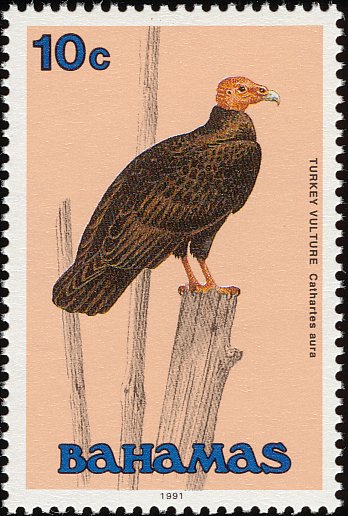
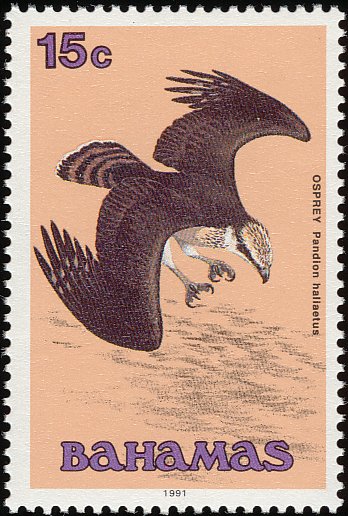
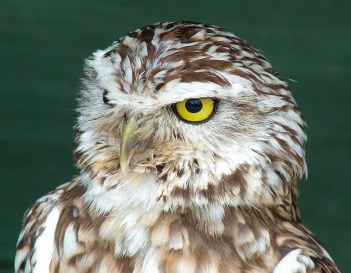
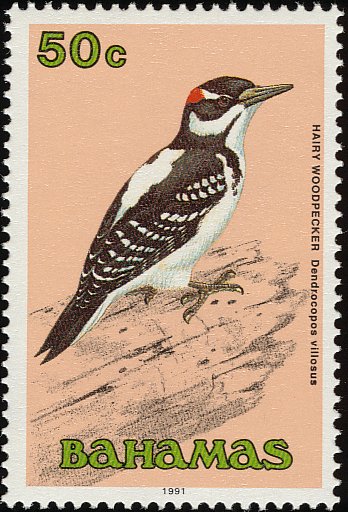
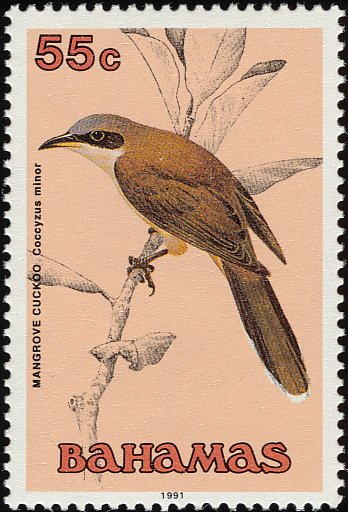
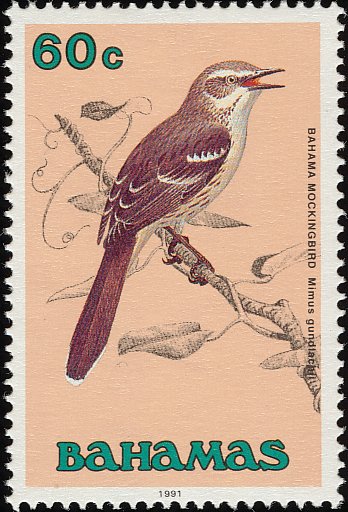
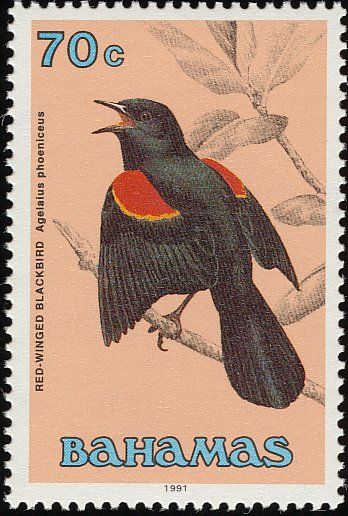
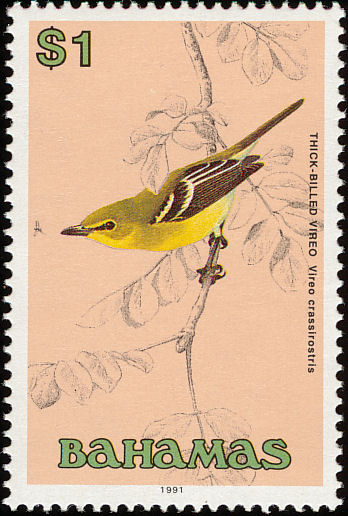
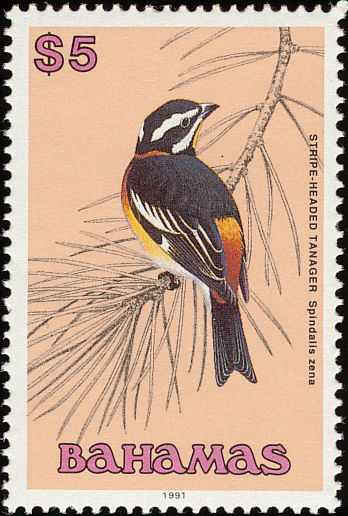
The Bahamas produces frequent issues of wildlife stamps. Mostly birds, but also reef fish and sea creatures, animals, butterflies and flowers. I am gradually collecting an album of Bahamas wildlife stamps on a PHILATELY page. I’ve been having a look at a 16-bird issue from 1991 which reflects the wide diversity of species extremely well. Here is the set, with comparative photos of each bird. All but one were taken on Abaco, the rare Burrowing Owl being the exception. All the other 15 birds may be found on Abaco as permanent residents, either easily or with a bit of a look and some luck. I personally have not seen the Clapper Rail (though I saw a SORA) or the rarer Key West Quail-Dove.

bah199101l                       GREEN HERON, Abaco (Nina Henry)


bah199102l                       Turkey Vulture Abaco (Keith Salvesen)

bah199103l                      Osprey - Abaco Marls (Keith Salvesen)

bah199104l                      Clapper Rail, Abaco (Erik Gauger)

bah199105l                     Royal Tern Abaco (Keith Salvesen)

bah199106l                     BAHAMAS - Key West Quail-dove (Becky Marvil)

bah199107l                    Smooth-biled Ani, Abaco (Bruce Hallett)

bah199108l                    Burrowing Owl (Keith Salvesen)

bah199109l                  Hairy Woodpecker, Abaco (Tony Hepburn)

bah199110l                   Mangrove Cuckoo, Abaco, Bahamas (Tony Hepburn) copy

bah199111l                   Bahama Mockingbird, Abaco (Keith Salvesen)

bah199112l                 Red-winged Blackbird Abaco Bahamas (Keith Salvesen)

bah199113l                 Thick-billed Vireo, Abaco (Susan Daughtrey)

bah199114l                 Bahama Yellowthroat vocalizing.Abaco Bahamas.Tom Sheley

bah199115l                 Western Spindalis Abaco (Janene Roessler)

bah199116l                  Greater Antillean Bullfinch, Abaco (Bruce Hallett)

 The bird list and image credits

 Green Heron                     Butorides virescens               Nina Henry

Turkey Vulture                   Cathartes aura                     Keith Salvesen / RH (Delphi)

Western Osprey                Pandion haliaetus                 Keith Salvesen / RH (Marls)

Clapper Rail                      Rallus longirostris                 Erik Gauger

Royal Tern                         Thalasseus maximus            Keith Salvesen / RH (Marls)

Key West Quail-Dove      Geotrygon chrysia                 Becky Marvil

Smooth-billed Ani            Crotophaga ani                      Bruce Hallett

Burrowing Owl                  Athene cunicularia              Keith Salvesen / RH (UK)

Hairy Woodpecker             Picoides villosus                   Tony Hepburn

Mangrove Cuckoo             Coccyzus minor                     Tony Hepburn

*Bahama Mockingbird     Mimus gundlachii              Keith Salvesen / RH (National Park)

Red-winged Blackbird      Agelaius phoeniceus       Keith Salvesen / RH (Backcountry Abaco)

Thick-billed Vireo              Vireo crassirostris               Susan Daughtrey

*Bahama Yellowthroat       Geothlypis rostrata            Tom Sheley

Western Spindalis              Spindalis zena                       Janene Roessler

Greater Antillean Bullfinch  Loxigilla violacea            Bruce Hallett

* Endemic species for Bahamas

STAMPS            http://freestampcatalogue.com            Tony Bray

Unknown's avatar

SAW A SORA? SURE? RAIL TRACK ON ABACO


BAHAMAS - Sora 2 - Oct 2010 copy 2

SAW A SORA? SURE? RAIL TRACK ON ABACO

‘Furtive’. ‘Secretive’. ‘Skulking’. These are harsh epithets to chuck at a small inoffensive bird that just goes about its daily routine in watery places. And look at it from the Sora’s point of view: ‘intrusive’; ‘prying’; invasive’; ‘nosy’… That’s you with your camera, disturbing its quiet life in the reeds and on the margins of marsh and lake. And for that matter your careful attempts to get close to the shy sora without startling it could also be described as furtive, secretive and skulking. See how it feels?

Sora.Marsh Harbour.Abaco Bahamas.6.13.Tom Sheley copy

The Sora Porzana carolina is a species of rail, a winter resident on Abaco. The island also has the CLAPPER RAIL, Virginia Rail and the Black Rail. There are no recorded sightings of this last one, and certainly no photographs. But their distinctive call has been heard in several locations over the last few years –  for example, by two people in different places last June when we were in full bird mode for “THE BIRDS OF ABACO”.

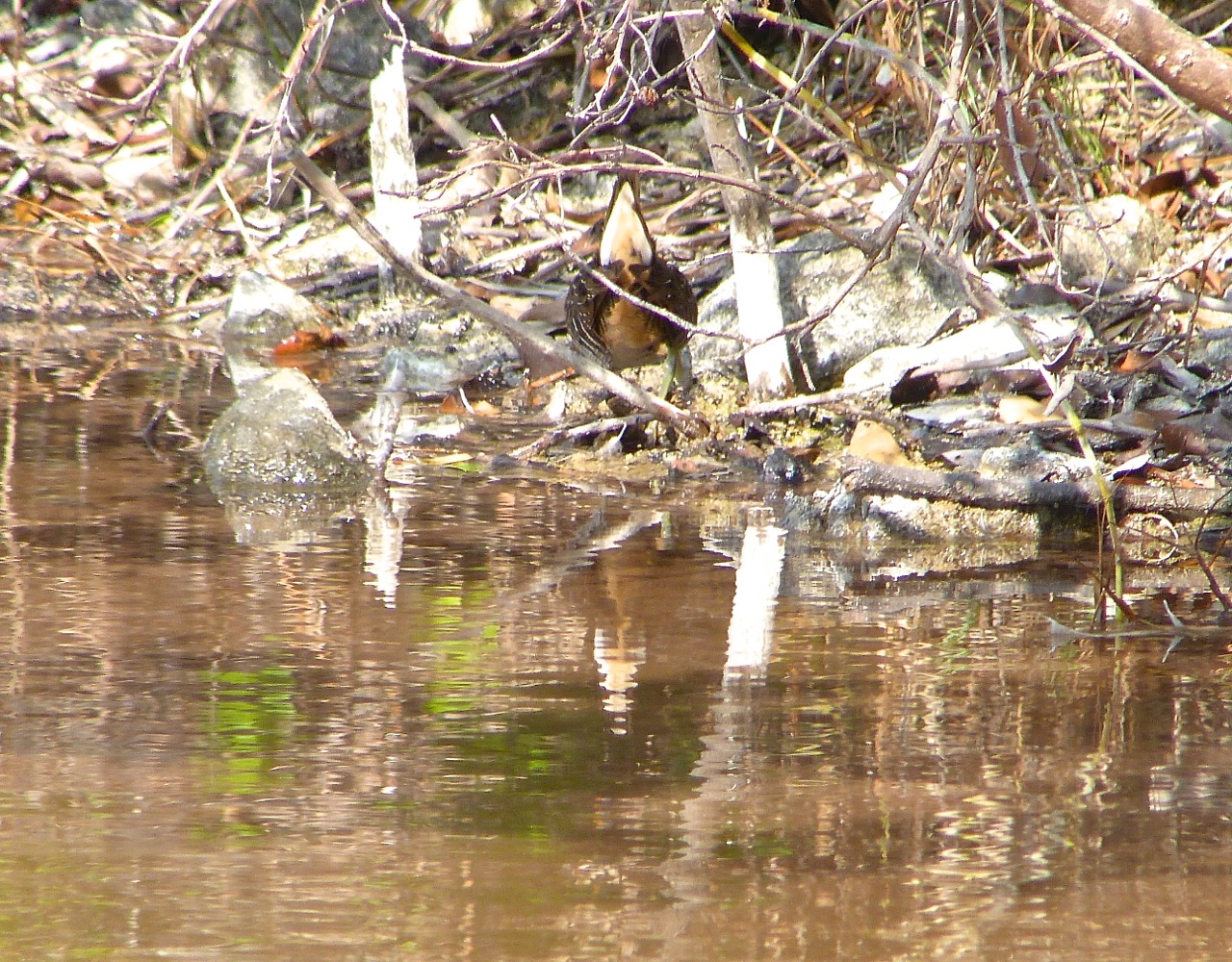
Sora, Gilpin Point Abaco RH 1

Although not uncommon, the sora is relatively hard to find; and if found, to photograph. As I wrote in the book, ‘these are most inconspicuous birds, so it is quite a coup if you manage to locate one. Their creamy beak and upturned tail may give their presence away as they work their way along the water’s edge, feeding intently’. Tom Sheley took the magnificent photo above of a sora peering out from cover – he’s a very patient man. Often, the best sight you’ll get is of the bird half-hidden in the reeds at a distance, as in my feeble effort above. Spot the Sora… I tracked the same bird, and later got a more open shot as the sora picked its way along the edge of a pond before disappearing again into the reeds. The bird was moving away from me. I was crouched on a small jetty, with a little blue heron nearby looking at me in puzzlement. Or sympathy. My best (ha!) shot below (beak and tail both visible? Check!) is followed by much the most usual view of a sora in my experience, the less photogenic end with the white… stern.

Sora, Gilpin Point Abaco RH 3Sora, Gilpin Point Abaco RH 4

I can’t improve on good old Wiki in summarising the diet of this little rail: “Soras are omnivores, eating seeds, insects and snails. Animals that are commonly reported as sora food items include snails, crustaceans, spiders, and insects – mainly beetles, grasshoppers, flies, and dragonflies. Soras often eat plant seeds. Plants in the sora’s diet include duckweed, pondweeds, and grasses.” Wiki’s own image is shown next.

Sora, Birding Center, Port Aransas, Texas

We were with our friend the ornithological scientist Caroline Stahala* when we – I should say she – saw my first sora at the pond at Gilpin Point near Crossing Rocks. She grabbed my camera and plunged into the rather thick undergrowth at the water’s edge. Actually, she had to plunge into the water itself at one stage. Here are 2 shots that further demonstrate how hard it can be to photograph these wretched creatures. They don’t pose prettily on a branch in the sunshine like a Spindalis, for example. They forage about in places where low light and thick vegetation combine to make focus and clarity difficult to achieve. *’The Parrot Lady’  Sora, Gilpin Point Abaco - Caroline Stahala 1 Sora, Gilpin Point Abaco - Caroline Stahala 2 The remarkable calls of the sora can be heard in the very short clips below, from the invaluable Xeno-Canto archive. They make three distinct types of sound, one described as “a descending whinny”. Apparently the use of ‘call broadcasts’ greatly increases the chances of hearing a sora. They also increase the chances of seeing a sora, as the bird will often investigate the source of the call. The propriety of using a recording to attract a bird is open to debate, but there’s no doubt that it can be far more effective than simply going ‘pish-wish’ repeatedly… CALL Ted Floyd ‘WHINNY’ CALL   Micah Riegner ‘WEEP CALL’  Todd Wilson This is a second Wiki image of a sora foraging in water. I like the fact that, as with Tom’s photo, you can see the feet.1024px-Porzana_carolina “SORA”. Where does the word come from? What does it mean? It sounds like some uninviting butter-style spread. Or is that ‘Flora’? I did some research and for a start it means ‘Sky’ in Japanese and ‘Seashell’ in Korean – both used as names. Six countries worldwide have places called Sora. There are various obscure usages (e.g. a little-known video game). Disappointingly, however, the best etymology I can find in a birding context is that the origin is ‘unknown’. I was too disheartened to explore the derivation of ‘Porzana’. Could so easily be a second-tier female character in a Shakespeare comedy: “Haply, Porzana, hast seen the Sora of the Prince, withal?”. Having started this post with a header shot by Becky Marvil, I’ll end with the etymological mystery and another photo by Becky of the same bird going for some underwater delicacy. Sora, Abaco - Becky Marvil 2.1

STOP PRESS Uli Nowlan has kindly sent a photo of a Sora taken at ponds north of Treasure Cay (below). It’s a timely reminder to me that this blog is somewhat South Abaco oriented. More than somewhat, in fact. That’s inevitable I’m afraid, owing to my base camp being south of MH. Also, I think it’s generally accepted that South Abaco is the place to find the best birding. I do include birds from the TC area – the golf course ponds and the creeks – but perhaps not enough. Contributions welcome!

Sora, Abaco (Treasure Cay area) - Uli Nowlan

Credits: Header and last image – Becky Marvil; Tom Sheley, RH, Wiki, Caroline Stahala; Uli Nowlan. Wiki-nod for some info also.

Unknown's avatar

“THE DELPHI CLUB GUIDE TO THE BIRDS OF ABACO” HAS LANDED…


JACKET GRAB JPG

WHAT HAS THE GESTATION PERIOD OF A WALRUS (16 MONTHS) AND WEIGHS THE SAME AS A PAIR OF FULLY GROWN PINEAPPLES (2 KILOS)?

“THE DELPHI CLUB GUIDE TO THE BIRDS OF ABACO”

A unique bird book is  been published and has arrived on Abaco today. Printed in Italy at the end of January, it has made its way from Florence via Bologna, Leipzig, Brussels, Cincinnati, Miami and Nassau. Having spent an unexpectedly long sojourn in Nassau,  2 pallets of books are now safely at the Delphi Club… at last!Cuban Pewee on Abaco

The Guide showcases the rich and varied bird life of Abaco, Bahamas and features both resident and migratory species including rarities and unusual sightings. It is available for sale now from the Delphi Club in a limited edition of 500.  The main features are as follows:

  • 272 pages with more than 350 photographs
  • 163 species shown in vivid colour – nearly two-thirds of all the bird species ever recorded for Abaco
  • Every single photograph was taken on Abaco or in Abaco waters
  • All birds are shown in their natural surroundings – no feeders or trails of seed were used
  • Several birds featured are the first ones ever recorded for Abaco or  even for the entire Bahamas

Clapper Rail Abaco Bahamas Tom Sheley

  • A total of 30 photographers, both experienced and amateur, have contributed to the project
  • The book has had the generous support of many well-known names of Abaco and Bahamas birding
  • Complete checklist of every bird recorded for Abaco since 1950 up to the date of publication
  • Specially devised codes indicating when you may see a particular bird, and the likelihood of doing so
  • Specially commissioned cartographer’s Map of Abaco showing places named in the book

Least Tern_ACH3672 copy

  • Informative captions intentionally depart from the standard field guide approach…
  • …as does the listing of the birds in alphabetical rather than scientific order
  • Say goodbye to ’37 warbler species on consecutive pages’ misery
  • Say hello to astonishing and unexpected juxtapositions of species

Abaco_Bahama Yellowthroat_Gerlinde Taurer copy

  • The book was printed in Florence, Italy by specialist printers on grade-1 quality paper
  • Printing took pairs of printers working in 6 hour shifts 33 hours over 3 days to complete
  • The project manager and the author personally oversaw the printing

Smooth-billed Ani pair GT

  • The book is dedicated to the wildlife organisations of Abaco
  • A percentage of the proceeds of sale will be donated for the support of local wildlife organisations
  • A copy of the book will be presented to every school on Abaco
Piping Plover BH IMG_1919

The book is published by the Delphi Club (contact details below). The project was managed by a publishing specialist in art books. The author is the wildlife blogger more widely known on Abaco and (possibly) beyond as ‘Rolling Harbour’. Oh! So that would in fact be Mrs Harbour and myself. Well well. What are the chances?
cuban-emerald-delphi-abaco-3

The Delphi Club at Rolling Harbour
PO Box AB-20006, Marsh Harbour, Abaco, Bahamas
Tel: +1-242-366-2222
General Manager – Sandy Walker: +1-242-577-1698
delphi.bahamas@gmail.com

American Oystercatchers BH IMG_2000 copy 2Images by Tom Sheley,  Bruce Hallett, Gerlinde Taurer, Tony Hepburn, RH