‘TAKEN TO THE CLEANERS’: REEF FISH & CLEANING STATIONS
A cleaning station is a place where fish and and other aquatic life congregate to be cleaned. This involves the removal of parasites both externally and internally, and is be performed by various creatures including, on the coral reefs of the Bahamas, cleaner shrimps and various species of cleaning fish such as wrasses and gobies. The process conveniently benefits both the cleaned and the cleaner.
Tiger Grouper being cleaned by Cleaner Shrimps
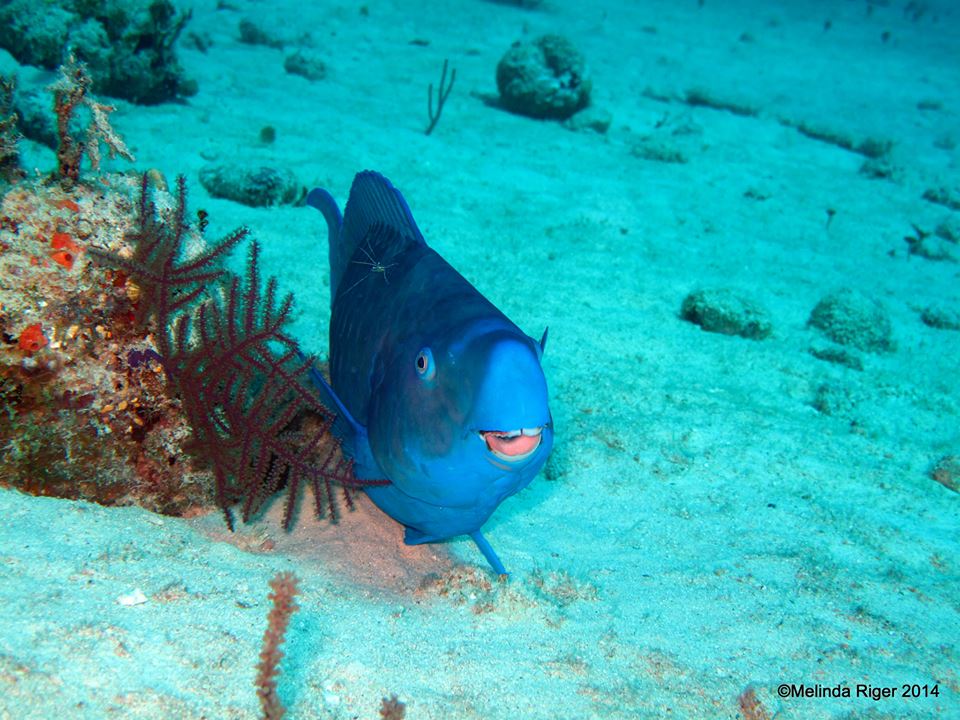
Blue Parrotfish being cleaned (or tickled, from its expression) by a Cleaner Shrimp
Black Grouper being cleaned by gobies – note the ones in its mouth
Black Grouper at a Cleaning Station with gobies. Note the hook and line…
Tiger Grouper being cleaned by Gobies
Gobies checking a hand for parasites….
When a fish approaches a cleaning station it will open its mouth wide or position its body in such a way as to signal that it needs cleaning. The cleaner fish will then remove and eat the parasites from the skin, even swimming into the mouth and gills of the fish being cleaned.
“Clean me!” An amazing view of a Tiger Grouper at a CleaningStation with its gills wide open
Grouper at a cleaning station over a sponge
Remora clinging to a shark. For more on this unusual symbiotic relationship, click HERE
All photos: Melinda Riger of Grand Bahama Scuba, with thanks as ever
AMAZING WHALE, DOLPHIN & MANATEE PHOTOS FROM ABACO
TheBMMRO(Bahamas Marine Mammal Research Organisation) had a great June for sightings of cetaceans and sirenians. Here is a sample of their wonderful photos from recent research expeditions (with thanks as ever for use permission).
RANDY THE WEST INDIAN MANATEE
After the recent excitement of Abaco’s manatee GEORGIEhaving returned to Cherokee after another of her epic journeys, another West Indian manatee has arrived at Sandy Point (conveniently the location of the BMMRO HQ). Sirenians and cetaceans are generally recognised from particular patterns to flukes or fins. The second image shows the notch in Randy’s tail that confirms ID.
BOTTLENOSE DOLPHINS
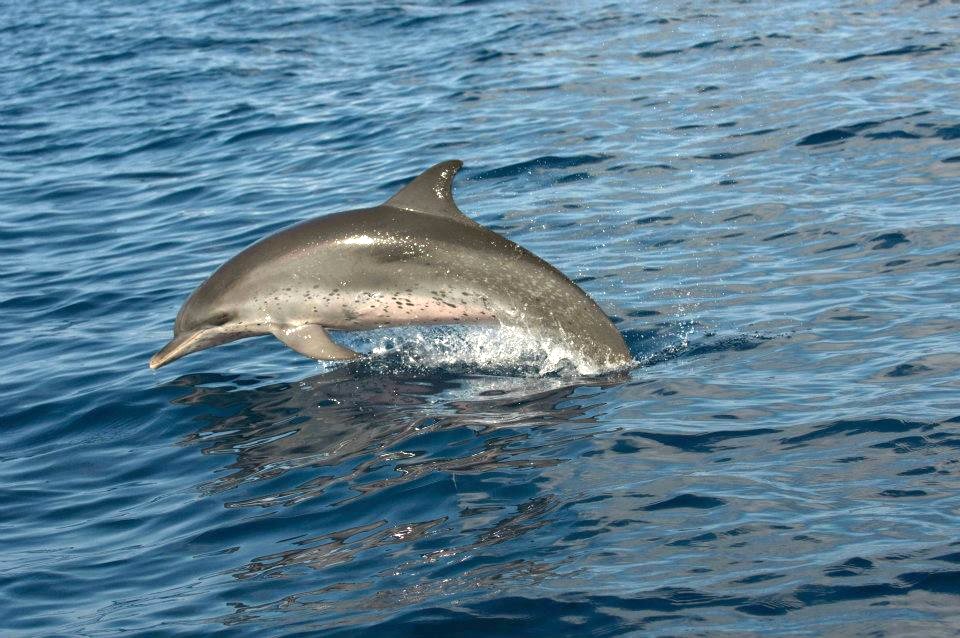
SPOTTED DOLPHINS
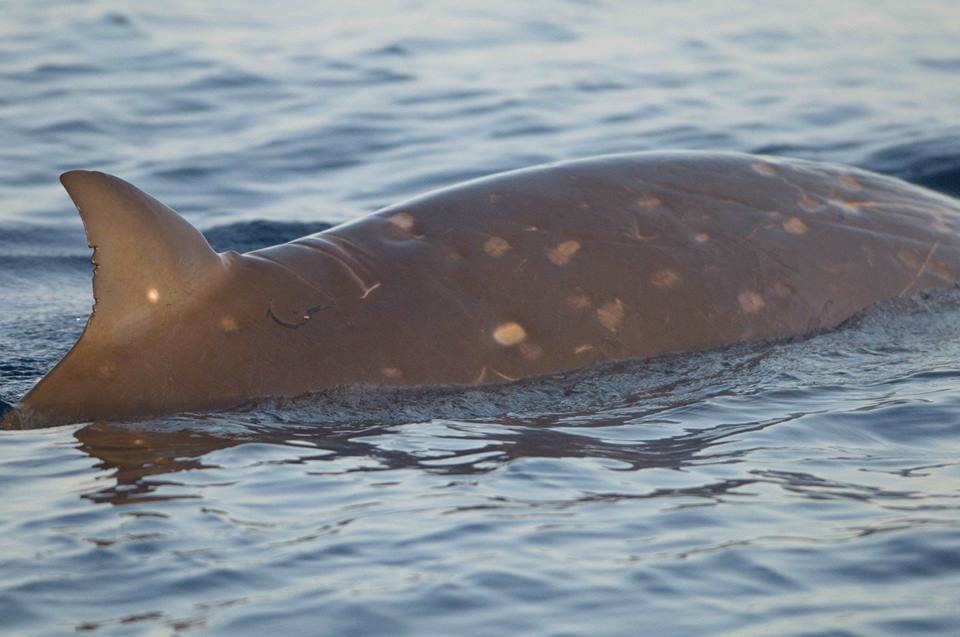
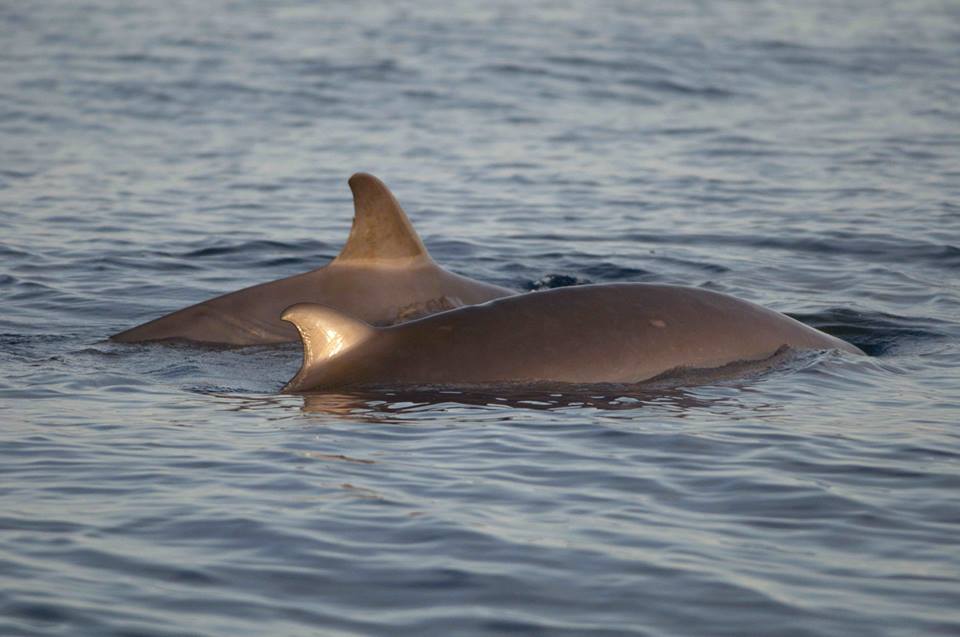
BLAINVILLE’S BEAKED WHALES
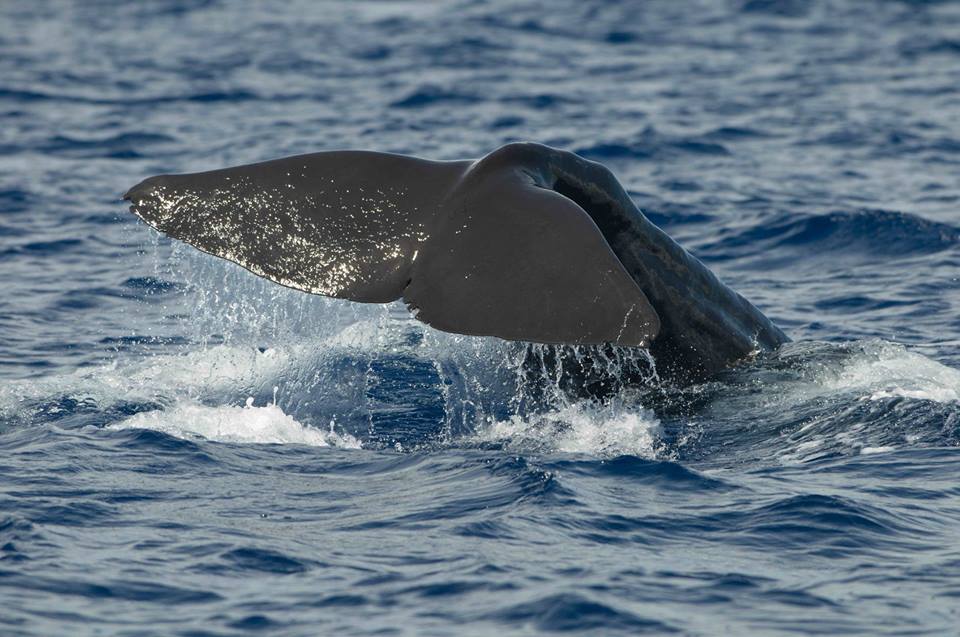
TWO COMPLETE FLUKES (THIS IMAGE & HEADER)
(note minor damage to the edges, from which ID of an individual can be made)
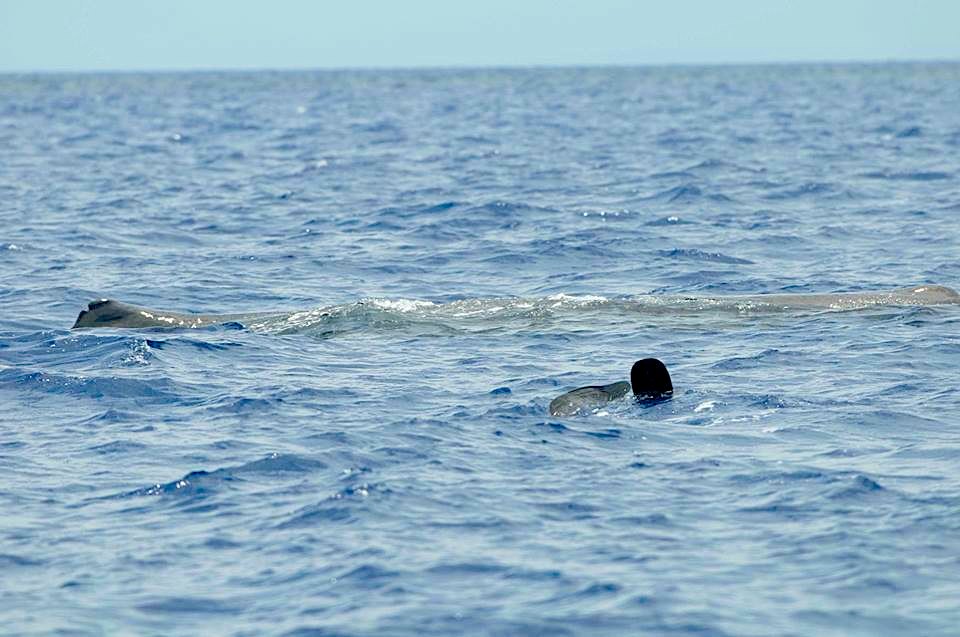
SPERM WHALE & DIVER
Compare the diver’s fins in the foreground with the (partial) length of a huge sperm whale…
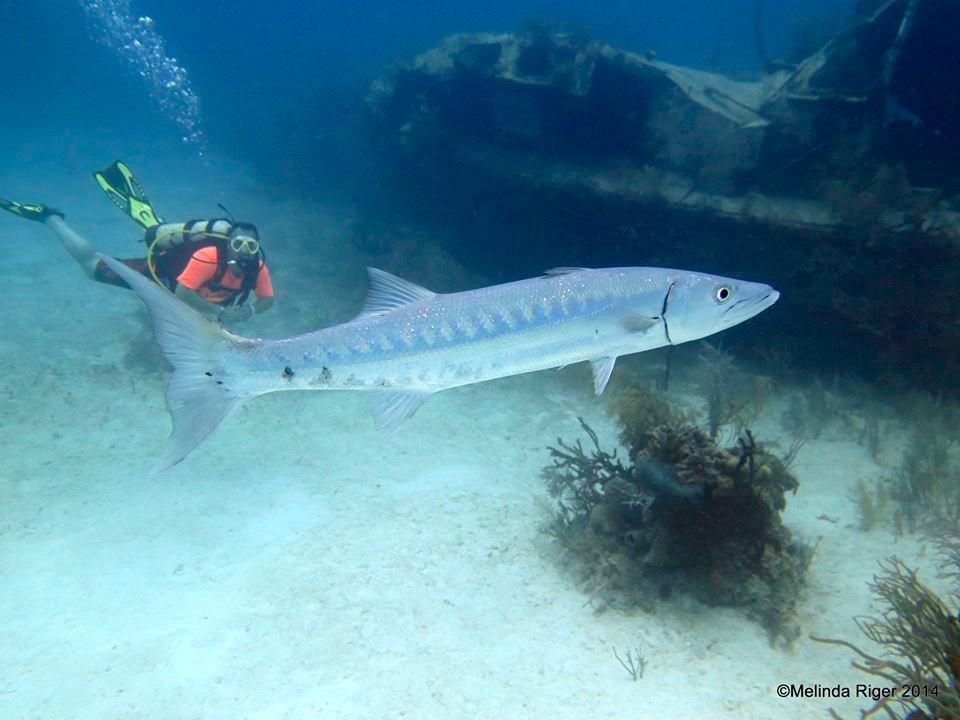
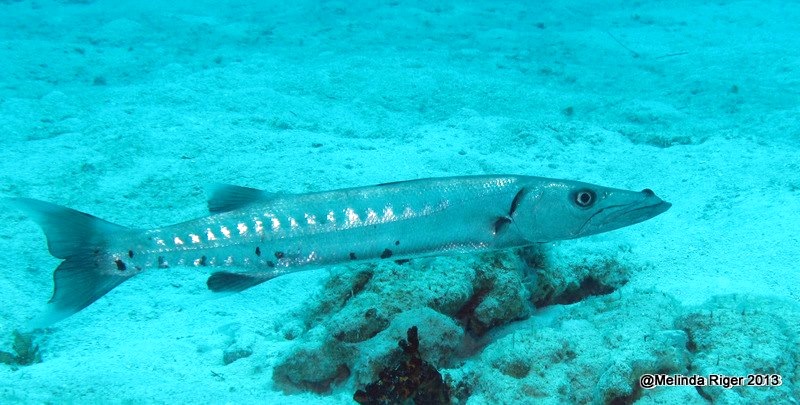
We’ve had some sharks swimming around the blog, for example HERE. But not a great deal about barracudas. Time to put that right. Melinda Riger’s excellent photographs tell you the basics of what you need to know – they are lean, mean biting machines with wicked teeth. In fact, ‘cuda bites are quite rare (unless you you very stupid or very unlucky) and many of the common sense rules that apply to fraternising with sharks in their own element apply equally with ‘cudas.
Great gnashers – some teeth angle forwards & some backwards for mincing prey effectively
Lobbing a brightly-coloured lure from a skiff using a spinning rod into the general vicinity of a barracuda can result in a heart-stopping few seconds as the fish plunges towards the lure at astonishing speed. If it takes it, there’s even more fun to be had bringing it in. ‘Cuda steaks are delicious, but some care needs to be taken. These fish are known carriers ofCIGUATERA fish-poisoning. Click the link to find out about the unpleasantness of the toxin involved. On Abaco, ‘cudas from one side of the island are OK, and from the other side may be suspect… just make sure you know which is which before you cook your supper…
DOLPHINS OF ABACO: WONDERFUL PHOTOS FROM THE BMMRO
The BMMRO (Bahamas Marine Research Organisation) is based at Sandy Point, Abaco. It is dedicated to researching, monitoring, and protecting the marine mammals of a very large area. Not just cetaceans – the dolphins and whales. Recently, a small number of West Indian manatees (sirenians) have been making the northern Bahamas their home. I’ve written plenty about Georgie the adventurous manatee in the past – and in April she returned to her favourite place, Cherokee, after a bit of time away from Abaco.
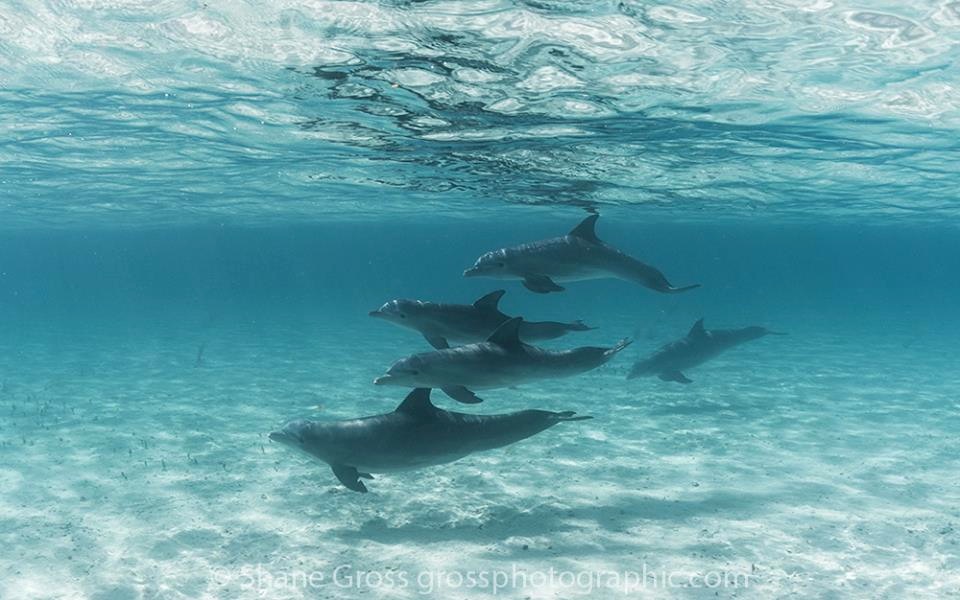
Recently, photographer Shane Gross spent some time with the BMMRO and took stunning photos of dolphins. It’s impossible to say, or think, anything unpleasant about these lovely, intelligent, playful creatures. Say you ‘don’t much care for dolphins’, and you’d be more than halfway to having a down on kittens. Here are some magnificent images that deserve a wide audience.
Thanks as ever to Charlotte & Diane at the BMMRO for ongoing use permission of material including the header pic; and to Shane for his outstanding photos
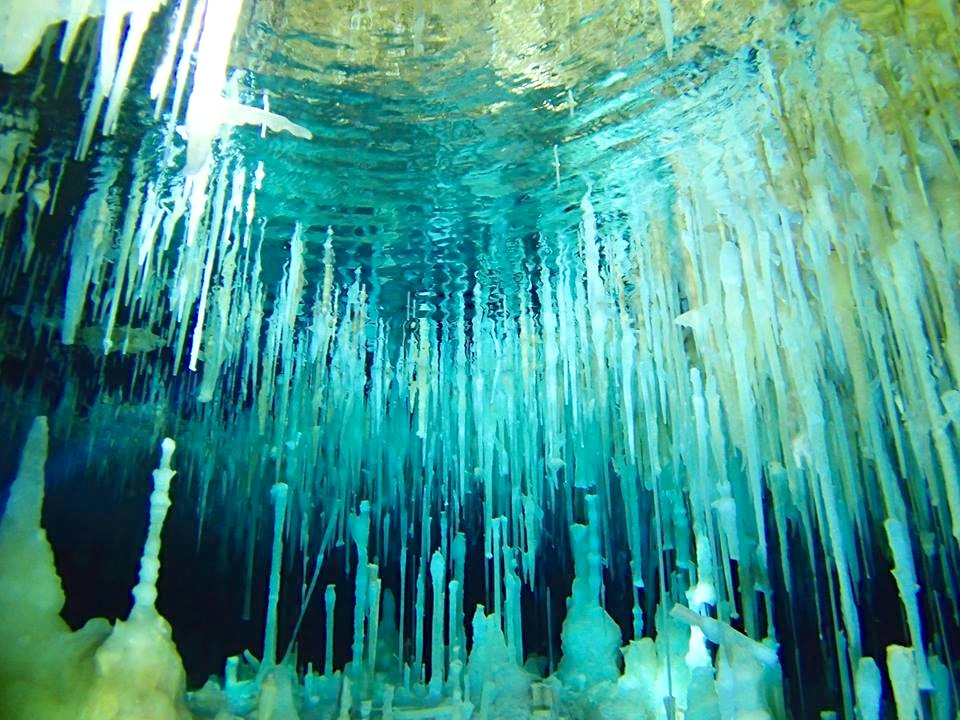
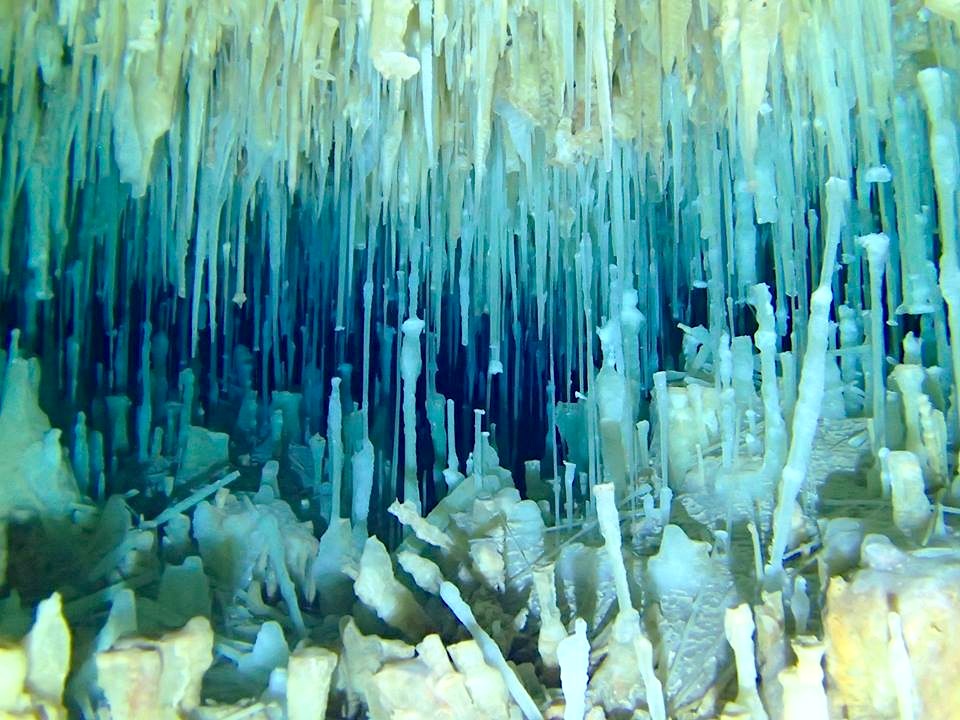
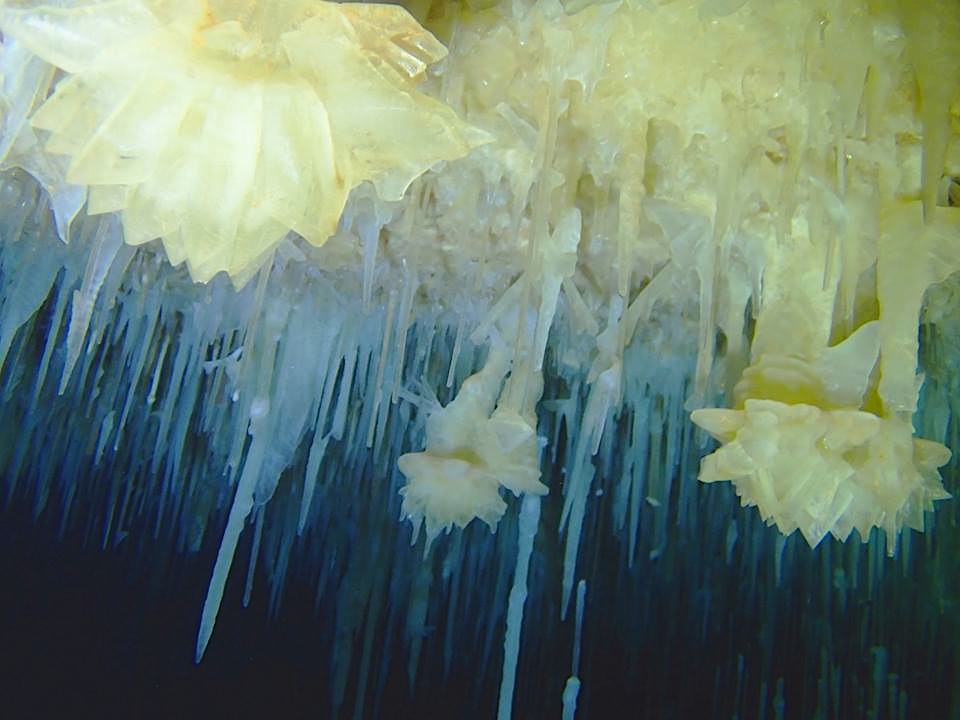
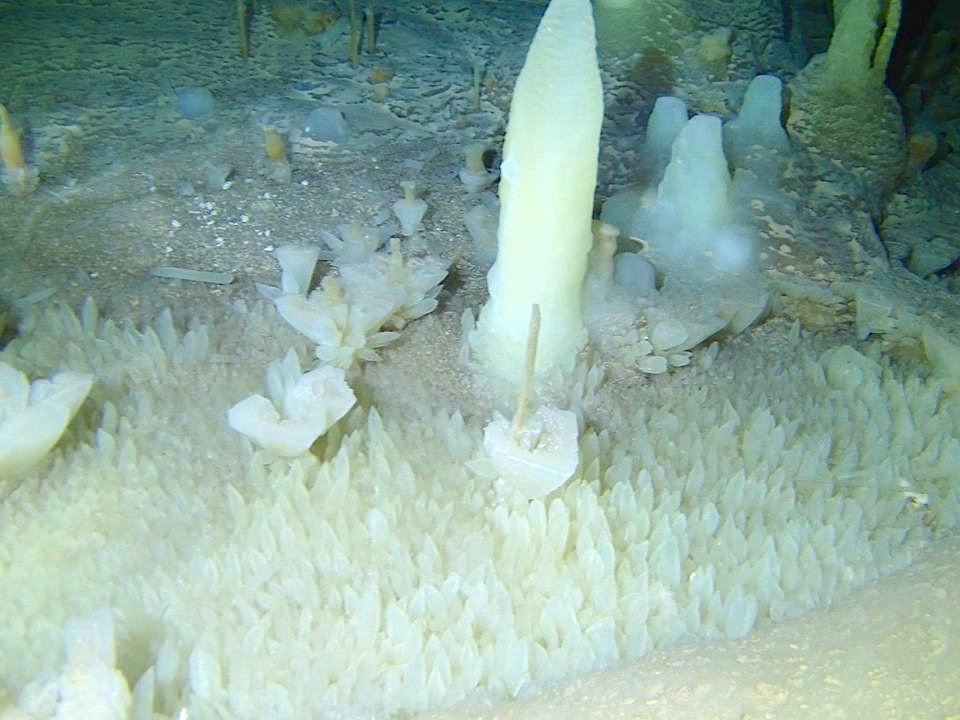
This is the second of a series of photos taken by diver Hitoshi Miho in the underground cave systems of Abaco in conjunction with the Bahamas Caves Research Foundation. This series forms part of a wider project for the blog in due course. With Hitoshi’s kind permission, here are a few more examples of his wonderful images of the silent and mysterious world that lies beneath Abaco. I’ve recently been lightly involved with marine pollution and the environmental effects of ill-considered development. One dreads to imagine the adverse effects on these caves and the blues holes that might result from a massive dredging project of the sort currently being contentiously and litigiously carried out in the pristine waters of Bimini. Thousands of years of crystal development could be lost in a comparative blink of an eye.
10 PUFFER FISH FACTS TO ASTONISH YOUR FAMILY & FRIENDS
1. Puffers can inflate their bodies in an instant by ingesting huge amounts of water and becoming water-filled balloons.
2. They need a startling form of defence like this (or ‘piscatorial superpower’) because they can’t swim very well.
3. However, a persistent predator will find that they contain a toxin (tetrodotoxin TTX) that is a hundred times stronger than cyanide. One puffer fish has enough toxin to kill quite a few humans. Agatha Christie was unaware of this – had she been, we might have had a classic multiple murder mystery based on the contents of a fish tank… “Poirot and a Fishy Tale of the Caribbean”
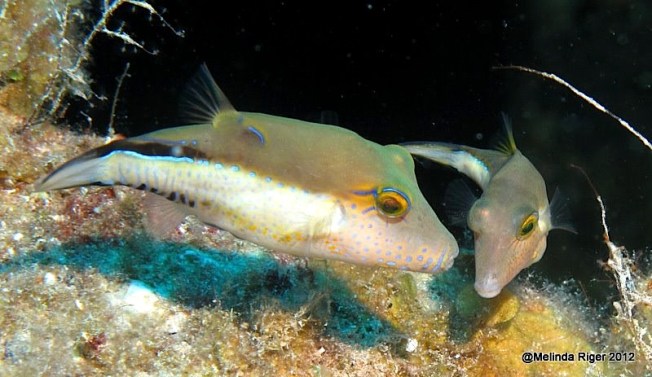
Sharpnose Puffer Fish
4. Selected parts of a puffer fish are a delicacy in some cultures (‘fugu’, in Japan). Trained chefs are used to avoid mass deaths among diners.
5. Sharks are the only species immune to the puffer fish and are not much bothered by a small fish that can blow itself up.
6. Puffers have skin, not scales; most have toxic spines of some sort. Bright coloured ones are probably more toxic than their duller cousins.
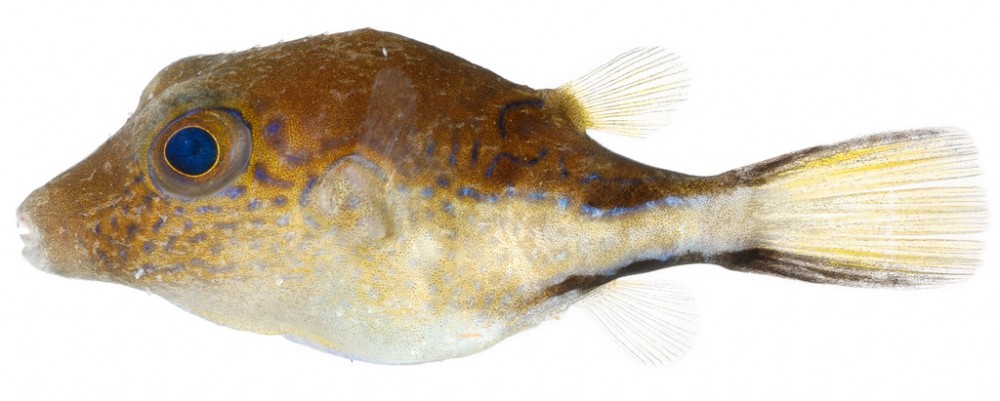
Sharpnose Puffer Fish
7. It’s worth knowing what an uninflated puffer looks like before you try to pet a passing fish and have a toxic encounter.
8. There are more than a hundred puffer species in the world, found where there are warm shallow waters.
9. Noy all puffers are toxic; and some are more toxic than others.
10. I have no idea of the relative toxicity of the 2 puffer species featured here. Sorry about that. Take care!
The fish above are all Sharpnose Puffer Fish taken by Melinda Riger of Grand Bahama Scuba; the rather nice drawings of the species are courtesy of the Smithsonian via ‘Vintage Printables’.
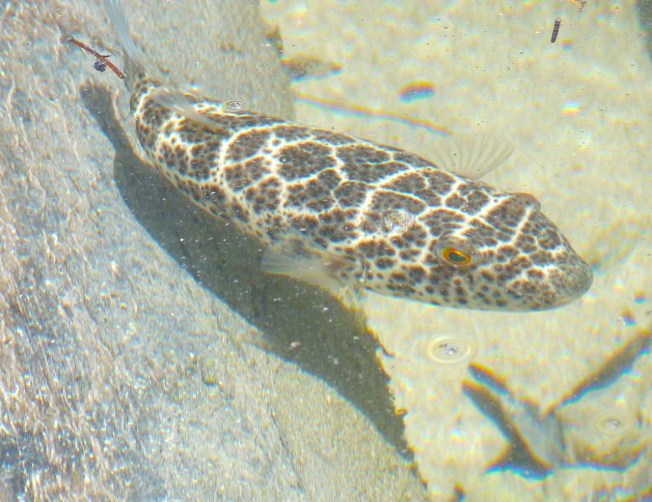
CHECKERED PUFFER FISH
I photographed some Checkered Puffers at Sandy Point, Abaco last summer. None was puffed up, and I wasn’t about to upset them. The following photos of a small group of puffers were taken from above and not underwater (“no fear”).
Checkered Puffer Fish, Sandy Point, Abaco
Checkered Puffer Fish, Sandy Point, Abaco
Checkered Puffer Fish, Sandy Point, Abaco
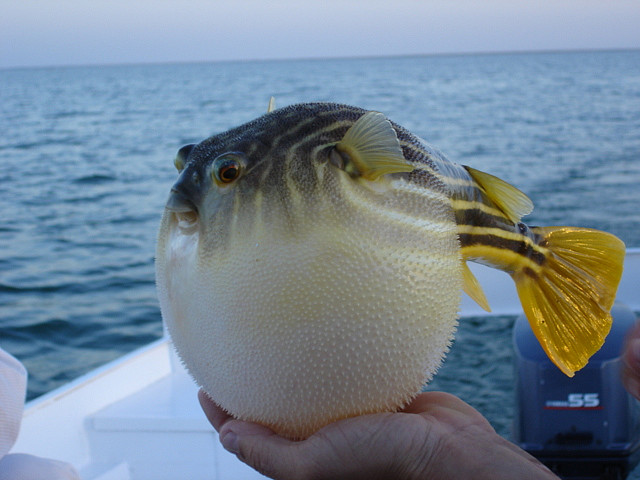
I don’t know what species of puffer the one below may be, but I do know I don’t want it in the palm of my hand. I include it from an ‘info for kids’ site to illustrate what the full balloon looks like. I’m wondering if all one needs to deal with them is a pin on the end of a long stick…
Puffer Fish at Full Puff
FURTHER READING about dodgy creatures you may encounter:
In January I posted an article called BONEFISHING ON ABACO: A CHALLENGE IS ACCEPTED. This stemmed from contact online with fisherman and fly tyer Mark Minshull, who kindly tied some flies for me to try on the Marls. In the post I showed pictures of my manky flybox and his immaculate flies. We agreed to see how things turned out while I was on Abaco in March, and that I would report back…
Mark 1 Specimen Bonefish Flies
THE ‘WHICH?’ REPORT ON MARK 1 BONEFISHING FLIES
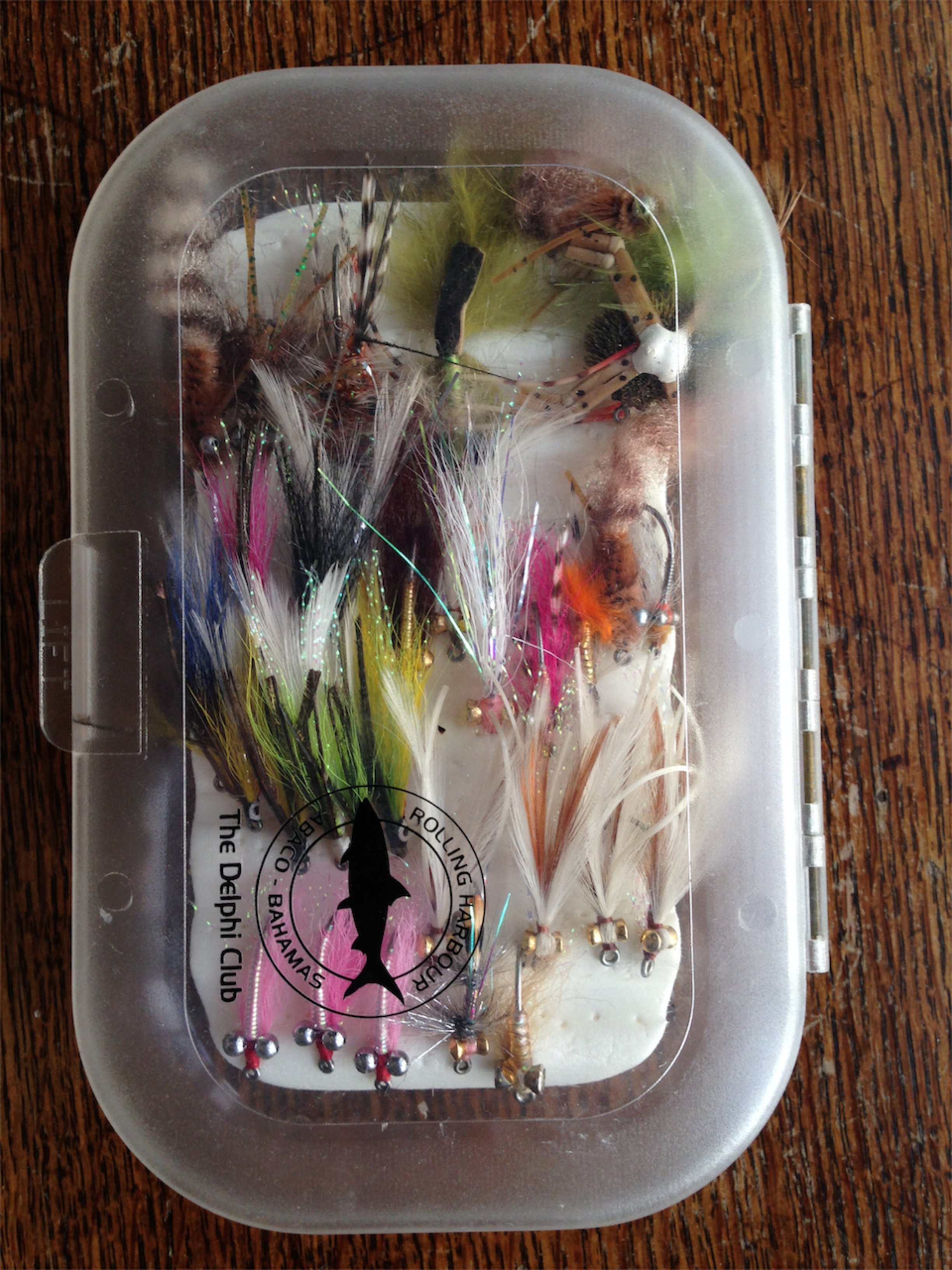
We set out to test the efficacy of prototype ‘Mark 1’ bonefishing flies in the waters of the Abaco Marls. Our testers came from the US (TC & AH), Northern Ireland (AB), and England (RH). All are proficient fly fishermen with experience of several prime bonefishing destinations between them, except for the Englishman RH who was included to add balance to the trials by adding the element of incompetence. His fly box remained an object of ridicule throughout the tests, until he resorted to using a more carefully chosen small fly box containing his most successful flies, some ‘Delphi Club Approved’ flies and the test flies.
QUALITY All our testers agreed that the Mark 1 flies were beautifully designed and tied. As flies, their quality was rated ‘superb’; ‘bloody good’; and ‘very impressive’. As potential winners for the waters of Abaco, however, there was considerable doubt about the suitability of the pattern for colouring, shape and size.
THE TEST AREA We used the huge area of prime bonefishing territory of the mangrove swamps and sand banks on the west side of Abaco known as the Marls. Our testers were familiar with the waters and all had fished them numerous times. The sea depth, depending on tide, is a few feet at most. The consistency of the bottom is of lightweight, pale coloured mud.
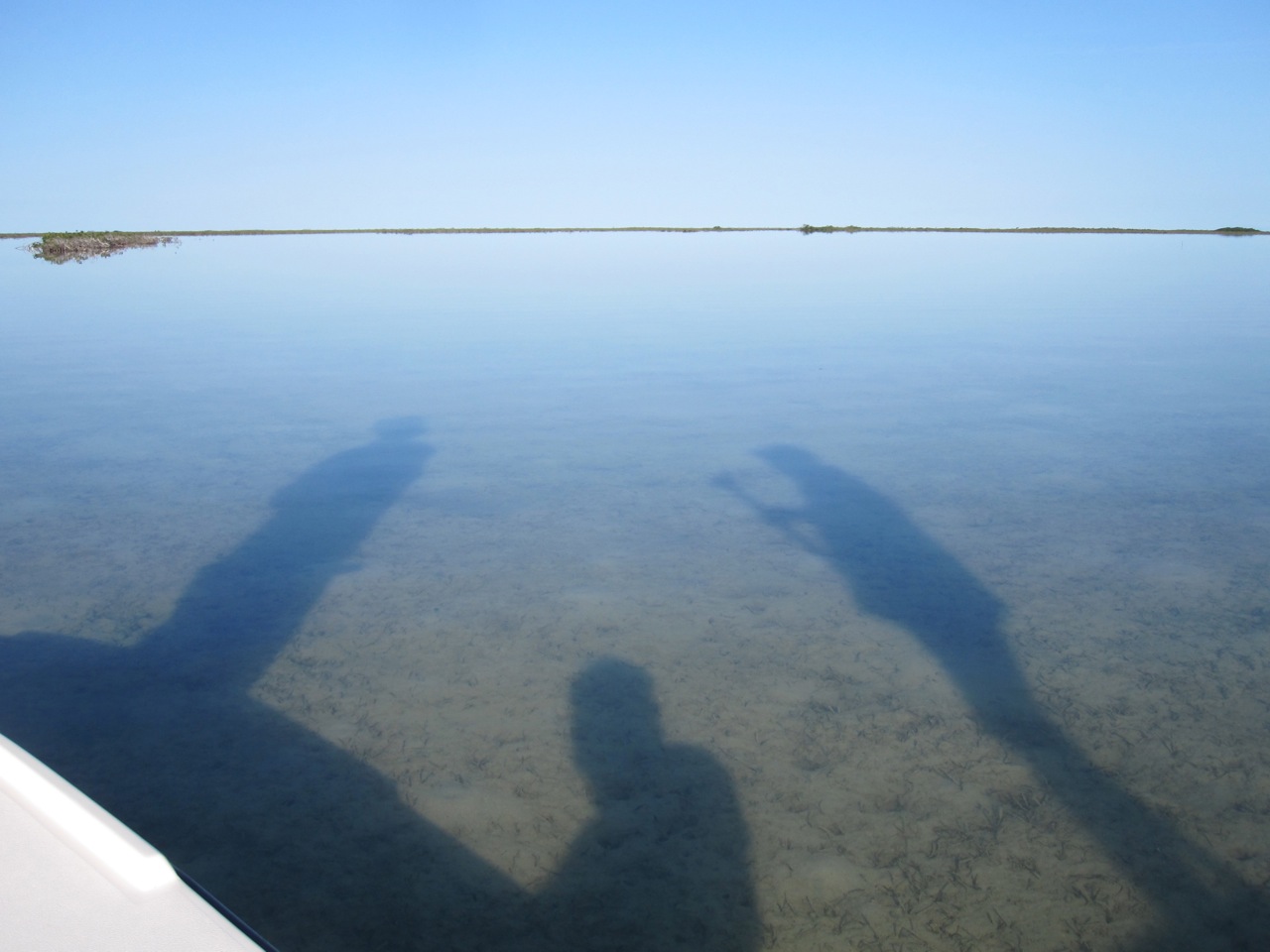
It is usually easier to look out for the shadows of the fish on the light bottom than for the fish themselves, which are often difficult to see in the water. Half-close your eyes and look at this image – the fish almost disappears, but the shadow is clearly visible. It is hard to believe the wonderful colouring of the fish until it is out of the water.
THE TESTS The initial reservations of the testers unfortunately proved justified in the field. The testers all found that the fish tended not to follow the flies at all, and mostly behaved as if they had not seen them, even with the most accurate casts. The few ‘follows’ observed produced refusals of the fly at the end. Disappointingly, no fly was taken by a single fish throughout the trials.
OBSERVATIONS Our testers had some useful comments. Above all, the Mark 1 flies were undoubtedly of excellent quality and design. They simply were not suited to the waters – or the bonefish – of Abaco. TC thought they might work in Belize. It was thought that larger versions might attract permit. Overall, the Mark 1s were so radically different from the tried and tested fly patterns used successfully on Abaco that the 3 competent fishermen soon forsook the experiment and caught fish using more familiar flies. The 4th tester, lacking any finesse, might have fluked a take against the odds , but even he drew a blank.
THE PROFESSIONALS The Guides in each case had been fishing the Marls since they could walk and hold a rod. They each examined the flies, shook their heads and kept their thoughts to themselves. We interpret this as indicating a tendency for the local guides to doubt the effectiveness of the Mark 1 flies.
RH’s ‘Selected Specimen’ Fly Box
RESULTS ANALYSIS The flies above show (front row) the 3 versions of the Mark 1 fly; (middle row) the highly effective Delphi Daddy and Delphi Diva patterns, with one random silver concoction of unknown origin; (back row) ; 2 browny / pale patterns plus a shocking pink one that the guides wisely forbade and, below, 3 roughly matching flies that brought great success even for RH this year (including 12 boated and 5 lost in one day), sourced from renowned tackle specialist E. Bay.
CONCLUSION The flies that catch the bones on Abaco tend to be pale and to have ‘streamer’ tails and / or a fair amount of sparkle. A touch of pink seems to be good. Too much pink, not so. Rubbery legs can be very effective (except in the fisherman after lunch). But lovely lifelike dark shrimp imitations are of no interest to the fish of the Marls.
‘WHICH?’ RATINGS FOR THE MARK 1 FLY
Design and construction *****
Ease of use *****
Effectiveness for Abaco waters *
All photos RH. Thanks to Mark for creating the challenge and for being a great sport
The largely ridiculous fly box of RH (most good ones removed)
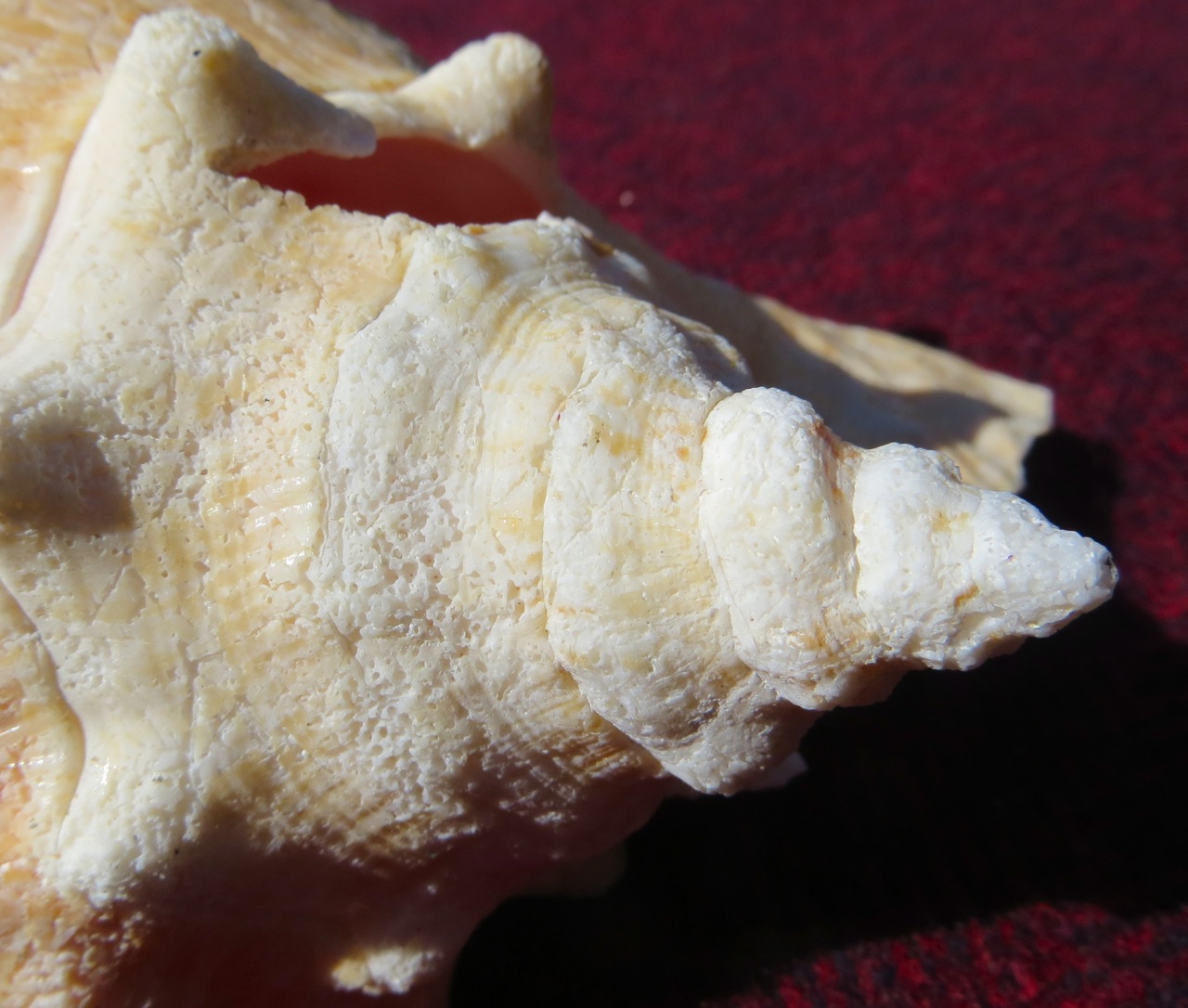
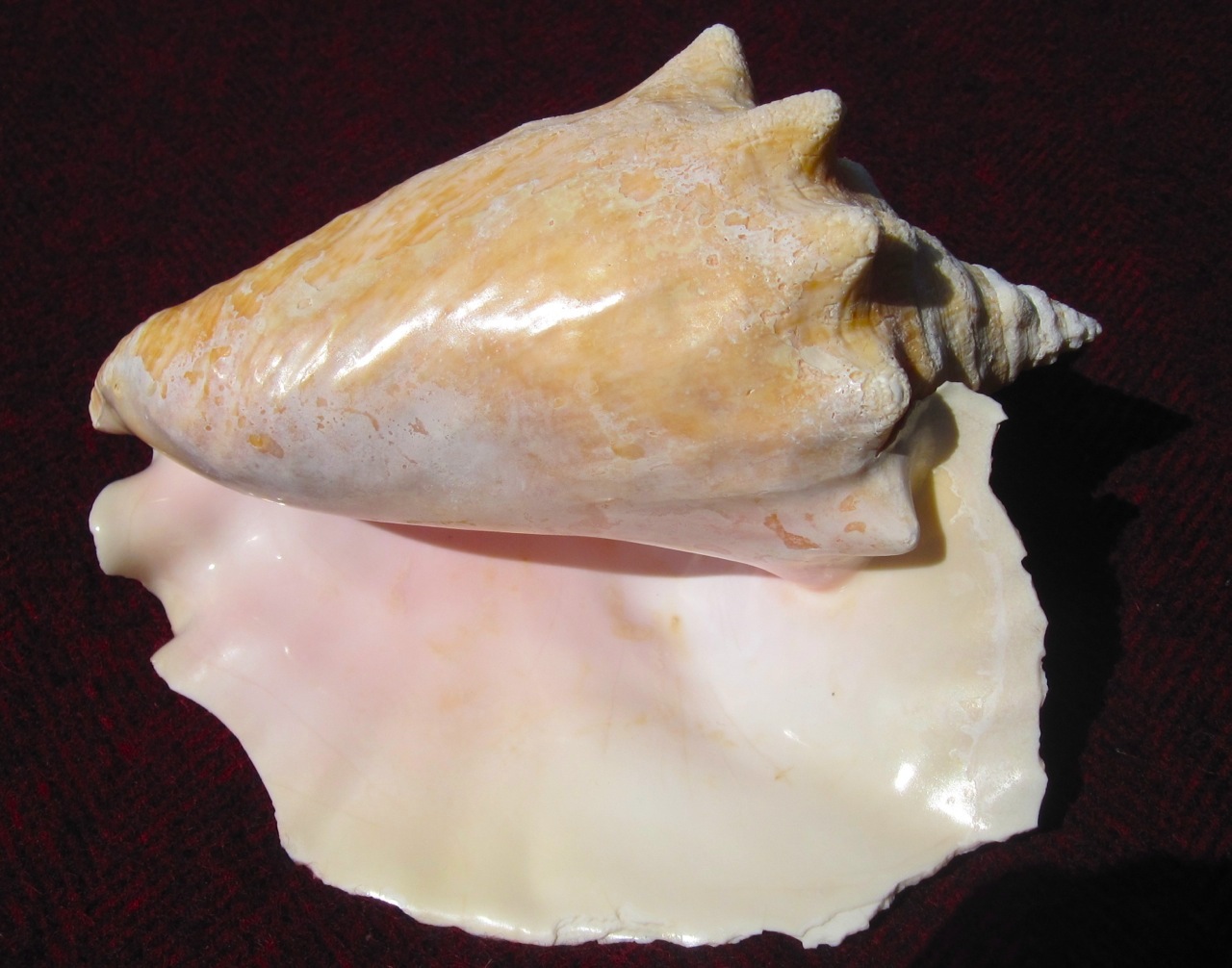
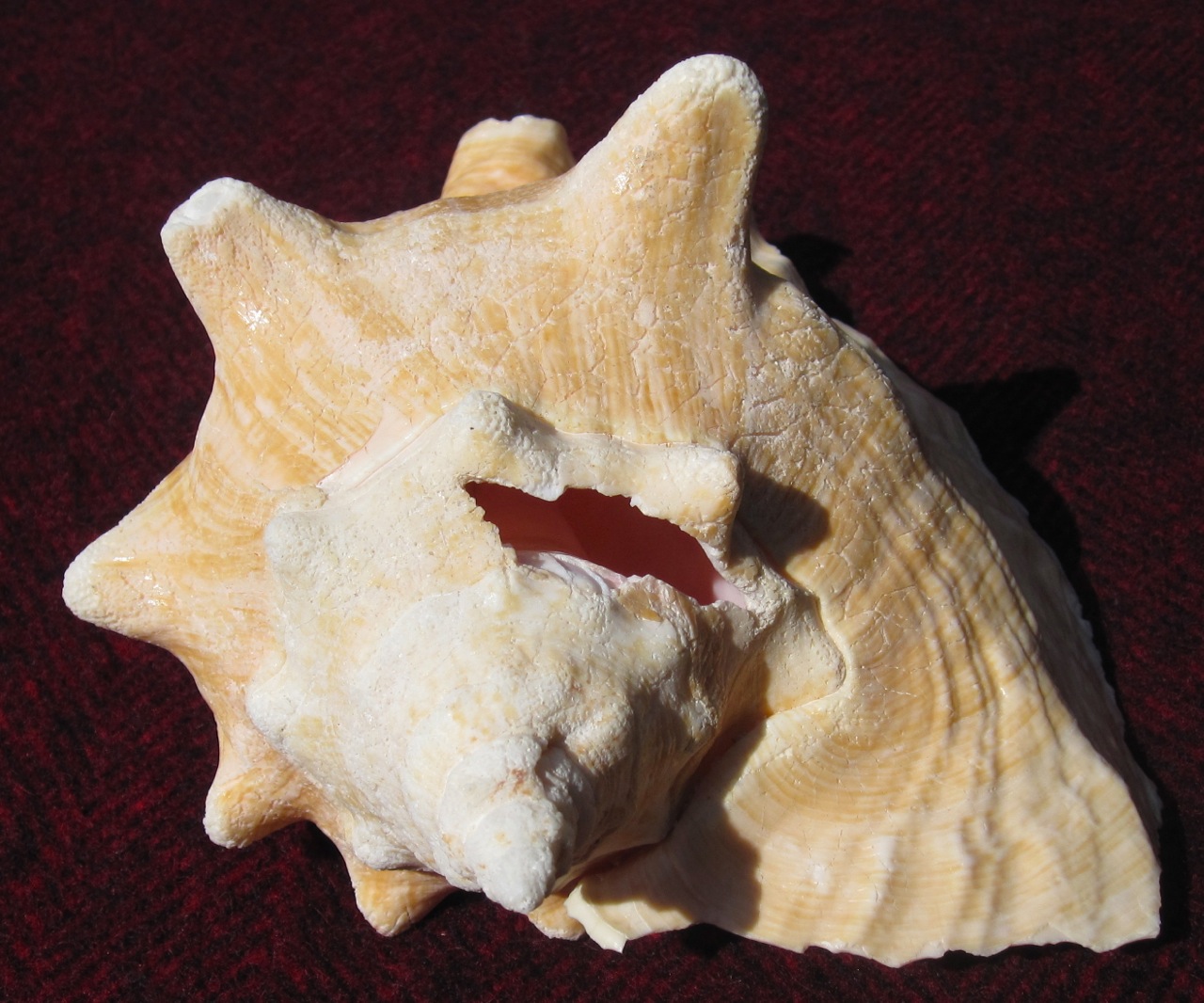
Conchs are gastropods. They are food. They are decoration (anyway, the shells are). For some, they are a living. And on Abaco they are everywhere – alive in the waters, and as shells scattered on beaches or piled up outside restaurants. So the quest for conch is an easy one. There are fears of overfishing, however, and an active organisation The Bahamas National Conchservation Campaignexists to protect them. Another similar Bahamas organisation isCommunity Conch.We found a nice half-buried conch shell at Sandy Point. It was full of sand grains and tiny shells – mini gastropods and bivalves – that took some time to wash out of the spiralling internal structure. Here are some studies of the shell. The damage to the shell above is the place where it has been bashed in to enable removal of the occupant. In order to do so, it is necessary to break the strong vacuum that would prevent extraction if you tried by the conventional route. Effectively the conch anchors itself to its shell and must be cut out. The best way to make the hole is with the spiral tip of another conch. This breaks the suction and enables you to prise out the occupant…
Finally, you can usually rely on me to go off-piste. So here is a video of how to make a conch horn to annoy your friends and neighbours with…
LAURA JESSON “Do you know, I believe we should all behave quite differently if we lived in a warm, sunny climate all the time. We shouldn’t be so withdrawn and shy and difficult…” (Brief Encounter 1945)
The quote is there both because it is particularly apposite for any withdrawn etc Brit with a toehold in Abaco, and because it explains or excuses the somewhat clumsy title pun… March has been dominated by (a) a trip to Abaco and (b) publication of “The Birds of Abaco”. Time for some cheerful finny fotos to end the month with, courtesy of diving belle Melinda Riger of Grand Bahama Scuba and her top-class camera work.
The Marls of Abaco are prime bonefishing grounds, a vast area of labyrinthine mangrove swamps, sandy islets, channels and shallow flats on the west side of the main island. The fish are wily and powerful, the fly hooks are barbless, and each one caught, retained, boated and swiftly released is a prize. There’s plenty of other wildlife to be seen. Heron and egrets, ospreys, belted kingfishers, wading birds and many other bird species make the Marls their home. In the water, there are snappers, jacks, barracuda, and sharks of various kinds and sizes. These latter range from small black tip, lemon and hammerhead sharks to more substantial contenders, with the occasional massive bull shark to add a frisson for those on a suddenly fragile-seeming skiff…
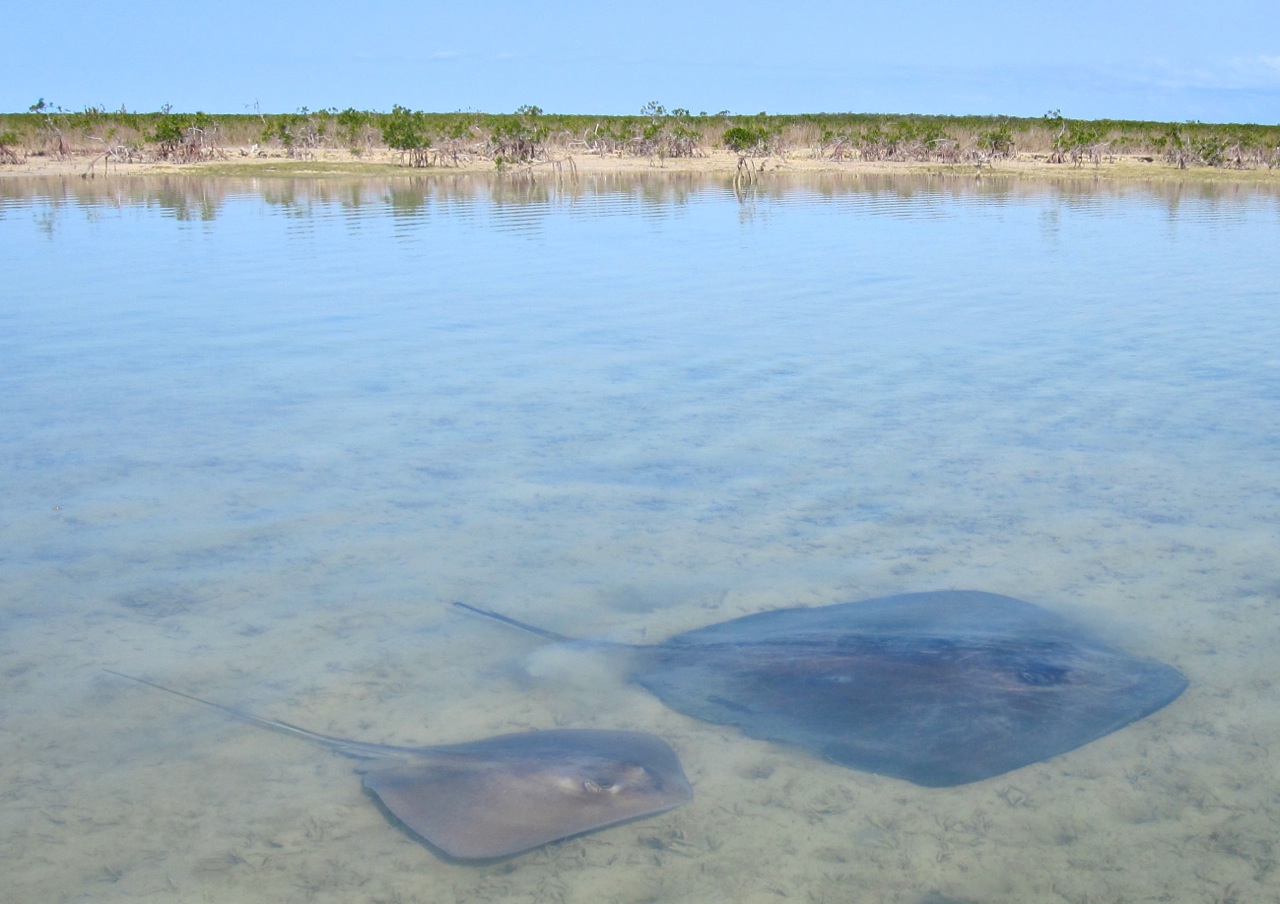
There are also rays. I have posted before about the SOUTHERN STINGRAYand theYELLOW STINGRAY. Out on the Marls I have mainly seen Southerns as they move serenely and unhurriedly through the warm shallow water. A couple of weeks ago, we were out with the rods when we had a completely new Ray experience. I’m not overly given to anthropomorphism and getting too emotional about encounters, but we all found this one quite moving – even our very experienced guide.
Gliding to our right side, a pair of stingrays slowed as they neared the skiff
The adult paused very close to us, allowing the little ray to catch up
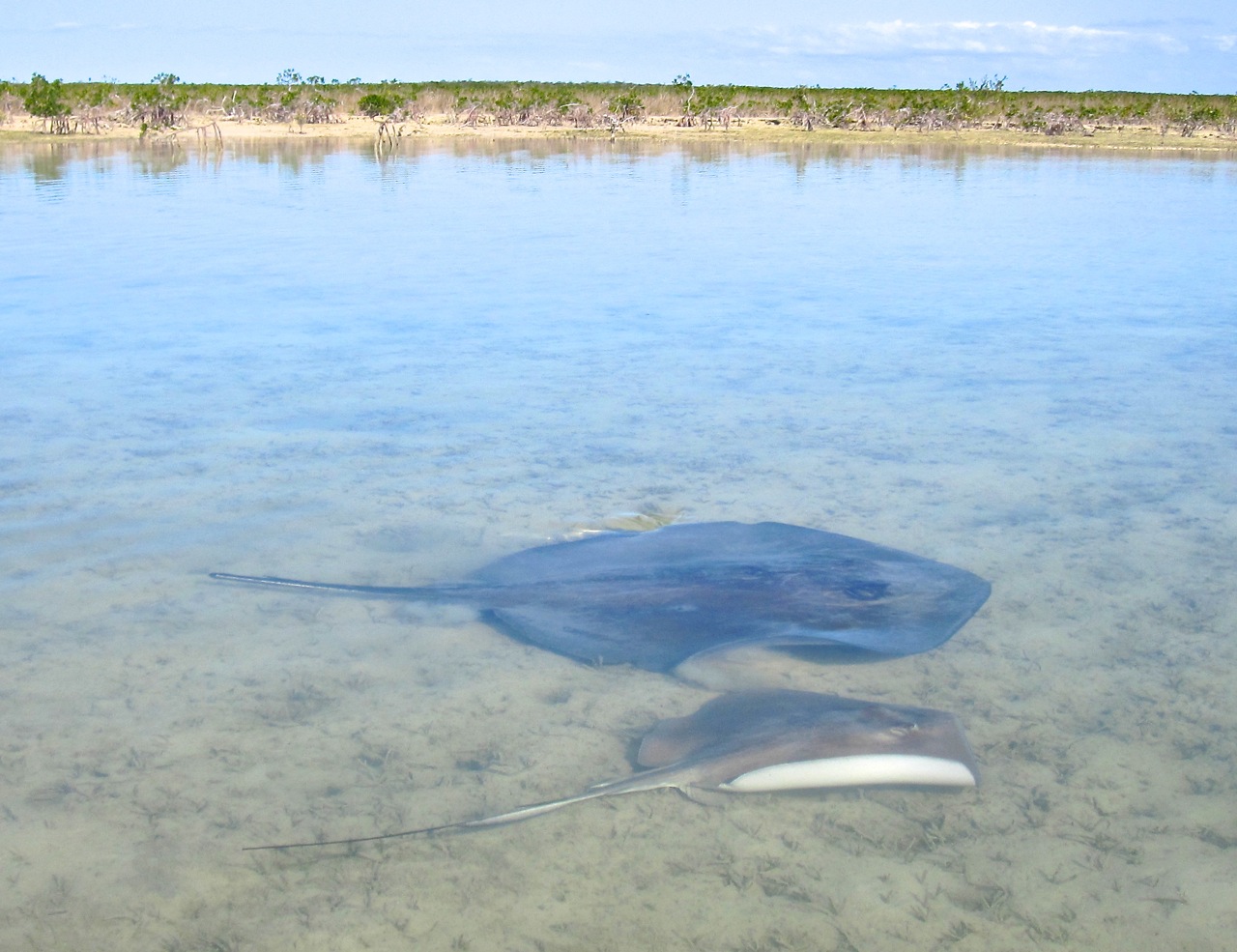
Lifting a wing slightly the adult let the juvenile creep under, while keeping a beady eye on us
The large ray was missing the tip of its tail, presumably from some adverse encounter
The creatures examined us carefully for 2 or 3 minutes, before separating
Then they slowly drifted away across the sand…
According to our guide, this gently protective behaviour is not uncommon. They may well have been completely unrelated, the large ray tolerating the smaller one accompanying it through the waters and offering a kindly wing in the presence of danger or suspicious objects like us.
Photo Credits: Mrs RH (I was too entranced at the sharp end, with a bird’s eye view, to get a camera out)
BMMRO COLLABORATES WITH NEW PARTNER, ATLANTIS BLUE PROJECT
The ATLANTIS BLUE PROJECT is managed by the Atlantis Blue Project Foundation, a private non-profit organization dedicated to the preservation and enhancement of global marine ecosystems through scientific research, education, and community outreach. BMMRO is excited to now be a part of this project and in turn has received two grants from the Atlantis Blue Project for 2014
Stranding Response to Support Conservation of Marine Mammals in the Bahamas
Increasing capacity and available funds to respond rapidly to strandings in The Bahamas will increase our ability to determine cause of death and/or successful rehabilitation of marine mammals. At the first stranding workshop held in the Bahamas in 2008, the Honourable Lawrence Cartwright, Minister of Agriculture and Marine Resources officially opened the workshop stating “I believe the establishment of a Marine Mammal Stranding Network in The Bahamas will serve to promote the conservation of marine mammal species and their habitat by improving the rescue and humane care of stranded marine mammals, advancing stranding science, and increasing public awareness through education.” This funding will provide the resources to train veterinarians on how to work with stranded marine mammals as well as provide the resources to respond to strandings.
Field Research & Outreach to Support Conservation of Bahamas Marine Mammals
Cetaceans are long-lived, highly specialised animals with delayed reproduction and low fecundity, which makes them incapable of rapid adaptation and thus particularly vulnerable to anthropogenic impacts. BMMRO has compiled an unprecedented long-term dataset for the region, which has become increasingly valuable to inform about the baseline ecology of some odontocete species. This research will ensure that this important work continues to fill key gaps in our knowledge about the ecology of marine mammals. Additionally, we will increase awareness and build capacity amongst Bahamians, both of which will contribute to local conservation needs.
JANUARY SIGHTINGS
For Abaco, the excitement is the sperm whale seen just off the Rocky Point area. More generally for the northern Bahamas, in addition to the manatee Georgie (former temporary resident of Abaco) and others, there was a manatee reported on Eleuthera. It looks as though these gently creatures continue to find the area to their liking.
I must be going now – thanks for visiting Rolling Harbour…
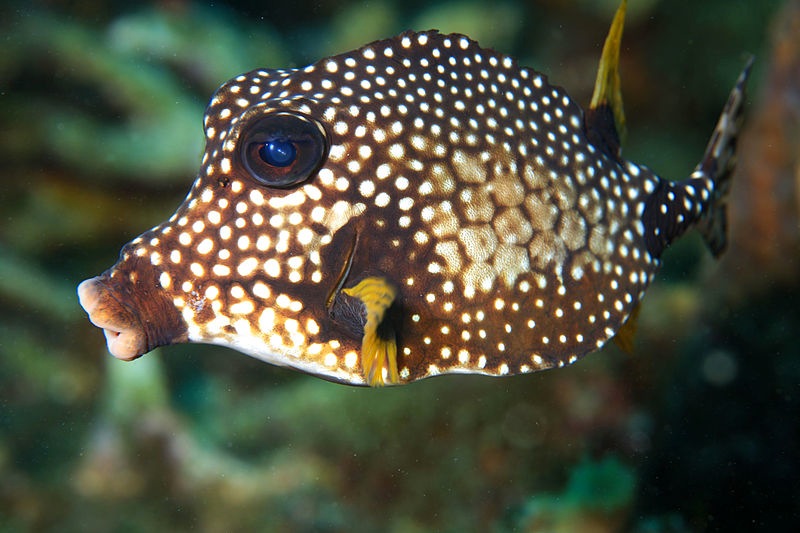
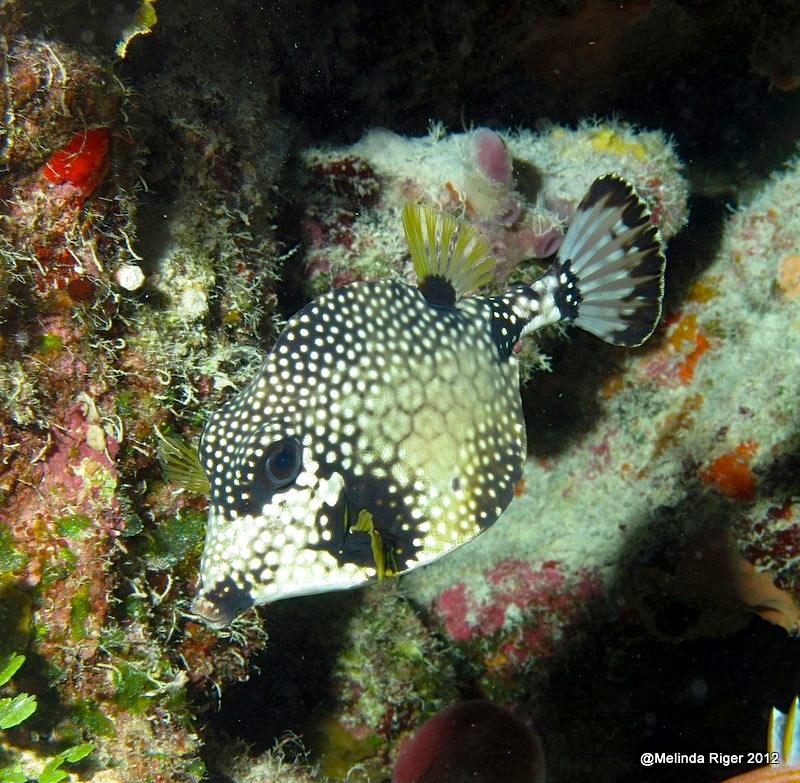
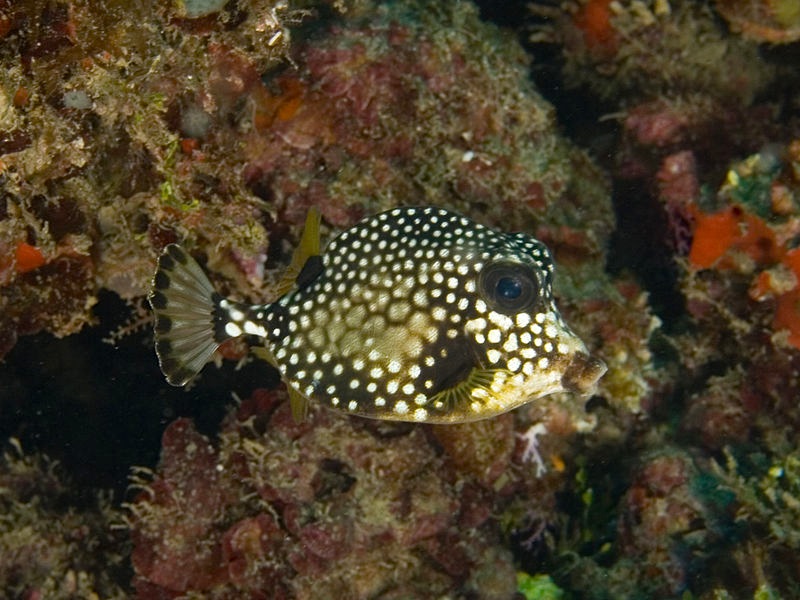
SPOTTED & SMOOTH TRUNKFISH: BAHAMAS REEF FISH (16)
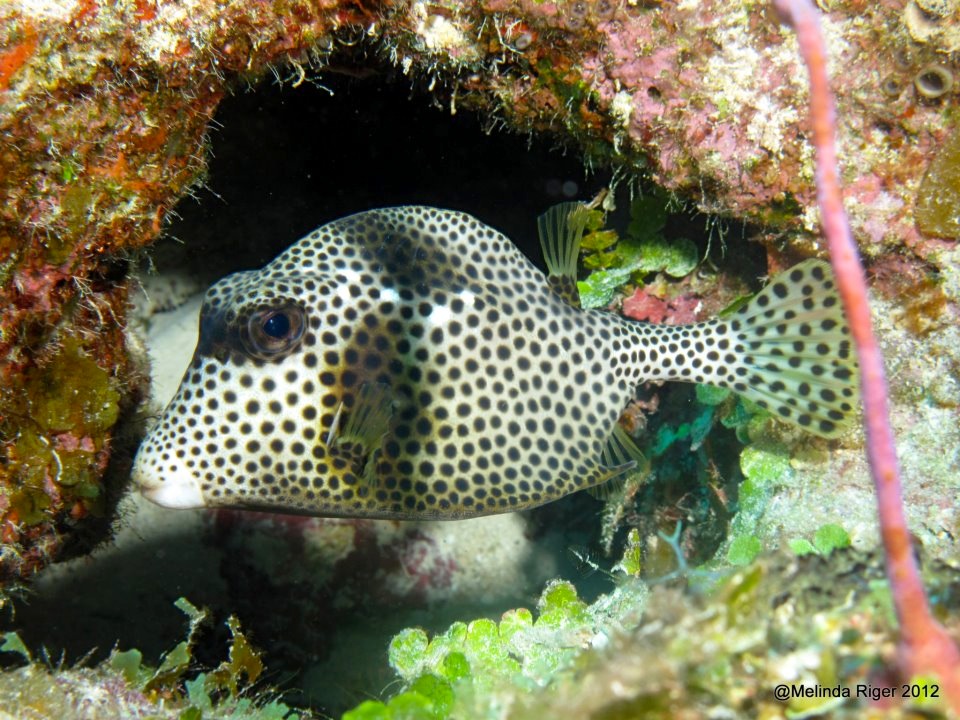
THE SPOTTED TRUNKFISH is a reef fish distinctive for its dark spots on a silvery-white background. It’s very wrong of me to comment, I know, but arguably its appearance is amusing. It probably feels the same about divers with all their gear…
However the trunkfish deserves to be treated with due respect. When touched, they secrete a colourless toxin from glands on their skin. The toxin is only dangerous when ingested, so divers are unlikely to be harmed by the it. Predators however are at risk, and creatures as large as nurse sharks are known to have died as a result of eating a trunkfish.
THE SMOOTH TRUNKFISH is almost a negative of the spotted trunkfish, with white spots on a dark background rather than vice versa. Adults develop hexagonal patterning on their sides. They also secrete toxins and are best left untouched. Their ability to pucker up is impressive…
“Coming at you…” Here is the extraordinary pouting triangular creature you will seePhoto Credits: Melinda Riger @ Grand Bahama Scuba; additional props to Wiki
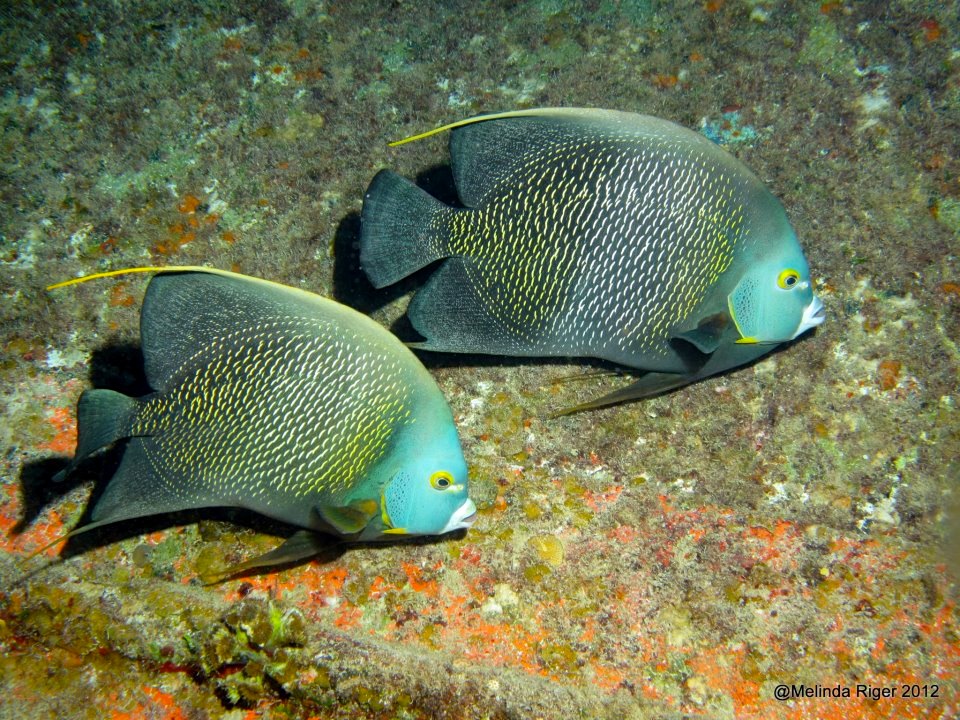
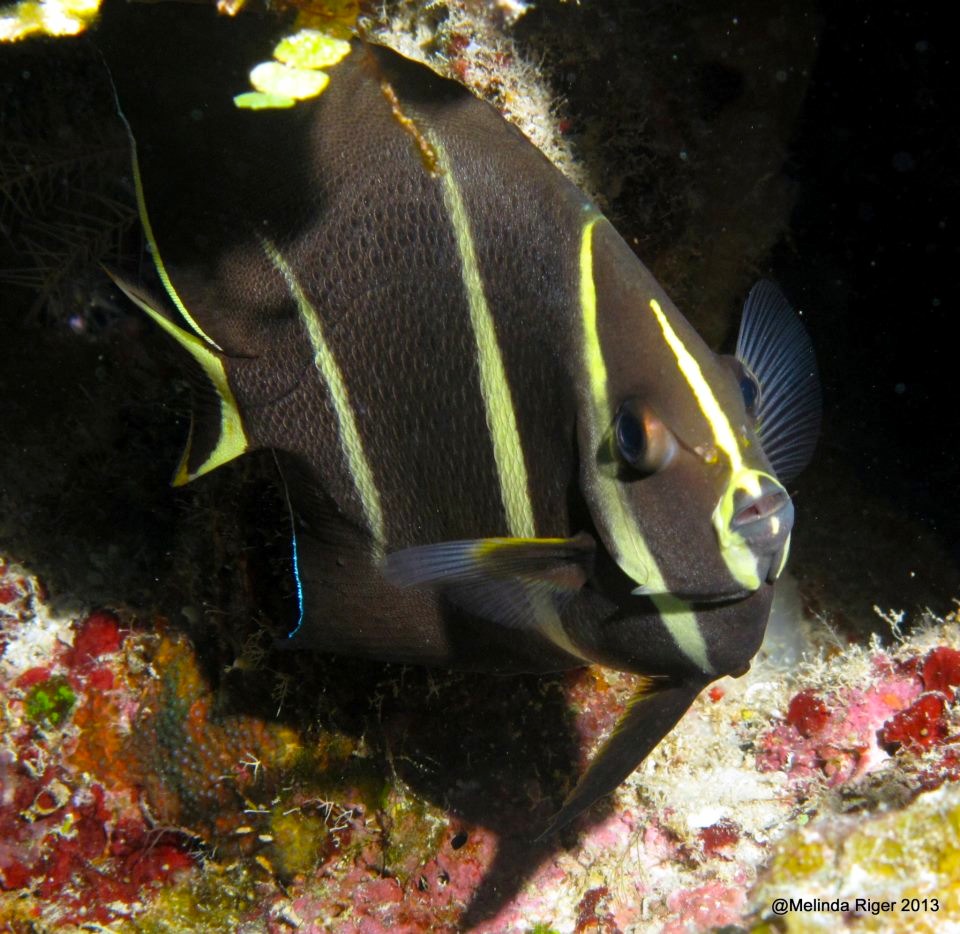
JUVENILE FRENCH ANGELFISH – BLACK WITH YELLOW BANDS
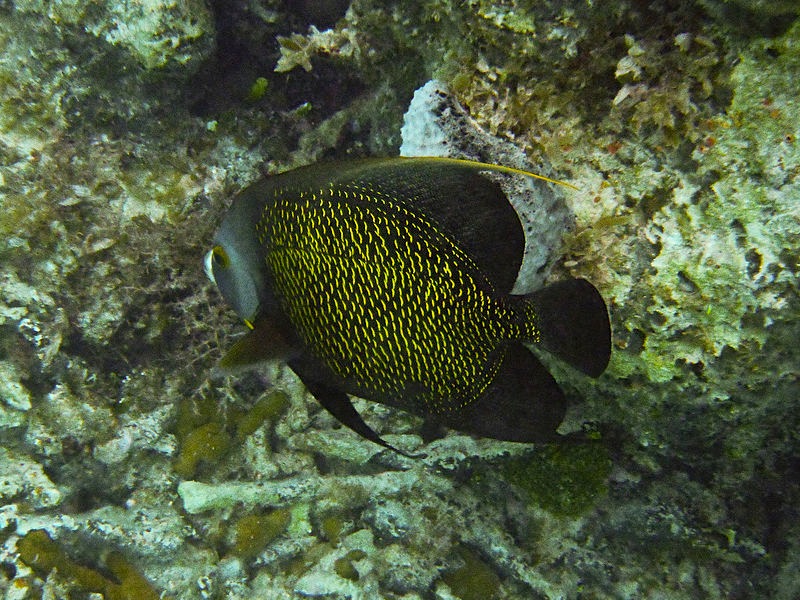
The French angelfish Pomacanthus paru is found in the western Atlantic and in parts of the eastern Atlantic. They are mainly seen around shallow reefs, often in pairs. They feed on sponges, algae, soft corals and small invertebrates.
ADULT FRENCH ANGELFISH
Juveniles are extremely useful members of the reef fish community, providing cleaning stations. They service many species including jacks, snappers, morays, grunts, surgeonfishes, and wrasses, removing parasites.
Angelfish are monogamous, and defend their territory robustly. They swim around the reef during the day but at night they shelter in so-called ‘hiding spots’, which they return to each evening.
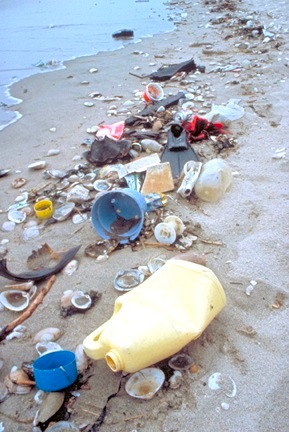
Our waterways are littered with stuff that doesn’t belong in them. Plastic bags, cigarette butts, fishing nets, sunken vessels, glass bottles, abandoned crab traps…the list is endless. Some of this marine debris comes from human activity at sea, and some of it makes its way into our waterways from land.
While we know that marine debris is bad for the environment, harms wildlife, and threatens human health and navigation, there is much we don’t know. How much marine debris is in our environment? How long does it last? How harmful is it to natural resources or human health and safety? How long does it take to break down in the water? The NOAA Marine Debris Program is finding answers to these questions.
1. It doesn’t stay put
While a lot of debris sinks, much also floats. Once this marine debris enters the ocean, it moves via oceanic currents and atmospheric winds. Factors that affect currents and winds (for example, El Niño and seasonal changes) also affect the movement of marine debris in the ocean. Debris is often carried far from its origin, which makes it difficult to determine exactly where an item came from.
2. It comes in many forms
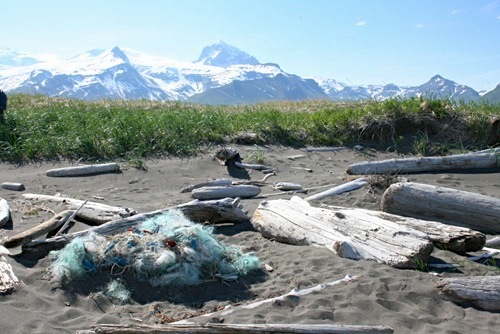
Marine debris comes in many forms, ranging from small plastic cigarette butts to 4,000-pound derelict fishing nets. Plastic bags, glass, metal, Styrofoam, tires, derelict fishing gear, and abandoned vessels are all examples of debris that often ends up in our waterways.
3. It’s your problem, too
Marine debris is a problem for all of us. It affects everything from the environment to the economy; from fishing and navigation to human health and safety; from the tiniest coral polyps to giant blue whales.
4. NOAA is fighting this problem
The NOAA Marine Debris Program works in the U.S. and around the world to research, reduce, and prevent debris in our oceans and coastal waterways. Much of this work is done in partnership with other agencies, non-governmental organizations, academia, industry, and private businesses.TheMarine Debris Research, Prevention, and Reduction Act, signed into law in 2006, formally created the Marine Debris Program. The Act directs NOAA to map, identify, measure impacts of, remove, and prevent marine debris.
5. Some debris is being turned into energy
Abandoned and lost fishing gear is a big problem. It entangles and kills marine life and is a hazard to navigation. Based on a model program in Hawaii, the Fishing for Energy program was formed in 2008 to tackle this problem with creative new ideas. The program is a partnership between NOAA, Covanta Energy Corporation, National Fish and Wildlife Foundation, and Schnitzer Steel.This program offers the fishing community a no-cost way to dispose of old or derelict fishing gear. Once removed from the environment, the gear is transported to the nearest Covanta Energy-from-Waste facility. About one ton of derelict nets creates enough electricity to power one home for 25 days!
6. Marine debris can hurt or kill animals
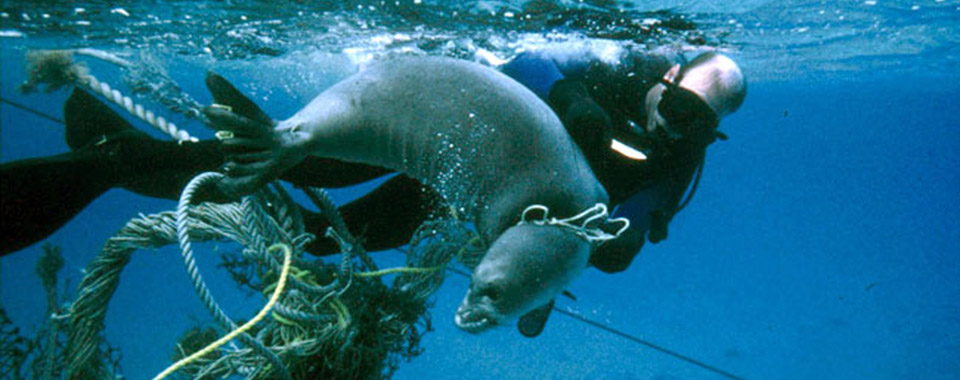
Marine debris may be mistaken by some animals for food or eaten accidently. Often, larger items like nets, fishing line, and abandoned crab pots snare or trap animals. Entanglement can lead to injury, illness, suffocation, starvation, and even death. NOAA is working with many partners to tackle this problem by reducing and preventing marine debris in our oceans and waterways.
7. There’s a lot to learn about this problem
We know that marine debris is a big problem, but there’s much we need to learn. NOAA funds projects across the country and works with scientists and experts around the globe to better understand how marine debris moves, where it comes from, and how it affects the environment. This knowledge will help us find better ways to tackle the problem.
8. You can help us get the word out!
The NOAA Marine Debris Program offers a heap of creative products to get the word out about marine debris. Looking for brochures, posters, fact sheets, or guidebooks? We’ve got those. Like videos? We’ve got those, too. We even have a blog! You’ll find it all online.
9. This is a global problem.
Marine debris is a global problem that requires global solutions. NOAA experts work with scientists and organizations around the world to share lessons learned, discover what programs work best, and map out future strategies to fight this problem.
10. Small steps lead to big results
Fighting the marine debris problem begins at home.
– Try to cut back on the amount of trash you produce.
– Opt for reusable items instead of single-use products.
– Recycle as much of your trash as you can.
– Join local efforts to pick up trash.
– Keep streets, sidewalks, parking lots, and storm drains free of trash—they can empty into our oceans and waterways.
Click to link
Minorly adapted from an NOAA article, with added illustrative NOAA images
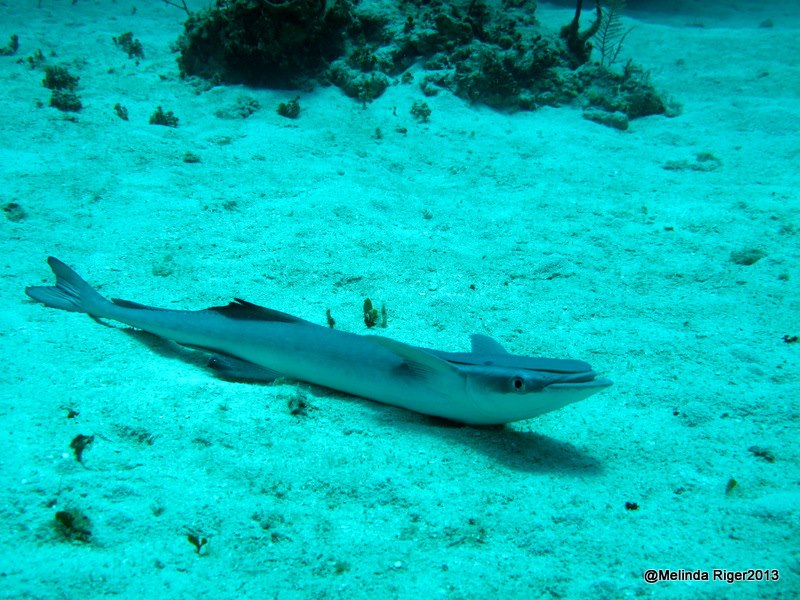
Remoras (Echeneidae), also known as Sharksuckers, Whalesuckers or Suckerfishes, are ray-finned fish that grow up to 3 feet long.
You may have noticed them in pictures of sharks and wondered briefly why they hang out with such dangerous creatures. There is filmed evidence that remoras do occasionally get eaten by their hosts…
WHAT DO THEY DO?
Remoras have remarkable dorsal fins that form a sucker-like organ with a ribbed structure. It looks a bit like the sole of a trainer or beach shoe.This bizarre organ can open and close to create or release suction, enabling it can latch onto larger marine creatures. The remora can increase suction by sliding backward, or it can release itself by swimming forward – the ‘slats’ are smooth in one direction, and rough the other way. They have been known to attach themselves to boats. And scuba divers. Even with hairy legs…
WHAT KIND OF CREATURES DO THEY GET ATTACHED TO?
Remoras associate with specific host species. They commonly attach themselves to sharks, manta rays, whales, turtles, and manatees / dugongs. Smaller remoras may latch onto fish such as tuna and swordfish, and some travel in the mouths or gills of large manta rays, ocean sunfish, swordfish, and sailfish.
WHY WOULD THEY WANT TO DO THAT?
The relationship between a remora and its host is known as Commensalism, specifically ‘Phoresy‘.The host to which it attaches for transport gains nothing from the relationship, but also loses little. The remora benefits by using the host as transport and protection, and also feeds on morsels dropped by the host. Controversy surrounds whether a remora’s diet is primarily leftover fragments, or the feces of the host. Maybe it’s a healthy mix of both.
WHERE CAN I FIND ONE?
Remoras are found in tropical, sub-tropical and temperate waters, including the mediterranean. You will definitely find them in the Bahamas. Melinda’s photos were all taken in the waters south of Grand Bahama.
CAN YOU CATCH ONE?
YES! This late addition (Nov 2016) comes courtesy of Cinda Parks… a remora caught in Cherokee Sound. It’s the first image of a live one out of the water that I’ve come across!
ARE THEY USEFUL TO MANKIND IN ANY WAY?
Yes, but not in a good way, some may think. Some cultures use remoras to catch turtles. A cord or rope is fastened to the remora’s tail, and when a turtle is sighted, the fish is released from the boat; it usually heads directly for the turtle and fastens itself to the turtle’s shell, and then both remora and turtle are hauled in. Smaller turtles can be pulled completely into the boat by this method, while larger ones are hauled within harpooning range. This practice has been reported throughout the Indian Ocean, especially from eastern Africa near Zanzibar and Mozambique, from northern Australia, Japan and even the Americas.
Because of the shape of the jaws, appearance of the sucker, and coloration of the remora, it sometimes appears to be swimming upside down (see above). This probably led to an older name reversus, although this might also derive from the fact that the remora frequently attaches itself to the tops of manta rays or other fish, so that the remora is upside down while attached.
THANKS FOR THAT. BUT WHERE CAN I GET MORE INFO ON THESE SUCKERS?
RIGHT HERE – AN EXCELLENT VIDEO WITH PLENTY OF LIVE REMORA ACTION
OH! FINAL QUESTION. ARE REMORAS EDIBLE?
I though someone might ask that, so I’ve checked it out. Here is the best recipe I have found, expanded slightly from a blokey Australian chat thread:
Recipe for cooking Remora
put a 12 ltr pot on to boil
when the pot is bubbling violently, add 2 whole remora, 2 garden rocks, 1 carrot & a large turnip
add grandfather’s boots to taste, and turn heat down after 3 hours
simmer for a further 6 hours
turn off heat and drain carefully
remove and discard remora, and serve the rest on a bed of tin tacks
Credits: Melinda Riger, Grand Bahama Scuba; Cinda Parks for the freshly caught remora 2016; Wikimedia; meaty Wiki chunks & assorted pickings
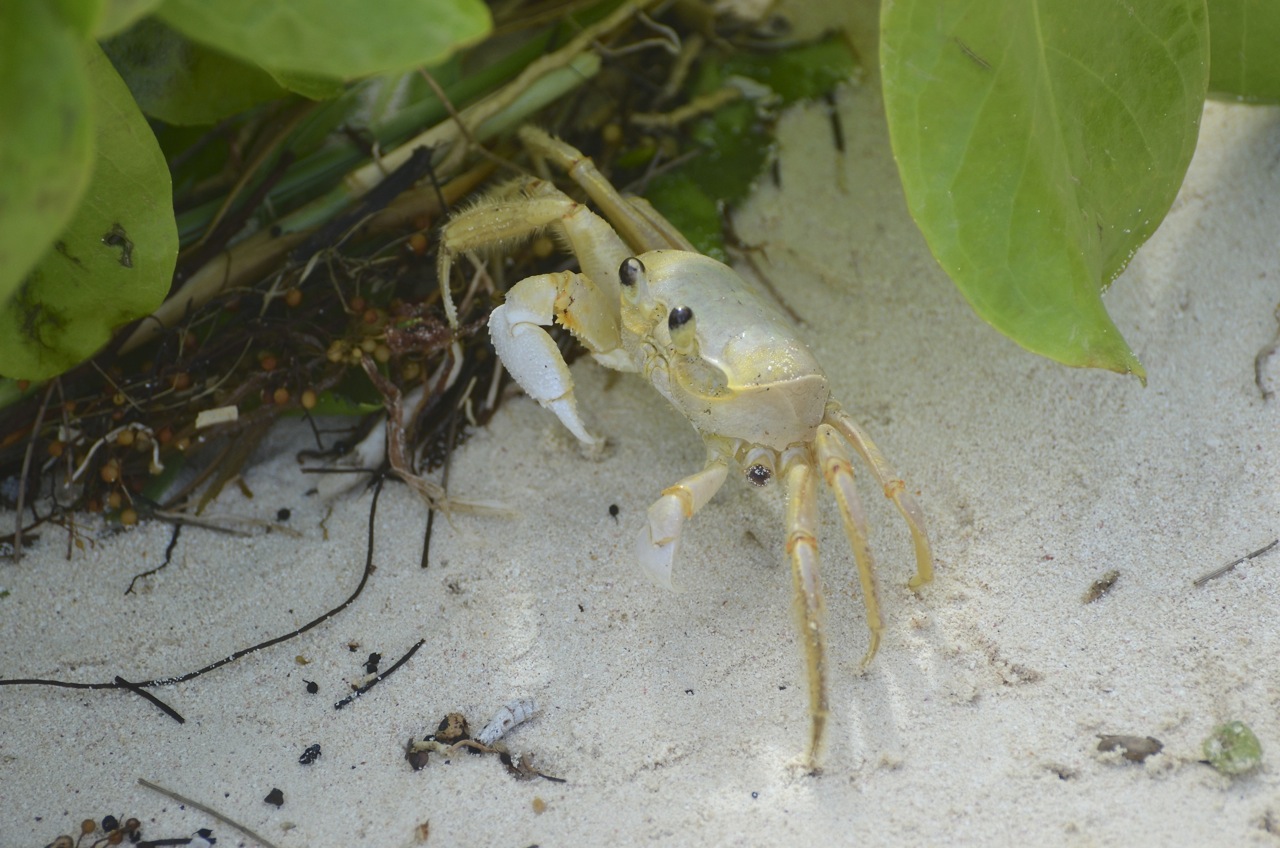
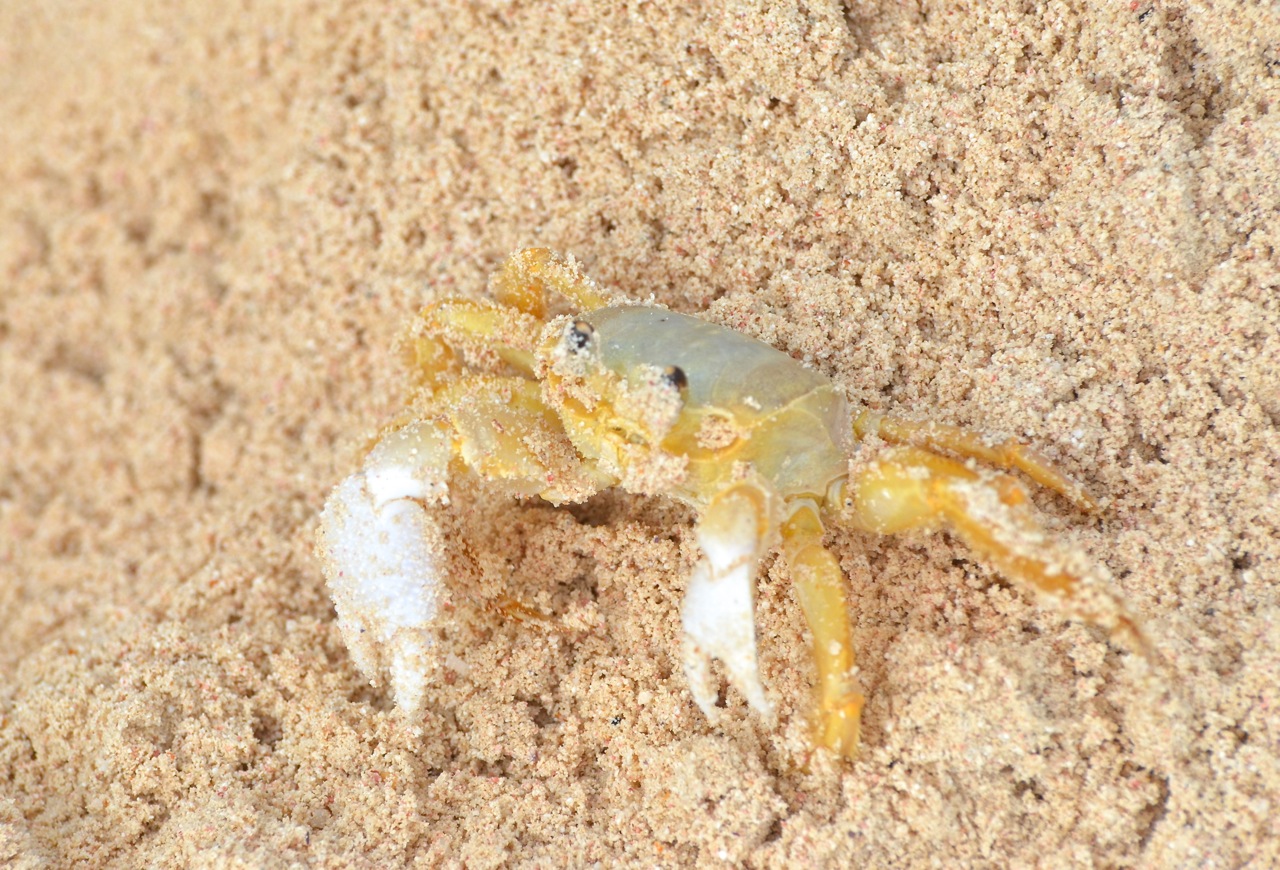
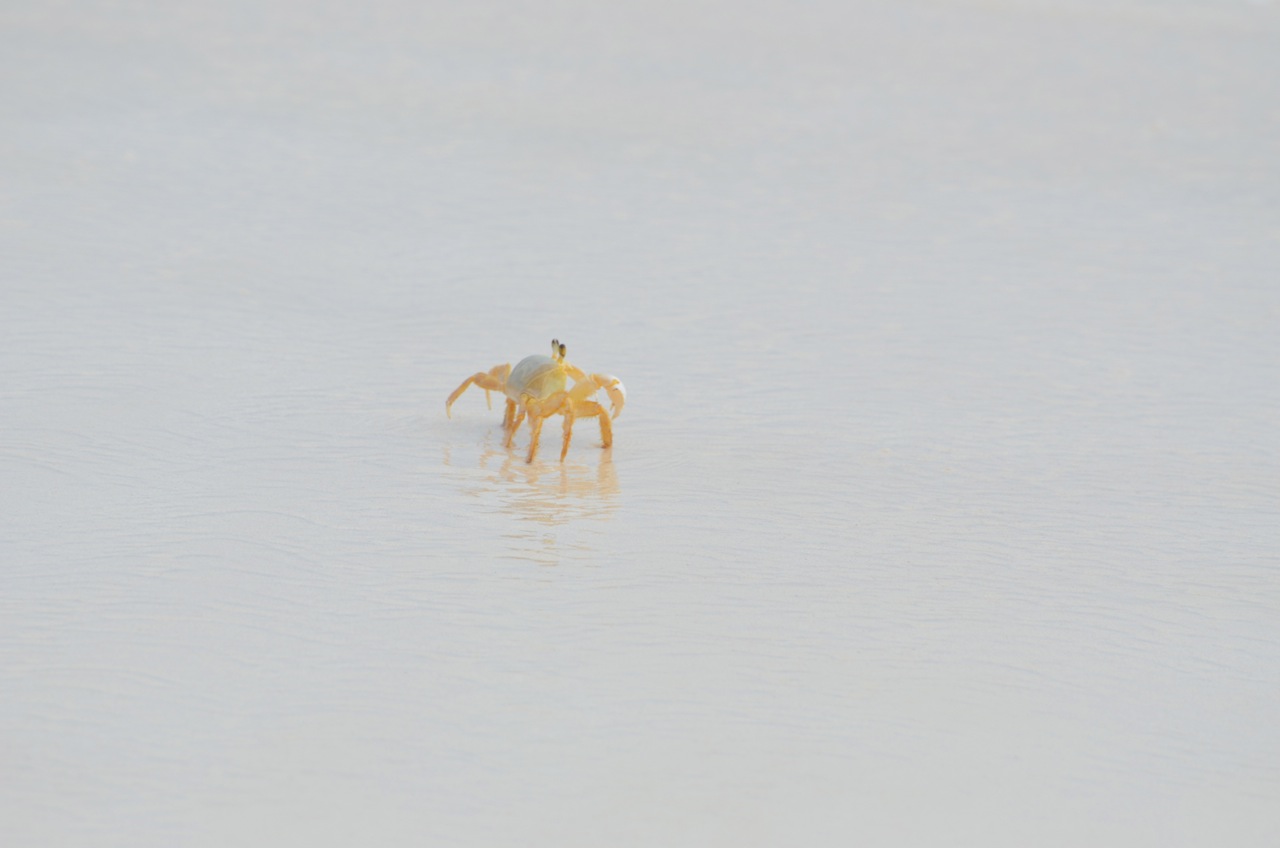
A GHOST CRAB’S DAY AT THE SEASIDE AT DELPHI, ABACO
Crabby the Crab lived amongst the greenery at the very back of the Delphi Club Beach
It was a very beautiful beach indeed. Lucky Crabby!
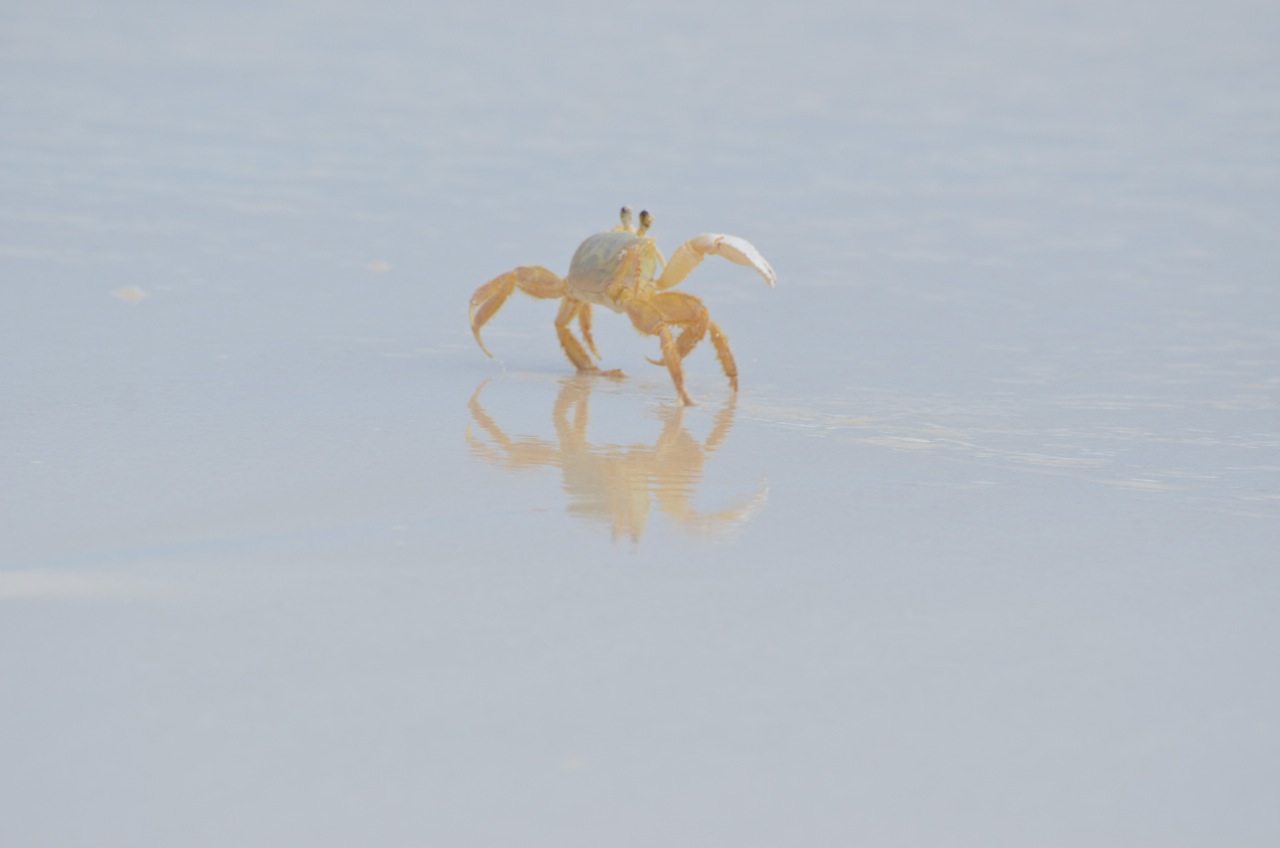
One day Crabby decided to go down to the sea for a swim
He scuttled across the sand towards the sound of the waves
He passed the burrow of his friend Sandy. Sandy was very busy tidying his house.
“Would you like to come for a paddle?” asked Crabby. “No thanks”, said Sandy, “I’m busy today”
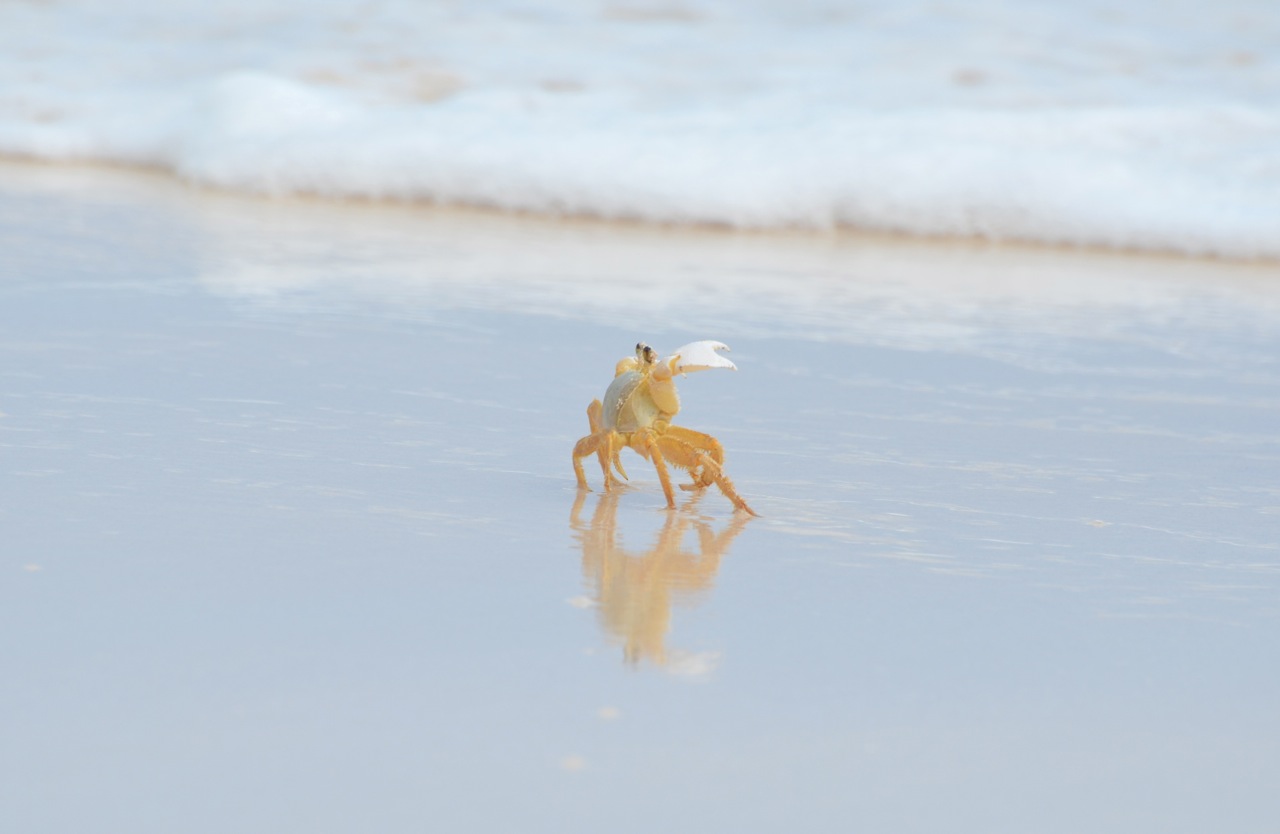
So Crabby carried on towards the water’s edge. He got closer, to where the sand was wet…
…and closer, to where the water tickled his toes…
…and closer, to where the tide ripples reached. Crabby waved his claws with excitement
Finally, he was paddling in the warm water. It was just perfect. Whoops! Don’t fall in, Crabby!
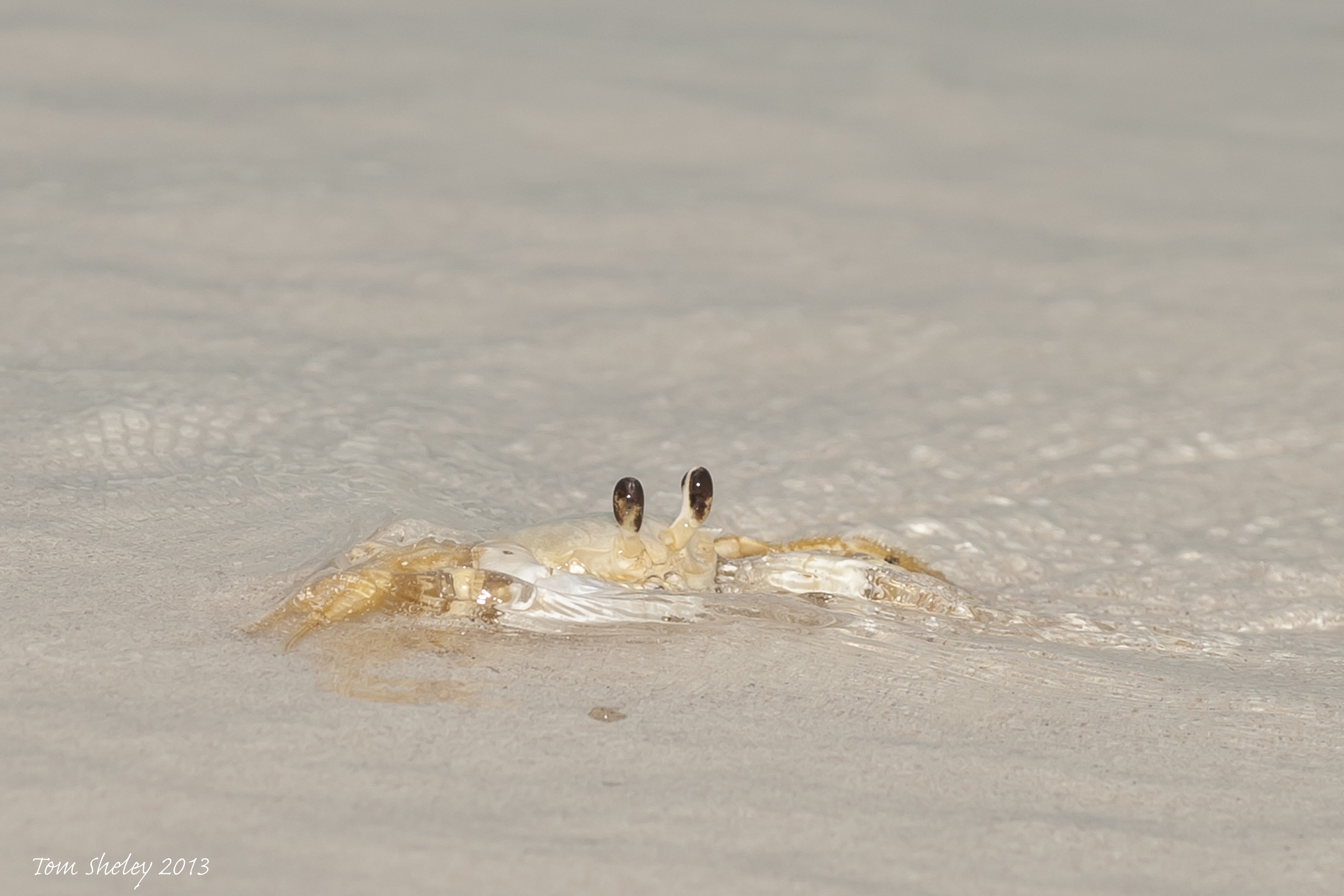
Very soon Crabby was in the water, right up to his eyes. What a beautiful day for a swim!
See ‘Crab Run: The Movie’, starring Crabby the Crab
CREDITS: header & beach, RH; last image, Tom Sheley; the rest, Charlie Skinner. DEBITS: pre-Christmas nauseatingly anthropomorphic tomfoolery and video – blame me. No crabs were harmed or even mildly embarrassed during this photoshoot.
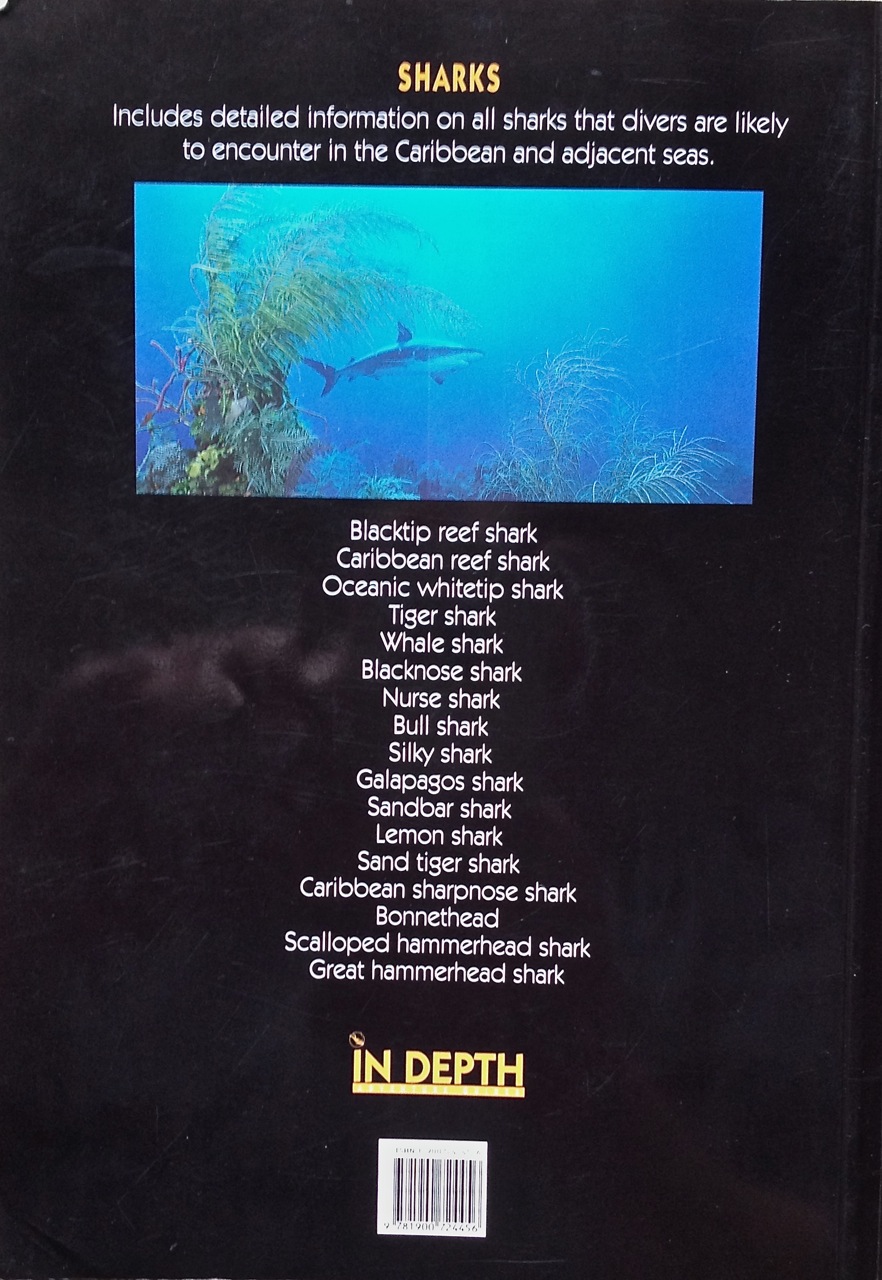
SHARKS! ALL YOU NEED (OR WANT) TO KNOW IN ONE SMALL BOOK
THE IDENTIFICATION, BEHAVIOUR & NATURAL HISTORY OF THE SHARKS OF FLORIDA, THE BAHAMAS, THE CARIBBEAN & GULF OF MEXICO
Jeremy Stafford-Deitsch, Trident Press 2000 (95 pp)
Occasionally I review books, apps, ‘meeja’ and so on, of general relevance to Abaco wildlife and ecology. You can find all this under the heading BOOKS ETC and its drop-down sub-menus. You’ll see comparative recommendations, mostly positive, with some frankly snidey comments on a few things not to waste your ‘hard-earned’ on.
Here’s a book I bought on @m@z@n for a few coins + p&p (less than $5 total) just to see what it might have to offer. The answer is, a great deal. It’s not the book for those who want a detailed exploration the intricate mesopathy of selachimorphic exo-cartilege, if such a thing exists. But it has a mass of useful information, brief but helpful identification pages for many different shark species, and good illustrations, all compressed into a slim tome.
Although this book was published in 2000, sharks haven’t changed noticeably since then, so the contents still hold good. Here are a few pages to give an idea of how simple yet informative this book is.
A tour round a shark’s ‘bits’
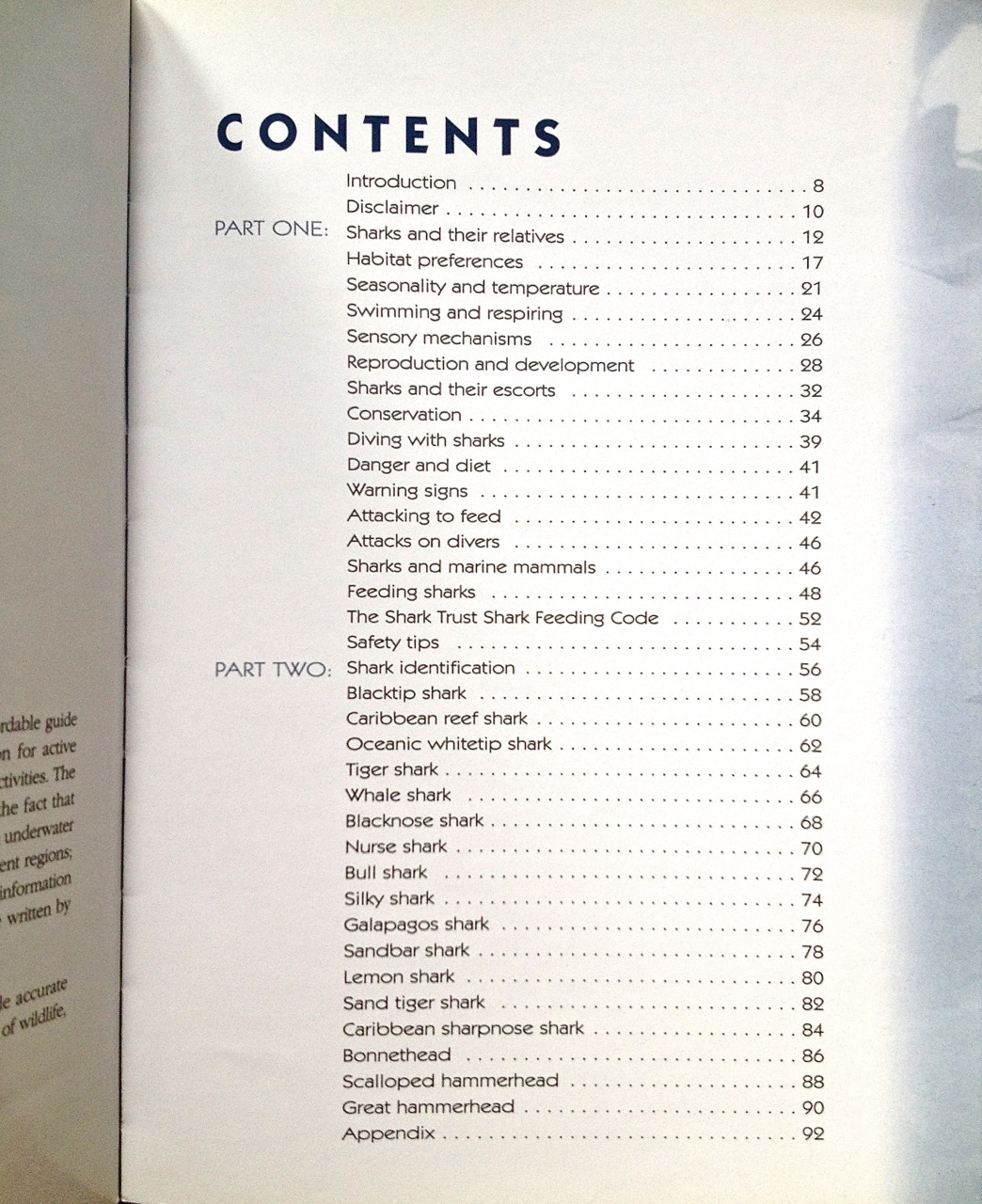
The Contents page gives a very clear idea of the scope of the book. Pages 34 to 54 are of particular interest for anyone intending to dive, spearfish, snorkel or indeed take a dip.
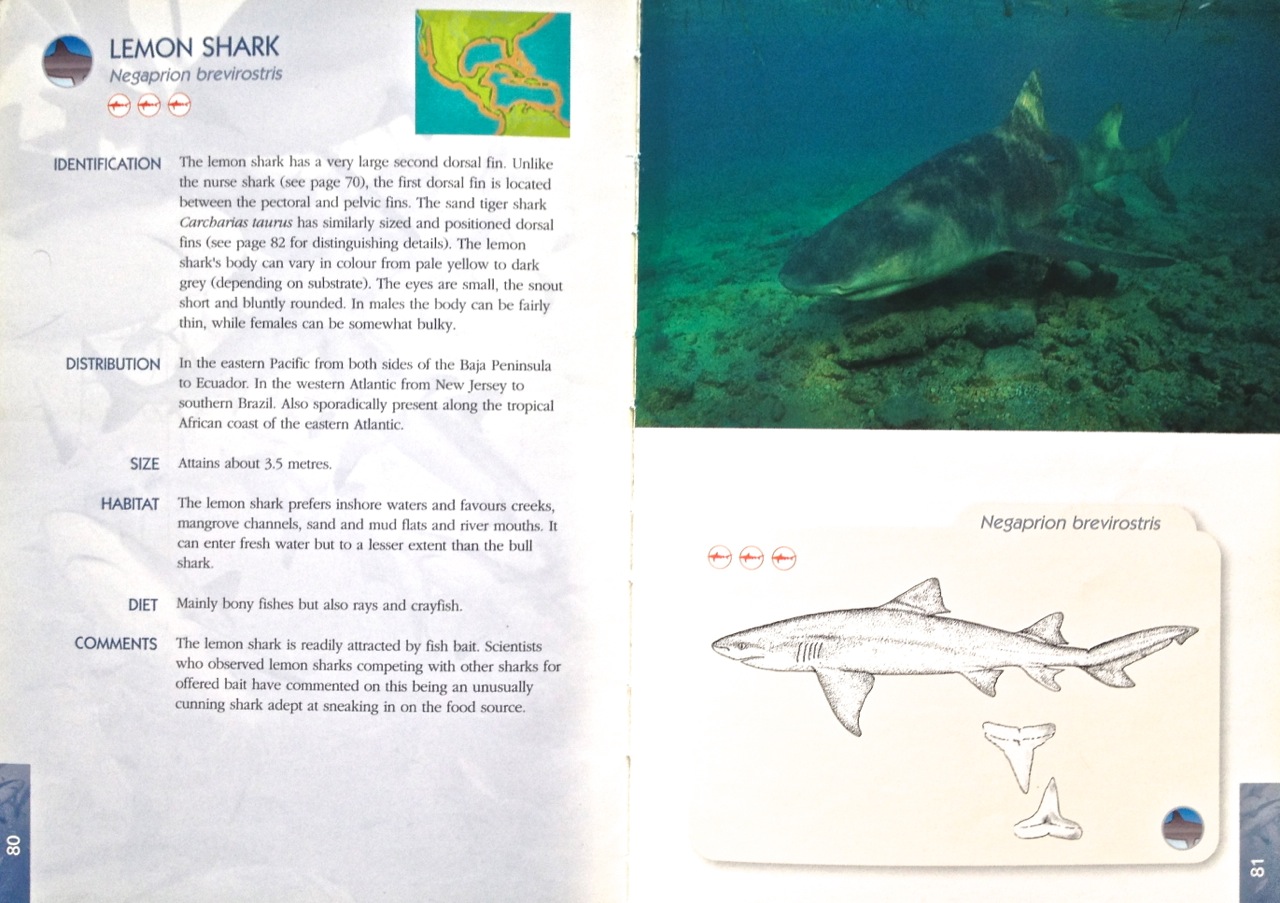
The entries for the Blacktip Shark and the Lemon Shark. Each entry features a useful range map, and an even more useful ‘potential danger rating’ for each species. It’s worth remembering, however, that there are sharks worldwide, and they all have teeth. Thousands of people dive and swim with many of the species every day in complete safety. There are simply some does and don’ts, mostly completely obvious, that will make the difference between enjoying their company (and they, yours); and pushing your luck with a wild creature when you have intruded into its habitat…
THE SHARK TRUST FEEDING CODE
This page interested me in the light of the chumming debate. Plenty of basic common sense here.
A useful illustration to help you understand what the book is all about
More shark information and some amazing images can be foundHERE .
As I wrote elsewhere:“Take comfort from the fact that no fatalities and fewer than 10 injuries from shark attacks have been recorded in Abaco waters for over 250 years (since 1749)… By way of comparison, in the last 150 years there have been 36 recorded shark attacks in the Mediterranean, of which 18 have been fatal… Since 1845 there have been a number of shark attacks in British waters, with one fatality. There were two more fatalities in an incident in 1956 , but this was an ‘own-goal’ arising from an attempt to blow up a shark with dynamite. It can hardly be blamed on the shark.
WEIRD NON-SHARK RELATED STATISTIC: Amazingly, in the 3 years 2007 – 09 in England and Wales, 42 people died from being bitten by animals, only a few of which were dogs.
CONCLUSION You are statistically far safer to spend 250 years swimming off Abaco than spending 3 years stroking a cat in Manchester. Or Swansea.”
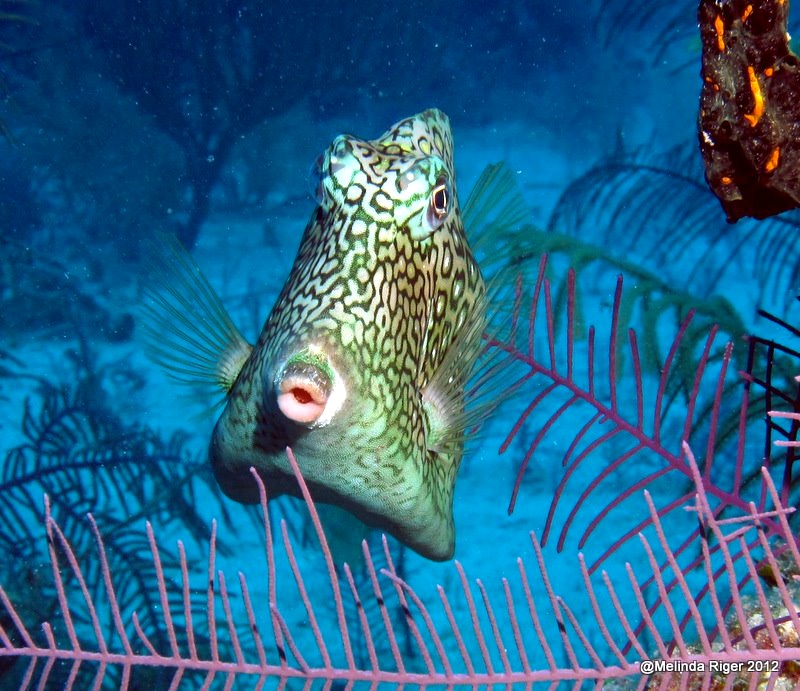
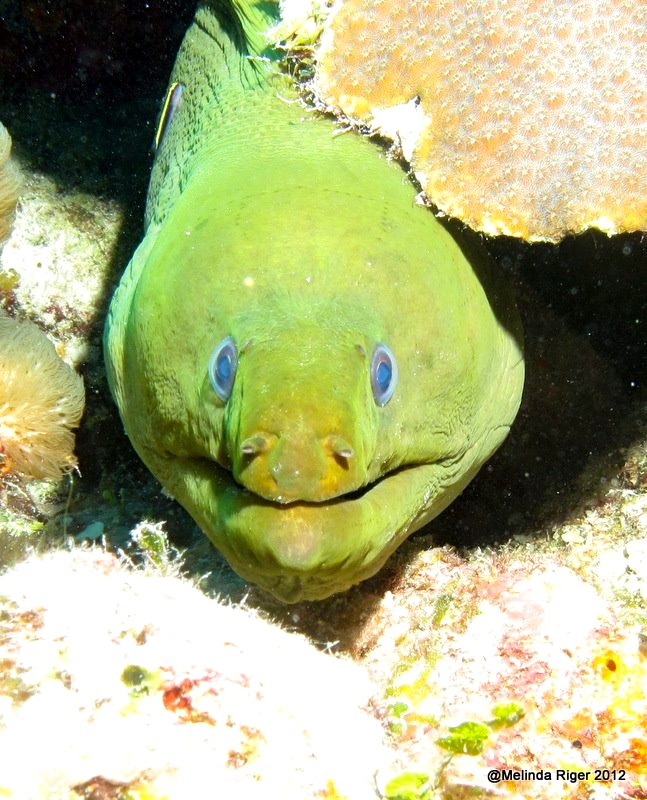
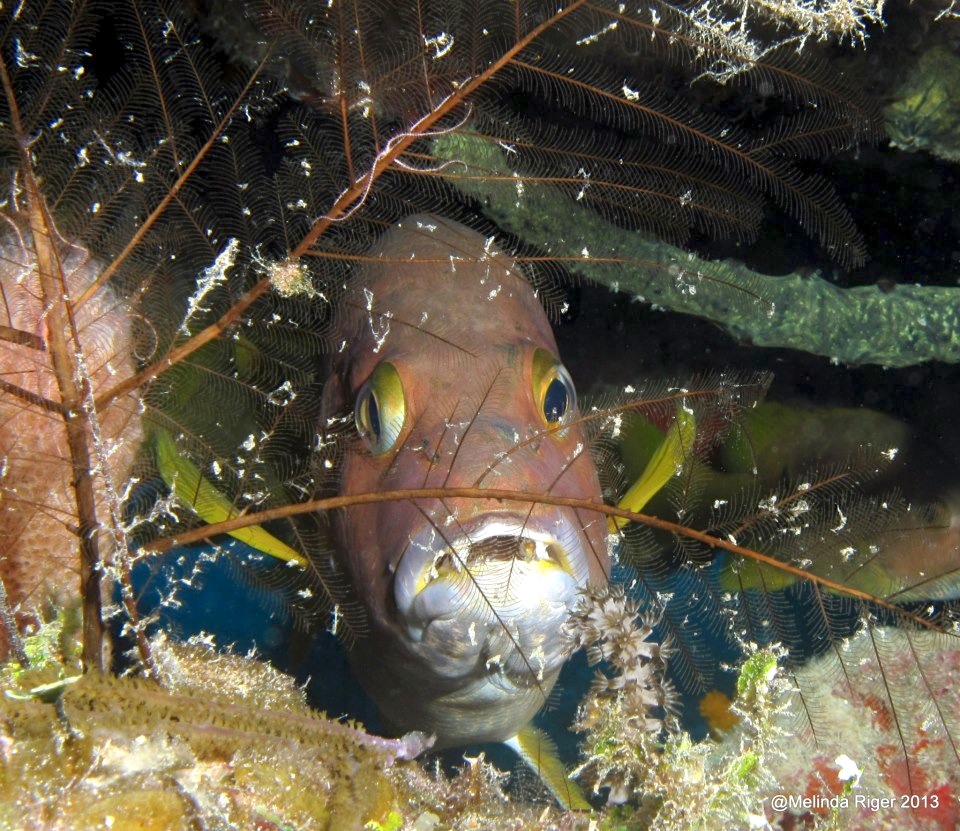
I have been idly filing away some stunning close-up reef denizen images by Melinda Riger. A Monday morning is the perfect time to showcase some pouts, poses and glad eyes from the ‘catfish walk’, starting with my absolute favourite…
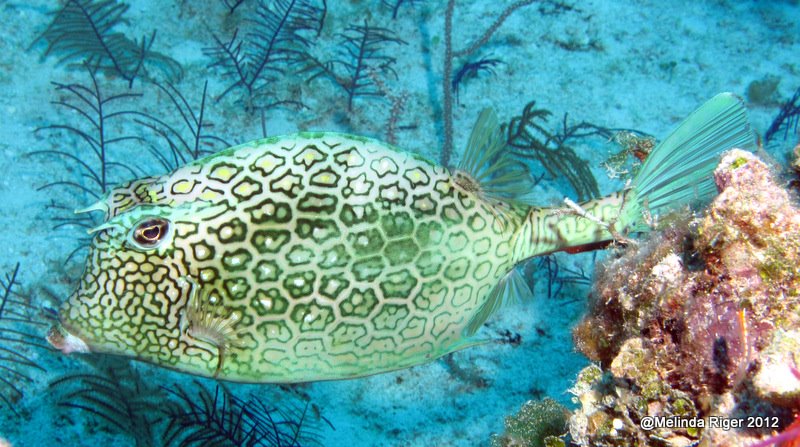
A COWFISH** PERFECTS THE POUT
A GREEN MORAY EEL SMILES STRAIGHT TO CAMERA
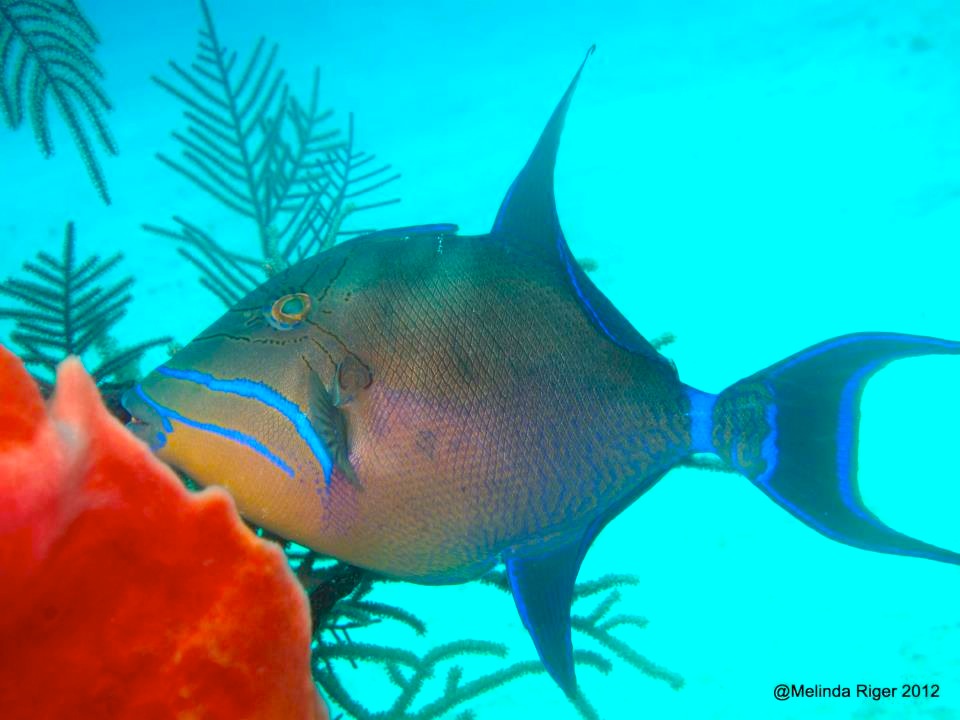
THE QUEEN ANGELFISH ‘LOVES’ THE LENS
A GROUPER DOES THE ‘OPEN-MOUTH’ GAPE
THIS SCHOOLMASTER SNAPPER MAY NOT HAVE GOT QUITE WHAT IT TAKES
NICE EYES, BUT THE PETITE SAND-DIVER NEEDS TO BE A LITTLE MORE OUTGOING
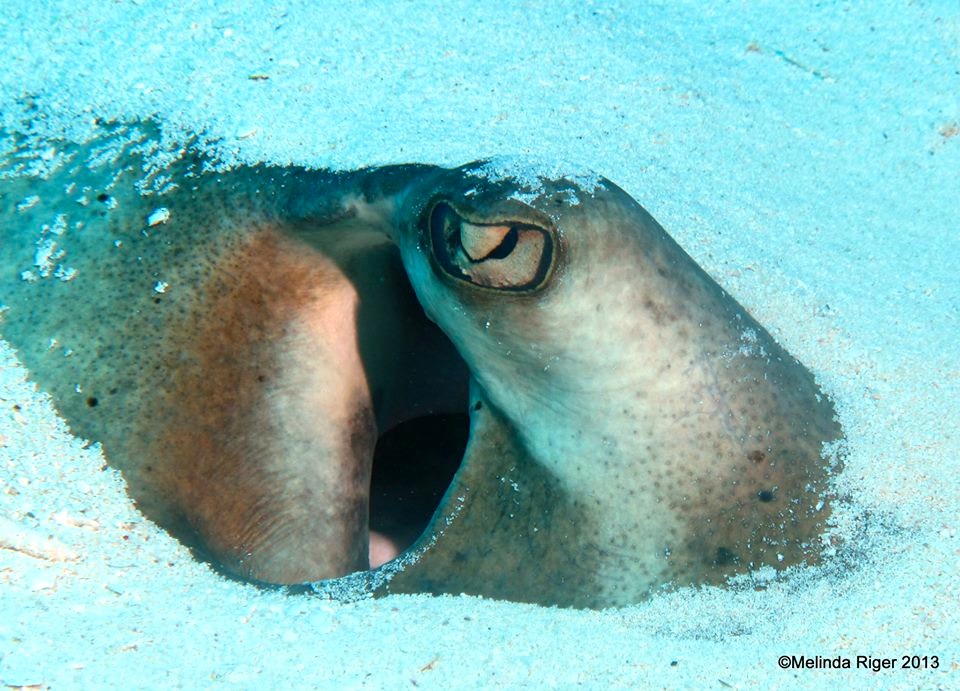
AS DOES THE SOUTHERN STINGRAY
HOWEVER THE PEACOCK FLOUNDER IS ROCKING THE MAKE-UP BOX
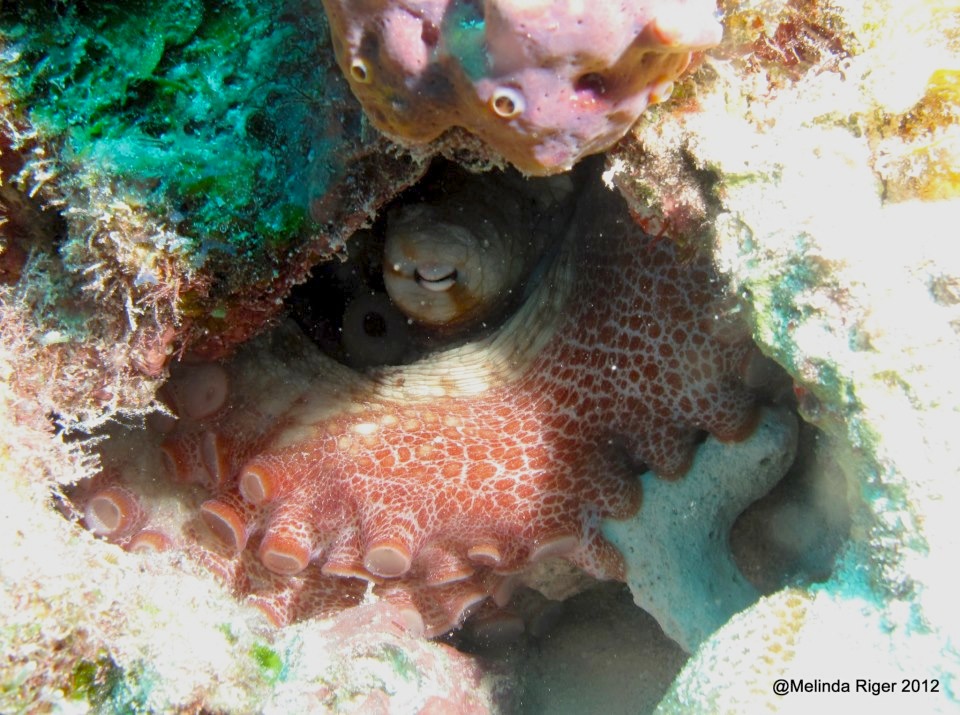
THE OCTOPUS IS MOODY & WON’T GET OUT OF BED FOR LESS THAN 20 MOLLUSCS
AND REGRETTABLY THE POOR CONCH HAS A BAD STAGE FRIGHT
For more octopus information and a discussion of the correct plural (choice of 3)CLICKHERE
For a post about underwater species camouflageCLICKHERE
**Since I posted this earlier today, I have been asked (re photo 1) what the… the… heck a Cowfish looks like, when it’s not puckering up while facing you. The answer is: stunningly glamorous…
Thanks as ever to Melinda Riger of Grand Bahama Scuba for use permission for her fab photos; tip of the dorsal fin to Wiki for the shark eye header pic






































































 ROLLING HARBOUR ABACO
You must be logged in to post a comment.