Unknown's avatar

A LIGHT EXTINGUISHED: LITTLE HARBOUR LIGHTHOUSE REVISITED


Little Harbour Lighthouse, Abaco Bahamas (Keith Salvesen)

A LIGHT EXTINGUISHED: LITTLE HARBOUR LIGHTHOUSE REVISITED

The words ‘Abaco Lighthouse’ are near-synonymous with the splendid striped edifice in Hope Town, Elbow Cay. This beloved building is truly iconic, in the modern sense of the word (see HERE). But it would not do to forget the other principal lighthouse of Abaco at Hole-in-the-Wall, also with its original Fresnel lenses (see HERE for a post written ages ago).

Little Harbour Lighthouse, Abaco Bahamas (Keith Salvesen)

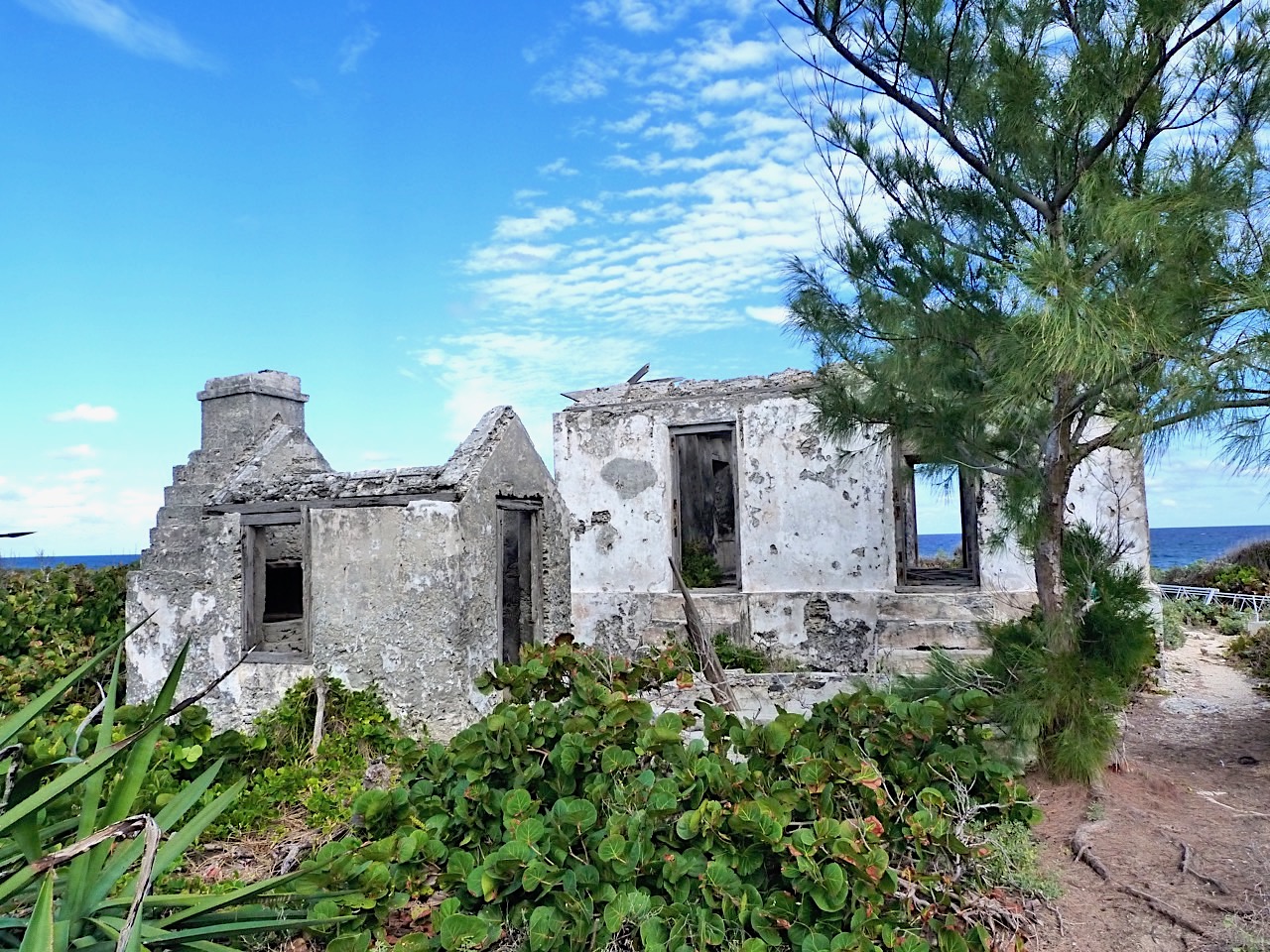
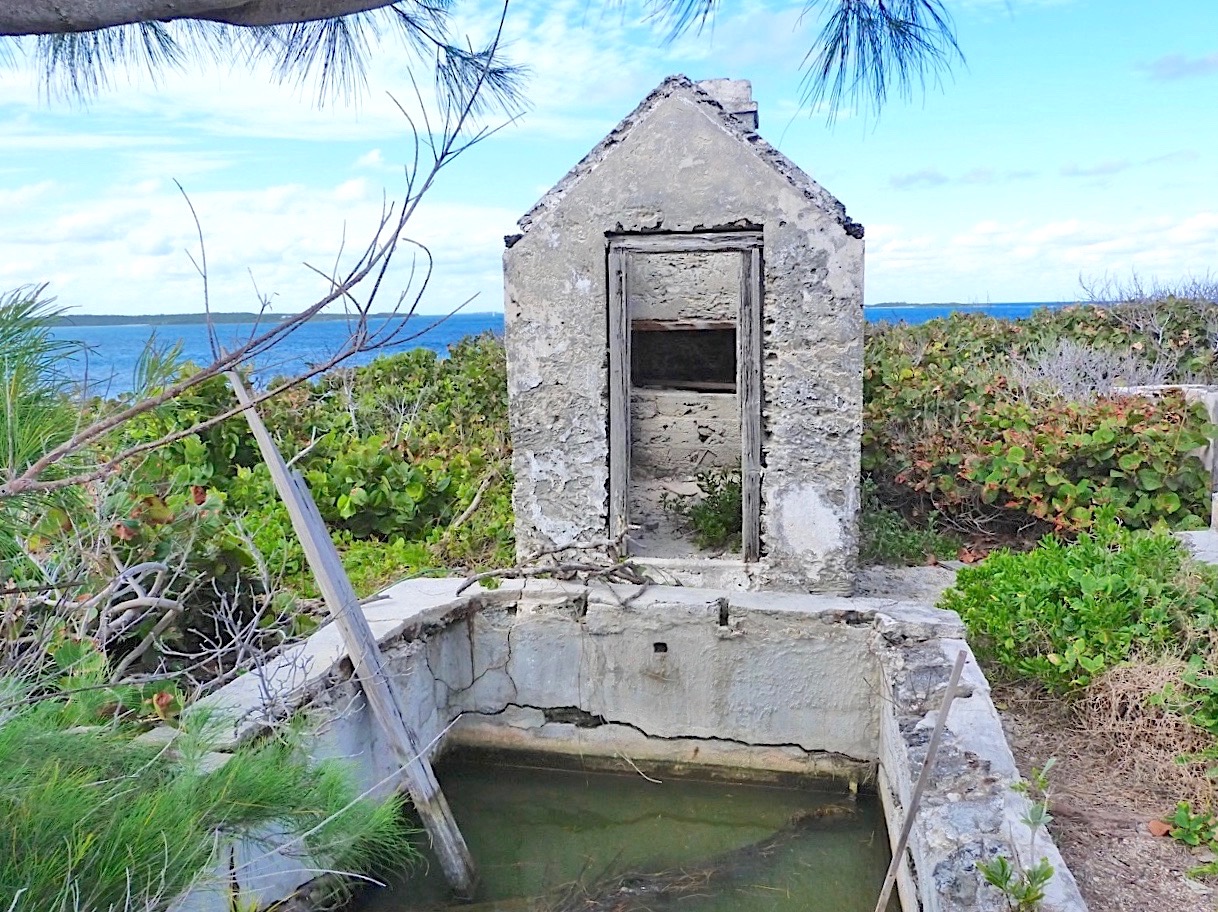
However, there’s a third lighthouse on Abaco. The small light at Little Harbour is, by contrast with the other two beacons, relatively unknown, unvisited, and unloved. Derelict, in fact, and a sad  relic on its lonely promontory. Recently we prised ourselves away from the delights of Pete’s Pub and found the start of the overgrown track to the light. There’s a wooden sign that helps to locate the path. 
Little Harbour Lighthouse, Abaco Bahamas (Keith Salvesen)

This small lighthouse station – “The Old Lighthouse” – was established in 1889 close to the entrance to Little Harbour. Originally, it was manned, with the first lighthouse keeper and his wife being the only inhabitants of that part of Little Harbour. The light presumably served to guide shipping to the channel leading to the secluded and safe harbour.

Little Harbour Lighthouse, Abaco Bahamas (Keith Salvesen)Little Harbour Lighthouse, Abaco Bahamas (Keith Salvesen) Little Harbour Lighthouse, Abaco Bahamas (Keith Salvesen)

In due course the living quarters fell into dereliction and the existing beacon (type unknown?) on a small tower was converted to a solar-powered light. This arrangement did not survive the devastation of Hurricane Floyd in 1999. The replacement was a modern steel framework tower that carried an active light until eventually it was blown over by Hurricane Sandy in October 2012. Sandy was also the hurricane that destroyed forever the rock ‘hole’ – an important navigation mark for centuries – that gave Hole-in-the-Wall its distinctive name (see HERE and links).

Little Harbour Lighthouse, Abaco Bahamas (Keith Salvesen)Little Harbour Lighthouse, Abaco Bahamas (Keith Salvesen) Little Harbour Lighthouse, Abaco Bahamas (Keith Salvesen)

The views from the elevated position of the ruin are spectacular, both from the outside and from inside. In good weather, anyway… It remains to be seen whether the lonely light is now considered completely redundant, or whether another automatic light will in the end be positioned here when funds or willpower permit. I’m not aware of any groundswell of opinion suggesting that, in the absence of a beacon at Little Harbour, there is a potential safety issue. 

The view north from the light to the tip of the promontoryLittle Harbour Lighthouse, Abaco Bahamas (Keith Salvesen)
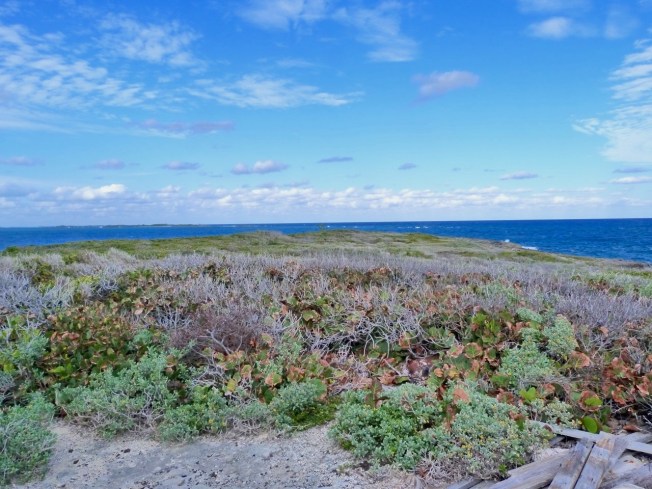
The view roughly south past the fallen tower towards CherokeeLittle Harbour Lighthouse, Abaco Bahamas (Keith Salvesen)

Over time, I have been contacted by people with family associations to previous keepers; and with personal experiences of life there. One or two Americans have wanted to track newly discovered family connections to the light, and even possible relatives. I have the makings of ‘Lighthouse Family’ tree. When I last wrote about the light, Chuck Rickey contacted me with his story, which gives a wonderful insight into the history of the light and its hardy occupants: 

“My grandmother’s first cousin, Curtis Lowe, was lighthouse keeper here for many years and along with his wife, Bessie, raised children Hartley, Maitland, Lois and Robert, obtaining staples buy walking a tract road or sailing to Cherokee Sound. Later on, they were able to motor to Snake Cay, to get provisions from Owens Illinois’ company store aboard the “Robert Fulton”, an old side-wheel steamer, permanently moored there. I was fortunate to spend much fun time there during school vacations growing up”.

WHEREABOUTS IN LITTLE HARBOUR IS WAS THE LIGHTHOUSE

Little Harbour Lighthouse 1 jpg copyLittle Harbour Lighthouse 4 jpg

RELATED POSTS

ELBOW REEF LIGHTHOUSE: A BEACON ICON

HOLE-IN-THE-WALL LIGHTHOUSE

HOLE-IN-THE-WALL: HISTORY, SHIPS AND MAPS

Little Harbour Lighthouse, Abaco Bahamas (Darlene Chisholm)

Credits: all photos Keith Salvesen except the last, Darlene Chisholm. Also, with thanks to Sandy Estabrook. 

Logo of the World Lighthouse Society

Logo of the World Lighthouse Society

Unknown's avatar

BLACK-THROATED BLUE WARBLERS ON ABACO


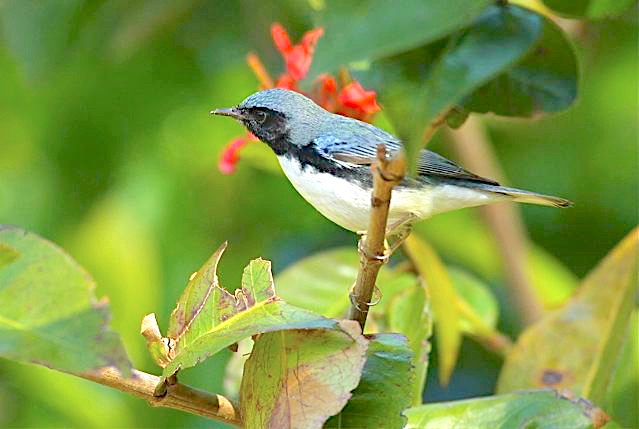
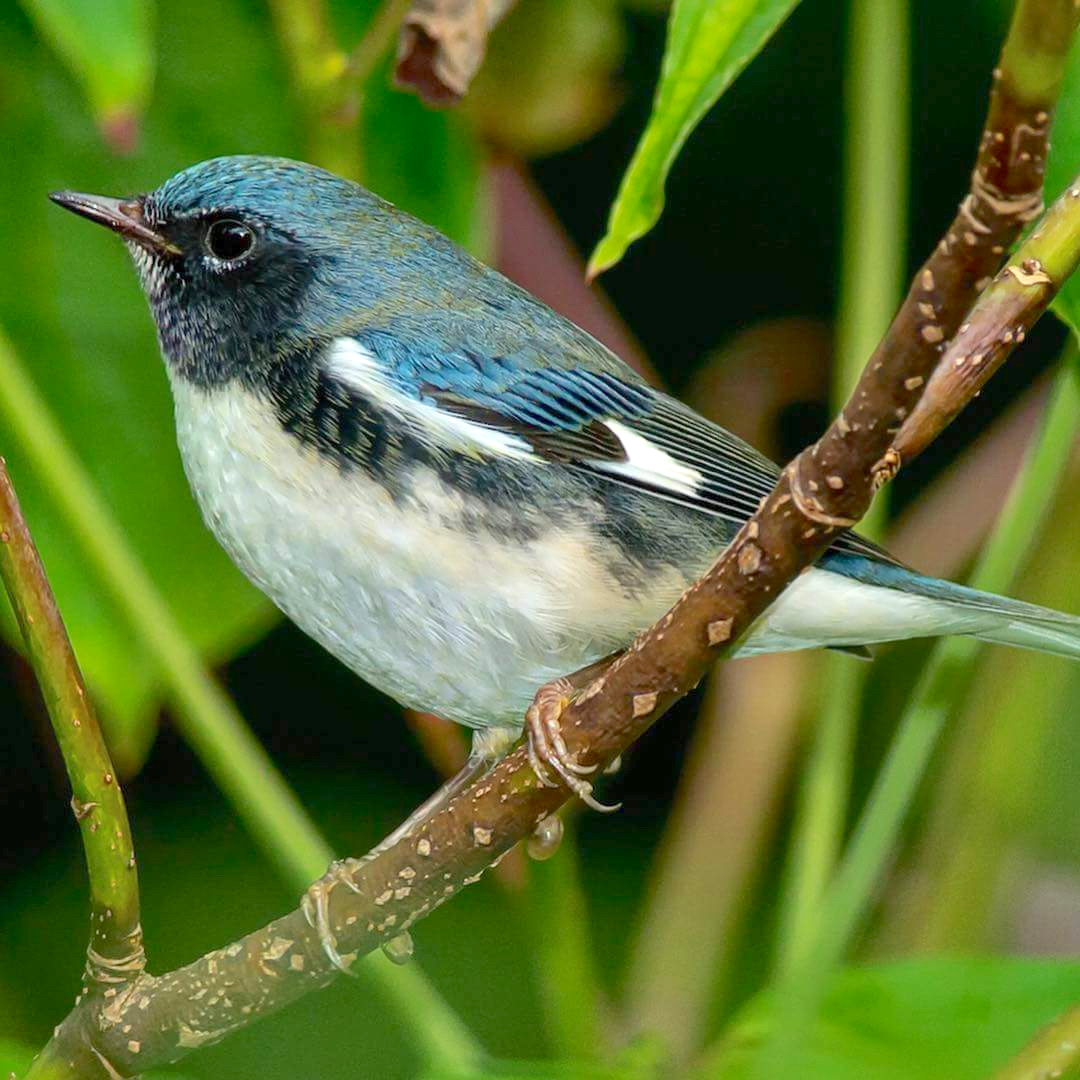
Black-throated Blue Warbler (m), Abaco (Gerlinde Taurer)

BLACK-THROATED BLUE WARBLERS ON ABACO

It’s warbler time of year on Abaco, and a good time to take a look at the Black-throated blue warbler Setophaga caerulescens. This small warbler has very particular breeding and overwintering ranges. In the summer they are found in the forests and woods of eastern North America. As the Fall approaches, they start to migrate south to the Caribbean and Central America. Abaco is one of their winter homes, as well as a likely transit stop on their way further south. Right now sightings are being reported on the mainland and the Cays.

Black-throated Blue Warbler (m), Abaco (Gerlinde Taurer)

WHAT DO I LOOK OUT FOR?

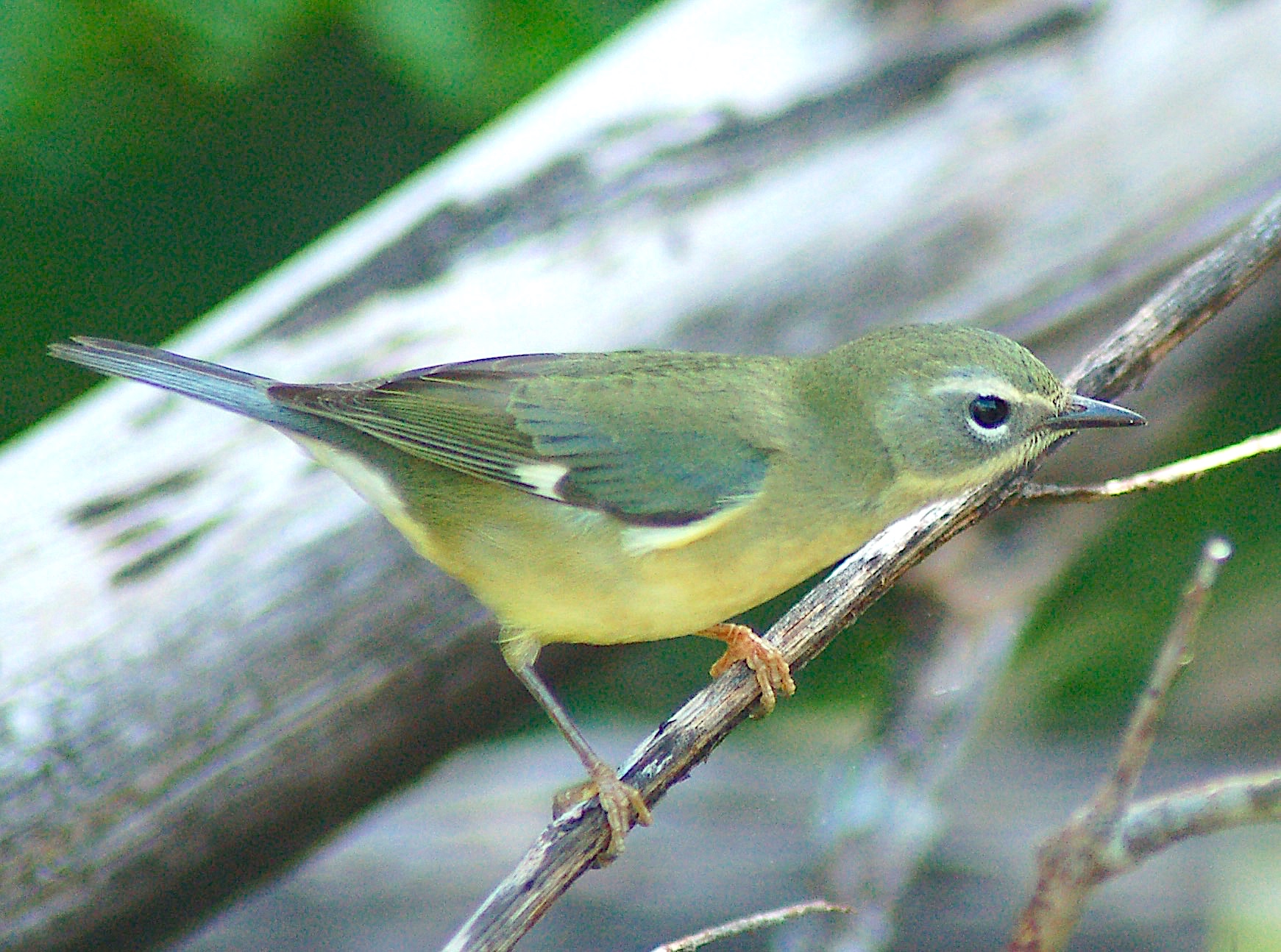
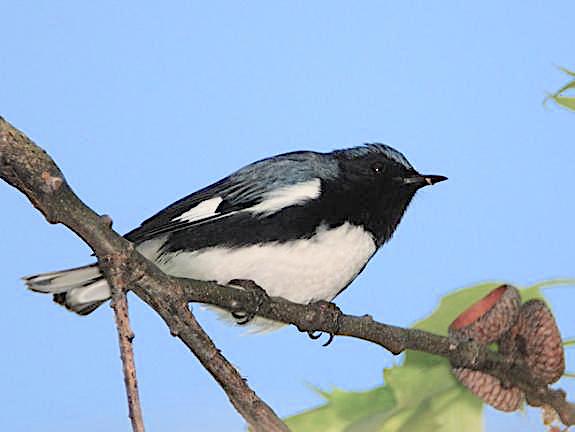
Males and females are quite different in appearance (‘sexually dimorphic’), and could even be mistaken for distinct species. Males are a deep slate-blue above (hence caerulescens) with a striking black face and throat, and white underparts. They are unmistakeable, and unlikely to be confused with any other warbler. Females are basically grayish-olive above and pale yellow underneath. For ID, look for a white stripe above the eye, a pale arc below it. In addition, both sexes have a diagnostic white patch on the the wing, that I have seen referred to as a ‘handkerchief‘.**

Black-throated Blue Warbler (f), Abaco (Becky Marvil)

The legendary bird cartoon website Birdorable, featured often in these pages, as usual has a spot-on comparison of the sexes. TBH, this is a great resource for nailing a bird’s essential characteristics. You should check out its warblers in particular! Here’s their inimitably charming take on the BTBW gender comparison.

Black-throated Blue Warbler (m & f comparison) (Birdorable)

These pretty warblers can be seen in gardens, coppice, and woodland. Although mainly insect-eaters, sometimes catching them in flight, they also eat fruit and seeds especially in winter. BTBWs are territorial, and will defend their chosen space against all-comers, including their own species.
Black-throated Blue Warbler (m), Abaco (Bruce Hallett)

WHAT DO I LISTEN OUT FOR?

As I have mentioned before, I tend to find phonetic transcriptions of bird sounds rather baffling – and often not really how I hear them myself. This is especially with the ‘Oh-dear-oh-dear-I’ve-run-out-of-beer’ and ‘Have-a-little-Kalik-at-Pete’s’ kind. One source asserts: “The bird’s song can be described  as a buzzed zee-zee-zeeee with an upward inflection. Its call is a flat ctuk”. You be the judge…

SONG Etienne Leroy / Xeno-Canto

CALL Paul Marvin / Xeno-Canto


Black-throated Blue Warbler (m) (Blaine Rothauser CWFNJ)

BTBW SEX LIFE – ANY GOOD GOSS?

Black-throated blue warblers are – and I say this with considerable reservations – mainly a monogamous species. However it turns out that they have complex patterns of vocalisations and behaviours at breeding time, including very promising-sounding ‘extra-pair copulation’ involving ‘heterospecific cuckoldry’. However, despite all my efforts in researching this phenomenon more thoroughly, merely reading the intricacies quickly crossed my boredom threshold, and my own ‘call’ soon became a ‘sonorous saw-like Zzzzzzzzzzzzzzz‘.  Anyway these birds don’t breed on Abaco so I’ll spare you the details and move on.

Black-throated Blue Warbler (f) (Dax Roman / Birds Caribbean)

 IS MANKIND MASHING UP THEIR HABITAT?

BTBWs are fairly common birds within their range, with a large population. The usual stuff is happening with them in terms of habitat destruction & co at both ends of their migration. For some already threatened species (e.g. Kirtland’s Warblers), habitat degradation at either end of the migration (let alone both) presages a downward spiral in population. With BTBWs, I have read both that the population is decreasing; and in another source, slightly increasing. For now, let’s regard the welfare of the species as being stable. However, the current causes of species decline will doubtless continue, and many regard increasingly evident climate change as being a determining factor for the well-being of migratory species. The birds are not yet out of the woods, so to speak… and maybe never will be.

** anyone remember those?

CREDITS Photos: Gerlinde Taurer (1, 2); Becky Marvil (3); Bruce Hallett (4); Blaine Rothauser / CWFNJ (5); @daxroman / Birds Caribbean (7); Paul Reeves / Birds Caribbean (8).  Range Map, Wiki; Cartoons,  Birdorable; Video, Cornell Lab for Ornithology

Black-throated Blue Warbler (m) (Paul Reeves / Birds Caribbean)

Unknown's avatar

FOLLOWING DOLPHINS IN THE BAHAMAS…


Following Dolphins (SailorDolphin / BMMRO)

FOLLOWING DOLPHINS IN THE BAHAMAS…

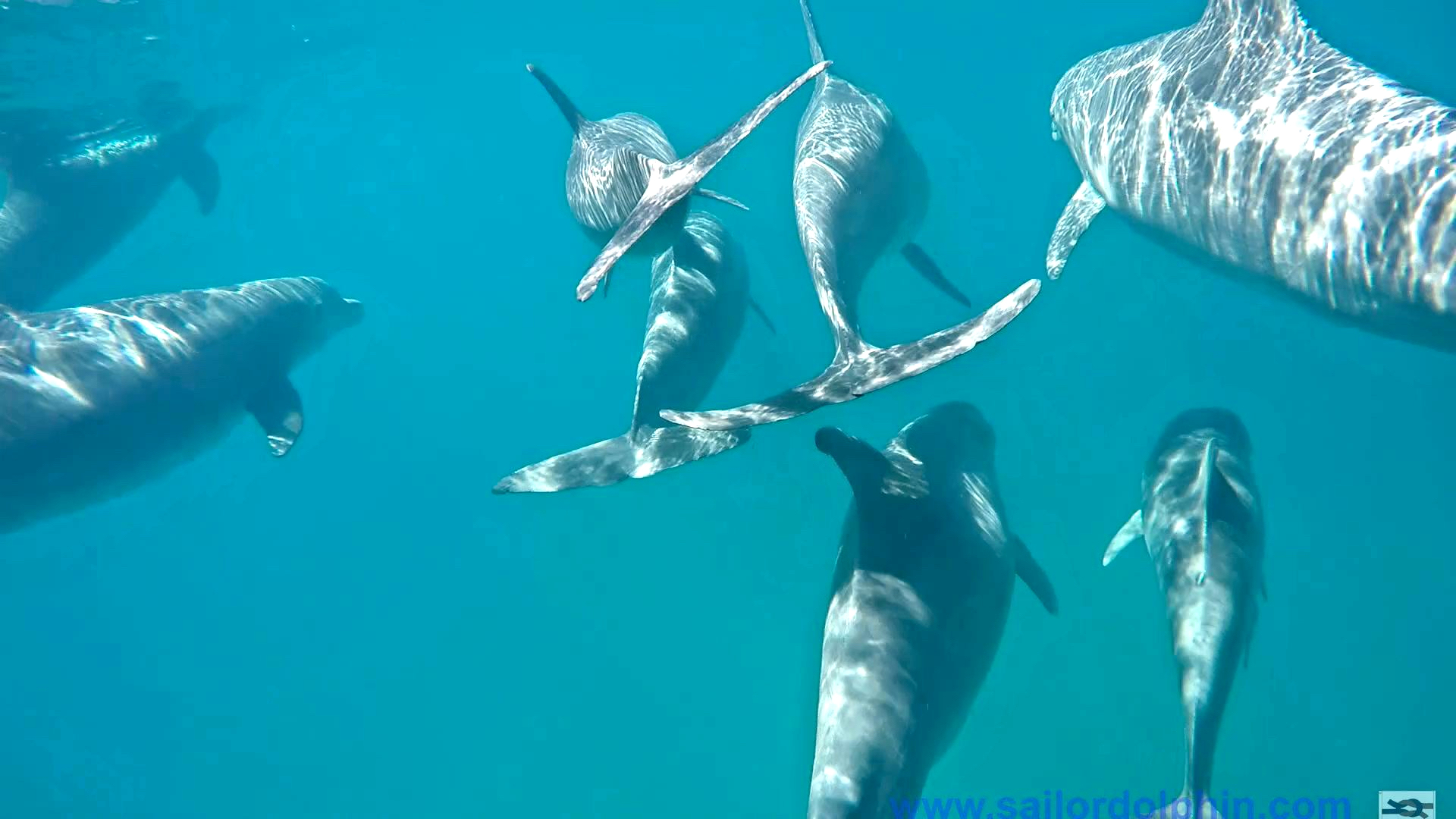
The Bahamas Marine Mammal Research Organisation (BMMRO) is based at Sandy Point, Abaco. The principals Diane Claridge and Charlotte Dunn with their team cover not only Abaco waters but the whole of the Bahamas. Their research work is complex, and some of it is carried out in conjunction with partners on specific projects or more generally.

Following Dolphins (SailorDolphin / BMMRO)

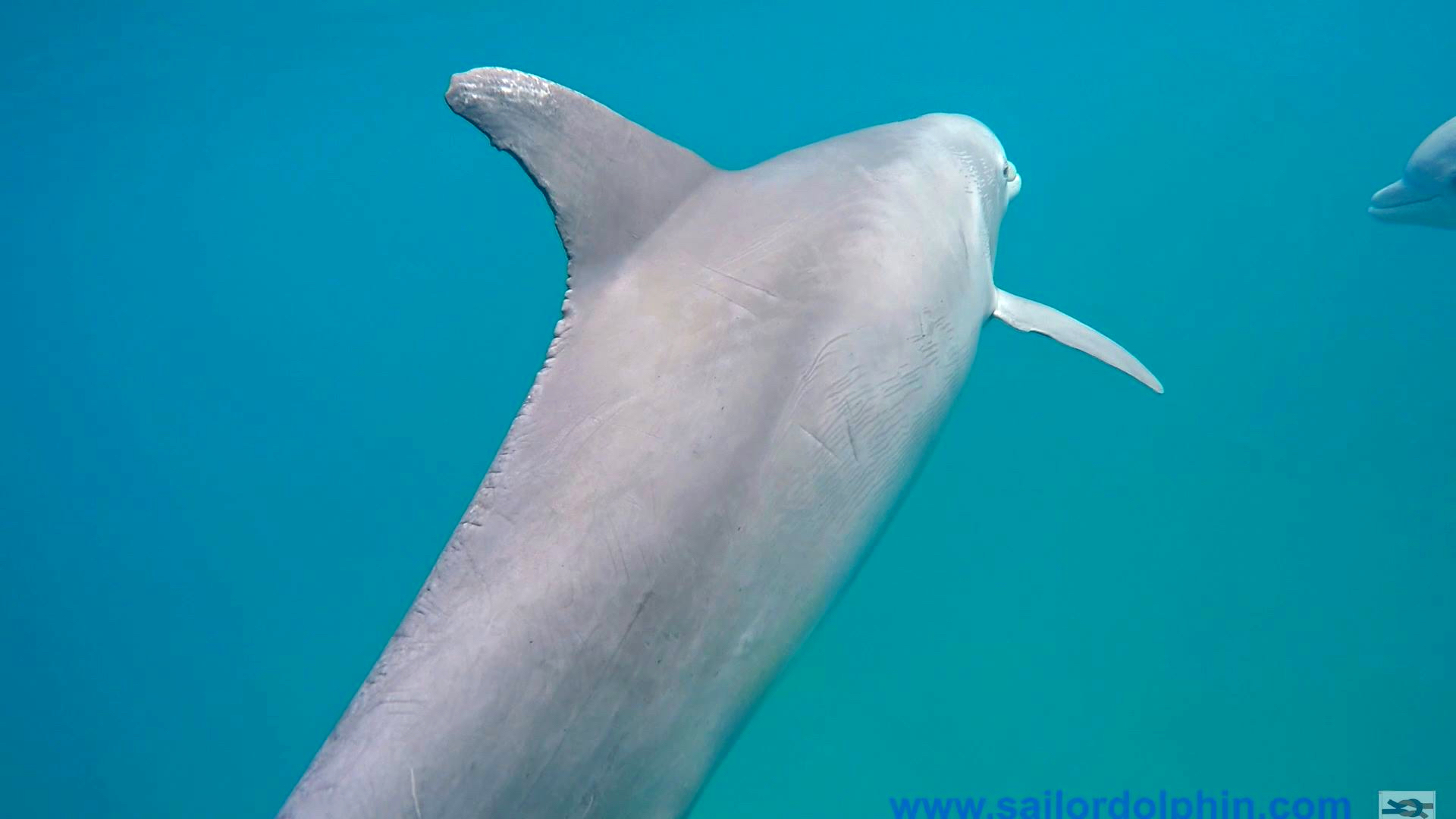
Which brings me to SailorDolphin Research, a project that involves the meticulous mapping, photographing, and recording of the details of each sighting. Much of the work is carried out in the Bahamas in partnership with BMMRO. The link will take you to the homepage, which notes “This website provides a list of Dolphins that I have documented on the US East coast and the Bahamas. It includes details (with photos & notes) for each dolphin and lists of their sightings from my personal database.” If you have an interest in dolphins (and who does not?), it will repay exploration – and you will see some awesome photographs. Here are a few of them to admire. 

Following Dolphins (SailorDolphin / BMMRO)

Now imagine yourself in the water, with these wonderful creatures cutting through the water in front of you, working their sleek bodies just below the surface, jostling and cavorting, occasionally letting a fin cut through the water. Hold that thought… Right, get back to work!

All photos courtesy of SailorDolphin / BMMRO

Following Dolphins (SailorDolphin / BMMRO)

Unknown's avatar

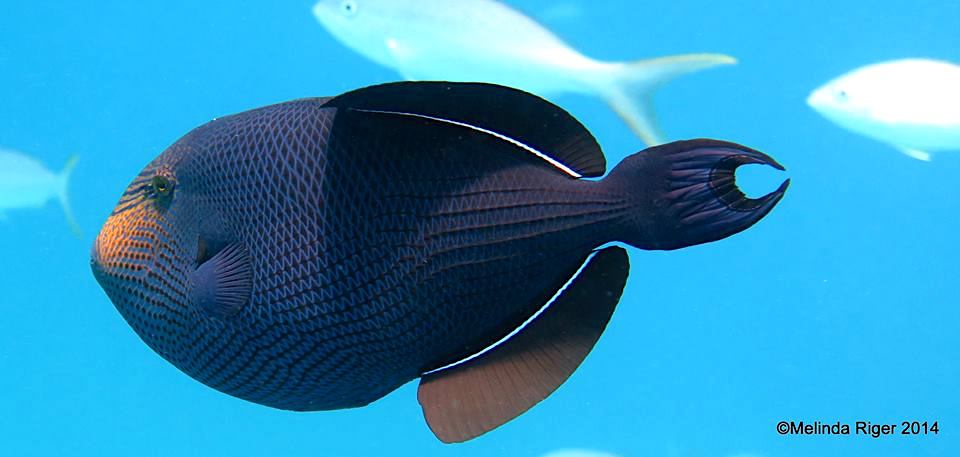
BLACK DURGON: A TRIGGERFISH OF DISTINCTION


Black Durgon Triggerfish (Melinda Riger / Grand Bahama Scuba)

BLACK DURGON: A TRIGGERFISH OF DISTINCTION

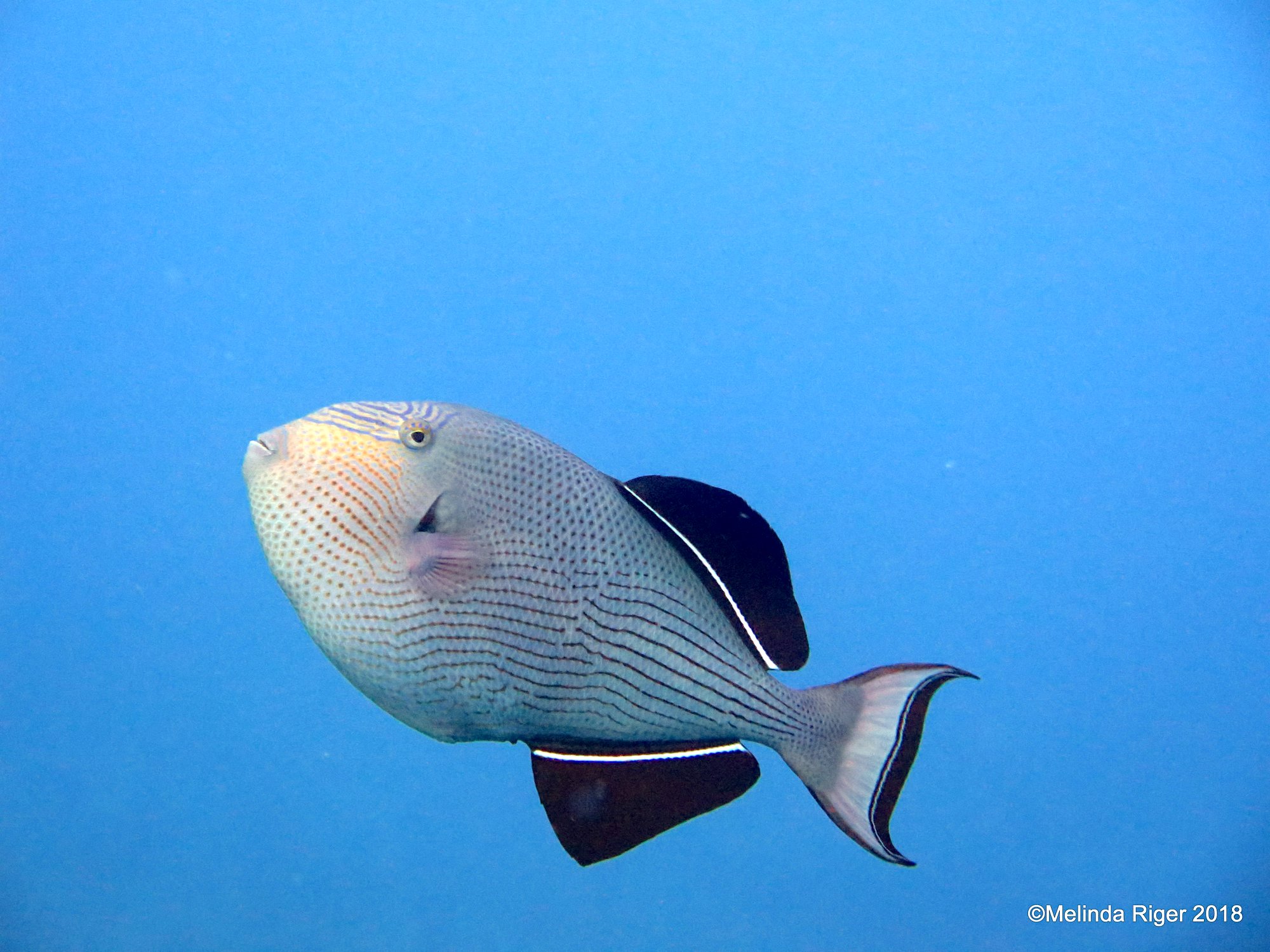
The Black Durgon (Black Triggerfish) seems to be a fairly rare triggerfish in Bahamas waters. I say that not because I know, but because there is very little mention of them in a Bahamas context. In fact, the (not especially profound) research I have done suggests it is not (originally?) really native to the Bahamas region at all. Correction of this impression welcome!

Black Durgon Triggerfish (Melinda Riger / Grand Bahama Scuba)

These fish have the ability to change colour, according to their surroundings. Mostly, they seem completely black. However they have intricate blue markings to the head, and regular patterning on their flanks that resembles the sort of thing one idly doodles during a long and less then attention-holding phone call (or the ‘hold music’) – see Header Image. They also have dramatic pale stripes where their fins join the body.

Black Durgon Triggerfish (Getty Images)

These fish have a varied diet that includes small fish, squid and shrimps, with side-helpings of algae, zooplankton and marine plants. And…

FUN FACT (REALLY!)

The Black Durgon has been studied, of course. One piece of research discovered that they… erm… ingested the feces and vomit of a species of dolphin. Other reef fish in the area did so too, but the Black Durgon was much the keenest on this distinctive  diet. So these are ‘offal-eating’ fish… and welcome to it. Here’s a short video to take your mind off it all…

I’d be interested to hear from anyone who has encountered these fish in Abaco waters. I ought to look further into their prevalence. Maybe they just don’t get much publicity. They need a new agent.

Black Durgon Triggerfish (Melinda Riger / Grand Bahama Scuba)Credits: Photos by Melinda Riger / Grand Bahama Scuba except #3, Getty Images; Kwik-Viddy, Cassandra-Tel; inadequate research, Author

Unknown's avatar

ABACO PARROT ACROBATICS


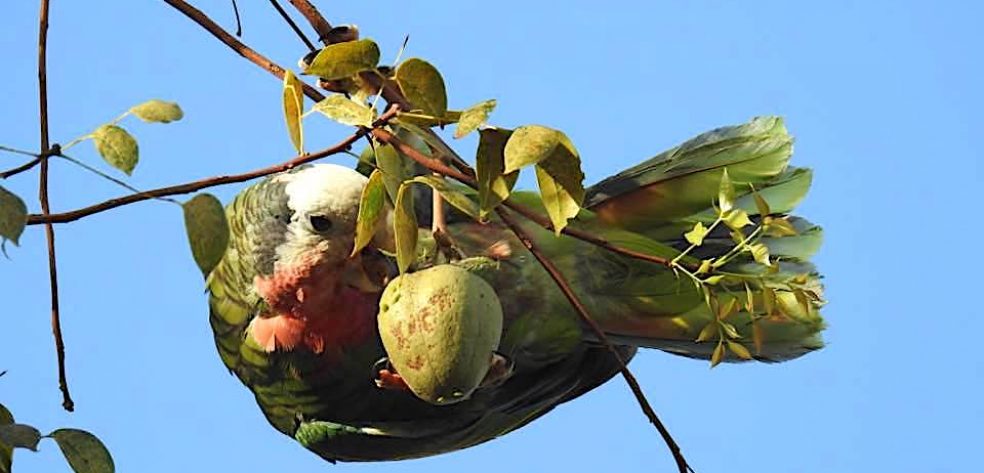
Abaco (Cuban) Parrot Acrobatics (Melissa Maura)

ABACO PARROT ACROBATICS

Melissa Maura is well-known to many in the Bahamas, not least because of the wonderful work she does with injured or orphaned creatures. Thanks to the skills and compassion of Melissa and those who work with her, animals and birds of all kinds are saved from death or incapacitating injury. In the saddest cases, they are gently cared for until the inevitable occurs.

Abaco (Cuban) Parrot Acrobatics (Melissa Maura)

Melissa also takes terrific bird photographs, some of which I have featured in the past. Indeed my blog headline photograph is one of her parrots. I used to change the header from time to time, but this one is so cheerful that I decided to keep it in place. It always makes me smile.

Abaco (Cuban) Parrot Acrobatics (Melissa Maura)

Parrots are acrobatic creatures, happy to eat at all angles including completely upside down. Not just eat, though. Also bicker, flirt, play-fight, and see off rivals via inverted aggression. With the Abaco parrots, one of the benefits for the bystander is that the balancing act and consequent fluttering often reveals the spectacular blue of the birds’ wings. 

Abaco (Cuban) Parrot Acrobatics (Melissa Maura)

In a row, it’s not unusual to see a parrot taking up a dominant position on a branch, leaving its opponent hanging on in an uncomfortably precarious position…

Abaco (Cuban) Parrot Acrobatics (Keith Salvesen))

People often ask where on Abaco they are most likely to see the parrots. First, there are no parrots north of Marsh Harbour – they are all in South Abaco. Secondly, although they live and nest in the National Park at the southern end of the island, in practice it covers a very large area, much of it inaccessible and with the only ‘road’ something of a challenge for an ordinary vehicle (described HERE). I’d say that the single most reliable place to see the parrots is at Bahama Palm Shores. Simple turn into the north entrance, drive straight down to the end with the windows down, park up – and listen. If they are there, you’ll hear them for sure!

Abaco (Cuban) Parrot Acrobatics (Melissa Maura)

All photos Melissa Maura except #5, Keith Salvesen (also the sound file of parrots at BPS)

Unknown's avatar

BAHAMAS SEA TURTLES: IN THEIR ELEMENT


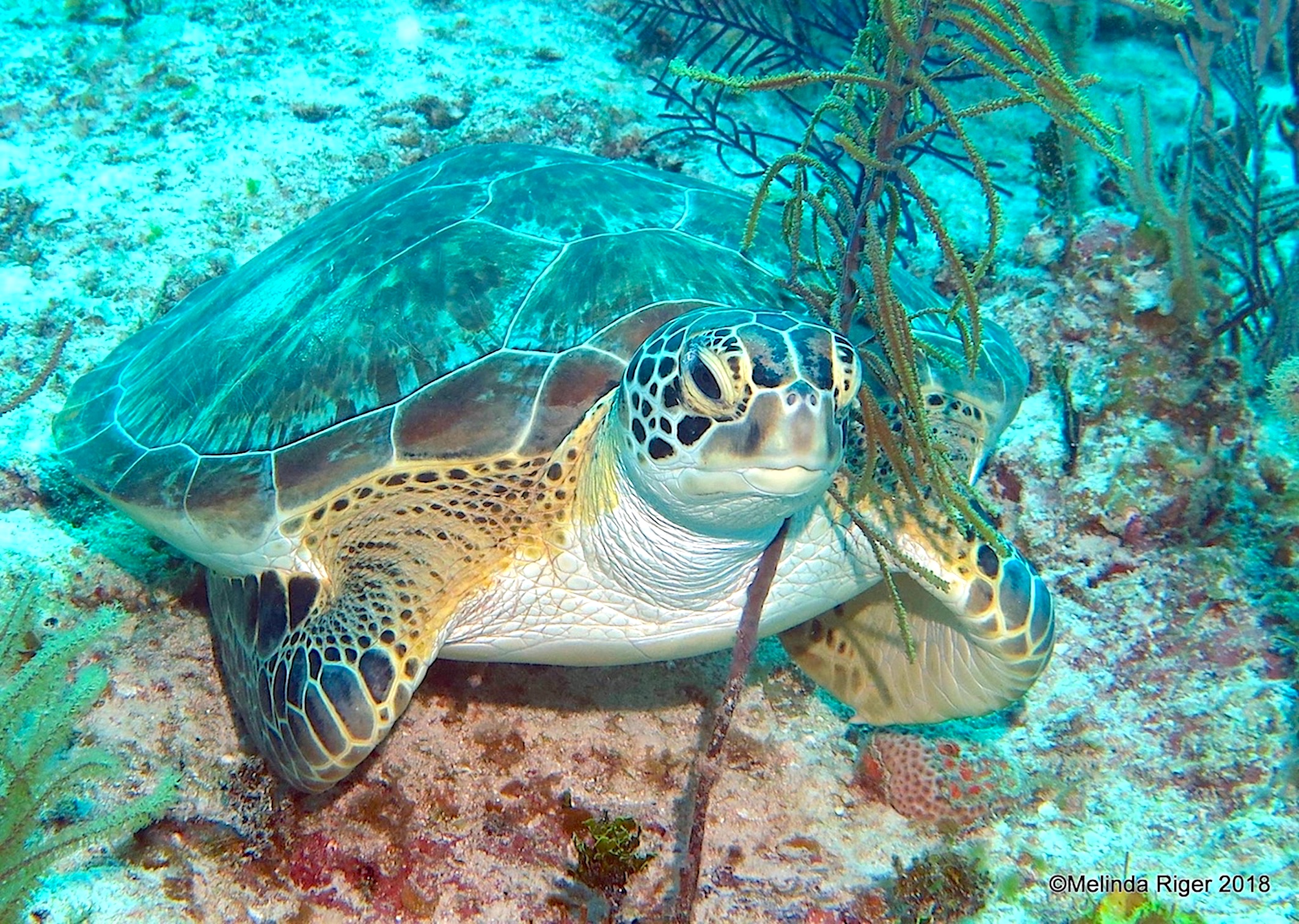
Green Turtle, Bahamas (Melinda Riger / Grand Bahama Scuba)

Green Turtle

BAHAMAS SEA TURTLES: IN THEIR ELEMENT

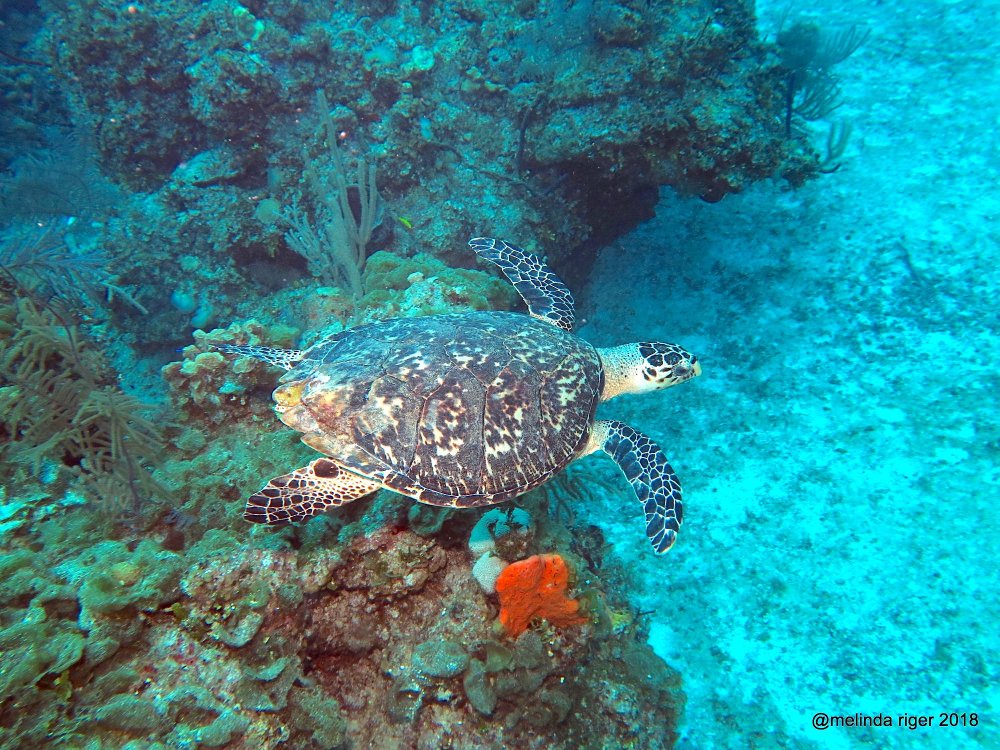
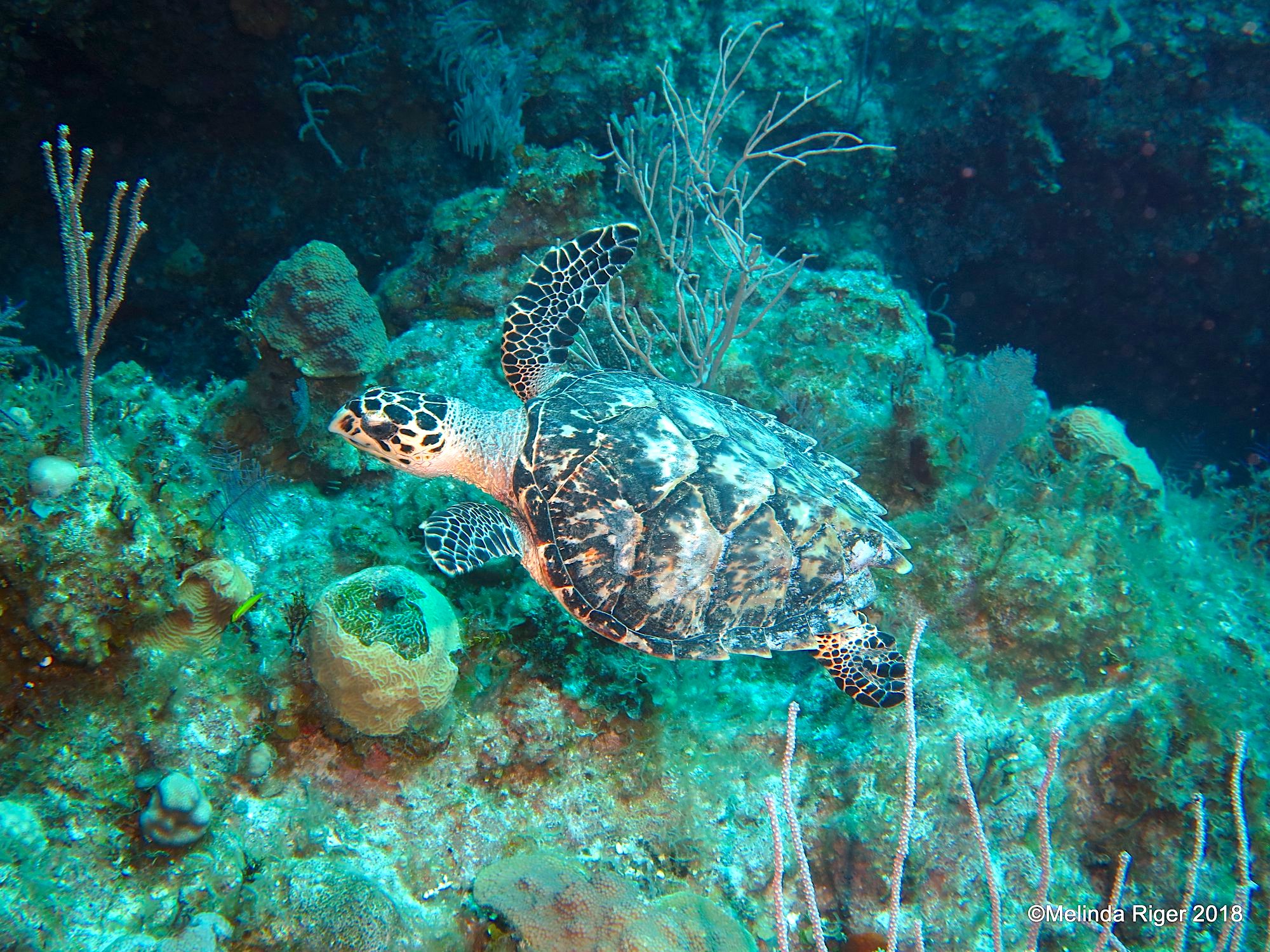
Of all the sea creatures in the limpid waters of the Bahamas, turtles are rightly among the most loved. These days, what with habitat degradation below the waves and the destruction of nesting sites on land, turtles have a hard time simply fighting for survival. And that’s before they have ingested the plastic garbage that mankind pours into their living quarters, by now probably beyond effective remedial action forever. So here are some gorgeous turtles to admire, while stocks last…

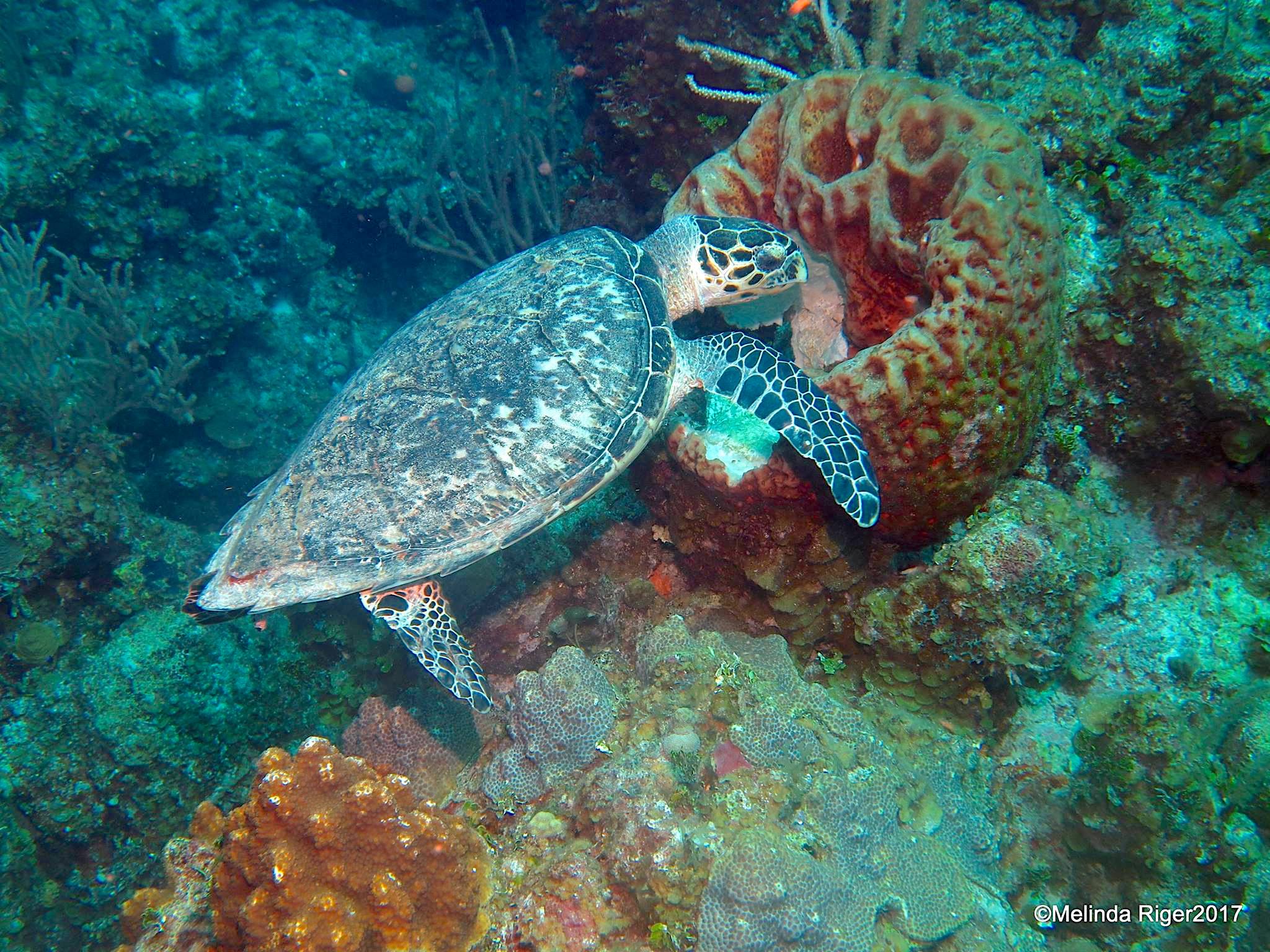
Hawksbill Turtles enjoying life around a still-healthy reefHawksbill Turtle, Bahamas (Melinda Riger / Grand Bahama Scuba) Hawksbill Turtle, Bahamas (Melinda Riger / Grand Bahama Scuba)

A hawksbill snacking on a spongeHawksbill Turtle, Bahamas (Melinda Riger / Grand Bahama Scuba)

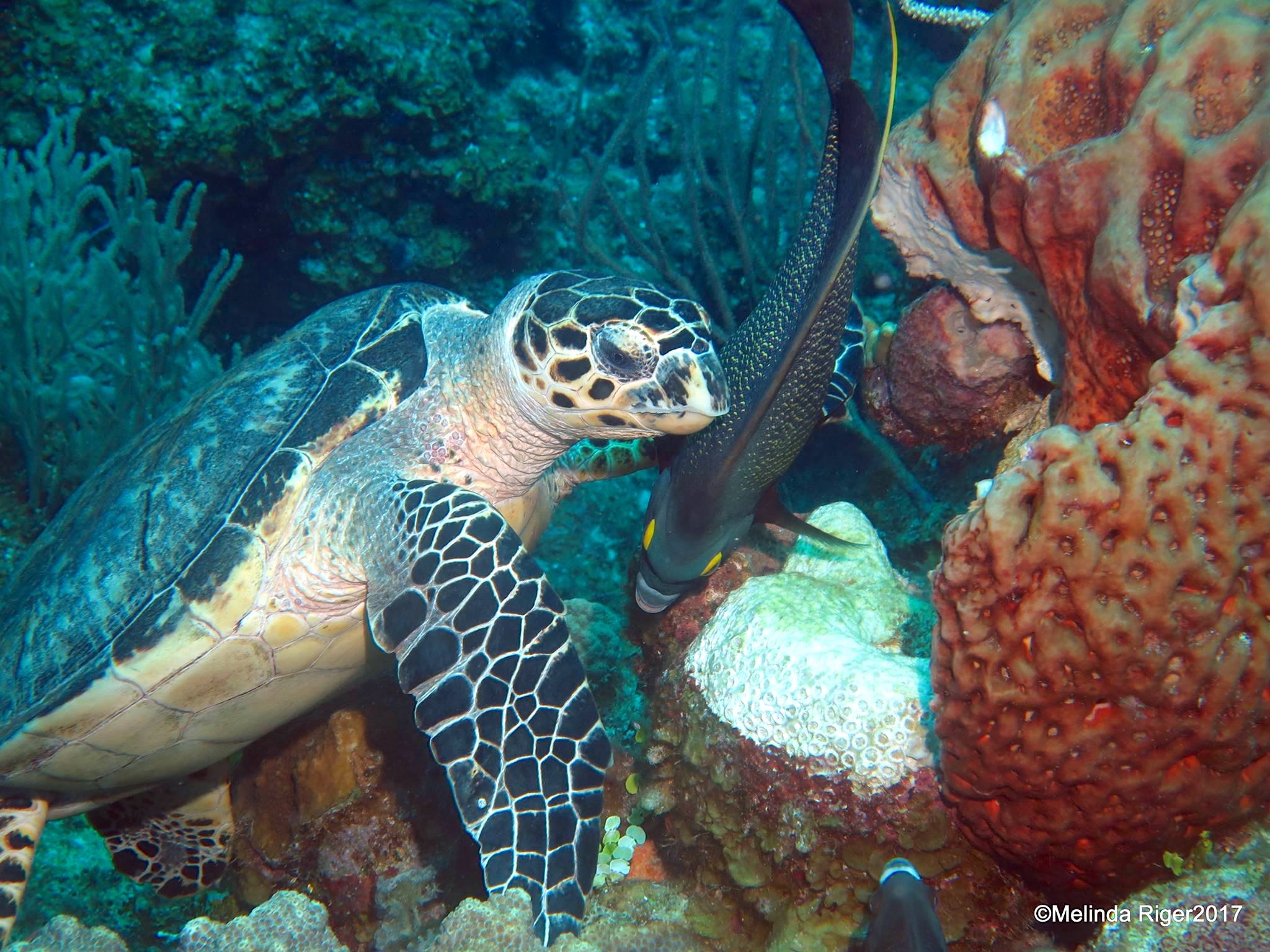
Interaction with other underwater species: gray angelfish and a rock beautyHawksbill Turtle, Bahamas (Melinda Riger / Grand Bahama Scuba) Hawksbill Turtle, Bahamas (Melinda Riger / Grand Bahama Scuba)

If you are concerned about the plight of turtles and indeed other denizens of the thickening plastic soup we still call ‘ocean’, you could investigate the work some of the organisations that tackle the problem in the Bahamas and beyond. To name but a few, our own FRIENDS OF THE ENVIRONMENT; the BAHAMAS NATIONAL TRUST; the Bahamas Reef Environmental, Educational Foundation BREEF; the CAPE ELEUTHERA FOUNDATION; and the SEA TURTLE CONSERVANCY

Photo credits: all great photos by Melinda Riger / Grand Bahama Scuba

Unknown's avatar

RUFF & READY: YET ANOTHER BIRD FIRST FOR ABACO


Ruff, Grand Bahama, Bahamas (2015) Duncan Mullis

THE FIRST RUFF IN THE BAHAMAS

RUFF & READY: YET ANOTHER BIRD FIRST FOR ABACO

The list of new bird species recorded for the Bahamas in general and Abaco in particular continues to grow longer. At the end of August it was a CANADA WARBLER (now also recently seen on Grand Bahama and possibly New Providence). Now, a mere 4 weeks later, it’s a Ruff (Calidris pugnax), a mid-sized Eurasian shorebird that, it seems, has a tendency to ‘vagrate’ across the Atlantic from time to time.

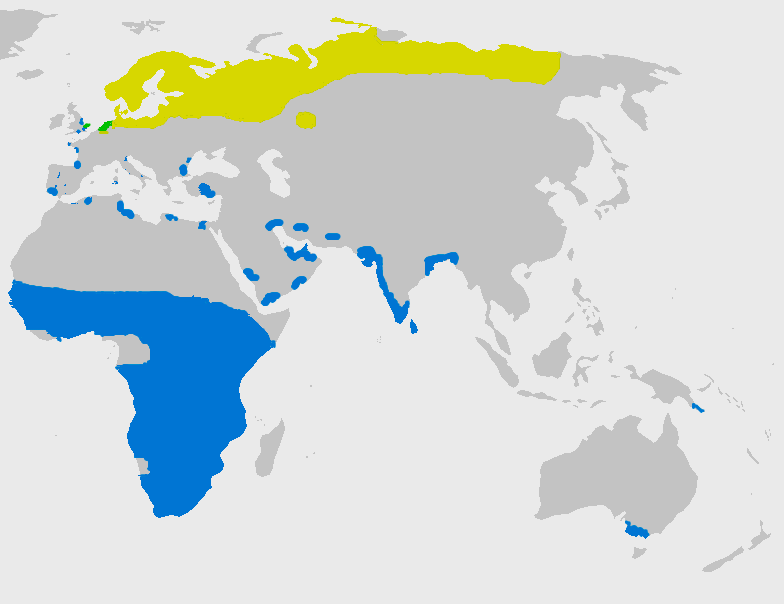
Ruffs: the normal range

Ruff, (N. America) Dick Daniels

You have to take new birds as you find them, of course. First, you may not have a camera with you to record the sighting for posterity. Secondly, the bird may not be perched prettily on a twig or a small rock. In this instance the legendary Woody Bracey found his Ruff in the prosaic and arguably unattractive setting of the Treasure Cay dump. He didn’t have a camera, and when he next went back with a camera to check for the bird the ruff had gone…

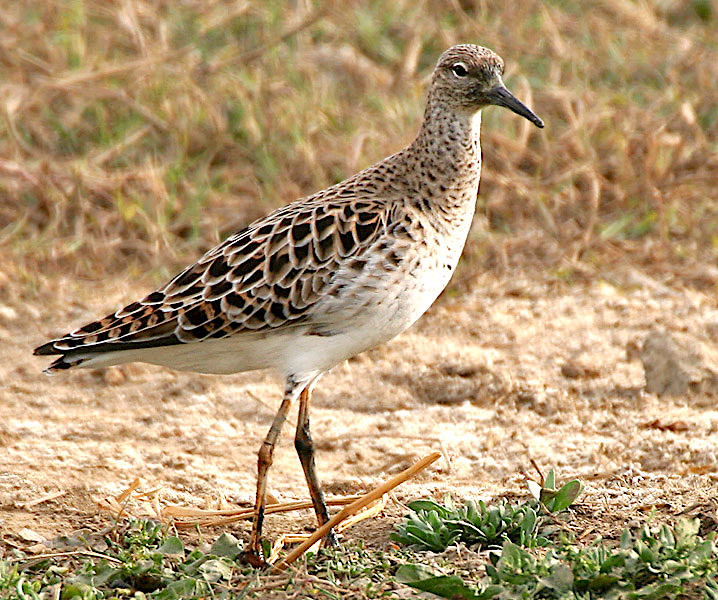
Ruff (m, non-breeding) J.M.Garg

Woody’s bird, a female (known as a Reeve), was standing next to a Lesser Yellowlegs. They are much the same height, but there the similarity ends – Ruffs are unmistakably plumper and with a shorter bill. Woody has good reason to recognise these rare and occasional transatlantic visitors, having often seen Ruffs both during his time living in the UK, and also in Africa. I’ve seen the appearance described as “like a gravy-boat”, which is well up there with the least useful descriptions of a bird’s appearance I have come across. Looked at another way, we have a couple of gravy boats that have an occasional outing. Neither looks remotely like a ruff.

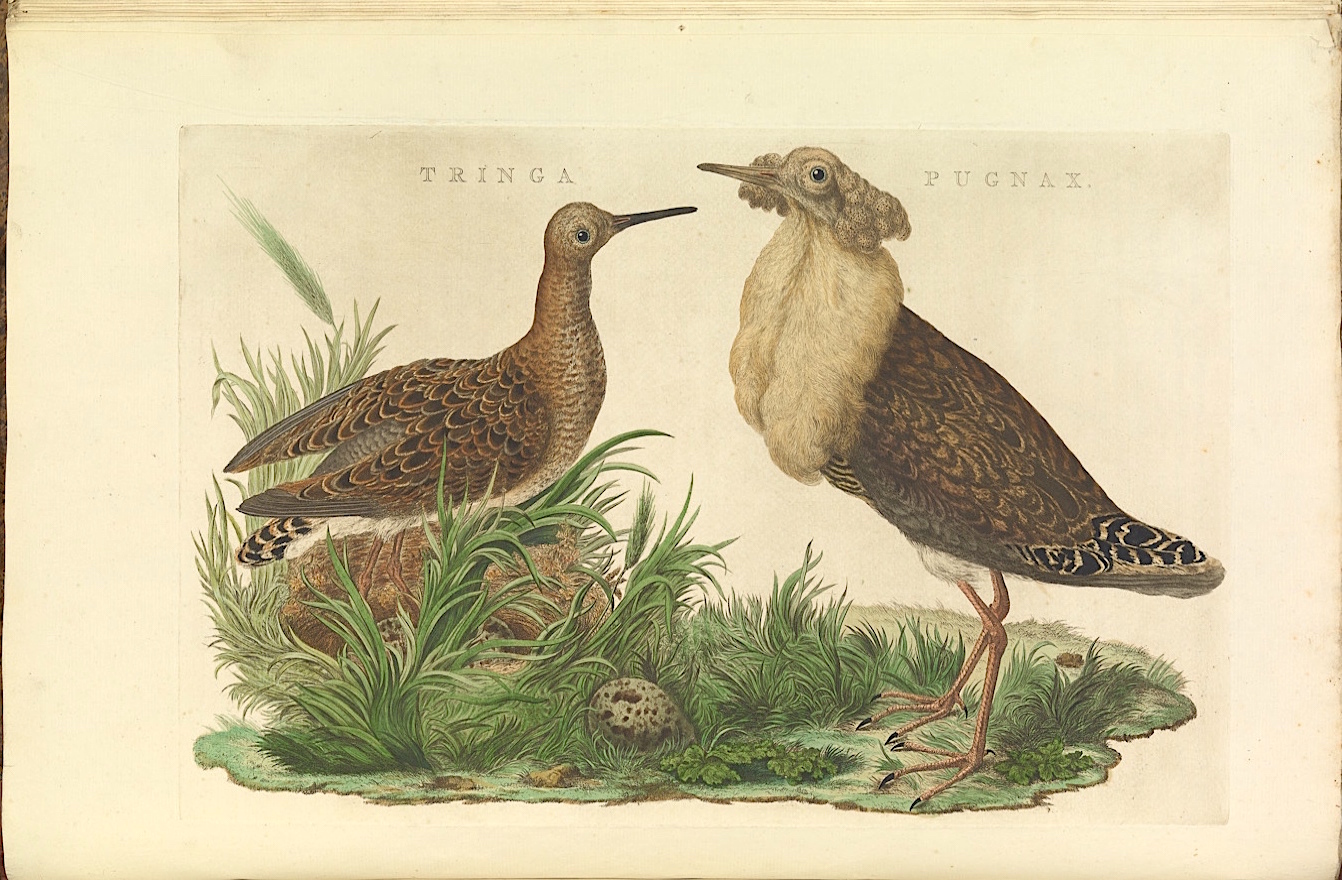
Ruff (Old Print) nederlandsche_vogelen wiki

IS THE ABACO RUFF A NEW SPECIES FOR THE WHOLE BAHAMAS?

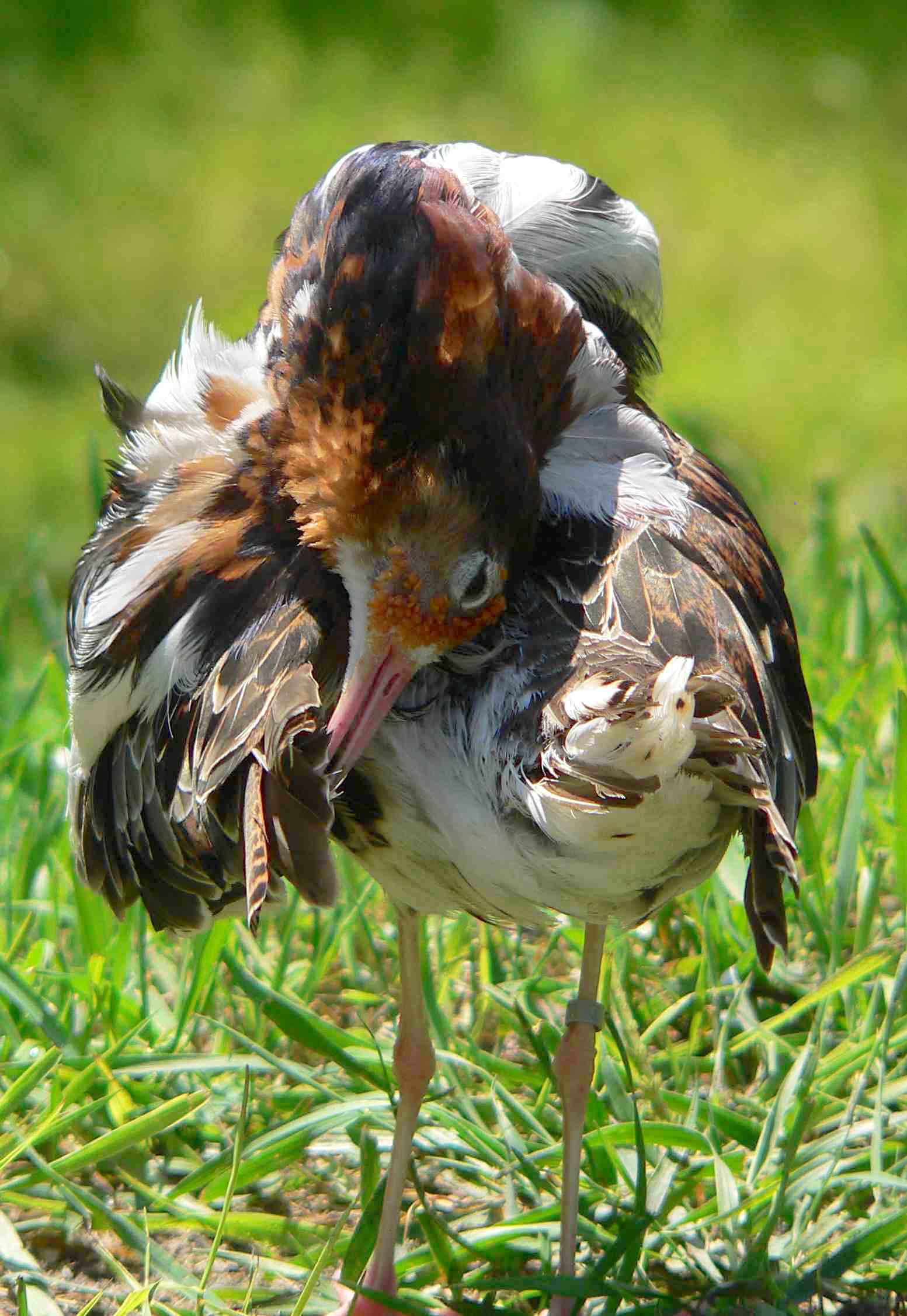
Very nearly… but not quite. Only two previous Ruff sightings are recorded, in 2015 and 2018, and both in the same area on Grand Bahama, towards West End. And the only photo is from birder Duncan Mullis, who in 2015 took the first and maybe only one of a Reeve with a bunch of much smaller sanderlings (see also header image close-up).

The first ruff in the BahamasRuff - Grand Bahama, Bahamas (Duncan Mullis 2015)

WHAT SHOULD WE KNOW ABOUT RUFFS?

In the breeding season in particular, male ruffs are very different from the smaller reeves. They acquire a spectacular colourful plumage that includes a sort of ornamental collar (hence the name). They enhance their courtship rituals with elaborate displays designed to impress the reeves. These occur in chosen areas known as leks, places where strutting, preening and general competitive showing off occur to attract a mate. Such arenas are also created by a few other bird species – grouse, blackcock and peafowl, for example. The ruff’s lekking behaviour has some complex variations – including same-sex ‘copulation’ and polyandry – but sadly this isn’t the place to explore them in detail.

WHAT DOES A LEK LOOK LIKE?

Here are two males with very different breeding plumages, giving it their all at the lek… When Carl Linnaeus described the ruff in his Systema Naturae, he gave it the binomial name Tringa pugnax, the latter word meaning  ‘aggressive’ – the lek can also become a combat zone between competing males.

Ruff Lek (Arjan Haverkamp) wiki

This male has decided to vogue it and ‘strike the pose’ as it preensRuff - male preening (B.S.Thurner-hof, wiki)

Writing in The Spruce, a new multi-interest resource I discovered in researching this article, Melissa Mayntz describes succinctly some of the common behaviour seen at leks. This includes some (or all) of the following (baby-boomers and dad-dancers may recognise some of these moves):

  • Bowing, dipping, or bending
  • Head bobbing or quick turns and nods
  • Strutting, stomping, kicks, or similar footwork
  • Exaggerated wing postures, such as fluttering, drooping, or spreading wings
  • Tails fanned, flared, cocked, or spread
  • Chests puffed out, often to reveal air sacs or distinct plumage
  • Calling, songs, drumming, or booming sounds
  • Dance-like sequences with multiple movements, possibly coordinated between partners after a female shows an interest in a specific mate

To which I’d add aggressive male territorial rivalry within the lek, leading to physical attacks with beak, claws and wings. Meanwhile the females watch from the edge to assess their chosen mates. The illustration below shows this rather charmingly.

Illustration of a lek by Johann Friedrich Naumann (1780–1857)Ruff Lek - Johannes Naumann

There’s a lot to be described about how ruff’s moult, but it’s not especially interesting for anyone but a moult specialist, so instead you can have a reminder of Ogden Nash’s last word on the topic: ‘The song of canaries / Never varies / And when they are moulting / They are pretty revolting…’ And we’ll leave migration as well, since basically that factor is N/A for our particular part of the world.
♦ ♦ ♦ ♦ ♦
JUST OUT OF CURIOSITY, CAN YOU EAT RUFFS / REEVES?
In former times ruffs were considered a delicacy and were eaten in large numbers. Often they would be fattened in pens in preparation for the table. I’ll finish with an old description: 
…if expedition is required, sugar is added, which will make them in a fortnight’s time a lump of fat: they then sell for two shillings or half-a-crown a piece… The method of killing them is by cutting off their head with a pair of ‘scissars’, the quantity of blood that issues is very great, considering the size of the bird. They are dressed like the Woodcock, with their intestines; and, when killed at the critical time, say the Epicures, are reckoned the most delicious of all morsels. Not a 21st century culinary trend I hope…

Ruffs in India (J. M. Garg)

Credits: Woody Bracey (sighting smarts); Duncan Mullis (1, 5); Dick Daniels (2); J.M.Garg (3, 9); Open Source / Wiki, prints (4, 8);  Arjan Haverkamp (6); B.S.Thurner-hof (7); Melissa Mayntz / The Spruce re Leks; debt to Wiki (and other O/S) for source material, photos, range map etc

Unknown's avatar

PLOVER SKILLS: A GOOD ‘SPOT’ BY MRS RH


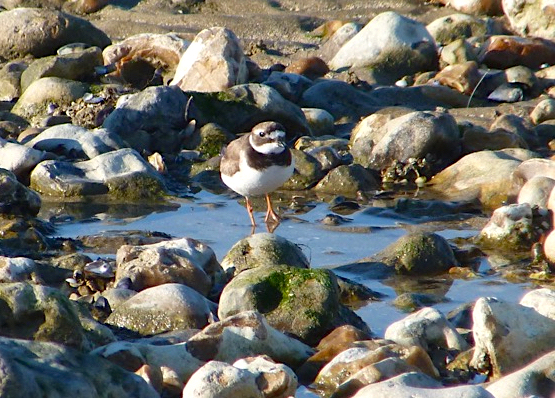
Little Ringer Plover, Normandy France (Keith Salvesen - crop)

PLOVER SKILLS: A GOOD ‘SPOT’ BY MRS RH

Still in France, il still fait beau etc, “le wee-fee” still a crockful of merde so picture posts not really possible. But there is a good ‘spot’ to report. Annoyingly (only slightly), not my own sighting but thanks to Mrs RH’s increasingly astute bird smarts on a stretch of the Seine estuary. Somewhere amidst the stones, sand, and puddles she noticed a tiny movement. And then expertly pointed out the mover by reference to a small pool and a larger pale rock. It was at least 100 feet away, a distance that I’d normally need an energetic egret to get my attention. But through the viewfinder I could just make out a tiny bird of ploverish appearance. Having downloaded my speculative distance shots taken for ID purposes, the bird turns out to be a Little Ringed Plover. Here is my sighting ID photo of the header crop showing more of the available view. Good ‘spot’ indeed!

Little Ringer Plover, Normandy France (Keith Salvesen)

Normal service resumes next week – unless we decide to stay here, which would be delightful though not exactly convenient or practical…

Photo credit: a joint effort I think…

Unknown's avatar

“GOOD (GOOD GOOD GOOD) MIGRATIONS…”


Prairie Warbler, Abaco Bahamas (Gerlinde Taurer)

Prairie Warbler, Abaco

“GOOD (GOOD GOOD GOOD) MIGRATIONS…”

Just like the Beach Boys who like to ‘Get Around…’, so do birds. It gives them excitations. Me too. We have ended up in France, not so much migratory as ‘occasional rare visitors’ and anyway not as vagrants. The habitat is wonderful, the foraging is excellent, but the wi-fi is a crockful of merde.

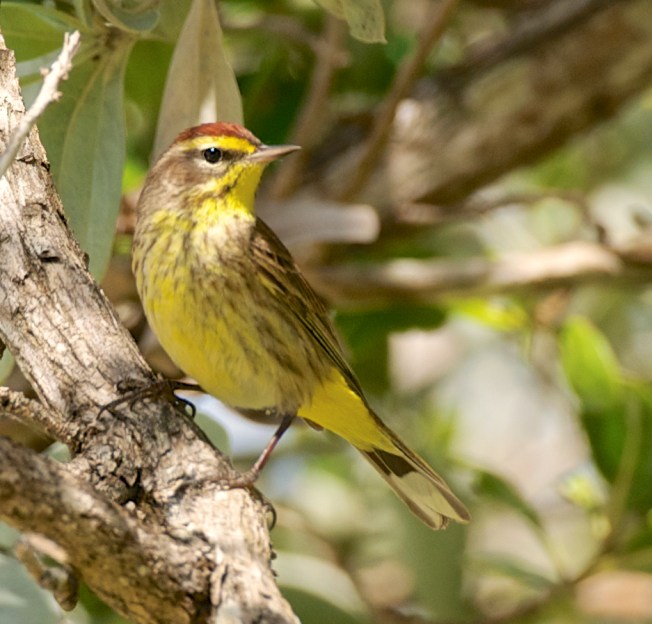
PALM WARBLERPalm Warbler, Abaco Bahamas (Nina Henry)

Images take an age to upload so I am taking emergency measures. Today, it’s going to be a quick look at 4 common winter warblers you can easily find on Abaco. Then I’m back to the vin.

BLACK-AND-WHITE WARBLERBlack-and-White Warbler, Abaco Bahamas (Bruce Hallett)

If you’d like to know more about Abaco’s 37 warbler species (not including the very recent discovery of a Canada Warbler) click on this PDF and all shall be revealed.

AN ILLUSTRATED GUIDE TO ABACO’S WARBLERS

YELLOW-THROATED WARBLERYellow-throated Warbler, Abaco Bahamas (Becky Marvil)

Au revoir for the time being…

Photo credits: Gerlinde Taurer, Nina Henry, Bruce Hallet, Becky Marvil; Warbler Guide PDF © Rolling Harbour Megacorp Int.