Unknown's avatar

GREATER YELLOWLEGS: LARGER THAN THE LESSER. PROBABLY.


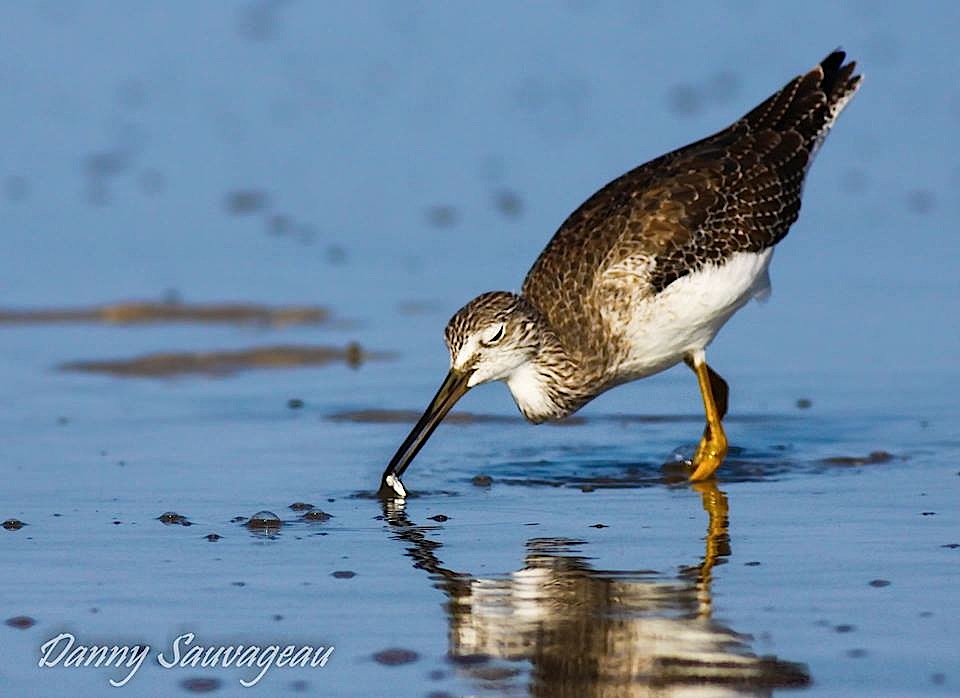
Greater Yellowlegs, FL (©Danny Sauvageau)

GREATER YELLOWLEGS: LARGER THAN THE LESSER. PROBABLY.

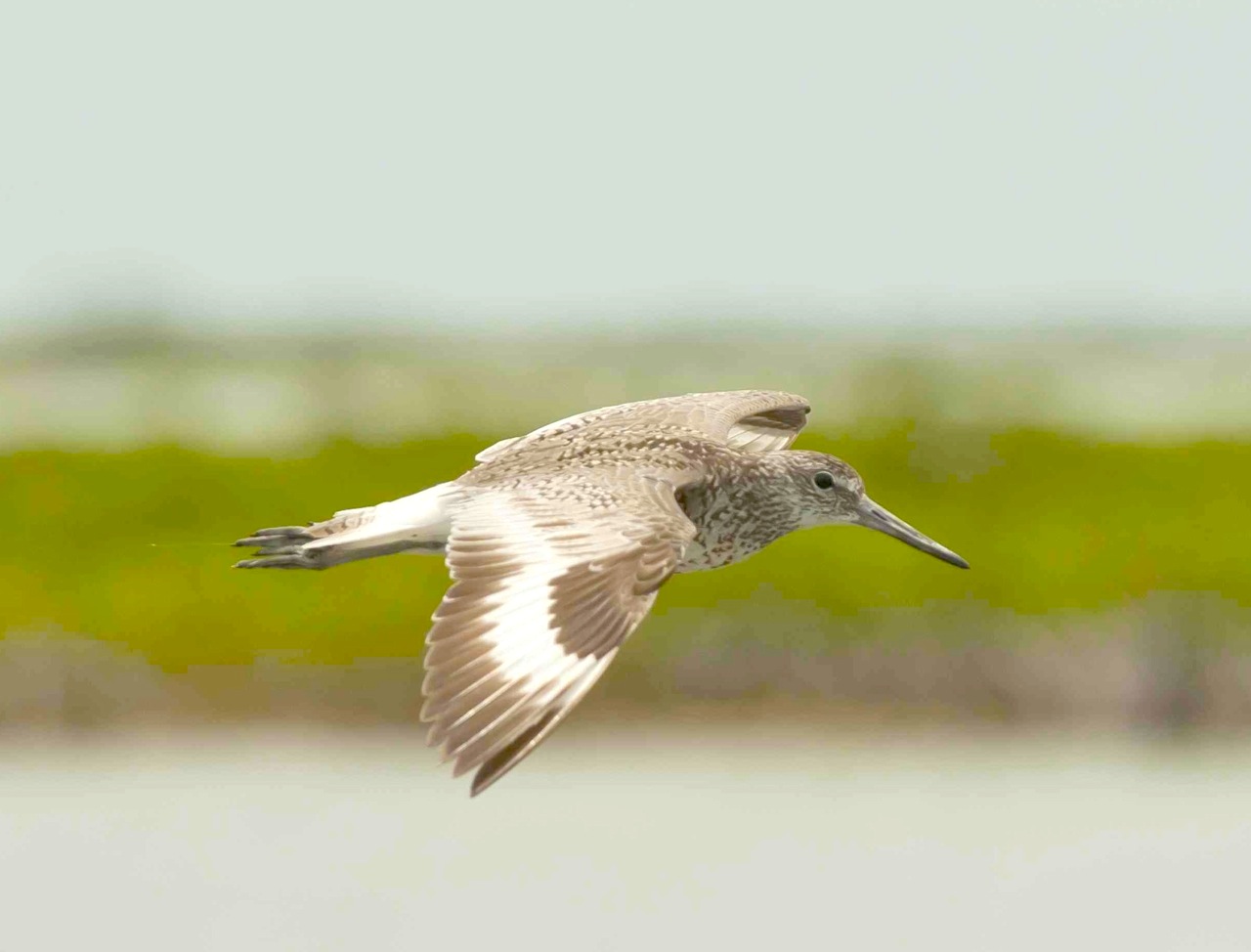
I’ve shied away from the whole ‘yellowlegs dimension question’ for long enough. Now that I have some brilliant photos for you, I feel I am obliged to address the issue. I was last forced into this slightly uncomfortable position while writing the captions for THE BIRD OF ABACO. We had GY photos. We had LY photos. We had none of the 2 species together, or at comparable distances from the camera. Frankly unless you are very knowledgeable and / or a regular birder where both species hang out, they are very hard to tell apart. 

Both yellowlegs species are winter residents on Abaco, and neither is particularly common (though Gilpin Pond is always a good place to check for LYs). Both are very similar in almost all respects. The broad principle is that the GY is the larger, heavier bird, while the LY is more delicate and with a shorter bill in proportion to its head size.

In a more refined version, Cornell suggests: “GY’s bill appears slightly upturned and blunt-tipped, while LY’s bill is straight and sharp-pointed. LY’s bill is always dark, while GY’s bill is grayish at the base in non-breeding season. Voice is best distinguishing character: GY gives three or four piercing notes, LY two rapid, softer short whistles (sometimes three)”. But even this help depends on (a) light conditions (b) season and (c) whether the bird you are looking at is ‘vocalising’ or not…

TWO TYPES OF YELLOWLEGS ON ABACO – BUT WHICH IS WHICH?Greater Yellowlegs LR. Abaco Bahamas.Tom Sheley.2.12 copy 2Lesser Yellowlegs.Marls.Abaco Bahamas.2.13.Tom Sheley small 3

If you saw the two birds above on separate days in different places at different distances, could you say with confidence which is which? Or maybe they are the same? Experts will probably know at once that the top bird is a GY in a ‘slimline’ stance; and the other is a LY in a ‘plump’ stance. But going simply on the ‘larger heavier bird’ and ‘bill-length principle’, I’d have said the opposite. And I’d be wrong. As usual. I suspect that the only way an amateur (e.g. me) can hope to be confident in distinguishing the two species is by seeing them frequently and preferably together.

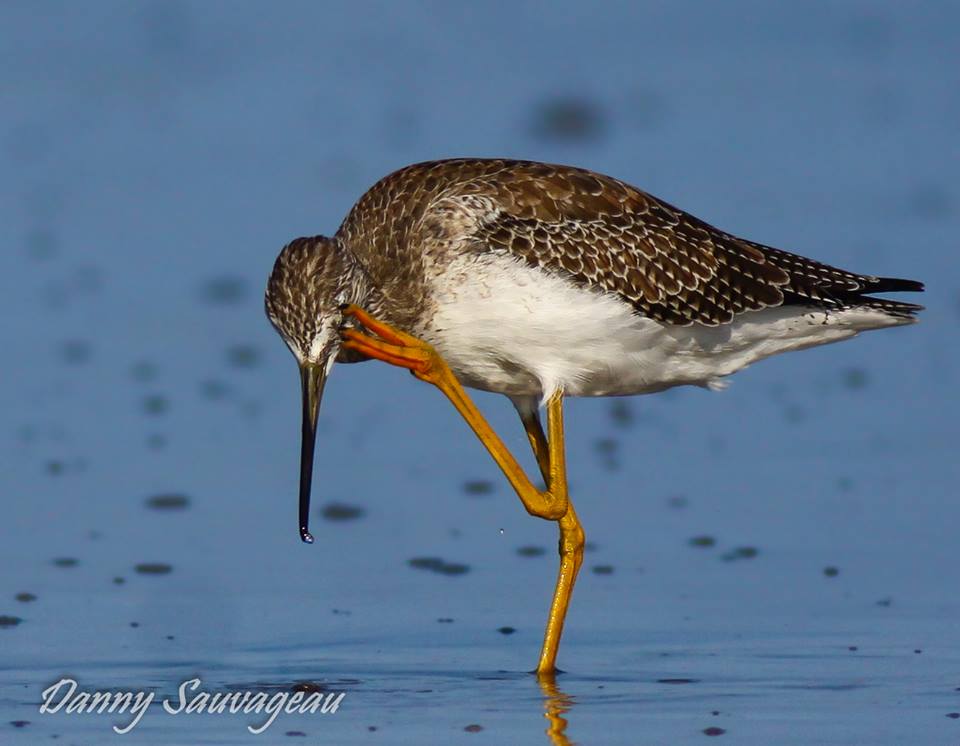
Which takes us from Abaco, where the above birds were photographed by Tom Sheley, to Pinellas County, FL and the wonderful photos of Danny Sauvageau, an expert with the birds and also the camera. Here are some of his recent Greater Yellowlegs photographs that show the bird at its absolute best. They also demonstrate the ‘plump’ and the ‘slim’ looks of the same bird.

If anyone has any other reliable method for telling the species apart, please post a comment and I will gladly incorporate it as a STOP PRESS…

Greater Yellowlegs, FL (©Danny Sauvageau)Greater Yellowlegs, FL (©Danny Sauvageau) Greater Yellowlegs, FL (©Danny Sauvageau) Greater Yellowlegs, FL (©Danny Sauvageau) Greater Yellowlegs, FL (©Danny Sauvageau) Greater Yellowlegs, FL (©Danny Sauvageau) Greater Yellowlegs, FL (©Danny Sauvageau)

STOP PRESS 1 My thanks to blogging friend DEAR KITTY for reminding me of a video she posted that very conveniently shows a GY and a LY together, in circumstances where it is impossible not to notice that one bird is larger than the other. It’s an all-round helpful video, so thanks for this, DK.

[youtube https://youtu.be/1BFMAYUDnmg]

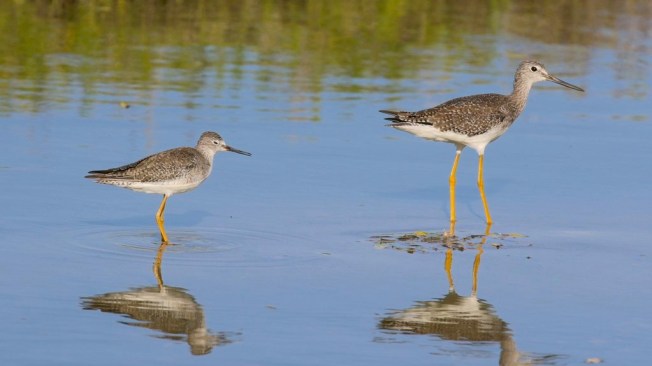
STOP PRESS 2 Thanks again to DK for drawing my attention to a great photo by Matt Scott posted on twitter. Here are both types of yellowlegs together, in similar poses and the same distance from the camera – and the behold the difference. The very illustrative image I had been looking for, handed to me on a plate…Yellowlegs G & L, Aruba - Matt Scott @matttockington

Credits: GY and LY on Abaco, Tom Sheley; all other photos Danny Sauvageau. Thanks to both for use permission. Also, Cornell Lab of Ornithology… And Matt Scott

Unknown's avatar

THREE “HALLOWEEN-COLOURED” BIRDS ON ABACO


6292695150_32bb41d043

THREE “HALLOWEEN-COLOURED” BIRDS ON ABACO

Black and orange seem to have become – perhaps always have been – the colours most associated with Halloween (“Holy Evening” at one time in its history). Black, I suppose, for witches and their cats; orange for pumpkins and fire. In nature, surprisingly few creatures and plants have an exclusively black and orange livery. Some birds. A salamander of two. A few fish and butterflies. The odd flower. 

I decided for no reason at all to spend (waste?) a small amount of time discovering which birds found on Abaco are true Halloween species. I had to allow for some white markings, on the spurious basis that white is not a colour but rather an absence of colour… That left 3 species (and even then some troublemakers might argue that the precise borderline between yellow and orange is debatable…). 

AMERICAN REDSTART

The Redstart Setophaga ruticilla is a species of warbler and a common winter resident on Abaco. They are mostly seen in the coppice and in gardens. The male is black with orange markings; the female has yellow markings instead of orange.

American Redstart (m) Abaco (Craig Nash) American Redstart (m) Abaco (Gerlinde Taurer) American Redstart (m) Abaco (Tom Sheley)

BALTIMORE ORIOLE

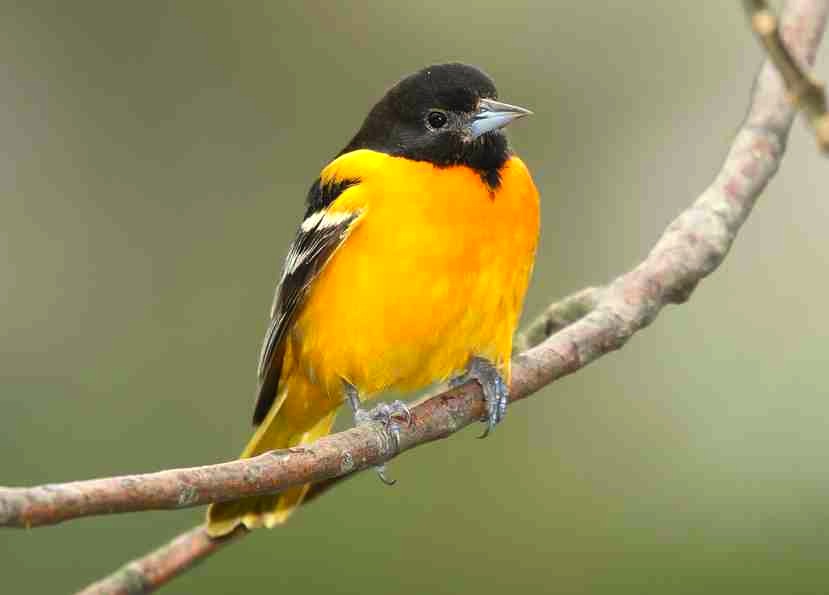
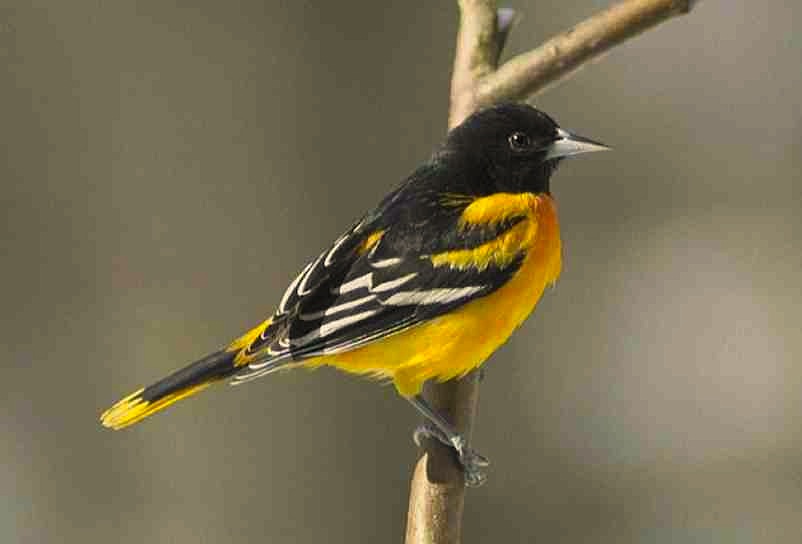
These Orioles Icterus galbula are rather less common winter visitors. Many are completely black and orange apart from white wing bars. However, there’s no doubt that others are more of a yellowy-orange.

Baltimore Oriole (pinterest) copyBaltimore Oriole (mdf-wiki)Baltimore Oriole (Brezinski-wiki)

WESTERN SPINDALIS

The handsome, colourful Spindalis zena is one of my favourite birds. The Spindalis is a common permanent resident, and I am determined to make it qualify as a Halloween bird even though (arguably) plenty of its surface area is neither black not orange. Apologies to purists.
Western Spindalis, Delphi, Abaco (Keith Salvesen)Western Spindalis (m) Abaco (Craig Nash) Western Spindalis (m) Abaco (Gerlinde Taurer)

Credits: Craig Nash, Gerlinde Taurer, Tom Sheley, Keith Salvesen, pinterest, wiki & an unknown Angry Bird pumpkin carver

Unknown's avatar

“THE DELPHI CLUB GUIDE TO THE BIRDS OF ABACO”


Abaco Parrot, Abaco Bahamas (Peter Mantle)

“THE DELPHI CLUB GUIDE TO THE BIRDS OF ABACO”

A new season – the seventh – of the Delphi Club is now underway. There are fish to be caught, poolside inactivities to relish, chef-prepared meals to eat and a capacious wine cellar to be explored. To which, add birds to be spotted. Delphi has turned out to be a superb place for birding – not a feature given prominence in the original prospectus… The Club’s remoteness and its rich mix of pine forest, coppice, gardens and a pristine one-mile beach ensure the prefect protected habitat for a vast number of bird species common, uncommon and rare.

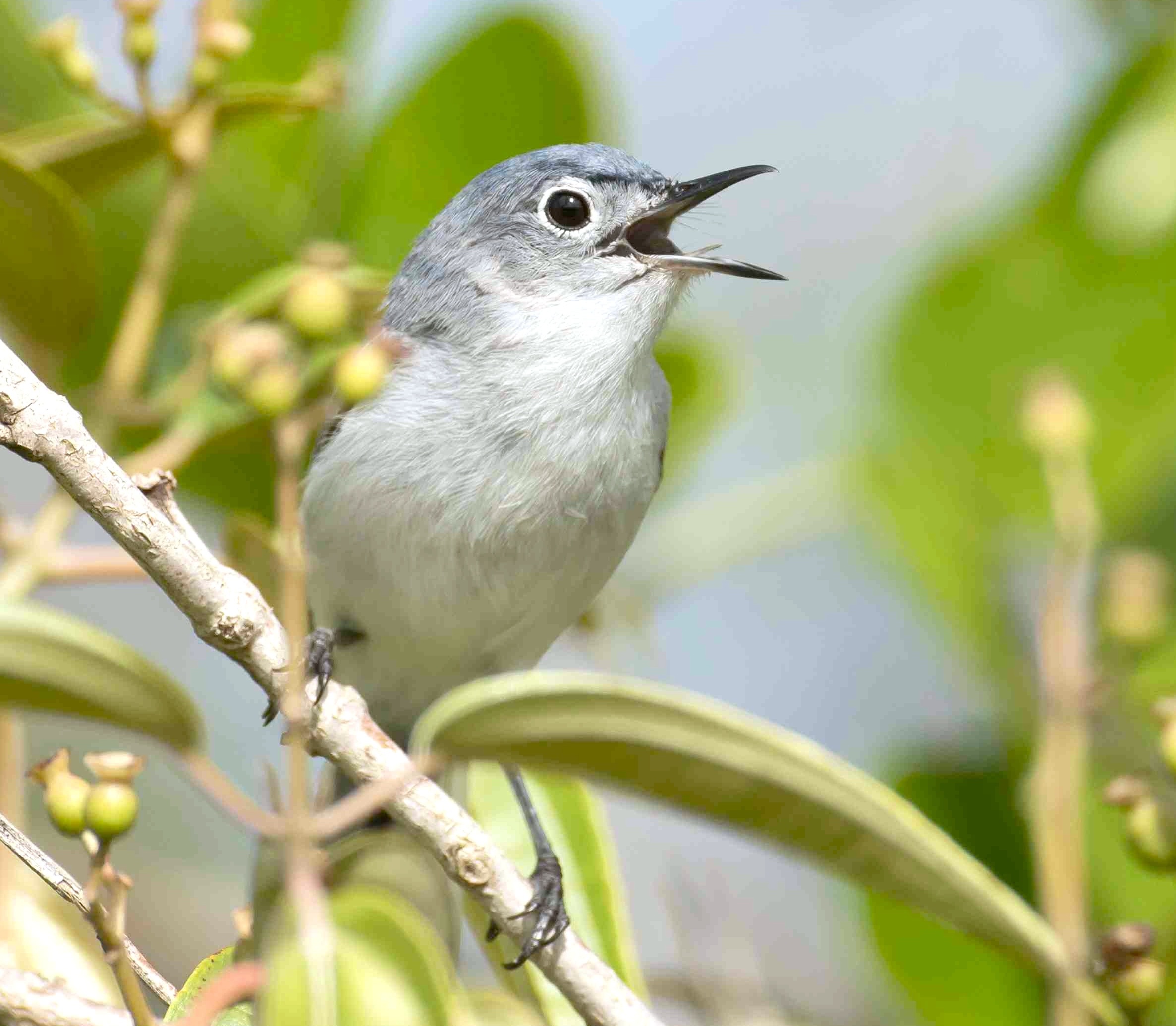
Blue-gray Gnatcatcher vocalizing.Abaco Bahamas.6.13.Tom Sheley a

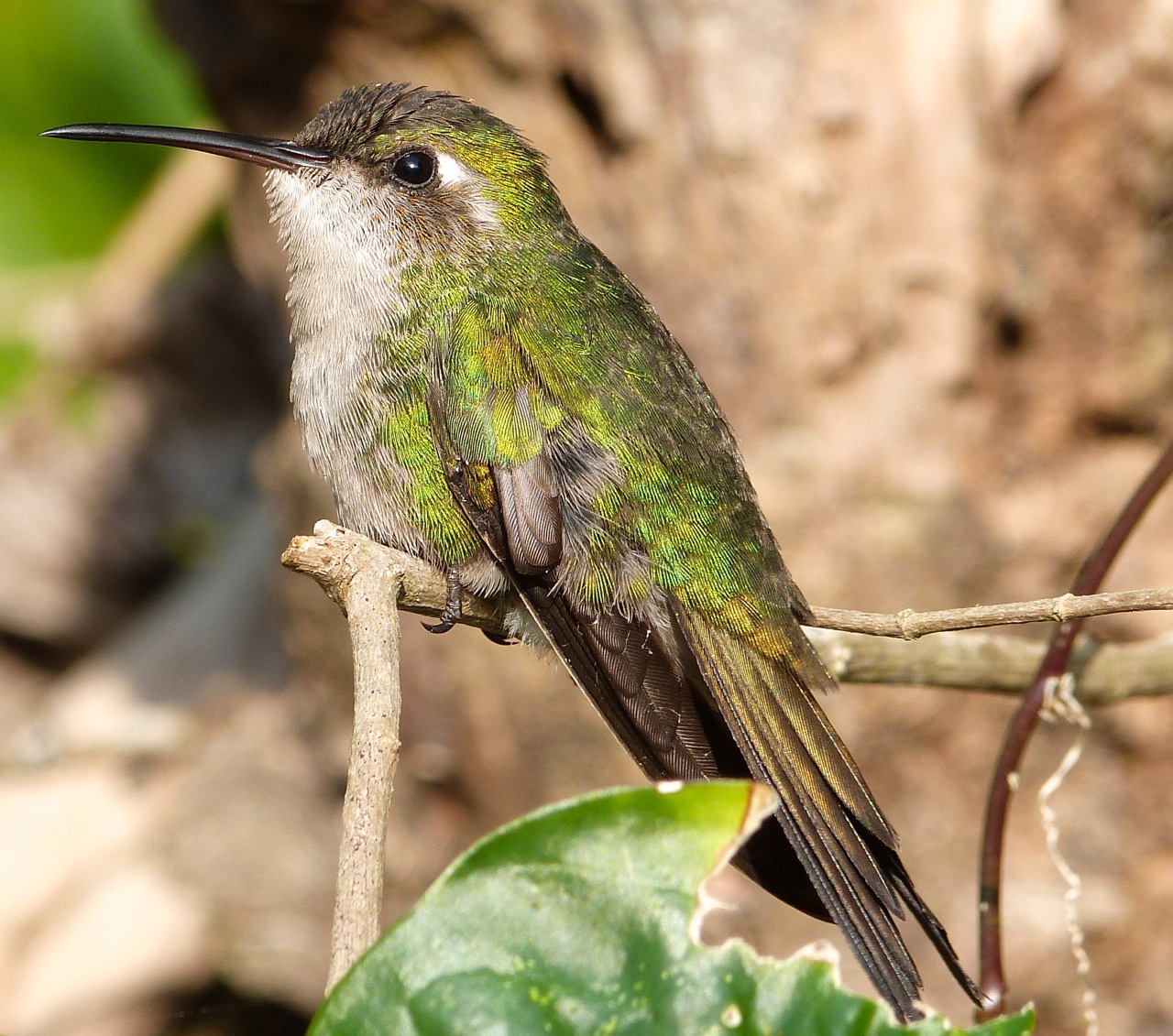
Eighteen months ago, “The Delphi Club Guide to THE BIRDS OF ABACOwas published. The originator of the idea – as with the entire Delphi project – was of course Peter Mantle, the publisher. The book took 16 months from conception to the arrival of three pallets of printed books on the dockside in Marsh Harbour, having travelled by a tortuous route from specialist printers in Italy. Cuban Emerald Hummingbird, Delphi, Abaco (Keith Salvesen)

The book was launched at the Delphi Club in March 2014, to generous enthusiasm and support both on Abaco and beyond. 75% of the edition has been sold already. In addition, Abaco schools, libraries and wildlife organisations have been given copies for educational purposes. A percentage of profits is to be given to local wildlife causes. We couldn’t be more pleased with the response to this lavish book, a unique publication in the Bahamas. 

Delphi Club Guide to the Birds of Abaco (Jacket)

The incremental growth of social media is rapid. Blogs gain readers. Facebook and Twitter pages gain new friends and followers. The start of this new Delphi season is therefore a good moment to post a reminder about the book, illustrated with a few of the wonderful bird species featured. And… ahem… there are only 57 more ‘sleeps’ until Christmas. 

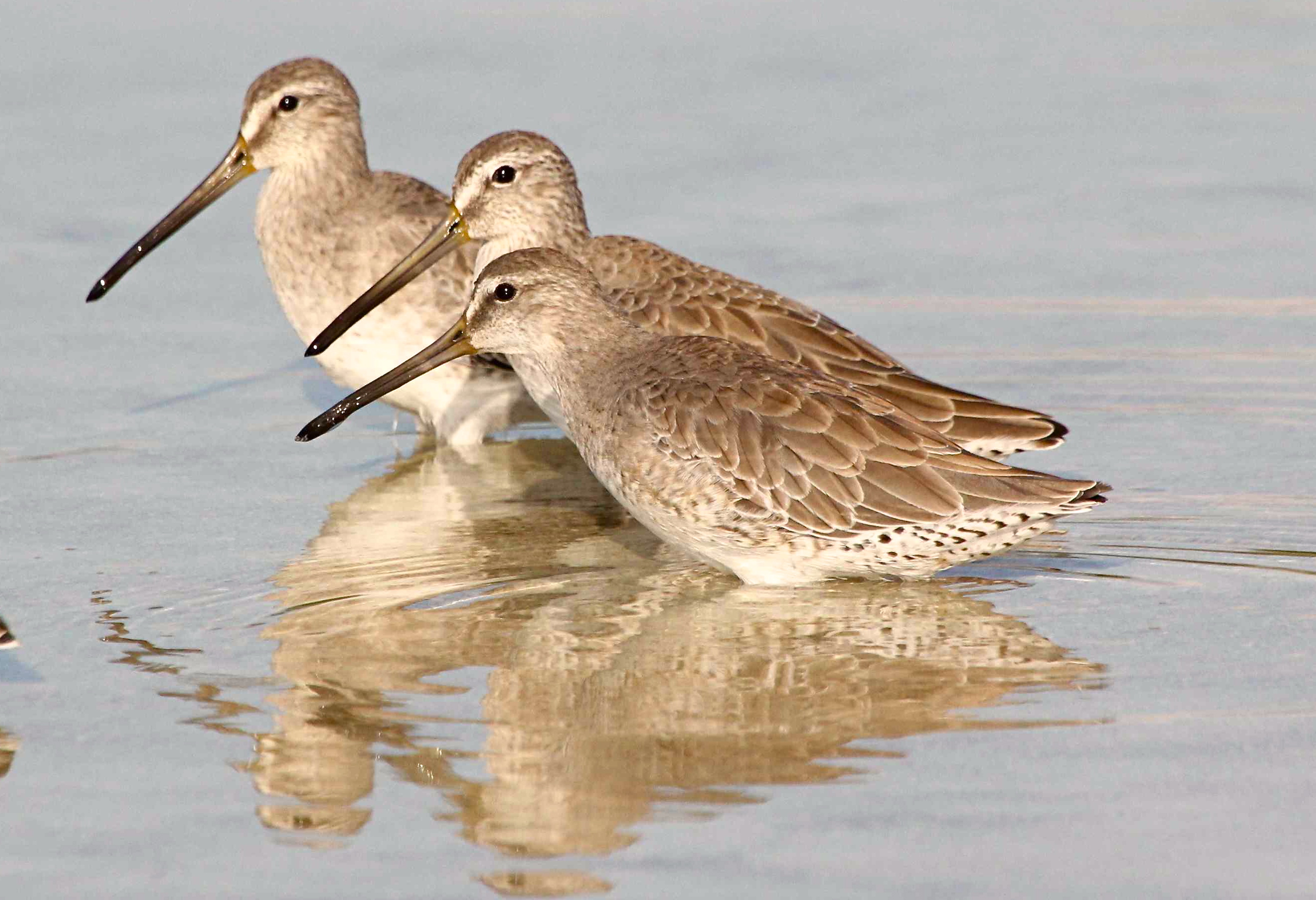
Short-billed Dowitcher, Abaco (Bruce Hallett)

The Guide showcases the rich and varied bird life of Abaco, Bahamas and features both resident and migratory species including rarities and unusual sightings. The main features are as follows:

  • 272 pages with more than 350 photographs
  • 163 species shown in vivid colour – nearly two-thirds of all the bird species ever recorded for Abaco
  • Every single photograph was taken on Abaco or in Abaco waters
  • All birds are shown in their natural surroundings – no feeders or trails of seed were used
  • Several birds featured are the first ones ever recorded for Abaco or even for the entire Bahamas

Clapper Rail Abaco Bahamas Tom Sheley

  • A total of 30 photographers, both experienced and amateur, contributed to the project
  • The book has had the generous support of many well-known names of Abaco and Bahamas birding
  • A complete checklist of every bird recorded for Abaco since 1950 up to the date of publication was compiled specially for the book.
  • A neat code was devised to show at a glance when you may see a particular bird, and the likelihood of doing so. Birds found at Delphi are also marked.
  • Specially commissioned cartographer’s Map of Abaco showing places named in the book

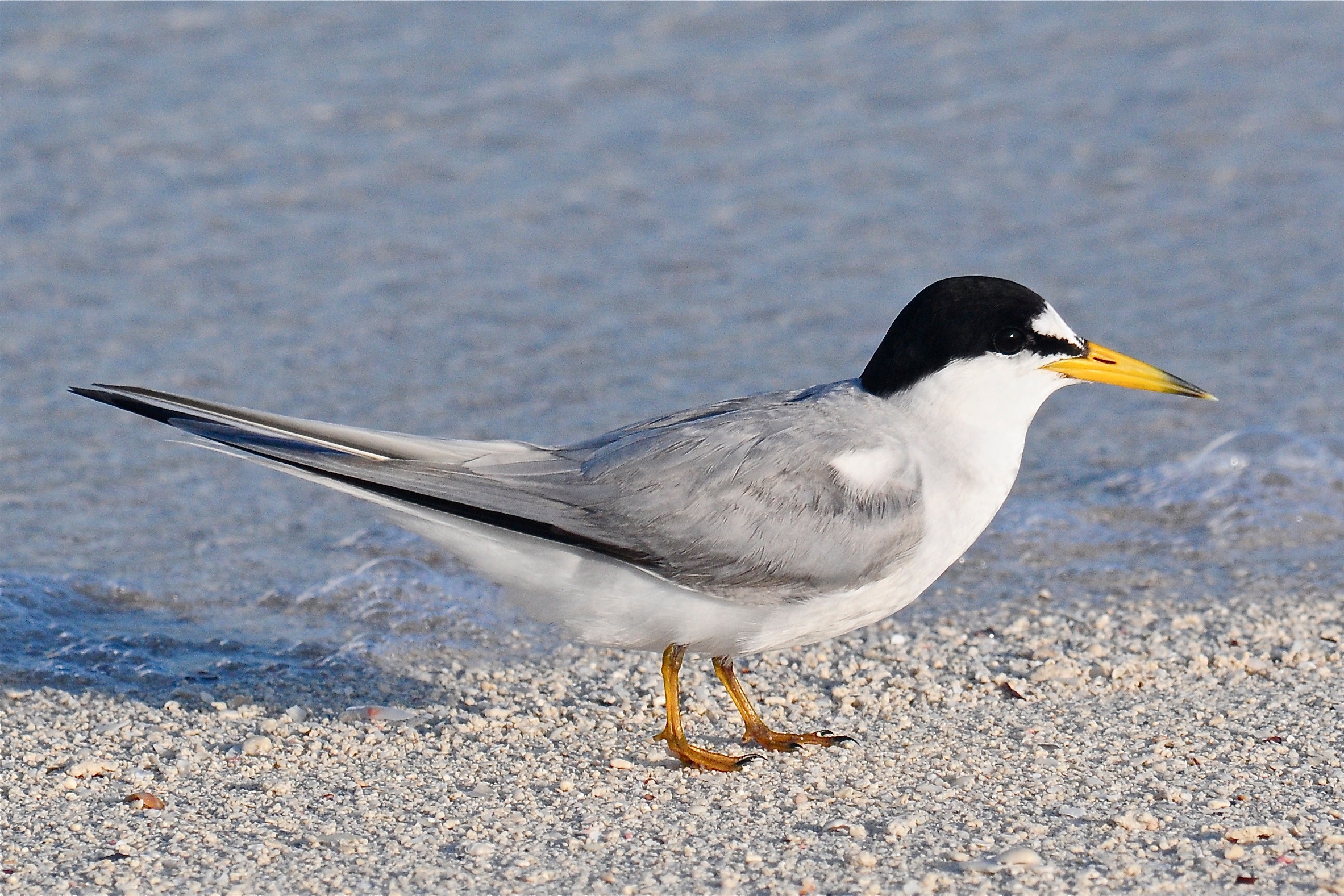
Least Tern_ACH3672 copy

  • Informative captions intentionally depart from the standard field guide approach…
  • …as does the listing of the birds in alphabetical rather than scientific order
  • Say goodbye to ’37 warbler species on consecutive pages’ misery
  • Say hello to astonishing and unexpected juxtapositions of species

Abaco_Bahama Yellowthroat_Gerlinde Taurer copy

  • The book was printed in Florence, Italy by specialist printers on Grade-1 quality paper
  • Printing took pairs of printers working in 6 hour shifts 33 hours over 3 days to complete
  • The project manager and the author personally oversaw the printing

Smooth-billed Ani pair GT

  • The book is dedicated to the wildlife organisations of Abaco
  • A percentage of the proceeds of sale will be donated for the support of local wildlife organisations
  • A copy of the book has been presented to every school and library on Abaco

Piping Plover BH IMG_1919

The book is published by the Delphi Club (contact details below). The project was managed by a publishing specialist in art books. The author is the wildlife blogger more widely known on Abaco and (possibly) beyond as ‘Rolling Harbour’. Oh! So that would in fact be Mrs Harbour and myself. Well well! What are the chances? Painted Bunting male.Abaco Bahamas.Tom Sheley

The Delphi Club at Rolling Harbour
PO Box AB-20006, Marsh Harbour, Abaco, Bahamas
Tel: +1-242-366-2222
General Manager – Max Woolnough: +1-242-577-1698
delphi.bahamas@gmail.com

Or email rollingharbour.delphi@gmail.com with any queries or commentsAmerican Oystercatchers BH IMG_2000 copy 2

Images by Tom Sheley,  Bruce Hallett, Gerlinde Taurer, Tony Hepburn, Peter Mantle, RH

Cuban (Crescent-eyed) Pewee, Delphi, Abaco (Keith Salvesen)"Birds of Abaco" flyer

Unknown's avatar

“EMERALD EYES”: NEOTROPIC CORMORANTS ON ABACO


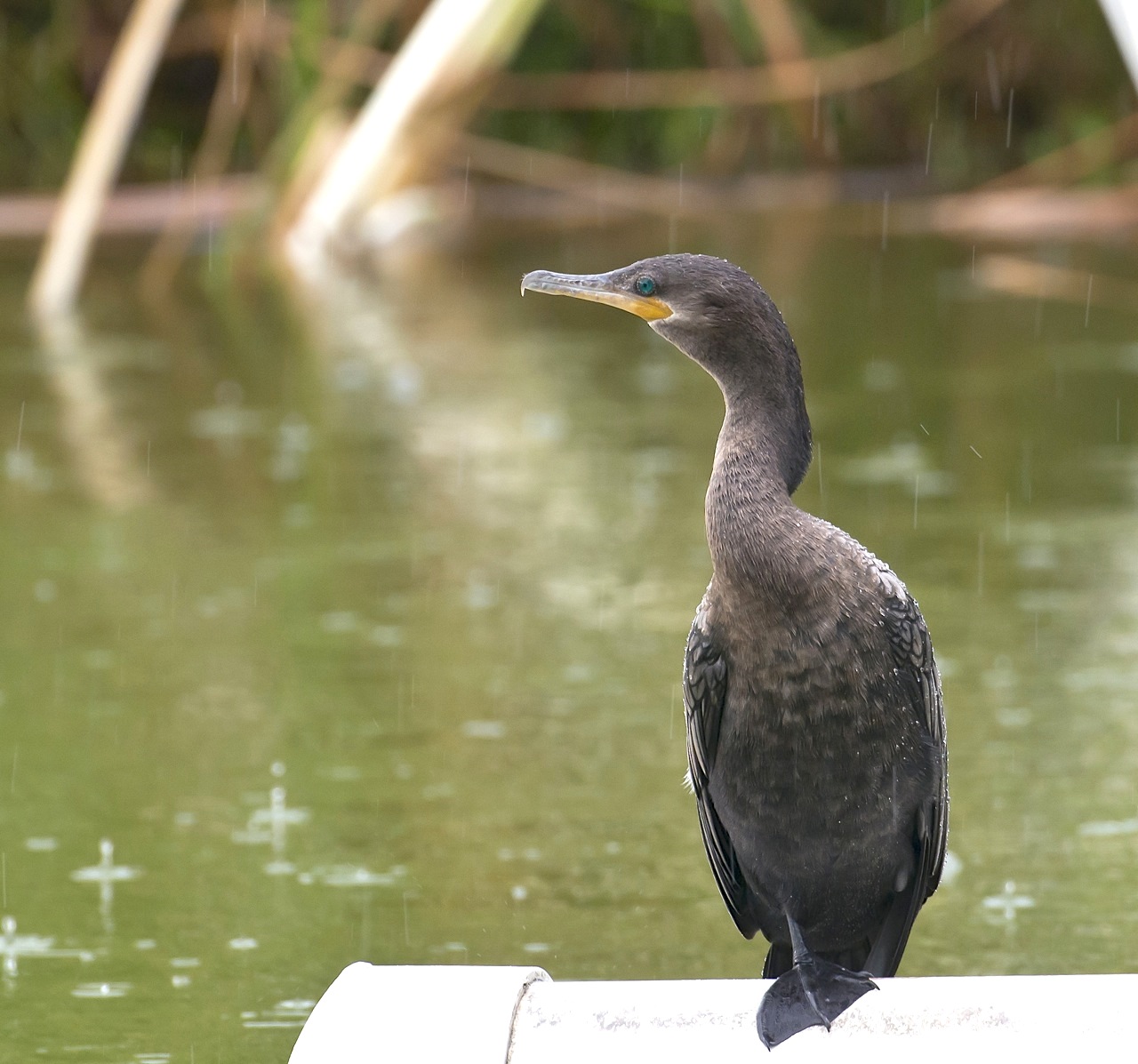
Neotropic Cormorant, Treasure Cay, Abaco 1 (Tom Sheley)

“EMERALD EYES”: NEOTROPIC CORMORANTS ON ABACO

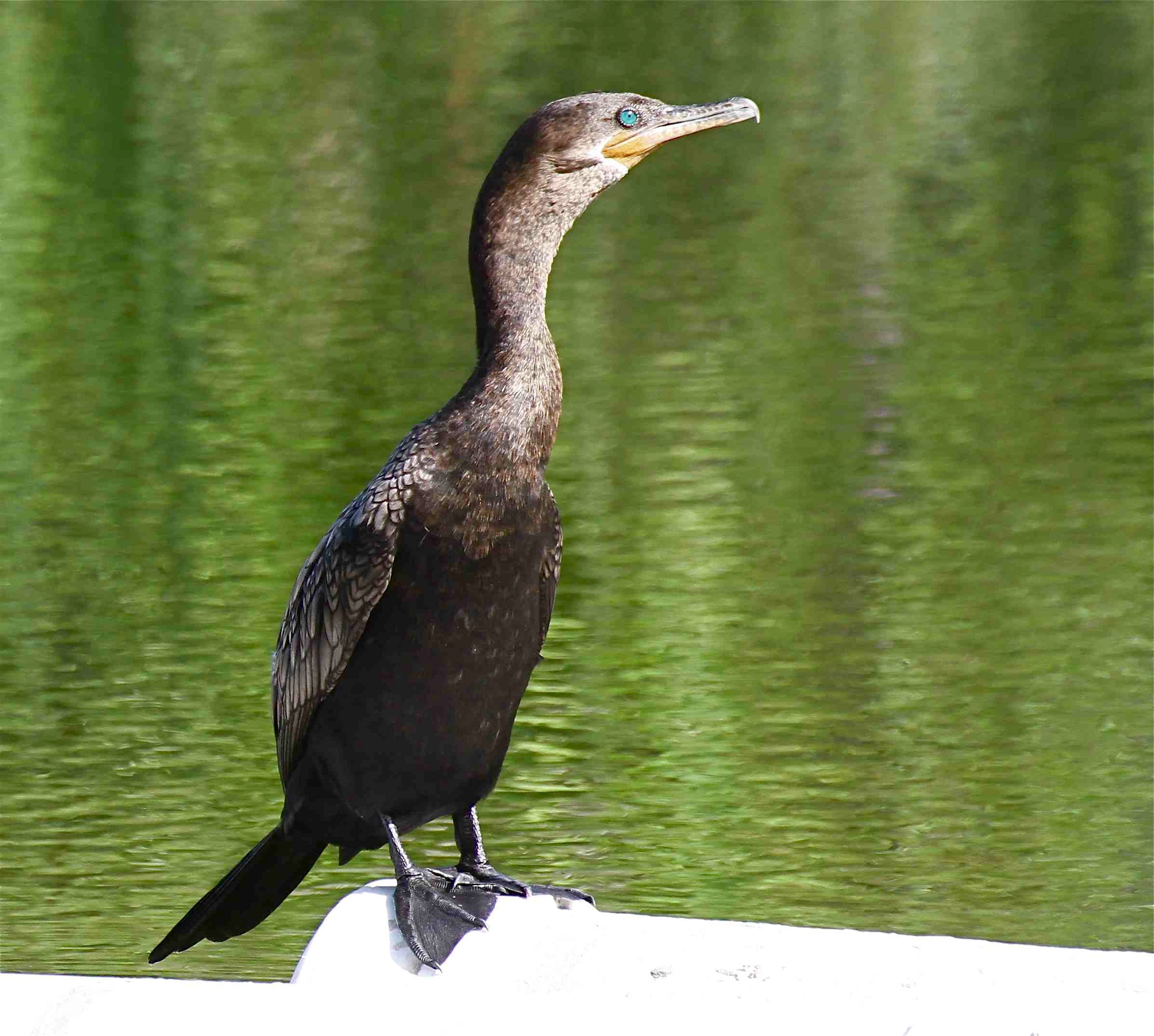
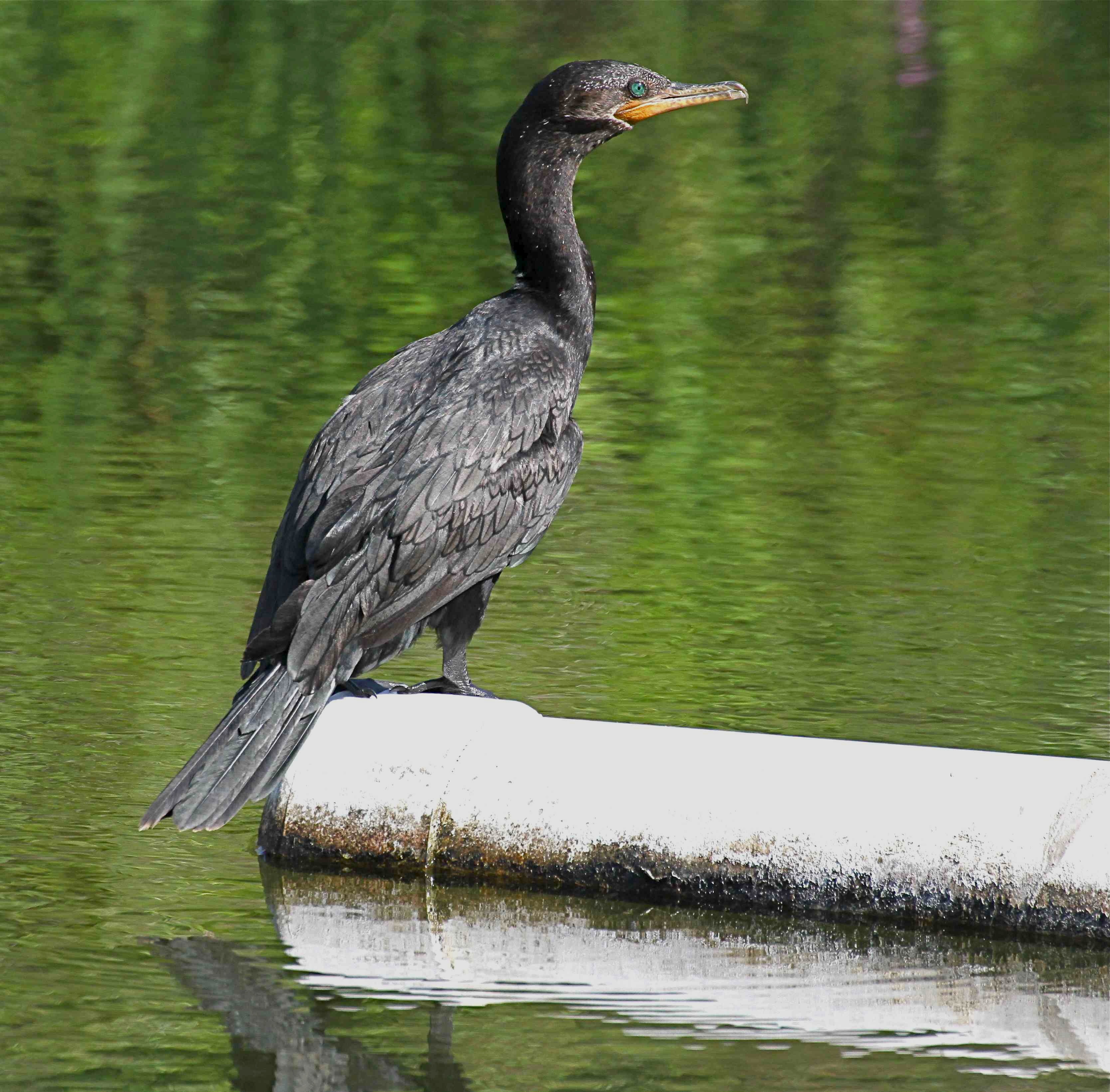
Neotropic or Olivaceous Cormorants Phalacrocorax brasilianus. Smaller cousins of the familiar double-crested cormorant, and occupying a quite different range. In the northern Bahamas they are considered to be uncommon summer residents whereas the big guys are common year-round residents. However the neotropics’ range has spread in the last decade and they may become more noticeable on Abaco. Right now, Abaco is pretty much the northern boundary.

images        images-1

In many ways, cormorants are taken rather for granted – ubiquitous black guardians of the coastal margins. But seen close-to, they have their glamour. This is especially true of the slimmer neotropics, with precious jewels for eyes and intricate plumage patterns that a mere fly-past cannot reveal.

Male and female neotropic cormorants: a caption contest in the making…Neotropic Cormorant, Abaco 3 (Bruce Hallett)

Neotropic Cormorant, Abaco 2 (Bruce Hallett)
Comingsbirds
Besides being smaller and lighter than the double-cresteds, these cormorants have longer tails. They are mainly fish-eaters both at sea, and inshore where ponds are to be found. They make brief dives to find food; in groups they may combine to beat the water with their wings to drive fish into the shallows where they can be picked off more easily.
Neotropic Cormorant, Abaco 1 (Bruce Hallett)
Neotropic cormorants are monogamous and breed in colonies. They build a platform of sticks a few metres above the ground or water in bushes or trees, where the eggs are laid. They produce one clutch (if that’s the right term for cormorants – maybe it’s just hens?) for the season. Here’s a fabulous photo of a double-crested cormorant nest, a similar structural arrangement, with 3 growing chicks. It was taken by JIM TODD, who uses a kayak to reach birds in less accessible places.
Double-crested cormorant nest with 3 chicks, Abaco (Jim Todd)
The eagle-eyed may have noticed that in some photos the birds seem to be standing on some kind of white pipe, as indeed they are. That is because a good bet for finding one in the summer is on the golf course pond in Treasure Cay, a most productive location for spotting water birds of many species. The pipes are to do with the watering arrangements. I think.Neotropic Cormorant, Treasure Cay, Abaco 2 (Tom Sheley)
As I have written elsewhere, “Call in at the Clubhouse for permission first. And if you hear a loud yell of ‘Fore’, it’s not someone counting birds. It’s time to duck…”
Raining? What, me worry?
Neotropic Cormorant, Treasure Cay, Abaco 1 (Tom Sheley)Neotropic Cormorant, Treasure Cay, Abaco 3 (Tom Sheley)

OPTIONAL MUSIC DIGRESSION

‘Emerald Eyes’ may ring a bell with some – and not just Eric Johnson followers either. It was the title of track #1 on the under-rated (largely ignored?) 1973 Fleetwood Mac album ‘Mystery for Me’, in many ways a turning point of a group already in rapid transition.This was their last UK-produced album, cut as the complications of a rich mixture of liquids, substances and other people’s spouses were becoming acute. Bob Welch managed to pen this rather nice song. You’ll need to turn up the volume a bit. Memory lane beckons…

Credits: Photos – Bruce Hallett, Tom Sheley, Jim Todd, Lycaon; Infographics – Allaboutbirds, Comingsbirds

SONY DSC

Unknown's avatar

A RARE SPOONBILL VISITS GILPIN POND, ABACO


Roseate Spoonbill, Gilpin Pond, Abaco (Keith Kemp)4

A RARE SPOONBILL VISITS GILPIN POND, ABACO

In past posts I have mentioned what an excellent birding place Gilpin Point has become. There’s the large pond; and right beside it, dunes, the other side of which is a fine secluded beach and the ocean. The place is a magnet for birds of all shapes and sizes, from brown pelicans down to the tiny endemic Bahama woodstars. There are water birds, wading birds, shorebirds and coppice birds. It has become a place where Abaco parrots regularly congregate. You can reach the Gilpin FB page HERE.

A while back, there was a rare visitor, a Flamingo that stayed a few months then disappeared again. It was in some ways a sad reminder of past flamingo glory days, when they were commonly found on Abaco. Now they are confined to Inagua apart from the occasional vagrant. For more on the the topic, with wonderful photos by Melissa Maura of the breeding season on Inagua, click HERE. Another rare vagrant – formerly quite plentiful on Abaco – was recently found at Gilpin by Keith Kemp, who skilfully managed to get photos of it from some distance away: a Roseate Spoonbill.

Roseate Spoonbill, Gilpin Pond, Abaco (Keith Kemp)2

I have featured spoonbills before in a post IN THE PINK, but the photos were taken on New Providence by Woody Bracey. I had no Abaco spoonbill photos. To be fair, we did once see one while we were bonefishing far out on the Marls. It was on the edge of the mangroves a good distance away, and the pale pink tinge caught my eye. My photo with an iPhone 4 (the one with the risibly cr@p camera – remember?) was so utterly pathetic that I dumped it (the photo, I mean, but the phone soon followed). But we knew what we had seen, and that was enough.

roseate-spoonbill                roseate-spoonbill               roseate-spoonbill

STOP PRESS 1 I should add that a friended visited the pond after the side-effects of Hurricane Joaquin had receded, and the spoonbill had gone. So the spoonbill alone would not make the journey worthwhile!

STOP PRESS 2 A check of eBird reveals that a handful of spoonbills have been reported in Northern Bahamas this year, about 6 in all. Almost none before that. I have the impression that birding intensity in The Bahamas, coupled with the ease of uploading reports to eBird, will increasingly make a difference to the incidence of sightings of uncommon and rare species, cf the recent WHIMBRELS of Grand Bahama.

Spoonbill, Gilpin Pond, Abaco (Keith Kemp)3

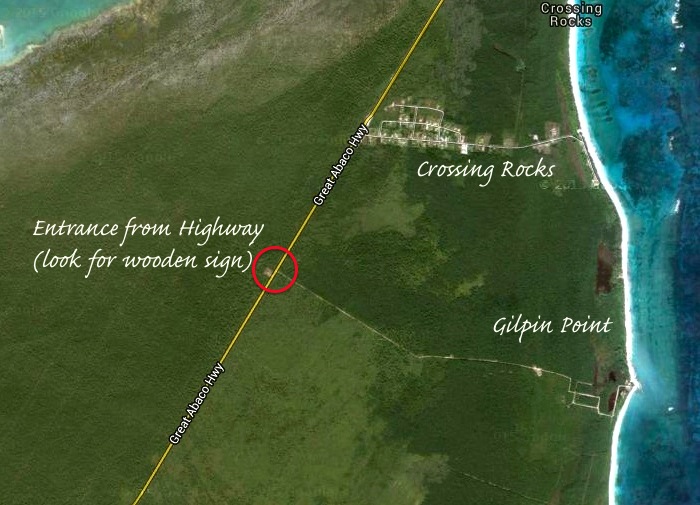
GILPIN POINT LOCATION

Gilpin Point is just south of Crossing Rocks. The brackish pond – sometimes an alarming reddish colour that I assume is algal – is just inland from the shoreline and provides a wonderful haven for birds. It’s a long mile from the highway. There is no vehicle nor even human traffic apart from occasional birders and walkers. Please note that the drive and the property are private. However Perry Maillis is always welcoming to tidy birders who (as I have written elsewhere) bring only enthusiasm and take only photographs (though a picnic on the beach is worth considering. And maybe a swim…). 

Helpful location mapsGilpin Map 1 Gilpin Map 2 Gilpin Map 3

WHAT SPECIES MIGHT BE FOUND AT GILPIN?

A brief list includes regular visits from parrots. It’s the only place we have found a furtive little sora skulking in the reedy margins. It’s a reliable spot for herons and egrets of every kind, white-cheeked (Bahama) pintails by the score, black-necked stilts and lesser yellowlegs. Occasionally a northern pintail, ruddy duck or merganser. Turkey vultures. Limpkins. We’ve seen belted kingfishers, Bahama woodstars, cuban emeralds, american kestrels, Bahama swallows, doves, pigeons, western spindalis and many more coppice birds besides. One flamingo. One spoonbill. Pelicans have been seen on the rocks on the beach. Shorebirds include turnstones, sundry plovers & sandpipers, and oystercatchers. You may well see tropicbirds and frigate birds off-shore, and assorted gulls and terns. I can’t personally be more species-specific  because I have never ‘shorebirded’ properly there, but I have noticed an impressive mix…

When we launched THE BIRDS OF ABACO at the Delphi Club, we were delighted that Pericles was able to come to the party. He took a few photos and I’m sure he won’t mind my including a small gallery to end with, featuring a couple of the Gilpin entries in his signed copy.

10153160_10152104925423929_44675888_n 1926631_10152104925178929_80294246_n11856_10152104921903929_1879699722_n 1525102_10152104925648929_1614125758_n

Bahamas birding nobility: Tony White with Caroline Stahala; Woody Bracey & Bruce Hallett
1911624_10152104926303929_1596185906_n

Credits: Keith Kemp for the great spoonbill photos; Perry for the Delphi photos

Unknown's avatar

HOODED MERGANSERS: RARE BAHAMAS WINTER RESIDENTS


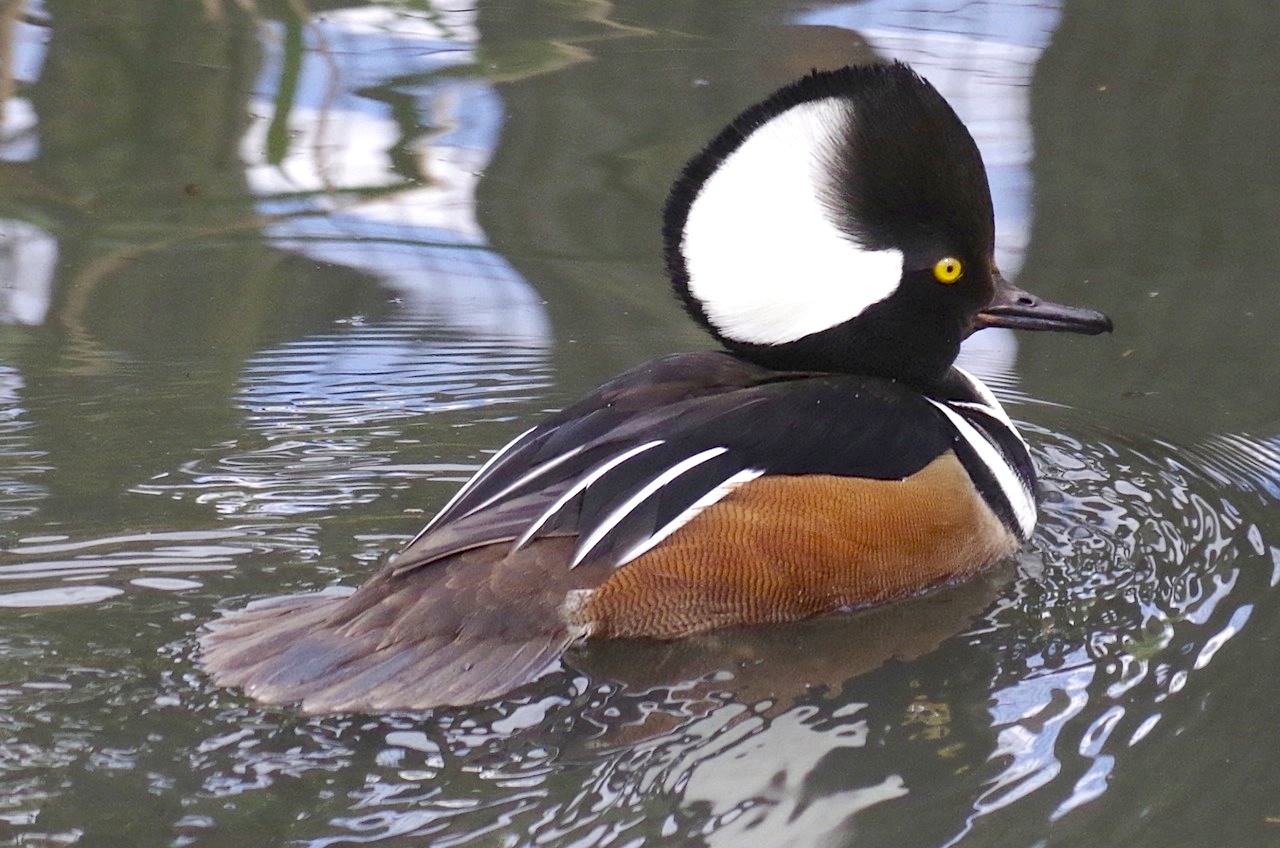
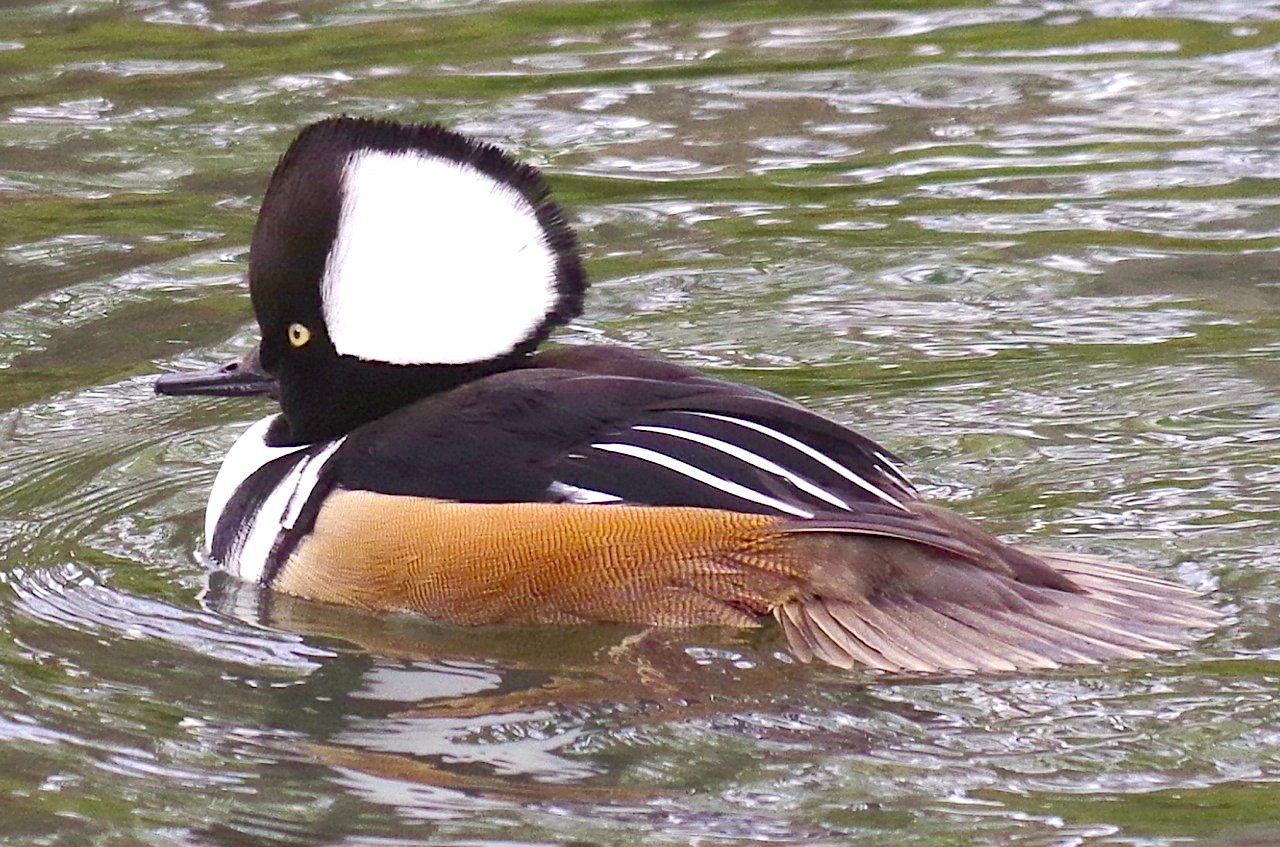
Hooded Merganser - male (Keith Salvesen WWT)

HOODED MERGANSERS: RARE BAHAMAS WINTER RESIDENTS

On the whole, I’d advise against undertaking a special trip to the Bahamas to search for mergansers, either hooded or red-breasted. Both species are classified as rare winter residents. Over the last 10 years they have occasionally found in the northern Bahamas, including on Abaco. I’ve seen a female red-breasted merganser at Gilpin Pond. Although the bird photos I post are generally taken on Abaco, I admit that I have no hooded merganser photos taken there. Or in the Bahamas for that matter. So bear with me – these that I took elsewhere will have serve as illustrations of what you might see on Abaco if you were in the right place at the right time. As if…
Hooded Merganser - male (Keith Salvesen WWT)Hooded Merganser - male (Keith Salvesen WWT)Hooded Merganser - female (Keith Salvesen WWT)Hooded Merganser - female (Keith Salvesen WWT)Hooded Merganser - male (Keith Salvesen WWT)Hooded Merganser - male (Keith Salvesen WWT) Hooded Merganser - female (Keith Salvesen WWT) Hooded Merganser - male (Keith Salvesen WWT) Hooded Merganser pair (Keith Salvesen WWT)

All photos: RH

Unknown's avatar

BLACK-NECKED STILT, ABACO: A FRIDAY SPECIAL


Black-necked Stilt, Abaco (Tom Sheley)

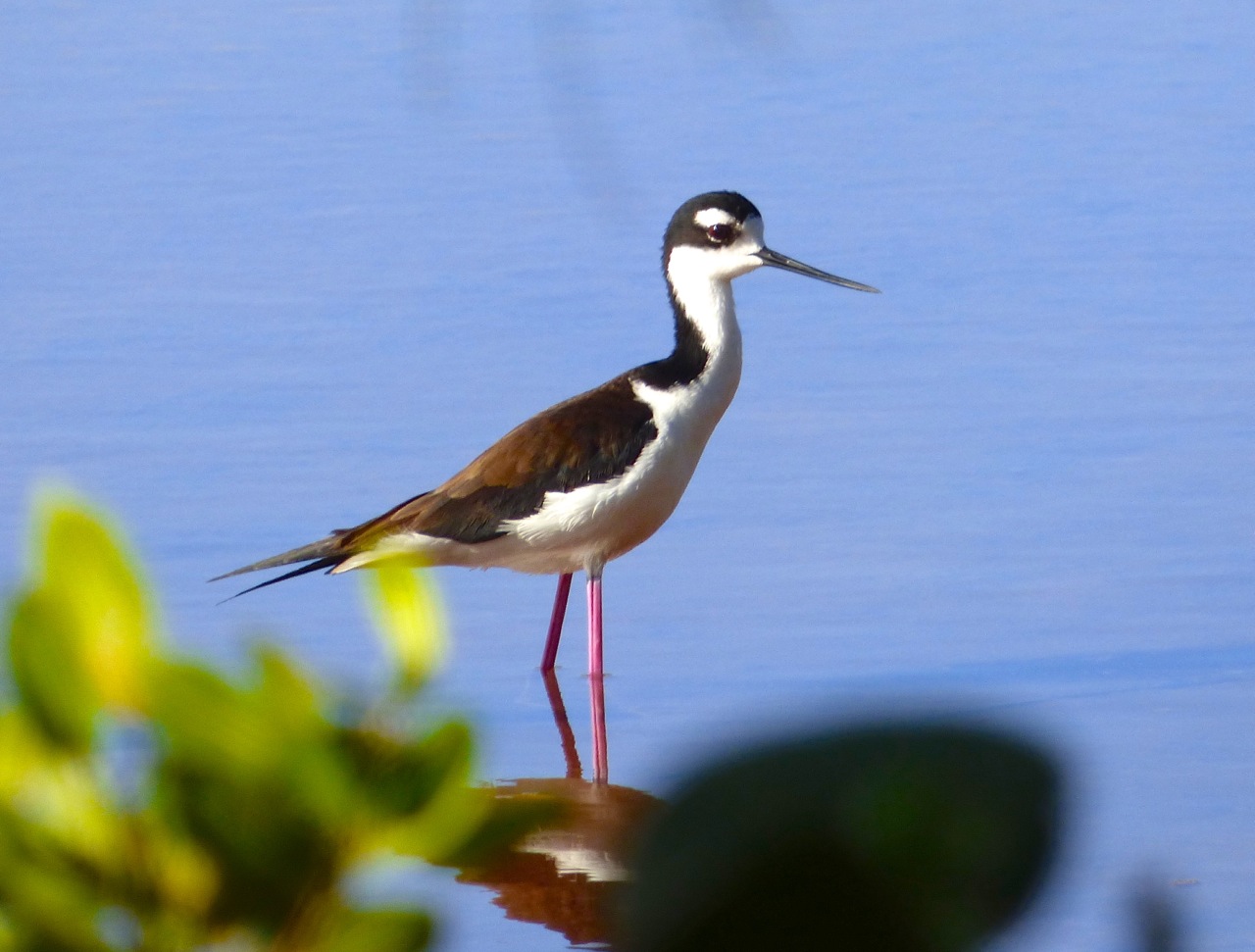
It’s Friday already. A day I normally write a post. Well I’ve run out of time this week. So I have rummaged in the RH archive and chosen one stonking image to end the week with. This beautiful black-necked stilt was taken by Tom Sheley at Gilpin Pond, Abaco – a place where these birds may reliably be found (they are permanent breeding residents on Abaco). Indeed it is a great place to find many bird species at any time – and the adjacent shoreline can be equally productive. Have a great weekend!

Unknown's avatar

WADING TO MAKE A COMEBACK: WHIMBRELS RETURN TO BAHAMAS


Whimbrel (Lip Kee wiki)

WADING TO MAKE A COMEBACK: WHIMBRELS RETURN TO BAHAMAS

It’s been many long years. Many checklists show the whimbrel Numenius phaeopus as a recorded bird for most of the Bahamas islands. On Abaco it is rated as a ‘TR4’ in Tony White’s magisterial checklist, which is to say a transient species in migration that is ‘casual, reported irregularly’. Elsewhere it is described as ‘rare / accidental’. This is only one step better than ‘vanishingly rare’. Prior to this year, the last documented sighting report I have found for Abaco was in 2000. Woody Bracey, renowned and persistent birder, last saw one there in 2002. We found no photos to use for “THE BIRDS OF ABACO”, not even as a snapshot in the supplement.

Frankly it was beginning to look as though the Bahamas whimbrel might be going… might already have gone… the way of the specimen below that I found last year in the Museum of Natural History in Dublin (it’s 109 years old). And the lovely whimbrel header picture is from elsewhere in the world. But suddenly…

Whimbrel (Dublin Natural History Museum) - Keith Salvesen

On August 20th this year, Keith Kemp, a regular birder on Abaco, encountered a whimbrel in the Cherokee Sound area. On the eBird map clip below, it is shown with the red marker, meaning a recent sighting. The blue marker is the 2000 sighting at Crossing Rocks. Keith didn’t get a photo, but he got the kudos of seeing the first Abaco whimbrel for 15 years!Whimbrel sightings Abaco

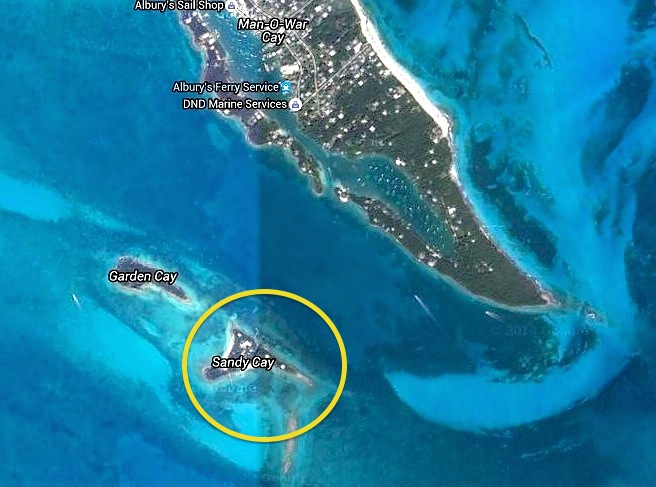
That was in August. On September 14th, Charmaine Albury went one better – she had her camera with her! Sandy Cay is a small islet to the southwest of Man-o-War Cay. There, in all it’s glory, was another whimbrel. She promptly shot it, luckily not in a Winsconsin dentist / Cecil the lion sense. She even managed to get a good in-flight shot.

Whimbrel, Sandy Cays, Abaco (Charmaine Albury) 2Whimbrel in flight, Abaco (Charmaine Albury)Sandy Cay Abaco jpg

And that might have been that for the Northern Bahamas for another 15 years. Except that the following day at West End, Grand Bahama, Linda Barry-Cooper went one better – she found 2 whimbrels together. Goodness knows how many decades have passed since the last sighting of a pair. Here they are.

Whimbrel, West End, Grand Bahama 1 Sep 2015 (Linda Barry Cooper) Whimbrel, West End, Grand Bahama 2 Sep 2015 (Linda Barry Cooper)     Whimbrel, West End, Grand Bahama 3 Sep 2015 (Linda Barry Cooper)

So that’s a massive influx of 4 whimbrels in the Northern Bahamas within one month. And who knows, maybe more to come. As for other Bahamas islands, a quick check on eBird for the last 10 years shows 3 on GB apart from Linda’s; a handful in the TCI; a couple on Inagua. And that’s it. Matt Jeffery says that on Andros one or two are seen every year as they pass through. And Eleuthera had a famous Whimbrel in 2011 called Chinquapin that had been fitted with a tracking device. It started its migration south, only to run slap into Hurricane Irene. After a doubtless severe buffeting it found safety on Eleuthera, where it was recaptured and cared for.  I think this goes beyond the usual concept of  ‘transient’ though it was undoubtedly ‘accidental’…

“…a shorebird, tracked using a satellite transmitter, flew through Hurricane Irene and survived. The bird, a whimbrel, left Southampton Island in northern Canada and reached the outer band of the huge storm as hurricane-force winds began pounding the Bahamas. The next day the whimbrel, nicknamed Chinquapin, migrated into the eye of the hurricane and landed on Eleuthera Island in the Bahamas” (π Repeating Islands). You can read more about Chinquapin’s epic adventure HERE

chinquapin_t607

If you are wandering on your favourite stretch of sand, idly beachcombing and keeping an eye out for Piping Plovers, here are the sounds that should make you stop in your tracks: the song and the extraordinary call of the new wave (hopefully) of whimbrels in the Bahamas…

SONG π Guillermo Funes Xeno-Canto

CALL π Stein Ø. Nilsen Xeno-Canto

Finally, having nothing to contribute personally to the great whimbrel comeback by way of Bahamas-made photos or sound recordings, I find I have actually photographed one in the UK. It was probably by mistake. The bird is certainly retreating rapidly. This is the only chance I shall ever have to fit it into a relevant post, so I claim writer’s prerogative to show it…

Whimbrel Pensthorpe 2010 copy

Credits: Charmaine Albury, Linda Barry-Cooper, Lip Kee (header), Lisa Paravisini (Chinquapin) and RH (the other pics); Xeno-Canto (recordings)

Unknown's avatar

FEEDER BIRDS AT THE DELPHI CLUB, ABACO


Delphi Club, Rolling Harbour, Abaco aerial

FEEDER BIRDS AT THE DELPHI CLUB, ABACO

The compilation of The Delphi Club Guide to THE BIRDS OF ABACO involved making a few rules and sticking to them. For example, the avian images in the book – and there are a great many –  had to be of birds actually photographed on Abaco or in Abaco waters. Gorgeous pictures from Grand Bahama or New Providence were ruthlessly excluded, however painful it was to do. Some wonderful spoonbill photos taken in Nassau stayed in the ‘Not Use’ folder. The temptation to slip in an non-Abaco whimbrel to fill a whimbrel-shaped space among the shorebirds had to be resisted – even though at the time the last recorded sighting of one on Abaco (no photo) was in 2000…

Bananaquit 2, Delphi, Abaco (Keith Salvesen)

Another important restriction was the stipulation that we would only use birds that had been photographed in their natural surroundings, defined as being a place where a particular species might naturally be found. Coppice and shoreline, obviously, but this included utility wires, posts and docks etc for species that habitually use them to perch on or hunt from. However, the rule meant a complete embargo on feeder photos, however winsome a hummingbird might look as it sips sugar water. We extended the principle to include a ban on luring birds into camera-shot with seed or corn trails; and similar ruses beyond the simple whistles and pishes that anyone might use to tempt a bird out of deep cover.

Cuban Emerald coming in to land… and feedingCuban Emerald, Delphi, Abaco (Peter Mantle) 1 Cuban Emerald, Delphi, Abaco (Peter Mantle) 2

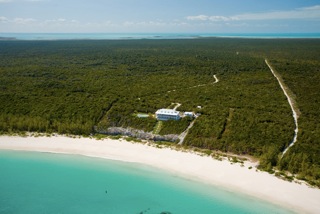
The Delphi club is the perfect location for an enviably varied number of species. Its remoteness down a one-mile drive from the Highway, with pine forest giving way to luxuriant coppice, ensures minimal disturbance for the birds including a number of rarer species.  Delphi Club Rolling Harbour Abaco Aerial view

The one-mile white sand curve of the beach sees many shorebirds and seabirds in all seasons. The gardens attract both the usual suspects and less common birds. The building, too, has its resident West Indian Woodpeckers in two nesting boxes under the eaves, thoughtfully provided to discourage the Club’s woodwork from exploratory drilling.

Mr and Mrs Black-faced GrassquitBlack-faced Grassquit (m) Delphi, Abaco (Keith Salvesen) Black-faced Grassquit (f) Delphi, Abaco (Keith Salvesen)

There are a number of seed and sugar water feeders around the place, and bird baths too. It’s a long time since I featured a collection of ‘tame’ birds. This post shows a few of the species that have made Delphi their home.

Mr and Mrs Greater Antillean BullfinchGreater Antillean Bullfinch (m), Delphi, Abaco (Keith Salvesen)Great Antillean Bullfinch. Delphi, Abaco (Keith Salvesen)

Mr and Mrs Painted BuntingPainted Bunting, Delphi, Abaco (Keith Salvesen)

Bananaquit: the curved beak makes it easy to use the hummer feeder (see above)Bananaquit (f) Delphi, Abaco (Keith Salvesen)

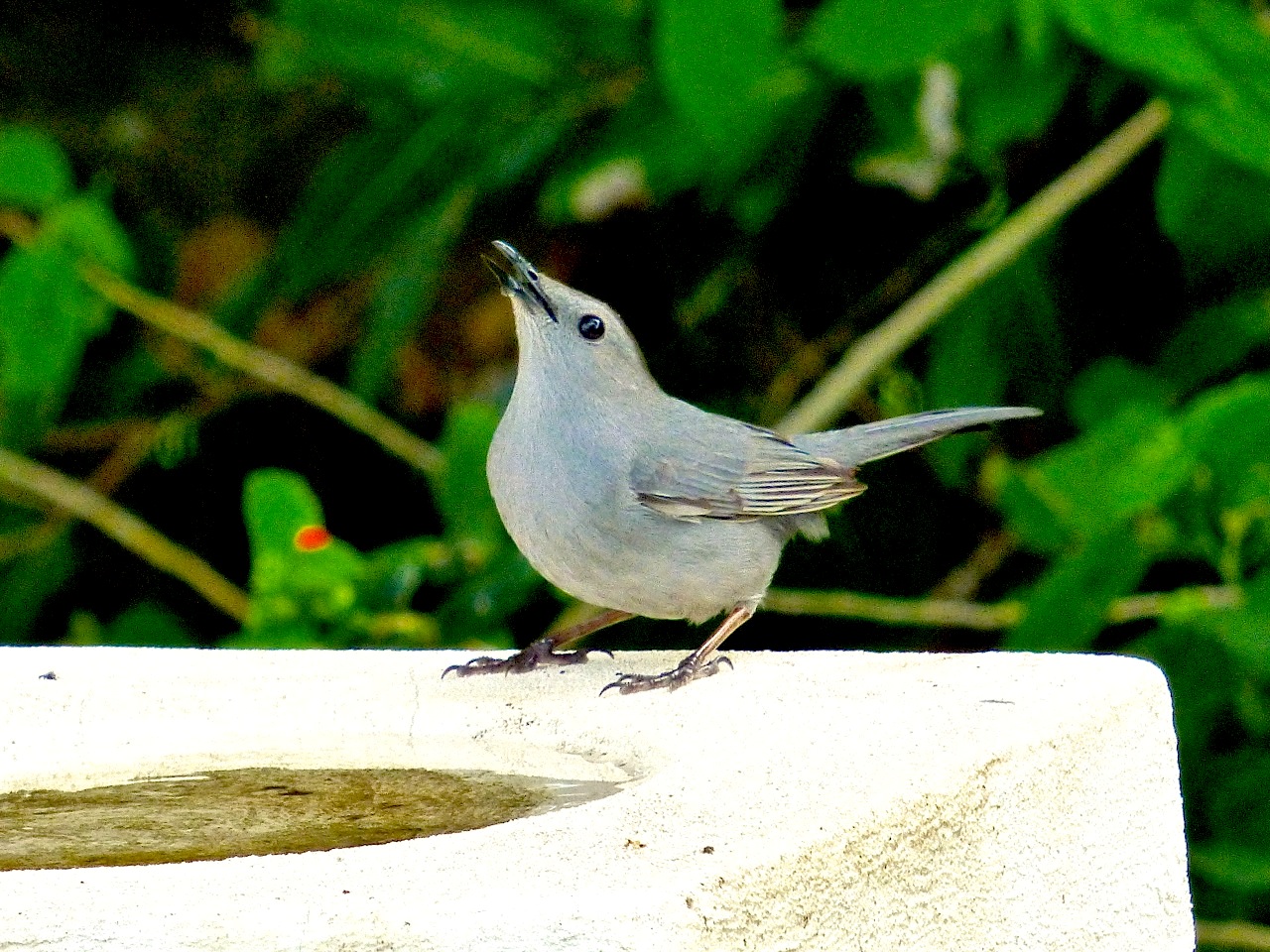
A Gray Catbird takes a drink… and a bathGray Catbird, Delphi, Abaco (Keith Salvesen)Gray Catbird, Delphi, Abaco (Keith Salvesen)

Adaptive behaviour from a W I Woodpecker – that long tongue is perfect for the jobWest Indian Woodpecker, Delphi, Abaco (Keith Salvesen)

The turkey vulture takes priority over all smaller birds…Turkey Vulture, Delphi, Abaco (Keith Salvesen)

A red-legged thrush enjoys picking up the seed shrapnel off the ground…Red-legged Thrush Abaco 7

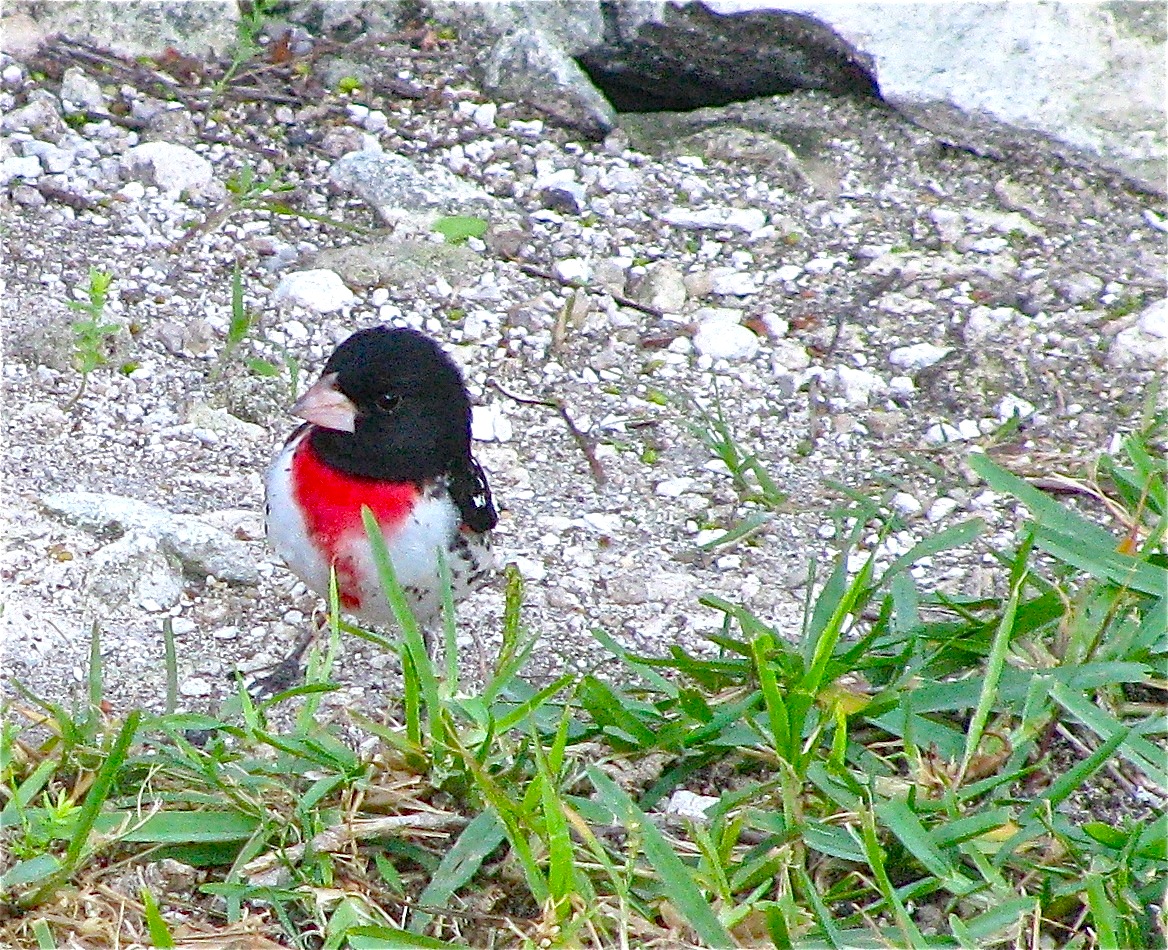
As do rose-breasted grosbeaks and indigo buntingsIndigo Bunting & Grosbeaks, Delphi, Abaco ©C StahalaRose-breasted Grosbeak

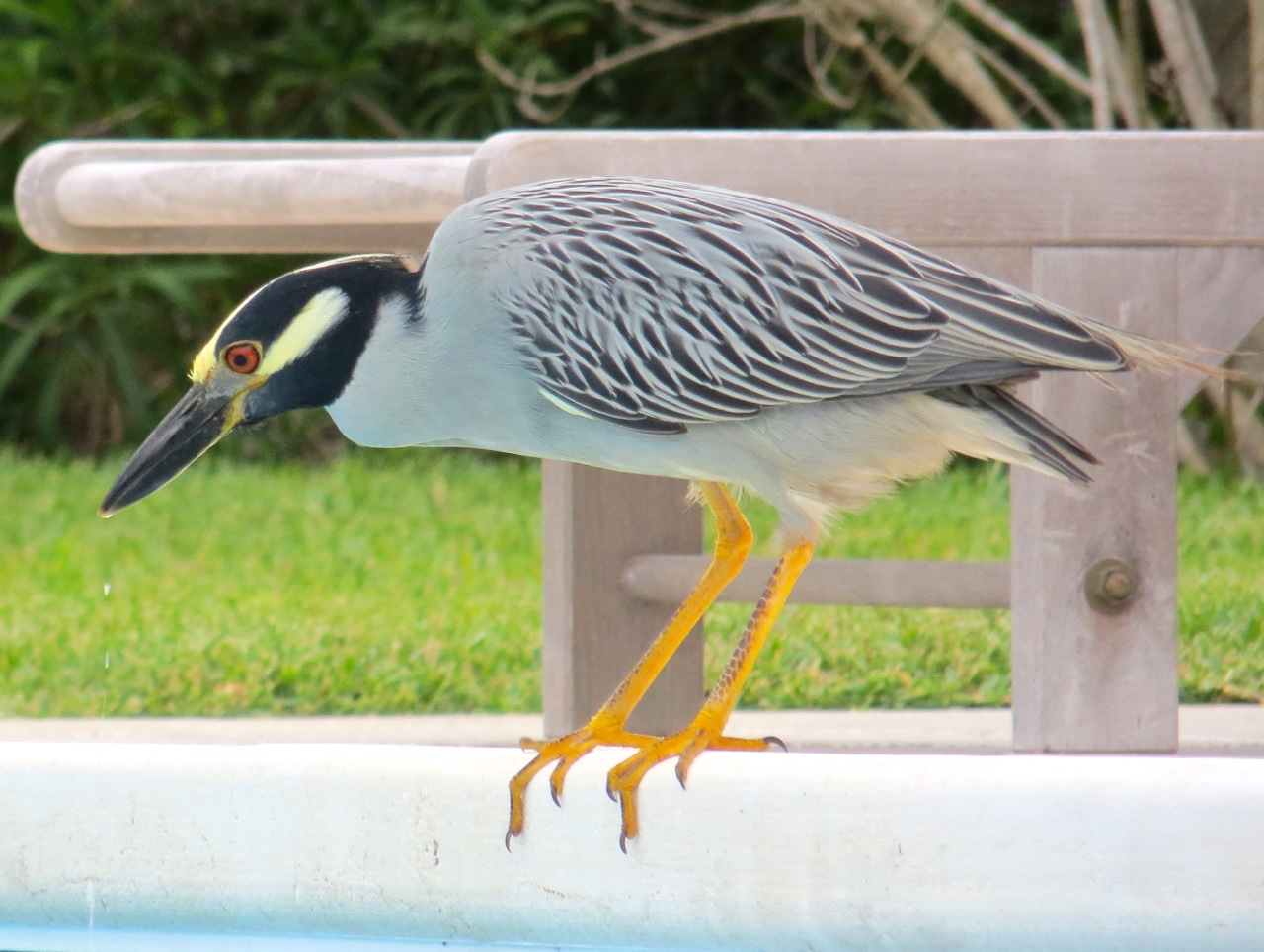
Meanwhile, a yellow-crowned night heron takes a drink from the poolYellow-crowned Night Heron, Abaco 9

Credits: all photos RH except aerial shot of Delphi, Peter Brown; the hummers, Peter Mantle; and the buntings / grosbeaks, PM and Caroline Stahala…

dcbg2ba-jacket-grab-for-pm-v2-copy

Unknown's avatar

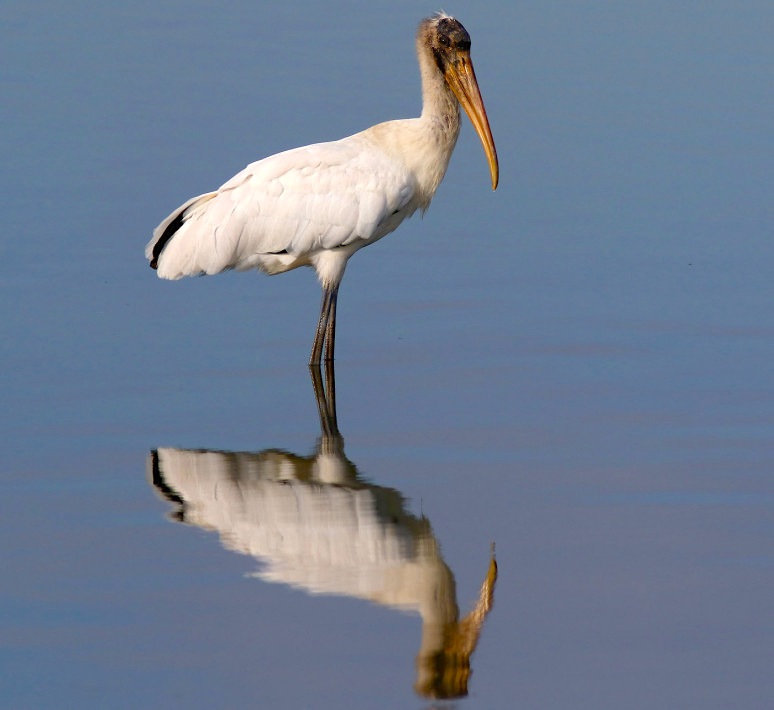
WOOD STORKS ON ABACO? CLOSE BUT NOT CLOSE ENOUGH…


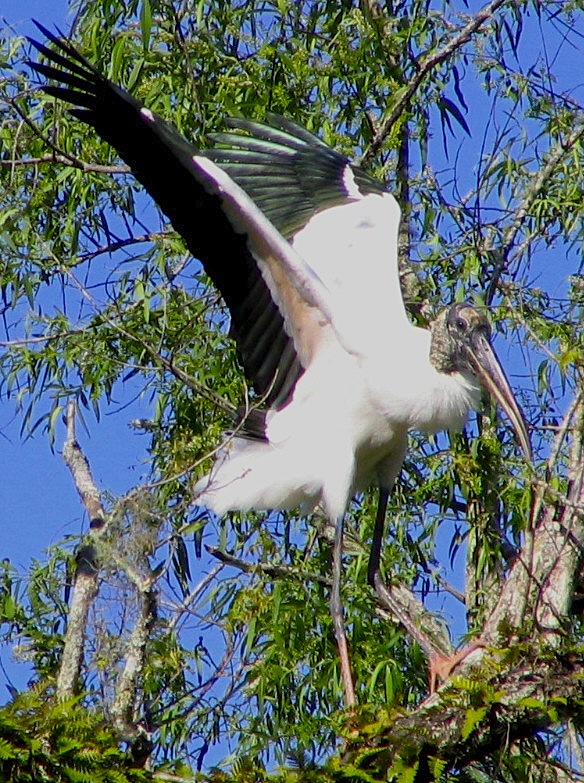
Wood stork in flight (Huhnra, Wiki)

WOOD STORKS ON ABACO? CLOSE BUT NOT CLOSE ENOUGH…

I very rarely write about birds that you can’t find on Abaco, especially ones that have never been recorded there. In fact, I don’t think I have ever done so. The nearest was the critically endangered endemic BAHAMA ORIOLE, until quite recently available on Abaco. For the familiar and depressing reasons it was deemed extirpated in the 1990s and is found now only in very specific area of Andros. Its future is very uncertain: another species a feather’s width from extinction.

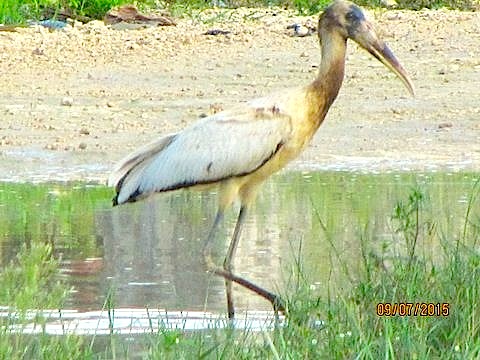
Which brings me to the Wood Stork Mycteria americana, a fine bird with a breeding population in Florida. Yet the last one recorded for the Bahamas was 51 years ago – and not on Abaco. It’s surprising that the species is not driven across the stretch of sea to the northern Bahamas by curiosity or more plausibly by storms (as with other vagrant species).

Wood Stork Fl. (Mehmet Karatay, Wiki)

The first Bahamas sighting of a Wood Stork since 1964 occurred on September 4th at the unromantic-sounding ‘Freeport Dump’ on Grand Bahama, when naturalist and birding guide Erika Gates found one. The bird was still there on September 7th when Woody Bracey flew over from Abaco and joined Erika to check. Here it is.

Wood Stork, Grand Bahama (Erika Gates) copy

Woody took a date-stamped shot for future reference

IMG_4529

The distance from Freeport to Marsh Harbour, Abaco is about 100 miles as the stork flies. But from the eastern end of Grand Bahama to the nearest point on Abaco is much closer – 35 miles or so. So with a following wind perhaps it won’t be another 51 years until the next Wood Stork is seen in the Bahamas. And maybe next time it will fly as far as Abaco…

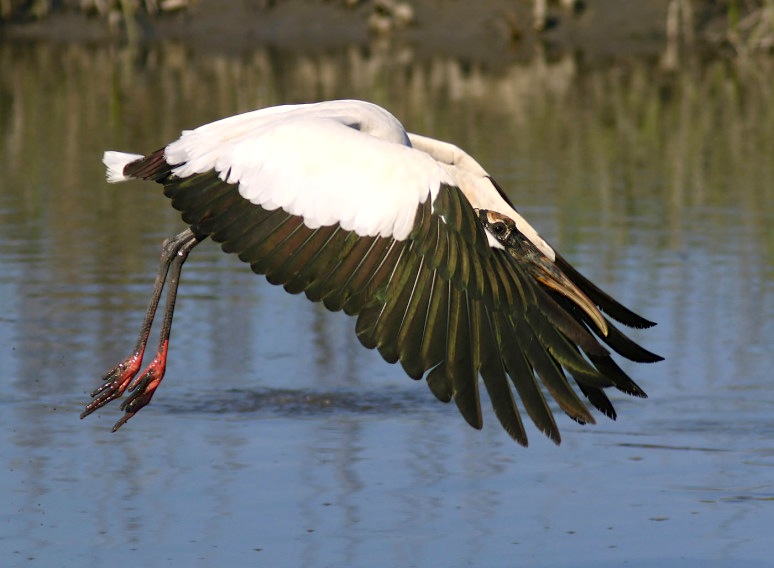
Wood Stork, Florida (Googie Man, Wiki)

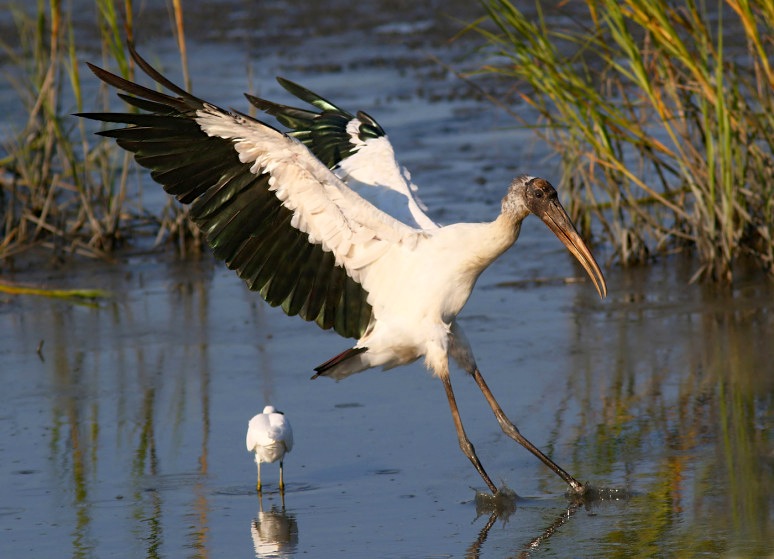
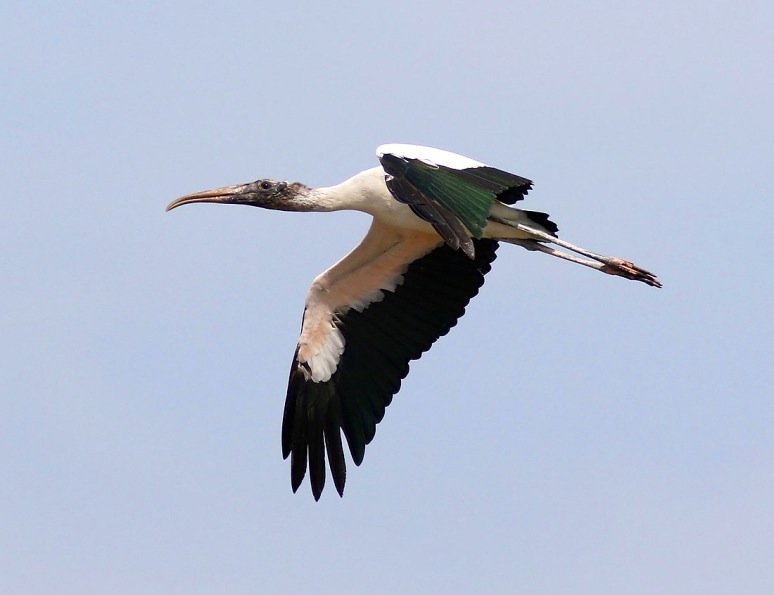
I sometimes feature photos by Florida photographer PHIL LANOUE, whose website is a must for anyone with an interest in birds. Among his specialities are the wood storks in his area, and I have chosen 4 outstanding WS images to end with (thanks as always to Phil for use permission).

Wood Stork in Flight, Florida (Phil Lanoue)Wood Stork landing, Florida (Phil Lanoue)Wood Stork in Flight, Florida (Phil Lanoue)Wood Stork in water, Florida (Phil Lanoue)

Credits: Erika Gates, Woody Bracey, Phil Lanoue, ‘Huhnra’, Mehmet Karatay, ‘Googie Man’

Unknown's avatar

WORLD SHOREBIRDS DAY: ABACO’S COMPLETE CHECKLIST


American Oystercatcher, Abaco (Tom Sheley)

WORLD SHOREBIRDS DAY: ABACO’S COMPLETE CHECKLIST

Abaco is home to 33 shorebird species. For a few, the islands are a permanent residence; for many others they are winter quarters; and some species are visitors transient in their migrations, or rare vagrants. Last year I produced 3 posts with plenty of photos showcasing 26 of the species, the remaining 7 all being transients or vagrants. 

Willet in flight.Abaco Bahamas.6.13.Tom Sheley small2

I divided the species into 3 categories: sandpipers & kin; plovers; and a catch-all ‘large shorebird’ group that included one or two sandpipers. Of the 26 birds featured and shown in the main checklist below, 23 are ones you might reasonably hope or expect to encounter on Abaco, though some only if you are lucky or your field-craft is excellent. The others are the long-billed dowitcher, American avocet and Wilson’s phalarope (of which only one has ever been seen on Abaco, with a photo to prove it)

Black-necked Stilt, Gilpin Point, Abaco (Keith Salvesen)

CLICK A LINK TO INVESTIGATE

LARGE SHOREBIRDS

SANDPIPERS

PLOVERS

Wilson's Plover chick.Delphi Club.Abaco Bahamas.Tom Sheley JPG copy

THE COMPLETE CHECKLIST

The codes tell you, for any particular bird, when you may see it (P = permanent, WR = winter resident, TR = transient, V = vagrant); whether it breeds (B) on Abaco; and your chance of seeing it, graded from easy (1) to vanishingly unlikely (5). 

  • Black-necked Stilt                             Himantopus mexicanus                PR B 3
  • American Avocet                               Recurvirostra americana             WR 4
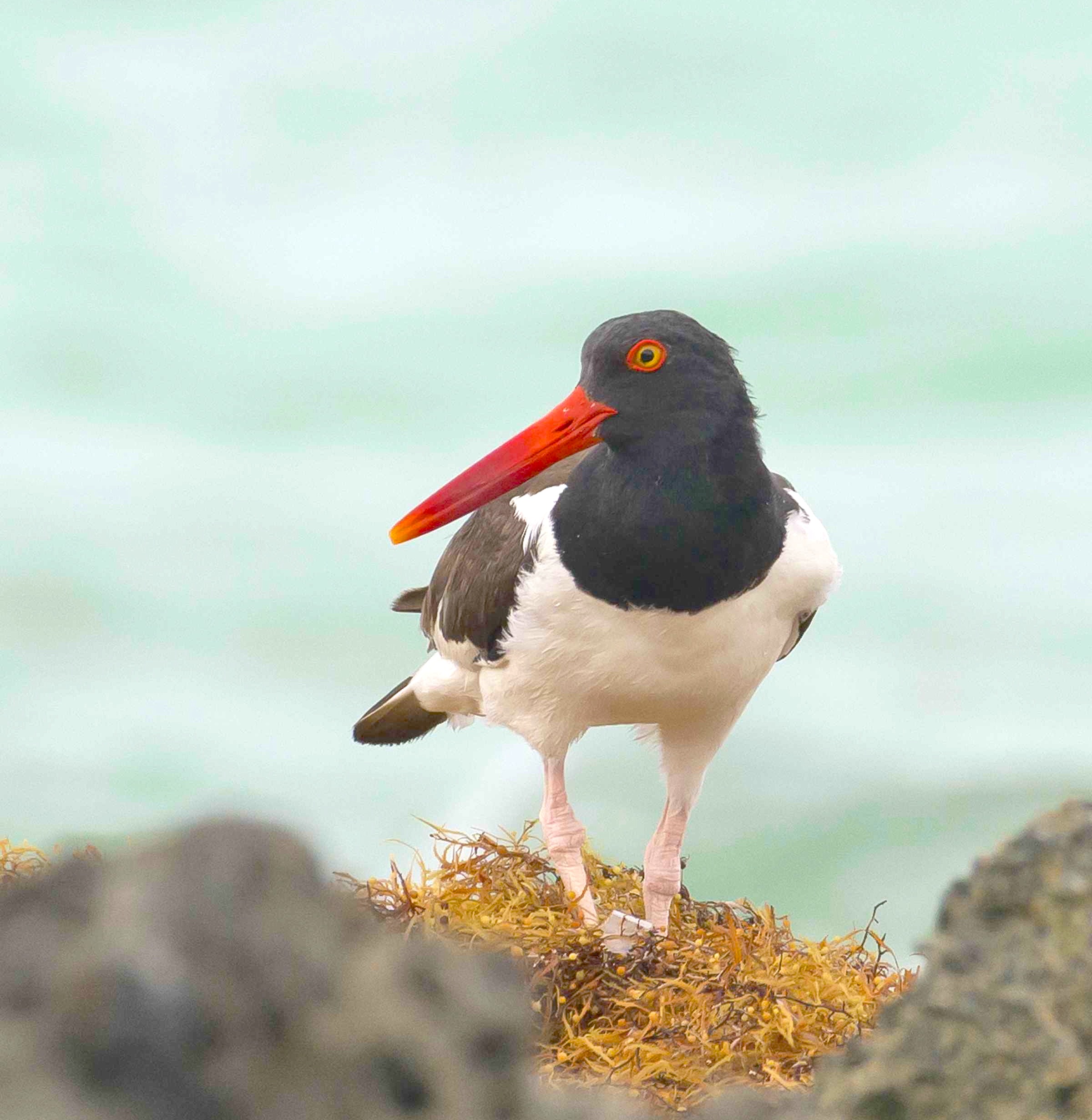
  • American Oystercatcher                  Haematopus palliatus                   PR B 2
  • Black-bellied Plover                         Pluvialis squatarola                       WR 1
  • American Golden-Plover                Pluvialis dominica                           TR 4
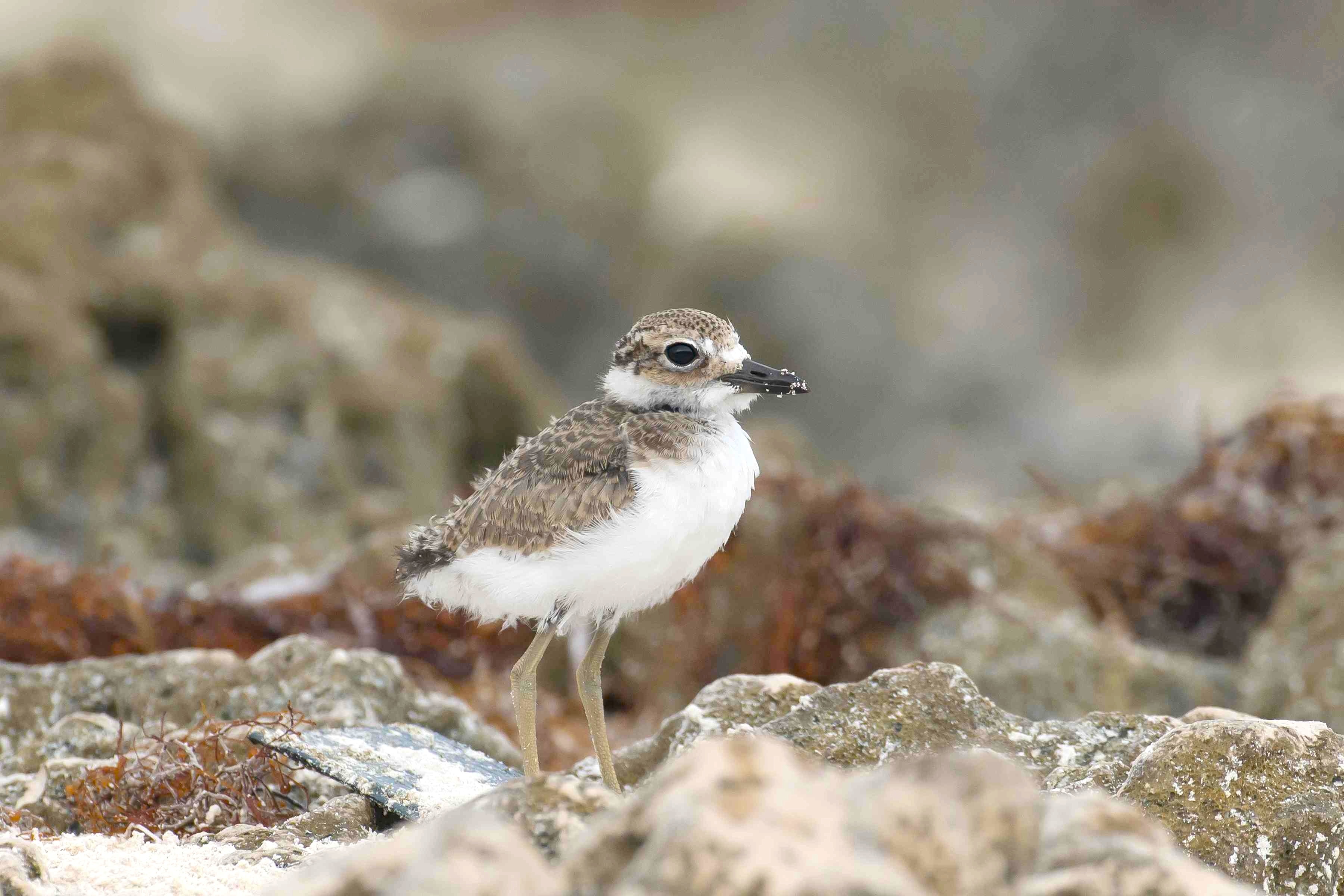
  • Wilson’s Plover                                 Ochthodromus wilsonia                 PR B 2
  • Semipalmated Plover                      Charadrius semipalmatus             WR 2
  • Piping Plover                                     Charadrius melodus                       WR 3
  • Killdeer                                               Charadrius vociferus                     WR 2
  • Spotted Sandpiper                            Actitis macularius                          WR 1
  • Solitary Sandpiper                            Tringa solitaria                              WR 2
  • Greater Yellowlegs                            Tringa melanoleuca                      WR 2
  • Willet                                                   Tringa semipalmata                     PR B 2
  • Lesser Yellowlegs                              Tringa flavipes                               WR 3
  • Ruddy Turnstone                              Arenaria interpres                        PR 2
  • Red Knot                                             Calidris canutus                            WR 3
  • Sanderling                                          Calidris alba                                   WR 1
  • Dunlin                                                 Calidris alpina                               WR 2
  • Least Sandpiper                                Calidris minutilla                          WR 2
  • White-rumped Sandpiper               Calidris fuscicollis                          TR 3
  • Semipalmated Sandpiper                Calidris pusilla                               TR 2
  • Western Sandpiper                           Calidris Mauri                                TR 2
  • Short-billed Dowitcher                    Limnodromus griseus                    WR 1
  • Long-billed Dowitcher                     Limnodromus scolopaceus           WR 4
  • Wilson’s Snipe                                   Gallinago delicata                          WR 3
  • Wilson’s Phalarope                           Phalaropus tricolor                        V 4

Semipalmated Sandpiper (juv), Abaco (Bruce Hallett)

For the sake of completeness, the other 7 species of shorebird recorded for Abaco – all transients or vagrants – are:

  • Upland Sandpiper                     Bartramia longicauda             TR 4
  • Whimbrel                                    Numenius phaeopus                 TR 4
  • Hudsonian Godwit                   Limosa haemastica                    V5
  • Marbled Godwit                         Limosa fedoa                              V5
  • Buff-breasted Sandpiper          Tryngites subruficollis             V5
  • Pectoral Sandpiper                   Calidris melanotos                    TR 3
  • Stilt Sandpiper                           Calidris himantopus                 TR 3

Please excuse the wonky column formatting, an aspect of listing that WordPress doesn’t seem to cater for…

Ruddy Turnstone Abaco Bahamas. 2.12.Tom Sheley copy 2

Photo Credits: Tom Sheley, Bruce Hallett, Keith Salvesen

Unknown's avatar

INTERNATIONAL VULTURE AWARENESS DAY ON ABACO


Turkey Vulture, Abaco (Craig Nash) 2

INTERNATIONAL VULTURE AWARENESS DAY ON ABACO

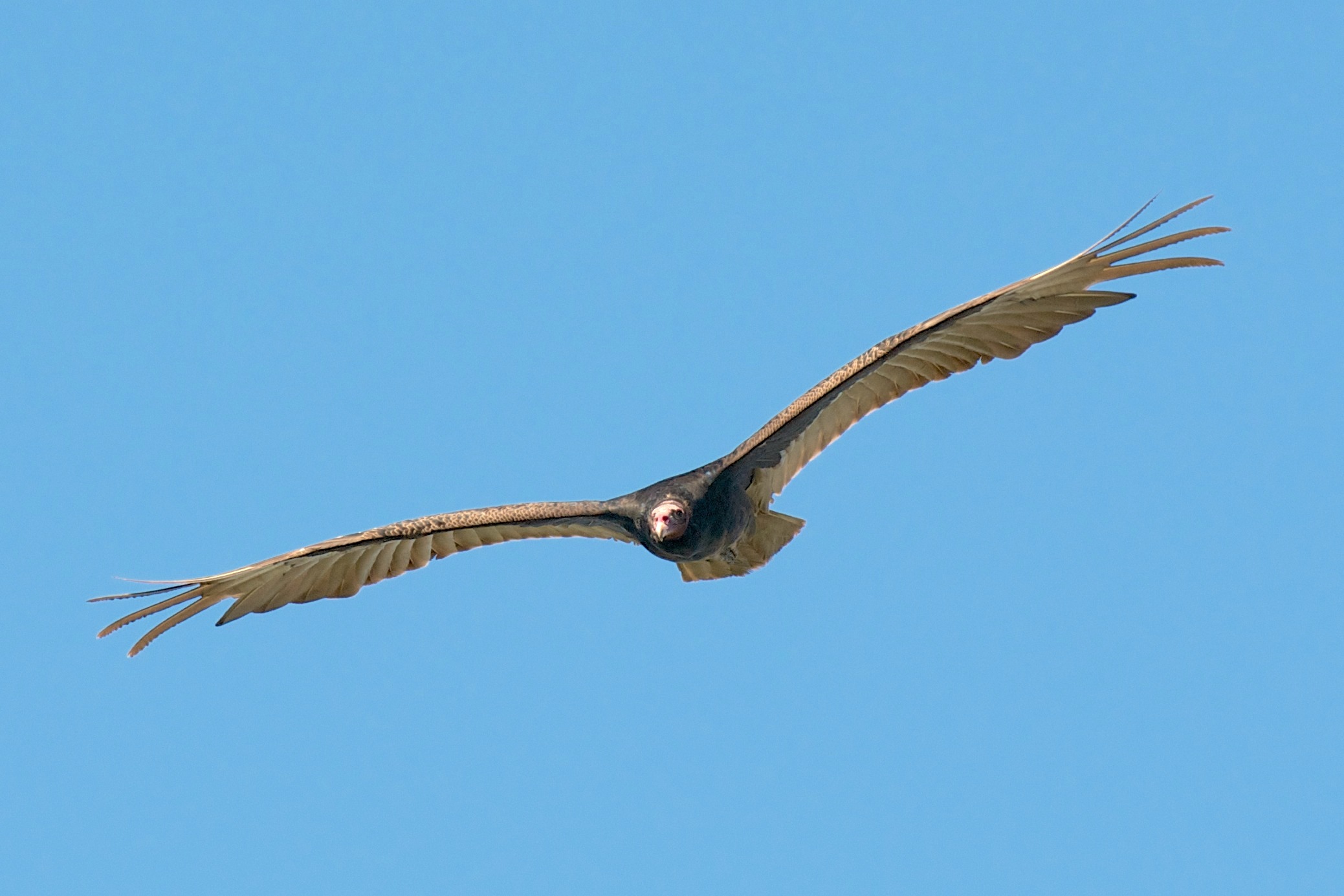
Majestic. Soaring. Graceful. Revolting. That’s the Turkey Vulture. It’s quite a while since I posted about them: you can read all about them and their disgusting habits in the post CARRION SCAVENGING. You’ll discover 10 essential facts, their unpleasant little ways with urine and puke, the sound they make, some sex-tips and a Metallica video. 

turkey-vulture

Are you unaware of vultures? Well, today is their day. These dedicated bird days come thick and fast at certain times of year. Tomorrow we celebrate World Shorebirds Day, so I’m giving the vultures their time in the sun today. On Abaco you could hardly fail to be aware of the ubiquitous TVs, and I have chosen a selection of photos, all taken on Abaco, to make a gallery for their day. 

Let’s start with some of the more glamourous ‘in-flight’ shots. This is when TVs look their best, as they wheel round floating and swooping on the thermals – singly, in pairs or in flocks. 

Turkey Vulture, Abaco (Nina Henry)Turkey Vulture, Abaco (Nina Henry)Turkey Vulture, Abaco (Bruce Hallett)Turkey Vulture, Abaco (Charlie Skinnner)

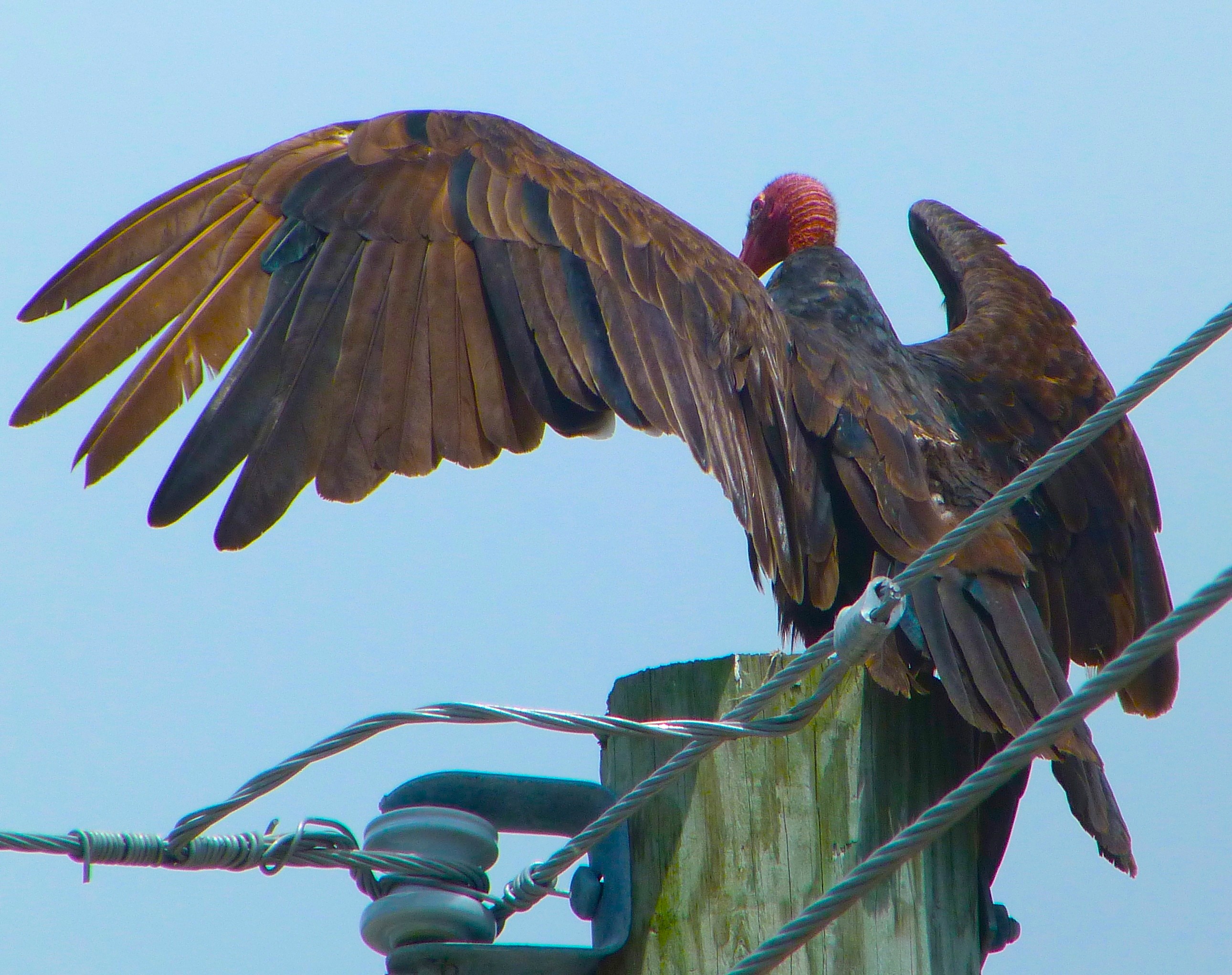
At closer quarters TVs are till impressive, though arguably less attractive… TVs often use utility wires (header image) or posts to perch on, scope out the territory, or simply to dry their wings

Turkey Vulture, Spread Wings, Abaco (Keith Salvesen)

TVs will never be truly adorable. The final image (by Irish photographer Craig Nash) is truly ‘warts and all’… Ah, but look at the sweet little hairs on its head!

Turkey Vulture, Abaco (Craig Nash)

Talking of adorable, this is the perfect place for a shout-out for the wonderful BIRDORABLE site. For this special day they have put all their vultures together in one helpful chart. They have a load of fun at Birdorable HQ. You can download birds for children to colour in. Or even get a T-shirt with your favourite bird on it (mine’s a PIPL).

photo 1

Credits: Craig Nash (1, 7); Nina Henry (2, 3); Bruce Hallett (4); Charlie Skinner (5); Keith Salvesen (6); the incomparable Birdorable

Unknown's avatar

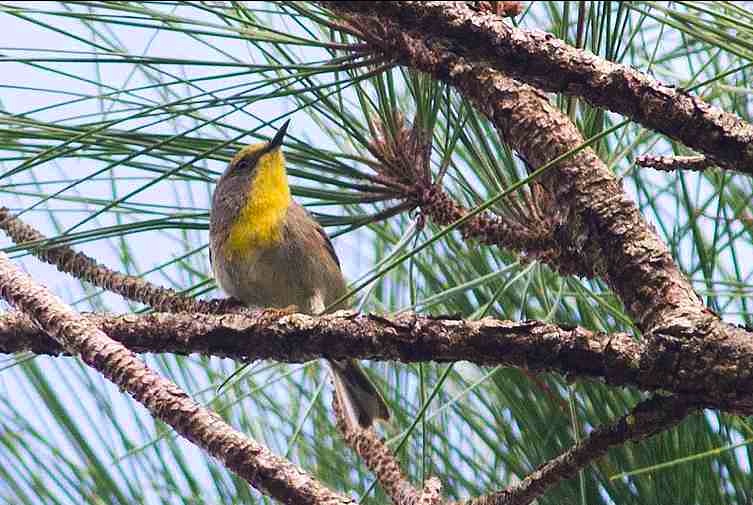
OLIVE-CAPPED WARBLERS ON ABACO


Olive-capped Warbler 3.Abaco Bahamas.6.13.Tom Sheley

OLIVE-CAPPED WARBLERS ON ABACO

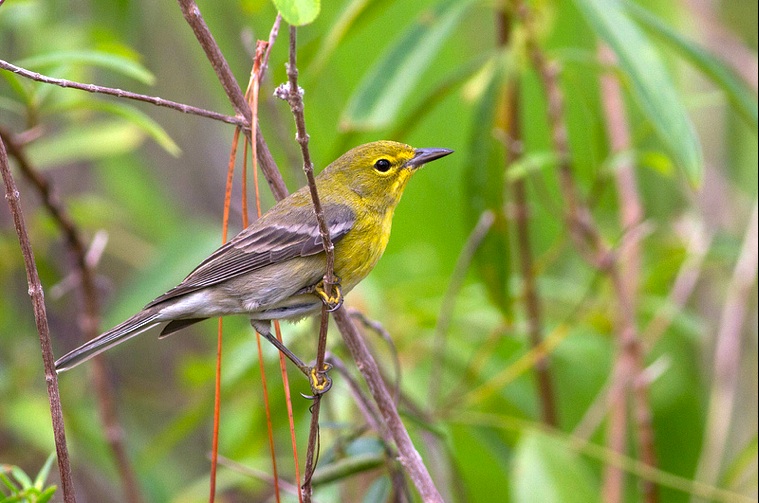
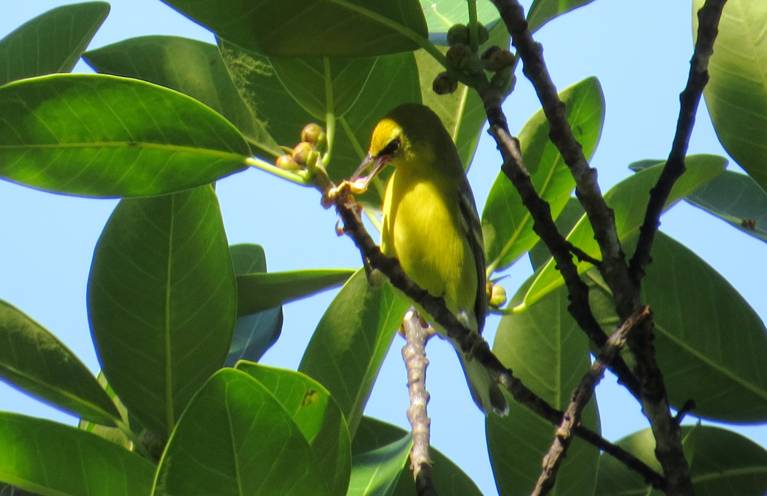
Abaco has a recorded 37 warbler species. Of these, most are winter residents and some are rarer migratory transients. Only 5 are permanently resident on Abaco: the Bahama Warbler, Bahama Yellowthroat, Olive-capped Warbler, Pine Warbler and Yellow Warbler. You can read about all 5 HERE 

Olive-capped Warbler, Abaco (Bruce Hallett)Olive-capped Warbler, Abaco (Bruce Hallett)

I realise that I haven’t posted about OCWs in their own right; and that as a species they have been unfairly lumped in (by me) with more general warbler posts. Time to put that right by showing some exclusively OCW photos.

Olive-capped Warbler.Abaco Bahamas.6.13.Tom Sheley

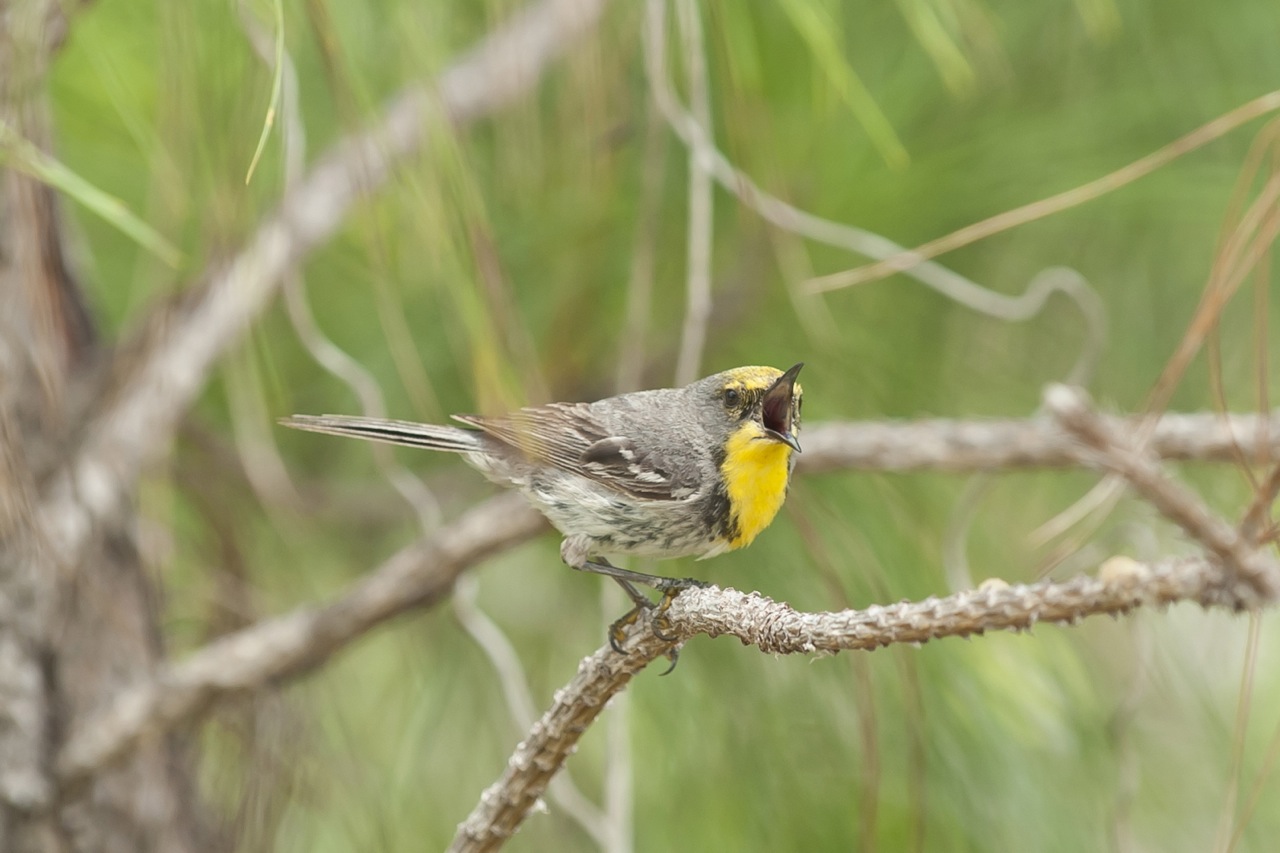
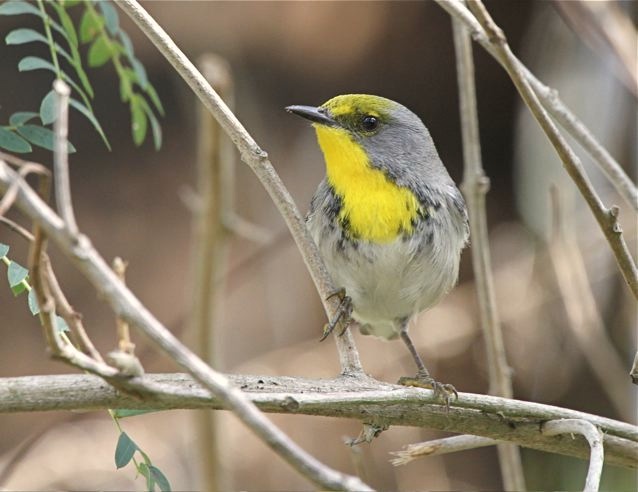
OCWs have an unusually restricted range, despite which they remain IUCN-listed ‘Least Concern’. These pretty birds are native only to the western and eastern ends of Cuba, Grand Bahama, and Abaco. Their natural habitat is pine forests and to a lesser extent in mixed forest and coppice areas.

Olive-capped Warbler 6.Abaco Bahamas.6.13.Tom Sheley

If you are lucky enough to see an OCW on Abaco, it’s worth thinking about the rich and unspoilt habitat that ensures its survival there. These little birds, along with other important bird species, enjoy a safe haven in the vast acres of pine forest.Olive-capped Warbler, Abaco (Bruce Hallett)

Olive-capped Warbler, Abaco (Tom Reed)

Photo credits: Bruce Hallett (1, 2, 3, 6); Tom Sheley (4, 5); Tom Reed (7)

Unknown's avatar

ABACO’S BIRDING HOTSPOTS (42 OF THE BAHAMAS TOP 100)


Black-necked Stilt, Abaco (Tom Sheley)

ABACO’S BIRDING HOTSPOTS (42 OF THE BAHAMAS TOP 100)

Right now, I’m doing daily checks on the indispensable EBIRD CARIBBEAN in relation to the ABACO PIPING PLOVER WATCH project (and incidentally if you encounter one or more on a beach near you, details would be very welcome – below is what to look out for!).

Piping Plover, Abaco - Bruce Hallett

It occurred to me to check out the contention that Abaco is Numero Uno birding destination in the Bahamas (though sadly lacking the flamingoes, except for vagrants; and the Bahama oriole, now extirpated and confined to select areas of Andros). Sure enough, Abaco has 42 out of the top 100 birding hotspots. In the map below, gray pointers indicate a few observations, blue means 50+ and green represents 100+. Nowhere has yet achieved the flame-red pointer – the ultimate hotspot accolade…

Abaco Birding Hotspots Map (eBird)

People often ask where best to go for quality birding on Abaco. The answer depends of course on the season and on what they are after – for example shorebirds or warblers; parrots or absence of parrots and so on. The Abaco 42 are listed below. There are a couple points to make about the hotspot list:

  • There is a degree of duplication, eg Gorda Cay / Castaway Cay being shown as separate entries, as is Angelfish Point / Angel Fish Point
  • Also, the data gathered by eBird is entirely dependent on regular uploads of checklists. Inevitably the birders will mostly be regulars, with their own preferred beats or perhaps with an interest limited to the area where they live. Some records show long gaps – sometimes a couple of years – between reports. So the eBird data can only give an overview, not a precise record of actual observations or birding effort and success. 

Bahama Woodstar male 3.1.Abaco Bahamas.2.12.Tom Sheley copy

In very general terms, and assuming a broad birding interest, I would recommend the Treasure Cay area; in and around Marsh Harbour; the stretch east of the Highway that takes in Bahama Palm Shores, the Abaco Neem Farm, Delphi, Crossing Rocks & Gilpin Point; the National Park; and Sandy Point. I’m sure there will be other views, but I am thinking primarily of the visitor who has but a single day to spare from a packed schedule of fishing, swimming, sunbathing, eating and drinking… [nb as a soi-disant photographer I’m not so keen on the dumps and landfill. Yes, the birding can be good. No, I don’t want to feature rubbish in my already rubbish photos…]

American Oystercatcher4.1.Delphi Club.Abaco Bahamas.6.13.Tom Sheley RH 2

Here’s the eBird list, omitting all the non-Abaconian hotspots. Clicking on the links will take you straight to the relevant location’s latest reports and show some of the species seen there. I haven’t checked every link, but spot-checks suggest they work ok…

3 Treasure Cay GC

4 Abacos–Citrus Farm near Treasure Cay

5 Abaco–Sandy Point

8 Angel Fish Point

10 Marsh Harbour

12 Abaco–Crossing Rocks

13 Abacos–Treasure Cay Dump

14 Abacos–Treasure Cay West Side

18 Abaco Cays IBA–Great Guana Cays

20 Abacos–Treasure Cay Sunset Ridge and vicinity

22 Robert’s nursery, ponds and marls overlook

23 Abaco–Bahama Palm Shores

28 Abaco Cays IBA–Green Turtle Cay

32 Gilpin Point

35 Hope Town, Elbow Cay

37 Big Bird

38 Castaway Cay

41 Man-o-war Cay

44 Abaco National Park IBA

45 Marsh Harbour–Landfill

52 Island Homes–Beach

57 Abaco Beach Resort

60 North Atlantic Abaco Cays IBA

62 North dump (Abaco)

65 Marsh Harbour

69 Cherokee Sound

70 Great Guana Cay

72 Green Turtle Cay Sand Spit

73 Angelfish Point

81 Green Turtle Cay

82 Track north of Hwy

86 Southern Abaco IBA

87 Abaco Neem farm

88 Marsh Harbor Airport

89 Abaco–Crown Haven

91 Little Abaco IBA

92 Abaco–Hole-in-the-Wall

93 Camp Abaco

94 Little Harbour

96 Castaway Cay

97 Cooper’s Town

98 Crossing Rock / Island Homes

Bahamas-Great Abaco_4846_Bahama Yellowthroat_Gerlinde Taurer copy

RELATED POSTS

AUDUBON’S ‘PRIORITY BIRDS’ ON ABACO

ABACO BIRDS FOUND IN NYC (& VICE VERSA)

THE BIRDS OF ABACO”

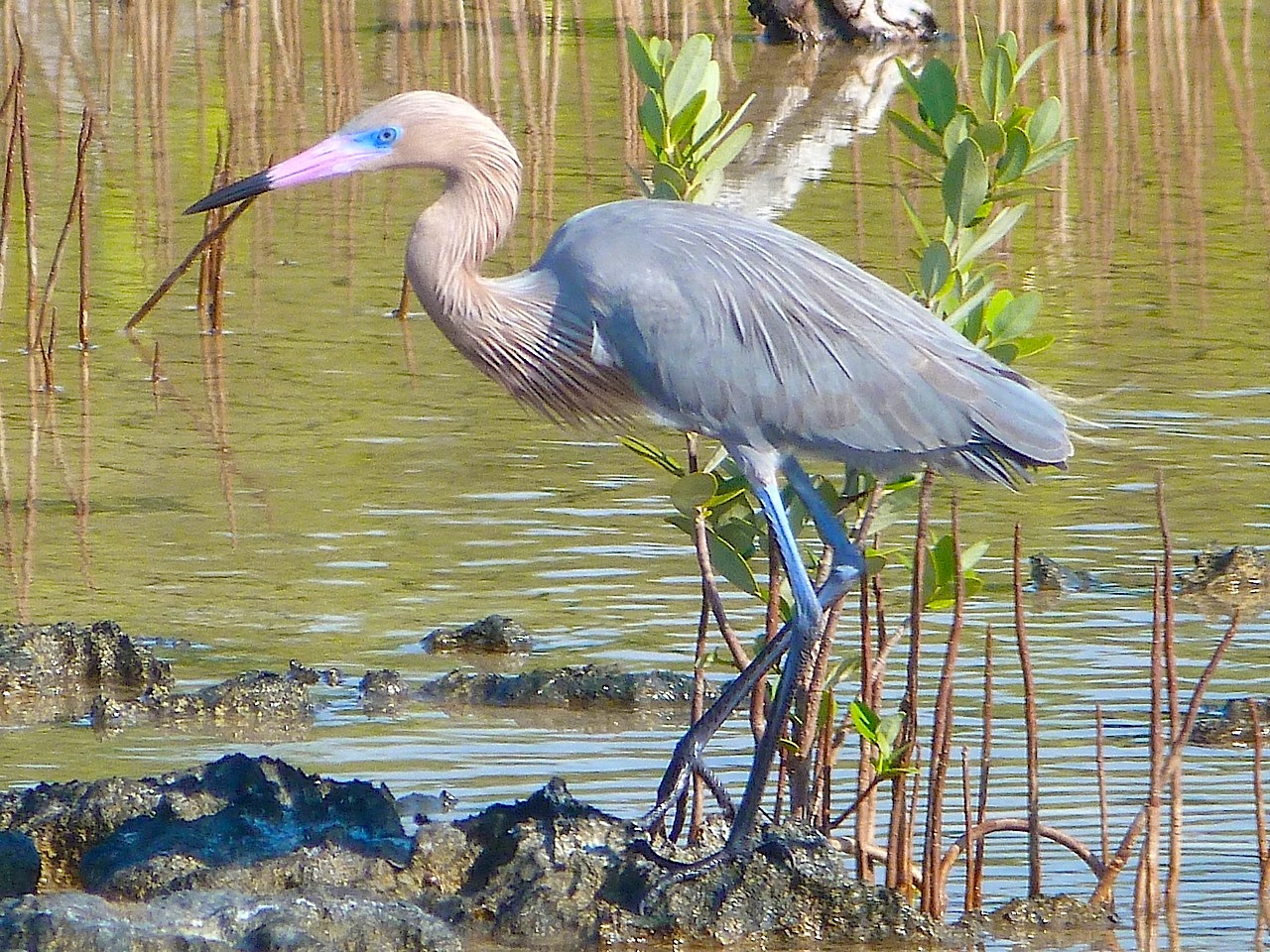
Reddish Egret, Crossing Rocks, Abaco (Keith Salvesen)11

Credits: Tom Sheley, Bruce Hallett, Gerlinde Taurer, RH

Unknown's avatar

ABACO’S WINTER WARBLERS: ARRIVING ANY MOMENT!


Yellow-throated Warbler, Abaco - Bruce Hallett

Yellow-throated Warbler, Abaco

ABACO’S WINTER WARBLERS: ARRIVING ANY MOMENT!

To celebrate the forthcoming influx of the ‘confusing fall warblers’ of the winter season, here is a reminder of my guide to the 37 warbler species found on Abaco, of which only 5 are permanent residents. The remainder are either winter residents of variable scarcity; or transients somewhat randomly passing through. As ace birdman Woody Bracey has rightly commented on the guide, “One note of caution to new birders. Most transients are seen in Abaco in the fall. They are not in bright breeding plumage at this time. That’s why they’re called ‘confusing fall warblers’. So don’t expect all the birds you see to look exactly like the photos. Females and juveniles are generally duller and may look very different from Spring males”.

Last season, Charmaine Albury saw 22 of the possible warbler species on Man-o-War Cay, a remarkably good proportion for a small island (I’d be interested if anyone can top that in one location).  Add prolific shorebirds including piping plovers to the mix and it looks as though MoW is fast becoming a reliable hotspot for birding. Charmaine’s species were:  Yellow-throated, Tennessee, Common Yellowthroat, Yellow, Pine, Bahama, Ovenbird, Worm Eating, Northern Waterthrush, Black and White, Cape May, Redstart, Northern Parula, Black-throated Blue, Palm, Yellow-rumped, Prairie, Hooded, Prothonotary, Orange-crowned, Blackburnian, BlackPoll.

AN ILLUSTRATED GUIDE TO ABACO’S 37 WARBLER SPECIES

Until a couple of years ago, I lazily believed all of the warblers were (a) near identical and (b) yellow, differing only in their extent of yellowness. Not so. I know better now. The seasonal migration prompted me to devise a general guide to all the various warblers, so that the great diversity can be appreciated. The photos that follow show an example of each warbler, where possible (1) male and (2) taken on Abaco. Where I had no Abaco images – especially with the transients – I have used other mainstream birding resources and Wiki. All due credits at the foot of the post.

Abaco has 37 warbler species recorded for the main island and cays. They fall into 3 categories: 5 permanent residents (PR) that breed on Abaco (B), of which two are endemics; 21 winter residents (WR) ranging from ‘everyday’ species to rarities such as the Kirtland’s Warbler; and 11 transients, most of which you will be lucky to encounter. The codes given for each bird show the residence status and also the likelihood of seeing each species in its season, rated from 1 (very likely) to 5 (extreme rarities, maybe only recorded once or twice).

Yellow Warbler at sunrise.Abaco Bahamas.6.13.Tom Sheley copy copy

PERMANENT RESIDENTS

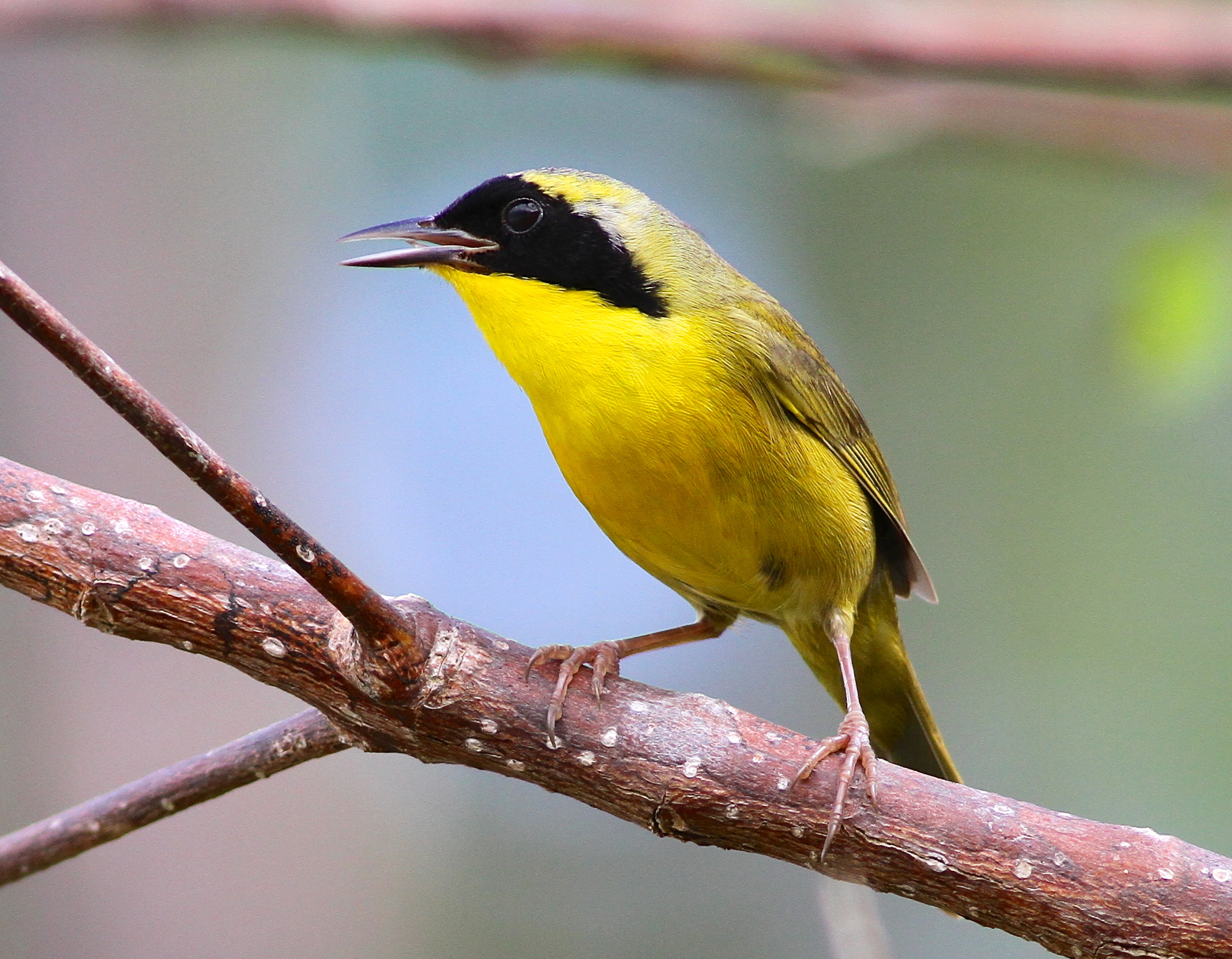
BAHAMA YELLOWTHROAT Geothlypis rostrata PR B 1  ENDEMIC

Bahama Yellowthroat, Abaco - Tom Reed

YELLOW WARBLER Setophaga petechia PR B 1 

Yellow Warbler, Abaco Bahamas.6.13.Tom Sheley

OLIVE-CAPPED WARBLER Setophaga pityophila PR B 1 

Olive-capped Warbler, Abaco - Bruce Hallett

PINE WARBLER Setophaga pinus PR B 1 

Pine Warbler, Abaco - Tom Reed

BAHAMA WARBLER Setophaga flavescens PR B 1 ENDEMIC

Bahama Warbler, Abaco - Alex Hughes

Yellow Warbler at sunrise.Abaco Bahamas.6.13.Tom Sheley copy copy

WINTER RESIDENTS  (COMMON)

OVENBIRD Seiurus aurocapilla WR 1 

OVENBIRD_Bahamas-Great Abaco_6639_Ovenbird_Gerlinde Taurer 2

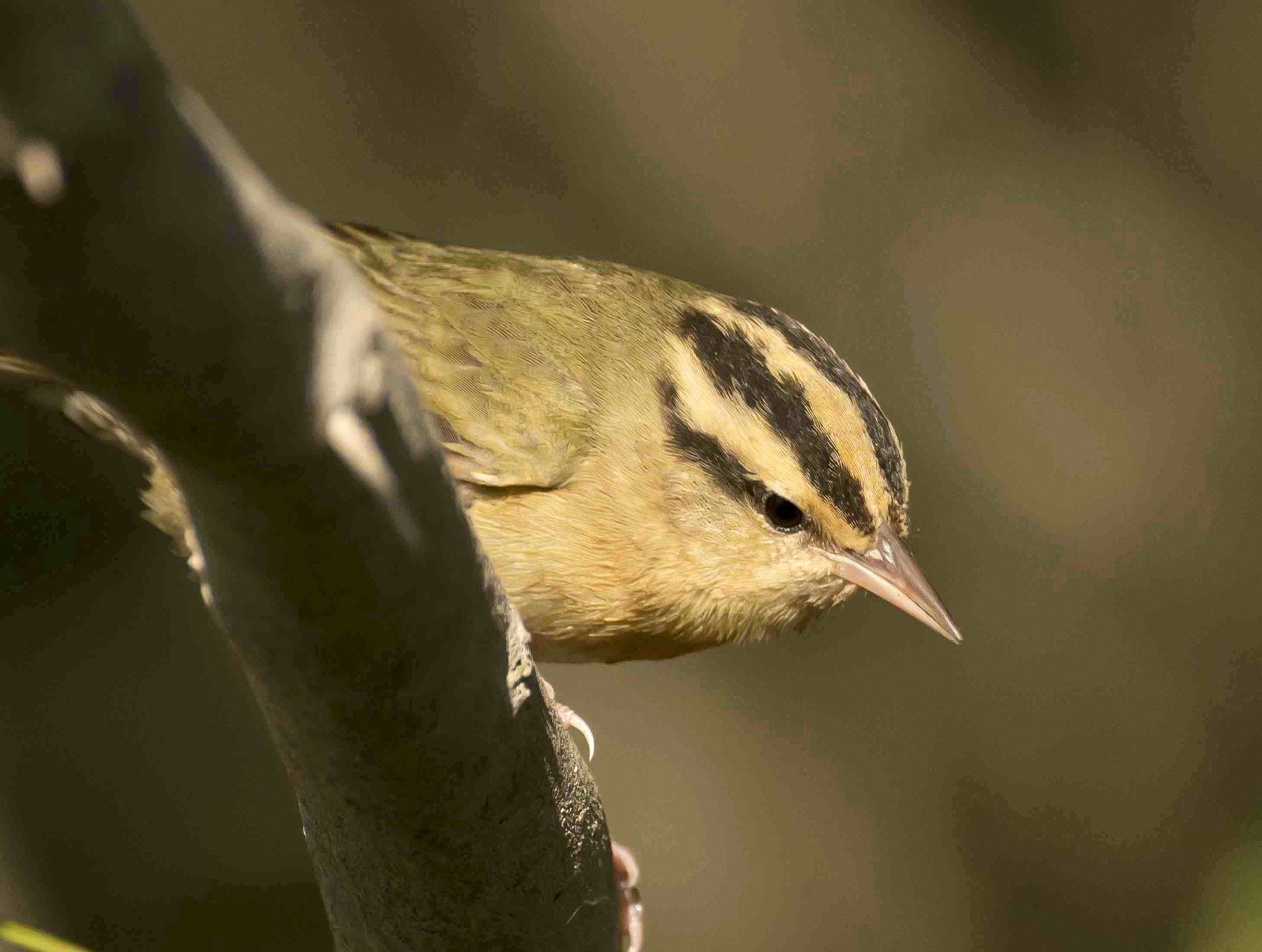
WORM-EATING WARBLER Helmitheros vermivorum WR 2 

Worm-eating Warbler.Bahama Palm Shores.Abaco Bahamas.Tom Sheley

NORTHERN WATERTHRUSH  Parkesia noveboracensis WR 1 

BAHAMAS - Northern Waterthrush - Oct 2010 Becky Marvil

BLACK-AND-WHITE WARBLER Mniotilta varia WR 2 

Black & White Warbler, Abaco - Bruce Hallett

COMMON YELLOWTHROAT Geothlypis trichas WR 1 

Common Yellowthroat.Gilpin Pond.Abaco Bahamas.Tom Sheley copy

AMERICAN REDSTART  Setophaga ruticilla WR 1 

Bahamas-Great Abaco_6334_American Redstart_Gerlinde Taurer copy

CAPE MAY WARBLER Setophaga tigrina WR 1 

Cape May Warbler (m), Abaco - Bruce Hallett

NORTHERN PARULA Setophaga americana WR 1 

Northern Parula, Abaco - Woody Bracey

BLACK-THROATED BLUE WARBLER Setophaga caerulescens WR 2 

Black-throated Blue Warbler (m), Abaco - Bruce Hallett

PALM WARBLER  Setophaga palmarum WR 1 

Palm Warbler, Abaco - Peter Mantle

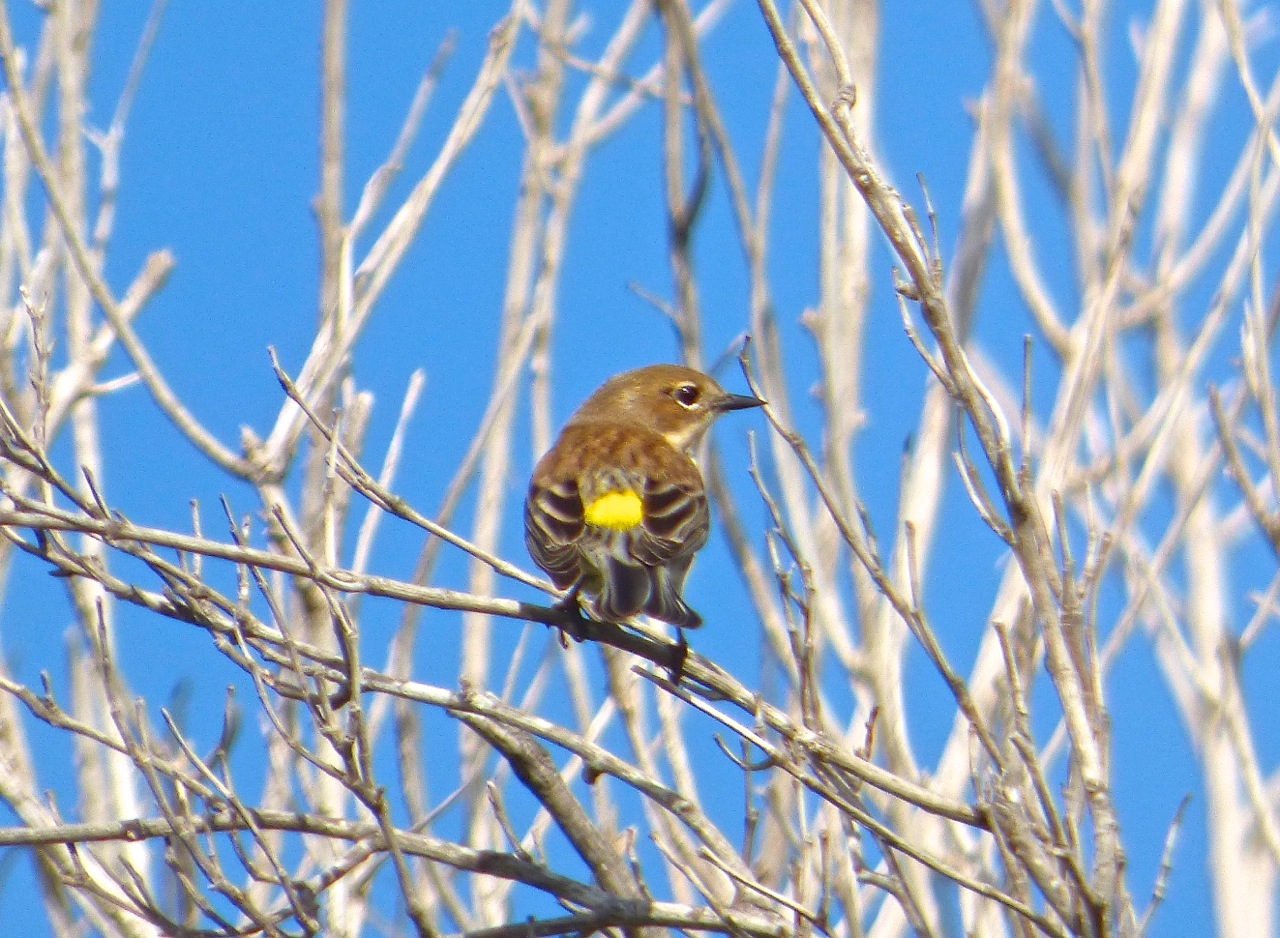
YELLOW-RUMPED WARBLER Setophaga coronata WR 2 

Yellow-rumped Warbler, Abaco - Keith Salvesen (RH)

YELLOW-THROATED WARBLER Setophaga dominica WR 1 

Yellow-throated Warbler, Abaco - Bruce Hallett

PRAIRIE WARBLER Setophaga discolor WR 1 

Bahamas-Great Abaco_6609_Prairie Warbler_Gerlinde Taurer copy 2

Yellow Warbler at sunrise.Abaco Bahamas.6.13.Tom Sheley copy copy

 WINTER RESIDENTS  (UNCOMMON TO RARE)

LOUISIANA WATERTHRUSH Parkesia motacilla WR 3 

Louisiana waterthrush William H. Majoros WIKI

BLUE-WINGED WARBLER Vermivora cyanoptera WR 3

Blue-winged Warbler, Abaco (Becky Marvil)

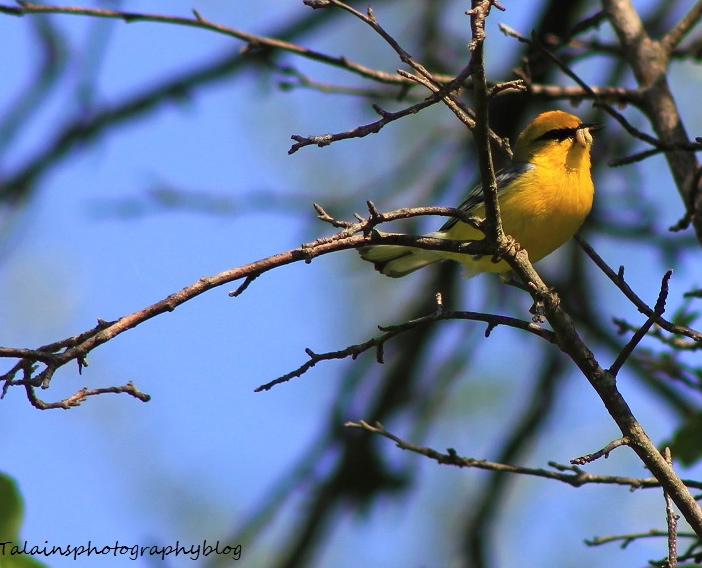
Blue-winged Warbler. talainsphotographyblog

SWAINSON’S WARBLER  Limnothlypis swainsonii WR 4 

Swainson's Warbler, Abaco - Bruce Hallett

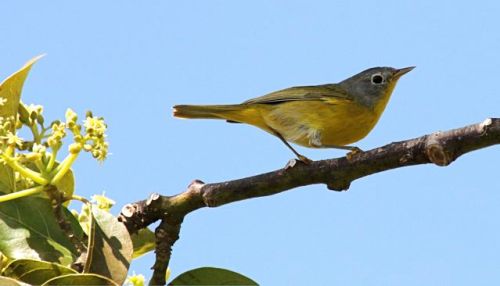
NASHVILLE WARBLER Oreothlypis ruficapilla WR 4 

Nashville Warbler, Abaco - Bruce Hallett

HOODED WARBLER Setophaga citrina WR 3 

Hooded Warbler, Abaco (Charmaine Albury)

KIRTLAND’S WARBLER Setophaga kirtlandii WR 4 

Kirtland's Warbler (m), Abaco - Woody Bracey

MAGNOLIA WARBLER Setophaga magnolia WR 3 

Magnolia warbler, Abaco - Craig Nash

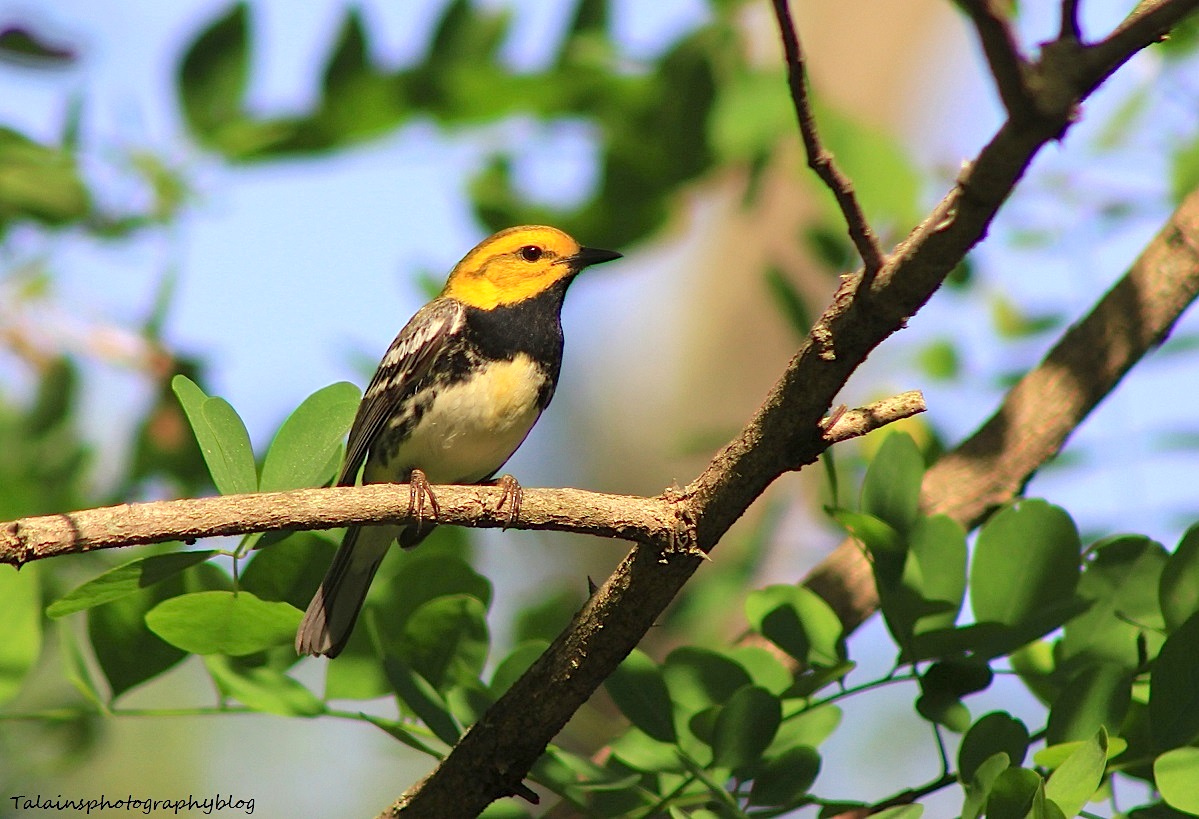
BLACK-THROATED GREEN WARBLER Setophaga virens WR 3 

Black-throated Green Warbler - talainsphotographyblog

Yellow Warbler at sunrise.Abaco Bahamas.6.13.Tom Sheley copy copy

TRANSIENTS

PROTHONOTARY WARBLER Protonotaria citrea TR 3 

Prothonotary Warbler, Abaco - Ann Capling

TENNESSEE WARBLER Oreothlypis peregrina TR 4 

Tennessee Warbler Jerry Oldenettel Wiki

ORANGE-CROWNED WARBLER  Oreothlypis celata TR 4 

Orange-crowned Warbler dominic sherony wiki

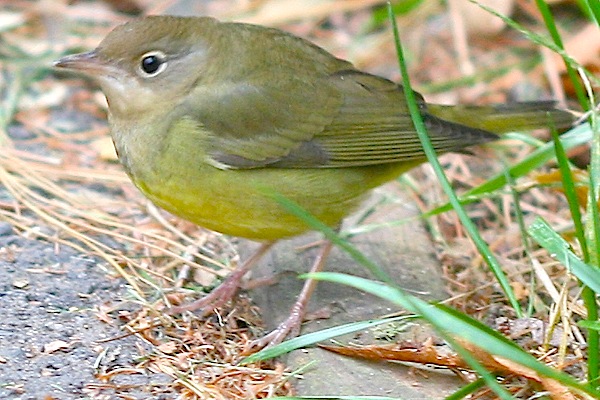
CONNECTICUT WARBLER Oporonis agilis TR 4 

Connecticut Warbler Central Park NYC 10000birds.com

KENTUCKY WARBLER Geothlypis formosa TR 4 

Kentucky_Warbler Steve Maslowski wiki - Version 2

BAY-BREASTED WARBLER Setophaga castanea TR 4 

Bay-breated warbler MDF Wiki

BLACKBURNIAN WARBLER Setophaga fusca TR 4

Blackburnian Warbler Mdf wiki

CHESTNUT-SIDED WARBLER Setophaga pensylvanica TR 4

Chestnut-sided Warbler talainsphotographyblog - Version 2

BLACKPOLL WARBLER Setophaga striata TR 3 

Blackpoll Warbler avibirds.com

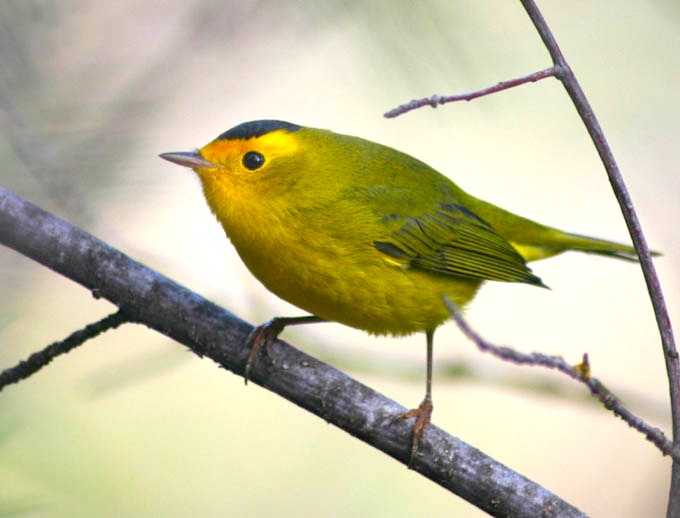
WILSON’S WARBLER Cardellina pusilla TR 4 

Wilson's Warbler Michael Woodruff wiki

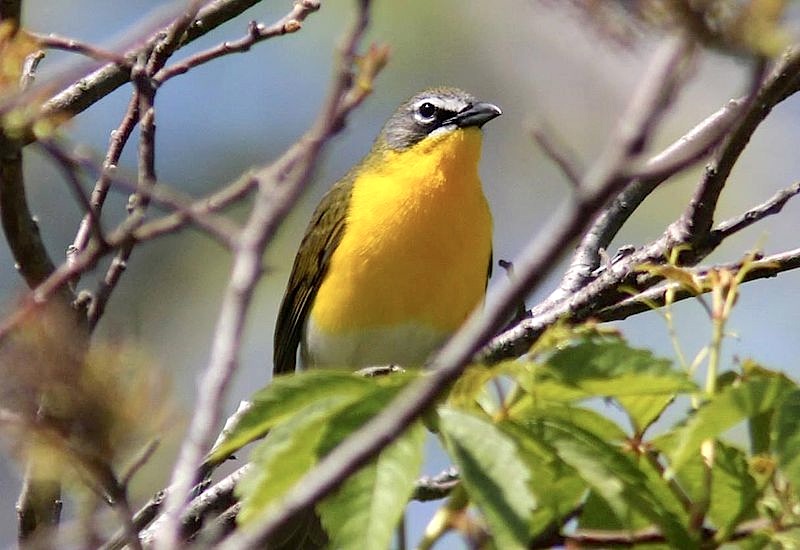
YELLOW-BREASTED CHAT Icteria virens TR 4 

Yellow-breasted Chat Emily Willoughby wiki

PHOTO CREDITS: GUIDE (1 – 37) Bruce Hallett (Header, 3, 9, 12, 14, 17, 21, 22); Tom Reed (1, 4); Tom Sheley (2, 7, 10); Alex Hughes (5); Gerlinde Taurer (6, 11, 18);  Becky Marvil (8, 20a); Woody Bracey (13, 24); Peter Mantle (15); RH (16); William H. Majoros (wiki)(19);  talainsphotographyblog (20b, 26, 34); Charmaine Albury (23); Craig Nash (25); Ann Capling (27); Jerry Oldenettel wiki (28); Dominic Sherony wiki (29); 10000birds (30); Steve Maslowski wiki (31);  MDF wiki (32, 33); Avibirds (35); Michael Woodruff wiki (36); Emily Willoughby wiki (37)

CHECKLIST & CODES based on the complete checklist and codes for Abaco devised by Tony White with Woody Bracey for “THE DELPHI CLUB GUIDE TO THE BIRDS OF ABACO” by Keith Salvesen

Unknown's avatar

BAHAMA PINTAILS ON ABACO (WITH YELLOWLEGS PHOTOBOMB)


Bahama (Whitecheeked) Pintail with Lesser Yellowlegs, Gilpin Point, Abaco

BAHAMA PINTAILS ON ABACO (WITH YELLOWLEGS PHOTOBOMB)

I’m not going to pretend that these are particularly meritorious bird photos in any way. We were at Gilpin Point pond, always a good place to see birds and now an area that has regular parrot fly-pasts (and hang-around-squawkings). It’s the only place we have found a furtive little sora creeping guiltily around the reedy margins. It’s a reliable spot for herons and egrets of all kinds, white-cheeked (bahama) pintails by the score, black-necked stilts and lesser yellowlegs. Occasionally a northern pintail. I’ve seen belted kingfishers, bahama woodstars, cuban emeralds, american kestrels, spindalis and many more coppice birds besides. Pelicans have been seen on the rocks on the beach. Always worth a try! One day perhaps I’ll make a checklist… **

A ‘Preening of Pintail’ with a lesser yellowlegs feeding happily (if blurrily) behind themBahama (Whitecheeked) Pintail with Lesser Yellowlegs, Gilpin Point, Abaco

Less than a minute earlier… PHOTOBOMBBahama (Whitecheeked) Pintail with Lesser Yellowlegs, Gilpin Point, Abaco

The photobomb was a complete surprise, but I managed to snap the more elegant landing…Bahama (Whitecheeked) Pintail with Lesser Yellowlegs, Gilpin Point, Abaco

** As a postscript, I see that Pericles Maillis posted on eBird his very brief bird count at Gilpin pond and on the beach a couple of days after I posted this. He saw

  • 3 Blue-winged Teal (‘first sighting of bw teal for 2015 migration’)
  • 20 White-cheeked (Bahama) Pintail
  • 1 Great Blue Heron
  • 1 Snowy Egret
  • 2 Tricolored Heron
  • 5 Green Heron
  • 2 Killdeer
  • 2 Ruddy Turnstone
  • 10 Laughing Gull
  • 1 Caribbean Dove
  • 8 House Sparrow

Pics: RH

Unknown's avatar

“CHECK OUT THE WEB” (2) SEMIPALMATED SANDPIPERS ON ABACO


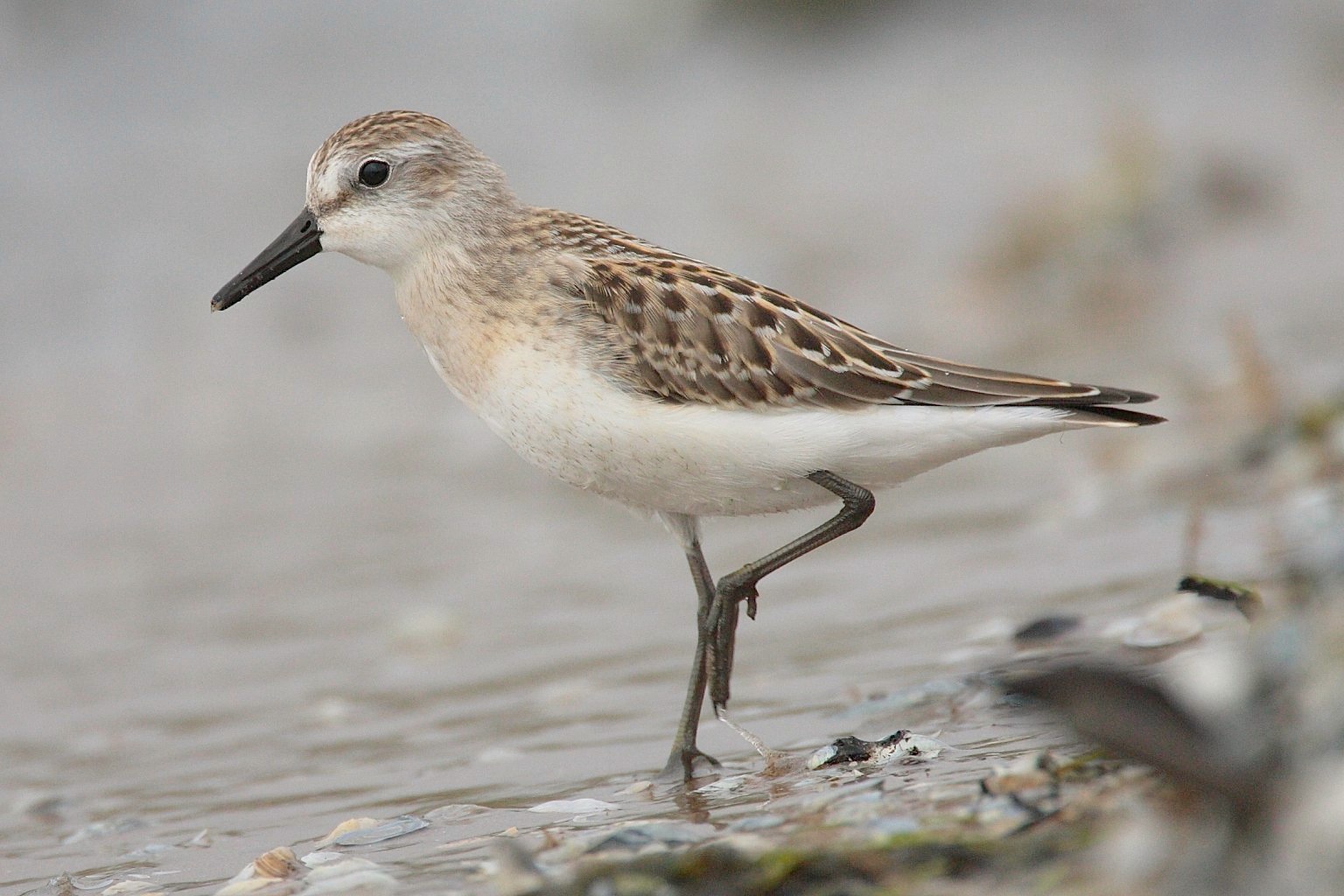
Semipalmated Sandpiper, Abaco (Bruce Hallett)

“CHECK OUT THE WEB” (2) SEMIPALMATED SANDPIPERS ON ABACO

Having recently headlined a post for SEMIPALMATED PLOVERS with a web-related title, I’m repeating it for Abaco’s other part-webbed shorebird, the semipalmated sandpiper. Either it’s so apposite that it doesn’t need changing; or else I lack the imagination to think up something new…

Semipalmated Sandpiper (juv), Abaco (Bruce Hallett)
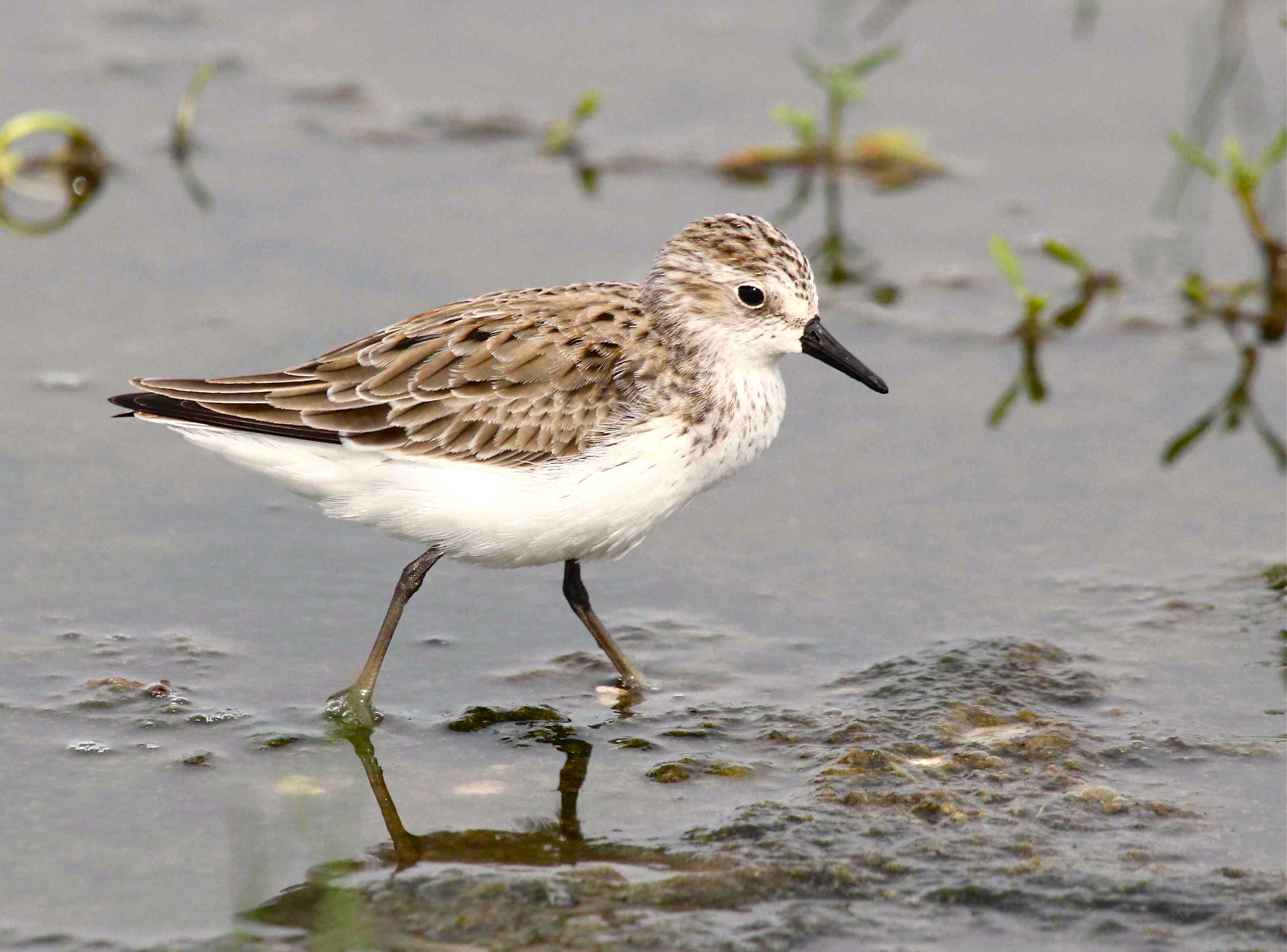
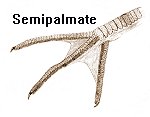
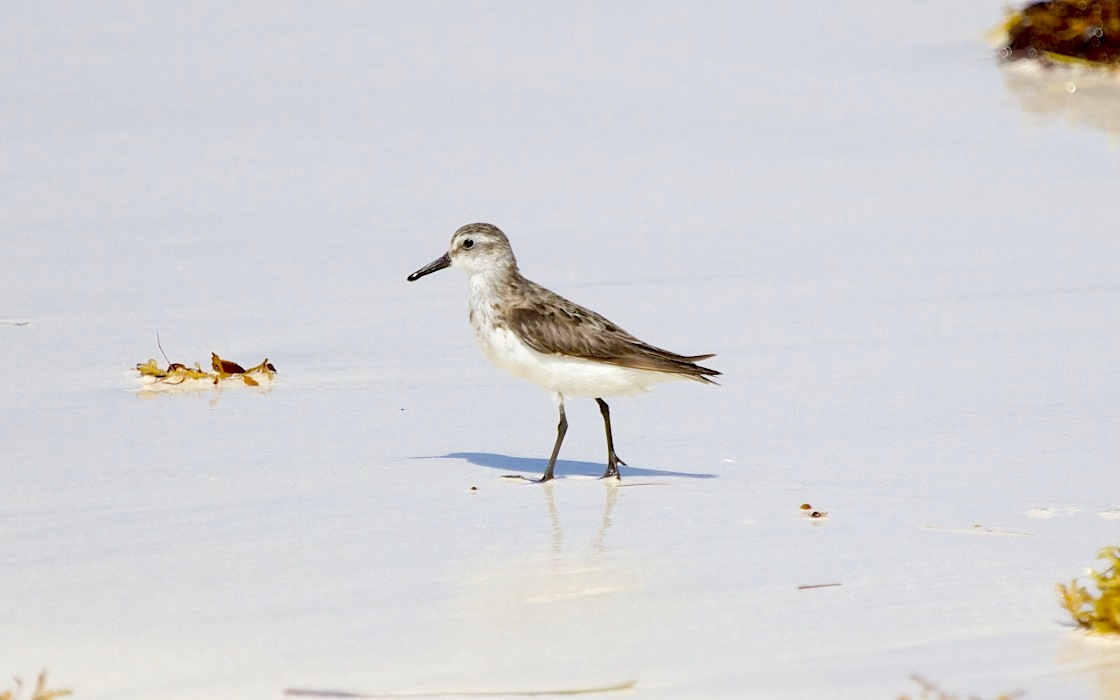
semipalmateThis attractive little sandpiper Calidris pusilla has the partially webbed feet that give it its name. In spring and fall these ‘peeps’ are the most numerous shorebirds on Abaco but they are just passing through on their migration further south – so-called ‘transients’. Flocks of these birds may be arriving any moment now on a beach near you. The signifiers are black legs, a short, straight dark bill, and a body that is white underneath and brown /gray on top, tinged lighter on the head and neck. 

Semipalmated Sandpiper Calidris pusilla (MDF) 

SO THEY’RE EASY TO SPOT ON THE SHORELINE?

Not really, I’m afraid. This species is very easy to confuse with other small shorebirds (with which they happily mingle), especially the less common western sandpiper which has a slightly longer and downturned bill. It takes an experienced birder to tell them apart. The most reliable way – to see the feet to check for the partial webbing between the toes – is far from easy. A photograph of the bird as it picks its way across sand, tide margins or mud may be best, if you can zoom in on the feet. The webbing is just visible in both the images above; and more clearly in the one below.

A recent SPSP from Bruce Hallett, in which the semipalmation can more easily be seen Semipalmated Sandpiper (Bruce Hallett)

WHERE DO SEMIPALMATED SANDPIPERS LIVE?

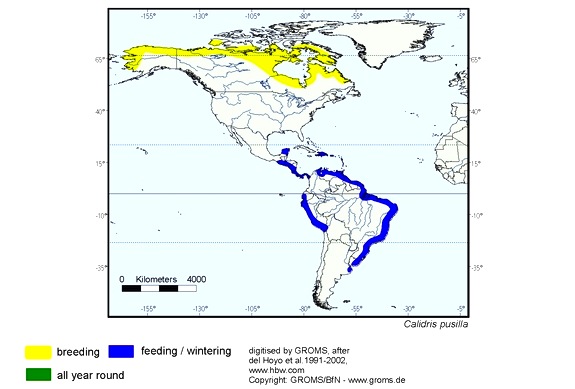
These are birds of the far north – Canada’s tundras and Alaska, close to water – where they breed and lay their eggs in scrapes. Rather sweetly, the male makes several prospective nests for the female to choose her favourite and furnish with grasses etc. Both adults share incubation duties. The chicks are independent almost as soon as they are hatched. Then in early fall they head many miles south to warmer places, of which Abaco is one of the most northerly, principally as a stopover for rest before continuing their journey to the coastal margins of South America. The migrating flocks may contain tens of thousands of birds. Of the many range maps around, this one from the excellent avibirds.com shows the marked contrast between the summer and winter habitats very clearly. 

Semipalmated Sandpiper distribution map (Avibirds.com)

Semipalmated Sandpiper (Dick Daniels Wiki)

HOW DO THEY COMPARE IN SIZE WITH OTHER SANDPIPERS?

The SPSP is one of the smallest shorebirds, the female being slightly larger than the male. This image shows 2 of them in the company of a much larger white-rumped sandpiper (also a transient on Abaco) for comparison.White-rumped Sandpiper + 2 semi-palmated(Woody Bracey)1 copy 2

Time now to get the binoculars out (now where on earth are they?) and patrol the beach to catch the first of these little birds as they begin to arrive in considerable numbers during their fall migration.Semi-palmated Sandpiper, Abaco (Alex Hughes)

Credits: Bruce Hallett (1, 2, 4), MDF (3), Avibirds (infographic), Dick Daniels (5), Woody Bracey (6) [& comments – cheers], Alex Hughes (7)

Unknown's avatar

A QUARTER OF A MILLION GLIMPSES OF ABACO…


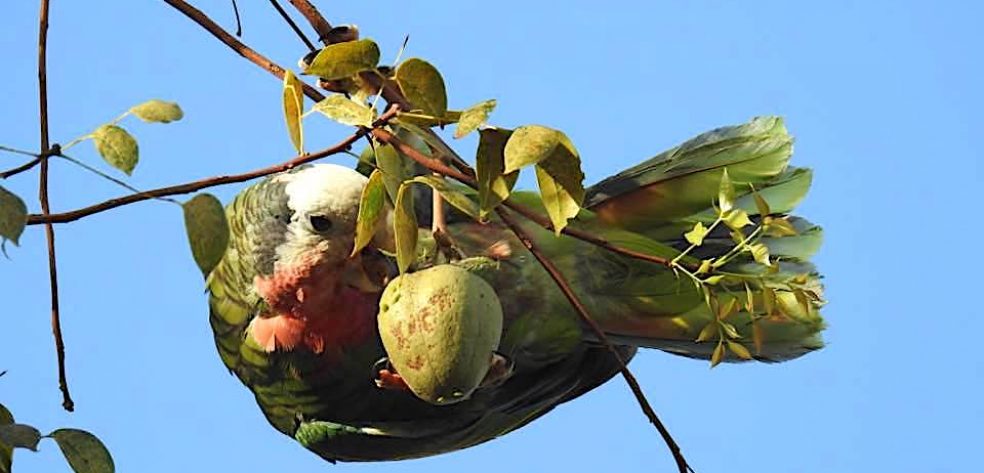
Abaco (Cuban) Parrot, Abaco, Bahamas  (Keith Salvesen)

A QUARTER OF A MILLION GLIMPSES OF ABACO…

Well here’s a rum do. About four years ago, this somewhat minority interest blog emerged ‘mewling and puking’¹ into the world, guided by an incompetent male midwife whose basic training had been about 4 weeks of exposure to Abaco, its fishing, its wildlife, its geography and its history. ‘Bananaquit’ might as well have meant taking up a plantain-free diet. ‘Grassquit’ might have been the local word for ‘keep off the lawn’. And that’s before all the flowers. And the reef fish. And everything else that turned up during the storm-wracked voyage of discovery via polydamus swallowtails, manatees, spider wasps and batfish that led slowly to the calmer waters of ‘rather better informed (if no wiser)’. 

Anyway, at midnight last night some unknown person kindly made the 250,000th visit to the blog, a target that once seemed inconceivable. In the past month, the 1000th person also signed up as a follower, another source of amazement. The reality is that despite Abaco being a sparsely-populated microdot island in a huge world, there are a great many people on the island or associated with it who are passionate about it and its extraordinarily diverse natural history. That knowledge makes curating this blog both easy and pleasurable. 
RH Stats clip

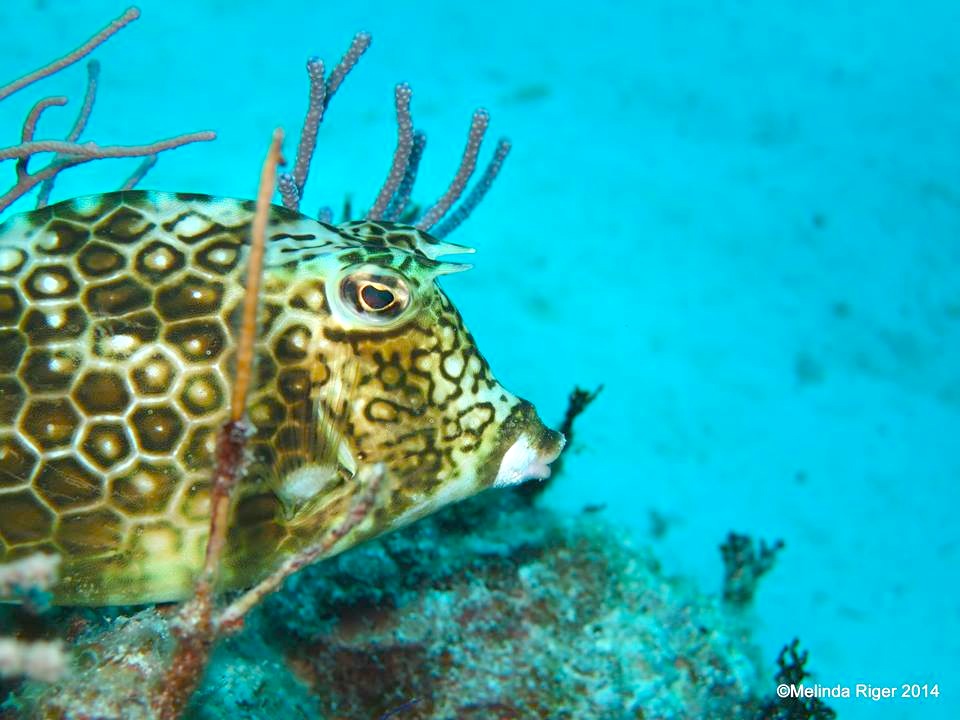
I checked my stats for the last year to find out where hits from the top 10 countries – and for fun the bottom 1o – came from. Here’s the answer. Rather shamefully there was also a country I had never knowingly heard of, Palau (Micronesia). There follows a selection of a few photographs that have been popular over the years, mostly my own but the underwater ones are from Melinda Riger and Virginia Cooper of Grand Bahama Scuba.

Top 10                                                                   Bottom 10
Top 10 countries jpg   Bottom 10 countries jpg

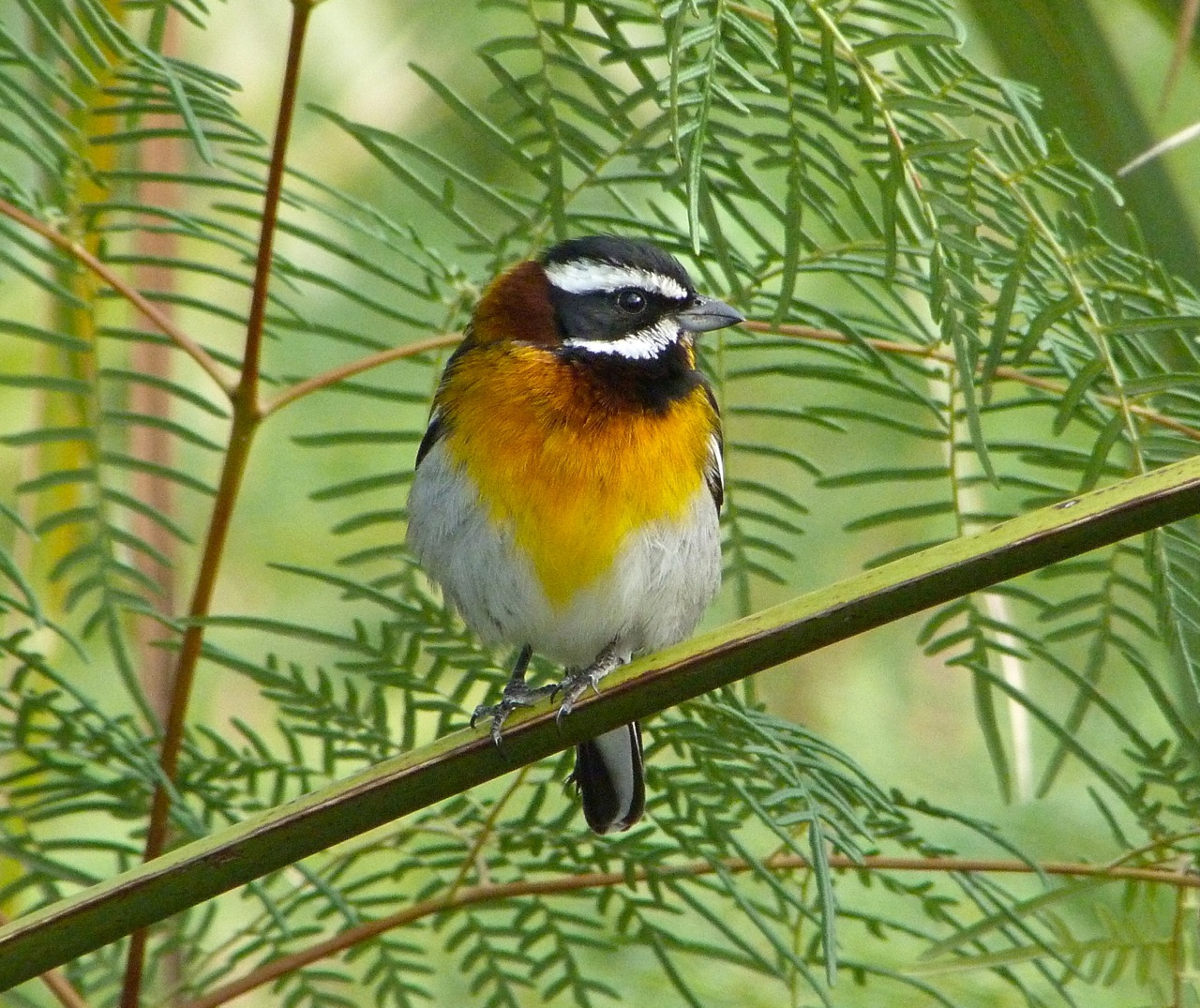
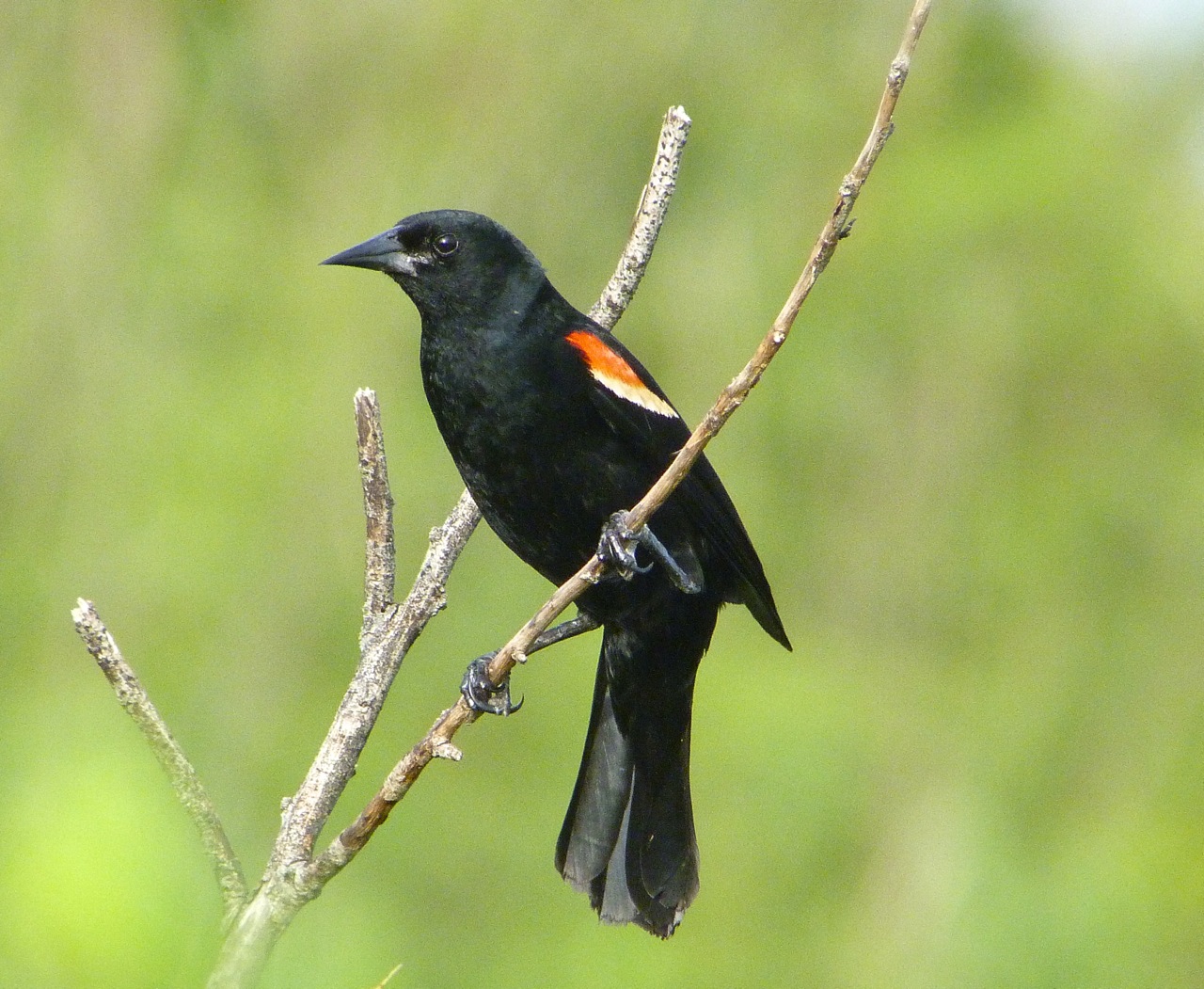
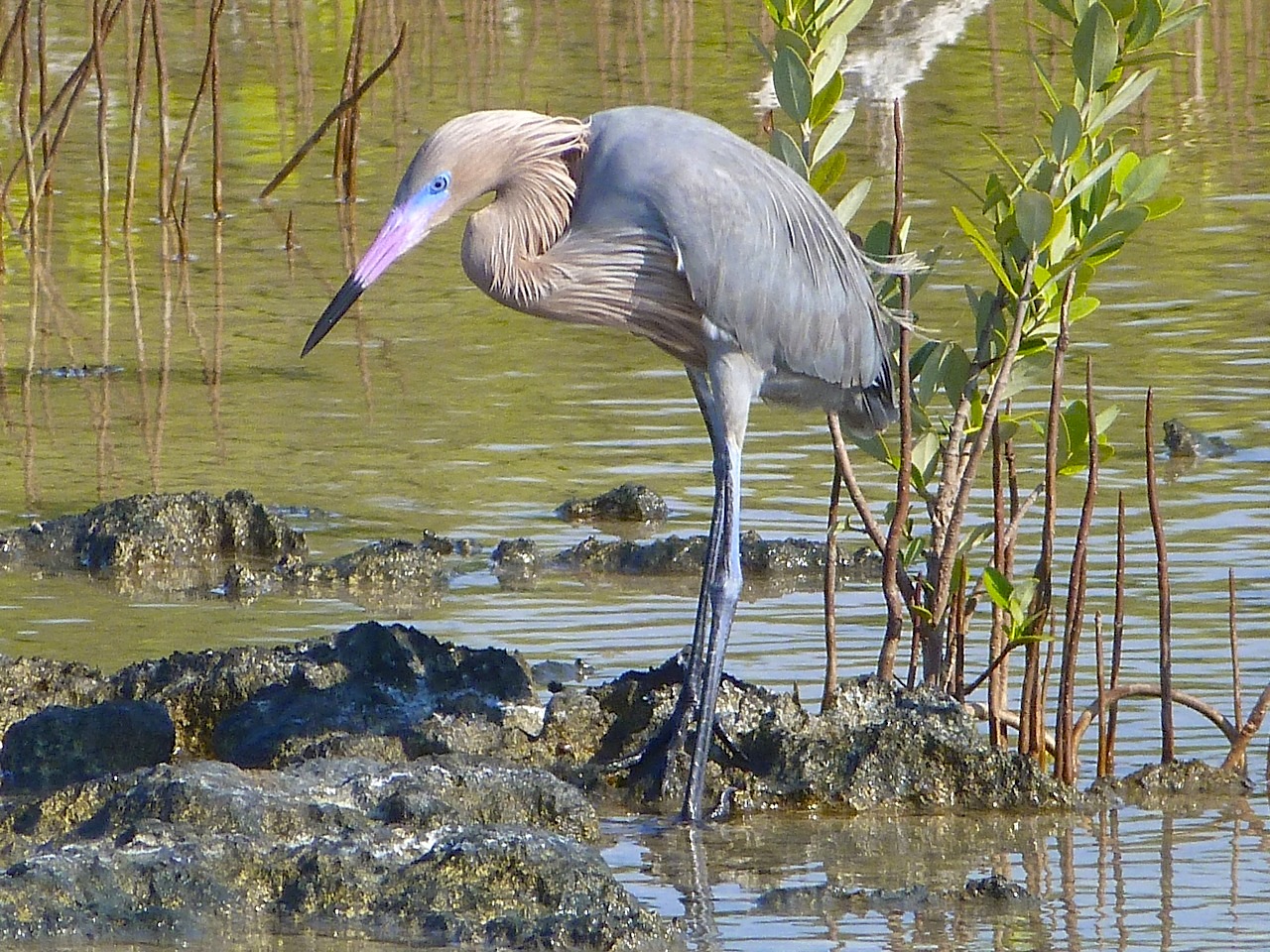
Cuban Emerald Hummingbird, Delphi, Abaco (Keith Salvesen)Bananaquit & palm, Delphi, Abaco, Bahamas  (Keith Salvesen)Western Spindalis, Abaco, Bahamas  (Keith Salvesen)Blue-gray Gnatcatcher, Abaco, Bahamas (Keith Salvesen)Red-winged Blackbird, Abaco, Bahamas  (Keith Salvesen)Brown Pelicans, Sandy Point, Abaco  (Keith Salvesen)Reddish Egret, Crossing Rocks, Abaco, Bahamas (Keith Salvesen)French Angelfish (juv), Bahamas (Melinda Riger)Four-eyed Butterflyfish ©Melinda Riger @GBSCowfish ©Melinda Riger @ GB ScubaOctopus ©Melinda Riger @ Grand Bahama ScubaNassau Grouper, Bahamas (Melinda Riger)Blacktip Shark ©Virginia Cooper @ G B Scuba copy 2Curly-tail Lizard, Delphi, Abaco, Bahamas (Keith Salvesen)Atala Hairstreak Butterfly, Abaco, Bahamas (Keith Salvesen)Bird of Paradise Flower (Strelitzia) Abaco (Keith Salvesen)Hibiscus : Polydamus Swallowtail, Delphi Abaco (Keith Salvesen)Yellow Elder Hope Town, Abaco, Bahamas (Keith Salvesen)

SEARCH TERMS

The most popular searches – omitting posts about hurricanes, which always generate a lot of traffic – have concerned Abaco Parrots, Lignum Vitae, Sea Glass, the Loxahatchee poster series, Tarantula Hawk Wasps, Sea Biscuits / Urchins, Yellow Elder, Parrotfish, Shipwrecks, Hutias, Hole-in-the-Wall, Lionfish, Remora, and Abaco Maps. The most leftfield search of all was ‘How dispose of dead bodies?’, by someone who had clearly strayed into the wrong category of website…

A FEW OF THE MOST POPULAR POSTS / PAGES
SEA SHELLS
SPIDER WASPS & TARANTULA HAWKS: DON’T MESS WITH THESE GUYS    
ABACO FACTS (including likelihood of adverse shark encounter or shipwreck)    
ABACO MAPS    
LIGNUM VITAE – BAHAMAS NATIONAL TREE    
YELLOW ELDER – THE BAHAMAS NATIONAL FLOWER    
SEA URCHINS & SEA BISCUITS – BEACHCOMBING TREASURES ON ABACO    
ABACO FOOD & DRINK (cook hog / bonefish; clean a conch; sip an Abaco cocktail / Goombay Smash)
ABACO & HOLE-IN-THE-WALL, BAHAMAS: A SHORT HISTORY IN MAPS    
PINEAPPLES: SYMBOLS OF WELCOME & WEALTH (ALSO, DELICIOUS)    
ABACO ISLAND BOA: THE ONLY ABACO SNAKE    
WHALES & DOLPHINS    
ABACO PARROTS    
FLORA

It would be strange to end this little celebration without a tip of the hat to Peter Mantle, old friend and genial doyen of the Delphi Club, for his wholehearted encouragement and support for the production and publication of THE DELPHI CLUB GUIDE TO THE BIRDS OF ABACO. This hefty tome, published in March 2014, showcases the wonderful and varied avian life on Abaco and has proved very popular – indeed well beyond our expectations. Although I appear nominally as author on the cover, it is in fact an extraordinary collaborative effort by some 30 people. The book’s success further demonstrates the commitment of Abaconians and other who love the island to Abaco’s rich natural heritage in an age of  rapid change; and provides another good incentive for me to continue with the blog. Next stop: 500,000!

¹ © W. Shakespeare, Romeo & Juliet Act 2 Sc. 7

dcbg2ba-jacket-grab-for-pm-v2-copyShark Gif

Unknown's avatar

“GOOD MIGRATIONS” by THE BEACH BIRDS


Piping Plover 32 (banded as an adult in 2010 at Manistee, MI Sleeping Bear Dunes N L, MI)

Banded in Michigan in 2010 – in Florida right now!

“GOOD MIGRATIONS” by THE BEACH BIRDS

It’s started already. The autumn migration of piping plovers from up north to down south. It seems only the other day (April in fact) that the last PIPL were seen on Abaco. Since then, they have spent the summer in their breeding grounds, raising families. This seems to have been a successful breeding season, with good reports that included a record number in the tiny Great Lakes population. But the attrition rate to predation is high: for example, of the 4 chicks in one family that was closely observed on Long Beach Island NJ, only one (‘Beth’) has survived.

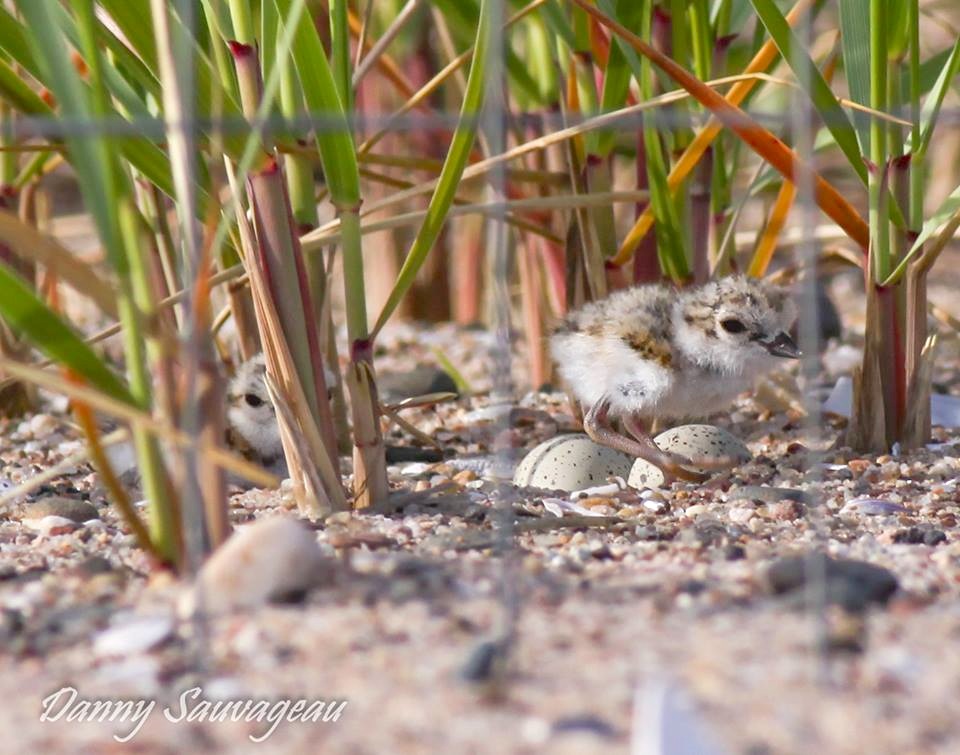
Piping Plovers - 2 chicks, 2 eggs - CT (Danny Sauvageau)

Piping plovers: 2 chicks & 2 eggs, Connecticut

WHAT’S SO SPECIAL ABOUT THESE BIRDS?

A recent estimate put the world’s supply of these little birds at 8000. And of these, many spend their winter in the Bahamas, Abaco being one of their favoured destinations. The survival of the species is in the balance. Habitat degradation at either end of their migrations could be disastrous; at both ends, more than doubly so.

Piping Plover (juv) CT (Danny Sauvageau)

Piping Plover juvenile, Connecticut

HOW CAN THEIR SURVIVAL BE ASSURED?

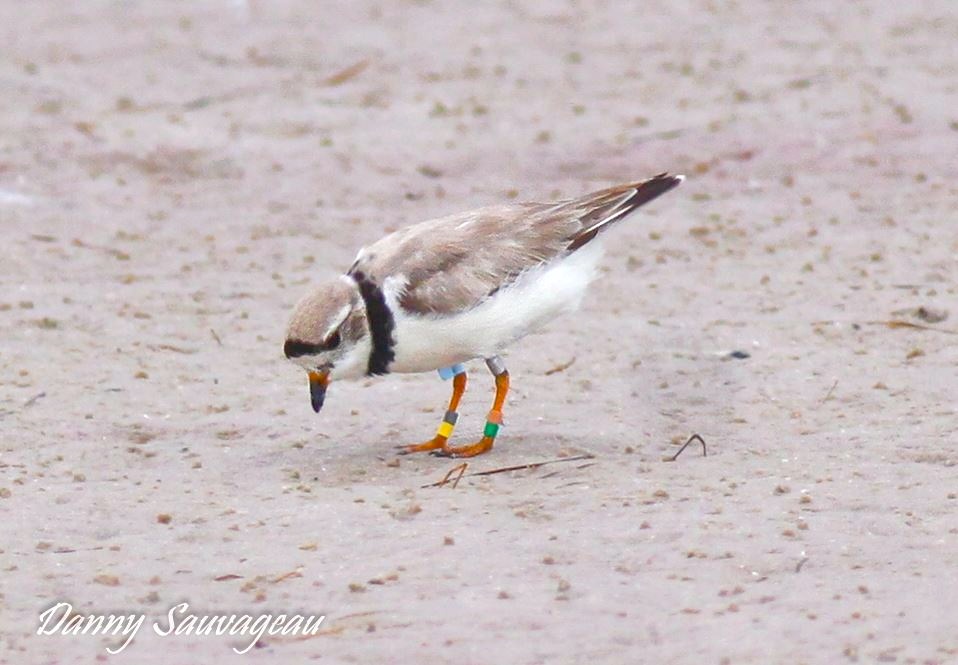
A number of organisations and individuals are dedicated to looking out for the PIPL. This includes ensuring preservation of habitat integrity and protection on the beaches where they nest, and banding programs so that birds can be tracked and monitored during their migrations. This is one aspect which people on Abaco (and elsewhere) can help with – looking out for these birds, reporting their location and how many are seen, and if possible describing the bling: colour of bands, which legs, which order,visible numbers etc. Or better still, taking photos!

Piping Plover CT (Danny Sauvageau)

WHERE WILL I FIND PIPING PLOVERS ON ABACO?

On beaches and shorelines. On the mainland, places where they were reported last year included Long Beach, Crossing Rocks, Schooner Bay, the beach at Delphi, Bahamas Palm Shores, Casuarina and Little Harbour. They also visit the cays, with a number reported on Man-o-War Cay for example.Piping Plover (Danny Sauvageau) 3

HOW FAR HAVE THEY GOT IN THEIR TRAVELS?

Well on their way south. Danny Sauvageau, who combines monitoring beaches in Florida with being a wonderful bird photographer, has just reported the first arrivals. On 23 July he saw 3 unbanded PIPL in Dunedin Fl. – here’s one of them.Piping Plover, Dunedin, FL (Danny Sauvageau)

Then on 29 July Danny found his first banded Piping Plovers of the 2015-16 wintering season at Fort Desoto – 6 birds of which 5 were banded. This enabled him to recognise them as returners, and to identify their origin: “Two were from the Great Lakes (Michigan), two were from the Great Plains (North Dakota and South Dakota) and one was from Nebraska!”.

These 3 examples show the wide variation in banding in the different locations. Which is why a photo of a bird’s legs is particularly helpful for the research into the species.

PPL-106- 2nd year at Ft Desoto - Banded in Nebraska PPL-35 - 3rd year at Ft Desoto - Banded as a chick 2012 Vermillion, MI along Lake Superior PPL-2 - 3rd year at Ft Desoto - Banded as a adult 2013 Whitefish Point, MI along Lake Superior

The CONSERVE WILDLIFE FOUNDATION OF NJ is involved annually with researching the piping plovers of Abaco. Many will be familiar with the scientists Todd Pover and Stephanie Egger who visit each year to monitor the plovers. For those who do not already have a direct line to them I would be very pleased to receive reports of sightings to collate and pass on. The monitoring work provides exactly the kind of information that will help to ensure the survival of this adorable but vulnerable species. Please email me at rollingharbour.delphi@gmail.com or, better still, upload info / pics to the new FB page I have set up, ABACO PIPING PLOVER WATCH 2015 – 16Piping Plover Charadrius melodus (Ontario, MDF : wiki)

The most helpful information to have is date; time; location; number of birds; whether banded or unbanded; and if banded, as much information as possible or ideally a photo…

lbi-piping-plover-chick

TYPICAL MUSICAL DEVIATION FROM THE TOPIC

The referencing in the title to a famous ‘disc’ from 1966 by a ‘popular beat combo’ does not presage a re-formation. In the past there was acrimony. Some drink ‘n’ drugs hell. Splits and re-formations. Sadly not all former members are still with us. Here’s a memory of them from (arguably) their most satisfyingly inventive era… **EARWORM ALERT** now you won’t be able to get the wretched tune out of your head. It’s given you ‘excitations’. Sorry about that.

Credits: All photos courtesy of Danny Sauvageau except ‘lone chick’ MDF & ‘chick in hand’ CWFNJ; shout outs to Danny, Todd, Stephanie and all PIPL researchers. Plus Bay Soundings. And the Beach Boys…

ADDENDUM AUG 2 A good article about the significance of banding can be found at BAY SOUNDINGS (based around Tampa Bay). It includes contributions from Danny and a useful info box:

Reporting banded birds

Reporting banded birds is one of the most important activities for citizen-scientists, says Wraithmell. “It’s the only way we have to solve the mystery of migration – to learn where they stop and where they winter so we can protect that habitat too.”

Most photographers stumble upon their first banded birds accidentally because they don’t always see the bands until they review their images on a computer screen. After that, they’ll learn to watch for the bands even if they don’t get close enough to see them with their naked eye.

“There’s something very exciting about photographing banded birds, learning where they came from and following their travels if they’ve been seen and reported before,” Sauvageau said.

But capturing an image shouldn’t outweigh allowing the bird to rest or feed in peace, Wraithmell said. “One thing that’s really important is not disturbing the birds, whether they’re nesting or just resting,” she said. If nesting birds are disturbed, they fly off and leave their eggs or babies in broiling sun and defenseless against predators. Wintering birds need to rest and pack on the pounds before they fly back to their summer breeding grounds.

“Some birds, like piping plovers, actually spend more time here than they do nesting,” she said. “Their main job over the winter is eating and resting so they can nest successfully. And breeding is hard work – it takes a lot of energy to make an egg and then to feed and defend a chick until it’s old enough to take care of itself.”

For the scientists who band birds, “it’s like putting a message in a bottle and throwing it in the sea,” Wraithmell said. “Every resighting is valuable because we learn something new.”

Unknown's avatar

HOW TO CATCH FISH EFFECTIVELY, OSPREY-STYLE


Osprey, Abaco Bahamas (Tom Sheley)

Osprey (Abaco, Bahamas) – Tom Sheley

HOW TO CATCH FISH EFFECTIVELY, OSPREY-STYLE

I have featured the wonderful photography of Phil Lanoue before. He specialises in taking sequences of the larger birds, many of them as they hunt for fish: herons, egrets, anhingas – and ospreys. Here is a remarkable sequence of an osprey showing its fishing skills, with a surprise ending that I won’t give away.

osprey-catches-two-fish-01 (Phil Lanoue)osprey-catches-two-fish-02  (Phil Lanoue) osprey-catches-two-fish-03  (Phil Lanoue) osprey-catches-two-fish-04  (Phil Lanoue) osprey-catches-two-fish-05  (Phil Lanoue)

Pretty cool trick, huh?osprey-catches-two-fish-06  (Phil Lanoue)

Credits: Header image – Tom Sheley; Osprey sequence – Phil Lanoue. Many thanks to both for use permission