Unknown's avatar

1ST ANNIVERSARY “ESSENTIAL ABACO WILDLIFE FACTS” COLLECTION


Today is the 1st birthday of this blog, on the very day that the hit count passes 37,000. I started out last April, with faltering steps, into the mysterious world of the blog – setting it up, getting ‘stuff’ posted, finding out about birds, creatures, shells and much else from scratch. The learning curve has modified slightly and has a less vertiginous ascent. We are now mostly under control here at Rolling Harbour HQ… It’s been a year of Parrots, Whales, Hurricanes, Mars Probe Booster Rockets and other beachcombing mysteries. As year 2 begins, huge thanks to the many who have contributed so far, or generously given advice and (mainly) constructive criticism along the way, or simply taken the time to have a look. Especially if you came back for more…

Here to celebrate the day is the Official Rolling Harbour Collection of  some of the “Essential Facts” that have appeared in various posts over the previous year. It is, needless to say, essential reading. Amaze or alienate your friends with your esoteric knowledge of the length of an adult male manatee’s intestines…

ESSENTIAL HUMMINBIRD FACTS

  • The colourful throat of a (male) bird is known as a ‘gorget’
  • Hummingbirds are the only birds that can fly backwards
  • There are 320 species of hummingbird worldwide
  • The smallest is the bee hummingbird of Cuba, at 2″ for an adult
  • John Gould, the c19 ornithologist and artist, invented many of the names to reflect the varied and iridescent colours of the birds.
  • Hummingbird wings beat as much as 75 times per second
  • Hummingbirds have the highest metabolic rate of any warm-blooded creature; also the largest hearts (proportionately, obviously…)
  • There are many collective nouns, including a “bouquet”, “glittering”, “hover”, “shimmer”, and “tune” of hummingbirds
  • On the TCI, the Bahama Woodstar is known as ‘The God Bird’ 

10 MEMORABLE MORSELS OF MANATEE MINUTIAE

  • The 4 species of Sirenia are the West Indian, Amazonian and West African manatee; and the Asian / Pacific dugong. 
  • Fossil remains of Florida manatees date back 45 million years; their closest living relative is the elephant
  • Manatees are also known as Sea Cows. Some say sailors who’d been at sea for too long took them to be mermaids, a mistake I doubt they made twice…
  • They can weigh up to 1,300 lb and measure up to 13 feet. Females are larger than males. Baby manatees may weigh 65 lb. Adult intestines can reach 45 meters which would take Usain Bolt 4.31 seconds to run past (if straightened out, obviously)
  • Accurate population estimates seem to be impossible to obtain, varying by season and by year for no apparent reason. Overall,  the picture is of a declining population, with extinction likely without further protection
  • West Indian Manatees can move freely between extremes of salinity, and may be found in warm shallow coastal waters, in estuaries, or migrated into rivers to freshwater springs (as in Florida). They cannot survive below 15°C (60°F). They have a propensity to hang around the warm-water outflows of power stations
  • Manatees have some intelligence and demonstrate discrimination and task-learning similar to dolphins.Their eyelids close “in a circular manner”, though I can’t quite picture this. They have only 6 teeth in each jaw, which are replaced throughout their lives
  • They breed every other year. Gestation lasts 12 months, and it takes a further 12 to 18 months to wean the calf. A single calf is born. Apart from mothers with a calf or males showing off to females, manatees tend to be solitary creatures
  • They are herbivores, eating many plant species, such as mangrove leaves, turtle grass, and types of algae. An adult manatee can eat up to 10% of its body weight per day. They have been known to eat small amounts of fish from nets
  • Half a manatee’s day is spent sleeping in the water. The rest of the time they graze in shallow waters. They swim at 3 to 5 mph, faster in short bursts. They may live up to 60 years (surprisingly, given their punishing daily schedule)
  • The oldest manatee in captivity is Snooty, at the South Florida Museum. He was born at the Miami Seaquarium on July 21, 1948 and came to the South Florida Museum in Bradenton, Florida in 1949

10 ESSENTIAL YET GRISLY MUREX FACTS

  • Murex are highly carnivorous with rasping teeth, and drilling equipment for boring into the shells of their prey
  • A determined Murex may take up to 5 days to drill into its prey
  • Murex also use their foot to smother prey, or to crush it by using suction power
  • They eat clams by hoovering them up with their foot and smashing them on rocks to get at the occupant
  • They happily eat sea-floor carrion and sea-kill
  • Murex act in packs to carry out raids on unsuspecting beds of clams, which they feast on avidly
  • They are sexually wanton. Females store sperm from different males for many months, eventually producing embryos with different dads (I’m not making this up. I would like to have done so)
  • Cannibalism occurs. The kids are equally prone to extreme delinquency and are happy to eat each other when peckish
  • Some species of murex secrete a fluid that is believed to be used to drug their prey into paralysis
  • That same fluid (Murex / Mucus) is also used as a dye, ‘Tyrian’ or ‘Royal’ Purple, which can be ‘milked’ from a living murex (the Aztecs & Phoenicians did this). I’ll pass on that…
POTCAKE POT POURRI
  • Potcakes are a mixed-breed dog of the Bahamas & TCI, named after the layer of dried rice and peas in  the bottom of cooking pots, traditionally fed to stray dogs
  • Appearance and colouring varies considerably from island to island. Mostly commonly they are (mainly) brown, have smooth coats, cocked ears, and long faces. Adults typically weigh from 45 to 50 pounds (20 to 23 kg)
  • Potcakes have a wandering tendency. There are many strays on every island – often considered a nuisance. Volunteer organizations re-home strays,  and offer free spaying and neutering
  • Potcakes are often used for hunting hogs. Some are trained to locate fish through  scent on the water and the cries of feeding sea birds
  • Potcakes may originate from 3 canine types: (1) dogs brought by the Arawak  to the Bahamas; (2) terriers protecting supplies from rodents on ships to the Bahamas; (3) Dogs that arrived with Loyalists during the Revolutionary War
  • In the 1970s the potcake dog was officially recognized in The Bahamas as the “Royal Bahamian Potcake”. In February 2011, they were accepted by the Bahamas Kennel Club in the category ‘Group 9 Non-Registered’
  • A potcake dog named Amigo has been the mascot of the Humane Society of Grand Bahama. He ‘served as an Ambassador of Hope for homeless animals’ until his death in 2007, and appeared on TV
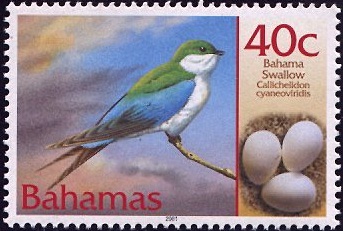
  • Potcakes have featured in a set of special-issue Bahamas stamps (as have Bahama Swallows)

10 MEMORABLE FACTS ABOUT LIGNUM VITAE

  • Traditionally, it was used for making British Police Truncheons (now made of soft fluffy pink fabric to reflect new caring policing methods)
  • Its physical qualities made it widely used in shipbuilding (though presumably not the whole ship, which would sink instantly)
  • Cabinet-makers, stone-carvers and gem-cutters all use the wood in their crafts
  • LV has many engineering uses. The wood is self-lubricating and is ideal for bearings. The 1st nuclear submarine had some of these
  • The world-renowned  UK fishing rod maker Hardy’s made a famous ‘Greenheart’ rod
  • LV has medical uses, including for arthritis; and its bark / shavings allegedly make a nice cup of “tea”… (Any evidence of this?)
  • A 1920’s calypso song “LignumVitae” was sensationally saucy for its allusions to the bark tea’s prophylactic quality in addition to exploiting the phallic connotations
  • Gabriel Garcia Márquez incorporates uses for the wood in two of his novels (neither of which I have read. Oh dear. The guilt)
  • Pete Seeger, singer / songwriter, made the neck of his banjo from LV
  • The wood is also connected to mauve tiling, vitamin glue, anti-evil gum and the ‘vigilant emu’ by anagrammatic chance

SCOTCH BONNET FACTS

  • It takes approximately six years for a Scotch bonnet to mature
  • The shells grows 2 – 4 ins long (5 – 10 cm), showing distinct growth stages
  • Scotch bonnets live on sand, usually in fairly shallow water (but see below)
  • The more a Scotch bonnet eats the more elaborate its shell, the glossier its sheen & the brighter its colours (research suggests this doesn’t work for humans)
  • Divers frequently find Scotch bonnets at depths of 50 – 150 feet (15 to 46 m). Specimens have been found in depths up to 308 ft (94 m)
  • Shipwrecks provide a good habitat for this species
  • Crabs are its main predators, crushing the shell to get at the occupant. Since the snails’ main defence mechanism is to withdraw into their shells, they urgently need to evolve a new tactic
  • The empty shell of this sea species is often used by hermit crabs
  • In 1965 the state of North Carolina made the Scotch bonnet its official state shell, in honor of the Scottish settlers who founded the state

GENERAL CLASSIFICATION OF SEA GLASS COLOUR OCCURRENCE

Most common (1 in every 1 – 25 pieces found): clear, Kelly (‘Irish’) green, brown, blue, purple

Less common (1 in every 25 – 100 pieces found): jade, amber, lime green, forest green, ice / soft blue

Uncommon (1 in every 50 – 100 pieces found): other green shades

Very uncommon 1 in every 200 – 1000 pieces found): citron, opaque white, cobalt, cornflower blue and aqua

Extremely rare (1 in every 1000 – 10,000 pieces found): grey, pink, teal, black, yellow, turquoise, red

Rarest of all (1 in every 10,000+ pieces found): orange

Unknown's avatar

ABACO & HOLE-IN-THE-WALL, BAHAMAS: A SHORT HISTORY IN MAPS


Bahamas van Keulen Map clip copy 2

ABACO & HOLE-IN-THE-WALL, BAHAMAS: A SHORT HISTORY IN MAPS

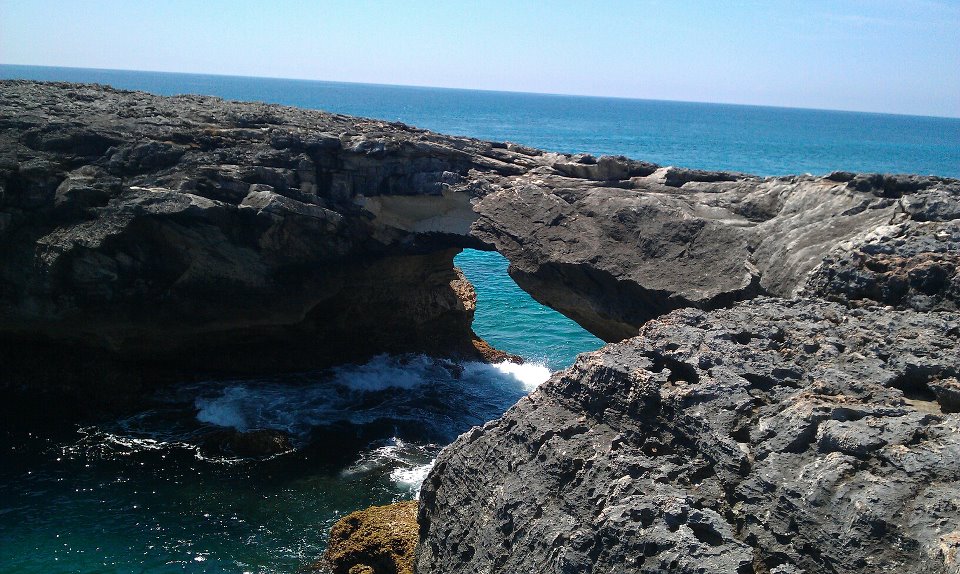
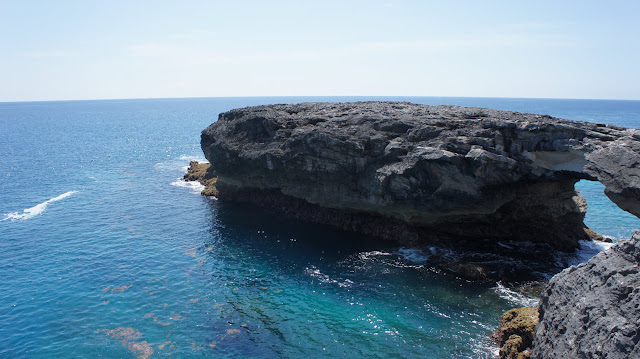
To begin with, here is a fabulous recent photograph of the actual Hole-in-the-Wall taken by well-known Abaco nature tour guide Ricky Johnson. This picture inspired me to delve into the history of Abaco and its the southernmost extremity, to see how far back it can be traced; and how the island’s recorded history has evolved since the Columbian era.

STOP PRESS March 2017  Thanks to the many people currently viewing this post & sharing it around. It was written, of course, before Hurricane Sandy converted the Hole into a Gap. There are links at the bottom of the page to some posts relating to the new ‘Gap-in-the-Wall’. In 2015 I went on the BMMRO research RHIB close to the hole / gap. If you are interested in the story and close- up photos, you’ll find them at HITW UNIQUE PERSPECTIVES ONE (past) and TWO (present & future).

(Photo Credit: Ricky Johnson)

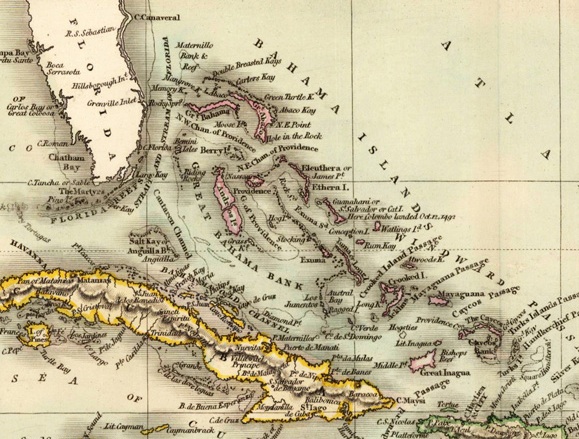
I started by trying to establish the earliest map, and the earliest mention of Hole-in-the-Wall. I don’t have access to written archival material, so I looked instead at historic maps of the Caribbean / Bahamas / Lucayas. The very earliest, from the late c16, simply depict the Bahama Islands / Lucayas as rather random-looking blobs which bear little relation to their actual geographical location or their shape. The islands mostly have quite different names, or variants of familiar spellings. Over the course of 5 centuries, one can trace the progress of place names to those used today – including of Abaco itself. The gradual development of settlements can also been seen – at Little Harbour, Crossing Rocks and ‘Cheeric Sound’, for example, as well as on the ‘Keys’.

The trail starts in the c16. The earliest map I have so far found is the Abraham Ortelius map of 1592, which is a good example of the rather basic map-making of the time. It is quite hard – near impossible – to relate the position of ‘Haraco’ to the other islands depicted.

ADDENDUM I have now uncovered an even earlier and far more ambitious map published in 1550 by the Spanish cartographer Diego Gutiérrez. His incredibly intricate map, for the period, is decorated with volcanos, mermaids, monkeys, and variety of fantastical sea creatures. The first image is a detail of the whole map, showing the Bahamas, a sea monster, and a graphic shipwreck. I have also included an image of the whole map so that the extraordinary range and complexity of this early map can be seen in its entirety.

This colourful and charming 1679 map shows that a very basic style of mapping was still common in the c17

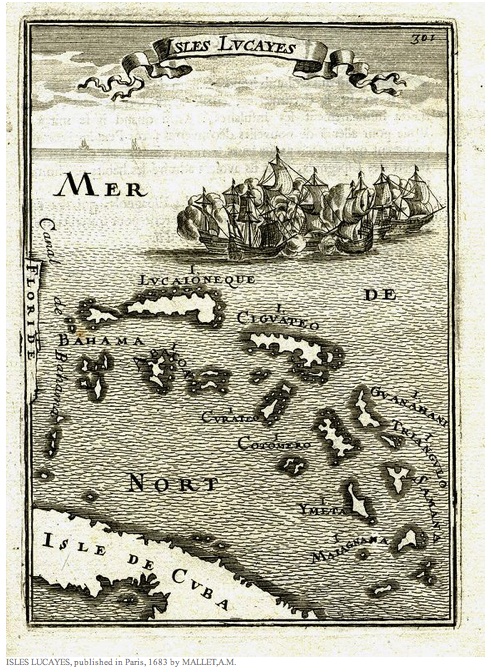
This famous map by A.M.Mallet from 1683, with its enjoyable sea battle vignette, is another good example of the very general nature of the maps, although the design and draftsmanship has advanced considerably

Things become much clearer and more detailed in the c18. The relationship of the islands to each other is shown in geographic reality; and many more details and place names are included. The earliest specific reference to Hole-in-the-Wall (as it now is) that I have so far found is in a 1738 map by Johannes Couvens & Cornelius Mortier. ‘Abaco’ is now spelled as we know it, with ‘Hole in the Rock’ clearly marked. Little Harbour is mentioned, as are 2 ‘Keys’, presumably indicating settlements. 

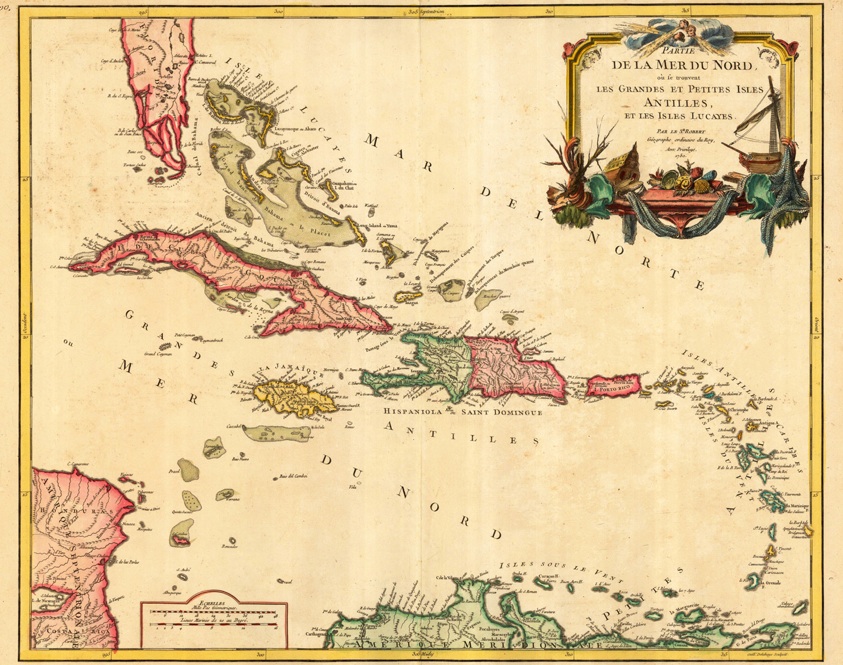
A 1750 map by Robert of Paris shows the southern tip of Abaco as ‘Trou dans le Roc’. You’ll have to trust me on this – the writing is tiny and impossible to enlarge legibly. The French name is not just because the map maker was French, but probably because it was the name given by French settlers who are believed to have lived in that part of Abaco in the c18 (and quite possibly earlier). Many more settlements are shown, especially on the Cays.

The Cartographer Jacques-Nicolas Bellin, in a 1764 map, also used the french name, though in the plural ‘Trou dans les Roches’, as this much enlarged portion of his ‘Cartes des Isles Lucayes’ shows. Little Harbour – ‘Petit Havre’ – is again included as a distinct settlement, and a few Cays are also named.

John Blair’s map of 1779, below, shows clearly ‘the Hole in the Rock’ – indeed, it is the only named place on Great Abaco. The southern end of Florida looks worryingly fragmented…

For the new century, a map by George Cook dated 1800 shows the first appearance of Little Abaco as a separate entity. Again, Hole in the Rock is the only place on Great Abaco that is marked. Maybe this evidences a continuing significance as a navigation aid.

The good clear map by Thompson dated 1815 provides plenty of excellent detail hitherto lacking in maps of the northern Bahamas. Another name for Hole-in-the-Wall has crept in, shown as ‘Hole of the Rock’. There are some oddities here. A ‘Rocky Point’, usually associated with the south west coast below Sandy Point, is marked on the east coast. Little Harbour is shortened to L.H., indicating perhaps that it had become a familiar enough settlement to warrant abbreviation – unless it stands for Light House, referring to the long-defunct lighthouse there… The word ‘Kay’ is used, a half-way house between the earlier ‘Key’ and the later ‘Cay’. The positions of the Kays seems (now) amusingly off-cay – indeed the relative scales to the main island are quite strange. Green Turtle Cay is some way nor’-nor’-west of Little Abaco…

Harrison’s much simpler map in 1818 also uses ‘Hole of the Rock’, which is the only place shown.                              

As the  c19 progressed, far more sophisticated and detailed map-making – including nautical charts – was undertaken. This extract from a much larger chart by Edmund Blunt from 1827 is the first mapped reference I can find of the name change from ‘Rock’ to ‘Wall’. It is also the earliest I have found Crossing Rocks mentioned on a map, though apparently as a shipping warning rather than an indication of a viable settlement. Walt Disney has yet to visit ‘Key Gorda’.

A new name for the southern extremity entered the scene in 1833 on Thomas Starling’s map of the West Indies. The tip is simply called ‘Light Ho. Pt’, with no reference to Holes, Rocks or Walls – an interesting variation (see below). I have found no other instances of this name.

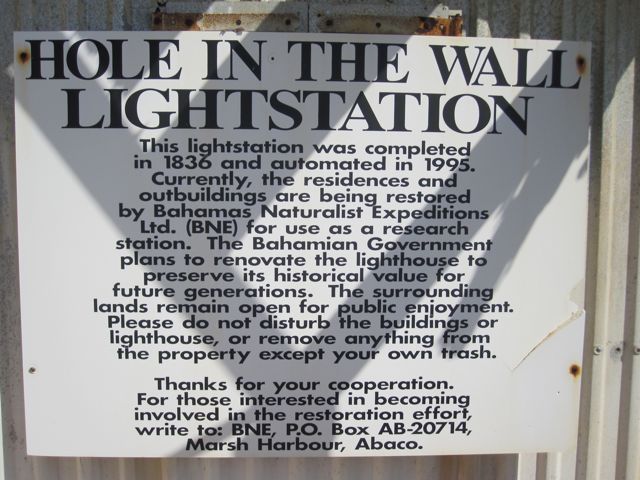
The interest lies in the fact that the evidence suggests that the Lighthouse at Hole-in-the-Wall was not actually completed until 1836, yet Starling was specifically referencing it 3 years earlier. One could deduce that there was already a basic lighthouse of some description there, soon to be superseded; or perhaps that construction of the Lightstation had already commenced in 1833, and Starling was confident of its eventual completion and wanted to be ahead of the competition… On the left is the notice at the lighthouse station today.

——————————————

For a time, maps continued to use ‘Rock’ rather than ‘Wall’ – the 1843 Findlay map has reverted to ‘Hole in the Rock’. Great and Little Abaco are again separately named.

In 1857, a very detailed nautical chart of the area was published. The survey seems to have been carried out by the British Navy for the French, and now detailed depth measurements enter the picture. It seems that new techniques have recently been discovered. I have used only one of the 3 areas mapped, a detail of the southern tip of Abaco. Here, in french, we are back to ‘Wall’ rather than ‘Rock’. For the first time, the lighthouse and associated lightstation buildings have been included, but I haven’t been able to decipher the words in brackets under ‘Phare’.

Mitchell, in a far more basic (pretty border though) 1872 map,reverts to ‘Hole in the Rock’

Two near-identical maps were published in the late c19: the first, by Hardesty, New York, in 1884; the second, by Rand McNally, in 1890. Extracts are shown below, side-by-side. This time, both clearly show ‘Hole in the Wall’. Cay is still spelled ‘Key’. And for the first time I have seen, Cherokee gets a mention as ‘Cheeric’ or ‘Cheerie’ Sound.


In the final year of the c19, George Cram of Chicago pubished the most ambitious map of the region so far. By 1899 shipping routes were so well-established that they could be added to maps, increasing their usefulness and therefore sales. He’s back to ‘Hole in the Rock’, though. The names of the Cays are more familiar here, and Pelican Harbor is now included. Cherokee is still in its early form.

The c20 saw the use of the name ‘Hole in the Wall’ becoming predominant, as shown on this Waterlow’s map from 1919. The map also uses the modern-day ‘Cherokee Sound’; and surprisingly this is the first map I came across that names Marsh Harbour (and also Wilson City). The map also marks all Bahamas lighthouses (oddly, although ‘Hole in the Wall’ is marked on a similar map from that period by Harrison & Sons, the red dot for the lighthouse is missing there – presumably in error, since the lighthouse was well-established and functioning at that time). I am left wondering when the hyphens became included in ‘Hole-in-the-Wall’. They are not universal, I have noticed, but seem to be the preferred usage nowadays, making the place a lot more niggly to type!

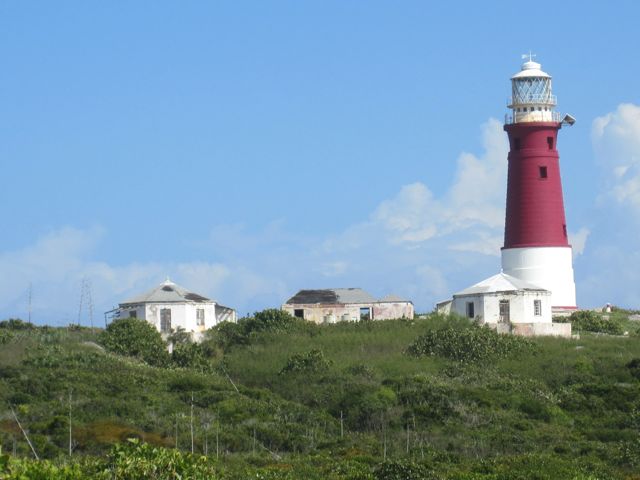
To end with, a photo of the lighthouse (now automatic) and some of the abandoned buildings. For an account of an intrepid trip to this part of South Abaco CLICK ===>>> ‘TO THE LIGHTHOUSE…

  • This post is by no means exhaustive, and any suggestions, additions or corrections are welcome by way of the COMMENT box or by email to rollingharbour.delphi@gmail.com
  • Apologies for the very small writing on many of the maps, but in most cases it was not possible to enlarge the image further without also making the written details illegible. 
  • The photos, apart from Ricky’s, are mine. Acknowledgement is given to the variety of sources used for the map extracts, which come mainly from catalogues / sales advertising or open online archives. Any problems? Let me know!

POST SCRIPT: I am very grateful to Marinas.com for permission to download this wonderful aerial image of Hole-in-the-Wall lighthouse and its outbuildings, looking towards the southern tip of Abaco. They have generously enabled a completely cost and watermark-free download. I have added the © detail. Thanks, guys. 

AFTERTHOUGHT I have received a query as to exactly where the eponymous Hole in the Wall, or Rock, can be found in relation to the lighthouse. At the foot of the page is an annotated map which I should no doubt have provided in the first place. The consensus of those who have walked to it (I haven’t yet) is that you’d be well advised to wear walking shoes / boots. Mary Wallace Chamie in a recent POST (check out the link for her VG photos, of which I have included 2 small tasters) says this:

“At first the hike was easy as we followed a cement path through a maze of sea grapes and then hiked further down until we reached the beach.  We took a left at the beach and started hiking across limestone that was full of potholes and sharp edges.  We walked carefully through the maze until we reached a point where we could finally see the Hole in the Wall.


We then headed back across the limestone craters and up the hill to the lighthouse.  One suggestion I have to any beach comber who takes this hike.  Wear your walking shoes! ” 

To which I can now add this ‘distance shot’ from the sea, which makes it all completely clear. I have contacted the photographer via Panoramia but had no reply. Credit as annotated. If you are the photographer, Hi!. And if you object to its inclusion, please let me know and I’ll remove it…

LINKS TO OTHER HOLE-IN-THE-WALL POSTS

ABACO HISTORY: SHIPS, MAPS & HOLE-IN-THE-WALL

HOLE-IN-THE-WALL ABACO: HISTORIC 1803 DESCRIPTION & AQUATINT

HOLE-IN-THE-WALL TO GAP-IN-THE-WALL: HURRICANE SANDY SMASHES ABACO LANDMARK 

HOLE-IN-THE-WALL BEFORE SANDY DEMOLITION: FIRST & LAST EVER IMAGES

HOLE-IN-THE-WALL, ABACO: THE ‘HOLE’ THAT’S NO LONGER A WHOLE

HOLE-IN-THE WALL ABACO: “MIND THE GAP” – A NEW ISLET IS BORN

Unknown's avatar

‘A BIRDER’S GUIDE TO THE BAHAMA ISLANDS’: BOOK REVIEW


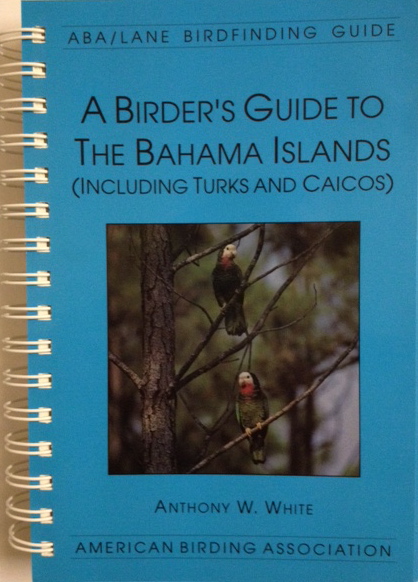
A BIRDER’S GUIDE TO THE BAHAMA ISLANDS (INCLUDING TURKS & CAICOS)   

 ABA BIRDFINDING GUIDES (American Birding Association)

  Anthony W. White

  Published 1998

  302 pages

  Wire-O binding

  ISBN 1-878788-16-7

QUICK REVIEW In a rush? Scroll down for a 30-second bullet-point review. If not, hang in here for fuller details…

PUBLISHER’S BLURB (précis) The first comprehensive guide to finding birds on the islands of The Bahamas and TCI. The islands host an unusual mix of Caribbean and North American species, with over 300 bird species recorded. There are 3 endemic species: Bahama Woodstar, Bahama Swallow, and Bahama Yellowthroat, and a host of other specialties, including such birds as West Indian Whistling-Duck, White-cheeked Pintail, Key West Quail-Dove, Great Lizard-Cuckoo, Cuban Emerald, West Indian Woodpecker, Bahama Mockingbird, Olive-capped Warbler, Stripe-headed Tanager, Greater Antillean Bullfinch, and Black-cowled Oriole. Seabird nesting colonies [include] Audubon’s Shearwaters, White-tailed Tropicbirds, and 8 tern species. The parks and refuges of The Bahamas and TCI protect a great diversity of subtropical birds, among them the Bahama Parrot (an endemic subspecies of Cuban Parrot), and many North American wintering birds, including the endangered Kirtland’s Warbler. The New World’s largest flamingo colony nests on Great Inagua, protected by the country’s largest national park. The Guide [includes] complete descriptions by Tony White of more than 150 birding sites on the major islands and smaller cays. It also features a beautiful eight-page Photo Gallery of many of the Bahamian specialty birds, several of which show up regularly in Florida

RH VIEW This book obviously covers a far greater area than Abaco / Northern Bahamas – indeed, it is about as comprehensive of the whole Bahamas region as it could get. Where it scores highly is in taking the area island by island, cay by cay, and identifying the prime birding areas on each. I have to say that, being a 1998 book, some of the descriptions of places on Abaco that I am familiar with are not as you will find them now; and doubtless this applies across the whole region. As the Table of Contents shows, the book is split into ‘places’ chapters, with additional and useful general information chapters. Abaco is covered in just 20 pages. It’s not a lot, but the birding hotspots are well covered, and expected / hoped for bird species are given for each.

Despite the relatively little page space given to each region, there is much else to be got from this book. The final third of the book includes a detailed annotated list of the speciality bird species (also shown in photo gallery format earlier in the book). This is followed by a huge 20-page bird checklist, with every species given a numbered code for each region, ranging from 1 (easily found) to 6 (cannot be found – extinct or extirpated). So you will find, for example, that a Forster’s Tern is rated ‘4’ for Abaco – ‘extremely difficult to find’. There are short notes on other Bahamas wildlife, divided into mammals, reptiles, amphibians and insects – followed by helpful appendices (a glossary; a list of common name alternatives); a massive 22-page bibliography; and a serviceable index

The chart inside the front cover shows where the specialty Bahamas birds are to be found . At the back is a large area map showing the total coverage

——————————————-
BULLET POINT REVIEW FOR THOSE WHO ARE PRESSED FOR TIME
  • Fairly weighty 300 pages covering the entire Bahamas region
  • Short but helpful descriptions of birding hotspots on the islands and cays, with the species you may encounter
  • Excellent ancillary species and distribution checklists
  • Focus on specialty birds of the Bahamas
  • Particularly useful for anyone investigating different regions of the Bahamas, or wishing to compare them
  • 14 years since publication is a long time in the islands’ development; expect some irrelevant references for 2012
  • Overall a useful, interesting bird location book, but NB not intended as species identification field guide
Unknown's avatar

BMMRO WHALE, DOLPHIN & MANATEE SIGHTINGS MARCH 2012


BMMRO WHALE, DOLPHIN & MANATEE SIGHTINGS MARCH 2012

Hard on the heels of the BMMRO’s Fisheries Report for 2011 – see previous posts – comes the map of last month’s sightings. First, let’s hear it for the manatees, featuring for the 4th consecutive month off the Berry Is. The 2 reports of an ‘unknown large cetacean’ off Elbow Cay are the puzzles of the month. There was a sperm whale in that area in January, but presumably it would have moved away in the meantime…. I wonder what the likely candidates are for ‘large’ besides sperm and humpbacks?

Unknown's avatar

BMMRO BAHAMAS FISHERIES REPORT 2011 EXTRACTS & LINK


The BMMRO has recently published its Fisheries Report for 2011. The report is comprehensive and covers a far larger area than the waters around Abaco. Extracts are shown below (thanks as alway to Charlotte Dunn for use permission). The full report can be seen in pdf form at BMMRO FISHERIES REPORT

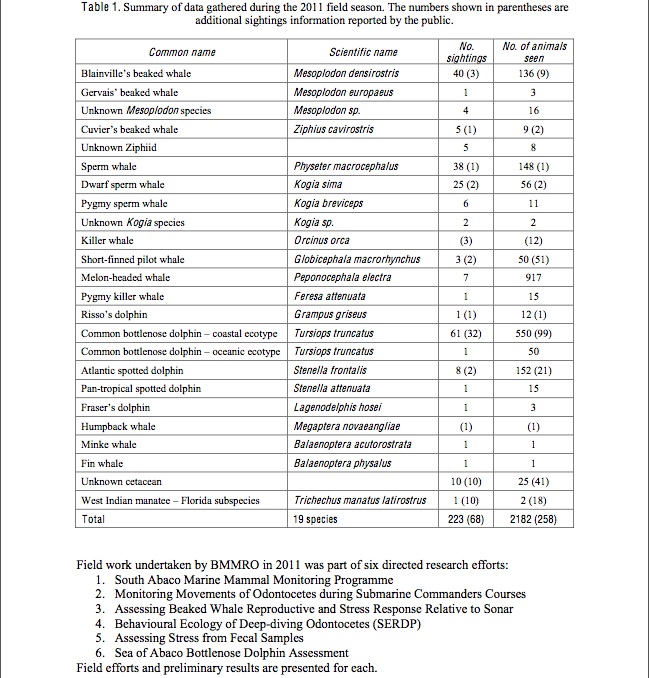
1. First, here is the table of all field data for the 2011 season, from which the incidence of the particular cetacean types can easily be seen. To a layman (me), the most significant reading on the previous year is the increase in sperm whale sightings and animal numbers, up from 14 / 69 in 2010 to 38 / 148 in 2011. I wonder why the difference?

2.  Here are results specifically relating to South Abaco, where the majority of cetacean activity is observed (see ‘green’ map). I have included a larger image of the cetacean species so that the key is easier to read

Unknown's avatar

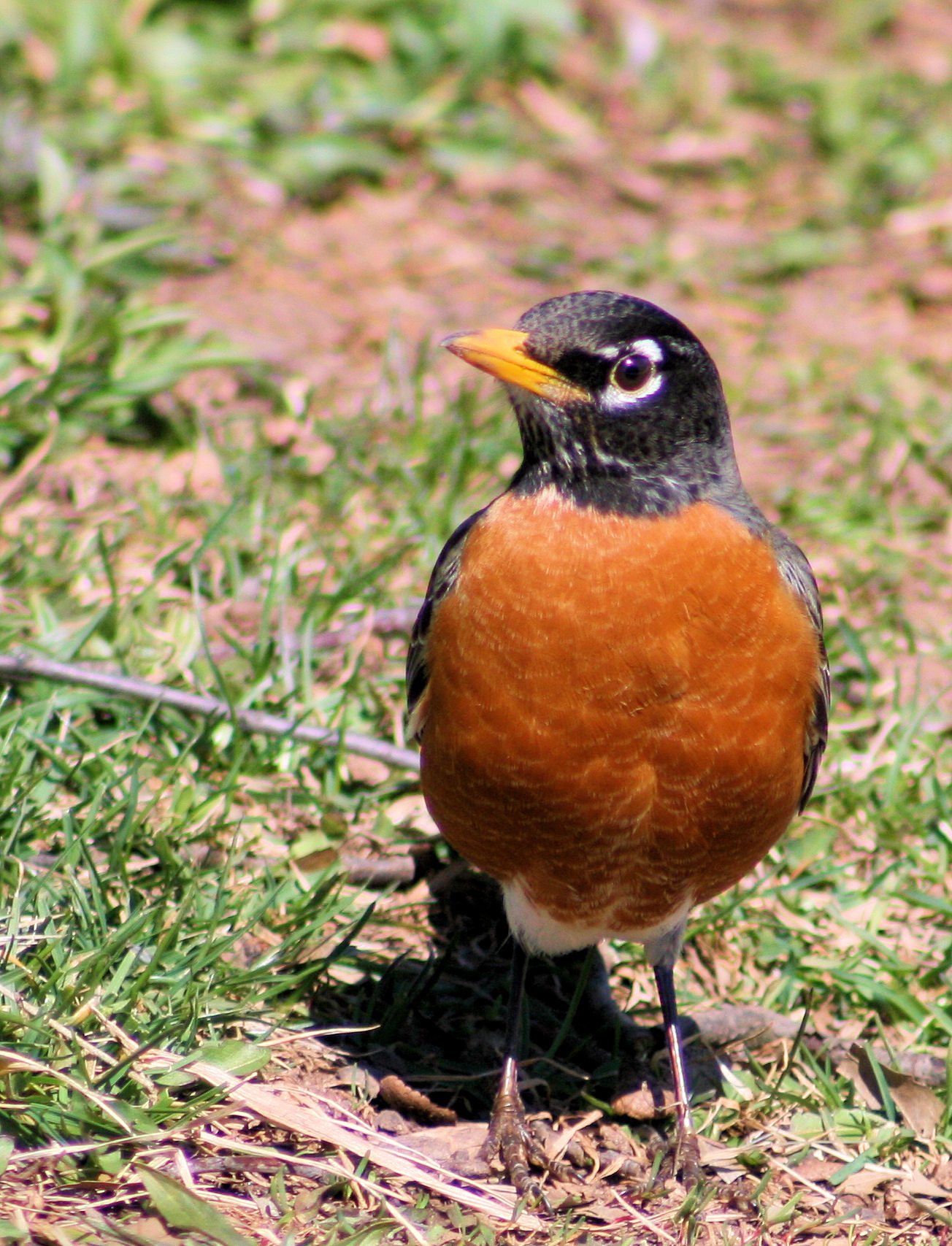
AMERICAN ROBINS ON ABACO, BAHAMAS – A RECENT AND RARE SIGHTING


I am prompted to write this post after Brigitte Carey, commenting on a photograph of mine of a European robin, commented  “We actually have reports of one single robin on Elbow Cay. We think he was blown off course by the very strong winds we had a few weeks ago. He has been sighted in separate spots on Elbow Cay in the last couple of weeks. Poor guy…he’ll have a lonely life here!”

I wondered what other evidence exists of their presence on Abaco as occasional visitors – the northern Bahamas are not within their usual migratory range – so I did a bit of research

AMERICAN ROBIN DISTRIBUTION MAP

YELLOW – summer-only range
GREEN – all year-round

BLUE – winter-only migration range

I’ve checked various online databases – Avibase, e-bird for example –  for reported sightings. The evidence is that reports are very scarce indeed. Of course that does not necessarily reflect actual sightings, which are presumably more numerous. Overall however, American Robins certainly seem rare enough on Abaco, even though their full range includes nearby Florida. Which is why the recent reports Brigitte refers to are so significant.Fortunately the spotter Michele S put her brief Elbow Cay / Hope Town sighting report onto e-bird: “After a gale, saw two on the lawn in front of the Lighthouse” This was on Sunday 4 March 2012 at 9.30 a.m, and it would seem they were blown over to Abaco during the high winds. Brigitte will be pleased to hear that there were in fact two of them, so loneliness won’t be a problem… Apart from that very recent sighting, there is a recorded sighting on Man-o-War Cay in 1983; and one on Green Turtle Cay in 2008. Avibase suggests no sightings on South Abaco [except perhaps Marsh Harbour]. The species is however included in the checklist for Little Abaco. If any reader has seen an American robin on Abaco, it would be great to know when and where (using the COMMENT box below), and I will add the details to this post.

NEW – 2012 sightings at TC! Thanks to Elwood D. Bracey MD of Treasure Cay for his comments – and please contact him (or use the COMMENT box) if you can help with his valiant quest to reach the magic 200 species seen – he’s on 170 now:  

“As a birder living on Abaco for the past 20 years I’ve seen over 20 robins here, sometimes as many as 6 in North Abaco at once. This year I had 2 in Treasure Cay and 3 in Crown Haven. They appear on average once every other year. While notable I feel they are almost annual… why some years and not others I’m not sure.

Cedar Waxwings, Dickcissels, and Ruby-crowned kinglets are similar. This year we had our first Swainson’s Hawk for the Caribbean at the organic vegetable farm in North Abaco. It’s still here as is the Canada Goose on the #11 hole at TC Golf Course. It’s nice we have these vagrants and makes for interesting birding. I’m trying for a big year in the Bahamas (no one has ever had over 200 species in 1 year and I’m at 170 so far so if anyone has any unusual sightiongs please call me at 365-8305) [RH note: with only 196 recorded Abaco species on Avibase, this may be difficult to achieve…]. There was a pair of Wood Ducks on the TC GC which I missed. I did find 3 Kirtland’s Warblers [RH note: red-listed as ‘near-threatened’, and only ‘rare / accidental’ on Abaco] near Hole-in-the- Wall in January. Clean lenses and fast focusing!”

Photo Credits for the above images to good old Wiki

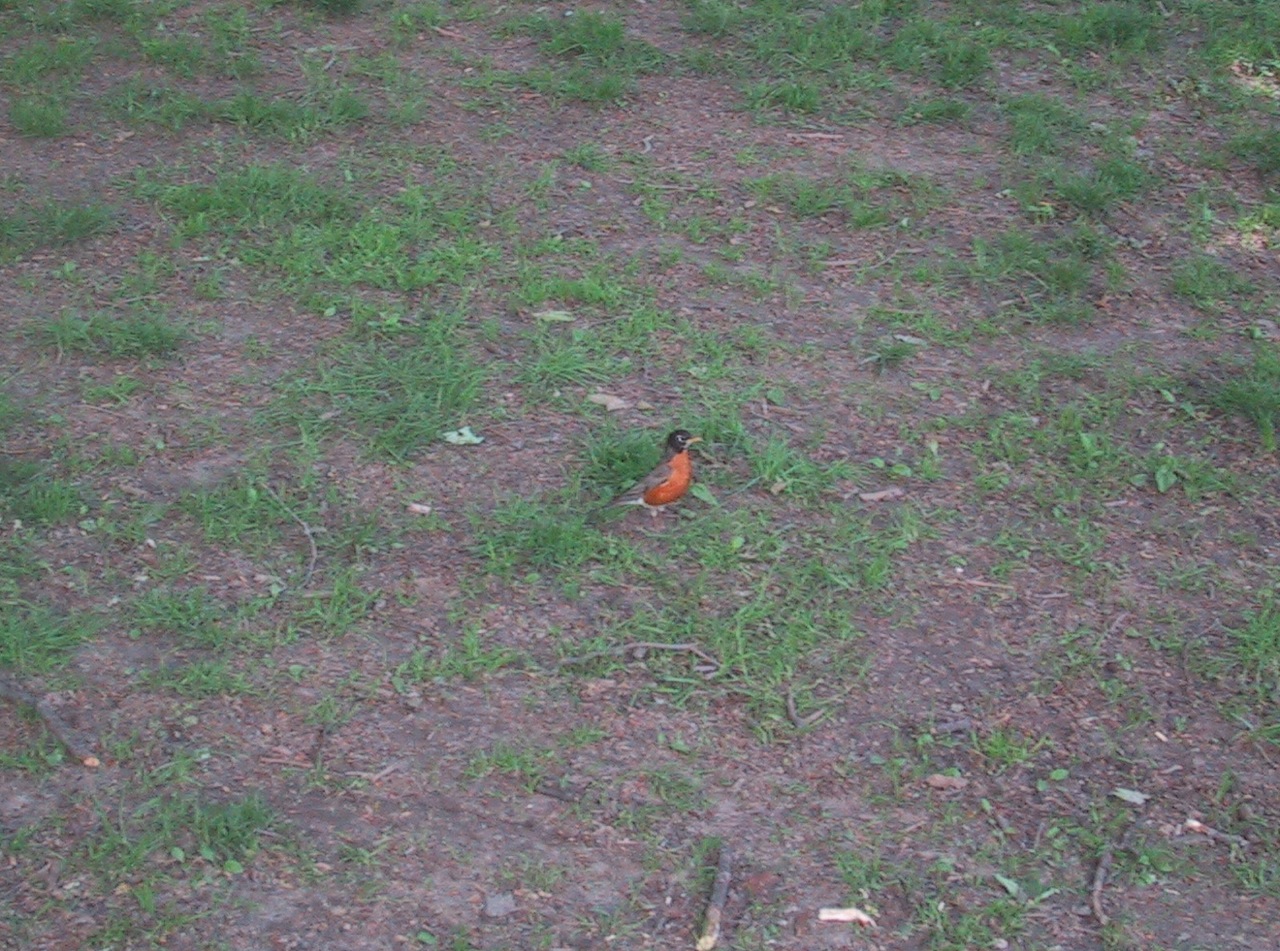
Here’s my own photo of an American Robin in Central Park NYC – I didn’t get very close…

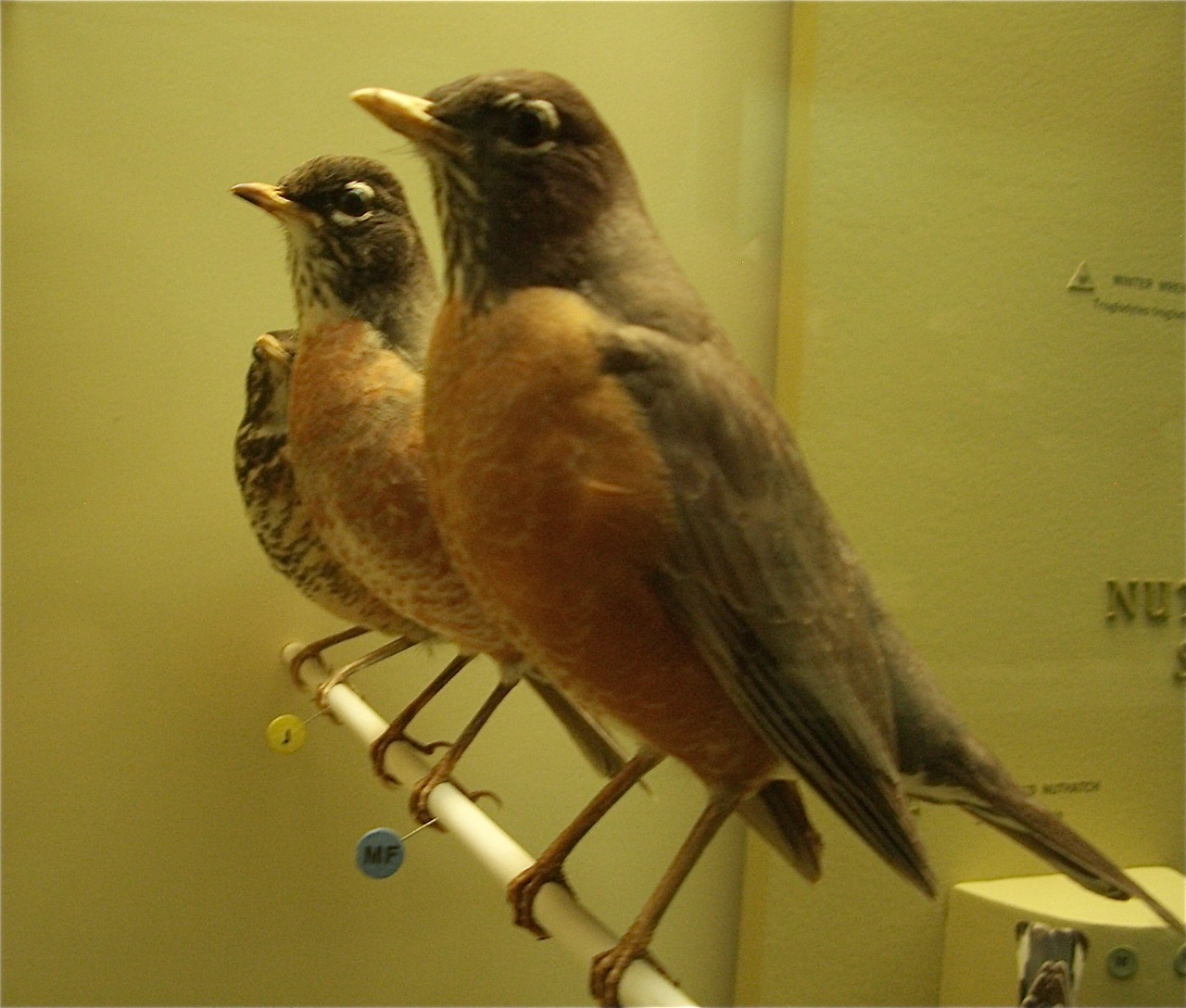
These ARs are exhibited in the Museum of Natural History, NYC

Finally, here are 2 European robins for comparison. They are far smaller than the American version, roughly the size of a vireo

This is the photograph that Brigitte commented on – a robin’s Spring song – that I took a few days ago


Unknown's avatar

HUMMINGBIRD MOTHS AT THE DELPHI CLUB, ABACO


HUMMINGBIRD MOTHS Hemaris Thysbe

Apart from the plentiful bird species to found all around the Delphi Club, there’s the strange half-way house between insect and bird that is the HUMMINGBIRD MOTH Hemaris Thysbe, also known as Hummingbird Clearwings. These can be seen – and heard – especially at dusk hovering around the flowers in the garden, sipping nectar. In the half-light they are sometimes confused for tiny birds. I have seen them most clearly when they are busy among the flowers in the beds on either side of the lit main staircase. So far I have not managed to get a reasonable photo of one – a situation I hope to put right in May. Meanwhile, I have found some wonderful pictures, not from Abaco, on a website related to a Research Program at Miami University . They were taken by Dr Hays Cummins, to whom thanks for use permission. These and other outstanding images can be found at his comprehensive website, for which CLICK===>>> HERE  

This slideshow requires JavaScript.

Unknown's avatar

BIRDS OF NEW YORK CITY ALSO FOUND IN SOUTH ABACO, BAHAMAS


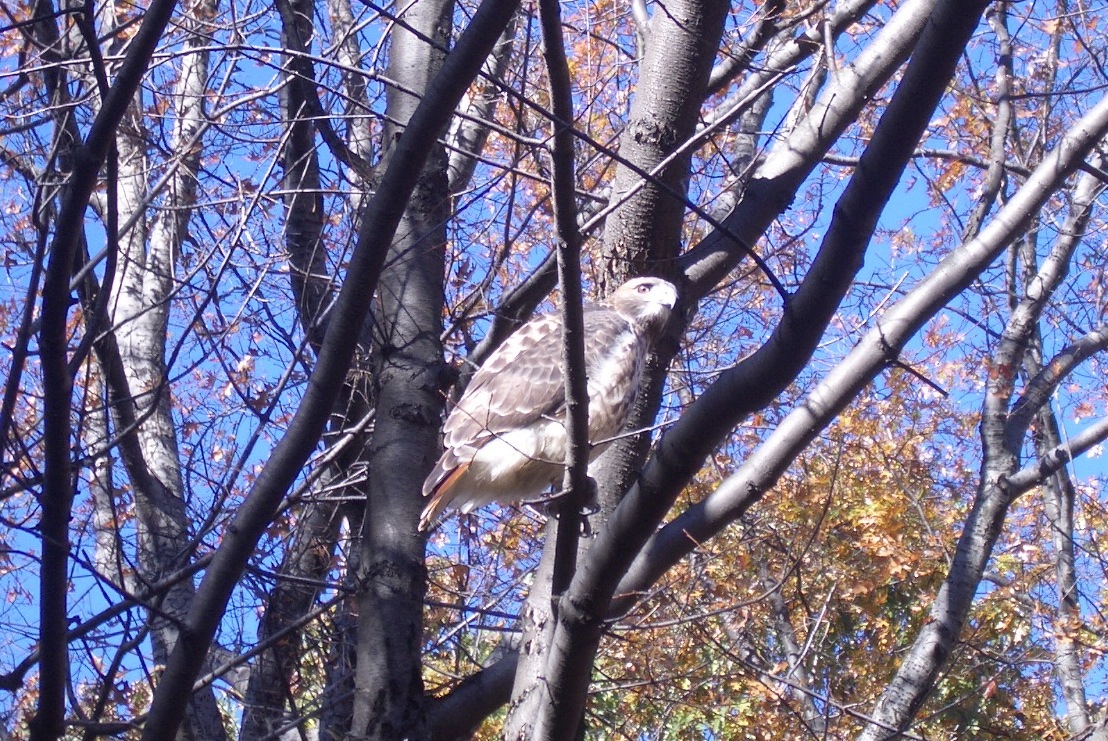
Red-tailed Hawk PPB 1

If you happen to live in New York, you may quite possibly spend some spare time birding in Central Park, or checking out the red-tailed hawks of Washington Square. And if you are planning a trip to Abaco, you might suddenly wonder just how different the bird life will be there. Will there be any familiar species at all?

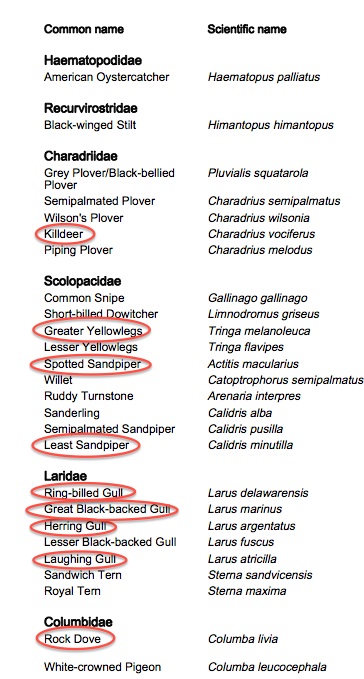
New York City has nearly 200 regularly recorded bird species, most of which will be found in Central Park at some time of the year, if not all through it. South Abaco has 126 species. Is there much overlap, I wondered? And the answer is that there is plenty, rather more than I expected. 61 species in common, by my reckoning. The coincidence of warblers is the most notable feature.

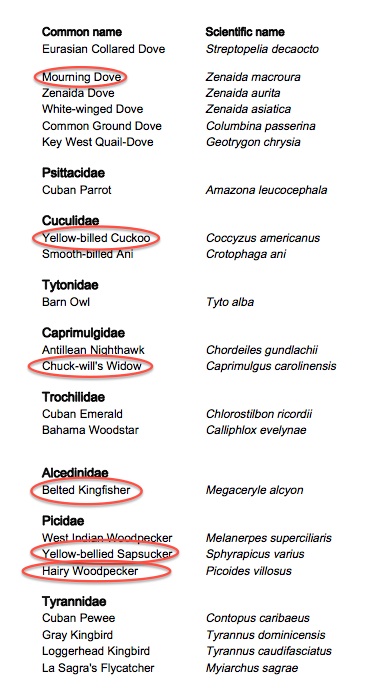
I used the excellent AVIBASE checklist for South Abaco (as now featured on the Delphi Club site in the new BIRDING  section) and worked through a comparative list of the NYC species (there are very good sites for NYC / Central Park birding). The result is below: a New Yorker using the South Abaco checklist may see any of the birds ringed in red. And it would work vice versa, of course. Why New York? It’s the only other place outside Europe that I have ever ‘birded’ (only extremely casually – no book, no notes, few photos – just for enjoyment). Peaceful bird time in the Ramble in Central Park is time well used… Before we get to the list, here’s a bit of local colour that you won’t find on Abaco – a male Northern Cardinal in the snow in FebruaryCardinal NYC CP

NYC BIRD SPECIES THAT APPEAR ON THE SOUTH ABACO BIRDS CHECKLIST

Here’s a red-tailed hawk I photographed in Central Park… I’ve seen one on Abaco in the National Park, but it flew off before I could get my camera out of the truck. There’s a lesson there somewhere…

Unknown's avatar

ANNA HUMMINGBIRDS ON A HANDHELD FEEDER – VIDEO


ANNA HUMMINGBIRDS ON A HANDHELD FEEDER

A brilliant hi-def video by the excellent ornitho-artist blogger BIRDSPOT. A very effective combination of the visual, amazing sound, and keeping very still. I realise you are highly unlikely to encounter one of these hummers on Abaco. But you might. Although they are normally found on the west coast of North America and inland from there, they have been regularly seen well outside their usual range, for example in Alaska, New York, Newfoundland and… Florida. So it’s only a matter of time before one slips across for a quick vacation in the northern Bahamas. Best not a pair, though. They are apparently very territorial, and the poor endemic Bahama Woodstar has enough trouble fighting its corner with the migrant Cuban Emerald… (credit: BIRDSPOT with thanks for use permission)

Unknown's avatar

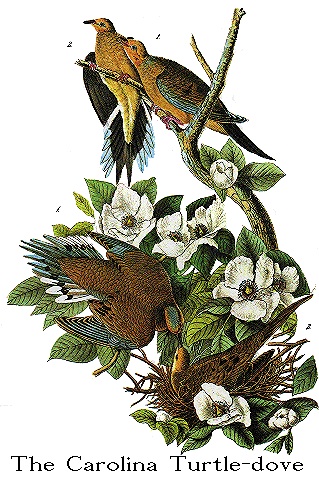
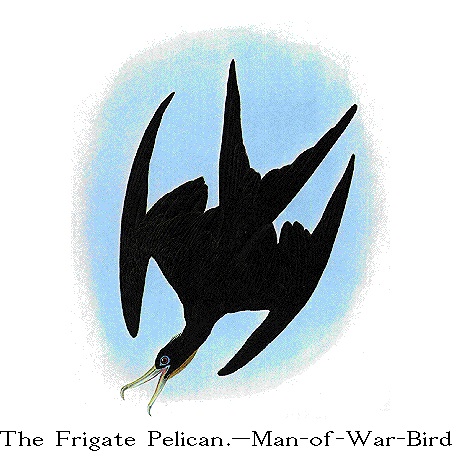
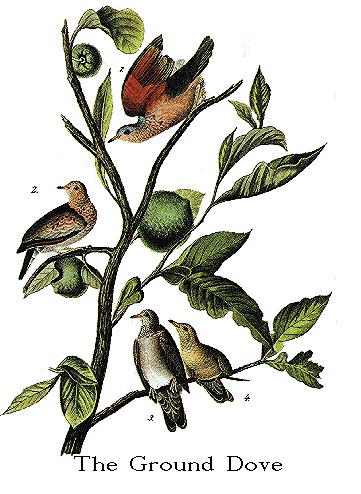
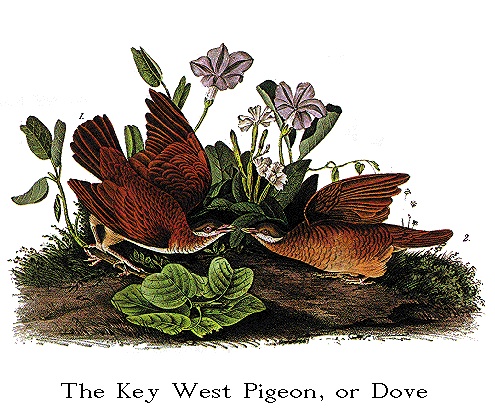
16 ABACO BIRD SPECIES THAT AUDUBON MIGHT HAVE SEEN (had he gone there)


Audubon (1785 – 1851) never went to Abaco. The nearest he got was probably in 1820, when he made a field trip to the southern states, including Florida; or in the 1830s when he made at least one trip to Key West. One technique that set him apart from contemporaries was his method of producing naturalistic (as opposed to ‘stuffed bird’) drawings. It involved killing birds using very fine shot, and then using wires to pose them naturally, according to his field sketches. This contrasted with the usual technique of using a stuffed specimen as a model.

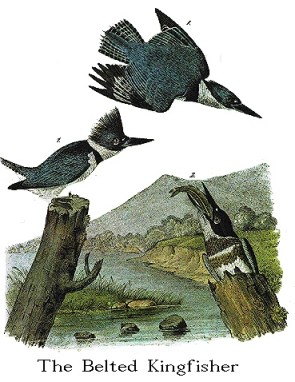
The birds shown below are all included in Audubon’s master-work Birds of America. They may all be found on Abaco today, though some with different names (the Carolina Turtle-Dove, for example, is now known as the Mourning Dove). There are more to add, of course, but this is a fair representative sample.

There are about 120 sets of the original book still in existence. They were incredibly expensive to produce in contemporary terms; and in modern times a set sold for $11.5 million at Sotheby’s London in 2010, setting the unbeaten record for the world’s most expensive book sale. Recently there was great excitement over the sale of another set at Christie’s New York, but the sale price was far lower, a mere $7,922,500…


As an exercise of some sort, I tried to imagine what Audubon might have found had he actually made a brief visit to the northern Bahamas when he was in Florida in 1820. I wondered if his diary entry might have read something along these lines:

“I am recently returned from my short voyage, and have made haste to commit my sketches to paper, for I have a small volume in mind. We dropped anchor by a most pretty island in the low waters of Lucaya, which some call Abaco. I went early ashore with some men, and straightway did observe to my astonishment the number and variety of birds thereon. There was but little habitation to be discerned; and the creatures held no terror of man, seeming as if we were not present. I made me some drawings in my smallest note book, the better to recall what I witnessed. We returned to our vessel before nightfall, which is wondrous swift in those parts. I am resolved to eat no further of the wolf-fish Albula, that is all bones and little to sustain a man… ” 

At least we can be confident he didn’t send the message OMG!!! Lotsa birds – Gr8! All a-twitter! ROFL 😉 @audubon

Due credit, of course, to the Audubon Society  and all it stands for

Unknown's avatar

ABACO HUMMINGBIRDS: WOODSTAR & EMERALD SIGHTINGS MAP CHALLENGE


ABACO HUMMINGBIRDS: BAHAMA WOODSTAR & CUBAN EMERALD SIGHTINGS MAP

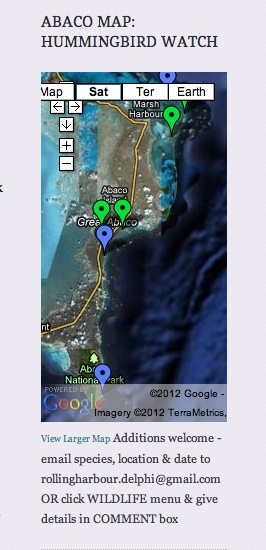
A while ago a new feature landed near the end of the right-hand sidebar. The idea was to put together an informal mapping of Woodstar and Emerald sightings on Abaco.

I put a few in as a start, hoping for more contributions, but so far it hasn’t been a popular item. Maybe it won’t work at all as a contributory feature, or maybe it just isn’t interesting if you live with the hummers. As an Abaco visitor (never having seen a hummingbird before. Except stuffed ones) they are a delight. A highlight. 

It’s worth another try, and I have revised the map slightly to make the two contribution / contact methods clearer. It can’t be made more interactive than that I’m afraid. If you go to the sidebar and click on ‘View larger map’, you’ll see the data in more detail.

The map might even test the theory that Woodstars are scarce where Emeralds are numerous.

If you’d like to add to the mapping, I just need the type of hummer; the location in reasonable detail so I can stick a pin in the map; month / year (e.g. 03/12) and I will do the rest…

Unknown's avatar

ENDEMIC BAHAMA SWALLOW: FROM ‘THREATENED’ TO ‘ENDANGERED’ RED LISTING


THE BAHAMA SWALLOW: A SMALL ENDEMIC BIRD WITH BIG SURVIVAL PROBLEMS

The IUCN (International Union for Conservation of Nature) RED LIST status of the endemic Bahama Swallow Tachycineta cyaneoviridis has been upgraded from ‘Threatened’ to ‘Endangered’ because its small declining population faces a number of threats that are likely to worsen in the future. In particular, renewed logging activity and widespread property development could result in a further decline in breeding habitat.

The excellent photo above is the ‘Wikimedia poster bird’, but was in fact taken by prolific bird photographer Craig Nash in the main driveway of the Delphi Club, Abaco in 2010. He blogs as Peregrine’s Blog – see RECOMMENDED LINKS in right sidebar

This swallow species breeds only on 4 Bahamas islands: Grand Bahama, Abaco and Andros; and on New Providence, where a few birds are seen each breeding season, suggesting a ‘relict’ population there. The map below suggests that confirmed  numbers are so few that New Providence sadly no longer counts as an ‘official’ breeding island.

The Bahama Swallow winters throughout the Bahamas and has been recorded as far as eastern Cuba, but in general the full wintering range is little known. It is a rare vagrant elsewhere during migration, including Florida. The preferred habitat is in the pine forests, where they nest in old woodpecker holes in Caribbean Pines using pine needles, Casuarina twigs, and grass to make the nest which they line with feathers. They typically lay 3 eggs. Incubation is 15 days and the fledging period is around 22 days.

[audio http://www.xeno-canto.org/sounds/uploaded/MKUJNSTVEZ/Swallow_Bahama%20(calls)_JF_Abaco%20Island_Bahamas_April%202008.mp3]

Sound credit: Jesse Fagan / Xeno-Canto

Besides loss of habitat due to human intervention, other factors in population decline are thought to relate to hurricanes and forest fires. The Red List proposals for conservation of the Bahamas Swallow state: “Survey all suitable breeding habitat and assess the status of the species and its habitat; Gather empirical evidence to clarify population trends as a priority; Assess winter distribution and habitat requirements; Study the impacts of fire suppression on the species; Maintain natural nest-sites through a pine snag management programme, and potentially fire management; Assess and monitor the success of the nest box scheme; Protect remaining forest in the Bahamas and minimise the area lost to housing development and logging; Assess the impact of starling and house sparrows on the population and develop appropriate measures to reduce the threat”

The Bahama Swallow has joined other notable bahamian wildlife species in receiving the accolade of a stamp and a coin:


Unknown's avatar

A NEW LOOK, AN EARLY SPRING CLEAN, & SOME TEETHING PROBLEMS


I’ve taken the plunge with a new look for the blog. Name change from Lower to Upper Case (no idea why I chose the former – I didn’t really understand  how the thing worked, and thought it had to match the online ID, email etc). Less cluttered. More stylish. Larger images. That’s the idea, anyway. Typically, however, it’s not as straightforward as I optimistically thought it might be. There are some problems to iron out, and I see that in places the original formatting has gone walkabout, or has had “artistic differences” with its successor… and what’s this going on here? Whoa! Most images will need to be resized individually… I think we’ll all get along in the end, with a bit of tolerance and patience on all sides. Thanks for bearing with it.

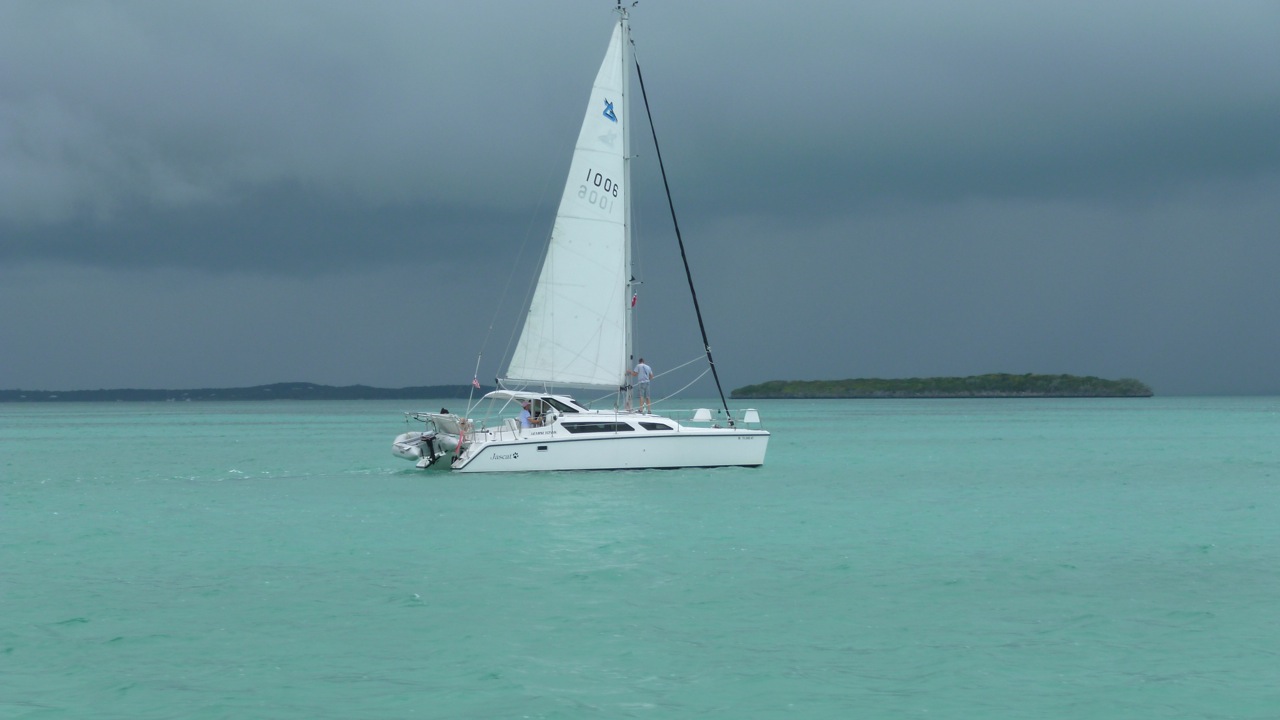
Here’s an image that doesn’t really fit anywhere else, so I’ll use this space for it. Taken just off Elbow Cay on a wet (very) day, but somehow there’s a touch of magic in the colours (nb no rejigging has been done) 

Unknown's avatar

STOCKY CERITH – A RANDOM ABACO SHELL FROM THE BACK OF A DRAWER


A RANDOM ABACO SHELL FROM THE BACK OF A DRAWER 

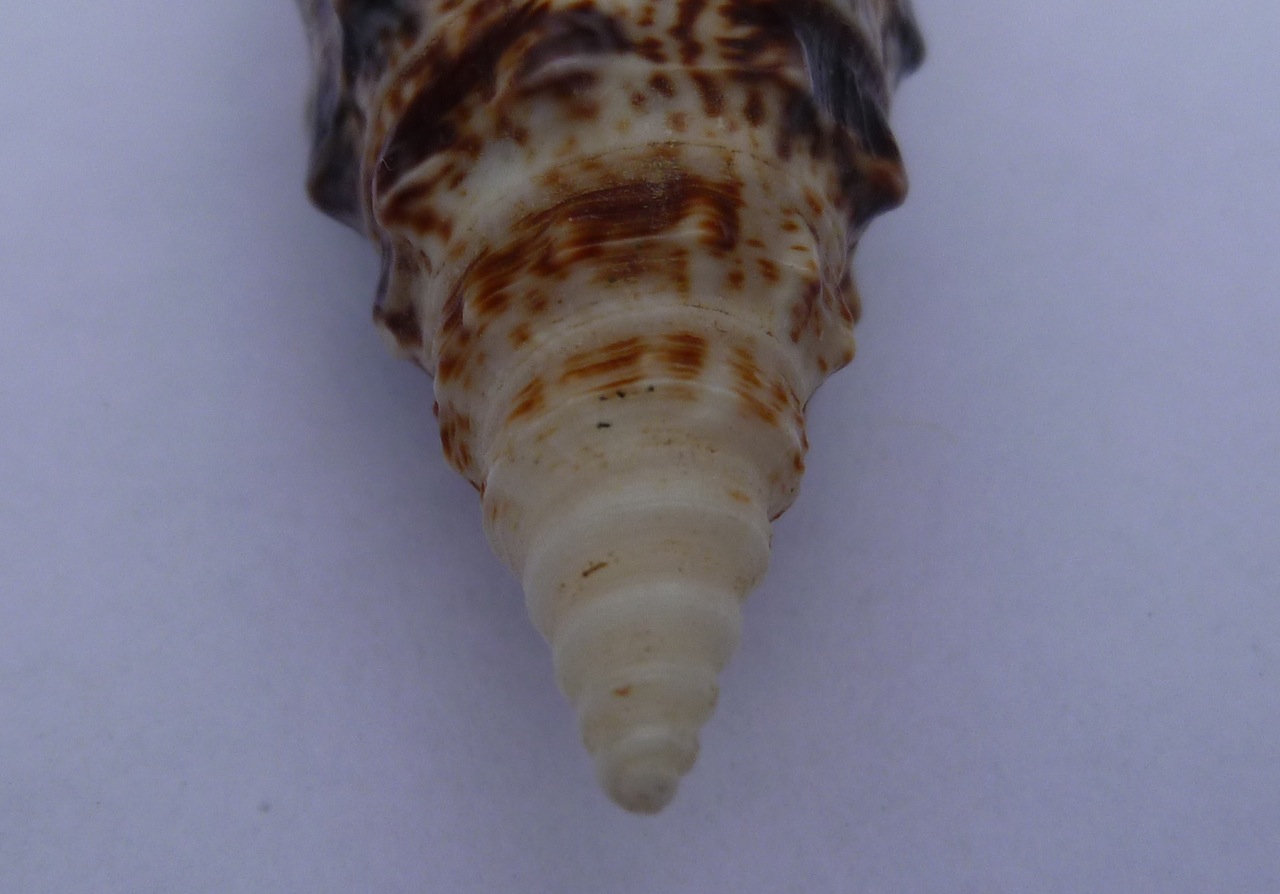
We recently discovered this shell loitering at the back of a drawer. It may well have been there for a couple of years… I had no idea what species of gastropod it might be, so I turned to a book I recently bought (and am about to review), the Peterson Field Guide on Shells. It is extremely thorough and well-illustrated, and almost at once I was able to pick the shell out as a STOCKY CERITH Cerithium Litteratum (Colin – are you still keeping an eye on the shell ID errors in this blog, I wonder? Later: yes… and he confirms the ID. Many thanks). It’s a couple of inches long and has 7 spirals before the tip part, with pronounced nobbles on the lowest 4. There’s a neat hole in it, but I don’t know whether caused by sea / beach damage or a predator. These creatures live in shallow water and are common throughout the Caribbean. So this one is nothing unusual, but I am pleased that it has eventually turned up…

STOCKY CERITH Cerithium Litteratum

Unknown's avatar

BIRD OF PARADISE FLOWER: ABACO’S EXOTIC ‘BLOW-IN’


THE BIRD OF PARADISE FLOWER

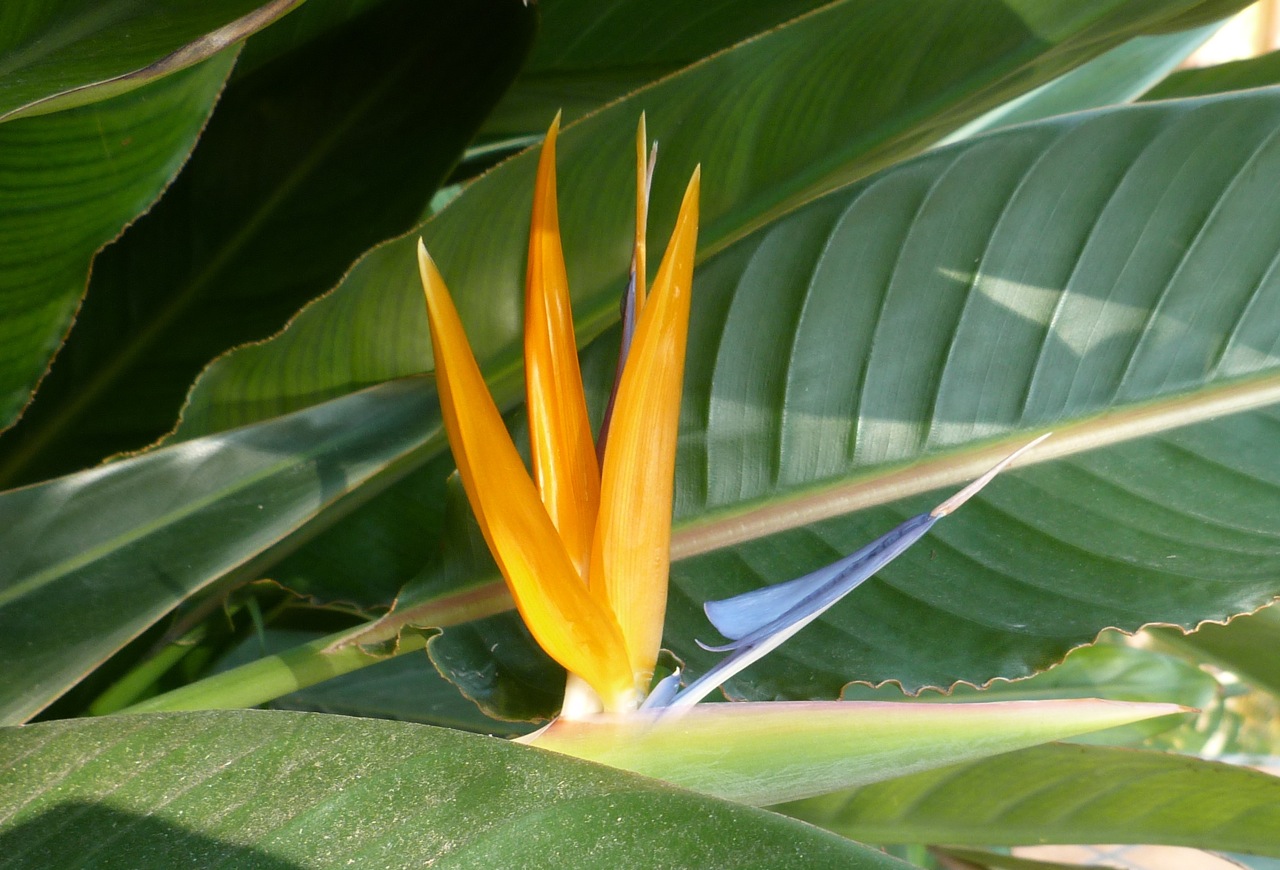
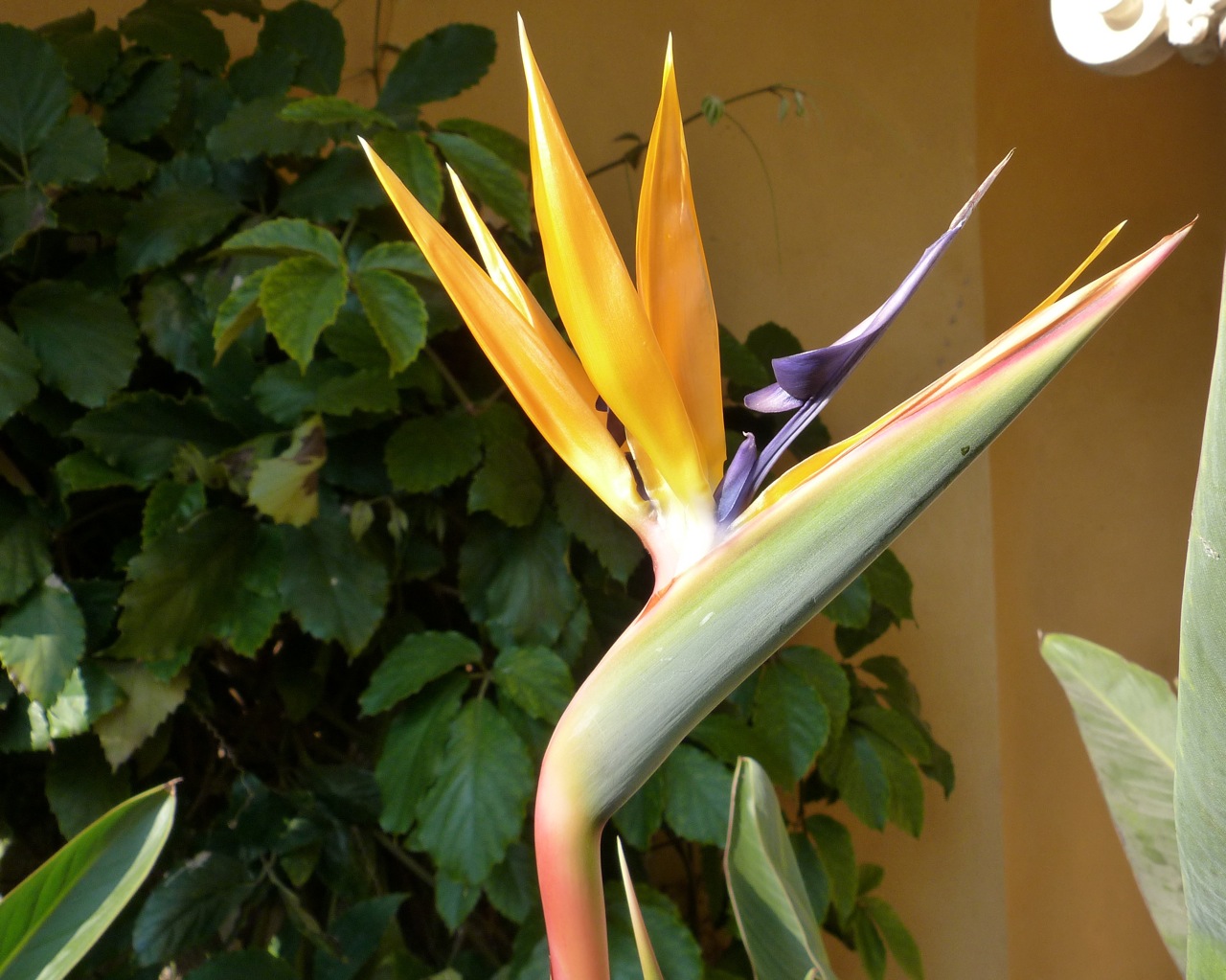
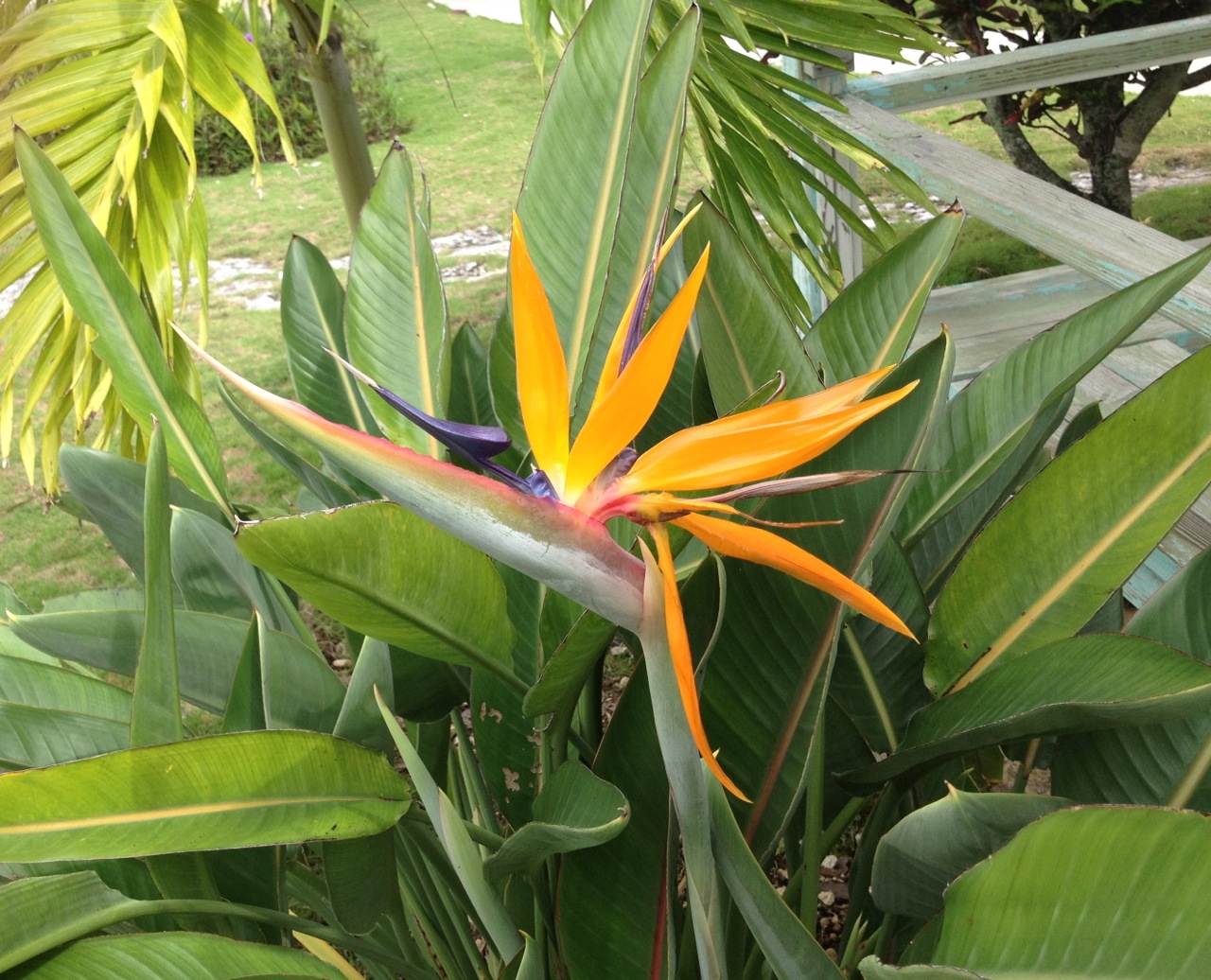
The Bird of Paradise Plant Strelitzia is a native of South Africa, but its exoticism and all-round fabulousness has ensured its export to other parts of the world with suitable climates. These plants can be found throughout the Bahamas, including Abaco. It’s fortunately a plant that is impossible to confuse with any other, an added attraction for non-floral people… Here are a couple of my images of the plant about to flower, and having burst into flower 

And here is a flower recently photographed (June 2012) in Marsh Harbour, Abaco 

Unknown's avatar

BMMRO WHALE, DOLPHIN & MANATEE SIGHTINGS FEB 2012


BMMRO WHALE, DOLPHIN & MANATEE SIGHTINGS ABACO / BAHAMAS FEBRUARY 2012

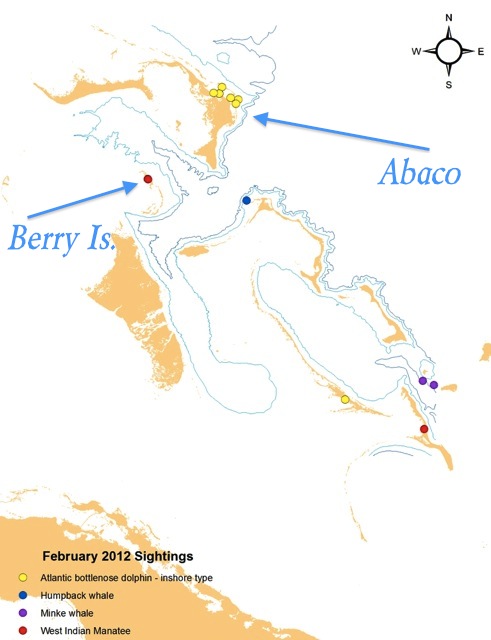
From an Abaconian point of view, the news is of Dolphin activity in the Marsh Harbour area / nearby Cays and northwards from there. No whale reports last month, though. Further afield, another manatee report from the Berry Is makes three consecutive monthly reports of sirenians. There was a humpback to the south but other reports are concentrated further away

Unknown's avatar

“FAVOURITE BIRD” POLL RESULTS FROM ABACO, BAHAMAS


ABACO FAVOURITE BIRD POLL RESULTS

RESULTS Here are the results of the recent Abaco Favourite Bird Poll, with apologies for an intermission in activity around here. We were away for a few days somewhere that turned out to be sunny, returning late last night to near-zero temperatures…

THE POLL started with five birds, but the Tropicbird was removed after a week having failed to chart. To begin with, it looked as though the parrots would stay way out in front, but the smallest rival gained ground, flew past and won the title.

THANKS to all who took part by voting and or commenting – a gratifying number, enough to make for a reasonably accurate result. It would be nice to know what bird the voters in the last category would have chosen instead of the candidates on offer…

THE OTHER POLL was designed to find out if people were finding that the ongoing woodpecker saga is becoming (has become?) tedious  or is providing a modicum of entertainment. Of relatively few responses (nb I did not vote), the result speaks for itself. I will take voting abstention / inertia to indicate either indifference or tolerance, and continue as and when a new drama occurs.

Best outcome? Chicks!  

Unknown's avatar

5 CREATURES ON ABACO THAT YOU MAY WISH TO AVOID…


Lionfish ©Melinda Riger @ GB Scuba

 has published an article entitled “15 cute animals that will cause you horrible harm”. For some of these, the word “cute” may be overstating the case. For others, the risks to humans appear to be very remote. A few are nominated despite being the most surprising and least likely harm-bringers (“KITTENS” – don’t ask).

What is undeniable is that 5 of the 15 may be encountered on or close to Abaco… Fortunately staying on dry land is a sure way to avoid them all – they all live underwater. With due credit to BRAINZ here are the Fearsome Five with his trenchant commentary, except for the last which I have censored for present purposes owing to its graphic adult content and anti-cetacean tendencies… 

1. PUFFER FISH “Puffer fish are hilarious and adorable just on general principle. It’s hard see one inflated, and refrain from uncontrollable giggling at it’s cartoonish defense mechanism. But puffer fish don’t just rely on their inflatable belly as a way of dissuading predators, they’re also packed with the deadly neurotoxin tetrodotoxin. Of course, they’re renowned as a delicacy just for this reason. Apparently, when prepared correctly, the minute traces of the toxin give you tingly lips and light-headedness. However, if the sushi chef doesn’t prepare it properly, you’re going to have a rather nasty death. See, tetrodotoxin is a muscle paralyzer, with no known cure. So if you overdose, your muscles no longer move, including your diaphragm. You become paralyzed, and unable to breath, slowly asphyxiating under the weight of your own chest

MORE ON PUFFER FISH SHARPNOSE & CHECKERED, IMAGES & 10 FACTS

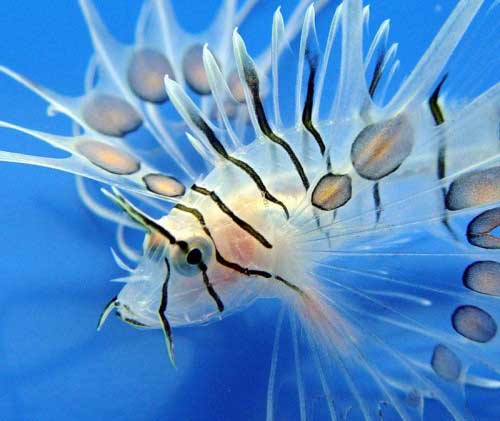
2. LIONFISH “Lionfish aren’t so much cute as stunningly beautiful. They’re covered with majestic spines, which float elegantly along with them, as they swim around the ocean, eating their prey whole. So, what’s the problem with this stunning fish, and why wouldn’t you want one in your aquarium? Well, remember the rule of thumb when dealing with any animal: if it’s brightly colored, it’s poisonous. The Lion Fish’s spines are coated with a painful venom, which it will happily spear you with if you piss it off. While this venom won’t kill you, it will cause extreme pain, vomiting and difficulty breathing. Now imagine that happening while you’re scuba diving. Sounds pleasant, doesn’t it?”

MORE ON LIONFISH FACTS, VENOM &  CRISIS CONTROL and  POPULATION EXPLOSION RESEARCH

3. CONE SHELLS “Cone Snails are small aquatic snails that litter the oceans of the world. They have intricately patterned and eye-catching shells, which are exactly the sort of thing little kids like to pick up and eyeball when on the beach, which is when they strike. They have a thing called a “radular tooth” which is like a fleshy ribbon coated with tiny teeth, which are linked to a poison gland. It launches this harpoon of pain out of its mouth at any threat, including you. Now, a small snail will give you a sting like a bee or wasp, enough to hurt but not a major problem. The bigger ones? They shoot with enough force to penetrate gloves. You might not feel the symptoms for days, but when they kick in, you get pain, swelling, numbness, tingling, muscle paralysis, changes in vision, and eventually respiratory failure leading to death. What is with sea life suffocating you? Dang!”

MORE ON CONE SHELLS CONE SHELLS

NOV 13 ADDITION Capt Rick Guest adds to this by way of comment: “Hi RH ! At least for right now there is only one species of Cone shell in the Atlantic known to be a fish-eater and therefore potentially fatal to humans; Conus ermineus. It is one of the largest Atlantic cone species. I published a paper on this species in “The Veliger”, California Malacozoological Society, vol 19, Oct 1, 1976, if you want to bother searching for it. I observed this species spearing and swallowing sizable fish whole. Also, the Cones don’t have a radula ribbon. Their radular “teeth” are shaped like Capt Ahab’s harpoon, it’s hollow and is attached to the venom gland by an almost hair-thin tube. It is then forcibly ejected from the proboscis into the fish. A larger fish’s brief struggle will usually break the connection, but the venom works extremely fast, and the prey doesn’t go far. It is quickly located,seemingly by olfactory perception, and swallowed whole. There are now videos of this out there. Definitely look ‘em up!”

4. STINGRAYS “Stingrays are generally completely fine with humans. If disturbed, they’ll generally just run for it, but sometimes are happy to hang around and play. While shy by nature, they can become accustomed to human contact, and will let you play with them. Hell, many aquariums have touch tanks with rays in them, where you’re free to stroke the fish. The only problem is what happens when you step on them. If you disturb them in almost any other way, they’ll just dash away, but if you step on one while it’s hidden in the sand, there’s a fairly good chance you’ll get a stinger jabbed through you. For most people, this hits their leg, and the stinger remains after the ray swims off, like the lower half of a bee. In addition to being impaled, the sting also injects a hefty dose of poison, which leads to horrible pain, swelling and cramps. Again, not something you want to happen while you’re underwater. And sometimes, just sometimes, it’ll be fatal. Like when Steve Irwin—the Crocodile Hunter—got stabbed through the heart by one, dying soon after.”

MORE ON STINGRAYS SOUTHERN STINGRAYS and YELLOW STINGRAYS

5. DOLPHINS Oh, dolphins, lazy stoners of the sea. They just spend all their time floating around, eating fish, doing flips, and generally living the good life. Yeah, dolphins, they’re awesome. After all, who doesn’t love Flipper? Except, it turns out Dolphins are…” [tremendously detailed allegations follow. The general tenor is that these gentle creatures are apt to be overgenerous  with their sexual attentions, to the extent that when excited… well, they are large, powerful and agile, and they may try to do that thing that dogs do to human legs, only more attentively, to a diver. That’ll do as a summary. Oh, use your imagination]

MORE ON DOLPHINS  HERE and HERE

ONE MORE ABACO SPECIES TO STEER WELL CLEAR OF SPIDER (PEPSIS) WASPS Spider or Pepsis Wasp; Tarantula Hawk

Unknown's avatar

HUMPBACK WHALES IN THE BAHAMAS: TWO SIGHTINGS & AN ENTANGLEMENT


HUMPBACK WHALES – BMMRO REPORT JANUARY 2012

The BMMRO has posted recent whale news on its site – an entanglement off Elbow Cay with a happy ending, a sighting off Long Island in January, and another in February with images    (CLICK LOGO for BMMRO website)

1. An Entanglement 30.12.11  During the winter months the Bahamas occasionally get a sighting of a humpback whale migrating northward. For some reason a few of the migrating whales take a route a little closer to our islands and allow us the wonderful experience of seeing them.

On the 30th December 2011 Joseph Strickland and his crew who had been staying on the Highlander in Hope Town harbour, came across an entangled humpback whale. Due to the courage and calm response of Joe and his team, they managed to release the 40′ humpback. The whale had been entangled in a thick rope of approximately 600′ in length attached to a fishtrap. The animal was found off  Sea Spray marina in 40 feet of water off Elbow Cay, Abaco. They managed to free the animal of the fishpot which it had been dragging… as well as freeing the animal of the majority of rope, with only 20′ of line remaining on the whale. We would sincerely like to thank Mr & Mrs Strickland and their family for their extrodinary effort to free this animal, and also to report the encounter in detail.

Unfortunately as humpbacks are one of the more coastal whales, they often end up entangled in fishing gear, and come into contact with fishing pots, as well as being susceptible to vessel strikes. However, this species have made a remarkable recovery since the whaling era and in the North Atlantic abundance estimates are now approximately 12,000 humpback whales.

2. A sighting on 14.01.12  A better start to the New Year provided us with a single humpback sighting on Saturday 14th January off of Cape Santa Maria, Long Island. 

3. A sighting on 8.02.12 Finally, on Wednesday 8th February, a mother-calf humpback pair were spotted off of Dutch Bar, Spanish Wells, providing us with these beautiful pictures! Report and Image Credits BMMRO 2012


Unknown's avatar

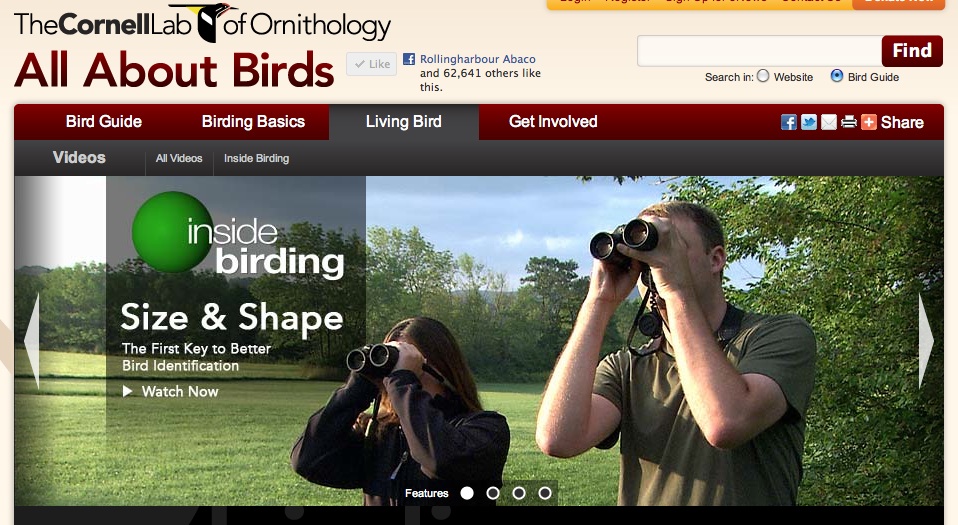
ALL ABOUT BIRDS: IDENTIFICATION & BIRDSONG with Cornell Lab of Ornithology


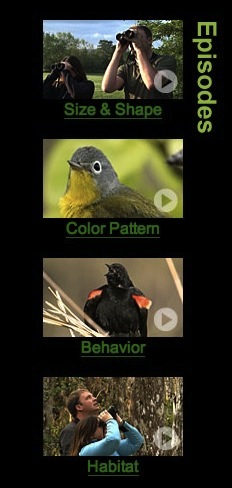
The outstanding  Cornell Laboratory of Ornithology site has a comprehensive bird ID section. I recently posted about the new ID resource MERLIN for which they are inviting user-testing to help them perfect it. There are also 4 excellent videos concentrating on the principles ways in which birds can best be ID’d: size & shape; colour pattern; behaviour; and habitat

I haven’t yet cracked embedding the 4 videos so while the backroom boffins in the cerebral cortex puzzle it out (alongside ‘The Purpose of Hornets – What & Why?”) the best thing is to give a direct link to the website feature

CLICK LOGO ===>>> 

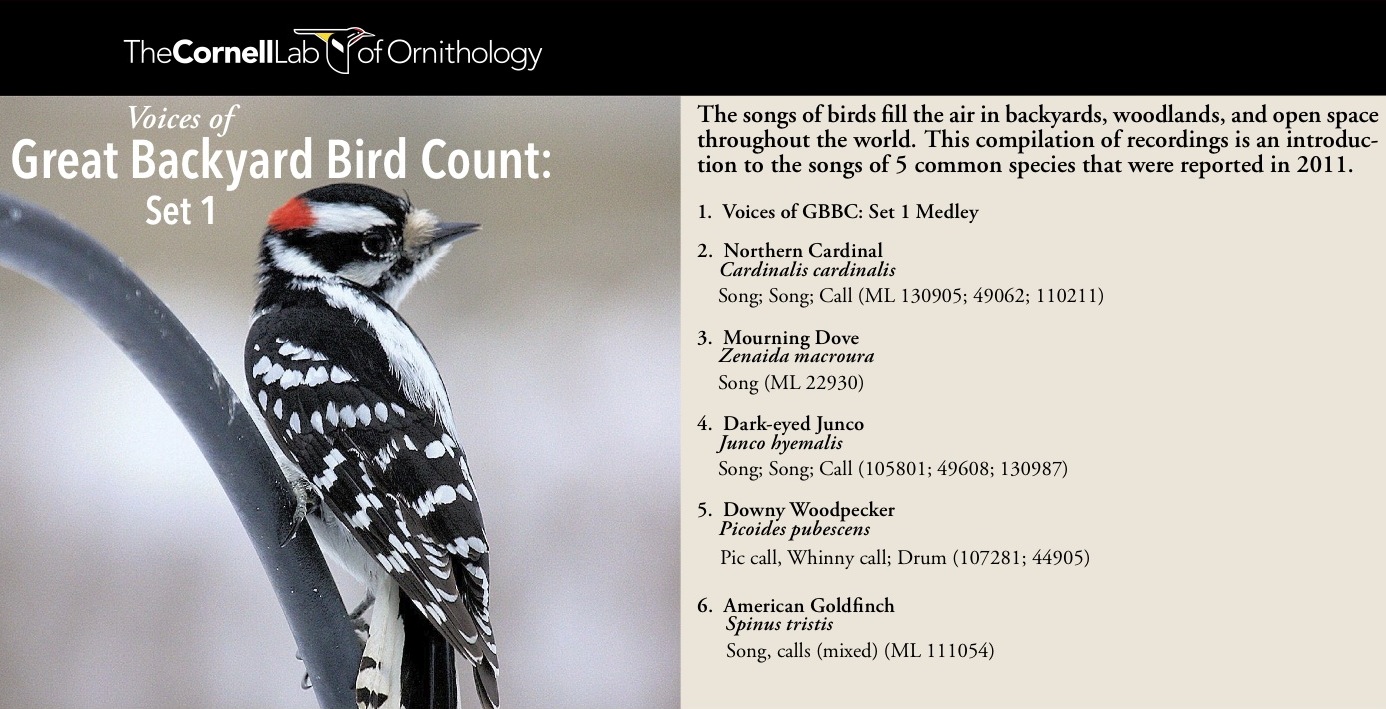
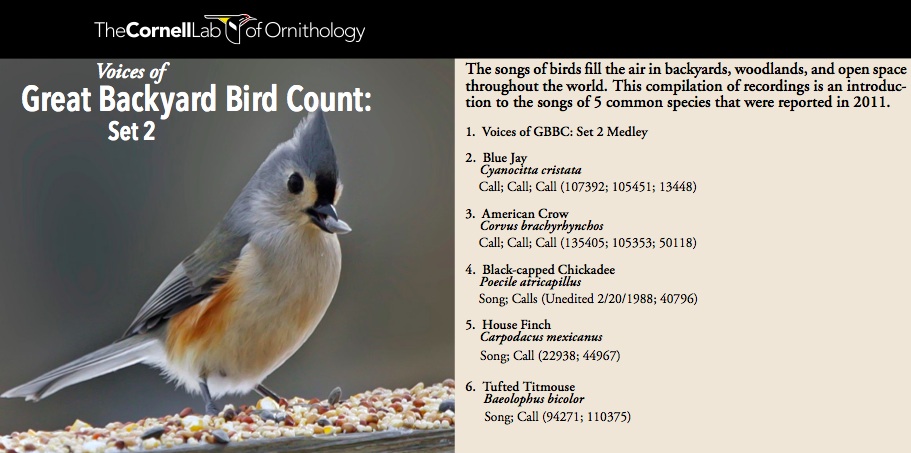
The same link will offer you the chance to download 5 bird songs – and now a second set of 5, part of the Great Backyard Bird Count currently underway – see details below. You may need to click on the images to make them legible…