Unknown's avatar

POSTING POSTERS: 5 OUTSTANDING ECO-EDUCO-INFO POSTERS


LRE Logo

LOXAHATCHEE RIVER DISTRICT POSTERS

EXCELLENT ECO POSTERS FROM LRD: FOR WEBSITE CLICK HERE

TO ENLARGE (CONSIDERABLY), DOUBLE-CLICKLoxahatchee River District Coral Reef Poster

Loxahatchee River District Bonefish Poster

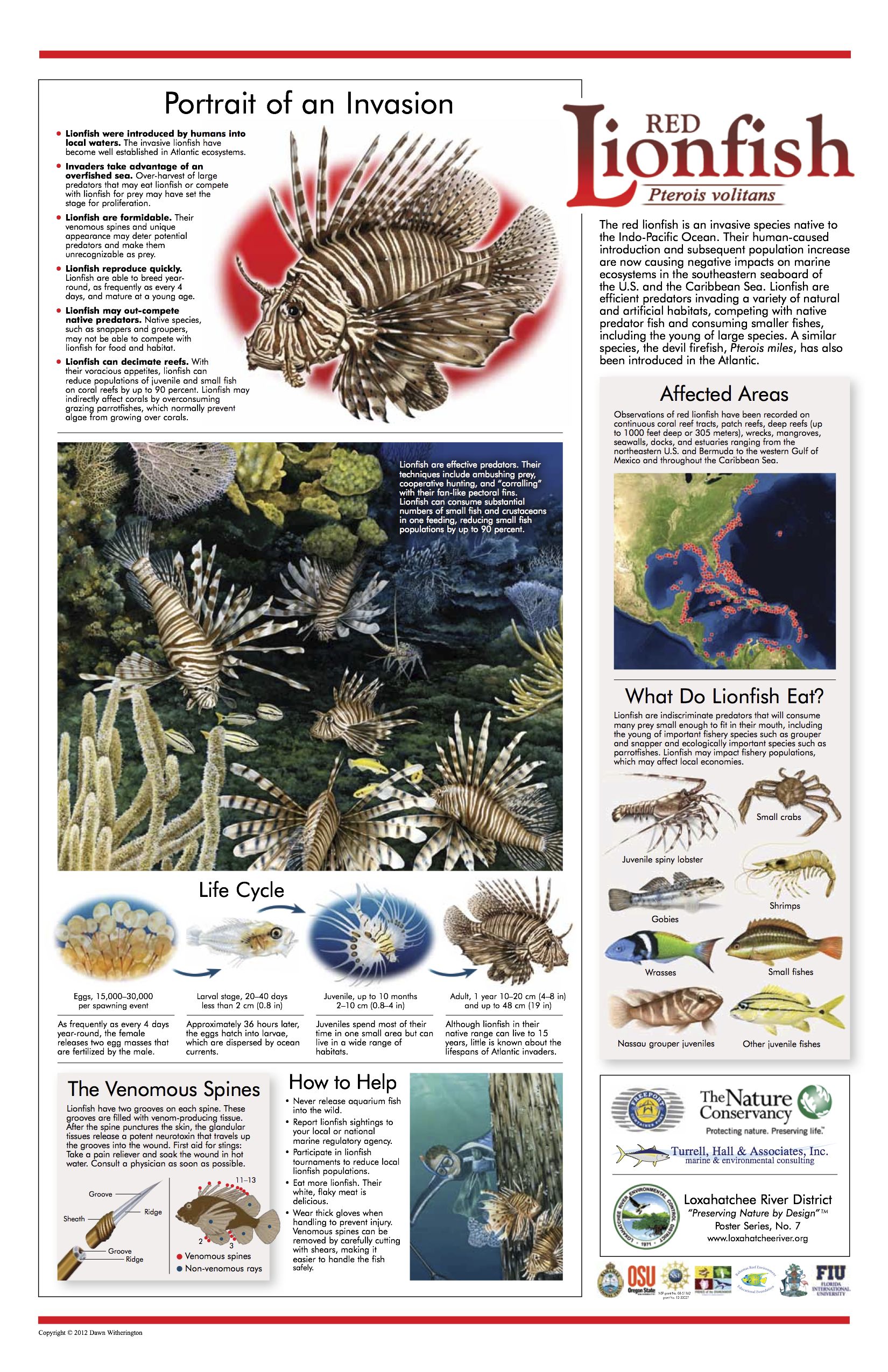
Loxahatchee River District Lionfish Poster tarponposter.inddseagrasses_poster_8.5x11

CREDIT thanks to Loxahatchee River District for use permission for this website. Please note that these posters are ©Loxahatchee River District, and may not be used without permission. Especially not for commercial purposes. Please resist any temptation to drag them out and use them without contacting LRD first (website link at top of page). RH

BTT LOGOClick me for Bonefish & Tarpon Trust

Nature Conservancy Logo

Click me for Nature Conservancy, Bahamas

Unknown's avatar

CONSERVATION PIECE: AN ABACO ECO-MISCELLANY


CONSERVATION PIECE: AN ABACO ECO-MISCELLANY

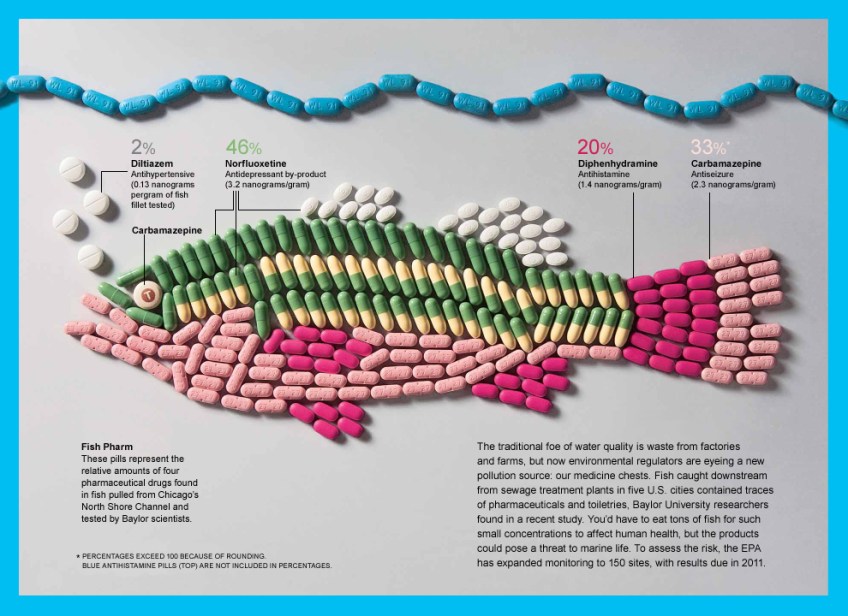
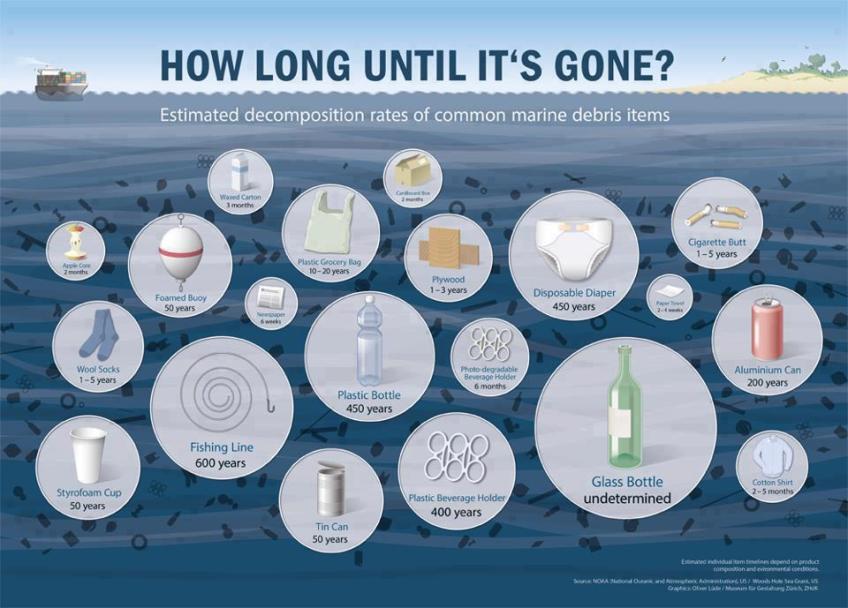
From time to time I post individual items on the CONSERVATION page. This comprises an assortment of articles, photos, videos and graphics with an eco-message relevant to Abaco and its waters. They accumulate gradually, and occasionally it is good to post a selection for consideration. What is the most frequently found item of detritus on a beach? Is it ok to eat striped bass? How many uses does a coconut have? How quickly does the invasive lionfish population spread? What is Fish Pharm? How many years does it take for an aluminium can to decompose? These and many other questions are answered below.

184790_196532023698608_1805444_aClick logo for website!

NOAA MARINE DEBRIS PROGRAM

Keepin’ the Sea Free of Debris!

ICC volunteers clean 10 million lbs of trash from our coasts
May 16, 2013 by NOAA Marine Debris Program

By: Dianna Parker

One rubber chicken, 117 mattresses, 4,159 candles, and 689,274 utensils. What do all of these things have in common?

They’re all marine debris collected last September at the Ocean Conservancy’s 2012 International Coastal Cleanup®, sponsored in part by the NOAA Marine Debris Program.The numbers are in: more than 550,000 volunteers came together to collect 10 million pounds of marine debris.  In the United States, volunteers found enough bottles that, when stacked end to end, equal the height of 1,000 Empire State Buildings. That’s a lot of trash on our beaches and in our waterways!This litter is threatening our marine environment, economy, and health, and the problem will only get worse unless we change the way we consume and dispose of products. There are solutions, and we can prevent litter from ending up in the ocean.So here’s a challenge: the next time you use a throw-away item: a bag, bottle, or utensil, answer the question, “Where it’s going?” How will you keep your items from becoming litter in our oceans, rivers, and streams? Head to Ocean Conservancy’s data release page for some neat infographics on last year’s trash haul. Here are the top 10 types volunteers found this year

top-10-items-found

THE PELAGIC OCEAN: AN INVESTIGATION INTO POLLUTION – BY KIDS

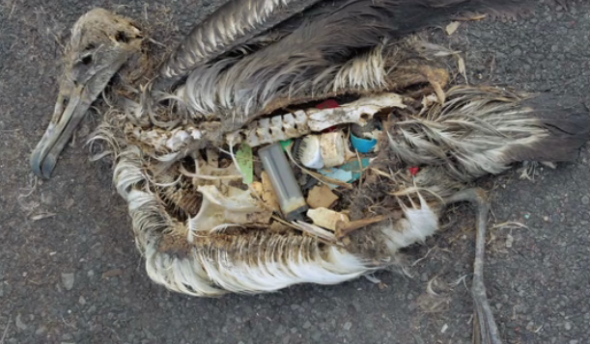
Prepare to be astounded – and horrified – by the cruel damage inflicted on sea life by humans and their prolific plastic trash. Credit: Friends of the Environment, Abaco

PROPOSED MARINE PROTECTED AREAS / EAST ABACO CREEKS VIDEOAbaco-park
coconut-uses 2Bahamas Lighthouse Pres Soc Logo

BAHAMAS LIGHTHOUSE PRESERVATION SOCIETY

BLPS NEWSLETTER JAN 2013 FINAL

LIONFISH

IMG_0383e.img_assist_custom-246x336

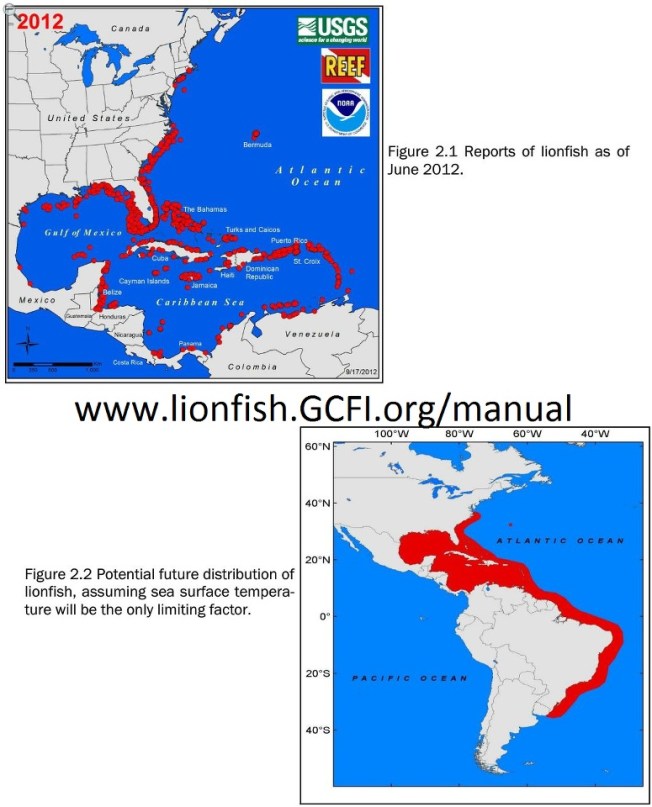
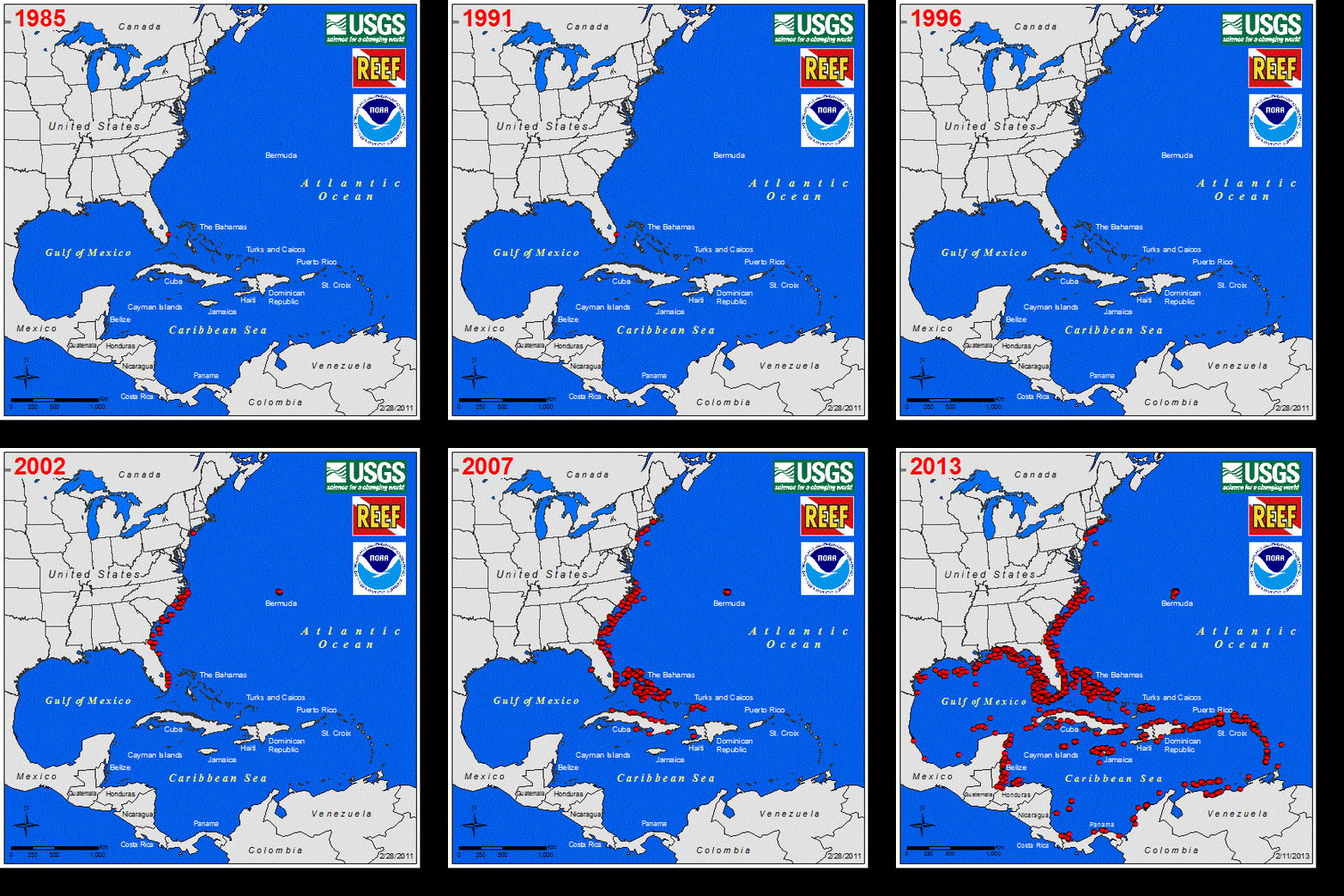
The debate about the seemingly unstoppable spread of the invasive lionfish species is well known. There are some who argue strongly that lionfish have their uses, and not merely as a food source. To see ongoing lionfish research by the organisation REEF click HERE To supplement the static projection graphic for lionfish spread (below), here is an active graphic that vividly shows how the species (love them or hate them) has expanded exponentially in numbers and range over a very short period

lionfishanimation 2013

 REEF lionfish progam graphics Conch Conservation Notice EGO -ECO graphic fishNational Geographic

Abaco Crawfish Logo

LOBSTERS – WE GOTTEM! OVERFISH THEM – WE AIN’T!

Video courtesy the fabulous CONCH SALAD TV; heads-up from ABACO SCIENTIST; campaign by SIZE MATTERS

BLPS LOGO

BAHAMAS LIGHTHOUSE PRESERVATION SOCIETY Read the Society’s 4-page January 2013 Newsletter HERE BLPS NEWSLETTER JAN 2013 

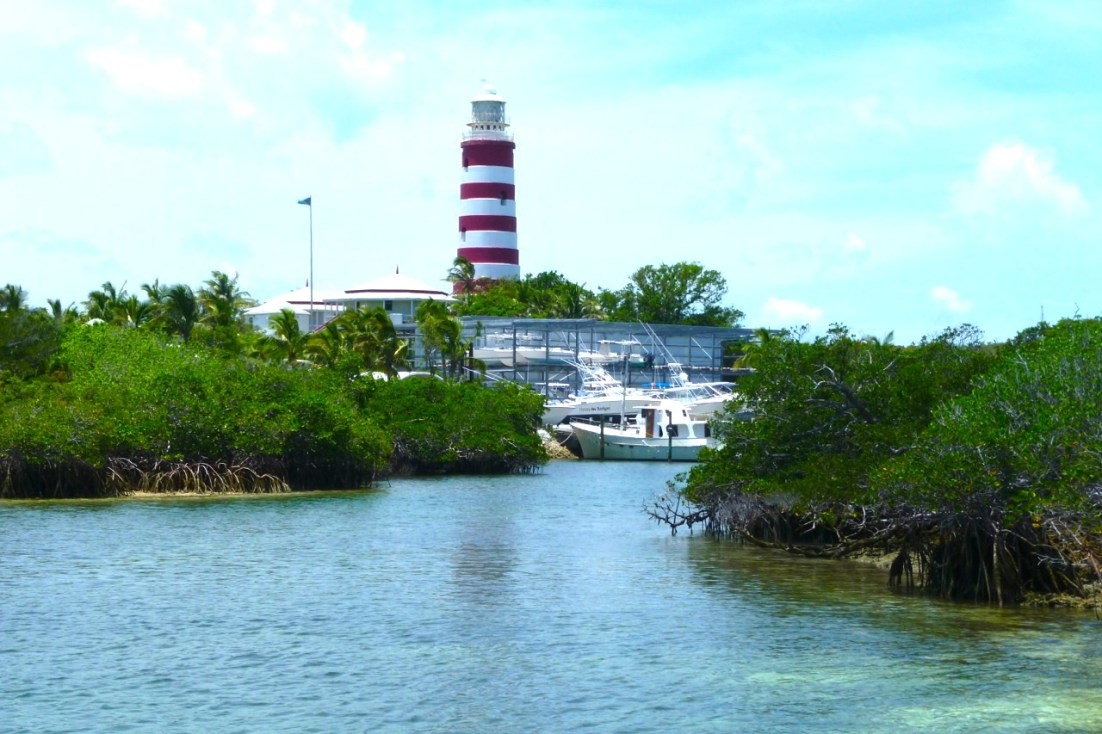
The Society was founded in 1995, and it has already achieved much to preserve and protect the lighthouses of the Bahamas. Of particular interest to Abaconians will be the news about the Hope Town lighthouse, and about the work done at Hole-in-the-Wall. If you’d like to support this hard-working not-for-profit organisation and help to preserve a part of Abaco’s maritime history, the email address is blps.bah@gmail.com  Hope Town Lighthouse
bpa_logo

A new environmental organisation has been announced: to find out more

CLICK===>>> BPFA 

IUCN CUBAN PARROT RED LIST RANGE MAP FOR AT RISK SPECIES
I have annotated this IUCN map of the Cuban Parrot population range. It’s worth noting that the Bahamian subspecies is now found only as a breeding population on Abaco and Inagua, being defunct on all other islands since the mid-c20. Of these populations, only the Abaco parrot breeds underground, a unique feature among the whole species.
I am puzzled by the suggestion of an ‘extant (resident)’ population on the Bimini Is. That would suggest that they breed there. I don’t know the date of the map, but I have checked with the Avibase bird database, and the Cuban parrot is indeed included in the list of Bimini birds. I’ve put a query on the map because I don’t know what the position is in 2012.
Click me!
FRIENDS OF THE ENVIRONMENT (ABACO)
This conservation organisation has recently completely redesigned its website (click logo above), and presents comprehensive and easily navigated information about a myriad aspects of conservation on Abaco and its fragile ecology. The fragility is mostly directly or indirectly caused by mankind (a broad statement, I know, but it’s an arguable stance), so it’s worth checking out the measures that are being undertaken to preserve the natural resources of the island and its cays. Below is a post about one feature highlighted on the FotE site that I am particularly interested in. Overall all the new website is definitely one for any Abaconian (or, like me, regular visitor) to study. If you want to contribute your support (either generally or to a specific cause) go to the FotE website (click logo) or visit the Rolling Harbour wildlife charity page HERE

THE EFFECT OF RISING SEA LEVELS IN THE CARIBBEAN

This map has been posted by the SCSCB, with the very interesting and definitely worrying text “The map shows projected impacts of a 2 meter sea level rise in the Caribbean. The orange is the impact of 2 meters, while the yellow is the 25 meter line. The last time the ice caps melted the sea rose between 18 and 25 meters. The most conservative estimates indicate a 1-meter rise by the end of the century (concurrent with a 2 degree C rise in temperature). From the position of planning, I am curious about the estimates being used by Caribbean resource managers in their long-range planning. For example, what percentage of Caribbean seabirds nest below 2 meters…”

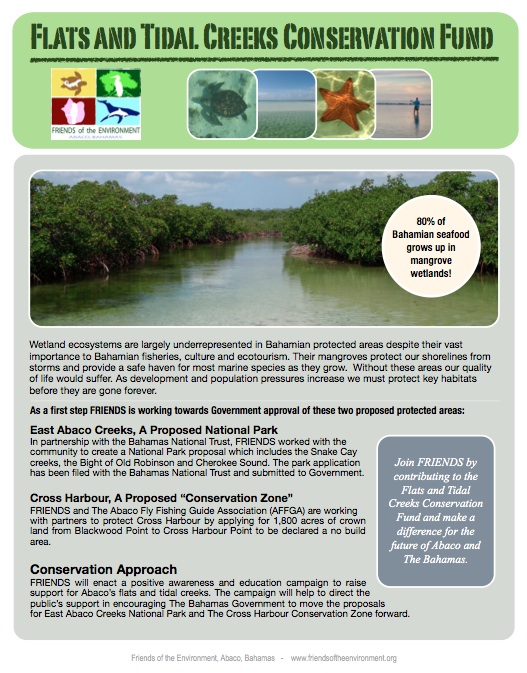
EAST ABACO CREEKS NATIONAL PARK PROPOSAL

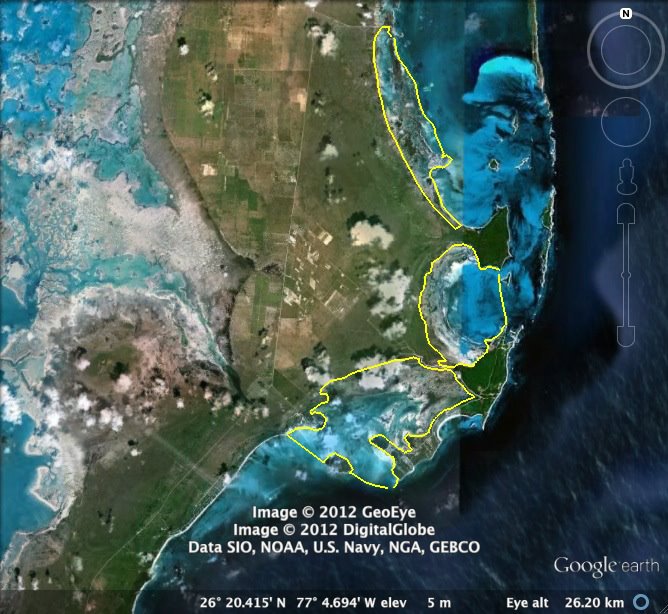
Click on the title above to see the BNT’s proposal for this major conservation proposal for the east Abaco creeks. It’s in .pdf form and you can (probably) copy / save it if you wish. The map below shows the 3 areas concerned. You can check out more details – and photos – on Facebook at EACNP

A VISUAL TO PONDER FROM ‘SCIENCE IS AWESOME’
CONSERVATION ON ABACO AND IN THE BAHAMAS

This new page (June 2012) is intended to showcase the achievements of the various organisations and individuals involved with the protection and conservation of the fragile ecology and wildlife in a small and rapidly developing area. A number of posts and articles from other pages will gradually migrate to this page.

I have posted on Facebook a statement by the new Environment Minister which praises the environmental work carried out in the Bahamas and pledges Government support MINISTER’S STATEMENT Let’s hope it’s forthcoming…

community conch logo

CONCH CONSERVATION

The supply of conchs is not infinite. Overfish them, take them before maturity  or pollute their habitat and this valuable marine resource depletes – and conchs, as with so many marine species, will become threatened. Fortunately there is a Bahamas-wide conservation organisation with a website packed with interest.  COMMUNITY CONCH is “a nonprofit organization that aims to protect queen conchs in the Bahamas, a species of mollusk threatened by aggressive over-fishing. We promote sustainable harvest of queen conch through research, education and community-based conservation”

“Helping to sustain a way of life in the Bahamas”

Much of the research has been carried out in Berry Is, Andros and Exuma Cays. However the team has recently been based at Sandy point, Abaco CLICK===>>> ABACO EXPEDITION  The full Conch Conservation post can be found at CONCH QUEST

BAHAMAS MARINE MAMMAL RESEARCH ORGANISATION (BMMRO)

The BMMRO is featured many times in this blog, in particular in the pages WHALES & DOLPHINS and MANATEES. They now have a Facebook page with all the latest news, photos, newsletters links and cetacean / sirenian goss in one easily-digested timelined place. To reach it CLICK ===>>> BMMRO FACEBOOK PAGE

For the latest quarterly newsletter, just published, CLICK ===>>> BMMRO NEWSLETTER JULY 2012
A RECENT FLYER FOR THE ‘SIZE MATTERS’ CRAWFISH CAMPAIGN

BAHAMAS NATIONAL TRUST PRESS RELEASE JUNE 2012

ABACO PARROT POPULATION ON THE RISE
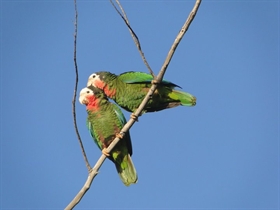
The Bahamas National Trust  in conjunction with Dr. Frank Riviera and Caroline Stahala recently conducted an intensive survey of the Bahama Parrot on Abaco Population surveys conducted in 2002 resulted in estimates of the Abaco parrot population of about 2,500 parrots with similar values in the following years. This year Dr. Frank Rivera and Caroline Stahala, who took part in the initial surveys, helped by  BNT wardens and volunteers, conducted a 10 year follow up survey to determine the change in the Abaco parrot population since management began. The results indicate that the Abaco parrot population has increased since the BNT’s management efforts were implemented with a new estimate of just over 4,000 parrots on Abaco. The BNT has been concerned about the Bahama Parrot Population since the 1980’s. Studies indicated that the major threat to the parrots were feral cats who cause serious problems to the parrots during the nesting season by entering the underground nesting cavities and killing the breeding adults and chicks. The BNT implemented an intensive predator control effort in 2009 throughout the parrot nesting area culminating in the hiring of Marcus Davis as Deputy Park whose primary responsibility is to oversee the predator control program. During the breeding seasons the BNT has seen a decrease in the number of breeding parrots killed and nest success increase. The question, though, remained whether this effort would translate into an increase in the Abaco parrot population size. Survey results indicated that predator control has led to an increase in nest success.  In addition, the Abaco parrots have weathered several hurricanes (Frances, Jean and Irene) over the last 10 years and still appear to show  a population increase. Hopefully with continued management efforts a healthy and viable  endemic parrot population on Abaco will continue to thrive. According to David Knowles, BNT Director of Parks “This gives us hope that with continued management efforts we can continue to have a healthy and viable endemic parrot population on Abaco.”
Unknown's avatar

‘SLOW BLUES IN SEA’: BAHAMAS REEF FISH (10)


BLUES IN C tab

‘SLOW BLUES IN SEA’: BAHAMAS REEF FISH (10)

Albert King, Lead Belly and Mike Bloomfield are prime examples of foremost bluesmen guitar-slingers who, in their own distinctive styles, favoured the key of… I’m sorry, what did you say? Oh yes, quite right. My misunderstanding. Apologies, I’ll take it from the top…

Deep blue sea. Deep blue fish. *Deep breath*. All better now. The fish below may all readily be found nosing around the coral reefs of the Bahamas in a leisurely manner. Mostly, they are feeding. Fowl Cay Marine Preserve, Abaco, is a great place for watching them. No need to have all the gear – a simple snorkel, mask and flippers, and an ability to float a bit, would be sufficient.

BLUE CHROMIS Chromis cyanea

Blue Chromis, Fowl Cay, Abaco fish12 These dazzling little blue fish will be one of the first you’ll meet (along with the omnipresent yellow and black striped sergeant majors, so friendly they will come right up to your mask). You can’t miss them. Though very small, their electric blue colouring cuts through the water even on the dullest of days up-top. They can reach 5 inches in length, but most that you see will be tiddlers. They are frequently seen in the company of larger fish.Blue Chromis ©Melinda Riger @ GB Scuba

Blue Chromis ©Melinda Riger @ GB Scuba

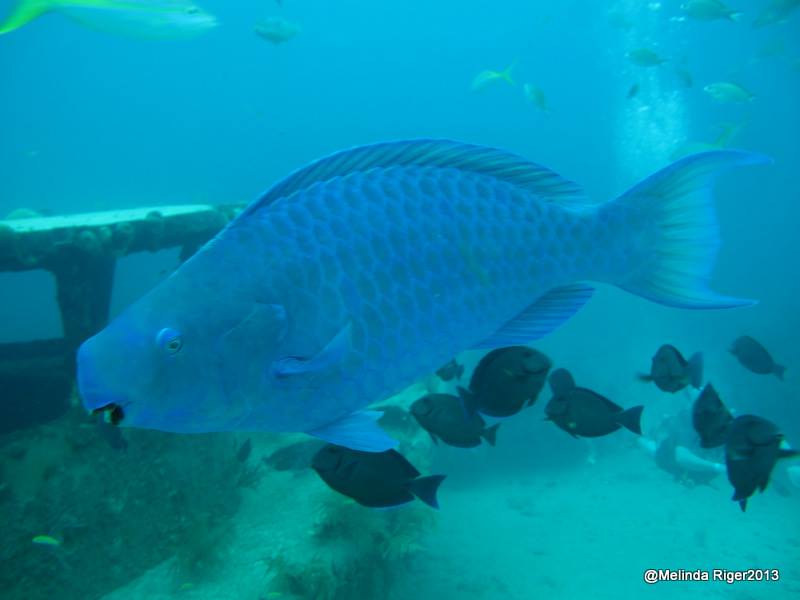
BLUE PARROTFISH Scarus coeruleusBlue Parrot Fish ©Melinda Riger @ G B Scuba

Parrotfish play a vital part in the ecology and health of the coral reef. They graze on algae, cleaning the coral and grinding the surface with their teeth. They take the nutrients and excrete the rest as… sand. This helps to form your beach! To find out more about their uses and habits, click PARROTFISH. You’ll find a great deal of interesting info about the species, conveniently compressed into factual bullet points. Blue parrotfish 2Blue Parrotfish

BLUE TANG Acanthurus coeruleus

The blue tang is a type of surgeonfish, all-blue except for a yellow spot near the tail. The blueness can vary considerably, from very pale to dark. They tend to swim elegantly around in large groups.Blue Tang ©Melinda Riga @ G B Scuba Blue Tang ©Melinda Riger @ GB Scuba

Here are some images of schools of blue tang that I took with a cheapo underwater camera at Fowl Cay. They are a lovely sight as they drift slowly past alongside the reef. The top one also has a sergeant major (see above).fishx fishu4 Blue Tang, Abaco fish28 fish20

CREOLE WRASSE Clepticus parraeCreole Wrasse ©Melinda Riger @GBS

This wrasse can grow up to a foot long, and may be found at considerable depths on deep-water reefs – 300 feet or more. They are active by day, and hide in rock clefts at night. This species is sociable, moving around in shoals. They develop yellow markings with age. Creole Wrasse School ©Melinda Riger @GBS

QUEEN TRIGGERFISH Balistes vetula

There are several species of triggerfish. The queen is capable of changing colour to match its surroundings, or (it is said) if subjected to stress. I think we have all been there. It is an aggressive and territorial fish, and its favourite prey is the sea urchin, a testament to its courage…Queen Triggerfish

QUEEN ANGELFISH (JUVENILE)

I have featured this species before HERE, and strictly it as much yellow as blue. But the blue earns double points, surely, for its startling vividness. Anyway, I like the way it hangs casually upside down, and the bubbles in this photo.

Juvenile Queen Angel ©Melinda Riger GB Scuba

Credits: Good photos – Melinda Riger of Grand Bahama Scuba; Poor photos – RH

From time to time I end a post with something musical. Just for fun (toxic concept). So here is a real “Slow Blues in C” from the fantastic guitarist Stefan Grossman off  his eclectic ‘Yazoo Basin Boogie’ album. 22 quality tracks. Buy from Am*z*n – much cheaper than iT*nes.    


61xe+fzzYUL._SL500_AA280_

Unknown's avatar

WHALE & DOLPHIN RESEARCH, PHOTOS & SIGHTINGS REPORT


WHALE & DOLPHIN RESEARCH, PHOTOS & SIGHTINGS REPORT

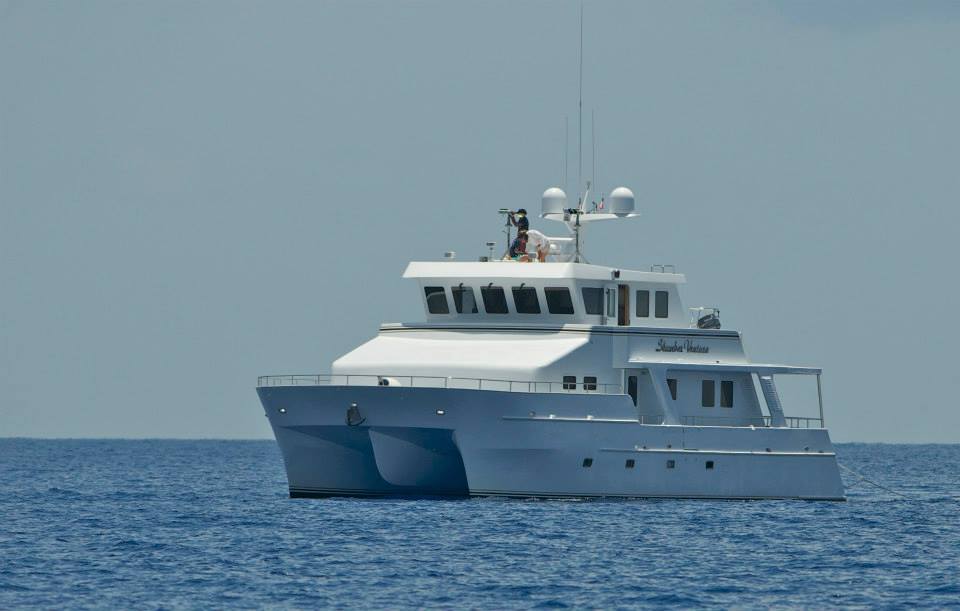
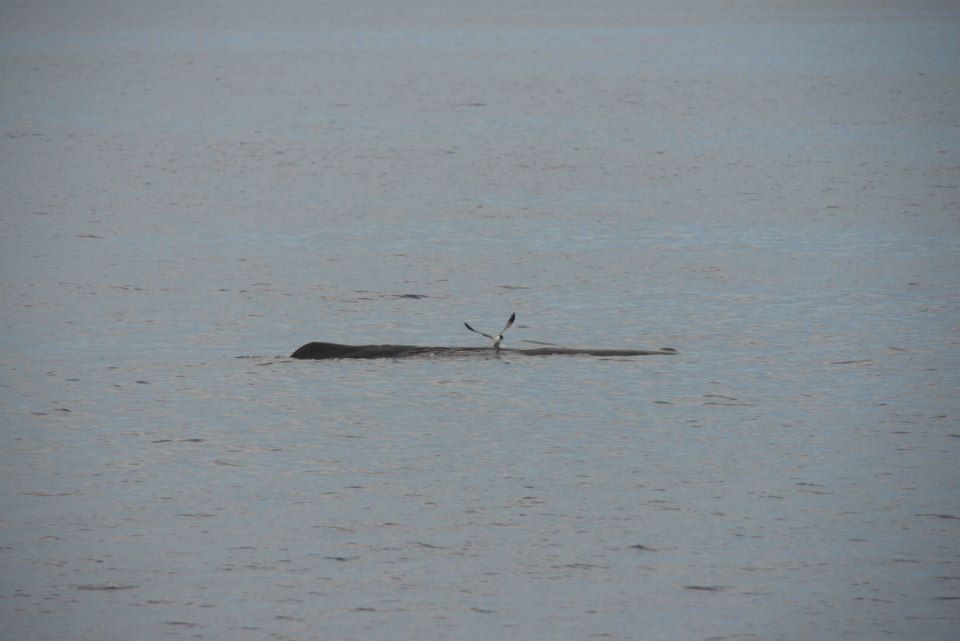
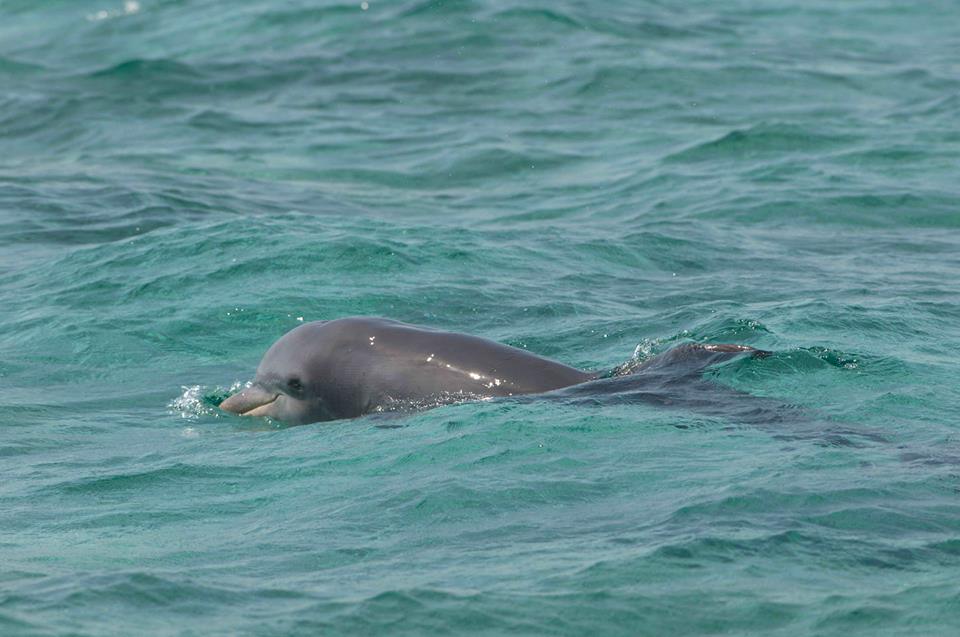
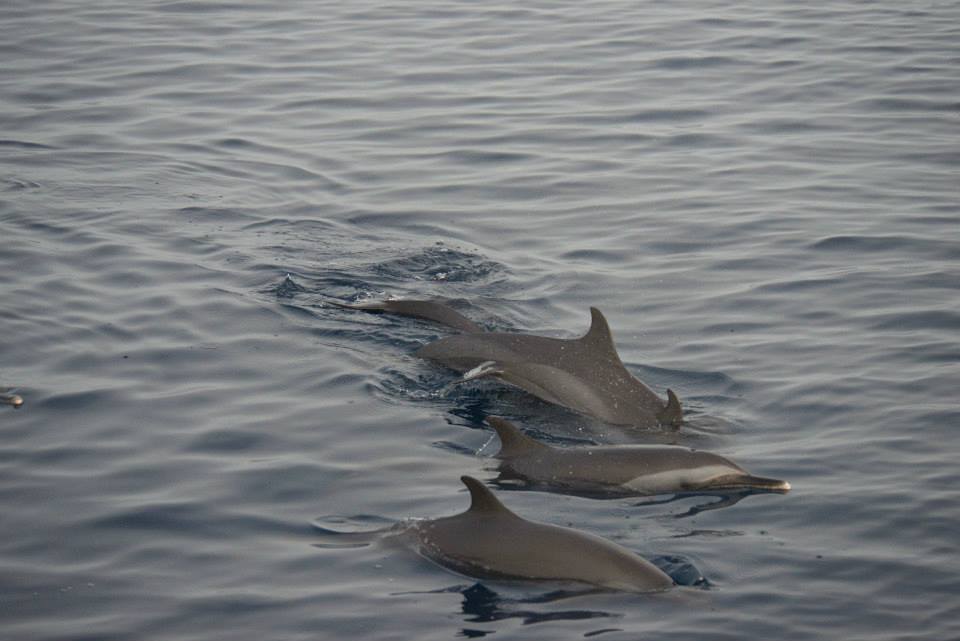
The Bahamas Marine Mammal Research Organisation (BMMRO) has recently been involved in a major tagging and monitoring program  around Andros, in particular using sonar to test the responses of beaked whales. Being all at sea for a few weeks meant that many other marine mammals were encountered. Thanks to Charlotte and Diane for permission to use some of their photographs taken during the research trip – and also in Abaco waters – to illustrate the amazing diversity of cetacean life in the waters of the northern Bahamas.

Click me!

RESEARCH VESSEL “SLUMBER VENTURE”'Slumber Venture' survey vessel

WHALES

A Sperm Whale with unusual pigmentation

SPERM WHALES OFF ANDROSSperm WhalesSPERM WHALE TAILINGSperm Whale tailingTHAT GULL SURELY CAN’T BE CRAZY ENOUGH TO…Gull landing on Sperm WhaleWELL, IT JUST DID!Gull landed on Sperm Whale

MELON-HEADED WHALES – MOTHER & NEW-BORN CALF

Melon-headed Whale mother with new calf

THE FIN OF A MALE BEAKED WHALEBeaked whales - the fin of a male

DOLPHINS

BOTTLENOSE DOPHIN & CALFBottlenose Dolphin & Calf, Abaco

BOTTLENOSE DOLPHINBottlenose Dolphin near Gorda Cay

DOLPHINS BOW-RIDINGDolphins bow-riding

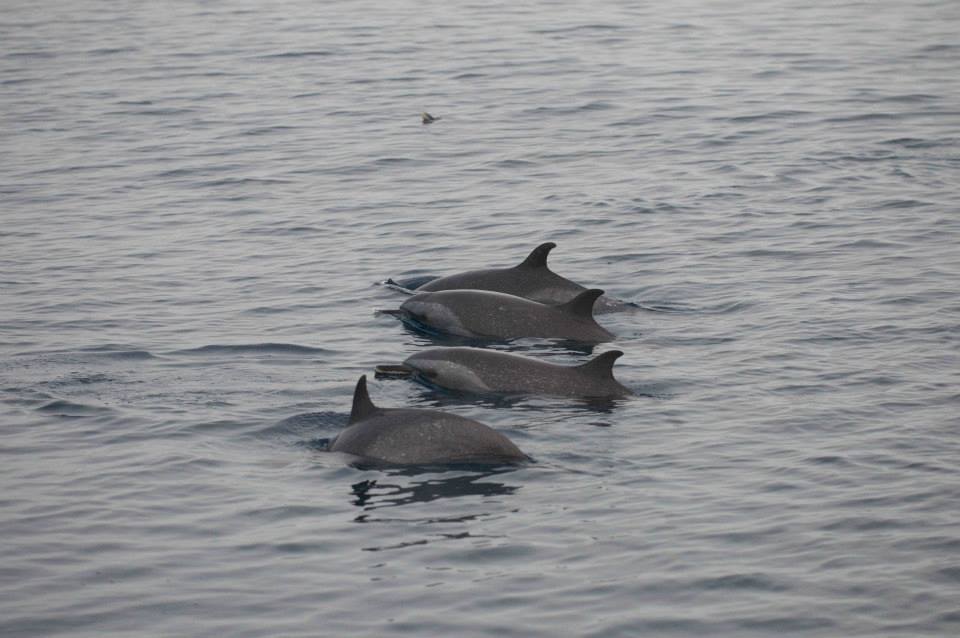
SPOTTED DOLPHINSSpotted Dolphins Spotted Dolphins x 4

ROUGH-TOOTHED DOLPHINS

The research, tagging and monitoring programs pay dividends in conservation and species preservation terms… but then along comes a brutal reminder, way out in the pristine ocean, of the far-reaching extent of man’s reckless damage of the planet and the creatures in it. This poor animal has become swathed in plastic.  The likelihood is that its stomach will have dozens of pieces of plastic in it, from microscopic to potentially damaging – or fatal. We made it all, and we chucked it away.Marine Mammals & plastic

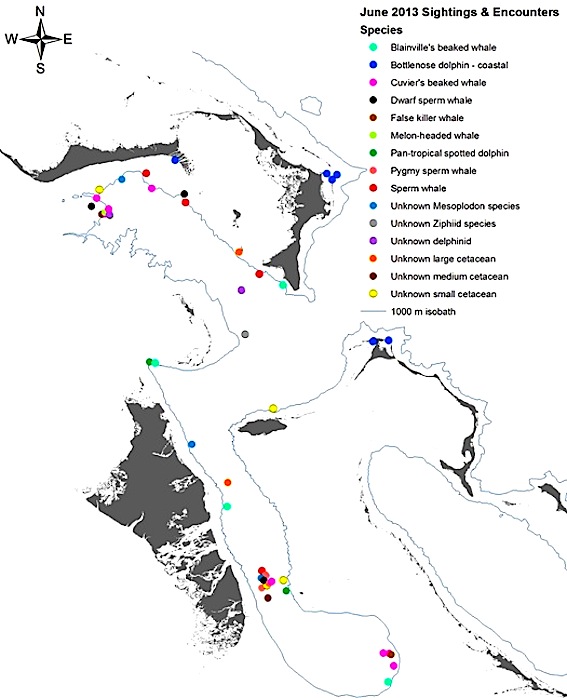
Moving into less contentious areas, here is the BMMRO sightings list for the last month, with a great deal of activity recorded. For once there is even a sighting included of my very own, of 3 bottlenose dolphins in Hope Town harbour one lunchtime in mid-June. See HERE

BMMRO June Sightings

Finally, the latest news from the BMMRO is that Dr Diane Claridge, besides being awarded her PhD earlier this year for her research on beaked whales, has graduated from the ancient scottish university of St Andrews, founded in  1413. It is the third-oldest university in the english-speaking world (and the oldest in the scottish-speaking world…).Dr Diane Claridge, St Andrews Uni

Georgie Manatee BMMRO SUPPORT LOGO

Credit: savethemanatee.org

Unknown's avatar

UNDERWATER BAHAMAS: REEF GARDENS & DENIZENS (1)


Christmas Tree Worms ©Melinda Riger @ G B Scuba

UNDERWATER REEF GARDENS IN THE BAHAMAS (1)

Animal, vegetable or mineral? If you dive down and take a close look at a reef, you’ll soon find that it isn’t easy to tell what is what… That ‘plant’ is a magic worm;  this ‘creature’ is a tentacled plant…

ANEMONESAnemone ©Melinda Riger @ GB ScubaAnenome ©Melinda Riger @ G B ScubaAnenome (Giant) ©Melinda Riger @GBS

BASKET STARS

A species of ‘brittle star’ that, as the images suggest, like to ‘hang’ togetherBasket Star ©Melinda Riger @ GB ScubaBasket Star ©Melinda Riger @GBS

REEF MIX29801_478636495491078_987749415_n 299343_478636145491113_873966996_n 526981_465306386824089_928061136_n

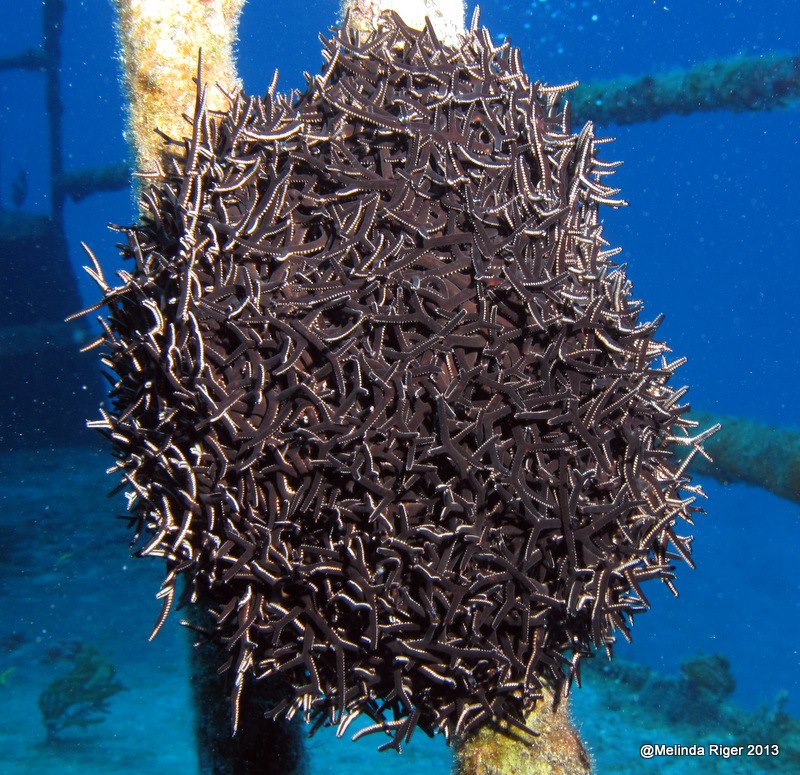
CHRISTMAS TREE WORMS Spirobranchus giganteusChristmas Tree Worms ©Melinda Riger @ G B Scuba


Thanks to scuba photographer extraordinaire Melinda Riger of Grand Bahama Scuba; & wiki-minipics

Delphi Bonefish Logo

Unknown's avatar

SHORE THINGS: BEACHCOMBING ON A PRISTINE ABACO BEACH


Shore Things 16

SHORE THINGS: BEACHCOMBING ON A PRISTINE ABACO BEACH

The Abaco bay known as Rolling Harbour is a 3/4 mile curve of white sand beach, protected by an off-shore reef. The beach is pristine. Or it would be but for two factors. One is the seaweed that arrives when the wind is from the east – natural and biodegradable detritus. It provides food and camouflage for many species of shorebird – plover and sandpipers of all varieties from large to least. The second – far less easily dealt with – is the inevitable plastic junk washed up on every tide. This has to be collected up and ‘binned’, a never-ending cycle of plastic trash disposal. Except for the ATLAS V SPACE-ROCKET FAIRING found on the beach, that came from the Mars ‘Curiosity’ launch. Sandy's Mystery Object

We kept is as a… curiosity, until it was eventually removed by the men in black…

Shore Things 14I’d intended to have a ‘plastic beach trash’, Atlantic-gyre-rage rant, with angry / sad photos to match. Instead, I decided to illustrate a more positive side to beach life – things you may discover when you take a closer look at the sand under your feet. Like the coconut above. Many of these photos were taken by our friend Clare Latimer (to whom thanks for use permission); some by me.

Shore Things 13A LONE FLOWERShore Things 17SEA STAR (DEFUNCT), WITH CRAB TRACKSShore Things 21SEA FAN (GORGONIAN)Shore Things 15WASHED-UP BOTTLE (PROBABLY NOT RUM)Shore Things 12

SEA BISCUITSShore Things 9

Thanks to Capt Rick Guest, who has contributed an interesting comment regarding the sea biscuit with a hole in it. He writes “the (Meoma) Sea Biscuit w/ the hole in it was dined upon by a Helmet Conch. The Cassis madagascariensis, or C.tuberosa drills the hole w/ its conveyer-belt-like radula teeth w/ some help from its acidic, saliva. Probably 98% of all symetrical holes in marine invertebrates are of this nature. Murex, Naticas, Helmets, and many Cephalapods (via a Stylet), are the usual B&E suspects. The Cone shells utilize a modified radula in the form of a harpoon which is attached to a venom tube.” For more on the vicious cone shell, and other creatures to avoid, click HERE

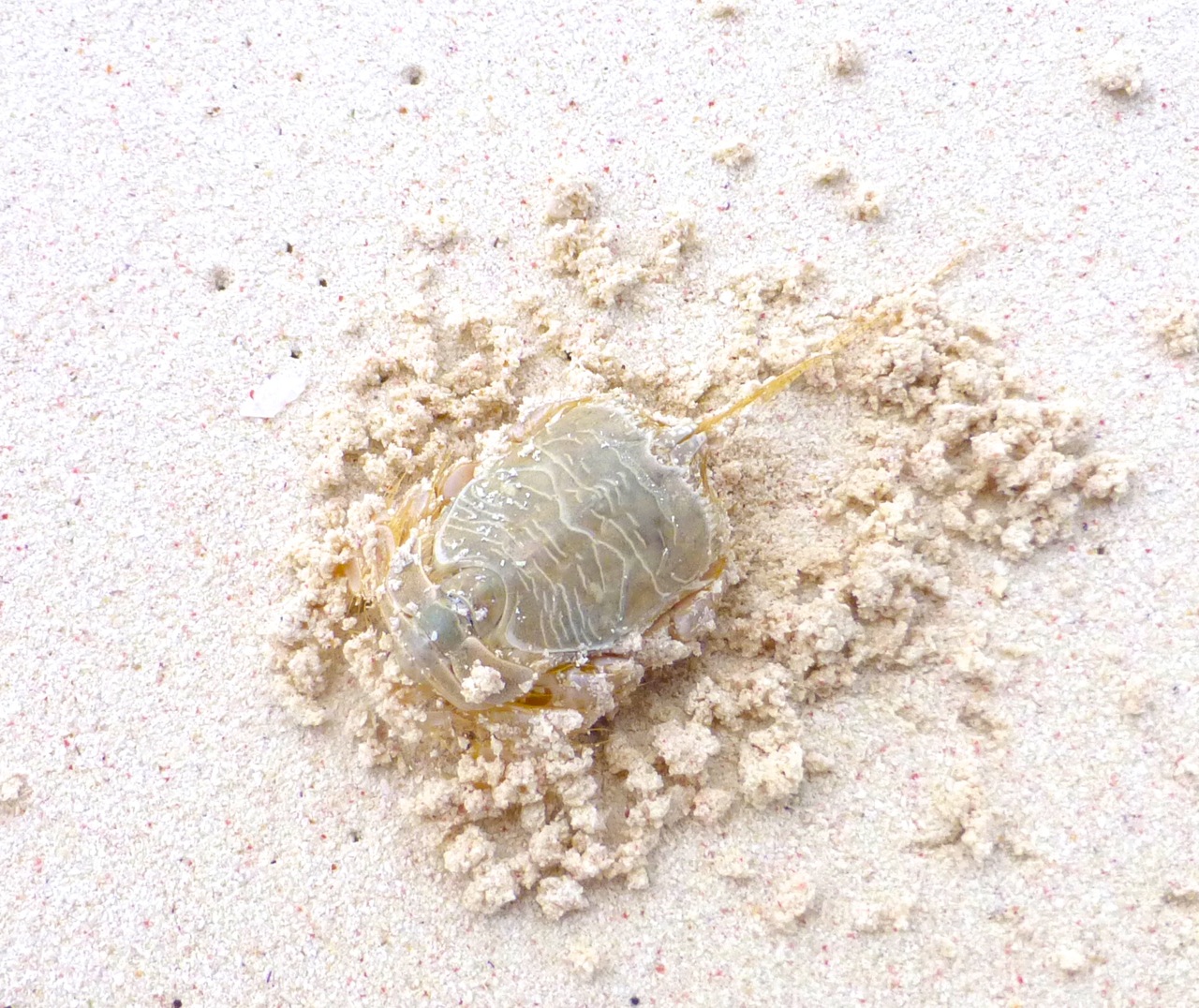
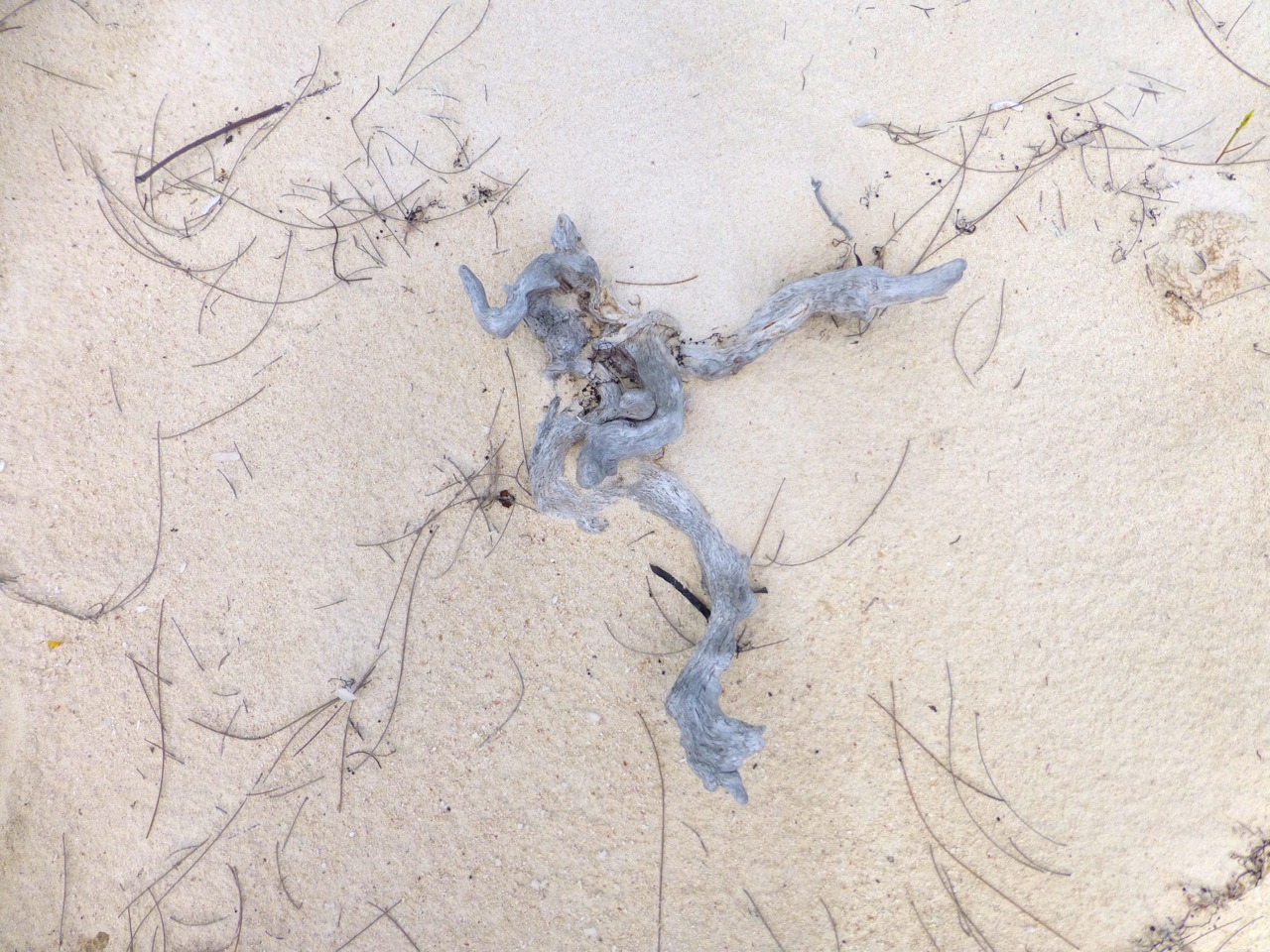
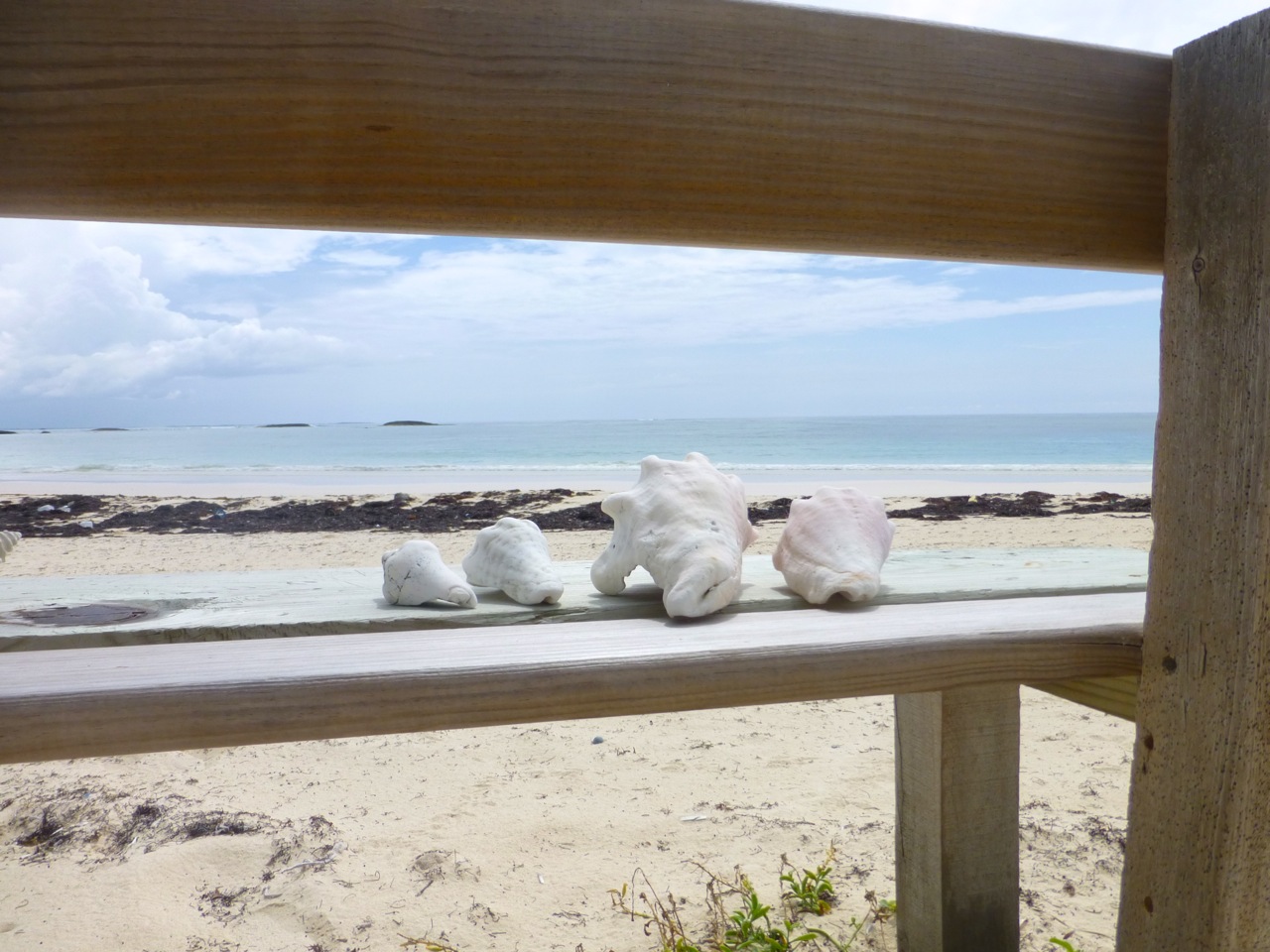
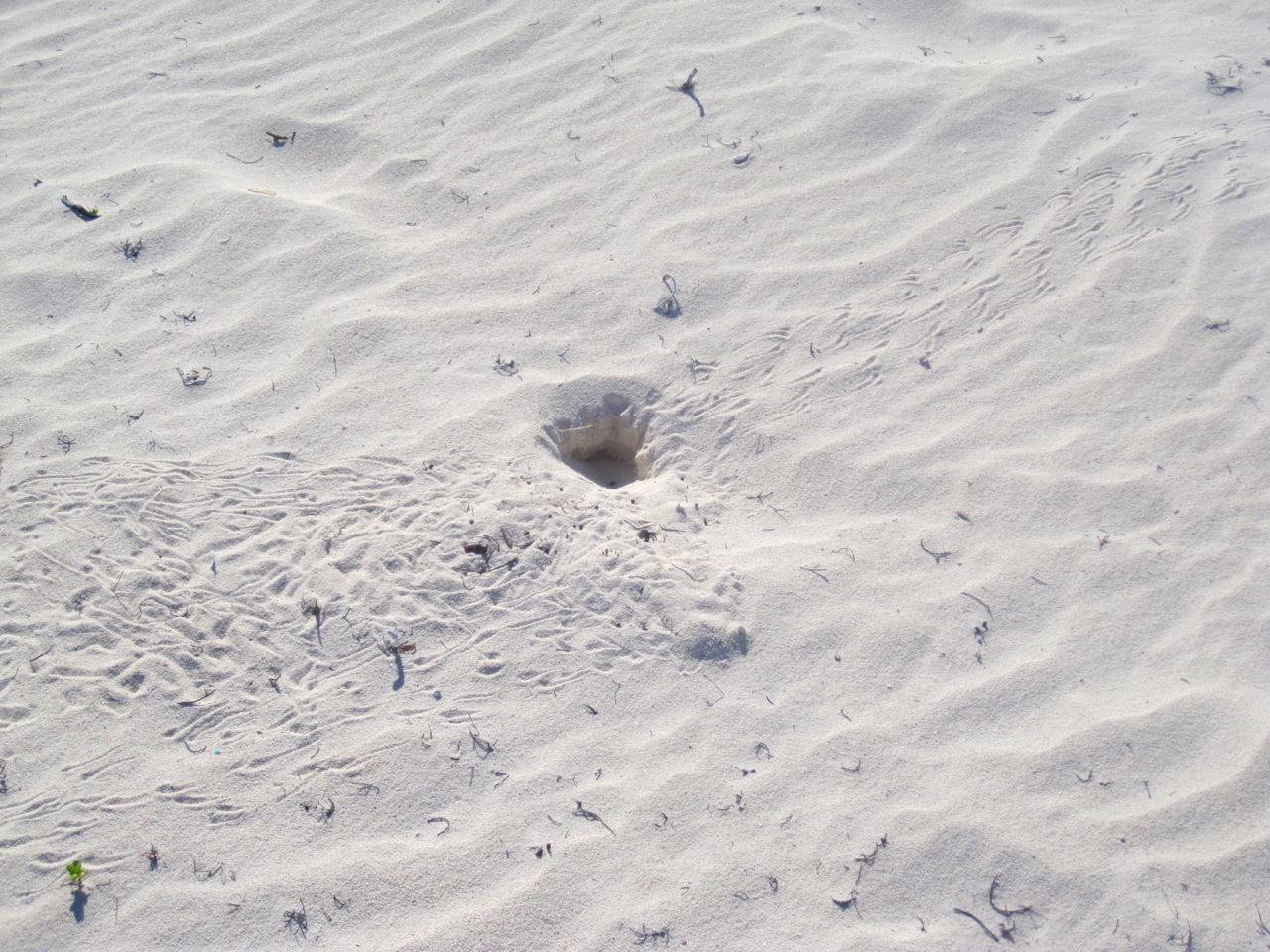
DRIFTWOOD. IT’S LIKE… OH, USE YOUR IMAGINATIONShore Things 5A WILSON’S PLOVER NESTShore Things 11HORSESHOE CRAB (LIMULUS)Shore Things 4SCULPTURE? AN EMBRYONIC SHELTER? Shore Things 3LARGE BIRD FOOTPRINTSShore Things 18MORE BIRD PRINTS AND CRAB TRACKSShore Things 19 CRABUS CUTICUSShore Things 6CONCH SHELLS & OTHER BEACH TREASURESShore Things 8Shore Things 20CRAB HOLE & TRACKSShore Things 22SOME IDIOT’S LEFT HIS… OH! IT’S MINEShore Things 7

Unknown's avatar

HOPE TOWN, ABACO: DOLPHINS & A LIGHTHOUSE IN THE SUN


Hope Town, Elbow Cay, Abaco 13

HOPE TOWN, ABACO: DOLPHINS & A LIGHTHOUSE IN THE SUN

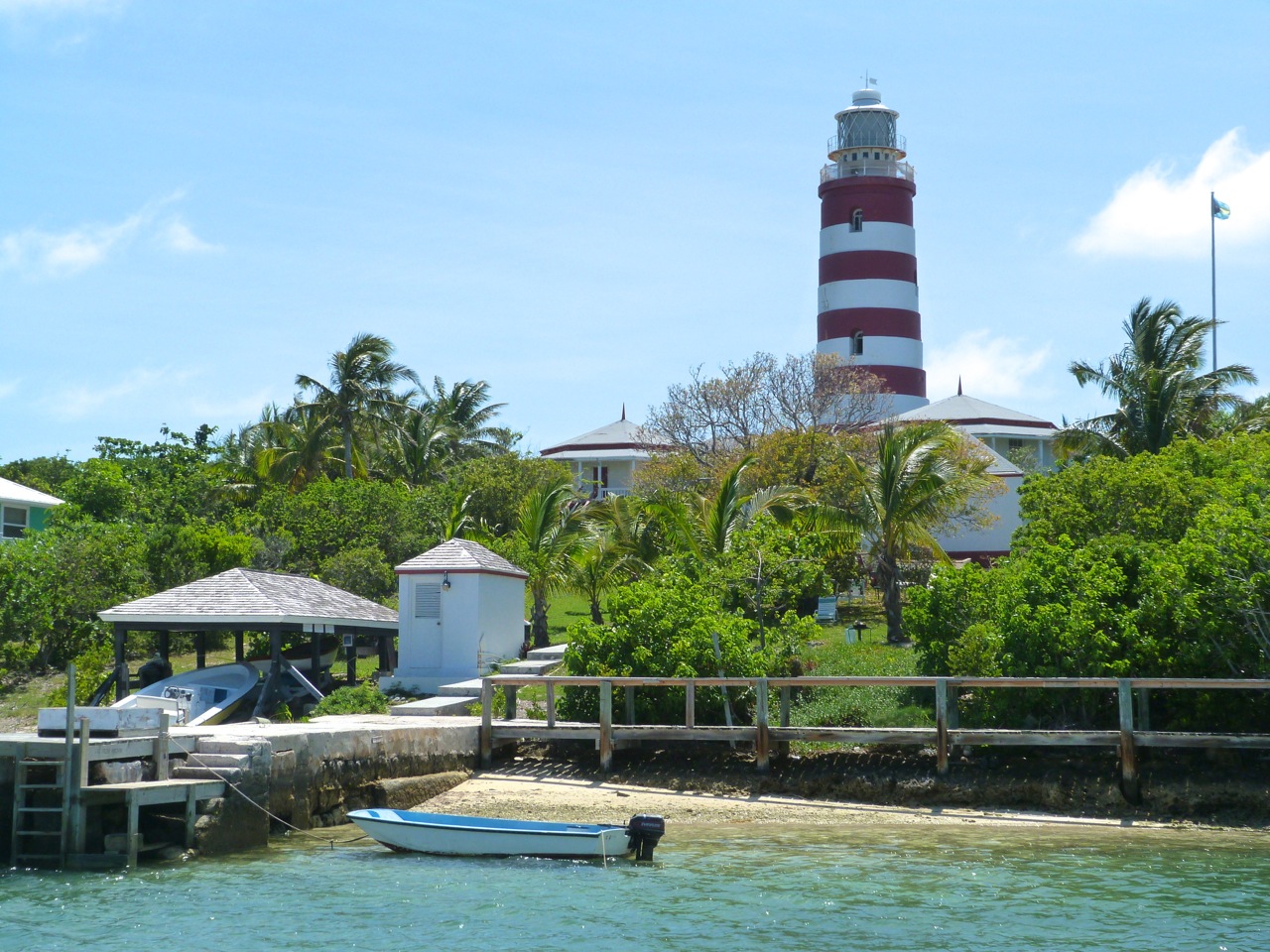
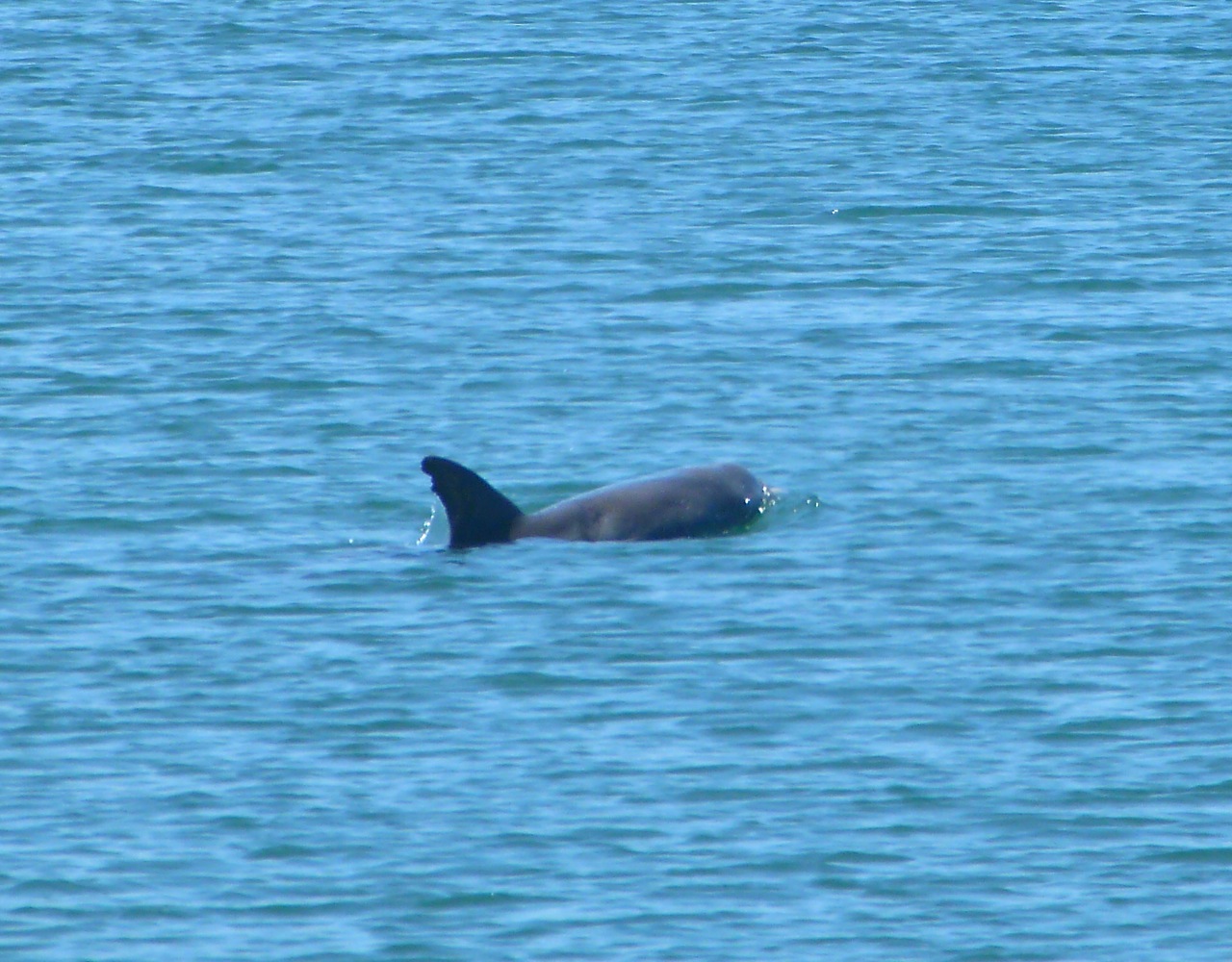
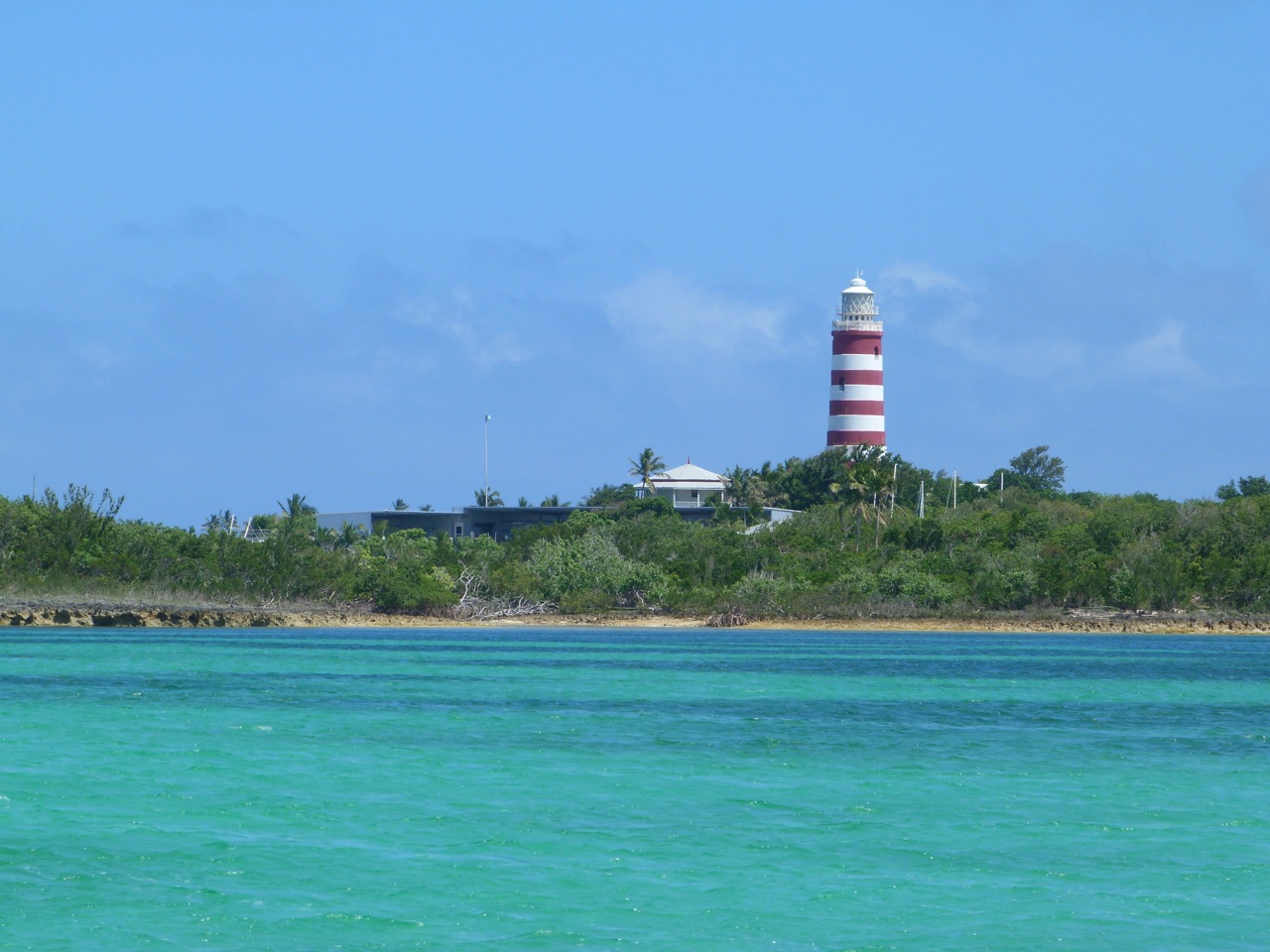
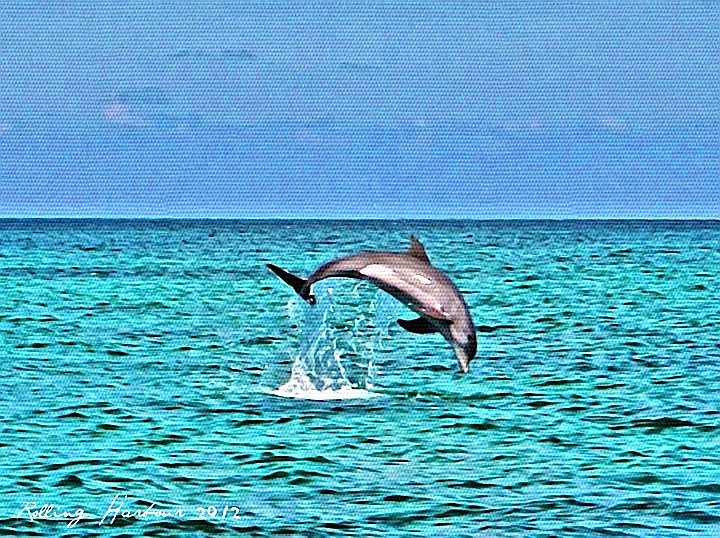
A trip to Hope Town and Elbow Cay is a always a treat. Especially if it includes lunch with friends. Most of my previous visits have been in cloud or rain, so the glory of the historic and indeed iconic candy-striped lighthouse has been rather marred. I left Delphi in hot sunshine, but it began to cloud over ominously during the half-hour drive north to Marsh Harbour and Albury’s Ferry Terminal. I was still optimistic when I arrived, though…Hope Town, Elbow Cay, Abaco 2…until I looked the other way. The 20-minute crossing of the Sea of Abaco to Elbow Cay was characterised by a sudden pelting rain storm and a churning sea. A passenger lay down greenly, and I began to count the minutes.Hope Town, Elbow Cay, Abaco 1However, as we approached Hope Town we emerged from the gloom into bright sun, and a fine view of the lighthouse. This edifice has one of the last remaining kerosene-lit lights in the world, attended to every 2 hours throughout the night by volunteers. The mechanism sits on a bed of mercury, and the light shines through the original fresnel lenses. Much of the original british-made machinery is still in place. For a tour round the interior, with excellent photos taken by Mrs RH, and views from the top platform, click HOPE TOWN LIGHTHOUSE Hope Town, Elbow Cay, Abaco 3 Hope Town, Elbow Cay, Abaco 4Lunch at the pleasant Harbour’s Edge Restaurant was enhanced by two – or was it three? – bottlenose dolphins that swam around the harbour. I was torn between eating, chatting  and photographing them. I didn’t catch the wonderful lazy arcs they made as the broke the surface and slowly arched back into the water. It was near impossible to predict where they would surface next. Here are a couple of less dramatic shots… Hope Town, Elbow Cay, Abaco 11Hope Town, Elbow Cay, Abaco 5After lunch there was time for a quick wander round the attractive little town, with its pastel-coloured houses. Hope Town 1a

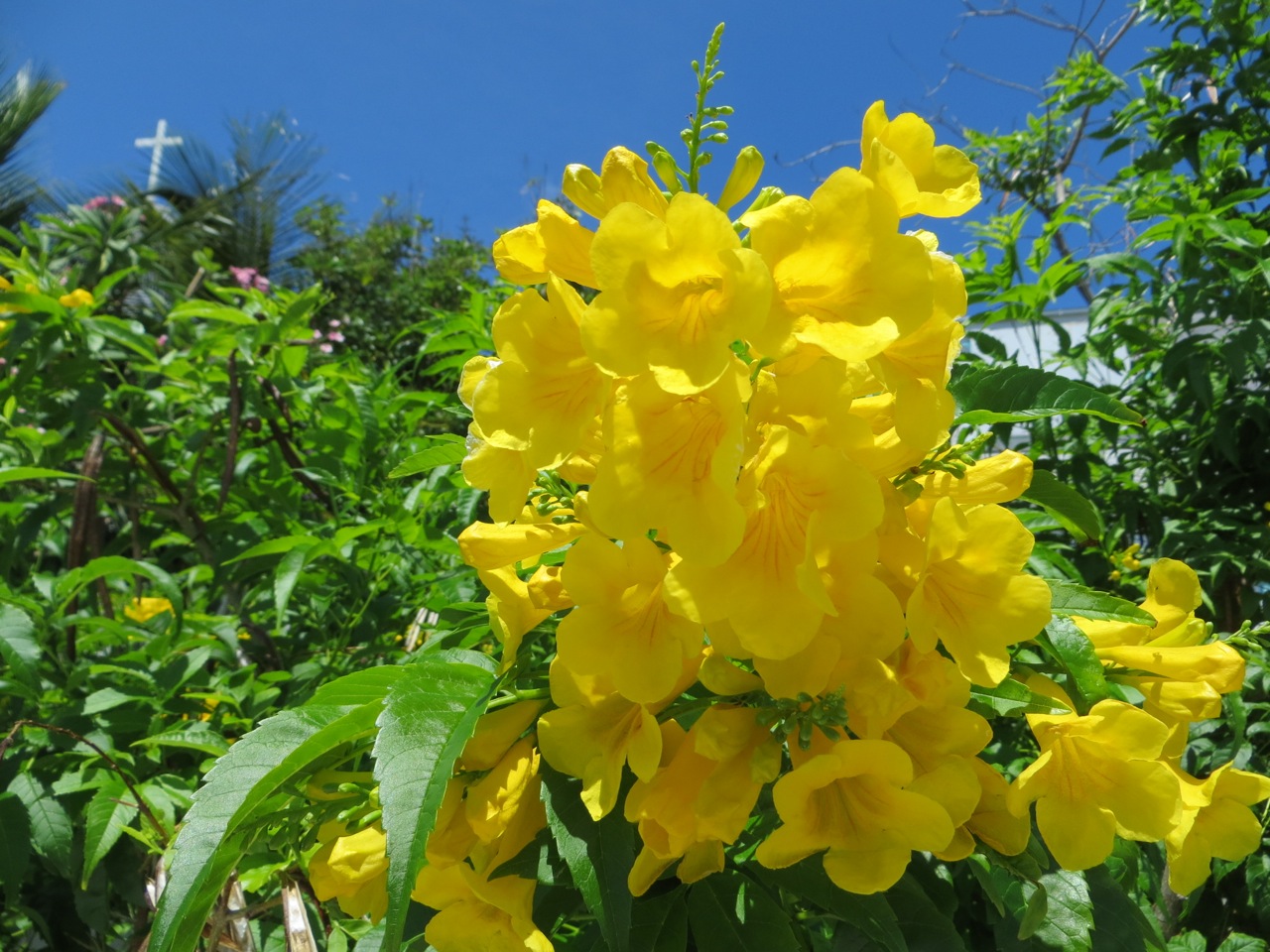
There was a YELLOW ELDER tree in bloom, the national flower of the Bahamas. [Later: as it turns out, I was caught in the act… of photography]Hope Town, Elbow Cay, Abaco 7Hope Town, Elbow Cay, Abaco 6996860_10200325236513792_581389694_n

Hummingbird Cottage Art Centre and Gallery

I was taken to see the new HUMMINGBIRD COTTAGE ART CENTRE & GALLERY  a fine work of building restoration in the centre of town that provides a surprisingly large exhibition space and an idyllic place for art classes and related activities.

DSC_0076-150x150Hope Town, Elbow Cay, Abaco 10Hope Town, Elbow Cay, Abaco 8Hope Town, Elbow Cay, Abaco 9Later, I took the ferry back to Marsh Harbour, taking a final good look at the lighthouse, still thankfully in full sunlight against a vivid blue sky.Hope Town, Elbow Cay, Abaco 12Hope Town, Elbow Cay, Abaco 15  Hope Town, Elbow Cay, Abaco 14Hope Town, Elbow Cay, Abaco 16

LINKS

HOPE TOWN LIGHTHOUSE: THE WORKS

YELLOW ELDER: BAHAMAS NATIONAL FLOWER

Screen-Shot-2013-01-30-at-8.33.11-PM

ALBURY’S FERRY SERVICE

and for a comprehensive overview of Hope Town and Elbow Cay

hopetown

OLYMPUS DIGITAL CAMERA

Hummingbird Cottage ©Brigitte Bowyer

Unknown's avatar

ABACO WHALES & DOLPHINS, BMMRO SIGHTINGS & NEWSLETTER


Dolphin Leap copy

ABACO WHALES & DOLPHINS: BMMRO SIGHTINGS & NEWSLETTER

I haven’t posted Abaco whale, dolphin & manatee news for a while. Time for a catch-up. Georgie the young manatee that left her mother Rita and came to Abaco from the Berry Is. alone, is no longer here. She survived a very long journey, and investigated various coastal areas of Abaco – all the while being tracked. In the end she settled down in the Cherokee area. There were anxious times during Hurricane Sandy when she went missing (having by now shed her tracking device) but she eventually reappeared at Cherokee having found a safe haven from the storm. Sadly, however, her condition deteriorated and in the New Year she was relocated to Atlantis Dolphin Cay Marine Mammal Rescue Center. Some weeks ago a healthy Georgie was moved to a sea-pen to acclimatise her for release back into the wild.

Read more about Georgie the Manatee’s epic trip HERE and about the operation to relocate her HERE

ABACO DOLPHINS – A MOTHER & HER CALF 428475_595355517150345_807197303_n-1

The Bahamas Marines Mammal Research Organisation (BMMRO) is based at Sandy Point, Abaco. A number of research projects are underway, and recently these have involved work on Andros. The team are now back, and encountering Abaco’s own dolphins and whales. The main photos on the page have all been taken in the last week or so. [The header is by Norwegian artist Roll Inge Haaver]

BOTTLENOSE DOLPHIN, ABACO971695_596998516986045_1649965583_n

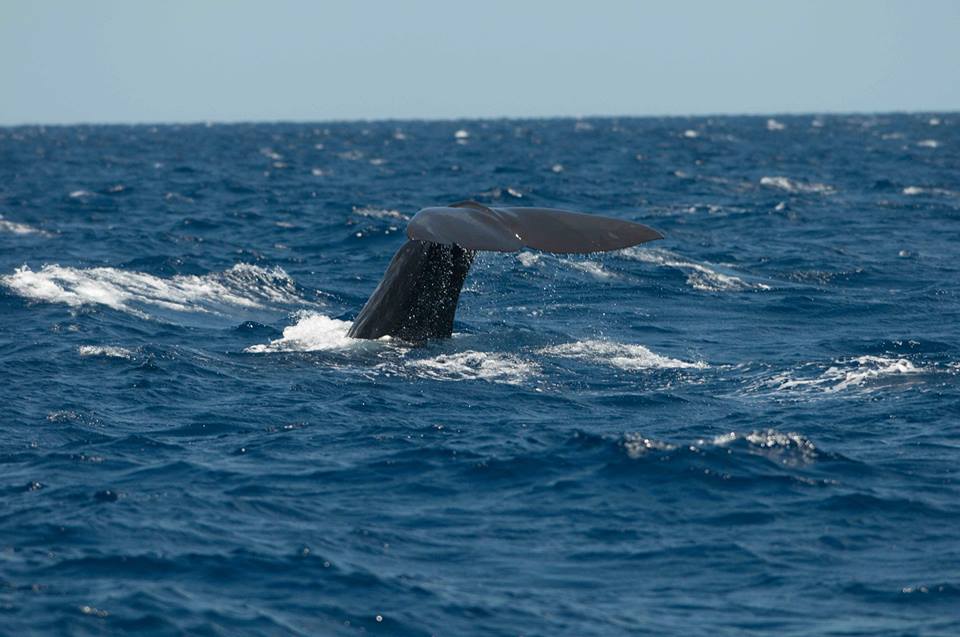
SPERM WHALE ‘TAILING’, ABACO (1 of 3 found yesterday using acoustic tracking)374338_596998896986007_1736456956_n

DCB GBG Cover Logo dolphin

BMMRO CHART OF CETACEAN SIGHTINGS FOR MARCH 2013

Of special note are the big whales – 3 sperm whales, and a humpback whale reported close to Cherokee.
BMMRO SIGHTINGS March 2013

Sperm whales. Humpbacks. How big are they? This useful chart shows the average lengths of various whales. I grabbed it off the internet a while ago, but regrettably forgot to mark the source. So, apologies to the originator for using it uncredited, a cyber-sin I try to avoid.what-largest-whale-cetacea-size-comparison-chart-590x338

Finally, the BMMRO’s latest 4-page Newsletter contains a wealth of information about their current activities, some great pictures, and even a quiz – check out BMMRO NEWSLETTER_Apr13

Click logo to linkbmmro_logo

Unknown's avatar

BEAUTIFUL DAMSELS: BAHAMAS REEF FISH (9)


Cocoa_damselfish

BEAUTIFUL DAMSELS: BAHAMAS REEF FISH (9)

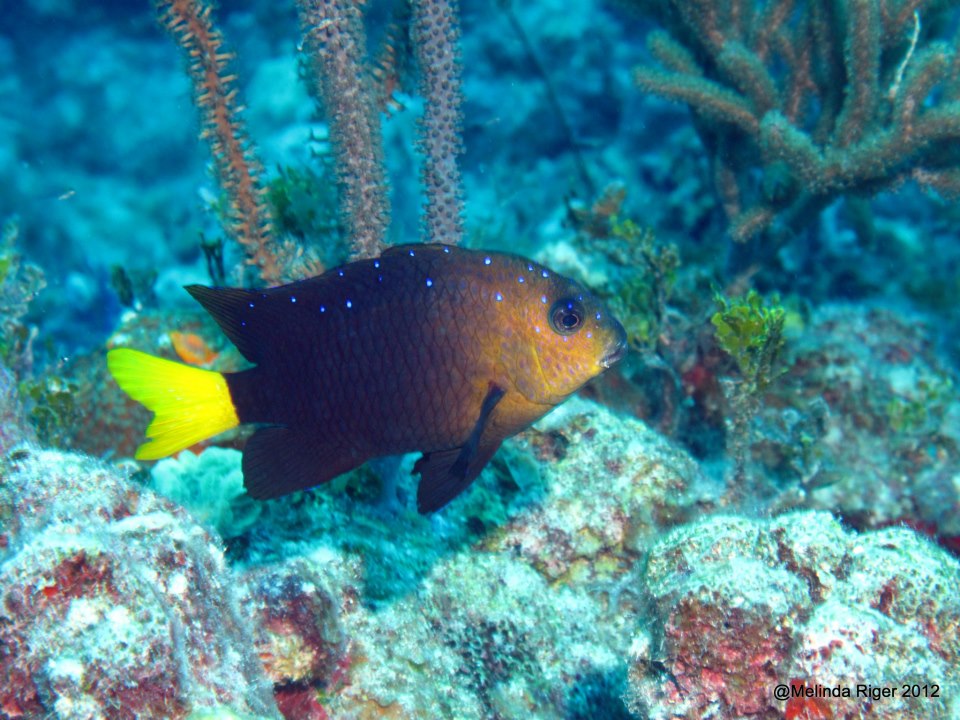
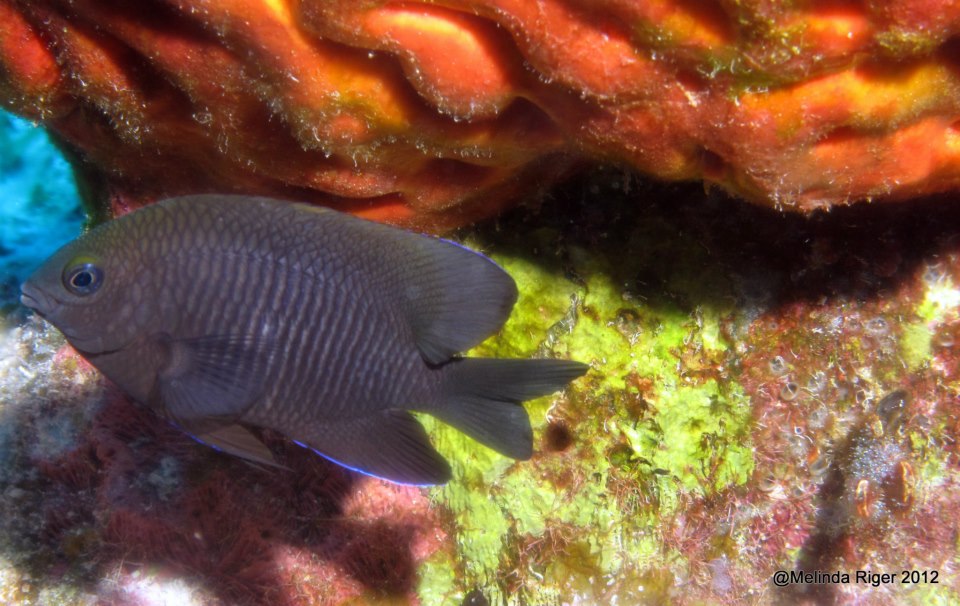
YELLOWTAIL DAMSELFISHBICOLOR DAMSELFISHBicolor Damsel ©Melinda Riger @ G B ScubaCOCOA DAMSELFISHJuvenile Cocoa DamelfishTHREE-SPOT DAMSELFISH (JUV)

THREE-SPOT DAMSELFISHPhoto credits: Melinda Riger @ Grand Bahama Scuba (except header image – Wiki-cheers)

Unknown's avatar

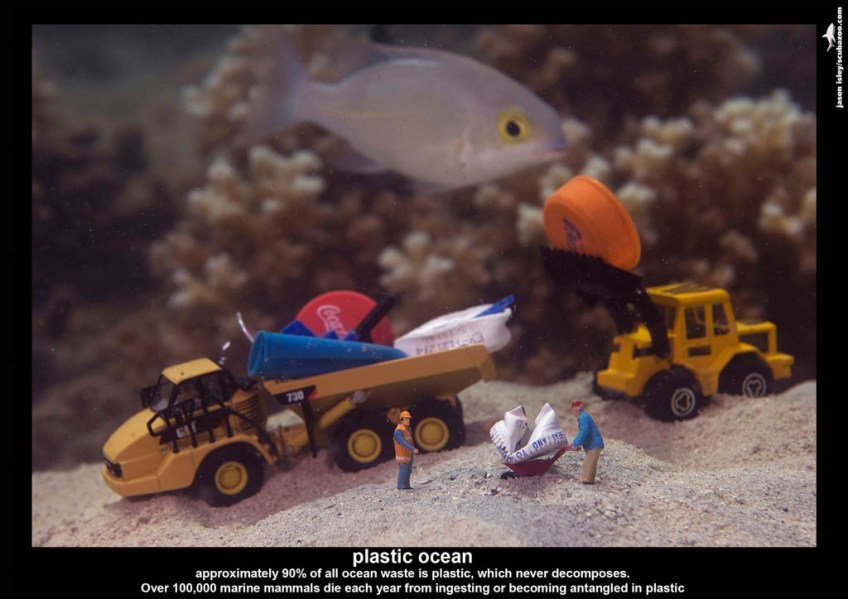
‘MEN AT WORK’: CLEANING UP MAN’S DEBRIS IN THE OCEAN


bird1

‘MEN AT WORK’: CLEANING UP MAN’S DEBRIS IN THE OCEAN

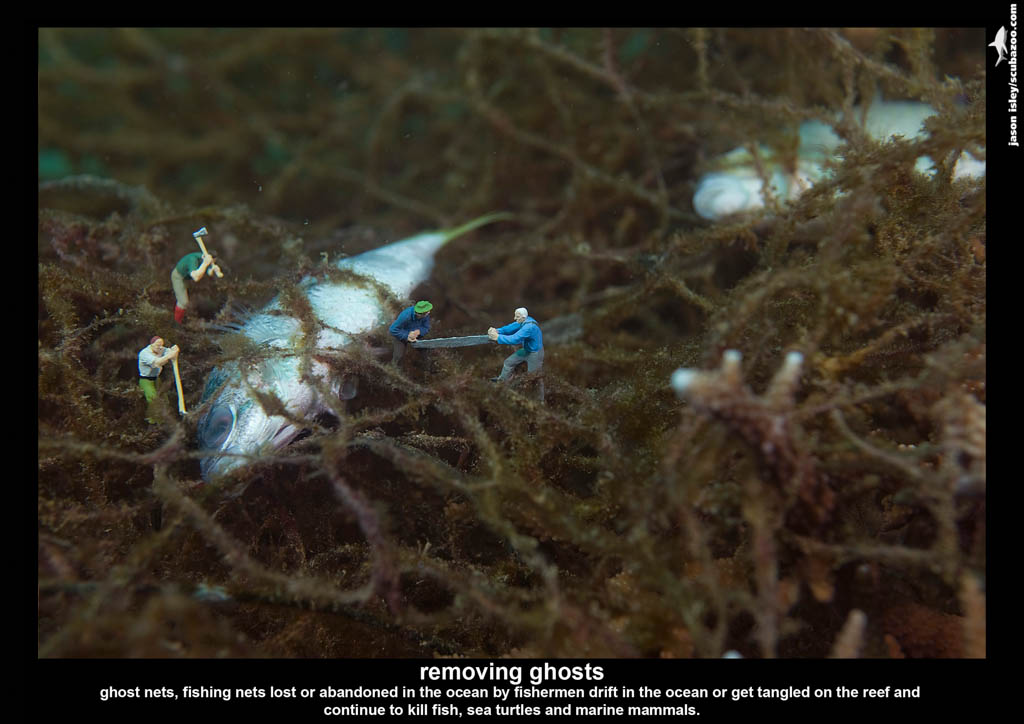
I keep an eye on the website SCUBAZOO. As ever, the alert ABACO SCIENTIST (highly recommended to follow) has beaten me to this latest post from Jason Isley, diver / photographer and creative thinker. He demonstrates the wonders and (human) blunders of the deep with wit and style. In the gallery below, he tackles the issue of man’s pollution of pristine waters. In a simple way, he manages to use humour to get across a message  that can easily become obscured by lengthy sermonising. See what you think.            

Pollution01Pollution02Pollution04Pollution03pollution06pollution05

Unknown's avatar

‘UNDERWATER BUTTERFLIES’: BAHAMAS REEF FISH (8)


Spotfin Butterfly Fish

UNDERWATER BUTTERFLIES: BAHAMAS REEF FISH (8)

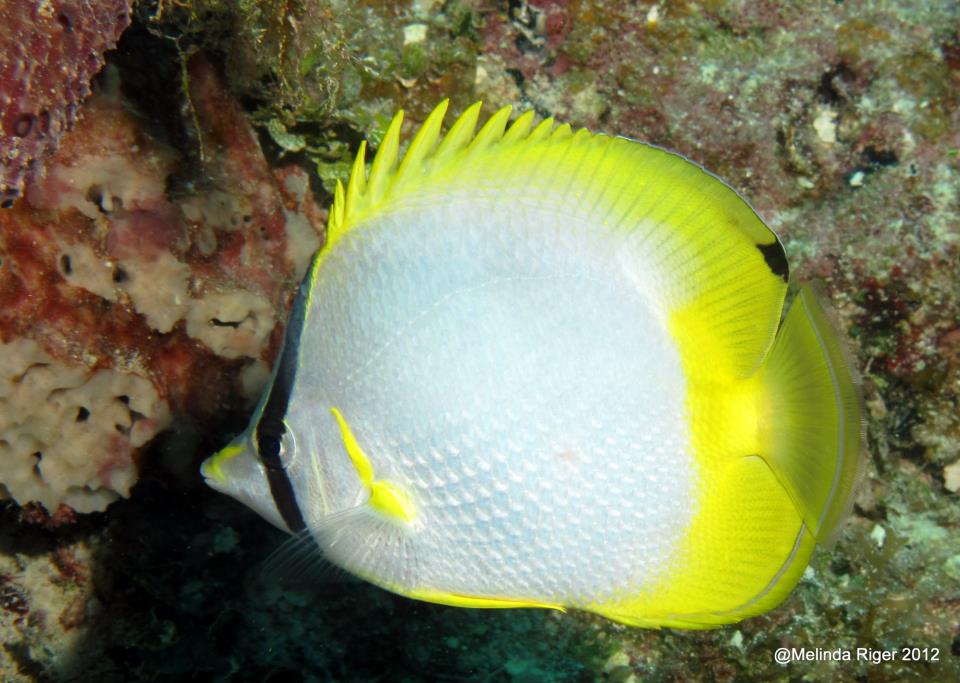
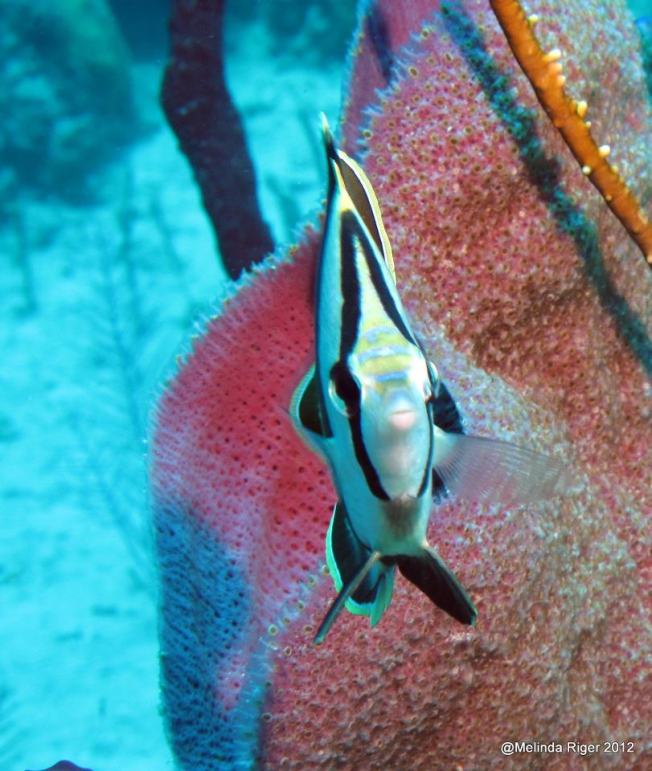
Butterflyfishes (Chaetodontidae) belong to a large worldwide family of small, colourful reef fishes. There are several sorts to be found in the Bahamas, of which 4 are shown below. These creatures resemble small angel fishes, and are invariably vividly coloured, strikingly patterned, or in many cases, both. Apart from that, the most interesting fact about them is that their species name  Chaetodontidae derives from a Greek compound noun meaning ‘hair tooth’. This unsettling description relates to the rows of tiny, fine filament-like teeth inside their protuberant mouths. If I ever get a photo of a butterflyfish showing its teeth while feeding or yawning, I will add it here…

FOUR-EYED BUTTERFLYFISHFour-eyed Butterflyfish ©Melinda Riger @GBS

REEF BUTTERFLYFISH

Reef Butterfly Fish ©Melinda Riger GB ScubaReef Butterflyfish ©Melinda Riger @ GB Scuba

SPOTFIN BUTTERFLYFISHSpotfin Butterfly Fish 2

BANDED BUTTERFLYFISH

Banded Butterflyfish ©Melinda Riger @GBSPhoto Credit: Melinda Riger, Grand Bahama Scuba

Unknown's avatar

‘BEAUTY & THE BEACH’: A CLOSE LOOK AT ABACO SHELLS


Abaco seashell 11

‘BEAUTY & THE BEACH’: A CLOSE LOOK AT SOME ABACO SHELLS

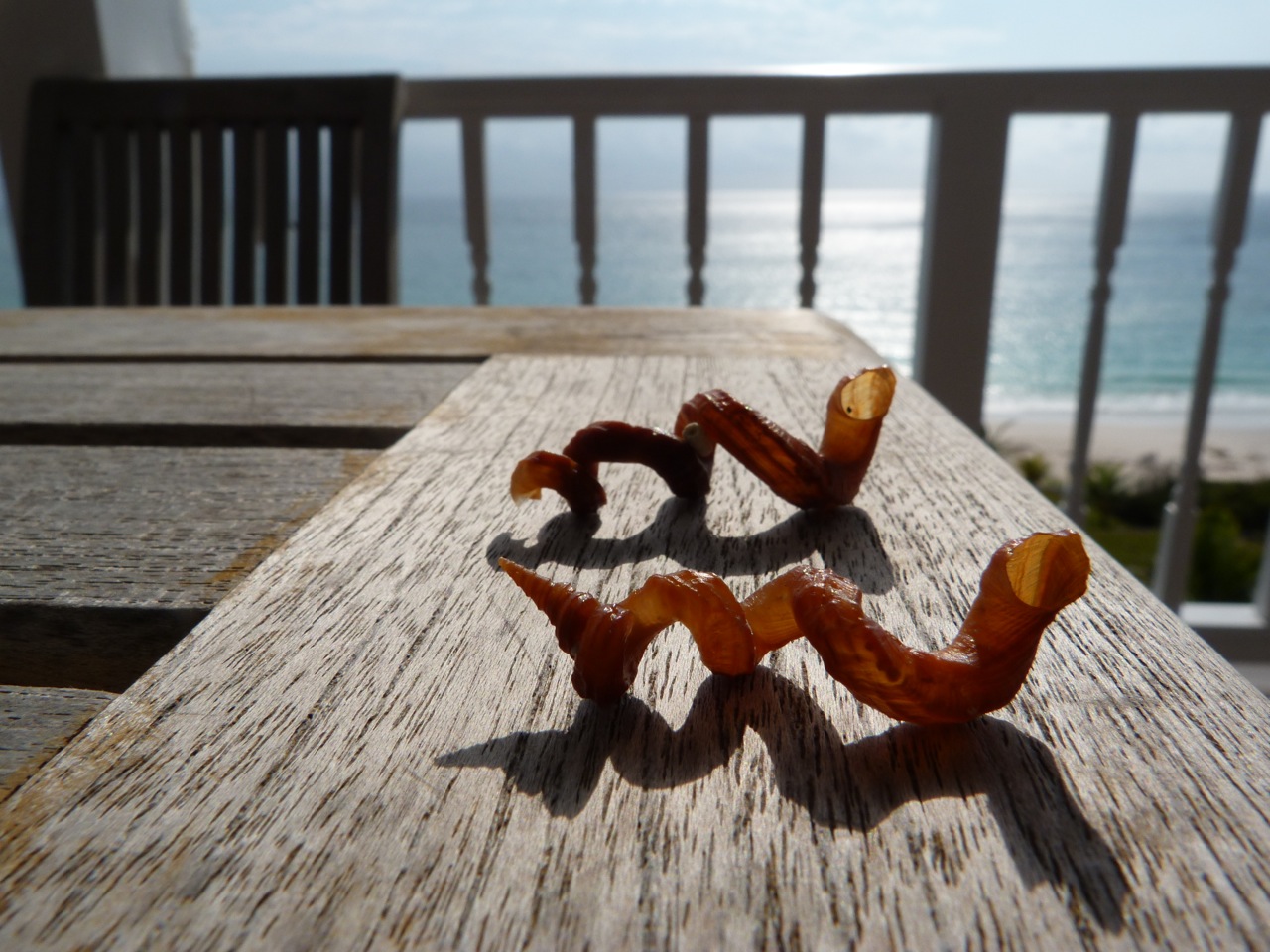
Abaco seashell 10Abaco seashell 7bAbaco seashell 6bAbaco seashell 3bAbaco seashell 2bAbaco seashell 1bAbaco seashell 4bAbaco Shells 12bAbaco seashell 5bAnd to end with, not a shell but a somewhat unattractive head shot…Abaco seashell 9b

BEAUTY PARADE

Abaco seashell 7aAbaco seashell 6aAbaco seashell 3aAbaco seashell 4aAbaco Shells 12 aAbaco seashell 5a

UGLY BUG BALL…

Can anyone ID this? It’s not what I thought… *later* yes they can! See comments for the debateAbaco seashell 9b

Skull 2

All shells – & the spider crab carapace – collected from the beach at Casuarina

Unknown's avatar

“ROCK & ROLLING WAVES”: ROCK EROSION ON ABACO


Rock Erosion Gilpin Point 3

“ROCK & ROLLING WAVES”: ROCK EROSION ON ABACO

On 26th October 2012, the ‘roof’ of the geological feature at the southern tip of Abaco known for centuries as Hole-in-the-Wall was blasted apart by Hurricane Sandy. The combination of huge waves and powerful winds proved too much for a structure that had existed since the last ice age. I posted in detail about this event last year HERE so now I will concentrate on some geological aspects.

The photo below shows the Hole a year or so before its destruction. At the left-hand end of the bridge there is a paler area underneath where limestone rock had recently fallen into the sea, suggesting an underlying instability. At close quarters there were plenty of cracks in the apparently solid structure. (I’ve no idea why I didn’t straighten the image. Let’s say… Artistic Perspective)hole-in-the-wall-abaco-ricky-johnson

This photo was taken a few days after the collapse, the first to be published of the new view. The clean white rock at either end of the ex-bridge is clearly visible. The section on the left became a new islet at the southern extremity Abaco, separated from the mainland for the first time in history. I proposed various names for it (not all serious) – Sandy Cay (or Isle) was the clear, indeed obvious, winner…

Hole-in-the-Wall Abaco- the new gap Nov 2012

This close-up of the south side of the bridge shows the detail of the rock fragmentation. Tara’s photographs are (as far as I know) the very first of the new gap and of Abaco’s new islet, predating John Haestad’s by a day.HOLE-IN-THE-WALL ABACO post Sandy 3

◊  ◊  ◊  ◊  ◊  ◊  ◊  ◊  ◊  ◊  ◊

We recently went to a beach near Crossing Rocks that we had never explored before (plenty of interest there for later posts). We were struck by the fragmented and pitted nature of the limestone rocks on the shoreline. We noticed some pale exposed rock surfaces, similar to those at Hole-in-the-Wall. We watched the incoming waves scouring and undercutting the rocks, leaving overhangs (see video below). Erosion is increased by the double action of the waves. The immediate area hinted that there may even have been a very small Hole at one time. On the day we were there, the sea was gentle. It’s easy to imagine how the hugely destructive force of the wind and crashing waves resulting from hurricanes such as Sandy can eventually shatter solid rock that has been gradually eroded and destabilised over centuries by wave action.Rock Erosion Gilpin Point 1 copyRock Erosion Gilpin Point 2 copy

Photo credits as shown / RH. You have Mrs RH to thank for a shorter (50 secs) video than the one I originally made (75 secs). Now I’ve redone the thing, I agree – one wave does look very like the next… 

ADDENDUM Just remembered that I took an aerial photo of HitW from the plane the other day. It’s a phone photo through BahamasAir window glass, and I’ve had to tweak it a bit. It shows the relevant area…all the blurry dark stuff is part the pine forest of the National Park 

Image - Version 2

ADDENDUM 2 In response to a comment about the power of hurricanes, here is an image I have posted previously of a large rock some way out from the Delphi beach. Before Hurricane Irene in 2011, it was a solid rectangular slab. This is what it was like after Irene had moved on northwards  Delphi Blasted Rock

Unknown's avatar

BABY BONEFISH, CASUARINA, ABACO HIDING IN PLAIN SIGHT…


Casuarina Bay (to south)

BABY BONEFISH, CASUARINA, ABACO: HIDING IN PLAIN SIGHT…

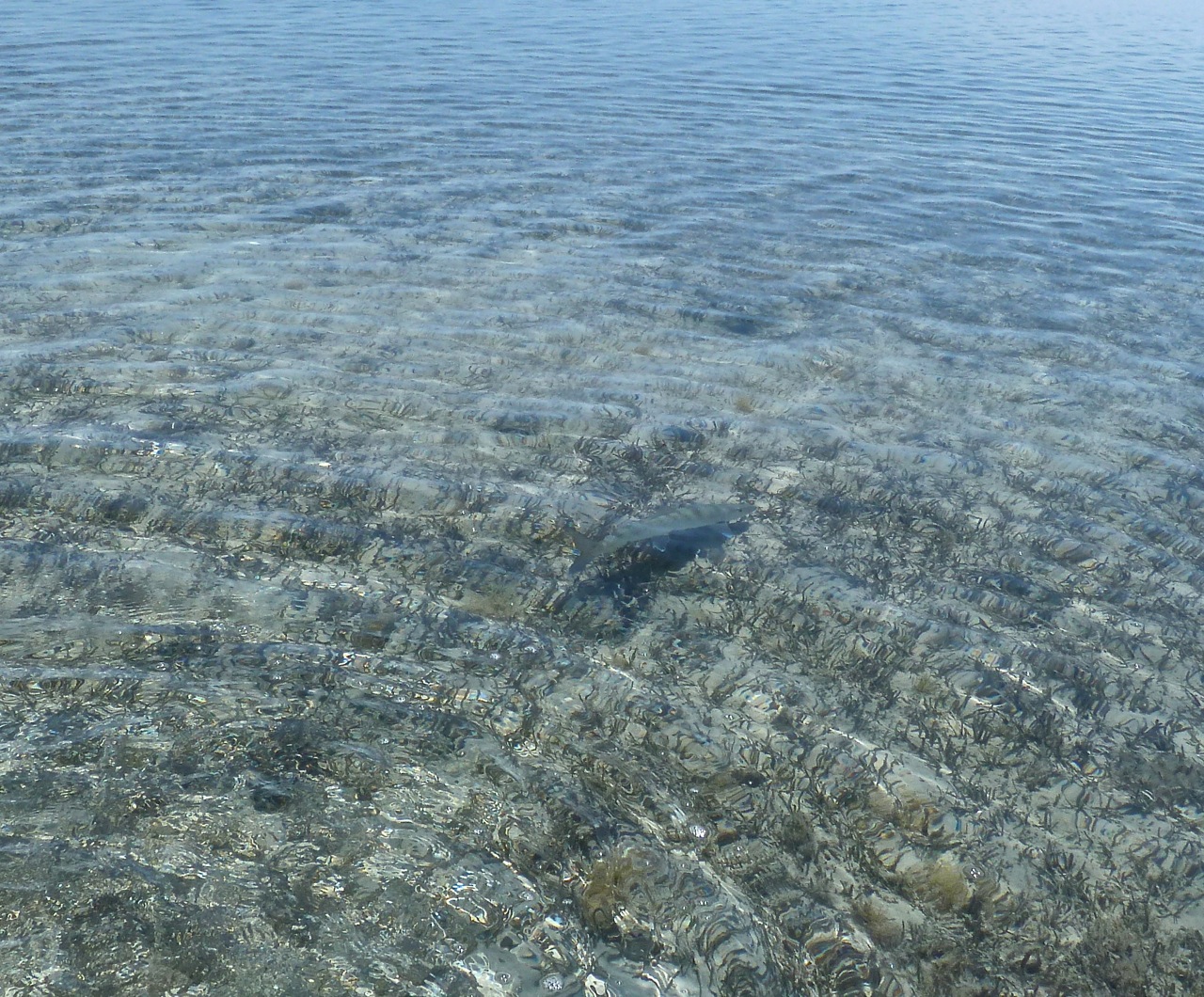
Bonefish are difficult to see in the water at the best of times. Shining silver out of water, but pale grey shadows underwater. Fishing under cloud cover and / or (especially ‘and’) when there’s a ripple on the water can be atritional. Sight-casting becomes impossible, and the best recourse is to locate the cloudy patches of water that show where the fish are feeding on the bottom. Chucking the fly into – or beyond – one of these and stripping back may be the only way to get a fish in such adverse conditions. What’s needed is clear sky, sunlight, good polaroids, patience, and keen eyes to scan the water for dark shadows moving across the sand… Or, in my case, simply waiting for the guide to hiss “Hey! Rolling Harbour. Three fish, 40 feet, 10 o’clock moving right, see them? Go now!”. By then, there’s a 50 / 50 chance I may have located them and got my act together enough to (try to) cast at them…

This picture of an adult fish, just caught on the Marls and released at once, shows how a bonefish can easily blend in with its underwater surroundings… but it can’t hide the dark shadow it casts.Adult Bonefish, The Marls, Abaco Bahamas

Two days later we went to Casuarina with friends who wanted a day’s wading on the extensive flats there. This photo shows a juvenile fish close to the beach there, on a glorious sunny day with a light breeze (the header picture [double-click] was taken the same day – low water over pale sand as far as the eye can see). I’d never have noticed this little fish, had I not seen the dark shadow it cast on the sand, magnified by the distorting effect of the ripples.

Without the distortion from surface ripples, the bonefish shape can be clearly seen. It’s hard to imagine that by the time this little fish has reached a weight of 2 lbs, he will be capable of stripping your line down to the backing in seconds… or could he?

No, not, in fact. This fish, with its deeply forked ‘bonefish’ tail, is in fact a YELLOWFIN MOJARRA also known as shad. As Zach Zuckerman of the CAPE ELEUTHERA INSTITUTE writes in kindly emphasising that the fish above is not a bonefish, “the yellowfin mojarra… is related to the mottled mojarra mentioned in Chris Haak’s text (see below). Yellowfin mojarra and bones share the same habitats, and mojarra also feed off of benthic invertebrates”. Which brings me to some interesting recent findings by the CAPE ELEUTHERA INSTITUTE in conjunction with thBONEFISH & TARPON TRUST. We saw a single small fish. It looked like a bonefish (though I guess the yellow fin markings suggested otherwise). It was in fact a similar-looking species. Where are all the young bones? The babies? How do they protect themselves from the many predators of juvenile fish?

EVER WONDER WHY YOU DON’T SEE SCHOOLS OF TINY BONEFISH ON THE FLATS?

Article ref: blog.ceibahamas.org

“Since May 2011, Christopher Haak, a PhD student (and avid fisherman) at the University of Massachusetts, Amherst, along with other scientists, has been trying to solve the mystery of where juvenile bonefish live, from settlement through the time they join adult populations on the flats.  Exhaustive efforts to locate juveniles along the densely-developed coastlines of Florida were met with little success, leading researchers to the comparatively pristine shorelines of The Bahamas to continue their search.

For the past one-and-a-half years, they have scoured the coastlines of South Eleuthera, conducting 1000+ seine hauls, encompassing a broad range of coastal habitats. This project is funded by Bonefish & Tarpon Trust and based out of CEI.   These efforts (with the help of South-Eleutherans; thanks Denny and Kelsey Rankin!) have succeeded in locating over 800 juvenile bonefish as small as one inch in length, and have revealed some intriguing trends.  For example, contrary to what might be expected, juvenile bonefish do not appear to frequent the mangrove creek systems or expansive tidal flats commonly used by adults, preferring instead to remain along shallow, sheltered shorelines near deeper basins or channels.”

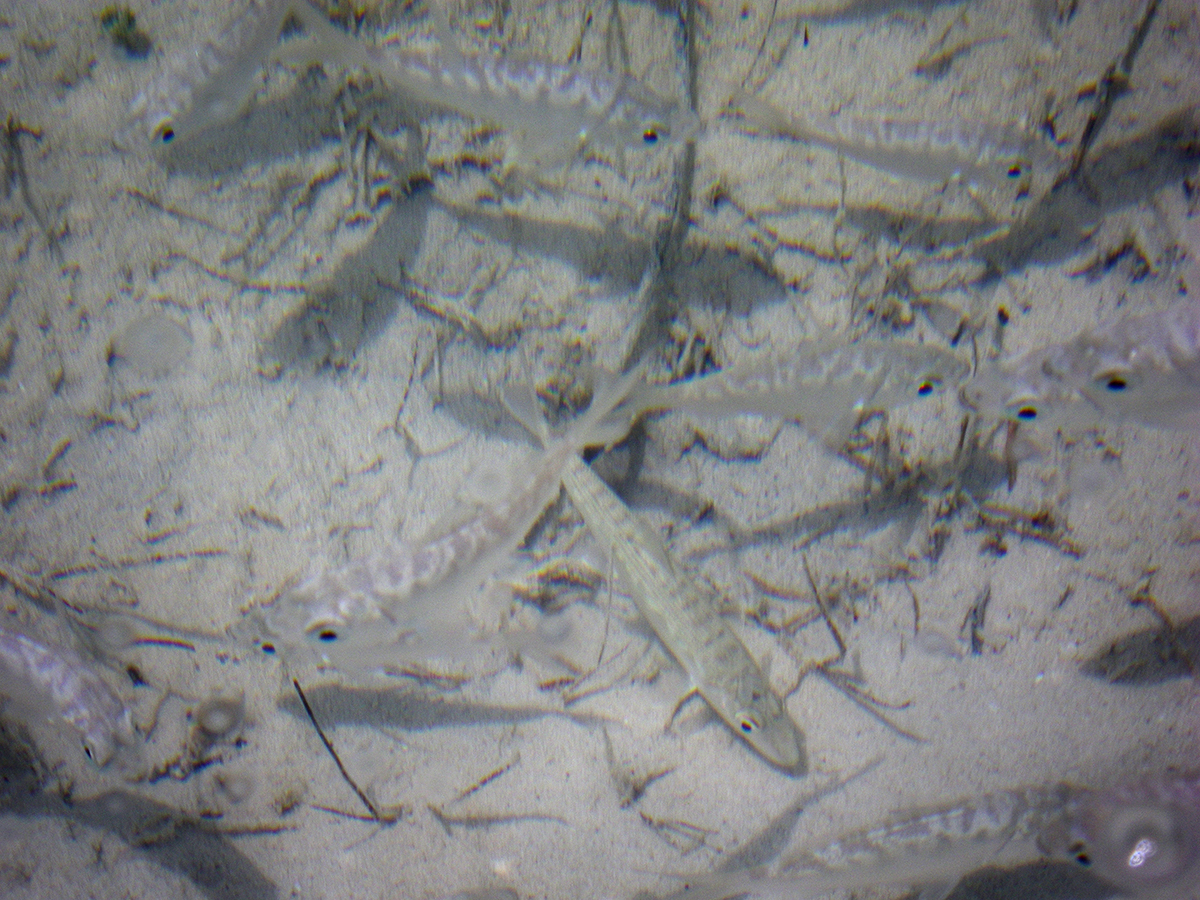
Can you find the juvenile bonefish among the mojarra in the picture below?

“Perhaps the most remarkable finding to date is that nearly every bonefish collected was in the company of much greater numbers of like-sized mojarras (a common schooling baitfish known to Bahamians as shad).  These juvenile bonefish exhibited markings and coloration not apparent in adult bonefish, but very similar to the mojarras with which they were caught.  By blending in with considerably greater numbers of the model species, the mimics may be reducing their predation risk, and increasing their chances of survival.  In the case of bonefish, this hypothesis would also explain why juveniles are so rarely observed; they are well hidden within schools of mojarras!  From a conservation perspective, this suggests that bonefish populations may be dependent upon healthy mojarra populations, important information for resource managers.

This research is also producing valuable information about the diverse juvenile fish communities that inhabit Eleuthera’s shores.  Myriad seine hauls of the island’s beaches, bays, sounds, and creeks have catalogued juvenile fishes from a wide array of species, including other flats inhabitants like permit, reef fish such as parrotfish, jacks, and wrasses, and some very unusual demersal critters such as shortnose batfish.  The high densities and diversity of juvenile fishes revealed by this study serves to highlight the importance of these nearshore habitats to healthy adult fish populations of all kinds, underscoring the need to preserve and care for our coastlines.”

ADDENDUM With thanks to Aaron Adams of the BONEFISH & TARPON TROUT for use permission, here is a great size indicator for baby bonefish, taken by him some years back in connection with a juvenile bonefish project.juvbonefish

CEI LOGO logo

Unknown's avatar

CRAB RUN – THE MOVIE (LOCATION: DELPHI CLUB BEACH, ABACO)


Crab, Delphi Club Beach, Abaco

CRAB RUN – THE MOVIE (LOCATION: DELPHI CLUB BEACH, ABACO)

‘ROLLING HARBOUR MOVIES’ PROUDLY PRESENTS

(Music: Chet Atkins ‘Yakkety Axe’, aka The Benny Hill Show Theme)

Unknown's avatar

BOTTLENOSE DOPHINS (VIDEO) & BMMRO ABACO CETACEAN SIGHTINGS


safe_image.php

BOTTLENOSE DOPHINS (VIDEO) & BMMRO ABACO CETACEAN SIGHTINGS

The legendary CONCH SALAD TV is a great resource for Bahamas wildlife and way-of-life enlightenment. Their instructive videos are very well put together, and cover Nature, Marine, Art, Science, Music, Culture, Cooking, and broader Bahamas issues. The video below is 9 minutes of Bottlenose Dolphin action, and is recommended for relaxation, gentle instruction, and Kalik-swigging accompaniment…

BMMRO Whale Camp Dolphin Image FV

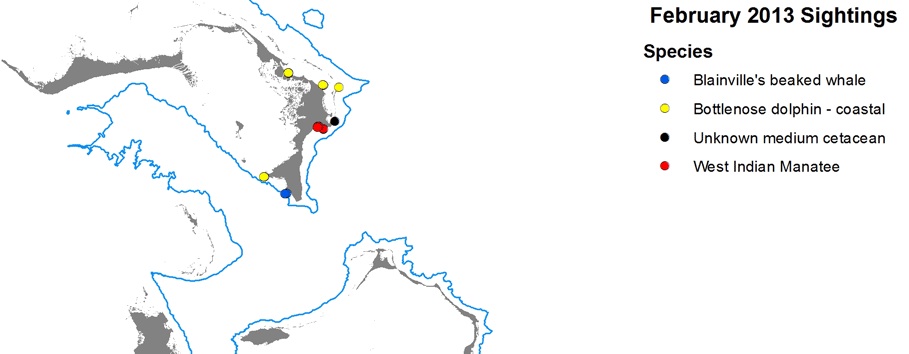
It time to catch up with last month’s Cetacean sightings around Abaco. The Manatee reports are of Georgie in the Cherokee area – alas no longer resident on Abaco but safely at Atlantis where she is being cared for. To know more about the Blainville’s beaked whale on Abaco, click HEREBMMRO sightings 2013

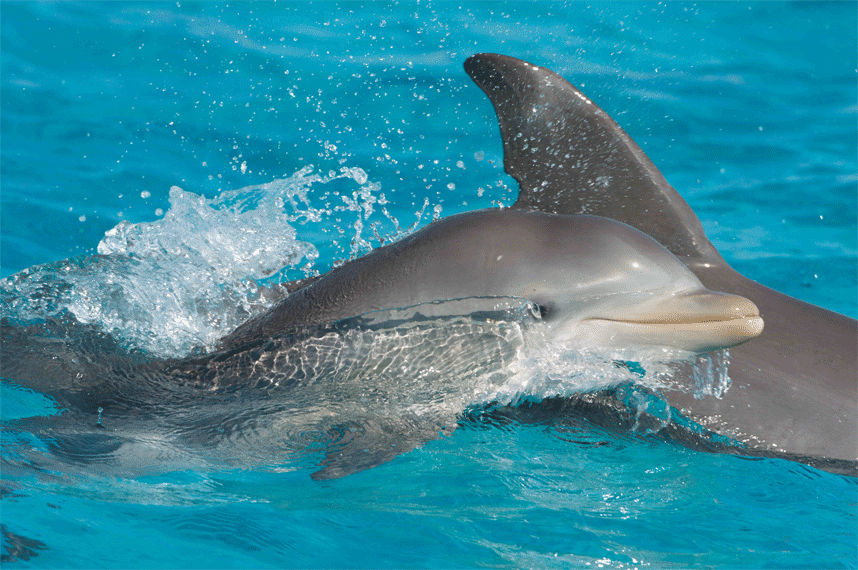
stop pres gif BMMRO’s executive director DIANE CLARIDGE has been awarded her PhD by St Andrews University for her research on beaked whales.  Dr Claridge’s new status is celebrated by humans and cetaceans alike (see image ©BMMRO below…)Bottlenose Dolphins Abaco ©BMMRO

mantsw~1

Unknown's avatar

MASTERS OF UNDERWATER CAMOUFLAGE: BAHAMAS REEF FISH (7)


BAHAMAS MASTERS OF UNDERWATER CAMOUFLAGE

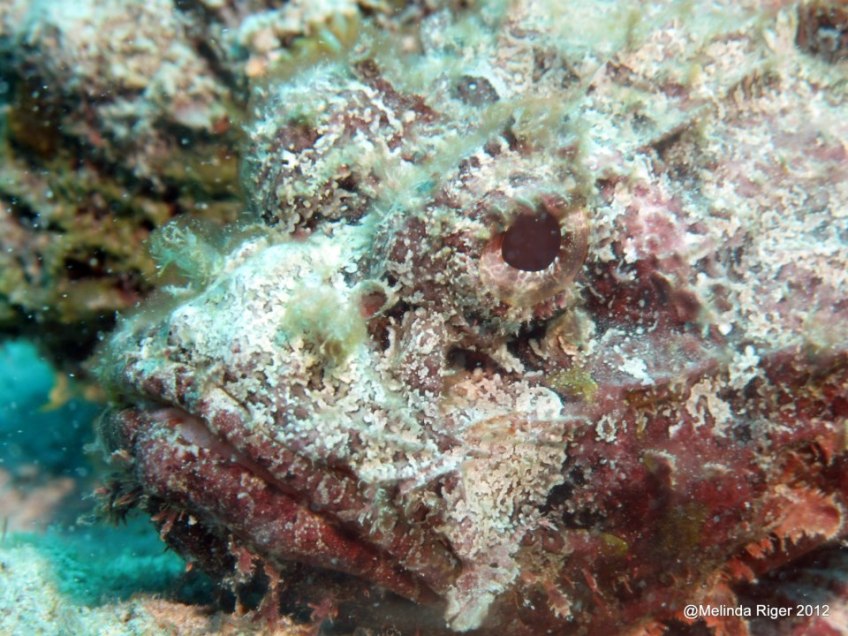
SCORPIONFISHScorpionfish camouflaged against coral ©Melinda RigerScorpionfish Close-up ©Melinda Riger @GBS

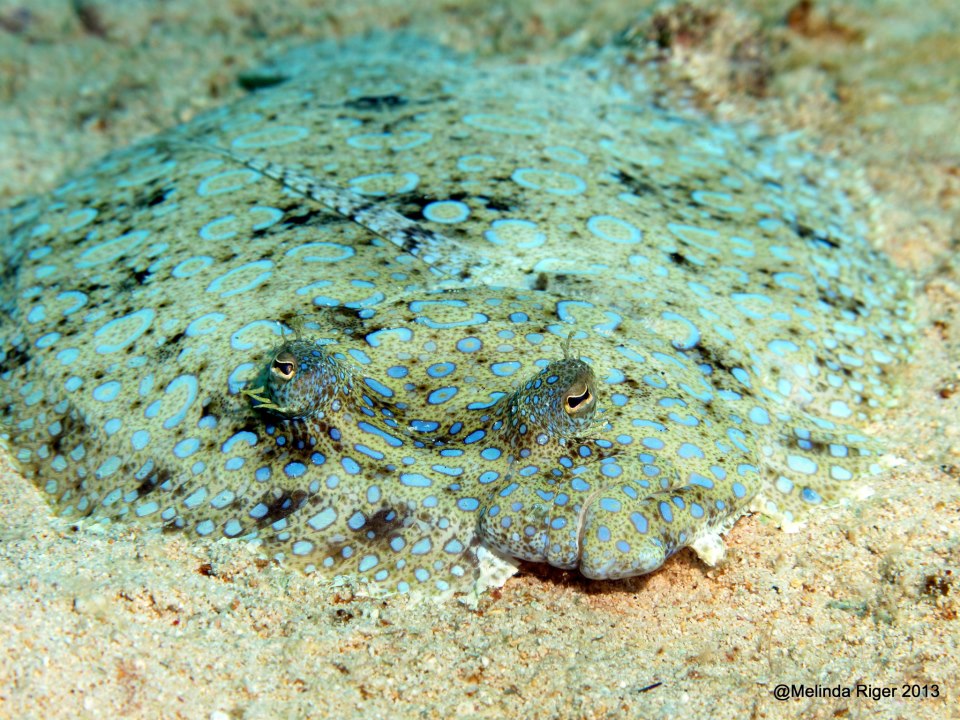
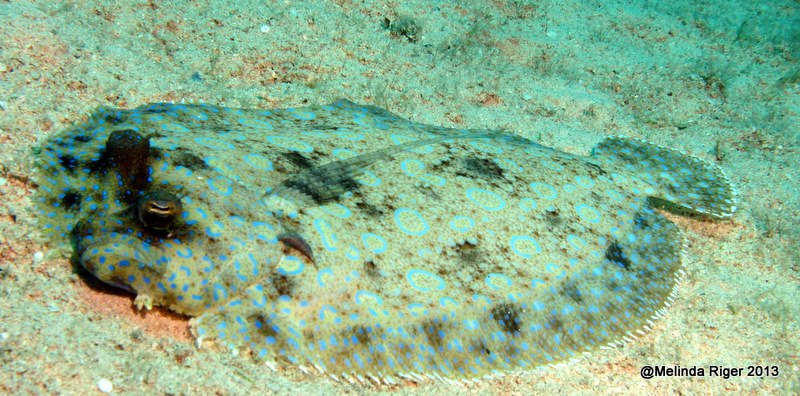
PEACOCK FLOUNDER or PLATE FISH Bothus lunatusPeacock Flounder Peacock FlounderPeacock Flounder ©Melinda Riger @ GB ScubaPhotos: Melinda at Grand Bahama Scuba

This is my last post until next week, when apparently we can expect a snowy welcome. Hmmmm. Plenty of new material for kind followers – both of you..

20130321-075611.jpg

DELPHI DAWN

Unknown's avatar

MANGROVE JELLYFISH: AN UPSIDE-DOWN UNDERWATER LIFE


250px-Fkeysmacro

MANGROVE JELLYFISH: AN UPSIDE-DOWN UNDERWATER LIFE

220px-Status_iucn3.1_LC.svg

Production still from the television series BAHAMA BLUE © 2014 Parallax FIlm Productions Inc.

             Production still from the television series BAHAMA BLUE © 2014 Parallax FIlm Productions Inc.

The Mangrove Jellyfish Cassiopea, also called the ‘upside-down jellyfish’ for reasons I needn’t dwell on, is the only member of its particular jellyfish family. These creatures prefer warm waters, and typically live upside-down on the sea-bottom, which no doubt makes catching prey very simple. They can be found individually, though more likely in large groups, with individuals displaying different shades and colours.

NEW An excellent video by Melinda Riger of Grand Bahama Scuba

The Mangrove Jellyfish has one of the milder stings of the numerous species, though human reactions to the sting will vary with the individual. A greater problem may come from swimming around or over a mass of these creatures. Their stinging cells are excreted in a transparent mucus which may invisibly cover the unwary swimmer. Apart from skin-irritation and a rash, the stings are apparently very itchy. My guess is that scratching can only make things worse (cf No-see-ums…). The first of the two videos below was taken recently by Sarah Bedard (to whom thanks) who “found a great tidal pool full of them at the end of Rock Point Road, Treasure Cay (Abaco)”. The second is short, but with some amazing footage of the Jellyfish in action.

Unknown's avatar

PARROTFISH: COLOURFUL CORAL CHARACTERS BAHAMAS REEF FISH (6)


Stoplight Parrotfish ©RH

BAHAMAS REEF FISH (6) PARROTFISH: COLOURFUL CORAL CHARACTERS

The term ‘PARROTFISH’ comprises many related species (80) around the world  inhabiting shallow tropical and subtropical waters.  They are commonly found in coral reefs and seagrass beds, and along rocky coasts. They play a significant role in BIOEROSION. Here are some examples of 5 of this species that inhabit the waters of the Northern Bahamas

BLUE PARROTFISHBlue Parrotfish copy 2

PARROTFISH FACTS TO ASTOUND AND IMPRESS YOUR FRIENDS WITH

A. FEEDING HABITS

1. Named for their dental arrangements – a mouthful of teeth, forming the characteristic ‘beak’

2. Primarily herbivore but not above snacking on small creatures / organisms or even molluscs

3. Their teeth grow continuously, replacing ones worn away by feeding on coral

4. As they feed on algae etc, their teeth grind up the coral, which they  ingest

5. Then (get this!) they digest it and excrete it as sand… it’s a component of your favourite beach!

6. “One parrotfish can produce 90 kilograms (200 lb) of sand each year”. Wiki says so – it must be true

7. They are a vital species in preventing algae from choking coral

PRINCESS PARROTFISHPrincess ParrotfishQUEEN PARROTFISH (initial phase)

B. PERSONAL INFORMATION (theirs, I mean)

1. Some species secrete a protective mucous cocoon to sleep in or to conceal themselves from predators

2. A mucous substance also helps heal damage, repel parasites, & protect them from UV light

3. As they develop, most species change colour significantly to become vivid adults – “polychromatism”

4. Some juveniles can change colour temporarily to mimic other species as a protection

5. Most are “sequential hermaphrodites”, turning from female to male (a few change vice versa)

6. They tend to hang out in groups of similarly-sized / -developed fish

7. Single males tend to have several lady friends, and aggressively defend their love rights

8. Parrotfish are PELAGIC SPAWNERS. Females release many tiny buoyant eggs into the water, which float freely and settle into the coral until they hatch

9. Unlike other fishes, they use their pectoral fins to propel themselves

10. Their feeding behaviour makes them unsuitable for marine aquariums

RAINBOW PARROTFISH& Royal Grammas

Anyone interested in getting more information about Parrotfishes – maybe about that whole female / male transformation thing? – is recommended to look at an article by Tim Smith of Miami University, Ohio entitled THE BAHAMAS: A CLOSER LOOK AT THE COLORFUL AND UNIQUE PARROTFISH Click on the P-word to get to it directly.

If you are pressed for time, here is the article conveniently digested into bullet points:

  • a superior competitor among herbivorous reef fishes
  • large, heavy scales in regular rows on head and body, with teeth fused together to form a beak-like jaw
  • unique pharyngeal dentition: upper interlocking pharyngeal bones located above the gills rest plush against the lower pharyngeal bone to form the pharyngeal mill (molar-like teeth in their throats) used to grind up the hard coral skeleton that contains microscopic algae
  • the crushed calcareous material travels through the fish’s digestive system and is voided on the reef as white coral sand
  • some fish will return to the same location to deposit this calcareous powder resulting in the formation of small hills over time
  • most parrotfish live on reefs from which they rarely wander far
  • rainbow parrotfish are thought to use the sun for navigation to travel from its nocturnal cave in deeper water to the shore to feed
  • all parrotfish uniquely use the pectoral fins located behind the gills for propulsion (not their caudal or tail fins)
  • in addition to scraping algae from substrate, some parrotfish browse on sea grasses
  • at night, each fish separates to search for a suitable place within the reef to sleep.
  • the large, thick scales of the parrotfish are strong enough to stop a spear in some species
  • the flesh is soft and spoils quickly, the parrotfish is not known as a food fish in the Bahamas
  • in Hawaii they are eaten raw and at one time were reserved for royalty
  • the blue parrotfish may carry ciguatera-producing toxins that result in illness when consumed
  • it’s high time for another picture or two

REDBAND PARROTFISH

Some more bullet points from Tim Smith’s article:

  • at night some species simply burrow into the sand
  • others secrete a filmy mucus cocoon in 30 minutes which masks its scent, affording the parrotfish protection from coral reef night predators such as sharks and moray eels.
  • the parrotfish has the ability to undergo sex reversal in which female fish become males
  • parrotfish born male remain male throughout their lives and are called primary males.
  • female born fish may change sex & color to become male – secondary males or referred to as supermales or terminal males.
  • some parrotfish are chameleon-like, changing their colors to match their surroundings.
  • parrotfish spawn throughout the year
  • there are 80 species of parrotfish
  • the vibrantly colored parrotfish plays a major role in maintaining the cycle of reef growth and erosion
  • “Do not be alarmed if you experience a sudden drift of sediment or hear the crunching sound of coral the next time you are snorkeling or diving along a coral reef in the Bahamas. It is just a parrotfish doing its job.”
  • I sense a stoplight is about to interrupt the proceedings… and here it is

STOPLIGHT PARROTFISH (adult and, below, juvenile form)Thanks to Melinda of Grand Bahama Scuba for her fantastic illustrative pics; the header is mine own

It’s possible that I won’t be quite as attentive with posts / replies to comments etc over the next couple of weeks or so. I’ve a few things in the pipeline, but it may depend on wifi access… I’m giving up trying to use an iPhone to post while on the move – fine for snaps, but not for anything more complicated. So apologies in advance, and like Arnie, I’m afraid I’ll be back…

Gone Fishin'Relax... at Lubbers Quarters

Unknown's avatar

HERRING GULLS (Larus smithsonianus) CLOSE ENCOUNTERS OF A PREFERRED KIND


Herring Gull Header

HERRING GULL Larus smithsonianus

The Herring Gull needs no introduction. So I won’t give it one. Instead, here are some close-ups of one that obligingly stayed still long enough, and at close enough range, to enable me to focus. The final two are possibly worth single- or double-clicking on to see the finer details. I prefer cooperative birds like this…

HERRING GULL IN FAMILIAR ‘BOAT POSE’Herring Gull 2Herring Gull 4Herring Gull 3Note the characteristic crossing of the black-and-white wing-tip feathers

HERRING GULL HEAD SHOTSHerring Gull 1Herring Gull 5All images ©RH; audio clip from the wonderful Xeno-canto archives