MARK’S BONEFISH FLIES (MARK 2): THE ABACO CHALLENGE, ROUND 2
Last March I took 6 bonefish flies specially tied by MARK MINSHULLout to Abaco to test on the Marls. They were lovely flies, tied with great skill by a man who can pull beautiful fly-caught fish out of the Thames. I tried them. Far better fishermen than me tried them. The result was a failure that can only be qualified by the word ‘complete’. Mark took the news very well, and promised to redesign some flies that might be more enticing this year. Here is his design report for the Mark 2 version that I received this morning. The links to the first experiment can be found at the end of this post.
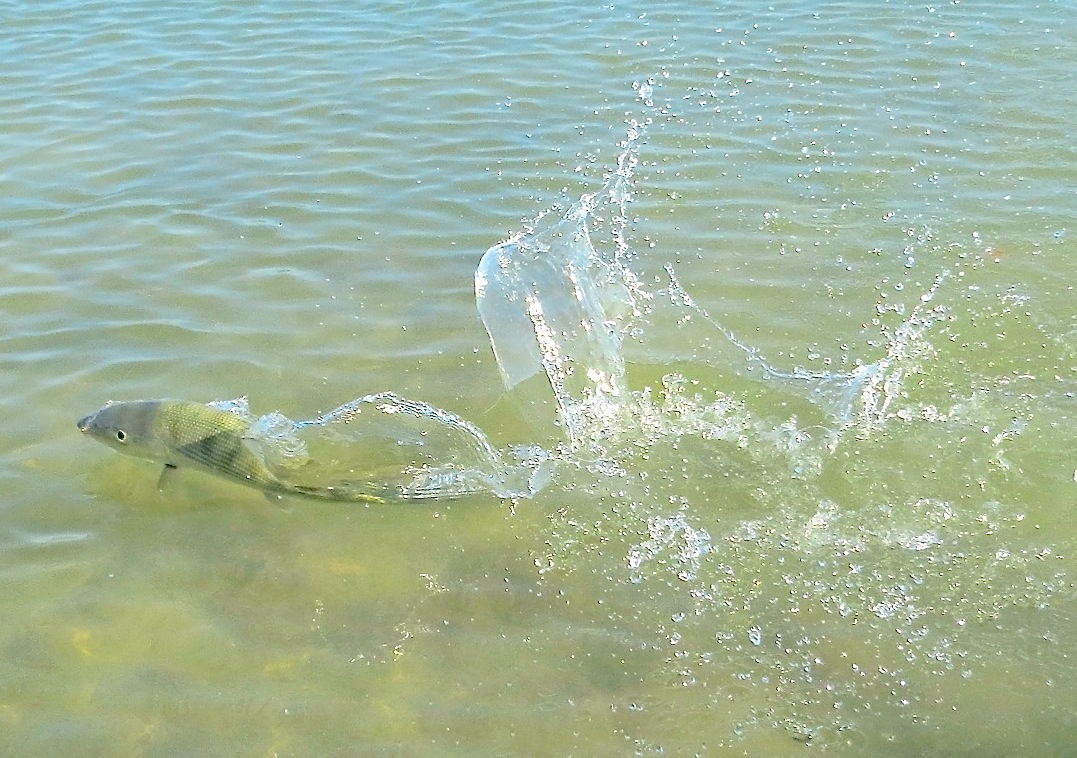
RH gets lucky with a Delphi Daddy…
JLM BONEFISH SPECIAL MARK 2
Those of you who may have read my previous posts about JLM Specials and Bonefish already know about RH (of Rolling Harbour fame) and his wonderfully generous spirit. He kindly field tested my original pattern with fantastically conclusive results in 2014! The beauty of designing fly patterns is that one can tweak every variable based on feedback received… The basic pattern still holds however the revised editions are a far cry from their predecessors:
The original JLM Specials
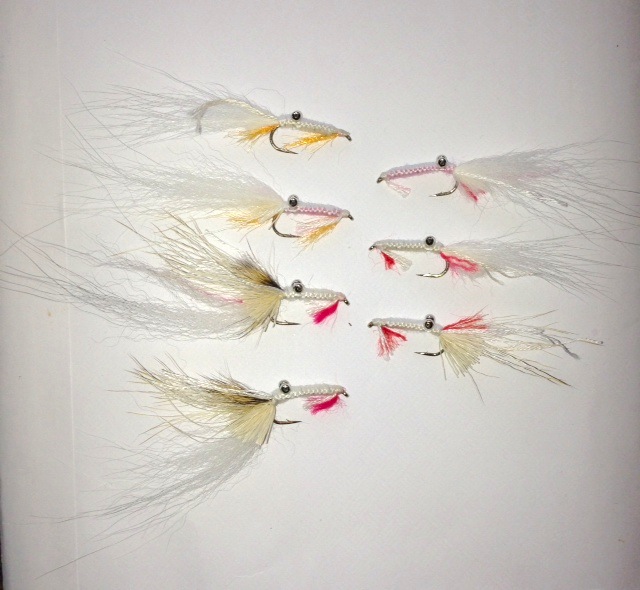
This afternoon I completed a set of adapted flies based on RH’s generous report from last time. White and pink, with small flashes of red or orange are my main ingredients and for the streamers, I used varying proportions of elk hair and/or Arctic fox fibres.
“Optimism is the faith that leads to achievement” – Helen Keller (photo – metiefly)
Thanks in advance to RH and his March 2015 test team!
I’ll keep you posted of the Outcome in due course. As always – thank you for reading and I look forward to your return.
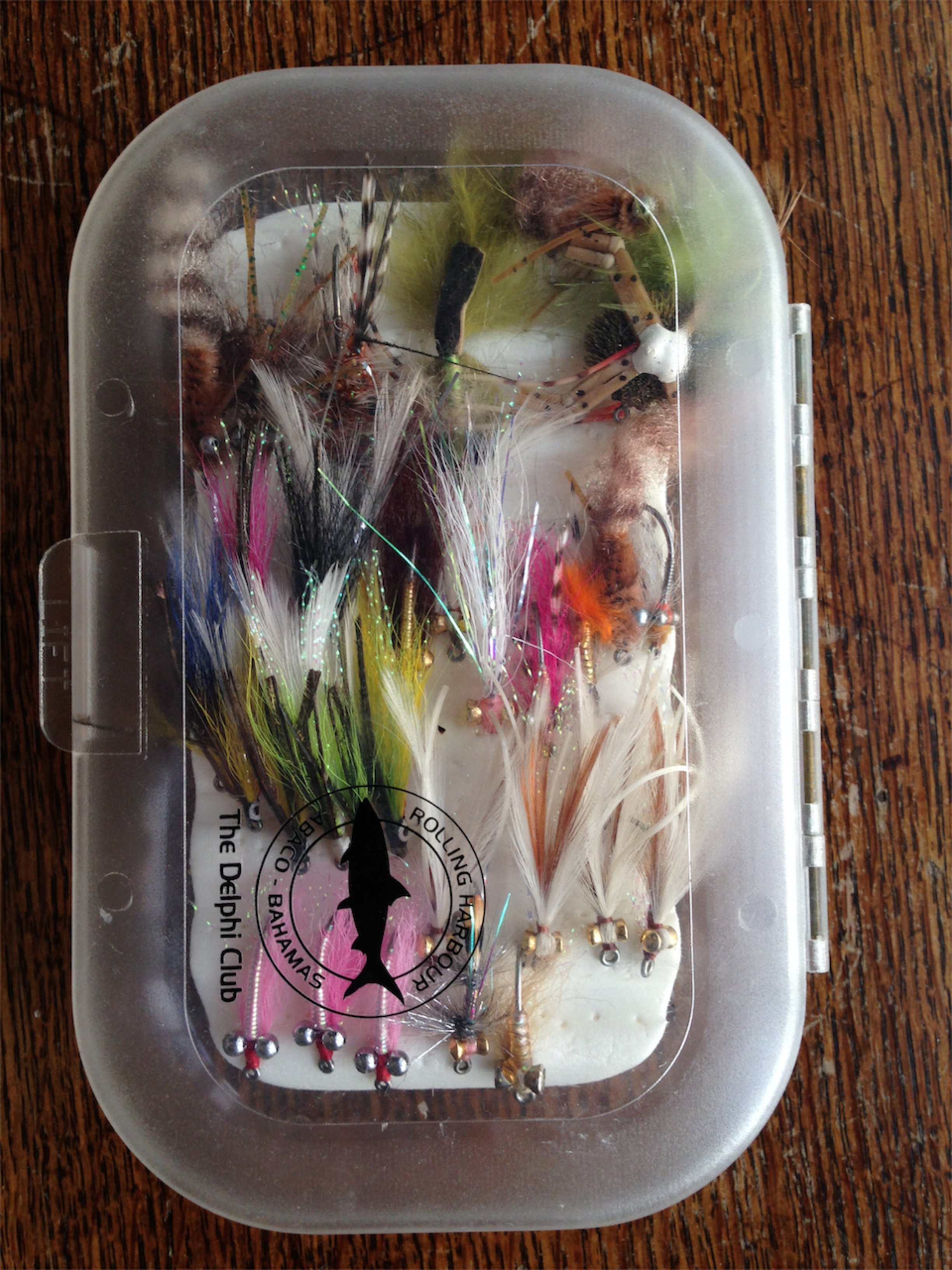
Here is my own photo of the new Mark 2 flies on a white background to show their subtle differences. I can see at once that I shall have to number them all and remember who is using which, so that the killer variation(s) can be identified… As you will notice, the craftsmanship is terrific. My bet would be on the skinnier ones being the most effective in clear water, but I fancy casting one of the hairier ones across a feeding cloud and dragging it back through the murky water… (which is the only way I’ve ever caught 6+ lb fish – yes, yes, I hear you, that’s pure luck and not skill at all).
Now I just have to sort out my fly box for next month’s escapades. Some things need to go to make some room – those appalling brown stripy ones for a start, which the guides have chortled at. Or, worse, stared at sadly… Oh, did I mention I also have the little tin with foam in… and that small green ‘Orvisman at Orvis’ fly box from Orvis™…
The Snowbee Stripping Glove has been thrown to the ground at my feet. The challenge is accepted!
THE 5 PRINCIPLES OF EARLY CATCH & RELEASE: A PRACTITIONER’S GUIDE
I am very keen on the principles of ‘Catch and Release’. So keen that I have developed my own specialist methods (designed for fishing with barbless hooks) using what might be termed ‘Early C&R’. These may include some or all of the following on any given day:
‘THE PHANTOM CATCH’ As the fish follows the fly, and the instant before it commits to a lunge for it, abruptly whisk the fly away from under its nose with a sharp reflex ‘trout-strike’. This will ensure that both the fish and your fly remain untroubled by actual contact. This is the most advanced form of Early C&R.
‘THE BIG MISSED TAKE’ As the fish takes your fly firmly in its mouth, become preoccupied by the fact that your left foot is planted firmly on a horrid tangle of line around your feet. You will feel the solid take, but instantly realise that your retrieve is hopelessly compromised. With some relief, you feel the line go slack as the fish shakes itself free…
‘THE REEL THING’ Hook the fish. Feel the weight on the end of the line. It’s heavy. Nice one! Turn in muted triumph to your boat partner to shout excitedly “Got One”. As you do so, allow the line somehow to snag round the rod handle and the reel simultaneously. Before you have even begun to figure how to sort this out, the fish will have released itself and be heading for the horizon.
‘THE STICKY SITUATION’ Hook the fish. Reel in confidently, keeping the line taut and the fish under your masterful control. Allow it to run if it wishes. Proceed with the same efficiency until you notice a single mangrove stem sticking out of the water 30 feet away. Using your skill, ensure that the fish suddenly has the chance to move to the other side of the stick, winding the leader or line (either will do) round it. Prepare for the ‘twang’ when the inevitable break occurs. Your fish is away.
‘THE MANGROVE SWAMP’ Hook a fish. Play it competently until the moment your boat partner or guide gives you some word of encouragement or (worse) praise. Immediately, permit the fish to make a fast break for the nearest clump of mangroves even if it is over 100 feet away. The consequent entanglement round the myriad stems will be sure to lose you the fish and your fly. NOTE: all third party encouragement will diminish after this form of EC&R. Praise will not be repeated.
Here is a good example of Method 4 ‘in the field’ so to speak. Note the promising push of bonefish parallel to the mangroves. Note also the fatal single mangrove shoot sticking between skiff and quarry. It’s really a foregone conclusion…
Finally, if you have ever wondered what you can catch in the Thames besides Weil’s disease and pneumonia, have a look at Mark’s sea trout and the fly he took it with…
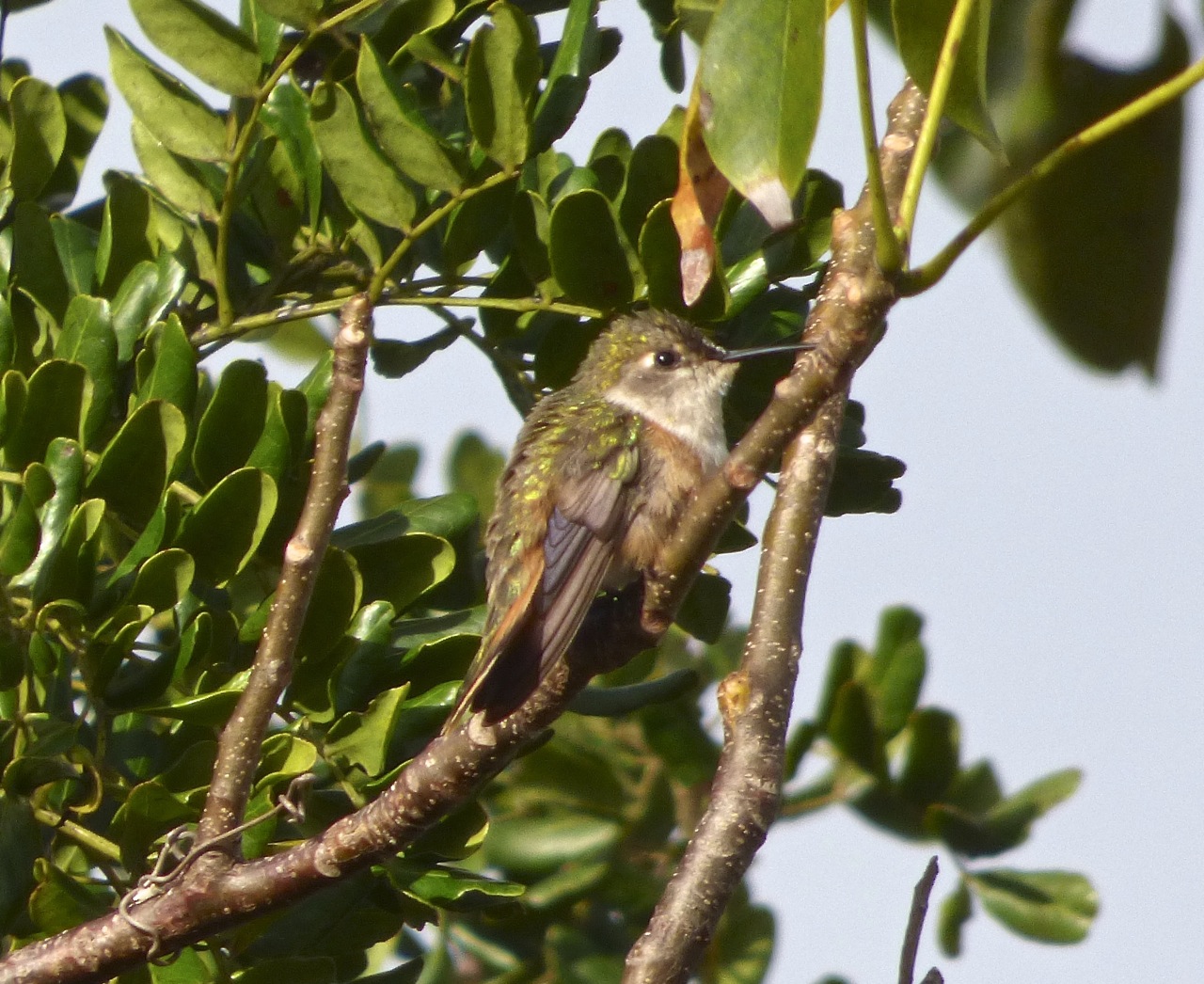
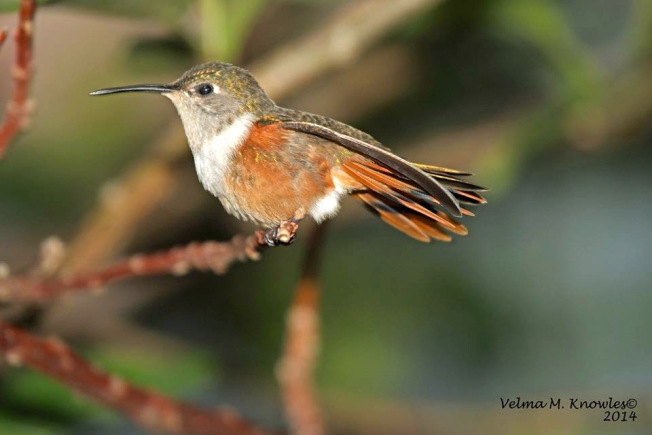
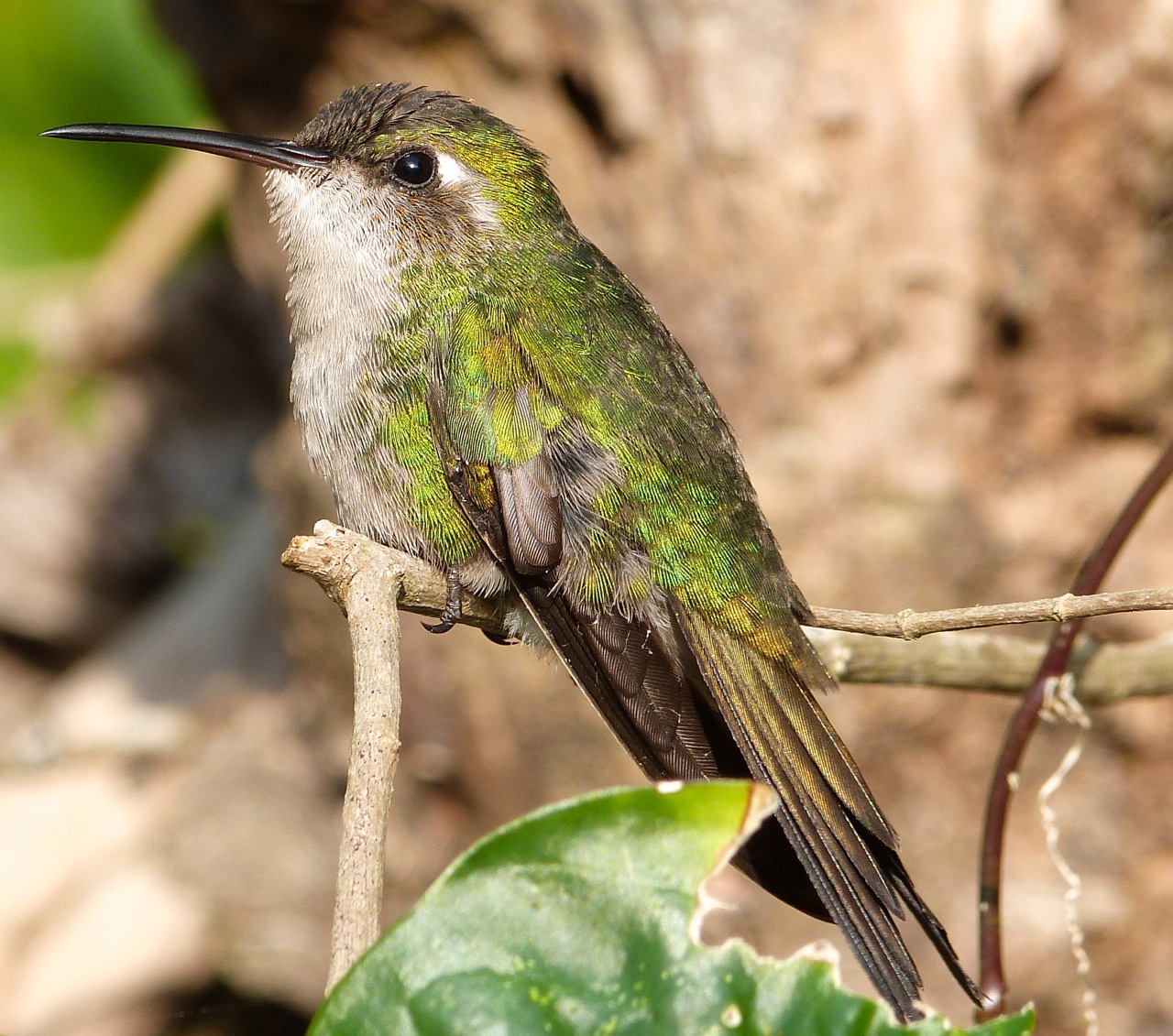
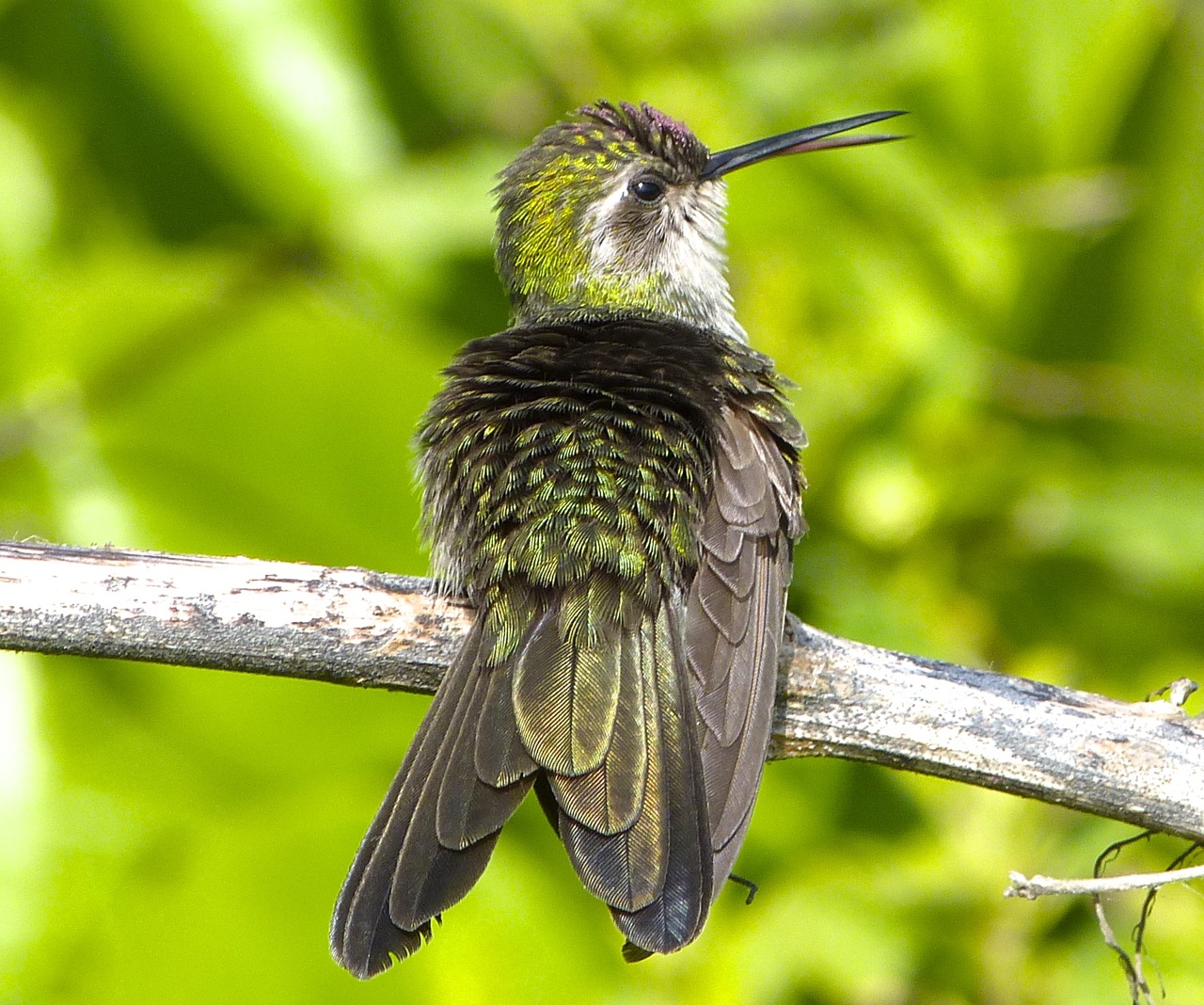
‘SEXING THE HUMMER’: A GENDER GUIDE TO ABACO’S HUMMINGBIRDS
The subject matter of this post is not as indelicate as the title might imply; nor is it a ‘hands-on’ practical guide for intimate examinations of tiny birds. In particular it does not publicise some recently discovered louche activity involving unfeasibly large motor vehicles. It’s all about plumage. In my thin disguise as a person with apparent knowledge about the wildlife of a country that is not my own, I get frequent requests for bird ID. Some, I know at once. Some I have to think about, my memory not being quite as…
Where was I? Yes, bird ID. I use BRUCE HALLETT’Sbook of course, and online the CORNELL LAB andAUDUBONsites.OISEUX-BIRDS is also a good resource and has a large archive of images. And of course dear old Google – they may watch your every keystroke and know more about you than you do yourself, but put a bird’s name into Google Images and you’ll probably see your bird in every static pose or flight you need for ID. They’ll log that too for future use. I have had some queries about Bahama Woodstar gender ID, and more recently, Cuban Emeralds. So here are the adult males and females of each species in all their undoubted glory…
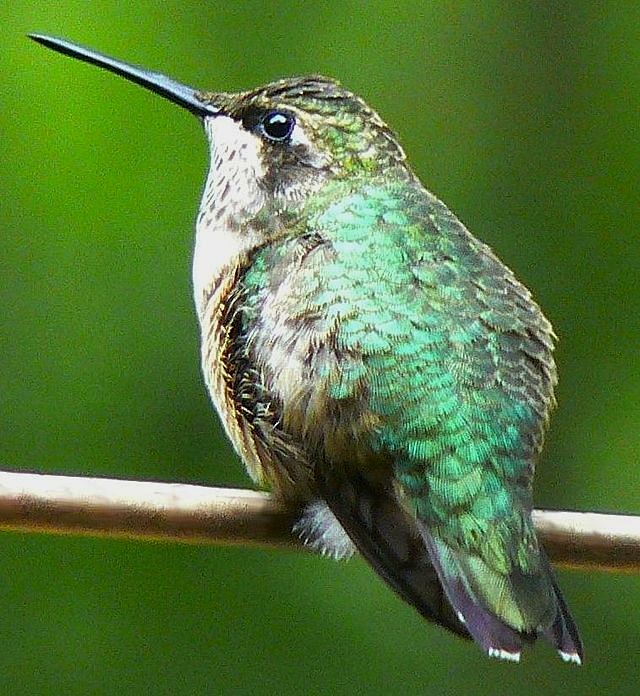
Males have a glorious purple, showy ‘gorget’. Females are less flamboyant, and have grey throats and fronts. Tara’s wonderful photo above vividly demonstrates their more delicate beauty. It’s one of my personal favourites from “BIRDS OF ABACO“, along with Tom Sheley’s above, the bird that graces the jacket.
Cuban Emerald (female) Gilpin Point, Abaco (Keith Salvesen)
EMERALD ID MADE EASY
Male emeralds are basically… er… emerald green all over , apart from the wings. Females have grey throats and fronts, and lack the chestnut frontal band of the female woodstar. I’d say that their iridescent green is a different metallic shade from the male, but that may be just me. I don’t have the palette vocab to describe it, but advice welcome! Perhaps one can simply say it is more subtle.
SO IT’S JUST THE TWO HUMMERS ON ABACO, IS IT?
The answer is ‘No’. But don’t make a special trip to see the third species – they are casual / irregular vagrants only, and a definite sighting will be a rarity. But just in case, here are stock photos of a male and a female, and (taken on Abaco by Bruce Hallett) an immature male of the species…
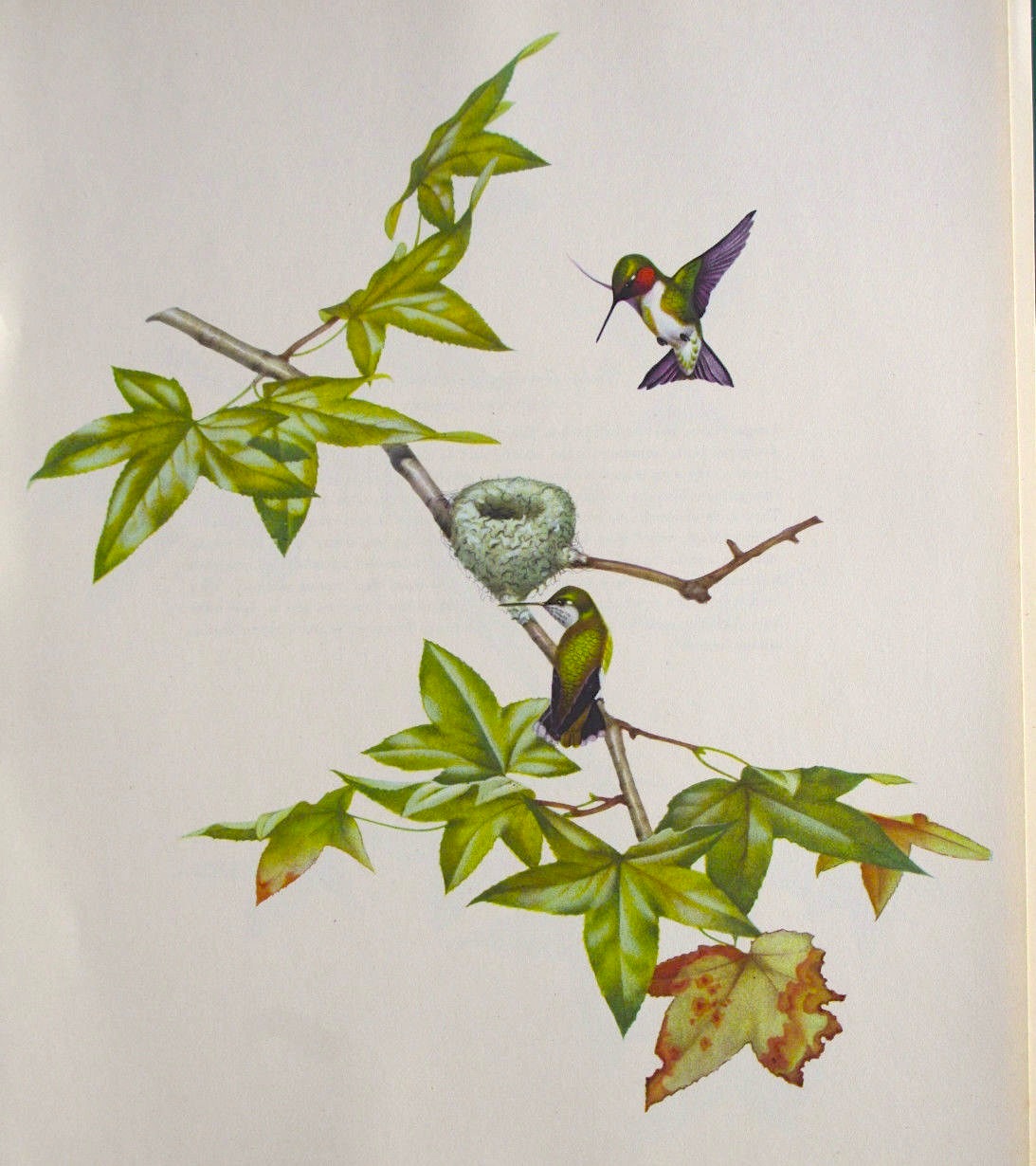
This is an attractive print of the R-tH by Menaboni
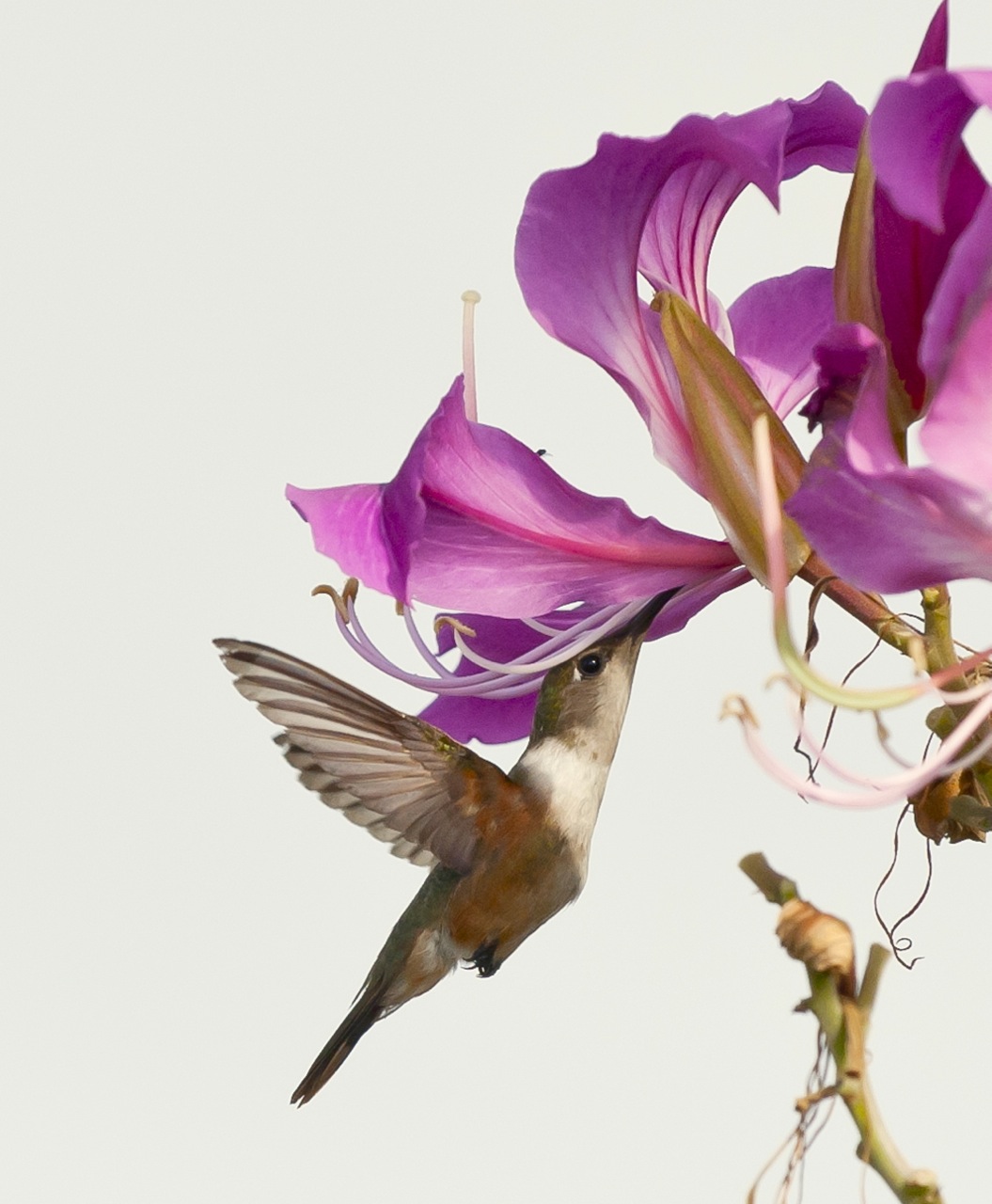
To complete this post, I’ll add a brilliant Woodstar photo taken by Tom Sheley, birdman and generous fishing partner, that I reckon spans the boundary between photography and art.
Bahama Woodstar female.Abaco Bahamas.Tom Sheley
Credits: In addition to those shown below images, Steve Maslowski and Tim Ross for the RTHs
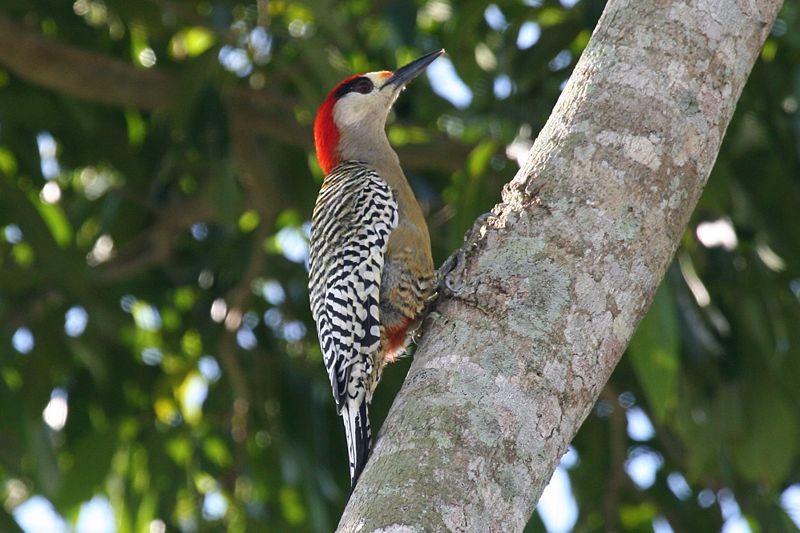
South Abaco – the tract of land south of Marsh Harbour – has some of the richest birding in the Bahamas. Besides 4 of the 5 BahamasENDEMIC SPECIES, it contains some of the most interesting speciality birds. The uniqueABACO PARROTfor a start, with a population that is gradually increasing following a drastic decline and conservation intervention. RarePIPING PLOVERSon the eastern shoresthat overwinter, as do the endangeredKIRTLAND’S WARBLERS, of which more soon. In the Bahamas the WEST INDIAN WOODPECKER is common on Abaco, but elsewhere it is rare on San Salvador and is no longer found on Grand Bahama (missing, presumed extirpated). If you want to learn more about them and their engaging ways read Caroline Stahala’s fascinating article HERE
Olive-capped Warbler, one of 5 permanent resident warblers (of 37 species in all) Bruce Hallett
January was an excellent time for the Hope Town Birding Group to take the ferry over for a quality day of birding on south Abaco. In all, 44 species were identified, ranging from expected feathery denizens to what are sometimes described as ‘Good Gets’. The group was led by Bruce Wolck. Jan Metcalf contacted me to arrange for Delphi – a notable birding hotspot – to be on the itinerary. And as she wrote to me afterwards in summing up the day:
“Amazing birds, amazing day, amazing Delphi (where we saw the Bullfinch)”
Sally Chisholm has since emailed that among places visited were the “[town] dump, locations along the highway south to the Y, Sandy Point, the south ferry dock, Gilpin Point, Bahama Palm Shores and Delphi”. I’ve never been to the dock, so that’s one for us to try out in March…
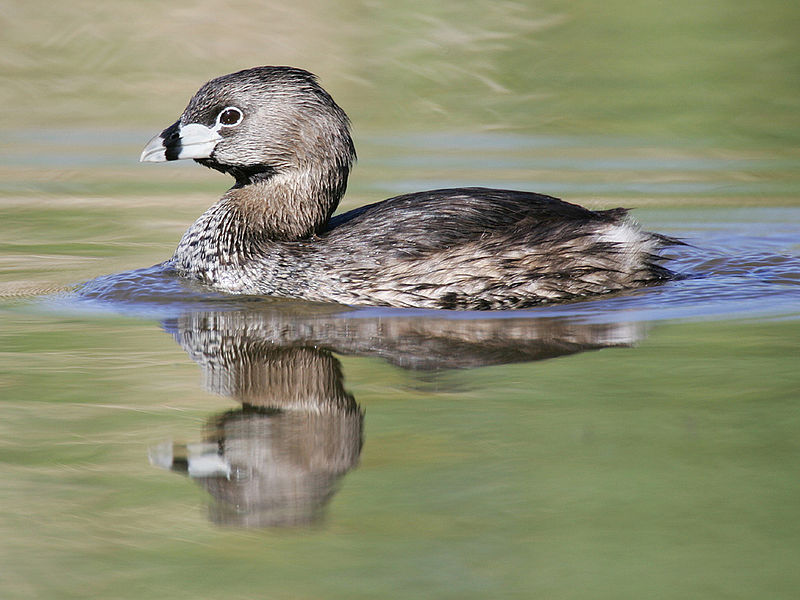
Here is the group’s checklist of the 44 species. I have added thumbnail images, almost all taken on Abaco by contributors toTHE DELPHI CLUB GUIDE TO THE BIRDS OF ABACO, including some used in the book. “Good Gets” include the Pied-billed Grebe, a permanent resident but quite scarce; the Bonaparte’s Gull; the Great Black-backed Gull; and the White Ibis. The last 3 are what are termed ‘casual’ winter residents – rarely seen and so irregularly reported.
HOPE TOWN BIRDING GROUP CHECKLIST – JANUARY 2015
CLICK on a thumbnail to enlarge it. That’s the idea anyway, but I’m a bit ‘casual’ myself in checking links. The ones I spot-checked worked so I am hoping for the best with the remainder…
Pied-billed Grebe
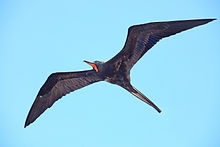
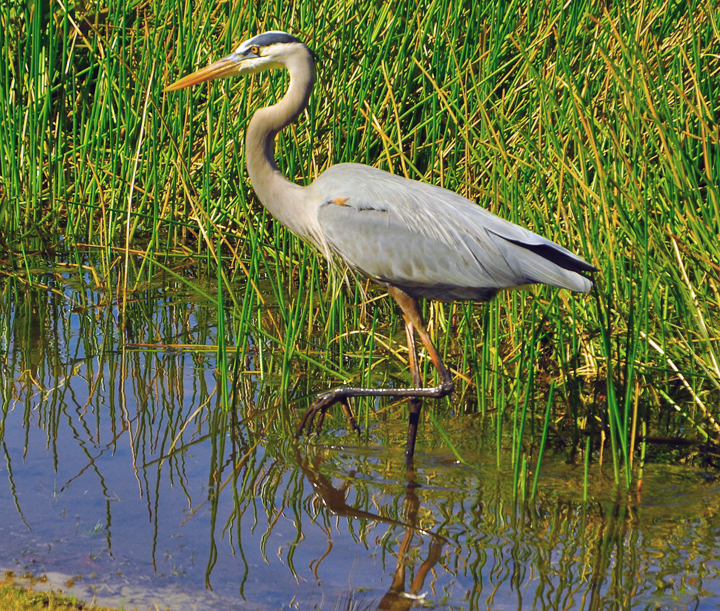
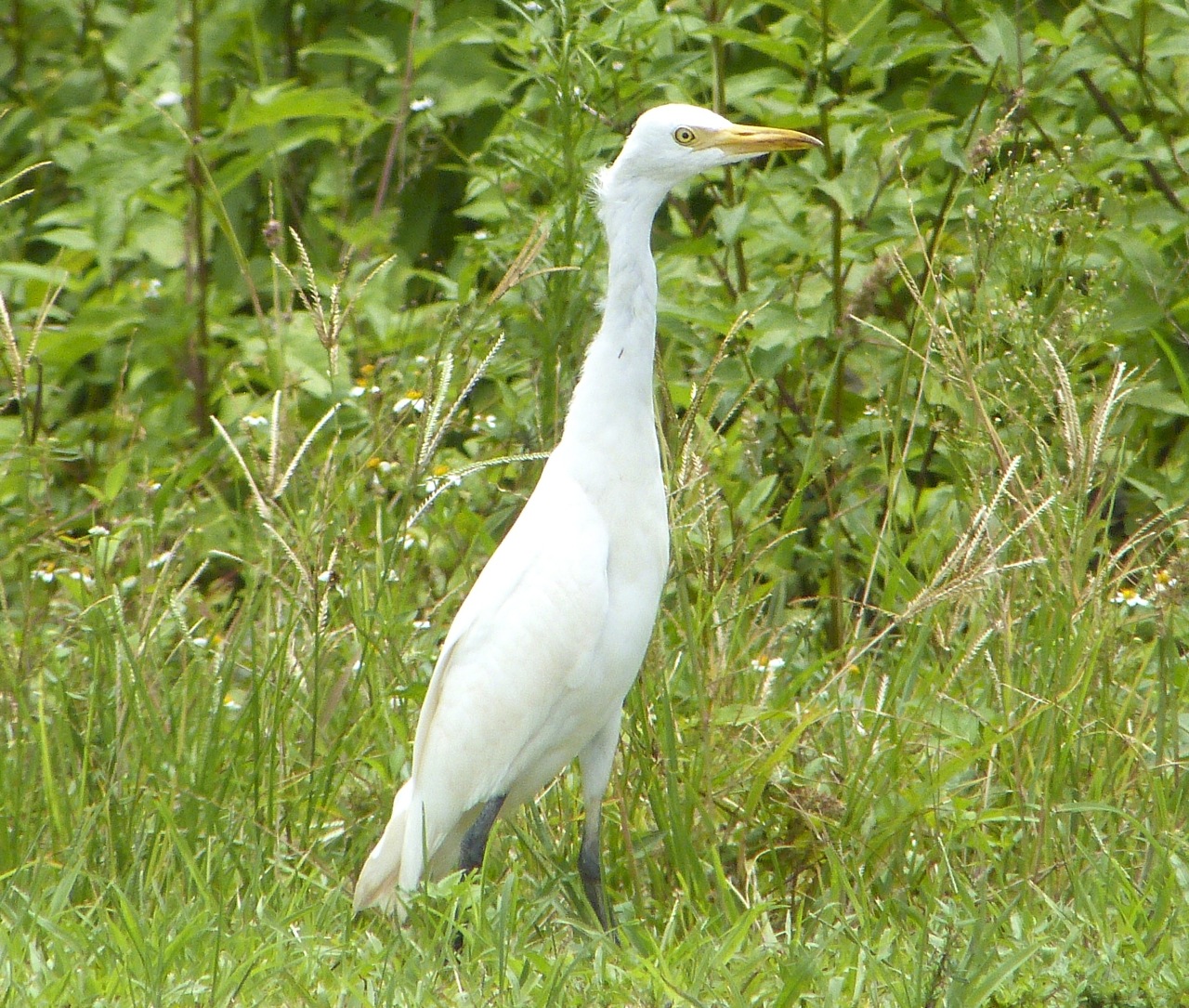
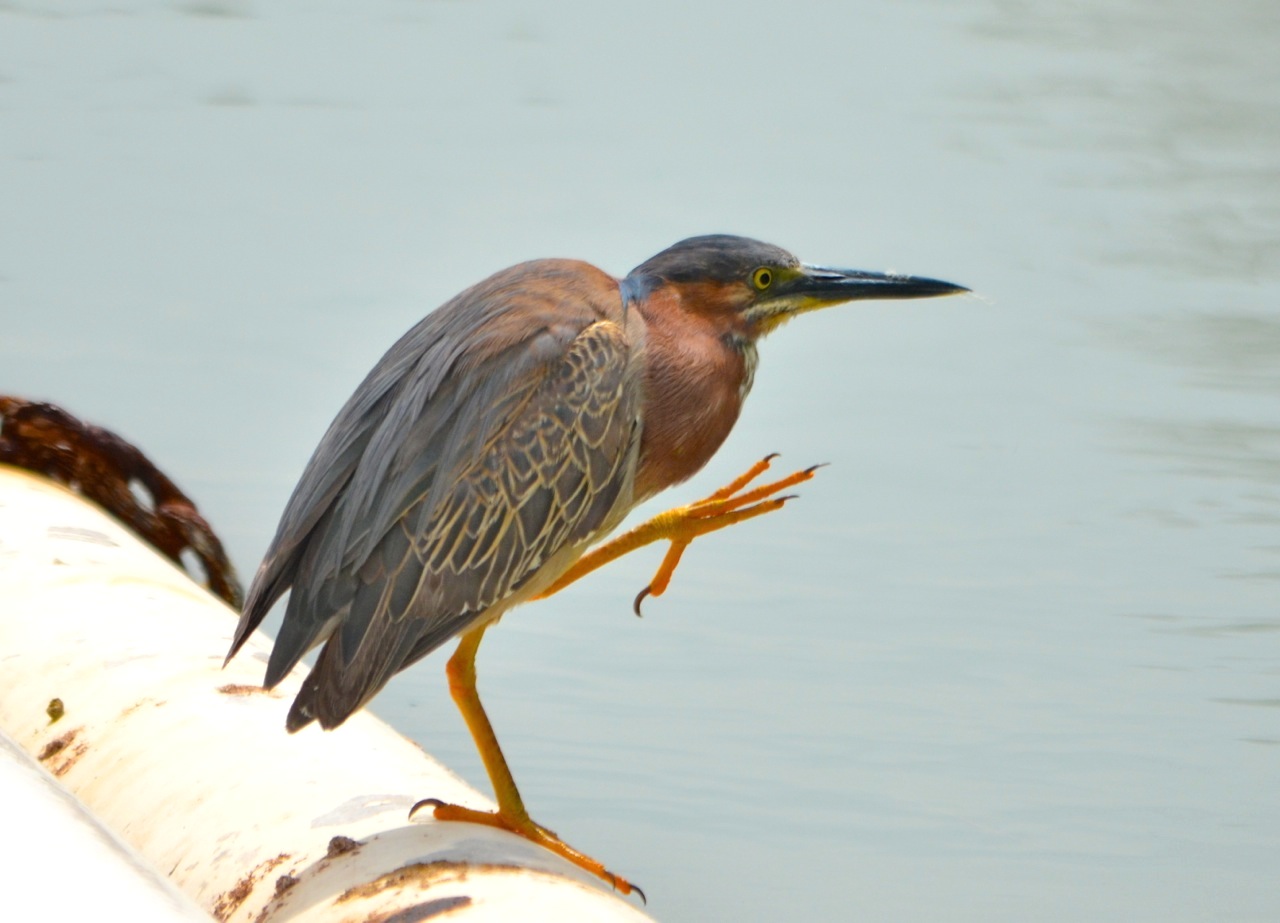
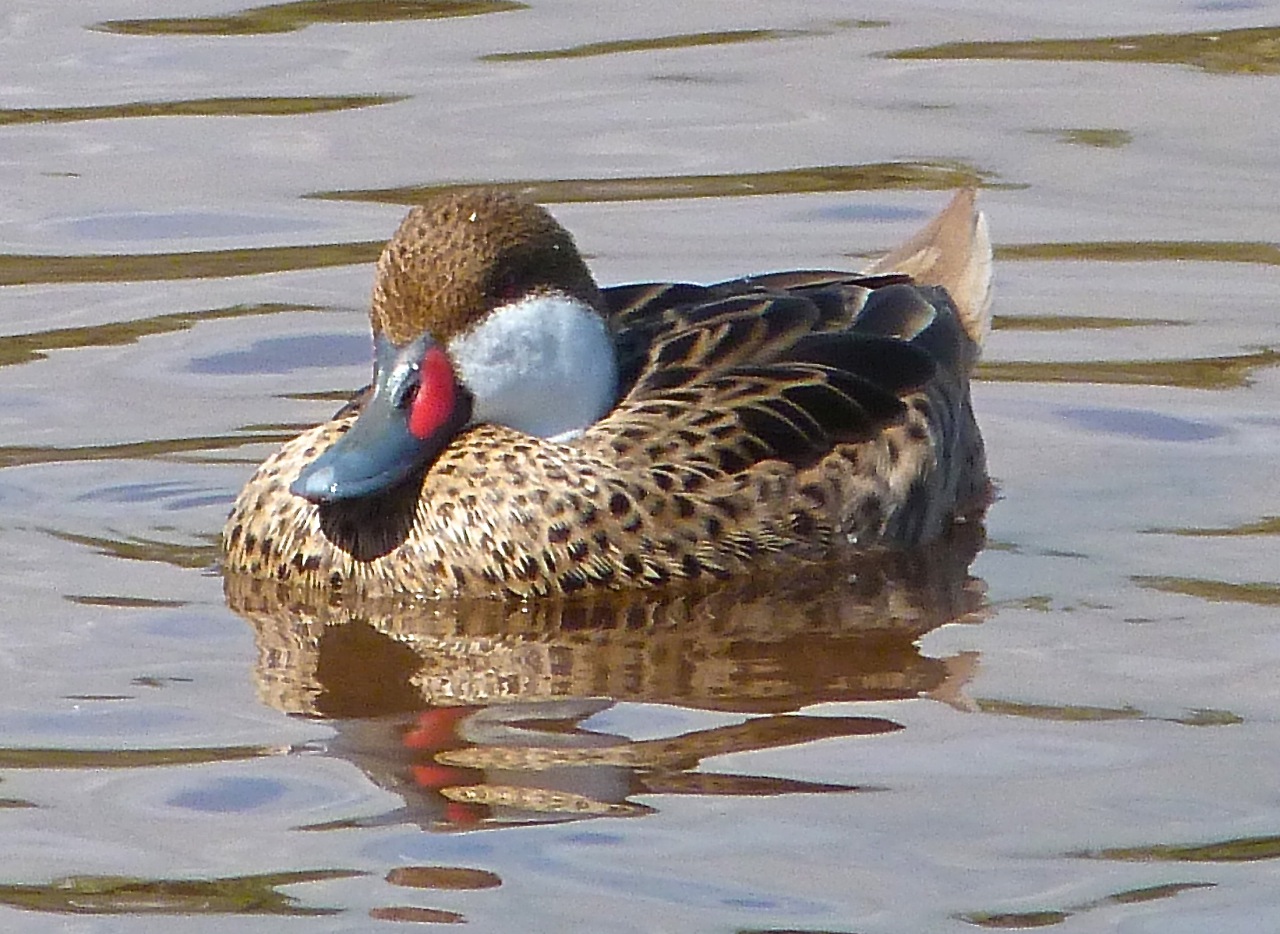
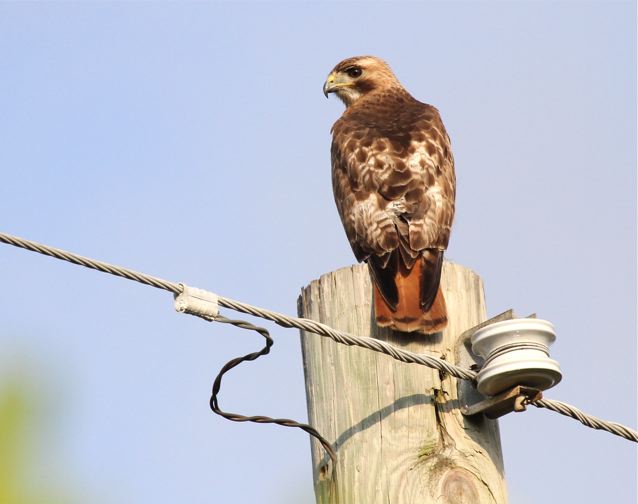
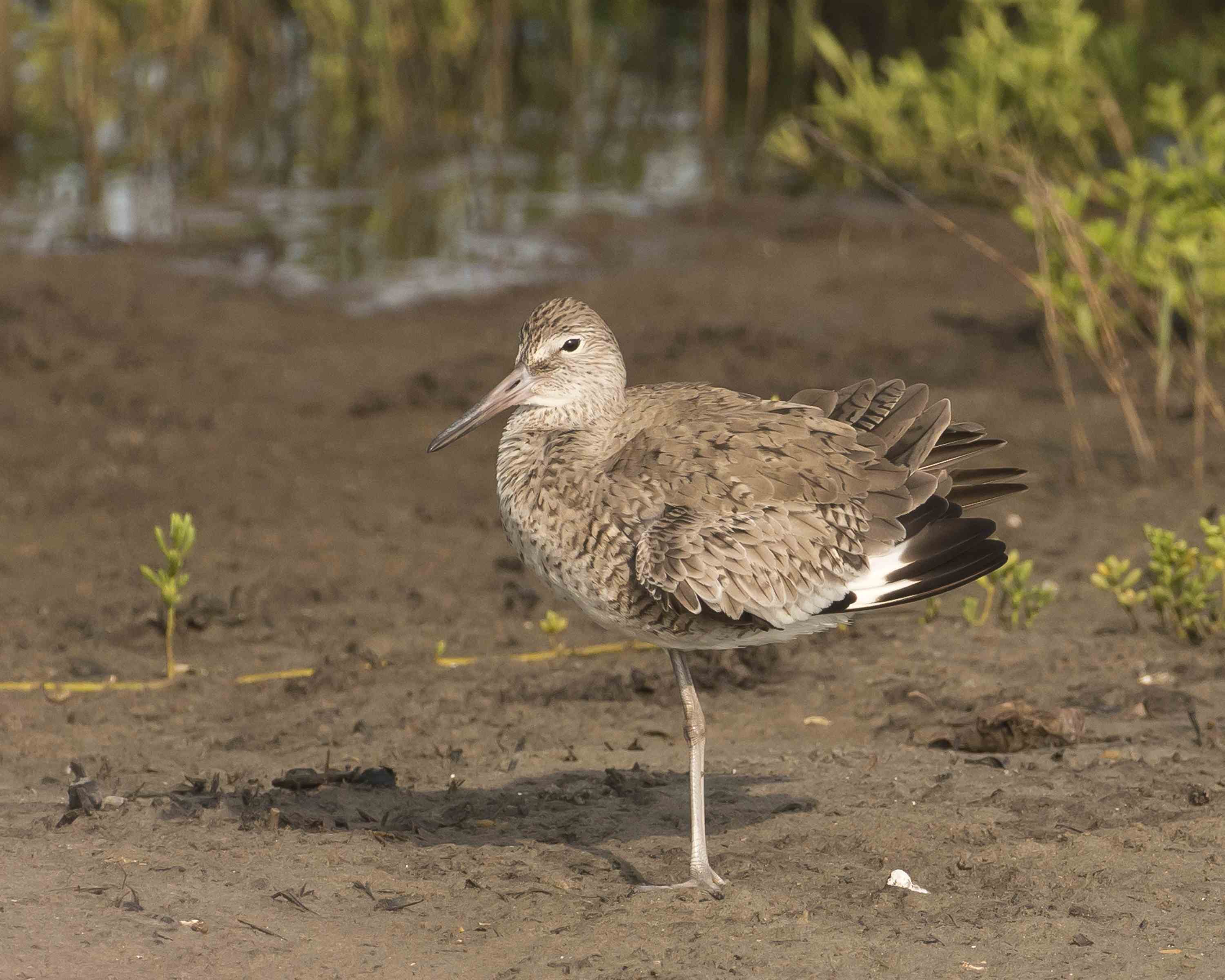
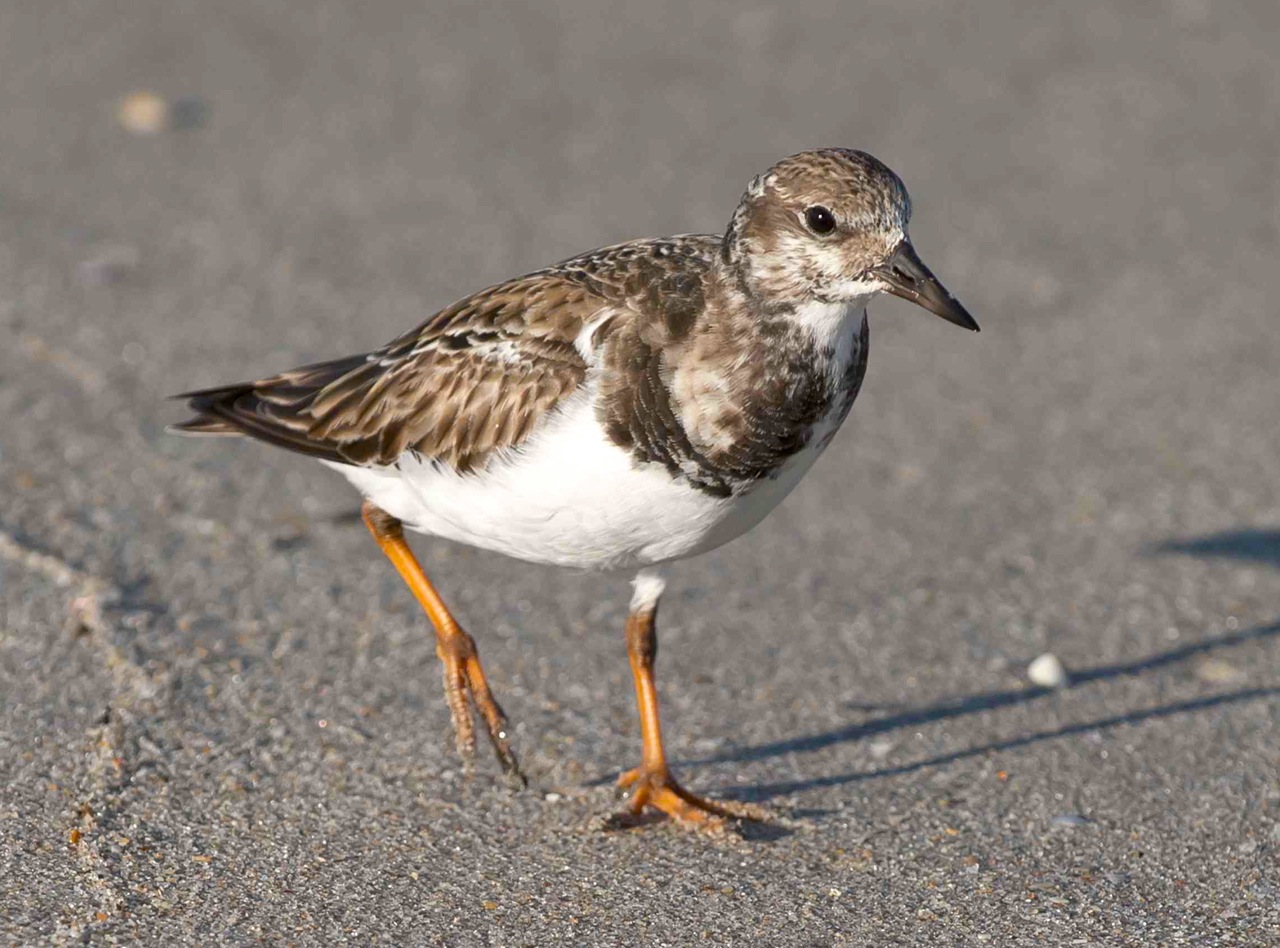
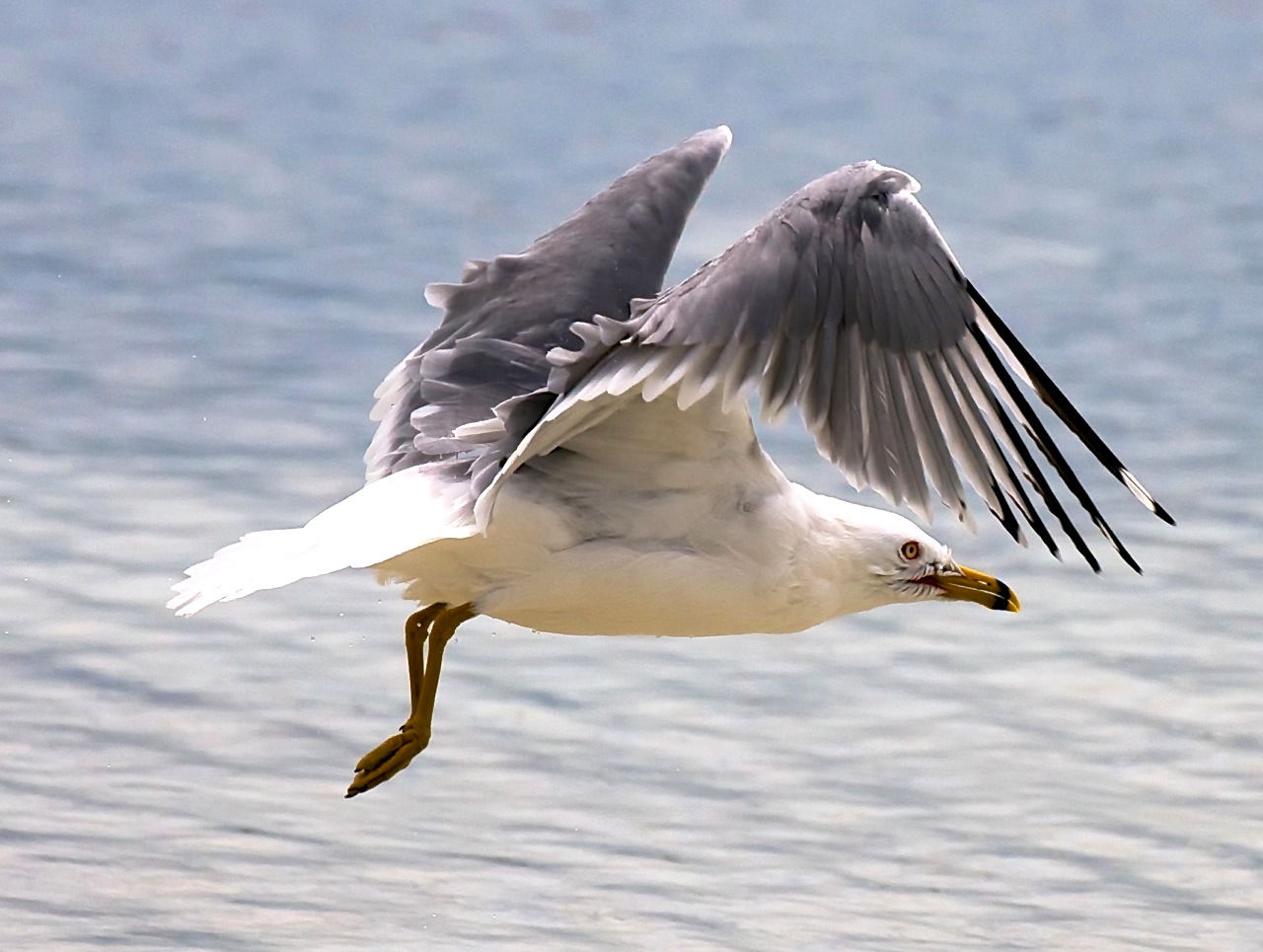
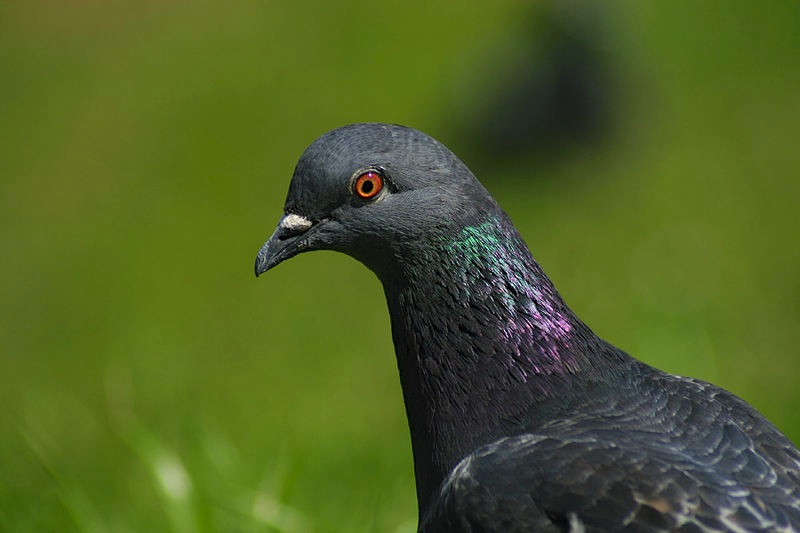
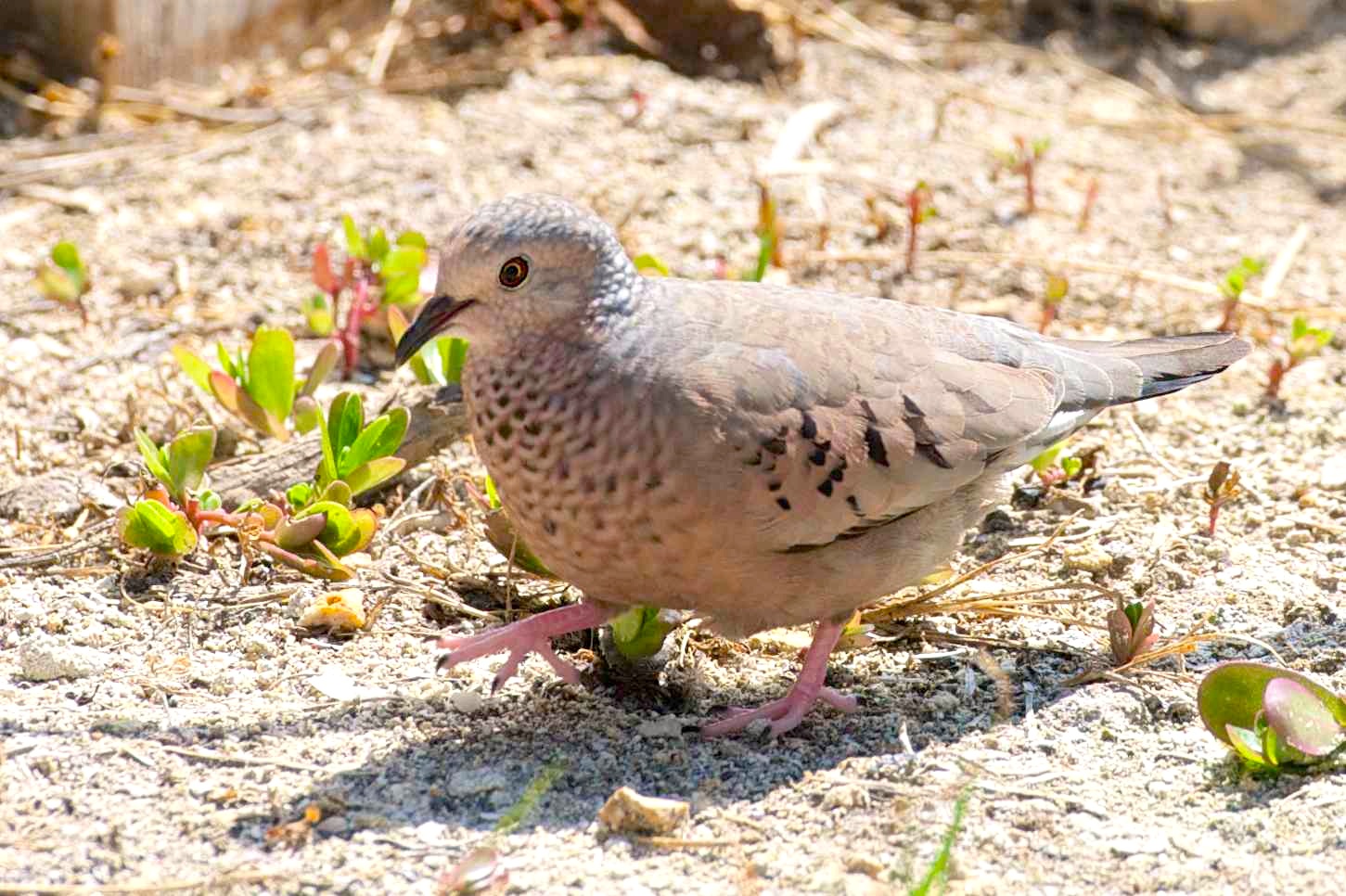
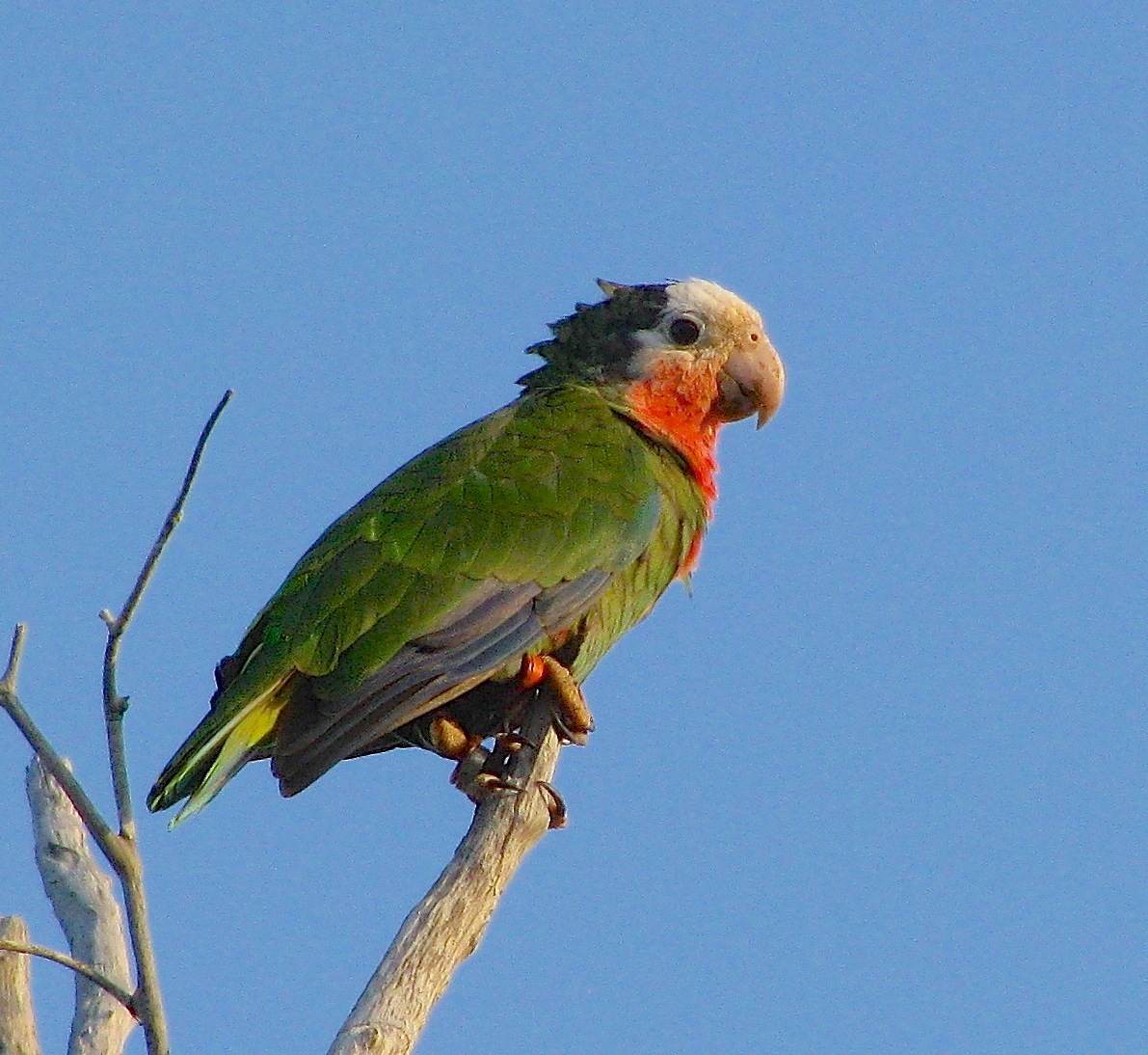
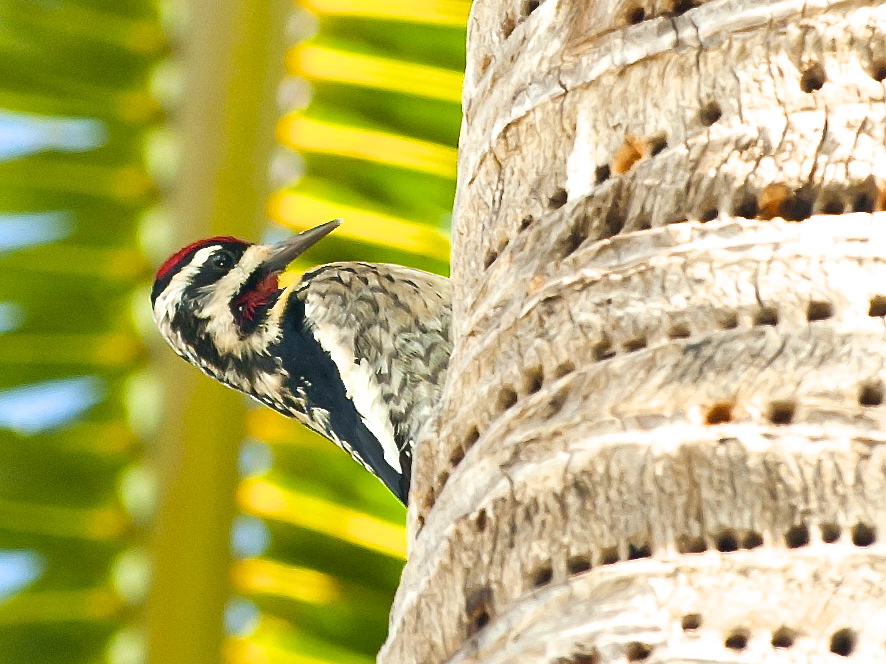
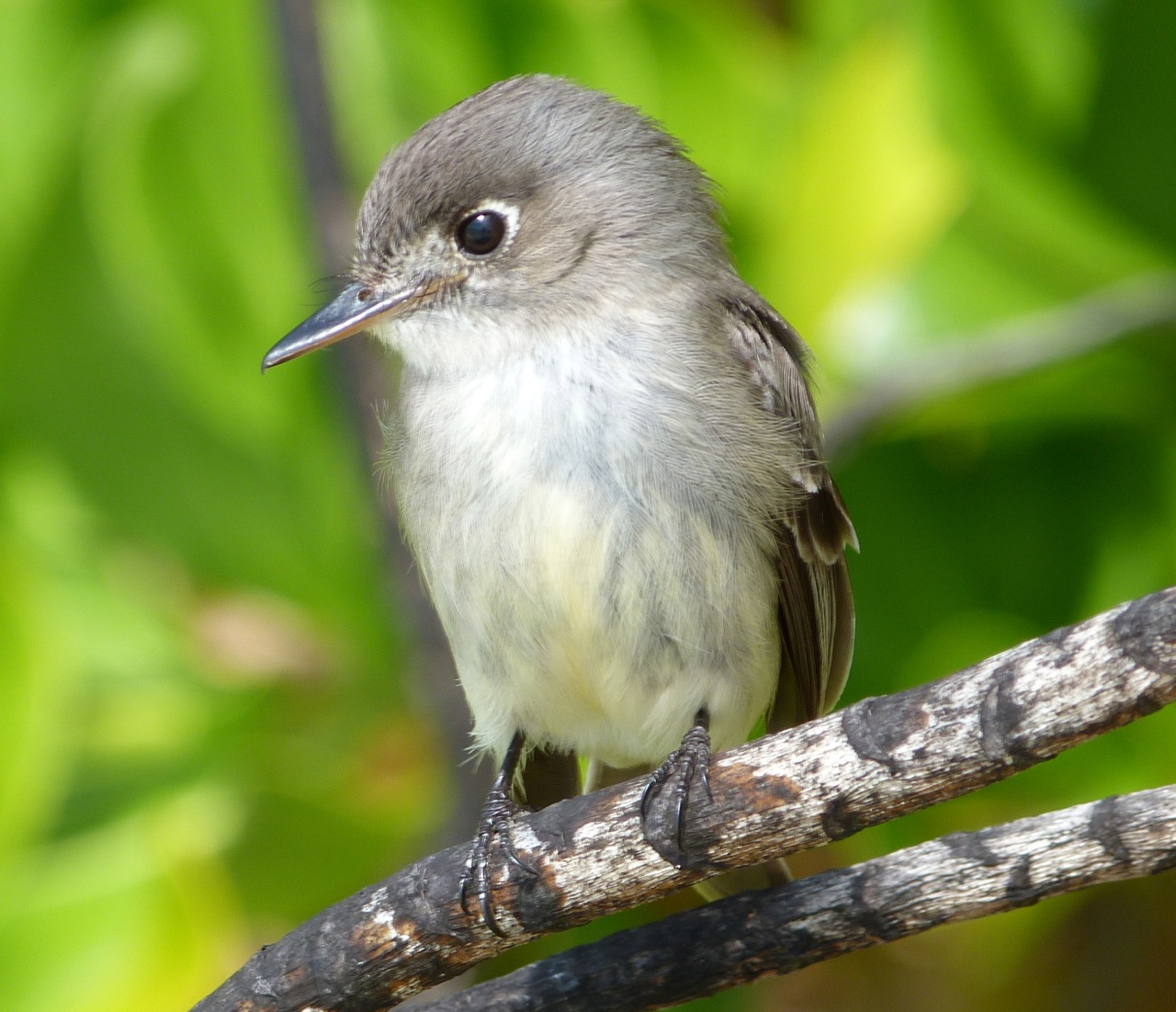
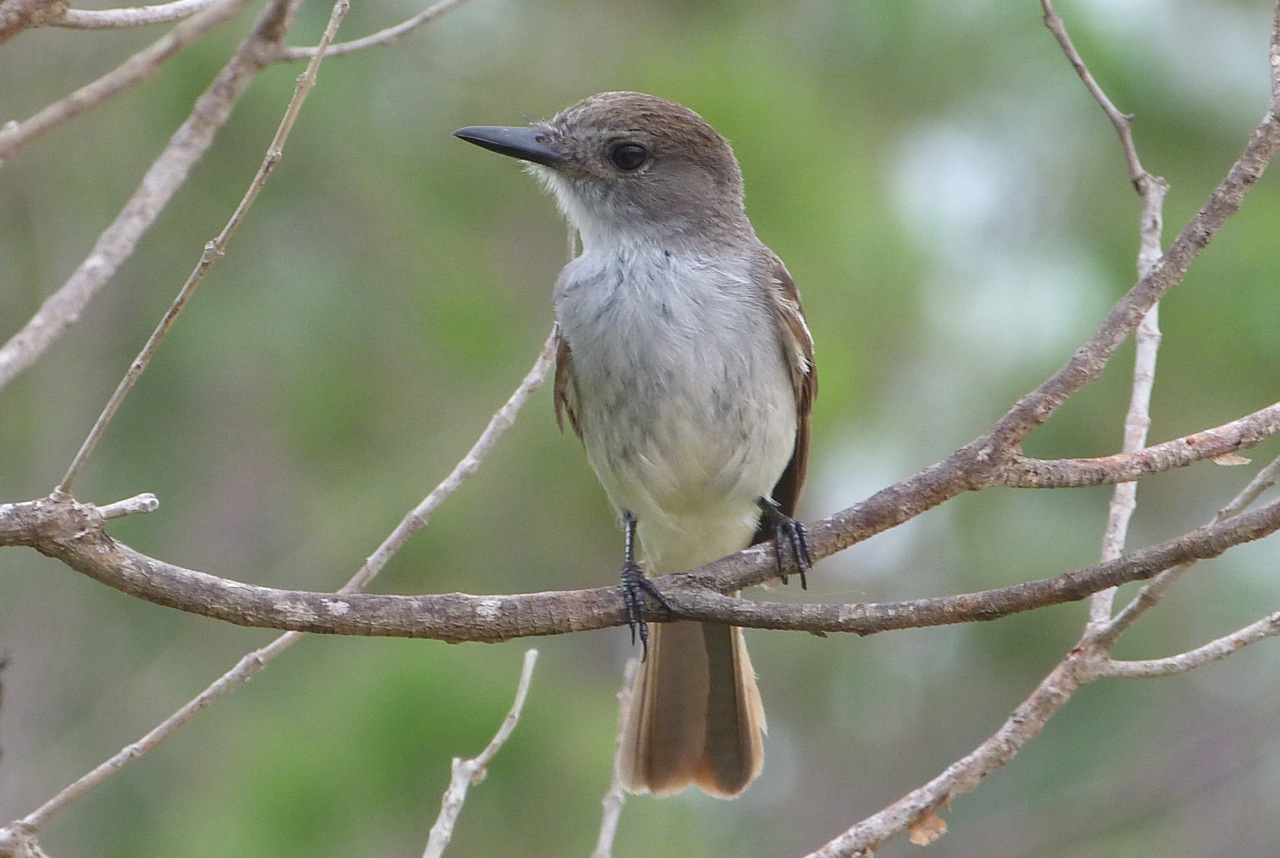
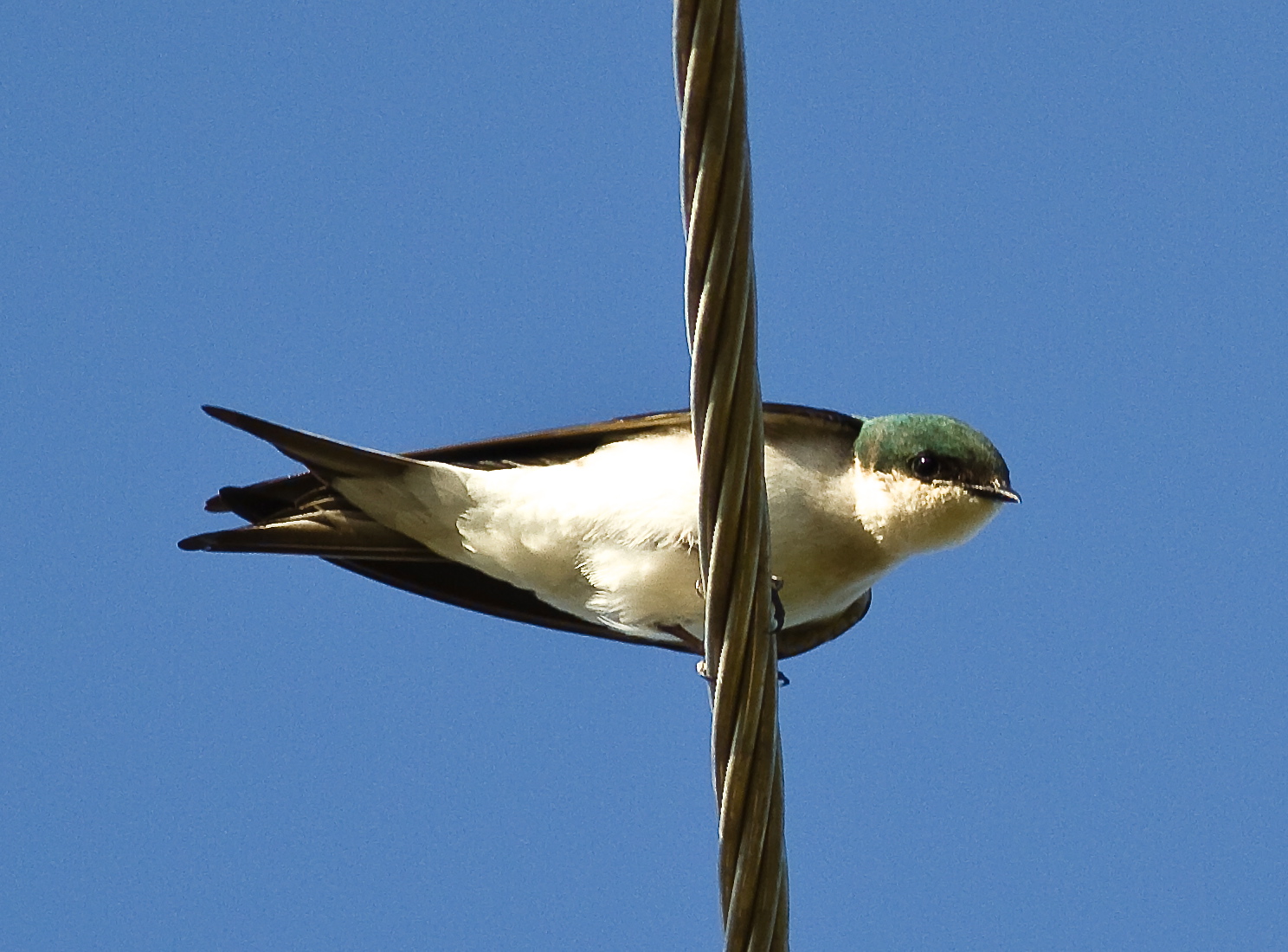
Brown Pelican Magnificent Frigatebird Great Blue Heron Great Egret Little Blue Heron Cattle Egret Green Heron White Ibis White-cheeked Pintail Turkey Vulture Red-tailed Hawk American Kestrel Black-bellied Plover American Oystercatcher Willet Ruddy Turnstone Laughing Gull Bonaparte’s Gull Ring-billed Gull Great Black-backed Gull Rock Dove Eurasian Collard Dove Common Ground Dove Cuban Parrot Smooth-billed Ani Cuban Emerald Belted Kingfisher West Indian Woodpecker Yellow-bellied Sapsucker Cuban Peewee La Sagra’s Flycatcher Loggerhead Kingbird Bahama Swallow Red-legged Thrush Northern Mockingbird Thick-billed Vireo Northern Parula
Yellow-throated Warbler Olive-capped Warbler
Pine Warbler Stripe-headed Tanager Black-faced Grassquit Greater Antillian Bullfinch
If any Birding Groups are interested in birding the one-mile drives (wonderful pine and coppice habitats), gardens and one-mile white sand beach at Delphi, let me know. It can easily be arranged, but there are times when it is not convenient or that some areas are not open for access. Email me as first contact at rollingharbour.delphi[AT]gmail.com
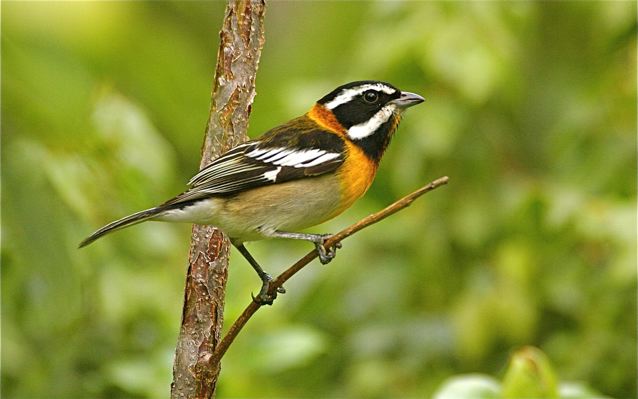
Western Spindalis, Abaco -Delphi Club Drive (Keith Salvesen)
MAPPING ABACO: READ A NOVEL, TALK RUBBISH OR DISAPPEAR
I am probably the last person to twig the topological significance of Abaco’s location in the world. An email tipping me off about a TV programme led me to investigate further. There turn out to be 3 ways in which Abaco’s position in the Atlantic Ocean is of special interest. Two are geographic fact; and one is located in the grey area between myth and putative evidence-based supposition (if such a nebulous concept exists…). If everyone knew this already, sorry for being so late into the game. But you get some nice maps to look at, gratis, like the wonderful van Keulen map of 1728 above. About the only marked location on Abaco is ‘Hole Rok’ (now ‘GAP ROK’). For a history of Hole-in-the-Wall in historic maps, click HERE
1. THE DISAPPEARING TRICK?
Until the recent email, I hadn’t taken on board that Abaco is within the Bermuda Triangle. The island and its cays are contained snugly into the 60º tip of the western angle of an equilateral triangle based on Bermuda, Miami and Puerto Rico. The NOAA map below could not be clearer: Abaco is squarely within the triangle, if that is geometrically possible.
I wrestled with whether to write an earnest discourse along the lines “Towards a Greater Understanding of Triangle Phenomenology”. Then I thought, Nah! If it’s a myth, what’s the point in examining its credibility. If it’s all true, I would’t want to worry you more than I already have by mentioning it… So you can do the hard graft if you wish by checking out the links below. Or you can just move on to section 2. Or relax in the sun, go fishing, find some nice birds, or have a Kalik or 3.
THE WIKI ANGLE Excellent potted overview dealing with supposed position, the main ‘unexplained disappearances’, and the possible causes of these – both natural and supernatural. Frankly, this should do it for all but the most persistent, who probably are more widely informed already.
SCIENCE CHANNEL The top ten Bermuda Triangle theories. Note: may not include your own pet theory of aliens from Planet Tharkron with their Pukotic Missile Rays
HISTORY.COMComes complete with spooky-music video presentation. NB blurb nails its colours to the mast by using words like ‘Mythical’ and ‘Fanciful’ so if you are a believer you won’t want to go here, I suspect.
TEN WEIRD FACTSAn informative video for those who want a bit more sensation.
2. WHAT A LOAD OF RUBBISH
Rowing through the Great Atlantic Garbage Patch (sandiego.surfrider)
Abaco also finds itself at the western edge of the Northern Atlantic Gyre. Strictly speaking the Gyre comprises a combination of four main currents: the Gulf Stream in the west, the North Atlantic Current in the north, the Canary Current in the east, and the Atlantic North Equatorial Current in the south. It is not synonymous with the infamous North Atlantic Garbage Patch, which is contained within the geographical boundaries of the Gyre. The top image gives a broad-brush idea of the central area of concentration of the Garbage Patch within the Gyre. Abaco looks to be well clear of trouble. But don’t be too optimistic.
North Atlantic Garbage Patch (12Degreesoffreedom)
Looking at various sources, there is some variation in the precise boundaries of the Gyre, though Abaco is plainly within it. Q: is it safely beyond the edges of the plastic peril? A: as any resident will know, the naturally pristine beaches tell a tale of constant plastic and other debris brought in on the high tide almost daily. The incidence depends to an extent on weather and wind direction, but the overall picture is of a relentless intrusion of rubbish on golden and white sand expanses. There is an extent to which what the tide giveth, the tide taketh away; and of course many beaches are scrupulously kept clean. NB I’m not trying to propagate anti-visitor publicity – many people will have experienced the same situation elsewhere.
North Atlantic Gyre Garbage Patch (wired.com)
The research map above shows that, although the garbage hotspots and warmspots are well away from Abaco, the ever-widening circulating soup of plastic, rubber and metal has reached the island. Abaco is in the pale blue zone. Yellow is not that far off. Imagine what the orange or red areas must be like. This sort of thing:
In some places the junk stacks up to form islands with hills
Texas has become a standard ‘unit’ for large area comparisons. I notice that several sources describe the main area of the NA Garbage Patch in terms of Texas. But how big is that (BIG!)? To get an idea, I created a map overlaying Texas on an area centred on the Bahamas. So, Texas is this big…
I’ve got more about some very specific rubbish to discuss another time, so I’ll leave you with the most interesting piece of marine debris to wash up on the Delphi Beach, a 12 ft ROCKET FAIRING from the Mars ‘Curiosity’ launch! Click link for more details.
3. A NOVEL PLACE TO BE?
The Sargasso Sea is named for theSARGASSUMseaweed found in large concentrations in the area. Columbus was the first person to sail right across the Sea, in 1492 (well, he and the crews of his 3 ships Niña, Pinta, and Santa Maria). He noted the large areas of seaweed that his expedition’s ships had to plough through. Eventually he made landfall on San Salvador, Bahamas.
This fine Krümmel map from 1891 shows the extent of the sea, and you’ll see that its western fringes reach the ocean side of Abaco. Have you seen the seaweed pictured below the map? That’s Sargassum.
Sargasso See Map – Krummel -1891
A close-up of Sargassum – maybe it washes up on a beach near you…
EIGHT FACTS ABOUT THE SARGASSO SEA TO IMPRESS YOUR FRIENDS
Jean Rhys’s famous 1966 novel ‘The Wide Sargasso Sea’ is actually set in Jamaica (nb the Sea is mentioned!)
The Sargasso is the only ‘Sea’ to have no land boundary, being entirely in the Atlantic Ocean
It is vital to mass migrations of eels, where they lay their eggs
Young loggerhead turtles are believed to head for the Sea for seaweed protection while they grow
Much of the debris trapped in the NA Garbage Patch is in the Sargasso, and is non-biodegradable plastic
The Sea is protected by Commission established in 2014 involving at present 5 countries, including (unbelievably) Monaco, the second smallest country in the world at 0.75 sq miles. Green Turtle Cay is about twice the area!
Cultural references include the track “Wide Sargasso Sea” on Stevie Nick’s “In Your Dreams” (2011)
There are loads of other literary & musical references but I lost the will to pursue them when I saw the inclusion of ‘Dungeons & Dragons’
If you want to find out more about Jean Rhys’s novel, read it or clickHERE
MUSICAL DIGRESSION
While writing this post I have had a song thrumming annoyingly inside my head. It’s ‘Bermuda Triangle’, with its coyly rhyming ‘look at it from my angle’. Now it’ll be inside your head too! I couldn’t remember who it sang it. Rupert Holmes? No, that was the egregious “Escape (The Piña Colada Song)” (1979). Ah yes. Barry Manilow. Bazza Mazza. The Bazzman. As you’ve finished with the maps etc, here’s a musical memory with a counterbalance of the Stevie Nicks song mentioned earlier…
Those cover the Triangle and the Sargasso; what of the Garbage? Try some Fresh Garbage from Spirit…
OPTIONAL MUSICAL NOTES Randy California’s fingerpicked intro to ‘TAURUS‘ is remarkably similar to the later, far more famous guitar work of Jimmy Page’s intro to ‘STAIRWAY TO HEAVEN‘. And Spirit happened to tour with the early Led Zep. Legal action was commenced last year for copyright infringement, as yet unresolved… You be the Judge!
Credits: As credited above; open source; NOAA; mail.colonial; telegraph.co.uk; Sandy Walker;Bogdan Giușcă, Youtube self-credited; Wiki; Random Researches and Magpie Map & Fact pickings
[Yay! A Christmas gift of a puntastic avian / festive double-meaning]
A small New World songbird of the cardinal subfamily
Flags and other colourful festive decorations
PAINTED BUNTING
It’s hard to imagine a more Christmasy little bird than the Painted Bunting. Bright blue, red, green primary colours make for a spectacular small bird to grace any garden or feeder. The 2 birds above were featured in a detailed post on the species several months ago, with plenty of other great photos,HEREBut there are other bunting species and close relations on Abaco that haven’t yet had a look-in on these pages. A common factor is the little fat beak and a great liking for seeds…
INDIGO BUNTING
Indigo Bunting male with 2 females going for the seeds, Bahama Palm Shores
ROSE-BREASTED GROSBEAK
SUMMER TANAGER
SCARLET TANAGER
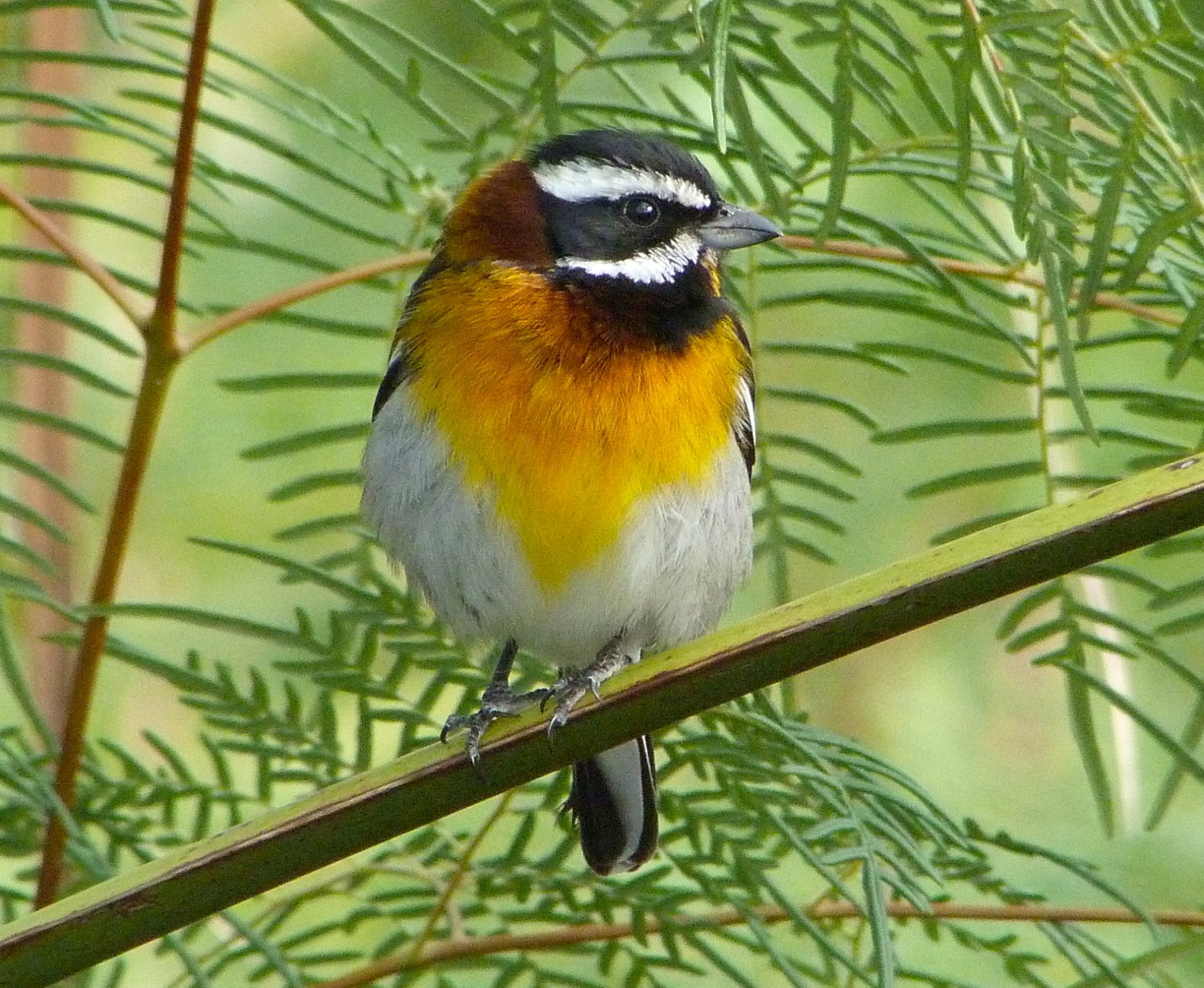
The birds above are all buntings or part of the wider bunting family. The definition is somewhat flexible and includes piranga and tanager species (and in the past the Western Spindalis, formerly the Stripe-headed Tanager). All were photographed on Abaco, mostly at the Delphi Club or Bahama Palm Shores. The photos below are a flagrant cheat. You’ll never see one of these on Abaco. They were taken by me a couple of years back in Central Park, NYC, made magic with snow and freezing air. Have a very happy and colourful Christmas!
NORTHERN CARDINAL
Credits: Erik Gauger, Tara Lavallee, Tom Sheley, Ann Capling, Caroline Stahala, Bruce Hallett, Woody Bracey, RH
THICK-BILLED VIREOS: ABACO’S ONLY PERMANENT RESIDENT VIREO
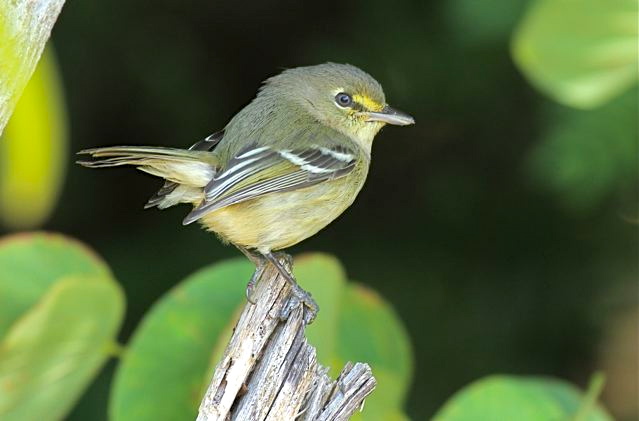
Hard to know why I haven’t got round to featuring these little vireos before. Unlike the other 7 vireo species found on Abaco seasonally or as transients, the Thick-billed Vireo Vireo crassirostris is an ever-present permanent resident of the coppice and scrub; and their unmistakeable repeating song can be heard almost everywhere. It was the first bird song I heard on Abaco, and therefore the TBV was the first bird I learned to ID. I’ve got quite a soft spot for them, really.
Although TBVs are very easy to hear and track to a general area of coppice, I find actually seeing the bird creating the noise quite hard – let alone getting a clear camera shot. They always seem to be lurking several feet further away, deeper in the foliage, than the sound suggests. I’ve had some fun making TBV song iPhone recordings along the Delphi drive, practising the technique. If you want to know more about recording and converting to MP3 CLICK HERE.
One of my favourite images, from Gerlinde Taurer: a ‘shouty’ bird. We used it for ‘BIRDS OF ABACO‘.
I also love this perky little guy with a great beady-eyed pose taken by Bruce Hallett
Here’s a clip of song, which I’m sure will be immediately familiar to Bahamians:
Paul Driver / Xeno Canto
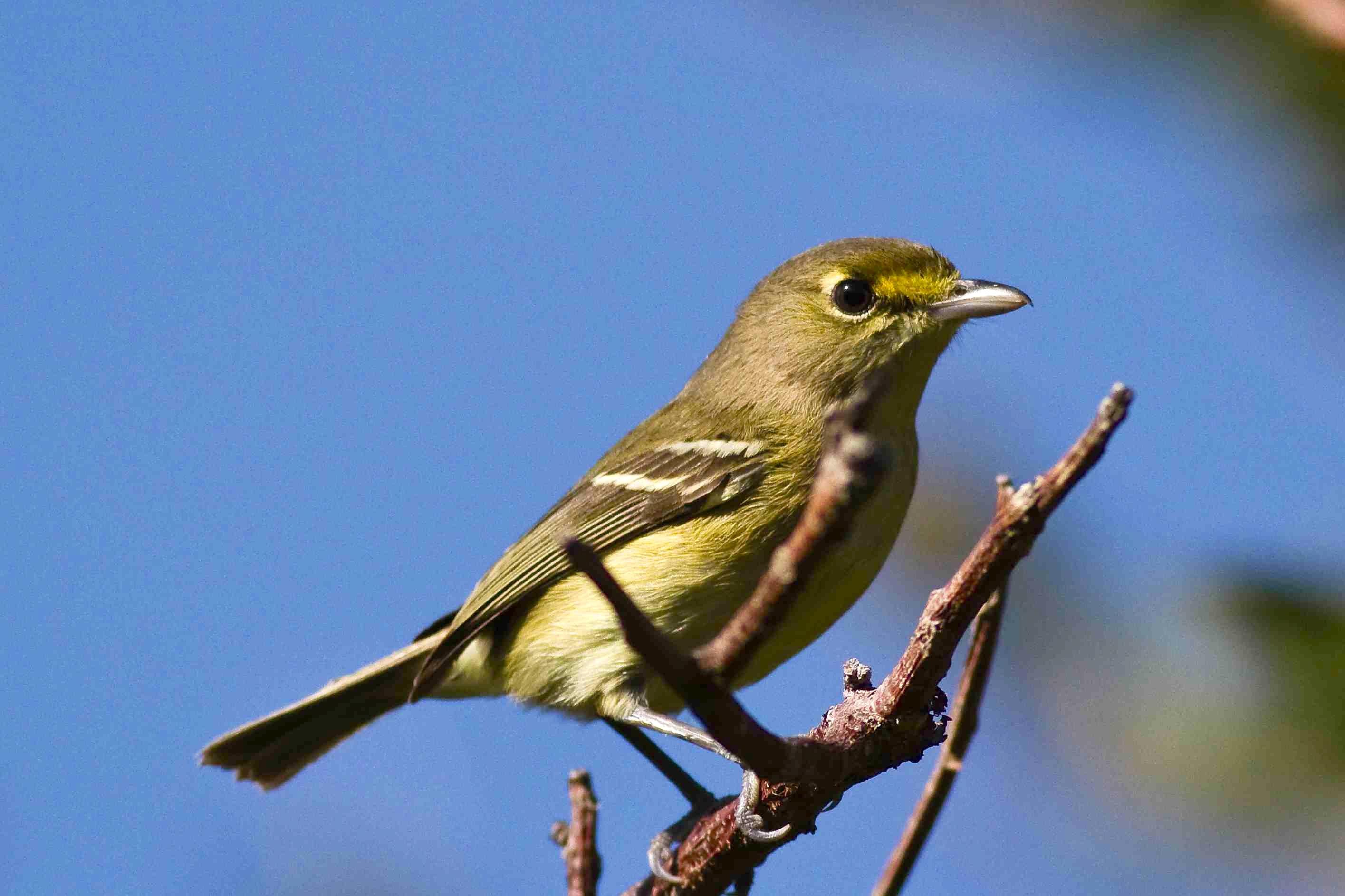
The main signifiers for this species, which in combination distinguish the TBV from the other vireo species on Abaco, are:
Two white wing bars
Yellow patch – usually quite prominent – between eye and beak
Thick bill – which immediately rules it out of being one of the 37 warbler species on Abaco…
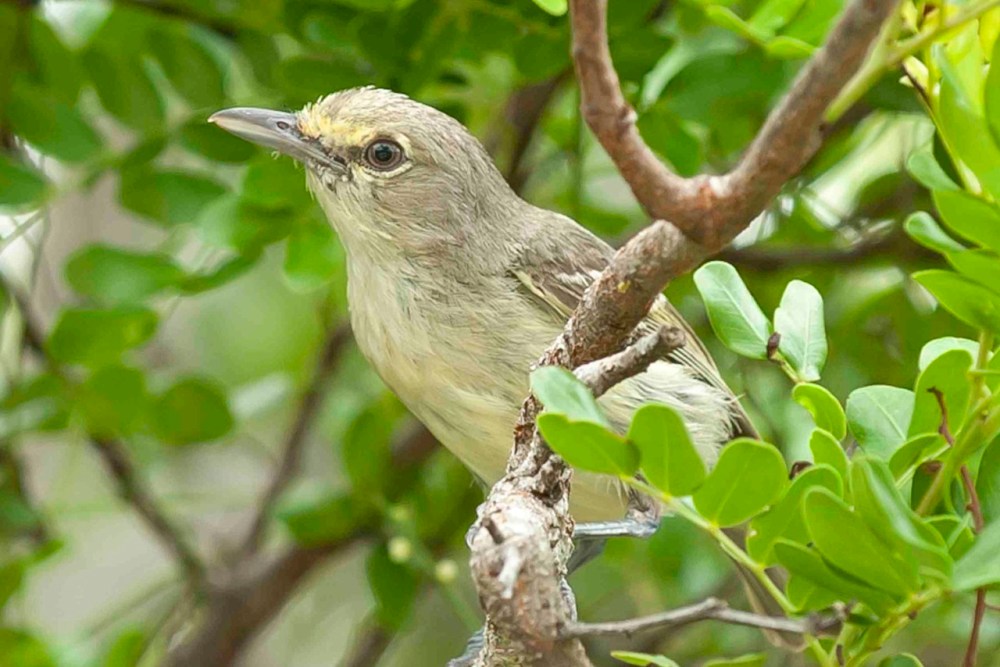
Text book TBV
There are marked colour variations in the species according to maturity, season and to an extent gender (though m & f are quite similar). Here’s one that is causing wing-bar confusion by only showing traces. It also has quite dark upper parts.
This is a very yellow TBVWhereas this one has rather anaemic colorationFinally, this pretty TBV is very delicately marked
The magnificent Osprey Pandion haliaetus is one of the world’s most successful raptors and can be found on every continent except Antarctica.
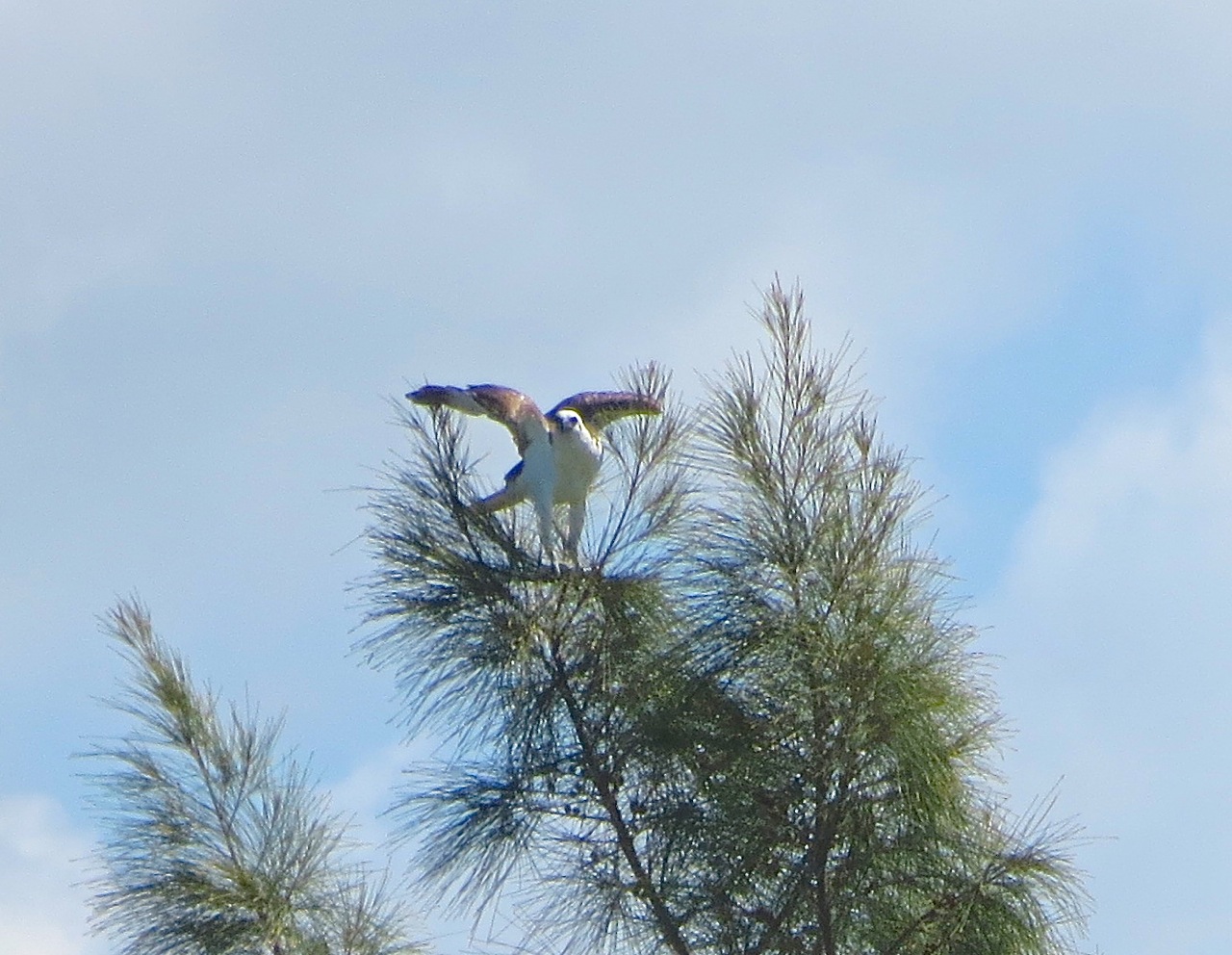
On Abaco the Osprey is a permanent breeding resident, and while certainly not an ‘every day bird’, the chances of seeing one are reasonable. They are fairly often seen flying over the bay at Delphi, or out on the Marls. A pair recently nested at Sandy Point close to Nancy’s restaurant.
There are few more exhilarating sights in the world of birds than an osprey swooping from a great height into the sea, emerging with a large fish held characteristically ‘fore and aft’ in its talons, and flying into the distance with heavy wing-beats. This wonderful close-up by wildlife photographerPHIL LANOUEshows an osprey that has actually managed to grab dinner for two…
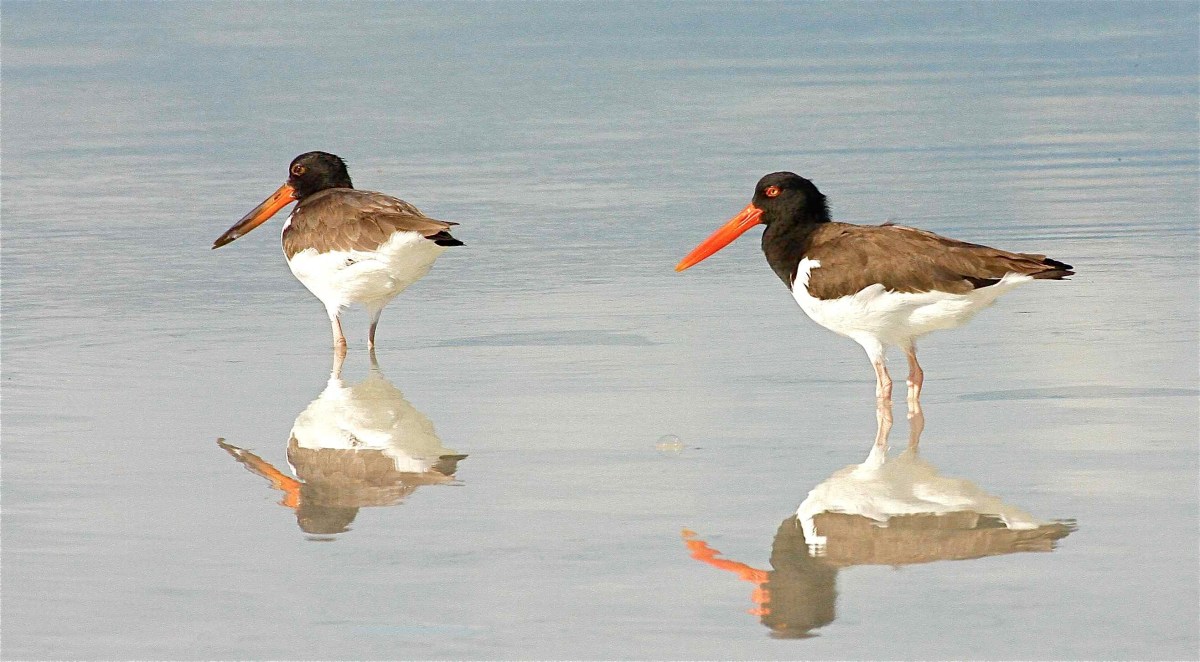
This bird looks as if it is poised to dive onto some hapless fish
10 PANDION POINTS TO PONDER
Ospreys are also known as sea hawks, fish hawks or fish eagles. They are almost exclusively fish-eating
A mature adult’s wingspan may reach 6 feet
They are the only members of their taxonomic family, genus and species
Ospreys & owls are the only raptors with reversible outer toes to grasp prey firmly
They can carry fish weighing more than 4 lbs
They dive into water feet first to grab its prey; their nostrils can close up to keep out water
Osprey-watch.orgis a global site for mapping osprey nest locations / logging nesting observations
A New Jersey group has designed the optimum artificial nest platform, now an accepted standard
Ospreys usually mate for life
Osprey populations in many areas have been affected by pesticides and by egg trophy-hunters
PUTTING THE ‘PREY’ INTO ‘OSPREY’
A utility post makes a perfect perch for a bonefish snack
CHECK OUT THE TALON…
The impressive wingspan of an Abaco osprey
An osprey far out on the Marls. I managed to get some distance shots of it despite having a fishing rod in my hand…
Osprey, by John James Audubon
The Osprey is a prolific symbol in national, cultural and sporting themes, and has been depicted on Bahamas stamps. And quite right too.
Wm Shakespeare Coriolanus
I think he [Coriolanus] will be to Rome As is the osprey to the fish, who takes it By sovereignty of nature…
Credits: Jim Todd (1, 3), Tom Sheley (2), Phil Lanoue (4), Gareth Rasberry / Wiki (5), Danny Sauvageau (6, 8), Woody Bracey (7), Craig Nash (9), RH (Marls pics) – thanks for all image use permissions
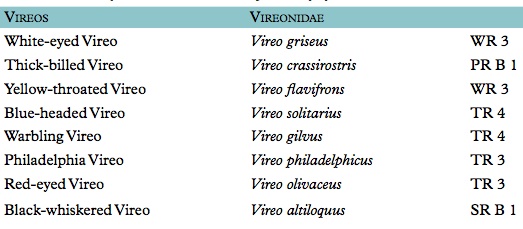
Vireos haven’t had as much attention as they deserve hereabouts. I have posted about the BLACK-WHISKERED VIREO, but the 7 other vireo species found on Abaco haven’t had much of a look in. It’s a wrong that I shall right at once by featuring the rather shy Philadelphia VireoVireo philadelphicus. Here is the full list of the vireos recorded for Abaco, from which you will see that only the Thick-billed Vireo is a common permanent resident. The Black-whiskered vireo is a common summer breeding resident; there are 2 uncommon winter residents; and the other 4 are transients that chose Abaco as a resting place on their migrations.
Taken from ‘The Birds of Abaco’ checklist by Tony White with Woody Bracey
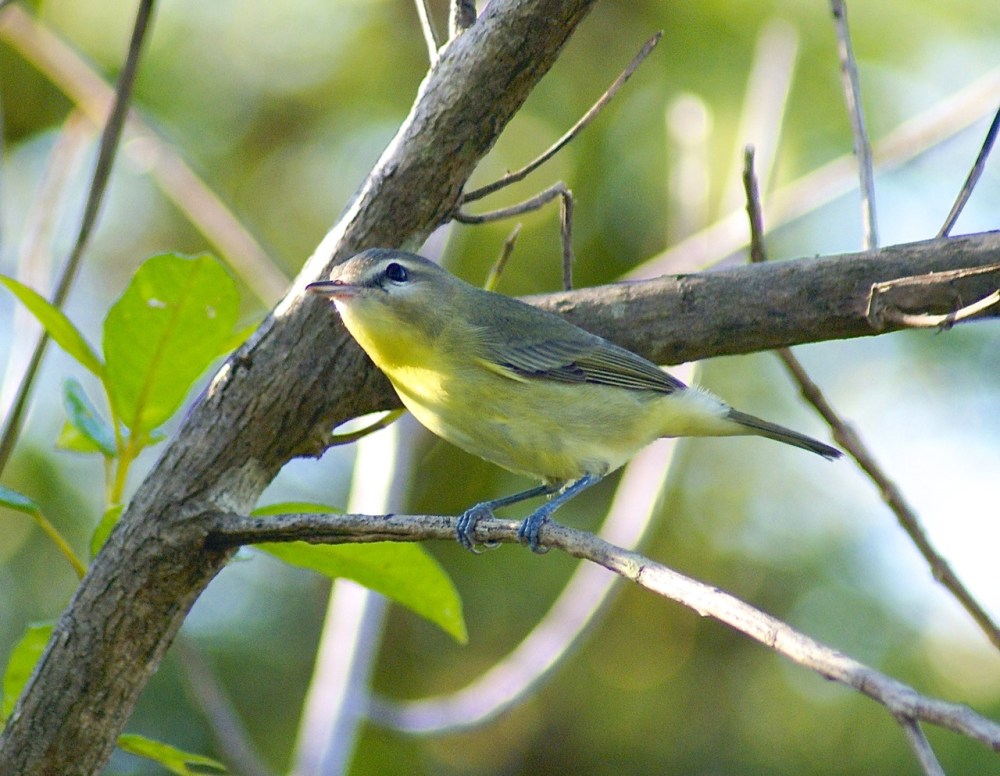
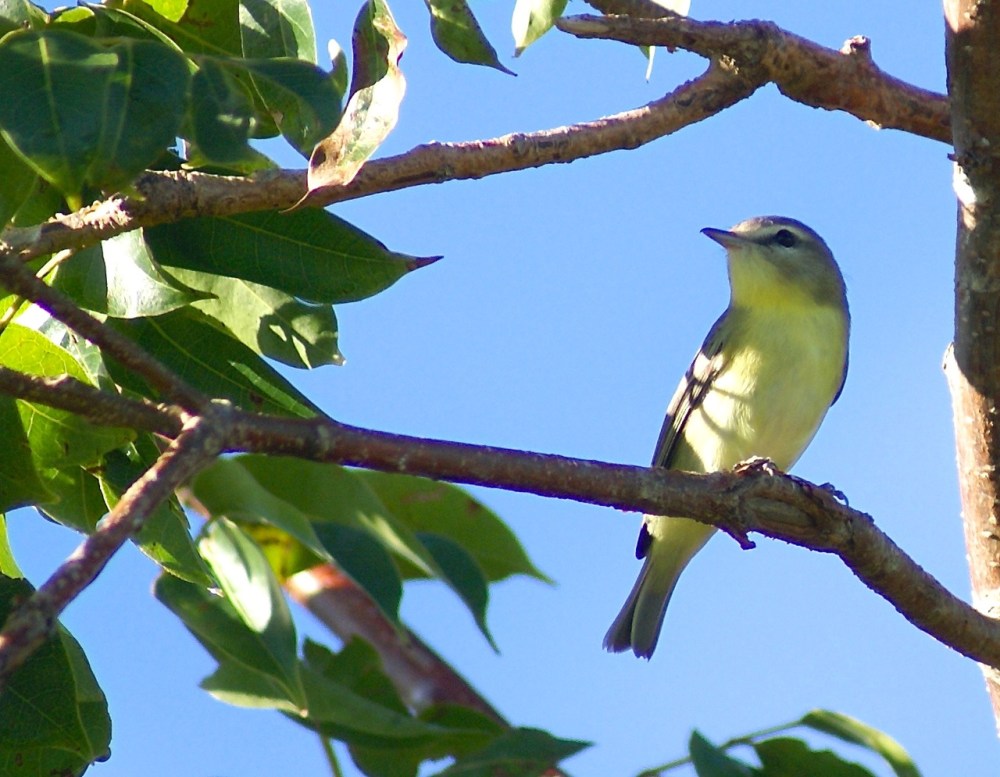
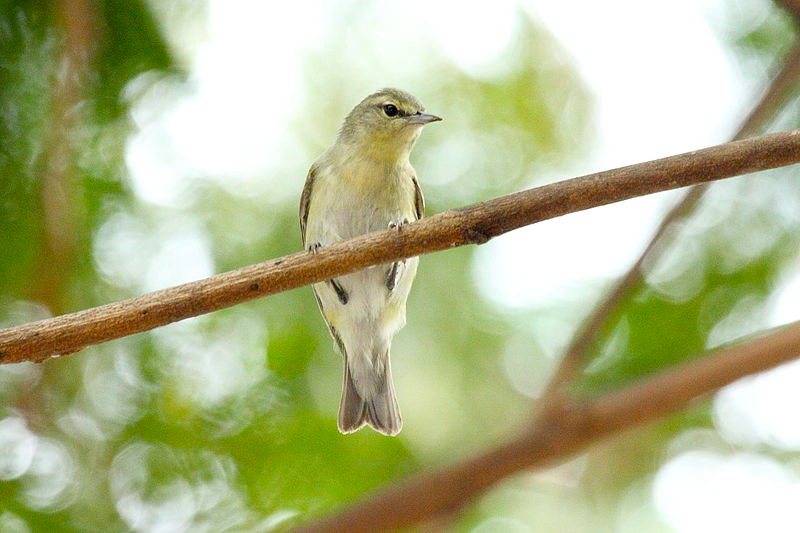
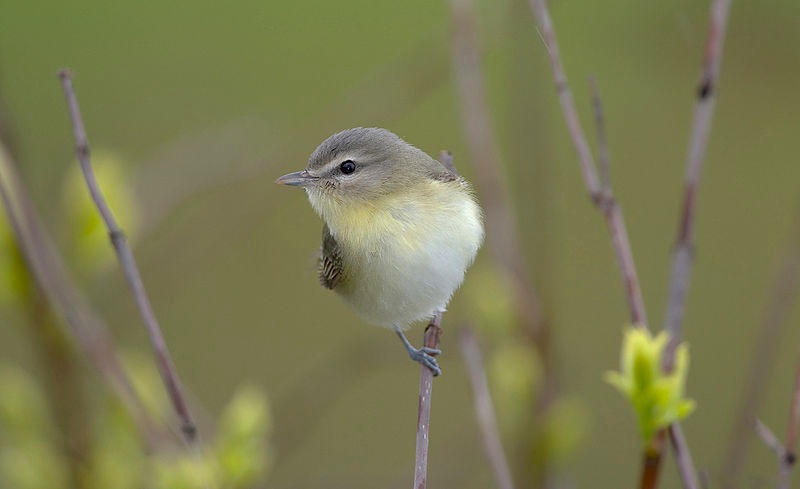
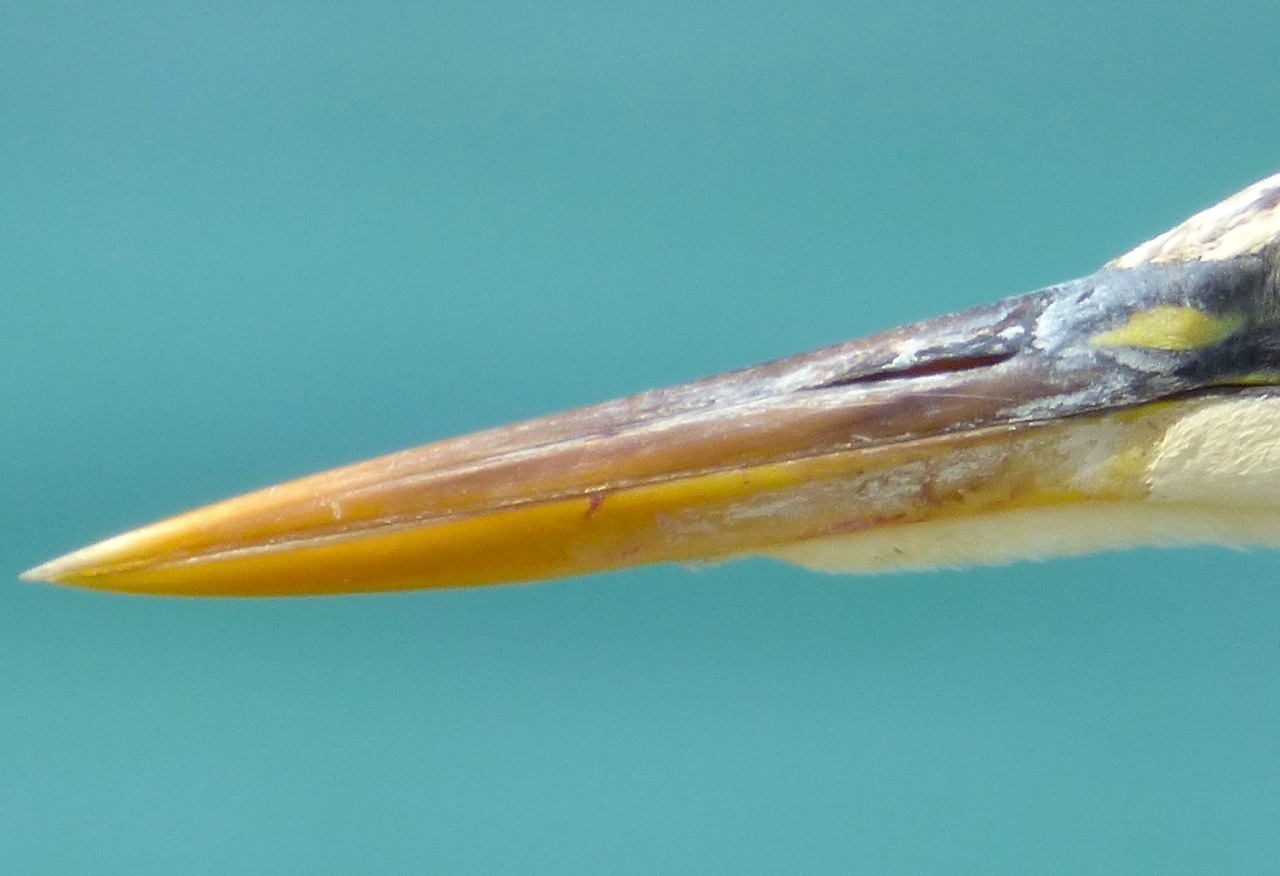
This little bird tends to be described with such unkind adjectives as ‘drab’, ‘dull’ and ‘plain’, but like many under-appreciated species it has its own charm. The header image and the one above give excellent close-up views. The signifiers include the dark eyes, white eyebrows, the dark line through the eyes, the yellow underparts, and in the negative sense the complete absence of eye rings, wing bars or tail markings. And the thick bill is one quick way to distinguish it from similar-looking warbler species, with their generally smaller, pointy beaks.
The Philadelphia Vireo has a wide range, from its summer breeding grounds as far north as Canada down to its winter quarters in Mexico and South America. They have even, very rarely, been seen in Europe. The connection with Philadelphia is somewhat tenuous and arises because the bird was first identified in 1842 from a specimen collected near Philadelphia. However their visits there are brief, since at best it is only a stopover on their migration route…
Here is the song comparison between (in order) the Philly, the familiar TBV whose song accompanies everyday life on Abaco, and the Black-whiskered vireo. My TBV recording is rather quieter than the other 2.
Andrew Spencer / Xeno Canto
RH at Delphi
Brian Cox / Xeno-Canto
If you want to know how to record birdsong easily using an iPhone or equivalentCLICKHERE
Credits: Woody Bracey (2, 3); Brian McClure, Dominic Sherony, William H. Majoros, Xeno Canto, Wiki, Cornell Lab
STANDIN’ ON THE DOCK OF THE BAY: GREAT BLUE HERON ON ABACO
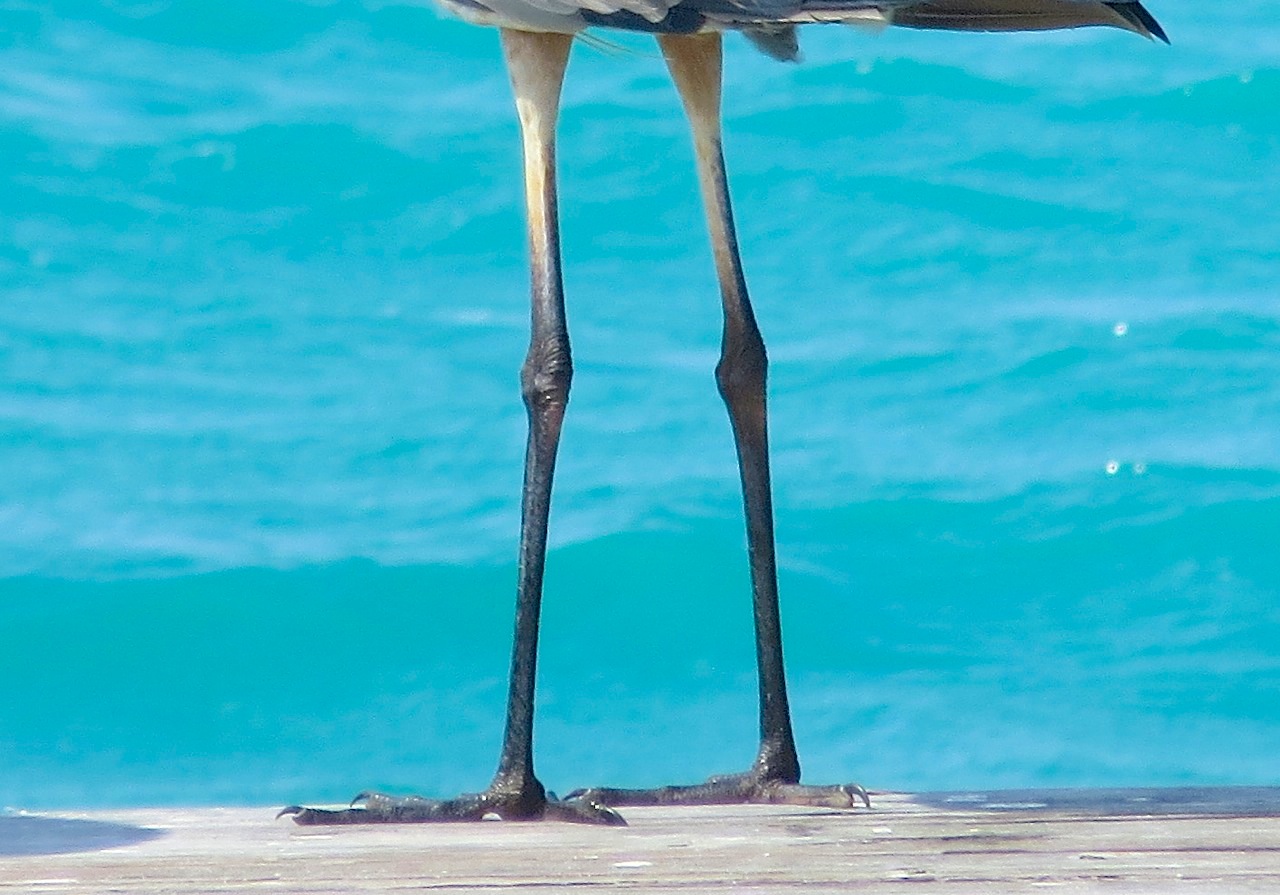
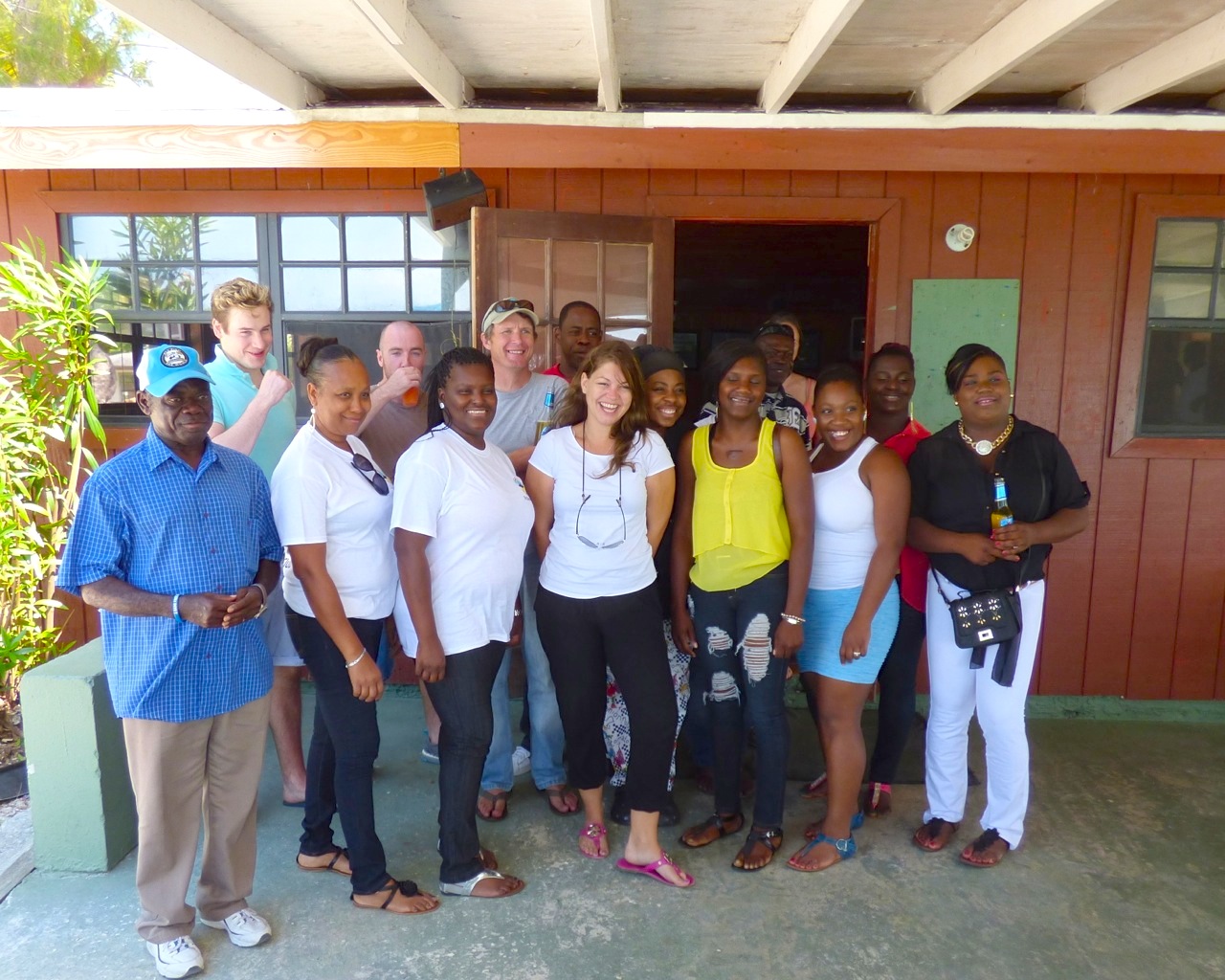
The occasion: a trip to Sandy Point for a lunch party at the legendary Nancy’s in honour of Sandy Walker at the end of his 5 years as manager of the Delphi Club. A pair of brown pelicans on the nearby dock were clumsily flying around, diving, perching, drying their feathers, then repeating the cycle. In a quiet moment I slipped away to watch them – and a Great Blue Heron landed quite close by me. So as well as taking photos of the pelicans, I pointed the camera at the heron from time to time. My favourite view is of it standing proudly on the edge of the dock, with the truly azure sea behind it (header and final image).
THE PERILS OF A CAMERA UPGRADE
[PHOTOGRAPHIC INTERLUDE – SKIP IF EASILY BORED BY SUCH THINGS]
I don’t have a fancy camera. I would never get the settings right before the bird had flown. Or died, even. So I had been using a Panasonic Lumix FZ45 kindly given to me by Mrs RH in a benign moment, possibly Christmas. Then I made a classic error of upgrading to an FZ72 with an alleged massive 60X zoom. Brilliant, I thought. Big mistake. My old camera has a Leica lens. Used with care and a lens extension (zeugma score!), it is / I am occasionally capable of taking pin-sharp photos. The upgrade camera’s lens turned out not to be a Leica. Almost all the shots I took were ‘soft’, the more so using the zoom. A soft photo taken with a less good lens, zoomed 60X, will never be a better photo. Just an even softer one. I wish I’d had Old Faithful with me instead. When we got home, I immediately dug out OF and sold 60X disappointment. OF is now reinstated as my BF.
The shots of this heron mostly turned out fairly well, largely because it stayed quite close to me. It flew off a couple of times, then returned to the edge of the dock. Here are a few close-up views of the heron selected from the various pics I took, showing some of the details of this fine bird.Then I remembered why I was meant to be at Sandy Point, and went back to Nancy’s for conch fritters and a Kalik or two well OK make that three…
ROLLING HARBOUR MUSICAL DIGRESSION
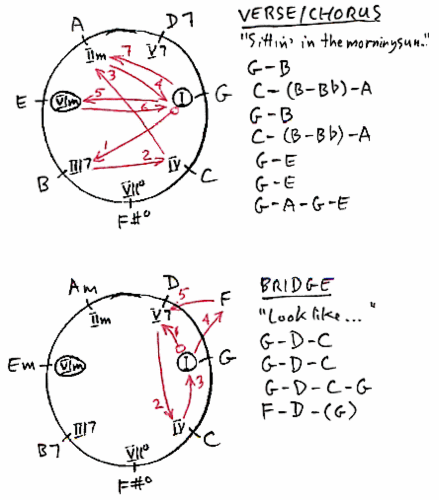
Otis Redding recorded ‘Sittin’ on the Dock of the Bay’, arguably his greatest moment, in 1967 a matter of days before he died in a plane crash. The record became the first ever posthumous US Chart #1 (#3 in UK). I’ve dug out a video compo by the excellent Rhino outfit that disinters or at least recycles gems from our musical heritage. It’s not just the voice of Otis Redding that makes this song so poignant and so good – Steve Cropper’s guitar is outstanding too.
Guitarists out there – you want a ‘Chase Chart’, don’t you?
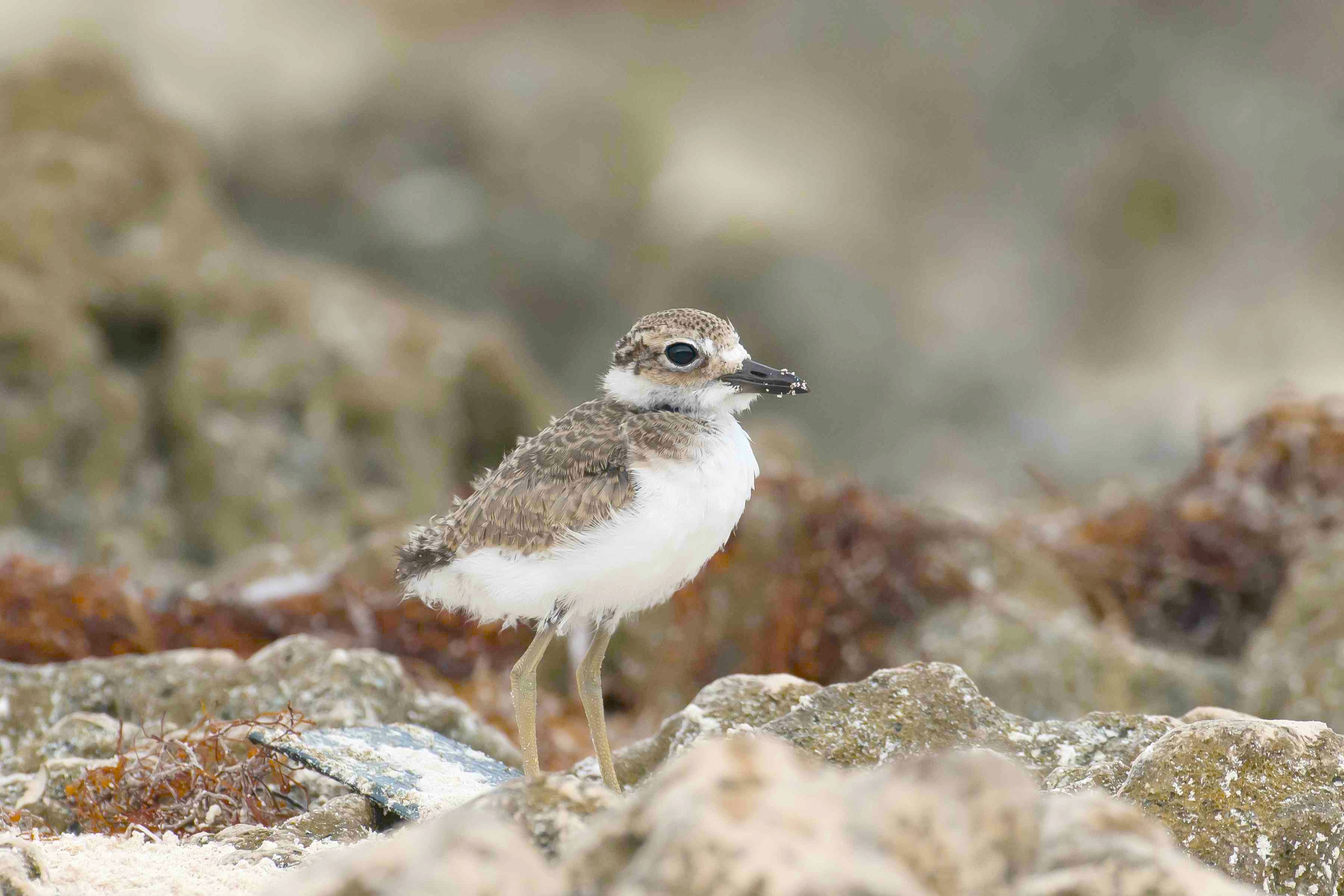
Wilson’s Plover & Chick, Delphi Club Beach, Abaco (Sandy Walker)
WORLD SHOREBIRDS DAY – ABACO’S 33 SHORE SPECIES (3): PLOVERS
Over the last 2 days, 20 of Abaco’s 33 shorebird species have been featured, LARGER SHOREBIRDSfollowed by SANDPIPERS. The third part of the series concentrates on the 6 plover species found on Abaco. First, I’ve repeated the main Abaco shorebird checklist of 26 species (birds previously featured in bold), with each bird’s ‘availability’ code. I am disregarding the 7 species listed under the checklist because (1) they are transients or vagrants and your chances of encountering one are slim to remote; and (2) because in 16 months I was unable to obtain photos of any of them taken on Abaco, which can’t simply be because they are not photogenic. I still haven’t managed to deal with the shonky formatting, so I’ve given up on that…
The codes will tell you, for any particular bird, when you may see it (P = permanent, WR = winter resident, TR = transient, V = vagrant); whether it breeds (B) on Abaco; and your chance of seeing it, graded from easy (1) to vanishingly unlikely (5).
Black-necked Stilt Himantopus mexicanus PR B 3
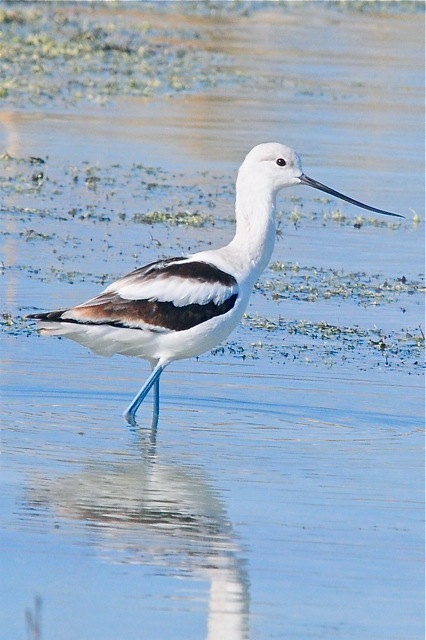
American Avocet Recurvirostra americana WR 4
American OystercatcherHaematopus palliatus PR B 2
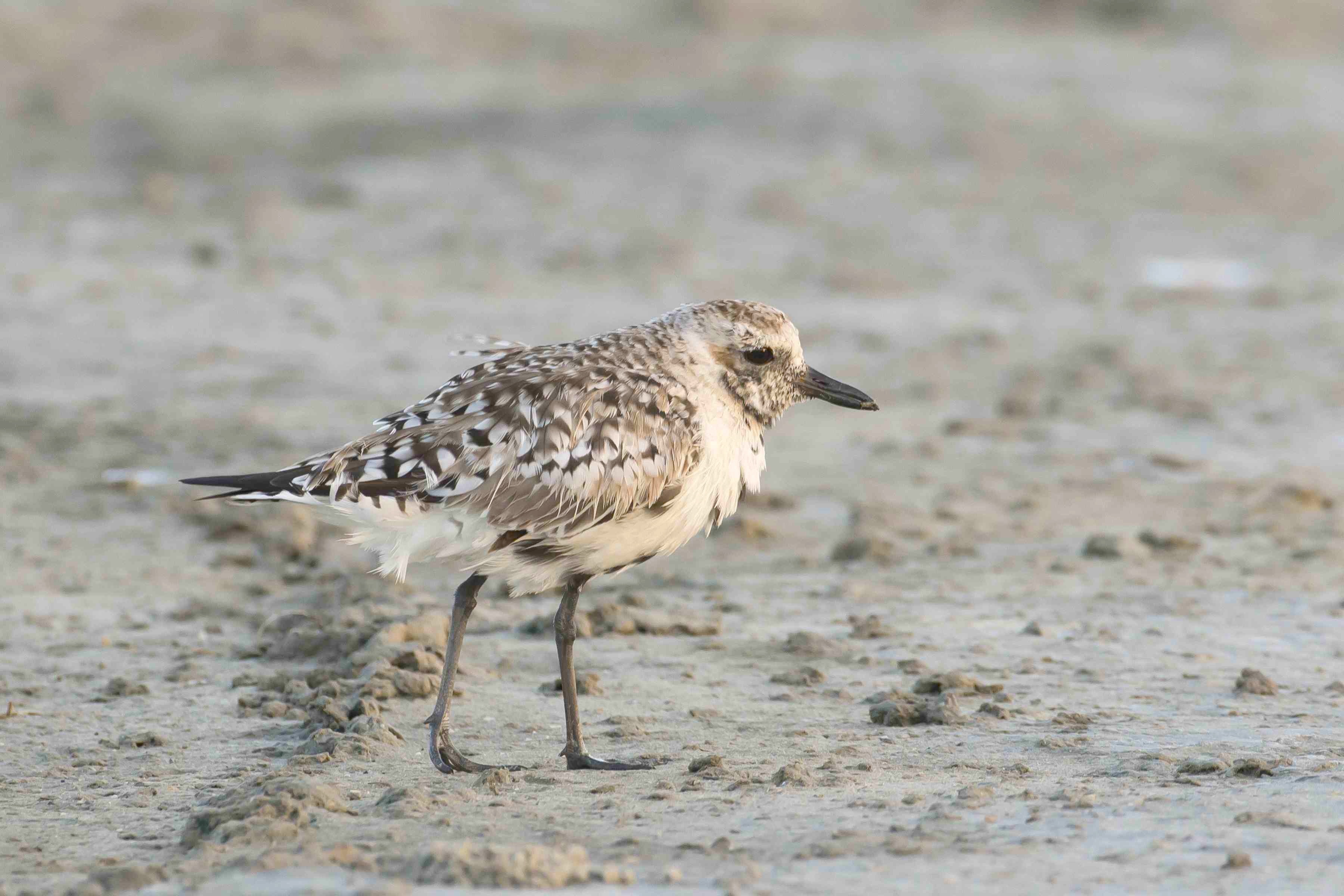
Black-bellied Plover Pluvialis squatarola WR 1
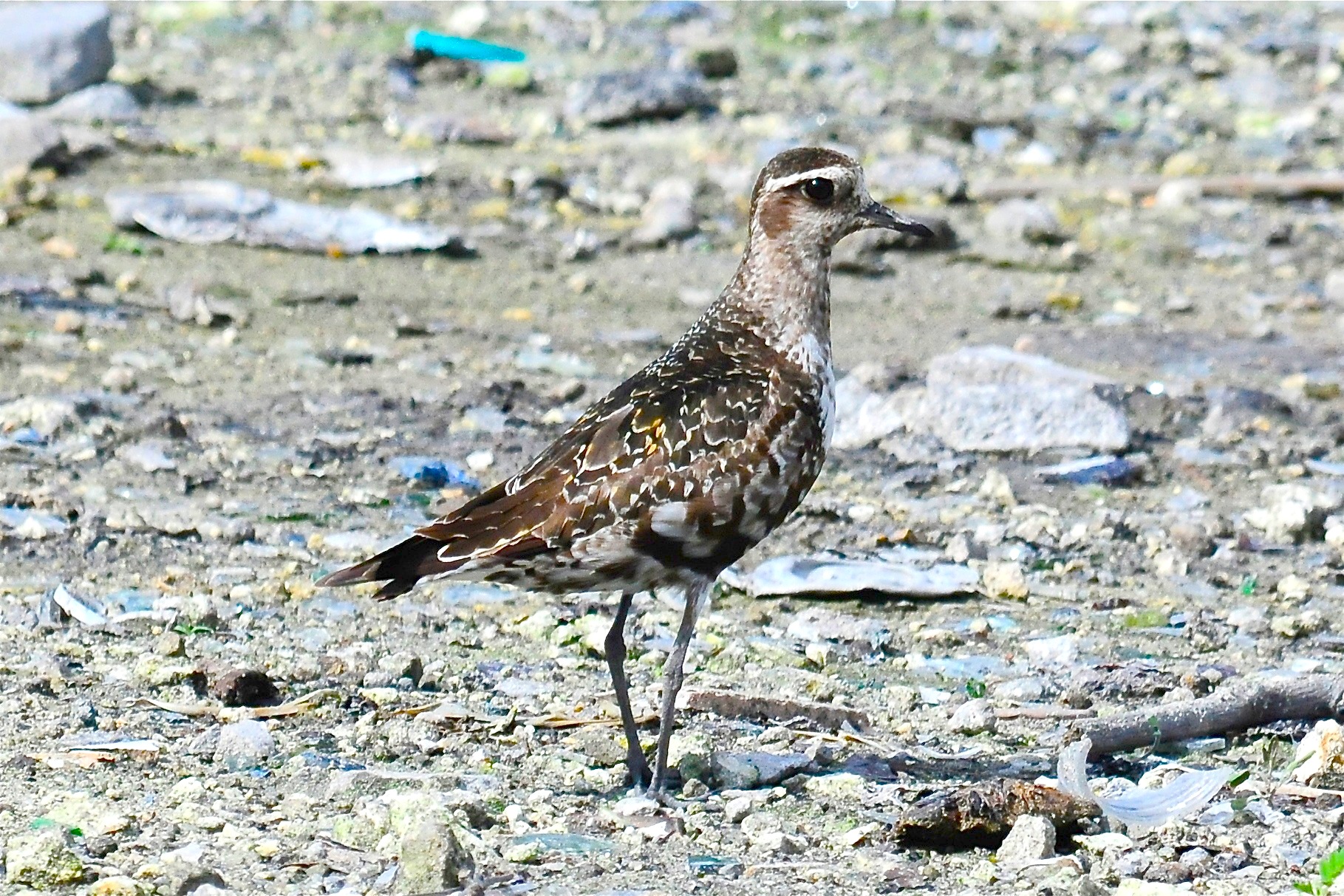
American Golden Plover Pluvialis dominica TR 4
Wilson’s Plover Ochthodromus wilsonia PR B 2
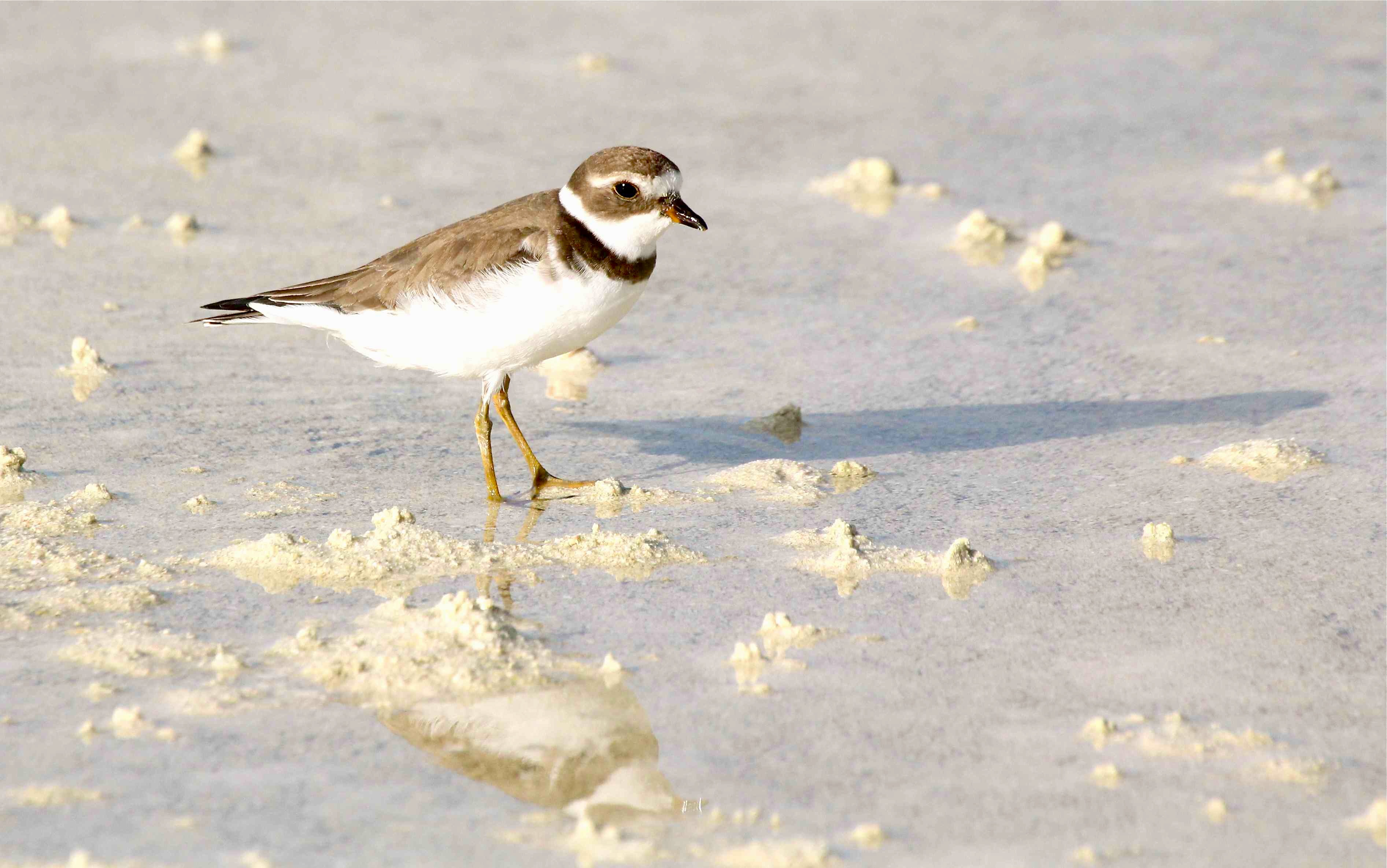
Semipalmated Plover Charadrius semipalmatus WR 2
Piping Plover Charadrius melodus WR 3
Killdeer Charadrius vociferus WR 2
Spotted Sandpiper Actitis macularius WR 1
Solitary SandpiperTringa solitaria WR 2
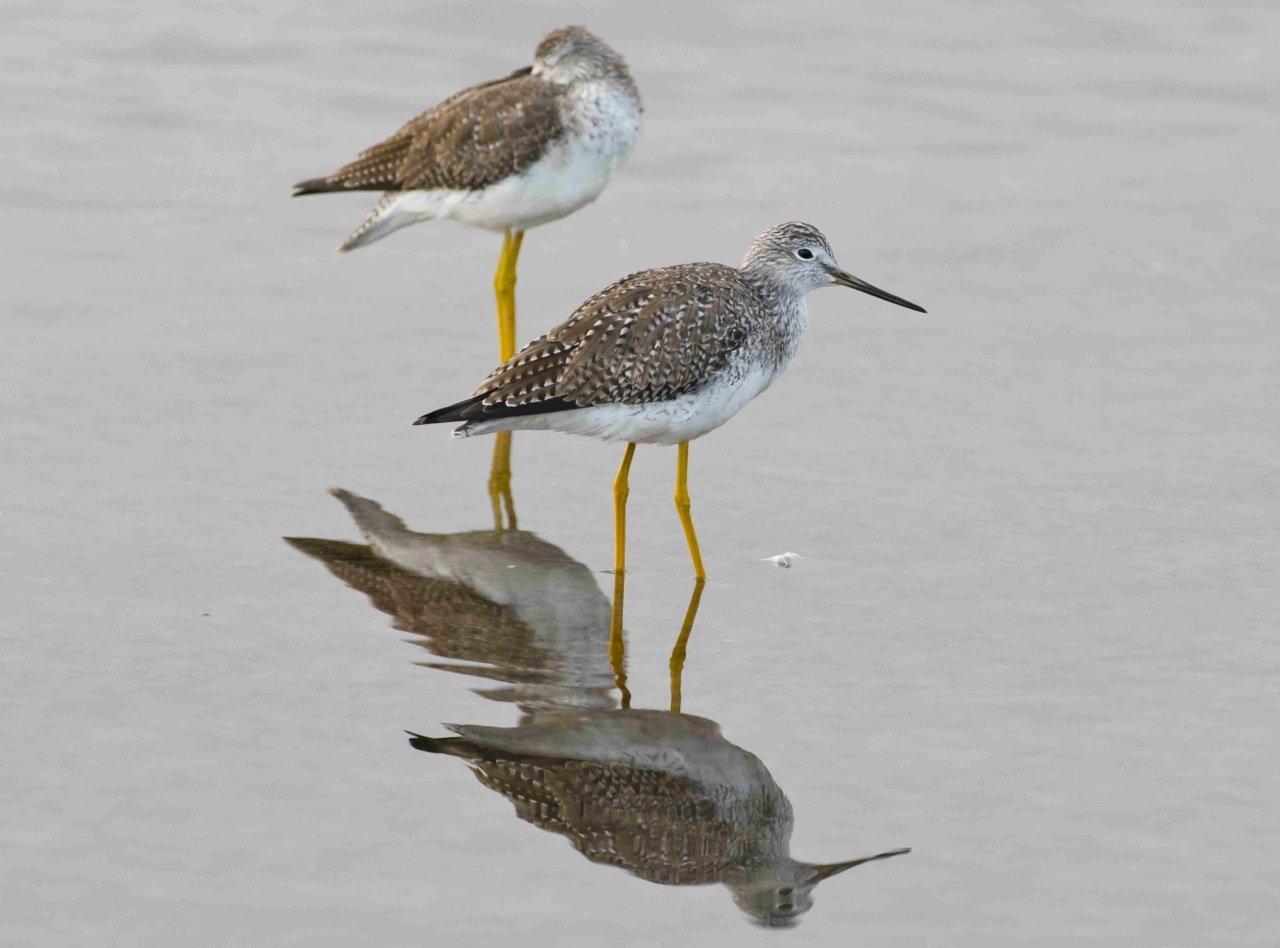
Greater Yellowlegs Tringa melanoleuca WR 2
Willet Tringa semipalmata PR B 2
Lesser Yellowlegs Tringa flavipes WR 3
Ruddy TurnstoneArenaria interpres PR 2
Red Knot Calidris canutus WR 3
SanderlingCalidris alba WR 1
DunlinCalidris alpina WR 2
Least Sandpiper Calidris minutilla WR 2
White-rumped SandpiperCalidris fuscicollis TR 3
Semipalmated SandpiperCalidris pusilla TR 2
Western Sandpiper Calidris Mauri TR 2
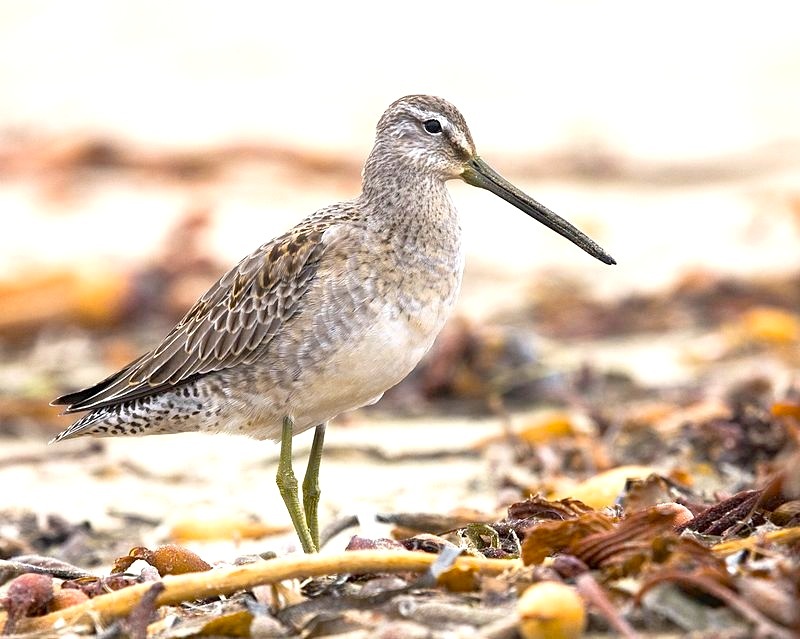
Short-billed DowitcherLimnodromus griseus WR 1
Long-billed DowitcherLimnodromus scolopaceus WR 4
Wilson’s Snipe Gallinago delicata WR 3
Wilson’s PhalaropePhalaropus tricolor V 4
The other 7 species of shorebird recorded for Abaco – all transients or vagrants – are: Upland Sandpiper TR 4, Whimbrel TR 4, Hudsonian Godwit V5, Marbled Godwit V5, Buff-breasted Sandpiper V5, Pectoral Sandpiper TR 3, Stilt Sandpiper TR 3
PLOVERS ON ABACO
The best-known of the 6 Abaco plover species is the Wilson’s Plover, because it is the only permanent resident. The American Golden Plover is a rare transient, but we luckily have one taken on on Abaco. All the others are winter residents and easy to middling hard to find. All except the American Golden Plover may be found on the beach at Delphi or the rocks at either end. The Piping Plover is the most interesting species, with a mere 8000 left in the world and a vigorous conservation program to protect them and their habitat. Their summer breeding range is in Canada, central US and the eastern seaboard. In winter they migrate south, and Abaco is one of their homes. At Delphi we are very fortunate that every year some choose the beach for their winter retreat.
BLACK-BELLIED PLOVER Pluvialis squatarola WR 1
You may well wonder why a bird with such a very specific belly-related colour designation has a white one in the photo. It’s because this is the non-breeding plumage (in fact, intermediate), so I have borrowed from Audubon Magazine (‘tip of the hat’) to show a non-Abaco bird in its breeding plumage.
AMERICAN GOLDEN PLOVER Pluvialis dominica TR 4
SEMIPALMATED PLOVER Charadrius semipalmatus WR 2
KILLDEER Charadrius vociferus WR 2
PIPING PLOVER Charadrius melodus WR 3
WILSON’S PLOVER Ochthodromus wilsonia PR B 2
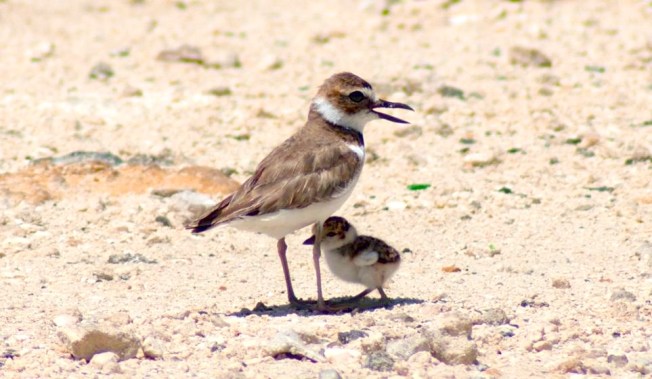
This permanent resident plover is a year-round presence on the Delphi Club beach, where in summer they nest and raise their tiny fluffball chicks (see Sandy Walker’s wonderful header image). I’m posting in some detail about these because it’s a while since I featured them. Links to other relevant posts are given below. All the following photos bar 1 were taken on the beach at Delphi.
The photo below was taken by Tom Sheley at Nettie’s Point, the skiff launching point for the day’s bonefishing on the Marls. The plover pair had made a scrape and nested there. They chose a tricky place to do so – it was just where the trucks are turned after off-loading the skiffs. So the guides built a protective driftwood enclosure to protect the nest and prevent tragedy. The plovers, unfazed by the human proximity and activity, raised their family safely. I mostly saw the female on the nest within the square wooden pen, with the male usually close by, standing guard protectively.
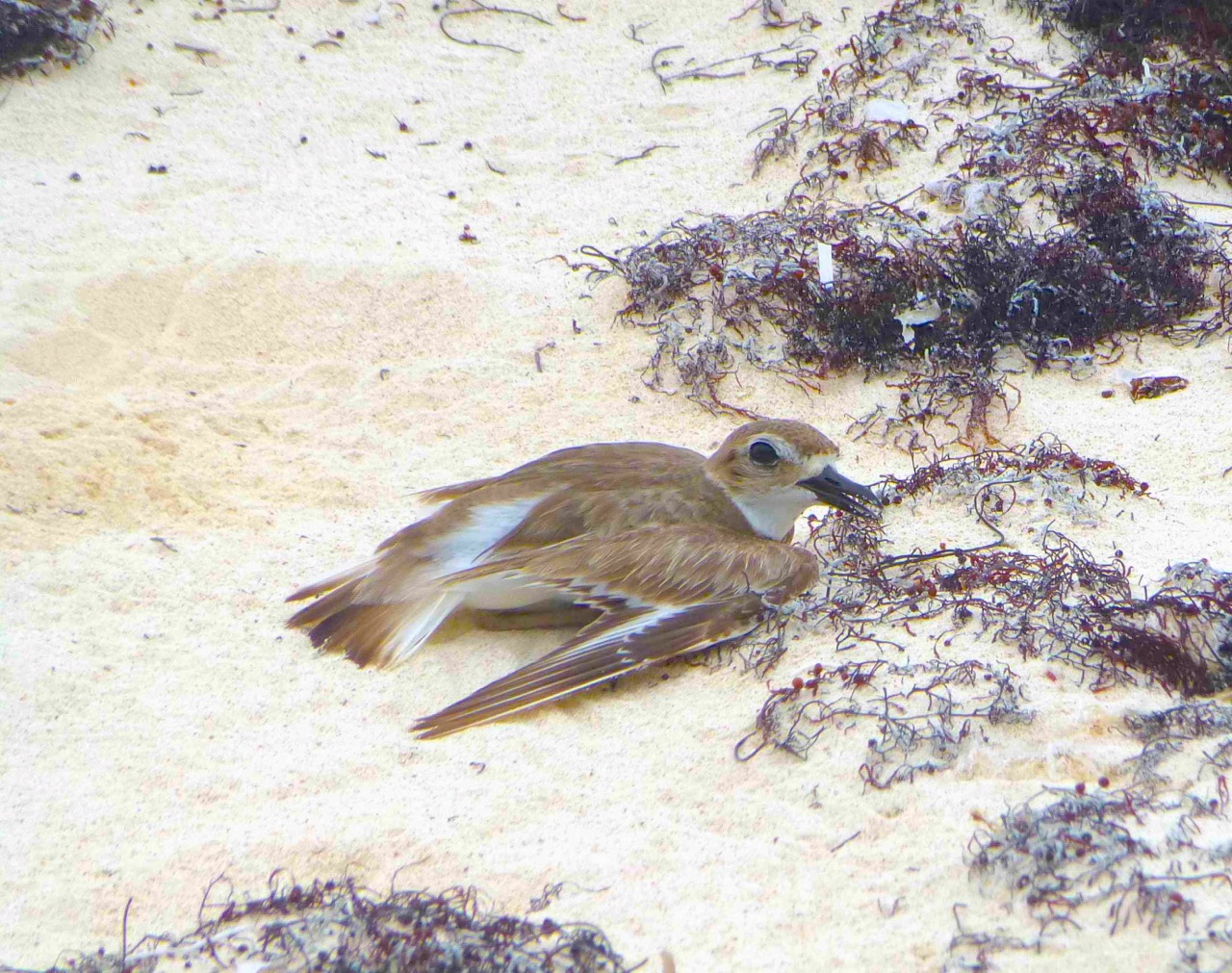
This plover, photographed on the Delphi beach, is performing a typical ‘broken wing’ display, a tactic used to draw predators away from a nest site. The bird makes itself appear to be wounded and vulnerable, and flaps pathetically about on the ground… gradually getting further from the nest. If the going gets tough and the predator gets too close for comfort, the plover gets going by unexpectedly flying off.
WORLD SHOREBIRDS DAY: ABACO’S 33 SHOREBIRD SPECIES (2)
Yesterday I featured 8 of the larger, longer-billed species among Abaco’s 33 shorebirds. Plus one cute Wilson’s Plover chick as page-bait! A number of those are classified as sandpipers. To see them, click HERE. Today it’s the turn of the smaller sandpiper species, little birds with long beaks for their size that in general help differentiate them from the stubby-beaked plover species. To recap, here is the main Abaco shorebird checklist of 26 species (birds previously featured in bold):
The codes will tell you, for any particular bird, when you may see it (P = permanent, WR = winter resident, TR = transient, V = vagrant); whether it breeds (B) on Abaco; and your chance of seeing it, graded from easy (1) to vanishingly unlikely (5).
Black-necked Stilt Himantopus mexicanus PR B 3
American Avocet Recurvirostra americana WR 4
American OystercatcherHaematopus palliatus PR B 2
Black-bellied Plover Pluvialis squatarola WR 1
American Golden-Plover Pluvialis dominica TR 4
Wilson’s Plover Ochthodromus wilsonia PR B 2
Semipalmated Plover Charadrius semipalmatus WR 2
Piping Plover Charadrius melodus WR 3
Killdeer Charadrius vociferus WR 2
Spotted Sandpiper Actitis macularius WR 1
Solitary Sandpiper Tringa solitaria WR 2
Greater Yellowlegs Tringa melanoleuca WR 2
Willet Tringa semipalmata PR B 2
Lesser Yellowlegs Tringa flavipes WR 3
Ruddy Turnstone Arenaria interpres PR 2
Red Knot Calidris canutus WR 3
Sanderling Calidris alba WR 1
DunlinCalidris alpina WR 2
Least Sandpiper Calidris minutilla WR 2
White-rumped Sandpiper Calidris fuscicollis TR 3
Semipalmated Sandpiper Calidris pusilla TR 2
Western Sandpiper Calidris Mauri TR 2
Short-billed DowitcherLimnodromus griseus WR 1
Long-billed DowitcherLimnodromus scolopaceus WR 4
Wilson’s Snipe Gallinago delicata WR 3
Wilson’s Phalarope Phalaropus tricolor V 4
The other 7 species of shorebird recorded for Abaco – all transients or vagrants – are: Upland Sandpiper TR 4, Whimbrel TR 4, Hudsonian Godwit V5, Marbled Godwit V5, Buff-breasted Sandpiper V5, Pectoral Sandpiper TR 3, Stilt Sandpiper TR 3
SANDPIPERS
Of the sandpiper species shown below, 9 of the 10 are ones that, at the right time and in the right place, you may see on Abaco. The tenth, the Wilson’s Phalarope, is the first specimen ever recorded for Abaco and as far as is known this is the only photo of it (props to Woody Bracey for this accomplished ‘get’). Again, some of the birds shown below were photographed on the Delphi Club beach.
SPOTTED SANDPIPER Actitis macularius WR 1
SOLITARY SANDPIPER Tringa solitaria WR 2
RUDDY TURNSTONE Arenaria interpres PR 2
RED KNOT Calidris canutus (non-breeding plumage)WR 3
Wilson’s Plover chick, Delphi Club Beach, Abaco (Tom Sheley)
WORLD SHOREBIRDS DAY: ABACO’S 33 SHORE SPECIES (1)
Abaco is home to 33 shorebird species. Like the human residents of the main island and cays, some are permanent; some are winter visitors arriving to enjoy a warmer climate; and some a transients (e.g. Delphi Club members). To celebrate today being World Shorebirds Day, I am going to feature Abaco’s quota of the world’s shorebirds in 3 posts over the next few days. I’ll start with the definitive checklist of Abaco’s shorebirds compiled by Bahamas Birding author and authority Tony White with Woody Bracey especially for theBIRDS OF ABACO. I have kept to the conventional / official species order. I’ve let the formatting run wild, though… problematic in WordPress. I may try to sort it. Or perhaps not…
AMERICAN AVOCET Recurvirostra americana WR 4
The codes will tell you, for any particular bird, when you may see it (P = permanent, WR = winter resident, TR = transient, V = vagrant); whether it breeds (B) on Abaco; and your chance of seeing it, graded from easy (1) to vanishingly unlikely (5).
Black-necked Stilt Himantopus mexicanus PR B 3
American Avocet Recurvirostra americana WR 4
American Oystercatcher Haematopus palliatus PR B 2
Of these 26 birds, 23 are ones you might encounter, though some only if you are lucky or your field-craft is excellent. If you happen upon a Long-billed Dowitcher or an American Avocet, tell someone! And the photo I will be posting of a Wilson’s Phalarope is of the first specimen ever recorded for Abaco. And it so happens that I can illustrate them with photographs, mostly from the book archive… What a coincidence. All except 3 were photographed on Abaco; and I have purposely chosen many that were photographed on the lovely 1-mile curve of white sand watched over by the Delphi Club and historically named ‘Rolling Harbour’.
For the sake of completeness, the other 7 species of shorebird recorded for Abaco – all transients or vagrants – are:
OK let’s see some of the birds. I’ll post one shot of each of the 26 birds to show them at their best in their perfect environment – wild coastline. Some of these species haven’t yet featured in the blog at all, or else not for a while. Let’s go with some of the larger and / or long-beaked species, including a couple of matching pairs.
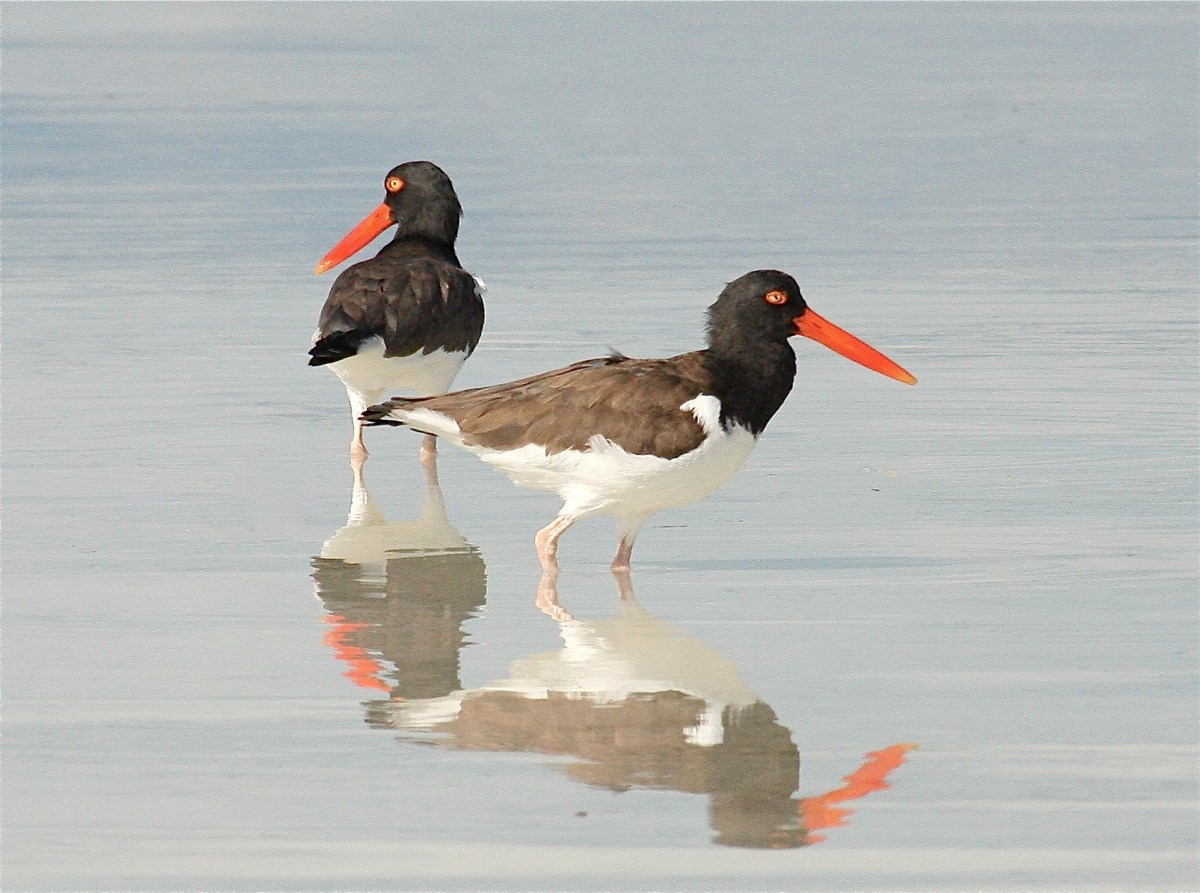
The American Oystercatcher Haematopus palliatus is a familiar shorebird, with the significant advantage that it cannot be mistaken for any other shore species either to look at or to hear. All those little sandpipers and plovers can be very confusing; the handsome AMOY stands out from the crowd. I am posting about this species now as a prelude to WORLD SHOREBIRDS DAY on September 6th. The link will take you to the official Facebook Page where you will find more information, including how to sign up for a pleasant day’s birding, with the chance to report your sightings.
The header picture and the next 2 were taken by photographer and ace birder Tom Sheley on the Delphi Club beach. Unsurprisingly, we used one of these wonderful photographs as a full-page image in The Delphi Club Guide toTHE BIRDS OF ABACO.
Bruce Hallett, author of the essential field guide ‘Birds of the Bahamas and the TCI’ (featured in the sidebar) was a major contributor to the book. Not just with his excellent photographs, either, such as the two below. His knowledge, his patience with my queries, and his scrupulous reading of the final draft to eliminate my errors were vital to the project.
Here are two recordings of oystercatchers, unmistakeable call sounds that will probably be instantly familiar.
Lopez Lanus / Xeno-Canto
Krzysztof Deoniziak / Xeno-Canto
I like the rather dishevelled appearance of this AMOY from Jim Todd, fly fisherman, author of ‘The Abaco Backcountry’, and intrepid kayak explorer around the coast of Abaco.
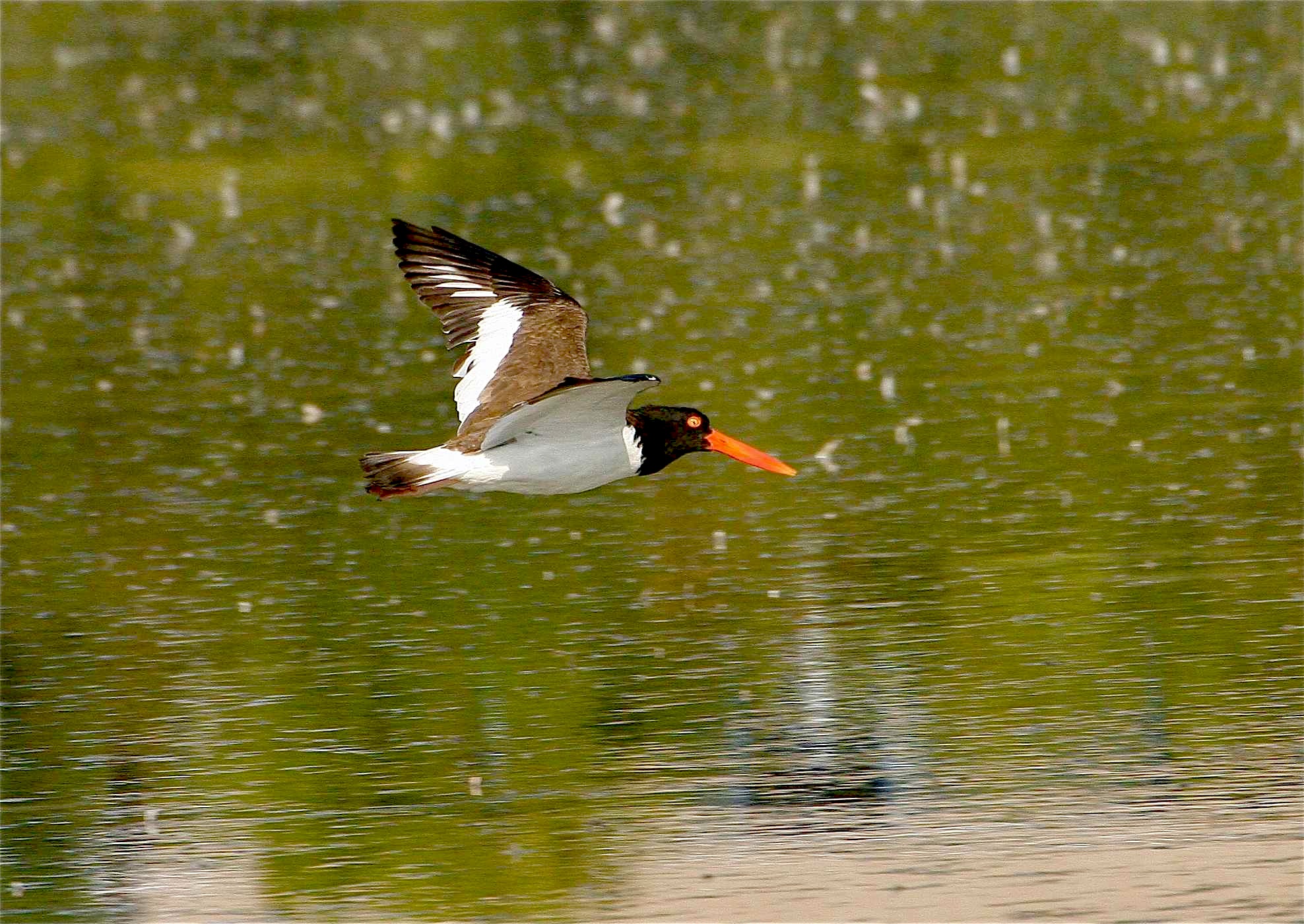
The next two photos were taken on the Delphi beach by Charlie Skinner, another contributor to the book. Below them is an ‘in-flight’ shot by Bruce Hallett.
This fine video from Audubon shows close-up views of the American Oystercatcher, and unleashes more of the distinctive call-sounds – an insistent wittering – of the species. [vimeo https://vimeo.com/48479131%5D
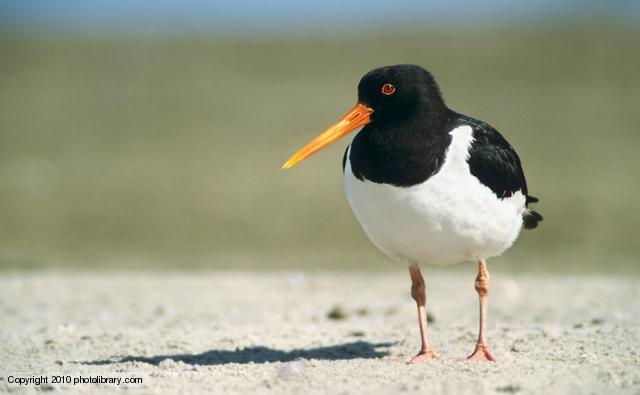
For some time, I found it difficult to distinguish American and Eurasian Oystercatchers. The markings of both species are variable according to gender, age, season and so on, but are generally very similar. Mrs RH noticed the salient difference at once – the eyes. The AMOY has bright orange eyes with red eye-rings; the EUROY’s eyes are the reverse colouring, as this example shows.
Credits: Tom Sheley, Bruce Hallett, Jim Todd, Charlie Skinner, Xeno-Canto, Audubon, BBC
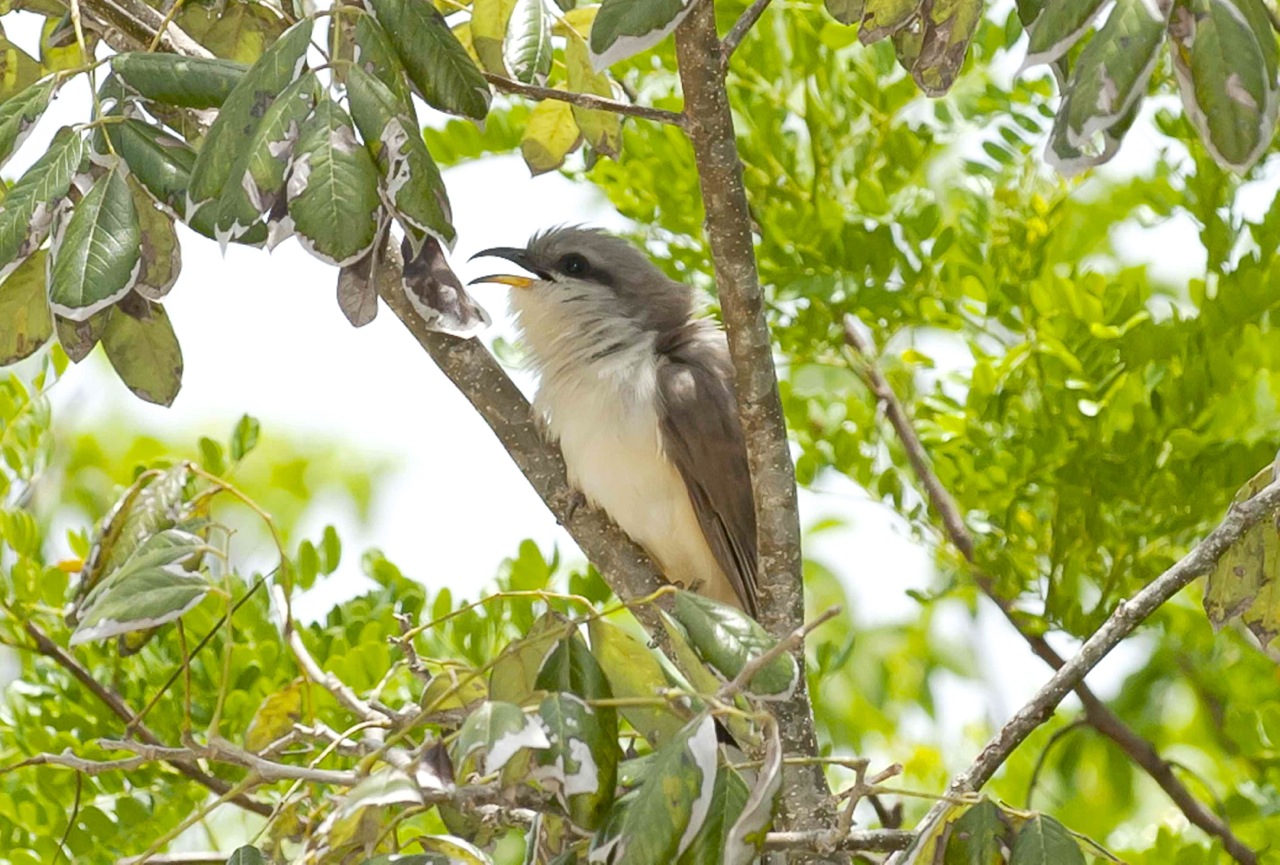
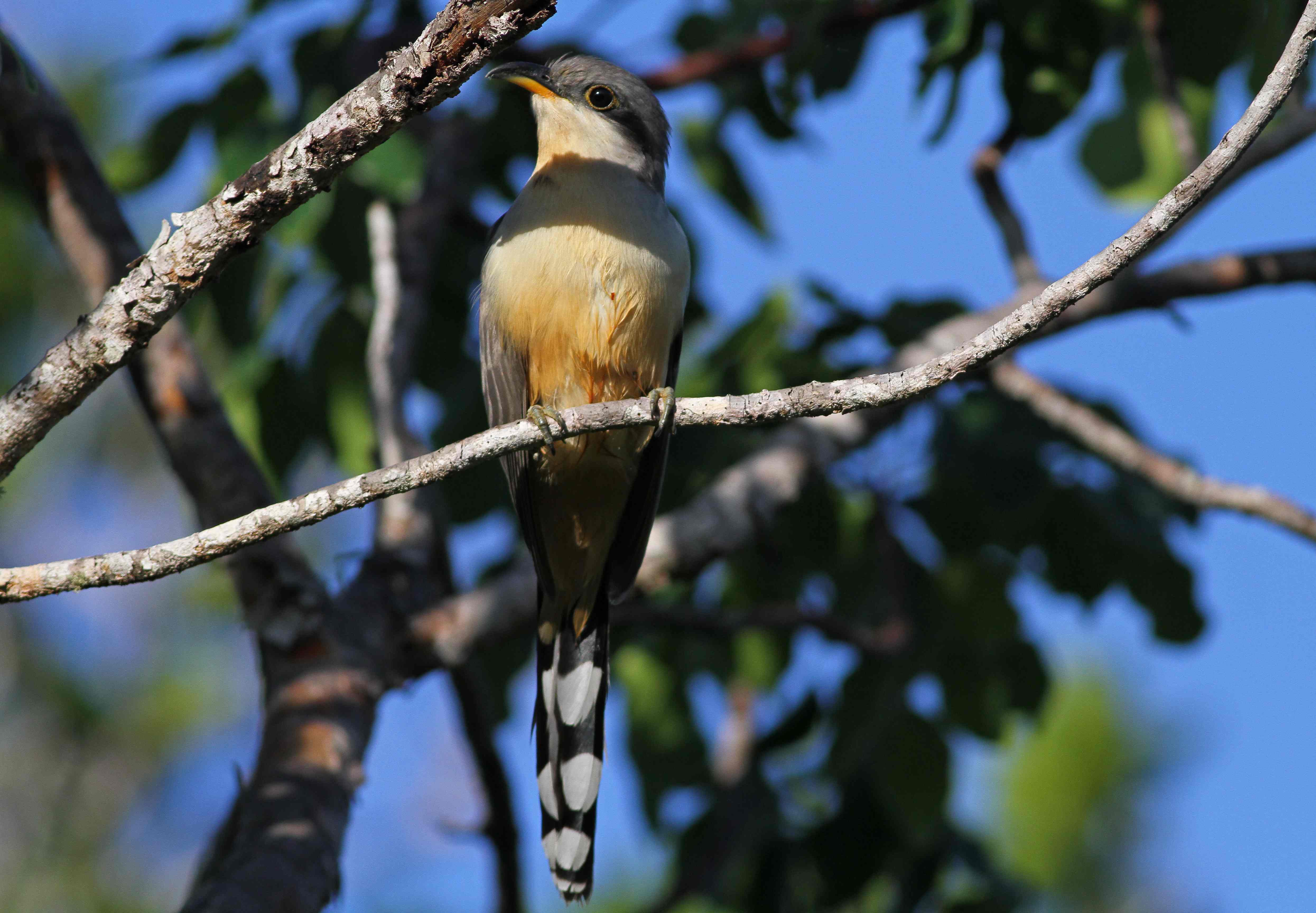
Summer is icumen in, that’s for sure. Has already cumen in, to be accurate. The approach of summer is the time when cuckoos tend to sing loudly (not lewdly, as the old lingo might suggest). The YELLOW-BILLED CUCKOO, recently featured, is one. The MANGROVE CUCKOO (Coccyzus minor) is another. Before I get on to some gorgeous pictures (none taken by me!), let’s have a sample of how this species sounds. The call has been described in various ways, for example as “gawk gawk gawk gawk gauk gauk”. I’m not so sure. And I can’t think of a sensible way to write it out phonetically. So I won’t. Please try, via the comment box…
You will notice that all three birds above have got fat insects in their beaks. A lot of photos in the archive show feeding mangrove cuckoos. Maybe that’s when they are most likely to break cover, for they are quite a shy species. Their preference is for caterpillars and grasshoppers, but they are happy to eat other insects, spiders, snails, lizards and (with a nod to an all-round healthy diet) fruit.
Delphi is lucky to have some of these handsome birds lurking in dense foliage along the drives – the guest drive in particular. Some of these photographs were taken there. Occasionally you may see one flying across a track ahead of a vehicle, flashing its distinctive tail. It’s significant that only the last of these photos shows the bird right out in the open – the rest are all deeper in the coppice.
Credits: Bruce Hallett, Alex Hughes, Tom Sheley, Gerlinde Taurer and the late Tony Hepburn; Audio – Xeno-Canto & Cornell Lab. All photos taken on Abaco!
GRAY CATBIRDS & BIRDBATHS ON ABACO: HANDY FOR A DRINK OR A DIP
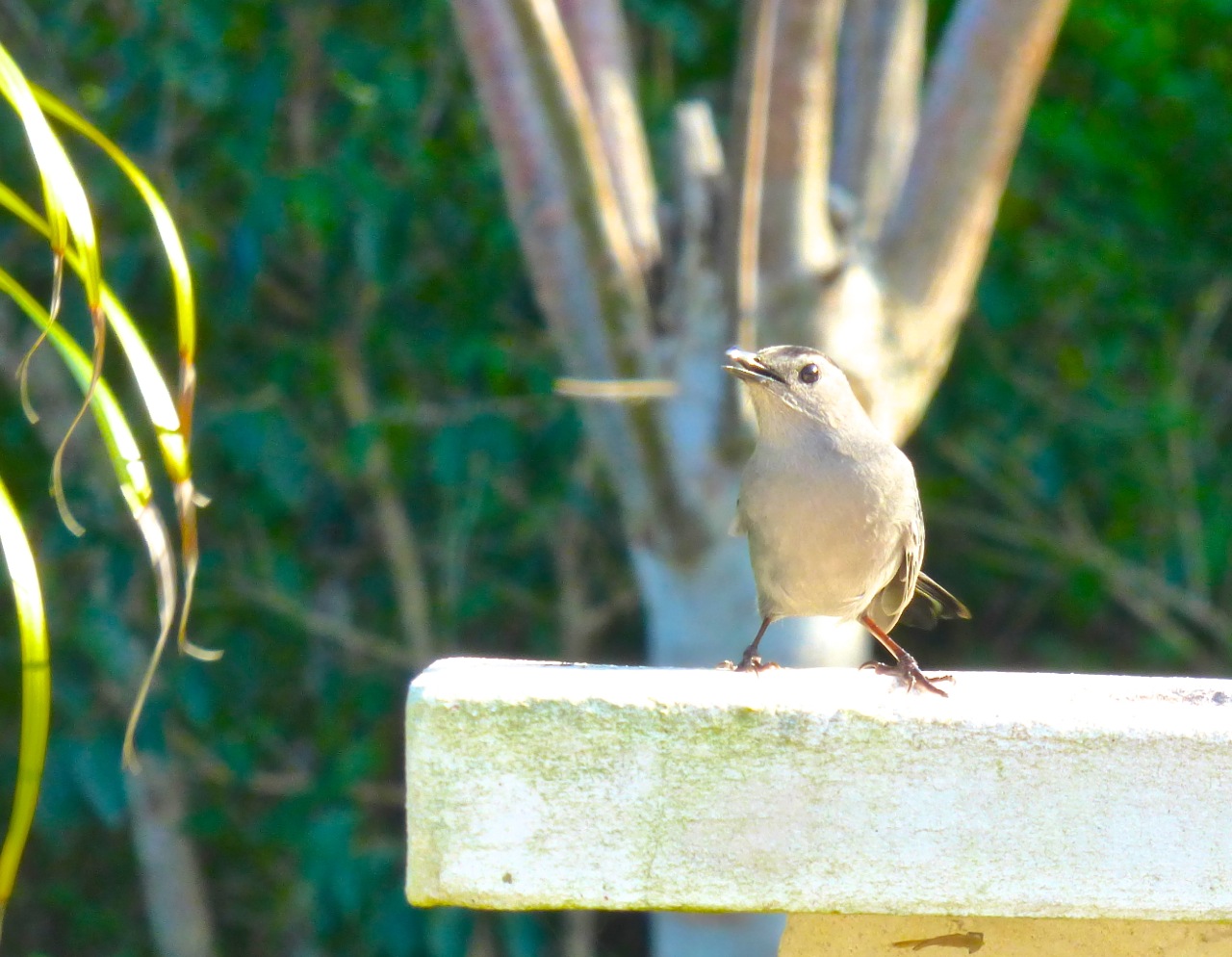
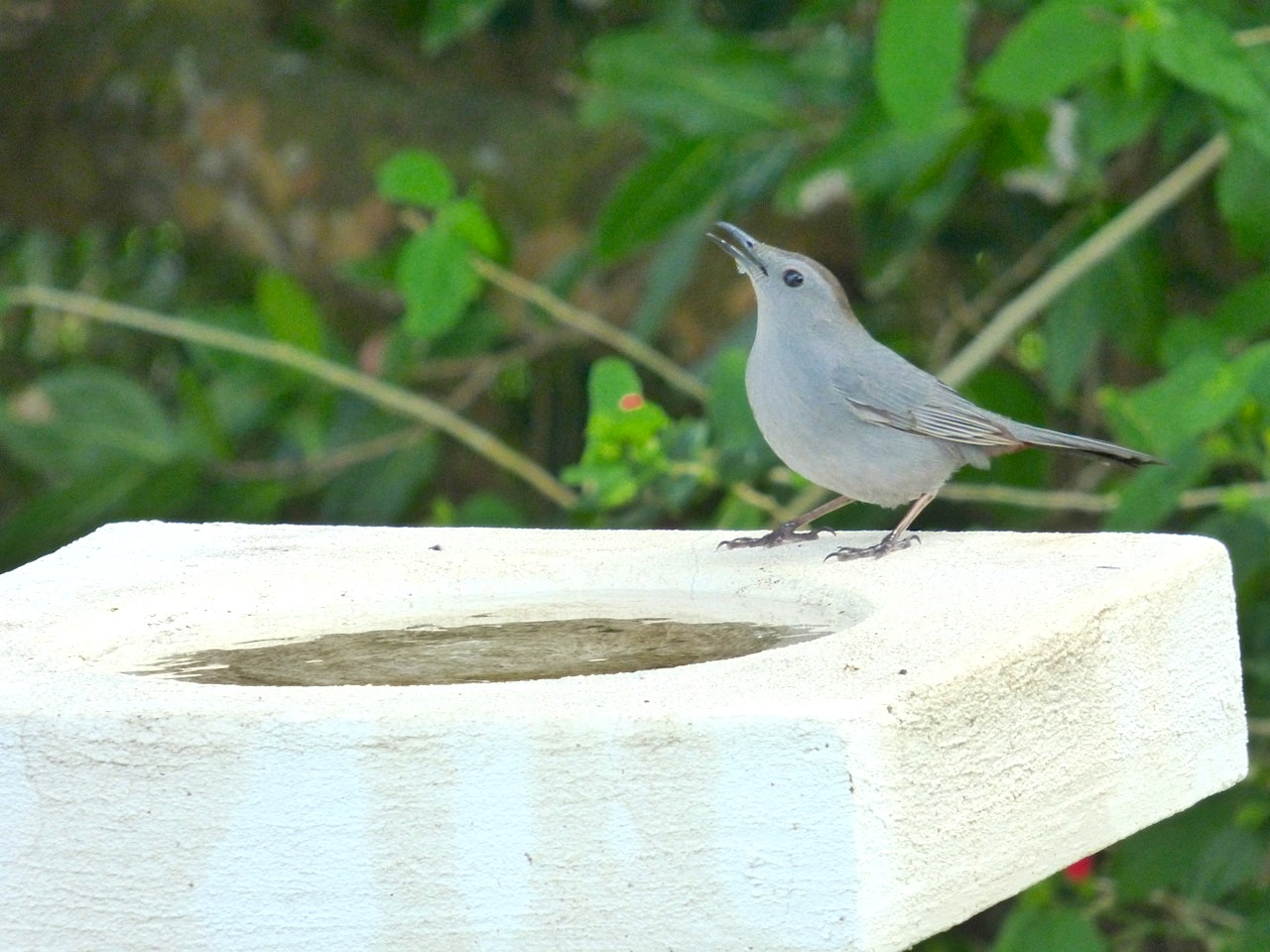
The birdbaths at Delphi are not as popular as the feeders, but certain species seem to make the most of them. Among the frequent users are Greater Antillean Bullfinches, Black-faced Grassquits and Gray Catbirds Dumetella carolinensis. The bird above and in the next 2 photos was one of several species using the poolside birdbath on a hot day. It seemed to pause after taking a drink, as if to enjoy the water trickling down their throats (or is that just me and Kalik?).
This Gray Catbird started the day with a good drink at the birdbath near The Shack. There seems to be a certain amount of gargling and dribbling going on, but clearly it is enjoying some fresh cool water.
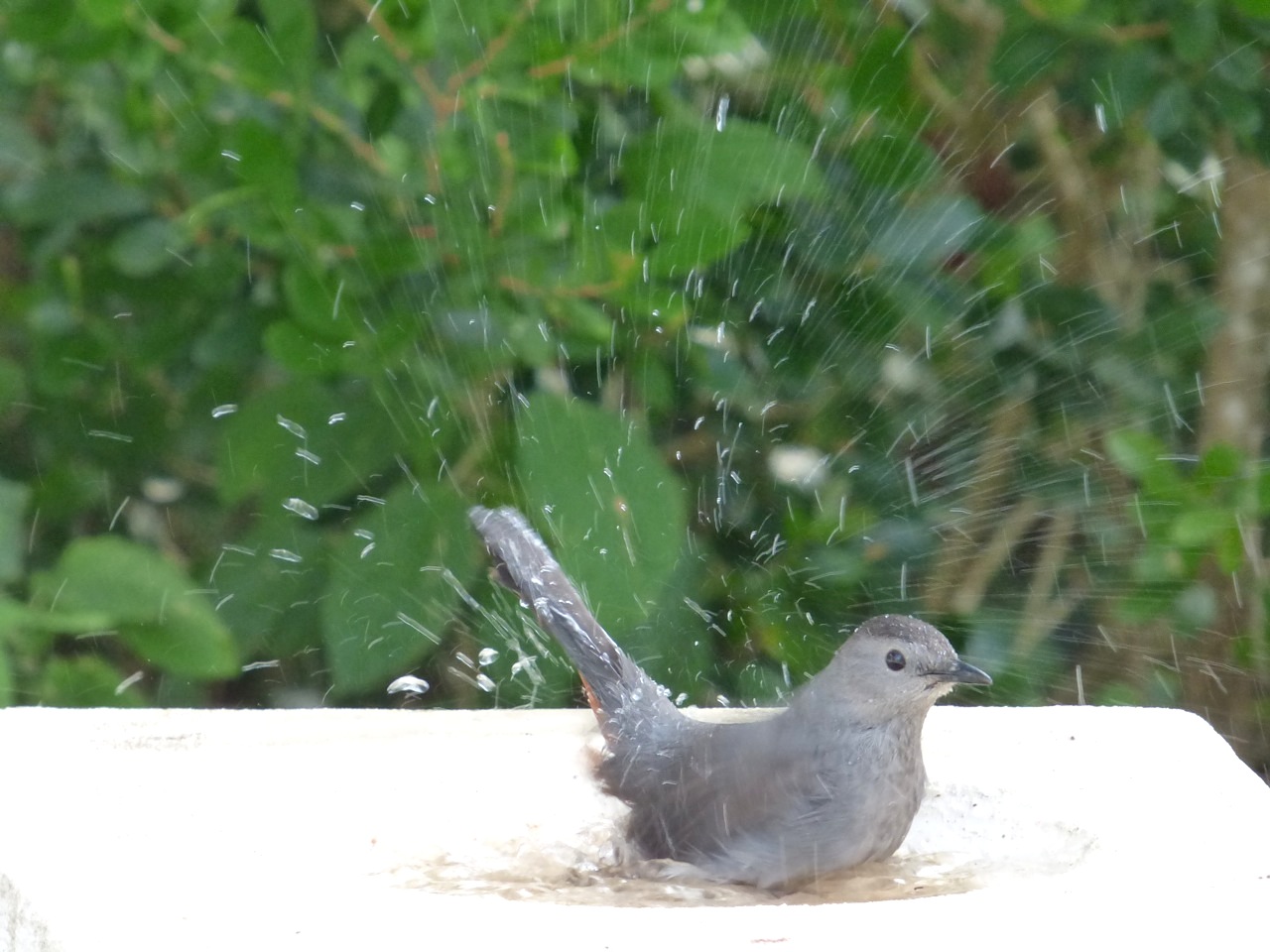
This catbird was tempted to the birdbath at the far side of the pool on a very hot afternoon. Not just to drink from, but actually to get in for a dip. And then a major bout of splashing about… Note the characteristic russet undertail coverts of this bird, also visible on the header bird. And if you want to know how this species got its name and what it sounds like, this will explain all…
BLACK-BELLIED WHISTLING DUCKS: A NEW BIRD SPECIES FOR ABACO
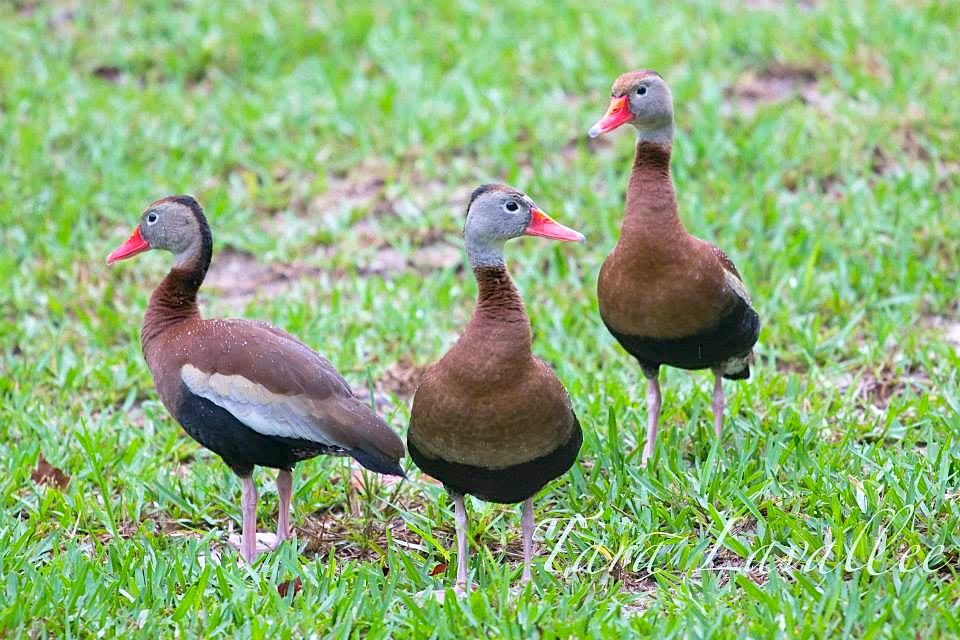
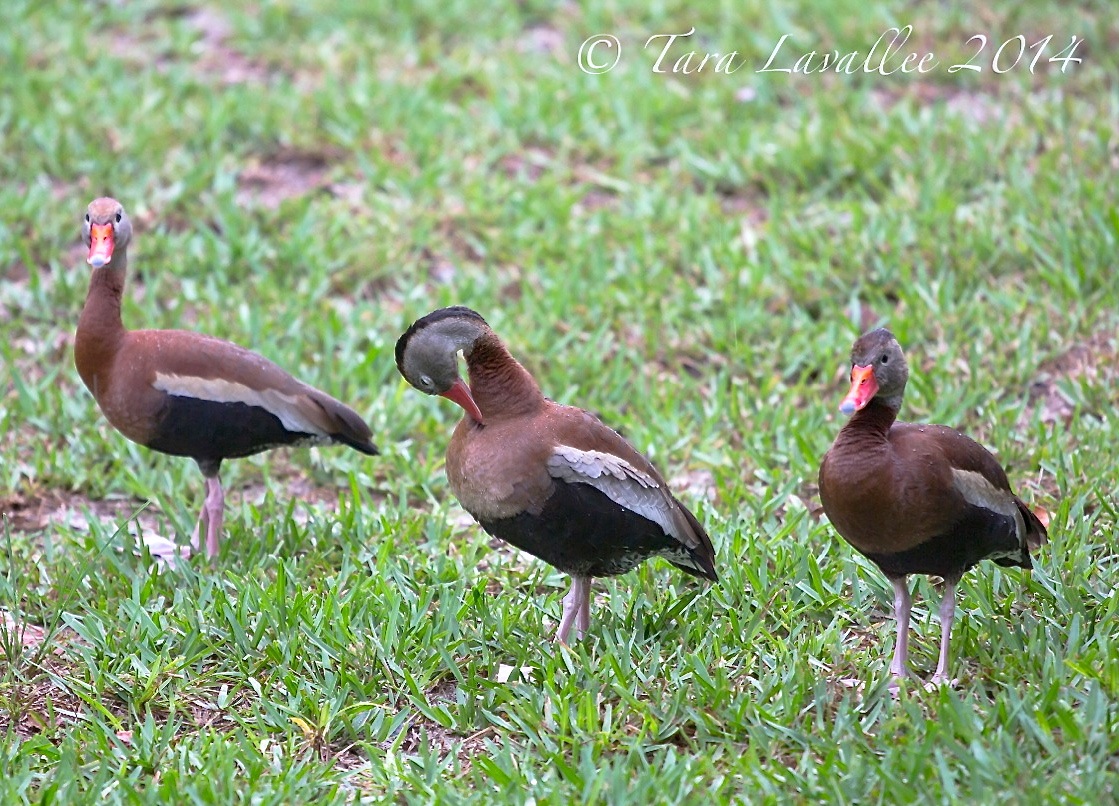
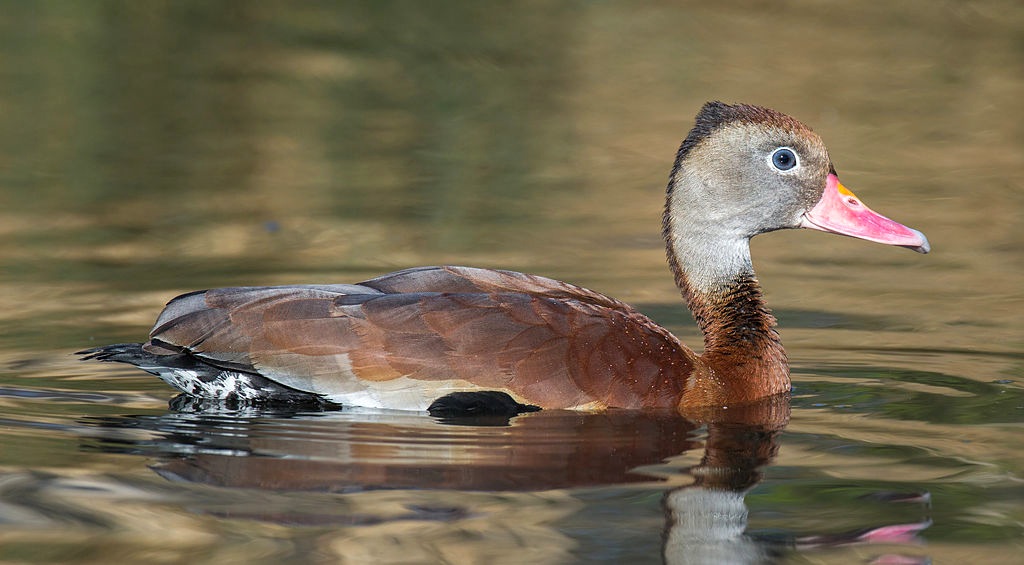
In March 2014“The Delphi Club Guide to the Birds of Abaco”was published. It contains a checklist of every species recorded for Abaco that was accurate on the day of publication. So it was with a mix of excitement (new species!) tinged slight disappointment (the book is already out of date by June!) that I heard reports of Black-bellied Whistling Ducks Dendrocygna autumnalis being seen on Abaco. Followed by photographs to prove it.
The first report came from Woody Bracey in his account of a day in the field on June 9th in which 40 bird species were seen. He concluded the report:“Most remarkable of these sighting were the 5 Black-bellied Whistling Ducks. This species has been reported before on Andros and Grand Bahama but never on Abaco. 5 were seen clearly in flight with their bright white central upper wing patches, dark underbelly, red legs and bill and long neck. A Yellow-crowned Night Heron spooked 8 Parrots feeding in a Gumbo Limbo Tree when this small flock of whistling ducks flew by affording a good look coming, overhead and going. Unfortunately I did not get a photo even with camera in hand. They have bred in Cuba but not in the Bahamas”.
So, a clear sighting but no photographic evidence. Until the following morning, yesterday June 10 around breakfast time, when at the Delphi Club Lucy Mantle happened to notice some strange ducks right in front of the Club. She grabbed a camera (possibly her phone?) and took a couple of quick shots. Peter Mantle checked Hallett, the go-to field guide, and saw at once that these were not West Indian Whistling Ducks (a species found on Abaco). So he put the word about, adding Lucy’s photos. Hers are almost certainly the first ever images of this species on Abaco.
STOP PRESS 12 JUNEI’ve had an email from Woody Bracey saying that he first photos documenting the Black-bellied Whistling Ducks were in fact taken Saturday June 7 on the Schooner Bay Dock by Glen Kelly. These photos are the ‘official documenting ones’ so I’m afraid that as things stand, Lucy moves to silver medal position and Tara to bronze…
Black-bellied Whistling Ducks, Delphi Club (Lucy Mantle) – first second species photo on Abaco?
Tony White, compiler of the checklist, responded to Peter:“Congratulations! you are the first to document a new species on Abaco since the book and checklist came out. These are Black-bellied Whistling-Ducks, casual visitors to the Bahamas. They are increasing rapidly in Florida and I think we can expect them to be breeding somewhere in the Bahamas in the next few years.There are two subspecies and they both have been seen in the Bahamas. I’ll let Woody try to figure out which these are. Thanks for being so alert and getting these photos”.
The birds must have moved gradually north during the day, and further sightings were reported online. Tara Lavallee took some photos of them in her yard a few miles north of Delphi and posted them on FB asking “Six of these beauties visiting my yard. Anyone know what they are?” 12-year old birder Chris Johnson was very quick off the mark with the correct ID as Black-bellied Whistling Ducks. Hector Morales had seen them flying over his house the previous day. I’ve seen no further reports, but I am really pleased to be able to feature Tara’s photos, which she kindly emailed earlier today. Her bird photography credentials are high – her wonderful photo of a Bahama Woodstar feeding from a flower takes up the whole of p43 of “The Birds of Abaco”.
This is what they sound like. If you hear this call – grab a camera!
Paul Marvin @ Xeno-Canto
The present range of this species is shown in the Cornell Lab graphic below.It seems that the range is starting to expand, and that these ones are most likely to be visitors from Florida. It remains to be seen whether these ducks will remain vagrant curiosities, or settle down and begin to breed on Abaco. There are plenty of them, and they are IUCN listed as ‘Least Concern’. It’s a gregarious species, so perhaps that increases the chances of having a breeding population on Abaco.
I’ll end with two excellent photos of the BBWD, taken by people who plainly had plenty of time to sort out and set up their equipment at their own pace, and not as the result of a totally unexpected and random arrival in the front yard!
Black-bellied Whistling Duck, London Wetland Centre, UK by Diliff (Wiki)
Photo credits as shown, with special thanks to Lucy Mantle for her exclusive ‘first’; to Tara for use permission and sending her originals; and an honourable mention to Chris Thomas for his powers of ID!
BANANAQUITS ARE UBIQUITS ON ABACO – AND ÜBERCUTE TOO
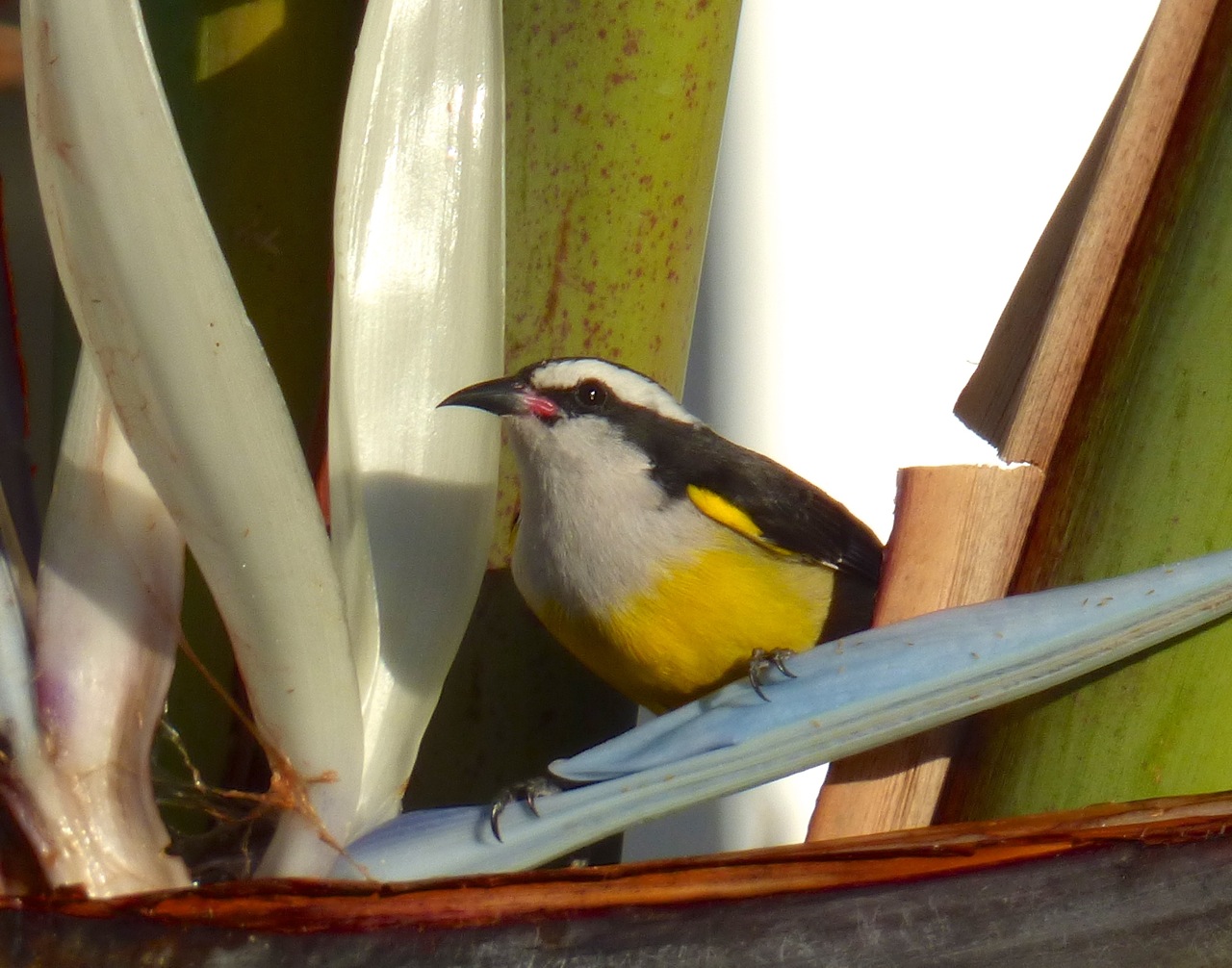
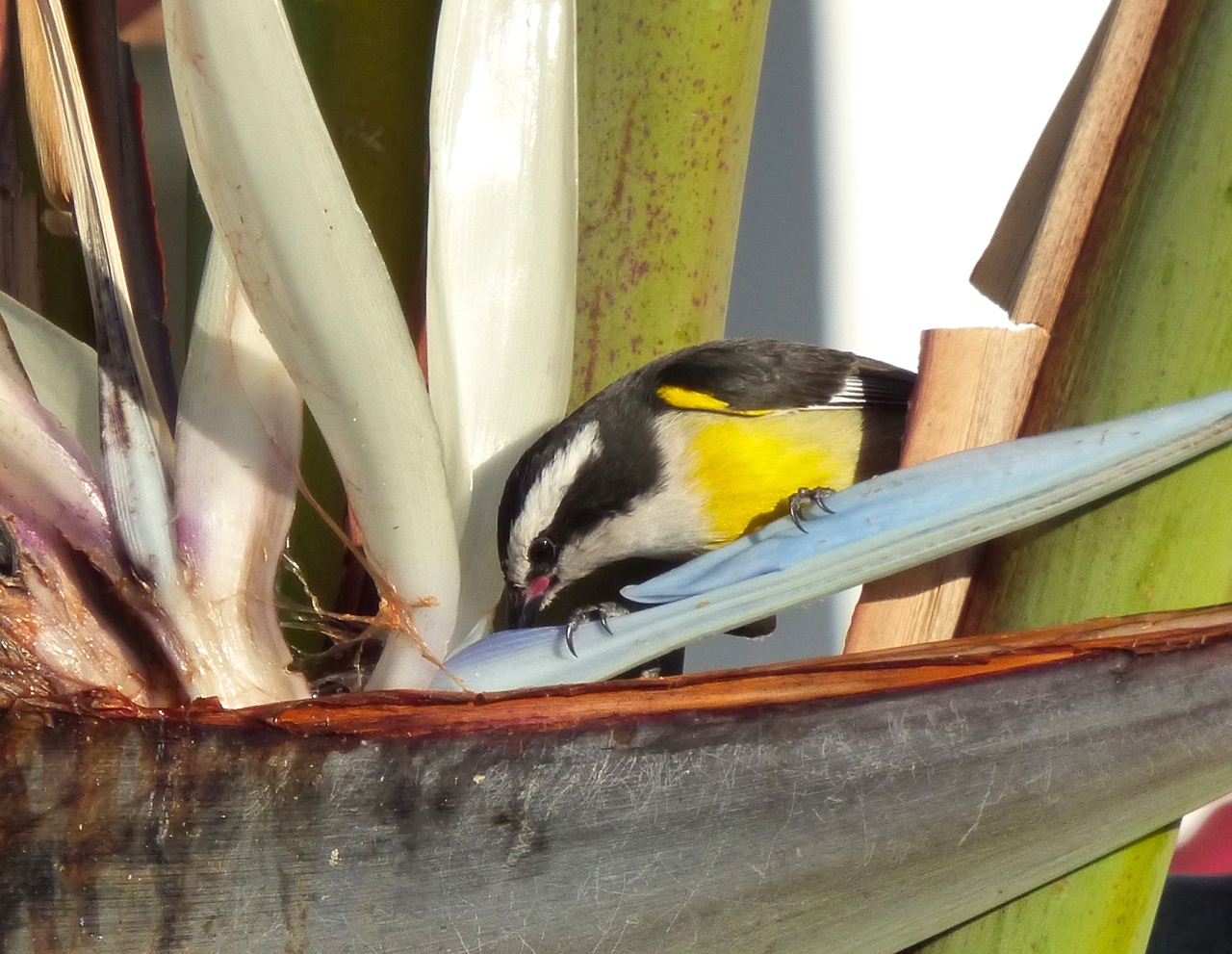
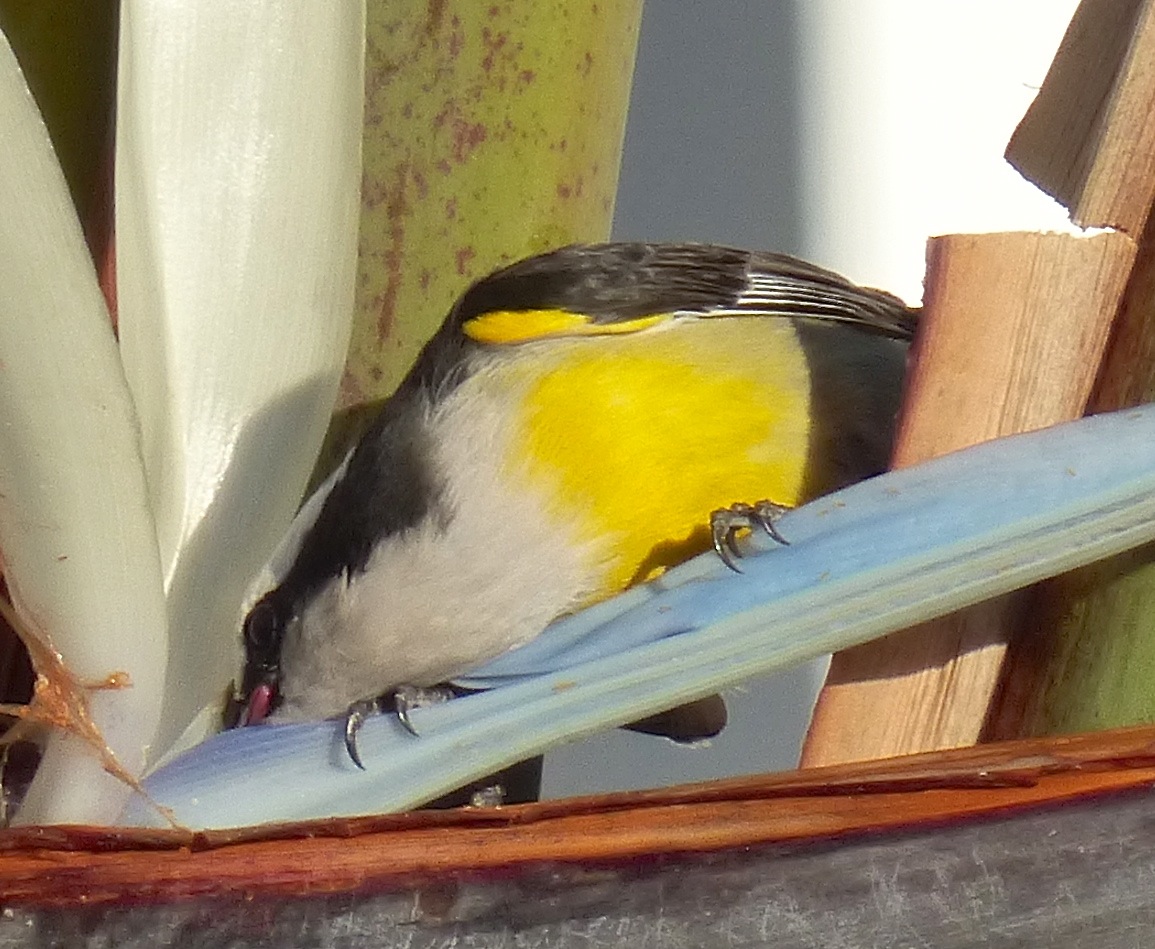
The Bananaquit Coereba flaveola. Permanently resident on Abaco, at the Delphi Club, and in my top ten favourite birds. And everyone else’s, I shouldn’t wonder. With their handsome livery and their cheeky chirping, they can be found almost anywhere. They could equally well be called ubiquits. I had been going to post some recent images of one feasting at a hummingbird feeder, but I found this thirsty palm-forager in my photo folder first, so here he is in all his glory…
Here’s the song of a bananaquit from Xeno-Canto (Paul Driver, Andros) (and there’s a thick-billed vireo in the background)
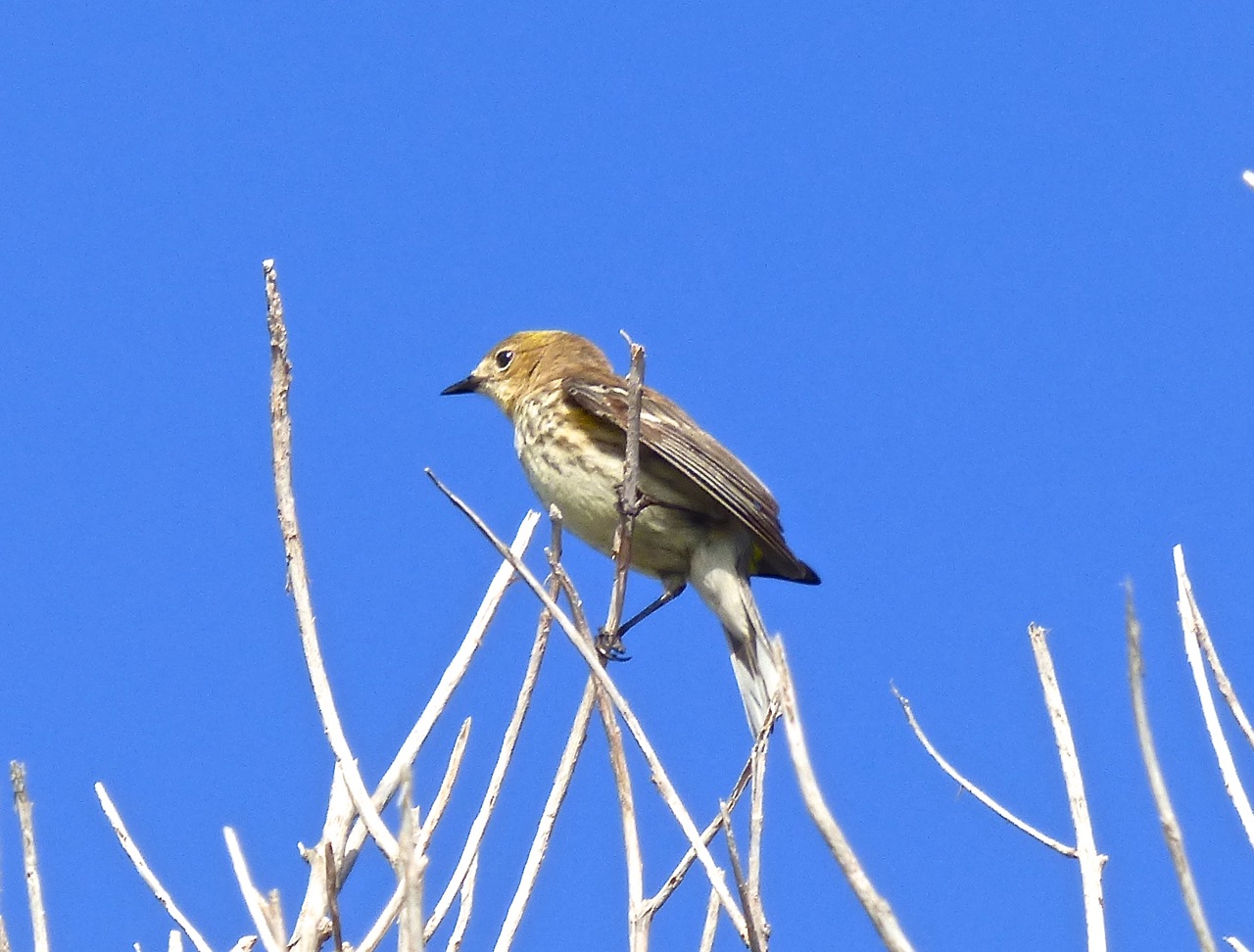
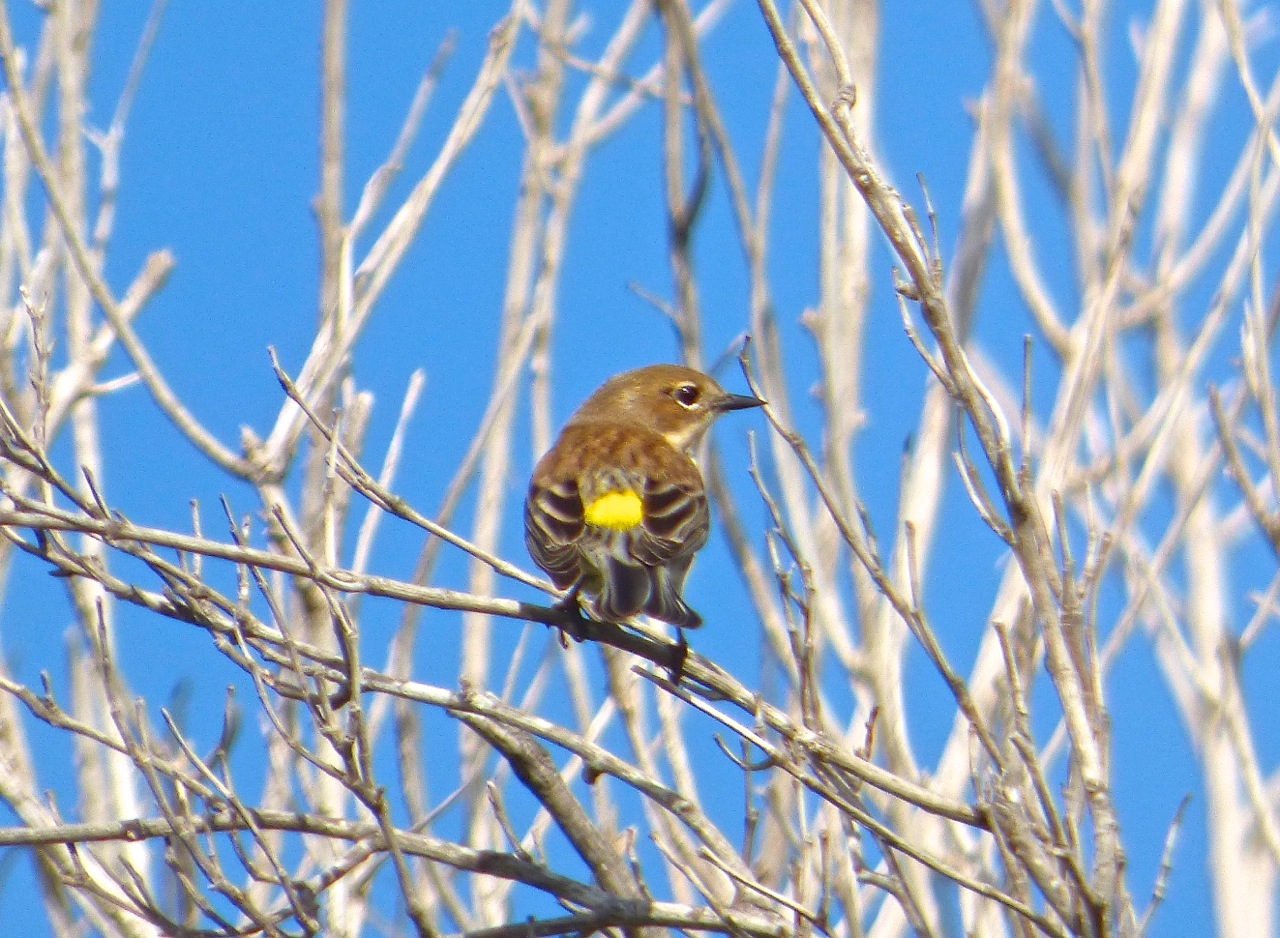
I haven’t been very lucky with yellow rumps in the past. This is not normally something one likes to talk about in a public forum… but to be honest I have been longing to get hold of a yellow rump of my own. The warbler Setophaga coronata, that is, a fairly common winter resident on Abaco. I’ve seen them of course. I’ve glimpsed a passing flash of yellow rump. But no YRW has stayed parked in tree with its backside towards me for long enough to permit me to photograph its posterior glory. Ideally I’d have liked a clear, attractive shot like the header image (Dan Pancamo, Wiki). But desperation leads to lowered expectations and plummeting standards. Frankly, this year I’d have been satisfied with any yellow rump. Abandoning my initial plan to apply a yellow highlighter pen to a compliant female grassquit, I bided my time. And suddenly there, at the very top of a tree near the swimming pool at Delphi, was my chance… A pair of YRWs were in evidence.
The tree wasn’t very close to me, and the birds stayed near the very top. My photos were never going to be great. Especially since each bird was meticulous in keeping its rear end out of sight. Then they flew away! However quite soon one was back. This time there were twigs in the way, one of the those little variables that makes camera focussing so enjoyable. But this time I managed to ‘pap’ its derrière… Feeble shots but mine own. As an avian ‘Holy Grail’, a mere yellow rump leaves quite a lot to be desired, I can quite see. It’s on no one’s ‘bucket list’ of birding musts. But now I can move on, release that poor female grassquit and chuck out the highlighter pen.
In January I posted an article called BONEFISHING ON ABACO: A CHALLENGE IS ACCEPTED. This stemmed from contact online with fisherman and fly tyer Mark Minshull, who kindly tied some flies for me to try on the Marls. In the post I showed pictures of my manky flybox and his immaculate flies. We agreed to see how things turned out while I was on Abaco in March, and that I would report back…
Mark 1 Specimen Bonefish Flies
THE ‘WHICH?’ REPORT ON MARK 1 BONEFISHING FLIES
We set out to test the efficacy of prototype ‘Mark 1’ bonefishing flies in the waters of the Abaco Marls. Our testers came from the US (TC & AH), Northern Ireland (AB), and England (RH). All are proficient fly fishermen with experience of several prime bonefishing destinations between them, except for the Englishman RH who was included to add balance to the trials by adding the element of incompetence. His fly box remained an object of ridicule throughout the tests, until he resorted to using a more carefully chosen small fly box containing his most successful flies, some ‘Delphi Club Approved’ flies and the test flies.
QUALITY All our testers agreed that the Mark 1 flies were beautifully designed and tied. As flies, their quality was rated ‘superb’; ‘bloody good’; and ‘very impressive’. As potential winners for the waters of Abaco, however, there was considerable doubt about the suitability of the pattern for colouring, shape and size.
THE TEST AREA We used the huge area of prime bonefishing territory of the mangrove swamps and sand banks on the west side of Abaco known as the Marls. Our testers were familiar with the waters and all had fished them numerous times. The sea depth, depending on tide, is a few feet at most. The consistency of the bottom is of lightweight, pale coloured mud.
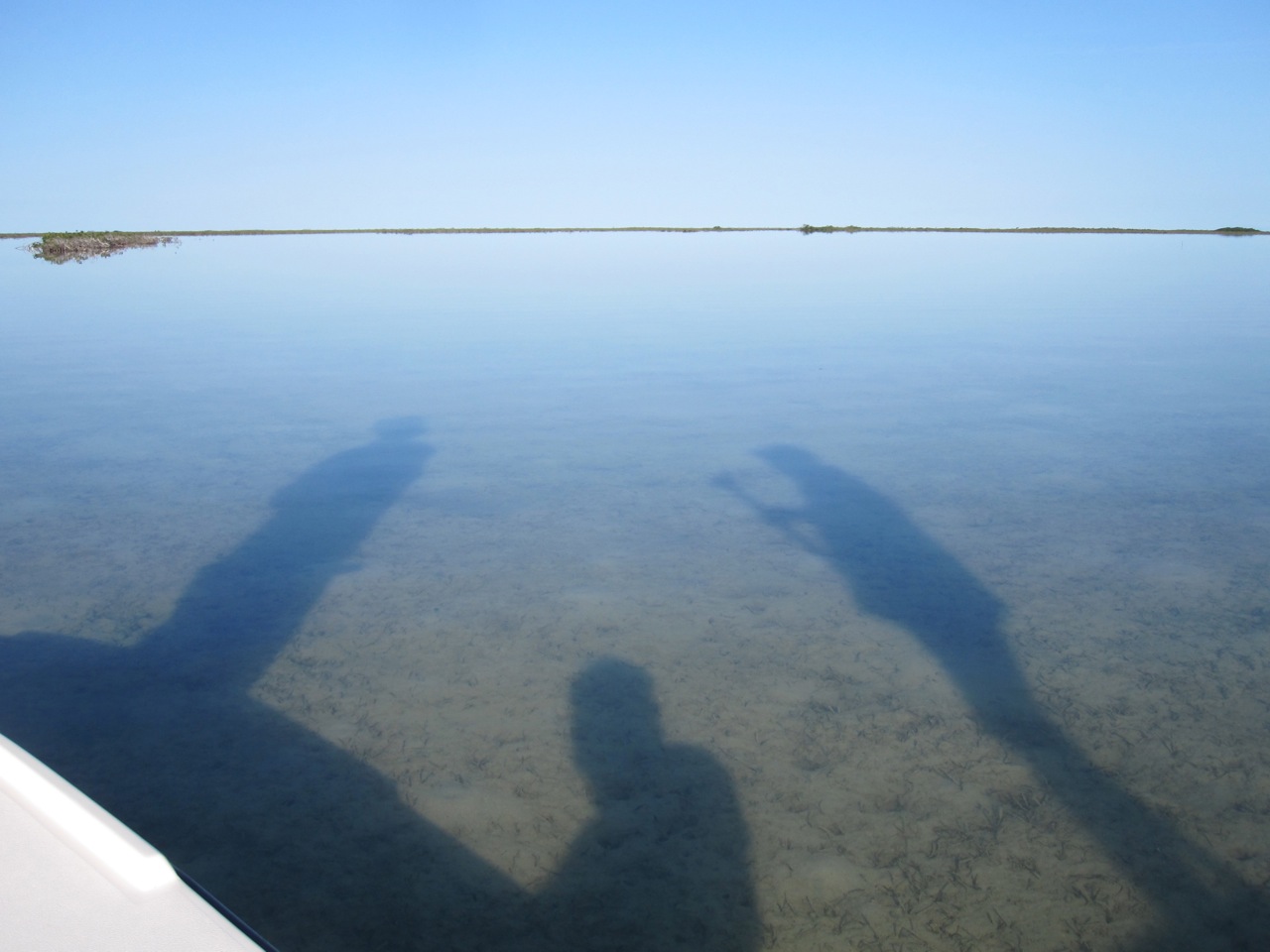
It is usually easier to look out for the shadows of the fish on the light bottom than for the fish themselves, which are often difficult to see in the water. Half-close your eyes and look at this image – the fish almost disappears, but the shadow is clearly visible. It is hard to believe the wonderful colouring of the fish until it is out of the water.
THE TESTS The initial reservations of the testers unfortunately proved justified in the field. The testers all found that the fish tended not to follow the flies at all, and mostly behaved as if they had not seen them, even with the most accurate casts. The few ‘follows’ observed produced refusals of the fly at the end. Disappointingly, no fly was taken by a single fish throughout the trials.
OBSERVATIONS Our testers had some useful comments. Above all, the Mark 1 flies were undoubtedly of excellent quality and design. They simply were not suited to the waters – or the bonefish – of Abaco. TC thought they might work in Belize. It was thought that larger versions might attract permit. Overall, the Mark 1s were so radically different from the tried and tested fly patterns used successfully on Abaco that the 3 competent fishermen soon forsook the experiment and caught fish using more familiar flies. The 4th tester, lacking any finesse, might have fluked a take against the odds , but even he drew a blank.
THE PROFESSIONALS The Guides in each case had been fishing the Marls since they could walk and hold a rod. They each examined the flies, shook their heads and kept their thoughts to themselves. We interpret this as indicating a tendency for the local guides to doubt the effectiveness of the Mark 1 flies.
RH’s ‘Selected Specimen’ Fly Box
RESULTS ANALYSIS The flies above show (front row) the 3 versions of the Mark 1 fly; (middle row) the highly effective Delphi Daddy and Delphi Diva patterns, with one random silver concoction of unknown origin; (back row) ; 2 browny / pale patterns plus a shocking pink one that the guides wisely forbade and, below, 3 roughly matching flies that brought great success even for RH this year (including 12 boated and 5 lost in one day), sourced from renowned tackle specialist E. Bay.
CONCLUSION The flies that catch the bones on Abaco tend to be pale and to have ‘streamer’ tails and / or a fair amount of sparkle. A touch of pink seems to be good. Too much pink, not so. Rubbery legs can be very effective (except in the fisherman after lunch). But lovely lifelike dark shrimp imitations are of no interest to the fish of the Marls.
‘WHICH?’ RATINGS FOR THE MARK 1 FLY
Design and construction *****
Ease of use *****
Effectiveness for Abaco waters *
All photos RH. Thanks to Mark for creating the challenge and for being a great sport
The largely ridiculous fly box of RH (most good ones removed)
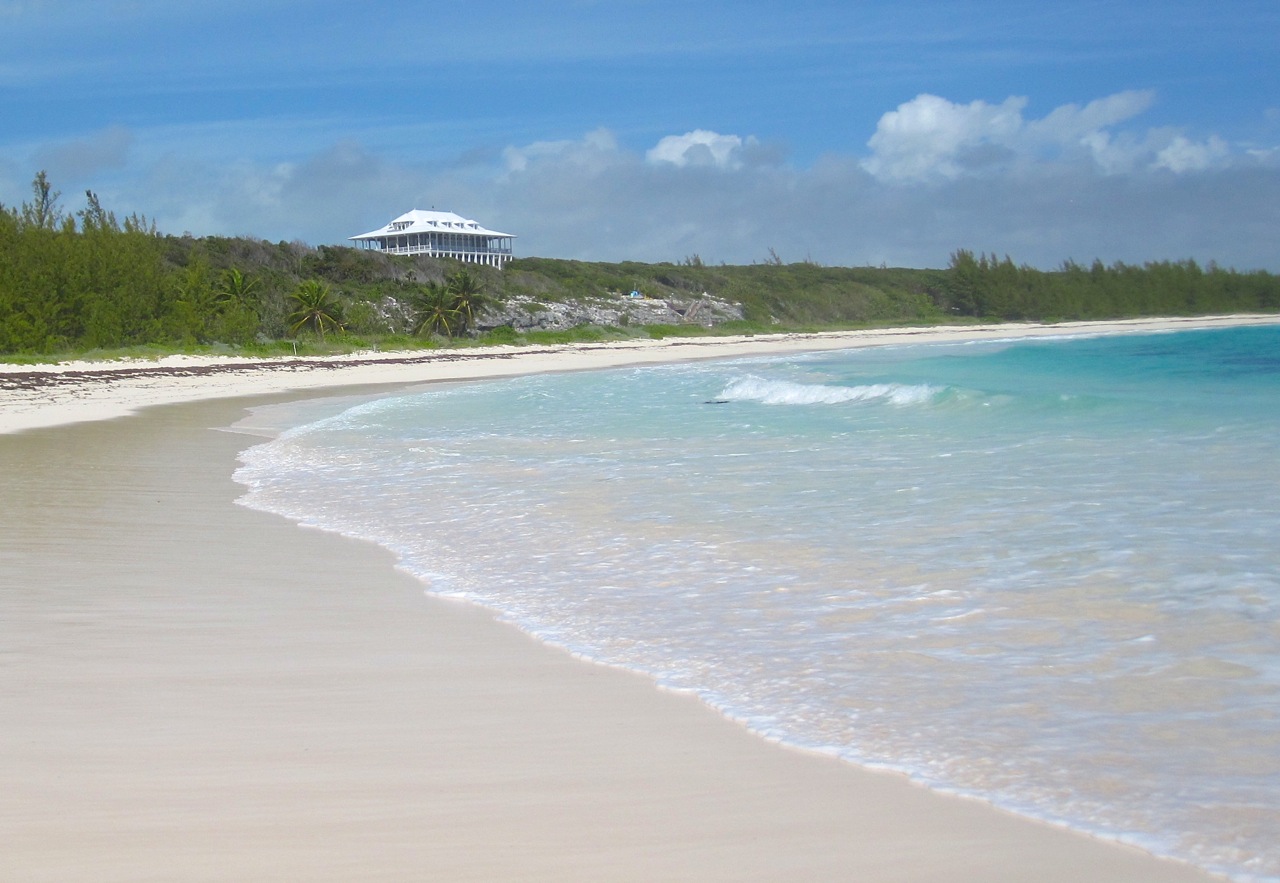
Rolling Harbour, location of the Delphi Club, is a mile-long curving sandy bay on the east side of South Abaco, half an hour’s drive south of Marsh Harbour. It is marked on a handful of old maps and a couple of more recent ones. Other than that, it keeps itself pretty much to itself. Here’s a 30-second, 180º panoramic movie from the beach. Blue skies. Blue water. Turquoise water. White sand. 4250 miles from where I am right now…
You must be logged in to post a comment.