Unknown's avatar

MARK CATESBY, PIONEER NATURALIST: NEW BOOK


MARK CATESBY, PIONEER NATURALIST: NEW BOOK

Exactly two years ago, I wrote about the publication of a lavish limited edition facsimile of Mark Catesby’s renowned work The Natural History of Carolina, Florida and the Bahama Islands in 4 volumes to mark the 300th anniversary of Catesby’s arrival in the New World. Unsurprisingly, the cost of the set was prodigious (a rather nice car) – but only a fraction of the cost of a vanishingly rare original set (a rather nice house). Reader, I didn’t buy one.

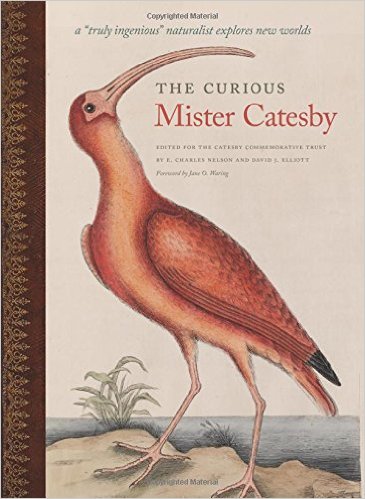
Now the CATESBY MEMORIAL TRUST has produced an excellent and inexpensive illustrated introduction to Catesby’s great work that will transport you back through the centuries to the earliest days of natural historical research by Europeans abroad. It’s worth remembering that Catesby antedated the more famous John James Audubon (1785-1851) by a whole century.

Catesby’s signature

The new book has over 40 illustrations from Catesby’s The Natural History of Carolina, Florida and the Bahama Islands. These are paired with relevant extracts from the work, and there is additional commentary. Click on Catesby’s Tropicbird below for a sample of the book.
Click me for book sample!

To buy the book – it’s $25 – click HERE

Mark Catesby - 'Bahama Titmous' (Bananaquit)

Mark Catesby – ‘Bahama Titmous’ (Bananaquit)

MARK CATESBY? JUST REMIND ME…

Mark Catesby (1683 – 1749) was a pioneering English naturalist and artist who published his magnum opus based on a number of expeditions he undertook from 1712 onwards. His was the first ever published account of the flora and fauna of North America, and the 2 volumes (with a supplement) included some 220 colour plates of the creatures and plants of land and sea that he had come across. After his travels, Catesby spent some 20 years producing his masterwork and died soon after, perhaps from the sheer effort of it all.

Red-legged Thrush in Gumbo Limbo Tree (HM QE2)

Red-legged Thrush in Gumbo Limbo Tree

AND HIS RELEVANCE TO THE BAHAMAS IS…?

On behalf of the Royal Society Catesby undertook expeditions, first to Carolina and then more widely in America and eventually in the Bahamas. On these trips he drew and painted detailed pictures of birds, fish, turtles, flowers and corals, many of which are familiar in the Bahamas to this day – and a few of which are included here.

Mark Catesby - Angelfish

Mark Catesby – Angelfish

Flamingo Head + Gorgonian Coral (HM QE2)

Flamingo Head & Gorgonian Coral

Mark Catesby - plate 139 Hawksbill Turtle

Mark Catesby – Hawksbill Turtle

Mark Catesby (Black-faced Grassquit)

Mark Catesby (Black-faced Grassquit)

RELATED POSTS

CHARLES CORY & ABACO 1891

THE PIONEERS (Wilson, Audubon, et al)  

MR SWAINSON (on his 224th Birthday)

Bahama Finch (Western Spindalis)

RELATED BOOK
51C+Zz+7CSL._SX363_BO1,204,203,200_

Information about the Catesby Commemorative Trust and the book The Curious Mister Catesby can be found HERE. I have the book: it is wonderful, but as an amateur I find it quite a difficult read, and I have to take it in small chunks.

For anyone tempted to look further into the importance of this ground-breaking naturalist, the CCT produced a 50 minute film that is well worth watching if you are interested to know more.

Credits: HM QE2, Catesby Commemorative Trust, National Geographic, Mariners’ Museum Library, sundry open source info-&-pic-mines inc. Wiki, Addison Publs, 

“Illuminating natural history is so particularly essential to the perfect understanding of it”   (Mark Catesby)

Unknown's avatar

HAWKSBILL TURTLES + ANGELS = REEF HEAVEN


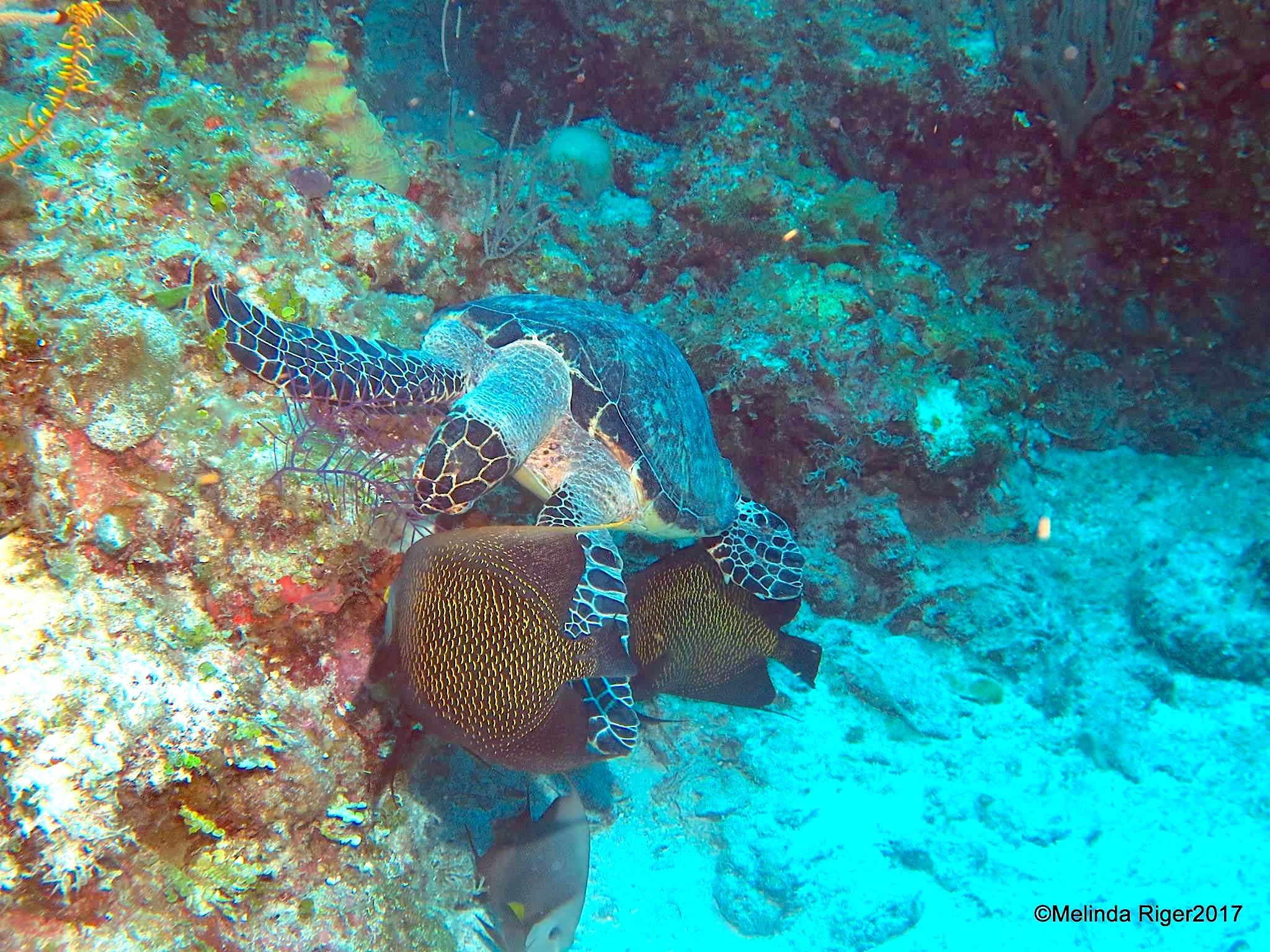
Hawksbill Turtle & Angelfish (Melinda Riger / Grand Bahama Scuba)

HAWKSBILL TURTLES + ANGELS = REEF HEAVEN

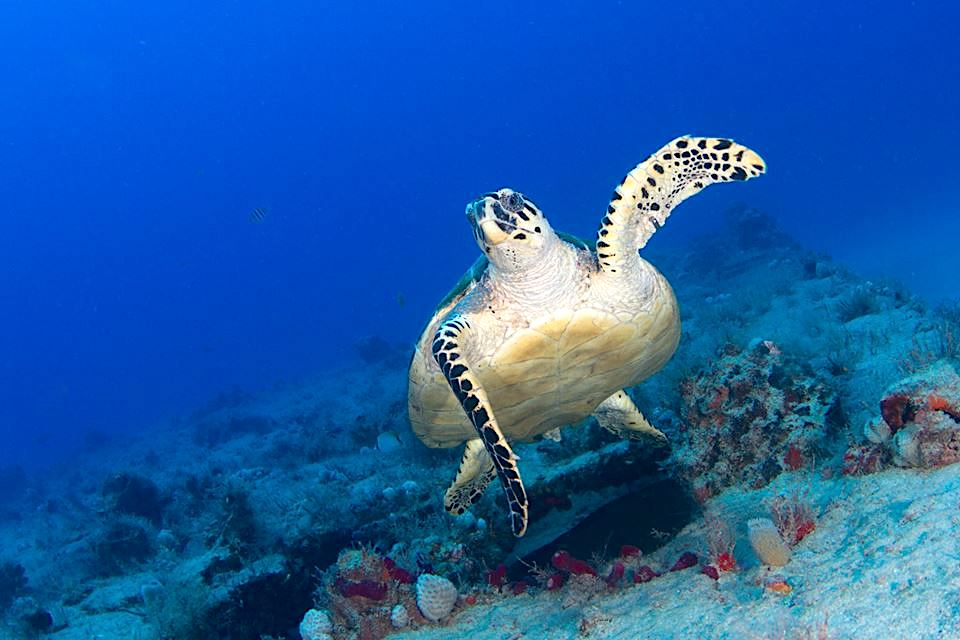
Hawksbills on their own, nosing around the colourful coral reefs of the Bahamas, are a beautiful sight. I don’t want to overdo the religious tendency of the title, but they are indeed wonderful to behold. Add FRENCH ANGELFISH and a QUEEN ANGELFISH and it’s as close to perfection as a reef scene gets. Click on the links above for more pictures and details about the two angelfish species seen here with the turtle. As ever, Melinda Riger was ready with her camera to capture these great images.
Hawksbill Turtle & Angelfish (Melinda Riger / Grand Bahama Scuba) Hawksbill Turtle & Angelfish (Melinda Riger / Grand Bahama Scuba) Hawksbill Turtle & Angelfish (Melinda Riger / Grand Bahama Scuba) Hawksbill Turtle & Angelfish (Melinda Riger / Grand Bahama Scuba)

This astonishing photo was of course achieved by carefully balancing a GoPro on the turtle’s back, wrapping duct tape around it, and pressing ‘go’ (camera and turtle simultaneously). **

Hawksbill Turtle & Angelfish (Melinda Riger / Grand Bahama Scuba)

** This is not true. It’s just a cleverly shot turtle’s-eye view as it forages on the reef

This short video shot by Melinda’s husband Fred of a turtle ‘loving’ the camera is one of those wildlife events that cannot be predicted… but when it happens, it’s frankly a bit of a scoop.

OPTIONAL MUSICAL DIGRESSION

As I was writing this, an earworm started up and grew insidiously in both ears and then inside my head… the dread words “Elenore, gee I think you’re swell”. Followed by “so happy together…”. And then “she’d rather be with me…” Yes, I’ve now got TURTLES in my head, the (?long-and-hitherto-forgotten) band from the second half of the 60’s, with their cheery anodyne soppy-poppy love songs. And dammit, they’ve stuck… Here’s a reminder for those whose memory I have jogged. For anyone under, say, 75, step away from this area. Nothing to hear here.

Hawksbill Turtle & Angelfish (Melinda Riger / Grand Bahama Scuba)

Credits: Grand Bahama Scuba: all photos – Melinda Riger & video – Fred Riger; Turtle music – someone else’s music collection, not mine, honestly… (oh dear another lie I am afraid – cred gone)

Unknown's avatar

BAHAMAS REEF FISH (36): REEF BUTTERFLYFISH


Reef Butterflyfish, Bahamas - Melinda Riger / Grand Bahama Scuba

 BAHAMAS REEF FISH (36): REEF BUTTERFLYFISH

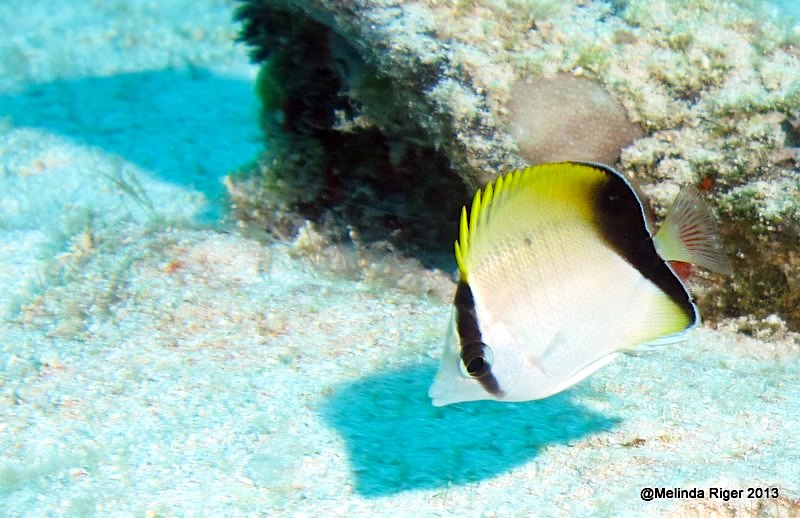
Butterflyfishes come in several varieties in Bahamian waters; and there are more than 120 species worldwide. Not so long ago I wrote about the LONGSNOUT variety, also known as the “Butterbun”. Now it’s time to take a look at the Reef Butterfyfish.

Reef Butterflyfish, Bahamas - Melinda Riger / Grand Bahama Scuba

In some ways butterflyfishes resemble small angelfishes – adult Reefs are just a few inches long. As the name suggests, these are creatures of the reefs, and of shallow waters. As one might expect, these colourful fish are popular for aquariums (or, strictly I suppose, aquaria). 

Reef Butterflyfish, Bahamas - Melinda Riger / Grand Bahama Scuba

Butterflyfishes have interesting spawning patterns. They release large numbers of buoyant eggs into the water. These become mixed in with plankton and suchlike, and float where the tides take them until they hatch. Then, most unusually, they go through a larval stage when they are covered by bony material, which they lose as they mature. This is known as an ‘armoured’ stage, which I can only assume is to provide protection to the tiny fry – perhaps by making them crunchy and unappetising. I’ve been trying to find a usable illustrative drawing, without success so far.

Reef Butterflyfish, Bahamas - Melinda Riger / Grand Bahama Scuba

OPTIONAL MUSICAL DIGRESSION

In some parts of the world the butterflyfish is called a BORBOLETTA, which is Portugese for ‘butterfly’. It is also the title of Santana’s criminally underrated sixth album (1974). For sure it’s no 1st, Abraxas, 3rd or Caravanserai… but if you can tolerate the man’s move to ‘jazz-funk-fusion’ – maybe John McLaughlin had a hand in that – there is much to enjoy. There’s less searing guitar and there’s some strange ‘soundscape’ stuff that’s maybe not to everyone’s taste. But still – it stand up pretty well in comparison with some of the later Carlos creations where a certain tiresomeness began to creep in and some tracks are (IMVHO) not really listenable-to. Anyway, the recently released (2016) Santana IV is a welcome return to the good old days, and the good old team.

Here’s ‘Promise of a Fisherman’ – 8 minutes of  Santana, from which you can judge the direction he’s taken by Album 6…

Reef Butterflyfish, Bahamas - Melinda Riger / Grand Bahama Scuba

All photos by Melinda Riger of Grand Bahama Scuba – mainstay, with Adam Rees, of the underwater photos I use, what with me being a feeble swimmer and all. Tip o’ the Hat to Carlos, who I have even managed to see Live a couple of times.

Unknown's avatar

REDSPOTTED HAWKFISH: BAHAMAS REEF FISH (35)


Redspotted Hawkfish, Bahamas (Melinda Riger)

REDSPOTTED HAWKFISH: BAHAMAS REEF FISH (35)

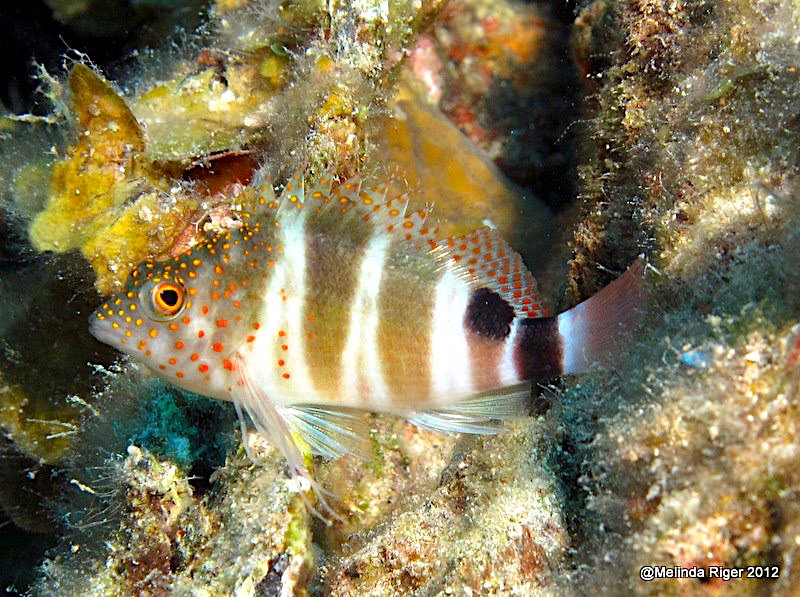
The redspotted hawkfish (Amblycirrhitus pinos) is one of a number of species of hawkfishes found worldwide. This one is found on the sub-tropical and tropical reefs of the Western Atlantic, and is therefore a fish you might see when out snorkelling or (more likely) scuba-ing in the Bahamas. These are small creatures – adults are unlikely to exceed 4 inches in length.

Redspotted Hawkfish, Bahamas (Melinda Riger)

There’s not a whole lot else to report about them. They have no medicinal superpowers, for example, nor wickedly toxic spines. A quick scroll through the highways and byways of the interweb reveals that redspotted hawkfish are considered (rightly, I think) to be attractive, tend to be shy, enjoy perching on coral ledges, and are generally benign, except to smaller fishes to which they may show aggression or – worse – an appetite. 

Redspotted Hawkfish, Bahamas (Melinda Riger)

As you might predict, these pretty little fish are popular in the aquarium trade, where on any view they should be kept safe from predators. But maybe captivity is a little limited in opportunities for travel and exploration. They can be bought for (I just checked) $29.99. Or else left alone on a reef to take their chances.

Photo Credits: Melinda Riger / Grand Bahama Scuba, with thanks as per…

Unknown's avatar

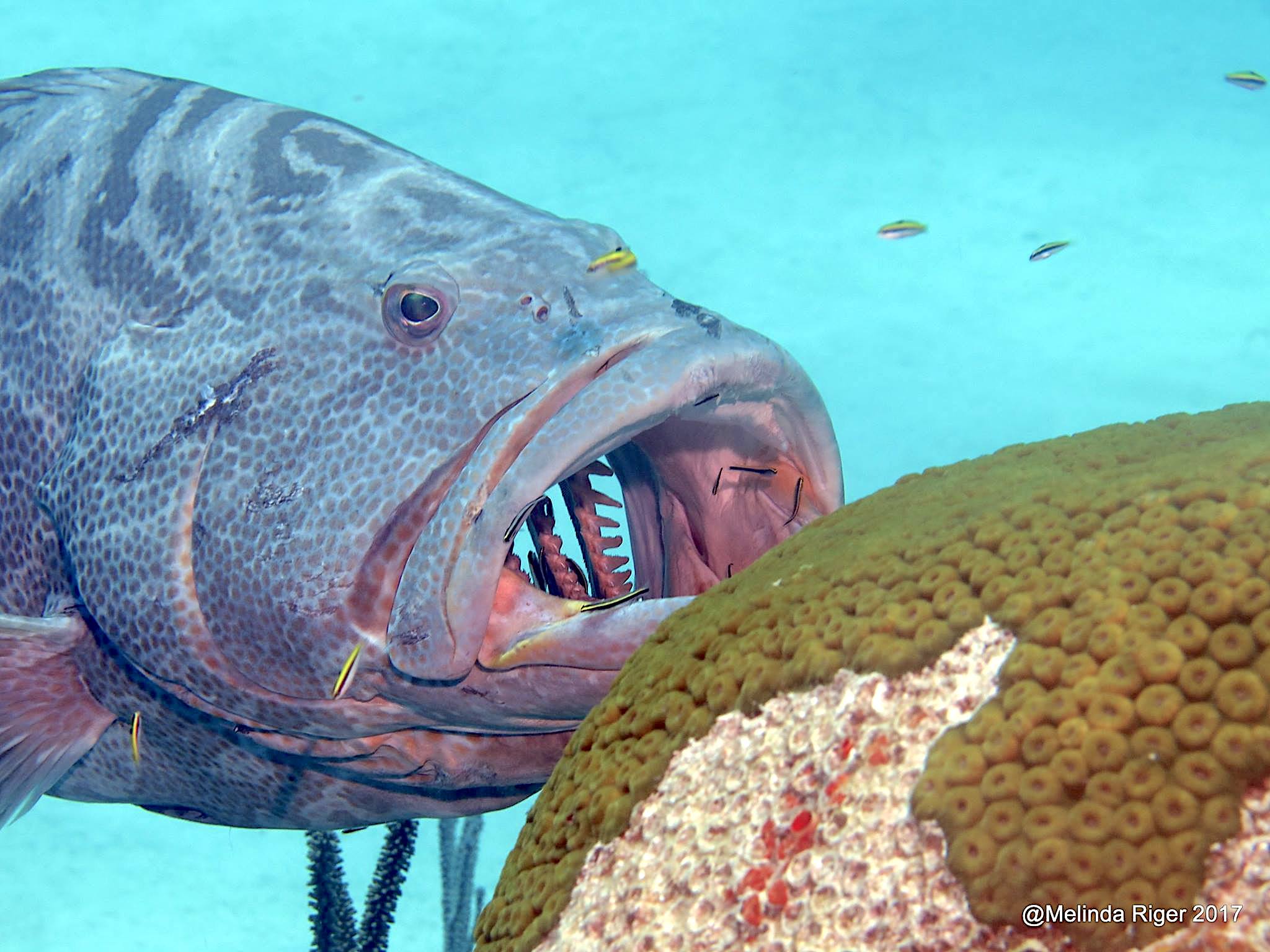
JAW-DROPPING: GROUPERS AT THE CLEANERS


Grouper at cleaning station - Melinda Riger @ GB Scuba

JAW-DROPPING: GROUPERS AT THE CLEANERS

Grouper at cleaning station - Melinda Riger @ GB Scuba

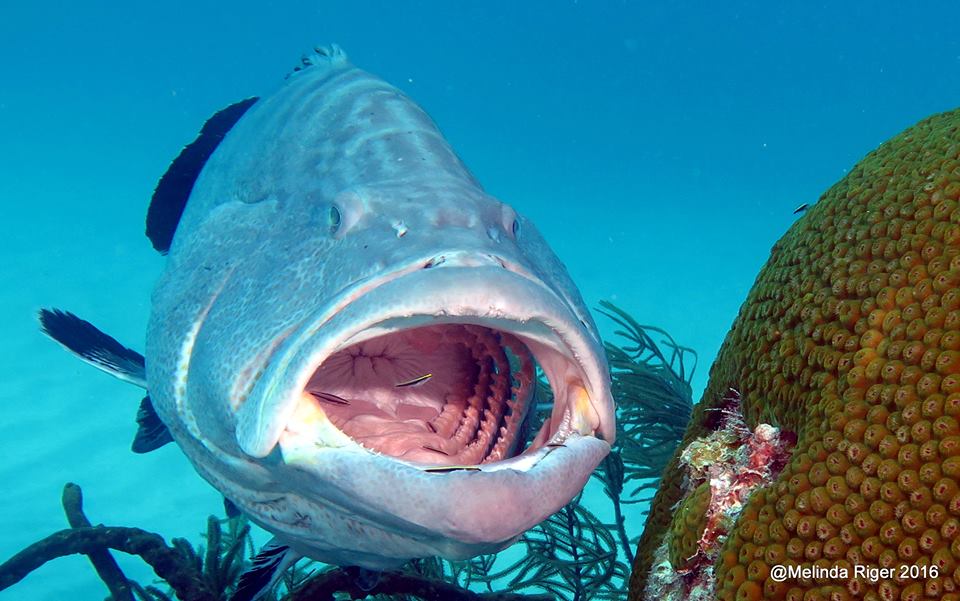
In some of these photos you’ll notice tiny fish attending to the grouper. These are CLEANERS and they are an essential part of the bodily and oral hygiene routine for larger fish species. The big fish call in at so-called CLEANING STATIONS, where the tiddlers remove parasites and dead skin, and polish up the gills. They will even enter the fish’s mouth to pick bits from between its teeth – the deal being that they will not be eaten. This mutually beneficial arrangement is called ‘cleaning symbiosis’ and is carried out by (for example) gobies, wrasses and cleaner shrimps.

Pederson’s cleaner shrimps and cleaner wrasseGrouper with Peterson's cleaner shrimps and wrasse - Melinda Riger @ GB Scuba

Some of these photos show groupers with open gills as well as open mouths, an invitation to the cleaners to do their work. I’d intended to write about how and why gills work but I’ve thought better of it. There’s a lot of detail about chemical exchange involved that, when I looked more closely, seemed rather dull… and therefore outside the remit of this blog, which includes trying to avoid ‘dull’. If you really want to know more, Wiki has a good article HERE. Good luck with that….

Credits: All photos Melinda Riger, Grand Bahama Scuba

Unknown's avatar

ONE GOOD INTERN DESERVES ANOTHER (Part 1)


Coral reef research, Australia (Oscar Ward)

ONE GOOD INTERN DESERVES ANOTHER (Part 1)

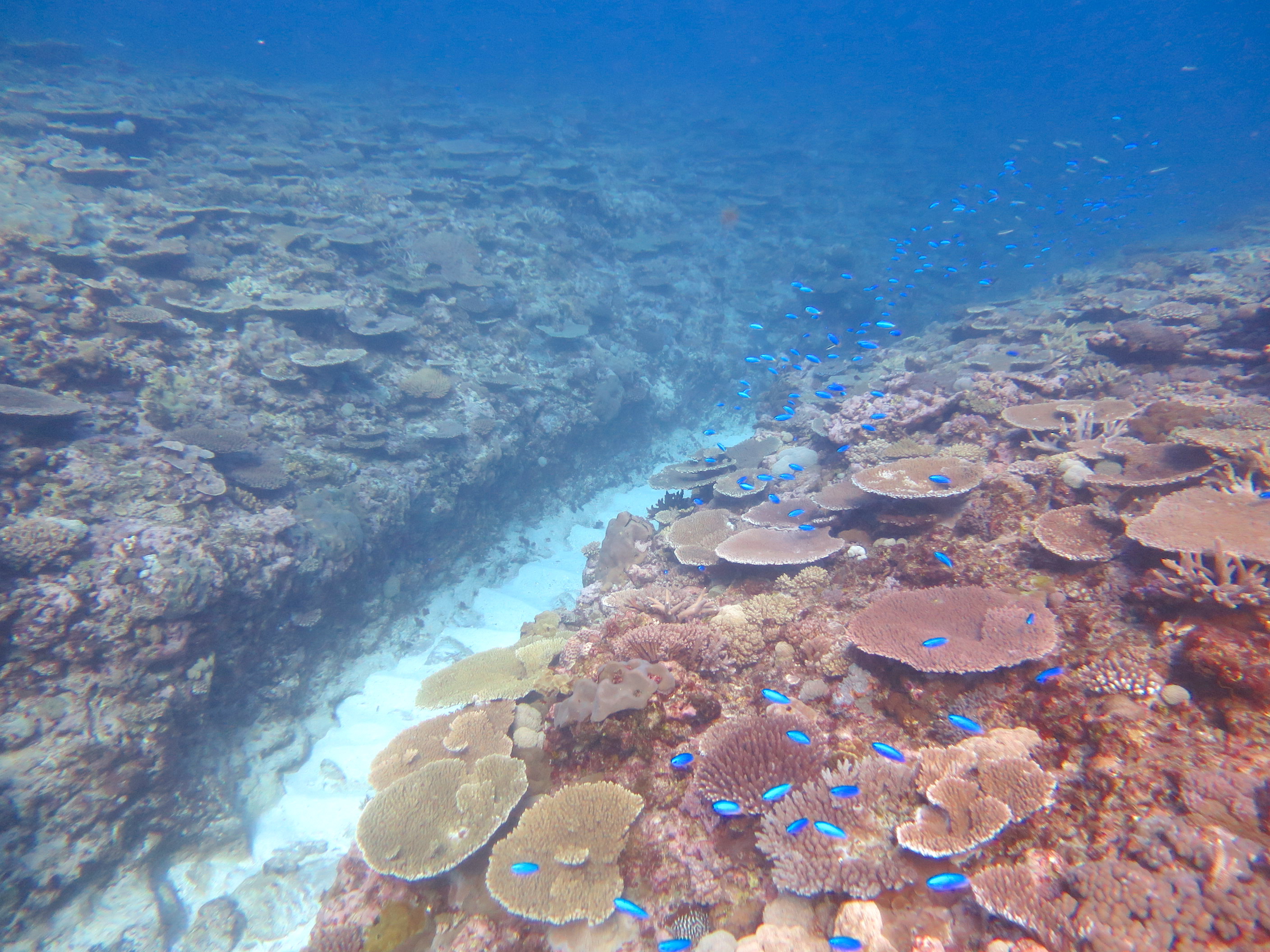
Four years ago a young English friend of ours, Oscar Ward, was lucky enough to be offered an internship with the Bahamas Marine Mammal Research Organisation (BMMRO). At the time, he was post-school, and waiting to start a degree course in marine biology at university. He had no practical experience at all, so he had to progress from the menial tasks (scraping barnacles off the bottom of the research boat) to the more adventurous (whale poop-scooping) to the scholarly (collection and analysis of samples and data, including audio file matching of whale calls for identification). The need for hard work, concentration and accuracy were made clear from the outset… and as you will see, Oscar’s short internship has stood him in very good stead during his university course.

Oscar weekending at Gilpin Point – self-sufficientBMMRO Internship - weekend off (Oscar Ward)

From a promising start on Abaco, and with 2 year’s study behind him, Oscar is currently spending the 3rd year of his 4-year course in Australia, working with The Australian Institute of Marine Science. He has been involved in a number of complex projects focussed on corals and reef life – as we all know, a matter of huge concern – and the projections for the future of the reef systems in a time of warming seas and raised acid levels. Oscar also assists PhD students, for example examining the damaging effects of parasitic worms on coral; and the effect of changing light conditions on corals.

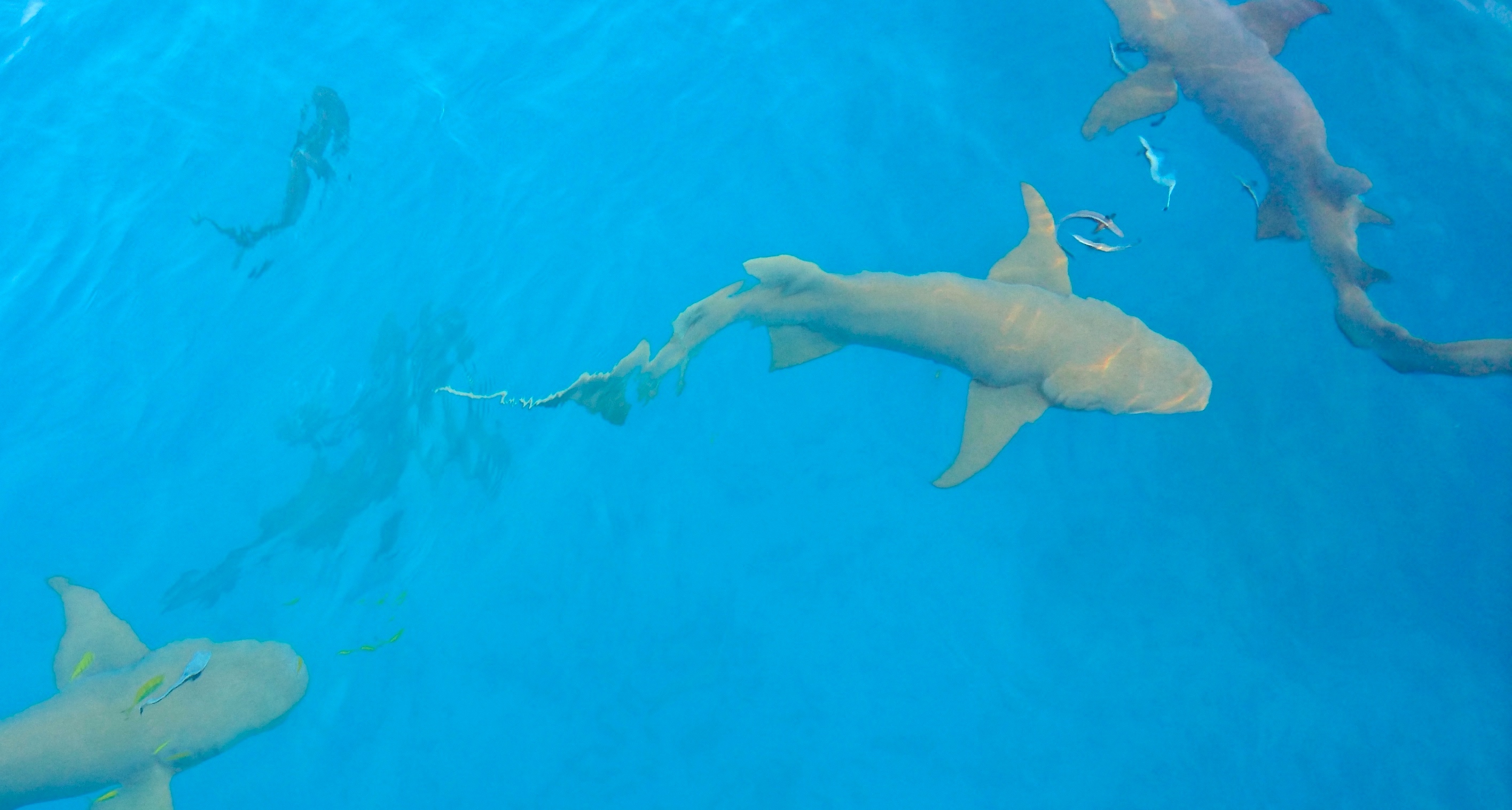
Nurse Sharks, Great Barrier Reef (Oscar Ward)

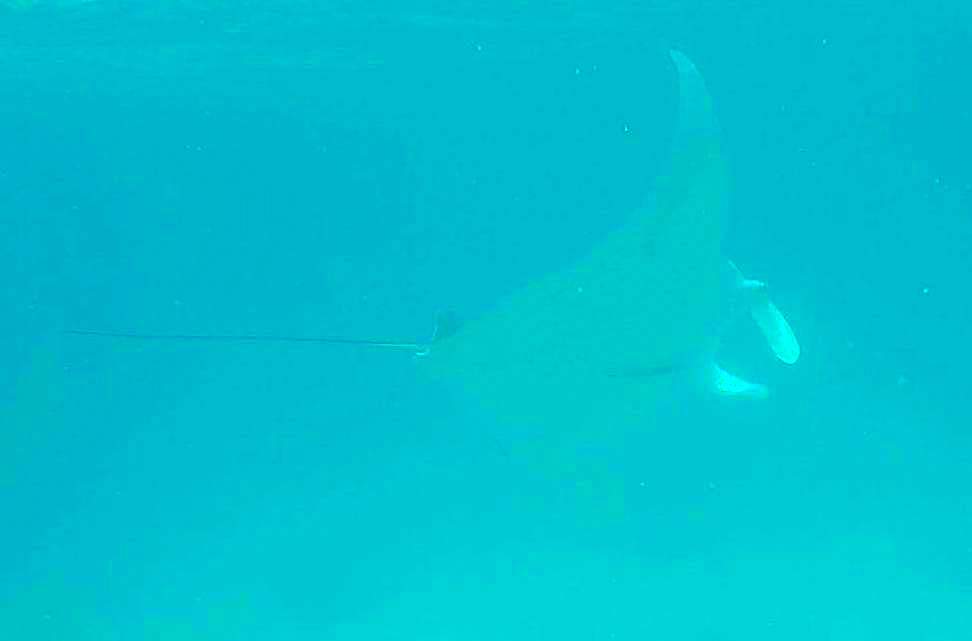
Much of Oscar’s time has been spent doing fieldwork. Often he is at sea, monitoring and collecting samples in the Southern Great Barrier Reef, diving two or three times a day. This work is often carried out in restricted or preservation zones, and with ever-present manta rays, sharks and sea turtles around him.

Manta Ray, Great Barrier Reef (Oscar Ward)

Right now Oscar is involved with the investigations into the recent bleaching events, work that is at the forefront of serious concern for the GBR and far beyond. I have recently corresponded with him – he has definitely not forgotten that his grounding for the fieldwork and studies that he is engaged in – and very likely his career – came from his time on Abaco and the lessons he learned during his time with the BMMRO at Sandy Point.  (In part 2: another good intern, currently at Sandy Point)

Coral reef research, Australia (Oscar Ward)

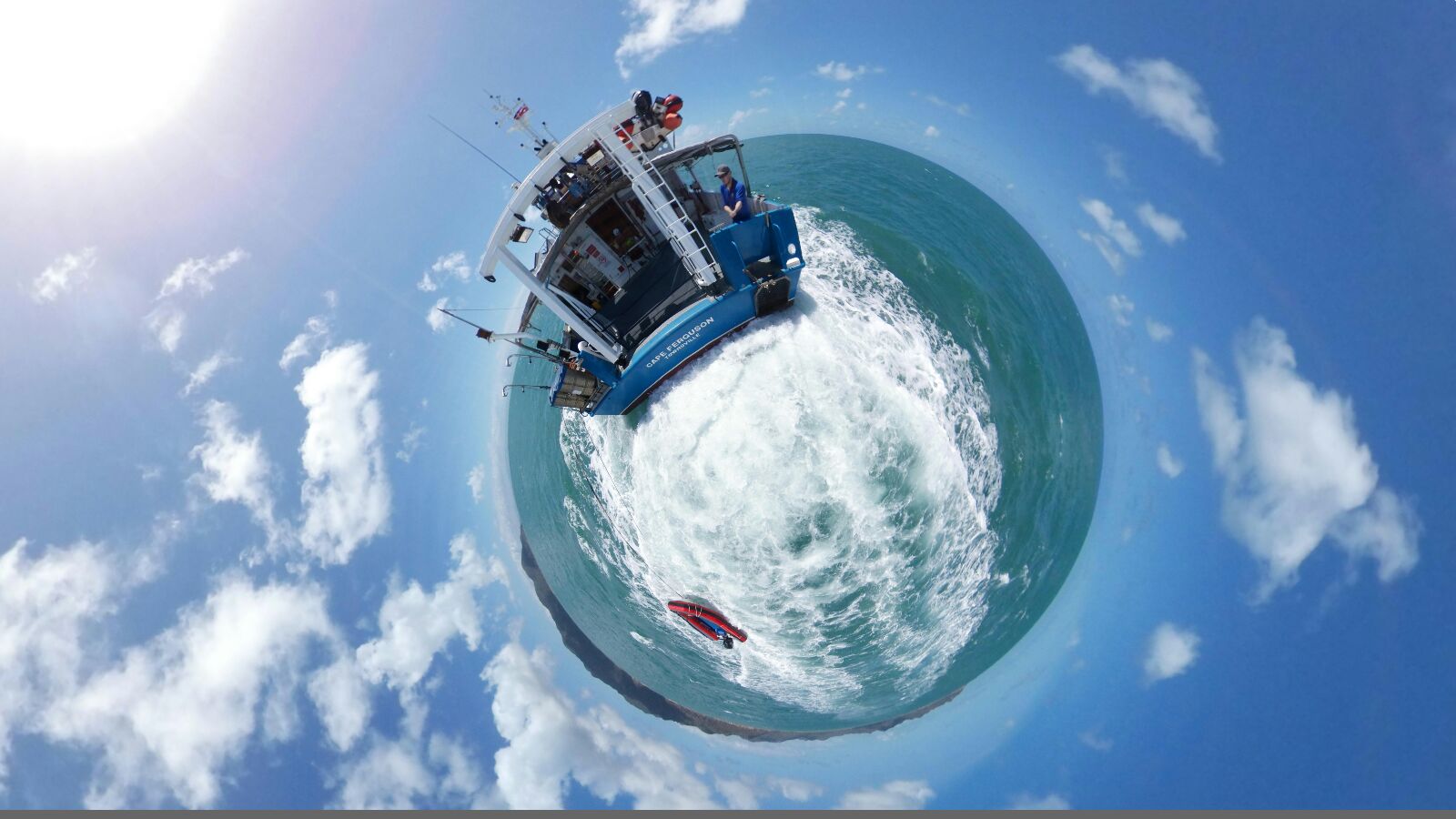
All photos: Oscar Ward (the header image is taken from a research vessel – no idea how, maybe a drone with fish-eye lens?)

Unknown's avatar

‘CUDAS: “WHAT BIG TEETH YOU’VE GOT…”


Barracuda - Melinda Riger / Grand Bahama Scuba

‘CUDAS: “WHAT BIG TEETH YOU’VE GOT…”

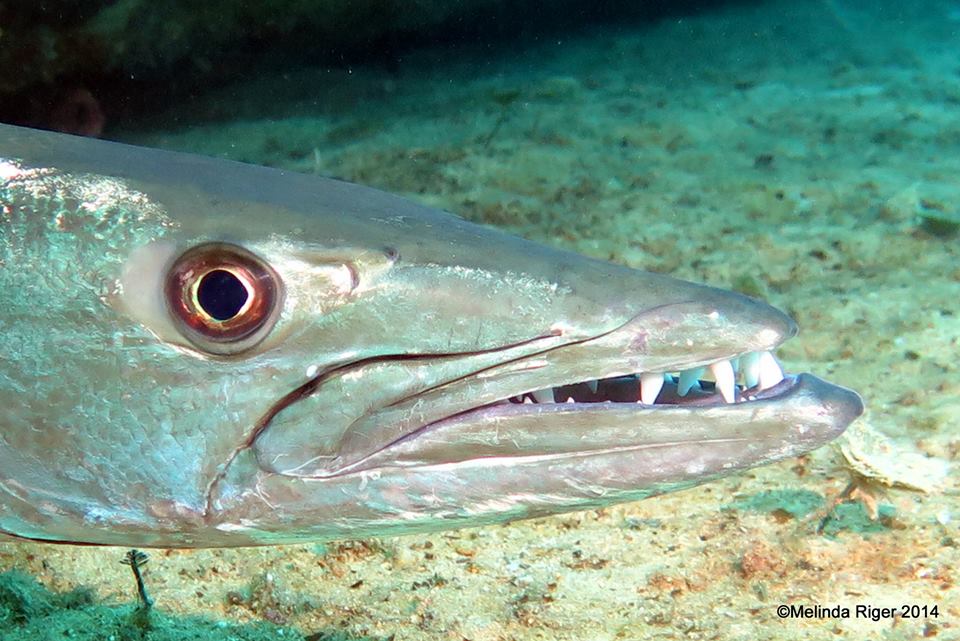
Or, if not exactly big then lethally lacerating. Their sharp fangs are all different sizes, which gives more of a mincing effect than a clean bite. Then there’s the underbite, involving more mincing. And the fact that the teeth are set at different angles. That’s a third mincing effect. Prey in those strong jaws? No chance. 

Three -way mincing machine. Avoid.Barracuda - Melinda Riger / Grand Bahama Scuba Barracuda - Melinda Riger / Grand Bahama Scuba

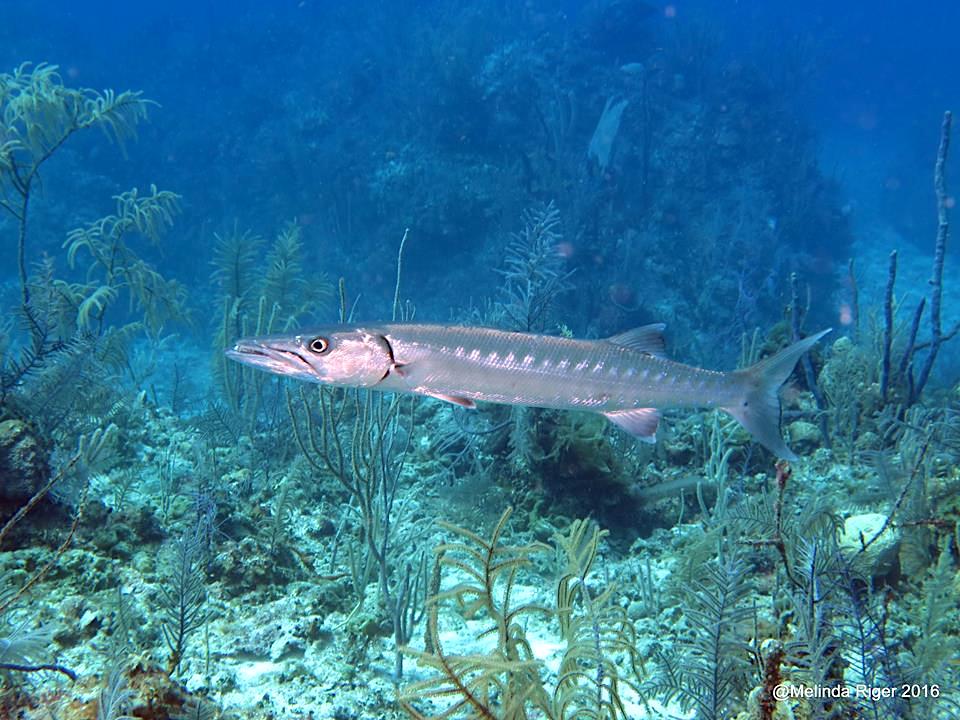
Teeth? Enough dentition already. It’s impossible not to admire these lean, mean eating machines as they glide around in their natural environment. The photos below are designed to redress the balance a bit. Sinister, yes. But mighty fine fish, without a doubt.

Barracuda - Melinda Riger / Grand Bahama ScubaBarracuda - Melinda Riger / Grand Bahama ScubaBarracuda - Melinda Riger / Grand Bahama ScubaBarracuda - Melinda Riger / Grand Bahama ScubaBarracuda - Melinda Riger / Grand Bahama Scuba

All photos: Melinda Riger, Grand Bahama Scuba, with thanks as ever for her terrific photos

Unknown's avatar

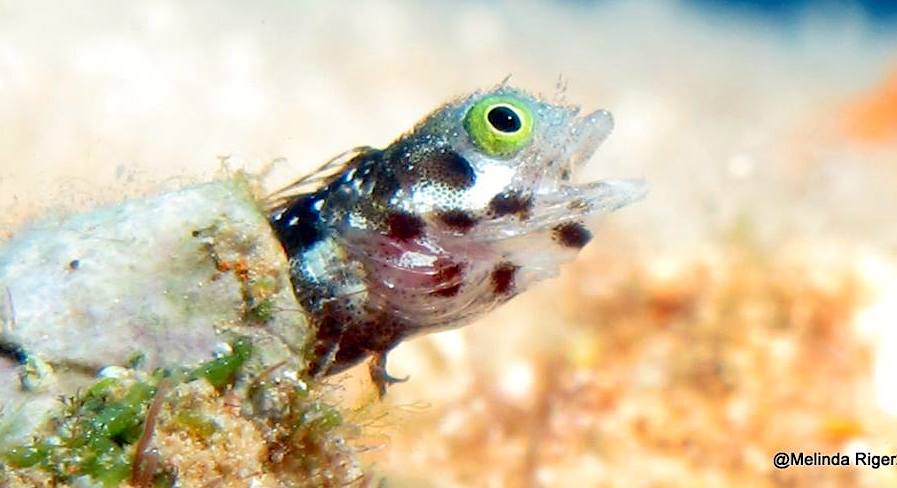
WTF? (WHAT’S THAT FISH?) 13: THE ROUGHHEAD BLENNY


Roughhead Blenny - Melinda Riger / Grand Bahama Scuba

WTF? (WHAT’S THAT FISH?) 13: THE ROUGHHEAD BLENNY

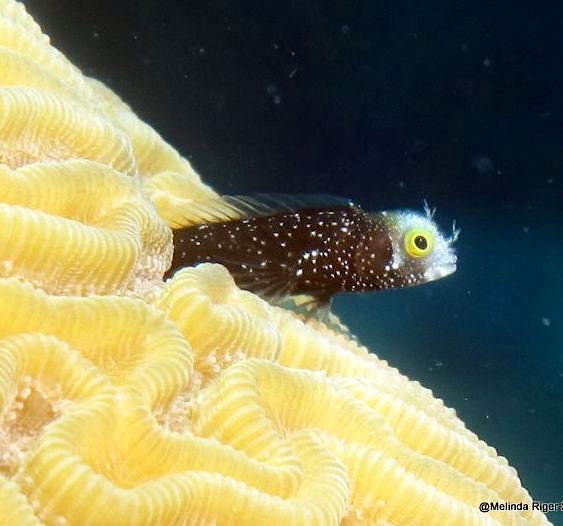
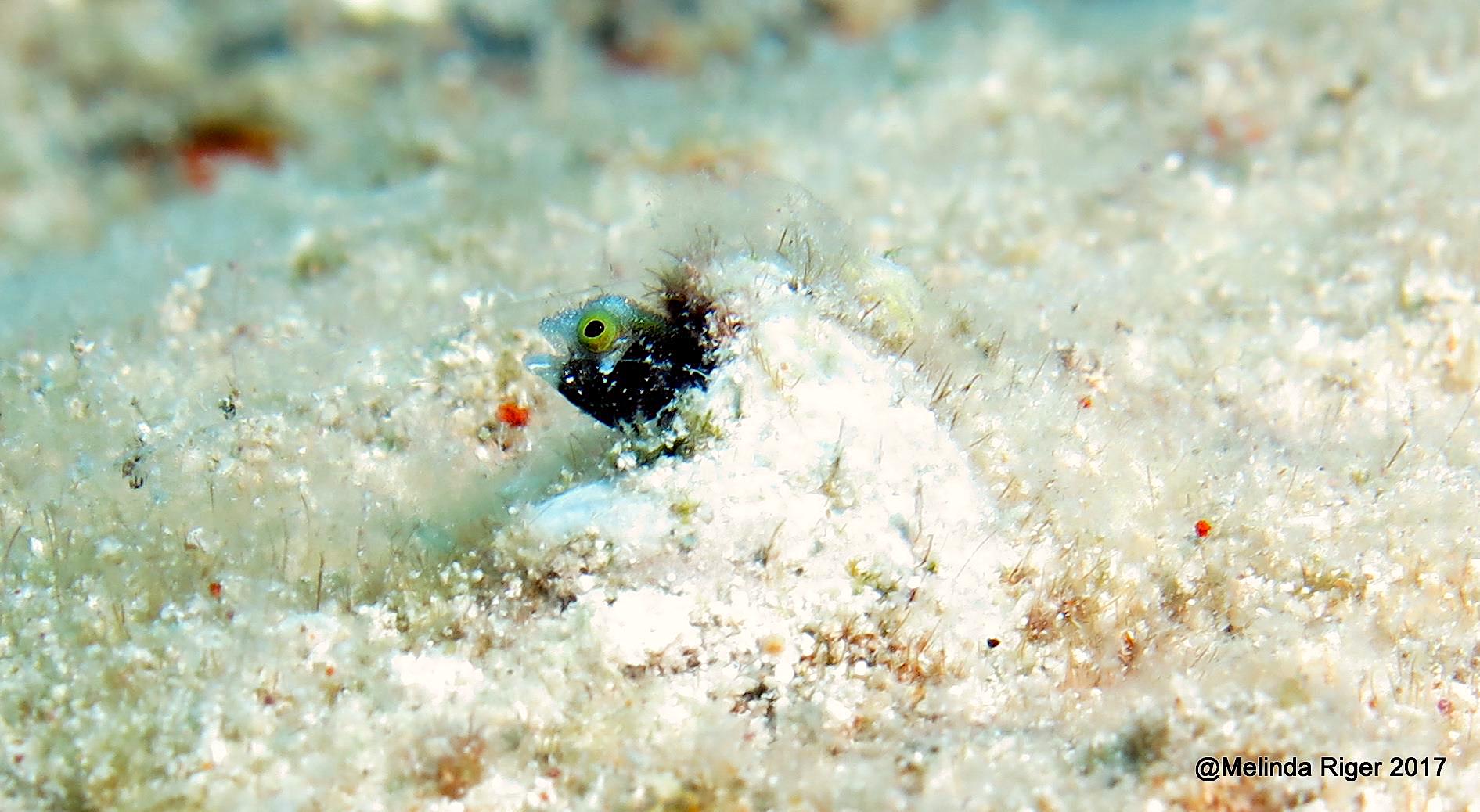
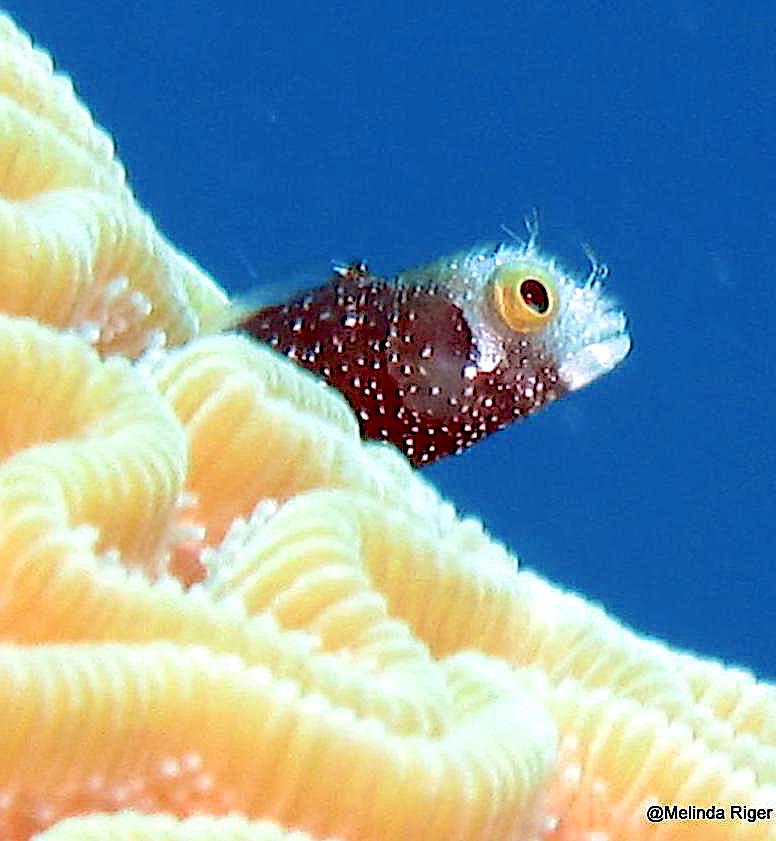
The WTF? series has looked at a number of bizarre reef denizens, and this little fish is certainly that. For a start, its ‘correct’ name is Acanthemblemaria aspera, an excellent challenge for saying 10 times very quickly **. And the name blenny comes from the Greek word for ‘slime’, quite enough to make the poor creature a laughing-stock in the reef community.

Roughhead Blenny - Melinda Riger / Grand Bahama Scuba

There are in fact several hundred blenny species and subspecies around the world. The roughhead is one of the most commonly found in western Atlantic subtropical and tropical waters. These are burrowing creatures, and they find holes in the nooks and crannies of coral reefs – and indeed in the coral itself. Brain coral seems to be a preferred location. Mollusc shells are another. Or they may just bury themselves in the sea floor. 

Roughhead Blenny - Melinda Riger / Grand Bahama Scuba

The  ‘roughness’ of head refers to the whiskery appendages (cirri) on a blenny’s blunt bonce – slender tendril or hair-like filaments. The word cirri is the plural version of the wispy high altitude cirrus clouds that streak the sky. These tendrils are shown clearly in some of the photos here, despite the tiny size of the fish (± 1 inch). 

Roughhead Blenny - Melinda Riger / Grand Bahama Scuba

THESE GUYS LOOK A BIT PRIMITIVE, AM I RIGHT?

To be precise – as far as is possible – blennies can be dated back to the Paleocene Era (or is it an Epoch?). This spanned a period 66 to 56 million years ago – around the time of the formation of the Rolling Stones.

Roughhead Blenny - Melinda Riger / Grand Bahama Scuba

You can find out more about roughheads in this excellent eHow video I came across after I’d written this post, to which I should now add that there is considerable colour variation in this subspecies, as you may already have noticed…

** You can also try this with ‘Red Lorry Yellow Lorry’. Yes I know. Maddening, isn’t it. You can’t stop now you’ve started. Sorry…

Credits: all photo, Melinda Riger; video, eHow

Unknown's avatar

TURTLE BREEDING SEASON & A SMALL POEM TO PONDER


Sea Turtle - Adam Rees / Scuba Works

TURTLE BREEDING SEASON & A SMALL POEM TO PONDER

The turtle lives ‘twixt plated decks
Which practically conceal its sex.
I think it clever of the turtle 
In such a fix, to be so fertile.

Sea Turtle - Adam Rees / Scuba Works

Anyone unfamiliar with the works of OGDEN NASH (1902 – 1971) would do well the check out his inimitable poetry, in which he takes extreme liberties with both rhyme and scansion to great comic effect. The poem above is a good example of Nash’s neat way with words. It always makes me laugh, anyway. So simple, looks so easy, but a very difficult trick to pull off consistently as Nash effortlessly does.Sea Turtle - Adam Rees / Scuba Works

As the turtle breeding season moves forward, I though this would be a good time to show a few of the great turtle photos taken by Adam Rees of ‘Scuba Works’.Sea Turtle - Adam Rees / Scuba Works

Sea Turtle - Adam Rees / Scuba Works

All photos: Adam Rees / Scuba WorksSea Turtle - Adam Rees / Scuba Works

Unknown's avatar

OCTOPUSES: WORTH LEARNING TO SCUBA FOR?


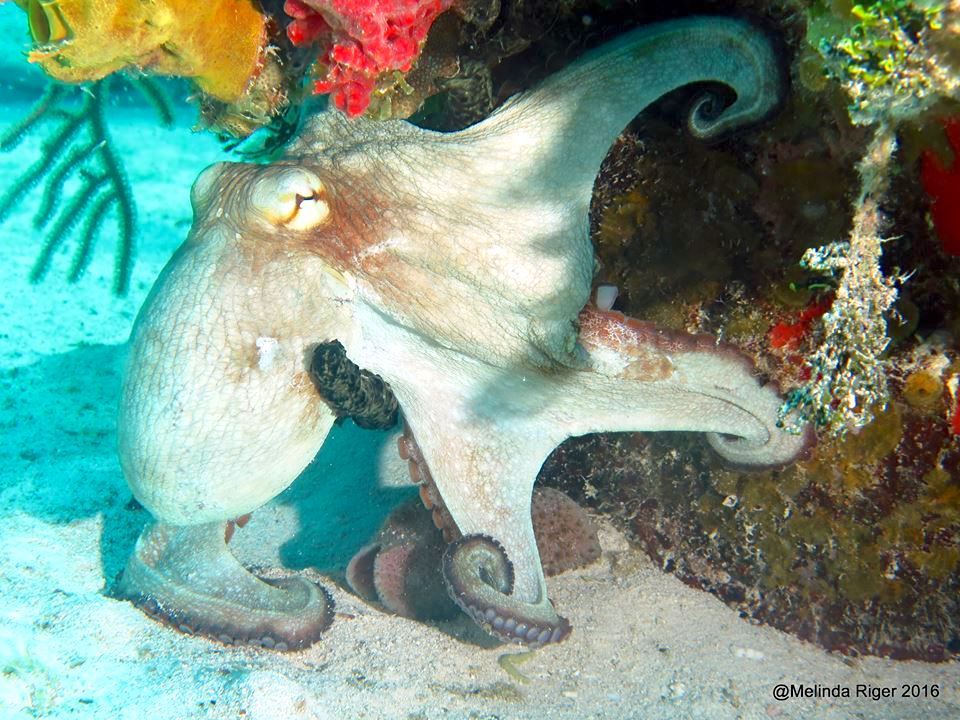
Octopus - Melinda Riger, Grand Bahama Scuba

OCTOPUSES: WORTH LEARNING TO SCUBA FOR?

If I had to give a single reason for learning to scuba, watching an octopus would be very near the top of a long list. It’s never going to happen for me, of course – I have about 17 excuses lined up just in case anyone should ask me to try it. But still. One can dream…

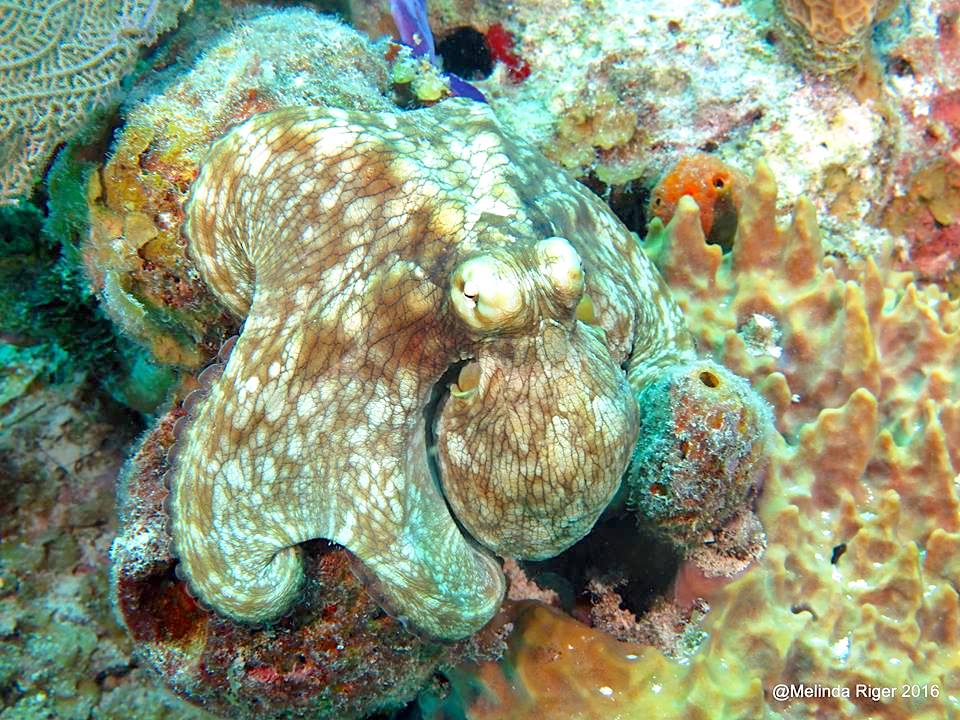
Octopus - Melinda Riger, Grand Bahama Scuba

Meanwhile, I can luckily rely on an experienced professional to get the shots. Here are a few great octopus photos taken by Melinda Riger of Grand Bahama Scuba – perfect examples of an excellent reason for chucking aside the snorkel and doing something a bit more adventurous. Maybe…

Octopus - Melinda Riger, Grand Bahama Scuba

RELATED OCTOPUS POST

THE CORRECT PLURAL Learn 12 essential octopus facts plus the definitively correct plural of the word ‘octopus’ (out of 3 rival options). Please note that the possibilities do not include ‘octopodices’, which would be latin for ‘eight rumps’ (or ‘asses’, as you might say), if such weird creatures existed.

Octopus - Melinda Riger, Grand Bahama Scuba


REMEOctopus - Melinda Riger, Grand Bahama ScubaMBER – KEEP AN EYE OUT…


STARR-STUDDED MUSICAL DIGRESSION

Does Ringo still have it? Did he ever have it?

Unknown's avatar

BLUE TANG AS REEF FILM STAR


Blue Tang, Bahamas (Melinda Riger / Grand Bahama Scuba)

BLUE TANG AS REEF FILM STAR

Last summer, the big motion picture sensation for the bird world was, of course, Pixar’s ineffably adorable creation, Piper – the ultimate ‘Chick Flick’. This little ball of cartoon fluff was not, as some thought, based on a piping plover but on a sanderling – a type of sandpiper (clue in name). This 6 minute ‘short’ preceded the main event, the hugely popular Finding Dory. You can read all about the film Piper and the birding aspects of the film HERE

Blue Tang, Bahamas (Melinda Riger / Grand Bahama Scuba)

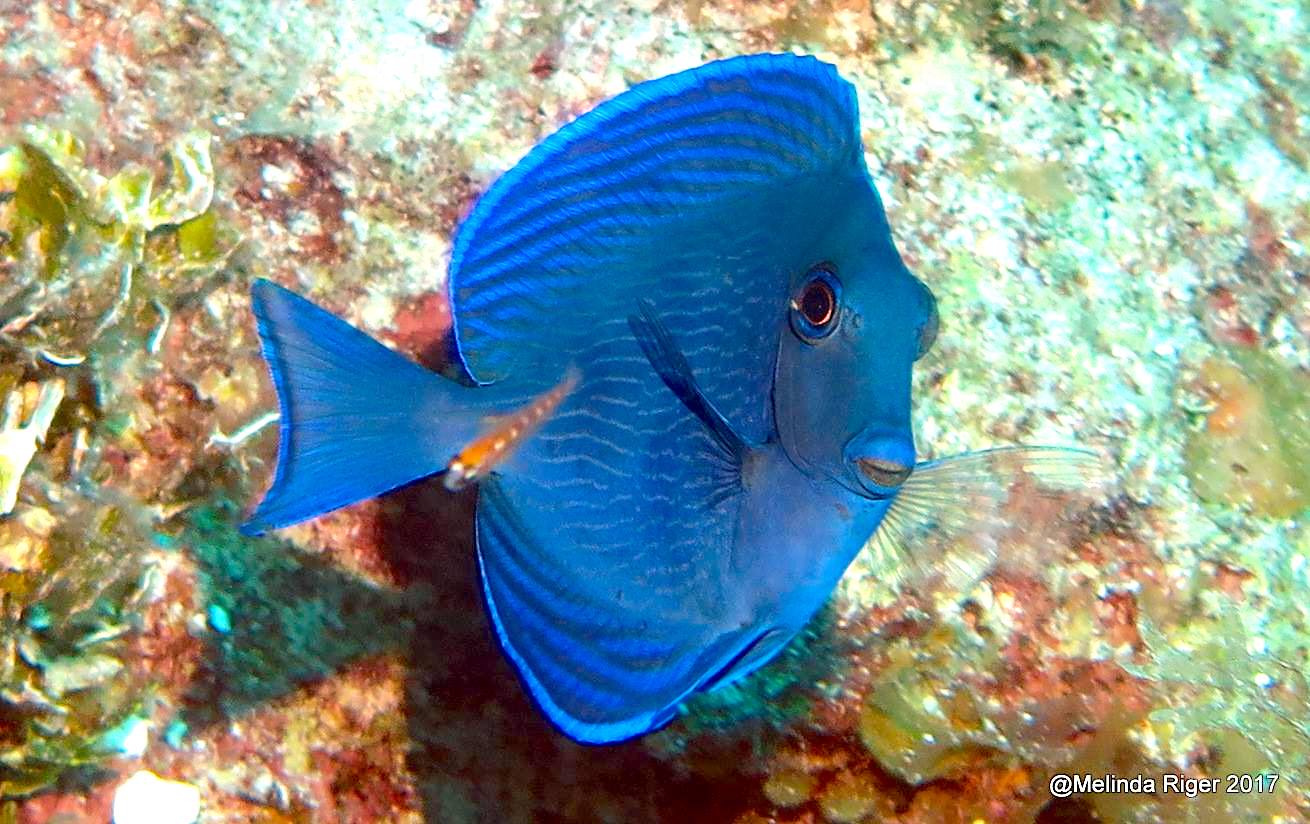
Finding Dory is not about a fish of the dory species, of course. Voiced by Ellen DeGeneres, Dory is in fact a species of surgeonfish Paracanthurus, the familiar blue tang found on the reefs of the Bahamas. To see these fish in Abaco waters, Fowl Cays National Park is always a good bet.

Blue Tang, Bahamas (Melinda Riger / Grand Bahama Scuba)

Dory can be identified as a maturing juvenile: blue, with a yellow tail. In due course – in time for the sequel film – she will become blue all over, with perhaps the odd flash of yellow (see photos above).

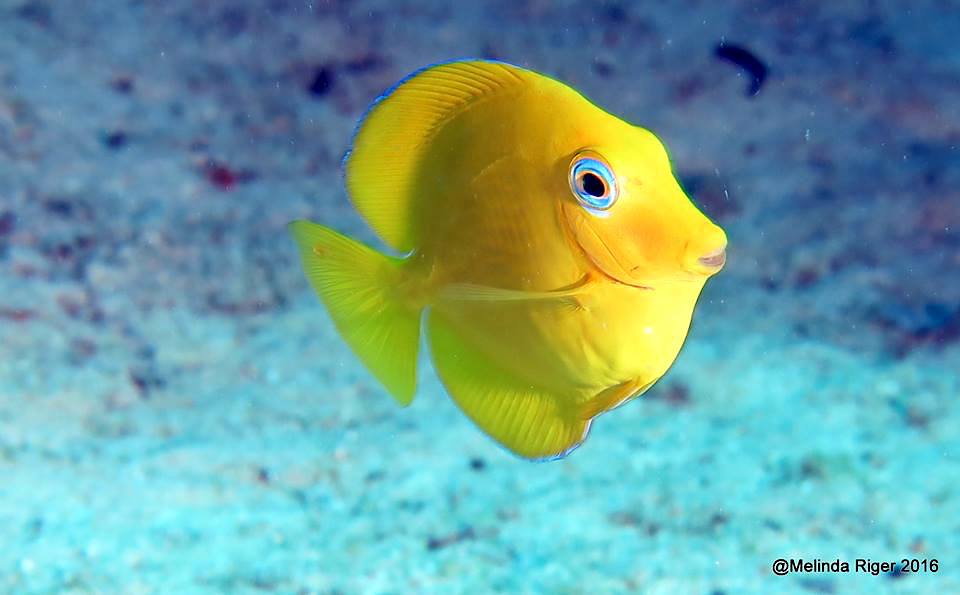
In real life, a baby blue tang is in fact entirely yellow, except for blue rings around the eyes. In Pixarland, however, Dory is just an adorbs miniature version of her youthful self.

Blue Tang juvenile, Bahamas (Melinda Riger / Grand Bahama Scuba)

Blue Tang are lovely to watch as they cruise round the reefs, sometimes in large groups. Their colouring ranges from pale to dark blue. However, these are fish that are best looked at and not touched – their caudal spines are very sharp. When the fish feels in threatened, the spine is raised and can cause deep cuts, with a risk of infection.  

Still from a crummy video taken at Fowl Cays some years back to illustrate a group of blue tangBlue Tangs, Fowl Cays Nature Park, Abaco Bahamas (KS)

Blue tangs are inedible, they apparently smell unpleasant, and they can cause ciguatera. However they are popular in the aquarium trade. This is a distinct downside of highly successful films such as Finding Nemo and Finding Dory. In defiance of the well-meant and broadly ecological message of both films, the trade in clown fish and to a lesser extent blue tang was boosted by their on-screen portrayal as adorbs creatures desirable for the entertainment of mankind… ‘Nuff said.

Blue Tang, Bahamas (Melinda Riger / Grand Bahama Scuba)

Credits: All excellent photos by Melinda Riger / Grand Bahama Scuba; one pathetically bad still from a low res video, me; cartoons purloined from an online aquarium somewhere or other

Unknown's avatar

PREHENSILE TALES FROM THE REEF (3): SEAHORSING AROUND


Seahorse (Adam Rees / .Scuba Works)

PREHENSILE TALES FROM THE REEF (3): SEAHORSING AROUND

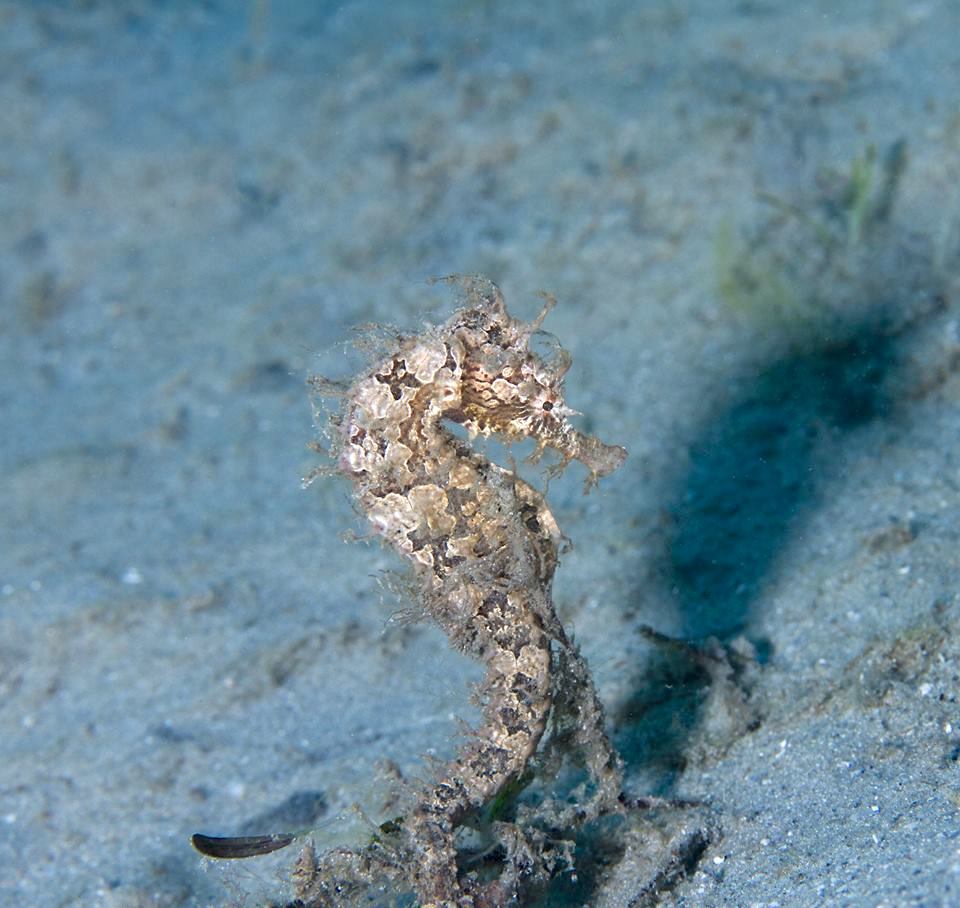
It’s Friday at last. It’s springtime. A spirit of benign goodwill is evident in the vicinity of Rolling Harbour. Seahorses are irresistible. Don’t even try to pretend they don’t make you smile. Hippocampophobia is an affliction that, as yet, has never been diagnosed in a human being – for whom fear of beards, clowns and the number 5 (quintaphobia) are known medical conditions. Immerse yourself with these little creatures – and then have a good weekend.

Seahorse (Adam Rees / Scuba Works)Seahorse (Adam Rees / Scuba Works)Seahorse (Adam Rees / Scuba Works)Seahorse (Adam Rees / Scuba Works)Seahorse (Adam Rees / Scuba Works)Seahorse (Adam Rees / Scuba Works)

All fantastic hippocampi photos: Adam Rees / Scuba Works

Unknown's avatar

DUSKY DAMSELFISH: BAHAMAS REEF FISH (34)


Dusky Damselfish, Bahamas (Melinda Riger)

DUSKY DAMSELFISH: BAHAMAS REEF FISH (34)

The dusky damselfish Stegastes fuscus is one of a number of damselfish species found in Bahamian waters. These small reef fish, in adult form, are dark coloured as their name suggests. Their appearance is brightened by having distinctive blue edges to their fins.

Dusky Damselfish, Bahamas (Melinda Riger)

These fish feed mainly on algae, with a preference for red. They top up their diet with small invertebrates. Their value to the reef is that their feeding patterns help to prevent coarser seaweeds from becoming dominant in areas where these are prevalent. 

Dusky Damselfish, Bahamas (Melinda Riger)

Like many damselfish, the dusky is a territorial species, guarding its chosen area of seabed and the food sources within it by repelling intruders – often seeing off far larger algae-grazing fishes such as parrotfish and wrasse. Yet besides their aggressive traits, they are also rather cute, as photo #2 shows!

Dusky damselfish, Bahamas (Melinda Riger)

All photos: Melinda Riger / Grand Bahama Scuba

Unknown's avatar

ATLANTIC SPOTTED DOLPHINS OFF ROCKY POINT, ABACO


Atlantic Spotted Dolphins off Rocky Point, Abaco

This pair was in a group of 8 Atlantic Spotted Dolphins that we encountered yesterday during a day’s expedition on the Bahamas Marine Mammal Research Organisation (BMMRO) research boat. We spent nearly an hour with them, and there will be a longer post about these magnificent creatures in due course. But right now, I’m still in single image posting mode while “on-island”…

Photo: Keith Salvesen / BMMRO

Unknown's avatar

COMING HOME: IT’S ELVIS (THE SQUIRRELFISH)


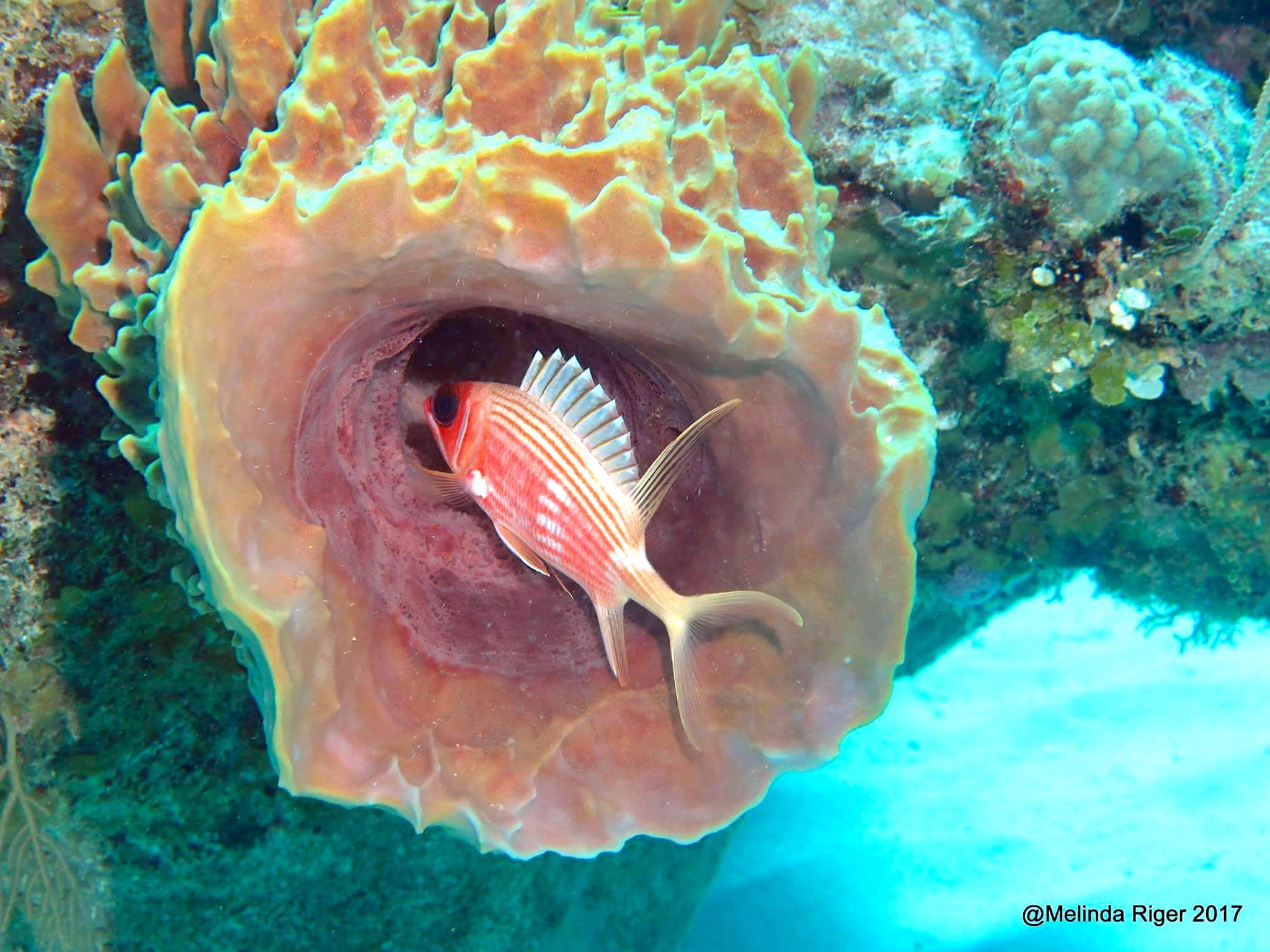
Squirrelfish, BahamasBeing ‘on-island’ right now, I don’t get so much time to write stuff. To everyone’s relief, I guess (including mine). So for a while I’ll post some individual pics that particularly appeal to me. Elvis the squirrelfish (featured in a previous post) has now upgraded to a more spacious and frankly rather posher address. And in he goes…

Unknown's avatar

FORAYS WITH MORAYS (4): EXPRESSIVE FEATURES


Green Moray Eel (Melinda Riger / Grand Bahama Scuba)

FORAYS WITH MORAYS (4): EXPRESSIVE FEATURES

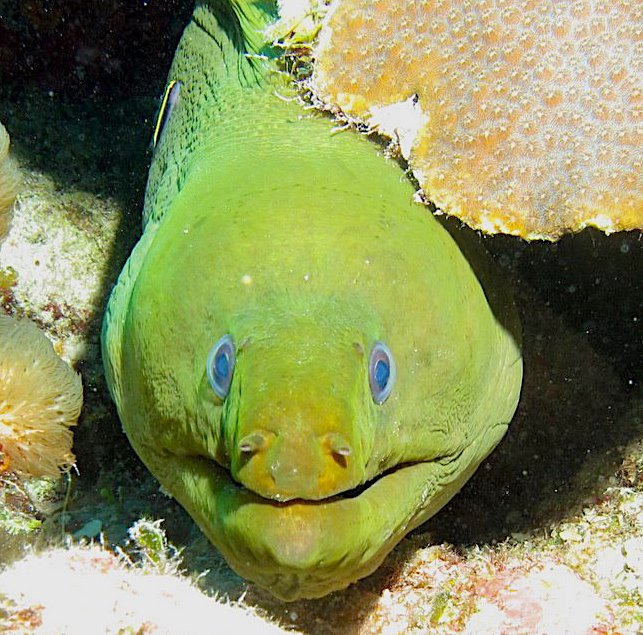
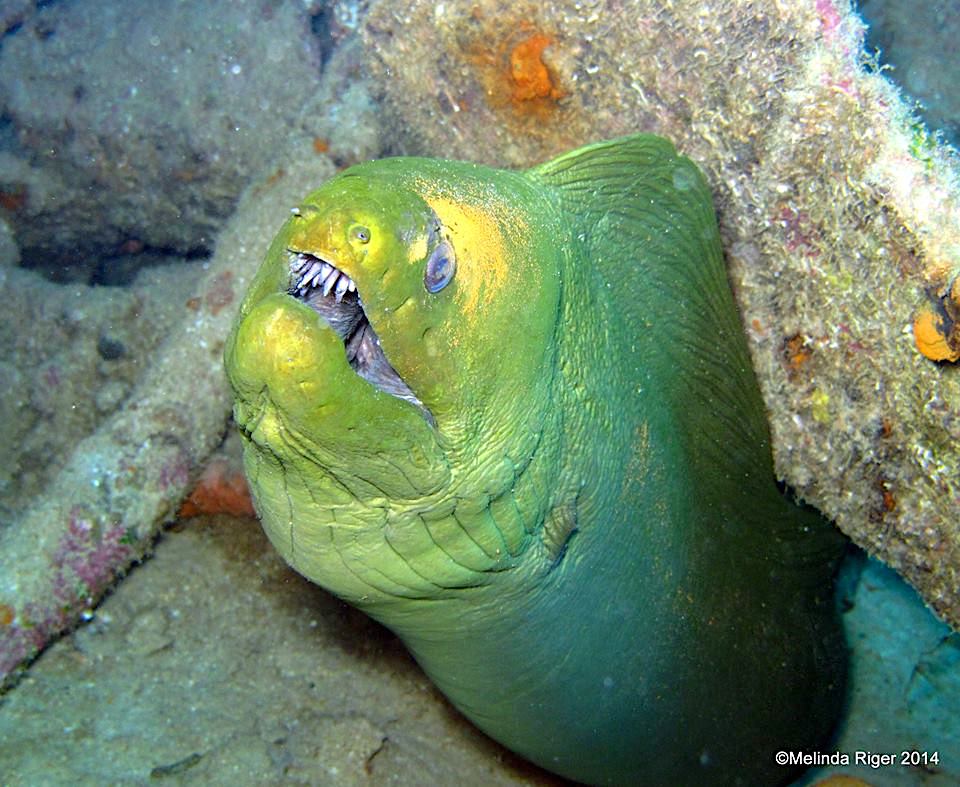
Time to return to those extremely expressive characters of the coral reefs, moray eels. Specifically, some green morays. One hesitates to anthropomorphise or ‘project’ human emotions onto creatures but with some species it’s hard not to do so. Following Mr Grumpy (or perhaps Mr Sad) in the header image, here are some close-ups of morays appearing to express their emotions, from happy to downright furious… Eels featured here include Judy and Wasabi, and I remind myself that the human habit of naming familiar wild creatures is itself a (perfectly harmless) form of benign animism. Exactly as with the regular banded piping plovers featured elsewhere in this blog that overwinter on Abaco’s beaches, such as Harry Potter, Bahama Mama and the delightfully-named Felicia Fancybottom…

Happy and contented?Green Moray Eel (Melinda Riger / Grand Bahama Scuba)Green Moray Eel (Melinda Riger / Grand Bahama Scuba)Green Moray Eel (Melinda Riger / Grand Bahama Scuba)

Something on my mind…Green Moray Eel (Melinda Riger / Grand Bahama Scuba)

Slightly amused?Green Moray Eel (Melinda Riger / Grand Bahama Scuba)

Pretty funny, actuallyGreen Moray Eel (Melinda Riger / Grand Bahama Scuba)

Ha ha…! Hilair!Green Moray Eel (Melinda Riger / Grand Bahama Scuba)

Watch it. You are beginning to bug us, Mr Harbour, with your stupid captionsGreen Moray Eel (Melinda Riger / Grand Bahama Scuba)

ANGRY. BACK OFF… NOW!!!Green Moray Eel (Melinda Riger / Grand Bahama Scuba)

THE NEXT POST WILL BE FROM ABACO HQ NEXT WEEK

Credits: All morayvellous photos, Melinda Riger / Grand Bahama Scuba except 6, Virginia Cooper / Grand Bahama Scuba

Unknown's avatar

SAWFISH: UNIQUE LIVE BIRTH FOOTAGE ON ANDROS


sawfish-biminis-marine-pa-campaign-grant-johnson

SAWFISH: UNIQUE LIVE BIRTH FOOTAGE ON ANDROS

The word ‘awesome’ – a word of Biblical origin and medieval usage connoting an experience of wonderment with an element of dread* – lost its power once it became the common verbal currency for describing the offer of a beer, a photograph of a sulky cat, or a so-so pub band. Where to turn for something truly momentous? Oh, actually that might do nicely. Breathtaking, astounding, astonishing, awe-inspiring, staggering, extraordinary, stupendous, and spectacular are examples of synonyms that have retained at least some of their power. And perhaps ‘mind-blowing’, though it’s a bit substance-tinged. ‘Amazing’ has pretty much gone the way of awesome. Amazeballs and badass? Let’s not!

Sawfish Grand Bahama (BNT / Buzz Cox)

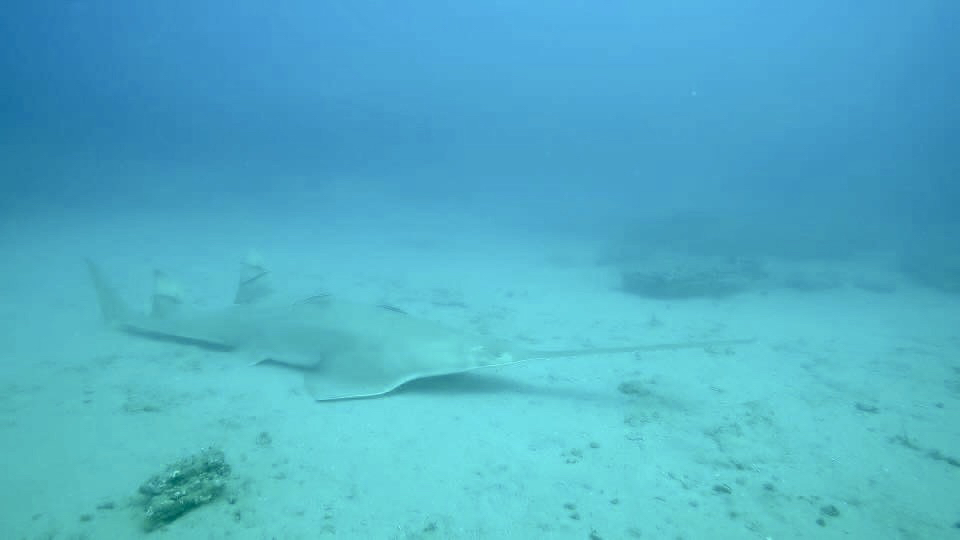
Ok. Having got that linguistic grump out of the way (index under ‘English Language, debasement of, modern usage in), here’s the real deal: a truly phenomenal short video of a smalltooth sawfish Pristis pectinata safely giving live birth in the wild to her 5 babies (which are called pups) on Andros during a FSU research trip. The pups emerge as small replicas of their parent, complete with their hedgetrimmer-style rostrums, ready to swim away. Fishes that carry their young and give birth to one or more developed juveniles in this way are called ovoviviparous.

Sawfish_1

The commentary is clear and informative, the research potential for this vulnerable species is considerable, and if you have a soul and a spare 3 minutes, you really should watch this!

This unique recorded event took place last December. The joint research trip to Andros by the FSU Coastal and Marine Lab and NOAA was led by Dr. Dean Grubbs. The purpose of the research was to discover evidence of any exchange between the sawfish population in the U.S. and Bahamas. You can find out more about the research and scientists at the FSUCML website. And if you want to get involved and take part in an expedition, click GET INTO THE FIELD

Sawfish_1

RELATED POSTS

RH SAWFISH PAGE – pics, facts and vids, including how the rostrum is used in feeding

GUITARFISH (WTF? 8)

* ‘Awful’ had the same meaning as awesome, historically – cf dreadful. It did not mean a bad film or a lousy restaurant.Sawfish_1This recent photograph by Adam Rees of Scuba Works was taken in Florida waters. It is one of an astonishing school of 8 smalltooth sawfish, the largest group Adam has ever encountered.sawfish-2-adam-rees-scuba-works-copy

Credits: Header, Grant Johnson @60poundbullet (Bimini), with many thanks; BNT / Buzz Cox (Grand Bahama); Adam Rees / Scuba Works

Unknown's avatar

BLUEHEAD WRASSE: PRIVATE LIFE LAID BARE


bluehead_wrasse_thallasoma_bifasciatum_oregonstate-edu-pinterest

BLUEHEAD WRASSE: PRIVATE LIFE LAID BARE

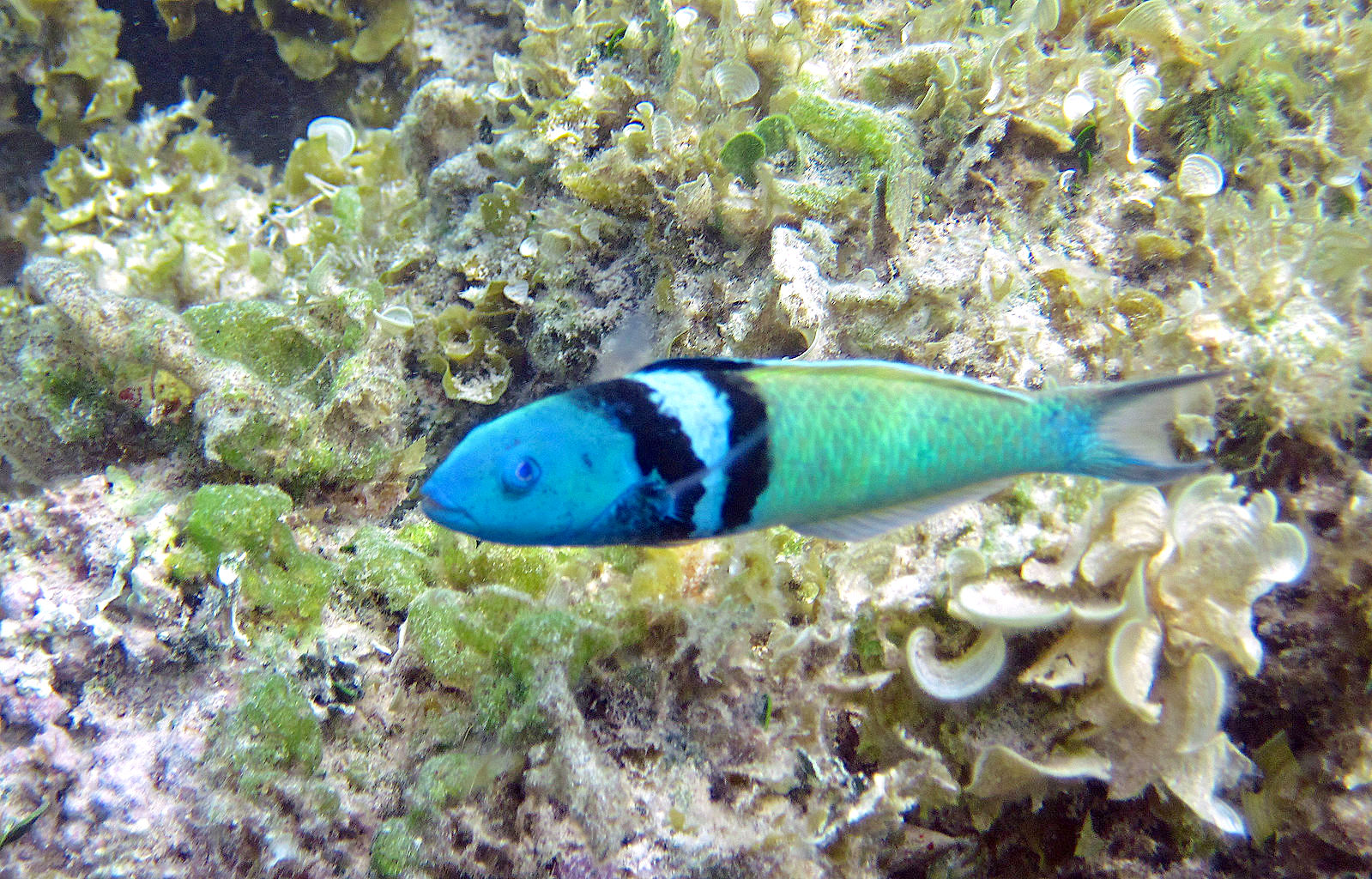
The bluehead wrasse (or blue-headed wrasse) Thalassoma bifasciatum is a denizen of the coral reefs of the tropical waters of the western Atlantic Ocean. This bright little 4-inch fish is… a wrasse with a blue head. No more and no less. Unless it’s a juvenile. Then it is mainly bright yellow. It’s similar to BLUE TANG (aka ‘the Disney Dory’), which starts life bright yellow and grows up to be blue.

blue-head-wrasse-melinda-riger-g-b-scuba-copy

The species may be found singly, in pairs or small groups, or in schools.  They have an important role to play in the life of the reef. They are CLEANER FISH, vital to the health and wellbeing of the larger species they attend to, and thus of the reef itself. This is ‘cleaning symbiosis’, a relationship of mutual benefit. The big fish get cleaned; the little fish have a useful function and – importantly for them – therefore don’t get eaten. 

thalassoma_bifasciatum_bluehead_wrasse_san_salvador_island_bahamas-james-st-john-wiki

Having said that, blueheads are of course fair game as a snack for species that aren’t in the market for their cleaning services. And, unfairly, some species that are content to let cleaner gobies runtle around their gills and mouths are not so considerate of the wrasse. Some types of grouper and moray eel, for example.

bluehead_wrasse

TELL US EXACTLY SEVEN BLUEHEAD WRASSE FACTS

  • Juveniles can alter the intensity of their colour, stripes & bars
  • The bluehead wrasse is a ‘protogynous sequential hermaphrodite’
  • All are born female**. Some change sex to male during maturation (see below)
  • Food includes zooplankton, small molluscs and small crustaceans…
  • …and parasites / other juicy bits (fungal growths, anyone?) from bigger fish
  • The main threat to the species is coral reef degradation or destruction
  • The bright colours invite aquarium use, but the trade is not a significant one

** Some sources suggest some are born male and remain male. I’m not sure which is right

A juvenile bluehead (with feather-duster worms) – mostly yellow, with a pale underside
Bluehead Wrasse juvenile (wiki)

THE REMARKABLE SEX LIFE OF THE BLUEHEAD WRASSE

This is an unavoidable topic, I’m afraid. The bluehead’s sex life is the most interesting thing about them, and this is no time to be prudish. It is the subject of extensive scientific research, not all of which I have read since I decided to write about the species last night. Like many human relationships, “it’s complicated”, but in a conch shell it boils down to this:

  • To recap, BWs are born female and as they mature, some become male.
  • Males reach an ‘initial phase’ when they can breed in groups with females
  • Some males grow even larger & reach full colouration. This is the ‘terminal phase’
  • These large males aggressively chase away smaller ones & seek females to pair with
  • Their state of readiness (as it were) is signalled by colour changes
  • This behaviour is similar to that seen in many city centres in a Saturday night
  • The smaller fish have one bonus – their sperm count is higher than a dominant male
  • Prozac tests have shown that the drug reduces a dominant male’s aggression

blue-headed_wrasse_det (wiki)

As the excellent organisation OCEANA puts it: Bluehead Wrasses may reproduce in four different ways throughout their lifetime:  1) as a female in a group spawning event; 2) as a female in a pair spawning event within the territory of a large male; 3) as a small male in a group spawning event; and 4) as a dominant, terminal male in a pair spawning event within its own territory.

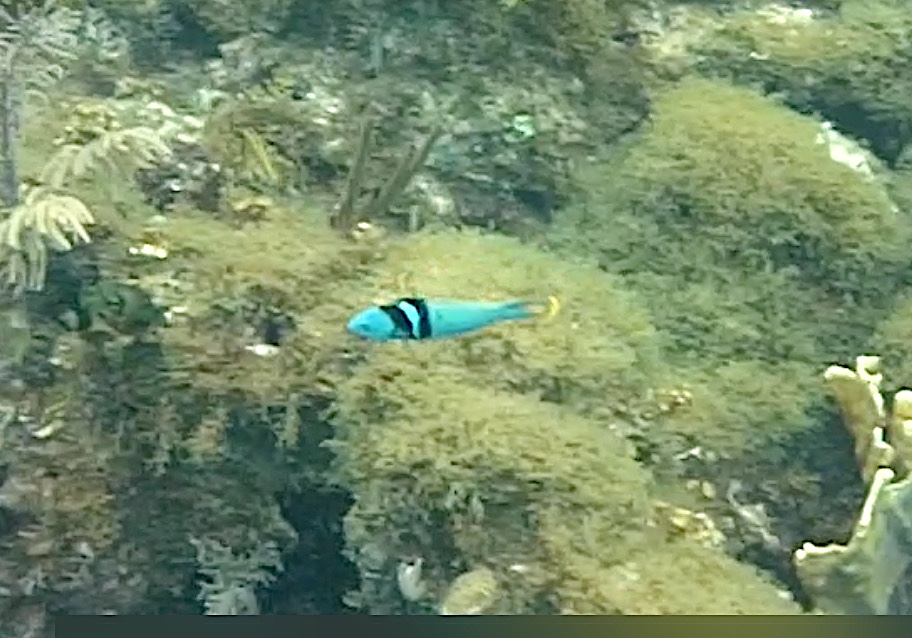
A cropped still from a video I took at Fowl Cay marine reserve. I’ve looked at dozens of images online and not found one that was all blue with a yellow end to its tail fin. Maybe it’s not a BW at all. Or it’s a different type of fish completely. Or perhaps it is just an all-blue alpha male.bluehead-wrasse-fowl-cay-mr-abaco

Credits & Sources: Melinda Riger; Adam Rees; James St John; Oregon State edu / Pinterest; Wiki images; self; Oceana; IUCN; magpie pickings

A bluehead wrasse passes the time of day with a gruntbluehead-wrasse-grunt-adam-rees

Unknown's avatar

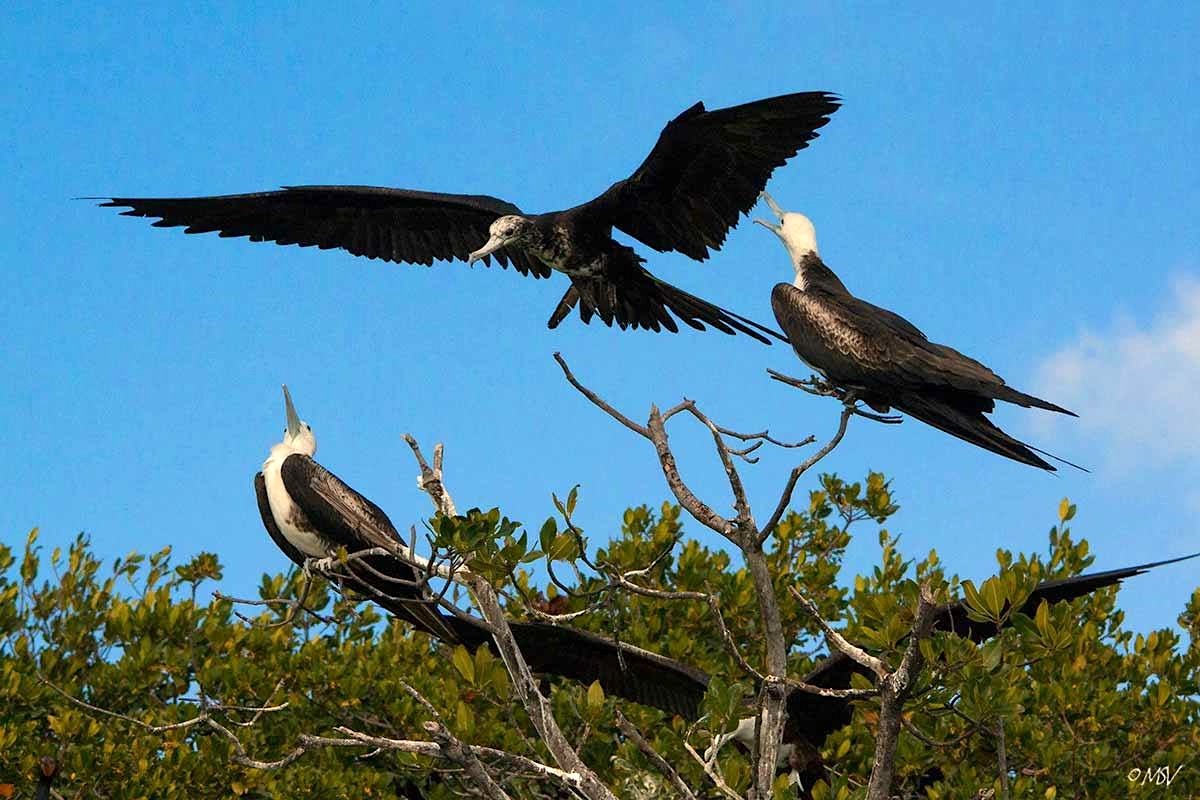
MAGNIFICENT FLYING MACHINES: FRIGATEBIRDS


Magnificent Frigatebirds (m) - Michael Vaughn

MAGNIFICENT FLYING MACHINES: FRIGATEBIRDS

It’s almost exactly one year since I last posted about the Magnificent Frigatebird aka Man-o-War Bird (Fregata magnificens). You can read about their courtship displays, gular pouches, nesting habits, names, uses to mankind (if any), and 10 magnificent facts about them HERE. I’ve included some truncated facts below.

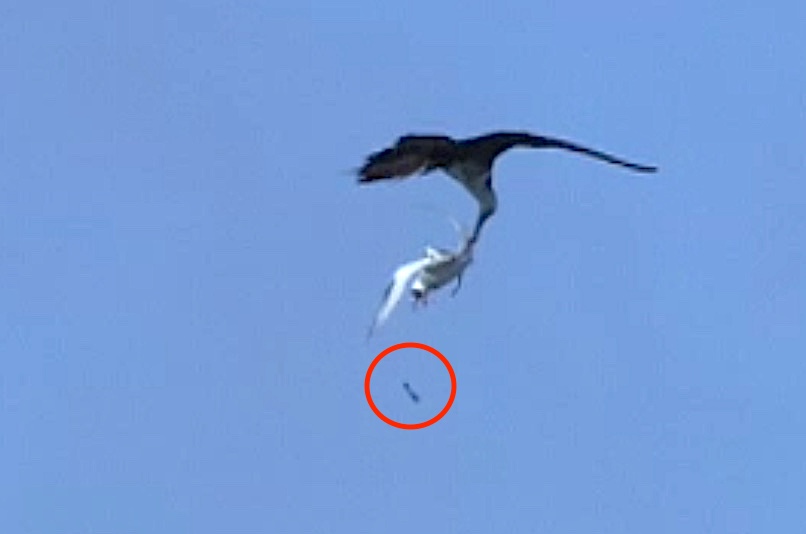
Now is a good time to revisit these wonderful sky pirates, for 2 reasons. The first is that photographer Michael Vaughn has produced some outstanding images of the species. The second is that I have just watched a characteristically superb BBC David Attenborough prog showing frigatebirds robbing tropicbirds of fish – despite them being lodged in the tropicbirds’ throats (for safekeeping…). Here’s the link to the sequence.

     CLICK LOGO TO VIEWmagnificent-frigatebird

Film clip: MF has TB by the leg & shakes it until the fish  (circled) drops outMagnificent Frigatebird steals fish from Tropicbird (BBC clip)

magnificent-frigatebird

A MAN-O-WAR GALLERY

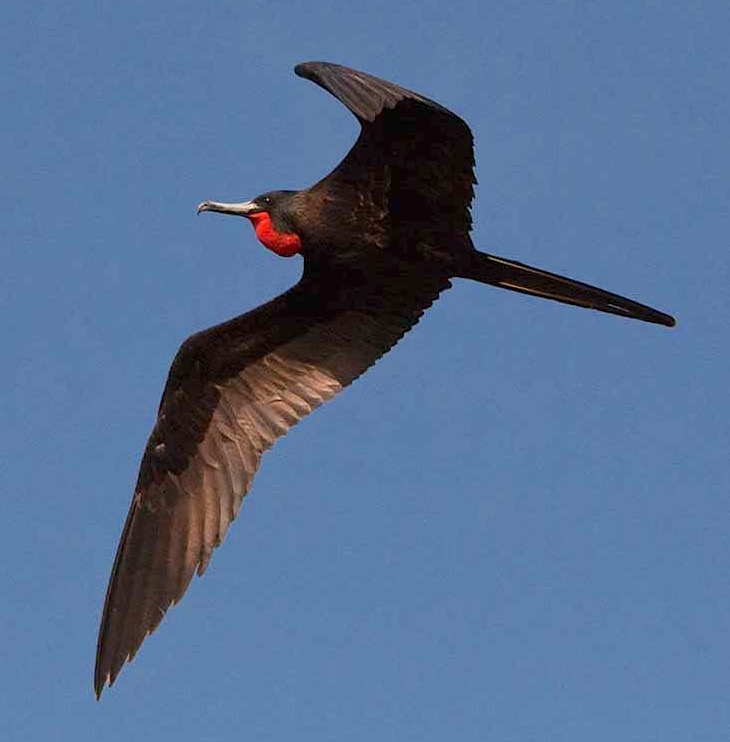
A male in flight (a most unusual shot, taken from above)Magnificent Frigatebird (m) - Michael Vaughn

Juveniles being delinquentMagnificent Frigatebirds (juv) - Michael Vaughn

A female in flight: the white front is the invariable distinguishing featureMagnificent Frigatebird (f) - Michael Vaughn

Maybe a bit of rivalry going on here….?Magnificent Frigatebird (f) - Michael Vaughn

magnificent-frigatebird

10 MAGNIFICENT FACTS ABOUT FRIGATEBIRDS

  • The largest of several frigatebird species around the world
  • Found in tropical and subtropical waters
  • Females have white fronts – easily distinguishable from males in flight
  • Adult wingspan is 7+ feet = largest wing-area / bodyweight ratio of any bird
  • Can remain in flight and far out to sea for many days
  • KLEPTOPARASITES – will rob other seabirds of their food
  • Diet: mainly fish & squid from the water’s surface; seabird chicks
  • Nest in colonies, producing a single egg every other season
  • Don’t land on water, as they can’t float; and feeble at walking on land
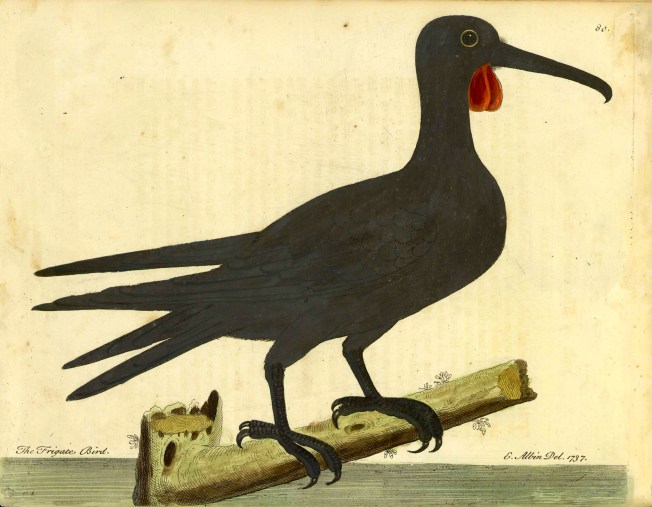
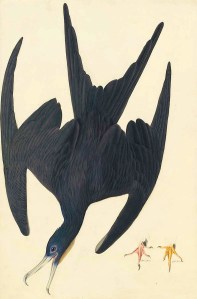
  • One of the earliest depictions of a frigatebird is by Eleazar Albin in 1737. He was a naturalist contemporary of MARK CATESBY & pre-dated AUDUBON

Albin’s Magnificent FrigatebirdFrigatebird_Eleazar_Albin_1737

Audubon’s Magnificent FrigatebirdAudubon Frigatebird

Magnificent Frigatebird (m) - Michael Vaughn

Credits: Michael Vaughn for all photos; cartoon from Birdorable; Mr Albin and Mr Audubon for ornithological awesomeness; TV CLIP bbc.co.uk  © copyright 2009 BBC

Magnificent Frigatebird (m) - Michael Vaughn

Unknown's avatar

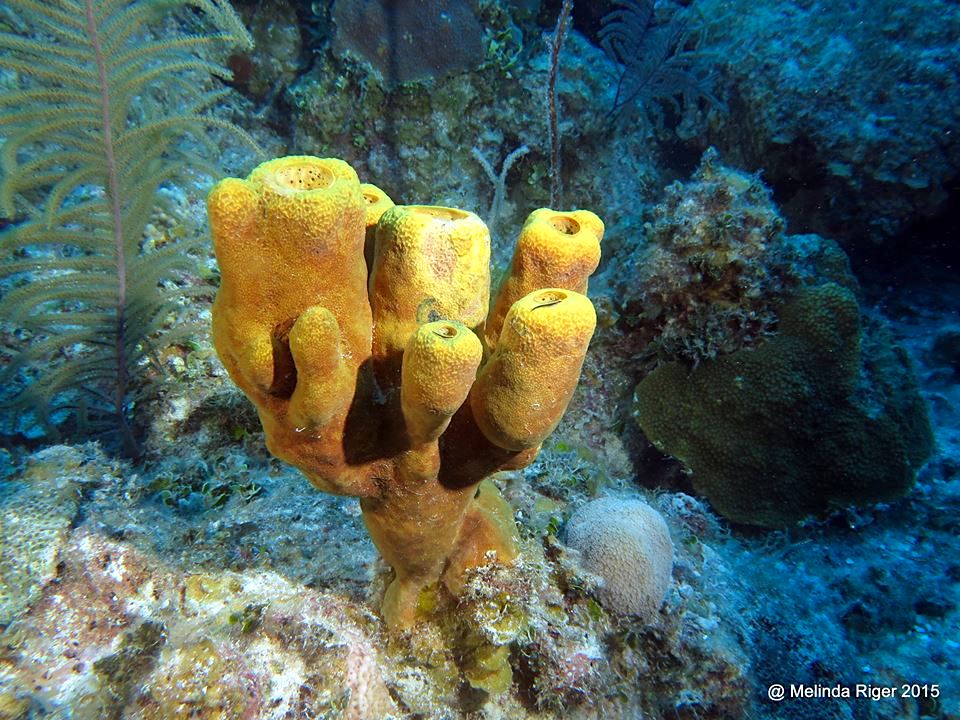
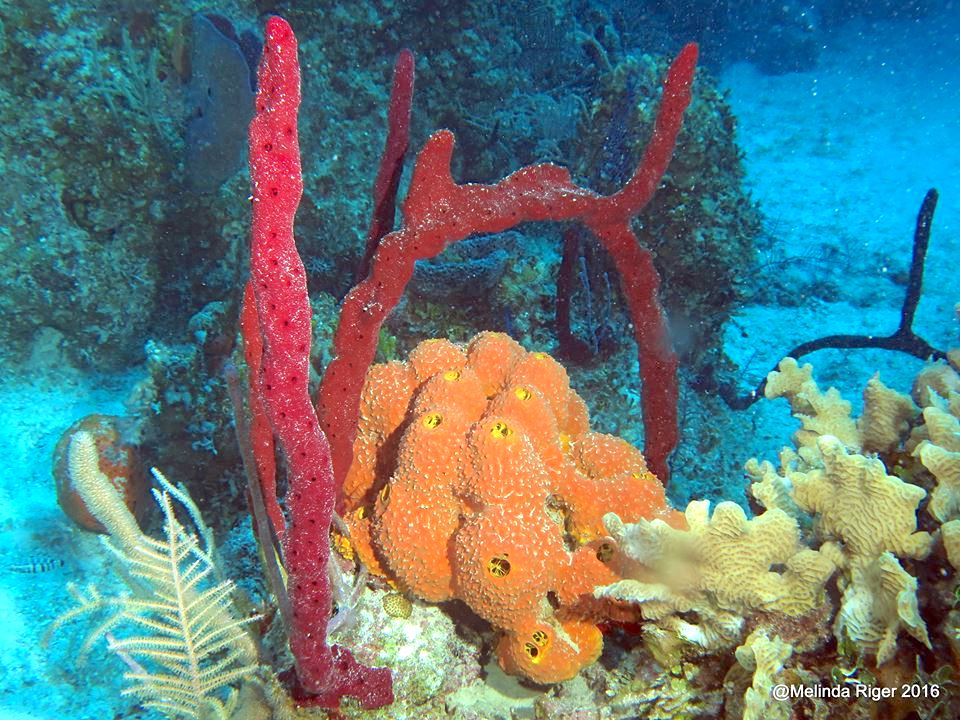
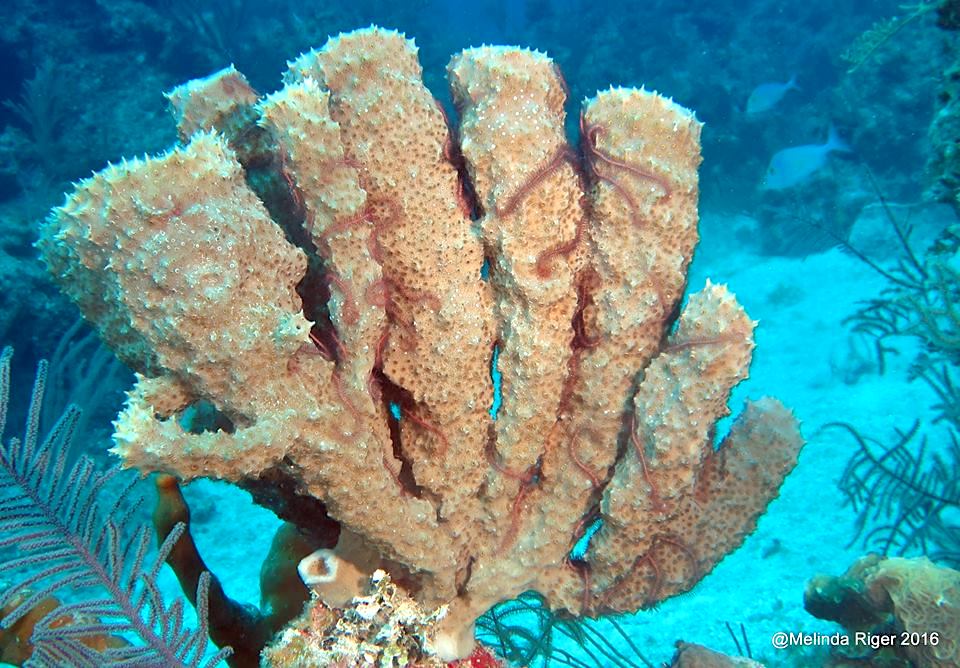
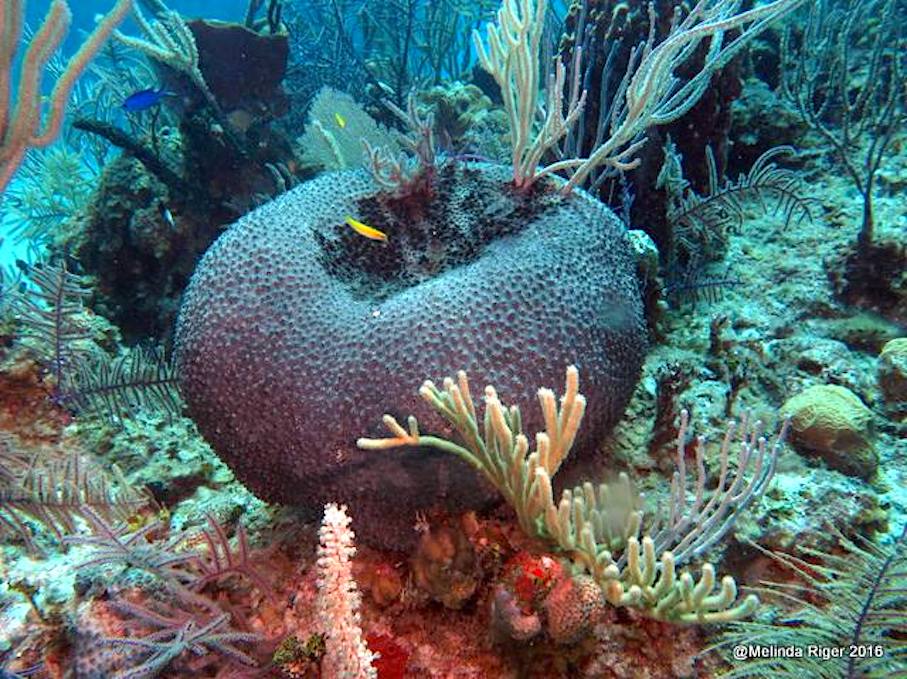
ABSORBING SPONGES ON THE BAHAMAS REEFS…


sponge-melinda-riger-gb-scuba

ABSORBING SPONGES ON THE BAHAMAS REEFS…

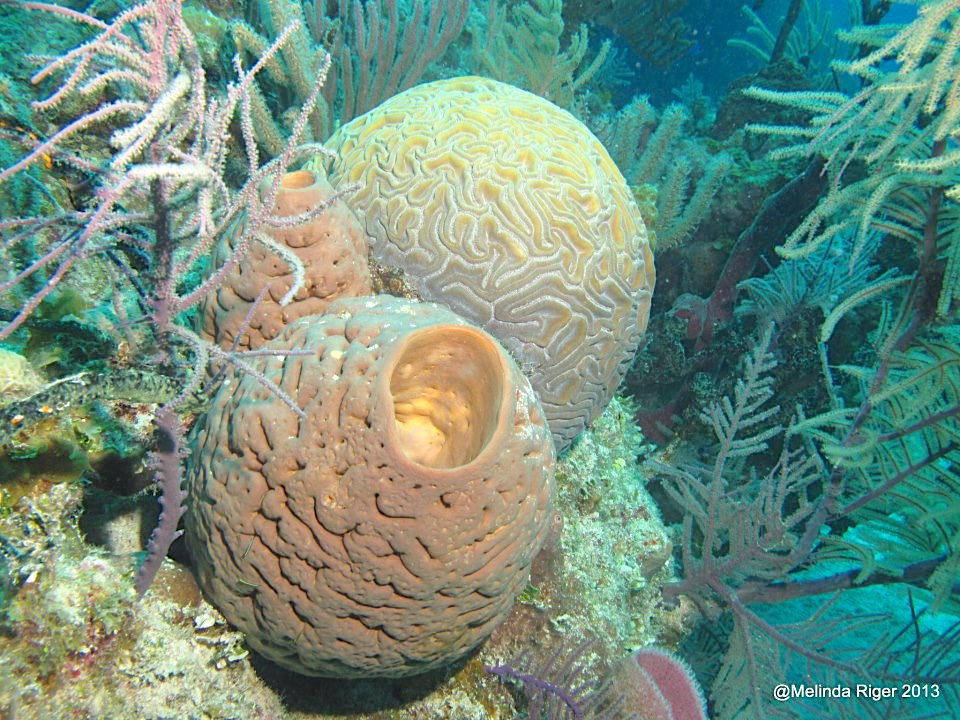
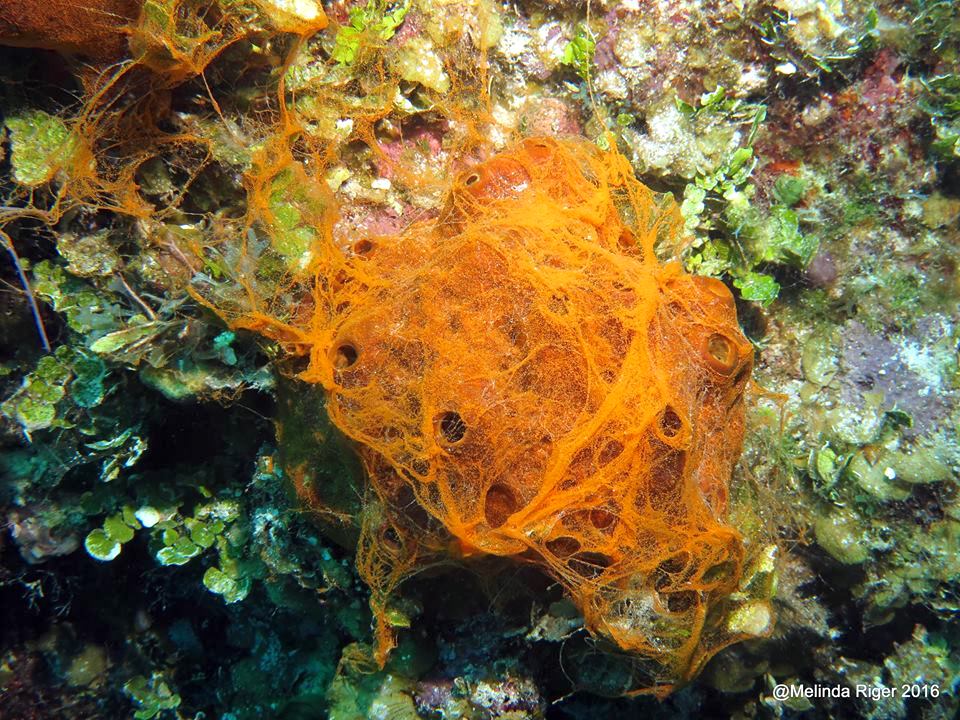
A while back I showed a collection of colourful sponges – one that you might come across with minimum equipment. Snorkel, mask, flippers. Oh, and a coral reef, if you happen to have one handy. I suspect that to quite a few people the word ‘sponge’ means soggy yellow thing, as found in the proximity of a bath. Or a scratchy nylon-based equivalent. Well, here are a few more sponges to enjoy. Some I can give you the names of, some I don’t know and am too idle busy to look up… Sorry.

sponges-melinda-riger-g-b-scuba

Candelabra Songe (with brittle stars attached)candelabra-sponge-melinda-riger-g-b-scubasponge-melinda-riger-g-b-scuba

Black Ball Spongesblack-ball-sponge-melinda-riger-g-b-scuba-copy

One for Valentine’s Dayheart-shaped-sponge-melinda-riger-gb-scuba

Vase Spongesvase-sponge- pink-melinda-riger-gb-scubavase-sponge-melinda-riger-g-b-scuba

sponges-and-coral-on-the-reef

Spawning Brown Encrusting Spongebrown-encrusting-sponge-spawning-melinda-riger-g-b-scuba

All photos: Melinda Riger, Grand Bahama Scuba