Unknown's avatar

FORAYS WITH MORAYS (4): EXPRESSIVE FEATURES


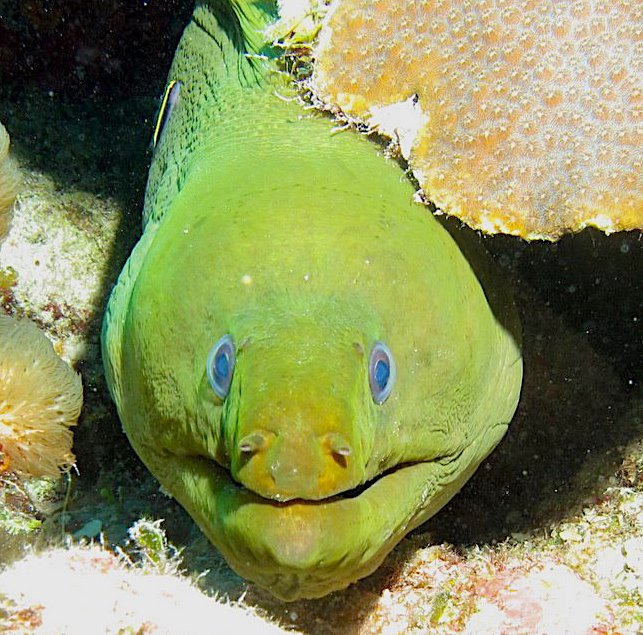
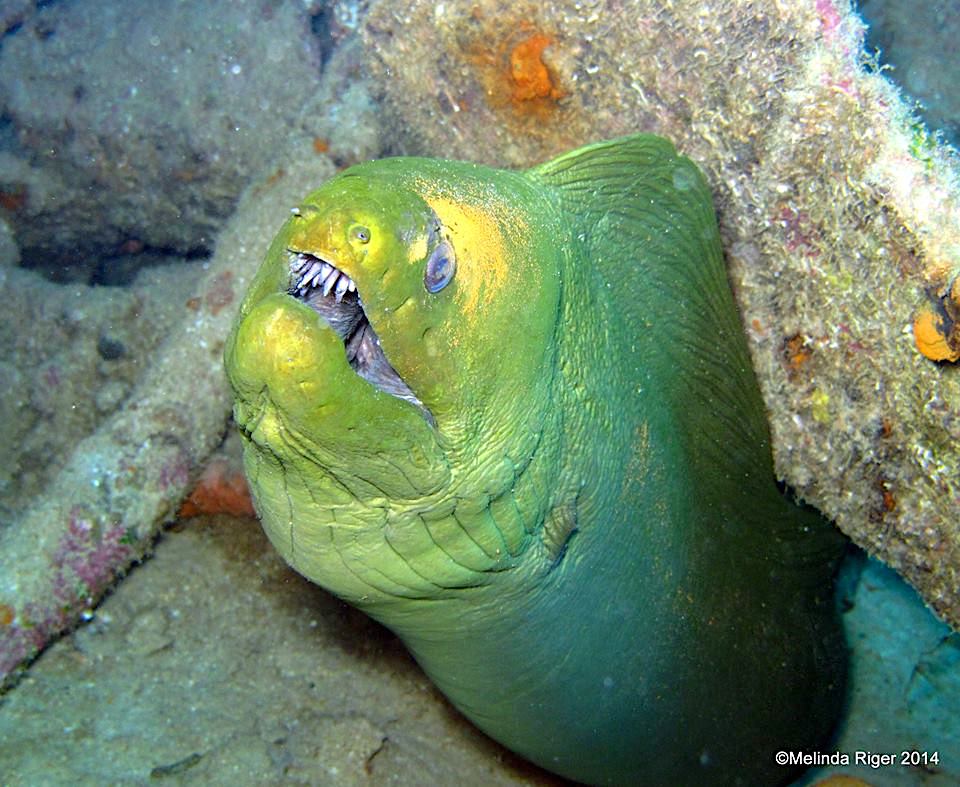
Green Moray Eel (Melinda Riger / Grand Bahama Scuba)

FORAYS WITH MORAYS (4): EXPRESSIVE FEATURES

Time to return to those extremely expressive characters of the coral reefs, moray eels. Specifically, some green morays. One hesitates to anthropomorphise or ‘project’ human emotions onto creatures but with some species it’s hard not to do so. Following Mr Grumpy (or perhaps Mr Sad) in the header image, here are some close-ups of morays appearing to express their emotions, from happy to downright furious… Eels featured here include Judy and Wasabi, and I remind myself that the human habit of naming familiar wild creatures is itself a (perfectly harmless) form of benign animism. Exactly as with the regular banded piping plovers featured elsewhere in this blog that overwinter on Abaco’s beaches, such as Harry Potter, Bahama Mama and the delightfully-named Felicia Fancybottom…

Happy and contented?Green Moray Eel (Melinda Riger / Grand Bahama Scuba)Green Moray Eel (Melinda Riger / Grand Bahama Scuba)Green Moray Eel (Melinda Riger / Grand Bahama Scuba)

Something on my mind…Green Moray Eel (Melinda Riger / Grand Bahama Scuba)

Slightly amused?Green Moray Eel (Melinda Riger / Grand Bahama Scuba)

Pretty funny, actuallyGreen Moray Eel (Melinda Riger / Grand Bahama Scuba)

Ha ha…! Hilair!Green Moray Eel (Melinda Riger / Grand Bahama Scuba)

Watch it. You are beginning to bug us, Mr Harbour, with your stupid captionsGreen Moray Eel (Melinda Riger / Grand Bahama Scuba)

ANGRY. BACK OFF… NOW!!!Green Moray Eel (Melinda Riger / Grand Bahama Scuba)

THE NEXT POST WILL BE FROM ABACO HQ NEXT WEEK

Credits: All morayvellous photos, Melinda Riger / Grand Bahama Scuba except 6, Virginia Cooper / Grand Bahama Scuba

Unknown's avatar

BROWN PELICANS ON ABACO & BEYOND


Brown Pelican, Bahama Palm Shores, Abaco Bahamas (Tom Sheley)

BROWN PELICANS ON ABACO & BEYOND

Six more sleeps. That’s all. Suddenly, a trip that seemed ages away is rushing towards us. Or, to put it more plausibly science-wise, we are rushing towards it. Abaco beckons, with bonefish, rays, sharks, reef fishes, whales, dolphins, birds and butterflies to investigate. Plus Kaliks to consume. 

Brown Pelican, Abaco (Tony Hepburn)

Idly thinking along those lines and vaguely plotting the first few days, took me to Sandy Point, home of the BMMRO (Bahamas Marine Mammal Research Organisation) and of course the legendary Nancy’s, the restaurant at the end of the road. From where it is a short step to the dock on which the pelicans gather and use as a launch pad for their fishing dives.

I photographed this bird at the end of the SP dock, looking rather bedraggled after a diveBrown Pelican (m), Sandy Point, Abaco (Keith Salvesen)

Note the significant plumage differences between the male (above) & this femaleBrown Pelican (f), Sandy Point, Abaco (Keith Salvesen)

I recently read somewhere that the brown pelican is (or has become) quite uncommon in the Bahamas. On Abaco it is a permanent resident breeding species, so a drop in numbers equals fewer nests, fewer chicks and… fewer numbers. It’s a classic cycle towards serious population decline and all that is implied. Has anyone noticed an apparent reduction in numbers, I wonder? Comments welcome.

Brown Pelican, Abaco (Woody Bracey)

Brown Pelican, Sandy Point, Abaco (Keith Salvesen)

The pelicans above were all photographed on Abaco. The two below were not, but are both by exceptional photographers. One, Phil Lanoue, specialises in dramatic sequences, and his work features elsewhere in this blog. The final image was sportingly uploaded by Alan Schmierer from Flickr into the ‘public domain’.

Coming in to land…Brown Pelican coming in to land (Phil Lanoue)

While we are on Abaco, I plan to keep posting as and when, subject to connectivity (always a proviso in the Bahamas). My big hope is that the piping plovers that were on the beach last year and returned this season, will have resisted the increasingly insistent call to fly north to the breeding grounds. If they could just hang on for just a few more days… 

Brown Pelican preening (Alan Schmierer)

Credits: Tom Sheley (1); Tony Hepburn (2); Keith Salvesen (3, 4, 6); Woody Bracey (5); Phil Lanoue (7); Alan Schmierer (8); Birdorable (cartoon)

Unknown's avatar

A BEAUTIFUL BIRD… & TROLLING ON ABACO


black-necked-stilt-abaco-bahamas-tom-sheley-sm

A BEAUTIFUL BIRD… & TROLLING ON ABACO

A quick note to the malcontent (or maybe it’s a syndicate?) who has resumed trolling this blog after a lull. Yes, I’ve noticed your handiwork, and I couldn’t care less. Except about you. Bless! I’d have thought you’d have better things to do with your time. Clearly I’m an optimist.

If you don’t like this blog or what’s posted here, remember that you have chosen to visit it. If it’s not to your liking you very luckily have the choice never to visit again. More constructively, you could have some guts and attempt to leave a constructive comment such as: your facts are wrong; your photos are lousy; your jokes are unfunny; your are a foreigner sticking your nose into another country’s wildlife and history; sorry, I am sick in the head; all of the above.

Carry on if you want. Or bugger off. Entirely up to you. Cheers.

Black-necked stilt in flight, Abaco (Alex Hughes) Credits: Tom Sheley, Alex Hughes. Discredits: Troll (there you are – your name in print!)


Unknown's avatar

BLACK-FACED GRASSQUITS ON ABACO: AN UPGRADE


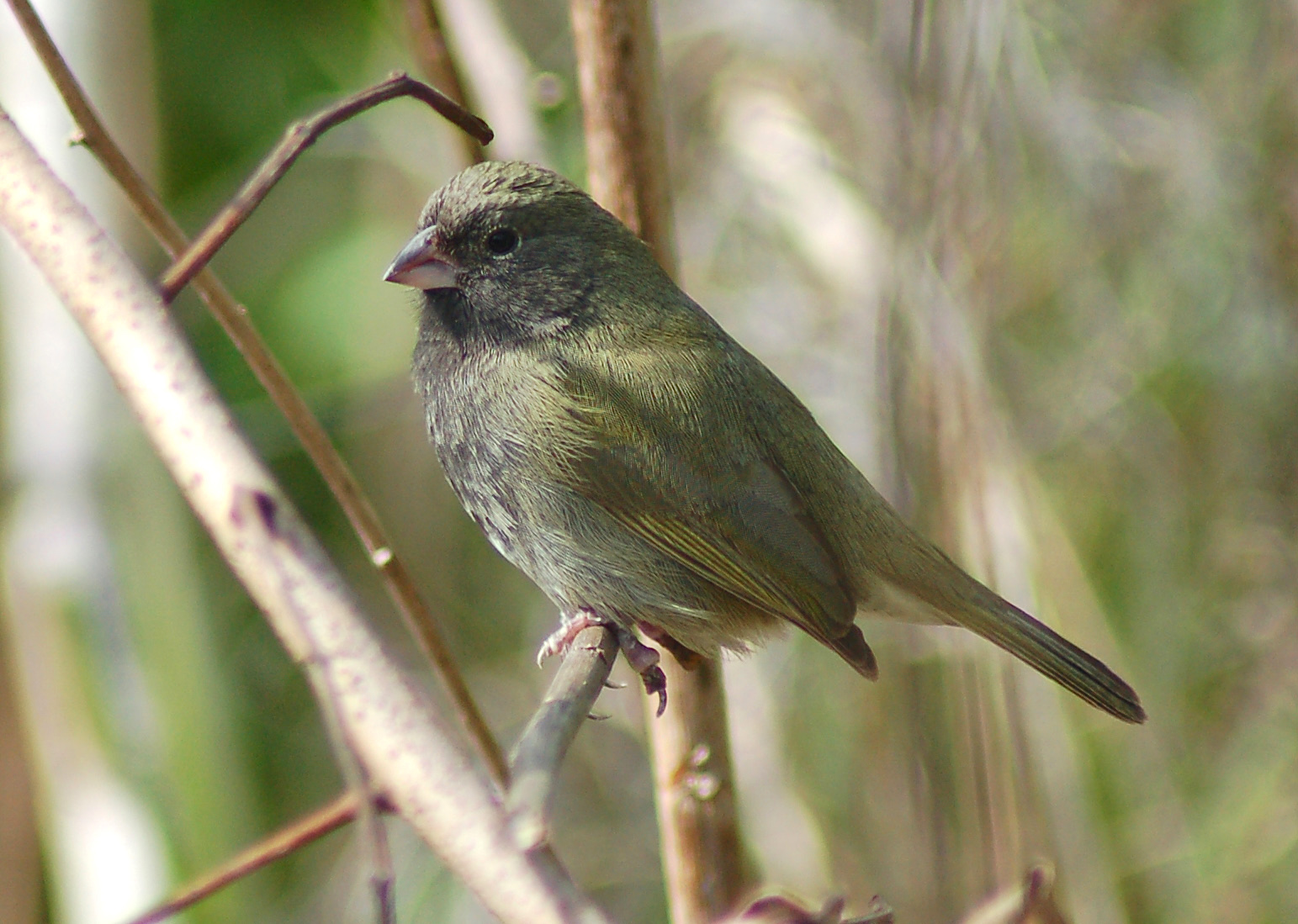
Black-faced Grassquit male, Abaco (Alex Hughes)

BLACK-FACED GRASSQUITS ON ABACO: AN UPGRADE

Hi, human friends, I’m a black-faced grassquit Tiaris bicolor and I have a couple of observations to make on behalf of BFGS, if I may. First, we seem to be universally described as ‘common’, whereas we are actually quite refined in our behaviour. Secondly, the words most used to portray us are ‘dull’ and ‘drab’. And ‘stubby’. Well, excuse me… I – we – ask you to give us a second look.

black-faced-grassquit-adult-male-eating-berry-abaco-bahamas-tom-sheleyblack-faced-grassquit-foraging-berry-2-abaco-bahamas-tom-sheley

And I have some news for you. The perceptive classifications committee of the American Ornithological Union recently gave us an upgrade. That’s the way we see it anyway. For many years we have been classified under the heading Emberizidae. 

Black-faced Grassquit male, Abaco (Bruce Hallett)Black-faced Grassquit, Abaco (Tom Reed)

We kept company with buddies like the Greater Antillean Bullfinches, but also with a lot of New World sparrows, with whom we (frankly) never felt entirely comfortable. Too chirpy, for a start.

Black-faced Grassquit - Treasure Cay, Abaco (Becky Marvil)Black-faced Grassquit male, Abaco (Peter Mantle)

Last year, it became official. We are really a type of Tanager. They reckon we are closely related to Darwin’s finches (so, we are “common”, huh?). Now we get to be with other birds that are dome-nesters like us. And how about this – we’ll be in the same list as some really cool birds…

Black-faced Grassquit male, Abaco (Gerlinde Taurer)

How’s this for a colourful gang to be joining: scarlet tanager, summer tanager, rose-breasted grosbeak, indigo bunting, painted bunting – these are our new cousins. BFGs “dull” and “drab”? I don’t think so.

Black-faced Grassquit female, Abaco (Bruce Hallett)

6 UNDULL FACTS ABOUT BFGS

  • Make grassy dome-nests (like Bananaquits) and line them with soft grasses
  • Both sexes build the nest together
  • Both share egg-sitting duties and later chick-feeding & maintenance
  • Though quite gregarious by day, for some reason they tend to roost alone
  • They have a short ‘display’ flight with vibrating wings and a strange buzzing call
  • Otherwise, their flight is ‘weak, bouncy & fluttering’ (Whatbird’s assessment)

Black-faced Grassquit male, Abaco (Alex Hughes)

THE EVERYDAY TWITTERING SONG 

THE DISPLAY BUZZING SONG 

Black-faced Grassquit male, Abaco (Tom Reed)Black-faced Grassquit male, Abaco (Keith Salvesen)

STOP PRESS The day after I had pressed the ‘publish’ button on this post, I came across a great shot by Larry Towning of a BFG on Lubbers Quarters Cay, Abaco (think ‘Cracker P’s Restaurant’). An excellent addition of a bird from a small cay, showing its bright lower-wing flash.Black-faced Grassquit (m) Lubbers Quarters, Abaco (Larry Towning).jpg

Photo Credits: Alex Hughes (1, 10); Tom Sheley (2, 3); Bruce Hallett (4, 9); Tom Reed (5, 11); Becky Marvil (6); Peter Mantle (7); Gerlinde Taurer (8); Keith Salvesen (12) plus Larry Towning. Other Credits: ABA, AOU, Whatbird? (sound files)

Unknown's avatar

AMERICAN REDSTARTS ON ABACO: MALES IN FOCUS


american-redstart-male-abaco-bahamas-craig-nash-fv

AMERICAN REDSTARTS ON ABACO: MALES IN FOCUS

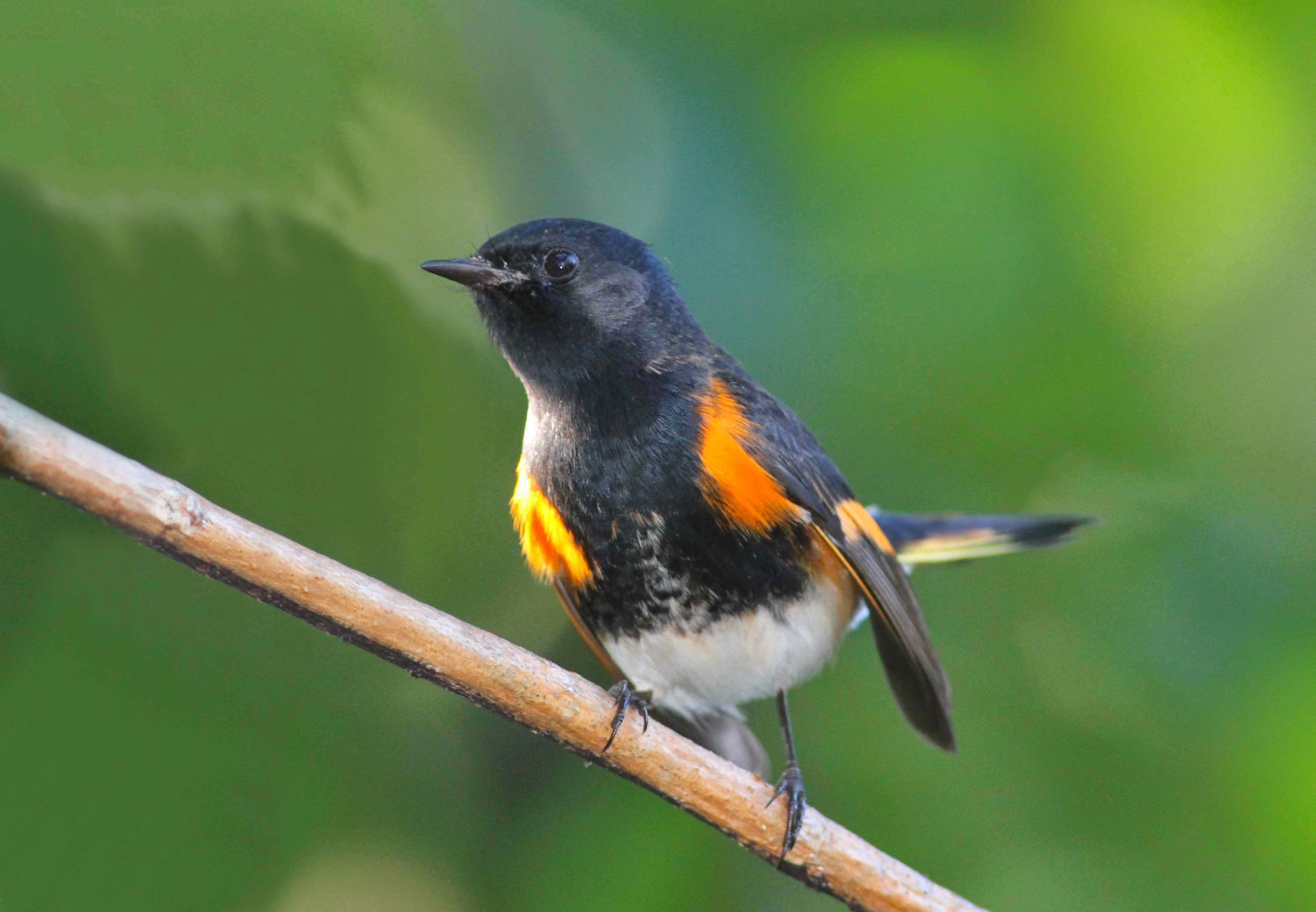
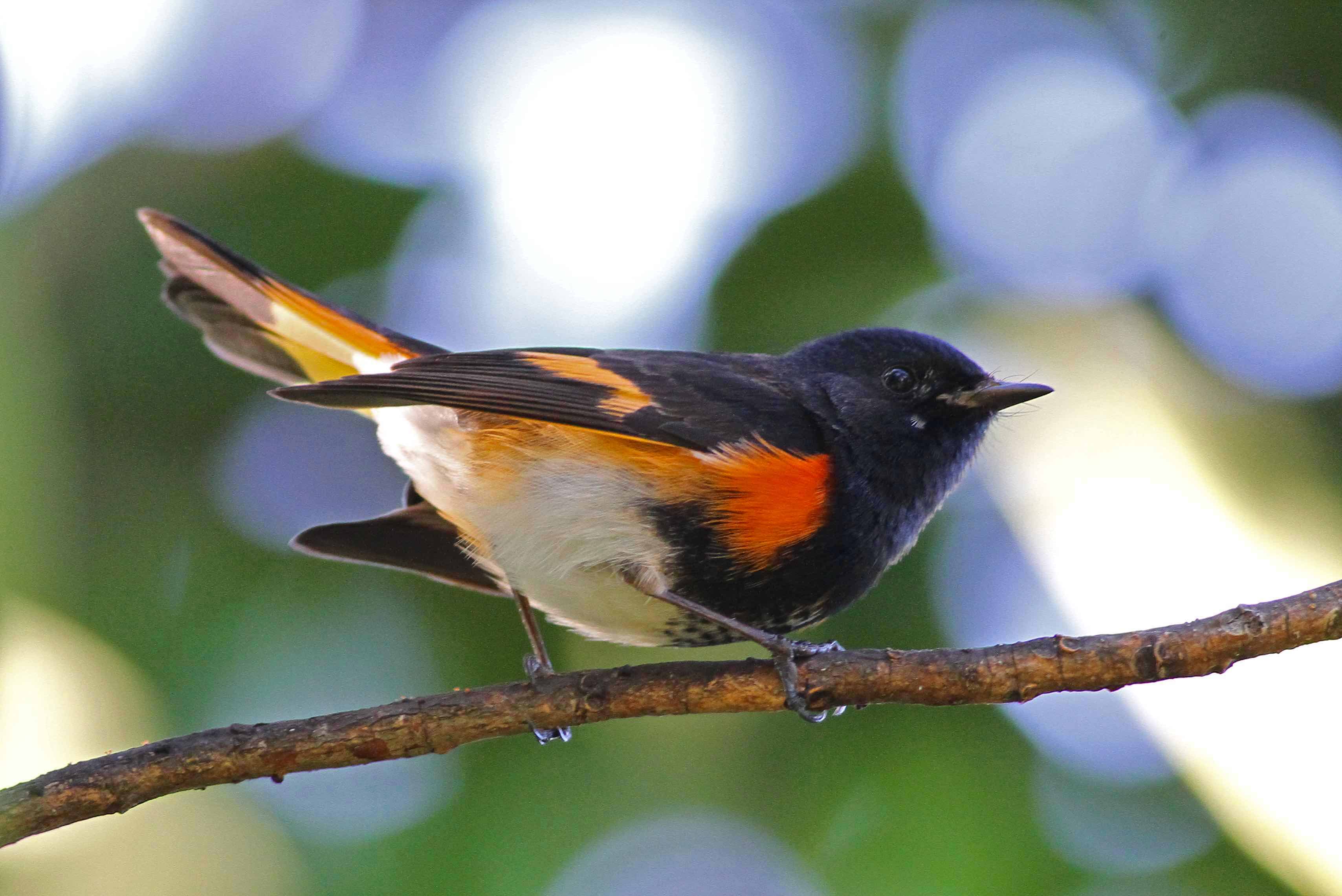
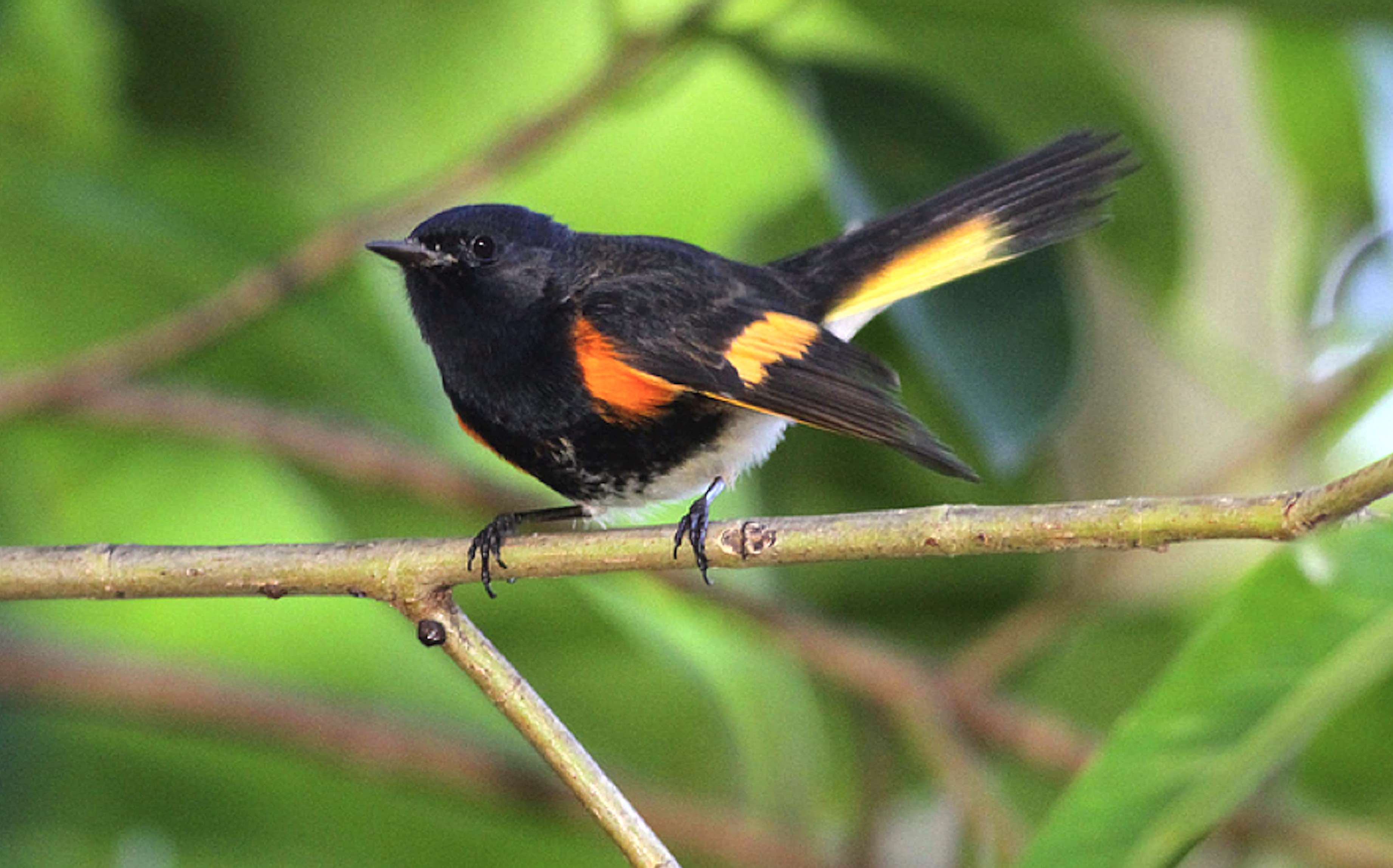
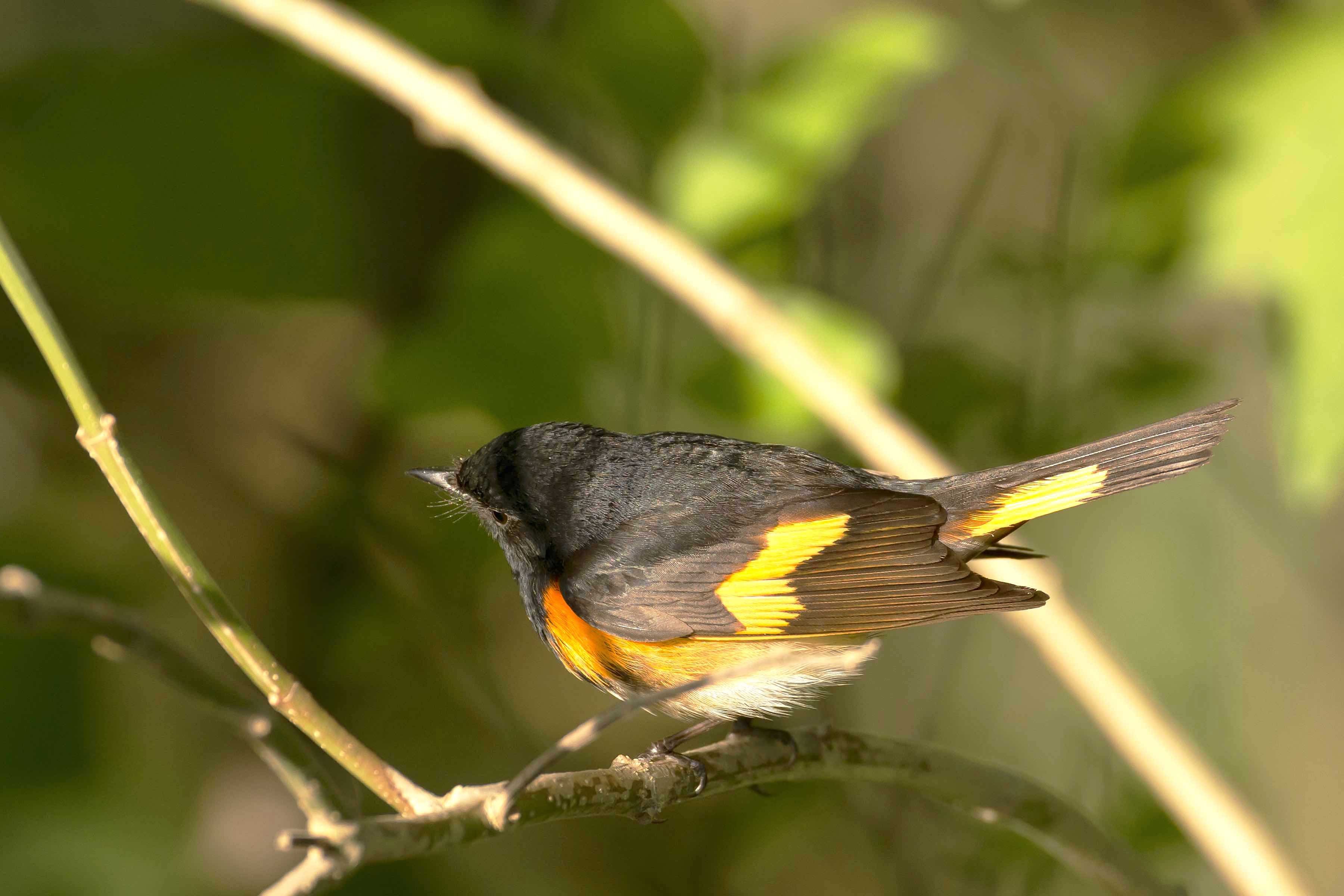
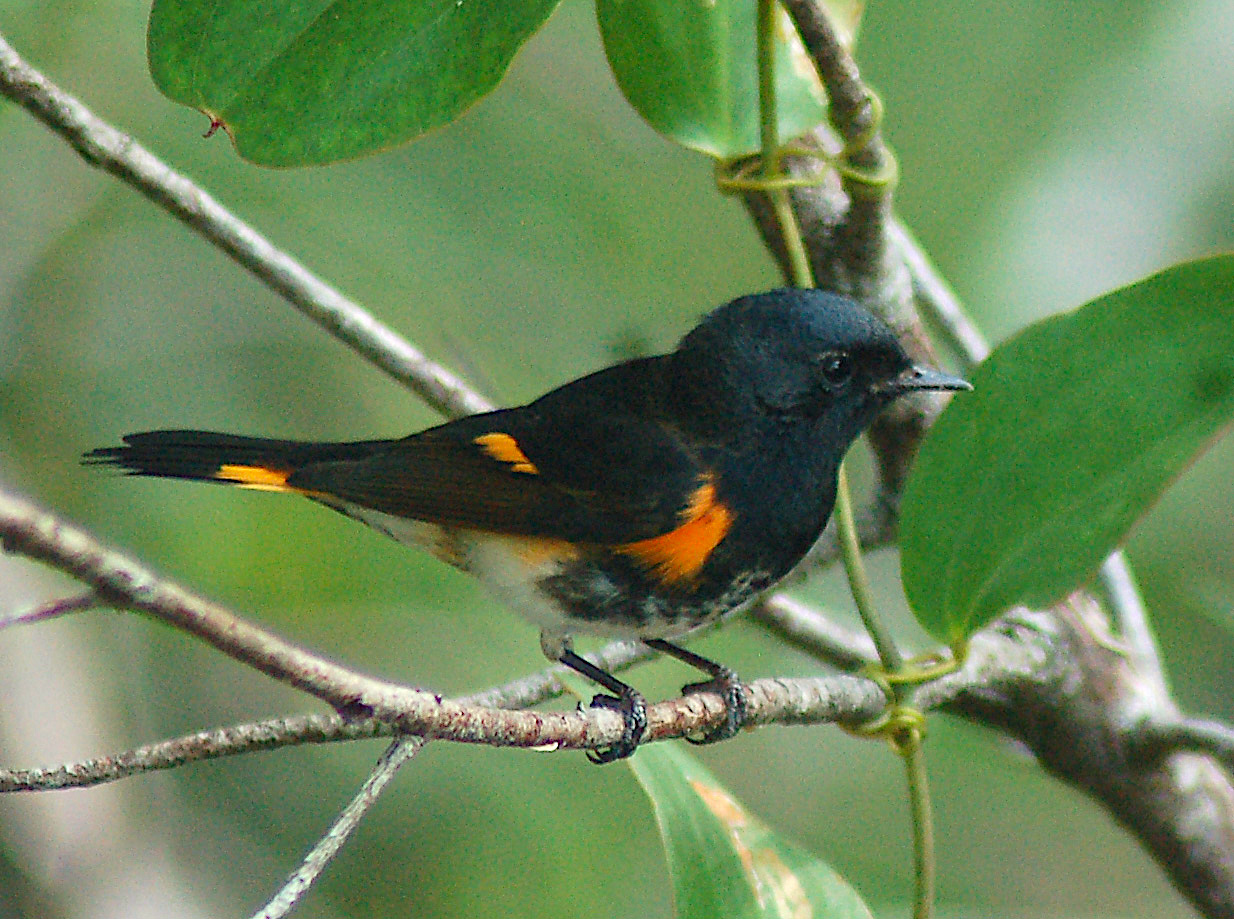
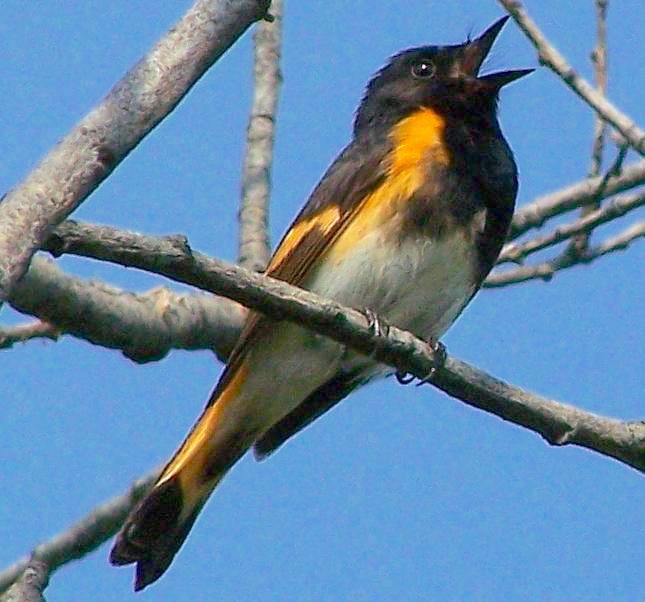
Time to rectify an omission and to feature the striking orange and black male American Redstart Setophaga ruticilla. A while ago I posted about the equally distinctive yellow and black females HERE (the dissimilar colouring between the sexes of these little warblers is due to differing carotin levels in each). These unmistakeable winter residents are common on Abaco. They are an easy warbler for new birders look out for, being unlike any other small warblerish-looking bird. All the birds here were photographed on Abaco.

american-redstart-male-abaco-bahamas-gerlinde-taurer-2 american-redstart-male-abaco-bahamas-gerlinde-taurer-1

american-redstart-copyTEN REDSTARTLING FACTS  (& a comment)

  • The Latin name means moth-eating red-tail (‘start’ is an archaic word for tail)
  • AMRE are among the most common New World warblers
  • Occasionally they are found as far afield as Europe
  • They are almost entirely insect-eaters, with occasional berries or seeds for variety
  • Males are late developers, tending to skew the sex ratio: too many of them
  • They are inclined to monogamy, but only to an extent. Two-or-more-timing goes on
  • The most aggressive males get the pick of the habitats
  • This all begins to sound like human behaviour (not strictly a fact, so it doesn’t count)
  • Their fanned tails are for display, and maybe to surprise insects into breaking cover
  • Redstarts suffer badly from predators, especially in the breeding season
  • They are popular with coffee farmers for keeping insect numbers down
american-redstart-abaco-bahamas-gerlinde-taurer-3american-redstart-male-bahama-palm-shores-abaco-bahamas-tom-sheley
american-redstart-copy
The American Redstart (f  & m) as depicted by JJ Audubonplate-40-american-redstart-final
american-redstart-copy
A male redstart at Treasure Caybahamas-american-redstart-bm-oct-2010-copy-2
american-redstart-copy
WHAT DO I LISTEN OUT FOR?
american-redstart-male-wiki
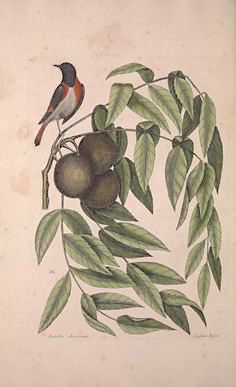
AMRE by Mark Catesby, precursor of Audubon
american-redstart-mark-catesby-pinterest
Credits: Craig Nash (1); Gerlinde Taurer (2, 3, 4); Tom Sheley (5); Audubon Soc (6); Becky Marvil (7); ‘Scott’ wiki (8); Pinterest (9); Xeno-Canto / Jeff Dyck audio file; Birdorable (cute cartoon)
Unknown's avatar

SAWFISH: UNIQUE LIVE BIRTH FOOTAGE ON ANDROS


sawfish-biminis-marine-pa-campaign-grant-johnson

SAWFISH: UNIQUE LIVE BIRTH FOOTAGE ON ANDROS

The word ‘awesome’ – a word of Biblical origin and medieval usage connoting an experience of wonderment with an element of dread* – lost its power once it became the common verbal currency for describing the offer of a beer, a photograph of a sulky cat, or a so-so pub band. Where to turn for something truly momentous? Oh, actually that might do nicely. Breathtaking, astounding, astonishing, awe-inspiring, staggering, extraordinary, stupendous, and spectacular are examples of synonyms that have retained at least some of their power. And perhaps ‘mind-blowing’, though it’s a bit substance-tinged. ‘Amazing’ has pretty much gone the way of awesome. Amazeballs and badass? Let’s not!

Sawfish Grand Bahama (BNT / Buzz Cox)

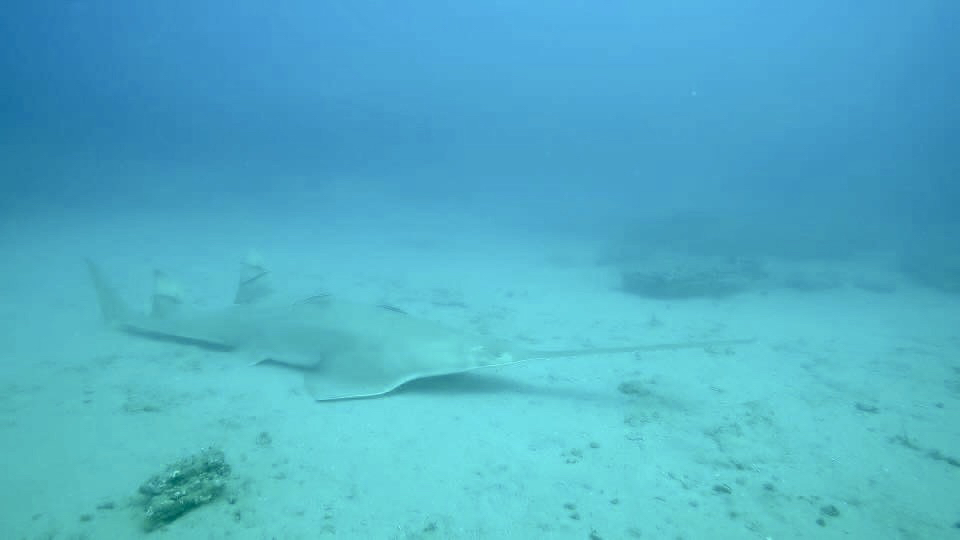
Ok. Having got that linguistic grump out of the way (index under ‘English Language, debasement of, modern usage in), here’s the real deal: a truly phenomenal short video of a smalltooth sawfish Pristis pectinata safely giving live birth in the wild to her 5 babies (which are called pups) on Andros during a FSU research trip. The pups emerge as small replicas of their parent, complete with their hedgetrimmer-style rostrums, ready to swim away. Fishes that carry their young and give birth to one or more developed juveniles in this way are called ovoviviparous.

Sawfish_1

The commentary is clear and informative, the research potential for this vulnerable species is considerable, and if you have a soul and a spare 3 minutes, you really should watch this!

This unique recorded event took place last December. The joint research trip to Andros by the FSU Coastal and Marine Lab and NOAA was led by Dr. Dean Grubbs. The purpose of the research was to discover evidence of any exchange between the sawfish population in the U.S. and Bahamas. You can find out more about the research and scientists at the FSUCML website. And if you want to get involved and take part in an expedition, click GET INTO THE FIELD

Sawfish_1

RELATED POSTS

RH SAWFISH PAGE – pics, facts and vids, including how the rostrum is used in feeding

GUITARFISH (WTF? 8)

* ‘Awful’ had the same meaning as awesome, historically – cf dreadful. It did not mean a bad film or a lousy restaurant.Sawfish_1This recent photograph by Adam Rees of Scuba Works was taken in Florida waters. It is one of an astonishing school of 8 smalltooth sawfish, the largest group Adam has ever encountered.sawfish-2-adam-rees-scuba-works-copy

Credits: Header, Grant Johnson @60poundbullet (Bimini), with many thanks; BNT / Buzz Cox (Grand Bahama); Adam Rees / Scuba Works

Unknown's avatar

WATER DOGS: THE POTCAKES OF SANDY POINT, ABACO


potcakes-at-sandy-point-abaco-1

WATER DOGS: THE POTCAKES OF SANDY POINT, ABACO

Sandy Point is the absolute end. Literally. Abaco’s only highway runs 120 miles from north to south. Towards the end, it hooks around to the west, then back north a short distance to the small community. You can drive on right through the settlement, with its criss-crossing side streets. Best stop driving when you see the ocean: you’ve run out of road.

potcakes-at-sandy-point-abaco-2

Sandy Point is home to the renowned Nancy’s culinary establishment, maybe a half-hour drive from the previous place you could get a meal along the highway. It’s that remote. The menu is elementary, the Kaliks are cold, the view from the verandah is out to the wide sea and the pelicans smashing down into the water off the sand bars. And sooner or later you will find a dog’s head in your lap. This is not part of an unordered Abaconian special menu with a Godfather theme; it’s a potcake looking for chicken. Or fish. Or chips. Or anything edible really.

potcakes-at-sandy-point-abaco-3potcakes-at-sandy-point-abaco-9

The origins of these ‘community dogs’ – no one’s and everyone’s – are many and various, just like their assorted shapes, sizes and colours. You can read about their history, the reason for their name, and about ‘Amigo’, the most famous potcake of all, HERE. There are many of these semi-feral dogs on the island, slinking around the settlements and even the main town. They have a tough life. They are generally ignored or shooed away. But in Sandy Point at least, they seem healthy and well-fed. Nancy’s may have something to do with it…

potcakes-at-sandy-point-abaco-5

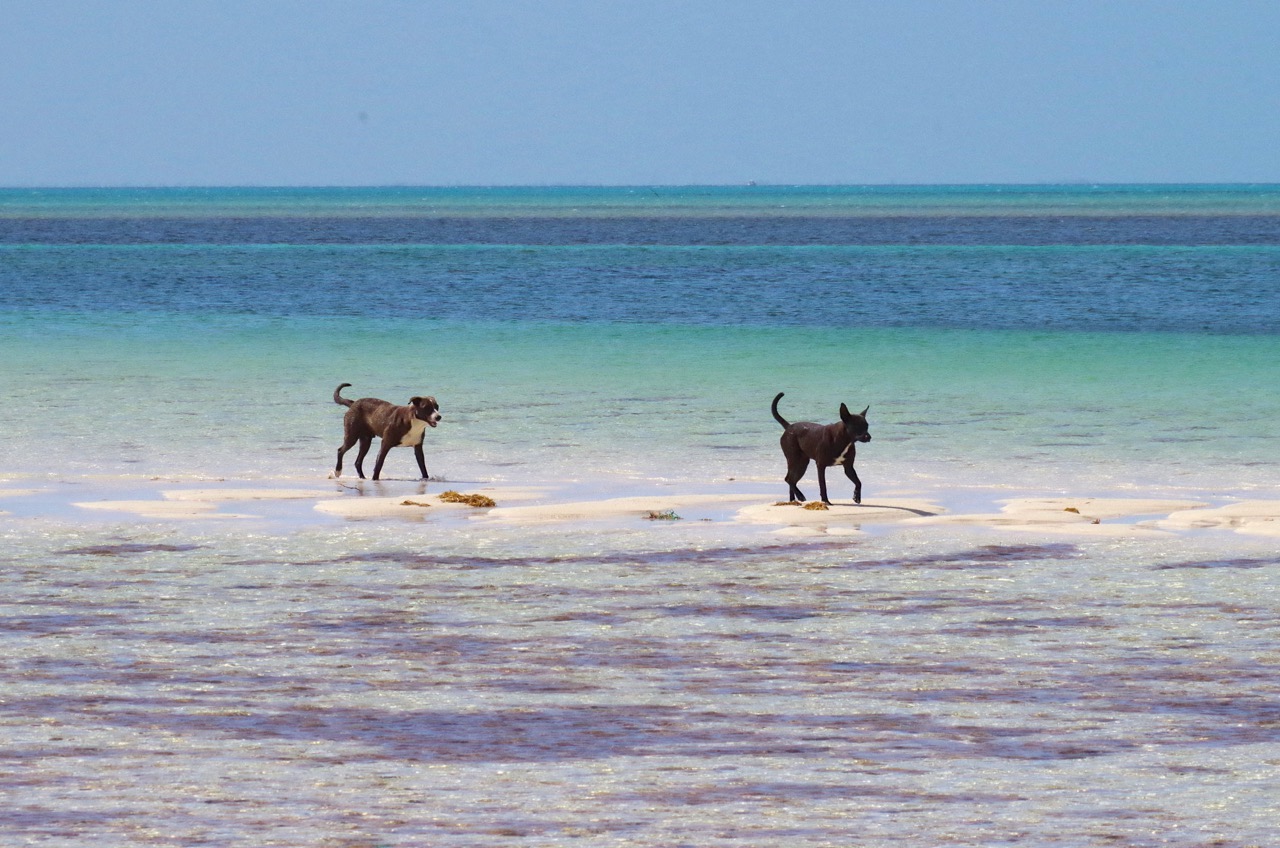
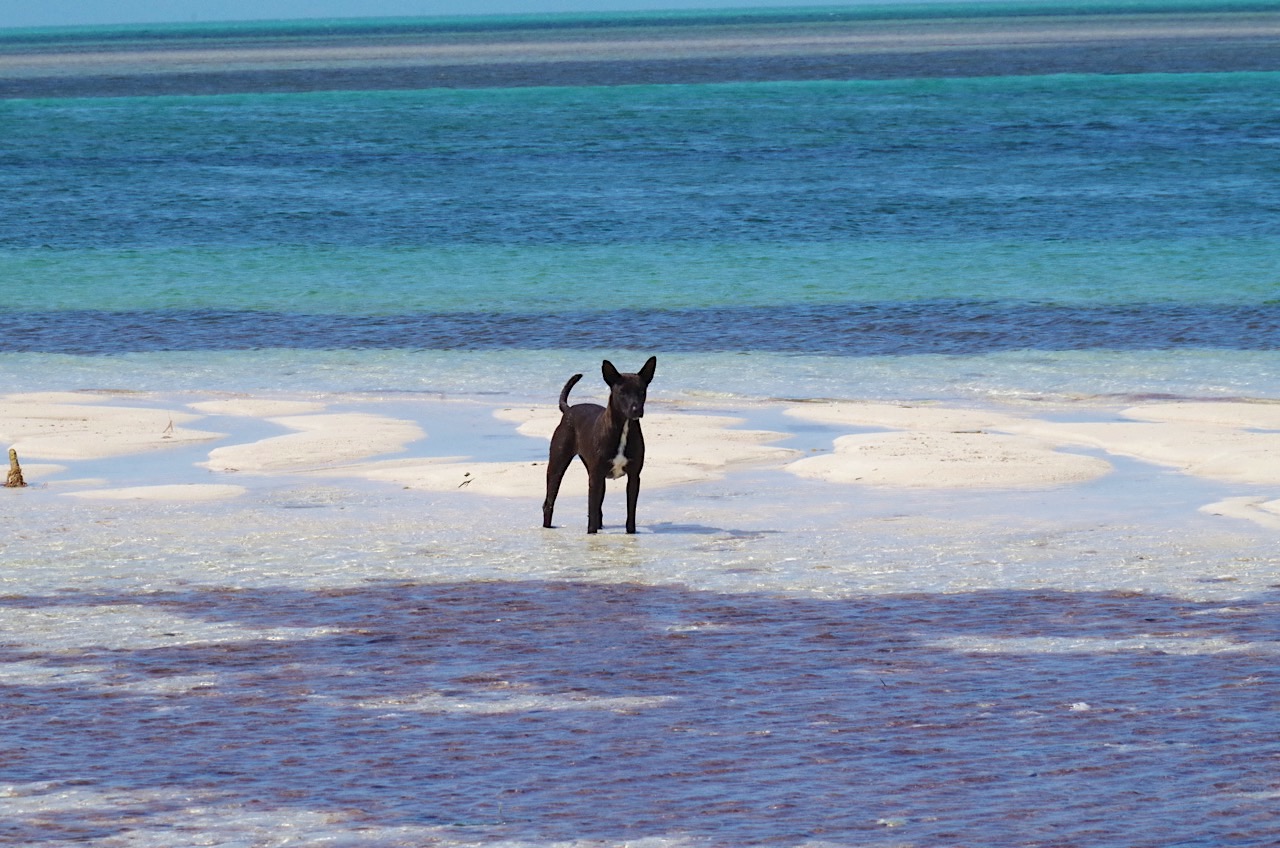
The potcakes of Sandy Point make the beach and the sea their playground. If you walk along the strand and round the point, they may tag along for a while. Then they get bored and rush off. When the tide is low, they will trot along the exposed sandbars right out into the sea. Or chase each other into the sea. Or maybe just relax and watch an endemic Bahama swallow flit past.

potcakes-at-sandy-point-abaco-11potcakes-at-sandy-point-abaco-10

There are active potcake rescue schemes aimed at rehoming strays. Spay and neuter clinics are regularly held. The aim seems to be to keep the numbers down with benign control rather than anything more radical. And rehomed animals make excellent pets, being “intelligent, loyal, calm, and resilient”. I’m guessing the potcakes of Sandy Point reckon they have a pretty good life as it is. 

potcakes-at-sandy-point-abaco-12

AND FINALLY… here is a video with a difference: Salty Dog the potcake goes mad on a beach – wearing a GoPro! Great idea…

Credits: All photos by the management

Unknown's avatar

AMERICAN KESTRELS ON ABACO: ‘LET US PREY…’


american-kestrel-f-abaco-bruce-hallett-img_1235-copy

AMERICAN KESTRELS ON ABACO: ‘LET US PREY…’

To be honest, I haven’t done these fine birds justice. Barely a mention of them for 3 years. Too much else on the land and in the water to choose from. I posted some of my photos from an outing to Sandy Point HERE. And the kestrel kinsman MERLIN got some attention a while later. Time to make amends with some more AMKE.

american-kestrel-abaco-charles-skinner

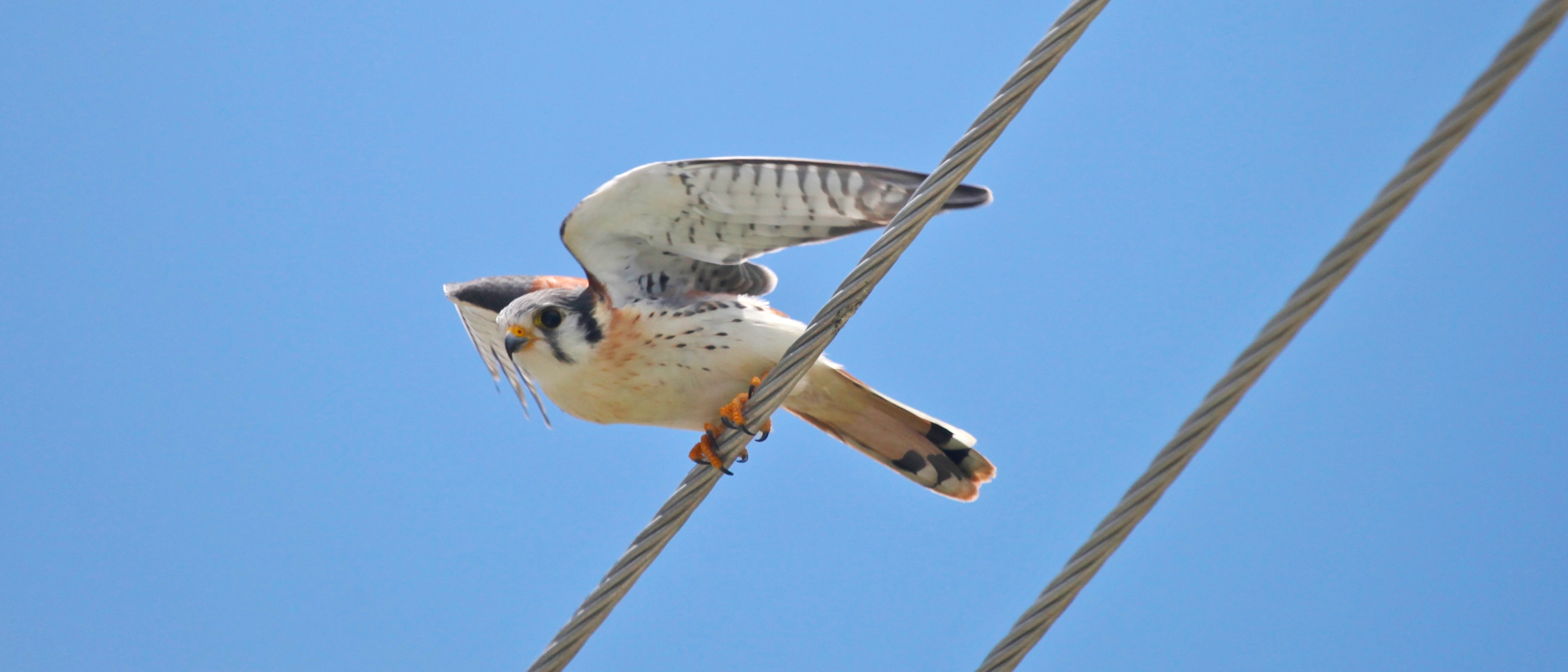
As many or most of the images show, utility wires (also posts) are a favourite perch for kestrels. They get an unimpeded view of the only thing that really matters in their lives – outside the breeding season, of course – PREY.

american-kestrel-abaco-2-peter-mantle

In my experience it’s quite rare to see AMKEs on the ground – unless they are in the act of ripping up some hapless rodent pinned to the earth. I was with photographer Tom Sheley when he captured this fine bird in the grass. 

american-kestrel-abaco-bahamas-tom-sheley-copy

Tom also took this outstanding photo, on an overcast day, of a kestrel feeding its fledgeling a large insect.american-kestrel-feeding-fledgling-2-delphi-club-abaco-bahamas-tom-sheley

Treasure Cay and its surrounding area makes for a good day’s birding. Although South Abaco, below Marsh Harbour, is the go-to location, TC has plenty of scope for a great variety of species from shore birds to songbirds – including the occasional Kirtland’s warbler. The golf course pond at hole #11 is well worth checking out (with permission at the club house, rarely declined unless there’s an event of some sort). So is the large brackish lake system where you may well find herons and egrets. There’s been a rare (for Abaco) pearly-eyed thrasher there recently. And you may find yourself being watched by a kestrel from a vantage point.

american-kestrel-treasure-cay-abaco-bahamas-6-13-tom-sheley

A richly-coloured specimenAMERICAN KESTREL, Abaco -Nina Henry

A kestrel in streamlined flight, with its feet tucked tightly under its bodyamerican-kestrel-abaco-tom-reed

Bird on the Wireamerican-kestrel-abaco-peter-mantle-copy

OPTIONAL MUSICAL DIGRESSION

One of Leonard Cohen’s standards, and a song covered by almost everyone from Johnny Cash to Heathen Gonads*, Bird on the Wire was on the album Songs from a Room (1969). It was a favourite of Cohen’s, who once said “I always begin my concert with this song”. Covers range from the excellent via good, interesting, and strange to outright bizarre. Joe Bonamassa’s take on it (as Bird on a Wire) on Black Rock, is certainly… unusual**.

Credits: Bruce Hallett (1, 10); Charles Skinner (2); Peter Mantle (3, 9); Tom Sheley 4, 5, 6); Nina Henry (7); Tom Reed (8)

american-kestrel-f-abaco-bruce-hallett-img_1222

*not really .    **shows originality & ingenuity -vs- dents his purist bluesman credentials

Unknown's avatar

BLUEHEAD WRASSE: PRIVATE LIFE LAID BARE


bluehead_wrasse_thallasoma_bifasciatum_oregonstate-edu-pinterest

BLUEHEAD WRASSE: PRIVATE LIFE LAID BARE

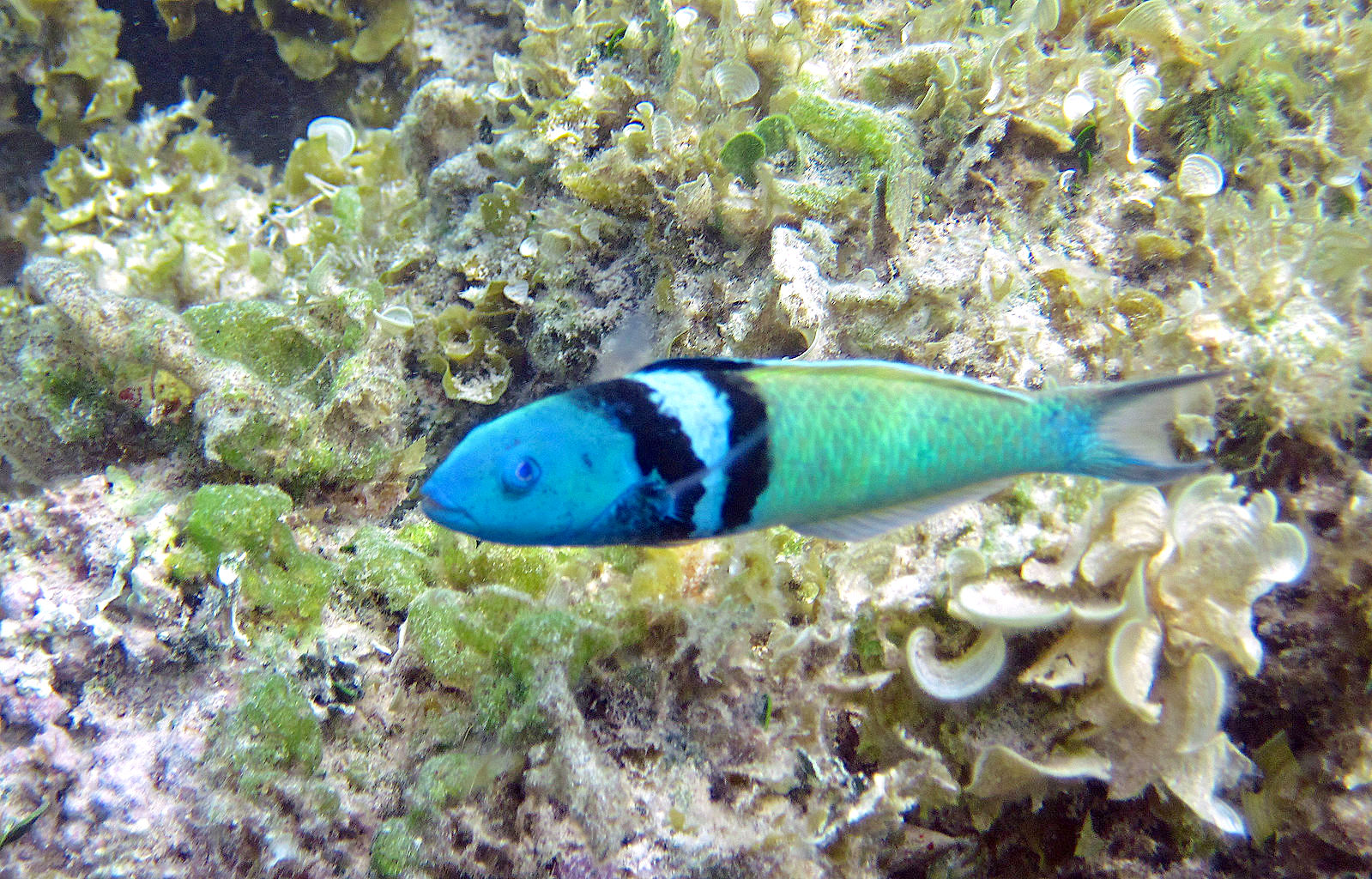
The bluehead wrasse (or blue-headed wrasse) Thalassoma bifasciatum is a denizen of the coral reefs of the tropical waters of the western Atlantic Ocean. This bright little 4-inch fish is… a wrasse with a blue head. No more and no less. Unless it’s a juvenile. Then it is mainly bright yellow. It’s similar to BLUE TANG (aka ‘the Disney Dory’), which starts life bright yellow and grows up to be blue.

blue-head-wrasse-melinda-riger-g-b-scuba-copy

The species may be found singly, in pairs or small groups, or in schools.  They have an important role to play in the life of the reef. They are CLEANER FISH, vital to the health and wellbeing of the larger species they attend to, and thus of the reef itself. This is ‘cleaning symbiosis’, a relationship of mutual benefit. The big fish get cleaned; the little fish have a useful function and – importantly for them – therefore don’t get eaten. 

thalassoma_bifasciatum_bluehead_wrasse_san_salvador_island_bahamas-james-st-john-wiki

Having said that, blueheads are of course fair game as a snack for species that aren’t in the market for their cleaning services. And, unfairly, some species that are content to let cleaner gobies runtle around their gills and mouths are not so considerate of the wrasse. Some types of grouper and moray eel, for example.

bluehead_wrasse

TELL US EXACTLY SEVEN BLUEHEAD WRASSE FACTS

  • Juveniles can alter the intensity of their colour, stripes & bars
  • The bluehead wrasse is a ‘protogynous sequential hermaphrodite’
  • All are born female**. Some change sex to male during maturation (see below)
  • Food includes zooplankton, small molluscs and small crustaceans…
  • …and parasites / other juicy bits (fungal growths, anyone?) from bigger fish
  • The main threat to the species is coral reef degradation or destruction
  • The bright colours invite aquarium use, but the trade is not a significant one

** Some sources suggest some are born male and remain male. I’m not sure which is right

A juvenile bluehead (with feather-duster worms) – mostly yellow, with a pale underside
Bluehead Wrasse juvenile (wiki)

THE REMARKABLE SEX LIFE OF THE BLUEHEAD WRASSE

This is an unavoidable topic, I’m afraid. The bluehead’s sex life is the most interesting thing about them, and this is no time to be prudish. It is the subject of extensive scientific research, not all of which I have read since I decided to write about the species last night. Like many human relationships, “it’s complicated”, but in a conch shell it boils down to this:

  • To recap, BWs are born female and as they mature, some become male.
  • Males reach an ‘initial phase’ when they can breed in groups with females
  • Some males grow even larger & reach full colouration. This is the ‘terminal phase’
  • These large males aggressively chase away smaller ones & seek females to pair with
  • Their state of readiness (as it were) is signalled by colour changes
  • This behaviour is similar to that seen in many city centres in a Saturday night
  • The smaller fish have one bonus – their sperm count is higher than a dominant male
  • Prozac tests have shown that the drug reduces a dominant male’s aggression

blue-headed_wrasse_det (wiki)

As the excellent organisation OCEANA puts it: Bluehead Wrasses may reproduce in four different ways throughout their lifetime:  1) as a female in a group spawning event; 2) as a female in a pair spawning event within the territory of a large male; 3) as a small male in a group spawning event; and 4) as a dominant, terminal male in a pair spawning event within its own territory.

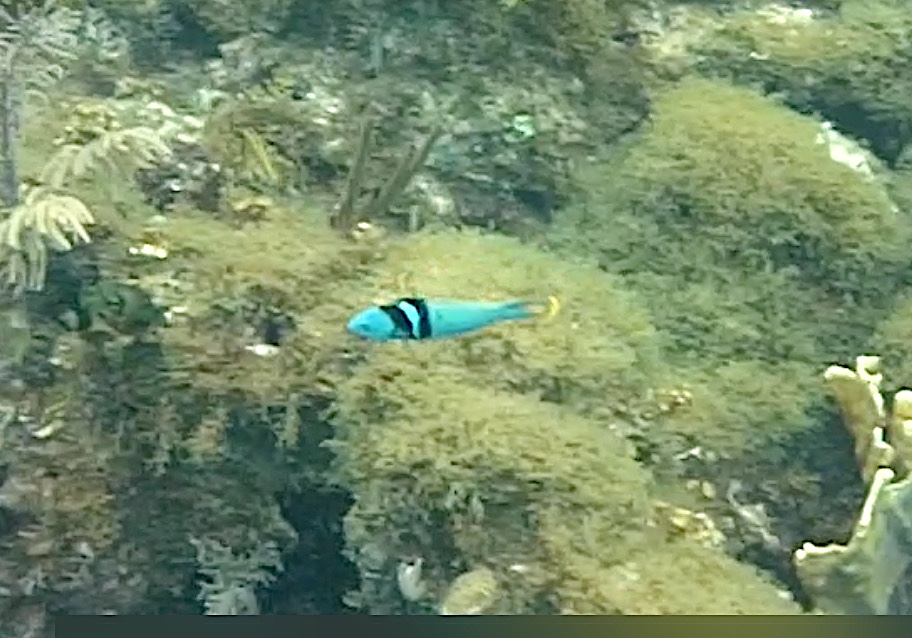
A cropped still from a video I took at Fowl Cay marine reserve. I’ve looked at dozens of images online and not found one that was all blue with a yellow end to its tail fin. Maybe it’s not a BW at all. Or it’s a different type of fish completely. Or perhaps it is just an all-blue alpha male.bluehead-wrasse-fowl-cay-mr-abaco

Credits & Sources: Melinda Riger; Adam Rees; James St John; Oregon State edu / Pinterest; Wiki images; self; Oceana; IUCN; magpie pickings

A bluehead wrasse passes the time of day with a gruntbluehead-wrasse-grunt-adam-rees

Unknown's avatar

“HARRY POTTER & THE MAGIC BAND” REVISITED: THE LEGEND LIVES ON


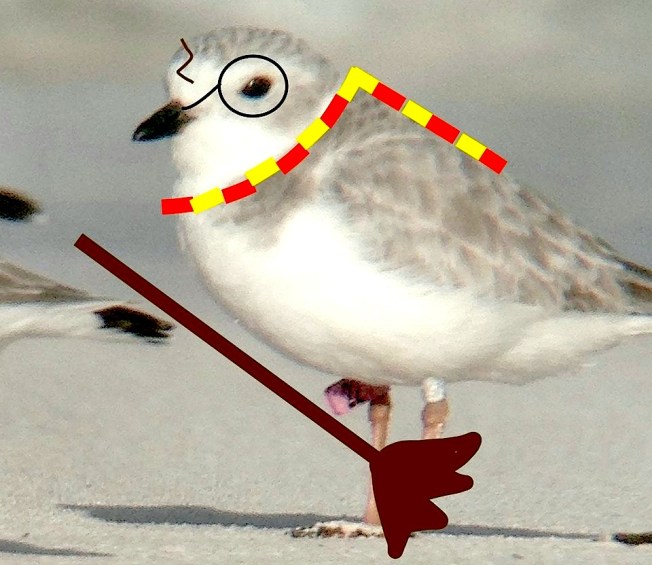
PIPL PINK22 Harry Potter π Stehanie Egger copy

“HARRY POTTER & THE MAGIC BAND” REVISITED

THE LEGEND LIVES ON

by ROWLING HARBOUR

It was a bright sunny morning and the sand on the beach was warm under Harry Potter’s bare feet. Although by now an experienced flyer, his recent adventures during his epic 1000-mile journey had left him very tired. All his friends that had undertaken the same long flight were tired too. Now they were enjoying a quiet, peaceful time away from all the dangers they had somehow survived during their scary expedition (see Harry Potter and the Migration of Fear). It would be a long time, Harry said to himself – maybe as long as 6 months – before he wanted to have another adventure like that. He wondered when Ron Peeplo and Hermione Plover would arrive… 

_Piping_Plover_on_the_Fly (USFWS Mountain-Prairie wiki)

But the little group on a remote shoreline on Abaco were not as safe as they thought. Unknown to the happy, sleepy plovers on the beach, they were already being stalked by two creatures. This determined pair had one sole aim – to find plovers, to catch them and to carry out scientific experiments on them. That’s three aims, in fact. The editor would surely fix that error later (No – ed.). Would Harry and his friends soon find themselves in mortal peril from these formidable adversaries, these beasts with huge brains, armed with the latest technology? What magical powers would be needed to combat the imminent danger creeping stealthily towards them? The male definitely had a spine-chilling look about him; the female appeared less daunting – but might therefore be all the more dangerous…

TOPO & STEG PIC JPG   piping-plover

Suddenly, Harry felt a terrible foreboding. Fear ruffled his neck feathers and his little left foot started drumming impatiently on the sand. He’d felt like this several times before, like that time a Dark Lord had driven a SUV straight at him on that nesting beach many miles away, the one where he cracked out (see Harry Potter and the Vehicle of Dread). And when the massive dog came and sniffed round the nest when he was a tiny chick (see Harry Potter and the Hound of Horror). Instinctively, he grabbed a magic meat-string from the damp sand, ate it, and took to the air… only to be caught up in some sort of fearsome spider’s web (a mist net – ed.). He was trapped. He struggled bravely, piping out his anger at this cruel trick. But it was no good – he was caught fast, and wriggling only seemed to make it even worse. The massive creatures were running towards him fast, shouting in triumph – they had got Harry exactly where they wanted him – at their mercy…

A Mist Net (if unsuccessful, A Missed Net)Mist Net jpg

Just as Harry had started to believe that his last moment had arrived, an amazing thing happened. Instead of dispatching him with a swift blow to head, as a Dark Lord might have done, he was gently removed from the net and softly held in the female’s hands. His instant fear that she might crush him to a horrible mangled pulp rapidly lessened. Why, she was even talking to him. And those voices. They sounded not so much fearsome as friendly. But were they lulling him into  false sense of security, only to wreak an evil vengeance upon him? (*Spoiler Alert* No – ed.).

Steph the Egger with captive Harry Potter, & wearing the cap of the mysterious ‘Delphi Club’PIPL PINK22 Harry Potter π Stehanie Egger copy

Then suddenly things got worse. Much worse. Harry was slowly wrapped in a large white blanket and laid on something that wasn’t sand. Something hard. What were they planning to do with him now. He heard the male – Harry had now concluded that he must be dealing with the Avian Overlord himself, the infamous Todd of Pover, first cousin of Severus Snipe – mutter an incantation: “54 grams. Pretty good. 54 grams. Have you got that”. Yes, they’d taken his dignity and his weight but there had been no pain. Yet. Harry began to relax a little.

PIPL PINK22 Harry Potter π Stehanie Egger copy

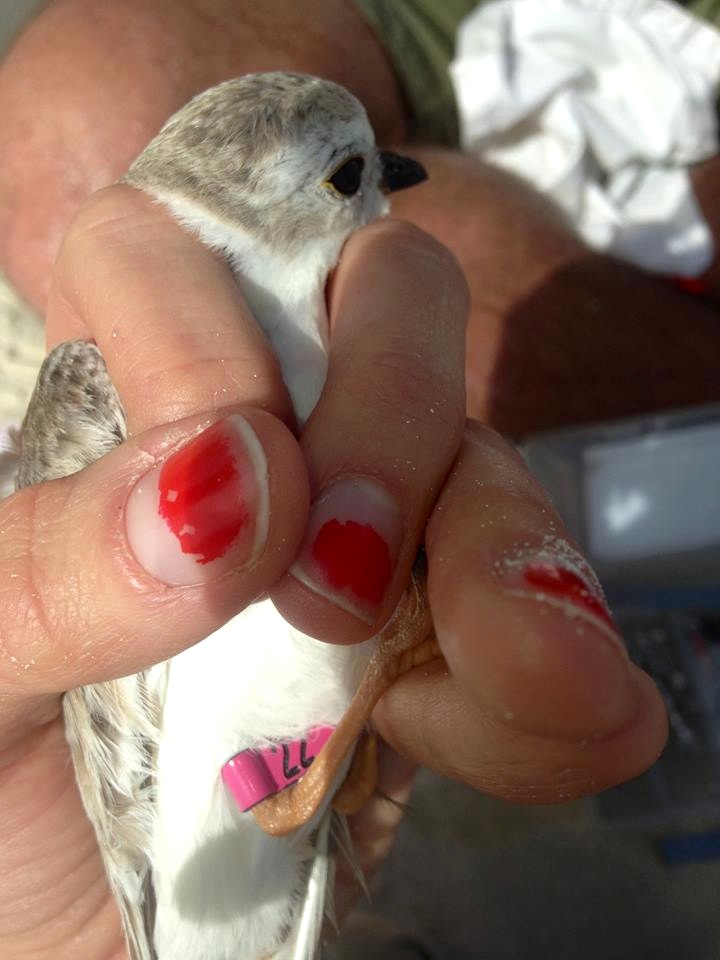
Meanwhile, Steph the Egger was making a strange rattling sound. As Harry was unwound from his shroud he suddenly saw a box filled to the brim with exotic jewels of the most opulent colours glistening in the sunlight. At once, he knew he had to have one of them. A beautiful pink one. One to wear on his leg. One that he could keep for ever. One that would always mean ‘Harry Potter’. That very one on the top. Just there. With the magic number 22 on it in black writing. And Harry started to breathe a special silent Piping Spell: ‘Please pick me up… in your hand… and fit the Magic Two-Two Band…’ 

PIPL PINK22 Harry Potter π Stehanie Egger copy

And, miraculously, the spell began to work. First, Harry was gently held as the Magic Band was put round his right leg. At the top, just where he wanted it. Harry shut one eye and repeated the spell.PIPL PINK22 Harry Potter π Stehanie Egger copy
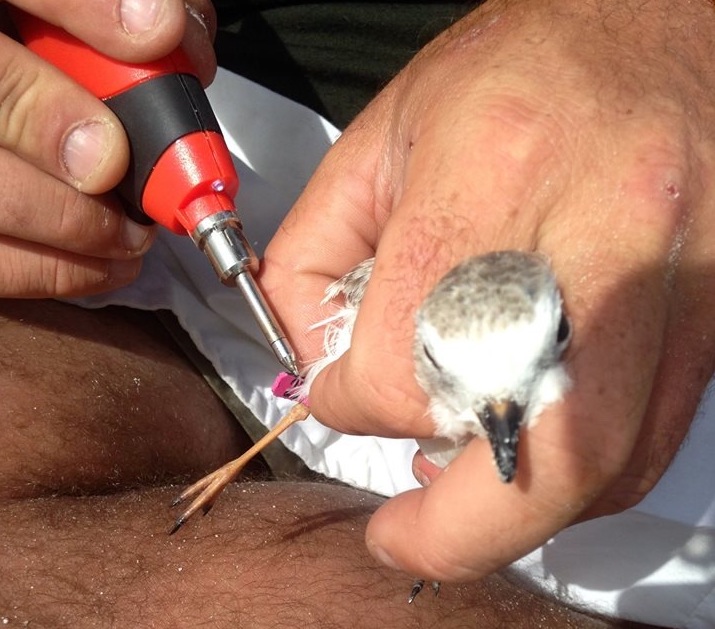
Then despite an awful wound from an earlier battle, the Todd of Pover made sure the band was secure and would never come off. It would be there forever – the Harry Potter ID band. By this time Harry didn’t even mind the indignity of being turned upside down.PIPL PINK22 Harry Potter π Stehanie Egger copy

Finally, it was done. Really, the jewel was more like a flag than a band. But Harry knew instinctively that it would take a massive effort for his story to be rewritten to make this clear from the start, so he decided to let it pass. Band. Flag. What did it matter. It was his prize, gloriously his. 

And then he was passed to Steph the Egger. Harry presumed she got her name for her ability to find nesting birds in that other place he had flown South from. And now, here she was, holding him tenderly, talking to him and telling him how cool he looked. Even her bright red claws did not seem so frightening now. Except… WHAT WOULD HAPPEN TO HIM NOW?

PIPL PINK22 Harry Potter π Stehanie Egger copy

Suddenly, Steph the Egger stood up and Harry found himself several feet above the safe warm sand. Steph held him out in front of her and then, in an instant, he was free… Free to fly away with his beautiful pink jewel band, his special number, and an intuition that wherever he might be, and whoever saw him, they would always know that he was Harry Potter for as long as he lived. Against all odds he had gained… THE MAGIC BAND.

PIPL PINK22 Harry Potter π Stehanie Egger copy

piping-plover

POSTSCRIPT & UPDATE FEB 2017

Harry returned to Abaco on his magic Quidditch stick (no he jolly didn’t, he just flew. OK? Do stop this Potter nonsense now please – ed.) for his 3rd winter on Long Beach Abaco. He was sighted as follows:

  • 23 Nov 16  Long Beach, with Pf #36 & Pf #50, also 3rd year returners, & several other banded returners. Keith Kemp
  • 06 Dec 16  Still in the same group, except Pf #50 absent. Todd Pover
  • 23 Jan 17  In the same group, Pf #50 still absent. Todd Pover

piping-plover

FURTHER UPDATE SPRING 2018

  • 20 Aug 17 Resighted for the 4th year on Long Beach (the same area) with Pf #36
  • 21 Sep 17 Still on the beach with Pf #36 & several other non-Bahamas banded birds
  • 18 Nov 17 Ditto
  • 02 Jan 18  Ditto, the last sighting of the watch period. Departure date unknown.
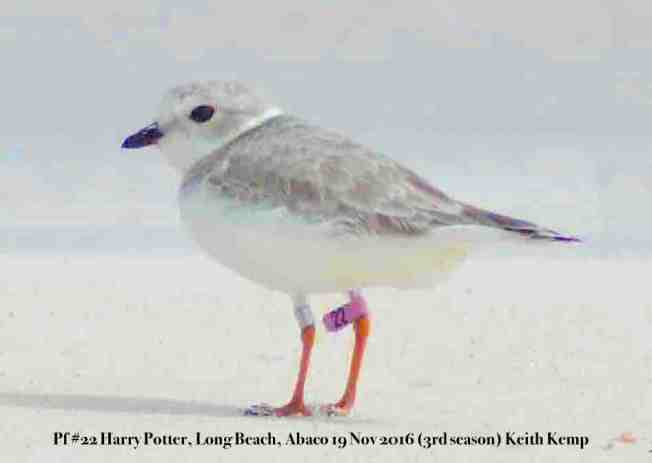
Harry-Potter-pf22-Long Beach, Abaco, Keith Kemp 19-11-16

PREVIOUS HISTORY

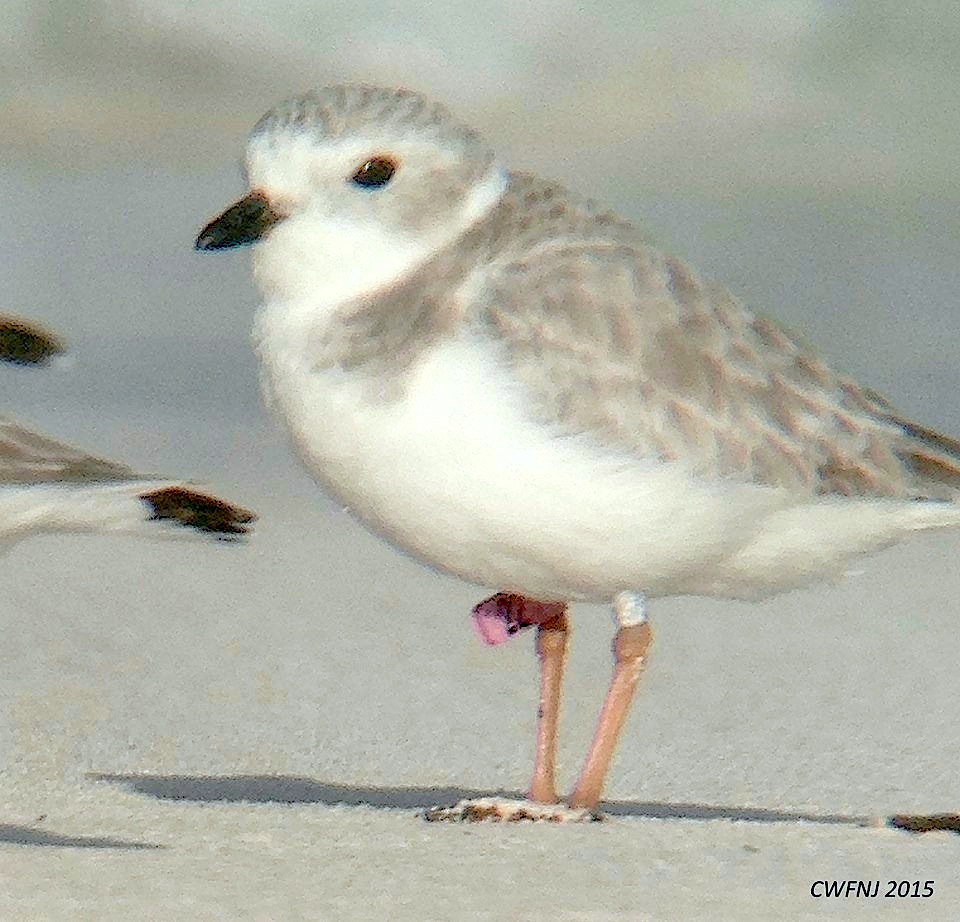
Harry was banded Pf #22 on February 7th 2015 at Long Beach, Abaco, towards the end of his 1st winter there. No one knows where he spent his has spent his summers. He has not been reported anywhere other than Abaco – i.e. along his migration route. All that can be said with certainty is that every 12 months he turns up on the same beach, Long Beach Abaco, in the same place (it is a very Long Beach). 5 other PIPL were originally pink-banded with Harry by a joint National Audubon, Virginia Tech, BNT, and CWFNJ team (pink being the colour used for Bahamas birds). Of those 6, 3 have returned to the same beach twice, and the other 2 once. Some of them have also been tracked to their breeding grounds and on their migrations. And somehow they have all found their way back to the same place on Abaco to overwinter together again for the 2016-17 season; and most again for the 2017 – 18 season.

GENDER NOTE

In fact it isn’t clear if HP is male or female (see below). He might be Harriet Potter. But I have played safe and stuck with the gender implied by his given name…

Harry Potter Pf #22 on Long Beach Abaco, 3 Dec 2015, a year after (s)he was banded there PIPL PINK22 Dec 3 2015 Long Beach Abaco 2 (Stephanie Egger) copy

STEPH THE EGGER EXPLAINS THE NAME, NUMBER & QUIDDITCH PIC

“I helped band this piping plover, and called him “Harry Potter.” I know 22 isn’t Harry’s quidditch number (07), but 22 is for my birthday when I mostly seem to be down in Abaco.”

DISCLAIMER RE HEADER IMAGE I don’t suggest making silly photos of all “named” birds as this is an endangered species that we should certainly take very seriously. That said, I do think that names help people connect to the species and it also aids the researchers in ID’ing (my personal opinion)”.

piping-plover

Credits: Stephanie the Egger, The Todd of Pover, Conserve Wildlife Foundation of New Jersey & co-banding teams, Keith Kemp, USFWS Mountain-Prairie (PIPL in flight), Birdorable, Rowling Harbour, and star of the show Harry Potter Pf 22 UR. Apologies to JKR for feeble pastiche.
Unknown's avatar

MAGNIFICENT FLYING MACHINES: FRIGATEBIRDS


Magnificent Frigatebirds (m) - Michael Vaughn

MAGNIFICENT FLYING MACHINES: FRIGATEBIRDS

It’s almost exactly one year since I last posted about the Magnificent Frigatebird aka Man-o-War Bird (Fregata magnificens). You can read about their courtship displays, gular pouches, nesting habits, names, uses to mankind (if any), and 10 magnificent facts about them HERE. I’ve included some truncated facts below.

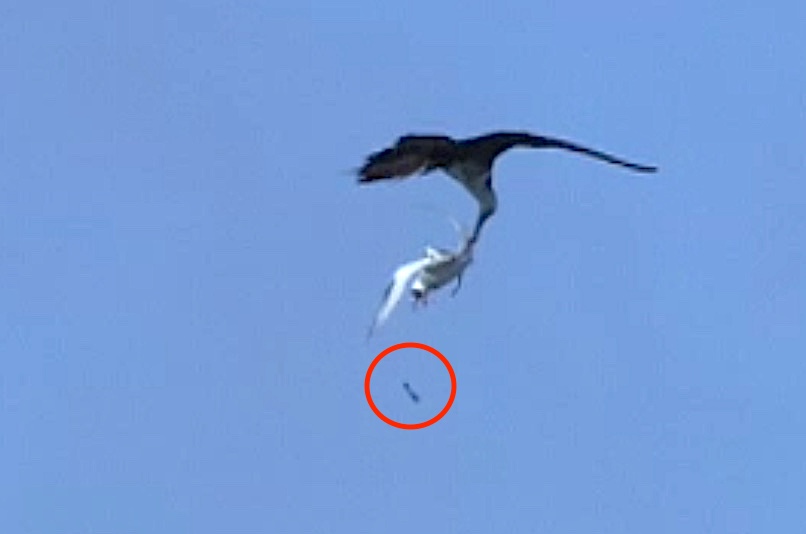
Now is a good time to revisit these wonderful sky pirates, for 2 reasons. The first is that photographer Michael Vaughn has produced some outstanding images of the species. The second is that I have just watched a characteristically superb BBC David Attenborough prog showing frigatebirds robbing tropicbirds of fish – despite them being lodged in the tropicbirds’ throats (for safekeeping…). Here’s the link to the sequence.

     CLICK LOGO TO VIEWmagnificent-frigatebird

Film clip: MF has TB by the leg & shakes it until the fish  (circled) drops outMagnificent Frigatebird steals fish from Tropicbird (BBC clip)

magnificent-frigatebird

A MAN-O-WAR GALLERY

A male in flight (a most unusual shot, taken from above)Magnificent Frigatebird (m) - Michael Vaughn

Juveniles being delinquentMagnificent Frigatebirds (juv) - Michael Vaughn

A female in flight: the white front is the invariable distinguishing featureMagnificent Frigatebird (f) - Michael Vaughn

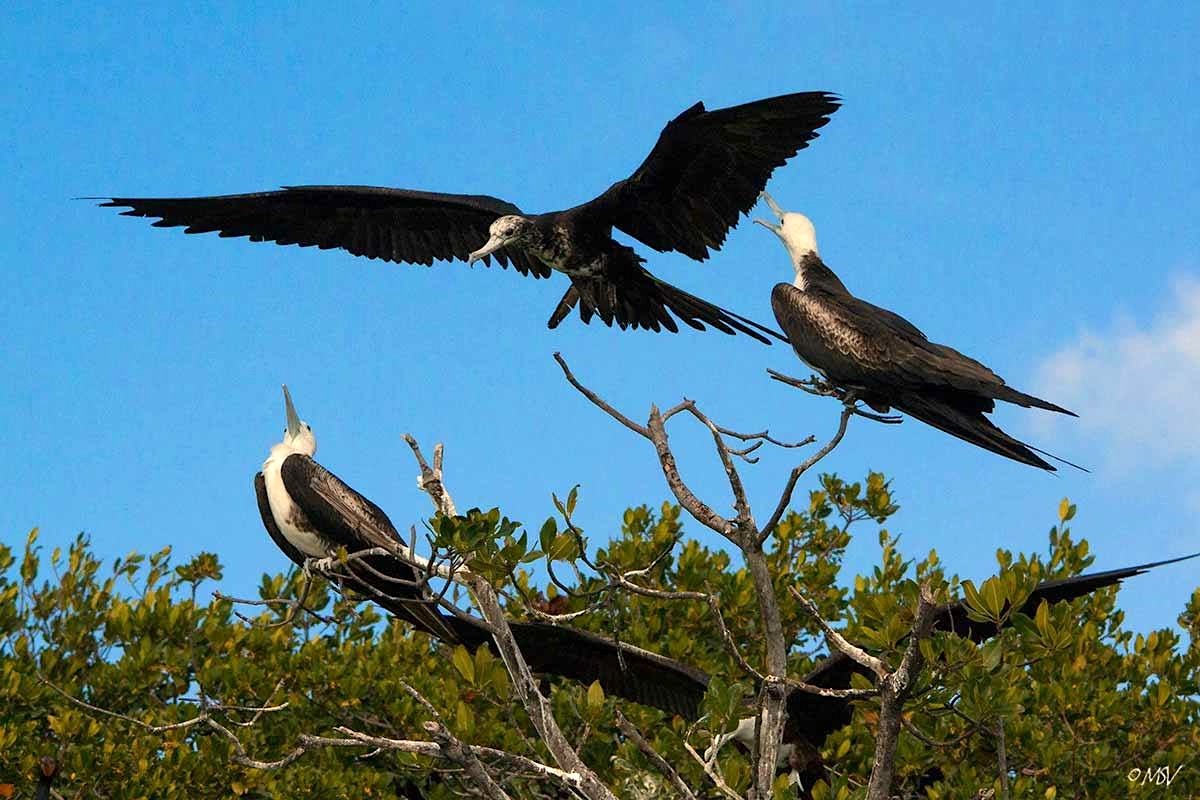
Maybe a bit of rivalry going on here….?Magnificent Frigatebird (f) - Michael Vaughn

magnificent-frigatebird

10 MAGNIFICENT FACTS ABOUT FRIGATEBIRDS

  • The largest of several frigatebird species around the world
  • Found in tropical and subtropical waters
  • Females have white fronts – easily distinguishable from males in flight
  • Adult wingspan is 7+ feet = largest wing-area / bodyweight ratio of any bird
  • Can remain in flight and far out to sea for many days
  • KLEPTOPARASITES – will rob other seabirds of their food
  • Diet: mainly fish & squid from the water’s surface; seabird chicks
  • Nest in colonies, producing a single egg every other season
  • Don’t land on water, as they can’t float; and feeble at walking on land
  • One of the earliest depictions of a frigatebird is by Eleazar Albin in 1737. He was a naturalist contemporary of MARK CATESBY & pre-dated AUDUBON

Albin’s Magnificent FrigatebirdFrigatebird_Eleazar_Albin_1737

Audubon’s Magnificent FrigatebirdAudubon Frigatebird

Magnificent Frigatebird (m) - Michael Vaughn

Credits: Michael Vaughn for all photos; cartoon from Birdorable; Mr Albin and Mr Audubon for ornithological awesomeness; TV CLIP bbc.co.uk  © copyright 2009 BBC

Magnificent Frigatebird (m) - Michael Vaughn

Unknown's avatar

ABSORBING SPONGES ON THE BAHAMAS REEFS…


sponge-melinda-riger-gb-scuba

ABSORBING SPONGES ON THE BAHAMAS REEFS…

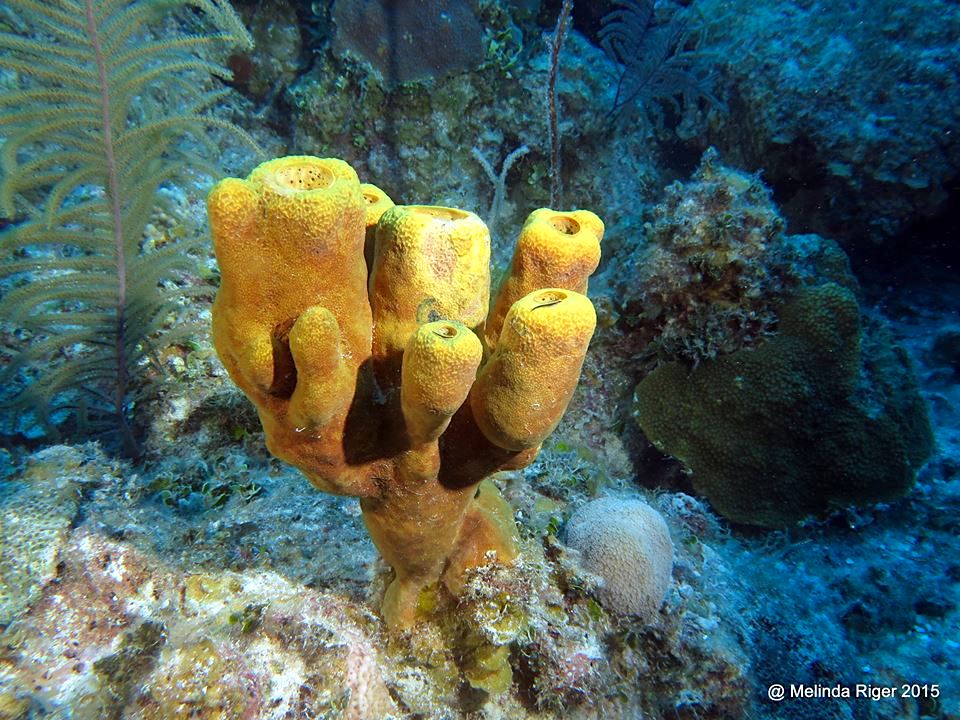
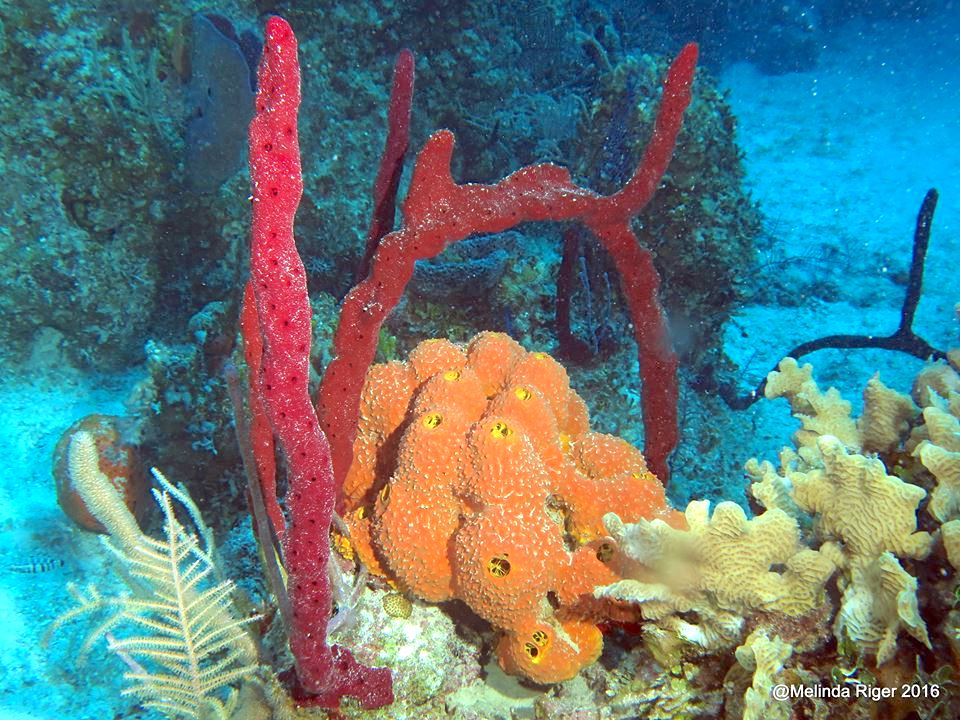
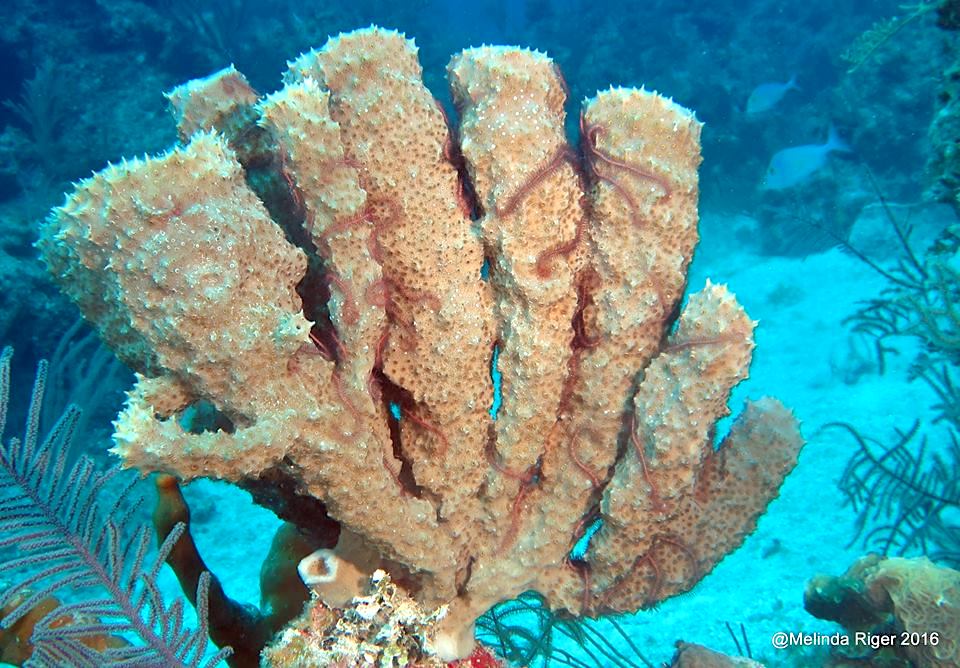
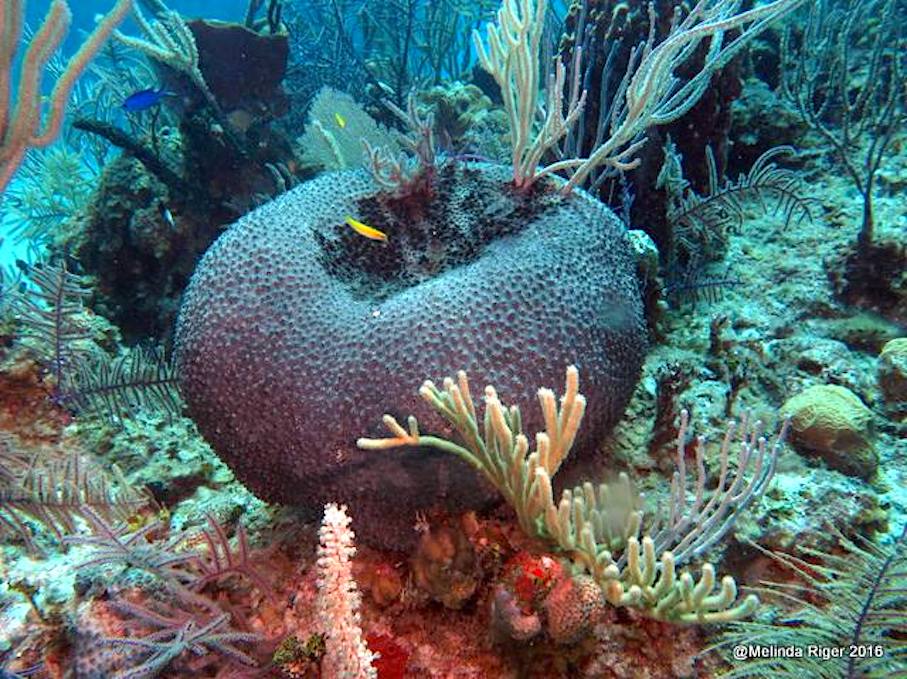
A while back I showed a collection of colourful sponges – one that you might come across with minimum equipment. Snorkel, mask, flippers. Oh, and a coral reef, if you happen to have one handy. I suspect that to quite a few people the word ‘sponge’ means soggy yellow thing, as found in the proximity of a bath. Or a scratchy nylon-based equivalent. Well, here are a few more sponges to enjoy. Some I can give you the names of, some I don’t know and am too idle busy to look up… Sorry.

sponges-melinda-riger-g-b-scuba

Candelabra Songe (with brittle stars attached)candelabra-sponge-melinda-riger-g-b-scubasponge-melinda-riger-g-b-scuba

Black Ball Spongesblack-ball-sponge-melinda-riger-g-b-scuba-copy

One for Valentine’s Dayheart-shaped-sponge-melinda-riger-gb-scuba

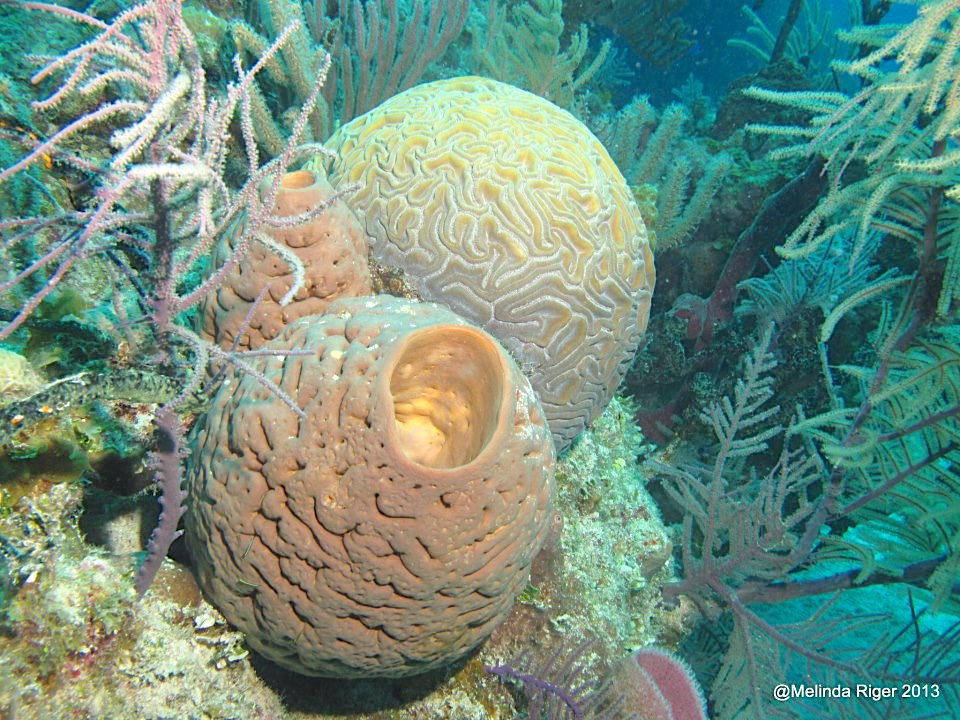
Vase Spongesvase-sponge- pink-melinda-riger-gb-scubavase-sponge-melinda-riger-g-b-scuba

sponges-and-coral-on-the-reef

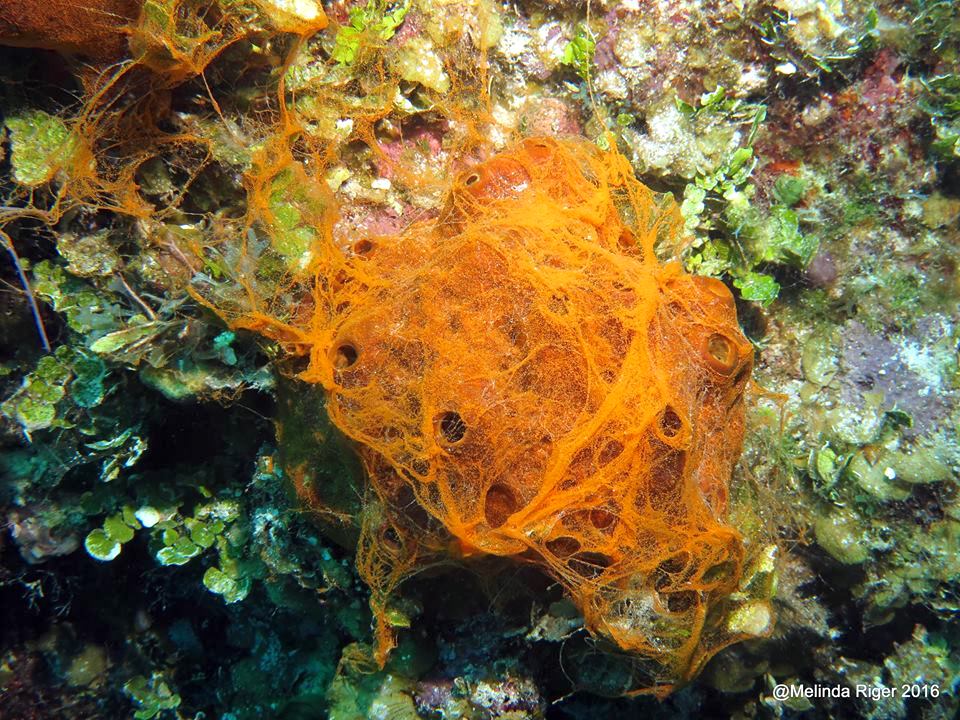
Spawning Brown Encrusting Spongebrown-encrusting-sponge-spawning-melinda-riger-g-b-scuba

All photos: Melinda Riger, Grand Bahama Scuba

Unknown's avatar

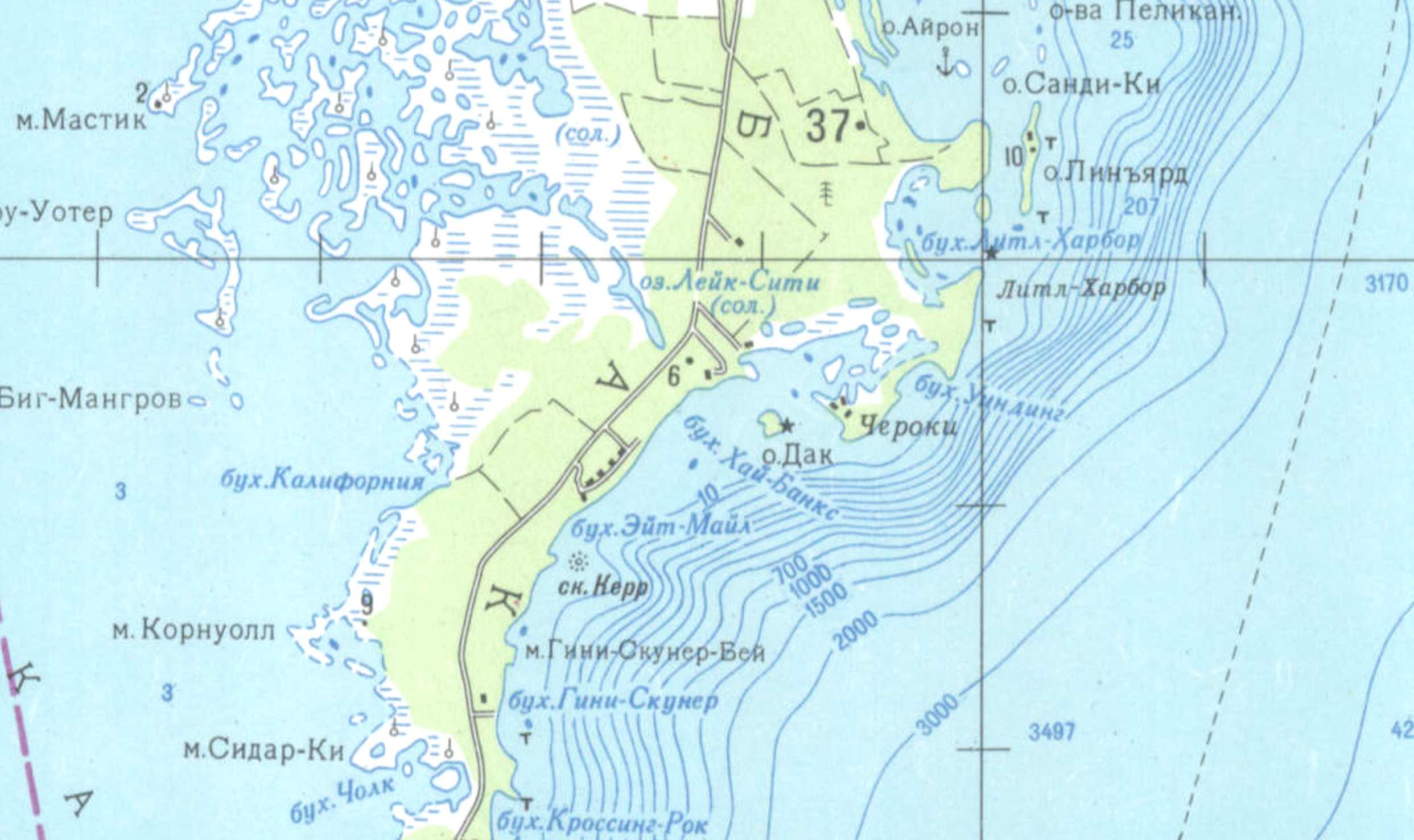
АБАKО: SOVIET RUSSIAN MILITARY MAP OF ABACO


Soviet Russian Military Map of Abaco 1979

АБАKО: SOVIET RUSSIAN MILITARY MAP OF ABACO

I had been toying with a plan to write something fishy today. Lifting the lid on the secrets of the creole wrasse, maybe. Then something arrived in my inbox overnight that changed my course entirely. I was struck  by an idea  harder than a torrent of mixed metaphors speeding towards a bullseye in the motherlode. A map! A map of Abaco!! All in Russian!!! From the Soviet Russian Military Survey!!!! Irresistible. An occasion for multiple exclamation marks.509px-hammer_and_sickle_black_large_on_transparent-svg

‘Russian Soviet Military Topographic Maps’

Map sheet G-18-1 GREAT ABACO ISLAND ed. 1979 – scale 1:500 000, map size 66 cm x 55 cm

Soviet Russian Military Map of Abaco 1979

509px-hammer_and_sickle_black_large_on_transparent-svg

My blog is stuffed full of maps. They are scattered everywhere, like cartographical confetti. There’s even a page for some of them HERE. Want a map of Abaco’s HIGHEST POINT (134m, if you have the energy).  Need to see what Abaco looked like 300 years ago? Try HERE. Need a history of Hole-in-the-Wall in maps? Try THIS. And so on.
509px-hammer_and_sickle_black_large_on_transparent-svg

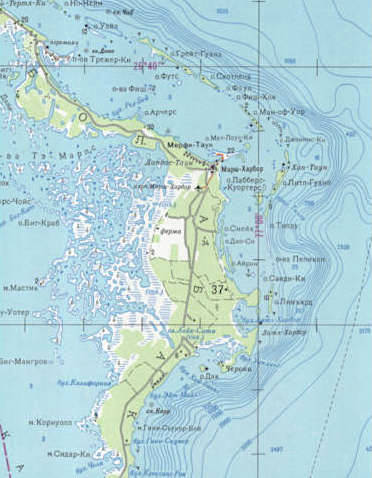
The header map is a merely the bottom-left corner of the much larger map immediately above. As a crop of the much larger area, it’s illegible. Which is next to useless, because the best thing about this map is that it is all in Russian. And I really wanted to see how they had mapped Marsh Harbour. Treasure Cay. Man-o-War. And the rest. I looked around online and reached this one. Even with some work on the image, you can only get a blurry glimpse – just a few tempting hints of Cyrillic. But it’s impossible to locate Марш Харьор, Трежер Ки, or Ман-оф-Уор Ки…

Soviet Russian Military Map of Abaco 1979

509px-hammer_and_sickle_black_large_on_transparent-svg

So, back to the interweb thing. And eventually, something usable turned up. Here, with props to Clicpic, is Abaco in the late Soviet era. Check out where you live – in Russian. Got friends on Грейт Гуапна Кй? Sadly, the northern end of Abaco and the whole southern end from Crossing Rocks down to Hole-in-the-Wall and right round to Sandy Point is absent. That area is of course the perfect place for missile silos**. Except now it’s a National Park, so that wouldn’t be possible… would it?

509px-hammer_and_sickle_black_large_on_transparent-svg

I’ve split the map into 3 sections to make it as big as possible. The maps overlap to keep the proportions equal on-screen. Double click to zoom in. Hope you enjoy travelling around it…

Soviet Russian Military Map of Abaco 1979 Detail 1 Soviet Russian Military Map of Abaco 1979 Detail 2 Soviet Russian Military Map of Abaco 1979 Detail 3

** Vladdy, mate, if you or your agents have picked up on this, (1) only joking, right? and (2) you’ve  anyway got better things to worry about these days…

Unknown's avatar

“THE DIET OF WORMS”: WORM-EATING WARBLERS ON ABACO


worm-eating-warbler-bahama-palm-shores-abaco-bahamas-3-12-tom-sheley-small-copy

“THE DIET OF WORMS”: WORM-EATING WARBLERS ON ABACO

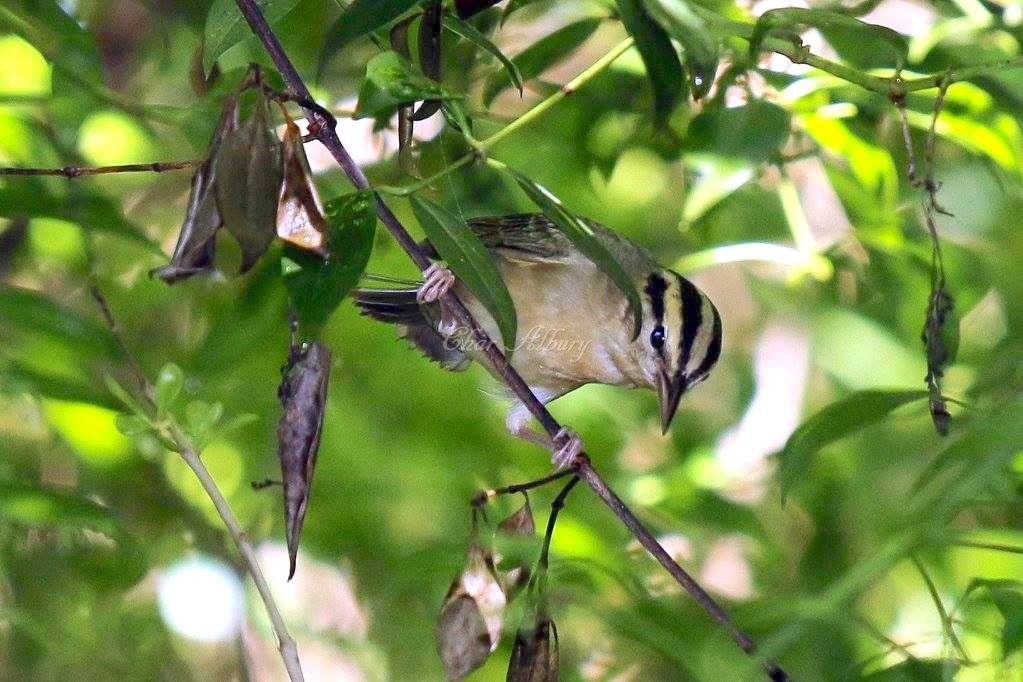
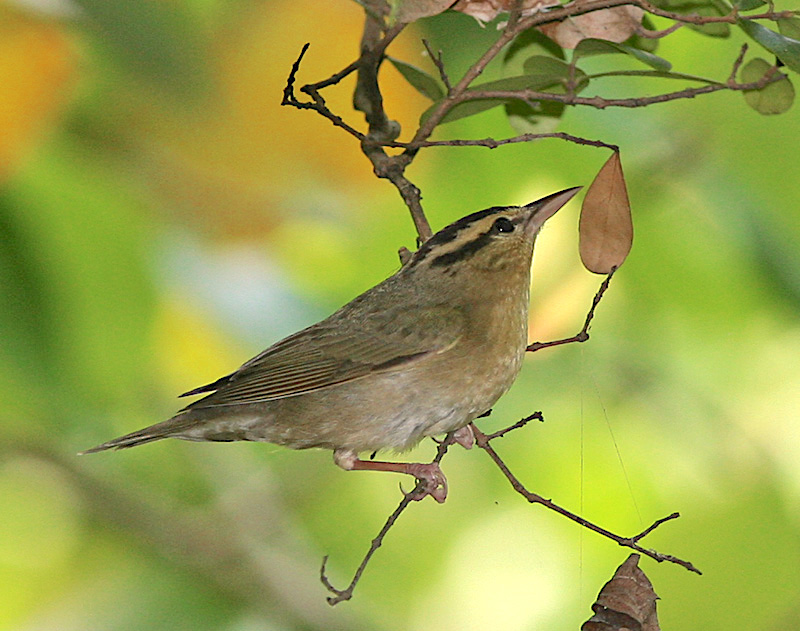
The little worm-eating warbler (Helmitheros vermivorum) is unique. Not because of its worm-eating propensities or its warbler-ishness (or the combination), but because it is the only species currently classified in the genus Helmitheros. The Swainson’s warbler was once in the same genus, but the WEWA saw off the competition.

Worm-eating Warbler, Man-o-War Cay Abaco (Charmaine Albury)

SO WHAT IS A HELMITHEROS THEN, IF IT’S SO SPECIAL?

The word is Greek, meaning something like ‘grub-hunter’. And the Latin-derived vermivorum reflects the diet of a VERMIVORE – an eater of worms. But this description is, like a worm, somewhat elastic. It includes caterpillars, larvae, grubs, spiders and similar creatures. But whereas there are other warbler vermivores there is only one Helmitheros.

worm-eating_warbler_Andy Reago & Chrissy McClarren wiki

SOME WORM-EATING FACTS TO DIGEST

  • WEWAs are sexually monomorphic. Males & females are indistinguishable for most of the year
  • They can only be reliably sexed at the height of the breeding season
  • Don’t ask. OK, a magnifying glass may be needed
  • These birds are believed to eat earthworms only rarely. Moth larvae are their best treat
  • They are ground-nesting birds, one of only 5 new-world warblers to do this
  • Like some shore-birds, adults may feign injury to lure predators away from the nest
  • They are vulnerable to nest parasitism by brown-headed cowbirds** & feral cats
  • Fires, deforestation, habitat change & diminished food resources are also threats to the species
  • As are pesticides, which destroy the primary food source and are in any case potentially toxic

**cowbirds are luckily very uncommon on Abaco but are spreading their range at an alarming rate and pose a potential threat to many Bahamas bird species

Worm-eating Warbler, Man-o-War Cay Abaco (Charmaine Albury)

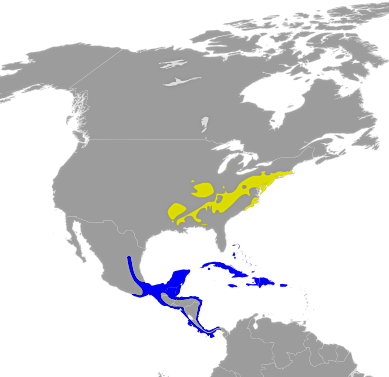
DISTRIBUTION & CONSERVATION STATUS

The breeding range of the worm-eating warbler covers much of the eastern half of the US as far south as the Gulf Coast. It winters in the West Indies, Central America and southeastern Mexico. There is no overlap between summer and winter habitat. Because of the vulnerability of this ground-nesting species to a number of threats (see FACTS above), they are now IUCN listed as ‘Special Concern’ in New Jersey.389px-helmitheros_vermivorum_map-svg

worm-eating_warbler-tom-friedel-birdphotos-com-wiki

WHAT DO THEY SOUND LIKE?

In this case the song and call, as transposed into human, really does sound like the bird itself. The song is a rapid squeaky trill; and the calls for once do actually sound like ‘chip’ or ‘tseet’. See what you think.

Paul Marvin / Xeno-Canto

14352552_10209292869212511_2005172973387868491_o

THE (ORIGINAL) DIET OF WORMS – A DIGRESSION

Studied European history? Had a laugh over The Diet of Worms in 1521? This was an assembly (or ‘diet’) of the Holy Roman Empire that took place in the City of Worms. There had already been several. This one resulted in an edict concerning Martin Luther and protestant reformation, with the consequence that… [sorry, nearly nodded of there. Just as I did at this stage at school I expect] 

worm-eating_warbler

It is always instructive to look at Audubon’s fine depictions from the early c19. Here is his WEWA. Notice that it is here called Sylvia vermivora. So he had the worm-eating part, but the first part of the name rather strangely relates to a group of old-world warblers. No, I’ve no idea why.

worm_eating_warbler_audubon-copy

Credits: Photos – Tom Sheley (1); Charmaine Albury (2, 4, 6); Andy Reago & Chrissy McClarren (3, 7); Tom Friedel (5). Research material – CWFNJ / Michael J Davenport; Tom Fegely / The Morning Call; assorted magpie pickings & open source

Unknown's avatar

PIP THE PLOVER VARIES HER DIET…


Piping Plover, West End, Grand Bahama (Linda Barry-Cooper)

PIP THE PLOVER VARIES HER DIET…

Hi guys, that’s me, Pip, in the picture above. I live in North America in the summer. That’s where I was born. I fly down south to somewhere warm for the winter. Like many migratory humans, my chosen place is the Bahamas. It’s got some great empty, safe beaches and the weather is (mostly) lovely. Unless a Big Wind happens. The tide-line is cram-full of meat-strings (these would be worms. Ed). There are great patches of weed larder to work through. It suits me very well, just like lots of other shore birds. It’s why some of us return every year.

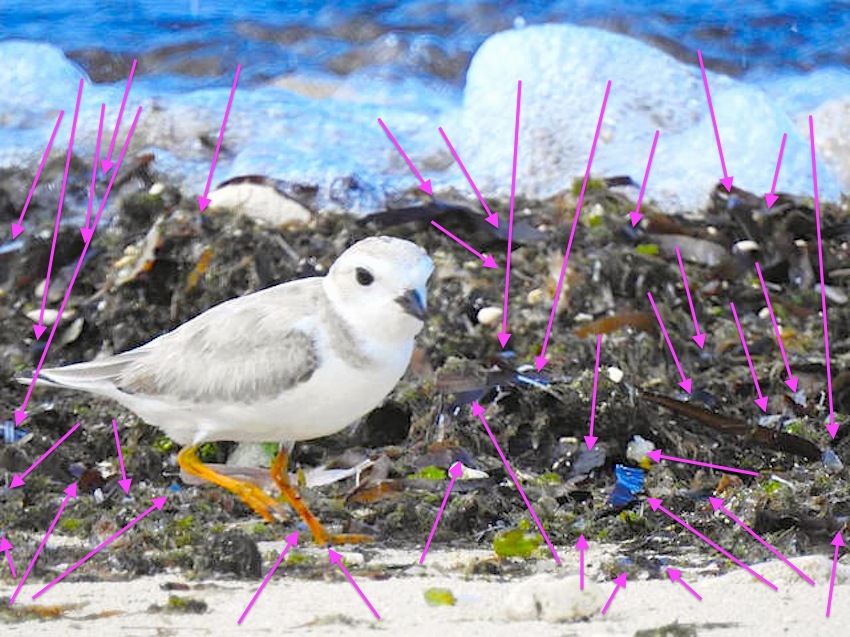
I’ve just got one point to raise, if you wouldn’t mind. There’s a mass of plastic (and other) crap out there on the beaches. It washes in on every tide. I know it isn’t Bahamian crap, but has come from many miles away. But Mr Harbour has done some work with my portrait to identify what’s in the seaweed I’m feeding on that might be harmful. He enhanced it and picked out just the things he’s certain shouldn’t be there. All the blue bits, for a start. And who knows what else is under the weed that I can’t even see to avoid. The shoreline and the wrack line is my dining area. I might easily eat some of the small bits by mistake. I think I must do that quite often. That would be bad – too much plastic crap and I’ll be ill. Or die. There are only about 8000 of us in the whole big wide world. If 80 of us die from plastic ingestion, that’s one per cent. The loss has to be made up next breeding season before we can even begin to increase our population. 

Just sayin!

PIPL & beach crap

♦  ♦  ♦  ♦  ♦  ♦  ♦  ♦  ♦  ♦  ♦  ♦

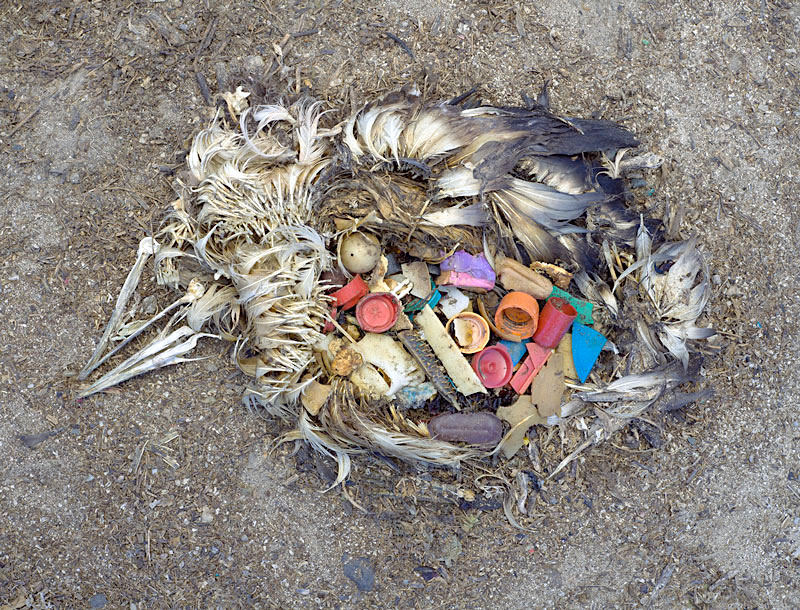
chris-jordan-inside-albatrossPhoto: Chris Jordan, who studies birds killed by trash

Unknown's avatar

HUMPBACK WHALE SEEN OFF SANDY POINT, ABACO


bmmro-humpbacks-2

HUMPBACK WHALE SEEN OFF SANDY POINT, ABACO

Dolphins are regularly seen around the coast and in the fishing grounds of Abaco. Sometimes, they make it easy by nosing into harbours and being generally adorable for a while, to the delight of onlookers. Hope Town can be a good place for this. Those aboard the “Donnies” –  the ferries that criss-cross the Sea of Abaco from the main island to the various Cays – may be in luck too. However, it is perhaps less well known that Abaco waters provide a home or a migratory passage for gigantic whales. Beside these mighty creatures, the several other whale species of the Bahamas seem relatively small. Yes it’s true: there are huge whales – humpbacks and sperm whales (cachalots) – to be found in Abaco waters, and not so very far from land either.

bmmro-humpbacks-5

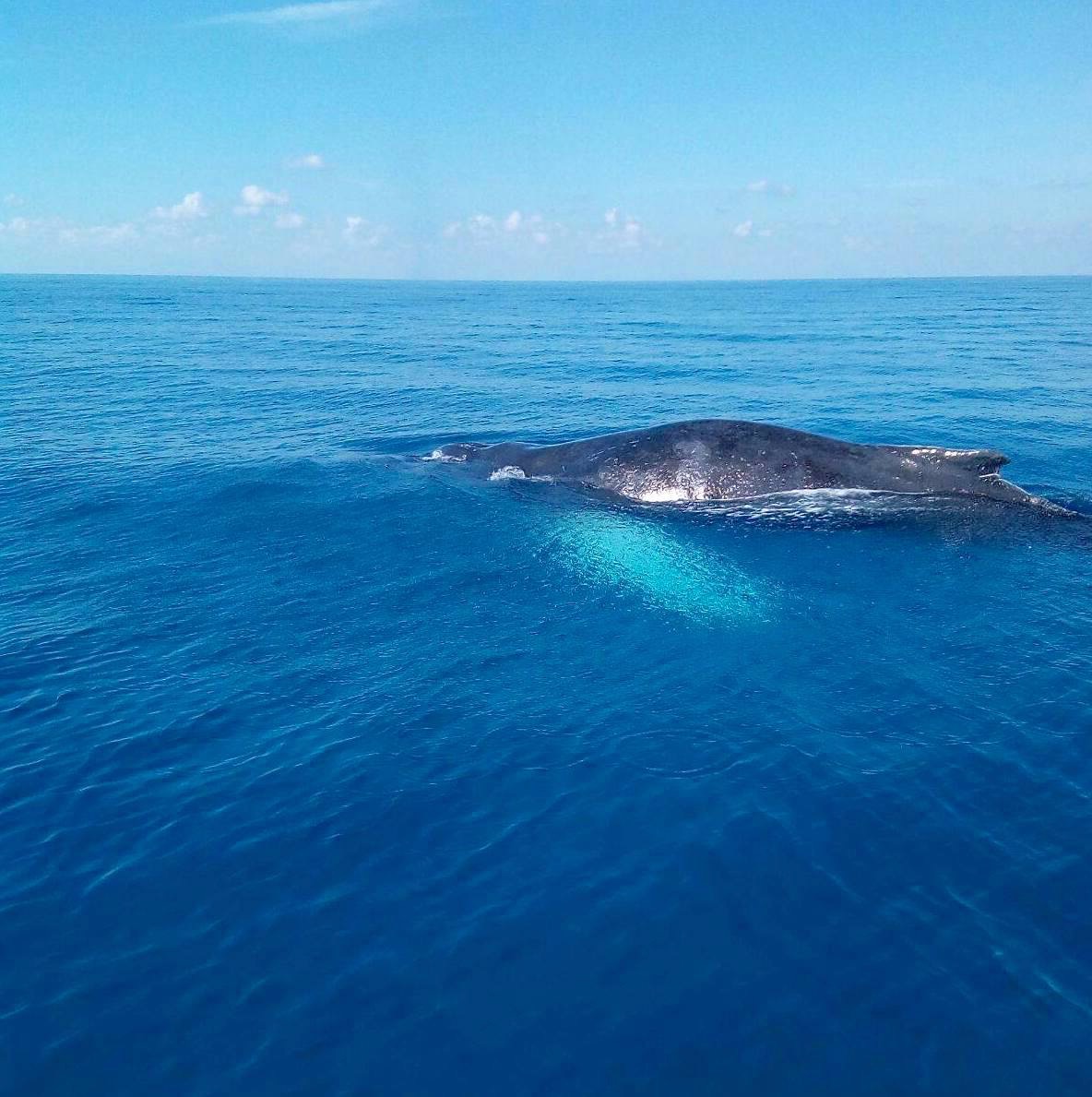
The humpback whale Megaptera novaeangliae above, with its characteristic white pectoral fins, was seen about a week ago off Sandy Point (southwest Abaco). You’ll get an idea of its immense size from the photo. An adult of this BALEEN WHALE species can reach 50 feet in length and weigh 35 tons or more. Imagine watching one slipping silently past your boat… and then consider that even larger sperm whales are seen in the same area. 

For the link to report a Bahamas whale sighting, please see either link provided below

Humpback whale / adult male human in scuba gear comparison
humpback_whale_size-svg

bmmro-humpbacks-1

Humpbacks are found in oceans throughout the world. They migrate huge distances each year, from polar regions to the tropical and sub-tropical waters where they breed. These are the whales beloved of wildlife film producers and whale-watching trips, with their spectacular arched breaching in which half their length or more may emerge from the water before smashing back into the waves. 

A humpback breaches on the Stellwagen Bank (about 50 miles offshore of Boston)
humpback_stellwagen-whit-wells-wiki

Like other large whale species, humpbacks were unsurprisingly prime targets for the whaling industry in a melancholy era of marine history that took them to the edge of extinction until a moratorium was declared in 1966. Since then the population has recovered significantly. They remain vulnerable, however: in some locations, to killing; to entanglement in heavy-duty fishing gear; to ship collisions; and to noise pollution that affects their ability to communicate long-distances underwater, as they need to do.

Finally, the Sandy Point humpback makes a last dive and, with a wave of its fluke, disappears  bmmro-humpbacks-4    bmmro-humpbacks-3

Do you have a Bahamas whale or dolphin sighting to report? Please use this link, giving as many of the details as you can. Each report makes a valuable contribution to the BMMRO’s research. 

http://www.bahamaswhales.org/sightings.aspx

As a footnote, my first whale encounter was on the Stellwagen Bank mentioned above, when I went on a whale-watching trip from Boston. We encountered a mother humpback with her calf and spent about 1/2 hour watching them interacting. I have the memories luckily – my photos were rubbish, using a very early digital camera that these days would be less effective and well-spec’d that a luminous pink plastic child’s camera now… 
stellwagen-humpbacks-keith-salvesen-2 Version 3stellwagen-humpbacks-keith-salvesen-3

RELATED POSTS

HUMPBACK HOPE TOWN ABACO

BLAINVILLE’S BEAKED WHALES

BMMRO

SIGHTING REPORTS

Credits: Brad & his crew, and the BMMRO; Whit Wells / Wiki for the breaching whale; moi for the rotten but quite interesting archive photos from the same place; the whale for being awesome in the true sense of the word

Unknown's avatar

WONDERS OF THE DEEP: FROM SUBLIME TO… THE OTHER THING


Seahorse (Adam Rees / Scuba Works)

WONDERS OF THE DEEP: FROM SUBLIME TO… THE OTHER THING

Seahorse by Alex Konahin

It’s a statistically proven fact (and not, in any way, a ‘post-truth’ proposition) that no one has ever had a bad thing to say about seahorses. Indeed, some love them too much and consume them – see HERE for threats to seahorse populations in some areas of the world. 

Seahorse (Adam Rees / Scuba Works)

Sometimes they are easy to see. The header image shows an orange seahorse curling its tail round green weed on pink coral – hard to miss. Yet sometimes it may be quite difficult to see the little creatures against their chosen background.

Seahorse (Adam Rees / Scuba Works)

These guys are, I think, for their size among the most sublime of all underwater creatures. I use the word in the strict historical sense “of very great excellence or beauty, exalted, awe-inspiring, majestic, magnificent, glorious.” Not just to mean “nice”. 

view

In contrast, there are some undersea creatures that inspire… not awe exactly, but maybe an amused respect that so wonderful and bizarre a creature can exist in our oceans, in some cases only a few feet below the surface. Here are two examples of what I mean.

Batfish (Adam Rees / Scuba Works)

This is a BATFISH. It was an early shoo-in for my “WTF? (What’s that Fish?)” series, and you can read all about them and their ways HERE. Of all the creatures I have featured on this blog, this is by some distance the oddest…

1237416_634181949949814_495389836_o

frogfish-anglerfisch

…except for its companion in oddness, the FROGFISH. This was next in the WTF? series, and the creature is, if anything, even stranger. You can read all about these critters HERE, where you will learn inter alia about their superpowers – any one of which you might like to have yourself. There are plenty of photos, and videos too.

FROGFISH SUPERPOWERS

  • Invisibility Cloak
  • Irresistible (and, to their prey, Fatal) Attraction
  • Buoyancy Control
  • Shapeshifting

Frogfish (Adam Rees / Scuba Works) 

I do not court controversy, recognising that people following this site, or maybe stumbling across it by mistake and lingering, reach their views on natural history from different directions. But these strange and fascinating species exist and thrive in their own particular and ingenious ways – it doesn’t really matter how or why they are as they are. The bats and the frogs are high in the list of the least conventional of undersea creatures, and if they are not exactly sublime in a seahorse sense, can we just agree that they are awesome?

Frogfish (Adam Rees / Scuba Works) 

Photo Credits: Adam Rees / Scuba Works; Melinda Riger; Alex Konahin (seahorse gif)

Seahorse (Bahamas) 4 ©Melinda Riger @G B Scuba Long-nosed Batfish Wiki Frogfish Hunting (Adam Rees : Scuba Works)

Unknown's avatar

BLACKPOLL WARBLERS ON ABACO: UNCOMMON TRANSIENTS


Blackpoll Walbler dendroica_striata_mn-cephas-wiki

BLACKPOLL WARBLERS ON ABACO: UNCOMMON TRANSIENTS

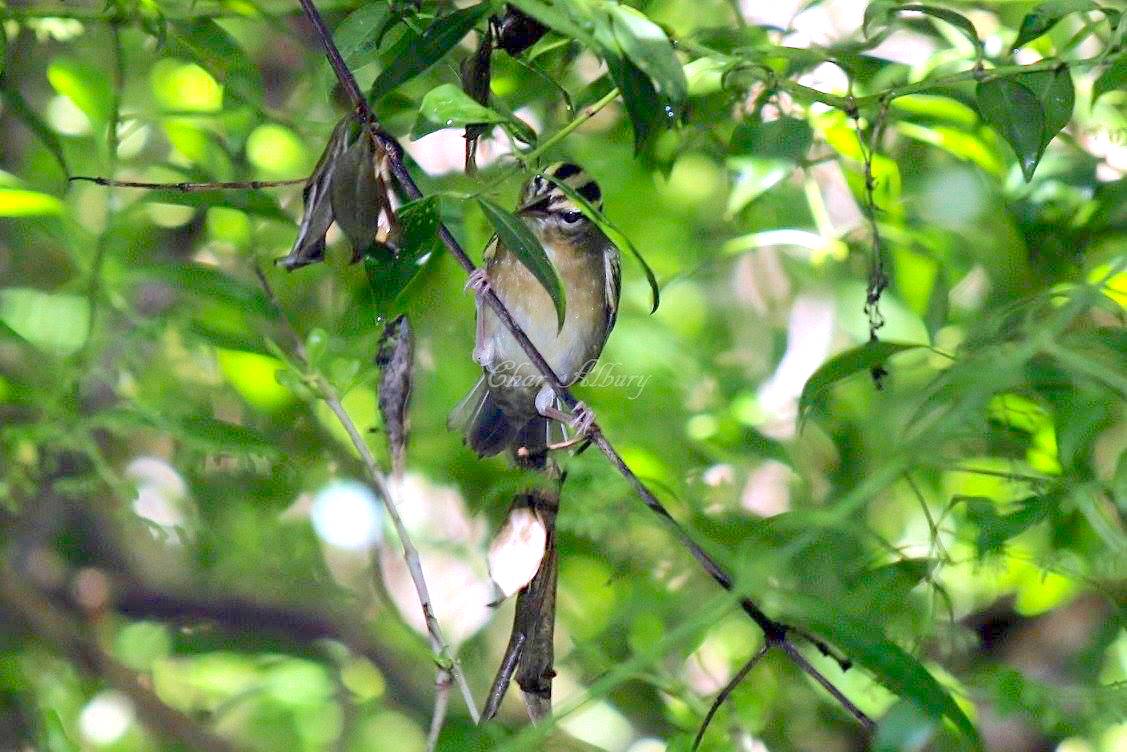
The Blackpoll Warbler Setophaga striata is a “TR3” on Abaco. Which is to say, the species is classified as an uncommon transient in its migration, and as such it is rarely seen on Abaco. Apart from anything else the window of opportunity of seeing one in the Fall or in Spring is limited by the length of time they pause on Abaco to catch their breath. Also, they are small birds that do not draw attention to themselves. They hang around in the coppice foliage rather than parading out in the open; and their call is a tiny ‘tsip‘ sound (as with so many other small birds…). 

Blackpoll Warbler, Man-o-War Cay, Abaco (Charmaine Albury)

Fortunately, on Abaco’s warbler magnet Man-o-War Cay, alert birder Charmaine Albury was out and about with her camera to record a sighting. I should say that during the writing of THE BIRDS OF ABACO, I never managed to obtain a single image – however poor – of a Blackpoll Warbler actually taken on Abaco (a qualification for inclusion) from any of the many sources I used. So sadly, this pretty warbler does not feature in the book.

Blackpoll Warbler, Man-o-War Cay, Abaco (Charmaine Albury)

The summer breeding area for blackpolls covers northern North America from Alaska through most of Canada, the Great Lakes region and New England. In the fall, they fly South to the Greater Antilles and the northeastern coasts of South America. The summer and winter areas are very distinct, as the distribution map shows:

dendroica_striata_map-svg

Despite their diminutive size**, blackpoll warblers generally undertake their  long-distance migration – often over open water – non-stop or with a single stopover.  Their migration has been the subject of many scientific studies. One of the longest distance non-stop overwater flights ever recorded for a migratory songbird was made by a BLWA. Which all goes to explain why the species is so rarely seen along the migration route: unlike many migrating birds, they make few, if any, stops along the way.

Blackpoll Warbler, Man-o-War Cay, Abaco (Charmaine Albury)

Of the many stats I have read through, I chose one to demonstrate the stamina of these little birds. In one study, an number were fitted with tiny geolocators. These revealed an average migration journey of around 1600 miles, with the non-stop trip being completed in 3 days by at least one bird.

f1-medium

“Transoceanic migration by a 12 g songbird”

The maps above show blackpoll warbler migrations recorded for 5 birds in a study that indicates that, while a direct overwater route is preferred in the fall migration, the return journey in spring is more leisurely, and overland (it looks as though only 3 birds made it home).

The study quoted is by William V. DeLuca, Bradley K. Woodworth, Christopher C. Rimmer, Peter P. Marra, Philip D. Taylor, Kent P. McFarland, Stuart A. Mackenzie, D. Ryan Norris (

Blackpoll Warbler, Man-o-War Cay, Abaco (Charmaine Albury)

** I came across the statement that “The blackpoll warbler… attains the weight of a ball point pen”. I find this an unhelpful comparison. I know what is meant, but I find it hard to think of a ball of feathers in terms of a writing instrument. Maybe it’s just me? [Astute Reader: I’m afraid so…]

YOU MENTIONED THAT THEY GO ‘TSIP’. WHAT DOES THAT EVEN SOUND LIKE?

Credits: header image of a summer bird, Cephas; all other photos by Charmaine Albury, taken on Man-o-War Cay Abaco; birdsong Xeno-Canto / wikimedia commons

Unknown's avatar

WATCHING NURSE SHARKS: BE PATIENT…


nurse-shark-8-16-melinda-riger-gb-scuba

WATCHING NURSE SHARKS: BE PATIENT…

I last took a look at nurse sharks nearly 3 years ago HERE. Time to revisit these creatures. Indeed, time for a close-up look. If you want to know more about this fascinating species, just click the link above.

The two strange items hanging down from the upper lip are sensory barbels
nurse-shark-melinda-riger-g-b-scuba

This side-view shows the shark’s relatively small mouth (for a shark anyway)nurse-shark-a-melinda-riger-gb-scuba

Admire the extraordinary texture of the the skin; and the tiny evil eye. Click or – better – double click on the image and you will see that the skin is in fact tessellated, made up of a mosaic of tiny squares and near-squares**nurse-shark-close-up-melinda-riger-g-b-scuba

This one is a baby nurse sharknurse-shark-baby-melinda-riger-gb-scuba

A juvenile nurse shark with a couple of grunts. Note the youngster’s paddle-like finnurse-shark-juv-melinda-riger-g-b-scuba

Head, mouth, jaws and teeth

 ginglymostoma_cirratum_head  

nurse-sharks-x2-plus-reef-sharks-melinda-riger-g-b-scuba

SO, THEY ARE SHARKS – ARE THESE GUYS DANGEROUS?

Not really, no. They aren’t looking to pick a fight; and they are not as territorially aggressive as the ‘bitey’ sharks are (or can be).  These slow-moving bottom-dwellers are generally harmless to humans. However, they can be huge—up to 4 metres —and have very strong jaws filled with thousands of tiny, serrated teeth. They will bite defensively if stepped on or bothered by divers who assume they’re docile. [As I said previously, “there are recorded instances of injuries caused to divers who have tried to pull nurse sharks by the tail. And serve them right, I say. Treat them with patience and respect!”] 

Nurse Shark ©Melinda Riger @ G B Scuba copy

**FUN FACT

M.C. ESCHER (the inspiration for Mr Hammer) was the master of tessellation in art. Click the link to explore the dedicated website. Maybe, sensationally, one day a shark will be found with skin like this… (Alert reader: “Actually, I think it most unlikely…”)

Escher fish

Credits: field photos by Melinda Riger, Grand Bahama Scuba; Wiki for the 4 mouth images & the Escher 

Nurse Shark ©Melinda Riger @ Grand Bahama Scuba

Unknown's avatar

REDDISH EGRET (WHITE MORPH): A FISHY TALE…


Reddish Egret (White Morph) Hunting - Danny Sauvageau

REDDISH EGRET (WHITE MORPH): A FISHY TALE…

And one with a happy ending! There’s something very satisfying about an expert birder /  photographer’s capture of a perfect sequence, as these fantastic photos show. It not something I’ve ever achieved, not having the skill, the equipment or (probably) the patience required to get a sequence of perfect shots. Instead – and as a guest post while we are having some downtime somewhere nice – it’s a pleasure to feature this reddish egret stalking its prey, photographed  by Danny Sauvageau. #4 has it all – drama, movement, clarity and triumph captured in a fraction of a second.

15874648_10207984950370696_3966288041867085242_o15844316_10207984950170691_7728790018034866637_o15844339_10207984949930685_5943346922427982292_o15844706_10207984949890684_9220544987038006970_o

All photos by ace Floridian birding photographer Danny Sauvageau (with thanks)