Unknown's avatar

BREADFRUIT: NATURE’S BOUNTY (WITH ADDED MUTINY)


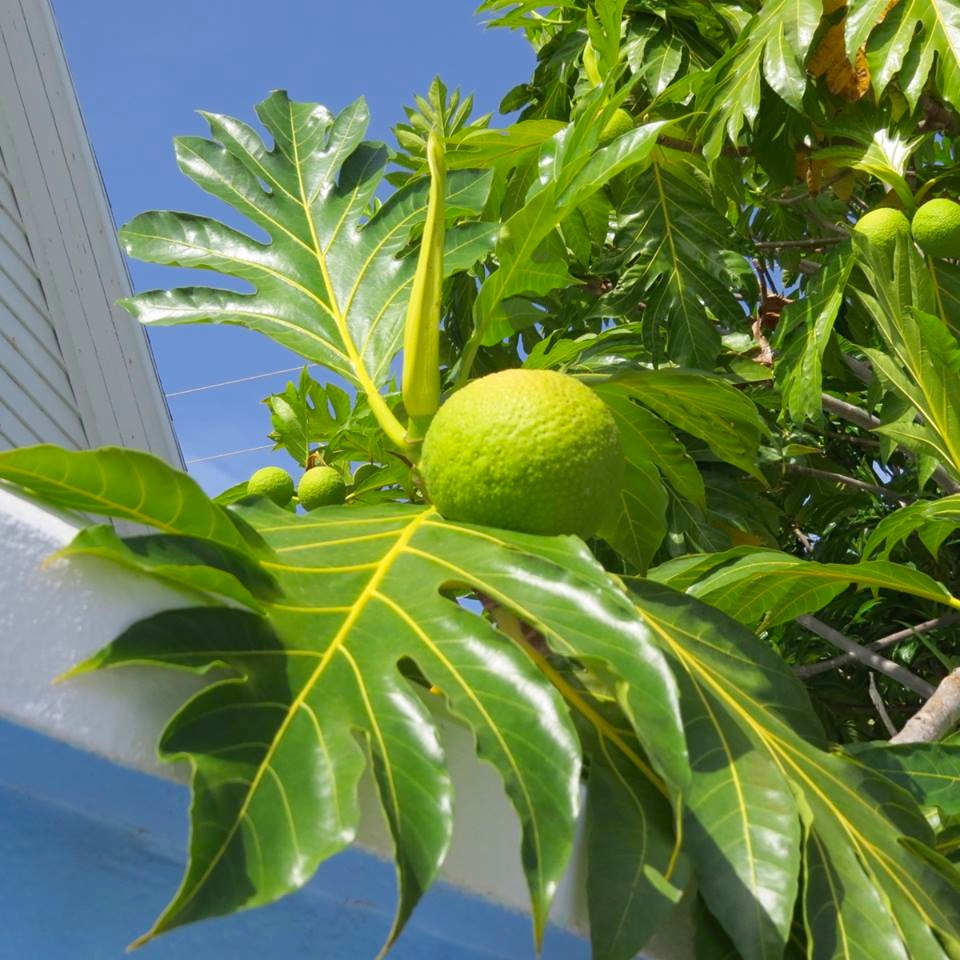
Artocarpus altilis - breadfruit (Hans Hillewaert)

BREADFRUIT: NATURE’S BOUNTY (WITH ADDED MUTINY)

Capt. William Bligh achieved fame for all the wrong reasons. Despite a distinguished and wide-ranging seafaring career he is widely remembered for just two things: (1) The Bounty and (2) Mutiny On. In 1787, he was dispatched to Tahiti to collect specimens of breadfruit (a fruit of the Pacific islands, in particular Polynesia) to help provide food for the British colonies in the West Indies. To be clear, the breadfruit was intended to be a basic and cheap staple food not just for settlers but also for the indigenous population.Breadfruit 2

Capt. Bligh’s Bounty crew unfortunately mutinied – possibly to do with the amount of water the breadfruit required compared to their own meagre rations – and threw overboard the hundreds of breadfruit plants that were in transit. Then they set Bligh with his loyal officers and crew adrift… He was later court-martialled but cleared of culpability for the mutiny. 

Mutiny on the HMS Bounty (Robert Dodd)

This isn’t the place for a disquisition on the Mutiny. You can read all about it HERE. Or better still, watch one of the rollicking all-star-cast films based loosely on the episode for a careful and accurate historical record of the events that will buckle your swash…

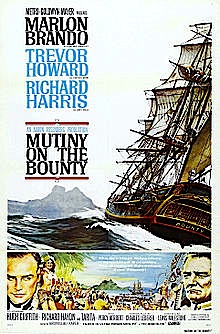
Mutiny_on_the_Bounty_Poster (1935)     220px-Poster_for_Mutiny_on_the_Bounty

Following that skirmish, and indeed blemish on his record, in 1793 Capt. Bligh was yet again charged with the task of shipping breadfruit trees from their origin to the Caribbean. His heart must have sunk, yet finally he succeeded, only for those on the eating end to express considerable distaste for such a bland, starchy fruit. It took a long time to catch on, and its culinary versatility was only discovered many decades later. By which time slavery had thankfully been abolished anyway.Breadfruit image (Pacific site)

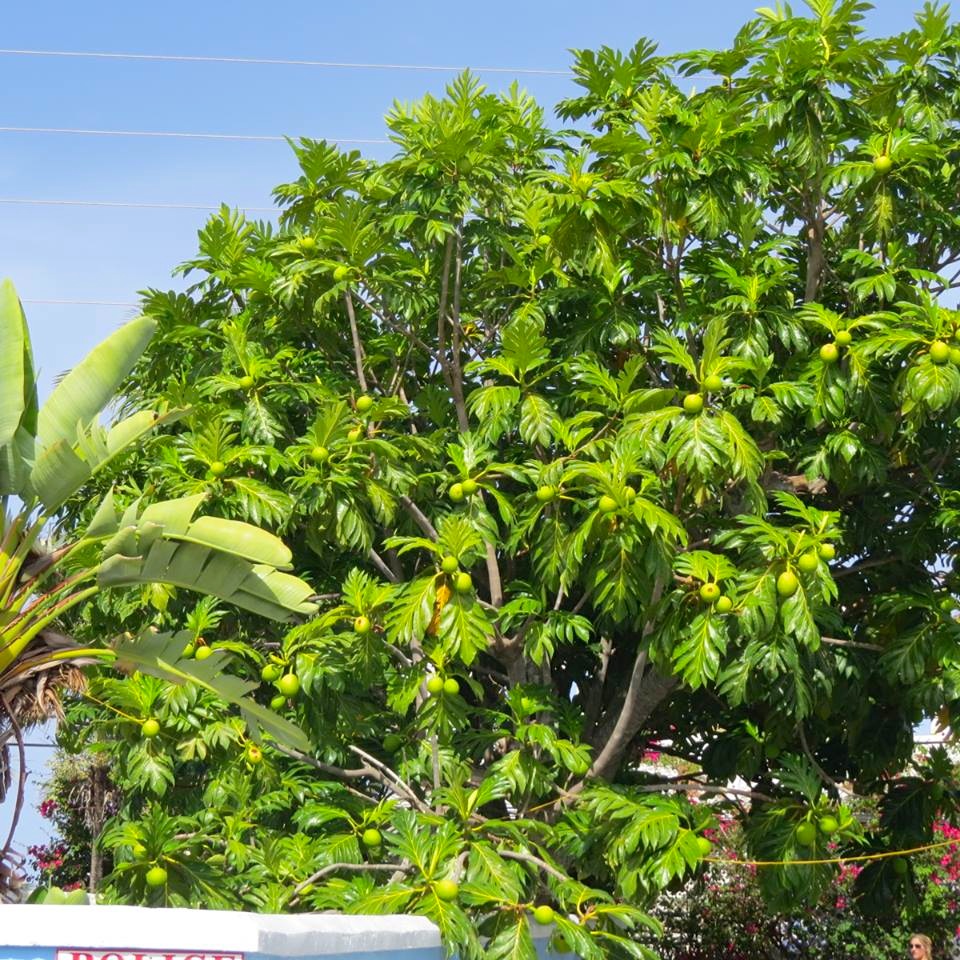
The most famous breadfruit tree in all Abaco is to be found in Hope Town (Elbow Cay). I can do no better than display the notice that proudly proclaims the historic significance of the tree; and of course the tree itself.

Breadfruit Tree Notice, Hope Town Abaco (Dp PatersonBreadfruit Tree, Hope Town Abaco (Dp Paterson)

Unusually for a fruit plant, a true breadfruit Artocarpus altilis does not produce seeds. It is propagated by removing the suckers that grow at at the base of the tree.

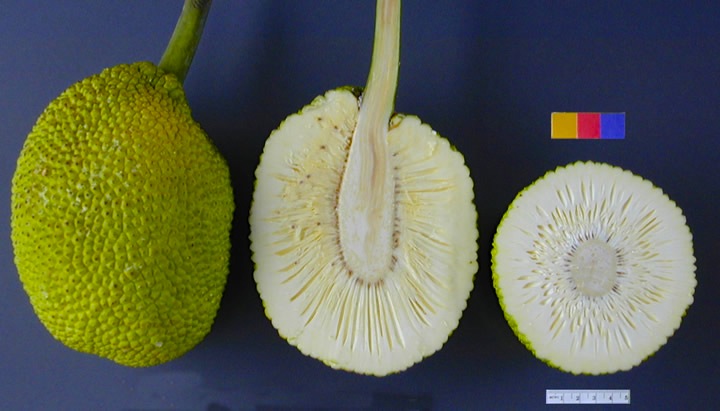
For those unfamiliar with the fruit and its interior, here it is in both slice and cross-sectionBreadfruit sliced (US Pacific Basin Agricultural Research Center)

BREADFRUIT IN ART

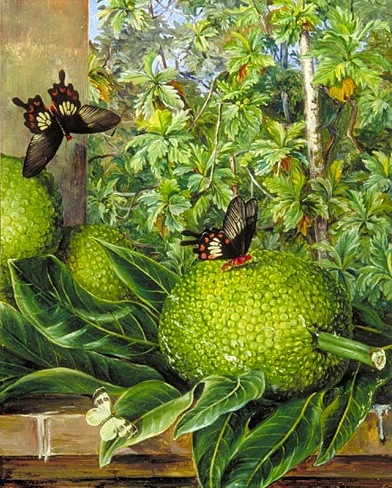
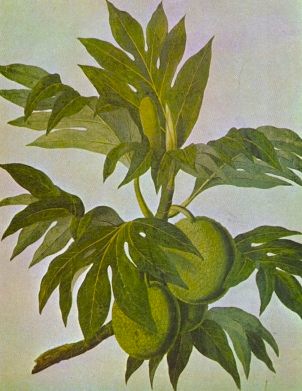
Breadfruit has received artistic recognition over the years. Here are some examples – the first, very jolly (and an early representation of the Polydamus Swallowtail butterfly, I think); the second, quite dull; the third, instructional (oddly equating breadfruit with tea, coffee and chocolate); and the fourth, frankly not at all appetising to look at…

Breadfruit with butterflies (Royal Botanic Garden, Kew)Breadfruit (Royal Botanic Gardens, Kew)

                                 Breadfruit (John Frederick Miller)                                  Breadfruit drawing  John Frederick Miller

      Breadfruit & related plants used as food (William Rhind (1841)     Breadfruit etc William Rhind (1841)

Breadfruit - Bahamas Stamp

WORLD DISTRIBUTION OF BREADFRUIT

Breadfruit will flourish only within a certain latitude range where the rainfall and temperature suit it, as this map shows. I include this information in case you ever find yourself in the awkward position of being socially stranded with someone whose conversation has become soporific. Be armed with some useful worldwide breadfruit stats for just such an occasion – you will soon find yourself alone…Breadfruit - the world propagation range

A CULINARY TREAT

Breadfruit is sometimes thought to be a dull and untasty, at least compared with many other fruits. I thought I’d include a recipe or two that rather appealed to me – the second because even I could do that…

Breadfruit Recipe  (myrecipefriends.com)

BAKED BREADFRUIT

Large, ripe breadfruit 1 cup water Butter 1 lime or lemon

Heat oven to 33 degrees F. Put the water in a shallow pan and place the whole breadfruit in the water. Bake in oven for three hours. Remove from oven, allow to cool slightly, peel, removing the large core and stem. Cut the fruit into sections and place in a serving dish. Cover with butter and a squeeze of lime or lemon juice.

A PERFECT HOPE TOWN BREADFRUIT
Breadfruit, Hope Town Abaco (Dp Paterson)

This post was inspired by an article on breadfruit and the Hope Town tree by local historian Deb ‘DP’ Patterson, who will be known to many for her committed involvement with the Wyannie Malone Historical Museum in Hope Town. I’m grateful to her for permission to use her idea and indeed some of her material, in particular her photos of the tree and its notice. If you do visit this delightful little town, the museum is a treasure house of Abaconian history that deserves a visit. You can check out its website HERE and the FB page HERE.

Wyannie Malone Museum Crest, Hope Town, Abaco

Capt. Bligh managed to put his breadfruit adventures and the mutiny behind him, and continued a distinguished naval career with successive command of an impressive number of  ships. He ended up a Vice-Admiral, and (on his death in 1817) in a grave in Lambeth, London.

V-A William Bligh (1814)Grave of William Bligh, Lambeth, London (Geograph, Commons Media

HMS BOUNTY II (Full Sails). A 1960 reconstruction (Dan Kasberger)HMS_BOUNTY_II_Full_Sails 1960 reconsrtuction (Dan Kasberger)

Credits: First and foremost, Deb Patterson; Magpie Pickings including Hans Hillewaert, US Pacific Basin Agricultural Research Center, Royal Botanic Garden Kew, myrecipefriends, M Kwek, whatsonbahamas, Wyannie Malone Historical Museum, ‘Geograph’, Dan Kasberger, and Wiki; and anyone else I have omitted…

Unknown's avatar

“GOOD MIGRATIONS” by THE BEACH BIRDS


Piping Plover 32 (banded as an adult in 2010 at Manistee, MI Sleeping Bear Dunes N L, MI)

Banded in Michigan in 2010 – in Florida right now!

“GOOD MIGRATIONS” by THE BEACH BIRDS

It’s started already. The autumn migration of piping plovers from up north to down south. It seems only the other day (April in fact) that the last PIPL were seen on Abaco. Since then, they have spent the summer in their breeding grounds, raising families. This seems to have been a successful breeding season, with good reports that included a record number in the tiny Great Lakes population. But the attrition rate to predation is high: for example, of the 4 chicks in one family that was closely observed on Long Beach Island NJ, only one (‘Beth’) has survived.

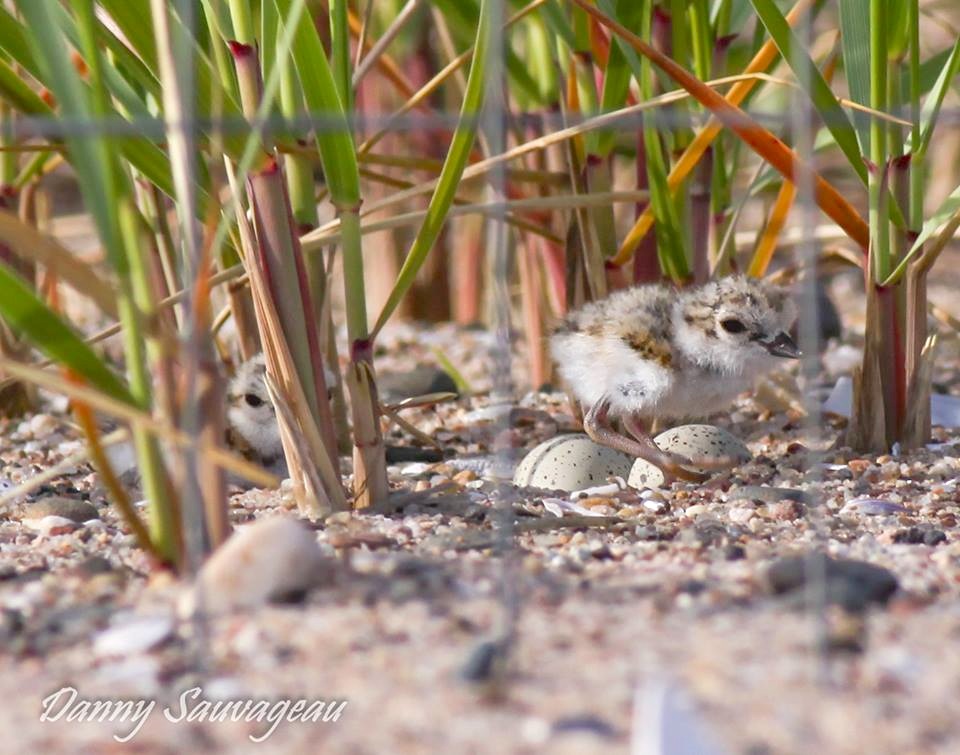
Piping Plovers - 2 chicks, 2 eggs - CT (Danny Sauvageau)

Piping plovers: 2 chicks & 2 eggs, Connecticut

WHAT’S SO SPECIAL ABOUT THESE BIRDS?

A recent estimate put the world’s supply of these little birds at 8000. And of these, many spend their winter in the Bahamas, Abaco being one of their favoured destinations. The survival of the species is in the balance. Habitat degradation at either end of their migrations could be disastrous; at both ends, more than doubly so.

Piping Plover (juv) CT (Danny Sauvageau)

Piping Plover juvenile, Connecticut

HOW CAN THEIR SURVIVAL BE ASSURED?

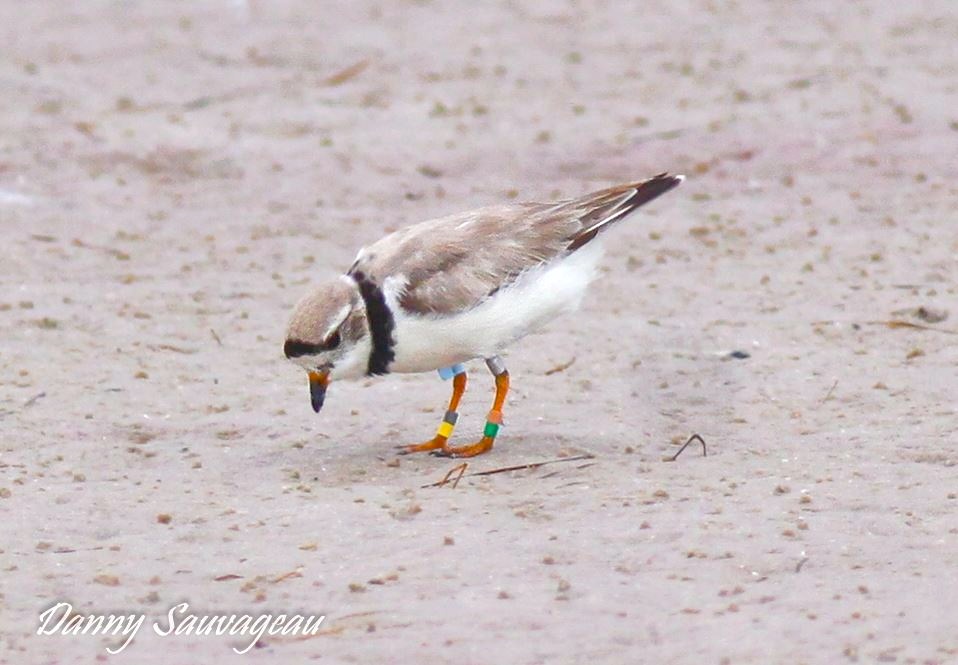
A number of organisations and individuals are dedicated to looking out for the PIPL. This includes ensuring preservation of habitat integrity and protection on the beaches where they nest, and banding programs so that birds can be tracked and monitored during their migrations. This is one aspect which people on Abaco (and elsewhere) can help with – looking out for these birds, reporting their location and how many are seen, and if possible describing the bling: colour of bands, which legs, which order,visible numbers etc. Or better still, taking photos!

Piping Plover CT (Danny Sauvageau)

WHERE WILL I FIND PIPING PLOVERS ON ABACO?

On beaches and shorelines. On the mainland, places where they were reported last year included Long Beach, Crossing Rocks, Schooner Bay, the beach at Delphi, Bahamas Palm Shores, Casuarina and Little Harbour. They also visit the cays, with a number reported on Man-o-War Cay for example.Piping Plover (Danny Sauvageau) 3

HOW FAR HAVE THEY GOT IN THEIR TRAVELS?

Well on their way south. Danny Sauvageau, who combines monitoring beaches in Florida with being a wonderful bird photographer, has just reported the first arrivals. On 23 July he saw 3 unbanded PIPL in Dunedin Fl. – here’s one of them.Piping Plover, Dunedin, FL (Danny Sauvageau)

Then on 29 July Danny found his first banded Piping Plovers of the 2015-16 wintering season at Fort Desoto – 6 birds of which 5 were banded. This enabled him to recognise them as returners, and to identify their origin: “Two were from the Great Lakes (Michigan), two were from the Great Plains (North Dakota and South Dakota) and one was from Nebraska!”.

These 3 examples show the wide variation in banding in the different locations. Which is why a photo of a bird’s legs is particularly helpful for the research into the species.

PPL-106- 2nd year at Ft Desoto - Banded in Nebraska PPL-35 - 3rd year at Ft Desoto - Banded as a chick 2012 Vermillion, MI along Lake Superior PPL-2 - 3rd year at Ft Desoto - Banded as a adult 2013 Whitefish Point, MI along Lake Superior

The CONSERVE WILDLIFE FOUNDATION OF NJ is involved annually with researching the piping plovers of Abaco. Many will be familiar with the scientists Todd Pover and Stephanie Egger who visit each year to monitor the plovers. For those who do not already have a direct line to them I would be very pleased to receive reports of sightings to collate and pass on. The monitoring work provides exactly the kind of information that will help to ensure the survival of this adorable but vulnerable species. Please email me at rollingharbour.delphi@gmail.com or, better still, upload info / pics to the new FB page I have set up, ABACO PIPING PLOVER WATCH 2015 – 16Piping Plover Charadrius melodus (Ontario, MDF : wiki)

The most helpful information to have is date; time; location; number of birds; whether banded or unbanded; and if banded, as much information as possible or ideally a photo…

lbi-piping-plover-chick

TYPICAL MUSICAL DEVIATION FROM THE TOPIC

The referencing in the title to a famous ‘disc’ from 1966 by a ‘popular beat combo’ does not presage a re-formation. In the past there was acrimony. Some drink ‘n’ drugs hell. Splits and re-formations. Sadly not all former members are still with us. Here’s a memory of them from (arguably) their most satisfyingly inventive era… **EARWORM ALERT** now you won’t be able to get the wretched tune out of your head. It’s given you ‘excitations’. Sorry about that.

Credits: All photos courtesy of Danny Sauvageau except ‘lone chick’ MDF & ‘chick in hand’ CWFNJ; shout outs to Danny, Todd, Stephanie and all PIPL researchers. Plus Bay Soundings. And the Beach Boys…

ADDENDUM AUG 2 A good article about the significance of banding can be found at BAY SOUNDINGS (based around Tampa Bay). It includes contributions from Danny and a useful info box:

Reporting banded birds

Reporting banded birds is one of the most important activities for citizen-scientists, says Wraithmell. “It’s the only way we have to solve the mystery of migration – to learn where they stop and where they winter so we can protect that habitat too.”

Most photographers stumble upon their first banded birds accidentally because they don’t always see the bands until they review their images on a computer screen. After that, they’ll learn to watch for the bands even if they don’t get close enough to see them with their naked eye.

“There’s something very exciting about photographing banded birds, learning where they came from and following their travels if they’ve been seen and reported before,” Sauvageau said.

But capturing an image shouldn’t outweigh allowing the bird to rest or feed in peace, Wraithmell said. “One thing that’s really important is not disturbing the birds, whether they’re nesting or just resting,” she said. If nesting birds are disturbed, they fly off and leave their eggs or babies in broiling sun and defenseless against predators. Wintering birds need to rest and pack on the pounds before they fly back to their summer breeding grounds.

“Some birds, like piping plovers, actually spend more time here than they do nesting,” she said. “Their main job over the winter is eating and resting so they can nest successfully. And breeding is hard work – it takes a lot of energy to make an egg and then to feed and defend a chick until it’s old enough to take care of itself.”

For the scientists who band birds, “it’s like putting a message in a bottle and throwing it in the sea,” Wraithmell said. “Every resighting is valuable because we learn something new.”

Unknown's avatar

PAN’S LABYRINTH, DAN’S CAVE: ABACO’S ASTOUNDING UNDERGROUND WORLD (5)


Dan's Cave, Abaco Bahamas (Brian Kakuk)

                                  PAN’S LABYRINTH, DAN’S CAVE                                      ABACO’S ASTOUNDING UNDERGROUND WORLD (5)

June brought news of a wonderful exploration of a near-inaccessible part of the Dan’s Cave complex in South Abaco, deep under the acres of pine forest. The expedition involved Brian Kakuk, Steve Bogaerts, Hp Hartmann, and a ‘Razor’ sidemount camera.  As Steve later wrote, “…I had the privilege to film probably the most beautiful caves in the world and to take my camera to places where nobody else has filmed before. Special thanks to Brian Kakuk to make this video happen”.

Brian’s account of his first exploration of Pan’s Labyrinth in 2010 (link below, scroll down the page you reach) is extraordinary. The difficulties faced in negotiating the narrowest of passages while carrying essential equipment makes for tense reading…

The cave systems of South Abaco within the proposed protected areaAbaco caves map jpg Abaco Caves Ralph & Dan jpg

Unknown's avatar

A VISIT TO BIMINI’S MARINE ENVIRONMENT (2)


Seahorse (Bimini's Marine Protected Area Campaign)

A VISIT TO BIMINI’S MARINE ENVIRONMENT (2)

In this second part of the look at Bimini’s Marine Protected Area Campaign and the photographs that illustrate the vital importance of the mangroves, reefs, sea grass and pristine sea to marine life, it’s time to look at some of the the smaller sea creatures in their underwater habitat. Many of these are vulnerable to changes in their environment; some are already rare. 

SPINY LOBSTER

Spiny Lobster Bimini's Marine Protected Area Campaign copy 3 Spiny Lobster Bimini's Marine Protected Area Campaign

SEA HORSES

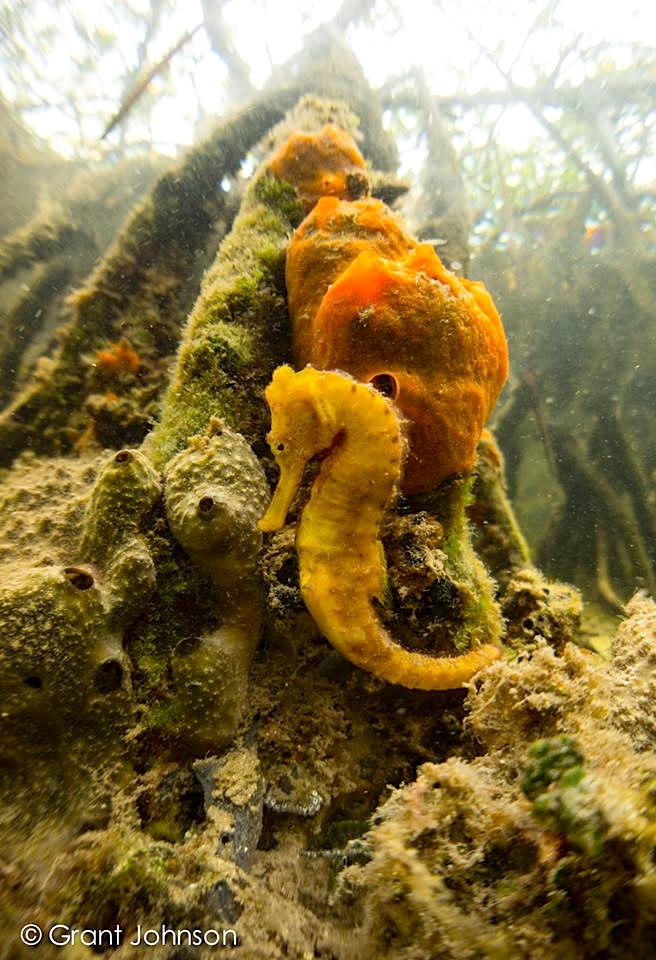
Sea Horse Bimini's Marine Protected Area Campaign Seahorse Bimini's Marine Protected Area Campaign Seahorses Bimini's Marine Protected Area Campaign

SEA HARE

For more information on this creature, click HERE

164441_607403889277224_192821659_nSea Hare squirting ink Bimini's Marine Protected Area Campaign

BATFISH

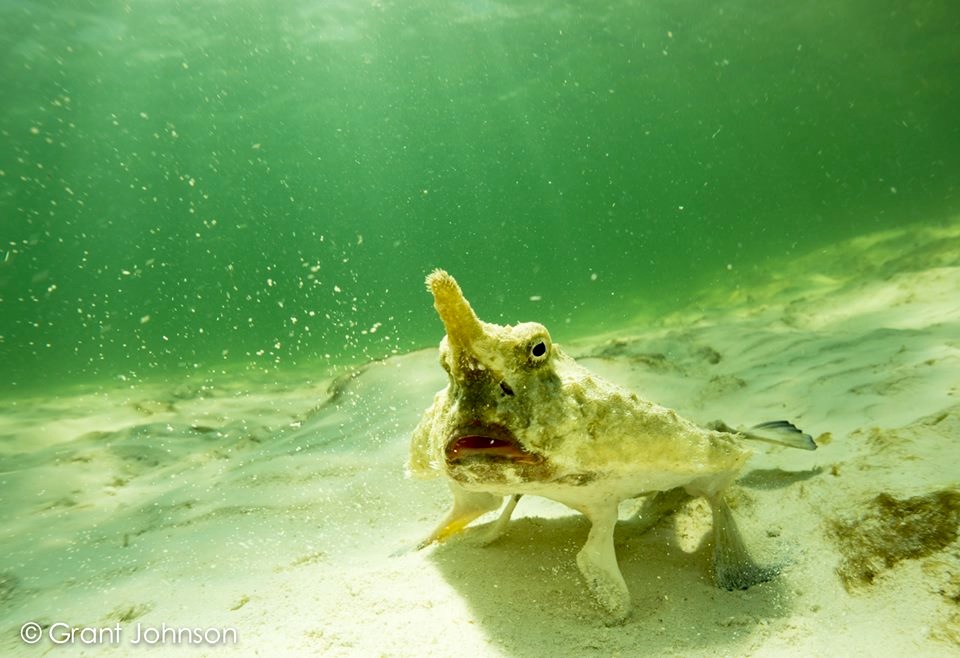
To learn more about Batfish, click HERE

Batfish Bimini's Marine Protected Area Campaign

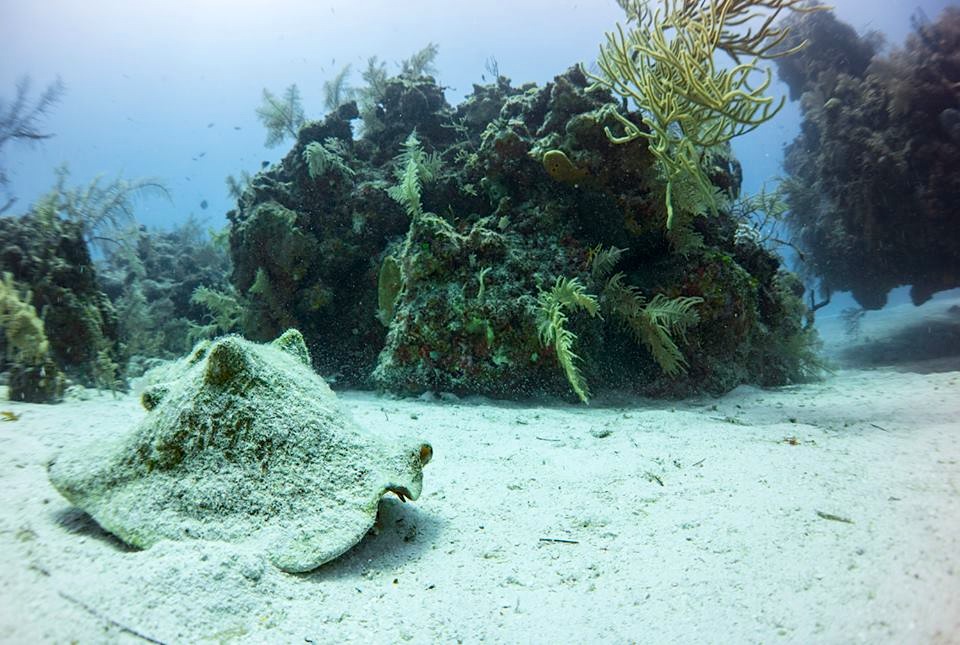
QUEEN CONCHQueen Conch Bimini's Marine Protected Area Campaign

SILVERSIDES

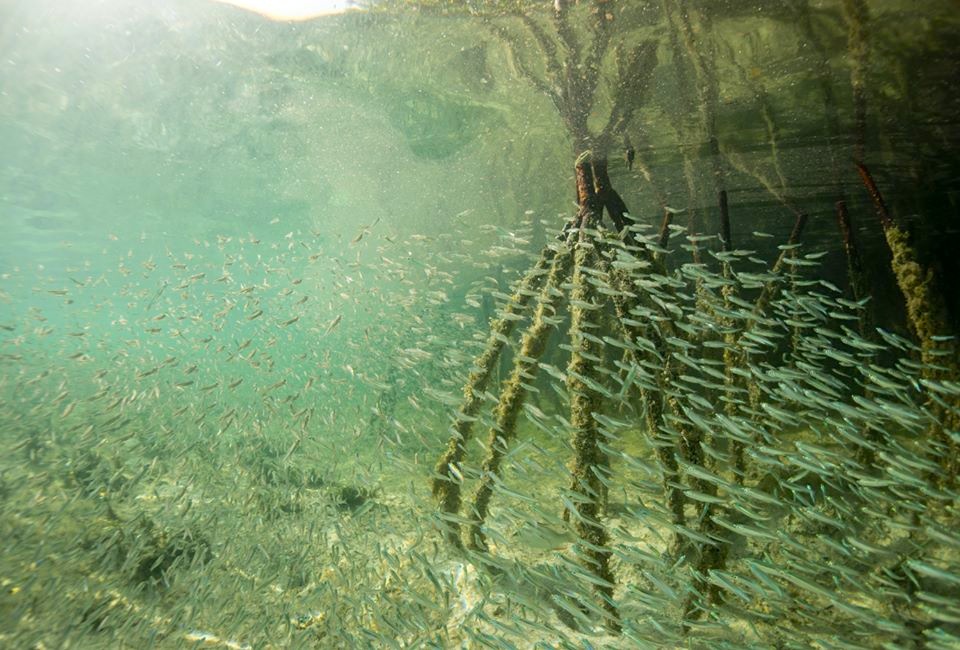
At first glance you may wonder why these little fish are worth including. The answer lies in the food chain. The clean environment in which these bait fish thrive provides food for larger species and so on up the chain… If silversides ceased to exist, a vital source of marine nutrition would be lost.

Silversides Bimini's Marine Protected Area Campaign copySilversides Bimini's Marine Protected Area Campaign

CREDITS: Bimini’s Marine Protected Area Campaign with many thanks for use permission of their material including images © Grant Jonson / 60 Pound Bullet Photography, and to all other photographers featured. Overall, cheers to Bimini, wildlife and conservation…

Unknown's avatar

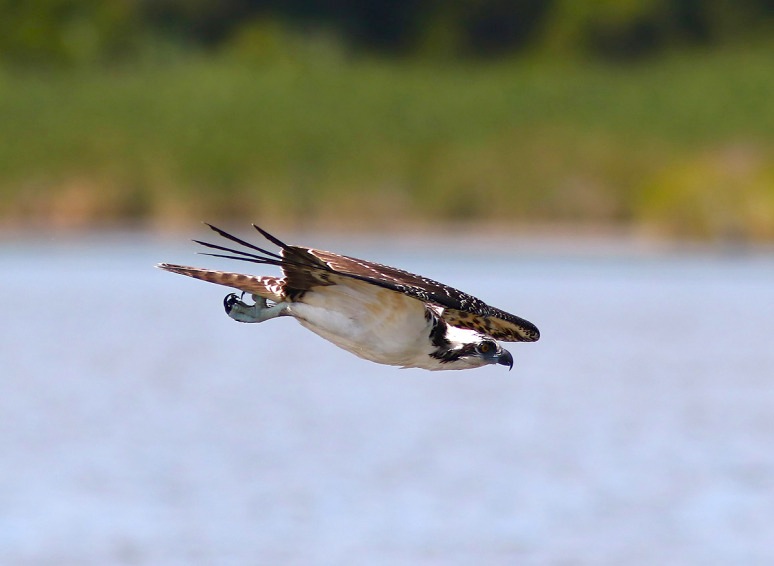
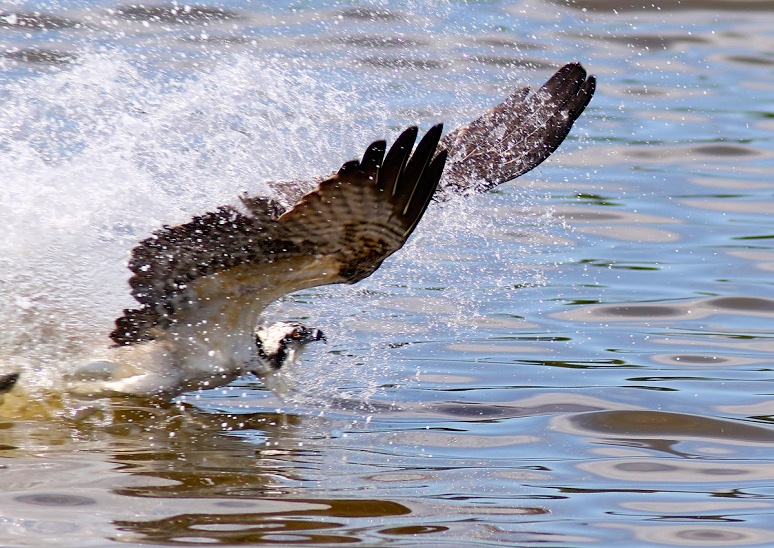
HOW TO CATCH FISH EFFECTIVELY, OSPREY-STYLE


Osprey, Abaco Bahamas (Tom Sheley)

Osprey (Abaco, Bahamas) – Tom Sheley

HOW TO CATCH FISH EFFECTIVELY, OSPREY-STYLE

I have featured the wonderful photography of Phil Lanoue before. He specialises in taking sequences of the larger birds, many of them as they hunt for fish: herons, egrets, anhingas – and ospreys. Here is a remarkable sequence of an osprey showing its fishing skills, with a surprise ending that I won’t give away.

osprey-catches-two-fish-01 (Phil Lanoue)osprey-catches-two-fish-02  (Phil Lanoue) osprey-catches-two-fish-03  (Phil Lanoue) osprey-catches-two-fish-04  (Phil Lanoue) osprey-catches-two-fish-05  (Phil Lanoue)

Pretty cool trick, huh?osprey-catches-two-fish-06  (Phil Lanoue)

Credits: Header image – Tom Sheley; Osprey sequence – Phil Lanoue. Many thanks to both for use permission

Unknown's avatar

“CLINGING TO THE WRECKAGE”: BAHAMAS CLINGING CRABS


Clinging crab in smoke stack on Theo's Wreck ©Melinda Riger @ G B Scuba

“CLINGING TO THE WRECKAGE”: BAHAMAS CLINGING CRABS

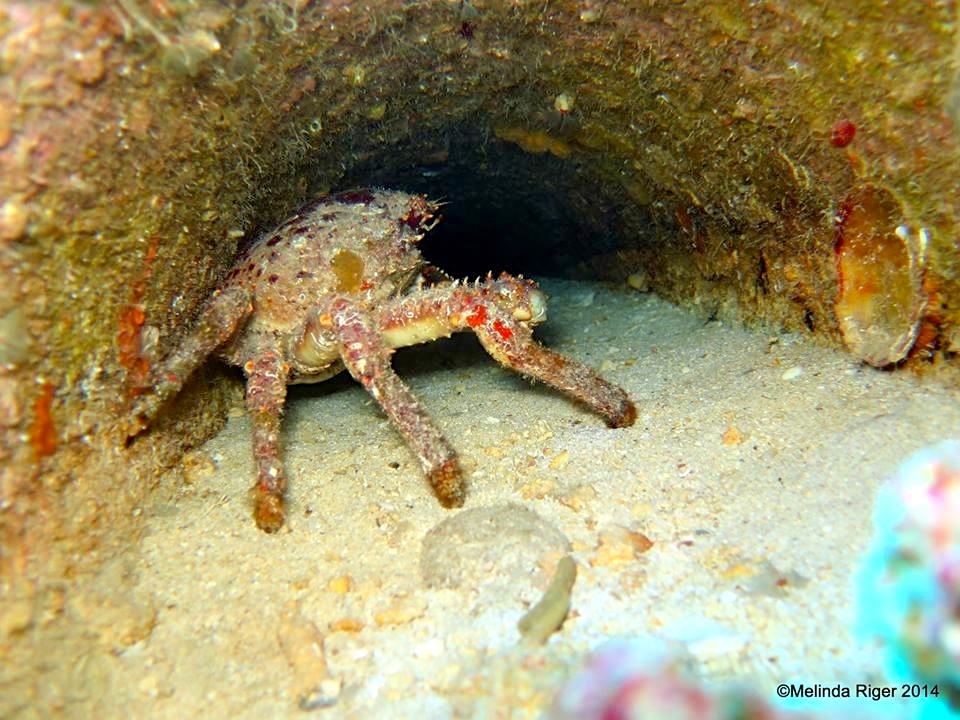
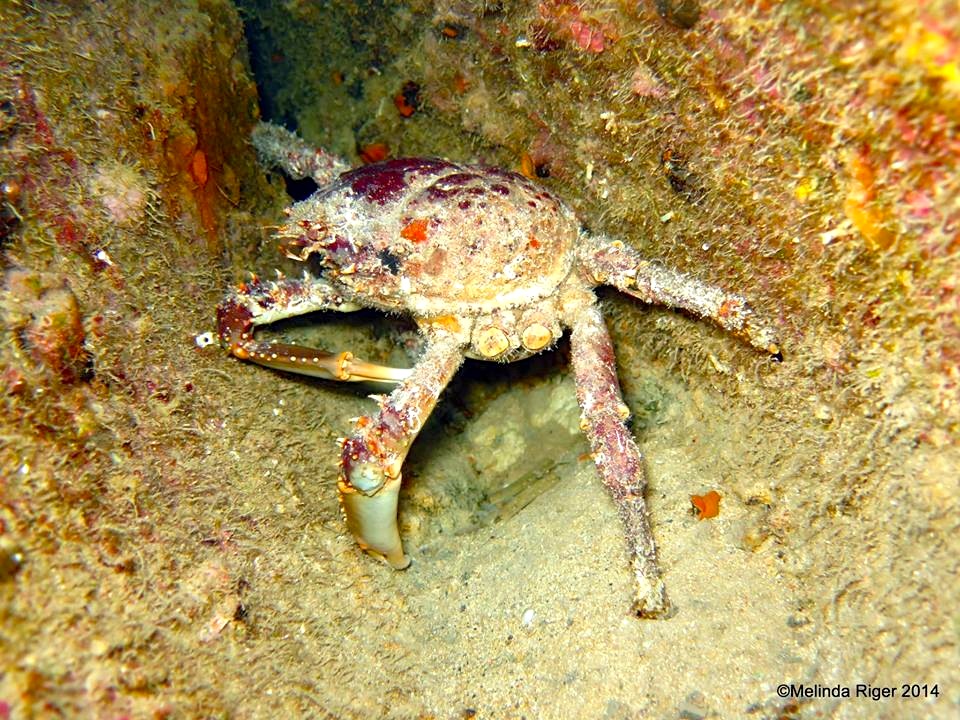
The Clinging Crab Mithrax spinosissimus answers to a number of names: West Indian spider crab, channel clinging crab, reef or spiny spider crab, or coral crab. It is found throughout the waters of South Florida and the Caribbean. Clinging Crab ©Melinda Riger @ G B Scuba copy

These are crabs of the reef, or indeed of the wrecks that may be found around reefs. Some of the crabs in this post have chosen wrecks as their home – in the header image the crab is living inside the smoke stack of ‘Theo’s Wreck’, Grand Bahama.Clinging Crab ©Melinda Riger @ GB Scuba

The clinging crab is believed to be omniverous, its main diet being algae and carrion. They can grow to 2 kg, and it is the largest species of reef crab found in the Caribbean.Clinging Crab © Melinda Riger @ G B Scuba

The clinging crab / West Indian spider crab is (apparently) not commercially harvested for its meat. Although I read somewhere that they are delicious, I would be very reluctant to test the theory.

Clinging Crab ©Melinda Riger @ G B Scuba

Life on the reef can be dangerous. This crab has lost some legs: its clinging powers are somewhat curtailed…Clinging Crab (legs missing) ©Melinda Riger @ G B Scuba

This guy has some missing parts, but seems quite laid back about it…Clinging Crab, Bahamas (Melinda Riger, G B Scuba)

Credits: Melinda Riger of Grand Bahama Scuba (all photos), with thanks as always

Unknown's avatar

A VISIT TO BIMINI’S MARINE ENVIRONMENT (1)


Loggerhead Hatchling Bimini BMPAC

Loggerhead Hatchling (Bimini’s Marine Protected Area Campaign)

A VISIT TO BIMINI’S MARINE ENVIRONMENT (1)

Abaco is fortunate already to have special conservation areas, both on land (e.g. the huge National Park) and at sea (e.g. Fowl Cay Marine Preserve). Other preserves are in active stages of development. Elsewhere in the Bahamas, where the natural life is equally wonderful, battles are being fought to protect pristine habitat from the encroachments of modern life such as unsuitable development (or development in unsuitable locations). For this first look at Bimini, I am most grateful to Bimini’s Marine Protected Area Campaign  for permission to use some of their wonderful photographic archive that illustrates the vital importance of the mangroves, reefs, sea grass and pristine sea to marine life large and small. It’s worth checking out the background and surrounding context of these images to see the sort of habitat the creatures depicted prefer. This post features some of the larger species.

HAMMERHEAD SHARKS

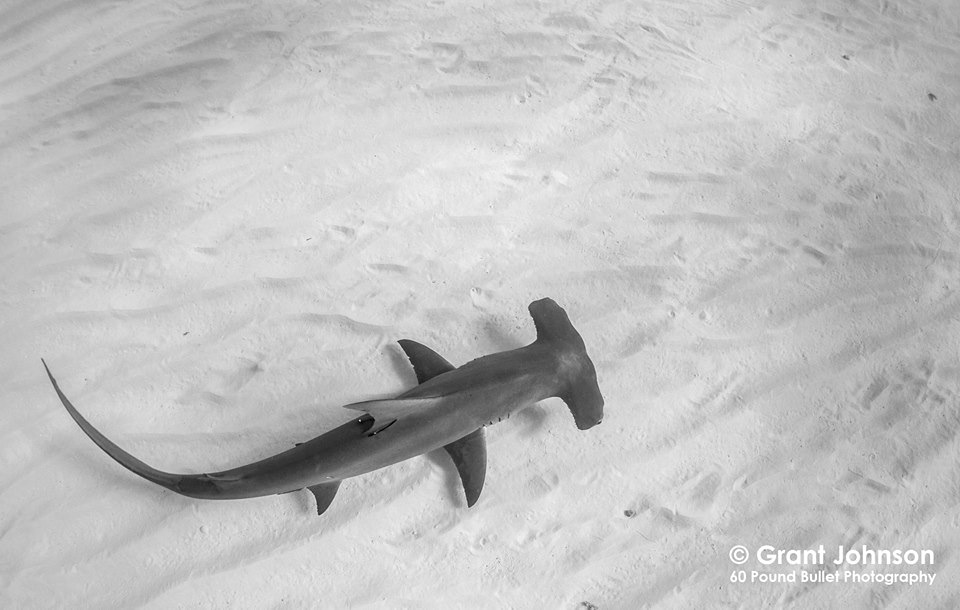
Hammerhead Shark, Bimini (Grant Johnson/ 60 Pound Bullet)Hammerhead Sharks 3 Bimini's Marine Protected Area Campaign Hammerhead Shark 2 Bimini's Marine Protected Area Campaign Hammerhead Shark 4 Bimini's Marine Protected Area Campaign

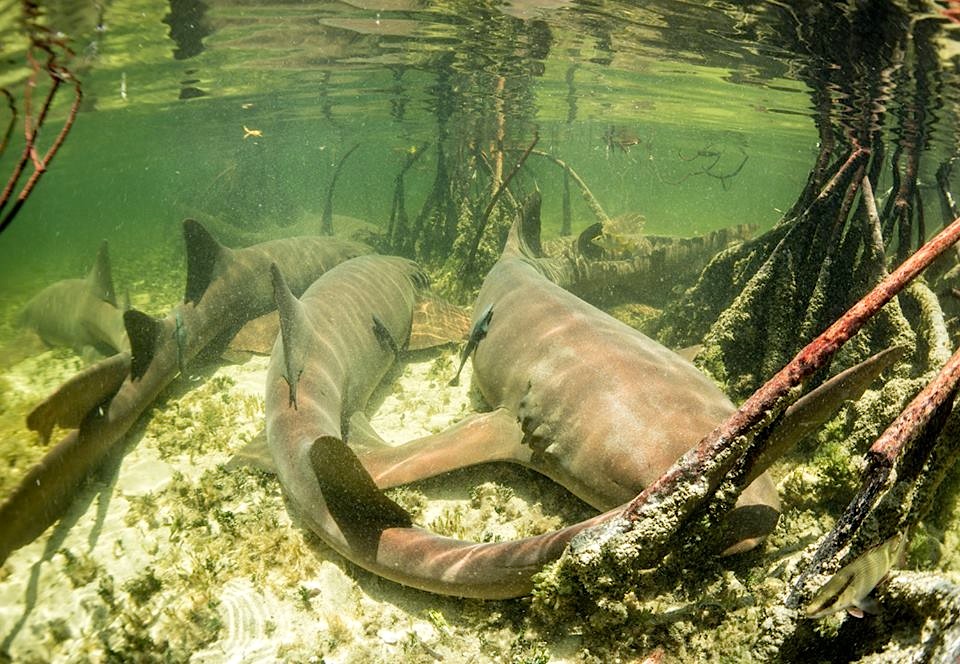
NURSE SHARK NURSERY IN THE MANGROVES

Nurse Sharks Bimini's Marine Protected Area Campaign Nurse Shark BMPAC

BOTTLENOSE DOLPHINS

Dolphin 2 Bimini's Marine Protected Area CampaignDolphin Bimini's Marine Protected Area Campaign

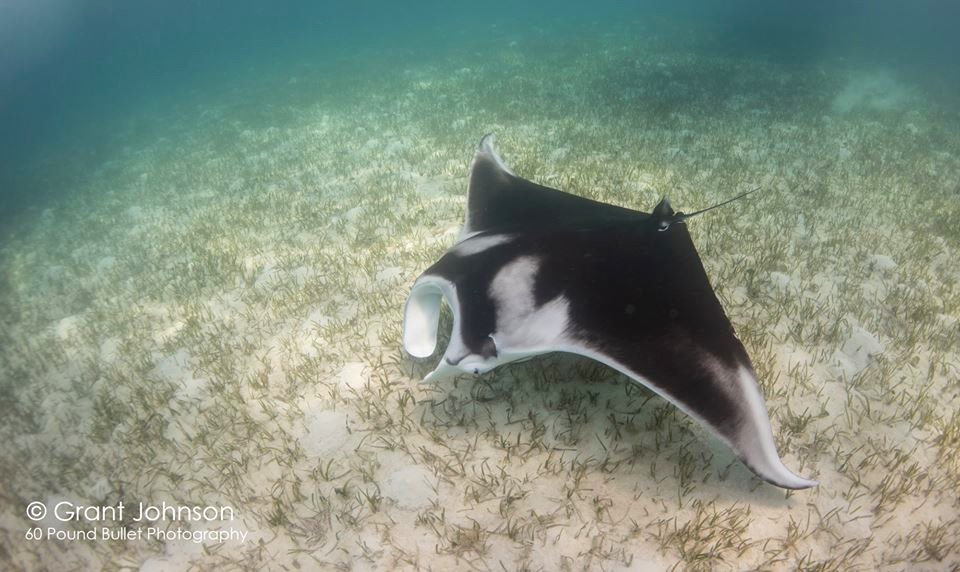
RAYS

A pregnant female southern stingray, seen from belowSouthern Stingray (pregnant) Bimini's Marine Protected Area CampaignRay, Bimini's Marine Protected Area Campaign Ray, Bimini's Marine Protected Area Campaign

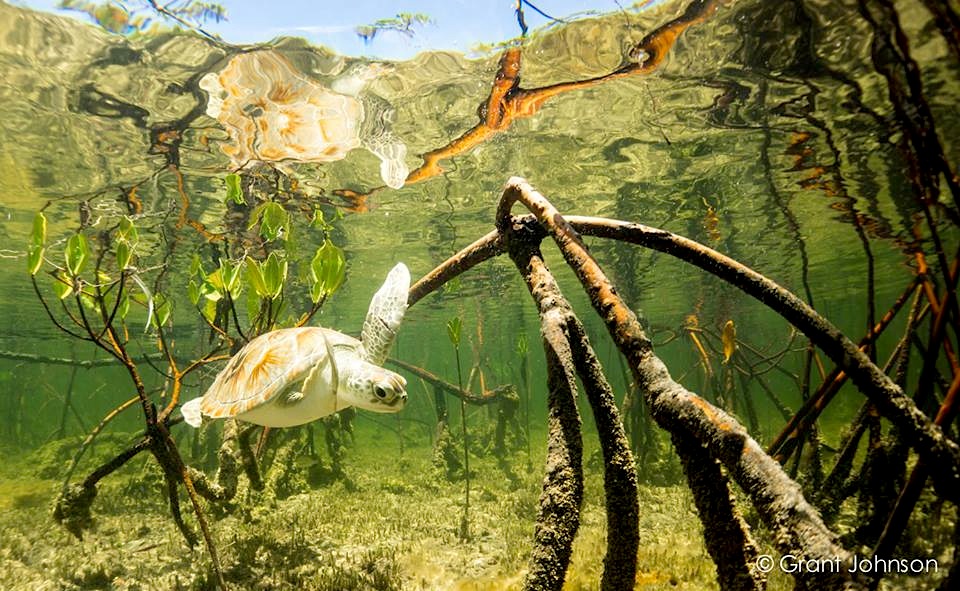
HAWKSBILL TURTLES

Turtle in Mangroves Bimini's Marine Protected Area CampaignHawkshead Turtle 2 Bimini's Marine Protected Area Campaign

CREDITS: Bimini’s Marine Protected Area Campaign with many thanks for use permission of their material including images © Grant Jonson / 60 Pound Bullet Photography, and to all other photographers featured. Overall, cheers to Bimini, wildlife and conservation…

Unknown's avatar

‘CHECK OUT THE WEB’: SEMIPALMATED PLOVERS ON ABACO


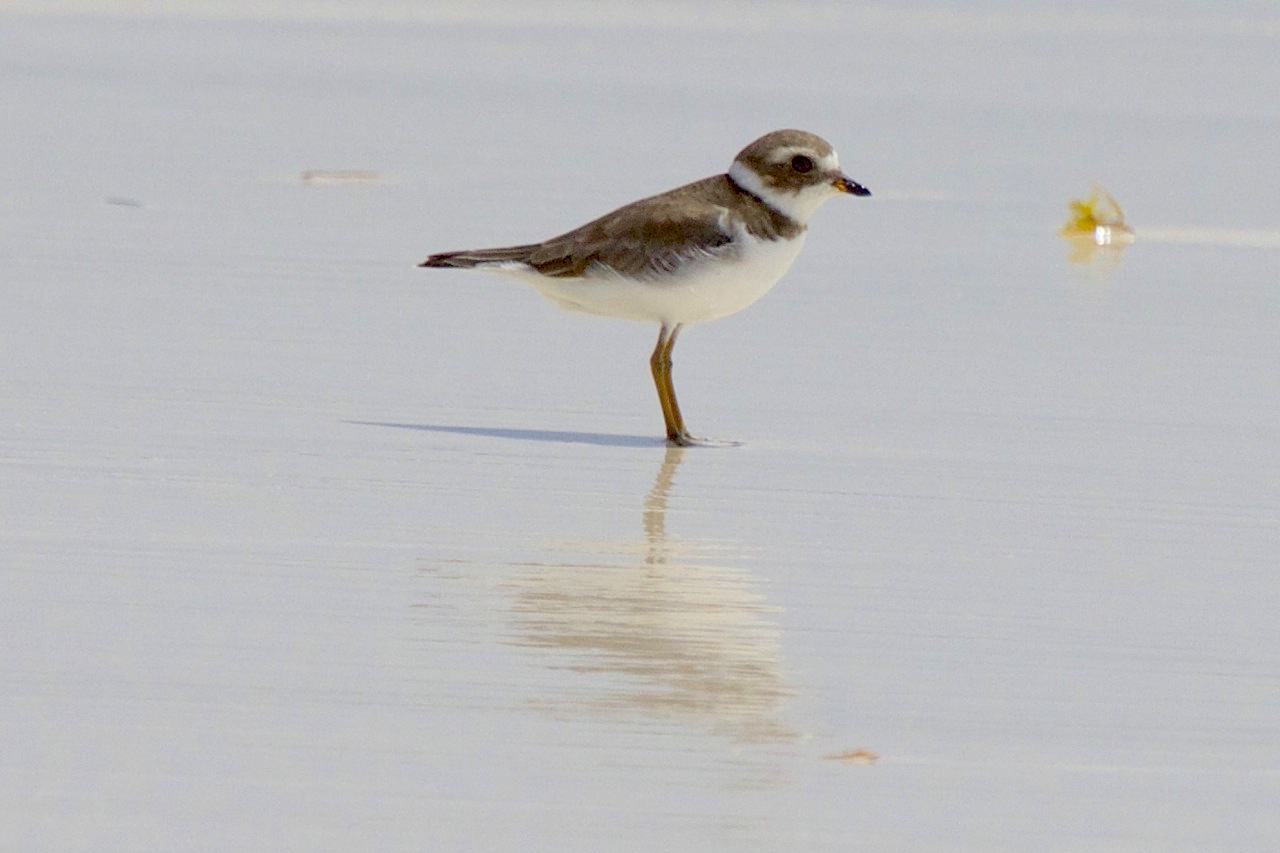
Semi-Palmated Plover, Abaco (Alex Hughes)

‘CHECK OUT THE WEB’: SEMIPALMATED PLOVERS ON ABACO

“Semipalmated”. You what? Come again? Ehhhh? My reactions to the word until embarrassingly recently. In fact until the steep learning curve involved in writing a bird book made some all of the terminology clearer. Plovers and sandpipers both have semipalmated versions, and I’ll take the semipalmated plover (Charadrius semipalmatus) first.

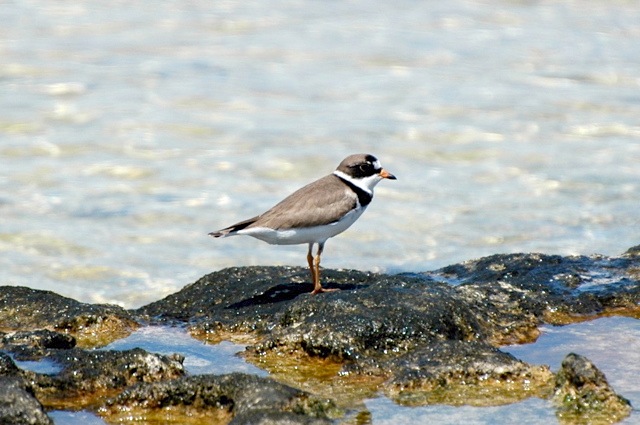
Semipalmated Plover, Abaco (Woody Bracey)

WHAT SHOULD I LOOK FOR?

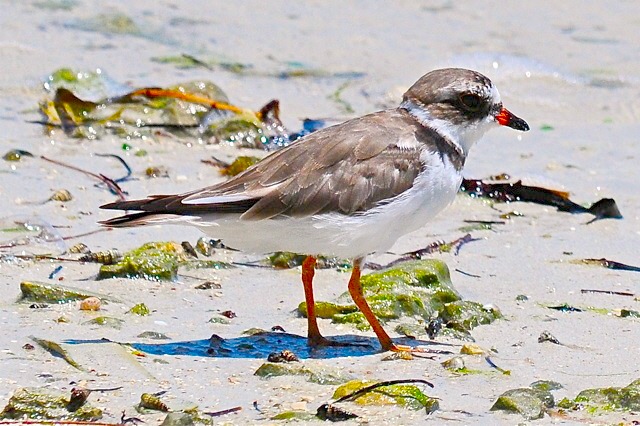
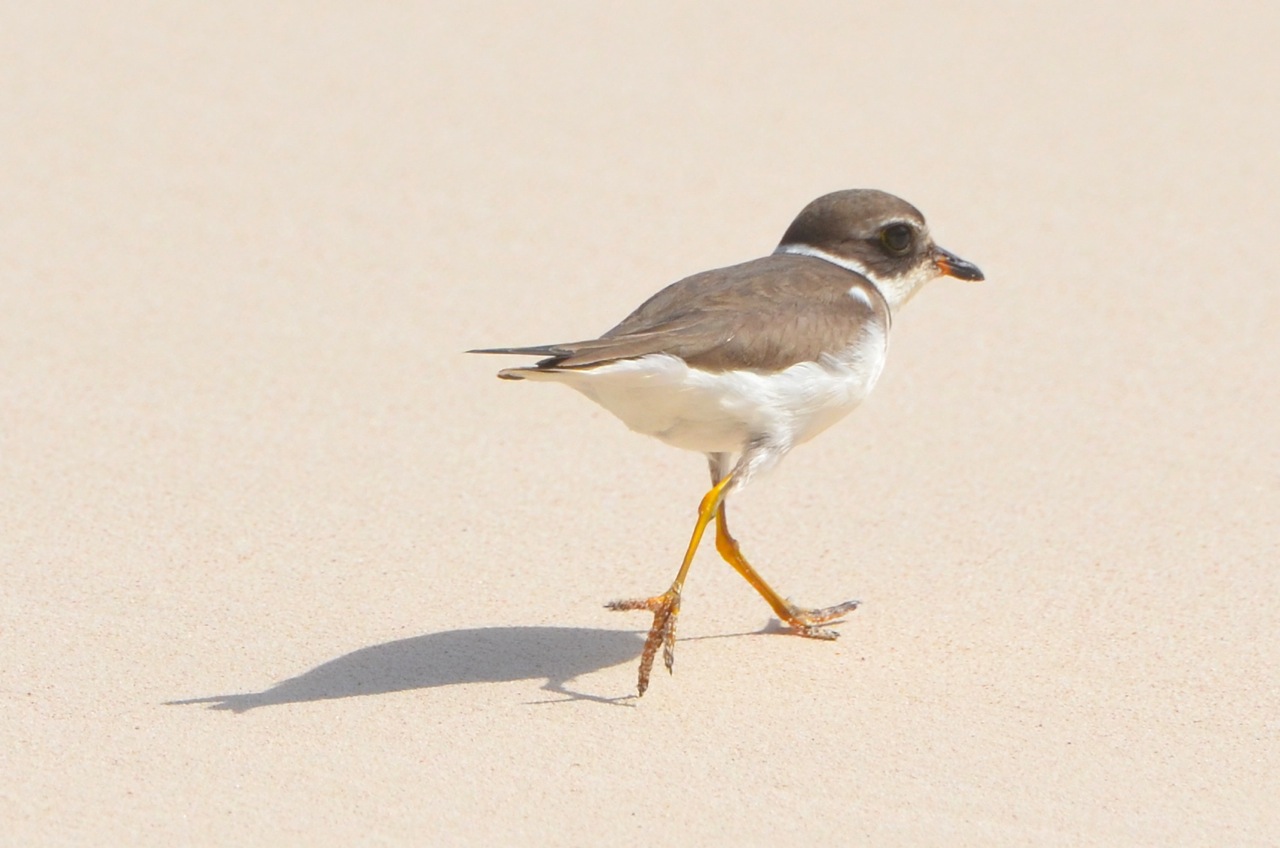
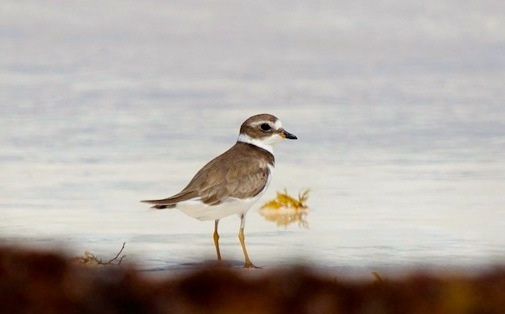
A small shorebird with a grey-brown back and wings, a white underside with a single black neck band, and orange legs. They have a brown cap, a white forehead, a black eye mask and a short black bill with an orange base to it. And feet to be discussed below.Semi-palmated Plover WB P1001211 copySemipalmated Plover, Abaco (Tony Hepburn)

WHERE DO THEY LIVE?

Their summer home and breeding habitat is on the beaches and flats of northern Canada and Alaska. They nest in scrapes on the ground right out in the open. In the Autumn these little birds set off on long journeys south to warmer climes until Spring: the coasts of the southern states, Caribbean and South America. On Abaco, they are fairly common in certain areas including the beach at Delphi. Like other plovers, these  birds are gregarious and will mix in with other shorebirds – which can make them hard to pick out in the crowd.Semipalmated Plover, Abaco (Charles Skinner)

GET ON WITH THE ‘SEMIPALMATED’ BIT, PLEASE

‘Semipalmated’ refers to the partial webbing between their toes. There are different degrees of palmation, as these handy graphics demonstrate:

Semipalmate: in practice, very hard so see in the field e.g. plovers & sandpipers semipalmate

Palmate: full webbing across the ‘front’ 3 toes, e.g. gulls

palmate

Totipalmate: all toes are fully webbed e.g. cormorants

totipalmate

Nonpalmate: please supply own imagination 

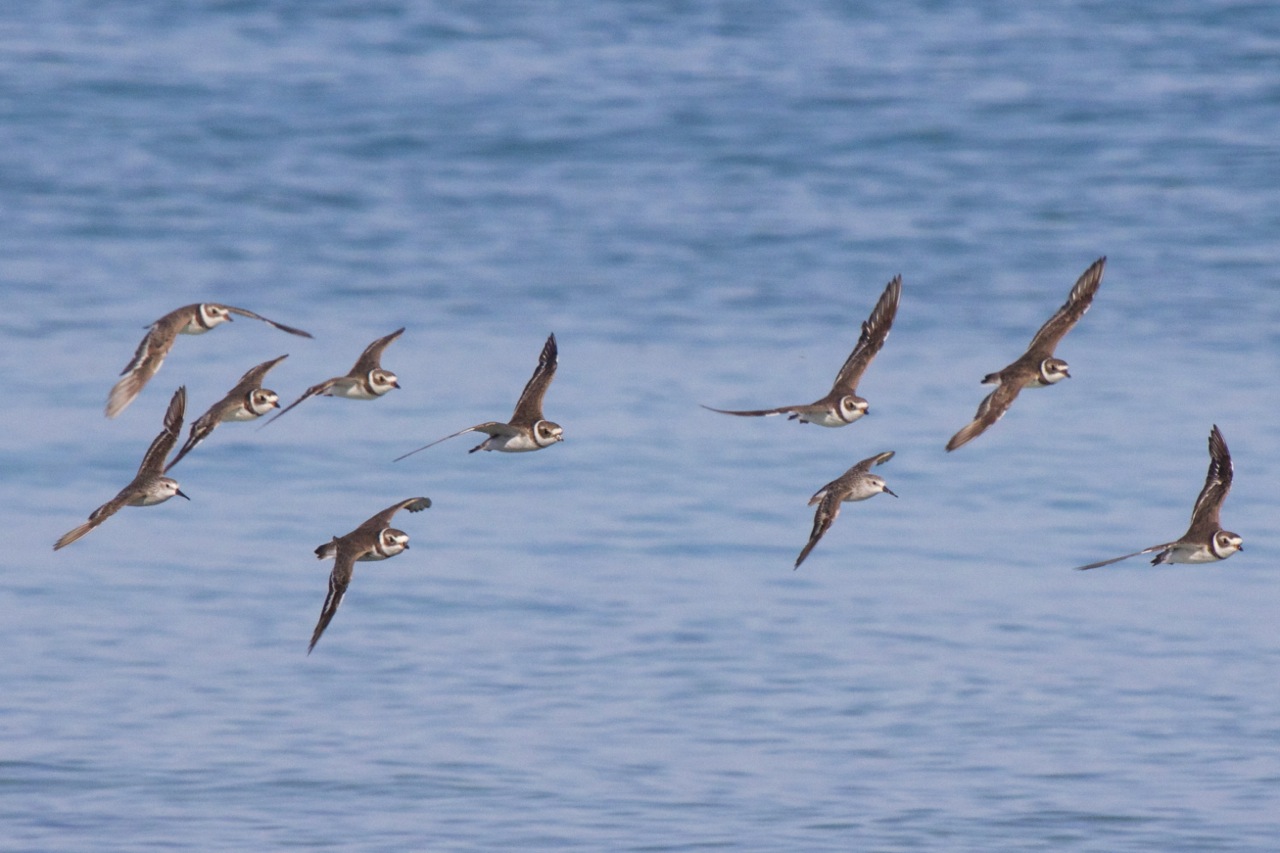
Gregarious flight: there are sandpipers in the mix (clue: long bills)Semipalmated Plover, Abaco (Alex Hughes)

WHAT DO THESE BIRDS EAT?

Semipalmated plovers are much like any other small shorebird foraging on beaches and foreshores. They eat insects, crustaceans and worms. Here is a bird in a promising place for its preferred diet.

Semipalmated Plover, Abaco (f, nb) Bruce Hallett FV

ANYTHING ELSE TO LOOK OUT FOR?

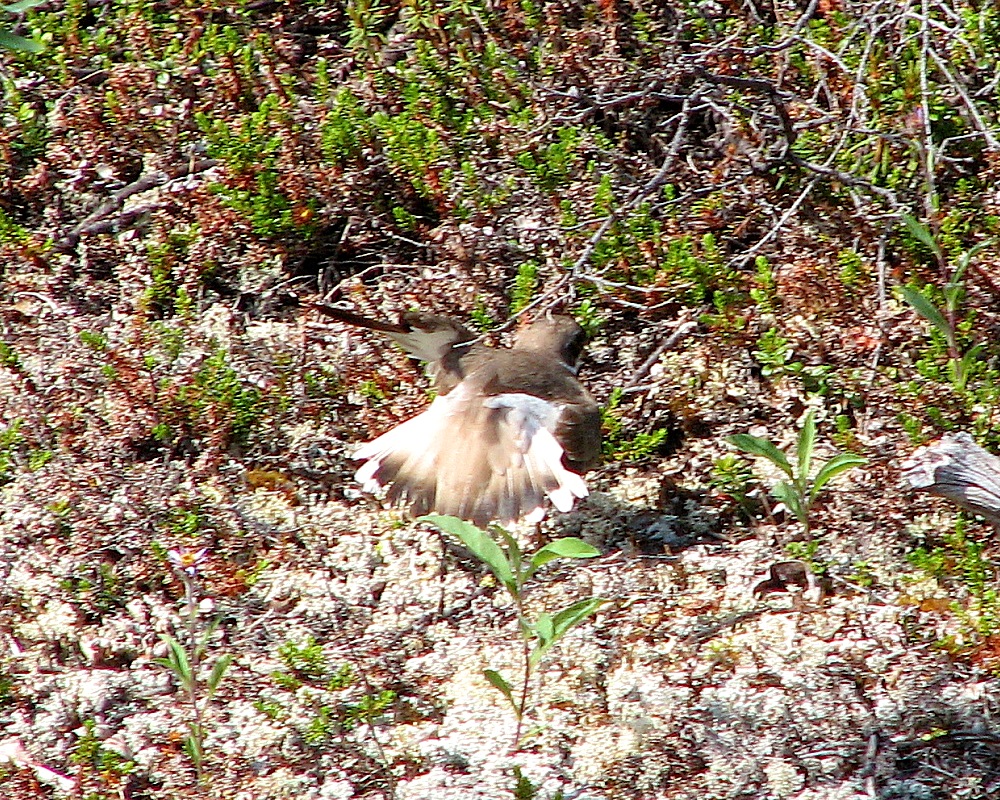
Like other plover species – Wilson’s and Killdeer for example – a semipalmated will  use the ‘broken wing’ ploy to lure a predator away from a nest and the eggs or chicks in it. As it flops about pathetically on the sand looking vulnerable, it actually moves gradually further away from the nest. If it comes to the crunch it is able to take wing rapidly, leaving a very puzzled predator behind.Semipalmated_Plover,_broken_wing_display (D Gordon E Robertson)

Semipalmated plovers flying with 2 sandpipersSemi-palmated Plover AH IMG_0612 jpg

Credits: Alex Hughes (1, 6, 9, 10); Woody Bracey (2, 3); Tony Hepburn (4); Charles Skinner (5); Bruce Hallett (7); D Gordon E Robertson (8);  Bird foot infographics people.eku.edu AH IMG_1637 copy

Unknown's avatar

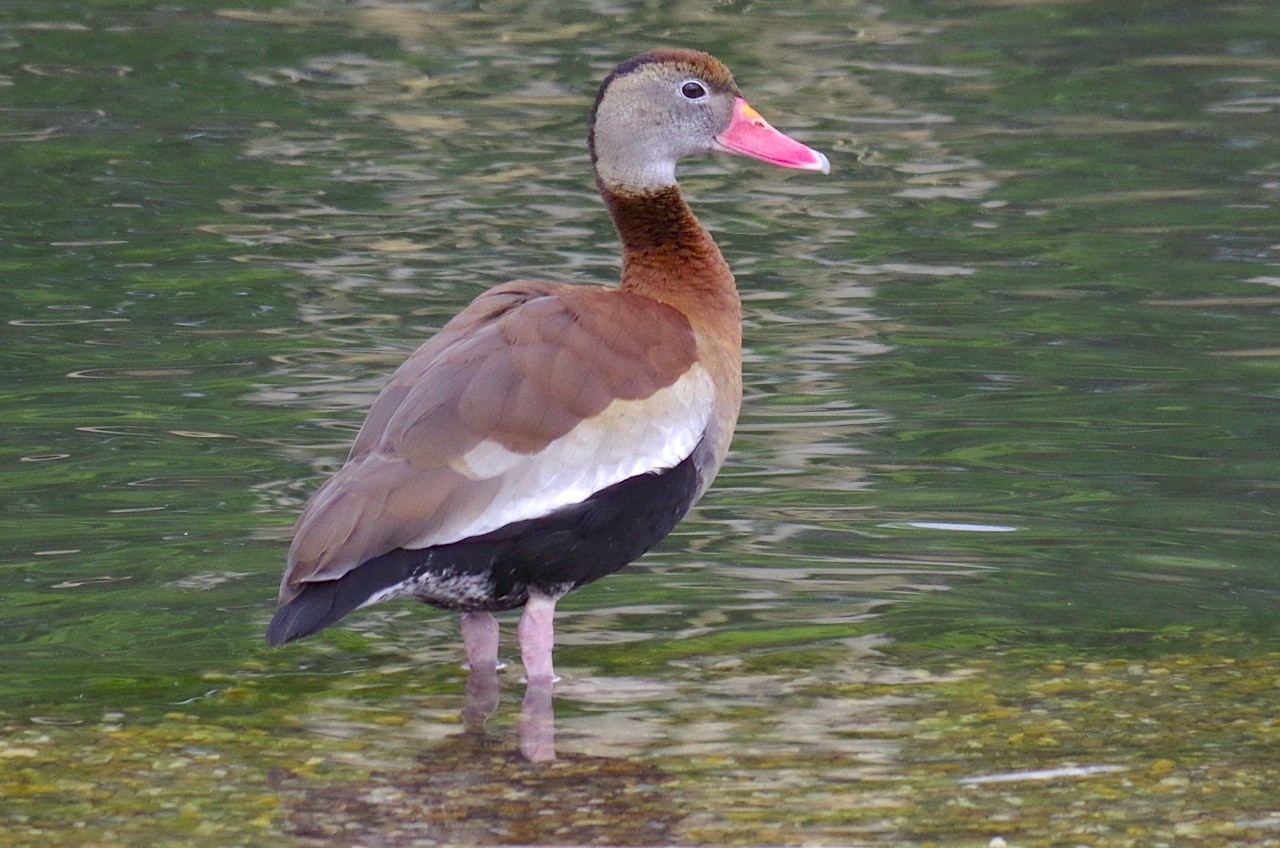
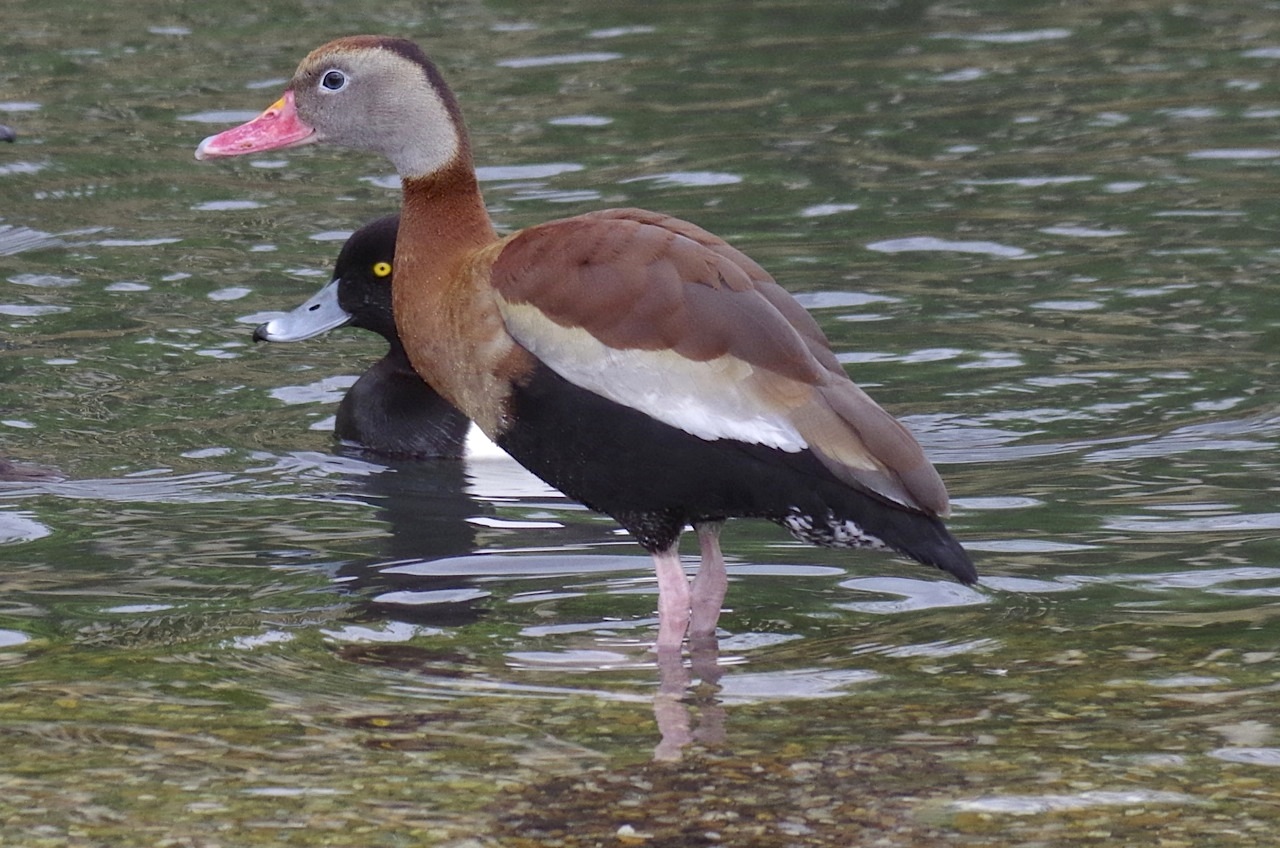
BLACK-BELLIED WHISTLING DUCKS REVISITED…


Black-bellied Whistling Duck

BLACK-BELLIED WHISTLING DUCKS REVISITED…

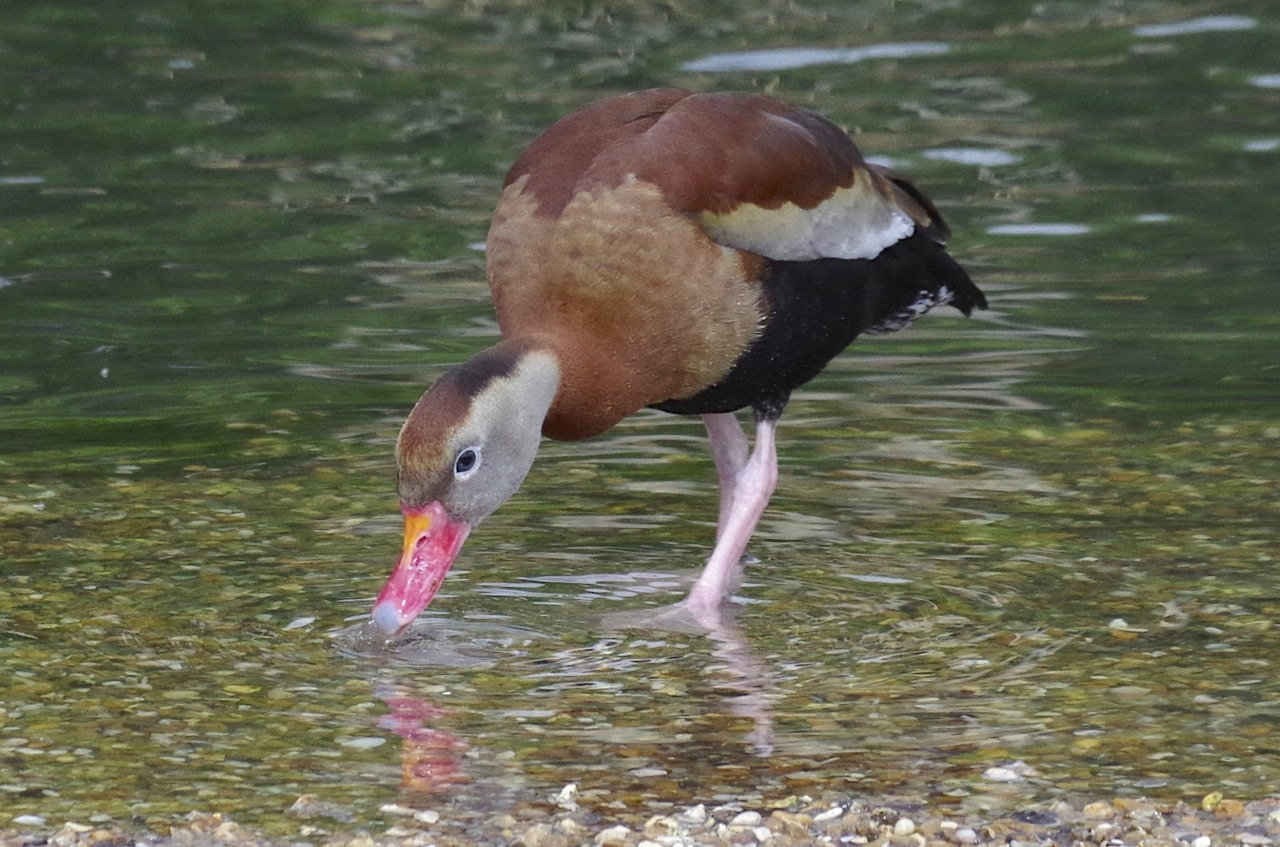
The first ever Black-bellied Whistling Ducks recorded for Abaco arrived last June. Six birds turned up on South Abaco in the Crossing Rocks area and slowly worked their way north via Delphi, Bahama Palm Shores and Casuarina. They split up into smaller groups. Two were seen near the airport. Eventually, after 3 weeks or so, the sightings and reports ceased. The BBWDs had moved on, presumably to Florida. Black-bellied Whistling Ducks 10

I mention them now because this June, a flock of 13 birds arrived on a golf course in Bermuda. The only previous recorded sighting of the species had been a single bird spotted in 2006. Within a couple of weeks, the birds had disappeared again. It’s strange that in consecutive years, June sightings have occurred on two islands  where they are not a known species. I happen to have taken some photos of BBWDs elsewhere in the meantime, and I thought these pretty ducks deserved further exposure…

Black-bellied Whistling Ducks 6

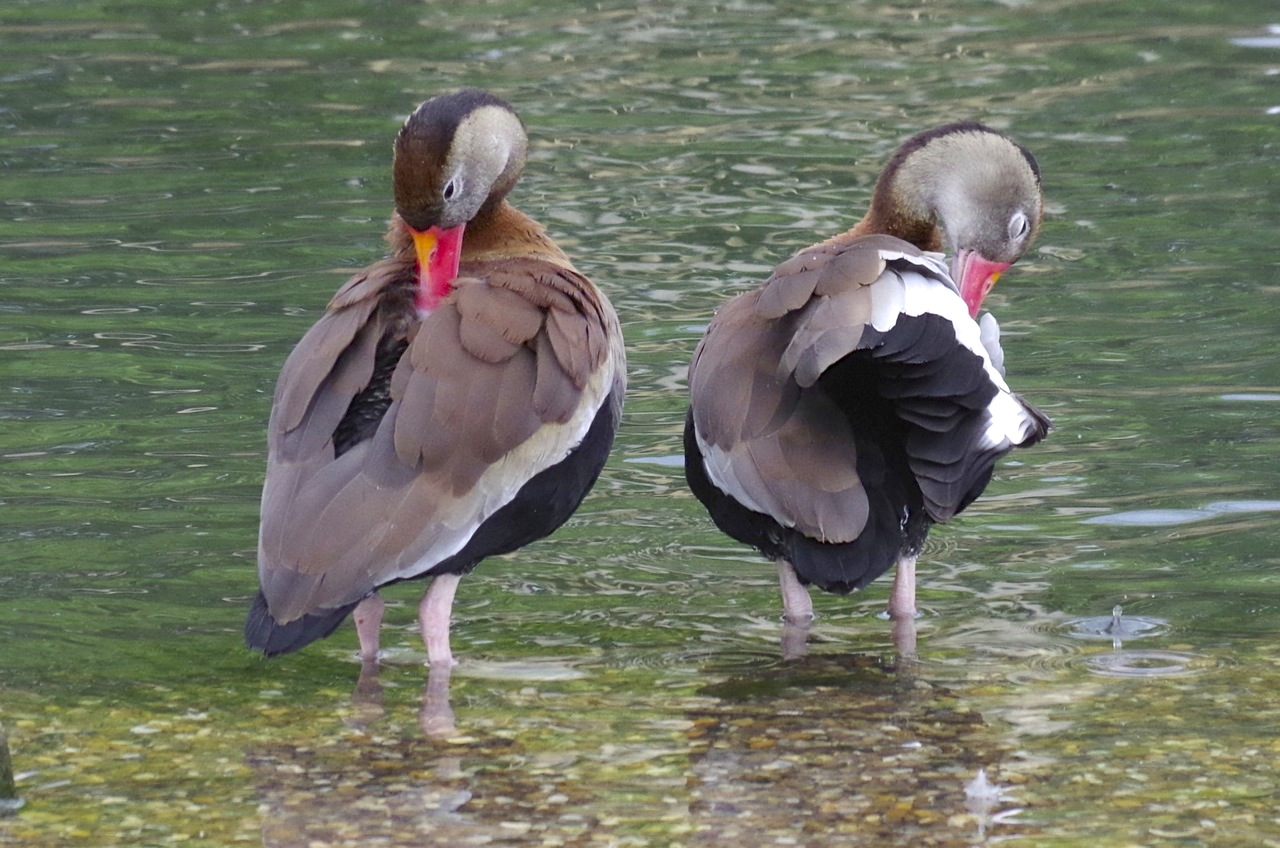
A BBWD LOVE STORY

Hello! Would you like to preen with me?Black-bellied Whistling Ducks 12

Yes I would. As long as there are no paparazzi around.Black-bellied Whistling Ducks 13

Mmmmmm. This is so great!Black-bellied Whistling Ducks 1

I’d like to look after you and protect youBlack-bellied Whistling Ducks 2

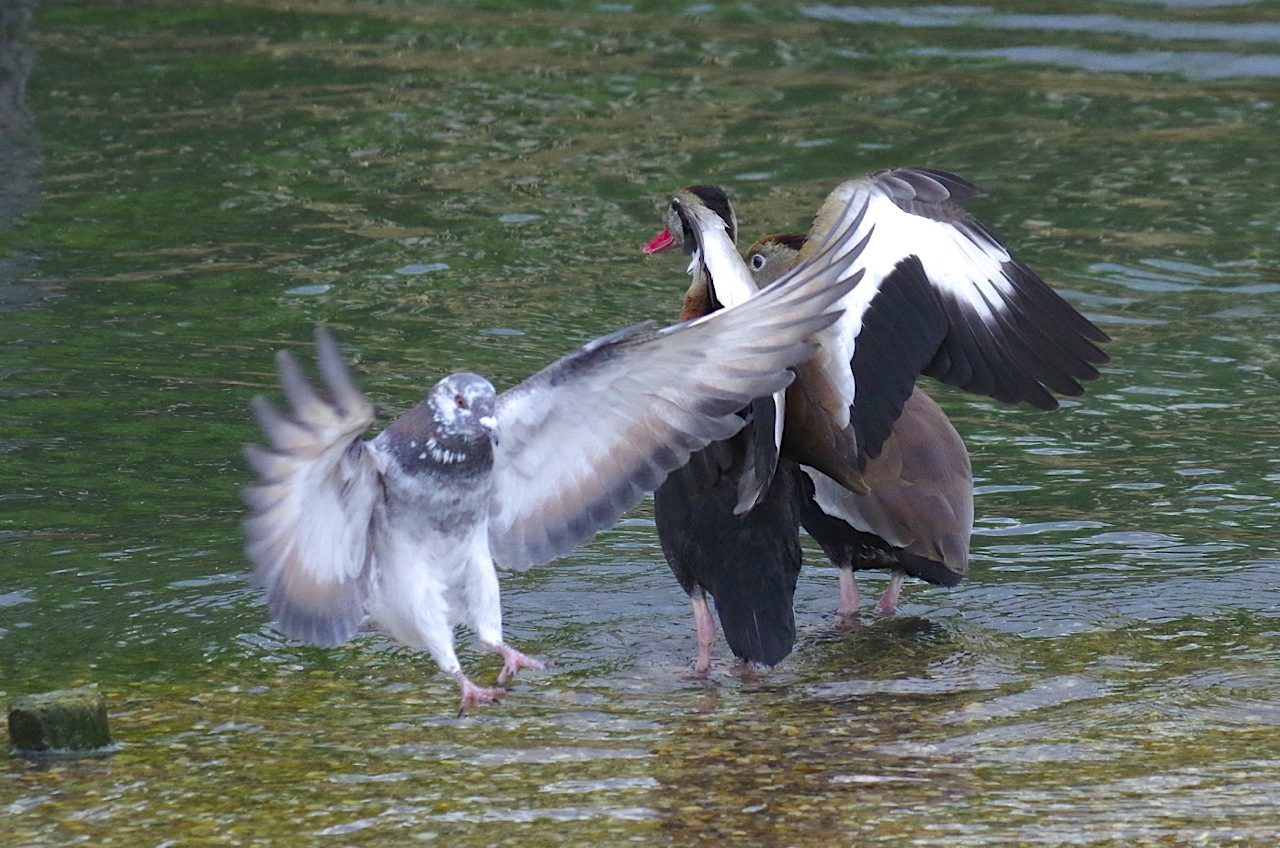
Let me take you under my wing…Black-bellied Whistling Ducks 3

GODDAMMIT. Pigeon photobomb!Black-bellied Whistling Ducks 4

THE END

RELATED POSTS

BBWDS ON ABACO

All photos by RH at WWT BarnesBlack-bellied Whistling Ducks 11

Unknown's avatar

MARK CATESBY: PIONEERING NATURALIST OF EARLY c18


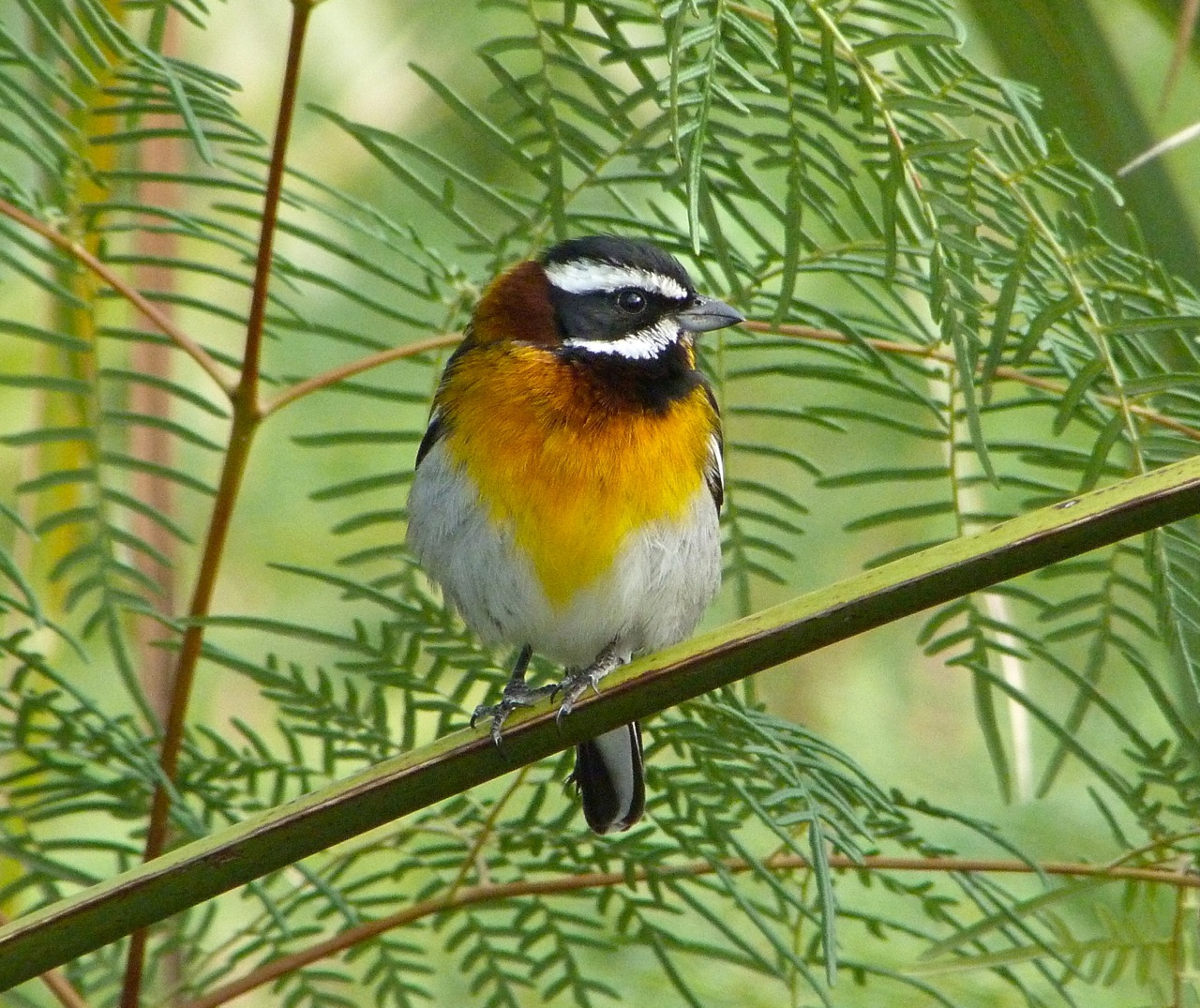
Mark Catesby Bahama Finch (Western Spindalis, Spindalis Zena)

Mark Catesby: Bahama Finch (Western Spindalis, Spindalis zena)

MARK CATESBY: PIONEERING NATURALIST OF EARLY c18

There’s been (yet) another abrupt side-swerve away from a topic I’d intended to post about, resulting from a newspaper article I read over the weekend. This concerns what was gushingly described as “the ultimate coffee table book”, a facsimile of Mark Catesby’s renowned work, The Natural History of Carolina, Florida and the Bahama Islands.

Catesby (1682 – 1749) was a pioneering English naturalist and artist who published his magnum opus based on a number of expeditions he undertook from 1712 onwards. His was the first ever published account of the flora and fauna of North America, and the 2 volumes (with a supplement) included some 220 colour plates of the creatures and plants of land and sea that he had come across.
Mark Catesby - Angelfish

Mark Catesby – Angelfish

Mark Catesby - Queen Triggerfish

Mark Catesby – Queen Triggerfish

Catesby’s growing fame as a botanist led to his undertaking expeditions on behalf of the Royal Society to collect plants and seeds in Carolina. He widened his researches both in America and to the West Indies, collecting plants and fauna as he went and sending them back to England. Among other discoveries, he was one of the very first people to observe and record the occurrence of bird migration as a twice-yearly phenomenon.

Red-legged Thrush in Gumbo Limbo Tree (HM QE2)

Red-legged Thrush in Gumbo Limbo Tree

Eventually, in 1726 Catesby also returned to base and set about writing up his findings and painting what he had seen. He learnt how to etch printing plates, and gradually the illustrations became more sophisticated, starting without backgrounds then including plants with the animals and birds. The whole project took him some 20 years; quite soon after completing it, he died.

Flamingo Head + Gorgonian Coral (HM QE2)

Flamingo Head & Gorgonian Coral

 
CATESBY: THE VIDEO INTRO
WHERE IS THE ORIGINAL WORK NOW?
 
Catesby’s original drawings were bought by King George III for £120 (a very considerable sum in 1768 – my quick attempts to discover how much suggest ± £200,000) and have remained in the Royal Family ever since. This treasure is kept in the Royal Library of Windsor Castle, the property of HM QE2, though it is occasionally exhibited elsewhere. Later facsimiles of the original were produced, of which some 50 survive today.
Mark Catesby - 'Bahama Titmous' (Bananaquit)

Mark Catesby – ‘Bahama Titmous’ (Bananaquit)

SO WHAT’S ALL THE EXCITEMENT ABOUT NOW? 
Addison Publications has printed a very limited edition facsimile of 60 in 4 lavish volumes, printed one at a time, “to mark the 300th anniversary of Catesby’s arrival in the New World”.
catesbys_natural_history_9
The cost per set? A stonking £39,500 ($61,330). Now this may sound a great deal of money for a modern copy of an old book and it undoubtedly is. But here’s the Christie’s Auction catalogue entry for one of the early facsimiles. Mmmmmm.
CATESBY AUCTION JPG
Mark Catesby - plate 139 Hawksbill Turtle

Mark Catesby – Hawksbill Turtle

“Illuminating natural history is so particularly essential to the perfect understanding of it”                 (Mark Catesby)
Mark Catesby (Black-faced Grassquit)

Mark Catesby (Black-faced Grassquit)

Delphi afficionados, especially any who have stayed in Room 1, may recognise 3 of the illustrative images I have chosen – the Spindalis, the Bananaquit and the Grassquit. No, I don’t mean the actual species, I mean that Catesby prints of them are tastefully hung on the walls. I can never decide which of the 3 is my favourite…

RELATED POSTS

CHARLES CORY & ABACO 1891

THE PIONEERS (Wilson, Audubon, et al)  

MR SWAINSON (on his 224th Birthday)

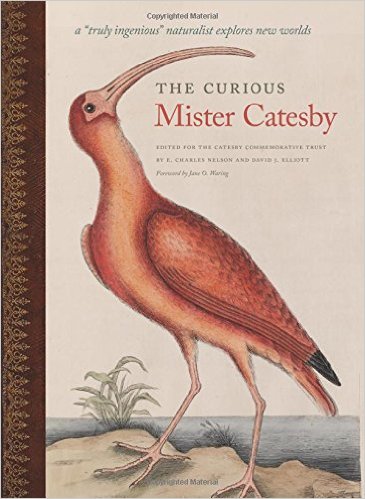
51C+Zz+7CSL._SX363_BO1,204,203,200_

STOP PRESS Thanks to Woody Bracey for his interesting comment. More information about the Catesby Commemorative Trust and the book The Curious Mister Catesby can be found HERE. A slightly curious promo video was also released.

For anyone tempted to look further into the importance of this ground-breaking naturalist, the CCT produced a 50 minute film that is well worth watching if you can spare the time.

Credits:  Sunday Times (article), HM QE2, National Geographic, Catesby Commemorative Trust, sundry open source info-&-pic-mines inc. Wiki, Addison Publs, & my Bank Manager for declining to loan me the purchase price of the new facsimile…

Unknown's avatar

“THE BUTTERBUN” (LONGSNOUT BUTTERFLYFISH): BAHAMAS REEF FISH (26)


Longnose : Longsnout Buttefly Fish ©Melinda Riger @ G B Scuba copy

“THE BUTTERBUN” (LONGSNOUT BUTTERFLYFISH)

BAHAMAS REEF FISH (26)

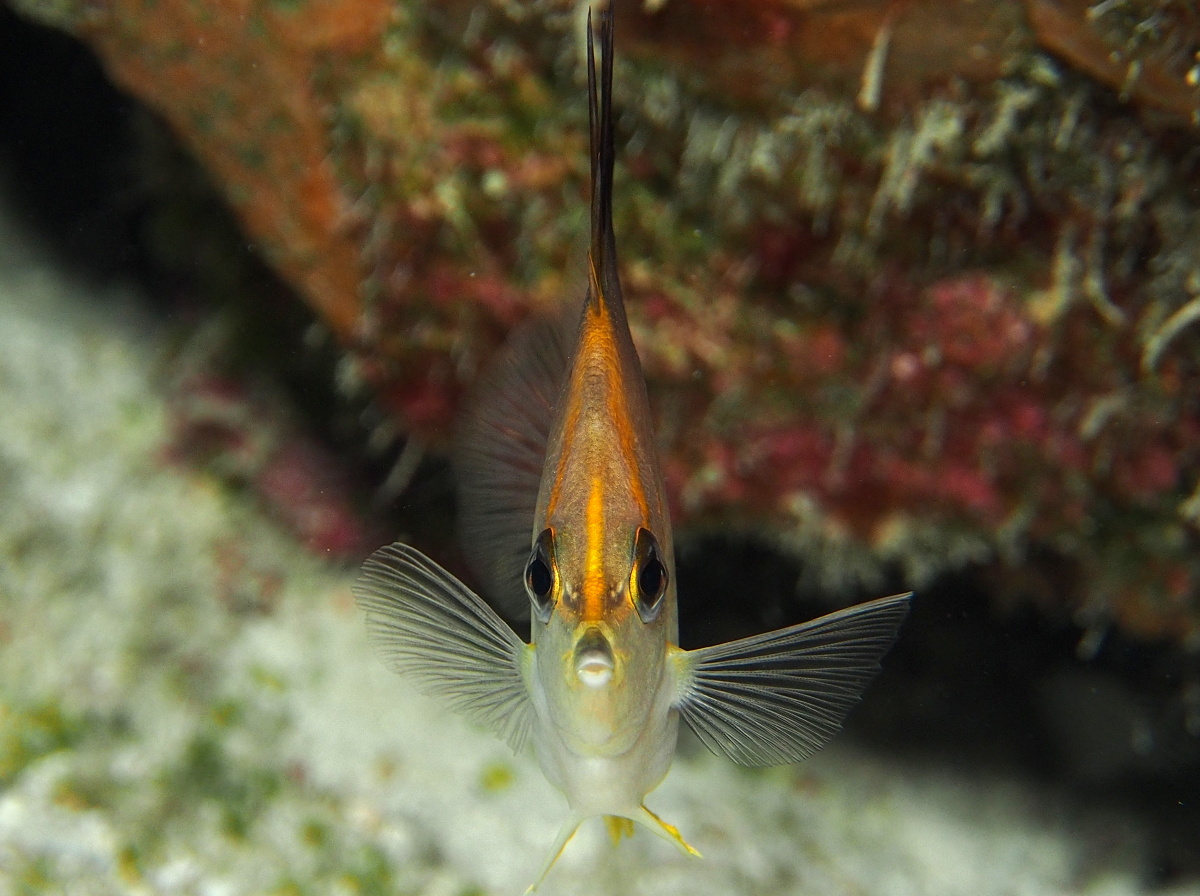
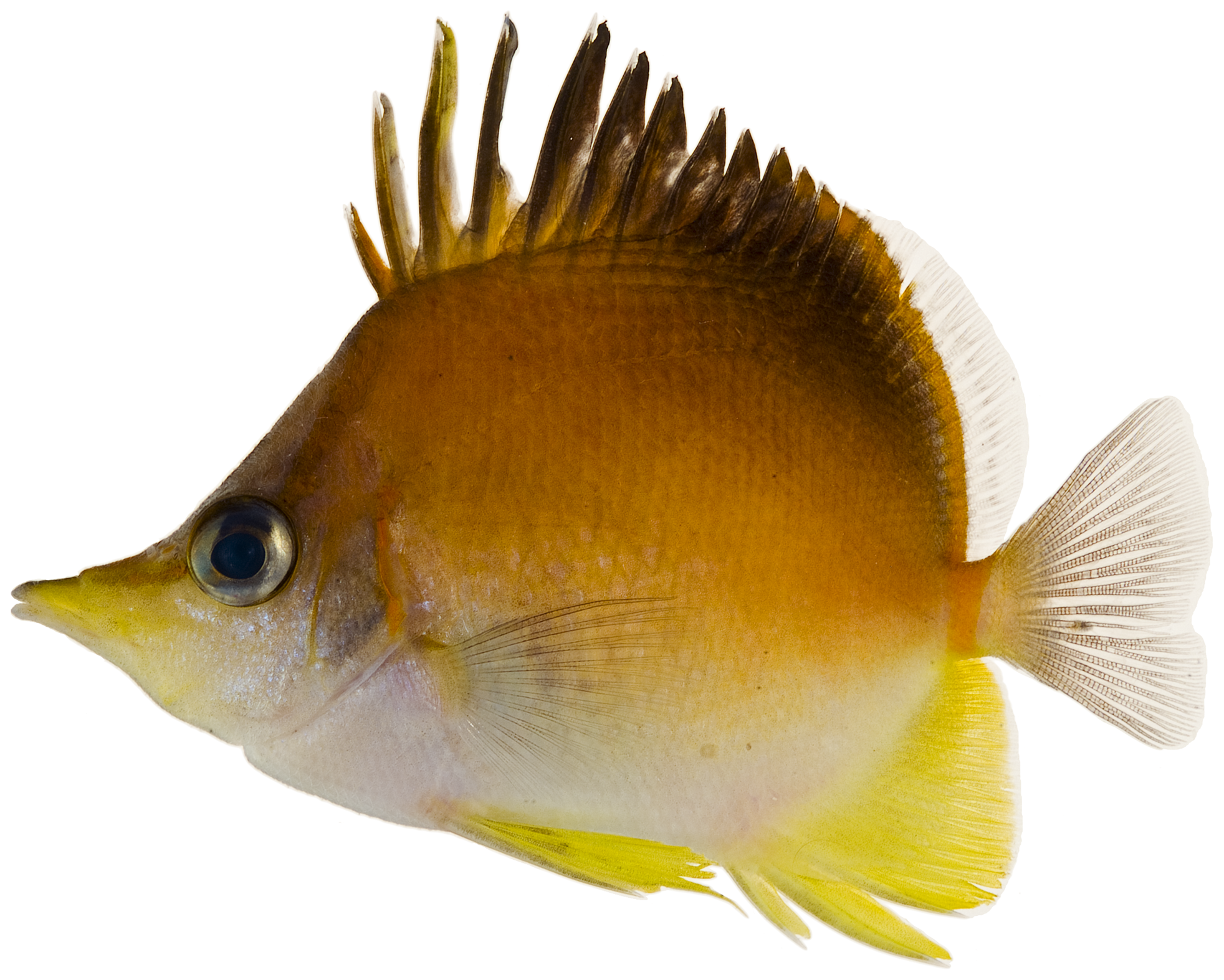
The Atlantic/ Caribbean Longsnout Butterflyfish Prognathodes aculeatus is sometimes known locally as the Longnose (not to be confused with the bright yellow Indo-Pacific Longnose Butterflyfish). The affectionate name for it is ‘Butterbun’. A more scientific name is ‘Poey’s Butterflyfish’, named for the man who first identified the species in 1841.

Mr Felipe Poey

Longnose : Longsnout Butterflyfish  © Melinda Riger @ GB Scuba copy
These little fish, 2 0r 3 inches long, are commonly found on reefs from Florida down to Venezuela. Unlike most butterflyfishes, they prefer deeper water and have been found at 200 ft; and they tend to be solitary rather than gregarious.
Longnose: Longsnout Butterflyfish ©Melinda Riger @ G B Scuba copyLongsnout Butterflyfish (www.whatsthatfish.com)
BUTTERBUN. THAT SUGGESTS THEY ARE PLUMP?

Longsnout Butterflyfish (π Florent's Reef Guide)NOPE!Longsnout Butterflyfish Prognathodes aculeatus (Wiki)

RELATED LINKS

BUTTERFLYFISHES (RH guide to reef, banded, four-eyed & spotfin)

REEF FISH INDEX gateway to loads of colourful finny species

WHAT’S THAT FISH? A handy resource

FLORENT’S GUIDE A ditto

Longnose : Longsnout Butterflyfish ©Melinda Riger @GB Scuba copy

Credits: Melinda Riger for her brilliant underwater images (as marked); plus What’s That Fish?, Florent’s Guide and good old Wiki…

Unknown's avatar

LIMESTONE CAVES ON ABACO: WELL WORTH LOOKING INTO…


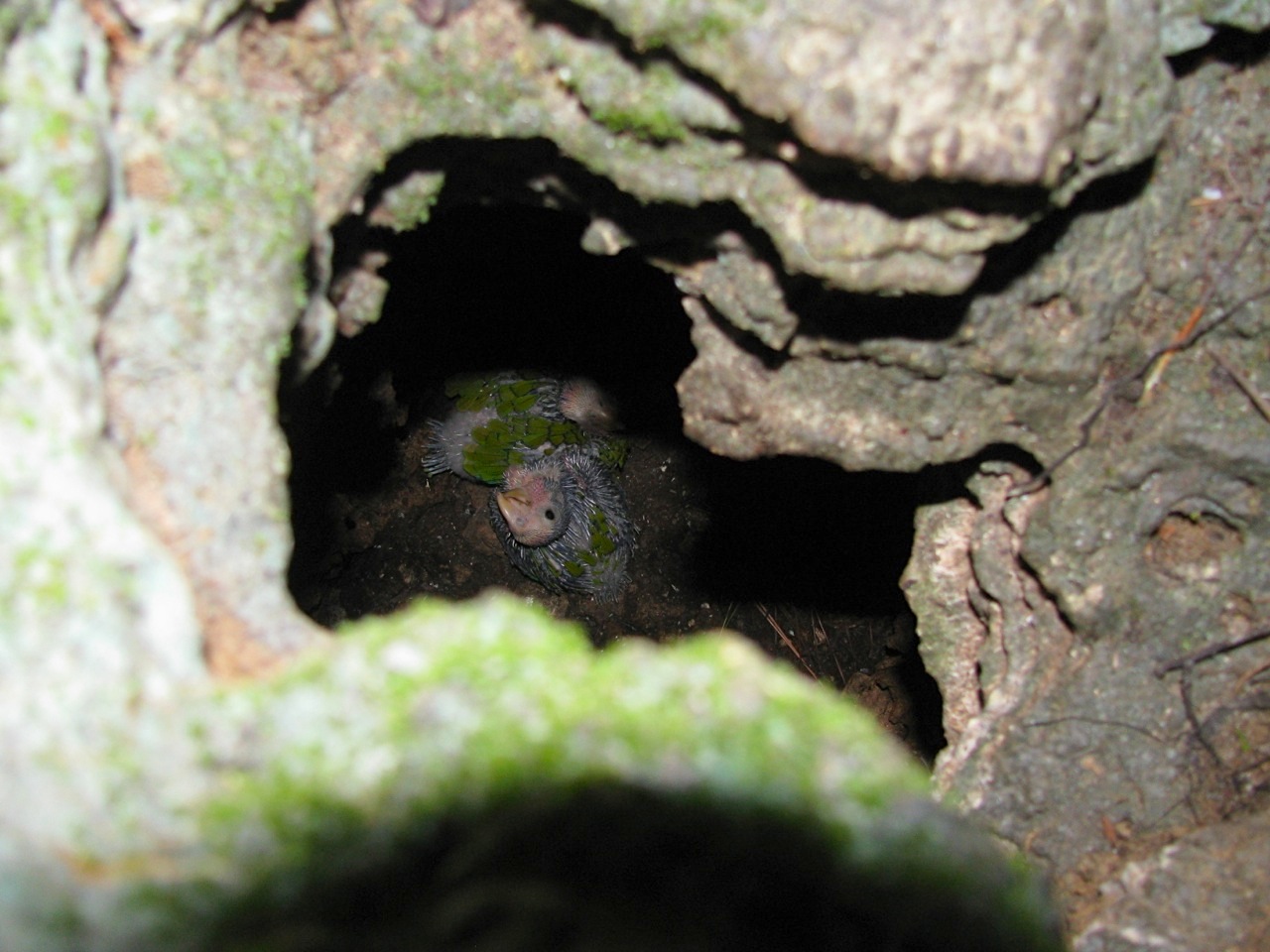
Abaco Parrot nest (Caroline Stahala)

LIMESTONE CAVES ON ABACO: WELL WORTH LOOKING INTO…

I have written several posts in the last few months featuring Brian Kakuk’s amazing photos of the underwater caves of Abaco. These caves, mostly beneath Abaco’s pine forests, are fabulous treasures of rock and crystal. A recent post example can be seen HERE. I have also featured some of the famous Blues Holes of Abaco from time to time, for example HERE. So now it’s time to turn attention to ‘land caves’, the dry(ish) limestone holes and caverns that are dotted around Abaco, especially in the South, and bear witness to aeons of geological development through erosion.

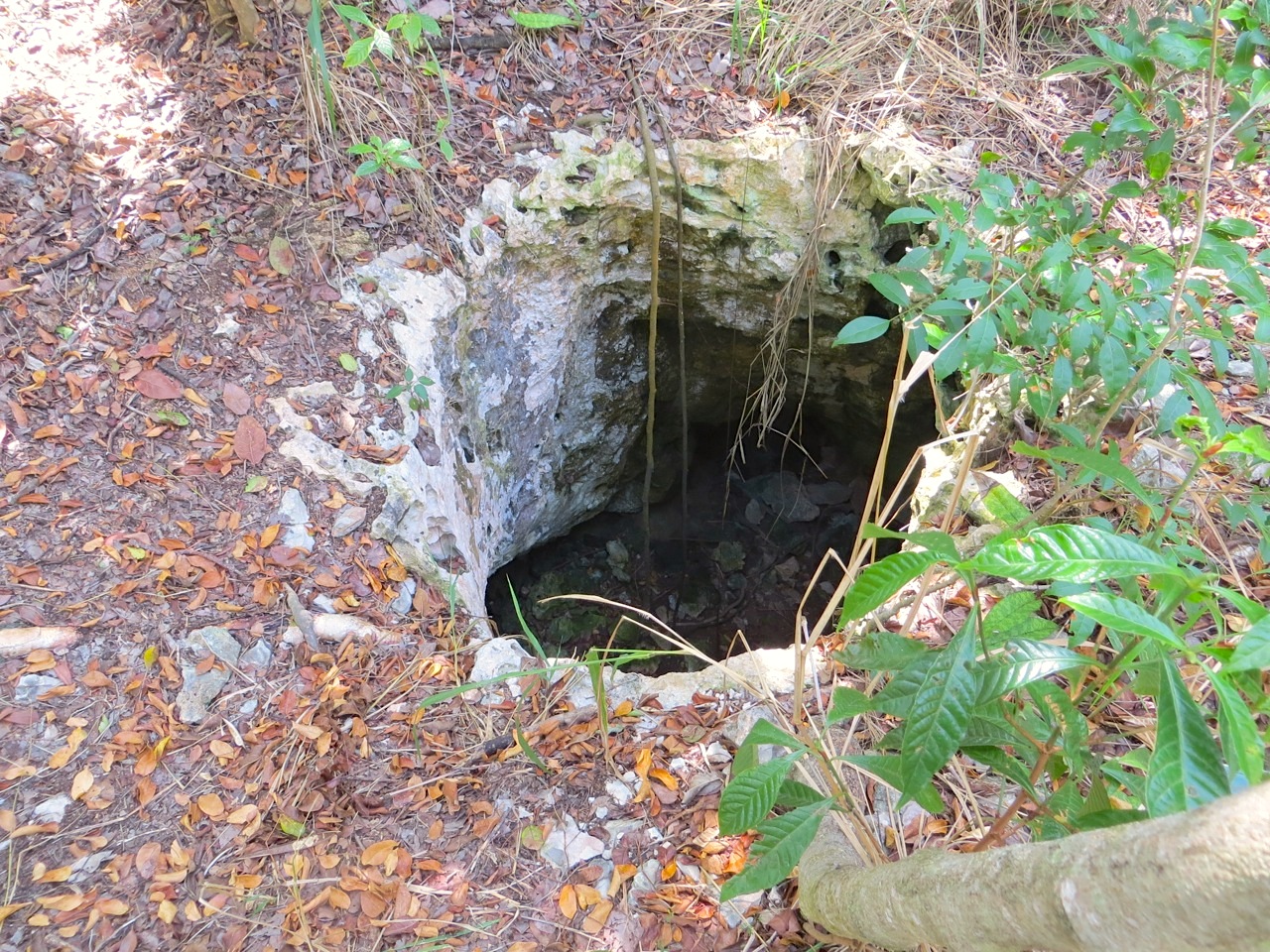
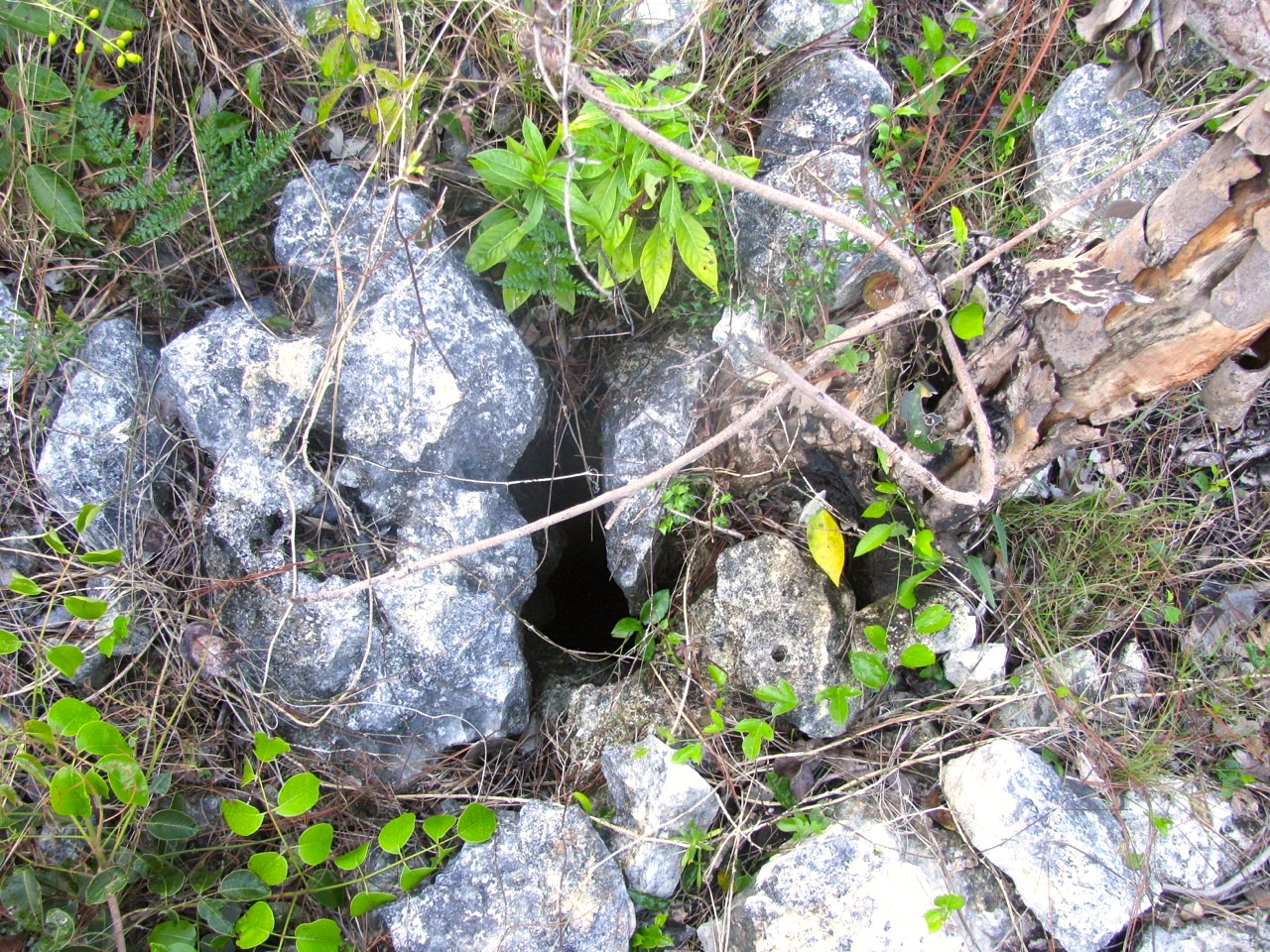
The coppice and extensive pine forests are pitted with holes of widely varying sizes. I’m way out of my depth here, geology-wise (polite corrections invited), but this sort of landscape is I believe known as KARST. This term presumably includes Abaco’s ‘dry’ holes, the blue holes and the substantial network of underwater caverns. Small examples can readily be found in easily accessible places such as non-dense coppice. We were very surprised when we pushed our into the coppice bordering the Delphi Club guest drive and took a closer look at a hole. Although the weather was hot and dry at the time, you will see that the hole has some form of micro-climate, with damp walls and interior and wet-climate plants like small ferns and forms of what I take to be moss and algae.

ONE OF MANY LIMESTONE HOLES BESIDE THE DRIVES AT DELPHILimestone Hole, Delphi, Abaco (Keith Salvesen)

A HOLE NEAR HOLE-IN-THE -WALL – LARGER INSIDE THAN IT LOOKS 

Limestone Hole, Hole-in-the-Wall Abaco01  Limestone Hole, Hole-in-the-Wall Abaco03

THE CAVE-DWELLERS OF ABACO: THE FABULOUS PARROTS

Among the best-known special residents of Abaco are the ground-nesting parrots, gorgeous birds that I have often featured in the past – see the parrot page HERE. Not so long ago, their numbers had reduced to an unsustainable population – fewer than 1000 – that faced extinction. The creation of the National Park covering the pine forests where they breed, coupled with a vigilant and intensive conservation program, have reversed the trend. There is now a sustainable breeding population again, exceeding 3000 birds.  

The only other breeding Cuban parrot population in the Bahamas is found on Inagua, where they nest conventionally in trees. There is a very small non-breeding population on New Providence. Abaco’s cave-dwelling subspecies of the cuban parrot is unique. Here’s an insight into how they live, deep in the pine forest, during the summer breeding season, with many thanks to Caroline Stahala, the scientist who spent some 10 years researching and protecting the parrots.

PARROT NEST HOLES: VULNERABLE TO PREDATORS, PROTECTED FROM FOREST FIRESLimestone Holes & Abaco Parrots (Caroline Stahala) Limestone Holes & Abaco Parrots (Caroline Stahala)

PARROTS MAY NEST DEEP – OR SHALLOW. Limestone Holes & Abaco Parrots (Caroline Stahala)Limestone Holes & Abaco Parrots (Caroline Stahala)

THE BREEDING SEASON: NEST, EGGS, HATCHLINGS, FLEDGELINGS…Limestone Holes & Abaco Parrots 08Limestone Holes & Abaco Parrots (Caroline Stahala)Limestone Holes & Abaco Parrots (Caroline Stahala)Limestone Holes & Abaco Parrots (Caroline Stahala)

HOW BIG DO THE ‘DRY’ HOLES GET?

TBH my personal experience is somewhat limited. I believe there are large, sea-scoured caves along rocky parts of the south coast, but those are rather different from the eroded ground holes discussed here. As so often I rely on Mrs RH – far more intrepid than me – and her exploring skills. The cave shown below is right down at the far south of Abaco, at Hole-in-the-Wall, hidden in the coppice along the ‘Soldier Road’ from the T-junction (we are talking rough tracks here – very – not proper roads) towards the lighthouse. 

Soldier Road Sign, Hole-in-the-Wall Abaco

Limestone Hole, Hole-in-the-Wall Abaco15Limestone Hole, Hole-in-the-Wall Abaco16Limestone Hole, Hole-in-the-Wall Abaco06Limestone Hole, Hole-in-the-Wall Abaco13

The rock is far more colourful than you  might expectLimestone Hole, Hole-in-the-Wall Abaco09

Credits: Caroline “The Parrot Lady” Stahala; Mrs RH for investigating the last cave and taking the camera with her; RH the rest; Woody Bracey for our great day of birding at Hole-in-the-Wall and his local knowledge of the area… 

Unknown's avatar

WHEN A BIG BILL JUST MAKES YOU SMILE… WILSON’S SNIPE ON ABACO


Wilson's Snipe (Birds Caribbean)

WHEN A BIG BILL JUST MAKES YOU SMILE… WILSON’S SNIPE ON ABACO

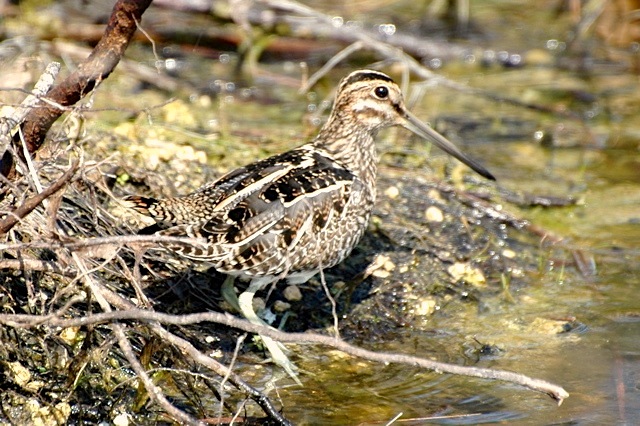
Wilson’s snipe Gallinago delicata is a plump little bird that is classified as a shorebird. But unlike some, it is not confined to the shore and immediate hinterland – marshland or brackish pond regions are also favoured habitats. Until recently (2003) the Wilson’s was treated as a subspecies of the widespread Common Snipe, before being accorded its own species-status. Something to do with white on the wing edges and a couple more tail feathers. If you want to know who Mr Wilson was (who also ‘owns’ other birds such as a plover and a phalarope) you can find out HERE.

A Wilson’s Snipe on Abaco (but not on the shore…)WILSON'S SNIPE, Abaco (Charles Skinner)WILSON'S SNIPE, Abaco (Charles Skinner)     WILSON'S SNIPE, Abaco (Charles Skinner)

The snipe, in common with several species such as the woodcock, willet and dowitcher, has a notably long bill. The header image is one of the best I have come across that clearly illustrate it, and comes from the extensive archive of the excellent BIRDS CARIBBEAN. The naturalist concerned noted “…check out this remarkable bill. If you have not held a shorebird like this in your hand, the bill is pliable, flexible, and innervated. The snipe feels its way through the muck and then plucks the worm out like tweezers”.

SNIPES AND SNIPERS

The snipe has the misfortune to be a game bird. In the c19, its populations began to reduce due to habitat destruction – especially the draining of marshland – to which it is still vulnerable, of course. But more serious was its increasing popularity with hunters as a difficult bird to shoot, with its fast, jagging flight. A hunter skilled enough to shoot snipe successfully became known as a “sniper”, a usage coined some 200 years ago. I imagine the verb ‘to snipe (at)’  a person derives from this usage, meaning to fire off a quick, accurate, possibly hurtful remark.

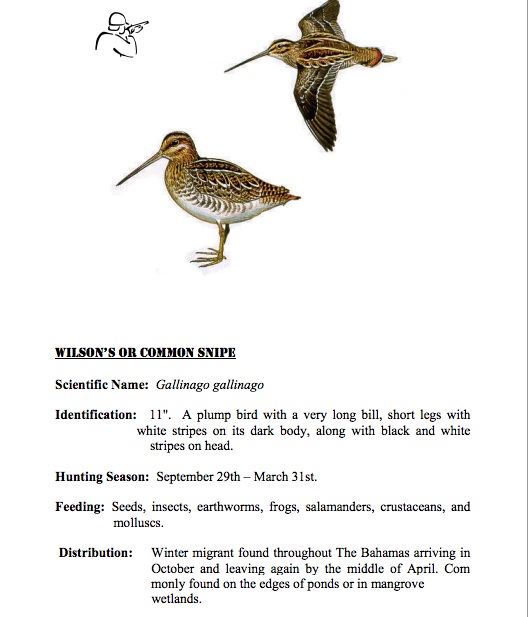
Despite these drawbacks, there are enough snipe for the species to remain IUCN-listed ‘least concern’. In the Bahamas, they can be hunted between autumn and spring. This is the relevant page from the BNT HUNTERS’ GUIDE 

Wilson's Snipe BNT Hunters' Guide jpg

800px-Wilsons_Snipe_Richmond_BC Alan D. Wilson

WILL I SEE WISNs ON ABACO?

Although the Wilson’s snipe is one of the most widespread shorebirds in North America, they are far less readily found on Abaco. For a start, they are migratory in the Bahamas, and only resident in winter (broadly, October to March), their non-breeding season. So don’t expect to find them during your pleasant stay in June.  Secondly, they are classed as ‘rare’, one grade harder to find than ‘uncommon’. Thirdly, they are shy and well-camouflaged. Unless they choose to be out in the open – foraging in water, or maybe standing on a post – they can be very hard to see. And in winter it seems they tend to hunker down more and fly less than in the breeding season. Maybe they show more in summer because they know it’s the closed season for hunting… Compare the next two images, one taken on Abaco in winter, and one (cheers, Wiki) elsewhere in the summer.

A winter snipe on Abaco – shy, retiring and blending in with its surroundingsWilson's Snipe, Abaco (Woody Bracey)

Wilson’s snipe in summer, confidently on a post in summer (closed season for hunters…)800px-Common_snipe_fencepost (Sean Breazeal)

DO SNIPES HAVE A DISTINCTIVE CALL THAT I WILL INSTANTLY RECOGNISE?

Not really, I’m afraid. Not easy for an amateur (me). They have a variety of vocalisations – calls, flight calls, and songs. They also make a sound called ‘winnowing’ with their tails while in flight. Here are a few short examples.

CALL / SONG Harry Lehto Xeno Canto

CALL /SONG Pasi Pirinen Xeno Canto

CALL Richard E Webster Xeno Canto

FLIGHT CALL Paul Marvin Xeno Canto

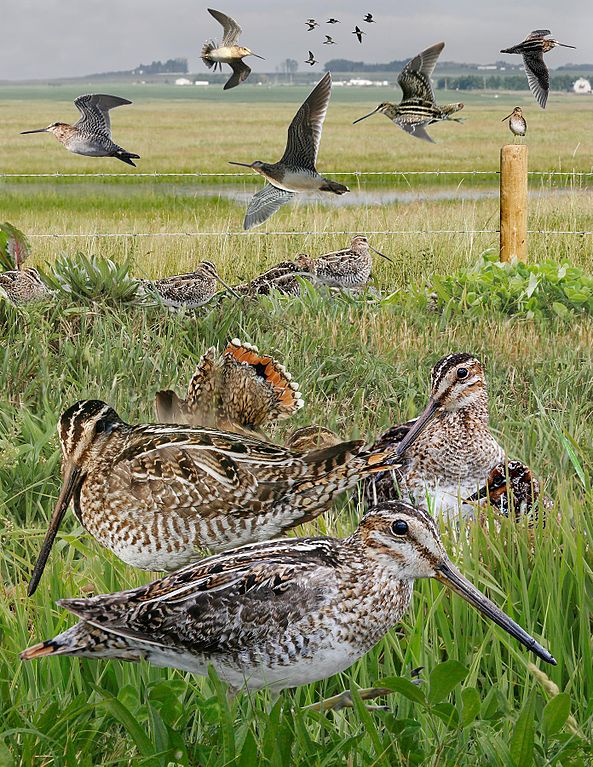
Now that the wonderful Crossley Guide ID bird images are available ‘open source’, I shall be including them in future species posts. When I remember. Their advantage is that in one image you can see all aspects of a paricular species – gender, breeding plumage, typical ‘poses’, in flight and so forth. A truly great resource for bird identification.Wilson's_Snipe_from_The_Crossley_ID_Guide_Eastern_Birds

Credits: Birds Caribbean, Charles Skinner x 3, BNT, Alan D. Wilson, Woody Bracey, Sean Breazeal, Xeno Canto, Crossley ID Guides, Wiki, Audubon, Cornell and sundry worthy OK sources…

Unknown's avatar

PINEAPPLES REVISITED: SYMBOLS OF WELCOME & WEALTH (ALSO, DELICIOUS)


PINEAPPLES REVISITED – A SHORT BUT FRUITY HISTORY

INTRODUCTORY NOTE 

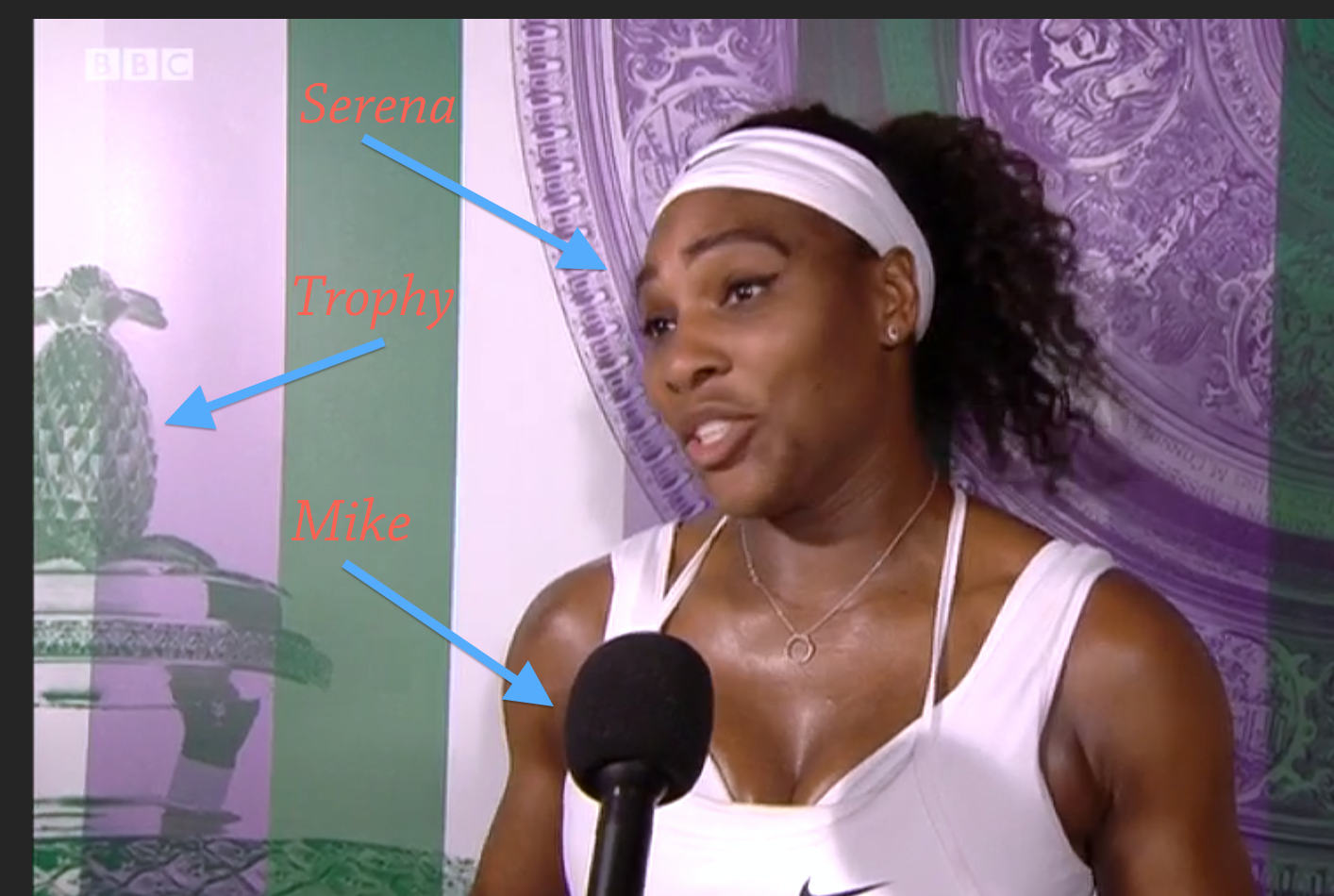
I rarely recycle old posts, though I sometimes rewrite them. Occasionally a past subject returns later as a new hot topic, usually because of some related event or news item. Suddenly I get a flurry of hits for ‘do manatees have toenails?’ or ‘does one good tern deserve another?’. That kind of thing. Right now – indeed for the past 10 days – the current sporting event in London SW19 (i.e. Wimbledon) has by a side-swipe of a mis-hit tennis racket affected the smooth operations at Rolling Harbour. The fruit generally associated most with Wimbledon is of course The Strawberry. Yes, they are now so expensive at the ground that they have to be sold singly. If you want Cream with it, they offer moderate loan terms in return for a charge on your house. A small cardboard box to eat it from is extra, though eating from your hand remains free. For now. But the fruit that is rocking the blog at the moment is the PINEAPPLE. I am suddenly getting lots of ‘search’ hits daily with various combos of the question “why is there a pineapple on top of the Wimbledon Trophy?” So I am rolling out my pineapple post from a couple of years back, slightly modified, which will answer this and many other ananatic questions. 

🍍  🍍  🍍  🍍  🍍

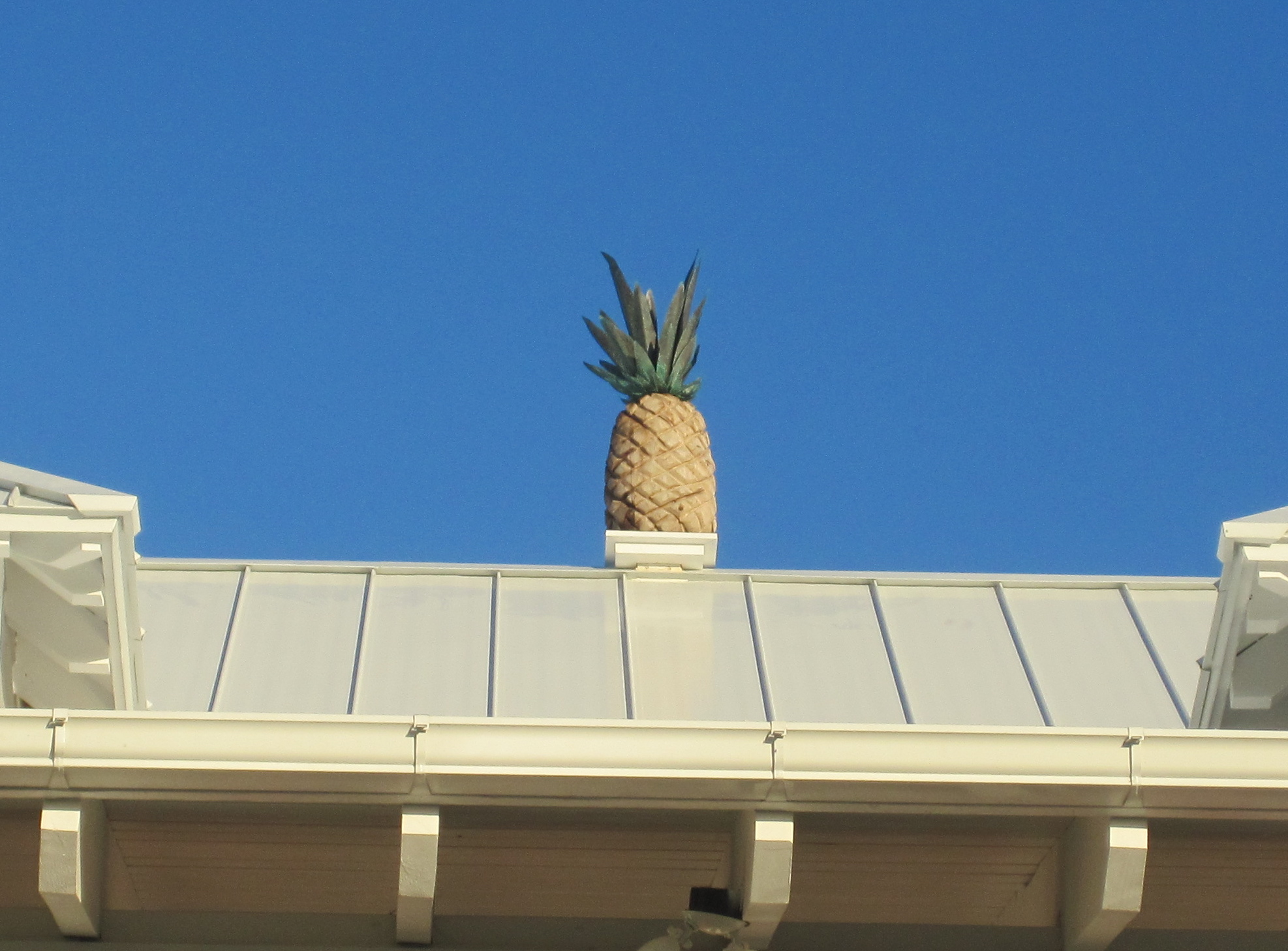
The first image below is of the handsome locally hand-carved pineapple that surmounts the roof of the DELPHI CLUB Abaco. The fruit lost a few leaves in Hurricane Irene, which scored a direct hit on the Club. As posted on the ABACO FACTS page (under RANDOM main menu) “the precise Longitude & Latitude coordinates of the Pineapple [on] the Delphi Club roof are respectively 77.1787834167480  &  26.20450323936187 “. But why is it there? Time for a Short Voyage around the Pineapple…

PINEAPPLE FACTS TO ENLIVEN YOUR CONVERSATION

HISTORICAL & SOCIAL CONTEXT

  • Brought back to Europe by Christopher Columbus in 1493 on his return from his second voyage
  • Taken on long voyages as a protection against scurvy and because of its long life
  • By the c17 royalty & aristocracy grew them in hot-houses (or rather, their gardeners did). King Charles II tried one, an event so important it was recorded by the Court painter Hendrik Danckerts 
  • By c18 considered a great delicacy and a status symbol of wealth, often the centre-piece of a feast.
  • If you couldn’t afford to buy one, you could rent one and return it afterwards. Someone richer than you would then buy it.
  • Pineapples were grown in pits of fermenting manure. In England Queen Victoria was not amused and soon put an end to that unpleasant nonsense
  • In the c19 pineapples were one of the most significant exports from Abaco
  • The Earl of Dunmore built a huge pineapple folly in Scotland in 1761, which you can stay in (We have. It’s a lot of fun)

     110-1004_IMG

  • On ‘Unter den Linden’ in Berlin,  the cast iron posts round the huge equestrian statue of Frederick the Great are topped by pineapples.

Berlin, Unter den Linden, Reiterstandbild Friedrich II                 Reiterstandbild_-_Friedrich_der_Große Berlin Wikimedia

CULTURAL SYMBOLISM

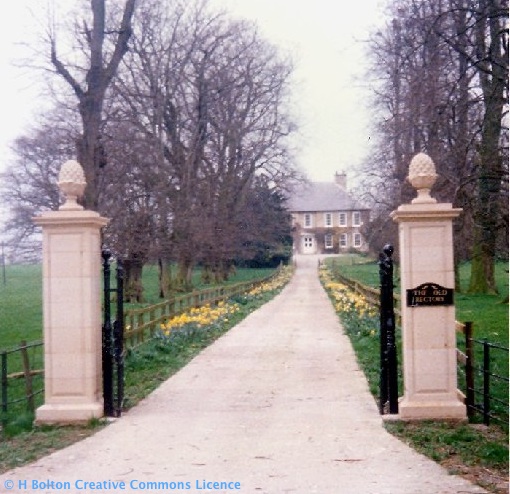
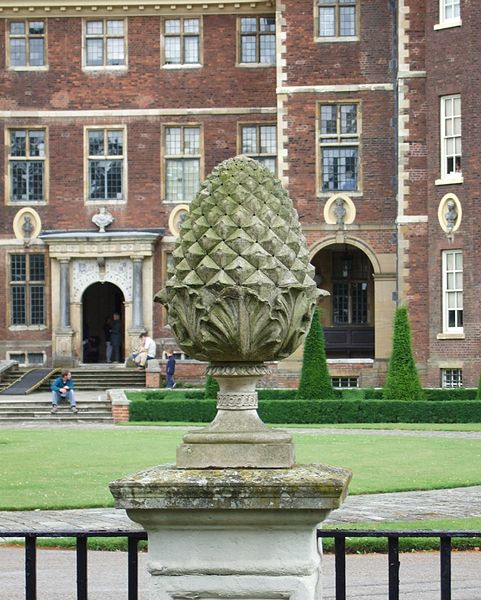
  • Pineapples symbolise welcome and hospitality, placed at the entrance to villages or plantations. The tradition spread to Europe where they were carved as gateposts; staircase finials; and incorporated into wooden furniture (including bedposts at the Delphi Club)

  • Seafarers put pineapples outside their homes on their return to show that they were back from their travels and ‘at home’ to visitors
  • An expensive fruit to grow & to transport; remained a luxury until the arrival of steamships
  • Their costliness made them status symbols / indicators of wealth and rank. Displaying or serving pineapple showed that guests were honoured. And, coincidentally, that the hosts were loaded.
  • In the 1920s the grandest dinners apparently needed both “a pineapple and Lady Curzon” (I have been asked whether this is Interwar Period code for some sort of disreputable activity… let’s hope the answer is ‘yes’)

           Ornamental Pineapple at Ham House - James Long @ Wikimedia

  • The future Queen Elizabeth was sent 500 cases of canned pineapple as a wedding present from Australia. She asked them the traditional Royal Question “Hev you come far?” Prince Phillip’s reaction was – apart from the word ‘pineapple’ – unprintable
  • In the play Abigail’s Party (Mike Leigh) pineapple chunks on cocktail sticks were used as a plot device to highlight the desperate social ambitions of a hellish hostess trying to impress & outclass her guests
  • A 1930s ad promised that by baking a pineapple pie a wife would make her man “smack his lips in real he-man enjoyment” (NB This may not work so well in the 2010s) 

By Appointment to HM the Queen

ARTS & CRAFTS

  • Used on Wedgwood pottery designs as early as the 1760s; others soon followed suit
  • Became widely used decoratively as a motif for gateposts, weather vanes, door lintels, wallpaper, table linen & curtains, and incorporated into furniture
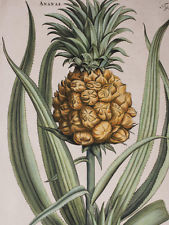
  • Depicted as curiosities in early botanical engravings (Commelin 1697 Hortus Botanicus)

Commelin - Engraving - Ananas - Hortus Botanicus 1697

  • Featured in still life paintings as a crowning example of opulence (e.g. De Heem, Jan van Os)

                             Josef Schuster

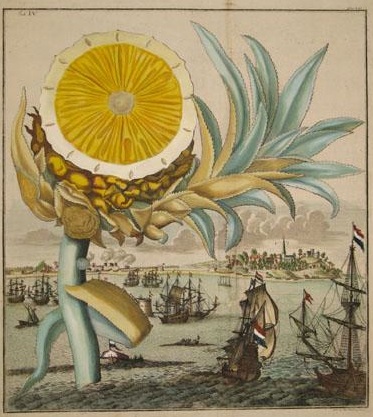
  • Depicted in plant and fruit studies, for example these by Johann Christoph Volckamer, very early c18        
  • Occasionally found in Church stained glass windows (e.g. St Lawrence’s, Jersey)

Églyise_Pârouaîssiale_dé_Saint_Louothains_Jèrri Man Vyi * Wikimedia

  • Featured in music e.g. Pineapple Rag (Scott Joplin); Pineapple Head (Crowded House); Escape – The Piña Colada Song (Rupert Holmes); Pineapple Express (Huey Lewis); Pineapple (Sparks) 
  • Used as a motif on shutters in Marsh Harbour 

SPORT

  • The Men’s Singles Trophy at  Wimbledon is a silver gilt cup with a gilded pineapple on top of the lid. It used to mean “Welcome back, Roger!” Now it stands for the first British male singles win since 1937 (‘Go, Andy!’). [British women have fared rather better in the singles in that time (‘Go, Angela, Ann & Virginia!’)]

fedwin1_71759545_andy_murray_kisses_trophy_paScreen Shot 2015-07-09 at 17.21.12

MOTORING

  • Vauxhall produced the Vauxhall Astra Sport in ‘tasteful’ Pineapple Yellow. For the history of the use of the far more glamorous Bahama Yellow  in motoring history, click HERE
10 TASTY PINEAPPLE CHUNKS

  • The cocktail Afterglow is 1 part grenadine, 4 parts orange juice & 4 parts pineapple juice on ice
  • Piña Colada is rum, coconut milk & crushed pineapple. Omit the rum for a Virgin Colada
  • It is impossible, for chemical reasons, to make jelly with fresh pineapple
  • “Pineapple heat” was once a standard marking on thermometers
  • A pineapple grows as two interlocking helixes (8 one way, 13 the other – each being a Fibonacci number)
  • A pineapple will never become any riper than it was when harvested
  • Workers who cut up pineapples eventually have no fingerprints – a gift fact for crime writers
  • Pineapple stems are being tested for anti-cancer properties
  • Pine Apple, a small Alabama town full of pineapple symbols, was originally named “Friendship” but there turned out to be another town called that, so they changed it
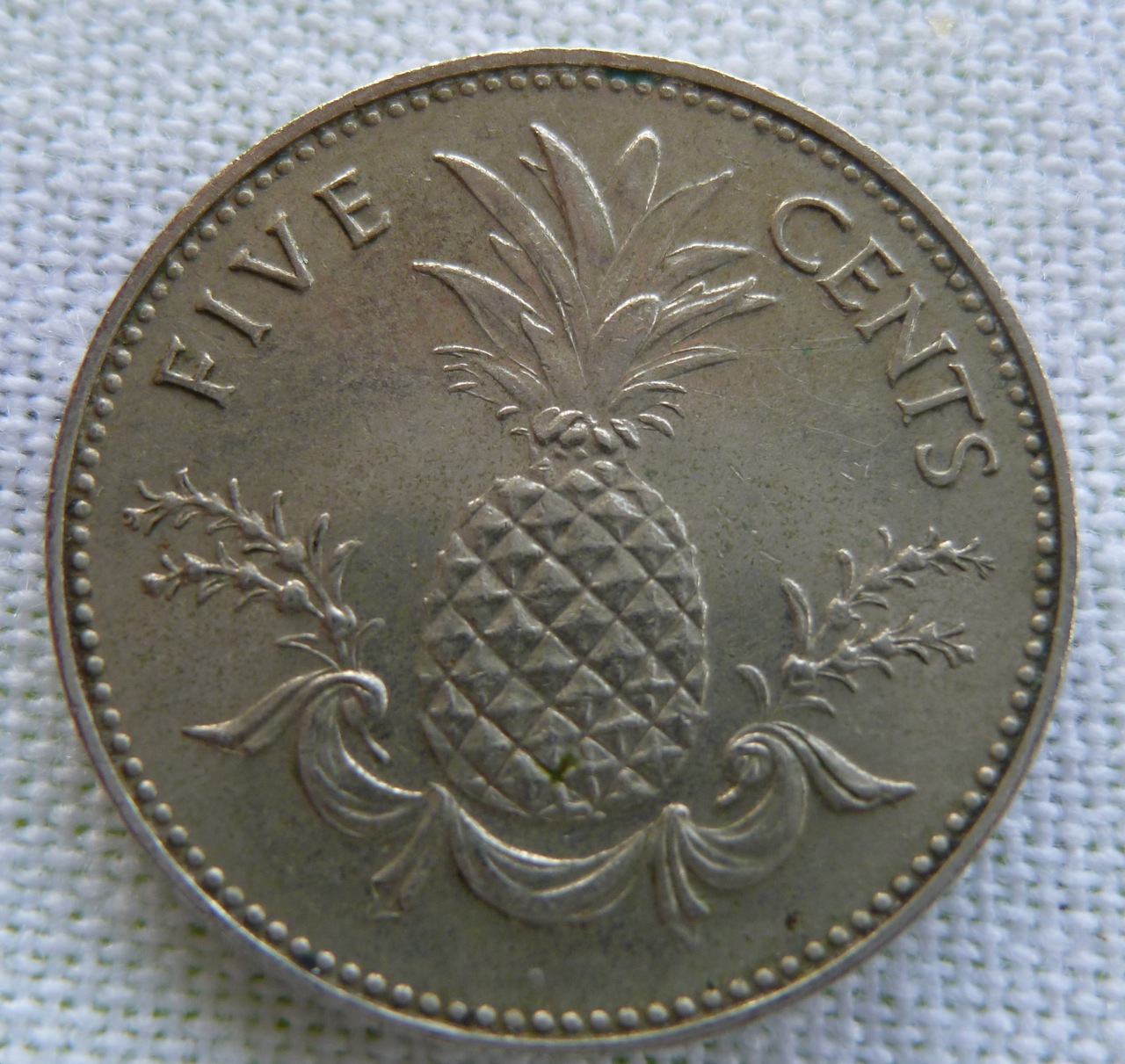
  • Features on the Bahamian 5 cents coin…

  • …and  a $1 stamp

BAHAMAS PINEAPPLE STAMP

Read Jim Kerr’s interesting article in ABACO LIFE on Abaco’s pineapple past HERE

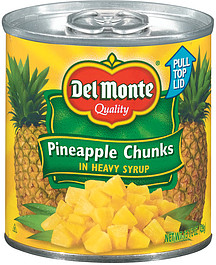
FRANCESCA BEAUMAN 2006 THE PINEAPPLE – KING OF FRUITS If you want to find out more about pineapples, their  history and social significance, you should be able to pick up a copy of this book on Am@z%n, Abe or ALibris for a few dollars “What?” I hear you cry, “you’ve managed a whole page about pineapples without mentioning modern advertising”. Shall I do so now? The man from Del Monte, he says YES

FOUR WAYS TO CUT UP & SERVE A PINEAPPLE

Sources: Own ideas + some magpie-thieving-borrowing from a variety of sources, many of which contain identical info and / or quote from the above book. Hope everyone is comfortable with that… NB Not every fact above is strictly 100% true, so expect to be challenged if you try one out. In particular Prince Phillip is of course naturally docile and gentle-mouthed…

POST SCRIPT The first 21 Fibonacci numbers (just add 2 successive numbers to produce the next) are

F0 F1 F2 F3 F4 F5 F6 F7 F8 F9 F10 F11 F12 F13 F14 F15 F16 F17 F18 F19 F20
0 1 1 2 3 5 8 13 21 34 55 89 144 233 377 610 987 1597 2584 4181 6765
Unknown's avatar

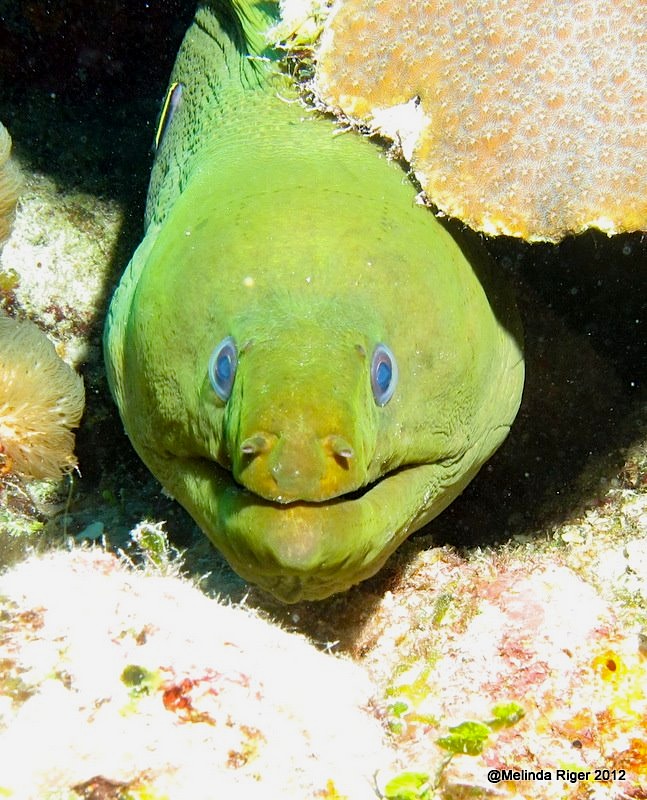
FORAYS WITH MORAYS (3): LET’S GO GREEN…


Green Moray Eel with Soldierfish (Melinda Riger @ G B Scuba)

FORAYS WITH MORAYS (3): LET’S GO GREEN…

A short while back I posted about SPOTTED MORAYS, which people seem to enjoy. It generated requests for more forays, specifically with green morays. I gotcha – here they are, as promised… All the eels shown below, familiar to the divers who regularly encounter them and given names such as “Judy’ and “Wasabi” (my favourite), were photographed by Scuba expert Melinda Riger, whose skills with a camera are well-known. Let’s go Green…

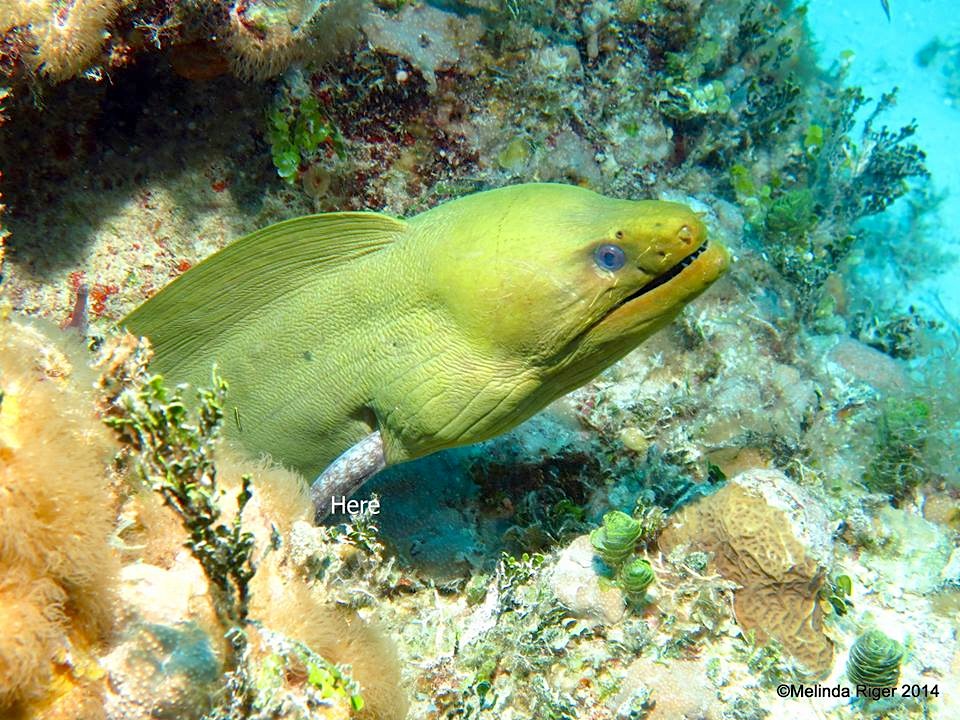
Like all moray species, Greens like to lurk in convenient hiding places to watch the underwater world – and possible prey – go by. Here are some typical ‘lurking’ shots.Moray Eel, Green, with lunch (eel) emerging from gill ©Melinda Riger @ Grand Bahama Scuba Green Moray Eel ©Melinda Riger @ GB Scuba copy

Green Moray Eel (Judy) ©Melinda Riger @ G B Scuba Moray Eel, Green (Wasabi) ©Melinda Riger @ GB Scuba Green Moray Eel ©Melinda Riger @ GB Scuba

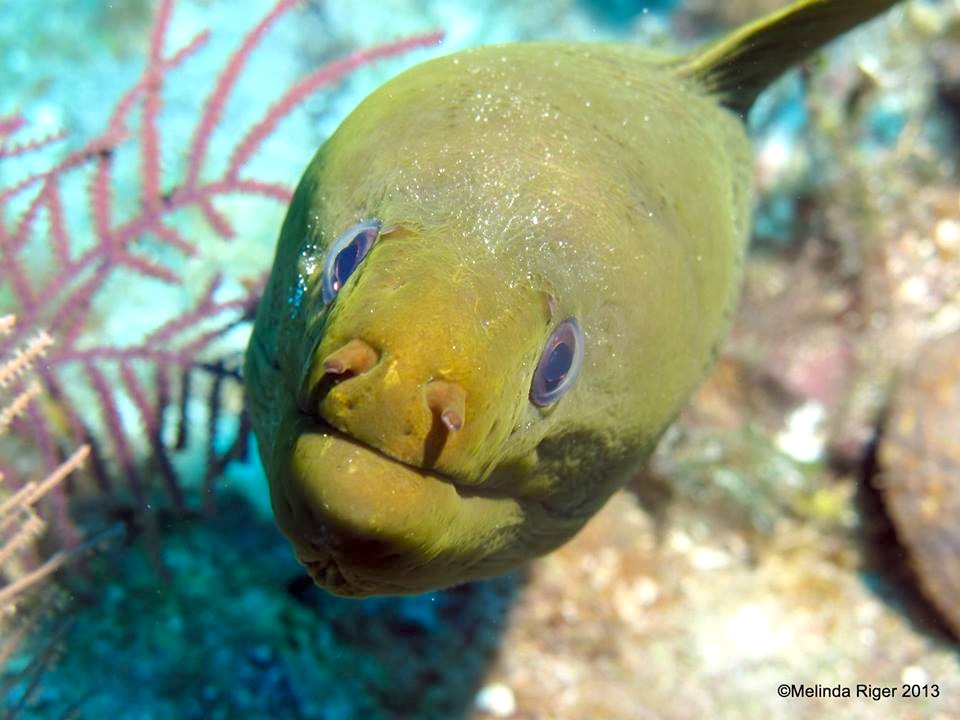
Green morays also have the unusual breathing apparatus that resemble nasal plugsGreen Moray Eel Melinda Riger @ G B ScubaGreen Moray Eel ©Melinda Riger @ Grand Bahama Scuba

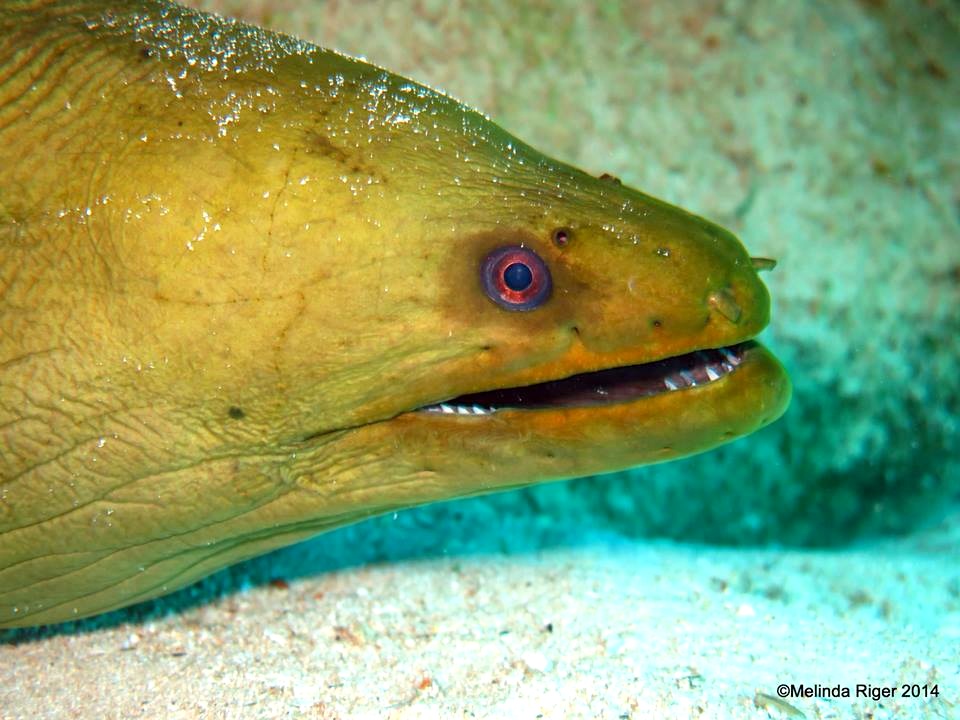
Those who recall the spotted moray post and their singular dentition arrangements that included a long sharp tooth sticking down from the upper jaw will no doubt be thinking, “are we going be shown any dental close-ups?” But of course… why would I not?

Note the cluster of teeth in the upper jaw, differing from the spotted morayMoray Eel (Yellow) Judy ©Melinda Riger @ G B Scuba

Grrrrrrrrrrrrrrr…….Moray Eel, green ©Melinda Riger @ G B Scuba

All photos: Melinda Riger, Grand Bahama Scuba

Unknown's avatar

SHARING SHEARWATER SEASHORE SHOCK ON ABACO…


Great_Shearwater_RWDz9 Dick DanielsSHARING SHEARWATER SEASHORE SHOCK ON ABACO…

I return reluctantly to the “Great Shearwater” phenomenon to give, I hope, closure to the topic for this season and with luck for several years to come. A great many people have engaged with the debate about the large number unfortunate birds found either dead or dying in the water or (especially) on the beaches of Abaco and beyond. You can see the original post, a tabulation and map based on the reports I received or came across, and the views of the experts HERE

This occurrence appears to have declined considerably from its peak last week, presumably because the migration has moved rapidly northwards. Already, reports from the eastern US Atlantic coast (e.g. Cape May) of a great shearwater influx are coming in, so we must hope that the attrition rate in the Northern Bahamas has stopped, or will stop within the next few days. This is evidenced by this FB clip from Tom Reed, a photographic contributor to THE BIRDS OF ABACO

TR clip

The ABA (American Birding Association) has taken an interest in the problem on Abaco, and reported the incidence of shearwater die-off HERE. For the sake of completeness, I have updated reports I have received or found over the last few days below, together with an updated distribution map. More sad images are included because, pitiful though they are, photographs are of real assistance in the study of migratory die-off. For example, it is likely that juvenile birds are more likely to be affected by exhaustion in the course of their 10,000 mile journey than adults. Photos enable an assessment of the age of the birds to be made.

Exhausted shearwater, Delphi beach. Is this a juvenile, less able to make a huge journey than an adult?Great Shearwater, Delphi, Abaco (Sharon Elliott)The yellow tip to this bird’s beak shows that it is a different species of shearwater, the Cory’s.  Like the Greats, these birds are also rare transients on Abaco, and also make long-distance migrations. A Cory’s was photographed a couple of weeks ago swimming happily off the Delphi beach. This one has obviously run out of stamina. It has the chance to recover, but it is vulnerable in this state; and turkey vultures are quick to move in on fatalities…

 UPDATED REPORTS (SINCE JUNE 24) IN RED
  • Delphi Club Beach – 20 plus + 1
  • Schooner Bay – 5
  • Bahama Palm Shores – ‘many many’ dead birds washed up on the shore
  • Casuarina Beach – 1
  • Cherokee (Watching Bay) – 3 or 4
  • Cherokee (Winding Bay) – 4
  • Little Harbour – 3
  • Marsh Harbour area – about 5
  • Great Guana Cay, southern end   – 1 (possibly a gull)
  • Tilloo Cay – 13 at least on Junk Beach, more than ever seen (see photos below)
  • Elbow Cay – 2 + 1 Atlantic side beach near Abaco Inn
  • Elbow Cay – 2, North End
  • Green Turtle Cay beach – 2
  • Green Turtle Cay, offshore – “a lot in the water”
  • Man-o-War Cay – 1 by the roadside
  • Ocean 20m from HT Lighthouse – 2 in the sea

also Exuma Sound (5 birds), Shroud Cay Exuma (gull?”), Briland Beach,Harbour Island Eleuthera (“some” + 4) , and Church Bay, South Eleuthera – 10 + 2

Ellen Bentz, who reported the Church Bay birds, has frozen 3 of them for research purposes; it will be extremely interesting to see what results from their examination, from the ages of the birds to condition to likely cause of death. She also took photographs to aid species identification and diagnostic efforts.

unnamed unnamed-4 unnamed-2  unnamed-1unnamed-3

Abaco distribution map. Earlier reports marked in green, two new sites in blue
Shearwater Map, Abaco update

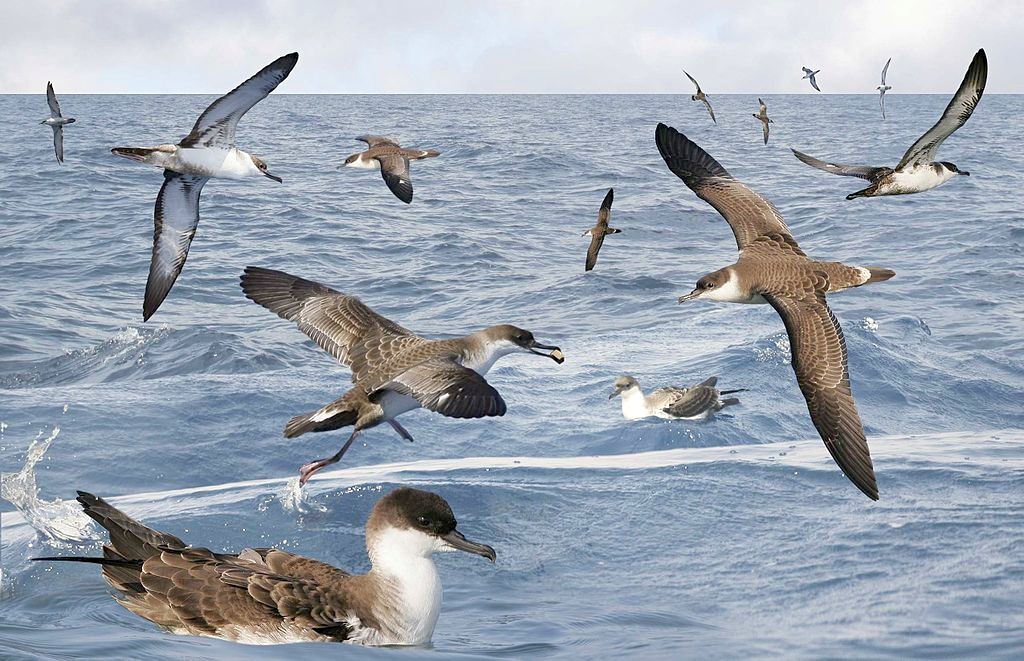
Here is the wonderful Crossley ID guide tableau of great shearwaters, showing every facet of the birdGreat_Shearwater_from_the_Crossley_ID_Guide_Britain_and_Ireland
WHERE DO THESE BIRDS COME FROM & WHERE DO THEY GO?
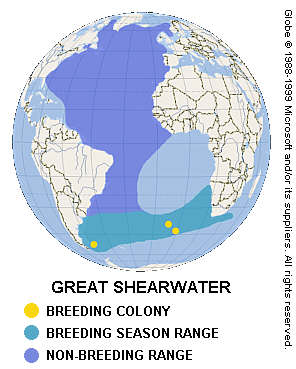
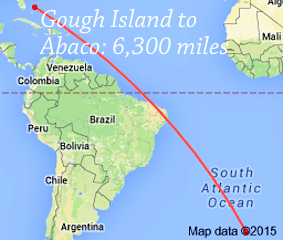
Sean Giery of the excellent ABACO SCIENTIST has also commented on the recent phenomenon, concluding “…if you haven’t looked up Gough Island, the probable origin of these Greater Shearwaters, do. Use Google Maps to get an impression of how far these amazing birds travel. It’s truly amazing.” By great good fortune, I’ve done the legwork for you… Let’s take a closer look.
Great shearwaters breed almost exclusively the small area of the globe that includes the Gough Islands, Tristan da Cunha and a few lesser-known islands in that area. There is also a small breeding population in the Falklands. Whichever, they are not so very far from Antarctica. Their range, however, is massive and involves long migrations over the Atlantic ocean to the far north – as far as the Arctic – and back each year.
gtshearmap
 And, as the shearwater flies, this is the distance from the breeding grounds to Abaco; 2/3 of their total journey. Now, factor in a first-season juvenile shearwater facing the vagaries of food supply, weather conditions and stamina… The fact that some die-off occurs every few years at some stage of the migration becomes less surprising.
Gough Island to Abaco 6300 milesGough Island to Abaco jpg
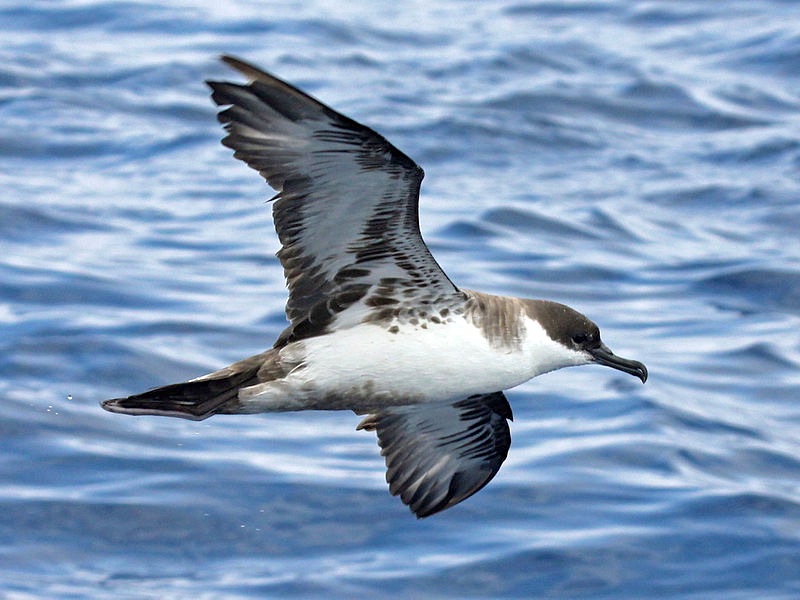
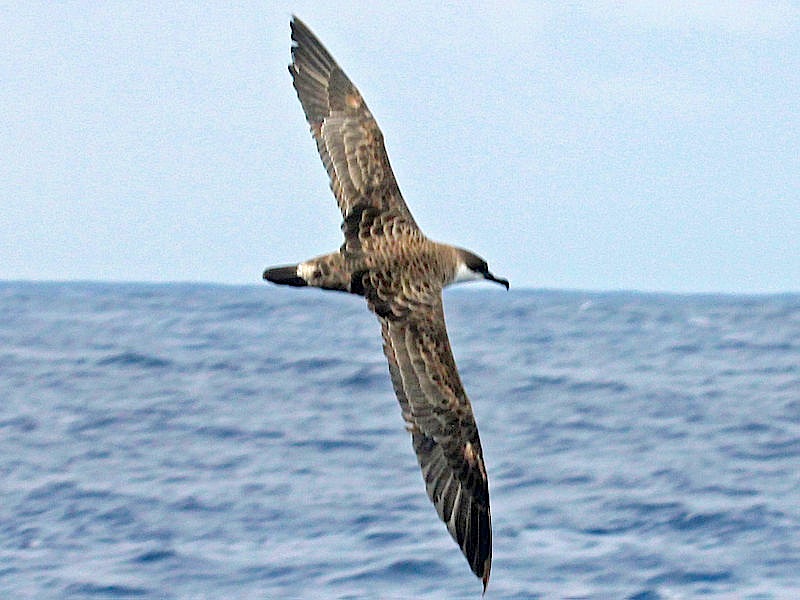
I’ll conclude with a photo of a great shearwater flying ‘at the shear’, which I am certain is how best we’d like to think of these wonderful seabirds…
Great_Shearwater_RWD3b Dick Daniels
Credits: to the 30 or so people credited in the original post I add with thanks Molly Kemmer Roberts, Susan Drwal, Sharon Elliott, Ellen Bentz, Dick Daniels and open source maps chaps.
Unknown's avatar

GREATER ANTILLEAN BULLFINCH: ABACO’S “POLICE BIRD”


Greater Antillean Bullfinch, Abaco (Erik Gauger)

GREATER ANTILLEAN BULLFINCH: ABACO’S “POLICE BIRD”

Following my last gloomy post about the widely-reported die-off of the poor, exhausted migratory great shearwaters, let’s turn with relief to a cheerful bird known to all and admired in coppice and garden: the Greater Antillean Bullfinch Loxigilla violacea. These pretty birds are easy to find and to identify. They love feeders, and they are responsive to ‘pishing’, that irritating (?) noise that birders make to unseen avians in the coppice to persuade them to reveal themselves. Adult males are black with bright red accessories (hence “police bird”); females are paler with orangey accessories; and juveniles look a bit scruffy and patchy. Here’s a GAB gallery to enjoy.

Greater Antillean Bullfinch, Abaco (Alex Hughes) 4 Greater Antillean Bullfinch, Abaco (Alex Hughes) 5Greater Antillean Bullfinch immature with snail 2.Delphi Club.Abaco (Tom Sheley)Greater Antillean Bullfinch, Abaco (Keith Salvesen)Great Antillean Bullfinch, Abaco  (Tom Sheley) 1Great Antillean Bullfinch, Abaco (Charles Skinner)Great Antillean Bullfinch, Abaco (Gerlinde Taurer)GAB BH IMG_9208 copy 2

Credits: Erik Gauger (1); Alex Hughes (2, 3); Tom Sheley (4, 6); Keith Salvesen (5); Charles Skinner (7); Gerlinde Taurer (8); Bruce Hallett (9)


Unknown's avatar

SHEARWATERS ON ABACO: SAD TALES FROM THE SEA


GREAT SHEARWATER Puffinus gravis (Patrick Coin Wiki)

SHEARWATERS ON ABACO: SAD TALES FROM THE SEA

We do not generally do sad or sombre at Rolling Harbour. It’s a beautiful and happy place, and the Delphi Club is a haven of good fellowship and good craic (stemming no doubt from its Irish connections). But I have to report on a sad occurrence on the beach at Delphi and, as it turns out, at many other Abaco locations (and beyond) during June – a notable number of shearwaters being found dying or dead on beaches or else in the sea, their bodies in due course being washed in on the tide.

There are quite a few species of shearwater worldwide, of which 5 are recorded for Abaco. The only permanent breeding resident is the Audubon’s Shearwater, a bird that is quite commonly seen out at sea though not, I imagine, on land. We never managed to obtain a photo of one for “The Birds of Abaco”. I presume there are breeding colonies on Abaco, but not that I have heard about.

Shearwater Checklist, Abaco

As the checklist above shows, three of the other shearwaters are rare transients. These birds fly long migration routes over the ocean and so the casual birder is in practice unlikely to encounter one, let alone get a photograph. The Manx can be ignored as an aberration – the V5 means that one or two vagrant individuals have been recorded since (say) 1950. Great Shearwater Puffinus gravis - Patrick Coin Wiki

My first inkling that something unusual was occurring came a week ago from a FB post by Melissa Maura, whose wonderful parrot and flamingo photos feature elsewhere in these pages. She said …on my rugged Abaco ocean beach last week, were many dead magnificent seabirds – greater shearwaters (about 5) and a couple of Frigate birds… They didn’t appear to wash in on the waves, but appeared to have perished perhaps from exhaustion on the beach”.  Various later comments suggested that this phenomenon had been noted periodically in the past, the last time 4 or 5 years ago. 

Great Shearwater (dec'), Abaco (Melissa Maura)

This was followed a couple of days later by evidence from well-known birding maestro Woody Bracey that living great shearwaters were in Abaco waters, perhaps confirming that they are in mid-migration at the moment. The one in #2 was “caught” 3 miles off Great Guana Cay.

Great Shearwater Abaco (Woody Bracey)Great Shearwater, Abaco boated (Woody Bracey)

Then a couple of days ago Jane Mantle emailed me with photos of some dead birds on the beach at Delphi saying that half- dead birds are washing up on the beach ‘only for the vultures to finish off’.  We must have over 20 with more to come”. I circulated these to the ‘usual suspects’ for ID and comment.

Great Shearwater, Abaco (dec'd) (Jane Mantle)Great Shearwater, Abaco (dec'd) (Jane Mantle)

I also posted the photos on my RH FB to see if others had seen anything similar. Many thanks to all those who ‘liked’, shared or commented on the post. Here is a summary of the responses, from which a pretty clear picture emerges of widespread recent shearwater deaths on Abaco mainland and Cays.

  • Delphi Club Beach – 20 plus
  • Bahama Palm Shores – ‘many many’ dead birds washed up on the shore
  • Casuarina Beach – 1
  • Cherokee (Watching Bay) – 3 or 4
  • Cherokee (Winding Bay) – 4
  • Marsh Harbour area – about 5
  • Great Guana Cay, southern end   – 1 (possibly a gull)
  • Tilloo Cay – 13 at least on Junk Beach, more than ever seen (see photos below)
  • Elbow Cay – 2 + 1 Atlantic side beach near Abaco Inn
  • Elbow Cay – 2, North End
  • Green Turtle Cay beach – 2
  • Green Turtle Cay, offshore – “a lot in the water”
  • Man-o-War Cay – 1 by the roadside
  • Ocean 20m from HT Lighthouse – 2 in the sea

also Exuma Sound (5 birds), Briland Beach Harbour Island (“some”) and Shroud Cay (gull?”)

SIGHTINGS MAP, ABACO AS AT 09.00 JUNE 25 (2X click to enlarge)
Shearwater Map, Abaco

Shearwaters at Tilloo Cay (Janie Thompson)

Great Shearwater (dec'd) Tilloo Cay Abaco988563_780040245445527_87776362163085216_n10429826_780040222112196_5624095942981629125_n

Shearwaters on Elbow Cay (Rudolf Verspoor)

11406243_10153041925951245_9107566668485466585_o 11537917_10153041926991245_4040884745830449528_o

WHAT SORT OF SHEARWATERS ARE THESE?

In the main it looks and sounds as though these are migrating great shearwaters. Woody Bracey has identified several dead birds as ‘greats’ from photos, and one as an alive Cory’s shearwater swimming in the sea off the Delphi Beach. ID is not easy, and a few of the birds found may be gulls. It’s possible that there are some Audubon’s shearwaters among the stricken birds, although since they are resident to Abaco that would go against the theory of an exhausted migratory species that has been blown of course en masse.

Great Shearwater Puffinus gravis (JJ Harrison Wiki)

WHAT DO THE EXPERTS THINK?

There are a few obvious contenders for the solution to the riddle of the shearwaters, ranging from the frontrunner migration exhaustion to disease and trash ingestion. The evidence of mass deaths over a wide geographical area during a short time probably rules out trash ingestion – although I’m sure the poor creatures must have plenty of plastic bits inside them. Mass disease striking suddenly over one area is seems unlikely. Once those two possibilities are ruled out, the primary cause, covering most instances of the sad and upsetting phenomenon, becomes clearer.

Lynn Gape of BNT posted the view of William Mackin, a seabird biologist who looked at some of the photos and wrote “The five birds look like greater shearwaters. They breed at Gough Island in the South Atlantic. The young begin life by flying 10000 miles to Newfoundland in the North Atlantic. Some do not make it. They wash up on eastern US and Bahamian beaches. It is sad. We should monitor the numbers. The frequency is variable but possibly increasing.”

Tony White, the omniscient Recorder of Bahamas Birds and compiler of the comprehensive and authoritative checklist for the area, writes: 

“The dead birds on the beach (and in the water) is a phenomenon that happens every five to ten years. According to the late Dave Lee these are young Great Shearwaters migrating from their natal home in the South Atlantic to their feeding grounds off the US and Canada, Combination of poor food supply and wind conditions in the doldrums lead to their expending all their energy and expiring. It is a normal event for this species and has been recorded many times The Great Shearwater population appears to weather the bad years and do well in the good years. Relevant articles are: Lee, D.S. 2009. Mass die-offs of Greater Shearwater in the Western North Atlantic: Effects of weather patterns on mortality of a trans-equatorial migrant. Chat 73(2):37; Seabird Ecological Assessment Network. 2007. Greater Shearwater Die-off in the Atlantic: June-July 2007. Volunteer Newsletter 3(2):2; and Watson, George. 1970. A Shearwater Mortality on the Atlantic Coast.  Atlantic Naturalist 25(2):75-80.

Woody Bracey has now left an informative and perceptive comment: “It’s amazing how far(10,000 miles) these young birds have to travel to their feeding grounds so soon after being fledged. Breeding colonies are on isolated subantarctic islands of the southern hemisphere. Breeding begins in October. Incubation of the single egg lasts 55 days and it is another 105 days until the chick is ready to fly. Each loss of a bird represents much time and effort of a pair to produce a single chick which then has to fly the gauntlet through the windless, often foodless doldrums to reach its northern feeding grounds. So many hazards, so few birds! It’s sad to witness these die-offs but the species still survives. Global warming cannot be helping this species on its journey to the colder, nutrient rich more northern briny destinatioin. Lets stop setting our dumps and forests on fire here in the Abacos. Eventually it will not only affect the Great Shearwaters but us as well”.

I should add that it is reassuring to be able to confirm that, at least at present, the great shearwater is IUCN-listed “Least Concern”

Status_iucn3.1_LC.svg

Great Shearwater in flight (Hardaker)

Tony has asked for all available information Bahamas-wide: “It would be very useful if someone could collect some hard data on the die-off, e.g. when was it first noted and how many birds are found along a given stretch of beach? Check for other species and take a few wings as samples of the desiccated birds. In past events the number of dead birds was much greater on Crooked and Acklin Islands than Abaco. Eleuthera too should be checked if possible”.

Lynn has also asked “Please photograph and count birds found on your beaches and send images and the number counted to me at lgape@bnt.bs. We will send on to William Mackin and Tony White who are keeping records of these occurrences The image with this post is a Greater Shearwater in flight…” (see above, as we would all like to think of these magnificent birds)

Or by all means contact me at rollingharbour.delphi@gmail.com and I’ll pass on any info

STOP PRESS An update to this post written the following week, detailing new sightings and reporting the passing of a sad fortnight of shearwater fatalities in the Bahamas, can be found HERE

A happier great shearwater image to leave you with…
Great Shearwater (Dick Daniels, Wiki)
Credits and thanks to Woody Bracey, Melissa Maura, Lynn Gape, Jane Mantle, William Mackin, Patrick Coin, J J Harrison, Dick Daniels, Norvell Slezycki, Lory Kenyon, Selah Vie, Lindsey Delaphine McCoy, Turtle Cove Tilloo, Janie Thompson, Rudolf Verspoor, Laurie Schreiner, Caroline Woodson Sawyer, Steph Russell, Ashley L. Albury, Dwayne Wallas, Sully Vincent T Sullivan, Ben Albury, Abaco Bulletin, Carol Rivard Roberts, Jason McIntosh, Dale Sawyer, Barbara Trimmer, Dominique Allen, Jessica Aitken and Juana Rudzki, with apologies to anyone else who has slipped through the net…
Unknown's avatar

WTF? (WHAT’S THAT FISH?) (5): THE FROGFISH


Frogfish (Adam Rees, Scuba Works)

WTF? (WHAT’S THAT FISH?) (5): THE FROGFISH

This ‘WTF?’ series started with a relatively conventional species, the REMORA. It has been getting progressively more bizarre. We moved onto an omnium gatherum of WEIRDO FISHES, then the remarkable LETTUCE SEA SLUG, and most recently the BATFISH. Time to ramp up the stakes: with many thanks to scuba expert Adam Rees for use permission for his terrific photos, I present… the FROGFISH.

Frogfish (Adam Rees, Scuba Works)

The frogfish is a kind of anglerfish found in almost all tropical and subtropical oceans and seas. There are about 50 different species worldwide, covering an astonishing range of strange appearances. They generally live on the sea floor around coral or rock reefs. In size they vary from tiny to about 15 inches long – although ‘long’ is a flexible concept because they are to an extent shape-changers in height and width.Frogfish (Adam Rees Scuba Works)

FROGFISH SUPERPOWERS YOU MAY WISH TO HAVE

  • INVISIBILITY CLOAK . Frogfish are masters of disguise and camouflage. This enables them to catch their prey with minimal effort and also to avoid predators. Their camouflage methods – broadly known as ‘aggressive mimicry’ – include
    • Ability to change colour for days or even weeks to mimic their surroundings
    • Getting covered in algae and other organic matter that matches their habitat or
    • Looking inherently like a plump rock or in some cases, plant

Fear for the life of the spider crabFrogfish (Adam Rees, Scuba Works)

  • IRRESISTIBLE ATTRACTION (just like that nice Mr Grey)
    • A sort of frontal dorsal fin called an illicium to which is attached a
    • Lure called an esca which may mimic a worm, shrimp or small fish etc and which is
    • Retractable in many species and
    • Regenerates if it gets mislaid

The ‘dollop of cream’ thing is the esca. Note the characteristic large mouthFrogfish (Adam Rees, Scuba Works)

Spot the escaFrogfish (wiki)

  • BUOYANCY CONTROL & SHAPE-SHIFTING
    • Most frogfish have a ‘gas bladder’ to control their buoyancy.
    • Some species can change shape or even inflate themselves by sucking in quantities of water in a so-called defensive ‘threat display’.

frogfish-black

Frogfish (Adam Rees Scuba Works) Frogfish (Adam Rees Scuba Works)

HOW DO FROGFISH REPRODUCE? 

Although not conventionally attractive creatures, frogfish clearly manage to reproduce. Little is known about the techniques in the wild, but one is probably ‘with care’, especially for a male frogfish who may not survive for long if he hangs around after fertilisation has taken place. It has been noted that females tend to select far smaller males to fertilise their huge numbers of eggs, perhaps for that very reason.

Frogfish (Adam Rees, Scuba Works)

FROGFISH FEEDING SKILLS – GOOD OR BAD?

When deploying the lure, potential prey that comes too close to that wide mouth stands no chance. A frogfish will strike in a fraction of a second. Frogfishes have voracious appetites for crustaceans, other fish, and even each other. I can do no better than borrow this vivid description of a feeding frogfish:

“When potential prey is first spotted, the frogfish follows it with its eyes. Then, when it approaches within roughly seven body-lengths, the frogfish begins to move its illicium in such a way that the esca mimics the motions of the animal it resembles. As the prey approaches, the frogfish slowly moves to prepare for its attack; sometimes this involves approaching the prey or “stalking” while sometimes it is simply adjusting its mouth angle. The catch itself is made by the sudden opening of the jaws, which enlarges the volume of the mouth cavity up to twelve-fold, pulling the prey into the mouth along with water. The attack can be as fast as 6 milliseconds. The water flows out through the gills, while the prey is swallowed and the oesophagus closed with a special muscle to keep the victim from escaping. In addition to expanding their mouths, frogfish can also expand their stomachs to swallow animals up to twice their size.

images

HOW DO FROGFISHES GET AROUND? SWIM? WALK? CRAWL?

Frogfishes do not in fact move around a great deal. Using their camo advantages, they prefer to lie on the sea floor and wait for prey to come to them. As mentioned in the quote above, they may slowly approach prey using their pectoral and pelvic fins to “walk” along the sea bottom. They can swim using their tail fin (or in some species by simple ‘jet propulsion’ by forcing water out of their gills) but rarely do so – they don’t feed on the move, and they are adapted to the sea floor environment where they food is readily available. However their “walking” ability is limited to short distances.

frogfish-anglerfisch

DO FROGFISH HAVE OTHER COLOUR SCHEMES?

Indeed they do. In stark contrast to the camo species, some frogfishes are highlighter bright. Here are two of my favourite photos by Adam that show this clearly. I’ve no idea if these are a male and female. I suspect they are different species. I think the brown one is a striated frogfish and the other is… a yellow frogfish. Some people keep these creatures in  aquaria, but apparently it is impossible to sex them, and they have to be kept on their own for everyone’s peace of mind…

Frogfish (Adam Rees Scuba Works) Frogfish (Adam Rees Scuba Works)

FROGFISH INFOGRAPHICS

frogfishFrogfish Infographic 'Monsters of the Deep'

FROGFISH VIDEOS

These two videos, from Lester Knutsen and Daan Van Wijk respectively, show some of the characteristics I have written about above. Both are short and both are fascinating.

To read more about frogfishes and for some fabulous photos I highly recommend the website FROGFISH.CH You can reach the main page(s) but the link seem to be broken so I have not been able to contact Teresa Zubi, whose site it is. She clearly has a sense of humour and uses a neat pair of gifs which I hope she won’t mind my using…

Credits: All main photos, Adam Rees  of Scuba Works with many thanks; wiki for ‘spot the esca’, red quote & basic info; videos Lester Knutsen & Daan Van Wijk; Teresa Zubi for website & gifs; infographics, authors u/k

Frogfish Tee Shirt

Unknown's avatar

ELBOW REEF LIGHTHOUSE, ABACO: THE OLD LADY’S BIG DAY


Hope Town Lighthouse, Elbow Cay, Abaco

ELBOW REEF LIGHTHOUSE, ABACO: THE OLD LADY’S BIG DAY

There are various overwrought ‘describing’ words that have become devalued and tired through overuse. Unique. Unsurpassed. Unparalleled. Iconic. However the famous and much-loved Elbow Cay Lighthouse could plausibly lay claim to any one of those adjectives. Let’s make that ‘all’. Earlier this year, following a meticulous survey, repairs and refurbishments were made to this stately 89 foot high, 101 step light that came into operation in 1863 during the height of the American Civil War. 

You can read more about the lighthouse, its importance and its machinery in various earlier posts (use the search box), and there is other material including details of the recent repair program HERE. This post is simply to advertise the forthcoming 2nd Lighthouse Festival that takes place in Tuesday June 23rd. The flyer below tells you all you need to know about the day.

11165251_902234616503783_3983866159670923203_n

For this event, the students of Hope Town Primary School, in conjunction with the invaluable ELBOW REEF LIGHTHOUSE SOCIETY , have produced a wonderful book celebrating the lighthouse, with proceeds of sale benefitting the school’s volunteer programs and the Society’s ongoing projects. I am sure will be a best seller – make it happen!

10986656_10153399883840815_3126863414253161396_n11140378_10153399883870815_873890178916274603_n

As last year, the events will include an auction. Among the wide variety of items to be auctioned will be a 15″ x 15″ print on canvas of my photo of a Western Spindalis, taken on the drive of the Delphi Club and included in “THE BIRDS OF ABACO” (a copy of which was auctioned last year). 

Western Spindalis, Abaco (Keith Salvesen)

Maybe a few more pics of such an interesting building are called for…. And a reminder of some key words to scatter liberally into your conversation at the event. Or anywhere, really: “Fresnel Lenses”, “Mercury Bed”, “Clockwork Mechanism”, “Trinity House, London”.Hope Town Lighthouse, Elbow Cay Abaco

Hope Town Lighthouse, Elbow Cay, Abaco (Lamp, Fresnel Lens) hoplit22 Hope Town Lighthouse, Elbow Cay, Abaco hoplit20 Hope Town Lighthouse, Elbow Cay, Abaco hoplit19 Hope Town Lighthouse, Elbow Cay, Abaco hoplit18 Hope Town Lighthouse, Elbow Cay, Abaco hoplit17 Hope Town Lighthouse, Elbow Cay, Abaco (Fresnel Lens) hoplit6 Hope Town Lighthouse, Elbow Cay, Abaco hoplit4 Hope Town Lighthouse, Elbow Cay, Abaco hoplit2 Hope Town Lighthouse, Elbow Cay, Abaco hoplit3

And finally a wonderful photo of Hope Town centred on the Lighthouse complex. Enjoy June 23rd.Elbow Reef Lighthouse Society

Logo of the World Lighthouse Society

Logo of the World Lighthouse Society

Credits: Lighthouse exteriors and Spindalis RH; all interiors Mrs RH; props to Elbow Reef Lighthouse Society (and ?David Rees for the aerial view…); Annie Potts for her inspiring book “Last Lights” about the intriguing lighthouses of the Bahamas