Unknown's avatar

ABACO PARROTS & CHICKS – A 2012 BREEDING SEASON PICTURE GALLERY


Limestone Holes & Abaco Parrots 09

DCB GBG Cover Logo

ABACO PARROTS & CHICKS

A 2012 BREEDING SEASON PICTURE GALLERY

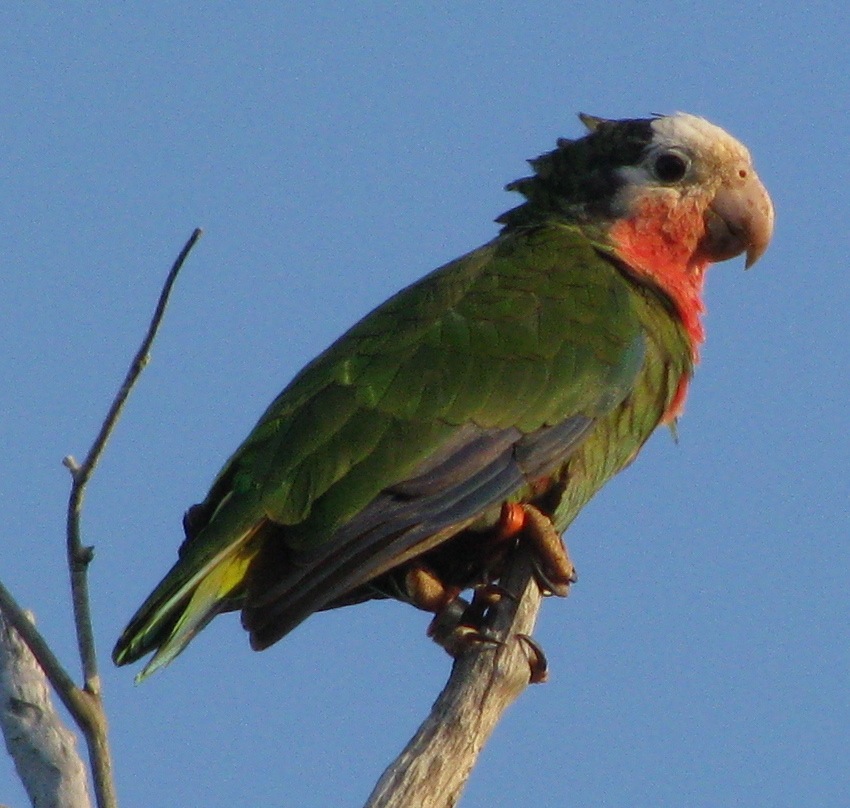
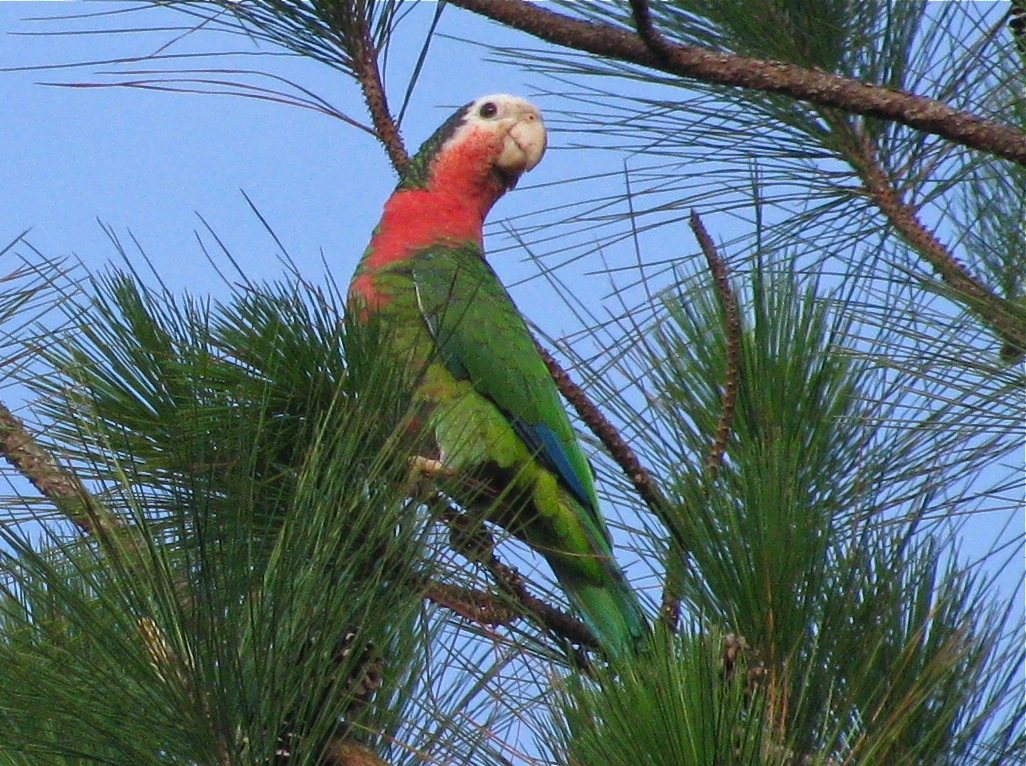
Time to write some more about Abaco’s most famous bird, the unique ground-nesting Amazon / Cuban parrot sub-species that makes Abaco its home, and breeds in the pine forests of the Abaco National Park in the south of the island. You’ll find lots of information and photos on the dedicated page ABACO PARROTS.

This post covers the 2012 breeding season, and highlights the success of scientist Caroline Stahala and her team in helping to secure the future of these rare endangered birds. The population had shrunk to around 2500 (or fewer) some years ago. More recently it had risen to 3000. An intensive conservation program, including anti-predation measures, has proved effective; and a systematic ringing program has enabled the team to keep a close eye on recovering parrot numbers. Caroline says that the population is now in the region of 4000, confirming an encouraging reversal of a dismal decline towards extinction for these beautiful birds.

ABACO PARROTS IN THE PINE FOREST
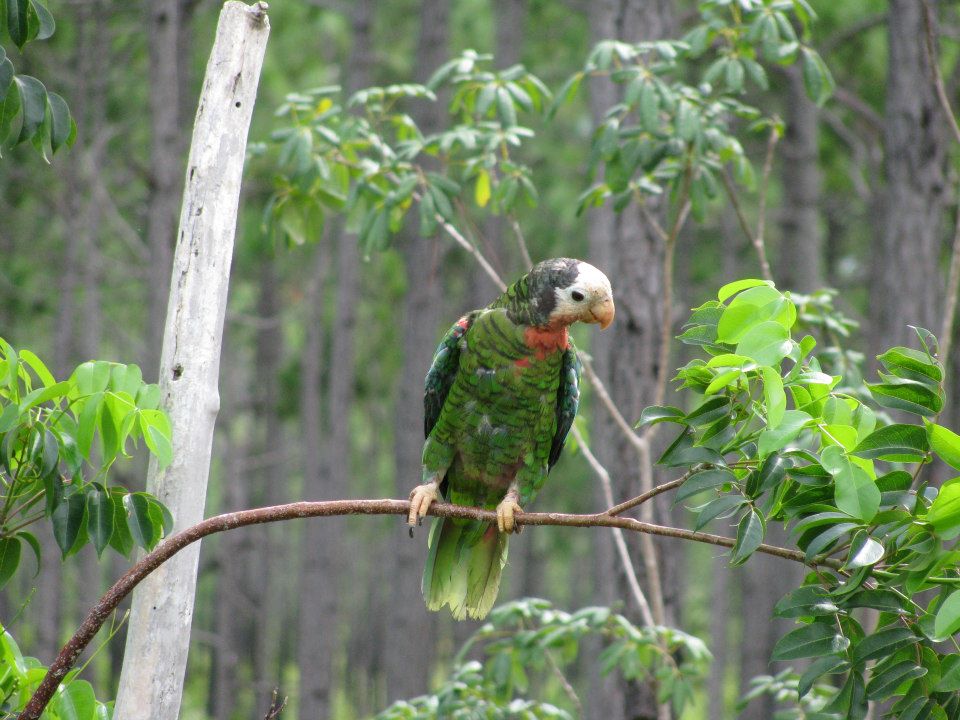
The parrots breed only in the pine forest, where they nest in quite deep holes in the limestone rock. This makes the nests and the areas round them vulnerable to predation from feral cats and rodents etc; but conversely it offers protection from the forest fires that would destroy tree nests. 

The holes are often well concealed in the undergrowth and take some searching for…

Both parents are involved in the nesting and later chick care. The female lays 2 – 4 eggs.

The chicks hatch after an incubation period of around 26 days
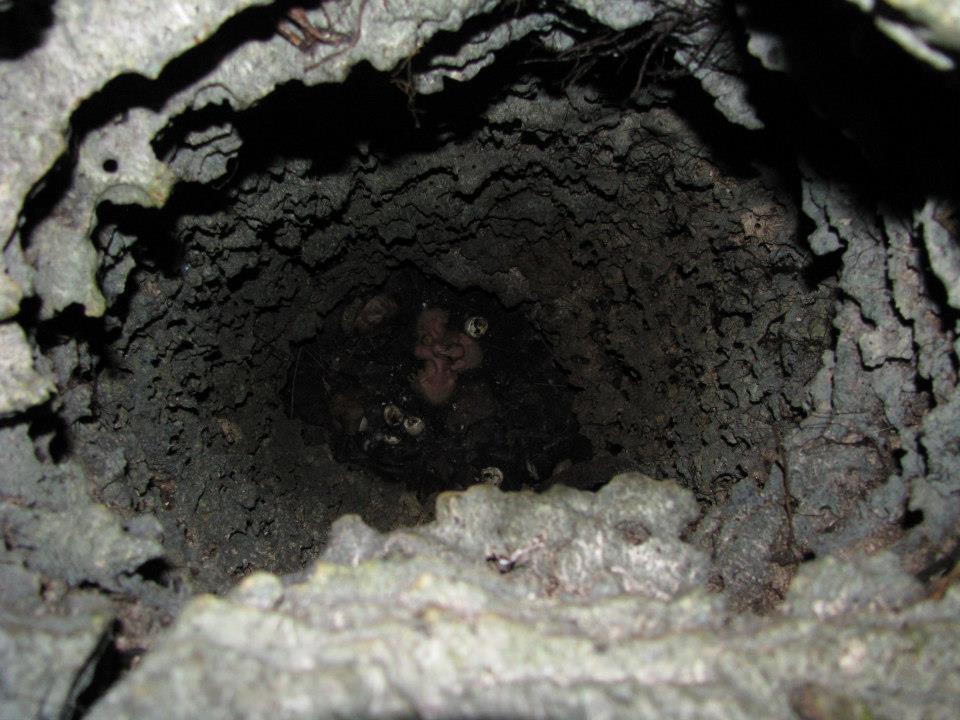
Some of the nest holes are remarkably deep: the parent parrots clamber up and down the sides

The chicks grow the beginnings of feathers, remaining quite unattractive except to their parents
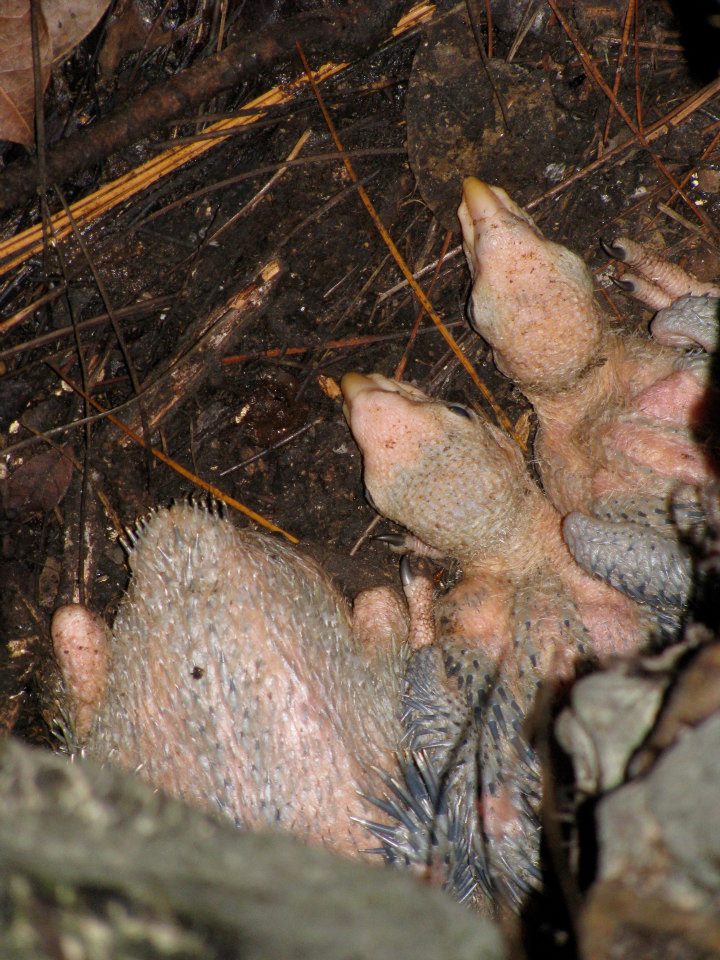
The parent parrots share feeding and care duties

The chicks / fledglings stage are ringed so they can be identified – see ABACO PARROT CHICKS

By coincidence, as I was producing the post above, Craig Layman at THE ABACO SCIENTIST was also ruminating on the topic of Abaco parrot breeding. He posted the comments below, which raise the very interesting question whether the Abaco parrots, with their increased population, may be starting to breed outside the National park. Caroline can probably answer this (see COMMENTS), but does anyone have any direct evidence to suggest a wider breeding habitat? I guess there would need to be a suitably pitted rock structure for the nests, and an absence of the usual cat- and rat-type predators that one might find nearer human populations. Answers welcomed via the comment box…

(Sort of) A Bahama Parrot Study

Posted by laymanc 26 Nov 2012

It isn’t really much of a study, but the only “science” I have been able to do over the last week with the continued turbidity of  nearshore waters.

The Bahama parrot (more information HERE and HERE) is one of the iconic Bahamas animals, and the main factor behind the establishment of the ABACO NATIONAL PARK in southern Abaco.  But my study has been conducted instead from my desk in Little Harbour.  My main finding is simple: the range of the parrot has clearly expanded; it has now been a full calendar in which parrots have been in the area.  Just a few days ago two dozen were squawking around the harbour.  The key will be whether they begin nesting here as well – I havent heard reports of that yet.  But if they do, the expanding nesting range will substantially increase long term viability of the parrot on Abaco.  That ends my first ever Bahama parrot study (I really need more time in the water when I come back).

Unknown's avatar

GEORGIE THE ABACO MANATEE: IS SHE RELATED TO AN ELEPHANT?


GEORGIE THE ABACO MANATEE: IS SHE RELATED TO AN ELEPHANT?

Georgie, having returned to Cherokee after Hurricane Sandy, is still around there and seems to have made it her home. While she was missing, it was thought she had headed off instinctively for the protection of the mangroves. However a number of sighting reports made since Sandy suggest that she had sensibly swum up the canal at Casuarina, where she was able to keep her head down until the storm had safely cleared northwards, and she was able to return to base. Because she had shed her tag, we’ll never know the full story… 

Georgie safely back at Cherokee after Hurricane Sandy

Recently an interesting article by BEACH CHAIR SCIENTIST considered the relationship between sirenians and pachyderms, and added some handy comparative facts (you can seen more manatee facts on this blog HERE). Thanks, BCS, for use permission (the relevant credits are contained in the article).

Are manatees and elephants related?

by Beach Chair Scientist

It might be very difficult to imagine, but manatees (also known as ‘sea cows’) share a common ancestor with elephants which might come as a surprise if you thought manatees shared a common ancestor with other marine mammals such as dolphins, whales, or sea lions. Here are 10 facts that link manatees and elephants are long-lost relatives.

1. Scientifically, manatees and elephants are classified as subungulates. Other mammals in the Subungulata superorder are hyraxes and aardvarks.
2.Manatees and elephants have an uncommon-shaped heart that is spherical. To compare, most mammals have a single-pointed tip at the base (i.e., “heart”—shaped).
3. The West Indian and West African manatee have three or four fingernail-like structures on the tip of their flippers, just like that of the toenails on the feet of elephants.
4. Manatees and elephants both have a thick, gray skin with very sparse hair.
5. Manatees and elephants have molars which move toward the front of the mouth, eventually break off, and are restored by those at the rear. Elephants have a limited number while manatees are never-ending.
6. Manatees have two incisors that bear a resemblance to elephant tusks.
7. Manatees use their large, flexible muscular lips to break apart vegetation in the water and skillfully steer food to their mouths. This is very similar to the action of the elephant eating with his trunk.
8. Manatees and elephants are herbivores. Manatees tend to feast on sea grass and freshwater plants and consume up to 100-150 pounds a day. Elephants tend to feast on small plants, bushes, fruit, twigs, tree bark, and roots and consume up to 330-375 pounds a day.
9. Male manatees and elephants are known as bulls. Female manatee and elephants are known as cows. Young manatee and elephants are known as calves.
10. Manatees and elephants are both endangered. Their numbers have dropped due in a large part to human activities.

Manatee image (c) cruisenaplesflorida.com, elephant image (c) gallery.hd.org

Here is a fantastic TEACHING RESOURCE from the University of Florida and Se Grant extension I uncovered while pulling this post together.

Credit: SavetheManatee.org

To whom thanks also for this: WHAT DO MANATEES SOUND LIKE? 

[audio http://www.savethemanatee.org/Manatee%20Sounds/Track03mp3.mp3]


Unknown's avatar

“GIVE PEEPS A CHANCE”: THREATENED PIPING PLOVERS, ABACO BAHAMAS


“GIVE PEEPS A CHANCE”: THREATENED PIPING PLOVERS

Not the feeblest punning title on this blog, but going hard for the avian-related booby prize. As it were. And you might with reason point out that, strictly speaking, ‘peeps’ are not plovers at all, but small squeaky sandpiper species. Many months ago I did a short post about these tiny plovers, and had begun to update it. Then I found that both the BNT and the ABACO SCIENTIST are onto them too. Thanks to them, I have some excellent added material further down the page… But first, here’s a quick cut out ‘n’ keep summary

SIZE               Charadrius melodus is a Very Small Shorebird

HABITAT     Rocky shores / sandy beaches; nesting in higher, drier areas of the shoreline where there is cover 

Photo courtesy of Caribbean Birds SCSCB

RANGE          From Canada (summer) down to the Gulf of Mexico (winter). They head south in August and return in March 

Credit: Xeno-Canto / Google

CALL              A thin whistled peep peeping, whether standing or flying, and a two-note alarm call [There are surprisingly few Piping Plover call samples online. Many sites – Audubon, eNature, Birdwatchers Digest – all seem to have the same one. So I’ll credit them all and the originator Lang Elliot and hope I’ve covered my back…]

BREEDING   The male digs out several scrapes on the high shoreline. The female contemplates these efforts, and (if any meet her ideal domestic criteria) chooses her preferred one, which she then decorates (grass, weed, shells etc). Meanwhile, Mr Peep tries to impress her by chucking pebbles around, dive-bombing her, and strutting around her importantly and “fluffed up” [none of these tactics work in human courtship, in my experience]. If Mrs Peep (a) likes the home she has chosen and furnished and (b) has recovered from her fit of the giggles at all that performance, she permits mating to proceed

NESTING     First nests normally have 4 eggs; later ones fewer. Both share incubation and subsequent parental ‘brooding’ duties

DEFENCE    Plovers have a defensive “broken wing display” used to distract predators and draw attention away from the nest

THREATS    Larger birds, cats, raccoons etc. Human disturbance. Plovers and chicks are vulnerable to storms & abnormal high tides 

ZOOM…!     Capable of running at astonishing speed over short distances. When they stop, they often snap the head back and forward.

STATUS       Depending on area, treated either as Threatened or Endangered; IUCN listing NT

CONSERVATION Historically PP feathers were used as decoration in wealthy women’s hats – no longer a problem. Shoreline development and alterations to natural coastline are now the leading cause of population decline. This has been reversed through field and legislative protection programs, especially at nesting sites; public education; anti-predation measures; and restricting human access in vulnerable areas – including off-roading…

STOP PRESS Nov 18 Sean has just posted a professional / scientific article about piping plovers, with some very useful information specific to Abaco and some helpful links, over at the ABACO SCIENTIST. Clicking through is highly recommended if you want to know more about these little birds

This is the characteristic ‘pigeon-toed’ stance – they run that way too…

RICARDO JOHNSON’S 6 MINUTE VIDEO ‘PIPING PLOVERS’ 

Ricky is a well-known, infectiously enthusiastic, and compendiously knowledgeable Abaco nature guide  (this guy gets way too much free publicity in this blog…). As I wrote when I originally posted  it “In this video he focusses his binoculars on piping plovers, a threatened species of tiny plover which annually makes a long migration to the Bahamas, including Abaco – and then heads all the way north again.”

If this video doesn’t make you smile at some stage, I suspect a SOH bypass and / or your ‘anti-cute’ setting is jammed on. Even so you’ll see the differences between the piping plover and the more familiar Wilson’s plover.

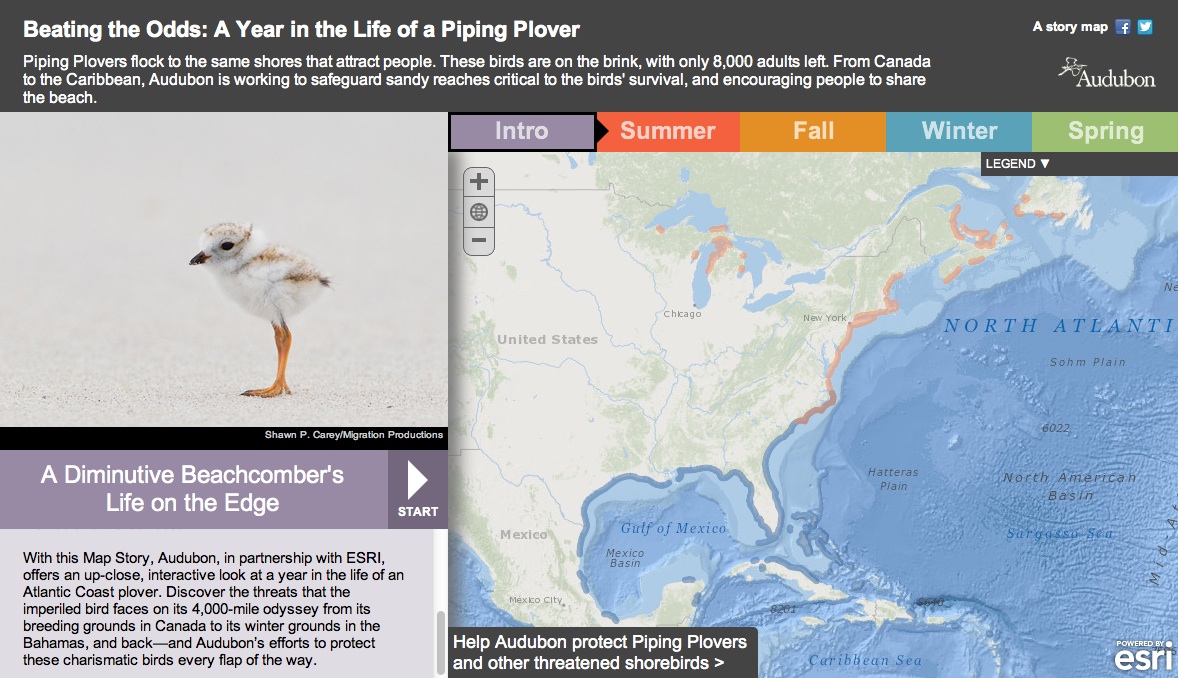
The BNT / ABSCI material originates from the Audubon Society. If you want to know about the annual journeys of these little birds and where they are in each season, it’s all here. The item was made in conjunction with the ESRI mapping project. I’ve put a screenshot below to give a general idea of what’s involved [click to enlarge] and you can reach the interactive Audubon page if you CLICK PIPING PLOVER

Credits:Wiki (images), Audubon Soc, Xeno-Canto, Lang Elliot & partners, Ricky Johnson

Unknown's avatar

“MANATEE MANIA IN THE ABACOS” BMMRO FALL 2012 NEWSLETTER


“MANATEE MANIA IN THE ABACOS” – BMMRO FALL 2012 NEWSLETTER

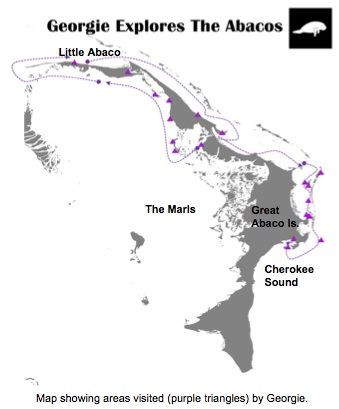
The BMMRO has just published the Fall 2012 newsletter, and it’s no surprise to find that the front page news is the arrival of young manatee Georgie on Abaco. After nosing and indeed grazing her way around Abaco and the Cays, she still appears to be contentedly moored in Cherokee after the best part of a month. Here’s the official map of her wanderings 

Besides the manatee there’s plenty more to read and look at including 

  • Charlotte Dunn’s ‘President’s Update’
  • Articles on whales, and a friendly bottlenose dolphin’s visit to Hope Town
  • Fall ‘cetacean sightings’ map
  • Students at ‘Whale Camp’
  • A quiz to make sure you have taken it all in…

To read the four-page document –  and admire the photos – CLICK BMMRO FALL 2012 NEWSLETTER

Unknown's avatar

‘PARROTS OF THE BAHAMAS’: ABACO PARROT PAINTINGS BY ANTONIUS ROBERTS


‘PARROTS OF THE BAHAMAS’

A SERIES OF ABACO PARROT PAINTINGS BY ANTONIUS ROBERTS

The wonderful parrots of Abaco are often featured hereabouts, and with good reason. They are the only subspecies of cuban parrot to nest underground, a unique species adaptation that protects them from fires in the pine forest of the ABACO NATIONAL PARK where they breed. However this in turn makes them vulnerable to predation. An intensive long-term conservation and predation-reduction program headed by scientist Caroline Stahala has reversed the decline of this iconic bird. Numbers have increased from fewer than 2500 some years ago to an estimated 4000. 

There are places on Abaco – south Abaco in particular – where the parrots congregate in noisy groups during the day. Many people manage to take photographs of them. Good photographers with a decent lens can get outstanding results. Even the camera-incompetent (I hear my name!) can manage the occasional first-class photo, given time and plenty of spare space on the camera card… But very few can do justice to these colourful birds in paint.

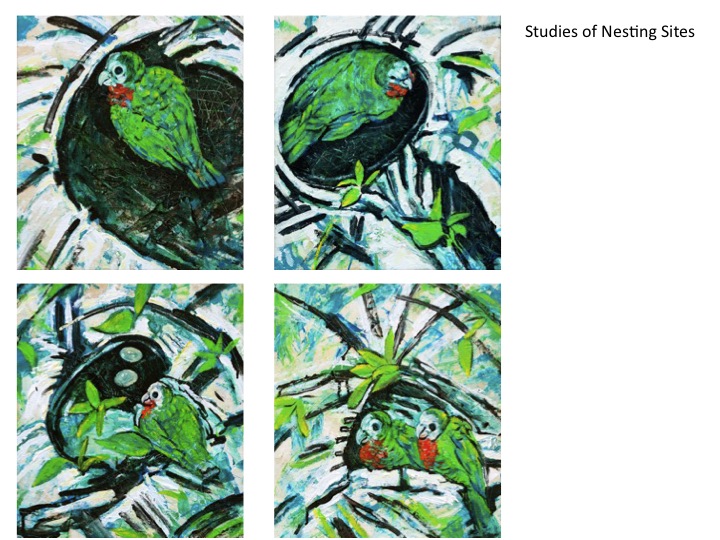
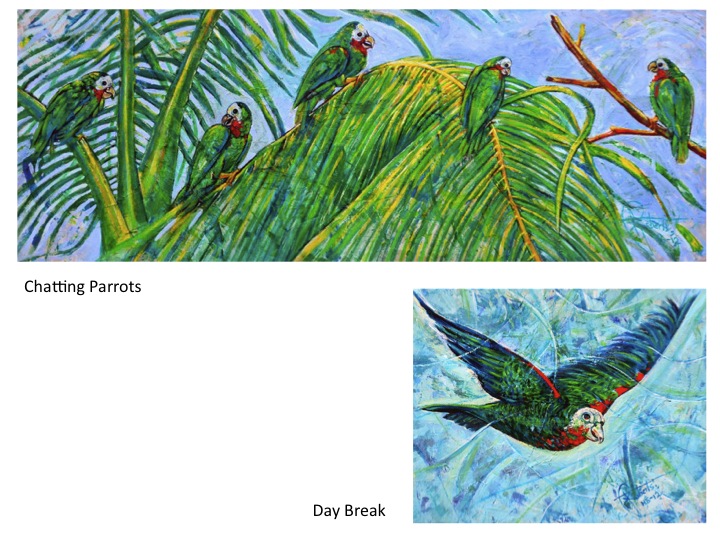
The spectacular series of paintings below are by well-known Bahamian artist and sculptor Antonius Roberts. Caroline has already posted about these on the ABACO PARROT RESEARCH F/B page. The originals of these paintings have (unsurprisingly) been sold, but they are available as limited-edition prints. Antonius will generously be donating proceeds of sale from the series to support the on-going parrot research. The images are ©Antonius Roberts – thanks to him and to Caroline for use permission

A recent reception was held in Nassau to showcase this series of paintings. You will find more about them by clicking the link to open a pdf of the reception brochure ABACO PARROT PAINTINGS Caroline Stahala contributed an excellent one-page article about the Abaco Parrots and their conservation – click on it to enlarge to legible size

Contact Antonius via email to hillsidehousebs@gmail.com or check out his website by clicking the parrot

Unknown's avatar

FISH FRENZY AT FOWL CAY MARINE PRESERVE, ABACO, BAHAMAS


FISH FRENZY AT FOWL CAY MARINE PRESERVE, ABACO

This is the first short video from footage taken in June at Fowl Cay, 2000 acres of protected coral reef waters. This was the start of another great day out snorkelling and island-hopping with dive-diva Kay Politano of ABOVE & BELOW ABACO Marsh Harbour.  In due course there will be more videos of fish and coral. There is very slight evidence that lessons have been learned since last year’s erratic novice snorkeler / underwater photographer efforts. Still a way to go of course. The production process has been hampered by a major format problem between my camera chip thingy and the Mac I now use. It told me the data was unrecognisable / corrupted / damaged etc, which was massively disappointing. Then I thought of  <<techno-tip>> downloading to an old PC and transferring to the Mac on a memory stick. Problem solved.

This huge swirling mass of (tens of) thousands of small fish confronted me as I round one end of the reef. I’ve never seen anything like it before, except on TV. It was an astounding, dizzy-making spectacle. When I swam into the middle of the shoal, I expected to feel tickled all over – but despite the huge numbers of fish, their speed, and their sudden and apparently random direction changes, I wasn’t conscious of feeling them at all. I assume the commotion resulted from the presence of larger fish feeding on the small ones. Or possibly from my appearance…

Music credit: Gordon Giltrap (Hofner champion) ‘Fast Approaching’

Unknown's avatar

THE GREATER ANTILLEAN BULLFINCH ON ABACO


THE GREATER ANTILLEAN BULLFINCH ON ABACO

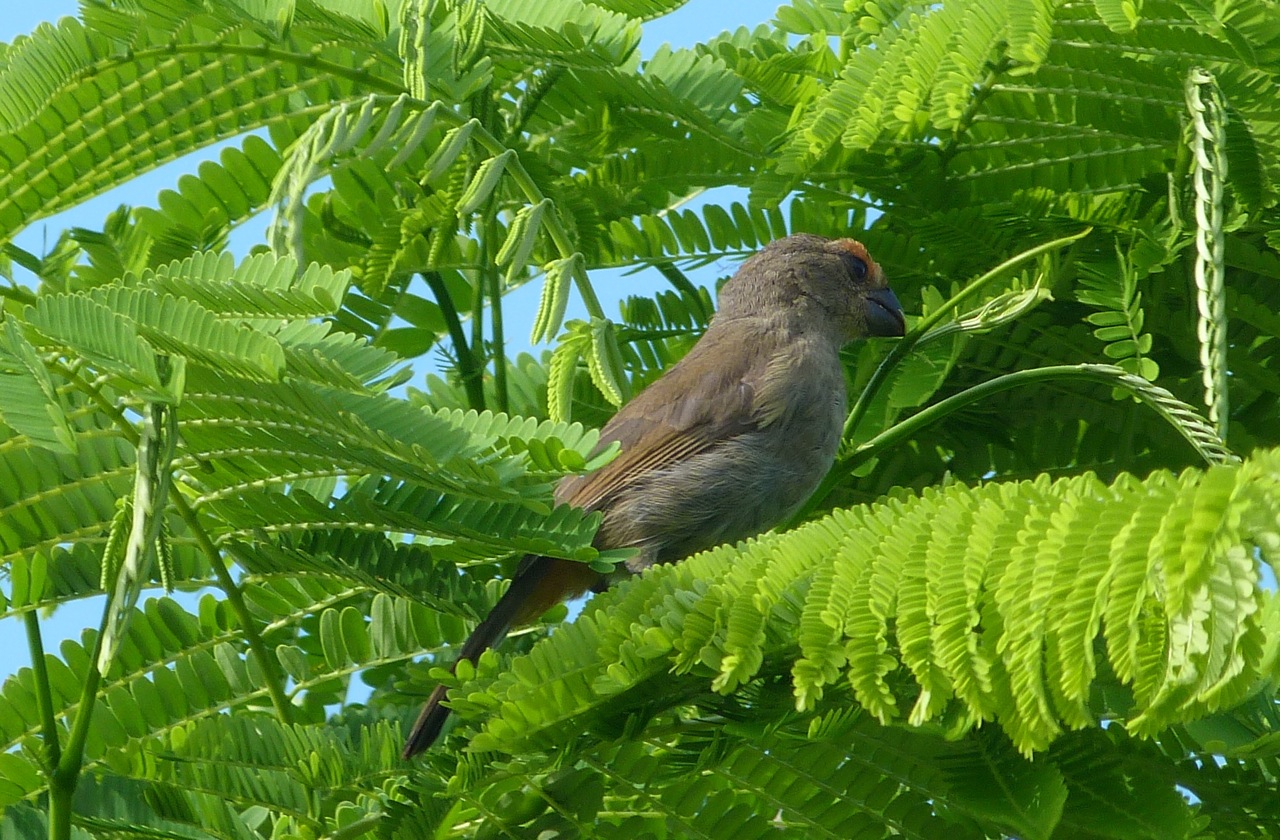
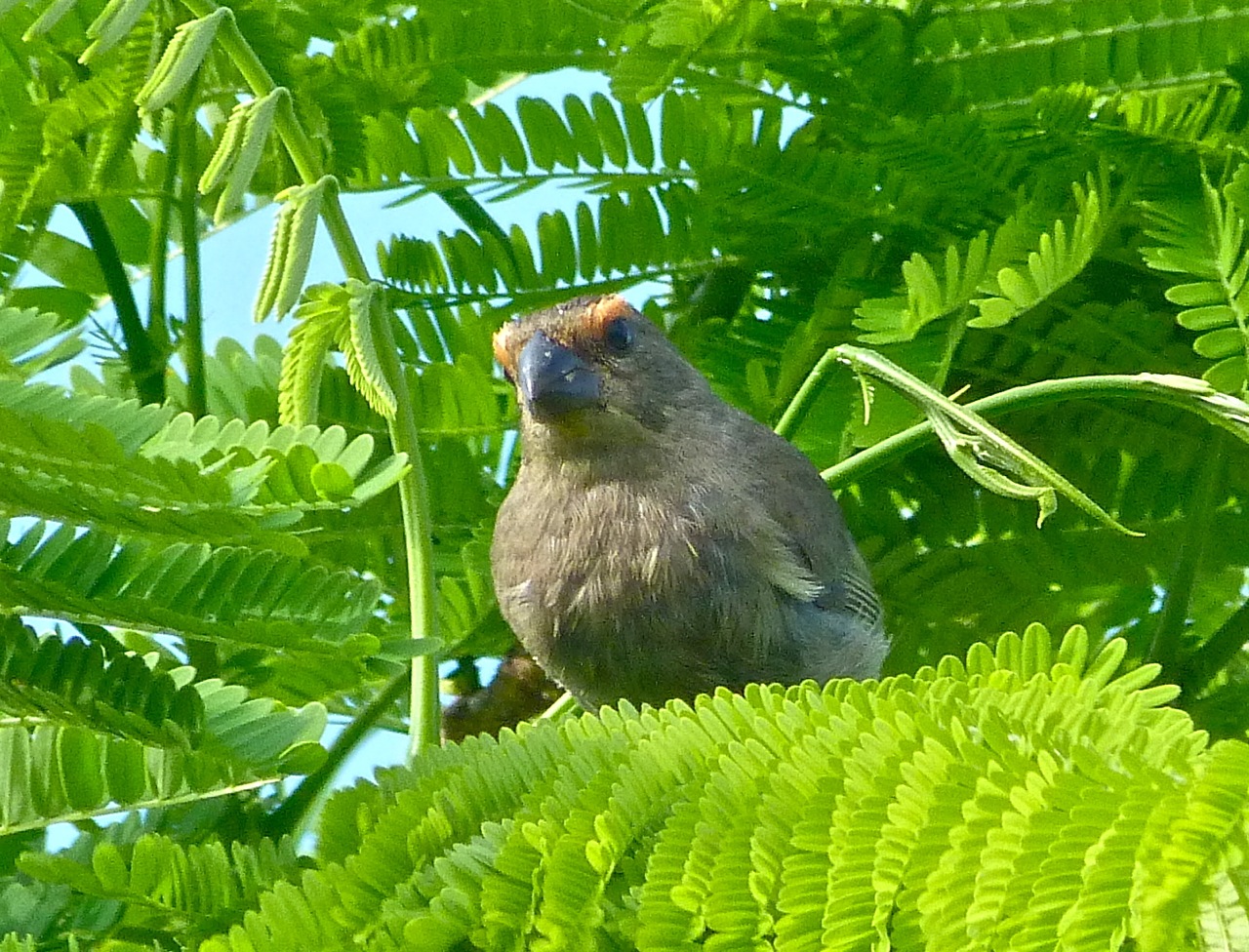
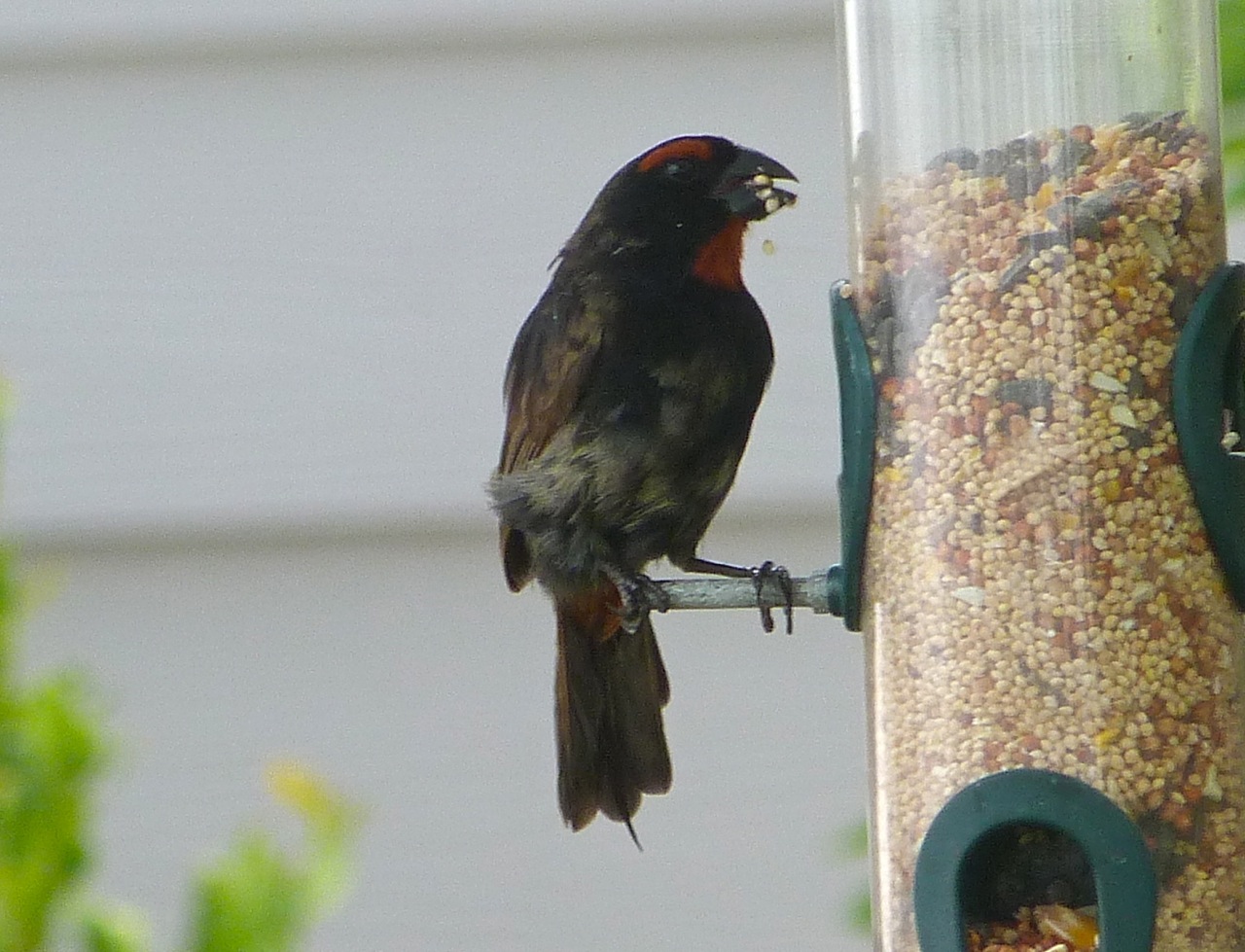
This is a well-know bird (Loxigilla violacea) that can be seen on Abaco all year round. With their scarlet bibs and eyebrows, the males are a cheerful sight in coppice or garden. The females are paler brown, with orange accessories.

While still officially rated as a species of ‘Least Concern’, a measurable fall in population in recent years has seen them nudging towards ‘Vulnerable’. 


[audio http://www.xeno-canto.org/sounds/uploaded/FSCGENVPXK/GREATER%20ANTILLEAN%20BULLFINCH%201%20Andros%2042910.mp3]

Greater Antillean Bullfinch song from Paul Driver at Xeno-Canto

Antillean Bullfinches enjoy garden feeders – and their larger size means that they are higher up in the pecking order than the black-faced grassquits and other small birds 

They are one of the many popular Bahamian bird species to have featured on postage stamps – in fact they scooped the high-value $10 stamp in 1991 and the $5 stamp in 2001


Unknown's avatar

BAHAMAS CONCH QUEST – GASTROPODS, SHELLS & CONSERVATION


Conch ©Melinda Riger @G B Scuba

BAHAMAS CONCH QUEST – GASTROPODS, SHELLS & CONSERVATION

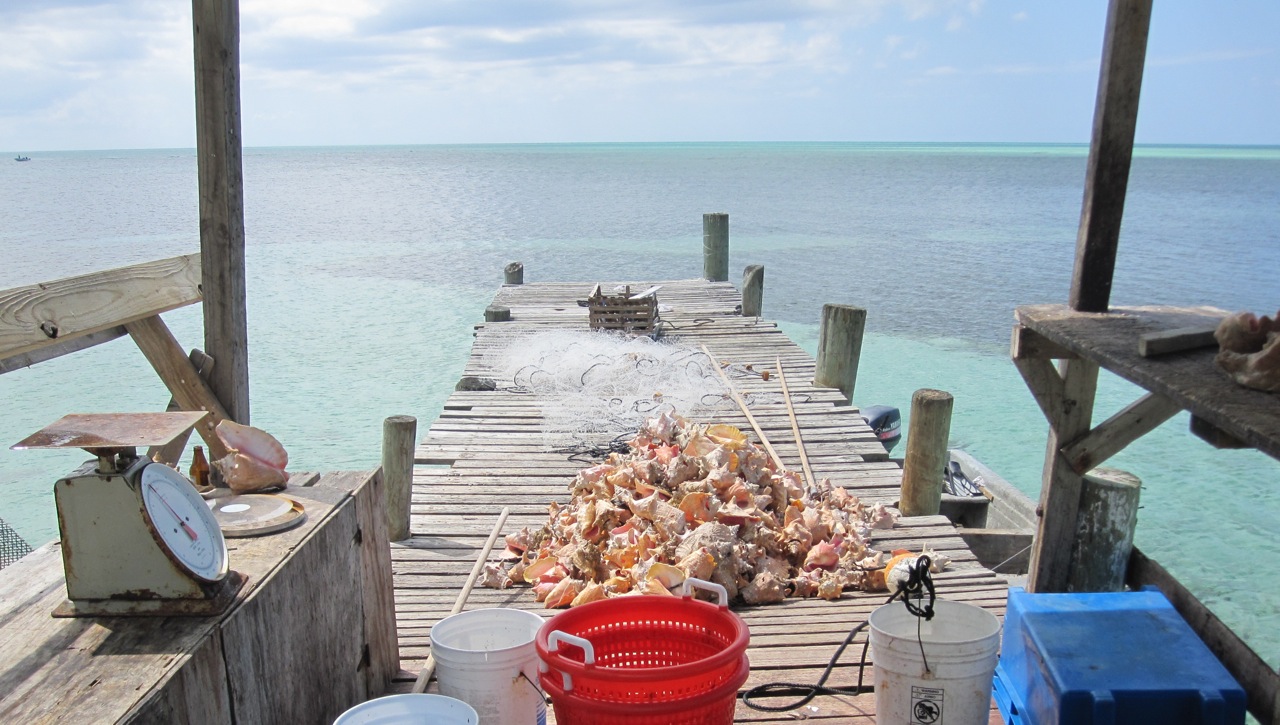
Conchs are among the most familiar of all shells. On Abaco they are everywhere: in the sea, on the beach, used ornamentally in gardens, piled up wherever conch is on the menu… (basically, anywhere serving food)

Conchs have other uses besides being a staple food. They provide sought-after pink pearls.  Only about 1 conch in 10,000 has a pearl, so bear in mind that if you miss one during your search, you may have another 10,000 to wade through… Conchs can produce music, of a sort (such as when used enthusiastically by the famous ‘conch-blower’ home-team supporter during cricket Test Matches in the West Indies). They are undeniably decorative on a porch or on a shelf.

Conchs have featured in literature and film. In William Golding’s Lord of the Flies the conch represents power and order. A conch is blown to call meetings of the marooned boys. Its power is symbolised by the rule that you have to be holding it to speak at the meeting (an idea that many – all? – Parliaments could benefit from…)

Ian Fleming mentions conchs in several of the Bond books, all such references being totally eclipsed by the memory of the appearance, in the film Dr No, of Honeychile Rider emerging from the sea, conch in hand. Oh, I see. That’s just men is it? Or (good grief) just me? Anyway, may we all agree amicably that Ursula Andress was a most decorative conch carrier?

CONCH CONSERVATION

The supply of conchs is not infinite. Overfish them, take them before maturity  or pollute their habitat and this valuable marine resource depletes – and conchs, as with so many marine species, will become threatened. Fortunately there is a Bahamas-wide conservation organisation with a website packed with interest. 

COMMUNITY CONCH is “a nonprofit organization that aims to protect queen conchs in the Bahamas, a species of mollusk threatened by aggressive over-fishing. We promote sustainable harvest of queen conch through research, education and community-based conservation”

community conch logo

“Helping to sustain a way of life in the Bahamas”

Much of the research has been carried out in Berry Is, Andros and Exuma Cays. However the team has recently been based at Sandy point, Abaco. To see some of their work on Abaco CLICK LINK===>> ABACO EXPEDITION   

In many past posts I have listed ’10 Essential Facts’ about the topic discussed. In that spirit I have borrowed and slightly edited CC’s conch facts; and added a CC video of a conch’s stately ‘full speed ahead’ progress. NB No zoom… 

12 CONCH FACTS

  • The queen conch is a large edible sea snail native to the coasts of the Caribbean, the Florida Keys, the Bahamas, and Bermuda. Conchs are herbivores – they eat algae and other tiny marine plants
  • Main predators include nurse sharks, loggerhead turtles, other snail species, blue crabs, eagle rays, spiny lobsters, and other crustaceans
  • Mating aggregations may contain hundreds or even thousands of individual male and female conchs
  • Female conchs lay hundreds of thousands of tiny eggs in a sandy egg mass. The larvae emerge after 5 days and may drift on ocean currents for a month before settling in suitable habitat on the sea floor
  • In their first year conchs live under the sand during the day & come out to feed on the surface at night
  • A queen conch may take 5 years to reach maturity and can reproduce
  • They live an average of 7 years, but are known to live as long as 20 – 30 years
  • Conchs produce natural pearls that come in a range of hues, including white, brown, orange & pink
  • The conch is listed by CITES as a species which may become threatened with extinction if trade is not tightly controlled
  • It is now illegal to take queen conchs in the state of Florida due to severe overfishing
  • 80% of legal internationally traded conch is consumed in the United States. The smuggling of conch meat into the U.S. is a significant challenge to conch management in The Bahamas
  • Queen conch are vulnerable to overfishing because they are (1) relatively slow to grow (2) late to mature (3) aggregate to mate (4) easily harvested in shallow waters

A SPEEDY CONCH

(Conch photos taken by RH / Mrs RH at Sandy Point, Abaco)
Unknown's avatar

ABACO PARROTS – CONSERVATION & ANTI-PREDATION PROGRAMS BREED SUCCESS…


The wild parrots of Abaco are very special birds. Uniquely they nest underground in limestone holes which provides protection, not least from forest fires. Thanks to a program of intensive research over the last few years, far more is now known about these birds and their breeding habits. Investigations into predation have led to effective predator controls. The evidence this year is that the population numbers, having stabilised, are gradually rising to a sustainable level of some 4000 birds. The parrot below has been ringed as a chick as part of the continuing monitoring program.

I will soon be posting about the current breeding season – the parrots are in their limestone cavity nests now, the eggs are laid, the chicks will soon be hatching. Caroline Stahala, the Abaco parrot expert familiar to those who follow this blog (see ABACO PARROTS), will soon be reporting on this years breeding and chick-ringing program. In the meantime, here are some of Caroline’s pictures taken during the past season of the parrots in all their glory…

The parrots mainly live and breed in the pine forest of the Abaco National Park

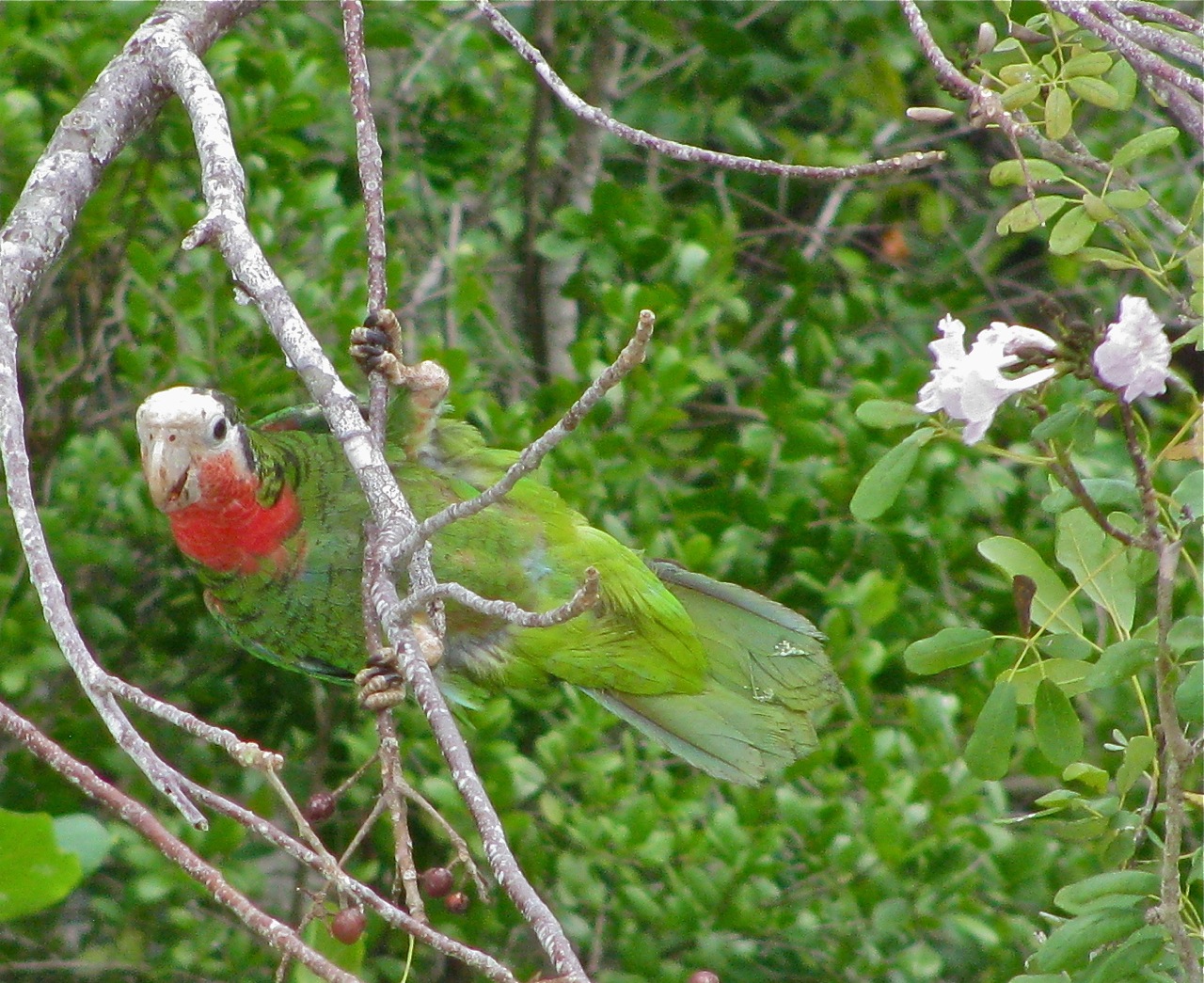
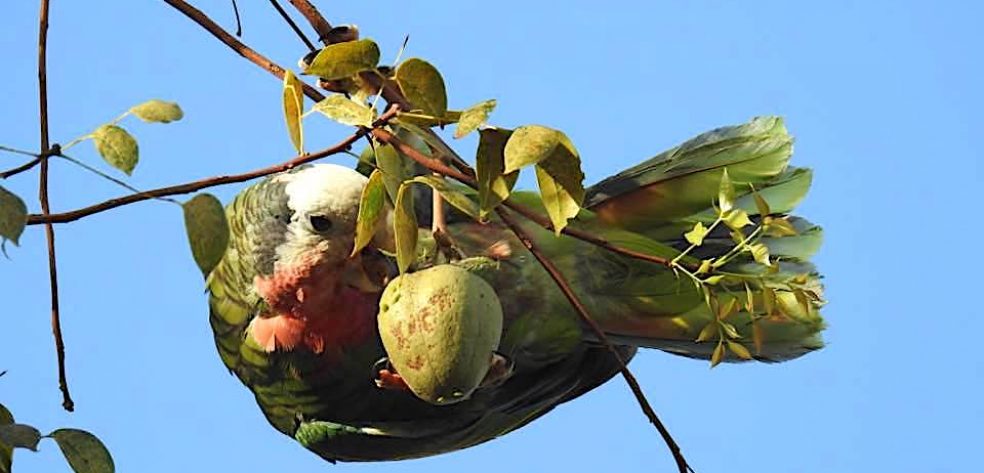
During the day they fly northwards, often in large noisy groups, where they feed. One of their favourite treats is the fruit of the Gumbo Limbo tree. This sometimes requires acrobatic skill

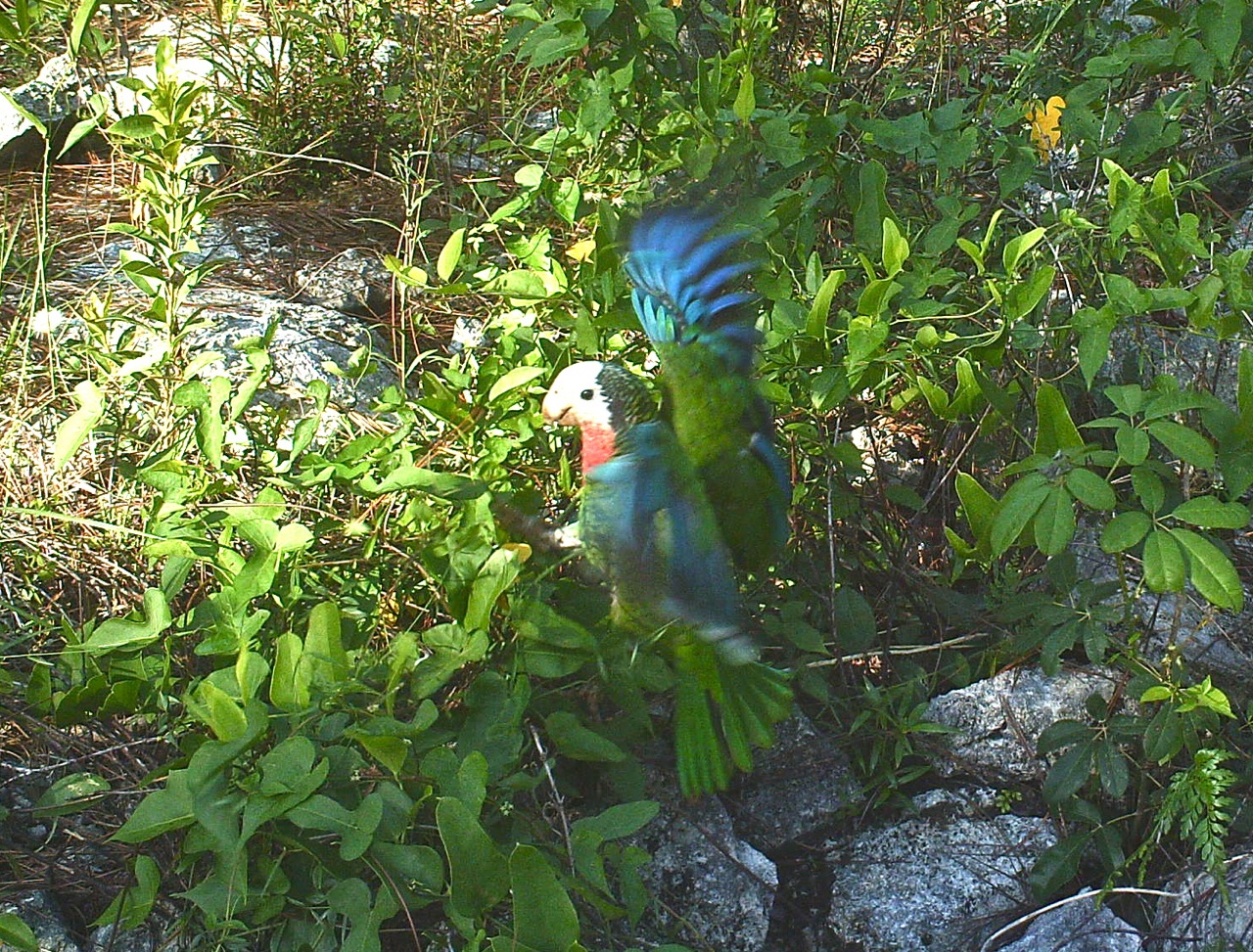
The sunshine brings out their bright colouring. When they fly, the blue on their wings is wonderful 

Besides Gumbo Limbo berries, the parrots enjoy feeding on seeds

A parrot takes flight near a nest cavity. There’ll be more photos of parrot nests later this month

(All photos © C. Stahala / Rolling Harbour)

Unknown's avatar

‘THE AUK’ JOURNAL: SUMMER BIRDS ON ABACO & IN THE BAHAMAS 1905


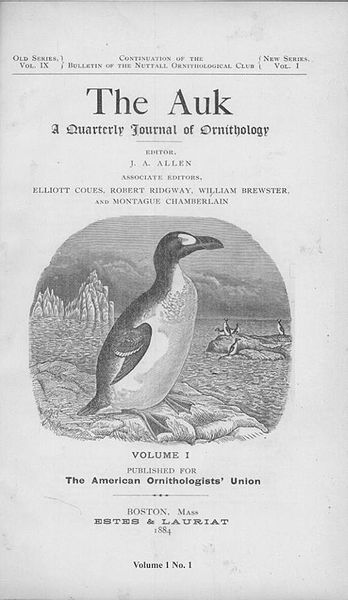
THE AUK

A Quarterly Journal of Ornithology


THE AUK is a quarterly journal published by the AOU specialising in promoting the scientific study of birds by means of original peer-reviewed reports. It has been in continuous publication since 1884, and can lay claim to be a (the?) foremost journal in its field. Here is the front page of  the first volume of the journal

The 1905 Vol 22 No. 2 contains a 22 page study by Glover M Allen entitled SUMMER BIRDS IN THE BAHAMAS. If you aren’t a particularly dedicated birder, my advice is ‘look away now’ and move on to a page, post or other occupation that interests you more. For the remaining 2 of you, stay tuned in. I thank you both. It will be worth it…

The article was published at a time when ornithological survey of the Bahamas was in its infancy. Cory’s famous list of birds collected from the islands had been published a mere 15 years earlier. Allen details his time spent with 2 companions – much of it on Abaco – as they investigated birdlife and recorded their findings. That aspect comprises the first part of the article. The second part is equally  fascinating: their list of bird species, with commentary, remarks and comparisons thrown in, together with some of the local names for the birds. Some of these are still in use, others perhaps long-forgotten. Is a Least Tern still known as a ‘Kill-’em-Polly’? Here are some highlights for busy people:

FLAMINGO / SPOONBILL Of particular interest is the recording of the apparently imminent loss of the flamingo (“fillymingo”) from the Northern Bahamas – a single colony only still surviving on the Abaco Marls by 1905. Allen and his group found only one roseate spoonbill, also on the Marls (we were also lucky enough to see a single spoonbill on the Marls in June)

BAHAMA PARROT Those who follow the fortunes of these fine birds on this blog or elsewhere will be especially interested in the following extract, which suggest that at the start of the c20, the species had all but died out on Abaco: “Amazona bahamensis (Bryant). We were interested to learn through the captain of our schooner, that a few parrots still exist on Great Abaco. He told us of having seen a flock near Marsh Harbor the year before (1903) and in previous years had some- times observed a flock in late summer at that part of the island. We learned that at Acklin’s Island about 14o miles south of Nassau, parrots still nest in numbers and the young birds are regularly taken from the nest when fledged,and bronght to Nassau to be sold as pets” I will be posting about the parrots later this month, but suffice to say here that the current estimate for Abaco parrots is now around 4000 birds, a significant increase since conservation measures and a predator control program were started some years ago.

BAHAMA WOODSTAR These endemic hummingbirds, now taking second place to the in-comer Cuban Emerald, were plainly everywhere then: “On all the islands and cays, wherever there was bush or tree growth, this humming- bird occurred” 

“PARAKEETS” There seems to have been a significant population of these, known then as ‘Bahama Grassquits’. What species were – or are -these? The description doesn’t quite match the ‘quit family candidates we are familiar with today.

OTHER SPECIES Avian taxononomy, with its frequent official changes of classification, is a confusing area… but it seems that in 1905 there were then 2 distinct species of Spindalis (now, one); and 3 Mockingbird varieties (now, two). But of course there may simply have been a naming adjustment since the article was published…

For those who have stayed awake till now, your prize is the following link to the whole 22-page (small pages!) article

BAHAMAS BIRDS PAPER 1905

 
Unknown's avatar

BRIGHT & BEAUTIFUL: SUMMER BIRDS AT THE DELPHI CLUB, ABACO


BRIGHT & BEAUTIFUL: SUMMER BIRDS AT THE DELPHI CLUB, ABACO

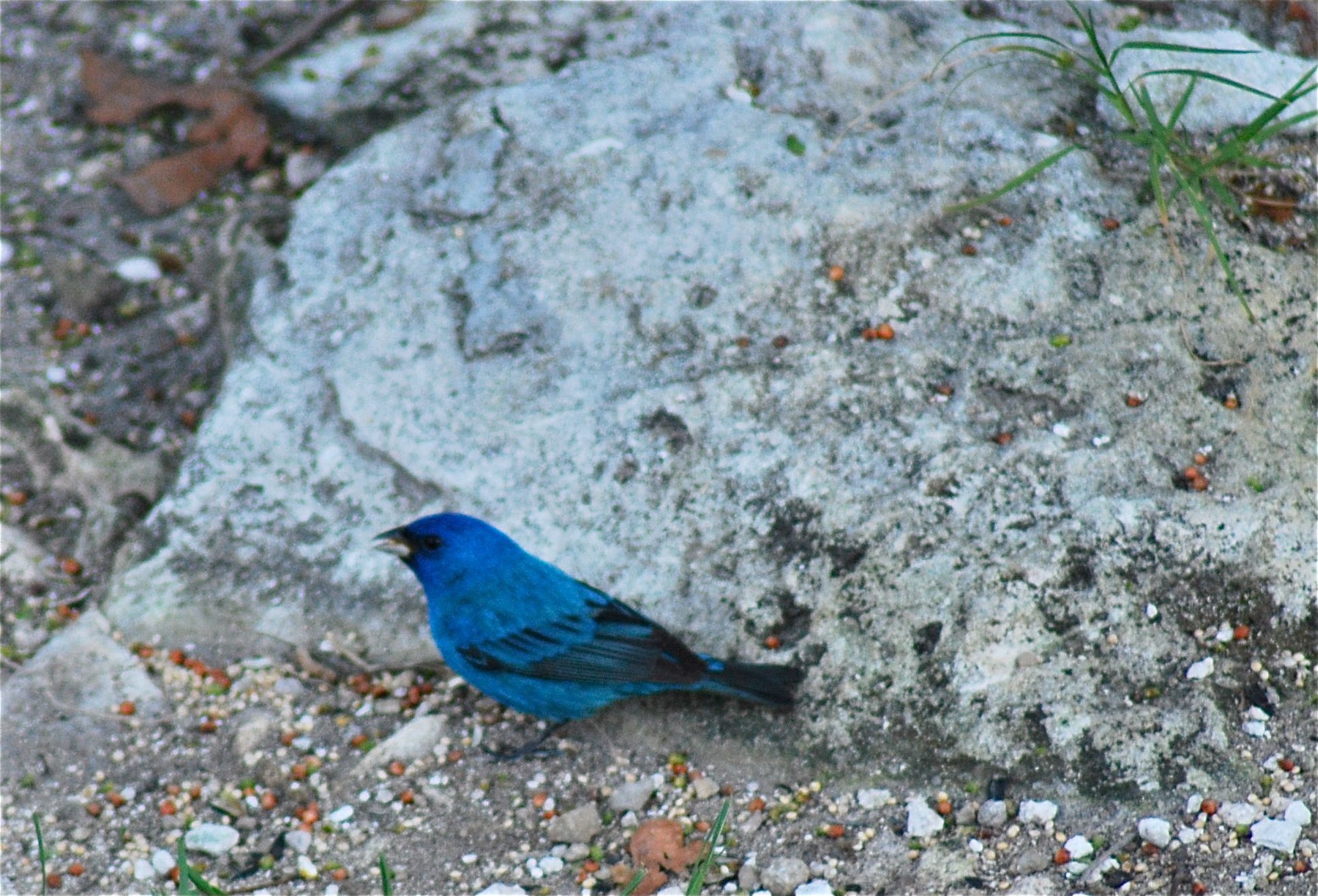
Peter Mantle reports that some colourful birds have arrived at Delphi to take advantage of the feeders and fresh water provided. Indigo Buntings have been around for a while, as they have been a little further north at BAHAMA PALM SHORES; and Rose-fronted / Red-breasted Grosbeaks (I’m not sure which is correct – the terms seem to be used interchangeably) have been seen all round the Club grounds for a week or more. They haven’t been recorded at Delphi before, so they have now been added to the ever-growing official list of the ‘Birds of Delphi’. How long before an elusive Kirtland’s Warbler puts in an appearance? And will anyone recognise it if it does..?

Unknown's avatar

BONEFISH RESEARCH: THE IMPACT OF HOOK RETENTION


THE IMPACT OF HOOK RETENTION ON RELEASED BONEFISH

Anyone committed to catch and release for bonefish will have wondered about the hooks that from time to time are left in a fish. The issue has now been the subject of a detailed scientific report from ELSEVIER highlighted in the ever-useful THE ABACO SCIENTIST (thanks to Craig Layman). The report’s main conclusions can be summarised as follows:

  • Hooks, especially shallow ones, are expelled fairly quickly
  • For deep-hooked fish, barbless hooks are significantly easier for the fish to deal with
  • The presence of a hook does not appear to interfere with feeding
  • Hook size is not a material factor
  • All the test sample fish survived
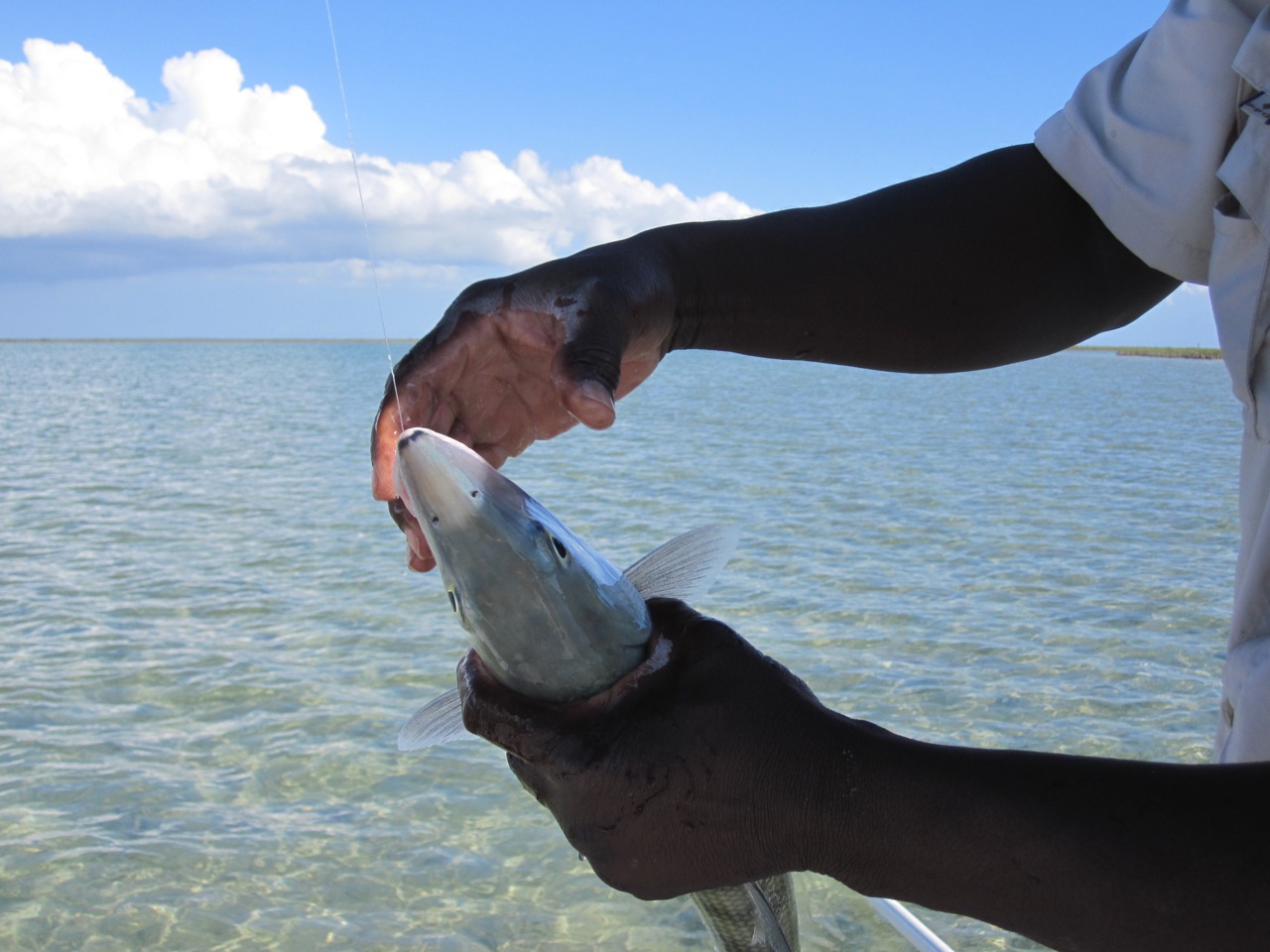
Overall, therefore, this is a vindication for the policy of barbless hook use for C&R. The report concludes that it’s best simply to leave a difficult-to-remove hook in the fish. Here, guide Ishi prepares to remove a barbless hook from one of my fish caught on the Abaco Marls.
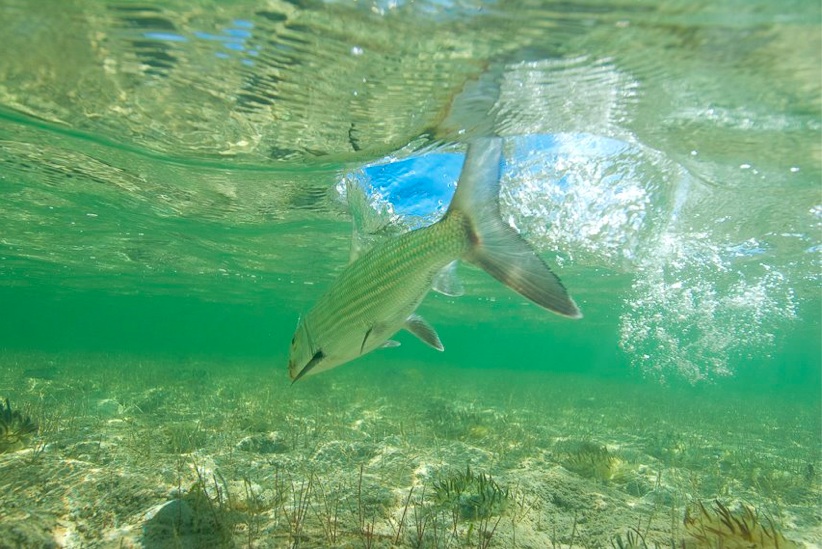
I have included a clip of the report’s front page and Abstract; and the link to a PDF of the full report for those interested in checking out the detailed scientific aspects of this research. To go direct to the general Fisheries Research section click ELSEVIER. The astounding photo is courtesy of Abaco’s conservation organisation FRIENDS OF THE ENVIRONMENT

REPORT PDF

NEW in June 2012 see later post + video CATCH & RELEASE DEMO ON THE ABACO MARLS for a quick release method with a barbless hook involving minimal contact with the fish. It isn’t suitable for deep-hooked fish or large ones, but it shows how quick the operation can be

Unknown's avatar

PROTHONOTARY WARBLERS ON ABACO, BAHAMAS: WHAT’S IN A NAME?


PROTHONOTARY WARBLERS ON ABACO, BAHAMAS

Janene Roessler has kindly sent news of a sighting yesterday of a prothonotary warbler on a feeder at Bahama Palm Shores, Abaco [Later addition] Now, with thanks to Ann Capling, here is that very warbler on the feeder –  a fine photo considering it was taken indoors through glass.Apparently there hasn’t been one recorded there since 2007. I know of one seen further south on the island near the Delphi Club in April 2010 (see photo and caption below). I’ve never seen one myself. It seems fitting to celebrate the news with a post about these little birds…

This very pretty species of warbler Protonotaria citrea is the only member of its genus. The male birds are very colourful, with the females and juveniles being a bit duller. In flight, the underside of their tails are white at the base, and dark at the tip Photo Credit Craig Nash (Peregrine’s Blog) This fantastic photo was taken on the main drive of the Delphi Club, Abaco

STOP PRESS JULY 2018 this rather basic post was written in April 2012, in the earliest days of this blog when mistakes were (and undoubtedly still are) made. Tim Kalbach has just contacted me with the helpful observation “the Craig Nash photo is a Yellow Warbler, not a Prothonotary. Yellow – green tones in rump and tail don’t occur in Prothonotary; those areas would be blue-gray in color”. Which goes to show, I think, that after 6+ years I need to revisit this species in more detail and accuracy! Thanks for the comment, Tim.

These warblers are native to the eastern US where they breed, wintering further south in the West Indies and Central & South America. Their nesting arrangements are unusual: “It is the only eastern warbler that nests in natural or artificial cavities, sometimes using old downy woodpecker holes. The male often builds several incomplete, unused nests in his territory; the female builds the real nest” where she lays 3 – 7 eggs. So either the male is cleverly creating decoy nests away from the real nest; or maybe he is showing typically male behaviour in starting several home DIY projects at once and not getting round to finishing any of them…

Female Prothonotary Warbler (wiki)

I can never cope with those phonetic descriptions of bird calls… So many small birds are described as going ‘tseep’ or ‘tweep’ or ‘seeep’, yet in practice sound different from each other. So here, courtesy of the admirable Xeno-Canto and recordist Don Jones, is how they sound in real life

Listed as of ‘Least Concern’ (except in Canada, where they are ‘endangered’), the sad fact is that like so many species PNs are declining in numbers due to habitat loss. They are also bullied by other birds, in particular the brown-headed cowbird; and the house wren with which they compete for nest sites.

And the cumbersome name? Although at one time known by the helpful name ‘Golden Swamp Warbler’, the bird was renamed after senior Roman Catholic church officials called PROTONOTARII whose robes were (are?) supposedly golden. For full but quite dull details click on the green word back there. Bizarrely, the wiki-link doesn’t seem to confirm the goldenness of the robes at all. I think I’ll vote for a return to the simpler description…

Male Prothonotary Warbler (wiki)

POST SCRIPT: By complete coincidence, the National Audubon Society posted this lovely PN picture on its Facebook page this very day, with the caption Start your Monday morning off right with this cute Prothonotary Warbler peeking out of a heart shaped tree hole! Have you seen any of these birds yet? Photo by Mark Musselman” 
Unknown's avatar

WEST INDIAN WOODPECKERS: EXPERT ADVICE & DELPHI CLUB NEWS


WEST INDIAN WOODPECKERS: EXPERT ADVICE & DELPHI CLUB NEWS

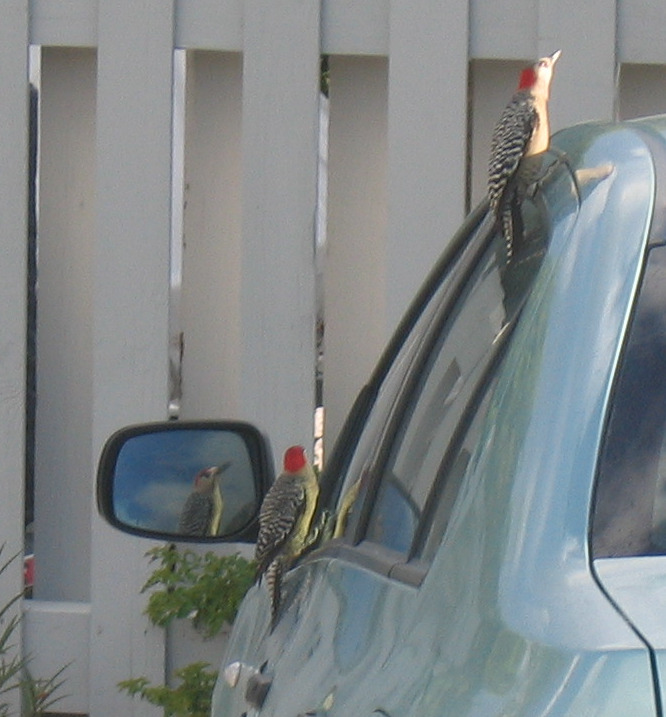
Here’s an article by Abaco Parrot expert Caroline Stahala. She also has in-depth knowledge of the habits of West Indian Woodpeckers, not least because her observations of the nesting in boxes provided for them last year at the DELPHI CLUB ABACO to discourage them from drilling into the building itself… See THE RELUCTANT WOODPECKER. Caroline’s article suggests helpful ways to co-exist with the ‘peckers. They are unlikely to change their endearing little, er, ‘pecker-dillos’, but there are ways and means to prevent them driving you crazy when they take a noisy liking to your eaves and guttering…

CLICK LINK===>>>LIVING WITH WEST INDIAN WOODPECKERS (Caroline Stahala) 

PETER MANTLE has just posted some news – including woodpecker and general wildlife news – from the DELPHI CLUB. After a detailed bonefishing report , he writes:

The best bonefish of recent weeks remains an 8-or-so-pounder. In a rare encounter with tarpon, 2 guests from England had several shots at a group of four fish in the twenty-to-thirty pound range, but had no time to switch over to proper tarpon flies and therefore, to use a cricketing expression, failed to trouble the scorer.

The gorgeous weather seems to have ennervated all the local wildlife, not just the parrots. Sightings of dolphins, turtles, eagle rays and ospreys in the Marls are now almost commonplace. Countless butterflies of different hues flit through the Club gardens. The woodpeckers are nesting again in the box just outside the office and the hummingbirds are constantly feeding just feet from my desk. It’s the time of year that dreams are made of.

The week was rounded off by your blogger-in-chief setting a new Club record – for the smallest ever bonefish, a brute of half a pound, taken off the Club beach on a Delphi Daddy after a titanic struggle lasting all of 30 seconds, with lemon shark looking on in expectation.

Unknown's avatar

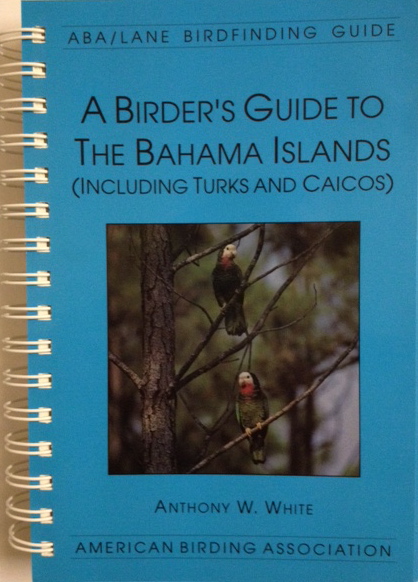
‘A BIRDER’S GUIDE TO THE BAHAMA ISLANDS’: BOOK REVIEW


A BIRDER’S GUIDE TO THE BAHAMA ISLANDS (INCLUDING TURKS & CAICOS)   

 ABA BIRDFINDING GUIDES (American Birding Association)

  Anthony W. White

  Published 1998

  302 pages

  Wire-O binding

  ISBN 1-878788-16-7

QUICK REVIEW In a rush? Scroll down for a 30-second bullet-point review. If not, hang in here for fuller details…

PUBLISHER’S BLURB (précis) The first comprehensive guide to finding birds on the islands of The Bahamas and TCI. The islands host an unusual mix of Caribbean and North American species, with over 300 bird species recorded. There are 3 endemic species: Bahama Woodstar, Bahama Swallow, and Bahama Yellowthroat, and a host of other specialties, including such birds as West Indian Whistling-Duck, White-cheeked Pintail, Key West Quail-Dove, Great Lizard-Cuckoo, Cuban Emerald, West Indian Woodpecker, Bahama Mockingbird, Olive-capped Warbler, Stripe-headed Tanager, Greater Antillean Bullfinch, and Black-cowled Oriole. Seabird nesting colonies [include] Audubon’s Shearwaters, White-tailed Tropicbirds, and 8 tern species. The parks and refuges of The Bahamas and TCI protect a great diversity of subtropical birds, among them the Bahama Parrot (an endemic subspecies of Cuban Parrot), and many North American wintering birds, including the endangered Kirtland’s Warbler. The New World’s largest flamingo colony nests on Great Inagua, protected by the country’s largest national park. The Guide [includes] complete descriptions by Tony White of more than 150 birding sites on the major islands and smaller cays. It also features a beautiful eight-page Photo Gallery of many of the Bahamian specialty birds, several of which show up regularly in Florida

RH VIEW This book obviously covers a far greater area than Abaco / Northern Bahamas – indeed, it is about as comprehensive of the whole Bahamas region as it could get. Where it scores highly is in taking the area island by island, cay by cay, and identifying the prime birding areas on each. I have to say that, being a 1998 book, some of the descriptions of places on Abaco that I am familiar with are not as you will find them now; and doubtless this applies across the whole region. As the Table of Contents shows, the book is split into ‘places’ chapters, with additional and useful general information chapters. Abaco is covered in just 20 pages. It’s not a lot, but the birding hotspots are well covered, and expected / hoped for bird species are given for each.

Despite the relatively little page space given to each region, there is much else to be got from this book. The final third of the book includes a detailed annotated list of the speciality bird species (also shown in photo gallery format earlier in the book). This is followed by a huge 20-page bird checklist, with every species given a numbered code for each region, ranging from 1 (easily found) to 6 (cannot be found – extinct or extirpated). So you will find, for example, that a Forster’s Tern is rated ‘4’ for Abaco – ‘extremely difficult to find’. There are short notes on other Bahamas wildlife, divided into mammals, reptiles, amphibians and insects – followed by helpful appendices (a glossary; a list of common name alternatives); a massive 22-page bibliography; and a serviceable index
The chart inside the front cover shows where the specialty Bahamas birds are to be found . At the back is a large area map showing the total coverage

——————————————-
BULLET POINT REVIEW FOR THOSE WHO ARE PRESSED FOR TIME
  • Fairly weighty 300 pages covering the entire Bahamas region
  • Short but helpful descriptions of birding hotspots on the islands and cays, with the species you may encounter
  • Excellent ancillary species and distribution checklists
  • Focus on specialty birds of the Bahamas
  • Particularly useful for anyone investigating different regions of the Bahamas, or wishing to compare them
  • 14 years since publication is a long time in the islands’ development; expect some irrelevant references for 2012
  • Overall a useful, interesting bird location book, but NB not intended as species identification field guide
Unknown's avatar

BMMRO BAHAMAS FISHERIES REPORT 2011 EXTRACTS & LINK


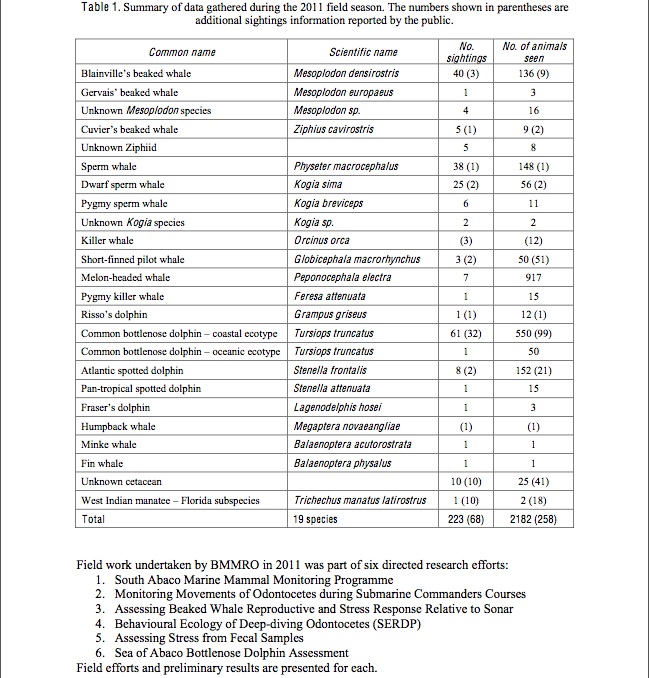
The BMMRO has recently published its Fisheries Report for 2011. The report is comprehensive and covers a far larger area than the waters around Abaco. Extracts are shown below (thanks as alway to Charlotte Dunn for use permission). The full report can be seen in pdf form at BMMRO FISHERIES REPORT

1. First, here is the table of all field data for the 2011 season, from which the incidence of the particular cetacean types can easily be seen. To a layman (me), the most significant reading on the previous year is the increase in sperm whale sightings and animal numbers, up from 14 / 69 in 2010 to 38 / 148 in 2011. I wonder why the difference?

2.  Here are results specifically relating to South Abaco, where the majority of cetacean activity is observed (see ‘green’ map). I have included a larger image of the cetacean species so that the key is easier to read

Unknown's avatar

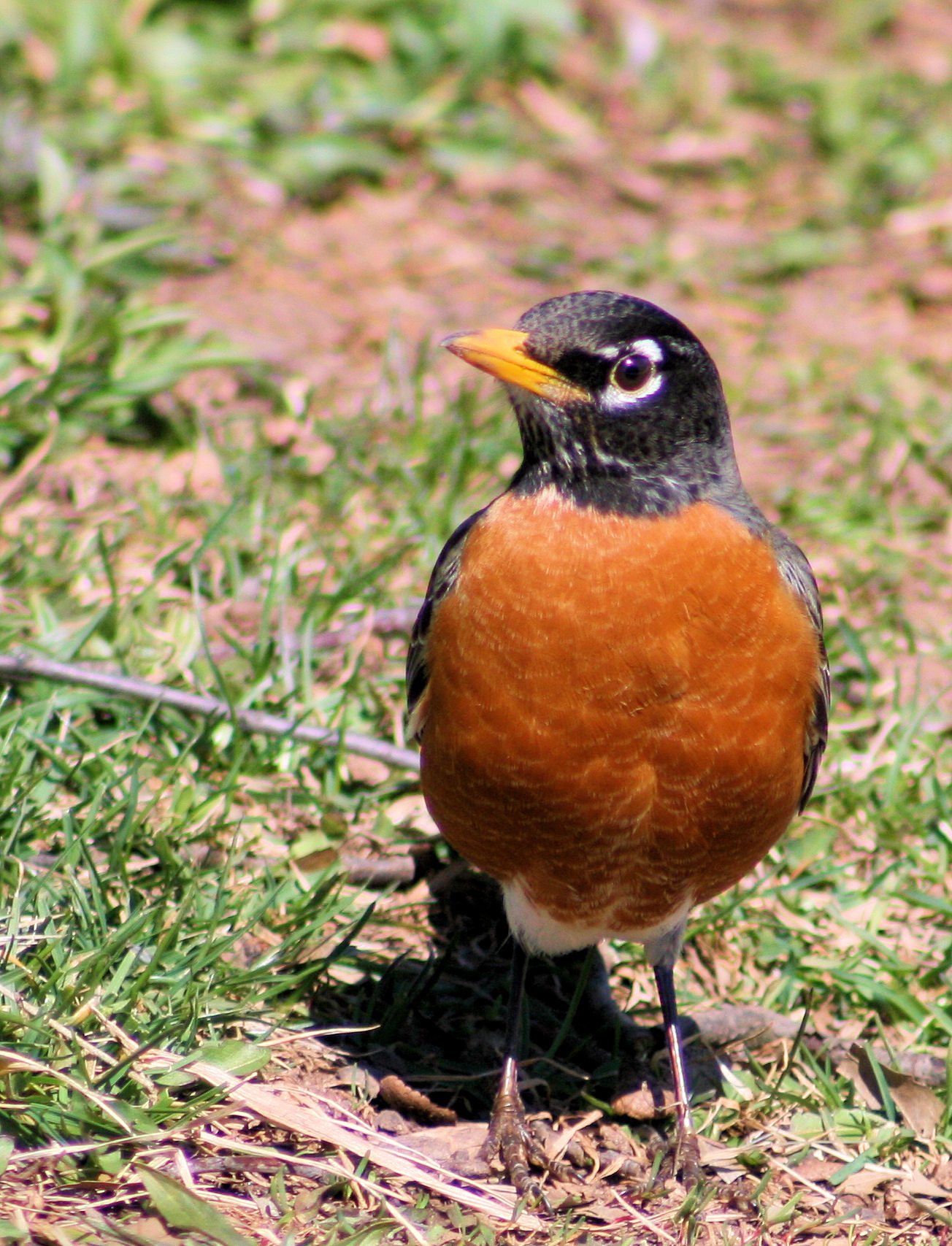
AMERICAN ROBINS ON ABACO, BAHAMAS – A RECENT AND RARE SIGHTING


I am prompted to write this post after Brigitte Carey, commenting on a photograph of mine of a European robin, commented  “We actually have reports of one single robin on Elbow Cay. We think he was blown off course by the very strong winds we had a few weeks ago. He has been sighted in separate spots on Elbow Cay in the last couple of weeks. Poor guy…he’ll have a lonely life here!”

I wondered what other evidence exists of their presence on Abaco as occasional visitors – the northern Bahamas are not within their usual migratory range – so I did a bit of research

AMERICAN ROBIN DISTRIBUTION MAP

YELLOW – summer-only range

GREEN – all year-round

BLUE – winter-only migration range

I’ve checked various online databases – Avibase, e-bird for example –  for reported sightings. The evidence is that reports are very scarce indeed. Of course that does not necessarily reflect actual sightings, which are presumably more numerous. Overall however, American Robins certainly seem rare enough on Abaco, even though their full range includes nearby Florida. Which is why the recent reports Brigitte refers to are so significant.Fortunately the spotter Michele S put her brief Elbow Cay / Hope Town sighting report onto e-bird: “After a gale, saw two on the lawn in front of the Lighthouse” This was on Sunday 4 March 2012 at 9.30 a.m, and it would seem they were blown over to Abaco during the high winds. Brigitte will be pleased to hear that there were in fact two of them, so loneliness won’t be a problem… Apart from that very recent sighting, there is a recorded sighting on Man-o-War Cay in 1983; and one on Green Turtle Cay in 2008. Avibase suggests no sightings on South Abaco [except perhaps Marsh Harbour]. The species is however included in the checklist for Little Abaco. If any reader has seen an American robin on Abaco, it would be great to know when and where (using the COMMENT box below), and I will add the details to this post.

NEW – 2012 sightings at TC! Thanks to Elwood D. Bracey MD of Treasure Cay for his comments – and please contact him (or use the COMMENT box) if you can help with his valiant quest to reach the magic 200 species seen – he’s on 170 now:  

“As a birder living on Abaco for the past 20 years I’ve seen over 20 robins here, sometimes as many as 6 in North Abaco at once. This year I had 2 in Treasure Cay and 3 in Crown Haven. They appear on average once every other year. While notable I feel they are almost annual… why some years and not others I’m not sure.

Cedar Waxwings, Dickcissels, and Ruby-crowned kinglets are similar. This year we had our first Swainson’s Hawk for the Caribbean at the organic vegetable farm in North Abaco. It’s still here as is the Canada Goose on the #11 hole at TC Golf Course. It’s nice we have these vagrants and makes for interesting birding. I’m trying for a big year in the Bahamas (no one has ever had over 200 species in 1 year and I’m at 170 so far so if anyone has any unusual sightiongs please call me at 365-8305) [RH note: with only 196 recorded Abaco species on Avibase, this may be difficult to achieve…]. There was a pair of Wood Ducks on the TC GC which I missed. I did find 3 Kirtland’s Warblers [RH note: red-listed as ‘near-threatened’, and only ‘rare / accidental’ on Abaco] near Hole-in-the- Wall in January. Clean lenses and fast focusing!”

Photo Credits for the above images to good old Wiki

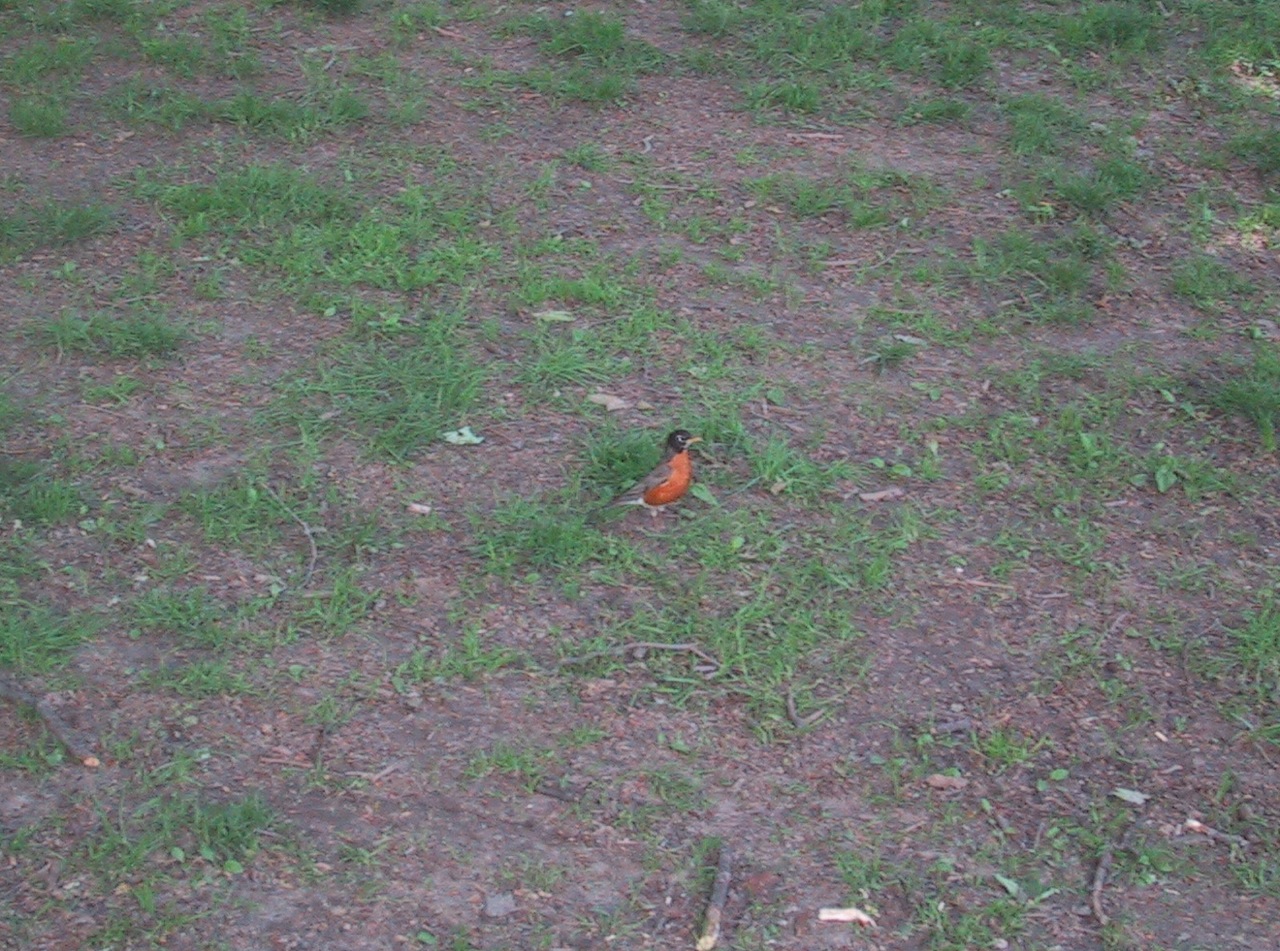
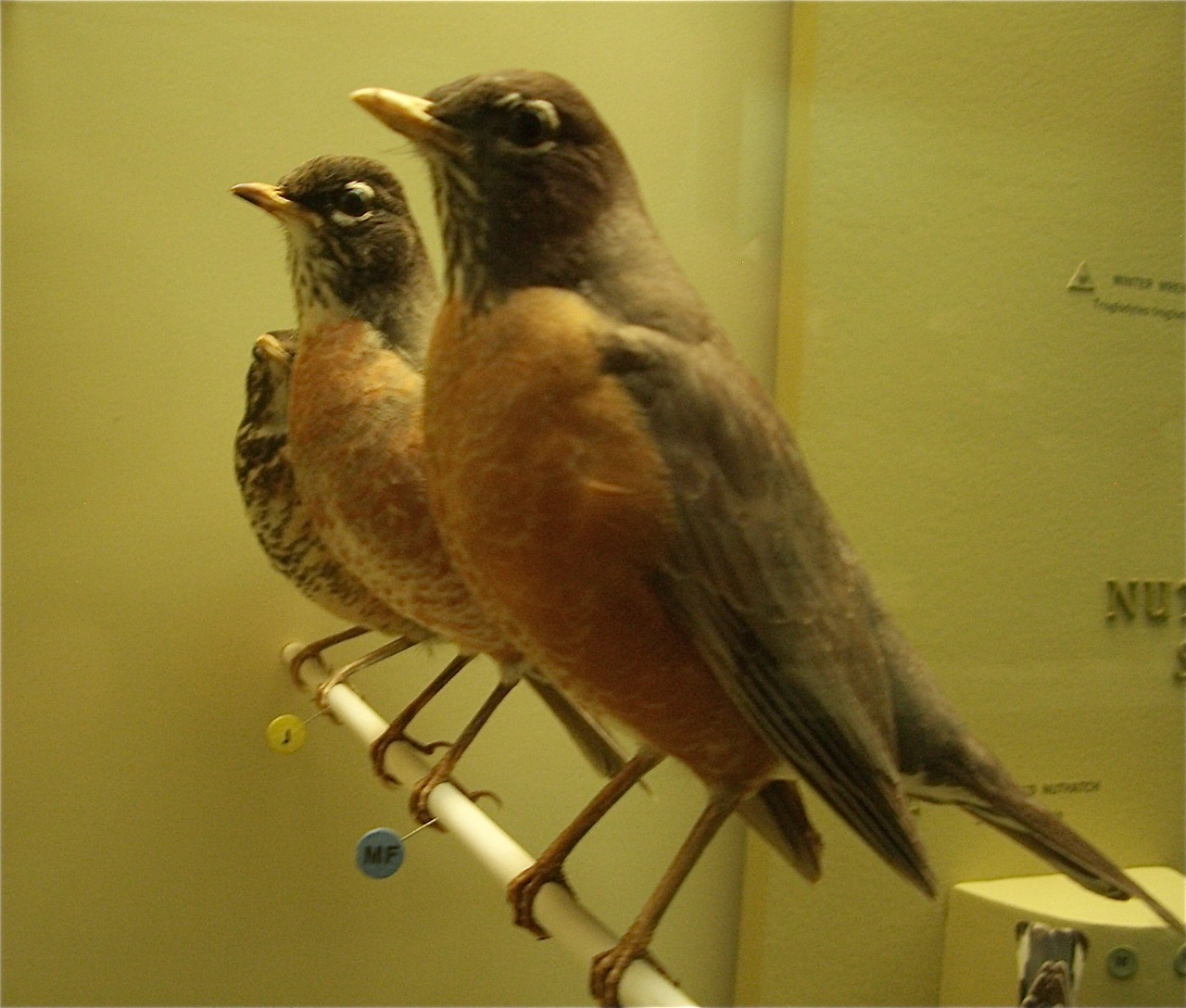
Here’s my own photo of an American Robin in Central Park NYC – I didn’t get very close…

These ARs are exhibited in the Museum of Natural History, NYC

Finally, here are 2 European robins for comparison. They are far smaller than the American version, roughly the size of a vireo

This is the photograph that Brigitte commented on – a robin’s Spring song – that I took a few days ago


Unknown's avatar

ENDEMIC BAHAMA SWALLOW: FROM ‘THREATENED’ TO ‘ENDANGERED’ RED LISTING


THE BAHAMA SWALLOW: A SMALL ENDEMIC BIRD WITH BIG SURVIVAL PROBLEMS

The IUCN (International Union for Conservation of Nature) RED LIST status of the endemic Bahama Swallow Tachycineta cyaneoviridis has been upgraded from ‘Threatened’ to ‘Endangered’ because its small declining population faces a number of threats that are likely to worsen in the future. In particular, renewed logging activity and widespread property development could result in a further decline in breeding habitat.

The excellent photo above is the ‘Wikimedia poster bird’, but was in fact taken by prolific bird photographer Craig Nash in the main driveway of the Delphi Club, Abaco in 2010. He blogs as Peregrine’s Blog – see RECOMMENDED LINKS in right sidebar

This swallow species breeds only on 4 Bahamas islands: Grand Bahama, Abaco and Andros; and on New Providence, where a few birds are seen each breeding season, suggesting a ‘relict’ population there. The map below suggests that confirmed  numbers are so few that New Providence sadly no longer counts as an ‘official’ breeding island.

The Bahama Swallow winters throughout the Bahamas and has been recorded as far as eastern Cuba, but in general the full wintering range is little known. It is a rare vagrant elsewhere during migration, including Florida. The preferred habitat is in the pine forests, where they nest in old woodpecker holes in Caribbean Pines using pine needles, Casuarina twigs, and grass to make the nest which they line with feathers. They typically lay 3 eggs. Incubation is 15 days and the fledging period is around 22 days.

[audio http://www.xeno-canto.org/sounds/uploaded/MKUJNSTVEZ/Swallow_Bahama%20(calls)_JF_Abaco%20Island_Bahamas_April%202008.mp3]

Sound credit: Jesse Fagan / Xeno-Canto

Besides loss of habitat due to human intervention, other factors in population decline are thought to relate to hurricanes and forest fires. The Red List proposals for conservation of the Bahamas Swallow state: “Survey all suitable breeding habitat and assess the status of the species and its habitat; Gather empirical evidence to clarify population trends as a priority; Assess winter distribution and habitat requirements; Study the impacts of fire suppression on the species; Maintain natural nest-sites through a pine snag management programme, and potentially fire management; Assess and monitor the success of the nest box scheme; Protect remaining forest in the Bahamas and minimise the area lost to housing development and logging; Assess the impact of starling and house sparrows on the population and develop appropriate measures to reduce the threat”

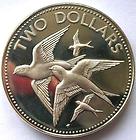
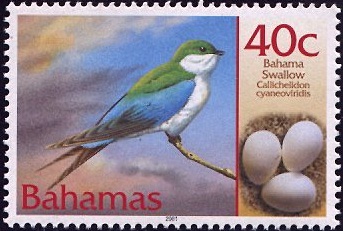
The Bahama Swallow has joined other notable bahamian wildlife species in receiving the accolade of a stamp and a coin:


Unknown's avatar

HUMPBACK WHALES IN THE BAHAMAS: TWO SIGHTINGS & AN ENTANGLEMENT


HUMPBACK WHALES – BMMRO REPORT JANUARY 2012

The BMMRO has posted recent whale news on its site – an entanglement off Elbow Cay with a happy ending, a sighting off Long Island in January, and another in February with images    (CLICK LOGO for BMMRO website)

1. An Entanglement 30.12.11  During the winter months the Bahamas occasionally get a sighting of a humpback whale migrating northward. For some reason a few of the migrating whales take a route a little closer to our islands and allow us the wonderful experience of seeing them.

On the 30th December 2011 Joseph Strickland and his crew who had been staying on the Highlander in Hope Town harbour, came across an entangled humpback whale. Due to the courage and calm response of Joe and his team, they managed to release the 40′ humpback. The whale had been entangled in a thick rope of approximately 600′ in length attached to a fishtrap. The animal was found off  Sea Spray marina in 40 feet of water off Elbow Cay, Abaco. They managed to free the animal of the fishpot which it had been dragging… as well as freeing the animal of the majority of rope, with only 20′ of line remaining on the whale. We would sincerely like to thank Mr & Mrs Strickland and their family for their extrodinary effort to free this animal, and also to report the encounter in detail.

Unfortunately as humpbacks are one of the more coastal whales, they often end up entangled in fishing gear, and come into contact with fishing pots, as well as being susceptible to vessel strikes. However, this species have made a remarkable recovery since the whaling era and in the North Atlantic abundance estimates are now approximately 12,000 humpback whales.

2. A sighting on 14.01.12  A better start to the New Year provided us with a single humpback sighting on Saturday 14th January off of Cape Santa Maria, Long Island. 

3. A sighting on 8.02.12 Finally, on Wednesday 8th February, a mother-calf humpback pair were spotted off of Dutch Bar, Spanish Wells, providing us with these beautiful pictures! Report and Image Credits BMMRO 2012


Unknown's avatar

ALL ABOUT BIRDS: IDENTIFICATION & BIRDSONG with Cornell Lab of Ornithology


The outstanding  Cornell Laboratory of Ornithology site has a comprehensive bird ID section. I recently posted about the new ID resource MERLIN for which they are inviting user-testing to help them perfect it. There are also 4 excellent videos concentrating on the principles ways in which birds can best be ID’d: size & shape; colour pattern; behaviour; and habitat

I haven’t yet cracked embedding the 4 videos so while the backroom boffins in the cerebral cortex puzzle it out (alongside ‘The Purpose of Hornets – What & Why?”) the best thing is to give a direct link to the website feature

CLICK LOGO ===>>> 

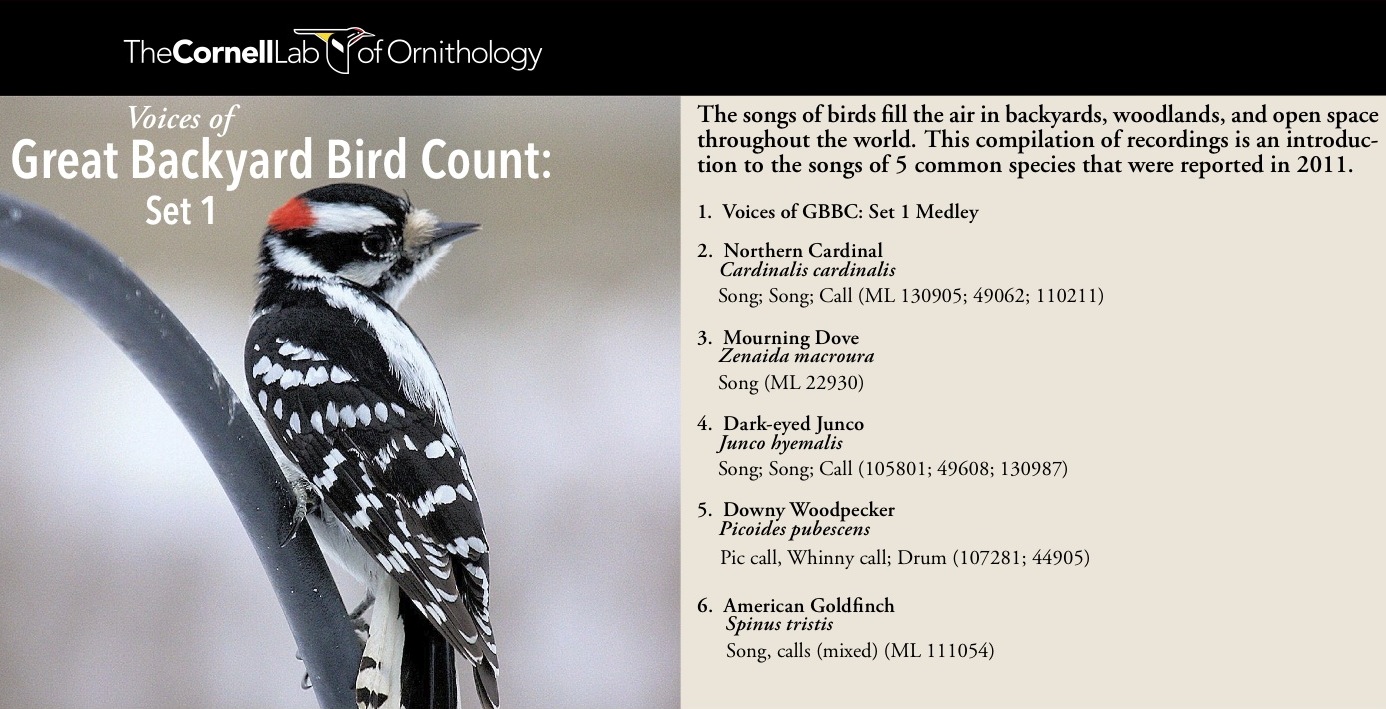
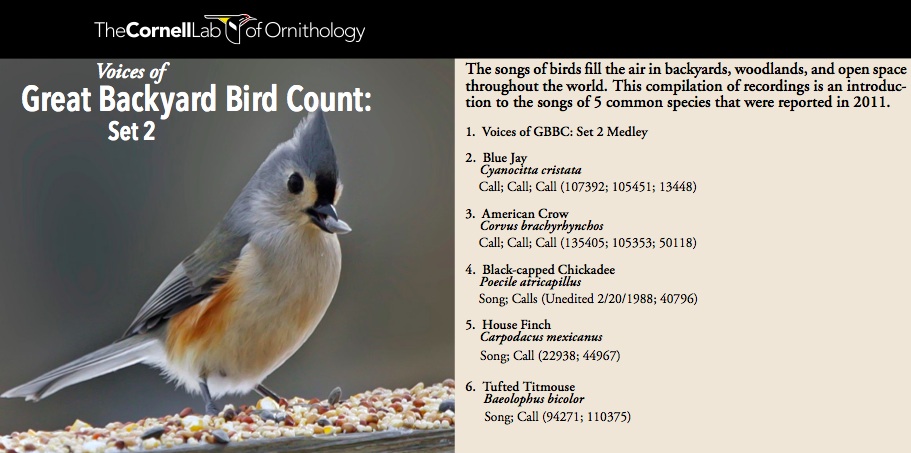
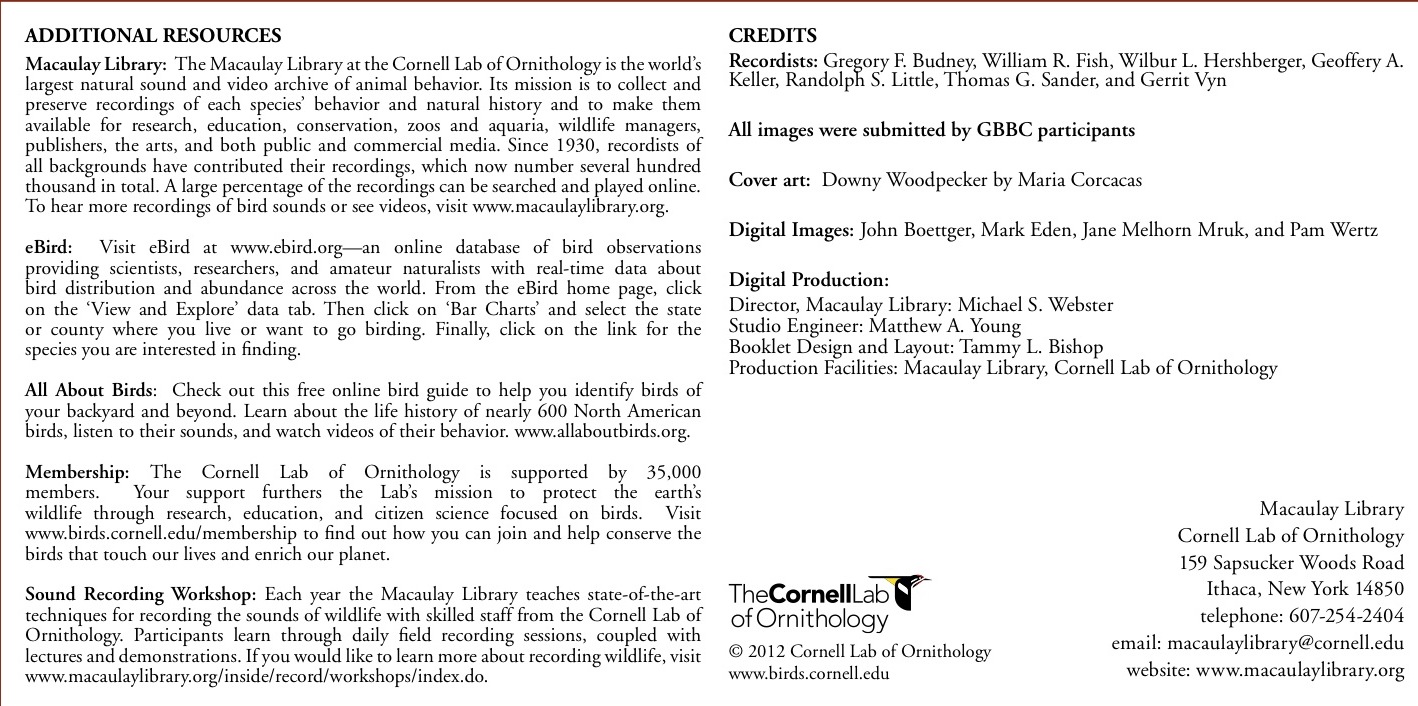
The same link will offer you the chance to download 5 bird songs – and now a second set of 5, part of the Great Backyard Bird Count currently underway – see details below. You may need to click on the images to make them legible…