Unknown's avatar

OWLS OF ABACO (2): BURROWING OWLS – RARE VISITORS

Burrowing Owl 1

OWLS OF ABACO (2): BURROWING OWLS – RARE VISITORS

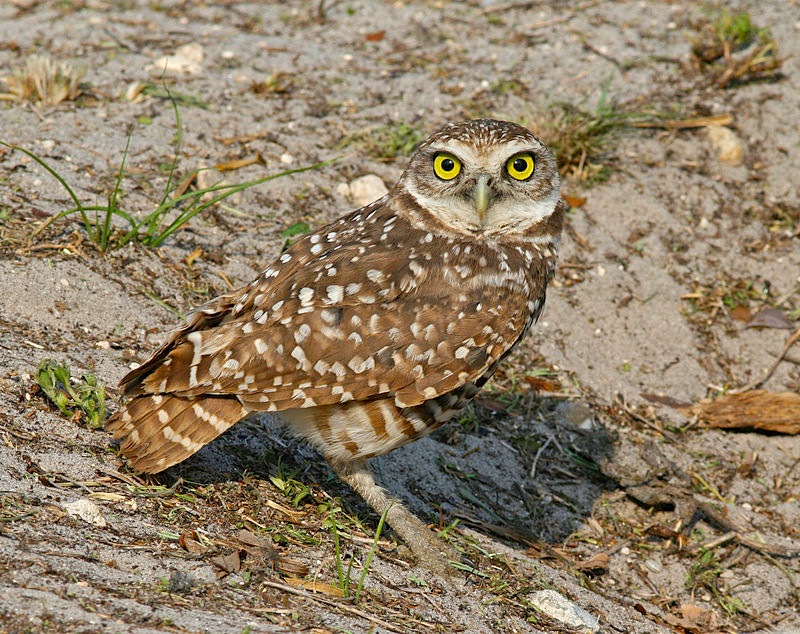
The Burrowing Owl Athene cunicularia is a small owl found in the open landscapes of North and South America. Their natural habitat is in grasslands, agricultural areas, and other open dry areas with low vegetation – even deserts. They nest and roost in burrows. Unlike most owls, Burrowing Owls are often active during the day, though they do most of their hunting from dusk until dawn when they can make use of their excellent night vision and acute hearing. 

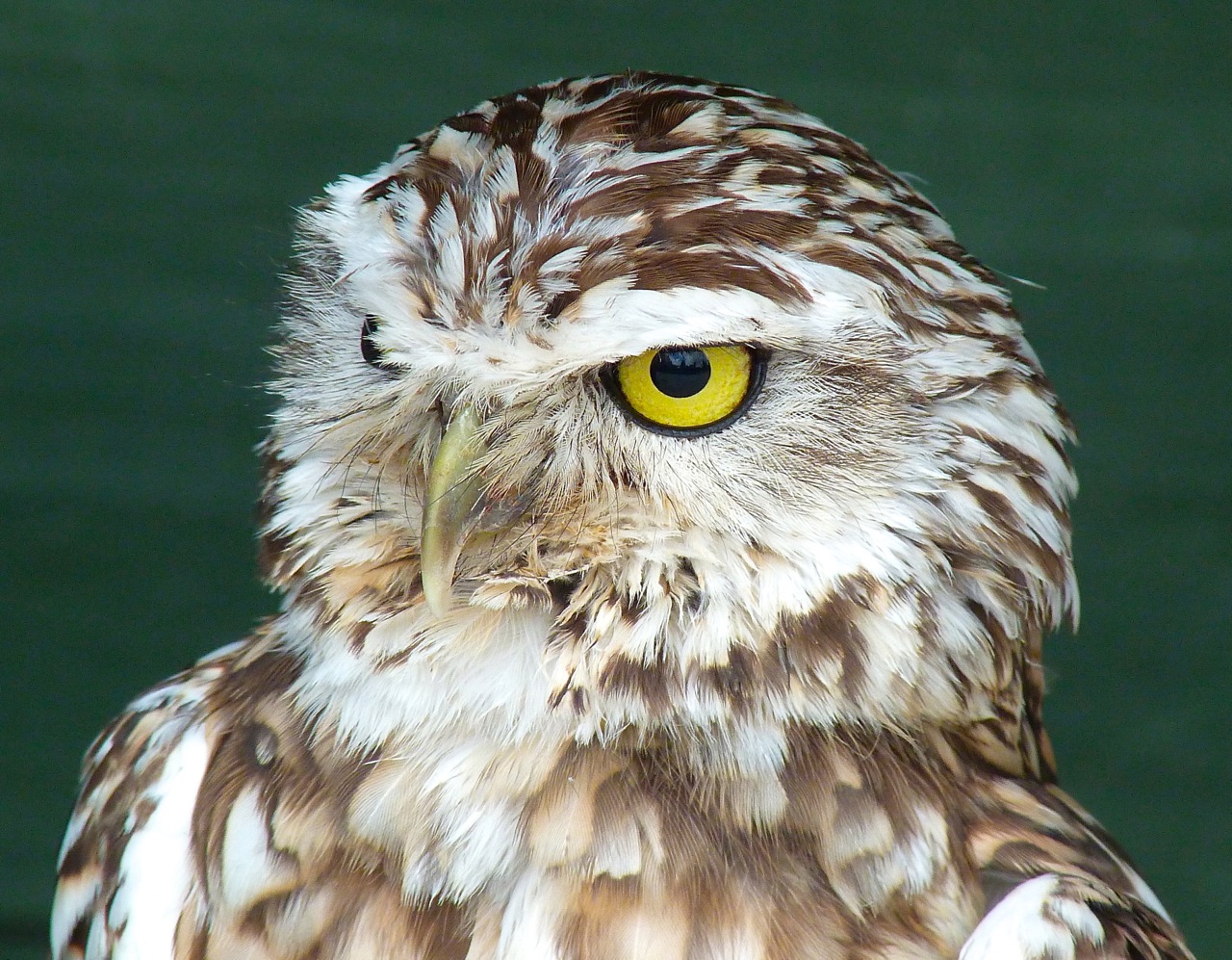
On Abaco, this little owl is a rare vagrant, presumably visiting from Florida which has the nearest resident population. There have been few reported sightings; and for ‘The Birds of Abaco’ we were unable to locate a photo taken on Abaco. The main images featured here were taken by me of a rescue bird that is used in wonderful free-flying displays. As you can see, it is in prime condition. 

ABACO SIGHTINGS REPORTED SINCE THIS POST

STOP PRESS Sept 27 Alison Ball from Little Harbour, Abaco has kindly contacted me to say “I saw a burrowing owl sometime during the first week of October last year here in Little Harbour.  I was watching some parrots eating the berries in the top of a large ficus tree by the edge of the road, and suddenly realized that the owl was sitting on a lower branch of the same tree, right at my eye level and only about 8 feet away.  We stared at each other for at least a minute – plenty long enough to get a definite identification – then he flapped off into the woods.  It was about 8 a.m.” Any other reports of sightings would be very welcome.

STOP PRESS Nov 5 Keith Kemp, with his sharp-eyed daughter Emily (11), saw one at the side of the road near Cherokee after dusk – possibly the Little Harbour one? It was Emily – already a promising birder, I gather – who first said ‘…it’s a little owl – he’s so cute’. Spot-on, too, Emily. The only other candidate for Abaco, the Barn Owl, could not be described as ‘little’. 

STOP PRESS 2016 NEW POST Burrowing Owls on Elbow Cay HERE

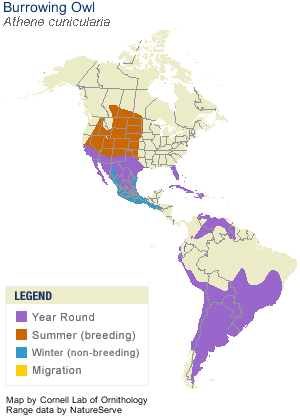
RANGE MAP

athe_cuni_AllAm_map

Burrowing Owl 1a

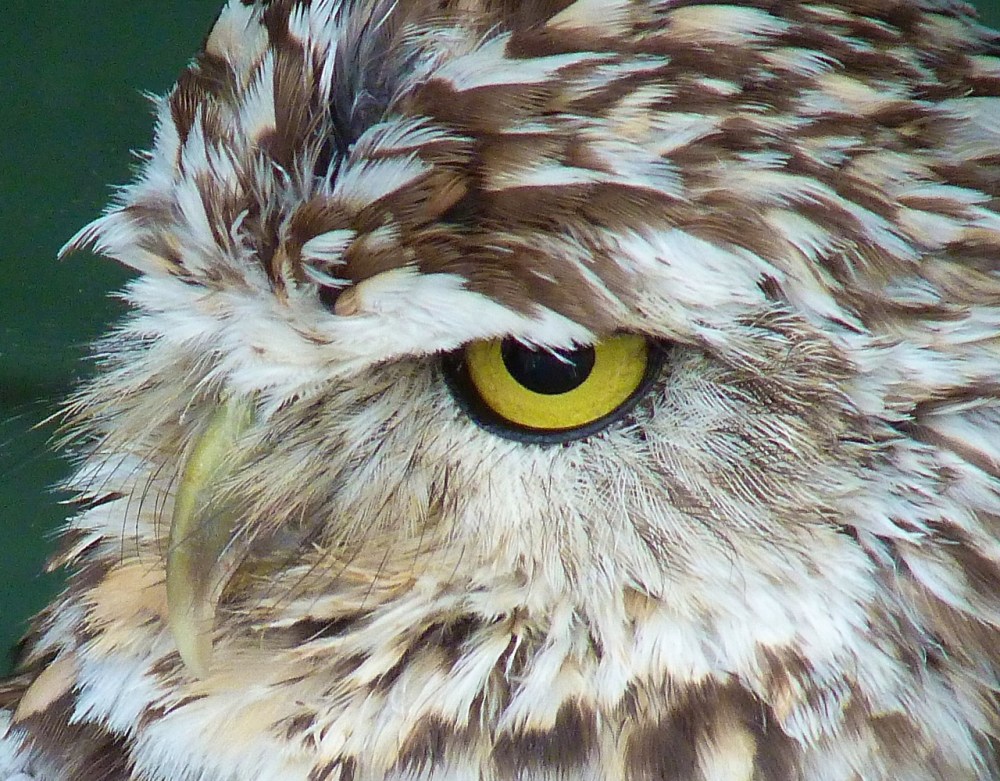
In the next photos you can see the bulging eye lensesBurrowing Owl 5Burrowing Owl 2

A DOZEN QUICK BURROWING OWL FACTS FOR SHORT ATTENTION SPANS

  • They have spectacular eyebrows above their piercing yellow eyes
  • When hunting, they use a perch to spot prey, then swoop down on it; or ‘hawk’ for insects in flight
  • Their long legs enable them to chase prey on the ground when hunting in open terrain
  • Burrowing owls mainly eat large insects and small rodents and reptiles
  • Unlike other owls, they also eat fruits and seeds
  • When agitated or excited, they bob their heads
  • They are one of the few avian species that benefit from deforestation
  • The owls often return to the same burrow nest each year
  • A major cause of mortality is vehicle-strike as they cross roads
  • Prehistoric fossil remains have been found in the Bahamas, showing they were once resident
  • There are many subspecies including a Floridian one, where they are ‘of special concern’
  • Florida Atlantic University campus is a National Audubon Society designated burrowing owl sanctuary
Show us, I hear you ask, a burrowing owl in a typical burrow for which it is namedBurrowing Owl Alan Vernon Wikimedia

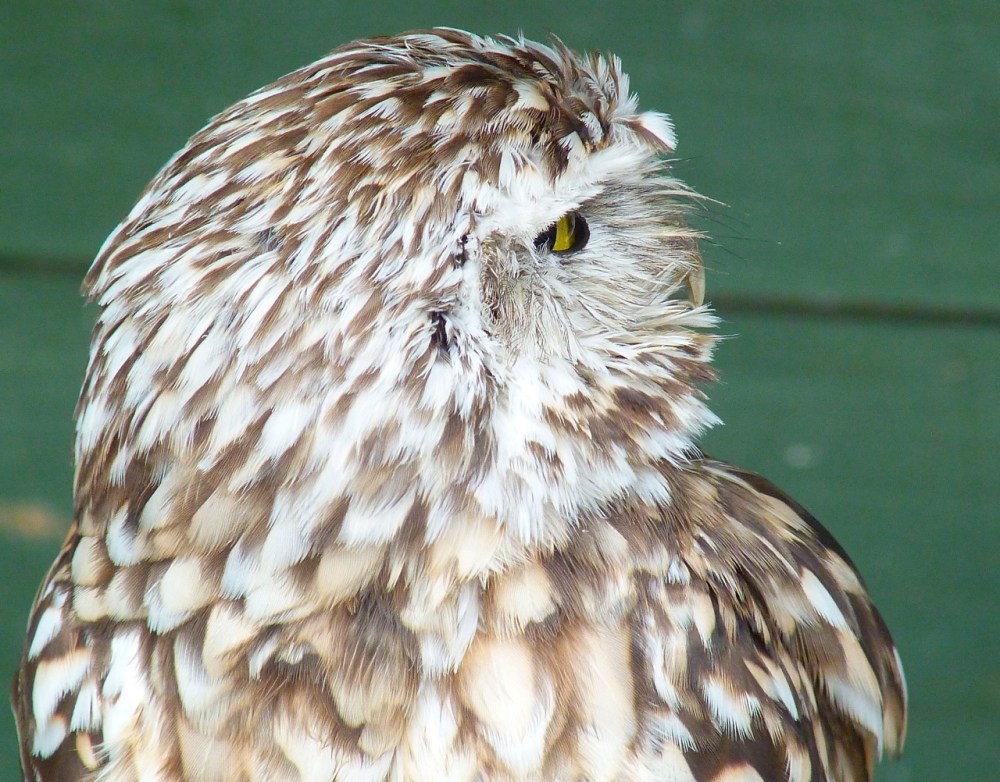
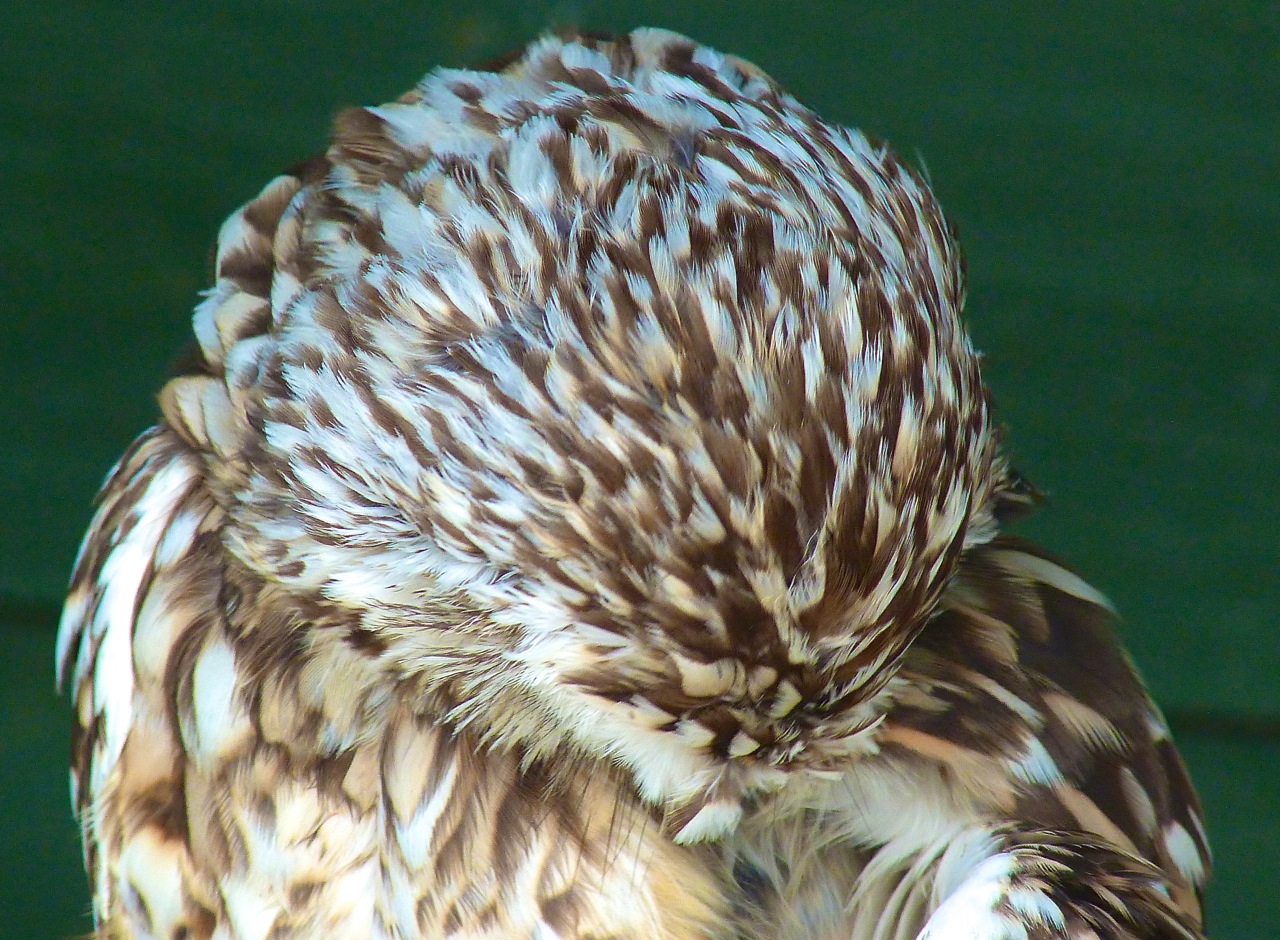
Burrowing Owls may get quickly fed up with being photographed…Burrowing Owl 6

“Oh, do stop. I’ve had enough of you”Burrowing Owl 8 Burrowing Owl 9

“Right. I can’t see you anymore. You are sooooo gone”Burrowing Owl 3

The Burrowing Owl featured in a 1991 Bahamas bird stamp seriesBurrowing Owl - Bahamas - Animal Vista

I rather like this woodcut by Andrea RichBurrowing Owls woodcut 1987 andrea rich.com

Burrowing_Owl_Florida (Tom Friedel Wiki)

If anyone has seen one of these little guys anywhere on Abaco, I’d love to know when and where… [Now see the 2 stop press sightings near the start of this post]

RELATED POSTS

Credits: RH, Alan Vernon & Tom Friedel Wiki, Andrea Rich, Cornell Lab, Defenders.org

Unknown's avatar

SHELL HOMES: HERMIT CRABS IN THE BAHAMAS

Hermit Crab ©Melinda Riger @ Grand Bahama Scuba

SHELL HOMES: HERMIT CRABS IN THE BAHAMAS

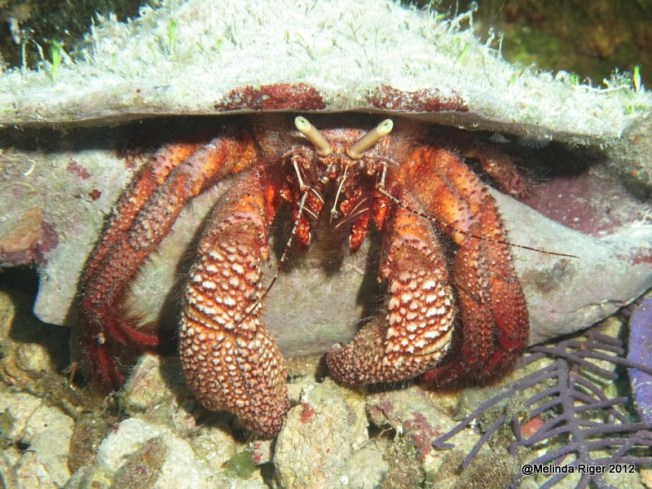
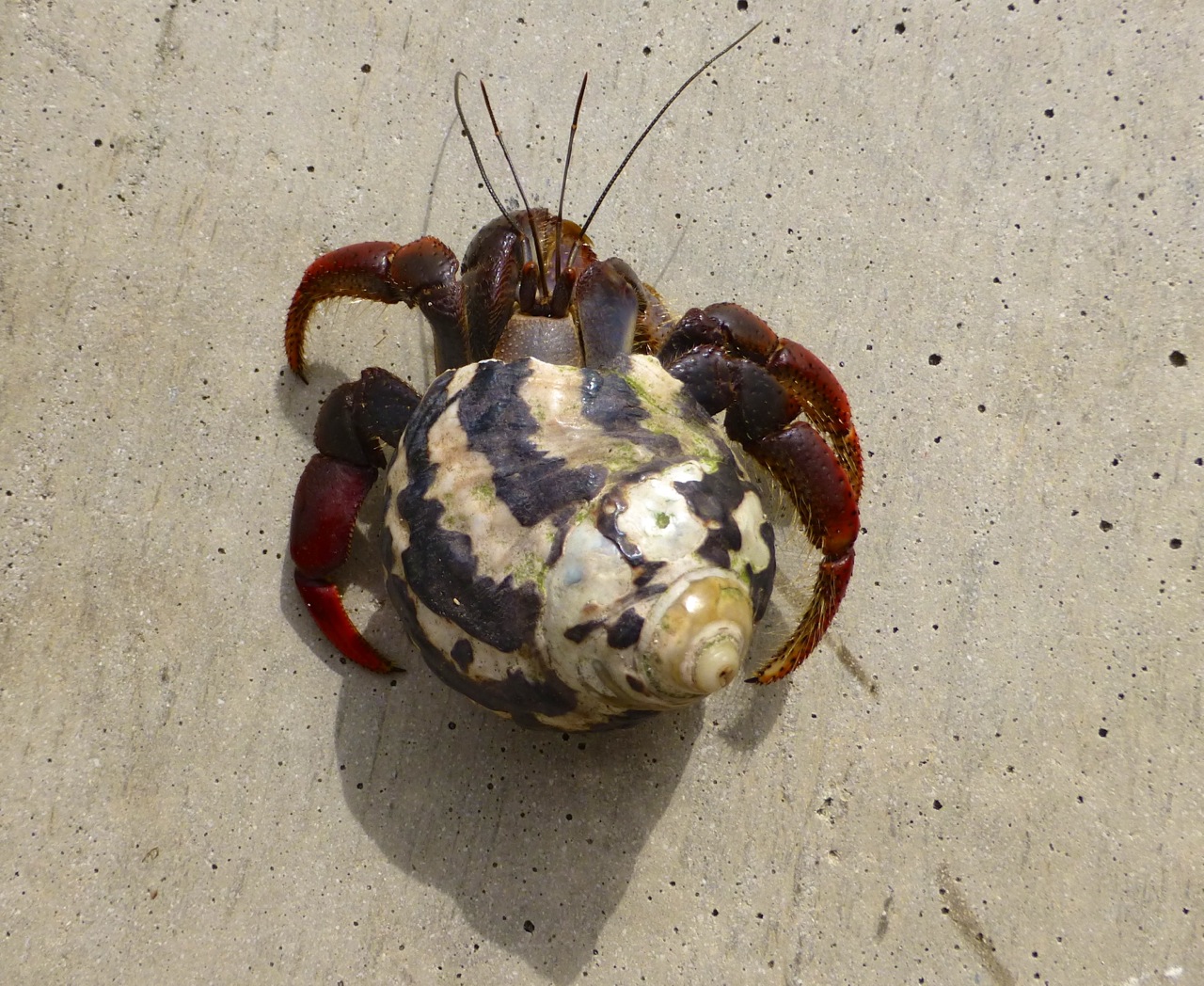
I’m feeling distinctly crabby right now. In a skilled move that would impress the Bahamas utility providers, the UK’s very own much-vaunted BT selected us for the privilege of being unplugged from the grid last week. From the time of reporting the problem, it has taken them 6 days to plug us back in. It’s a little reminder of the far more persistent Abaco experience! No landline, no wifi, no email for almost a week. To begin with, it was a light relief. After nearly a week, not funny anymore. Here are some nice crabs in conchs to celebrate getting back online while reflecting my crabby mood.Hermit Crab ©Melinda Riger @ G B Scuba Hermit Crab ©Melinda Riger @ GB Scuba copy Hermit Crab ©Melinda Riger @ GB ScubaFind out more about Hermit Crabs – in particular crab racing at Delphi and the intricate rules – here: WACKY RACES AT DELPHIHemit Crab, Delphi (Clare Latimer)

Hermit Crab in a conch ©Melinda Riger @ GB Scuba

Photo credits: all undersea shots – Melinda; potential crab race contestant – Clare

Unknown's avatar

ABACO PARROTS: A GALLERY OF GORGEOUS

'Over the Moon'

‘Over the Moon’

ABACO PARROTS: A GALLERY OF GORGEOUS

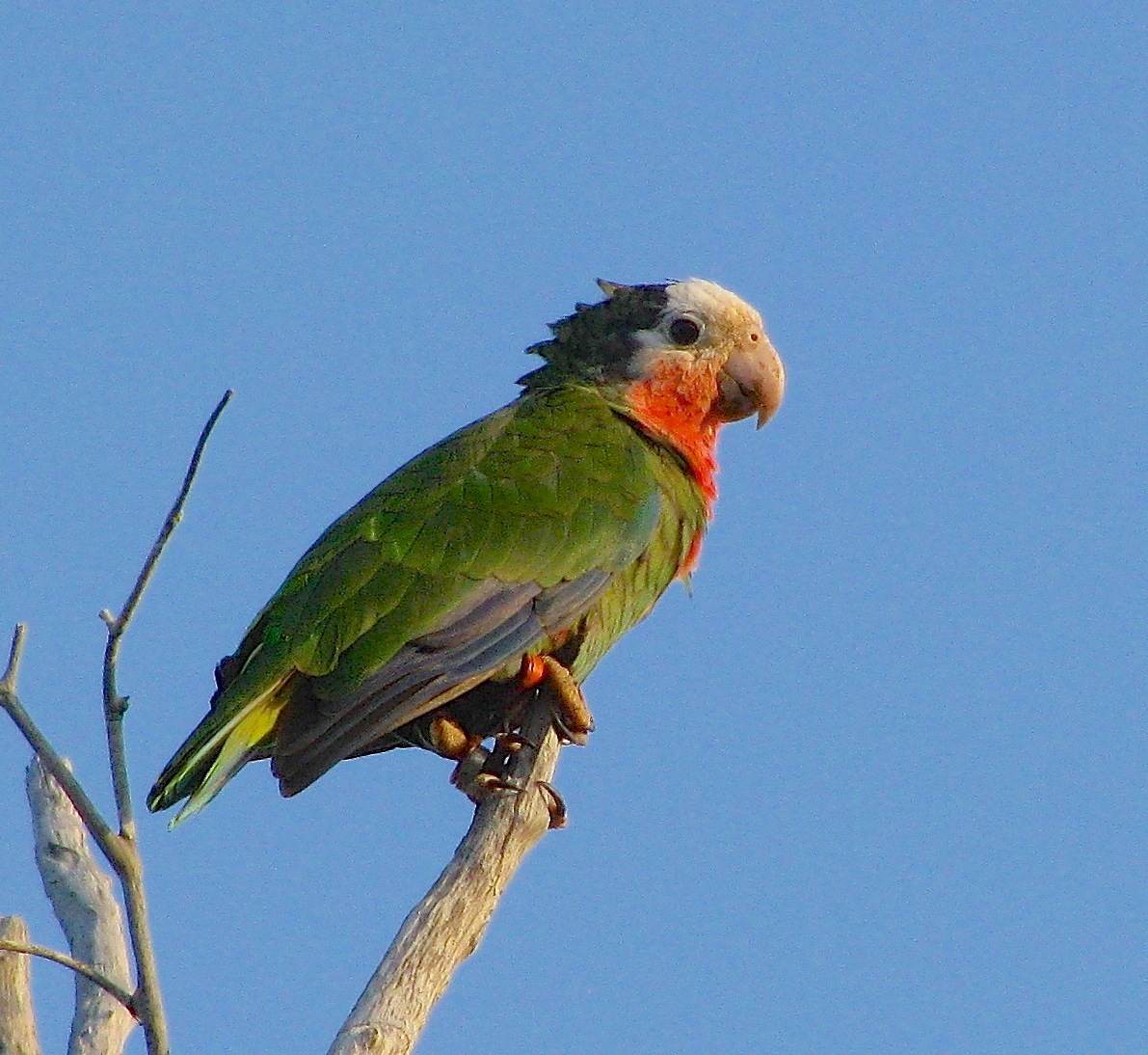
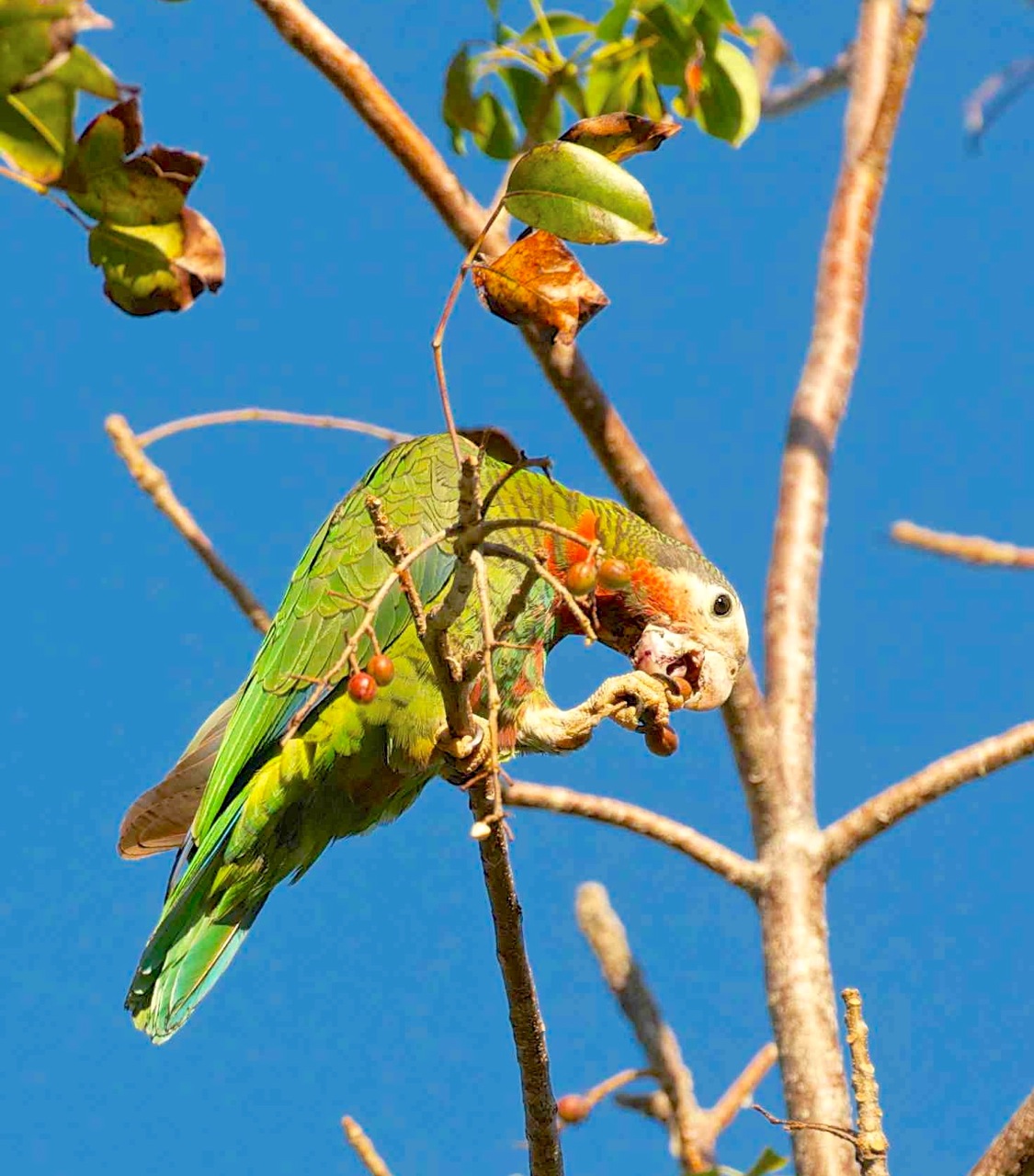
It’s been a while since the parrots of Abaco got a look-in hereabouts. Time to put that right. At the end of this gallery I will add some links to posts about the unique ground-nesting parrots of Abaco. Newcomers to this blog (I thank you both) may be interested to know that intensive conservation measures have brought this subspecies of the Cuban Parrot back from the brink of extinction – fewer than 1000 – to a sustainable and expanding population of around 4000.

For an overview of these lovely birds, I’ve made a slideshow presentation of a small booklet I put together in conjunction with scientist Caroline Stahala, who devoted several years to the research and protection of the parrots. Contents: parrots, nests, eggs, cute chicks, info, Sandy Walker with a fledgling on his lap.

Bahamas-Great Abaco_6419_Rose-throated Parrot_Cuban Parrot_Gerlinde Taurer Abaco Parrot Craig Nash.Cuban Parrot Abaco Abaco Parrot eating Gumbo Limbo fruit. Abaco Bahamas 2.12 copy

Here is the noise of a flock of parrots at Bahama Palm Shores, an excellent place to find them. It’s one of the less raucous recordings that I have made! We normally go to the main (north) turning, drive straight down to the end, cut the engine and listen. I’ve usually been lucky in that immediate area around 5.00 p.m., though others may have discovered other good times of day.

Abaco Parrot, Peter Mantle Abaco Parrot Keith Salvesen.Rolling Harbour Abaco
Bahama Parrot 1-Nina Henry sm Cuban Parrot Bruce Hallett IMG_7681ABACO (CUBAN) PARROT Abaco (Cuban) Parrot -  Charlie SkinnerAbaco (Cuban) Parrot -  Charlie SkinnerABACO PARROTS Unique parrots in pictures, video & sound

ABACO PARROTS Rare nesting footage

ABACO PARROTS Conservation & anti-predation programs 

Credits: Melissa Maura (brilliant header!), Gerlinde Taurer, Craig Nash, Tom Sheley, Peter Mantle, RH, Nina Henry, Bruce Hallett, Charlie Skinner, and Caroline Stahala

Unknown's avatar

RANDY: LOOKING FOR MANATEE LOVE IN ABACO?

Randy the Manatee, Abaco (BMMRO)

RANDY: LOOKING FOR MANATEE LOVE IN ABACO?

Strangely, the opportunistic title of this post may not be as contrived or daft as it looks. The facts are these.

THE FEMALE In 2012 GEORGIE, a young female manatee, left her mum in the Berry Islands and braved the crossing to Abaco. She reached the Marls; went right round top and down the east side; and eventually settled in the Cherokee / Casuarina area. She managed to hole up there safely during hurricane Sandy but became sick and was removed to Atlantis for medical treatment and rehab, before being released back to the Berry Is. This spring she set of again for Abaco and seems to have made straight for Cherokee, where she has now been resident for several months. 

Georgie the Manatee as a calf in 2012, checking out the BMMRO boatGeorgie the Manatee Calf checks out the BMMRO Boat

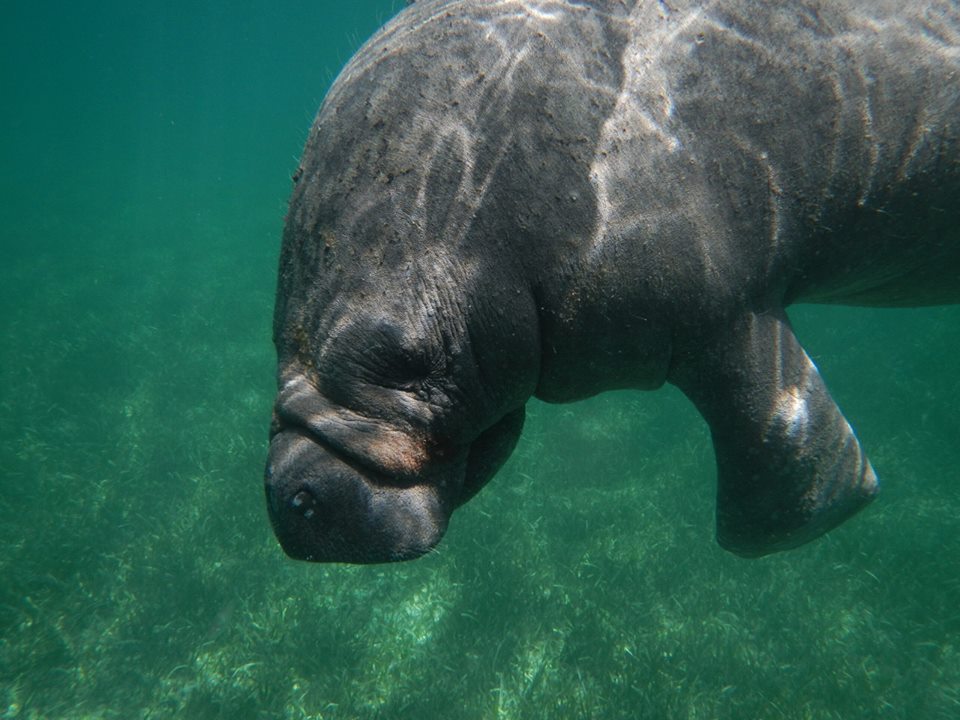
THE MALE Randy also originates from the Berry Is, where he was born. He too set off on an expedition to Abaco in the spring, presumably following Georgie. He was seen at Gorda Cay in mid-August and then fetched up at Sandy Point. After spending the summer there, he too took a trip right round the top of Abaco and down the east side. By early September he had got as far as Little Harbour. However, the big question is whether he can, in some way, tell that a lady manatee is a shortish swim away. And if so, will he make the short trip down the coast? And might that lead to baby manatees on Abaco…? Here are some of the photos of Randy’s sightings along the way

RANDY AT SANDY POINT 

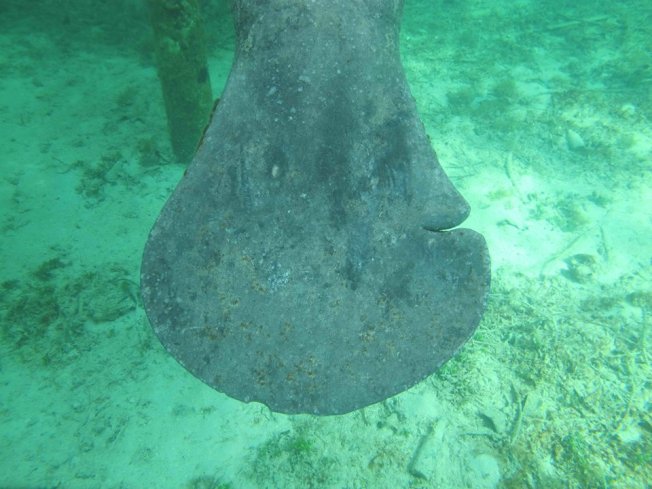
Sirenians and cetaceans are generally recognised from particular patterns to flukes or fins. The second image shows the notch in Randy’s tail that confirms IDRandy the West Indian Manatee, Sandy Point, Abaco, BahamasRandy the West Indian Manatee (tail), Sandy Point, Abaco, Bahamas

RANDY IN THE LITTLE HARBOUR AREA

Randy’s notched tail is clearly visible in the first pictureRandy the Manatee, Little Harbour, Abaco (BMMRO)Randy the Manatee, Little Harbour, Abaco (BMMRO)

This could be everyone’s favourite picture – almost like a ‘Randy Selfie’ with a GoPro…Randy the Manatee, Little Harbour, Abaco (BMMRO)

RANDY’S JOURNEY & THE DISTANCE BETWEEN HIM AND LOVE…

Excuse me while I anthropomorphise excessively here. Randy may only be appearing to follow Georgie; the route and the area may happen to suit manatees who may be a short distance apart yet completely ignorant of the presence of the other. Or else… Anyway, more news as (if) it breaks. Here are a couple of maps, of the sort that the red-top press might put together to go with the headline “Lovelorn Randy – A Man Manatee Seeks His Sirenian Siren”. Pictures, page 8, 9, 10 and in sports section.

Randy's the Manatee's trip Berry Is. to Abaco copy Page_1 copy 3

STOP PRESS SEPT 21

Oh dear. The course of love is rarely straightforward. Randy has retraced his route and returned to Castaway Cay. Meanwhile Georgie remains happily at Cherokee.

RELATED POSTS

GEORGIE at Cherokee, 2012

GEORGIE” the manatee movie (on location, Cherokee)

GEORGIE taken to Atlantis for medical treatment

GEORGIE Is she related to an elephant?

Credits: BMMRO + Heather Albury, Andrew Lowe & Richard Appaldo for pictures & reports, Loggerhead Productions, Abaco Scientist 

mantsw~1

Unknown's avatar

‘AMOY’ THERE! AMERICAN OYSTERCATCHERS ON ABACO

American Oystercatcher.Delphi Club.Abaco Bahamas.Tom Sheley

‘AMOY’ THERE! AMERICAN OYSTERCATCHERS ON ABACO

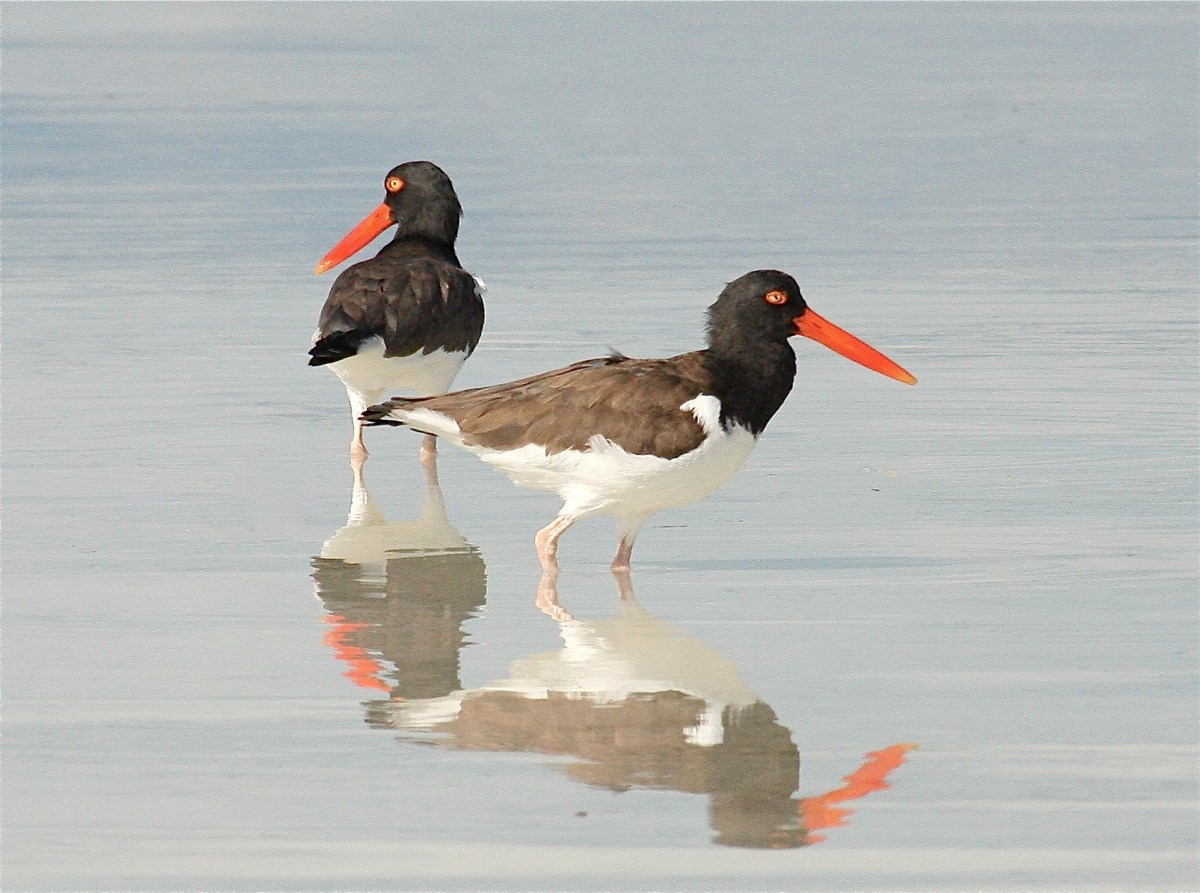
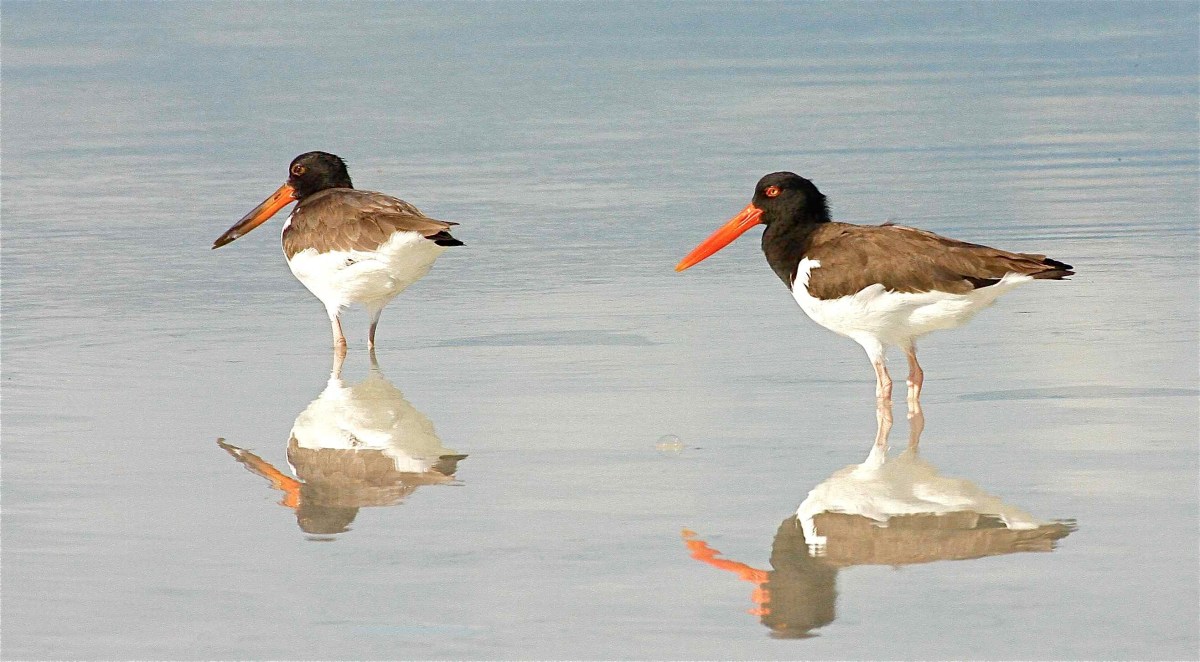
The American Oystercatcher Haematopus palliatus is a familiar shorebird, with the significant advantage that it cannot be mistaken for any other shore species either to look at or to hear. All those little sandpipers and plovers can be very confusing; the handsome AMOY stands out from the crowd. I am posting about this species now as a prelude to WORLD SHOREBIRDS DAY on September 6th. The link will take you to the official Facebook Page where you will find more information, including how to sign up for a pleasant day’s birding, with the chance to report your sightings.world-shorebirds-day1000

The header picture and the next 2 were taken by photographer and ace birder Tom Sheley on the Delphi Club beach. Unsurprisingly, we used one of these wonderful photographs as a full-page image in The Delphi Club Guide to THE BIRDS OF ABACO.

American Oystercatcher.Delphi Club.Abaco Bahamas.Tom Sheley American Oystercatcher.Delphi Club.Abaco Bahamas.Tom Sheley

Bruce Hallett, author of the essential field guide ‘Birds of the Bahamas and the TCI’ (featured in the sidebar) was a major contributor to the book. Not just with his excellent photographs, either, such as the two below. His knowledge, his patience with my queries, and his scrupulous reading of the final draft to eliminate my errors were vital to the project. American Oystercatcher.Abaco Bahamas.Bruce HallettAmerican Oystercatcher.Abaco Bahamas.Bruce Hallett163952

Here are two recordings of oystercatchers, unmistakeable call sounds that will probably be instantly familiar.

Lopez Lanus / Xeno-Canto

Krzysztof Deoniziak / Xeno-Canto

I like the rather dishevelled appearance of this AMOY from Jim Todd, fly fisherman, author of ‘The Abaco Backcountry’, and intrepid kayak explorer around the coast of Abaco.American oystercatcher Abaco (Jim Todd)

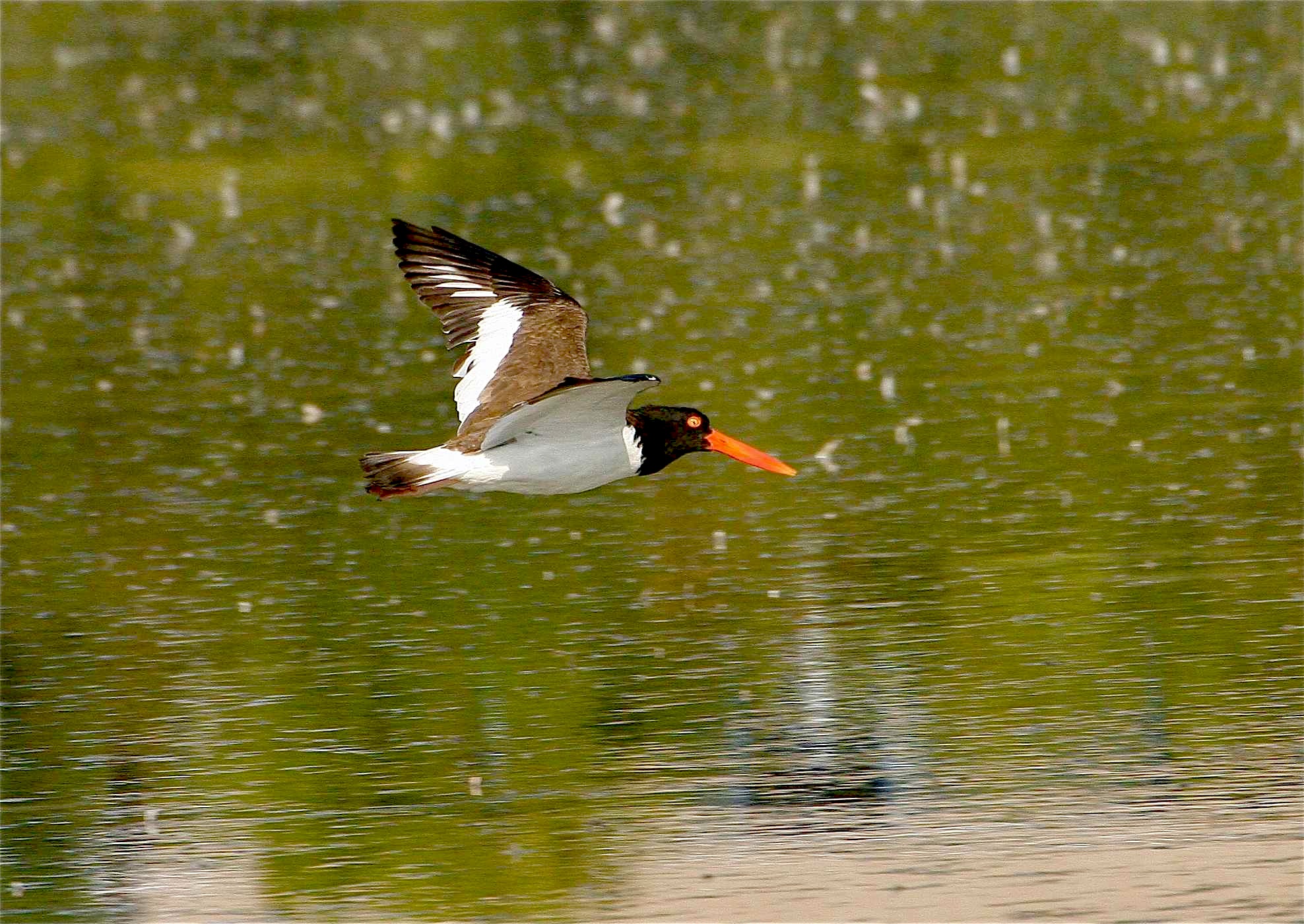
The next two photos were taken on the Delphi beach by Charlie Skinner, another contributor to the book. Below them is an ‘in-flight’ shot by Bruce Hallett.American Oystercatcher, Abaco (Charlie Skinner)American Oystercatcher, Abaco (Charlie Skinner)     American Oystercatcher.Abaco Bahamas.Bruce Hallett

This fine video from Audubon shows close-up views of the American Oystercatcher, and unleashes more of the distinctive call-sounds – an insistent wittering – of the species. [vimeo https://vimeo.com/48479131%5D

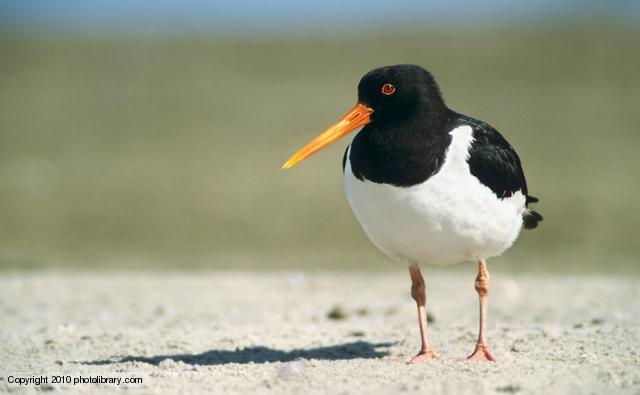
For some time, I found it difficult to distinguish American and Eurasian Oystercatchers. The markings of both species are variable according to gender, age, season and so on, but are generally very similar. Mrs RH noticed the salient difference at once – the eyes. The AMOY has bright orange eyes with red eye-rings; the EUROY’s eyes are the reverse colouring, as this example shows.Eurasian Oystercatcher. BBC

 Credits: Tom Sheley, Bruce Hallett, Jim Todd, Charlie Skinner, Xeno-Canto, Audubon, BBC
world-shorebirds-day1000

Unknown's avatar

FAST FOOD ON THE WING: ANTILLEAN NIGHTHAWKS ON ABACO

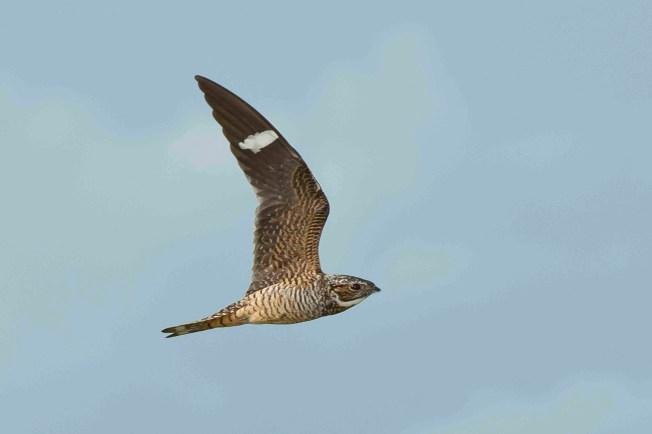
Antillean Nighthawk in flight 2. Abaco bahamas.6.13.Tom Sheley

FAST FOOD ON THE WING: ANTILLEAN NIGHTHAWKS ON ABACO

A bird ID query was recently posted on my FB page by Abaco resident Maria Bethel Flore, who said “I saw a flock of birds I’ve never seen before. All black except for a white stripe underneath the wing. I didn’t get one good picture they were flying so fast”. There were a couple of clues there: a fast-flying flock; and the white underwing bars. Maria’s distant image confirmed the ID as an Antillean Nighthawk Chordeiles gundlachii. These birds have local names such as ‘killakadick’ and ‘pi-di-mi-dix’, or variations on the theme – presumably onomatopoeic.

Paul Marvin / Xeno-Canto

I thought a post illustrating these wonderful birds in flight and on the ground would be timely. 

Antillean Nighthawk in flight 3. Abaco Bahamas.6.13.Tom SheleyAntillean Nighthawk, Abaco  (Sandy Walker)

The photos above were taken during a trip into deep South Abaco backcountry to the west of the Highway to photograph birds for BIRDS OF ABACO. We reached an open area late in the afternoon to find ourselves in the middle of dozens of nighthawks swooping and diving as they hawked for flies. We leapt out of the truck (we stopped it first) with eager eyes and cameras and watched the performance in amazement. The birds were quite unperturbed by our presence, and from time to time would zoom past within inches of our heads, making a swooshing noise as they did so.

Truck Backcountry

The speed of flight and the jagging paths made it extremely hard to take photos. Photographer Tom Sheley (below) was able to nail them (see top 2 images); I could barely catch a bird in my jiggling viewfinder, but Sandy Walker got a good clear shot (photo 3).Tom Sheley with Antillean Nighthawks, Abaco

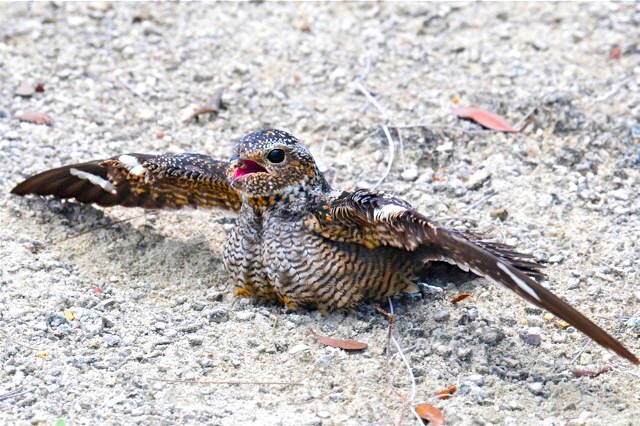
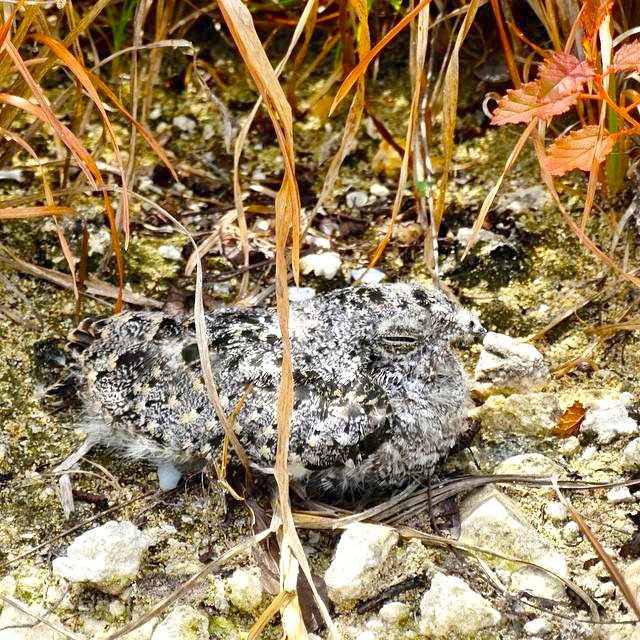
Apart from the exuberant aerial displays such as I have described, nighthawks may also be seen on the ground, where they nest. Their colouring enables them tend to blend in with the surroundings. Woody Bracey took the first 2 pictures; the next is from the excellent BIRDS CARIBBEAN, which anyone with an interest in birds would enjoy; and the final one was scooped by Susan Daughtrey on a recent visit to Abaco – another very good example of the bird’s camouflage in natural surroundings.

Antillean Nighthawk, Abaco Woody Bracey Antillean Nighthawk, Abaco (Woody Bracey)Antillean Nighthawk chick (aka %22pi-di-mi-dix%22) BahamasAntillean Nighthawk, Abaco  (Susan Daughtrey)

Credits: Tom Sheley, Sandy Walker, RH, Woody Bracey, Birds Caribbean, Susan Daughtrey, Xeno-Canto

Unknown's avatar

WHAT’S IN A NAME? NORTHERN BOBWHITE ON ABACO

Northern Bobwhite female 2.Abaco Bahamas.6.13.Tom Sheley

WHAT’S IN A NAME? NORTHERN BOBWHITE ON ABACO

220px-Status_iucn3.1_NT.svg

A part of me would like Bob White to have been a legendary hero – perhaps holding his post against impossible odds; or a courageously reforming politician; or scoring a stupendous winning goal in the dying seconds of a famous tournament. Or maybe just a nice guy, popular in the local bar. Instead, the bobwhite Colinus virginianus is a small plump game bird of the quail family, named for its call which (as I have written elsewhere) “does indeed sound something like ‘bob…white?’ played on a slide-whistle”. This bird is an introduced species on Abaco where it breeds and is quite common. It is more often heard than seen, since it is a shy creature and not so easy to find. If they see you first, you’ll glimpse them scurrying away at best and you may well not see them at all. At Delphi, some set up home at the highway end of the drive where they can be heard and, from time to time, seen. Photographer Tom Sheley bided his time in order to capture these wonderful shots of a pair.

Bobwhite pair.Abaco Bahamas.Tom Sheley crBobwhite pair 2.Abaco Bahamas.Tom Sheley cr

I recently wrote about another game bird, the WHITE-CROWNED PIGEON. The bobwhite also appears in the excellent Bahamas National Trust’s BNT HUNTERS GUIDE 

Northern Bobwhite BNT Hunters Guide

Unfortunately one of the consequences of enjoying game bird status – coupled with other factors such as habitat loss – is that the species is IUCN-listed ‘near threatened’. That’s not a cause for immediate concern, but the next stage may be…

The northern bobwhite can be found year-round in fields, grassland, open woodland areas, roadsides and wood edges. Sightings of bobwhites are most usually made when they are in cover such as long grass or undergrowth, as in the header photo and the one below.Bobwhite male in habitat.Abaco Bahamas.6.13.Tom Sheley copy

When we went out searching for bobwhites last year to photograph for the book, we drove along tracks in open farmland and remote backcountry. We could hear them but we only saw a few, mostly too briefly to photograph. My own attempts were abject failures, small brown blurs of backside as the birds scuttled away. Tom Sheley fortunately had what it took to get results – patience, skill and a great camera.

Photo credits: Tom Sheley

Unknown's avatar

THE ABACO PARROT: BEAUTIFUL, NOISY AND UNIQUE [Video]

 Abaco (Cuban) Parrot 2013 (Keith Salvesen)

THE ABACO PARROT: BEAUTIFUL, NOISY AND UNIQUE [Video]

I’ve posted quite often about Abaco’s unique ground-nesting parrots. They have their own page at ABACO PARROTS; and there’s a link in the right sidebar to a small illustrated booklet about them wot I writ in conjunction with Caroline Stahala. I have just found a very short bit of video footage that’s ideal for anyone who is extremely busy and /or has a short attention span. Spend a happy 10 seconds to  (a) admire the bright colours and (b) listen to the raucous cries of a flock of Abaco parrots. 

Abaco Parrots (Melissa Maura)Credits: Header photo & video RH; 2-parrot pic Melissa Maura with thanks


Unknown's avatar

“TOOTHY CRITTERS”: BARRACUDA ON ABACO

3875_aquaimages

“TOOTHY CRITTERS”: BARRACUDA ON ABACO

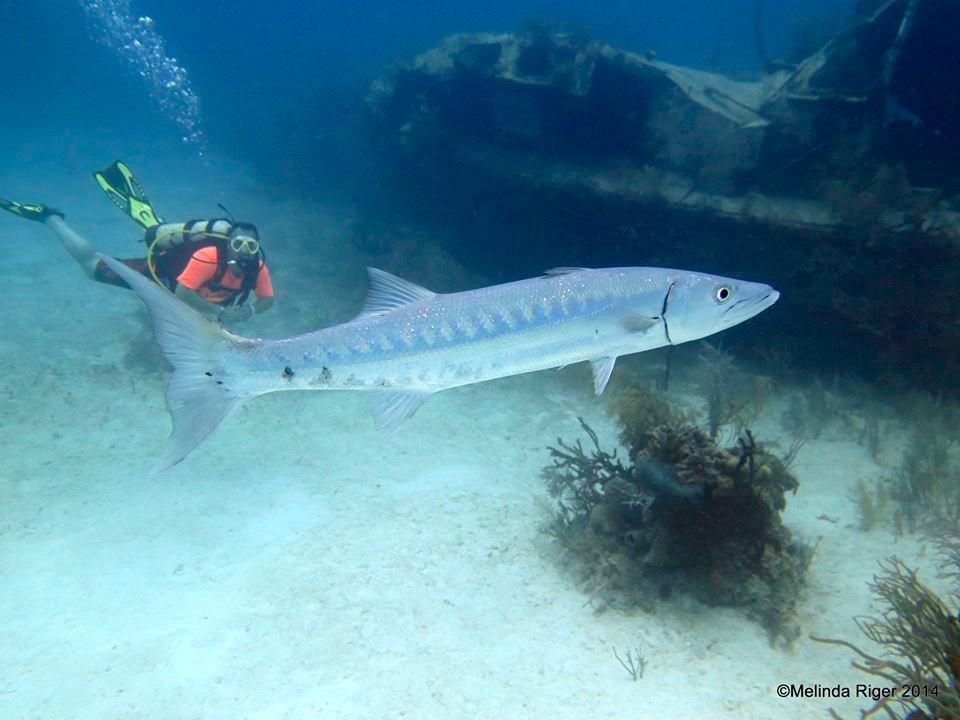
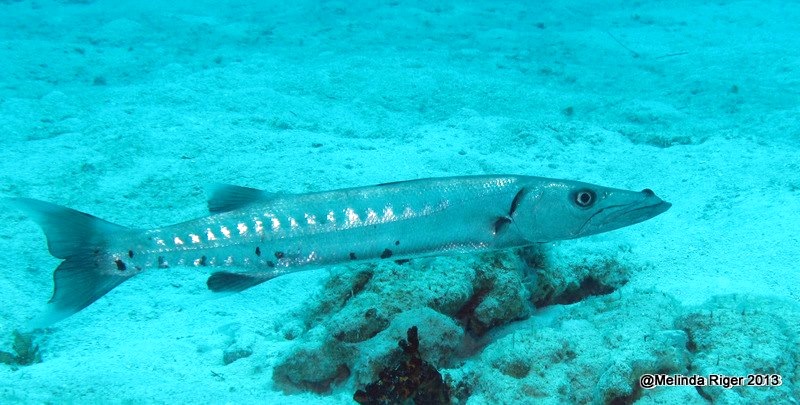
We’ve had some sharks swimming around the blog, for example HERE. But not a great deal about barracudas. Time to put that right. Melinda Riger’s excellent photographs tell you the basics of what you need to know – they are lean, mean biting machines with wicked teeth. In fact, ‘cuda bites are quite rare (unless you you very stupid or very unlucky) and many of the common sense rules that apply to fraternising with sharks in their own element apply equally with ‘cudas.

Barracuda & Diver ©Melinda Riger @ G B Scuba

Great gnashers – some teeth angle forwards & some backwards for mincing prey effectivelyBarracuda ©Melinda Riger @ G B Scuba Barracuda ©Melinda Riger @ GB Scuba copy 800px-Barracuda_laban

Lobbing a brightly-coloured lure from a skiff using a spinning rod into the general vicinity of a barracuda can result in a heart-stopping few seconds as the fish plunges towards the lure at astonishing speed. If it takes it, there’s even more fun to be had bringing it in. ‘Cuda steaks are delicious, but some care needs to be taken. These fish are known carriers of CIGUATERA fish-poisoning. Click the link to find out about the unpleasantness of the toxin involved. On Abaco, ‘cudas from one side of the island are OK, and from the other side may be suspect… just make sure you know which is which before you cook your supper…

BARRACUDA ©Melida Riger @ G B  ScubaBarracuda ©Melinda Riger @ GB Scuba

Unknown's avatar

‘RAINBOW BIRDS’: GORGEOUS PAINTED BUNTINGS ON ABACO

Painted Bunting male.Bahama Palm Shores.Abaco Bahamas.Tom Sheley

‘RAINBOW BIRDS’: GORGEOUS PAINTED BUNTINGS ON ABACO

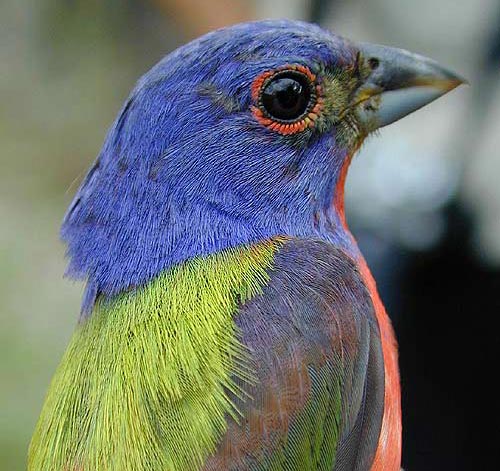
The Mnemonic: that little aide memoire that helps you easily remember a fact. A suitable example hereabouts would be one for remembering the order of taxonomy:  Kids Prefer Cheese Over Fried Green Spinach (Kingdom, Phylum, Class, Order, Family, Genus, Species). ‘ROY G BIV’ or ‘VIBGYOR’ were my childhood ones for the colours of the rainbow in order. Now I’d just look at a picture of a Painted Bunting. Who cares about the exact order? The colours are all there! 

Painted Bunting, Abaco (Tara Lavallee)

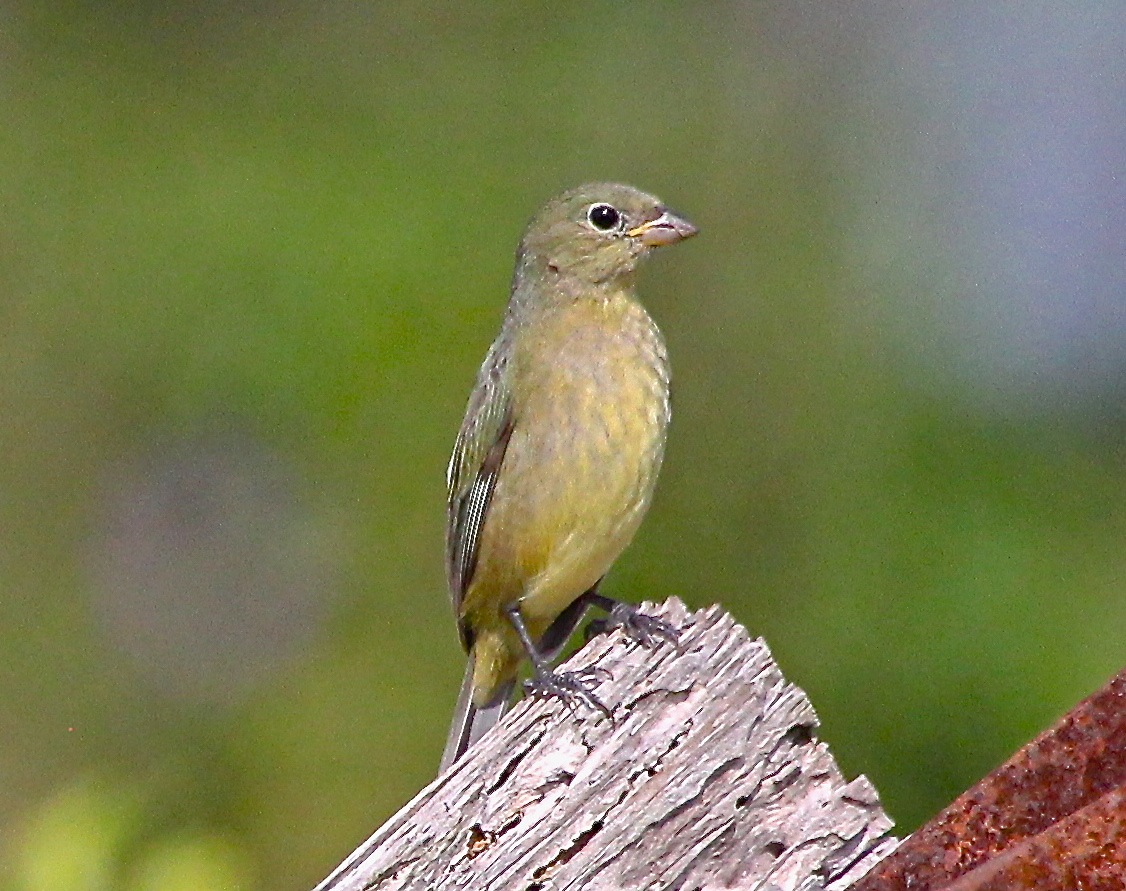
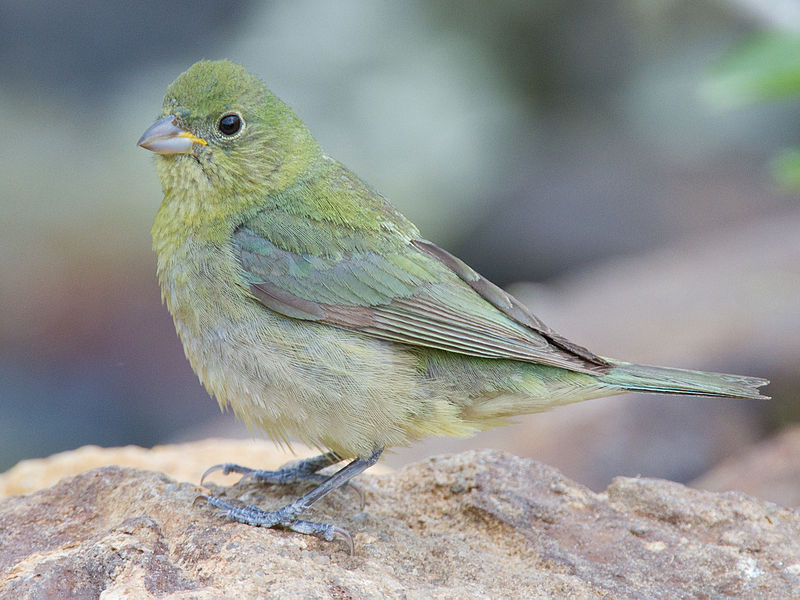
PAINTED BUNTINGS (Passerina ciris) belong to the Cardinal family (Cardinalidae) native to North America. Some would argue that the male Painted Bunting is one of the most beautiful birds. There are no ID problems with the male – once seen, never forgotten. However, these birds are inclined to skulk a bit, so despite their vivid  colouring they aren’t always easy to see amid foliage. The plumage of female and juvenile Painted Buntings are green or greeny-yellow and may be even harder to see in coppice. The one below is an immature female.

Painted Bunting (female, immature), Abaco (Bruce Hallett)

These  buntings are shy birds, but luckily their keenness for seeds outweighs their natural diffidence, and they enjoy feeders. They also eat small invertebrates such as spiders, snails, grasshoppers, and caterpillars, especially in the breeding seasonPainted Bunting, Abaco (Erik Gauger)

Male painted buntings are only too well aware how gorgeous they look (‘You’re so vain – I bet you think this post is about you…’). They may go in for ostentatious displays, including flying like a butterfly or all fluffed up or with quivering wings. Or all three. Sometimes this is to upstage another male; mostly it is to impress the laydeez.

Painted Bunting, Abaco (Tara Lavellee)

Russ Wigh, Xeno-Canto

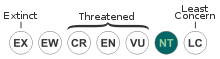
Unsurprisingly the painted bunting was at one time very popular as a caged bird. Now though, it is illegal to catch or keep one. They are IUCN listed as Near Threatened and are protected by the U.S. Migratory Bird Act.

220px-Status_iucn3.1_NT.svg220px-Passerina_ciris_distribution

The photos above all come from the photographic archive amassed for “The Birds of Abaco” project. Credits to Tom Sheley, Tara Lavallee, Bruce Hallett, and Erik Gauger. Below is an omnium gatherum consisting of a gallery of rather good painted bunting photos from Wiki;  a good video of PABUs singing; and for light relief a largely irrelevant yet quite charming 10 minute cartoon ‘The Rainbow Bird’ based on a South American folktale. 

PaintedBunting23 Painted Bunting Passerina ciris Doug Janson Wiki 800px-Painted_Bunting_Female_by_Dan_Pancamo


Unknown's avatar

SWALLOWTAIL BUTTERFLIES ON ABACO

SWALLOWTAIL BUTTERFLIES ON ABACO

Uli Nowlan has had two beautiful swallowtail butterfly species in her garden at Treasure Cay. These are absolute stunners, with great camerawork to capture the details.

BAHAMA SWALLOWTAIL Papilio andraemonBahamas Swallowtail Butterfly, Abaco (Uli Nowlan)

TIGER SWALLOWTAIL Papilio glaucusSwallowtail Butterfly, Abaco (Uli Nowlan) Bahamas Swallowtail Butterfly, Abaco (Uli Nowlan)

Unknown's avatar

BLACK-BELLIED WHISTLING DUCKS: A NEW BIRD SPECIES FOR ABACO

Black-bellied Whistling Duck, Abaco (Tara Lavallee)

BLACK-BELLIED WHISTLING DUCKS: A NEW BIRD SPECIES FOR ABACO

In March 2014 “The Delphi Club Guide to the Birds of Abaco” was published. It contains a checklist of every species recorded for Abaco that was accurate on the day of publication. So it was with a mix of excitement (new species!) tinged slight disappointment (the book is already out of date by June!) that I heard reports of Black-bellied Whistling Ducks Dendrocygna autumnalis being seen on Abaco. Followed by photographs to prove it.

The first report came from Woody Bracey in his account of a day in the field on June 9th in which 40 bird species were seen. He concluded the report: “Most remarkable of these sighting were the 5 Black-bellied Whistling Ducks. This species has been reported before on Andros and Grand Bahama but never on Abaco. 5 were seen clearly in flight with their bright white central upper wing patches, dark underbelly, red legs and bill and long neck. A Yellow-crowned Night Heron spooked 8 Parrots feeding in a Gumbo Limbo Tree when this small flock of whistling ducks flew by affording a good look coming, overhead and going. Unfortunately I did not get a photo even with camera in hand. They have bred in Cuba but not in the Bahamas”.

So, a clear sighting but no photographic evidence. Until the following morning, yesterday June 10 around breakfast time, when at the Delphi Club Lucy Mantle happened to notice some strange ducks right in front of the Club. She grabbed a camera (possibly her phone?) and took a couple of quick shots. Peter Mantle checked Hallett, the go-to field guide, and saw at once that these were not West Indian Whistling Ducks (a species found on Abaco). So he put the word about, adding Lucy’s photos. Hers are almost certainly the first ever images of this species on Abaco.

STOP PRESS 12 JUNE I’ve had an email from Woody Bracey saying that he first photos documenting the Black-bellied Whistling Ducks were in fact taken Saturday June 7 on the Schooner Bay Dock by Glen Kelly. These photos are the ‘official documenting ones’ so I’m afraid that as things stand, Lucy moves to silver medal position and Tara to bronze…

Black-bellied Whistling Ducks, Delphi Club (Lucy Mantle) – first second species photo on Abaco?Black-bellied Whistling Duck, Delphi, Abaco (Lucy Mantle) v2

Tony White, compiler of the checklist, responded to Peter: “Congratulations! you are the first to document a new species on Abaco since the book and checklist came out. These are Black-bellied Whistling-Ducks, casual visitors to the Bahamas. They are increasing rapidly in Florida and I think we can expect them to be breeding somewhere in the Bahamas in the next few years.There are two subspecies and they both have been seen in the Bahamas. I’ll let Woody try to figure out which these are. Thanks for being so alert and getting these photos”.

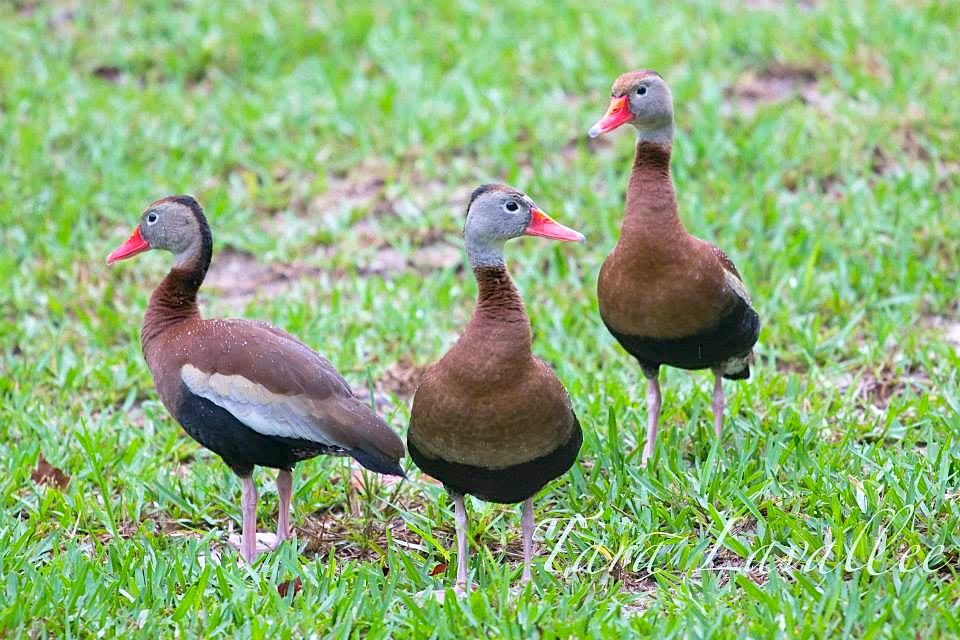
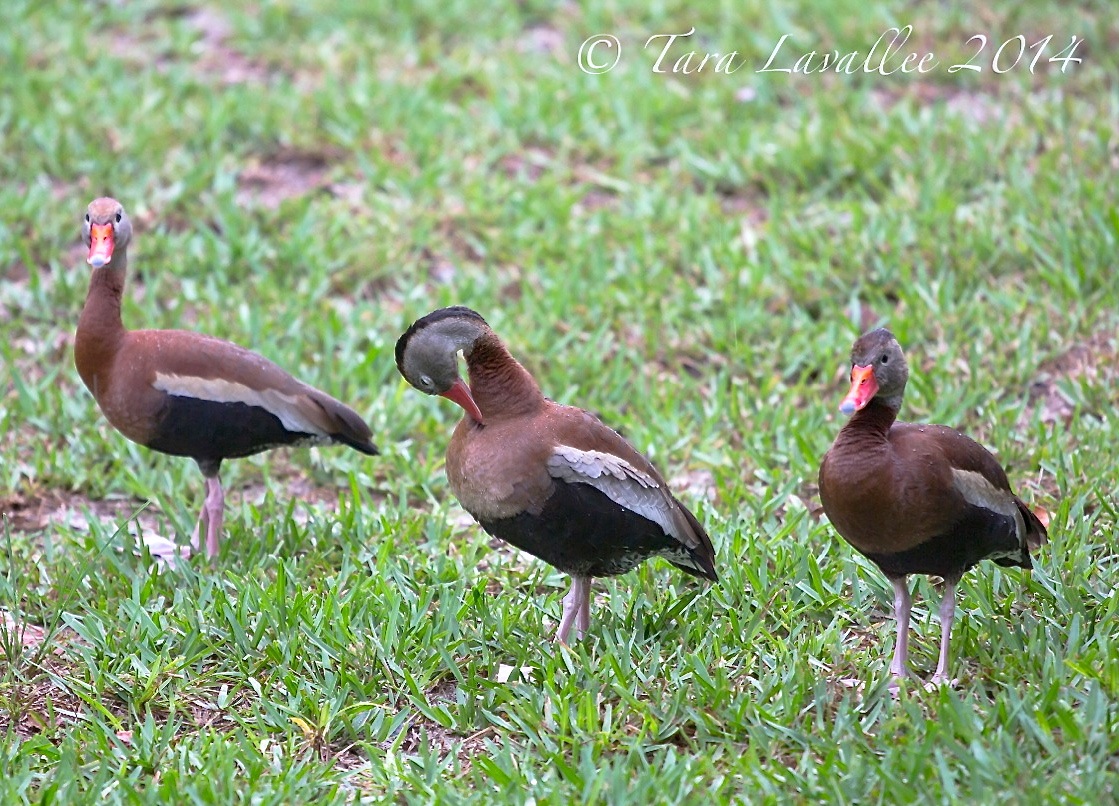
The birds must have moved gradually north during the day, and further sightings were reported online. Tara Lavallee took some photos of them in her yard a few miles north of Delphi and posted them on FB asking “Six of these beauties visiting my yard. Anyone know what they are?” 12-year old birder Chris Johnson was very quick off the mark with the correct ID as Black-bellied Whistling Ducks. Hector Morales had seen them flying over his house the previous day. I’ve seen no further reports, but I am really pleased to be able to feature Tara’s photos, which she kindly emailed earlier today. Her bird photography credentials are high – her wonderful photo of a Bahama Woodstar feeding from a flower takes up the whole of p43 of “The Birds of Abaco”.

Black-bellied Whistling Ducks, Abaco (Tara Lavallee) 2Black-bellied Whistling Ducks, Abaco (Tara Lavallee) 4Black-bellied Whistling Ducks, Abaco (Tara Lavallee) 3Black-bellied Whistling Duck, Abaco (Tara Lavallee)Black-bellied Whistling Ducks, Abaco (Tara Lavallee) 5

This is what they sound like. If you hear this call – grab a camera!

Paul Marvin @ Xeno-Canto

The present range of this species is shown in the Cornell Lab graphic below.It seems that the range is starting to expand, and that these ones are most likely to be visitors from Florida. It remains to be seen whether these ducks will remain vagrant curiosities, or settle down and begin to breed on Abaco. There are plenty of them, and they are IUCN listed as ‘Least Concern’. It’s a gregarious species, so perhaps that increases the chances of having a breeding population on Abaco.

Black-bellied Whistling-Duck Range Map

I’ll end with two excellent photos of the BBWD, taken by people who plainly had plenty of time to sort out and set up their equipment at their own pace, and not as the result of a totally unexpected and random arrival in the front yard!

Black-bellied Whistling Duck Alan D. Wilson, www.naturespicsonline.com Black-bellied Whistling Duck – Alan D. Wilson, http://www.naturespicsonline.com (Wiki)


COMMENT ON FINAL IMAGE OF THIS POST, NOW REMOVED

JUNE 15 2026

BBWD PHOTO REMOVED BY REQUEST ON BEHALF OF THE PHOTOGRAPHER.

DATE of photo: 11 JUNE 2014

CAPTION Black-bellied Whistling Duck, London Wetland Centre, UK by Diliff  (Wiki) 

APOLOGY for, 12 years ago, using a single illustrative photograph in the context of the first of the species being found on Abaco Bahamas; and for failing to use the correct protocols including for location and source as applicable at that time.

TIME This issue was raised on 15 May 2026

CLARIFICATION My free blog has existed since 2010 to date and is almost entirely confined to the island of Abaco, Bahamas. There are no use restrictions.
Unknown's avatar

ABACO’S 5 ‘PERMANENT RESIDENT’ WARBLERS & A NEW WARBLER ID GUIDE

Olive-capped Warbler, Abaco (Bruce Hallett)

Olive-capped Warbler, Abaco

ABACO’S 5 ‘PERMANENT RESIDENT’ WARBLERS & A NEW WARBLER ID GUIDE

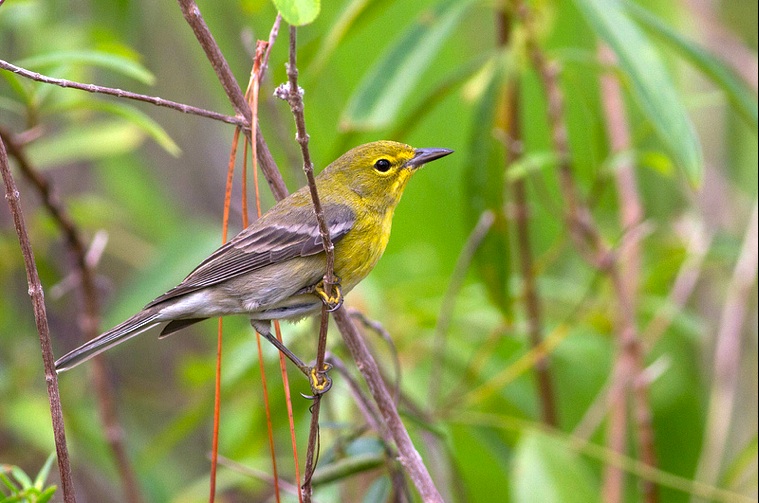
There are 37 Warbler species (Parulidae) recorded for Abaco. There is considerable scope for confusion between many of them. For a start, by no means all have the helpful word ‘warbler’ in their name. Secondly a great many of the species are to a greater or lesser extent yellow, with sub-variables for gender, age and season. It’s easy to get in muddle. A good place to start ID is with the warblers that are on Abaco all year round. Only 5 species are permanent residents on Abaco and the Cays: Bahama Warbler, Bahama Yellowthroat, Olive-capped Warbler, Pine warbler and Yellow Warbler. I have used images of these to illustrate this post.

Yellow Warbler (f) Abaco

Yellow Warbler (f) Abaco

The rest are mostly winter residents, with some being transient visitors passing through on their migration routes. Some are ‘everyday’ birds; some are unusual; and a few are extremely hard to find, the Kirtland’s warbler being the rarest and therefore the most prized sighting of all. I will be returning to the Kirtland’s in more detail in due course.

Pine Warbler, Abaco

Pine Warbler, Abaco

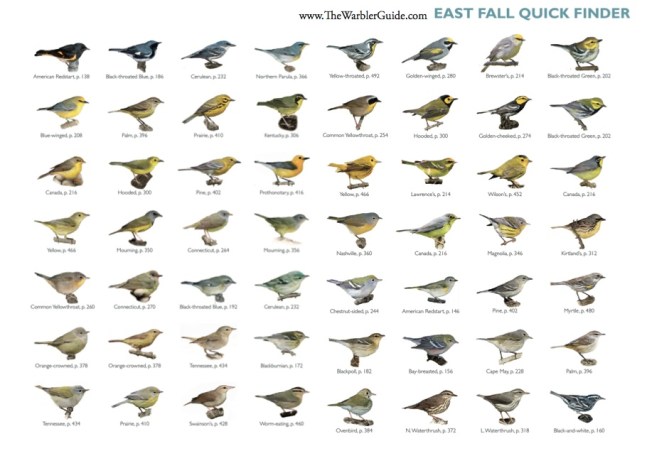
At the bottom of this post is a complete list of the Abaco warbler species, with Bahamas bird authority Tony White’s excellent codes indicating (a) when they may be seen; and (b) the likelihood of seeing a particular species (from 1 – 5). First however, news of a great resource for aiding warbler ID, produced by The Warbler Guide. Click on the blue link below to open a pdf with illustrative views of warbler species from several angles, spread of 8 pages. These are the warblers of North America, but you’ll find that almost all the Abaco warblers are featured.

THE WARBLER GUIDE QUICK-FINDERS

SAMPLE PAGE

Warbler Guide Sample Page

Bahama Warbler, Abaco (Woody Bracey)

Bahama Warbler, Abaco

THE 37 WARBLER SPECIES RECORDED FOR ABACO

WOOD-WARBLERS  PARULIDAE CODE
Ovenbird Seiurus aurocapilla WR 1
Worm-eating Warbler Helmitheros vermivorum WR 2
Louisiana Waterthrush Parkesia motacilla WR 3
Northern Waterthrush Parkesia noveboracensis WR 1
Blue-winged Warbler Vermivora cyanoptera WR 3
Black-and-white Warbler Mniotilta varia WR 2
Prothonotary Warbler Protonotaria citrea TR 3
Swainson’s Warbler Limnothlypis swainsonii WR 4
Tennessee Warbler Oreothlypis peregrina TR 4
Orange-crowned Warbler Oreothlypis celata TR 4
Nashville Warbler Oreothlypis ruficapilla WR 4
Connecticut Warbler Oporonis agilis TR 4
Kentucky Warbler Geothlypis formosa TR 4
Bahama Yellowthroat Geothlypis rostrata PR B 1
Common Yellowthroat Geothlypis trichas WR 1
Hooded Warbler Setophaga citrina WR 3
American Redstart Setophaga ruticilla WR 1
Kirtland’s Warbler Setophaga kirtlandii WR 4
Cape May Warbler Setophaga tigrina WR 1
Northern Parula Setophaga americana WR 1
Magnolia Warbler Setophaga magnolia WR 3
Bay-breasted Warbler Setophaga castanea TR 4
Blackburnian Warbler Setophaga fusca TR 4
Yellow Warbler Setophaga petechia PR B 1
Chestnut-sided Warbler Setophaga pensylvanica TR 4
Blackpoll Warbler Setophaga striata TR 3
Black-throated Blue Warbler Setophaga caerulescens WR 2
Palm Warbler Setophaga palmarum WR 1
Olive-capped Warbler Setophaga pityophila PR B 1
Pine Warbler Setophaga pinus PR B 1
Yellow-rumped Warbler Setophaga coronata WR 2
Yellow-throated Warbler Setophaga dominica WR 1
Bahama Warbler Setophaga flavescens PR B 1
Prairie Warbler Setophaga discolor WR 1
Black-throated Green Warbler Setophaga virens WR 3
Wilson’s Warbler Cardellina pusilla TR 4
Yellow-breasted Chat Icteria virens TR 4
Bahama Yellowthroat, Abaco

Bahama Yellowthroat, Abaco

Warbler_Guide

Image credits: Bruce Hallett, Tom Reed, Woody Bracey, Charlie Skinner; PDF from ‘The Warbler Guide”

Unknown's avatar

ABACO’S ENDEMIC BIRDS: MAKING A CASE FOR PROTECTION

Bahama Yellowthroat on Abaco - Tom Reed

Bahama Yellowthroat on Abaco – Tom Reed

 ABACO’S ENDEMIC BIRDS: MAKING A CASE FOR PROTECTION

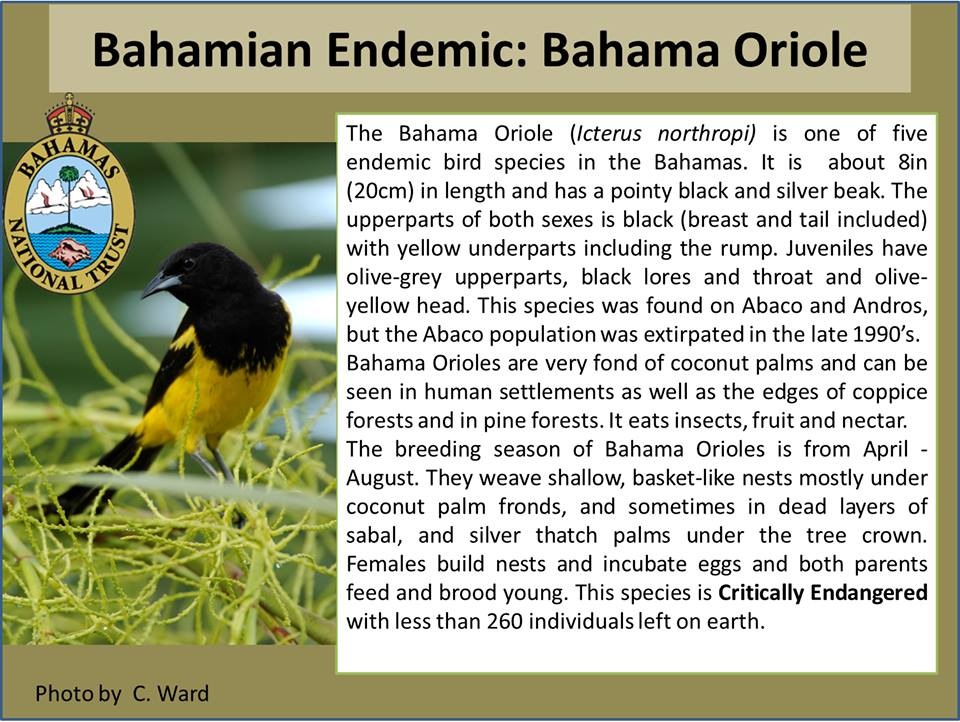
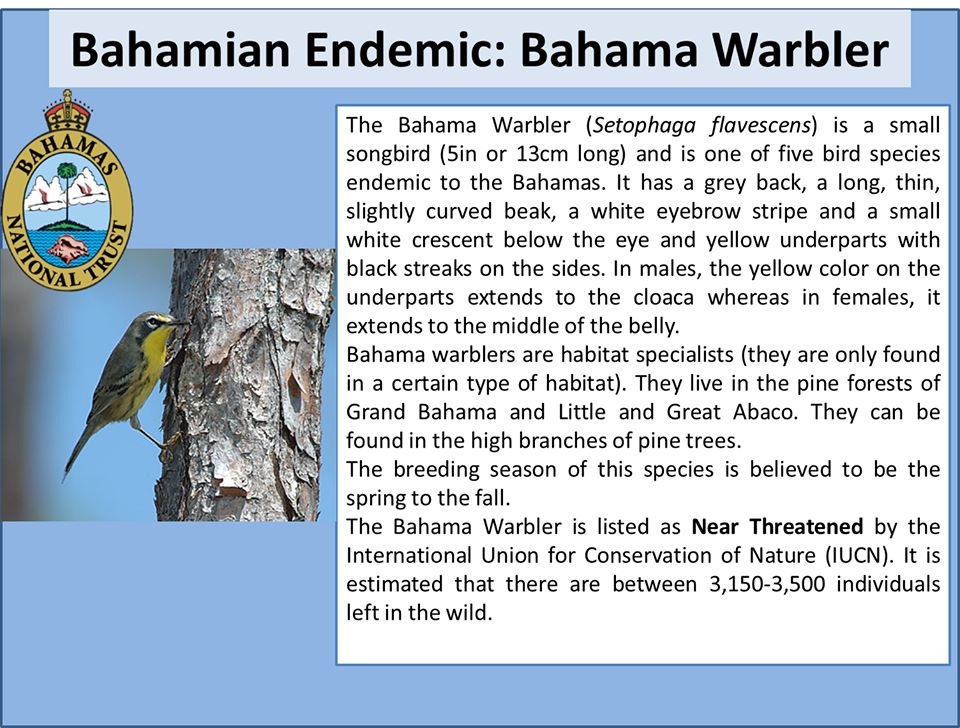
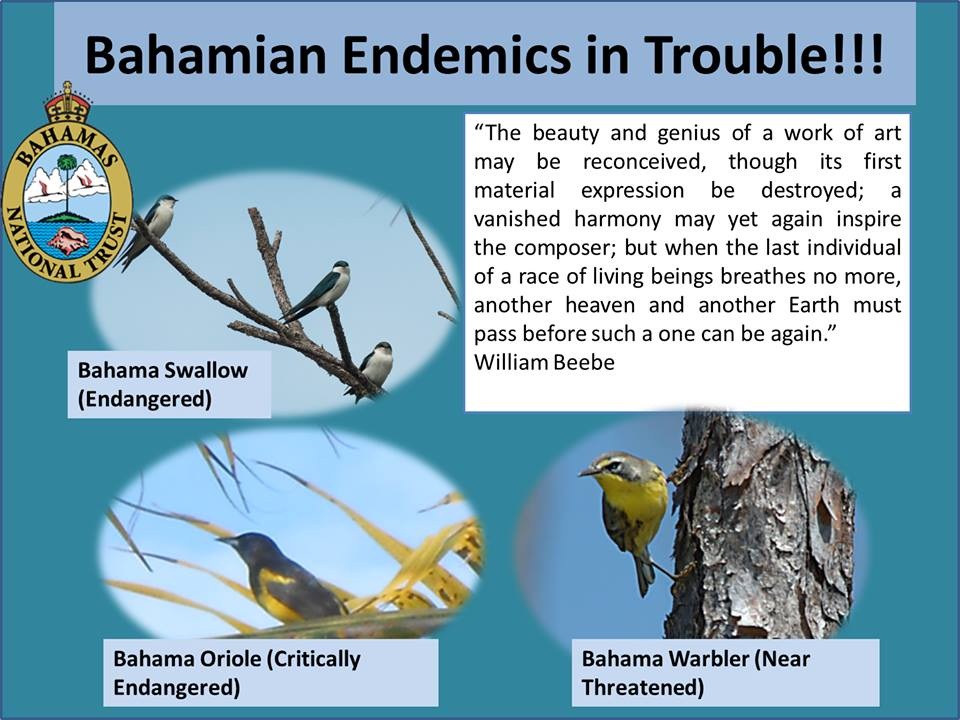
I recently wrote a post showcasing the 4 Bahamas endemic bird species found on Abaco: swallow, warbler, woodstar hummingbird, and yellowthroat. You can read it and see some great photos HERE. Sadly, the magnificent oriole, extant on Abaco for centuries, was extirpated in the 1990s. You can still see them but only on Andros; and the population there is barely sustainable – there are only 260 remaining. Still, on Abaco there remain four of the endemic species to conserve and care for.

The Bahamas National Trust BNT has produced 6 brief but informative illustrated ‘cards’ about the Bahamas endemics. They deserve a wide audience, especially in view of the threats to some species for reasons that include habitat loss and increasing development. New Providence lost its subspecies of Bahama Yellowthroat within the last 20 years. Let’s hope that Abaco can hold onto its speciality birds for the future. 

IMG_1613IMG_1618IMG_1801IMG_1617IMG_1713IMG_1707

Unknown's avatar

ABACO WARBLERS: IN SEARCH OF A YELLOW RUMP…

Yellow-rumped_Warbler Dan Pancamo (Wiki)

ABACO WARBLERS: IN SEARCH OF A YELLOW RUMP…

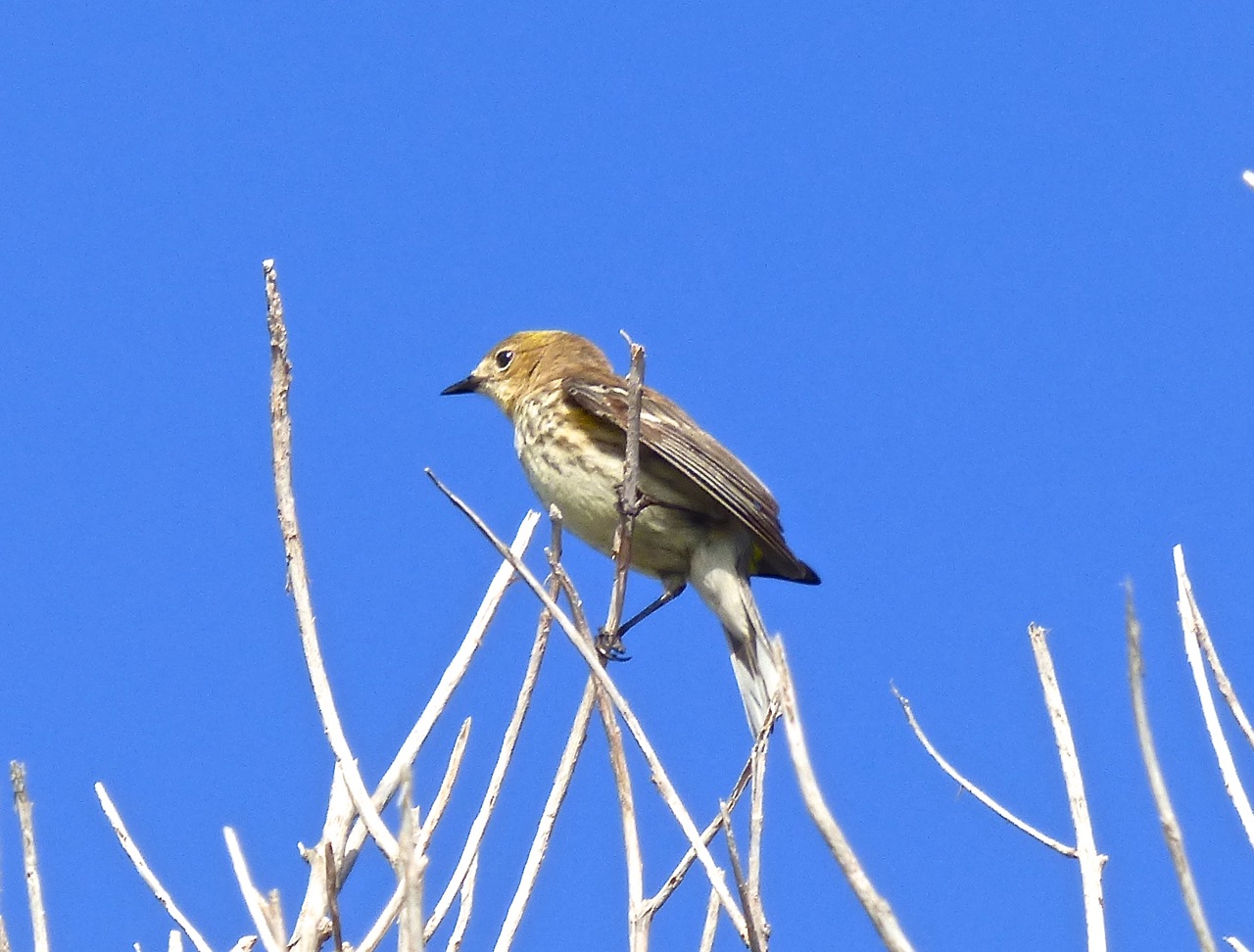
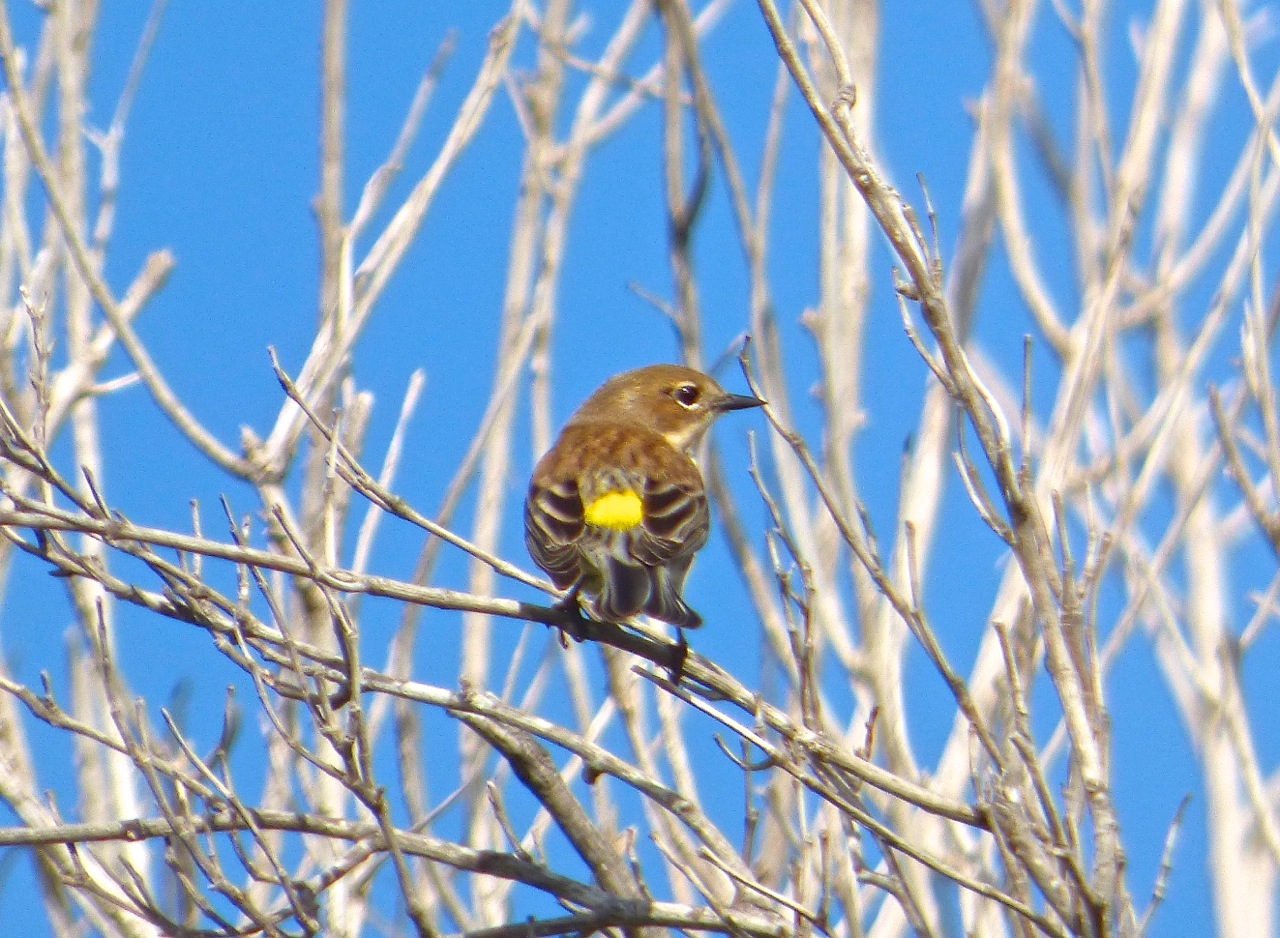
I haven’t been very lucky with yellow rumps in the past. This is not normally something one likes to talk about in a public forum… but to be honest I have been longing to get hold of a yellow rump of my own. The warbler Setophaga coronata, that is, a fairly common winter resident on Abaco. I’ve seen them of course. I’ve glimpsed a passing flash of yellow rump. But no YRW has stayed parked in tree with its backside towards me for long enough to permit me to photograph its posterior glory. Ideally I’d have liked a clear, attractive shot like the header image (Dan Pancamo, Wiki). But desperation leads to lowered expectations and plummeting standards. Frankly, this year I’d have been satisfied with any yellow rump. Abandoning my initial plan to apply a yellow highlighter pen to a compliant female grassquit, I bided my time. And suddenly there, at the very top of a tree near the swimming pool at Delphi, was my chance… A pair of YRWs were in evidence.

Yellow-rumped Warbler, Abaco 5Yellow-rumped Warbler, Abaco 6Yellow-rumped Warbler Abaco 1Yellow-rumped Warbler, Abaco 2

The tree wasn’t very close to me, and the birds stayed near the very top. My photos were never going to be great. Especially since each bird was meticulous in keeping its rear end out of sight. Then they flew away! However quite soon one was back. This time there were twigs in the way, one of the those little variables that makes camera focussing so enjoyable. But this time I managed to ‘pap’ its derrière…  Feeble shots but mine own. As an avian ‘Holy Grail’, a mere yellow rump leaves quite a lot to be desired, I can quite see. It’s on no one’s ‘bucket list’ of birding musts. But now I can move on, release that poor female grassquit and chuck out the highlighter pen.

Yellow-rumped Warbler, Abaco 3Yellow-rumped Warbler, Abaco 4

Unknown's avatar

BAHAMA WOODSTARS NESTING ON MAN-O-WAR CAY, ABACO

Bahama Woodstar (m) Bruce Hallett, Abaco

BAHAMA WOODSTARS NESTING ON MAN-O-WAR CAY, ABACO

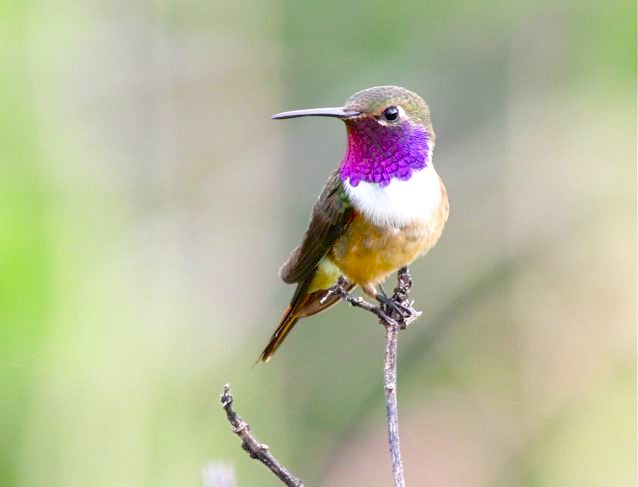
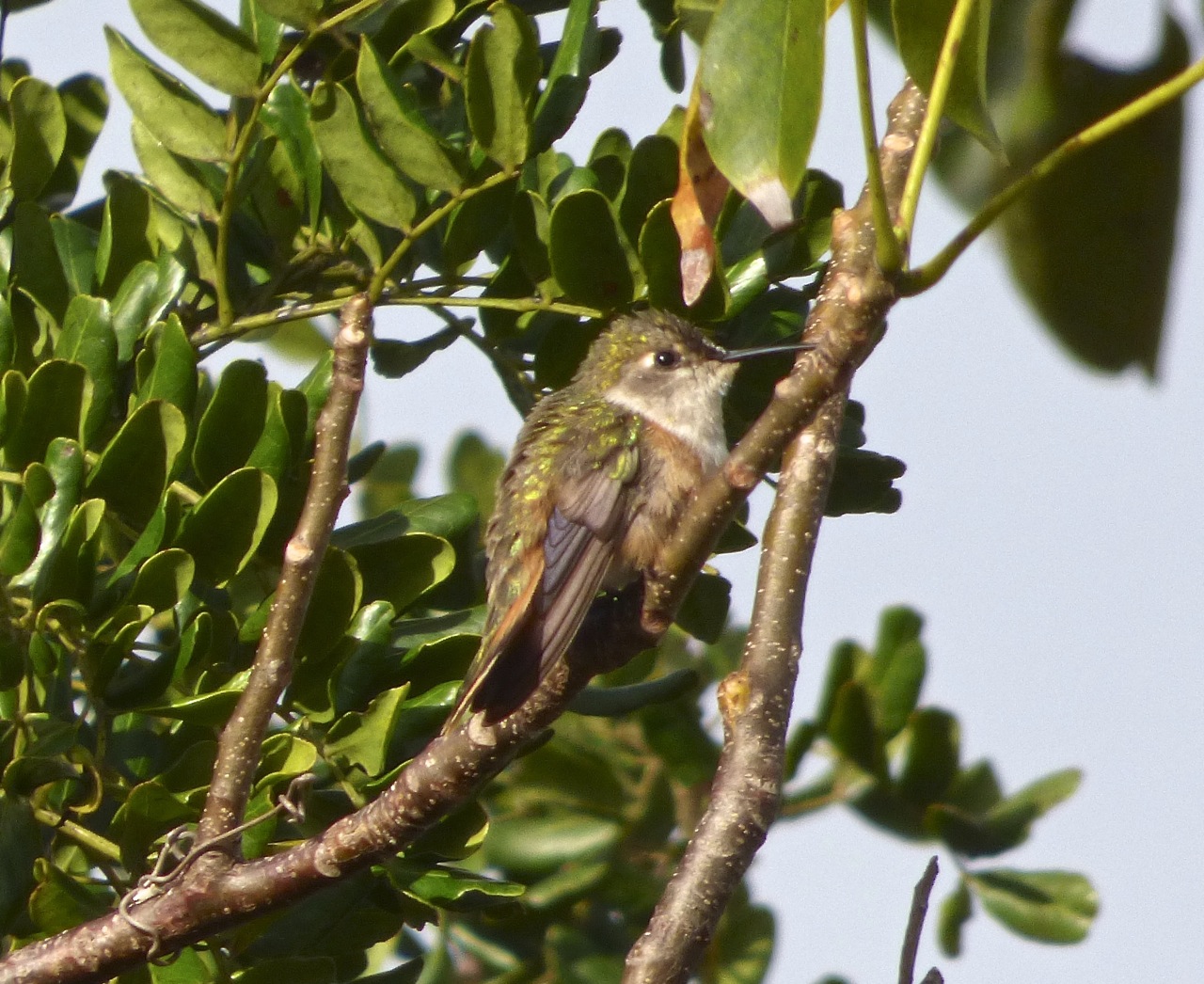
I’ve written before about the somewhat fraught relationship between the 2 hummingbird species of Abaco, the endemic Bahama Woodstar and the resident but non-indigenous Cuban Emerald. They tend not to mix, and the Woodstars tend to fade to areas where there are no Emeralds. Both are found at Delphi, but I suspect the sugar water feeders may play a part in that. Even there, the Emeralds predominate. This is my best recent shot of a female Woodstar on the Delphi drive. I had about 30 seconds to see it, whip out the camera, remove the lens cap and fire off some shots. Then it flicked away into the coppice. All images were useless bar one, which almost worked but won’t stand close scrutiny.

Bahama Woodstar, Delphi, Abaco

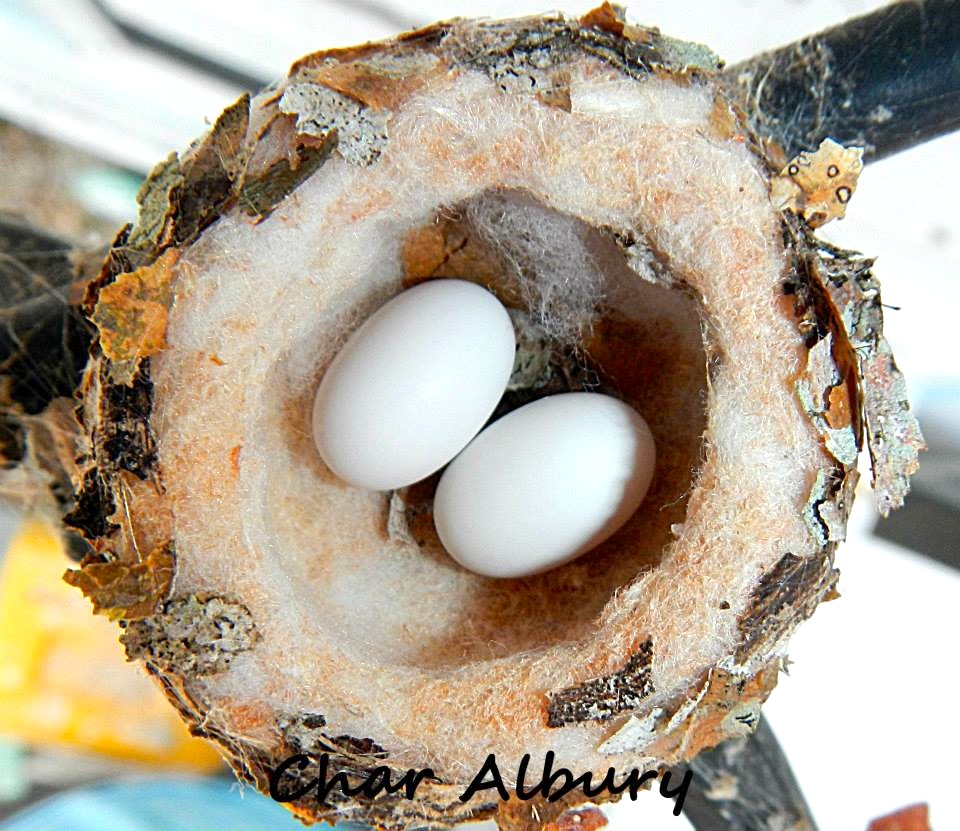
Man-o-War Cay may be quite small, but it seems to be blessed with plenty of Woodstars. They are often quite tame and Charmaine Albury has them nesting round her house annually. I posted about her baby Woodstars from last year HERE. This year they have returned, making their tiny cup nests rather precariously amid the domestic wiring. Here are a few of  Charmaine’s nest photos (for which thanks!) for this season.

A female Woodstar on the nest. They lay 2 eggs, which are incubated for around 2 weeksBahama Woodstar, Man-o-War Cay Abaco (Charmaine Albury)

A fledgling takes flight for the first time, leaving more room for the remaining chick. Note the stumpy little tailBahama Woodstar, Man-o-War Cay Abaco (Charmaine Albury)

Two eggs that seem far too big for such a tiny nestBahama Woodstar, Man-o-War Cay Abaco (Charmaine Albury)

Within the last couple of days, the first egg hatched. This hatchling is a few hours old at mostBahama Woodstar, Man-o-War Cay Abaco (Charmaine Albury)

photo copyphoto

Credits: Header pic of male BAWO Bruce Hallett; RH (Delphi); Charmaine Albury (nests); BNT info sheet

Unknown's avatar

ABACO BIRDS… THAT RUN LIKE THE CLAPPERS

Clapper Rail on Abaco by Sandy Walker

ABACO BIRDS… THAT RUN LIKE THE CLAPPERS

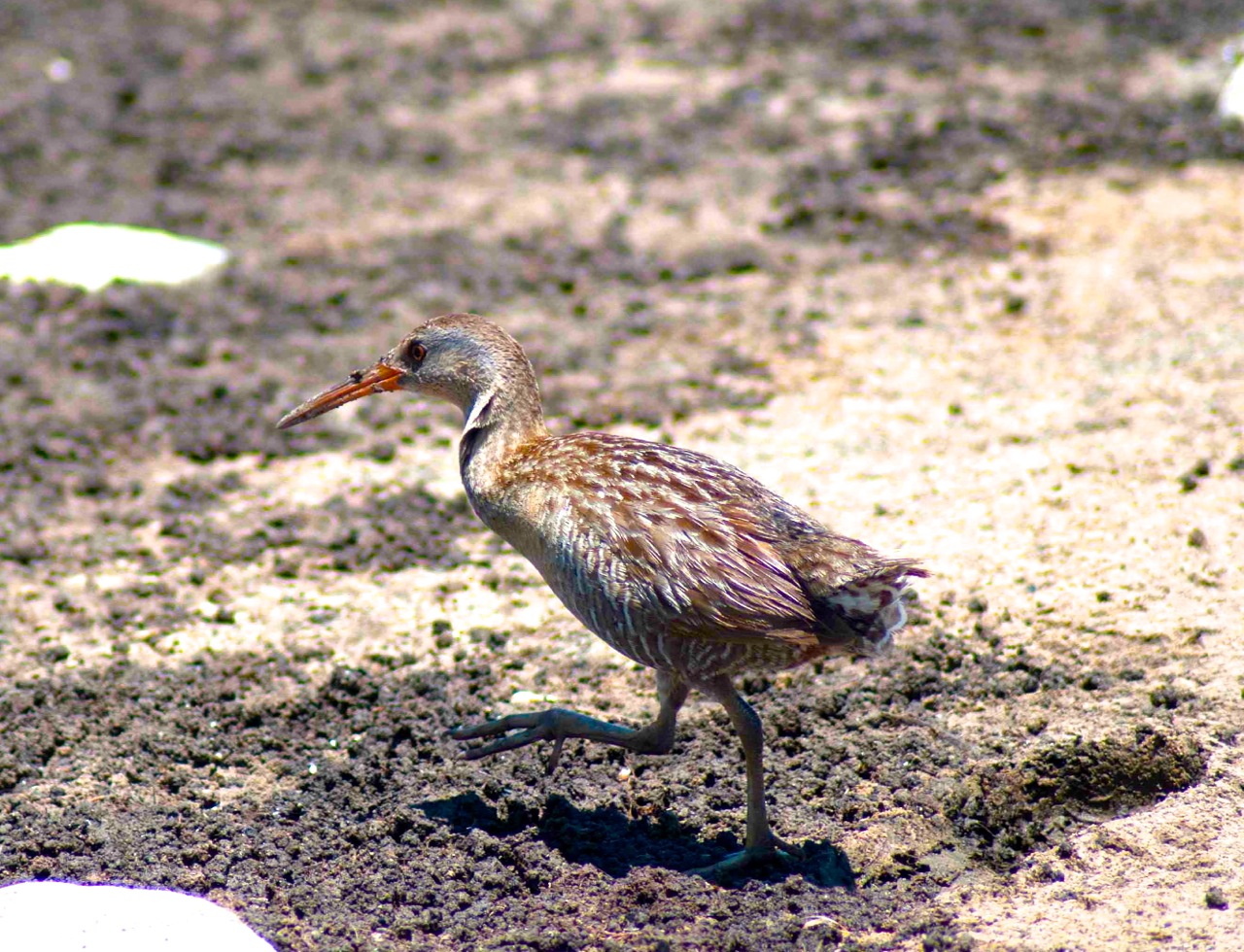
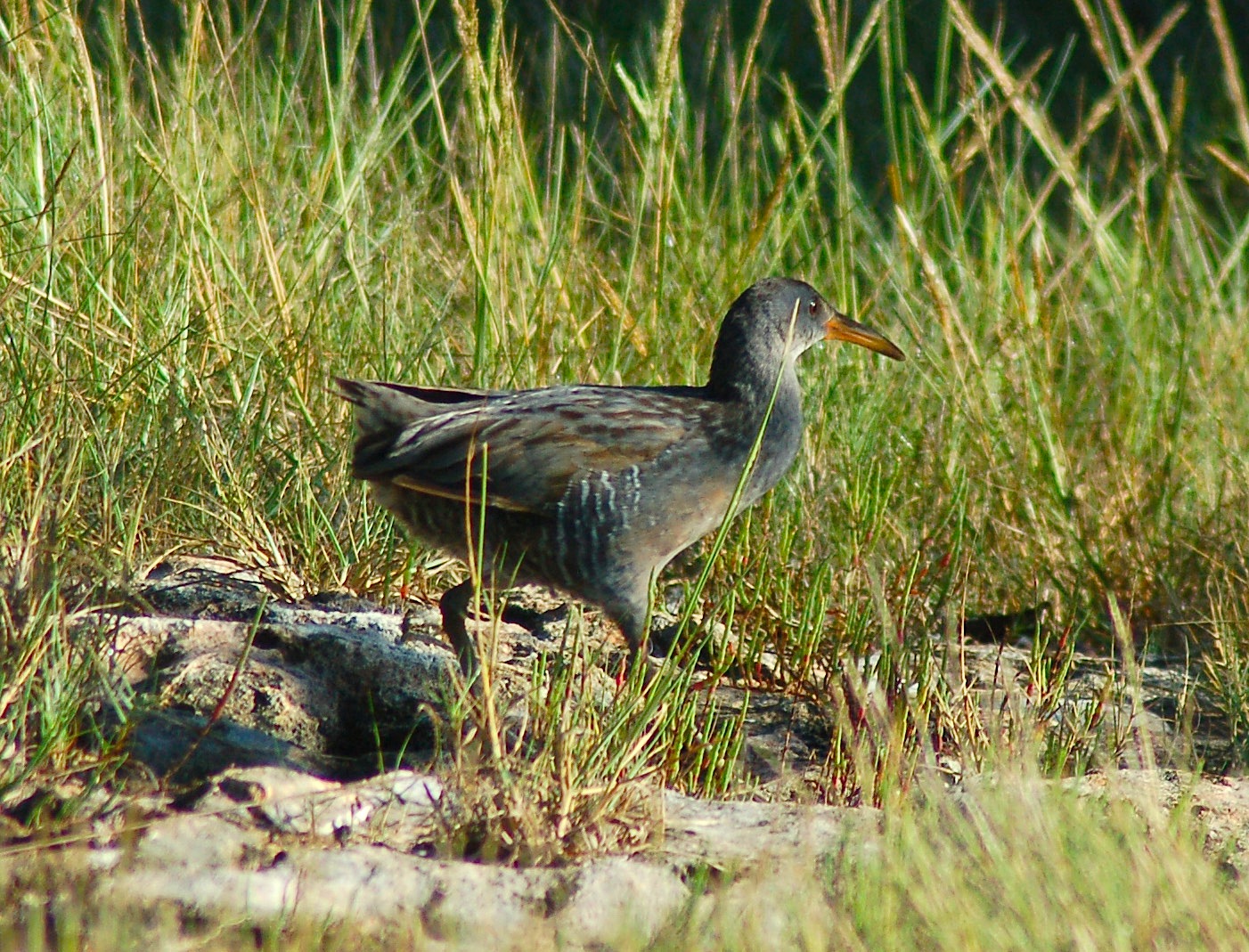
That is, essentially, because they are indeed Clappers. Rallus longirostris to be precise, or Clapper Rails. There are 4  rail species on Abaco, the Clapper being a permanent resident and not particularly uncommon. The others are the Virginia Rail and the Sora, both winter residents and less common (or in the Sora’s case, perhaps more furtive and less easy to find); and the Black Rail, which is generally agreed to be a ‘hypothetical’ for Abaco. That means they are believed to exist on Abaco but there are no confirmed sightings let alone any photos of one. However, last summer while we were taking a truck into the backcountry of South Abaco to locate hard-to-find birds for “The Birds of Abaco” book, the distinctive call of a Black Rail call was heard independently by two people on two different days in two different locations. I’ve heard another report since then. So they are out there somewhere, but keeping their heads down. The first to find one will have a considerable avian scoop!

Let’s start with some fabulous photographs by Tom Sheley. We used the first one in the book. By being patient, Tom managed to capture this bird having a quality preening session. Here are 4 shots from the sequence, including a rare one of the bird calling. To get the full glory of the detail, click on each image twice.Clapper Rail stretching.Abaco Bahamas - Tom Sheley ("The Birds of Abaco" by Keith Salvesen, p80)Clapper Rail rousing.Abaco Bahamas.Tom SheleyClapper Rail preening 2.Abaco Bahamas.3.12.Tom Sheley copyClapper Rail preening.Abaco Bahamas.3.12.Tom Sheley copy

Clapper Rails are elusive birds of mangrove swamp and marsh, more frequently heard than seen. They tend to lurk around in foliage and are easy to overlook. You may come across one foraging secretively in the mud. Although they can both swim and fly, they prefer to keep both feet on the ground.When running, these rails look endearingly comical. 

Clapper Rail, Abaco Erik Gauger V2Clapper Rail Sandy Walker 1 - V2Clapper Rail, Abaco Bahamas - Becky Marvil

It almost goes without saying nowadays, but the biggest threat to these rather charming inoffensive birds is habitat loss. That is to say, mankind. Drive the bulldozers through the mangroves and marshland of sub-tropical coastal areas, chuck down a few acres of concrete… and the clappers will very soon become clapped out.
Clapper Rail Abaco, Bahamas - Becky Marvil

“TO RUN LIKE THE CLAPPERS”. This phrase seems to be fairly recent, probably dating from early in WW2. Some suggest it is a rhyming slam bowdlerisation of ‘run like hell’ with ‘clapper(s)’ standing for ‘bell’, along the lines of the Cockney “I bought a brand new whistle” (whistle and flute = suit). Almost all plausible explanations relate to bells, and some argue that it simply reflects the rapid speed of the clapper of a vigorously rung handbell.

STOP PRESS Uli Nowlan has sent her photo of a Clapper Rail, taken at the ponds north of Treasure Cay – a reminder that there is good birding to be done in that area of North Abaco – the bird action is not confined to South Abaco below MH…

Clapper Rail, Abaco (TC ponds) - Uli Nowlan

Photo credits:Tom Sheley, Sandy Walker, Erik Gauger and Becky Marvil – plus Uli Nowlan

The Clapper Rail features in “The Delphi Club Guide to the Birds of Abaco” by Keith Salvesen pp 80 – 81

Unknown's avatar

GEE! BEES!! HIVE TALKIN’ ON ABACO

Bees at Delphi Abaco 1

GEE! BEES!! HIVE TALKIN’ ON ABACO

This post concerns the bees of Abaco, with little or no apology for the cultural cross-reference to the dread mid-70’s musical era. If you wish to experience the full horror, scroll straight to the bottom of the page and relive those heady days of Barry, Robin & Maurice… 

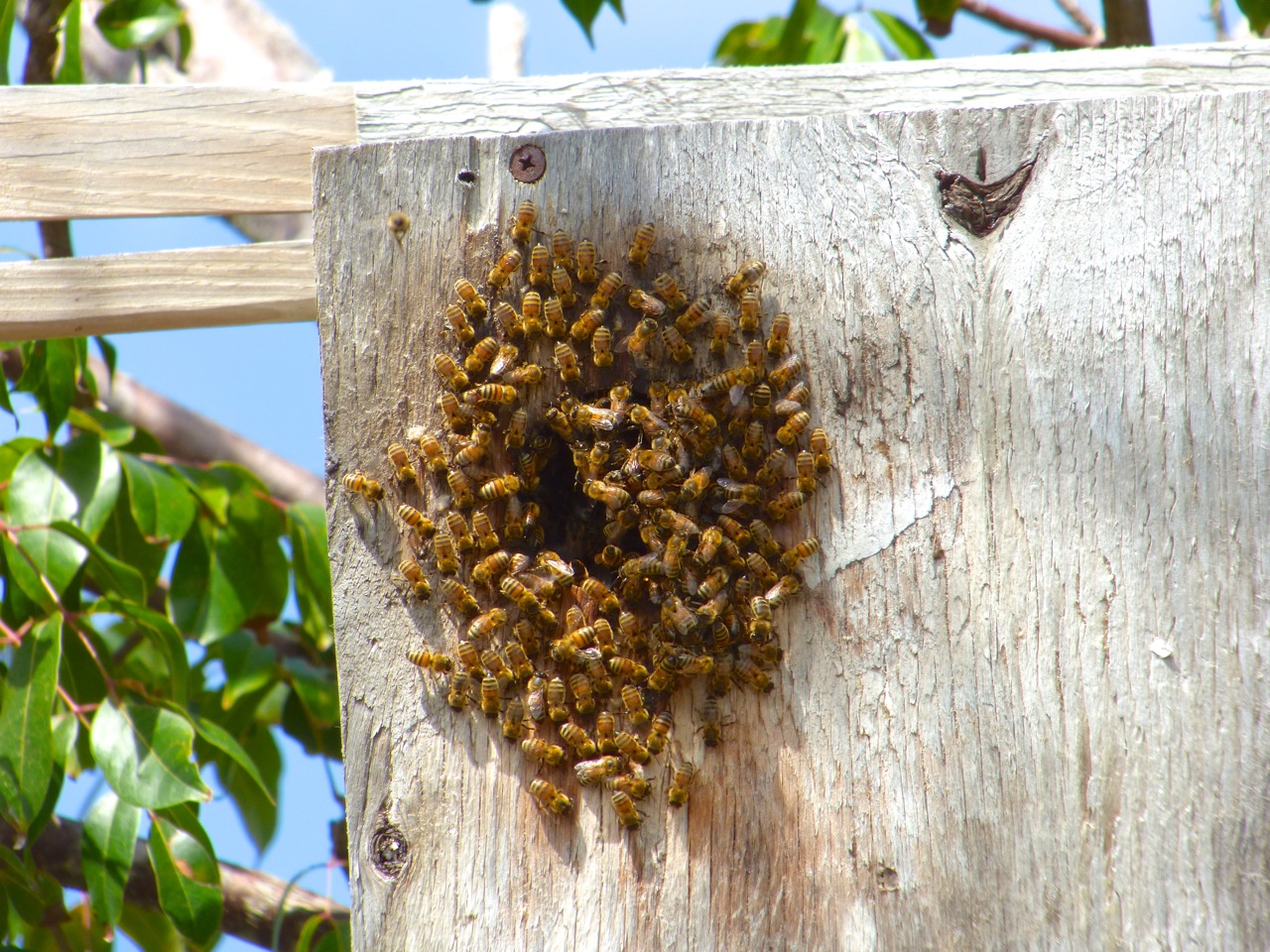
The bees on Abaco south of Marsh Harbour are mostly wild. The header photo shows the West Indian Woodpecker nest box near the skiff park at Delphi that has become the exclusive residence of bees. They have a profusion of flowers in the Delphi Club gardens to choose from, but it is not practical to keep hives for them. So they are left to do their own thing. Here they were last month, being busy.

Bees at Delphi Abaco 2

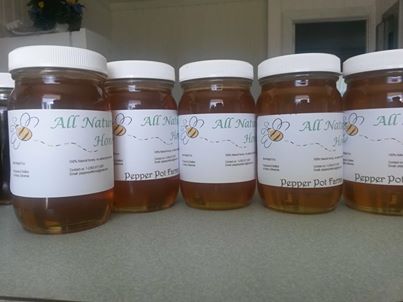
During the past year I have found 2 places between Delphi and MH that keep hives. One is PEPPER POT FARMS – click the name to reach their FB page. You can get their honey direct or in MH for $6.75 a pot. I enjoyed their evidence of why bees are called ‘workers’…

5 FUN BEE FACTS

  • Bees must visit approximately 2 million flowers to make 1 lb. of honey. 
  • Bees have to fly over 55,000 miles to make 1 lb. of honey. 
  • On average a worker bee will make 1/12 teaspoon of honey in her lifetime. 
  • Two tablespoons of honey would fuel a honey bee flying once around the world.
  • Honey bees will visit between 50-100 flowers during one nectar collection trip.

12721_208930259301915_1742177992_n

The other place with hives is ABACO NEEM FARMS, the base for the production of the stock at the Abaco Neem shop on the way into MH from the roundabout . The owner Nick has installed 2 hives which we had a look at when we took up his invitation to bird-watch there. It is something of a birding hotspot, benefitting from pine woods, coppice, fruit trees and open land over a large area. 

Abaco Neem Farm Hives 1Abaco Neem Farm Hives 2Abaco Neem Farm Hives 3

There was plenty of bee action around the hives on a warm sunny day and plenty of plants for them to feed from. We watched them come and go, the returning bees having filled their trouser pockets with pollen.Abaco Neem Farm Hives 4 Abaco Neem Farm Hives 5

There are both cultivated and wild flowers all over the place, with bees feasting on plants and fruit trees of many kinds. I liked the bright flower chosen by this bee. Abaco Neem Farm Hives 6

I’ll be posting more about the birds and plants of the Neem Farm in a while. Meanwhile, here are a couple of links to previous relevant links.

 TO SEE AN EARLIER ABACO BEE POST, CLICK HERE

TO SEE A CUBAN PEWEE AT THE NEEM FARM CLICK HERE

Finally, here is your chance to roll back the years with the Brothers Gibb. And below it, an excellent corrective!

This excellent Bee Gee parody by the “Hee Bee Gee Bees” called “Meaningless Songs in Very High Voices” is live from Sweden. Well, it still makes me laugh anyway (they also ripped off and ripped into Bowie, Jackson, The Police, Status Quo & many more).

Unknown's avatar

THE UNIQUE ABACO PARROT: ITS PAST, PRESENT & FUTURE

APB 1

THE UNIQUE ABACO PARROT: ITS PAST, PRESENT & FUTURE

Image Credits: RH, Caroline Stahala, Melissa Maura. Based on an information booklet ©Rolling Harbour. You are welcome to use or share this slideshow but please credit and link. Booklets are available at the Delphi Club, Abaco for a small donation to parrot research. The music is from astounding guitar virtuoso Erik Mongrain – he has all the tricks, and sounds as if he plays with 2 pairs of hands…

Unknown's avatar

WHICH ABACO BIRD HAS A YELLOW BELLY & SUCKS SAP?

Yellowbelliedsapsucker by John Harrison (Wiki)

WHICH ABACO BIRD HAS A YELLOW BELLY & SUCKS SAP?

You’re ahead of me here, aren’t you? The answer of course is… Sphyrapicus varius. Abaco has two permanently resident woodpecker species, the WEST INDIAN WOODPECKER and the HAIRY WOODPECKER. There is a third, migratory woodpecker species that is a fairly common winter resident, the yellow-bellied sapsucker. Like its woodpecker cousins, the sapsucker drills holes in trees (see below). The dual purpose is to release the sap, which it eats, and to attract insects that it also eats. A two-course meal, if you like. They’ll also eat insects on an undrilled tree, and even ‘hawk’ for them in flight. They balance their diet with fruit and berries. Bahamas -Great Abaco_Yellow-bellied Sapsucker_Gerlinde Taurer 1 FV

Bahamas-Great Abaco_Yellow-bellied Sapsucker_Gerlinde Taurer 2 copy

The distinctive patterns of sapsucker holes may completely encircle the trunk of a tree with almost mathematical precision. This is sometimes described as ‘girdling’ and may have a damaging effect on a tree, sometimes even killing it if the bark is severely harmed. This may require preventive measures in orchards for example, though note that in the US Yellow-bellied Sapsuckers are listed and protected under the Migratory Bird Treaty Act so radical action is prohibited. Yellow-bellied Sapsucker. Abaco Bahamas 2.12.Tom Sheley copy 3

YELLOW-BELLIED SAPSUCKER SOUNDS

DRUMMING (Xeno-Canto / Richard Hoyer) 

 CALL (Xeno-Canto / Jonathon Jogsma)  

On Abaco, palms are a favourite tree for the sapsuckers. There are several palms along the Delphi beach, and this year I noted that one coconut palm in particular had seen plenty of sapsucker  action, with the drill holes girdling the entire trunk from top to bottom.

Yellow-bellied Sapsuckers & Coconut Palms 1 RH Yellow-bellied Sapsuckers & Coconut Palms 2 RH

In their breeding grounds yellow-bellied sapsuckers excavate a large cavity in a softwood tree as a nest. They mate for life, and often return to the same nest year every year, with the pair sharing nesting duties. I have no idea whether the pair migrate south for the winter together, or whether they agree to take a break from each other. I’d like to think it’s the former…

sphy_vari_AllAm_mapSphyrapicus varius Dominic Sherony (Wiki)

Credits: Photos Gerlinde Taurer, Tom Sheley, RH + John Harrison & Dominic Sherony (Wiki); Cornell Lab (Range Map) & Xeno-Canto (YBS recordings as credited above)

Species featured in ‘The Delphi Club Guide to the Birds of Abaco’ by Keith Salvesen, pp 242-3