Unknown's avatar

WORLD SHOREBIRDS DAY – ABACO’S 33 SHORE SPECIES (3): PLOVERS


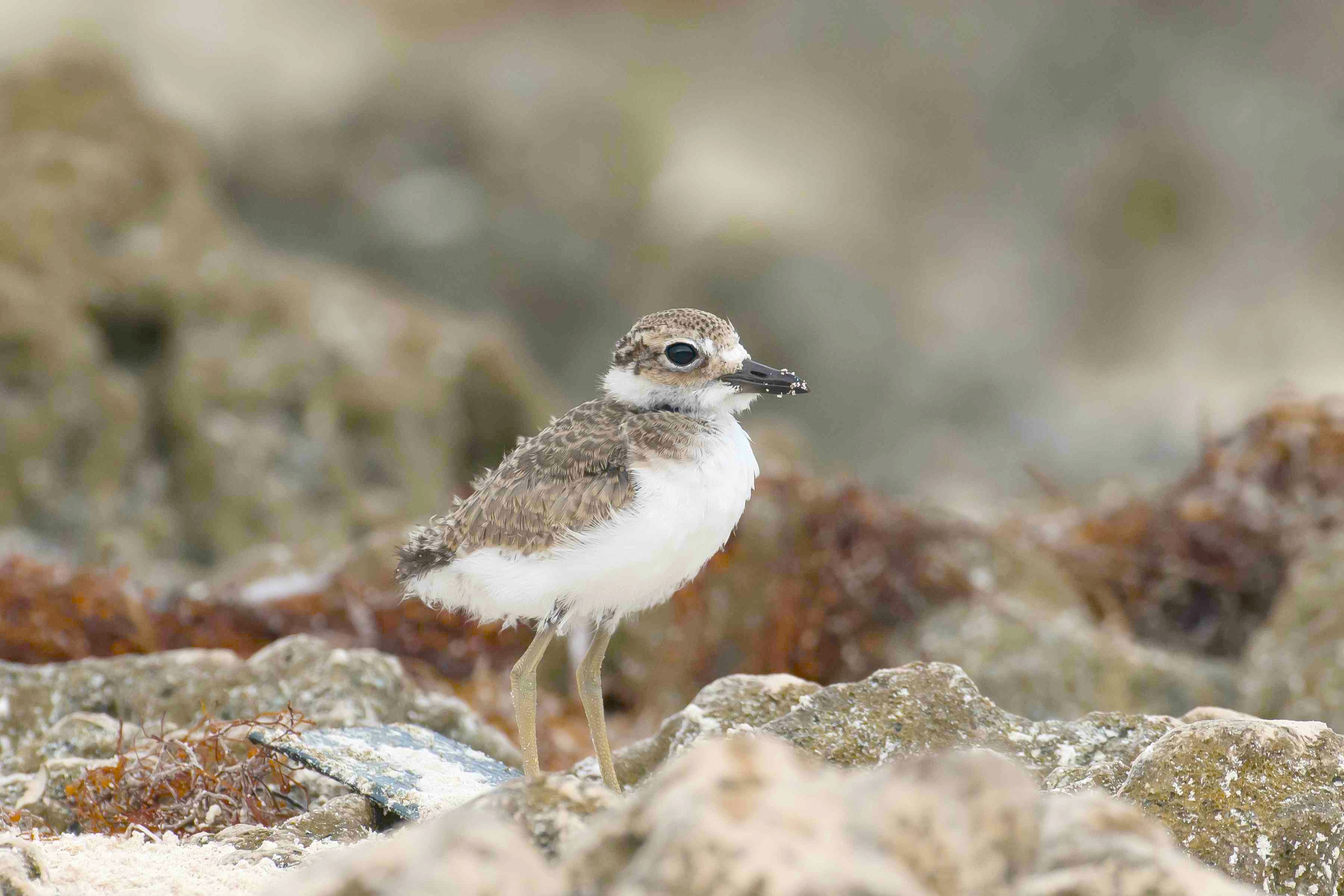
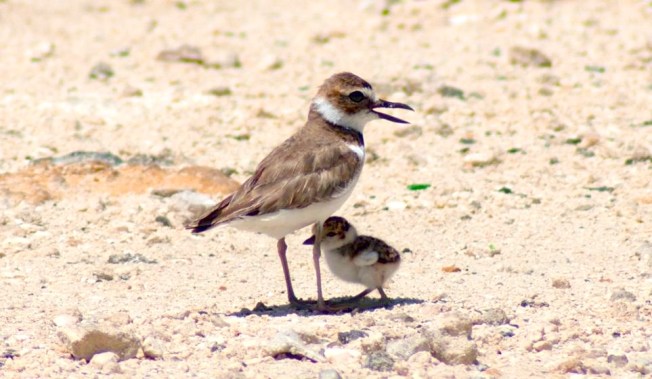
Wilson's Plover & Chick, Delphi Beach, Abaco - Sandy Walker

Wilson’s Plover & Chick, Delphi Club Beach, Abaco (Sandy Walker)

 WORLD SHOREBIRDS DAY – ABACO’S 33 SHORE SPECIES (3): PLOVERS

Over the last 2 days, 20 of Abaco’s 33 shorebird species have been featured, LARGER SHOREBIRDS followed by SANDPIPERS. The third part of the series concentrates on the 6 plover species found on Abaco. First, I’ve repeated the main Abaco shorebird checklist of 26 species (birds previously featured in bold), with each bird’s ‘availability’ code. I am disregarding the 7 species listed under the checklist because (1) they are transients or vagrants and your chances of encountering one are slim to remote; and (2) because in 16 months I was unable to obtain photos of any of them taken on Abaco, which can’t simply be because they are not photogenic. I still haven’t managed to deal with the shonky formatting, so I’ve given up on that…

The codes will tell you, for any particular bird, when you may see it (P = permanent, WR = winter resident, TR = transient, V = vagrant); whether it breeds (B) on Abaco; and your chance of seeing it, graded from easy (1) to vanishingly unlikely (5).

  • Black-necked Stilt                         Himantopus mexicanus              PR B 3
  • American Avocet                           Recurvirostra americana           WR 4
  • American Oystercatcher          Haematopus palliatus                 PR B 2
  • Black-bellied Plover                          Pluvialis squatarola                      WR 1
  • American Golden Plover                 Pluvialis dominica                         TR 4
  • Wilson’s Plover                                  Ochthodromus wilsonia              PR B 2
  • Semipalmated Plover                        Charadrius semipalmatus          WR 2
  • Piping Plover                                      Charadrius melodus                      WR 3
  • Killdeer                                                 Charadrius vociferus                    WR 2
  • Spotted Sandpiper                      Actitis macularius                         WR 1
  • Solitary Sandpiper                       Tringa solitaria                            WR 2
  • Greater Yellowlegs                       Tringa melanoleuca                      WR 2
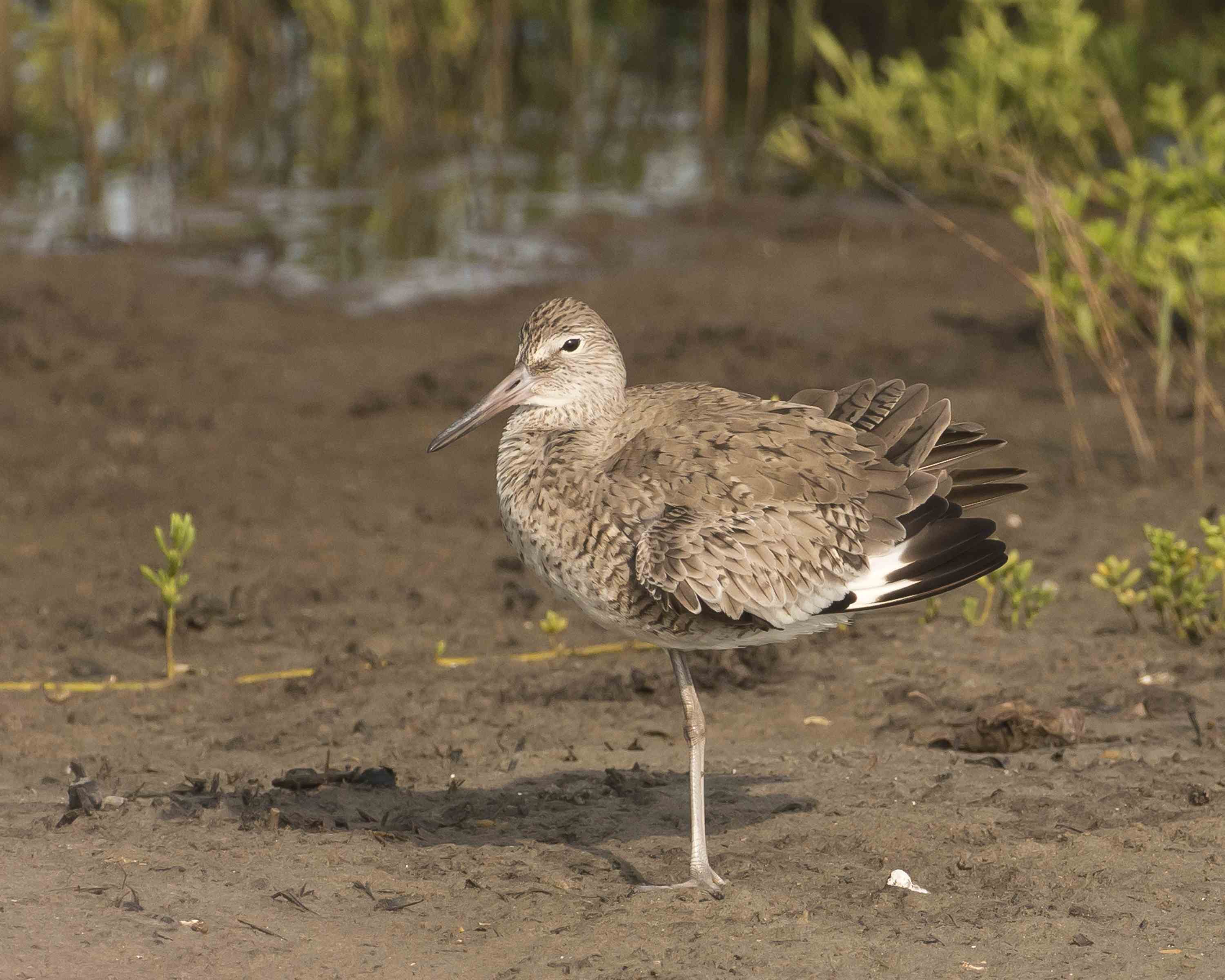
  • Willet                                                   Tringa semipalmata                    PR B 2
  • Lesser Yellowlegs                          Tringa flavipes                              WR 3
  • Ruddy Turnstone                          Arenaria interpres                      PR 2
  • Red Knot                                            Calidris canutus                           WR 3
  • Sanderling                                        Calidris alba                                  WR 1
  • Dunlin                                                 Calidris alpina                              WR 2
  • Least Sandpiper                            Calidris minutilla                         WR 2
  • White-rumped Sandpiper       Calidris fuscicollis                        TR 3
  • Semipalmated Sandpiper         Calidris pusilla                              TR 2
  • Western Sandpiper                      Calidris Mauri                                TR 2
  • Short-billed Dowitcher               Limnodromus griseus                  WR 1
  • Long-billed Dowitcher                Limnodromus scolopaceus         WR 4
  • Wilson’s Snipe                                 Gallinago delicata                         WR 3
  • Wilson’s Phalarope                      Phalaropus tricolor                        V 4

The other 7 species of shorebird recorded for Abaco – all transients or vagrants – are: Upland Sandpiper TR 4, Whimbrel  TR 4, Hudsonian Godwit V5, Marbled Godwit V5, Buff-breasted Sandpiper V5, Pectoral Sandpiper  TR 3, Stilt Sandpiper TR 3

PLOVERS ON ABACO

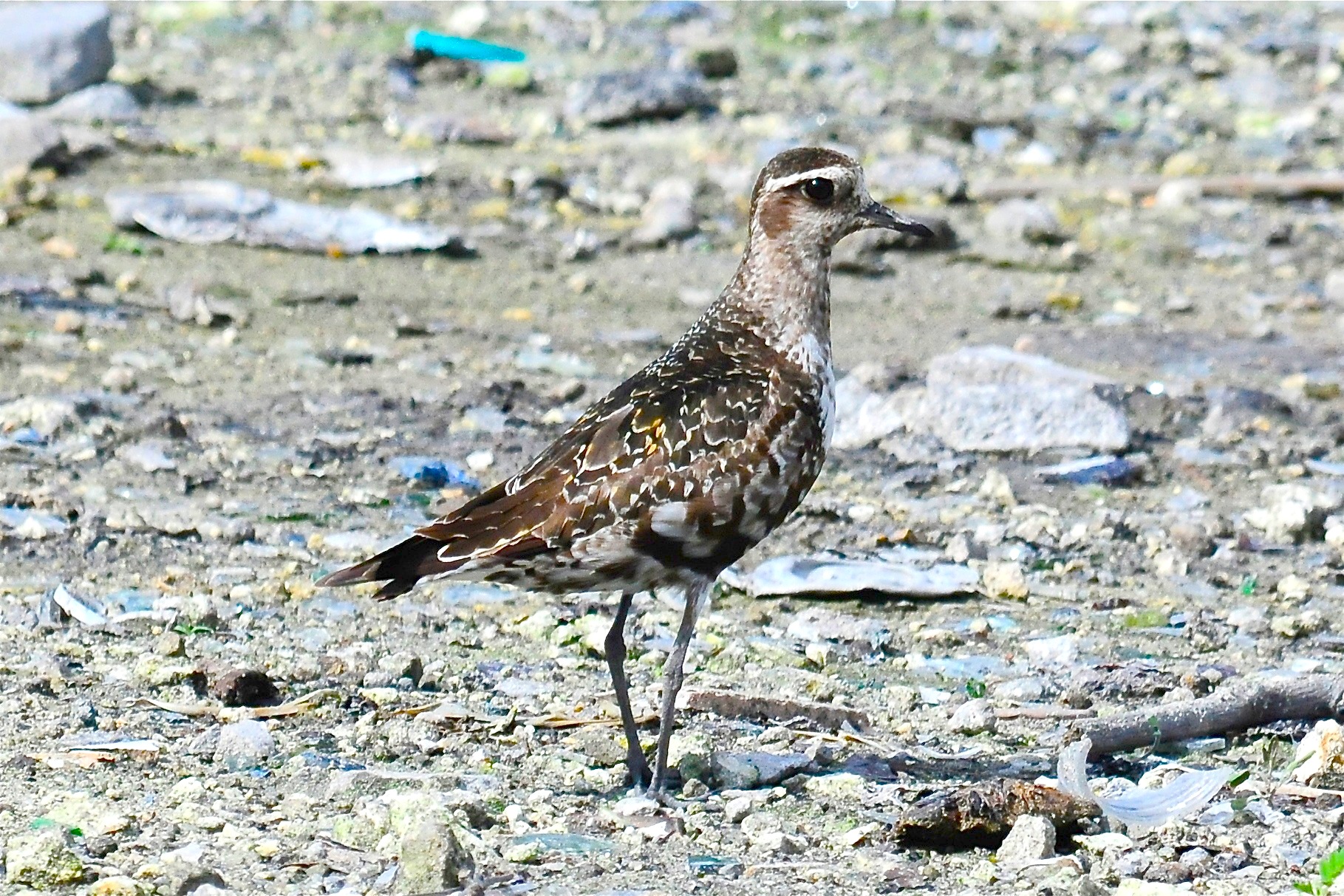
The best-known of the 6 Abaco plover species is the Wilson’s Plover, because it is the only permanent resident. The American Golden Plover is a rare transient, but we luckily have one taken on on Abaco. All the others are winter residents and easy to middling hard to find. All except the American Golden Plover may be found on the beach at Delphi or the rocks at either end. The Piping Plover is the most interesting species, with a mere 8000 left in the world and a vigorous conservation program to protect them and their habitat. Their summer breeding range is in Canada, central US and the eastern seaboard. In winter they migrate south, and Abaco is one of their homes. At Delphi we are very fortunate that every year some choose the beach for their winter retreat.

BLACK-BELLIED PLOVER  Pluvialis squatarola   WR 1Black-bellied Plover intermediate plumage.Marls.Abaco Bahamas.3.12.Tom Sheley edit
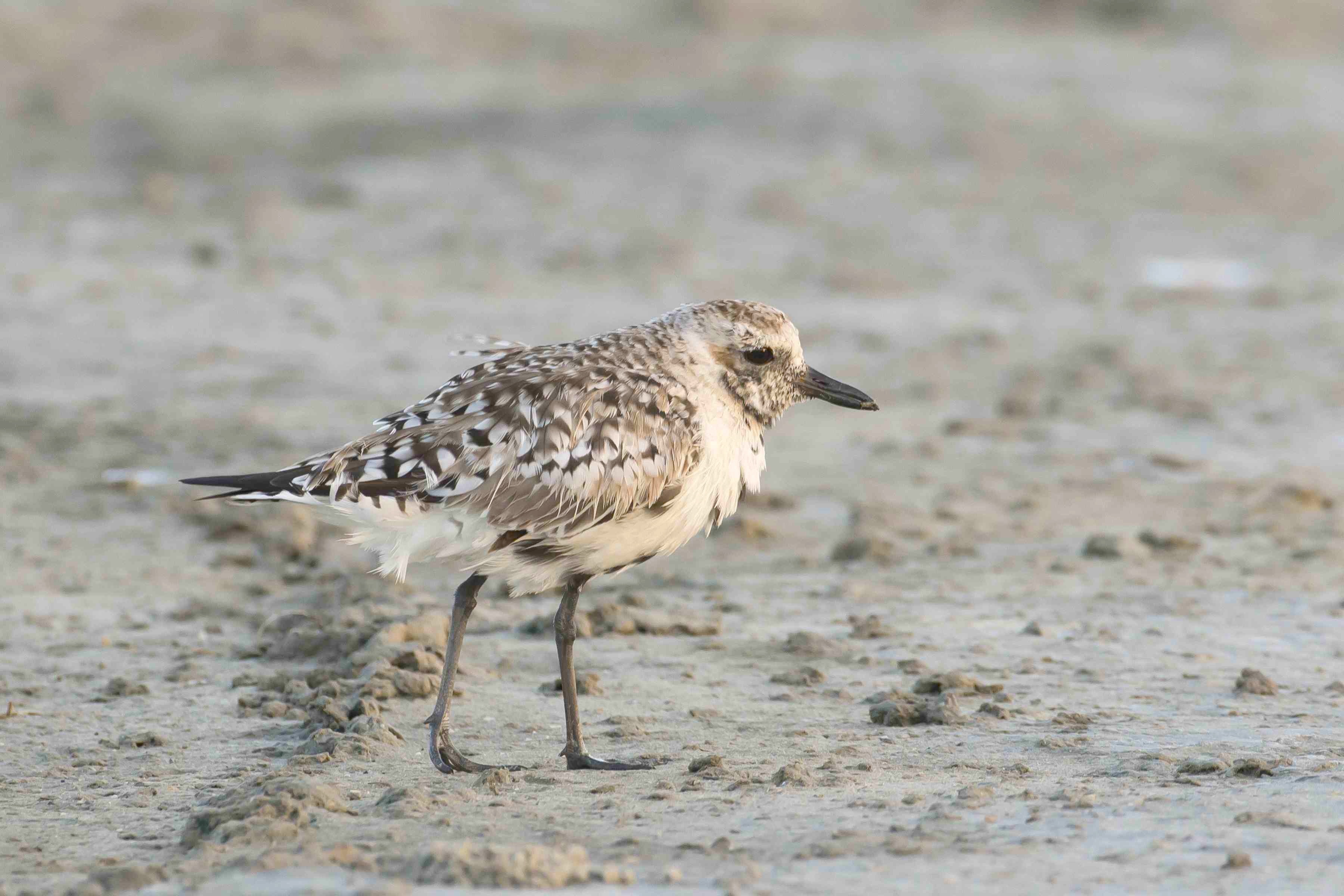
You  may well wonder why a bird with such a very specific belly-related colour designation has a white one in the photo. It’s because this is the non-breeding plumage (in fact, intermediate), so I have borrowed from Audubon Magazine (‘tip of the hat’) to show a non-Abaco bird in its breeding plumage. Black- Bellied Plover (Audubon Magazine)

AMERICAN GOLDEN PLOVER  Pluvialis dominica  TR 4American Golden Plover, Abaco - Tony Hepburn
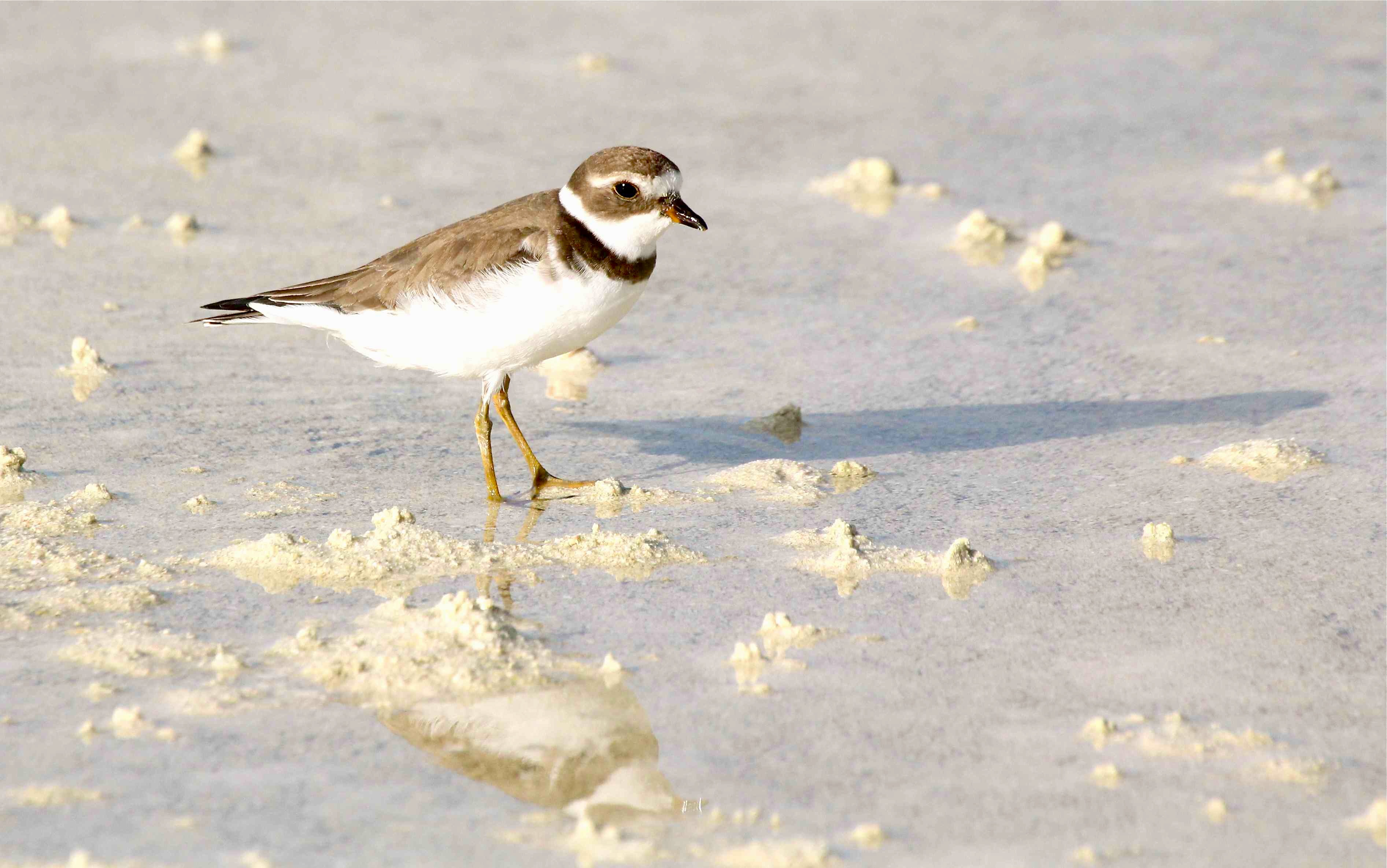
 SEMIPALMATED PLOVER Charadrius semipalmatus WR 2Semipalmated Plover (f nb), Abaco - Bruce Hallett
KILLDEER Charadrius vociferus WR 2Kildeer, Abaco - Bruce Hallett

PIPING PLOVER  Charadrius melodus WR 3Piping Plover, Abaco - Bruce HallettPiping Plover, Abaco - Tony HepburnPiping Plover, Abaco  - Tom Reed

WILSON’S PLOVER Ochthodromus wilsonia  PR B 2

This permanent resident plover is a year-round presence on the Delphi Club beach, where in summer they nest and raise their tiny fluffball chicks (see Sandy Walker’s wonderful header image). I’m posting in some detail about these because it’s a while since I featured them. Links to other relevant posts are given below. All the following photos bar 1 were taken on the beach at Delphi.Wilson's Plover, Delphi Club Beach, Abaco - Craig Nash

The photo below was taken by Tom Sheley at Nettie’s Point, the skiff launching point for the day’s bonefishing on the Marls. The plover pair had made a scrape and nested there. They chose a tricky place to do so –  it was just where the trucks are turned after off-loading the skiffs. So the guides built a protective driftwood enclosure to protect the nest and prevent tragedy. The plovers, unfazed by the human proximity and activity, raised their family safely. I mostly saw the female on the nest within the square wooden pen, with the male usually close by, standing guard protectively. 

Wilson's Plover, Abaco Bahamas - Tom Sheley

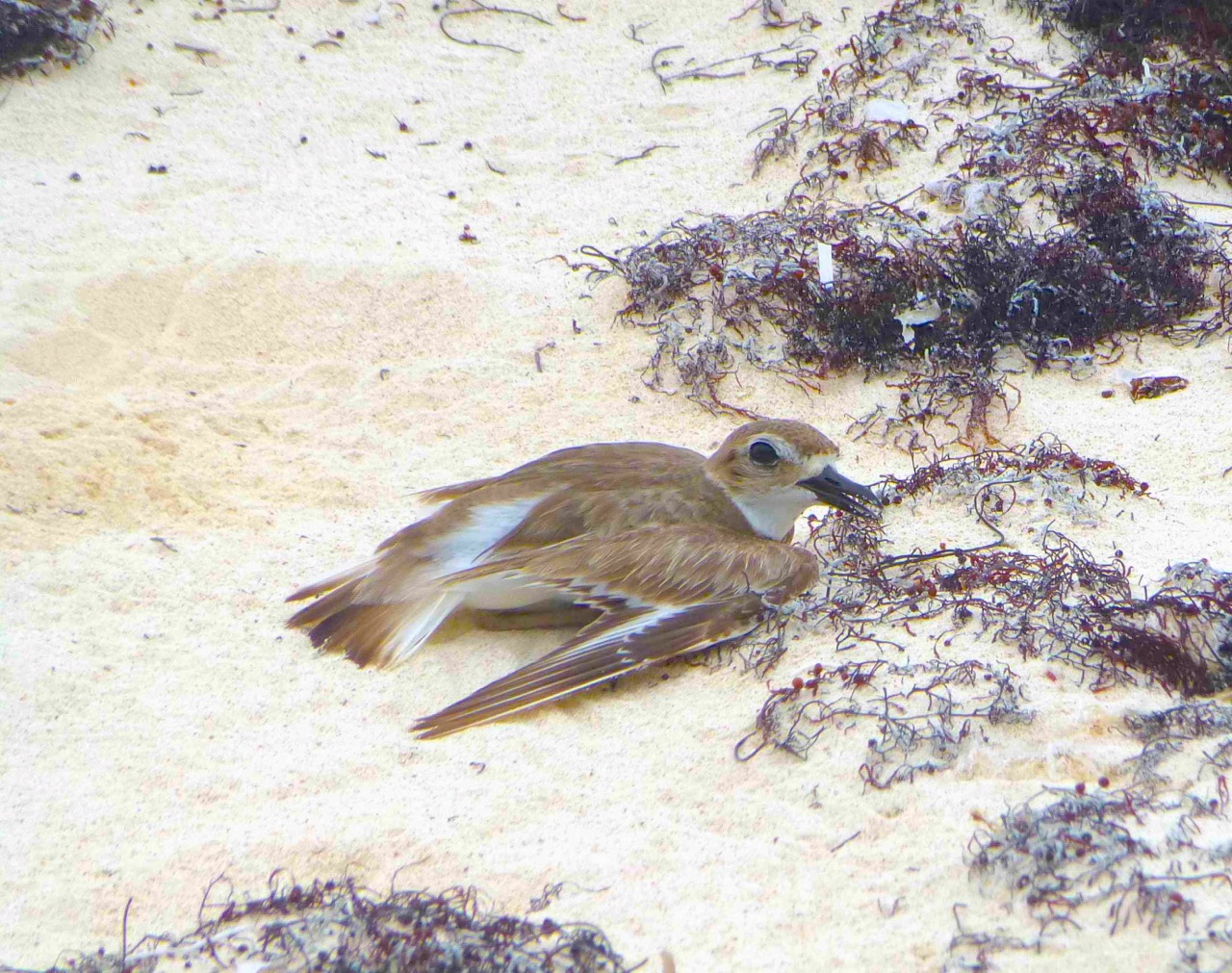
This plover, photographed on the Delphi beach, is performing a typical ‘broken wing’ display, a tactic used to draw predators away from a nest site. The bird makes itself appear to be wounded and vulnerable, and flaps pathetically about on the ground… gradually getting further from the nest. If the going gets tough and the predator gets too close for comfort,  the plover gets going by unexpectedly flying off. Wilson's Plover, Abaco (broken wing display) Clare Latimer - Version 2
TWO MORE FROM THE DELPHI BEACHWilson's Plover, Abaco 12 Wilson's Plover, Abaco 11

RELATED POSTS

PIPING PLOVERS

WILSON’S PLOVERS (1) ‘Dream Plover’

 WILSON’S PLOVERS (2) Nest Protection

 WILSON’S PLOVERS (3) Scrapes, Chicks & Broken Wings

Photo credits: Sandy Walker, Tom Sheley, Audubon, Tony Hepburn, Bruce Hallett, Tom Reed, Craig Nash, Clare Latimer, RH
Unknown's avatar

WORLD SHOREBIRDS DAY – ABACO’S 33 SHOREBIRD SPECIES (2) – SANDPIPERS


Ruddy Turnstone winter plumage.Abaco Bahamas.2.13.Tom Sheley e

WORLD SHOREBIRDS DAY: ABACO’S 33 SHOREBIRD SPECIES (2)

Yesterday I featured 8 of the larger, longer-billed species among Abaco’s 33 shorebirds. Plus one cute Wilson’s Plover chick as page-bait! A number of those are classified as sandpipers. To see them, click HERE. Today it’s the turn of the smaller sandpiper species, little birds with long beaks for their size that in general help differentiate them from the stubby-beaked plover species. To recap, here is  the main Abaco shorebird checklist of 26 species (birds previously featured in bold):

The codes will tell you, for any particular bird, when you may see it (P = permanent, WR = winter resident, TR = transient, V = vagrant); whether it breeds (B) on Abaco; and your chance of seeing it, graded from easy (1) to vanishingly unlikely (5).

  • Black-necked Stilt                         Himantopus mexicanus              PR B 3
  • American Avocet                           Recurvirostra americana           WR 4
  • American Oystercatcher          Haematopus palliatus                 PR B 2
  • Black-bellied Plover                          Pluvialis squatarola                     WR 1
  • American Golden-Plover                 Pluvialis dominica                        TR 4
  • Wilson’s Plover                                  Ochthodromus wilsonia              PR B 2
  • Semipalmated Plover                        Charadrius semipalmatus         WR 2
  • Piping Plover                                      Charadrius melodus                      WR 3
  • Killdeer                                                 Charadrius vociferus                    WR 2
  • Spotted Sandpiper                              Actitis macularius                         WR 1
  • Solitary Sandpiper                             Tringa solitaria                              WR 2
  • Greater Yellowlegs                       Tringa melanoleuca                     WR 2
  • Willet                                                   Tringa semipalmata                     PR B 2
  • Lesser Yellowlegs                          Tringa flavipes                               WR 3
  • Ruddy Turnstone                                Arenaria interpres                        PR 2
  • Red Knot                                               Calidris canutus                              WR 3
  • Sanderling                                            Calidris alba                                     WR 1
  • Dunlin                                                 Calidris alpina                                 WR 2
  • Least Sandpiper                                  Calidris minutilla                           WR 2
  • White-rumped Sandpiper                 Calidris fuscicollis                          TR 3
  • Semipalmated Sandpiper                  Calidris pusilla                                TR 2
  • Western Sandpiper                             Calidris Mauri                                 TR 2
  • Short-billed Dowitcher               Limnodromus griseus                   WR 1
  • Long-billed Dowitcher                Limnodromus scolopaceus         WR 4
  • Wilson’s Snipe                                 Gallinago delicata                         WR 3
  • Wilson’s Phalarope                            Phalaropus tricolor                        V 4

The other 7 species of shorebird recorded for Abaco – all transients or vagrants – are: Upland Sandpiper TR 4, Whimbrel  TR 4, Hudsonian Godwit V5, Marbled Godwit V5, Buff-breasted Sandpiper V5, Pectoral Sandpiper  TR 3, Stilt Sandpiper TR 3

SANDPIPERS

Of the sandpiper species shown below, 9 of the 10 are ones that, at the right time and in the right place, you may see on Abaco. The tenth, the Wilson’s Phalarope, is the first specimen ever recorded for Abaco and as far as is known this is the only photo of it (props to Woody Bracey for this accomplished ‘get’). Again, some of the birds shown below were photographed on the Delphi Club beach.

SPOTTED SANDPIPER Actitis macularius   WR 1Spotted Sandpiper.Abaco Bahamas - Tom Sheley

SOLITARY SANDPIPER Tringa solitaria  WR 2Solitary Sandpiper, Petrie Island D G E Robertson Wiki

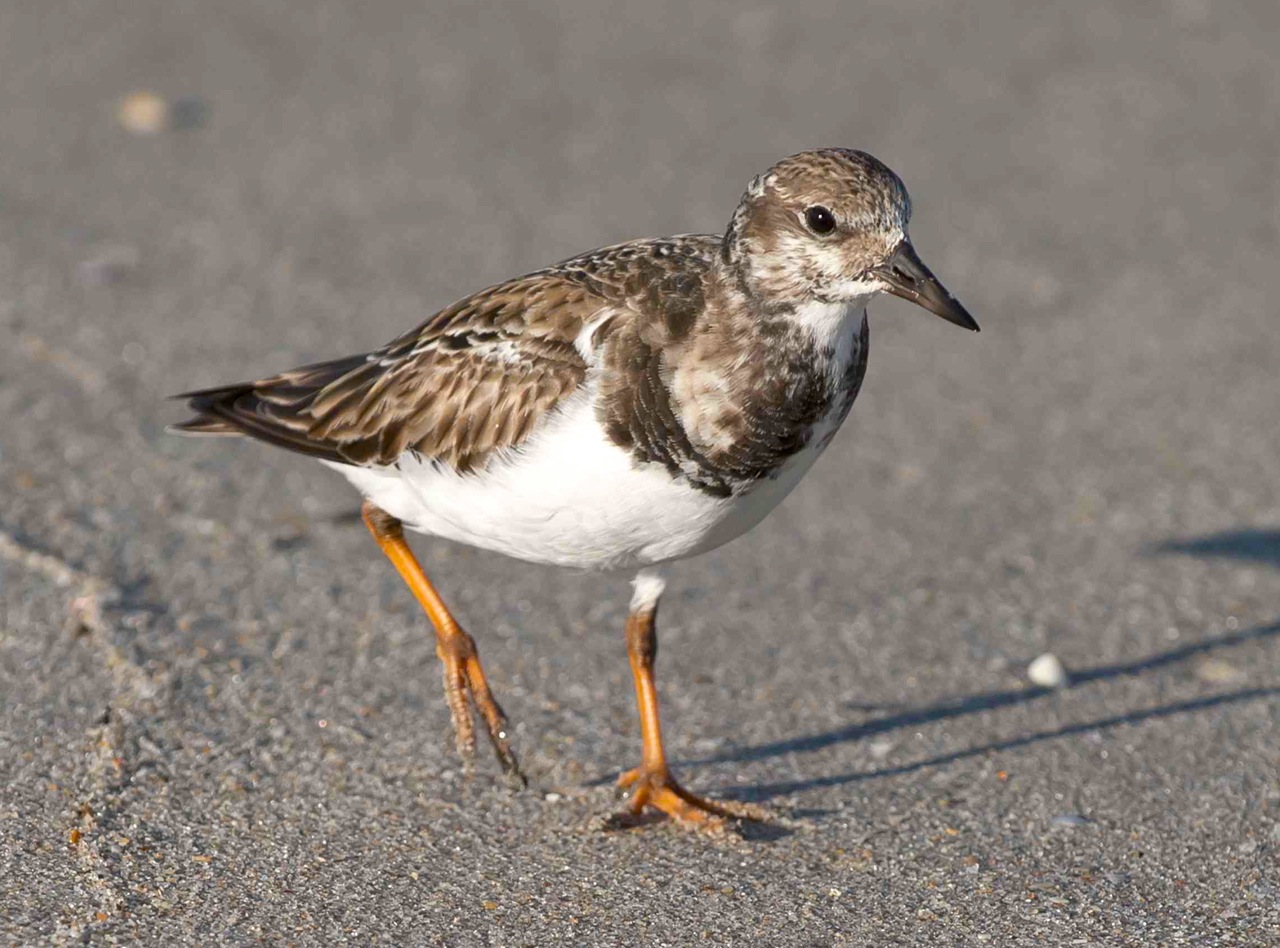
RUDDY TURNSTONE  Arenaria interpres  PR 2Ruddy Turnstone Abaco Bahamas. 2.12.Tom Sheley copy 2

RED KNOT Calidris canutus (non-breeding plumage)  WR 3Red Knot,  Green Turtle Cay, Abaco - Becky Marvil

SANDERLING  Calidris alba  WR 1Sanderling, Abaco -  Craig Nash

LEAST SANDPIPER  Calidris minutilla  WR 2Least Sandpiper, Delphi Club Beach, Abaco - Keith Salvesen

WHITE-RUMPED SANDPIPER  Calidris fuscicollis  TR 3White-rumped Sandpiper, Abaco - Tony Hepburn

SEMIPALMATED SANDPIPER   Calidris pusilla  TR 2Semipalmated Sandpiper, Abaco (juv) Bruce Hallett

WESTERN SANDPIPER  Calidris Mauri  TR 2Western Sandpiper, Abaco (Bruce Hallett)

WILSON’S PHALAROPE Phalaropus tricolor  V 4 Wilson's Phalarope, Abaco - Woody Bracey

RELATED POSTS

RUDDY TURNSTONES

LEAST SANDPIPERS

Photo Credits: Tom Sheley, D Robertson, Becky Marvil, Craig Nash, RH, Tony Hepburn, Bruce Hallett, Woody Bracey

Unknown's avatar

WORLD SHOREBIRDS DAY – ABACO’S 33 SHORE SPECIES (1) LARGE BIRDS


Wilson's Plover chick 5.Delphi Club.Abaco Bahamas.6.13.Tom Sheley copy small

Wilson’s Plover chick, Delphi Club Beach, Abaco (Tom Sheley)

WORLD SHOREBIRDS DAY: ABACO’S 33 SHORE SPECIES (1)

Abaco is home to 33 shorebird species. Like the human residents of the main island and cays, some are permanent; some are winter visitors arriving to enjoy a warmer climate; and some a transients (e.g. Delphi Club members). To celebrate today being World Shorebirds Day, I am going to feature Abaco’s quota of the world’s shorebirds in 3 posts over the next few days. I’ll start with the definitive checklist of Abaco’s shorebirds compiled by Bahamas Birding author and authority Tony White  with Woody Bracey especially for the BIRDS OF ABACO. I have kept to the conventional / official species order. I’ve let the formatting run wild, though… problematic in WordPress. I may try to sort it. Or perhaps not…

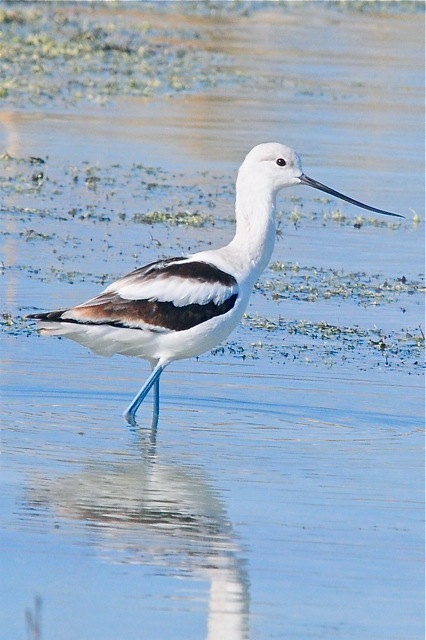
AMERICAN AVOCET Recurvirostra americana   WR 4
American Avocet, New Providence - Tony Hepburn

The codes will tell you, for any particular bird, when you may see it (P = permanent, WR = winter resident, TR = transient, V = vagrant); whether it breeds (B) on Abaco; and your chance of seeing it, graded from easy (1) to vanishingly unlikely (5).

  • Black-necked Stilt                             Himantopus mexicanus              PR B 3
  • American Avocet                               Recurvirostra americana             WR 4
  • American Oystercatcher                  Haematopus palliatus                   PR B 2
  • Black-bellied Plover                          Pluvialis squatarola                      WR 1
  • American Golden-Plover                 Pluvialis dominica                          TR 4
  • Wilson’s Plover                                  Ochthodromus wilsonia               PR B 2
  • Semipalmated Plover                        Charadrius semipalmatus             WR 2
  • Piping Plover                                      Charadrius melodus                     WR 3
  • Killdeer                                                 Charadrius vociferus                  WR 2
  • Spotted Sandpiper                              Actitis macularius                       WR 1
  • Solitary Sandpiper                             Tringa solitaria                              WR 2
  • Greater Yellowlegs                             Tringa melanoleuca                      WR 2
  • Willet                                                     Tringa semipalmata                   PR B 2
  • Lesser Yellowlegs                               Tringa flavipes                              WR 3
  • Ruddy Turnstone                                 Arenaria interpres                        PR 2
  • Red Knot                                                Calidris canutus                         WR 3
  • Sanderling                                             Calidris alba                                WR 1
  • Dunlin                                                    Calidris alpina                             WR 2
  • Least Sandpiper                                   Calidris minutilla                          WR 2
  • White-rumped Sandpiper                  Calidris fuscicollis                           TR 3
  • Semipalmated Sandpiper                  Calidris pusilla                                TR 2
  • Western Sandpiper                             Calidris Mauri                                TR 2
  • Short-billed Dowitcher                      Limnodromus griseus                     WR 1
  • Long-billed Dowitcher                      Limnodromus scolopaceus             WR 4
  • Wilson’s Snipe                                     Gallinago delicata                         WR 3
  • Wilson’s Phalarope                            Phalaropus tricolor                          V 4

Of these 26 birds, 23 are ones you might encounter, though some only if you are lucky or your field-craft is excellent. If you happen upon a Long-billed Dowitcher or an American Avocet, tell someone! And the photo I will be posting of a Wilson’s Phalarope is of the first specimen ever recorded for Abaco. And it so happens that I can illustrate them with photographs, mostly from the book archive… What a coincidence. All except 3 were photographed on Abaco; and I have purposely chosen many that were photographed on the lovely 1-mile curve of white sand watched over by the Delphi Club and historically named ‘Rolling Harbour’.

For the sake of completeness, the other 7 species of shorebird recorded for Abaco – all transients or vagrants – are:

  • Upland Sandpiper                     Bartramia longicauda             TR 4
  • Whimbrel                                    Numenius phaeopus                 TR 4
  • Hudsonian Godwit                   Limosa haemastica                   V5
  • Marbled Godwit                         Limosa fedoa                               V5
  • Buff-breasted Sandpiper          Tryngites subruficollis            V5
  • Pectoral Sandpiper                   Calidris melanotos                    TR 3
  • Stilt Sandpiper                           Calidris himantopus                 TR 3

photo

OK let’s see some of the birds. I’ll post one shot of each of the 26 birds to show them at their best in their perfect environment – wild coastline. Some of these species haven’t yet featured in the blog at all, or else not for a while. Let’s go with some of the larger and / or long-beaked species, including a couple of matching pairs.

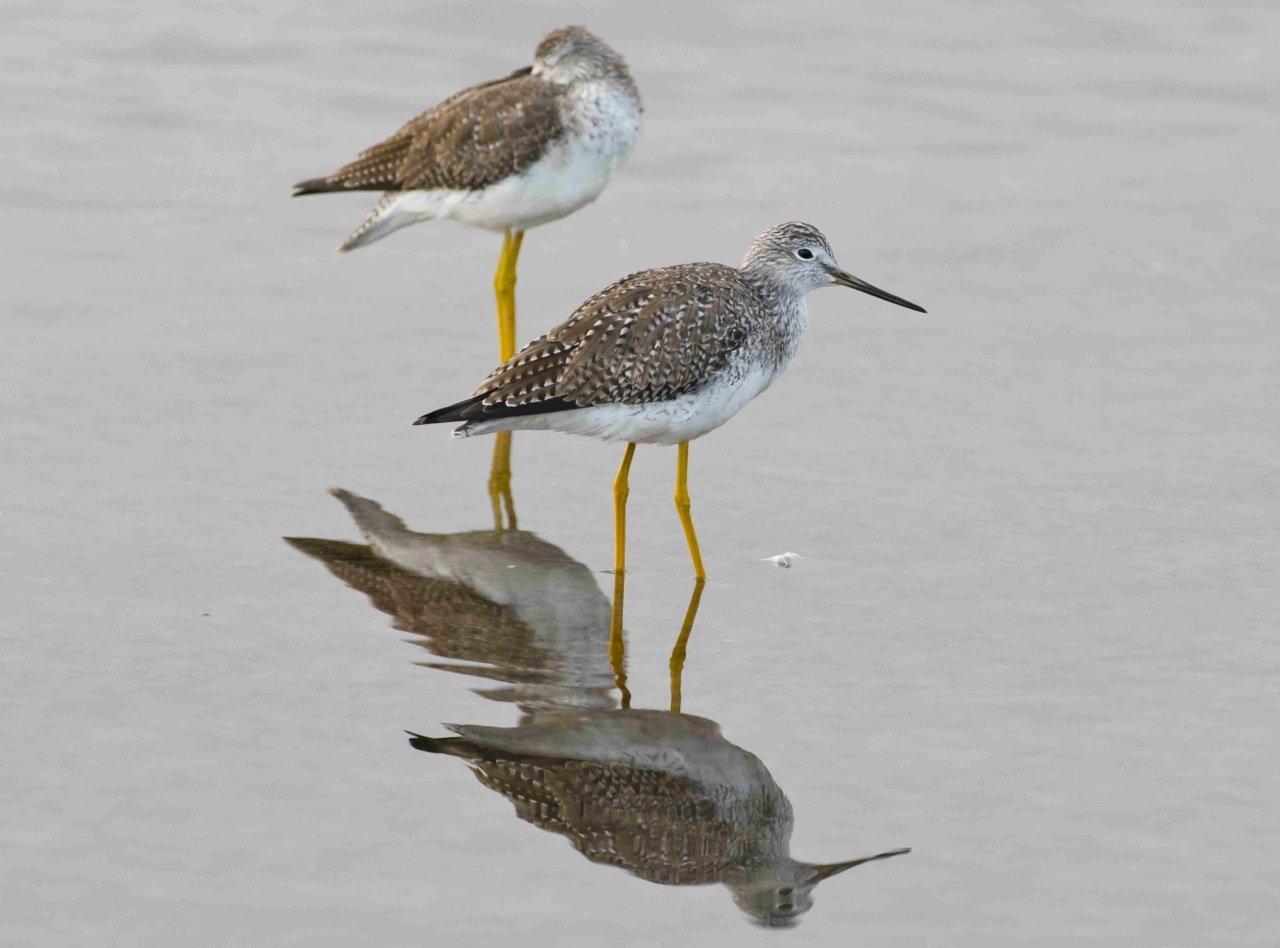
GREATER YELLOWLEGS  Tringa melanoleuca   WR 2Greater Yellowlegs LR. Abaco Bahamas.Tom Sheley.2.12 copy 2

LESSER YELLOWLEGS  Tringa flavipes  WR 3Lesser Yellowlegs.Evening on the Marls.Abaco Bahamas.2.13.Tom Sheley small2

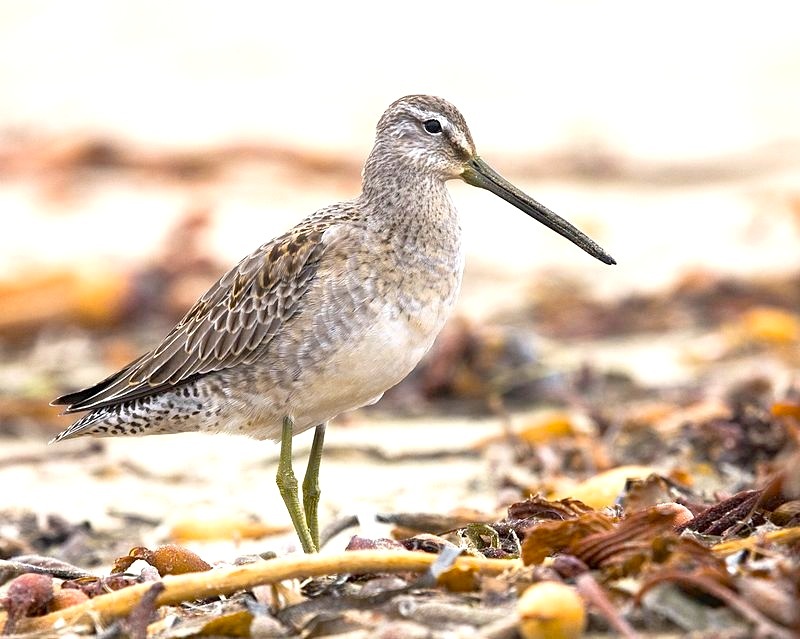
SHORT-BILLED DOWITCHER  Limnodromus griseus  WR 1Short-billed Dowitcher (NB), Abaco - Bruce Hallett 

LONG-BILLED DOWITCHER  Limnodromus scolopaceus   WR 4Long-billed Dowitcher Mike Baird Wiki

WILLETT  Tringa semipalmata  PR B 2Willet.Abaco Bahamas.2.13.Tom Sheley small

WILSON’S SNIPE  Gallinago delicata   WR 3Wilson's Snipe, Abaco - Woody Bracey

BLACK-NECKED STILT  Himantopus mexicanus  PR B 3Black-necked Stilt, Abaco - Tom Sheley

I’m adding a free  bonus stilt in flight, because it’s such a great shot…Black-necked stilt, Abaco - Alex Hughes

AMERICAN OYSTERCATCHER  Haematopus palliatus PR B 2American Oystercatcher, Abaco 5.1 Tom Sheley

Part 2 will be about the Plovers. Or maybe the Sandpipers

RELATED POSTS

WILLET

BLACK-NECKED STILT

AMERICAN OYSTERCATCHER

 Photo Credits: Tom Sheley, Bruce Hallett, Tony Hepburn, Mike Baird, Woody Bracey, Alex Hughes

photo                 photo              photo

Unknown's avatar

‘AMOY’ THERE! AMERICAN OYSTERCATCHERS ON ABACO


American Oystercatcher.Delphi Club.Abaco Bahamas.Tom Sheley

‘AMOY’ THERE! AMERICAN OYSTERCATCHERS ON ABACO

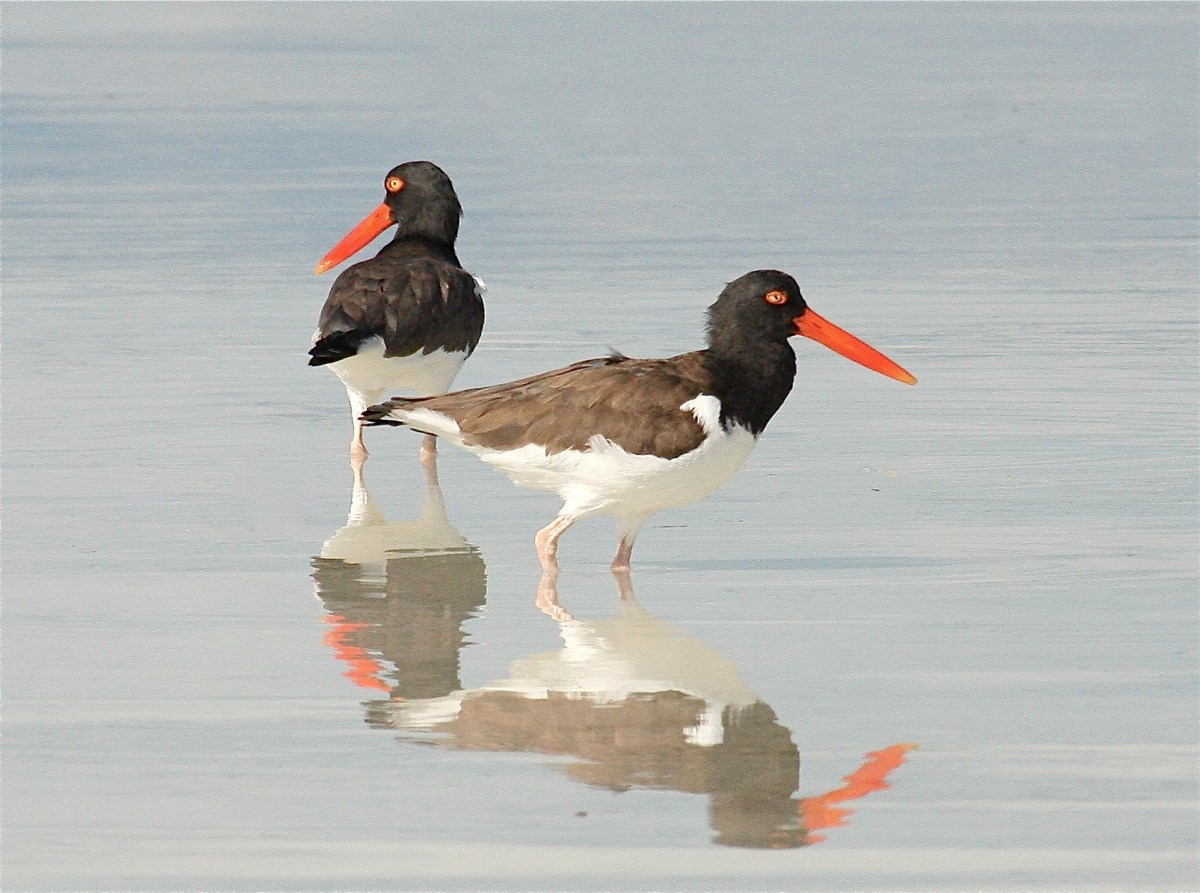
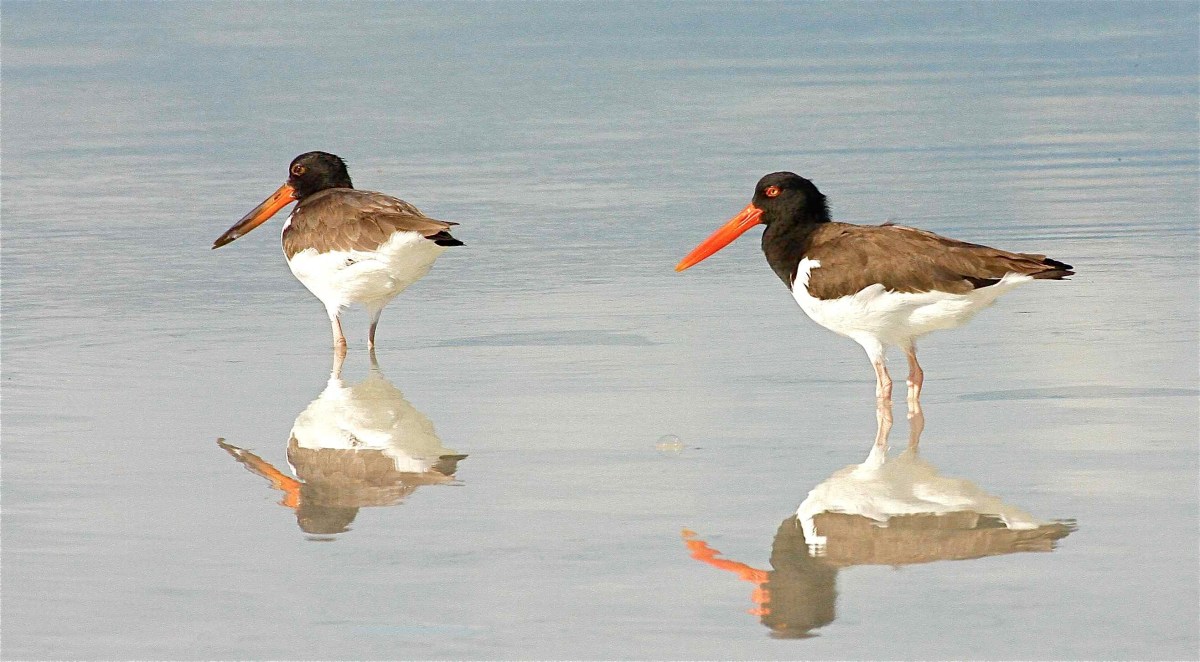
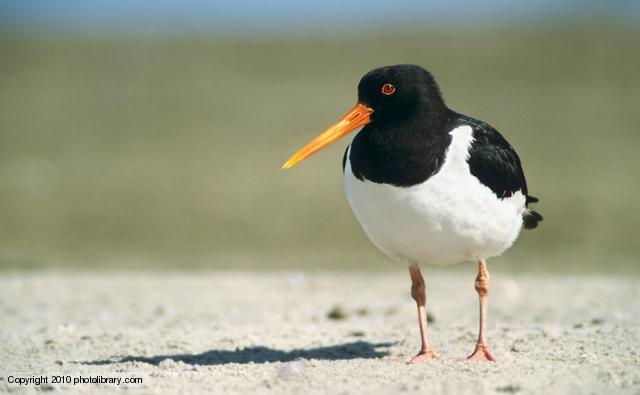
The American Oystercatcher Haematopus palliatus is a familiar shorebird, with the significant advantage that it cannot be mistaken for any other shore species either to look at or to hear. All those little sandpipers and plovers can be very confusing; the handsome AMOY stands out from the crowd. I am posting about this species now as a prelude to WORLD SHOREBIRDS DAY on September 6th. The link will take you to the official Facebook Page where you will find more information, including how to sign up for a pleasant day’s birding, with the chance to report your sightings.world-shorebirds-day1000

The header picture and the next 2 were taken by photographer and ace birder Tom Sheley on the Delphi Club beach. Unsurprisingly, we used one of these wonderful photographs as a full-page image in The Delphi Club Guide to THE BIRDS OF ABACO.

American Oystercatcher.Delphi Club.Abaco Bahamas.Tom Sheley American Oystercatcher.Delphi Club.Abaco Bahamas.Tom Sheley

Bruce Hallett, author of the essential field guide ‘Birds of the Bahamas and the TCI’ (featured in the sidebar) was a major contributor to the book. Not just with his excellent photographs, either, such as the two below. His knowledge, his patience with my queries, and his scrupulous reading of the final draft to eliminate my errors were vital to the project. American Oystercatcher.Abaco Bahamas.Bruce HallettAmerican Oystercatcher.Abaco Bahamas.Bruce Hallett163952

Here are two recordings of oystercatchers, unmistakeable call sounds that will probably be instantly familiar.

Lopez Lanus / Xeno-Canto

Krzysztof Deoniziak / Xeno-Canto

I like the rather dishevelled appearance of this AMOY from Jim Todd, fly fisherman, author of ‘The Abaco Backcountry’, and intrepid kayak explorer around the coast of Abaco.American oystercatcher Abaco (Jim Todd)

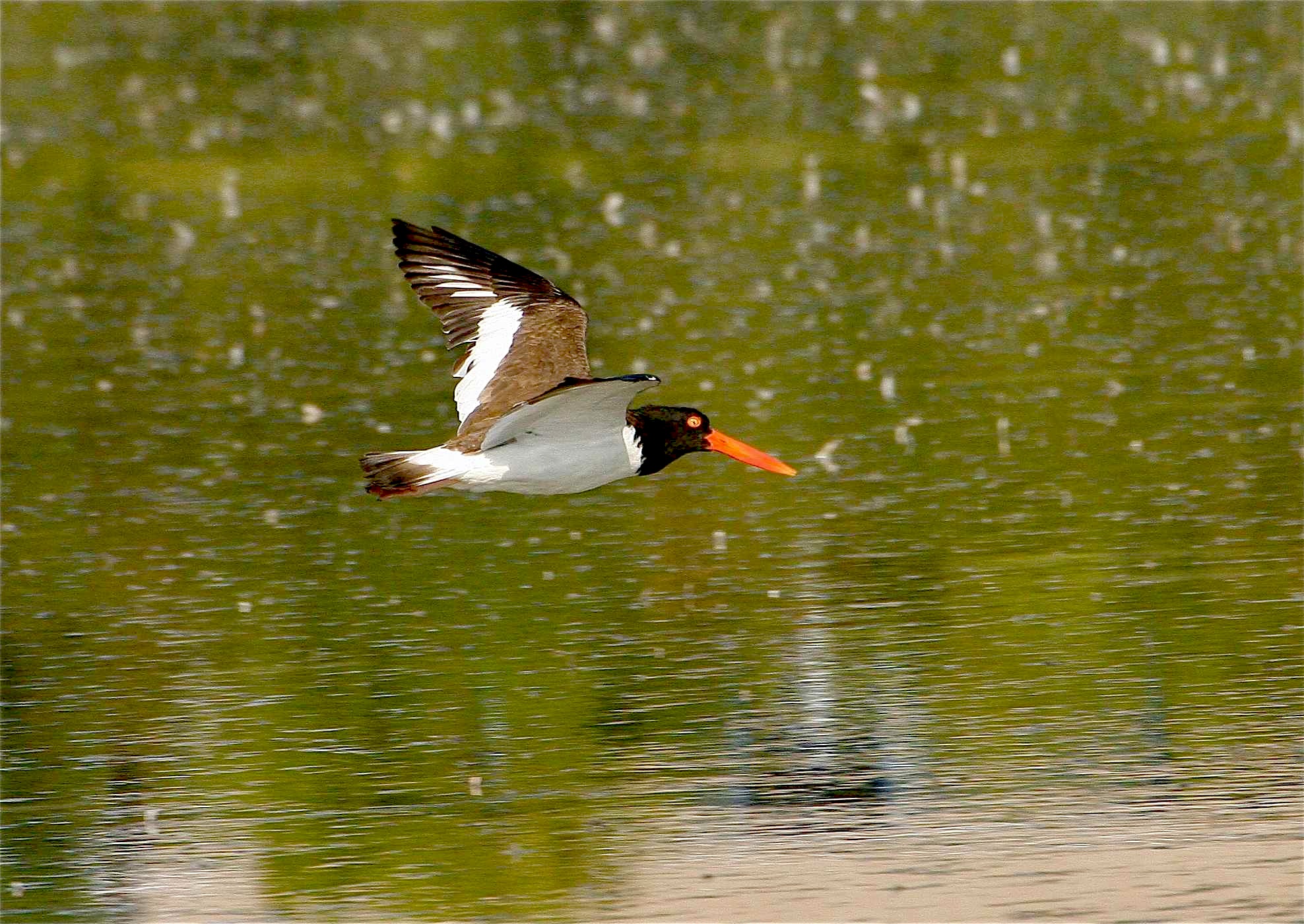
The next two photos were taken on the Delphi beach by Charlie Skinner, another contributor to the book. Below them is an ‘in-flight’ shot by Bruce Hallett.American Oystercatcher, Abaco (Charlie Skinner)American Oystercatcher, Abaco (Charlie Skinner)     American Oystercatcher.Abaco Bahamas.Bruce Hallett

This fine video from Audubon shows close-up views of the American Oystercatcher, and unleashes more of the distinctive call-sounds – an insistent wittering – of the species. [vimeo https://vimeo.com/48479131%5D

For some time, I found it difficult to distinguish American and Eurasian Oystercatchers. The markings of both species are variable according to gender, age, season and so on, but are generally very similar. Mrs RH noticed the salient difference at once – the eyes. The AMOY has bright orange eyes with red eye-rings; the EUROY’s eyes are the reverse colouring, as this example shows.Eurasian Oystercatcher. BBC

 Credits: Tom Sheley, Bruce Hallett, Jim Todd, Charlie Skinner, Xeno-Canto, Audubon, BBC
world-shorebirds-day1000

Unknown's avatar

RARE GEMS: PIPING PLOVERS ON ABACO (1)


Piping Plover (non-breeding), Abaco (Bruce Hallett)

Piping-Plover Artmagenta  RARE GEMS: PIPING PLOVERS ON ABACO (1) Piping-Plover Artmagenta

8000 

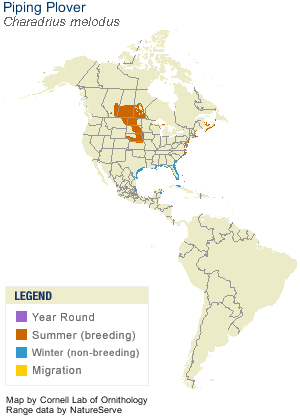
That’s the total number of all the piping plovers (Charadrius melodus) left in the world. Like many other rare and vulnerable species (e.g. the Kirtland’s Warbler), the habitat at both ends of their migration routes is under threat. And, as with the Kirtland’s, vigorous conservation campaigns are underway. Problems such as habitat loss at one end are bad enough – if at both ends, population decline is a certainty and extinction looms. The summer breeding range of PIPLs takes in Canada, central US and the eastern seaboard. In winter they join the mass migration of other birds south to warmer climes. Abaco is lucky enough to receive these little winter visitors; and at Delphi we are fortunate that every year some choose the beach for their winter retreat.

char_melo_AllAm_map

Piping Plover, Abaco (Tony Hepburn)

This is the first of a planned Piping Plover series that I have been working on. The reason for beginning now is because the autumn migrations are starting, and before long a few of this precious species will be on a beach near you on Abaco. Many of them will be ringed as part of the ongoing conservation projects. One of the best ways to monitor success is to follow the migratory lives of these birds; and this can very easily be done by taking photographs of a piping plover that show its rings. The number and colours of the rings on each leg tell the conservationists a great deal about an individual bird. Here is a photo by Don Freiday that shows what to look out for – these 4 items of plover-bling are an integral part of the preservation efforts for this species.

PIPLfledge_banded_Meb_DF

The Audubon Society has produced a wonderful interactive demonstration of the PIPL’s year-round life  that can be found at BEATING THE ODDS. For anyone interested in these fascinating little birds, I highly recommend a click on the link. Some clips are shown below.

A good example of one of the organisations involved in the conservation of PIPLs is CONSERVE WILDLIFE NEW JERSEY, of which Todd Pover and Stephanie Egger are also directly involved on both Abaco and with the CAPE ELEUTHERA INSTITUTE.

With due acknowledgement to Audubon, here are a couple of outstanding photos by Shawn Carey from the site; and below them, details of the range of the Piping Plovers and their 4000-odd mile two-way trip made in the course of each year.

TWO LEGS                                                                SIX LEGS

ShawnCarey[3] ShawnCarey.crop[1}

SUMMER                                                                      FALL

PIPL range Summer jpgPIPL range Fall jpg

WINTER                                                                         SPRING

PIPL range Winter jpgPIPL range Spring jpg

THE PIPING OF THE PLOVER Originator Lang Elliot, as featured by Audubon, eNature, Birdwatchers Digest etc

That’s enough to begin with. I will return to PIPLs soon, with more photos, information and links. Meanwhile, here is a great 4-minute video from Plymouth Beach MA. And if you see a Piping Plover on Abaco this autumn and are not part of the ‘bird count community’, please let me know the location; if you can, describe the rings – how many, which legs, what colour; if possible, photograph the bird (and – a big ask – try to include the legs). Whether ringed or not, all data is invaluable and I’ll pass it on.

 Migration ProductionsMigration Productions

Piping Plover Chick (Beaun -Wiki)

Credits with thanks: Bruce Hallett, Cornell Lab, Tony Hepburn, Don Freiday, Shawn Carey, Audubon, Beaun/wiki, Lang Elliott (audio) Migration Productions (video), Artmagenta (mini drawings)

Piping-Plover Artmagenta          Piping-Plover Artmagenta          Piping-Plover Artmagenta          Piping-Plover Artmagenta          Piping-Plover Artmagenta          Piping-Plover Artmagenta

Unknown's avatar

WHAT’S IN A NAME? NORTHERN BOBWHITE ON ABACO


Northern Bobwhite female 2.Abaco Bahamas.6.13.Tom Sheley

WHAT’S IN A NAME? NORTHERN BOBWHITE ON ABACO

220px-Status_iucn3.1_NT.svg

A part of me would like Bob White to have been a legendary hero – perhaps holding his post against impossible odds; or a courageously reforming politician; or scoring a stupendous winning goal in the dying seconds of a famous tournament. Or maybe just a nice guy, popular in the local bar. Instead, the bobwhite Colinus virginianus is a small plump game bird of the quail family, named for its call which (as I have written elsewhere) “does indeed sound something like ‘bob…white?’ played on a slide-whistle”. This bird is an introduced species on Abaco where it breeds and is quite common. It is more often heard than seen, since it is a shy creature and not so easy to find. If they see you first, you’ll glimpse them scurrying away at best and you may well not see them at all. At Delphi, some set up home at the highway end of the drive where they can be heard and, from time to time, seen. Photographer Tom Sheley bided his time in order to capture these wonderful shots of a pair.

Bobwhite pair.Abaco Bahamas.Tom Sheley crBobwhite pair 2.Abaco Bahamas.Tom Sheley cr

I recently wrote about another game bird, the WHITE-CROWNED PIGEON. The bobwhite also appears in the excellent Bahamas National Trust’s BNT HUNTERS GUIDE 

Northern Bobwhite BNT Hunters Guide

Unfortunately one of the consequences of enjoying game bird status – coupled with other factors such as habitat loss – is that the species is IUCN-listed ‘near threatened’. That’s not a cause for immediate concern, but the next stage may be…

The northern bobwhite can be found year-round in fields, grassland, open woodland areas, roadsides and wood edges. Sightings of bobwhites are most usually made when they are in cover such as long grass or undergrowth, as in the header photo and the one below.Bobwhite male in habitat.Abaco Bahamas.6.13.Tom Sheley copy

When we went out searching for bobwhites last year to photograph for the book, we drove along tracks in open farmland and remote backcountry. We could hear them but we only saw a few, mostly too briefly to photograph. My own attempts were abject failures, small brown blurs of backside as the birds scuttled away. Tom Sheley fortunately had what it took to get results – patience, skill and a great camera.

Photo credits: Tom Sheley

Unknown's avatar

LHUDE SING, CUCCU! THE MANGROVE CUCKOO ON ABACO


 Mangrove Cuckoo, Abaco, Bahamas (Bruce Hallett)

LHUDE SING, CUCCU! THE MANGROVE CUCKOO ON ABACO

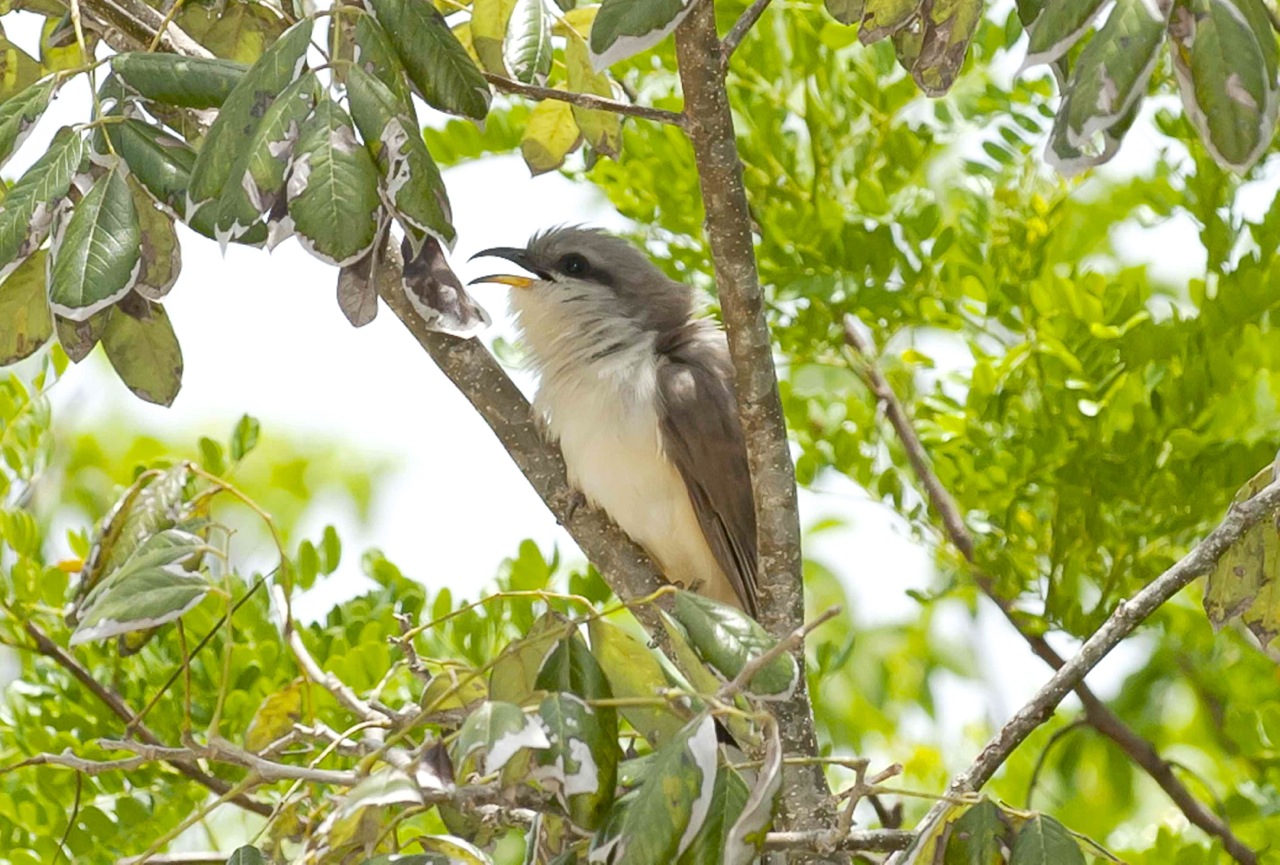
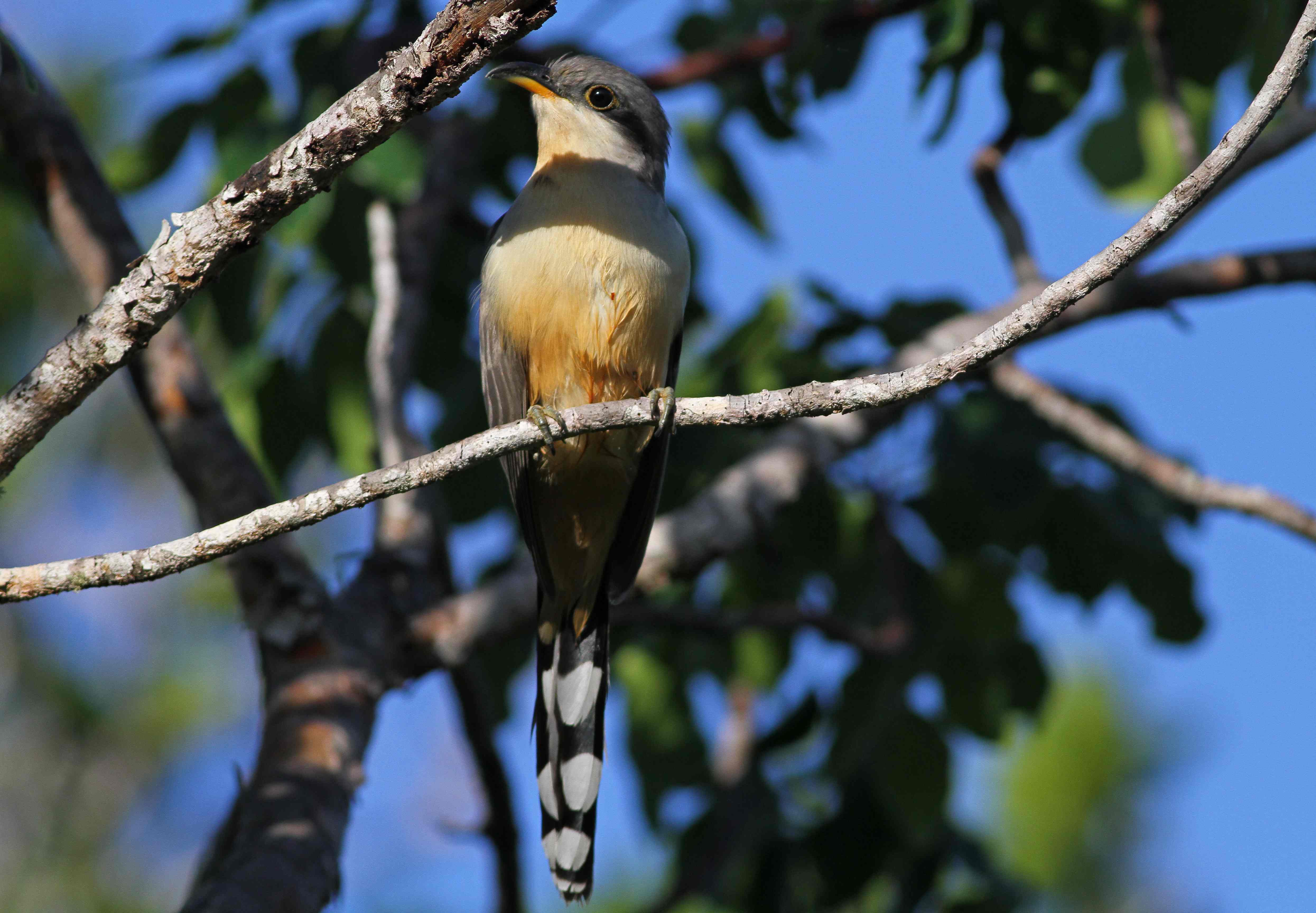
Summer is icumen in, that’s for sure. Has already cumen in, to be accurate. The approach of summer is the time when cuckoos tend to sing loudly (not lewdly, as the old lingo might suggest). The YELLOW-BILLED CUCKOO, recently featured, is one. The MANGROVE CUCKOO (Coccyzus minor) is another. Before I get on to some gorgeous pictures (none taken by me!), let’s have a sample of how this species sounds. The call has been described in various ways, for example as “gawk gawk gawk gawk gauk gauk”. I’m not so sure. And I can’t think of a sensible way to write it out phonetically. So I won’t. Please try, via the comment box…

Jesse Fagan / Xeno-Canto

Cornell Lab / Allaboutbirds  

MANGROVE CUCKOO, Abaco (Alex Hughes)Mangrove Cuckoo with insect.Delphi Club, Abaco, Bahamas (Tom Sheley)

You will notice that all three birds above have got fat insects in  their beaks. A lot of photos in the archive show feeding mangrove cuckoos. Maybe that’s when they are most likely to break cover, for they are quite a shy species.  Their preference is for caterpillars and grasshoppers, but they are happy to eat other insects, spiders, snails, lizards and (with a nod to an all-round healthy diet) fruit.

Mangrove Cuckoo, Delphi Club, Abaco, Bahamas (Tom Sheley) copyMangrove Cuckoo, Abaco, Bahamas (Gerlinde Taurer) Mangrove Cuckoo, Abaco Alex Hughes

Delphi is lucky to have some of these handsome birds lurking in dense foliage along the drives – the guest drive in particular. Some of these photographs were taken there. Occasionally you may see one flying across a track ahead of a vehicle, flashing its distinctive tail. It’s significant that only the last of these photos shows the bird right out in the open – the rest are all deeper in the coppice.

Mangrove Cuckoo, Abaco, Bahamas (Tony Hepburn) copyMangrove Cuckoo, Abaco, Bahamas (Tony Hepburn)  copyCredits: Bruce Hallett, Alex Hughes,  Tom Sheley, Gerlinde Taurer and the late Tony Hepburn; Audio – Xeno-Canto & Cornell Lab. All photos taken on Abaco!

SumerIsIcumenIn-line


Unknown's avatar

GRAY CATBIRDS & BIRDBATHS ON ABACO: HANDY FOR A DRINK OR A DIP


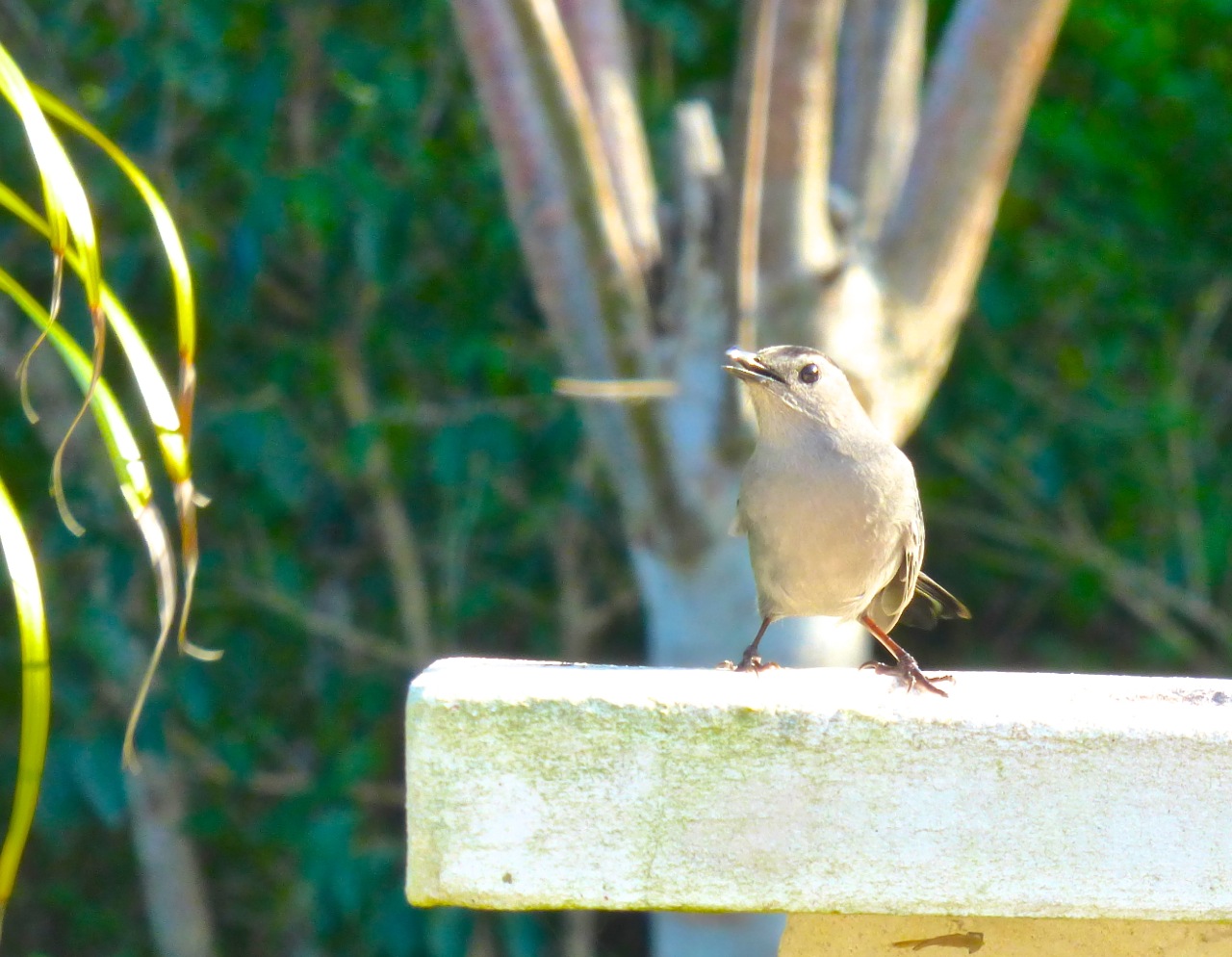
Gray Catbird, Delphi, Abaco 6

GRAY CATBIRDS & BIRDBATHS ON ABACO: HANDY FOR A DRINK OR A DIP

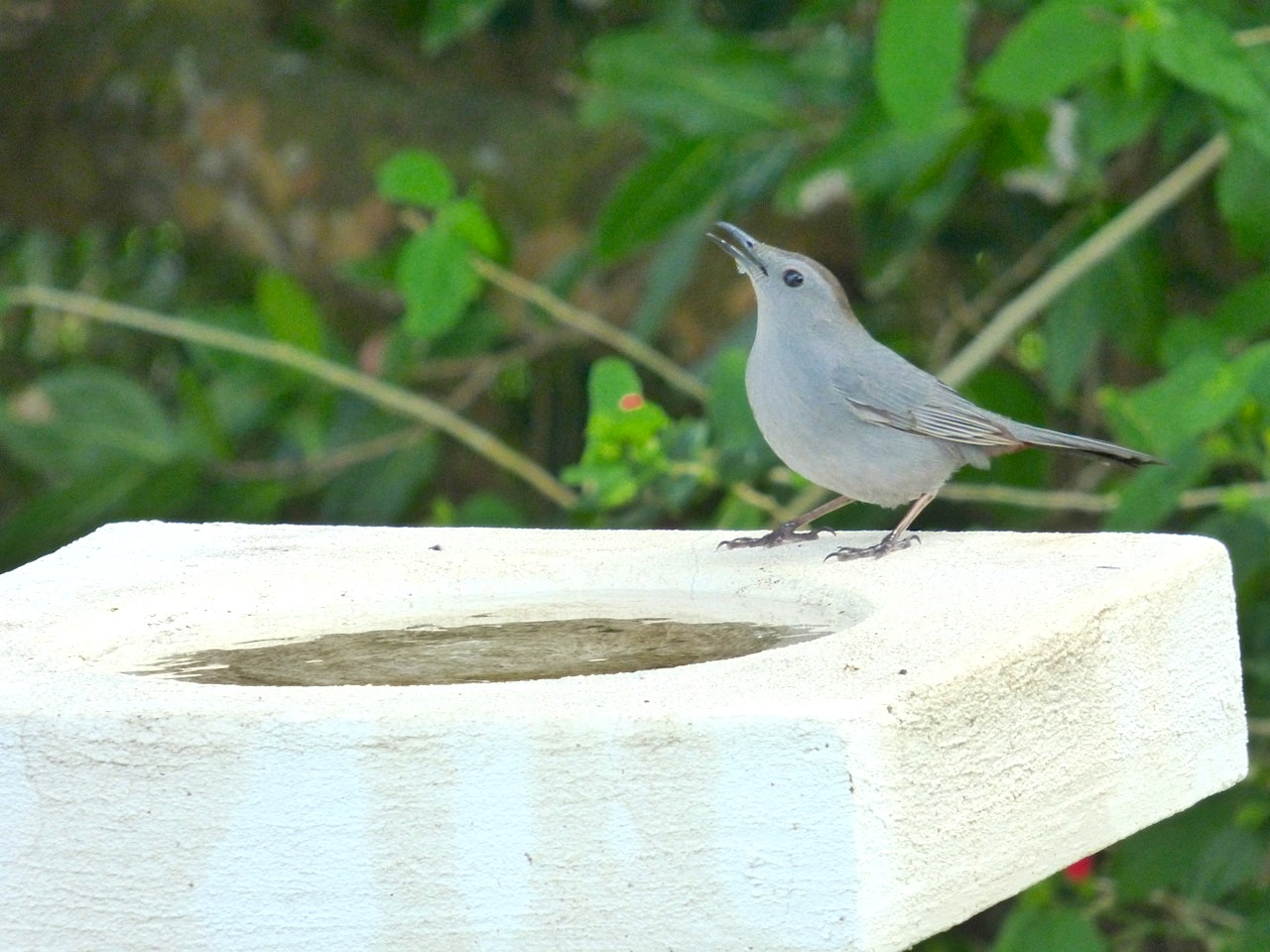
The birdbaths at Delphi are not as popular as the feeders, but certain species seem to make the most of them. Among the frequent users are Greater Antillean Bullfinches, Black-faced Grassquits and Gray Catbirds Dumetella carolinensis. The bird above and in the next 2 photos was one of several species using the poolside birdbath on a hot day. It seemed to pause after taking a drink, as if to enjoy the water trickling down their throats (or is that just me and Kalik?).

Gray Catbird, Delphi, Abaco 7Gray Catbird, Delphi, Abaco 8

This Gray Catbird started the day with a good drink at the birdbath near The Shack. There seems to be a certain amount of gargling and dribbling going on, but clearly it is enjoying some fresh cool water. Gray Catbird, Delphi, Abaco 1Gray Catbird, Delphi, Abaco 2

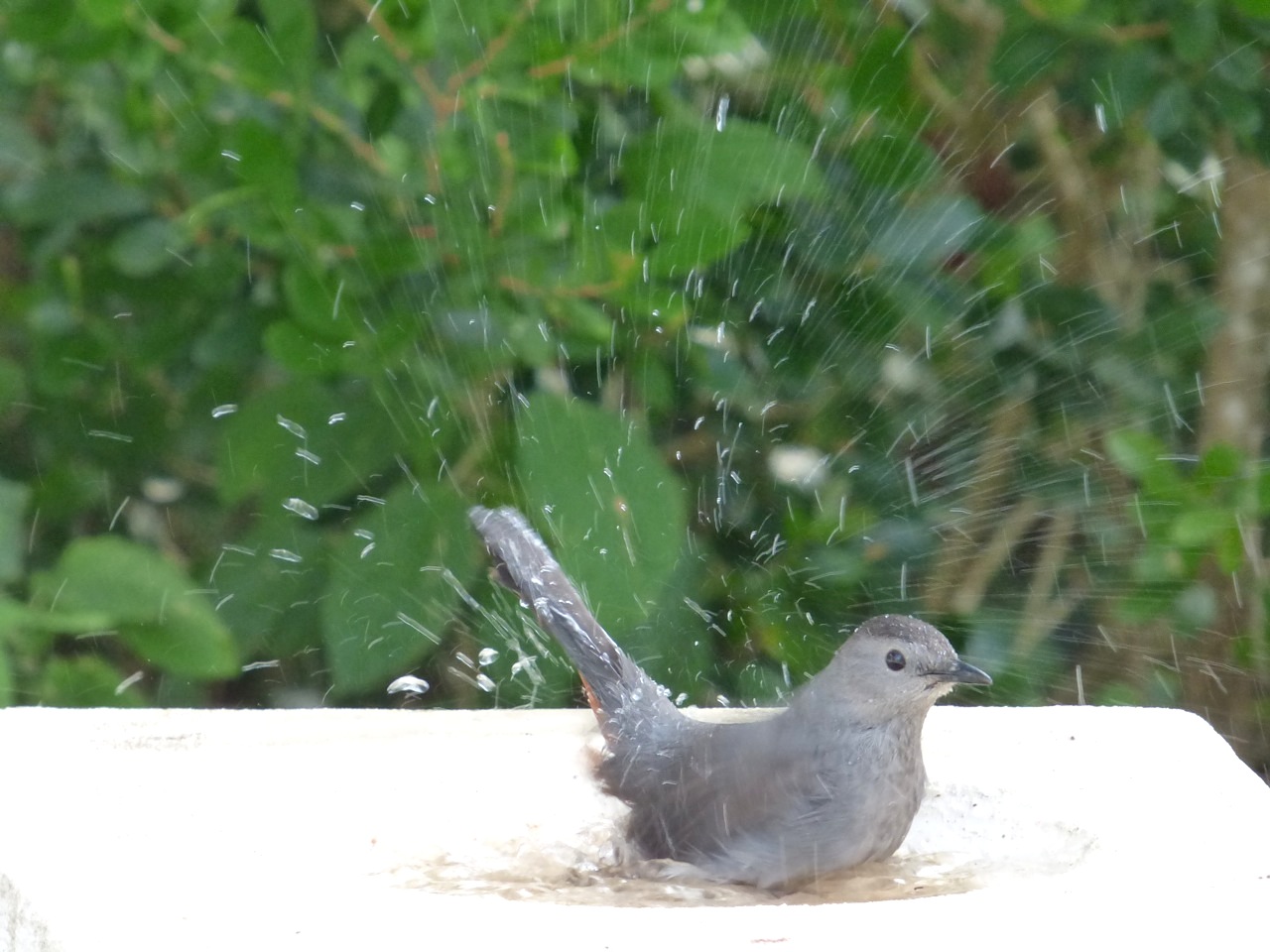
This catbird was tempted to the birdbath at the far side of the pool on a very hot afternoon. Not just to drink from, but actually to get in for a dip. And then a major bout of splashing about…  Note the characteristic russet undertail coverts of this bird, also visible on the header bird. And if you want to know how this species got its name and what it sounds like, this will explain all…

David Bradley Xeno-Canto

Gray Catbird, Delphi, Abaco 5Gray Catbird, Delphi, Abaco 4Gray Catbird, Delphi, Abaco 3

All photos: RH
Unknown's avatar

BLACK-BELLIED WHISTLING DUCKS: A NEW BIRD SPECIES FOR ABACO


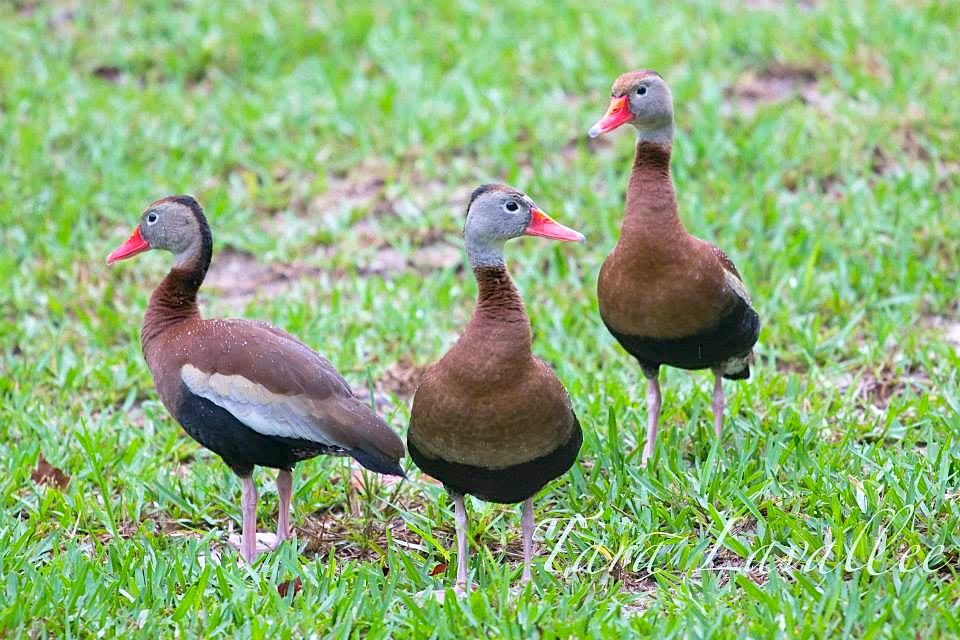
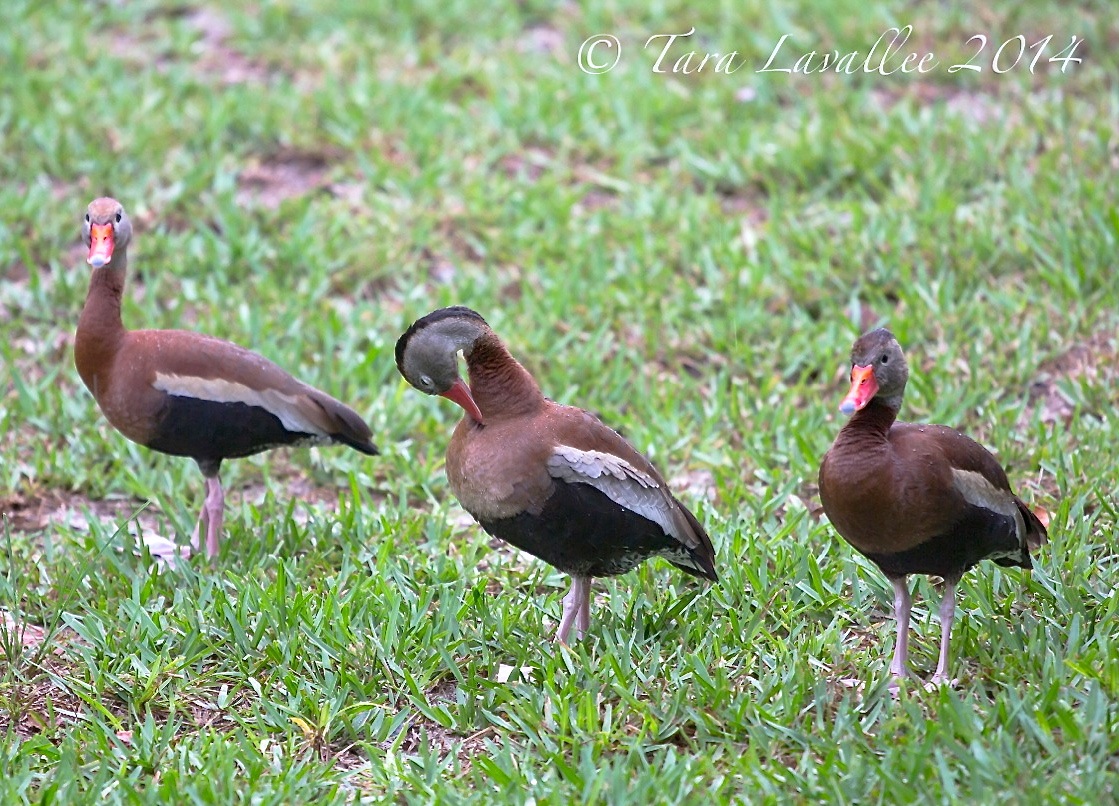
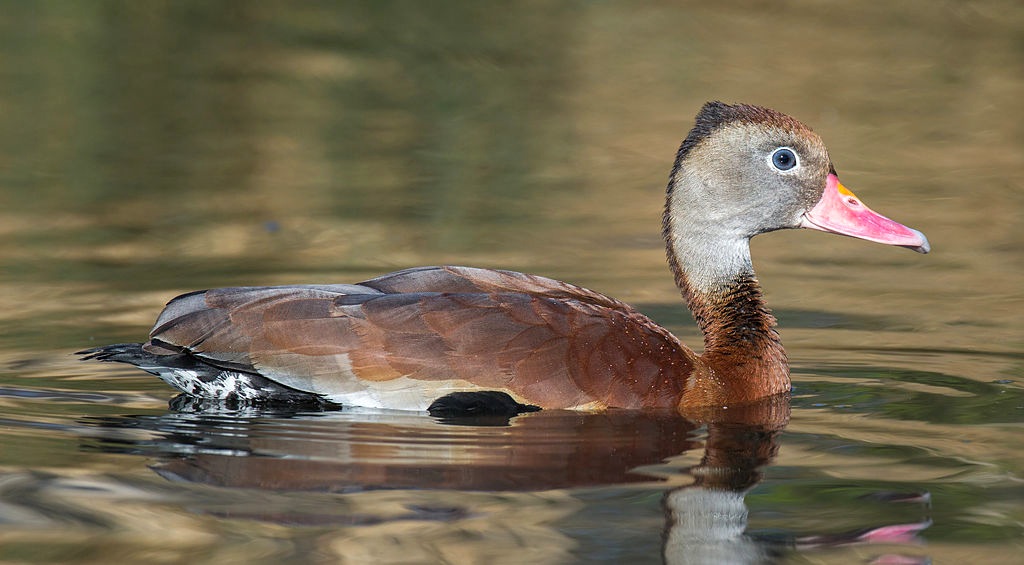
Black-bellied Whistling Duck, Abaco (Tara Lavallee)

BLACK-BELLIED WHISTLING DUCKS: A NEW BIRD SPECIES FOR ABACO

In March 2014 “The Delphi Club Guide to the Birds of Abaco” was published. It contains a checklist of every species recorded for Abaco that was accurate on the day of publication. So it was with a mix of excitement (new species!) tinged slight disappointment (the book is already out of date by June!) that I heard reports of Black-bellied Whistling Ducks Dendrocygna autumnalis being seen on Abaco. Followed by photographs to prove it.

The first report came from Woody Bracey in his account of a day in the field on June 9th in which 40 bird species were seen. He concluded the report: “Most remarkable of these sighting were the 5 Black-bellied Whistling Ducks. This species has been reported before on Andros and Grand Bahama but never on Abaco. 5 were seen clearly in flight with their bright white central upper wing patches, dark underbelly, red legs and bill and long neck. A Yellow-crowned Night Heron spooked 8 Parrots feeding in a Gumbo Limbo Tree when this small flock of whistling ducks flew by affording a good look coming, overhead and going. Unfortunately I did not get a photo even with camera in hand. They have bred in Cuba but not in the Bahamas”.

So, a clear sighting but no photographic evidence. Until the following morning, yesterday June 10 around breakfast time, when at the Delphi Club Lucy Mantle happened to notice some strange ducks right in front of the Club. She grabbed a camera (possibly her phone?) and took a couple of quick shots. Peter Mantle checked Hallett, the go-to field guide, and saw at once that these were not West Indian Whistling Ducks (a species found on Abaco). So he put the word about, adding Lucy’s photos. Hers are almost certainly the first ever images of this species on Abaco.

STOP PRESS 12 JUNE I’ve had an email from Woody Bracey saying that he first photos documenting the Black-bellied Whistling Ducks were in fact taken Saturday June 7 on the Schooner Bay Dock by Glen Kelly. These photos are the ‘official documenting ones’ so I’m afraid that as things stand, Lucy moves to silver medal position and Tara to bronze…

Black-bellied Whistling Ducks, Delphi Club (Lucy Mantle) – first second species photo on Abaco?Black-bellied Whistling Duck, Delphi, Abaco (Lucy Mantle) v2

Tony White, compiler of the checklist, responded to Peter: “Congratulations! you are the first to document a new species on Abaco since the book and checklist came out. These are Black-bellied Whistling-Ducks, casual visitors to the Bahamas. They are increasing rapidly in Florida and I think we can expect them to be breeding somewhere in the Bahamas in the next few years.There are two subspecies and they both have been seen in the Bahamas. I’ll let Woody try to figure out which these are. Thanks for being so alert and getting these photos”.

The birds must have moved gradually north during the day, and further sightings were reported online. Tara Lavallee took some photos of them in her yard a few miles north of Delphi and posted them on FB asking “Six of these beauties visiting my yard. Anyone know what they are?” 12-year old birder Chris Johnson was very quick off the mark with the correct ID as Black-bellied Whistling Ducks. Hector Morales had seen them flying over his house the previous day. I’ve seen no further reports, but I am really pleased to be able to feature Tara’s photos, which she kindly emailed earlier today. Her bird photography credentials are high – her wonderful photo of a Bahama Woodstar feeding from a flower takes up the whole of p43 of “The Birds of Abaco”.

Black-bellied Whistling Ducks, Abaco (Tara Lavallee) 2Black-bellied Whistling Ducks, Abaco (Tara Lavallee) 4Black-bellied Whistling Ducks, Abaco (Tara Lavallee) 3Black-bellied Whistling Duck, Abaco (Tara Lavallee)Black-bellied Whistling Ducks, Abaco (Tara Lavallee) 5

This is what they sound like. If you hear this call – grab a camera!

Paul Marvin @ Xeno-Canto

The present range of this species is shown in the Cornell Lab graphic below.It seems that the range is starting to expand, and that these ones are most likely to be visitors from Florida. It remains to be seen whether these ducks will remain vagrant curiosities, or settle down and begin to breed on Abaco. There are plenty of them, and they are IUCN listed as ‘Least Concern’. It’s a gregarious species, so perhaps that increases the chances of having a breeding population on Abaco.

Black-bellied Whistling-Duck Range Map

I’ll end with two excellent photos of the BBWD, taken by people who plainly had plenty of time to sort out and set up their equipment at their own pace, and not as the result of a totally unexpected and random arrival in the front yard!

Black-bellied Whistling Duck Alan D. Wilson, www.naturespicsonline.com Black-bellied Whistling Duck – Alan D. Wilson, http://www.naturespicsonline.com (Wiki)

Black-bellied Whistling Duck Dendrocygna autumnalis London_Wetland_Centre,_UK_-_Diliff Black-bellied Whistling Duck, London Wetland Centre, UK by Diliff  (Wiki)

Photo credits as shown, with special thanks to Lucy Mantle for her exclusive  ‘first’; to Tara for use permission and sending her originals; and an honourable mention to Chris Thomas for his powers of ID!


Unknown's avatar

SAW A SORA? SURE? RAIL TRACK ON ABACO


BAHAMAS - Sora 2 - Oct 2010 copy 2

SAW A SORA? SURE? RAIL TRACK ON ABACO

‘Furtive’. ‘Secretive’. ‘Skulking’. These are harsh epithets to chuck at a small inoffensive bird that just goes about its daily routine in watery places. And look at it from the Sora’s point of view: ‘intrusive’; ‘prying’; invasive’; ‘nosy’… That’s you with your camera, disturbing its quiet life in the reeds and on the margins of marsh and lake. And for that matter your careful attempts to get close to the shy sora without startling it could also be described as furtive, secretive and skulking. See how it feels?

Sora.Marsh Harbour.Abaco Bahamas.6.13.Tom Sheley copy

The Sora Porzana carolina is a species of rail, a winter resident on Abaco. The island also has the CLAPPER RAIL, Virginia Rail and the Black Rail. There are no recorded sightings of this last one, and certainly no photographs. But their distinctive call has been heard in several locations over the last few years –  for example, by two people in different places last June when we were in full bird mode for “THE BIRDS OF ABACO”.

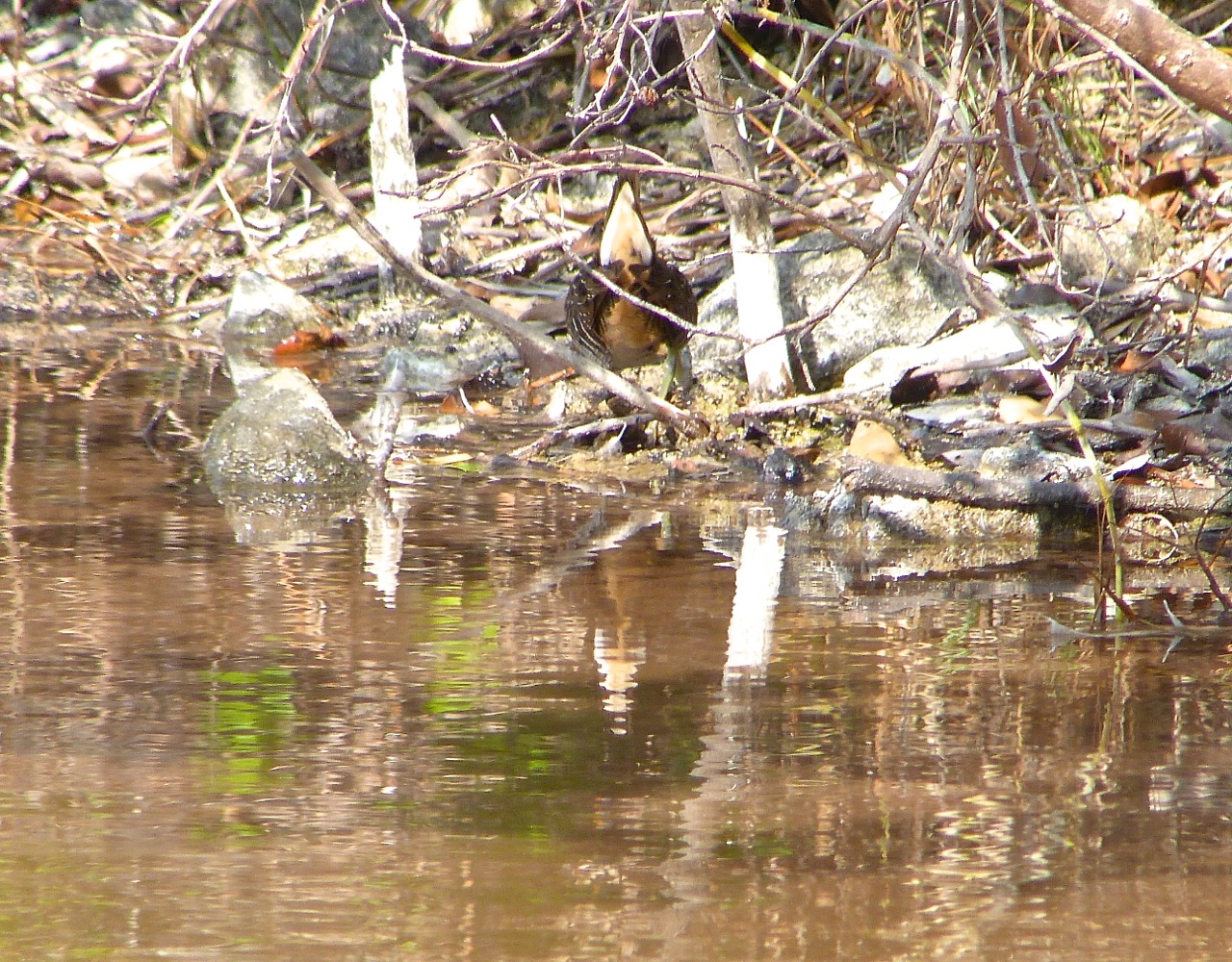
Sora, Gilpin Point Abaco RH 1

Although not uncommon, the sora is relatively hard to find; and if found, to photograph. As I wrote in the book, ‘these are most inconspicuous birds, so it is quite a coup if you manage to locate one. Their creamy beak and upturned tail may give their presence away as they work their way along the water’s edge, feeding intently’. Tom Sheley took the magnificent photo above of a sora peering out from cover – he’s a very patient man. Often, the best sight you’ll get is of the bird half-hidden in the reeds at a distance, as in my feeble effort above. Spot the Sora… I tracked the same bird, and later got a more open shot as the sora picked its way along the edge of a pond before disappearing again into the reeds. The bird was moving away from me. I was crouched on a small jetty, with a little blue heron nearby looking at me in puzzlement. Or sympathy. My best (ha!) shot below (beak and tail both visible? Check!) is followed by much the most usual view of a sora in my experience, the less photogenic end with the white… stern.
Sora, Gilpin Point Abaco RH 3Sora, Gilpin Point Abaco RH 4

I can’t improve on good old Wiki in summarising the diet of this little rail: “Soras are omnivores, eating seeds, insects and snails. Animals that are commonly reported as sora food items include snails, crustaceans, spiders, and insects – mainly beetles, grasshoppers, flies, and dragonflies. Soras often eat plant seeds. Plants in the sora’s diet include duckweed, pondweeds, and grasses.” Wiki’s own image is shown next.

Sora, Birding Center, Port Aransas, Texas

We were with our friend the ornithological scientist Caroline Stahala* when we – I should say she – saw my first sora at the pond at Gilpin Point near Crossing Rocks. She grabbed my camera and plunged into the rather thick undergrowth at the water’s edge. Actually, she had to plunge into the water itself at one stage. Here are 2 shots that further demonstrate how hard it can be to photograph these wretched creatures. They don’t pose prettily on a branch in the sunshine like a Spindalis, for example. They forage about in places where low light and thick vegetation combine to make focus and clarity difficult to achieve. *’The Parrot Lady’  Sora, Gilpin Point Abaco - Caroline Stahala 1 Sora, Gilpin Point Abaco - Caroline Stahala 2 The remarkable calls of the sora can be heard in the very short clips below, from the invaluable Xeno-Canto archive. They make three distinct types of sound, one described as “a descending whinny”. Apparently the use of ‘call broadcasts’ greatly increases the chances of hearing a sora. They also increase the chances of seeing a sora, as the bird will often investigate the source of the call. The propriety of using a recording to attract a bird is open to debate, but there’s no doubt that it can be far more effective than simply going ‘pish-wish’ repeatedly… CALL Ted Floyd ‘WHINNY’ CALL   Micah Riegner ‘WEEP CALL’  Todd Wilson This is a second Wiki image of a sora foraging in water. I like the fact that, as with Tom’s photo, you can see the feet.1024px-Porzana_carolina “SORA”. Where does the word come from? What does it mean? It sounds like some uninviting butter-style spread. Or is that ‘Flora’? I did some research and for a start it means ‘Sky’ in Japanese and ‘Seashell’ in Korean – both used as names. Six countries worldwide have places called Sora. There are various obscure usages (e.g. a little-known video game). Disappointingly, however, the best etymology I can find in a birding context is that the origin is ‘unknown’. I was too disheartened to explore the derivation of ‘Porzana’. Could so easily be a second-tier female character in a Shakespeare comedy: “Haply, Porzana, hast seen the Sora of the Prince, withal?”. Having started this post with a header shot by Becky Marvil, I’ll end with the etymological mystery and another photo by Becky of the same bird going for some underwater delicacy. Sora, Abaco - Becky Marvil 2.1

STOP PRESS Uli Nowlan has kindly sent a photo of a Sora taken at ponds north of Treasure Cay (below). It’s a timely reminder to me that this blog is somewhat South Abaco oriented. More than somewhat, in fact. That’s inevitable I’m afraid, owing to my base camp being south of MH. Also, I think it’s generally accepted that South Abaco is the place to find the best birding. I do include birds from the TC area – the golf course ponds and the creeks – but perhaps not enough. Contributions welcome!

Sora, Abaco (Treasure Cay area) - Uli Nowlan

Credits: Header and last image – Becky Marvil; Tom Sheley, RH, Wiki, Caroline Stahala; Uli Nowlan. Wiki-nod for some info also.

Unknown's avatar

‘BURNS NIGHT’ – CONTAINING FOREST FIRES ON ABACO


Abaco Forest Fire 4

‘BURNS NIGHT’ – CONTAINING FOREST FIRES ON ABACO

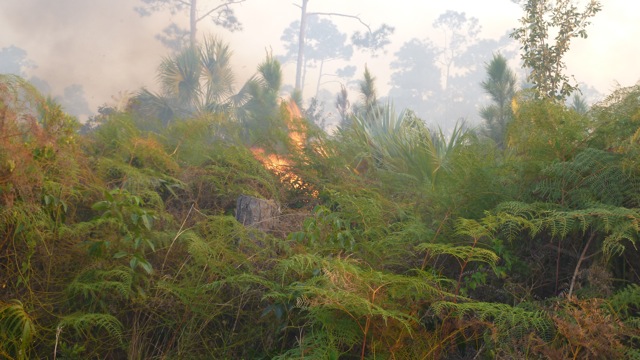
Every year Abaco has a number of forest fires, especially in the south of the island. The timing is variable –  sometimes it’s March, right now it’s… right now. The fires are good in some respects for the forest, and regeneration is remarkably rapid. Links to previous posts on the topic are shown below. Many, or most, are (allegedly) started by hunters clearing scrub and undergrowth so that the dogs can chase the hogs. The rights and the wrongs are debatable, but what is beyond doubt is that a change of wind can cause fires set in forest on the unpopulated west side to jump the Highway across to the east side. There are farms and settlements there, and these are regularly put in peril. The Delphi Club has had a couple of close calls when the thick coppice between the house and the pinewoods failed adequately to deter the flames (in theory, it should!); Crossing Rocks had some nights last year when the whole community united to protect the settlement. Now it’s the turn of Bahama Palm Shores, where the fire service and volunteers have spent the last few days – and nights – trying to prevent fire reaching the houses. So far, so good. Abaco is a wonderful place, but the fires can be powerful and scary, spreading rapidly in the wind.

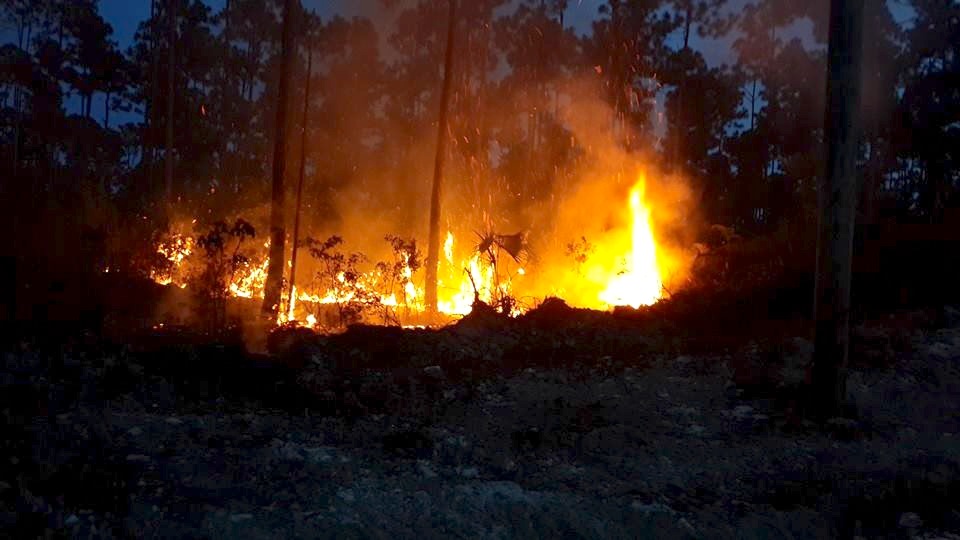
Luc Lavallee is one of the volunteers, and hasn’t had a lot of sleep recently. He has posted regular bulletins during the night on the BPS Facebook Page to keep everyone informed of the situation and the work in progress – for example creating firebreaks. Here are some of his photos over the last few days; the aerial shot is by photographer David Rees, who takes wonderful ‘drone’ photos.

Forest fire, BPS, Abaco (David Rees) Forest Fire, BPS, Abaco (Luc Lavallee) Forest Fire, BPS, Abaco (Luc Lavallee) Forest Fire, BPS, Abaco (Luc Lavallee)

This photo captures the fire raging in the middle of the night, making an almost abstract imageForest Fire, BPS, Abaco (Luc Lavallee)

FOREST FIRES –  BURNING SENSATIONS

FOREST FIRES – TOO CLOSE TO DELPHI

FOREST FIRES – REGENERATION

INDUSTRIAL ARCHAEOLOGY AT SAWMILL SINK REVEALED BY FIRE

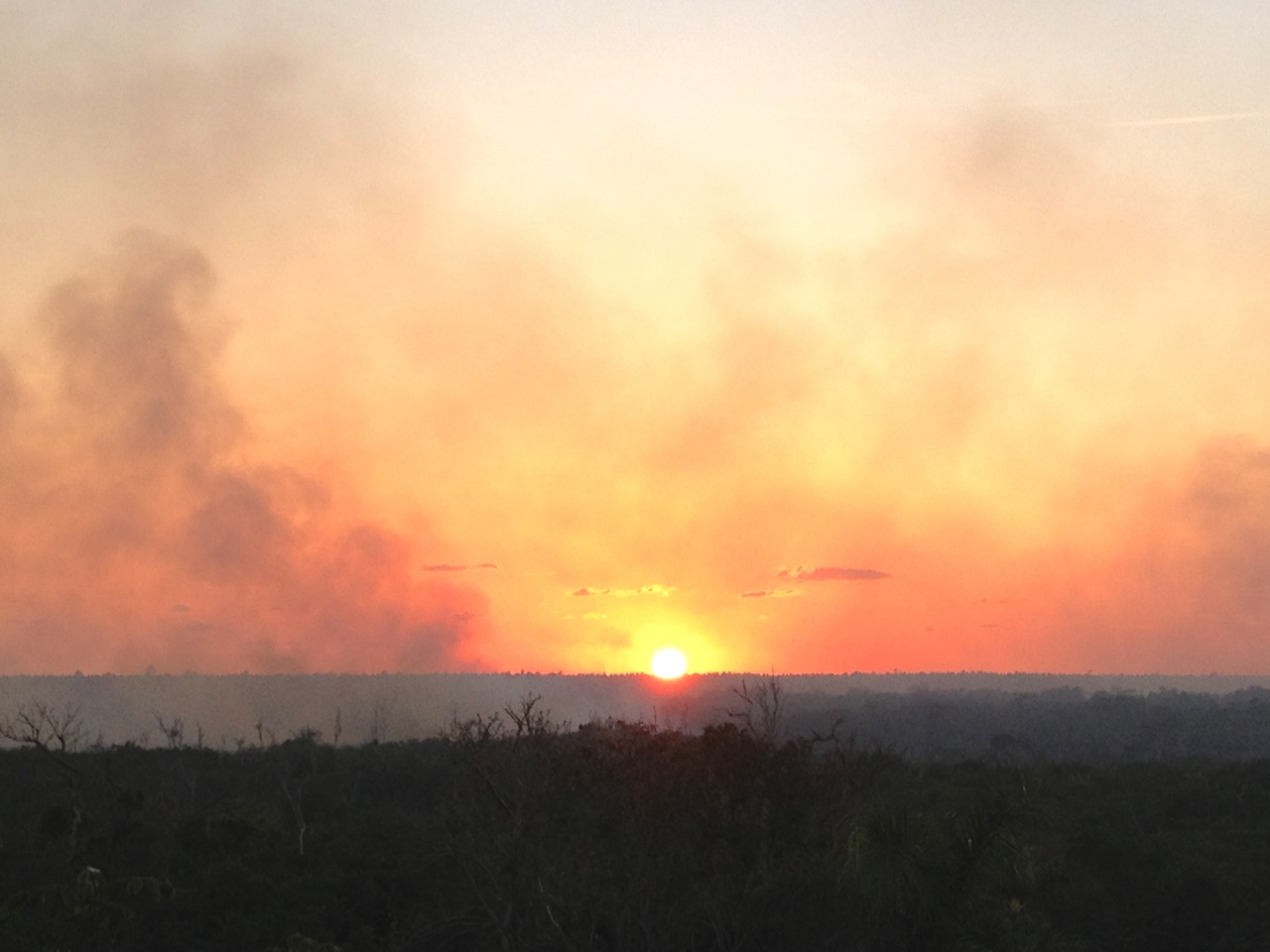
Finally, here is a shot I took last year from the Delphi balcony looking west to the sunset. The fires had burned for several days, and the suns rays in daytime had to penetrate clouds of smoke and ash. The effect was striking.

Forest Fires, Delphi Abaco 2013


 Credits: Header & last pic- RH at Delphi 2013; aerial shot – David Rees; other images – Luc Lavallee


Unknown's avatar

BANANAQUITS ARE UBIQUITS ON ABACO – AND ÜBERCUTE TOO


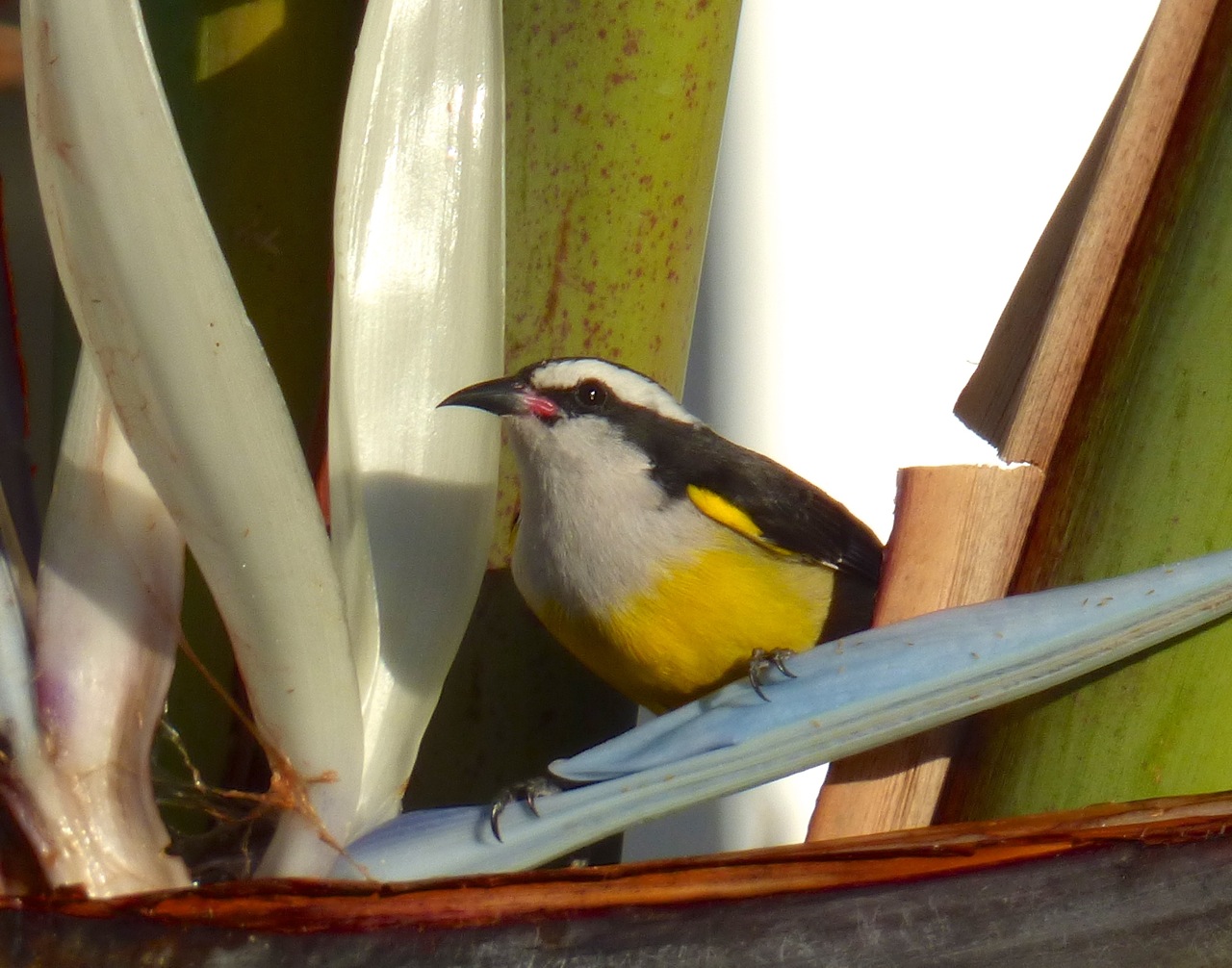
Bananaquit & palm, Delphi, Abaco, Bahamas 7

BANANAQUITS ARE UBIQUITS ON ABACO – AND ÜBERCUTE TOO

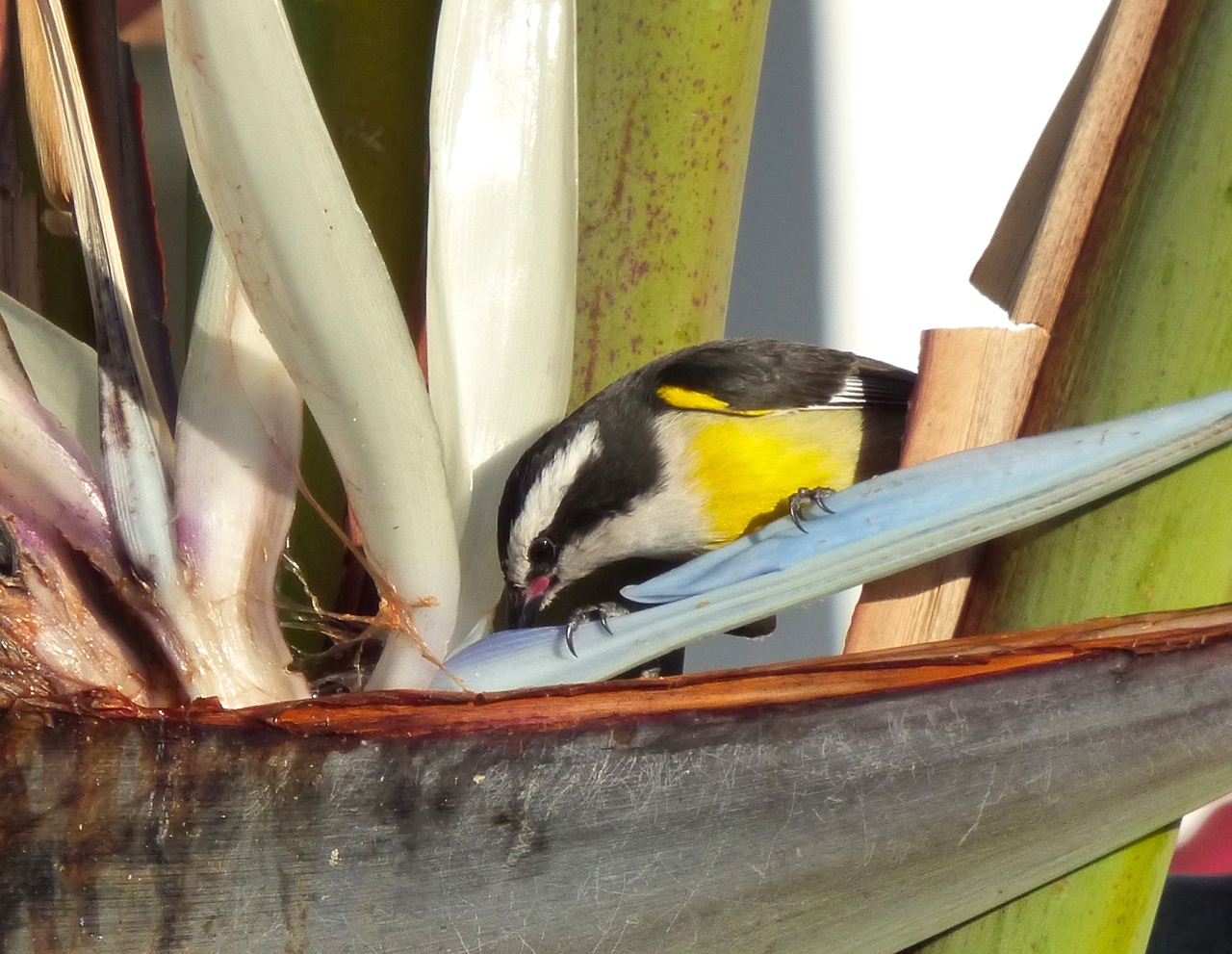
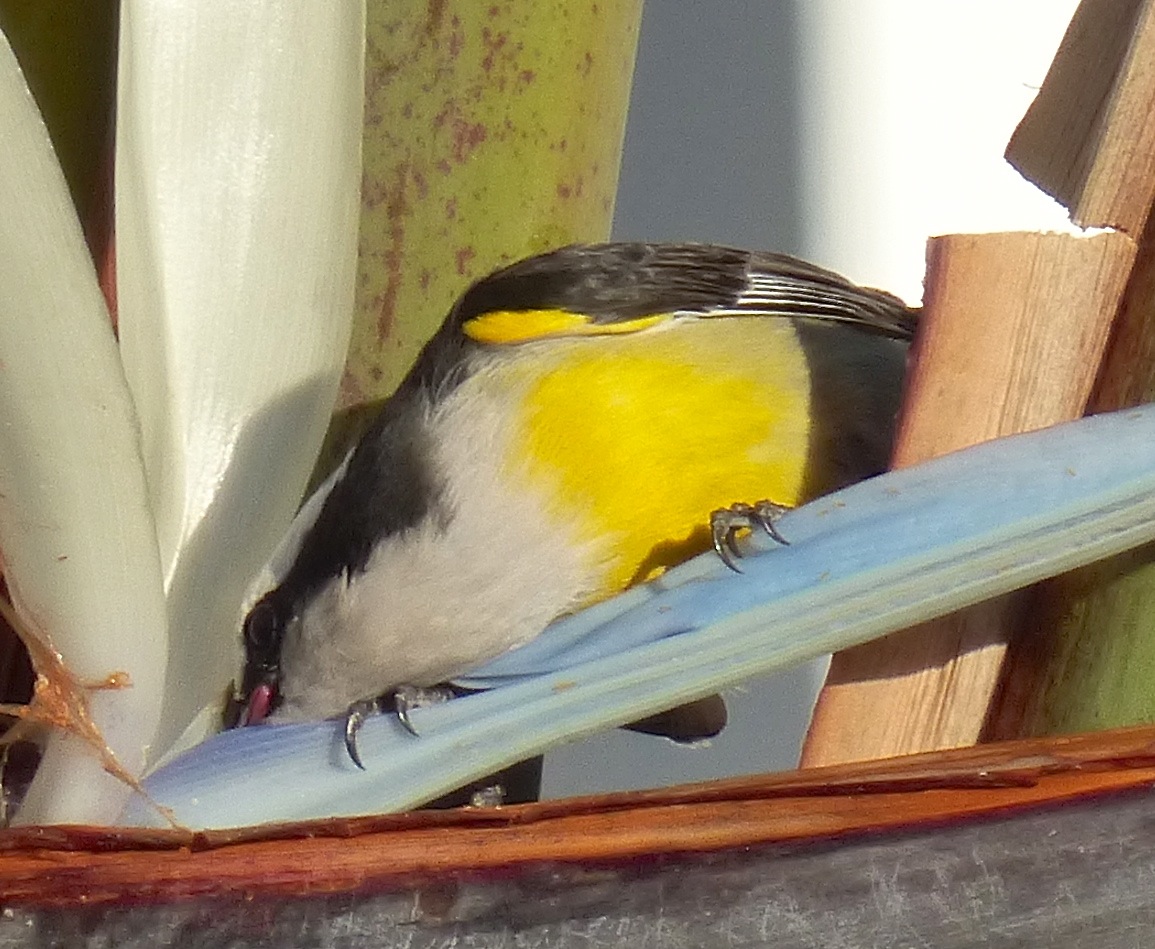
The Bananaquit Coereba flaveola. Permanently resident on Abaco, at the Delphi Club, and in my top ten favourite birds. And everyone else’s, I shouldn’t wonder. With their handsome livery and their cheeky chirping, they can be found almost anywhere. They could equally well be called ubiquits. I had been going to post some recent images of one feasting at a hummingbird feeder, but I found this thirsty palm-forager in my photo folder first, so here he is in all his glory…

Bananaquit & palm, Delphi, Abaco, Bahamas 1 Bananaquit & palm, Delphi, Abaco, Bahamas 2 Bananaquit & palm, Delphi, Abaco, Bahamas 5Bananaquit & palm, Delphi, Abaco, Bahamas 6Bananaquit & palm, Delphi, Abaco, Bahamas 4

Here’s the song of a bananaquit from Xeno-Canto (Paul Driver, Andros) (and there’s a thick-billed vireo in the background)

[audio http://www.xeno-canto.org/sounds/uploaded/FSCGENVPXK/XC140241-BANANAQUIT%20Andros%2042910.mp3]

And here is the ‘whole picture’ without the zooming, showing what a relatively small and cute bird the bananaquit isBananaquit & palm, Delphi, Abaco, Bahamas 3

All images: RH; sound recording Paul Driver, Xeno-Canto

Unknown's avatar

ABACO WARBLERS: IN SEARCH OF A YELLOW RUMP…


Yellow-rumped_Warbler Dan Pancamo (Wiki)

ABACO WARBLERS: IN SEARCH OF A YELLOW RUMP…

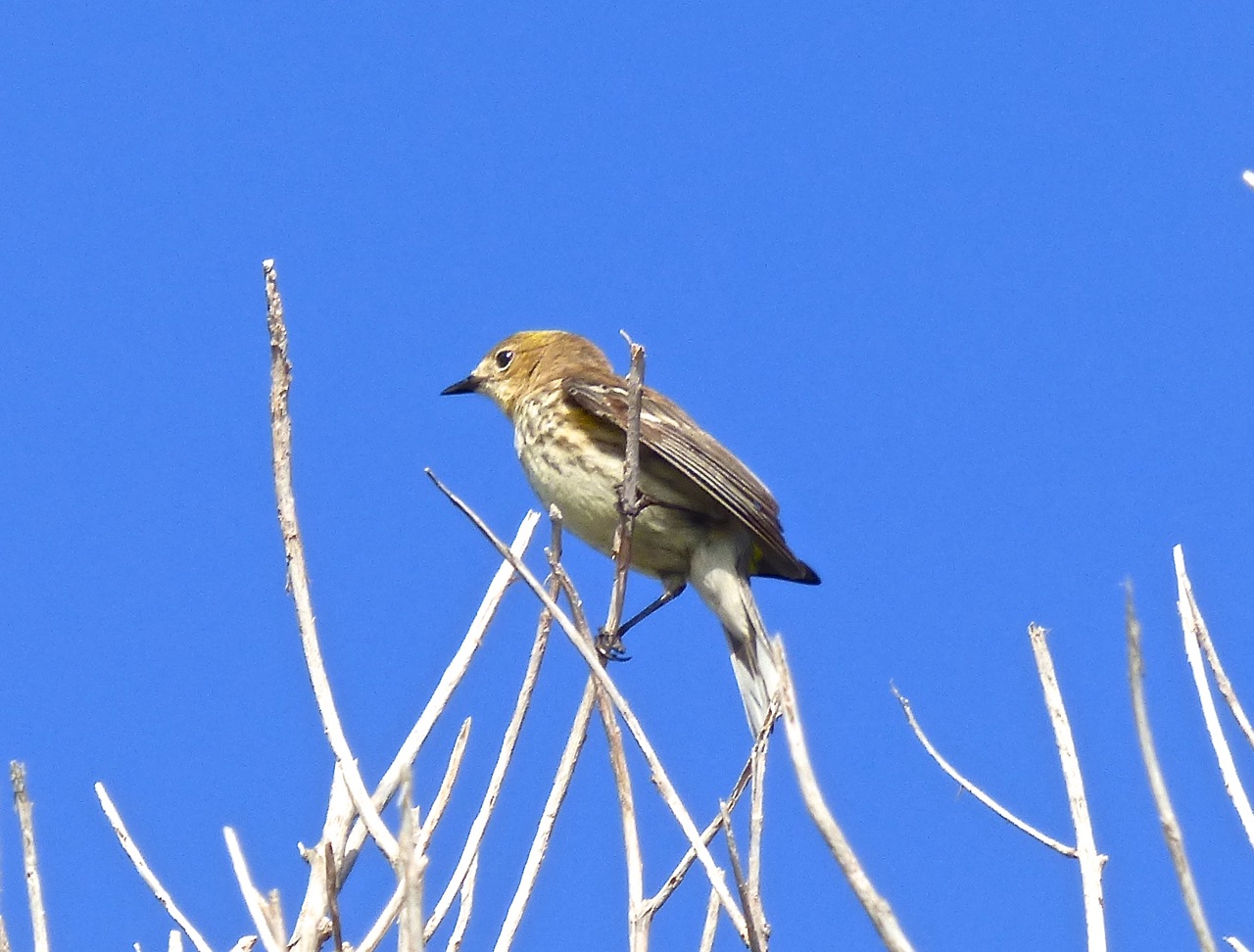
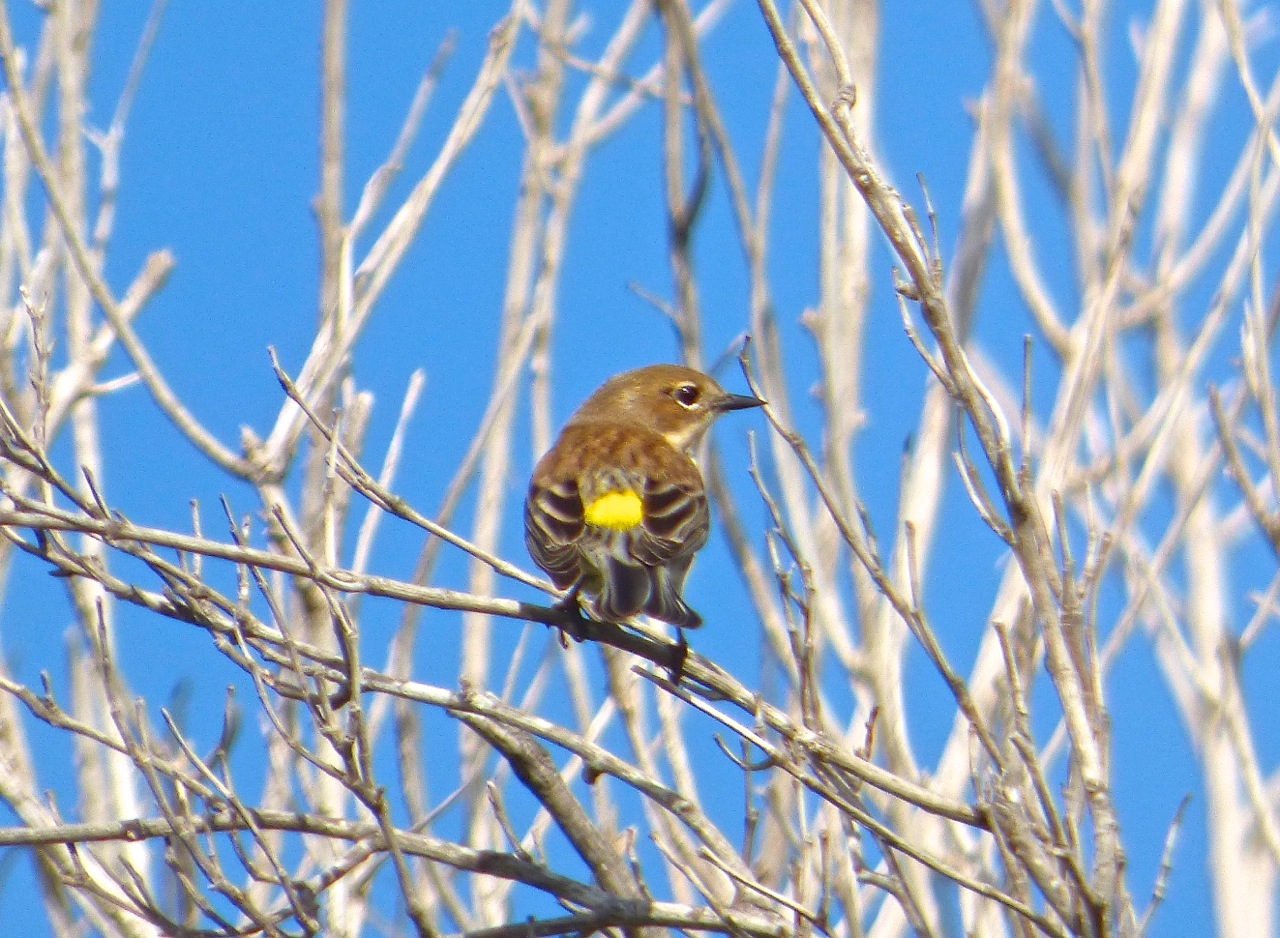
I haven’t been very lucky with yellow rumps in the past. This is not normally something one likes to talk about in a public forum… but to be honest I have been longing to get hold of a yellow rump of my own. The warbler Setophaga coronata, that is, a fairly common winter resident on Abaco. I’ve seen them of course. I’ve glimpsed a passing flash of yellow rump. But no YRW has stayed parked in tree with its backside towards me for long enough to permit me to photograph its posterior glory. Ideally I’d have liked a clear, attractive shot like the header image (Dan Pancamo, Wiki). But desperation leads to lowered expectations and plummeting standards. Frankly, this year I’d have been satisfied with any yellow rump. Abandoning my initial plan to apply a yellow highlighter pen to a compliant female grassquit, I bided my time. And suddenly there, at the very top of a tree near the swimming pool at Delphi, was my chance… A pair of YRWs were in evidence.

Yellow-rumped Warbler, Abaco 5Yellow-rumped Warbler, Abaco 6Yellow-rumped Warbler Abaco 1Yellow-rumped Warbler, Abaco 2

The tree wasn’t very close to me, and the birds stayed near the very top. My photos were never going to be great. Especially since each bird was meticulous in keeping its rear end out of sight. Then they flew away! However quite soon one was back. This time there were twigs in the way, one of the those little variables that makes camera focussing so enjoyable. But this time I managed to ‘pap’ its derrière…  Feeble shots but mine own. As an avian ‘Holy Grail’, a mere yellow rump leaves quite a lot to be desired, I can quite see. It’s on no one’s ‘bucket list’ of birding musts. But now I can move on, release that poor female grassquit and chuck out the highlighter pen.

Yellow-rumped Warbler, Abaco 3Yellow-rumped Warbler, Abaco 4

Unknown's avatar

GEE! BEES!! HIVE TALKIN’ ON ABACO


Bees at Delphi Abaco 1

GEE! BEES!! HIVE TALKIN’ ON ABACO

This post concerns the bees of Abaco, with little or no apology for the cultural cross-reference to the dread mid-70’s musical era. If you wish to experience the full horror, scroll straight to the bottom of the page and relive those heady days of Barry, Robin & Maurice… 

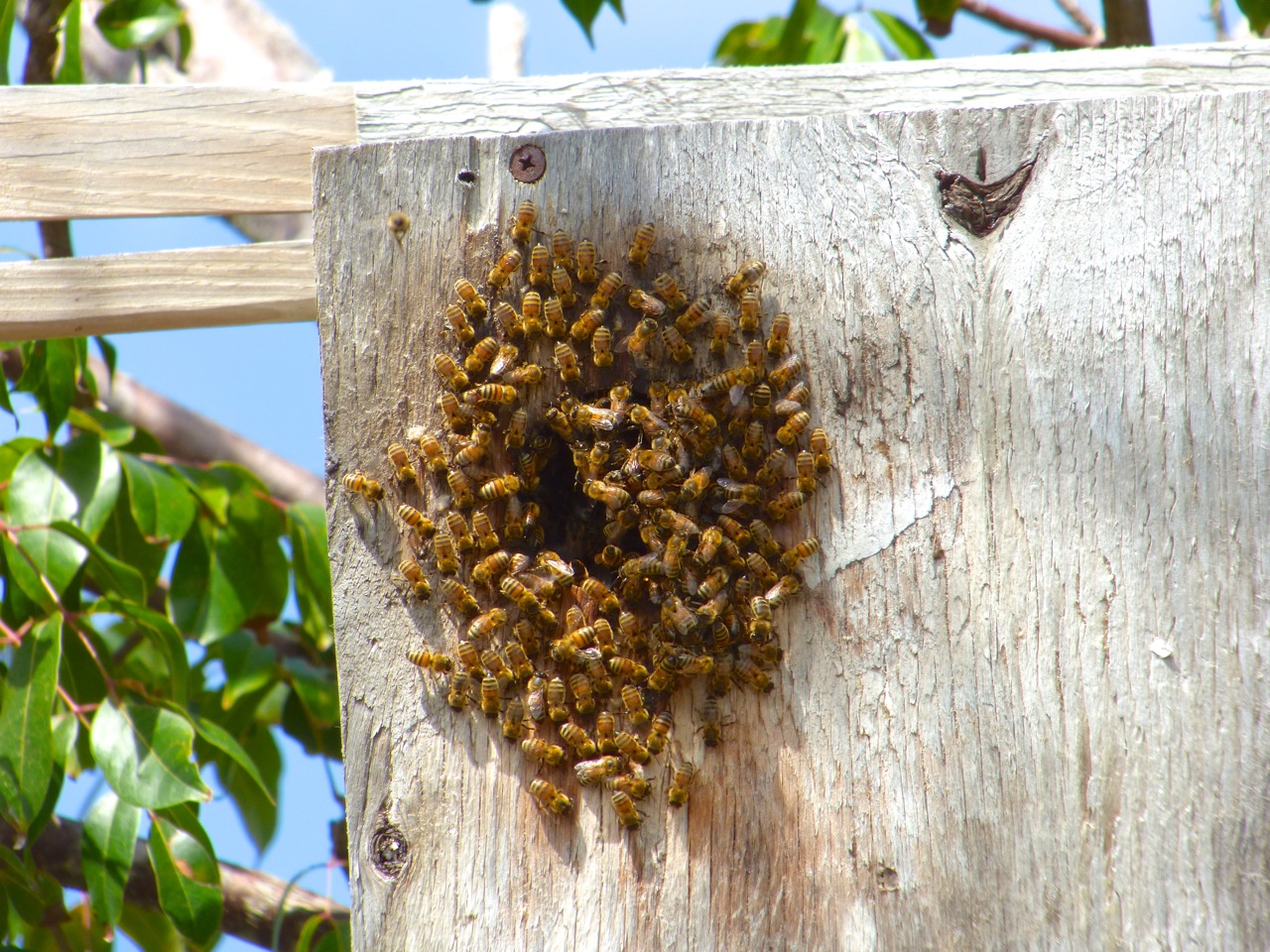
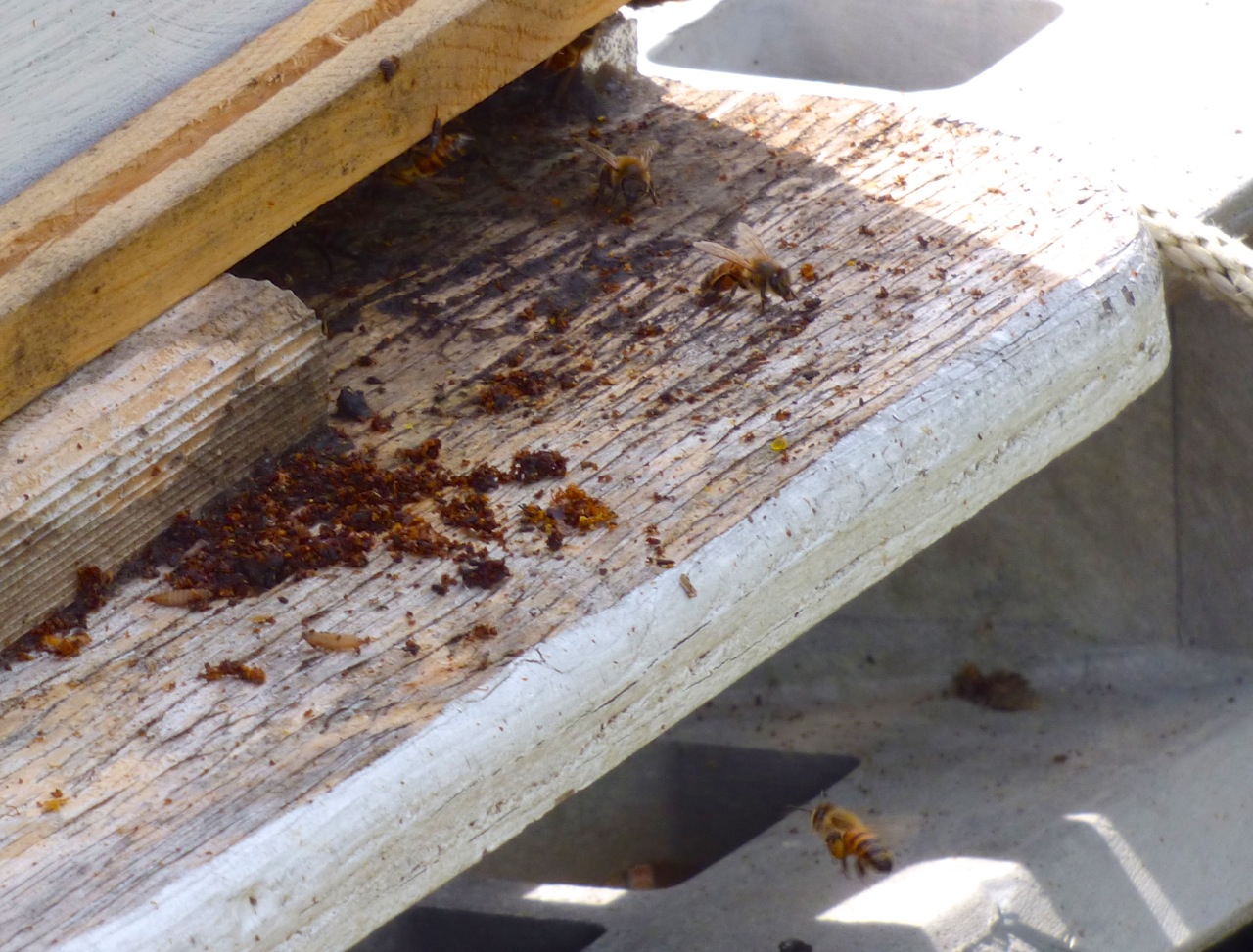
The bees on Abaco south of Marsh Harbour are mostly wild. The header photo shows the West Indian Woodpecker nest box near the skiff park at Delphi that has become the exclusive residence of bees. They have a profusion of flowers in the Delphi Club gardens to choose from, but it is not practical to keep hives for them. So they are left to do their own thing. Here they were last month, being busy.

Bees at Delphi Abaco 2

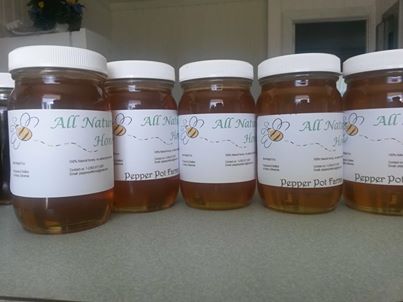
During the past year I have found 2 places between Delphi and MH that keep hives. One is PEPPER POT FARMS – click the name to reach their FB page. You can get their honey direct or in MH for $6.75 a pot. I enjoyed their evidence of why bees are called ‘workers’…

5 FUN BEE FACTS

  • Bees must visit approximately 2 million flowers to make 1 lb. of honey. 
  • Bees have to fly over 55,000 miles to make 1 lb. of honey. 
  • On average a worker bee will make 1/12 teaspoon of honey in her lifetime. 
  • Two tablespoons of honey would fuel a honey bee flying once around the world.
  • Honey bees will visit between 50-100 flowers during one nectar collection trip.

12721_208930259301915_1742177992_n

The other place with hives is ABACO NEEM FARMS, the base for the production of the stock at the Abaco Neem shop on the way into MH from the roundabout . The owner Nick has installed 2 hives which we had a look at when we took up his invitation to bird-watch there. It is something of a birding hotspot, benefitting from pine woods, coppice, fruit trees and open land over a large area. 

Abaco Neem Farm Hives 1Abaco Neem Farm Hives 2Abaco Neem Farm Hives 3

There was plenty of bee action around the hives on a warm sunny day and plenty of plants for them to feed from. We watched them come and go, the returning bees having filled their trouser pockets with pollen.Abaco Neem Farm Hives 4 Abaco Neem Farm Hives 5

There are both cultivated and wild flowers all over the place, with bees feasting on plants and fruit trees of many kinds. I liked the bright flower chosen by this bee. Abaco Neem Farm Hives 6

I’ll be posting more about the birds and plants of the Neem Farm in a while. Meanwhile, here are a couple of links to previous relevant links.

 TO SEE AN EARLIER ABACO BEE POST, CLICK HERE

TO SEE A CUBAN PEWEE AT THE NEEM FARM CLICK HERE

Finally, here is your chance to roll back the years with the Brothers Gibb. And below it, an excellent corrective!

This excellent Bee Gee parody by the “Hee Bee Gee Bees” called “Meaningless Songs in Very High Voices” is live from Sweden. Well, it still makes me laugh anyway (they also ripped off and ripped into Bowie, Jackson, The Police, Status Quo & many more).

Unknown's avatar

A BONEFISHING CHALLENGE ON ABACO: THE ‘WHICH?’ REPORT


_MG_4668_1280x853_

A BONEFISHING CHALLENGE ON ABACO

In January I posted an article called BONEFISHING ON ABACO: A CHALLENGE IS ACCEPTED. This stemmed from contact online with fisherman and fly tyer Mark Minshull, who kindly tied some flies for me to try on the Marls. In the post I showed pictures of my manky flybox and his immaculate flies. We agreed to see how things turned out while I was on Abaco in March, and  that I would report back…   

image24

Mark 1 Specimen Bonefish Flies

THE ‘WHICH?’ REPORT ON MARK 1 BONEFISHING FLIES

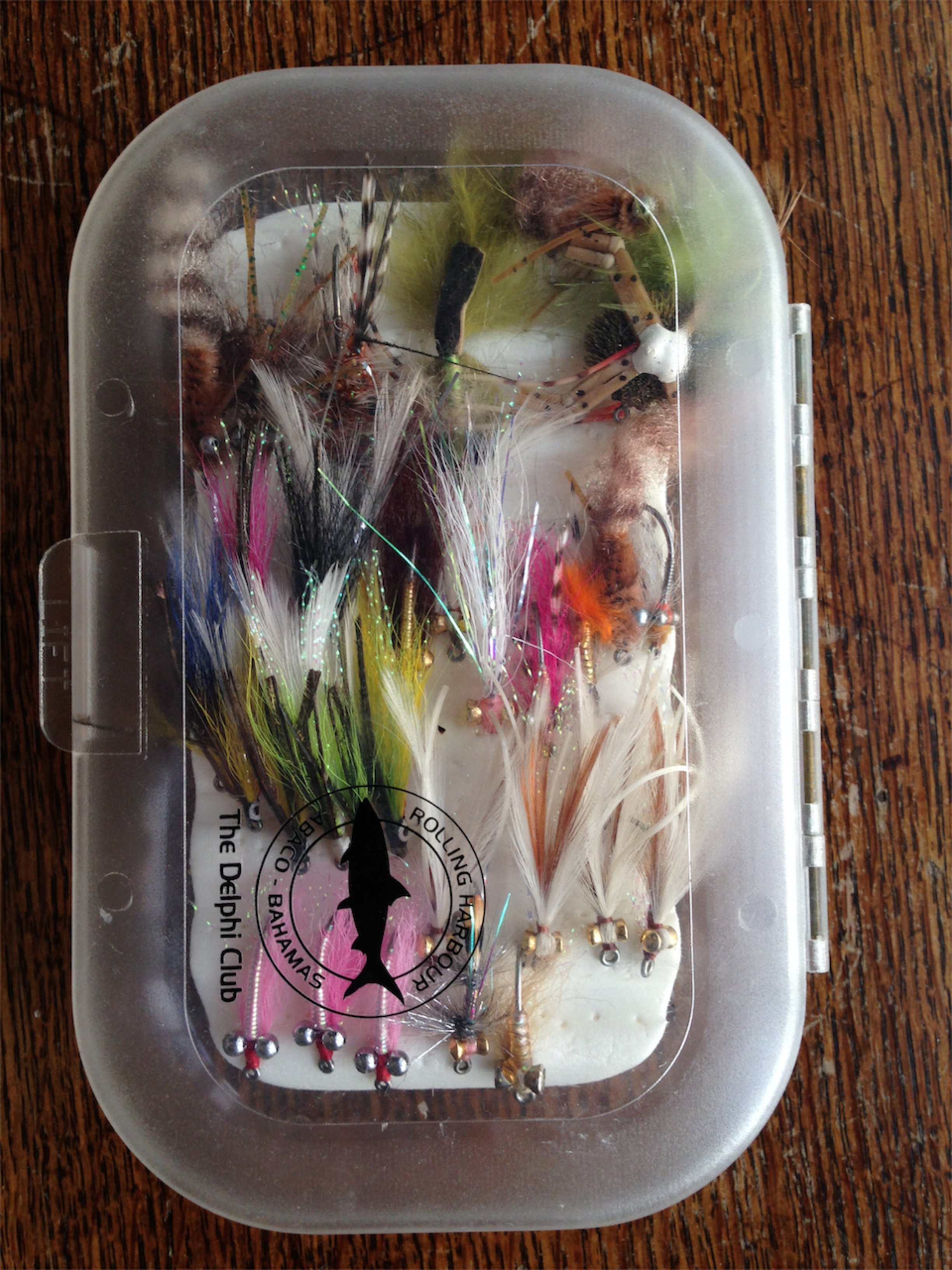
We set out to test the efficacy of  prototype ‘Mark 1’ bonefishing flies in the waters of the Abaco Marls. Our testers came from the US (TC & AH), Northern Ireland (AB), and England (RH). All are proficient fly fishermen with experience of several prime bonefishing destinations between them, except for the Englishman RH who was included to add balance to the trials by adding the element of incompetence. His fly box remained an object of ridicule throughout the tests, until he resorted to using a more carefully chosen small fly box containing his most successful flies, some ‘Delphi Club Approved’ flies and the test flies. 

QUALITY All our testers agreed that the Mark 1 flies were beautifully designed and tied. As flies, their quality was rated ‘superb’; ‘bloody good’; and ‘very impressive’. As potential winners for the waters of Abaco, however, there was considerable doubt about the suitability of the pattern for colouring, shape and size.

THE TEST AREA We used the huge area of prime bonefishing territory of the mangrove swamps and sand banks on the west side of Abaco known as the Marls. Our testers were familiar with the waters and all had fished them numerous times. The sea depth, depending on tide, is a few feet at most. The consistency of the bottom is of lightweight, pale coloured mud.

Bonefishing, Abaco Marls Abaco  1

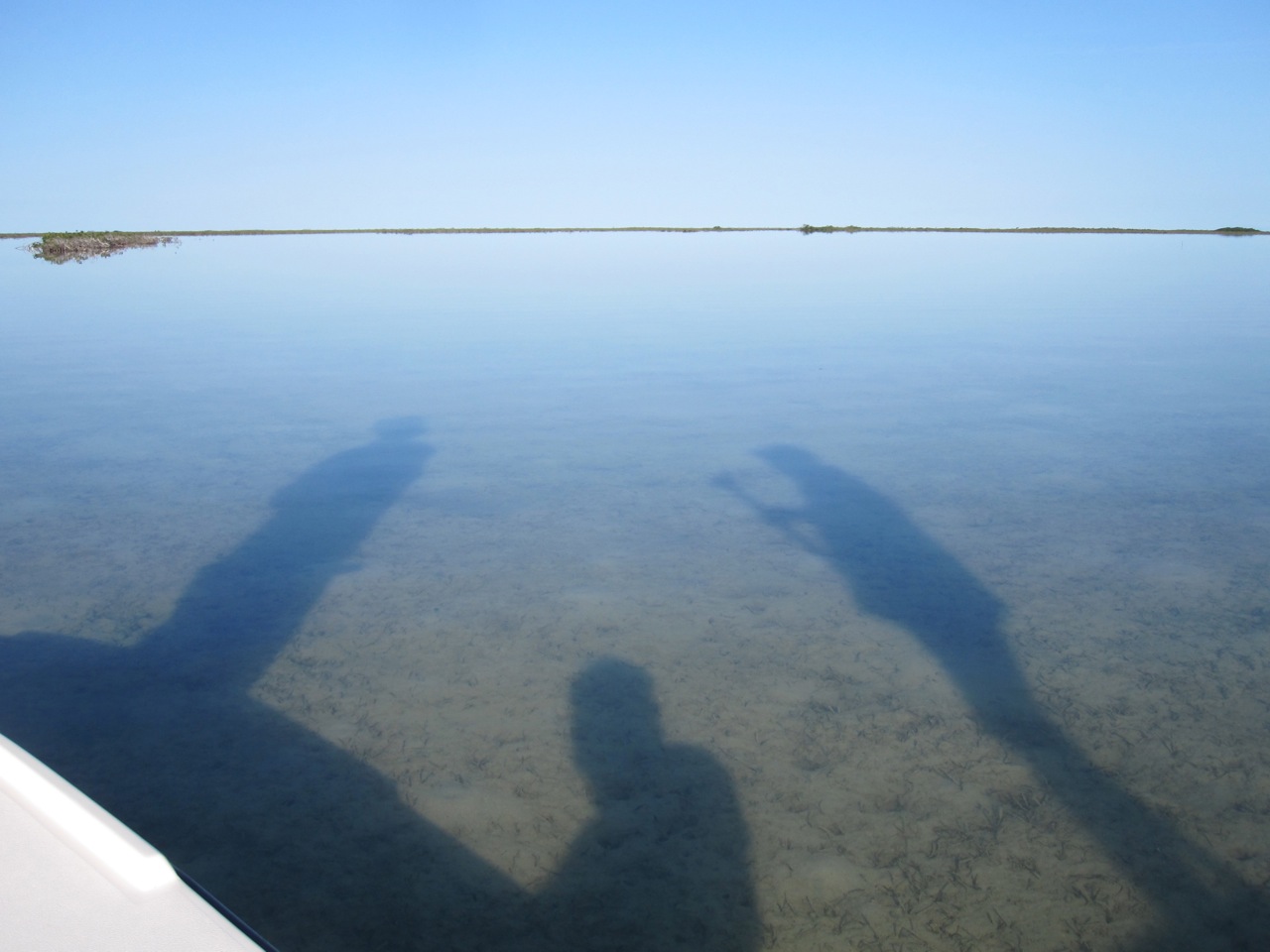
It is usually easier to look out for the shadows of the fish on the light bottom than for the fish themselves, which are often difficult to see in the water. Half-close your eyes and look at this image – the fish almost disappears, but the shadow is clearly visible. It is hard to believe the wonderful colouring of the fish until it is out of the water.Bonefish, Abaco Marls Abaco 2

THE TESTS The initial reservations of the testers unfortunately proved justified in the field. The testers all found that the fish tended not to follow the flies at all, and mostly behaved as if they had not seen them, even with the most accurate casts. The few ‘follows’ observed produced refusals of the fly at the end. Disappointingly, no fly was taken by a single fish throughout the trials.

OBSERVATIONS Our testers had some useful comments. Above all, the Mark 1 flies were undoubtedly of excellent quality and design. They simply were not suited to the waters – or the bonefish – of Abaco. TC thought they might work in Belize. It was thought that larger versions might attract permit. Overall, the Mark 1s were so radically different from the tried and tested fly patterns used successfully on Abaco that the 3 competent fishermen soon forsook the experiment and caught fish using more familiar flies. The 4th tester, lacking any finesse, might have fluked a take against the odds , but even he drew a blank.

THE PROFESSIONALS The Guides in each case had been fishing the Marls since they could walk and hold a rod. They each examined the flies, shook their heads and kept their thoughts to themselves. We interpret this as indicating a tendency for the local guides to doubt the effectiveness of the Mark 1 flies.

IMG_1169

RH’s ‘Selected Specimen’ Fly Box

RESULTS ANALYSIS  The flies above show (front row) the 3 versions of the Mark 1 fly; (middle row) the highly effective Delphi Daddy and Delphi Diva patterns, with one random silver concoction of unknown origin; (back row) ; 2 browny / pale patterns plus a shocking pink one that the guides wisely forbade and, below, 3 roughly matching flies that brought great success even for RH this year (including 12 boated and 5 lost in one day), sourced from renowned tackle specialist E. Bay.

CONCLUSION The flies that catch the bones on Abaco tend to be pale and to have ‘streamer’ tails and / or a fair amount of sparkle. A touch of pink seems to be good. Too much pink, not so. Rubbery legs can be very effective (except in the fisherman after lunch). But lovely lifelike dark shrimp imitations are of no interest to the fish of the Marls.

‘WHICH?’ RATINGS FOR THE MARK 1 FLY 

  • Design and construction *****
  • Ease of use *****
  • Effectiveness for Abaco waters *

All photos RH. Thanks to Mark for creating the challenge and for being a great sport

A Box of Bonefish Flies (Abaco)

The largely ridiculous fly box of RH (most good ones removed)


Unknown's avatar

TOP-FIVE CUTE? A BLUE-GRAY GNATCATCHER ON ABACO


TOP-FIVE CUTE? A BLUE-GRAY GNATCATCHER ON ABACO

There are plenty of cute little birds on Abaco, as almost anywhere else. The BGG would definitely be in my top 10, and probably shouldering its tiny way into the top 5. This one was in the coppice 20 yards from the Delphi Club. I made some of those irritating (to other humans) ‘pishing’ sounds and, gratifyingly, it popped into sight. Then it started singing.

Blue-gray Gnatcatcher, Abaco 1

If the colouring / name coincidence doesn’t help with ID, look for the characteristic full white eye-rings. Adults have a dark Frida Kahlo ‘monobrow’, visible in these pictures. They also have a tendency to cock the tail when perching. If you are lucky, you may see a BGG ‘hawking’ for small insects, fluttering off a branch to make the catch and returning to its perch to eat it.

Blue-gray Gnatcatcher, Abaco 2 Blue-gray Gnatcatcher, Abaco 3

The image below shows the same bird having flown a short distance. I wanted a cocked tail shot, but as I pressed the (what is it? button? knob? shutter? trigger?) pressy thing, the bird started the preliminaries for flying off. The top 3 photos are exactly as taken, with no ‘work’ done bar cropping. The one below had a bit of a sharpen. Not a good photo, but it shows the stance. Then, having seen a cocked tail, I returned to immerse myself in a cocktail – a ‘Delphi Punch’ is a knockout drink!

Blue-gray Gnatcatcher, Abaco 4

Unknown's avatar

ROLLING HARBOUR, ABACO – THE GEOGRAPHICAL FEATURE


DCB for Vista

ROLLING HARBOUR, ABACO – THE GEOGRAPHICAL FEATURE

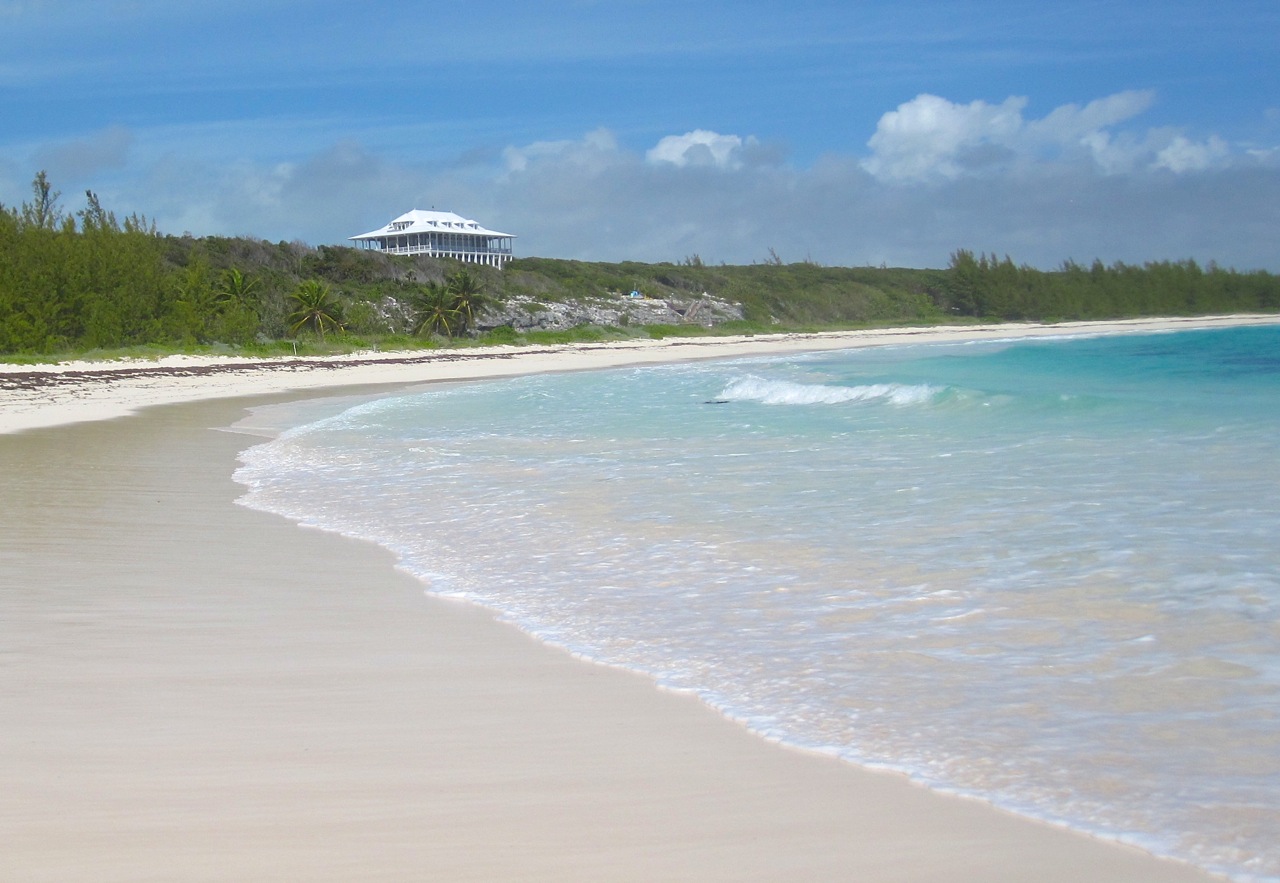
Rolling Harbour, location of the Delphi Club, is a mile-long curving sandy bay on the east side of South Abaco, half an hour’s drive south of Marsh Harbour. It is marked on a handful of old maps and a couple of more recent ones. Other than that, it keeps itself pretty much to itself. Here’s a 30-second, 180º panoramic movie from the beach. Blue skies. Blue water. Turquoise water. White sand. 4250 miles from where I am right now…

Abaco Map showing Rolling HabourAbaco Map showing Rolling Habour ('The Johnson Map')


Unknown's avatar

ADMIRABLE ADMIRAL BOUGAINVILLE & HIS EPONYMOUS FLOWERS ON ABACO


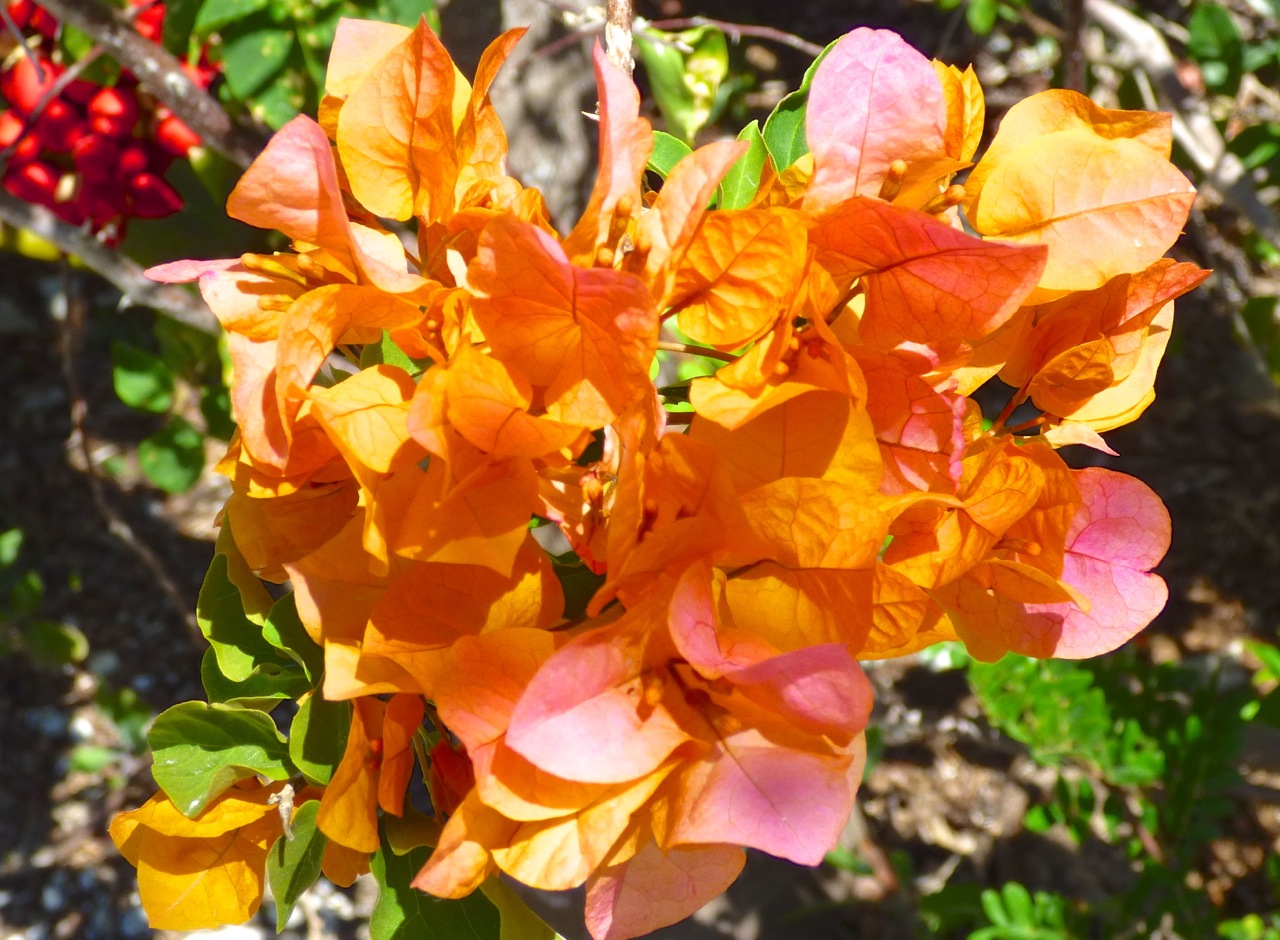
Bougainvillea, Delphi, Abaco Bahamas 5

ADMIRABLE ADMIRAL BOUGAINVILLE & HIS EPONYMOUS FLOWERS ON ABACO

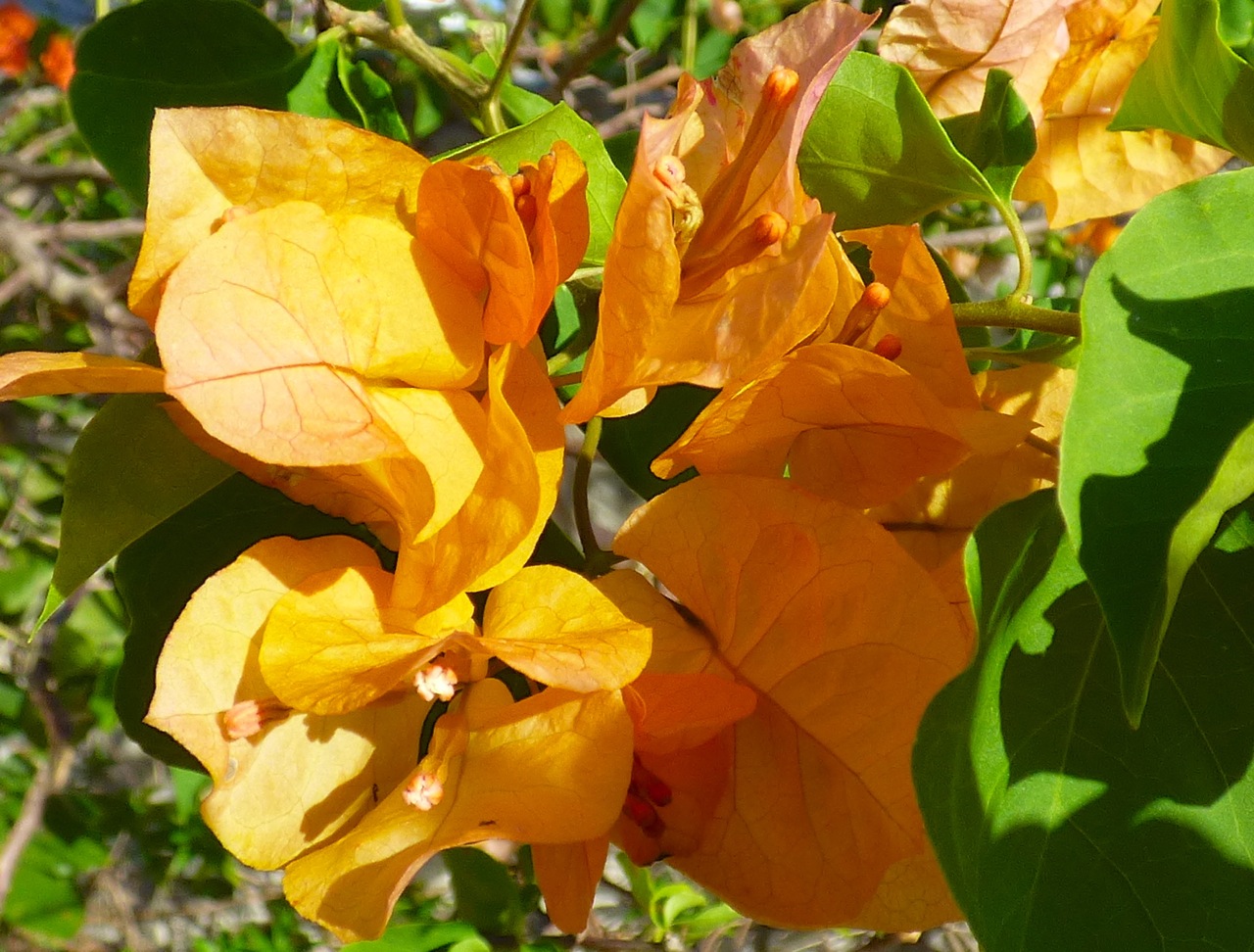
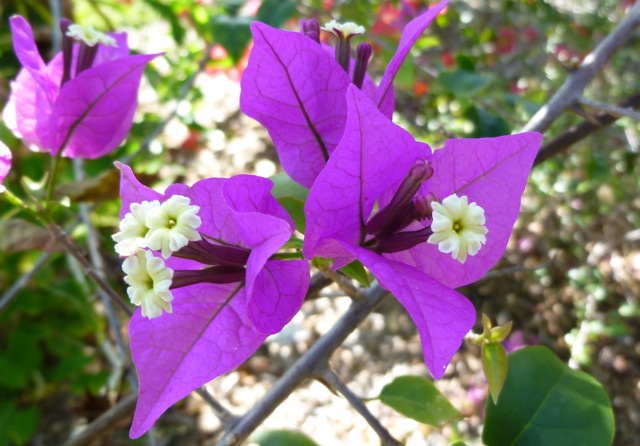
By the second half of the c18th, no respectable nautical expedition was complete without at least one naturalist or geologist on board. Within a few decades, that intentionally sweeping generalisation would include Charles Darwin himself. Louis Antoine, Comte de Bougainville (1729 – 1811) was a French admiral and explorer, and a contemporary of Captain James Cook. However the well-known ornamental vine  to which Bougainville lent his name might more properly be called Commerconia… or indeed an even more obscure name. Bougainvillea, Delphi, Abaco Bahamas 1

When Bougainville set off on a voyage of circumnavigation in the 1760s, he took with him a botanist, Philibert Commerçon. He was the first European to examine and ‘write up’ these plants, his findings being published in France in 1789. One attractive theory is that the first European actually to observe these plants was a woman called Jeanne Baré who was Commerçon’s assistant, and indeed his lover. He is said to have sneaked her on board, despite regulations, disguised as a man. If this is right, this would make Jeanne Baré the first woman (let alone cross-dressing woman) to circumnavigate the globe. And perhaps make her entitled to be immortalised by having the plant ‘Bareia’ named after her. But I guess Admirals had more clout in plant-naming circles than female stowaways – or indeed botanists on board their ships.Bougainvillea, Delphi, Abaco Bahamas 3 Bougainvillea, Delphi, Abaco Bahamas 4

As first printed in 1789, the plant was spelled ‘Buginvillæa’, an unexplained variation from the Admiral’s true name. The ‘correct’ spelling for this plant did not finally settle down until the 1930s, when a botanical consensus was reached. Nonetheless, many variations still persist (most usually with the addition of an e after the n). I myself spell it any-old-how and let the spell-checker take care of it…Bougainvillea, Delphi, Abaco Bahamas 2 Bougainvillea, Delphi, Abaco Bahamas 7

STOP PRESS Further research suggests that the name of the plant was ‘gifted’ by Commerçon to the Admiral, a self-effacing tribute or possibly a rampant piece of sycophancy – or (my own theory) to avoid being keelhauled when his ‘valet’s’ gender was apparently unmasked by the ship’s surgeon. In what precise circumstances, one longs to know…

Bougainevillea 2, Abaco Bougainevillea 1, Abaco

Credits: Delphi plants courtesy of Willie the Gardener; photos RH; text-assists by ‘Magpie-Pickings’ 

Unknown's avatar

IDENTITY CRISIS ON ABACO:WEST INDIAN WOODPECKERS OR HUMMINGBIRDS?


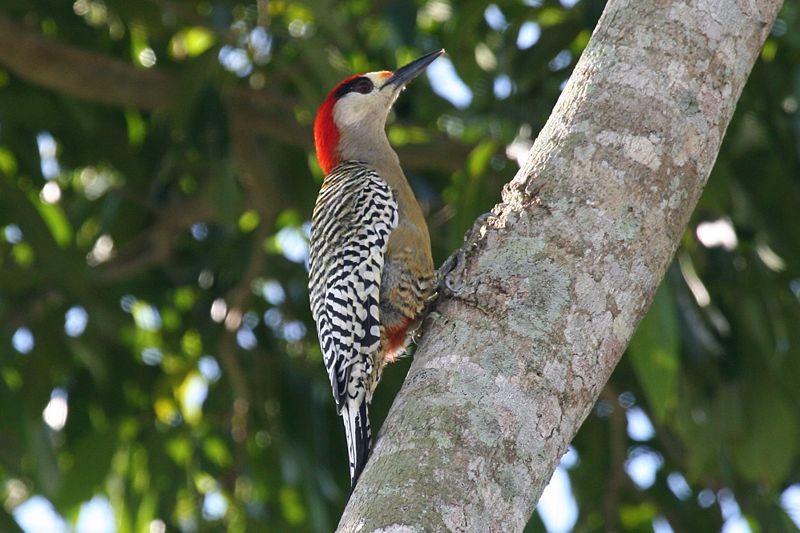
800px-West_Indian_Woodpecker_(Melanerpes_superciliaris)IDENTITY CRISIS ON ABACO:WEST INDIAN WOODPECKERS OR HUMMINGBIRDS?

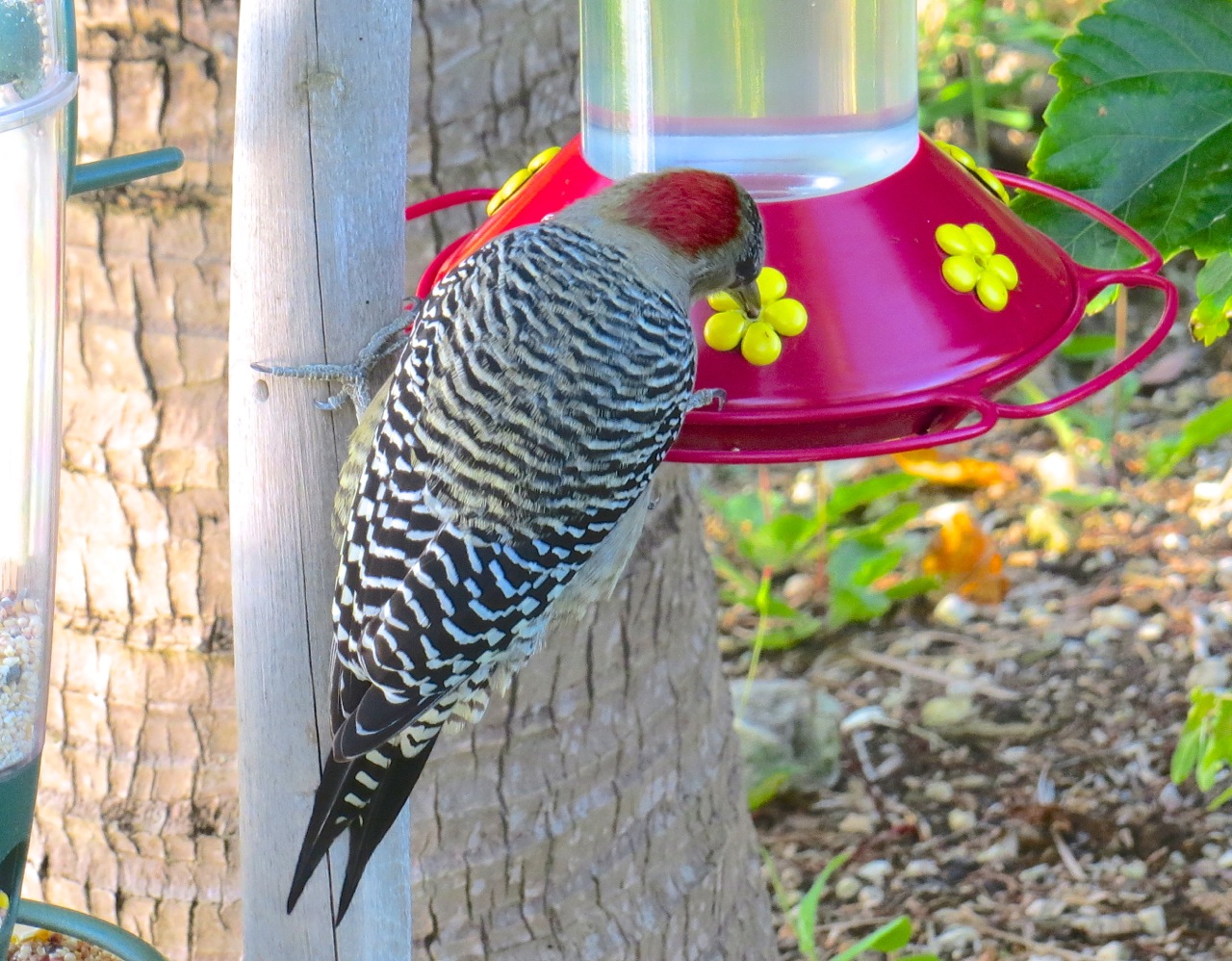
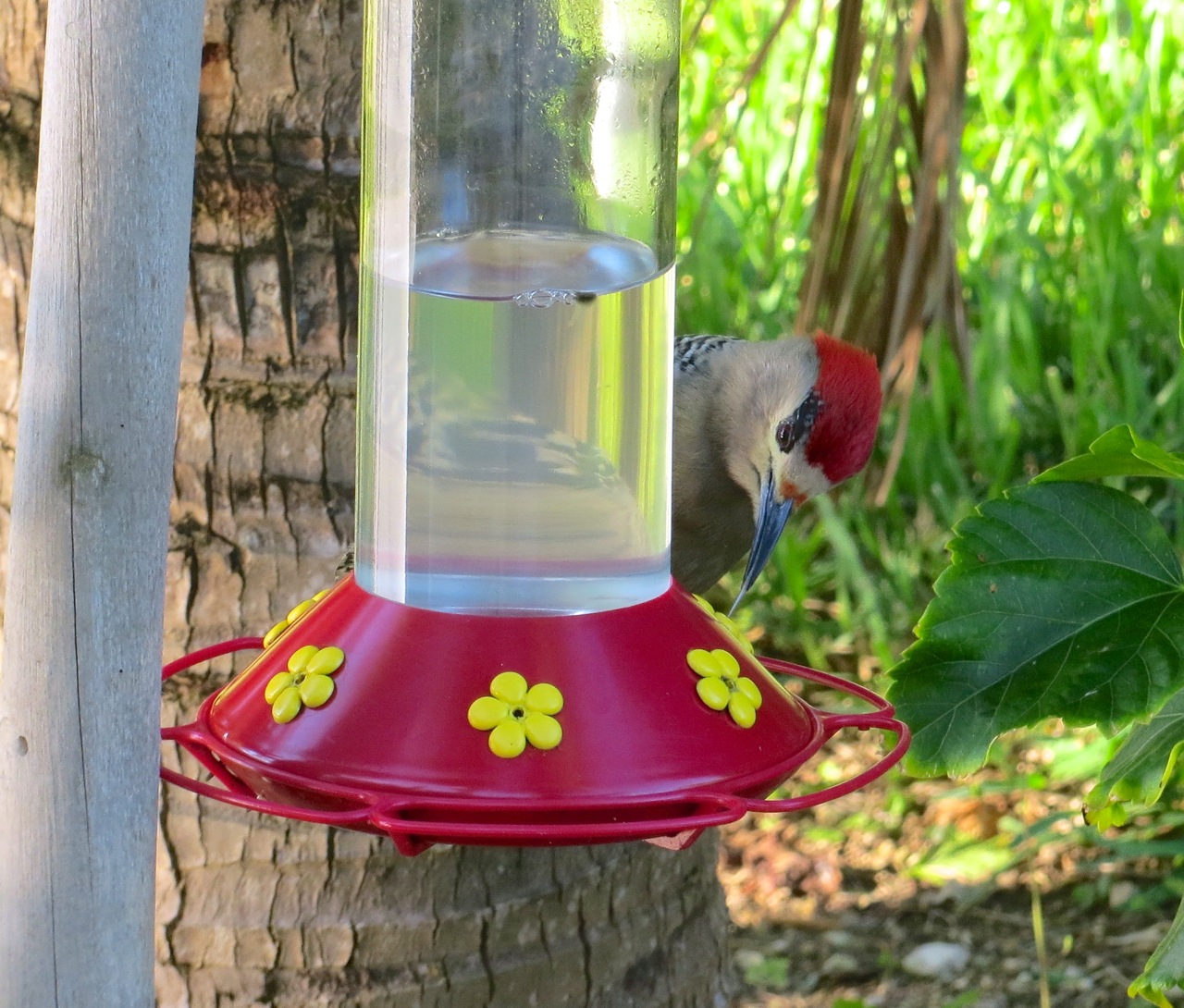
The hummingbirds round here – Cuban Emeralds and occasional Bahama Woodstars – have feeders full of sugar water to keep them sweet. These are also enjoyed by other birds with suitable beaks or tongues able to get to the liquid through tiny holes.  Bananaquits, for example. Now the resident woodpeckers have got in on the act. Our arrival at Delphi coincides with the start of insistent tapping noises from inside the 2 nesting boxes that were put up to divert the woodpeckers from wrecking the wooden roof eaves. They are carrying out annual routine maintenance, putting up new bookshelves etc before settling down to produce their first brood of the year. And they have now discovered how to get a sugar-rush to keep up their energies. 

TRYING TO INSERT THE BEAK IS NOT A GOOD METHODWest Indian Woodpecker Abaco 4West Indian Woodpecker Abaco 2

USING A LONG TONGUE IS IDEALWest Indian Woodpecker Abaco 5West Indian Woodpecker Abaco 1

MEANWHILE THE FEMALE HAS TO WAIT FOR HER TURN…West Indian Woodpecker Abaco 3

Unknown's avatar

“I MUST FLY”: GONE TO ABACO. BACK SOMETIME.


“I MUST FLY”: GONE TO ABACO. BACK SOMETIME.

UPDATES AS & WHEN

BLUE-GRAY GNATCATCHERBlue-gray Gnatcatcher Delphi Club Abaco Bahamas.Tom Sheley

HIS ‘N’ HERS RODS ON THE BEACH AT DELPHIOn the beach... Delphi Club, Abaco

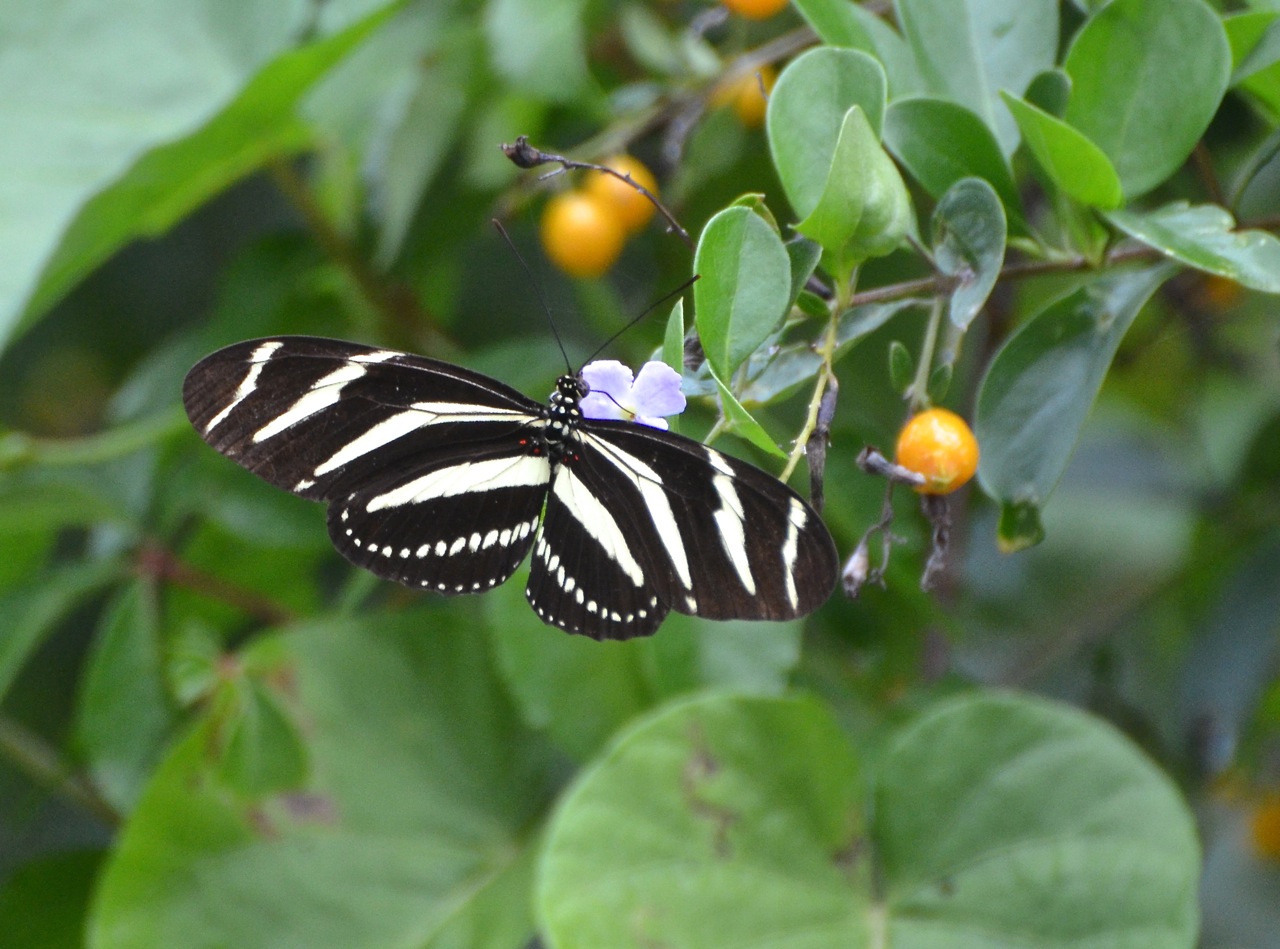
ZEBRA HELICONIAN BUTTERFLYZebra Heliconian Abaco Charlie Skinner

QUEEN ANGELFISHQueen Angelfish © Melinda Riger @ G B Scuba

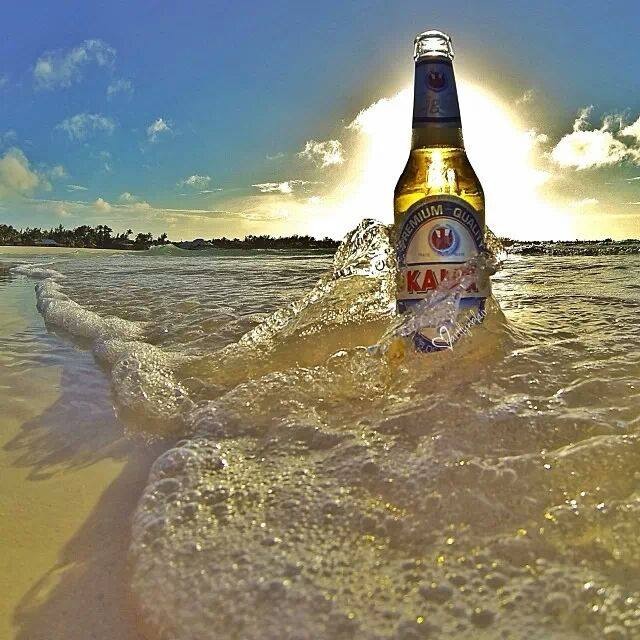
REFRESHMENT OF CHOICE…Kalik by Kaitlyn Blair (F:B)Relax Notice, Lubbers CayShark Cartoon

Photos: Tom Sheley, RH, Charlie Skinner, Melinda, Kaitlyn Blair on FB, RH