Unknown's avatar

HAWKSBILL TURTLES: A RARE FIND & SWIMMING WITH ANGELS


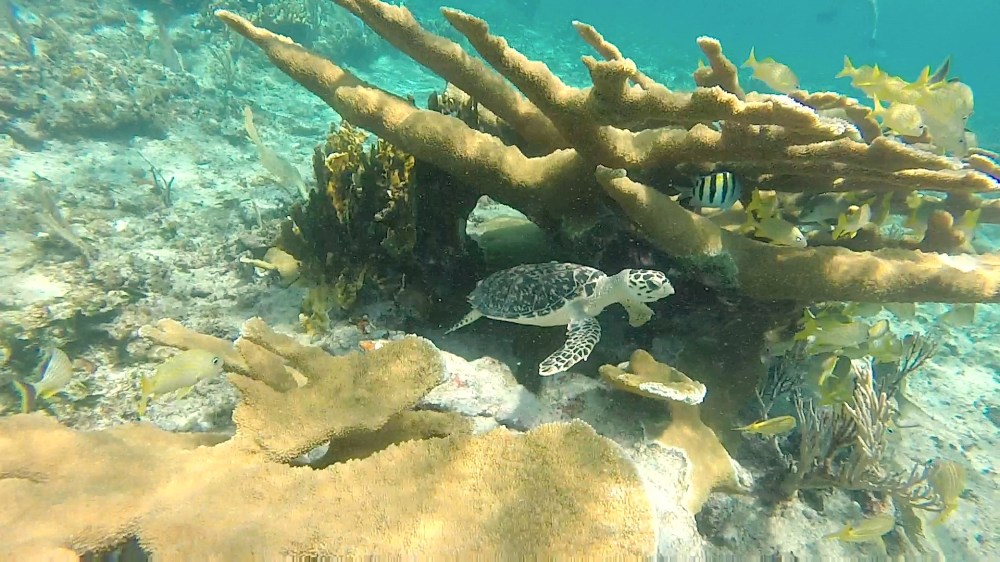
Hawksbill turtle (juv), West End Grand Bahama

HAWKSBILL TURTLES: A RARE FIND & SWIMMING WITH ANGELS

There is something unusual about this juvenile hawksbill turtle peacefully noodling round some impressive elkhorn coral with the grunts and sergeant majors. He’s a rarity. He was found at West End, Grand Bahama (just 67 miles swim from West Palm Beach Fl.), a place where hawksbills are very scarce. Loggerheads, they have. And there are plenty of hawksbills elsewhere in Grand Bahama waters. But not at the western tip. So finding this little guy and getting some good photos was a particular pleasure for Linda Cooper. And maybe the presence of a juvenile is a sign that hawksbills may begin to populate the reefs of West End, as perhaps they did historically.Hawksbill turtle (juv), West End Grand Bahama

Linda and her husband Keith run West End Ecology Tours. They have a comprehensive website HERE and a Facebook page HERE. Check it out to see how much there is to explore at West End. The birds, the corals and reef life, the starfish – and a speciality, swimming with rays. To which can now be added the chance of seeing a hawksbill turtle…Hawksbill turtle (juv), West End Grand Bahama

A DOZEN HAWKSBILL FACTS TO CHEW OVER

  • All sea turtles are classed as reptiles (something that always surprises me, somehow)
  • The top shell (carapace) consists of scales that overlap like roof shingles
  • The yellowish bottom shell is called the plastron
  • Adult hawksbills weigh around 100 pounds
  • Sea turtles sleep at night, and can stay underwater for a hours without breathing
  • Hawksbills are omnivorous, eating algae and seagrass but also sponges, urchins and small fish
  • Females lay about 100 eggs like ping-pong balls, and then at once return to the sea for good
  • The sex of baby turtles is determined by relative nest warmth – females from the top eggs
  • Baby turtles hatch almost simultaneously: all must work to dig their way out.
  • They tend to hatch at night and head straight for the sea’s phosphorescence…
  • …except that artificial lights confuse them & lead them away from the sea to likely death
  • Threats: predation, coastal development & habitat destruction, pollution, & illegal collection

SWIMMING WITH ANGELS

As I was writing this, another fact about hawksbills popped into my head. I checked through my archive – mainly Melinda Riger’s wonderful shots from elsewhere on GB – and yes, it is true. There seems to be some sort of symbiotic relationship between the turtles and angelfish. They are often found feeding together. A bit of research confirms this general observation, without giving a clear cause for it. Maybe it is simply that they eat some of the same food; and that there is plenty of it on healthy reefs so there is no cause for aggression on either side. It’s fine for a hawksbill to share with an angel.

10245Green Turtle, Gray Angelfish ©Melinda Riger @GB Scuba copyTurtle with Gray Angelfish ©Melinda Riger @ G B Scuba copyHawksbill Turtles, French Angelfish eat sponge ©Melinda Riger @ GB Scuba copyHawksbill Turtle eats sponge ©Melinda Riger @ GB Scuba copy

NOTE The Hawksbill is listed as Critically Endangered by the IUCN red list of Threatened species as its populations have declined dramatically throughout the world and especially in the Caribbean region. It is listed in Appendix I of the Convention on the InternatIonal Trade of Endangered SpecIes (CITES) meaning that Hawksbills are near extinction or very endangered. All marine turtles are now protected under Bahamian law, as is the taking of eggs.

Credits: West End Ecology Tours / Linda & Keith Cooper (photos 1, 2, 3); Melinda Riger / Grand Bahama Scuba, all other images; BAHAMAS NATIONAL TRUST  for their very useful fact-sheet (one of many) which I have adopted and adapted; Aquoflite for the vid.

Unknown's avatar

CONCH QUEST: ABACO’S MOST VERSATILE GASTROPOD


Conch Shells, Sandy Point, Abaco

CONCH QUEST: ABACO’S MOST VERSATILE GASTROPOD

The conch. Such a fascinating gastropod, and with so many uses both culinary and decorative. In certain cultures, religiously significant. A rudimentary musical instrument for a shell.  And did I mention delicious? 

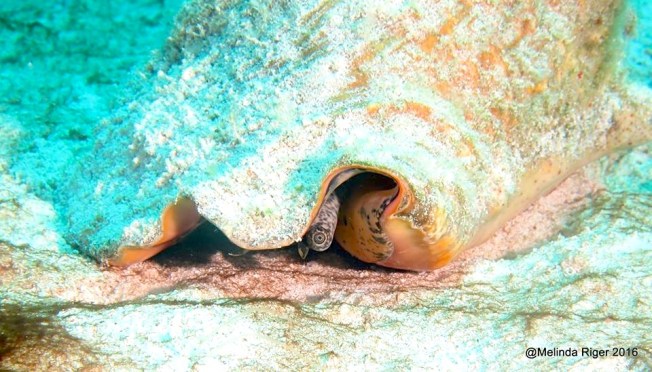
Live conchs enjoy motoring around uninhibitedly on the sea floor, keeping an eye out…Conch on the move ©Melinda Riger @ G B Scuba copy Conch Man-o-War Cay, Abaco (Charmaine Albury) copy Conch in shell ©Melinda Riger @ G B Scuba copy

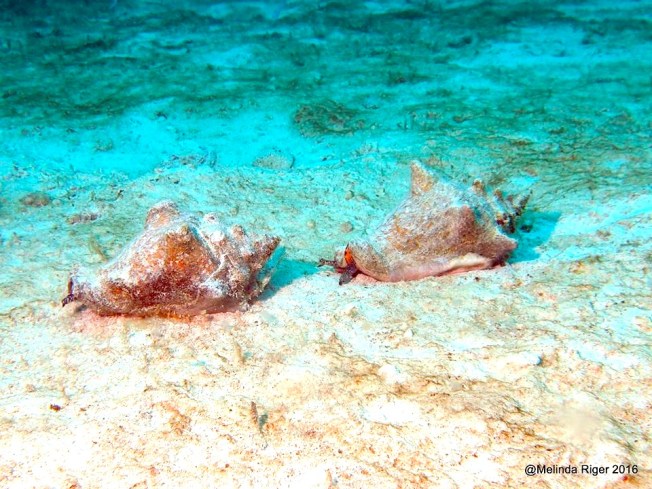
Conchs also enjoy racing each other…Conch race ©Melinda Riger @ G B Scuba copy

“Eat my dust…”Conch Trail ©Melinda Riger @ G B Scuba copy

Conch Pearl – one of the rarest natural pearls in the worldConch Pearl (Ambergris Caye Beize)

A conch spiral close-up

Conch close-up, Abaco (Rhonda Pearce)

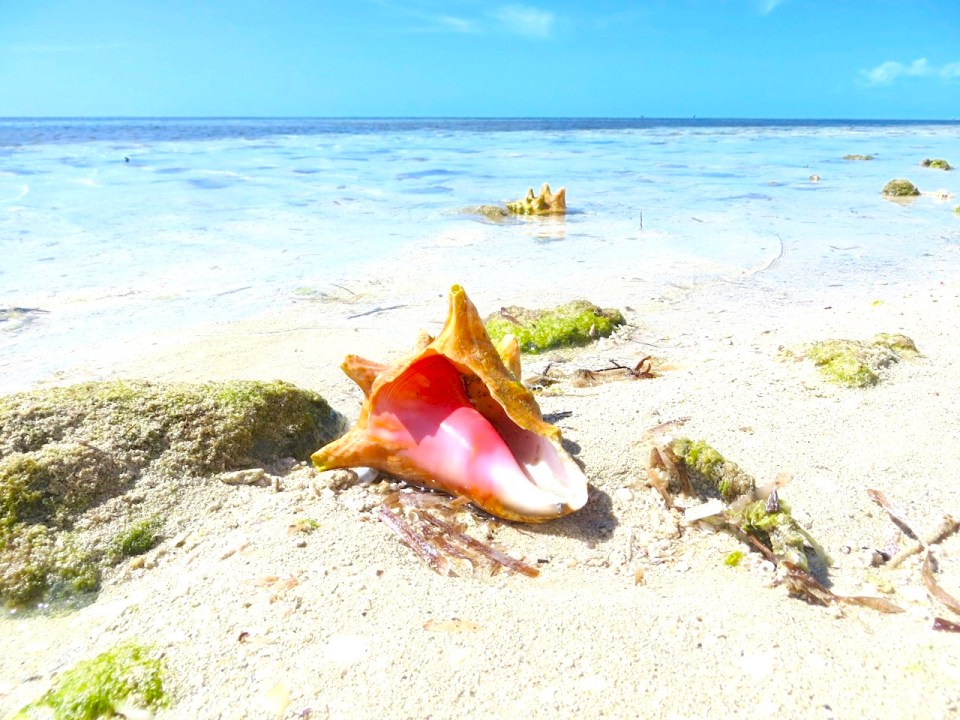
Conch shells just lie around the place at Sandy PointConch Shells, Sandy Point, Abaco (Keith Salvesen) 2Conch Shells, Sandy Point, Abaco (Keith Salvesen) 3

Conchs are widely used for serving cocktails or as ashtrays in the best beach bars*Conch Shells, Abaco (Keith Salvesen) 1

*This is a lie. Sorry about that. I meant to say “make prefect table decorations”

Image credits: Keith Salvesen / RH (1, 9, 10 ,11); Melinda Riger / GB Scuba (2, 4, 5, 6); Charmaine Albury (3); AmbergrisCaye.com (7); Rhonda Pearce (8) 

Unknown's avatar

MAKE FRIENDS WITH ANEMONE (2): SPECTACULAR REEF LIFE


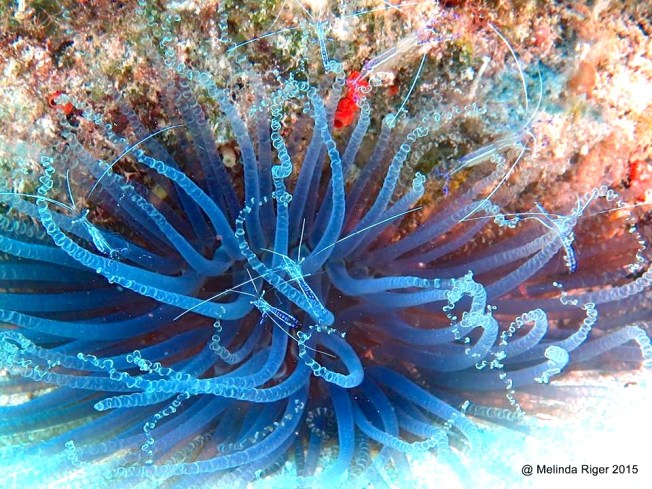
Corkscrew Anenome = Peterson Cleaner Shrimps ©Melinda Riger @G B Scuba copy

Corkscrew Anemone with Peterson Cleaner Shrimps

MAKE FRIENDS WITH ANEMONE (2):  SPECTACULAR REEF LIFE

Going snorkelling? Planning a scuba day on the reef? You’ll see wonderful fish and amazing coral for sure. But sometimes the beauty of other life on the reef can be overlooked. Check out the anemone in the header image, with the camouflaged cleaner shrimps playing around it. You wouldn’t want to miss a sight like that. The many and varied forms and colours of anemone on the reefs of the Bahamas make up a vital component of a spectacular underwater world.

Giant Anenome ©Melinda Riger @ G B Scuba copyGiant Anemone ©Melinda Riger @ G B Scuba copy 4Anemone Melinda Riger @ G B ScubaAnemone on Rope ©Melinda Riger @ G B ScubaAnemone ©Melinda Riger @ Grand Bahama ScubaAnemone (Giant) ©Melinda Riger @GBS copyAnemone ©Melinda Riger @ GB Scuba

ADDED NOV 2016 Capt. Rick Guest adds this interesting material (& thanks for correcting my erroneous reference to anemones as ‘plants’. My bad. They are of course animals!):

“Anemones are living animals of the invertebrate type. Basically living corals without skeletons. All have stinging cells of several varieties to sting or entangle their prey such as small fish, or various invertebrates. A few can even, painfully, penetrate human dermal layers. Most host varieties of cleaner shrimps,and snapping shrimps that can stun their own prey. Some Dromidia crabs even pull some species of anemone off the reef, and attach them to their carapace (their back) apparently for camouflage, and perhaps protection”.

All photos: Melinda Riger of Grand Bahama Scuba, with thanks

Unknown's avatar

WTF? (WHAT’S THAT FISH) (9): THE HARLEQUIN BASS


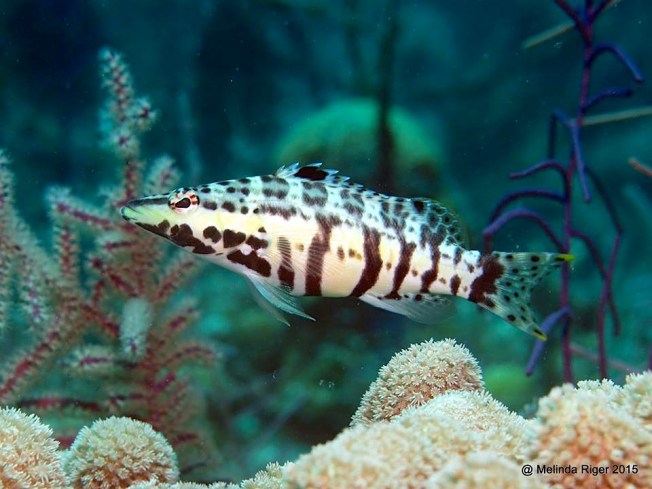
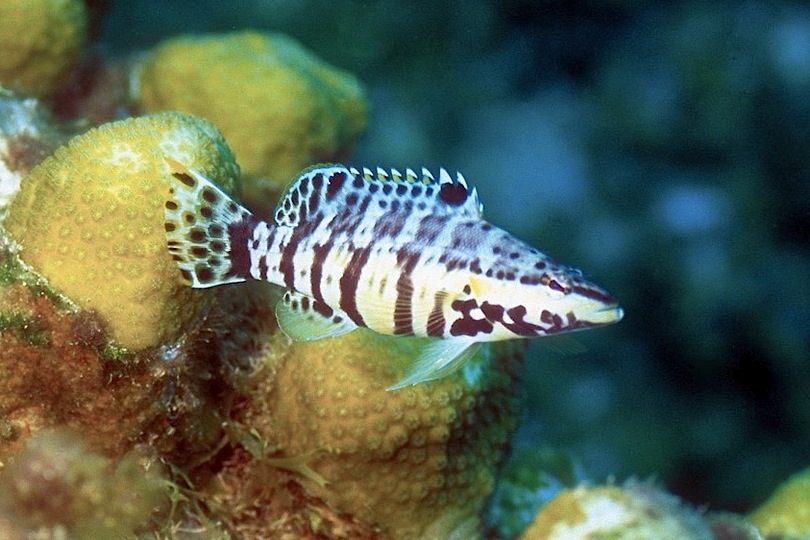
Harlequin Bass ©Melinda Riger @ G B Scuba copy

WTF? (WHAT’S THAT FISH) (9): THE HARLEQUIN BASS

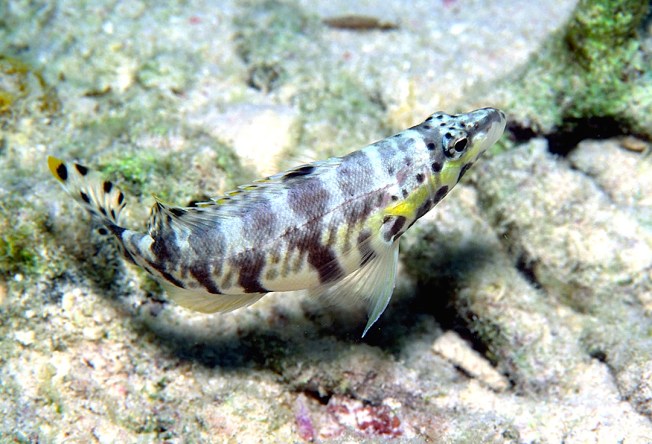
I’m conscious of being rather unfair on this pretty dwarf bass species by including it in the WTF? series. The usual denizen of the series is a fish so strange that one’s immediate instinct is to yell into one’s facemask, “WTF?”. BATFISH or FROGFISH or GUITARFISH and their bizarre ilk. So with apologies to this species for its somewhat harsh classification, here are some quite flattering photos of it to make up for any hurt feelings.

Harlequin Bass Fish ©Melinda Riger @ G B Scuba copyHarlequin Bass (jpc what'sthatfish)

The Harlequin Bass Serranus tigrinus has unusually striking body markings and a rather endearing spotty tailfin. They are hardy creatures and I note that they are recommended aquarium fish “and make a great candidate for beginners”, though there are warnings that they are “semi-aggressive”. NB they are only a few inches long, so no need to panic.

Harlequin_Bass_Serranus_tigrinus wikiHarlequin_Bass_(Serranus_tigrinus) wiki

If you are still not confident that you can ID one in the wild, here is a short video… Actually I’m really including it to show how these fish swim around. And next time, I promise a truly eye-watering WTF? fish from Bahamian waters, though its camouflage is so good that you may never notice it…

Credits: Melinda Riger / Grand Bahama Scuba (1, 2); jpc/ what’s that fish; wiki

Unknown's avatar

WTF? (WHAT’S THAT FISH) (7): THE SOAPFISH


Soapfish ©Melinda Riger @ GB Scuba

WTF? (WHAT’S THAT FISH) (7): THE SOAPFISH 

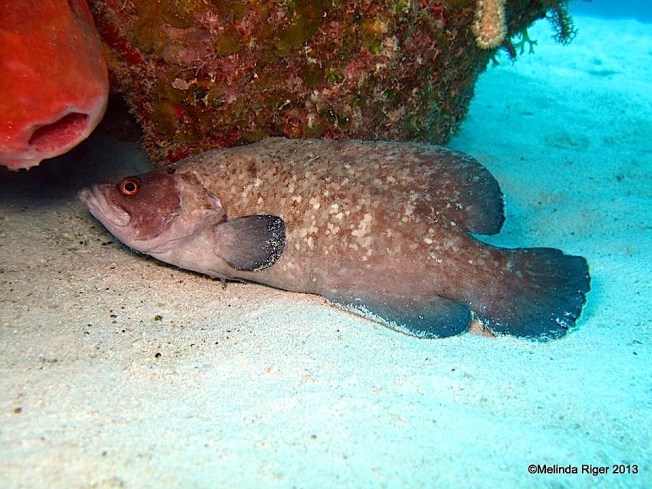
The WTF? series features some of the stranger fish that inhabit the waters of the Bahamas. Ones that, were you to encounter one on the reef, might make you exclaim “WTF?”. The soapfish Rypticus belongs in the same family as grouper and sea bass. Within the soapfish genus there are quite a few varieties in different shapes, sizes and colours that include several mottled, freckled, spotted and generally blotchy fish.  This post features one (or two) of them! Sorry to be lame here and lacking in authority, but having looked carefully online at images of several types of soapfish, I reckon there are 3 candidates. Freckled, I think these are. Enlightenment would be welcome!

Soapfish ©Melinda Riger @ G B Scuba

Rypticus tend to inhabit shallower tropical and sub-tropical waters. They are mainly nocturnal in their habits, feeding at night on small fish, crustaceans and molluscs. The WTF? factor arises from the creature’s oddly truncated shape. If you cover the back end of the fish in the image below with your hand, you might expect the fish to be about the same length again. But no, there’s just the tail to come. It looks a bit cut in half.

Soapfish © Melinda Riger @GB Scuba

DOES THE SOAPFISH HAVE ANY AWESOME POWERS?

I’m glad you asked because in fact it has two. First, these fish respond to threats by secreting large amounts of toxic mucus from their skins. This acts as a defensive barrier to repel predators. Secondly, female soapfish are able to change sex to male. This is not uncommon among fish, and in some (e.g. Clownfish) the change works the other way, male to female. I read a lot about chemicals and gonads in this connection, then decided to spare you the details. So basically, it’s toxic slimy coats and female gender realignment.

Soapfish ©Melinda Riger @ Grand Bahama Scuba

Credits: all photos, Melinda Riger of Grand Bahama Scuba


Unknown's avatar

“CALLING ELVIS” (THE SQUIRRELFISH, NOT THE MAN)


Squirrelfish Elvis ©Melinda Riger @ G B Scuba

“CALLING ELVIS” (THE SQUIRRELFISH, NOT THE MAN)

How proud The King would be to know that his name lives on in the form of an attractive though sadly unmusical Bahamian squirrelfish. This little guy is at least 5 years old. What is more, he has lived at the same address all that time, defending it against usurpers and protecting himself from predators in its safe depths. Here is the loveable little Elvis photographed at home between 2012 and 2016 (header image), the master of his own underwater Graceland…

Squirrelfish (%22Elvis%22) ©Melinda Riger GB ScubaElvis the Squirrelfish ©Melinda Riger GB Scuba Squirrelfish ©Melinda Riger @ GB Scuba Squirrelfish ©Melinda Riger @ G B Scuba

The reason that Elvis has such large eyes is that these fish are mostly nocturnal, and (apart from when Melinda is out with her camera), he and his friends spend most of the day either at home, or in crevices, small rock caves, or under ledges. However, here are a couple of shots of Elvis out and about, enjoying some quality time among the corals.

Squirrelfish (Elvis) ©Melinda Riger @ Grand Bahama ScubaSquirrel Fish ©Melinda Riger @ G B Scuba

ROLLING HARBOUR MUSICAL DIGRESSION

I so wanted to add a specific Elvis catalogue ‘Musical Digression’, but try as I might, there is no title in The King’s discography that has any potential for finny nuance or piscine pun value. However, here’s a track from the now tragically unhip Dire Straits on their follow-up album to the phenomenal ‘Brothers-in-Arms’, the much under-rated ‘On Every Street’. I give you… Calling Elvis, a song that cunningly contains as many titles of Presley hits as anyone could ever wish for.

All images: Melinda Riger at Grand Bahama Scuba; cartoon from a sequence on the excellent BCCR Defenses page – learn about camouflage and other fishy self-protection techniques

Nocturnal squirrelfish checks out a parrotfish’s sleeping arrangementscamoSquirrWparrot01

Unknown's avatar

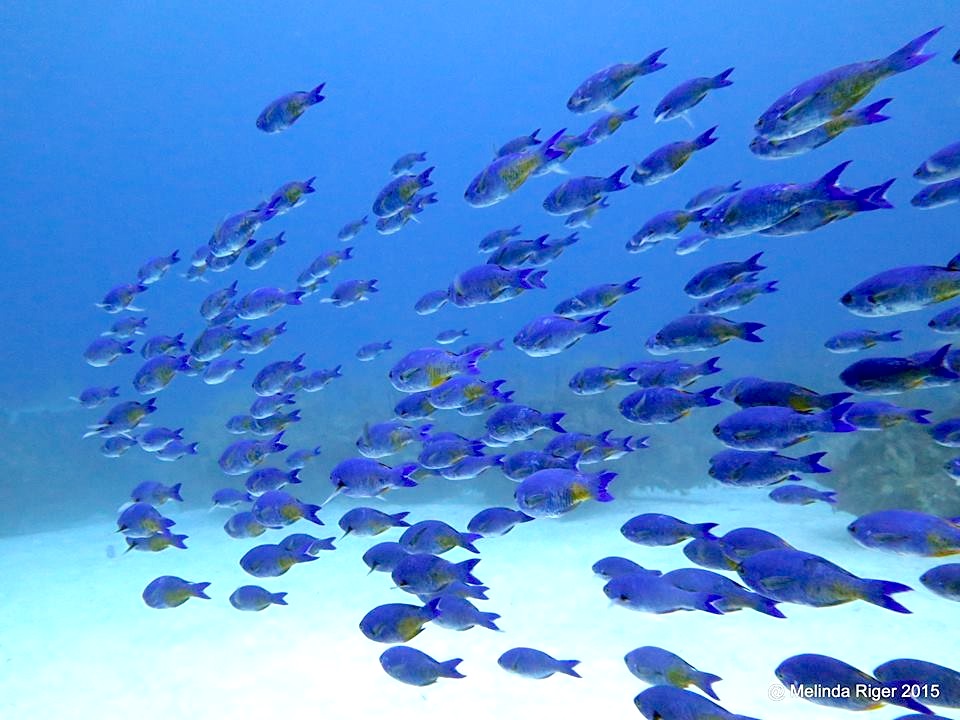
BLUE CHROMIS: BAHAMAS REEF FISH (29)


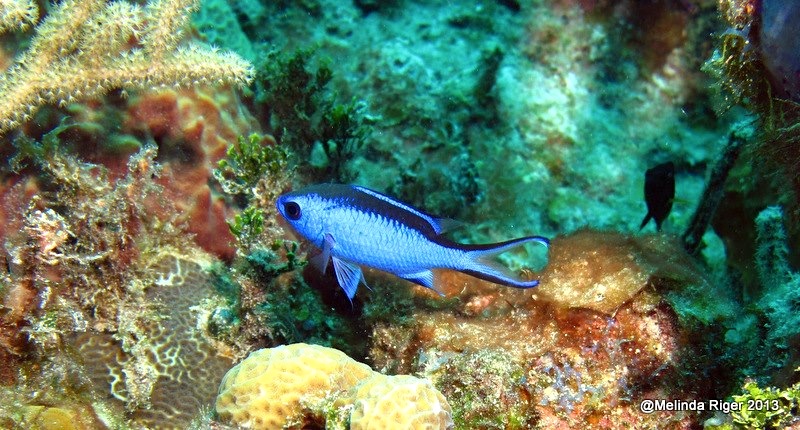
Blue Chromis & Coral ©Melinda Riger @ GB Scuba

BLUE CHROMIS: BAHAMAS REEF FISH (29)

The little blue chromis Chromis cyanea will be instantly familiar to any snorkeler or scuba diver on the coral reefs of the Bahamas. These ever-present small fish – 6 inches long at most – are remarkable for their iridescent deep blue colour that flashes as they dart in and out of the coral and anemones of the reef.

Blue Chromis ©Melinda Riger @ G B Scuba

Although at first sight  this chromis species – one of many – looks blue all over, adults have a black dorsal stripe and black edging to their fins. They make colourful additions to aquariums, though to my mind they look far more attractive nosing about the reefs foraging for the zooplankton upon which they feed (see header image for details…)

Blue Chromis ©Melinda Riger @ GB Scuba

The blue chromis was the second fish species I encountered on my first ever reef dive, at Fowl Cay Marine Preserve with Kay Politano. The first fish was the endearingly inquisitive sergeant major with its smart black and yellow stripes which came right up to my googles to eyeball me. I loved that, even though my pitiful swimming technique meant that I had plenty of other distractions, not least remembering to breathe. Air, that is, rather than water.

Blue Chromis ©Melinda Riger @ GB Scuba

Chromis_cyanea_(blue_chromis)_(San_Salvador_Island,_Bahamas)

SO JUST HOW BIG ARE THESE FISH, COMPARED, SAY, TO A BLUE TANG?

Blue Tang with blue chromis in its wakeBlue Tang with Blue Chromis © Melinda Riger @GB Scuba copy

All photos Melinda Riger of Grand Bahama Scube, except the penultimate by James St John, taken in San Salvador


Unknown's avatar

WTF? (WHAT’S THAT FISH) (6): THE SAND DIVER


Sand Divers Bahamas ©Melinda Riger @ G B Scuba

WTF? (WHAT’S THAT FISH) (6): THE SAND DIVER

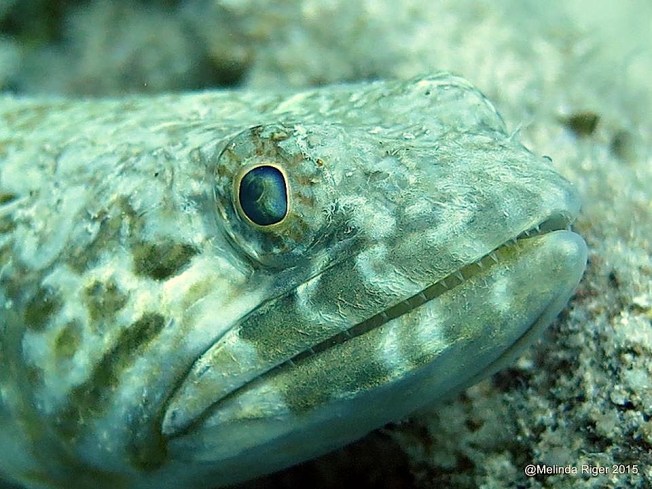
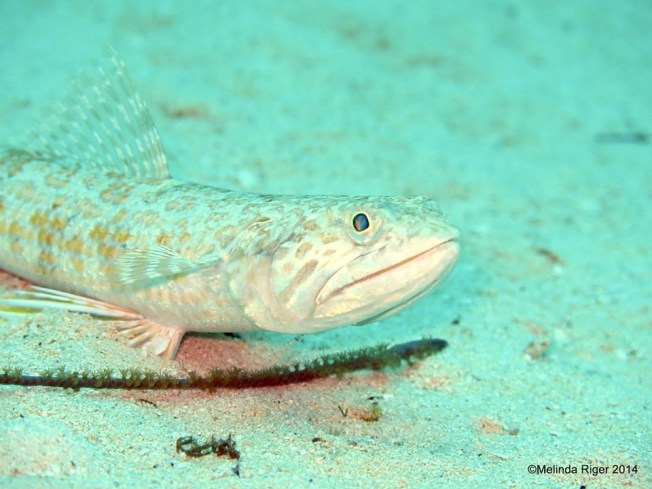
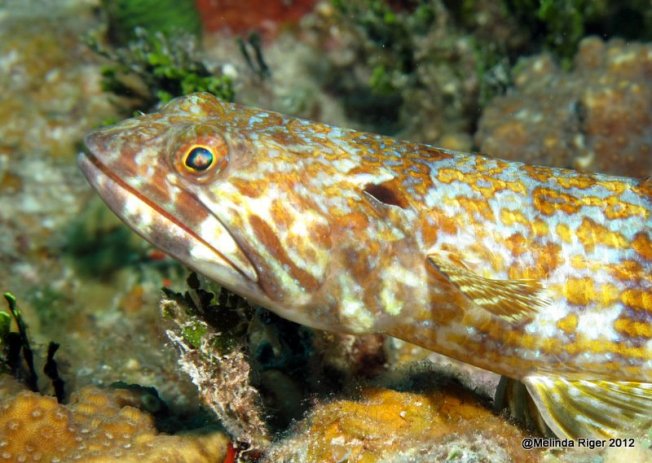
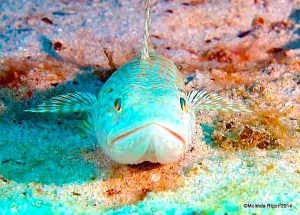
Time for another in the WTF? series, featuring weird (begging their pardons) or not very fish-like fish. The Sand Diver Synodus intermedius is a type of lizardfish found in subtropical waters and often around coral reefs. They can grow up to about 18 inches long and a prime specimen might weigh a couple of pounds. The markings are quite variable but one common characteristic seems to be a tendency to look somewhat down in the mouth; and to possess jaws full of tiny sharp teeth.

Sand Diver - ©Melinda Riger @ GB Scuba

Sand divers have two rows of teeth on their upper jaw and three rows on their lower jaw. Not content with that, they also have rows of teeth on the palate and tongue. Were they 50 times the size, they would be truly awesome.

Sand Diver ©Melinda Riger @ G B Scuba

The rather primitive appearance of the sand diver is explicable from fossils, which show that their forbears  were active in the Jurassic / Cretacean periods.

Sand Diver ©Melinda Riger @ GB Scuba

HOW DO THEY GET THEIR NAME?

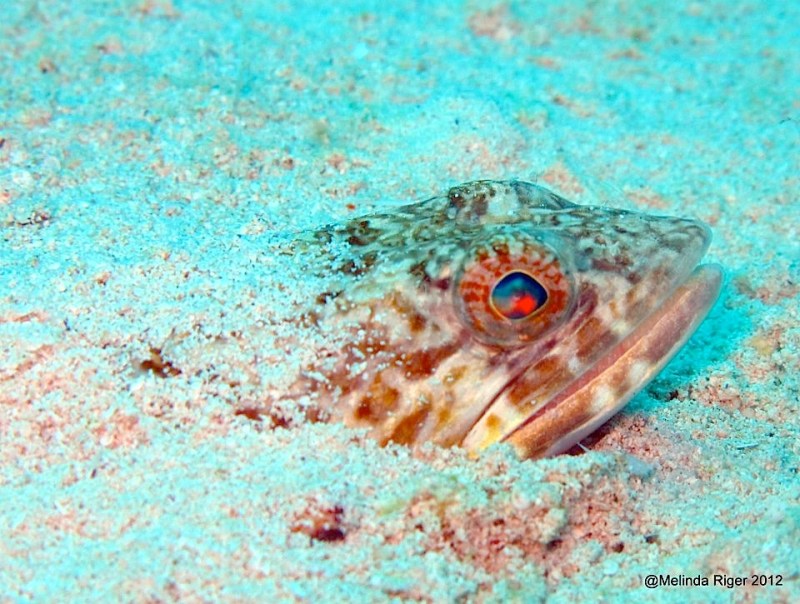
Sand divers often bury themselves in the sand with only their head showing. They are so-called ‘ambush predators’, and burial is one method they use. Another is simply to lie on the sandy bottom, or on reef surfaces and wait for passing prey. Their colouring provides very good camouflage.Sand Diver Fish

WHAT’S ON A SAND DIVER MENU?

A good mix of small reef fishes. Bar jacks, blue chromis, wrasses, fairy basslets, small grunts and so forth. At their own level they are quite fearsome predators.

Sand Diver © Melinda Riger @ Grand Bahama Scuba

ARE THEY ON THE HUMAN MENU?

Well, I knew someone would ask that, so I carried out a search. The answer seems to be no. I have found nothing to suggest that they are edible, or that anyone has tried (or if they have, survived to tell the tale). Incidentally, the best way to find out if something is edible by humans is to search for a recipe. There are no sand diver recipes.

STOP PRESS Jason Knight has drawn my attention to a comment in WhatsThatFish.com (no relation) by one ‘Jenny’, who commends Sand Divers as food (“they cook up just as good as hogfish!”). So yes, they are edible and there is one recipe… 

Sand Diver ©Fred Riger @ G B Scuba

All photos: Melinda Riger of Grand Bahama Scuba

Unknown's avatar

BAHAMAS REEF CORAL: A COLOURFUL GALLERY


Orange Cup Coral ©Melinda Riger @ G B Scuba copy

BAHAMAS REEF CORAL:  A COLOURFUL GALLERY

The reefs of the northern Bahamas, as elsewhere in the world, are affected by two significant factors: climate change and pollution. Stepping carefully over the sharp pointy rocks of controversy, I’ve avoided the term ‘global warming’ and any associated implication that humans (oh, and methane from cows) are largely to blame for the first factor; but on any view, ocean pollution is the responsibility of mankind (and not even the cows). 

That said, an exploration of the reefs of Abaco or Grand Bahama will reveal not just the astounding variety of mobile marine life but also the plentiful and colourful static marine life – for example the beautiful and Christmassy orange cup coral in the header image. Here are some more corals from the reefs, with a mix of sponges added in. 

Giant Star Coral & Rope Sponge ©Melinda Riger @ GB Scuba copyCorals ©Melinda Riger @ G B Scuba copy 2Corals ©Melinda Riger @ GB Scuba copySea Fans & other corals ©Melinda Riger @ Grand Bahama Scuba copy

This rather intriguing photo shows a hermit crab’s conch home that presumably the occupant grew out of and left behind in the delicate coral branches as it went search of a more spacious shell dwelling.Coral & conch ex crab home 1380179_645156602172399_300806994_n copy

Credits: All these wonderful photos are by Melinda Riger of Grand Bahama Scuba; tendentious reef health observations are mine own…

Unknown's avatar

WTF? (WHAT’S THAT FISH) (5): THE FILEFISH


Scrawled Filefish ©Melinda Riger @ GBS

WTF? (WHAT’S THAT FISH) 5: THE FILEFISH

The jocularly-named WTF? series is designed to shed an underwater spotlight on some of the odder denizens of the coral reefs and surrounding waters. I don’t want to earn a reputation for being ‘lookist’, but frankly the appearance of some of these creatures – I give you BATFISH or FROGFISH or REMORAS as examples – is baffling. The filefish group is not as extreme as some in the downright weird category, but if you see one you might just find yourself muttering into your facemask “wtf?”

Scrawled Filefish ©Melinda Riger @ G B Scuba

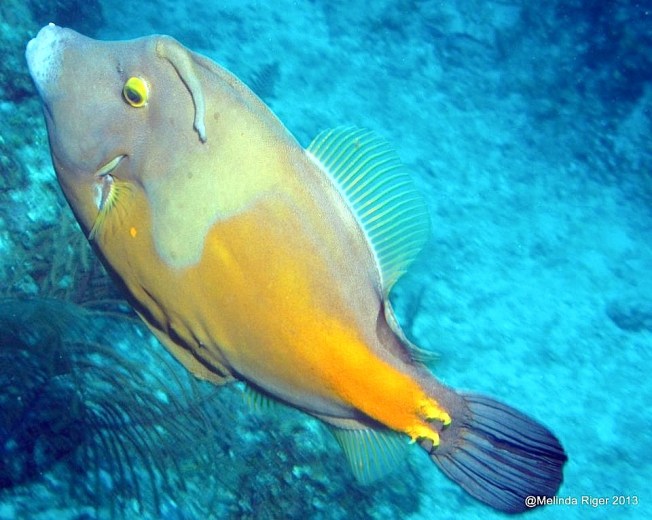
Filefish (Monacanthidae) are found in tropical and subtropical oceans worldwide. They are related to triggerfish, trunkfish and pufferfish, and have regional names that include leatherjacket, foolfish, and shingle. There are more than 100 species of filefish, of which only a few are found in Bahamian waters. The species featured here are a mix of scrawled, white-spotted and orange-spotted filefish.

Filefish White-spotted ©Melinda Riger @G B Scuba

HOW DID THEY GET THE NAME?

In the image above, you can just see a flattened spine on top, above the eye and pointing backwards. This is the ‘retracted’ state. There is a small secondary spine that serves to prop up the main spine when it is in the upright position. This is it seems, the file – although the Greek-derived family name Monacanthidae literally means ‘one thorn’. So why isn’t it a thornfish, you may well ask. And I may well not respond.

This filefish’s ‘spine’ seems to have flopped over to one sideWhite Spotted File fish

These fish have snouts with small mouths and specialized teeth with an inner and outer set on each jaw. They are to an extent shapeshifters, and can quickly make themselves appear larger for defensive purposes. In some individual species, there are marked differences in body shape and coloration.

An orange-spotted filefish with its spine erect, making for a cave – a place of safetyFilefish, Orange Spotted ©Melinda Riger @ GB Scuba

The fins of a filefish are small, and they are rather sedate swimmers. Sometimes they simply like to drift with their heads pointed downwards, eyeing patches of seagrass or seaweed for prey. Some species are largely vegetarian. Others eat small invertebrates. Some even feed on corals. Their predators – especially  the juveniles –  include tuna and dolphins (mahi-mahi).
ADDITION Capt Rick Guest has helpfully expanded on juvenile filefish: “The juveniles hang under sea weed and flotsam eating small shrimps and crabs there. They, in turn become food for Mahi and other pelagic fish. The main thing with these guys is that the bigger they are, the more likely they are to be Ciguateric”.
220px-Coryphaena_hippurus
At his suggestion I will write a post about the  problem of the Ciguatera disease when I have had some time to do the research.

Scrawled File Fish

ARE THEY EDIBLE?

Good question. The answer, broadly is yes, though I don’t know if that applies to all species of filefish. They are certainly eaten in large quantities in the Far East. I don’t know about the Bahamas or the wider Caribbean. If anyone does, could you very kindly add a comment to this post. Recipes welcome!

Scrawled Filefish

All photos: Melinda Riger of Grand Bahama Scuba

Unknown's avatar

ATLANTIC SPADEFISH: BAHAMAS REEF FISH (28)


Atlantic Spadefish ©Melinda Riger @ G B Scuba copy 2

ATLANTIC SPADEFISH: BAHAMAS REEF FISH (28)

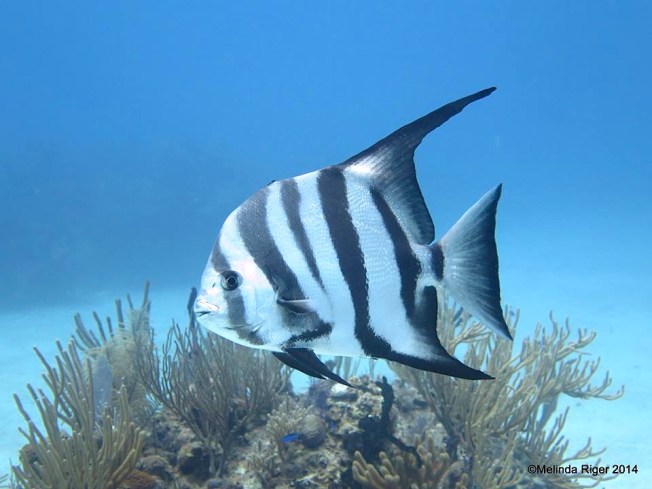
The Atlantic spadefish looks very much like an angelfish, and indeed it is called that – or ‘white angelfish’ – in some places. Actually, it has quite a collection of colloquial names of which ‘moonfish’ is the most attractive sounding. It is not a true angelfish, however, and despite appearances it has a kinship with the weird and wonderful BATFISH.

Atlantic Spadefish ©Melinda Riger @GBS

Unlike the batfish, the spadefish is demonstrably fishlike AND edible. They can grow up to 3 foot long and have become a popular gamefish for three good reasons: they are abundant; they fight hard; and they are dinner. The perfect combination.

Atlantic Spadefish ©Melinda Riger @ G B Scuba copy

All photos: Melinda Riger of Grand Bahama Scuba, with thanks

Atlantic Spadefish ©Melinda Riger @ G B Scuba

Unknown's avatar

“CRABACO?”: CRABBING ON ABACO, BAHAMAS


Ghost Crab in surf.Delphi Club.Abaco Bahamas.Tom Sheley

“CRABACO?”: CRABBING ON ABACO, BAHAMAS

It’s been a while since I was in a crabby mood, but autumn is here and there’s a sharp nip in the early morning air… What better time to visit a selection of the many crab species found on Abaco. 

GHOST CRAB

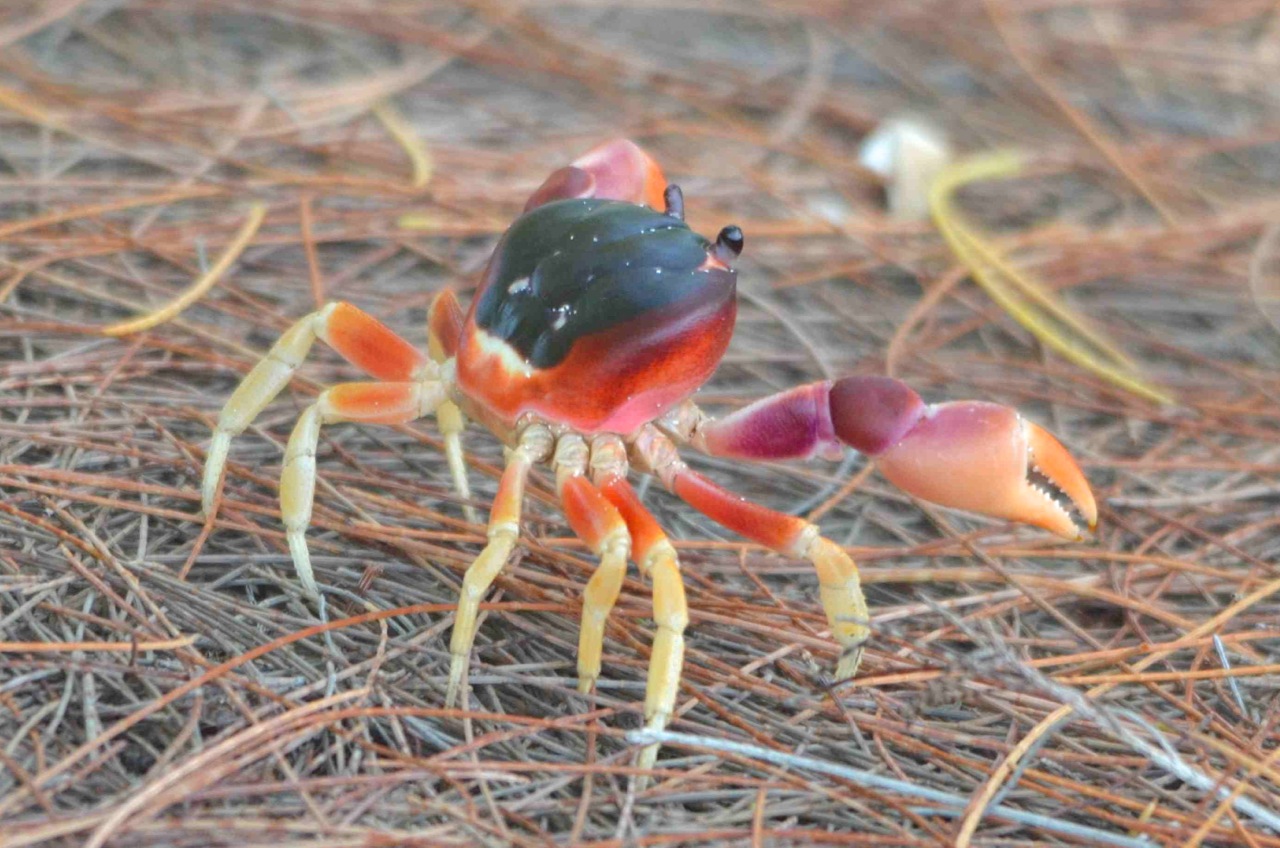
I thought I had some good photos of these cute little guys with their ‘Carson the Downton Abbey Butler’ white gloves. However, Tom Sheley (header and below) has perfectly caught the  tide-hanging that they enjoy, sometimes disappearing completely or perhaps leaving just their twin periscopes showing.Ghost Crabin surf.Delphi Club.Abaco bahamas.Tom Sheley

HERMIT CRAB

Many people’s favourite small crab, with their endearing house-moving habits as they grow. Excellent for racing, too (see HERE). Here’s one taking its mobile home up a tree; and another tucked safely into a nerite [Capt Rick Guest amends] Magpie Shell, Cittarium pica, (used to be Livona pica), the living animal of which is the 3rd most consumed animal behind Lobster & Conch in the Caribbean. They are Littoral around Shorelines and are also used as bait.Hermit Tree Crab.Abaco Bahamas.6.13.Tom Sheley copy Hermit Crab in a nerite shell, Delphi Abaco (Keith Salvesen)

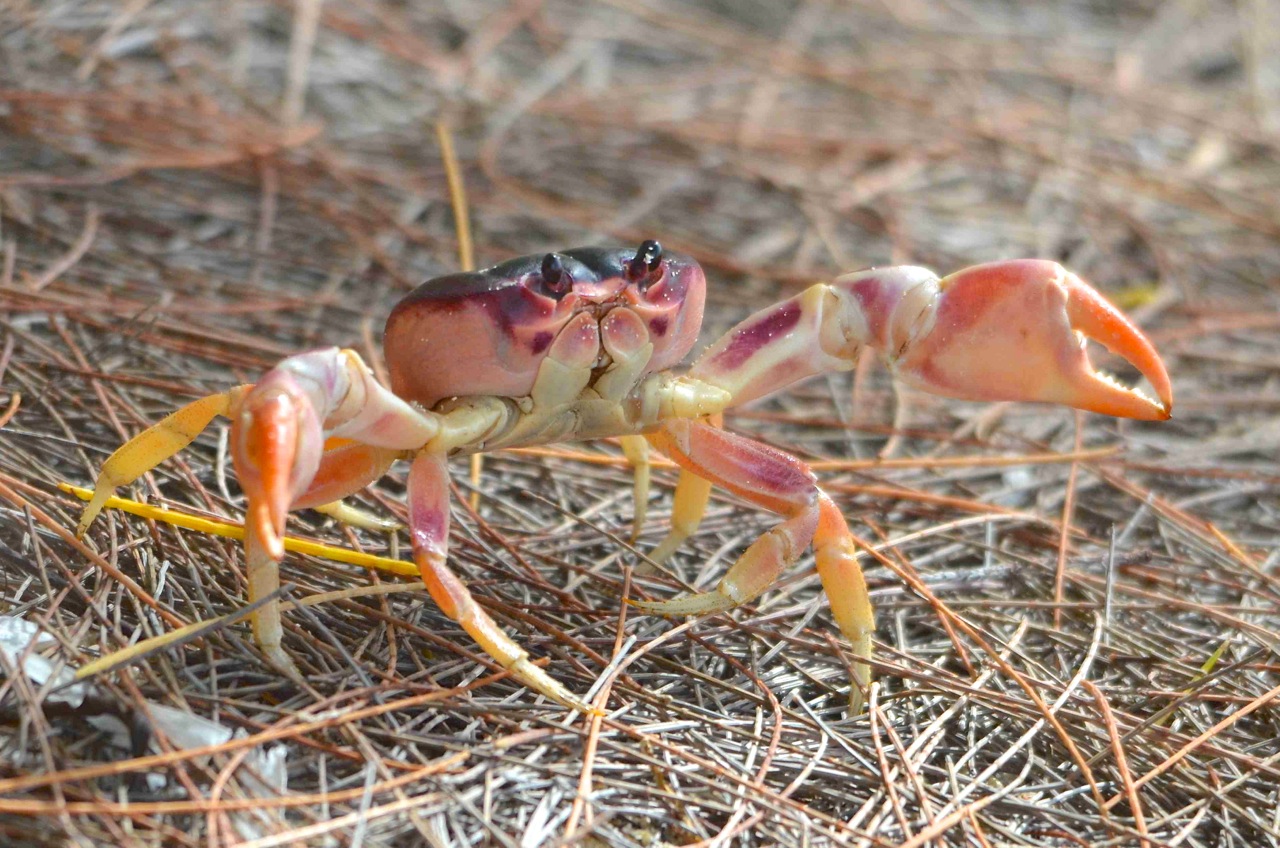
BLACK-BACKED LAND CRAB Black-backed land crab, Abaco 1 (Charles Skinner) Black-backed Land Crab, Abaco 2 (Charles Skinner)

Faithful guardians of my rod (there are 2 there)!Black-backed Land Crab, Delphi, Abaco (Keith Salvesen)

LAND CRAB Land Crab, Bahamas Palm Shores Abaco (Keith Salvesen)Land Crab, Bahamas Palm Shores Abaco 2 (Keith Salvesen)

STONE CRABStone Crab ©Melinda Riger @ G B Scuba

ARROW CRAB Arrow Crab ©Melinda Riger @ GB Scuba copy

CLINGING CRAB Clinging Crab © Melinda Riger @ G B ScubaClinging Crab ©Melinda Riger @ G B Scuba copy

BLUE CRAB Blue crab (Atlantic) - Leoadec Wiki

HORSESHOE CRAB (LIMULUS)Horseshoe Crab (Limulus), Delphi Beach, Abaco Bahamas (Keith Salvesen)


Credits: Tom Sheley (1, 2, 3); Keith Salvesen (4,7,8,9,15); Charlie Skinner (5,6); Melinda Riger (10,11,12,13); Leodec (14)

Unknown's avatar

MAKE FRIENDS WITH ANEMONE: BAHAMAS REEF LIFE


Anemone (Giant) ©Melinda Riger @GBS copy

MAKE FRIENDS WITH ANEMONE: BAHAMAS REEF LIFE

The giant anemone is found in the shallow reefs and lagoons of the Caribbean and western Atlantic. These are, of course, animals and not plants, with many tentacles that surround their mouth. They attach themselves to rock or in rock crevices, mooring themselves securely against the swell of the waves.  

Giant anemone with ‘Speckles’, a spotted moray eelGiant Anemone & Speckles ©Melinda Riger @ G B Scuba copy

ARE THEY USEFUL?

One important feature of a healthy anemone population is the shelter they give to certain small fish and cleaner shrimp species. They act as bases for FISH CLEANING activities, a vital role in the undersea community.

Giant Anemone ©Melinda Riger @ G B Scuba copy

HOW DO THEY HAVE… ERM… SEX?

The sex lives of anemones seems particularly complicated (as they would doubtless think about humans). Cutting to the chase, reproduction involves the synchronous spawning of eggs and sperm, with fertilisation occurring in the surrounding water. The fertilised eggs become larval and spread in the water column, which increases their chances of survival. They settle on the BENTHOS, where they develop a “pedal leg” (rather in the manner of a gastropod) which in due course they will use to move from A to… A plus a very short distance.

Giant Anemone ©Melinda Riger @ G B Scuba copy 4

These anemones come in many colours. The tentacles often have tips of various hues, and are the only free-floating part of the animal. The body is safely attached to the rock. 

The giant anemone has primitive defensive mechanisms. It needs them, because it crawls so slowly that successful escape by moving is unlikely. Instead they reduce their size by drawing their tentacles into, or as close as possible to, their gastric cavity. They make room for this by forcing most of the water out. This reduces their overall size and of course removes – or at least diminishes – the ”50 colourful tentacles waving around” predator-magnet problem. But also…
Giant Anemone ©Melinda Riger @ G B Scuba copy 7
…they have a trump card. The tips of the giant anemones’ tentacles are packed with cells that contain a toxin. When stimulated, the cells (‘nemocysts’) “explode out of the capsule, impaling the attacker”. The toxin is then discharged, causing extreme pain and paralysis. How cool is that? It’s the superpower we’d all like to have! Or is that just me?
This is also how an anemone feeds, by quickly paralyzing its prey with the ‘toxic tentacles of doom’. The prey is moved to the mouth and swallowed whole…
Giant Anemone ©Melinda Riger @ G B Scuba copy 6
Credits: Melinda Riger of Grand Bahama Scuba, with thanks as always
Unknown's avatar

CREOLE WRASSE: SHADES OF DEEP PURPLE…


Creole Wrasse ©Melinda Riger @ G B Scuba copy 4

CREOLE WRASSE: SHADES OF DEEP PURPLE…

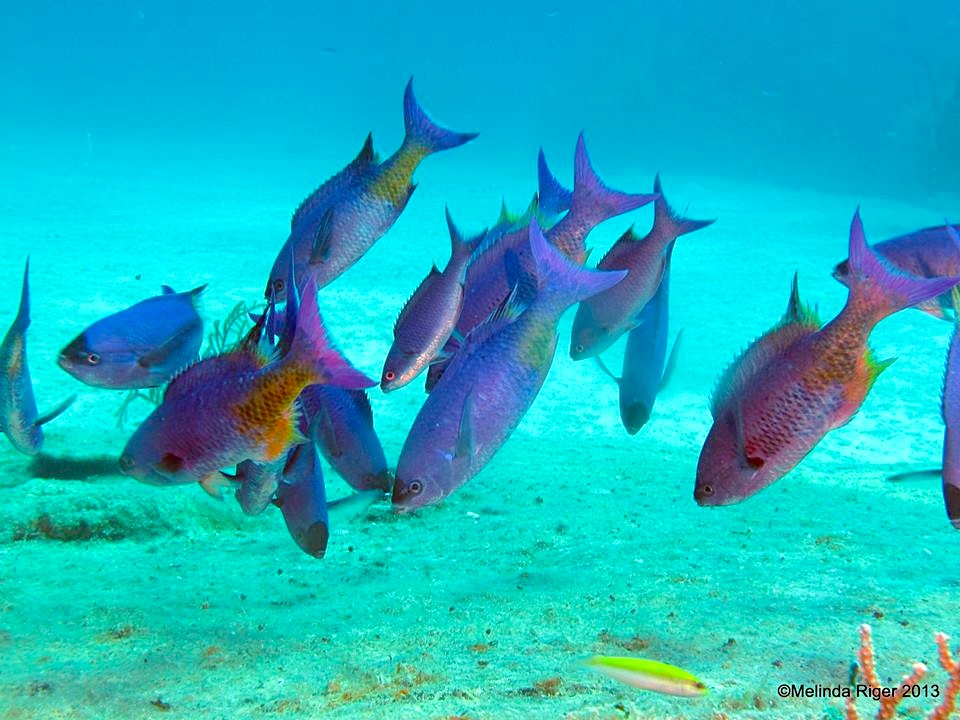
The creole wrasse is a small wrasse species, with adult males reaching about 12 inches long. During its life, a creole wrasse changes colour significantly.  A juvenile is almost completely violet-purple. As it matures, it develops patches of yellow on the rear part of its body.

Creole Wrasse ©Melinda Riger @ G B Scuba copy 7

Creole wrasse are found throughout the tropical and subtropical waters of the western Atlantic from Florida south to Brazil. The habitat includes Bermuda, the Caribbean Sea, and the Gulf of Mexico.

Creole Wrasse ©Melinda Riger @ G B Scuba copy 5Creole Wrasse ©Melinda Riger @ G B Scuba copy 6

Creole wrasse are social fish that live in groups around coral reefs. They are found in shallow water, but may also be seen as deep as 100m. 

Creole Wrasse at a cleaning station ©Melinda Riger @ G B Scuba copy

The groups of wrasse feed on plankton, small jellyfish, pelagic TUNICATES, and invertebrate larvae. These fish are active in groups by day. At night each fish finds its own safe crevice in the reef to sleep.

Creole Wrasse School ©Melinda Riger @G B Scuba copy

ANYTHING ELSE WE NEED TO KNOW?

Yes indeed. Their intriguing breeding regime – how unlike our own dear species. The creole wrasse is a protogynous hermaphrodite.  The largest fish in a group is a dominant breeding male, while smaller fish remain female. If the dominant male dies, the largest female changes sex. The mature males congregate at leks to breed, at which they display and are approached by females before mating with them. [note: these leks are reminiscent of certain clubs in the less reputable parts of some towns and cities. Or so I am told]

Creole Wrasse Melinda Riger @ G B Scuba copy

It’s been a while since the last Rolling Harbour musical diversion, but the colour of this wrasse nudged my memory back to 1968 and DP’s first album (line-up Mk 1 of several hundred, or so it seems). Hence the post title. Anyone who remembers this ‘wasn’t there’. Anyone who doesn’t obviously wasn’t there either…

818A6udpP9L._SL1500_

I don’t think this guy thinks much of that. And quite right tooCreole Wrasse ©Melinda Riger @GBS copy

All phish photos by Melinda; DP cover borrowed from Am@z@n; MP3 moi

Unknown's avatar

HIP! HIP! HIPPOCAMPUS: LET’S CELEBRATE SEAHORSES


Seahorse (Bahamas) 4 ©Melinda Riger @G B Scuba

HIP! HIP! HIPPOCAMPUS: LET’S CELEBRATE SEAHORSES

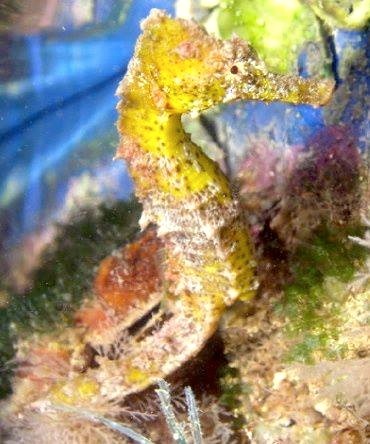
Melinda Riger, doyenne of the deep and photographer to the stars (brittle stars, basket stars, starfish etc), undertook her 5000th dive a few days ago. She swims with sharks almost daily, and points her lens at the varied reef life she encounters along the way. Her gold prize for the dive turned out to be one of the smallest creatures she encountered: the seahorse. Hippocampus (Ancient Greek: Ἵππος, horse and Κάμπος, sea monster) is a unique fish, deriving from the pipefish, with more than 50 species known worldwide. I can feel a Rolling Harbour fact list coming on…

Seahorse (Bahamas) 3 ©Melinda Riger @G B Scuba

10 SEAHORSE FACTS TO DAZZLE YOUR FRIENDS WITH

  • Only seahorses and razorfish swim upright / vertically all the time
  • Their tails are prehensile and enable them to moor on coral, seagrass etc
  • They have no scales, but skin stretched over bony plates arranged in rings
  • The ‘coronet’ on a seahorse’s head is unique to the individual
  • Seahorses are pathetic swimmers: the slowest have a top speed of 5′ per hour
  • They feed by ambush, rotating the head and sucking prey in with their snout
  • A seahorse’s eyes can move independently of each other, like a chameleon 
  • The Bahamas is home to H. erectus and the dwarf seahorse H. zosterae
  • Despite rumours, they don’t mate for life. Some may stay together for a season
  • The smallest seahorse in the world – the pygmy – is a maximum of 15mm long

Seahorse (Bahamas) 2 ©Melinda Riger @G B Scuba

MAKING BABY SEAHORSES: A MOST UNUSUAL ARRANGEMENT

There’s no getting round it: seahorse courtship and reproduction is highly unusual. Here is a summary of how it goes (there’s a lot more to it, but life is short):

  1. COURTING This may last for many days. They may change colour; they swim together; they entwine tails; they attach themselves to the same strand of coral or seagrass and turn slowly round it in unison (a so-called ‘pre-dawn’ dance). The final courtship dance may last several hours while the male & female prepare for the next stage.
  2. EGG TRANSFER When the time is right the female transfers her eggs – hundreds of them – via her ovipositor  to the male, in the process of which they are fertilised. Handily, he has inflated a special egg pouch located on his abdomen. She then buggers off.
  3. GESTATION The fertilised eggs grow inside the egg pouch of the male and develop into baby seahorses. This process may take from 10 days to a few weeks. During this time, the female will visit for a short ‘morning greeting’ and some intertwining action.
  4. ‘BIRTH’ In due course the male ejects the baby seahorses from his pouch using muscular contractions. These may number from five to (get this!) 2,500 at a time; on average 100–1000. Job done. Then the tiny seahorse babies are on on their own…

Seahorse (Bahamas) 1 ©Melinda Riger @G B Scuba

THREATS TO SEAHORSES

The attrition rate of baby seahorses through predation is high (as for most fish species), but the prolific breeding rate reduces the effect on the overall populations.  As so often, there are human-related threats, not least habitat destruction, overfishing and pollution. There’s a less expected problem: the importance of seahorses in Chinese medicine.  Their presumed healing qualities are used to treat impotence, wheezing, enuresis, pain and to assist labour. For these purposes, some 20 million seahorses a year are caught and sold. Increasingly they are reduced to pill or capsule form. 

Seahorse values depend on the species, but weight for weight dried seahorses retail for *unbelieving face* more than the price of silver and almost that of gold in Asia, from US$600 to $3000 per kilogram. Ours not to reason why.

anagram

USELESS SEAHORSE FACTS

  • Seahorse is an anagram of seashore
  • The Seahorses were an English rock band, formed in 1996 by guitarist John  Squire following his departure from The Stone Roses. They split in 1999
  • Devendra Banhart’s song ‘Seahorse’ contains these inspiring lyrics:
    I wanna be a little seahorse
    I wanna be a little seahorse
    A little seahorse
    I wanna be a little seahorse
    I wanna be a little seahorse
    I wanna be a little seahorse
    I wanna be a little seahorse
  • I’m losing the will to live. Let’s meet Otis.

Introducing Otis, Melinda’s seahorse that lives under her dockSeahorse (Otis), Bahamas ©Melinda Riger @ G B Scuba

SEAHORSE MATING DANCE (4 MINS)

MALE SEAHORSE GIVING BIRTH

All photos: many thanks to Melinda Riger of Grand Bahama Scuba; sources, many and manifold including Wiki which is pretty good on this kind of thing! Fab seahorse gif by Alex Konahin 

Seahorse by Alex Konahin copy

Unknown's avatar

MANGROVE DIE-BACK IN THE ABACO MARLS: THE FACTS


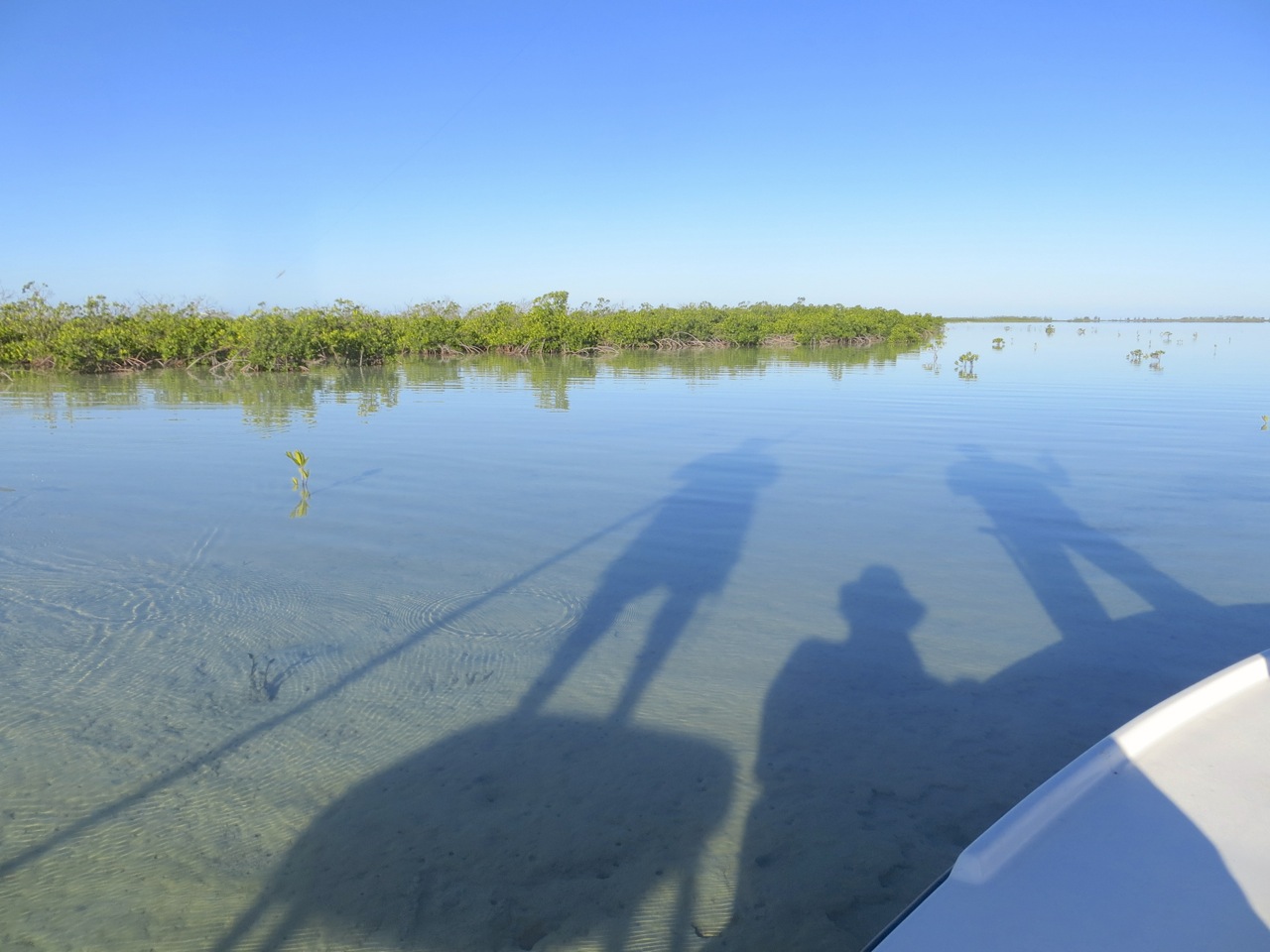
Mangroves, The Marls, Abaco, Bahamas (Keith Salvesen, Rolling Harbour)

MANGROVE DIE-BACK IN THE ABACO MARLS: THE FACTS

For some time now, there has been understandable concern about the increasing evidence of mangrove die-back in the Abaco Marls and elsewhere in Abaco waters. Scientific investigations are ongoing and you will find some of the survey results so far on the excellent Abaco Scientist interactive map HERE. You’ll find other relevant and authoritative mangrove material if you check out the BLOG menu of the website.
Abaco - The Marls

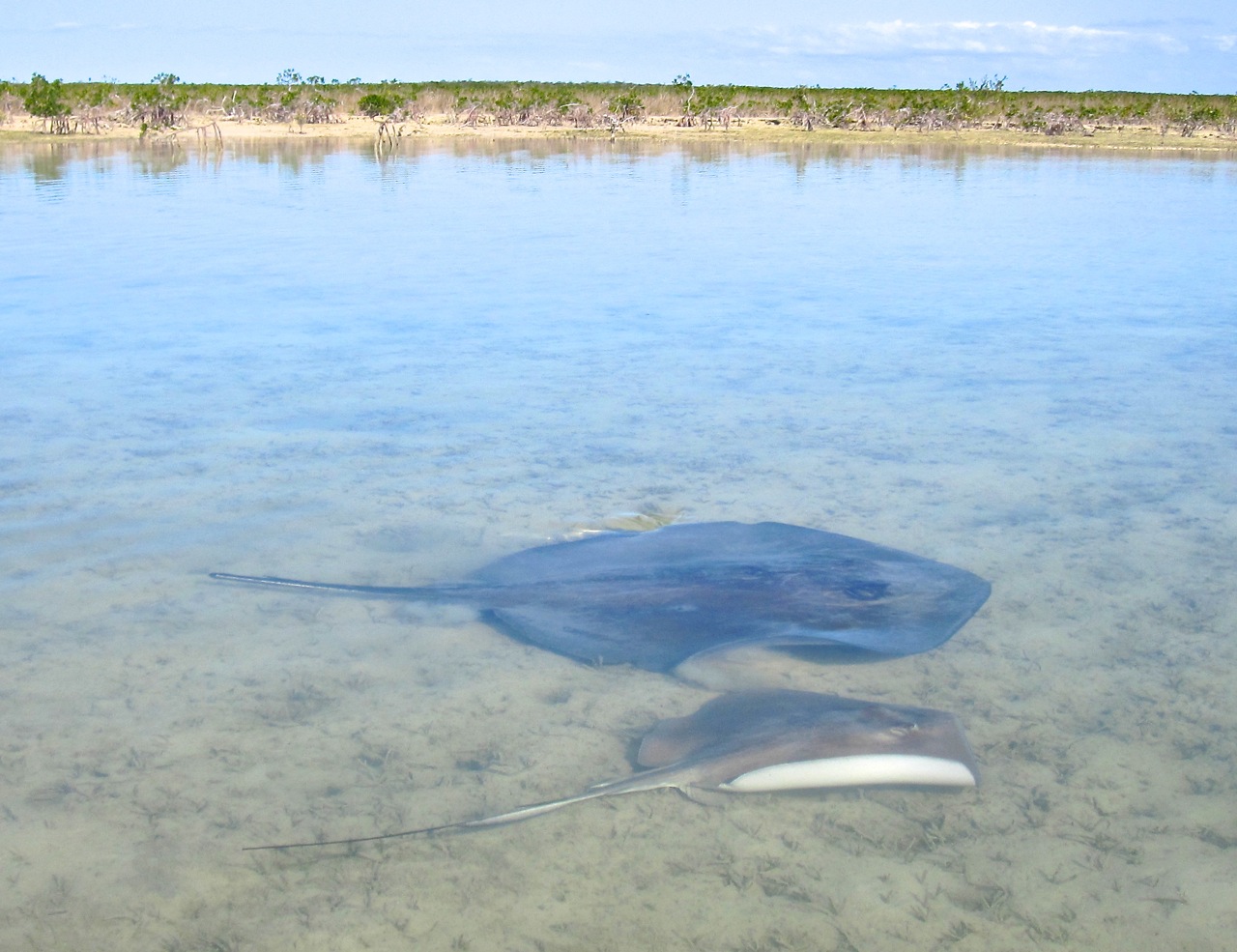
The ‘200 sq. miles’ in my map is debatable, depending what one includes. Other estimates are of 300 or even 400 sq. miles. Whichever, the Marls cover a massive area of mangroves, islets, flats, channels and wonderfully diverse wildlife. A large proportion of the many species – fish, birds, turtles etc – depend on the complex ecology of the mangroves for food, shelter and breeding. Depletion of the mangroves from whatever cause will have a direct effect on the creatures of the Marls.

Stingrays Abaco Marls 6

Ryann Rossi, a PhD student with North Carolina State University, has been researching the worrying phenomenon of mangrove die-back in the Marls this summer. She has written an interesting and informative  account (conveniently in the RH ‘Facts about…’ style) that was published in Abaco Scientist last week. The blue links will take you to the ABSCI site for further information on each topic. I’m grateful to Ryann and ABSCI for permission to use the material.

Five Things to Know About the Mangrove Die-back in The Marls (at this point, anyway)

1. This die-back appears to be the result of multiple stressors acting together. Think of it in the sense of our own body – when our immune system is down, we are often more susceptible to getting sick. The same thing is likely happening to the mangroves.Mangrove Die-back 1 (Abaco Scientist : Ryann Rossi)

2. It appears as though a fungal disease may be taking advantage of already stressed mangroves and causing die-back. We did preliminary surveys across Abaco and found fungal lesions nearly everywhere. However, the fungus was present in different densities in different areas. In the die-back area nearly all the leaves remaining on trees have lesions. We think that this pathogen capitalized on the mangroves being weakened by other stressors such as hurricanes, which cause extensive leaf drop, change in the movement of water, change in sedimentation and erosion.

Mangrove Die-back 2 (Abaco Scientist : Ryann Rossi) jpg

3. We are still working on identifying the pathogen associated with the lesions we’ve found. We are confident that it is a fungus and are currently growing fungal cultures in the lab to examine defining morphological characteristics in addition to using DNA sequencing to identify the culprit.

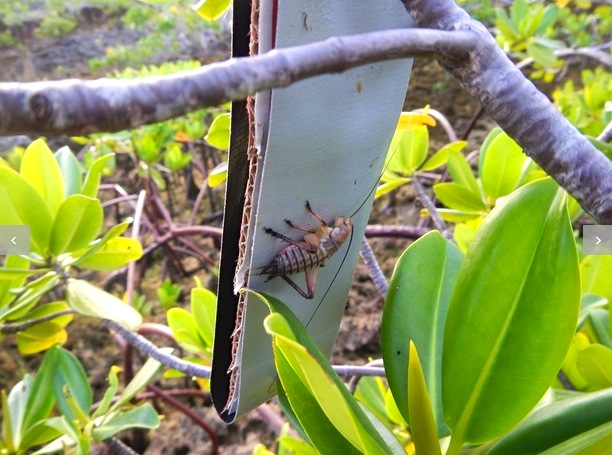
4. We have documented the presence of the Robust Bush Cricket (Tafalisca eleuthera) in the die-back areas as well as other areas with high densities of lesions. These crickets are documented to consume Red and White mangrove leaves. As such, we were concerned about their potential role in die-back. We set out a caging experiment to exclude the crickets from certain dwarf Red mangrove trees to see just how much grazing they may be doing in the die-back area. This experiment is ongoing.

Mangrove Die-back 3 (Abaco Scientist : Ryann Rossi) jpg

5. The take home: there is likely more than one causal agent of the die-back in The Marls. Many factors govern mangrove productivity and functioning: nutrient availability, salinity, sedimentation rate, herbivory, and disease are just a few of the factors that contribute to overall mangrove function making it very difficult to pin point which factors may be driving the die-off. On the bright side, we are confident that we have a lead on the causes and we are working hard in the field and laboratory to fully understand what is going on in The Marls.

By Ryann Rossi|August 26th, 2015|Disease, fungus, Insects, Mangroves and Creeks, The Marls
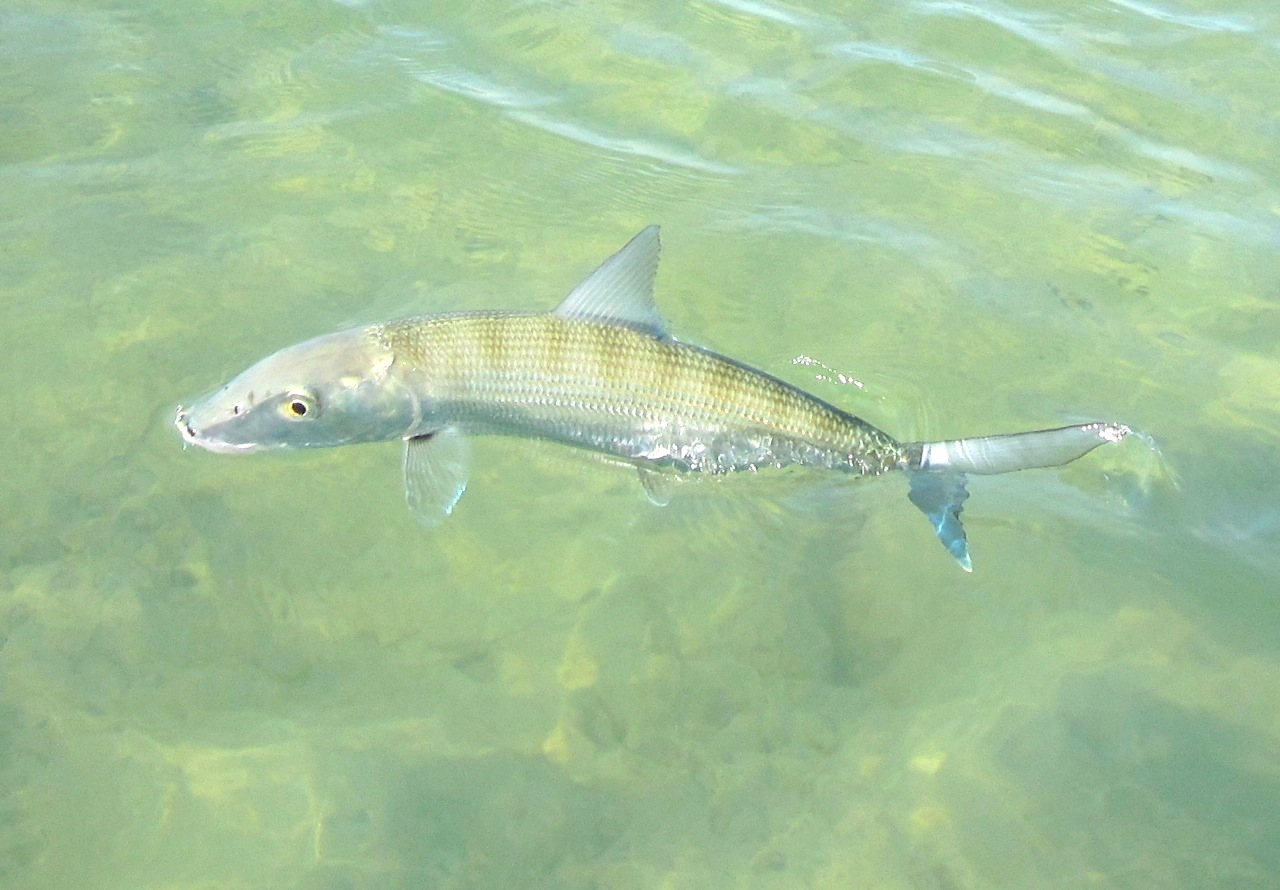
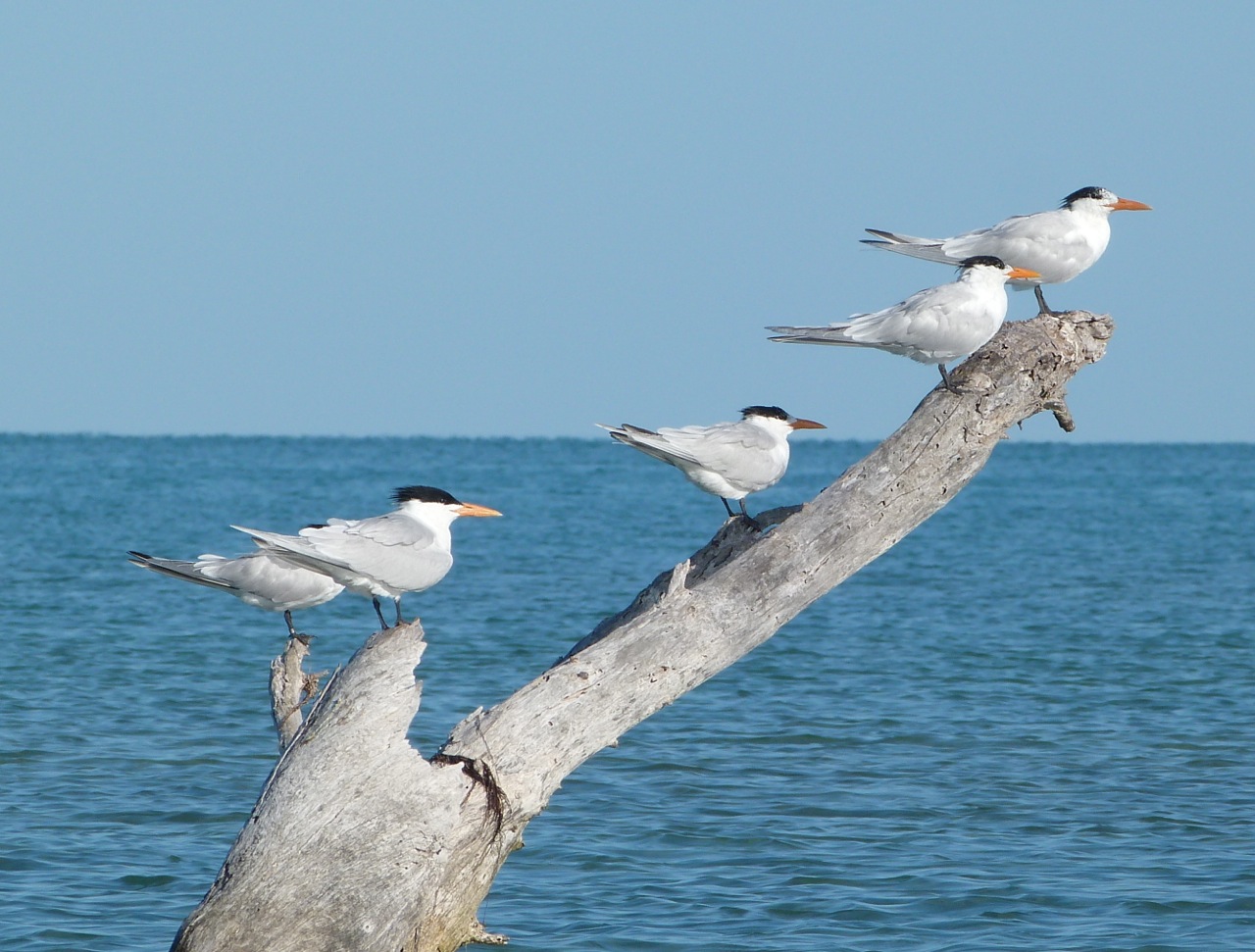
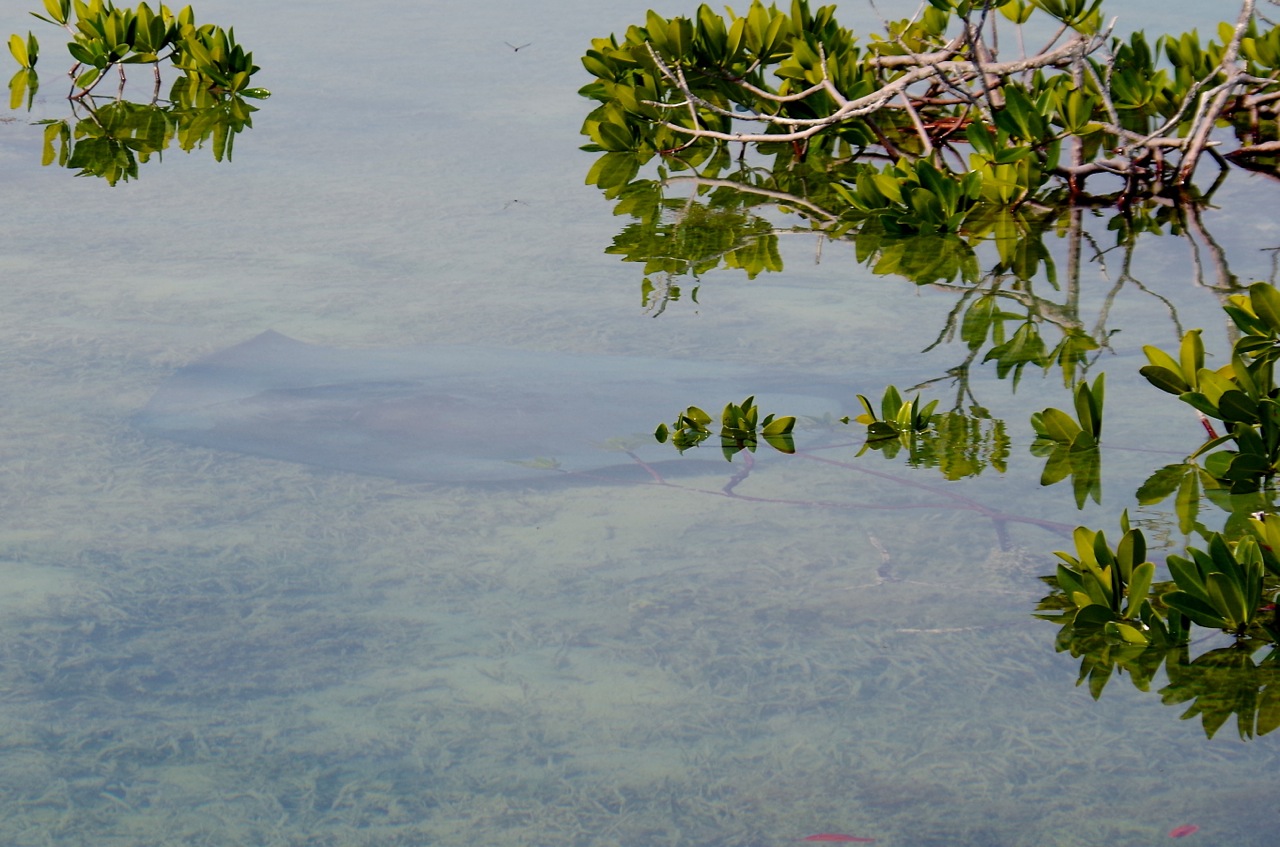
All pics below taken while fishing on the Marls except Melinda’s shark (I’ve never got a good one)
Hawksbill Turtle, Abaco Marls (Keith Salvesen)Bonefish Abaco Marls 4Shark 4 ©Melinda Riger @ G B Scuba copyOsprey - Abaco Marls 1 Reddish Egret (White Morph), Abaco MarlsRoyal Tern, Abaco, Bahamas (Marls) 3Willet, The Marls, AbacoSouthern Stingray, Abaco Marls (Keith Salvesen 4)
FRIENDS OF THE ENVIRONMENT has also included an article on die-back by Ryann in its latest Newsletter:

Mangrove Die Off on Abaco by Ryann Rossi, NCSU

This summer Stephanie Archer and I continued research efforts focused on determining the cause of the mangrove die-off in The Marls (work funded by the National Science Foundation). Our efforts were predominantly focused on the fungal pathogen we found associated with the die-off site. We created a small citizen science and outreach project to document the presence or absence of the pathogen across Abaco. This project consisted of short surveys and leaf collections. In total, 92 areas were surveyed including locations from Abaco and San Salvador. We also took this outreach project to the annual Bahamas Reef Environment Education Foundation (BREEF) teacher training conference.  There we disseminated survey packets to teachers from islands throughout The Bahamas who will help us collect more data on the presence (or absence) of this pathogen on other Islands.

3 men on a skiff, Abaco Marls (Keith Salvesen : Rolling Harbour)

Three men on a skiff – Abaco Marls

On Abaco, we constructed an experiment to investigate the role of grazing and the presence of fungal lesions on Red mangroves. We simulated grazing using crafting scissors to cut small sections on 600 leaves in 4 different mangrove creeks. We observed the leaves for 28 days to determine if cutting leaves predisposed leaves to fungal infection. At these sites we also trapped for insects to gain an idea of what kind of grazers may be chewing on the leaves. We also did a series of disease incidence surveys that will be routinely monitored for disease progress over the next 2 years. These surveys will allow us to systematically track the progress of the disease. In addition to our field work, we spent many hours in the laboratory isolating fungi from leaves to grow in culture. These cultures were brought back to North Carolina State University and will be sequenced in order to help us identify the fungal pathogen responsible for making the lesions on the mangrove leaves.

Mangroves, Abaco Marls (Keith Salvesen)

Credits: Source material Ryann Rossi; Abaco Scientist; all photos © Keith Salvesen @ Rolling Harbour except those by Ryann / ABSCI in the main article and Melinda Riger’s cool shark

Unknown's avatar

‘BAHAMAS SHRIMPING’: BANDED CORAL SHRIMPS


Banded Coral Shrimp ©Melinda Riger @ G B Scuba copy 2

‘BAHAMAS SHRIMPING’: BANDED CORAL SHRIMPS

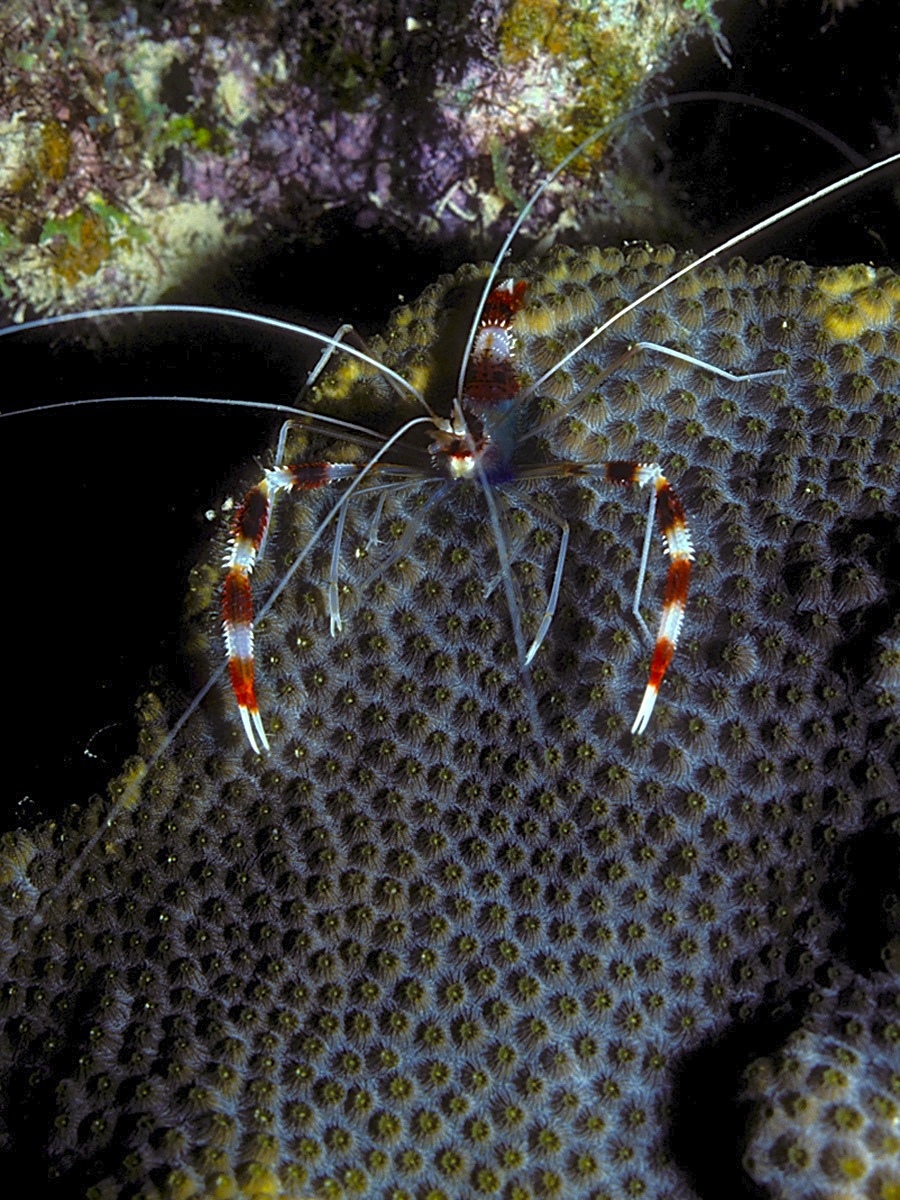
The Banded Coral Shrimp Stenopus hispidus is also known as the banded cleaner shrimp because it cleans other fish (see TAKEN TO THE CLEANERS); and ‘boxing shrimp’ because its stance and the large pincers on the third set of legs give the creature the appearance of a boxer ready to fight.

Banded Coral Shrimp Stenopus hispidus (Johan Fredriksson) a

These shrimps are widely distributed in tropical and sub-tropical waters around the world where coral reefs are found. Their striking colour scheme makes them instantly recognisable.

Banded Coral Shrimp (Alexander Vasenin) a

BANDED CORAL SHRIMP ON STAR CORAL AT NIGHTBanded Coral Shrimp on Star Coral (night) - LASZLO ILYES

 BANDED CORAL SHRIMPS: 10 FACTS TO BANDY ABOUT

  • BCSs are decapods, having 5 matching pairs of legs / claws on each side
  • They can be found as deep as 200 metres in the ocean
  • They are also found in aquaria, but need careful management because…
  • They are generally aggressive to other BCSs & shrimps in the same tank and
  • They need room for their long legs and antennae to move freely around
  • However, rather sweetly, they are monogamous and do not eat their partners
  • Diet-wise they are omnivore carnivore scavengers
  • They are said to be amusing to watch as they rush round a tank after food
  • Not a good shrimp to breed: the larvae get stuck in the filtration or get eaten
  • In the sea, they act as ‘cleaner’ fish to larger fish species (see below)

Banded Coral Shrimp ©Melinda Riger @ G B Scuba Banded Coral Shrimp (+ Moray Tail) ©Melinda Riger @ G B Scuba copy

In its capacity as a cleaner shrimp, the BCS solicits passing fish by slowly waving its long, white antennae. It then uses its three pairs of claws to remove parasites, fungi and damaged tissue from the fish. See the video example below.

A Banded Coral Shrimp (Stenopus hispidus).

BANDED CORAL SHRIMP CLEANING A PASSING YELLOW TANG

BANDED CORAL SHRIMPS IN A VASE SPONGE

Credits: Melinda Riger (Grand Bahama Scuba); Johan Fredriksson; Alexander Vasenin; Laszlo Ilyesr; R. Ling; LiveAquaria, Fishlore [nb not all pics are from the Bahamas, but the BCS is the same the world over…]

Unknown's avatar

CARIBBEAN REEF SQUID: SUPERPOWERS & SEX LIVES REVEALED


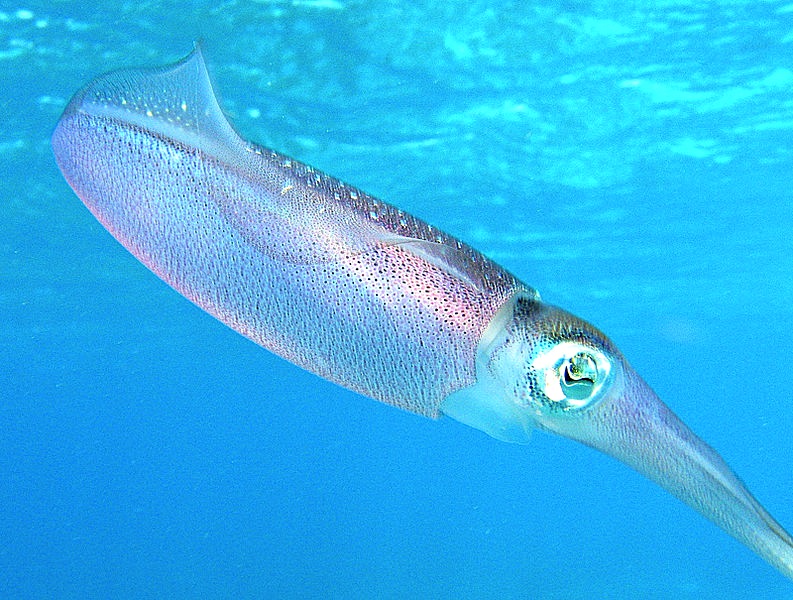
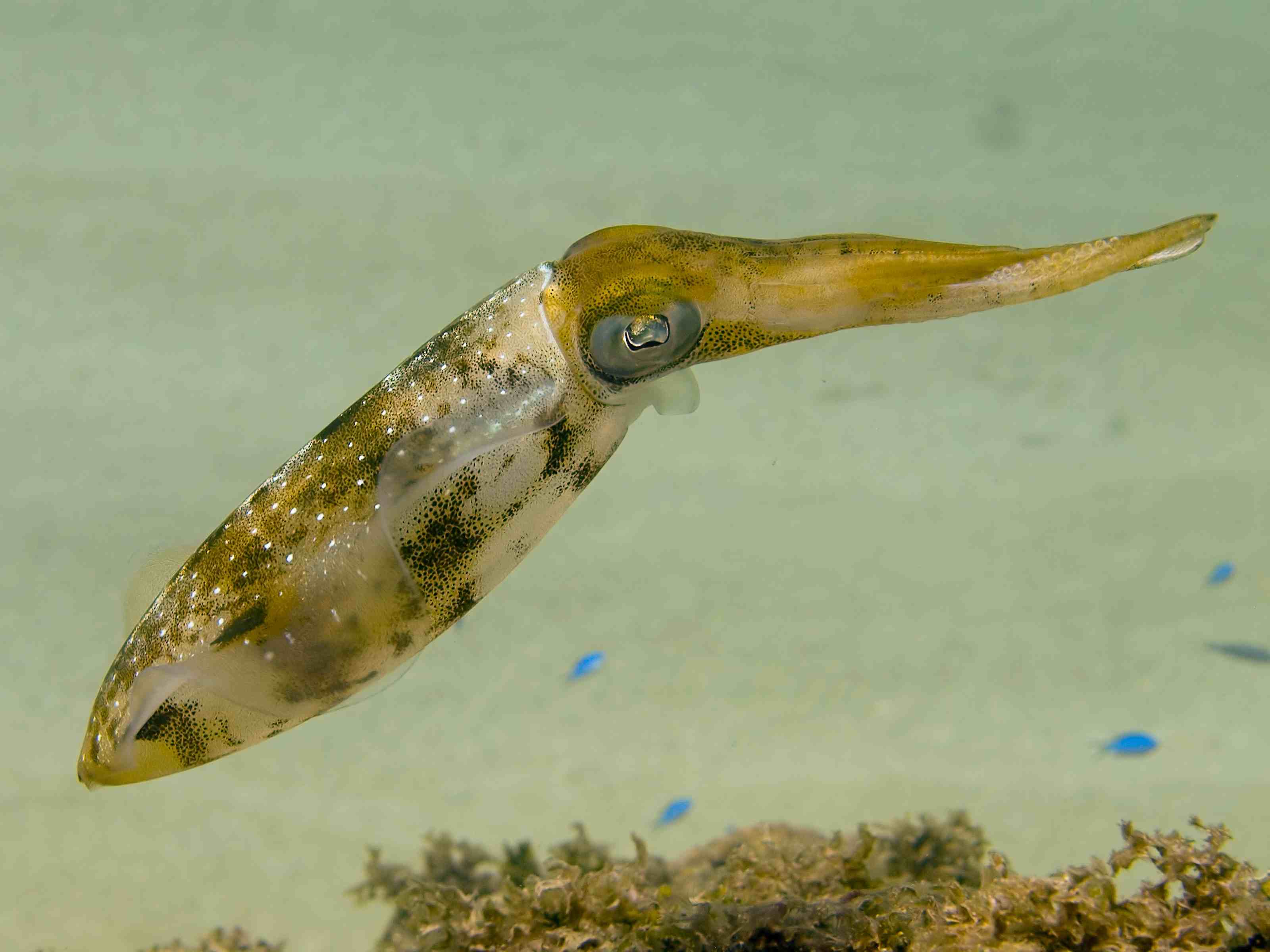
Squid ©Melinda Riger @ Grand Bahama Scuba

CARIBBEAN REEF SQUID: SUPERPOWERS & SEX LIVES REVEALED

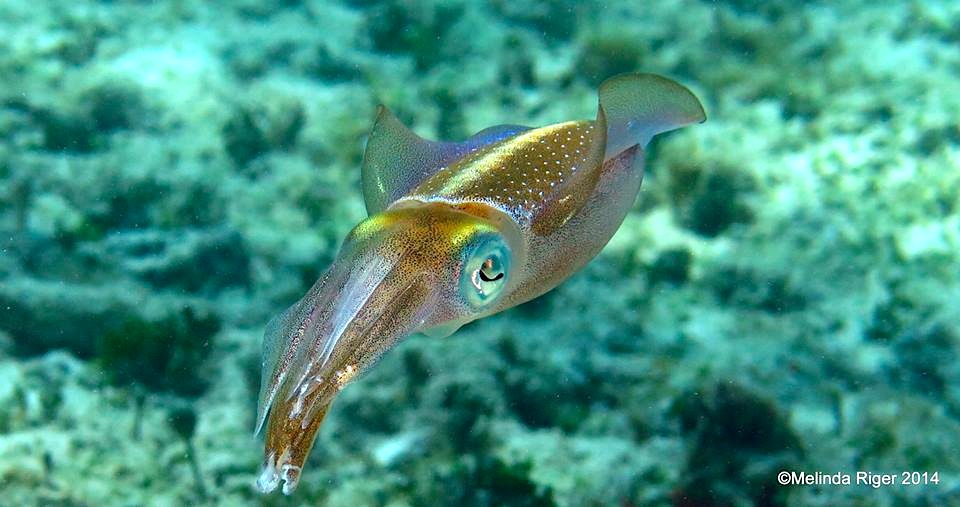
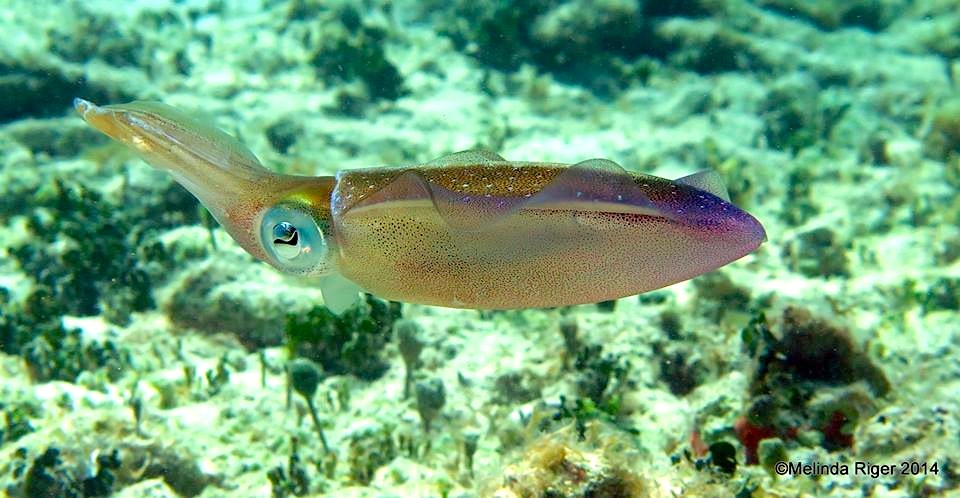
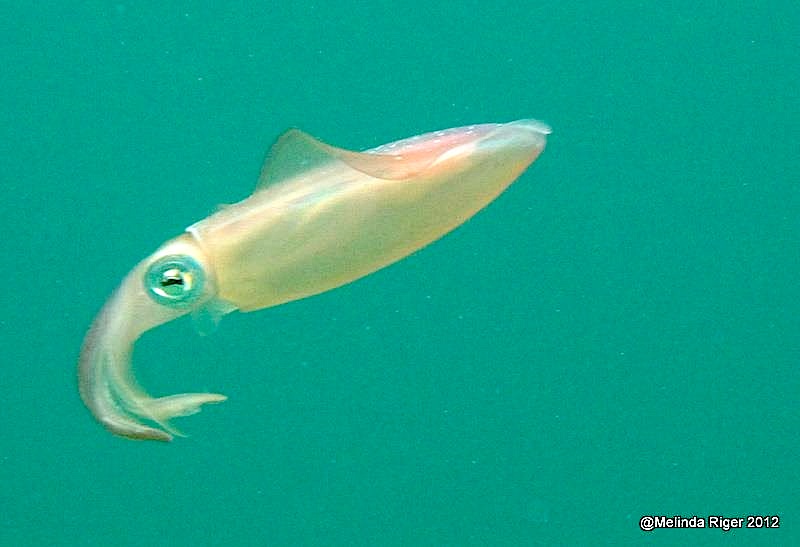
The Caribbean reef squid Sepioteuthis sepioidea is a small squid species of the Caribbean Sea and the Floridian coast. Its fins extend nearly the whole length of the body and undulate rapidly as it swims. Recently, it has been discovered that this squid is capable of brief flight out of the water.Squid ©Melinda Riger @ Grand Bahama Scuba

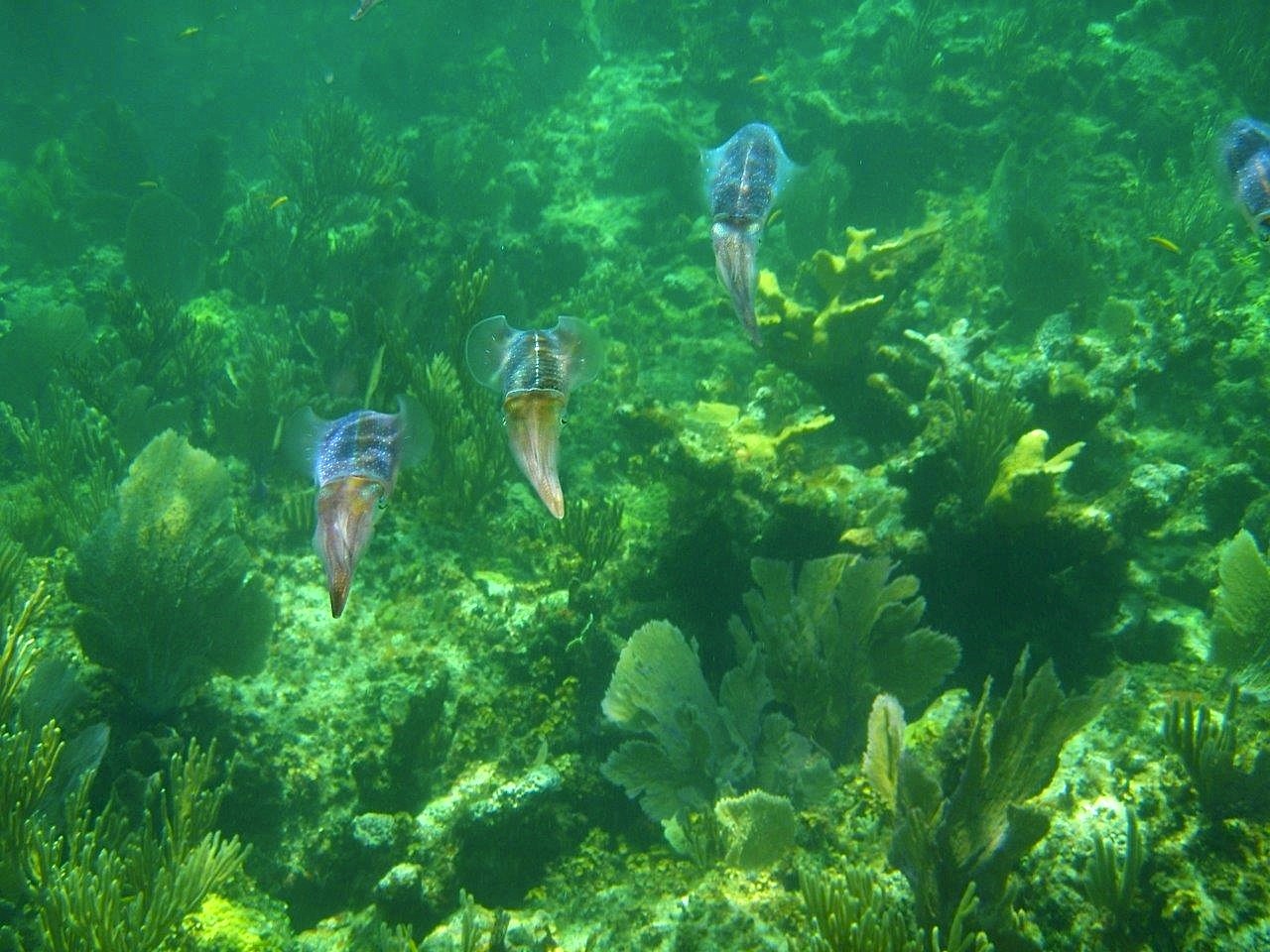
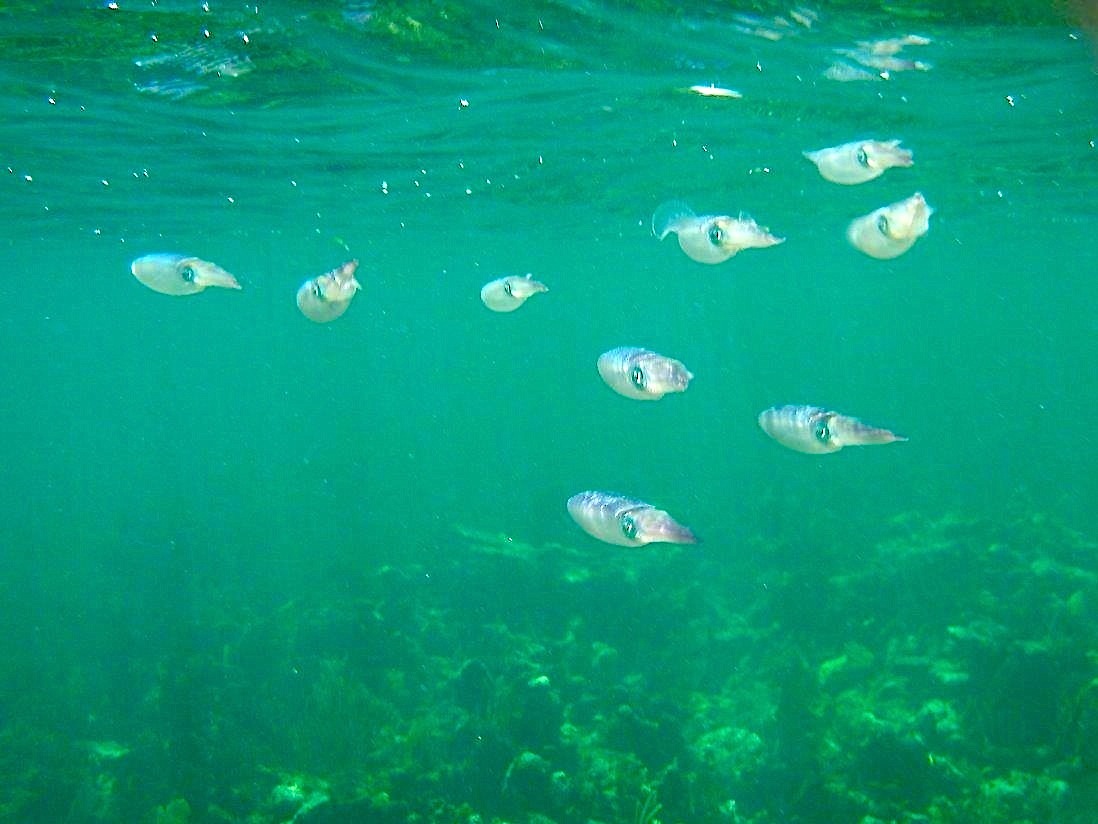
Reef squid tend to form small shoals in and around reefs. It is by far the most common squid species in its range, and can be sighted both close to the shore and quite near the surface (although that increases the risk of predation by seabirds).

A silvery squid swimming just below the surfaceCaribbean_reef_squid (Ed Brown)

Squid are voracious eaters, dragging their prey to their mouths and using a beak to cut it up. Their target species are small fish, molluscs and crustaceans. They have a ‘raspy tongue’ known as a radula which further breaks up the food for easy consumption.

Squid at Fowl Cay Marine Preserve, AbacoSquid Fowl Cay, Abaco Ellen Sokol, Kiskeedee Sailing Charters

SQUID SUPERPOWERS (SUPERCOOL)

  • Squid can change colour, texture and shape
  • This enviable power is used defensively as camouflage or to appear larger if threatened
  • It is also used in courtship rituals, something that humans would find most disconcerting
  • Colour patterns are also used for routine squid-to-squid communication AND GET THIS:
  • A squid can send a message to another on one side, and a different one to a squid on the other

Squid © Melinda Riger @ Grand Bahama Scuba copy

SQUID SEX (1) “ROMANCING THE SQUID”

  • A male will gently stroke a female with his tentacles
  • The female will (most likely) flash an ‘alarm’ pattern
  • The male soothes her (don’t try this at home, guys) by blowing and jetting water at her
  • If he’s not getting on well, he’ll move off and repeat the routine until she sees his good points
  • However this on / off courtship can last for hours until at last he succeeds by…
  • …attaching a sticky packet of sperm onto the female’s body (romance is not dead)
  • She reaches for it and moves it to her “seminal receptacle”
  • Meanwhile he stays close, emitting a pulsing pattern, as well he might after all that
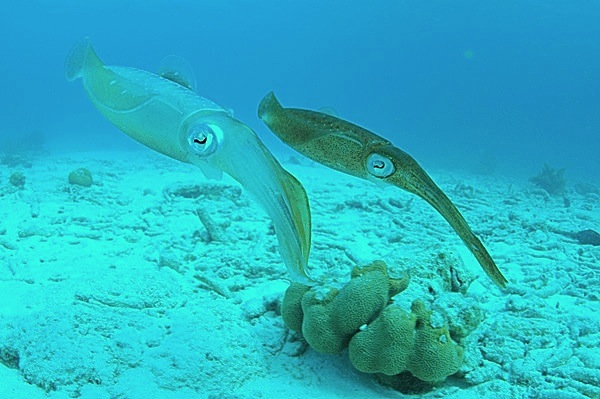
  • She then finds a safe place to lay her eggs. Job done.Two_Caribbean_Reef_Squid,(Clark Anderson)

SQUID SEX (2) IT ALL ENDS BADLY

  • As soon the female squid has laid her eggs, she dies at once
  • The male squid live a bit longer, and may have other packets to stick – then he dies too
  • It’s all horribly reminiscent of Romeo and Juliet. Without the balcony scene.Sepioteuthis sepioidea Caribbean Reef Squid (Nick Hobgood)

USES OF SQUID ON ABACO

Squid are prolific in the seas around Abaco, which is fortunate because they form a large part of the diet of some whale species, particularly the Blainville’s Beaked Whales that are commonly found in Abaco waters. I have a post on these magnificent creatures in preparation right now, and am in the process of sorting out suitable photos from a large number taken during a research expedition in March. 

More Squid at Fowl Cay Marine Preserve, AbacoSquid School, Fowl Cay, Abaco Ellen Sokol, Kiskeedee Sailing Charters

Credits: As ever (for underwater pics) Melinda Riger of Grand Bahama Scuba; also Ellen Sokol of Kiskeedee Sailing Charters, who kindly sent me the Fowl Cay photos; also Ed Brown, Clark Anderson and Nick Hobgood for ‘open-sourcing’ their great images

Unknown's avatar

A QUARTER OF A MILLION GLIMPSES OF ABACO…


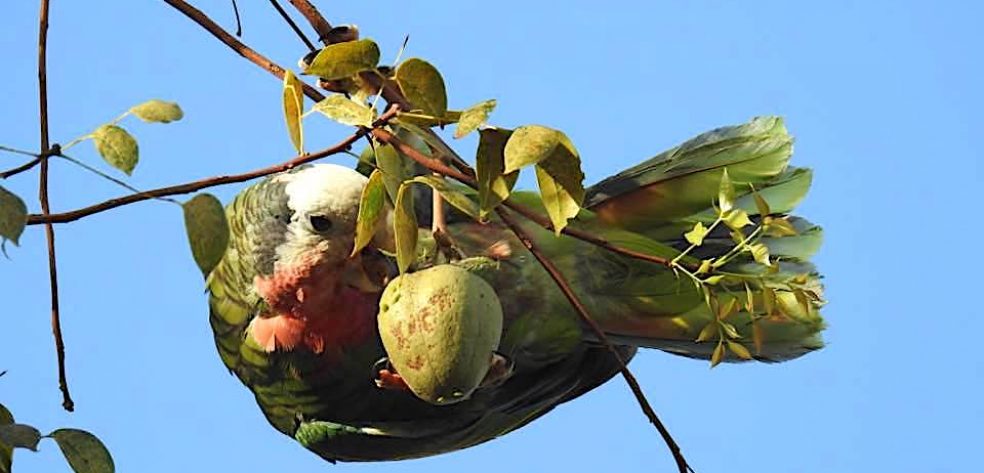
Abaco (Cuban) Parrot, Abaco, Bahamas  (Keith Salvesen)

A QUARTER OF A MILLION GLIMPSES OF ABACO…

Well here’s a rum do. About four years ago, this somewhat minority interest blog emerged ‘mewling and puking’¹ into the world, guided by an incompetent male midwife whose basic training had been about 4 weeks of exposure to Abaco, its fishing, its wildlife, its geography and its history. ‘Bananaquit’ might as well have meant taking up a plantain-free diet. ‘Grassquit’ might have been the local word for ‘keep off the lawn’. And that’s before all the flowers. And the reef fish. And everything else that turned up during the storm-wracked voyage of discovery via polydamus swallowtails, manatees, spider wasps and batfish that led slowly to the calmer waters of ‘rather better informed (if no wiser)’. 

Anyway, at midnight last night some unknown person kindly made the 250,000th visit to the blog, a target that once seemed inconceivable. In the past month, the 1000th person also signed up as a follower, another source of amazement. The reality is that despite Abaco being a sparsely-populated microdot island in a huge world, there are a great many people on the island or associated with it who are passionate about it and its extraordinarily diverse natural history. That knowledge makes curating this blog both easy and pleasurable. 
RH Stats clip

I checked my stats for the last year to find out where hits from the top 10 countries – and for fun the bottom 1o – came from. Here’s the answer. Rather shamefully there was also a country I had never knowingly heard of, Palau (Micronesia). There follows a selection of a few photographs that have been popular over the years, mostly my own but the underwater ones are from Melinda Riger and Virginia Cooper of Grand Bahama Scuba.

Top 10                                                                   Bottom 10
Top 10 countries jpg   Bottom 10 countries jpg

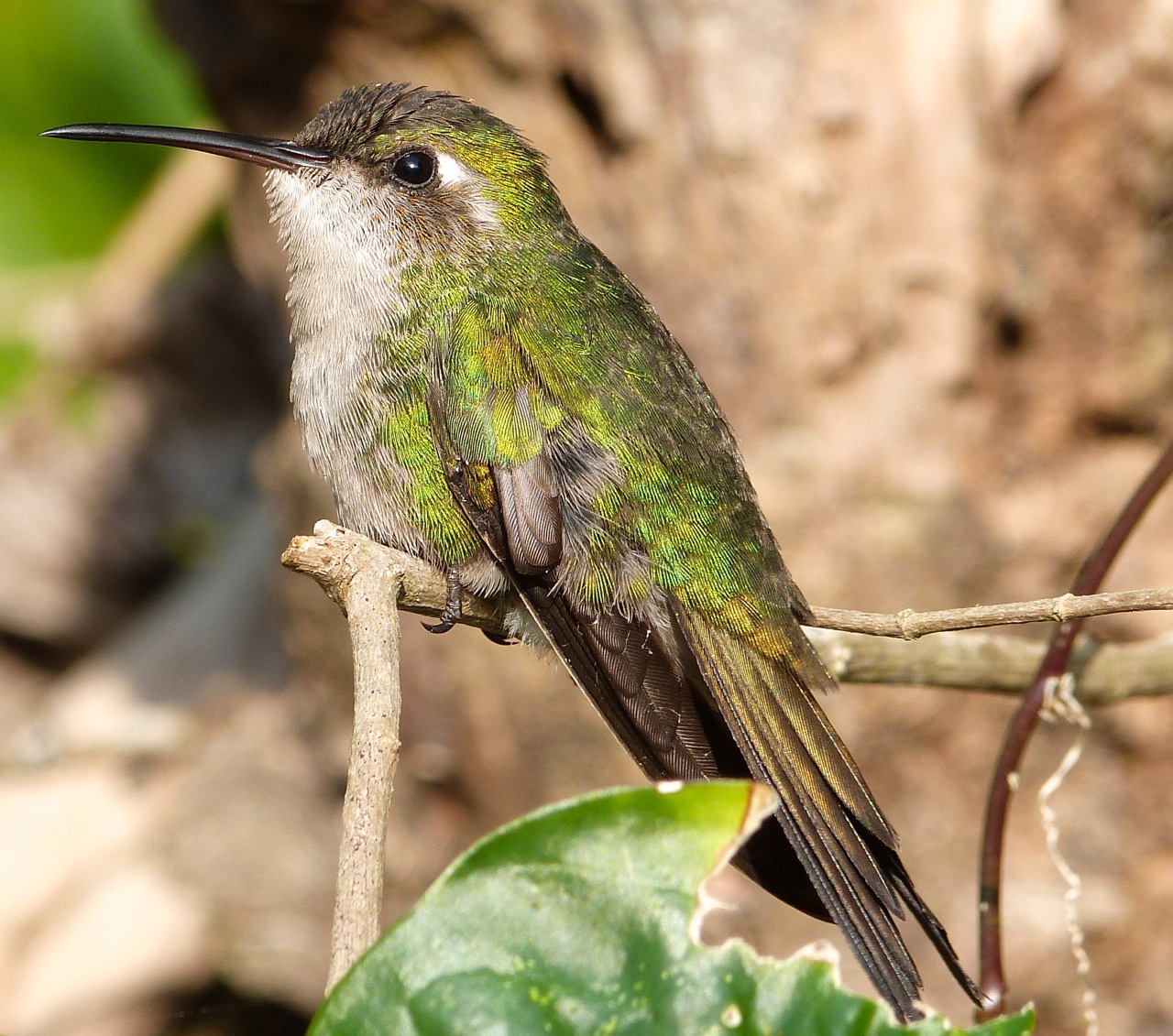
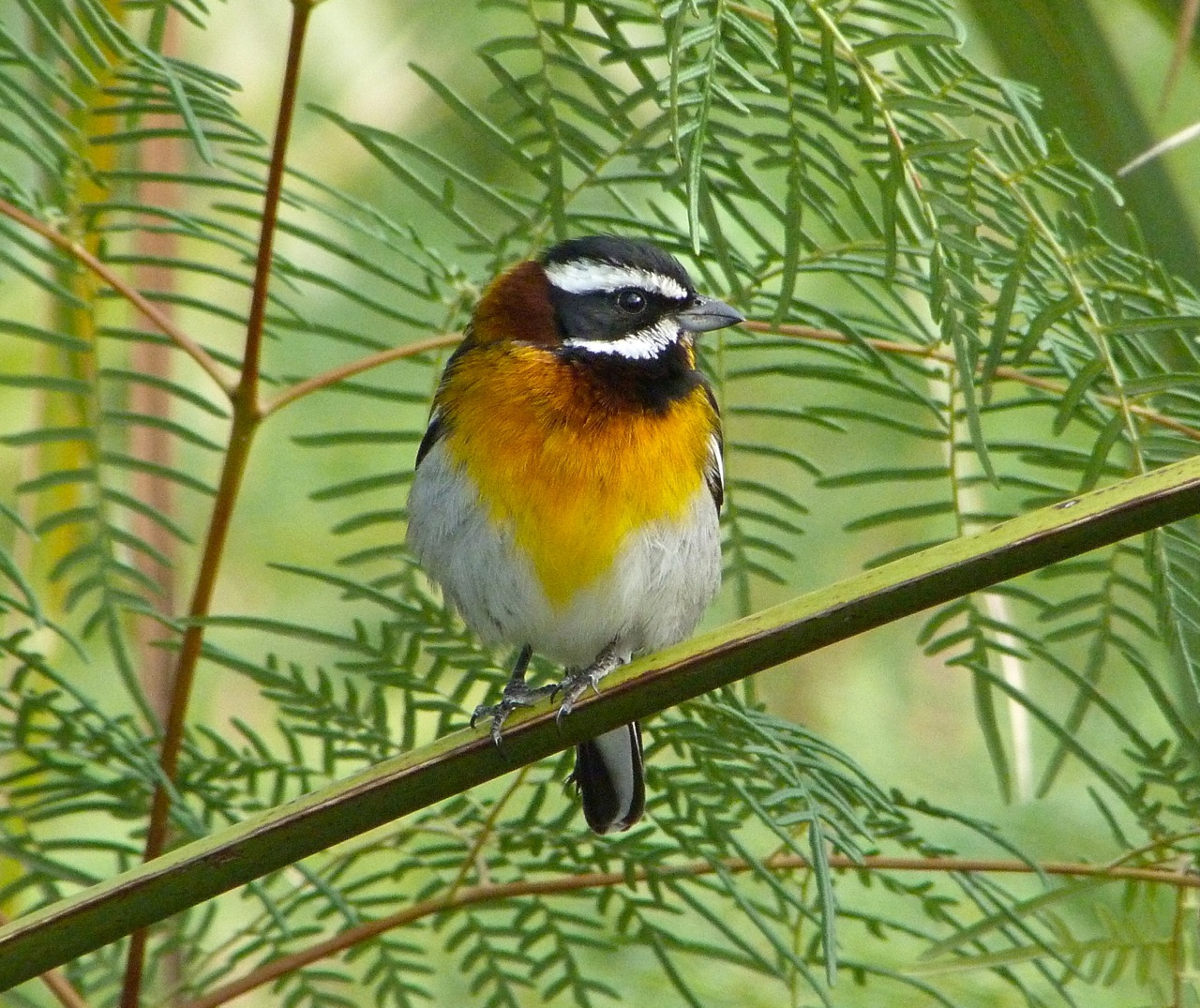
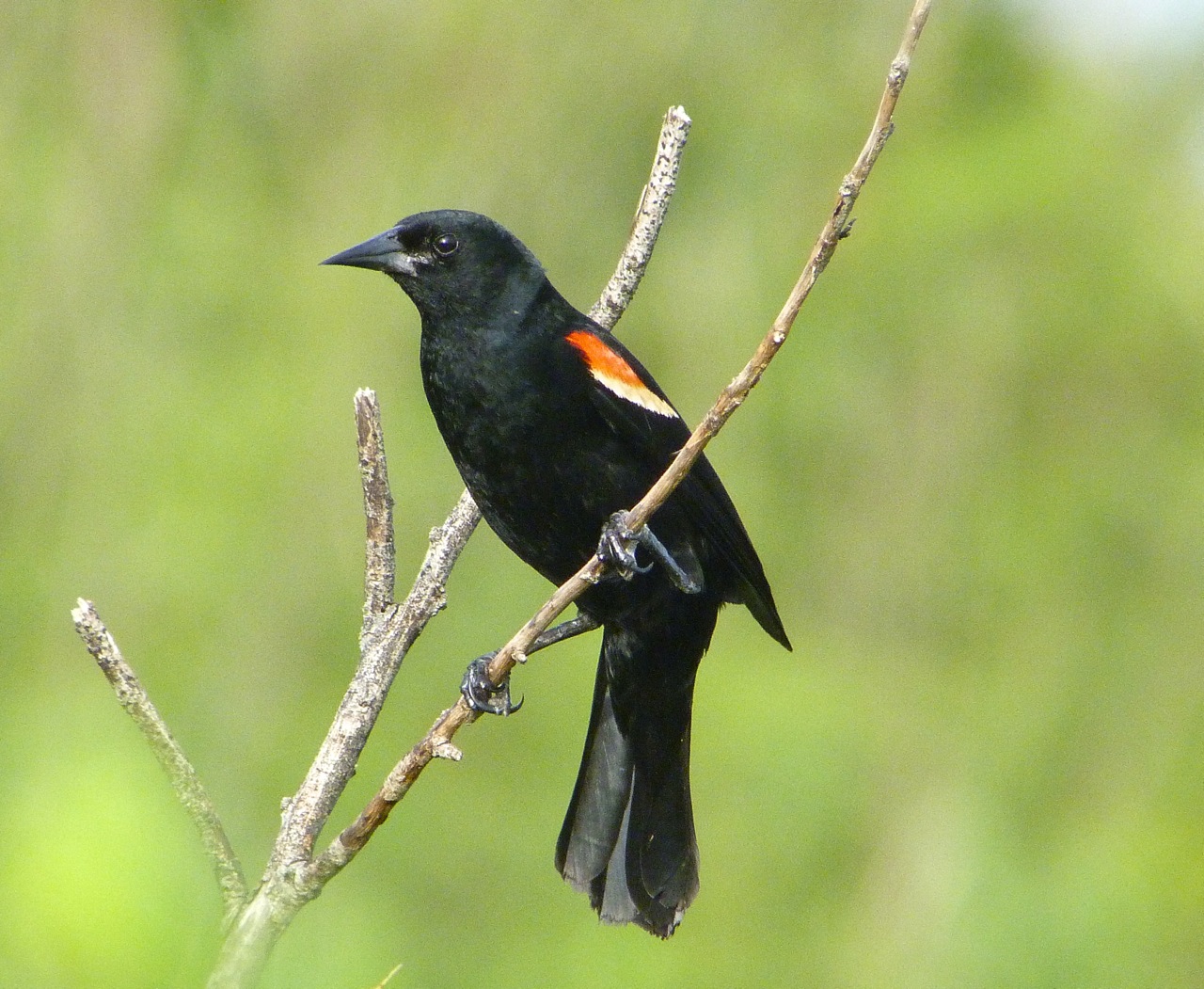
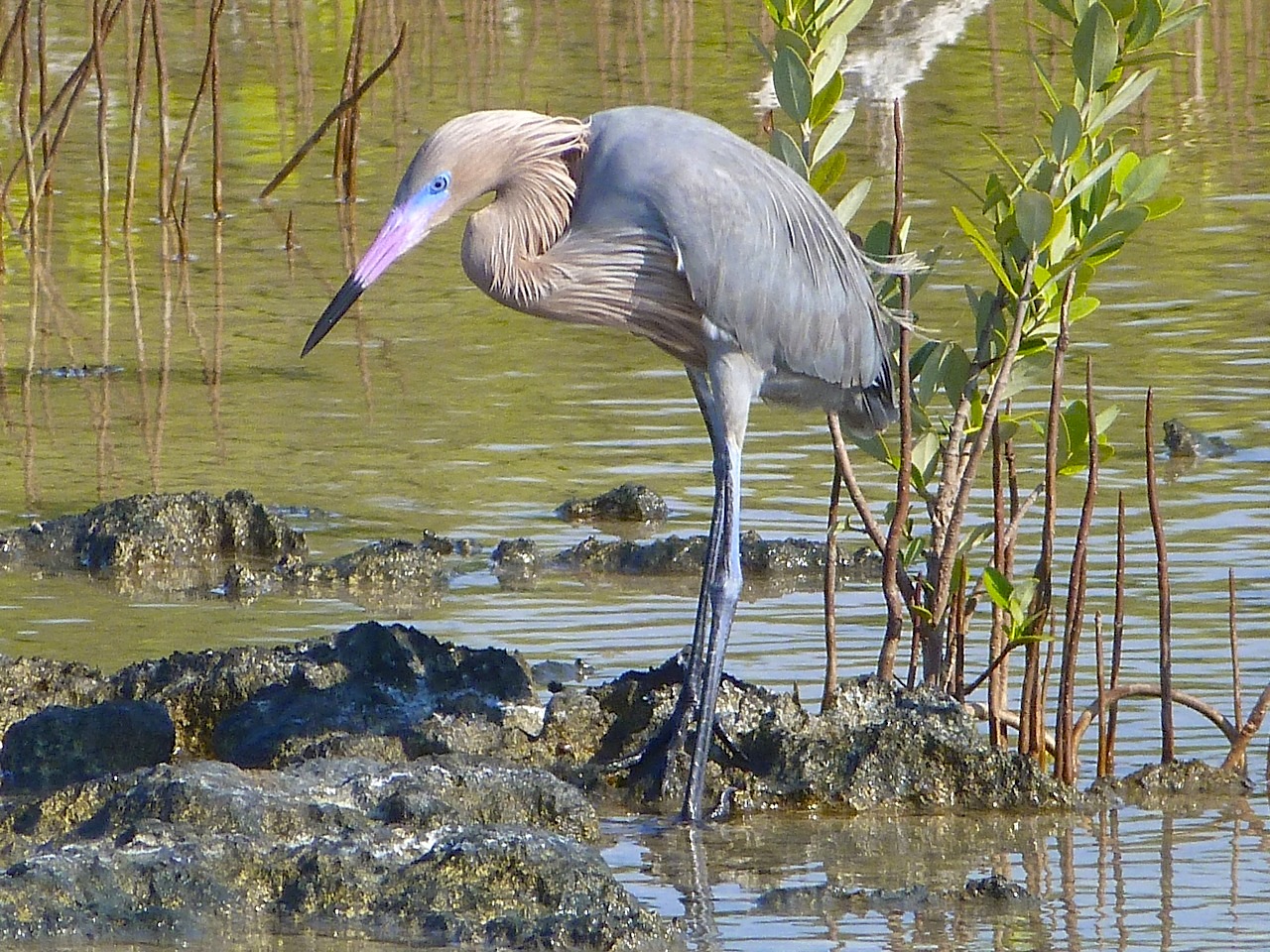
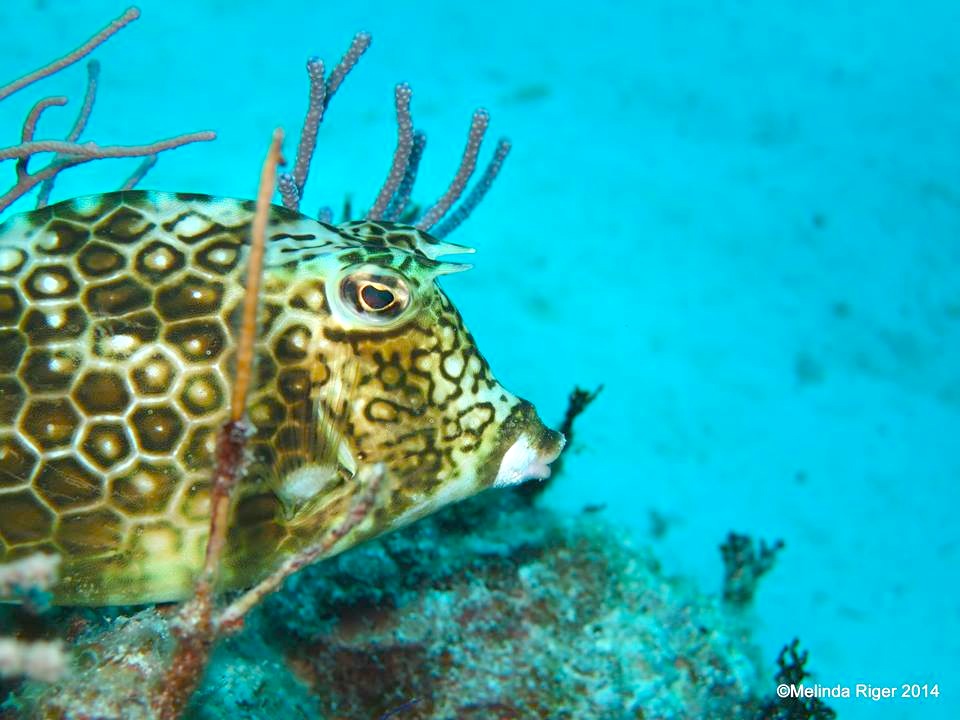
Cuban Emerald Hummingbird, Delphi, Abaco (Keith Salvesen)Bananaquit & palm, Delphi, Abaco, Bahamas  (Keith Salvesen)Western Spindalis, Abaco, Bahamas  (Keith Salvesen)Blue-gray Gnatcatcher, Abaco, Bahamas (Keith Salvesen)Red-winged Blackbird, Abaco, Bahamas  (Keith Salvesen)Brown Pelicans, Sandy Point, Abaco  (Keith Salvesen)Reddish Egret, Crossing Rocks, Abaco, Bahamas (Keith Salvesen)French Angelfish (juv), Bahamas (Melinda Riger)Four-eyed Butterflyfish ©Melinda Riger @GBSCowfish ©Melinda Riger @ GB ScubaOctopus ©Melinda Riger @ Grand Bahama ScubaNassau Grouper, Bahamas (Melinda Riger)Blacktip Shark ©Virginia Cooper @ G B Scuba copy 2Curly-tail Lizard, Delphi, Abaco, Bahamas (Keith Salvesen)Atala Hairstreak Butterfly, Abaco, Bahamas (Keith Salvesen)Bird of Paradise Flower (Strelitzia) Abaco (Keith Salvesen)Hibiscus : Polydamus Swallowtail, Delphi Abaco (Keith Salvesen)Yellow Elder Hope Town, Abaco, Bahamas (Keith Salvesen)

SEARCH TERMS

The most popular searches – omitting posts about hurricanes, which always generate a lot of traffic – have concerned Abaco Parrots, Lignum Vitae, Sea Glass, the Loxahatchee poster series, Tarantula Hawk Wasps, Sea Biscuits / Urchins, Yellow Elder, Parrotfish, Shipwrecks, Hutias, Hole-in-the-Wall, Lionfish, Remora, and Abaco Maps. The most leftfield search of all was ‘How dispose of dead bodies?’, by someone who had clearly strayed into the wrong category of website…

A FEW OF THE MOST POPULAR POSTS / PAGES
SEA SHELLS
SPIDER WASPS & TARANTULA HAWKS: DON’T MESS WITH THESE GUYS    
ABACO FACTS (including likelihood of adverse shark encounter or shipwreck)    
ABACO MAPS    
LIGNUM VITAE – BAHAMAS NATIONAL TREE    
YELLOW ELDER – THE BAHAMAS NATIONAL FLOWER    
SEA URCHINS & SEA BISCUITS – BEACHCOMBING TREASURES ON ABACO    
ABACO FOOD & DRINK (cook hog / bonefish; clean a conch; sip an Abaco cocktail / Goombay Smash)
ABACO & HOLE-IN-THE-WALL, BAHAMAS: A SHORT HISTORY IN MAPS    
PINEAPPLES: SYMBOLS OF WELCOME & WEALTH (ALSO, DELICIOUS)    
ABACO ISLAND BOA: THE ONLY ABACO SNAKE    
WHALES & DOLPHINS    
ABACO PARROTS    
FLORA

It would be strange to end this little celebration without a tip of the hat to Peter Mantle, old friend and genial doyen of the Delphi Club, for his wholehearted encouragement and support for the production and publication of THE DELPHI CLUB GUIDE TO THE BIRDS OF ABACO. This hefty tome, published in March 2014, showcases the wonderful and varied avian life on Abaco and has proved very popular – indeed well beyond our expectations. Although I appear nominally as author on the cover, it is in fact an extraordinary collaborative effort by some 30 people. The book’s success further demonstrates the commitment of Abaconians and other who love the island to Abaco’s rich natural heritage in an age of  rapid change; and provides another good incentive for me to continue with the blog. Next stop: 500,000!

¹ © W. Shakespeare, Romeo & Juliet Act 2 Sc. 7

dcbg2ba-jacket-grab-for-pm-v2-copyShark Gif

Unknown's avatar

“CLINGING TO THE WRECKAGE”: BAHAMAS CLINGING CRABS


Clinging crab in smoke stack on Theo's Wreck ©Melinda Riger @ G B Scuba

“CLINGING TO THE WRECKAGE”: BAHAMAS CLINGING CRABS

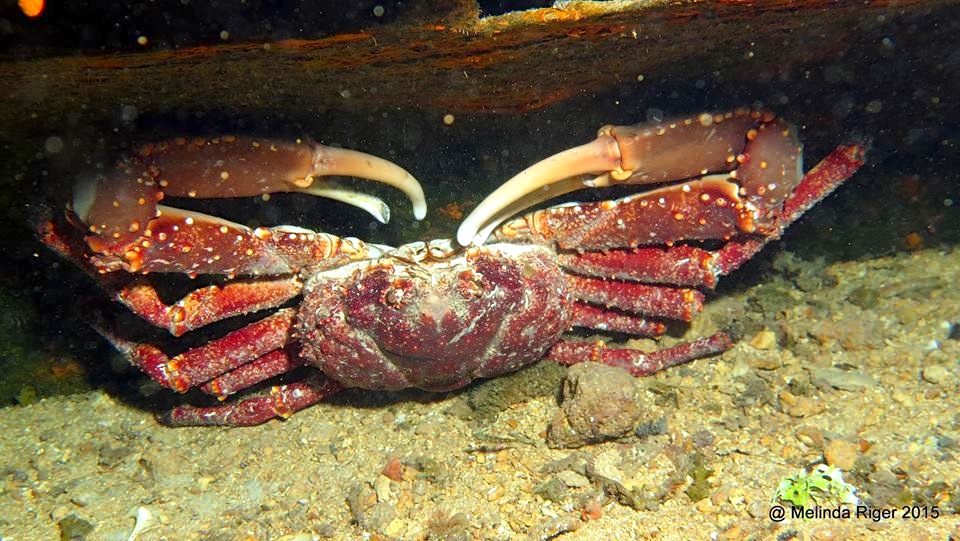
The Clinging Crab Mithrax spinosissimus answers to a number of names: West Indian spider crab, channel clinging crab, reef or spiny spider crab, or coral crab. It is found throughout the waters of South Florida and the Caribbean. Clinging Crab ©Melinda Riger @ G B Scuba copy

These are crabs of the reef, or indeed of the wrecks that may be found around reefs. Some of the crabs in this post have chosen wrecks as their home – in the header image the crab is living inside the smoke stack of ‘Theo’s Wreck’, Grand Bahama.Clinging Crab ©Melinda Riger @ GB Scuba

The clinging crab is believed to be omniverous, its main diet being algae and carrion. They can grow to 2 kg, and it is the largest species of reef crab found in the Caribbean.Clinging Crab © Melinda Riger @ G B Scuba
The clinging crab / West Indian spider crab is (apparently) not commercially harvested for its meat. Although I read somewhere that they are delicious, I would be very reluctant to test the theory.

Clinging Crab ©Melinda Riger @ G B Scuba

Life on the reef can be dangerous. This crab has lost some legs: its clinging powers are somewhat curtailed…Clinging Crab (legs missing) ©Melinda Riger @ G B Scuba

This guy has some missing parts, but seems quite laid back about it…Clinging Crab, Bahamas (Melinda Riger, G B Scuba)

Credits: Melinda Riger of Grand Bahama Scuba (all photos), with thanks as always