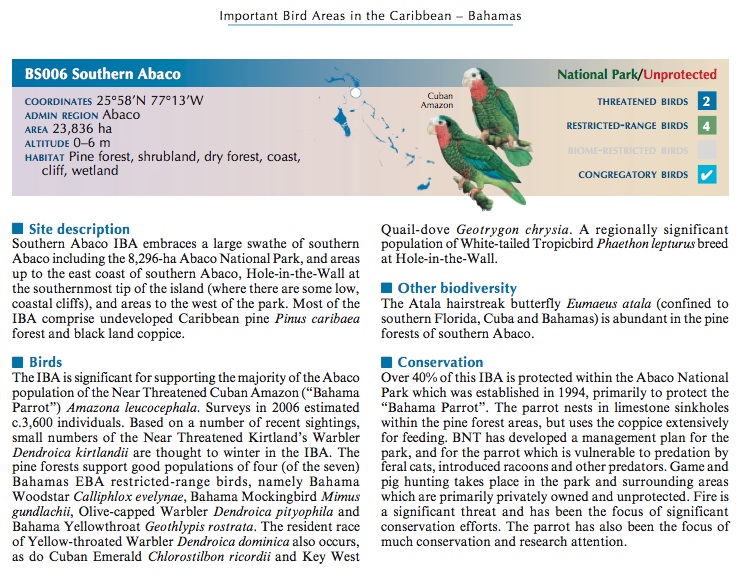
The Bahamas National TrustBNTis one of several organisations in the Bahamas responsible for conservation across the widely scattered islands of the Bahamas. One of its tasks is to look after the birds and their habitat, and from time to time the Trust publishes articles about their work. The Abaco-related material below is taken from a much longer article by Predensa Moore and Lynn Gape that covers the whole area, and concerns the importance of Abaco as a prime Bird Area. This applies in particular to Little Abaco and the Northern Cays; and to the large area of South Abaco that incorporates the National Park. The bird images used show some Abaco speciality birds mentioned by the BNT in their material.
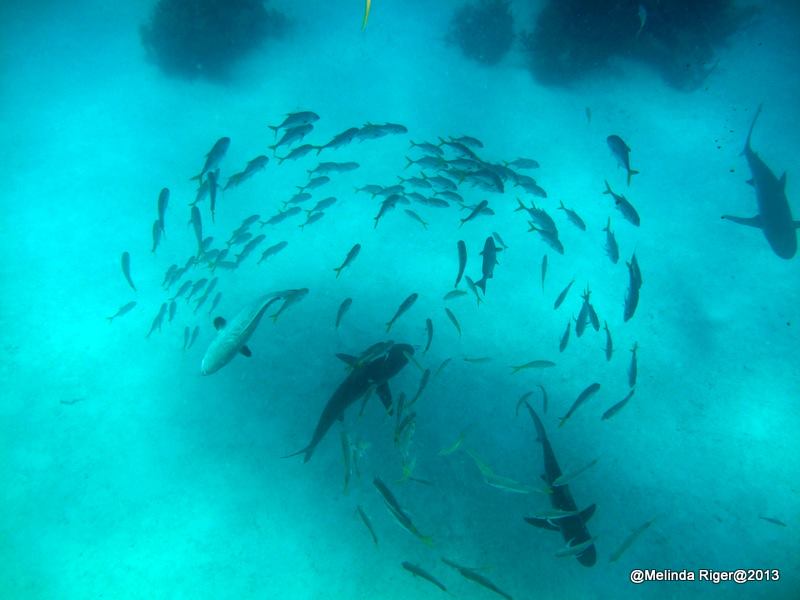
Remoras (Echeneidae), also known as Sharksuckers, Whalesuckers or Suckerfishes, are ray-finned fish that grow up to 3 feet long.
You may have noticed them in pictures of sharks and wondered briefly why they hang out with such dangerous creatures. There is filmed evidence that remoras do occasionally get eaten by their hosts…
WHAT DO THEY DO?
Remoras have remarkable dorsal fins that form a sucker-like organ with a ribbed structure. It looks a bit like the sole of a trainer or beach shoe.This bizarre organ can open and close to create or release suction, enabling it can latch onto larger marine creatures. The remora can increase suction by sliding backward, or it can release itself by swimming forward – the ‘slats’ are smooth in one direction, and rough the other way. They have been known to attach themselves to boats. And scuba divers. Even with hairy legs…
WHAT KIND OF CREATURES DO THEY GET ATTACHED TO?
Remoras associate with specific host species. They commonly attach themselves to sharks, manta rays, whales, turtles, and manatees / dugongs. Smaller remoras may latch onto fish such as tuna and swordfish, and some travel in the mouths or gills of large manta rays, ocean sunfish, swordfish, and sailfish.
WHY WOULD THEY WANT TO DO THAT?
The relationship between a remora and its host is known as Commensalism, specifically ‘Phoresy‘.The host to which it attaches for transport gains nothing from the relationship, but also loses little. The remora benefits by using the host as transport and protection, and also feeds on morsels dropped by the host. Controversy surrounds whether a remora’s diet is primarily leftover fragments, or the feces of the host. Maybe it’s a healthy mix of both.
WHERE CAN I FIND ONE?
Remoras are found in tropical, sub-tropical and temperate waters, including the mediterranean. You will definitely find them in the Bahamas. Melinda’s photos were all taken in the waters south of Grand Bahama.
CAN YOU CATCH ONE?
YES! This late addition (Nov 2016) comes courtesy of Cinda Parks… a remora caught in Cherokee Sound. It’s the first image of a live one out of the water that I’ve come across!
ARE THEY USEFUL TO MANKIND IN ANY WAY?
Yes, but not in a good way, some may think. Some cultures use remoras to catch turtles. A cord or rope is fastened to the remora’s tail, and when a turtle is sighted, the fish is released from the boat; it usually heads directly for the turtle and fastens itself to the turtle’s shell, and then both remora and turtle are hauled in. Smaller turtles can be pulled completely into the boat by this method, while larger ones are hauled within harpooning range. This practice has been reported throughout the Indian Ocean, especially from eastern Africa near Zanzibar and Mozambique, from northern Australia, Japan and even the Americas.
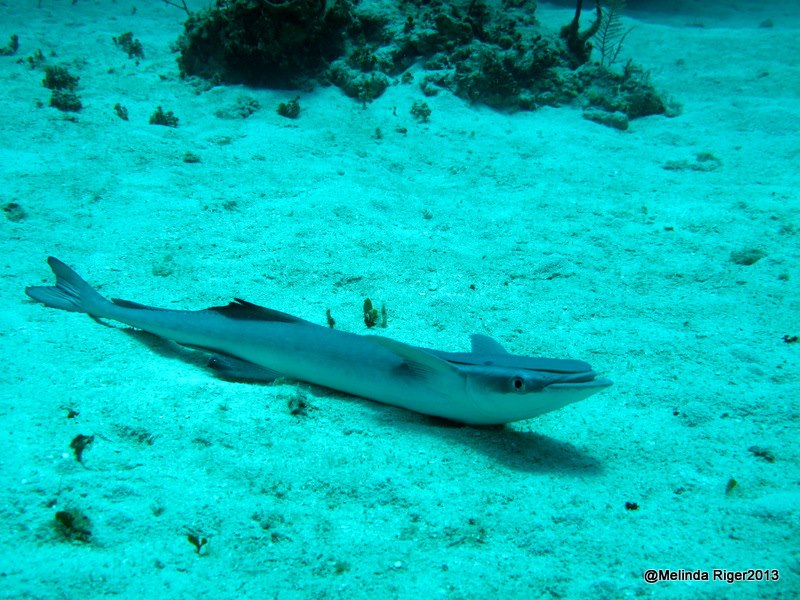
Because of the shape of the jaws, appearance of the sucker, and coloration of the remora, it sometimes appears to be swimming upside down (see above). This probably led to an older name reversus, although this might also derive from the fact that the remora frequently attaches itself to the tops of manta rays or other fish, so that the remora is upside down while attached.
THANKS FOR THAT. BUT WHERE CAN I GET MORE INFO ON THESE SUCKERS?
RIGHT HERE – AN EXCELLENT VIDEO WITH PLENTY OF LIVE REMORA ACTION
OH! FINAL QUESTION. ARE REMORAS EDIBLE?
I though someone might ask that, so I’ve checked it out. Here is the best recipe I have found, expanded slightly from a blokey Australian chat thread:
Recipe for cooking Remora
put a 12 ltr pot on to boil
when the pot is bubbling violently, add 2 whole remora, 2 garden rocks, 1 carrot & a large turnip
add grandfather’s boots to taste, and turn heat down after 3 hours
simmer for a further 6 hours
turn off heat and drain carefully
remove and discard remora, and serve the rest on a bed of tin tacks
Credits: Melinda Riger, Grand Bahama Scuba; Cinda Parks for the freshly caught remora 2016; Wikimedia; meaty Wiki chunks & assorted pickings
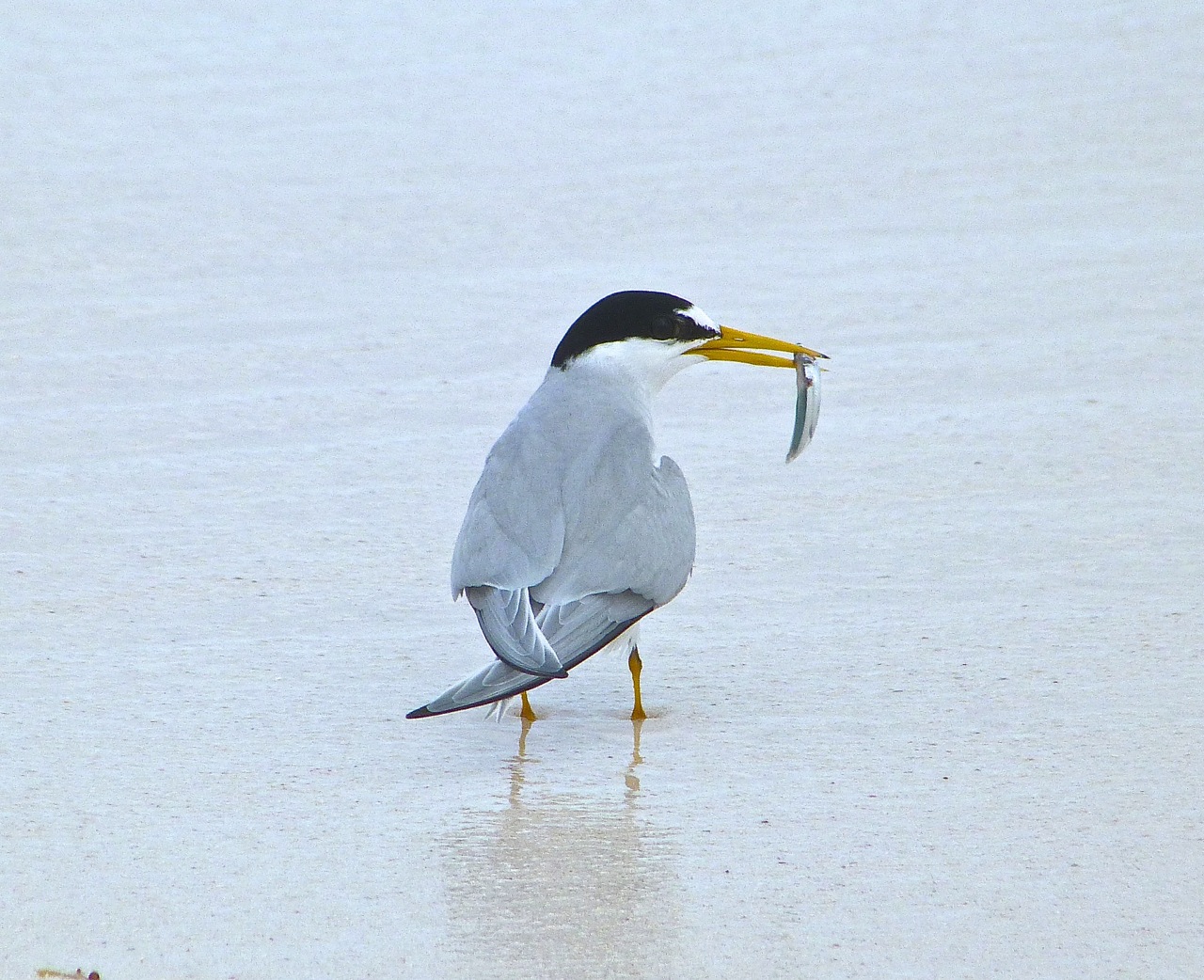
The Least Tern in the header image was a stroke of luck. I was watching plovers on the beach when it landed on the tideline with a small fish in its mouth. I just had time to point the camera and fire off 3 shots before it flew off again. This was the only usable image. I liked the fish, of course, and the way its little legs made a dent in the wet sand.
This Black-necked Stilt was attempting to distract me from a nearby nest, which I’d have known nothing about until it tried to distract me. It zig-zagged towards me, striding through the water while yelling, and then took off and flew at my head! Twice. I moved away…
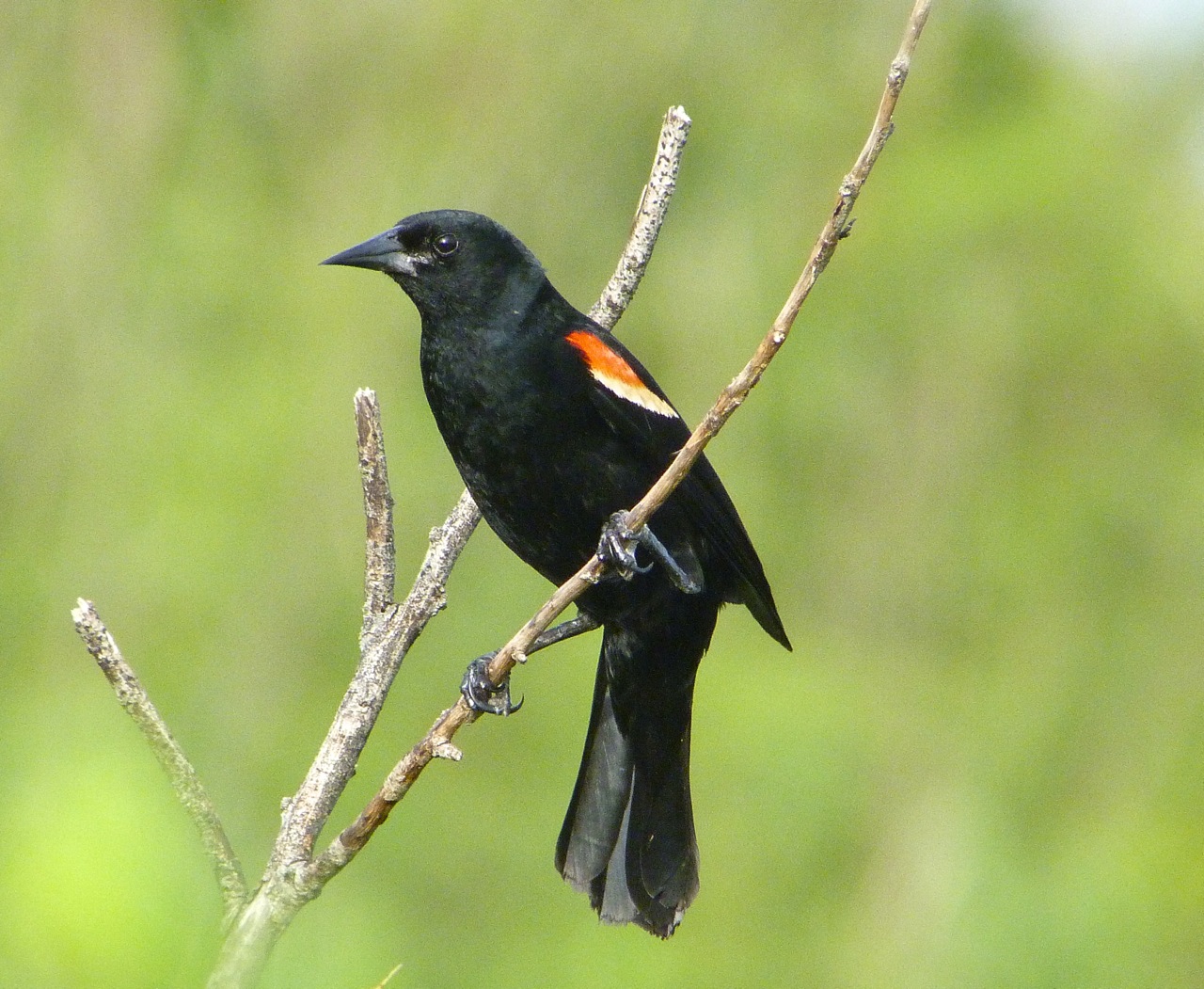
An effortlessly elegant Red-winged Blackbird
A Reddish Egret (white morph) in the mangroves out on the Marls takes a call on its cellphone
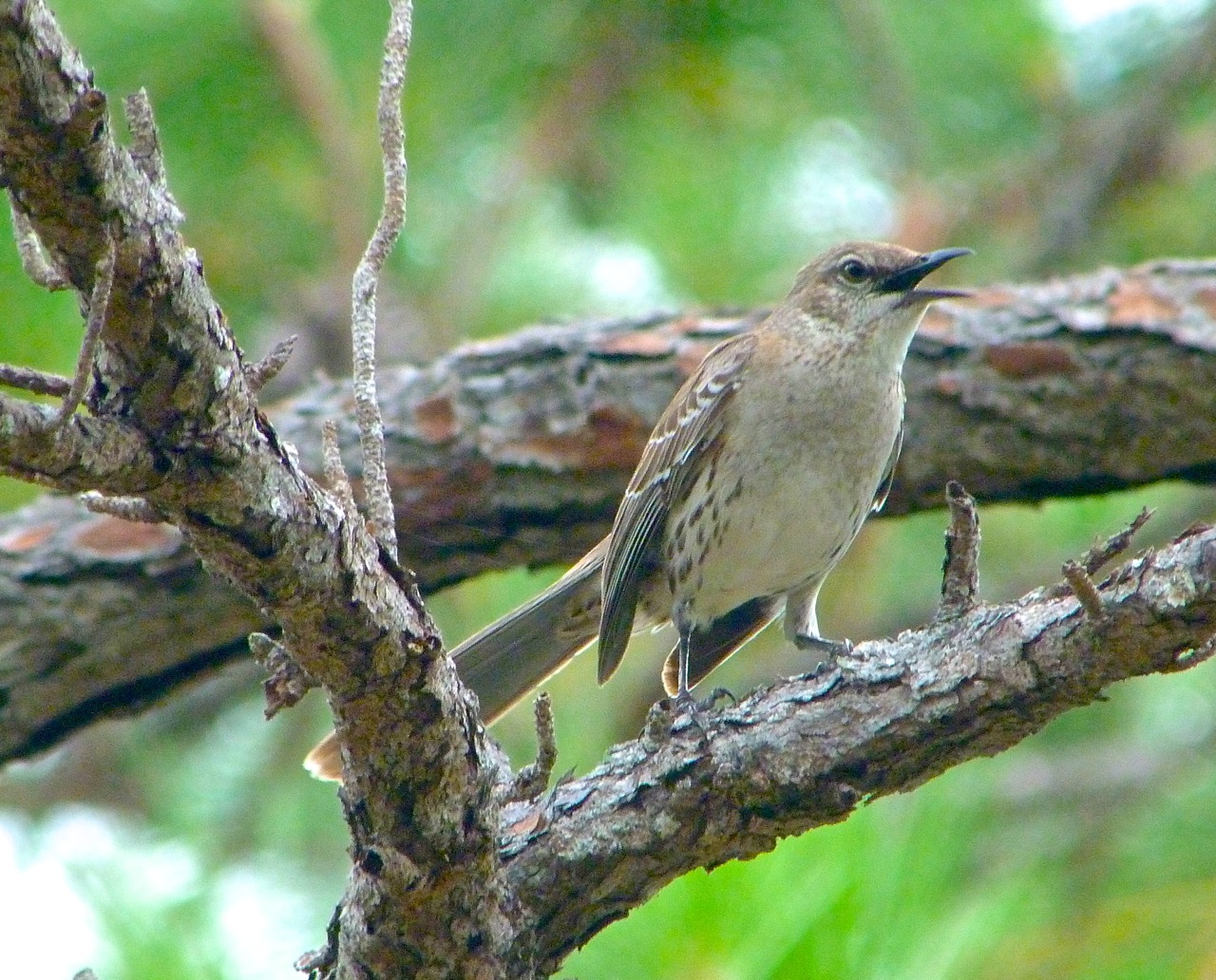
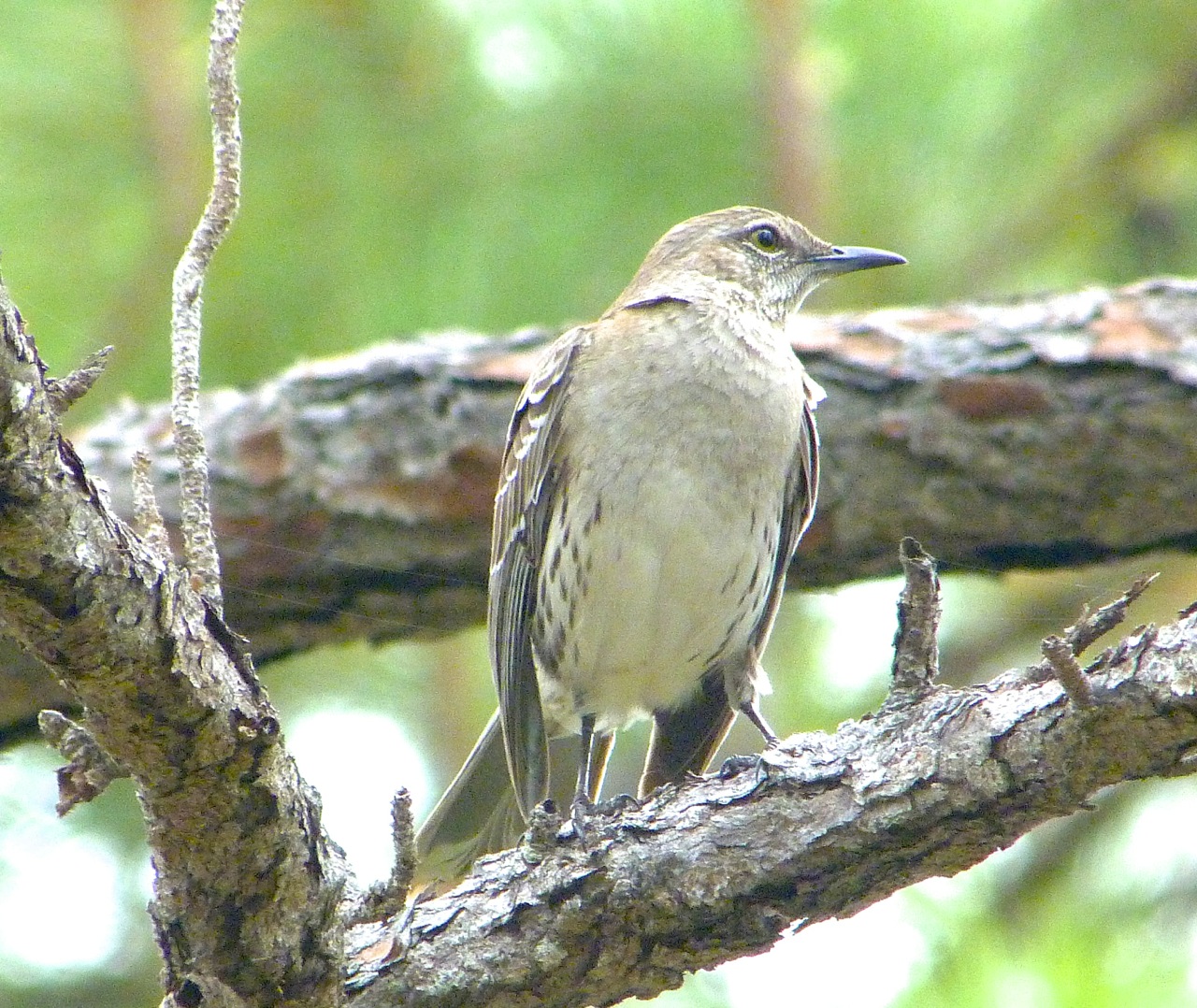
A Bahama Mockingbird deep in the pine forest of the Abaco National Park
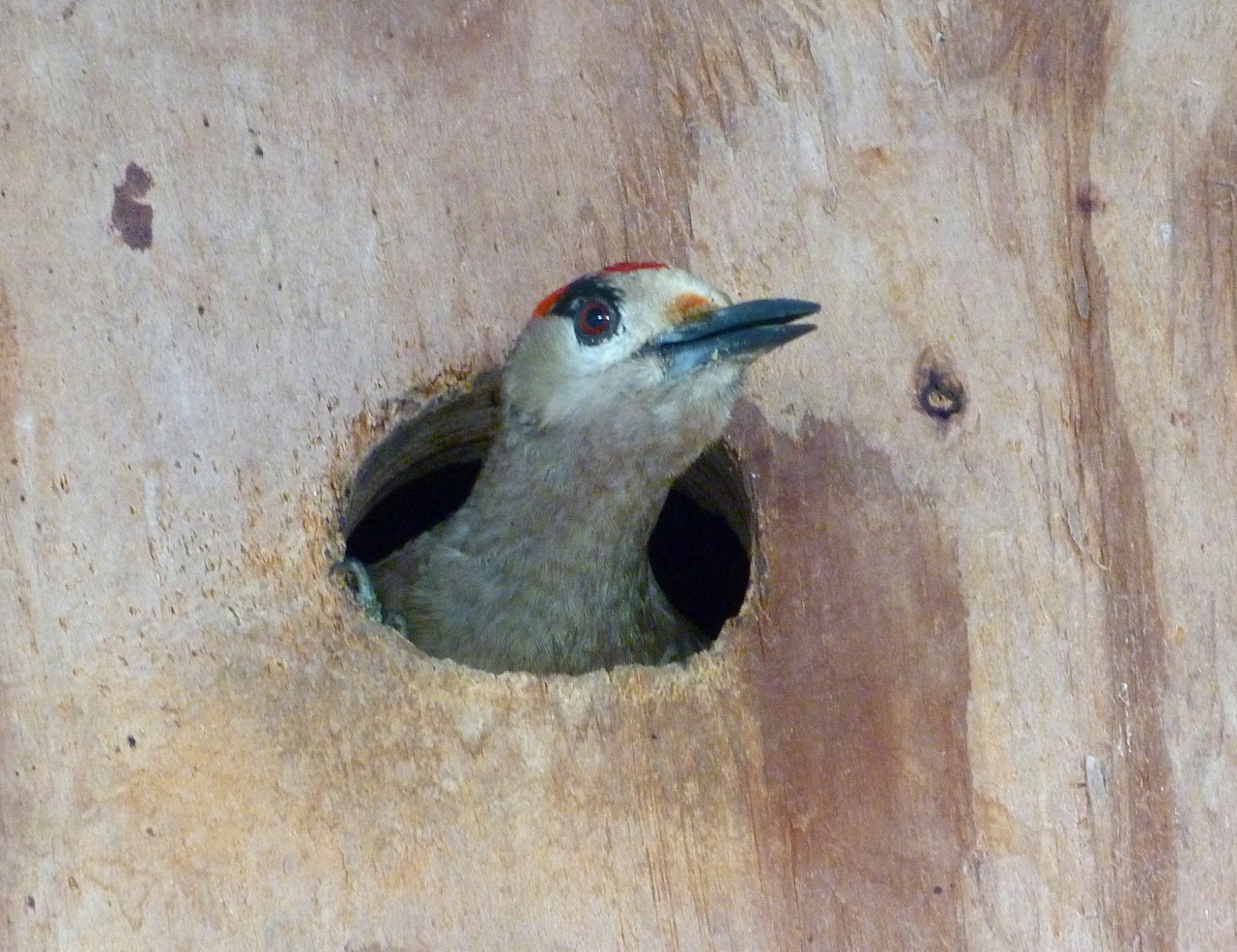
A baby West Indian Woodpecker takes a look at the wide world from its nest box. Within a week, it and 4 other chicks had flown.
A Red-legged Thrush in full song
The Bahama Yellowthroat is one of 4 endemic species on Abaco. Only the males have the striking Zorro mask. They are shy birds, but also inquisitive. I learnt to imitate their call (not difficult) to bring them out of scrub and bushes. Once out, they liked to take a good look from a safe distance.
EARLY BIRDS ON ABACO: CHARLES CORY’S EXPEDITIONS 1891
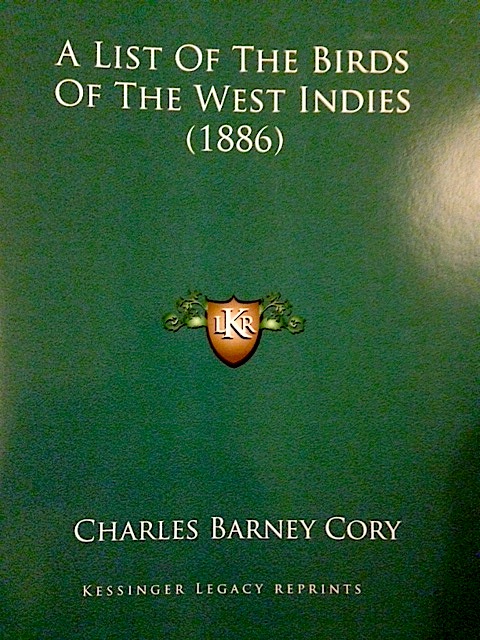
Before the explorations of the american ornithologist Charles Cory towards the end of the c19, there had been few if any serious attempts to record the birds of the Bahama Islands, especially the sparsely populated ones such as Abaco. The english naturalist Mark Catesby had published his wonderful The Natural History of Carolina, Florida and the Bahama Islands as early as 1754, which of course included some birds, but it was far from avian-specific. During the 1880s, Cory forsook the golf course (his other passion – he even competed in the 1904 Olympics but, as it is intriguingly put, “…did not finish…”) to concentrate on birds. He commenced his research for his List of the Birds of the West Indies, published in 1886. The scope was wide, including Antilles, Jamaica, Cuba, Hispaniola and the Bahamas. The book simply listed birds by family, giving the bird names in Latin, and the locations where they were found. It’s scarcely an enticing read, and the ‘print on demand’ copy I obtained for about $15 is frankly horrid.
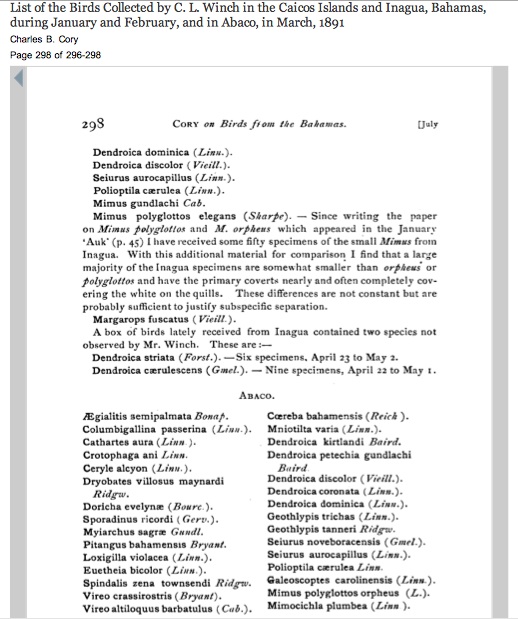
In 1891, Cory and his colleague Mr C.L. Winch paid more specific attention to the Bahamas, visiting several islands, taking specimens and recording their findings. Cory subsequently published these in the ornithological journal of record, The Auk, established in 1884 as a quarterly peer-reviewed scientific journal and the official publication of the American Ornithologists’ Union (AOU). I’m not clear whether Cory actually accompanied Winch throughout the voyages, or whether they covered the islands separately. In any event, the first visit to Abaco took place in March 1891, when Mr Winch took specimens and recorded the species he encountered.
To save you the bother of taxing your brain with Latin taxonomies (in some cases out-of-date), the species recorded are shown below. Every one of these species might be seen during a March visit nowadays.
In June they were back on Abaco; or at least, Mr Winch had returned. This time, the list of species was somewhat different, as one might expect in the summer season. It contains one particular curiosity: the Bahama Oriole. This fine bird was sadly extirpated from Abaco in the 1990s, and may now only be found on Andros. There are reckoned to be only about 300 left, so the species is on the brink of extinction.
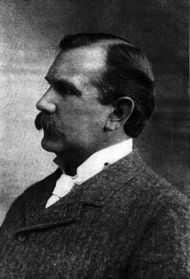
Charles Cory 1857 – 1921
COLUMN 1 Red-tailed Hawk; Mourning Dove; Common Nighthawk; Cuban Emerald; Bahama Woodstar; West Indian Woodpecker; Hairy Woodpecker; La Sagra’s Flycatcher; Cuban Pewee; Loggerhead Kingbird; Gray Kingbird; Bahama Oriole; Red-winged Blackbird
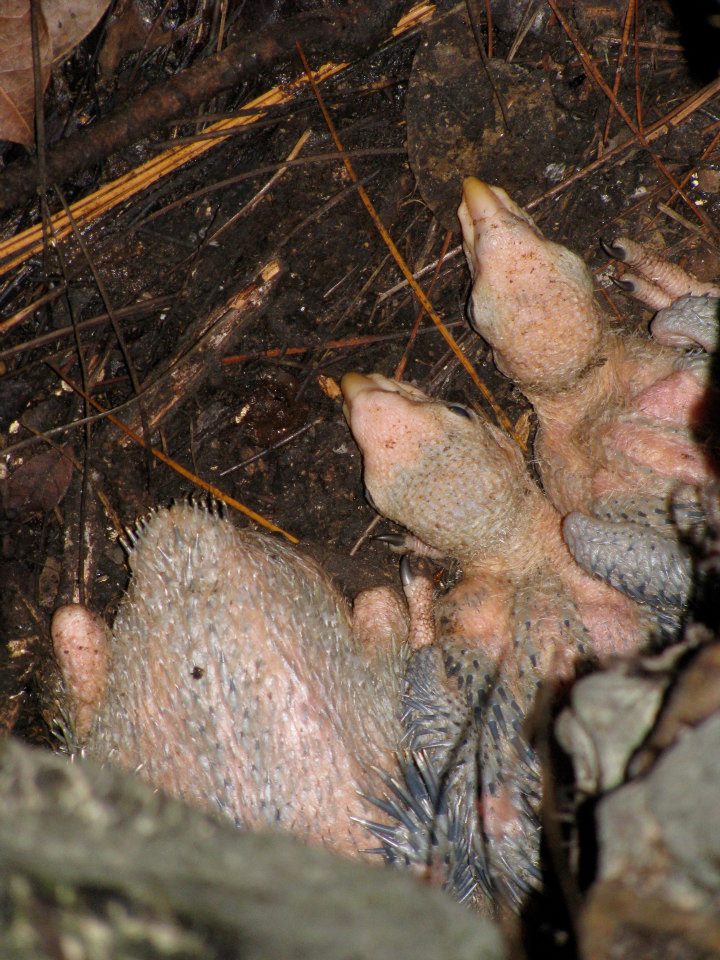
The dawn of a New Year shimmers just below the horizon, with all its bright promise for the future. It provides a convenient excuse to peer symbolically into the limestone holes of the remarkableABACO PARROT to take a peek at some newly hatched eggs and the tiny chicks that will, by next spring, look like the handsome bird at the top of the page…
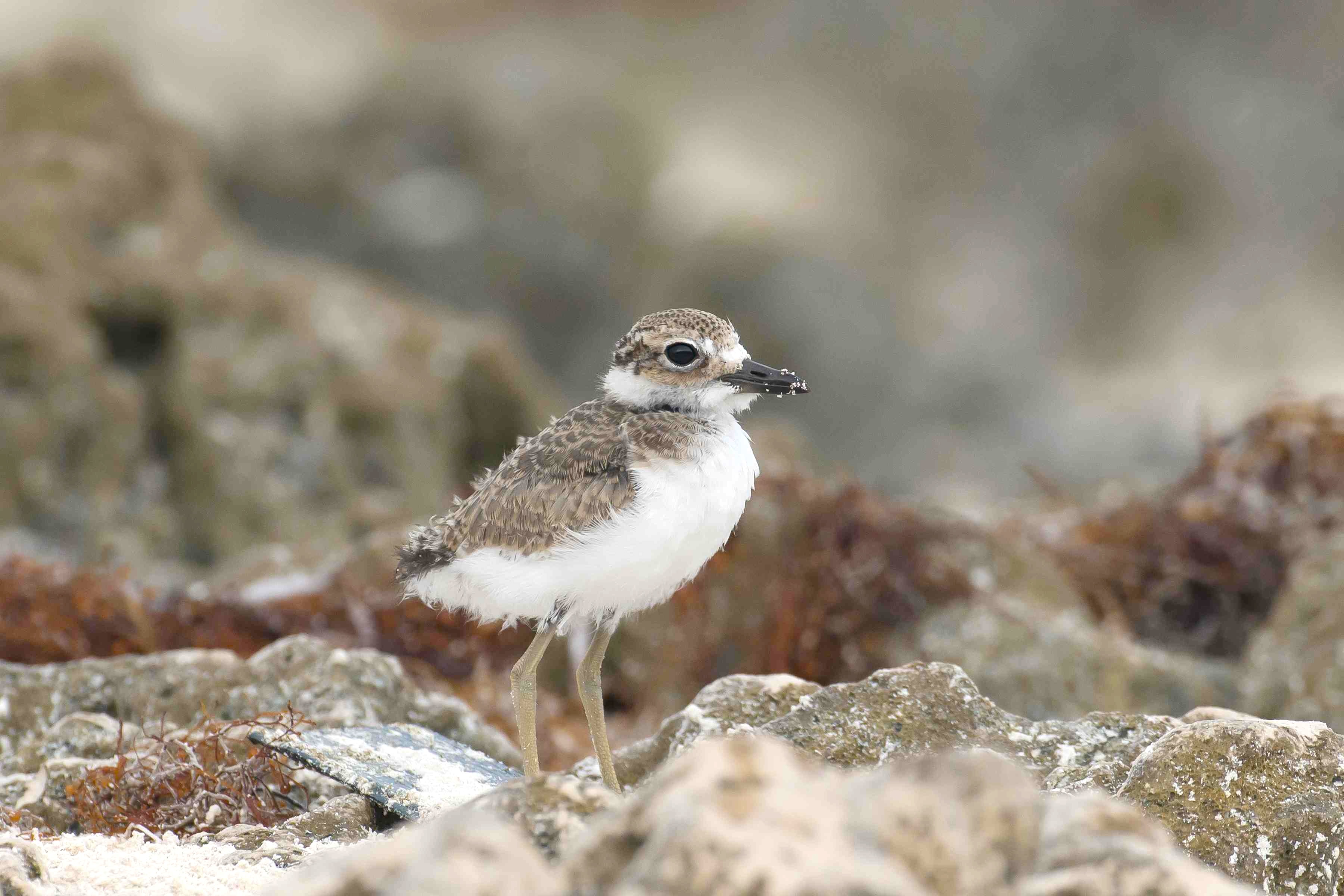
This website is not overly preoccupied with stats, but I have had a quick look to see which posts were the most popular during 2013. Here, for better or worse (I didn’t make the choices…), are the top dozen, introduced by the cutest chick of the year, a Wilson’s plover calling for its mum…
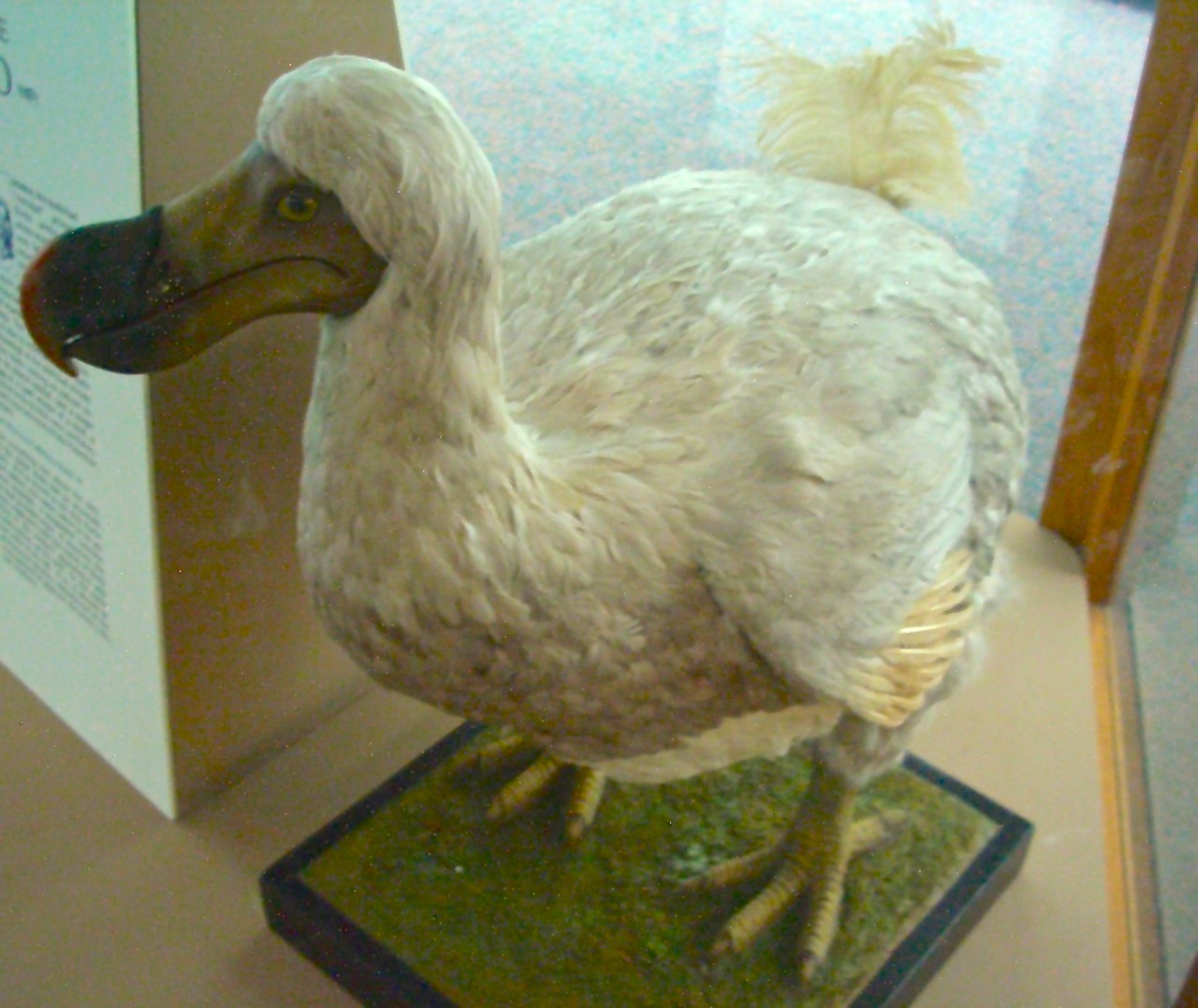
So! Farewell then 2013. Like the Curate’s egg, you were good in parts – indeed, many parts of you were excellent. Now, like Raphus cucullatus, you will become extinct, leaving remains and memories behind you… Thanks to all loyal followers of this site for sticking with it and its eccentricities (especially the musical digressions). If you wound up here by chance, mistyped g@@gle search or sheer misfortune, cheers… A very Happy New Year to you all!
Photo taken at the American Museum of Natural History – there’s also a dodo skeleton in the Oxford University Museum of natural History
Credits: Parrot nests – Caroline Stahala (the scientist i/c parrots); the rest – RH
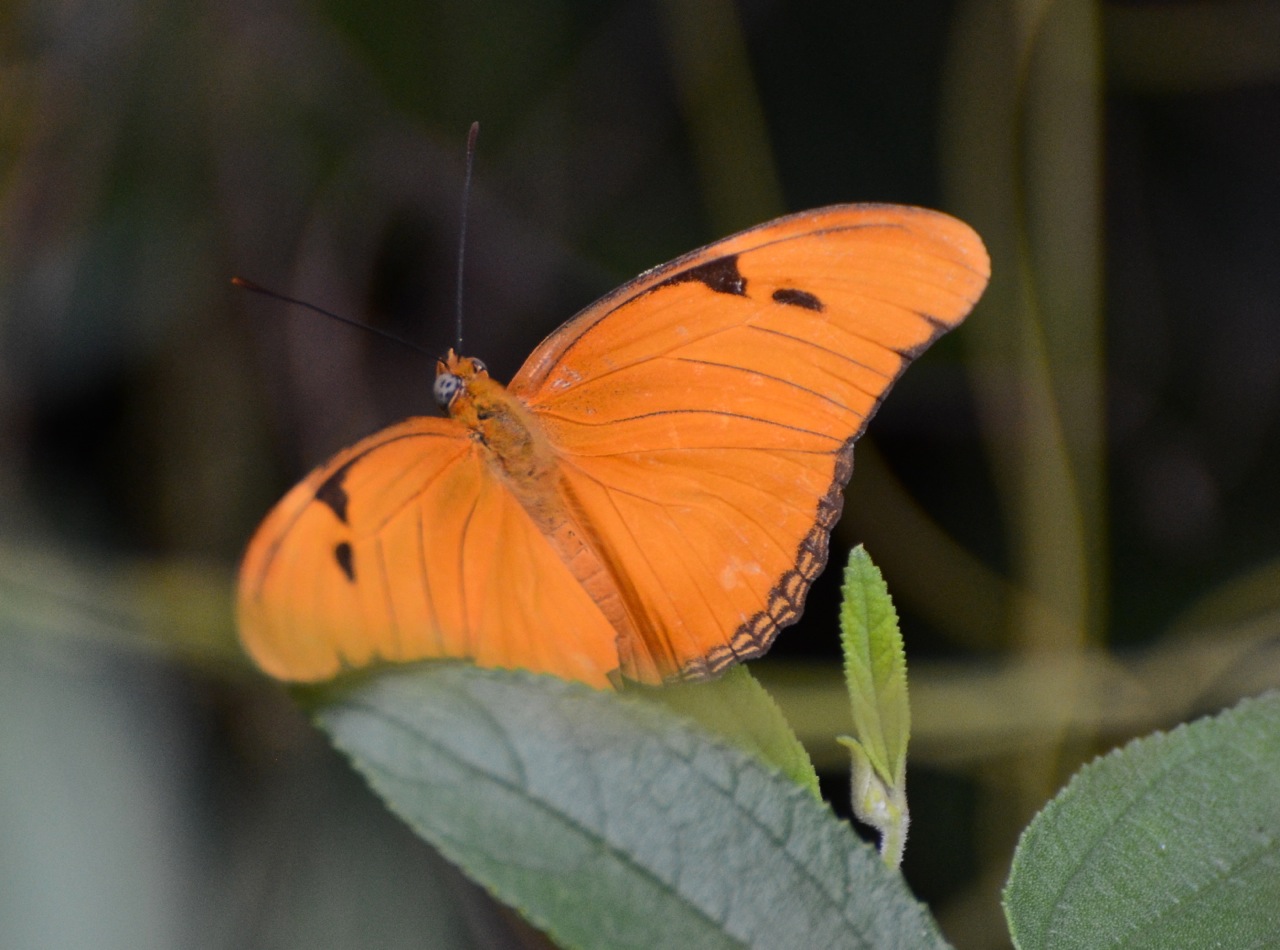
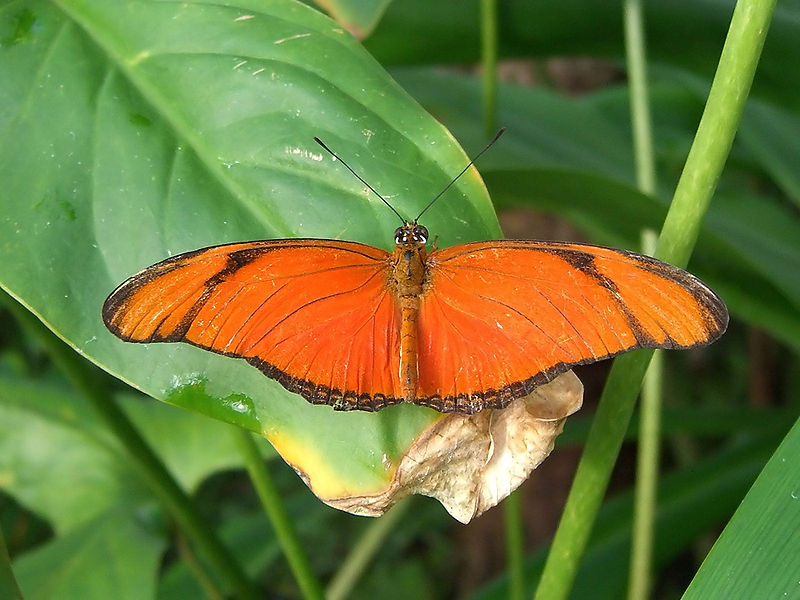
DRYAS JULIA (JULIA HELICONIAN): BUTTERFLIES ON ABACO (4)
A fast-flying butterfly in a fetching shade of orange designed to be off-putting to avian predators. If the colour fails as a deterrent, these butterflies are unpleasant to eat (supposedly), so birds learn to leave them alone.
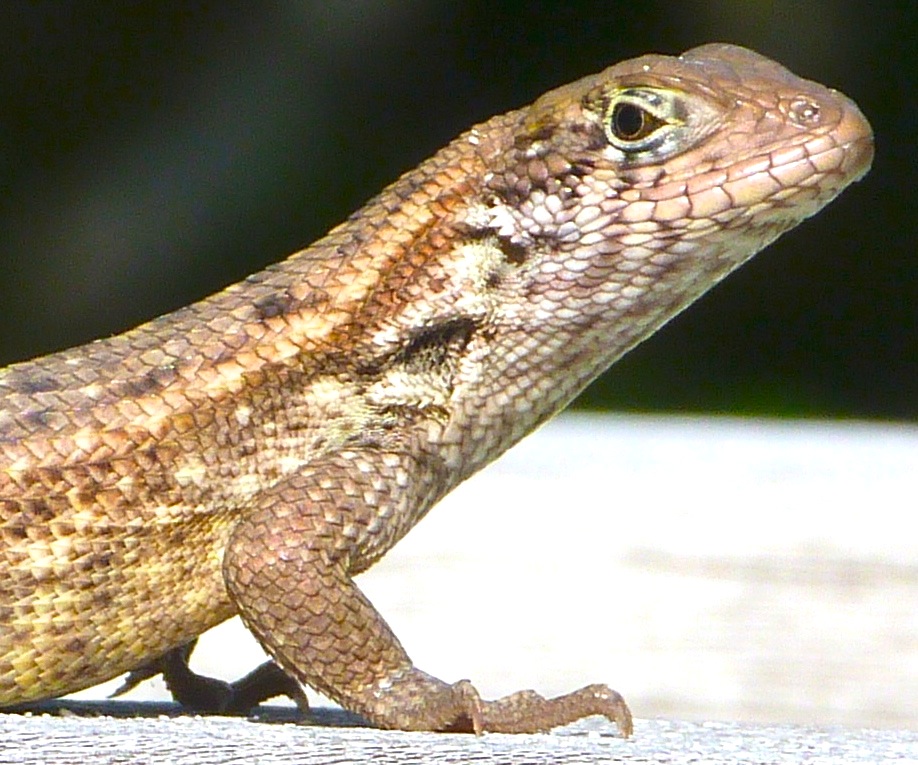
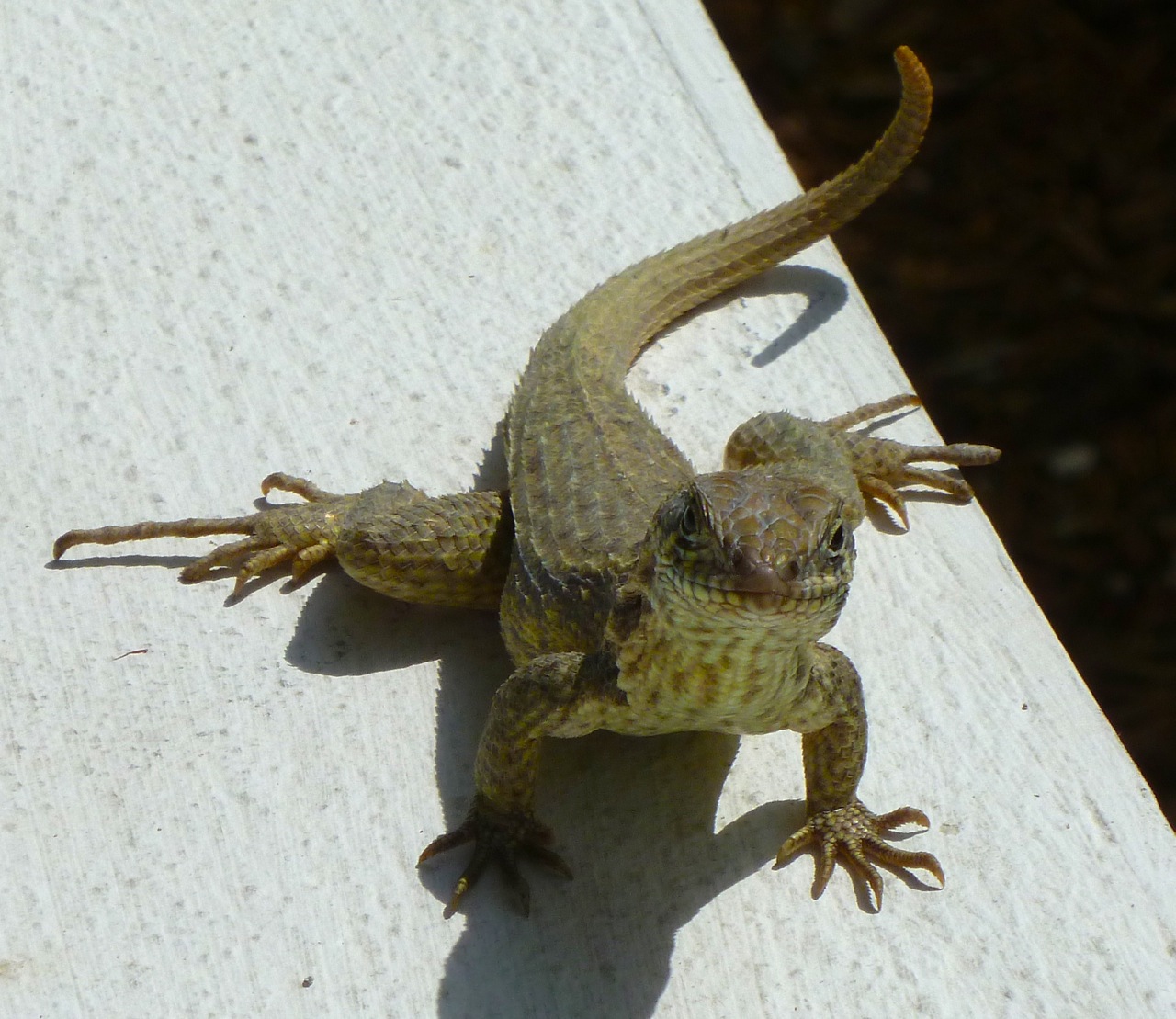
There is no known connection between ‘curly tails’ and the festive season. So trotting out a few of these charming little creatures in any season is a good idea. Are reptiles inherently repellent? Not these ones, for sure.
TIME FOR A CHANGE OF OUTFIT…
I AM A DRAGON… GRRRRRRRRRRR (note the remarkable finger length)
AWWWWW… A VERY HAPPY CHRISTMAS TO YOU TOO!Credits: Charlie Skinner (including the sloughed skin) & RH (including the ‘tired’ pair)
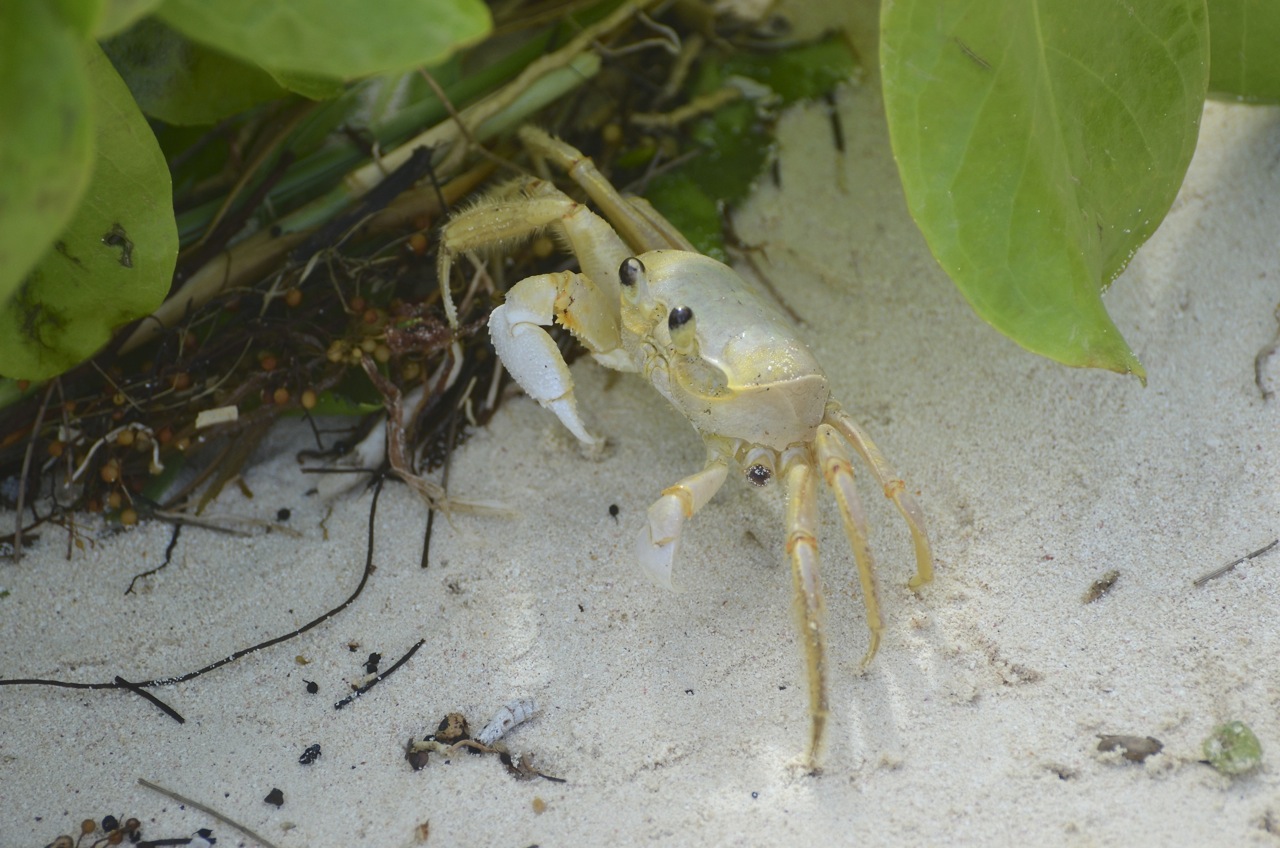
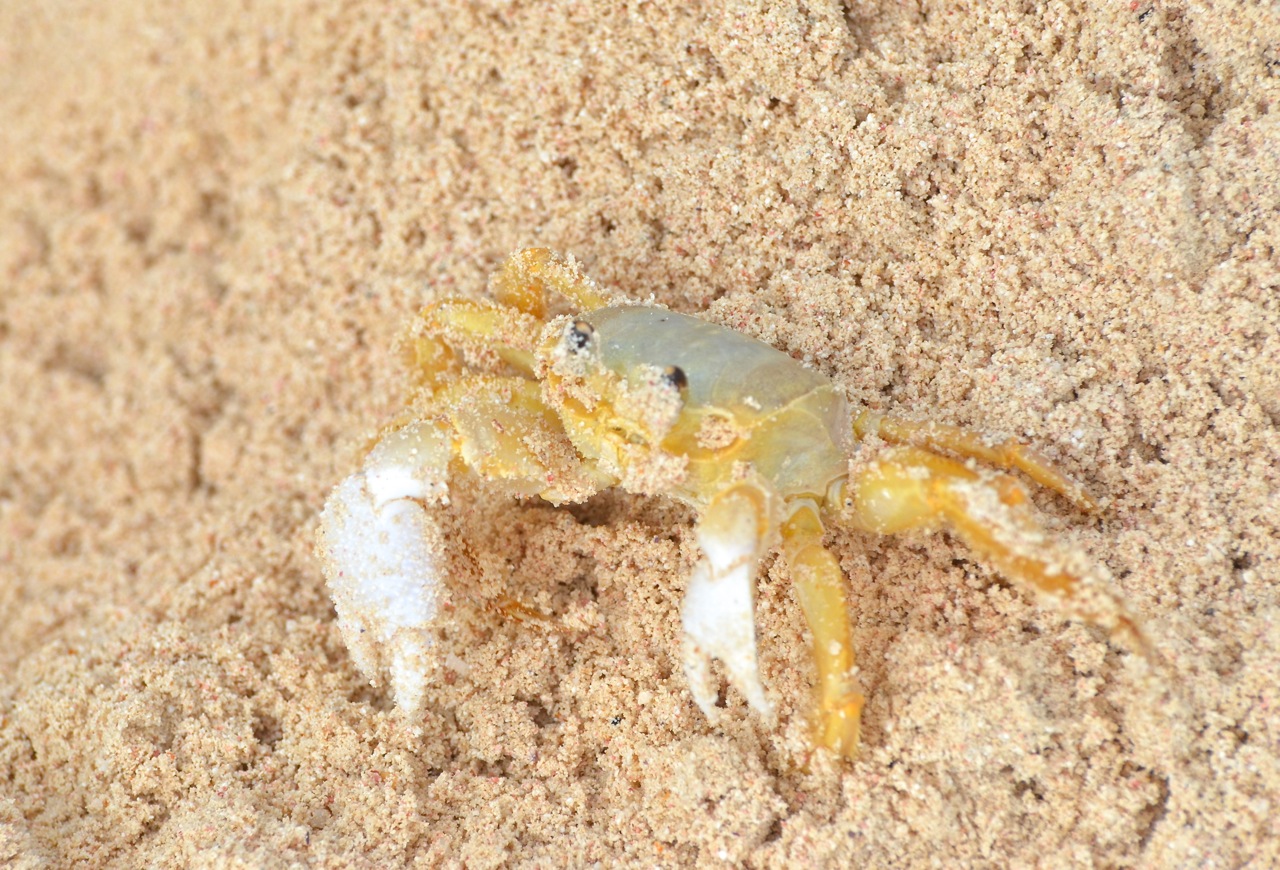
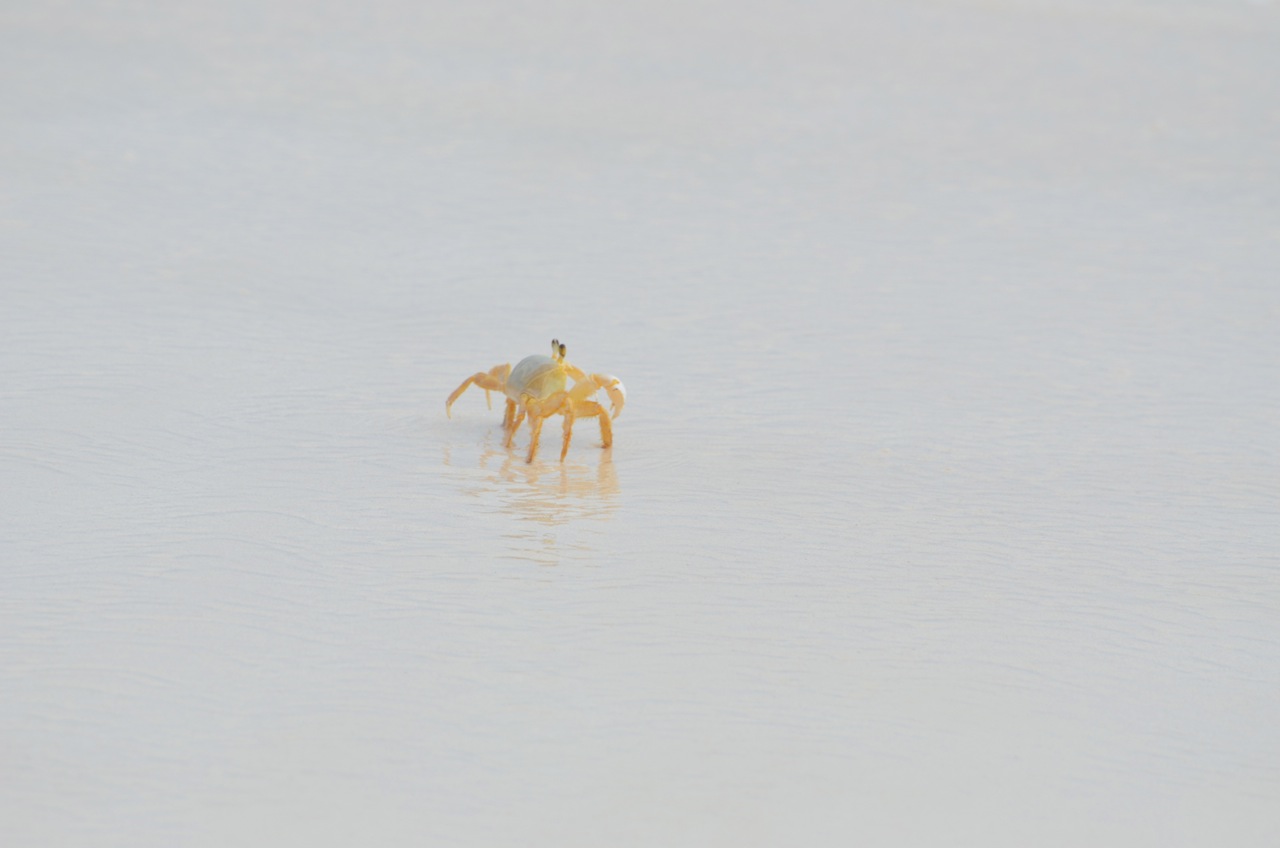
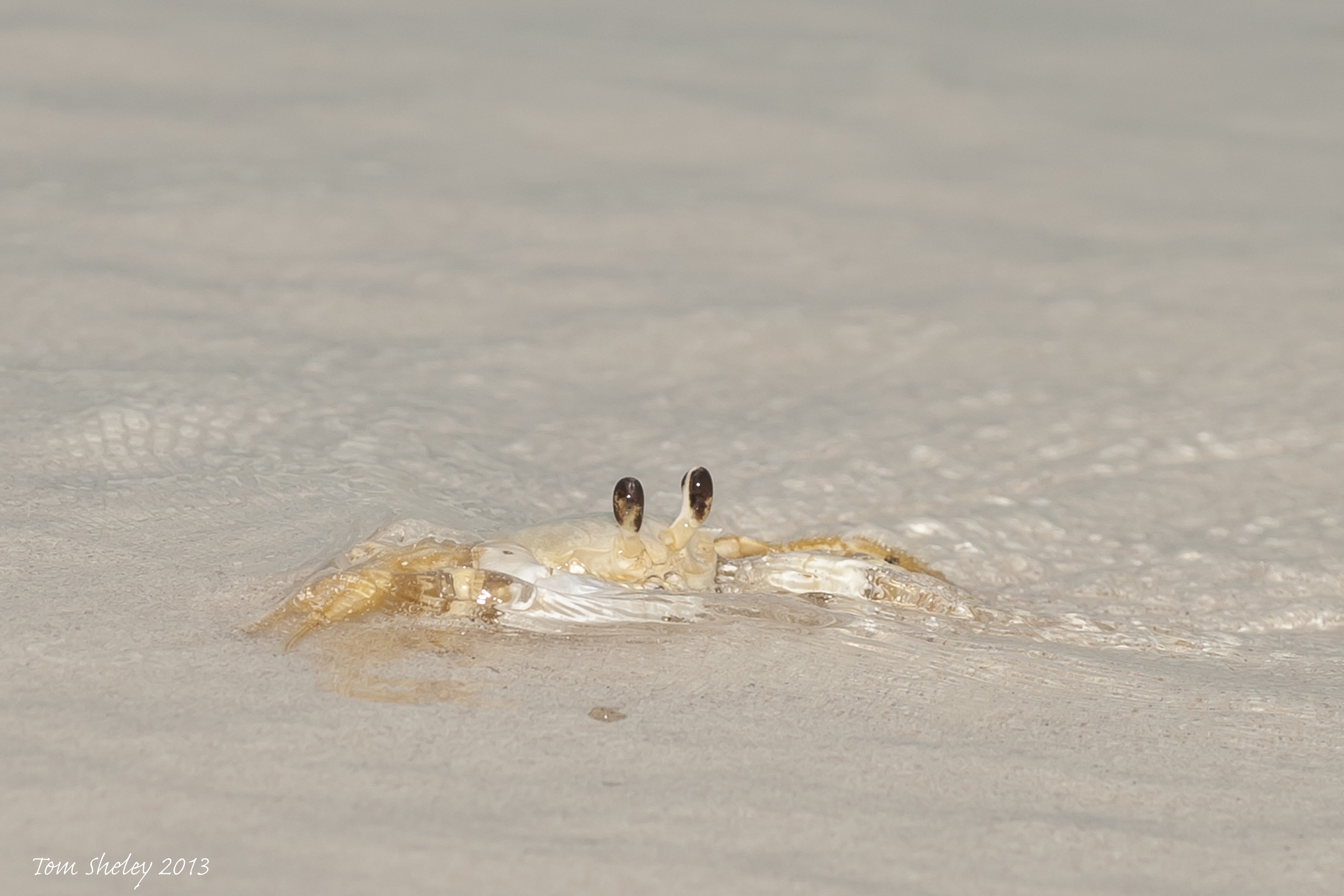
A GHOST CRAB’S DAY AT THE SEASIDE AT DELPHI, ABACO
Crabby the Crab lived amongst the greenery at the very back of the Delphi Club Beach
It was a very beautiful beach indeed. Lucky Crabby!
One day Crabby decided to go down to the sea for a swim
He scuttled across the sand towards the sound of the waves
He passed the burrow of his friend Sandy. Sandy was very busy tidying his house.
“Would you like to come for a paddle?” asked Crabby. “No thanks”, said Sandy, “I’m busy today”
So Crabby carried on towards the water’s edge. He got closer, to where the sand was wet…
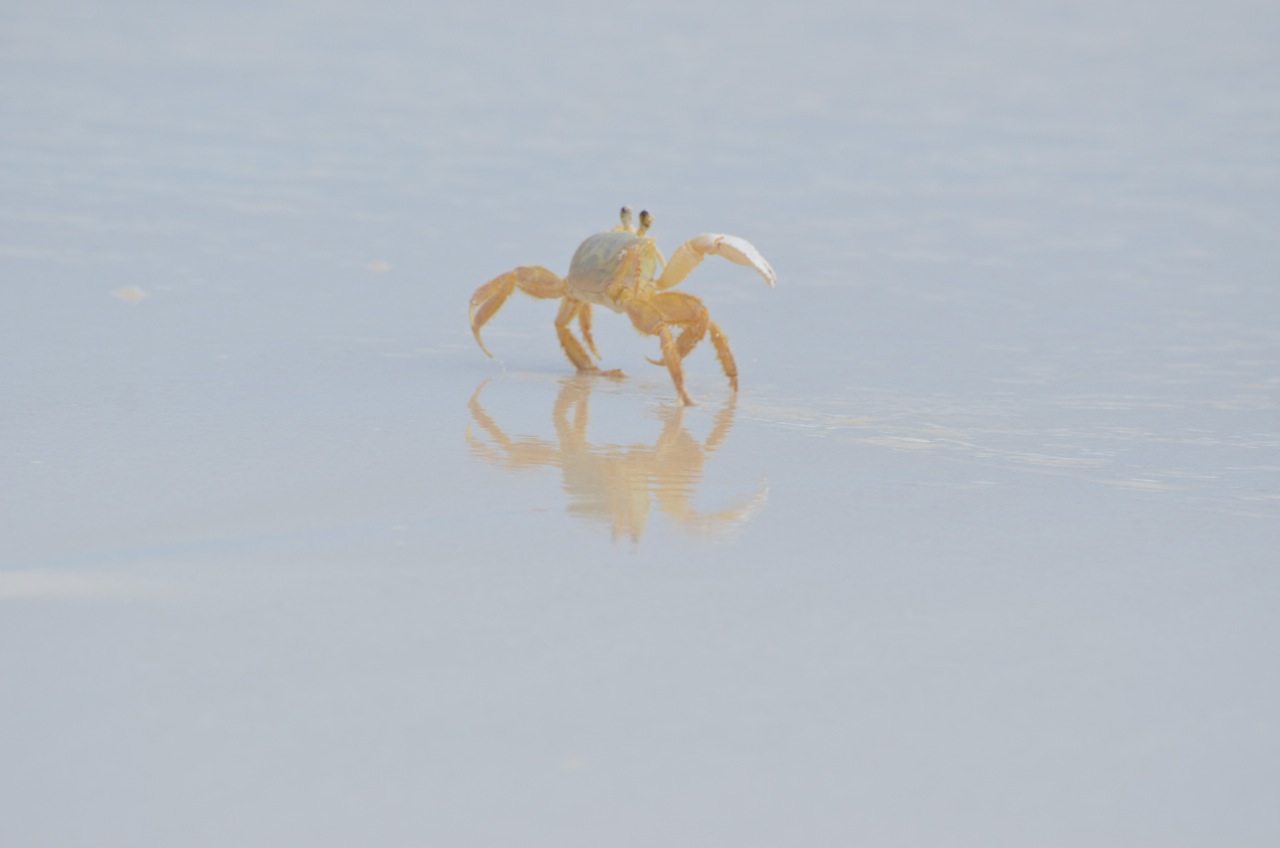
…and closer, to where the water tickled his toes…
…and closer, to where the tide ripples reached. Crabby waved his claws with excitement
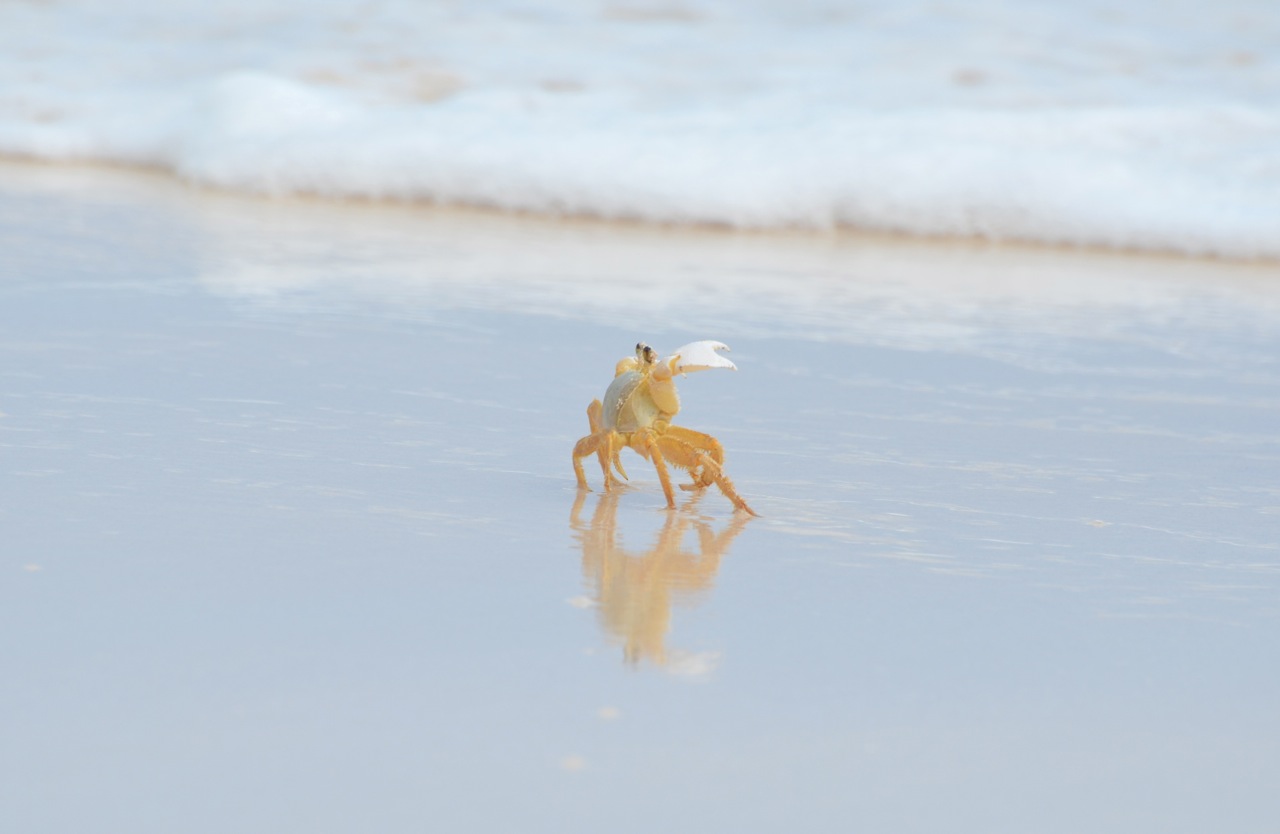
Finally, he was paddling in the warm water. It was just perfect. Whoops! Don’t fall in, Crabby!
Very soon Crabby was in the water, right up to his eyes. What a beautiful day for a swim!
See ‘Crab Run: The Movie’, starring Crabby the Crab
CREDITS: header & beach, RH; last image, Tom Sheley; the rest, Charlie Skinner. DEBITS: pre-Christmas nauseatingly anthropomorphic tomfoolery and video – blame me. No crabs were harmed or even mildly embarrassed during this photoshoot.
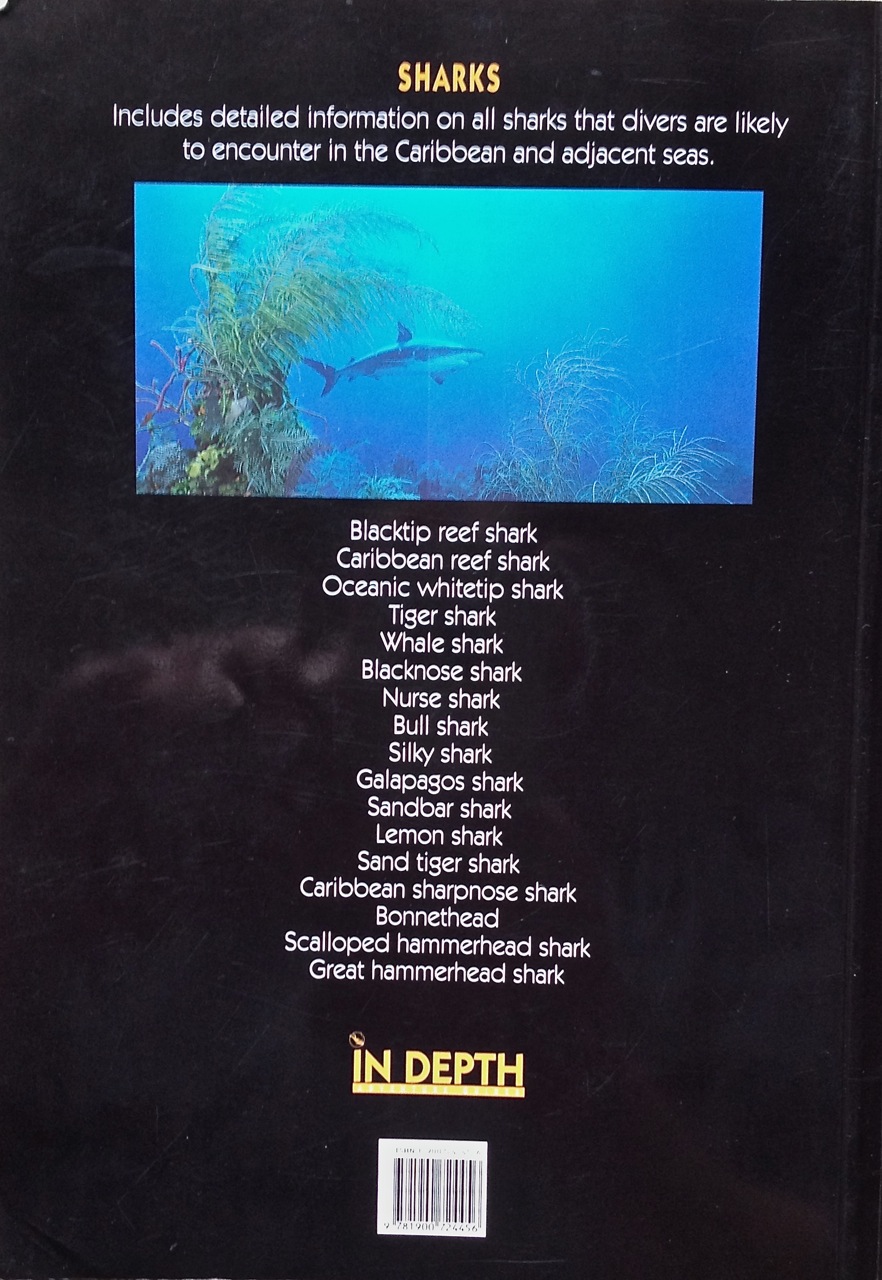
SHARKS! ALL YOU NEED (OR WANT) TO KNOW IN ONE SMALL BOOK
THE IDENTIFICATION, BEHAVIOUR & NATURAL HISTORY OF THE SHARKS OF FLORIDA, THE BAHAMAS, THE CARIBBEAN & GULF OF MEXICO
Jeremy Stafford-Deitsch, Trident Press 2000 (95 pp)
Occasionally I review books, apps, ‘meeja’ and so on, of general relevance to Abaco wildlife and ecology. You can find all this under the heading BOOKS ETC and its drop-down sub-menus. You’ll see comparative recommendations, mostly positive, with some frankly snidey comments on a few things not to waste your ‘hard-earned’ on.
Here’s a book I bought on @m@z@n for a few coins + p&p (less than $5 total) just to see what it might have to offer. The answer is, a great deal. It’s not the book for those who want a detailed exploration the intricate mesopathy of selachimorphic exo-cartilege, if such a thing exists. But it has a mass of useful information, brief but helpful identification pages for many different shark species, and good illustrations, all compressed into a slim tome.
Although this book was published in 2000, sharks haven’t changed noticeably since then, so the contents still hold good. Here are a few pages to give an idea of how simple yet informative this book is.
A tour round a shark’s ‘bits’
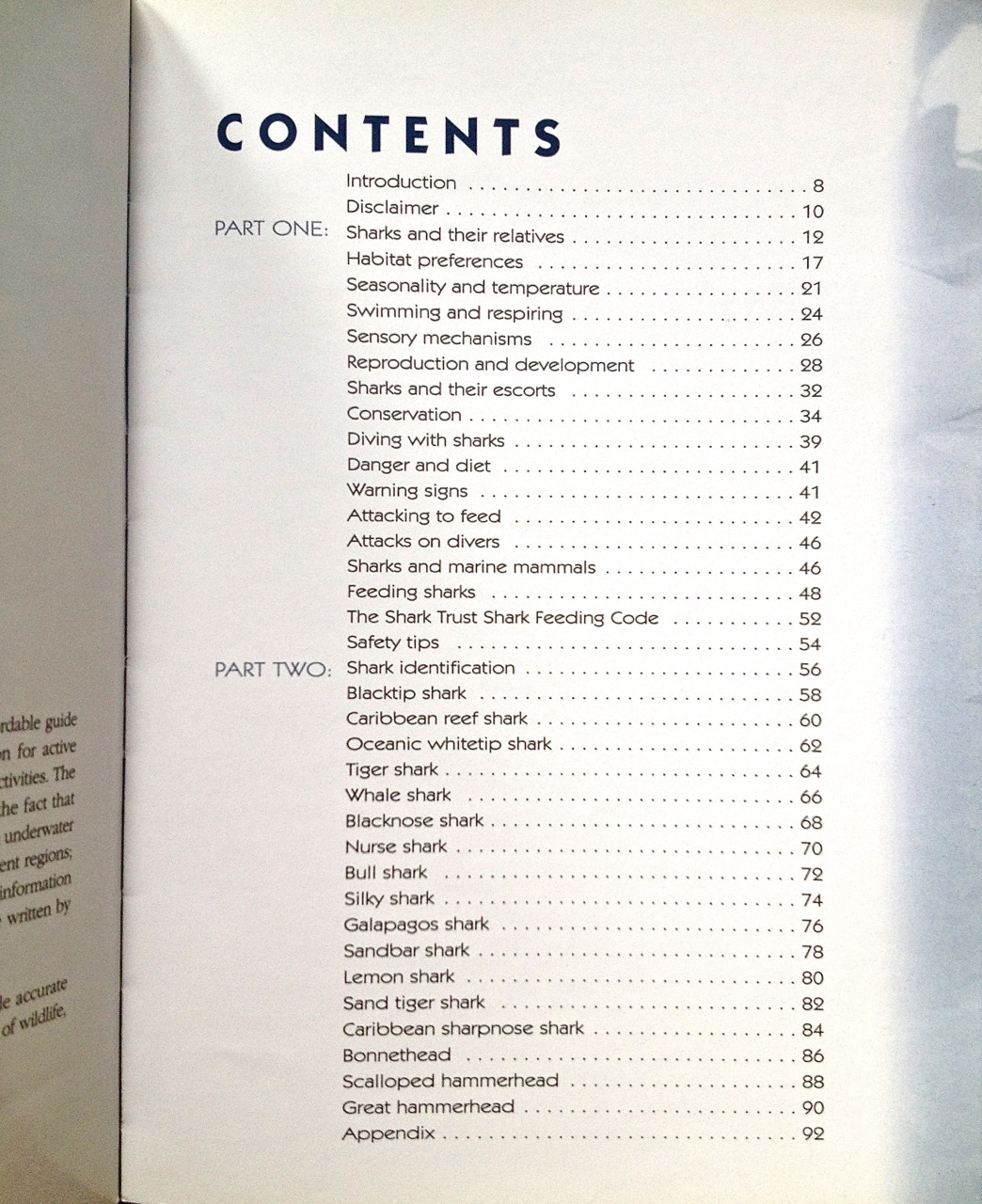
The Contents page gives a very clear idea of the scope of the book. Pages 34 to 54 are of particular interest for anyone intending to dive, spearfish, snorkel or indeed take a dip.
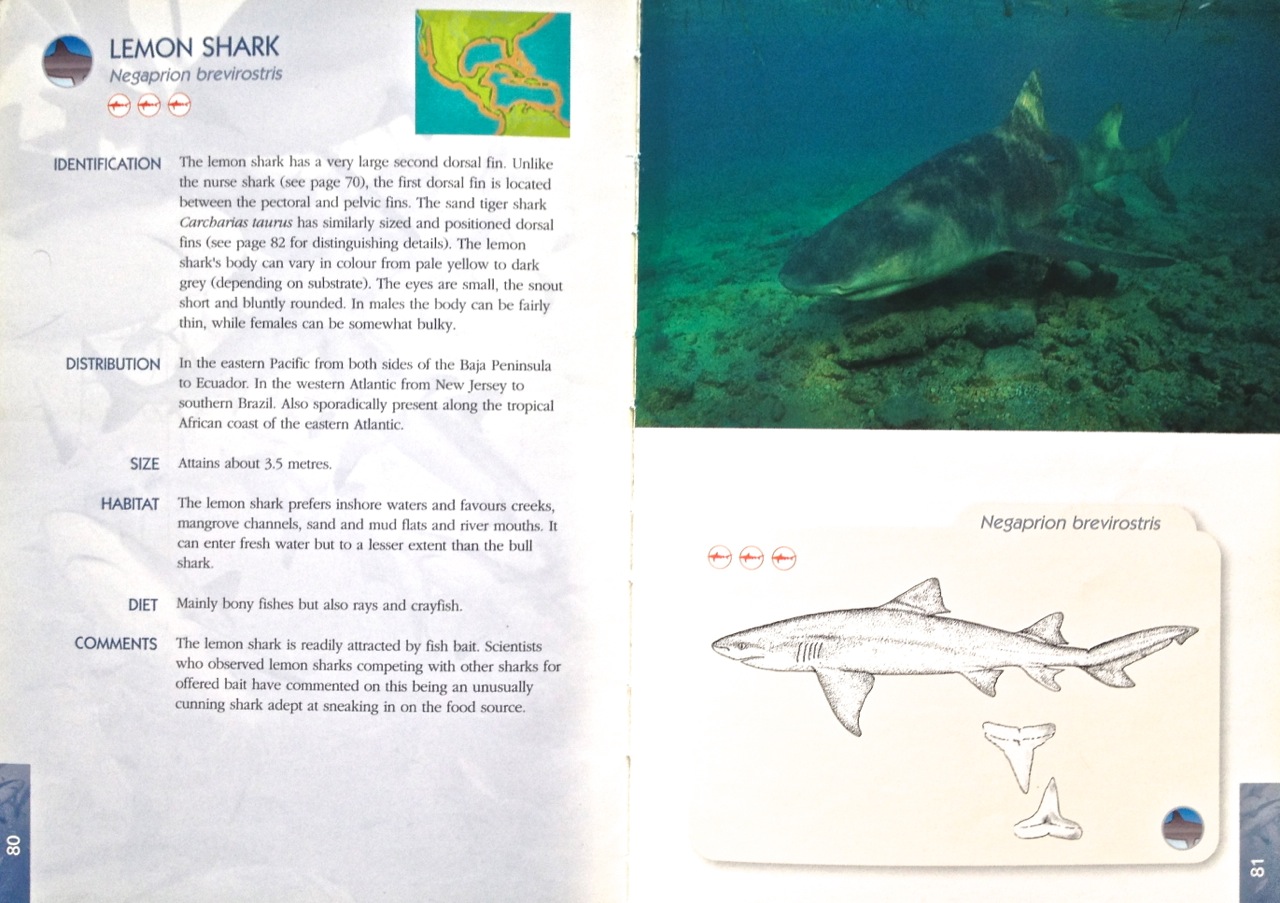
The entries for the Blacktip Shark and the Lemon Shark. Each entry features a useful range map, and an even more useful ‘potential danger rating’ for each species. It’s worth remembering, however, that there are sharks worldwide, and they all have teeth. Thousands of people dive and swim with many of the species every day in complete safety. There are simply some does and don’ts, mostly completely obvious, that will make the difference between enjoying their company (and they, yours); and pushing your luck with a wild creature when you have intruded into its habitat…
THE SHARK TRUST FEEDING CODE
This page interested me in the light of the chumming debate. Plenty of basic common sense here.
A useful illustration to help you understand what the book is all about
More shark information and some amazing images can be foundHERE .
As I wrote elsewhere:“Take comfort from the fact that no fatalities and fewer than 10 injuries from shark attacks have been recorded in Abaco waters for over 250 years (since 1749)… By way of comparison, in the last 150 years there have been 36 recorded shark attacks in the Mediterranean, of which 18 have been fatal… Since 1845 there have been a number of shark attacks in British waters, with one fatality. There were two more fatalities in an incident in 1956 , but this was an ‘own-goal’ arising from an attempt to blow up a shark with dynamite. It can hardly be blamed on the shark.
WEIRD NON-SHARK RELATED STATISTIC: Amazingly, in the 3 years 2007 – 09 in England and Wales, 42 people died from being bitten by animals, only a few of which were dogs.
CONCLUSION You are statistically far safer to spend 250 years swimming off Abaco than spending 3 years stroking a cat in Manchester. Or Swansea.”
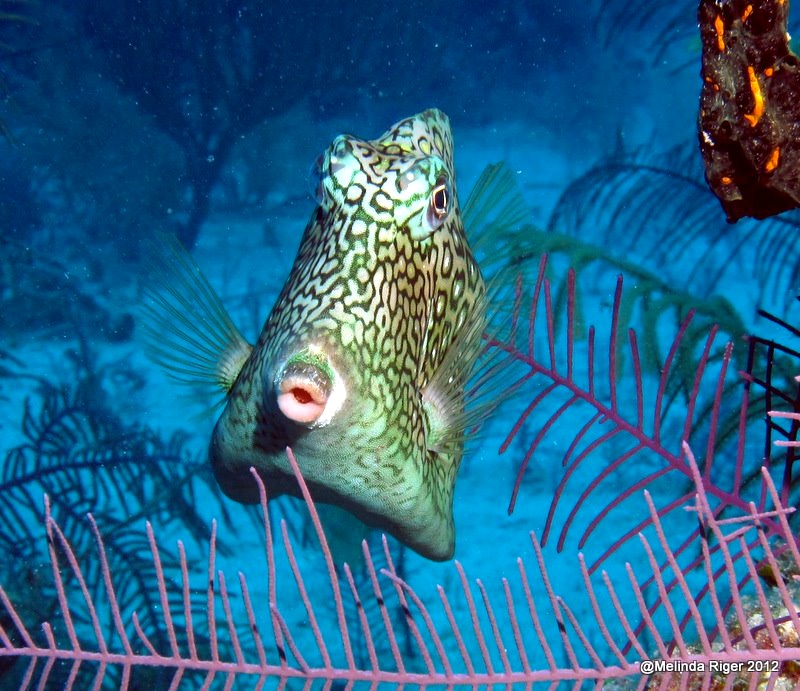
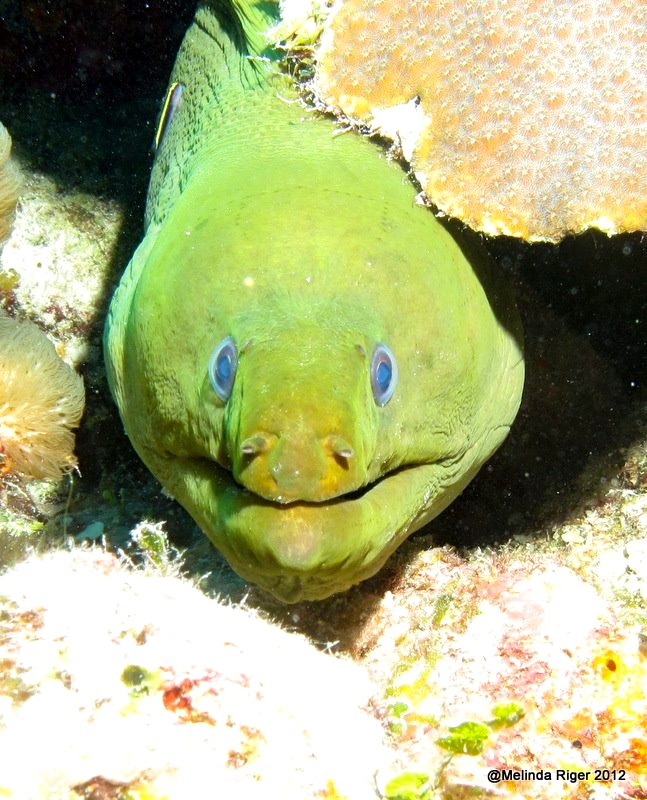
I have been idly filing away some stunning close-up reef denizen images by Melinda Riger. A Monday morning is the perfect time to showcase some pouts, poses and glad eyes from the ‘catfish walk’, starting with my absolute favourite…
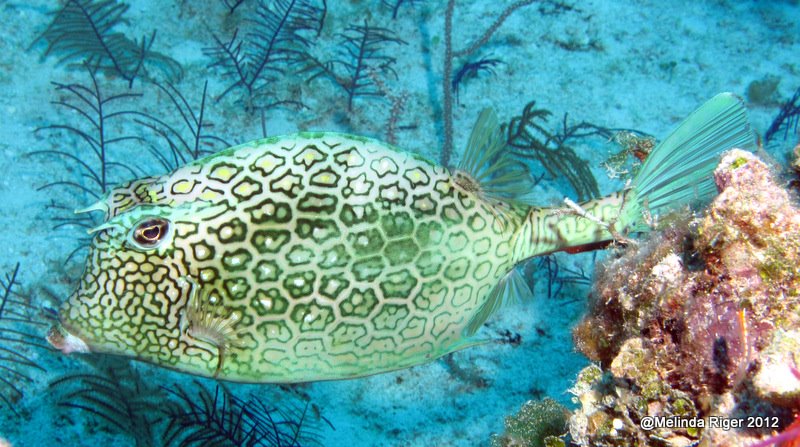
A COWFISH** PERFECTS THE POUT
A GREEN MORAY EEL SMILES STRAIGHT TO CAMERA
THE QUEEN ANGELFISH ‘LOVES’ THE LENS
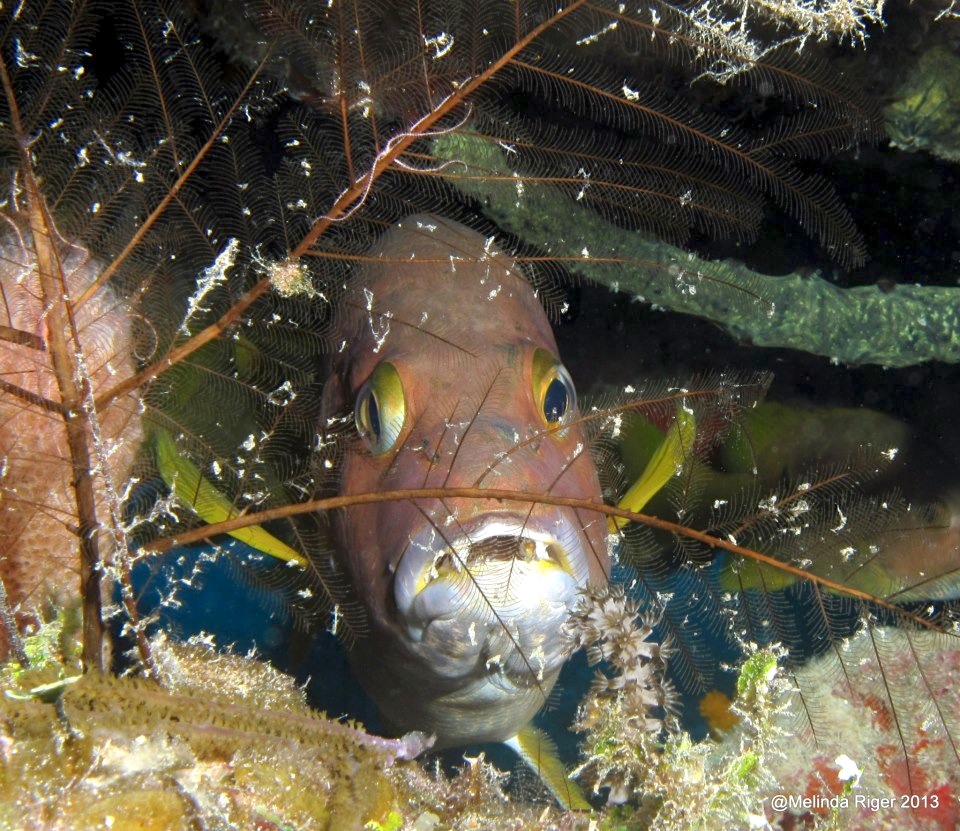
A GROUPER DOES THE ‘OPEN-MOUTH’ GAPE
THIS SCHOOLMASTER SNAPPER MAY NOT HAVE GOT QUITE WHAT IT TAKES
NICE EYES, BUT THE PETITE SAND-DIVER NEEDS TO BE A LITTLE MORE OUTGOING
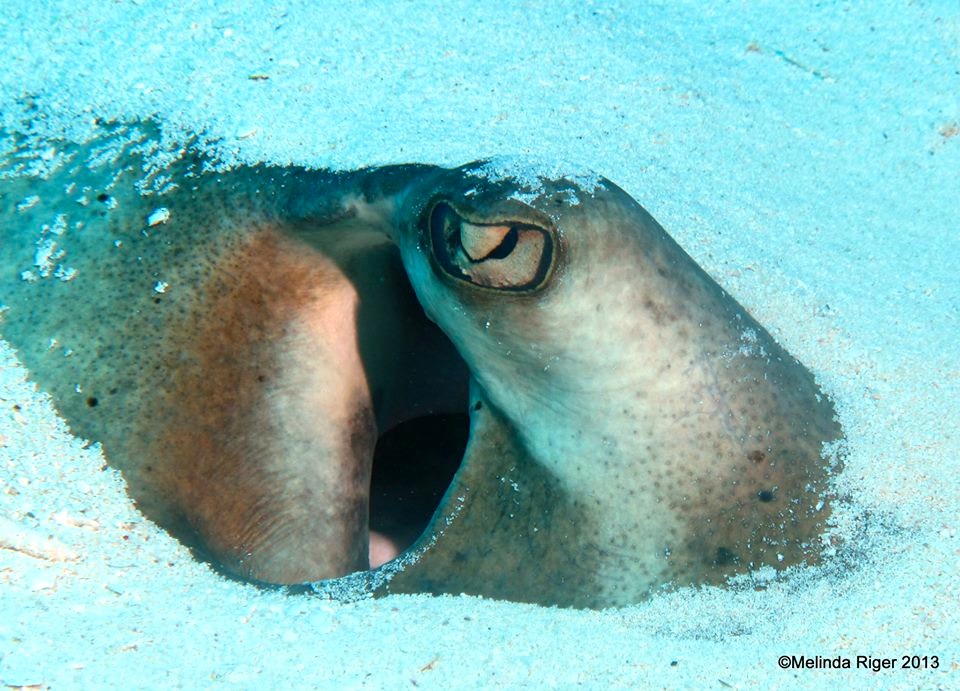
AS DOES THE SOUTHERN STINGRAY
HOWEVER THE PEACOCK FLOUNDER IS ROCKING THE MAKE-UP BOX
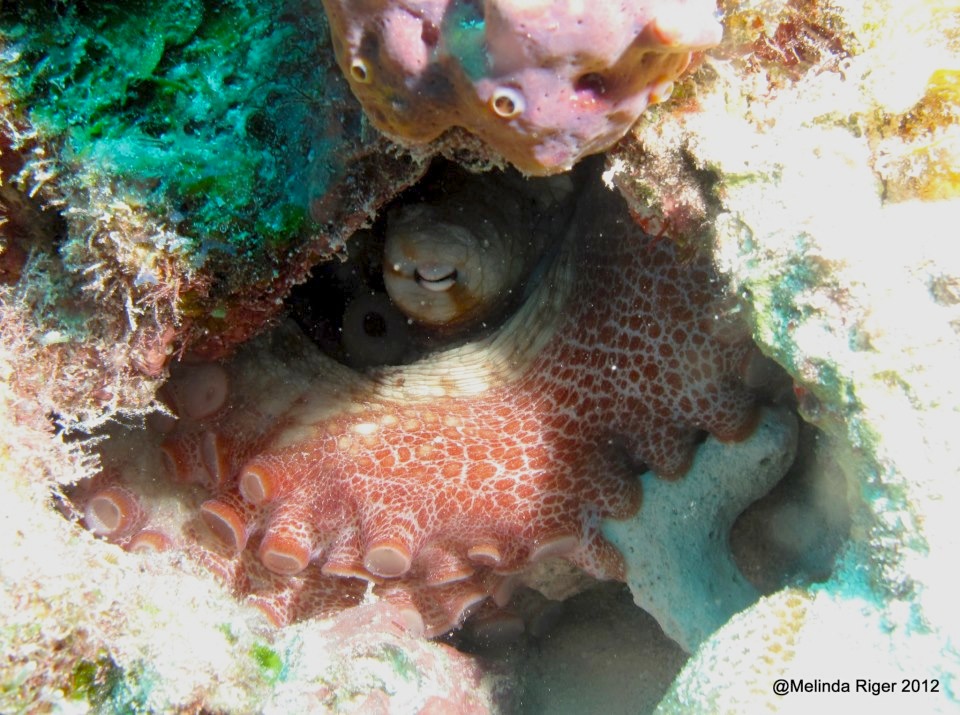
THE OCTOPUS IS MOODY & WON’T GET OUT OF BED FOR LESS THAN 20 MOLLUSCS
AND REGRETTABLY THE POOR CONCH HAS A BAD STAGE FRIGHT
For more octopus information and a discussion of the correct plural (choice of 3)CLICKHERE
For a post about underwater species camouflageCLICKHERE
**Since I posted this earlier today, I have been asked (re photo 1) what the… the… heck a Cowfish looks like, when it’s not puckering up while facing you. The answer is: stunningly glamorous…
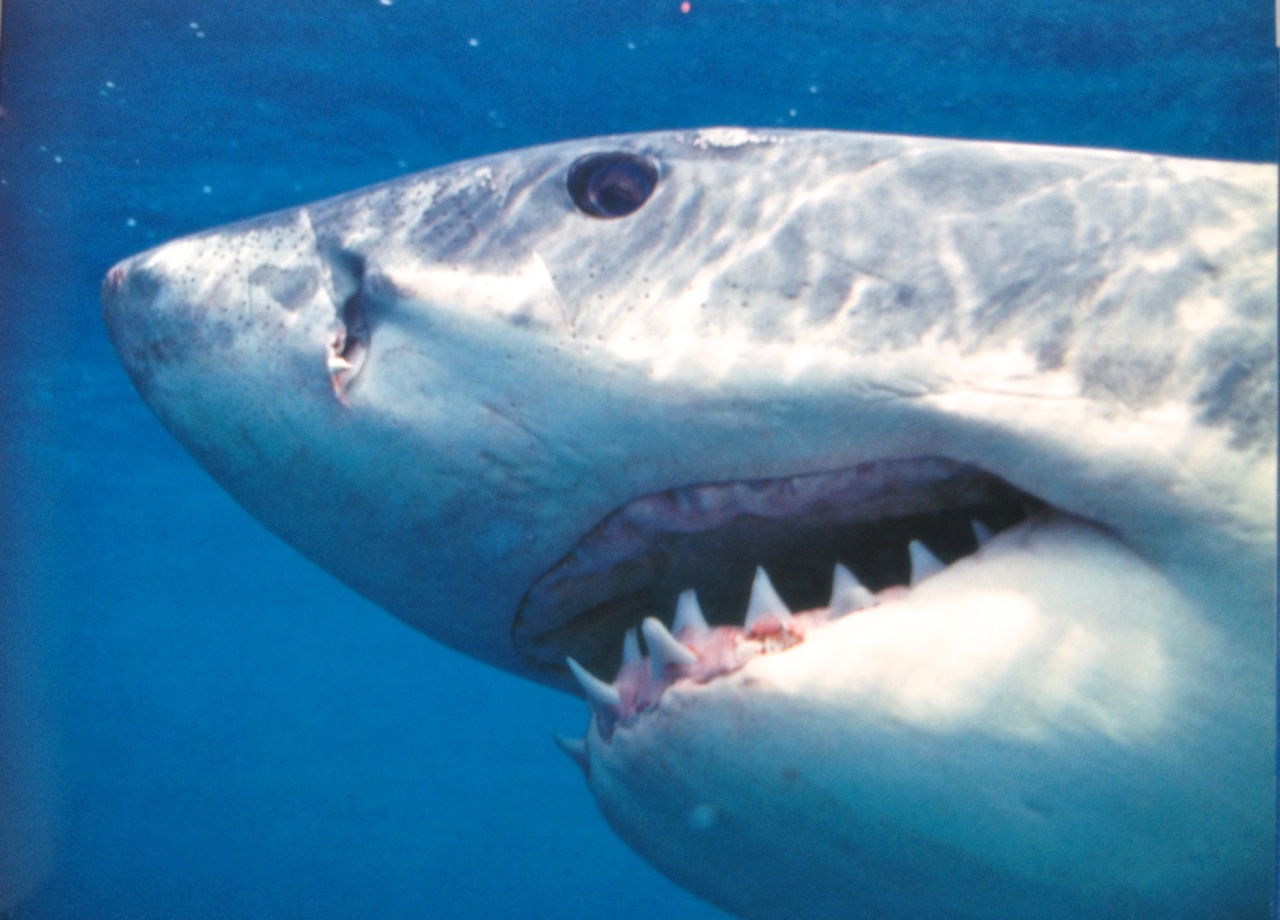
Thanks as ever to Melinda Riger of Grand Bahama Scuba for use permission for her fab photos; tip of the dorsal fin to Wiki for the shark eye header pic
SCRAPES, CHICKS & BROKEN WINGS: WILSON’S PLOVERS ON ABACO (3)
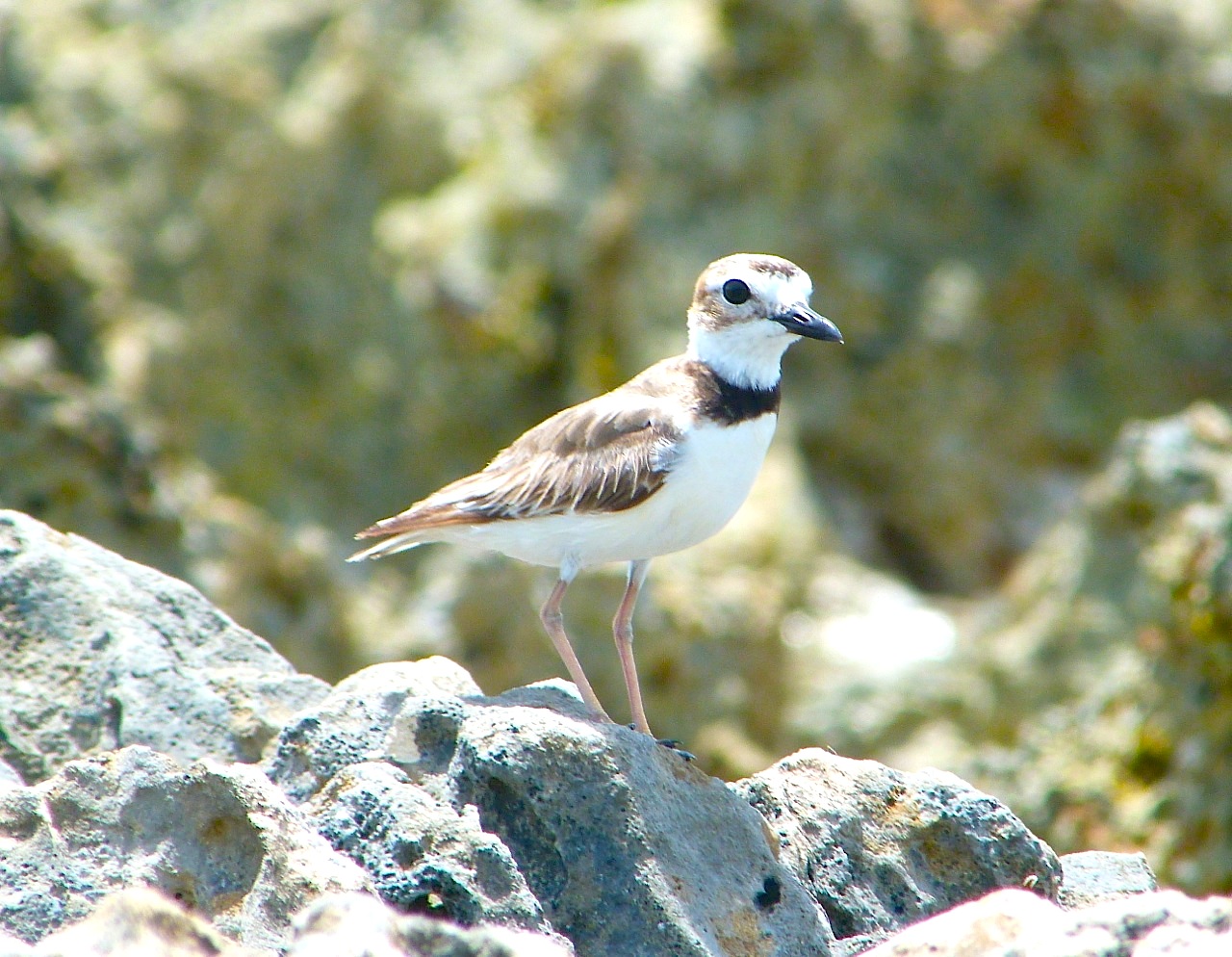
The male plover above is keeping watch from a rocky vantage point over an area at the north end of the beach at Delphi. And with good reason. It’s the summer breeding season, and on the sand are some nests. One of them is his.
This is a ‘scrape’ – not the carefully constructed nest that most birds make, but a shore bird’s collection of sticks and twigs – sometimes stones or shells – clumped together on the sand to provide a comfortable place for the mother to sit until the eggs have hatched.
Though tiny at first, the chicks soon become independent enough to explore their surroundings
Usually, there will be a pair of chicks, maybe more. The two in the photo below have scuttled to the back of the beach for safety because the adults thought I was getting a bit close, and sent them to hide in the pine needles
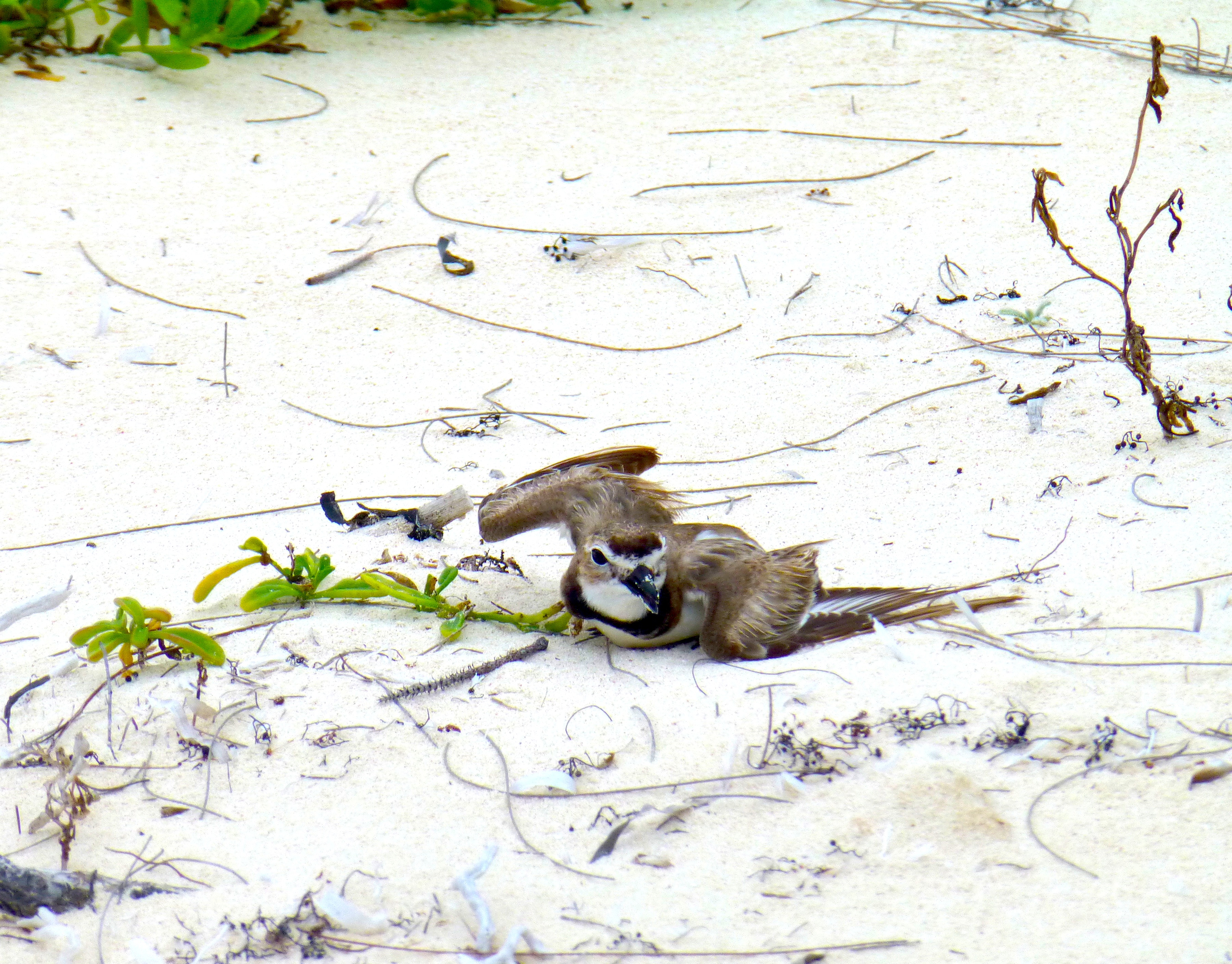
When a nest is threatened by a predator, Wilson’s plovers have a defensive technique that is remarkable to watch. Other shore birds, for example Killdeer, resort to this method as well. A parent will flutter about pathetically on the sand, apparently with one or both wings broken, attracting the predator by its faked vulnerability. The plover will gradually draw the threat away from the nest area, protecting the eggs or allowing chicks to make themselves scarce. Here are some examples of the ‘broken wing display’, all photographed on the beach at Delphi. The first 2 images show a female; the third, a male.
Athough the little chicks are vulnerable, they grow quickly
Before very long, they are able to get onto the same rocky vantage point as their parents to practise surveying the scene. Next summer, they will be keeping watch over nests and chicks of their own.
The previous posts in the series are WILSON’S PLOVERS (1) showing the adults; and WILSON’S PLOVERS (2) that shows how plovers nesting on the shore at Nettie’s Point were protected from human activity in the boat-launching area.
“I’m off now. See you next year”Credits: scrape & broken wing display, Clare Latimer; last (and best) chick image, Tom Sheley; the rest, RH
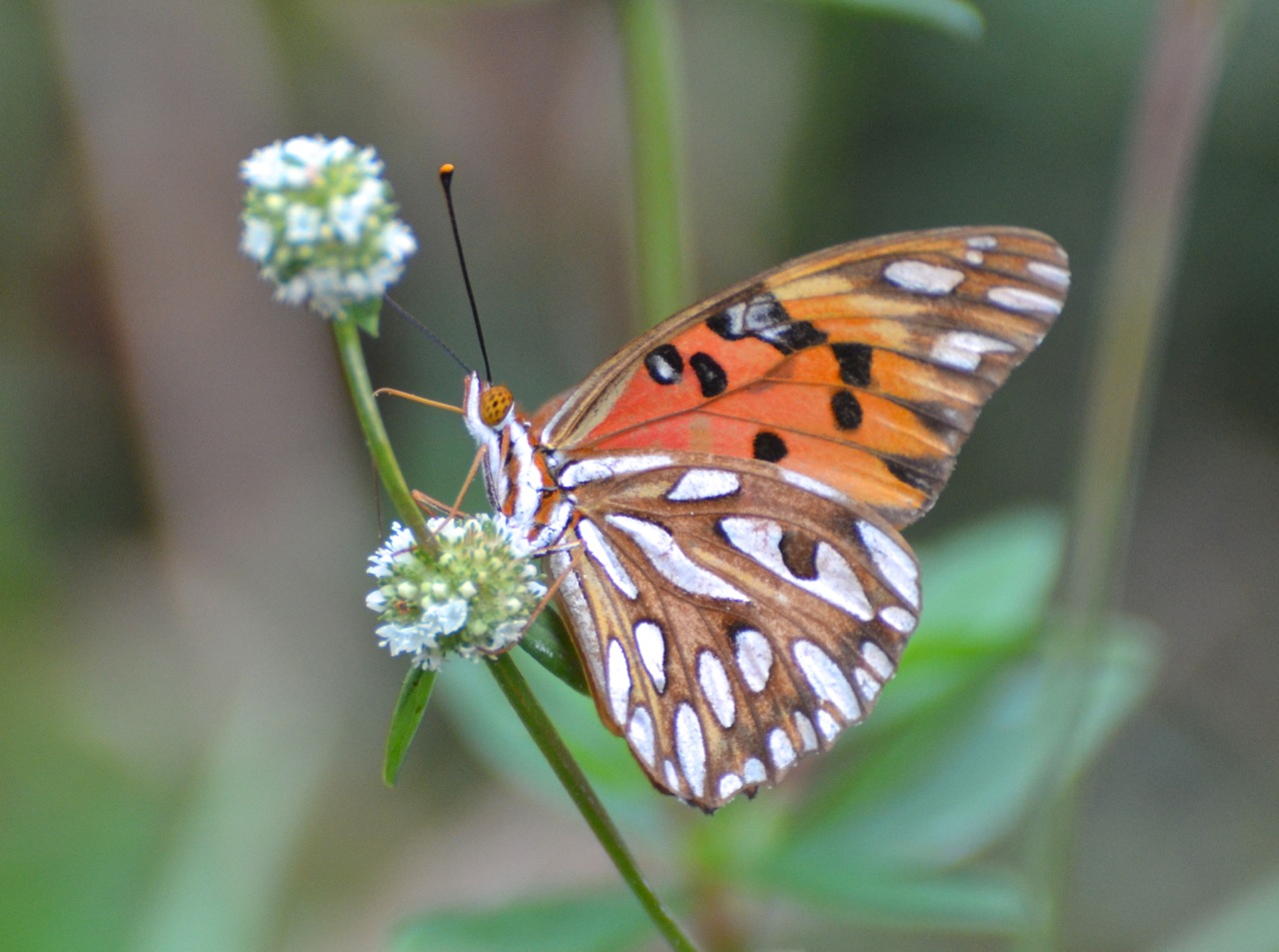
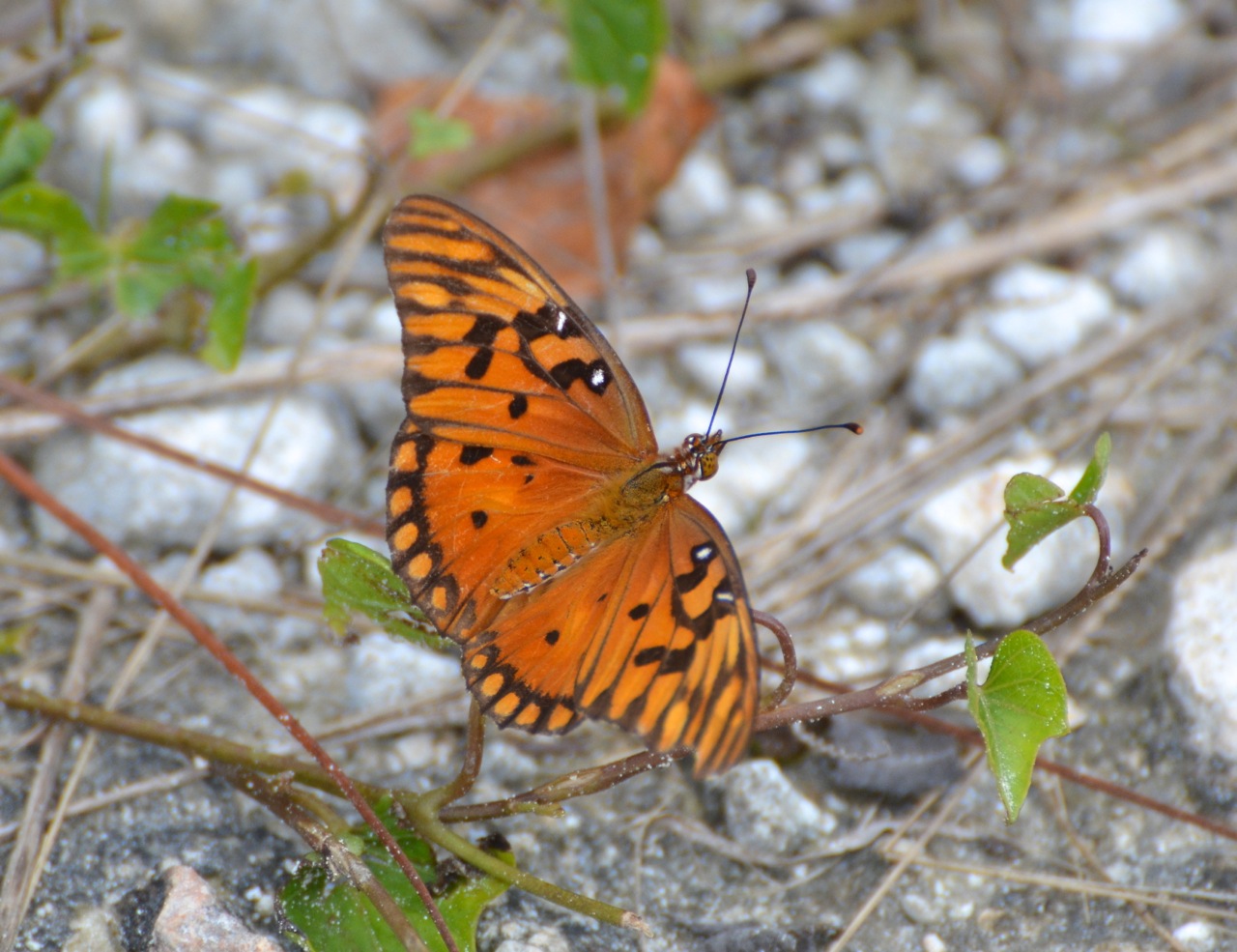
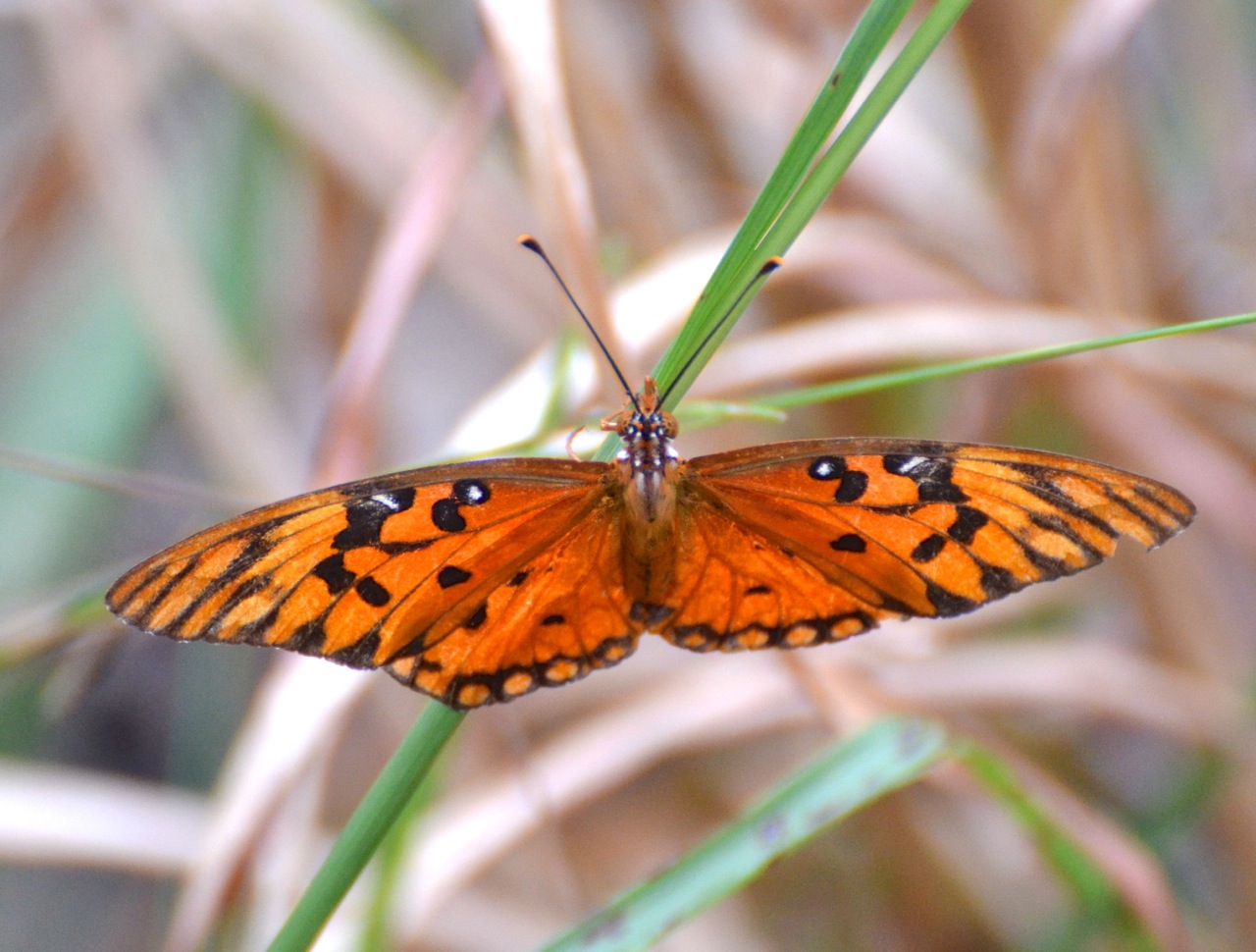
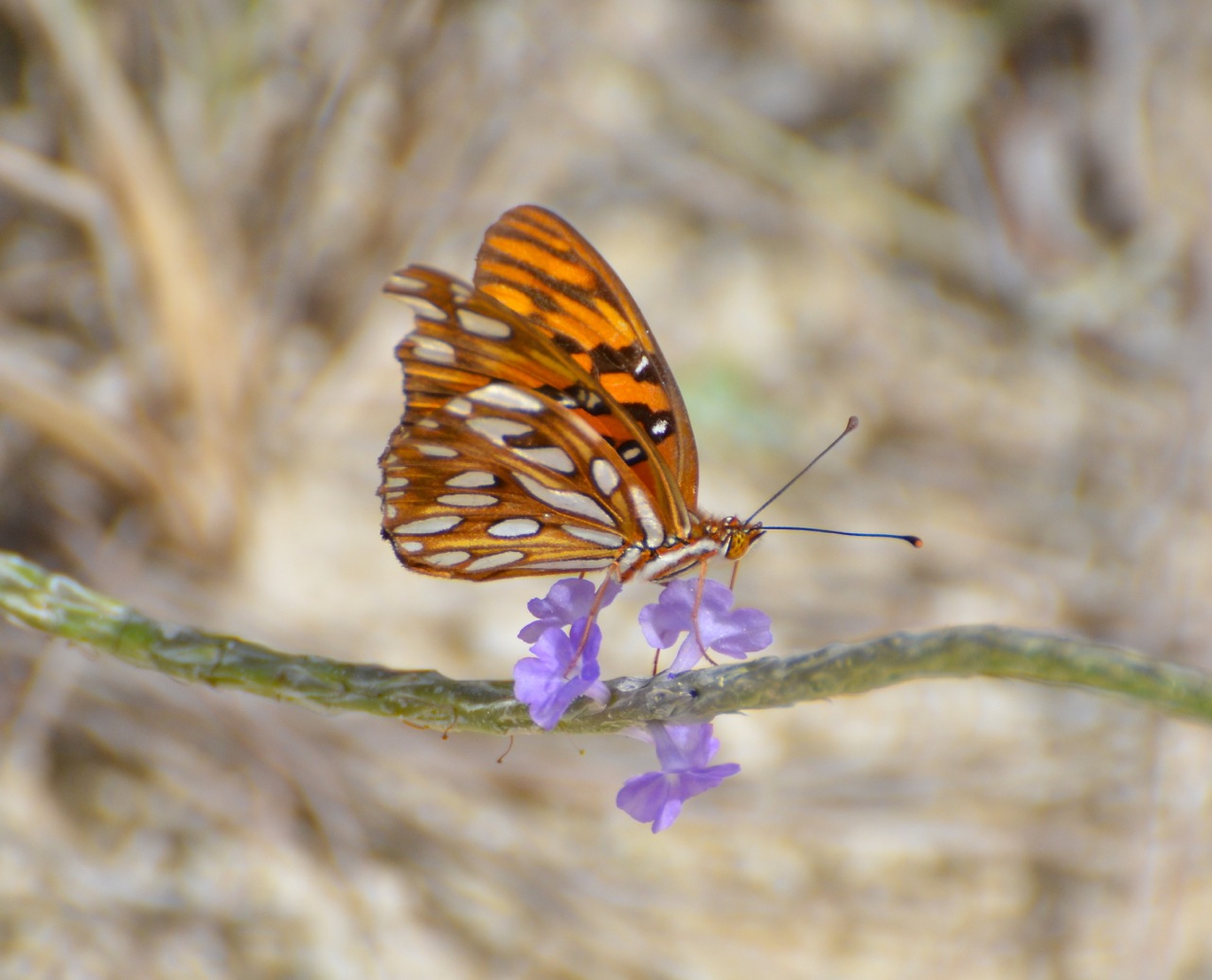
BUTTERFLIES ON ABACO, BAHAMAS (2) GULF FRITILLARIES
The GULF FRITILLARY Agraulis vanillae is a so-called ‘longwing’ butterfly species found from South America to central North America, named for its migration route over the Gulf of Mexico.
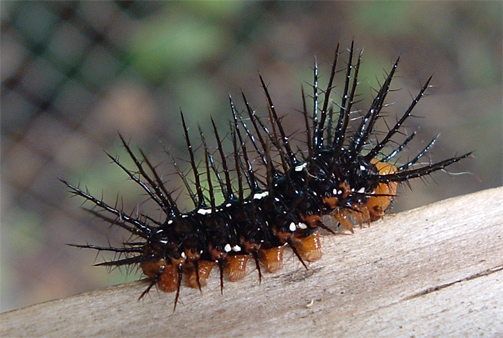
The black and orange patterns of this butterfly are a reminder to predators of the toxicidity of its stripy caterpillar and birds tend to leave them alone. Just in case. The markings are also similar to other butterflies that are poisonous – for example the Monarch. Tip of the hat to Wiki for the information that “this species belongs to the ‘orange’Batesian mimicrycomplex”. Me neither! It is where an innocuous species resembles a noxious one in order to discourage predators without going to the bother of actually developing its own ‘on-board’ toxins.
The gulf fritillary is common on Abaco, as elsewhere in the Bahamas. I particularly fond of the photo below, in which the whole feeding apparatus can be seen. I haven’t done my homework, I’m afraid. If anyone wants to provide the technical terms (mouth? proboscis? tongue-thing?), that would be welcome. Please use the comment box to spread enlightenment.
Credits: all amazing photos by Charlie Skinner, except header image Wiki – to which credit also for the graphic and some info in particular ‘Batesian Mimicry complex’, which is definitely one to drop lightly into conversation…
BAHAMAS REEF FISH (14): HAMLETS (NOT GLOOMY DANES)
“Oh, that this too too solid flesh would melt, thaw and…” Ah! Sorry. I’m soliloquising again. Must be Thursday. And the merest mention of Hamlet is enough to set anyone off. But I speak not of noble yet gloomy Danes of Elsinore and of discernibly introspective aspect. These ones are pretty reef fish of the Caribbean seas, mainly in the Bahamas and along the Florida coast. There are a number of different types of hamlet, of which the 4 featured below in Melinda’s amazing underwater images were were encountered in one dive.
SHY (OR GOLDEN) HAMLET
Hamlets have outstandingly interesting reproductive skills, being ‘synchronous hermaphrodites’. They have the unusual benefit of having both male and female sexual organs as adults, permitting imaginative combinations of pairings (though not including self-fertilization). When they find a mate, “the pair takes turns between which one acts as the male and which acts as the female through multiple matings, usually over the course of several nights”.I don’t dare check whether there are websites that cater for this sort of energetic coupling. The wonder is that Hamlets preferentially mate with individuals of their same colour pattern, and that they are not more wanton with their attentions and sexual flexibility.
INDIGO HAMLET
BARRED HAMLET
BUTTER HAMLET
OPTIONAL CULTURAL, HISTORICAL & MUSICAL DIVERSION INSPIRED BY HAMLET
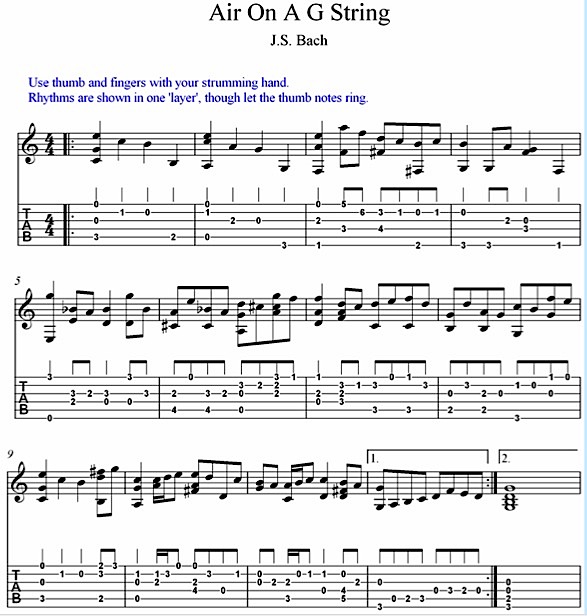
The other notable Hamlet is, of course, the mild cigar equated in the famed commercials with happiness, accompanied by an excerpt from a jazzy version of Bach’s ‘Air on the G String’. Here is one of the best – and possibly the only advert to my knowledge to feature not one, but two excellent Sir Walter Raleigh jokes.
Bach’s well-known descending chord sequence of was of course shamelessly ripped off by ingeniously adapted by Procol Harum for ‘A Whiter Shade of Pale’, their first single in 1967. Relive the Summer of Love right here and now. Is this the music that might even put those versatile hamlets in the mood…
Any fret-tweakers might like to see the sheet music of the Air for guitar – you could even play it on air guitar – which is relatively easy, being in C major.Credits: All fish pics Melinda Riger of Grand Bahama Scuba, except wiki-header; open-source online material; my mp3, dammit – I can’t get the wretched tune out of my mind…
LAND CRABS: THE ILLUSTRATED ‘WHAT, WHERE, HOW, & WHY’
The Loxahatchee River District organisation produces excellent informative posters on wildlife and environmental themes. With their approval, I have a dedicated page for these: CLICKLOXAHATCHEE. You will find posters about Bonefish, Tarpon, Lionfish, Nassau Grouper, Spiny Lobster, Coral Reefs, Elkhorn Coral, and Seagrasses. I’d be surprised if each one didn’t contain at least one interesting factual nugget that you didn’t know before. The range of subjects is gradually being expanded and one of the latest concerns the Land Crab. Click the poster twice to enlarge it and make it legible.
My factoid nugget from this poster is that juvenile bonefish predate on larval crabs. I suppose it’s obvious, but I hadn’t thought about it. From the fisherman’s angle a very good reason to protect, and ensure the proliferation of, adult land crabs!
For photos of these crabs and a short video demo of how they use their claws, here are links to two previous posts about them
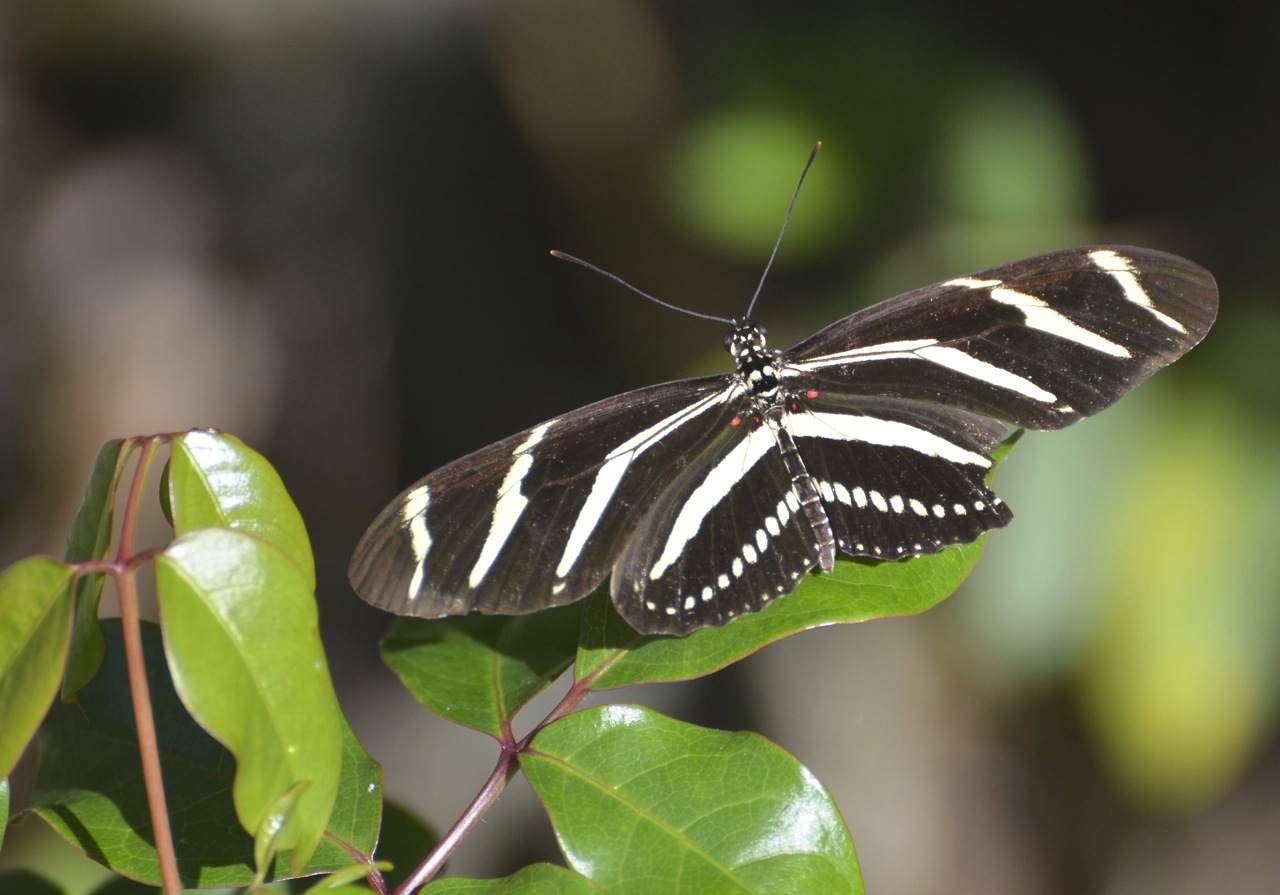
BUTTERFLIES ON ABACO, BAHAMAS (1) ZEBRA HELICONIANS
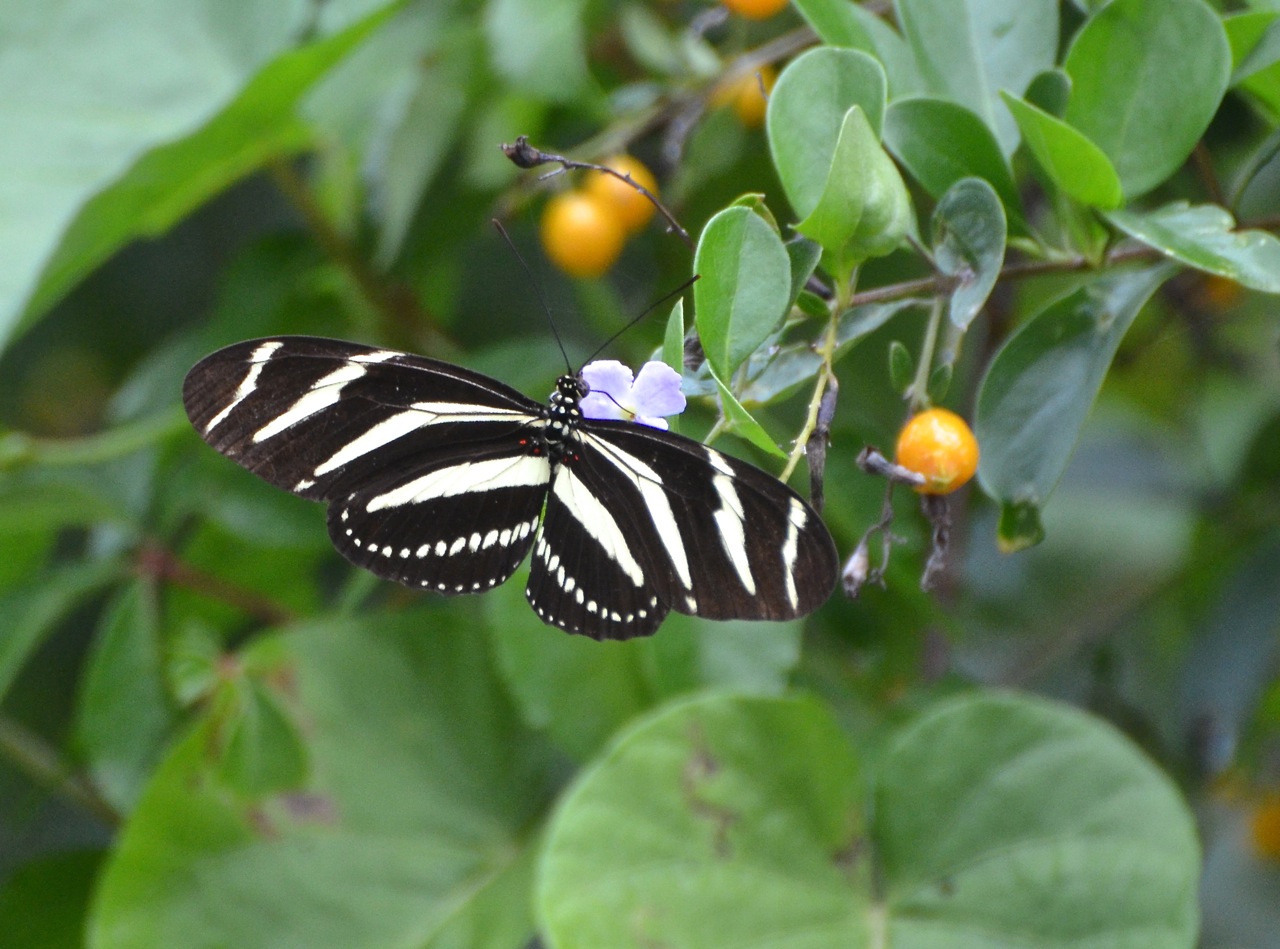
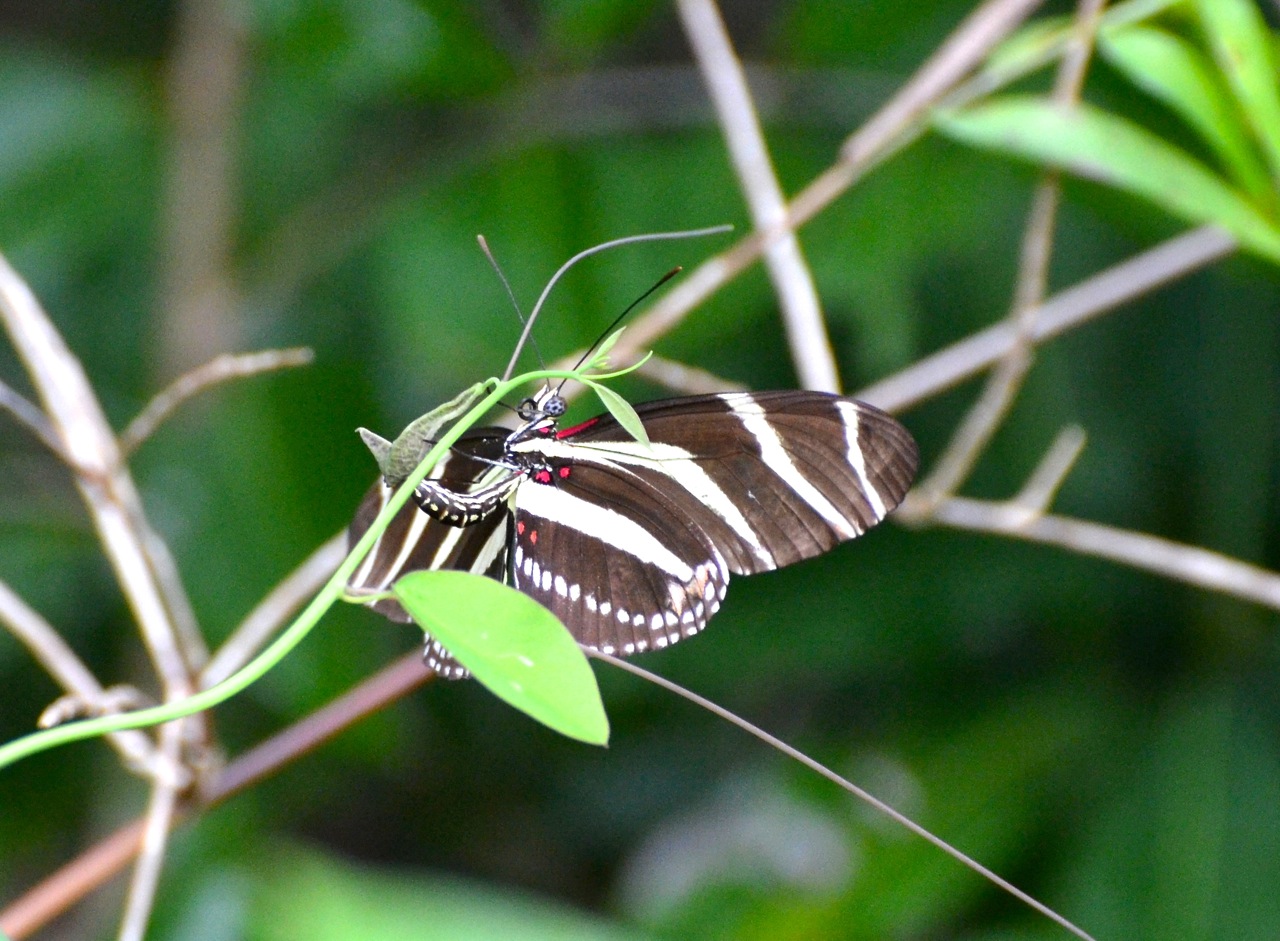
The Zebra Heliconian butterfly Heliconius charithonia is also know as the Zebra Longwing. These striking butterflies roost nightly in large colonies, a species behaviour that is believed to be a protective measure against predation, providing safety in numbers (or at least reducing the probabilities that you will be the one to be eaten). In 1996 the Zebra Longwing was appointed the State Butterfly of Florida.
Credits: all images by Charles Skinner, taken in the vicinity of the Delphi Club, Abaco
This is the second of three vaguely planned posts about these delightful shore birds. They aren’t rare but they are approachable and fun to watch. During the nesting and hatching season, there may even be some gorgeous chicks on a beach near you (a phrase I never thought I’d find myself using). PART ONE identified the typical male and female adults found on the Delphi beach almost any day.
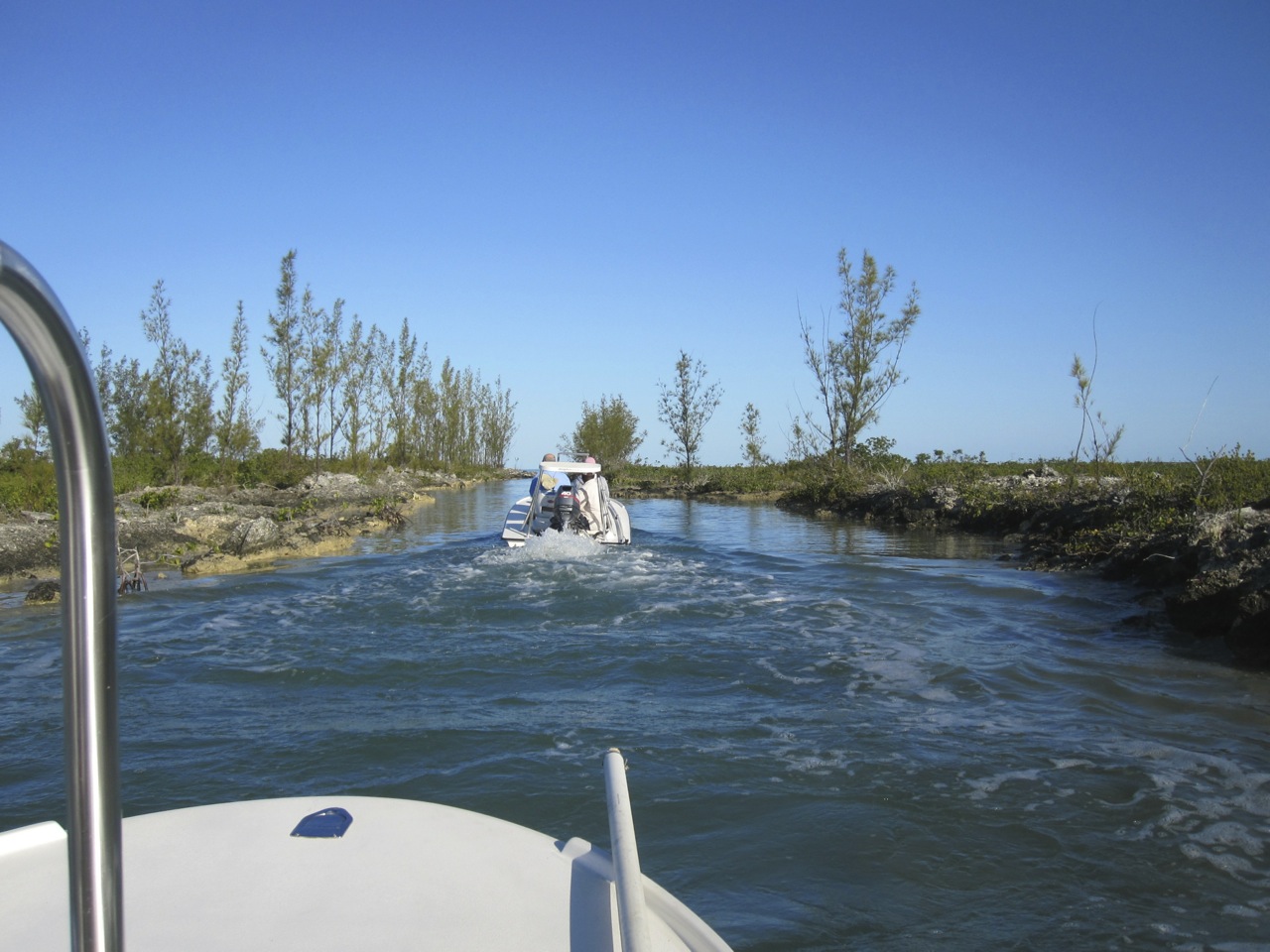
This post is about nest protection. Not the ingenious methods of the birds themselves, that will come next time. This is a story of protection by humans. The photograph above shows Nettie’s Point, one of the launching points for bonefishing skiffs being taken out to the Marls, a vast area of sea, low sand banks and mangroves where the fish are found. You hope. The skiffs gain access to open sea via an artificial channel carved out of rock. The early morning trip along it is one of the most exciting part of a fisherman’s day, as he or she sets out with a clean score sheet, a rod and a box of flies. And a cooler box with some food and maybe a Kalik beer or three.
This June, a pair of plovers decided to locate their nesting ‘scrape’ right in the middle of the cleared area where the trucks normally turn. This was by no means a wise home-planning decision, and they might well have found themselves being promptly relocated. Or (worst case scenario) ending up under a large Toyota. But not a bit of it. Instead, these small birds were looked after by the guides like this:
A makeshift castle was built all round the nest to protect it from any inadvertent truck-related tragedies. Meanwhile the male plover stood guard outside the castle, amiably watching the human activities.
I kept my distance but in fact he was quite unperturbed, perhaps sensing that we were not a threat. He still kept a beady eye on the proceedings, though.
Meanwhile, what of the wooden enclosure itself? At first glance, there didn’t look much to report. However, if you look in the centre of the picture, you’ll see the female peeping out from the nest.
I very slowly moved nearer, prepared to stop if the male became agitated, or if the female shifted her position. Both seemed quite relaxed, so I took a couple of shots and walked away to leave the birds in peace. Then I went fishing.
As a postscript, Nettie’s Point is the location of a remarkable geographical phenomenon, possibly the result of the cutting of the channel. Along one part of the cut, for about 30 feet, the water level sinks alarming in the middle, while remaining normal at each side. Then it levels out again. This remarkable mid-stream aquatic depression is quite disconcerting to motor through on a skiff, though eventually one gets used to it. (Note: not every fact in this post is 100% true. If you have some salt handy, take a pinch)
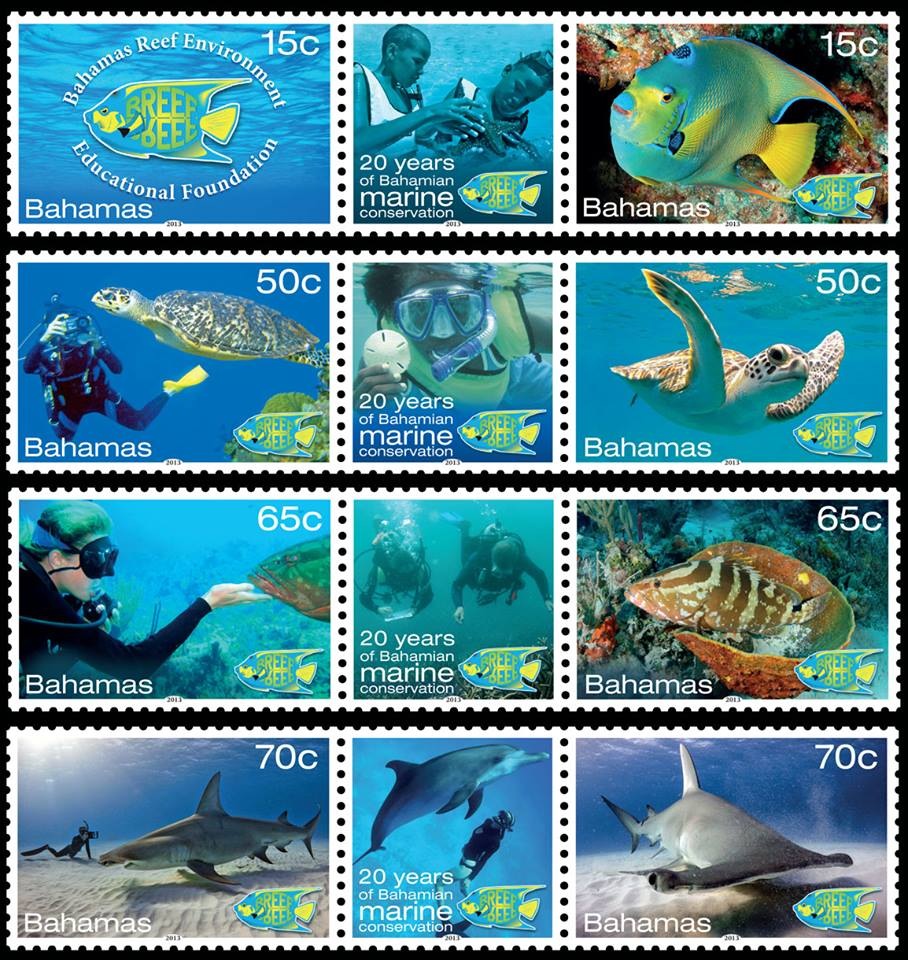
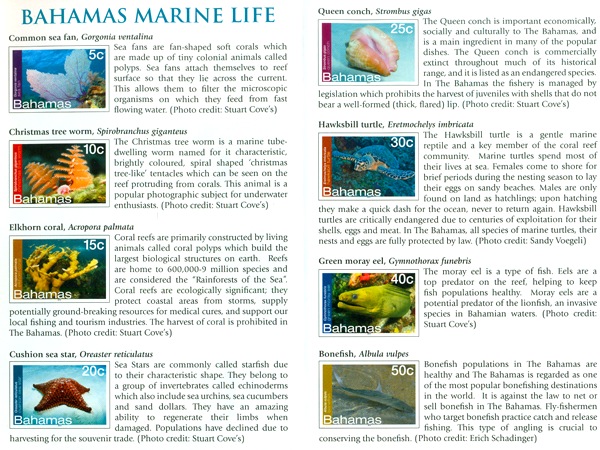
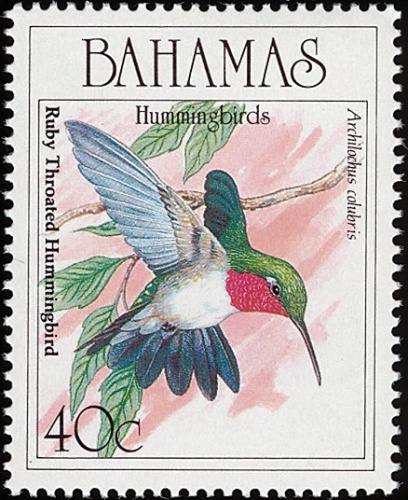
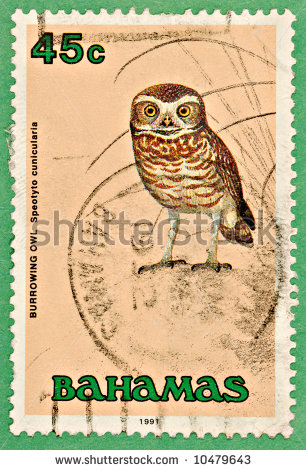
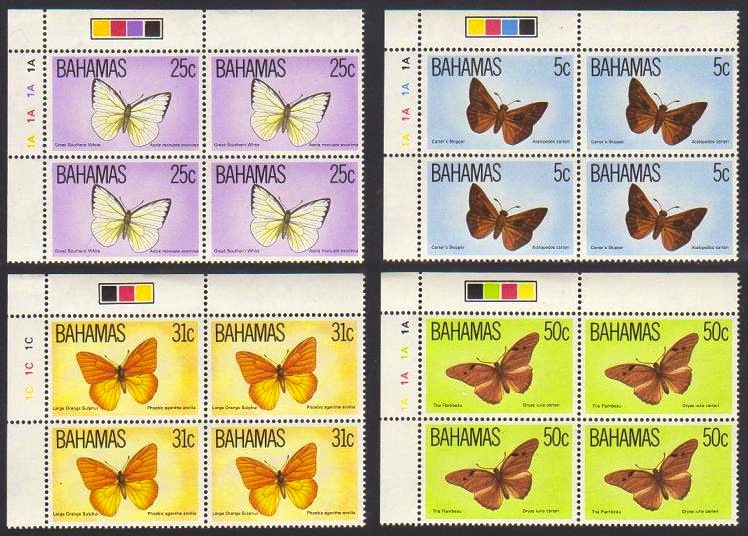
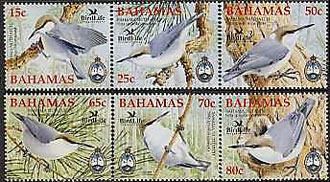
The Bahamas ‘does’ extremely nice stamps, in particular ones featuring the rich and varied wildlife of the islands. The islands spread from the subtropical climates of the north, on a level with Florida, to the near-tropical islands of the south. This ensures plenty of scope for designing pretty sticky bits of paper to stick onto other bits of paper. One of the small pleasures in life, near-lost to the tyranny of the email…
The sets of wildlife stamps are issued by the Bahamas Post Office. I’ll add to this collection piecemeal (including some from my own modest collection). The very latest commemorative issue heads the display.
Best seen on Inagua, the island where they breed. Less often found elsewhere, and sadly now only as occasional ‘vagrants’ on Abaco. Flamingo post with wonderful pictures of adults, babies and nests HERE
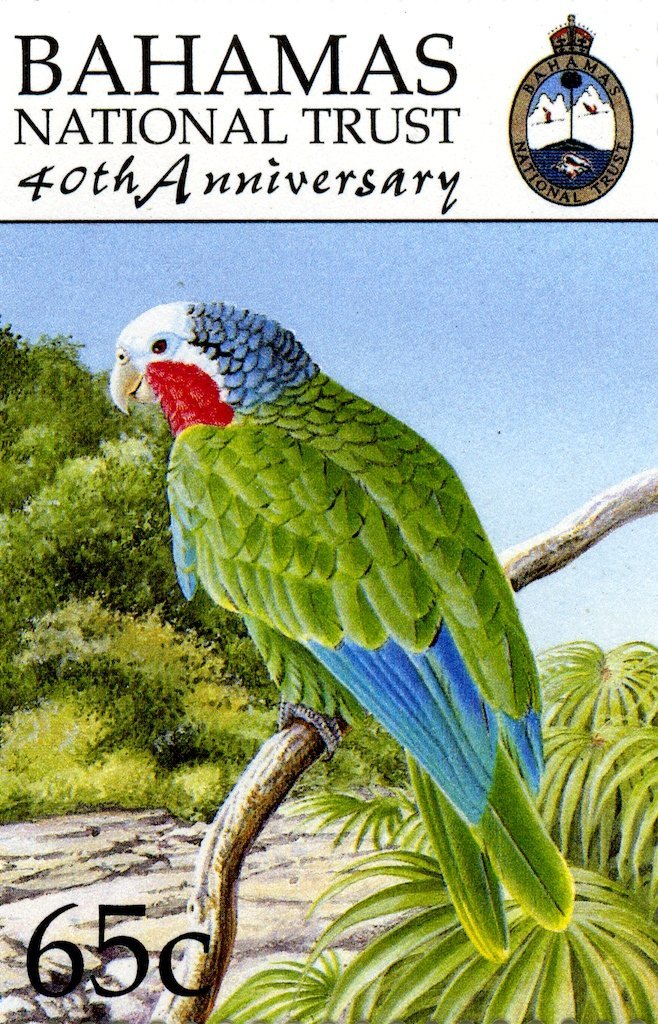
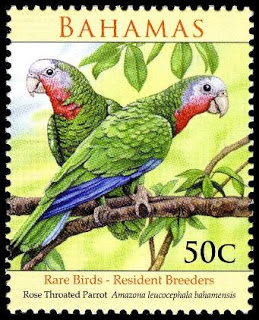
PARROT POST
Found mainly on Abaco (the resident underground nesting variety) and Inagua (conventional nesters), where they breed. Small groups are now found elsewhere, e.g. Nassau, where there is a local monitoring programme, but I’m not sure that there is evidence of breeding there. Any info welcome… One (of several) lavishly illustrated parrot postsHERE
The KIRTLAND’S WARBLER is one of the rarest birds of the Bahamas, a winter resident that breeds only in a small area of Michigan. The entire population is numbers only a few thousand birds. The number of sightings annually on Abaco is very small – fewer than a dozen, and in some years none at all. Increasing knowledge about their favourite haunts is now improving the recording rate. I know of two seen this year, on the same day… a birder’s lifetime achievement.
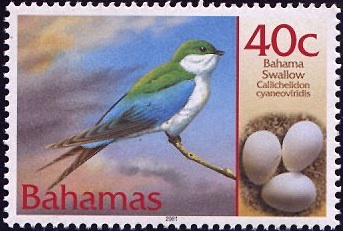
This swallow is endemic to the Bahamas
Found on Abaco only as an occasional visitor.
WATERFOWLCredit as shown
3. ANIMALS
4 BUTTERFLIES & INSECTS
Credits: A compendious credit to sundry online sources including Bahamas PO, Bahamas Weekly, eBay and other sales / promotional sources, ads and the like, and unknown sources. I rarely find myself having to use this broad sweep approach: if your pic is here and you are upset, apologies, contact me to express your displeasure &co and I’ll take it down of course. But these are only non-rare small bits of paper; and this is a humble non-profit making info site of limited appeal in a Big Wide World. OK with that?
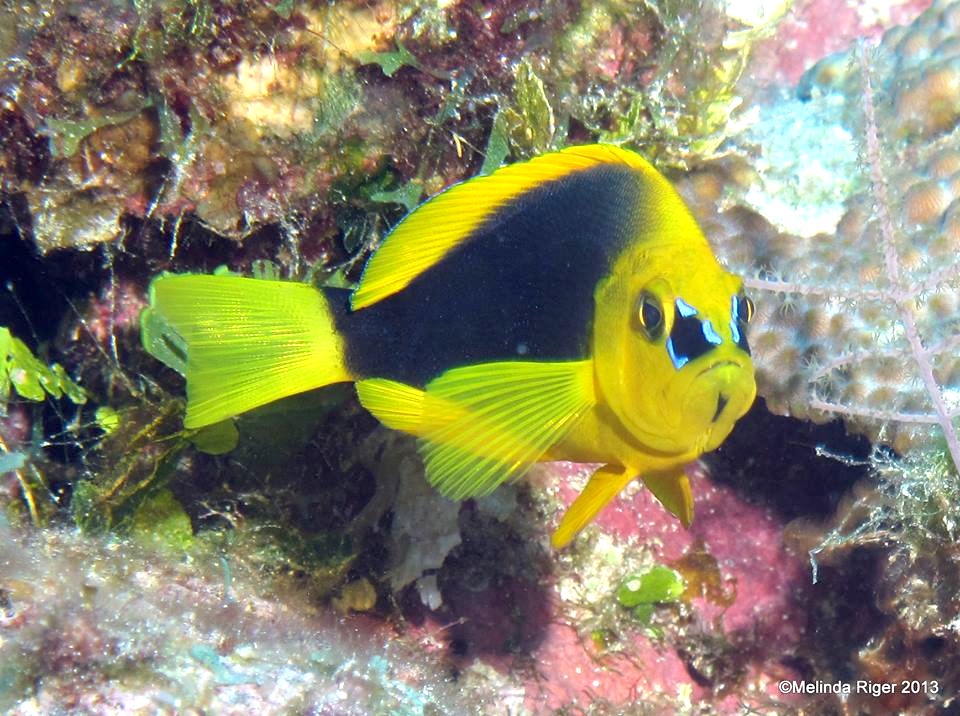
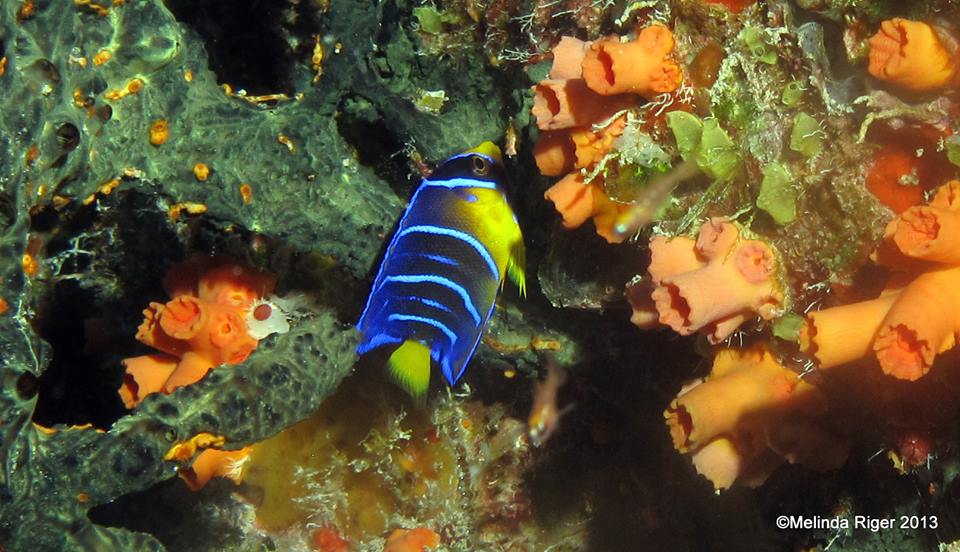
QUEEN ANGELFISH: COLOURFUL CORAL ROYALTY – BAHAMAS REEF FISH (13)
One of the earliest posts in the Bahamas Reef Fish series was about Queen Angelfish Holacanthus ciliaris, and you can see it HERE. I make no apology for returning with some more recent photos from Melinda Riger – these fish deserve plenty of attention for their wonderful bright presence that stands out even amongst the colourful corals of the reef.
This first image is remarkable for its clarity and composition. What, I wonder, is the fish saying to Melinda as she presses the camera button? All caption suggestions welcome…
Angelfish are quite happy to swim round either way up
The juvenile of the species, nosing around the coral for tasty morsels, is equally colourful
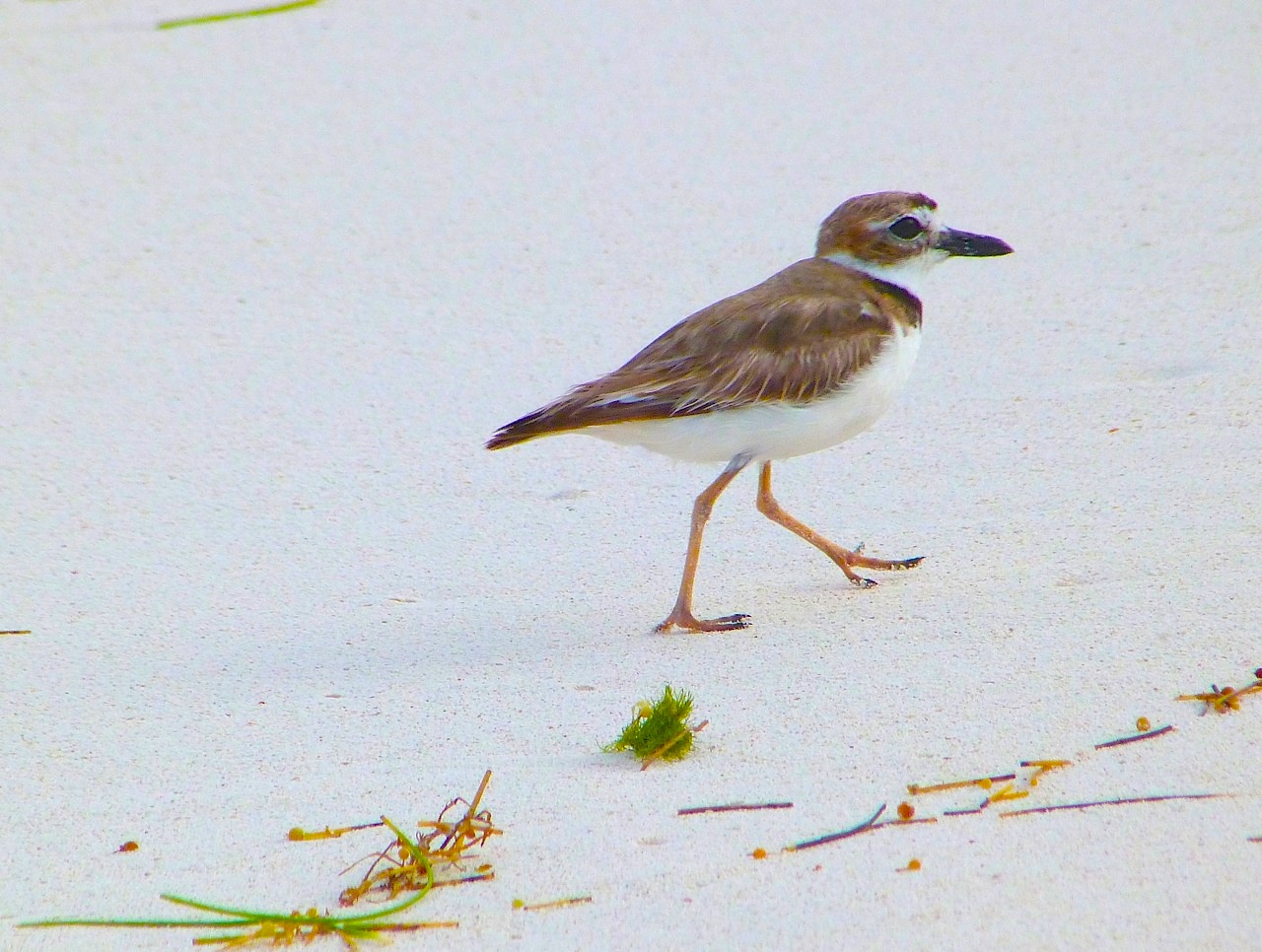
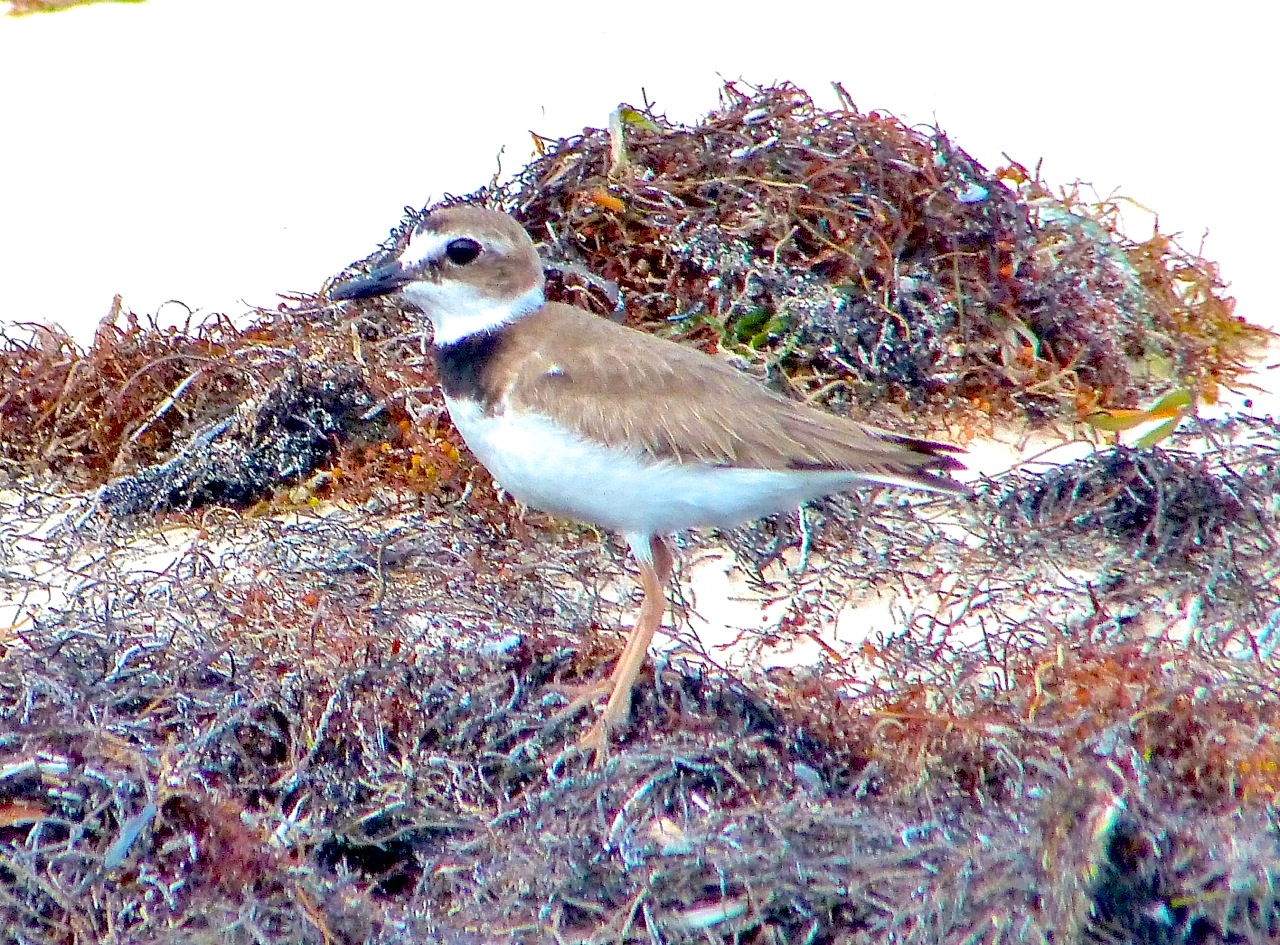
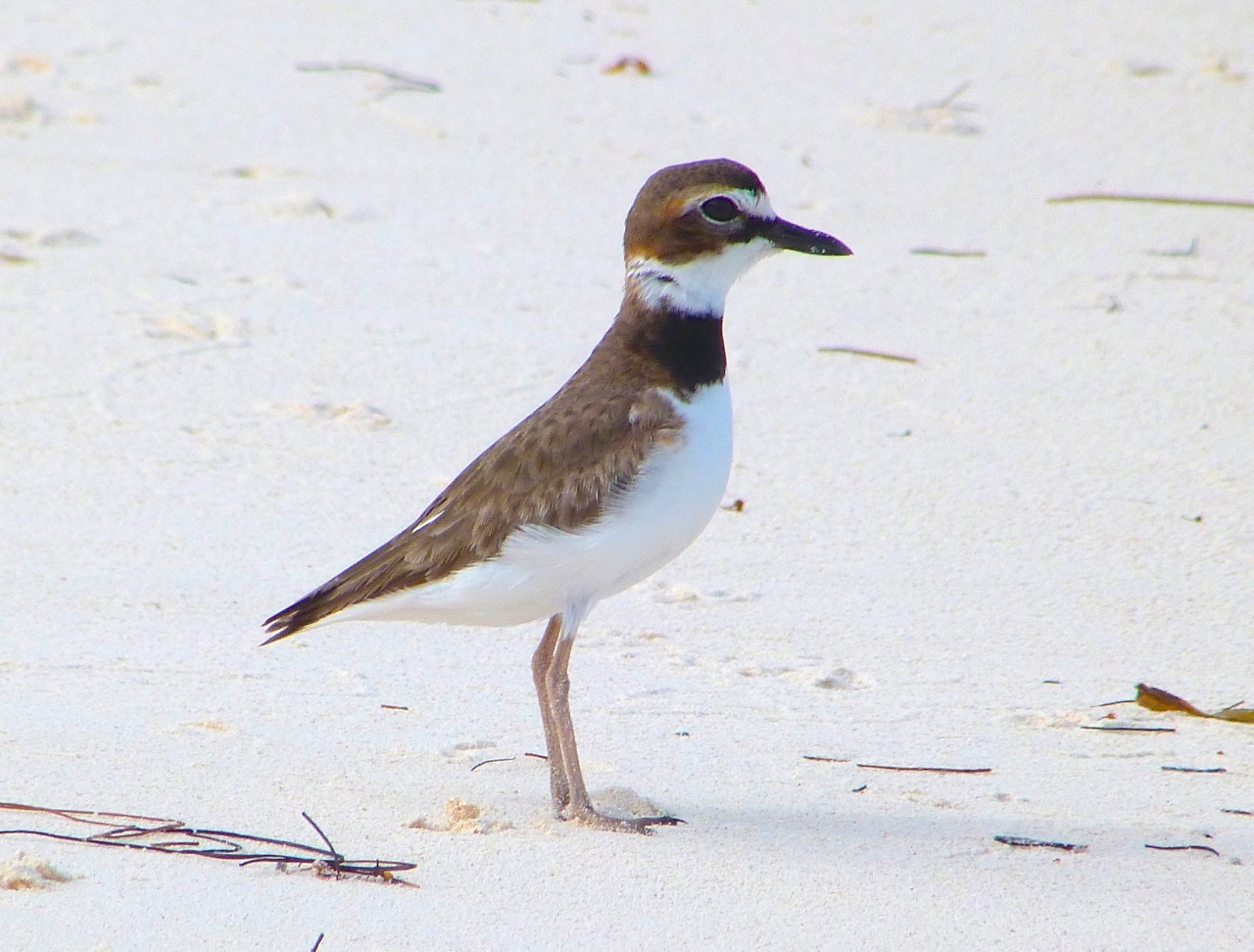
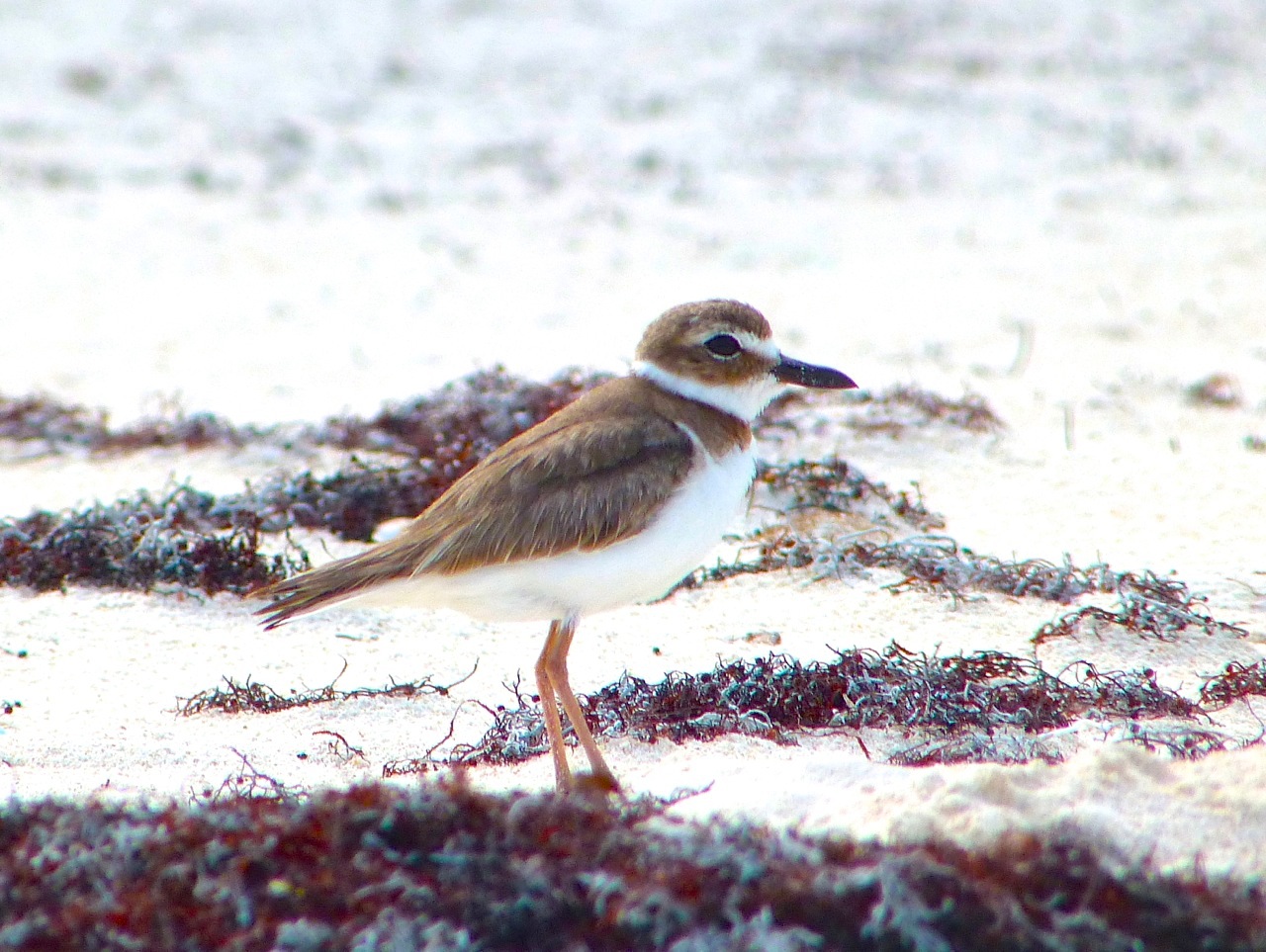
Dream Plover? Well, granted, not quite as adorable as the tiny surf-chasers, the Piping Plovers Charadrius melodus. But Wilson’s Plovers Charadrius wilsonia live on Abaco all year round, and may readily be seen on a beach near you. They breed on Abaco, and in the summer you’ll see their tiny puffball chicks scampering round. And if you approach a nest, you’ll very likely see the amazing ‘broken wing display’ by a parent, who will lurch strickenly and pathetically across the sand… leading a predator gradually further away from the nest or her chicks. Part 2 will include photos of this fascinating protective performance, and of some chicks on the Delphi beach.
MALE WILSON’S PLOVER
FEMALE WILSON’S PLOVER
And who was the Wilson who lent his name not only to a plover, but also to a snipe, a warbler, a storm-petrel and a phalarope, all birds that have been recorded for Abaco?
ALEXANDER WILSON (1766- 1813)
Wilson was Scottish poet. Besides traditional ballads, he also wrote satirical commentary on the conditions of mill weavers. One vicious tirade against a particular mill owner resulted in Wilson’s arrest. He was sentenced to burn the work in public, and imprisoned. After his release, he sensibly emigrated to America in 1794.
Wilson became a teacher in Pennsylvania, where he developed an interest in ornithology and painting. He ambitiously decided to publish a collection of illustrations of all the birds of North America. He spent several years travelling, collecting material and painting, eventually publishing the nine-volume American Ornithology. Of the 268 species of birds illustrated there, 26 had never previously been described.
SIDE-ON AND FRONT VIEWS OF THE SAME MALE PLOVER
FRONT AND SIDE VIEW OF THE SAME FEMALE PLOVER
All birds on this page were photographed on the Delphi Beach. They happily coexist there with other shore bird species that include Least Sandpipers, Ruddy Turnstones and Killdeer. Here is a taster for Part 2, the family life of the Wilson’s plover.
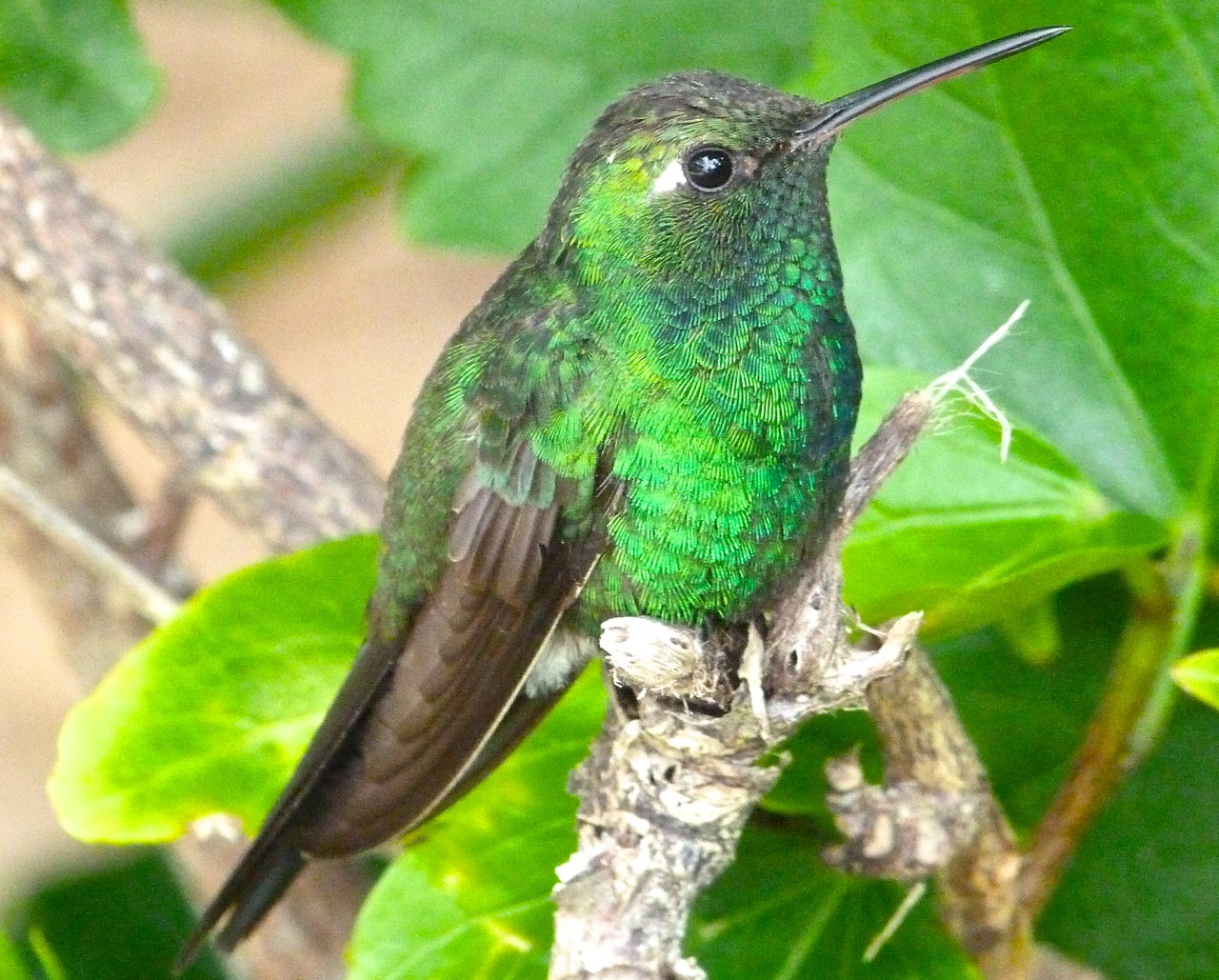
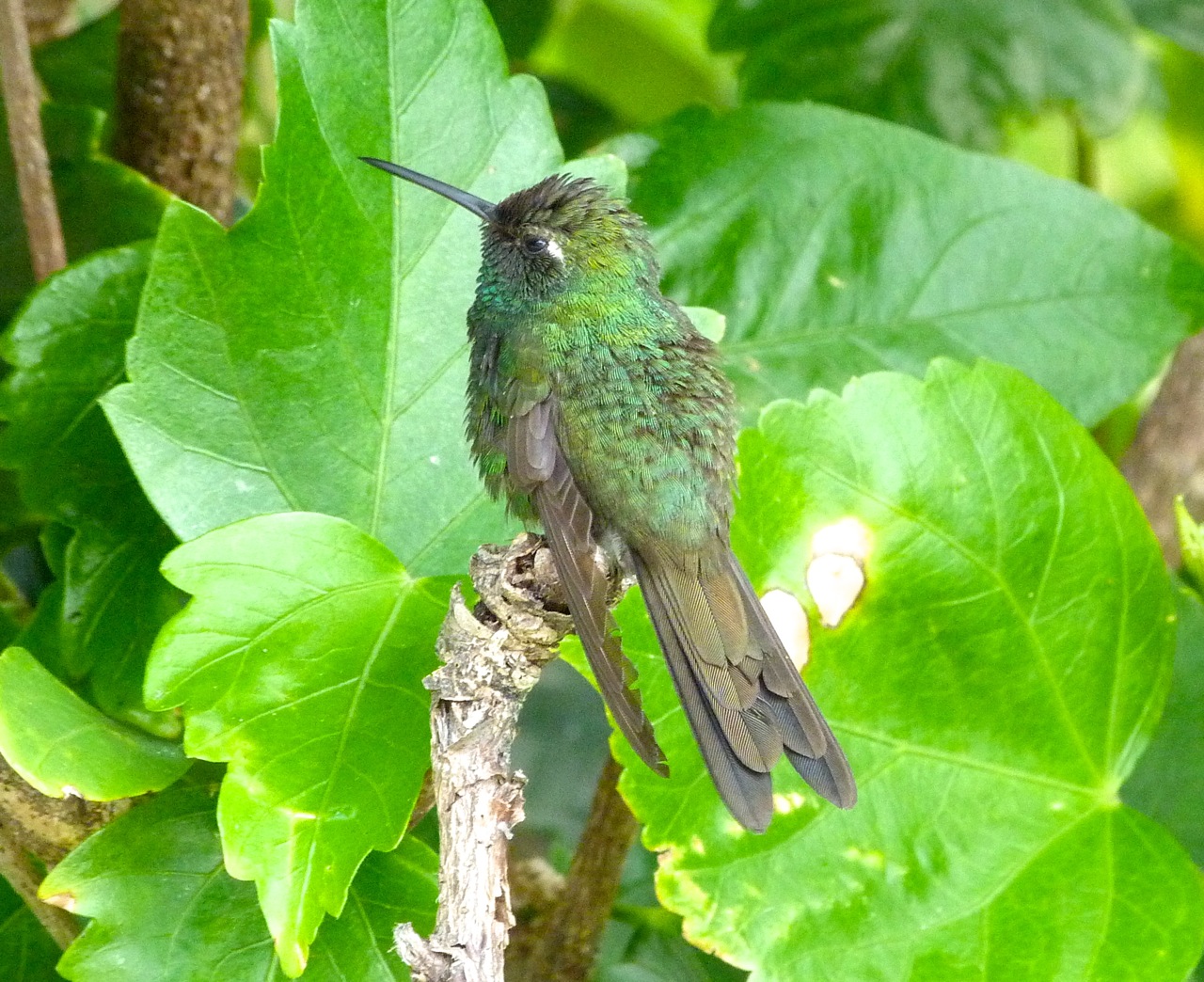
Mostly, the Cuban Emeralds at Delphi spend their days perching briefly on twigs before zooming like tiny green rockets to their next appointment – an inviting sugar-water feeder, a promising flower or maybe yet another tempting twig. Sometimes, pairs will put on an acrobatic mid-air display, flitting around each other at high speed, chittering, before disappearing into the coppice together. Avian speed-dating. Occasionally, they are more contemplative. I recently posted HEREabout one that had let me get (very slowly) right up to it. Emeralds may be quite hard to spot in amongst the green leaves, but often they are there, quietly watching you go by. Here is one that stayed put when I stopped to admire it.
I’m keeping an eye on you…
I’ll tuck my wing in neatly if you are going to take pics of me
Uh-oh! Close-ups. This is my better side.
That’s enough, human. I’ve stopped the posing. Now push off and leave me alone.
In close-up, the feathers look like tiny iridescent pine needle fans
The Delphi Club: a hive of activity for birds (to mangle a metaphor)



 BAHAMA WOODSTAR Calliphlox evelynae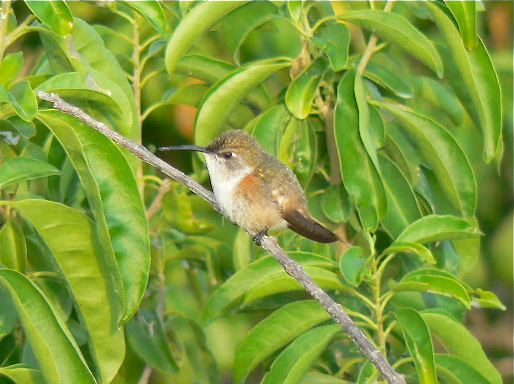
 BAHAMA YELLOWTHROAT Geothlypsis rostrata

 Credits: BNT; Bahama Woodstar, Ann Capling with thanks; the rest, RH






























































 QUEEN ANGELFISH: COLOURFUL CORAL ROYALTY – BAHAMAS REEF FISH (13)









 ROLLING HARBOUR ABACO
You must be logged in to post a comment.