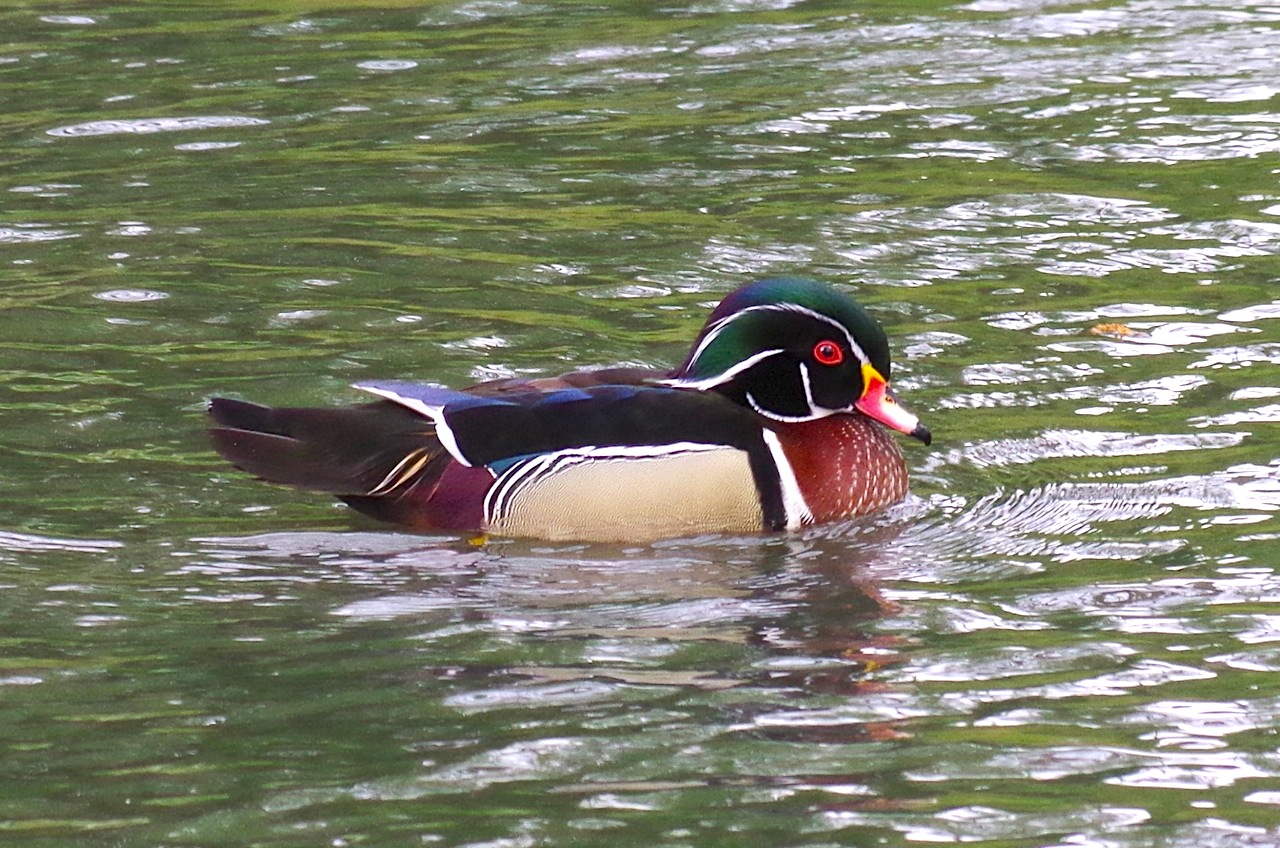
I’ve been out shooting duck, camera-wise. Ducks are a bit of a mystery to me, and to be honest I often find it hard to tell one ruddy duck from another. I’ve found a memorable one now, though – the Wood Duck Aix sponsa. With all due respect to the Family Anatidae, these birds are just wooden toys brightly painted. I’ve watched them, and I’m still not convinced they don’t have tiny motors in them that propel them slowly in the water and make the wings twitch from time to time.
Wood Ducks may be found on Abaco, which I why I mention them. I’m showing some here in case you should be lucky enough to meet one – then you’ll recognise it at once. They are infrequent winter residents on Abaco – not exactly rare, but not commonly seen and therefore irregularly reported.
If you do happen upon one of these birds you’ll be fortunate, for they are undoubtedly very beautiful. It might be worth clapping your hands to test my theory that they won’t react at all. Their little motors will just keep them chugging through the water…
“Audubon’s priority bird species are birds of significant conservation need, for which our actions, over time, can lead to measurable improvements in status. Eighteen are Red WatchList species, 23 are Yellow WatchList species, and eight are Vulnerable Common Birds. The breadth of this list reflects the dramatic loss of habitat and the pervasive threats that confront birds and wildlife.” Audubon Birds
PRIORITY BIRDS ON ABACO
Of the total of 49 species listed by Audubon, an astonishing 31 are recorded for Abaco. Such a statistic underlines the importance of the island and its cays as a major birding location with habitat suitable for these ‘Priority Birds’ . Some of them birds may be rare ‘vagrants’, or occasional ‘transient’ visitors but all are considered threatened or vulnerable. I have marked in red the ones that may easily or with reasonable diligence and luck be found on Abaco. These are either Permanent Resident (PR) species; or Migratory species resident in Winter (WR) or Summer (SR); or TRansients that are seen annually or at least are regularly reported. For all practical bird-spotting purposes, the remainder can be set aside, and with no disrespect to them I have reduced their image & entry sizes… That leaves 21 species selected by Audubon for special protection that may be quite readily found on Abaco – and that will be adversely affected by significant habitat change. Birds to treasure, in fact.
IT’S A WARBLER. WITH A YELLOW THROAT. ON ABACO. SIMPLE?
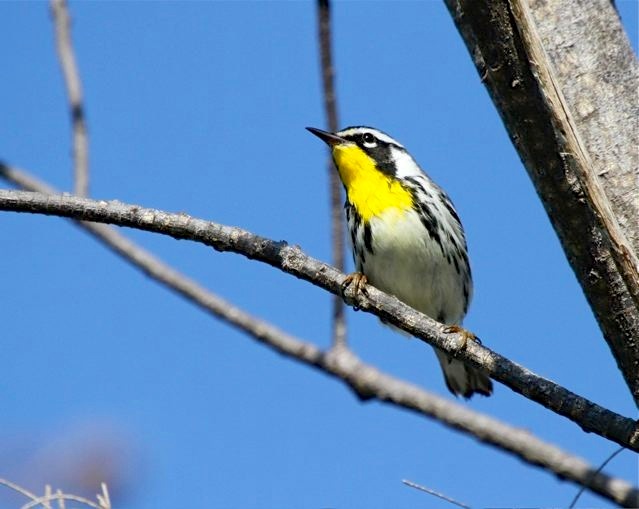
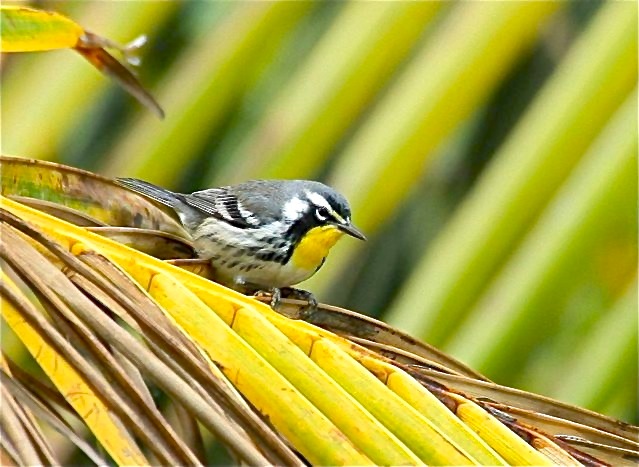
The Yellow-throated Warbler (Setophaga dominica) is a most helpful warbler, in that what you see is what you get. You needn’t go to embarrassing lengths to determine whether it has a Yellow Rump. It doesn’t make extravagant geographical claims like the Cape May, Kentucky, Tennessee, Nashville or Connecticut warblers. It doesn’t disguise its warblerdom with a confusing name like ‘American Redstart’ or ‘Ovenbird’. Nor with a weird warbler name that is completely obscure like the Prothonotary. It’s a winter resident only, so it won’t try to puzzle you in the summer. The males and females are roughly similar in appearance, unlike so many species. All-in-all, a most agreeable and obliging little bird. Here are a few to enjoy, before I spoil the magic slightly…
YTWs are quite pose-y birds, and tend to strike attitudes. One is the ‘head-in-the-air’, as below and further above. There’s the ‘butt-in-the-air’ too, immediately above (one of my favourite photos)
This shape is both characteristic and characterful. You might call it the ‘sag-in-the-middle’
This year I saw my first YTW in the Delphi Gardens, skulking around in a Gumbo Limbo tree. Having taken a number of rather poor shots – partly due to the intervention of branches, twigs, leaves, berries, shaky hands and so forth – I got some clearer shots at it, the two above and below being the best of an indifferent bunch.
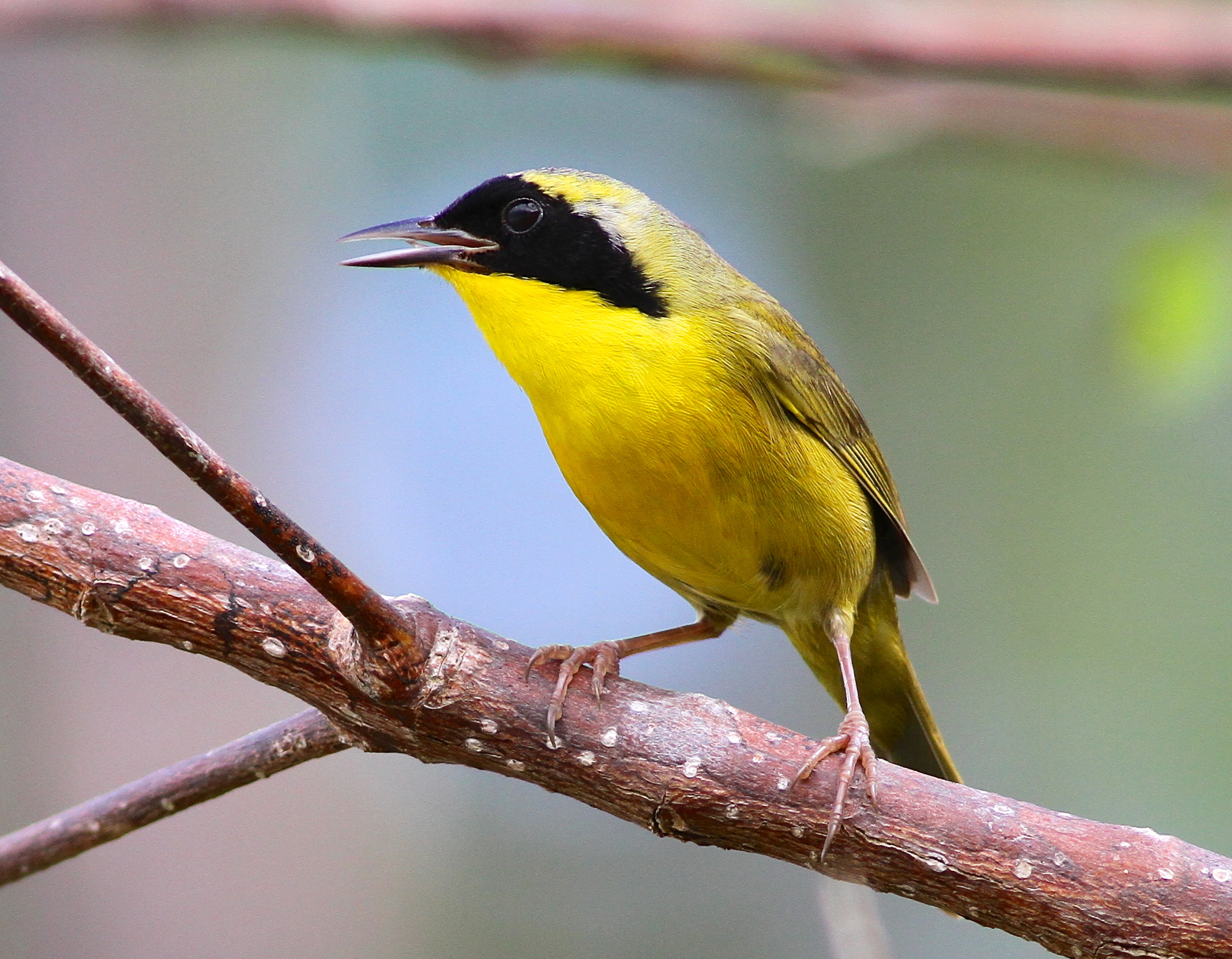
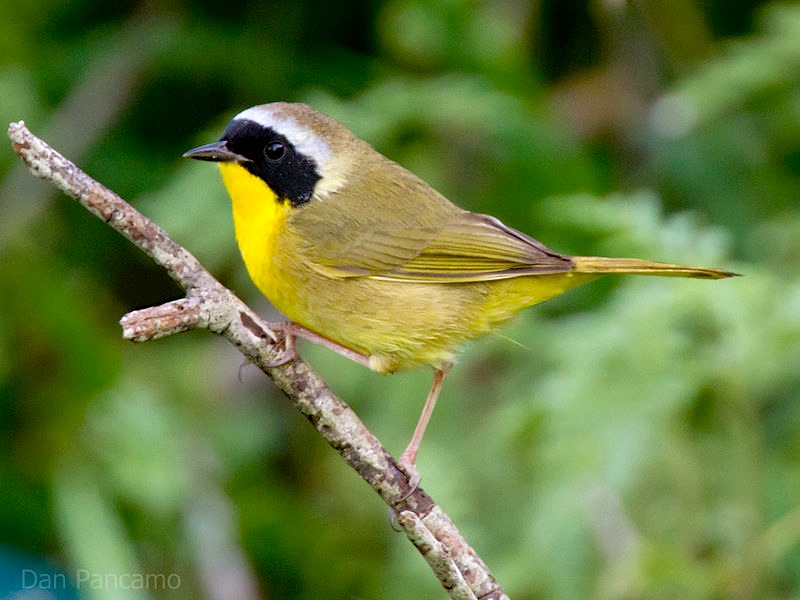
I said earlier that the magic of the apparently simple ID of a warbler that lives up to its name would have to be spoiled. I’m afraid this little gallery rather undoes the certainties I’d promised… two more species common to Abaco, also named for their yellow throats (yet it’s more extensive than just the throat, anyway) .
BAHAMA YELLOWTHROAT
COMMON YELLOWTHROAT
You’d really think that someone at Audubon Towers or Cornell Castle might have thought of calling these two species ‘Bahama’ and ‘Common’ Masked Warblers, wouldn’t you – after all there’s a Hooded Warbler, which indeed has a hood. No other warbler has a mask like these 2. Then any confusion could be avoided. So remember: the Yellow-throated Warbler has a yellow throat AND is otherwise black and white, with streaks. Erm, just like a…
Credits: RH (1,7,8,9,10); Bruce Hallett (2, 3); Erik Gauger (4); Becky Marvil (5, 6). Thumbnails: Gerlinde Taurer, Bruce Hallett, Dan Pancamo, Tom Sheley, Wiki
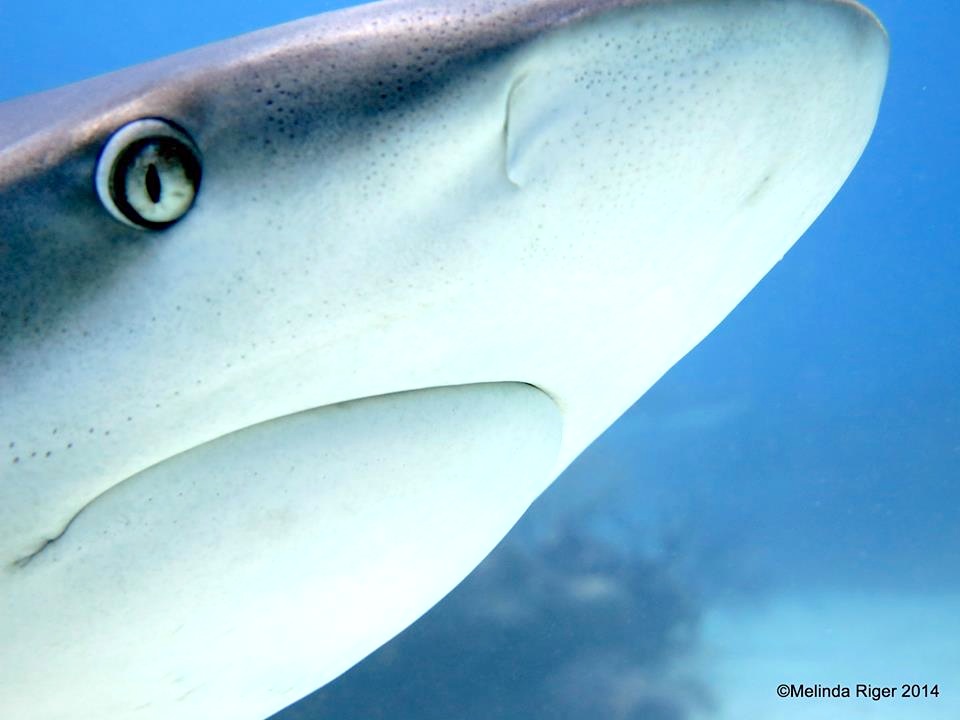
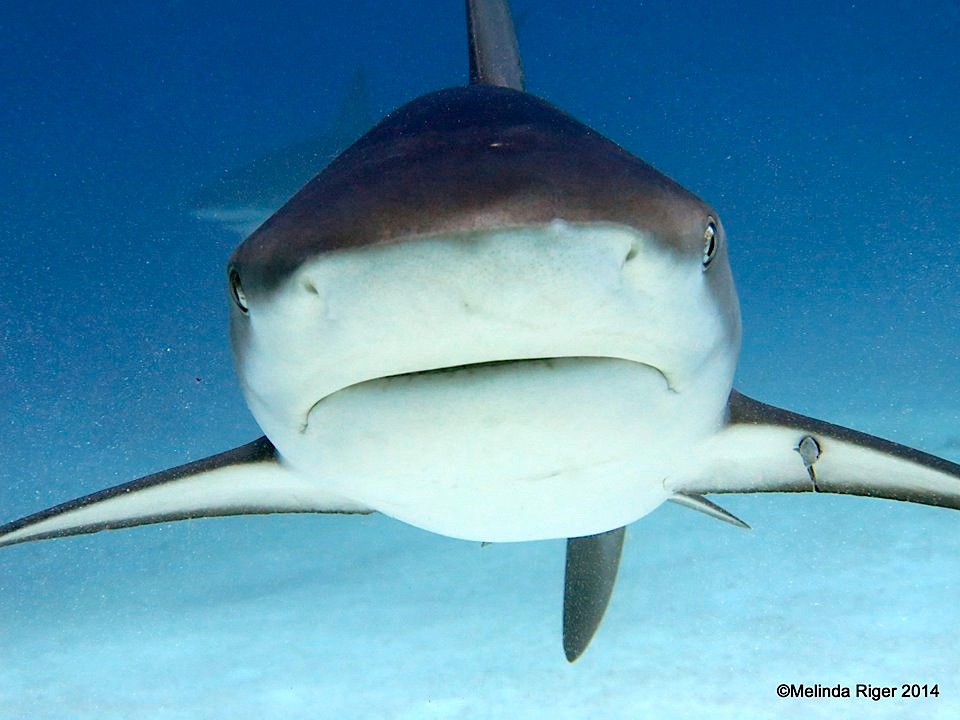
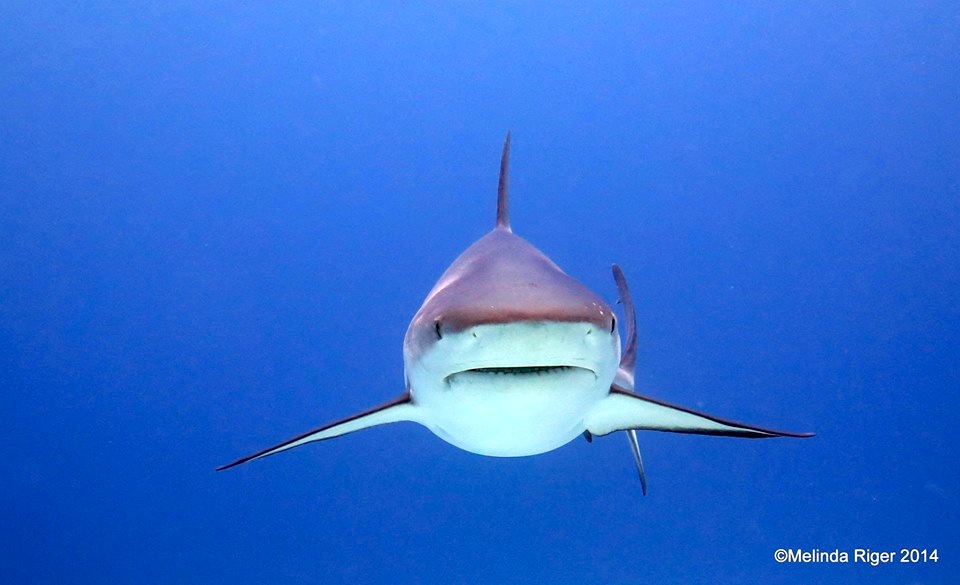
From time to time I wonder about the naming of animals. I know about the problems that can arise when people name their chickens Henny, Penny, Denny & Lenny, and the time comes to (please look away now). And how a slavering dog coming towards you (not on a lead) that the owner calls ‘Tyson’ or ‘Killer’ is possibly one to cross the street for. And that the owner of a cat called ‘The Reverend Wenceslas Muff’ (Sir Roy Strong, in fact) may not take kindly to you referring to it facetiously as ‘Puddy-tat’. But does it make things any better to know that the shark that is eyeballing you is called Lucy? I don’t know the names of the others, but I am sure they would all like to be introduced…
REMORAS Some of the photos show a strange creature attached to the underside of the shark. For more info about these weird shark passengers, and some great images, click HERE
All the fabulous photographs above were taken by Melinda Riger and Virginia Cooper of Grand Bahama Scuba, on whom I rely entirely for subaqueous material, being a pathetic swimmer, a gnarly ancient, and a certified scaredy-cat (‘highly commended’). My thanks as always to them for use permission
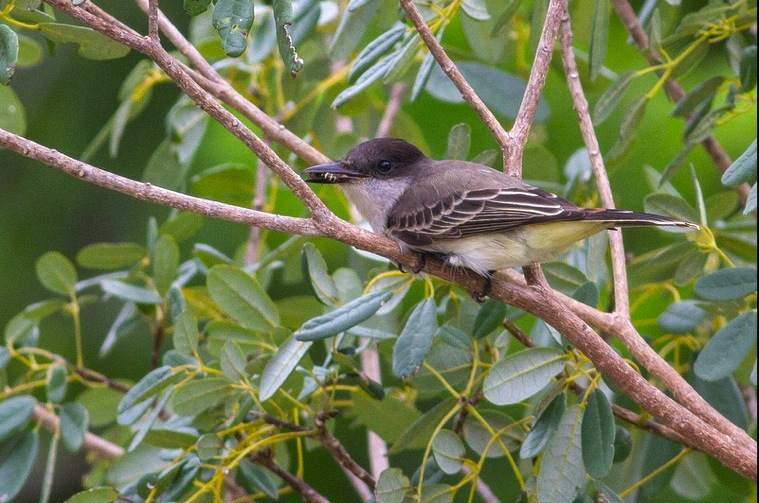
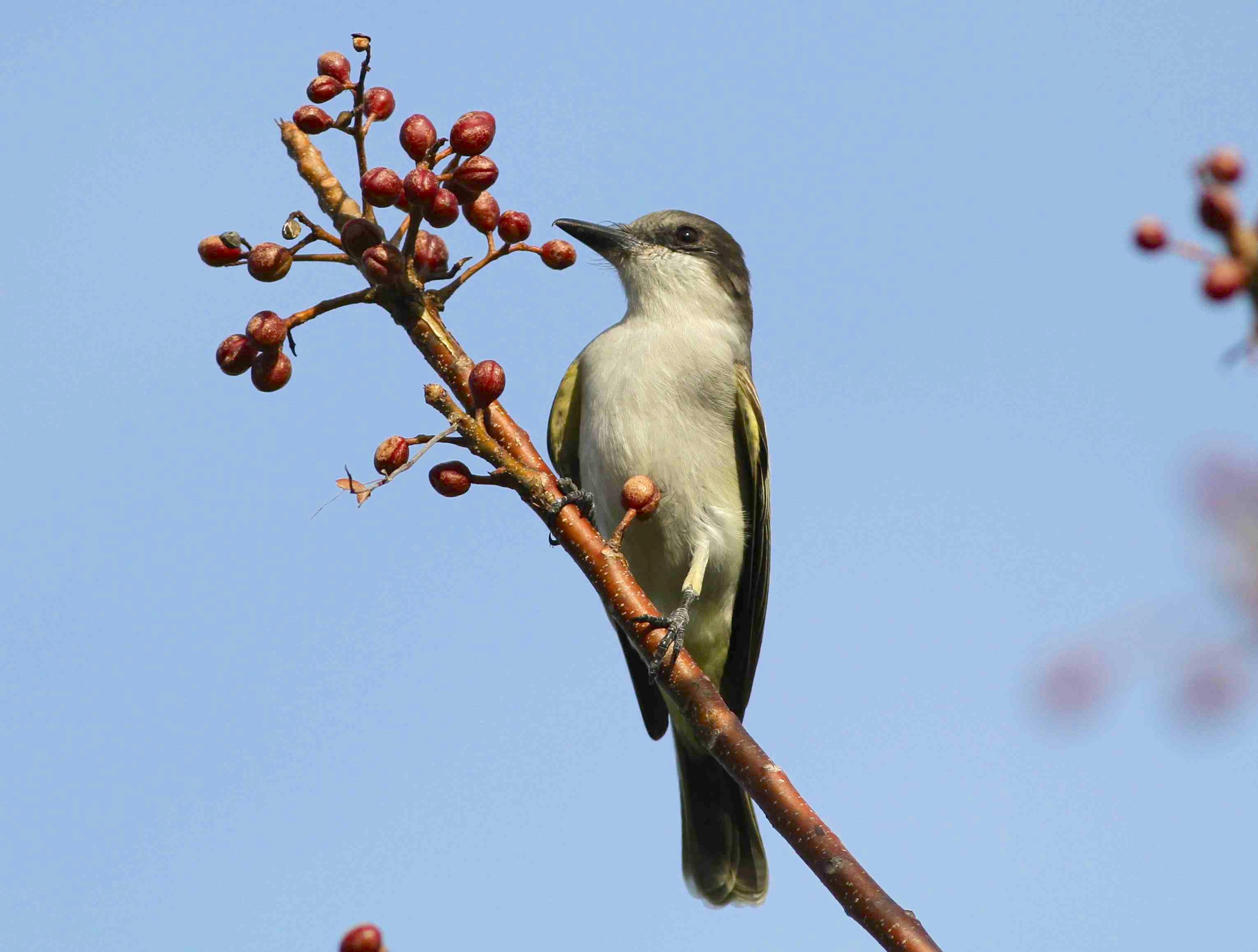
Loggerhead Kingbird with bee. Note dark head, yellowish underside
‘TYRANTS OF ABACO’: FLYCATCHER ID (1)
LOGGERHEAD vs GRAY KINGBIRD
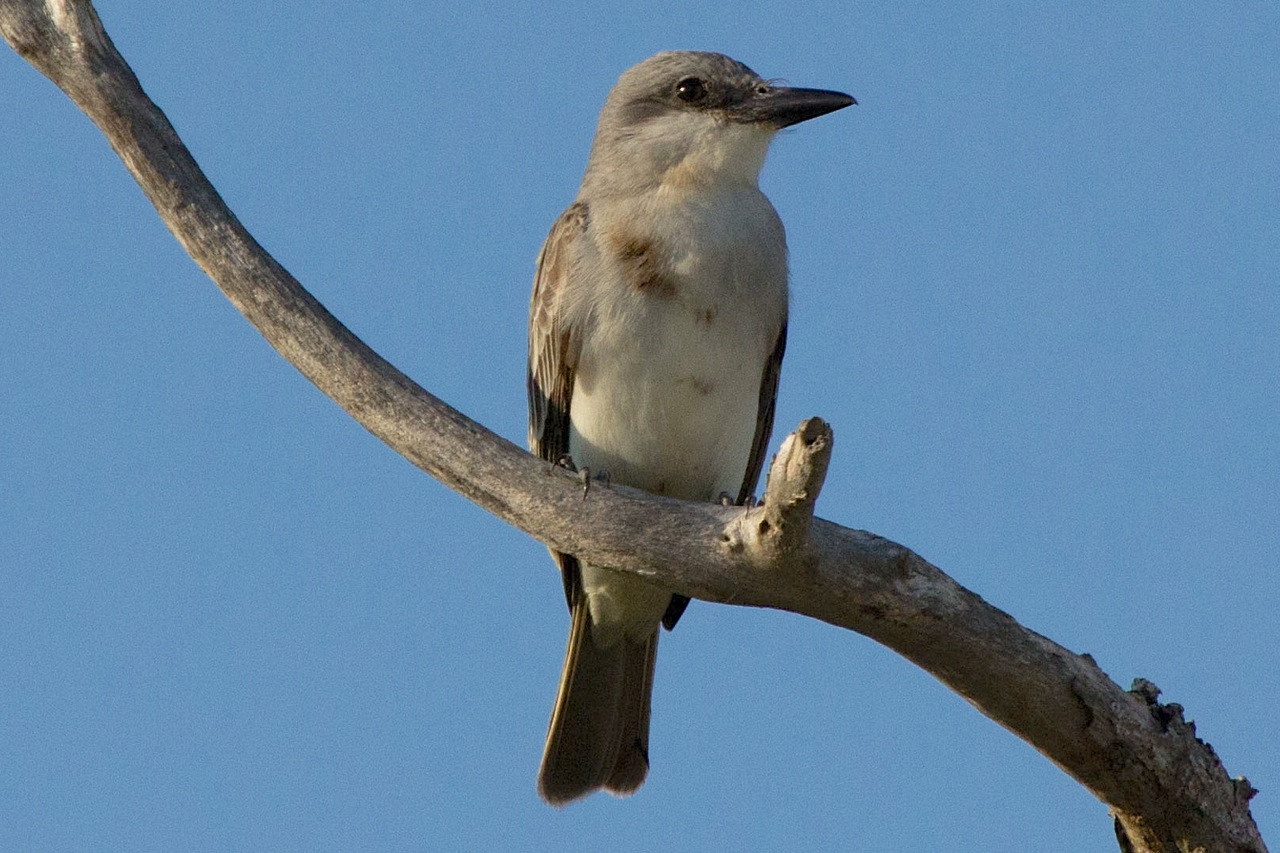
Gray Kingbird: note dark eye ‘mask’, lighter head, mainly white underside & notched tail
Abaco has 275 (or so) recorded bird species. Omitting the transients, vagrants and (frankly) oddities – hello, feral peafowl of Casuarina – and concentrating on the residents and the summer / winter migrants brings the checklist down considerably. Maybe to around 200. But there is still an awful lot of scope for species confusion. This is frequently found with the warblers (37 species, mostly yellow), shorebirds and (my particular blind spot) gulls & terns with all their gender, age, season and breeding plumage variations.There is one common confusion that surrounds just 4 birds. I’ve decided to tackle the issue because these are the birds I am most frequently asked by people to identify. They send me their photos or a link, or post them on my FB page, and I am always delighted to help. Except… I get confused myself sometimes. So now I plan to demystify the Tyrant Flycatchers (Tyrannidae) of Abaco once and for all. Or for the time being, anyway.
ABACO’S TYRANT FLYCATCHER SPECIES
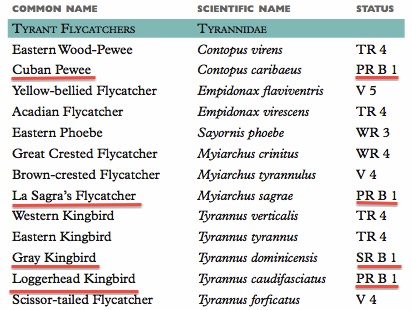
There are 14 tyrant species recorded for Abaco, as listed in the checklist clip above taken from“THE BIRDS OF ABACO”(aFORK-TAILED FLYCATCHER was seen recently for the first time on Abaco, and will in due course be added to the checklist). You’ll be relieved to learn that we can at once dispense of 10 of the above for present purposes. In practical terms – i.e. everyday life – the only flycatchers you need to be concerned with are the 4 underlined in red above: Cuban Pewee, Gray Kingbird, La Sagra’s Flycatcher and Loggerhead Kingbird. The underlined codes provide useful information for each bird .
PR 3 of the 4 are permanent residents – not the gray kingbird, which is SR a summer resident
B these 4 are the only flycatchers that breed on Abaco
1 all 4 are widespread, commonly and easily found. All other candidates are unusual to very rare
Which is this?
LOGGERHEAD Tyrannus caudifasciatus vs GRAY Tyrannus dominicensis
DIFFERENCES and SIMILARITIES
TOP TIPANY KINGBIRD SEEN IN WINTER WILL BE A LOGGERHEAD
A kingbird seen between (say) October and March is a Loggerhead. Grays are strictly summer visitors
Both are medium size birds and roughly the same size as adults (around 23 cms)
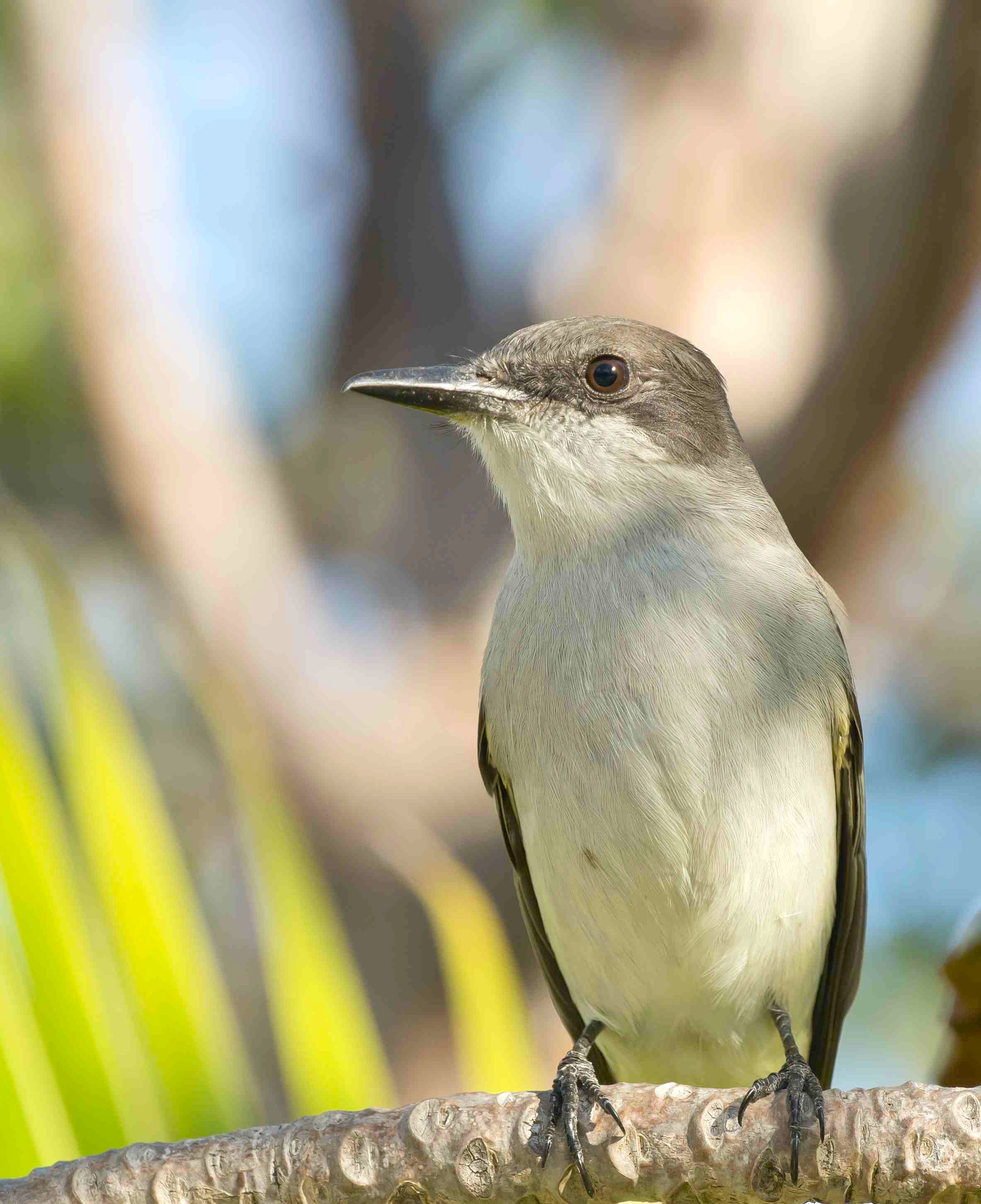
Loggerheads have dark brownish heads (some say black), grays have lighter, slate-coloured heads
Loggerheads have a ‘squared’ tip to the tail; grays have a notched tip
Loggerheads may have a whitish fringe at the tip of the tail; grays not so
Loggerheads have yellowish tinges to their white undersides & forewings; grays less so or not at all
Grays have a dark or black ‘mask’ through the eyes, often clear but not always easy to see
Loggerheads allegedly have inconspicuous orange head crests; grays are red. I’ve never seen either!
[*RH opinion alert*] Grays have larger, heavier beaks than loggerheads
Grays are territorially aggressive; when they turn up, the loggerheads tend to retreat to the forest
Here is how David Sibley shows the differences
Illustrations: David Allen Sibley
Gray or Loggerhead? Note the light head, discernible mask & notched tail
Loggerhead or Gray? Note the darker head and no mask
GRAY KINGBIRDS: masked & notch-tailed
CLASSIC LOGGERHEAD: squarer tail, yellowish underside, dark head, hint of a crest
COMMON TO ALL FLYCATCHERS An Insect ‘Hook’ at the tip of this Loggerhead’s ‘top’ bill
MEMORABLE FACT TO DEPLOY IN CONVERSATION
The collective names for a group of kingbirds are: a Court, a Coronation, or a Tyranny
I hope this helps with ID, but it’s fair to say that even the birds shown here don’t conform strictly to the rules. A couple of gray kingbirds have distinctly yellowish undersides. And the real problem is this: you see a medium-size bird. It is hawking for insects. It is high summer. It’s a kingbird. It is 150 feet away, and against the sun. It’s just a darkish bird. You can’t see a notched tail or yellowish underside, still less a mask. But at least you can be confident that you can restrict the ID to just 2 birds… Just ask me which, and I’ll do my best…
Credits: Tom Reed (1), Tom Sheley (2, 4, 5), Gerlinde Taurer (3), Mrs RH (6, 7), Alex Hughes (8), Charles Sharp (9), Dick Daniels (10), Peter Mantle (11), RH (12); Illustrations David Sibley
[Camera. Lights. ACTION] Attenborough, D (for it is he), off-screen, in familiar breathy tones…
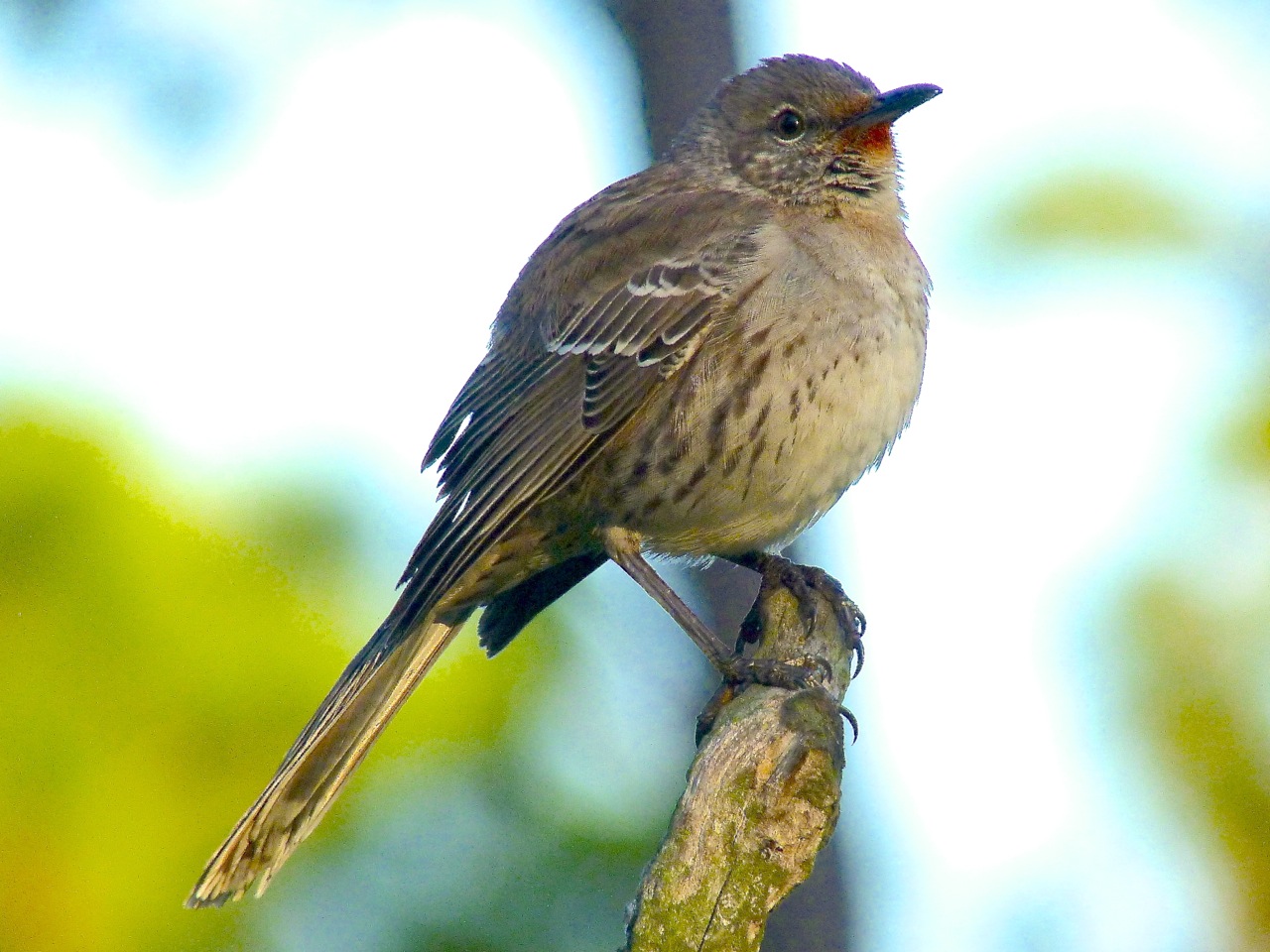
“Here, deep in the impenetrable pine forests of the Abaco National Park, lives an incredible bird discovery until recently known only to four people in the world. For here, where the unique Abaco Parrots nest in their underground holes and the rare Kirtland’s Warbler continues its brave stand against extinction… here is a completely new bird subspecies that is destined to take the avian world by storm… the Red-faced Bahama Mockingbird Mimus bahamensis volvensharborii…”
I can’t keep that nonsense up for any longer, you’ll be relieved to hear… But here is the story. Woody Bracey was taking us, with his friend Bill, in search of the rare and elusive Kirtland’s Warbler, about which more soon (*Spoiler Alert* Yes, we did. Four). We had stopped the truck in a remote area of the National Park to listen for and indeed watch parrots. I was in the front of the truck, window down, listening hard when suddenly, right by us, I suddenly heard the beautiful song of a Bahama Mockingbird. Here are two recordings I made the previous year – the first is over 1 min long, the second is only 17 secs.
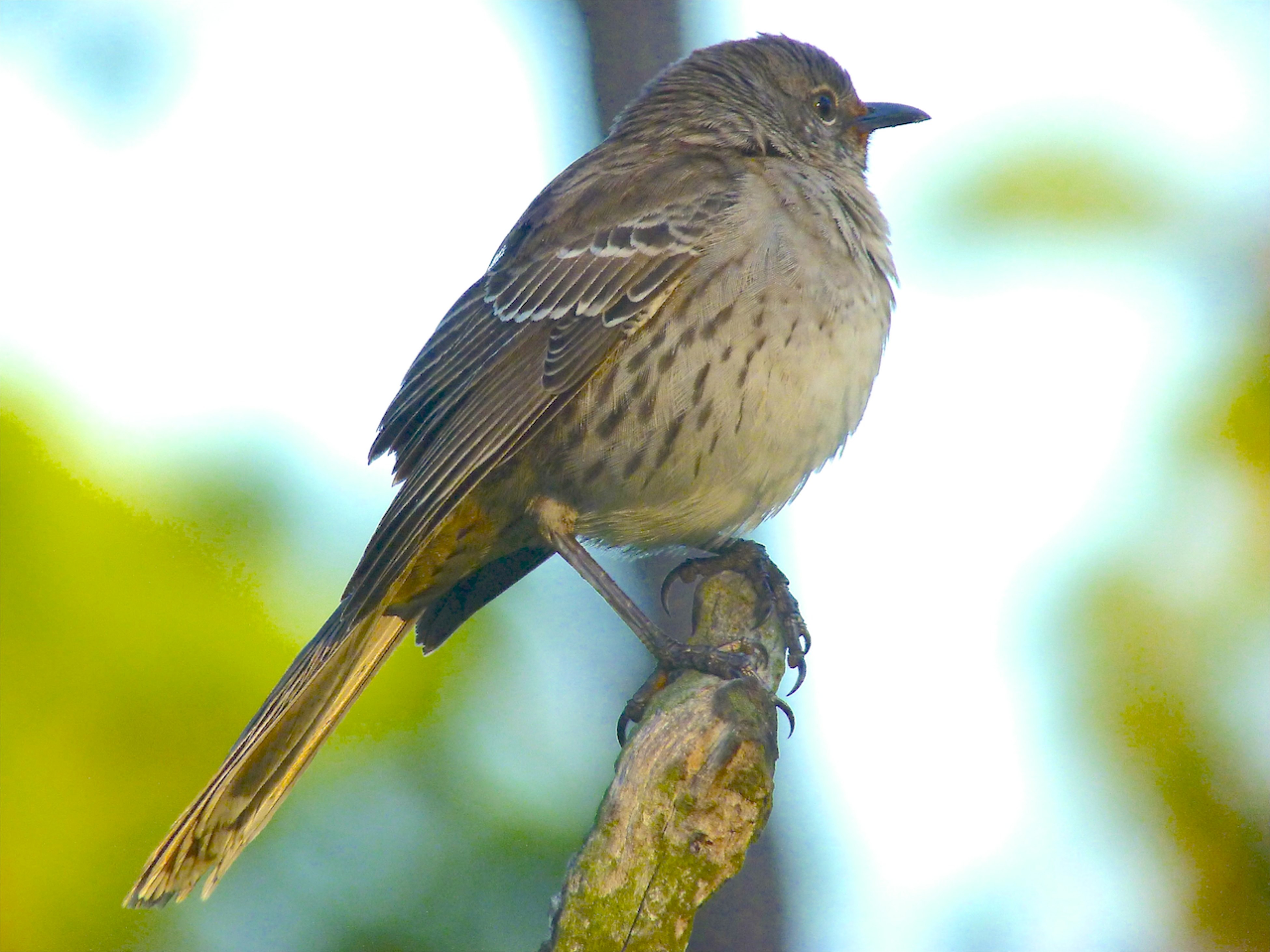
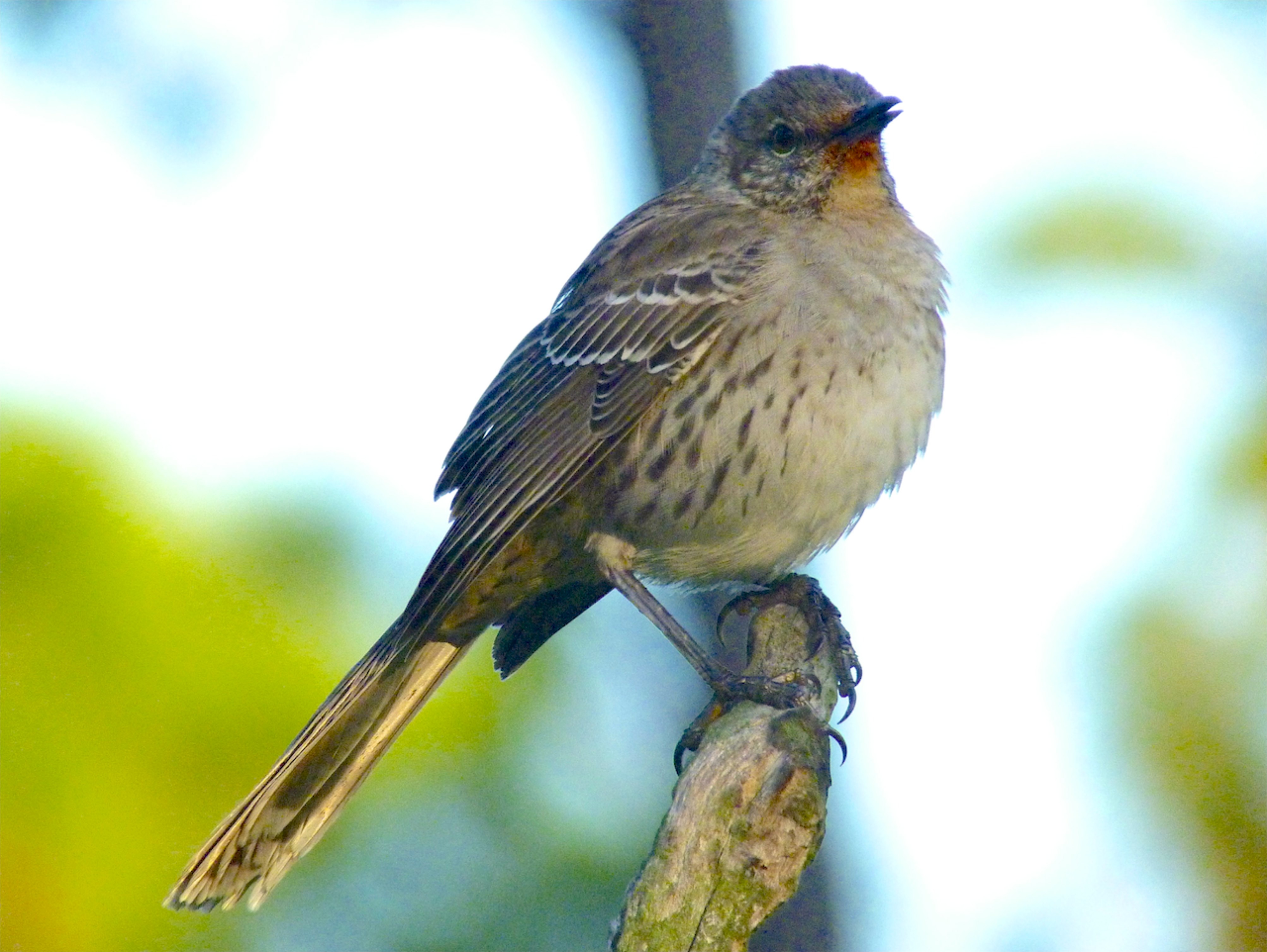
I grabbed my camera and started to fire away at the bird, which was perched on a dead branch just a few feet away near the edge of the track. I had no time to think about depth of field, light balance, or refrangible focus indices, I just went for it. It was Woody who first noticed the remarkable feature of this bird – its red face. It first, I thought it was just on the chin, but later I saw that the red colouring is above the beak as well.
Woody is one of the most experienced birders in the Bahamas, and he had never come across this variant before. Sometimes a bird may have white patches or some otherLEUCISTICcolour variation. But red is something very different. Once we had ruled out blood (no evidence of injury) and strawberry jam (no likelihood of a propensity for sticking face in same), an altogether more exciting possibility began to emerge…
The Bahamas Birding Triumvirate will be debating this find, no doubt. Is this sort of red-faced variant found in any other bird species? Is it a one-off? Or is it perhaps one example of a small subspecies confined to Abaco or the wider Bahamas? Or does it just come from eating red berries, as in photo #3? Has anyone come across a BM like this one? Any comment welcome via the comment box or email.
This is my personal favourite pic, taken while the bird was in mid-song. I’d have liked an ‘open mouth’ shot, but frankly when you find an apparently new bird in the middle of nowhere, you can’t have everything….
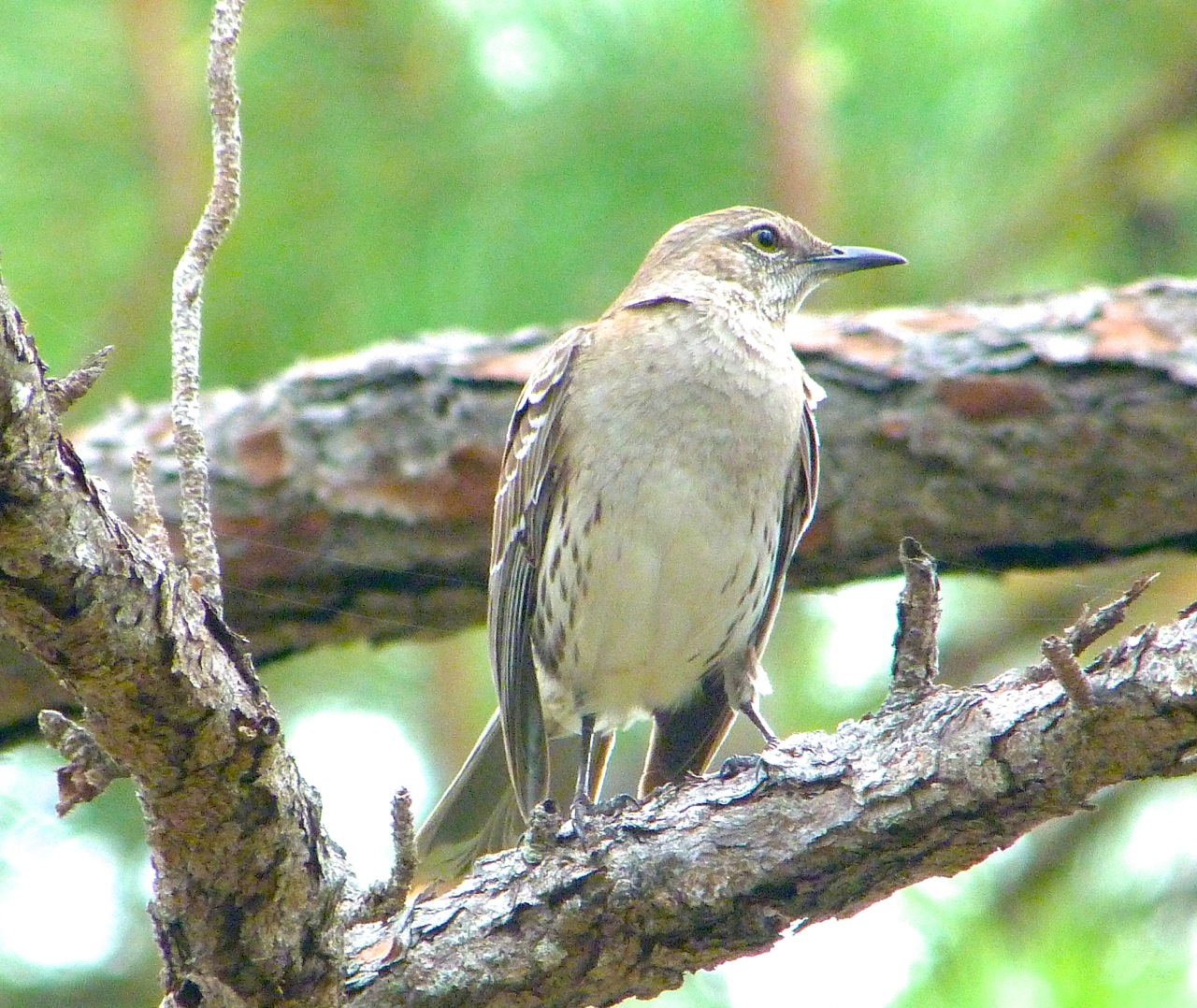
Finally, you may well ask “So that’s all very well, but what does a ‘normal’ Bahama Mockingbird look like close-to?” Here’s an example for comparison
STOP PRESS (MAY 2015)The jury is back, the verdict unexciting (as I suppose was inevitable). The Bahamas Birding Sages have concluded that the red markings are simply staining from berries, as seen in #3 above. This is the obvious solution, but I am grateful to those (culminicola in the comments below, and a birding forum where this post has been discussed) who suggested the possibility of red pollen. The pine forest in which we saw this bird doesn’t in fact have flowers – or anyway red-pollened flowers – so berries must be the answer. In short, no Mimus bahamensis volvensharborii…
All photos RH, cheers to Woody for leading the trip and for spotting the unusual features of this bird PDQ
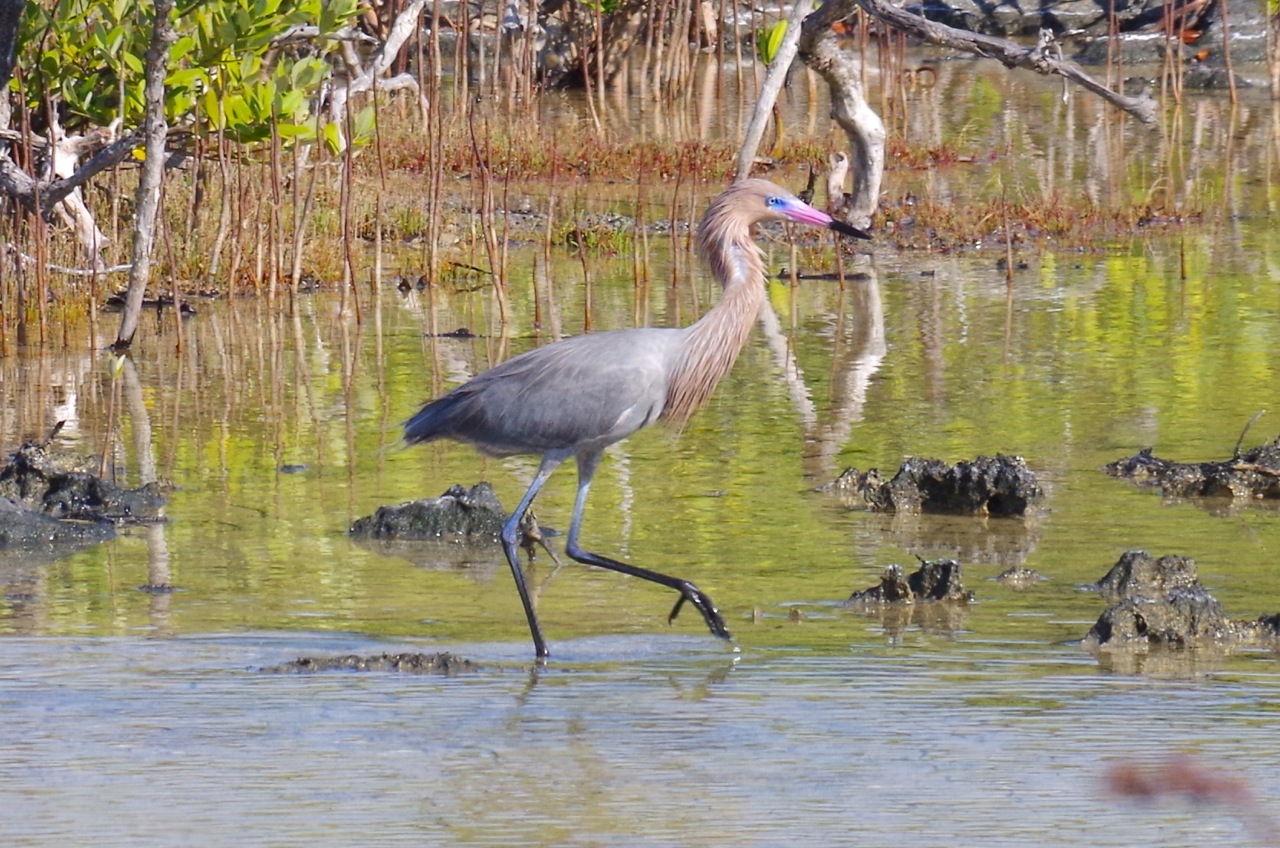
“HANDSOME BIRD, BLUE EYES, LIKES FISH, SEEKS MATE…”
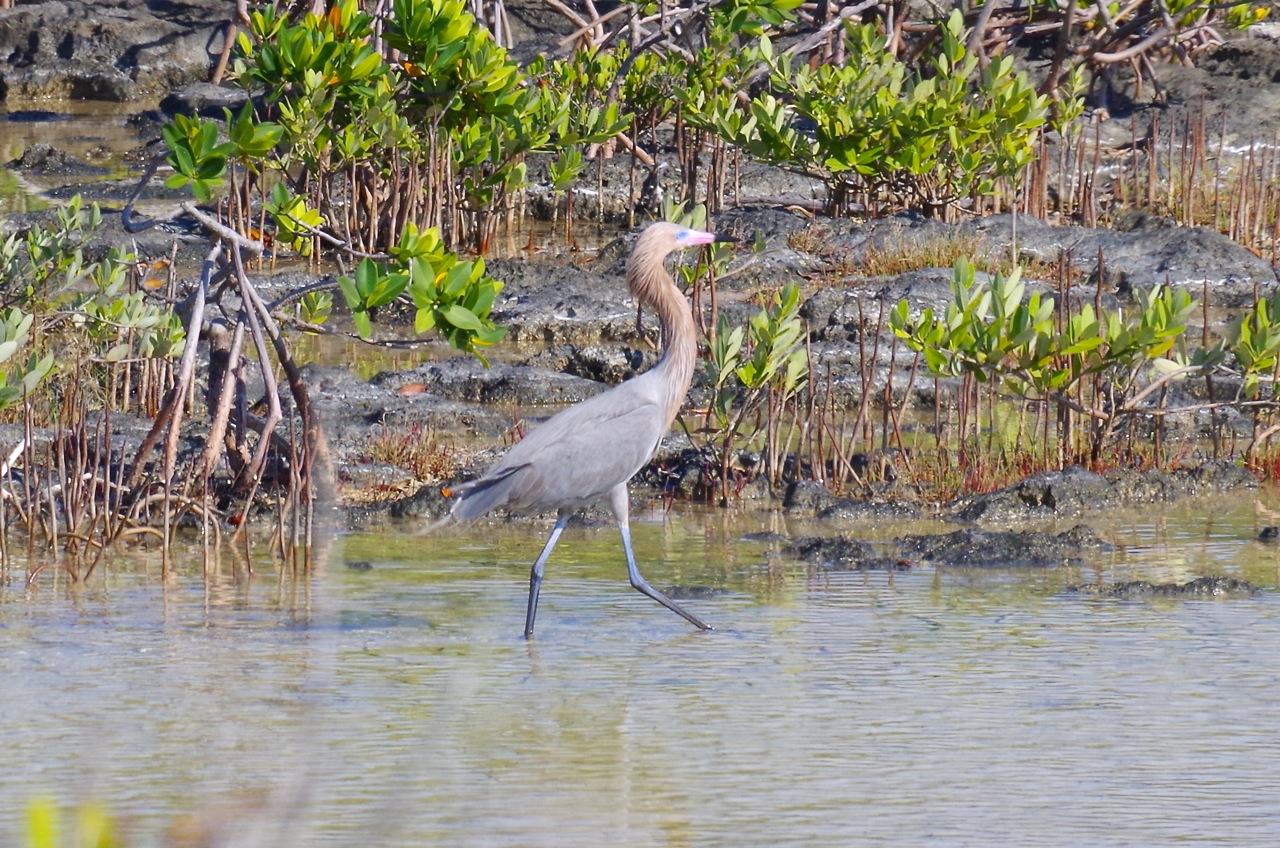
REDDISH EGRET ON ABACO
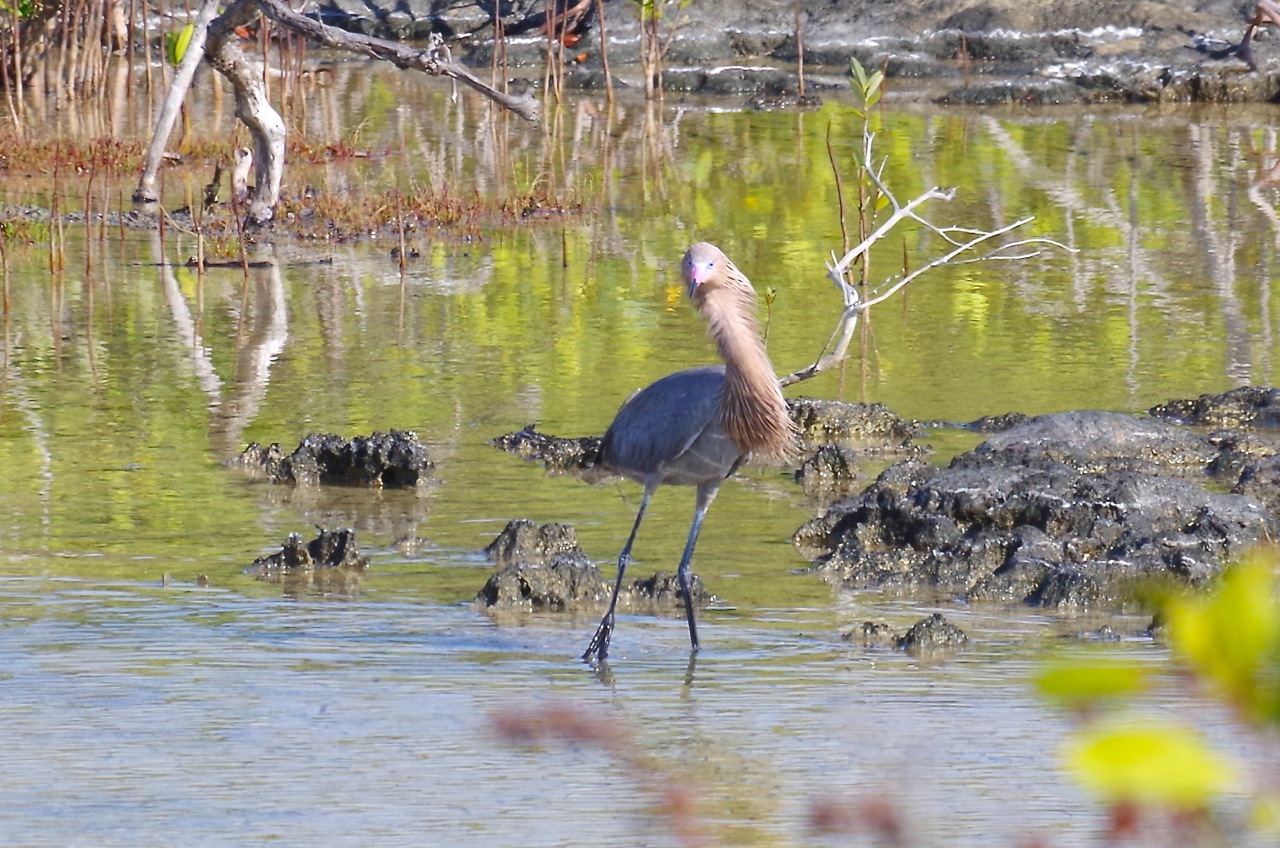
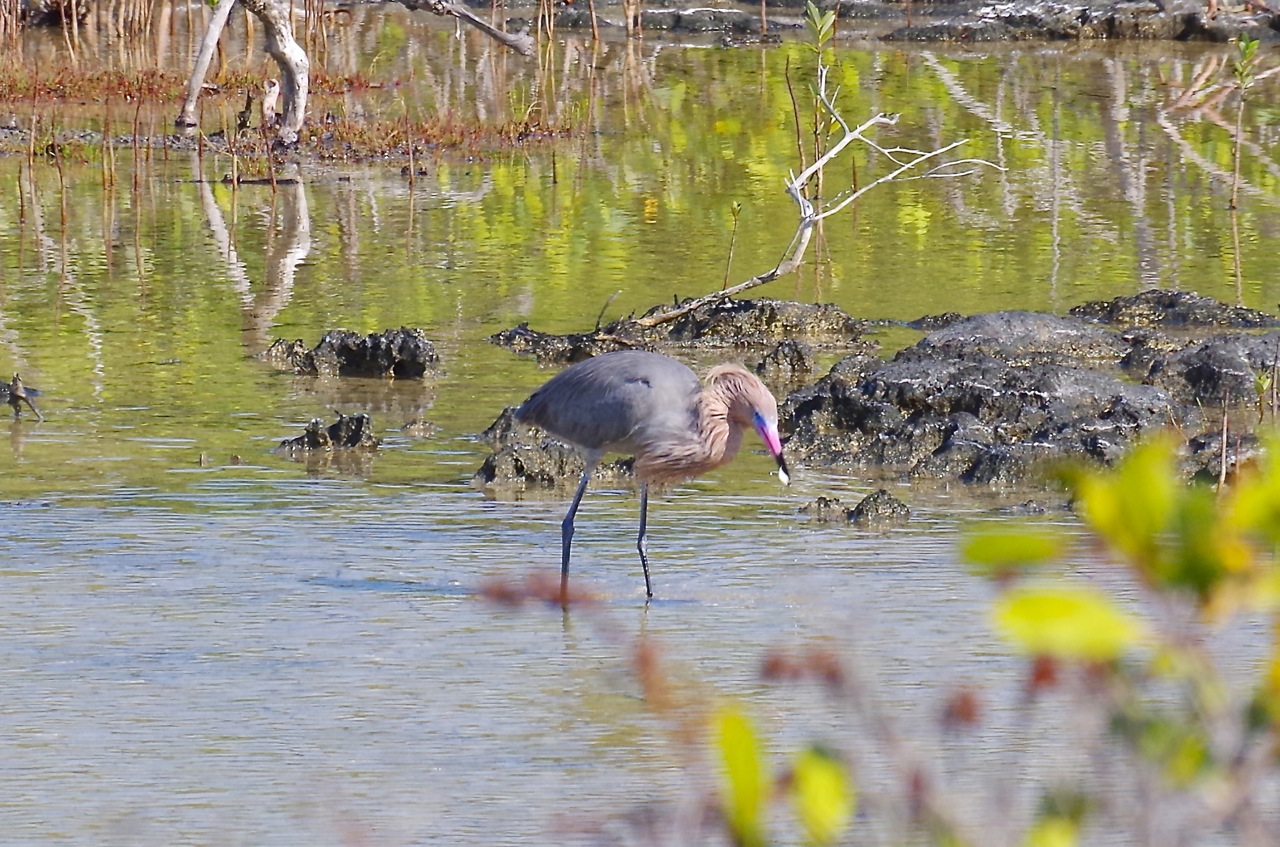
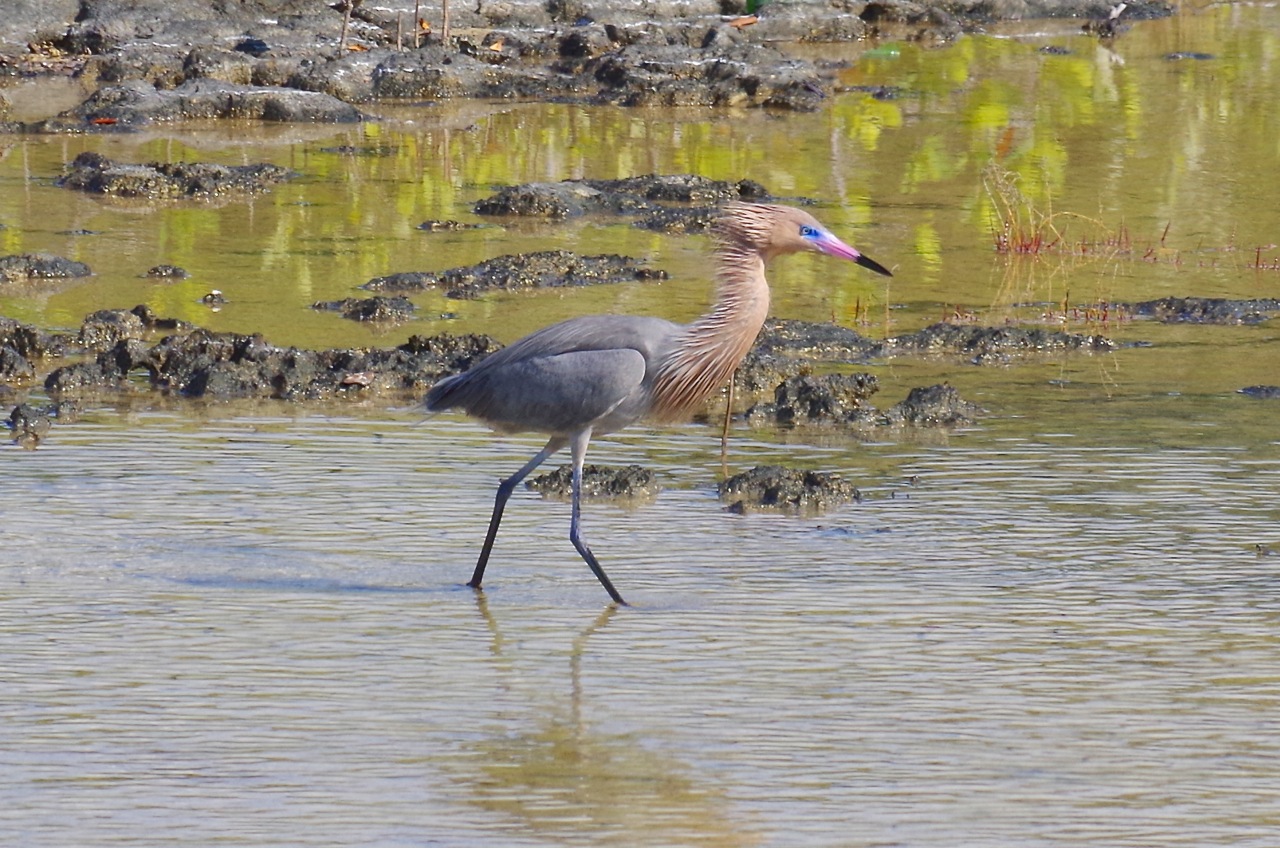
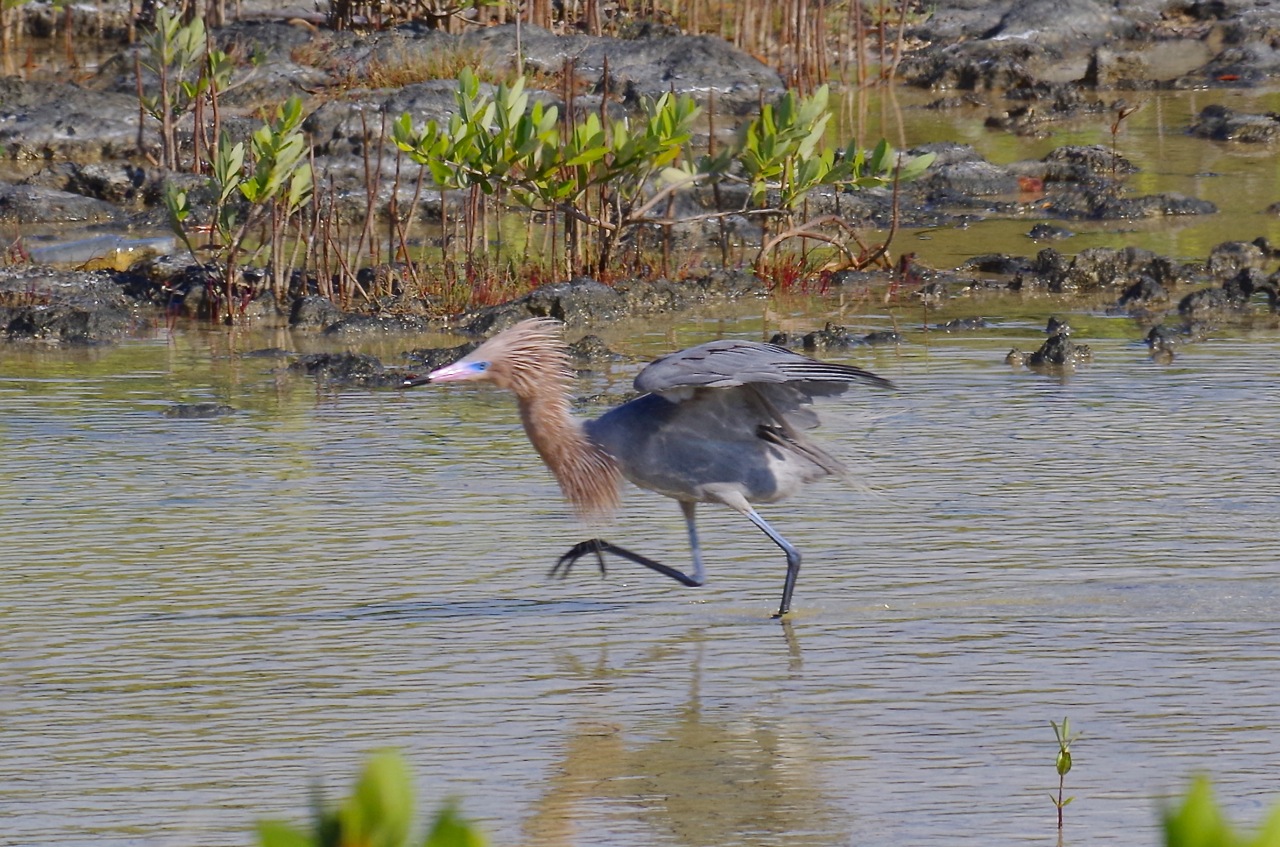
Reddish Egrets come in two colour schemes, reddish and pure white; and both are available on Abaco. ID hint – among the 10 heron and egret species found on Abaco, these are the only ones with a black tip to the beak. In March, these birds are thinking about fish. They do that every day of the year. But they are also thinking about finding a mate. The colouring of the males intensifies, and in particular the greyish-pinkish base of its beak turns a bright ‘hi babe, how are you doing’ pink. The male RE in this post is resplendent in his breeding plumage.We encountered this RE at Crossing Rocks in the brackish pond area on the opposite side of the highway to the bonefishing jetty. This in an excellent place to check out for herons, egrets and other wading birds such as yellowlegs. The island is at its thinnest point here, with the hard dry land over which the highway passes just a few yards across. On either side it’s basically water, mangroves, and other wetland plants. The RE noticed us at the edge of the pond and put on a little display. This is unlikely to have been a ‘come on’… Conceivably, he wanted to show off his distinctive ‘bad hair day’ styling. More plausibly, he was probably put out by having his fishing disturbed. He wasn’t diverted for long, though, and soon got back to business hunting fish. Sometimes he would stand stock still, poised for a rapid strike into the water with that lethal beak. This is the RE’s classic fishing method, the static hunt. However, there are times for being proactive and chasing down the prey. While bonefishing out on the Marls, I have seen this done from a distance, especially by the white RE morphs. They splash about near the edge of the mangroves, moving back and forth, lifting their long legs high in the vegetation as they hunt down their small silver snacks. Our Crossing Rocks RE was suddenly on a mission…We had to tear ourselves away from this performance, grateful to have seen it at such close quarters. However we went back a few days later while on a birding trip to the pond at Gilpin Point. But that’s a post for another time…
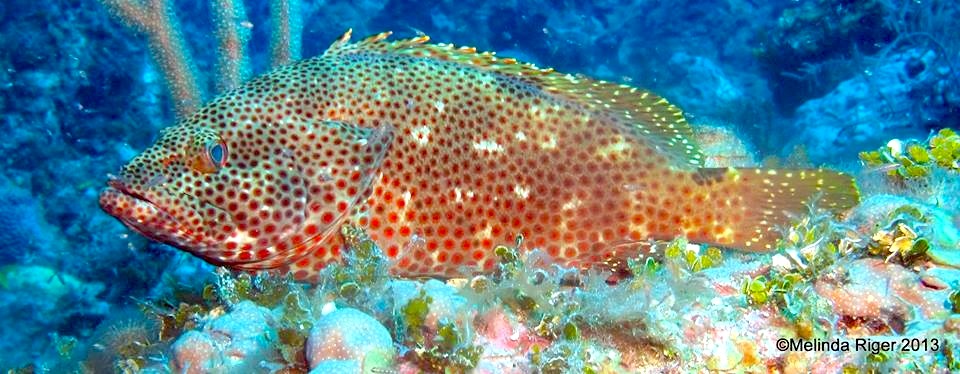
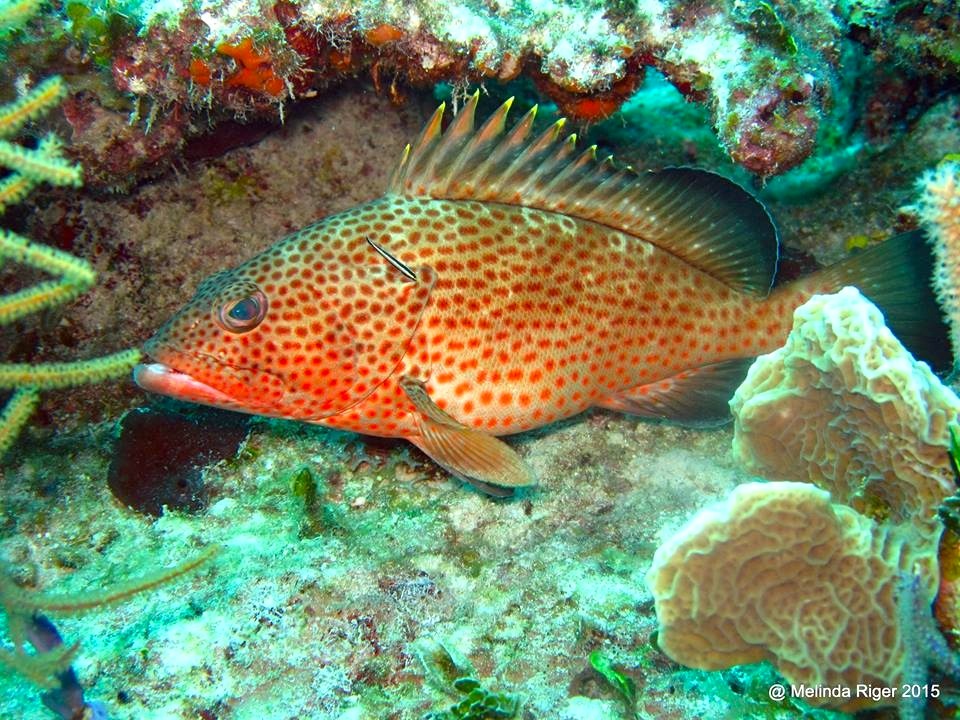
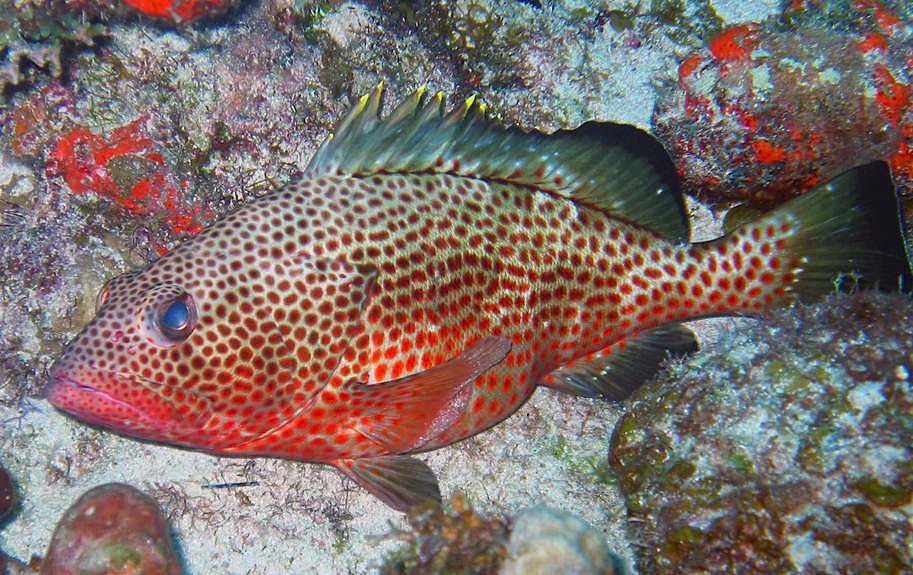
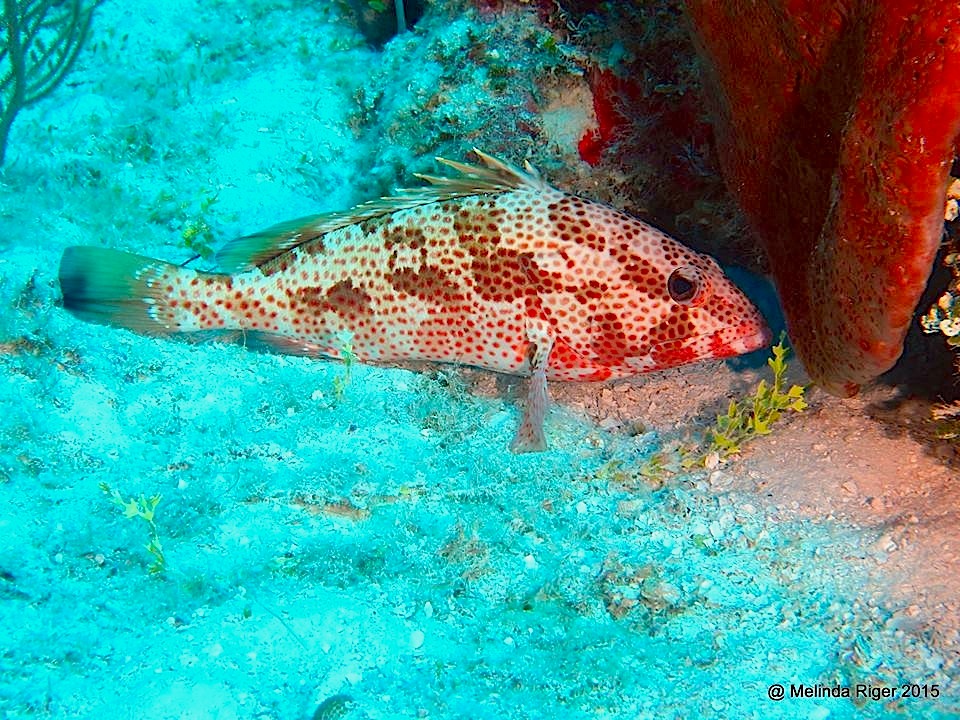
The Red Hind is one of several grouper species commonly found in Bahamas waters. Commonly for now, anyway. There is less information available about this species compared with other groupers, but sources seem agreed that it is (a) abundant and (b) IUCN listed ‘least concern’ but (c) heavily fished and (d) delicious.
One problem arises from the fact that Red Hinds form spawning aggregations in particular areas, making them vulnerable to fishing exploitation in those locations, and consequent population decline. Already, some of their spawning areas are protected.
Another threat comes from the degradation of coastal habitats coupled with increasing commercial and recreational fishing. Red Hinds are targeted with speargun, hook and line, fish traps and nets. They may also be by-catch of other fishing operations. Fortunately Marine Protected Areas such as the ones in Abaco waters provide localised protection but these are not found throughout the Red Hind’s range. Closed seasons have been imposed in a few areas, another conservation method that has recently been introduced in the Bahamas for the Nassau grouper.
Getting the right balance between traditional fishing for food, and stock conservation is inevitably a tricky calculation. For the Red Hind, the factors that may result in the population decline of a plentiful species are in plain sight and will continue to be monitored by the various scientific research organisations involved…
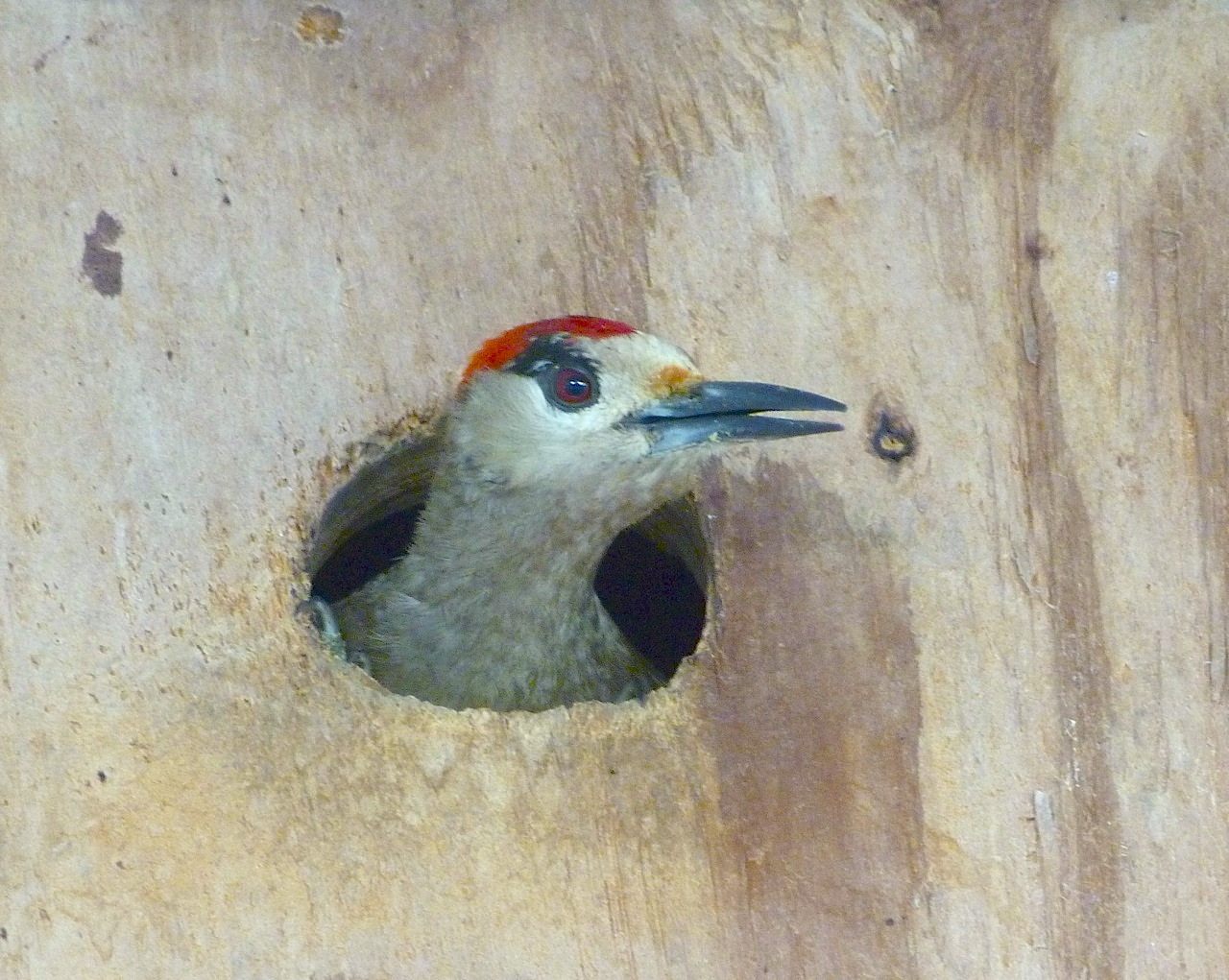
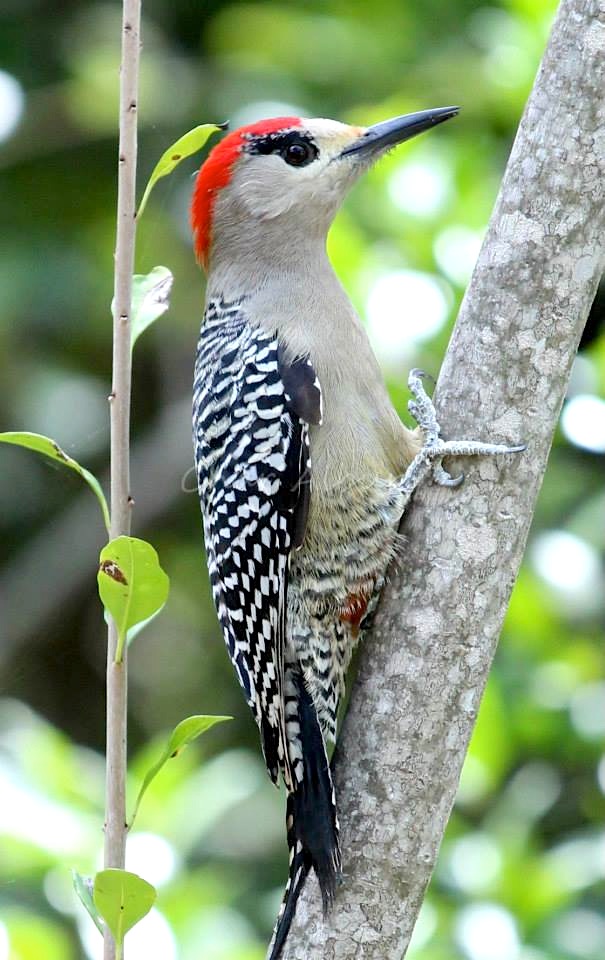
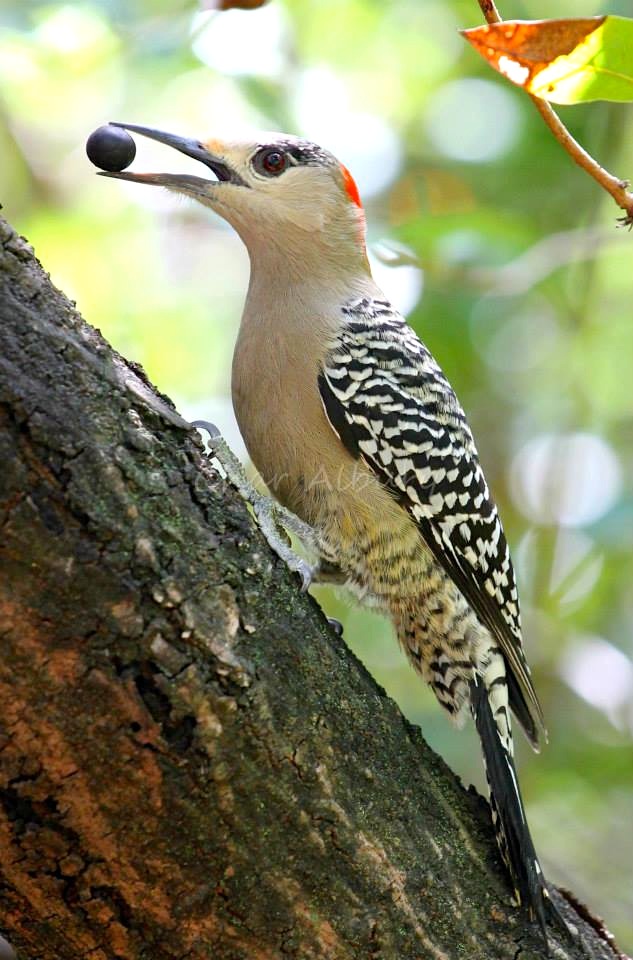
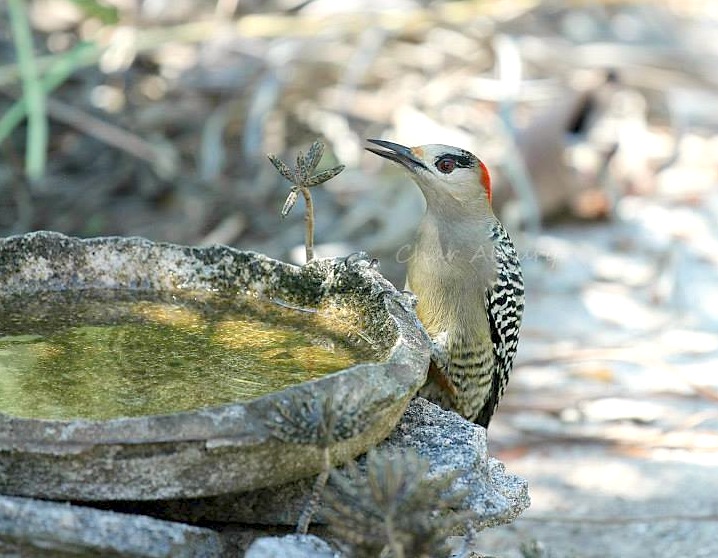
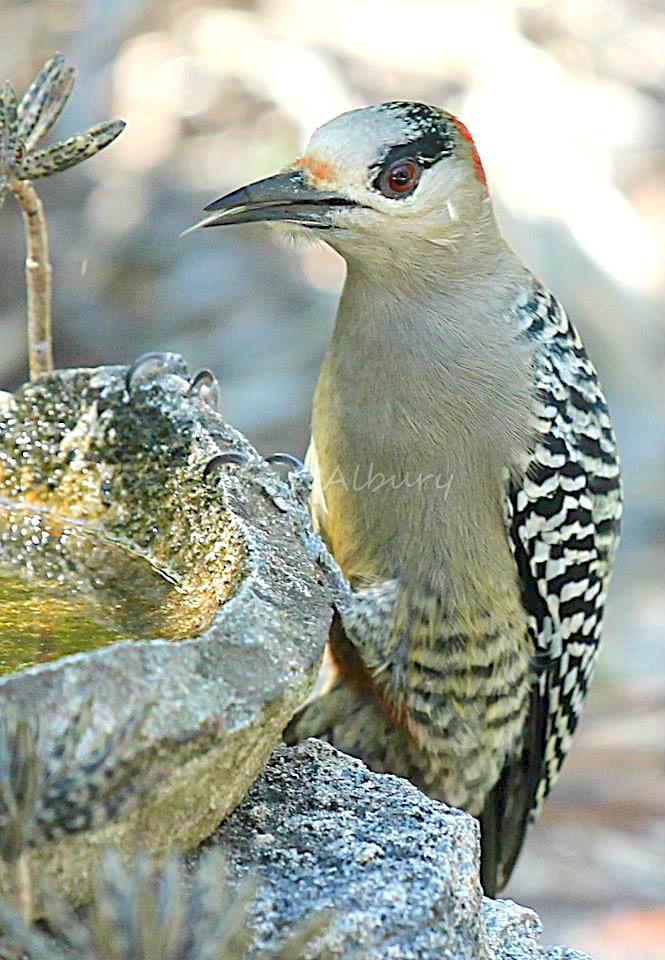
The WEST INDIAN WOODPECKER Melanerpes superciliaris is a specialist bird of Abaco, where it is common. The only other island in the Bahamas where it is found is San Salvador, where it is uncommon. Formerly found on Grand Bahama, it is now believed to be extirpated from that island, with no recent recorded sightings. In the early days at Delphi, we had to put up 2 nest boxes under the eaves to discourage the woodpeckers from destroying the woodwork – very effective, since they are now used every year by a pair that raises a family in one of the boxes and, even before the chicks have fledged, are busy kitting out the second box for a second family…
Charmaine Albury is a resident of Man-o-War Cay, Abaco. A photographic contributor to THE BIRDS OF ABACO, she is an enthusiastic birder and very handy with a camera. MOW has had a great winter season for birds, especially warbler species, and Charmaine has been recording her sightings and posting about them regularly. She has now started a photographic Facebook page SEES THE DAY which I commend to anyone wanting an overview of the rich birdlife of Abaco. This post shows some of her excellent recent photographs of West Indian Woodpeckers on Abaco. The male has the striking red crown; the female has a smaller, paler cap.
PLAYING WITH YOUR FOOD? HOW MUCH FUN CAN YOU HAVE WITH A BERRY?
and… pop it into the hole. Score!
NOW IT’S TIME TO VISIT THE STONE THING THAT HAS WATER IN IT
MY TURN ON THE TREE NOW
GETTING A BIT SLEEPY NOW. GOT BED HEAD…
All photos Charmaine Albury, with many thanks for use permission. Delphi WIW in nest box & all silly anthropomorphising captions are down to me…
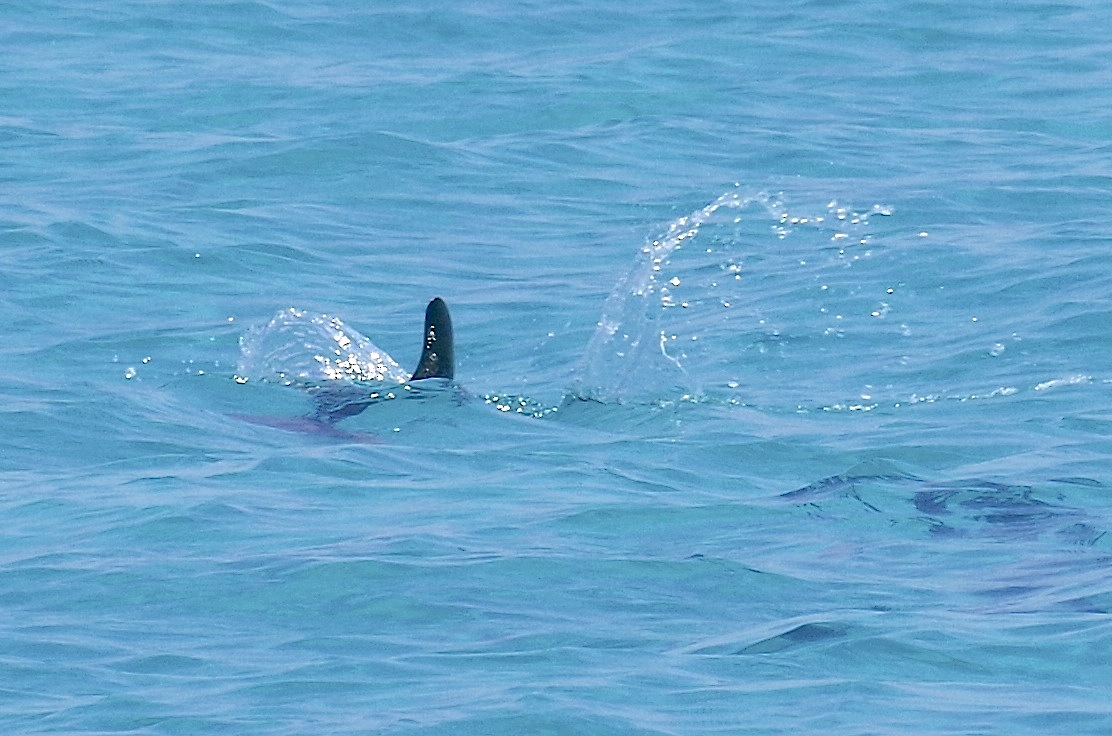
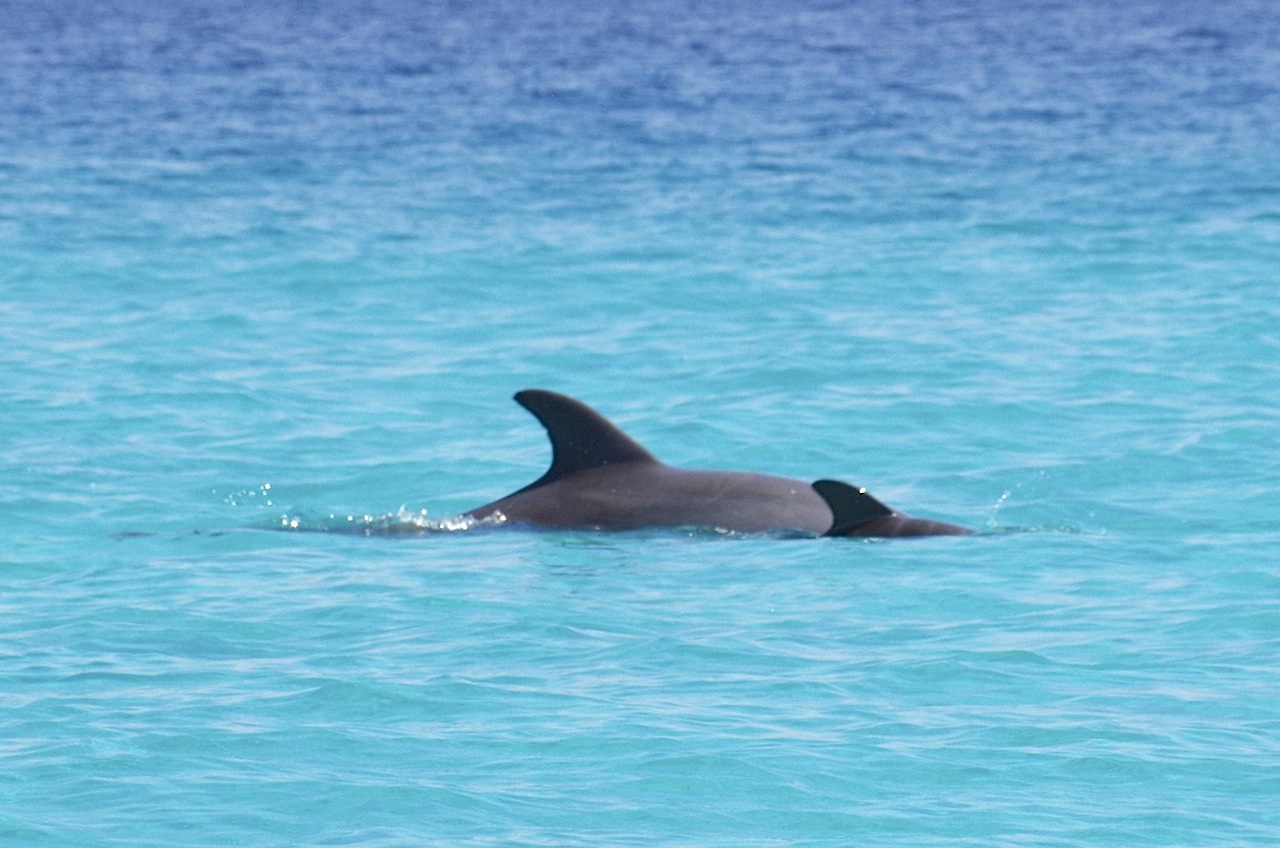
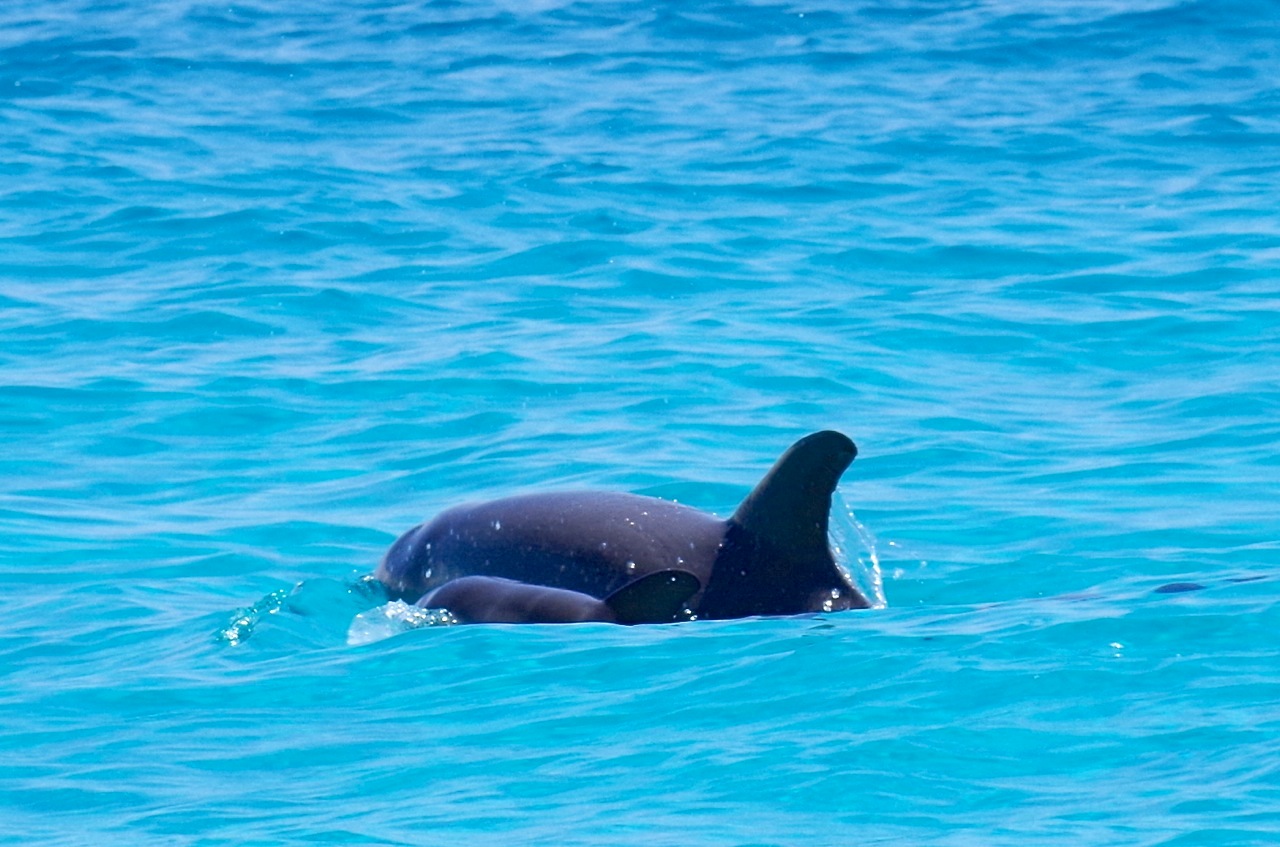
Sometimes things happen that completely take my breath away. Here is one of those moments, from our recent trip with Charlotte and Diane in the BMMRO research boat. As we returned from whale-watching to base in Sandy Point and moved from the deep dark ocean to the bright blue shallows, we encountered a group of bottlenose dolphins. You can see my recent post featuring some of the adults HERE. That was exciting enough, as they played around the boat. Then another participant appeared…
Notice the dark area behind the adult dolphin…
…which soon separated into a small dark splashing creature with its own fin cutting the waves…
…and next seen keeping pace with its parent
The sharp line between the light and the dark sea is where the sandy shallows abruptly give way to the deep waters of the Grand Bahama Canyon, a massive trench up to 2.5 miles deep with almost vertical cliff walls to the depths in some places
There were less active and splashy moments as the pair swam around together
Then it was back to doing what they like best…
Then some more restful moments…
And finally the pair moved away. On the far horizon, the Massive Mickey Mouse Cruise ship moored at ‘Disney’s Castaway Cay’ (formerly the sober-sounding Gorda Cay), where you can be a Pirate of the Caribbean. Or anyway a very happy Tourist. The choice is yours. Would you like fries with that?
And looking out to sea from the cheerful place that is Castaway Cay, I wonder if a small child was wondering “Ok, love Mickey and his Friends – but I’d also really love to see a wild dolphin swimming free…
All photos RH (except Castaway, Wiki). Huge thanks to Charlotte, Diane and Bahamas Marine Mammal Research Organisation BMMROfor a truly wonderful day
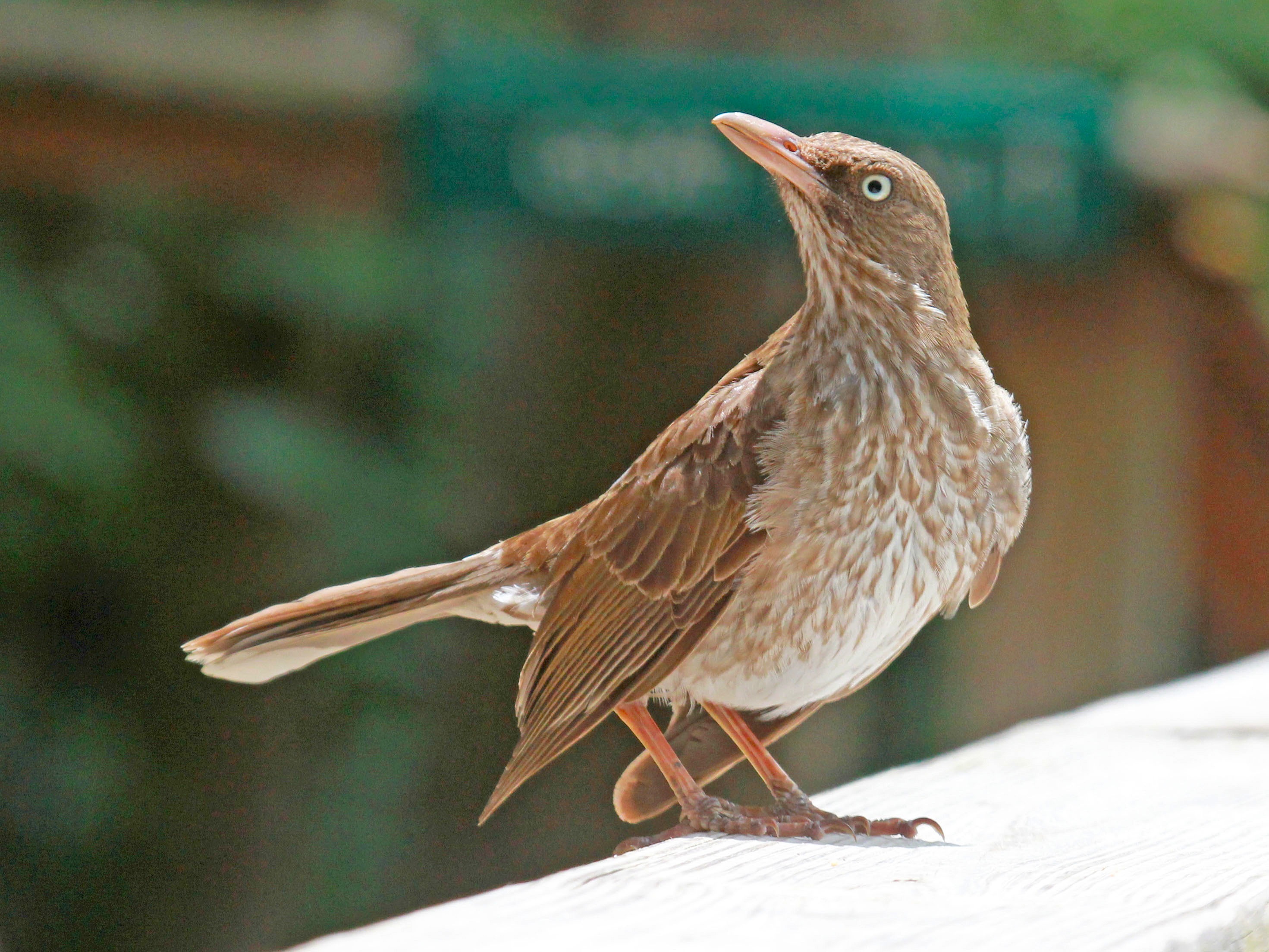
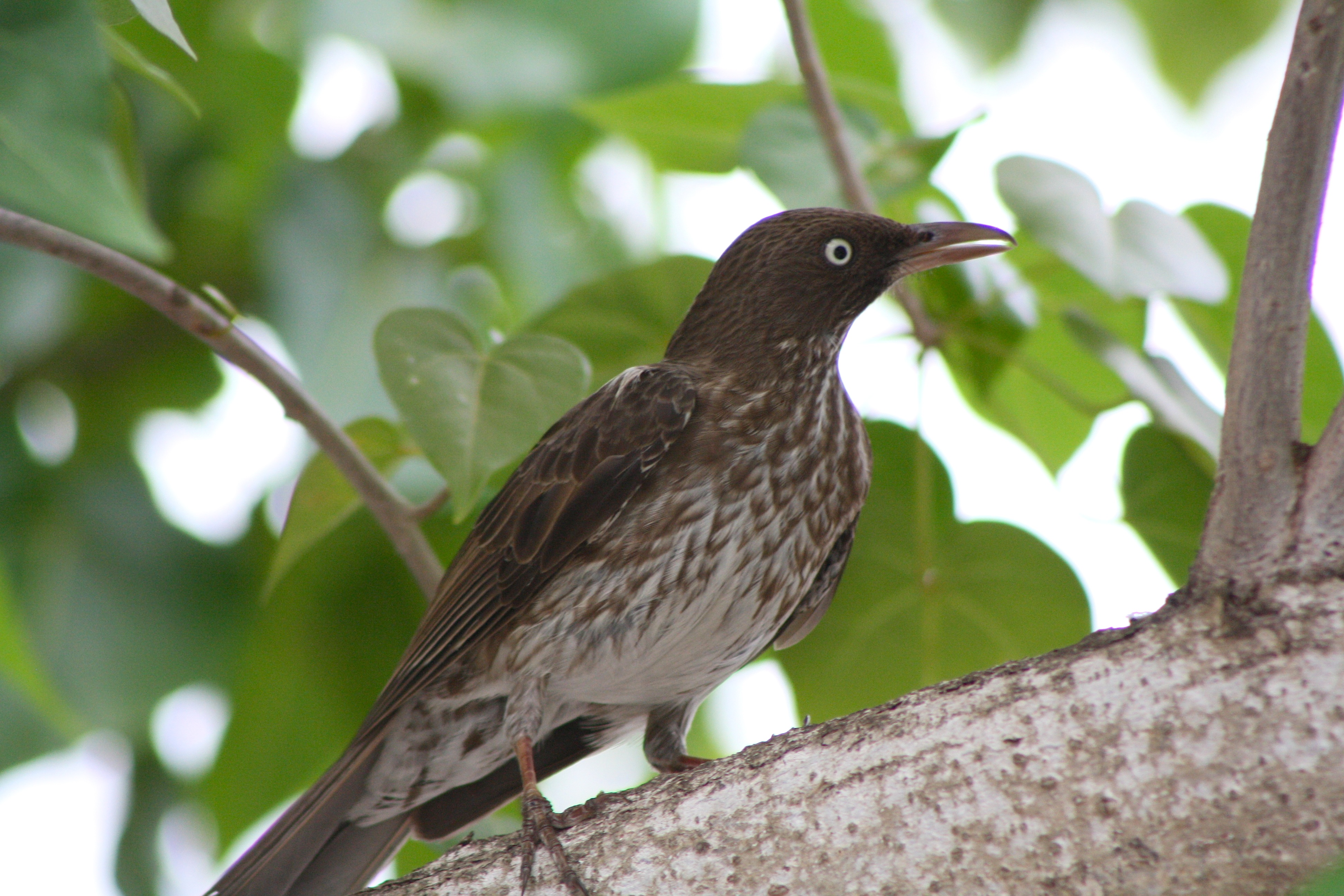
PEARLY-EYED THRASHER – ANOTHER NEW BIRD FOUND ON ABACO
Exactly a year ago, the ultimate, complete and utter Checklist of the birds of Abaco, compiled by Tony White with Woody Bracey, was published. It covers 4 pages of close print inTHE BIRDS OF ABACO, and lists the 282 species recorded since 1950, including so-called ‘exotics’ but excluding so-called ‘pets’ (sadly your minah bird would not qualify). New sightings had been static since a BLACK-BROWED ALBATROSS had made an unheralded appearance out at sea. In the last year, 5 new species have been recorded. The links to them are listed below. That Checklist already needs an update!
The newest bird in town is the Pearly-eyed Thrasher (Margarops fuscatus). This is a bird in the family Mimidae, along with mockingbirds and the gray catbird. Until last November, no thrasher species had ever been recorded for Abaco. Then there was a sighting of aBROWN THRASHER. Just a few months later, its Pearly-eyed cousin has turned up right in the heart of Treasure Cay, seen by first by Erik Gauger and confirmed by Woody Bracey (each a contributor to THE BIRDS OF ABACO).
This thrasher species is found widely throughout the Caribbean, though with several varieties that are genetically distinct. In the Bahamas, they breed on some of the southern islands. They are known to overwinter on Eleuthera and Cat Island, but have not previously been recorded as far north as Abaco. This sighting is important in suggesting that the species may be beginning to extend its range, although it could of course simply be a one-off ‘vagrant’, as they are officially yet disrespectfully known.
Since the first sightings by Erik & Woody a couple of days ago, Woody has been out again with a camera seeking to obtain photographic evidence of the bird. Last night he sent me a snapshot taken in difficult circumstances – the bird was being hassled by a Eurasian Collared Dove (who should have known better, being a non-native species itself…). The pearly eye is quite clear, as is the speckled front and white end to the underside of the tail. If a clearer shot comes in, I’ll add it. So, TC-based birders, a Rolling Harbour Kalik challenge is on!
STOP PRESSWoody has sent a couple more photos of the PET taken right in the centre of Treasure Cay. Or perhaps there is a second one… and if so, different sexes… and if so, a nest, eggs, chicks, fledglings and in due course a new breeding species on Abaco…
STOP PRESS April 2015Erik Gauger has now written up his account of his discovery of this new species for Abaco. You can read it HERE (scroll down to the second article on the page)
The other photos I have used are ‘open source’ for obvious reasons, and credited below as far as the information is available…
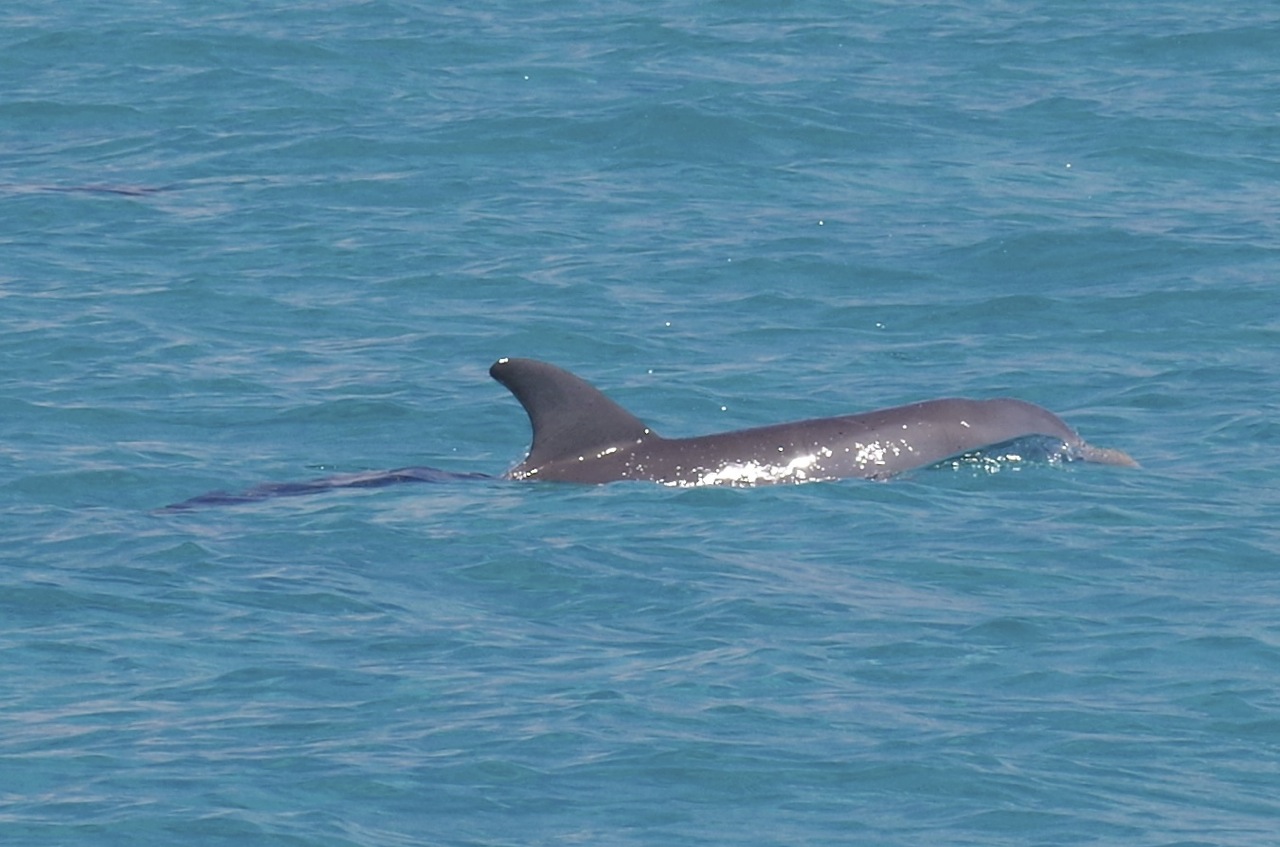
This seems to be a excellent early Spring for dolphin and whale sightings in Abaco waters. I’ve noticed that people have been posting dolphin sightings on FB recently. In our brief window of opportunity each March, I usually reckon to see 2 or 3 dolphins at most – maybe crossing over to Hope Town on the ferry, or more probably on a fishing trip. This year we saw 2 groups of about 6 off Cherokee while fishing, including calves. On another day, 4 adults made a leisurely progress the whole length of Rolling Harbour while we watched from the balcony of the Delphi Club. I don’t think they have ever been so close to the shore there before. The best was to come.
Near the end of our trip Charlotte Dunn and Diane Claridge invited us to go out with them on the BMMRO research boat. This is equipped with a hydrophonic system that can detect the bleeps, whistles and clicks of cetaceans, and record them for comparison with previous data. This enables particular animals to be identified from their vocalisations. The other method is to note particular features of an animal – damage to a fin, markings on the flank and so on. During the day C & D happily conversed in code: “Is that 132 over there?” “No, it’s got a nick in the fluke, it must be 127…”
As we returned in the RHIB from an amazing day spent at close quarters with beaked whales [more on these soon], we moved from deep dark blue ocean to sandy turquoise shallows. There, just off Rocky Point (near BMMRO HQ at Sandy Point) were half a dozen bottlenose dolphins, including a mother and calf. This post contains a small batch of photos of adults – there’ll be another post shortly featuring the calf…
Here’s a taster for the next post – the calf, just visible close alongside its mother, was being given leaping practice. Watch this blog…
All photos RH. Huge thanks to Charlotte, Diane and Bahamas Marine Mammal Research Organisation BMMROfor a truly wonderful day (and for my cool sweatshirt!)
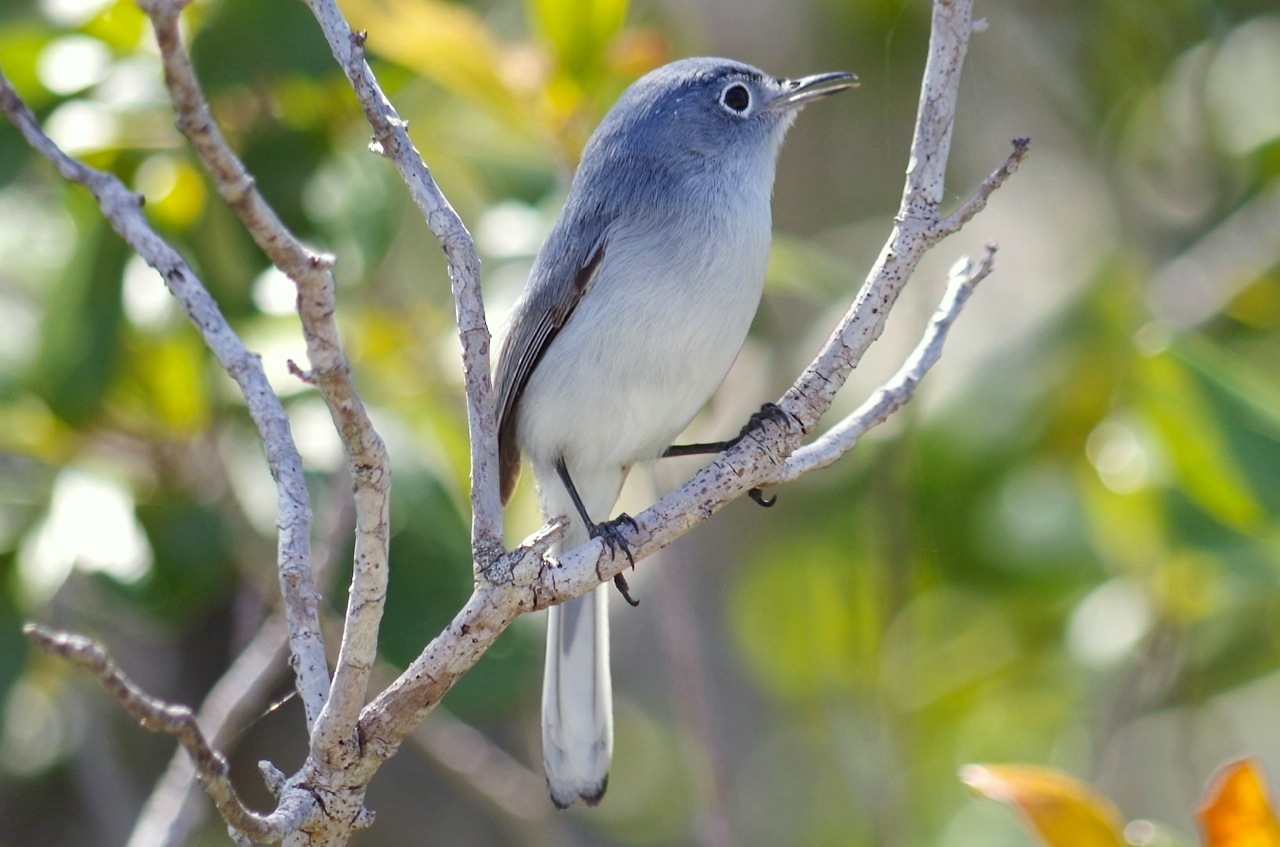
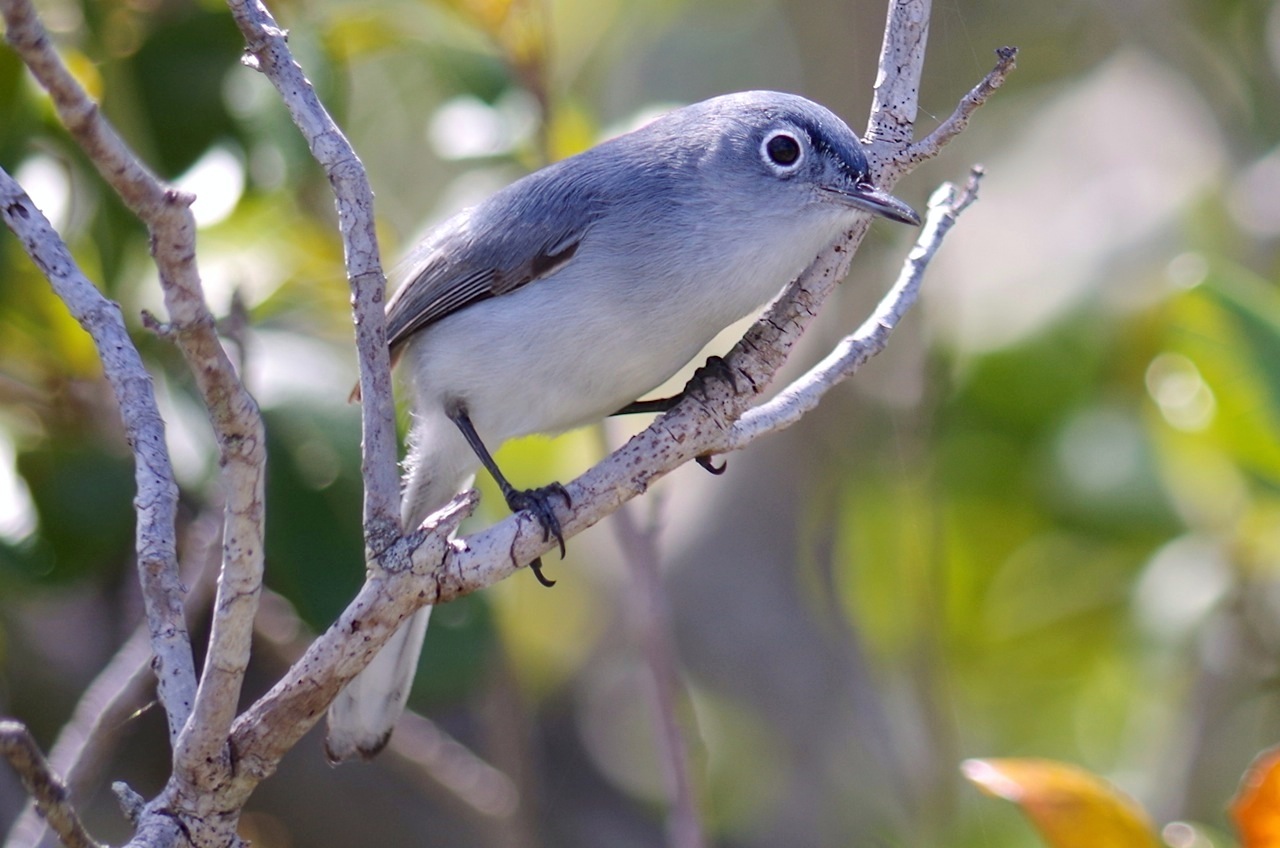
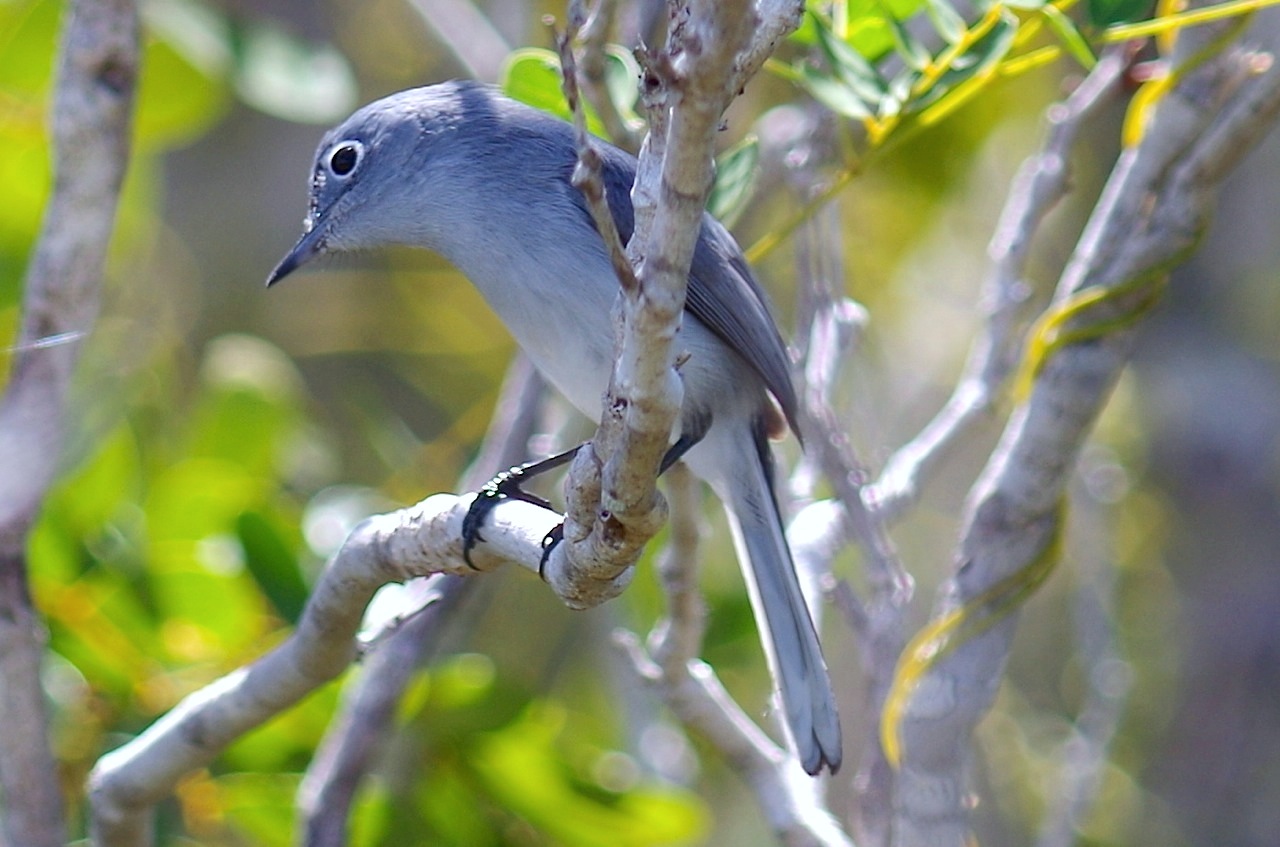
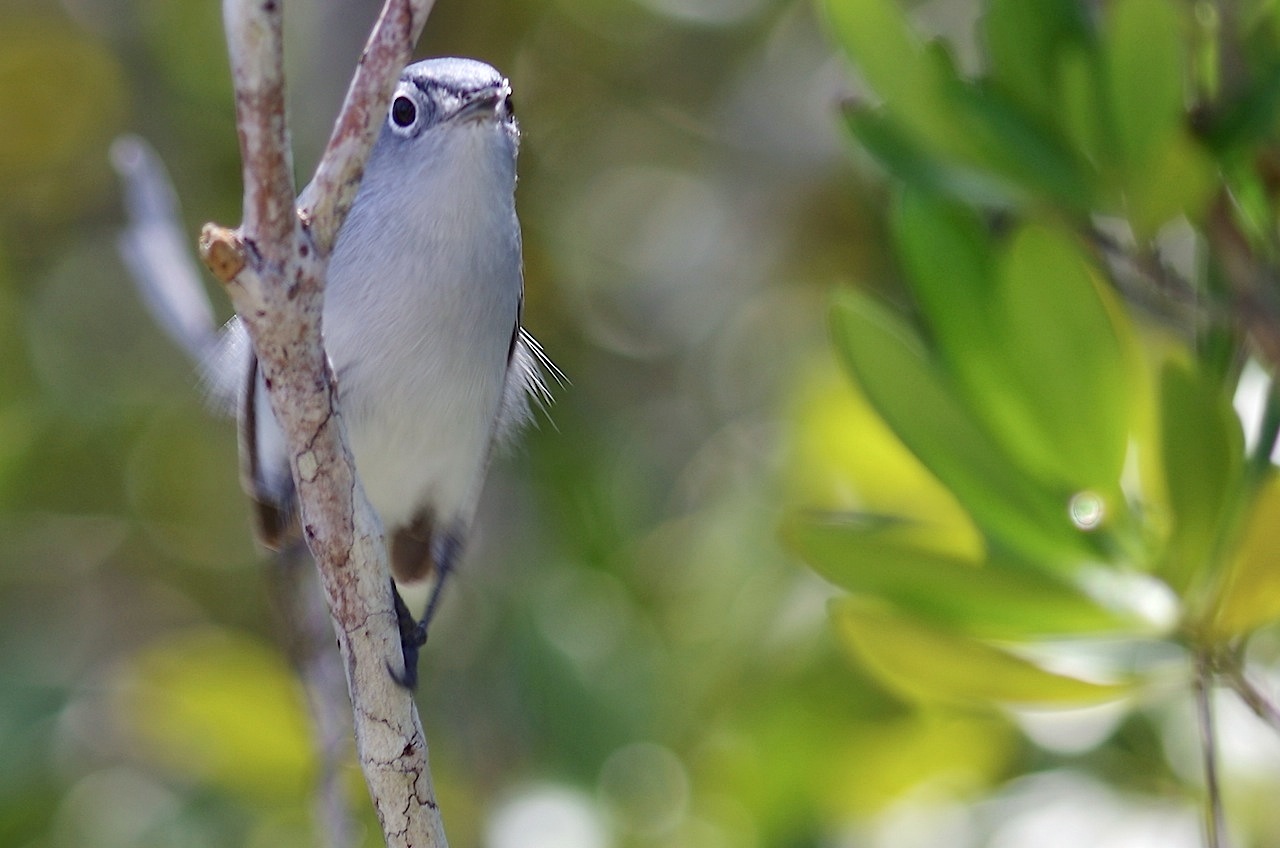
As I sort through 11,867* recent photographs from Abaco and dump the 99% of them that fall into any of the ‘epic fail’, ‘hopeless’, ‘what on earth?’, ‘why on earth’?, ‘sun-flared’, ‘pitch black’, and ‘bird-butt’ categories, a few are making it through the rigorous editorial process. There will be birds, fish, whales, dolphins, expeditions and scenery in due course, but I’m kicking off with a small bird that is a great favourite, the Blue-gray Gnatcatcher Polioptila caerulea. This is because it is probably the easiest bird to pish, click, whistle or otherwise vocalise from the back of the coppice to the front. Then it gets flirty with the camera, performs cutely, and follows you down the track. The perfect subject except for one thing: they are small and branches / twigs are numerous. So, many shots consist of a magnificently focussed stick or leaf, with a blue-gray blur behind it…
There’s a moment when certain photos suddenly look as if they are paintings. This may be especially true of skyscapes or seascapes – or both together. Here are some recent daybreak views from Abaco which could as easily have been painted from a bright palette. And in case you think the effects have been produced or enhanced by some photoshop-style jiggery-pokery, all these images are exactly as I downloaded them, and no ‘special effect’ settings were used to take them. I just pointed and shot… J.M.W.Turner, what could you have done with a Pentax?
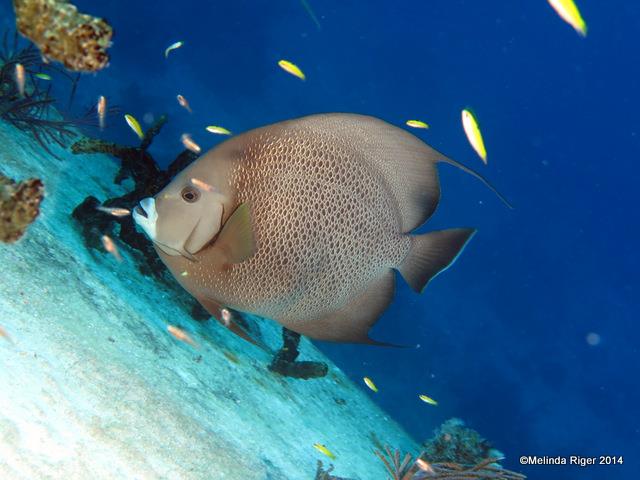
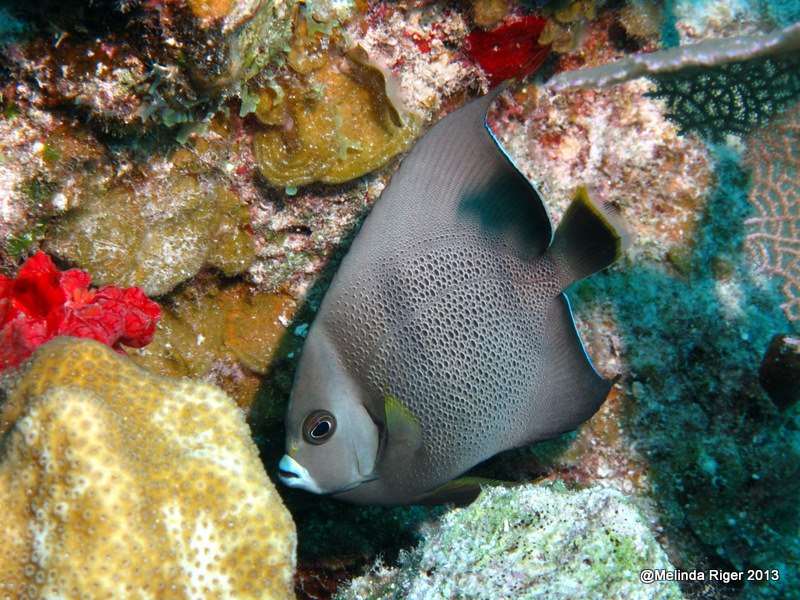
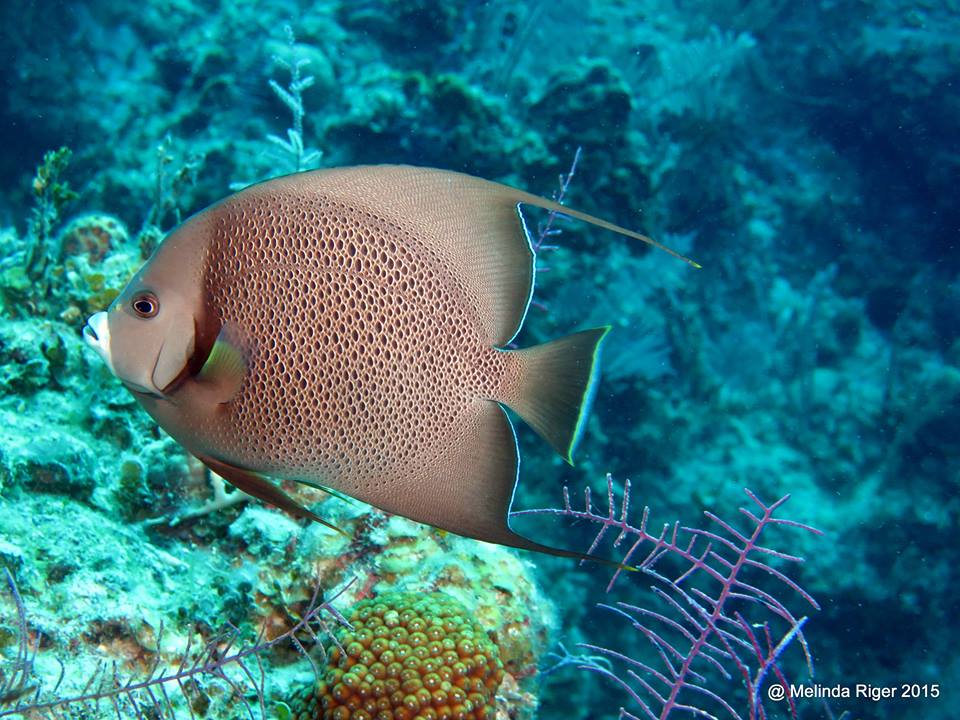
I have posted about Gray Angelfish before, illustrated with some of Melinda’s wonderful undersea photographs. I’m putting up some more of Melinda’s photos of Gray Angelfish drifting around their coral reef habitat. These photos are particularly interesting in demonstrating the diversity and health of the reefs of the Northern Bahamas. At a time when coral decline is obvious in many places, these bright images show how things should be.
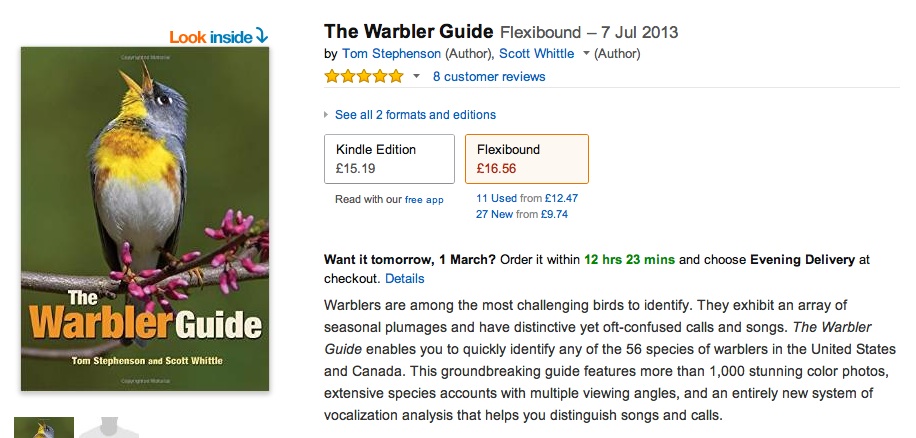
In 2013 Princeton University published a well-received – indeed award-winning – guide to North American warblers. Its relevance to the Northern Bahamas is that all 37 species of warbler recorded for Abaco are found on its pages. Plus, you can use it in North America as a bonus! Details of the book are given below.
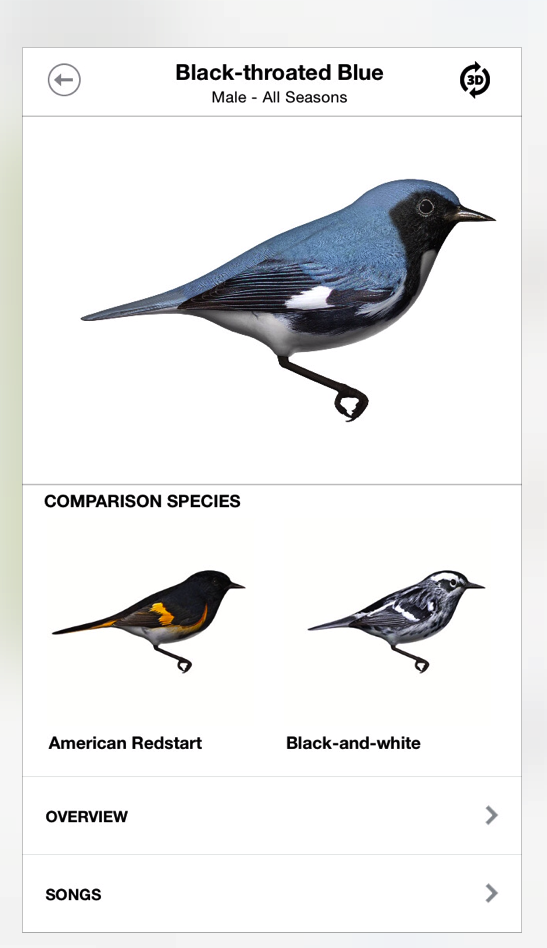
As a follow-up project, Princeton has now produced a Warbler Guide App that looks quite impressive at a glance. It’s not cheap, at £9.99 or dollar equivalent, but with bird apps you generally get what you pay for. Included are song/call IDs for a start, which takes the App a long way beyond mere visual recognition. And the illustrations are from several angles, taking account of the fact that you may not get an ideal broadside view of a bird in the field. Below are a few sample images.
The Warbler Guide revolutionizes birdwatching, making warbler identification easier than ever before. For more information, please see the author videos on the Princeton University Press website.
Covers all 56 species of warblers in the United States and Canada
Visual quick finders help you identify warblers from any angle
Song and call finders make identification easy using a few simple questions
Uses sonograms to teach a new system of song identification that makes it easier to understand and hear differences between similar species
Detailed species accounts show multiple views with diagnostic points, direct comparisons of plumage and vocalizations with similar species, and complete aging and sexing descriptions
New aids to identification include song mnemonics and icons for undertail pattern, color impression, habitat, and behavior
Includes field exercises, flight shots, general identification strategies, and quizzes
A complete, page-by-page audio companion to all of the 1,000-plus songs and calls covered by the book is available for purchase and download from the Cornell Lab of Ornithology’s Macaulay Library by using the link at http://www.TheWarblerGuide.com
Winner of a 2014 National Outdoor Book Award in Nature Guidebooks
Second Place for the 2013 BB/BTO Best Bird Book of the Year, British Birds and the British Trust for Ornithology
Honorable Mention for the 2013 PROSE Award in Single Volume Reference/Science, Association of American Publishers
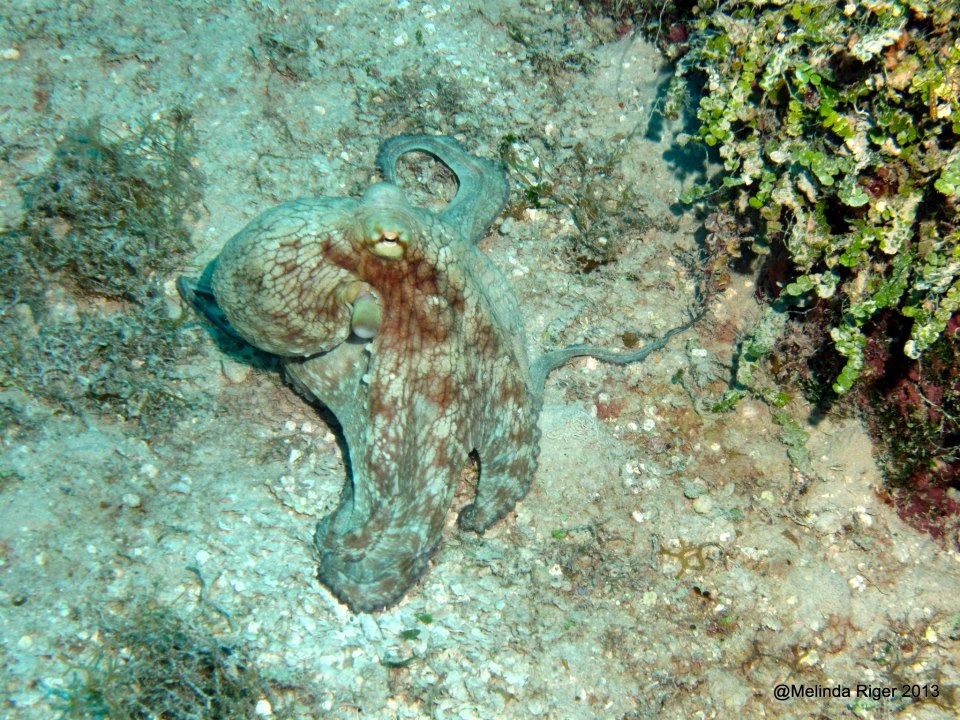
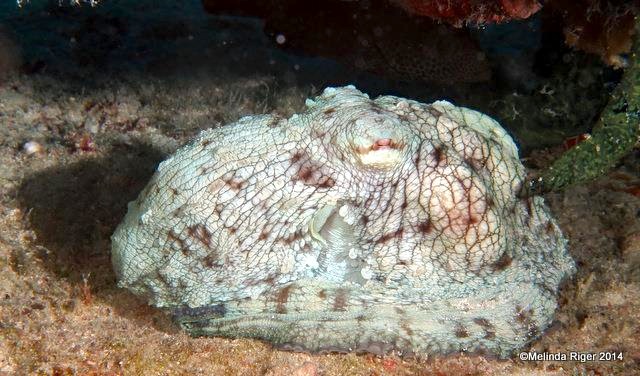
I’ve posted about the octopus a couple of times before. The first time was to explore the correct plural of the word ‘and related cephalopod mysteries’. You can see that HERE. More recently there was ‘Marine Bagpipes filled with Ink’, which you can see HERE. Both posts were really a way to show some of Melinda Riger’s stunning underwater photography, with an octopoidal theme. Now I have some more images for you, so I present some new photos of Octopi… erm, Octopodes… erm, Octopuses…
This octopus is having a sleep, disguised as a rock
Credits: All images courtesy of Melinda Riger of Grand Bahama Scuba
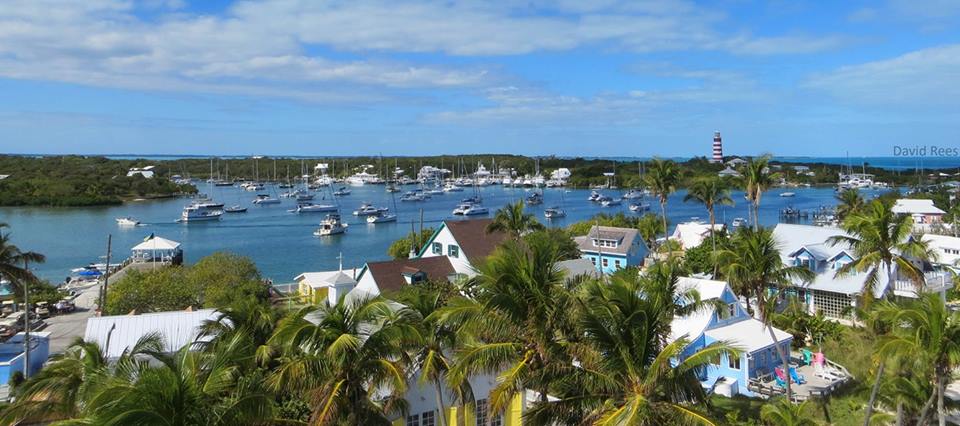
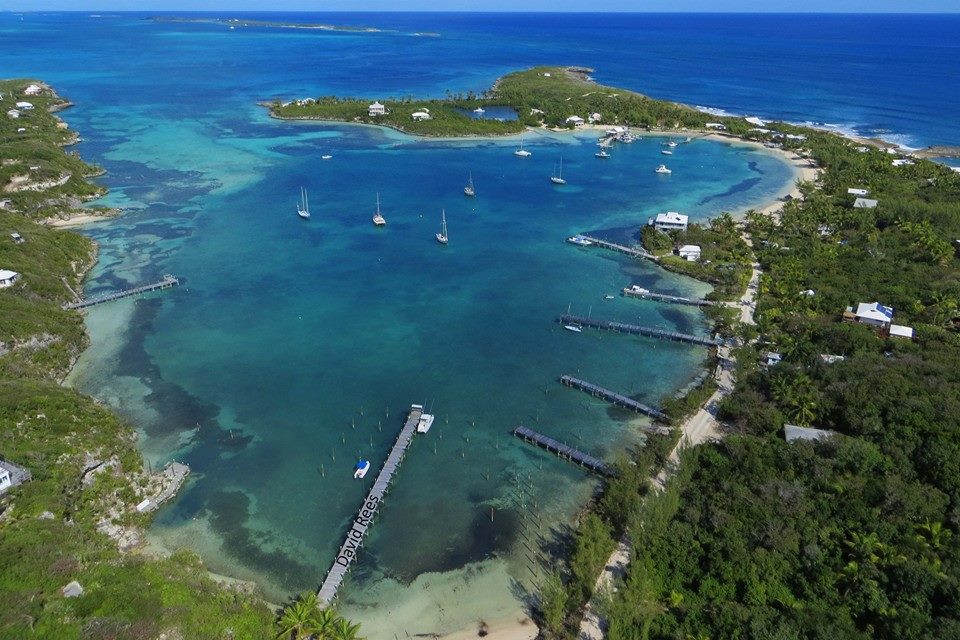
ABACO’S OWN ‘AERO-DRONE’: GREAT AERIAL SHOTS BY ‘MR REES’
David Rees is well known for his excellent photography, not least because of his early adoption of a drone – a serious bit of kit, not a toy ‘copter + camera – for capturing some wonderful aerial views of Abaco. Photos from the air can give so much more information about the setting of a particular location, and a drone can achieve a proximity and reveal details that an aeroplane shot cannot. I have seen some of David’s photographs in an exhibition at BPS, where they had been enlarged to make stunningly effective prints. David was kind enough to agree to my request to showcase a few of his photos, so I’ll let them do the talking…
HOPE TOWN / ELBOW CAY
TAHITI BEACH
CHEROKEE
The Long Dock, Cherokee – the longest wooden dock in the entire Bahamas
CASUARINA
TREASURE CAY
Voted one of the 10 loveliest beaches in the Caribbean by the National Geographic, no less
MARSH HARBOUR
SCOTLAND CAY
GREEN TURTLE CAY
LITTLE HARBOUR
All photos by David Rees, assisted by his amazing drone, with many thanks for use permission
The seats are chosen, the online check-in done, the die is cast… Mr and Mrs Harbour are on their way in the BA cattle truck. Laptops are to be abandoned for the duration, but I intend to post occasional things of interest by iPhone – a Kirtland’s warbler sighting, maybe (I wish!) or a fish that has stupidly managed to impale itself on my hook perhaps. Normal blogging service, if there is such a thing round here, will be resumed in due course…
FISH ON!
“THE BIRDS OF ABACO”
The book was launched at the Delphi Club exactly one year ago. We have been really delighted by the huge interest in it and the enthusiasm for it shown by so many people – residents, migratory residents and transients. There are still copies available*. If anyone would like a signed copy while we are at Delphi, I’m sure that can be arranged. I shall bring my special signing pen (it doesn’t smudge!) just in case…
It’s possible – by which I mean highly likely, of course – that perceived ‘downtime’ on Abaco will in fact be quite busy. Fishing. Birding. Beaching. Pooling. Talking. Drinking. Eating. Sleeping. So apologies in advance if I’m not so responsive to comments, Facebook stuff and general soshul meeja matters. No offence meant and I hope none taken – I’ll try to keep up with it or play catch up in due course. Anyway, for those who kindly stick with Rolling Harbour or drop in occasionally, much appreciated…
DELPHI SUNDOWN
*The price shown in the flyer for the book is now $150 to take account of the VAT. The publisher has absorbed the balance
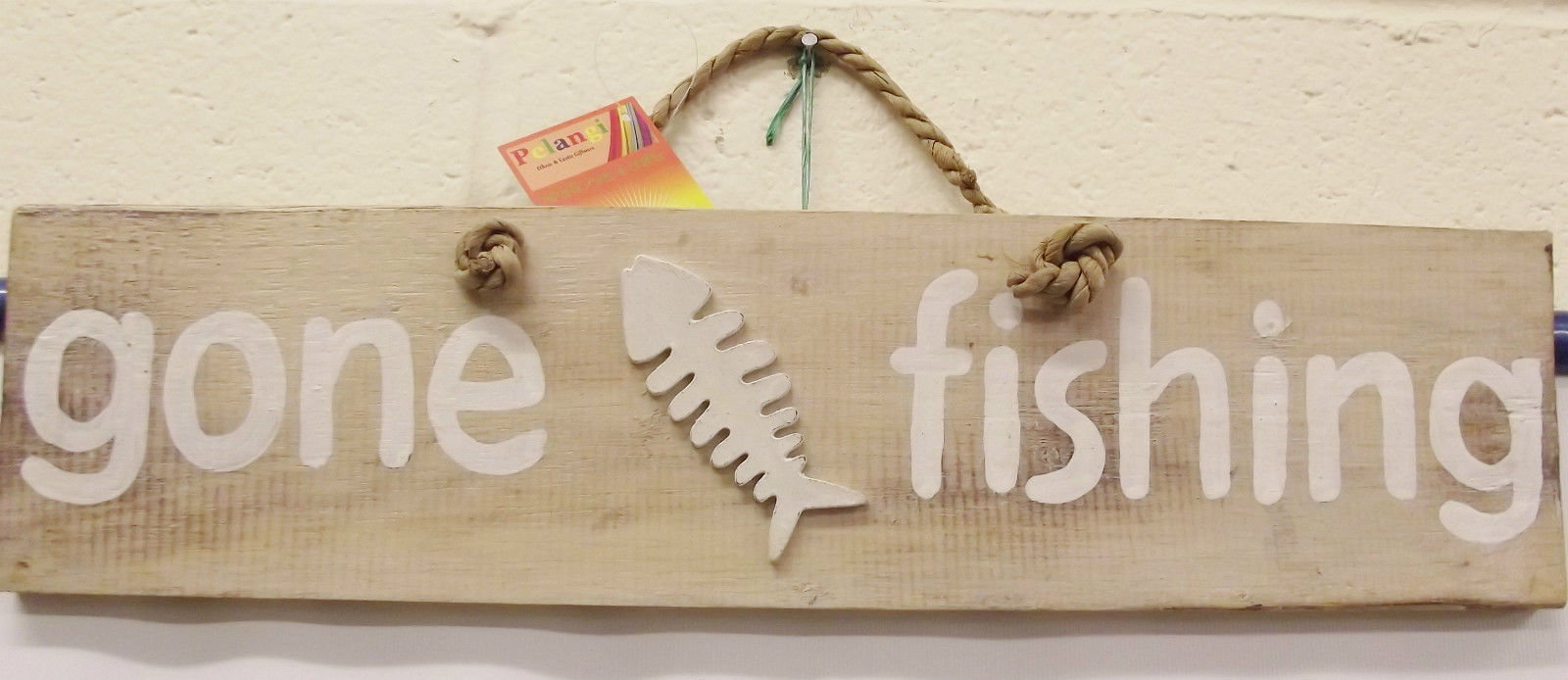
Fishing sign pic: Pelangi Store, eBay. I ‘borrowed’ it, but who knows, they might make a sale as a result…























































You must be logged in to post a comment.