FIVE ELEGANT GULLS AND A SMART BUOY: BIRDS OF ABACO
There are 8 gull species recorded on Abaco. The 5 species shown here all feature in the new ‘Delphi Club Guide to the Birds of Abaco’. The others are the occasional vagrants Black-legged Kittiwake and Black-headed Gull; and the rare winter visitor Great Black-backed Gull. We do in fact have a Black-headed Gull in the archive (in winter plumage), but it was taken on New Providence and wasn’t eligible for inclusion in a book of Abaco birds. Even as a cheat.
“SEVEN GOOD TERNS DESERVE AN AUTHOR”: BIRDS OF ABACO
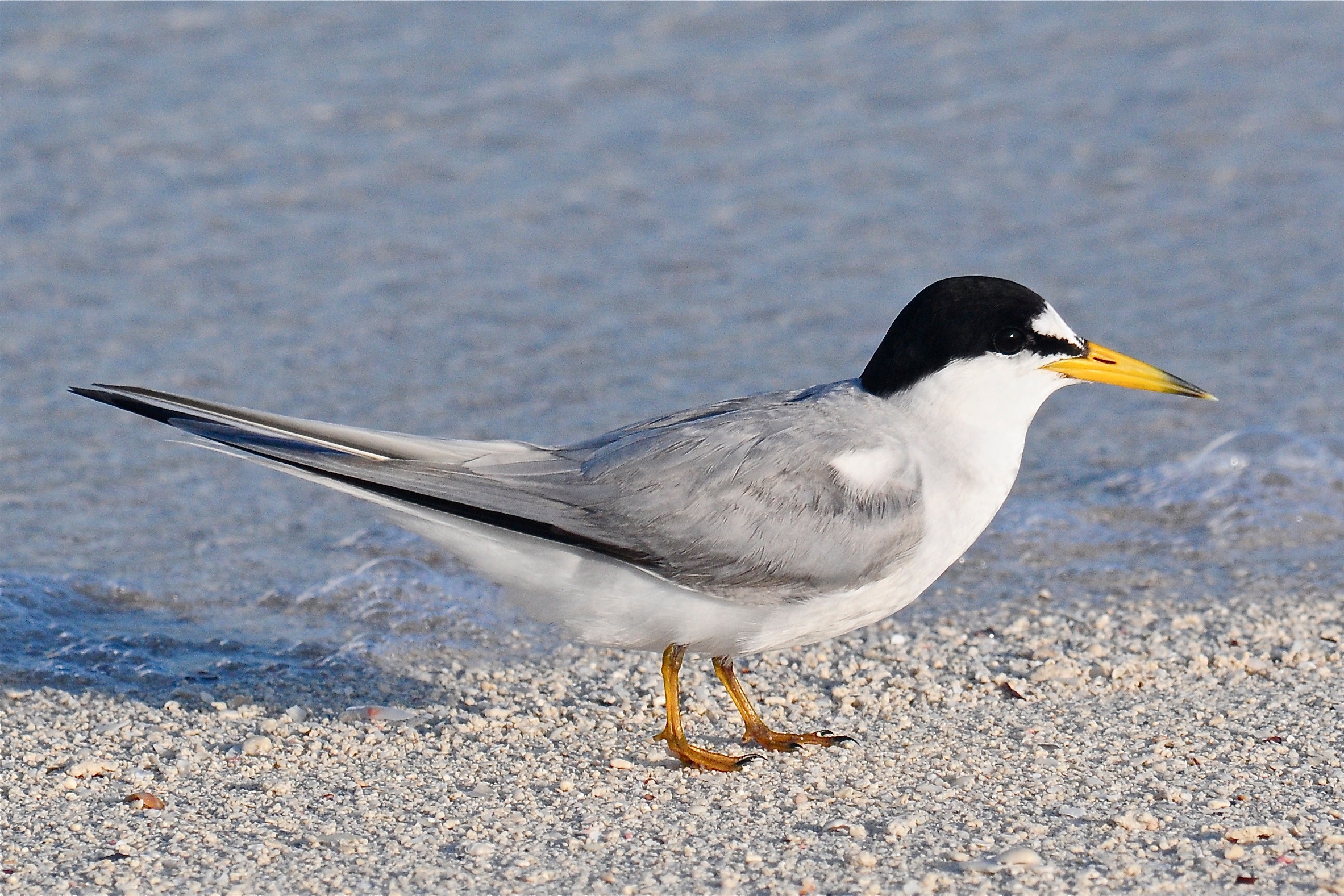
A total of 12 tern species have been recorded on Abaco and in Abaco waters. Ever. Some are permanently resident, some are winter visitors, some arrive for the summer and one or two – for example the Arctic Tern – are one-off or vanishingly rare sightings. A few are commonplace, some you may see if you know where to look or are lucky, some would not be worth making a special trip to Abaco to find…
Here are 7 tern species that all feature in the newly published“Delphi Club Guide to the Birds of Abaco”. A cunning code devised by Bahamas ornithologist Tony White tells you when they are around (PR, WR, SR = permanent, winter, summer resident; TR means transient) and the likelihood of seeing one at the appropriate time (1 = very likely to 5 = next to no chance). B means ‘breeds on Abaco’.
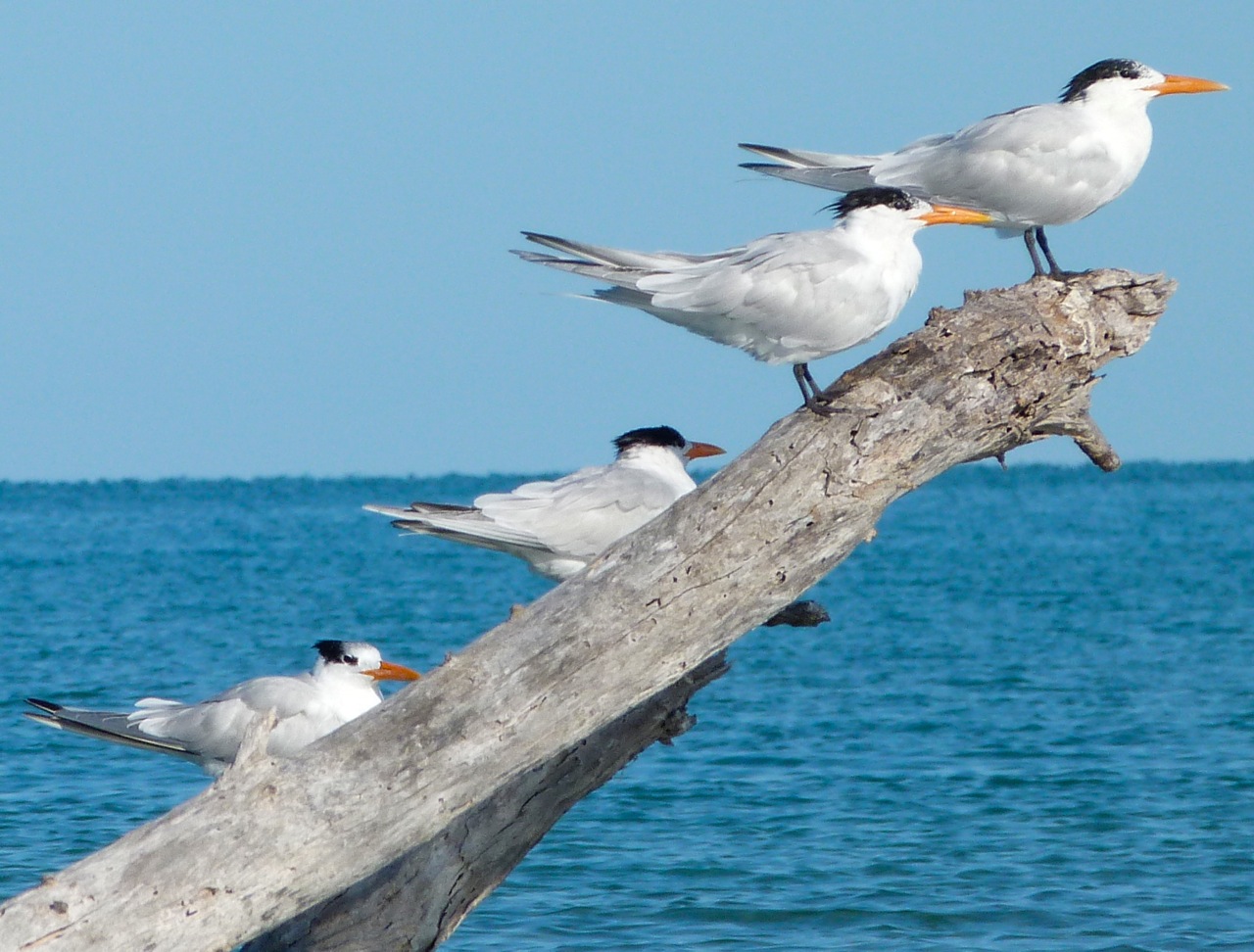
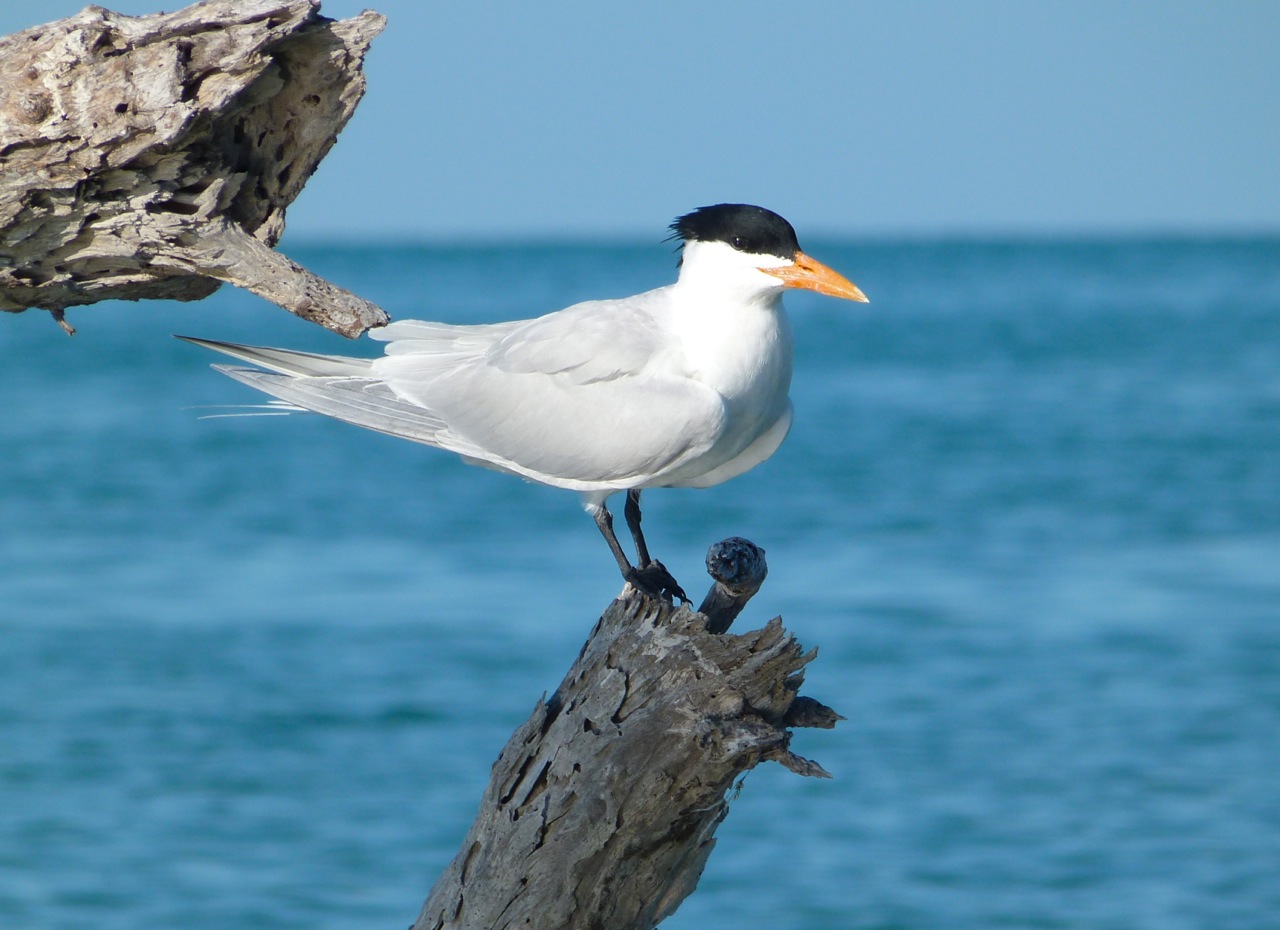
The header picture shows a line up of Royal Terns perched characteristically facing the breeze on a dead tree far out on the Marls. I took it while we were out bonefishing, and our guide Ishi very tolerantly poled nearer to the birds so I could get a better shot at them with the sun behind me. The ones shown are in an intermediate stage between non-breeding plumage and full breeding plumage, when the ‘caps’ are black. One (shown below) had the full black cap.
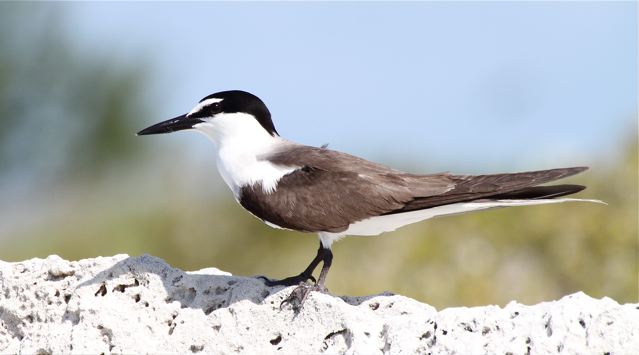
BRIDLED TERN (SR B 2)
CASPIAN TERN (TR 4)
GULL-BILLED TERN (SR 3)
ROSEATE TERN (SR B 2)
ROYAL TERN (PR 1)
SANDWICH TERN (SR 4)
LEAST TERN (SR B 1)
The other 5 species recorded are: Sooty Tern, Black tern, Common Tern, Arctic Tern and Forster’s Tern
Photo Credits: Bruce Hallett, Woody Bracey, Alex Hughes, RH
WHAT HAS THE GESTATION PERIOD OF A WALRUS (16 MONTHS) AND WEIGHS THE SAME AS A PAIR OF FULLY GROWN PINEAPPLES (2 KILOS)?
“THE DELPHI CLUB GUIDE TO THE BIRDS OF ABACO”
A unique bird book is been published and has arrived on Abaco today. Printed in Italy at the end of January, it has made its way from Florence via Bologna, Leipzig, Brussels, Cincinnati, Miami and Nassau. Having spent an unexpectedly long sojourn in Nassau, 2 pallets of books are now safely at the Delphi Club… at last!
The Guide showcases the rich and varied bird life of Abaco, Bahamas and features both resident and migratory species including rarities and unusual sightings. It is available for sale now from the Delphi Club in a limited edition of 500. The main features are as follows:
272 pages with more than 350 photographs
163 species shown in vivid colour – nearly two-thirds of all the bird species ever recorded for Abaco
Every single photograph was taken on Abaco or in Abaco waters
All birds are shown in their natural surroundings – no feeders or trails of seed were used
Several birds featured are the first ones ever recorded for Abaco or even for the entire Bahamas
A total of 30 photographers, both experienced and amateur, have contributed to the project
The book has had the generous support of many well-known names of Abaco and Bahamas birding
Complete checklist of every bird recorded for Abaco since 1950 up to the date of publication
Specially devised codes indicating when you may see a particular bird, and the likelihood of doing so
Specially commissioned cartographer’s Map of Abaco showing places named in the book
Informative captions intentionally depart from the standard field guide approach…
…as does the listing of the birds in alphabetical rather than scientific order
Say goodbye to ’37 warbler species on consecutive pages’ misery
Say hello to astonishing and unexpected juxtapositions of species
The book was printed in Florence, Italy by specialist printers on grade-1 quality paper
Printing took pairs of printers working in 6 hour shifts 33 hours over 3 days to complete
The project manager and the author personally oversaw the printing
The book is dedicated to the wildlife organisations of Abaco
A percentage of the proceeds of sale will be donated for the support of local wildlife organisations
A copy of the book will be presented to every school on Abaco
The book is published by the Delphi Club (contact details below). The project was managed by a publishing specialist in art books. The author is the wildlife blogger more widely known on Abaco and (possibly) beyond as ‘Rolling Harbour’. Oh! So that would in fact be Mrs Harbour and myself. Well well. What are the chances?
The Delphi Club at Rolling Harbour
PO Box AB-20006, Marsh Harbour, Abaco, Bahamas
Tel: +1-242-366-2222
BMMRO COLLABORATES WITH NEW PARTNER, ATLANTIS BLUE PROJECT
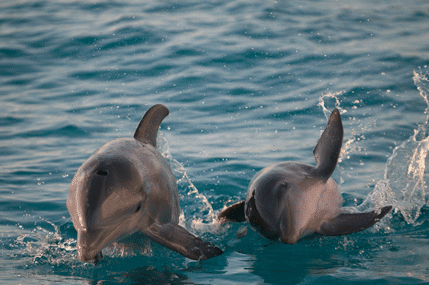
The ATLANTIS BLUE PROJECT is managed by the Atlantis Blue Project Foundation, a private non-profit organization dedicated to the preservation and enhancement of global marine ecosystems through scientific research, education, and community outreach. BMMRO is excited to now be a part of this project and in turn has received two grants from the Atlantis Blue Project for 2014
Stranding Response to Support Conservation of Marine Mammals in the Bahamas
Increasing capacity and available funds to respond rapidly to strandings in The Bahamas will increase our ability to determine cause of death and/or successful rehabilitation of marine mammals. At the first stranding workshop held in the Bahamas in 2008, the Honourable Lawrence Cartwright, Minister of Agriculture and Marine Resources officially opened the workshop stating “I believe the establishment of a Marine Mammal Stranding Network in The Bahamas will serve to promote the conservation of marine mammal species and their habitat by improving the rescue and humane care of stranded marine mammals, advancing stranding science, and increasing public awareness through education.” This funding will provide the resources to train veterinarians on how to work with stranded marine mammals as well as provide the resources to respond to strandings.
Field Research & Outreach to Support Conservation of Bahamas Marine Mammals
Cetaceans are long-lived, highly specialised animals with delayed reproduction and low fecundity, which makes them incapable of rapid adaptation and thus particularly vulnerable to anthropogenic impacts. BMMRO has compiled an unprecedented long-term dataset for the region, which has become increasingly valuable to inform about the baseline ecology of some odontocete species. This research will ensure that this important work continues to fill key gaps in our knowledge about the ecology of marine mammals. Additionally, we will increase awareness and build capacity amongst Bahamians, both of which will contribute to local conservation needs.
JANUARY SIGHTINGS
For Abaco, the excitement is the sperm whale seen just off the Rocky Point area. More generally for the northern Bahamas, in addition to the manatee Georgie (former temporary resident of Abaco) and others, there was a manatee reported on Eleuthera. It looks as though these gently creatures continue to find the area to their liking.
I must be going now – thanks for visiting Rolling Harbour…
‘OUTSTANDING BILLS’: THE WHITE IBIS ON ABACO AND BEYOND
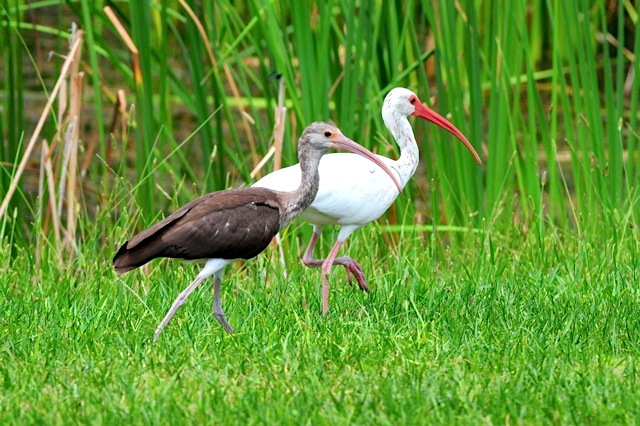
The AMERICAN WHITE IBIS (Eudocimus albus) has a wide range in the Americas and is a familiar species in the southern United States, especially Florida. It is also found in the Caribbean. On Abaco they are quite rare, appearing sporadically as winter residents. Encountering one is definitely a ‘find’. I know of only one recent sighting when an ibis decided to spend some time on the lake at Treasure Cay Golf Course. Luckily Kasia was not concentrating too hard on her round of golf to the exclusion of all else – and had a camera with her.
The white ibis is more common on other Bahamas islands, for example New Providence (Nassau). Here are some photos taken there by Tony Hepburn and Woody Bracey. Others were taken in Florida.
This is the call of an Ibis in the Florida Wetlands (credit Xeno-Canto / Paul Marvin)
Juveniles have dark plumage that gradually grows out as they age and is replaced by white plumage
The ibis forages mainly by feel rather than sight, using the long curved beak to probe the bottom of shallow water for aquatic prey.
The white ibis is said to be a symbol for courage and optimism because they are supposedly the last birds to shelter from the onset of a hurricane, and the first to venture out as the storm passes. This is of course equally consistent with symbolising extreme foolhardiness… but let it pass.
FASCINATING FACTOIDS The white ibis / hurricane connection is nurtured by the University of Miami, of which the bird is the mascot. The sports teams are called the Hurricanes (or the ‘Canes for cheering purposes). Their endeavours are supported enthusiastically by none other than Sebastian the Ibis. “What does he look like?”, I hear you cry. This:
Sebastian makes a ‘U for University’ with his.. er… wingtips. He sports a natty Hurricanes hat and might easily be confused with Donald Duck’s less amiable-looking and more aggressive cousin
I had intended to digress further into the mysteries of the Sacred Ibis, symbol of the Ancient Egyptian God Thoth, the God of Learning and Wisdom who ranked with Isis and Osiris as A Top God. But in fact it’s quite a dull area, and 3 pictures and a nice bronze sculpture will give you the general idea.
The Sacred Ibis of Thoth, Met. Museum NYC
Credits: Kasia Reid, Woody Bracey, Tony Hepburn, Met, Wiki
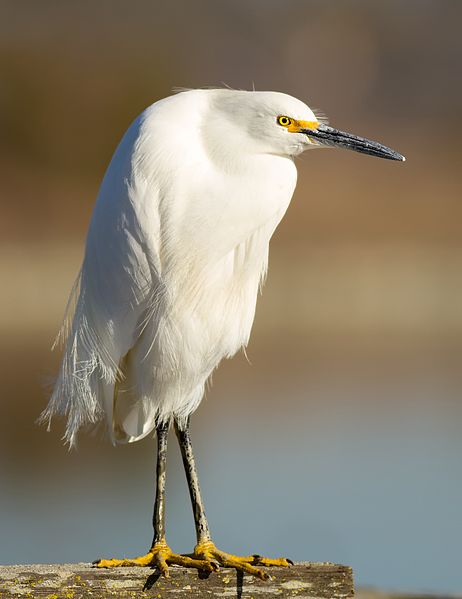
SNOWY EGRETS (Egretta thula) are small white herons of the Americas, similar to the European Little Egret. The first thing you may notice about them is that they have remarkable bright yellow feet. This distinguishes these birds from all other egret and heron species.
Young Snowy Egrets often have yellow markings higher up on their legs.
The feet are so bright that they are often visible underwater.
Snowy Egrets eat fish, crustaceans, insects and small reptiles. They have 3 main foraging tactics: (1) Standing still in or on the edge of water to ambush prey (2) Stalking prey in shallow water, often running or shuffling their feet to flush out prey (3) “Dip-fishing” by flying low over water.
In breeding season, Snowy Egrets grow beautiful plumes – “bridal plumage”. At one time these were in great demand as adornments for women’s hats (as with flamingos, parrots and many other decorative species). This reduced the population of the birds to dangerously low levels, from which they have now recovered. Their IUCN rating is now ‘Least Concern’.
Contemplating the next meal… one of Sandy Walker’s excellent Abaco photos taken this winterPhoto Credits: Sandy Walker, Woody Bracey, Tony Hepburn, Wiki
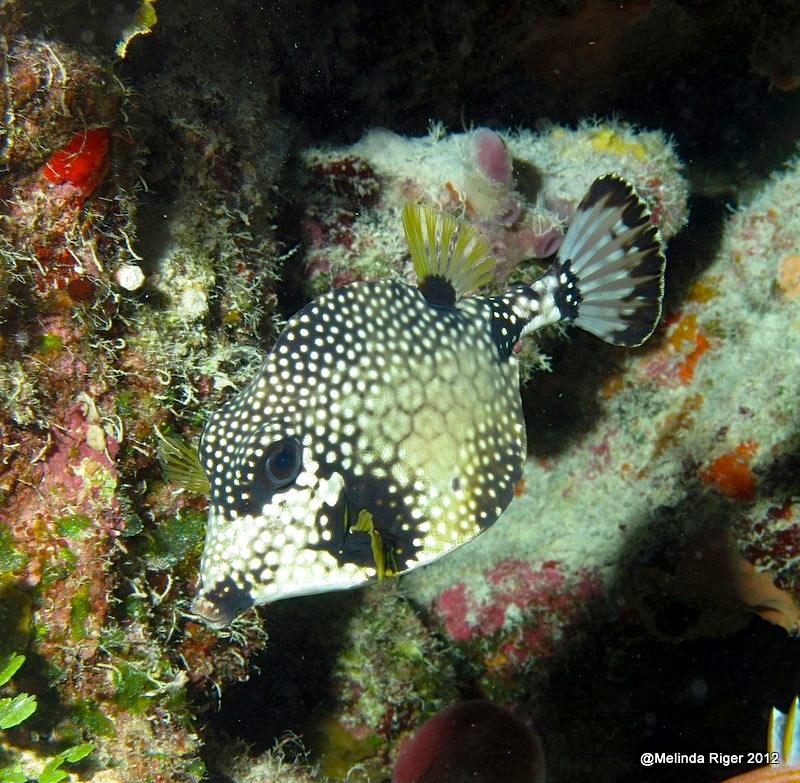
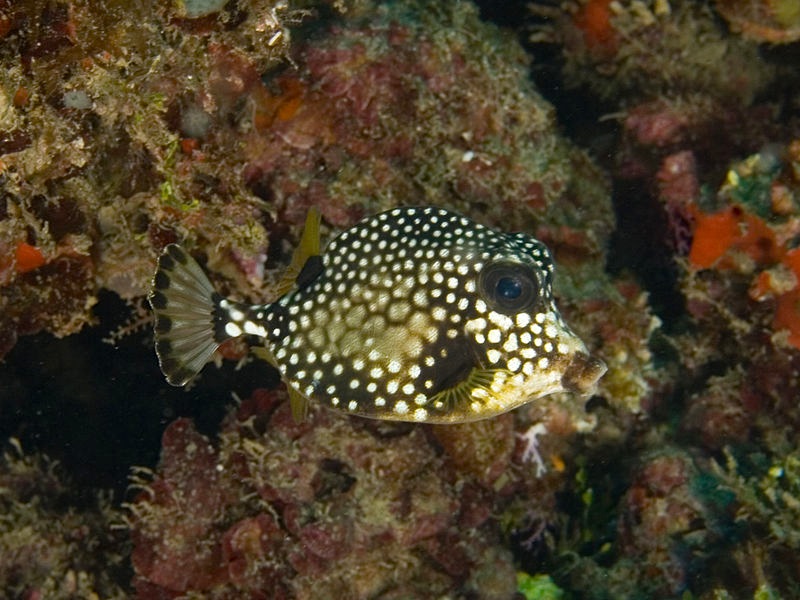
SPOTTED & SMOOTH TRUNKFISH: BAHAMAS REEF FISH (16)
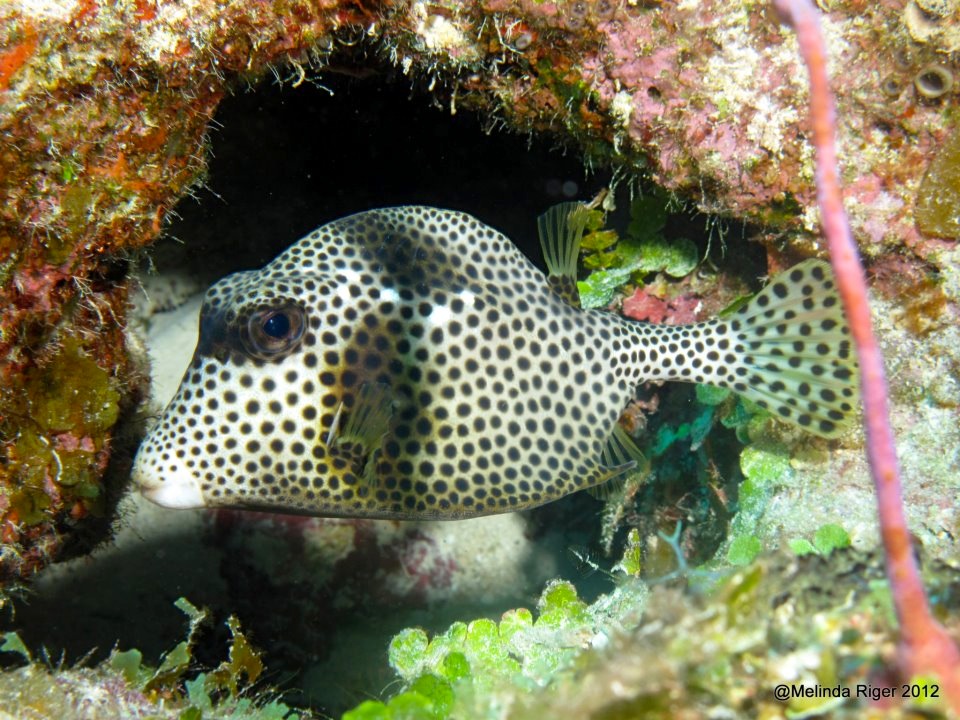
THE SPOTTED TRUNKFISH is a reef fish distinctive for its dark spots on a silvery-white background. It’s very wrong of me to comment, I know, but arguably its appearance is amusing. It probably feels the same about divers with all their gear…
However the trunkfish deserves to be treated with due respect. When touched, they secrete a colourless toxin from glands on their skin. The toxin is only dangerous when ingested, so divers are unlikely to be harmed by the it. Predators however are at risk, and creatures as large as nurse sharks are known to have died as a result of eating a trunkfish.
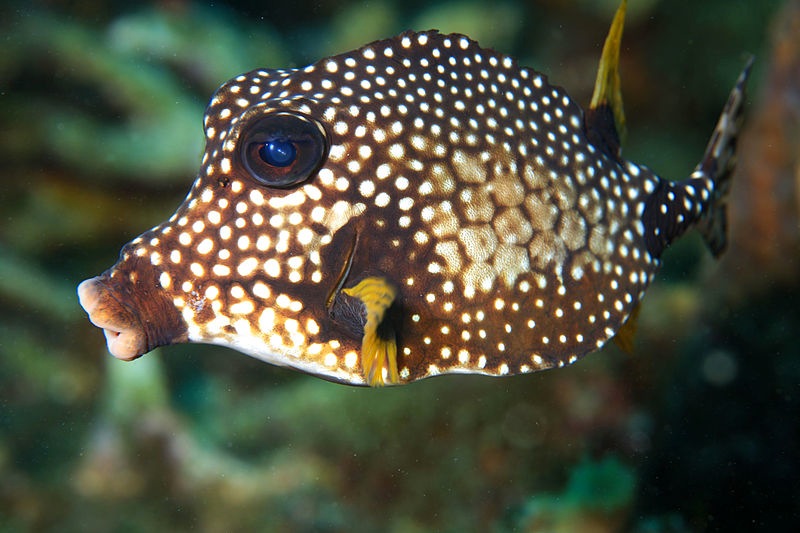
THE SMOOTH TRUNKFISH is almost a negative of the spotted trunkfish, with white spots on a dark background rather than vice versa. Adults develop hexagonal patterning on their sides. They also secrete toxins and are best left untouched. Their ability to pucker up is impressive…
“Coming at you…” Here is the extraordinary pouting triangular creature you will seePhoto Credits: Melinda Riger @ Grand Bahama Scuba; additional props to Wiki
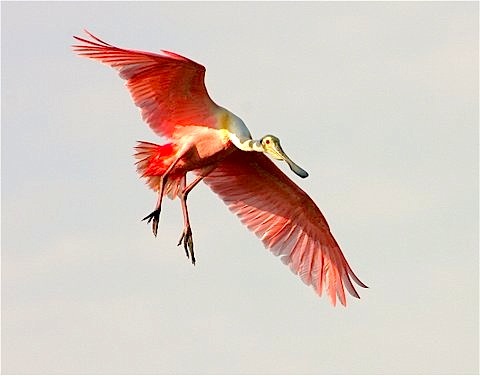
ROSEATE SPOONBILLS (Platalea ajaja) are rare visitors to the Northern Bahamas. For Abaco they are classified with the undignified term ‘vagrant’, meaning essentially (a) that you will be very lucky indeed to encounter one, so therefore (b) it is highly unlikely to be worth making a special trip based on the likelihood of seeing one. Try Florida instead.
We saw one once when bonefishing far out on the Marls. It was unmistakeable, but well beyond the effective range of the puny ‘don’t-really-mind-if-it-takes-a-dive’ camera I had with me. The spoonbills in this post were photographed elsewhere in the Bahamas or in two cases, Florida. The wonderful one below of a spoonbill ‘flipping’ a fish was taken there by Ohio bird expert and photographer Tom Sheley.
SPOONBILL ‘FISH-FLIPPING’
SPOONBILLS LOOK VERY DRAMATIC IN FLIGHT
Unlike herons, spoonbills keep their necks outstretched in flight. They are most likely to be found in marshes, salt-water lagoons and on mudflats. They are gregarious and mix in happily with herons and egrets, though there is some competition for food. Spoonbills nest in shrubs or trees, often mangroves.
Spoonbills tend to get pinker as they get older. As with American Flamingos, the pink colouring derives from their diet, which contains carotenoid pigments. The colouring ranges from pale pink to loud pinks and reds, depending on age and location.
Spoonbills feed in shallow fresh or coastal waters by swinging their bill from side to side while steadily walking through the water, often in groups. The spoon-shaped bill allows it to sift easily through mud for the edible contents – crustaceans, aquatic insects, frogs, newts and small fish ignored by larger waders. This excellent 1 minute Audubon video shows exactly how they feed, with some white ibises for company.
NEW ADDITION (props to Roselyn Pierce)
And a short non-roseate spoonbill feeding video from the Netherlands June 2014, showing the technique
Photo Credits: Header, Wiki; 1,3,4,5 Woody Bracey; 2 Tom Sheley, 6 Bruce Hallett (RH: nil)
ALL THINGS BRIGHT… CHEERFUL GARDEN BIRDS AT DELPHI, ABACO
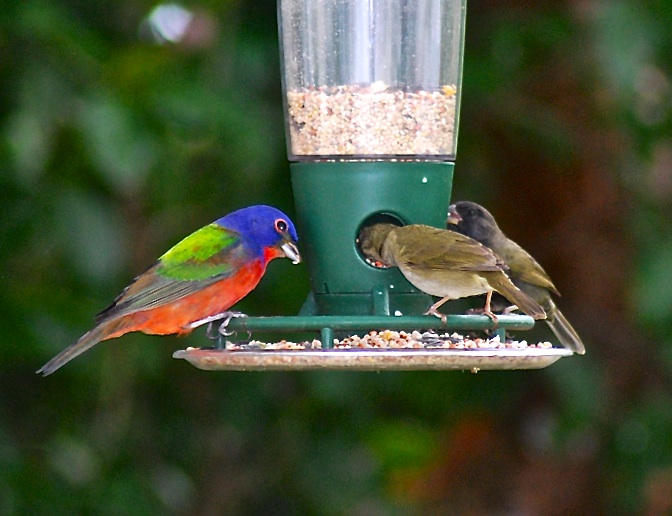
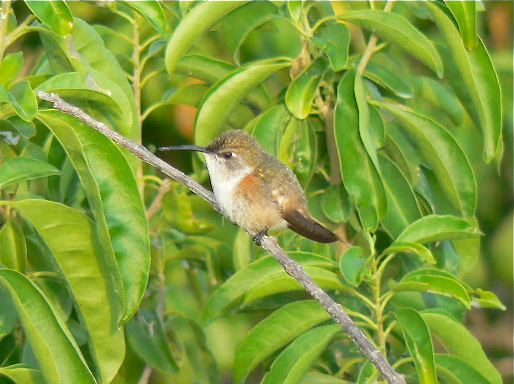
It’s not necessary to prowl around the coppice or lurk in the pine forest to see beautiful birds. They are on the doorstep, sometimes literally. Especially if there are full seed feeders and hummingbird feeders filled with sugar water for the Cuban Emeralds, Bahama Woodstars and other birds with pointy beaks (Bananaquits, for example). Here are are a few from the gardens immediately around the Delphi Club.
PAINTED BUNTINGS (f & m)
PAINTED BUNTING (m) WITH BLACK-FACED GRASSQUITS (m & f)
PAINTED BUNTING (f)
WESTERN SPINDALIS (m)
THICK-BILLED VIREO (m)
This is a TBV recording made with my iPhone.
For details how to record birds (or indeed animals. Or people) with a smart phone and embed the results as an mp3, CLICKHERE
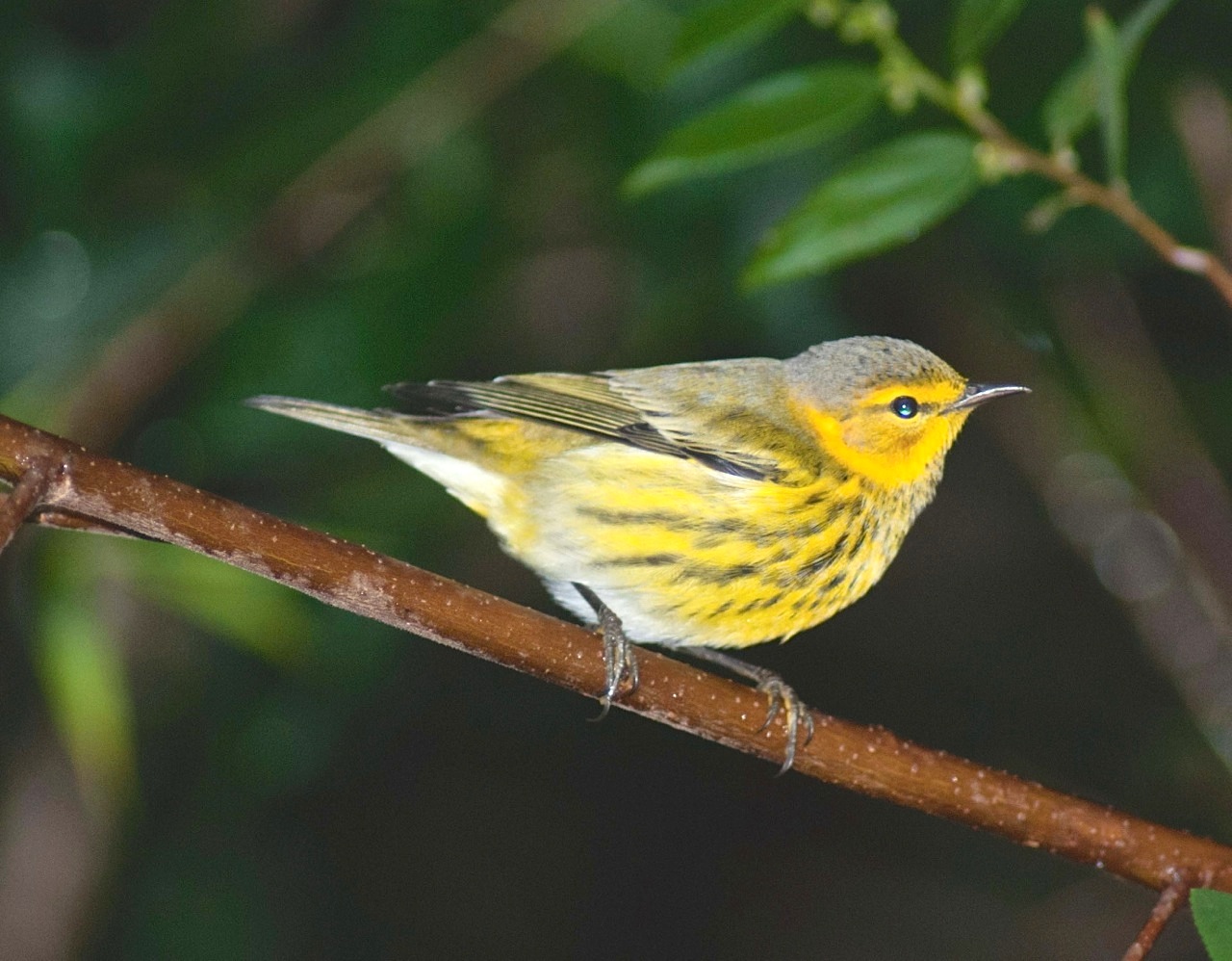
These little birds are autumn / winter visitors, though I have seen one at Delphi in June – it must have like it there and decided to stay on. Strangely, though originally named for one found on Cape May in the c19, there wasn’t another one recorded there for another 100 years…
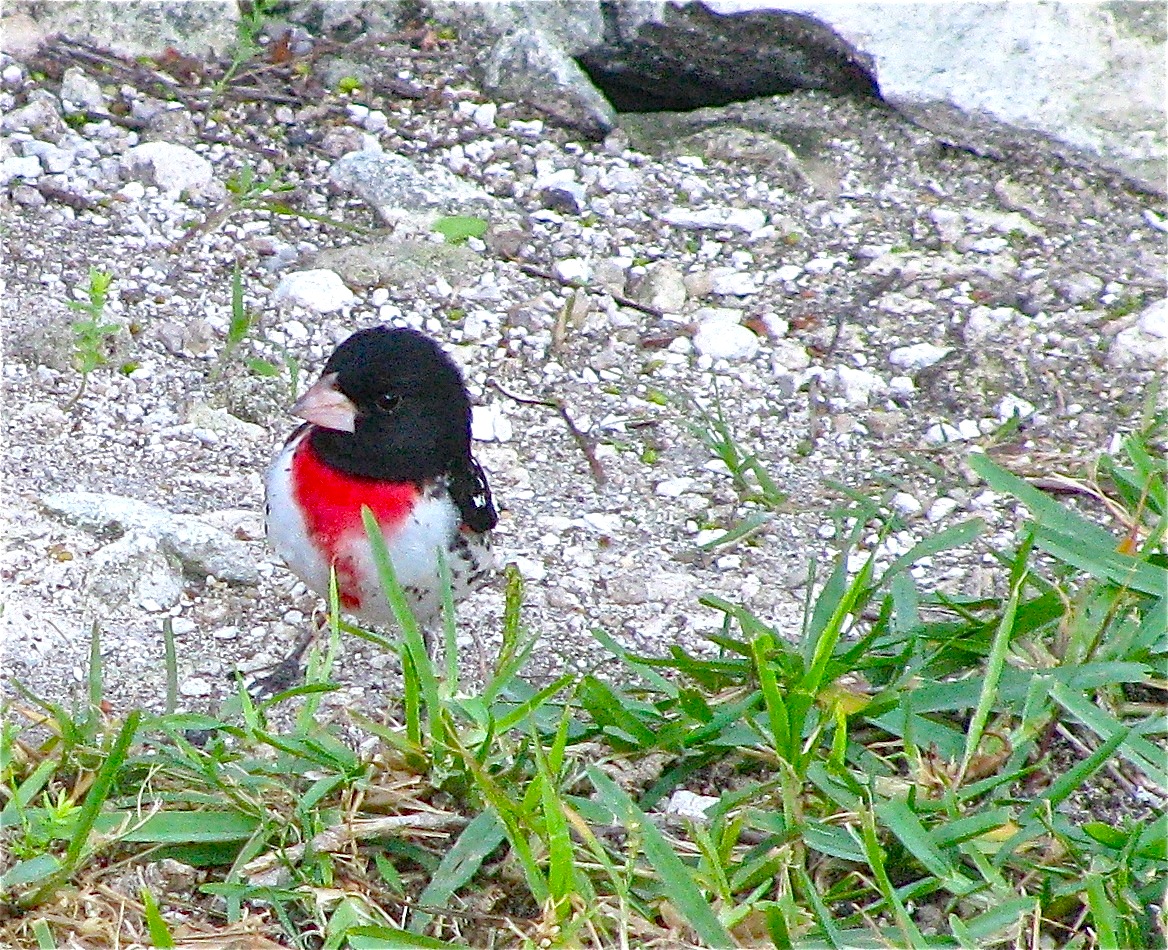
ROSE-BREASTED GROSBEAK (m)
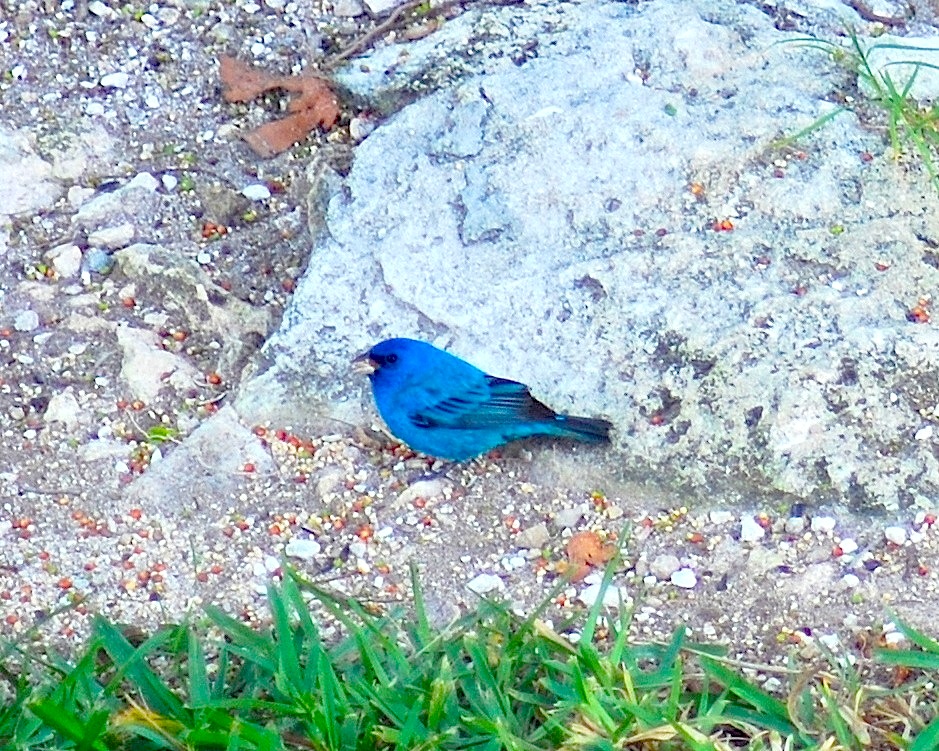
INDIGO BUNTING (m)
BANANAQUIT (m)
THE DELPHI CLUB, ABACOCredits: Mainly Sandy Walker; a couple from Peter Mantle; DCB by RH
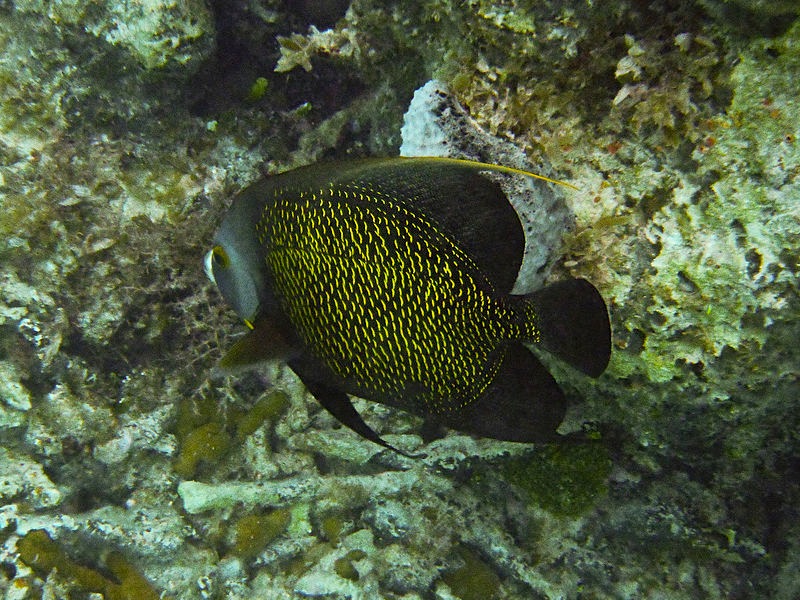
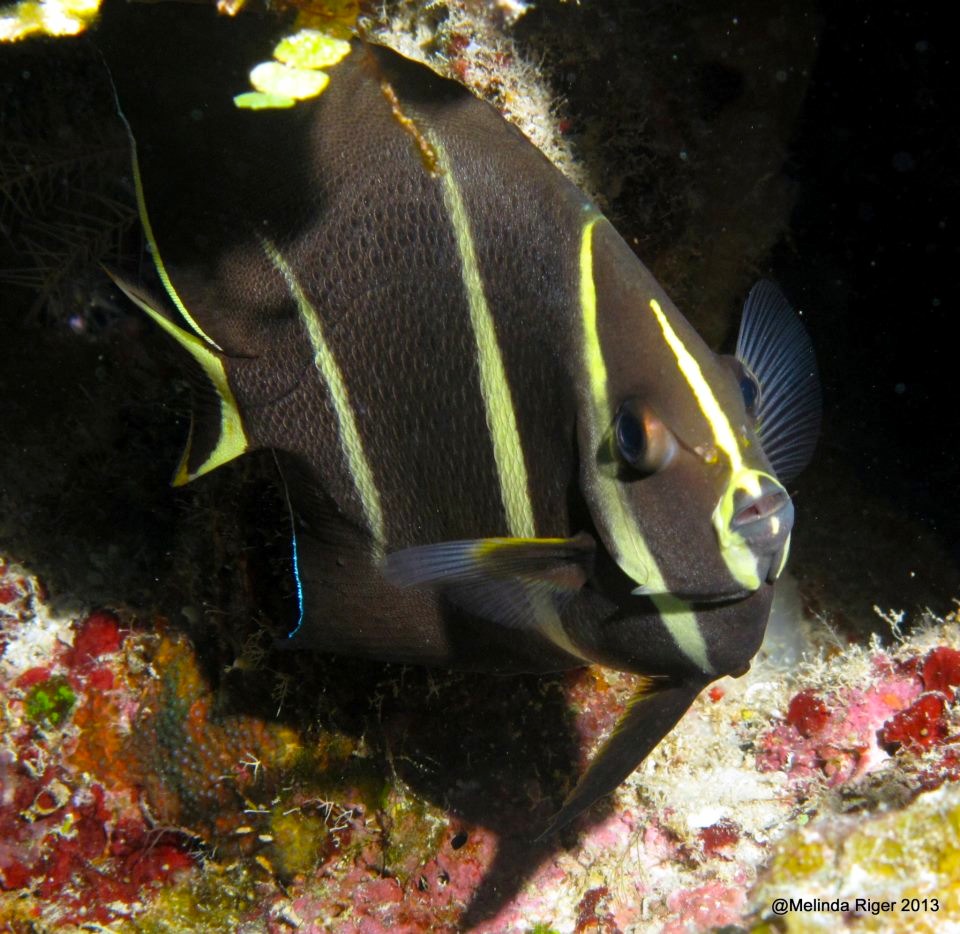
JUVENILE FRENCH ANGELFISH – BLACK WITH YELLOW BANDS
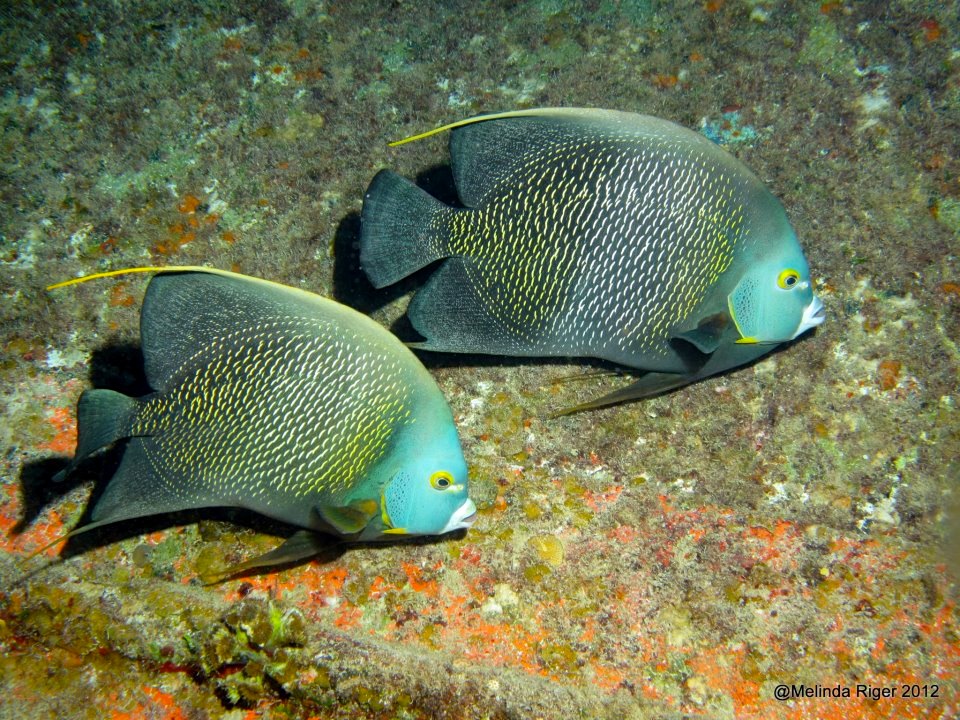
The French angelfish Pomacanthus paru is found in the western Atlantic and in parts of the eastern Atlantic. They are mainly seen around shallow reefs, often in pairs. They feed on sponges, algae, soft corals and small invertebrates.
ADULT FRENCH ANGELFISH
Juveniles are extremely useful members of the reef fish community, providing cleaning stations. They service many species including jacks, snappers, morays, grunts, surgeonfishes, and wrasses, removing parasites.
Angelfish are monogamous, and defend their territory robustly. They swim around the reef during the day but at night they shelter in so-called ‘hiding spots’, which they return to each evening.
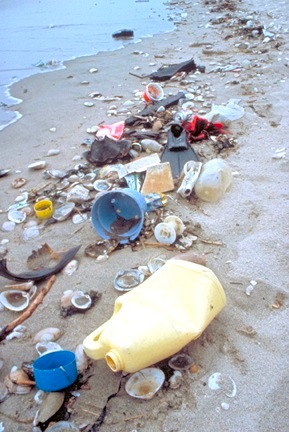
Our waterways are littered with stuff that doesn’t belong in them. Plastic bags, cigarette butts, fishing nets, sunken vessels, glass bottles, abandoned crab traps…the list is endless. Some of this marine debris comes from human activity at sea, and some of it makes its way into our waterways from land.
While we know that marine debris is bad for the environment, harms wildlife, and threatens human health and navigation, there is much we don’t know. How much marine debris is in our environment? How long does it last? How harmful is it to natural resources or human health and safety? How long does it take to break down in the water? The NOAA Marine Debris Program is finding answers to these questions.
1. It doesn’t stay put
While a lot of debris sinks, much also floats. Once this marine debris enters the ocean, it moves via oceanic currents and atmospheric winds. Factors that affect currents and winds (for example, El Niño and seasonal changes) also affect the movement of marine debris in the ocean. Debris is often carried far from its origin, which makes it difficult to determine exactly where an item came from.
2. It comes in many forms
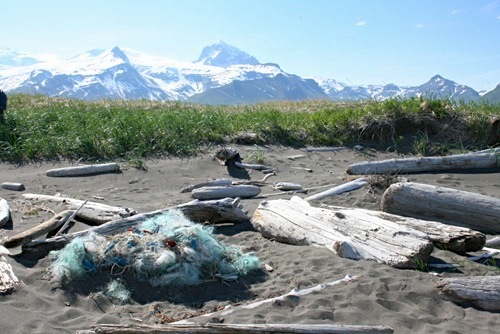
Marine debris comes in many forms, ranging from small plastic cigarette butts to 4,000-pound derelict fishing nets. Plastic bags, glass, metal, Styrofoam, tires, derelict fishing gear, and abandoned vessels are all examples of debris that often ends up in our waterways.
3. It’s your problem, too
Marine debris is a problem for all of us. It affects everything from the environment to the economy; from fishing and navigation to human health and safety; from the tiniest coral polyps to giant blue whales.
4. NOAA is fighting this problem
The NOAA Marine Debris Program works in the U.S. and around the world to research, reduce, and prevent debris in our oceans and coastal waterways. Much of this work is done in partnership with other agencies, non-governmental organizations, academia, industry, and private businesses.TheMarine Debris Research, Prevention, and Reduction Act, signed into law in 2006, formally created the Marine Debris Program. The Act directs NOAA to map, identify, measure impacts of, remove, and prevent marine debris.
5. Some debris is being turned into energy
Abandoned and lost fishing gear is a big problem. It entangles and kills marine life and is a hazard to navigation. Based on a model program in Hawaii, the Fishing for Energy program was formed in 2008 to tackle this problem with creative new ideas. The program is a partnership between NOAA, Covanta Energy Corporation, National Fish and Wildlife Foundation, and Schnitzer Steel.This program offers the fishing community a no-cost way to dispose of old or derelict fishing gear. Once removed from the environment, the gear is transported to the nearest Covanta Energy-from-Waste facility. About one ton of derelict nets creates enough electricity to power one home for 25 days!
6. Marine debris can hurt or kill animals
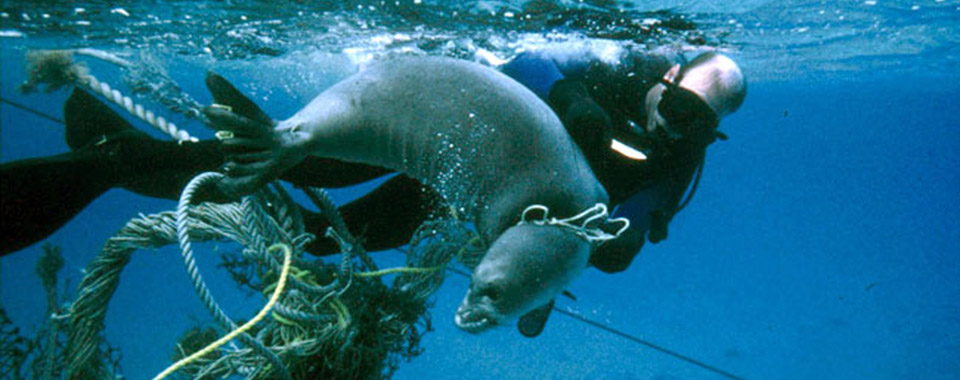
Marine debris may be mistaken by some animals for food or eaten accidently. Often, larger items like nets, fishing line, and abandoned crab pots snare or trap animals. Entanglement can lead to injury, illness, suffocation, starvation, and even death. NOAA is working with many partners to tackle this problem by reducing and preventing marine debris in our oceans and waterways.
7. There’s a lot to learn about this problem
We know that marine debris is a big problem, but there’s much we need to learn. NOAA funds projects across the country and works with scientists and experts around the globe to better understand how marine debris moves, where it comes from, and how it affects the environment. This knowledge will help us find better ways to tackle the problem.
8. You can help us get the word out!
The NOAA Marine Debris Program offers a heap of creative products to get the word out about marine debris. Looking for brochures, posters, fact sheets, or guidebooks? We’ve got those. Like videos? We’ve got those, too. We even have a blog! You’ll find it all online.
9. This is a global problem.
Marine debris is a global problem that requires global solutions. NOAA experts work with scientists and organizations around the world to share lessons learned, discover what programs work best, and map out future strategies to fight this problem.
10. Small steps lead to big results
Fighting the marine debris problem begins at home.
– Try to cut back on the amount of trash you produce.
– Opt for reusable items instead of single-use products.
– Recycle as much of your trash as you can.
– Join local efforts to pick up trash.
– Keep streets, sidewalks, parking lots, and storm drains free of trash—they can empty into our oceans and waterways.
Click to link
Minorly adapted from an NOAA article, with added illustrative NOAA images
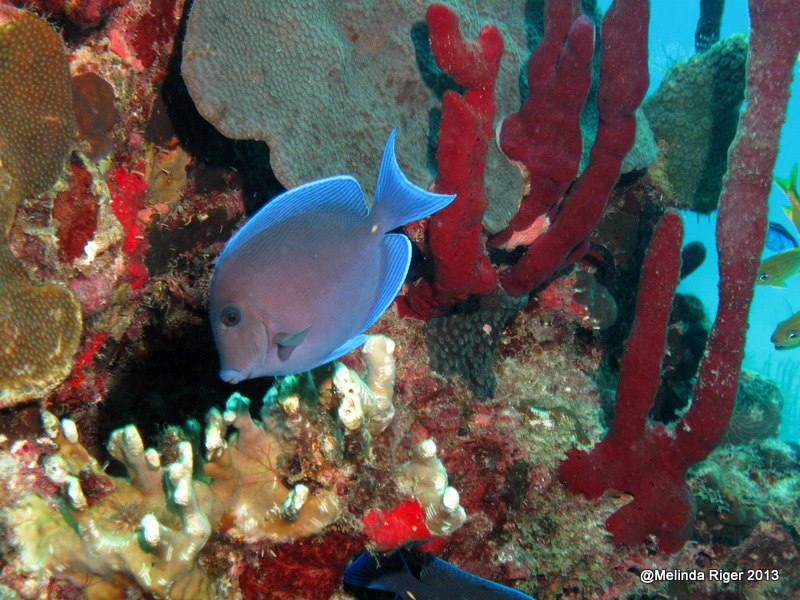
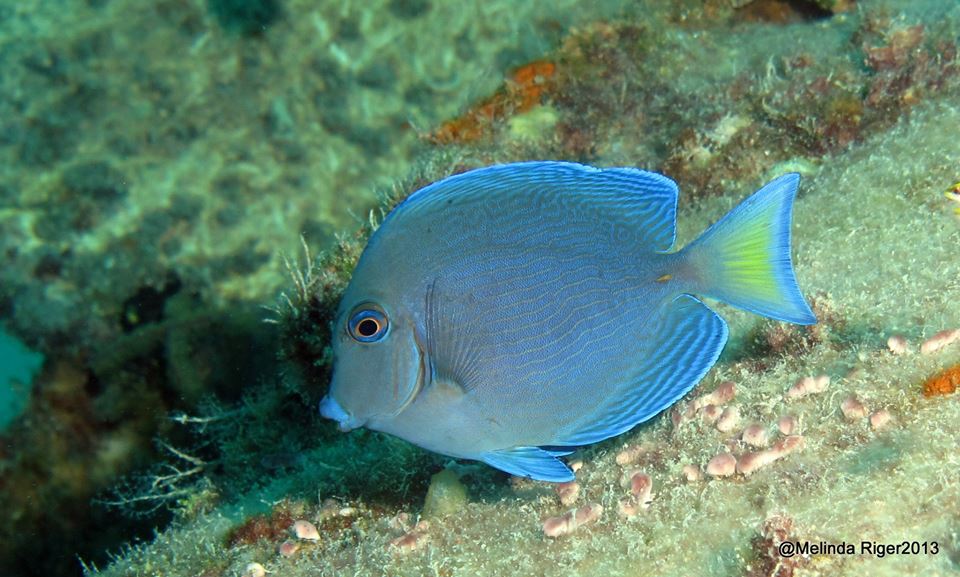
The Blue Tang Acanthurus coeruleus is a species of Atlantic surgeonfish mostly found on coral reefs. They are known as surgeonfish because they can slice you with their sharp, spiny caudal fins. Adults are blue, ranging from a deep blue or even purplish to much paler blue.
Surprisingly, as juveniles, Blue Tang are bright yellow.
As they grow, they become blue, with the tail being the last part to lose the yellow.
Blue Tang are herbivores, cruising constantly round reefs feeding on algae. They also act as cleaners of other fish species, removing parasites. They themselves may be cleaned by gobies by visiting so-called ‘cleaning stations’. These piscine beauty parlours have a medicinal purpose as well, since cleaning helps to cure minor wounds.
These fish often move around reefs in large schools, as shown in the header image. Apart from having some value as an aquarium fish, they are not generally of use to humans. Their spiny caudal fins can cause a nasty wound. They have an unpleasant smell. Their flesh supposedly contains toxins, and they carrying a risk of the disease CIGUATERA. I can’t even find a recipe for them online – now, that is a bad sign, there are some people who will try anything. I guess best to boil them for an hour or two, drain the water, allow to cool, and throw away the fish.
FUN FACT In the Disney/Pixar film Finding Nemo, the character Dory (voiced by Ellen DeGeneres) is a blue tang.
BLUE TANG: THE MOVIE [RE-RELEASE]
“RECIPE Take one incompetent swimmer who hasn’t snorkelled in, oh, nearly 40 years. Place him over a coral reef for his first time ever. Add a small underwater camera totally alien to him. Immerse for 30 minutes in warm briny water. Lessons have been learnt for next time. Mainly, don’t keep waving the camera about; let the fish move round you rather than vice versa; and most important of all, remember to keep breathing or else…
Here is BLUE TANG: THE MOVIE (music by Adrian Legg), 45 secs of advanced camera-shake with some beautiful fish more or less in shot for most of the time. If you are prone to sea-sickness, do not enlarge the video. If you are allergic to poor photography… well, thanks for visiting.”
[vimeo https://vimeo.com/44794952]
Credits: Good pictures, Melinda; bad pictures and execrable movie, not Melinda
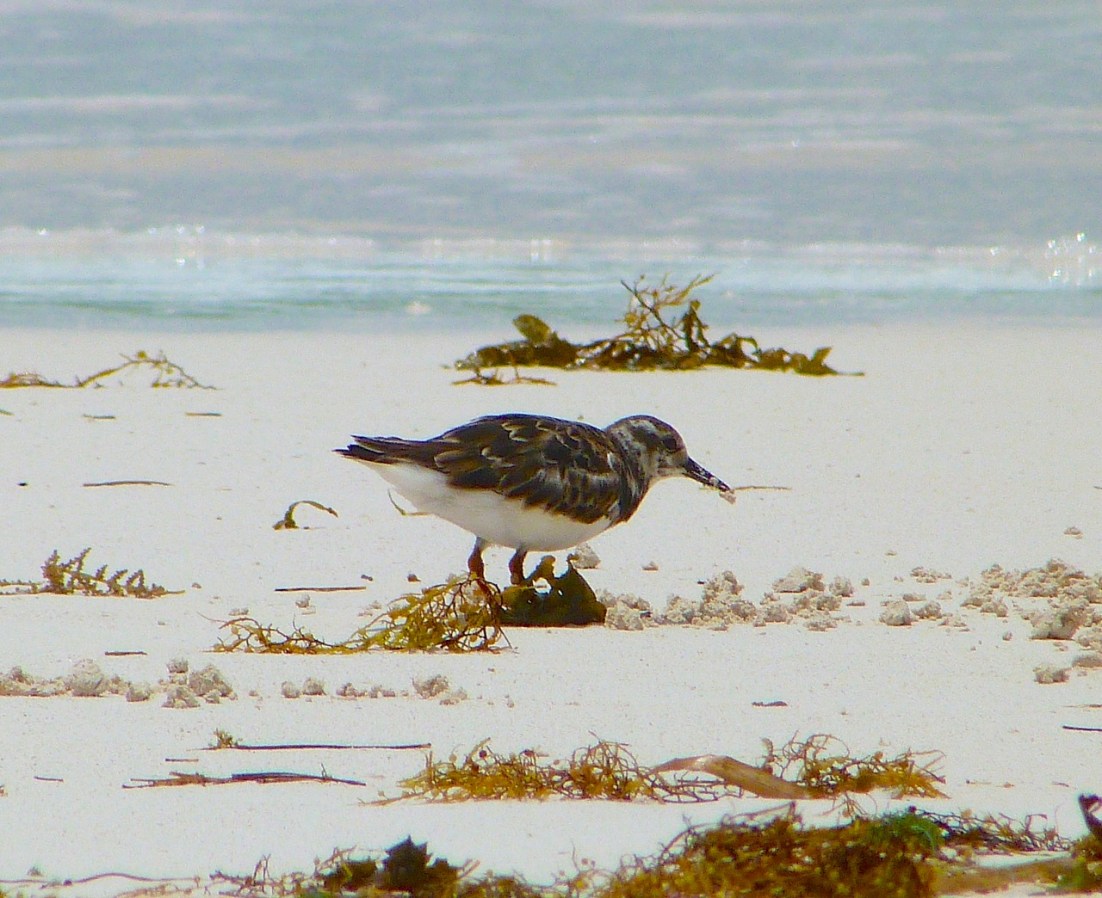
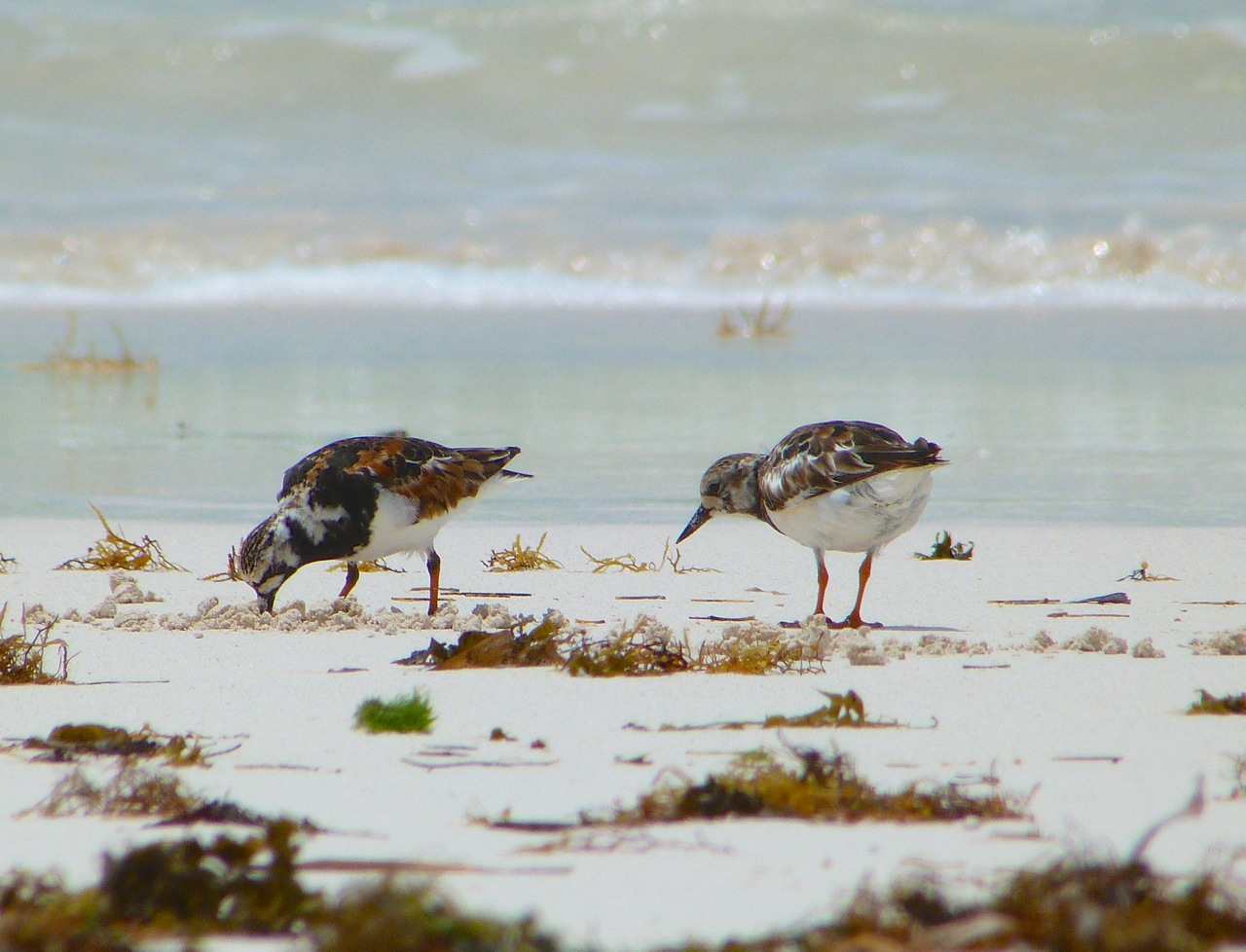
Ruddy Turnstones Arenaria interpres are well-known shore birds around the world. They used to be classified as plovers, but are now counted with sanderling. Fortunately they are distinctive enough not to be confusable with the many other species of shore bird with which they mix.
Their foraging methods are classified into 6 broad categories, though I imagine that if peckish, they may opt for all of these in the one feeding session.
Routing — rootling through piles of seaweed by flicking, ‘bulldozing’, and pecking it to expose small crustaceans or gastropod molluscs hidden underneath.
Turning stones — living up to its name name, flicking stones with its bill to uncover hidden snaily and shrimpy creatures.
Digging — using small flicks of the bill to make holes in sand or mud and then gobbling up the prey revealed.
Probing — inserting the bill right into the ground to get at concealed gastropods.
Hammering — cracking open shells using the bill as a hammer, then winkling out the occupant.
Surface pecking — short, shallow pecks to get at prey just below the surface of the sand.
Between them, these turnstones seem to be using methods 1, 3, 4 and 6
This female bird has clearly dug down in the sand to the length of its bill
This male is digging deep…
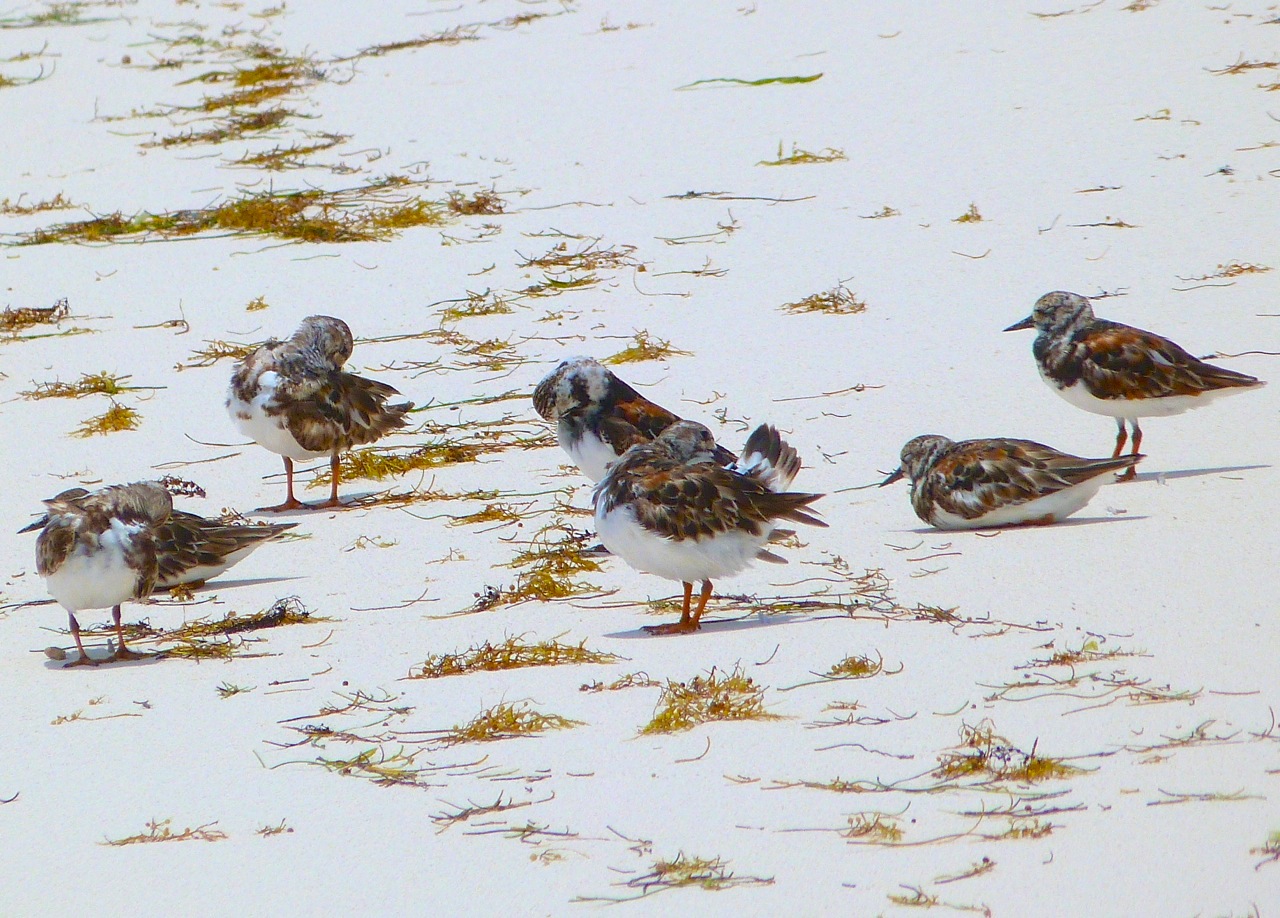
When they are not actively feeding, turnstones enjoy group preening sessions
They are also very good at just standing around having a companionable chat…
…or a post-prandial snooze…
…or just enjoying the scenery in groups…
…or simply having a peaceful paddleAll photos by RH on the Delphi Club beach (where I’ve never seen one actually turn a stone)
MARSH HARBOUR ONLINE MUSEUM: A NEW RESOURCE FOR OLD ABACO
There’s a new arrival on Facebook, and the word is already out. Within 12 hours the page has gained 119 followers*. Already there are some wonderful old photos of family groups and MH residents. Some are named; some may be waiting for someone to recognise them. The header image (thanks for use permission, MHOM) is both instantly recognisable yet puzzling. Is that Snappas over there… no, look, there…? To get straight to the page, click HERE.I guess they’ll want to hear from anyone who has old photos or postcards of MH; or who can help with ID of people and places.
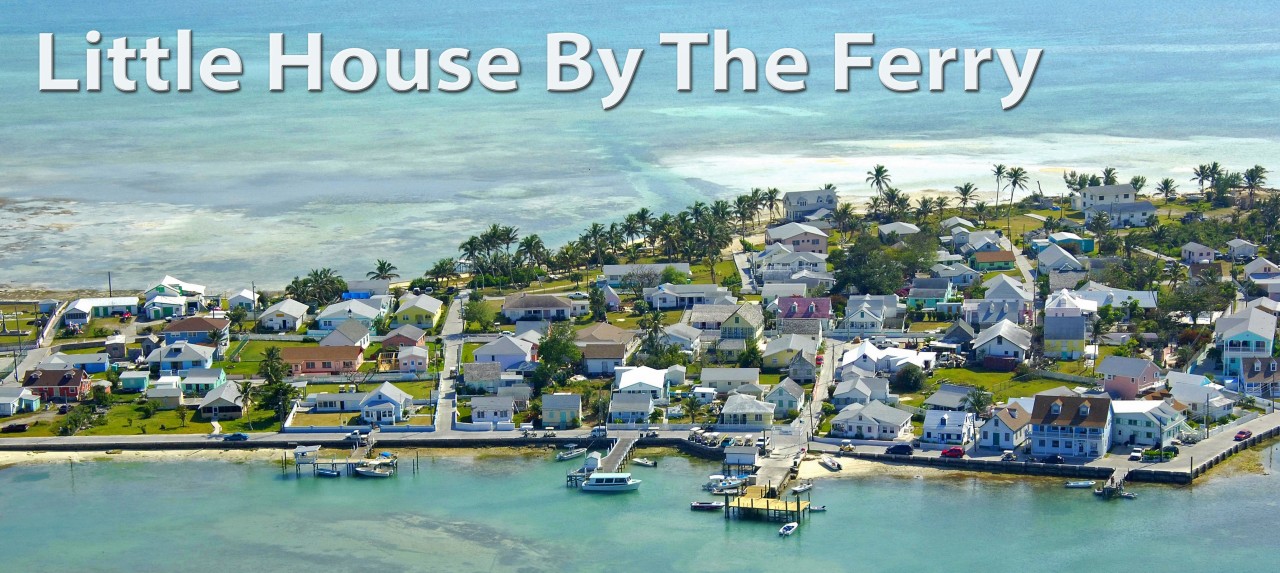
There is a similar resource for GREEN TURTLE CAY, where Amanda has a great blog LITTLE HOUSE BY THE FERRY. In part it records the restoration of her family home. However, it is also packed with old photos (with people invited to name the unknowns) and details of a fascinating genealogy project through DNA samples. MAN-O-WAR CAY has a Facebook Group called Man-o-War Cay and Abaco Family Historywith similar aims. HOPE TOWN has a very active Facebook page fronted by the iconic LIGHTHOUSE. And so on. Not forgetting the museums such as the WYANNIE MALONE MUSEUM, Hope Town and the MAN-O-WAR CAY HERITAGE MUSEUM.
‘Elbow Reef’ – antique engraving
I am neither Abaconian nor even a second-homer, so I tread lightly in these matters for obvious reasons. However, I have posted a few items about Abaco’s history from time to time so I’ll add a few links below in case anyone is tempted to investigate further. Meanwhile, I notice that in the time I have put this post together, the followers for MHOM have risen to 139…
I’ll end with what I believe to be the oldest known depiction of Hole-in-the-Wall in all its glory, before Hurricane Sandy did for it. It’s an aquatint published in the Naval Review in 1803. If you want to know what the ships are, you’ll have to click the top link. This will also offer you a number of other posts about Hole-in-the-Wall and Abaco more generally, traced through historic maps. Or just open a Kalik, why not.
*In the same time, poor Miley Cyrus has lost 2314. Wrecking Ball indeed. Whoops! There go another 249…
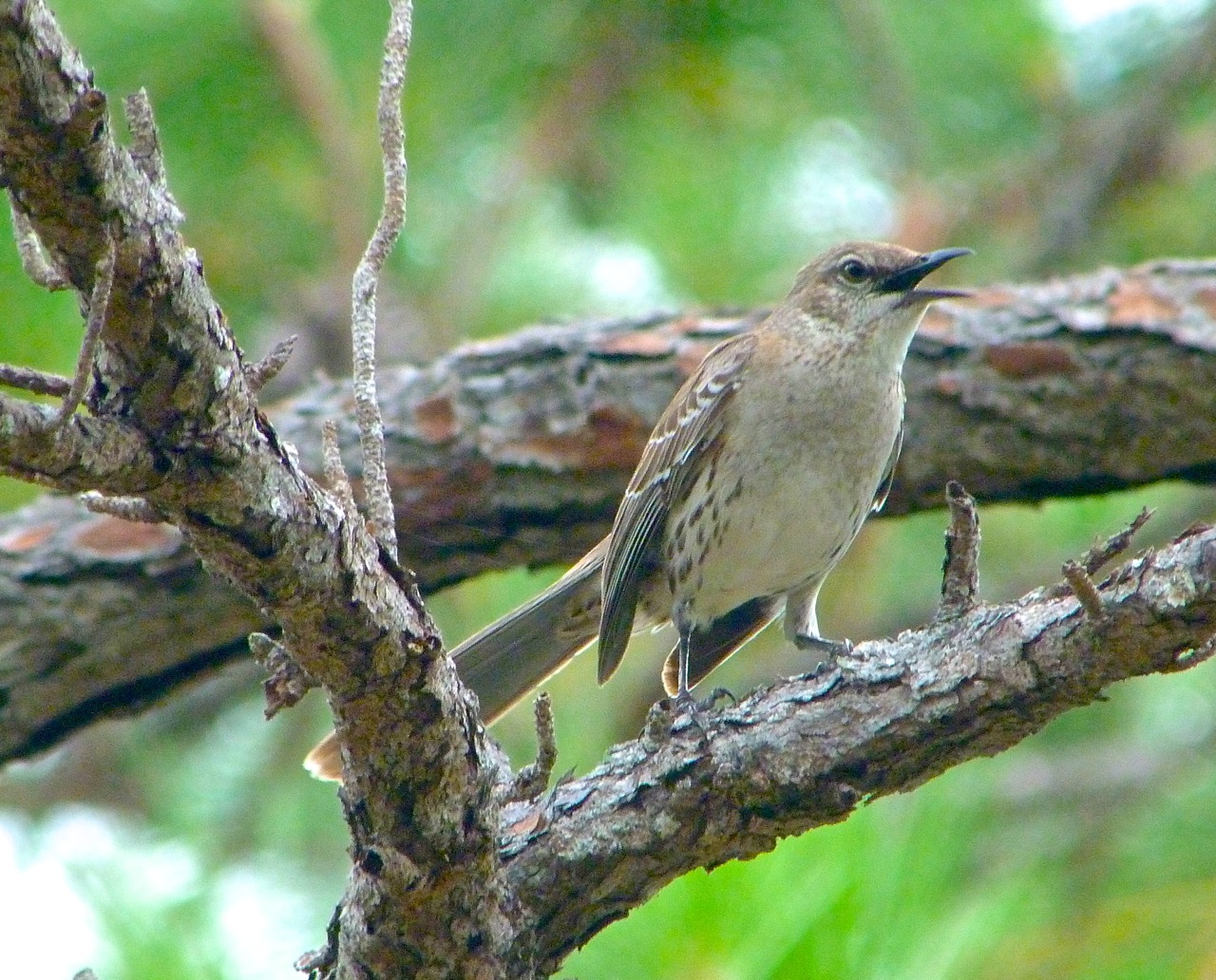
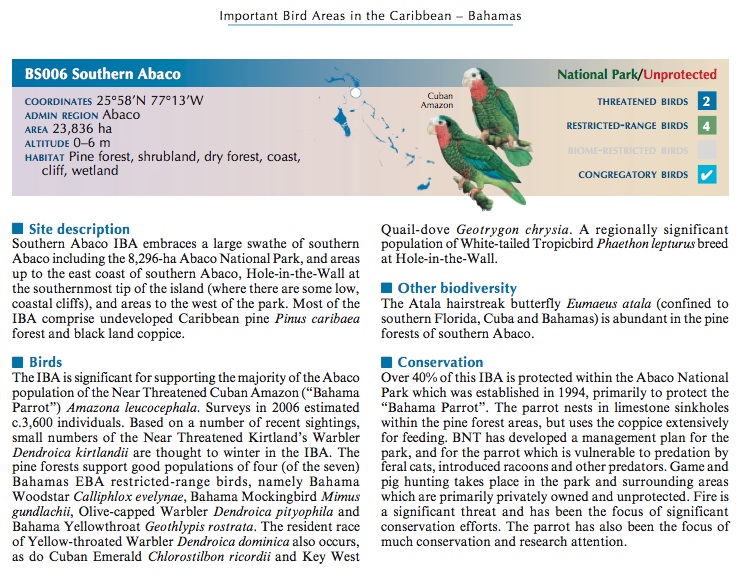
The Bahamas National TrustBNTis one of several organisations in the Bahamas responsible for conservation across the widely scattered islands of the Bahamas. One of its tasks is to look after the birds and their habitat, and from time to time the Trust publishes articles about their work. The Abaco-related material below is taken from a much longer article by Predensa Moore and Lynn Gape that covers the whole area, and concerns the importance of Abaco as a prime Bird Area. This applies in particular to Little Abaco and the Northern Cays; and to the large area of South Abaco that incorporates the National Park. The bird images used show some Abaco speciality birds mentioned by the BNT in their material.
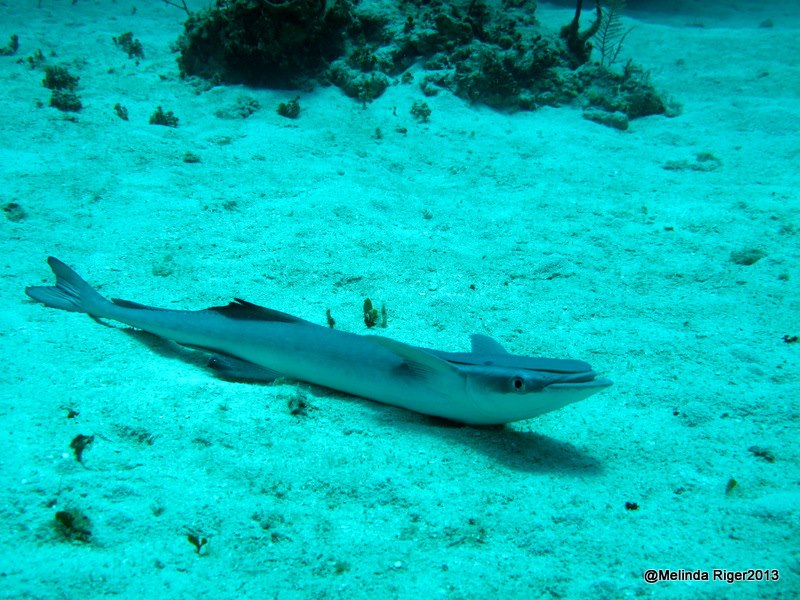
Remoras (Echeneidae), also known as Sharksuckers, Whalesuckers or Suckerfishes, are ray-finned fish that grow up to 3 feet long.
You may have noticed them in pictures of sharks and wondered briefly why they hang out with such dangerous creatures. There is filmed evidence that remoras do occasionally get eaten by their hosts…
WHAT DO THEY DO?
Remoras have remarkable dorsal fins that form a sucker-like organ with a ribbed structure. It looks a bit like the sole of a trainer or beach shoe.This bizarre organ can open and close to create or release suction, enabling it can latch onto larger marine creatures. The remora can increase suction by sliding backward, or it can release itself by swimming forward – the ‘slats’ are smooth in one direction, and rough the other way. They have been known to attach themselves to boats. And scuba divers. Even with hairy legs…
WHAT KIND OF CREATURES DO THEY GET ATTACHED TO?
Remoras associate with specific host species. They commonly attach themselves to sharks, manta rays, whales, turtles, and manatees / dugongs. Smaller remoras may latch onto fish such as tuna and swordfish, and some travel in the mouths or gills of large manta rays, ocean sunfish, swordfish, and sailfish.
WHY WOULD THEY WANT TO DO THAT?
The relationship between a remora and its host is known as Commensalism, specifically ‘Phoresy‘.The host to which it attaches for transport gains nothing from the relationship, but also loses little. The remora benefits by using the host as transport and protection, and also feeds on morsels dropped by the host. Controversy surrounds whether a remora’s diet is primarily leftover fragments, or the feces of the host. Maybe it’s a healthy mix of both.
WHERE CAN I FIND ONE?
Remoras are found in tropical, sub-tropical and temperate waters, including the mediterranean. You will definitely find them in the Bahamas. Melinda’s photos were all taken in the waters south of Grand Bahama.
CAN YOU CATCH ONE?
YES! This late addition (Nov 2016) comes courtesy of Cinda Parks… a remora caught in Cherokee Sound. It’s the first image of a live one out of the water that I’ve come across!
ARE THEY USEFUL TO MANKIND IN ANY WAY?
Yes, but not in a good way, some may think. Some cultures use remoras to catch turtles. A cord or rope is fastened to the remora’s tail, and when a turtle is sighted, the fish is released from the boat; it usually heads directly for the turtle and fastens itself to the turtle’s shell, and then both remora and turtle are hauled in. Smaller turtles can be pulled completely into the boat by this method, while larger ones are hauled within harpooning range. This practice has been reported throughout the Indian Ocean, especially from eastern Africa near Zanzibar and Mozambique, from northern Australia, Japan and even the Americas.
Because of the shape of the jaws, appearance of the sucker, and coloration of the remora, it sometimes appears to be swimming upside down (see above). This probably led to an older name reversus, although this might also derive from the fact that the remora frequently attaches itself to the tops of manta rays or other fish, so that the remora is upside down while attached.
THANKS FOR THAT. BUT WHERE CAN I GET MORE INFO ON THESE SUCKERS?
RIGHT HERE – AN EXCELLENT VIDEO WITH PLENTY OF LIVE REMORA ACTION
OH! FINAL QUESTION. ARE REMORAS EDIBLE?
I though someone might ask that, so I’ve checked it out. Here is the best recipe I have found, expanded slightly from a blokey Australian chat thread:
Recipe for cooking Remora
put a 12 ltr pot on to boil
when the pot is bubbling violently, add 2 whole remora, 2 garden rocks, 1 carrot & a large turnip
add grandfather’s boots to taste, and turn heat down after 3 hours
simmer for a further 6 hours
turn off heat and drain carefully
remove and discard remora, and serve the rest on a bed of tin tacks
Credits: Melinda Riger, Grand Bahama Scuba; Cinda Parks for the freshly caught remora 2016; Wikimedia; meaty Wiki chunks & assorted pickings
EARLY BIRDS ON ABACO: CHARLES CORY’S EXPEDITIONS 1891
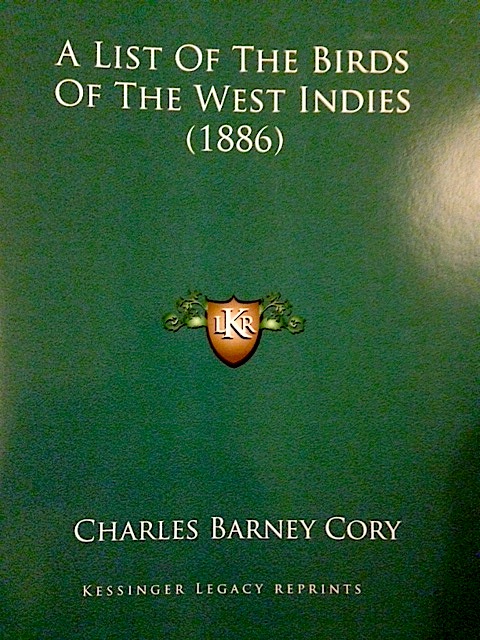
Before the explorations of the american ornithologist Charles Cory towards the end of the c19, there had been few if any serious attempts to record the birds of the Bahama Islands, especially the sparsely populated ones such as Abaco. The english naturalist Mark Catesby had published his wonderful The Natural History of Carolina, Florida and the Bahama Islands as early as 1754, which of course included some birds, but it was far from avian-specific. During the 1880s, Cory forsook the golf course (his other passion – he even competed in the 1904 Olympics but, as it is intriguingly put, “…did not finish…”) to concentrate on birds. He commenced his research for his List of the Birds of the West Indies, published in 1886. The scope was wide, including Antilles, Jamaica, Cuba, Hispaniola and the Bahamas. The book simply listed birds by family, giving the bird names in Latin, and the locations where they were found. It’s scarcely an enticing read, and the ‘print on demand’ copy I obtained for about $15 is frankly horrid.
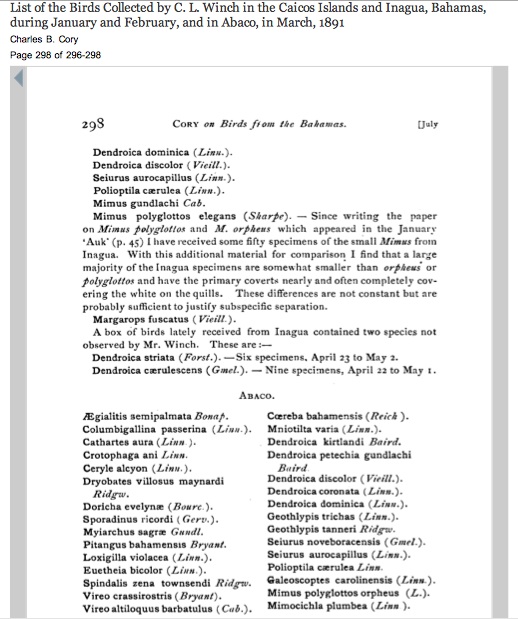
In 1891, Cory and his colleague Mr C.L. Winch paid more specific attention to the Bahamas, visiting several islands, taking specimens and recording their findings. Cory subsequently published these in the ornithological journal of record, The Auk, established in 1884 as a quarterly peer-reviewed scientific journal and the official publication of the American Ornithologists’ Union (AOU). I’m not clear whether Cory actually accompanied Winch throughout the voyages, or whether they covered the islands separately. In any event, the first visit to Abaco took place in March 1891, when Mr Winch took specimens and recorded the species he encountered.
To save you the bother of taxing your brain with Latin taxonomies (in some cases out-of-date), the species recorded are shown below. Every one of these species might be seen during a March visit nowadays.
In June they were back on Abaco; or at least, Mr Winch had returned. This time, the list of species was somewhat different, as one might expect in the summer season. It contains one particular curiosity: the Bahama Oriole. This fine bird was sadly extirpated from Abaco in the 1990s, and may now only be found on Andros. There are reckoned to be only about 300 left, so the species is on the brink of extinction.
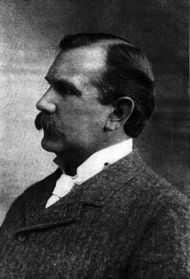
Charles Cory 1857 – 1921
COLUMN 1 Red-tailed Hawk; Mourning Dove; Common Nighthawk; Cuban Emerald; Bahama Woodstar; West Indian Woodpecker; Hairy Woodpecker; La Sagra’s Flycatcher; Cuban Pewee; Loggerhead Kingbird; Gray Kingbird; Bahama Oriole; Red-winged Blackbird
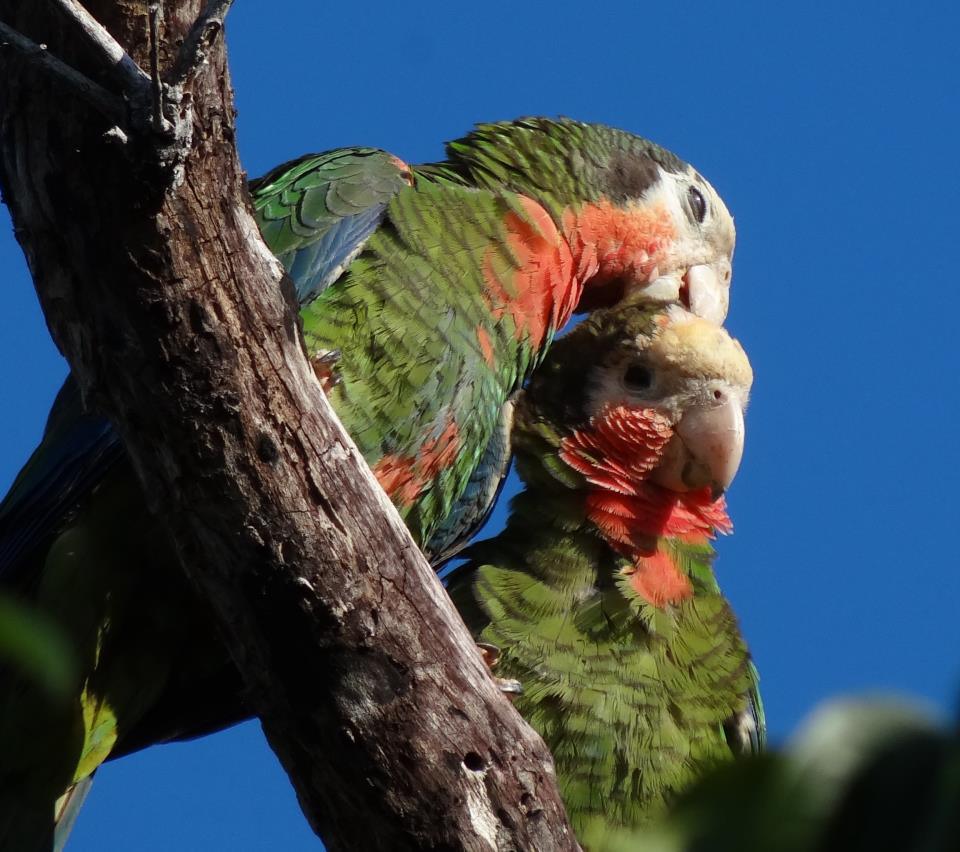
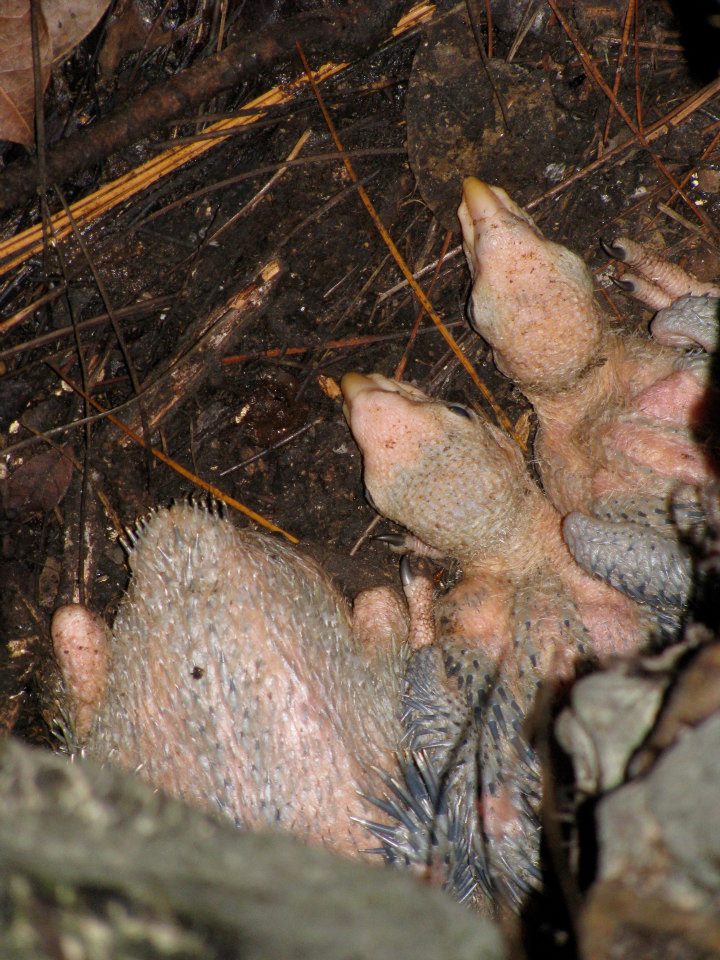
The dawn of a New Year shimmers just below the horizon, with all its bright promise for the future. It provides a convenient excuse to peer symbolically into the limestone holes of the remarkableABACO PARROT to take a peek at some newly hatched eggs and the tiny chicks that will, by next spring, look like the handsome bird at the top of the page…
This website is not overly preoccupied with stats, but I have had a quick look to see which posts were the most popular during 2013. Here, for better or worse (I didn’t make the choices…), are the top dozen, introduced by the cutest chick of the year, a Wilson’s plover calling for its mum…
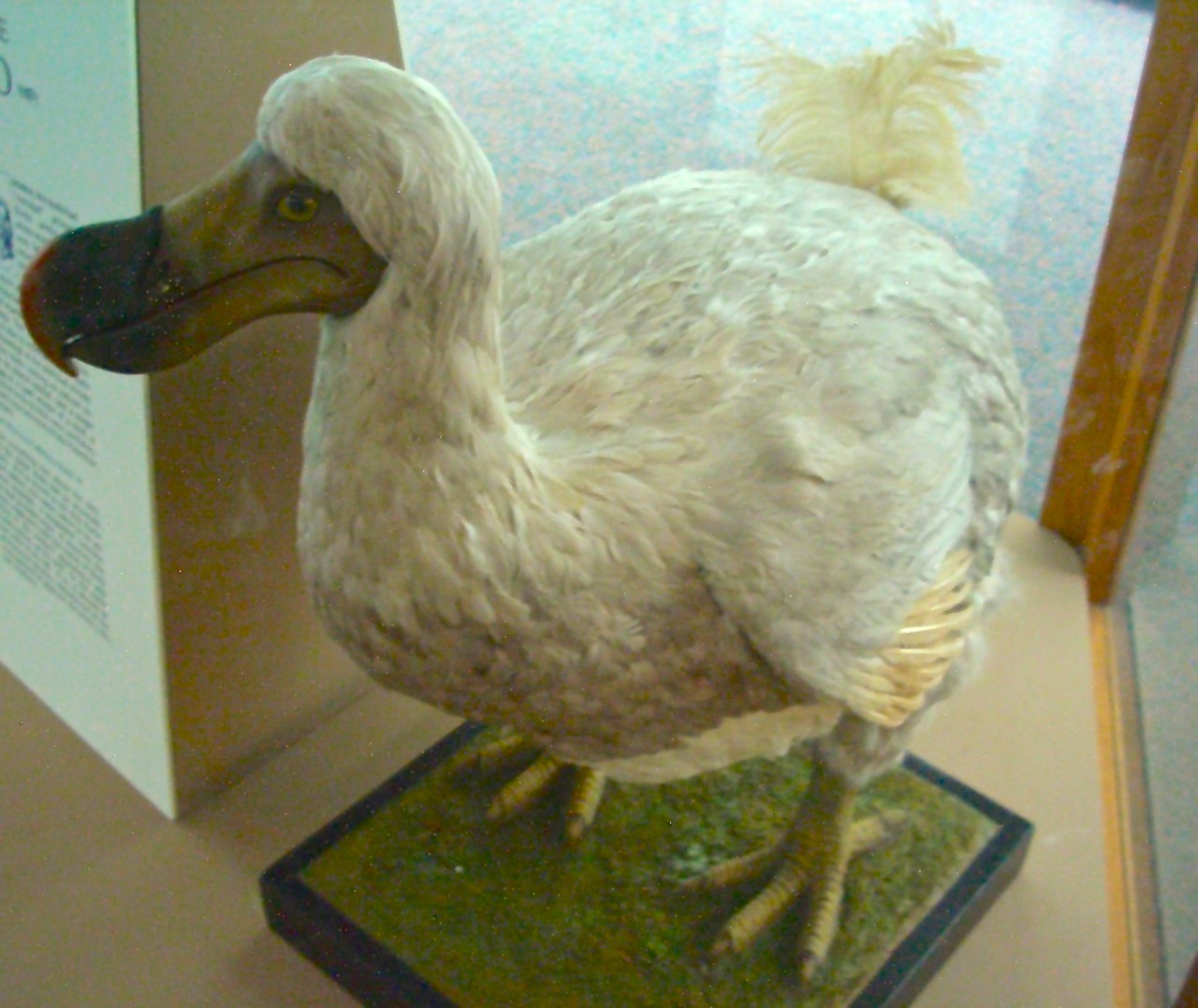
So! Farewell then 2013. Like the Curate’s egg, you were good in parts – indeed, many parts of you were excellent. Now, like Raphus cucullatus, you will become extinct, leaving remains and memories behind you… Thanks to all loyal followers of this site for sticking with it and its eccentricities (especially the musical digressions). If you wound up here by chance, mistyped g@@gle search or sheer misfortune, cheers… A very Happy New Year to you all!
Photo taken at the American Museum of Natural History – there’s also a dodo skeleton in the Oxford University Museum of natural History
Credits: Parrot nests – Caroline Stahala (the scientist i/c parrots); the rest – RH
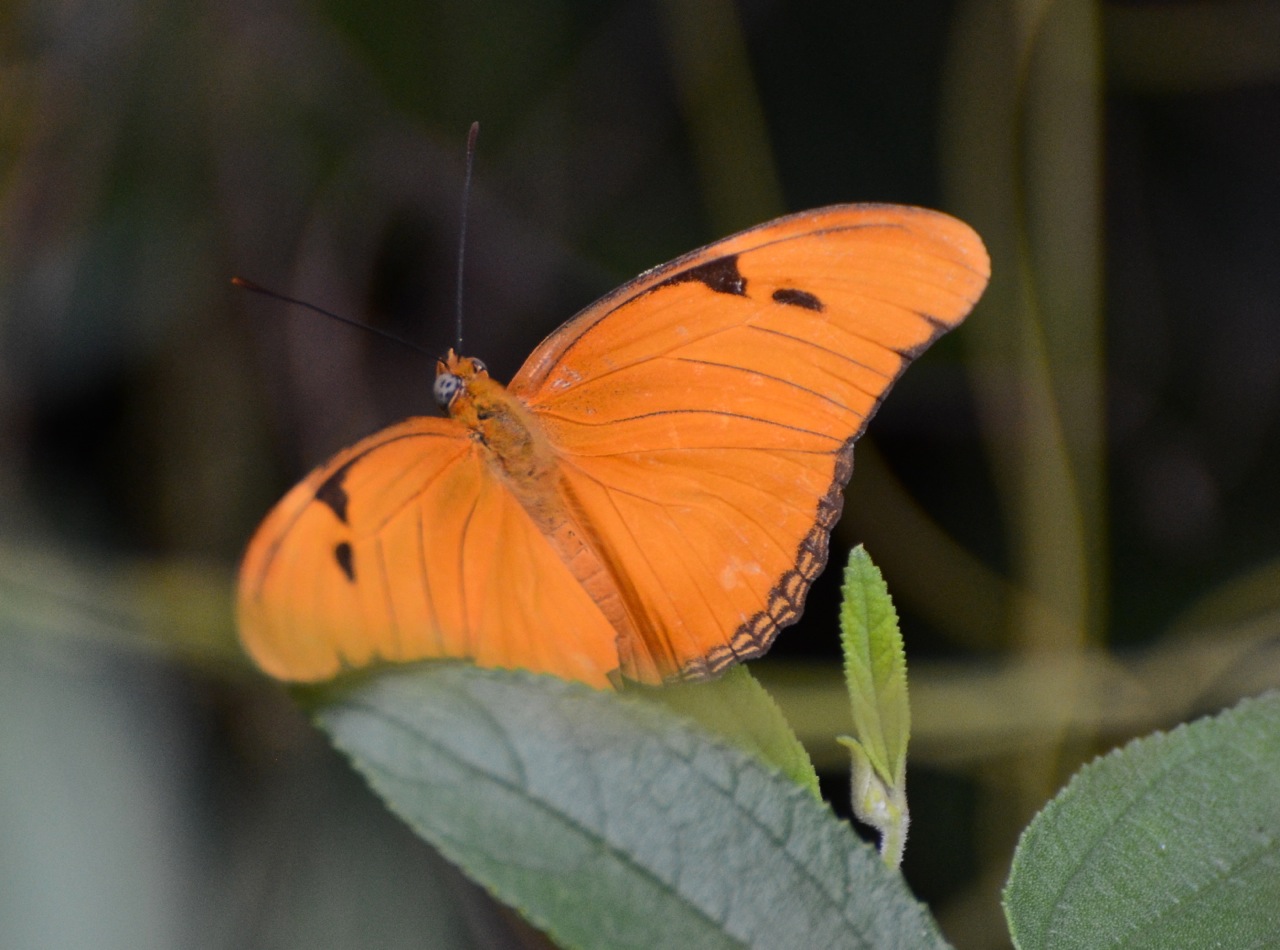
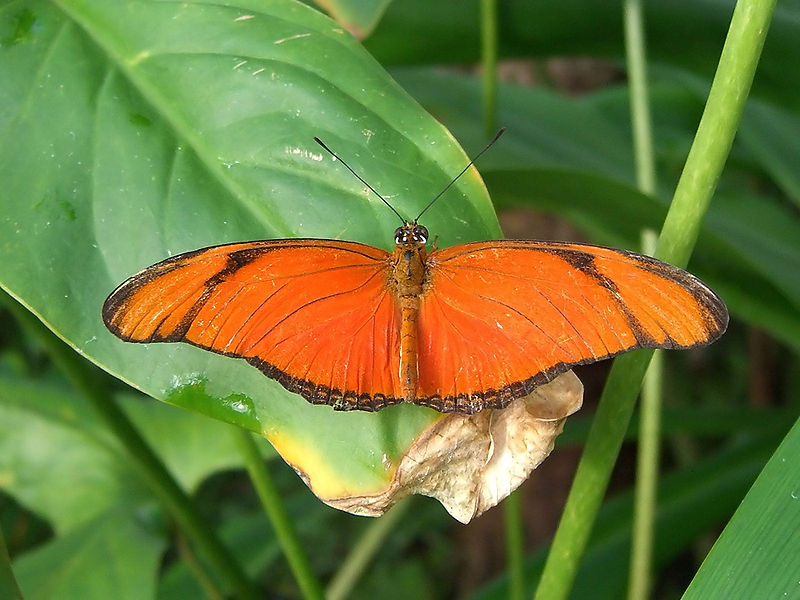
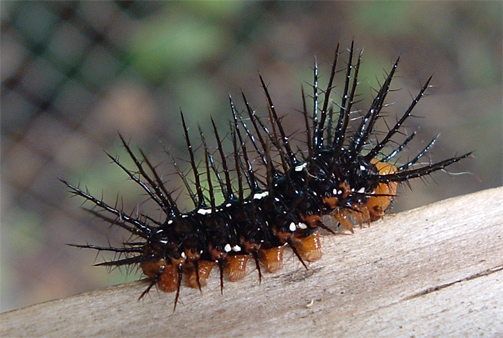
DRYAS JULIA (JULIA HELICONIAN): BUTTERFLIES ON ABACO (4)
A fast-flying butterfly in a fetching shade of orange designed to be off-putting to avian predators. If the colour fails as a deterrent, these butterflies are unpleasant to eat (supposedly), so birds learn to leave them alone.
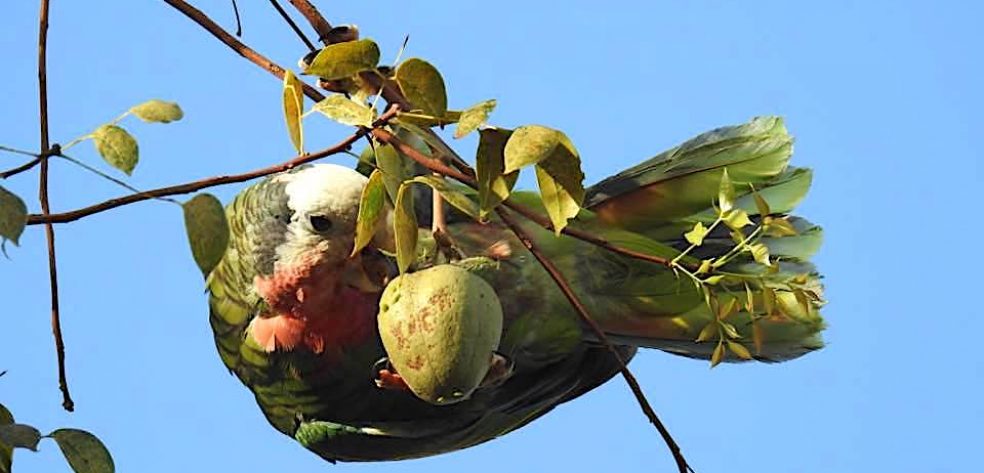

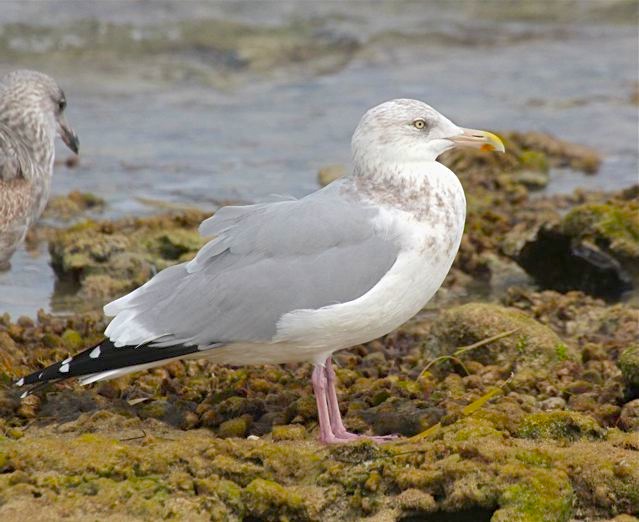
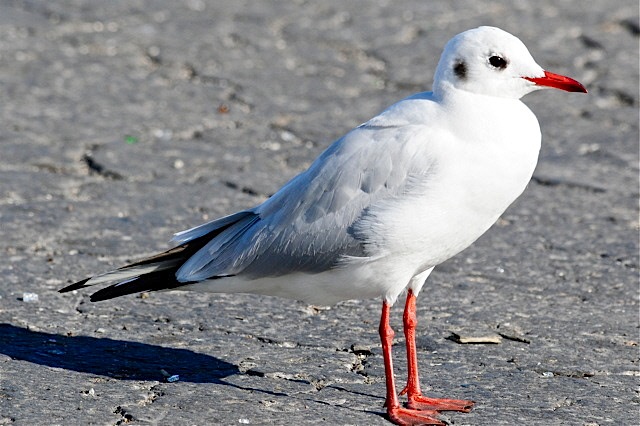
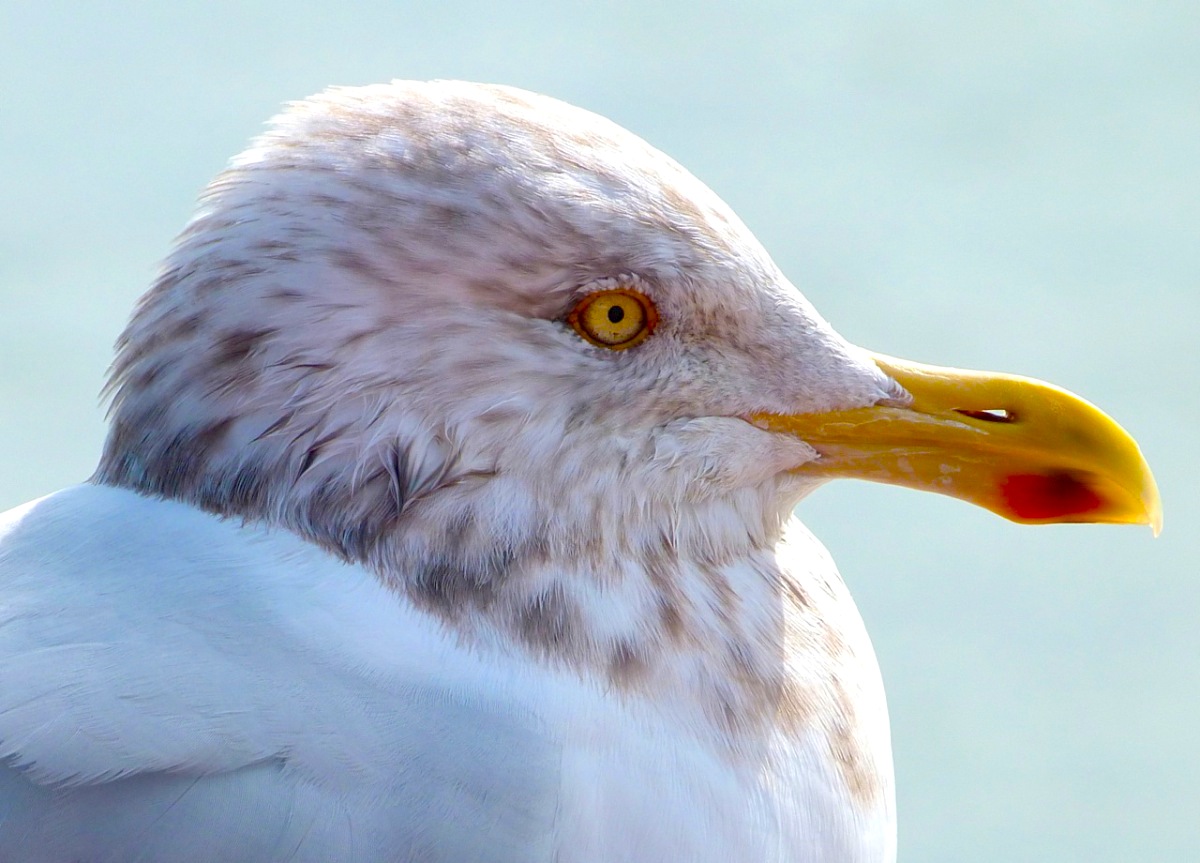
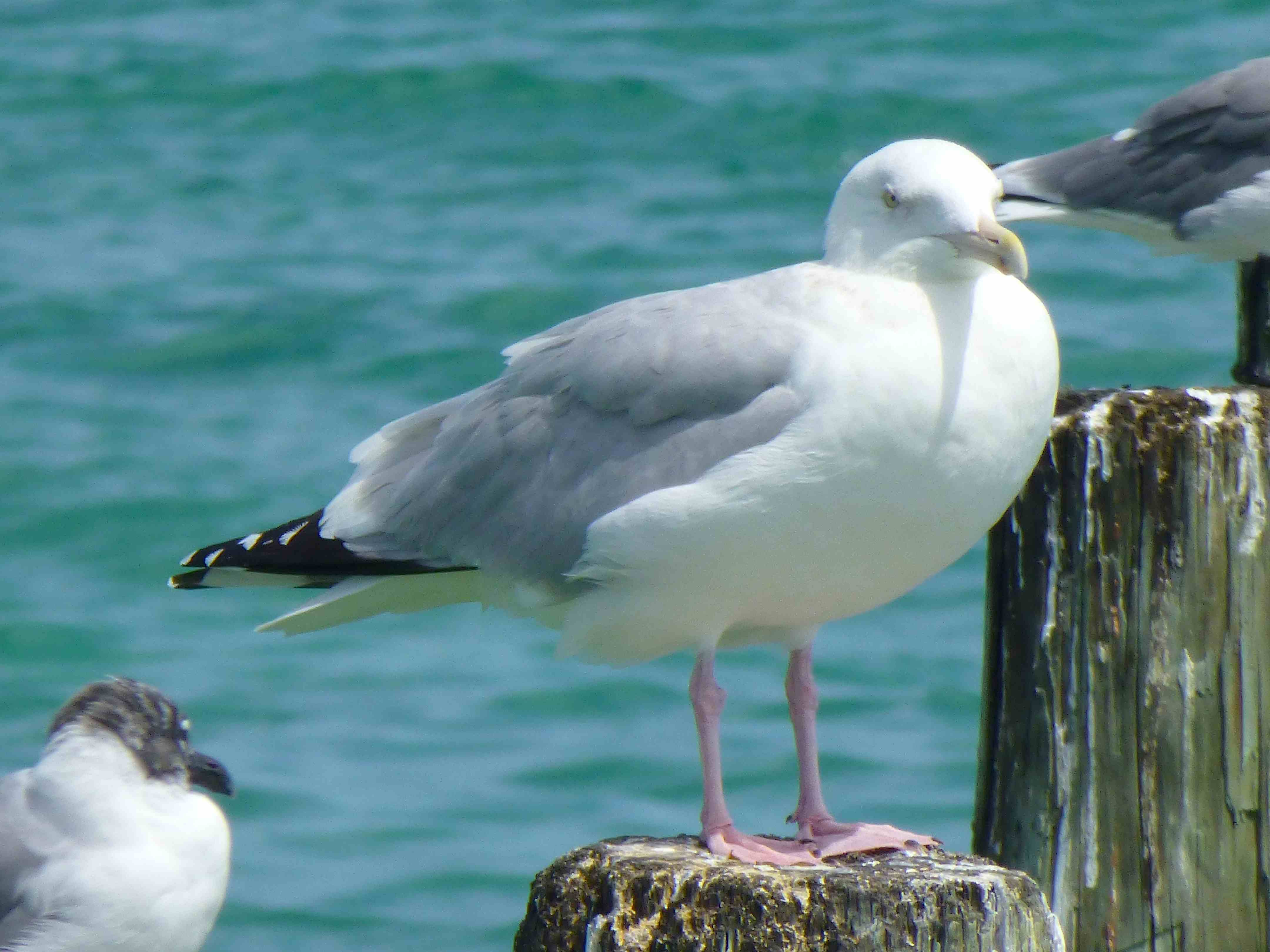
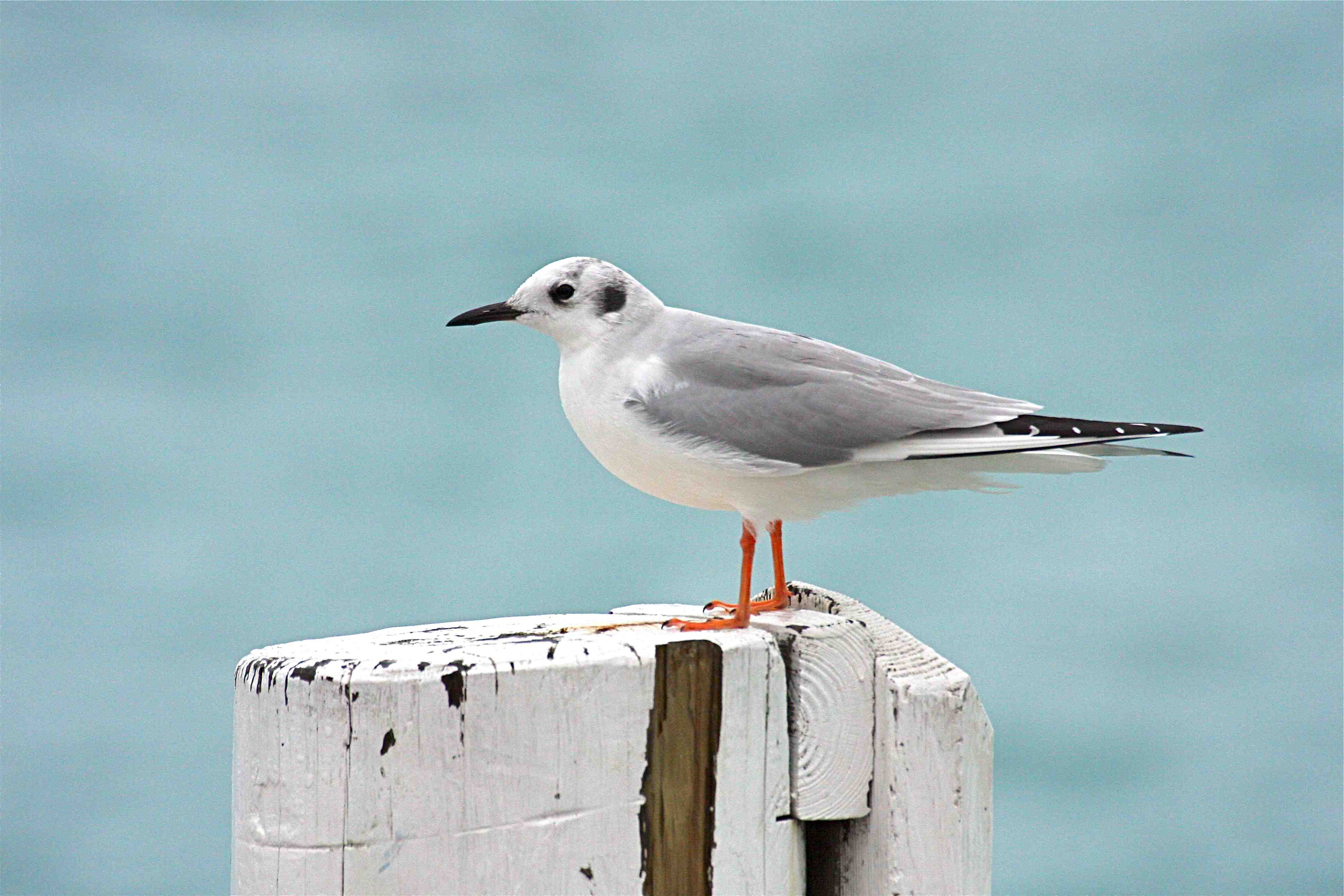


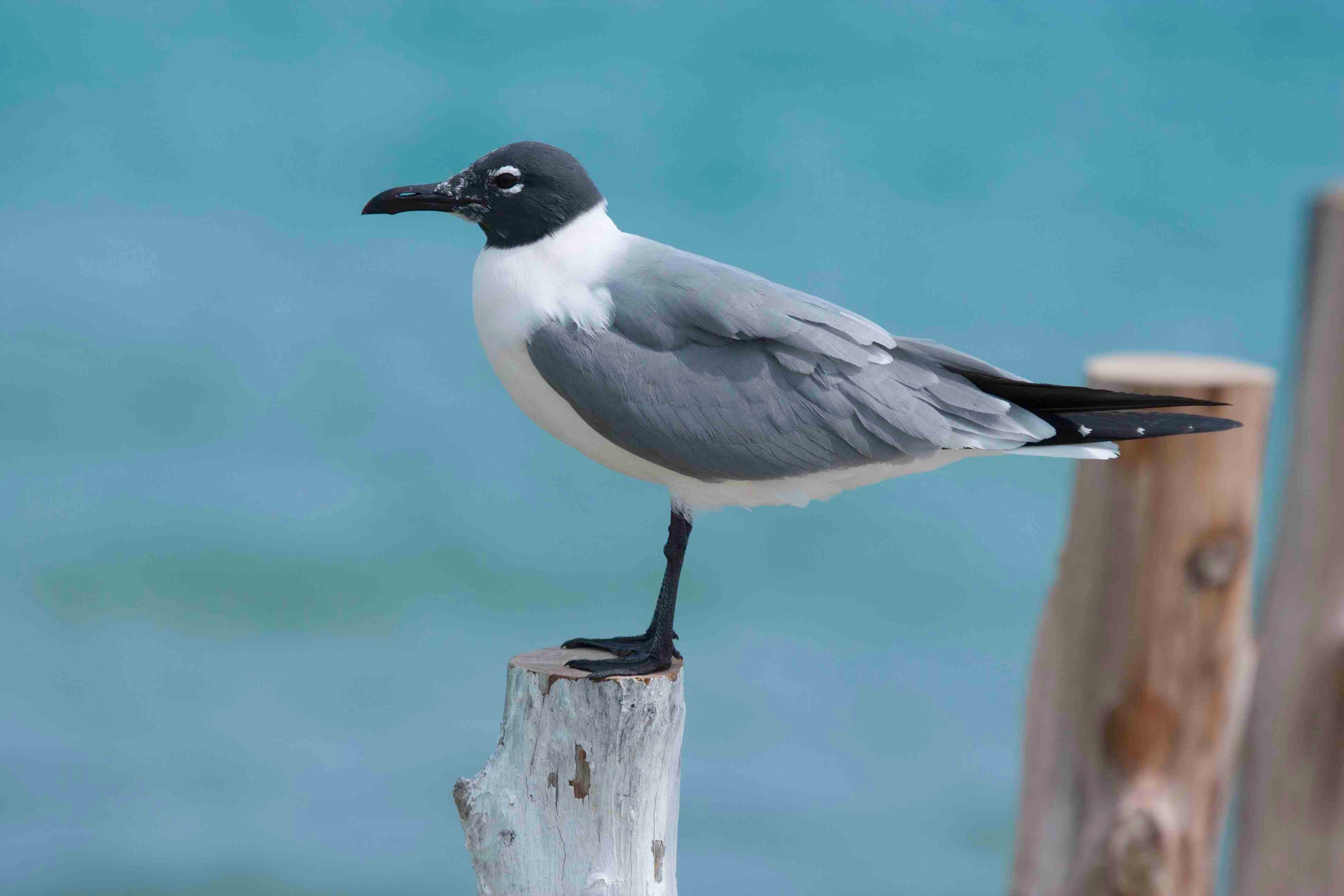
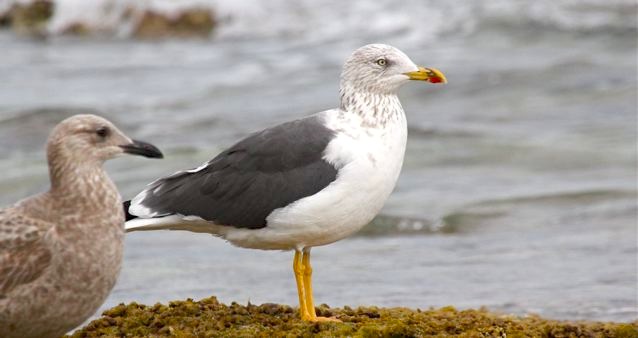
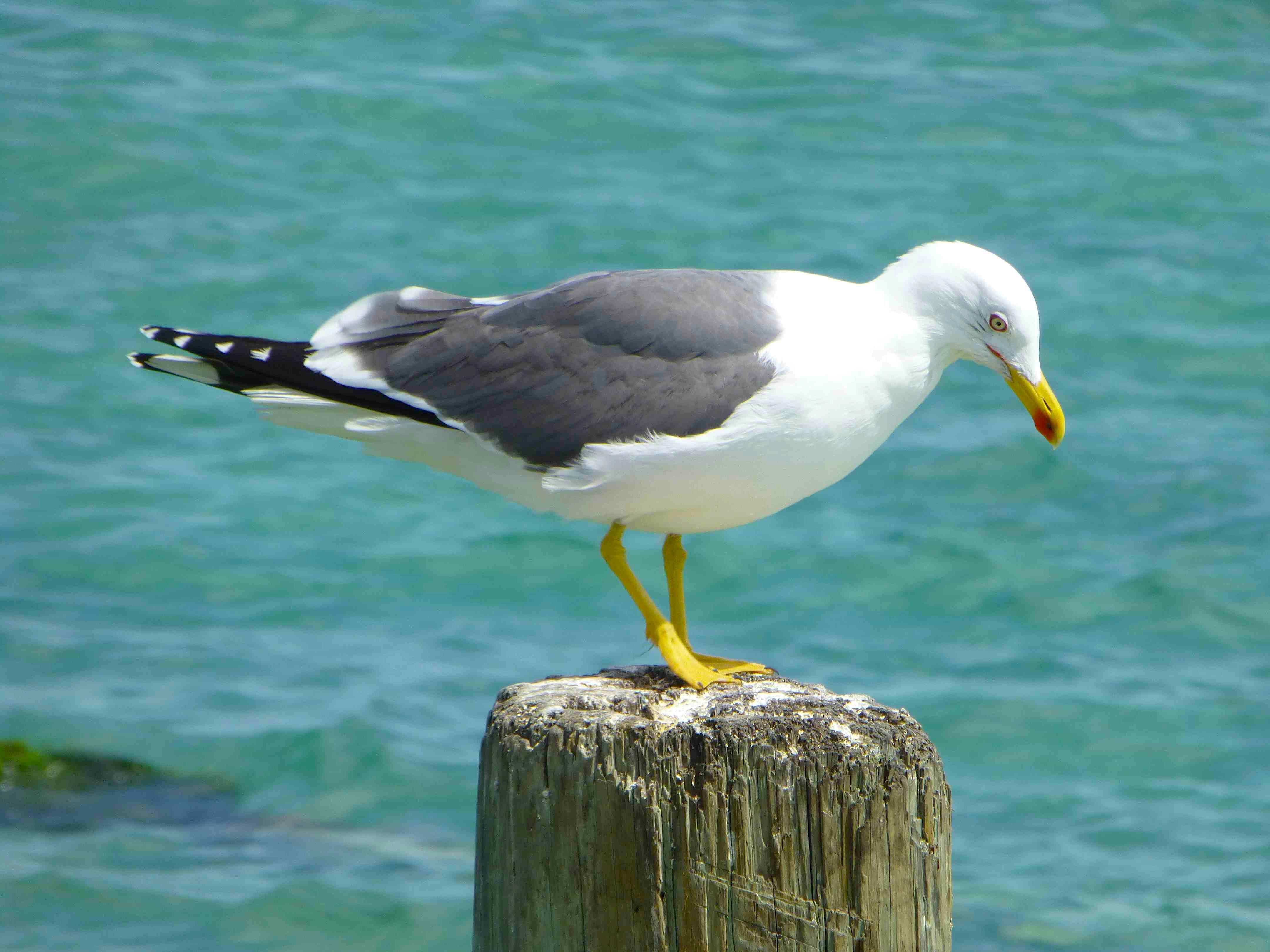
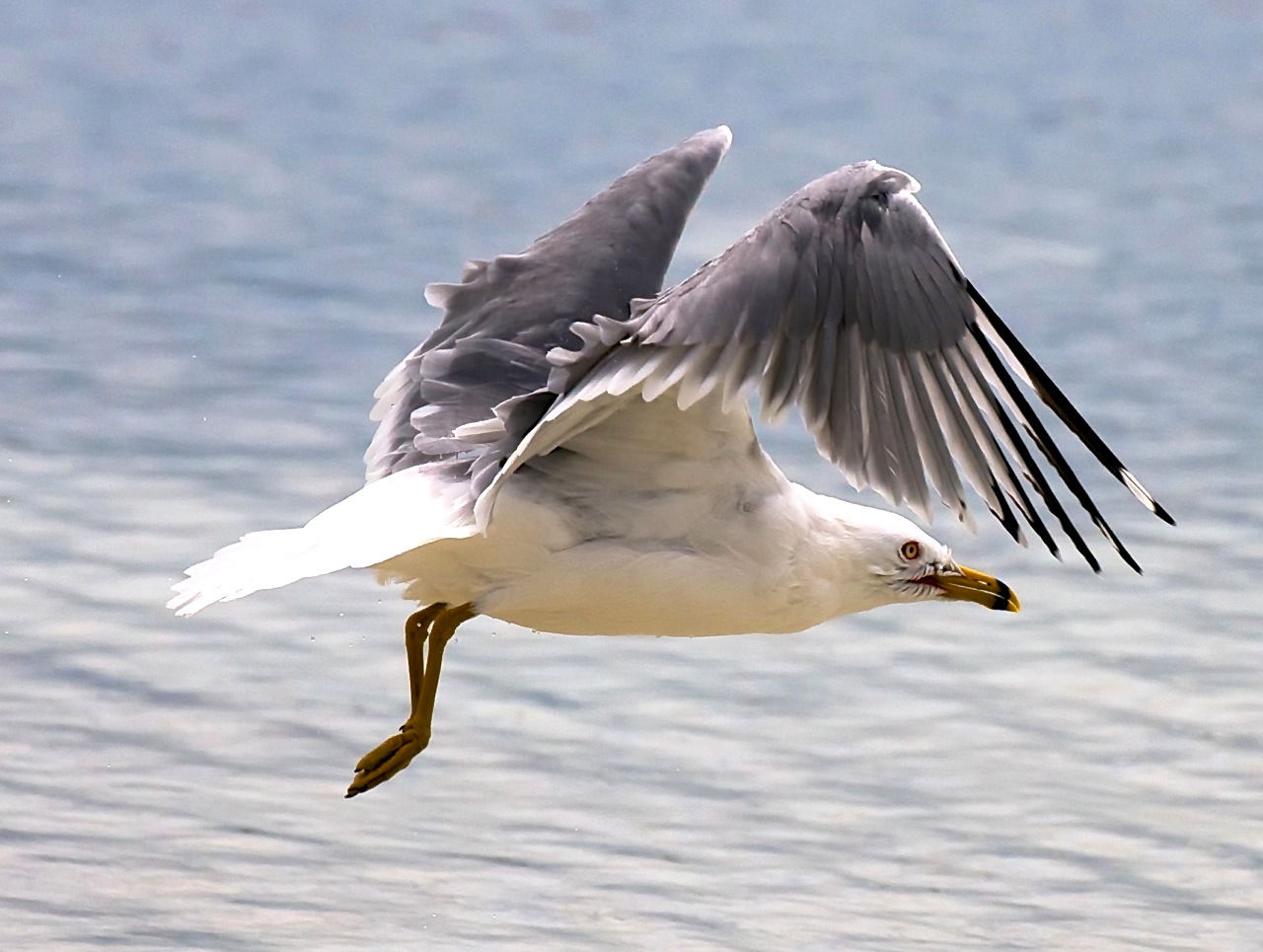
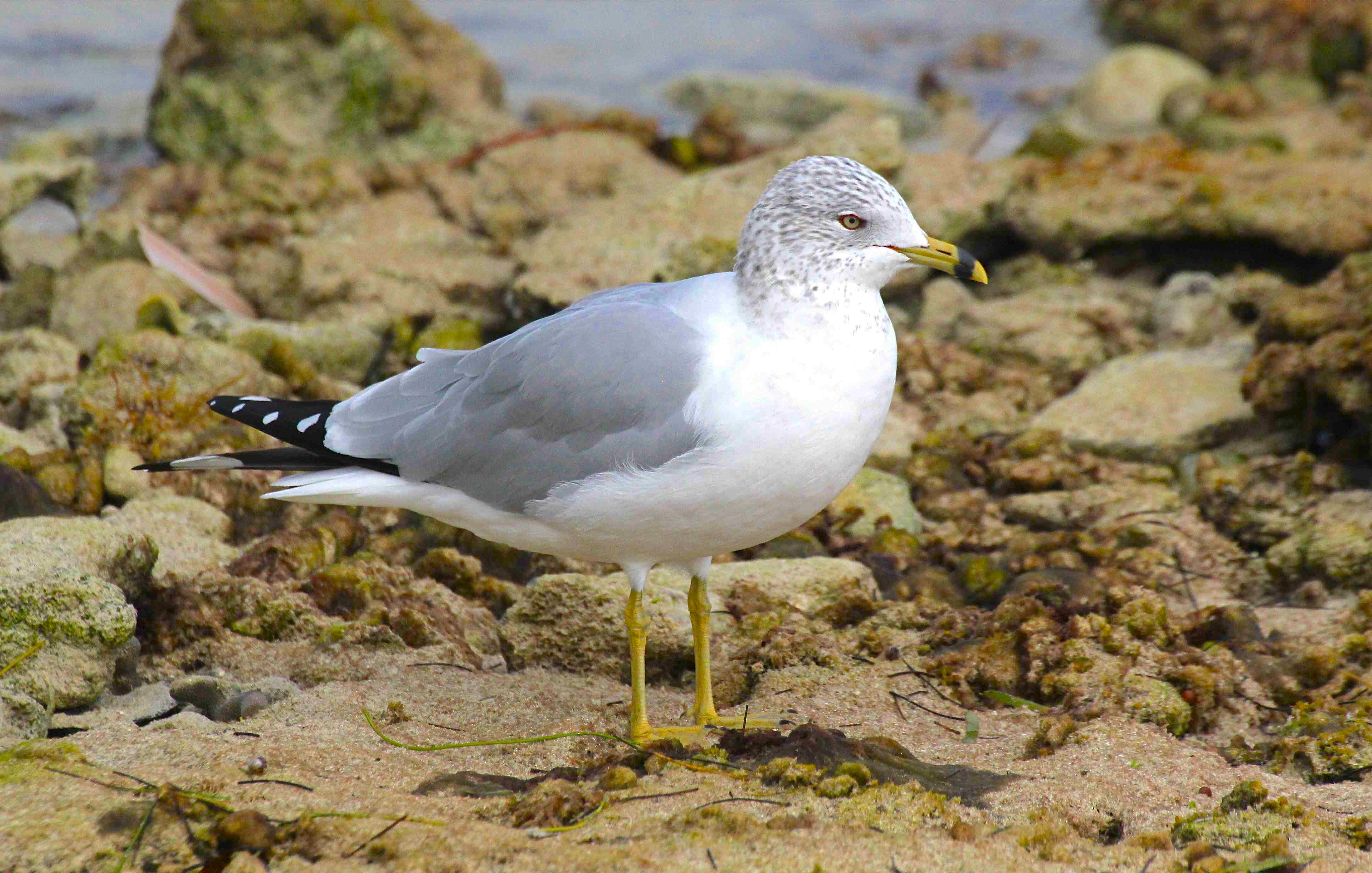
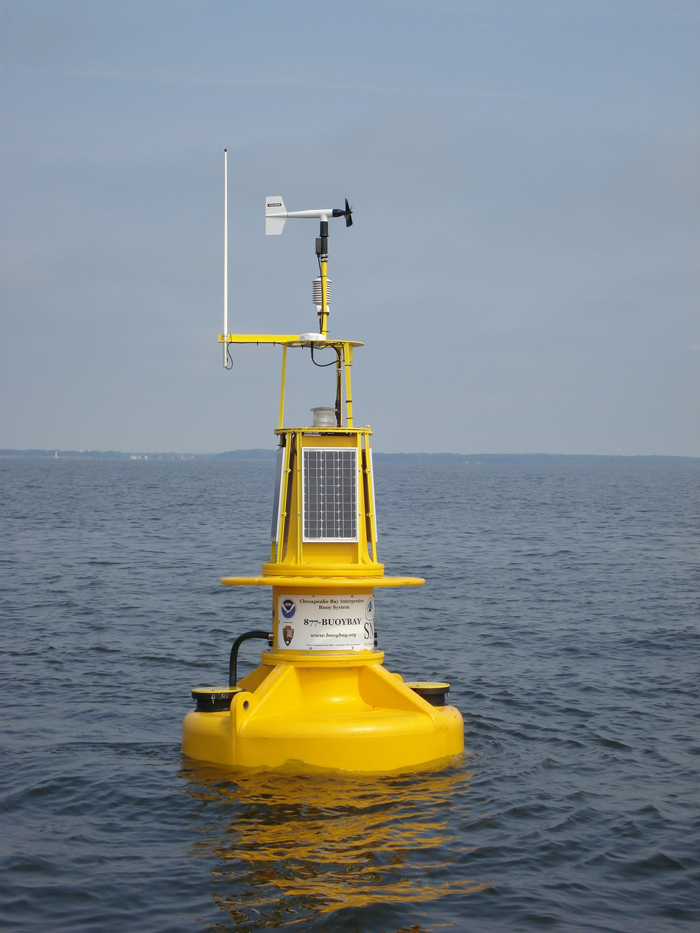 Photo Credits: Bruce Hallett, Woody Bracey, Nina Henry, RH, + NOAA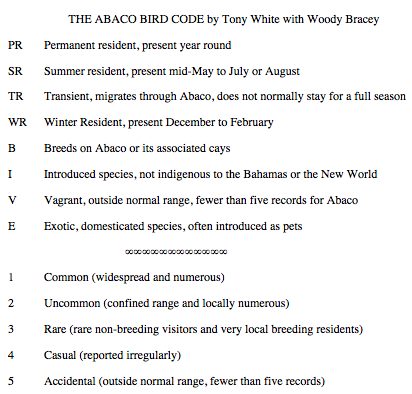






















































 ROLLING HARBOUR ABACO
You must be logged in to post a comment.