Unknown's avatar

THE DITZY CHICKS & THE BEACH BYRDS: BANDS TO ADMIRE


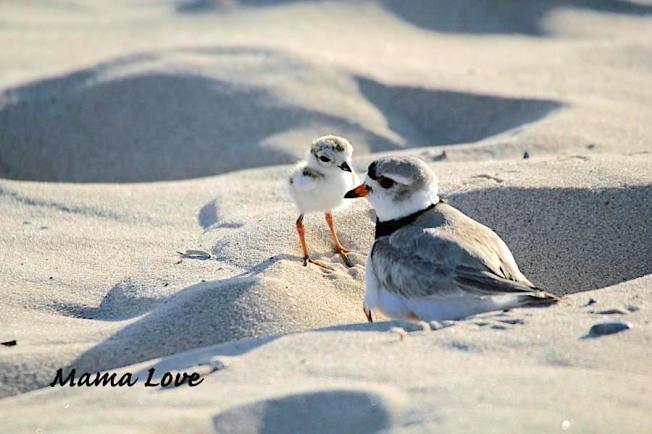
Piping Plover Chick Holgate NJ (Michelle Stantial)

‘KEITH’

‘THE DITZY CHICKS’ & ‘THE BEACH BYRDS’: BANDS TO ADMIRE

Piping plovers are rare, tiny, unutterably cute, weigh about 2oz – and every Fall they fly south 1000 miles or more to warmer climes. Abaco is one such clime. The data collected during the 4 years of the ABACO PIPING PLOVER WATCH project shows annual counts of ±250 individual birds found either in flocks in specific hotspots, or more randomly in small groups, pairs or singles. Certain areas on the Cays are also popular. Of all these, around 10% are banded. All the birds are banded in their breeding grounds, usually as chicks (apart from a few ‘pink flags’ banded as adults on Long Beach, South Abaco). 
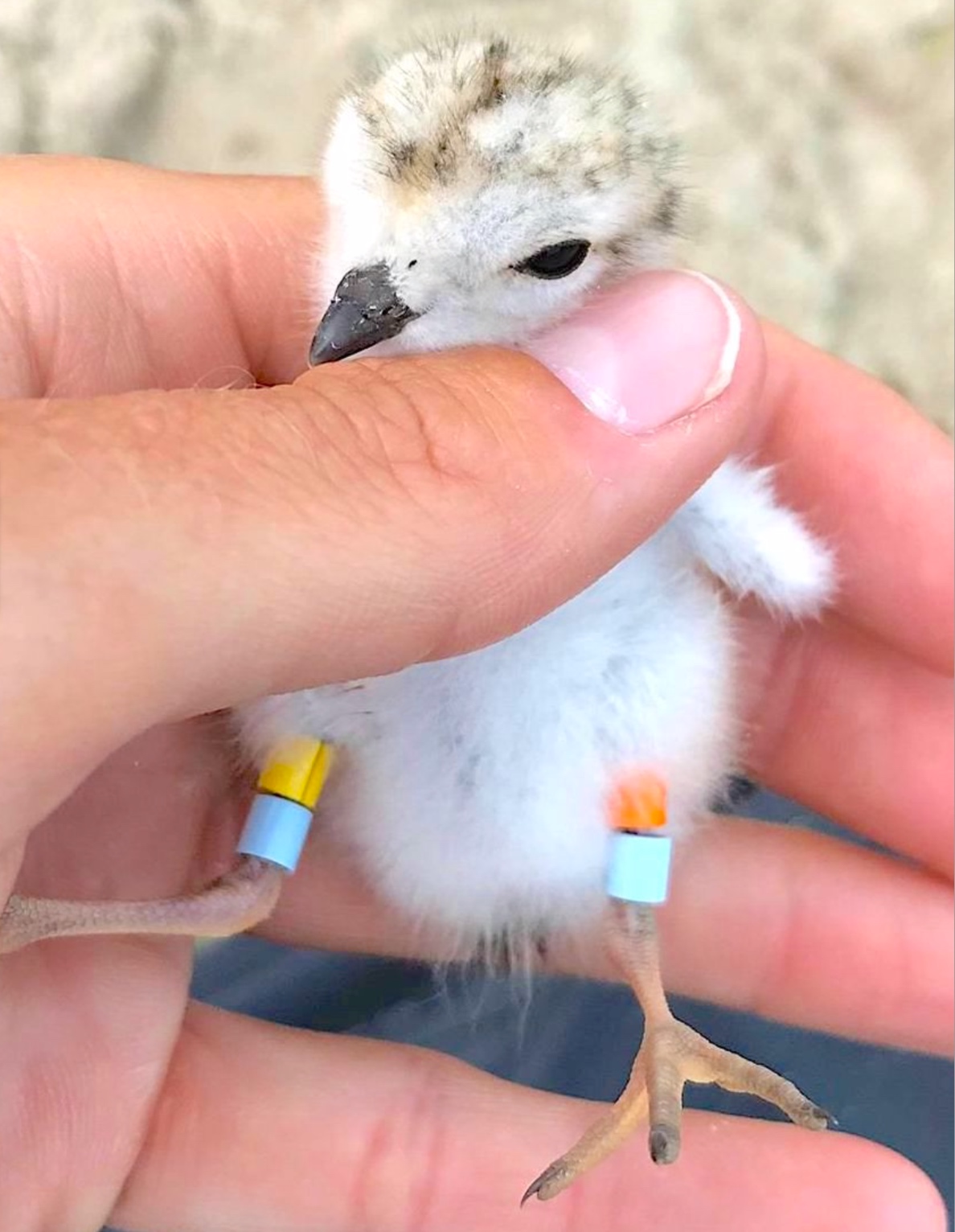
Piping Plover Chick Holgate NJ (Michelle Stantial)

‘CHEROKEE’

SQUID’S KIDS

To set the scene (the story is developed below). The 3 tiny chicks with the ring bling in the large photos hatched at a Wildlife Refuge in New Jersey about 10 days ago. Their parents are Squid and Sophie. The scientists who captured, weighed, measured and banded them also named them, for reasons which will become apparent, Keith, Cherokee and Abaco. This post aims to explain the background story, and in particular the great significance of banding as a tool of research into rare species.
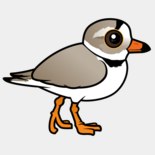
At the outset – and because a few people express concern –  I’d better add that no deleterious effects arise from banding. The bands are not constricting, and the birds are unaware of them. Individual banded birds are often seen year after year at either end of their migration or at both; and sometimes during stopovers along the way:  they have all survived being banded, Also, if the scientists and conservationists were to take risks with the chicks in their care by using inappropriate methods, they would in fact be damaging or destroying the very creatures they have dedicated their skills to preserving.

Piping Plover Chick

WHAT’S SO SPECIAL ABOUT THIS SPECIES?

PIPL are not just rare, they are IUCN Red-listed as ‘near-threatened’. Last Autumn the IUCN estimate for adult birds was 8000. The summer breeding grounds are located in quite specific areas of North America and Canada.
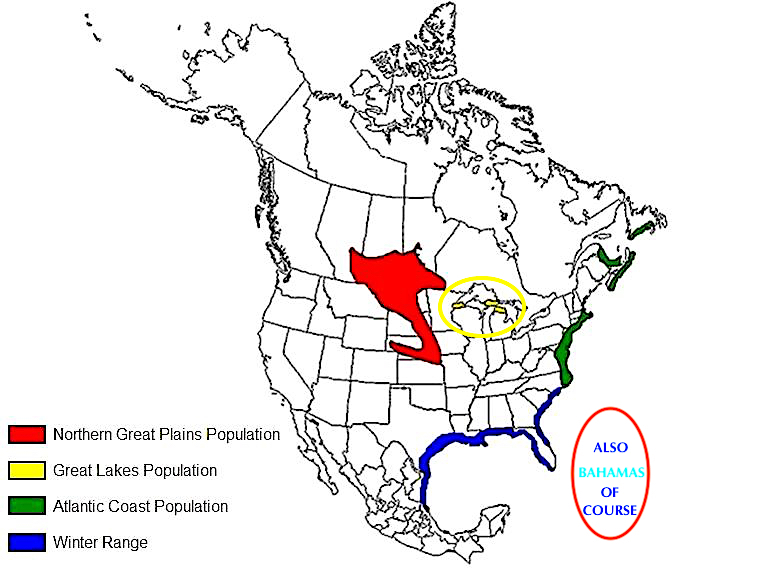
These vulnerable little shorebirds nest in scrapes on the beaches and forage on the shoreline. They face many dangers including predation (eg gulls, cats, foxes), human activities and disturbance (eg the inalienable right to use beaches for off-road fun), and habitat degradation (eg. development, encroachment, and pollution). This last is the greatest problem of the three, and it is of course the responsibility – or fault – of humans. Fortunately, the establishment of extensive coastal / shoreline wildlife refuges has provided managed habitat and careful protection in some areas.

Piping Plover Chick Holgate NJ (Michelle Stantial)

‘ABACO’

WHERE DOES BANDING COME INTO ALL THIS?

For the purposes of the ongoing scientific investigation and conservation research, the wildlife organisations in each area carry out programs to examine, measure, weigh and band birds on their ‘home’ beach. This process builds a database year on year against which the health of the birds and also the habitat can be measured. 
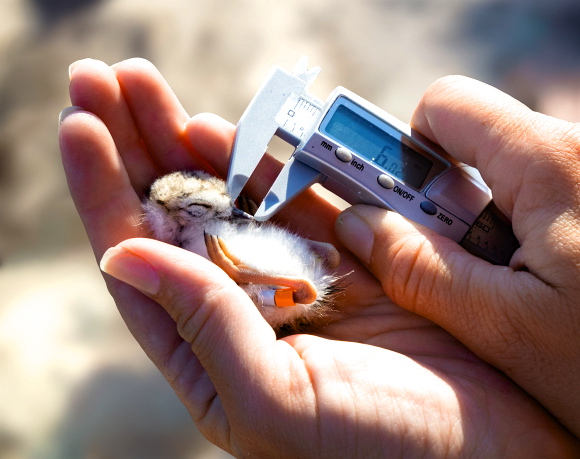
       

Banding enables individuals to be identified and observed in the breeding grounds; and crucially, where the birds overwinter (see below). Birds are given flags or bands or both in unique combinations. These may be put on one or both legs; mostly they will be on the upper leg(s), but sometimes the lower legs are also used; unique alphanumerics or coloured dots provide further means of ID. Some locations have a tradition of naming the chicks during banding. Thus ‘Green Flag AH3’ became ‘Atari’ . Felicia Fancybottom is the most exotic name so far (she had a random posterior-feather sticking out when banded).

On Abaco, we sometimes give unnamed overwintering banded birds an ID to avoid confusion, for easy reference, or actually just for fun. For example Green Flag 70E became (obviously) ‘Joe’.

Piping Plover Banding Box (Steph Egger)

Bander’s Box: H22 is now on ‘Harry Potter’

Piping Plover Chick NJ (Kim / CWFNJ)

HOW THE SYSTEM WORKS IN PRACTICE

MANY HAPPY RETURNS FOR ‘SQUID’

January 2, 2018 the female bird called ‘SQUID’ was resighted on Abaco at Casuarina. Her bands were: upper left, blue on black; upper right, green on red (photo below). Checks of the band combination produced the following information:

  • originated from the Holgate unit of Edwin B. Forsythe NWR in NJ, banded there as a female
  • monitored and researched by Conserve Wildlife Foundation NJ
  • recorded at the same location the previous summer so had already completed Fall and Spring migration, returning to the same beach where she hatched and fledged.
  • named for the bander’s mom’s cat
Piping Plover, Casuarina Abaco Bahamas (Keith Kemp)

‘SQUID’

July 29 2018 SQUID was resighted for the second year at the same location on Casuarina flats, Abaco, the first banded bird of the season. She was also the last to leave, in mid-March – a stay of of around 8 months. During that time, APPW beach monitor Keith Kemp saw Squid on several occasions, all in the immediate area of Cherokee Sound (of which Casuarina is a part).

LATE MAY / EARLY JUNE 2019 Resighted for the third season at EBF, and nested with male (as it has turned out) called Sophia! Sexing tiny newly hatched chicks is not an exact science. Originally there were 4 eggs, but on June 2 only 3 chicks hatched – ‘nature’ had intervened with the 4th. They were named ABACO, CHEROKEE… and KEITH (a kindly nod both to me and to monitor Keith Kemp). The chicks were captured by Michelle Stantial of SUNY, in conjunction with CWFNJ, to be banded, weighed, and measured so they can be monitored and assessed for growth, beach activity, and protection purposes. In a couple of months these chicks will themselves feel the urge to fly south, and will continue the annual PIPL migration cycle.

Piping Plover Chick Banding, Holgate NJ (Michelle Stantial / Todd Pover)

Squid being banded by Michelle Stantial in July 2017

 WHAT HAS THE RESEARCH REVEALED SO FAR – AND IS IT USEFUL?

SQUID is an excellent example of conservation, research, and science (both pro and citizen) in action. From his story we can conclude the following:

  • Squid has been on the same summer beach in NJ for 3 years running
  • She has also overwintered for 2 years running in the same location on Abaco
  • So she has flown 4 migrations of c1000 miles with extraordinary location accuracy
  • This is a prime example of ‘beach loyalty’, a vital ingredient for species conservation
  • At 2 oz, she is a doughty and determined survivor of all the dangers arising from such long journeys
  • The habitats at both ends of the migration are good and safe, without notable degradation 
  • The nesting success with A, C and K adds 3 more birds to the population, if they all fledge and survive
  • There is every chance that Squid will be seen on Abaco this Fall
  • There is some chance that at least one of the chicks will turn up on Abaco too; or in the Bahamas anyway

Piping Plover Chick, LBI (Northside Jim)

This story is one example of many similar ones that occur every season. One plover, Bahama Mama from Michigan, has spent the last 5 winters on the same Abaco shoreline. Overall, there is optimism that the conservation measures in place will prevent the decline and encourage the increase of the species. There’s a lot of dedication that goes into all this. I think it can be fairly said that the story of Squid and Sophia’s little family is a both reward for that dedication, and a sign of hope for the future.

NOT THE DITZY CHICKS!

Credits: Michelle Stantial / SUNY; Todd Pover / CWFNJ; Holgate Unit EBF NWR; Stephanie Egger (now with NOAA); photos from Keith Kemp, Kim / CWFNJ, ‘Northside’ Jim Verhagen LBI

Piping Plover Chick, LBI (Northside Jim)

Goodbye, and well done for sticking it out to the end

Unknown's avatar

FLAMINGO TONGUE SNAILS: DECORATIVE CORAL-DWELLERS


Flamingo Tongue Snails (Melinda Rogers, Dive Abaco, Bahamas)

FLAMINGO TONGUE SNAILS: DECORATIVE CORAL-DWELLERS

FLAMINGO TONGUE SNAILS Cyphoma gibbous are small marine gastropod molluscs related to cowries. The living animal is brightly coloured and strikingly patterned, but that colour only exists in the ‘live’ parts – the so-called ‘mantle’. The shell itself is usually pale, and characterised by a thick ridge round the middle. These snails live in the tropical waters of the Caribbean and the wider western Atlantic. Whether alive or dead, they are gratifyingly easy to identify.

Flamingo Tongue Snails (Melinda Rogers, Dive Abaco, Bahamas)

THE IMPORTANCE OF CORAL

Flamingo tongue snails feed by browsing on soft corals. Often, they will leave tracks behind them on the coral stems as they forage (see image below). But corals are not only food – they provide the ideal sites for the creature’s breeding cycle.

Flamingo Tongue Snails (Dive Abaco, Bahamas)Flamingo Tongue Snails (Melinda Rogers, Dive Abaco, Bahamas)

Adult females attach eggs to coral which they have recently fed upon. About 10 days later, the larvae hatch. They eventually settle onto other gorgonian corals such as Sea Fans. Juveniles tend to live on the underside of coral branches, while adults are far more visible and mobile. Where the snail leaves a feeding scar, the corals can regrow the polyps, and therefore the snail’s feeding preference is generally not harmful to the coral.

The principal purpose of the patterned mantle of tissue over the shell is to act as the creature’s breathing apparatus. The tissue absorbs oxygen and releases carbon dioxide. As it has been (unkindly?) described, the mantle is “basically their lungs, stretched out over their rather boring-looking shell”

Flamingo Tongue Snails (Melinda Rogers, Dive Abaco, Bahamas)

THREATS AND DEFENCE

The species, once common, is becoming rarer. The natural predators include hogfish, pufferfish and spiny lobsters, though the spotted mantle provides some defence by being rather unpalatable. Gorgonian corals contain natural toxins, and instead of secreting these after feeding, the snail stores them. This supplements the defence provided by its APOSEMATIC COLORATION, the vivid colour and /or pattern warning sign to predators found in many animal species.

Flamingo Tongue Snails (Melinda Rogers, Dive Abaco, Bahamas)

MANKIND’S CONTRIBUTION

It comes as little surprise to learn that man is now considered to be the greatest menace to these little creatures, and the reason for their significant decline in numbers. The threat comes from snorkelers and divers who mistakenly / ignorantly think that the colour of the mantle is the actual shell of the animal, collect up a whole bunch from the reef, and in due course are left with… dead snails and “boring-looking shells” (see photos below). Don’t be a collector; be a protector…

Flamingo Tongue Snails (Melinda Rogers, Dive Abaco, Bahamas)

The photos below are of nude flamingo tongue shells from the Delphi Club Collection. Until I read the ‘boring-looking shell’ comment, I believed everyone thought they were rather lovely… I did, anyway. You decide!

Flamingo Tongue Snail Shell, Keith Salvesen AbacoFlamingo Tongue Snail Shell, Keith Salvesen Abaco

Image Credits:  Melinda Rogers / Dive Abaco; Keith Salvesen / Rolling Harbour

Flamingo Tongue Snails (Melinda Rogers, Dive Abaco, Bahamas)

Unknown's avatar

BAHAMA ORIOLE: HABITAT FIND FOR A RARE GEM


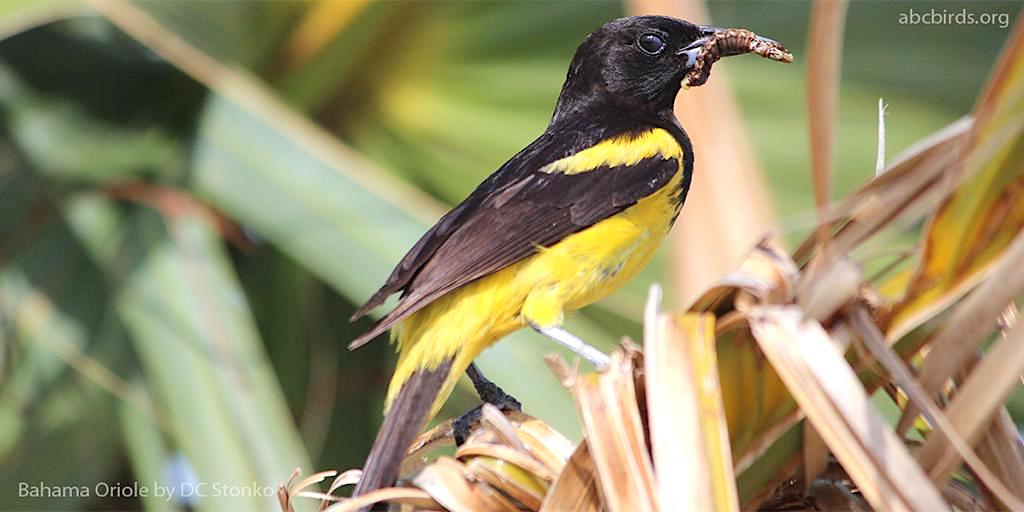
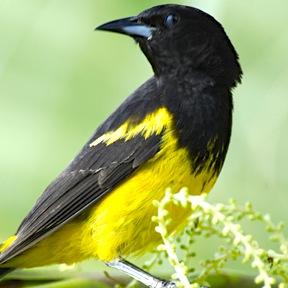
Bahama Oriole, Andros (Dan Stonko / abcbirds.org)

BAHAMA ORIOLE: HABITAT FIND FOR A RARE GEM

RARE, PRECIOUS – AND FOUND ONLY ON ANDROS, BAHAMAS

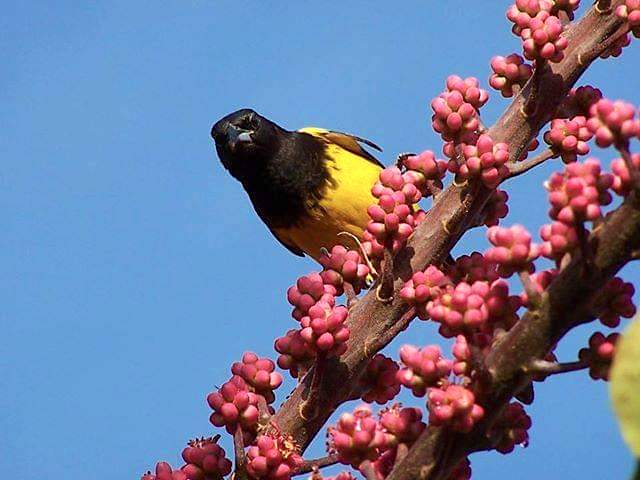
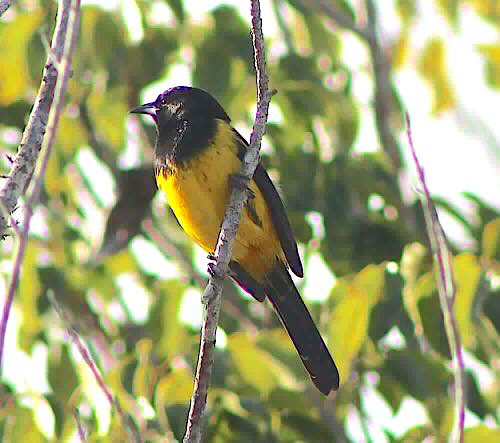
The future of the gorgeous endemic Bahama Oriole (Icterus northropi) hangs in the balance. IUCN Red Listed as ‘Critically Endangered’, the Oriole once lived on both Abaco and Andros. As recently as the 1990s, the species became extirpated on Abaco, leaving a small and fragile population in  fairly specific areas of Andros. These are places where the habitat is conducive to the orioles’ well-being, and in particular where they can safely breed and (with luck) replenish their depleted population.

Bahama Oriole, Andros (Michael Baltz / Bahama Oriole Project)

We hear a lot about habitat loss as a grave worldwide problem for an increasing number of species. Narrow that down to one species, one island, a few defined areas, then add mankind and his needs to the mix. The wrong mix of habitat degradation, clearances, predation or disease could cause the Andros population to disappear as well.

Bahama Oriole, Andros (Mary Kay Beach Dec 2018)

Which is where conservation and science come into play. The Bahamas archipelago benefits from an astonishing number of (broadly-speaking) environmental organisations that are involved in species and habitat protection, both terrestrial and marine. They range from international to Bahamas-wide and Governmental, to NFP organisations on the main islands, and on through local communities via citizen scientists to dedicated individuals. All are fighting a specific battle with a single aim; all face an increasing array of metaphorical weapons being deployed against them.

Bahama Oriole, Andros (Bahama Oriole Project FB header)

SO, ANY GOOD NEWS THEN?

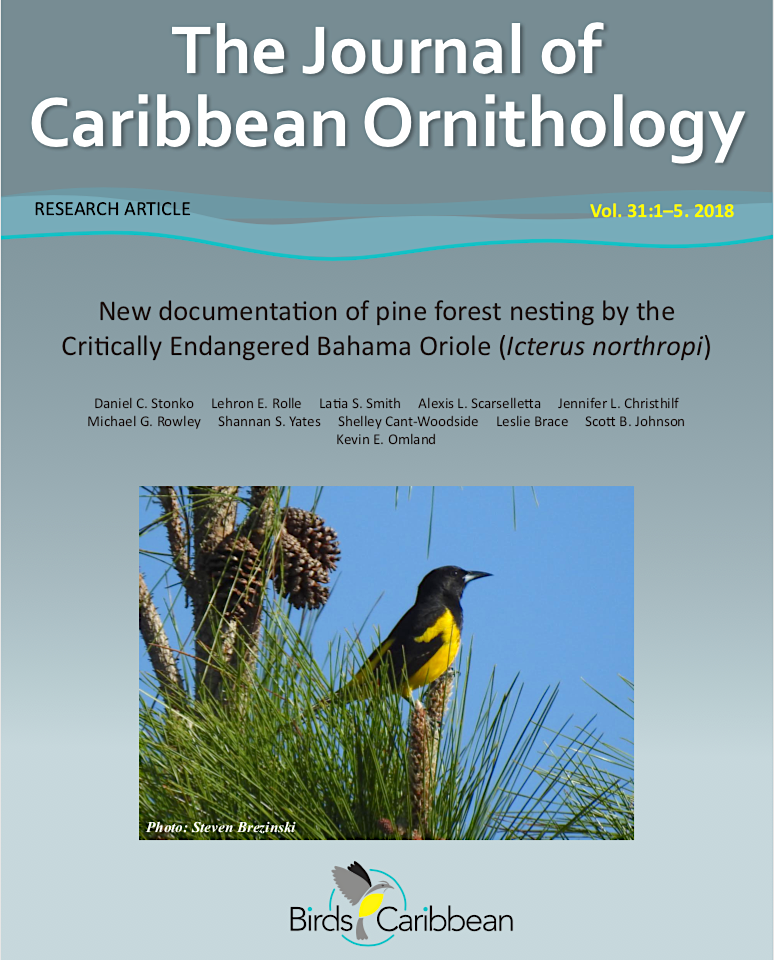
Returning to the orioles – in many ways a perfect indicator bird species – recent research has led to an encouraging discovery.  A new study in The Journal of Caribbean Ornithology published by researchers from the University of Maryland, Baltimore County and Bahamas National Trust collaborating on the Bahama Oriole Project (@BahamaOrioleProject) reveals new evidence about the nesting habits and habitats of the orioles that will have “…major implications for future conservation” (this work was funded in part by the American Bird Conservancy and Birds Caribbean).

The study is the outcome of the work of a dozen conservation specialists. In a coconut-shell, the orioles were thought to nest only in the coconut palms found near the coast. However the recent intensive research program reveals that ‘multiple pairs’ breed in the pines and the thatch palms of the forests, away from the coast. Indeed, these may prove to be the primary nesting locations. The implications of these new findings are significant, not least for a possible uplift in numbers and the way in which conservation measures can be adapted to the new discovery. For those wanting something more authoritative, the short Abstract of the study is given at the end. And if you’d like to read the whole article, click on the link below.

472-Article Text-1543-1-10-20180828

Bahama Oriole Andros (C Ward BNT)

THE MAIN CAUSES OF THE CRITICAL DECLINE ON ANDROS

  • Lethal Yellowing Disease of the coastal coconut palms, until very recently (see above) believed to be the prime nesting habitat for the oriole. In some areas the palms have been all but wiped out. The recent findings in the forests have clearly reduced the impact of this specific problem
  • The arrival in the 1990s and spread of the Shiny Cowbird Molothrus bonariensis, a brood parasite that lays its eggs in the nests of other bird species*
  • Habitat loss / development
  • Forestry work / forest fires
  • Feral cats and rodents
  • Disease within the population is also cited as a contributory cause 

*The date of this arrival seems to correspond to when the orioles were extirpated from Abaco. However, see next para.

Bahama Oriole, Andros (Thomas Nierle / Bahama Oriole Project)

WHEN & WHY DID THE ORIOLES VANISH FROM ABACO?

This is a classic ‘riddle wrapped in a mystery inside an enigma’. Various sources I have looked at use a formula such as “…became extirpated from Abaco in the 1990s”, or “disappeared for unknown reasons in the 1990s”. However, Abaco birding expert Elwood ‘Woody’ Bracey comments (see below) that Bahama Orioles were last formally recorded on Abaco in 1973 by researcher Duncan Everette and his partner who were banding warblers in Southern Abaco in what is now the Abaco National Park. At that time, the Shiny Cowbird was only rarely found on Abaco, if at all.

I’ve found no clear clue as to the cause – nor even when the last evidences sighting of an oriole on Abaco was made. I haven’t found a single photo of one taken on Abaco at any time in history. To be fair the option of snapping everything with wings multiple times using a digital camera with a huge chip didn’t exist then. As to past history, Kevin Omland of @BahamaOrioleProject says that there are at least 9 specimens in museums around the world collected from Abaco in the 1800s and early 1900s.

eBird map showing Bahama Oriole sightings distribution in c21

ABSTRACT

The Bahama Oriole (Icterus northropi) is a Critically Endangered species endemic to The Bahamas and currently found only on the Andros island complex. With the elevation of the Bahama Oriole to full species status in 2011, research suggested that there were fewer than 300 individuals remaining in the global population. The Bahama Oriole was also termed a “synanthropic species” based on data suggesting that the species nested almost exclusively within anthropogenic residential and agricultural habitats in introduced coconut palms (Cocos nucifera). These conclusions were based on population surveys primarily confined to settled areas near the coasts. However, we documented multiple pairs of orioles with breeding territories deep in pine forests, and we present the first records of Bahama Orioles nesting in pine forests—in both a Caribbean pine (Pinus caribaea) and native understory Key thatch palms (Leucothrinax morrisii). Given the predominance of the pine forests on Andros, this newly documented breeding habitat has important implications for developing population estimates and future conservation plans for the Bahama Oriole.

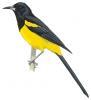
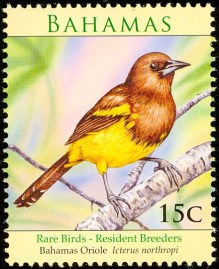
640px-Picture_of_John_Isaiah_NorthropBahama Oriole Stamp birdtheme.orgCredits: Dan Stonko / American Bird Conservancy, Michael Baltz / Bahama Oriole Project / Kevin Omland; Mary Kay Beach; Bahama Oriole Project FB header; C Ward / BNT; Thomas Nierle / Bahama Oriole Project; Bahamas Postal Service; BNT; D Belasco / American Bird Conservancy; Handbook of World Birds (drawing)

          ↑ Mr Northrop with his Bird

Bahama Oriole, Andros (D Belasco / abcbirds.org)

Unknown's avatar

FILLYMINGOS: ELEGANT NATIONAL BIRD OF THE BAHAMAS


Flamingos & Chicks, Inagua Bahamas (Melissa Maura)

FILLYMINGOS: ELEGANT NATIONAL BIRD OF THE BAHAMAS

FEAT. FINE-FEATHERED FABULOUSNESS FOR FRIDAY

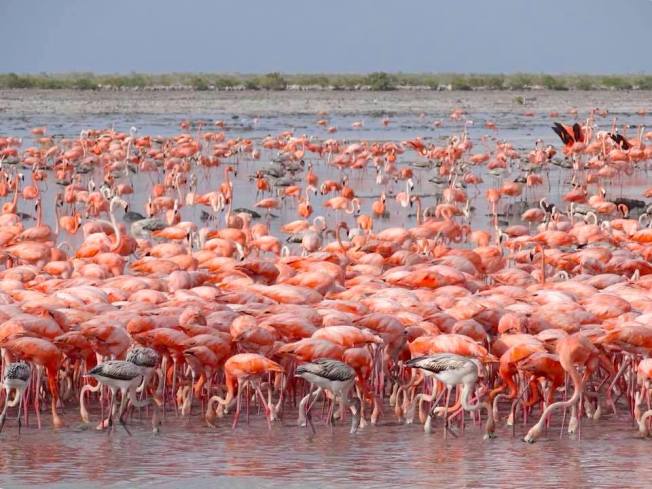
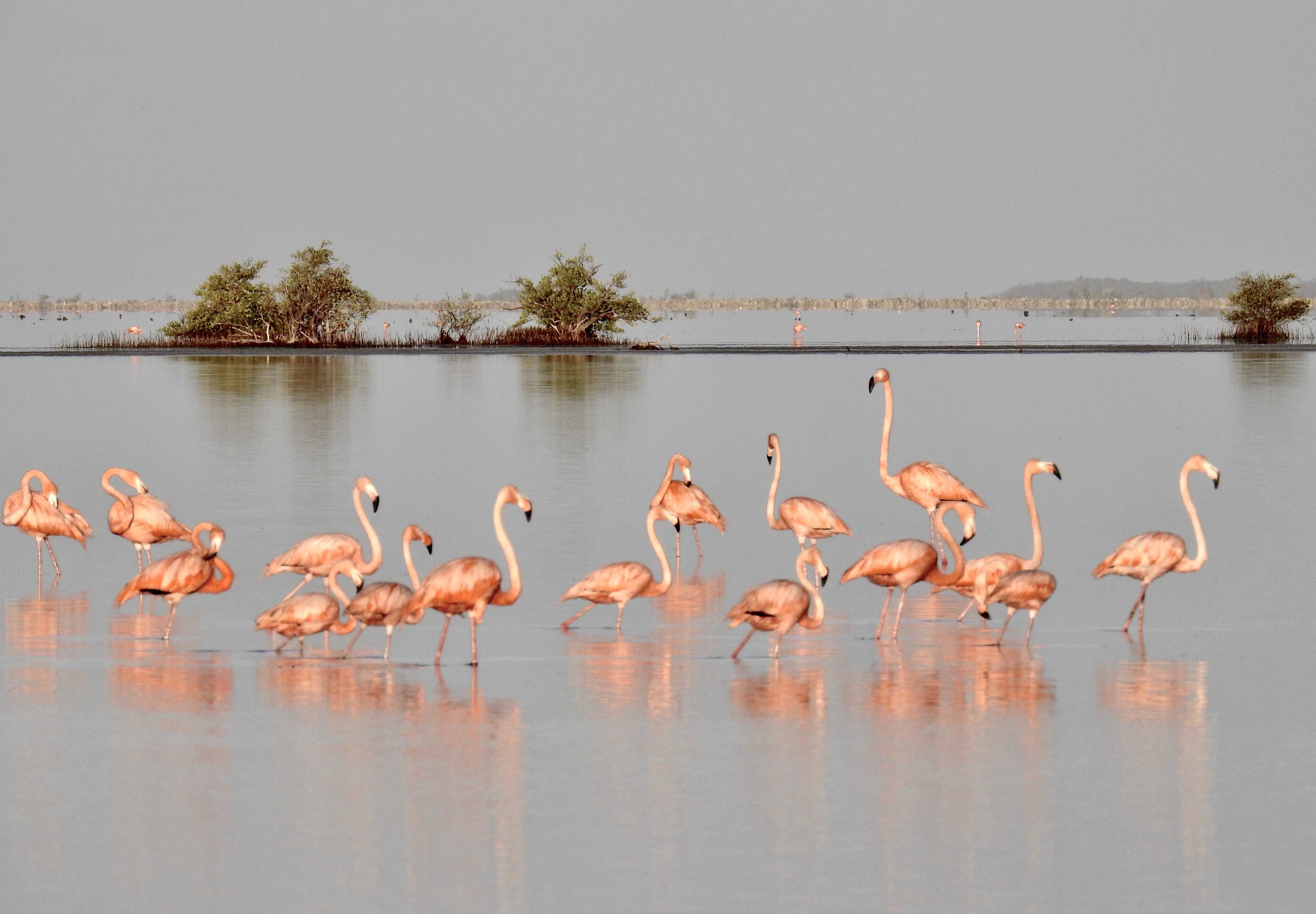
A flock of adult flamingos on InaguaFlamingos & Chicks, Inagua Bahamas (Melissa Maura)

A flock with some grey juveniles in the mixFlamingos & Chicks, Inagua Bahamas (Melissa Maura)

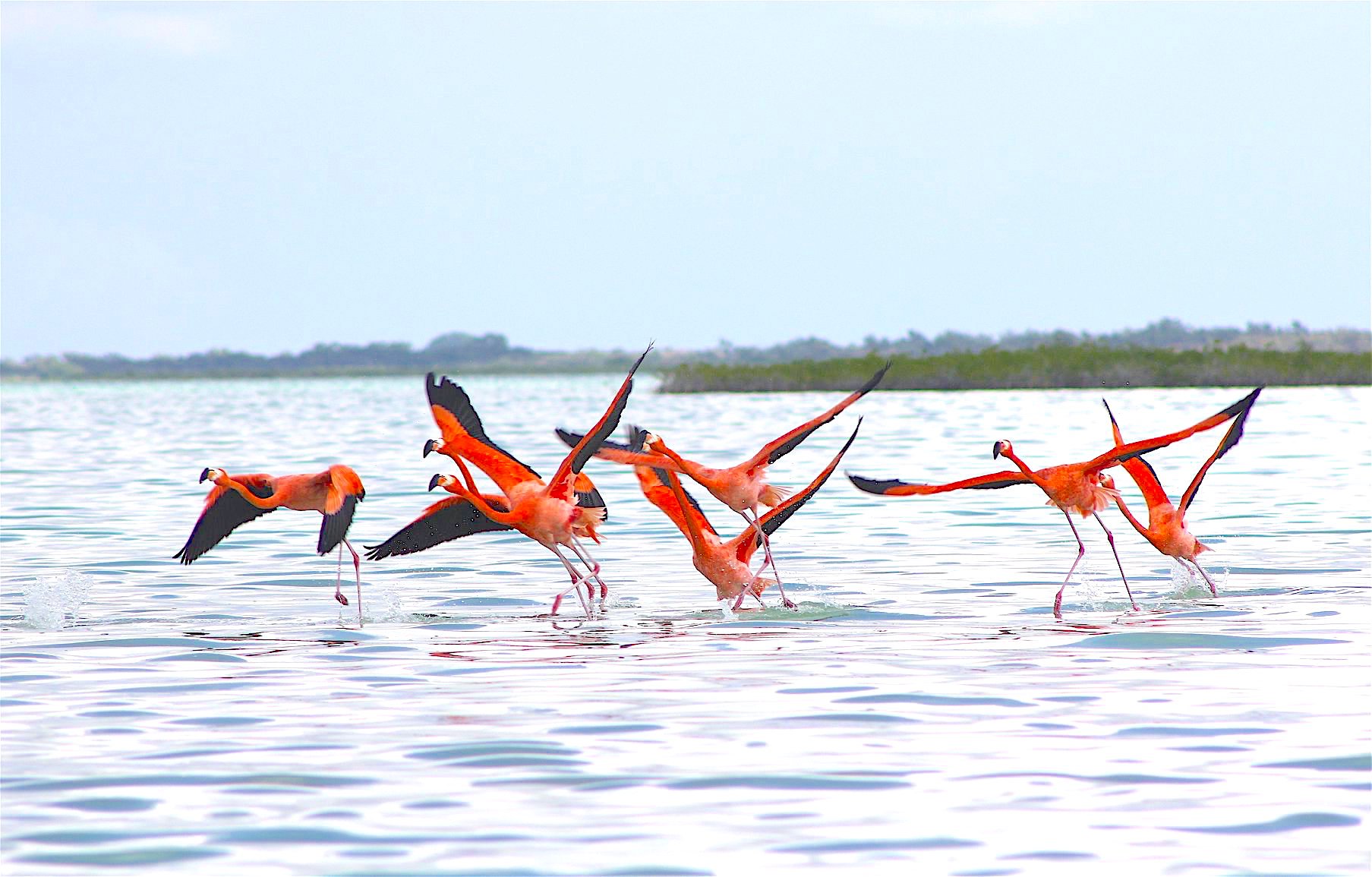
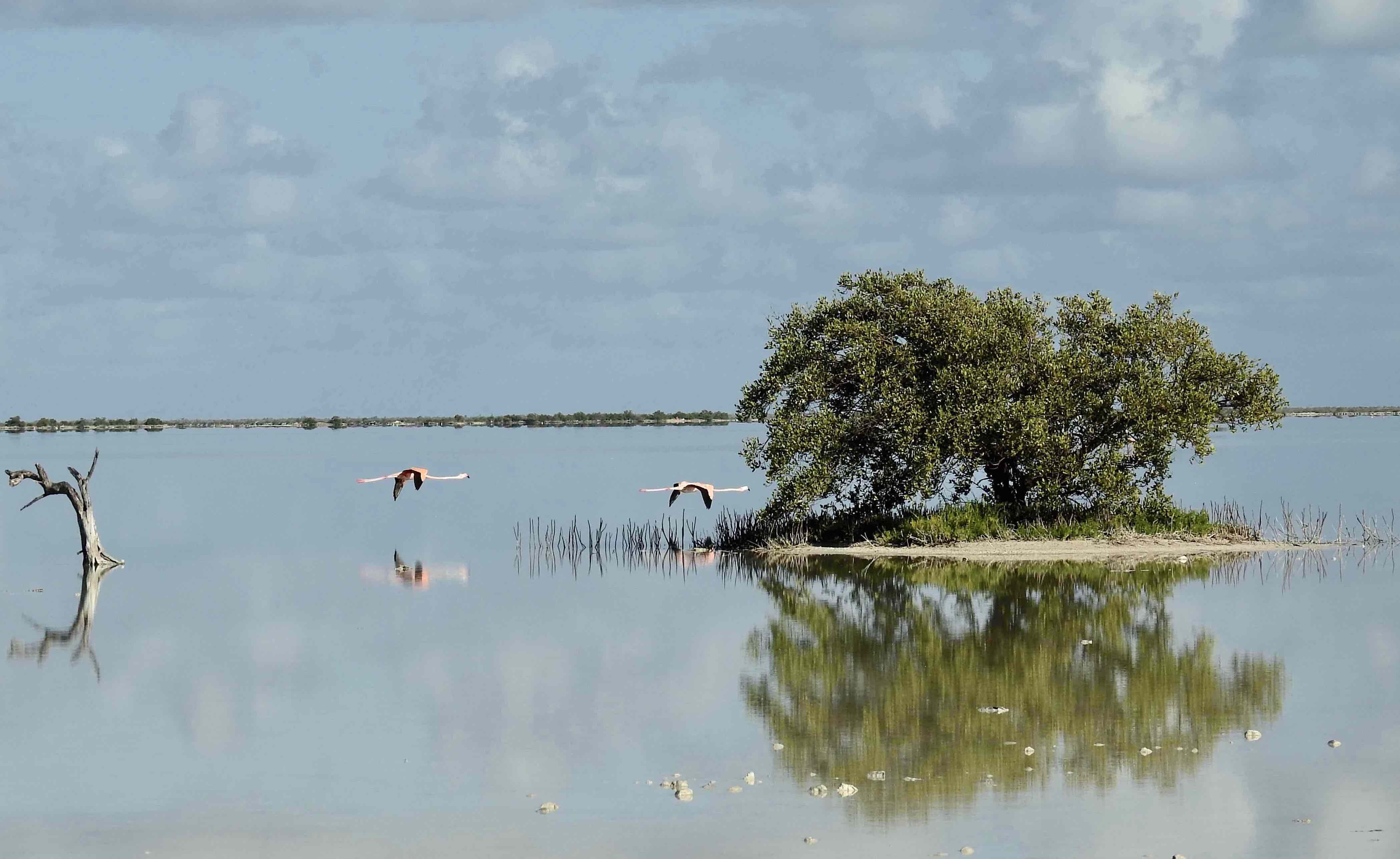
Flamingos in Flight

Flamingos sticking their necks out…

Preparing for take-off

Flamingo chick, InaguaFlamingos & Chicks, Inagua Bahamas (Melissa Maura)

Abstract Flamingos

It is an ill-concealed secret that I don’t have an artistic bone in my body – I get acute angst if asked to draw a stickman. As I was looking through photos of large pink flamingo groups, I suddenly realised that I was getting some sort of abstract vision of them. Whoooh! Art-talk. Anyway, I wondered how a legion of flamingos might look in B&W. Add a bit of highlight and… does it work at all? Whether yes or no, this may be the only B&W photo of flamingos since the invention of colour film. Why would you? [Impatient reader: ‘Why did you?]

All great photos courtesy of Melissa Maura (1, 2, 3, 9, 10); Mary Kay Beach (4, 5, 6, 7, 8); Michael Vaughn (11), with many thanks for use permission; Cartoon, Birdorable

Flamingos & Chicks, Inagua Bahamas (Melissa Maura)


Unknown's avatar

BAHAMAS SEA TURTLES: IN THEIR ELEMENT


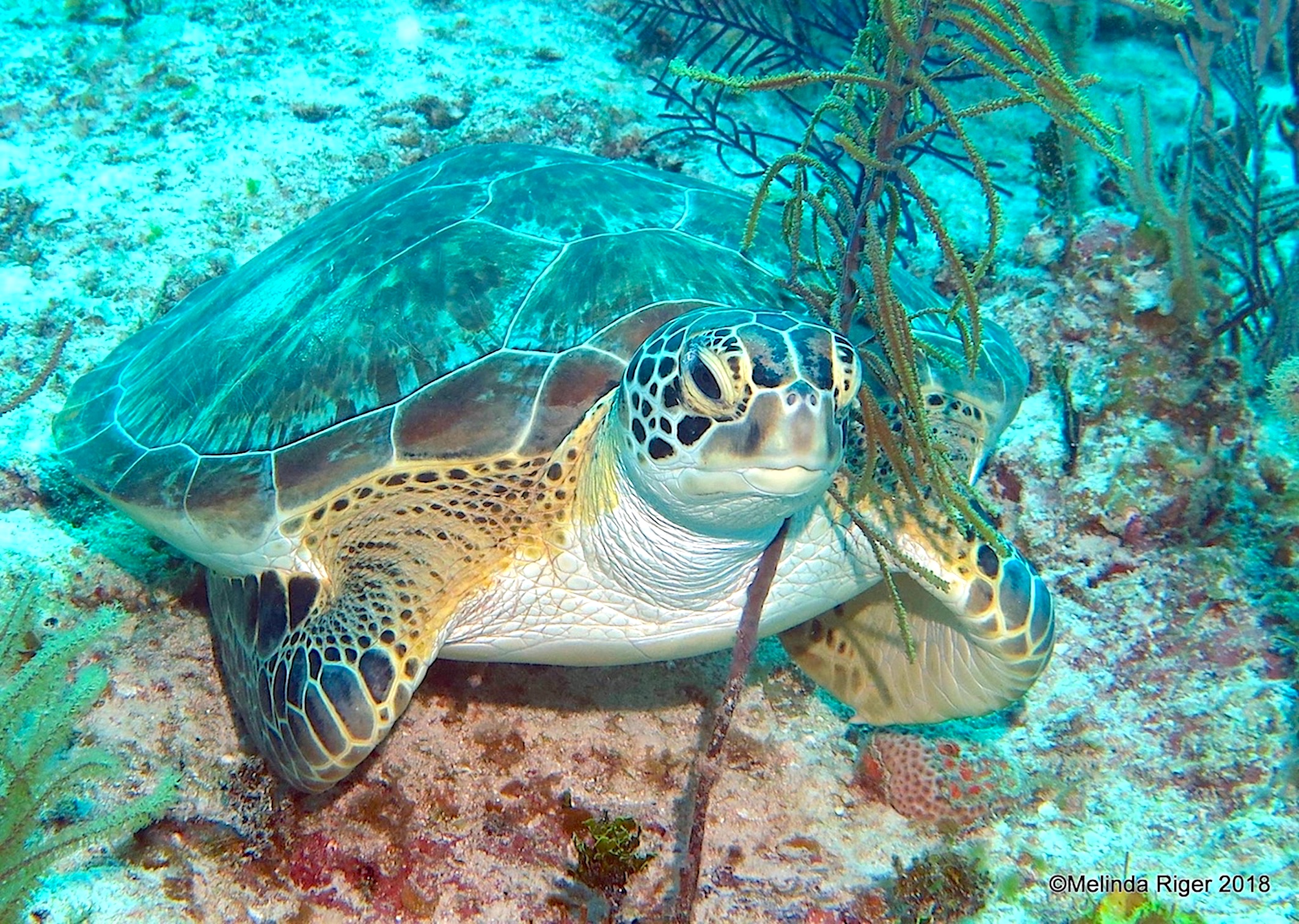
Green Turtle, Bahamas (Melinda Riger / Grand Bahama Scuba)

Green Turtle

BAHAMAS SEA TURTLES: IN THEIR ELEMENT

Of all the sea creatures in the limpid waters of the Bahamas, turtles are rightly among the most loved. These days, what with habitat degradation below the waves and the destruction of nesting sites on land, turtles have a hard time simply fighting for survival. And that’s before they have ingested the plastic garbage that mankind pours into their living quarters, by now probably beyond effective remedial action forever. So here are some gorgeous turtles to admire, while stocks last…

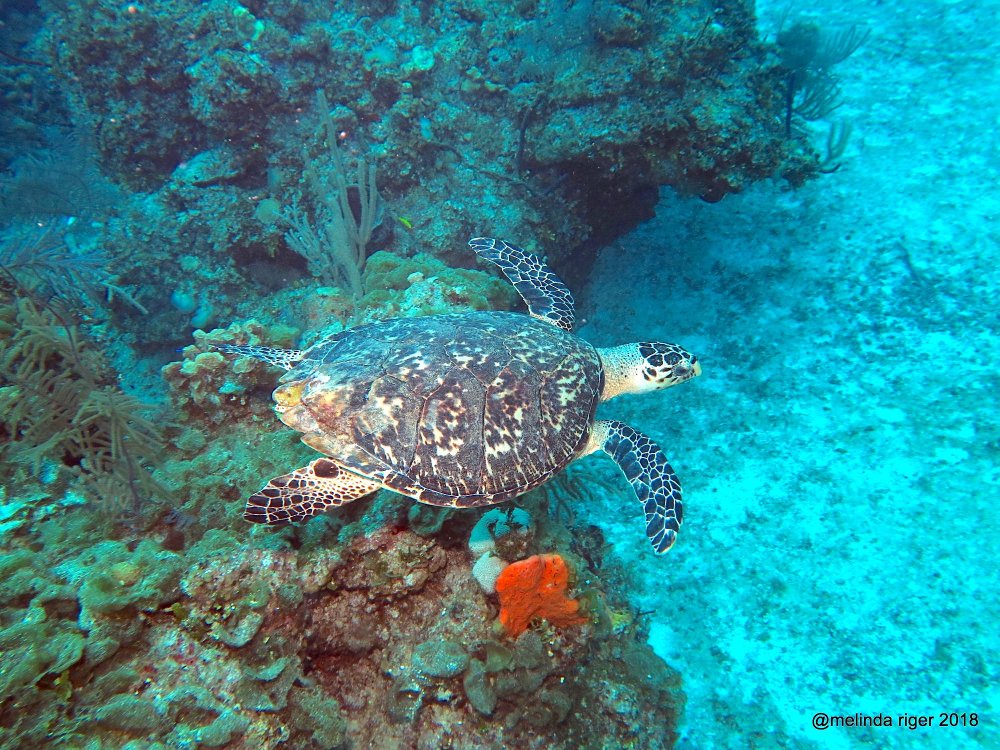
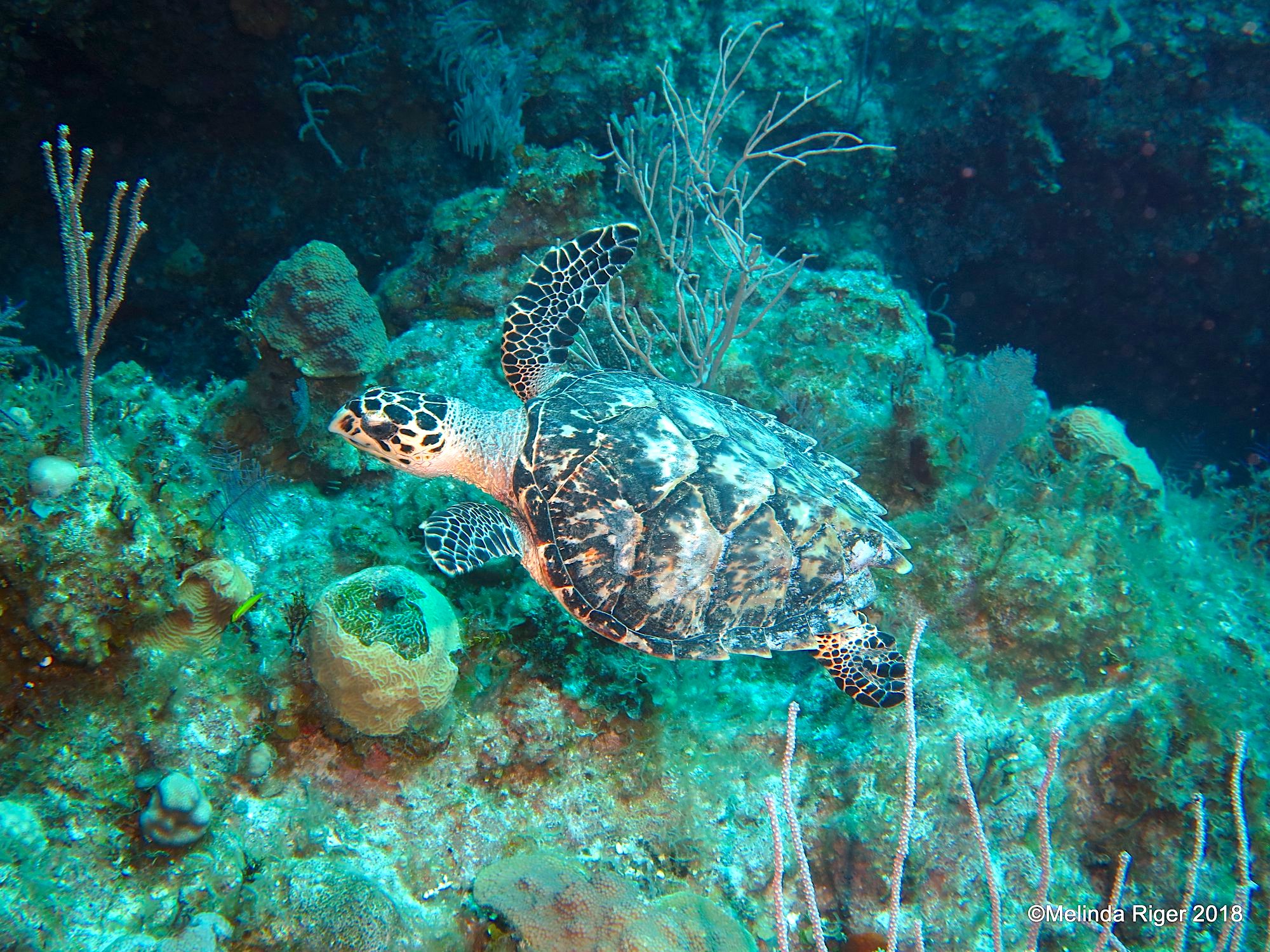
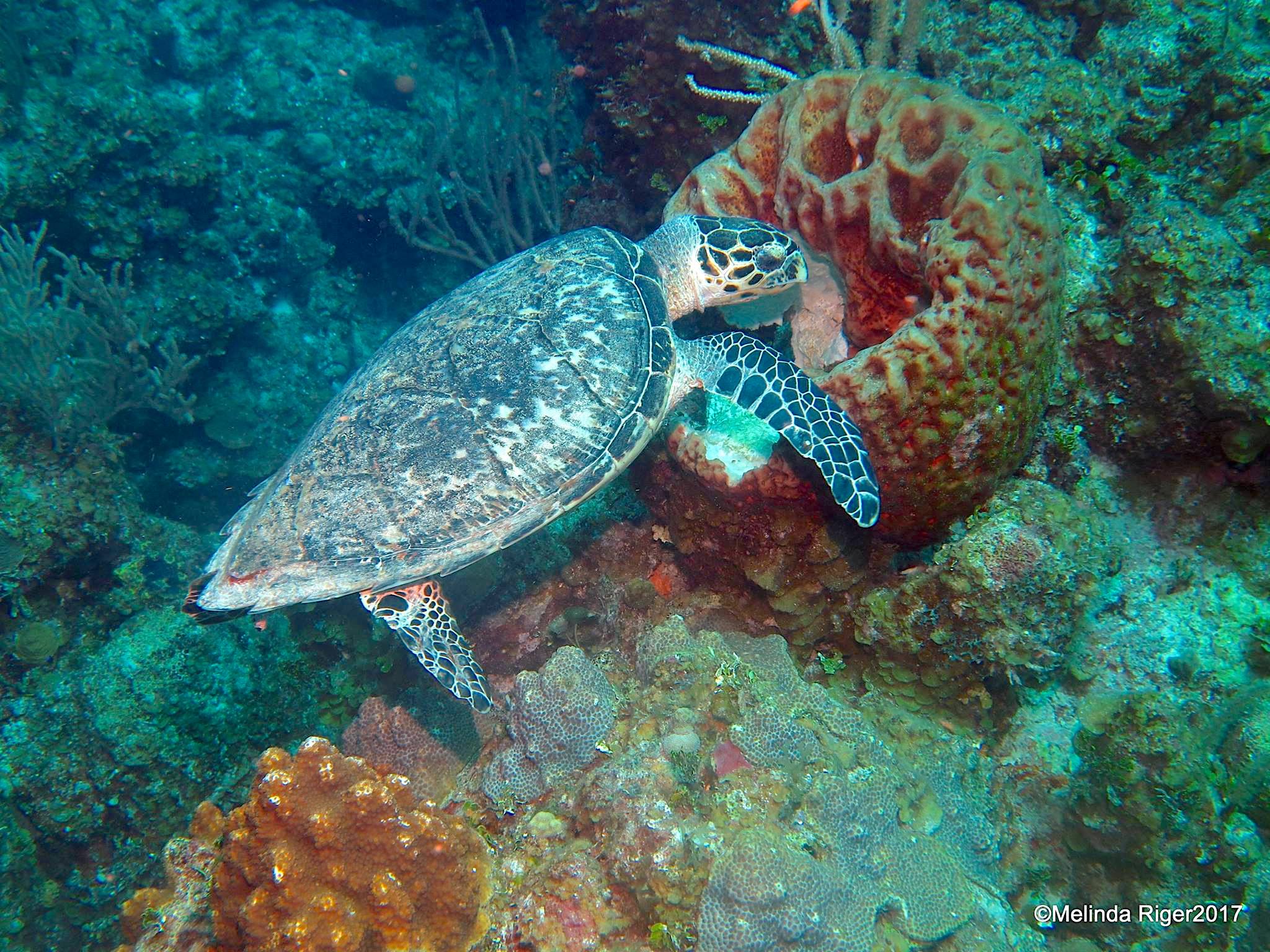
Hawksbill Turtles enjoying life around a still-healthy reefHawksbill Turtle, Bahamas (Melinda Riger / Grand Bahama Scuba) Hawksbill Turtle, Bahamas (Melinda Riger / Grand Bahama Scuba)

A hawksbill snacking on a spongeHawksbill Turtle, Bahamas (Melinda Riger / Grand Bahama Scuba)

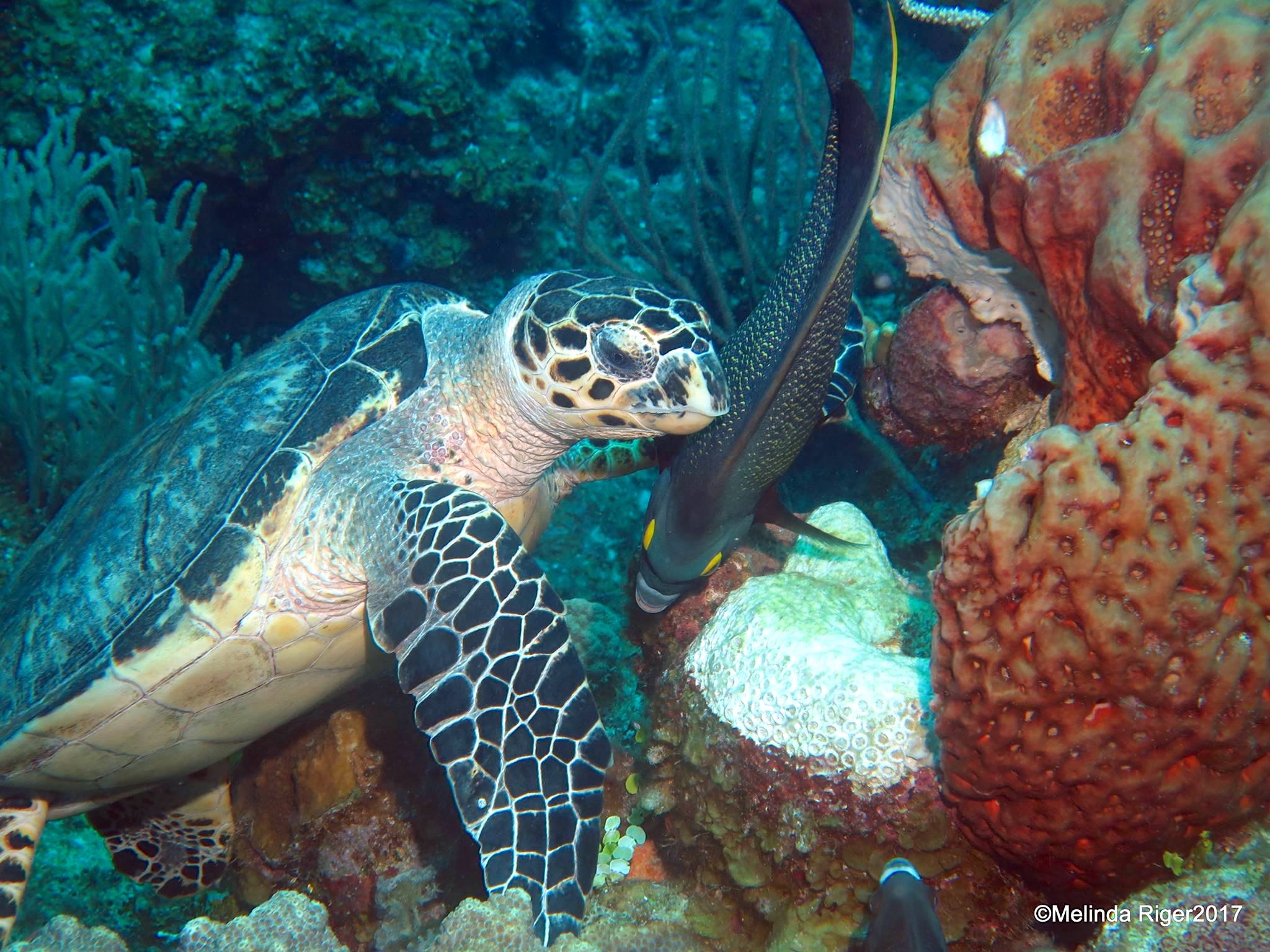
Interaction with other underwater species: gray angelfish and a rock beautyHawksbill Turtle, Bahamas (Melinda Riger / Grand Bahama Scuba) Hawksbill Turtle, Bahamas (Melinda Riger / Grand Bahama Scuba)

If you are concerned about the plight of turtles and indeed other denizens of the thickening plastic soup we still call ‘ocean’, you could investigate the work some of the organisations that tackle the problem in the Bahamas and beyond. To name but a few, our own FRIENDS OF THE ENVIRONMENT; the BAHAMAS NATIONAL TRUST; the Bahamas Reef Environmental, Educational Foundation BREEF; the CAPE ELEUTHERA FOUNDATION; and the SEA TURTLE CONSERVANCY

Photo credits: all great photos by Melinda Riger / Grand Bahama Scuba

Unknown's avatar

REAL THREATS, ALARMING PHOTOS: OSPREYS IN PERIL


THE THREATS ARE REAL AND THESE PHOTOS SHOULD ALARM YOU!

I rarely – in fact almost never – lift an entire article from elsewhere and plant it wholesale here. I make an exception today. Ben’s article is so relevant, so well put together, so compelling and so scary in its implications that it can’t be ignored. No individual is to blame. We all are. Mankind generally – and pretty much all of it in my lifetime. Walk any beach in Abaco, however secluded. There it all is, under your feet. Find a dead seabird? Chances are it will have significant amounts of plastic inside it. Seen those wretched images of turtles with plastic bags hanging out of their mouths? It’s going to get worse…

Now see how things are with our bird partners in New Jersey and their beautiful ospreys.

DOCUMENTING THE PRESENCE OF PLASTICS IN OSPREY NESTS

by Ben Wurst, Habitat Program Manager http://www.conservewildlifenj.org

U.S. Coast Guard assists NJ Fish & Wildlife with recovering an entangled osprey on a channel marker in Cape May Harbor, Summer 2018. photo by Kathy Clark/ENSP

BEN WURST WRITES As I work to finalise data from this summer’s osprey surveys, I wanted to look back and highlight an important observation: more plastic is being found and recovered from active osprey nests. I guess it’s no surprise when you hear that “18 billion pounds of plastic waste flows into the oceans every year from coastal regions.

The alarming trend is also becoming more deadly for ospreys, and other marine life who ingest it. While it might not seem like a lot, this year a total of four young ospreys were found dead from being entangled in plastic. In my books, one dead osprey is too many! This is not a natural cause of death! Luckily, there were several other entanglements that were prevented, but this trend is likely to get worse. We hope that these photos will help you to do all that you can to help prevent it from becoming a growing threat to ospreys and other marine wildlife, who might ingest plastics.

Ospreys are an indicator species. We can’t stress that enough. The health of their population can be directly linked to their surrounding environment. When we poisoned the land with persistent pesticides, the ospreys told us. When we overfished menhaden, the primary prey item of ospreys during the nestling period, the ospreys told us. When we use and discard plastics with no care, the ospreys will tell us…

From the land, where they collect nesting material, to the water, where they forage for prey. The growing presence of plastics on land and in water, highlights need to restrict single use plastics, balloon releases, and for any single use plastic fee to directly fund cleanups of plastic waste. It’s no surprise that ospreys use plastic items in their nests. It’s now become a common resource for them which looks similar to natural nesting material and collects in the same areas where they gather nest material. The more plastics in the world means more plastics in osprey nests!

When out on the marsh or on the beach, if you look around you’ll find plastic. According to the Clean Ocean Action 2017 Beach Sweep report (for the first time since the sweeps began in 1985) 84.45% of items collected on the beach were plastic (including foam). Another alarming trend is the growth in balloons found on the beach. In 2017, a total of 4,137 were found. Next time your down the shore, try to determine the difference between a white single use plastic bag and bleached sea lettuce, or white balloon ribbon and bleached eelgrass… Please don’t ever release balloons!

The most deadly piece of plastic litter for ospreys this year was monofilament or fishing line. The four ospreys that were found dead died from being entangled in monofilament. Fishing line is typically brought into a nest while attached to a stick or branch. It then becomes part of the nest and can easily get wrapped around a nestlings leg, foot or wing. This is not an isolated event. It happens throughout the range of ospreys (here are just a few that made the news). Please dispose of your fishing line appropriately! Single strand monofilament can even be collected and mailed to Berkley (a manufacturer of fishing line) for recycling/reuse!

Sadly, this is only the beginning. Plastics don’t biodegrade and this is becoming a chronic issue. Almost all osprey nests in New Jersey contain some type of plastic (next year we are planning to add data fields to our nest survey datasheets to keep better track of how many nests contain plastic). It’s still too early to see the effects of plastics as as they bioaccumulate in the food chain of predatory animals, like the osprey, but we hope that we can prevent this. We can all help by reducing our use of single use plastics. Here are some simple ways that you can help:

  1. Never release balloons! Talk to your friends/family about where balloons actually wind up.
  2. Reduce your dependence/consumption of single use plastics: bring your own reusable bag, water bottle, and coffee cups. Buy beverages in glass or aluminum containers. When eating out or getting take out, ask for no single use plastic items and/or bring your own container for leftovers. Support a Surfrider Foundation Ocean Friendly Restaurant!
  3. Reuse or repurpose things that can’t be recycled. Opt into free recycling programs for hard to recycle items through Terracycle, a NJ based waste reduction company.
  4. Pick up plastic litter. Participate in coastal cleanups (the next COA Beach Sweep is on 10/20!). Dispose of trash responsibly.

Thank you to all of our volunteers, especially our Osprey Project Banders, and those who’ve helped to reduce plastic debris in our environment!

CREDIT: Ben Wurst and his team at http://www.conservewildlifenj.org for the article. Photos as credited in the text. We are Bahamas partners of this organisation in Piping Plover research on the shores of Abaco and our annual Abaco Piping Watch

https://www.facebook.com/Abaco.Piping.Plovers

Unknown's avatar

THE BAHAMA NUTHATCH & THE BRINK OF EXTINCTION


Bahama Nuthatch, Grand Bahama (Bruce Purdy)

THE BAHAMA NUTHATCH & THE BRINK OF EXTINCTION

It’s quite a while since I posted about the Bahama Nuthatch (Sitta pusilla insularis) and the separation of its status from its cousin the Brown-headed Nuthatch HERE. I started by saying that it was one of the rarest birds in the Bahamas (or indeed anywhere), with a tiny population living only on Grand Bahama. It’s extraordinary to think that until the 1960s, these birds were common on the island. Then, for all the usual reasons, the  population began to decline “precipitously” (Tony White). By the 2000s, the most optimistic estimates suggested that about 1000 – 1200 mature birds might inhabit the pine forests. Other surveys showed far lower numbers. By now, the species had become highly vulnerable. Reports dwindled annually, and in some years only a handful sightings were recorded.

Bahama Nuthatch (Birdlife International, from Loma Linda Uni / Gary Slater)

Then in October 2016, Grand Bahama received a direct hit from Hurricane Matthew. It was as destructive as you might expect a violent Cat 5 storm could be. Without in any way seeking to diminish the far-reaching and devastating impact of the hurricane on the island (and elsewhere), I have to stick to the matter in hand here. The fact is that for nearly 2 years after Matthew and its trashing of the habitat, not a single BANU was sighted – this, despite many efforts to track one down in the known hotspot areas. It began to seem likely that  the little bird had simply been wiped out of existence. Since it is known nowhere else – not even on nearby Abaco – the Bahama Nuthatch had very probably become extinct.

Bahama Nuthatch (Erika Gates / Bahamas Weekly Article)

Fast forward nearly two years and suddenly there is the first hint of a glimmer on the horizon for these little birds. Finding one is already a needle-in-a-haystack quest. The target is shy and tiny – about 4 ins long and 10 grams; and the search area is vast – more than 30,000 hectares. Yet this summer, amazingly, some Bahama Nuthatches have been found and photographed, a most happy – and perhaps optimistic – outcome, and a deserved return for some serious survey work. Excited publicity has spread well beyond the usual online birding resources and into the mainstream press.

Bahama Nuthatch (Birdlife International)

THE KEY SIGHTINGS

JUNE 2016

The last recorded sighting of the Bahama Nuthatch (2 birds) before Hurricane Matthew was made in June 2016 by well-known Grand Bahama bird expert and guide, Erika Gates.

Bahama Nuthatch, Grand Bahama (Erika Gates) Bahama Nuthatch, Grand Bahama (Erika Gates)

MAY 2018

The May sightings involved a team of ornithologists from the University of East Anglia, together with experts from Birdlife International and the Bahamas National Trust. They planned a 3-month expedition to locate this species, among others. Meanwhile another team of local scientists and students also carried out a search, led by Dr. Zeko McKenzie of the University of The Bahamas (North) with the American Bird Conservancy.

The first team eventually made a sighting in May 2018, and the elusive bird was captured by Matthew Garner of UEA on camera. They also obtained brief and tantalising video footage (below). In all, the UEA team made six nuthatch sightings, and Bahamian team independently made five sightings (including seeing what appeared to be two together). 

Bahama Nuthatch (Matthew Gardner UEA)

JULY 2018

Erika Gates, with Martha Cartwright  and Zeko McKenzie, again managed to locate a single nuthatch to add to the earlier 2018 sightings. She too managed to get some photos of the bird.

WHAT OF THE FUTURE?

Among the May birds – however many there were in total – one was a juvenile. Combined with 2 adults seen at one time, that makes 3 birds. The extent of the period of study and search area of the May sightings (11 in all) make it likely that more than 3 birds were seen overall. Erika’s July bird, in a slightly different location, suggests another. Perhaps no more can be said than that there may be half-a-dozen Bahama Nuthatches extant in the world. It’s some comfort.

 Bahama Nuthatch (Birdlife International)However, as the May operation noted, ‘We also don’t know the sex of the birds. In many cases when birds dwindle to such small numbers, any remaining birds are usually male.’ The consensus of the articles I have read is that the handful of birds seen this summer, while a thrilling discovery, should not be seen as any guarantee against extinction. Further habitat degradation, more development, another hurricane, any one of these could be fatal to the species. The recent sightings are cause for some optimism but these little, highly vulnerable birds remain on the very brink of extinction. Those few people who have seen one in the wild have had a precious experience.

Bahama Nuthatch, Grand Bahama (Bruce Purdy)

THREATS TO THE SPECIES

  • Habitat loss / degradation from development, logging, forest fires & hurricanes
  • Invasive / introduced / feral species such as corn snakes, raccoons & cats
  • Competition from other more prolific species in a limited habitat

The Bahamas National Trust has produced an excellent video account of the whole story from Shelley Cant-Woodside HERE 

SOME LINKS TO THE STORY 

Photo credits: Bruce Purdy (1, 11); Gary Slater / Birdlife.org (2); Erika Gates / Bahamas Weekly (3); Erika Gates (4, 5, 7, 8, 9, 10); Matthew Gardner (6); Birdlife International (drawing); UEA & team (video)

Research credits include: Birdlife International / Birdlife.org; Lisa Sorenson; Tony White; Research Gate; IUCN; Bahamas National Trust; The Bahamas Weekly / Erika Gates; eBird; Loma Linda U; Science News; Sundry online publications; American Birding Association (and a bonus point for its brown-headed nuthatch behaviour article wittily entitled “Sex in the Sitta”)

Unknown's avatar

SPERM WHALES TAILING: ABACO, BAHAMAS


Sperm Whale Tailing, Abaco, Bahamas (©BMMRO)

SPERM WHALES TAILING: ABACO, BAHAMAS

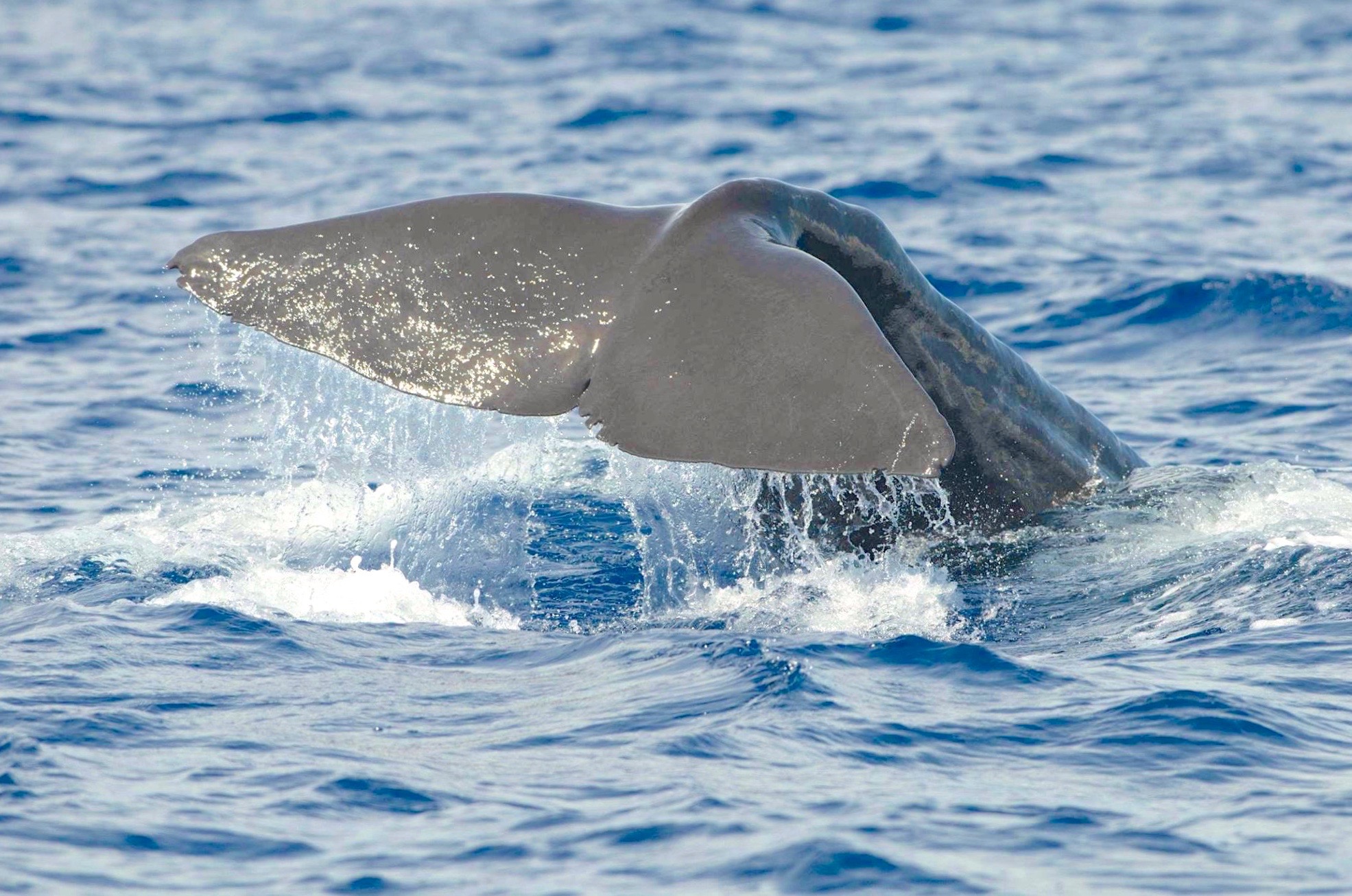
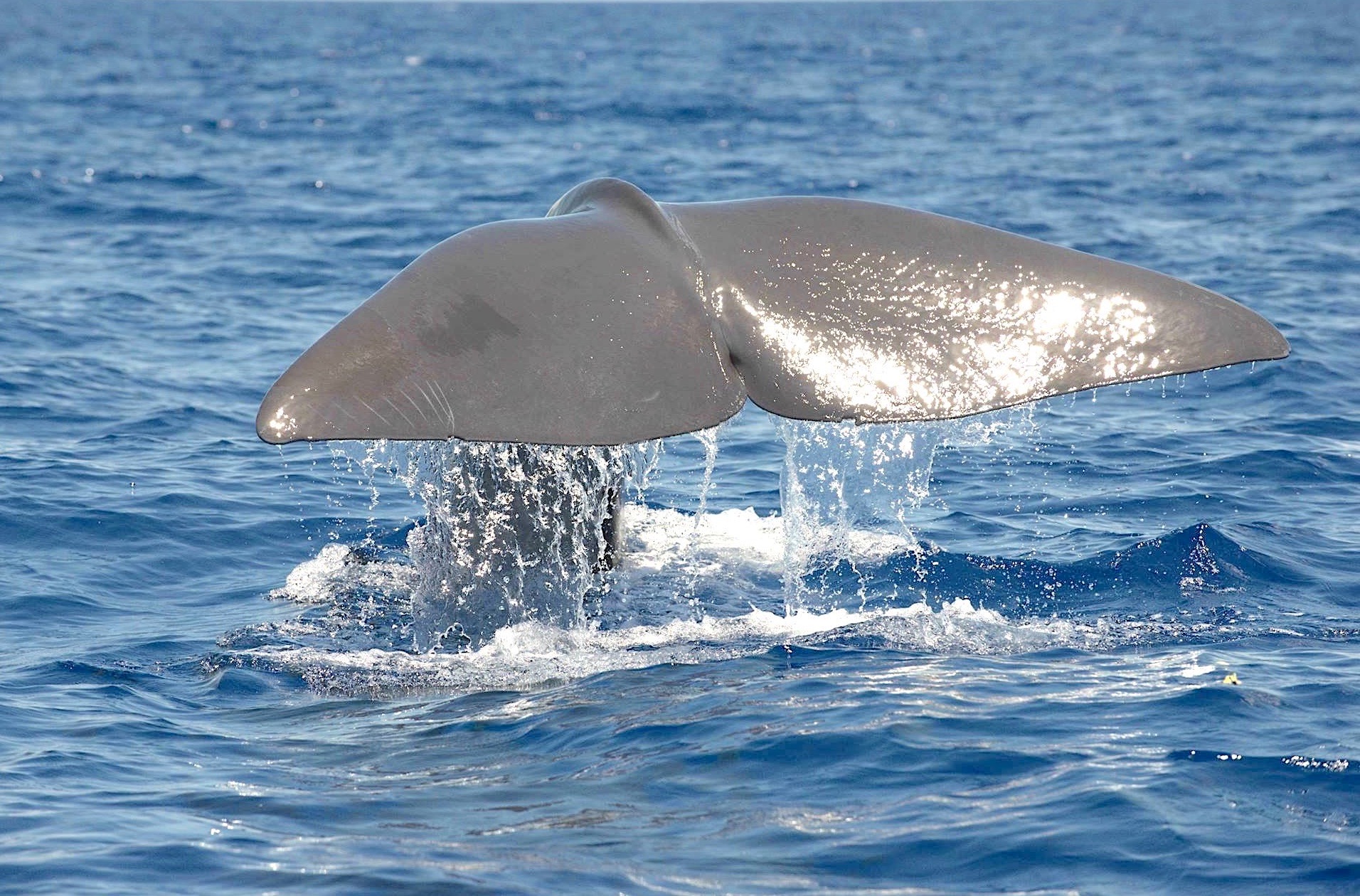
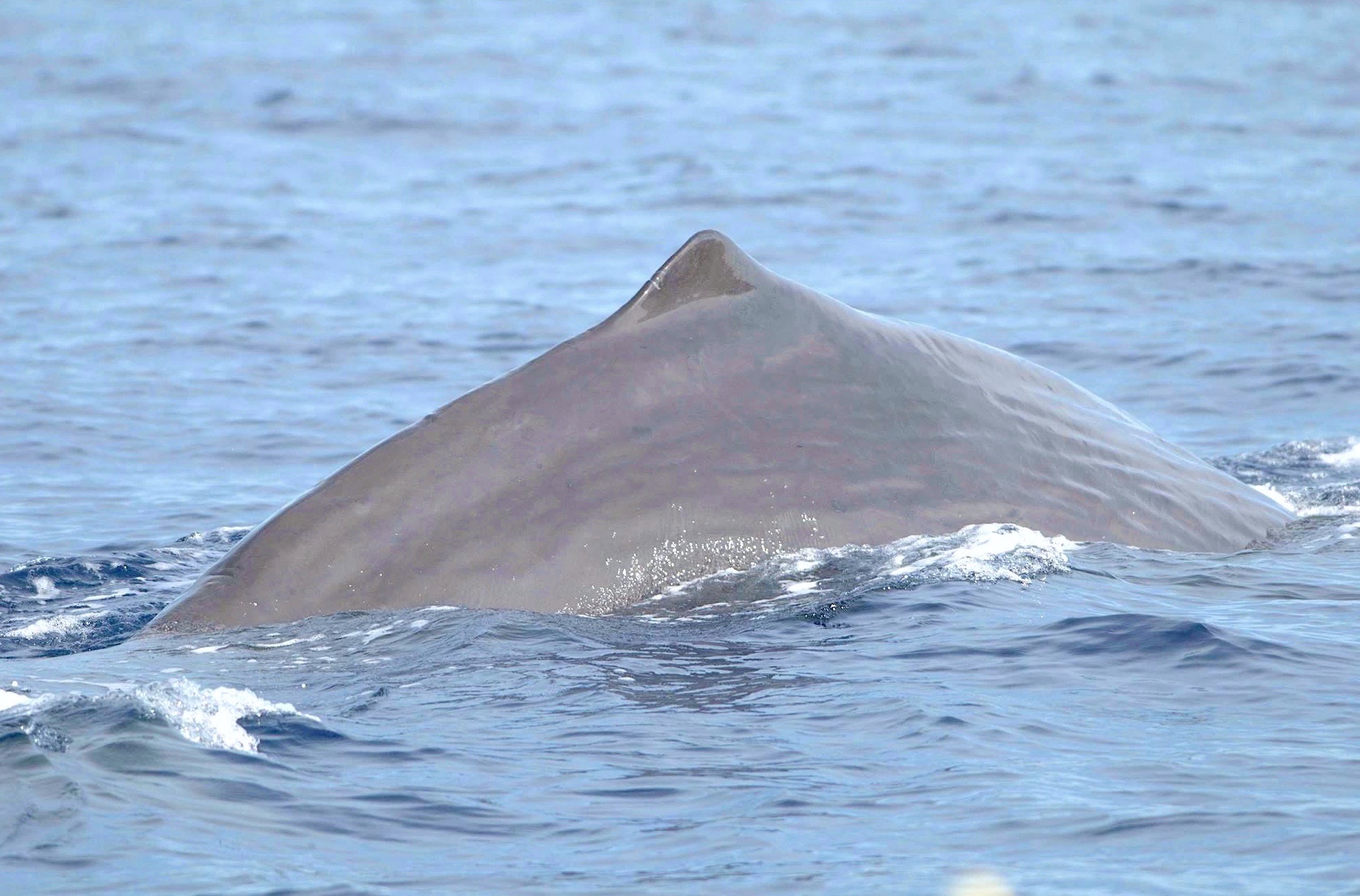
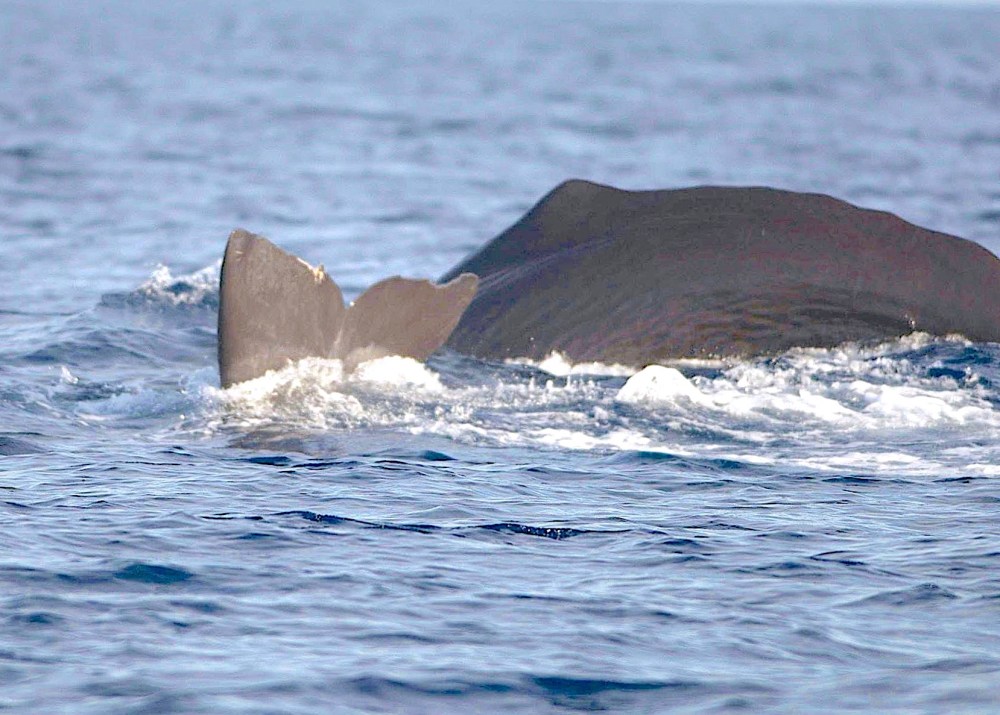
There can be very few people in the world whose breath would not be taken away by the sight of a massive sperm whale tailing close by. And as it happens, this very phenomenon can be seen in the deeper waters around the coast of Abaco. Here is a small gallery of photos of sperm whales tailing, taken from the BMMRO research vessel. There’s no point in my writing a lot of commentary to the images – they speak for themselves of the awesome (in its correct sense) power and grace of these huge mammals.

Sperm Whale Tailing, Abaco, Bahamas (©BMMRO) Sperm Whale Tailing, Abaco, Bahamas (©BMMRO)

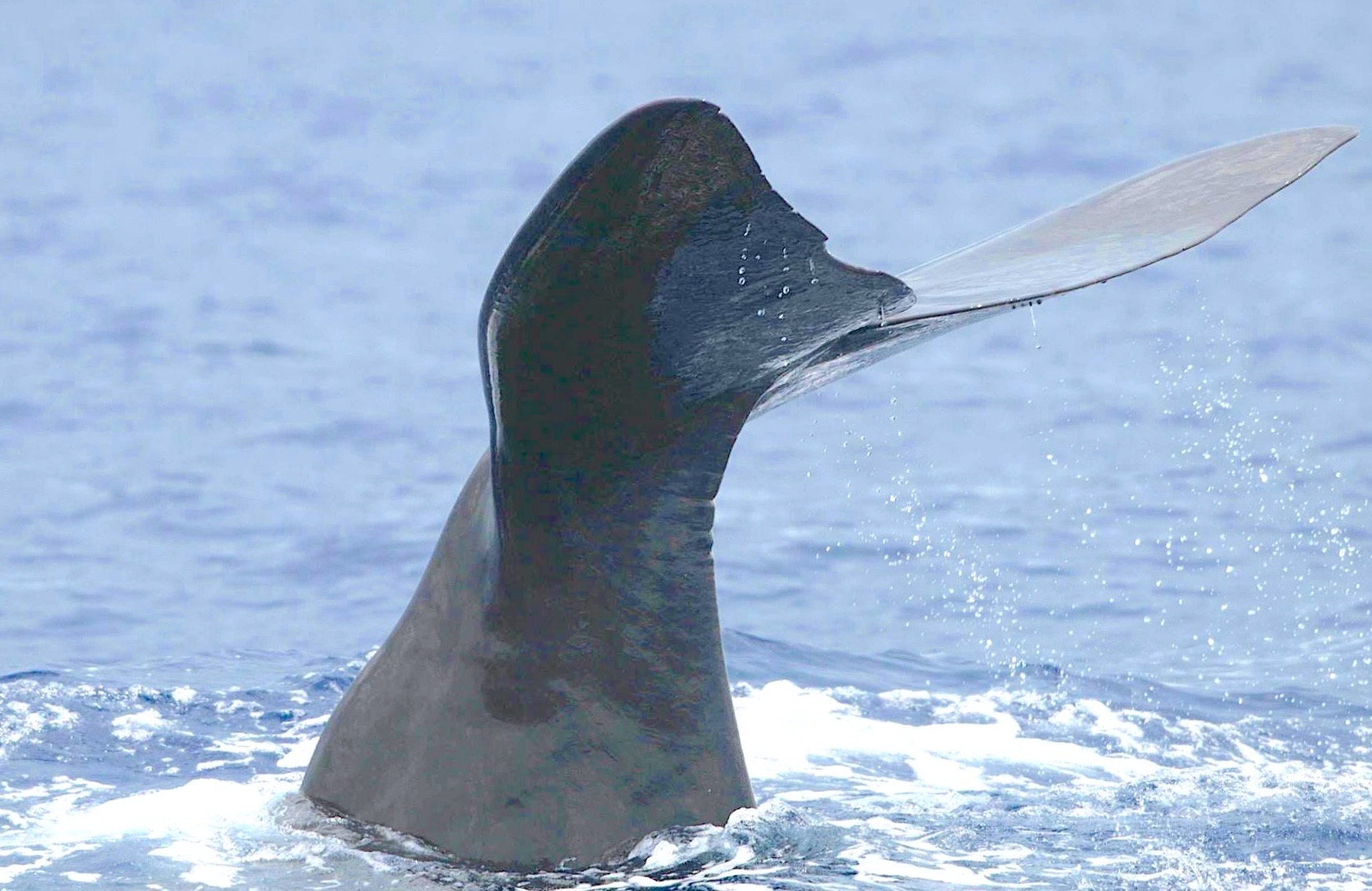
In these images, you will notice that the whales have distinctive patterns of notches and tears in their flukes (ie tail fins). As with a dolphin’s dorsal fin, these areas of damage are like fingerprints – unique to each individual, and a sure means to identification. The researchers log each sighting and assign a cypher – a whale will become known as ‘B42’ and not usually by a less scientific name like ‘Derek’ or ‘Susie’).

Sperm Whale Tailing, Abaco, Bahamas (©BMMRO) Sperm Whale Tailing, Abaco, Bahamas (©BMMRO)

Q. What happened next?  A. You would see the tail emerge as the whale dives deep… Sperm Whale Tailing, Abaco, Bahamas (©BMMRO)

One of my favourite whale views is of the tail as it rises above the surface with water streaming off the flukes, before it flicks over and disappears beneath the waves. 

Sperm Whale Tailing, Abaco, Bahamas (©BMMRO)

A juvenile takes a dive alongside an adult. One day that tail will be massive…Sperm Whale Tailing, Abaco, Bahamas (©BMMRO)

Credits: all photos © BMMRO, with thanks as ever to Diane and Charlotte

Sperm Whale Tailing, Abaco, Bahamas (©BMMRO)

Unknown's avatar

‘WELL SPOTTED’ (2): ATLANTIC SPOTTED DOLPHINS IN ABACO


Atlantic Spotted Dolphins in Abaco Waters (BMMRO)

‘WELL SPOTTED’ (2): ATLANTIC SPOTTED DOLPHINS IN ABACO

No sooner have I posted about PANTROPICAL SPOTTED DOLPHINS sighted during the current BMMRO whale research program, than the other Bahamas spotted dolphin species shows up as well. These are the more numerous Atlantic Spotteds Stenella frontalis, more confined in range (as the names suggest) than the Pantropicals. 

Atlantic Spotted Dolphins in Abaco Waters (BMMRO)

The BMMRO caption reads “Atlantic spotted dolphins today! Small social group playing with sargassum – they swam past what looked like a plastic mattress cover – one dolphin whacked it with its tail as it swam by…”

Atlantic Spotted Dolphins in Abaco Waters (BMMRO)

Just because it can…Atlantic Spotted Dolphin leaping in Abaco Waters (BMMRO)

RUBBISHING RUBBISH: A RANT

Behold a large plastic bag, made by humans and dumped by humans into a place that is not theirs to use as a trash repository. It will take some 500 years to break down completely. But when people say that they don’t really mean it will have harmlessly disappeared over that period and become salt water. Far rom it. It will just break down into smaller and smaller pieces, to bite-sized bits for turtle, fish and seabirds who will idiotically mistake them for food (duh!), then to micro-plastic that will become part of the evolving plastic soup that will be ingested by tiny sea creatures and coat the reefs in polyethylene gunk. [End of rant. Ed.]

Atlantic Spotted Dolphins in Abaco Waters - marine trash (BMMRO)

Behold an Atlantic Spotted Dolphin giving the bag a passing whack with its tail. It won’t do anything to help with marine pollution, but is shows a robust disdain for a piece of man-made rubbish that has made it into the creature’s home environment.

Atlantic Spotted Dolphins in Abaco Waters - marine trash (BMMRO)

Below is a short GoPro shoot of a pair of ASDs, that I took from the BMMRO research boat last year. Marvel at the grace and elegance of these beautiful animals as they swim just below the surface (wonder, too, at the incompetence of the cameraperson who, to be fair, was leaning over the side of the RHIB with the camera on a stick…)

All photos BMMRO; video from the Rolling Harbour achives, intemperate rant all my own

Unknown's avatar

MARINE POSTER COMPETITION FOR ABACO KIDS


BMMRO children's poster competition winners

MARINE POSTER COMPETITION FOR ABACO KIDS

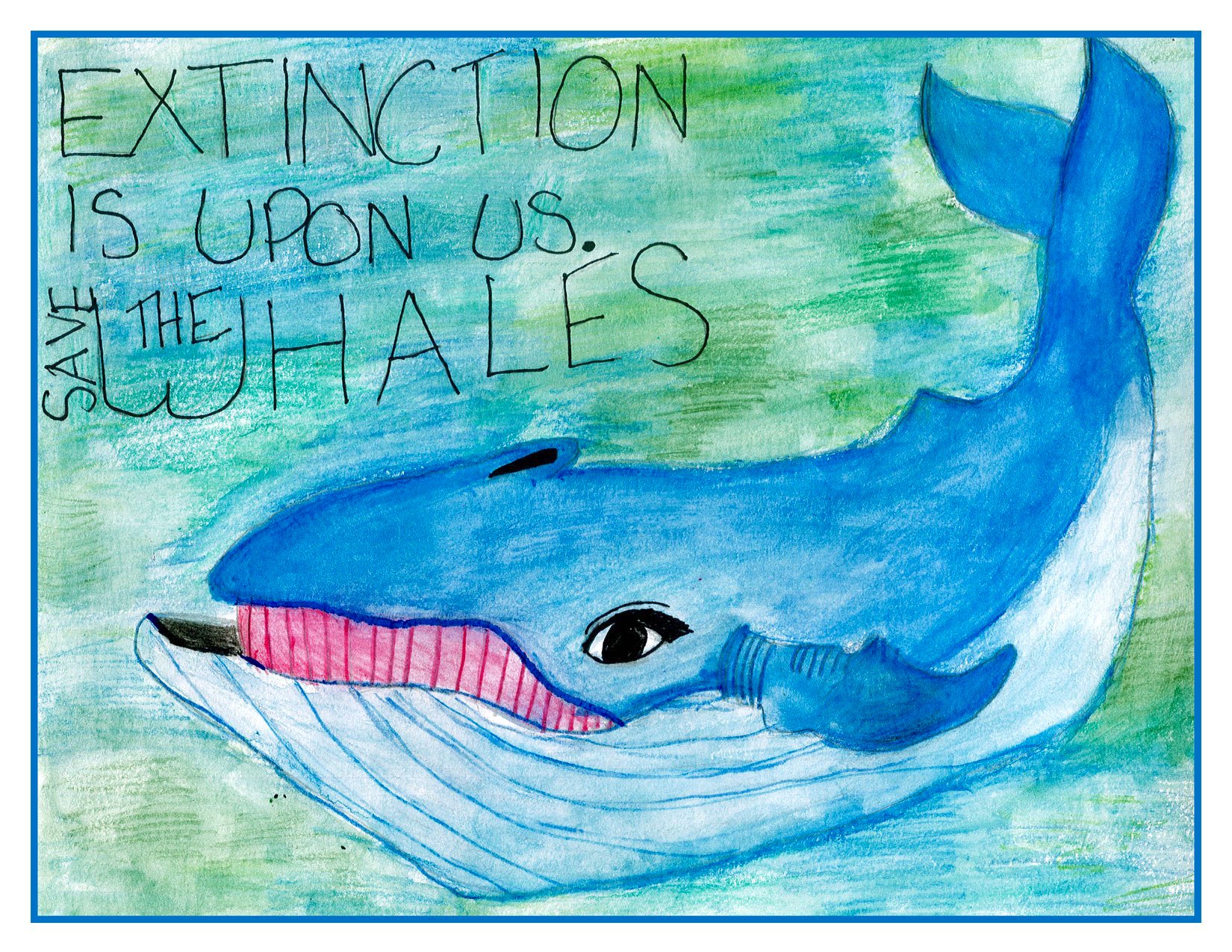
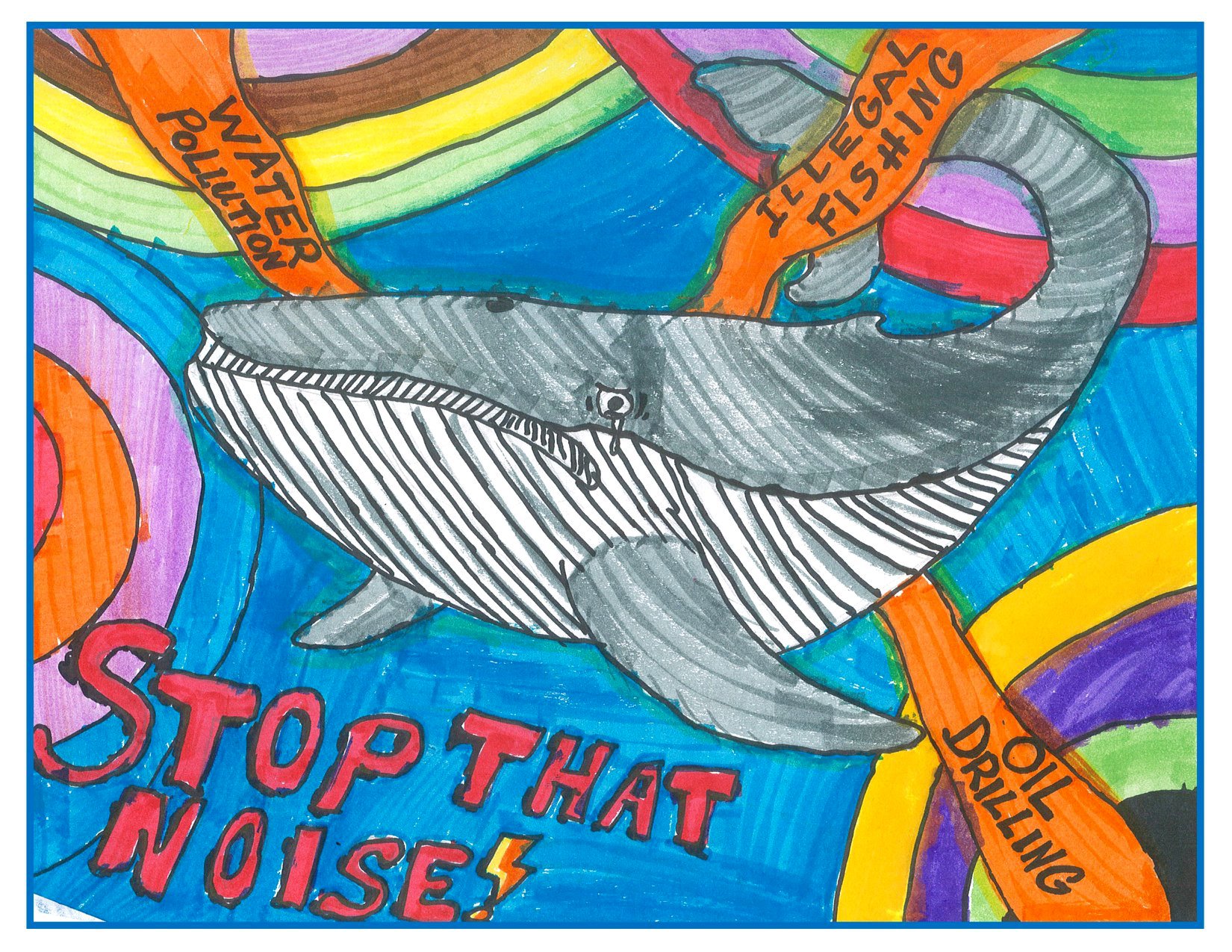
BMMRO recently collaborated with Dolphin Encounters Marine Education Poster Contest in a competition for schoolchildren on Abaco. There were 3 age groups, 3 -5, 6 – 8, and 9 – 12. The young participants received the excellent BMMRO marine educational poster as a prize, though I suspect they were motivated not so much by a prize but by the fun possibilities of the challenges set for them. 

BMMRO children's poster competition winners

And how well they met them. I am featuring a selection of the prizewinners as posted by BMMRO on FB and Insta. Bearing in mind the ages of the artists, the results are astounding. As someone for whom the task of drawing a stickman presents insurmountable difficulties of perspective, proportion, form and accuracy, I am in awe of the inventiveness of these young minds and their artistic skills. They’ve done a fantastic job in highlighting the critical conservation issues facing all marine creatures large and small, with an awareness that I hope will help stay with them into adulthood.

BMMRO children's poster competition winnersBMMRO children's poster competition winnersBMMRO children's poster competition winnersBMMRO children's poster competition winnersBMMRO children's poster competition winnersBMMRO children's poster competition winnersBMMRO children's poster competition winnersBMMRO children's poster competition winnersBMMRO children's poster competition winnersBMMRO children's poster competition winners

Do I have a favourite, I asked myself. Actually, no – I’d just be proud to have any of these on my wall. And I bet the teachers and the families involved all feel the same.

HUGE CONGRATULATIONS TO ALL THE WORTHY WINNERS

BMMRO children's poster competition winnersBMMRO children's poster competition winners


Unknown's avatar

BAHAMA MAMA: BIG NEWS ABOUT A TINY BIRD


Piping Plover Bahama Mama, Michigan / Abaco (Carol Cooper)

BAHAMA MAMA: BIG NEWS ABOUT A TINY BIRD

The bird in the header image is the presciently named Bahama Mama in Muskegon State Park, Michigan – so, one of the rare Great lakes piping plovers. She originally hatched and was banded as a chick in 2014 at Tawas MI, some distance away from Muskegon. When later named in 2015 by Muskegon monitor Carol Cooper, no one could possibly have known then where she would chose to overwinter. The Bahamas, as it turned out – the avian equivalent of nominative determinism.

Piping Plover Chick (MDF / Wiki)

This little bird is the perfect example to demonstrate the success of (a) an organised monitoring and recording system in the breeding grounds of these rare birds; (b) the use of easily identified coded banding and (c) the deployment of ‘citizen scientists’ to back up the professionals in the overwintering grounds such a Abaco.

A combination of the three factors leads over time to the compilation of a life story. Invariably there will be gaps, but let’s take a look at what we know about Bahama Mama, in her own dedicated timeline. Note two things: her beach fidelity; and the evidence of mate infidelity…

  • 2014 Born Muskegon State Park, MI
  • 2015 Nested with Little Guy and raised chicks. Winter location unknown
  • 2016 Returned to Muskegon and again successfully nested with a new male, Bear, from Sleeping Bear Dunes Park MI. (Little Guy went off with another female on the same beach…)
  • 2016 Resighted in October on Long Beach Abaco and stayed for several months
  • 2017 Back at Muskegon and raised chicks again with Little Guy
  • 2017 Again resighted  in October on Long Beach Abaco and overwintered
  • 2018 Back at Muskegon, initially back with Little Guy, eventually nested with Enforcer

The official record of the latest union – evidence of fickleness

This summer 4 chicks  were hatched. Sadly, one of them (Ringo, 2 pics below) was lost, presumed predated, leaving 3 to fledge.

Bahama Mama with one of her chicksBahama Mama & Chick, Muskegon MI (Carol Cooper)

Little Ringo RIPRingo Piping Plover, Muskegon MI (Carol Cooper)

Another of the chicks

These are rare and threatened birds, vulnerable at both ends of their migration for all the usual reasons. The studies undertaken at both ends of the migration have revealed astonishing beach loyalty in these little birds that travel up to 1500 miles (sometimes more) every Spring and every Fall to be somewhere safe to nest and breed; and then to overwinter. In Michigan, Carol Cooper is Bahama Mama’s mama, watching over her, recording the details, checking when she has left the beach, and anxiously watching each Spring for her arrival home.

On Abaco, these duties – pleasures, even – are undertaken by ABACO PIPING PLOVER WATCH and the team of citizen scientists who keep an eye on the beaches, count the birds, note the banded birds and photograph them for ID, and pass the info on to HQ (which happens to be me). The data from all sightings is collated and then the season’s stats are compiled and provided to the scientists involved. Here’s a summary of stats for last season: 

Abaco Piping Plover Watch Stats 2017-18 (Keith Salvesen)

Bahama Mama, first sighting on Long Beach Abaco Oct 2017Bahama Mama Piping Plover, Long Beach Abaco (Keith Kemp)

Photo Credits: Carol Cooper (1, 3, 4, 5, 6); MDF (2); Keith Kemp (7). Special thanks to Carol Cooper, monitor in Michigan; and to Keith Kemp, primary monitor on Abaco. Also to Todd Pover CWFNJ and all the other real scientists involved for the last 3 years

POLITE REQUEST

If you live on Abaco or its cays anytime between August and March and might be interested in helping with piping plover research by becoming a monitor, please get in touch with me. It’s very simple and undemanding. A beach stroll from time to time – even as little as once a month – with a notebook, pencil, binoculars, a chocolate bar and (preferably for accurate ID of banded birds) a camera. Not a dog, though. Not on this walk anyway! Every report, even of a single bird, adds to the picture. Last season there was more than one ‘citizen scientist’ sighting of a plover where none had been seen before. 

Unknown's avatar

‘FILLYMINGOS’, BIRD BOOKS & JAMES BOND


Flamingos & Chicks, Inagua Bahamas (Melissa Maura)

‘FILLYMINGOS’, BIRD BOOKS & JAMES BOND

My favourite bird book, in a fairly large collection, is my treasured 1947 ‘first printing’ edition of James Bond’s Field Guide of Birds of the West Indies. It is not especially rare, and one can still be had for under $200. The price is rising – about 5 years ago mine cost $80, in excellent condition, with intact dust jacket and protective cover.

Flamingos & Chicks, Inagua Bahamas (Melissa Maura)

This renowned reference book has since had many subsequent incarnations – if you are interested, you can find the whole story including how Ian Fleming chose to name his Double-O hero after an ornithologist HERE. I have several later versions, including 1960 and 1985, where the source material forms the basis. However the latest book of the same name, by Norman Arlott published in 2010, is a completely new offering with a wealth of useful detail. It is good – but it isn’t Bond!

Flamingos & Chicks, Inagua Bahamas (Melissa Maura)

The 1947 Bond is commonly described as the First Edition, and sold as such. But as some will know, it is in truth the second edition of Bond’s famous book, which was originally published in 1936. This was made clear in the copyright info to the 1947 edition; but seems to be rather less prominent in later editions.

Flamingos & Chicks, Inagua Bahamas (Melissa Maura)

A true first edition – very rarely on the market –  now comes in well north of $2000, unless in poor condition and without the all-important dust jacket (with rare books, the “DJ” seems to be almost as important as the book itself, especially if in “VGC”).

Flamingos & Chicks, Inagua Bahamas (Melissa Maura)

My edition of Bond’s book has a strange quirk in the title. It’s not exactly a misprint, more of a variation that was probably unintentional. The jacket proclaims it to be a field guide of  birds of the West Indies, as does the book’s front cover and frontispiece. However the book’s spine and the page preceding the Introduction state that it is a field guide to birds of the West Indies.

Flamingo nests, Inagua Bahamas (Melissa Maura)

One of the great charms of ‘Bond’, besides the elegance of his writing, is that he includes the Caribbean-wide local names for the birds he features. Thus the mangrove cuckoo is variously known as a rain bird, rain crow, four o’clock bird, and coffin bird. The black-faced grassquit might be a blue-black, a see-see, or a johnny-jump-up. And a flamingo could be a flamenco, a flamant – or a fillymingo.

Flamingos & Chicks, Inagua Bahamas (Melissa Maura)

These reflections on one of the great bird books of the 20th century were prompted by a request I received from someone wanting a good image of a Bahamas flamingo Phoenicopterus ruber (the National Bird) to illustrate what is effectively a research paper about Bahamas natural history. Often with such inquiries – I get quite a few – I can supply images from my own archive.  Other times I am able to source images from generous people who give use permission (non-commercial) in return for a credit.

Flamingos & Chicks, Inagua Bahamas (Melissa Maura)

For the flamingos, I only had images of a single vagrant bird that turned up at Gilpin Pond, Abaco a few years ago (Birds of Abaco p25). It looks rather sad and lonesome in the photos; within a matter of weeks it was gone. 

Flamingos & Chicks, Inagua Bahamas (Melissa Maura)

None has been reported on Abaco since, though once they were plentiful. Before this lone specimen, there was an attempt to reintroduce the species on the brackish ponds at the fishing lodge ‘Different of Abaco’, Casuarina. The lodge is long-since defunct, as are the flamingos (the PEACOCKS are flourishing however).

Flamingos & Chicks, Inagua Bahamas (Melissa Maura)

Luckily I knew who to turn to for flamingo pictures: Nassau resident Melissa Maura, a person deeply involved with the wildlife of the Bahamas and far beyond. Melissa has spent time with the flamingos of Inagua which has one of the world’s largest breeding colonies  – well over 50,000 – of these gorgeous birds in its National Park, overseen by the Bahamas National Trust.

Flamingos & Chicks, Inagua Bahamas (Melissa Maura)

The flamingos of Inagua now thankfully receive the protection that was sadly lacking in c19 Bahamas, when their vast numbers were radically reduced by mankind, leading to extirpation on many islands where they had been plentiful. Hunted for meat and for ornamental feathers; taken for trading, for collections, for zoos: there were no limits. CHARLES CORY noted at the end of c19 that masses of chicks were being killed before they even fledged; and that large numbers were sold to passing ships, on which they were simply left to die.

Flamingos & Chicks, Inagua Bahamas (Melissa Maura)

Melissa has been fortunate enough to be on Inagua during the breeding season when banding takes place. So besides the adult birds in their orange-pink finery, she has been able to photograph the strange ‘mini-volcano’ nests (above) and the sweet, awkward-looking grey chicks. And with her kind permission, Melissa’s superb ‘fillymingo’ photos adorn this article. I believe the real James Bond would have been delighted to admire them; I hope that goes for you too.

All great photos courtesy of Melissa Maura, with many thanks

Flamingos & Chicks, Inagua Bahamas (Melissa Maura)

Unknown's avatar

SPERM WHALES – BMMRO FIELD TRIP, BAHAMAS


Sperm Whales, Bahamas (BMMRO)

SPERM WHALES – BMMRO FIELD TRIP, BAHAMAS

I can never quite get my head around the fact that the waters around Abaco are home to the twin leviathans, sperm whales and humpback whales. And before anyone points it out, I realise they can’t actually be twins: sperms whales (cachelots) are TOOTHED WHALES whereas humpback whales are BALEEN WHALES

Sperm Whales, Bahamas (BMMRO)

During November, the Bahamas Marine Mammal Research Organisation (BMMRO) undertook a rather special field trip. Using sophisticated devices, the scientists first located a group of sperm whales, and then tracked them through the night using the communications between the creatures – ‘vocalisations’ – to follow them. Later analysis of the recordings will have made it possible to identify the individuals through their unique vocal patterns – and so to recognise them again. 

Sperm Whale, Bahamas (BMMRO)

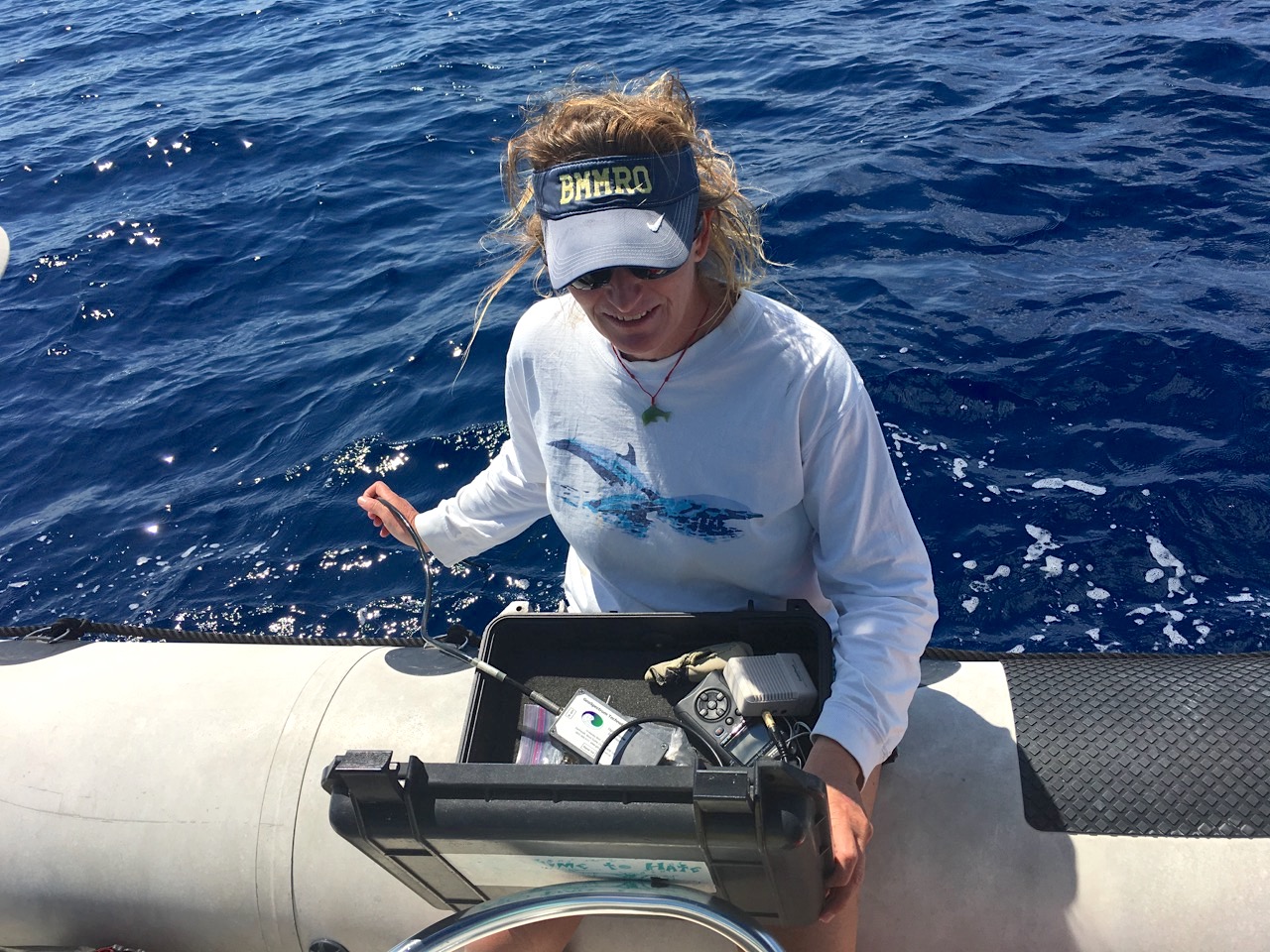
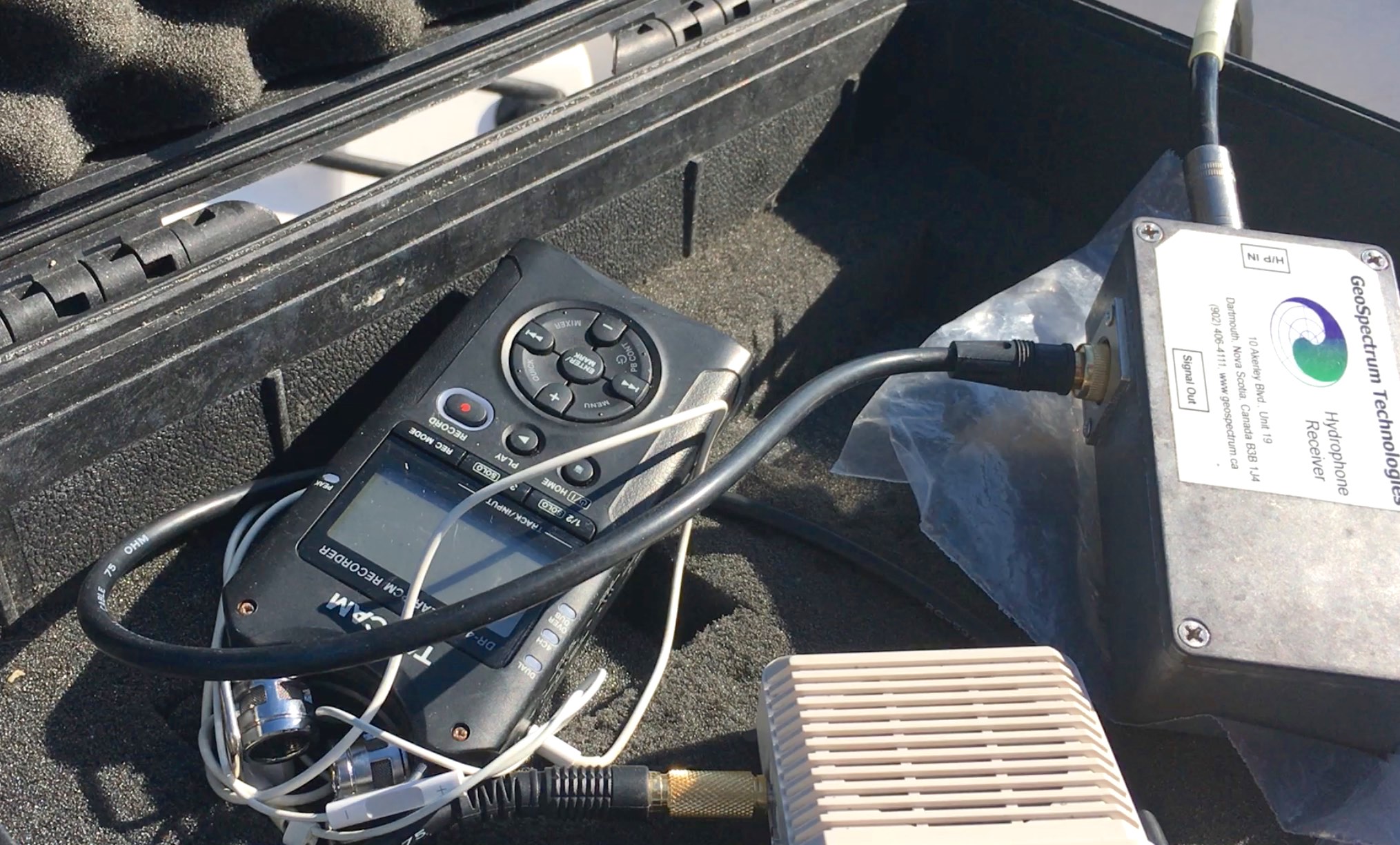
The hydrophonic equipment used is extremely sensitive, and can pick up the sounds made by whales and dolphins over a great distance. The box of tricks looks deceptively modest – I took these photos on a previous trip when we were looking for beaked whales and dolphins. Charlotte Dunn holds the microphone submerged on a cable and underwater sounds are amplified so that the slightest chirrup of a dolphin can be heard by everyone on the vessel. The sounds are recorded and locations carefully logged.

Besides the sperm whales, the BMMRO team also had sightings of spotted dolphins, bottlenose dolphins and beaked whales during the field trip. These bonus sightings will also have been logged for future reference. It all adds to the detailed research data that assists the conservation of the prolific marine mammal life in Bahamian waters.

Atlantic Spotted DolphinsAtlantic Spotted Dolphins, Bahamas (BMMRO)

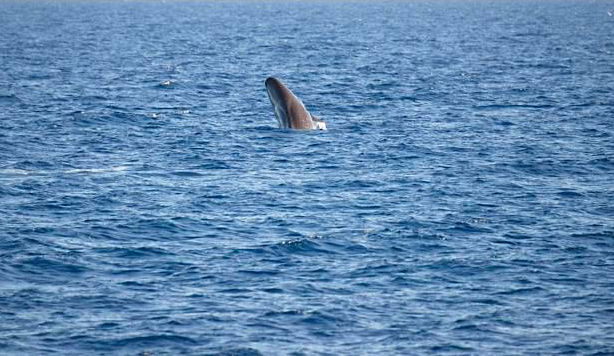
By the time one of the whales decided to breach, it was some distance away, so I’m afraid I can’t bring you a dramatic close-up from the trip. But just to see this view at all is breathtaking.

All photos BMMRO except the 2 hydrophone ones on the research boat (Keith Salvesen)

Unknown's avatar

ONE GOOD INTERN DESERVES ANOTHER (Part 1)


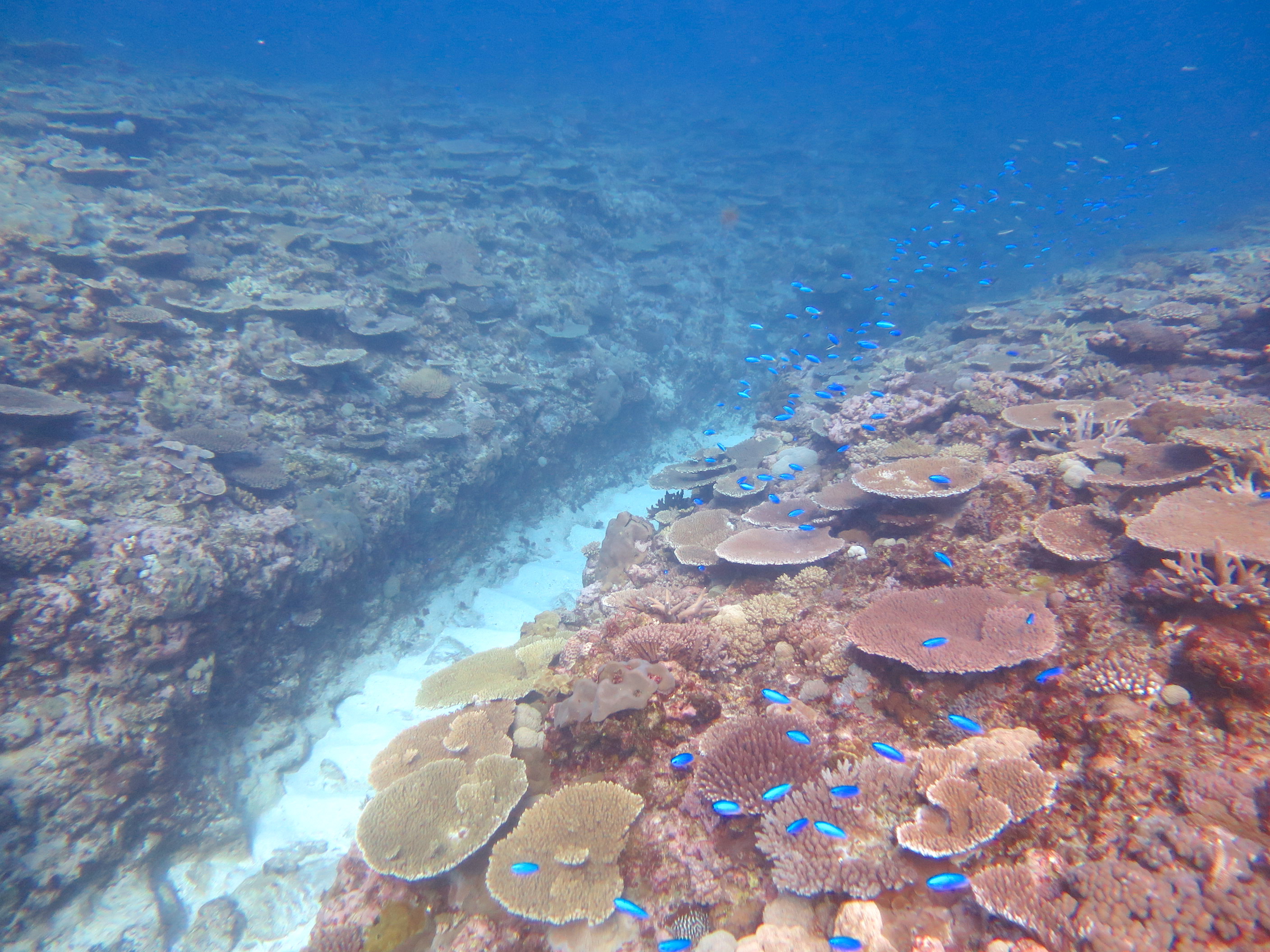
Coral reef research, Australia (Oscar Ward)

ONE GOOD INTERN DESERVES ANOTHER (Part 1)

Four years ago a young English friend of ours, Oscar Ward, was lucky enough to be offered an internship with the Bahamas Marine Mammal Research Organisation (BMMRO). At the time, he was post-school, and waiting to start a degree course in marine biology at university. He had no practical experience at all, so he had to progress from the menial tasks (scraping barnacles off the bottom of the research boat) to the more adventurous (whale poop-scooping) to the scholarly (collection and analysis of samples and data, including audio file matching of whale calls for identification). The need for hard work, concentration and accuracy were made clear from the outset… and as you will see, Oscar’s short internship has stood him in very good stead during his university course.
Oscar weekending at Gilpin Point – self-sufficientBMMRO Internship - weekend off (Oscar Ward)
From a promising start on Abaco, and with 2 year’s study behind him, Oscar is currently spending the 3rd year of his 4-year course in Australia, working with The Australian Institute of Marine Science. He has been involved in a number of complex projects focussed on corals and reef life – as we all know, a matter of huge concern – and the projections for the future of the reef systems in a time of warming seas and raised acid levels. Oscar also assists PhD students, for example examining the damaging effects of parasitic worms on coral; and the effect of changing light conditions on corals.

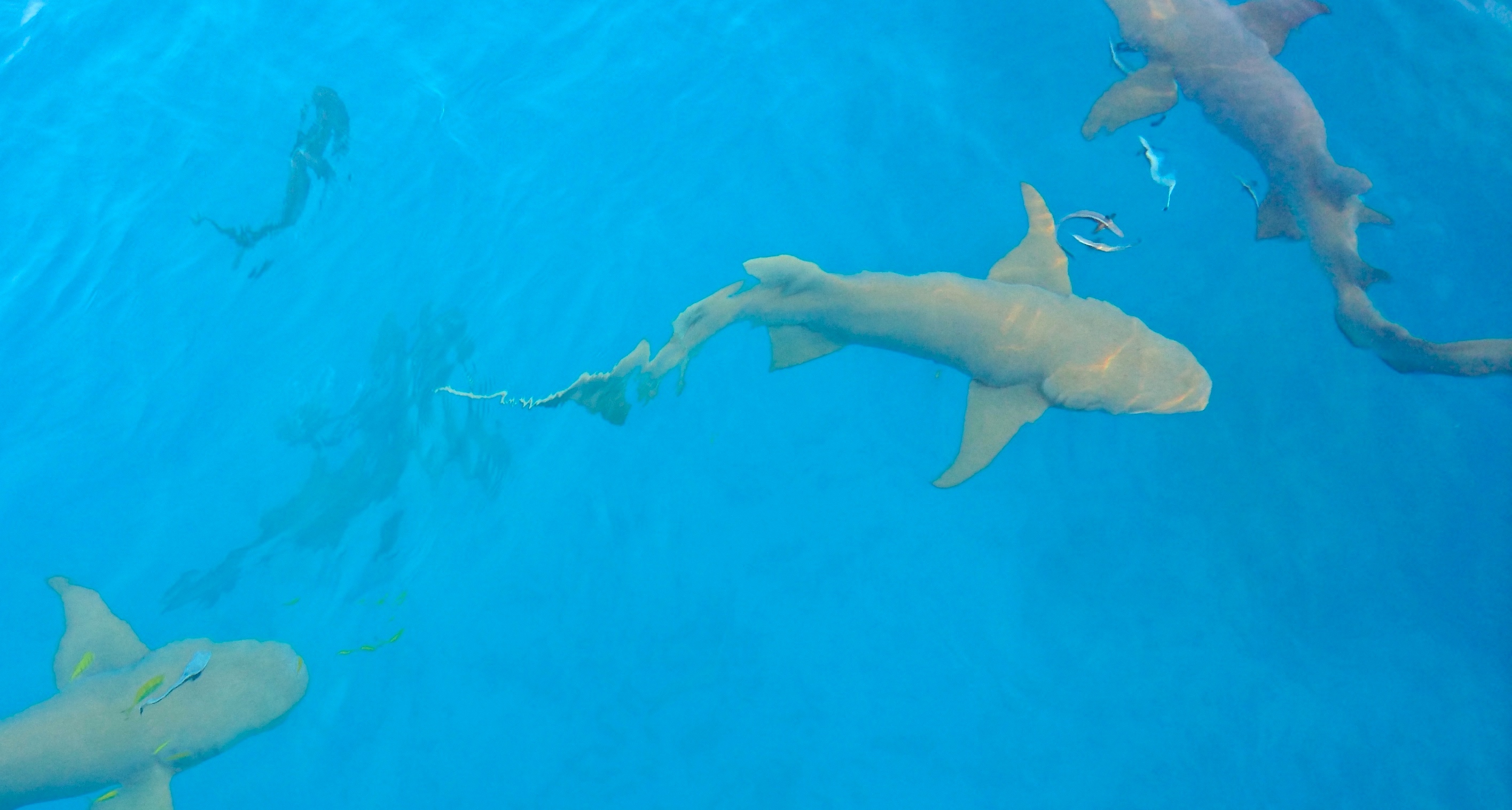
Nurse Sharks, Great Barrier Reef (Oscar Ward)
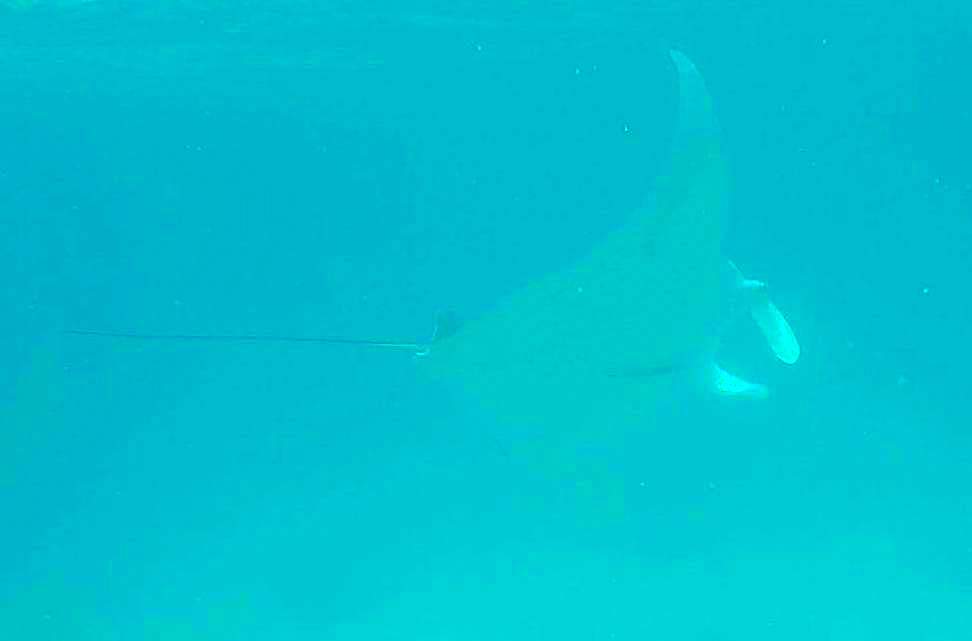
Much of Oscar’s time has been spent doing fieldwork. Often he is at sea, monitoring and collecting samples in the Southern Great Barrier Reef, diving two or three times a day. This work is often carried out in restricted or preservation zones, and with ever-present manta rays, sharks and sea turtles around him.

Manta Ray, Great Barrier Reef (Oscar Ward)

Right now Oscar is involved with the investigations into the recent bleaching events, work that is at the forefront of serious concern for the GBR and far beyond. I have recently corresponded with him – he has definitely not forgotten that his grounding for the fieldwork and studies that he is engaged in – and very likely his career – came from his time on Abaco and the lessons he learned during his time with the BMMRO at Sandy Point.  (In part 2: another good intern, currently at Sandy Point)

Coral reef research, Australia (Oscar Ward)

All photos: Oscar Ward (the header image is taken from a research vessel – no idea how, maybe a drone with fish-eye lens?)

Unknown's avatar

BLUE TANG AS REEF FILM STAR


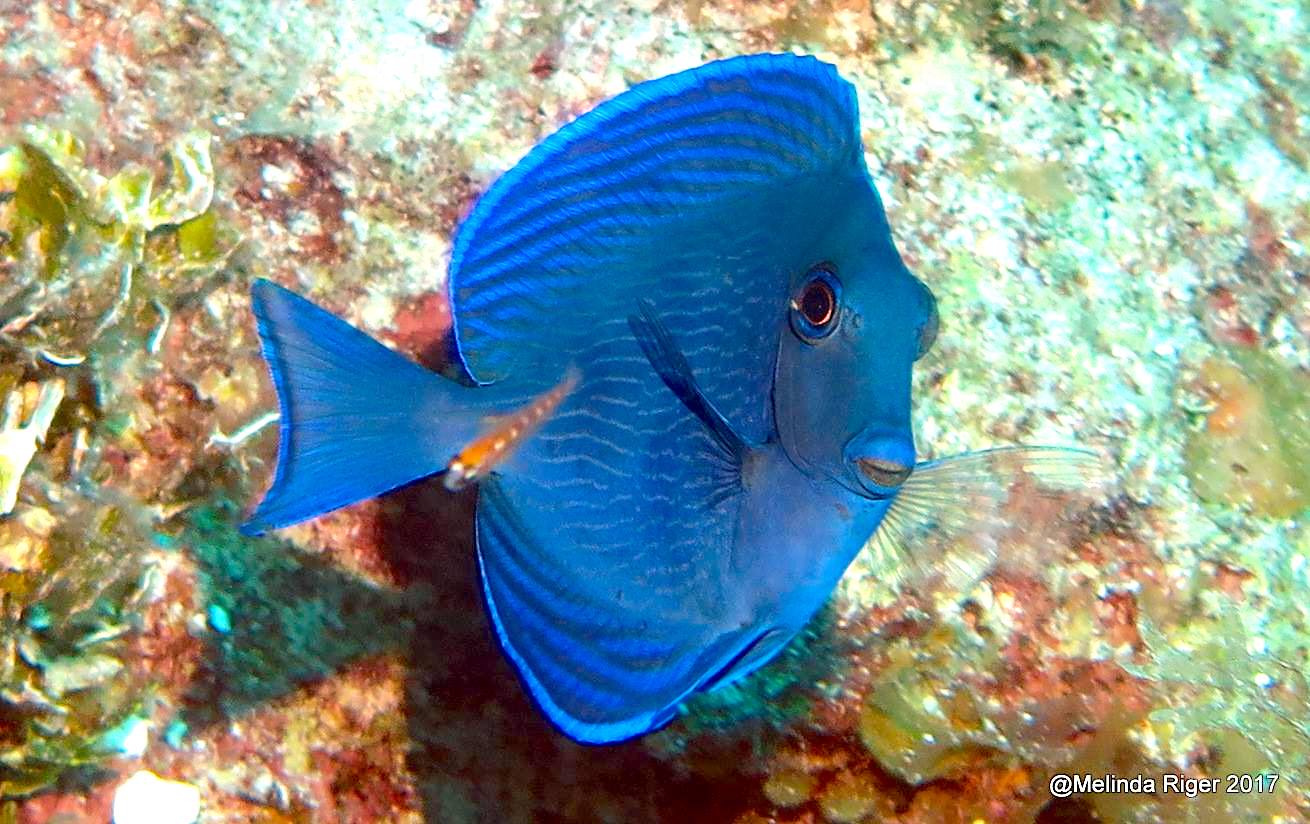
Blue Tang, Bahamas (Melinda Riger / Grand Bahama Scuba)

BLUE TANG AS REEF FILM STAR

Last summer, the big motion picture sensation for the bird world was, of course, Pixar’s ineffably adorable creation, Piper – the ultimate ‘Chick Flick’. This little ball of cartoon fluff was not, as some thought, based on a piping plover but on a sanderling – a type of sandpiper (clue in name). This 6 minute ‘short’ preceded the main event, the hugely popular Finding Dory. You can read all about the film Piper and the birding aspects of the film HERE

Blue Tang, Bahamas (Melinda Riger / Grand Bahama Scuba)

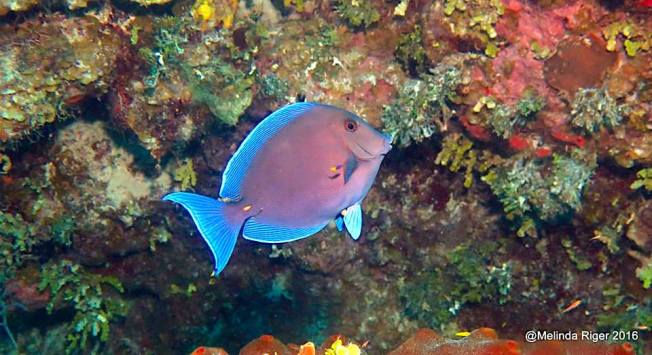
Finding Dory is not about a fish of the dory species, of course. Voiced by Ellen DeGeneres, Dory is in fact a species of surgeonfish Paracanthurus, the familiar blue tang found on the reefs of the Bahamas. To see these fish in Abaco waters, Fowl Cays National Park is always a good bet.

Blue Tang, Bahamas (Melinda Riger / Grand Bahama Scuba)

Dory can be identified as a maturing juvenile: blue, with a yellow tail. In due course – in time for the sequel film – she will become blue all over, with perhaps the odd flash of yellow (see photos above).

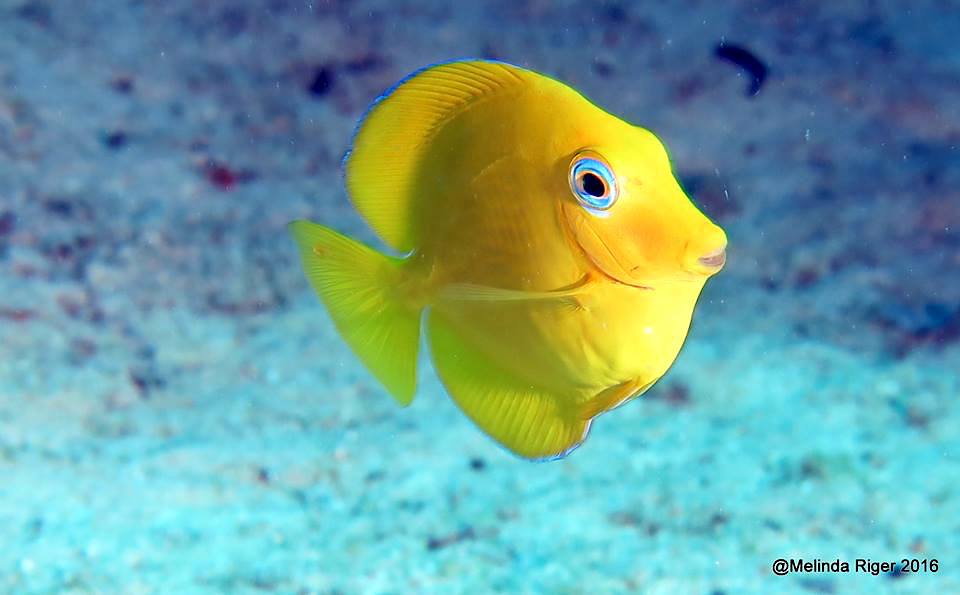
In real life, a baby blue tang is in fact entirely yellow, except for blue rings around the eyes. In Pixarland, however, Dory is just an adorbs miniature version of her youthful self.

Blue Tang juvenile, Bahamas (Melinda Riger / Grand Bahama Scuba)

Blue Tang are lovely to watch as they cruise round the reefs, sometimes in large groups. Their colouring ranges from pale to dark blue. However, these are fish that are best looked at and not touched – their caudal spines are very sharp. When the fish feels in threatened, the spine is raised and can cause deep cuts, with a risk of infection.  

Still from a crummy video taken at Fowl Cays some years back to illustrate a group of blue tangBlue Tangs, Fowl Cays Nature Park, Abaco Bahamas (KS)

Blue tangs are inedible, they apparently smell unpleasant, and they can cause ciguatera. However they are popular in the aquarium trade. This is a distinct downside of highly successful films such as Finding Nemo and Finding Dory. In defiance of the well-meant and broadly ecological message of both films, the trade in clown fish and to a lesser extent blue tang was boosted by their on-screen portrayal as adorbs creatures desirable for the entertainment of mankind… ‘Nuff said.

Blue Tang, Bahamas (Melinda Riger / Grand Bahama Scuba)

Credits: All excellent photos by Melinda Riger / Grand Bahama Scuba; one pathetically bad still from a low res video, me; cartoons purloined from an online aquarium somewhere or other

Unknown's avatar

FLAMINGO BREEDING SEASON ON INAGUA, BAHAMAS


Flamingo feeding chick, Inagua National Park (Casper Burrows / BNT)

FLAMINGO BREEDING SEASON ON INAGUA, BAHAMAS

The national bird of the Bahamas, featured in the nation’s Coat of Arms, was once a familiar sight in the Bahamas, but sadly no more. On Abaco they are no longer seen, apart from occasional vagrant birds that stay for a few weeks and then disappear. 

Flamingo chicks, Inagua National Park (Melissa Groo / Lynn Gape / BNT)

An attempt in the 1990s to reintroduce flamingos on Abaco and to establish a breeding population failed. You can read more about the history of the ‘fillymingo’ on Abaco HERE.

Flamingos & chicks, Inagua National Park (Melissa Groo / BNT)

Nowadays, the flamingos breed only on Inagua, and to see these gorgeous birds you will have to go to the INAGUA NATIONAL PARK , where you will find the world’s largest West Indian flamingo colony.  

Flamingo chicks, Inagua National Park (Melissa Groo / Lynn Gape / BNT)

The breeding season is now under way, with large numbers of fluffy gray chicks finding their legs in the lagoons. A team from the BAHAMAS NATIONAL TRUST is working with them at the moment.

Flamingo chicks, Inagua National Park (Melissa Groo / Lynn Gape / BNT)

The team have with them the distinguished wildlife photographer MELISSA GROO, whose wonderful award-winning work will be known to anyone with a keen interest in wildlife. If you want to see wild birds and wild animals as you may never have seen them portrayed before, do visit Melissa’s superb website by clicking her name link above.

Flamingo chicks, Inagua National Park (Melissa Groo / BNT)

Credits: Melissa Groo, with thanks as ever for use permission [please note that her images are subject to her professional copyright]; BNT, especeially Lynn Gape & Casper Burrows (header image)

Flamingo chicks, Inagua National Park (Melissa Groo / BNT)

Unknown's avatar

SAWFISH: UNIQUE LIVE BIRTH FOOTAGE ON ANDROS


sawfish-biminis-marine-pa-campaign-grant-johnson

SAWFISH: UNIQUE LIVE BIRTH FOOTAGE ON ANDROS

The word ‘awesome’ – a word of Biblical origin and medieval usage connoting an experience of wonderment with an element of dread* – lost its power once it became the common verbal currency for describing the offer of a beer, a photograph of a sulky cat, or a so-so pub band. Where to turn for something truly momentous? Oh, actually that might do nicely. Breathtaking, astounding, astonishing, awe-inspiring, staggering, extraordinary, stupendous, and spectacular are examples of synonyms that have retained at least some of their power. And perhaps ‘mind-blowing’, though it’s a bit substance-tinged. ‘Amazing’ has pretty much gone the way of awesome. Amazeballs and badass? Let’s not!

Sawfish Grand Bahama (BNT / Buzz Cox)

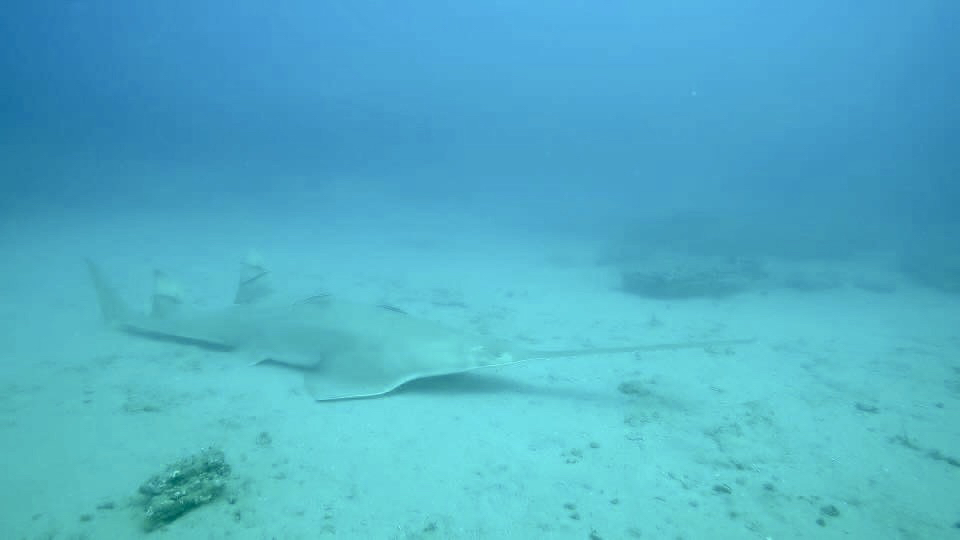
Ok. Having got that linguistic grump out of the way (index under ‘English Language, debasement of, modern usage in), here’s the real deal: a truly phenomenal short video of a smalltooth sawfish Pristis pectinata safely giving live birth in the wild to her 5 babies (which are called pups) on Andros during a FSU research trip. The pups emerge as small replicas of their parent, complete with their hedgetrimmer-style rostrums, ready to swim away. Fishes that carry their young and give birth to one or more developed juveniles in this way are called ovoviviparous.

Sawfish_1

The commentary is clear and informative, the research potential for this vulnerable species is considerable, and if you have a soul and a spare 3 minutes, you really should watch this!

This unique recorded event took place last December. The joint research trip to Andros by the FSU Coastal and Marine Lab and NOAA was led by Dr. Dean Grubbs. The purpose of the research was to discover evidence of any exchange between the sawfish population in the U.S. and Bahamas. You can find out more about the research and scientists at the FSUCML website. And if you want to get involved and take part in an expedition, click GET INTO THE FIELD

Sawfish_1

RELATED POSTS

RH SAWFISH PAGE – pics, facts and vids, including how the rostrum is used in feeding

GUITARFISH (WTF? 8)

* ‘Awful’ had the same meaning as awesome, historically – cf dreadful. It did not mean a bad film or a lousy restaurant.Sawfish_1This recent photograph by Adam Rees of Scuba Works was taken in Florida waters. It is one of an astonishing school of 8 smalltooth sawfish, the largest group Adam has ever encountered.sawfish-2-adam-rees-scuba-works-copy

Credits: Header, Grant Johnson @60poundbullet (Bimini), with many thanks; BNT / Buzz Cox (Grand Bahama); Adam Rees / Scuba Works

Unknown's avatar

“HARRY POTTER & THE MAGIC BAND” REVISITED: THE LEGEND LIVES ON


PIPL PINK22 Harry Potter π Stehanie Egger copy

“HARRY POTTER & THE MAGIC BAND” REVISITED

THE LEGEND LIVES ON

by ROWLING HARBOUR

It was a bright sunny morning and the sand on the beach was warm under Harry Potter’s bare feet. Although by now an experienced flyer, his recent adventures during his epic 1000-mile journey had left him very tired. All his friends that had undertaken the same long flight were tired too. Now they were enjoying a quiet, peaceful time away from all the dangers they had somehow survived during their scary expedition (see Harry Potter and the Migration of Fear). It would be a long time, Harry said to himself – maybe as long as 6 months – before he wanted to have another adventure like that. He wondered when Ron Peeplo and Hermione Plover would arrive… 

_Piping_Plover_on_the_Fly (USFWS Mountain-Prairie wiki)

But the little group on a remote shoreline on Abaco were not as safe as they thought. Unknown to the happy, sleepy plovers on the beach, they were already being stalked by two creatures. This determined pair had one sole aim – to find plovers, to catch them and to carry out scientific experiments on them. That’s three aims, in fact. The editor would surely fix that error later (No – ed.). Would Harry and his friends soon find themselves in mortal peril from these formidable adversaries, these beasts with huge brains, armed with the latest technology? What magical powers would be needed to combat the imminent danger creeping stealthily towards them? The male definitely had a spine-chilling look about him; the female appeared less daunting – but might therefore be all the more dangerous…

TOPO & STEG PIC JPG   piping-plover

Suddenly, Harry felt a terrible foreboding. Fear ruffled his neck feathers and his little left foot started drumming impatiently on the sand. He’d felt like this several times before, like that time a Dark Lord had driven a SUV straight at him on that nesting beach many miles away, the one where he cracked out (see Harry Potter and the Vehicle of Dread). And when the massive dog came and sniffed round the nest when he was a tiny chick (see Harry Potter and the Hound of Horror). Instinctively, he grabbed a magic meat-string from the damp sand, ate it, and took to the air… only to be caught up in some sort of fearsome spider’s web (a mist net – ed.). He was trapped. He struggled bravely, piping out his anger at this cruel trick. But it was no good – he was caught fast, and wriggling only seemed to make it even worse. The massive creatures were running towards him fast, shouting in triumph – they had got Harry exactly where they wanted him – at their mercy…

A Mist Net (if unsuccessful, A Missed Net)Mist Net jpg

Just as Harry had started to believe that his last moment had arrived, an amazing thing happened. Instead of dispatching him with a swift blow to head, as a Dark Lord might have done, he was gently removed from the net and softly held in the female’s hands. His instant fear that she might crush him to a horrible mangled pulp rapidly lessened. Why, she was even talking to him. And those voices. They sounded not so much fearsome as friendly. But were they lulling him into  false sense of security, only to wreak an evil vengeance upon him? (*Spoiler Alert* No – ed.).

Steph the Egger with captive Harry Potter, & wearing the cap of the mysterious ‘Delphi Club’PIPL PINK22 Harry Potter π Stehanie Egger copy

Then suddenly things got worse. Much worse. Harry was slowly wrapped in a large white blanket and laid on something that wasn’t sand. Something hard. What were they planning to do with him now. He heard the male – Harry had now concluded that he must be dealing with the Avian Overlord himself, the infamous Todd of Pover, first cousin of Severus Snipe – mutter an incantation: “54 grams. Pretty good. 54 grams. Have you got that”. Yes, they’d taken his dignity and his weight but there had been no pain. Yet. Harry began to relax a little.

PIPL PINK22 Harry Potter π Stehanie Egger copy

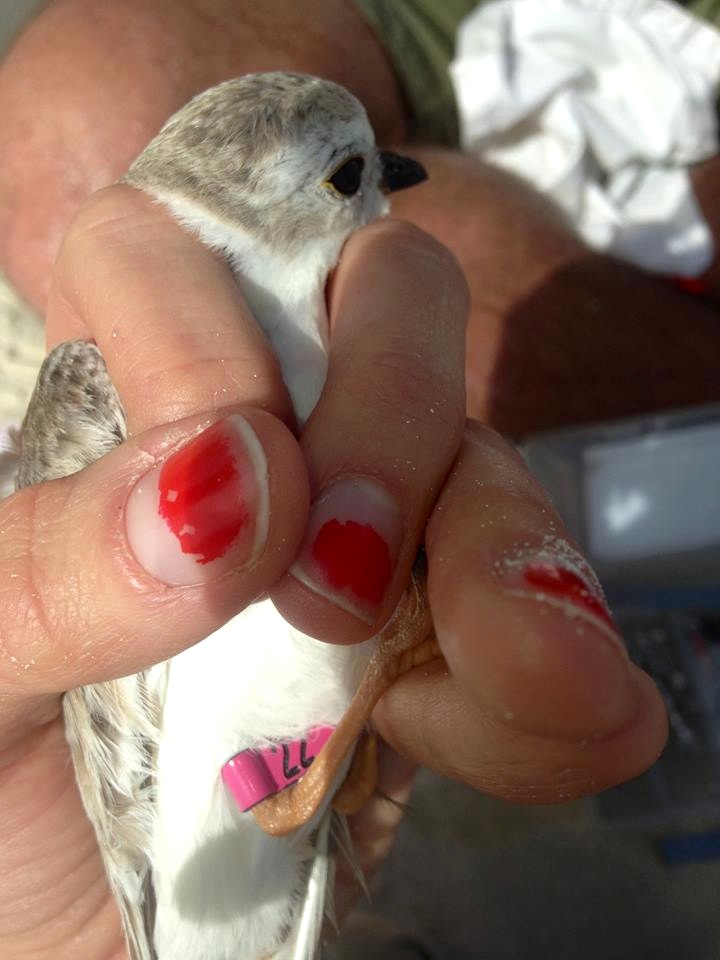
Meanwhile, Steph the Egger was making a strange rattling sound. As Harry was unwound from his shroud he suddenly saw a box filled to the brim with exotic jewels of the most opulent colours glistening in the sunlight. At once, he knew he had to have one of them. A beautiful pink one. One to wear on his leg. One that he could keep for ever. One that would always mean ‘Harry Potter’. That very one on the top. Just there. With the magic number 22 on it in black writing. And Harry started to breathe a special silent Piping Spell: ‘Please pick me up… in your hand… and fit the Magic Two-Two Band…’ 

PIPL PINK22 Harry Potter π Stehanie Egger copy

And, miraculously, the spell began to work. First, Harry was gently held as the Magic Band was put round his right leg. At the top, just where he wanted it. Harry shut one eye and repeated the spell.PIPL PINK22 Harry Potter π Stehanie Egger copy

Then despite an awful wound from an earlier battle, the Todd of Pover made sure the band was secure and would never come off. It would be there forever – the Harry Potter ID band. By this time Harry didn’t even mind the indignity of being turned upside down.PIPL PINK22 Harry Potter π Stehanie Egger copy

Finally, it was done. Really, the jewel was more like a flag than a band. But Harry knew instinctively that it would take a massive effort for his story to be rewritten to make this clear from the start, so he decided to let it pass. Band. Flag. What did it matter. It was his prize, gloriously his. 

And then he was passed to Steph the Egger. Harry presumed she got her name for her ability to find nesting birds in that other place he had flown South from. And now, here she was, holding him tenderly, talking to him and telling him how cool he looked. Even her bright red claws did not seem so frightening now. Except… WHAT WOULD HAPPEN TO HIM NOW?

PIPL PINK22 Harry Potter π Stehanie Egger copy

Suddenly, Steph the Egger stood up and Harry found himself several feet above the safe warm sand. Steph held him out in front of her and then, in an instant, he was free… Free to fly away with his beautiful pink jewel band, his special number, and an intuition that wherever he might be, and whoever saw him, they would always know that he was Harry Potter for as long as he lived. Against all odds he had gained… THE MAGIC BAND.

PIPL PINK22 Harry Potter π Stehanie Egger copy

piping-plover

POSTSCRIPT & UPDATE FEB 2017

Harry returned to Abaco on his magic Quidditch stick (no he jolly didn’t, he just flew. OK? Do stop this Potter nonsense now please – ed.) for his 3rd winter on Long Beach Abaco. He was sighted as follows:

  • 23 Nov 16  Long Beach, with Pf #36 & Pf #50, also 3rd year returners, & several other banded returners. Keith Kemp
  • 06 Dec 16  Still in the same group, except Pf #50 absent. Todd Pover
  • 23 Jan 17  In the same group, Pf #50 still absent. Todd Pover

piping-plover

FURTHER UPDATE SPRING 2018

  • 20 Aug 17 Resighted for the 4th year on Long Beach (the same area) with Pf #36
  • 21 Sep 17 Still on the beach with Pf #36 & several other non-Bahamas banded birds
  • 18 Nov 17 Ditto
  • 02 Jan 18  Ditto, the last sighting of the watch period. Departure date unknown.

Harry-Potter-pf22-Long Beach, Abaco, Keith Kemp 19-11-16

PREVIOUS HISTORY

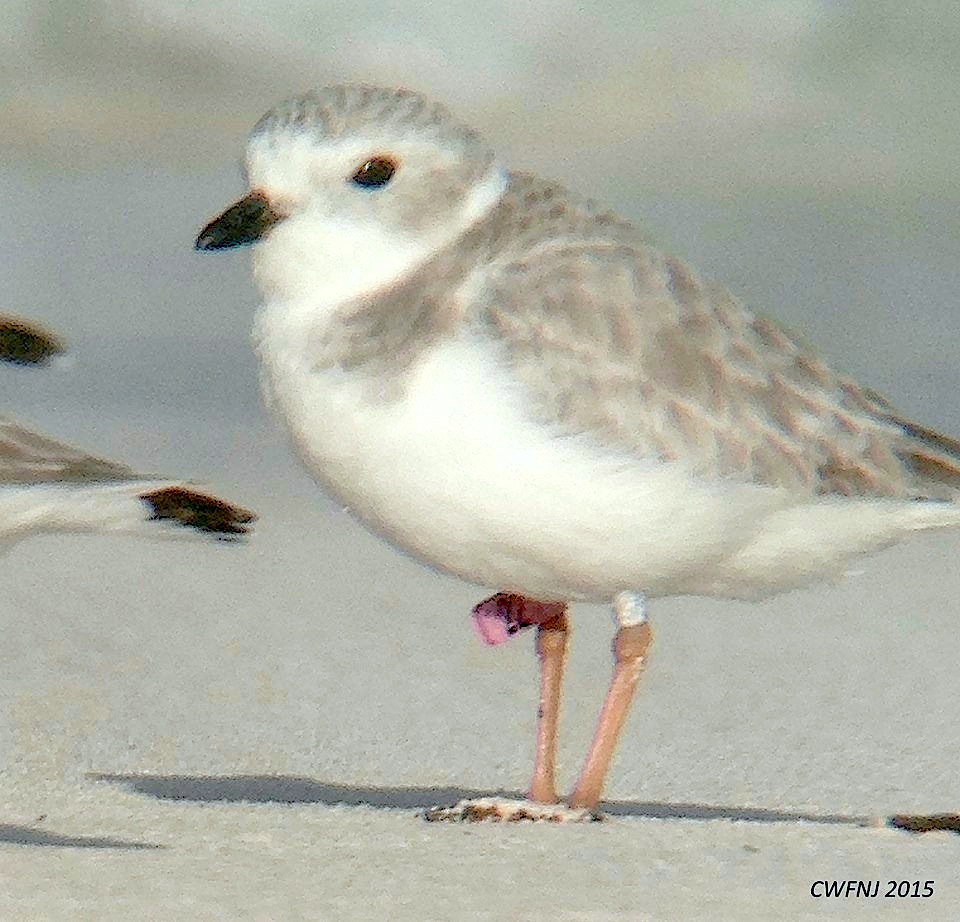
Harry was banded Pf #22 on February 7th 2015 at Long Beach, Abaco, towards the end of his 1st winter there. No one knows where he spent his has spent his summers. He has not been reported anywhere other than Abaco – i.e. along his migration route. All that can be said with certainty is that every 12 months he turns up on the same beach, Long Beach Abaco, in the same place (it is a very Long Beach). 5 other PIPL were originally pink-banded with Harry by a joint National Audubon, Virginia Tech, BNT, and CWFNJ team (pink being the colour used for Bahamas birds). Of those 6, 3 have returned to the same beach twice, and the other 2 once. Some of them have also been tracked to their breeding grounds and on their migrations. And somehow they have all found their way back to the same place on Abaco to overwinter together again for the 2016-17 season; and most again for the 2017 – 18 season.

GENDER NOTE

In fact it isn’t clear if HP is male or female (see below). He might be Harriet Potter. But I have played safe and stuck with the gender implied by his given name…

Harry Potter Pf #22 on Long Beach Abaco, 3 Dec 2015, a year after (s)he was banded there PIPL PINK22 Dec 3 2015 Long Beach Abaco 2 (Stephanie Egger) copy

STEPH THE EGGER EXPLAINS THE NAME, NUMBER & QUIDDITCH PIC

“I helped band this piping plover, and called him “Harry Potter.” I know 22 isn’t Harry’s quidditch number (07), but 22 is for my birthday when I mostly seem to be down in Abaco.”

DISCLAIMER RE HEADER IMAGE I don’t suggest making silly photos of all “named” birds as this is an endangered species that we should certainly take very seriously. That said, I do think that names help people connect to the species and it also aids the researchers in ID’ing (my personal opinion)”.

piping-plover

Credits: Stephanie the Egger, The Todd of Pover, Conserve Wildlife Foundation of New Jersey & co-banding teams, Keith Kemp, USFWS Mountain-Prairie (PIPL in flight), Birdorable, Rowling Harbour, and star of the show Harry Potter Pf 22 UR. Apologies to JKR for feeble pastiche.

Unknown's avatar

BAHAMA NUTHATCH: TINY, RARE, A HOP AWAY FROM ABACO…


brown-headed_nuthatch-david-hill-sc

BAHAMA NUTHATCH: TINY, RARE, A HOP AWAY FROM ABACO…

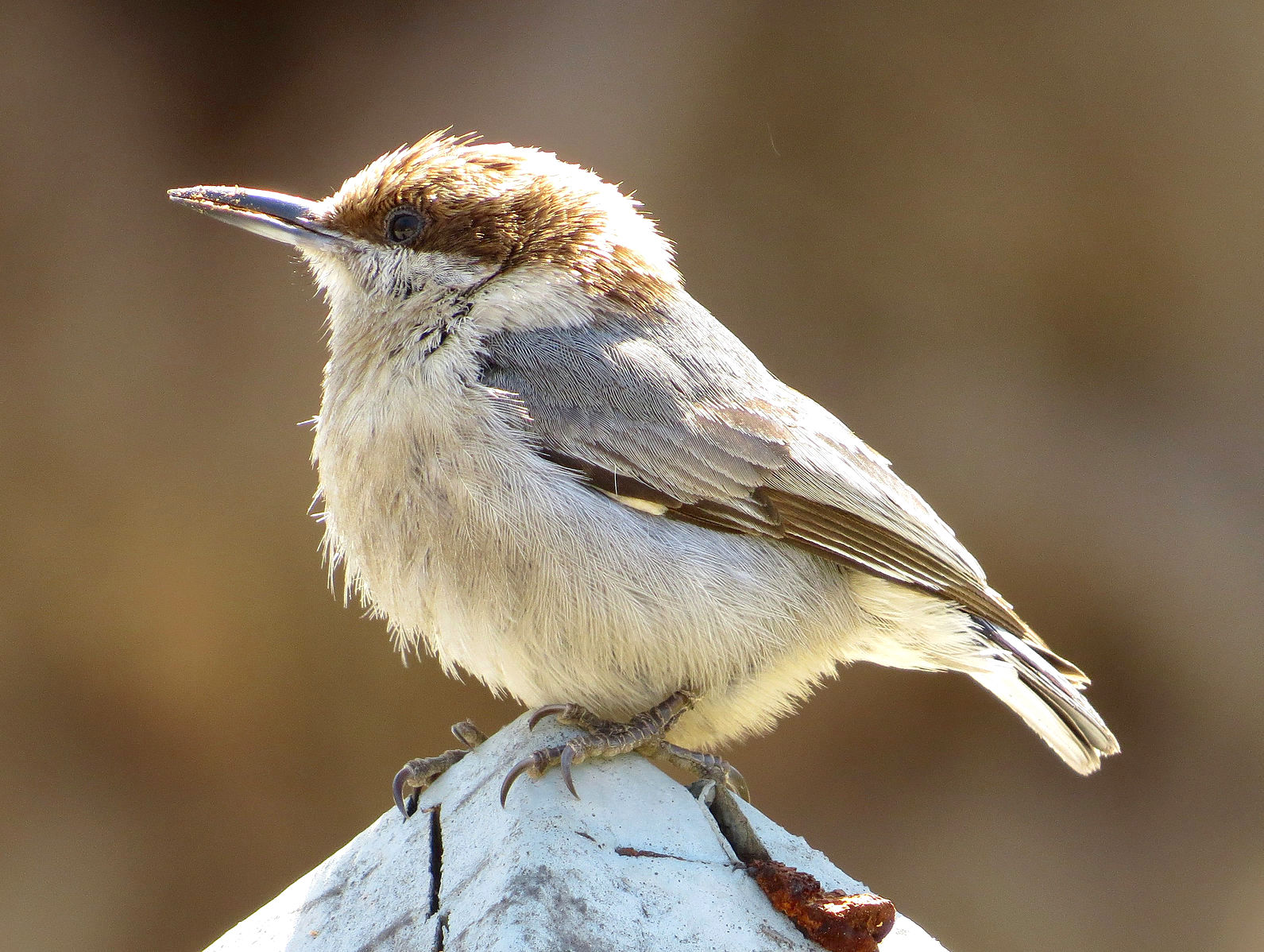
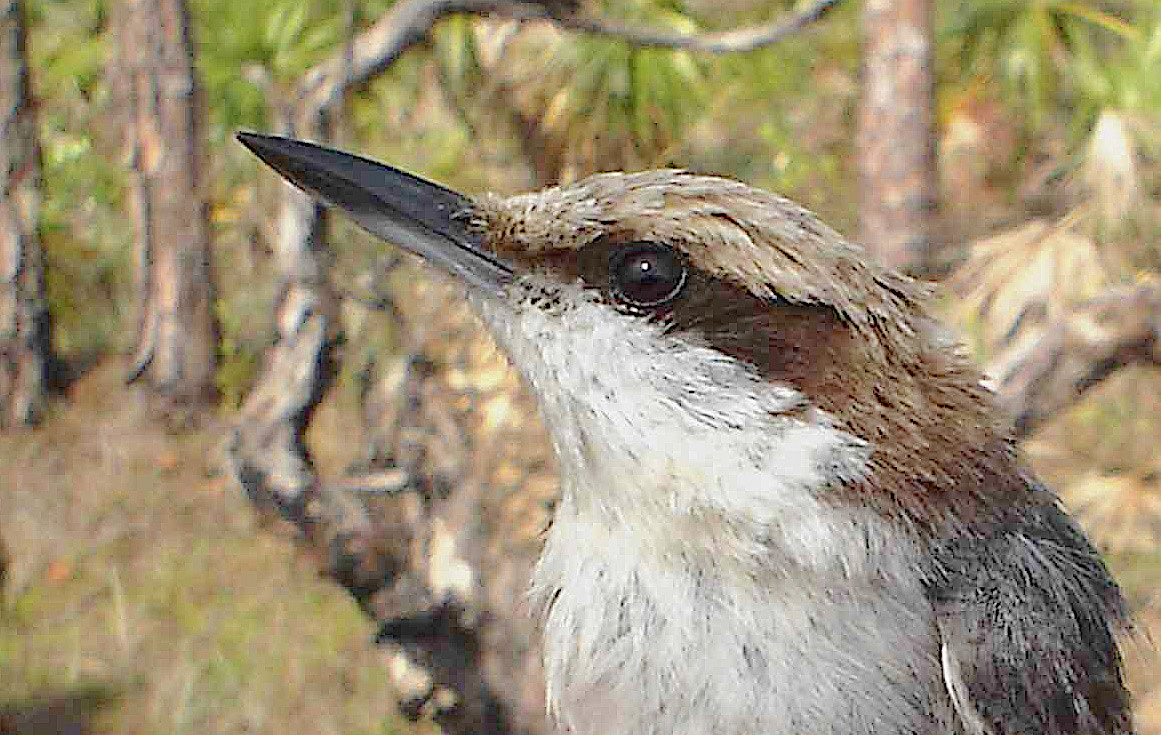
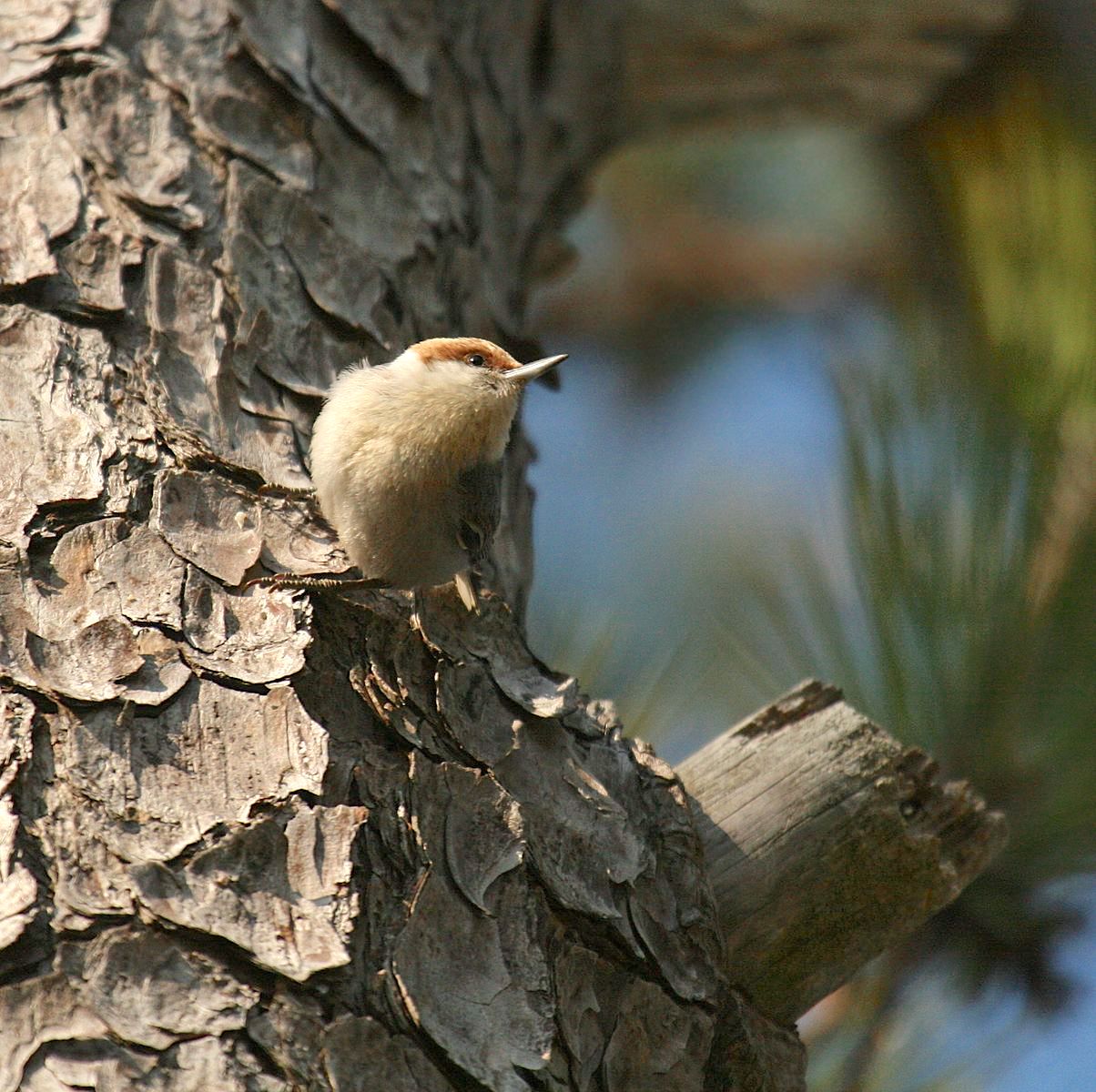
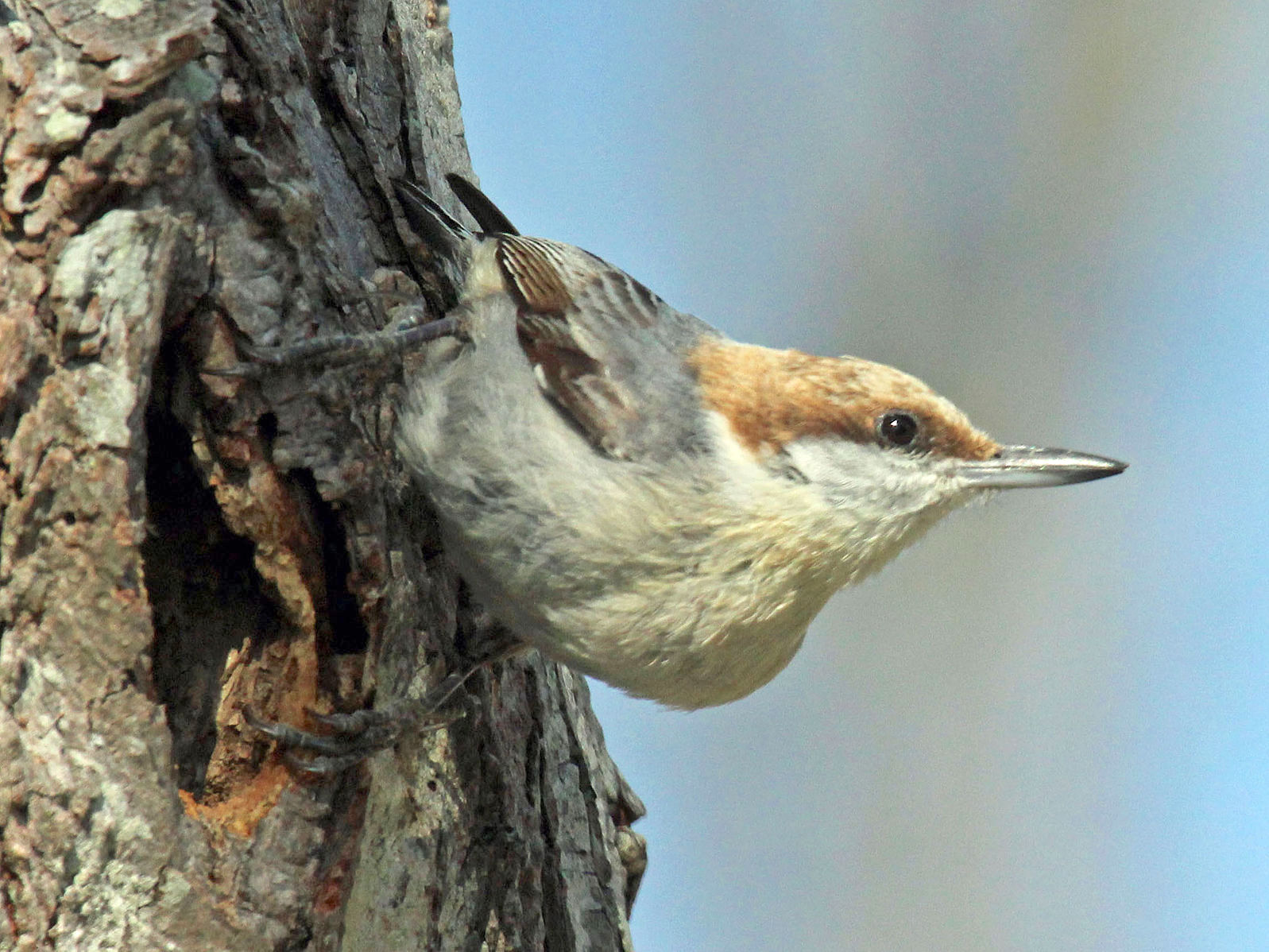
The Bahama Nuthatch (Sitta pusilla insularis) is one of the rarest birds in the Bahamas and – like the similarly rare BAHAMA ORIOLE on Andros – it is confined to one island only, Grand Bahama.  At best about 1000 – 1200 mature birds may inhabit the pine forests though current estimates vary, and that number may be optimistic. What is clear is that, for all the usual reasons (see below) the population is likely to be decreasing rather than growing.

bahamas_nuthatch-birdlife-org

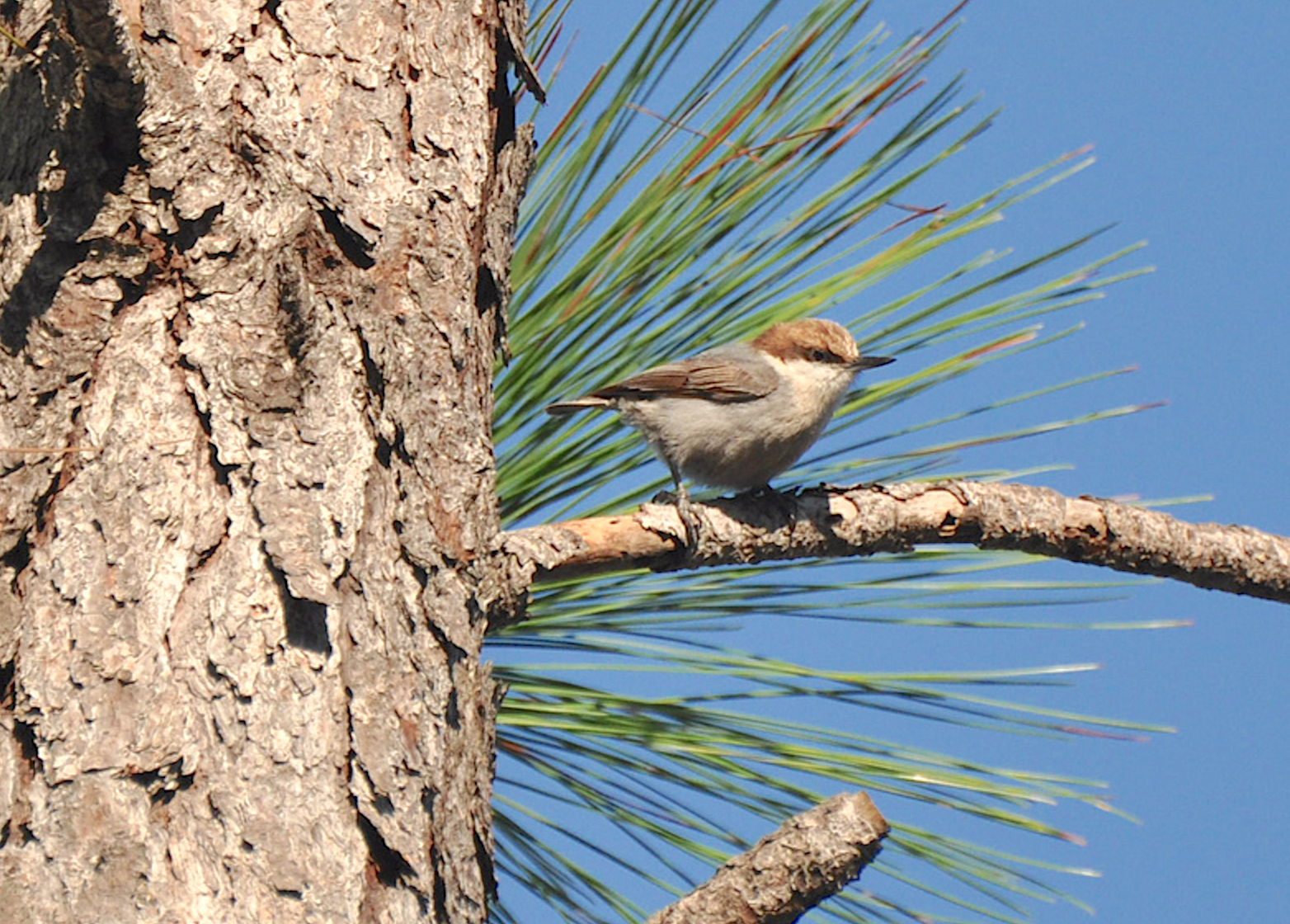
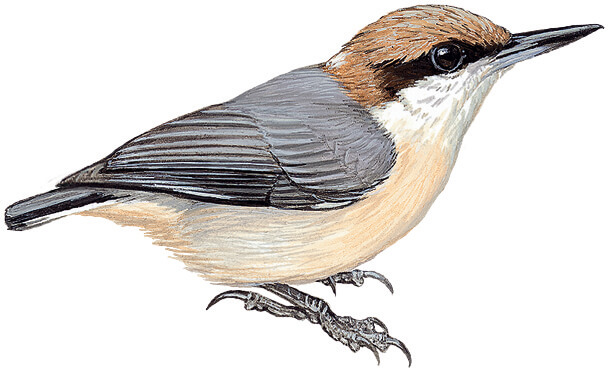
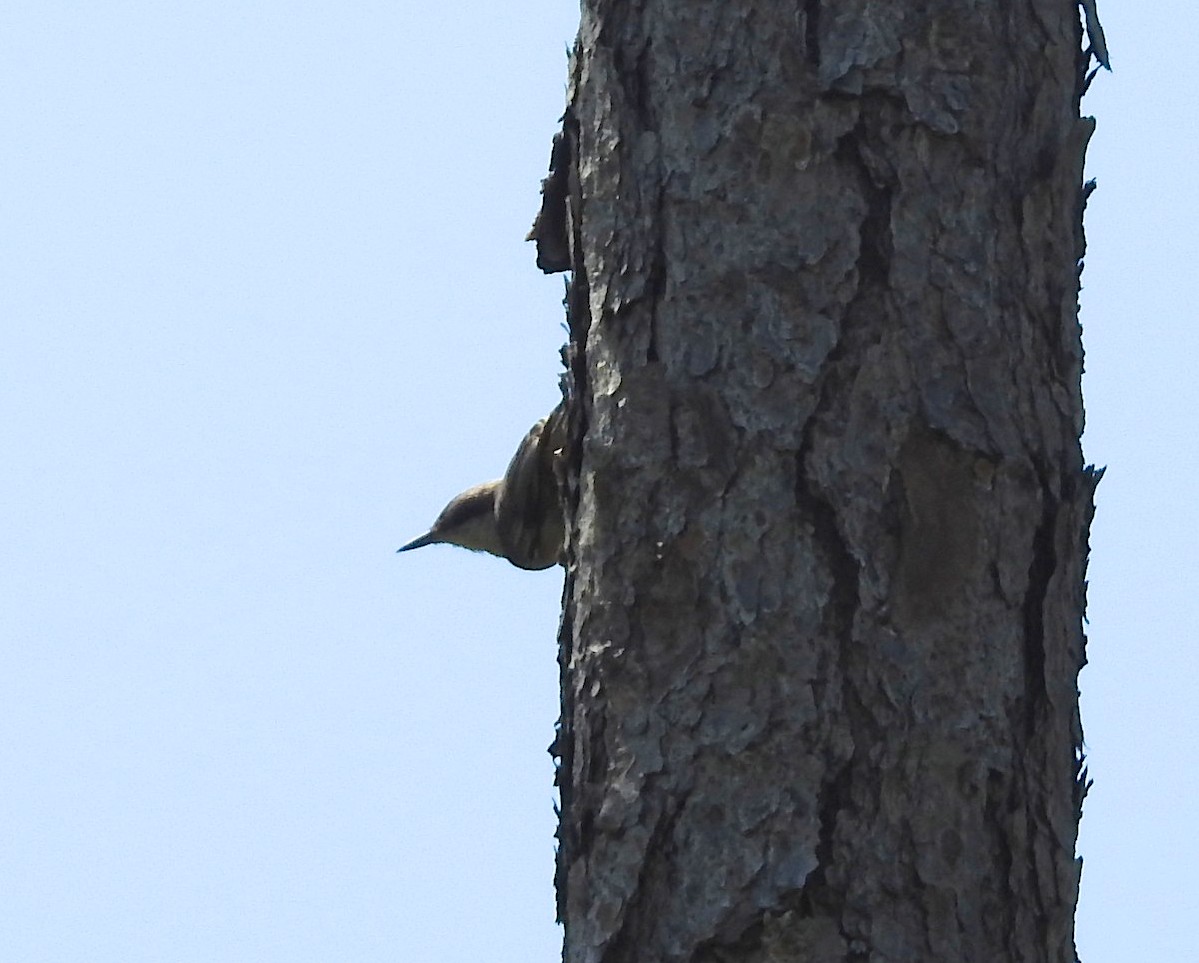
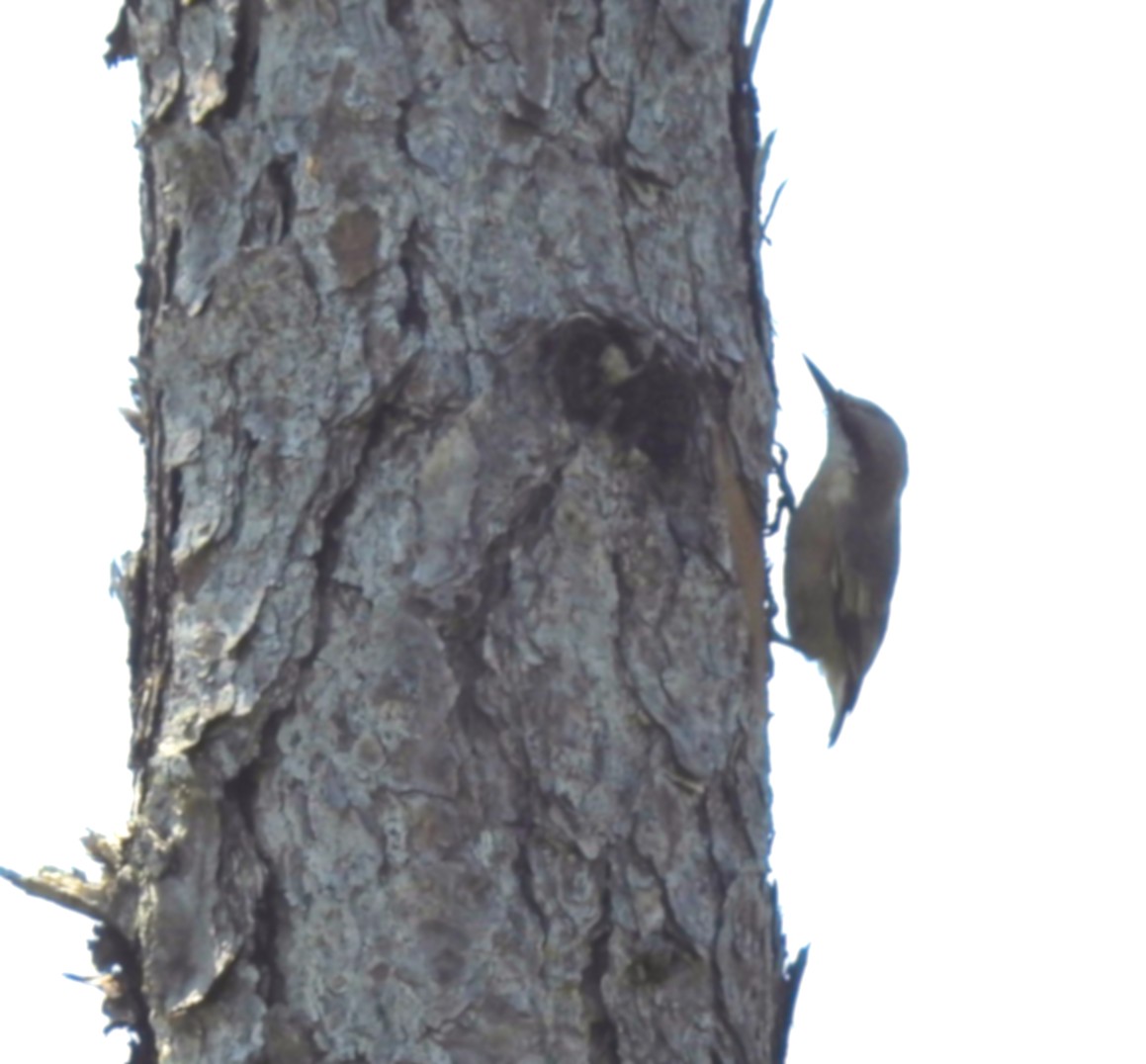
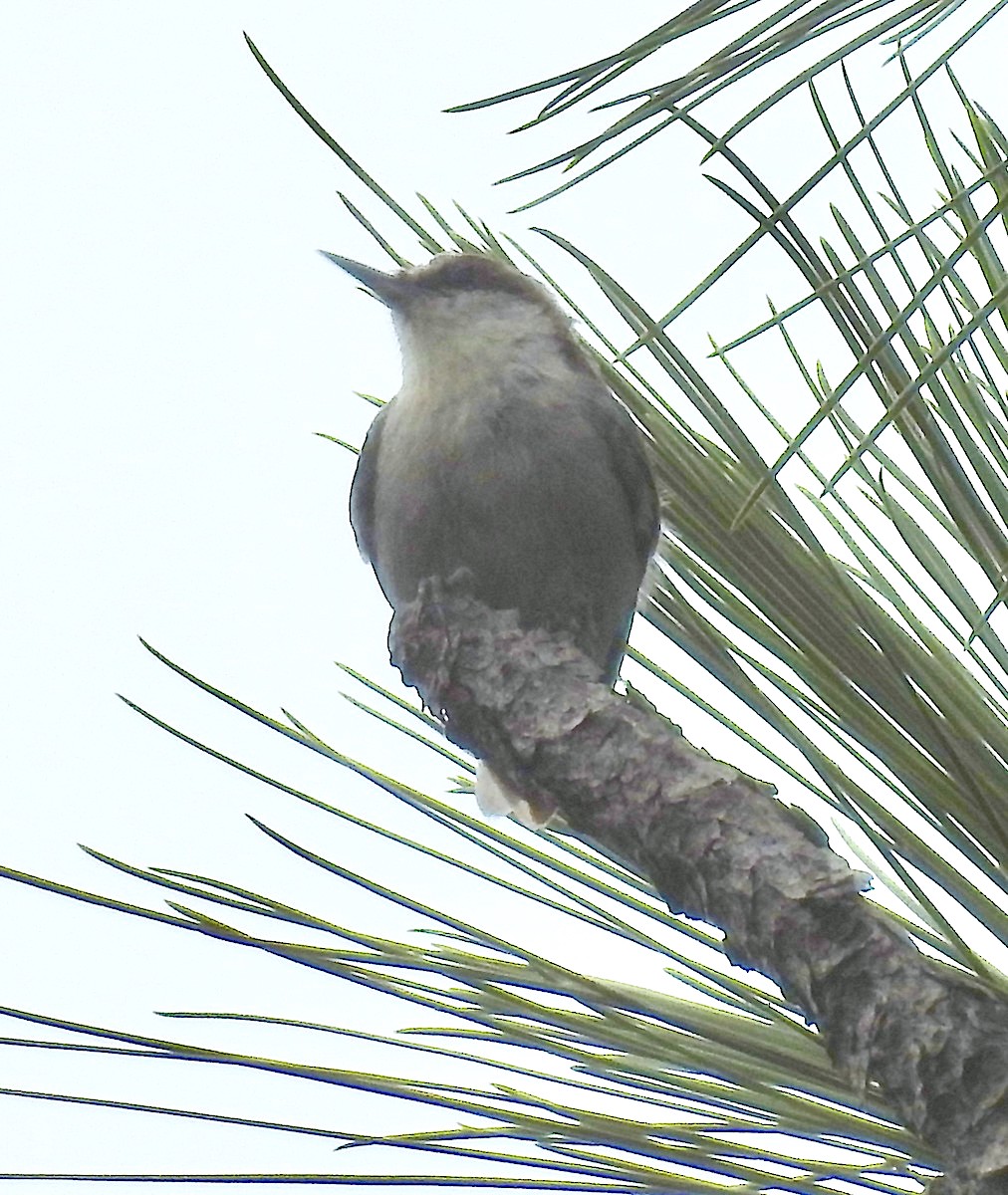
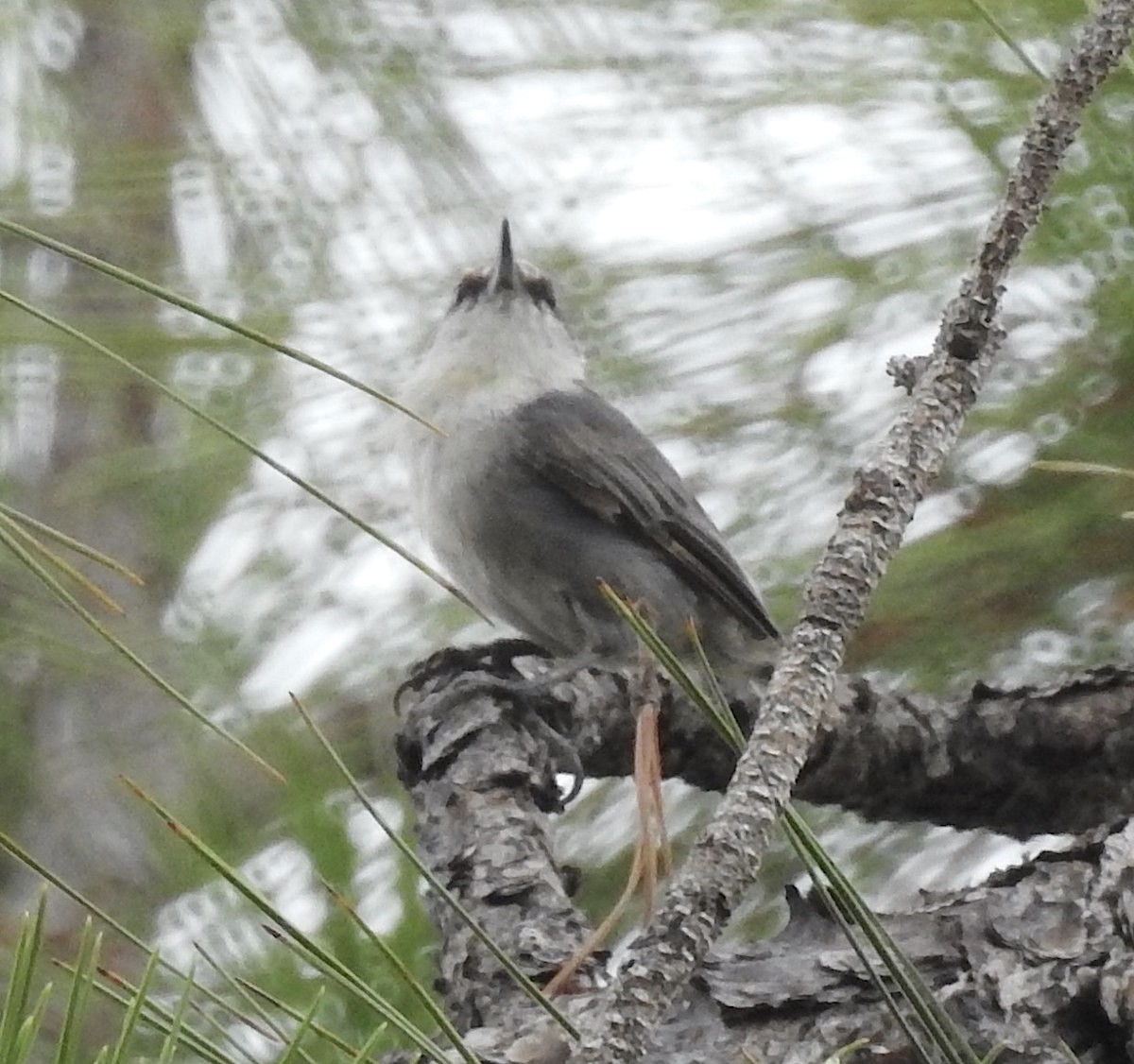
Despite its  scarcity and size – this little bird is one of the smallest in the nuthatch family – the BANU is subject to much scientific debate in bird circles. Until a dozen years ago, it was simply considered to be a brown-headed nuthatch, a familiar enough bird in south-eastern USA. Then a research paper was published, which led to the bird being awarded subspecies status as the Bahama nuthatch S. p. insularis. Some argue further, that it should be considered a fully separate species and split from its cousin (as, recently, with the Bahama and Inagua woodstars in 2015). Others write as though this has already happened but as far as I can make out, it has not – though it might possibly happen once further researches have been completed and submitted (polite correction on this point welcome…).

bahama-nuthatch-owl-hole-rd-grand-bahama-bruce-purdy

WHAT ARE THE DIFFERENCES TO JUSTIFY SEPARATE STATUS?

Close investigation of the Grand Bahama population showed a number of significant differences between the island and the US populations. Having read and digested all the relevant research (NOT! Abstracts, maybe…), I discovered that the main distinctions are:

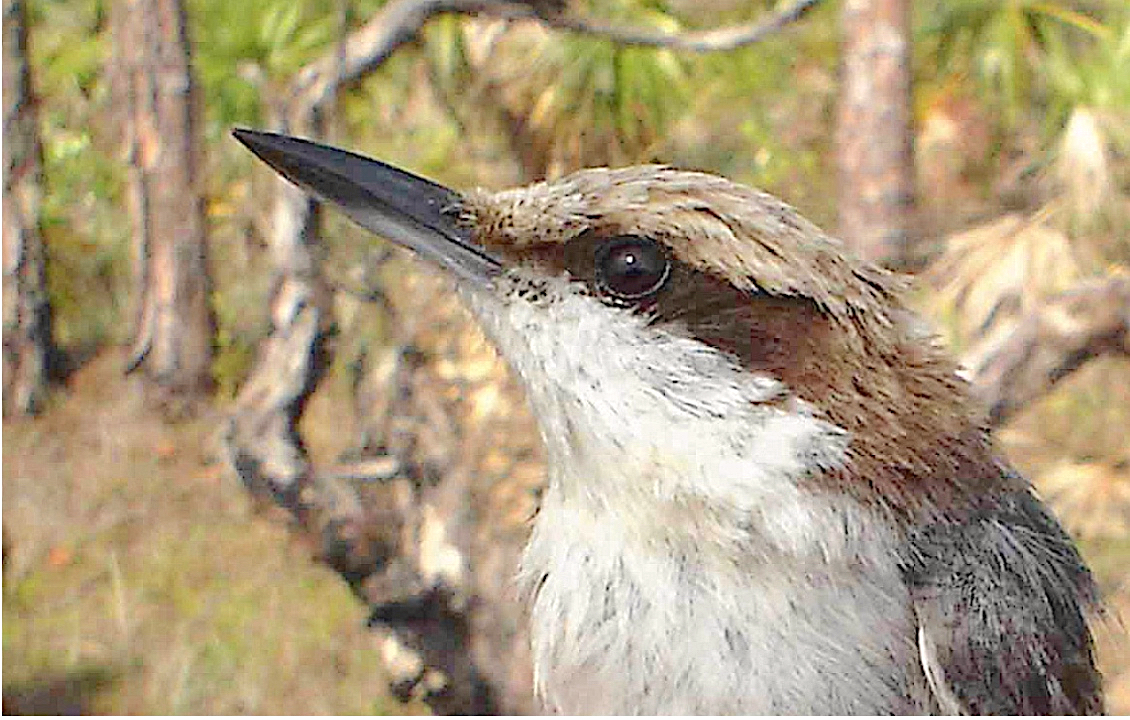
  • A longer, heavier bill (compare the header image of a brown-headed nuthatch in South Carolina with the second one of a Bahama nuthatch).
  • Shorter wings
  • Whiter belly
  • Distinctively different vocalisations

bahama-nuthatch-grand-bahama-robert-norton

IUCN RED LIST STATUS

Whether the BANU is a sub-species of brown-headed nuthatch or a fully separate species, the bird is incredibly rare. The population may be unsustainable without intervention (as implemented to save the Abaco parrots) – and the threat of extinction looms even as the bird begins to attract international interest. In 2016 the IUCN listed the BANU as ENDANGERED, meaning essentially that it faces extinction. ‘Critically endangered’ is the only higher category. The main reasons given for the listing were the small population, found on only one island, and likely to continue declining as a result of habitat loss & invasive species

brown-headed-nuthatch-erika-gates-bahamas-weekly-article

 WHAT ARE THE MAIN THREATS TO THE SPECIES, I MEAN SUBSPECIES?

  • Habitat loss / degradation from development, logging, forest fires & hurricanes
  • Invasive / introduced / feral species such as corn snakes, raccoons & cats
  • Competition from other bird species in a limited area

brown-headed_nuthatch-matt-tillett-md_

HOW DO THESE BIRDS BEHAVE?

A few years back, Erika Gates, well-known Grand Bahama birder and guide, wrote an excellent article in her ‘Bird Talk’ column published in the Bahamas Weekly. It includes this description:

The Bahama Nuthatch exhibits several highly unusual and endearing behaviors. It is one of the very few bird species that conducts co-operative breeding, in which young males assist with nest construction, nest sanitation as well as feeding of the female sitting on the eggs, nestlings and fledglings. It is also one of the few birds known to utilize a tool. On occasion, it uses a bark chip, held in its bill, to pry off bark portions during foraging for insects and grub.

brown-headed_nuthatch-dick-daniels-nc-wiki

SO IF I’M IN THE PINE FOREST ON G B, WHAT DO I LISTEN OUT FOR?

Sadly, there are no available recordings of a BANU**. As their vocalisation is one of the factors that differentiates them from the brown-headed nuthatch, it’s clearly not very helpful to illustrate what the latter sound like. But I am going to anyway, because they can’t be that different. It’s probably just a Bahamian accent. I have read somewhere that it sounds a bit like a squeezed rubber duck toy.

Paul Marvin / Xeno-Canto

** Feb 2018 I have just been contacted by Jeff Gerbracht, who has very kindly sent me a recording he made on Grand Bahama in 2011 on a trip with Bruce Hallett (a familiar name to regular readers of this site) and uploaded to the indispensable Macaulay Library. I must have overlooked it when I wrote the post. The links below are to the recording and to the species checklist from that occasion, including a photo taken by Rudy Sawyer, the third member of the party.

And yes, comparison shows that the 2 nuthatches do indeed have “distinctively different vocalisations” (see above); and that the Bahama nuthatch does not sound anything like a squeezed rubber duck…

brown-headed_nuthatch-matt-tillett-md_5

WHY MIGHT THESE BIRDS TURN UP ON ABACO?

Well, I’m being a bit romantic and optimistic here. But let’s look at the official distribution map from Birdlife International. Not so very far for even a small bird to travel. There are even some small cays as stepping stones. And just think of the thousands of acres of pine forest on Abaco, much of it remote and completely undisturbed. Maybe… if a breeding pair could just… you catch my drift? 

bahama-nuthatch-distribution-birdlife-org

Here is another instructive map, this time from eBird. These are the only BANU sightings ever recorded, and all since 2010. These birds are tiny. There are very few of them, spread over a wide area. They live in pine trees, and are to an extent camouflaged against them. You’d be very very fortunate to find one at all, let alone get a decent photo of it… Let’s hope you can spot one while they are still around.

screenshot-2017-01-04-22-42-20

ANYTHING ELSE WE SHOULD KNOW?

I have written elsewhere (in fact, HERE) about the ornithologist James Bond and his connection with Ian Fleming’s hero. The very rare first edition** of Bond’s seminal Birds of the West Indies was published in 1936. In it, he described the BANU and suggested it was a subspecies of the brown-headed nuthatch. A man way ahead of his time. 

PLEASE STOP NOW. ANY LAST WORDS?

“The species may become extinct unless Bahamians are willing to take action to save it. As the rarest bird in the Bahamas, and one of the rarest birds in the world, the nuthatch will become a high-profile symbol of conservation efforts (or their failure) in the Bahamas”. RESEARCHGATE

Photo credits: David Hill (BHNU) 1; Birdlife.org (BANU) 2; Bruce Purdy (BANU) 3; Robert Norton (BANU) 4; Erika Gates / Bahamas Weekly (BANU) 5; Matt Tillett (BHNU) 6, 8; Dick Daniels (BHNU) 7

Sound: Paul Marvin / Xeno-Canto

Addendum Feb 2018: Jeff Gerbracht for a BANU sound recording and species checklist

Research credits: Birdlife International /Birdlife.org; Birding Community E-Bulletin, Nov 2008; Research Gate; IUCN; The Bahamas Weekly / Erika Gates; eBird; American Birding Association (and a bonus point for its brown-headed nuthatch behaviour article wittily entitled “Sex in the Sitta”)

**The edition of James Bond usually described as the first edition (indeed in the book itself) was published in 1947. You might pick one up for $100 or so (try Abe.com), as I did. Don’t get one without a dust-jacket. It’s a treasure, and an affordable slice of avian history. A 1936 edition will probably be well north of $2000… 

Unknown's avatar

RACCOONS ON ABACO: A MIXED BLESSING?


raccoon_procyon_lotor_2 wiki

RACCOONS ON ABACO: A MIXED BLESSING?

Abaco, like the rest of the Bahama Islands, is strangely short of native land mammals. The last of the wild ABACO BARBS – descendants of Spanish Colonial horses of high pedigree – died very recently. The proud Barbs are no more. But they, of course, were an introduced species. There are the hard-breeding, hard-hunted hogs. And feral potcakes, unowned or disowned. Many feral cats. Maybe a few rabbit escapees. And bats: several of the dozen (or so) Bahamas species are found on Abaco. At one time there was the shy nocturnal HUTIA that had the distinction of being – or having been – endemic to many of the islands. Not on Abaco, sadly – its own subspecies the Great Abaco Hutia had become extinct by the c17. You’ll have to go to the Exumas to see a hutia.

HEY! THERE ARE RACCOONS, AREN’T THERE?

This endearing-looking creature was photographed on Abaco by Charmaine AlburyRaccoon, Abaco, Bahamas (Charmaine Albury)

Raccoons are a non-native species, probably introduced in the Bahamas many decades – perhaps a couple of centuries – ago. They are thought to have been brought to New Providence originally. More recently they arrived on Abaco – possibly as pets in the first place, which were then released or escaped. And they are spreading: as recently as April 2012 an excellent article in the Bahamas edition of COASTAL ANGLER MAGAZINE introduced “Eleuthera’s Newest Mammal”.

Raccoon (Cheryl Wile Ferguson)

RACOON PROS

  • Cuddly, furry, cute-looking, quite high on the well-known scientifically-based ‘ADORBS’ scale (Animals Deemed Outrageously, Ridiculously, Breathtakingly Strokeable)
  • Comfortingly familiar despite being wild animals (NB potentially aggressive)
  • Don’t have the same drawbacks as skunks
  • Have valuable fur
  • Pelts can be used for Davy Crockett hats
  • raccoon-danny-sauvageau

RAC-CONS

  • Considered to be “one of the world’s most omnivorous animals”
  • Known to wreak havoc with certain crops, eg watermelons
  • Canny and adept hunters, including at night; good climbers to treetop level
  • Suspected of predation of land crabs (depriving ‘natural’ predators of the pleasure)
  • Compete with birds for fruit, berries and nectar
  • Relish birds’ eggs. Low and ground-nesting birds are particularly at risk throughout season
  • On Abaco, a major conservation program has been needed to protect the nests of the Abaco parrots in the limestone caverns of the national park from raccoons, feral cats and rodents
  • Eat small birds, curly tail lizards, anoles and suchlike
  • Can be aggressive to humans – note the handy claws clearly shown in the photo above

A shy raccoon in a tree, Treasure Cay (Becky Marvil)raccoon-abaco-becky-marvil

LIVE AND LET LIVE?

“The authors of the study Taxonomic status and conservation relevance of the raccoons of the West Indies (2003) hold that the Bahamian raccoon is an invasive species which itself poses a threat to the insular ecosystem.The Government of the Bahamas has this species listed as up for eradication on the islands of New Providence and Grand Bahama”.

So the official line favours eradication of a potentially harmful non-native species – failing which, presumably containment of numbers. Trapping is one way to achieve this – and there are both humane as well as cruel ways to do so. However, trapping in one place, only to release somewhere else is clearly not an option. But it would provide the opportunity to neuter / spay the animals and slow or prevent the reproductive spread of the creatures. Hunting raccoons is another method.  It’s not currently a significant sport, but neither are raccoons protected. Their fur has a value, and some say they could provide a source of somewhat gamey meat.

Or they could be just left as they are, as attractive creatures now well-established, despite the inevitable risks to native species such as the reviving population of Abaco parrots, now at sustainable numbers. On Abaco, reduced to its basics the $64k question might be: which would you prefer in the future? More raccoons or fewer parrots (or indeed, no parrots at all)?

Raccoons exhibited in the Garden of the Groves, Freeport, Grand Bahama (neutered /spayed)raccoons-nassau-bahamas-weekly

PUMPKIN

I wouldn’t wish to run the risk of influencing the delicately balanced arguments about the raccoons of the Bahamas, but will you just take a look at this? The perfect fit for the acronymic descriptor A.D.O.R.B.S!

Coastal Angler magazine, BNT / Erika Gates, Bahamas Weekly, Charmaine & Becky for the Abaco photos, plus Wiki / open source, Buzzfeed / YouTube & don’t get stuck into the rest of the cutesy viddys… Stop Press: added above the pros & cons – a great recent photo by Cheryl Wile Ferguson (nb not taken on Abaco)

At least as far as stamps are concerned, the raccoon gets equal billing with the hutia (and the bat)bahamastamp