Unknown's avatar

‘TREAT WITH PATIENCE…’ – NURSE SHARKS IN THE BAHAMAS

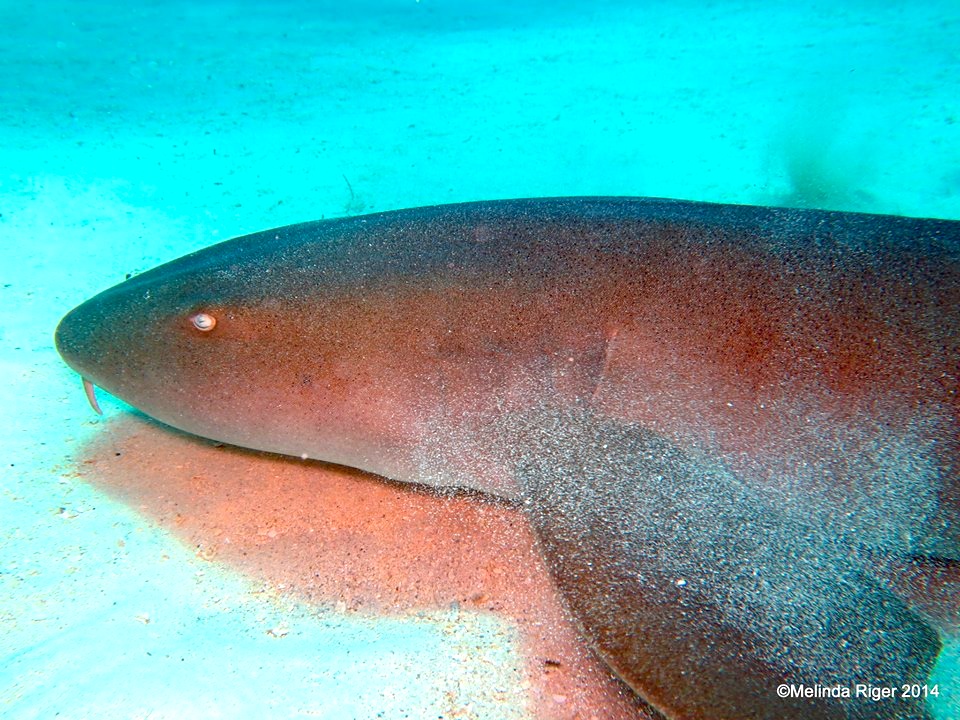
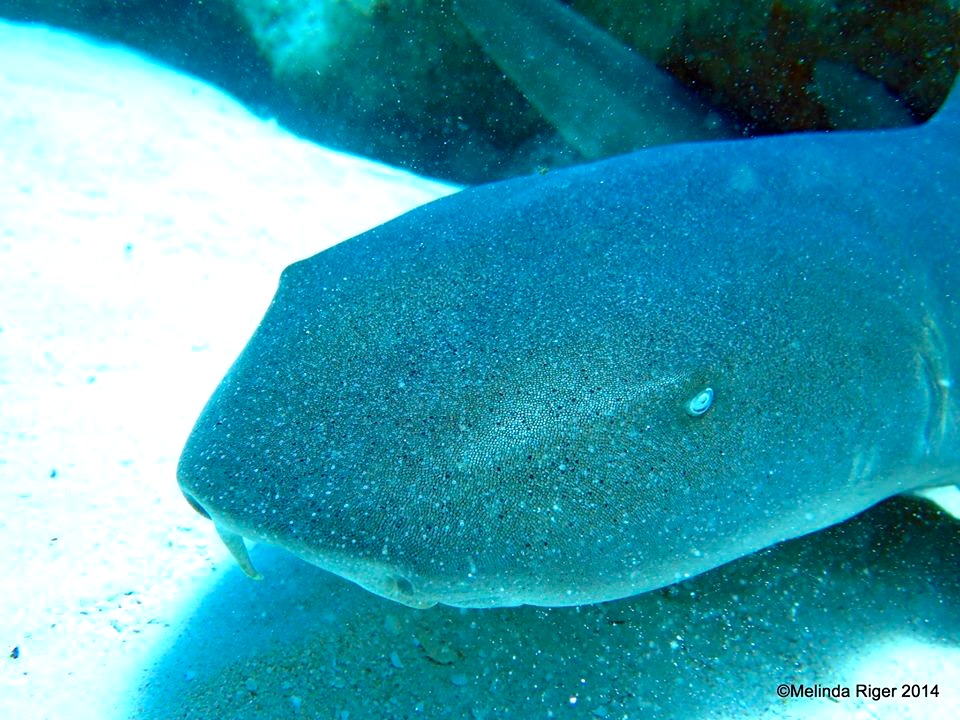
Nurse Shark ©Melinda Riger @ GB Scuba

‘TREAT WITH PATIENCE…’ – NURSE SHARKS IN THE BAHAMAS

The scientific name for the nurse shark sounds like something Bilbo Baggins might have said to summon elves to his rescue: Ginglymostoma cirratum. Actually the name is a mix of Greek and Latin and means “curled, hinged mouth” to describe this shark’s somewhat puckered appearance. The origin of the name “nurse shark” is unclear. It may come from the sucking sound they make when hunting for prey in the sand, which vaguely resembles that of a nursing baby. Or it may derive from an archaic word, nusse, meaning cat shark. The most likely theory though is that the name comes from the Old English word for sea-floor shark: hurse.

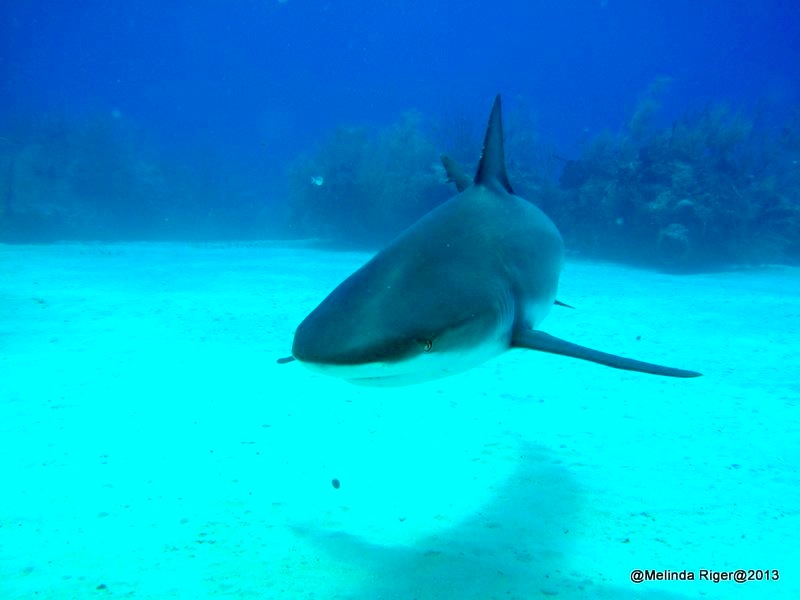
Shark ©Melinda Riger @ GB Scuba

Nurse sharks are slow-moving bottom-dwellers and are, for the most part, harmless to humans. However, they can be huge—up to 14 feet (4.3 meters)—and have very strong jaws filled with thousands of tiny, serrated teeth, and will bite defensively if stepped on or bothered by divers who assume they’re docile. [There are recorded instances of injuries caused to divers who have tried to pull nurse sharks by the tail. And serve them right, I say. Treat them with patience – and respect!] 

Nurse_shark_with_remoras Duncan Wright (Sabine's Sunbird)

Notice that the nurse shark in the above photo, and in the header image, is being attended by REMORAS. Click the link to find out more about the strange relationship these ‘weird suckers’ have with larger marine creatures.

Nurse Shark ©Melinda Riger @ G B Scuba

They use their strong jaws to crush and eat shellfish and even coral, but prefer to dine on fish, shrimp, and squid. [And also stingrays, apparently. They have been observed resting on the bottom with their bodies supported on their fins, possibly providing a false shelter for crustaceans which they then ambush and eat.] They are gray-brown and have distinctive tail fins that can be up to one-fourth their total length. Unlike most other sharks, nurses are smooth to the touch. 

Nurse Shark ©Melinda Riger @ Grand Bahama Scuba

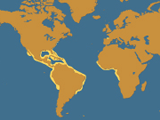
Nurse sharks are found in the warm, shallow waters of the western Atlantic and eastern Pacific oceans. They are abundant throughout their range and have no special conservation status, although the closeness of their habit to human activities is putting pressure on the species.

map-nurse-shark-160-20135-cb1321035858

Nurse sharks are nocturnal and will often rest on the sea floor during the day in groups of up to 40 sharks, sometimes piled on top of each other.

Shark, Nurse (young) ©Melinda Riger @ GB Scuba

FAST FACTS

  • Type: Fish 
  • Diet:  Carnivore
  • Size: 7.5 to 9.75 ft (2.2 to 3 m)
  • Weight: 200 to 330 lbs (90 to 150 kg)
  • Size relative to a 6-ft (2-m) man:
Illustration: Shark compared with adult manNurse Shark ©Melinda Riger @ G B Scuba copy

Credits: All photos Melinda Riger, Grand Bahama Scuba; range map and text mostly  NATIONAL GEOGRAPHIC  filled out with other pickings

Unknown's avatar

‘ELEGANTLY WEIRD’ – SPOTTED DRUMFISH JUVENILES: BAHAMAS REEF FISH (20)

‘ELEGANTLY WEIRD’ – SPOTTED DRUMFISH JUVENILES: BAHAMAS REEF FISH 20

I’ve posted before about the rather extraordinary SPOTTED DRUMFISH, one of those reef fish which in juvenile form is very different from the adult. This species was first up in the Bahamas Reef Fish series – click above link. Here are a few recent images, courtesy of Melinda Riger. The first three show the juvenile form (note the piscine photobomb in the first one). The last shows a group of adults hanging out on the reef with (I think) some soldierfish. You can see how the juvenile drumfish becomes the adult, but those little stripy bullet-heads with their two long elegantly trailing appendages differ considerably from the rather solid-looking spotty / stripy adults with their dramatic punko-rockabilly quiffs.

Drumfish (juv) 3 ©Melinda Riger @ Grand Bahama Scuba Drumfish (juv) 4 ©Melinda Riger @ Grand Bahama ScubaDrumfish (juv) 2 ©Melinda Riger @ Grand Bahama Scuba Drumfish ©Melinda Riger @ Grand Bahama Scuba

Unknown's avatar

CETACEAN SENSATION: SPERM WHALES & DOLPHINS ON ABACO

10492458_817200128299215_4153510656415477809_n - Version 2

CETACEAN SENSATION: SPERM WHALES & DOLPHINS ON ABACO

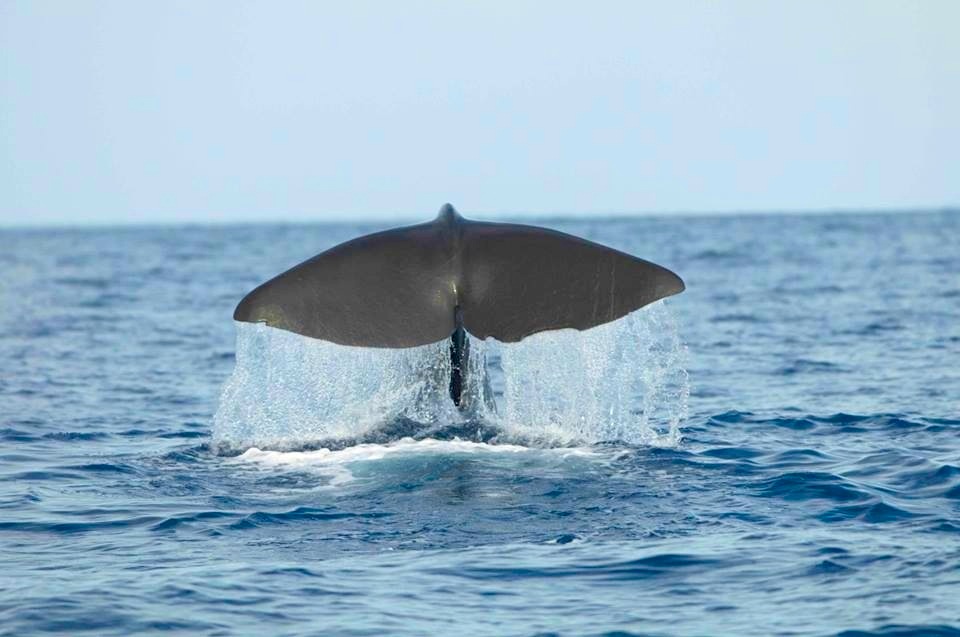
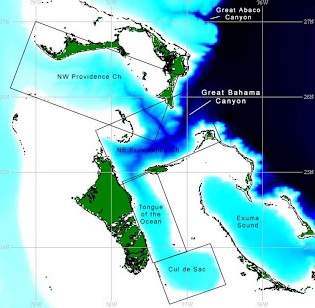
July has been ‘Whale Camp’ month for the BMMRO, when a small group of lucky youngsters get to spend time out at sea searching for whales and dolphins, and learning the intricacies of data recording and research. One target was the sperm whale, a species that may be found off the coasts of South Abaco. This is a favoured place because the deep trench of the Great Bahama Canyon throws up the food these whales need (see map below).

After some time spent searching, the BMMRO reported  “the sperm whales are back! We found a single animal yesterday, and finally in the evening found the rest of the group, 10+ animals including 3 mother-calf pairs, and dolphins at Rocky Point!” Here are some of the photos from the trip.

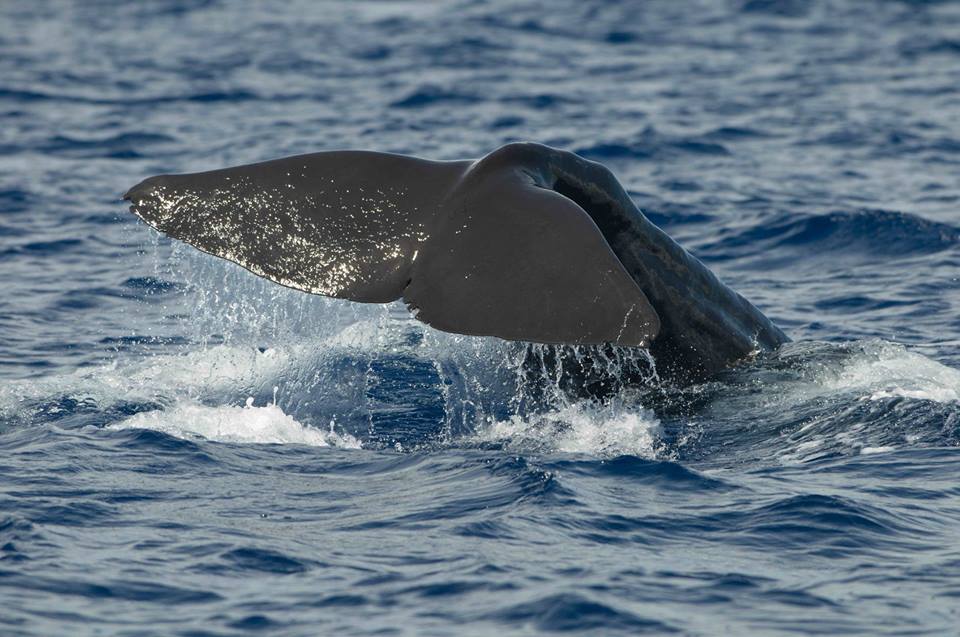
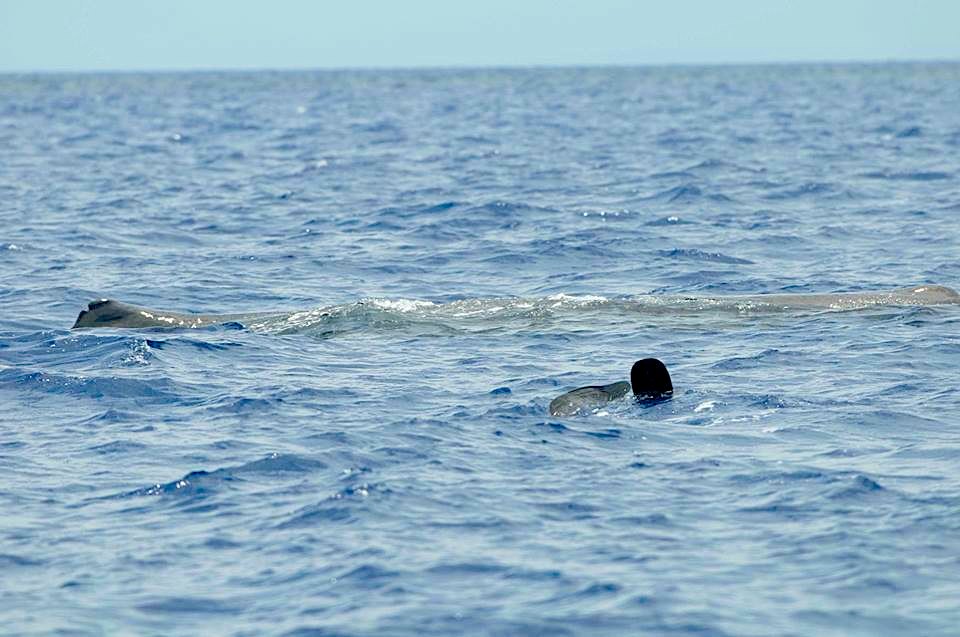
Sperm Whale Tailing, Abaco, Bahamas (BMMRO) Sperm Whale, Abaco, Bahamas (BMMRO) Sperm Whale, Abaco, Bahamas (BMMRO)

This map of the northern Bahamas shows the V-shaped tails of the Great Bahama Canyon, and explains why the east coast and (in particular) the shallower south-west coast between Hole-in-the-Wall and Rocky Point is so attractive to feeding whale species.

Great Bahama Canyon

The dolphins were quite prolific in July, in particular bottlenose and spotted dolphins. These photos were mostly taken while the search for sperm whales was going on: the BMMRO posted “lots of dolphins up at Gorda Cay yesterday… still not hearing any sperm whales in the area, has been a couple of weeks without sign of them so they should be showing up again soon…” As they obligingly did!

Bottlenose Dolphin, Abaco, Bahamas (BMMRO)Bottlenose Dolphins, Abaco, Bahamas (BMMRO) Bottlenose Dolphin, Abaco, Bahamas (BMMRO)Spotted Dolphins, Abaco, Bahamas (BMMRO)

10592949_747256928672527_8290058412214442799_n

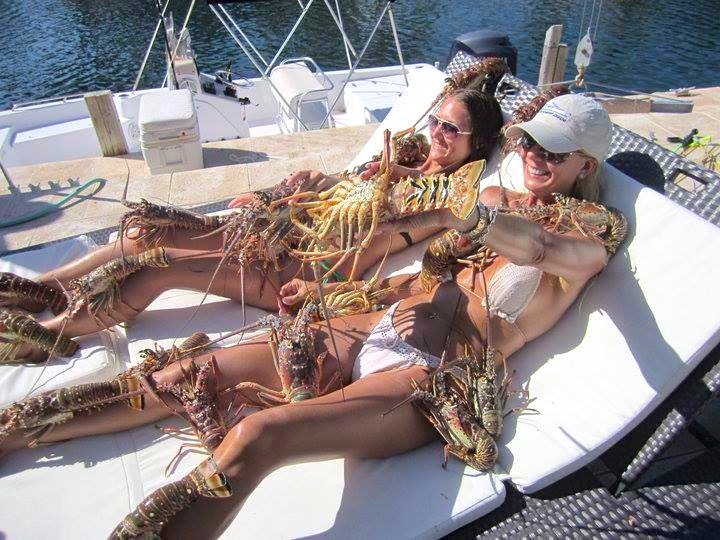
Today is the first day of the crawfish season and Facebook Abaco has been crawling with crawfish for a couple of days in feverish anticipation. So I decided to stick with whales and dolphins instead because there are enough crawfish images out there to keep anyone happy. However I did particularly like this offering today from Albury’s Ferry Services, always a byword for tastefulness and decorum. I’ve borrowed their picture (they borrow mine sometimes) – I wondered if it need a little more exposure, then decided there was probably quite enough already….
1560751_559512834154838_7953388384919364087_n

Photo credits: all cetaceans, BMMRO; Crawfish Ladies, Albury’s Ferries; ‘Keep Calm’, Mariah Sawyer

Unknown's avatar

RED REEF RESIDENTS: A RUFOUS ROUND-UP IN THE BAHAMAS

Squirrelfish (Elvis) ©Melinda Riger @ Grand Bahama Scuba copy

Elvis the Squirrelfish

RED REEF RESIDENTS: A RUFOUS ROUND-UP IN THE BAHAMAS

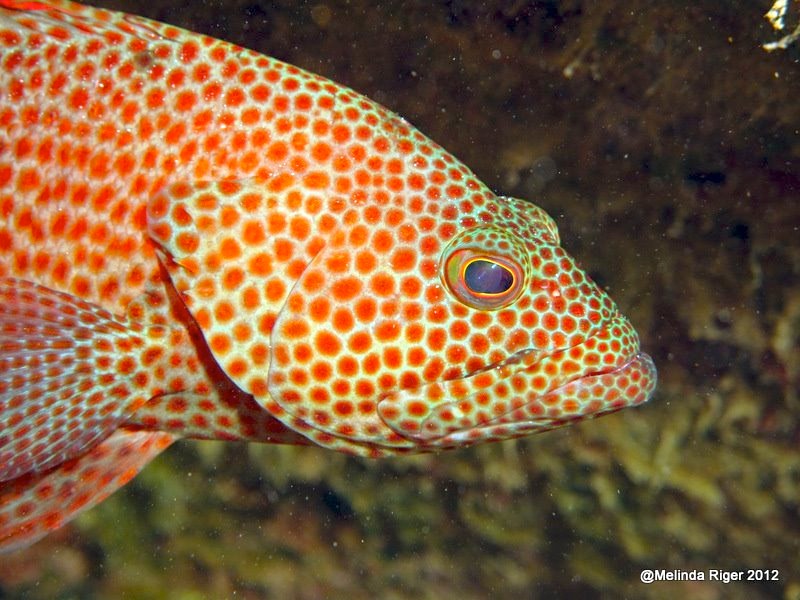
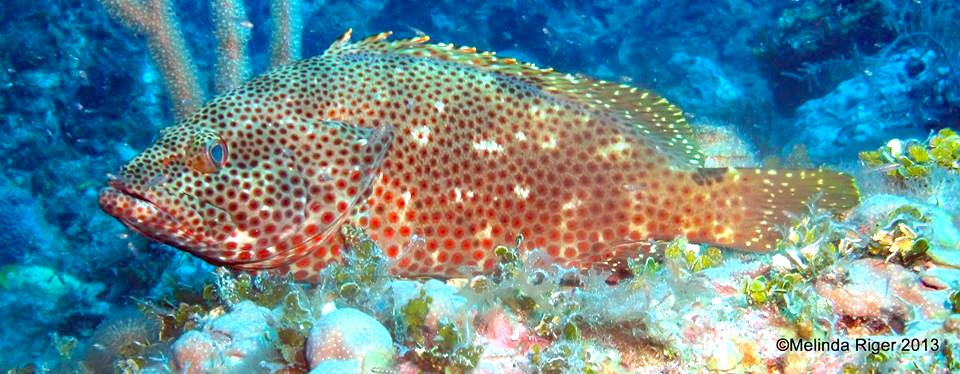
It’s sunny and very hot. Time to take another dive with Melinda to see what is going on under water around the reefs. Here are some residents, a somewhat loose description since some of the denizens featured are not especially active. But they are alive, so they qualify by my wide rules. And please may we not get into a discussion about where precisely red and orange overlap. It’s a grey area. And it’s too hot to argue about it… Let’s start with three types of GROUPER that may be spotted in the northern Bahamas. In fact, they are always spotted. One of my favourite pictures is the Graysby – it’s such a great expression, and he really rocks the spots!

GRAYSBY
Graysby © Melinda Riger @ Grand Bahama Scuba copy

TIGER GROUPER AT A CLEANING STATION with Peterson Cleaning Shrimps & a GobyGrouper, Tiger with cleaning shrimps and goby ©Melinda Riger @ G B Scuba copyRED HINDRed Hind Grouper Melinda Riger @ G B Scuba copy

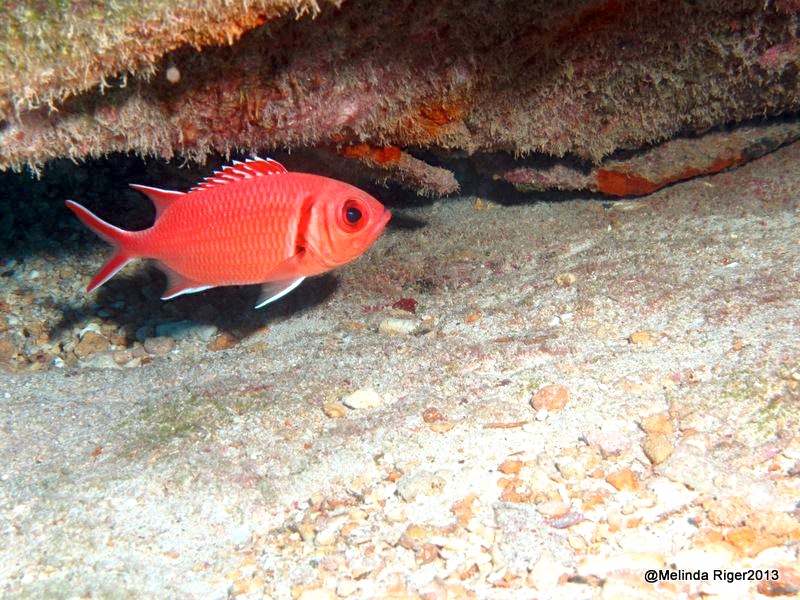
BLACKBAR SOLDIERFISHBlackbar Soldierfish ©Melinda Riger @ G B Scuba copy

HOGFISHHogfish ©Melinda Riger @ GB Scuba copy 2

SQUIRRELFISHSquirrelfish 2 copy

But red fish are not the only red reef residents. Here are some  that won’t swim away from you as you swim towards them to admire them…

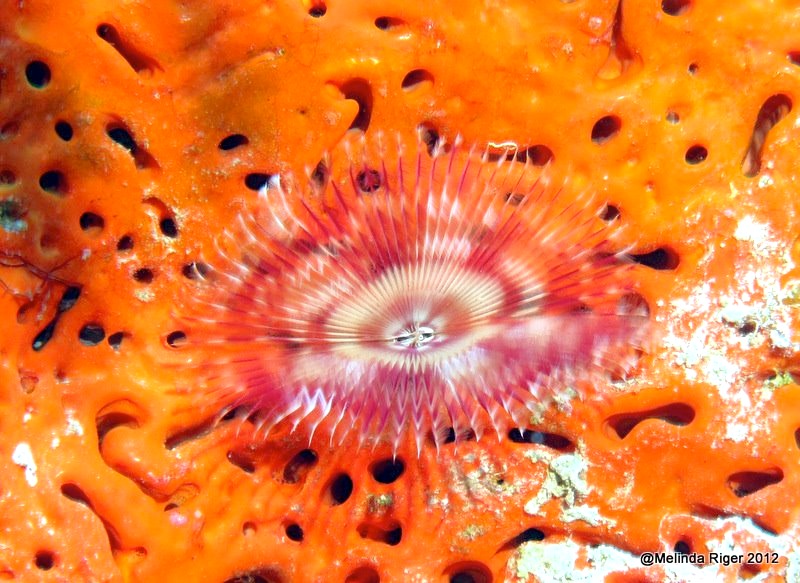
A FEATHER DUSTER ON A SPONGEFeather Duster in a Sponge ©Melinda Riger @ Grand Bahama Scuba copy

RED SPONGERed Sponge ©Melinda Riger @ GB Scuba copyUNDERWATER GARDEN GROWING IN A RED CONTAINERCoral ©Melinda Riger @ G B Scuba 2 copy

ANOTHER VARIED REEF GARDENReef Garden ©Melinda Riger@ G B Scuba copy

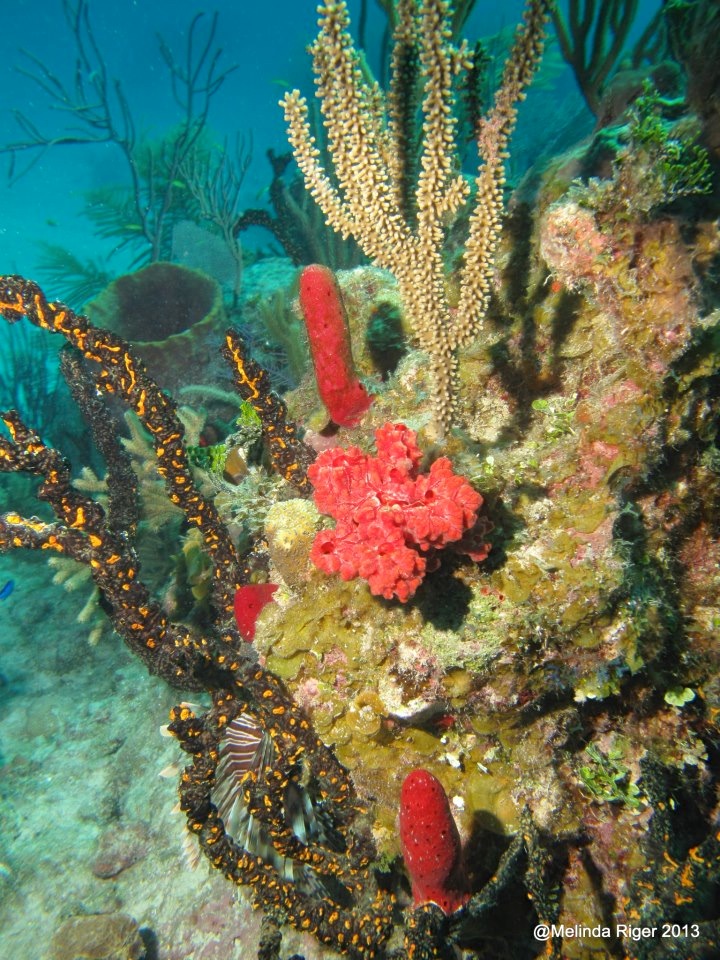
CORALS WITH (I have just noticed) A LURKING LIONFISH Coral ©Melinda Riger @ G B Scuba 1 copy

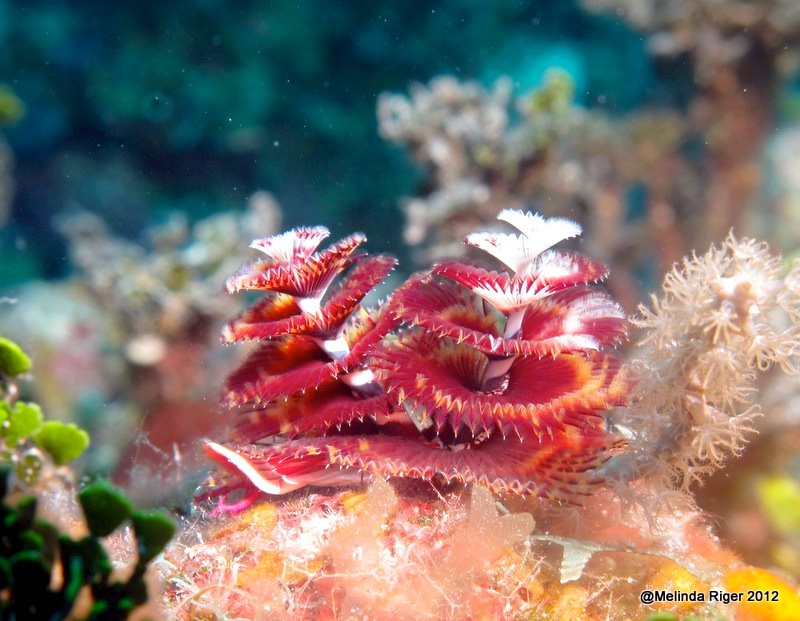
CHRISTMAS TREE WORMS (see more of these amazing creatures HERE)Christmas Tree Worms ©Melinda Riger @ G B Scuba copy

All photos: Melinda Riger @ Grand Bahama Scuba

Unknown's avatar

THE OCTOPUS: MARINE BAGPIPES FILLED WITH INK

 THE OCTOPUS: MARINE BAGPIPES FILLED WITH INK

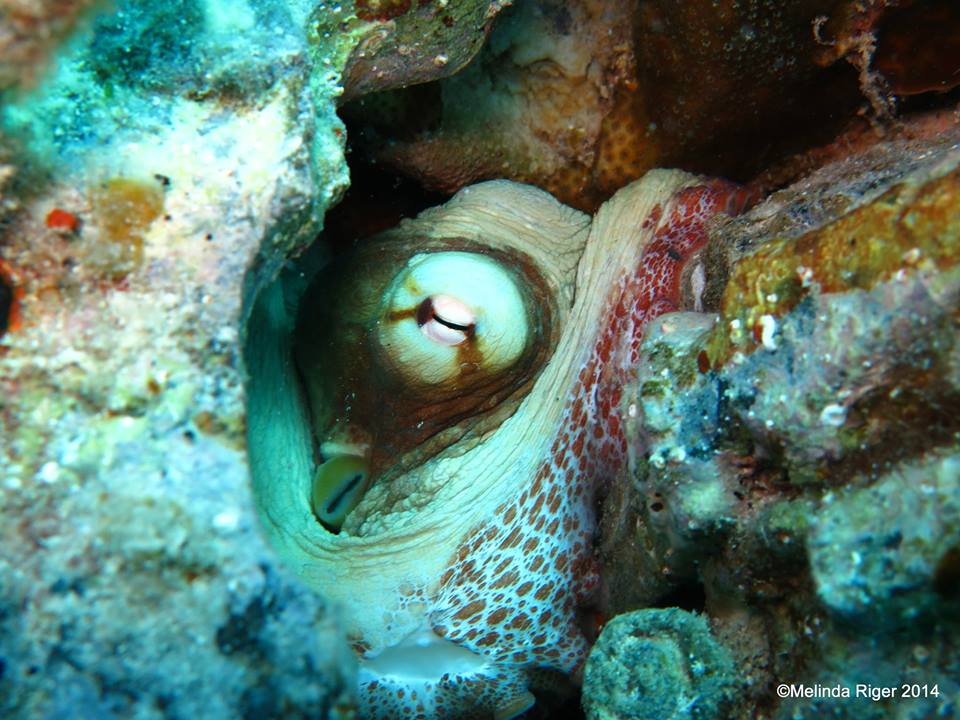
Few people know that, by international law, it is unlawful to fail to be fascinated by Octopuses… Octopi… Octopodes… Octopotomi… Whatever. For a learned dissertation on the correct plural form for these creatures – bear with me, there are strict rules that apply here – you’ll find out the right way at THE PLURAL OF OCTOPUS I won’t go into it all now, because it’s time to showcase some more wonderful underwater photography by Melinda Riger of Grand Bahama Scuba. Strictly, these are not Abacos Octos, but they share the same reef system and are therefore close cousins. Of such tenuous links are blog posts formed.

My favourite octopus photoOctopus ©Melinda Riger @ Grand Bahama Scuba

Settling down to a take-awayOctopus + dinner ©Melinda Riger @ GB Scuba

The all-seeing eye…Octopus ©Melinda Riger @ G B Scuba

On the move… so long suckers!Octopus  ©Melinda Riger @ Grand Bahama Scuba

Octopus InkOctopus Ink ©Melinda Riger @ G B ScubaAll photos: Melinda Riger

The Rare Scottish Tartan Octopus

Bagpipe

SAD POST SCRIPT:  As a Scot out of Norway (did you ever?) my father learnt to play the bagpipes. Indeed had a set. They lived in a cellar I wasn’t allowed into. The bag was allegedly preserved in treacle (don’t ask). I still have the ‘Chanter’ (a single pipe practice instrument), the sound of which is akin to trying to strangle one cat with another cat. I was fobbed off with that. Then one day as a treat the cellar was unlocked and a large wooden box was dragged out. The bagpipes! The lid was opened and… OMG! the bag had rotted away completely, the pipes looked pathetic and very disappointing, and the whole thing stank of nameless dead creatures… I can’t hear the sound of the pipes to this day without finding it (a) stirring yet (b) enough after a short time and (c ) a reminder of a broken dream… The end.

Unknown's avatar

‘TAKEN TO THE CLEANERS’: REEF FISH & CLEANING STATIONS

Goby (Cleaning) © Melinda Riger @ G B Scuba copy

Cleaning Goby (Melinda Riger)

‘TAKEN TO THE CLEANERS’: REEF FISH & CLEANING STATIONS

A cleaning station is a place where fish and and other aquatic life congregate to be cleaned. This involves the removal of parasites both externally and internally, and is be performed by various creatures including, on the coral reefs of the Bahamas, cleaner shrimps and various species of cleaning fish such as wrasses and gobies. The process conveniently benefits both the cleaned and the cleaner.

Tiger Grouper being cleaned by Cleaner ShrimpsGrouper being cleaned ©Melinda Riger @ GB Scuba copy

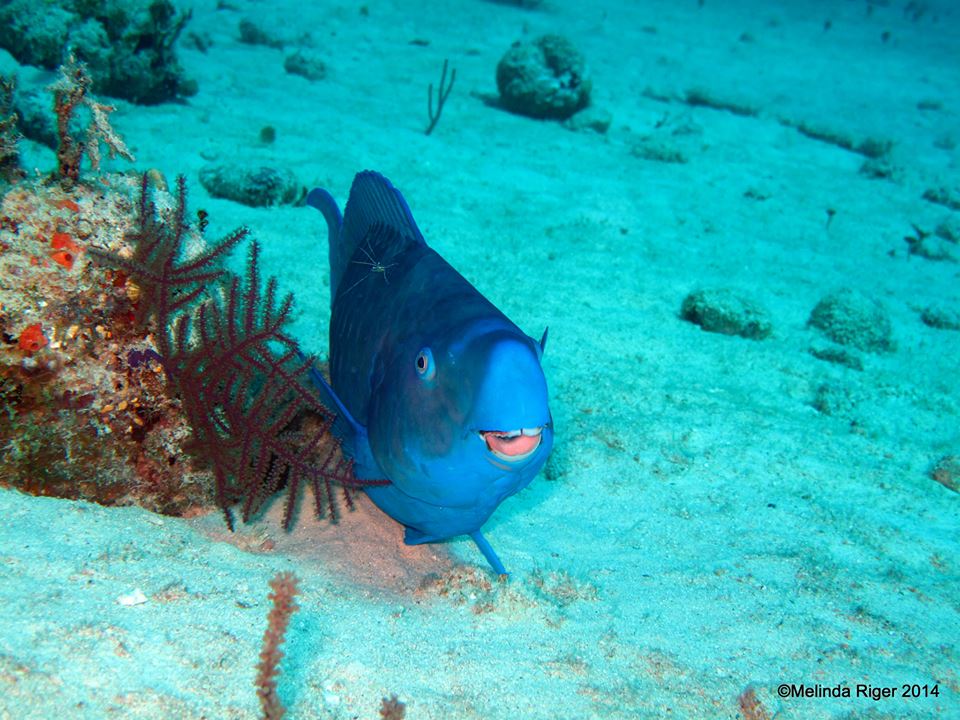
Blue Parrotfish being cleaned (or tickled, from its expression) by a Cleaner Shrimp Blue Parrot Fish & Peterson Cleaner Shrimp ©Melinda Riger @ G B Scuba copy

  Black Grouper being cleaned by gobies – note the ones in its mouth Grouper at cleaning station ©Melinda Riger @ G B Scuba copy

Black Grouper at a Cleaning Station with gobies. Note the hook and line… Grouper, Black, at cleaning station (+ hook) ©Melinda Riger @ GB Scuba copy

Tiger Grouper being cleaned by GobiesTiger Grouper being cleaned ©Melinda Riger @G B Scuba copy

Gobies checking a hand for parasites….Cleaning Gobies copy

When a fish approaches a cleaning station it will open its mouth wide or position its body in such a way as to signal that it needs cleaning. The cleaner fish will then remove and eat the parasites from the skin, even swimming into the mouth and gills of the fish being cleaned.

“Clean me!” An amazing view of a Tiger Grouper at a CleaningStation with its gills wide openGrouper, Tiger - gills open at cleaning station ©Melinda Riger @GB Scuba copy

Grouper at a cleaning station over a spongeSponge : Fish Cleaning Station ©Melinda Riger @ G B Scuba copy

Remora clinging to a shark. For more on this unusual symbiotic relationship, click HERE383586_510314062323321_1002533913_n copy

 All photos: Melinda Riger of Grand Bahama Scuba, with thanks as ever

Unknown's avatar

AMAZING WHALE, DOLPHIN & MANATEE PHOTOS FROM ABACO

Whale Fluke (BMMRO Abaco Bahamas)AMAZING WHALE, DOLPHIN & MANATEE PHOTOS FROM ABACO

The BMMRO (Bahamas Marine Mammal Research Organisation) had a great June for sightings of cetaceans and sirenians. Here is a sample of their wonderful photos from recent research expeditions (with thanks as ever for use permission).

RANDY THE WEST INDIAN MANATEE

After the recent excitement of Abaco’s manatee GEORGIE having returned to Cherokee after another of her epic journeys, another West Indian manatee has arrived at Sandy Point (conveniently the location of the BMMRO HQ). Sirenians and cetaceans are generally recognised from particular patterns to flukes or fins. The second image shows the notch in Randy’s tail that confirms ID.

Randy the West Indian Manatee, Sandy Point, Abaco, Bahamas Randy the West Indian Manatee (tail), Sandy Point, Abaco, Bahamas

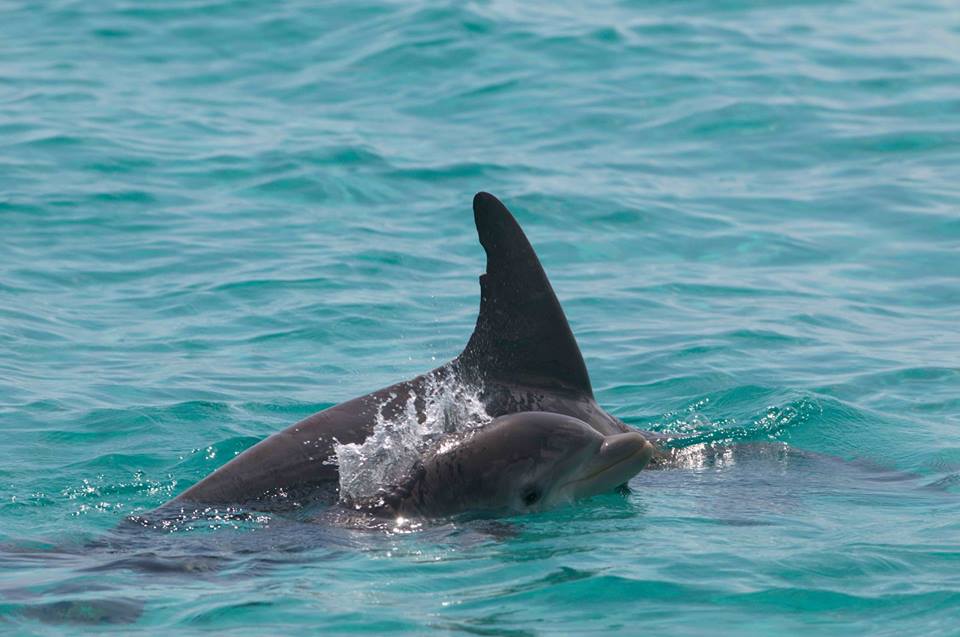
BOTTLENOSE DOLPHINSBottlenose Dolphins - BMMRO, Abaco, BahamasBottlenose Dolphins - BMMRO, Abaco, BahamasBottlenose Dolphins Abaco BMMRO FV

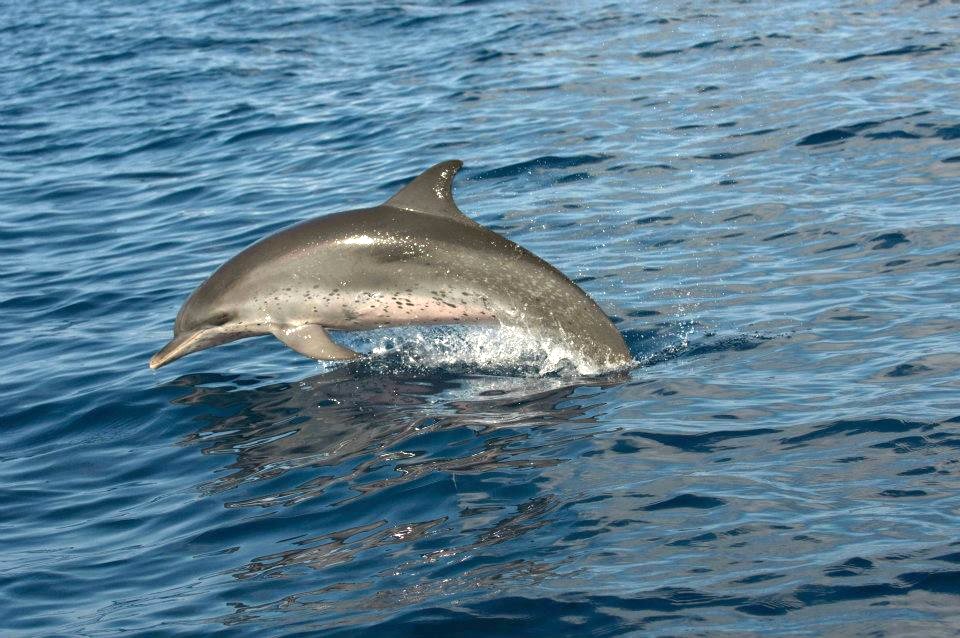
SPOTTED DOLPHINSSpotted Dolphins, BMMRO Abaco, Bahamas

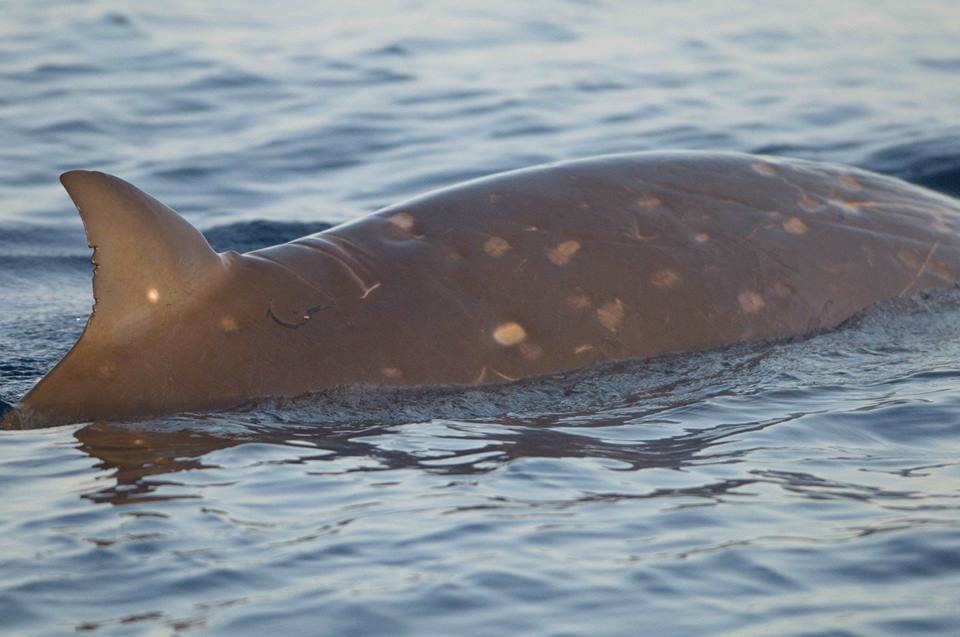
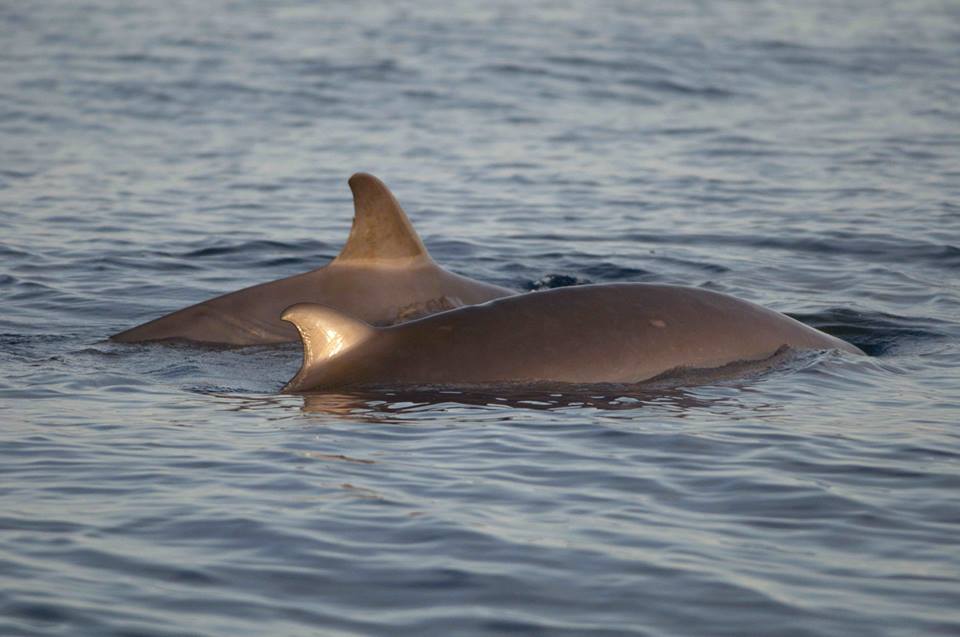
BLAINVILLE’S BEAKED WHALESBlainville's Beaked Whales BMMRO Abaco, BahamasBlainville's Beaked Whales BMMRO Abaco, BahamasBlainville's Beaked Whales BMMRO Abaco, Bahamas

TWO COMPLETE FLUKES (THIS IMAGE & HEADER)

(note minor damage to the edges, from which ID of an individual can be made)Whale Fluke (BMMRO Abaco Bahamas)

SPERM WHALE & DIVER

Compare the diver’s fins in the foreground with the (partial) length of a huge sperm whale… Sperm Whale and Diver

RELATED LINKS:

DOLPHINS

WHALES

MANATEES

Unknown's avatar

“TOOTHY CRITTERS”: BARRACUDA ON ABACO

3875_aquaimages

“TOOTHY CRITTERS”: BARRACUDA ON ABACO

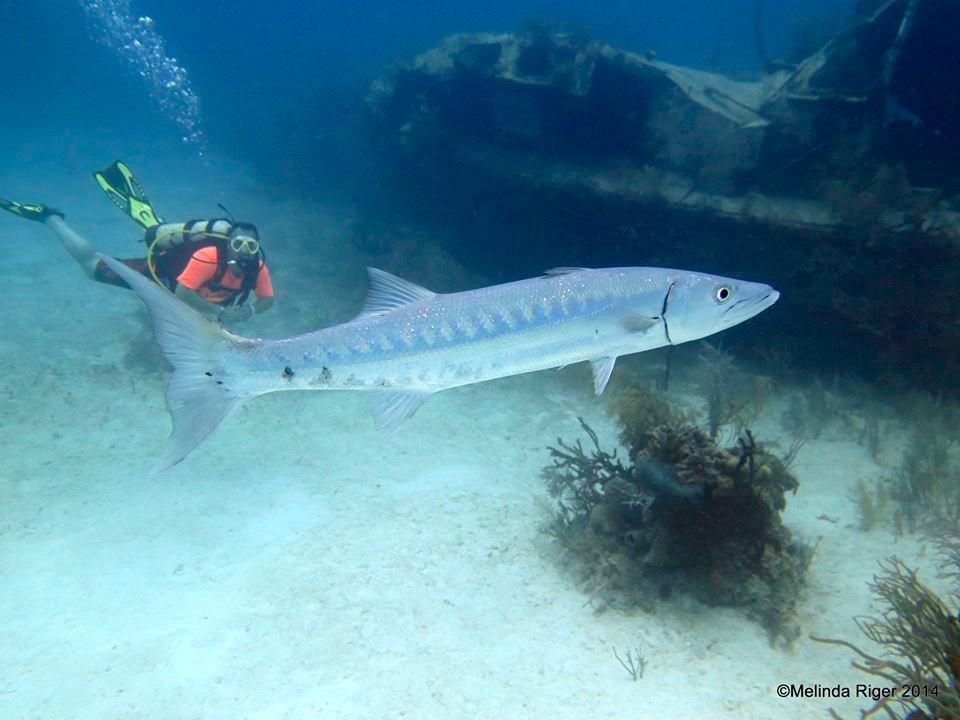
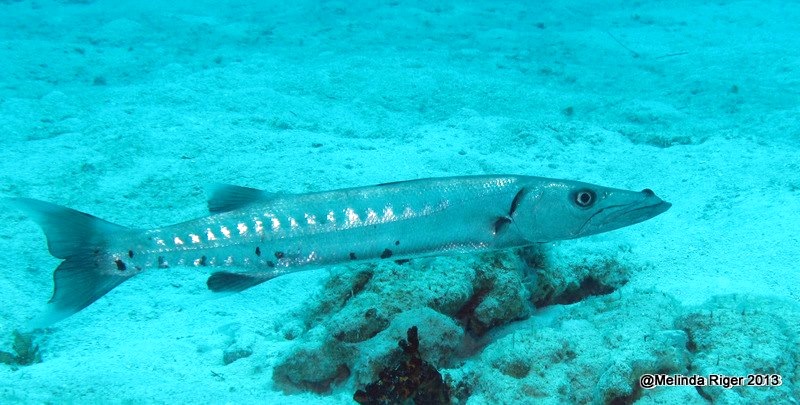
We’ve had some sharks swimming around the blog, for example HERE. But not a great deal about barracudas. Time to put that right. Melinda Riger’s excellent photographs tell you the basics of what you need to know – they are lean, mean biting machines with wicked teeth. In fact, ‘cuda bites are quite rare (unless you you very stupid or very unlucky) and many of the common sense rules that apply to fraternising with sharks in their own element apply equally with ‘cudas.

Barracuda & Diver ©Melinda Riger @ G B Scuba

Great gnashers – some teeth angle forwards & some backwards for mincing prey effectivelyBarracuda ©Melinda Riger @ G B Scuba Barracuda ©Melinda Riger @ GB Scuba copy 800px-Barracuda_laban

Lobbing a brightly-coloured lure from a skiff using a spinning rod into the general vicinity of a barracuda can result in a heart-stopping few seconds as the fish plunges towards the lure at astonishing speed. If it takes it, there’s even more fun to be had bringing it in. ‘Cuda steaks are delicious, but some care needs to be taken. These fish are known carriers of CIGUATERA fish-poisoning. Click the link to find out about the unpleasantness of the toxin involved. On Abaco, ‘cudas from one side of the island are OK, and from the other side may be suspect… just make sure you know which is which before you cook your supper…

BARRACUDA ©Melida Riger @ G B  ScubaBarracuda ©Melinda Riger @ GB Scuba

Unknown's avatar

DOLPHINS OF ABACO: WONDERFUL PHOTOS FROM THE BMMRO

Dolphin, Abaco - BMMRO

DOLPHINS OF ABACO: WONDERFUL PHOTOS FROM THE BMMRO

The BMMRO (Bahamas Marine Research Organisation) is based at Sandy Point, Abaco. It is dedicated to researching, monitoring, and protecting the marine mammals of a very large area. Not just cetaceans – the dolphins and whales. Recently, a small number of West Indian manatees (sirenians) have been making the northern Bahamas their home. I’ve written plenty about Georgie the adventurous manatee in the past – and in April she returned to her favourite place, Cherokee, after a bit of time away from Abaco.

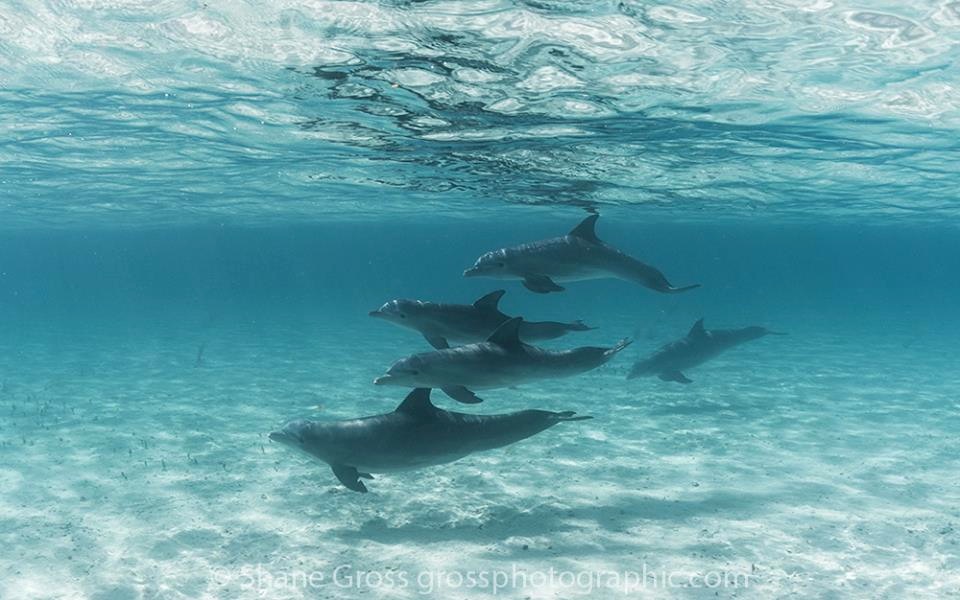
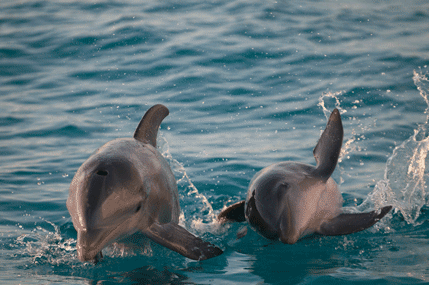
Recently, photographer Shane Gross spent some time with the BMMRO and took stunning photos of dolphins. It’s impossible to say, or think, anything unpleasant about these lovely, intelligent, playful creatures. Say you ‘don’t much care for dolphins’, and you’d be more than halfway to having a down on kittens. Here are some magnificent images that deserve a wide audience.

Dolphins, Abaco, Bahamas (BMMRO) - Shane GrossDolphins, Abaco, Bahamas (BMMRO) - Shane GrossDolphins, Abaco, Bahamas (BMMRO) - Shane GrossDolphins, Abaco, Bahamas (BMMRO) - Shane GrossDolphins, Abaco, Bahamas (BMMRO) - Shane Gross

WHALES & DOLPHINS  PAGE

MANATEES PAGE

BMMRO WEBSITE

BMMRO FACEBOOK

SHANE GROSS PHOTOGRAPHIC

Thanks as ever to Charlotte & Diane at the BMMRO for ongoing use permission of material including the header pic; and to Shane for his outstanding photos

Unknown's avatar

PUFFER FISH: BAHAMAS REEF FISH (19)

Sharpnose Puffer Fish

Sharpnose Puffer Fish

PUFFER FISH: BAHAMAS REEF FISH (19)

10 PUFFER FISH FACTS TO ASTONISH YOUR FAMILY & FRIENDS

1. Puffers can inflate their bodies in an instant by ingesting huge amounts of water and becoming water-filled balloons.

2. They need a startling form of defence like this (or ‘piscatorial superpower’) because they can’t swim very well.

3. However, a persistent predator will find that they contain a toxin (tetrodotoxin TTX) that is a hundred times stronger than cyanide. One puffer fish has enough toxin to kill quite a few humans.  Agatha Christie was unaware of this – had she been, we might have had a classic  multiple murder mystery based on the contents of a fish tank… “Poirot and a Fishy Tale of the Caribbean”

Sharp Nose Puffer Fish ©Melinda Riger @GB Scuba

Sharpnose Puffer Fish

4. Selected parts of a puffer fish are a delicacy in some cultures (‘fugu’, in Japan). Trained chefs are used to avoid mass deaths among diners.

5. Sharks are the only species immune to the puffer fish and are not much bothered by a small fish that can blow itself up.

6. Puffers have skin, not scales; most have toxic spines of some sort. Bright coloured ones are probably more toxic than their duller cousins.

Sharp-nosed Puffer Fish ©Melinda Riger @ Grand Bahama Scuba

Sharpnose Puffer Fish

7. It’s worth knowing what an uninflated puffer looks like before you try to pet a passing fish and have a toxic encounter.

8. There are more than a hundred puffer species in the world, found where there are warm shallow waters.

9. Noy all puffers are toxic; and some are more toxic than others.

10. I have no idea of the relative toxicity of the 2 puffer species featured here. Sorry about that. Take care!

Animal-Fish-Photo-Canthigaster-rostrata-Caribbean-Sharp-Nose-Puffer-1000x401 Animal-Fish-Photo-Canthigaster-rostrata-Inflated-Caribbean-Sharp-Nose-Puffer-1000x590

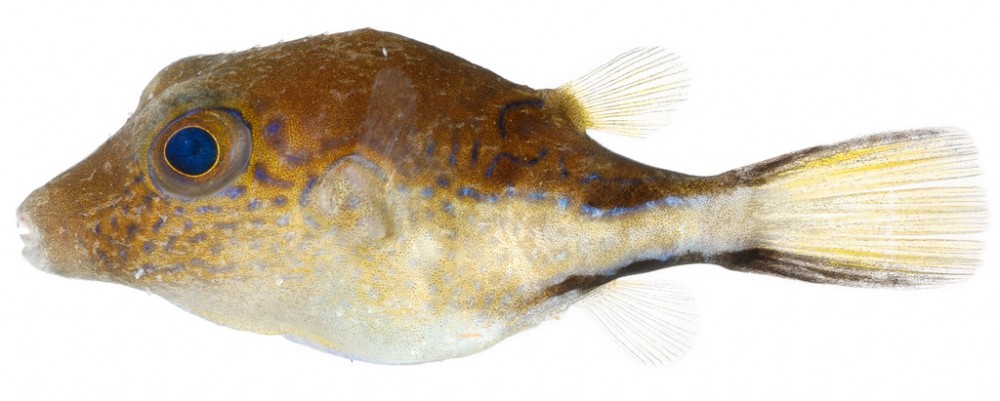
The fish above are all Sharpnose Puffer Fish taken by Melinda Riger of Grand Bahama Scuba; the rather nice drawings of the species are courtesy of the Smithsonian via ‘Vintage Printables’.  

CHECKERED PUFFER FISH

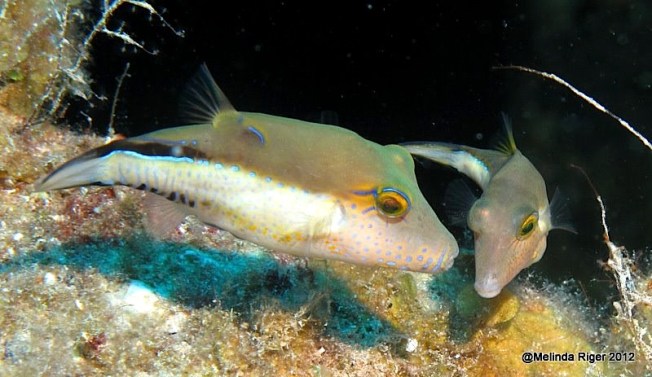
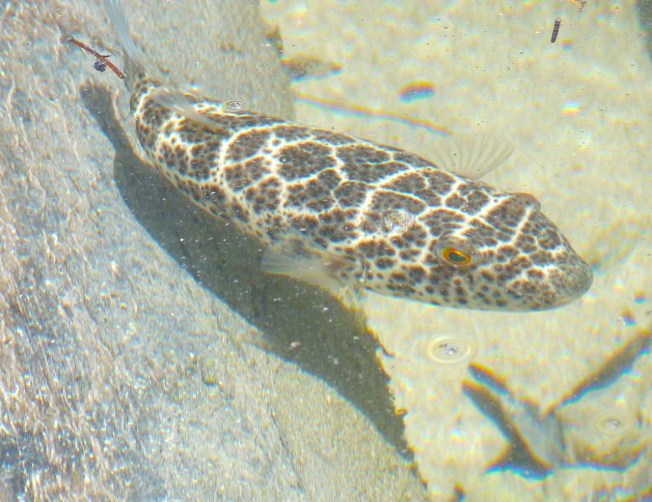
I photographed some Checkered Puffers at Sandy Point, Abaco last summer. None was puffed up, and I wasn’t about to upset them. The following photos of a small group of puffers were taken from above and not underwater (“no fear”). 

P1080246 - Version 2

Checkered Puffer Fish, Sandy Point, Abaco

P1080247 - Version 2

Checkered Puffer Fish, Sandy Point, Abaco

P1080248 - Version 2

Checkered Puffer Fish, Sandy Point, Abaco

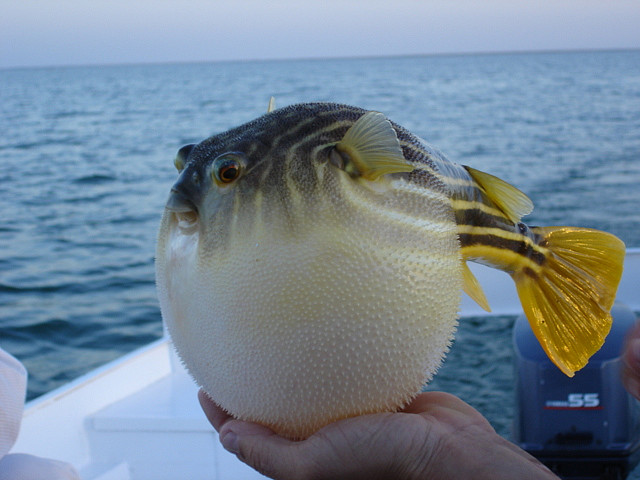
I don’t know what species of puffer the one below may be, but I do know I don’t want it in the palm of my hand. I include it from an ‘info for kids’ site to illustrate what the full balloon looks like. I’m wondering if all one needs to deal with them is a pin on the end of a long stick…

puffer-fish-facts-for-kids

Puffer Fish at Full Puff

FURTHER READING about dodgy creatures you may encounter:

5 CREATURES ON ABACO THAT YOU MAY WISH TO AVOID

SPIDER WASPS & TARANTULA HAWKS: DON’T MESS WITH THESE GUYS

Unknown's avatar

“I’M ONLY HERE FOR THE BEER…” ON ABACO

“I’M ONLY HERE FOR THE BEER…” ON ABACO

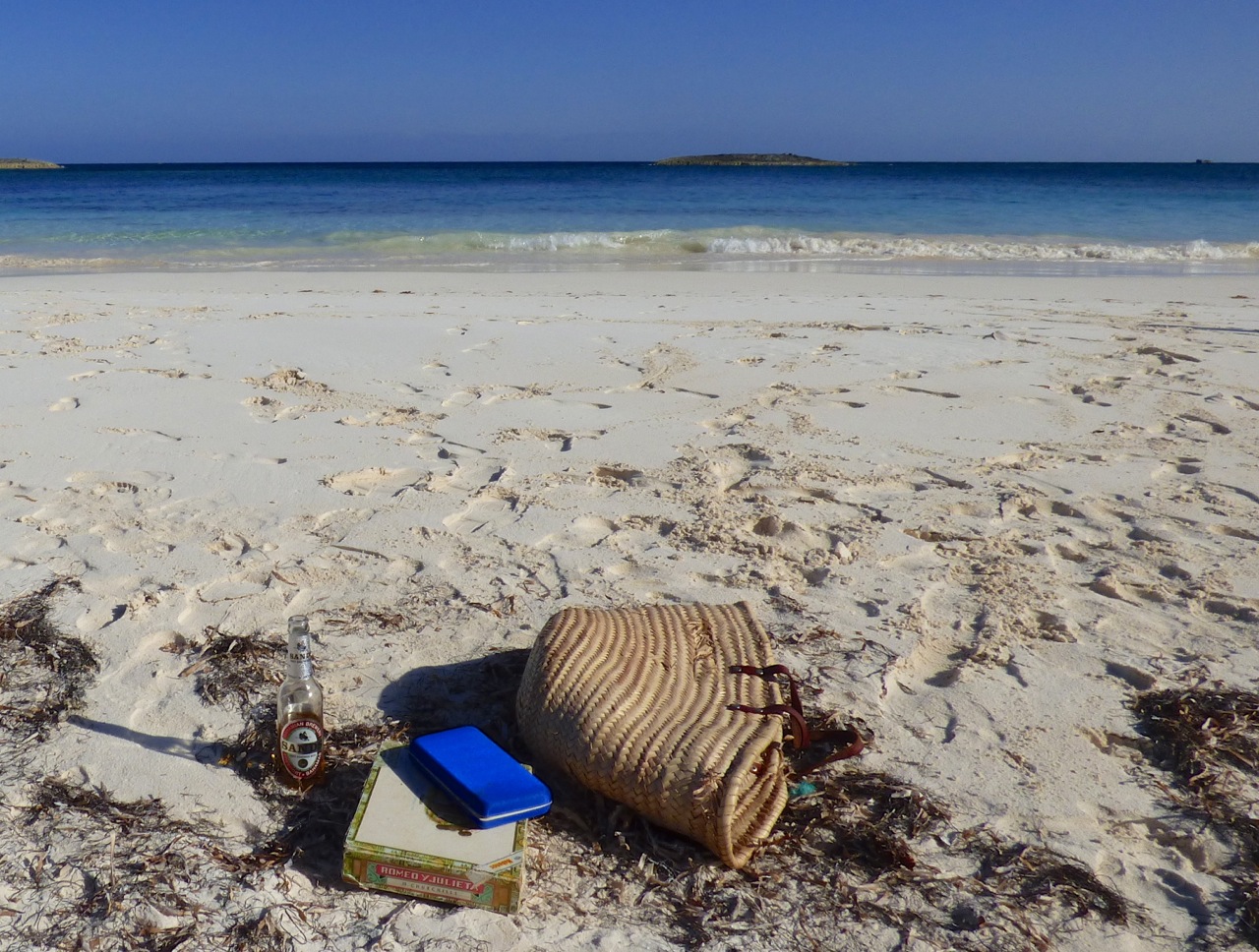
Strangely, our time on Abaco is usually punctuated at regular intervals by the ingestion of libations of an intoxicating variety. Basically, wine and beer. This has many positive  benefits: for example, it has a tendency to make ones own jokes seem a great deal funnier; and it can definitely aid casting confidence for an afternoon of bonefishing… Looking back over some recent photos, I found one I took on the Delphi beach during the ‘Permit Bagging’ week at the north end. I was amused by the sophistication of this shoreline collection of “essentials” belonging to one of the permit casters (RF – you!). The beer was an unsurprising beach-fishing accompaniment – the box of Romeo y Julietas was the main item of interest.

Beer post 6

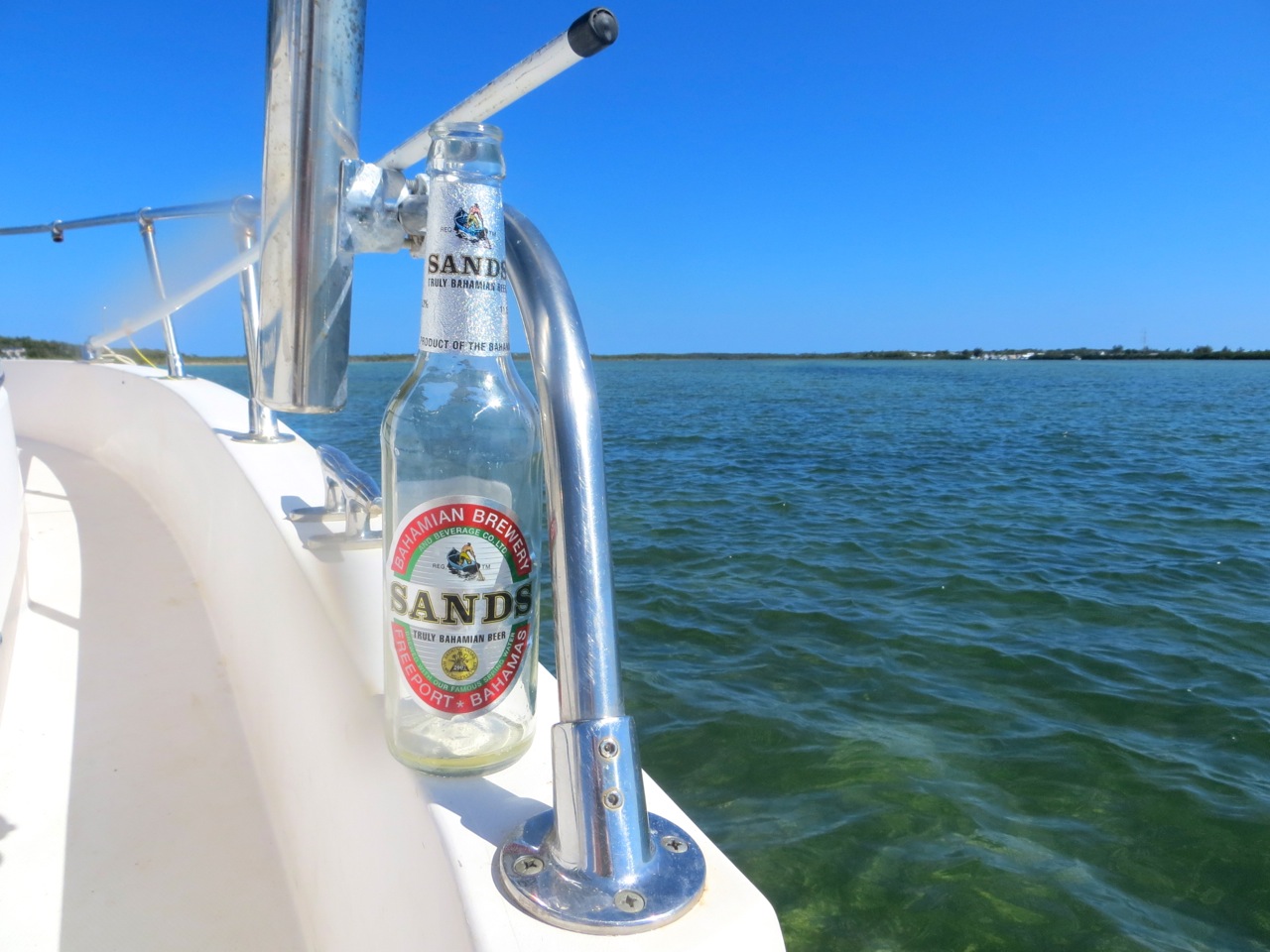
There can be few beers more perfectly named for its surroundings than Sands, although it can be drunk out at sea just as easily…Beer post 4

My own favourite is Kalik – though admittedly after a while my discernment of the subtle differences between the 2 brands may become somewhat dulledBeer post 3

This guy seems to be enjoying his lunch on a perfect day out fishing offshore… Oh! Wait – it’s me…Beer post 1

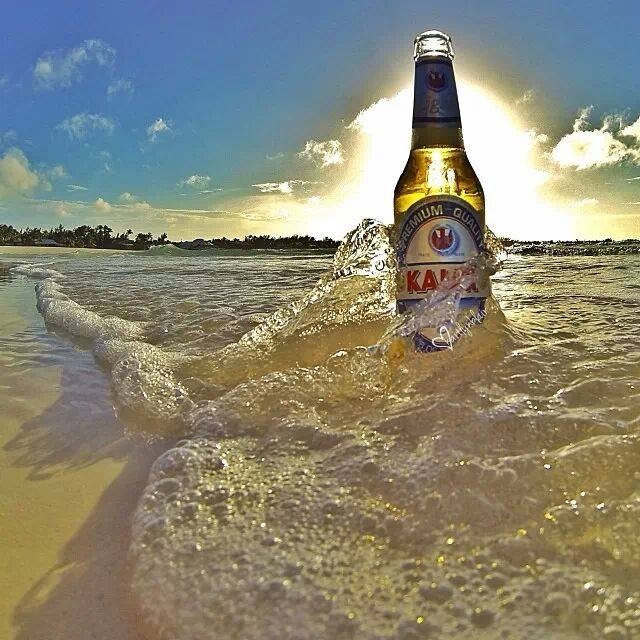
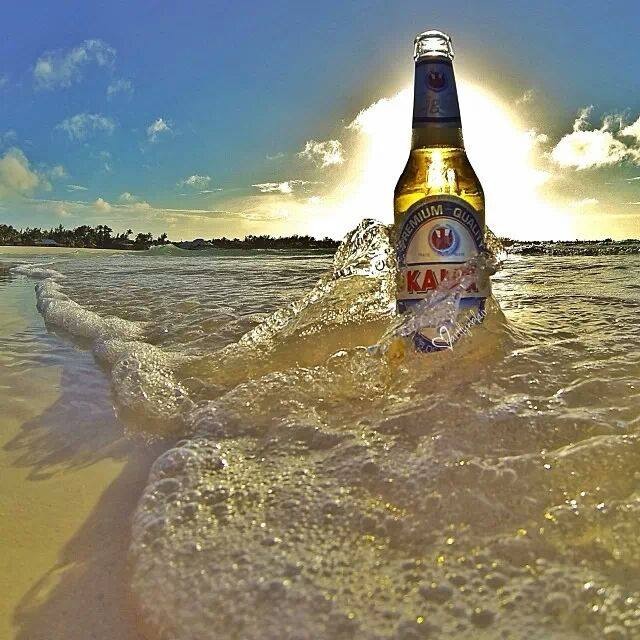
Kalik by Kaitlyn Blair (F:B) copyI enjoyed this imaginative beer-based image posted by Kaitlyn Blair on FB

The title from this post comes from  a slogan for Double Diamond beer circa 1970 and the associated excruciating advertising. It caught on, and in almost any social situation at least three people were likely to say “I’m only here for the beer”. Even Garden Parties at Buckingham Palace (where one of the droll wags was, by royal prerogative, Prince Phillip). Here, in all its glory, is the ‘fons et origo’ of the expression…

[youtube https://www.youtube.com/watch?v=7TGCrBE3JvY]

This is & will remain an ad-free site. No monetary payment is received for products featured. Oh. Thanks. Mine’s a Kalik please. 

Unknown's avatar

ABACO’S ASTOUNDING UNDERGROUND CAVES (1)

ABACO’S ASTOUNDING UNDERGROUND CAVES (1)

Hitoshi Miho is a diver and photographer who takes amazing photographs of the underground caves he explores. These include some of the cave systems on Abaco, where he has recently accompanied renowned Abaco diver Brian Kakuk of the Bahamas Caves Research Foundation. In due course I hope to produce a page dedicated to the Caves and Blue Holes of Abaco including maps but that’s a project in the mind for now. Meantime, with Hitoshi’s kind permission, here are a few preliminary examples of his fabulous work that showcases the wondrous crystal palaces that lie deep beneath Abaco. 

Abaco Underwater Caves 1 (©Hitoshi Miho)Abaco Underwater Caves 2 (©Hitoshi Miho)Abaco Underwater Caves 3 (©Hitoshi Miho)Abaco Underwater Caves 4 (©Hitoshi Miho)Abaco Underwater Caves 5 (©Hitoshi Miho)

All images © Hitoshi Miho and displayed by kind permission

Unknown's avatar

GRAY ANGELFISH – BAHAMAS REEF FISH (18)

Gray Angelfish f

GRAY ANGELFISH: BAHAMAS REEF FISH (18)

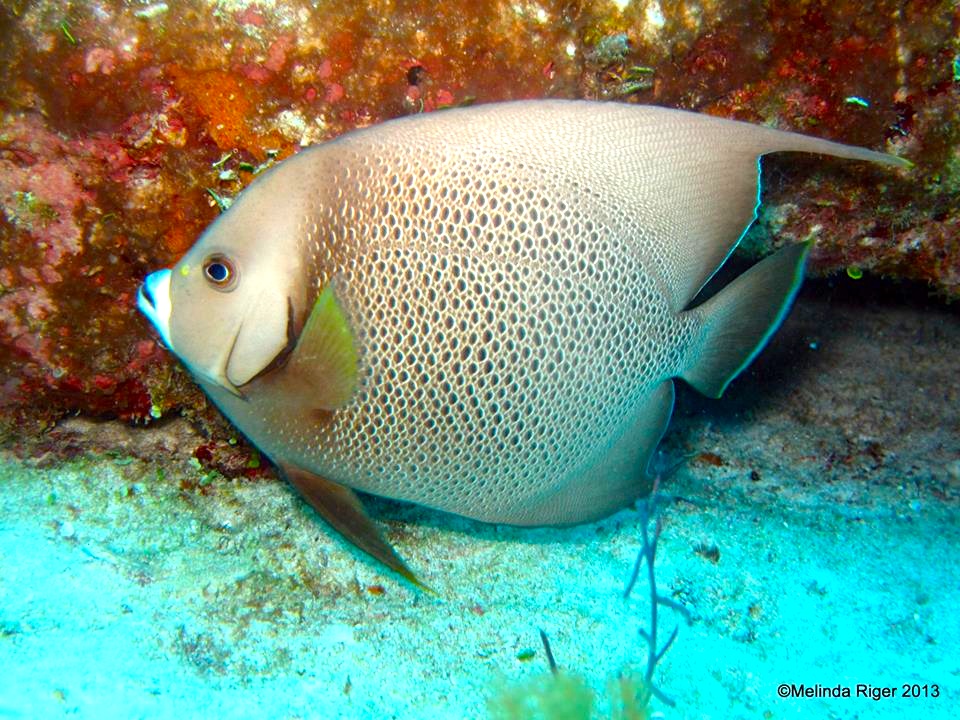
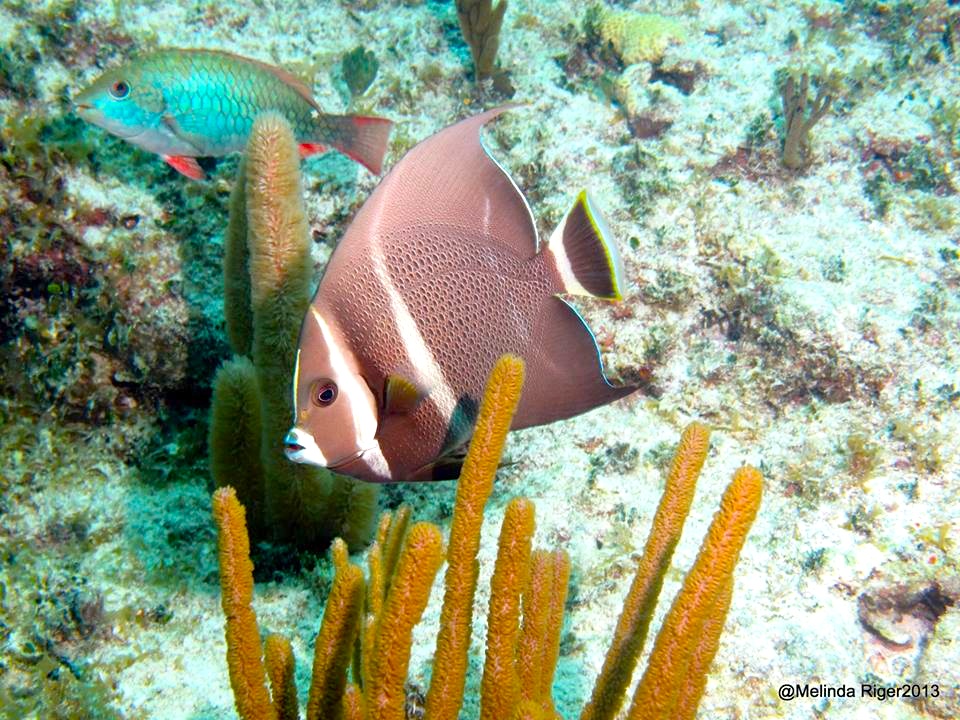
Some time ago I posted about GRAY ANGELFISH Pomocanthus arcuatus. They are the more dowdy cousins of the flashy QUEEN ANGELFISH. They are not without their own beauty, though, and I have collected a few more photos of this species taken by Melinda Riger of Grand Bahama Scuba. I’m always pleased to feature her amazing reef photos, with their vivid colours and clear detail, so I hope you enjoy these. The last one – with the stripes – is a juvenile.Gray Angelfish a © Melinda Riger @GB ScubaGray Angelfish d ©Melinda Riger @ GB ScubaGray Angelfish e ©Melinda Riger @ Grand Bahama ScubaGray Angelfisg juv b ©Melinda Riger @ G B ScubaGray Angelfish c ©Melinda Riger @ G B Scuba


Unknown's avatar

THE CONCH QUEST OF ABACO…

Conch ©Melinda Riger @G B Scuba

THE CONCH QUEST OF ABACO…

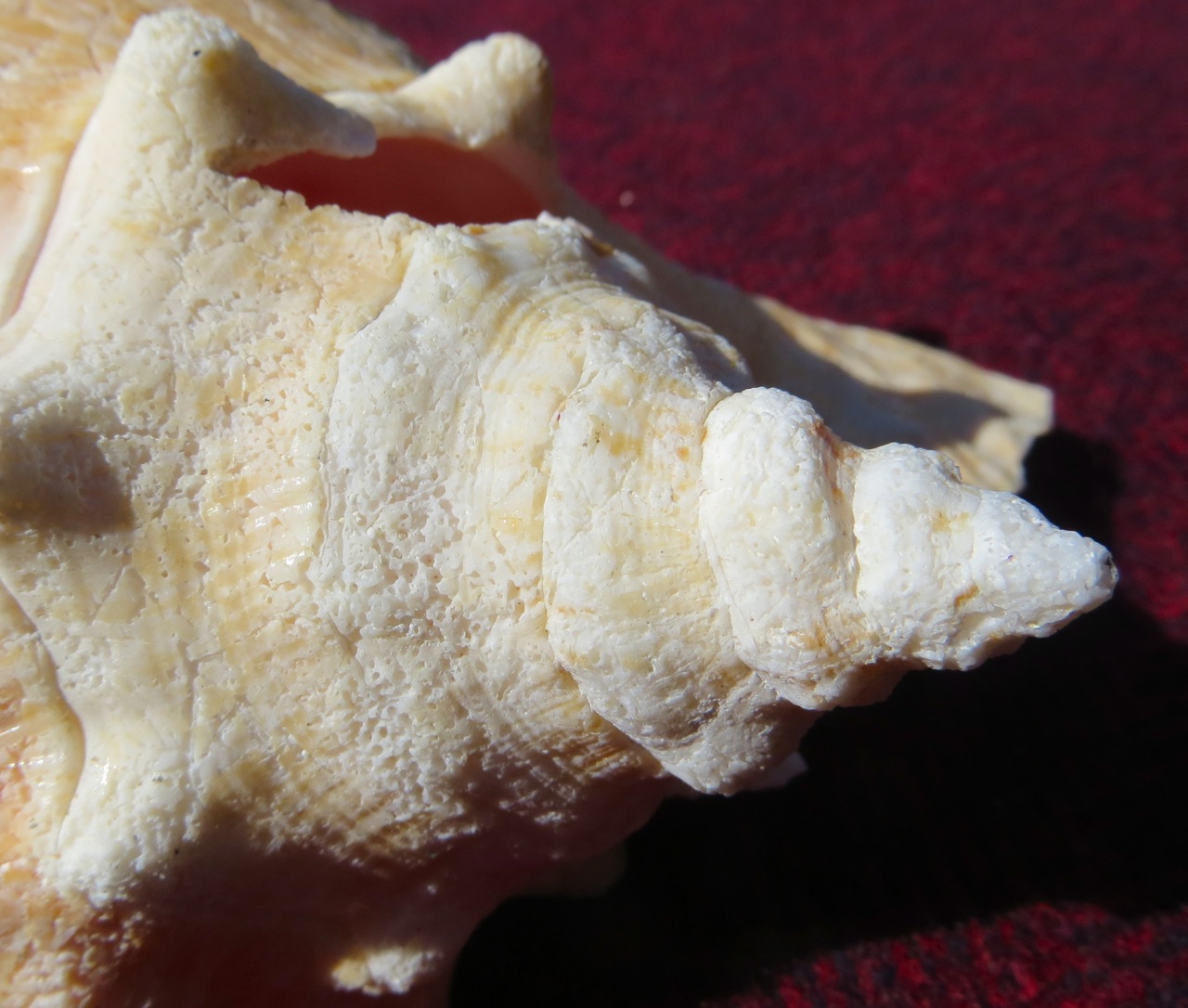
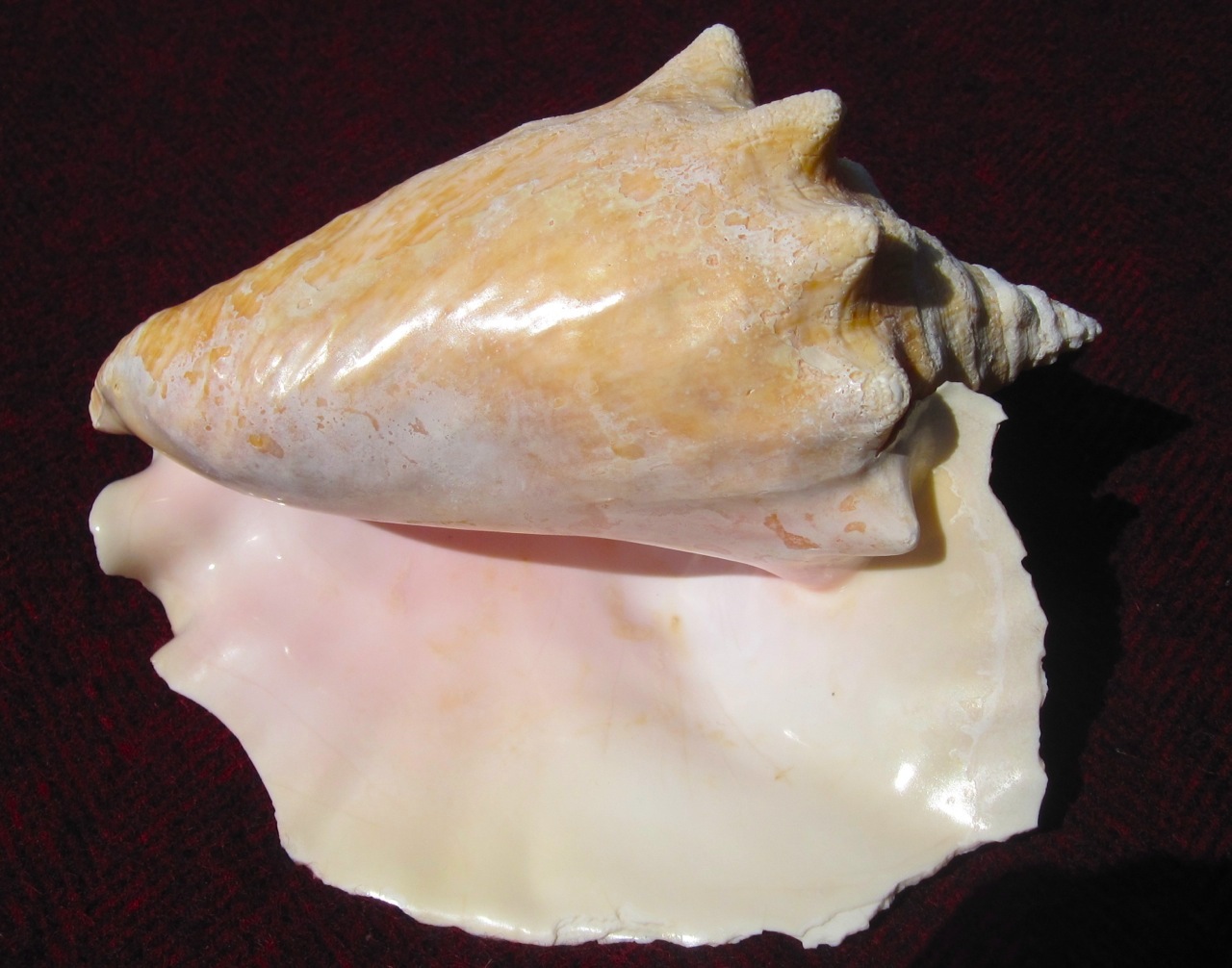
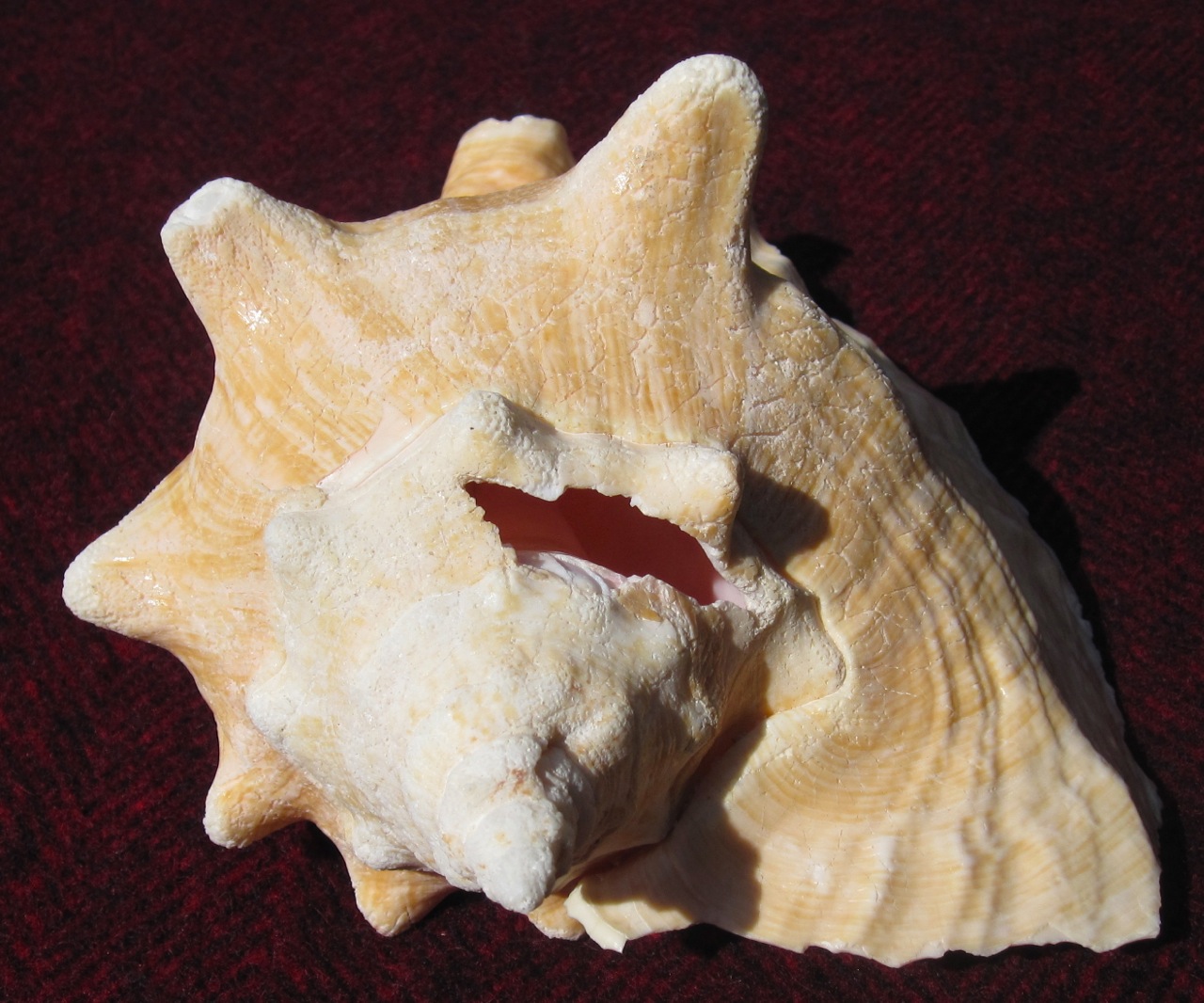
Conchs are gastropods. They are food. They are decoration (anyway, the shells are). For some, they are a living. And on Abaco they are everywhere – alive in the waters, and as shells scattered on  beaches or piled up outside restaurants. So the quest for conch is an easy one. There are fears of overfishing, however, and an active organisation The Bahamas National Conchservation Campaign exists to protect them. Another similar Bahamas organisation is Community Conch.conchs-at-sandy-point-1 We found a nice half-buried conch shell at Sandy Point. It was full of sand grains and tiny shells – mini gastropods and bivalves – that took some time to wash out of the spiralling internal structure. Here are some studies of the shell. IMG_2438IMG_2442IMG_2444IMG_2445IMG_2448IMG_5279IMG_5278 The damage to the shell above is the place where it has been bashed in to enable removal of the occupant. In order to do so, it is necessary to break the strong vacuum that would prevent extraction if you tried by the conventional route. Effectively the conch anchors itself to its shell and must be cut out. The best way to make the hole is with the spiral tip of another conch. This breaks the suction and enables you to prise out the occupant…

935327_499742893413409_191944192_n                                                               CC_logo2

Finally, you can usually rely on me to go off-piste. So here is a video of how to make a conch horn to annoy your friends and neighbours with…

[youtube https://www.youtube.com/watch?v=ebzN79oNTJg]

Unknown's avatar

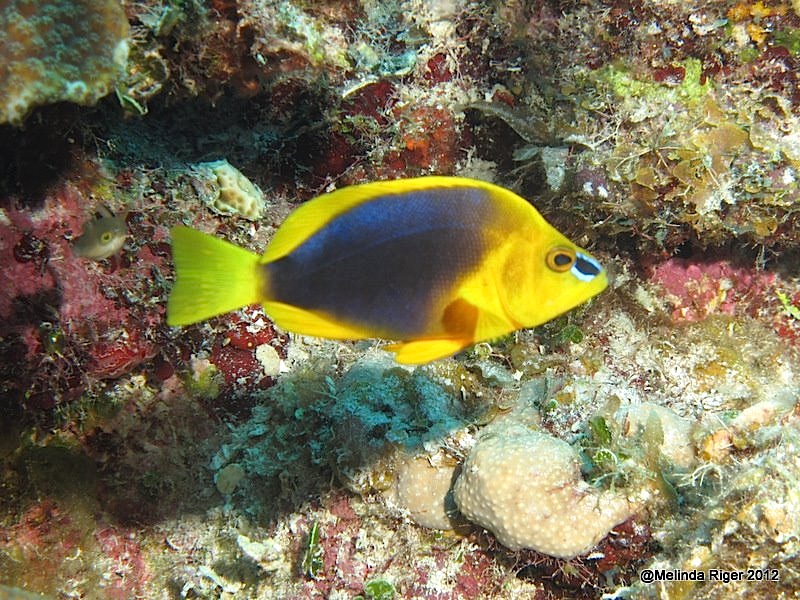
“REEF ENCOUNTER”: TEN CHEERFUL BAHAMAS REEF FISH

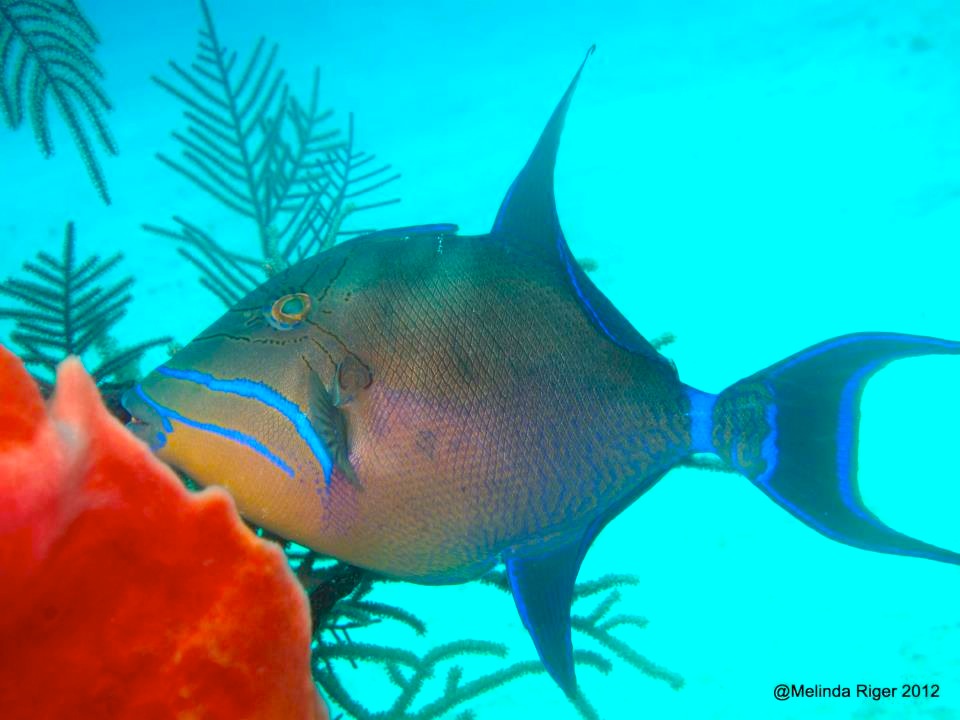
Queen Triggerfish  ©Melinda Riger G B Scuba

QUEEN TRIGGERFISH

“REEF ENCOUNTER”: TEN CHEERFUL BAHAMAS REEF FISH

LAURA JESSON “Do you know, I believe we should all behave quite differently if we lived in a warm, sunny climate all the time. We shouldn’t be so withdrawn and shy and difficult…” (Brief Encounter 1945) 

The quote is there both because it is particularly apposite for any withdrawn etc Brit with a toehold in Abaco, and because it explains or excuses the somewhat clumsy title pun… March has been dominated by (a) a trip to Abaco and (b) publication of “The Birds of Abaco”. Time for some cheerful finny  fotos to end the month with, courtesy of diving belle Melinda Riger of Grand Bahama Scuba and her top-class camera work.

Cherub Fish © Melinda Riger @ G B Scuba copy

CHERUB FISH

Rock Beauty ©Melinda Riger @ GB Scuba copy

ROCK BEAUTY

Fairy Basslet © Melinda Riger @ GB Scuba copy

FAIRY BASSLET

Blackbar Soldierfish ©Melinda Riger @ G B Scuba copy

BLACKBAR SOLDIERFISH

Hamlet (Shy) ©Melinda Riger @ Grand Bahama Scuba copy

SHY HAMLET

Three-spot Damselfish  ©Melinda Riger @ G B Scuba  copy

THREE-SPOT DAMSELFISH

Blue Tang with Blue Chromis © Melinda Riger @GB Scuba copy

BLUE TANG with BLUE CHROMIS

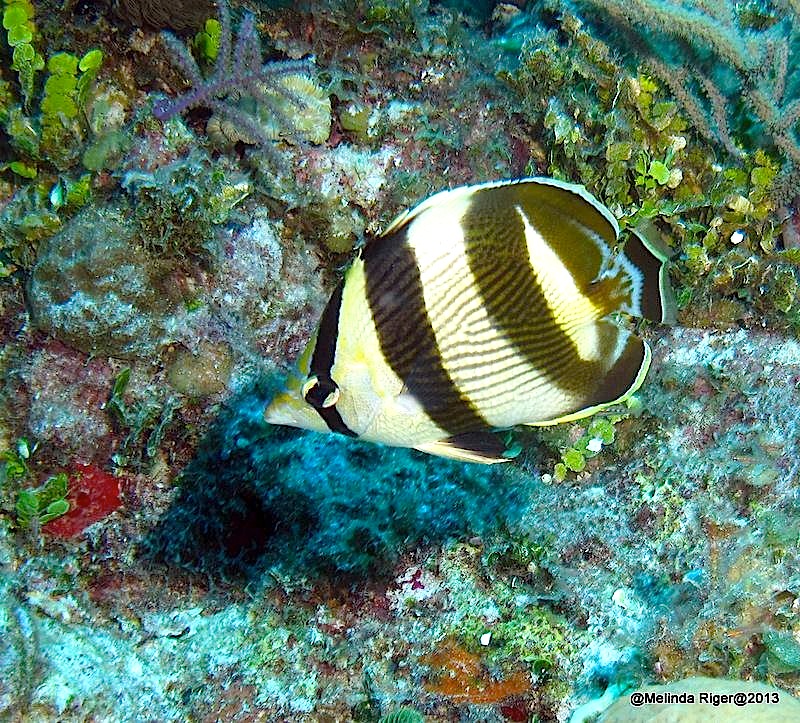
Banded Butterflyfish ©Melinda Riger @ GB Scuba copy

BANDED BUTTERFLYFISH

Unknown's avatar

RAYS OF SUNSHINE ON THE ABACO MARLS

Stingrays Abaco Marls 1

RAYS OF SUNSHINE ON THE ABACO MARLS

The Marls of Abaco are prime bonefishing grounds, a vast area of labyrinthine mangrove swamps, sandy islets, channels and shallow flats on the west side of the main island. The fish are wily and powerful, the fly hooks are barbless, and each one caught, retained, boated and swiftly released is a prize. There’s plenty of other wildlife to be seen. Heron and egrets, ospreys, belted kingfishers, wading birds and many other bird species make the Marls their home. In the water, there are snappers, jacks, barracuda, and sharks of various kinds and sizes. These latter range from small black tip, lemon and hammerhead sharks to more substantial contenders, with the occasional massive bull shark to add a frisson for those on a suddenly fragile-seeming skiff… 

There are also rays. I have posted before about the SOUTHERN STINGRAY and the YELLOW STINGRAY Out on the Marls I have mainly seen Southerns as they move serenely and unhurriedly through the warm shallow water. A couple of weeks ago, we were out with the rods when we had a completely new Ray experience. I’m not overly given to anthropomorphism and getting too emotional about encounters, but we all found this one quite moving – even our very experienced guide.

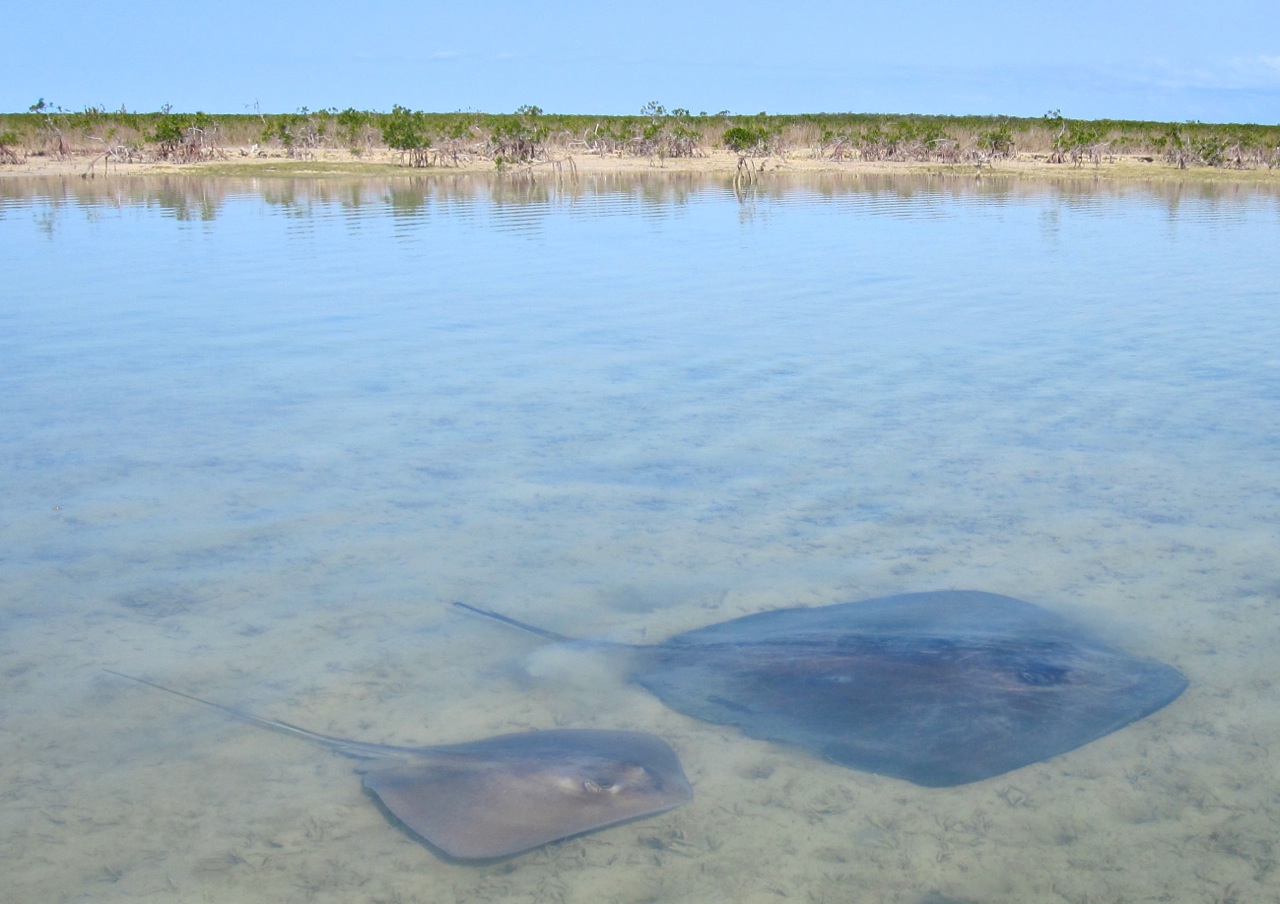
Gliding to our right side, a pair of stingrays slowed as they neared the skiffStingrays Abaco Marls 2

The adult paused very close to us, allowing the little ray to catch upStingrays Abaco Marls 3

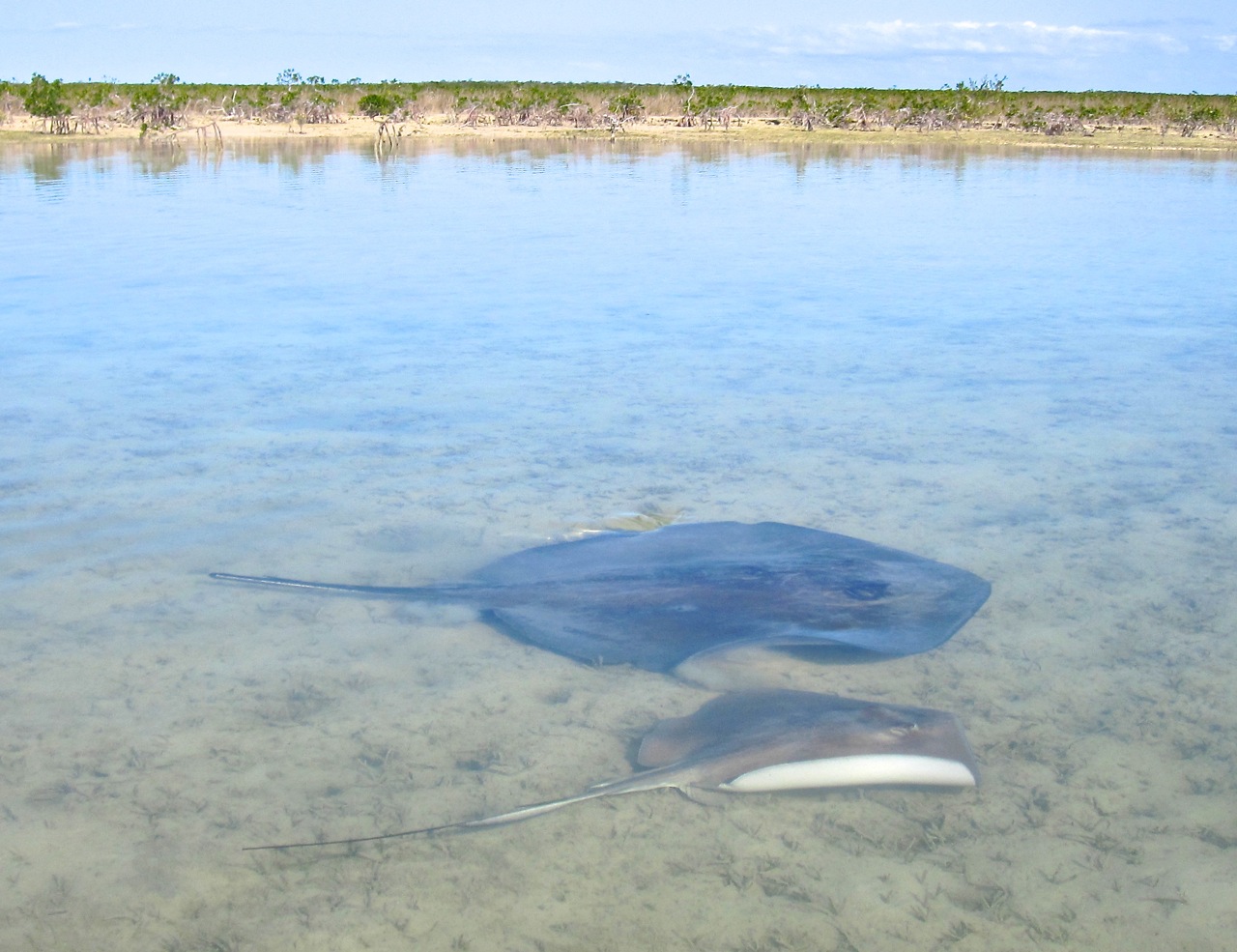
Lifting a wing slightly the adult let the juvenile creep under, while keeping a beady eye on usStingrays Abaco Marls 4

The large ray was missing the tip of its tail, presumably from some adverse encounterStingrays Abaco Marls 5

The creatures examined us carefully for 2 or 3 minutes, before separatingStingrays Abaco Marls 6

Then they slowly drifted away across the sand…Stingrays Abaco Marls 7

According to our guide, this gently protective behaviour is not uncommon. They may well have been completely unrelated, the large ray tolerating the smaller one accompanying it through the waters and offering a kindly wing in the presence of danger or suspicious objects like us.

Photo Credits: Mrs RH (I was too entranced at the sharp end, with a bird’s eye view, to get a camera out)

Unknown's avatar

“I MUST FLY”: GONE TO ABACO. BACK SOMETIME.

“I MUST FLY”: GONE TO ABACO. BACK SOMETIME.

UPDATES AS & WHEN

BLUE-GRAY GNATCATCHERBlue-gray Gnatcatcher Delphi Club Abaco Bahamas.Tom Sheley

HIS ‘N’ HERS RODS ON THE BEACH AT DELPHIOn the beach... Delphi Club, Abaco

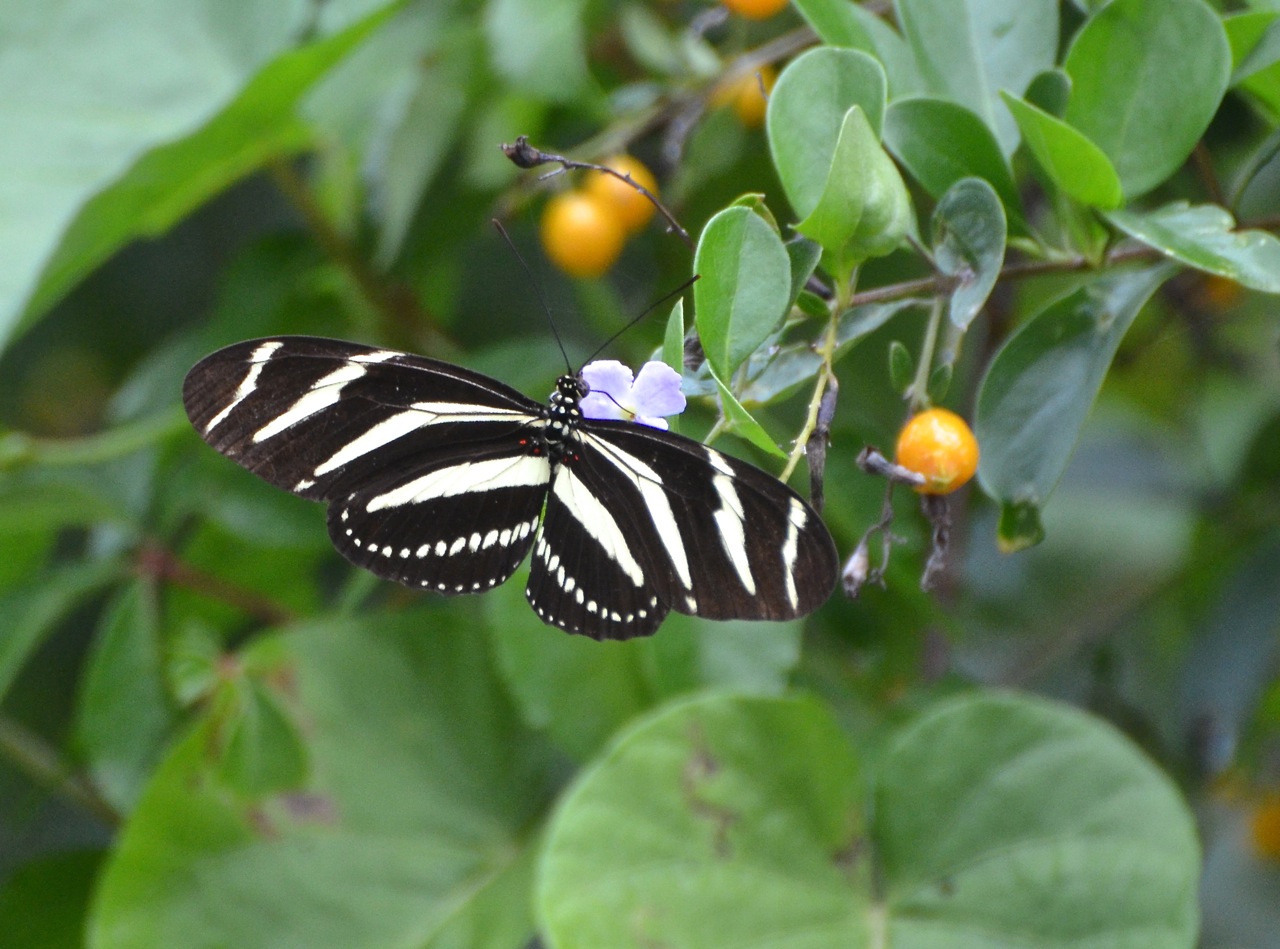
ZEBRA HELICONIAN BUTTERFLYZebra Heliconian Abaco Charlie Skinner

QUEEN ANGELFISHQueen Angelfish © Melinda Riger @ G B Scuba

REFRESHMENT OF CHOICE…Kalik by Kaitlyn Blair (F:B)Relax Notice, Lubbers CayShark Cartoon

Photos: Tom Sheley, RH, Charlie Skinner, Melinda, Kaitlyn Blair on FB, RH

Unknown's avatar

WHALES, DOLPHINS & MANATEES, ABACO: BMMRO NEWS

blue1

WHALES, DOLPHINS & MANATEES, ABACO: BMMRO NEWS

BMMRO COLLABORATES WITH NEW PARTNER, ATLANTIS BLUE PROJECT

The ATLANTIS BLUE PROJECT is managed by the Atlantis Blue Project Foundation, a private non-profit organization dedicated to the preservation and enhancement of global marine ecosystems through scientific research, education, and community outreach. BMMRO is excited to now be a part of this project and in turn has received two grants from the Atlantis Blue Project for 2014 

blue2

Stranding Response to Support Conservation of Marine Mammals in the Bahamas 

Increasing capacity and available funds to respond rapidly to strandings in The Bahamas will increase our ability to determine cause of death and/or successful rehabilitation of marine mammals. At the first stranding workshop held in the Bahamas in 2008, the Honourable Lawrence Cartwright, Minister of Agriculture and Marine Resources officially opened the workshop stating “I believe the establishment of a Marine Mammal Stranding Network in The Bahamas will serve to promote the conservation of marine mammal species and their habitat by improving the rescue and humane care of stranded marine mammals, advancing stranding science, and increasing public awareness through education.” This funding will provide the resources to train veterinarians on how to work with stranded marine mammals as well as provide the resources to respond to strandings.

blue3

Field Research & Outreach to Support Conservation of Bahamas Marine Mammals

Cetaceans are long-lived, highly specialised animals with delayed reproduction and low fecundity, which makes them incapable of rapid adaptation and thus particularly vulnerable to anthropogenic impacts. BMMRO has compiled an unprecedented long-term dataset for the region, which has become increasingly valuable to inform about the baseline ecology of some odontocete species. This research will ensure that this important work continues to fill key gaps in our knowledge about the ecology of marine mammals. Additionally, we will increase awareness and build capacity amongst Bahamians, both of which will contribute to local conservation needs.

blue4blue5

JANUARY SIGHTINGS

For Abaco, the excitement is the sperm whale seen just off the Rocky Point area. More generally for the northern Bahamas, in addition to the manatee Georgie (former temporary resident of Abaco) and others, there was a manatee reported on Eleuthera. It looks as though these gently creatures continue to find the area to their liking.

BMMRO Sightings Jan 2014

I must be going now – thanks for visiting Rolling Harbour…blue6

bmmro_logoClick me!

(Thanks as ever to Charlotte & co at BMMRO for permission to use and adapt their material!)

Unknown's avatar

SPOTTED & SMOOTH TRUNKFISH: BAHAMAS REEF FISH (16)

Spotted Trunkfish Lactophrys bicaudalis (wiki)

SPOTTED & SMOOTH TRUNKFISH: BAHAMAS REEF FISH (16)

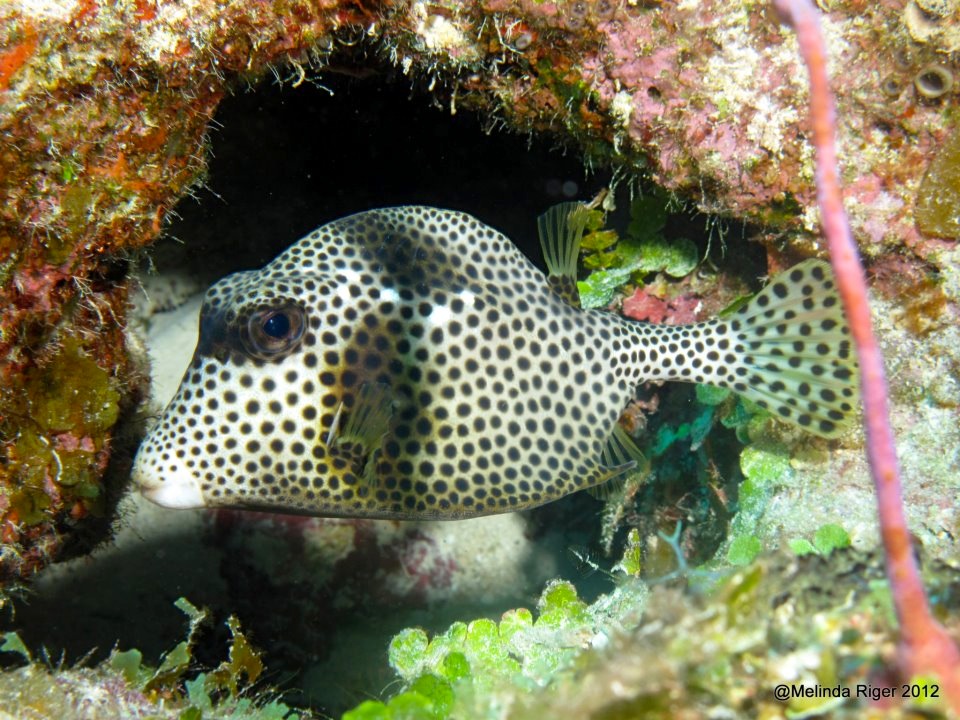
THE SPOTTED TRUNKFISH is a reef fish distinctive for its dark spots on a silvery-white background. It’s very wrong of me to comment, I know, but arguably its appearance is amusing. It probably feels the same about divers with all their gear…Trunkfish ©Melinda Riger @GBS copyTrunkfish © Melinda Riger @ Grand Bahama Scuba copy 2

However the trunkfish deserves to be treated with due respect. When touched, they secrete a colourless toxin from glands on their skin. The toxin is only dangerous when ingested, so divers are unlikely to be harmed by the it.  Predators however are at risk, and creatures as large as nurse sharks are known to have died as a result of eating a trunkfish.

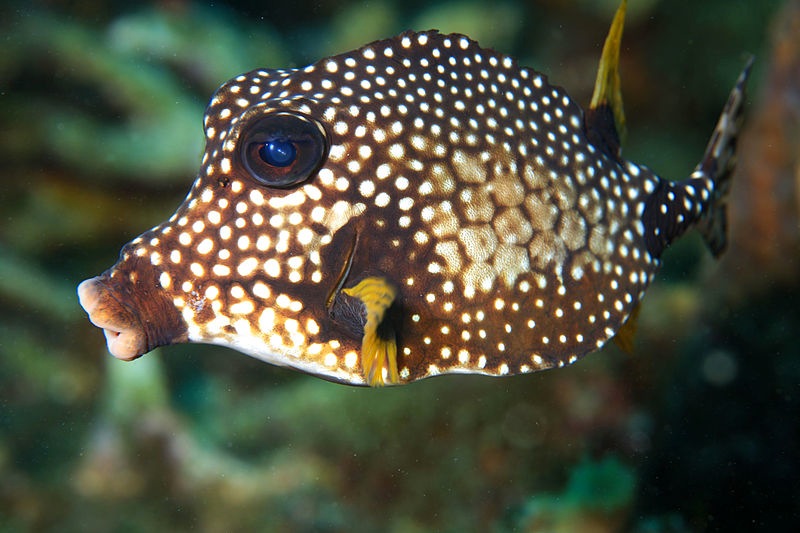
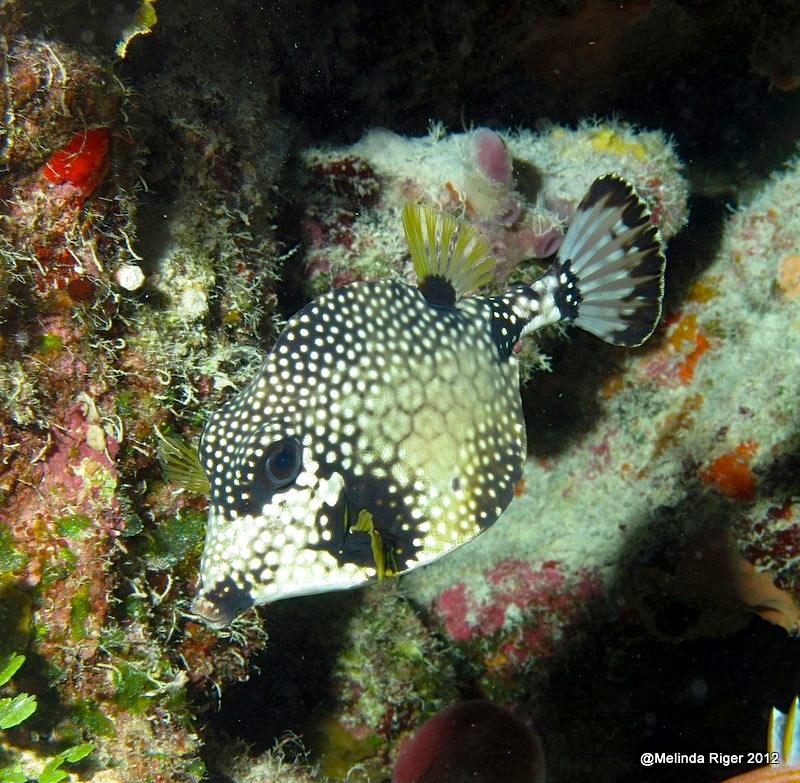
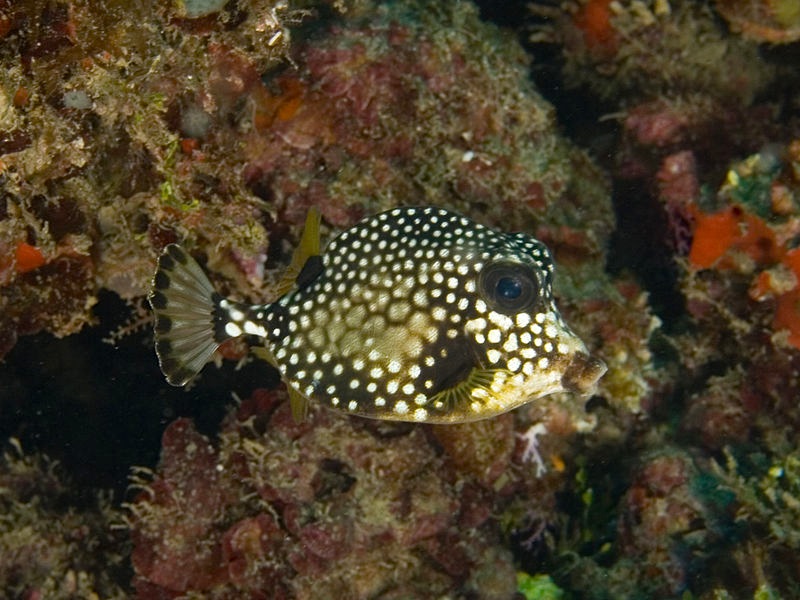
THE SMOOTH TRUNKFISH is almost a negative of the spotted trunkfish, with white spots on a dark background rather than vice versa. Adults develop hexagonal patterning on their sides. They also secrete toxins and are best left untouched. Their ability to pucker up is impressive…Trunkfish (Wiki)Trunkfish © Melinda Riger @ Grand Bahama ScubaLactophrys triqueter (Smooth Trunkfish) juvenile Wiki

“Coming at you…” Here is the extraordinary pouting triangular creature you will seeSmooth Trunkfish Lactophrys triqueter (Wiki)Photo Credits: Melinda Riger @ Grand Bahama Scuba; additional props to Wiki

Unknown's avatar

FRENCH ANGELS: BAHAMAS REEF FISH (15)

French Angelfish Pomacanthus wiki

FRENCH ANGELS: BAHAMAS REEF FISH (15)

JUVENILE FRENCH ANGELFISH – BLACK WITH YELLOW BANDSFrench Angelfish (juv)

The French angelfish Pomacanthus paru is found in the western Atlantic  and in parts of the eastern Atlantic. They are mainly seen around shallow reefs, often in pairs. They feed on sponges, algae, soft corals and small invertebrates.

ADULT FRENCH ANGELFISHFrench Angelfish ©Melinda Riger @ Grand Bahama Scuba

Juveniles are extremely useful members of the reef fish community, providing cleaning stations. They service many species including jacks, snappers, morays, grunts, surgeonfishes, and wrasses, removing parasites.French Angelfish ©Melinda Riger @ GBS

Angelfish are monogamous, and defend their territory robustly.  They swim around the reef during the day but at night they shelter in so-called ‘hiding spots’, which they return to each evening.wikiFrench Angelfish 2 ©Melinda Riger @ GBS

Credits: Melinda Riger (Grand Bahama Scuba); Wiki