Unknown's avatar

BAHAMAS REEF FISH (38): SPOTFIN BUTTERFLYFISH


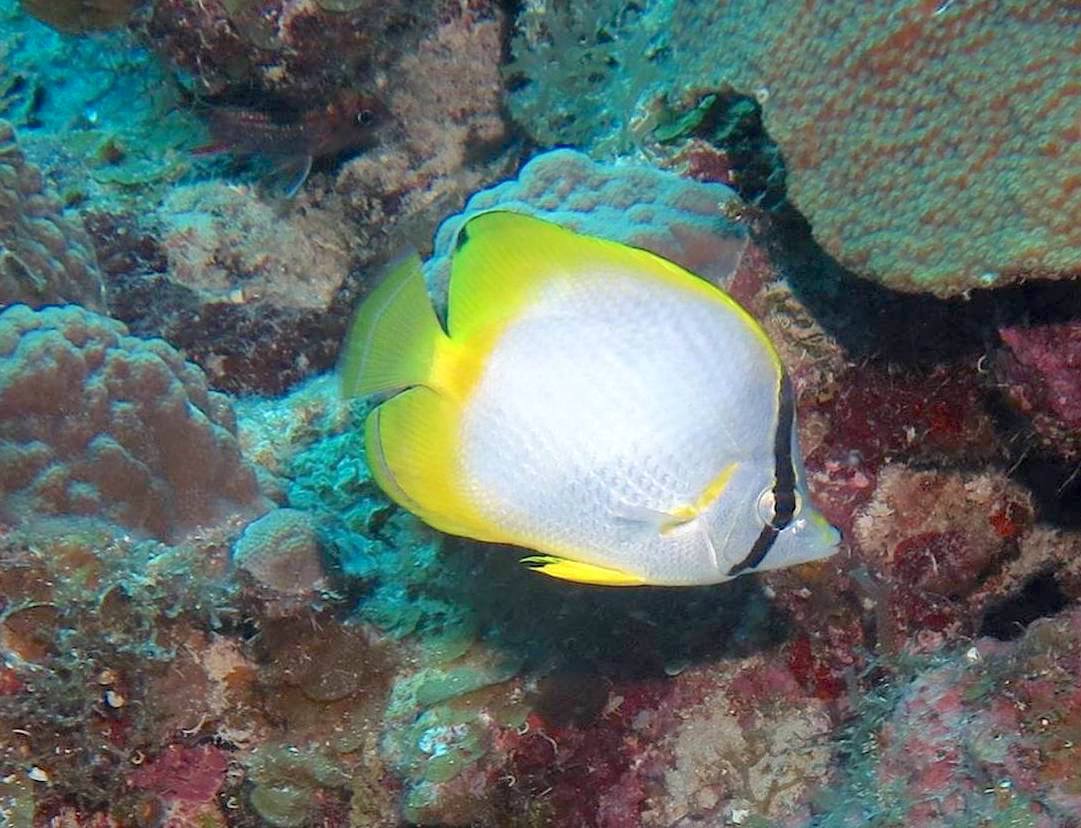
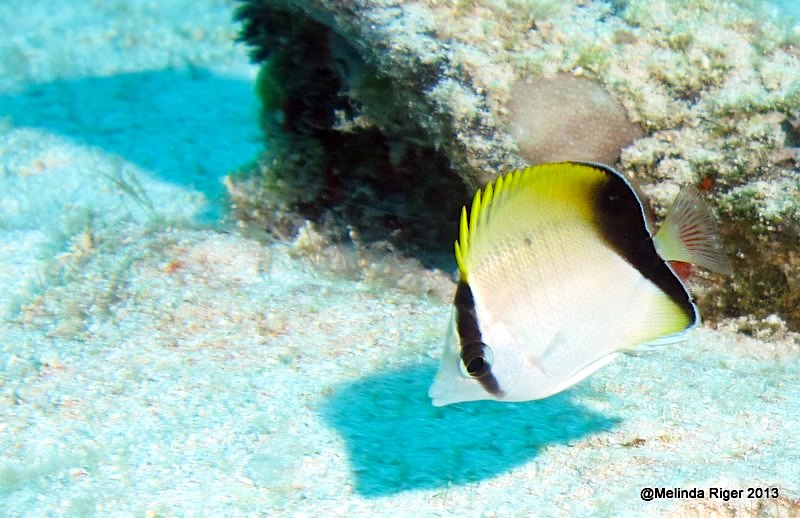
Spotfin Butterflyfish, Bahamas (Melinda Riger / G B Scuba)

BAHAMAS REEF FISH (38): SPOTFIN BUTTERFLYFISH

Butterflyfishes are a large family of mainly colourful small fish somewhat like mini-angelfish. The spotfin butterflyfish (Chaetodon ocellatus) is one of several types of butterflyfish found in the western Atlantic Ocean; and one of half a dozen or so you are likely to see nosing around the coral reefs of the Bahamas.

Spotfin Butterflyfish, Bahamas (Melinda Riger / G B Scuba)

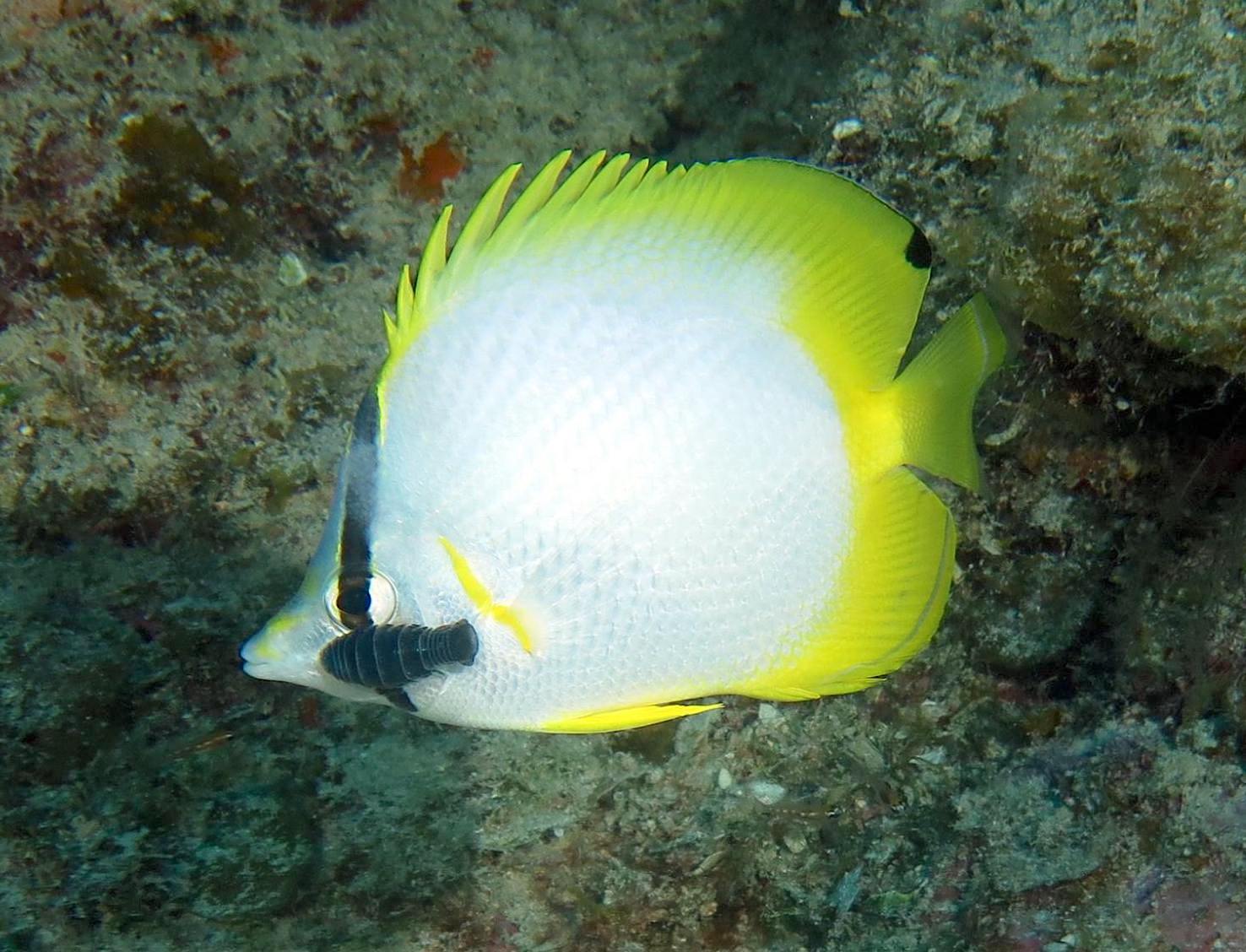
The name ‘spotfin’ derives from the dark spot on the dorsal fin. At the front end, there is a distinctive black vertical stripe that passes right through the eye. Combined with the vivid colouring, predators are in theory confused or warned off.  The spotfin’s superpower (on a modest scale) is that at night, a change of appearance occurs in adults. The dark patch on the dorsal fin increases in size, and dark bands appear on the body. This seems to be in order to provide further protection during the darker hours.

Spotfin Butterflyfish, Bahamas (Melinda Riger / G B Scuba)

The spotfin above has an isopod attached to it, a type of crustacean with a segmented body. Primitive fossils of these creatures have been dated back some 3m years. Want to know want this one is up to? These things “are mostly external parasites of fish or crustaceans and feed on blood, having piercing and sucking mouthparts and clawed limbs adapted for clinging onto their hosts”.

Soldierfish photobombs a spotfin. Or maybe it’s vice versa?Parasitic species are mostly external parasites of fish or crustaceans and feed on blood. The larvae of the Gnathiidae family and adult cymothoidids have piercing and sucking mouthparts and clawed limbs adapted for clinging onto their hosts.

Reading about this particular species of  butterfly fish, I discovered that the spotfin “is very common and very hard to maintain in a tank” –  as if the two facts are somehow connected. So might they be coarse or vulgar, and thus unsuitable companions for better bred and perhaps sensitive aquarium fish? As it turns out, it may be because they are vulnerable to predation, and so can coexist only with peaceable tank friends. 

Spotfins are perfectly happy swimming upside down; and their party trick apparently is to rise to the surface and squirt a jet of water in the air. Sadly, I couldn’t come up with a photo of this…

RELATED POSTS

LONGSNOUT BUTTERFLYFISH

REEF BUTTERFLYFISH

Credits: All fab photos by Melinda Riger / Grand Bahamas Scuba

Unknown's avatar

EYES ON STALKS: CONCH WATCH ON ABACO


Conch Man-o-War Cay, Abaco, Bahamas (Charmaine Albury)

EYES ON STALKS: CONCH WATCH ON ABACO

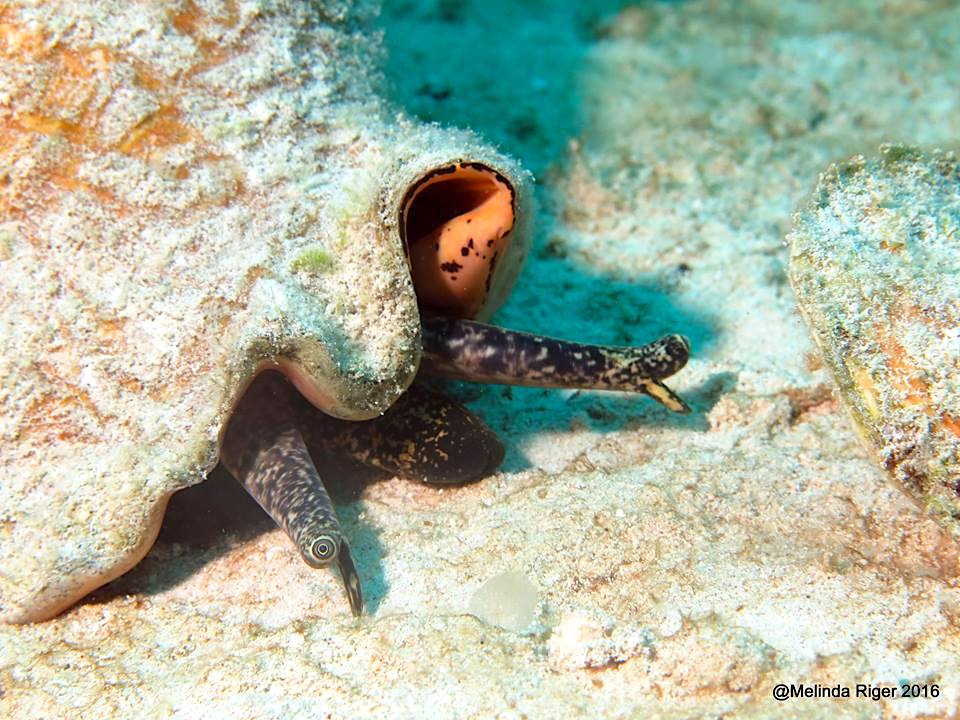
This is not so much about you looking at, and admiring (without salivating too much, I trust) conchs in their natural element. More about them watching you watching them – and focusing on their rather remarkable stalk-based eyes. Take a look at these examples of the ‘watcher in the shallows‘ (to misquote a well-known book title).

Conch and their eyes, Bahamas (Melinda Riger)Conch and their eyes, Bahamas (Melinda Riger)

HALF A DOZEN CONCH EYE FACTS TO PONDER

  • The eyestalks are attached to an extendable ‘snout’
  • The two eyestalks (ommatophores) are retractable within the shell
  • Their purpose is to provide a wider field of vision around the shell
  • The eyes at the tip of each eyestalk have ‘proper’ lenses, pupils and irises 
  • Amazingly, amputated eyes normally regenerate completely
  • The small projection below the eye is a ‘sensory tentacle’ or feeler

Conch and their eyes, Bahamas (Melinda Riger)Conch and their eyes, Bahamas (Melinda Riger)

CAUTIONARY WARNING

For a rather depressing view of the current state of conch populations, check out this recent article in the MIAMI HERALD. Not a great deal to be optimistic about…

I’M WATCHING YOU…

CREDITS: All remarkable ‘conch watching’ photos by Melinda Riger / Grand Bahama Scuba – except for the wonderful header image by Charmaine Albury (contributor the The Birds of Abaco), taken on Man-o-War Cay; Cindy James Pinder for the heads-up for the Miami Herald article

Unknown's avatar

DOLPHINS DISPORTING IN THE BAHAMAS


Atlantic Spotted Dolphin, Bahamas (BMMRO)

DOLPHINS DISPORTING IN THE BAHAMAS

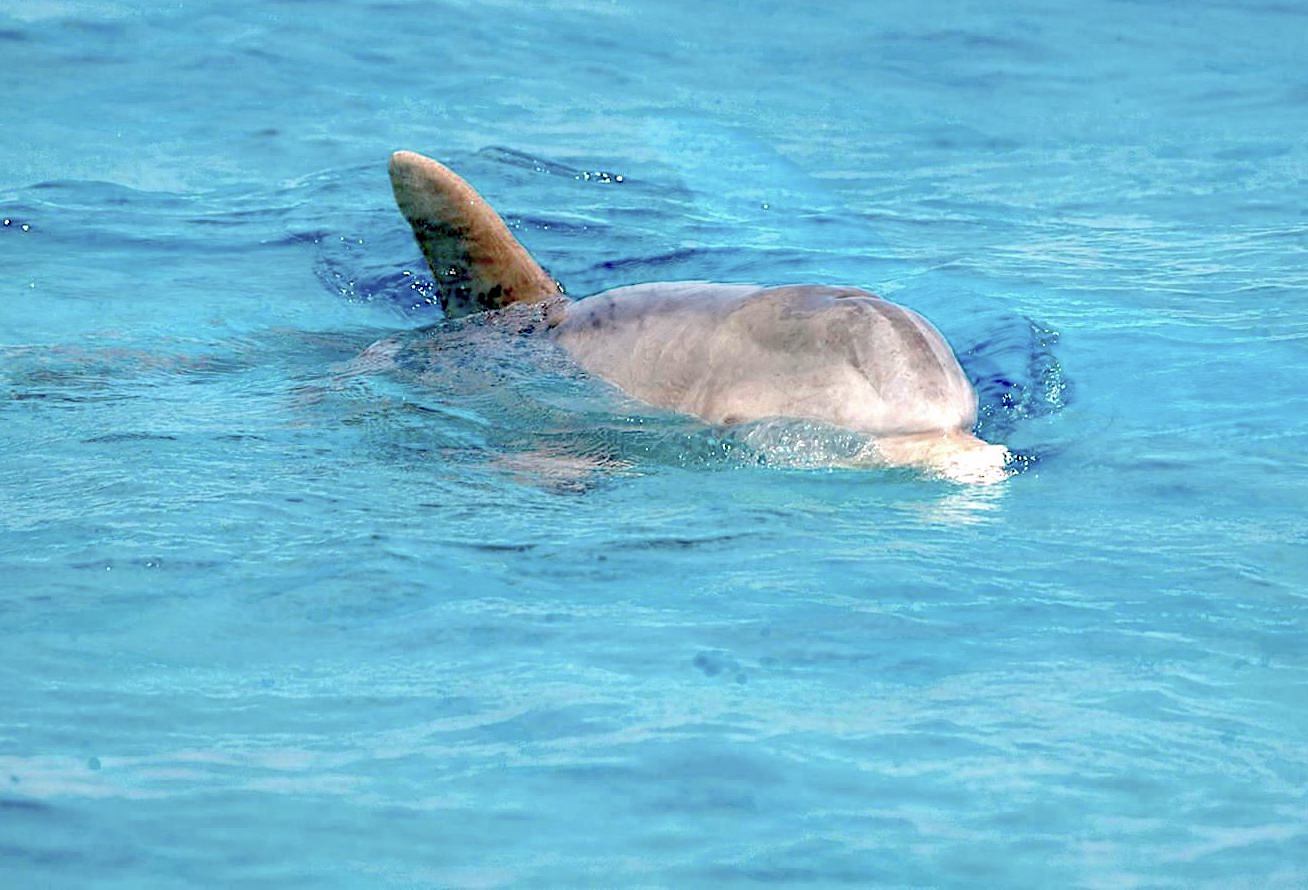
‘Disporting’. Not a word I’ve used very often. Or possibly ever. It looks a bit like ‘unsporting’, which is emphatically what dolphins are not. Basically, it just describes what dolphins are doing when you see them on the surface: amusing themselves, frolicking around in the waves, and simply enjoying themselves.Bottlenose Dolphin, Bahamas (BMMRO)

True, they are probably keeping an eye out for food… But when you have a group sociably following alongside the boat your are in, moving in front, dropping behind, diving under, and generally playing around, it’s quite hard to believe that these are completely wild creatures. They seem to be performing just for you, simply because they want to. You don’t even have to throw fish at them to earn this free display.

Atlantic Spotted Dolphin, Bahamas (BMMRO)Atlantic Spotted Dolphin, Bahamas (BMMRO) Atlantic Spotted Dolphin, Bahamas (BMMRO)

As is well-known, the BAHAMAS MARINE MAMMAL RESEARCH ORGANISATION (BMMRO) is the custodian for the welfare of these beautiful creatures for the entire Bahamas. However, being based on Abaco and carrying out the majority of the research from the HQ at Sandy Point means that many of the great images that get taken are from Abaco waters. Indeed some are taken within swimming distance (not mine) of the shore.  Bottlenose Dolphin, Bahamas (BMMRO)Bottlenose Dolphin, Bahamas (BMMRO)Bottlenose Dolphin, Bahamas (BMMRO)Bottlenose Dolphin, Bahamas (BMMRO)

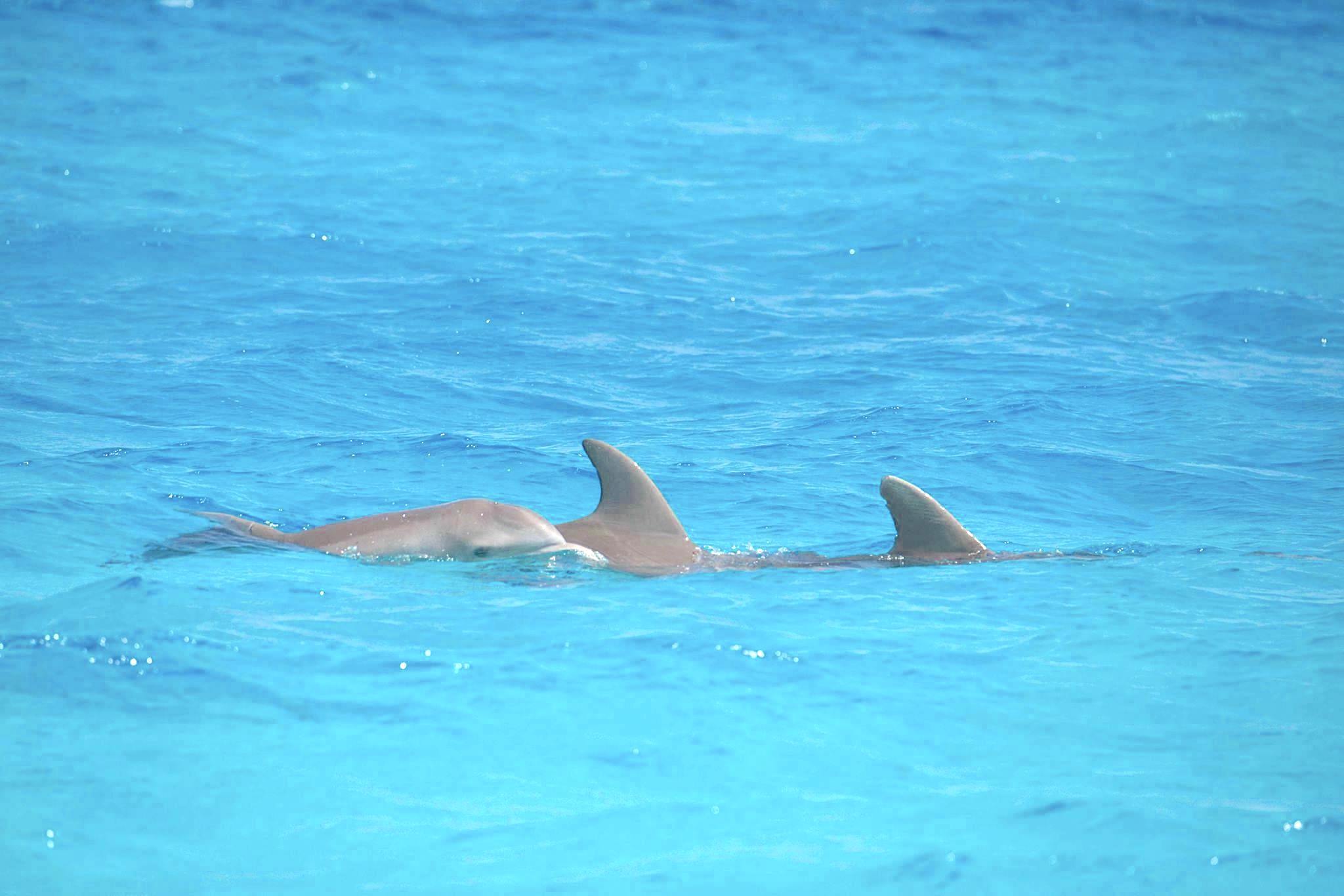
The photographs featured here were taken during the last few weeks. Some are of the familiar bottlenose dolphins. The others – with speckled undersides clearly visible in the header image & below – are of Atlantic spotted dolphins. There’s even one of my own taken from the research vessel. Atlantic Spotted Dolphin, Abaco Bahamas (Keith Salvesen)Atlantic Spotted Dolphin, Bahamas (BMMRO)

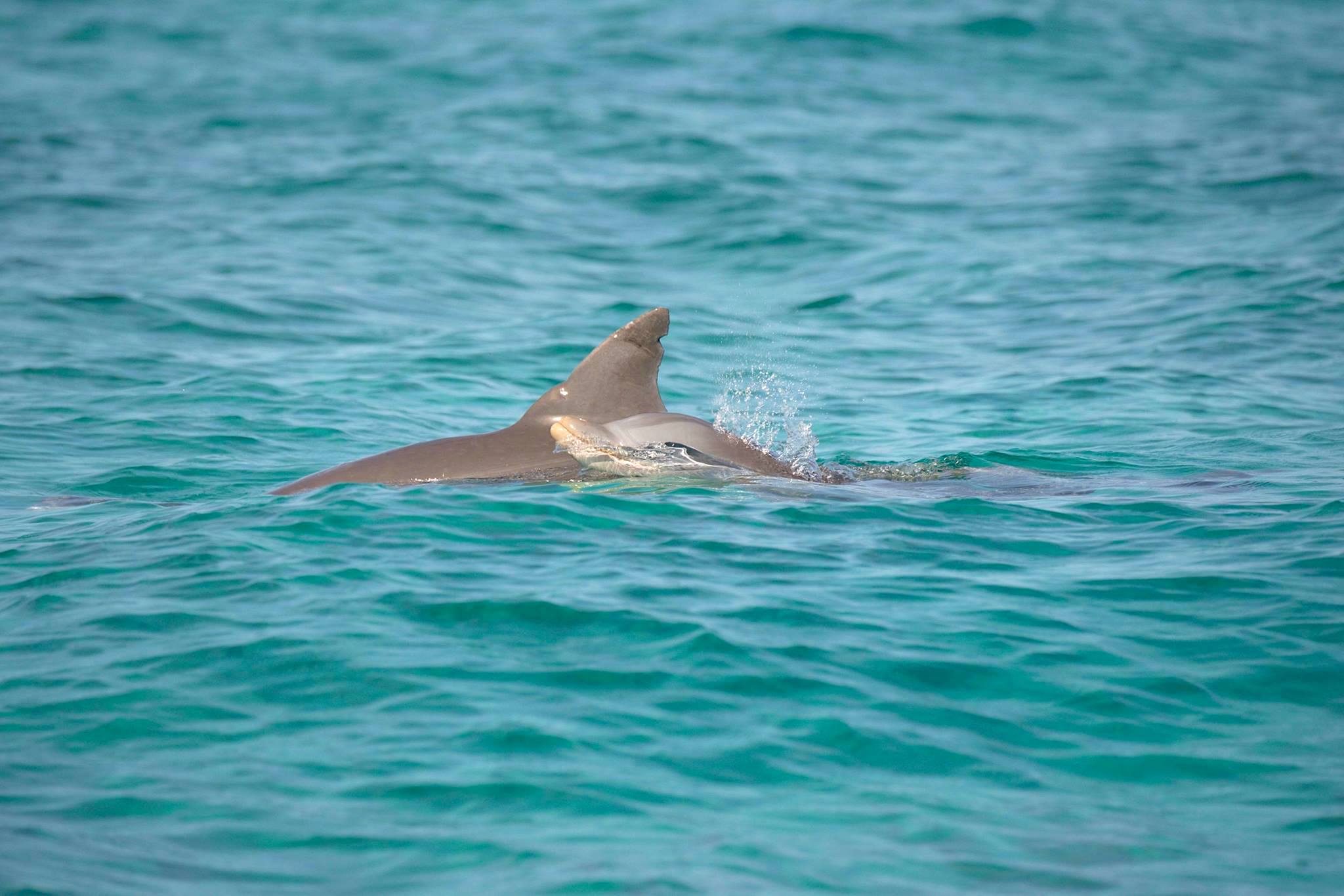
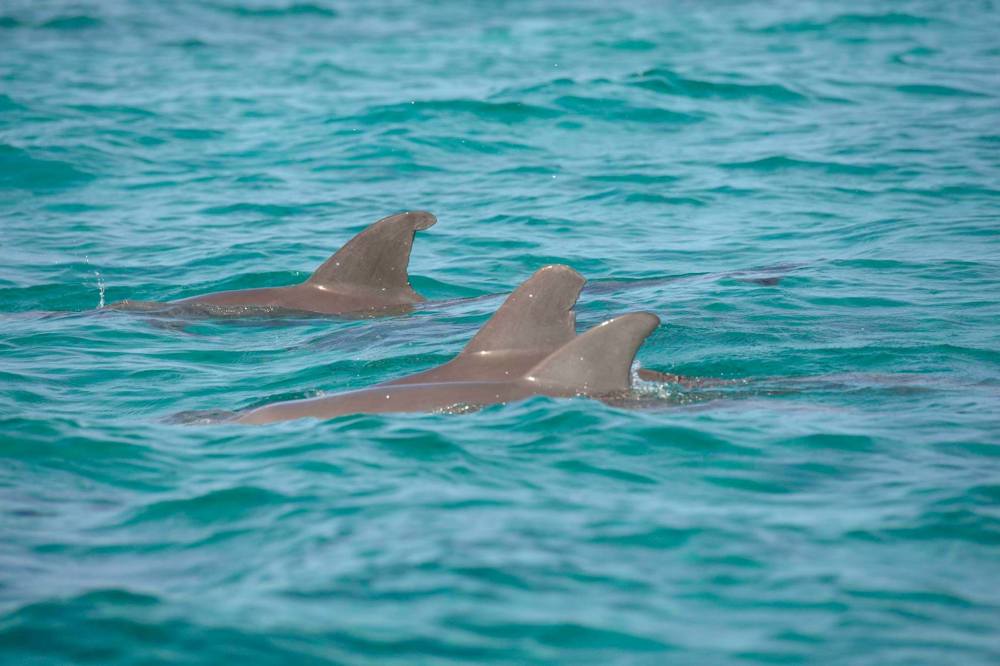
For the researchers, the most important part of an individual dolphin is its dorsal fin. Unique patterns of cuts and scars mean that each dolphin sighted can be logged and their profiles built up. Some have been found in the same area for many years. They are not usually given jocular names – ‘Davy Jones’, ‘Finny Phil’ or whatever. The first time we went out on the research vessel we were slightly surprised by the practical, scientific calls during a sighting of a dolphin group: “there’s B4 again” and “over there – D5 is back”. All said fondly however – many of the dolphins are old friends.

This dolphin has a notable notch on the dorsal fin with a nick below, & a scar line – with a prominent white scar on the lower front edge Bottlenose Dolphin, Bahamas - Dorsal Fin Damage (BMMRO)

Notice how these 3 dolphins all have quite different fin profiles.  The nearest one’s fin looks unblemished, but has a paler tip. Powerful binoculars and a serious camera can pick out small  differences at a distance that the eye could notBottlenose Dolphin, Bahamas - Dorsal Fin Damage (BMMRO)

Coming soon: Manatees & Man in the Bahamas

All photos (bar one by me) BMMRO, with thanks to Diane & Charlotte, and a tip of the hat to the current interns involved in the research projects (Hi, UK Thomas!)

Unknown's avatar

ROCK BEAUTY: BAHAMAS REEF FISH (37)


Rock Beauty, Bahamas (Melinda Riger / Grand Bahama Scuba)

 ROCK BEAUTY: BAHAMAS REEF FISH (37)

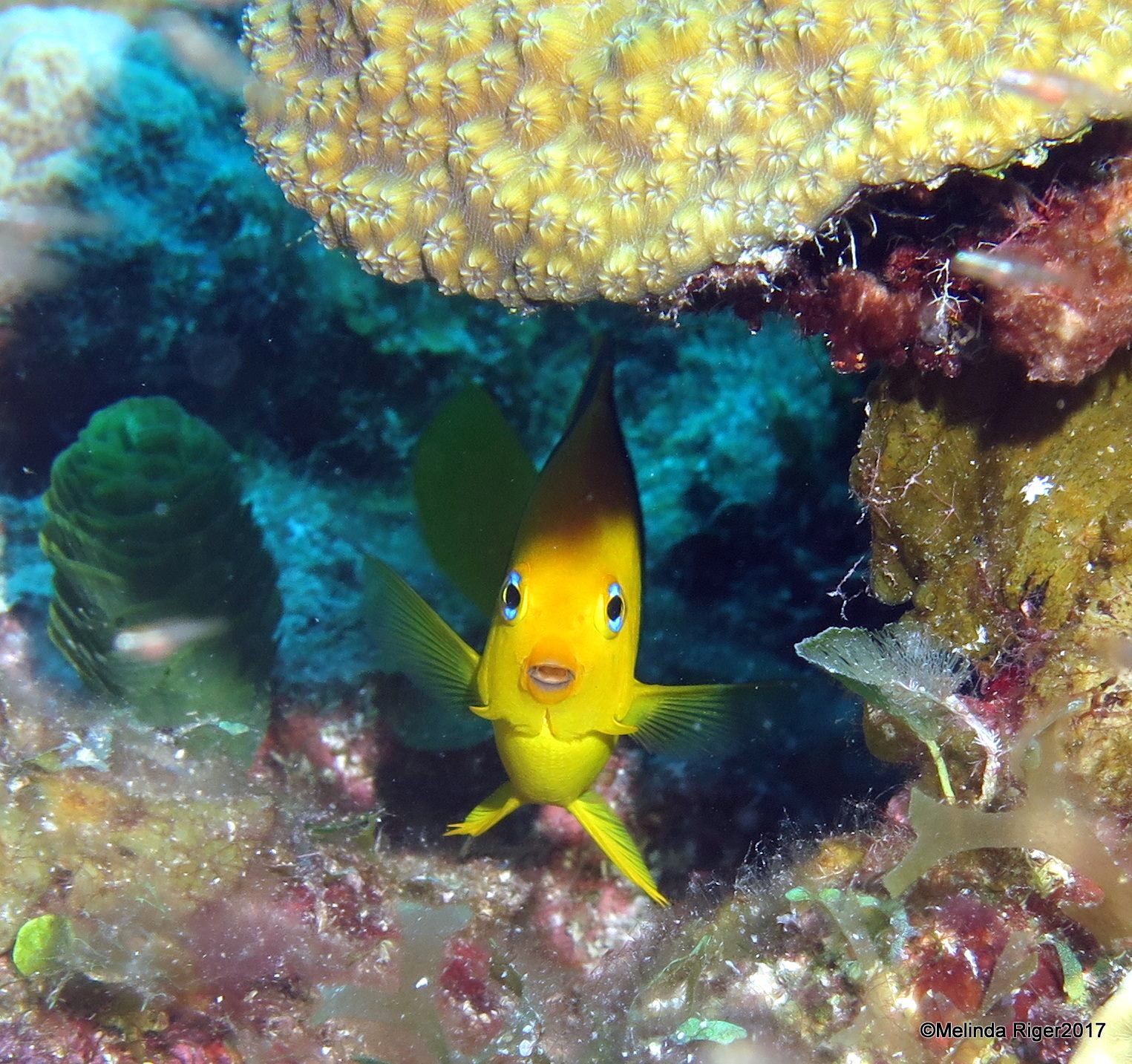
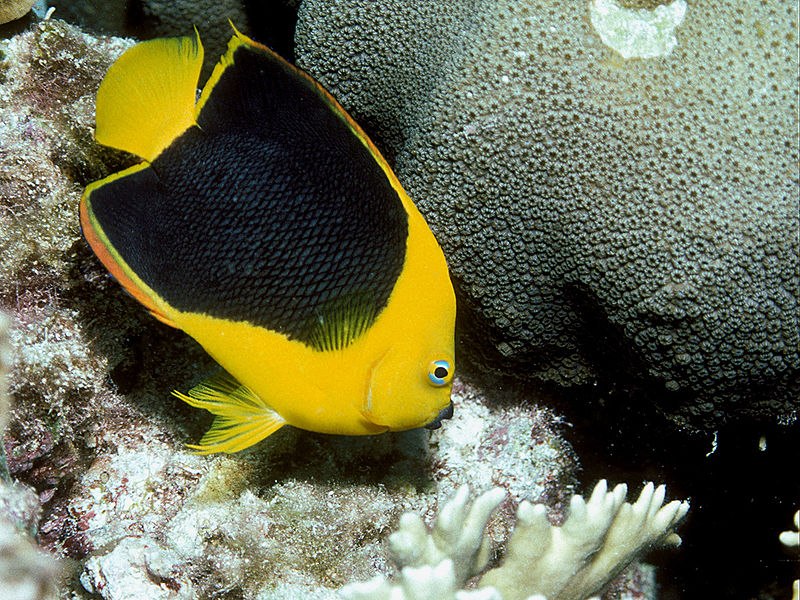
The Rock Beauty Holacanthus tricolor is a small species of Angelfish. Seen swimming around the reefs they are unmistakeable, not least because of their bright yellow hi-viz jackets, remarkable blue eyeliner and blue-black lippy. They featured near the start of this series HERE, and a recent online search (for something else completely, as is often the way) reminded me to give them another swim round Rolling Harbour.

Rock Beauty, Bahamas (Melinda Riger / Grand Bahama Scuba)

In addition to the hi-viz-and-eyeliner combo, the Beauty above has chosen a fetchingly cheeky pair of matching ISOPODS (crustacean parasites) to adorn its face –  possibly the piscine equivalent of a tat…

Rock Beauty, Bahamas (Melinda Riger / Grand Bahama Scuba)

Rock Beauties look like prime candidates for anyone’s aquarium, but their dietary requirements and tendency for aggression make them unsuitable. They are highly specialised feeders, needing marine sponge in their daily diet. They are also prone to chase their tank-mates and nip them. On balance, they look more fetching nosing about the coral anyway.

WHAT DO JUVENILES LOOK LIKE?

Juvenile rock beauties are cute mini-versions of the adults, only more yellow (including the lips). In some development stages, they have a smart blue circle in the middle of the dark patch on their sides (bottom image).


Rock Beauty (Juvenile)

NOTE Rock Beauties have no known relationship to Chrissie, Debbie, Lita, Stevie, Joanna, Madge and the rest of the accredited ‘Rock Beauties aka Chicks’.  

NOT A TRUE ‘ROCK BEAUTY’ (no offence, Lita)

A TRUE ROCK BEAUTY
800px-Holacanthus_tricolor_1

Credits: Melinda Riger, Grand Bahama Scuba,Wiki

Unknown's avatar

MARK CATESBY, PIONEER NATURALIST: NEW BOOK


MARK CATESBY, PIONEER NATURALIST: NEW BOOK

Exactly two years ago, I wrote about the publication of a lavish limited edition facsimile of Mark Catesby’s renowned work The Natural History of Carolina, Florida and the Bahama Islands in 4 volumes to mark the 300th anniversary of Catesby’s arrival in the New World. Unsurprisingly, the cost of the set was prodigious (a rather nice car) – but only a fraction of the cost of a vanishingly rare original set (a rather nice house). Reader, I didn’t buy one.

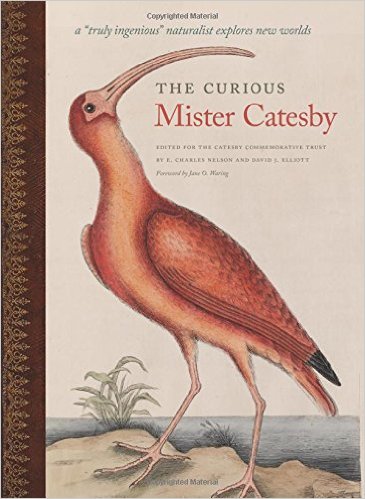
Now the CATESBY MEMORIAL TRUST has produced an excellent and inexpensive illustrated introduction to Catesby’s great work that will transport you back through the centuries to the earliest days of natural historical research by Europeans abroad. It’s worth remembering that Catesby antedated the more famous John James Audubon (1785-1851) by a whole century.

Catesby’s signature

The new book has over 40 illustrations from Catesby’s The Natural History of Carolina, Florida and the Bahama Islands. These are paired with relevant extracts from the work, and there is additional commentary. Click on Catesby’s Tropicbird below for a sample of the book.
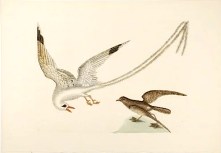
Click me for book sample!

To buy the book – it’s $25 – click HERE
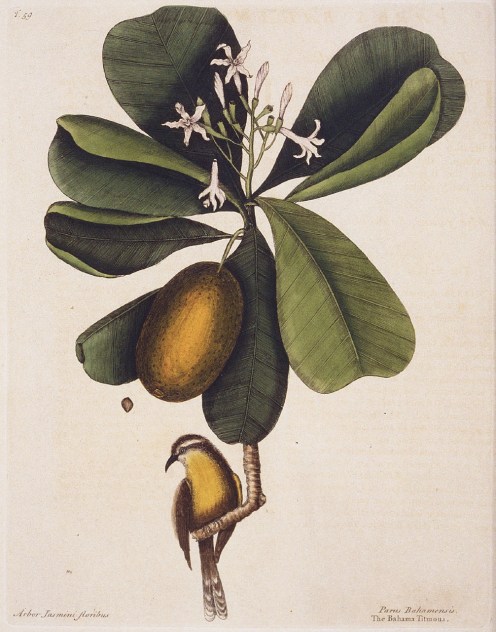
Mark Catesby - 'Bahama Titmous' (Bananaquit)

Mark Catesby – ‘Bahama Titmous’ (Bananaquit)

MARK CATESBY? JUST REMIND ME…

Mark Catesby (1683 – 1749) was a pioneering English naturalist and artist who published his magnum opus based on a number of expeditions he undertook from 1712 onwards. His was the first ever published account of the flora and fauna of North America, and the 2 volumes (with a supplement) included some 220 colour plates of the creatures and plants of land and sea that he had come across. After his travels, Catesby spent some 20 years producing his masterwork and died soon after, perhaps from the sheer effort of it all.

Red-legged Thrush in Gumbo Limbo Tree (HM QE2)

Red-legged Thrush in Gumbo Limbo Tree

AND HIS RELEVANCE TO THE BAHAMAS IS…?

On behalf of the Royal Society Catesby undertook expeditions, first to Carolina and then more widely in America and eventually in the Bahamas. On these trips he drew and painted detailed pictures of birds, fish, turtles, flowers and corals, many of which are familiar in the Bahamas to this day – and a few of which are included here.
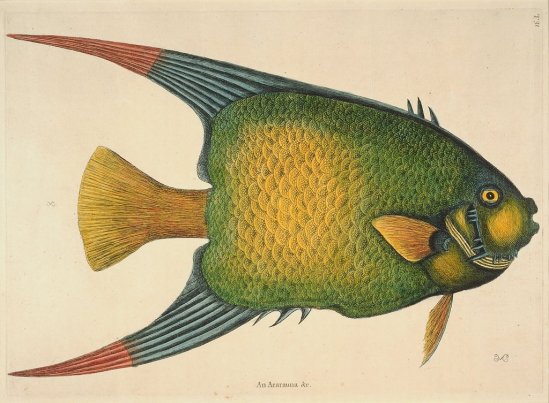
Mark Catesby - Angelfish

Mark Catesby – Angelfish

Flamingo Head + Gorgonian Coral (HM QE2)

Flamingo Head & Gorgonian Coral

Mark Catesby - plate 139 Hawksbill Turtle

Mark Catesby – Hawksbill Turtle

Mark Catesby (Black-faced Grassquit)

Mark Catesby (Black-faced Grassquit)

RELATED POSTS

CHARLES CORY & ABACO 1891

THE PIONEERS (Wilson, Audubon, et al)  

MR SWAINSON (on his 224th Birthday)
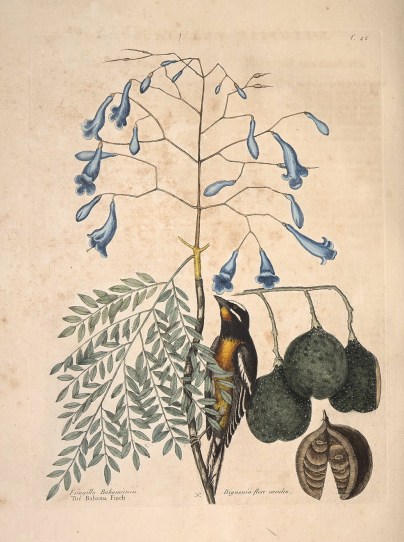
Bahama Finch (Western Spindalis)

RELATED BOOK

51C+Zz+7CSL._SX363_BO1,204,203,200_

Information about the Catesby Commemorative Trust and the book The Curious Mister Catesby can be found HERE. I have the book: it is wonderful, but as an amateur I find it quite a difficult read, and I have to take it in small chunks.

For anyone tempted to look further into the importance of this ground-breaking naturalist, the CCT produced a 50 minute film that is well worth watching if you are interested to know more.

Credits: HM QE2, Catesby Commemorative Trust, National Geographic, Mariners’ Museum Library, sundry open source info-&-pic-mines inc. Wiki, Addison Publs, 

“Illuminating natural history is so particularly essential to the perfect understanding of it”   (Mark Catesby)
Unknown's avatar

HAWKSBILL TURTLES + ANGELS = REEF HEAVEN


Hawksbill Turtle & Angelfish (Melinda Riger / Grand Bahama Scuba)

HAWKSBILL TURTLES + ANGELS = REEF HEAVEN

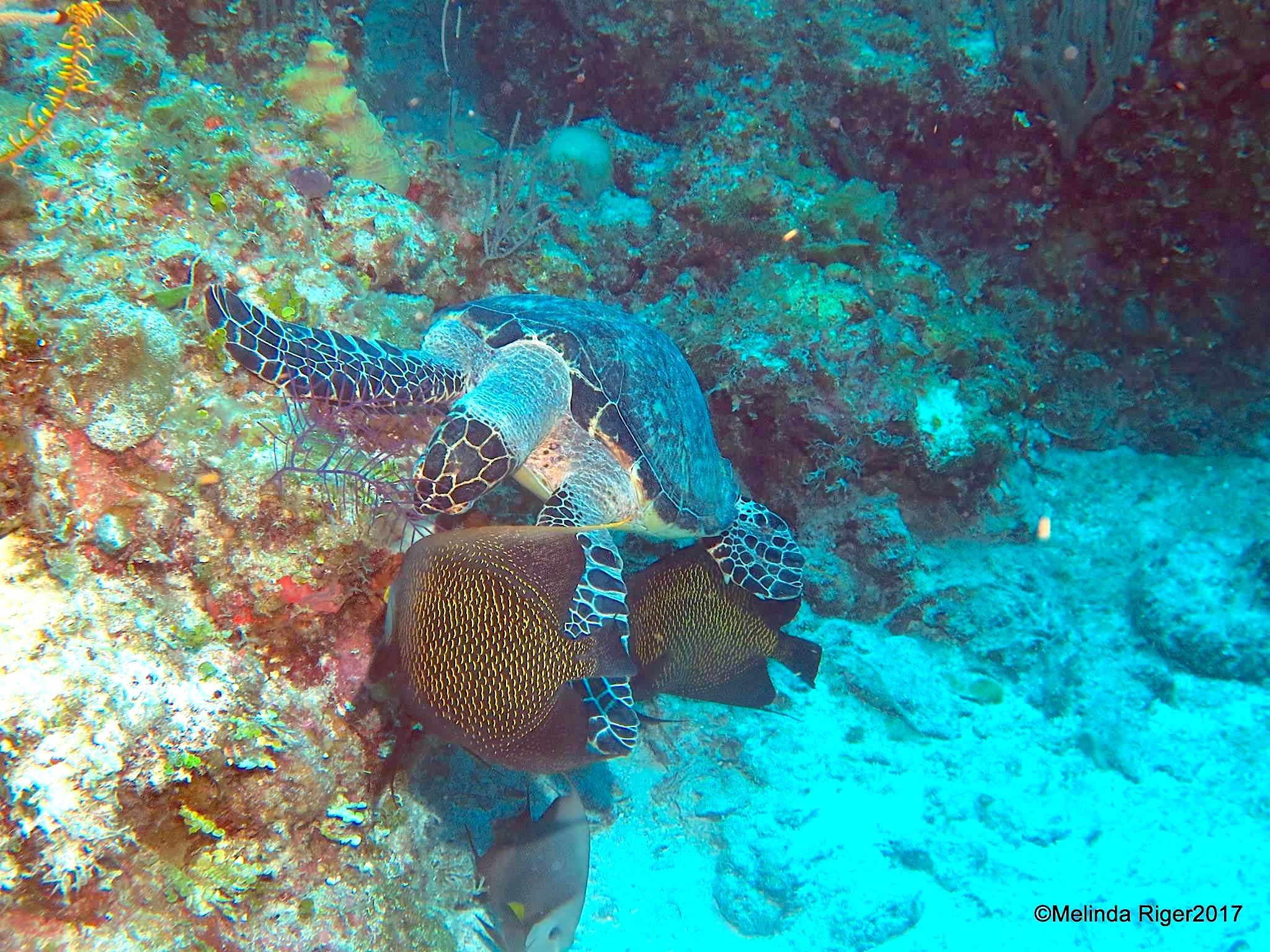
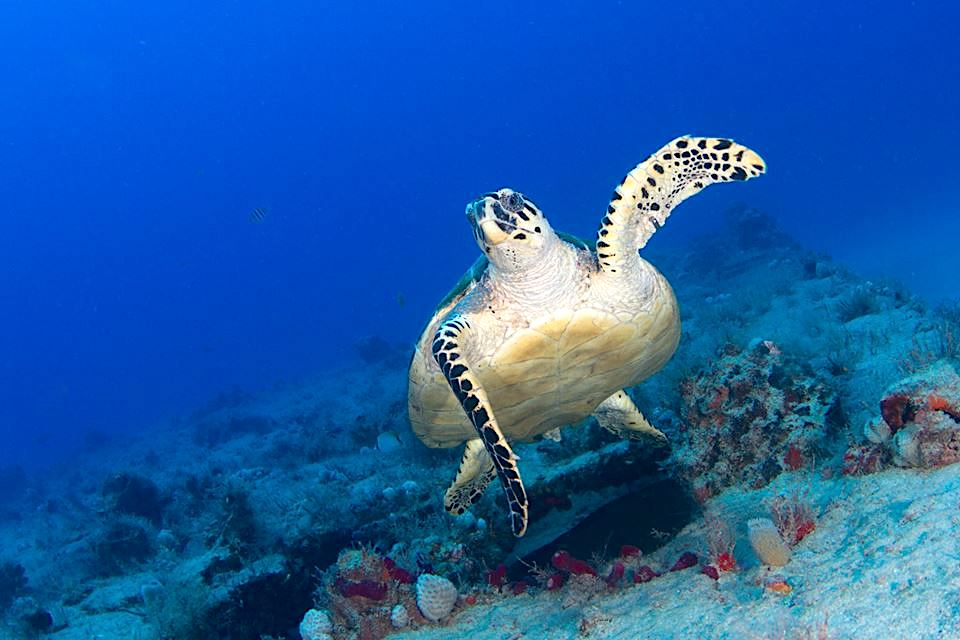
Hawksbills on their own, nosing around the colourful coral reefs of the Bahamas, are a beautiful sight. I don’t want to overdo the religious tendency of the title, but they are indeed wonderful to behold. Add FRENCH ANGELFISH and a QUEEN ANGELFISH and it’s as close to perfection as a reef scene gets. Click on the links above for more pictures and details about the two angelfish species seen here with the turtle. As ever, Melinda Riger was ready with her camera to capture these great images.

Hawksbill Turtle & Angelfish (Melinda Riger / Grand Bahama Scuba) Hawksbill Turtle & Angelfish (Melinda Riger / Grand Bahama Scuba) Hawksbill Turtle & Angelfish (Melinda Riger / Grand Bahama Scuba) Hawksbill Turtle & Angelfish (Melinda Riger / Grand Bahama Scuba)

This astonishing photo was of course achieved by carefully balancing a GoPro on the turtle’s back, wrapping duct tape around it, and pressing ‘go’ (camera and turtle simultaneously). **

Hawksbill Turtle & Angelfish (Melinda Riger / Grand Bahama Scuba)

** This is not true. It’s just a cleverly shot turtle’s-eye view as it forages on the reef

This short video shot by Melinda’s husband Fred of a turtle ‘loving’ the camera is one of those wildlife events that cannot be predicted… but when it happens, it’s frankly a bit of a scoop.

OPTIONAL MUSICAL DIGRESSION

As I was writing this, an earworm started up and grew insidiously in both ears and then inside my head… the dread words “Elenore, gee I think you’re swell”. Followed by “so happy together…”. And then “she’d rather be with me…” Yes, I’ve now got TURTLES in my head, the (?long-and-hitherto-forgotten) band from the second half of the 60’s, with their cheery anodyne soppy-poppy love songs. And dammit, they’ve stuck… Here’s a reminder for those whose memory I have jogged. For anyone under, say, 75, step away from this area. Nothing to hear here.

Hawksbill Turtle & Angelfish (Melinda Riger / Grand Bahama Scuba)

Credits: Grand Bahama Scuba: all photos – Melinda Riger & video – Fred Riger; Turtle music – someone else’s music collection, not mine, honestly… (oh dear another lie I am afraid – cred gone)

Unknown's avatar

BAHAMAS REEF FISH (36): REEF BUTTERFLYFISH


Reef Butterflyfish, Bahamas - Melinda Riger / Grand Bahama Scuba

 BAHAMAS REEF FISH (36): REEF BUTTERFLYFISH

Butterflyfishes come in several varieties in Bahamian waters; and there are more than 120 species worldwide. Not so long ago I wrote about the LONGSNOUT variety, also known as the “Butterbun”. Now it’s time to take a look at the Reef Butterfyfish.

Reef Butterflyfish, Bahamas - Melinda Riger / Grand Bahama Scuba

In some ways butterflyfishes resemble small angelfishes – adult Reefs are just a few inches long. As the name suggests, these are creatures of the reefs, and of shallow waters. As one might expect, these colourful fish are popular for aquariums (or, strictly I suppose, aquaria). 

Reef Butterflyfish, Bahamas - Melinda Riger / Grand Bahama Scuba

Butterflyfishes have interesting spawning patterns. They release large numbers of buoyant eggs into the water. These become mixed in with plankton and suchlike, and float where the tides take them until they hatch. Then, most unusually, they go through a larval stage when they are covered by bony material, which they lose as they mature. This is known as an ‘armoured’ stage, which I can only assume is to provide protection to the tiny fry – perhaps by making them crunchy and unappetising. I’ve been trying to find a usable illustrative drawing, without success so far.

Reef Butterflyfish, Bahamas - Melinda Riger / Grand Bahama Scuba

OPTIONAL MUSICAL DIGRESSION

In some parts of the world the butterflyfish is called a BORBOLETTA, which is Portugese for ‘butterfly’. It is also the title of Santana’s criminally underrated sixth album (1974). For sure it’s no 1st, Abraxas, 3rd or Caravanserai… but if you can tolerate the man’s move to ‘jazz-funk-fusion’ – maybe John McLaughlin had a hand in that – there is much to enjoy. There’s less searing guitar and there’s some strange ‘soundscape’ stuff that’s maybe not to everyone’s taste. But still – it stand up pretty well in comparison with some of the later Carlos creations where a certain tiresomeness began to creep in and some tracks are (IMVHO) not really listenable-to. Anyway, the recently released (2016) Santana IV is a welcome return to the good old days, and the good old team.

Here’s ‘Promise of a Fisherman’ – 8 minutes of  Santana, from which you can judge the direction he’s taken by Album 6…

Reef Butterflyfish, Bahamas - Melinda Riger / Grand Bahama Scuba

All photos by Melinda Riger of Grand Bahama Scuba – mainstay, with Adam Rees, of the underwater photos I use, what with me being a feeble swimmer and all. Tip o’ the Hat to Carlos, who I have even managed to see Live a couple of times.

Unknown's avatar

REDSPOTTED HAWKFISH: BAHAMAS REEF FISH (35)


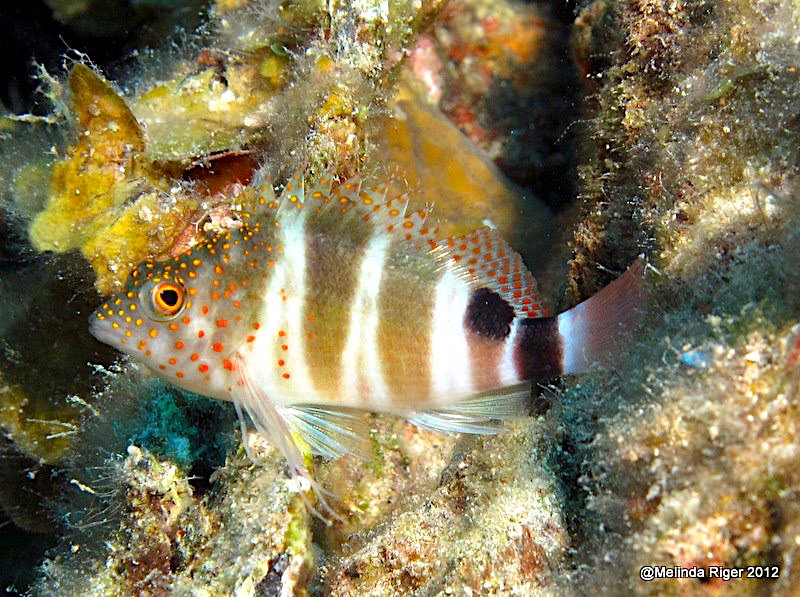
Redspotted Hawkfish, Bahamas (Melinda Riger)

REDSPOTTED HAWKFISH: BAHAMAS REEF FISH (35)

The redspotted hawkfish (Amblycirrhitus pinos) is one of a number of species of hawkfishes found worldwide. This one is found on the sub-tropical and tropical reefs of the Western Atlantic, and is therefore a fish you might see when out snorkelling or (more likely) scuba-ing in the Bahamas. These are small creatures – adults are unlikely to exceed 4 inches in length.
Redspotted Hawkfish, Bahamas (Melinda Riger)

There’s not a whole lot else to report about them. They have no medicinal superpowers, for example, nor wickedly toxic spines. A quick scroll through the highways and byways of the interweb reveals that redspotted hawkfish are considered (rightly, I think) to be attractive, tend to be shy, enjoy perching on coral ledges, and are generally benign, except to smaller fishes to which they may show aggression or – worse – an appetite. 
Redspotted Hawkfish, Bahamas (Melinda Riger)

As you might predict, these pretty little fish are popular in the aquarium trade, where on any view they should be kept safe from predators. But maybe captivity is a little limited in opportunities for travel and exploration. They can be bought for (I just checked) $29.99. Or else left alone on a reef to take their chances.

Photo Credits: Melinda Riger / Grand Bahama Scuba, with thanks as per…

Unknown's avatar

JAW-DROPPING: GROUPERS AT THE CLEANERS


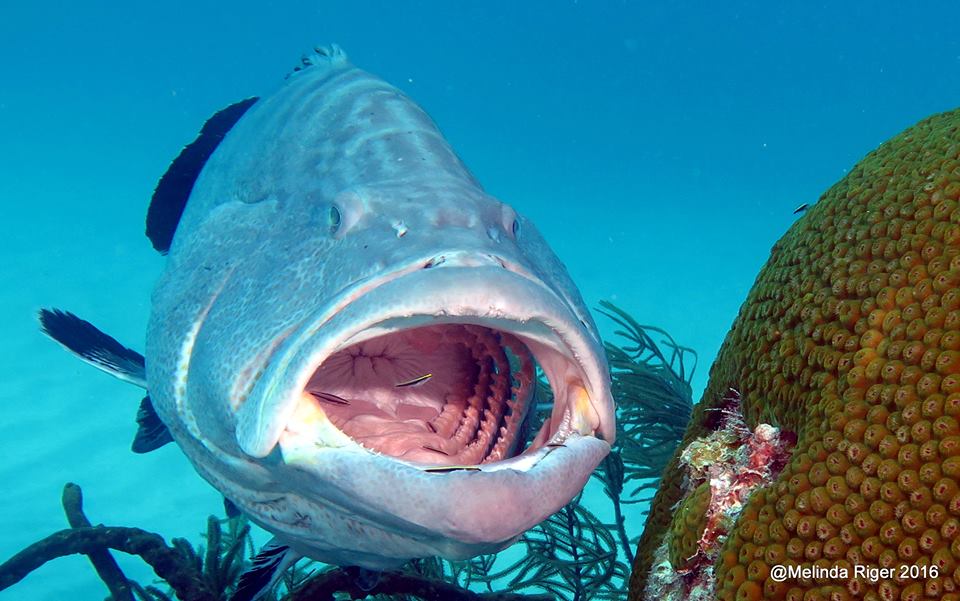
Grouper at cleaning station - Melinda Riger @ GB Scuba

JAW-DROPPING: GROUPERS AT THE CLEANERS

Grouper at cleaning station - Melinda Riger @ GB Scuba

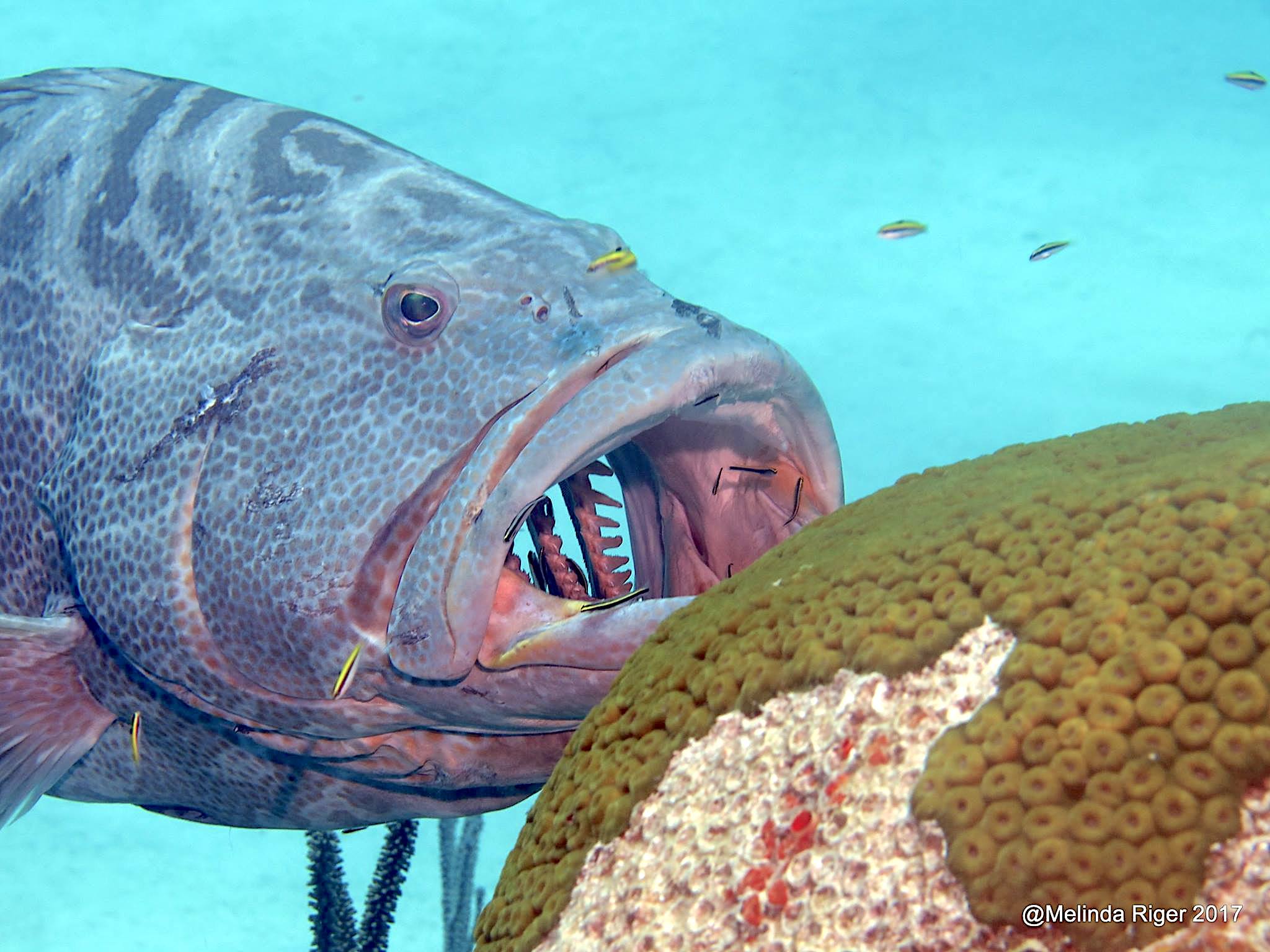
In some of these photos you’ll notice tiny fish attending to the grouper. These are CLEANERS and they are an essential part of the bodily and oral hygiene routine for larger fish species. The big fish call in at so-called CLEANING STATIONS, where the tiddlers remove parasites and dead skin, and polish up the gills. They will even enter the fish’s mouth to pick bits from between its teeth – the deal being that they will not be eaten. This mutually beneficial arrangement is called ‘cleaning symbiosis’ and is carried out by (for example) gobies, wrasses and cleaner shrimps.

Pederson’s cleaner shrimps and cleaner wrasseGrouper with Peterson's cleaner shrimps and wrasse - Melinda Riger @ GB Scuba

Some of these photos show groupers with open gills as well as open mouths, an invitation to the cleaners to do their work. I’d intended to write about how and why gills work but I’ve thought better of it. There’s a lot of detail about chemical exchange involved that, when I looked more closely, seemed rather dull… and therefore outside the remit of this blog, which includes trying to avoid ‘dull’. If you really want to know more, Wiki has a good article HERE. Good luck with that….

Credits: All photos Melinda Riger, Grand Bahama Scuba

Unknown's avatar

ONE GOOD INTERN DESERVES ANOTHER (Part 1)


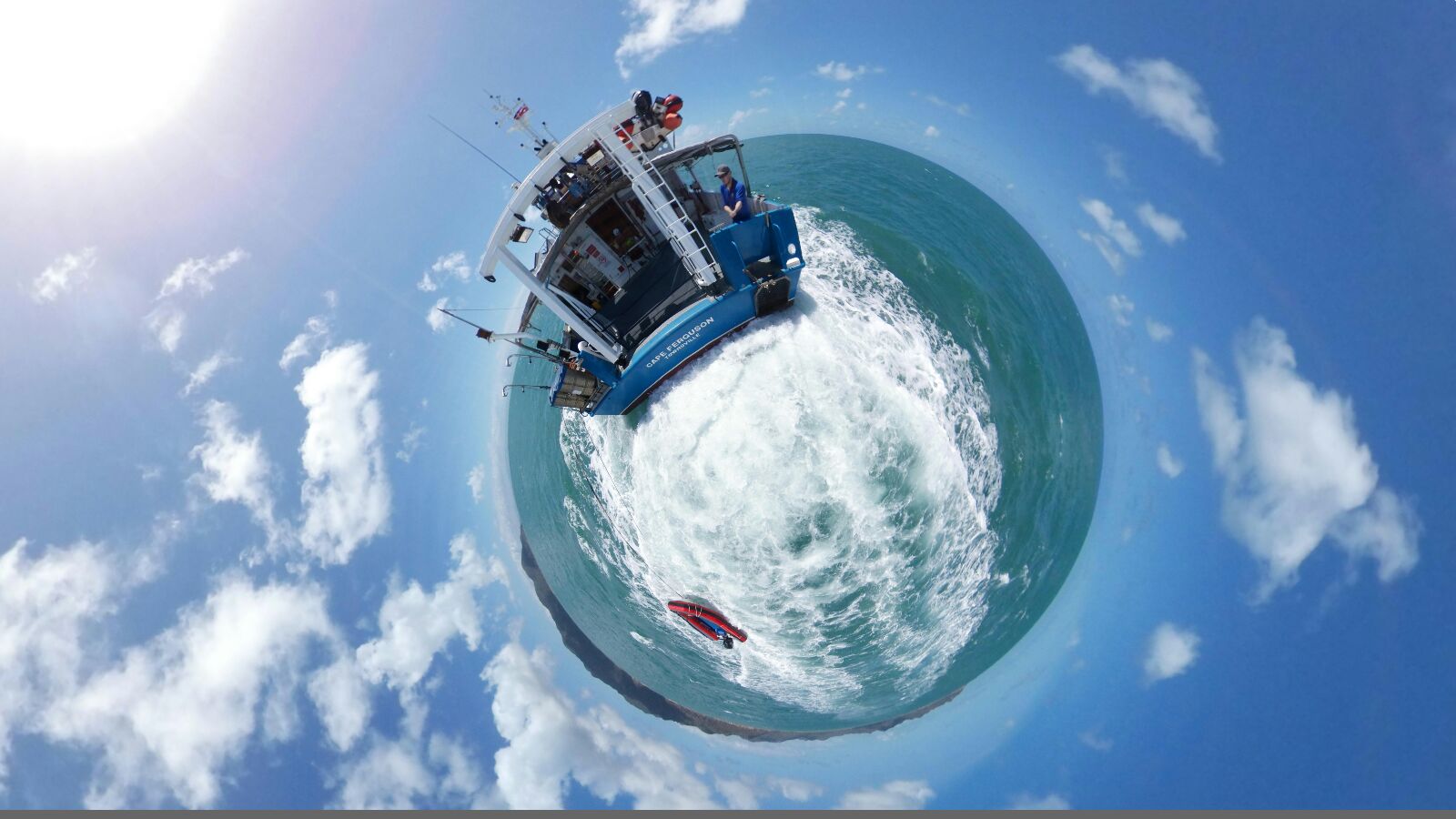
Coral reef research, Australia (Oscar Ward)

ONE GOOD INTERN DESERVES ANOTHER (Part 1)

Four years ago a young English friend of ours, Oscar Ward, was lucky enough to be offered an internship with the Bahamas Marine Mammal Research Organisation (BMMRO). At the time, he was post-school, and waiting to start a degree course in marine biology at university. He had no practical experience at all, so he had to progress from the menial tasks (scraping barnacles off the bottom of the research boat) to the more adventurous (whale poop-scooping) to the scholarly (collection and analysis of samples and data, including audio file matching of whale calls for identification). The need for hard work, concentration and accuracy were made clear from the outset… and as you will see, Oscar’s short internship has stood him in very good stead during his university course.

Oscar weekending at Gilpin Point – self-sufficientBMMRO Internship - weekend off (Oscar Ward)

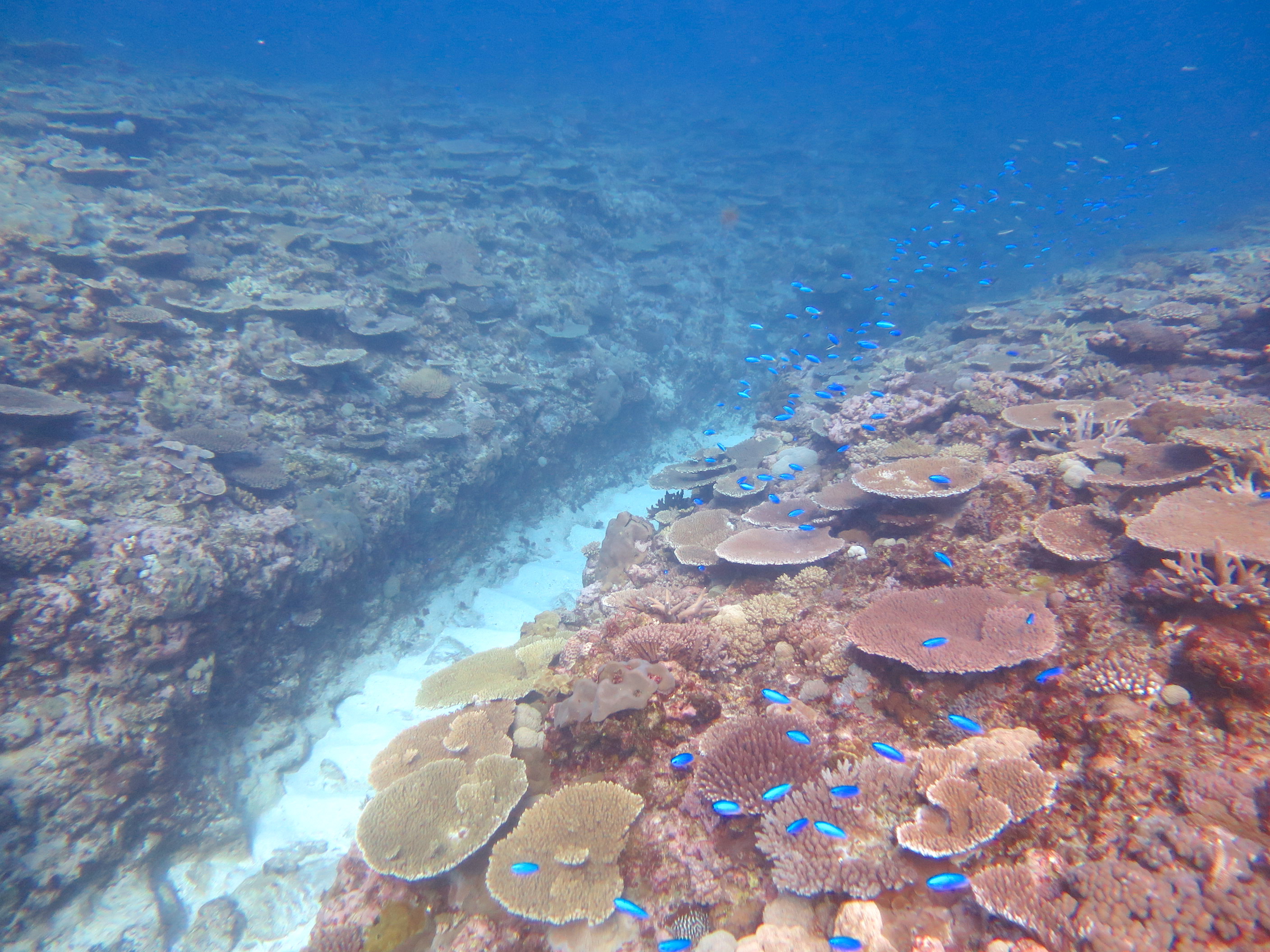
From a promising start on Abaco, and with 2 year’s study behind him, Oscar is currently spending the 3rd year of his 4-year course in Australia, working with The Australian Institute of Marine Science. He has been involved in a number of complex projects focussed on corals and reef life – as we all know, a matter of huge concern – and the projections for the future of the reef systems in a time of warming seas and raised acid levels. Oscar also assists PhD students, for example examining the damaging effects of parasitic worms on coral; and the effect of changing light conditions on corals.

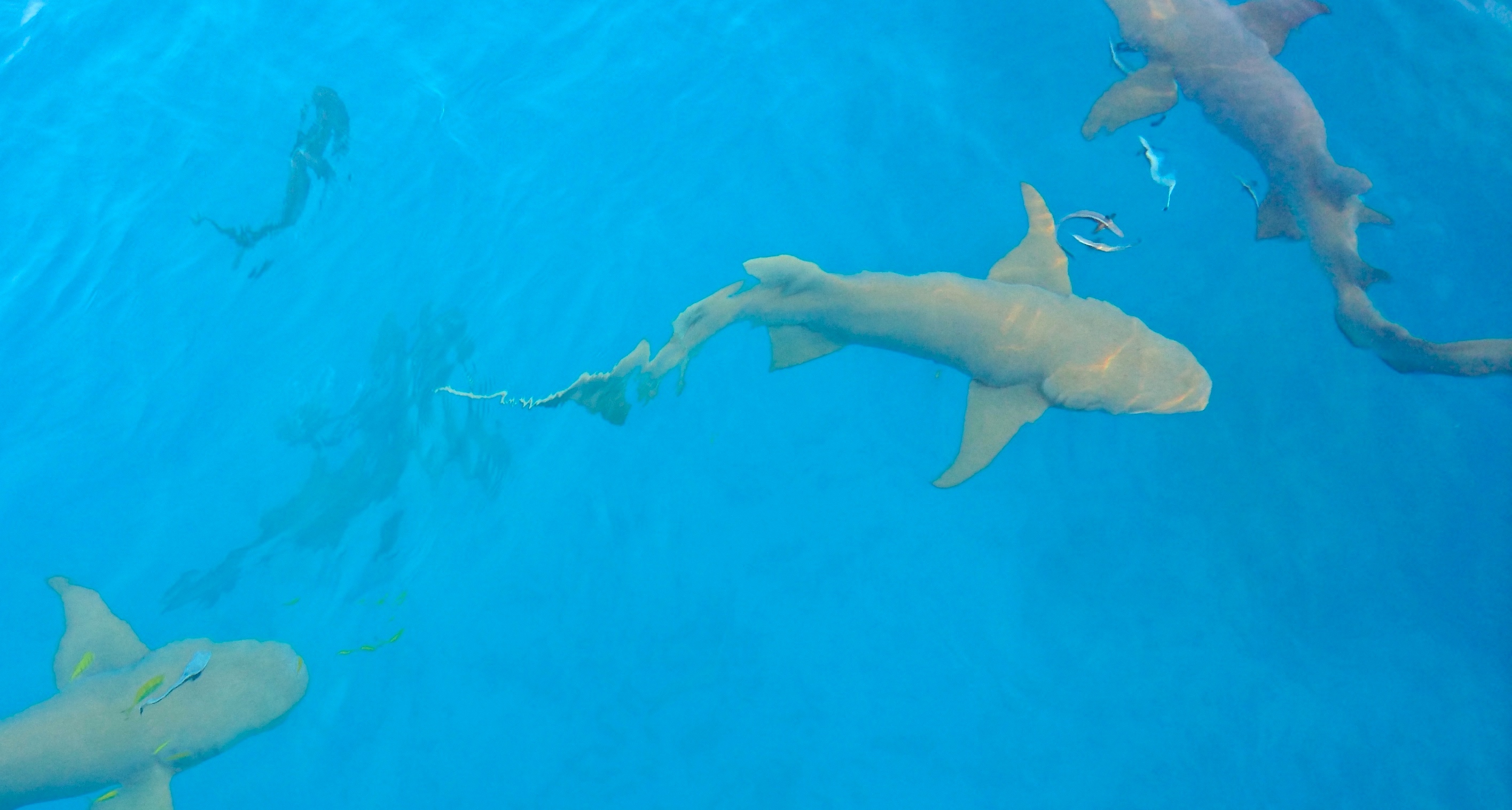
Nurse Sharks, Great Barrier Reef (Oscar Ward)

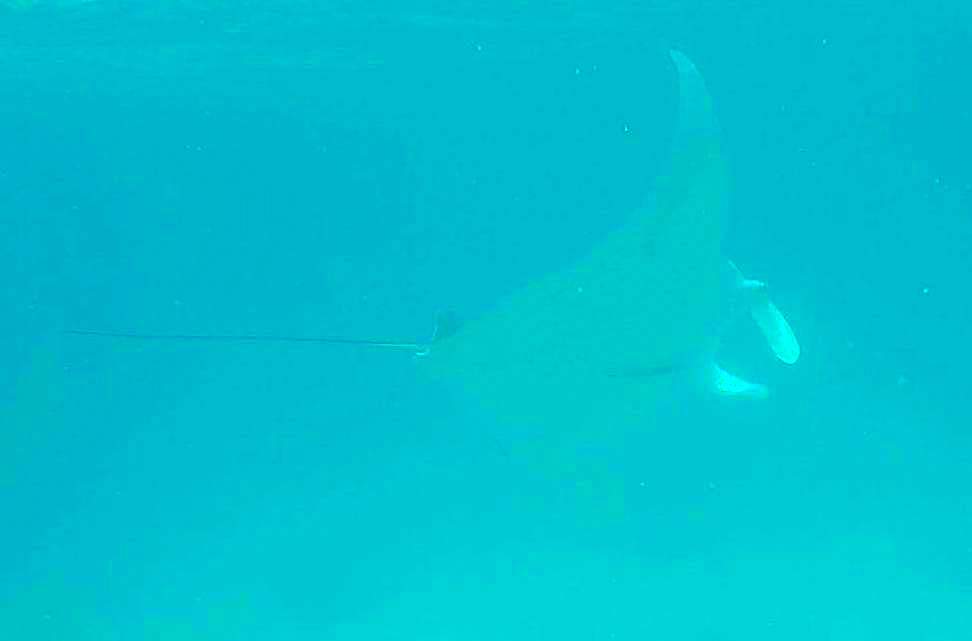
Much of Oscar’s time has been spent doing fieldwork. Often he is at sea, monitoring and collecting samples in the Southern Great Barrier Reef, diving two or three times a day. This work is often carried out in restricted or preservation zones, and with ever-present manta rays, sharks and sea turtles around him.

Manta Ray, Great Barrier Reef (Oscar Ward)

Right now Oscar is involved with the investigations into the recent bleaching events, work that is at the forefront of serious concern for the GBR and far beyond. I have recently corresponded with him – he has definitely not forgotten that his grounding for the fieldwork and studies that he is engaged in – and very likely his career – came from his time on Abaco and the lessons he learned during his time with the BMMRO at Sandy Point.  (In part 2: another good intern, currently at Sandy Point)

Coral reef research, Australia (Oscar Ward)

All photos: Oscar Ward (the header image is taken from a research vessel – no idea how, maybe a drone with fish-eye lens?)

Unknown's avatar

‘CUDAS: “WHAT BIG TEETH YOU’VE GOT…”


Barracuda - Melinda Riger / Grand Bahama Scuba

‘CUDAS: “WHAT BIG TEETH YOU’VE GOT…”

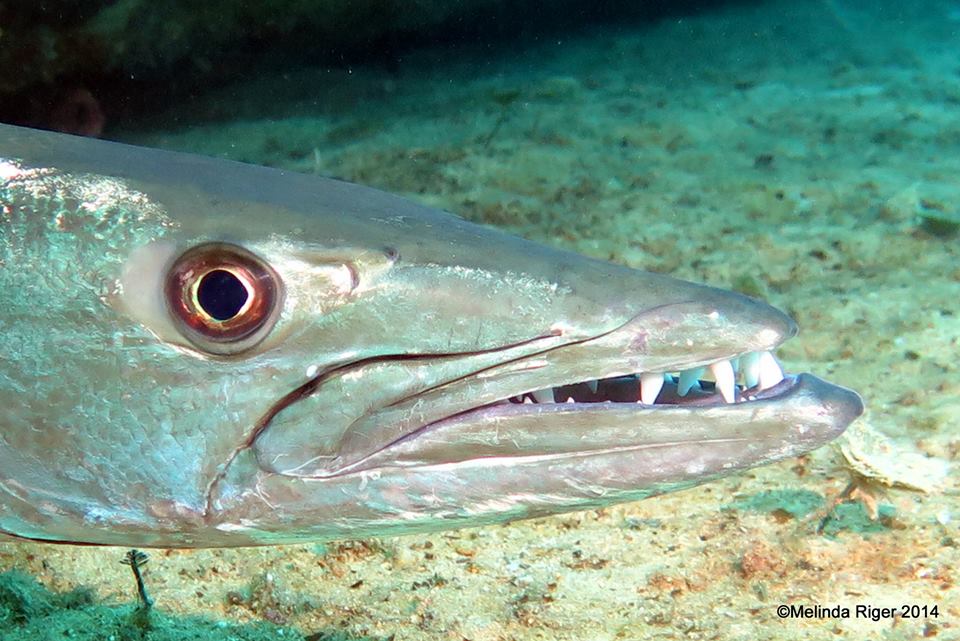
Or, if not exactly big then lethally lacerating. Their sharp fangs are all different sizes, which gives more of a mincing effect than a clean bite. Then there’s the underbite, involving more mincing. And the fact that the teeth are set at different angles. That’s a third mincing effect. Prey in those strong jaws? No chance. 

Three -way mincing machine. Avoid.Barracuda - Melinda Riger / Grand Bahama Scuba Barracuda - Melinda Riger / Grand Bahama Scuba

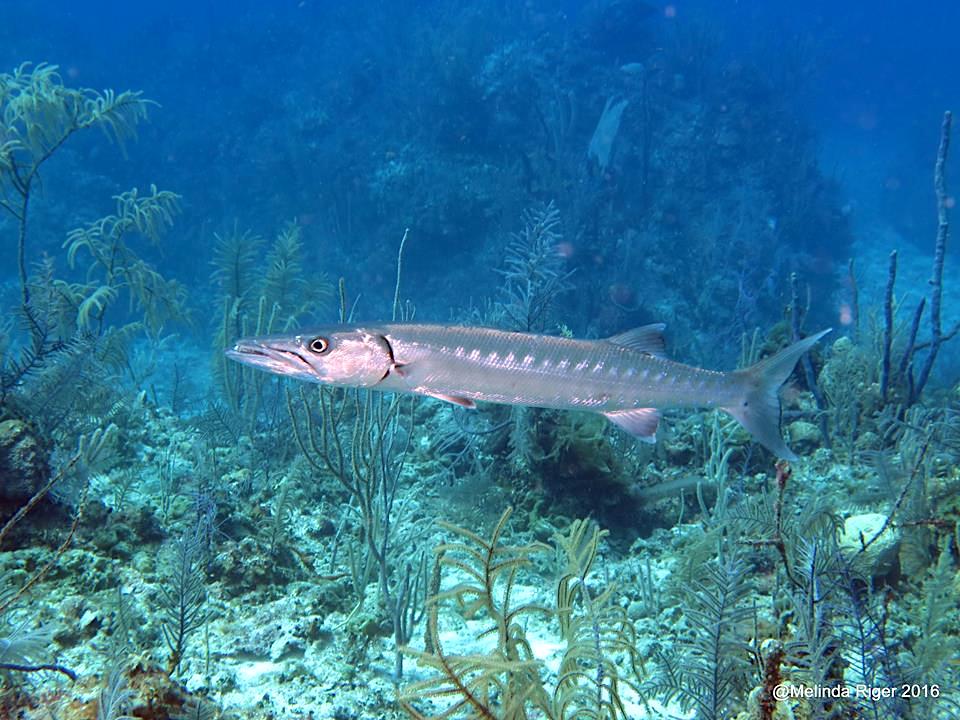
Teeth? Enough dentition already. It’s impossible not to admire these lean, mean eating machines as they glide around in their natural environment. The photos below are designed to redress the balance a bit. Sinister, yes. But mighty fine fish, without a doubt.

Barracuda - Melinda Riger / Grand Bahama ScubaBarracuda - Melinda Riger / Grand Bahama ScubaBarracuda - Melinda Riger / Grand Bahama ScubaBarracuda - Melinda Riger / Grand Bahama ScubaBarracuda - Melinda Riger / Grand Bahama Scuba

All photos: Melinda Riger, Grand Bahama Scuba, with thanks as ever for her terrific photos

Unknown's avatar

WTF? (WHAT’S THAT FISH?) 13: THE ROUGHHEAD BLENNY


Roughhead Blenny - Melinda Riger / Grand Bahama Scuba

WTF? (WHAT’S THAT FISH?) 13: THE ROUGHHEAD BLENNY

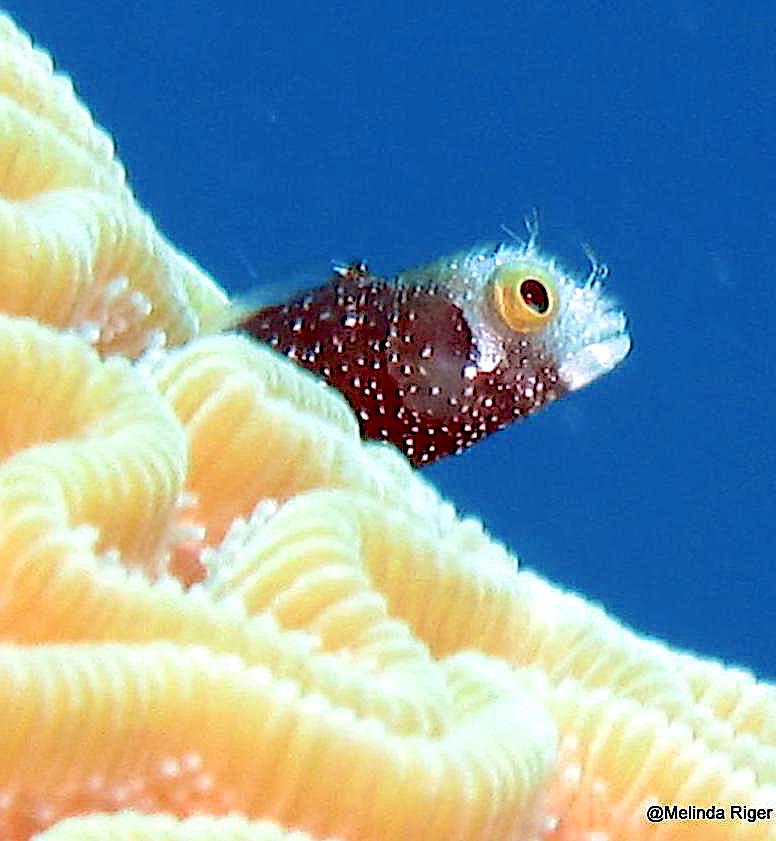
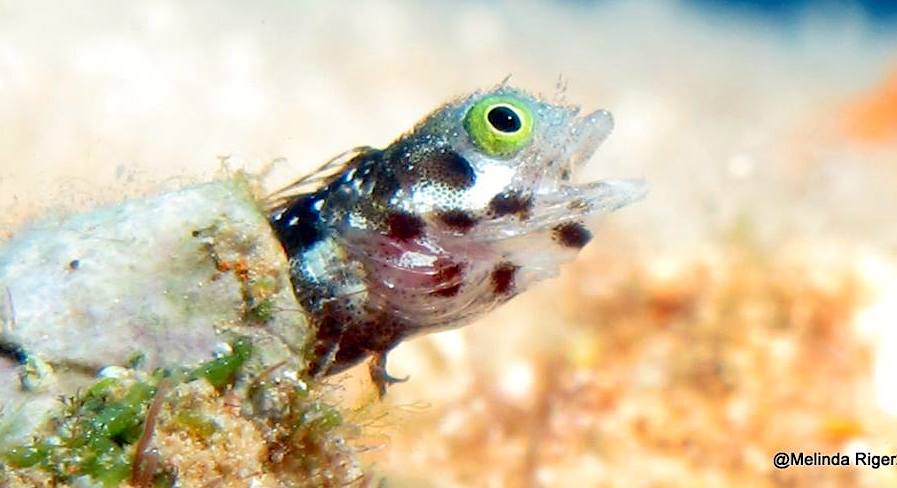
The WTF? series has looked at a number of bizarre reef denizens, and this little fish is certainly that. For a start, its ‘correct’ name is Acanthemblemaria aspera, an excellent challenge for saying 10 times very quickly **. And the name blenny comes from the Greek word for ‘slime’, quite enough to make the poor creature a laughing-stock in the reef community.

Roughhead Blenny - Melinda Riger / Grand Bahama Scuba

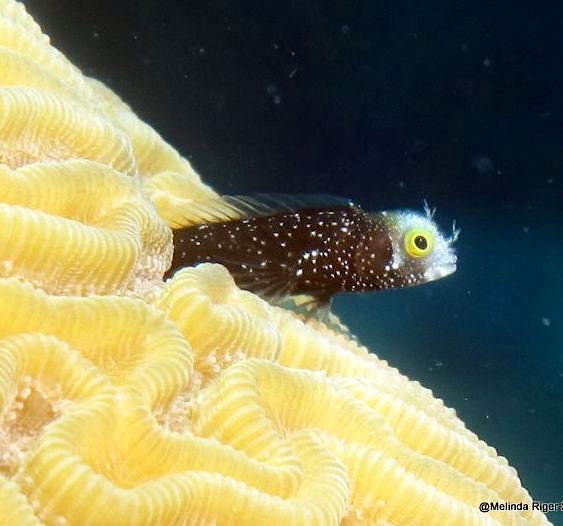
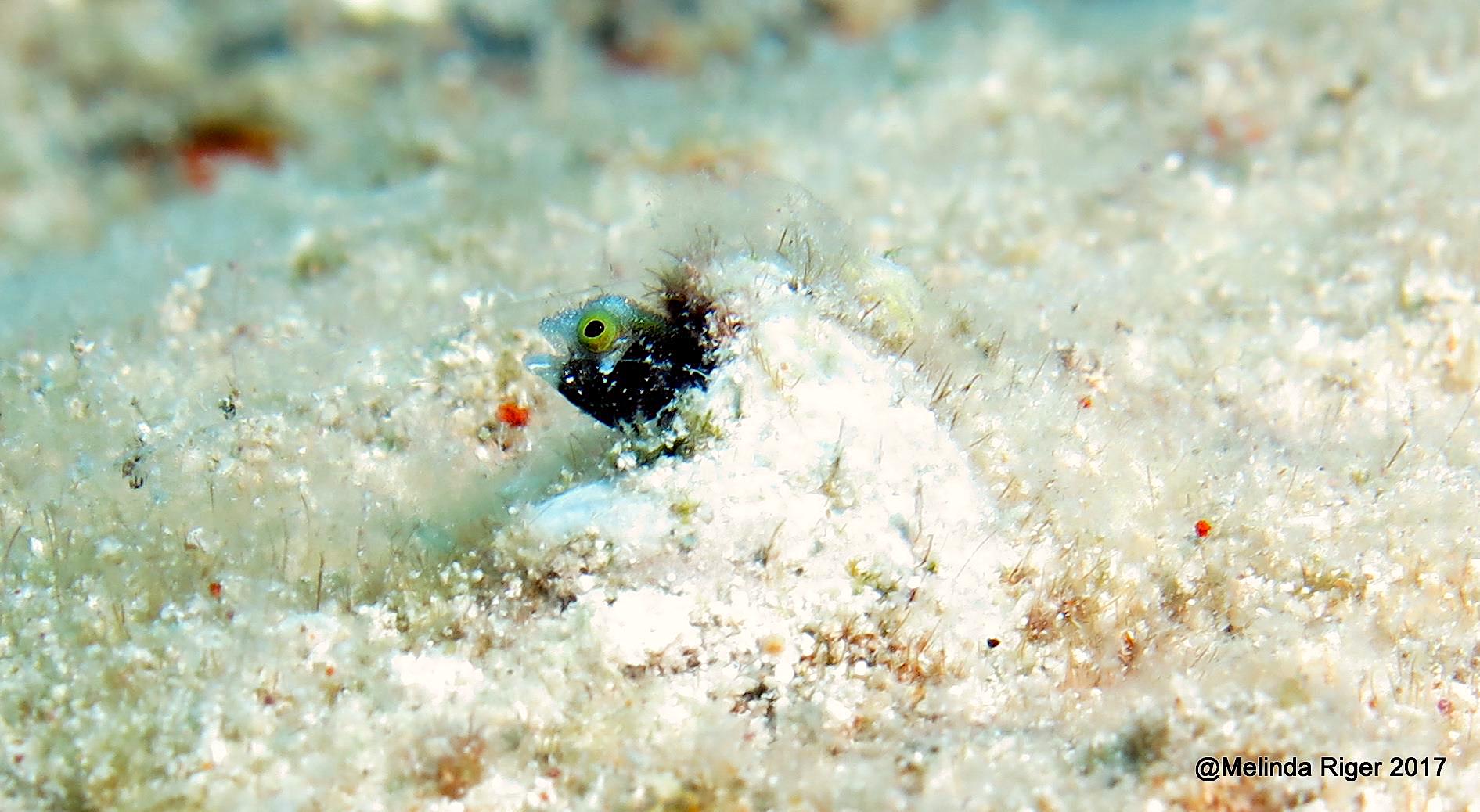
There are in fact several hundred blenny species and subspecies around the world. The roughhead is one of the most commonly found in western Atlantic subtropical and tropical waters. These are burrowing creatures, and they find holes in the nooks and crannies of coral reefs – and indeed in the coral itself. Brain coral seems to be a preferred location. Mollusc shells are another. Or they may just bury themselves in the sea floor. 

Roughhead Blenny - Melinda Riger / Grand Bahama Scuba

The  ‘roughness’ of head refers to the whiskery appendages (cirri) on a blenny’s blunt bonce – slender tendril or hair-like filaments. The word cirri is the plural version of the wispy high altitude cirrus clouds that streak the sky. These tendrils are shown clearly in some of the photos here, despite the tiny size of the fish (± 1 inch). 

Roughhead Blenny - Melinda Riger / Grand Bahama Scuba

THESE GUYS LOOK A BIT PRIMITIVE, AM I RIGHT?

To be precise – as far as is possible – blennies can be dated back to the Paleocene Era (or is it an Epoch?). This spanned a period 66 to 56 million years ago – around the time of the formation of the Rolling Stones.

Roughhead Blenny - Melinda Riger / Grand Bahama Scuba

You can find out more about roughheads in this excellent eHow video I came across after I’d written this post, to which I should now add that there is considerable colour variation in this subspecies, as you may already have noticed…

** You can also try this with ‘Red Lorry Yellow Lorry’. Yes I know. Maddening, isn’t it. You can’t stop now you’ve started. Sorry…

Credits: all photo, Melinda Riger; video, eHow

Unknown's avatar

TURTLE BREEDING SEASON & A SMALL POEM TO PONDER


Sea Turtle - Adam Rees / Scuba Works

TURTLE BREEDING SEASON & A SMALL POEM TO PONDER

The turtle lives ‘twixt plated decks
Which practically conceal its sex.
I think it clever of the turtle 
In such a fix, to be so fertile.

Sea Turtle - Adam Rees / Scuba Works

Anyone unfamiliar with the works of OGDEN NASH (1902 – 1971) would do well the check out his inimitable poetry, in which he takes extreme liberties with both rhyme and scansion to great comic effect. The poem above is a good example of Nash’s neat way with words. It always makes me laugh, anyway. So simple, looks so easy, but a very difficult trick to pull off consistently as Nash effortlessly does.Sea Turtle - Adam Rees / Scuba Works

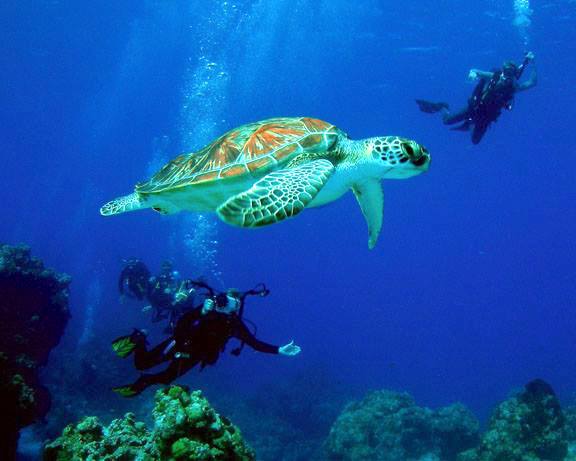
As the turtle breeding season moves forward, I though this would be a good time to show a few of the great turtle photos taken by Adam Rees of ‘Scuba Works’.Sea Turtle - Adam Rees / Scuba Works

Sea Turtle - Adam Rees / Scuba Works

All photos: Adam Rees / Scuba WorksSea Turtle - Adam Rees / Scuba Works

Unknown's avatar

OCTOPUSES: WORTH LEARNING TO SCUBA FOR?


Octopus - Melinda Riger, Grand Bahama Scuba

OCTOPUSES: WORTH LEARNING TO SCUBA FOR?

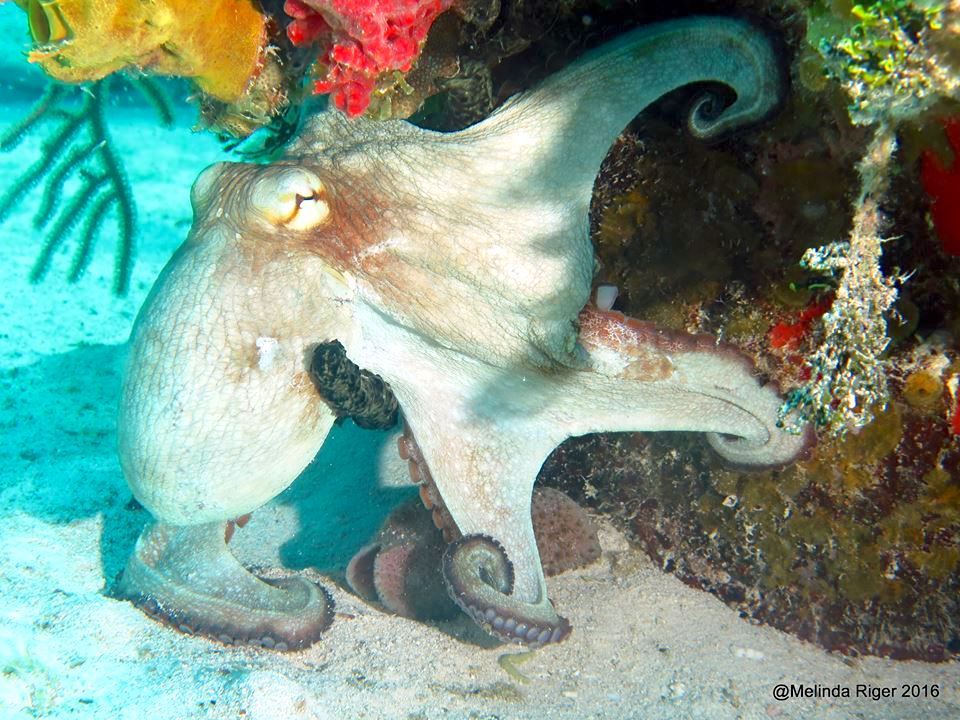
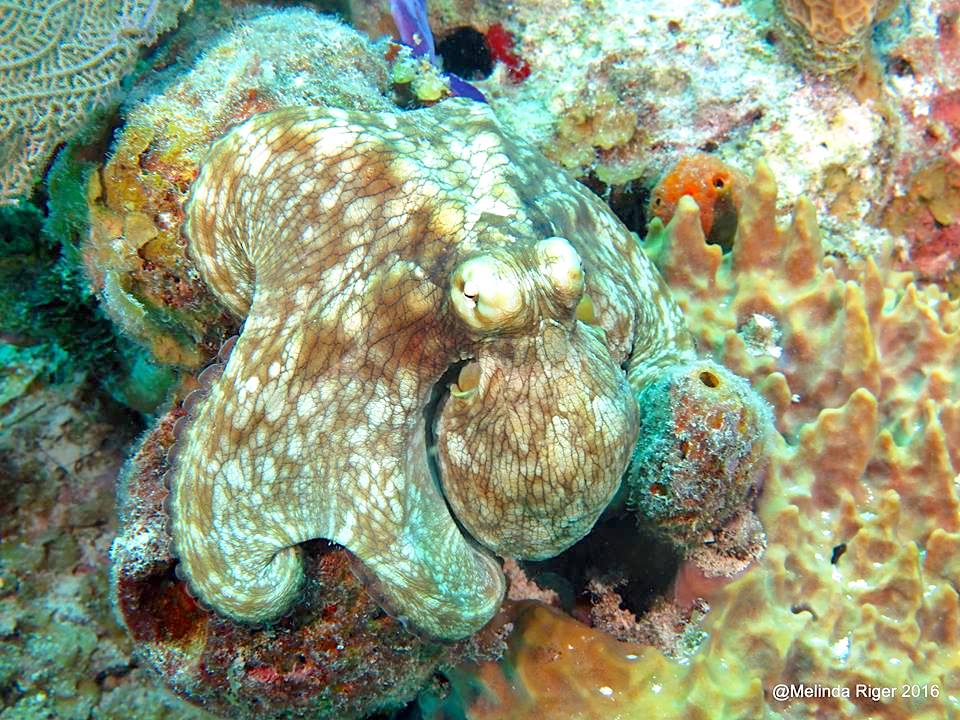
If I had to give a single reason for learning to scuba, watching an octopus would be very near the top of a long list. It’s never going to happen for me, of course – I have about 17 excuses lined up just in case anyone should ask me to try it. But still. One can dream…

Octopus - Melinda Riger, Grand Bahama Scuba

Meanwhile, I can luckily rely on an experienced professional to get the shots. Here are a few great octopus photos taken by Melinda Riger of Grand Bahama Scuba – perfect examples of an excellent reason for chucking aside the snorkel and doing something a bit more adventurous. Maybe…

Octopus - Melinda Riger, Grand Bahama Scuba

RELATED OCTOPUS POST

THE CORRECT PLURAL Learn 12 essential octopus facts plus the definitively correct plural of the word ‘octopus’ (out of 3 rival options). Please note that the possibilities do not include ‘octopodices’, which would be latin for ‘eight rumps’ (or ‘asses’, as you might say), if such weird creatures existed.

Octopus - Melinda Riger, Grand Bahama Scuba


REMEOctopus - Melinda Riger, Grand Bahama ScubaMBER – KEEP AN EYE OUT…


STARR-STUDDED MUSICAL DIGRESSION

Does Ringo still have it? Did he ever have it?

Unknown's avatar

CHEROKEE SHELL MUSEUM, ABACO: “GIFTS FROM THE SEA”


Cherokee Shell Museum, Abaco Bahamas / Gifts from the Sea / Cinder Pinder

CHEROKEE SHELL MUSEUM, ABACO: “GIFTS FROM THE SEA”

One of the smallest museums in the world has just opened on April 15 in the picturesque settlement of Cherokee on Abaco, Bahamas. Other contenders for the title include the MmuseumM in New York, housed in an elevator shaft (look through glass window + audio guide); a converted red telephone kiosk in Warley, Yorkshire UK dedicated to local history (one visitor at a time); and a tiny shed of 134 sq ft in Arizona featuring what might broadly be called ‘ephemera’, including a Beatles poster…

Cherokee Shell Museum, Abaco Bahamas / Gifts from the Sea / Abaconian

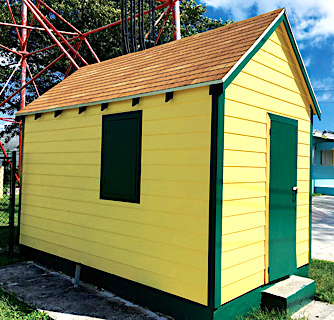
Whatever the size comparisons, the new shell museum is beyond doubt the very best one in the Bahamas, not least because it is the only one. “Gifts from the Sea” is housed in the former 1950s telegraph office that ceased to operate in 1987 and had fallen into disrepair. Leased from BTC for a nominal rent, the little building was restored, and given a smart new roof and a complete makeover. The new museum provides the perfect space for displaying a selection of the wonderful shells to be found in Abaco waters.

Cherokee Shell Museum, Abaco Bahamas / Gifts from the Sea / Cinder Pinder

The whole community has got behind this project, which is the vision and creation of Curator Lee Pinder. Derek Weatherford fitted cabinets for the exhibits, and artist Jo-Ann Bradley has painted a fabulous interior Cherokee-themed mural as a fitting backdrop to the displays.

Cherokee Shell Museum, Abaco Bahamas / Gifts from the Sea / Cinder Pinder

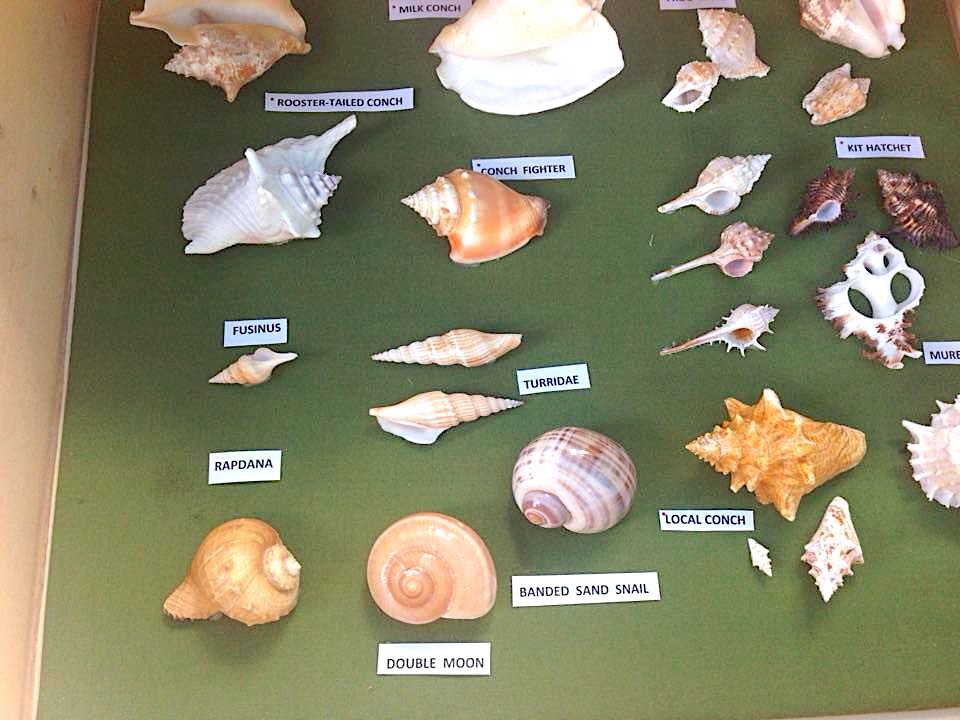
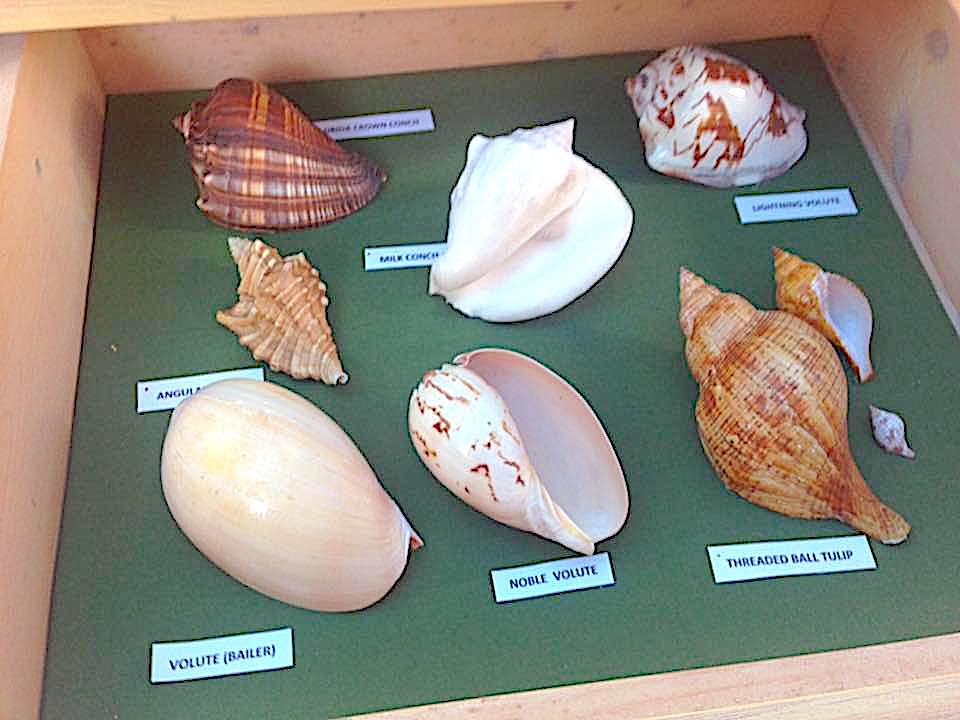
The exhibition shows more than 200 shells, each catalogued with its Latin and common name, and clearly labelled in the display. Most were found locally; a few are from further afield. Some specimens are very rare. It is hoped to expand the collection as people make shell donations to the museum. 

Cherokee Shell Museum, Abaco Bahamas / Gifts from the Sea / Abaconian

The building has a door at each end to give natural light and provide a ‘walk-through’ arrangement, which will make viewing in the confined space easier. Entry is free but there’s a glass jar for donations towards the upkeep of the museum. I’m guessing here, but I reckon donations that are made ‘outside the jar’ (so to speak) are very welcome too…

Museum Curator Lee PinderCherokee Shell Museum, Abaco Bahamas / Gifts from the Sea / Cinder Pinder

The opening ceremony took place on Easter Saturday, when Cherokee resident Rev. Bateman Sands performed the official ribbon cutting ceremony preceded by a prayer at precisely 12 noon. As Jennifer Hudson in an Abaconian article points out, he was the ideal person for the task, having been “the first telegraph operator in Cherokee Sound, working in the little building using Morse code and in charge of the one and only telephone in the settlement until 1987 when the new BTC building was opened”.

Cherokee Shell Museum, Abaco Bahamas / Gifts from the Sea / Cinder Pinder

The shell museum is not left open all the time, but visitors are welcomed and private tours can be arranged by calling 475-7868.

Cherokee Shell Museum, Abaco Bahamas / Gifts from the Sea / Cinder Pinder

To see a selection of the many types of Abaco shells, check out my shell page HERE

Sources and Credits: Bradley Albury / Jennifer Hudson / Abaconian; Cindy James Pinder for her great photos

Sand dollar, Abaco (Rolling Harbour)

Unknown's avatar

BLUE TANG AS REEF FILM STAR


Blue Tang, Bahamas (Melinda Riger / Grand Bahama Scuba)

BLUE TANG AS REEF FILM STAR

Last summer, the big motion picture sensation for the bird world was, of course, Pixar’s ineffably adorable creation, Piper – the ultimate ‘Chick Flick’. This little ball of cartoon fluff was not, as some thought, based on a piping plover but on a sanderling – a type of sandpiper (clue in name). This 6 minute ‘short’ preceded the main event, the hugely popular Finding Dory. You can read all about the film Piper and the birding aspects of the film HERE

Blue Tang, Bahamas (Melinda Riger / Grand Bahama Scuba)

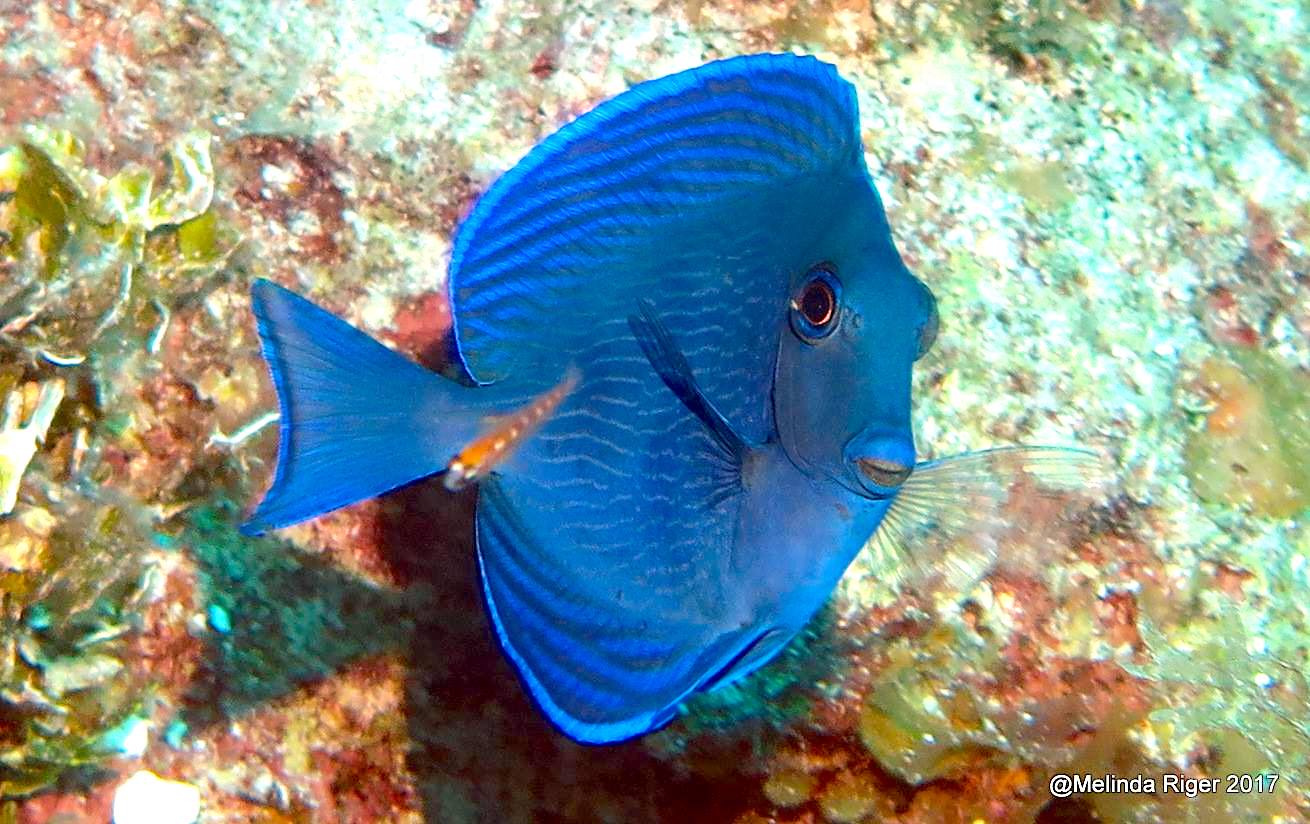
Finding Dory is not about a fish of the dory species, of course. Voiced by Ellen DeGeneres, Dory is in fact a species of surgeonfish Paracanthurus, the familiar blue tang found on the reefs of the Bahamas. To see these fish in Abaco waters, Fowl Cays National Park is always a good bet.

Blue Tang, Bahamas (Melinda Riger / Grand Bahama Scuba)

Dory can be identified as a maturing juvenile: blue, with a yellow tail. In due course – in time for the sequel film – she will become blue all over, with perhaps the odd flash of yellow (see photos above).

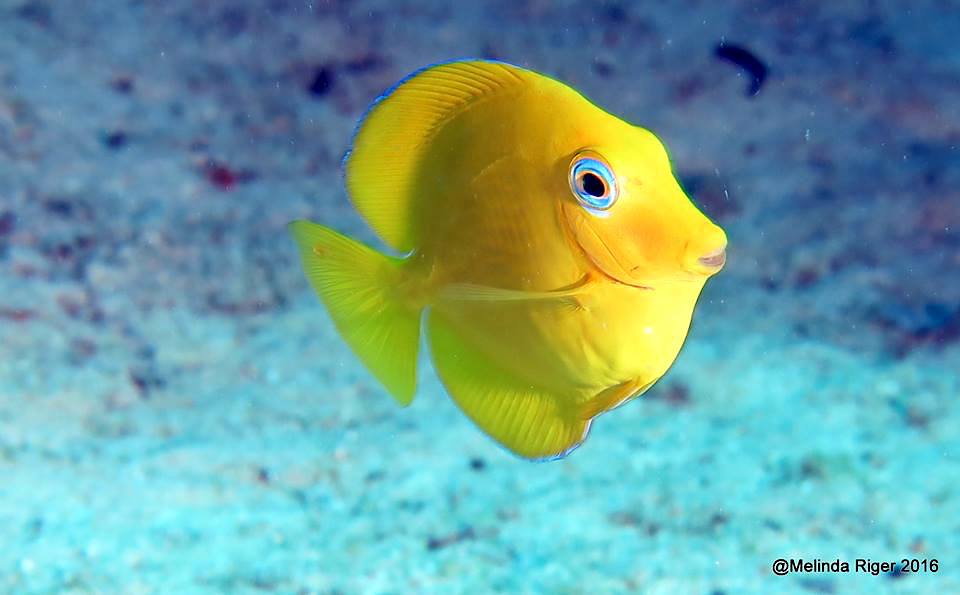
In real life, a baby blue tang is in fact entirely yellow, except for blue rings around the eyes. In Pixarland, however, Dory is just an adorbs miniature version of her youthful self.

Blue Tang juvenile, Bahamas (Melinda Riger / Grand Bahama Scuba)

Blue Tang are lovely to watch as they cruise round the reefs, sometimes in large groups. Their colouring ranges from pale to dark blue. However, these are fish that are best looked at and not touched – their caudal spines are very sharp. When the fish feels in threatened, the spine is raised and can cause deep cuts, with a risk of infection.  

Still from a crummy video taken at Fowl Cays some years back to illustrate a group of blue tangBlue Tangs, Fowl Cays Nature Park, Abaco Bahamas (KS)

Blue tangs are inedible, they apparently smell unpleasant, and they can cause ciguatera. However they are popular in the aquarium trade. This is a distinct downside of highly successful films such as Finding Nemo and Finding Dory. In defiance of the well-meant and broadly ecological message of both films, the trade in clown fish and to a lesser extent blue tang was boosted by their on-screen portrayal as adorbs creatures desirable for the entertainment of mankind… ‘Nuff said.

Blue Tang, Bahamas (Melinda Riger / Grand Bahama Scuba)

Credits: All excellent photos by Melinda Riger / Grand Bahama Scuba; one pathetically bad still from a low res video, me; cartoons purloined from an online aquarium somewhere or other

Unknown's avatar

PREHENSILE TALES FROM THE REEF (3): SEAHORSING AROUND


Seahorse (Adam Rees / .Scuba Works)

PREHENSILE TALES FROM THE REEF (3): SEAHORSING AROUND

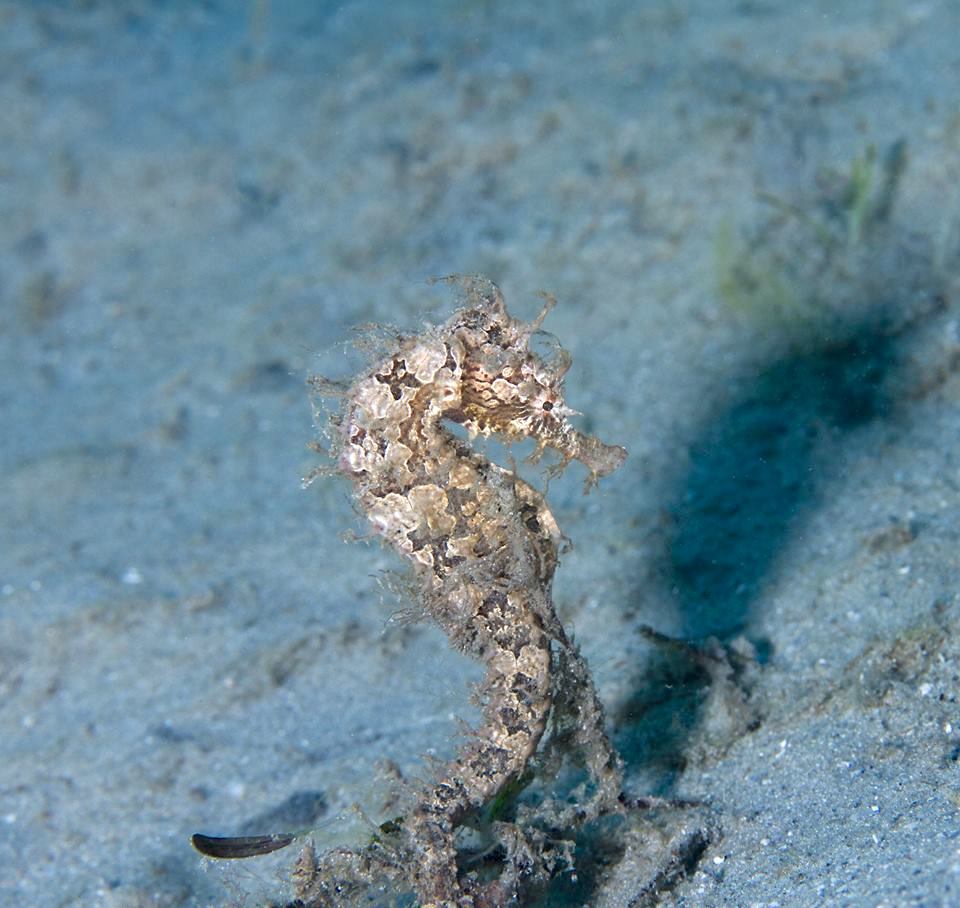
It’s Friday at last. It’s springtime. A spirit of benign goodwill is evident in the vicinity of Rolling Harbour. Seahorses are irresistible. Don’t even try to pretend they don’t make you smile. Hippocampophobia is an affliction that, as yet, has never been diagnosed in a human being – for whom fear of beards, clowns and the number 5 (quintaphobia) are known medical conditions. Immerse yourself with these little creatures – and then have a good weekend.

Seahorse (Adam Rees / Scuba Works)Seahorse (Adam Rees / Scuba Works)Seahorse (Adam Rees / Scuba Works)Seahorse (Adam Rees / Scuba Works)Seahorse (Adam Rees / Scuba Works)Seahorse (Adam Rees / Scuba Works)

All fantastic hippocampi photos: Adam Rees / Scuba Works

Unknown's avatar

DUSKY DAMSELFISH: BAHAMAS REEF FISH (34)


Dusky Damselfish, Bahamas (Melinda Riger)

DUSKY DAMSELFISH: BAHAMAS REEF FISH (34)

The dusky damselfish Stegastes fuscus is one of a number of damselfish species found in Bahamian waters. These small reef fish, in adult form, are dark coloured as their name suggests. Their appearance is brightened by having distinctive blue edges to their fins.

Dusky Damselfish, Bahamas (Melinda Riger)

These fish feed mainly on algae, with a preference for red. They top up their diet with small invertebrates. Their value to the reef is that their feeding patterns help to prevent coarser seaweeds from becoming dominant in areas where these are prevalent. 

Dusky Damselfish, Bahamas (Melinda Riger)

Like many damselfish, the dusky is a territorial species, guarding its chosen area of seabed and the food sources within it by repelling intruders – often seeing off far larger algae-grazing fishes such as parrotfish and wrasse. Yet besides their aggressive traits, they are also rather cute, as photo #2 shows!

Dusky damselfish, Bahamas (Melinda Riger)

All photos: Melinda Riger / Grand Bahama Scuba

Unknown's avatar

ATLANTIC SPOTTED DOLPHINS OFF ROCKY POINT, ABACO


Atlantic Spotted Dolphins off Rocky Point, Abaco

This pair was in a group of 8 Atlantic Spotted Dolphins that we encountered yesterday during a day’s expedition on the Bahamas Marine Mammal Research Organisation (BMMRO) research boat. We spent nearly an hour with them, and there will be a longer post about these magnificent creatures in due course. But right now, I’m still in single image posting mode while “on-island”…

Photo: Keith Salvesen / BMMRO

Unknown's avatar

COMING HOME: IT’S ELVIS (THE SQUIRRELFISH)


Squirrelfish, BahamasBeing ‘on-island’ right now, I don’t get so much time to write stuff. To everyone’s relief, I guess (including mine). So for a while I’ll post some individual pics that particularly appeal to me. Elvis the squirrelfish (featured in a previous post) has now upgraded to a more spacious and frankly rather posher address. And in he goes…