The superb AVIBASE is a massive world-wide bird database – an essential reference point for birders, even the occasional enthusiast. Checklists, range maps, bird links, photos, bird sounds, and even the facility to make your own contribution, all in one place. AVIBASE has been a work in progress for 20 years and now contains over 5 million records of about 10,000 species and 22,000 subspecies of birds, including distribution information, taxonomy, synonyms in several languages, and much more
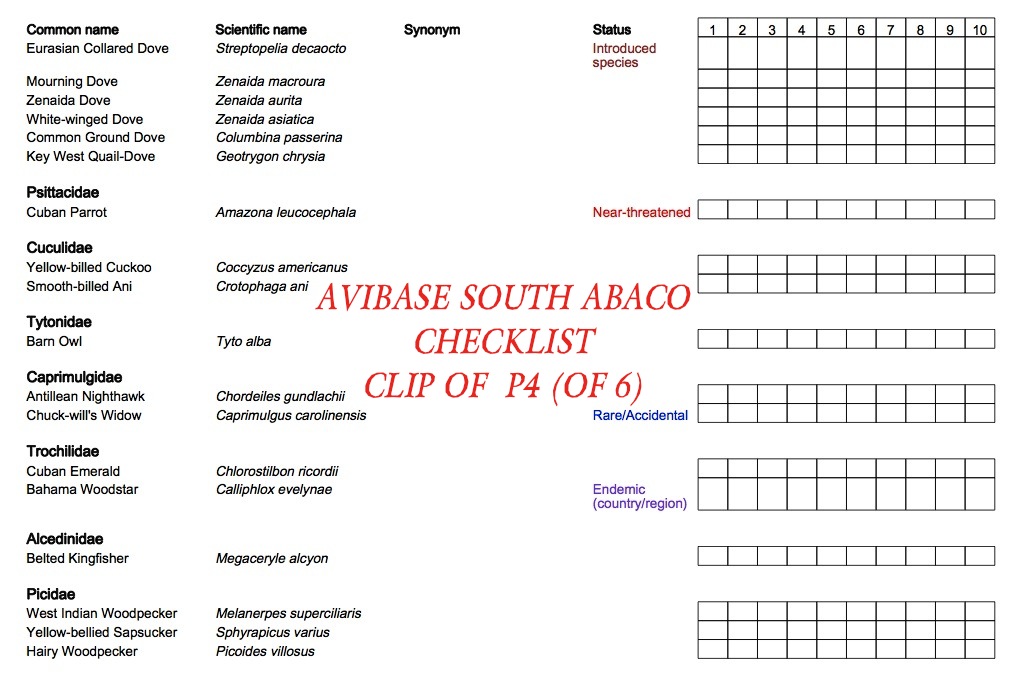
Here is the CHECKLIST FOR SOUTH ABACO, the area that I am most familiar with. It probably holds good for the whole of Abaco and the Cays. If you are staying at the Delphi Club, Rolling Harbour, you need this – and especially if you are planning a birding adventure with Ricky Johnson… Be prepared! The plan is that you can download it or print it out from here
Here is an illustrative clip of one of the 6 pages
If you have a problem printing it from here – or for access to photos of a great many of the birds listed, with clips of their calls and songs – use this direct link CLICK LOGO===>>>
CREDITS: The Avibase website is managed by Denis Lepage and hosted by Bird Studies Canada, Canadian copartner of Birdlife International
Out with the Old, in with the New with the fine collection of logos craftily adapted by Mrs rh during the year from the official Delphi Club bonefish logo. By a strange coincidence the 5 logos almost make up an Olympic rings design, especially fitting for 2012… The rh household failed to get a single ticket for any of the events we applied for in the so-called ballot. But as long as all the mid-ranking management from struggling midlands football clubs, and all subordinate temporary assistant under-secretaries in obscure non-participant consulates got their quotas, that’s the main thing. I am not a bitter person. That left a very generous 783 tickets for the entire Great British Public to share. And there’s even one left still for the men’s freestyle subaquatic triathlon (javelin, 100 metre hurdles and graeco-roman wrestling).
A very Happy New Year to all you kind followers since the first tentative blog-steps last April – and equally to those who got here through a Google input error… Here’s where you all came from (with a special mention of the surprising number from Tunisia, Japan and Fiji)
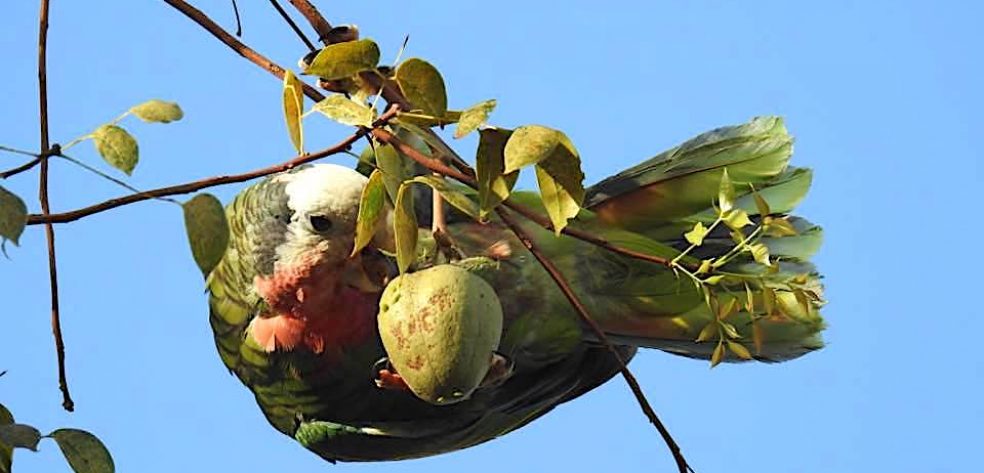
WELCOME BACK! Normal service is resumed after the family festivities of Christmas, with only the precious gift of a fractured wrist for rh to spoil an otherwise lovely few days. Immediately, I can report excellent parrot news… DOU DOU, an avid birder and sculptor of most engaging miniature birds, has taken up the cause of the Abaco Parrot. We have been corresponding for a while about this, and I now reproduce her latest post, with the link to her site below
BIRD SCULPTURE – ABACO PARROT
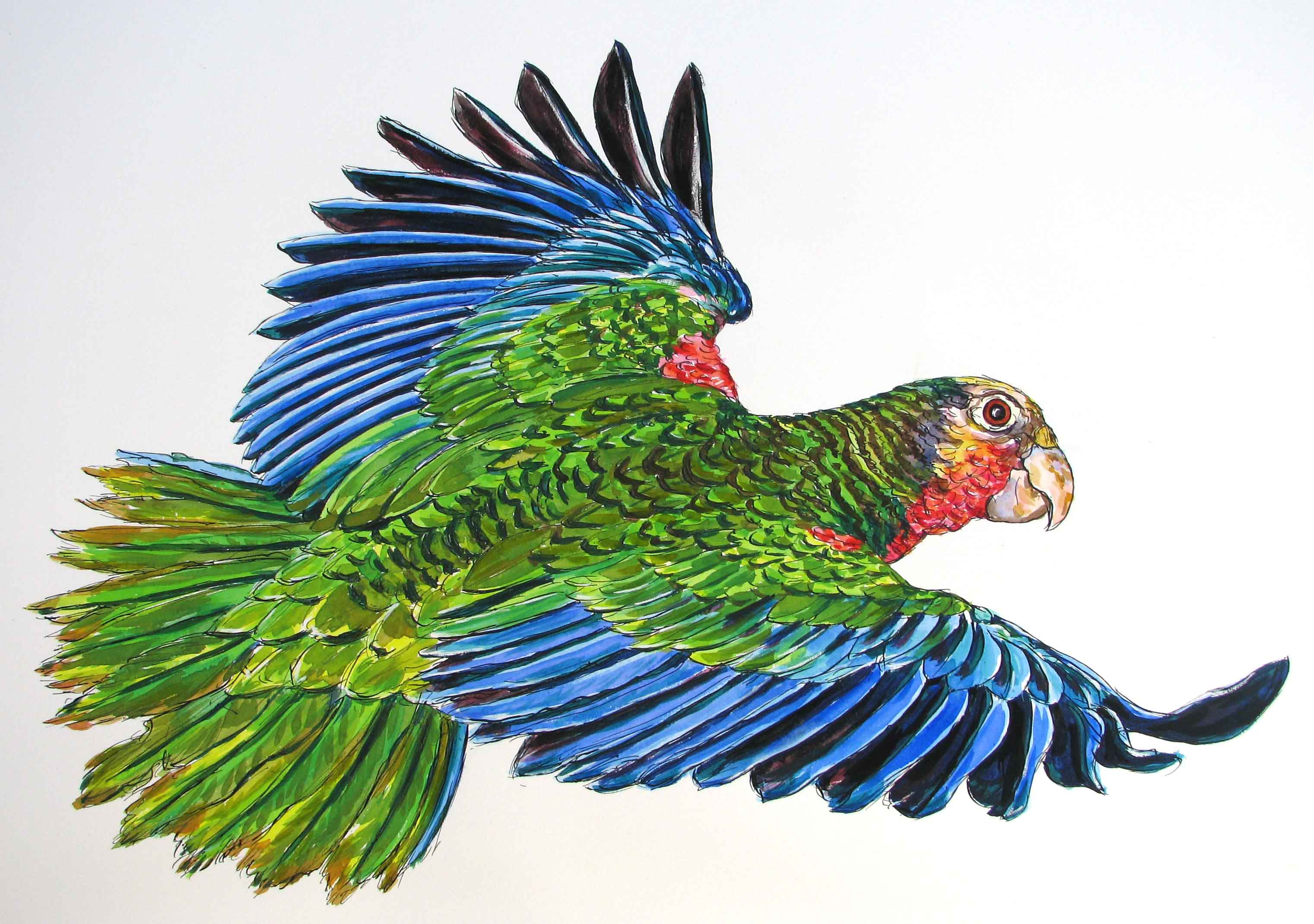
“Help, the cats are eating my babies!” said the parrot. And it’s true. These parrots are endangered – only 1000 of them left. A woman named Caroline is trying to save them from the feral cats that have invaded their island in the Bahamas. Let’s help her out! All proceeds from the sale of this parrot are going to Parrots International, which supports Caroline’s work.
This little parrot measures 3.5 x 1.5 x 1.5 inches. You can buy itHERE from me and I will send the money to Parrots International or you can use “Other” to check out, send me proof you donated at least $30 to Parrot’s International, and I will send you a code that gives you $30 discount on this parrot so you will just pay for shipping – I will verify that a donation was made.
More about this exciting development in due course – other ideas are afoot… Abaco Parrot conservation is strongly supported by the Delphi Club, Abaco; and the research scientist heading the project, Caroline Stahala, is delighted with dou dou’s initiative in helping to raise the profile of her conservation work and in contributing to the funding received throughPARROTS INTERNATIONAL
This organisation allocates funding for the research into the Abaco Parrots and their conservation. You can now pay direct by Paypal or Credit Card (with gift tax benefits depending where you live). Please remember use the “Note to Seller” box to specify‘ABACO PARROTS / CAROLINE STAHALA’
Here is a clip taken from the excellent websiteTHE ABACO SCIENTIST, with the kind permission of Dr Craig Layman of FIU. The brief summary of the South Abaco Bird Count 2011 by Elwood D. Bracey is of great interest, not least for the Delphi Club, from where guided Nature Tours take place and where there is a lot of enthusiasm for the birdlife of the island. 75 separate species were recorded this year, including all the known Abaconian endemics.
It is also a very fine photo of a male Bahama Woodstar courtesy ofBIRD FORUM
As Reality Show contestants say, it’s been a roller-coaster of emotions. An incredible journey. Living the dream. Nine months ago I knew little about blogs; less about computer techniques and problem-solving; and nothing whatsoever about hutias, murex shells, tecoma stans, or hurricane technicalities. Thanks for the many contributions, advice, helpful criticism**, encouragement and general enthusiasm for the project. Thanks to Peter Mantle for permitting & promoting this rather ill-disciplined sibling of Delphi. And thanks to everyone who has contributed to an accumulation of nearly 25,000 site hits – or perhaps to the one strange person somewhere out there with repetitive strain injury from 24,588 repeat visits. **Mrs rh scores highly here for her kind but firm restraints: “No! You can’t put that!”
FORTHE RH CHRISTMASMESSAGE CLICKDELPHI
Special thanks to Sandy Estabrook of the estimable ABACO ESCAPEandPETER GEHRIG(for the snow) for permission to use the above festive link
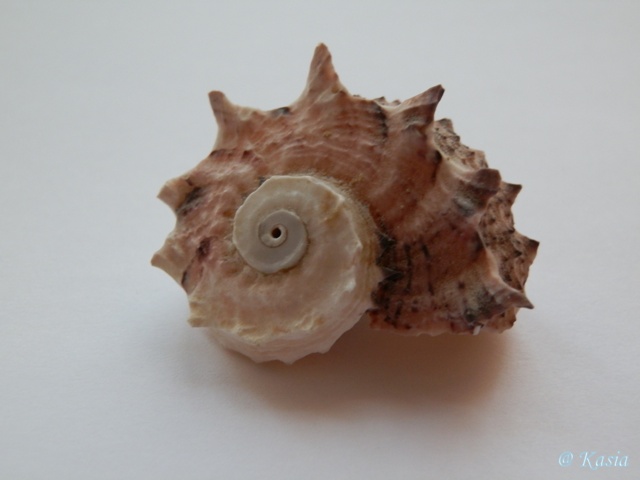
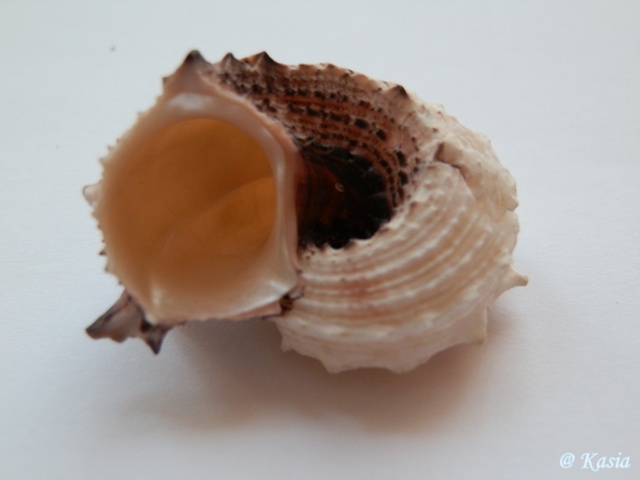
Kasia’s beachcombing exploits have produced some lovely seashells that have already featured here. Precise identification has sometimes been difficult for an amateur, because of the many varieties of a particular type of shell or close resemblance to other shell families. This one has got me stumped. I have trawled the internet. I have studied field guides. I’m still baffled. It hasn’t quite matched any other shell…
XMASPRIZE the first person to ID this shell correctly will enjoy a bottle of ice-cold Kalik being drunk on the Delphi balcony swing in February 2012. By me. Suggestions to rollingharbour.delphi@gmail.com welcome
STOP PRESS: NOW SOLVED – SEE UNDER IMAGES
Helpful thoughts: I’ve considered a form of King’s Crown (but I’ve not found a close enough match) or a Ram’s Horn Snail (but they don’t seem to have spines)
First entry by Kasia (potentially disqualified as the shell’s owner):Angaria, a form of Turban shell. However these seem to be confined to Pacific areas…
The Solution: And the winner (within 24 hours) is… Kasia!
I sent the link to the post to Bahamian seashell expert Colin Redfern at http://www.bahamianseashells.com, author of ‘Bahamian Seashells: 1000 Species from Abaco, Bahamas’. He confirms Kasia’s ID as anANGARIA SHELL, one of a large number of species of turban shells TURBINIDAEfound throughout the world. It is indeed a Pacific shell, probably from the Philippines. So what on earth was it doing on a beach on the east coast of Abaco? Colin has encountered this sort of anomaly before, and gives various possible explanations:
1. Homeowners’ shell collections come from areas other than the Bahamas & are sometimes thrown out onto a beach. They may be washed up along the coast
2. Shops sell packets of shells, including Pacific shells, which may become dispersed
3. In Fl. it is not unknown for resorts to “seed the beach” with Pacific shells, which are cheaper & more easily bulk-bought than Atlantic shells
4. Rare Pacific & Indian Ocean shells washed up on a beach were once traced to the owner, whose beach house had been lost in a hurricane some years before
Many thanks, Colin, for your help with this puzzle; and congratulations Kasia – I’ll claim my Kalik in February please. Oh I see, I’ve got to buy you one, have I?
The rollingharbour wildlife enterprise doesn’t normally mix with the technical side the bonefishing on Abaco in general or at the Delphi Club in particular. rh is personally adept at failing to boat fish even where he is lucky enough to hook up; and in turning genial, amiable guides into scowling cursing wrecks in a day.
This is an exception: an excellent 4.5 minute video from Dr Aaron Adams (marine biologist and Bonefish & Tarpon Trust Operations Director) on how to maximise your chances on the mangrove flats by not spending hours flogging the water pointlessly in obviously unproductive areas. Clearly if you have a guide, this is unlikely to happen – but what if you are wading or otherwise going solo?
The reason to post this informative video here is for the insight into the structure of mangrove swamps, with clear underwater photography and commentary as a skiff glides the flats over ‘dead’, & productive, areas. What is a mangrove swamp? Where do the fish favour? Why? This video will help your understanding.
Well-known artist Richard Bramble already features in his own page here under the CONTRIBUTIONS drop-down menu. For the previous post of RB hard at work on new designs at the Delphi Club CLICK EXAMPLE PHOTO BELOW
RB and Crawfish model posing (both)
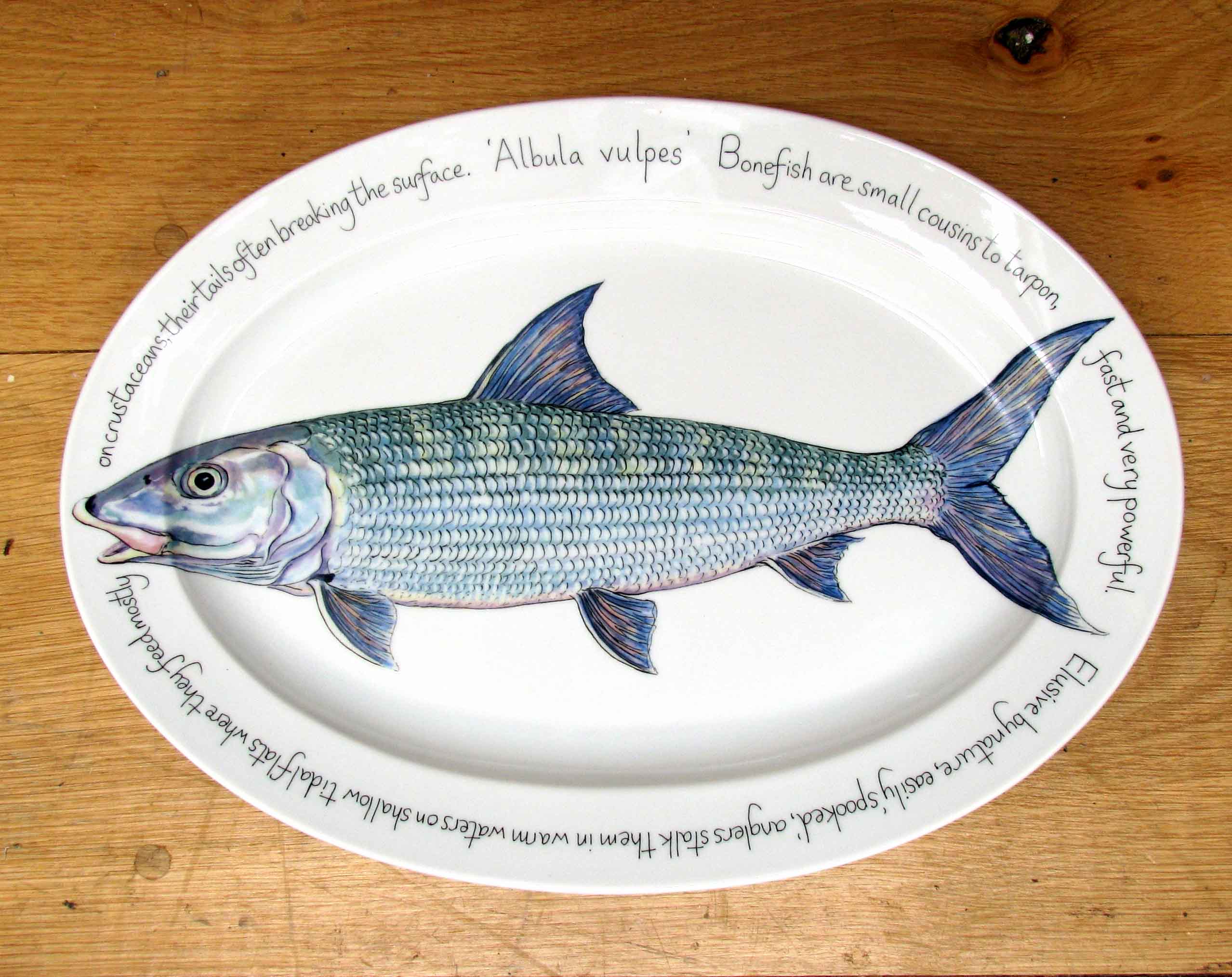
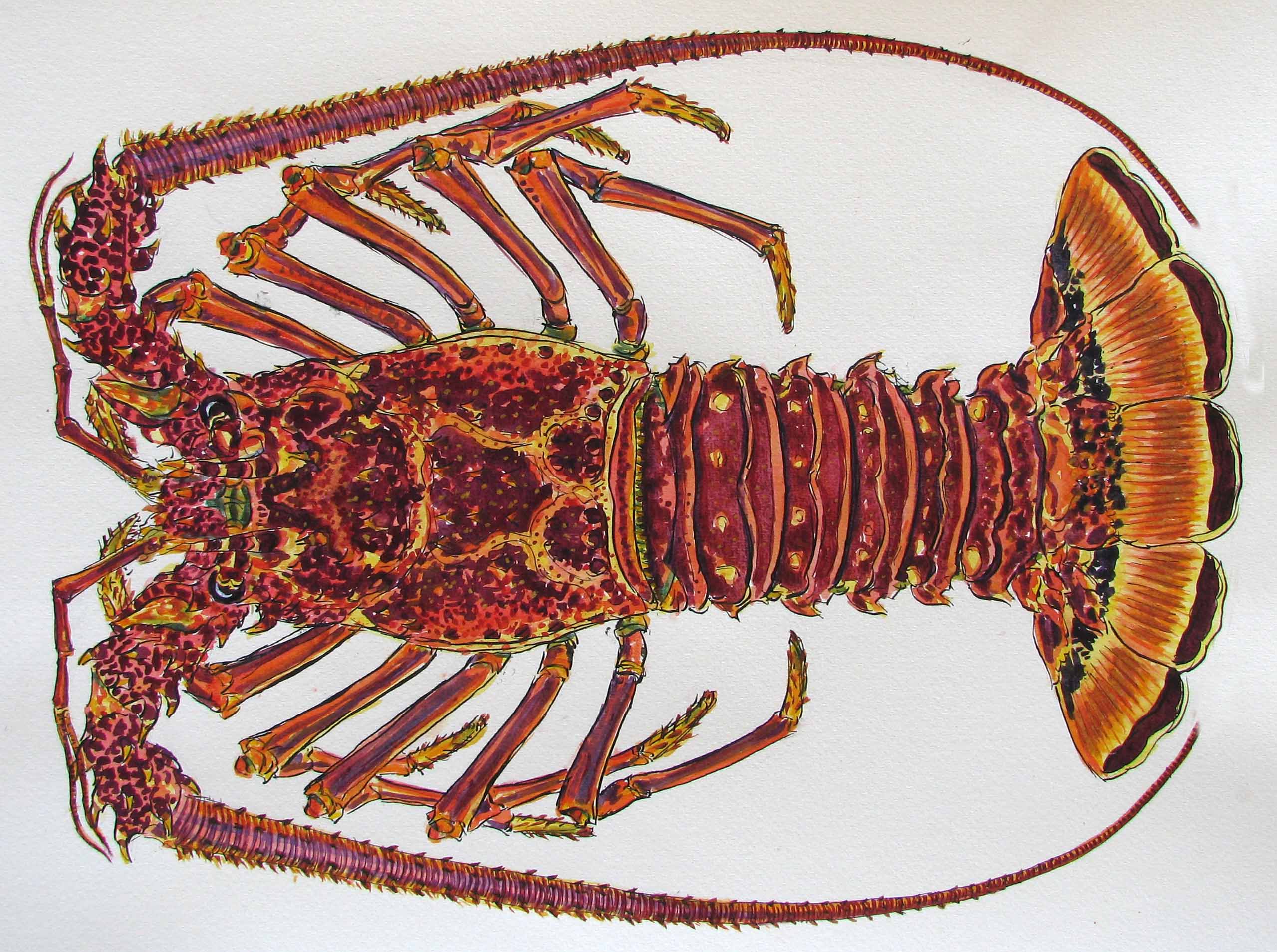
Richard has broadened his already considerable range of paintings and ceramics to include the Abaco marine life he painted while at Delphi. In addition to his very elegant Bonefish, there are now Permit and Crawfish plates (with the original ‘life model’ pictured above). Some weeks later I was at Richard’s studio in Dorset as he prepared to transfer these designs to ceramics, with crawfish cut-outs artfully strewn around the floor. Here are his new items, with his characteristic captions:
(I have an oval bonefish plate to remind me of the ones I… I…’let go’ by mistake)
Richard’s comprehensive website featuring his entire oeuvre is to be found at thesign of the Crawfish together with an elementary purchase method to take advantage of the excellent online shopping opportunities (he might be too modest to say). I write this with Christmas-tide a mere 2 weeks away. You’ll find sea water and fresh water fish / creatures, shells, all manner of game birds and farmyards animals, on every conceivable type of ceramic platter, utensil and kitchen gizmo.
(With apologies that this site seems t0 be turning into a cross between an online Mall and an advertising agency… Nature Tours. Boat Expeditions. Arts & Crafts. Kitchenware. Books. Cameras. Yup, ticked them all. But there’s plenty of other stuff to look at in these pages)
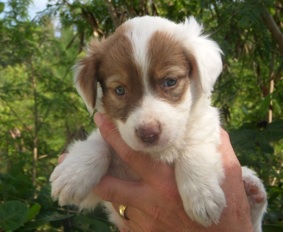
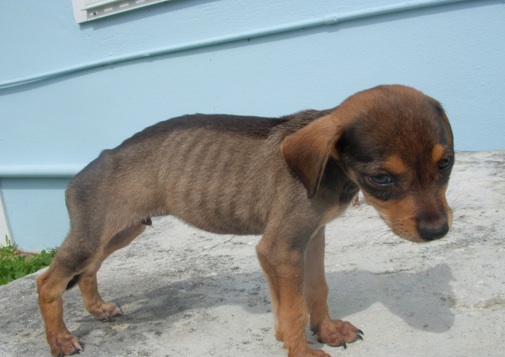
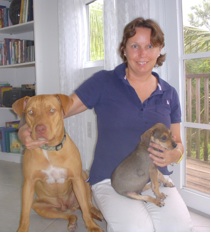
Jane Mantle has emailed me about the plight of dogs and puppies on Abaco, her involvement in their rescue, and the urgent need for funding for care and medicine:
“Since living here for the past couple of months I have been helping to rescue the rescue dogs. Abaco Animal Rescuerecently rescued 9 pups (see attached picture of Delphi) from the roadside”
DELPHI
Found with 8 other puppies by the roadside next to the body of their mother
“They were sitting next to the body of their decomposing mother with traffic and people passing by. Unfortunately even when rescued some of the pups have died due to lack of medication for them. There is a shelter of sorts built on the old municipal dump outside Marsh Harbour. It is OK but alive with rats that are as big as the pups! Abaco Animal Rescue consists of one english lady who basically funds everything herself”
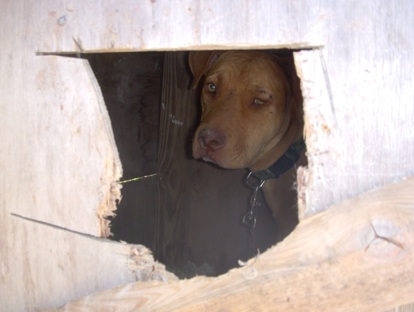
BORIS
Found chained in a box, exposed to the hot sun without any water, and beaten daily to make him become an aggressive fighting dog
“Is there anything that can be put up on your site? (RH: yes indeed!) The enclosed is a flyer that I have put up in the Great Room next to an empty glass collection jar. There is no money at all for food or basic medication, I have asked both Millie and Lucy to do some fund raising at school etc but that won’t happen until next term. I will also see if I can get hold of medication from vet friends that I have but would be grateful for any publicity that you can give it”
STOP PRESSAn up-to-date (as at spring 2014) list of contacts and links can now be found at “A DOG’S LIFE”. Scroll to the end of the post. If you have time, maybe read a bit on the way…
HARVEYfound abandoned by the side of the road
APPEAL by Jane Mantle, Boris & Delphi
POTTY ABOUT POTCAKES? Please support Abaco Animal Rescue by donating your unwanted Bahamian currency – notes or coins. All contributions go directly to buy food and veterinary supplies for the many abandoned and mistreated potcake dogs of Abaco
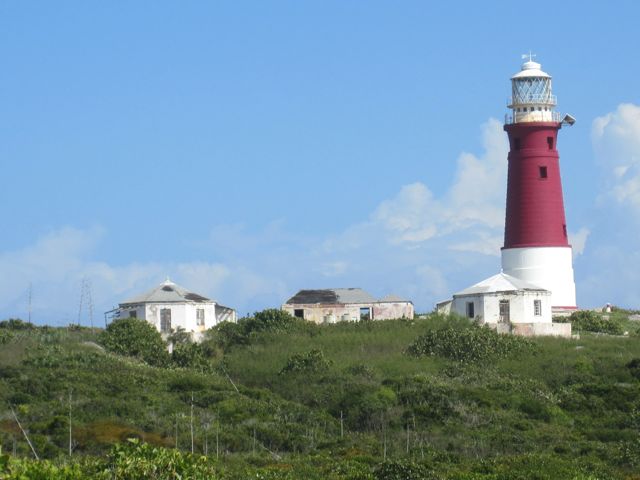
At an early stage of this blog I set out one of its aims – to help answer the question “What the heck is that small yellow bird over there…?” Since then, images have been posted. Lists and links have been given. Bird books have been reviewed. Every little prompt with ID helps the interested amateur (e.g. rh) and not just with the little yellow birds… I have seen all these birds at or very close to Delphi except the common yellowthroat (which I may well have seen but not “seen” as in recognised); and the red-tailed hawk, which we have spotted in the National Park (seeTO THE LIGHTHOUSE , a rugged (ha!) account of the frankly unnerving trip through the National Park to Hole-in-the-Wall Lighthouse)
THE DELPHI CLUB, ABACO, BAHAMAS TROUT & SALMON MAGAZINE ARTICLE
Trout & Salmon Magazine is essential reading for the freshwater game- fisherman. However, it occasionally spreads its net wider than rivers and lakes, and this month’s issue trails important news for the Delphi Club: an article in the December issue to be published on 24 November 2011 entitled BONEFISH DELPHI STYLE – Michael Shortt finds hard-fighting fish in a Bahamian home from home. I expect further details will appear on the Club website but I mention it in passing before turning to another feature in this month’s T&S issue. For DCB website CLICK ===>>>DELPHI CLUB ABACO
TROUT & SALMON NOV 2011: WATERPROOF CAMERAS REVIEW You’ll find details of an early version of a cheap and cheerful Kodak underwater camera at the end of the rollingharbour GADGETS page. This straightforward little camera is now into its third version at much the same price, and in due course I will update my original post.
T&S has now reviewed 3 other waterproof cameras, all in a higher price bracket. They may be of interest for those planning a stay in 2011–12. For a fishing trip on a skiff a waterproof camera is not really a necessity. However, it is highly desirable if you are planning a scuba or snorkelling trip, for example with Kay Politano’s excellentABACO ABOVE AND BELOW – seeFOWL CAY REEFposts.
AFTERTHOUGHT:if you arrived on this page via a G**gle search for Trout & Salmon Delphi Club / Abaco / Bonefishing, and all you got ‘was a lousy camera review’, bad luck – this is the unruly younger sibling of the main DCB website, to which the correct re-directions areCLICK ===>>> DELPHI CLUB ABACO
It’s 7.15 and breakfast time at Delphi. At 8.00 the trucks, skiffs, guides and fishers will set off to the fishing grounds for the day, leaving you with an empty beach, shells, warm sea, the pool, the hammock and your book. For the moment, the talk is of the excellent ‘Full Abaco’ breakfast, the weather, ‘Delphi daddies’ & ‘crazy charlies’ and someone’s mislaid reel. Sandy enters to announce that there’s a place free on your partner’s skiff… and offers it to you. So what should you, a non-angler, expect of a day out on the flats?
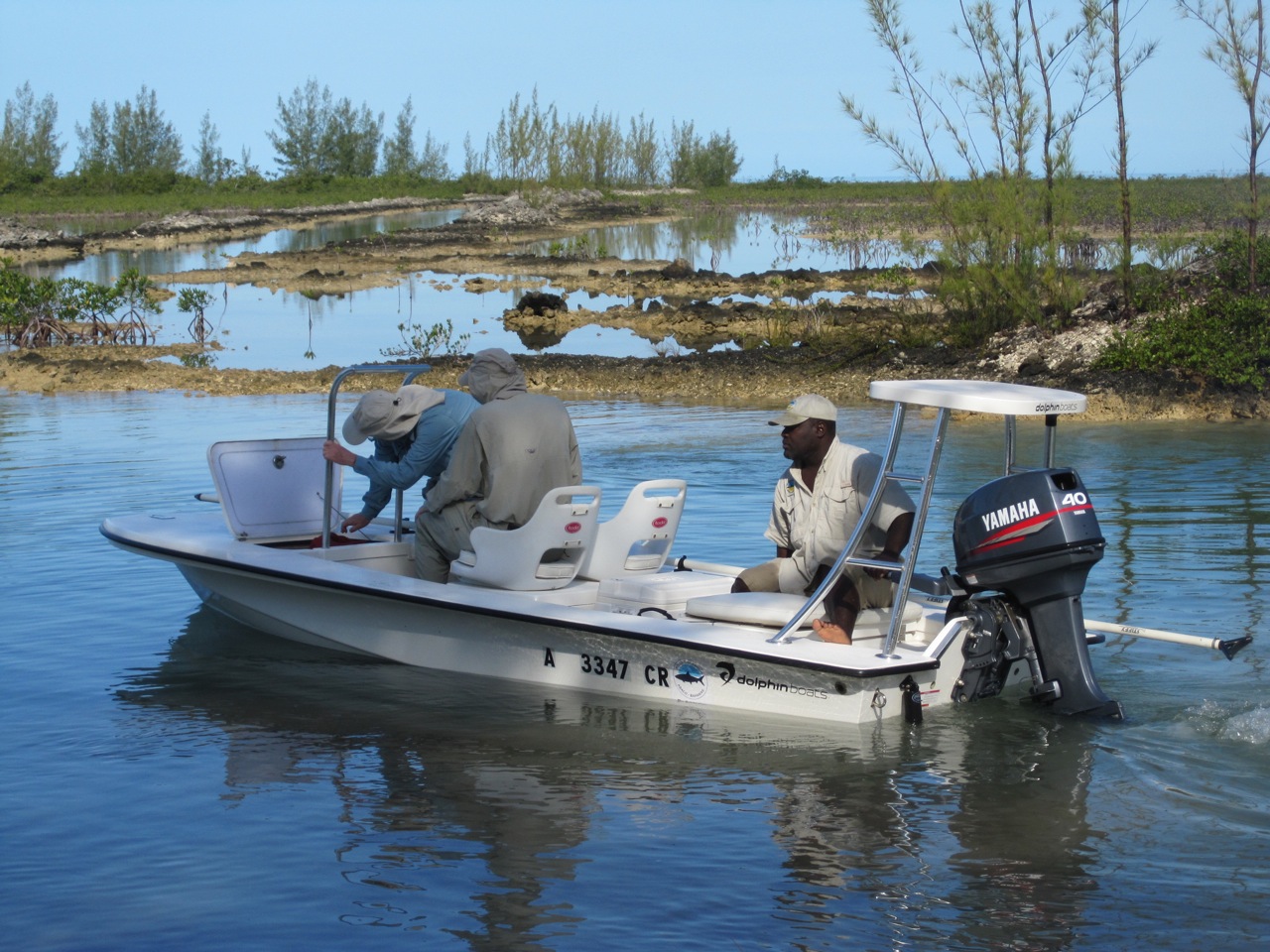
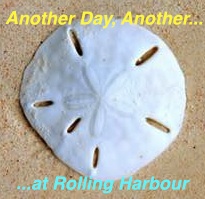
THE SKIFFS These are top-of-the range boats, capable of considerable speed getting out to the fishing grounds. The ride can be bumpy, splashy and even chilly in the early morning, so bring a fleece and a waterproof top. Camera? Essential. Here is a Delphi skiff on a sand bar in Cherokee Sound, parked for lunch and some quality conch and sand-dollar hunting. So for a start, the day isn’t ALL about fishing…
THE FISHING GROUNDS You will leave from one of three launch points and speed across the water to the bonefishing areas. The main one is “Nettie’s”, with access via a narrow man-made channel to the Marls…
… more than two hundred square miles of mangrove swamp, islets, channels and fish. The journey to Nettie’s may seem quite a long way as you bump along through the pine forest on a network of logging tracks. Watch out for small birds flickering all around as you pass.
———————————
Launching a skiff at Nettie’s
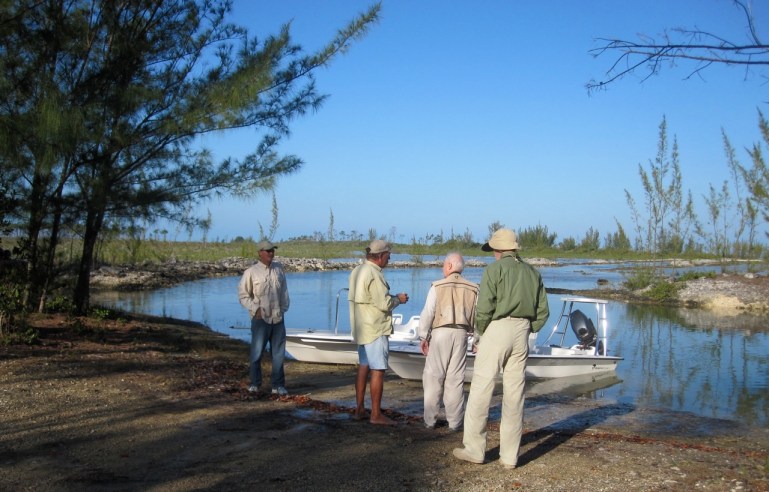
Plans are hatchedGood to go…
Stowing gear in the front (forrard?) locker. There’s also one behind the seats for the lunch cool boxes. And the fuel…
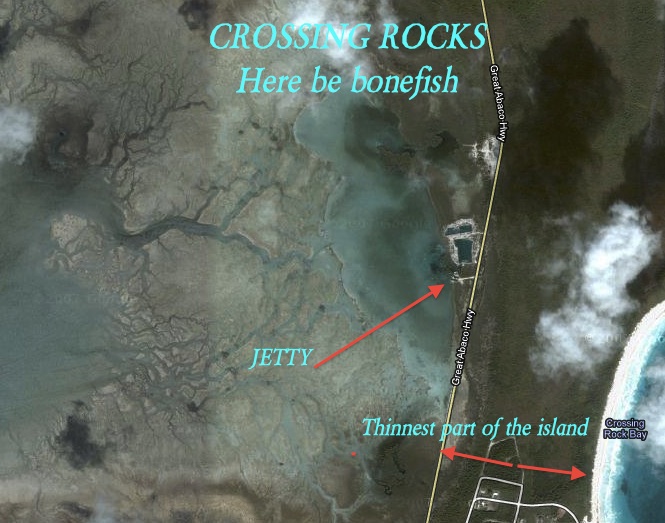
The other two launch areas are Crossing Rocks (a short drive south of DCB) or Casuarina Point for Cherokee Sound (a slightly longer drive north of DCB)
The jetty at Crossing Rocks – skiffs being prepared
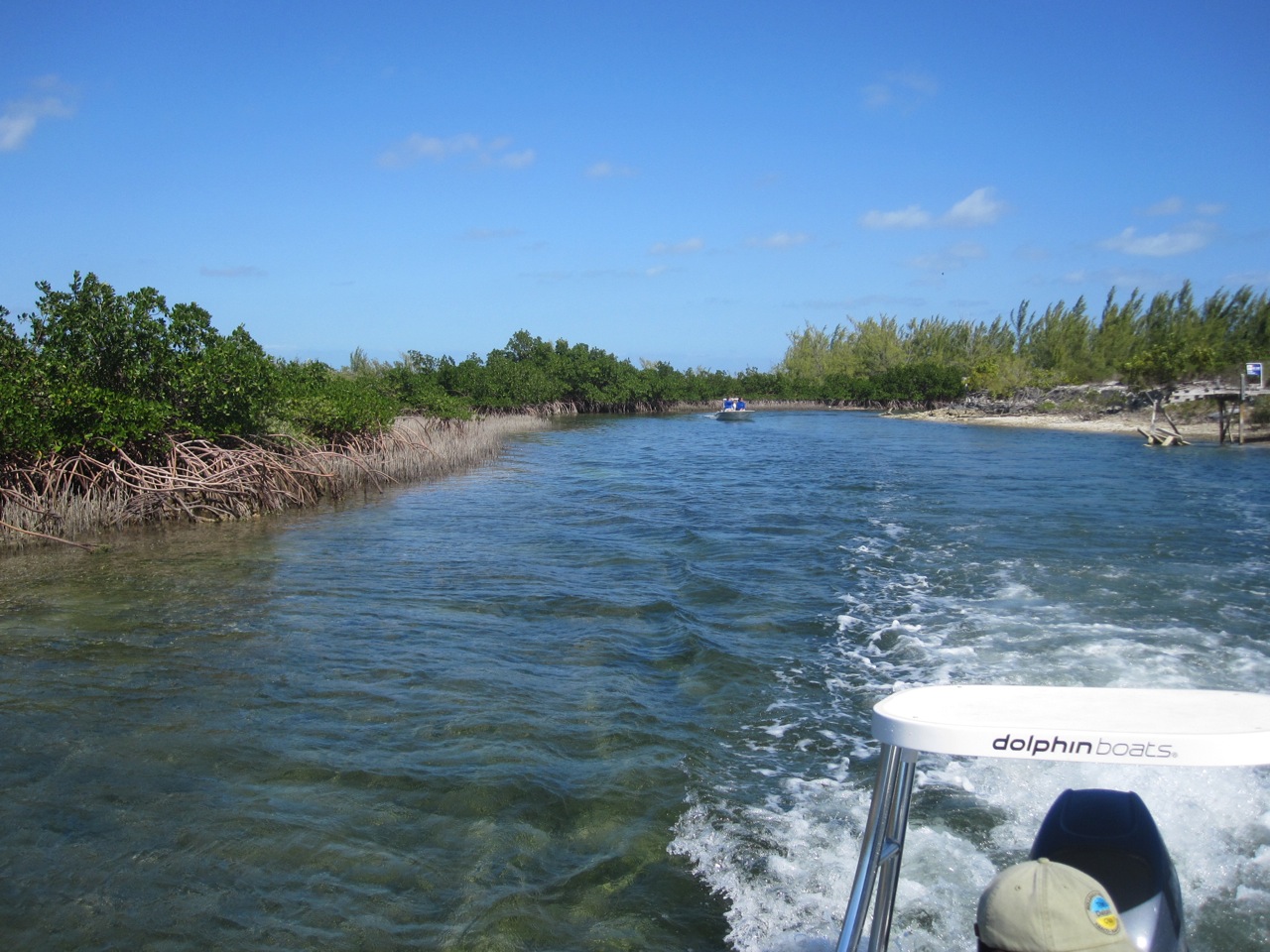
The launch point at Casuarina. A channel leads out to Cherokee Sound
Two boats in the channel – the authentic James Bond chase experience
WHAT’S THE POINT? Bonefishing! You’ve heard all the Club talk, you’ve seen your partner fussing over all those bits and pieces in your room: now see it in action. Once you get out to a fishing area, the guide cuts the engine… and suddenly you are being poled very slowly and almost noiselessly across the shallow flats
The guide stands on the platform at the back of the skiff, using the advantage of height to scan the shallow water; the fisher stands at the front looking tensely for grey shadows underwater, waiting for the magic words…
“…hey, bonefish, 10 o’clock, 4 of them moving right, 30 feet… see them?”
And it’s ‘game on’. This isn’t the place for a discourse about casting technique and style – I have neither (Sandy, of me: “Muppet”) – but I promise that you will get completely caught up in the excitement when a fish takes the fly and takes off towards the horizon, stripping the line and backing from the reel… (I realise the image above may suggest… well he’s just fishing, OK?)
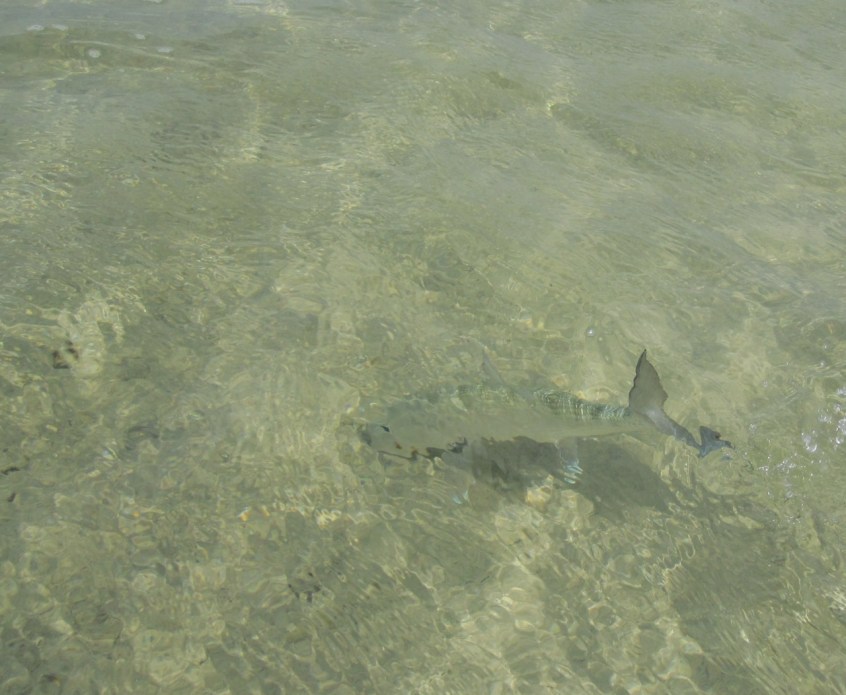
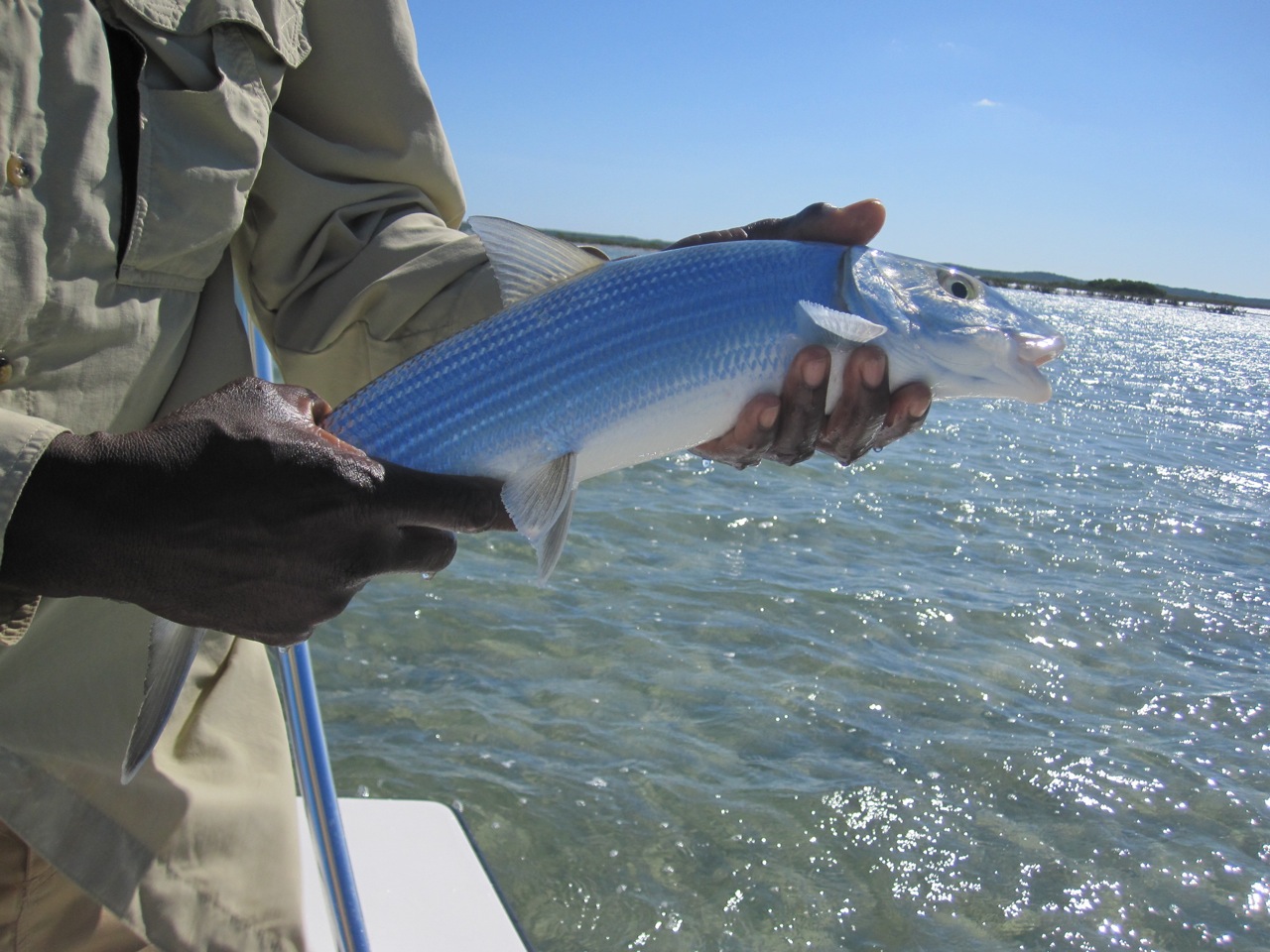
THE QUARRY – grey ghosts below water, bars of silver above. Caught on the ‘fly’ which are in fact shrimp or crab imitations, with barbless hooks to make the chance of losing a fish that much greater… This ensures that a boated fish can be returned to the water as easily and quickly as possible. It’s all ‘catch and release’, though some (me) find that mostly the fish very sensibly self-release long before they ever reach the boat…
Abaco bonefish off Crossing Rocks (just caught and released)Guide Ishi with Abaco bonefish caught on the MarlsGuide Robin Albury removes the barbless hook before returning the fishA good specimen‘Ishi’s Fishy’, as he would say
There is even the possibility that at some stage you may unexpectedly be handed a rod (even if you have never held one before, or wanted to) with ‘fish on’… Here, Robin has hooked a 2.5 lb fish and handed the rod to Mrs RH (then engrossed in eating a cheese roll) who successfully played and brought in her first ever fish…
PART 2 will deal with what else goes on during the day: the scenery, birdlife, sharks, turtles, blue holes and so forth. For now, here is a short clip of the skiff ride out to the Marls, to give you an idea. NB this was a very calm day – things can get a little bumpier and wetter at times. The seats are padded, but not very…
[Ultra-cautious music credit to Joe Satriani who sued Coldplay for alleged tune ‘borrowing’ saying “I felt like a dagger went right through my heart. It hurt so much”. Case dismissed + unspecified settlement… Way to go, Joe! Want to check? Cut ‘n’ paste this: http://www.youtube.com/watch?v=zjB024bZoB4&feature=fvwrel Then by way of counterbalance try John Lennon’s Imagine vs Coldplay’s ‘Fix you’ at (cut ‘n’ paste) http://www.youtube.com/watch?v=DksjpsAe3vk&feature=endscreen&NR=1]
These two different types of coral skeleton are from the northern end (and just beyond) of the Delphi beach. The red marking on the second coral is some kind of natural accretion, I think – I have temporarily lost the exact details somewhere on my hard drive, but doubtless they will turn up sooner or later… You will find these red patches on shells as well as coral
COMMON ROSE CORAL
ANY IDEAS – OR IS THIS WORM-RELATED?
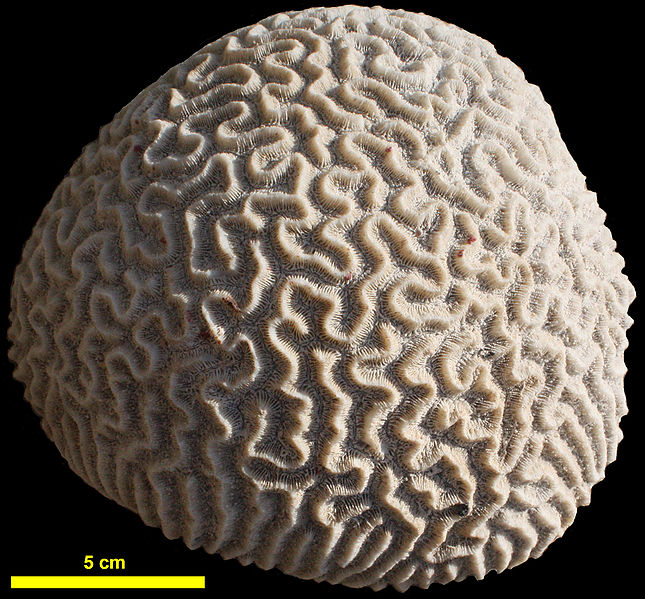
Another dramatic coral you may come across – not least because there are usually one or two in the beach-harvested collection on the steps down to the beach – is Brain Coral (Diploria). Here is an example (Photo credit J. Stuby)
NERITES (Nerita)
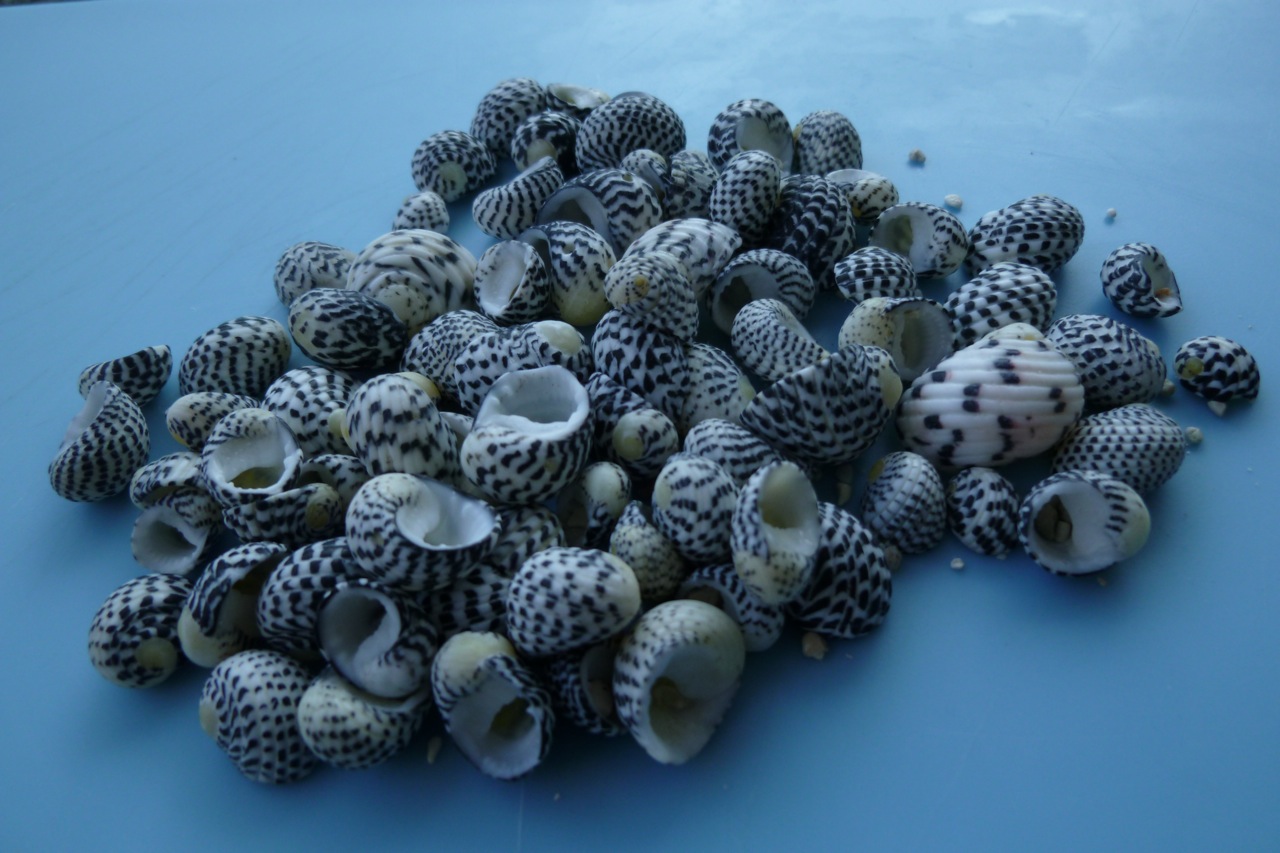
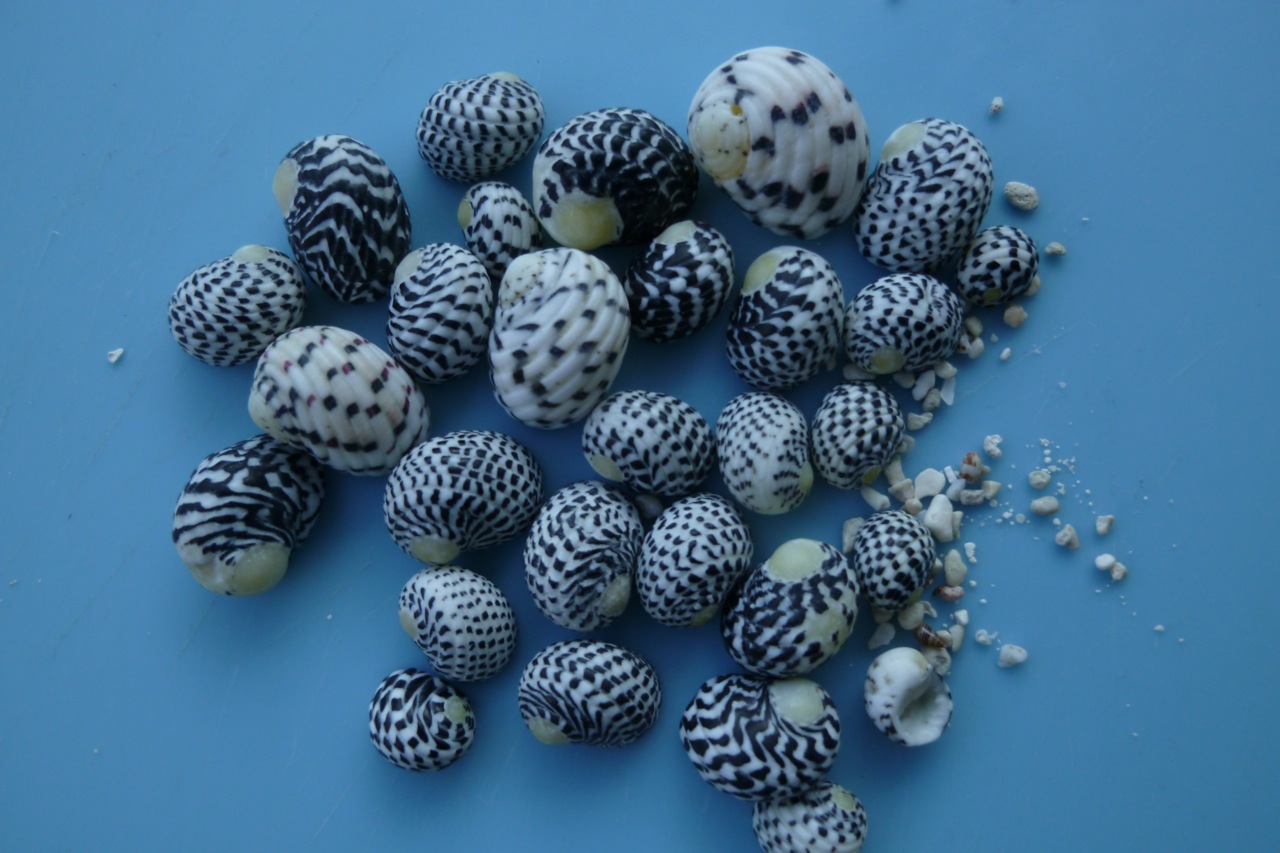
Nerites are small sea-snails (gastropod molluscs) found in tropical waters around the world. Precise ID of the many types is confused by the different names used for many of them, both taxonomic and local. The majority of the black and white nerites in the pile below, all collected from the Delphi beach, are Checkered Nerites (Nerita Tessellata). In the heap there are a few larger whiter shells with red markings, which are the Four-Toothed Nerite (Nerita Versicolor).
Here are some of the above shells showing their varying patterns and sizes, seen with a few grains of sand for comparison. The 3 larger whiter ones with the flecks of red on them are the Four-Toothed Nerites.
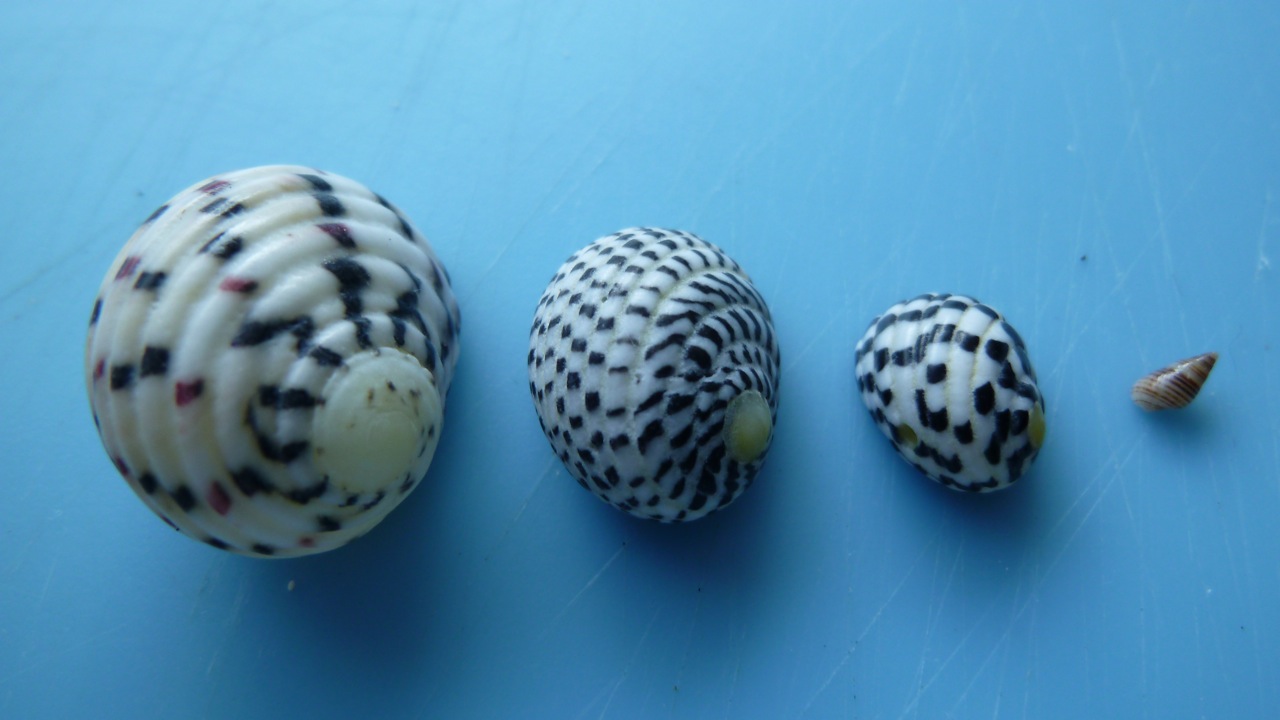
Here are 3 example shells in close-up, together with a tiny, perfect Dwarf Atlantic Planaxis (Hinea lineata) at the end (previously misidentified as a Littorine). I didn’t notice it until I was sorting through the shells – in fact you can just see it towards the bottom right of the previous photo, above the small nerite that’s on its back. It may even have fallen out of a nerite, as did many of the sand grains.
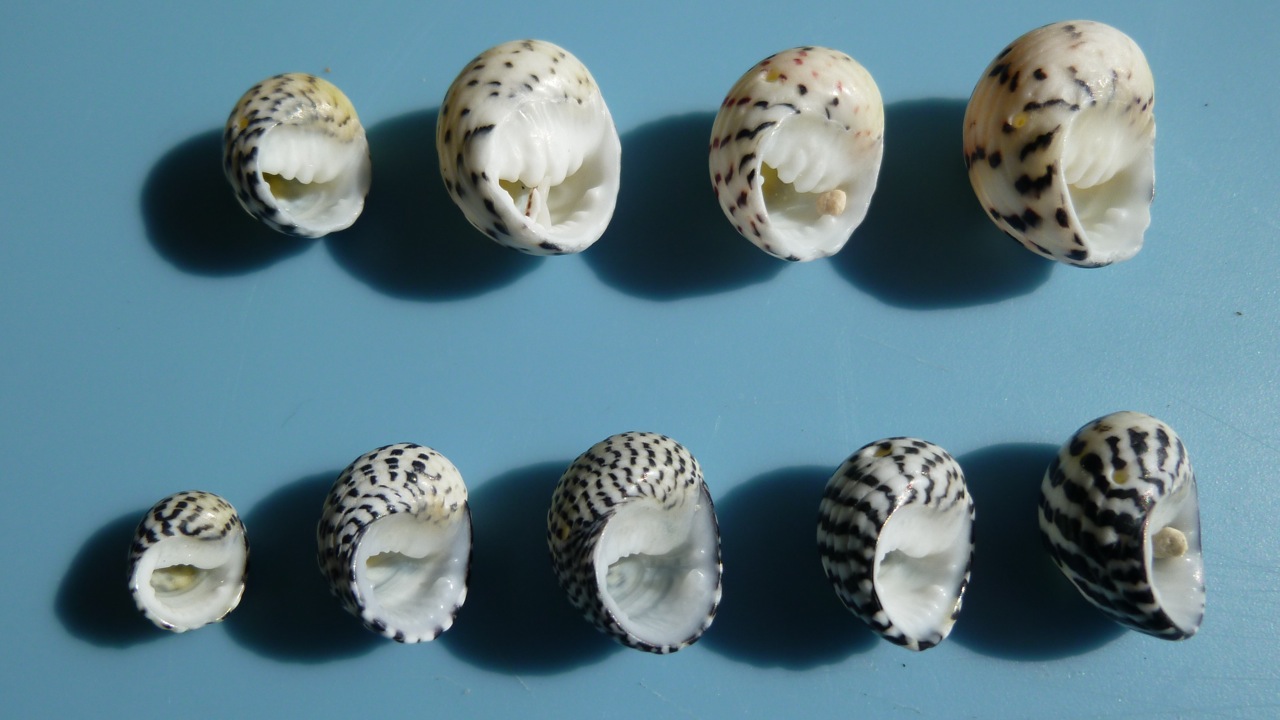
These four upturned nerites show the dentate entrance, common (to a greater or lesser extent) to most nerites – maybe all. The top row are Four-toothed Nerites; the bottom row are Checkered Nerites. Another Nerite type found in the Bahamas is the Bleeding-tooth nerite (Nerita Peloronta). These are similar to the top ones, but have vivid orangey-red markings on the ‘teeth’ – hence their name.
Nerites, sand grains and the Planaxis: size comparison
A close up of the Planaxis, showing how amazingly detailed the pattern of such a tiny shell can be
All this may sound a bit learned and somewhat solemn. Dull even. In fact I had absolutely no idea about any of the above details until I got these shells out of their glass jar last week to photograph (apologies for using a chopping board) and did some digging… So if any shellologists or neritophiles read this and have corrections to suggest, be my guest… Use the comment box or the email address on theCONTACTpage. ADDENDUM: many thanks to Colin Redfern for confirming the small nerites as Checkered, as opposed to Zebra; and the ‘littorine’ as a Dwarf Atlantic Planaxis Hinea lineata
At last I have got round to the hummingbirds. It’s quite simple. There are only two species of hummingbird on Abaco. The endemic variety is the Bahama Woodstar, one of only 3 endemic bird species on Abaco (the others are the Bahama Yellowthroat and the Bahama Swallow). The settled migrant is the Cuban Emerald.
BAHAMA WOODSTAR
Calliphlox evelynae
Male and female Bahama Woodstars (Photo Credit: Phil Brown – and VG too)
These hummingbirds are found throughout the Bahamas. They do not migrate, although are occasional vagrants in SE Florida. They breed all year round, the main season being in April. The female lays 2 elliptical white eggs, which she incubates for 15-18 days. As with humans, the female is mainly responsible for childcare while males go drinking at the nectar bar and hang out with their mates.
This BW was one of a small group at Hole-in-the-Wall. They were completely unconcerned by our presence, and we could get within arm’s length of them. Woodstars, though tame in human terms, can be aggressive and territorial. They are plentiful throughout the Bahamas except on Grand Bahama, Abaco and Andros. Significantly those are the only islands where the Cuban Emerald is found in any numbers. As with the native red and import grey squirrel problem in the UK, the migrant emerald is aggressive towards the woodstar, which is consequently rare where emeralds are abundant.
Here is their call (credit Jesse Fagan Xeno-canto)
Addition April 2012Here is a seriously cute female Woodstar photographed by Ann Capling at Bahama Palm Shores, close to Ocean Drive – a really pretty little bird
At Delphi, you’ll frequently see emeralds, especially now that feeders with sugar water have been hung up for them. The pool area is a very good place to watch them. But there are occasional woodstars to be seen as well – in the coppice on the drives for example, and even on the feeders. The vague blur to the left of the feeder below is a woodstar in the millisecond between me pointing the camera and it flying away… Don’t bother to click to enlarge it – it’s a useless photo, I know, but it is evidence even at the lowest level
CUBAN EMERALDChlorostilbon ricordii
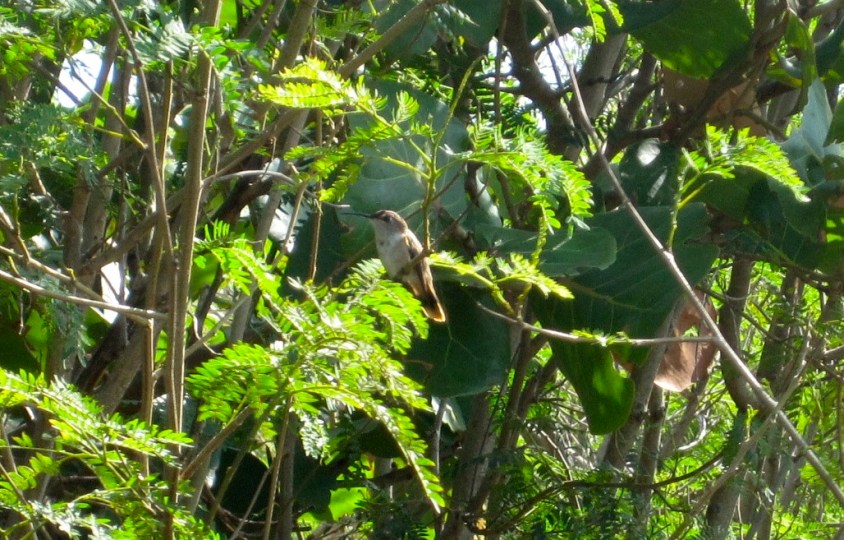
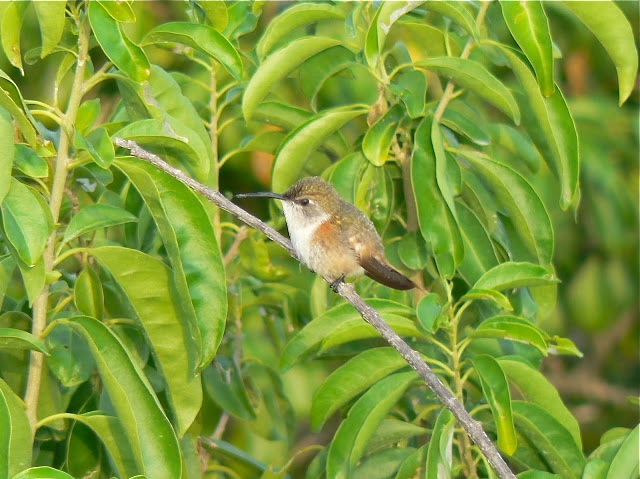
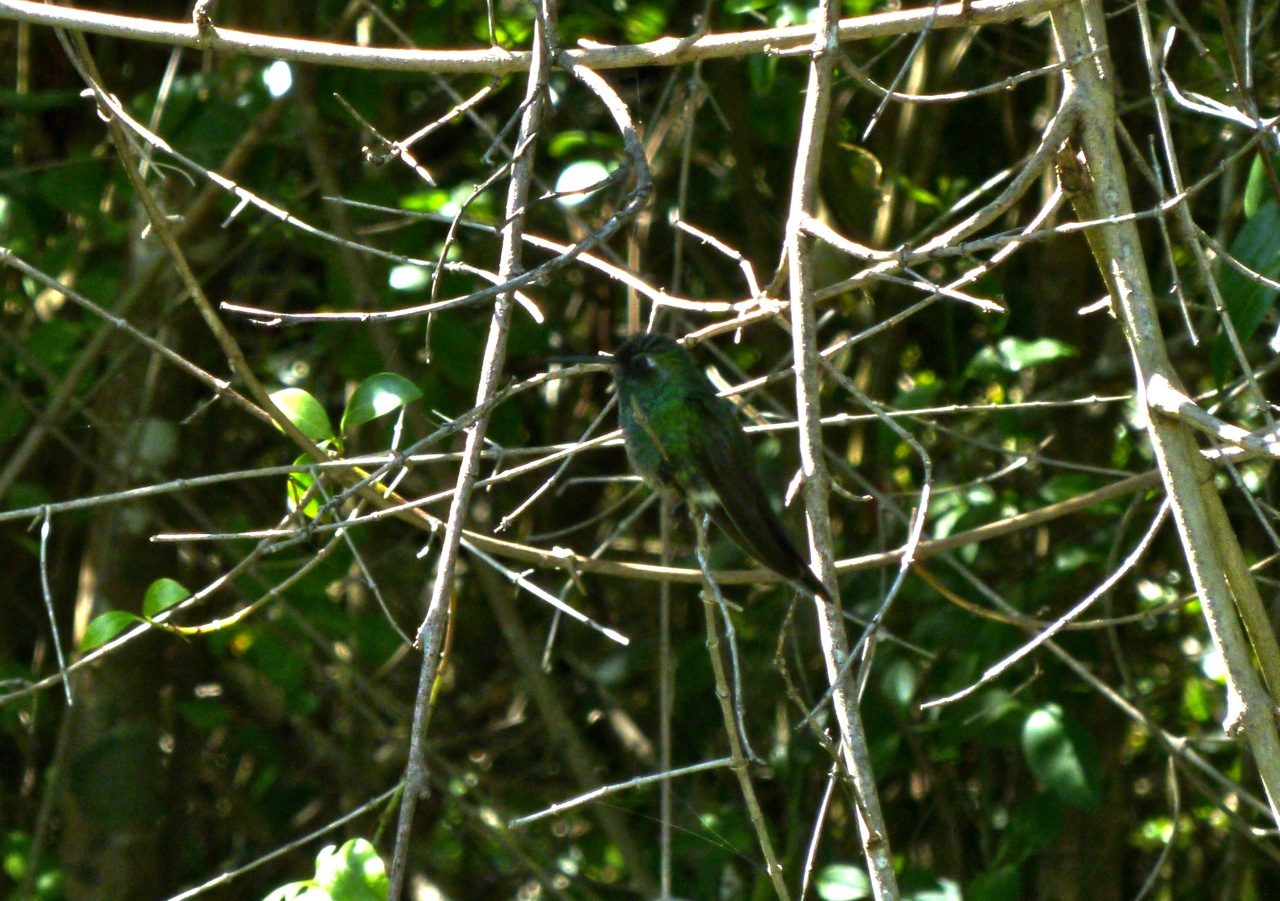
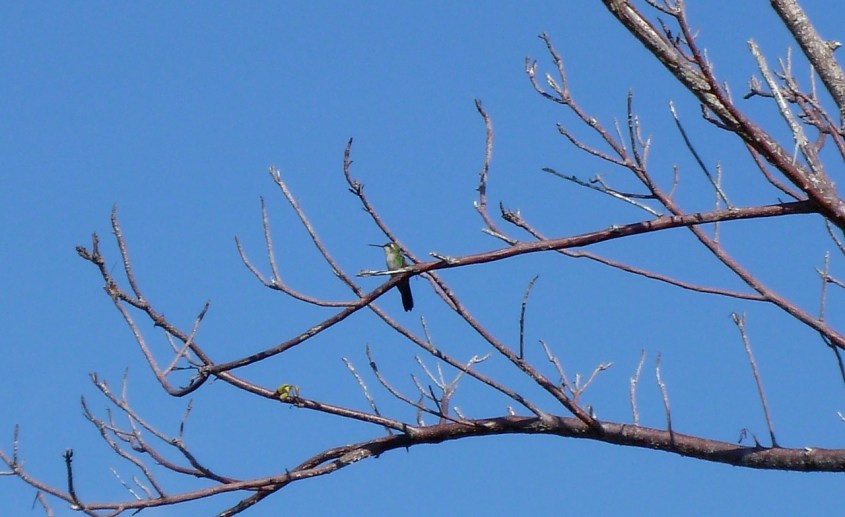
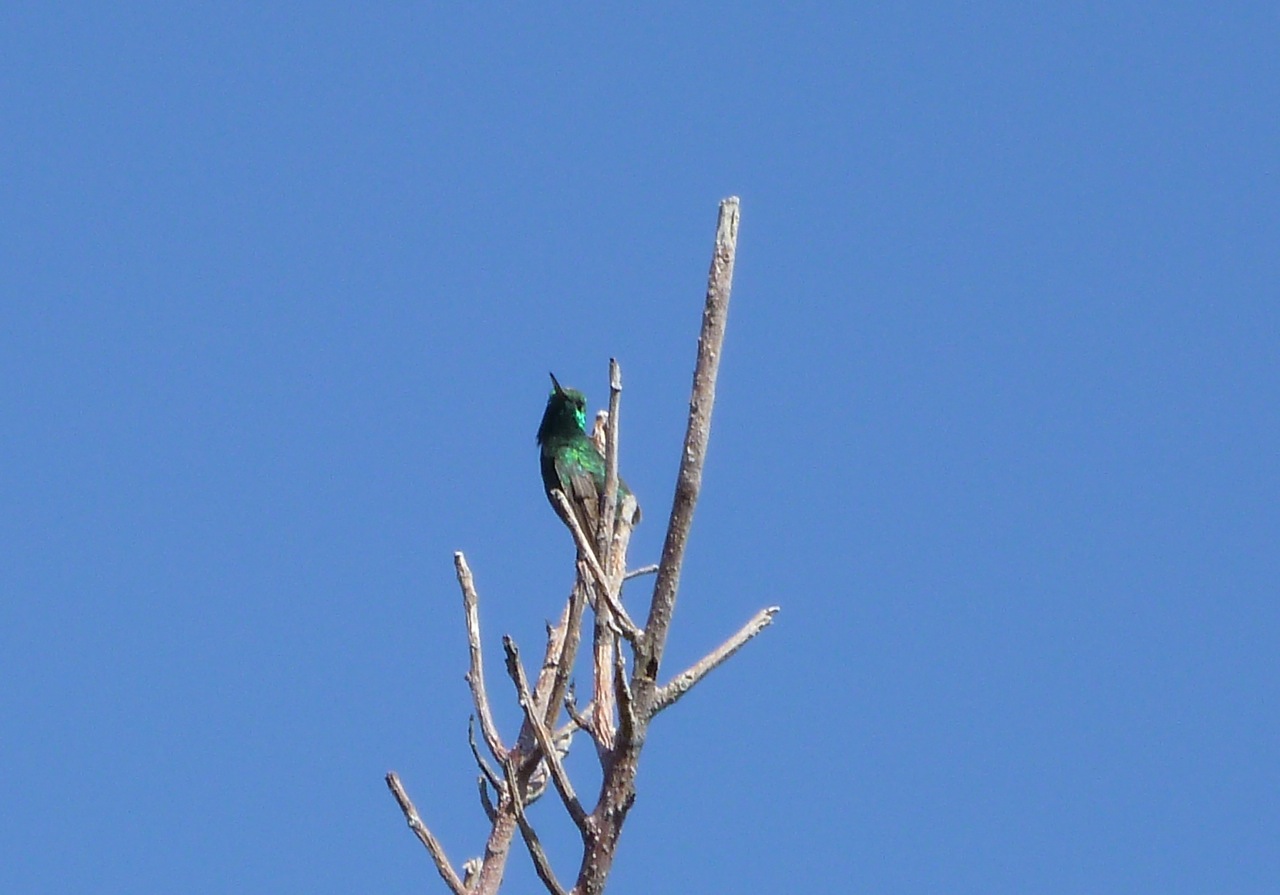
There’s probably a great deal to be written about the emeralds, but not by me. Or not now, anyway. The little you need to know from me is already covered above, and I haven’t yet discovered whether their childcare arrangements differ significantly from the woodstars. Probably not. So I’ll put in a selection of photos, and remark that it is strange how quickly they can change from sleek and slender birds to small rather cold and dispirited looking bundles of feathers. Both states are depicted below. Here’s what to listen for (credit Xeno-canto.org)
Delphi – pool feeder
Delphi – pool feeder
Delphi – pool feeder
Delphi – far side of pool
Delphi – near pool
Delphi – front drive
Delphi – front drive
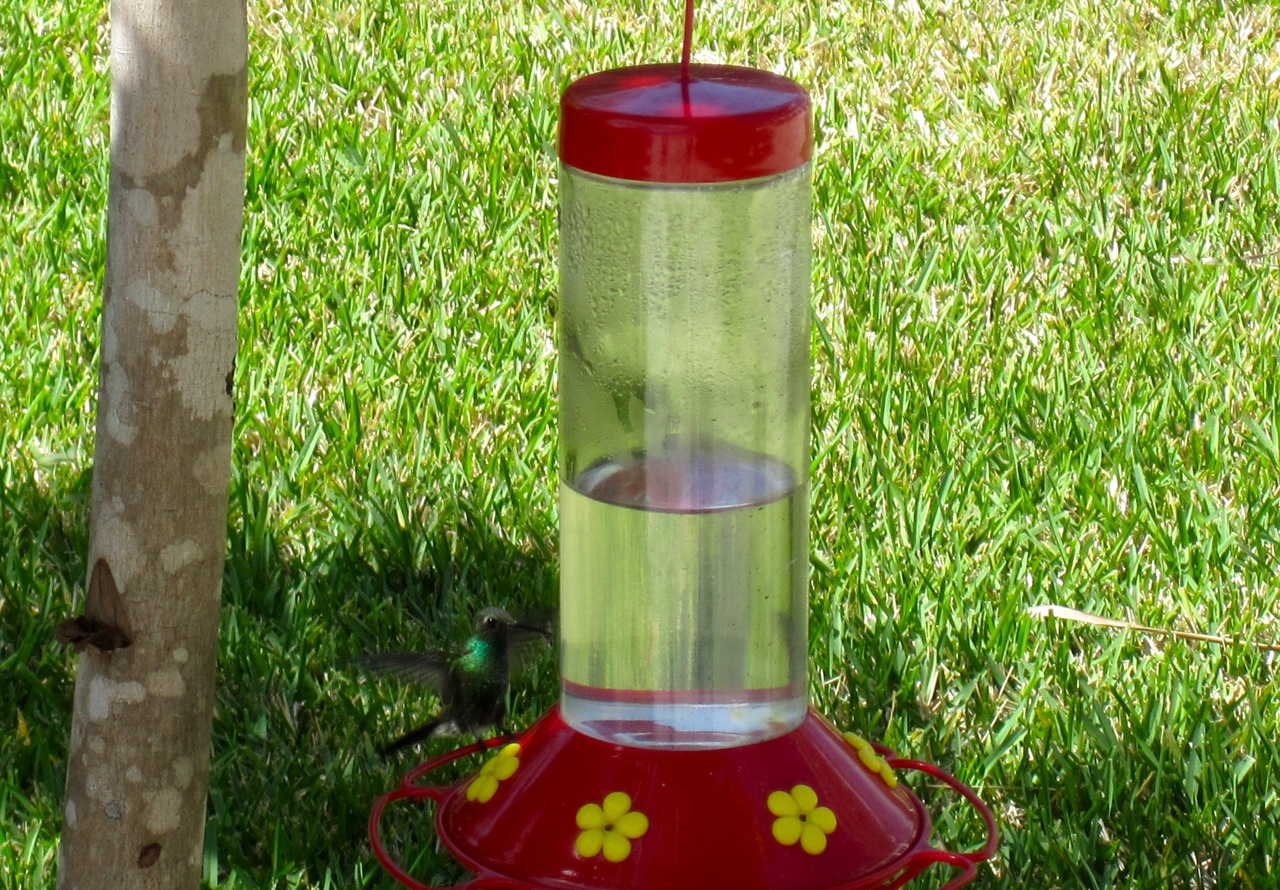
All the above birds were photographed at Delphi. We saw emeralds elsewhere, of course – in the pine forest, flicking across the logging tracks; on other Cays. The best sighting was during our day trip reef-snorkelling and island-hopping with Kay Politano, when we had an excellent lunch for 14 at Cracker P’s on Lubbers Cay (see future post about this and the island-hops). There was a bird feeder by our table, to which emeralds came and went throughout the meal. Here are some photos – I wanted to get them hovering, and kind of succeeded. More or less.
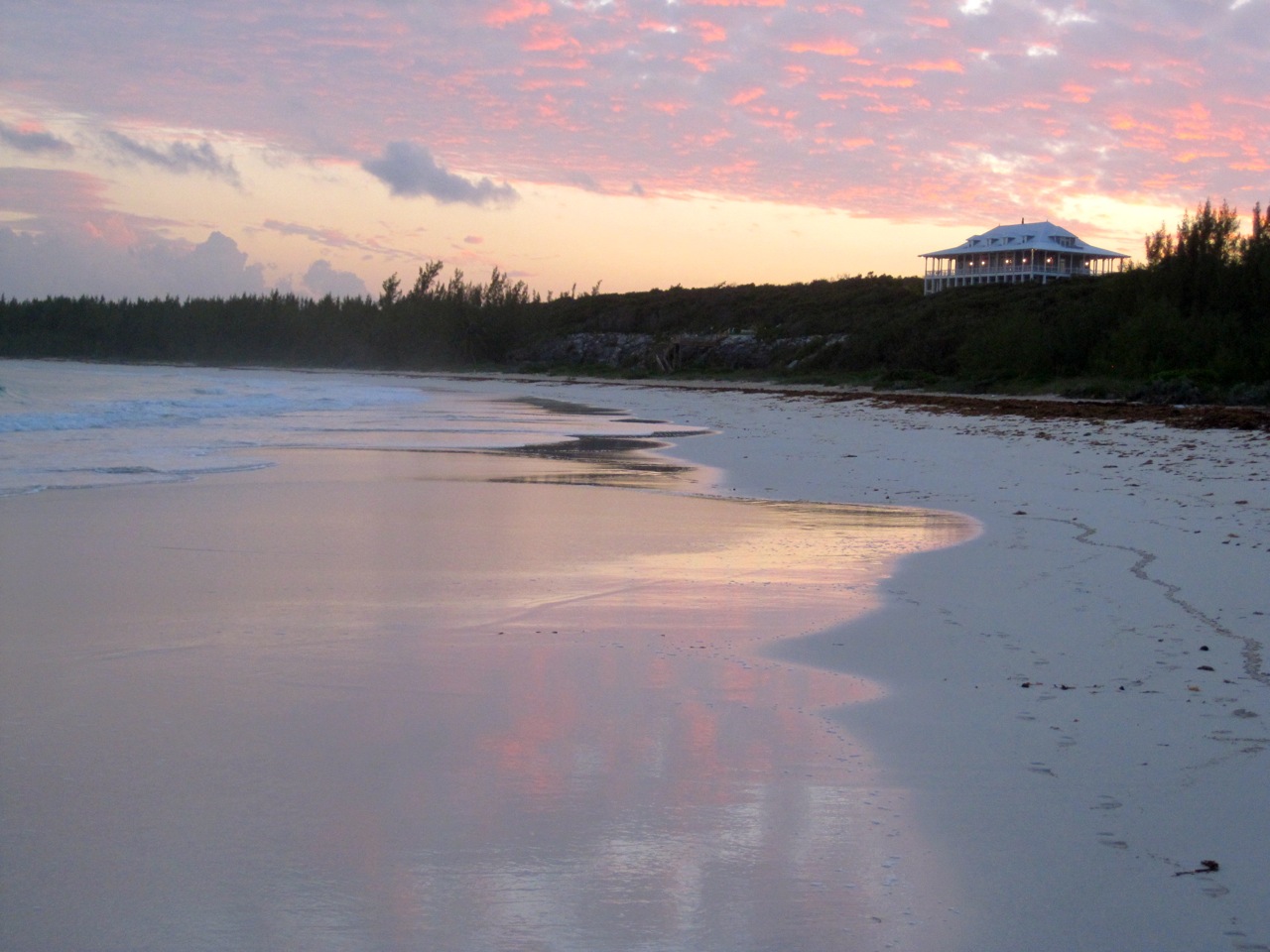
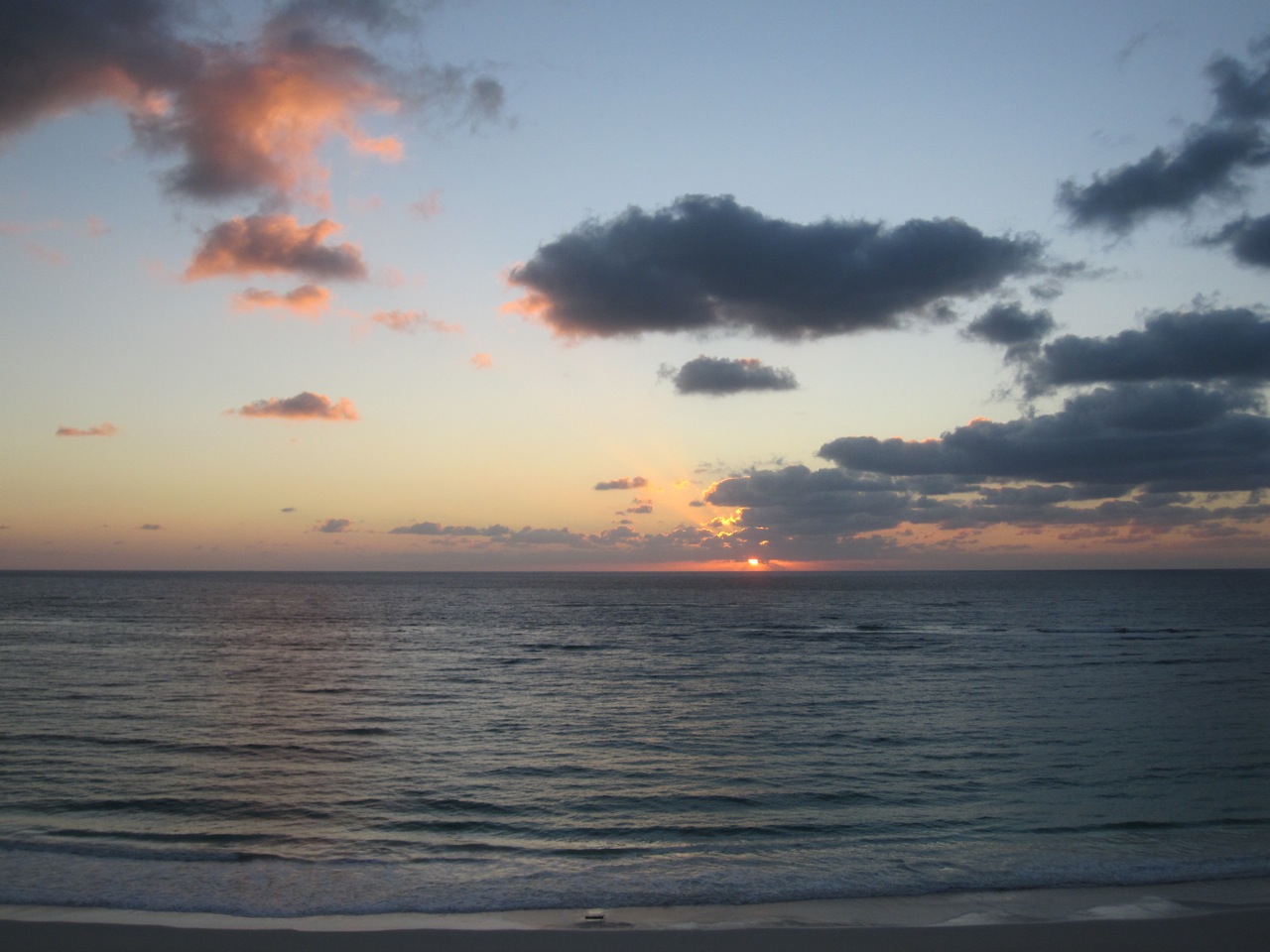
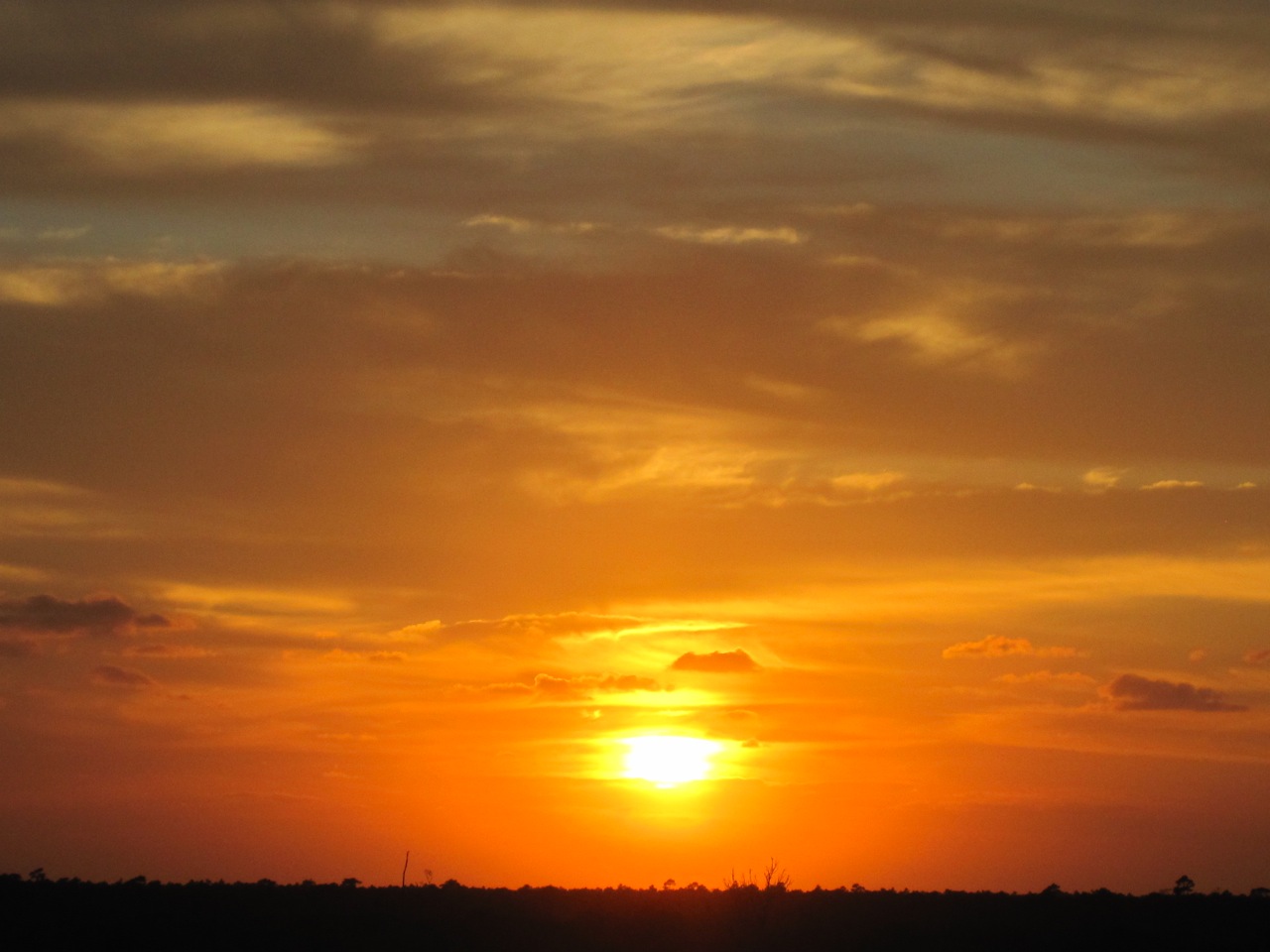
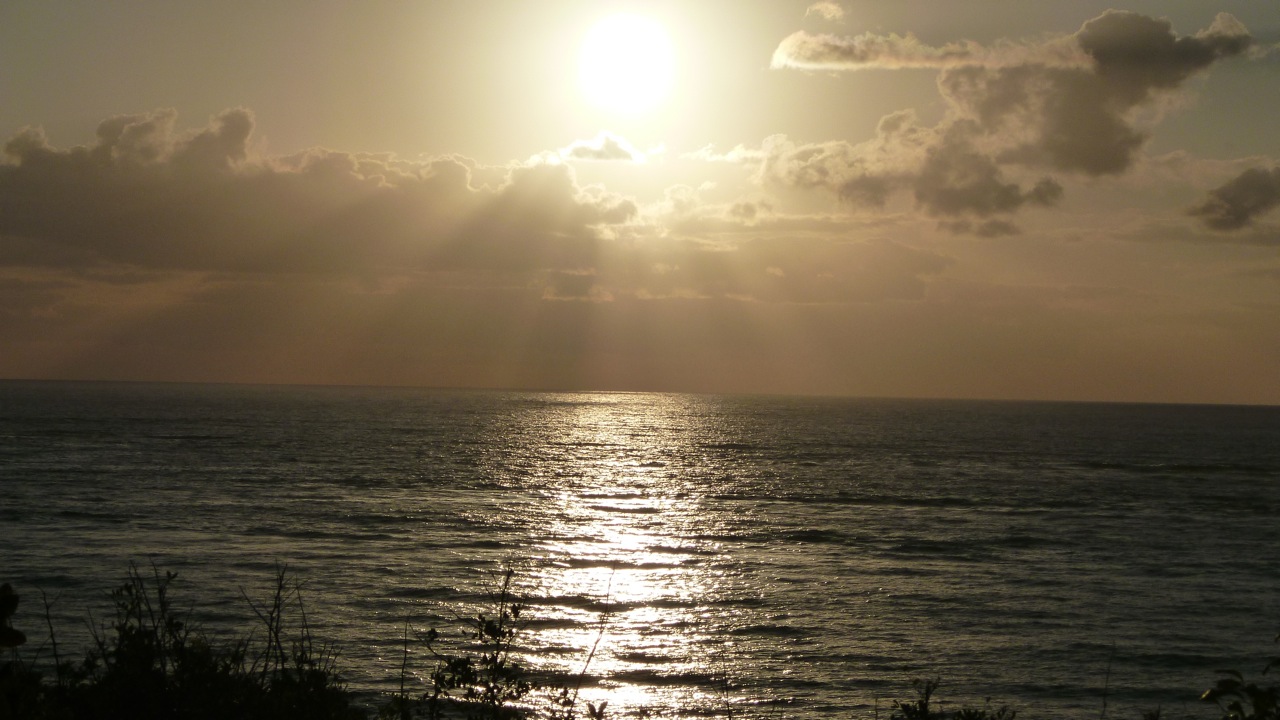
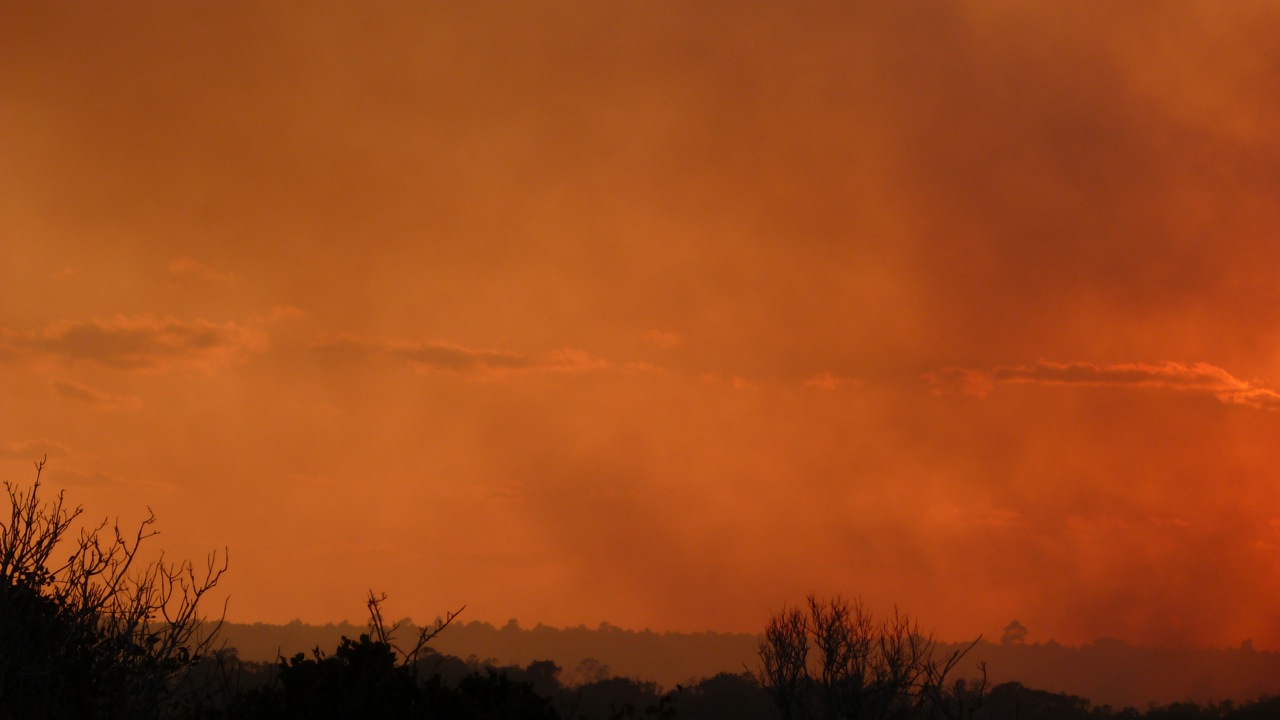
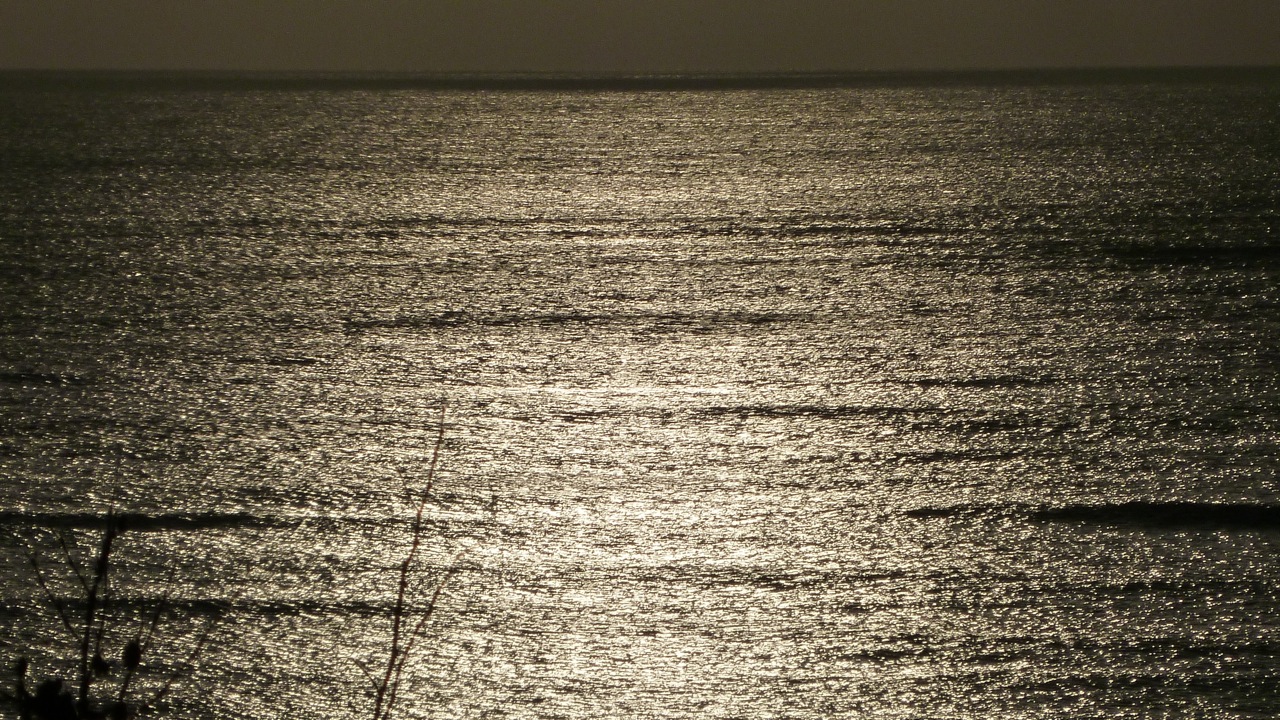
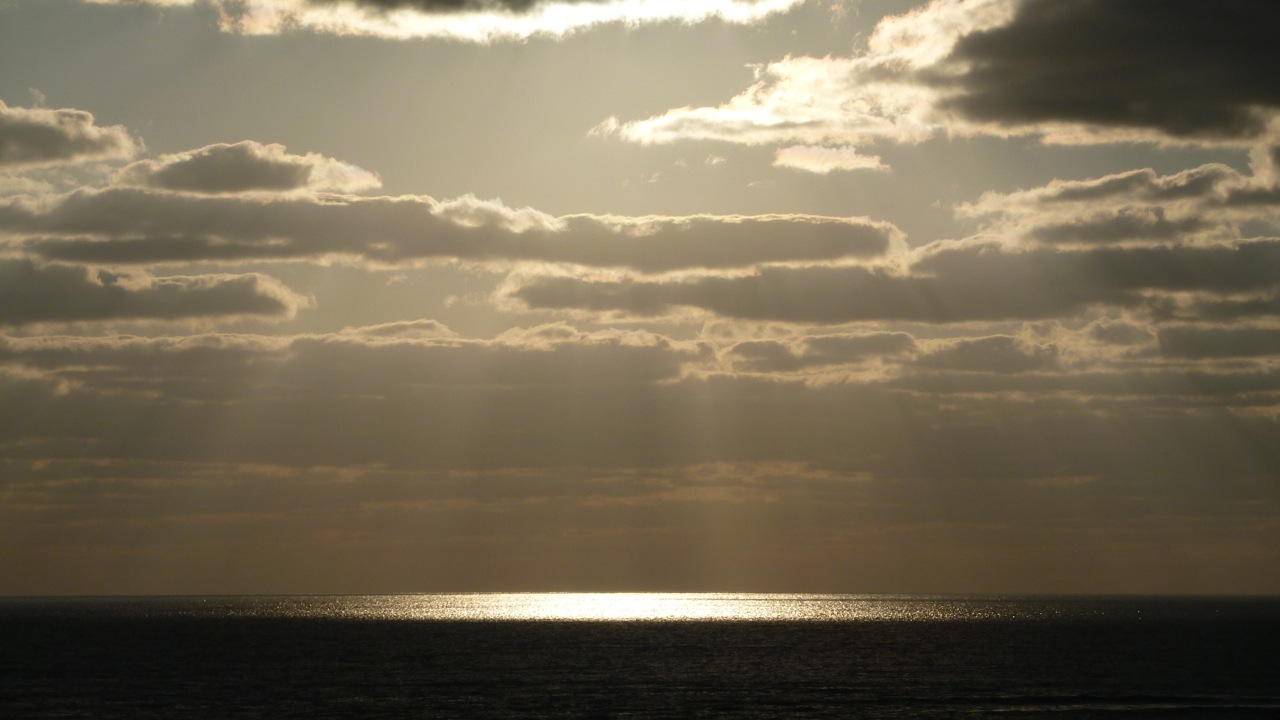
DELPHI. ROLLING HARBOUR. Gorgeous sunrises. Sumptuous sunsets. Impossible to take a really bad photo. None of the images below has been photoshopped or iPhoto’d in any way. The only modifications are natural, i.e. from forest fire smoke on a couple of them.
Richard Bramble is a wildlife artist and ceramics designer whose name will be familiar to anyone who has visited the Delphi Club (look, there’s his signed bonefish plate by the main door of the Great Room; and look, more of his work in the gallery ‘Mall’…). Richard will also be well-known to the many who have bought, been given, or simply admired his elegant china pieces or his table-mats. His repertoire of designs is huge – there are fish, birds, animals plants, shells and a lot else besides
In the interests of research on your behalf, I recently met Richard in his rural Studio near Sherborne, Dorset (starting to sound uncomfortably like a Sunday Times article here…) He signed a large bonefish plate I had recently been given, showed me round, and regrettably completely failed to discourage me from investing in some of the desirable items so immediately to hand. Richard has been working on a number of designs based on his stay at Delphi and various trips he took from there. Gareth was apparently the source for some of his fish ‘models’ – pre-cooking, obviously. Without more ado, here are some images. Can I make it clear that not only am I not being paid for this flagrant puffery, but I also paid top dollar at Richard’s Studio. There’s no dodgy dealing in this blog, thank you very much…
You will need: binoculars; camera; picnic lunch OR willingness to eat ‘local’ (see below); swimming kit – and a car, of course, e.g. the club Toyota
Map extract courtesy of ‘Abaco Life’ (the best, indeed the only, road map of the Island I have come across…)
SANDY POINT is a small settlement about 30 miles / 1/2 hr drive south west of Delphi. There’s only one choice of route: turn left at the end of the drive, and keep right on to the end of the road. Having commandeered the club car from Sandy, you drive due south until you get to a long right-hand bend. There is an important junction here: if you drive straight on, you enter the National Park nature reserve proper – breeding ground for the Abaco parrots – and are on the track to Hole in the Wall and its lighthouse…
Do not be tempted to try this – it is 15 miles each way on a deteriorating track, and the club car will soon be a wreck. Rental cars are forbidden. I will post separately about this adventure, which we have done in a truck. We may not repeat the experience.
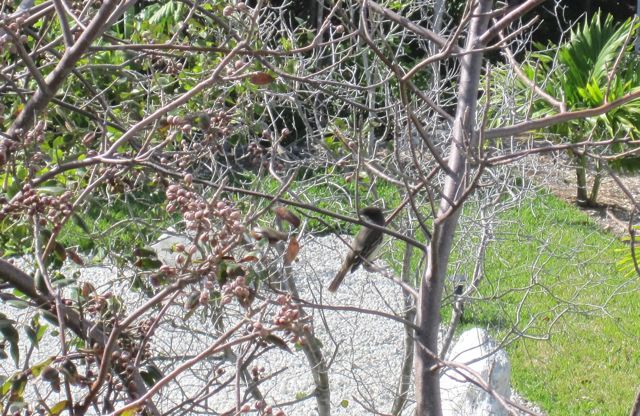
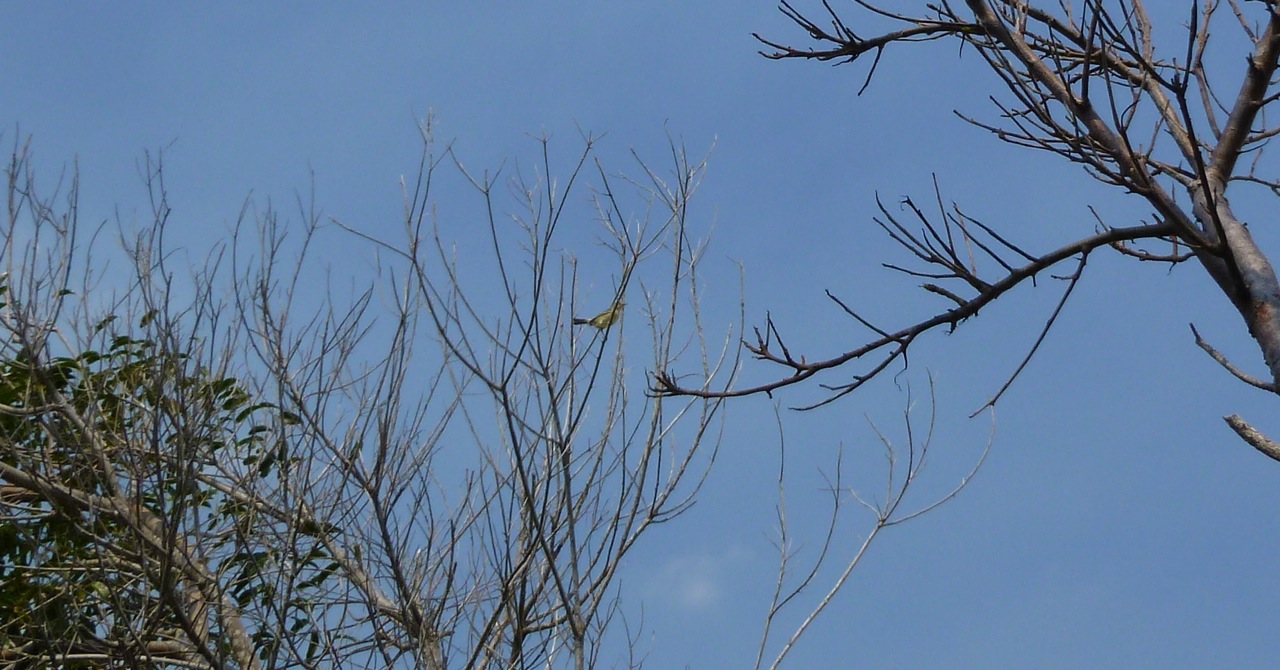
Bird Alert 1During the journey, look out for birds on the telegraph posts / wires. You may see American kestrels, turkey vultures and Bahama swallows. Small birds will flick across the road, and you may find yourself readily placing them in the ‘unidentifiable’ category. If in doubt, best settle for ‘warbler’ and there’s a fair chance you will be right. Alongside the road, look out for groups of smooth-billed Anis aka cemetery birds. These largish black birds are noisy and sociable, nest communally and look after each other’s nestlings. Continue reading →
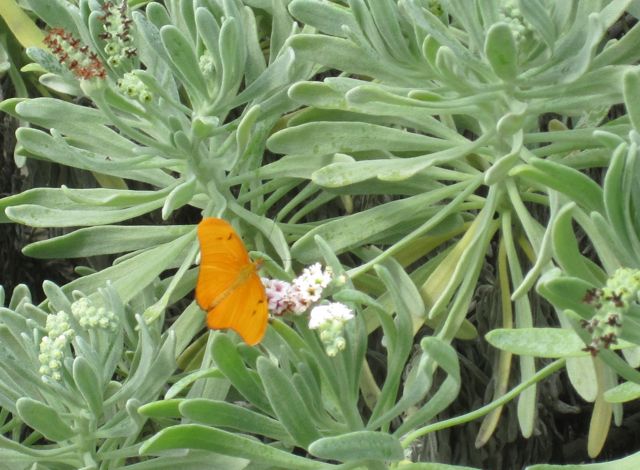
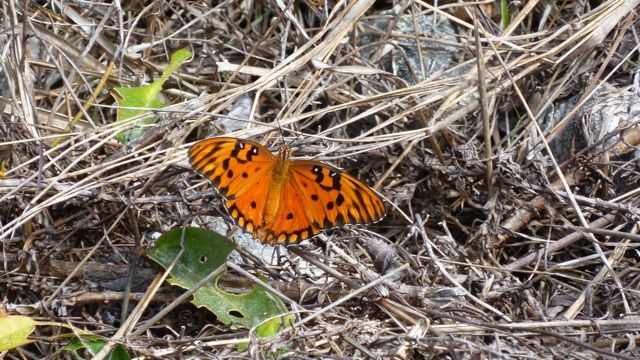
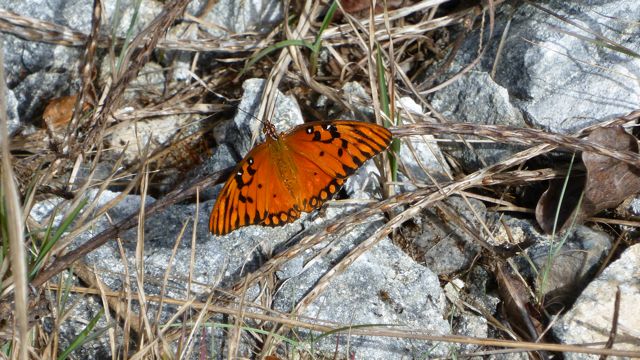
The (badly-photographed) dark butterfly in the earlier post has been identified as a GOLD RIM SWALLOWTAIL / POLYDAMAS SWALLOWTAIL (Battus Polydamas Lucaeus) Continue reading →
There is a wealth of birdlife on the Delphi doorstep. You don’t even have to go out of the front gateway to find it. You’ll hear a great many more birds than you ever see – many are small and very hard to spot in the bushes, even when you can hear loud chirrups. Here are a few examples of what you might see, all taken within the Club precincts
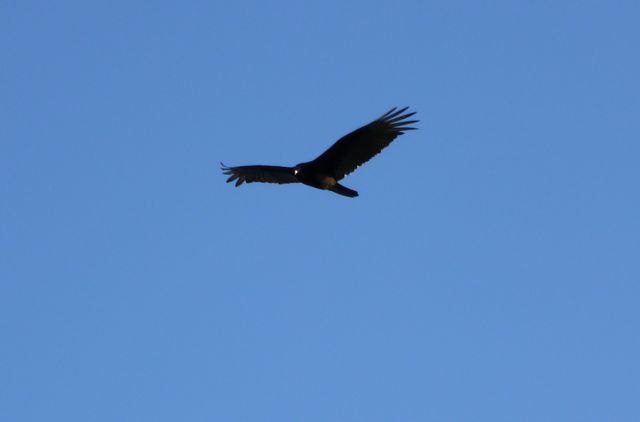
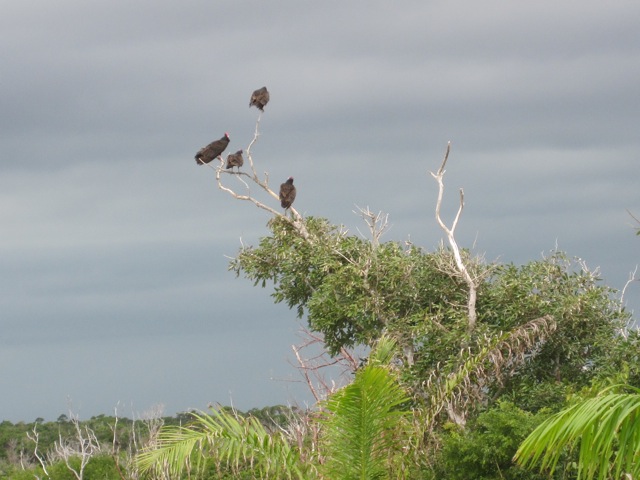
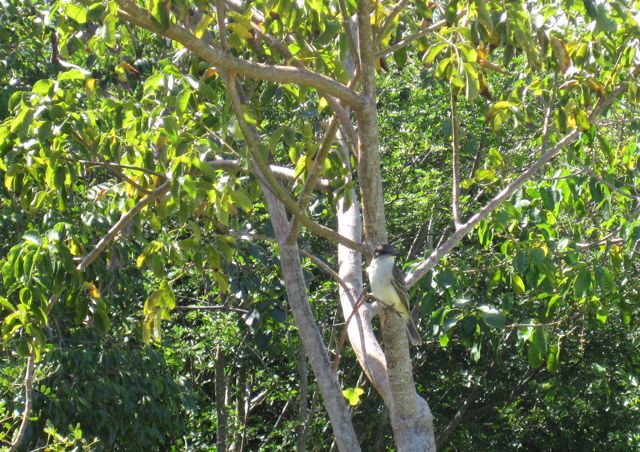
TURKEY VULTURES, ever present, wheeling above the bay, sometimes in flocks of 20 or more. Their grace in flight is slightly spoiled by the knowledge that their heads are red, wrinkled, bald and… frankly unattractive. You may also see them hunched on a dead branch along the drive (second photo)LOGGERHEAD KINGBIRDS, one of several types of ‘Tyrant Flycatcher’, so-called because of their robust attitude to defending their territory. The first one is on the far side of the pool; the second is taken from the verandah.
WEST INDIAN WOODPECKER, resident initially under the verandah eaves before moving to the upscale nesting box further along. Often seen during the day in the gardens, sometimes shouting raucously: the second photo is near the pool
ANTILLEAN BULLFINCH (previously wrongly ID’d as American Redstart – thanks CN) I’d never seen one of these before, nor indeed heard of them. This one was photographed in the trees along the drive while I was in fact looking for another bird altogether…
THICK-BILLED VIREO, one of several vireo species. Believe me, they are much less blurry in real life than here… They chirp a lot and seem quite tame.
BANANAQUIT My second favourite bird (after the western spindalis). Smart black and white heads, yellow underparts, and a sharply curved beak used to pierce the base of flowers for nectar. They aren’t choosy though, and eat insects and fruit too. Very chirpy, and VERY hard to see in the bushes, even when you can clearly hear exactly where you think it must be… Look for moving foliage. This one was in the shrubs by the main staircase.They sound like this (credit Xeno-canto.org)
NORTHERN MOCKING BIRD at a distance… above the skiff park. We heard it singing melodiously. ID (in close up – click on image for a marginally better view) from cocked and slightly spread tail, and (you won’t see this) white wing markings. This species is apparently beginning to displace the larger but unaggressive Bahama Mockingbird.
NORTHERN PARULA Small yellow warbler, of which there are many types. This is the one that unwisely tried to fly into the Great Room through the plate glass, and had to be revived by Sandy. It perked up quite quickly, and flew off none the worse for its encounter either with the glass or Sandy…
HUMMINGBIRDSare a fascinating topic in themselves, and I’ll post about them separately. There is the Cuban Emerald and the endemic Bahama Woodstar, both of which can be seen at Delphi (though the latter are rare where the former predominate). There is a 3rd type of hummer on Abaco, which I will leave you with for now:
I haven’t nailed the ID of this one yet. Any ideas appreciated. [See later post for ID as GOLD RIM SWALLOWTAIL / POLYDAMUS SWALLOWTAIL (Battus Polydamus Lucaeus) ]
Seen all round Delphi this March. These are on the move the whole time, and are surprisingly hard to pin down (not a very sensitive way to put it for a butterfly…) The bottom photo looks like a rubbish picture, I know, but in fact the butterfly is at rest (the body / legs / feelers aren’t blurred) while the wings beat fast and constantly while it feeds
AND FINALLY… Pride of place goes to this Atala Hairstreak, photographed during a Delphi outing with Ricky Johnson to one of the Blue Holes in the pine forest. It’s the only place I have seen these small butterflies, and there were only four or five. This one stayed still for just long enough
ATALA HAIRSTREAK Eumaeus Atala
===========================================
BLOG NEWS UPDATE
23.04.11
Email Share added to the main pages
Pages Menu added to sidebar
Contributions received now posted on the appropriate page…
Note I am trying to reorganise this blog to increase accessibility of categories and sub-categories. Struggling a bit… one major accidental deletion so far… proposed pages under construction or at least under contemplation… please bear with me!

















 Good to go…













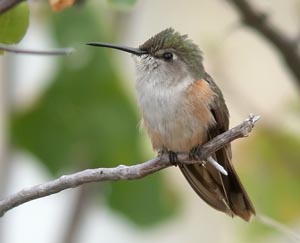

 CUBAN EMERALD

























 ROLLING HARBOUR ABACO
You must be logged in to post a comment.