Unknown's avatar

WHITE-CHEEKED PINTAILS & BAHAMA DUCKLINGS


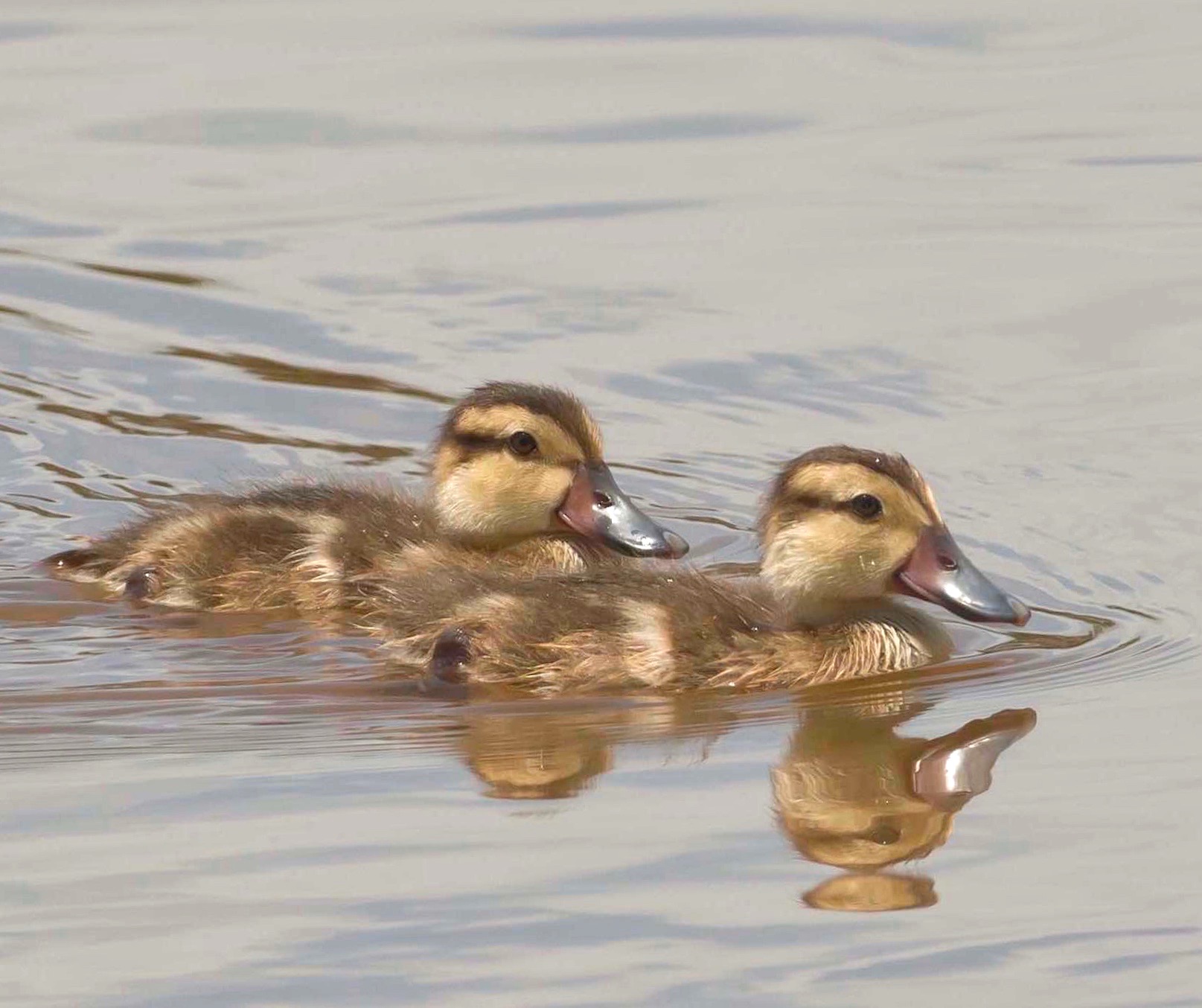
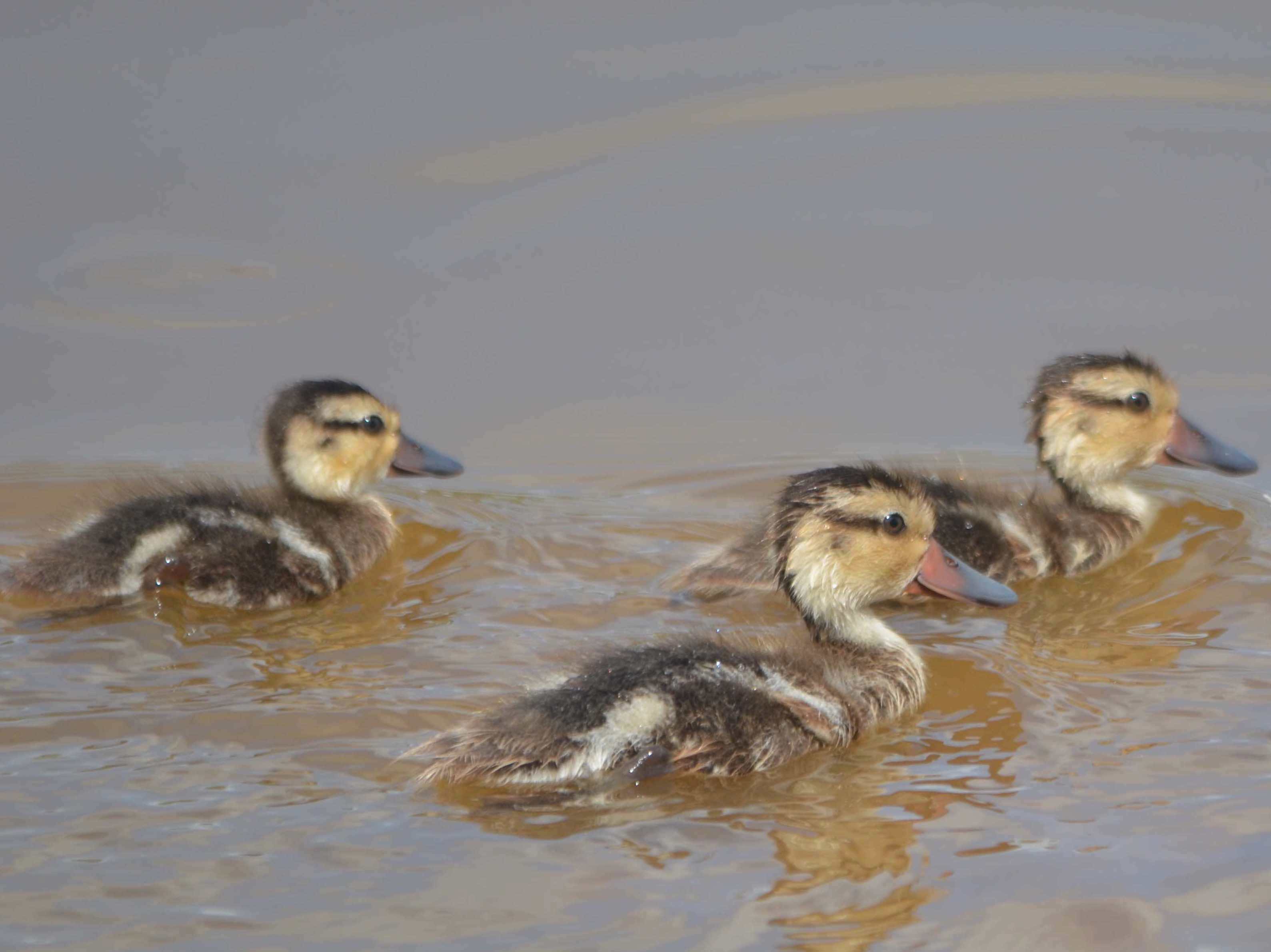
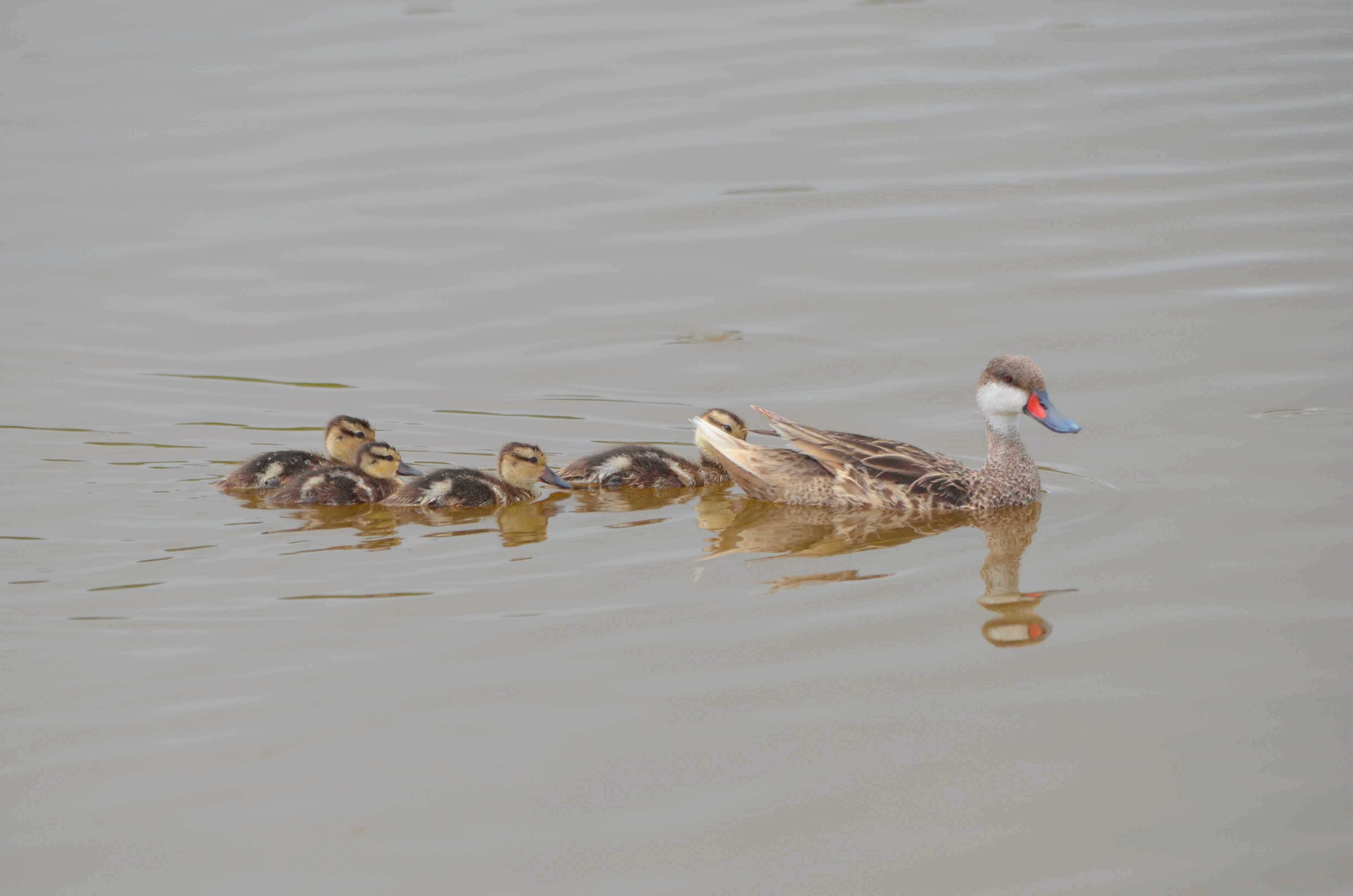
White-Cheeked Pintail Ducks & Bahama Ducklings on Abaco (Tom Sheley)

WHITE-CHEEKED PINTAILS & BAHAMA DUCKLINGS

The white-cheeked (‘Bahama’) pintail is everyone’s favourite dabbling duck. You can see them in large numbers at Gilpin Pond, and in slightly lesser numbers in the pond on Treasure Cay golf course. You may come across the occasional pair or singleton way out on the Marls. Wherever they may be, spring means duck ahem… erm… sex. And that means… gorgeous ducklings. Like the ones below. You can see more Abaco pintails HERE but this post showcases the delightful progeny of mama duck (not forgetting papa duck’s role, of course). 

White-Cheeked Pintail Ducks & Bahama Ducklings on Abaco (Charles Skinner)White-Cheeked Pintail Ducks & Bahama Ducklings on Abaco (Charles Skinner)White-Cheeked Pintail Ducks & Bahama Ducklings on Abaco (Charles Skinner)White-Cheeked Pintail Ducks & Bahama Ducklings on Abaco (Charles Skinner)

This means ‘get any closer to my darling ducky at your peril, back away now, you’ve been warned’.White-Cheeked Pintail Ducks & Bahama Ducklings on Abaco (Tom Sheley)

A proud pair of parents. No, I can’t tell which is which – males and females are very similar. My guess is that the female is nearest.White-Cheeked Pintail Ducks & Bahama Ducklings on Abaco (Tom Sheley)

Credits: all absolutely adorbs Anas bahamensis photos are by Tom Sheley & Charles SkinnerWhite-Cheeked Pintail Ducks & Bahama Ducklings on Abaco (Tom Sheley)

FREE BONUS FOR MAY! BAHAMA PINTAIL DRAWING LESSON!

Unknown's avatar

WTF? (WHAT’S THAT FISH?) 13: THE ROUGHHEAD BLENNY


Roughhead Blenny - Melinda Riger / Grand Bahama Scuba

WTF? (WHAT’S THAT FISH?) 13: THE ROUGHHEAD BLENNY

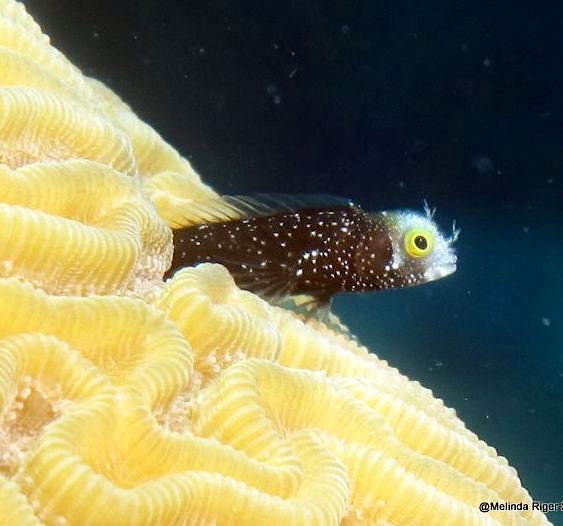
The WTF? series has looked at a number of bizarre reef denizens, and this little fish is certainly that. For a start, its ‘correct’ name is Acanthemblemaria aspera, an excellent challenge for saying 10 times very quickly **. And the name blenny comes from the Greek word for ‘slime’, quite enough to make the poor creature a laughing-stock in the reef community.

Roughhead Blenny - Melinda Riger / Grand Bahama Scuba

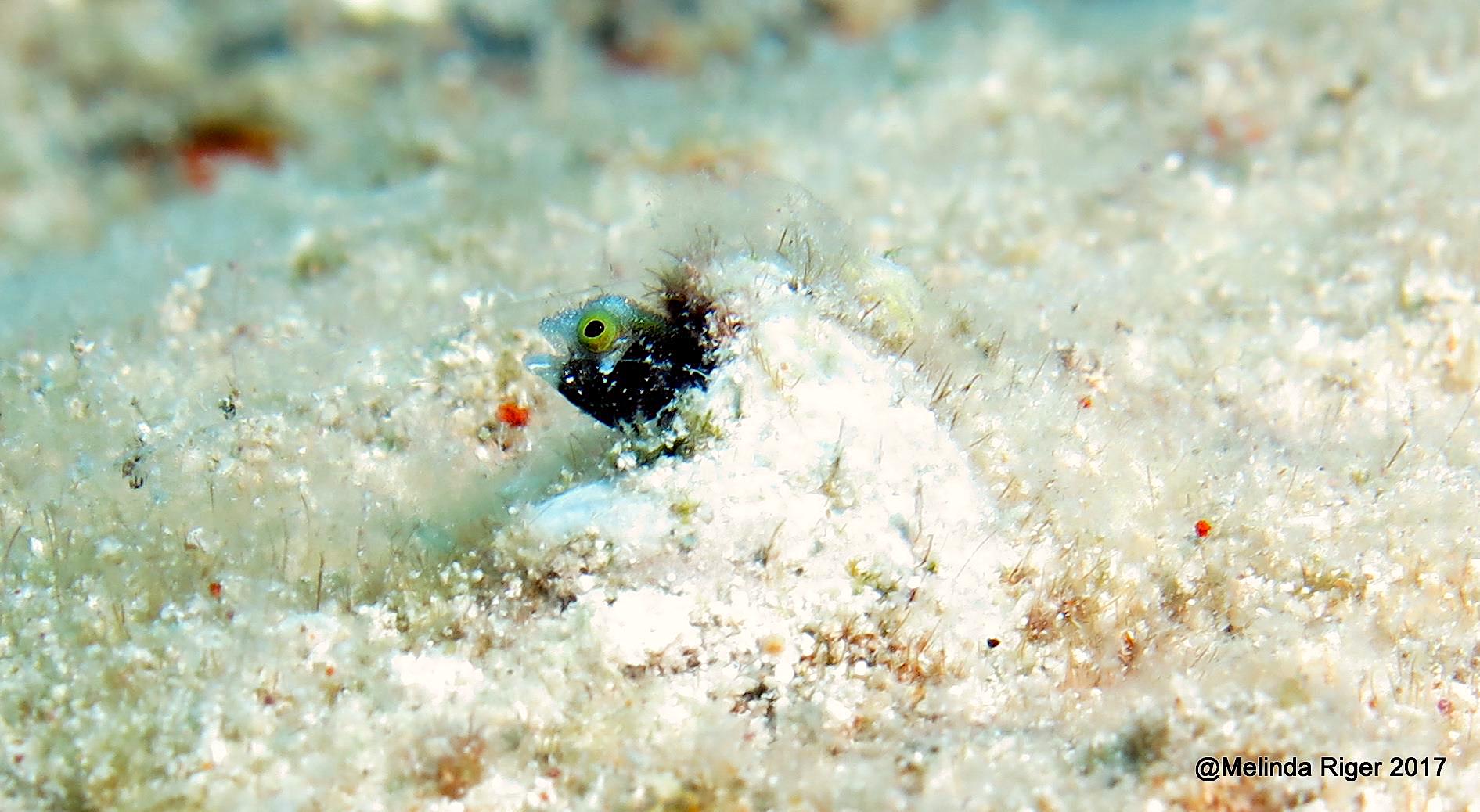
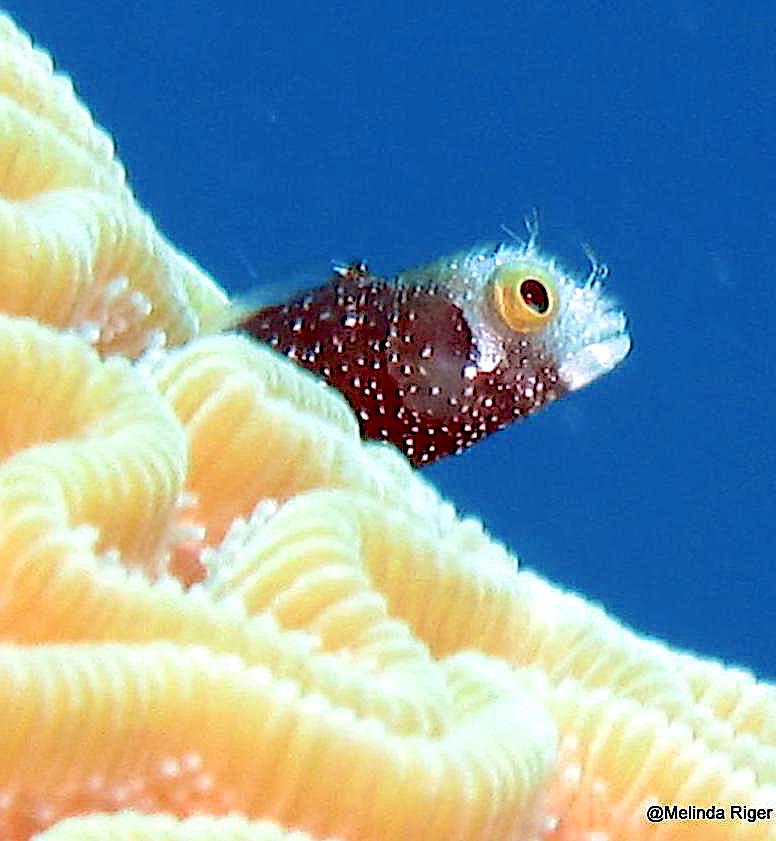
There are in fact several hundred blenny species and subspecies around the world. The roughhead is one of the most commonly found in western Atlantic subtropical and tropical waters. These are burrowing creatures, and they find holes in the nooks and crannies of coral reefs – and indeed in the coral itself. Brain coral seems to be a preferred location. Mollusc shells are another. Or they may just bury themselves in the sea floor. 

Roughhead Blenny - Melinda Riger / Grand Bahama Scuba

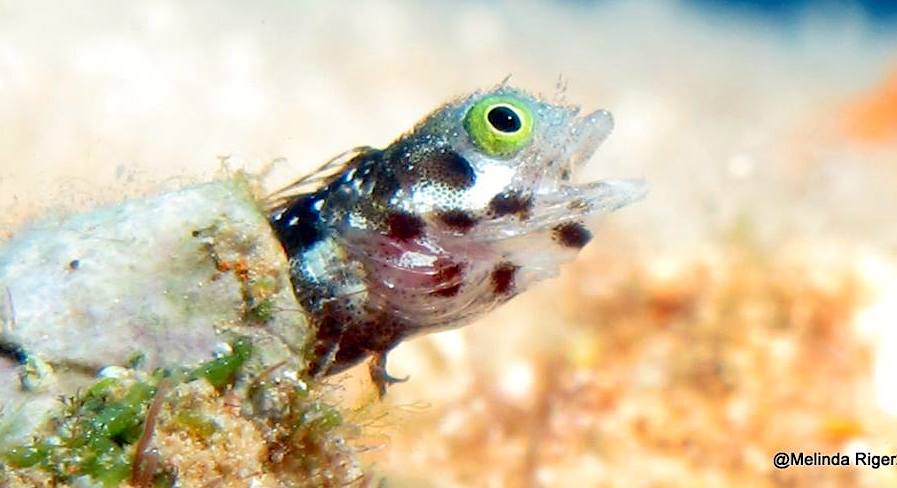
The  ‘roughness’ of head refers to the whiskery appendages (cirri) on a blenny’s blunt bonce – slender tendril or hair-like filaments. The word cirri is the plural version of the wispy high altitude cirrus clouds that streak the sky. These tendrils are shown clearly in some of the photos here, despite the tiny size of the fish (± 1 inch). 

Roughhead Blenny - Melinda Riger / Grand Bahama Scuba

THESE GUYS LOOK A BIT PRIMITIVE, AM I RIGHT?

To be precise – as far as is possible – blennies can be dated back to the Paleocene Era (or is it an Epoch?). This spanned a period 66 to 56 million years ago – around the time of the formation of the Rolling Stones.

Roughhead Blenny - Melinda Riger / Grand Bahama Scuba

You can find out more about roughheads in this excellent eHow video I came across after I’d written this post, to which I should now add that there is considerable colour variation in this subspecies, as you may already have noticed…

** You can also try this with ‘Red Lorry Yellow Lorry’. Yes I know. Maddening, isn’t it. You can’t stop now you’ve started. Sorry…

Credits: all photo, Melinda Riger; video, eHow

Unknown's avatar

SCISSOR-TAILED FLYCATCHER: AN “IF ONLY” BIRD FOR ABACO


Scissor-tailed Flycatcher - Danny Sauvageau

SCISSOR-TAILED FLYCATCHER: AN “IF ONLY” BIRD FOR ABACO

About 3 years ago, there was great excitement when a new bird species was recorded on Abaco. Not just recorded, but actually photographed too – the best of evidence. This was a fork-tailed flycatcher, and to no one’s great surprise another one has never been seen since. So sadly the STFC must go down in the records as a V5, a one-off vagrant. Until another one turns up, anyway. But there will never be another ‘first STFC ever‘ on Abaco. You can read about the new species HERE.

Scissor-tailed Flycatcher - Danny Sauvageau

The sighting came quite soon after the publication of The Birds of Abaco, and instantly rendered the comprehensive checklist in the book out of date. In all, 6 new bird species have now been sighted on Abaco and in due course I need to amend the checklist to reflect the changes. And add ‘wild turkey’ to the also-ran column ‘Exotics Seen on Abaco.’

Scissor-tailed Flycatcher - Danny Sauvageau

The scissor-tailed flycatcher is another so-called ‘tyrant flycatcher’ with long streaming tail forks. I had a look at the checklist to see if the species was recorded for Abaco, and sure enough it is included as a V4, which is to say a very rare vagrant with maybe half-a-dozen sightings over the years. I’m not aware of any photos of one taken on Abaco. However, birding and photography authority Danny Sauvageau occasionally encounters these magnificent birds in Florida. His recent photos of the scissor-tailed flycatcher are so beautiful that you just have to see them. How wonderful if this exotic creature could find its way to the northern Bahamas more often. Until it does, it will remain what I term an ‘if only’ bird – one that is regretfully absent…

Scissor-tailed Flycatcher - Danny Sauvageau

All fantastic flycatcher fotos: Danny Sauvageau with many thanks – check online, you won’t see a better collection than this…; cartoon, Bordorable

Unknown's avatar

TURTLE BREEDING SEASON & A SMALL POEM TO PONDER


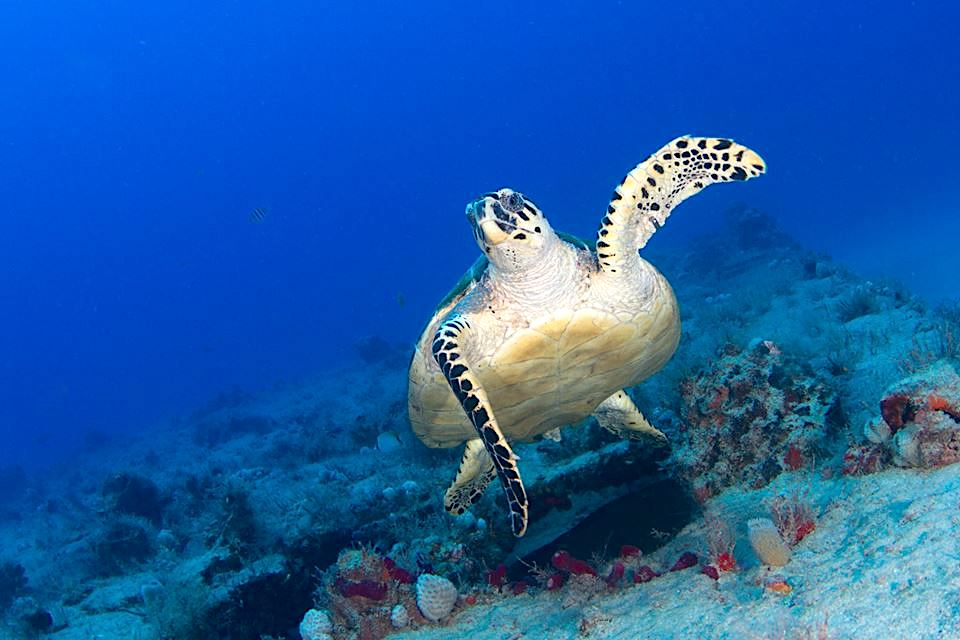
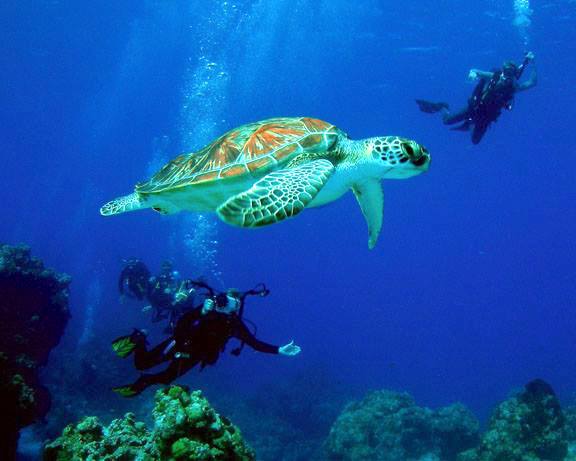
Sea Turtle - Adam Rees / Scuba Works

TURTLE BREEDING SEASON & A SMALL POEM TO PONDER

The turtle lives ‘twixt plated decks
Which practically conceal its sex.
I think it clever of the turtle 
In such a fix, to be so fertile.

Sea Turtle - Adam Rees / Scuba Works

Anyone unfamiliar with the works of OGDEN NASH (1902 – 1971) would do well the check out his inimitable poetry, in which he takes extreme liberties with both rhyme and scansion to great comic effect. The poem above is a good example of Nash’s neat way with words. It always makes me laugh, anyway. So simple, looks so easy, but a very difficult trick to pull off consistently as Nash effortlessly does.Sea Turtle - Adam Rees / Scuba Works

As the turtle breeding season moves forward, I though this would be a good time to show a few of the great turtle photos taken by Adam Rees of ‘Scuba Works’.Sea Turtle - Adam Rees / Scuba Works

Sea Turtle - Adam Rees / Scuba Works

All photos: Adam Rees / Scuba WorksSea Turtle - Adam Rees / Scuba Works

Unknown's avatar

BAHAMA MOCKINGBIRDS ON ABACO: GOOD IMPRESSIONS


Bahama Mockingbird, Abaco - Tom Sheley

BAHAMA MOCKINGBIRDS ON ABACO: GOOD IMPRESSIONS

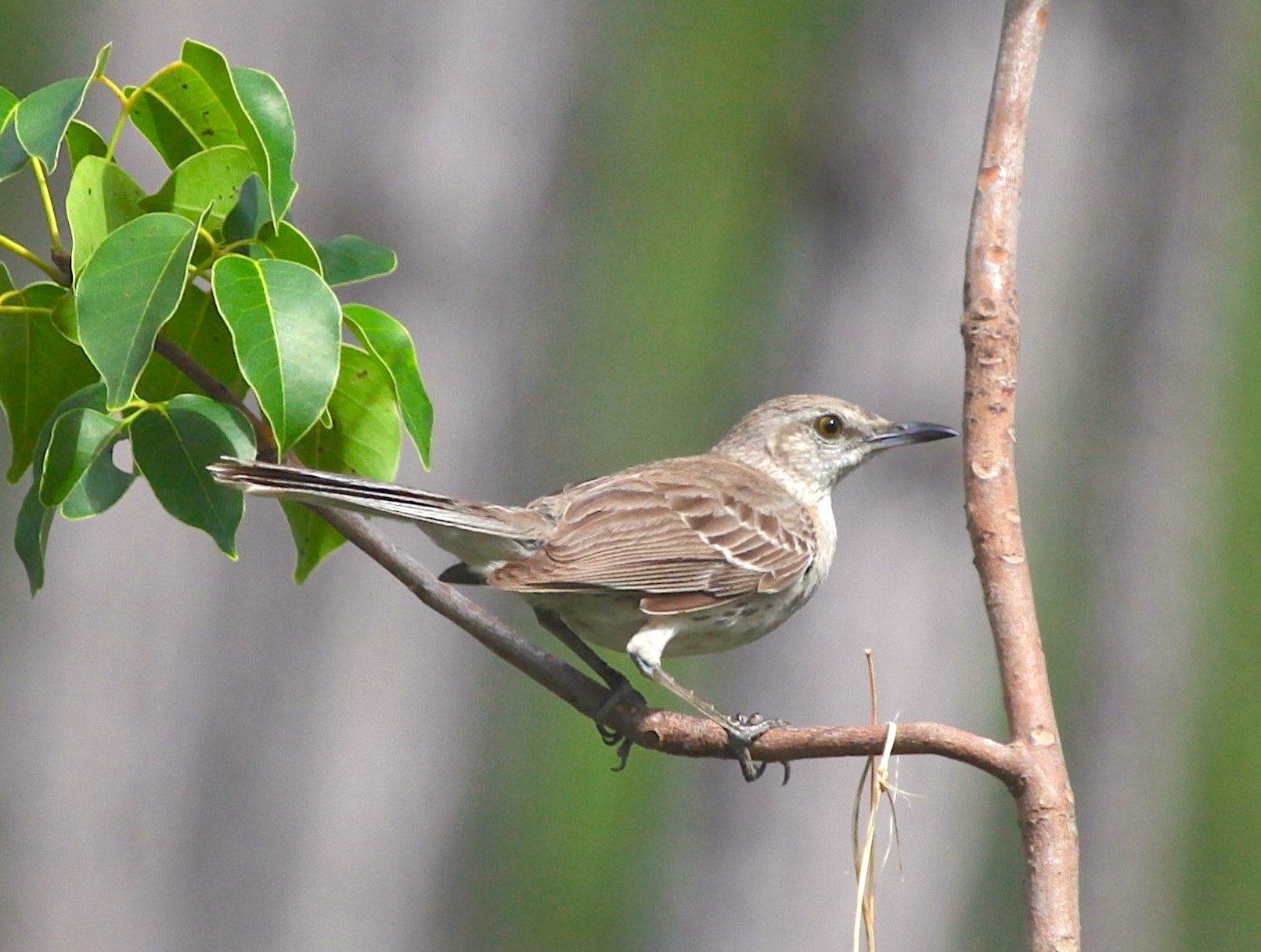
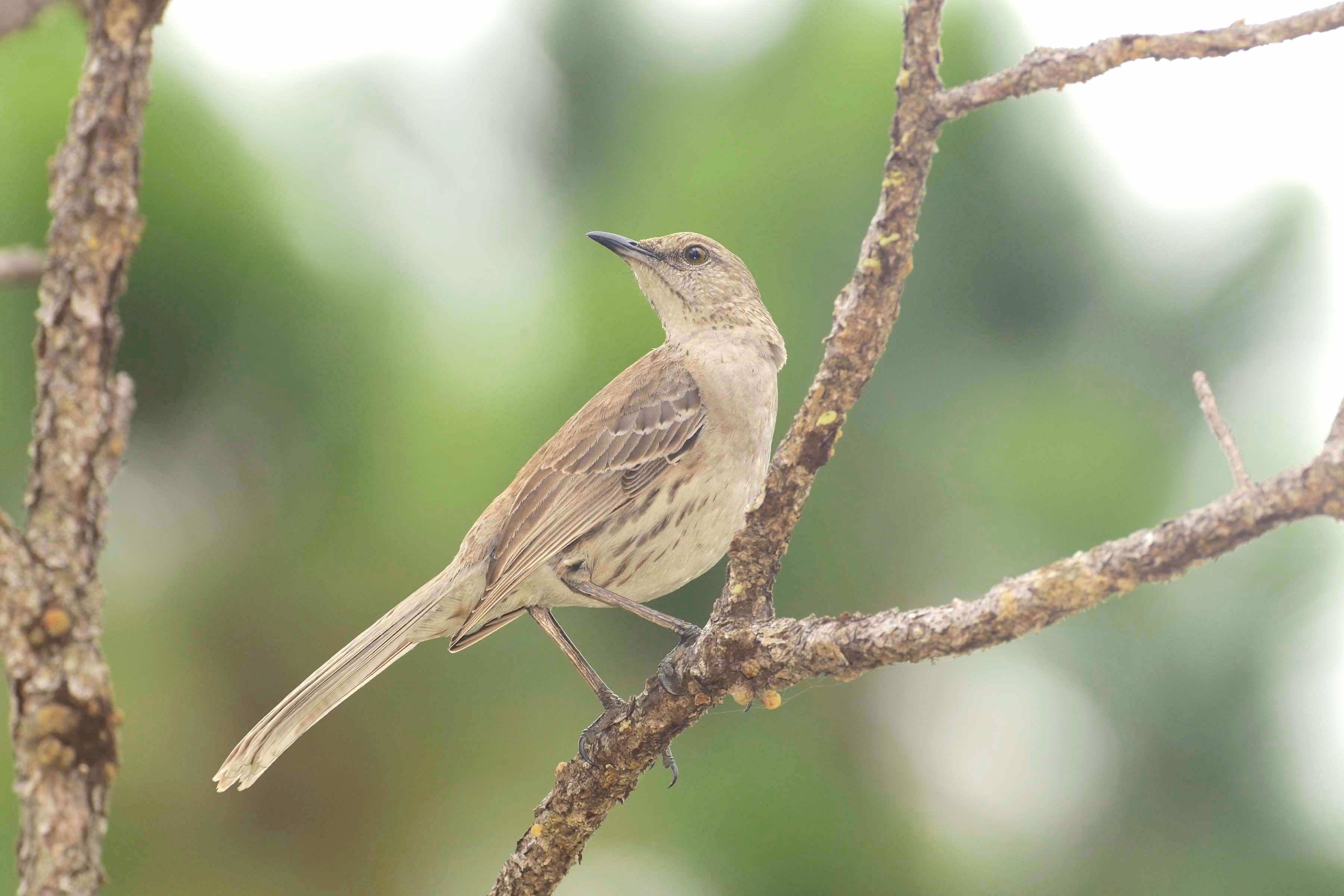
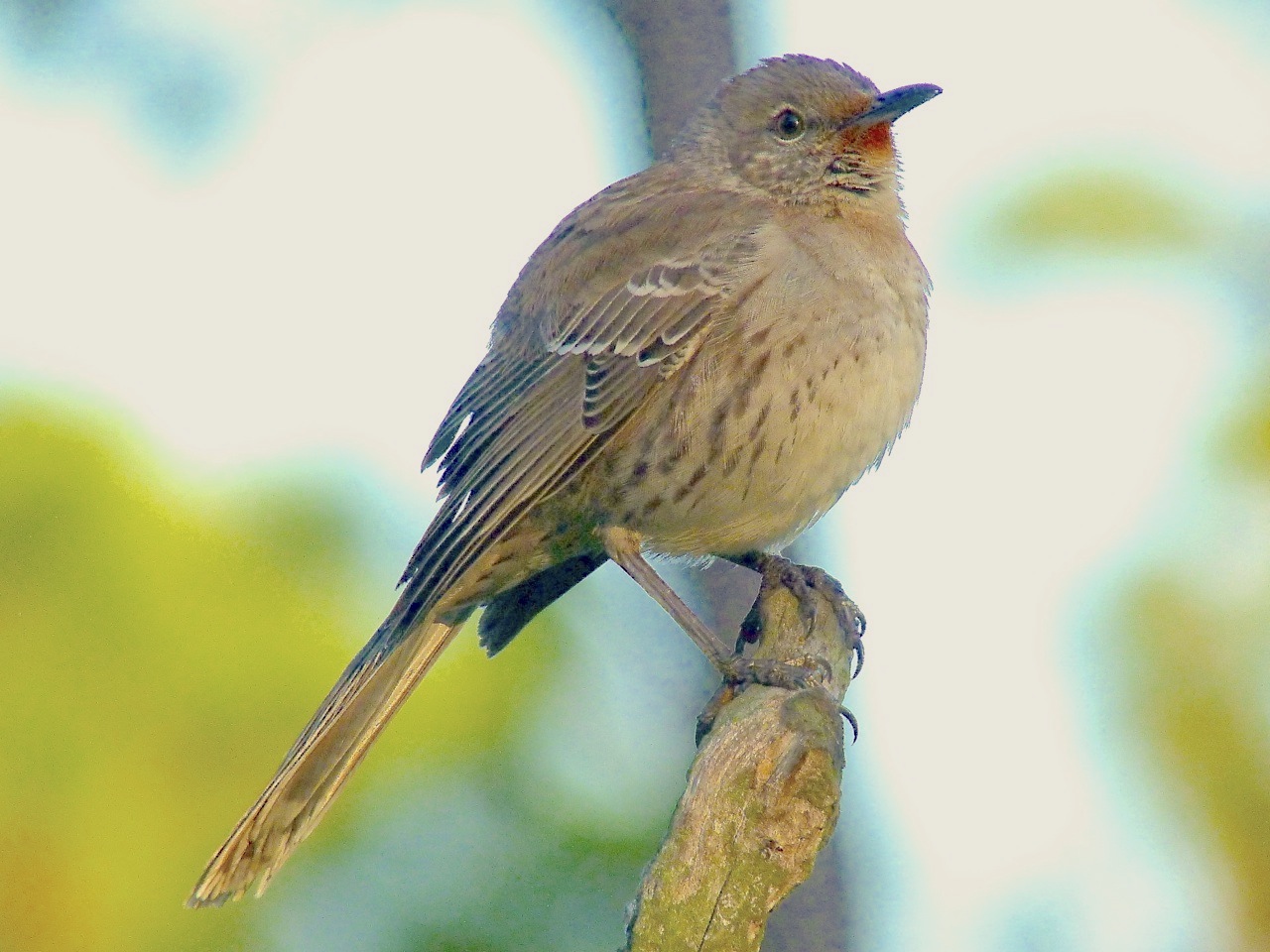
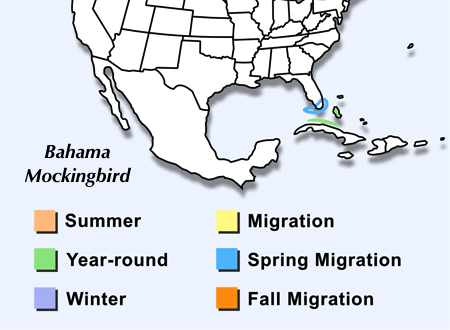
The Bahama Mockingbird Mimus gundlachii is similar to its slightly smaller cousin, the widespread Northern Mockingbird Mimus polyglottis. The range of Bahama Mockingbirds is not restricted to the Bahamas themselves, and includes areas of  Cuba, Jamaica and TCI, so despite the name they are not an endemic species to the Bahamas.  They are also occasional vagrants to the United States, especially – for reasons of proximity – southeastern Florida.

Bahama Mockingbird, Abaco - Peter Mantle

The Bahama Mockingbird is browner than the greyish Northern Mockingbird, and has distinctive streaking and spotting to its breast and undercarriage. This may extend to what you might describe as the bird’s ‘trouser legs’, though I’m sure there’s a more technically correct term.

Bahama Mockingbird, Abaco - Charlie Skinner

Both mockingbird species are found on Abaco. The NMs are ubiquitous in towns, settlements, gardens, coppice and pine forest, whereas BMs are shyer and tend to be found in the pine forest and well away from humans and their operations. When we were putting together The Birds of Abaco, I went on a birding trip with Abaco birding legend Woody Bracey and Ohio bird photographer Tom Sheley. We took a truck into the pine forest down a logging track south of Delphi, and they were quick to locate a bird, not least because one was sitting prettily on a branch singing lustily and unmistakably. It was well within range of Tom’s massive lens; more of a struggle for my modest camera (below). Caught the cobwebs, though…

Bahama Mockingbird, Abaco - Keith Salvesen

I was astounded by the beauty and variety of the song. It consisted of very varied notes and phrases, each repeated 3 or 4 times before moving on to the next sounds in the repertoire. Here is a short 18 second example I recorded, using my unpatented iPhone method, for which see HERE.

Bahama Mockingbird, Abaco - Alex Hughes

For those with interest in birdsong, here is a longer 1:13 minute song from the same bird, with largely different sounds from the first recording made minutes earlier. There’s even a decent stab at imitation of a 1960s Trimphone™. Had we not had to move on to Sandy Point for an appointment with some cattle egrets and American kestrels, I could have stayed listening for far longer.

Bahama Mockingbird, Abaco - Tom Sheley

THE ‘SUBSPECIES’ THAT WASN’T…

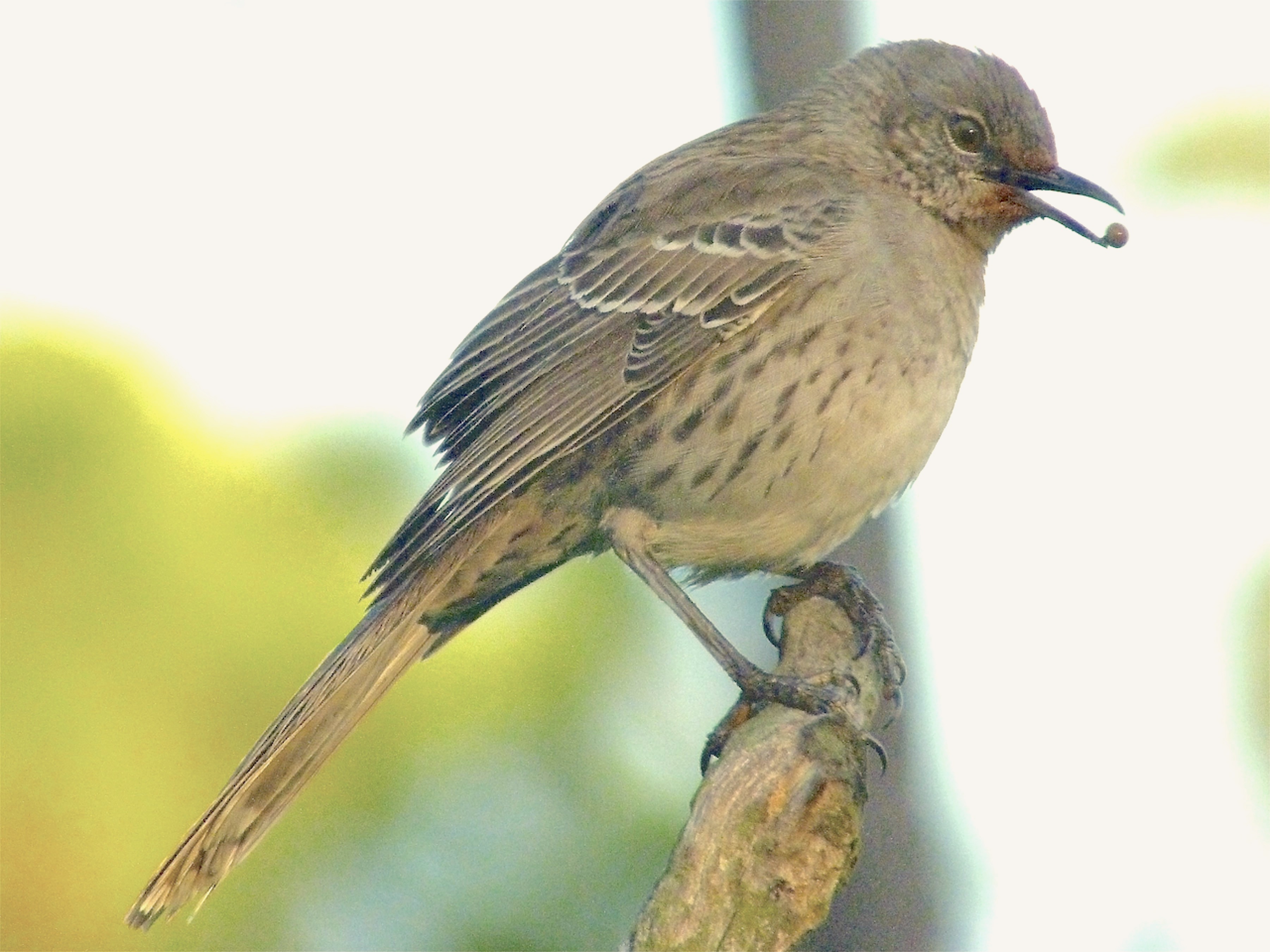
More recently, on a trip in backcountry to find Kirtland’s warblers – we saw 4 – the slow-moving truck jolted to halt in the middle of nowhere. This was because a Bahama Mockingbird was right by the track. I fired off some quick shots out of the window into a rather difficult light, to find that we appeared to have found a new subspecies, the scarlet-faced mockingbird.

Bahama Mockingbird, Abaco - Keith Salvesen

The reason was clear, however. The bird had been pigging out on some red berries, and had managed to collect plenty of the juice round the base of its beak. Bahama Mockingbird, Abaco - Keith Salvesen

SO WHAT DOES A NORTHERN MOCKINGBIRD LOOK LIKE, THEN?

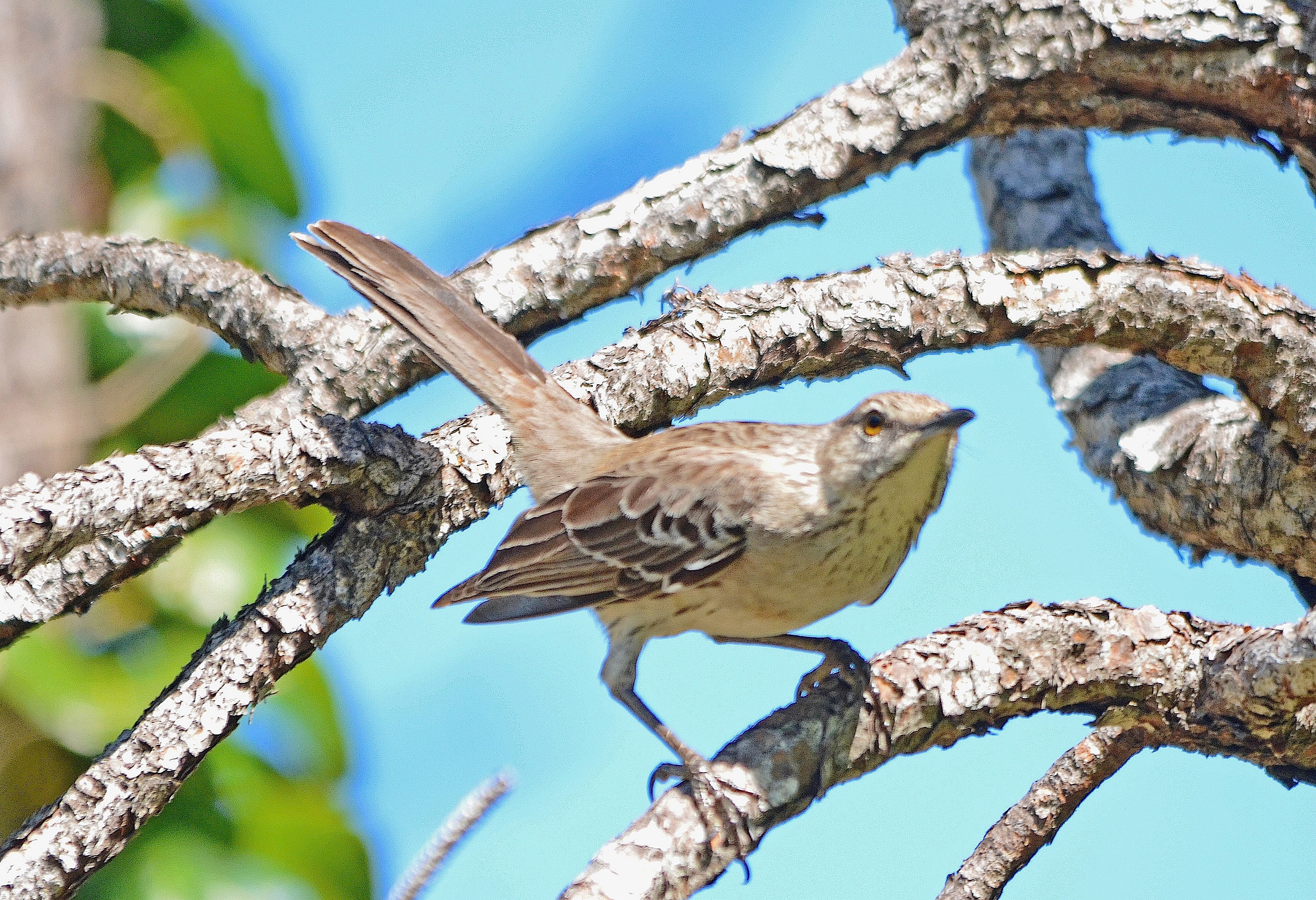
I photographed the Northern Mockingbird below in a garden at Casuarina. The species is far tamer than its cousin, and seen side-by-side they are clearly very different. The range maps show the stark contrast between the very limited range of the Bahama Mockingbird and the vast distribution of the Northern Mockingbird.

220px-Northern_Mockingbird-rangemap

Northern Mockingbird, Abaco 1

Photos Credits: Tom Sheley (1, 6); Peter Mantle (2); Charlie Skinner (3); Keith Salvesen (4, 7, 8, 9); Alex Hughes (5); Susan Daughtrey (10). Range maps eBird & wiki.

Bahama Mockingbird, Abaco - Susan Daughtry

Unknown's avatar

OCTOPUSES: WORTH LEARNING TO SCUBA FOR?


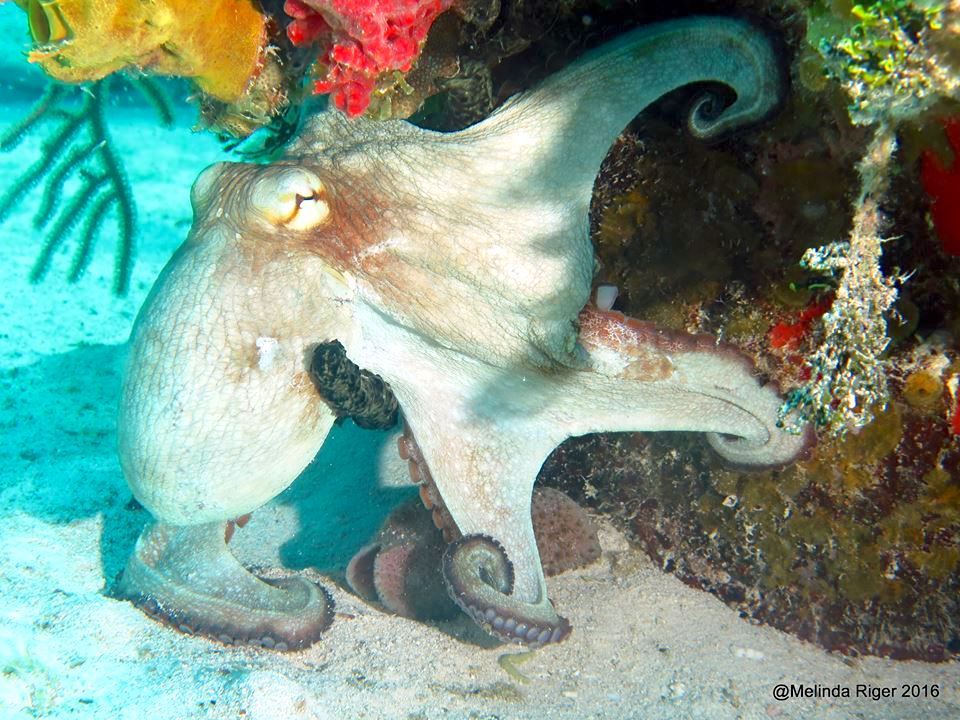
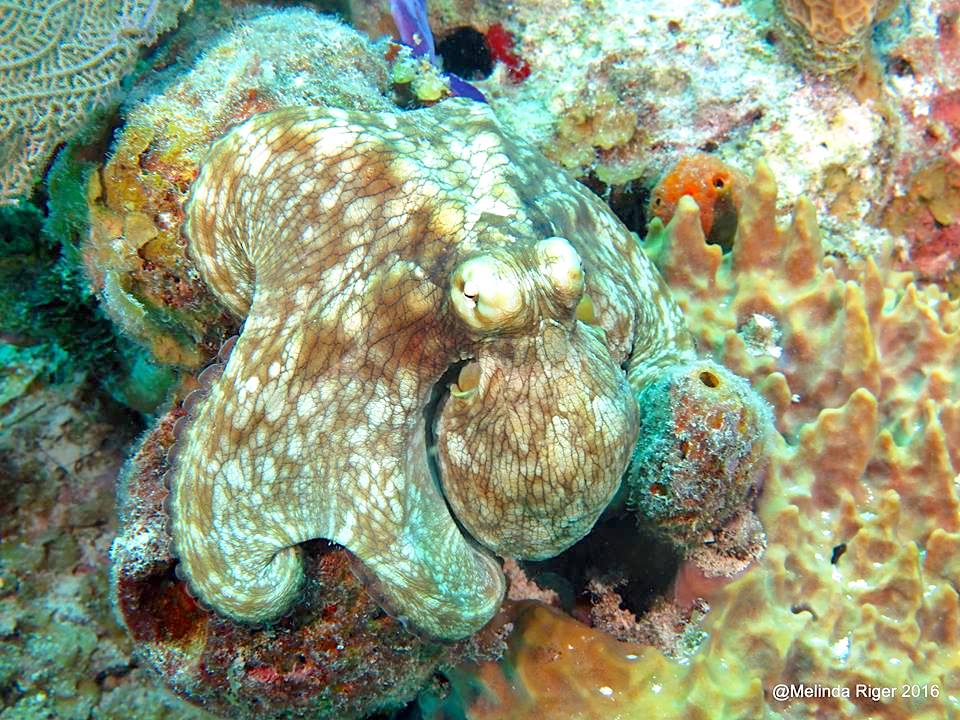
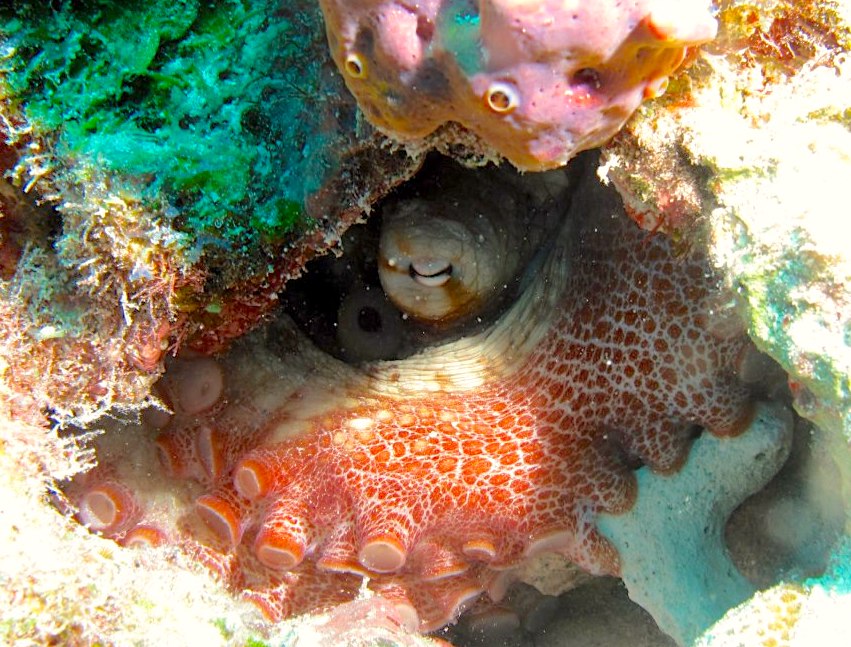
Octopus - Melinda Riger, Grand Bahama Scuba

OCTOPUSES: WORTH LEARNING TO SCUBA FOR?

If I had to give a single reason for learning to scuba, watching an octopus would be very near the top of a long list. It’s never going to happen for me, of course – I have about 17 excuses lined up just in case anyone should ask me to try it. But still. One can dream…

Octopus - Melinda Riger, Grand Bahama Scuba

Meanwhile, I can luckily rely on an experienced professional to get the shots. Here are a few great octopus photos taken by Melinda Riger of Grand Bahama Scuba – perfect examples of an excellent reason for chucking aside the snorkel and doing something a bit more adventurous. Maybe…

Octopus - Melinda Riger, Grand Bahama Scuba

RELATED OCTOPUS POST

THE CORRECT PLURAL Learn 12 essential octopus facts plus the definitively correct plural of the word ‘octopus’ (out of 3 rival options). Please note that the possibilities do not include ‘octopodices’, which would be latin for ‘eight rumps’ (or ‘asses’, as you might say), if such weird creatures existed.

Octopus - Melinda Riger, Grand Bahama Scuba


REMEOctopus - Melinda Riger, Grand Bahama ScubaMBER – KEEP AN EYE OUT…


STARR-STUDDED MUSICAL DIGRESSION

Does Ringo still have it? Did he ever have it?

Unknown's avatar

CHEROKEE SHELL MUSEUM, ABACO: “GIFTS FROM THE SEA”


Cherokee Shell Museum, Abaco Bahamas / Gifts from the Sea / Cinder Pinder

CHEROKEE SHELL MUSEUM, ABACO: “GIFTS FROM THE SEA”

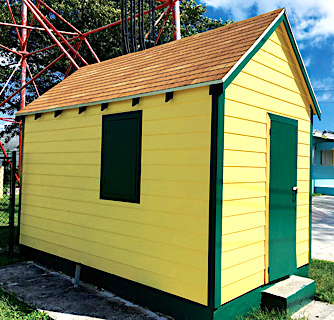
One of the smallest museums in the world has just opened on April 15 in the picturesque settlement of Cherokee on Abaco, Bahamas. Other contenders for the title include the MmuseumM in New York, housed in an elevator shaft (look through glass window + audio guide); a converted red telephone kiosk in Warley, Yorkshire UK dedicated to local history (one visitor at a time); and a tiny shed of 134 sq ft in Arizona featuring what might broadly be called ‘ephemera’, including a Beatles poster…

Cherokee Shell Museum, Abaco Bahamas / Gifts from the Sea / Abaconian

Whatever the size comparisons, the new shell museum is beyond doubt the very best one in the Bahamas, not least because it is the only one. “Gifts from the Sea” is housed in the former 1950s telegraph office that ceased to operate in 1987 and had fallen into disrepair. Leased from BTC for a nominal rent, the little building was restored, and given a smart new roof and a complete makeover. The new museum provides the perfect space for displaying a selection of the wonderful shells to be found in Abaco waters.

Cherokee Shell Museum, Abaco Bahamas / Gifts from the Sea / Cinder Pinder

The whole community has got behind this project, which is the vision and creation of Curator Lee Pinder. Derek Weatherford fitted cabinets for the exhibits, and artist Jo-Ann Bradley has painted a fabulous interior Cherokee-themed mural as a fitting backdrop to the displays.

Cherokee Shell Museum, Abaco Bahamas / Gifts from the Sea / Cinder Pinder

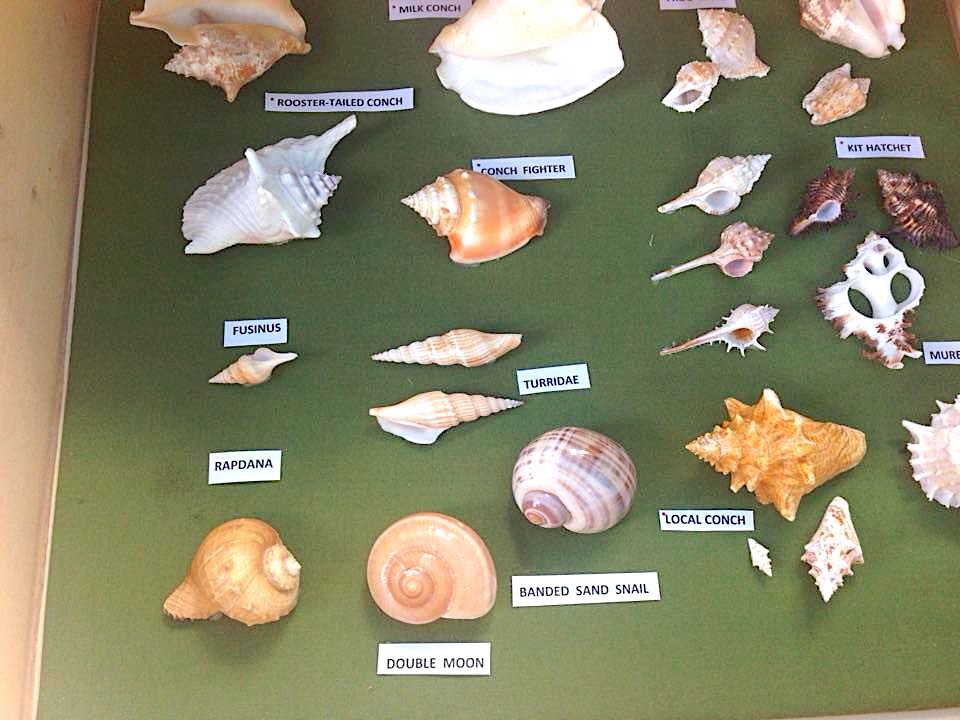
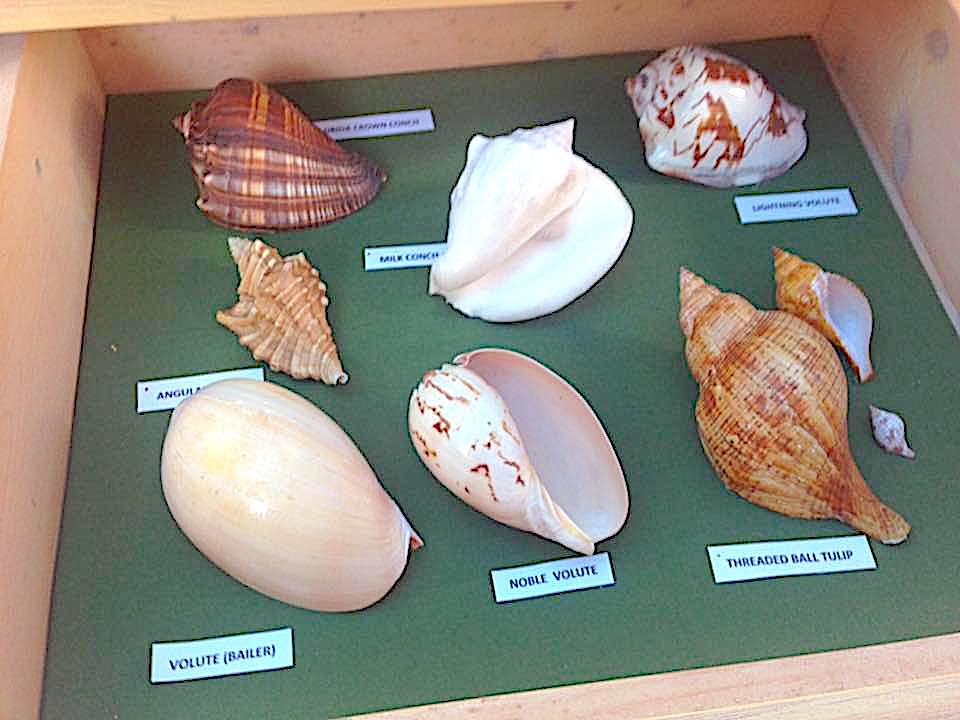
The exhibition shows more than 200 shells, each catalogued with its Latin and common name, and clearly labelled in the display. Most were found locally; a few are from further afield. Some specimens are very rare. It is hoped to expand the collection as people make shell donations to the museum. 

Cherokee Shell Museum, Abaco Bahamas / Gifts from the Sea / Abaconian

The building has a door at each end to give natural light and provide a ‘walk-through’ arrangement, which will make viewing in the confined space easier. Entry is free but there’s a glass jar for donations towards the upkeep of the museum. I’m guessing here, but I reckon donations that are made ‘outside the jar’ (so to speak) are very welcome too…

Museum Curator Lee PinderCherokee Shell Museum, Abaco Bahamas / Gifts from the Sea / Cinder Pinder

The opening ceremony took place on Easter Saturday, when Cherokee resident Rev. Bateman Sands performed the official ribbon cutting ceremony preceded by a prayer at precisely 12 noon. As Jennifer Hudson in an Abaconian article points out, he was the ideal person for the task, having been “the first telegraph operator in Cherokee Sound, working in the little building using Morse code and in charge of the one and only telephone in the settlement until 1987 when the new BTC building was opened”.

Cherokee Shell Museum, Abaco Bahamas / Gifts from the Sea / Cinder Pinder

The shell museum is not left open all the time, but visitors are welcomed and private tours can be arranged by calling 475-7868.

Cherokee Shell Museum, Abaco Bahamas / Gifts from the Sea / Cinder Pinder

To see a selection of the many types of Abaco shells, check out my shell page HERE

Sources and Credits: Bradley Albury / Jennifer Hudson / Abaconian; Cindy James Pinder for her great photos

Sand dollar, Abaco (Rolling Harbour)

Unknown's avatar

BLUE TANG AS REEF FILM STAR


Blue Tang, Bahamas (Melinda Riger / Grand Bahama Scuba)

BLUE TANG AS REEF FILM STAR

Last summer, the big motion picture sensation for the bird world was, of course, Pixar’s ineffably adorable creation, Piper – the ultimate ‘Chick Flick’. This little ball of cartoon fluff was not, as some thought, based on a piping plover but on a sanderling – a type of sandpiper (clue in name). This 6 minute ‘short’ preceded the main event, the hugely popular Finding Dory. You can read all about the film Piper and the birding aspects of the film HERE

Blue Tang, Bahamas (Melinda Riger / Grand Bahama Scuba)

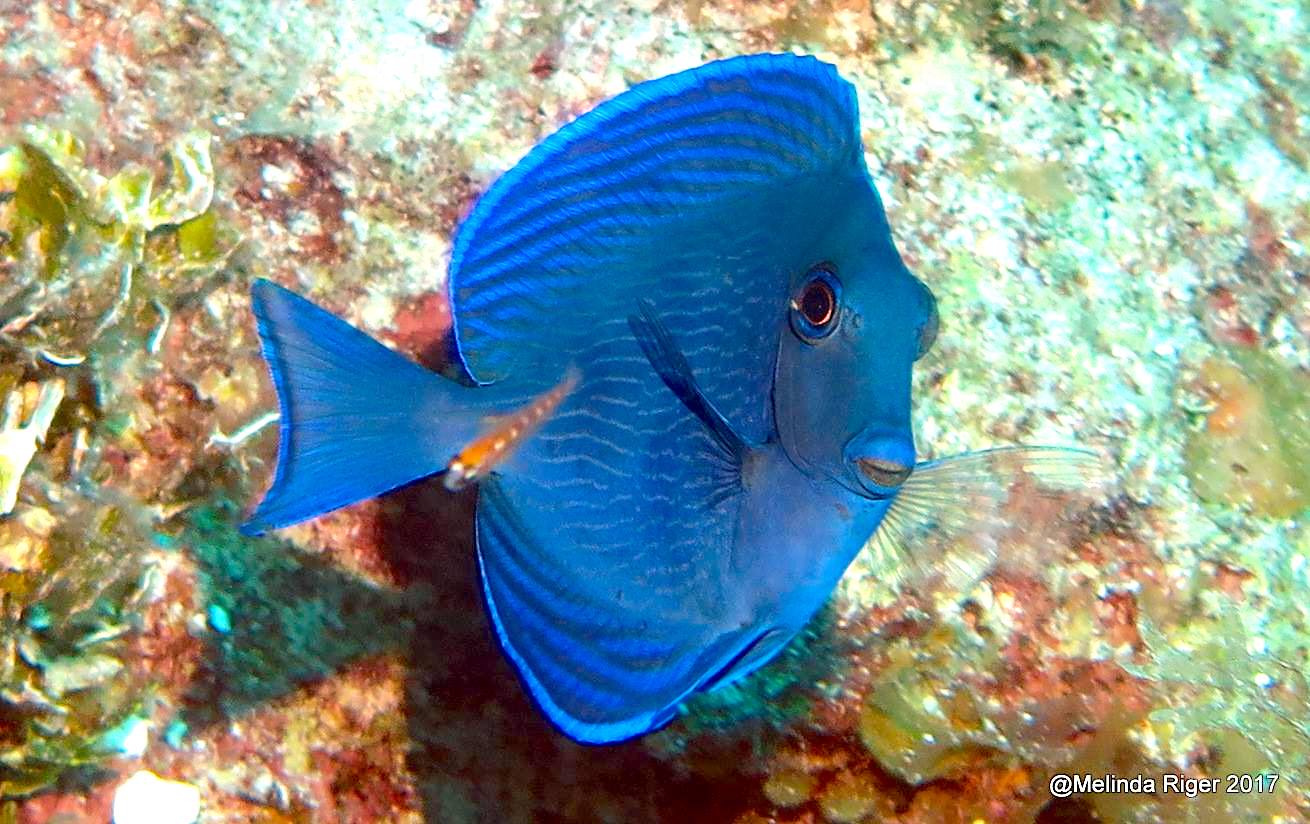
Finding Dory is not about a fish of the dory species, of course. Voiced by Ellen DeGeneres, Dory is in fact a species of surgeonfish Paracanthurus, the familiar blue tang found on the reefs of the Bahamas. To see these fish in Abaco waters, Fowl Cays National Park is always a good bet.

Blue Tang, Bahamas (Melinda Riger / Grand Bahama Scuba)

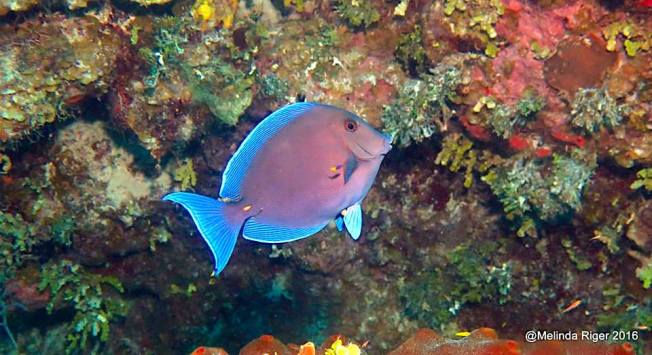
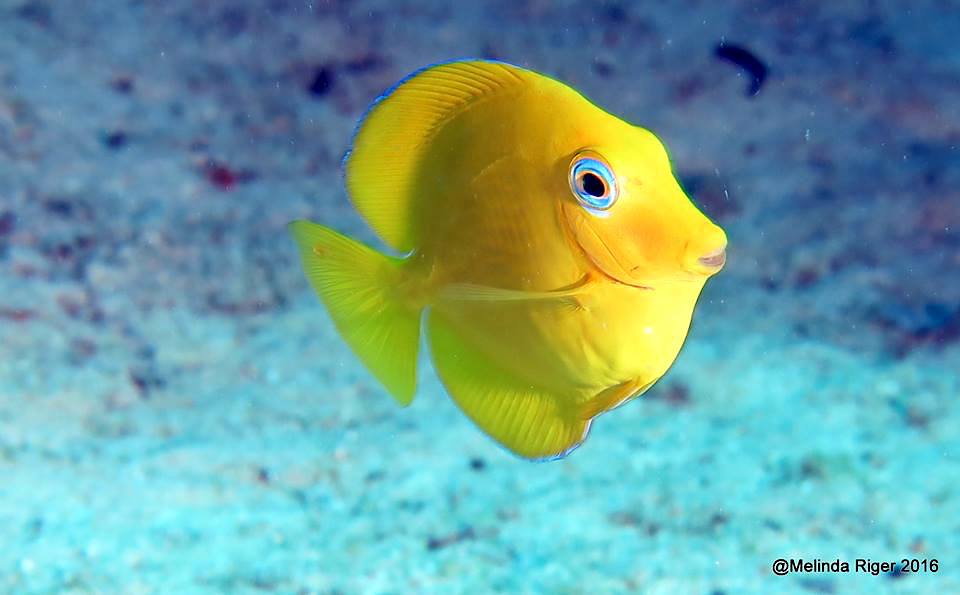
Dory can be identified as a maturing juvenile: blue, with a yellow tail. In due course – in time for the sequel film – she will become blue all over, with perhaps the odd flash of yellow (see photos above).

In real life, a baby blue tang is in fact entirely yellow, except for blue rings around the eyes. In Pixarland, however, Dory is just an adorbs miniature version of her youthful self.

Blue Tang juvenile, Bahamas (Melinda Riger / Grand Bahama Scuba)

Blue Tang are lovely to watch as they cruise round the reefs, sometimes in large groups. Their colouring ranges from pale to dark blue. However, these are fish that are best looked at and not touched – their caudal spines are very sharp. When the fish feels in threatened, the spine is raised and can cause deep cuts, with a risk of infection.  

Still from a crummy video taken at Fowl Cays some years back to illustrate a group of blue tangBlue Tangs, Fowl Cays Nature Park, Abaco Bahamas (KS)

Blue tangs are inedible, they apparently smell unpleasant, and they can cause ciguatera. However they are popular in the aquarium trade. This is a distinct downside of highly successful films such as Finding Nemo and Finding Dory. In defiance of the well-meant and broadly ecological message of both films, the trade in clown fish and to a lesser extent blue tang was boosted by their on-screen portrayal as adorbs creatures desirable for the entertainment of mankind… ‘Nuff said.

Blue Tang, Bahamas (Melinda Riger / Grand Bahama Scuba)

Credits: All excellent photos by Melinda Riger / Grand Bahama Scuba; one pathetically bad still from a low res video, me; cartoons purloined from an online aquarium somewhere or other

Unknown's avatar

FLAMINGO BREEDING SEASON ON INAGUA, BAHAMAS


Flamingo feeding chick, Inagua National Park (Casper Burrows / BNT)

FLAMINGO BREEDING SEASON ON INAGUA, BAHAMAS

The national bird of the Bahamas, featured in the nation’s Coat of Arms, was once a familiar sight in the Bahamas, but sadly no more. On Abaco they are no longer seen, apart from occasional vagrant birds that stay for a few weeks and then disappear. 

Flamingo chicks, Inagua National Park (Melissa Groo / Lynn Gape / BNT)

An attempt in the 1990s to reintroduce flamingos on Abaco and to establish a breeding population failed. You can read more about the history of the ‘fillymingo’ on Abaco HERE.

Flamingos & chicks, Inagua National Park (Melissa Groo / BNT)

Nowadays, the flamingos breed only on Inagua, and to see these gorgeous birds you will have to go to the INAGUA NATIONAL PARK , where you will find the world’s largest West Indian flamingo colony.  

Flamingo chicks, Inagua National Park (Melissa Groo / Lynn Gape / BNT)

The breeding season is now under way, with large numbers of fluffy gray chicks finding their legs in the lagoons. A team from the BAHAMAS NATIONAL TRUST is working with them at the moment.

Flamingo chicks, Inagua National Park (Melissa Groo / Lynn Gape / BNT)

The team have with them the distinguished wildlife photographer MELISSA GROO, whose wonderful award-winning work will be known to anyone with a keen interest in wildlife. If you want to see wild birds and wild animals as you may never have seen them portrayed before, do visit Melissa’s superb website by clicking her name link above.

Flamingo chicks, Inagua National Park (Melissa Groo / BNT)

Credits: Melissa Groo, with thanks as ever for use permission [please note that her images are subject to her professional copyright]; BNT, especeially Lynn Gape & Casper Burrows (header image)

Flamingo chicks, Inagua National Park (Melissa Groo / BNT)

Unknown's avatar

BLACK WITCH MOTH: HARBINGER OF DEATH OR LOTTERY BANKER?


Black Witch moths Ascalapha odorata (Charles J Sharp)

BLACK WITCH MOTH: HARBINGER OF DEATH OR LOTTERY BANKER?

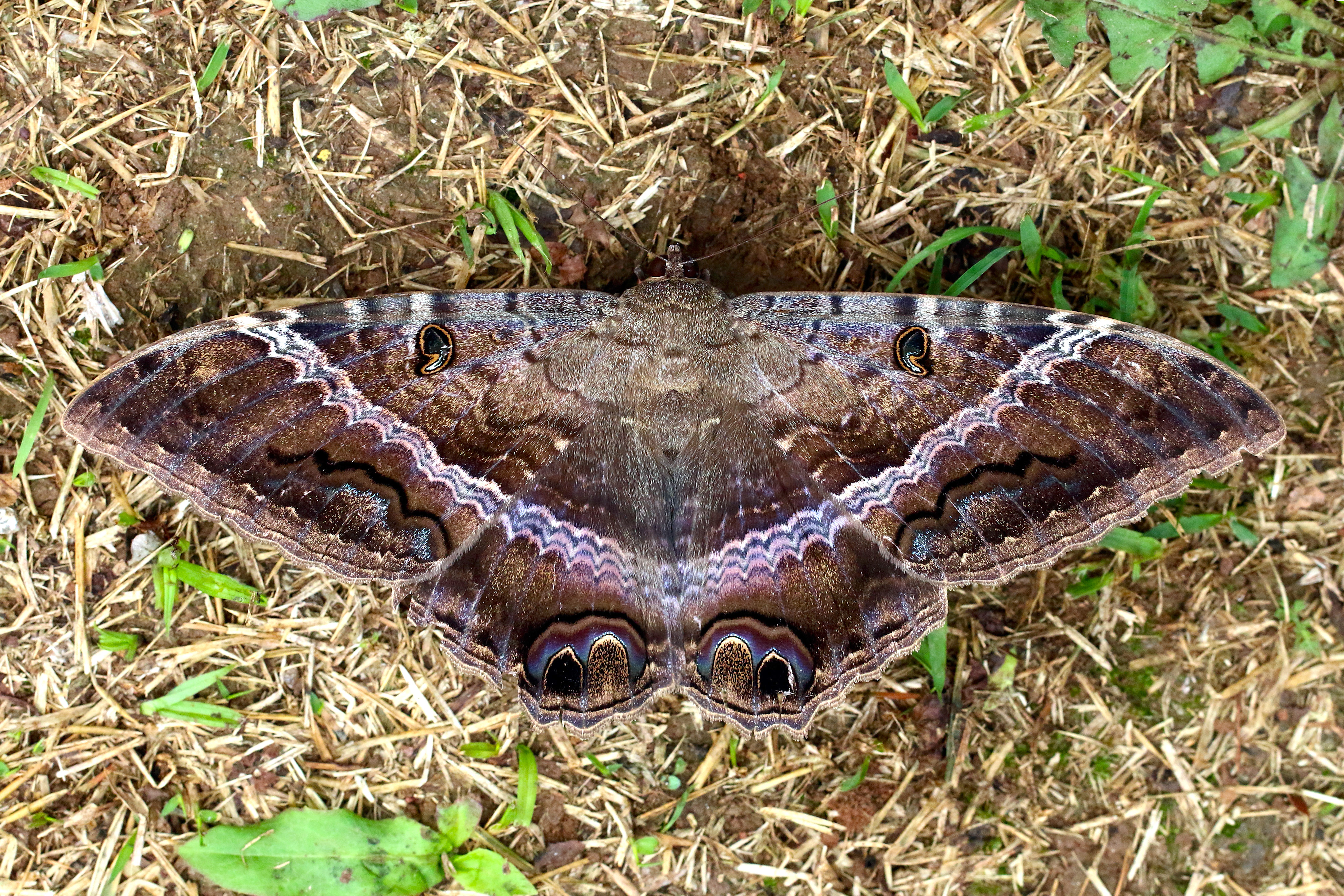
Black Witch moths Ascalapha odorata are seriously bad news. Or wonderfully good news, depending where you are and who you talk to. First, lets look at some of the local names for the creature, from which you will get a pretty clear idea of its somewhat negative folklore status, as well as its area of distribution. I do this not to demonstrate how effortlessly I can ‘borrow’ from Wiki, but rather to show how a simple moth can give rise to widespread superstition and even fear. 

12 SCARY NAMES FOR ONE MOTH

  • Mariposa de la muerte (butterfly of death) – Mexico / Costa Rica
  • Pirpinto de la Yeta (something like ‘jinxing butterfly’) – Argentina
  • Tara Bruja (witch moth) – Venezuela)
  • Miquipapalotl (black death moth) – Mexico
  • Taparaco (something like ‘messenger in black’) – Peru
  • X-mahan-nah (‘borrows your house’ [eh? Ed]) – Mayan
  • Duppy Bat (lost soul / ghost /malevolent spirit) – Jamaica, Caribbean
  • Money Moth, Money Bat – Jamaica, Caribbean (including Bahamas)
  • Other names include Papillion-devil, La Sorcière Noire, Mourning moth, Sorrow moth.

These large moths (wingspan up to 7″)  are nocturnal, with females larger than the males. The diagnostic marking is a spot on each forewing shaped like a number nine or a comma (or maybe even ying / yang symbols?). This spot is often green with orange highlights (seen in the header image). The stripey larval caterpillar can grow up to 7 cm in length.
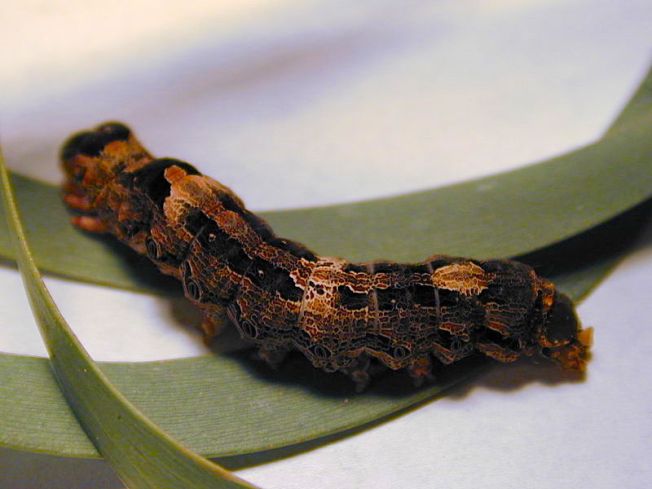
Black Witch moth larva - Ascalapha odorata - wiki

The moth is a migratory species, flying from (roughly speaking) South America as far north as Florida and Texas. The worst luck is believed to come from having one flutter into your house. It will either bring bad luck to the house – or if there is already misfortune there, it will make it worse. There are variations on this belief – e.g. that the more corners of a room the moth visits, the more doomed the household.
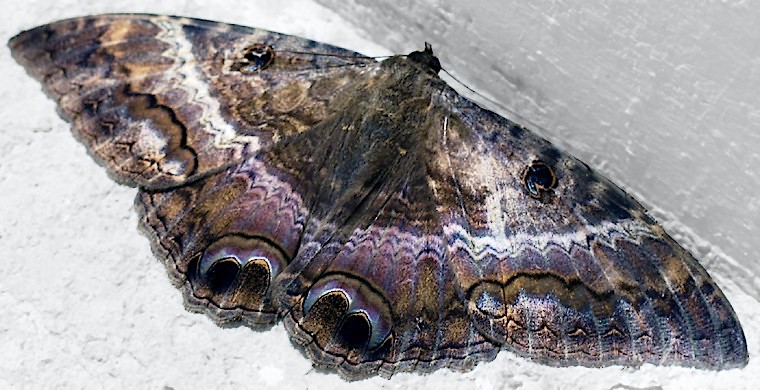
Black Witch moths Ascalapha odorata (Julia Gotz)

IS THERE ANY GOOD NEWS ABOUT THIS CREATURE?

Fortunately yes, and it’s high time to dispel the gloom. In some places (e.g. Hawaii), it is believed than when a loved one has died and an Ascalapha odorata is seen soon after, it is the person’s soul returning to say farewell.

More promisingly still, in the Bahamas a far more positive and practical attitude is shown. If a Money Moth (or Money Bat) lands on you, you will receive some money. Or so it is said. Texas, thinking big, takes this several steps further to the prediction that you will win the lottery (I have a feeling this is a very modern theory).

WHY ARE YOU SCARING US WITH THIS THING?

Because until last month I had never heard of these moths, let alone seen one. Then one balmy Delphi evening, at dusk, someone pointed out a large dark smudge on the door-frame. I only had a cellphone, and I had to use the flash. Here is the moth, with its evil little eyes shining in the flash. Luckily, it was outside not inside the building, which I hope diluted the malevolence radiation level (though I didn’t realise that at the time of course, until I’d looked it up in Sibley’s indispensible ‘Compendium of Evil Moths‘). It’s a terrible photo, but it was useful for ID and I feel that taking a quick shot helped to ward off the worst of the unpleasantness. Though now I think of it I did fish badly (even for me) the following day…
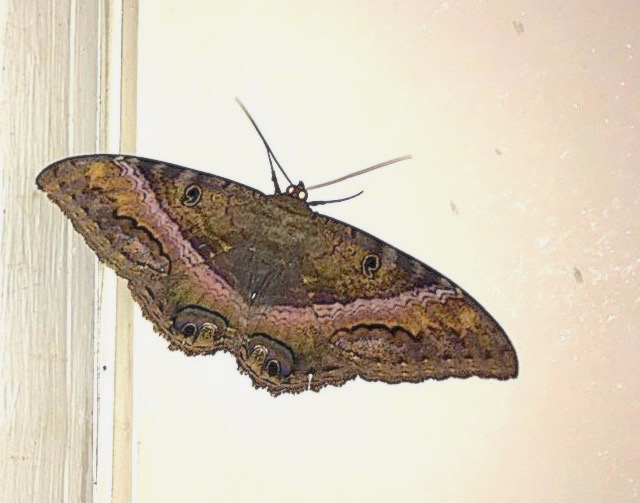
        A poor photo but mine own… 

CULTURAL SIGNIFICANCE IN LITERATURE

Remember Silence of the Lambs? Well in the book, pupae of the Black Witch moth were placed in the mouths of victims by serial killer ‘Buffalo Bill’ as his calling card – though for the film, the moth species was changed to a Death’s-head Hawkmoth, as featured on the poster.

You can read about Hannibal Lecter’s link to moths, and learn how for the film the pupae were were made from sweets (Gummi Bears ™) so as to be harmless if swallowed, HERE

SO ARE THEY HARMFUL IN ANY WAY AND / OR WILL ONE MAKE ME RICH?

No

Taking one’s life in one’s hands…?Black Witch moths Ascalapha odorata (Charles J Sharp)
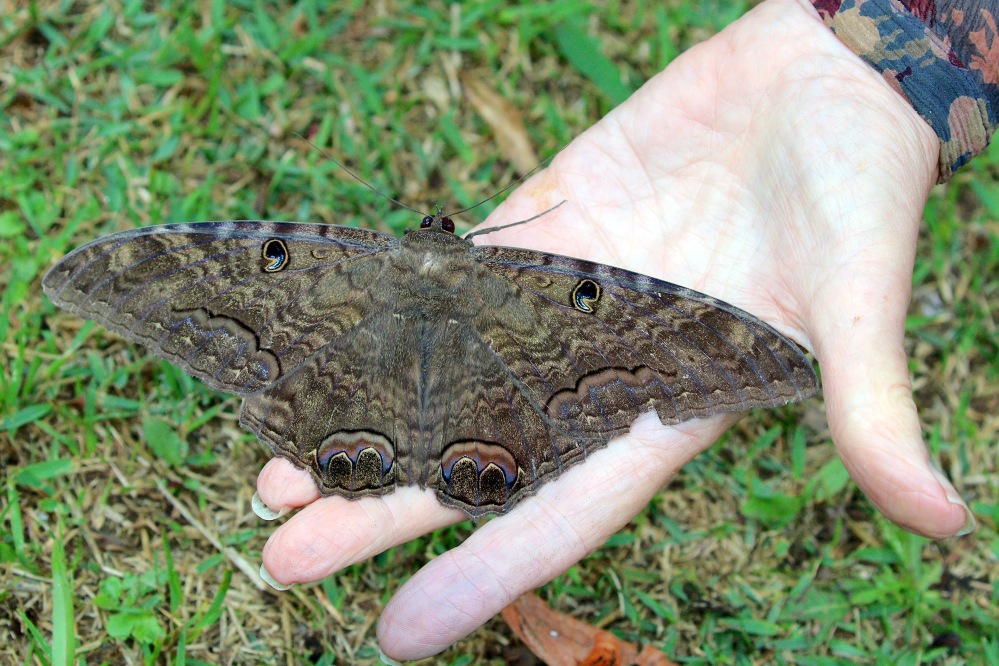
Photo credits: Charles J Sharp (1, 5); Wiki (2); Julia Gotz (‘juliatrees’) (3)*; Keith Salvesen (4)   Sources: Julia Gotz (‘juliatrees’), Terry Sovil, , Texasbutterflyranch.com, Wiki, Sibley’s ‘Compendium of Evil Moths

*Julie closed her blog, from which photo 3 comes, in 2010. I’m hoping she won’t mind my resurrection of her image to illustrate the species… Black Witch moth photos are quite rare online
Unknown's avatar

PREHENSILE TALES FROM THE REEF (3): SEAHORSING AROUND


Seahorse (Adam Rees / .Scuba Works)

PREHENSILE TALES FROM THE REEF (3): SEAHORSING AROUND

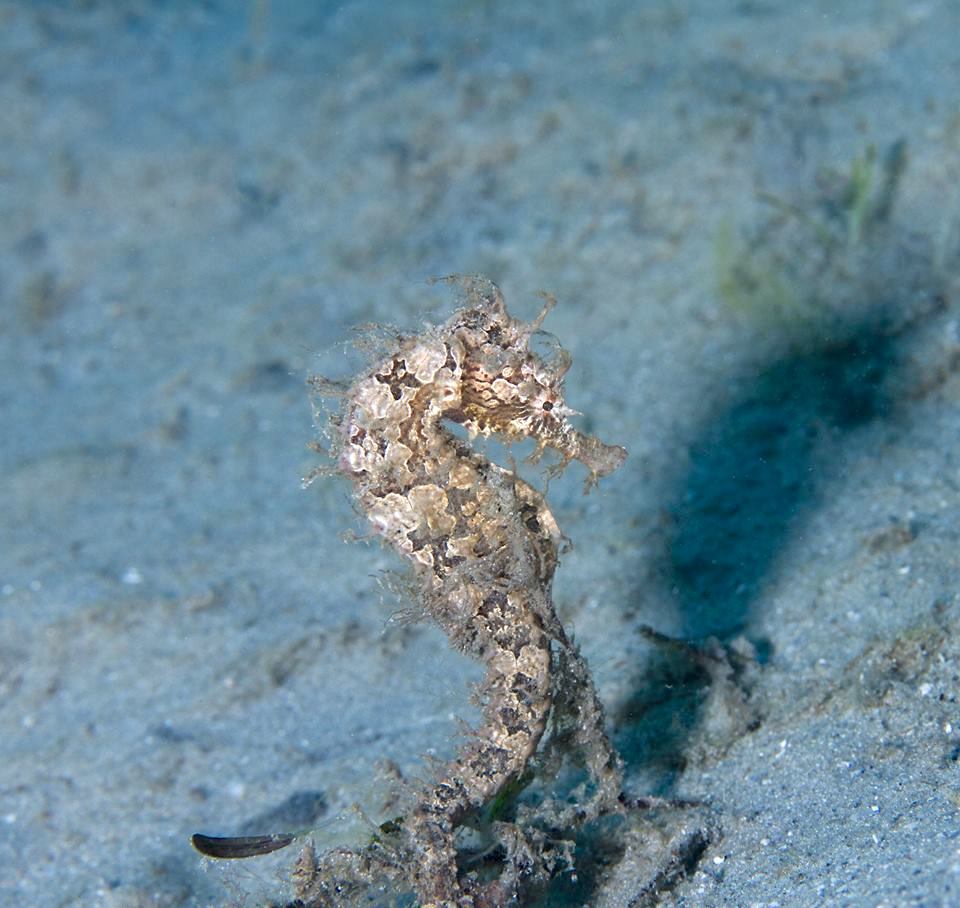
It’s Friday at last. It’s springtime. A spirit of benign goodwill is evident in the vicinity of Rolling Harbour. Seahorses are irresistible. Don’t even try to pretend they don’t make you smile. Hippocampophobia is an affliction that, as yet, has never been diagnosed in a human being – for whom fear of beards, clowns and the number 5 (quintaphobia) are known medical conditions. Immerse yourself with these little creatures – and then have a good weekend.

Seahorse (Adam Rees / Scuba Works)Seahorse (Adam Rees / Scuba Works)Seahorse (Adam Rees / Scuba Works)Seahorse (Adam Rees / Scuba Works)Seahorse (Adam Rees / Scuba Works)Seahorse (Adam Rees / Scuba Works)

All fantastic hippocampi photos: Adam Rees / Scuba Works

Unknown's avatar

CRYSTAL CAVES OF ABACO: CHANDELIERS


CRYSTAL CAVES OF ABACO: CHANDELIERS

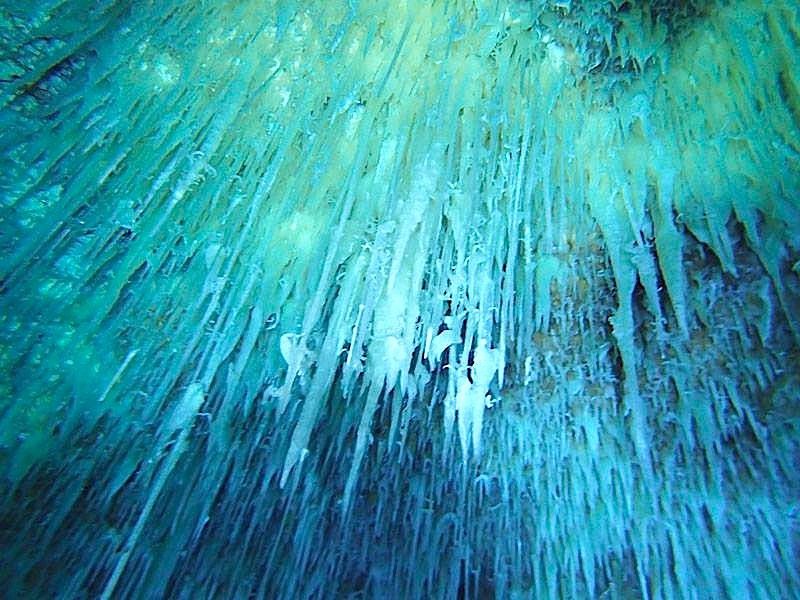
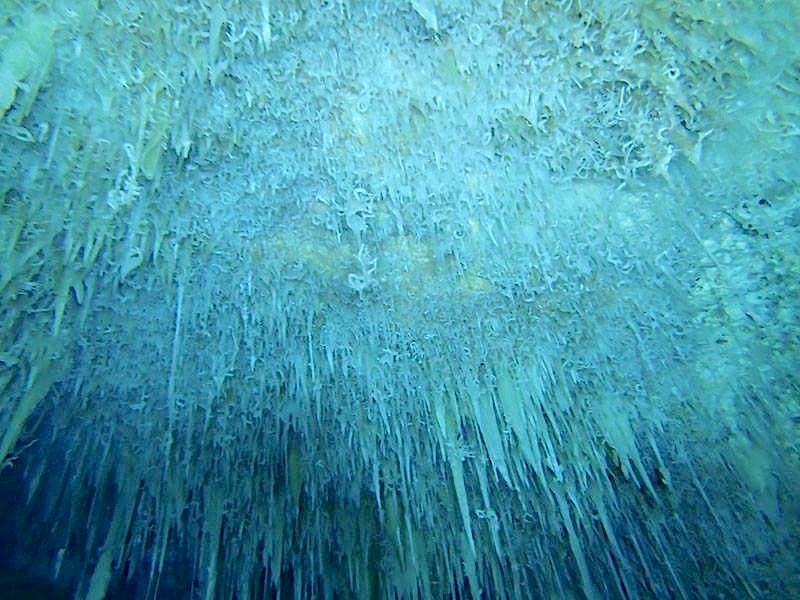
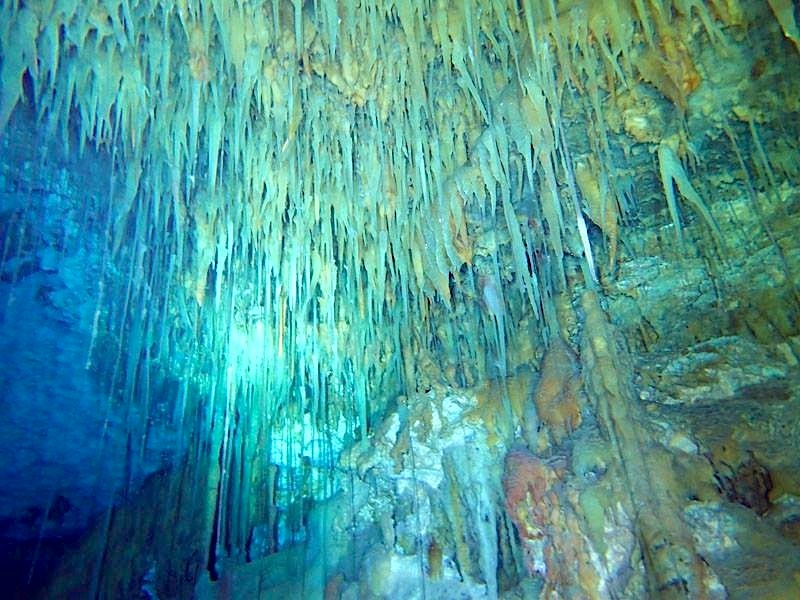
It’s been a while since I posted about the incredible cave systems that lie beneath the vast acres of pine forest on Abaco. Under the direction of Brian Kakuk, these networks of narrow passages and  huge caverns are being gradually explored and mapped. In the process, Brian and the other divers exploring the caves have created an amazing archive of photographs. Here are some taken by diver Hitoshi Miho. This sequence concentrates on the astonishing, crystal chandeliers hanging from the roofs of the large caverns.

The two main systems are in Dan’s Cave and Ralph’s Cave – which may even be linked

All photos: Hitoshi Miho, with thanks to him for use permission and as ever to Brian Kakuk

Unknown's avatar

SNOWY EGRETS: A FUSS ABOUT (ALMOST) NOTHING…


Snowy Egrets fishing (Phil Lanoue)

SNOWY EGRETS: A FUSS ABOUT (ALMOST) NOTHING…

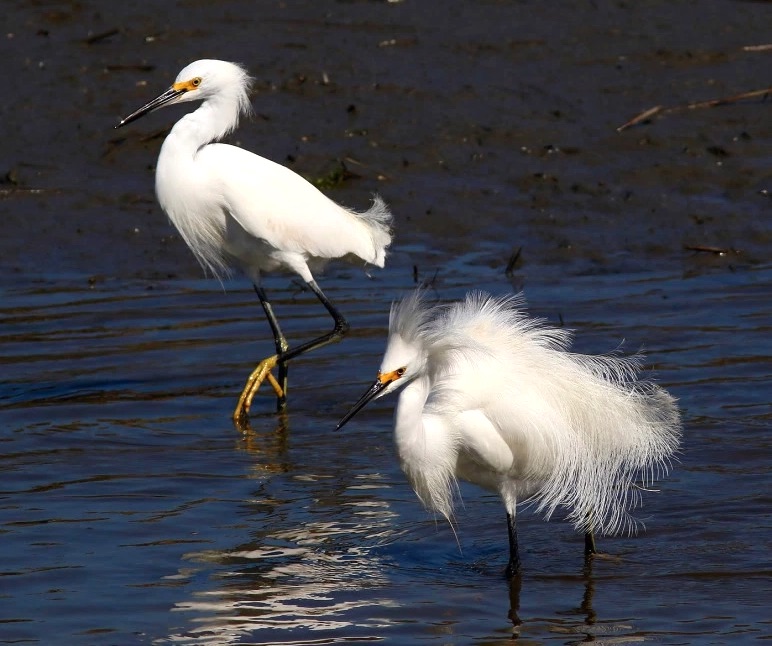
Well, what’s all the fuss about here? One snowy egret is striding confidently forward. The other has gone into full-scale feather-frenzy melt-down. Something is clearly up…
…something that seems on close inspection to be a very small fishSnowy Egrets fishing (Phil Lanoue)Snowy Egrets fishing (Phil Lanoue)

After pausing to check what’s going on, the cool, calm and collected snowy continues on his way. His friend however seems to have lost all sense of decorum as a result of a successful stalk and the catch of a light snack… Snowy Egrets fishing (Phil Lanoue)

Sensible part: the dishevelled bird is displaying so-called ‘bridal plumage’. And for ID enthusiasts, note the diagnostic yellow feet (header image), black legs, and black beak with a yellow / orange ‘bit’ (*technical word alert*) at the blunt end.

Credits: these fantastic photos are the work of Phil Lanoue who specialises in sequential photography, to whom many thanks for use permission; cartoon, Birdorable

Unknown's avatar

DUSKY DAMSELFISH: BAHAMAS REEF FISH (34)


Dusky Damselfish, Bahamas (Melinda Riger)

DUSKY DAMSELFISH: BAHAMAS REEF FISH (34)

The dusky damselfish Stegastes fuscus is one of a number of damselfish species found in Bahamian waters. These small reef fish, in adult form, are dark coloured as their name suggests. Their appearance is brightened by having distinctive blue edges to their fins.

Dusky Damselfish, Bahamas (Melinda Riger)

These fish feed mainly on algae, with a preference for red. They top up their diet with small invertebrates. Their value to the reef is that their feeding patterns help to prevent coarser seaweeds from becoming dominant in areas where these are prevalent. 

Dusky Damselfish, Bahamas (Melinda Riger)

Like many damselfish, the dusky is a territorial species, guarding its chosen area of seabed and the food sources within it by repelling intruders – often seeing off far larger algae-grazing fishes such as parrotfish and wrasse. Yet besides their aggressive traits, they are also rather cute, as photo #2 shows!

Dusky damselfish, Bahamas (Melinda Riger)

All photos: Melinda Riger / Grand Bahama Scuba

Unknown's avatar

THE ‘ABACO’ PARROTS OF NASSAU: FEEDING TIME


Abaco (Cuban) Parrots in Nassau - Melissa Maura

THE ‘ABACO’ PARROTS OF NASSAU: FEEDING TIME

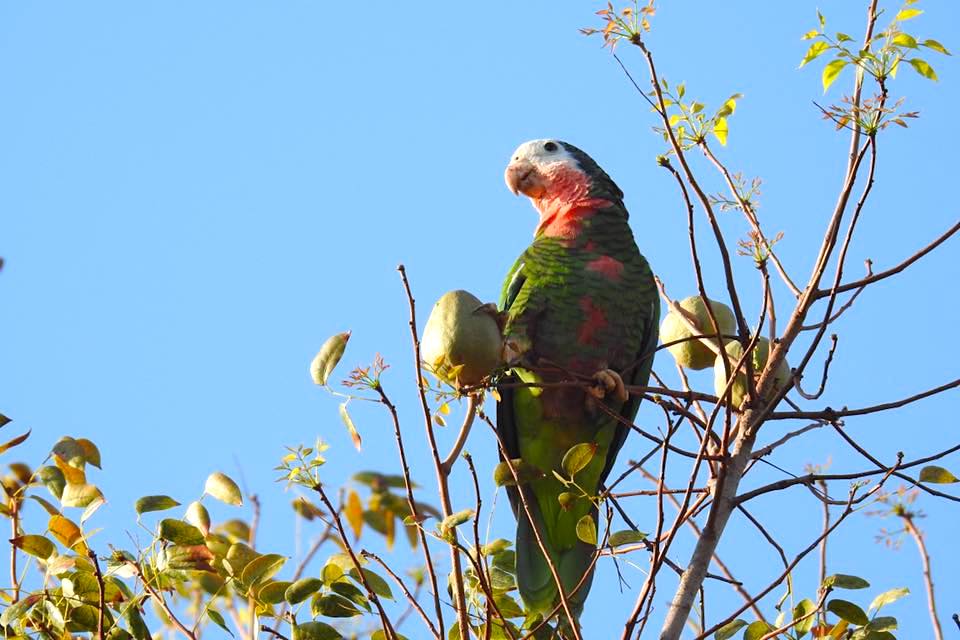
New Providence, Bahamas – specifically in Nassau itself – now has a small population (c.15) of Cuban parrots. Their origin is debated, since the only known Bahamas breeding populations of these birds are on Abaco (underground nesting in limestone caves) and Inagua (conventional nesting).  There’s more on the (probable) provenance of the New Providence birds HERE and HERE.

Abaco (Cuban) Parrots in Nassau - Melissa MauraAbaco (Cuban) Parrots in Nassau - Melissa Maura

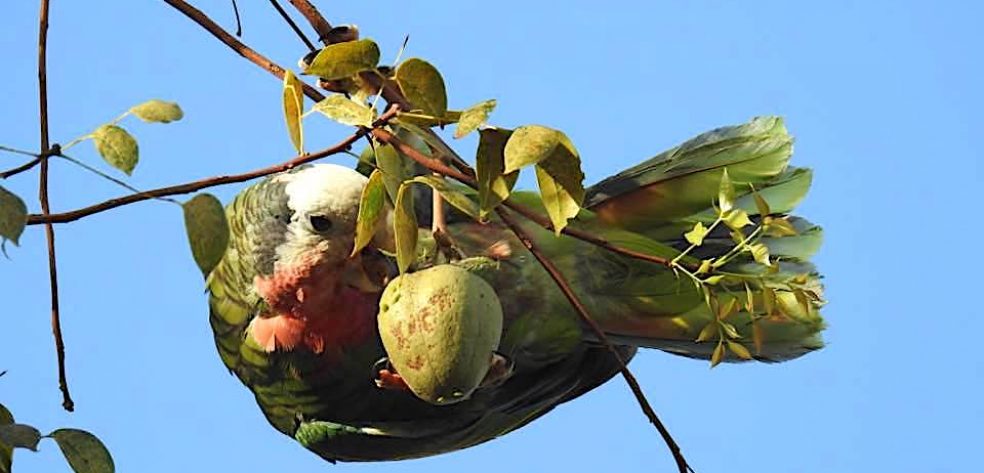
Whatever the location, the nesting arrangements or the precise origin, one fact is certain: these beautiful birds are prodigious eaters of fruit. Here are a couple of the Nassau parrots tucking in with relish on a sunny day. Soon they will fly off to other fruit trees nearby, emitting their loud excited squawks, to continue their day of feeding…

Note the wide businesslike spread of the clawsAbaco (Cuban) Parrots in Nassau - Melissa Maura

All photos: Melissa Maura, with thanks as always – and for a great new parrot header image…

Unknown's avatar

BALD EAGLE ON THE ABACO MARLS: EXTREMELY RARE SIGHTING


BALD EAGLE ON THE ABACO MARLS: EXTREMELY RARE SIGHTING

On March 22nd a friend of ours, James, was bonefishing far out on the Abaco Marls when he was astounded to see the unmistakable appearance of a bald eagle Haliaeetus leucocephalus flying above him. His boat partner and guide Joe also saw the bird. James is a very experienced birder, and has seen plenty of bald eagles over the years. He was not to know, at the time, what an exceptionally rare sighting this is. The location was in the area of  Big Pine Point.

SIGHTING REPORTS

If you are out on the Marls and see this bird, please can you add a comment to this post or contact me at rollingharbour.delphi@gmail.com, giving the date, time, approximate location… and if possible attaching a photograph. Any reports will add important data to the archive for the birds of Abaco, and of the Bahamas generally.

Bald Eagle [Abaco, Bahamas sighting - open source image]

PREVIOUS ABACO SIGHTINGS

I checked Tony White’s compendious checklist compiled for BIRDS OF ABACO that contains all species recorded for Abaco since 1950. He categorised the Bald Eagle as a ‘V4’,  indicating a vagrant species with a handful of irregular sightings – ever. I then contacted Bahamas bird guru Woody Bracey to check the details of earlier sightings. The answer is:

“Bald Eagles were sighted on Abaco three years running 2000-2002. In each instance it was over the Christmas Holiday period (12-20-1-10). I saw one in 2002 from the overlook near Treasure Cay looking out over the marls. Betsy (Woody’s wife)  saw one over the chicken farm fields in 2001 but I missed it”.

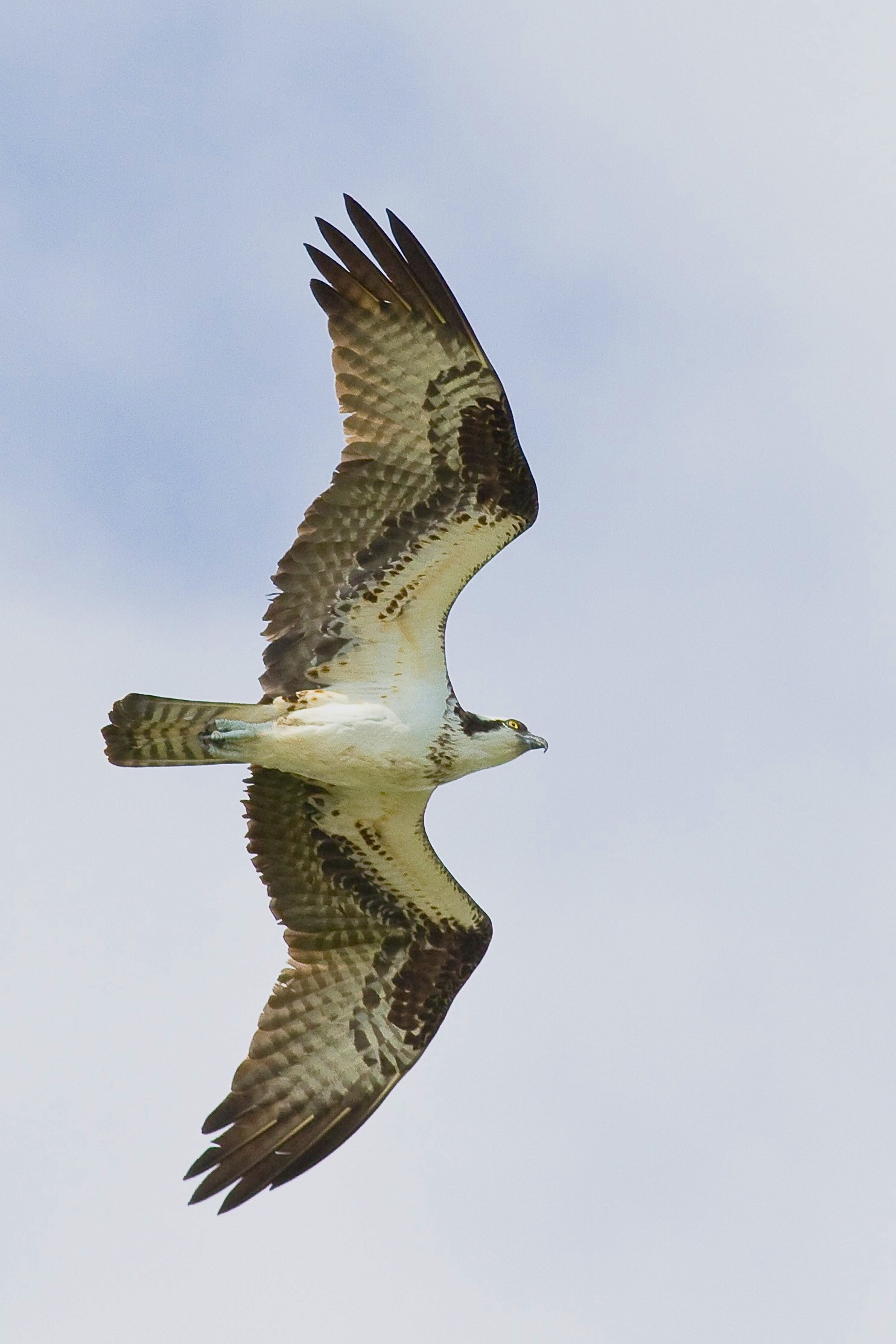
Some people might mistake the Caribbean subspecies of Osprey (an all-white head) for a Bald Eagle but as Woody points out, “their flight and shape are very different”

Bald Eagle [Abaco, Bahamas sighting - David R Tribble / open source image]

WHAT DO I LOOK OUT FOR? A large raptor with a dark body and wings, and a distinctive white head and tail

HOW CAN I TELL IT FROM AN OSPREY? By comparison with this Abaco Osprey

Osprey, Abaco (Craig Nash)

 WHAT DO I LISTEN OUT FOR?

Image / audio credits: open source / David R Tribble / Craig Nash (Osprey)

Unknown's avatar

ATLANTIC SPOTTED DOLPHINS OFF ROCKY POINT, ABACO


Atlantic Spotted Dolphins off Rocky Point, Abaco

This pair was in a group of 8 Atlantic Spotted Dolphins that we encountered yesterday during a day’s expedition on the Bahamas Marine Mammal Research Organisation (BMMRO) research boat. We spent nearly an hour with them, and there will be a longer post about these magnificent creatures in due course. But right now, I’m still in single image posting mode while “on-island”…

Photo: Keith Salvesen / BMMRO

Unknown's avatar

OLIVE-CAPPED WARBLER ON ABACO


Olive-capped Warbler, Abaco (Tom Sheley)

The olive-capped warbler is one of Abaco’s 5 permanent resident warblers, out of 37 warbler species recorded for Abaco. The other PRs are: Bahama Warbler, Bahama Yellowthroat, Pine Warbler and Yellow Warbler. (Photo: Tom Sheley)

Unknown's avatar

COMING HOME: IT’S ELVIS (THE SQUIRRELFISH)


Squirrelfish, BahamasBeing ‘on-island’ right now, I don’t get so much time to write stuff. To everyone’s relief, I guess (including mine). So for a while I’ll post some individual pics that particularly appeal to me. Elvis the squirrelfish (featured in a previous post) has now upgraded to a more spacious and frankly rather posher address. And in he goes…