Unknown's avatar

BEACHCOMBING AT THE DELPHI CLUB, ABACO – CORAL & NERITES


CONTRASTING CORAL SKELETONS

These two different types of coral skeleton are from the northern end (and just beyond) of the Delphi beach. The red marking on the second coral is some kind of natural accretion, I think – I have temporarily lost the exact details somewhere on my hard drive, but doubtless they will turn up sooner or later… You will find these red patches on shells as well as coral

COMMON ROSE CORAL

ANY IDEAS  – OR IS THIS WORM-RELATED?

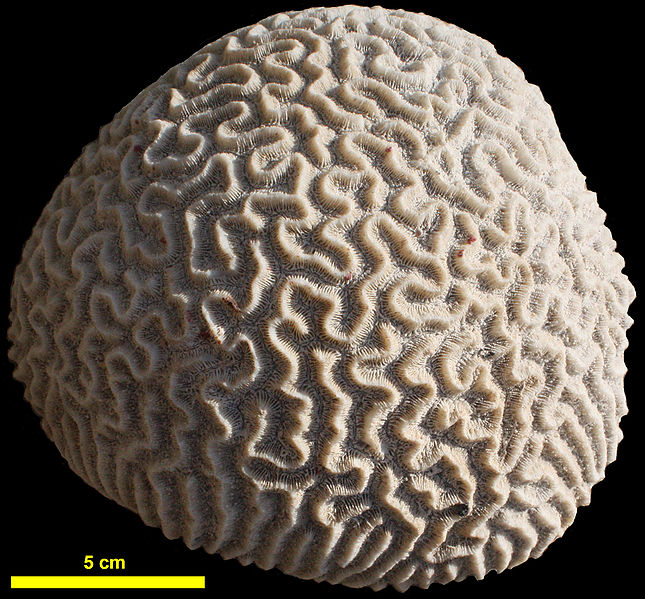
Another dramatic coral you may come across – not least because there are usually one or two in the beach-harvested collection on the steps down to the beach – is Brain Coral (Diploria). Here is an example (Photo credit J. Stuby)
NERITES (Nerita)

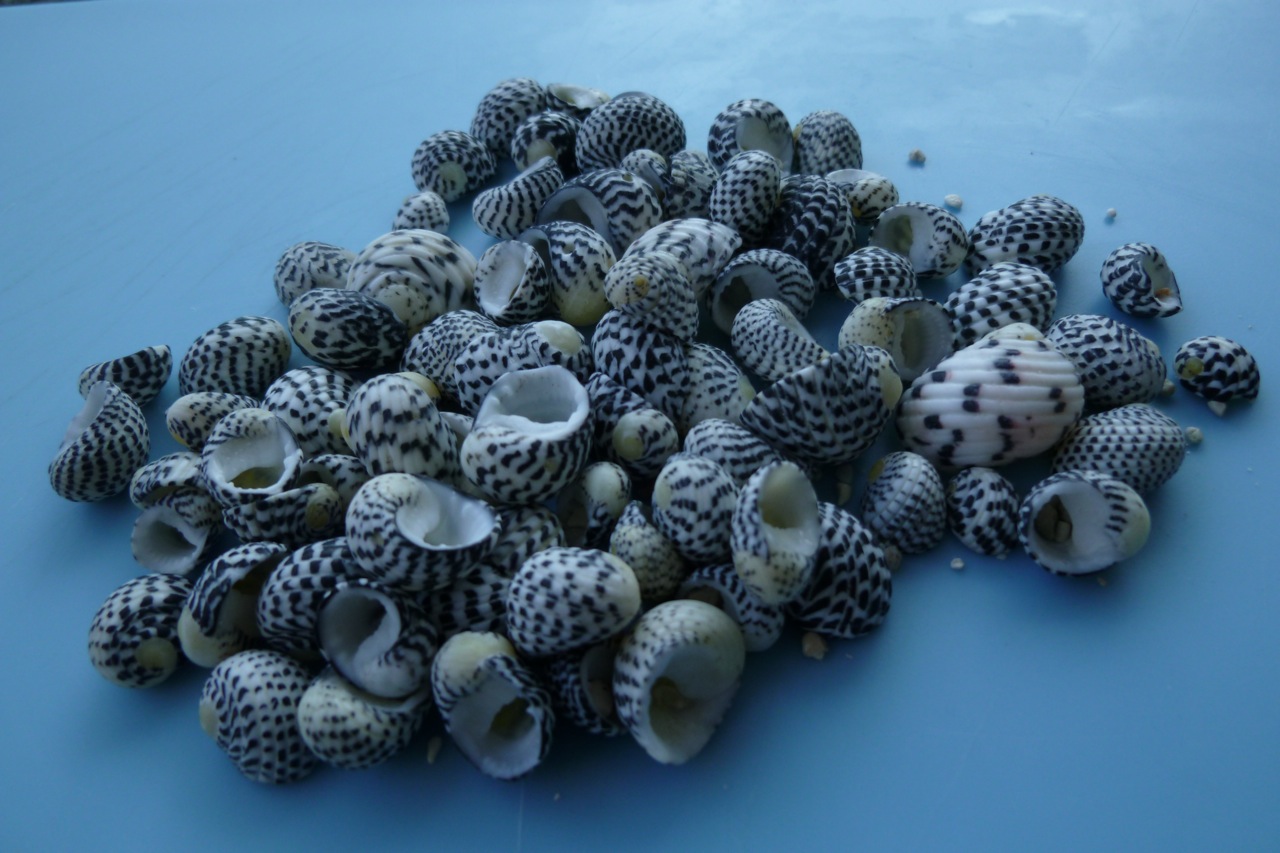
Nerites are small sea-snails (gastropod molluscs) found in tropical waters around the world. Precise ID of the many types is confused by the different names used for many of them, both taxonomic and local. The majority of the black and white nerites in the pile below, all collected from the Delphi beach, are Checkered Nerites (Nerita Tessellata). In the heap there are a few larger whiter shells with red markings, which are the Four-Toothed Nerite (Nerita Versicolor).
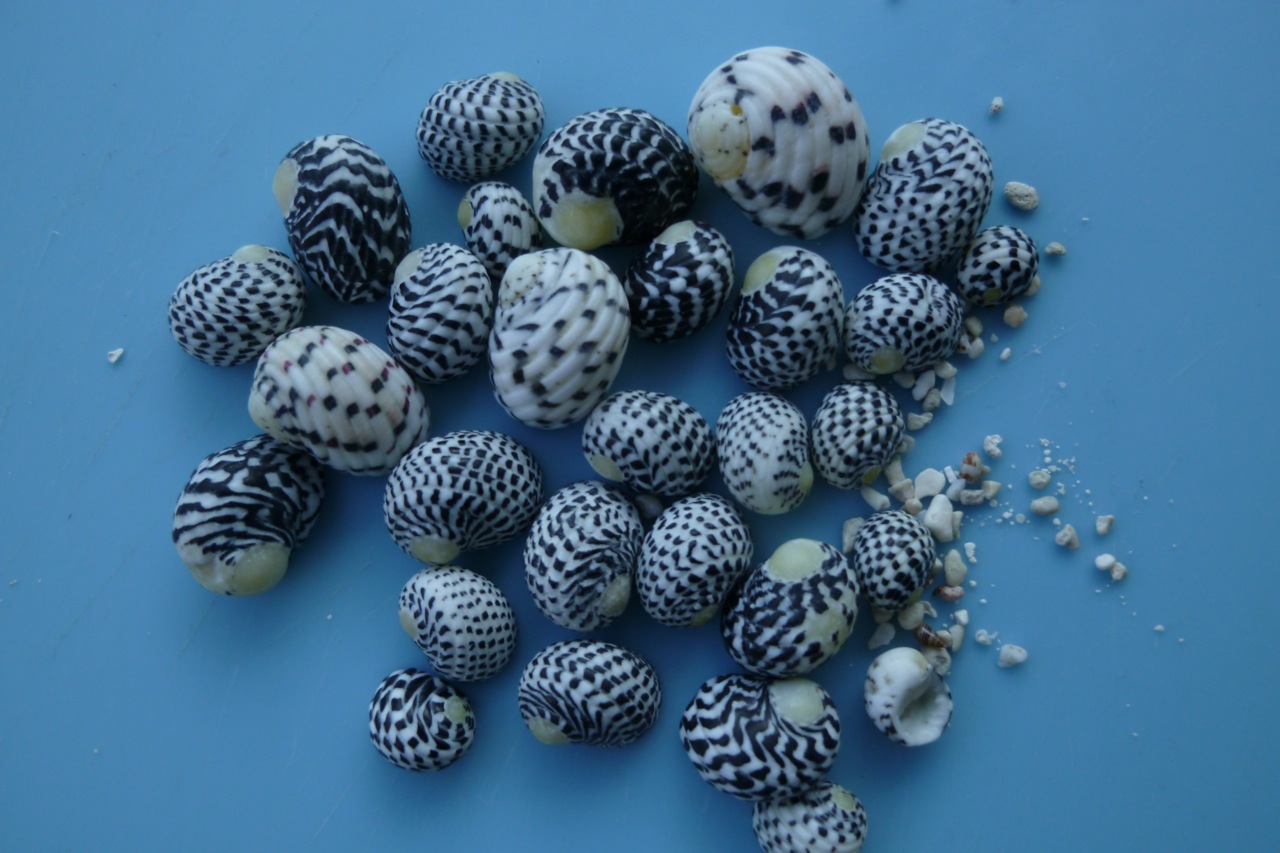
Here are some of the above shells showing their varying patterns and sizes, seen with a few grains of sand for comparison. The 3 larger whiter ones with the flecks of red on them are the Four-Toothed Nerites.
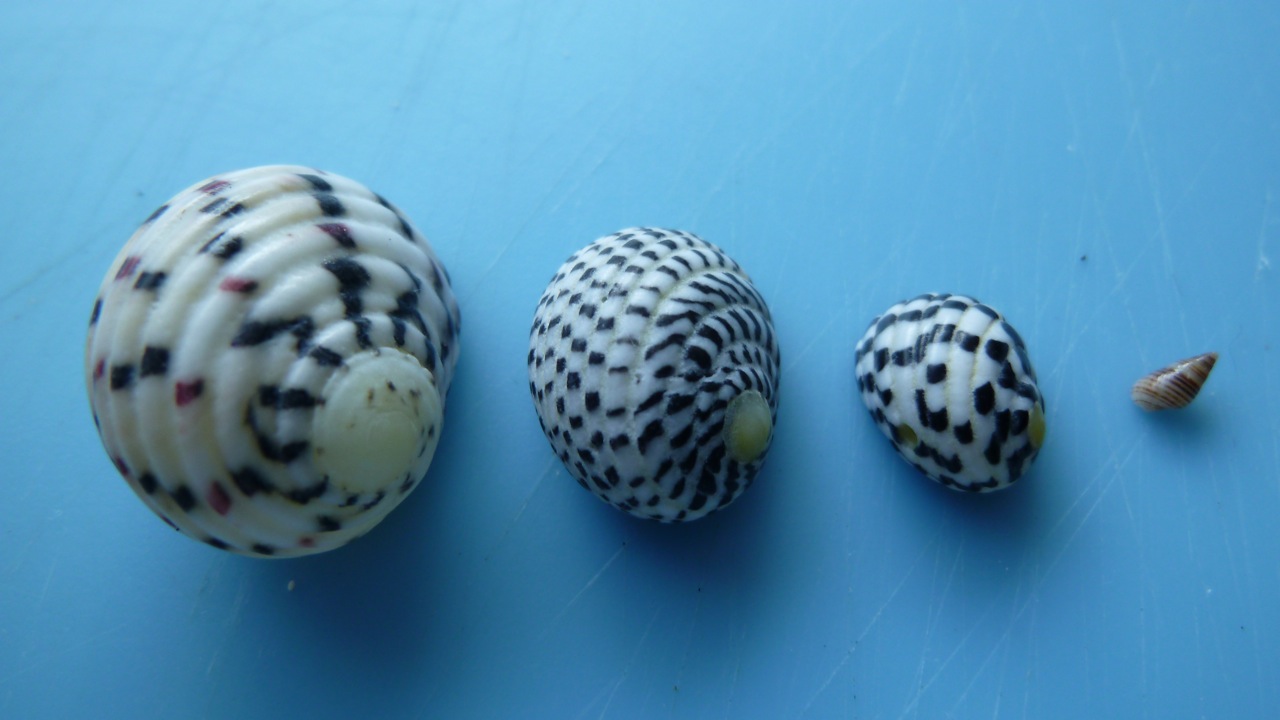
Here are 3 example shells in close-up, together with a tiny, perfect Dwarf Atlantic Planaxis (Hinea lineata) at the end (previously misidentified as a Littorine). I didn’t notice it until I was sorting through the shells – in fact you can just see it towards the bottom right of the previous photo, above the small nerite that’s on its back. It may even have fallen out of a nerite, as did many of the sand grains.
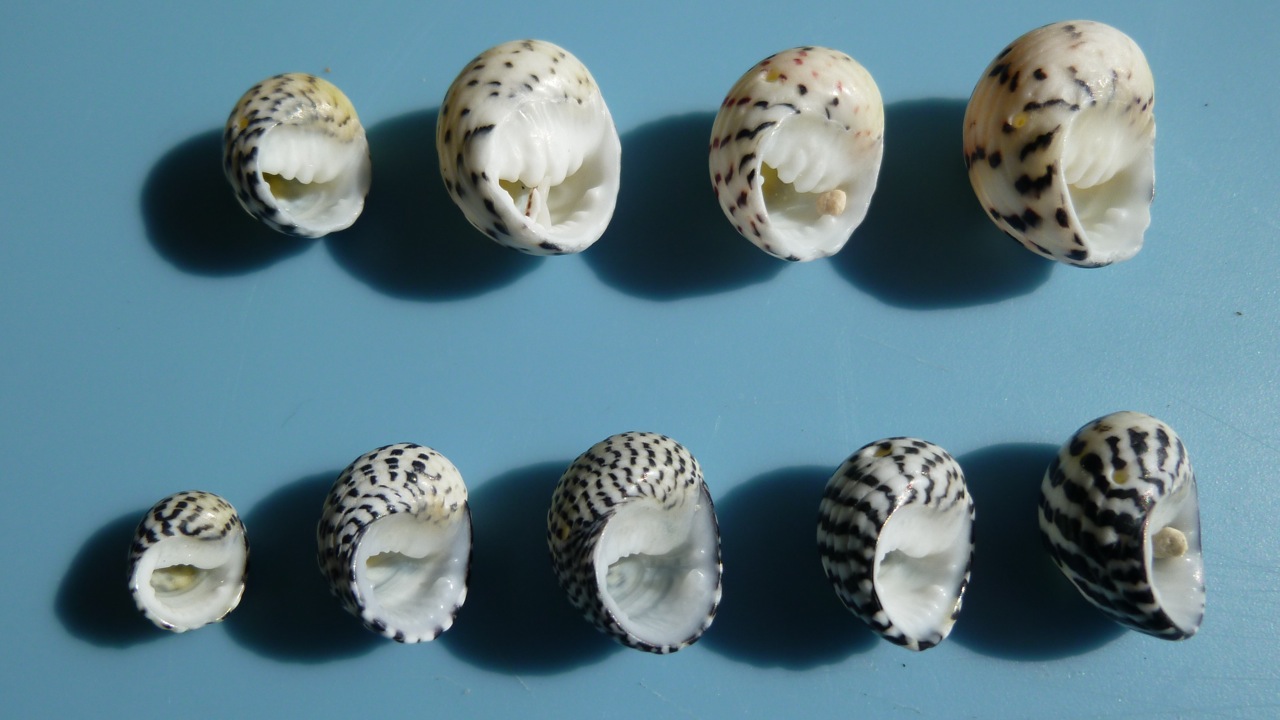
These four upturned nerites show the dentate entrance, common (to a greater or lesser extent) to most nerites – maybe all. The top row are Four-toothed Nerites; the bottom row are Checkered Nerites. Another Nerite type found in the Bahamas is the Bleeding-tooth nerite (Nerita Peloronta). These are similar to the top ones, but have vivid orangey-red markings on the ‘teeth’ – hence their name.
Nerites, sand grains and the Planaxis: size comparison

A close up of the Planaxis, showing how amazingly detailed the pattern of such a tiny shell can be

All this may sound a bit learned and somewhat solemn. Dull even. In fact I had absolutely no idea about any of the above details until I got these shells out of their glass jar last week to photograph (apologies for using a chopping board) and did some digging… So if any shellologists or neritophiles read this and have corrections to suggest, be my guest… Use the comment box or the email address on the CONTACT page. ADDENDUM: many thanks to Colin Redfern for confirming the small nerites as Checkered, as opposed to Zebra; and the ‘littorine’ as a Dwarf Atlantic Planaxis Hinea lineata

Unknown's avatar

YELLOW ELDER – THE BAHAMAS NATIONAL FLOWER


Yellow Elder Hope Town, Abaco 2

YELLOW ELDER – THE BAHAMAS NATIONAL FLOWERYellow Elder Hope Town, Abaco 1

Thanks, Wiki!

YELLOW ELDER (Tecoma stans) is a flowering perennial shrub of the trumpet vine family. Common names include Yellow Trumpetbush, Yellow Bells, Yellow Elder, Ginger-Thomas, and Esperanza. Tecoma stans is the National Flower of The Bahamas.

The plant is cultivated as an ornamental and blooms throughout the year. It has characteristic sharply-toothed, lance-shaped green leaves and large bright yellow trumpet-shaped flowers. It is drought-tolerant and grows well in warm climates. The flowers attract bees (nb see below), butterflies and hummingbirds. Yellow Elder produces pods containing yellow seeds with papery wings. The plant is apparently desirable fodder in fields grazed by livestock. It also readily colonises rocky, sandy and cleared land, occasionally becoming invasive.

The leaves and roots of the plant contain “bioactive compounds which may have medicinal uses” (unspecified – more research needed?). Honey bees are attracted to the flowers but “unlike most flowering plants, the honey produced from Yellow Elder’s nectar / pollen is poisonous”.

 [rh note – so many questions arise here: Poisonous to the bees?  Can the bees tell? What if they mix it up with non-toxic honey back at the ranch? Can the beekeepers tell if their product is toxic? How? Do they bother? Why not? What are the effects? What’s the antidote? What “medicinal use” can there be? Is there a PhD for someone in this: “An impact survey into the effects of pollinic toxicity in honey derived from Tecoma Stans“?]


Selection of the yellow elder as National Flower over many other flowers was made by the vote of members of New Providence’s garden clubs of the 1970s: the Nassau Garden Club; Carver Garden Club; International Garden Club; and YWCA Garden Club. Other flowers – such as the bougainvillea, hibiscus, and poinciana – had already been chosen as the national flowers of other countries. The yellow elder was then unclaimed (although it is now also the national flower of the United States Virgin Islands).

(Floral tribute to TopTropicals)

Yellow Elder Hope Town, Abaco 2Yellow Elder  Abaco (Rhonda Pearce)


Photo credits as shown + RH

Unknown's avatar

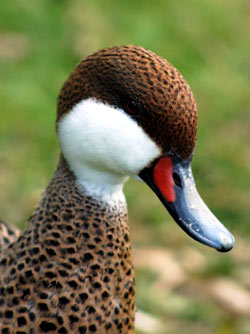
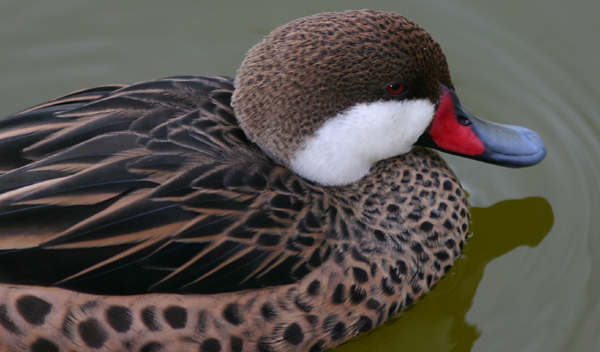
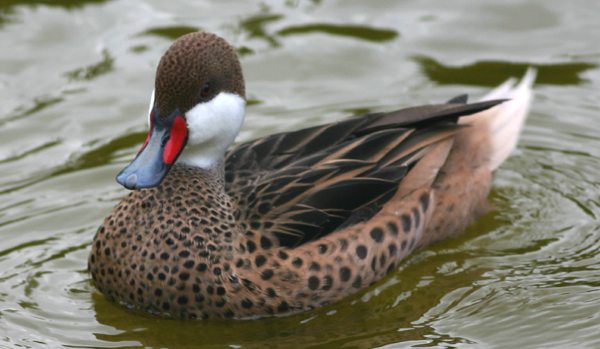
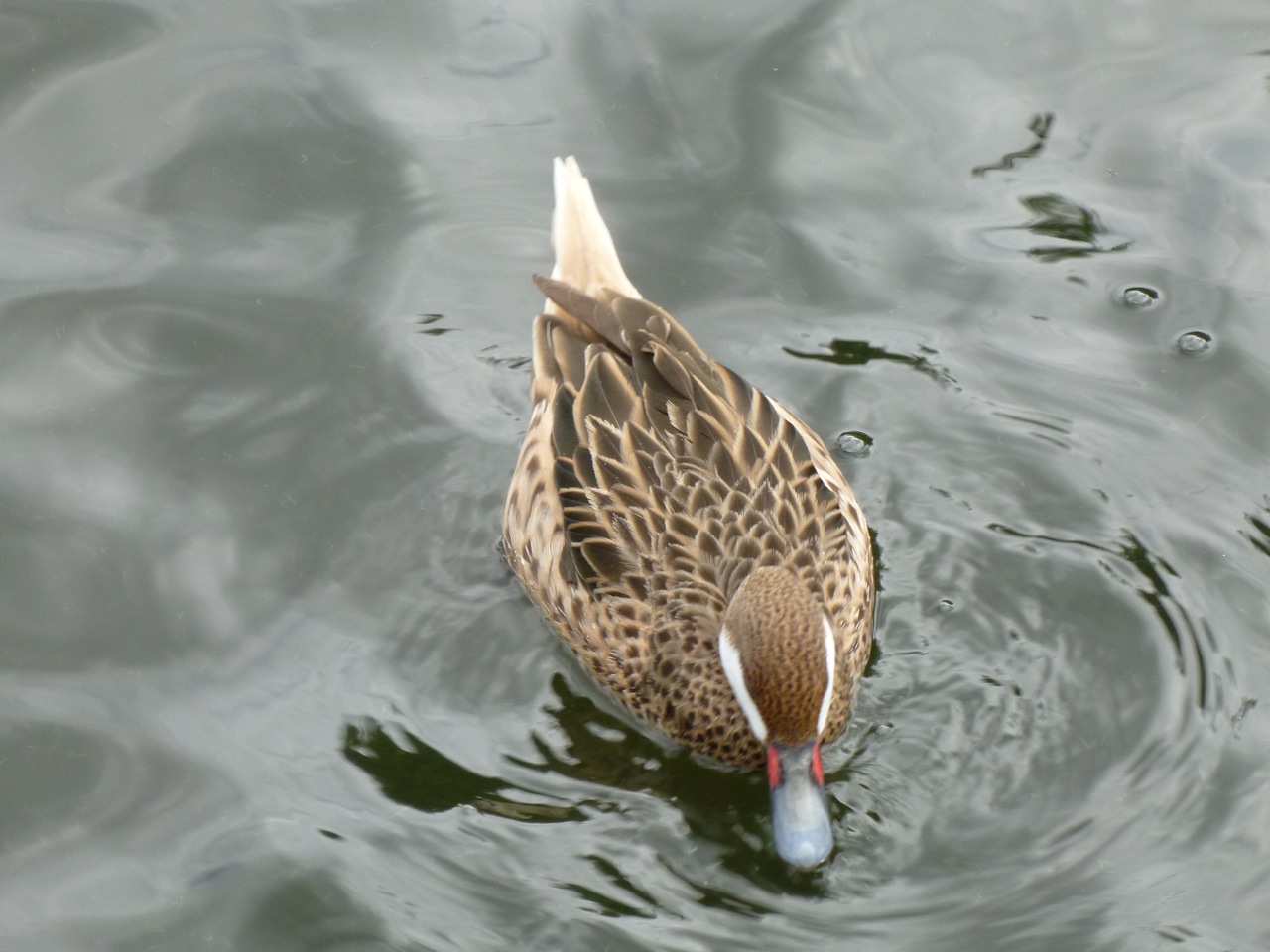
BAHAMA (WHITE-CHEEKED) PINTAIL


THE BAHAMA(S) PINTAIL aka WHITE-CHEEKED PINTAIL  Anas Bahamensis

This very pretty duck species is getting a mention not because I have ever seen one on Abaco, but because I have seen them at WWT Barnes in London. [Later note: see end of post – turns out it was at Pensthorpe Nature Reserve Norfolk]. We went there last weekend to photograph one for your (plural, not single reader I hope) exclusive pleasure, but sadly they haven’t got any at the moment – they have been moved to WWT Slimbridge. I’ve decided to post about them anyway. As ever, thanks to wiki for its handy conservation and classification label, plus basic species details which always get things off to a scientific-looking start before the nose-dive into amateurism…

There follow 2 open-use non-© images, with a dip of the beak to the anon photographers

           BAHAMA PINTAILS                                                  

The White cheeked Pintail or Bahama Pintail (Anas bahamensis) is a dabbling duck first listed by LINNAEUS in his Systema naturae in 1758, under its current scientific name.

There are three subspecies: A. b. bahamensis in the Caribbean (and vagrant in south Florida); A. b. galapagensis on the Galapagos; and the slightly larger A. b. rubirostris in South America.  The sexes are similar. It is mainly brown with white cheeks and a red-based grey bill (young birds lack the pink). Conveniently for amateurs, it “cannot be confused with any other duck in its range” – though I’ll believe that when I have first-hand experience of personal non-muddle.

These ducks are found on saline waters such as brackish lakes, estuaries and mangrove swamps. They feed on aquatic plants and small creatures rootled out by dabbling. The nest is on the ground under vegetation and near water.

Mike Bergin, a naturalist, has very kindly let me use 2 of his wonderful images for this post. There are others to be found at CLICK==>>  http://10000birds.com/white-cheeked-pintails.htm Indeed the whole site is well worth a good rummage around

Photo Credits Mike Bergin 1000 Birds

Here’s what they sound like (credit Xeno-Canto / George Armistead)

SPECIES LISTING (Jan 2012): This duck is on the threatened species list – not actually endangered but experiencing “moderate decline or facing imminent threats which warrant specific conservation measures”. Sadly, there are 3 separate causes of decline, each of which may be difficult to combat: habitat loss; hunting; and predation by introduced species.

Finally, here are links to more material about and images of these pretty ducks:

OISEAUX-BIRDS (an excellent resource for many other birds – merci Nicole for link approval)

BAHAMAS NATIONAL TRUST  2-page article on Pintails / Endangered birds

STOP PRESS To my complete surprise, I now discover that I have got my very own quite respectable picture of a Bahama Pintail, taken in July 2010 at the Pensthorpe Nature Reserve, Norfolk. So here it is…

STOP PRESS Feb 2012 Ricky Johnson, Abaco’s renowned bird expedition leader, has posted a fine example of a Bahama Pintail on his Facebook page, taken near his home. And, with permission (thanks, Ricky) here it is 

Unknown's avatar

POTCAKES – THE CANINE FACTS


POTCAKES – THE FACTS

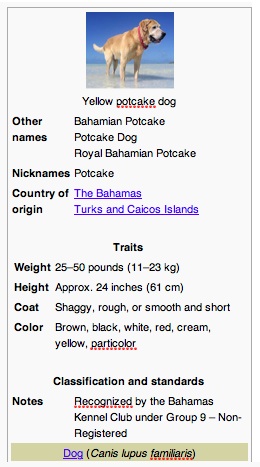
    • Potcakes are a mixed-breed dog of the Bahamas & TCI, named after the layer of dried rice and peas in  the bottom of cooking pots, traditionally fed to stray dogs
    • Appearance and colouring varies considerably from island to island. Mostly commonly they are (mainly) brown, have smooth coats, cocked ears, and long faces. Adults typically weigh from 45 to 50 pounds (20 to 23 kg)
    • Potcakes have a wandering tendency. There are many strays on every island – often considered a nuisance. Volunteer organizations re-home strays,  and offer free spaying and neutering
  • Potcakes are often used for hunting hogs. Some are even trained to locate fish through  scent on the water and the cries of feeding sea birds
  • Potcakes may originate from 3 canine types: (1) dogs brought by the Arawak  to the Bahamas; (2) terriers protecting supplies from rodents on ships to the Bahamas; (3) Dogs that arrived with Loyalists during the Revolutionary War
  • In the 1970s the potcake dog was officially recognized in The Bahamas as the “Royal Bahamian Potcake”. In February 2011, they were accepted by the Bahamas Kennel Club in the category ‘Group 9 Non-Registered’
  • A potcake dog named Amigo has been the mascot of the Humane Society of Grand Bahama. He ‘served as an Ambassador of Hope for homeless animals’ until his death in 2007, and appeared on TV
  • Potcakes have featured in a set of special-issue Bahamas stamps

Factoids above distilled from a variety of sources (mostly overlapping) – danke – in particular good old wiki. I’ve done the leg-work for you, but there is other material out there. In particular, put ‘Potcake’ into YouTube & there are plenty of videos of Potcakes. Below are 4 web-links that might interest or amuse

SOME POTCAKE-CENTRIC LINKS

POTCAKE PLACE functions to rescue, foster and assist adoption of potcakes of the Turks and Caicos Islands

ROYAL POTCAKE RESCUE site                                                                                        Video of spay/neuter clinic in Abaco, August 2010

POTCAKE FOUNDATION TCI-based site, with numberless souvenirs available – get your loved one a potcake apron or nightshirt…

AMIGO THE POTCAKE  5***** cartoon ‘book’ named for the most famous potcake of all. Engagingly barking

ARTICLE IN ABACO LIFE: COMMEMORATIVE STAMPS & FAMOUS DOGS CLICK LINK===>>> Abaco Life Potcake Article

POTCAKE VIDEO: CRAB-HUNTING ON THE BEACH


Unknown's avatar

HUMMINGBIRD WATCH: ABACO, BAHAMAS


‘HUMMER WATCH’

This might be entertaining. Possibly. I’ve stumbled into a way to make and embed a customisable Abaco map. The bright idea is to record sightings of hummingbirds on the main island and the Cays – both Cuban Emeralds and especiallyBahama Woodstars. See SIDEBAR, right-hand side, down at the bottom for the map, which is enlargeable and moveable.

Data entry I am the only person who can do this, because I had to make the map using my own G**gle account. So if you’ve got sightings  to add, that would be excellent. The most helpful thing would be to add a comment to this page or else to email me at rollingharbour.delphi@gmail.com and I’ll do the pin-sticking. 
A useful format would be ‘BW (or CE) – Location (as precisely as possible, for sticking in the pin) – Date (MM/YY) – Initials – Comment (if any)’ 

Unknown's avatar

WESTERN SPINDALIS (ZENA) ON ABACO


The western spindalis (or stripe-headed tanager)  is my favourite bird on Abaco. These 3 birds were all at Bahama Palm Shores. Although this species has featured in at least one earlier post, it’s time for another showing, this time with added sound (credit Xeno-canto.org)  

Unknown's avatar

ABACO ISLAND BOA: THE ONLY ABACO SNAKE


THE ABACO ISLAND BOA (or NORTHERN BAHAMAS BOA)

[Epicrates exsul] RENAMED 2013 Chilabothrus exsul

Kingdom: Animalia * Phylum: Chordata * Subphylum: Vertebrata * Class: Reptilia * Order: Squamata * Suborder: Serpentes * Family: Boidae * Subfamily: Boinae * Genus: Epicrates * Species: Epicrates exsul

COMMON NAMES: Abaco Island boa, Northern Bahamas boa Abaco Boa (BNT) Chilabothrus exsul
EPICRATES CHILABOTHRUS EXSUL is a non-venomous species of boa, the only one of its species and genus. These snakes are grey with a reddish sheen. They grow to a maximum of 80 cm / 2ft 6″ in length [now see end of post] and feed on small mammals, birds and lizards. They are found throughout the Abacos, including Elbow Cay; and on Grand Bahama; but not elsewhere in the Bahamas (wiki-aided inc. image)

And if you can’t get to Abaco, there’s one in Oklahoma City Zoo: OKCZ ABACO ISLAND BOA 

LATEST NEWS DEC 2011 a surprising visitor to the Friends of the Environment offices on 7 Dec 2011, posted on their Facebook page 

A visitor at the FRIENDS office this afternoon, a Bahama Boa! This snake flattened itself pretty thin to try sneak out under the door frame! The door is open now so it can leave easily 

STOP PRESS: a convincing refutation of the general consensus that the maximum length of these snakes is around 2′ 6″, with thanks to Brigitte Bowyer Carey. This specimen was photographed on Tilloo Cay in 2008, held at arms length by Don Allen 

ABACO ISLAND BOA, TILLOO CAY 2008

Unknown's avatar

ISLAND-HOPPING WITH ABACO ABOVE & BELOW


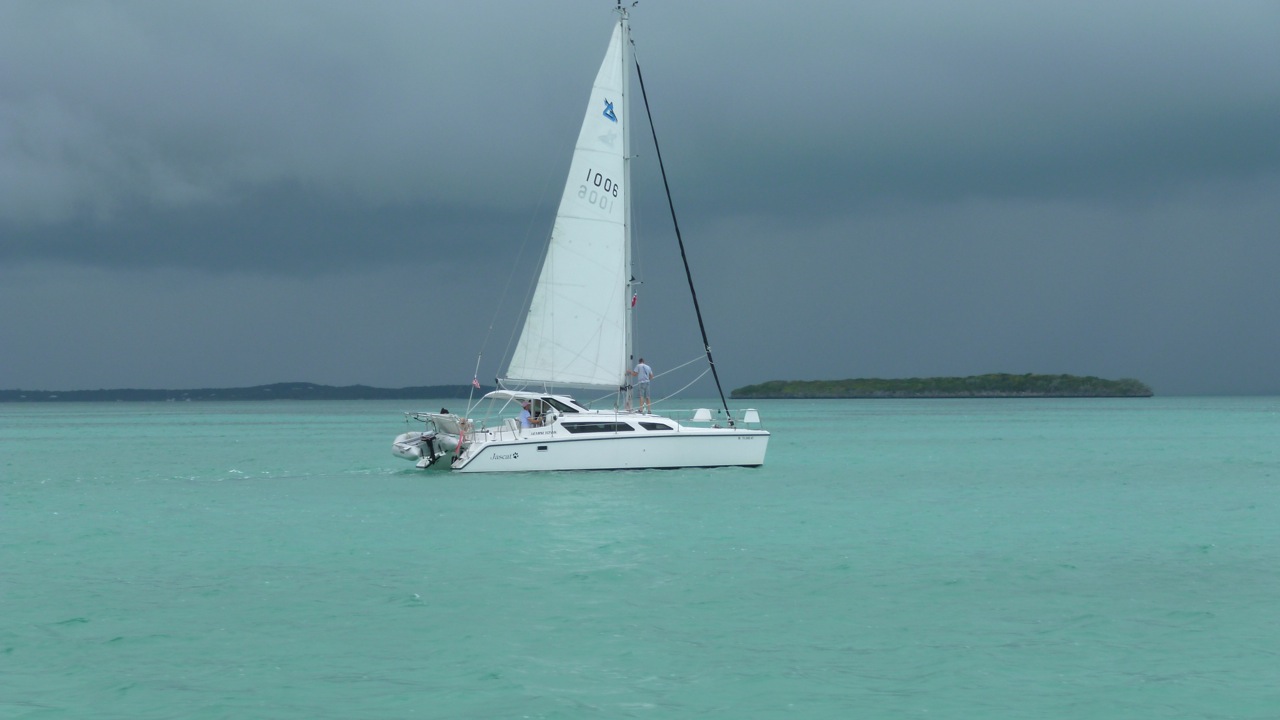
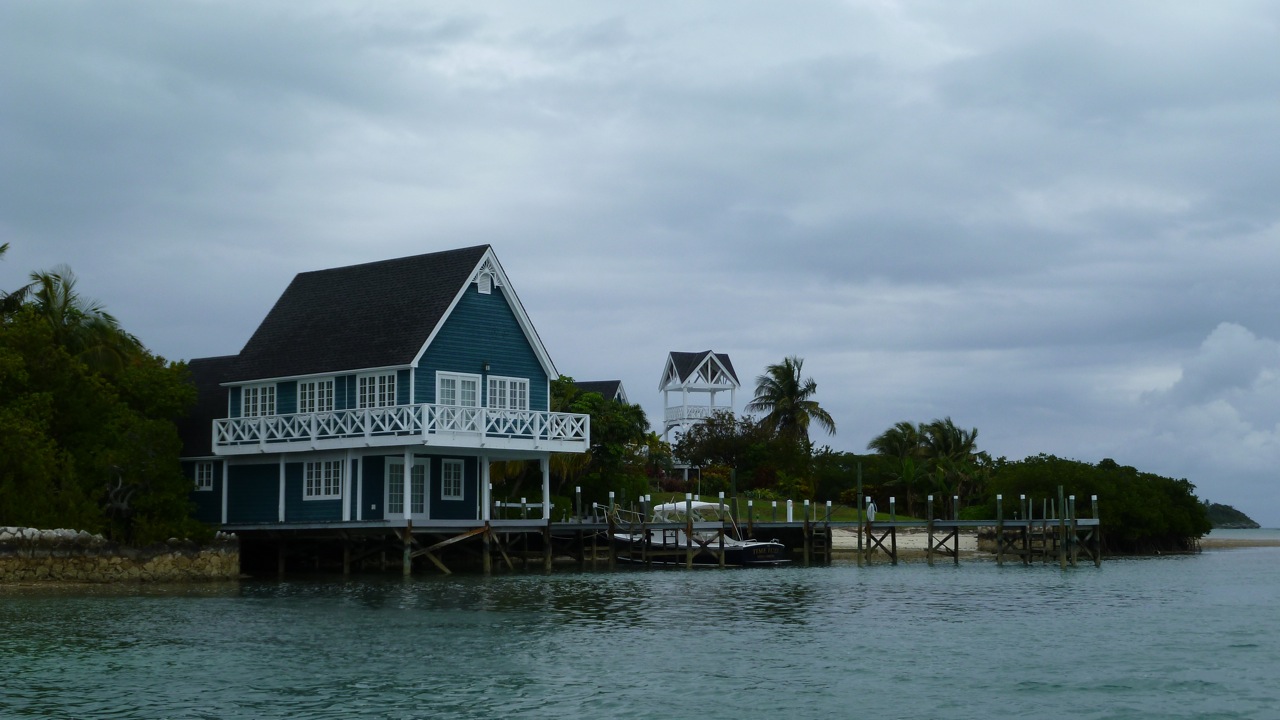
Time for the Island-hopping part of our day with Abaco Above and Below. There’ll be some links to other aspects of the day as we go along. Apologies for the gloomy photos – the weather was distinctly adverse for much of the day, as this photo taken from Kay’s catamaran shows.

Straight boat, squint horizon

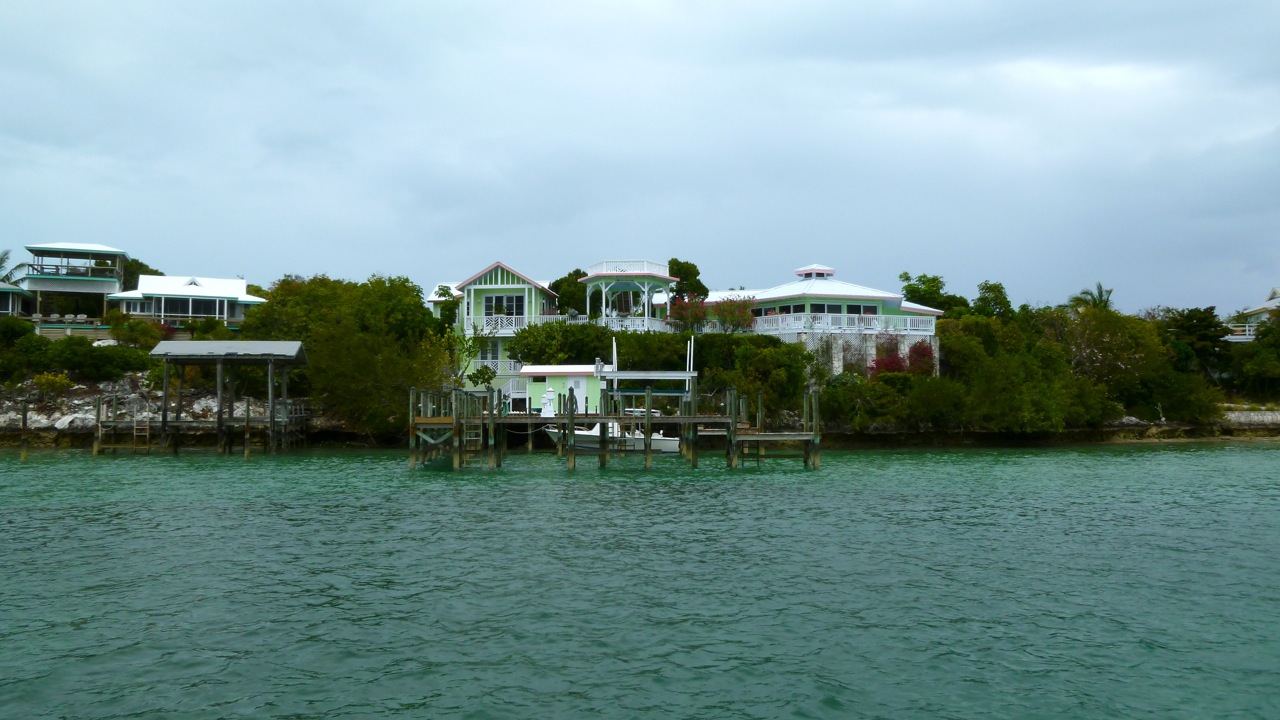
SCOTLAND CAY  We saw this cay in passing but didn’t land here. We wouldn’t have been welcome on this rather stern-sounding island. It’s private. And exclusive. In case are you are making plans to drop by, this is how private and exclusive according to the island’s website: “Only property owners and their guests are allowed on the island.  This exclusively private island is accessible by private aircraft, private vessel, or ferry service from nearby Marsh Harbour, Abaco. Please be advised that there are no commercial services on the island.  No restaurants, bars, stores, public marinas, etc.  Do not travel to the island unless you are a guest of a current property owner. You will be asked to leave immediately.”  (S C website)  To which one can only  say “Fair Play”, and pass on by. But you are allowed to take photos from afar. Even gloomy ones. And non-exclusively.


LUBBERS CAY Our first stop was at Lubbers Cay and lunch for 14 at Cracker P’s after our snorkelling excitements at FOWL CAY

The landing-stage looked promisingly welcoming…

…as did Cracker P’s itself

Lunch for 14 passengers and crew: excellent local food, cheerfully provided

Cuban Emeralds feeding on sugar water by our table

RH waits anxiously as his dollar bills are scrutinised for authenticity

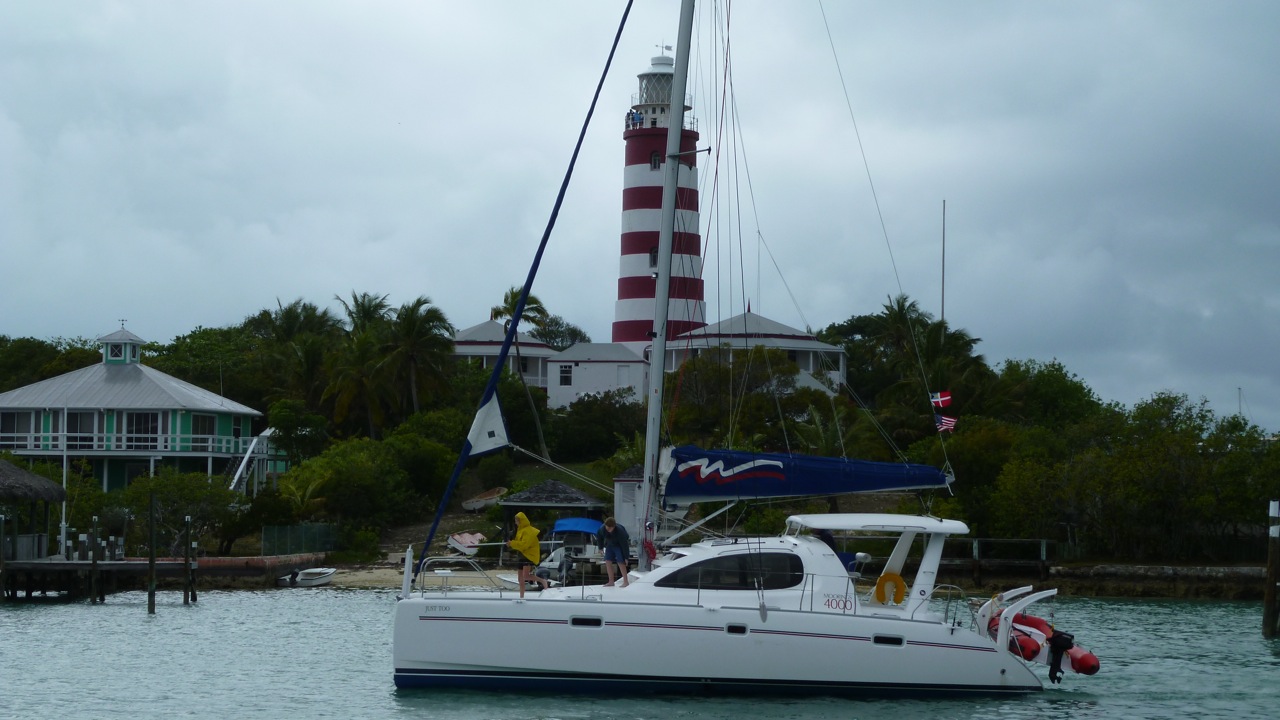
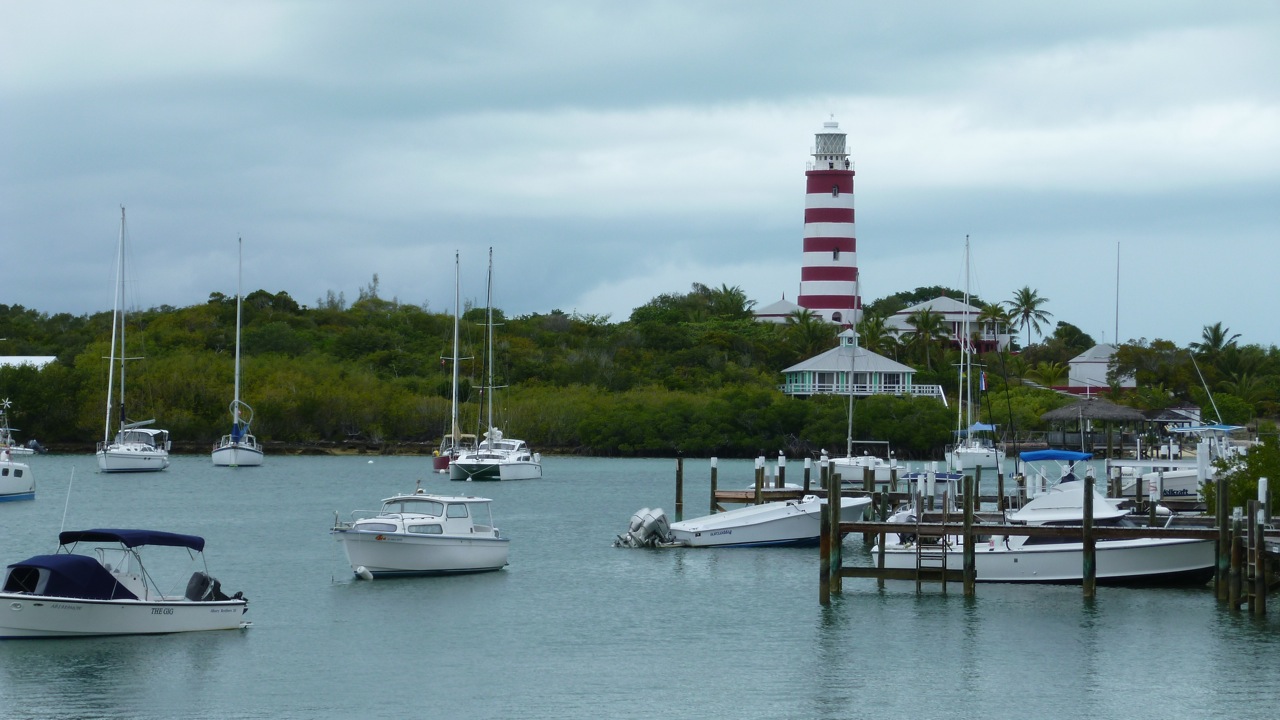
HOPE TOWN: After lunch our next stop was Hope Town. Here are a couple of direct links to other Hope Town posts / pages from this and previous trips:  HOPE TOWN ART; THE LIGHTHOUSE The plan is  to add some more Hope Town photos in due course of an earlier trip when it was sunny…

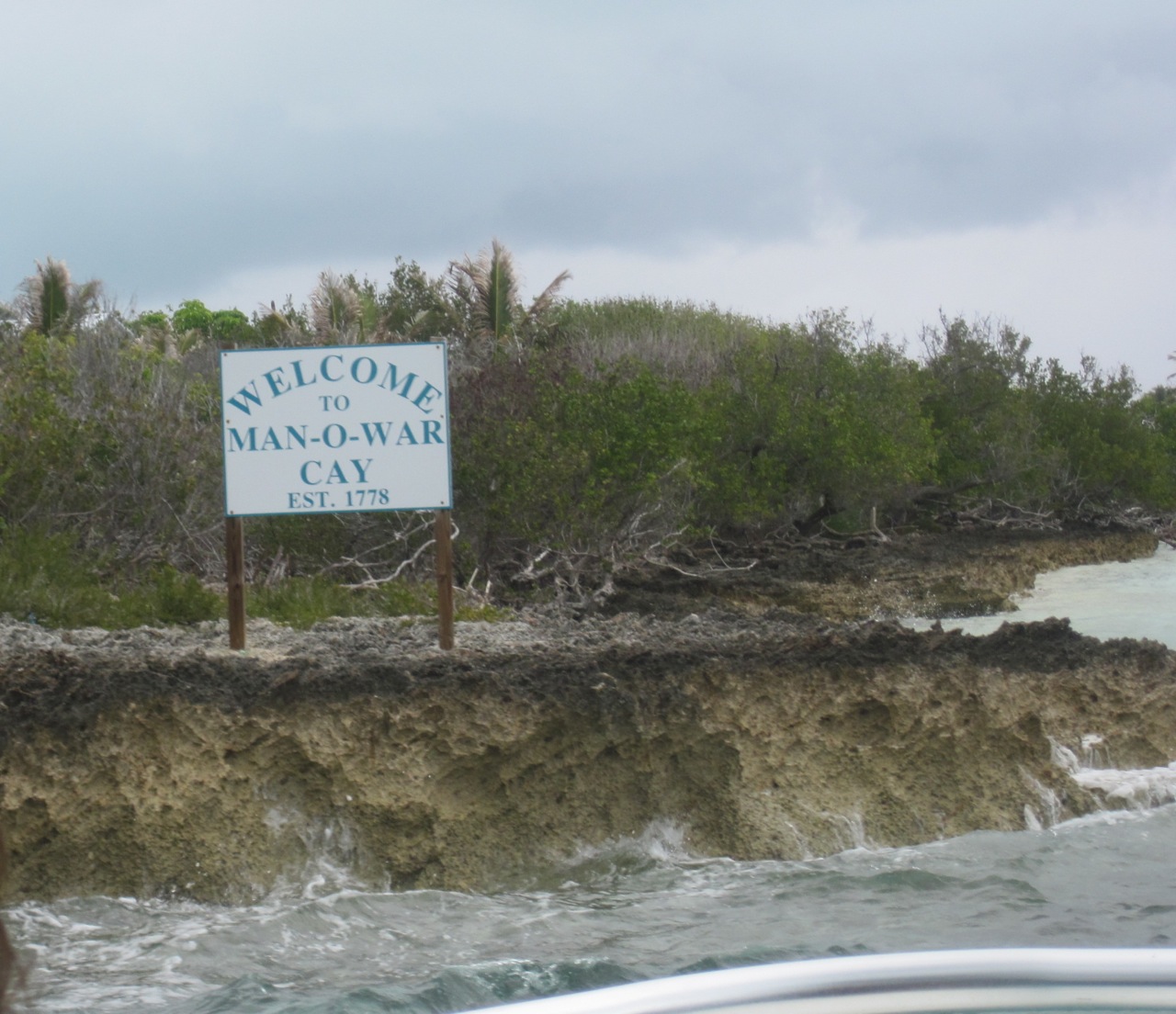
MAN-O-WAR: We had quite a brief stop here, a quick wander round and a look at the boat yards. There was a Bahama Woodstar feeding on flowers near the jetty. The weather was still pretty vile, not conducive to photography. A place to return to on a sunny day…

AND FINALLY to some dolphins, the cetacean finale to the day, which appeared as we approached  Marsh Harbour and made a very good day excellent: DOLPHINS

Unknown's avatar

ABACO PARROTS NESTING – RARE VIDEO FOOTAGE


Click me!

ABACO PARROTS AND THEIR UNDERGROUND NEST

Exceptional and rare video footage of Abaco Parrots entering their underground nest, very kindly provided by Caroline Stahala for use in this blog. I don’t imagine many people have been lucky enough to see this sort of parrot activity in the wild, so it is  great to be able to see it captured on video…

If the video above doesn’t work  you can reach it another way:  CLICK LINK—–>>>ABACO PARROTS NESTING

[At the moment the video is reachable by the link above. I’m working on embedding it, but there’s a technical hitch to sort out. It’s all geek to me. So I’m using something I’d never heard of until this morning called Dropshot, which at least lets you see the video… though I’ve got a feeling it entails having to have ‘friends’ and to end up involuntarily ‘following’ people like Britney Spears and some crazy guy called ‘iruletheworld’]

Many thanks for this great video, Caroline

Unknown's avatar

ABACO PARROTS – CAROLINE STAHALA’S REPORT


                                                                        Click me!

CAROLINE STAHALA was introduced in an early parrot post on this blog – see  DELPHI CLUB ABACO – PARROT RESEARCH & CONSERVATION. That post will route you to her thesis and to an article in The Abaconian about her work. She has just sent a report about her current researches (and there will be future updates):

At the moment we are in full chick mode.  All the parrot nests (45 nests!) that we have been finding and monitoring since the end of May have hatched.  Next week I will begin banding these chicks so that we can recognize them as individuals and learn more about their behavior. Here is a picture of a chick banding from last year:In addition to banding chicks, I am going to be attempting to catch 3 mated adult pairs and place radio transmitters on these parrots.  This will give us information about what pairs do during the nonbreeding season, how frequently they interact, and whether the amount of interaction during the nonbreeding season influences how well they do during the  breeding season.  

This year, for the first time, I have set up cameras at nest sites to find out how frequently nests are being visited by potential predators and, also, who these predators might be. We have already detected cats, rats and mice at the nest sites using the cameras.  Here is a picture of a feral cat at one of the nest sites:
Caroline has asked me to mention that the project is in desperate need of a new field vehicle – the old one is dying a slow painful death.  She is working with a nonprofit organization Parrots International (www.parrotsinternational.orgto raise funds for the new truck (see BLOGROLL for their direct link to Caroline’s research). If  anyone would like to support this cause, it would be greatly appreciated:

If you are interested in subscribing or donating to support the conservation project to save the Abaco population of the Bahama Parrot, the direct link to the subscription / donation page is          http://www.parrotsinternational.org/main-join.html

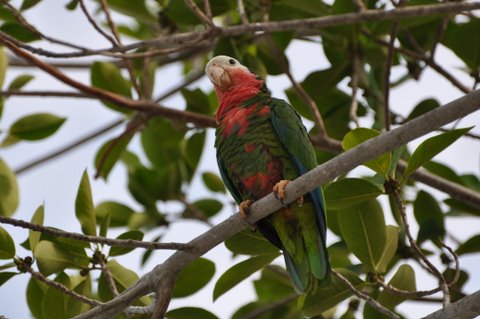
Finally, I sent Caroline an image of a particular Parrot taken by me earlier this year. Ricky Johnson said he had never seen one with so much red on its front – almost reaching its tail. And he should know…

Caroline’s reply  “I have not seen a parrot with quite that much red on its belly, however it is not completely surprising.  One of the features of the Abaco parrot is more red on the chest and belly than other Cuban Amazon populations. Even within a population there is quite a bit of variation of the red. Some Abaco parrots may just have the red throat with a few red feathers, but they do go to the extreme found in your picture.  Usually though you have a small red patch on the belly or what looks like spotty red areas on the belly.  Very neat picture!” (rh note – thanks, but in fairness I should add that the whole group of about 12 of us took pretty much the same photo of this parrot…)
Unknown's avatar

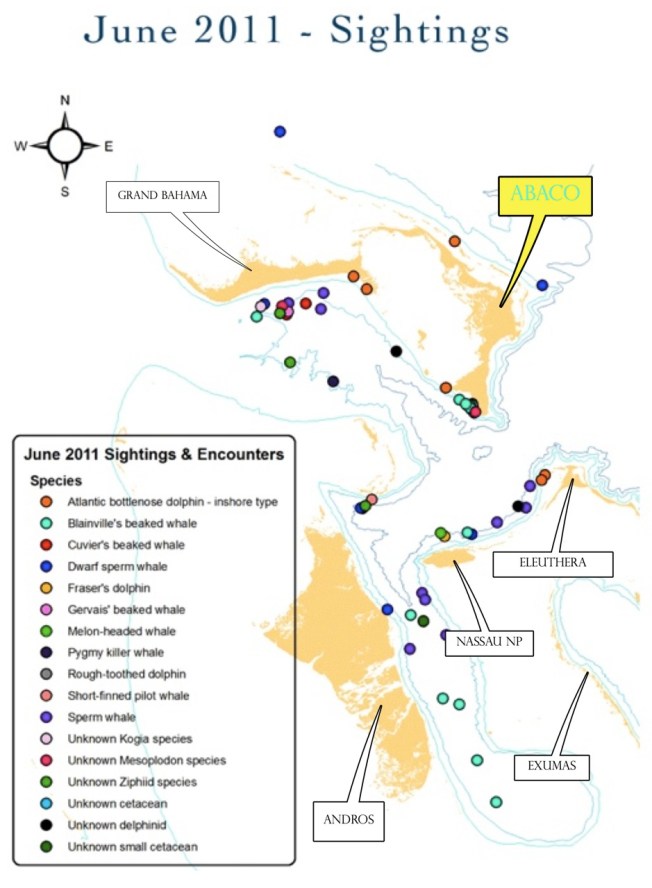
WHALE & DOLPHIN SIGHTINGS JUNE 2011


It’s worth commenting on the cluster of sightings on the south-west coast of Abaco between Sandy Point and Hole-in-the-Wall. This is the site of the Great Bahama Canyon, one of several extremely deep rifts that divide the generally shallow sea-floor of the Bahamas Islands. This deep trough provides a habitat and feeding ground for a huge variety of inshore and oceanic species, with an abundant supply of food. How convenient that the BMMRO HQ should be so close to this area…

Chart courtesy of  Click logo!


Unknown's avatar

SANDY VERNON’S DELPHI CLUB GALLERY


SANDY & BILL VERNON
have provided a number of wonderful photos from their stay at Delphi earlier this year. The images conveniently coincide with various categories already posted, to which the headings below link (supposedly – I will sort out any problems in due course, the general rh policy being to upload pictures first then worry about details later…)

ABACO PARROTS  (including some extraordinary acrobatics)


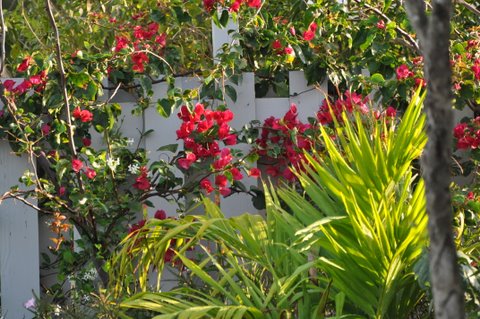
FLOWERS

Angel’s Trumpet (Datura Candida)

Bougainvillea

OLEANDER (Nerium Oleander)

BUTTERFLIES

POLYDAMUS SWALLOWTAIL

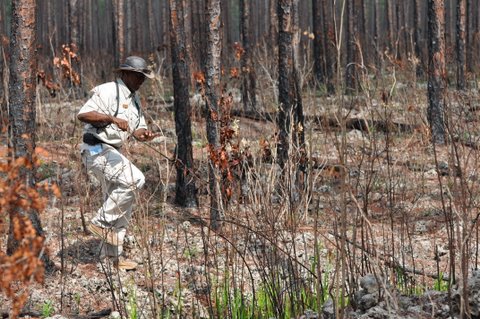
FOREST FIRE DAMAGE AT DELPHI (Ricky Johnson gets involved)


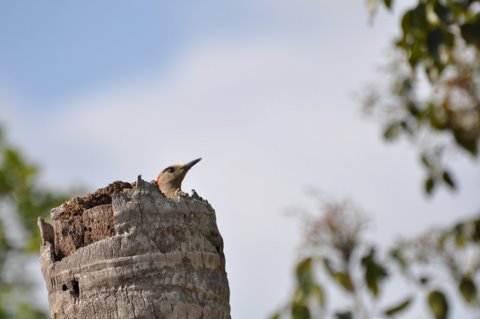
THOSE WEST INDIAN WOODPECKERS AGAIN

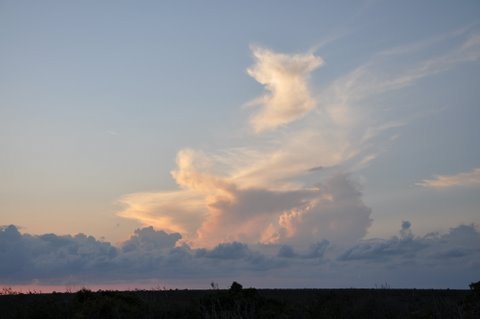
CLOUD FORMATIONS

SANDY, unable to contain himself at one of his own jokes, being comforted by a guest, while PM and other guests tactfully look away


Unknown's avatar

REEF FISH & PREDATORY PARROT FISH – MORE FROM FOWL CAY ABACO


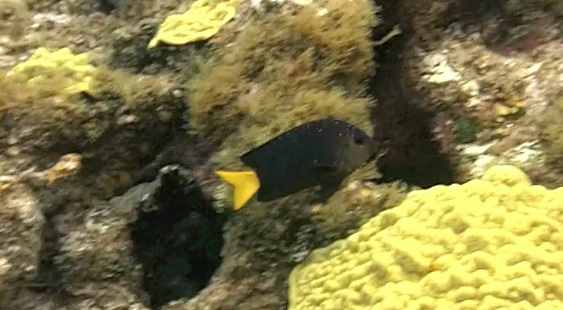
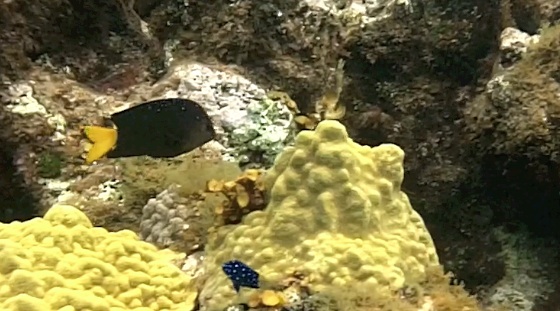
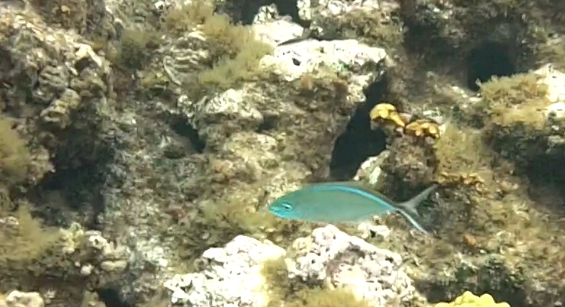
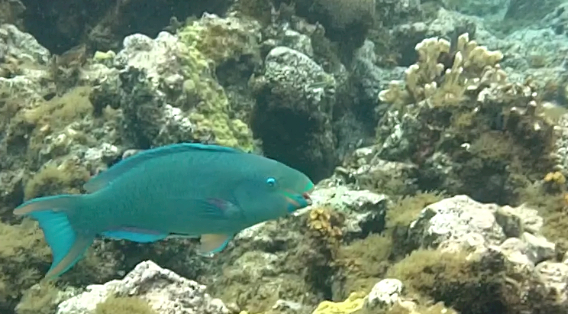
Here are some more stills of reef fish taken from the video of our reef-snorkelling trip to Fowl Key with Abaco Above and Below. I’ll add the fish IDs gradually. The first batch are images of individual fish; the second batch is a sequence showing a queen parrot fish feeding on small fish (?gobies) – images that I’d expect David Attenborough to describe in his quiet and breathy way as “really quite extraordinary”, especially if he has seen the general standard of pics in this blog…

BLUEHEAD WRASSE (Thalassoma bifasciatum)

YELLOWTAIL DAMSELFISH (Microspathodon chrysurus)

YELLOWTAIL DAMSELFISH & Juvenile (I hadn’t noticed the baby yellowtail until I examined the video)

RAINBOW RUNNER (?)

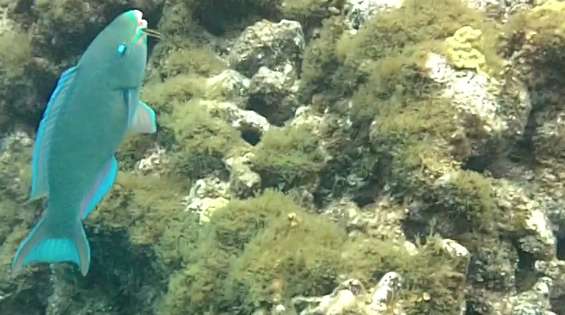
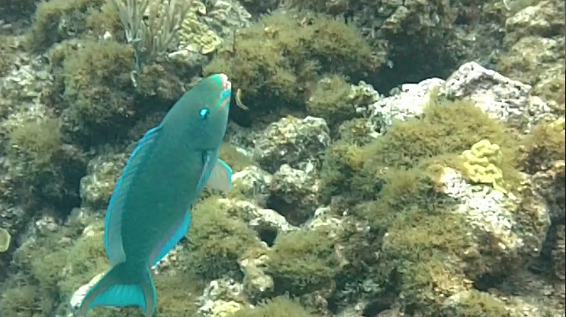
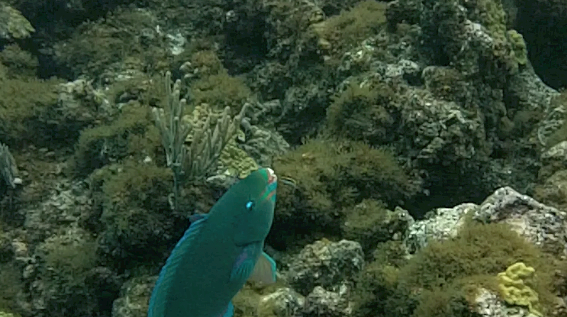
STOPLIGHT PARROTFISH (Sparisoma viride)

STOPLIGHT PARROTFISH (Sparisoma viride)

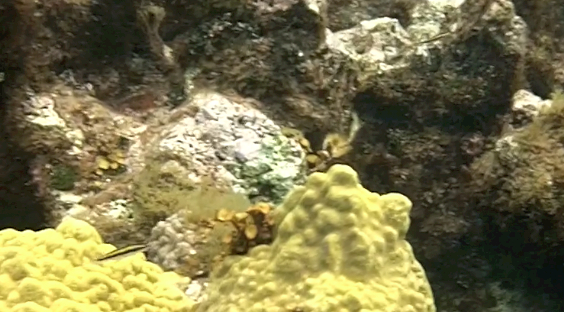
GOBY with MUSTARD HILL CORAL

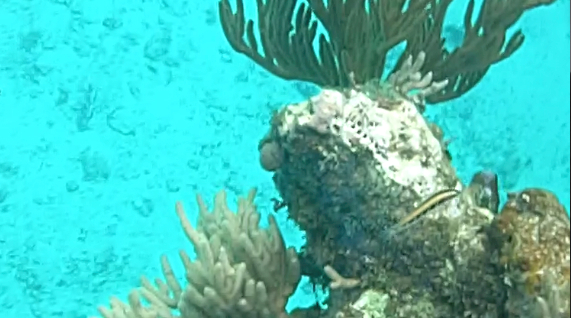
GOBY with BLACK SEA ROD CORAL (?)


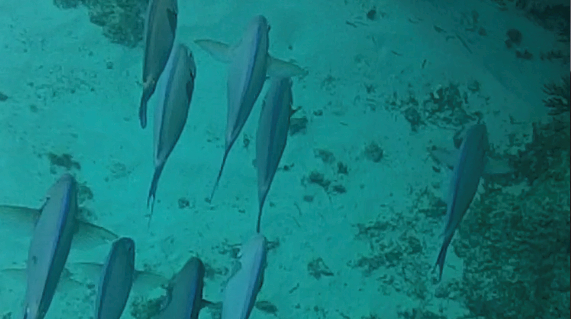
BLUE TANG SURGEONFISH IN FORMATION

PREDATORY QUEEN PARROTFISH (CUE JAWS-STYLE THEME MUSIC)

THE ONE THAT GOT AWAY

THE ONES THAT DIDN’T*  *  *  *  *  *  *  *

Unknown's avatar

A DAY AT CHEROKEE SOUND (ABACO) by TRISH FINDLATER


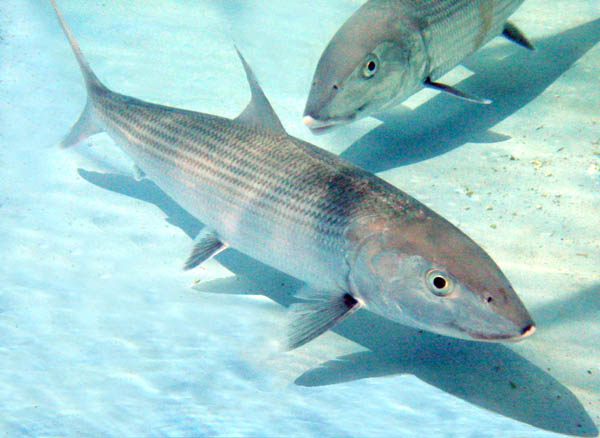
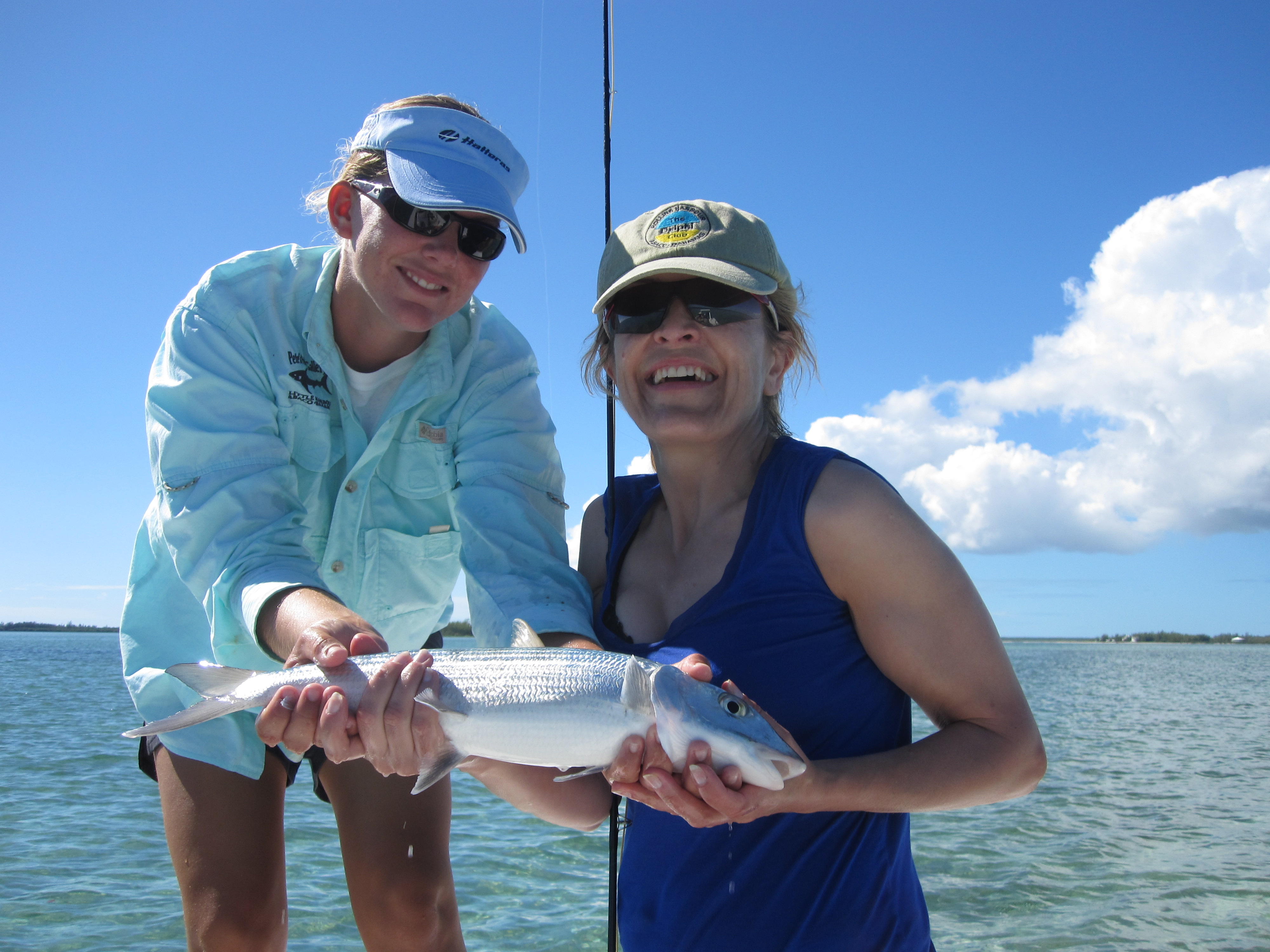
A MEMORY OF A DAY BONEFISHING ON CHEROKEE SOUND

First I thought it best to look up in the dictionary the meaning of the word ‘Sound’ in relation to ‘Cherokee Sound’ – it has such a poetic name. Sound: a long arm of the sea forming a channel between the mainland and an island or islands; or connecting two larger bodies of water.

“No one knows for sure where ‘the place’ got its name but one theory is that it was named after a local wild cherry tree and according to some old-English sailing charts was identified as ‘Cherry Cay’ (cay pronounced ‘key’ locally). Another story about the first settler being an old Indian woman who was supposed to have come from the Cherokee Nation in North Carolina during the American Revolution, and she named the settlement after her ancestors.”          By Lee Pinder, Cherokee Sound, Abaco.

About 40 kilometres or 25 miles south of Marsh Harbour, capital of Abaco, is the seaside settlement of Cherokee Sound. It is only fifteen minutes from the superb Delphi Fishing Club at Rolling Harbour where we were based. We set off for a day’s fishing at Cherokee, the home to fewer than 150 families, where most make their living fishing for crawfish, bonefish guiding and taking parties out deep sea fishing. Some of the finest bonefish guides live at Cherokee and none better than young Dana Lowe, daughter of Delphi’s senior guide Donnie Lowe. She has learnt since childhood from her experienced father and knows every inch of the complex waters, and where best to fish under various tide and cloud conditions (perish the thought, it is almost always gloriously sunny).

Dana has developed her own relaxed approach to guiding, and takes a missed opportunity in her stride, seldom getting upset by a client’s failure to engage with the incredibly spooky fish in the Sound. She calls clearly to the fisherman on the bow from her poling platform high above the 40 horse-power Yamaha at the stern of the 14 ft skiff: Fish 40 yards off, prepare to cast (and a minute later) give me 40 (feet) at 11 (o’clock, the bow is always 12). The angler has sufficient line stripped from the reel and with one false cast and a slight single haul lands the fly in the fish’s path.

After a momentary pause she quietly asks (with reference to the line): ‘strip, strip, stop, strip, raise the tip, GOT IT’ as the fish yields to the temptation of the inviting fly – and in a moment, like a bat-out-of-hell is 100/120 yards off, heading for the horizon! Then it pauses and turns which is the start of a real good angling experience until it gives up and is released from the barbless hook to rejoin its pals and recount the experience, often being honoured with leadership of the shoal. Such is the order of nature!

Dana is at one with her surroundings and encourages her guests to take in all that Cherokee has to offer. At low tide she loves to have her guests wade in bare feet on the silvery golden flats, sand as far as the eye can see, and cast to the occasional meandering fish or even a shoal of them. Easy to visualise the silvery sand, the blue green of the water, and the royal blue sky off set by soft fluffiness of the pure white clouds and almost uninterrupted sunshine. I love the lunch stops on a little mangrove island under the limited shade of a coconut tree, and the opportunity to collect a few shells for my nieces. I particularly like the sand dollars that have the appearance of engraved roman coinage, but are transparent porcelain white. And the various shades of pink of the conch shells are much liked by our local jeweller for engraving most appealing cameos. From the boat again she can show you, in season, the Ospreys nesting in their very square constructions of straw and wattle, green turtles snorting, and a plentiful number of ray, shark and barracuda cruising sinisterly around and with no evil intent to the peaceful anglers! As the evening draws in we call it a day and say our goodbyes to Cherokee Sound. Dana brings us back to the little jetty where our jeep from Delphi is awaiting us and we wave our fond farewell for another year and watch as Dana punts quietly out into the bay to her lovely home further along the shore line. The slow-paced tranquil daily life here feels as if it has not changed for many years and we hope, if that is fair to the residents, that it remains so for years to come.

Trish Findlater June 2011

AND FINALLY… unknown to Trish, rh was on the other skiff with a camera. For an independent view of what was going on in this idyllic place CLICK HERE

Unknown's avatar

BRIEF ENCOUNTER: DOLPHINS AT MARSH HARBOUR ABACO


Our Island-hopping trip with Kay – see previous posts [links later] – held the chance of an encounter with dolphins. The frankly dodgy weather – rain, cloud etc – seemed to have dashed that hope. As we entered the approaches to Marsh Harbour, we (I) had given up all thought of seeing any dolphins when suddenly… dolphins to starboard. A small pod, not very close, of 3 or 4 adults and at least one calf. They did what dolphins do for a short time, while gradually moving away from us into the murk. There was naturally huge excitement on board at this unexpected sighting.

So as Marsh Harbour came into view, we had ticked off the full day’s list: reef-snorkelling at Fowl Cay; island-hops to Lubbers (with lunch), Elbow and Man o’ War Cays; and rounded off with the dolphins. Without going overboard in any sense, this was 6 hours of wonderful adventure, and highly recommended as a top quality day’s outing. And you can even get an Abaco Above and Below t-shirt at the end of it all to prove you have done it.

*    *    *

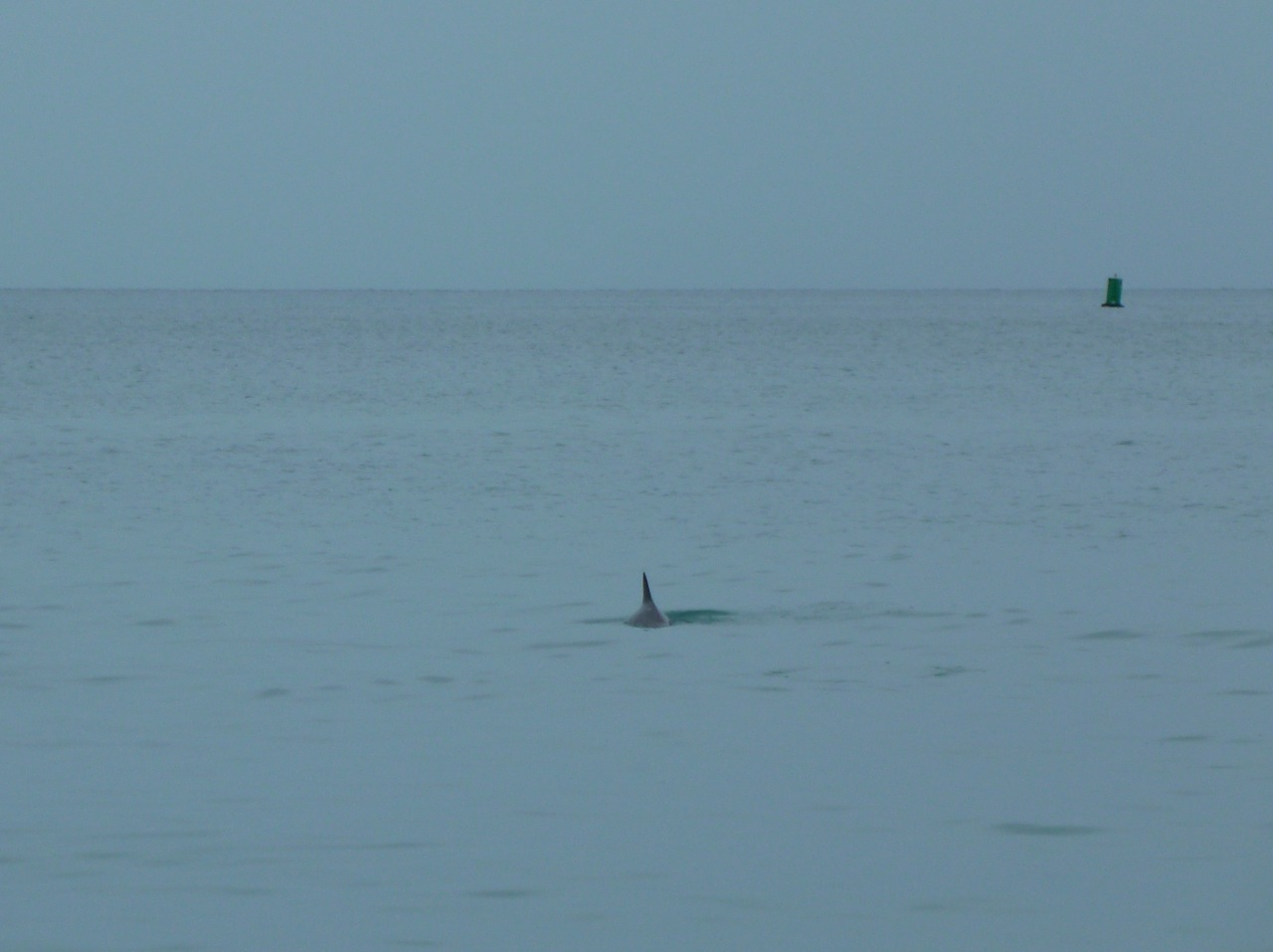
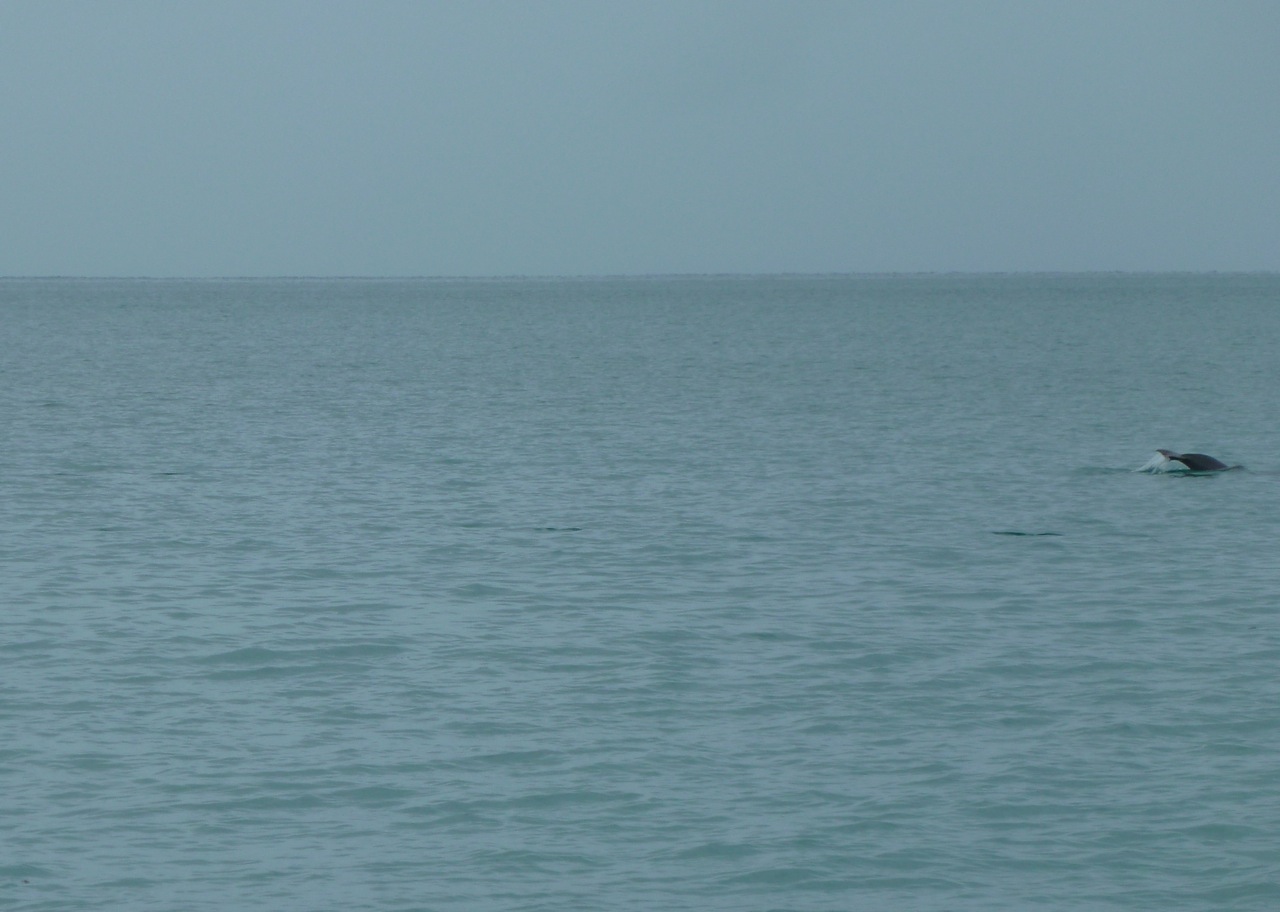
I have been uncharacteristically reticent, I notice, about showing the proof of the dolphin encounter. And for a very good reason. These may be the worst quality images of dolphins you will EVER see. You may in fact be better off looking at a cartoon… For what they are worth, here are two photos (of several worse ones…)

A DOLPHIN

ANOTHER DOLPHIN

A MORE CONVINCING DOLPHIN


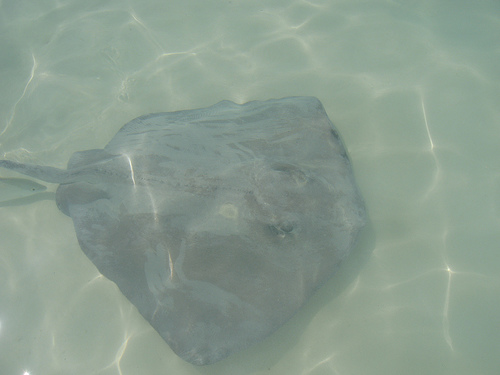
DELPHI DOLPHINS  You don’t have to go out in a boat to see dolphins. They have been seen from the verandah at Delphi, quite close to the beach – as have turtles and large rays. It’s worth having an occasional scan with the amazing autofocus binoculars that are kept in the Great Room

Unknown's avatar

BAHAMA WOODSTARS & CUBAN EMERALDS: THE HUMMINGBIRDS OF ABACO


THE HUMMINGBIRDS OF ABACO

At last I have got round to the hummingbirds. It’s quite simple. There are only two species of hummingbird on Abaco. The endemic variety is the Bahama Woodstar, one of only 3 endemic bird species on Abaco (the others are the Bahama Yellowthroat and the Bahama Swallow). The settled migrant is the Cuban Emerald.

               BAHAMA WOODSTAR                                    

 Calliphlox evelynae

Male and female Bahama Woodstars  (Photo Credit: Phil Brown – and VG too)

These hummingbirds are found throughout the Bahamas. They do not migrate, although are occasional vagrants in SE Florida. They breed all year round, the main season being in April. The female lays 2 elliptical white eggs, which she incubates for 15-18 days. As with humans, the female is mainly responsible for childcare while males go drinking at the nectar bar and hang out with their mates.

This BW was one of a small group at Hole-in-the-Wall. They were completely unconcerned by our presence, and we could get within arm’s length of them. Woodstars, though tame in human terms, can be aggressive and territorial. They are plentiful throughout the Bahamas except on Grand Bahama, Abaco and Andros. Significantly those are the only islands where the Cuban Emerald is found in any numbers. As with the native red and import grey squirrel problem in the UK, the migrant emerald is aggressive towards the woodstar, which is consequently rare where emeralds are abundant.

Here is their call (credit Jesse Fagan Xeno-canto)

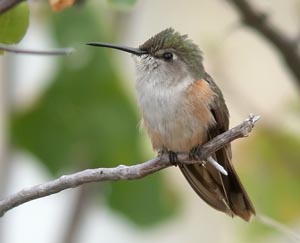
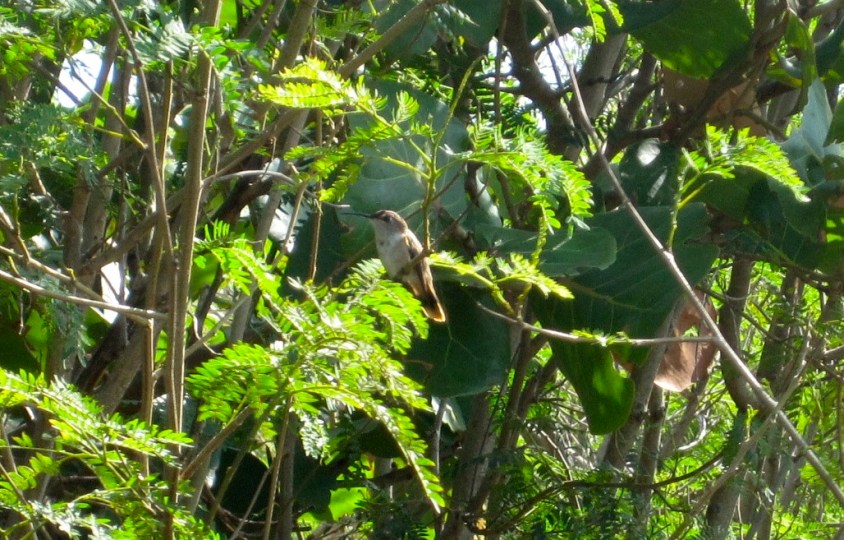
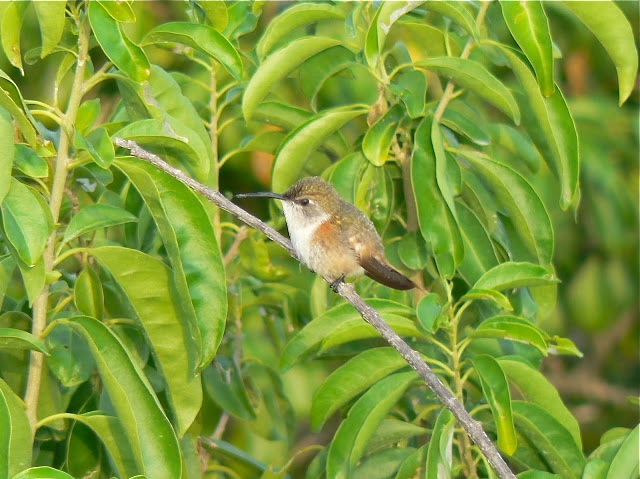
Addition April 2012 Here is a seriously cute female Woodstar photographed by Ann Capling at Bahama Palm Shores, close to Ocean Drive – a really pretty little bird

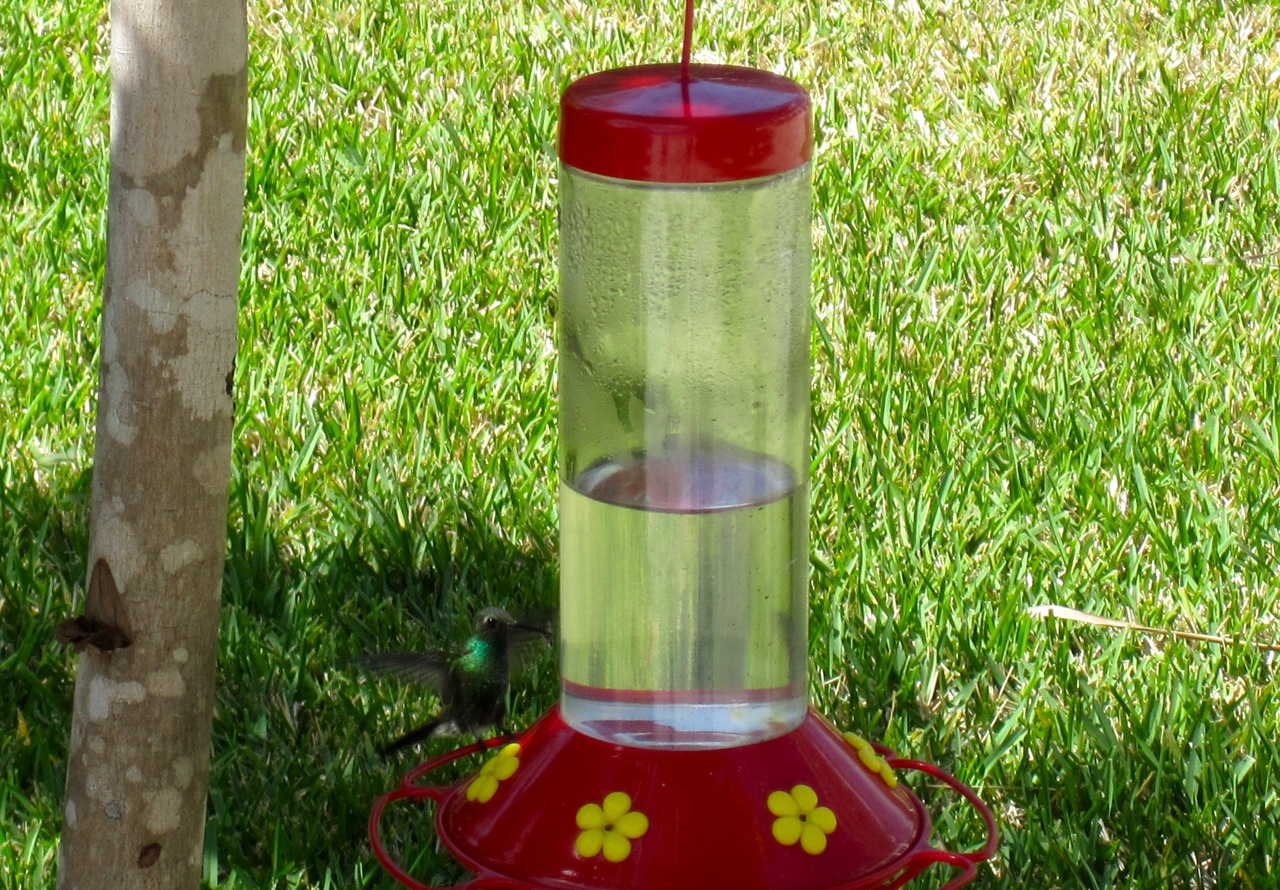
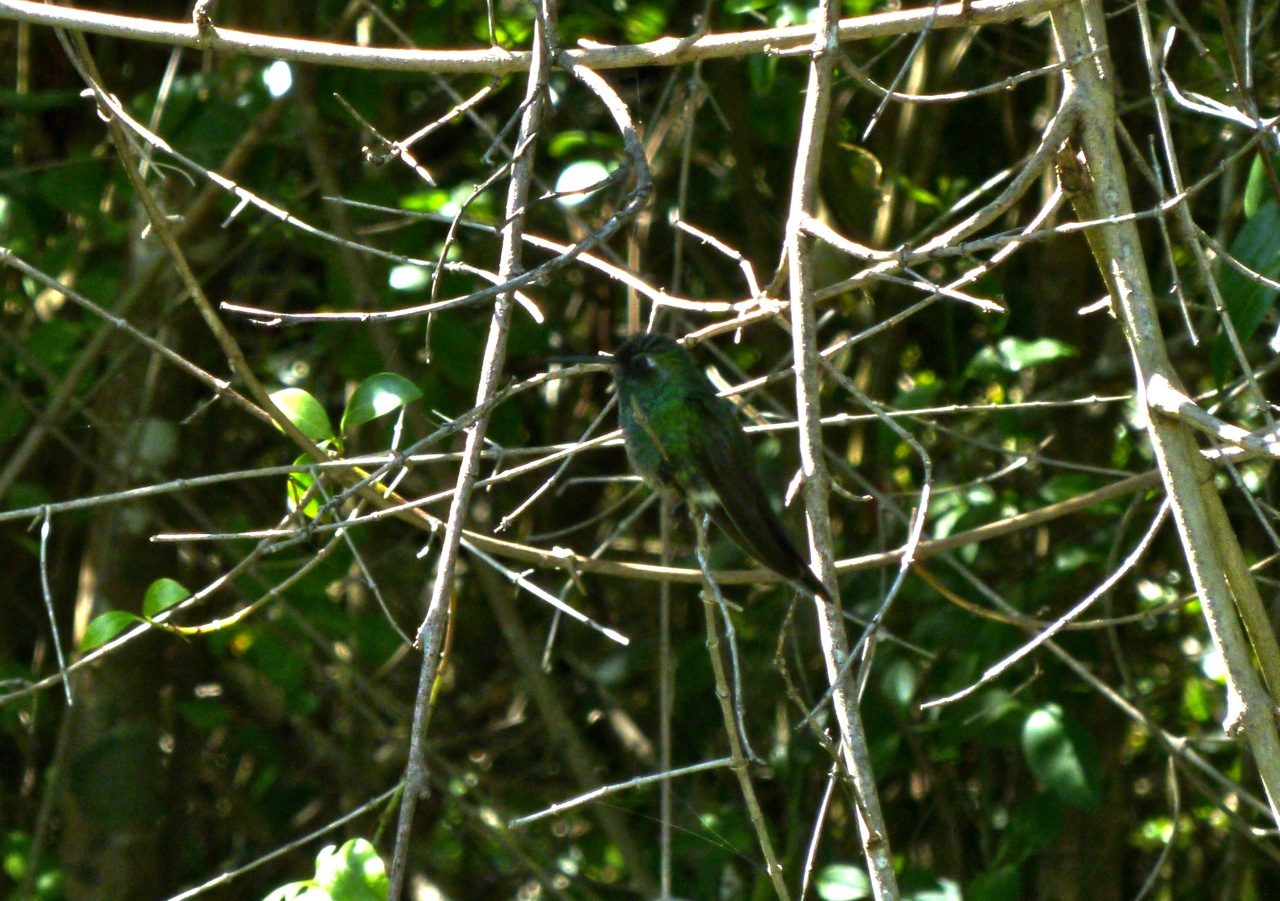
At Delphi, you’ll frequently see emeralds, especially now that feeders with sugar water have been hung up for them. The pool area is a very good place to watch them. But there are occasional woodstars to be seen as well – in the coppice on the drives for example, and even on the feeders. The vague blur to the left of the feeder below is a woodstar in the millisecond between me pointing the camera and it flying away… Don’t bother to click to enlarge it – it’s a useless photo, I know, but it is evidence even at the lowest level

CUBAN EMERALD Chlorostilbon ricordii

                                        

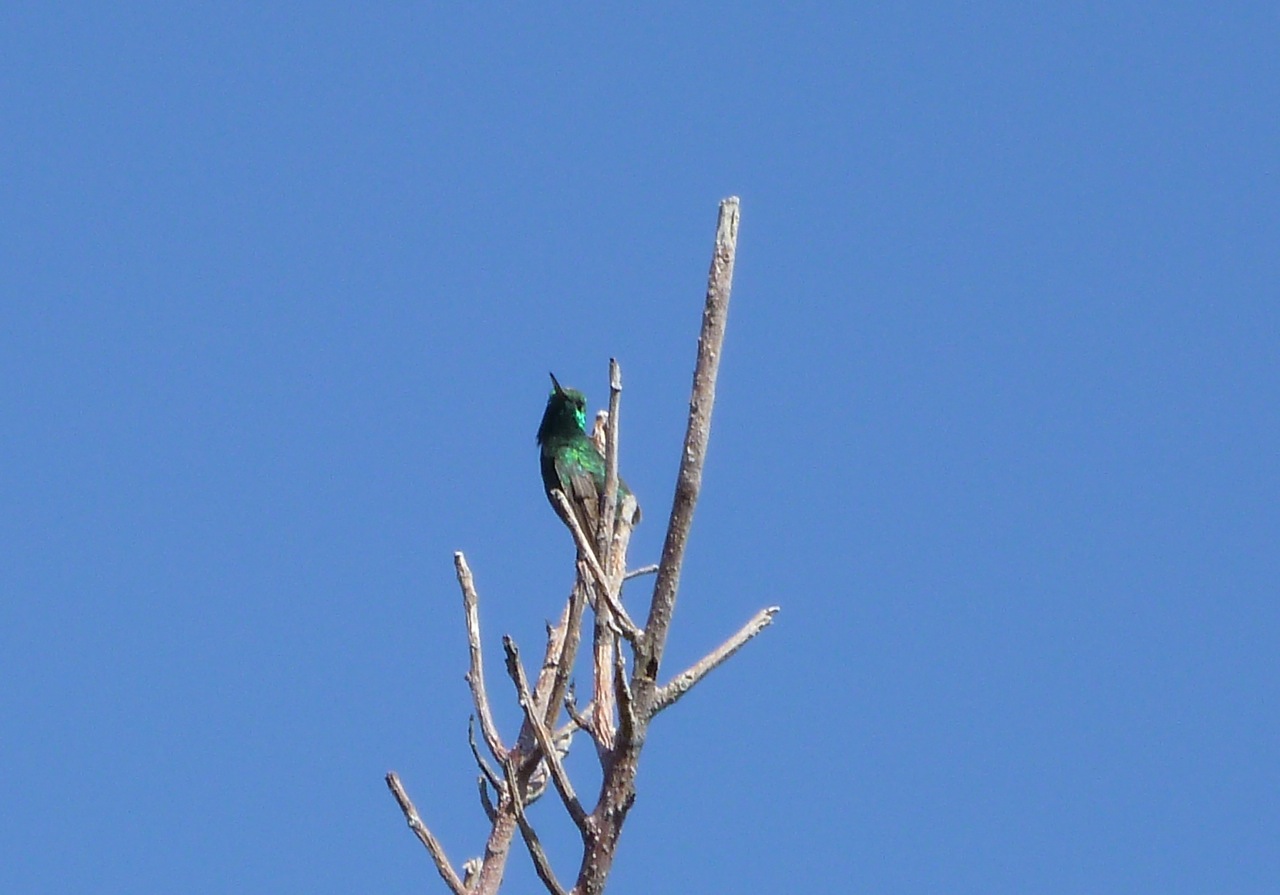
There’s probably a great deal to be written about the emeralds, but not by me. Or not now, anyway.  The little you need to know from me is already covered above, and I haven’t yet discovered whether their childcare arrangements differ significantly from the woodstars. Probably not. So I’ll put in a selection of photos, and remark that it is strange how quickly they can change from sleek and slender birds to small rather cold and dispirited looking bundles of feathers. Both states are depicted below. Here’s what to listen for (credit Xeno-canto.org) 


Delphi – pool feeder

Delphi – pool feeder

Delphi – pool feeder

Delphi – far side of pool

Delphi – near pool

Delphi – front drive

Delphi – front drive

All the above birds were photographed at Delphi. We saw emeralds elsewhere, of course – in the pine forest, flicking across the logging tracks; on other Cays. The best sighting was during our day trip reef-snorkelling and island-hopping with Kay Politano, when we had an excellent lunch for 14 at Cracker P’s on Lubbers Cay (see future post about this and the island-hops). There was a bird feeder by our table, to which emeralds came and went throughout the meal. Here are some photos – I wanted to get them hovering, and kind of succeeded. More or less.


This link may or may not result in you hearing an emerald’s call. Let’s see if I can make it work…
http://www.xeno-canto.org/sounds/uploaded/LNEEOOWCQR/Emerald_Cuban_feedingcall_10122010_0831_0075.mp3

HUMMER FACTS
  • The colourful throat of a (male) bird is known as a ‘gorget’
  • Hummingbirds are the only birds that can fly backwards
  • There are 320 species of hummingbird worldwide
  • The smallest is the bee hummingbird of Cuba, at 2″ for an adult
  • John Gould, the c19 ornithologist and artist, invented many of the names to reflect the varied and iridescent colours of the birds.
  • Hummingbird wings beat as much as 75 times per second
  • Hummingbirds have the highest metabolic rate of any warm-blooded creature; also the largest hearts (proportionately, obviously…)
  • On TCI, the Bahama Woodstar is known as ‘The God Bird
  • There are many collective nouns, including a “bouquet”, “glittering”, “hover”, “shimmer”, and “tune” of hummingbirds 

Unknown's avatar

BIRDS ON THE BEACH: ROLLING HARBOUR, ABACO


By which I mean, of course, Plovers and Ruddy Turnstones on the Delphi beach, but let’s just keep an eye on the individual ‘hits’ tally for this provocatively titled post…

A single Wilson’s Plover – February 2010

Four Ruddy Turnstones at the north end of the beach, on the lethal coral –   March 2011 

(thanks for the ID correction Margaret – see comments below)

Two Ruddy Turnstones – March 2011

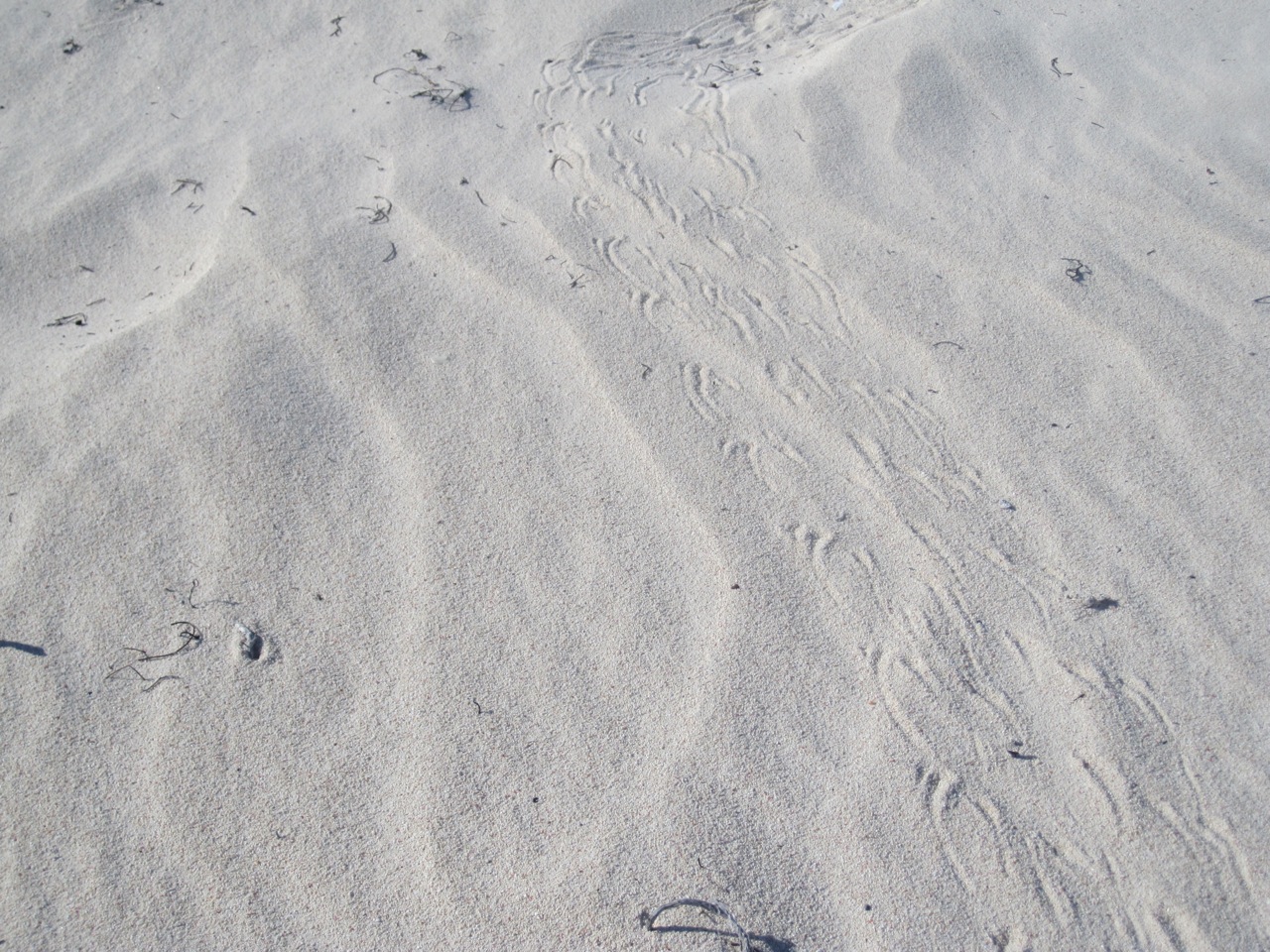
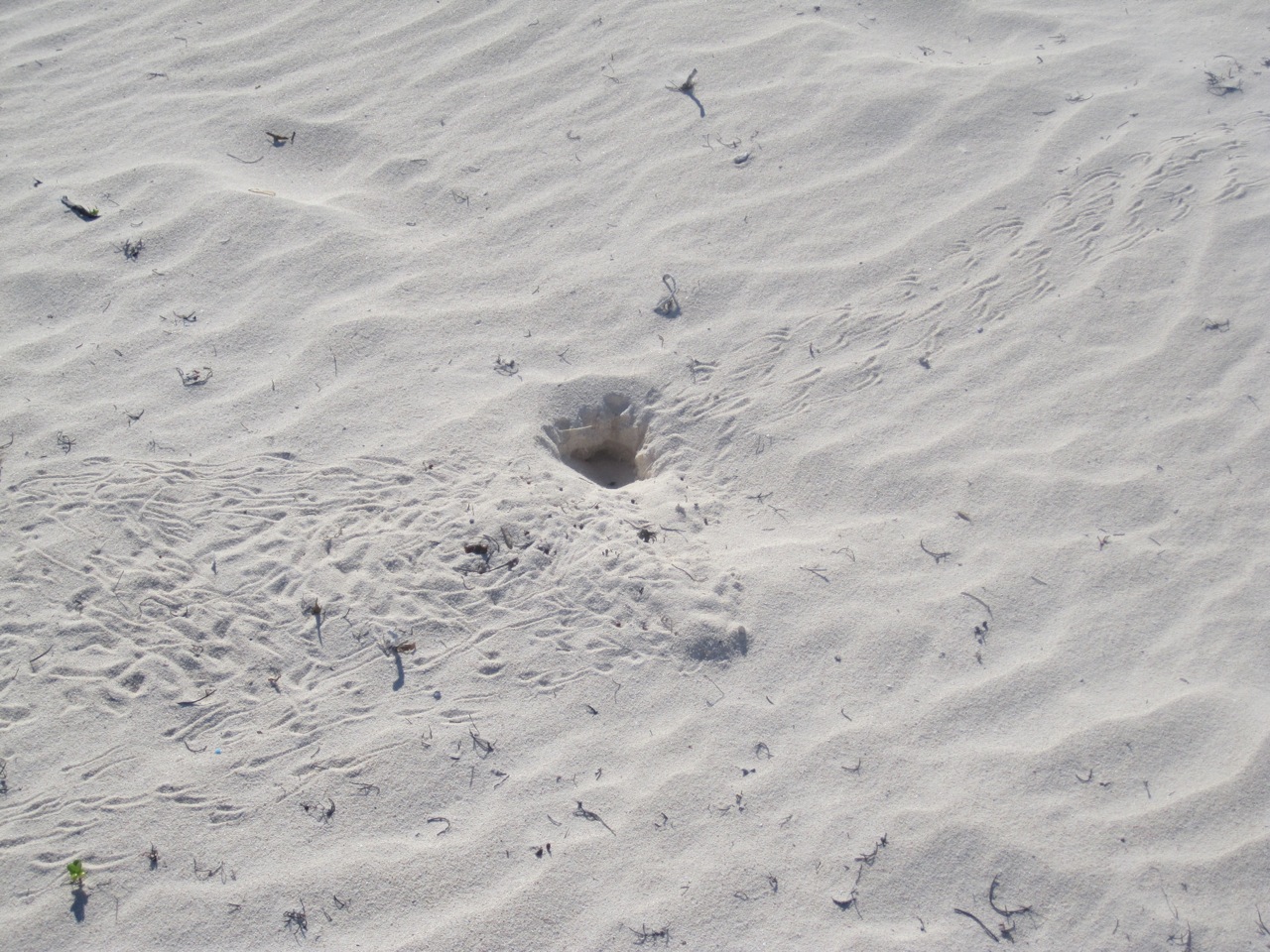
An inviting track to be followed (quite some distance, as it turned out)

The end of the track – a crab’s home

Finally, his ‘n’ hers rods – evidence of a perfect Rolling Harbour afternoon

Unknown's avatar

HOPE TOWN LIGHTHOUSE, ELBOW CAY, ABACO – A BEACON ICON


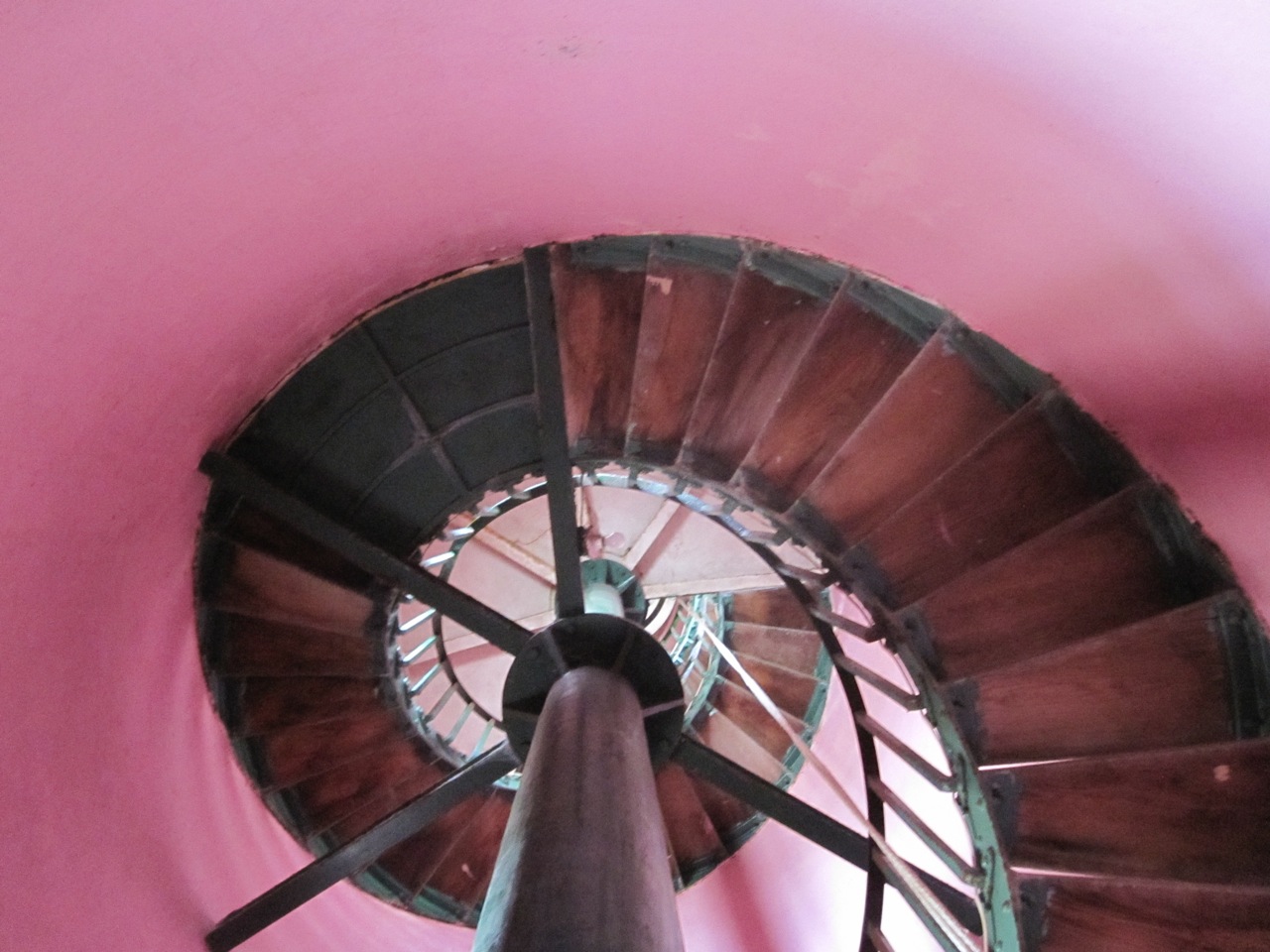
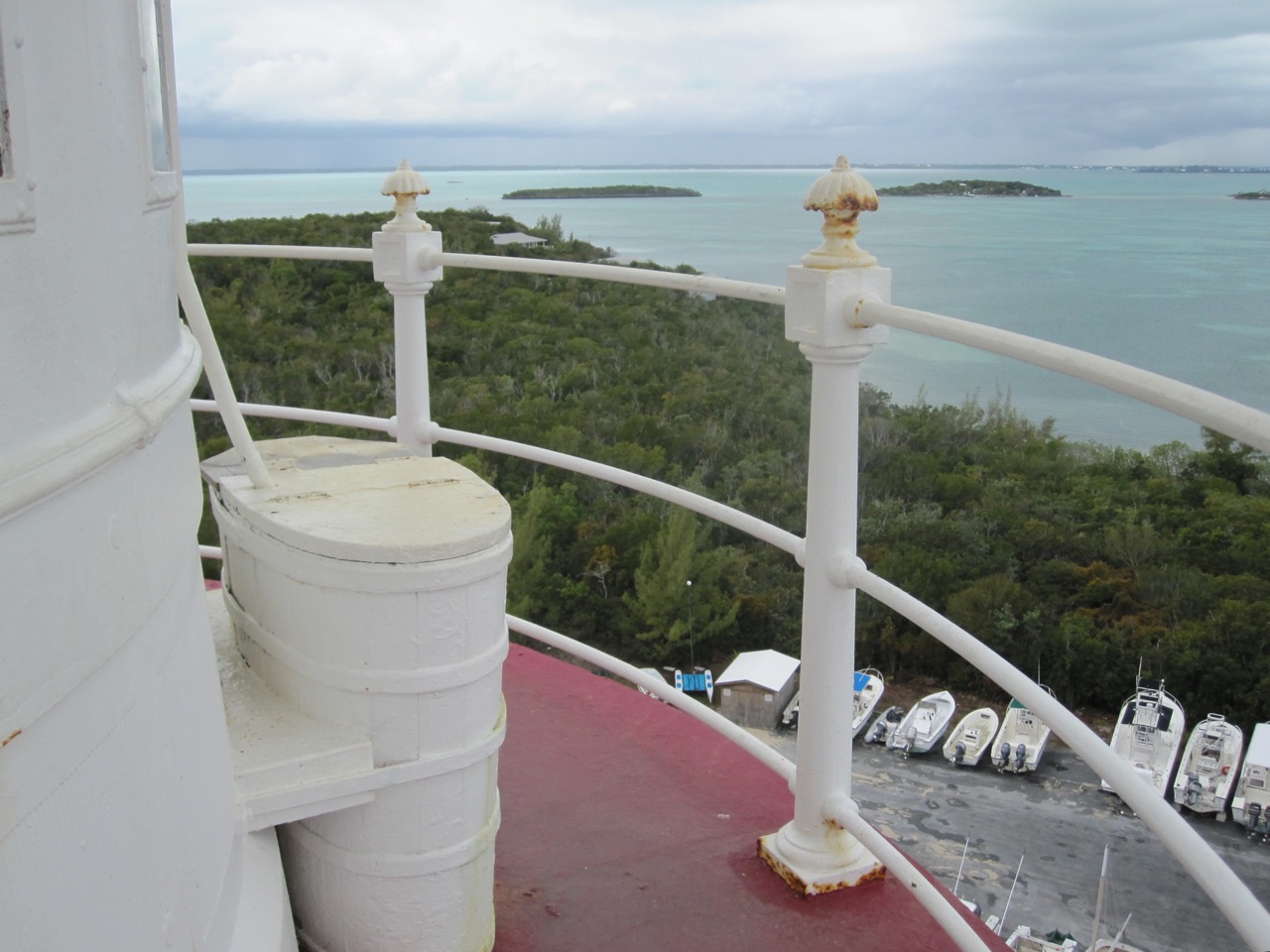
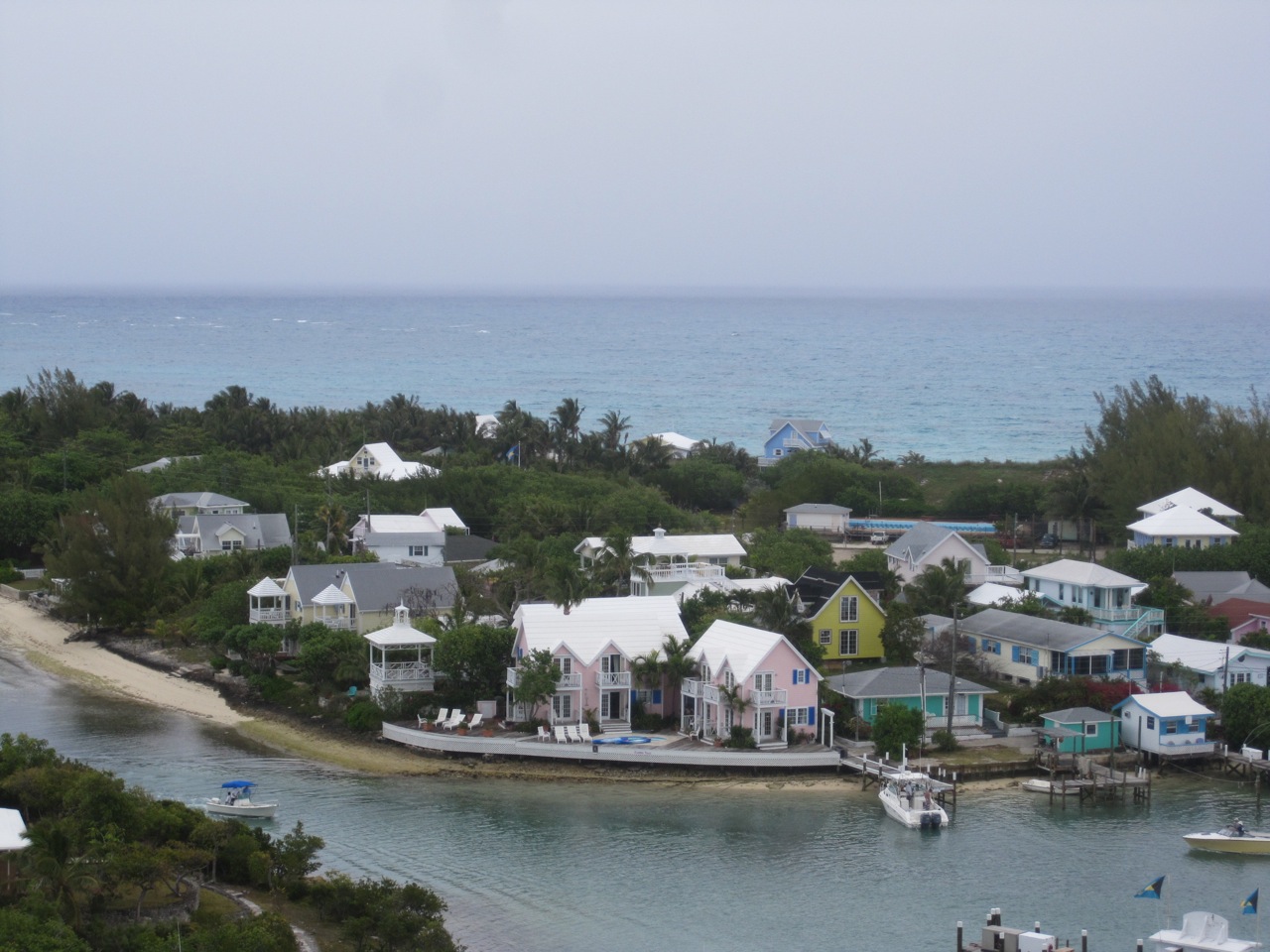
Our visit to Elbow Cay was one part of our day’s Island Hopping / Reef Snorkelling expedition with Kay Politano. In Hope Town, while most of the party wandered round the streets (and shops…) Mrs Rolling Harbour took the boat across the harbour to the Hope Town Lighthouse. This must be the best known landmark of Abaco – ‘iconic’, perhaps, in the modern sense of the word. The weather on the day was pretty poor, with thick cloud and intermittent rain and drizzle. Which is a pity, because the photos would have looked even better with sunshine and blue sky…


  All Photos: Mrs Rolling Harbour


HOPE TOWN LIGHTHOUSE FACTS

(click on Coordinates below for position and Hope Town info)

Location: Elbow Cay, port of Hope Town
Coordinates 26.539421°N 76.958840°WCoordinates
Year first constructed: 1862
Year first lit: 1864
Construction: Masonry
Tower shape: Conical
Markings/Pattern: Red and white bands
Focal Height: 37 m (121 ft)
Original lens: First order Fresnel
Range: 23 nmi
Characteristic: Fl(5) 15s
Admiralty number: J4572
NGA number: 11800
ARLHS number: BAH-010

The Hope Town Lighthouse is one of only three Manual Lighthouses left in the World. It has a spring mechanism that has to be hand cranked every few hours to maintain the sequence of five white flashes every 15 seconds. The lamp burns kerosene with a wick and mantle. The light is then focused as it passes through the optics of a first order (largest size) Fresnel lens which floats on a bed of mercury. 

A Fresnel lens (pron. ‘Fray-nel’) is a type of lens originally developed by a French physicist Augustin-Jean Fresnel specifically for lighthouses.Compared to conventional bulky lenses, the Fresnel lens is much thinner, larger, and flatter, and captures more oblique light from a light source, thus allowing lighthouses to be visible over much greater distances. Fresnel’s lighthouse lenses ordinarily fell into six orders based on their focal length, first order being the largest (wiki-assist) 

Logo of the World Lighthouse Society


Unknown's avatar

THE BAHAMIAN HUTIA: ABACO’S EXTINCT RODENT


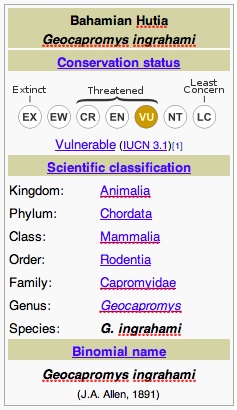
THE BAHAMIAN HUTIA  (Geocapromys ingrahami)

HUTIAS are cavy-like rodents of the Caribbean Islands. They range in size from 20 to 60 cm (8 to 24 in), and can weigh up to 7 kg (15 lb). Twenty species of hutia have been identified, of which half may now be extinct. Their tails vary from vestigial to prehensile. They have stout bodies and large heads. Most species are herbivorous, though some eat small animals. Instead of burrowing underground, they nest in trees or rock crevices. Of extant species, only a few are common; most have become vulnerable or endangered. In Cuba they are hunted for food, and are often cooked in a large pot with wild nuts and honey. One of the recipes is hutia stew: sauté with green peppers, onions, tomato sauce and lots of garlic. (Source: Wiki)

         Photo WWF/ G. Clough

The Bahamian species of Hutia is endemic to the Bahamas. It is listed as a vulnerable species. Its natural habitats are moist forests, dry shrubland and rocky areas. Hutias are a nocturnal species, remaining underground during the day. Two subspecies became extinct in modern times. The Crooked Island Hutia (G. i. irrectus) and the Great Abaco Hutia (G. i. abaconis) were mentioned by early European voyagers, and are believed to have become extinct by 1600. This is thought to be due to land clearance rather than direct hunting. However, they are found elsewhere in the Bahamas – the Exumas, for example.

————————————————————–

IT’S OFFICIAL: the extinct species listing

Great Abaco Hutia  Geocapromys ingrahami abaconis West Indies, Bahamas, Great Abaco Extinct in 1600

For more details, check out Rod Attrill’s excellent website, for which this is the relevant link: http://www.motygido.co.uk/bahamas_hutia.html  

Tail of a Hutia (nb quite different from a rat)IMG_7500.jpeg

STOP PRESS: THIS SMALL POST HAS RECEIVED A SURPRISINGLY LARGE NUMBER OF HITS – CAN ANYONE EXPLAIN WHY? 

NEW: HUTIA VIDEO (added Dec 2011)

Image added April 2012 (credit as annotated)