Unknown's avatar

‘CONCH CENTRAL’ AT SANDY POINT, ABACO, BAHAMAS


‘CONCH CENTRAL’ AT SANDY POINT, ABACO

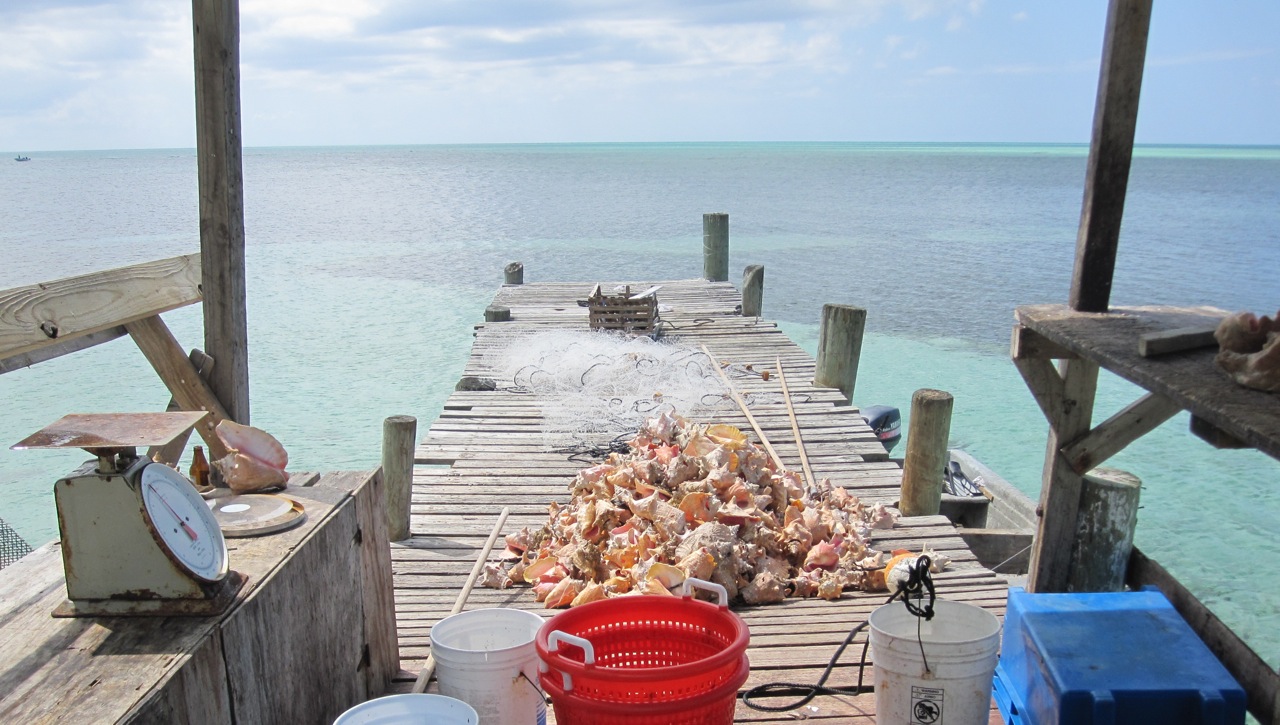
The serious conch action in Sandy Point is to be found at the jetty. I learned a simple beginner’s lesson on our first visit to Abaco. If you choose a large gorgeous-hued conch from the huge pile in the 4th photo to take back home, it will quickly start to smell dodgy, followed by evil… until you clean it properly!

Unknown's avatar

ABACO PARROT NEWS FROM THE DELPHI CLUB


ABACO PARROT NEWS FROM THE DELPHI CLUB, ABACO
Caroline Stahala has emailed me with some excellent parrot news of daily sightings around the Club and in the coppice along the drives. It sounds as though, if we are very lucky, Caroline might take us to the nest sites when we are at Delphi in May…
TWO ABACO PARROTS ON THE DEAD TREE BY THE DELPHI FRONT DRIVE
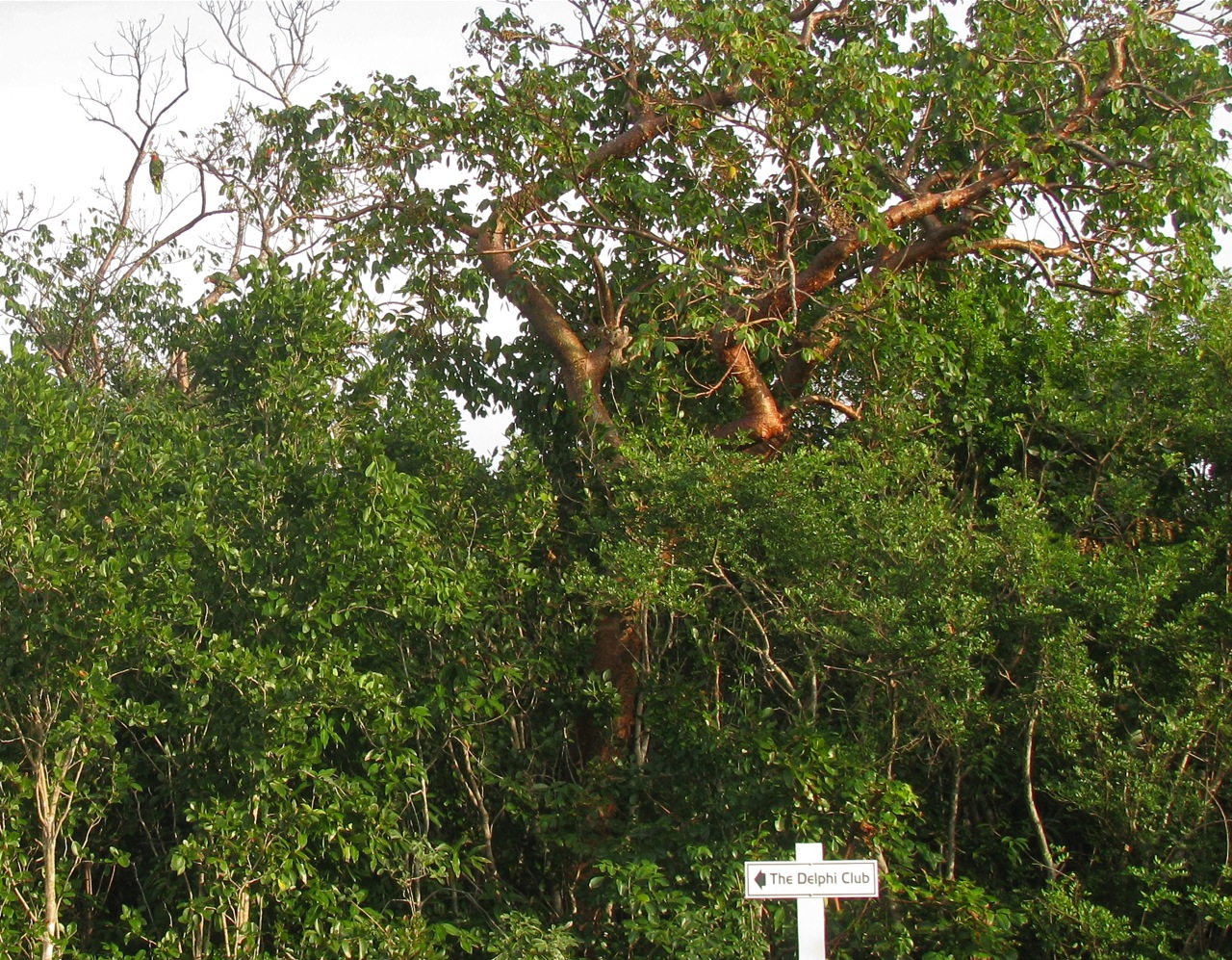
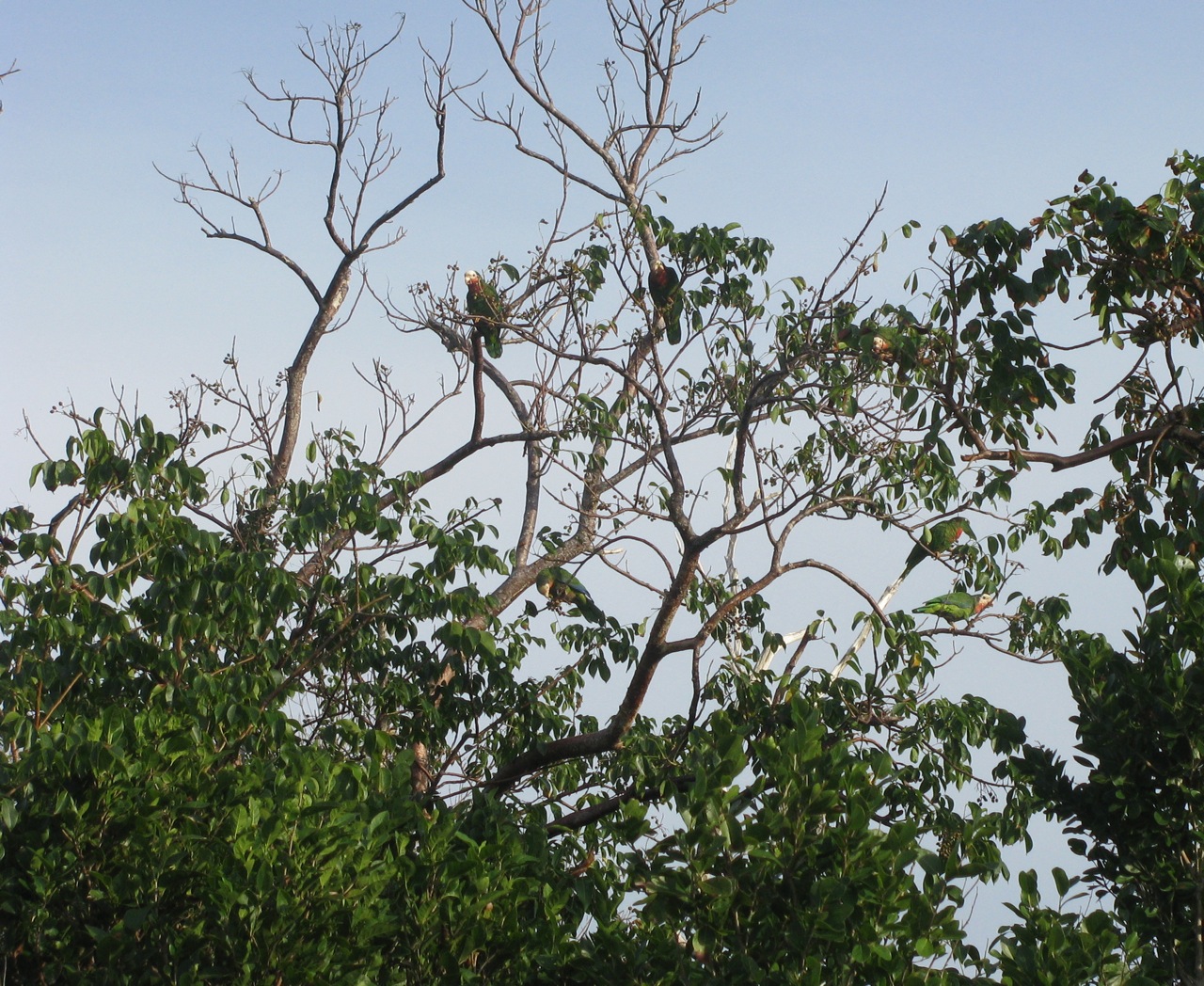
“As far as current parrot news.  Well, they are all around the lodge at the moment.  I can hear the parrots each day right on cue at 7:30 in the morning and then again just after 4pm.  They have been foraging in the fruiting hardwoods in the area, especially the Gumbo Limbo (Bursera simaruba).  I am attaching a picture of a small flock I saw right on the drive in front of the house. A couple of pictures are close up of the parrots and the ones with the Delphi signs do have parrots in them, see if you can find them. They have even been spotted just behind the pool.  Let’s hope they decide to make this a habit. I am currently working on getting the summer field season organized… writing reports and grant applications is the necessary evil in order to have a summer field season”
PARROTS IN THE COPPICE BY THE DELPHI DRIVE (TOP LEFT)
A CLOSE-UP OF THE FLOCK – THERE ARE 6 VISIBLE (ONE IS PEEPING)
A FLOCK OF ABACO PARROTS
[audio http://www.xeno-canto.org/sounds/uploaded/XUPTAZCQVD/LS100545-CubanParrot-110212_1503.mp3]
Credit: Laura Gooch @ Xeno-Canto
Unknown's avatar

YOUR FAVOURITE ABACO BIRD: VOTE NOW FROM THE 4 NOMINEES


A NEW BIRDING DIVERSION

BAHAMA WOODSTARS LEAD VOTE NOW POLL CLOSES 29 FEBRUARY 

This could be fun. Unless no one bothers to participate. I’ve just found out how to do this, having wondered for a while what the little widget did. There may be some way for you to put your own choice, but I am a slow learner. Another time maybe. For now,  you can positively opt out of the nominated birds – your very own protest vote. Or you can all just ignore the whole thing, as I rather fear may happen… If this prototype bombs, I’ve only wasted a couple of hours, after all…

UPDATE: After a week, the order is (1) Bahama Woodstar (2) Abaco Parrot (3) Western Spindalis (4=) Banaquit and ‘Sorry…’ The poor Tropicbird got no votes and has been removed…

Unknown's avatar

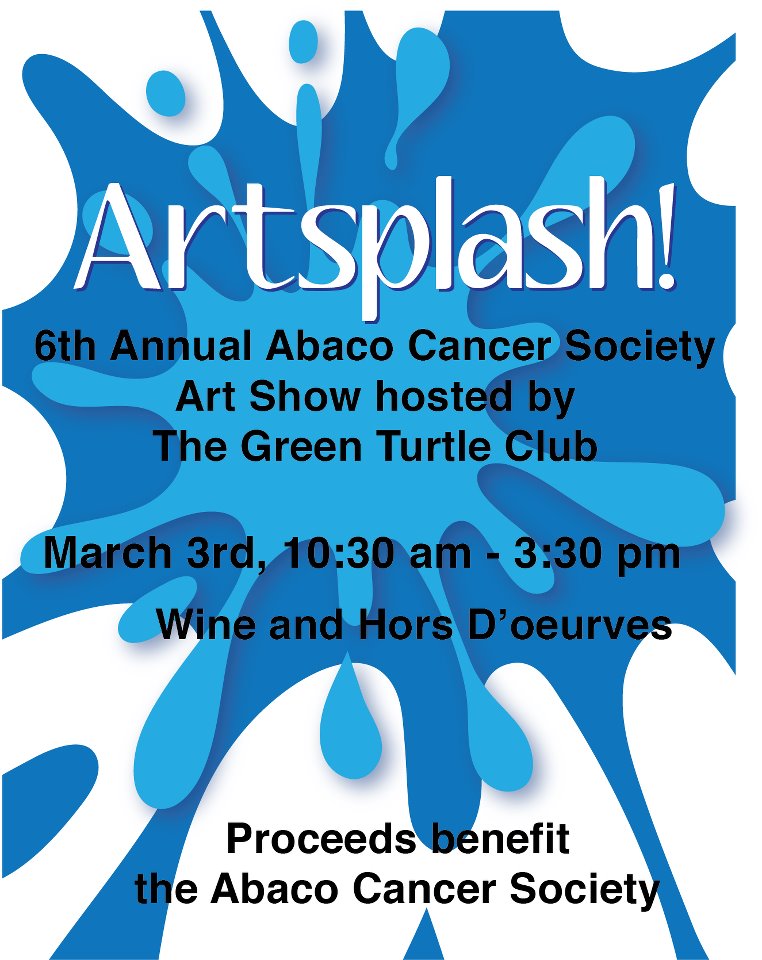
ARTSPLASH! 6th ACS ART SHOW – GREEN TURTLE CAY MARCH 3rd


A quick ‘heads up’ for the forthcoming Abaco charity event at the Green Turtle Club, GTC in aid of the Abaco Cancer Society. Party for 5 hours in congenial company amidst the artworks, and all in an excellent cause

Unknown's avatar

ABACO WHALE, DOLPHIN & MANATEE SIGHTINGS JANUARY 2012


ABACO CETACEANS AND SIRENIANS                                        BMMRO SIGHTING REPORTS JANUARY 2012

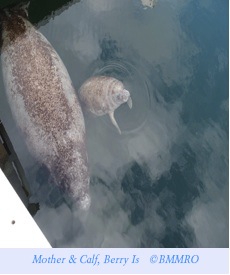
For the second month in succession MANATEES have been seen in the area: again in the Berry Is region, and additionally off Grand Bahama. With luck they will now be a fixture on the BMMRO monthly sightings map. The main reported Abaco activity, including a sperm whale, was on the ocean side of Elbow Cay. Thanks to Charlotte Dunn / BMMRO for permission to use their material

Unknown's avatar

BOOKCOMBING: AN OCCASIONAL THEMED SERIES (1) OCEAN DEBRIS


BOOKCOMBING

A MISCELLANY OF BOOKS MORE OR LESS RELEVANT TO ABACO LIFE

These are not books I have read myself. They are books that may be of interest to readers of this sort of blog. Islandy. Beachy. Mariney. A whiff of wildlife. They will be collected together under the BOOKS ETC menu as the series expands. If one of them catches your eye, then check online for reviews, reader ratings and prices. If I get round to one or more of them I will add my own views, but I am still gradually working through wildlife books that I have already paid for…

1. FLOTSAM, JETSAM & OCEAN DEBRIS

Flotsametrics and and the Floating World: How One Man’s Obsession With Runaway Sneakers and Rubber Ducks Revolutionized Ocean Science

by Curtis Ebbesmeyer & Eric Scigliano

“Curtis Ebbesmeyer has made important discoveries about everything from currents to the huge floating garbage patches in the ocean to how life was first spread on earth and how the Vikings settled Iceland. In the tradition of John McPhee’s bestselling books on scientists who both study and try to protect the natural world, The Floating World offers a fascinating look at the creativity and energy of a most unusual man—as well as offering an amazing look at what currents have meant for the world and especially mankind through the centuries.  Hardcover; PP: 288; Illustration: 10-15 images throughout” Smithsonian Store

Washed Up: The Curious Journeys of Flotsam and Jetsam

by Skye Moody

“The ocean gives up many prizes, just setting them on our beaches for us to find. From rubber ducks that started out somewhere in Indonesia to land Venice Beach, to an intact refrigerator makes it way to the Jersey Shore. Chunks of beeswax found on the Oregon coast are the packing remnants of 18th century Spanish gold. Author Skye Moody walks the coast, dons her wet suit, and heads out to sea to understand the excellent debris that accrues along the tideline. There she finds advanced military technology applied to locating buried Rolexes, hardcore competitive beachcombing conventions, and isolated beach communities whose residents are like flotsam congregated at the slightest obstacle on the coastline. This book confirms that the world is a mysterious place and that treasure is out there to be found” (Publisher’s Fluff)

Tracking Trash: Flotsam, Jetsam and the Science of Ocean Motion

by Lorree Griffen Burns

“Tracking Trash is the story of Dr. Curtis Ebbesmeyer, an oceanographer who studies the movement of ocean currents. Dr. Ebbesmeyer’s work has attracted attention because he has received much of his information from studying trash. It all began when his mother heard about sneakers that were washing up on a beach after a cargo ship lost one of its containers. Since then, he has tracked sneakers, Lego’s, and even rubber duckies that have been accidentally spilled at sea and made their way to shore. By understanding how ocean currents move, scientists hope to solve many problems such as fish shortages and animals being caught in fishing nets. This book was very enjoyable to read and easy to understand. The pictures were large and engaging. The author did a great job at making it feel like a story while at the same time giving a lot of scientific information” (Satisfied Amazon Punter)

Moby-Duck: The True Story of 28,800 Bath Toys Lost at Sea and of the Beachcombers, Oceanographers, Environmentalists, and Fools who wen in search of them…

Donovan Hohn

I have just spotted that this book is about to be reprinted and, I imagine, updated at the end of February, so I am adding it to the collection. I note in passing that it is published by Penguin…

One 5* review on Amazon UK sets the scene: “This is a book that follows the journey of plastic ducks, turtles, frogs and beavers after the container they are in falls overboard and breaks open on impact with the sea. Moby Duck is fact that reads as good as fiction. The Author doesn’t only traverse the world of escapee plastic toys but meanders his way through a factory in China that makes bath toys, gets on a ship that is on research mission even though he has a fear of open water and even ends in Alaska where the first plastic duck was found. This is a great read, for anyone who likes a quirky book that tells a true story with wit, charm and gentle humour. Moby Dick is never far away in this book, only he has been transformed into Moby Duck…”

Amazon.com has 42 reviews, averaging a disappoining 3.5*. Some are ecstatic, some lukewarm, few can resist the golden opportunity proffered by the author to be “puntastic”. I like the one titled “An Eclectic Tale, but Caught in Its Own Eddy in the End”. Maybe that is the most astute summary of all.

Unknown's avatar

WOODPECKER COUSINS FROM ABACO & ACROSS THE POND


WEST INDIAN AND GREAT SPOTTED – WOODPECKER COUSINS

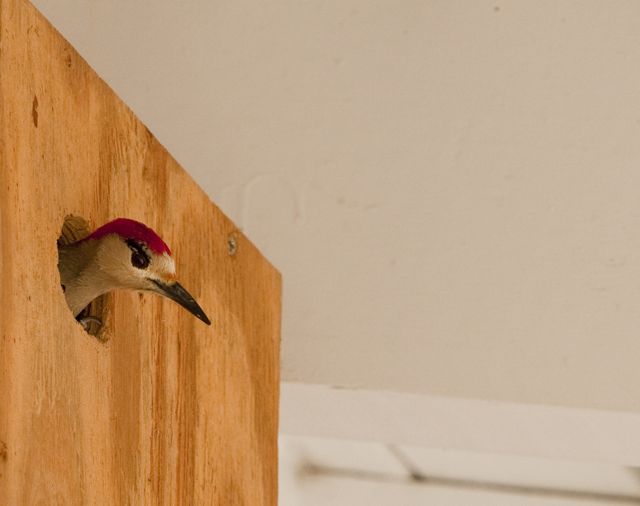
The starting point / excuse for this post is the nest box for West Indian woodpeckers under the eaves of the Delphi Club verandah. Put ‘woodpecker’ into the home page SEARCH box and you will find various posts about last season’s epic: the reluctance to use the box; the gradual acceptance; the summer nesting and breeding; the heroic stand of the male woodpecker who guarded the box throughout the rampage of Hurricane Irene

Happy to roost here – deeply suspicious of the new wooden structure over there

(Later) No place like Home(©Peter Wesley Brown)

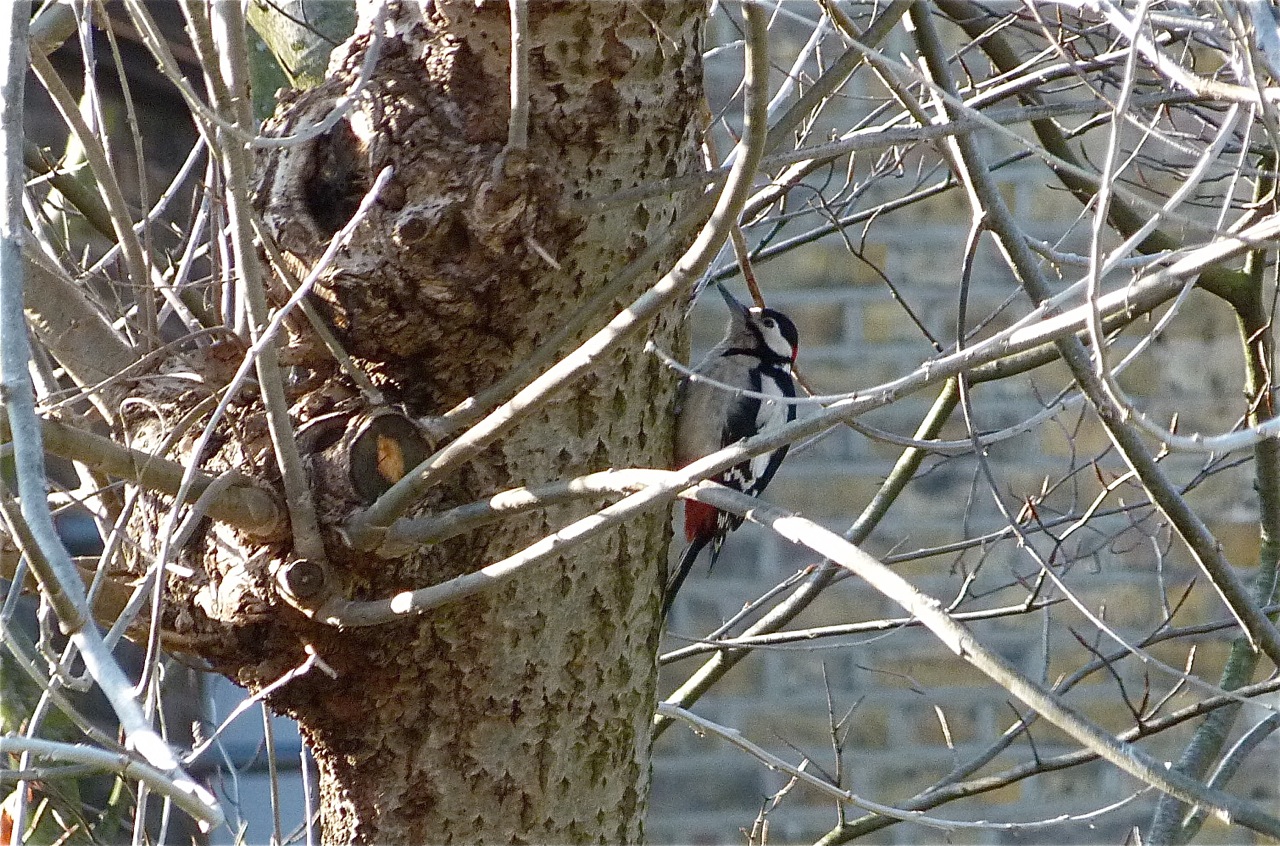
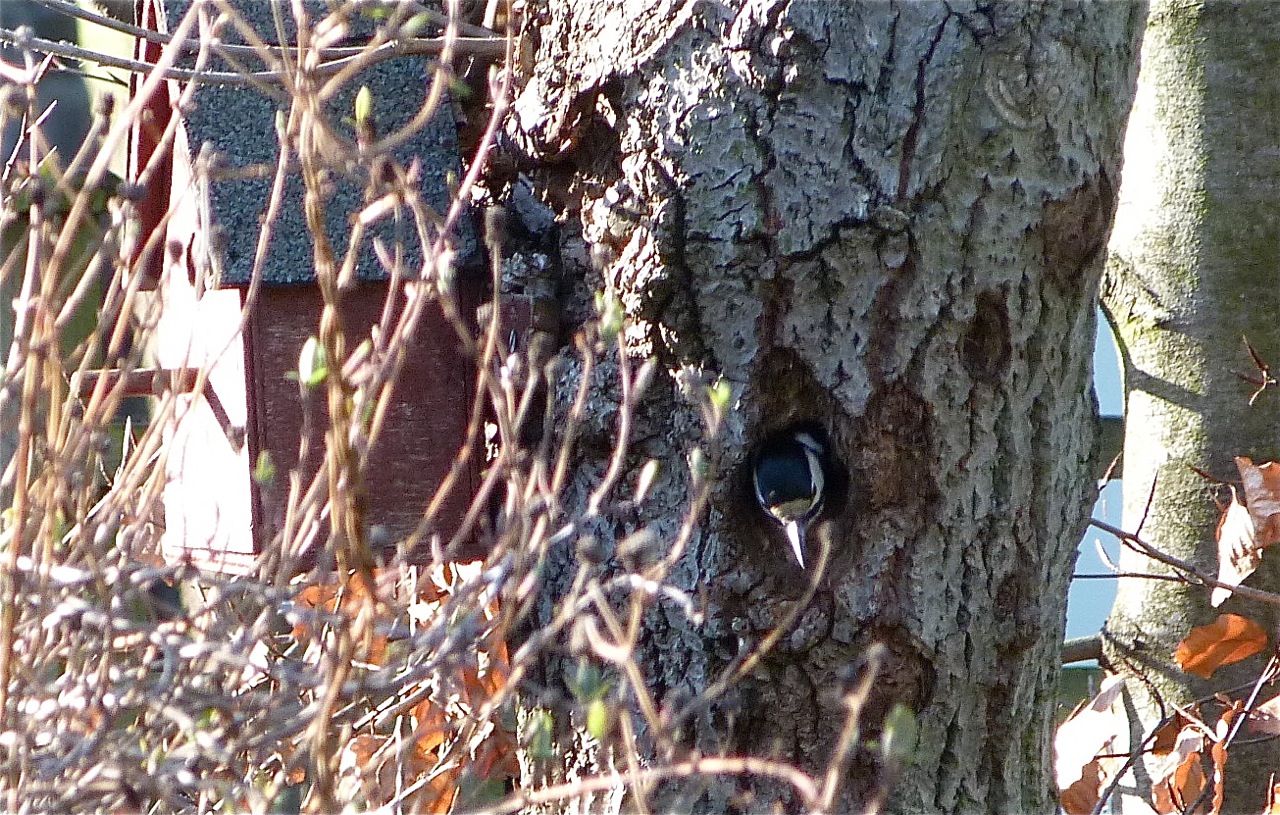
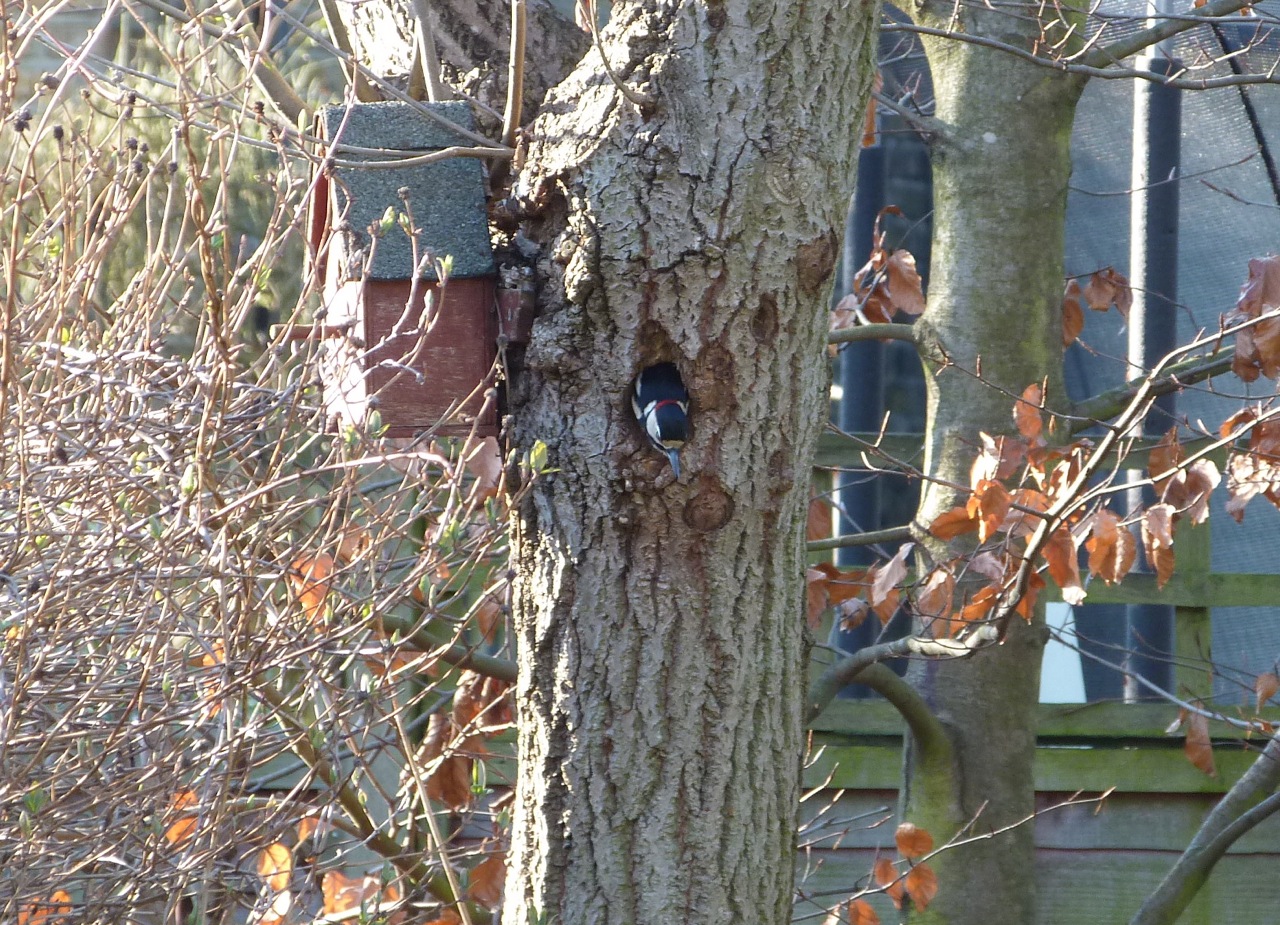
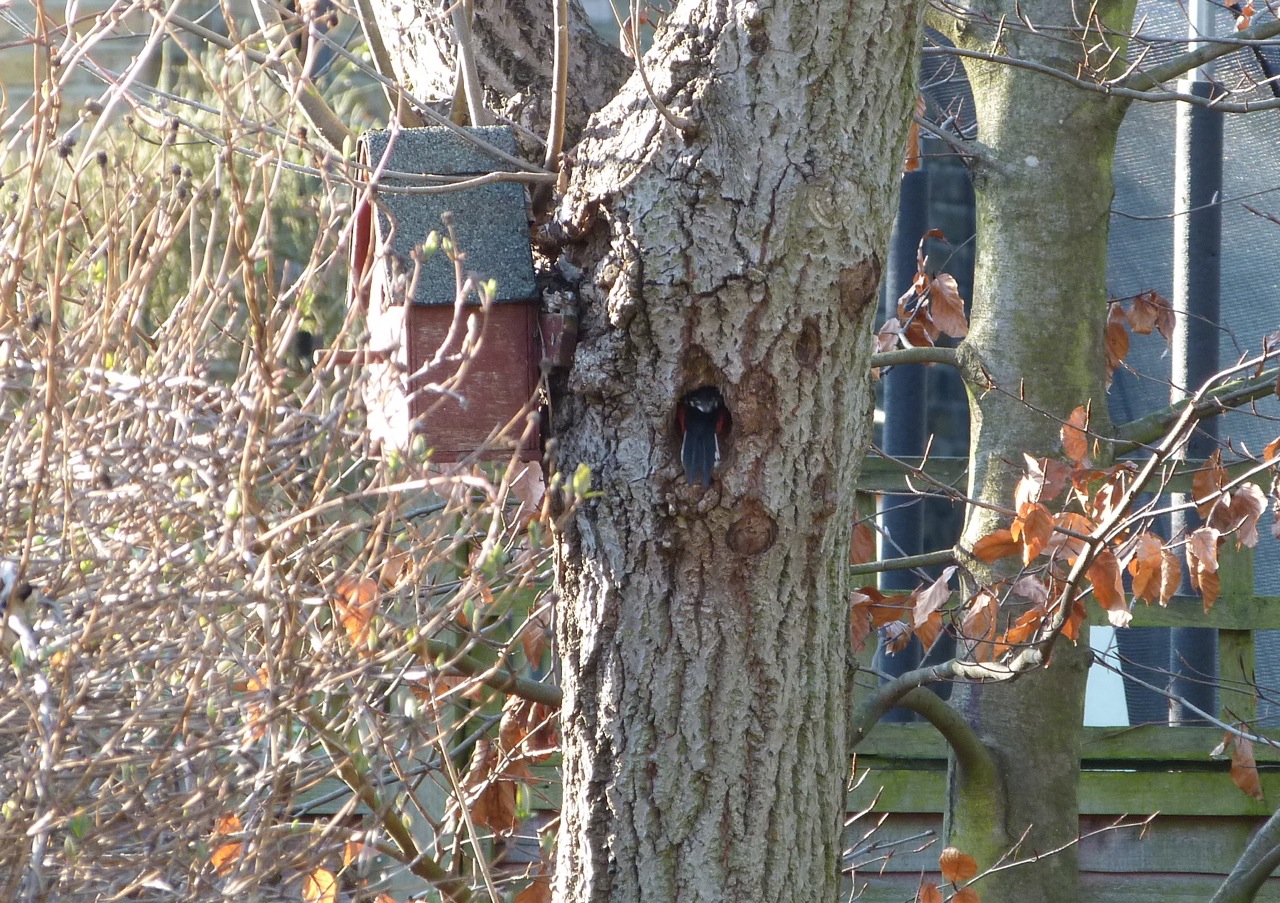
For some years, great spotted woodpeckers have drilled away at the grey poplar tree at the end of our small London garden. A male gouged out a number of exploratory holes near the top, strewing a carpet of wood chips onto the grass below. One year he attracted a mate, eggs were laid and hatched, a huge amount of chattering and scolding ensued – quite annoying at times in persistence and volume. One weekend we were away and returned to… silence. The fledgling woodpeckers had had their flying lessons and left for good. We missed them.

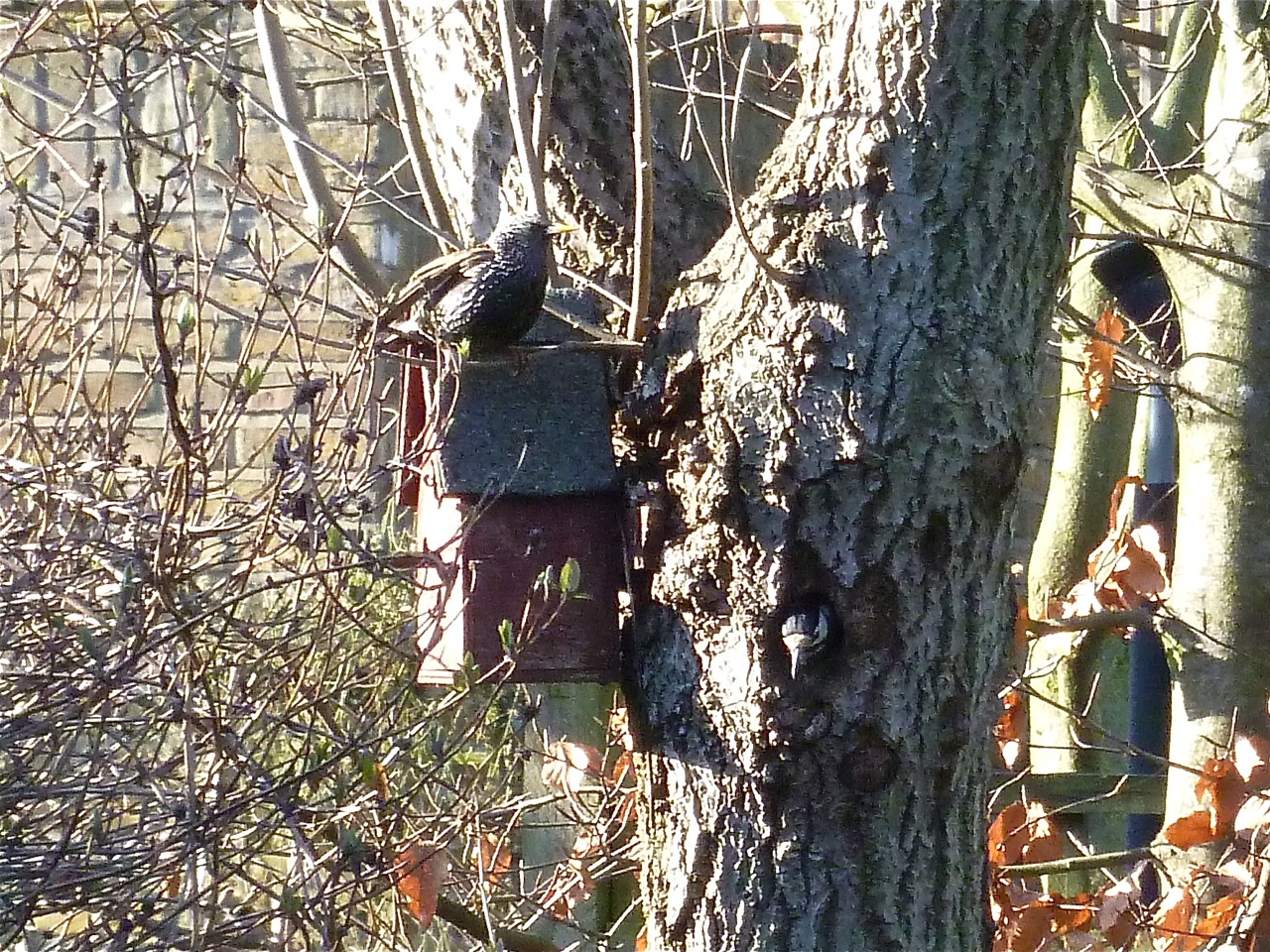
Since then, the male cleaned out the hole each Spring and drilled a few spare holes for practice, but despite his impressive real estate portfolio, he didn’t attract a mate. He made another, lower hole. No luck. Until this year. In January he brought a new bird home and together they mucked out the hole and settled in – about 2 months early, and with snow on the way. In the absence of current news of the West Indian woodpeckers and their nest at the Delphi Club, here are a few pictures of domestic bliss 4250 miles away… Click images to enlarge

A cosy home – hope the neighbours are nice 

Time to go and get a take-out…

…and bring it home for the wife

An act of gross provocation by a starling.  I predict trouble. News update soon

I can’t make out if the photo below is just a horrendously bad photo taken with a cheap camera, a fixed shutter speed, and cold shaking hands; or a powerful image of a beautiful bird artistically captured in full flight, the type of action shot that bird photographers strive for years to achieve (Mrs RH has a view on this). If the former, apologies. If the latter (highly unlikely), my professional tip is to use a tiny point ‘n’ shoot into the sun while moving around quite a bit. Whichever, I’ve awarded it a ‘cameo’ format to emphasise the essential artistry of the shot

Unknown's avatar

PINE FOREST REGENERATION AFTER FIRES ON ABACO IN 2011


Abaco Forest Fire 13

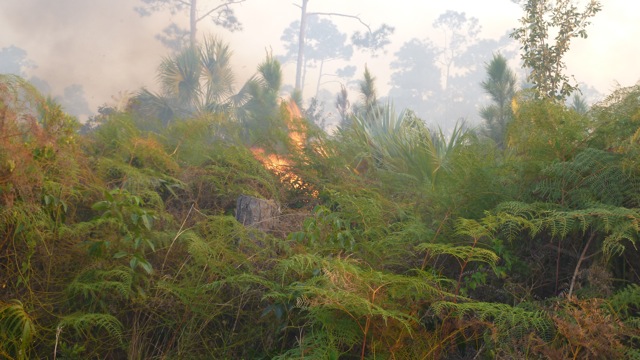
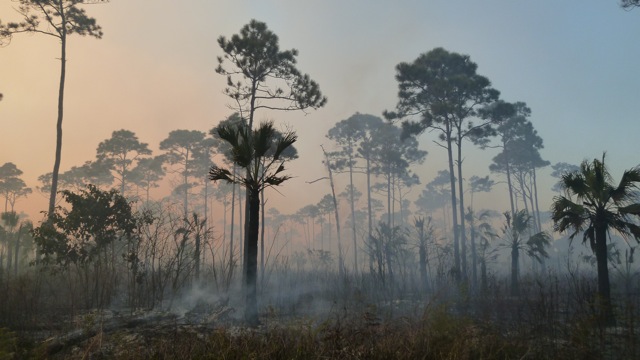
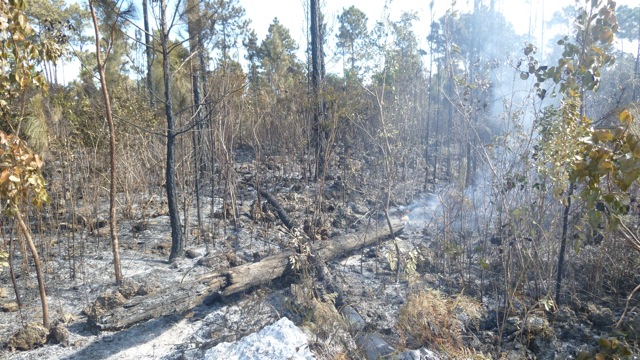
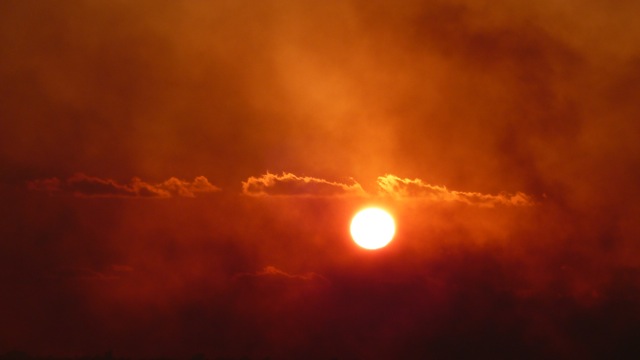
MARCH 2011 Fires swept through large areas of South Abaco, spreading rapidly and jumping the firebreak of the Highway in several places. At any one time, there were several ‘non-natural’ seats of fire. For 3 days the flames were uncomfortably close to the Delphi Club, halted only by the natural boundary between the flammable pine forest and the damper less combustible coppice. The smoke caused some amazing visual effects, especially at sunset. The first image was taken looking east from the Club verandah one evening as the fire got nearer

The vegetation alongside and between the drives was dense and lushly green before the fires. Here is a photo as fire began to take hold near the top of the drives towards the road, having jumped the Highway in the night…

As the fire rapidly spreads, this tall dead tree is actually flaming from the top

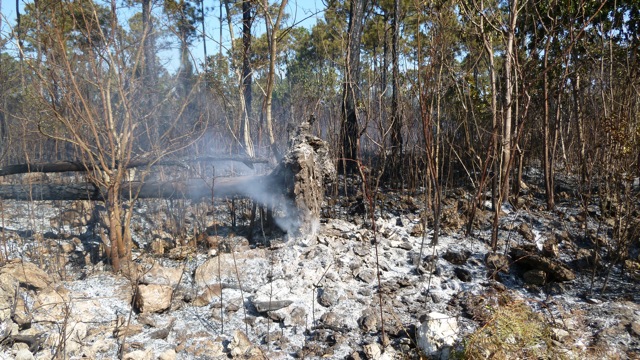
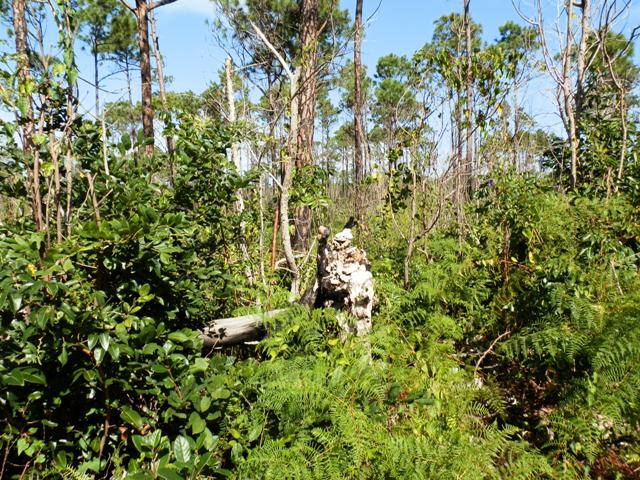
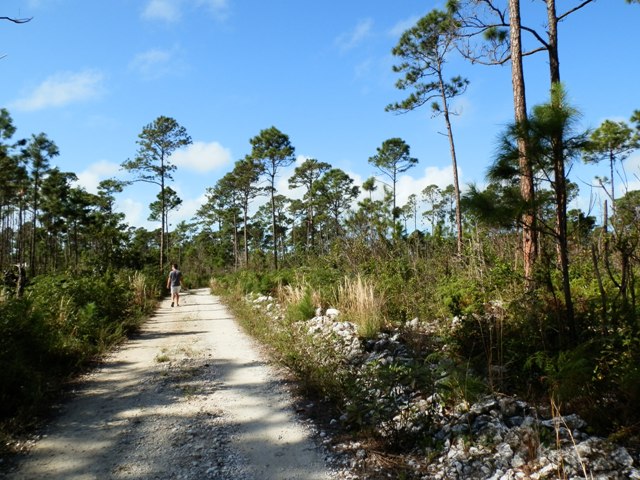
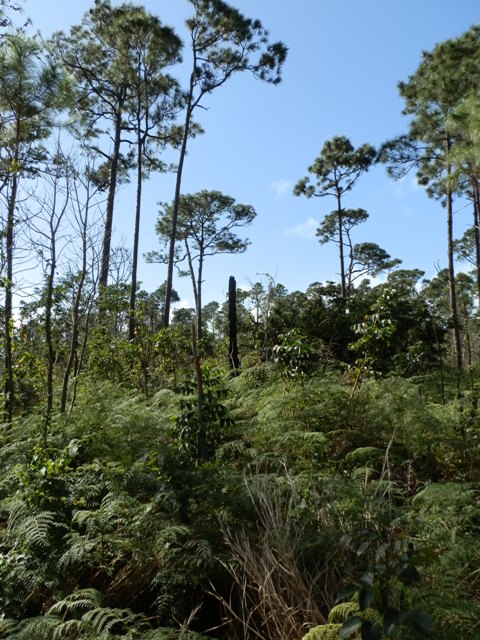
During the next couple of days, we took photographs along the drives of the apocalyptic scenes where there had so recently been impenetrable vegetation. Nearly a year later, indispensable beachcomber and photographer Kasia has taken some pictures of the drives as they are now. First, two ‘then and now’ views of the same scenes to illustrate the extent of forest regeneration

2011

2012

2011

2012

2011 The burnt-out forest between the drives

2012 A wander round the drive circuit

In some places the undergrowth has returned but trees have not recovered

Elsewhere, blackened stumps are visible in amongst the vigorous regrowth


Unknown's avatar

KING VENUS CLAMS & CRAB SHELLS (NO SPACE DEBRIS): ABACO BEACHCOMBING WITH KASIA


ANOTHER STROLL ALONG THE SHORE WITH KASIA

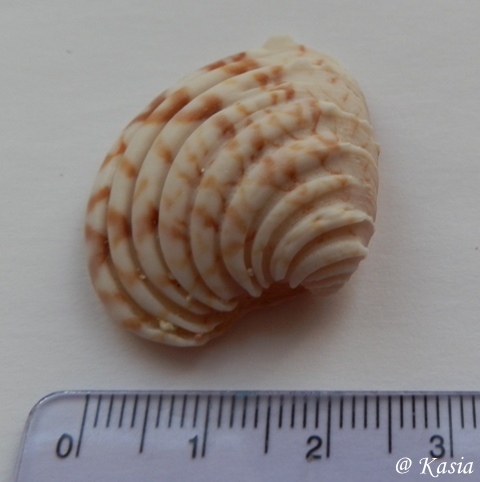
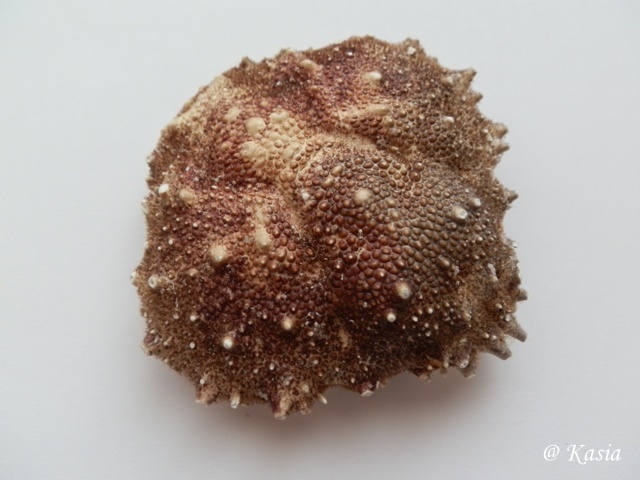
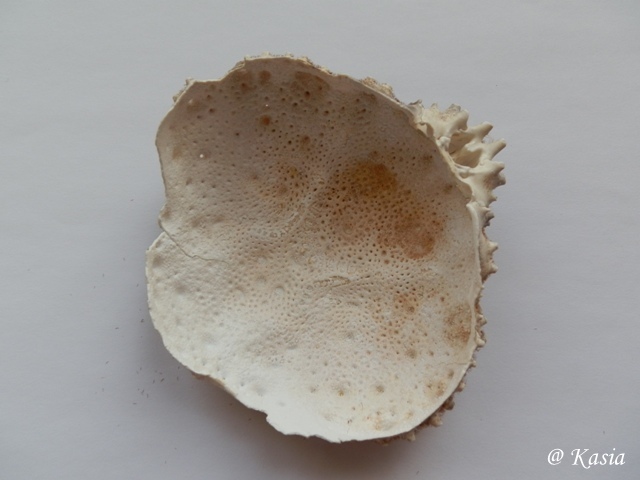
After all the recent excitement – well I was excited, anyway – involving Mars Mission space rocket debris washed up on the Delphi Club Beach CLICK MARS ROVER it’s a gentle touchdown back onto a sandy beach for some more of Kasia’s finds. First, a shell which I believe (tempting fate) I have correctly ID’d for once. Then a half crab shell, at a guess a spider crab’s roof. 

KING VENUS CLAM Verenidae – Chione Paphia

These bivalve molluscs seem to be inoffensive, and to lead rather dull lives: so far all I have discovered is that “they live buried in sand at depths of 1 – 20 fathoms” I shall investigate further & report back – there must be some small creature they molest or upset in some way…

CRAB SHELL, FORMER HOME TO A SPIDER CRAB
Unknown's avatar

BEACHCOMBING ‘CURIOSITY’ ON ABACO: OUT OF THIS WORLD TO THE RED PLANET


Sandy's Mystery Object

More news about the the space rocket debris washed up on the Delphi Club beach, Abaco. The booster rocket fairing found by Sandy fortunately had a serial number on it. Various inquiries have been made and a definitive explanation of the item has now been given by the NTSB. It turns out that the fairing was not, after all, from the Ariane 5 launch in French Guyana. More exciting than that – it comes from a Mars Program launch to put the Space Rover Curiosity on Mars. There’s an excellent Wikipedia article on the mission to be found at WIKIMARS

NTSB - An Independent Federal AgencyBob Swaim at the NTSB has emailed Sandy to say   “The serial number of the fairing fragment is from a part that was on a Delta V [sic – it was in fact an Atlas V, see comments] rocket launch of November 26, 2011. In August, a new car-sized rover will touch down on Mars and you’ll have something from the mission!”  He has kindly provided a link to the launch – see image below and direct link HERE  He has also given a direct link to the NASA MARS PROGRAM site from which I have taken the screen clip below. You will see an image of the Mars Rover Curiosity, and the time countdown until touch-down at the exact moment I took the shot…

I contacted Bill Ailor, Principal Scientist/Engineer, Center for Orbital and Reentry Debris Studies, The Aerospace Corporation AERO CORP thinking a booster fairing might be of interest for their rocket debris database. He writes

Thanks for the notification (and for your excellent web page – looks like a wonderful spot). On the website, we catalog debris that has reentered from orbit and don’t include payload fairings, solid and first stage rocket boosters, and other “range” debris, since these are suborbital and the launch is designed so that the debris impacts is in known safe areas.  That debris can sometimes float outside of the safe area and wash ashore.I should mention that we recently reentered a small device that might one day float to your beach.  I’ve attached a description.  Let us know if you see that one

Although the device he mentions may have in fact have landed a long distance away (the South Pacific even), best keep an eye out for this…REBR Fact Sheet   By a strange coincidence in a huge world, the Aerospace Database shows that in 1965 reentry debris was recovered from a beach on Abaco:

In early 1965 an object having the appearance of a space fragment was reported washed ashore on Abaco Island in the Bahamas Possibly from the Atlas-Mariner I booster which was destroyed by the range safety officer shortly after launch on 22 July 1962, and landed in the designated ocean impact area

Apologies if I have got sidetracked from normal beachcombing duties – shells and stuff – but wildlife blogging doesn’t get more exciting than this – well, unless they find a colony of Abaco parrots on Mars…

Unknown's avatar

AN ABACO PARROT SAYS 3 LITTLE WORDS…


VALENTINE’S DAY IN TWO WEEKS? LEAP DAY IN A MONTH?              AN ABACO PARROT SAYS ‘I LOVE YOU’

Or it would if it could talk. Here is a win -win -win. ‘Adopt’ this miniature Abaco Parrot sculpture (ok, buy it) by Dou Dou Birds and all proceeds will go towards the conservation of the Abaco Parrot population. Then give it to someone. It’s an investment in art; a philanthropic deed; and a gift from the heart. Here’s the direct link (there are many other cute birds for sale too) To save parrots     CLICK THIS ONE===>>> 

Oh dear. Maybe someone else got there first. Never mind. How about making a donation to  PARROTS INTERNATIONAL?

This organisation allocates funding for the research into the Abaco Parrots and their conservation. You can now pay direct by Paypal or Credit Card (with gift tax benefits depending where you live). Please remember use the “Note to Seller” box to specify ‘ABACO PARROTS / CAROLINE STAHALA’

MEMBERSHIP /  DONATION PAGE   CLICK LOGO===>>> Parrots International

Then go ahead and buy that big box of chocolates you were going to get anyway…

Unknown's avatar

HUMANS’ TASTE FOR DOLPHINS & MANATEES ON RISE


 HUMANS’ TASTE FOR DOLPHINS & MANATEES ON RISE

I am reblogging (thanks to Ann Novek at http://havehest.wordpress.com/the above link to an article by Jennifer Welch of LiveScience, published in Biological Conservation. It’s of particular relevance on these pages, since I have just posted about manatees and the threats to their survival; and also because dolphins are a regular feature of this blog. A quick G**gle search reveals a number of sites with recipes for marine mammals (including manatees), many species of which are protected by law… I suspect that the slow and inquisitive manatee will always be easy meat, as one might say. NB ‘Dolphin’ here does not include the dolphinfish (dorado) commonly found on menus as ‘dolphin’, for which there are no current conservation concerns (although there are officially preferred methods of catch)

Unknown's avatar

‘SO LONG, ARIANE’: FROM ROCKS TO ROCKETS ON THE DELPHI CLUB BEACH, ABACO


STOP PRESS Rocket part now positively ID’d by serial number – and it’s not from Ariane 5. More exciting – it’s from the Mars Program launch of the the Mars Rover ‘Curiosity’. See latest post at  CLICK IMAGE

‘SO LONG, ARIANE’

52 meters / 170 feet, to be precise. The space rocket Ariane 5 is most likely source of Sandy’s mystery object washed up on the Delphi Club beach. See recent post ===>>> SANDY’S MYSTERY OBJECT  for a full explanation. And  here are 2 useful comparative pictures (plus apologies to Leonard Cohen for a feeble pun)


Unknown's avatar

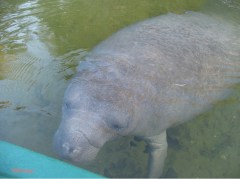
WEST INDIAN MANATEES AND THE BAHAMAS: THE FACTS


Bahamas Manatee Gina (BMMRO)

WEST INDIAN MANATEES IN THE BAHAMAS

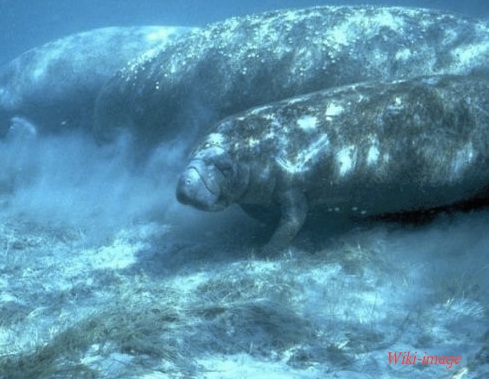
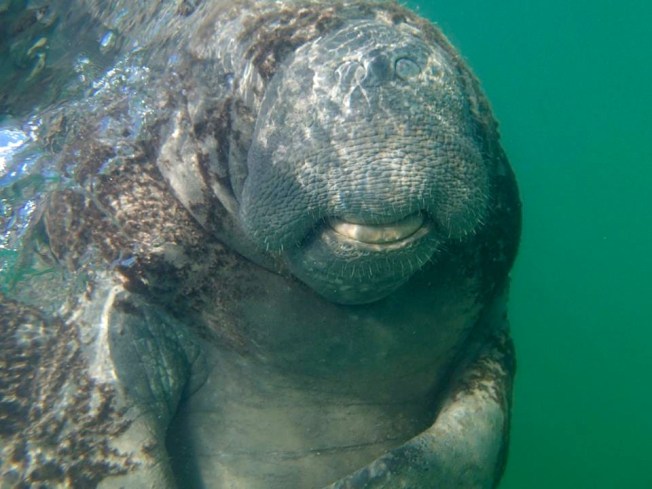
The appearance of a mother and calf manatee off the Berry Islands in December 2011 – see BMMRO SIGHTINGS post – led me to investigate these creatures a bit more. I added some more info and a couple of photos to that post, but really they deserve a post in their own right. So, with a wave of a flipper in the direction of Wiki and other open sources,  here’s some more about these most strange-looking mammals, just in case you ever happen to come across one…
I will expand the post when I have read the latest “What Manatee?”, “Total Manatee” and “Manatee Monthly” magazines 

MANATEES Trichechidae “Large, fully aquatic, mostly herbivorous marine mammals. There are three accepted living species of Trichechidae, representing three of the four living species in the order Sirenia. The name manatí comes from the Taíno, a pre-Columbian people of the Caribbean, meaning breast” 

10 MEMORABLE MORSELS OF MANATEE MINUTIAE

The 4 species of Sirenia are the West Indian, Amazonian and West African manatee; and the Asian / Pacific dugong. Fossil remains of Florida manatees date back 45 million years; their closest living relative is the elephant

Manatees are also known as Sea Cows. Some say sailors who’d been at sea for too long took them to be mermaids, a mistake I doubt they made twice…

They can weigh up to 1,300 lb and measure up to 13 feet. Females are larger than males. Baby manatees may weigh 65 lb. Adult intestines can reach 45 meters which would take Usain Bolt 4.31 seconds to run past (if straightened out, obviously)

Accurate population estimates seem to be impossible to obtain, varying by season and by year for no apparent reason. Overall,  the picture is of a declining population, with extinction likely without further protection (see below for the THREATS to the species)

West Indian Manatees can move freely between extremes of salinity, and may be found in warm shallow coastal waters, in estuaries, or migrated into rivers to freshwater springs (as in Florida). They cannot survive below 15°C (60°F). They have a propensity to hang around the warm-water outflows of power stations

Manatees have some intelligence and demonstrate discrimination and task-learning similar to dolphins.Their eyelids close “in a circular manner”, though I can’t quite picture this. They have only 6 teeth in each jaw, which are replaced throughout their lives

They breed every other year. Gestation lasts 12 months, and it takes a further 12 to 18 months to wean the calf. A single calf is born. Apart from mothers with a calf or males showing off to females, manatees tend to be solitary creatures

They are herbivores, eating many plant species, such as mangrove leaves, turtle grass, and types of algae. An adult manatee can eat up to 10% of its body weight per day. They have been known to eat small amounts of fish from nets

Half a manatee’s day is spent sleeping in the water. The rest of the time they graze in shallow waters. They swim at 3 to 5 mph, faster in short bursts. They may live up to 60 years (surprisingly, given their punishing daily schedule)

The oldest manatee in captivity is Snooty, at the South Florida Museum. He was born at the Miami Seaquarium on July 21, 1948 and came to the South Florida Museum in Bradenton, Florida in 1949

   PREDATION, THREATS AND CONSERVATION – A SUMMARY       The manatee is yet another creature whose worst enemy is mankind. The generalisations below apply to the West Indian manatee – elsewhere there may be different problems

Natural predators Manatees have few natural predators except, occasionally, sharks and crocodiles. Predation is not a significant survival threat. The main causes of death are human-related, such as habitat destruction and human marine objects; and natural causes such as low water temperature and disease

Hunting Historically, manatees were hunted for meat. They were easy to tempt to a canoe and then stun with a pole. Manatee hides were used – and traded – for canoes and shoes; their bones were used for ‘medicine’. Museums used to pay for hides or bones. Hunting was banned in 1893, though some poaching still occurs

                    Manatee Group                                                        Young Manatee                            

 Ship-strike Manatees move slowly and are curious… Coastal development has led to many violent collisions with propeller-driven boats and ships, causing maiming, disfigurement, and death. Manatees are cut in half by large vessels like ships and tugs. Many others have propeller scars and they can often be identified by their scar patterns –  some bear 50 scars and disfigurements from vessel strikes. Breeding ability may be affected. Infected injuries can prove fatal. Internal injuries also come from being trapped between hulls and docks. Studies of the attrition rate from “boat mortality” alone is causing much concern for the survival of the species. In 2009, of 429 Florida manatees recorded dead, 97 (23%) were killed by commercial and recreational vessels

Red tide Another cause of manatee deaths is “red tide”, blooms of the microscopic marine algae Karenia Brevis.  This produces toxins that affect the central nervous systems of sea creatures. In 1996 an outbreak off the Florida coast killed 151 manatees

Other threats (1) Fishing gear: hooks, metal weights, and especially  mono-filament line clogging a manatee’s digestive system; entanglement in fishing lines (2) water-control structures such as navigation locks and floodgates (3) drowning in pipes and culverts (4) bizarrely, there have been numerous reports people, when allowed to swim with manatees in Florida, harassing them

CONSERVATION All three species of manatee are listed by the World Conservation Union as vulnerable to extinction. It is illegal under US federal and Florida law to injure or harm a manatee. They are classified as endangered by both the US state and the federal governments. Some vessels are now adapted to help prevent harm to manatees where they operate

Florida Sea Park Manatee
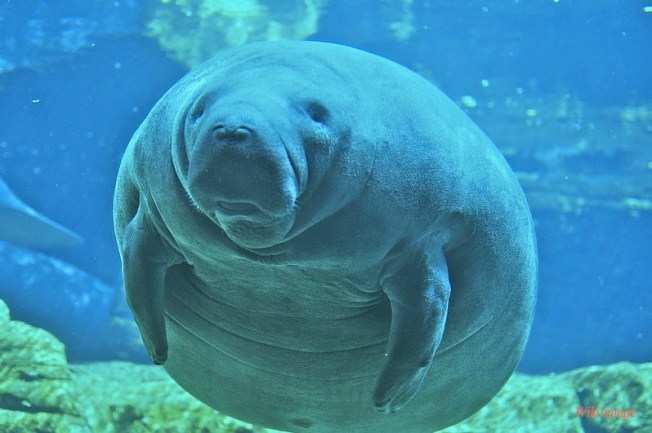
For news of forthcoming BMMRO research into the apparent recovery in the population of manatees in the Bahamas CLICK HERE

Finally, here’s the link to a website that contains more manatee information and images. You can join, adopt a manatee, donate or buy stuff. Who wouldn’t want a T-shirt – or a ‘ManaT-shirt’, even – adorned with a picture of the lady above? CLICK LINK===>>> SAVE THE MANATEE CLUB

Unknown's avatar

ABACO BEACHCOMBING: MYSTERY OBJECT from the DELPHI CLUB BEACH

STOP PRESS Rocket part now positively ID’d by serial number – and it’s not from Ariane 5. More exciting – it’s from the Mars Program launch of the the Mars Rover ‘Curioisty’. See latest post at  CLICK IMAGE       

 Kasia’s mystery beachcombing item, posted yesterday, was solved within the day – basically a rock-like accretion of large tubular wormy molluscs of a somewhat unattractive sort. Sandy Walker has now sent me a photo of a baffling object he has found on the club beach to test your ingenuity, or patience. He’s sent it to the NTSB (air-crash investigation etc) for their view. For sure, it isn’t wildlife: however any nautical, aero-nautical, NASA-based or ‘strange white cone’ experts out there might like to contribute an opinion via the COMMENT box or email rollingharbour.delphiATgmail.com (spam guard: please convert AT to @)

My contenders, from most to least exciting (1) Rocket nose-cone. But no re-entry scorch marks – maybe it never got that far (2) Light aeroplane engine cowling or whatever the term is (3) Front end of a canoe-type vessel, with a standard Avery 5-slot for’ard rowlock stanchion clip (or maybe a bit of storm-tossed catamaran – Mrs rh)

STOP PRESS Jan 28 Peter Mantle’s latest bulletin from the Delphi Club… and I get to award myself the first prize of a Kalik beer for wild guess (1) above!

Fly me to the moon….

January 28th: Beachcombing at Rolling Harbour produces a great miscellany of shells, corals, beads, fishing floats and the occasional baseball. But a recent find by Sandy had everyone in a panic – a 12-foot chunk of superstructure that looked for all the world like a large piece of aeroplane. Sandy immediately contacted the US National Transportation Safety Board, who initially confirmed a strong resemblance to the tail section of an Airbus A320 passenger jet but wanted to run further investigations of the part numbers. All rather alarming.

But Sandy has just heard again from the NTSB, who now believe it may be part of the Ariane V space rocket, launched from French Guyana. Airbus say it’s not from one of their planes and suggest that it’s probably the nose fairing off an Ariane V booster. Looking at photos and drawings of the booster, this may be right and this would also fit for the eastern exposure of the beach where the part was found. You can see the booster here: http://esamultimedia.esa.int/docs/ATV/infokit/english/05_ATVLauncher.pdf

Ariane Space have been contacted and we will let you know what they say. We will also post a pic of the part. In the meantime, Sandy looks a bit, er, spaced out.

Comment: Since it appears to be made of cardboard, no wonder it fell off…

Unknown's avatar

ABACO BEACHCOMBING: KASIA IS BACK… WITH ANOTHER MYSTERY OBJECT


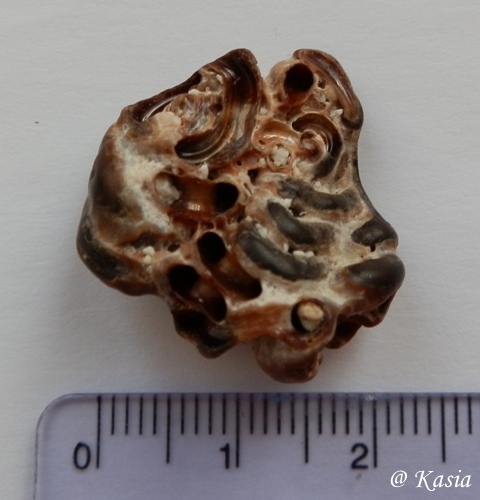
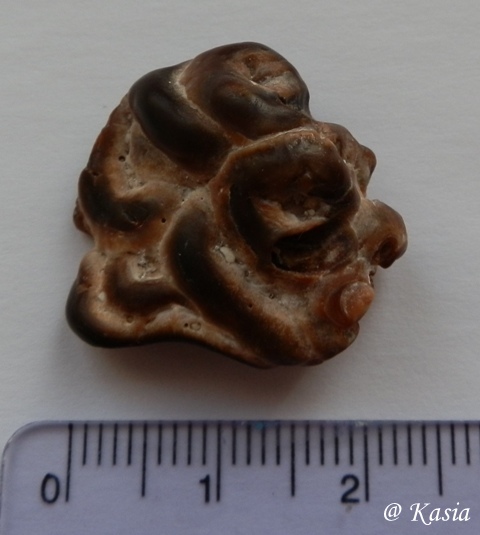
Kasia has returned to grace the blog with treasures from her Abaco beach-combing from the Delphi Club and further afield. Expect more shells, more sea glass… and more mystery objects. We have already had part of a RAY’S PALATE and a PACIFIC ANGARIA SHELL  that had somehow arrived on the shores of Abaco. There’s a long thin WHITE BONE, as yet unidentified (no suggestions yet). And now this extraordinary item… 

To which my answer is “not the faintest idea”. My guesses are (1) a fossilised vertebra of some medium-sized creature (2) a fossilised ‘soft’ rock that worms have been at (but why only on one side?) (3) a bread roll that went disastrously wrong in the baking…

All suggestions welcome, preferably via the COMMENT box (so others can view them); or to rollingharbour.delphiATgmail.com (spam guard: convert AT to @)

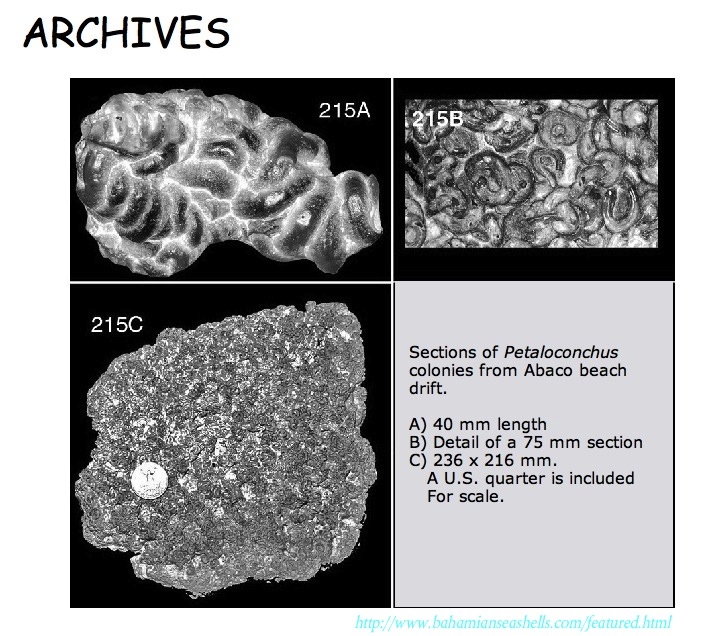
STOP PRESS Mystery quickly solved, thanks to Colin Redfern who says “This is part of the remains of a colony of Petaloconchus worm-shells (molluscs). They attach to rock or coral, and the colonies can be quite large.”  Colin’s website includes some examples from his archive, one chunk being very similar to Kasia’s 

And here’s another chunk, top and bottom view Photos courtesy of James St. John (Geology, Ohio State University at Newark)
…and here is the worm that makes the vermi-accretion or whatever the term is
Unknown's avatar

DISCOVER LIFE: AN EXCELLENT NATURAL WORLD ONLINE RESOURCE


DISCOVER LIFE: AN EXCELLENT NATURAL WORLD ONLINE RESOURCE

I have just come across the website DISCOVER LIFE which could be very helpful with identifying or finding information on particular species. It covers land and sea, animals, birds and plants worldwide, and it looks as though it is constantly updated and expanded. I haven’t done more than scratched the surface, but already I feel that it could be a very useful resource. See what you think…


Unknown's avatar

SOUNDS UNDER THE SURFACE: NOISE EFFECTS ON WHALES


The NOAA (National Oceanic & Atmospheric Administration) has produced a short video with the conclusions from recent research into the effects of extraneous (i.e. non-natural) noise on the habits of whales. The cooperative project involved a number of organisations including the BMMRO and Florida State University and lasted two years.

The study concentrated on beaked whales, pilot whales, and melon headed whales. Using readings from tagged whales, the scientists created animations showing the whales behavior before, during, and after being exposed to low levels of a variety of sounds; including sonar. The results showed that beaked whales, known for diving to extreme depths, were much more sensitive to sonar than other species.  Even low levels of these sounds disrupted their diving, vocal, and likely feeding behaviors.

The complete report including a VIDEO and a transcript can be found by clicking LINK==> Sounds Under the Surface | Science and Technology | Ocean Today   (I haven’t been able to embed the Video, so you’ll get the whole page)