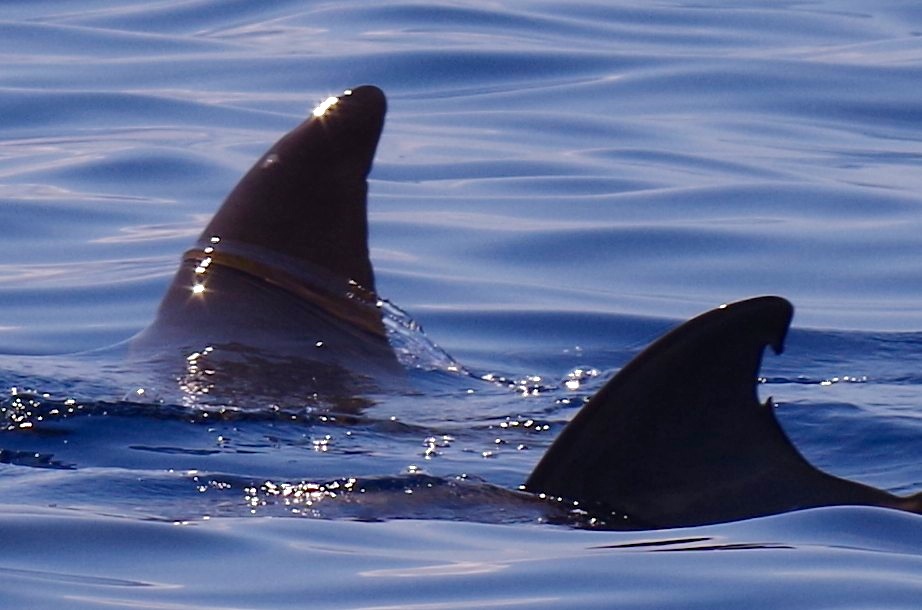
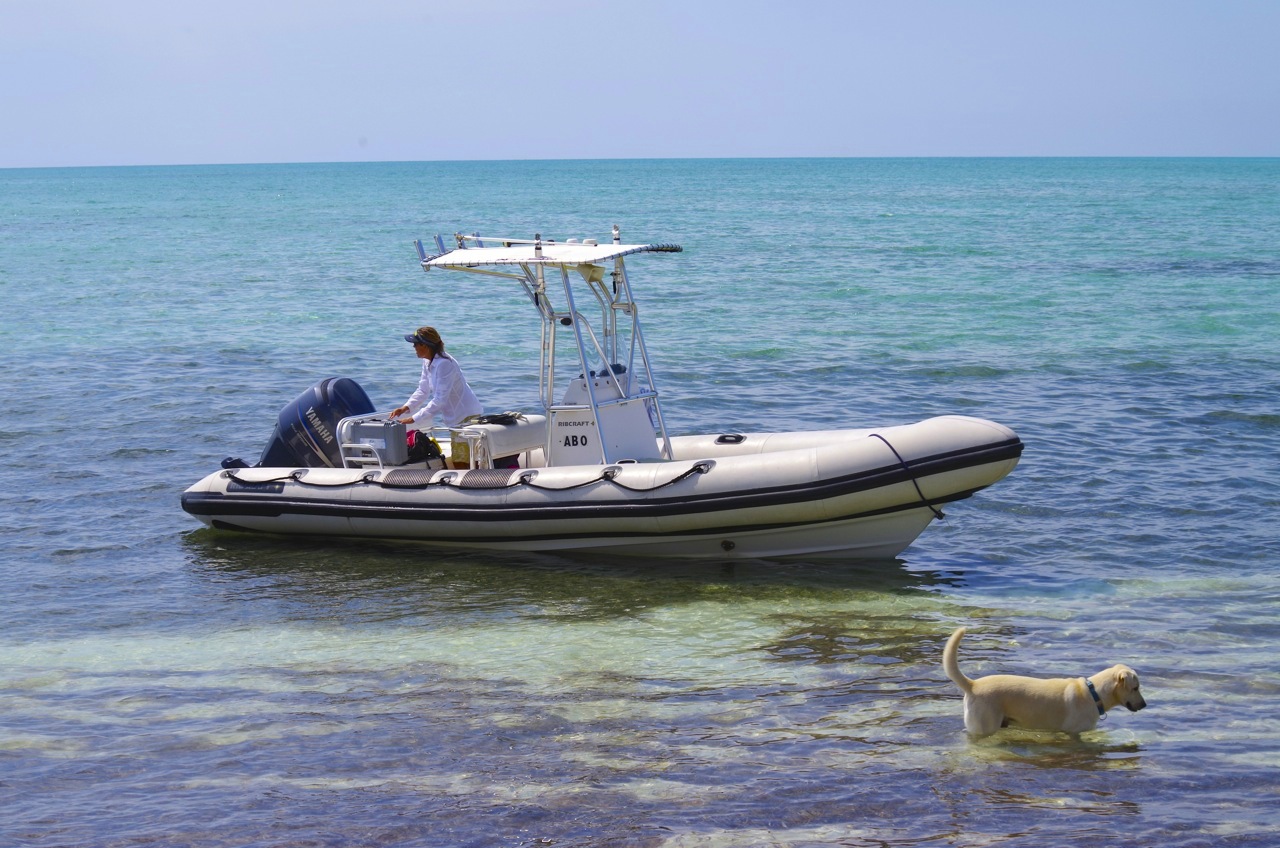
This pair was in a group of 8 Atlantic Spotted Dolphins that we encountered yesterday during a day’s expedition on the Bahamas Marine Mammal Research Organisation (BMMRO) research boat. We spent nearly an hour with them, and there will be a longer post about these magnificent creatures in due course. But right now, I’m still in single image posting mode while “on-island”…
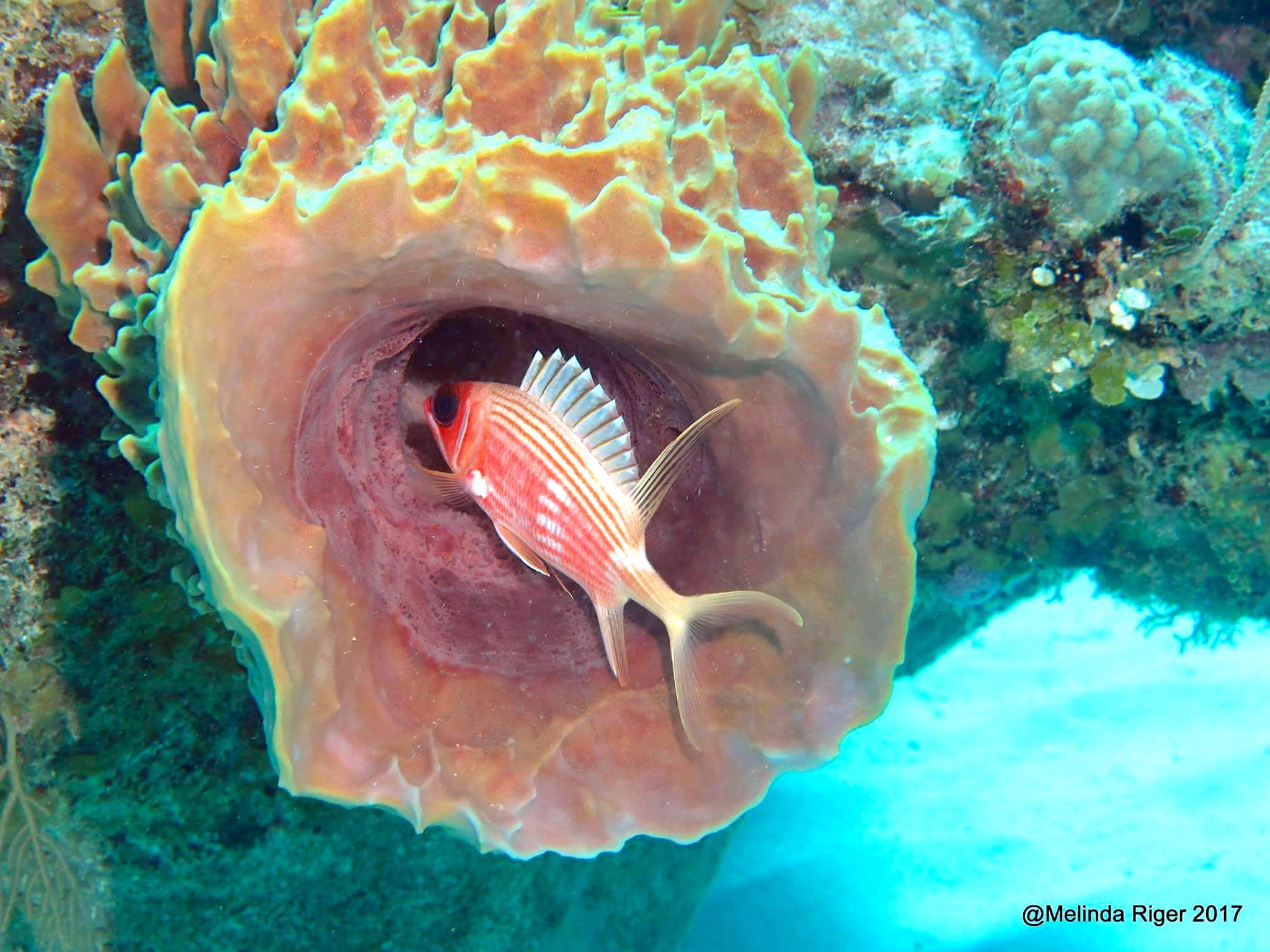
Being ‘on-island’ right now, I don’t get so much time to write stuff. To everyone’s relief, I guess (including mine). So for a while I’ll post some individual pics that particularly appeal to me. Elvis the squirrelfish (featured in a previous post) has now upgraded to a more spacious and frankly rather posher address. And in he goes…
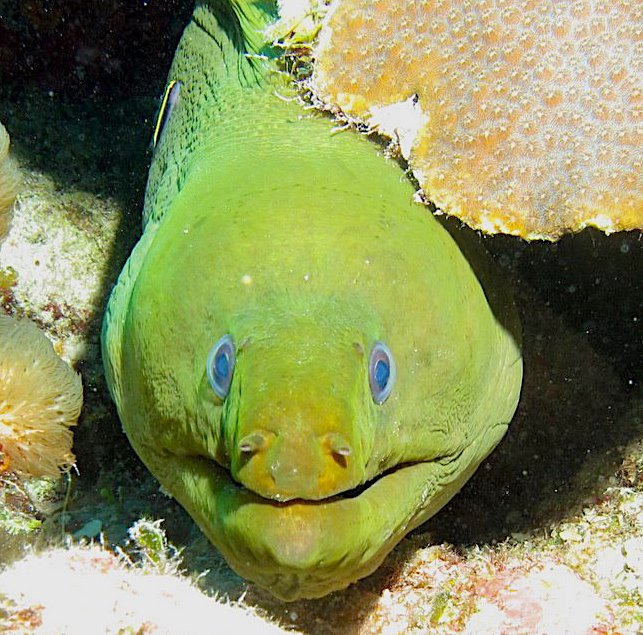
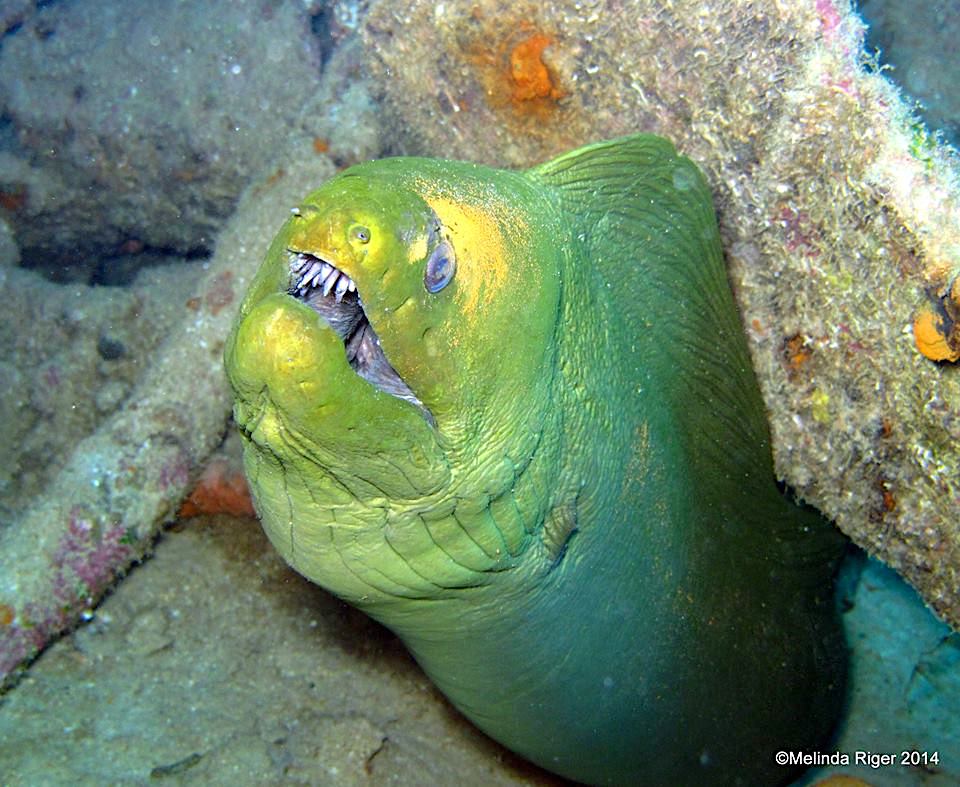
Time to return to those extremely expressive characters of the coral reefs, moray eels. Specifically, some green morays. One hesitates to anthropomorphise or ‘project’ human emotions onto creatures but with some species it’s hard not to do so. Following Mr Grumpy (or perhaps Mr Sad) in the header image, here are some close-ups of morays appearing to express their emotions, from happy to downright furious… Eels featured here include Judy and Wasabi, and I remind myself that the human habit of naming familiar wild creatures is itself a (perfectly harmless) form of benign animism. Exactly as with the regular banded piping plovers featured elsewhere in this blog that overwinter on Abaco’s beaches, such as Harry Potter, Bahama Mama and the delightfully-named Felicia Fancybottom…
Happy and contented?
Something on my mind…
Slightly amused?
Pretty funny, actually
Ha ha…! Hilair!
Watch it. You are beginning to bug us, Mr Harbour, with your stupid captions
ANGRY. BACK OFF… NOW!!!
THE NEXT POST WILL BE FROM ABACO HQ NEXT WEEK
Credits: All morayvellous photos, Melinda Riger / Grand Bahama Scuba except 6, Virginia Cooper / Grand Bahama Scuba
The word ‘awesome’ – a word of Biblical origin and medieval usage connoting an experience of wonderment with an element of dread* – lost its power once it became the common verbal currency for describing the offer of a beer, a photograph of a sulky cat, or a so-so pub band. Where to turn for something truly momentous? Oh, actually that might do nicely. Breathtaking, astounding, astonishing, awe-inspiring, staggering, extraordinary, stupendous, and spectacular are examples of synonyms that have retained at least some of their power. And perhaps ‘mind-blowing’, though it’s a bit substance-tinged. ‘Amazing’ has pretty much gone the way of awesome. Amazeballs and badass? Let’s not!
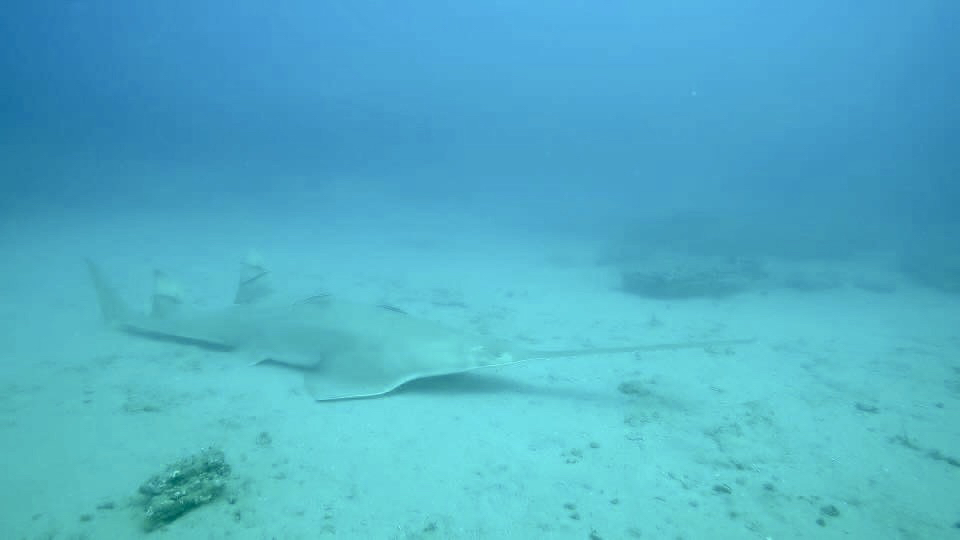
Ok. Having got that linguistic grump out of the way (index under ‘English Language, debasement of, modern usage in), here’s the real deal: a truly phenomenal short video of a smalltooth sawfish Pristis pectinata safely giving live birth in the wild to her 5 babies (which are called pups) on Andros during a FSU research trip. The pups emerge as small replicas of their parent, complete with their hedgetrimmer-style rostrums, ready to swim away. Fishes that carry their young and give birth to one or more developed juveniles in this way are called ovoviviparous.
The commentary is clear and informative, the research potential for this vulnerable species is considerable, and if you have a soul and a spare 3 minutes, you really should watch this!
This unique recorded event took place last December. The joint research trip to Andros by the FSU Coastal and Marine Lab and NOAA was led by Dr. Dean Grubbs. The purpose of the research was to discover evidence of any exchange between the sawfish population in the U.S. and Bahamas. You can find out more about the research and scientists at the FSUCML website. And if you want to get involved and take part in an expedition, click GET INTO THE FIELD
RELATED POSTS
RH SAWFISH PAGE – pics, facts and vids, including how the rostrum is used in feeding
* ‘Awful’ had the same meaning as awesome, historically – cf dreadful. It did not mean a bad film or a lousy restaurant.This recent photograph by Adam Rees of Scuba Works was taken in Florida waters. It is one of an astonishing school of 8 smalltooth sawfish, the largest group Adam has ever encountered.
Credits: Header, Grant Johnson @60poundbullet (Bimini), with many thanks; BNT / Buzz Cox (Grand Bahama); Adam Rees / Scuba Works
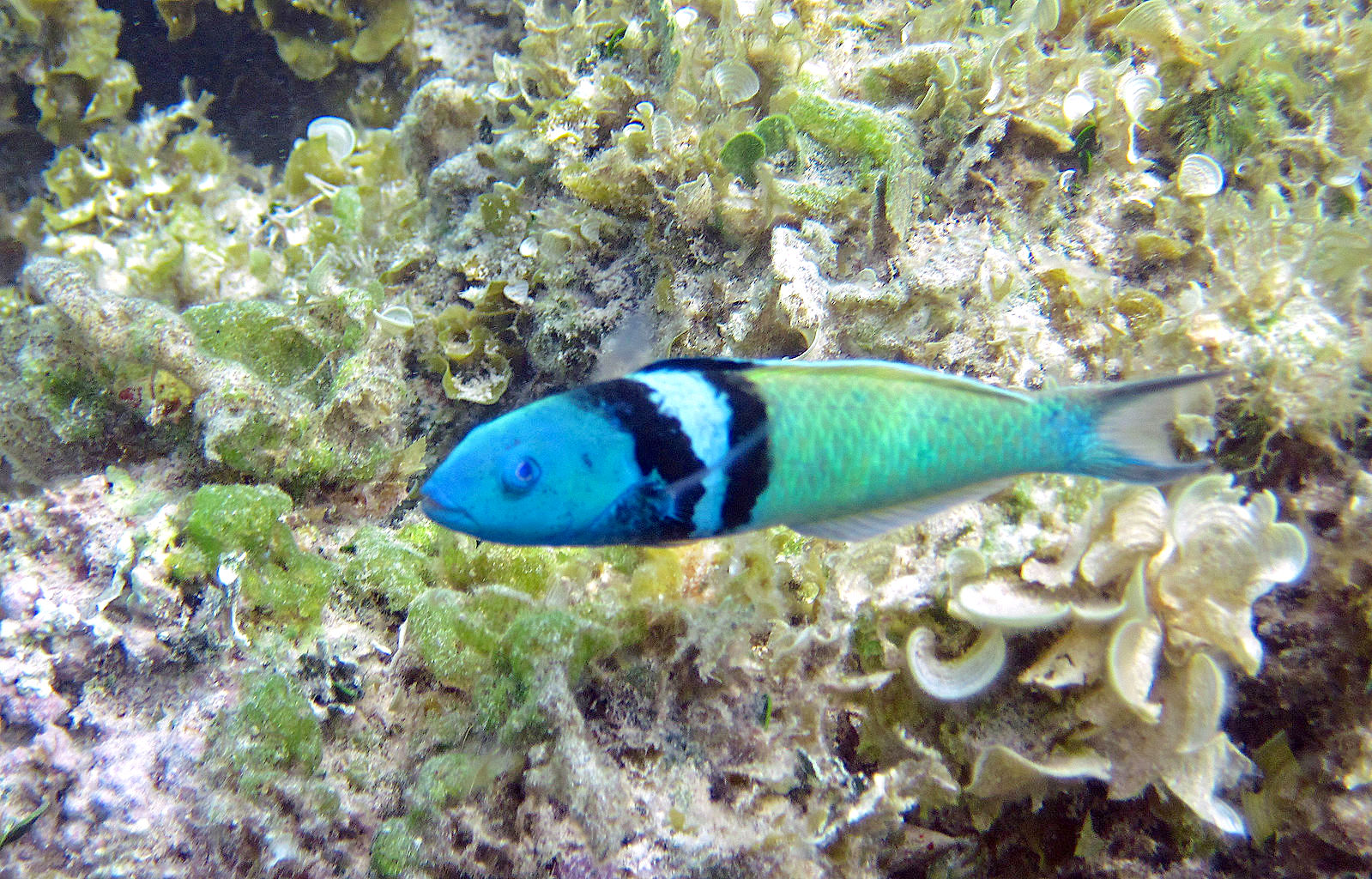
The bluehead wrasse (or blue-headed wrasse) Thalassoma bifasciatum is a denizen of the coral reefs of the tropical waters of the western Atlantic Ocean. This bright little 4-inch fish is… a wrasse with a blue head. No more and no less. Unless it’s a juvenile. Then it is mainly bright yellow. It’s similar to BLUE TANG (aka ‘the Disney Dory’), which starts life bright yellow and grows up to be blue.
The species may be found singly, in pairs or small groups, or in schools. They have an important role to play in the life of the reef. They are CLEANER FISH, vital to the health and wellbeing of the larger species they attend to, and thus of the reef itself. This is ‘cleaning symbiosis’, a relationship of mutual benefit. The big fish get cleaned; the little fish have a useful function and – importantly for them – therefore don’t get eaten.
Having said that, blueheads are of course fair game as a snack for species that aren’t in the market for their cleaning services. And, unfairly, some species that are content to let cleaner gobies runtle around their gills and mouths are not so considerate of the wrasse. Some types of grouper and moray eel, for example.
TELL US EXACTLY SEVEN BLUEHEAD WRASSE FACTS
Juveniles can alter the intensity of their colour, stripes & bars
The bluehead wrasse is a ‘protogynous sequential hermaphrodite’
All are born female**. Some change sex to male during maturation (see below)
Food includes zooplankton, small molluscs and small crustaceans…
…and parasites / other juicy bits (fungal growths, anyone?) from bigger fish
The main threat to the species is coral reef degradation or destruction
The bright colours invite aquarium use, but the trade is not a significant one
** Some sources suggest some are born male and remain male. I’m not sure which is right
A juvenile bluehead (with feather-duster worms) – mostly yellow, with a pale underside
THE REMARKABLE SEX LIFE OF THE BLUEHEAD WRASSE
This is an unavoidable topic, I’m afraid. The bluehead’s sex life is the most interesting thing about them, and this is no time to be prudish. It is the subject of extensive scientific research, not all of which I have read since I decided to write about the species last night. Like many human relationships, “it’s complicated”, but in a conch shell it boils down to this:
To recap, BWs are born female and as they mature, some become male.
Males reach an ‘initial phase’ when they can breed in groups with females
Some males grow even larger & reach full colouration. This is the ‘terminal phase’
These large males aggressively chase away smaller ones & seek females to pair with
Their state of readiness (as it were) is signalled by colour changes
This behaviour is similar to that seen in many city centres in a Saturday night
The smaller fish have one bonus – their sperm count is higher than a dominant male
Prozac tests have shown that the drug reduces a dominant male’s aggression
As the excellent organisation OCEANA puts it: Bluehead Wrasses may reproduce in four different ways throughout their lifetime: 1) as a female in a group spawning event; 2) as a female in a pair spawning event within the territory of a large male; 3) as a small male in a group spawning event; and 4) as a dominant, terminal male in a pair spawning event within its own territory.
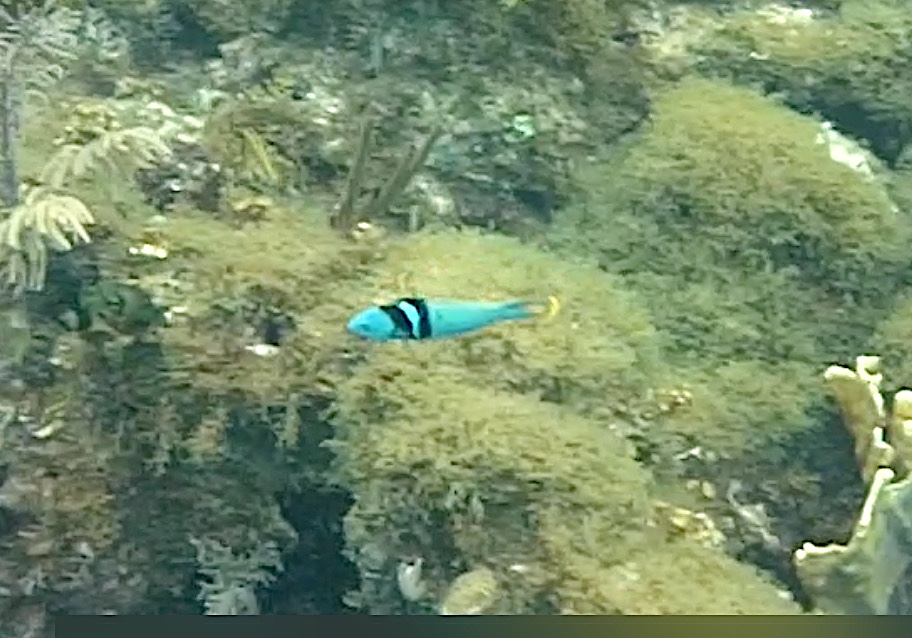
A cropped still from a video I took at Fowl Cay marine reserve. I’ve looked at dozens of images online and not found one that was all blue with a yellow end to its tail fin. Maybe it’s not a BW at all. Or it’s a different type of fish completely. Or perhaps it is just an all-blue alpha male.
Credits & Sources: Melinda Riger; Adam Rees; James St John; Oregon State edu / Pinterest; Wiki images; self; Oceana; IUCN; magpie pickings
A bluehead wrasse passes the time of day with a grunt
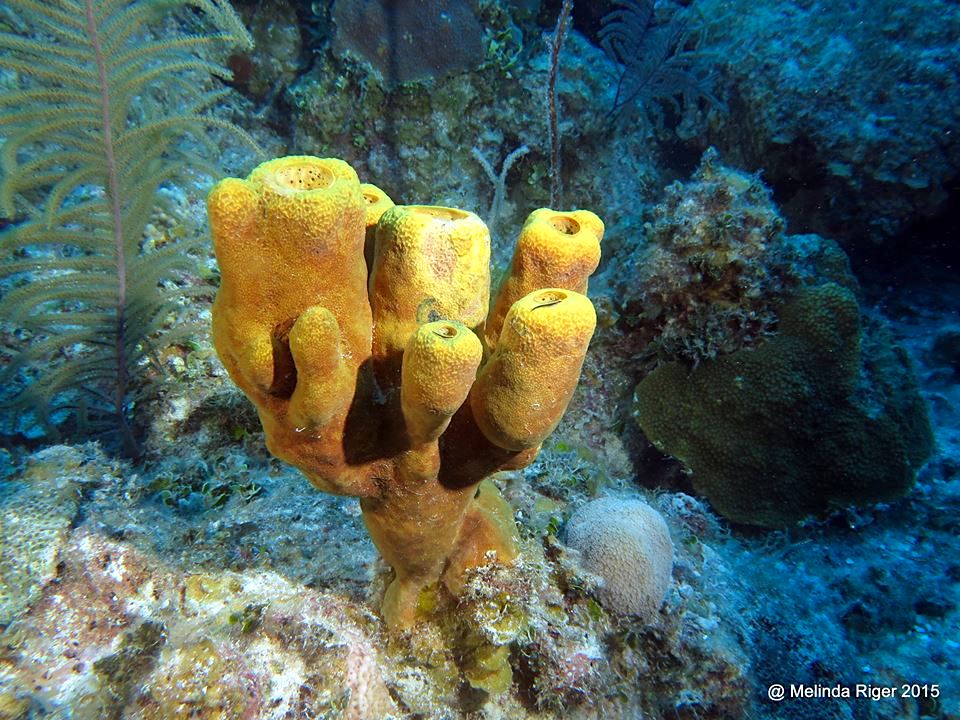
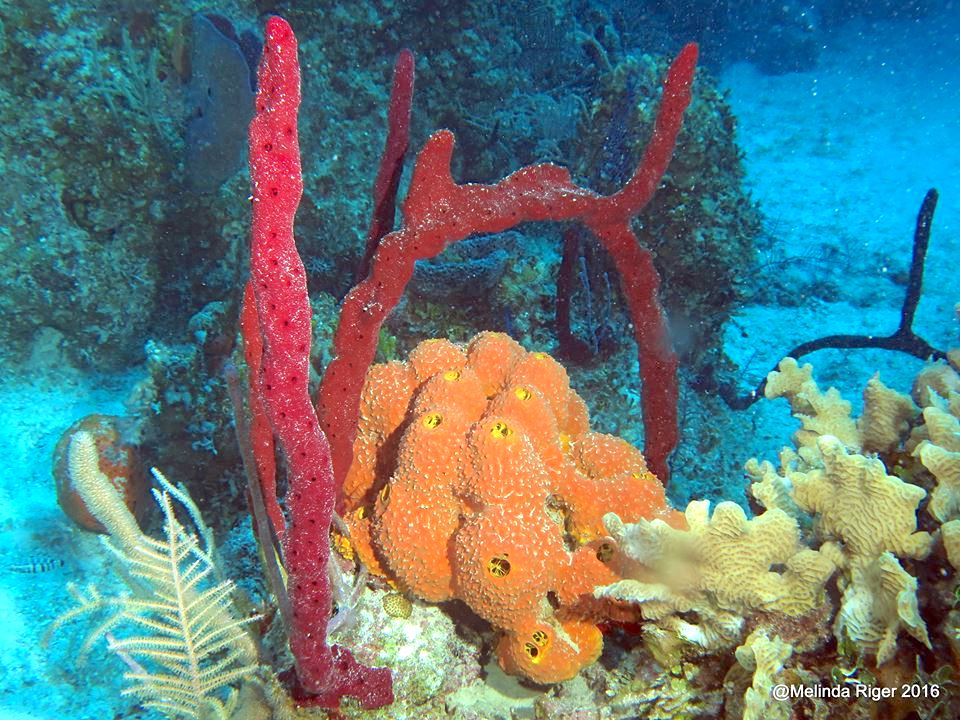
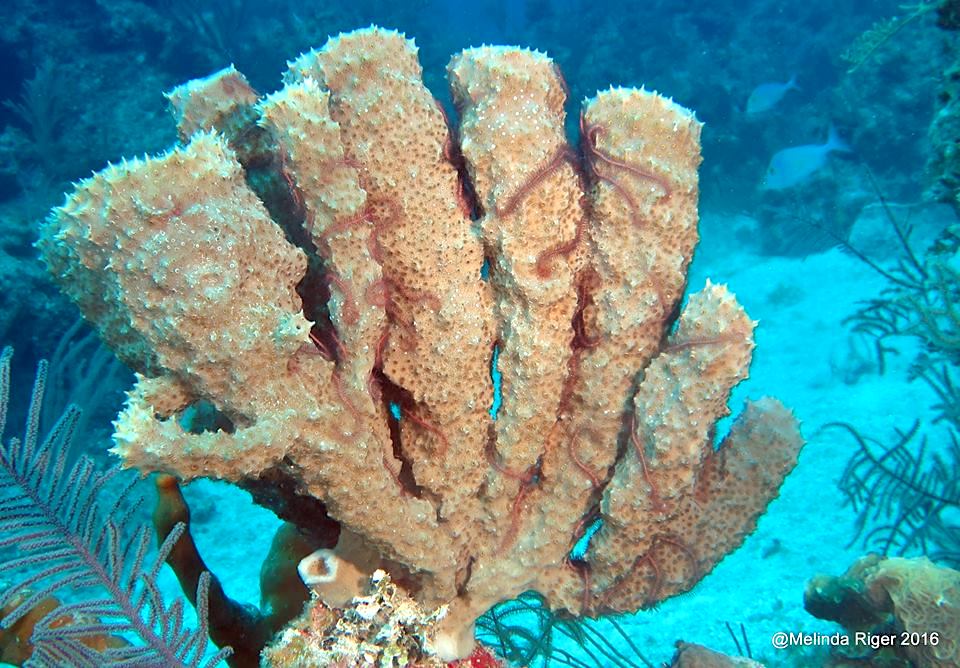
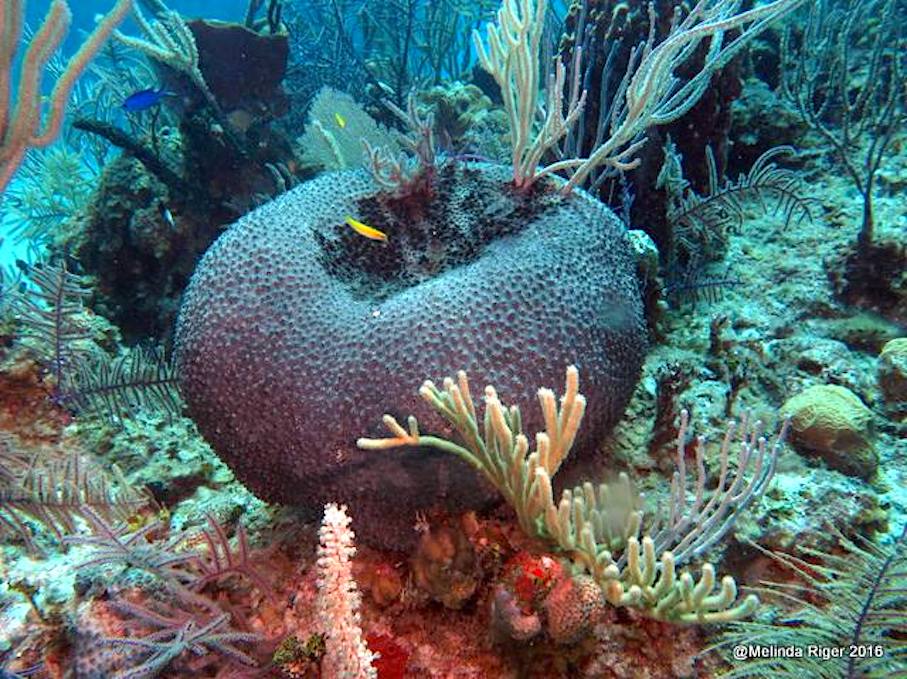
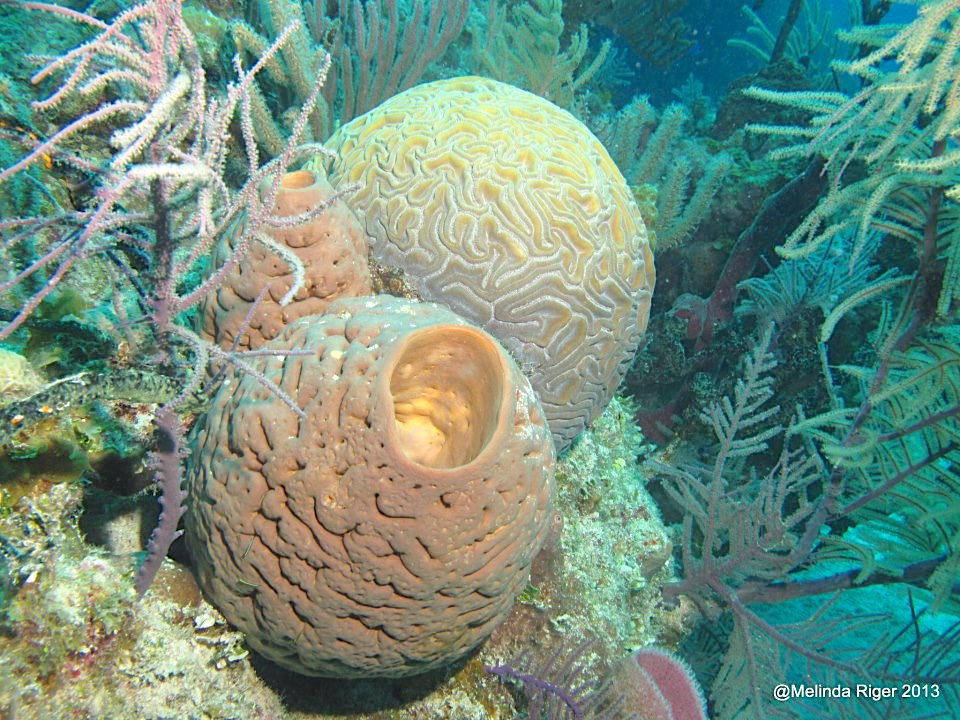
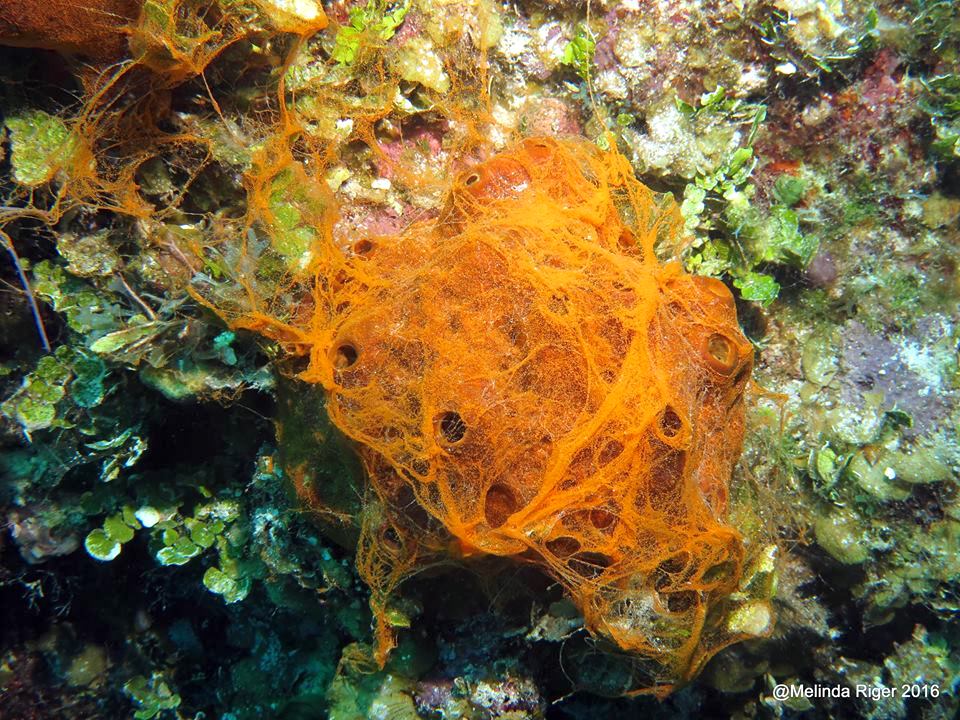
A while back I showed a collection of colourful sponges – one that you might come across with minimum equipment. Snorkel, mask, flippers. Oh, and a coral reef, if you happen to have one handy. I suspect that to quite a few people the word ‘sponge’ means soggy yellow thing, as found in the proximity of a bath. Or a scratchy nylon-based equivalent. Well, here are a few more sponges to enjoy. Some I can give you the names of, some I don’t know and am too idle busy to look up… Sorry.
Dolphins are regularly seen around the coast and in the fishing grounds of Abaco. Sometimes, they make it easy by nosing into harbours and being generally adorable for a while, to the delight of onlookers. Hope Town can be a good place for this. Those aboard the “Donnies” – the ferries that criss-cross the Sea of Abaco from the main island to the various Cays – may be in luck too. However, it is perhaps less well known that Abaco waters provide a home or a migratory passage for gigantic whales. Beside these mighty creatures, the several other whale species of the Bahamas seem relatively small. Yes it’s true: there are huge whales – humpbacks and sperm whales (cachalots) – to be found in Abaco waters, and not so very far from land either.
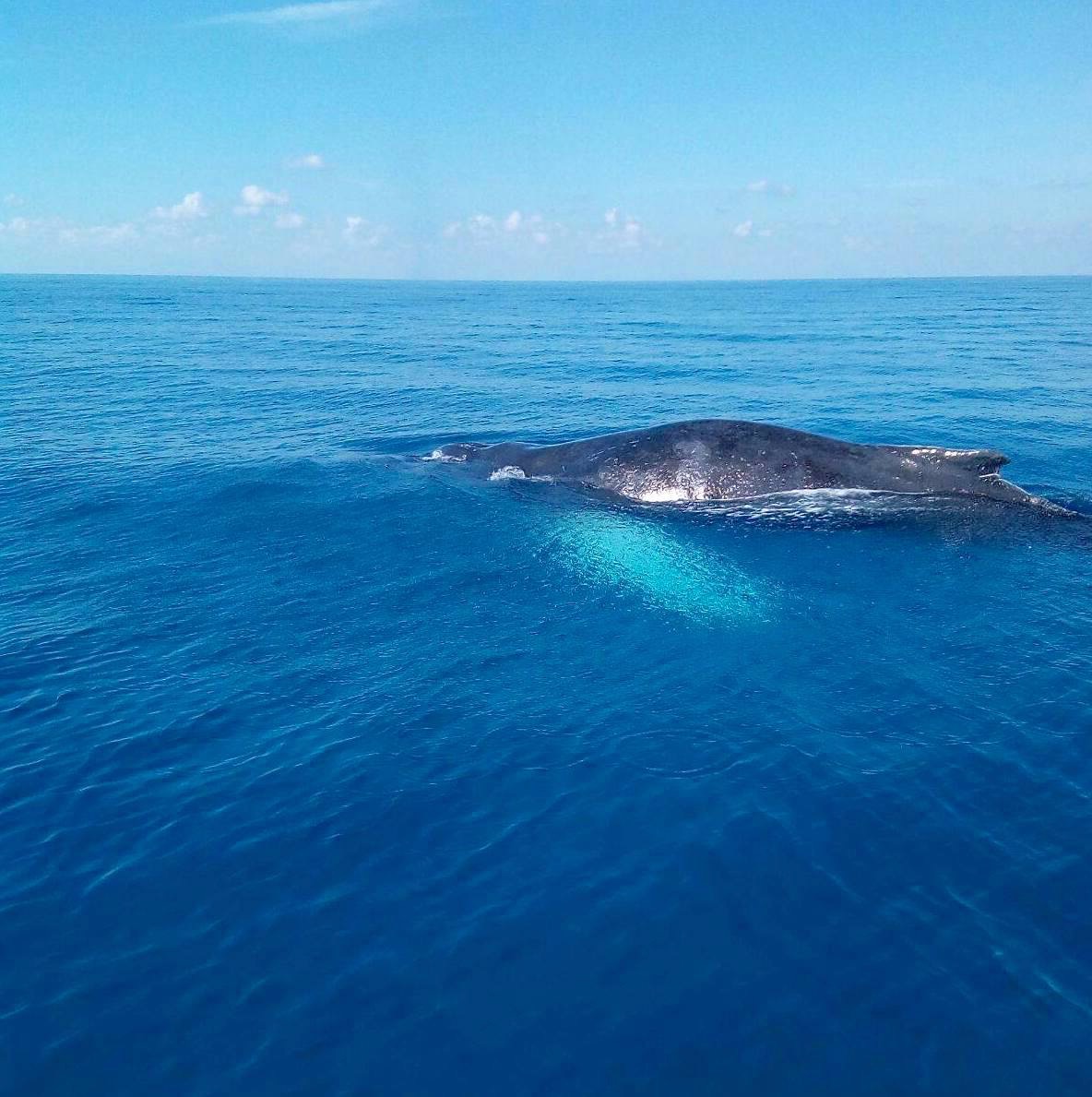
The humpback whale Megaptera novaeangliae above, with its characteristic white pectoral fins, was seen about a week ago off Sandy Point (southwest Abaco). You’ll get an idea of its immense size from the photo. An adult of this BALEEN WHALEspeciescan reach 50 feet in length and weigh 35 tons or more. Imagine watching one slipping silently past your boat… and then consider that even larger sperm whales are seen in the same area.
For the link to report a Bahamas whale sighting, please see either link provided below
Humpback whale / adult male human in scuba gear comparison
Humpbacks are found in oceans throughout the world. They migrate huge distances each year, from polar regions to the tropical and sub-tropical waters where they breed. These are the whales beloved of wildlife film producers and whale-watching trips, with their spectacular arched breaching in which half their length or more may emerge from the water before smashing back into the waves.
A humpback breaches on the Stellwagen Bank (about 50 miles offshore of Boston)
Like other large whale species, humpbacks were unsurprisingly prime targets for the whaling industry in a melancholy era of marine history that took them to the edge of extinction until a moratorium was declared in 1966. Since then the population has recovered significantly. They remain vulnerable, however: in some locations, to killing; to entanglement in heavy-duty fishing gear; to ship collisions; and to noise pollution that affects their ability to communicate long-distances underwater, as they need to do.
Finally, the Sandy Point humpback makes a last dive and, with a wave of its fluke, disappears
Do you have a Bahamas whale or dolphin sighting to report? Please use this link, giving as many of the details as you can. Each report makes a valuable contribution to the BMMRO’s research.
As a footnote, my first whale encounter was on the Stellwagen Bank mentioned above, when I went on a whale-watching trip from Boston. We encountered a mother humpback with her calf and spent about 1/2 hour watching them interacting. I have the memories luckily – my photos were rubbish, using a very early digital camera that these days would be less effective and well-spec’d that a luminous pink plastic child’s camera now…
Credits: Brad & his crew, and the BMMRO; Whit Wells / Wiki for the breaching whale; moi for the rotten but quite interesting archive photos from the same place; the whale for being awesome in the true sense of the word
WONDERS OF THE DEEP: FROM SUBLIME TO… THE OTHER THING
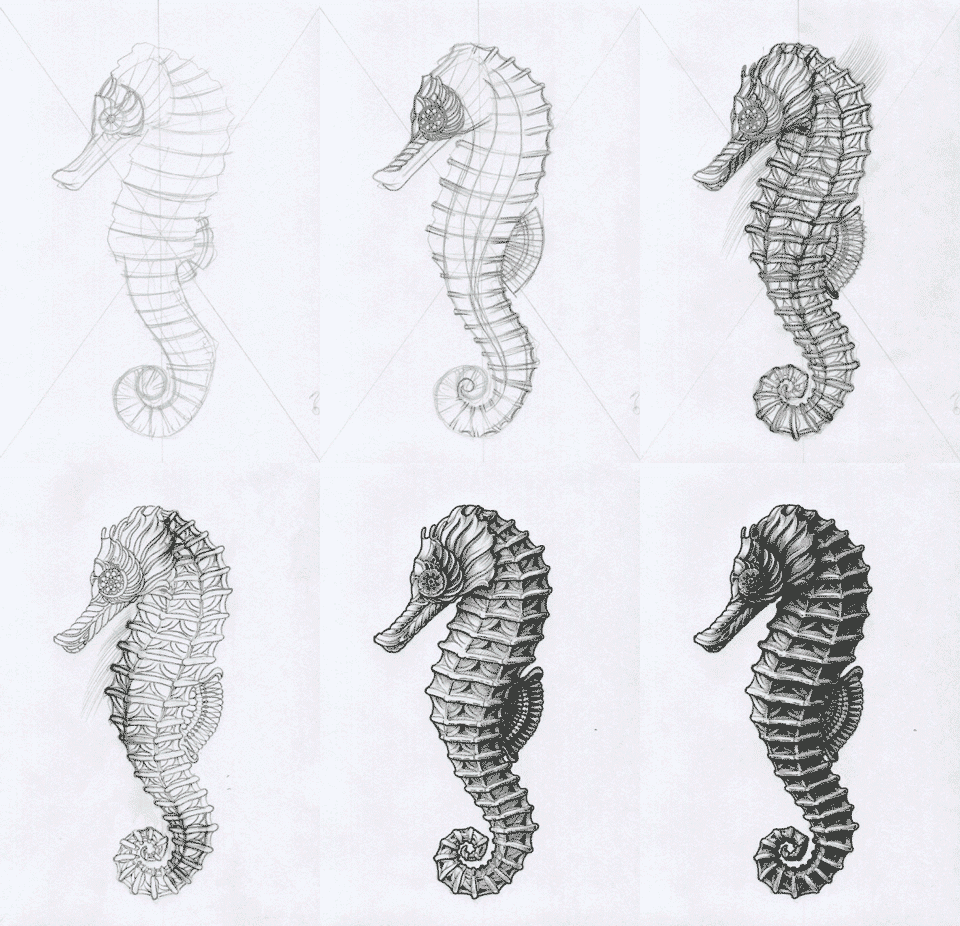
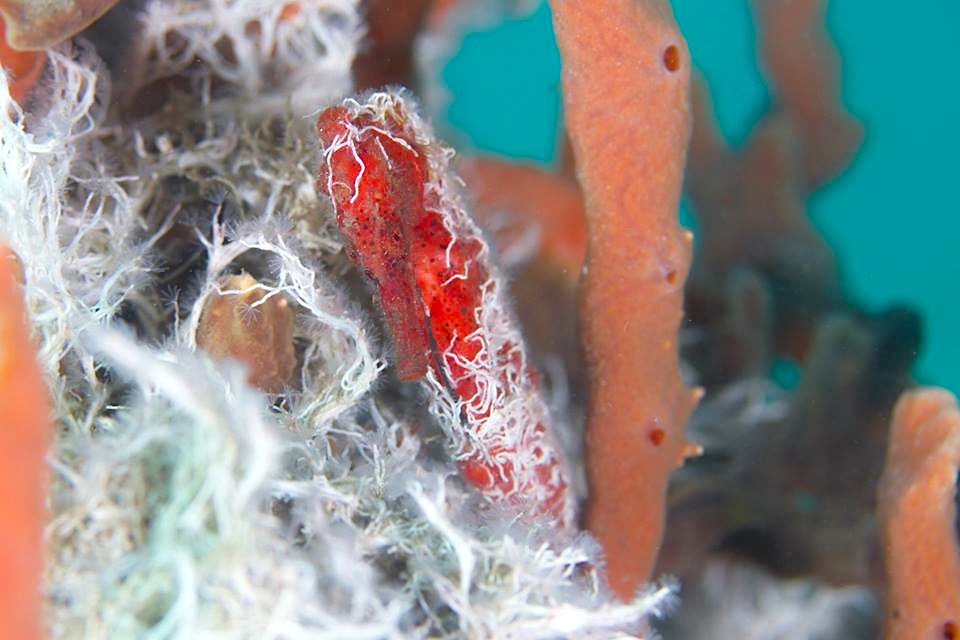
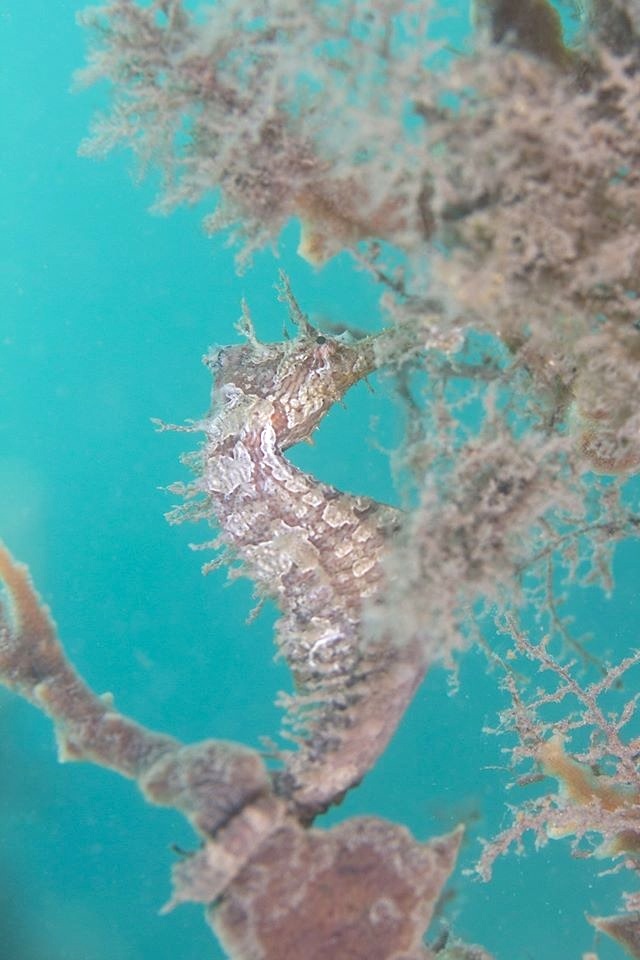
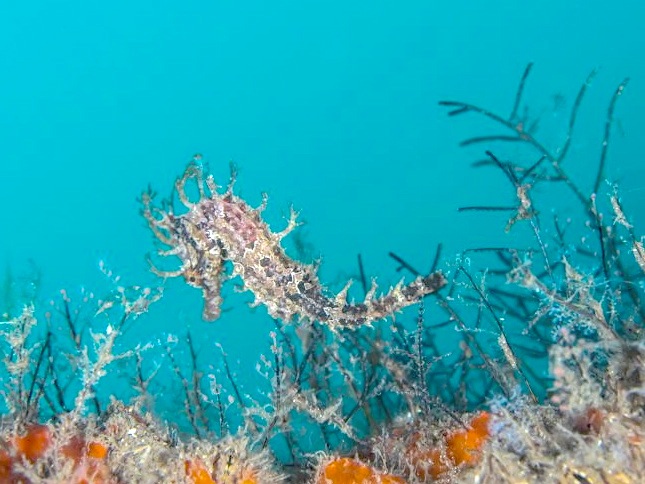
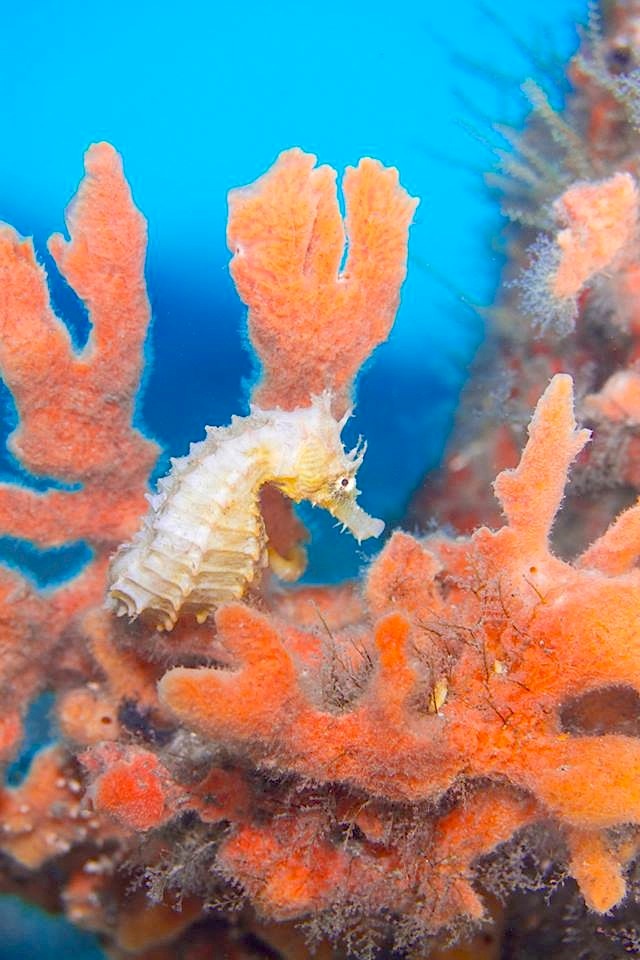
It’s a statistically proven fact (and not, in any way, a ‘post-truth’ proposition) that no one has ever had a bad thing to say about seahorses. Indeed, some love them too much and consume them – see HEREfor threats to seahorse populations in some areas of the world.
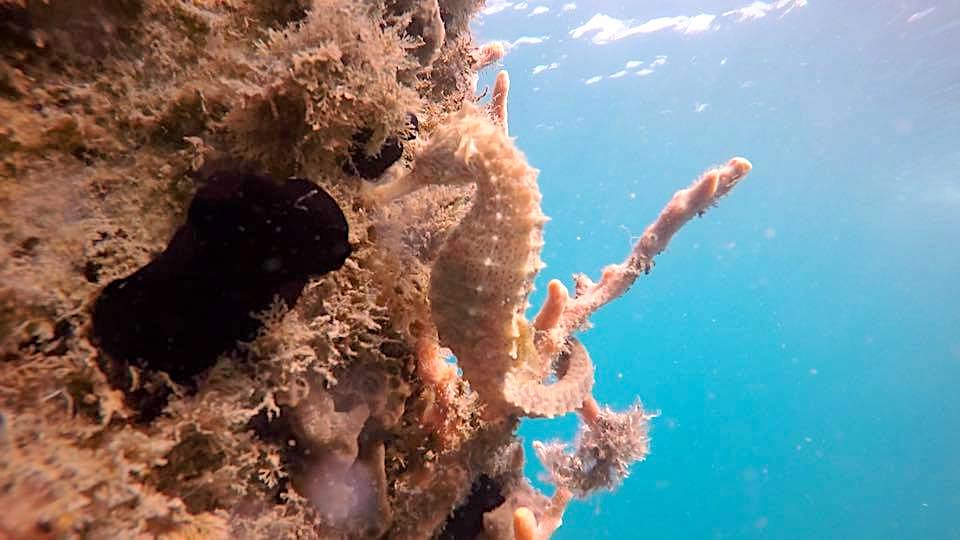
Sometimes they are easy to see. The header image shows an orange seahorse curling its tail round green weed on pink coral – hard to miss. Yet sometimes it may be quite difficult to see the little creatures against their chosen background.
These guys are, I think, for their size among the most sublime of all underwater creatures. I use the word in the strict historical sense “of very great excellence or beauty, exalted, awe-inspiring, majestic, magnificent, glorious.” Not just to mean “nice”.
In contrast, there are some undersea creatures that inspire… not awe exactly, but maybe an amused respect that so wonderful and bizarre a creature can exist in our oceans, in some cases only a few feet below the surface. Here are two examples of what I mean.
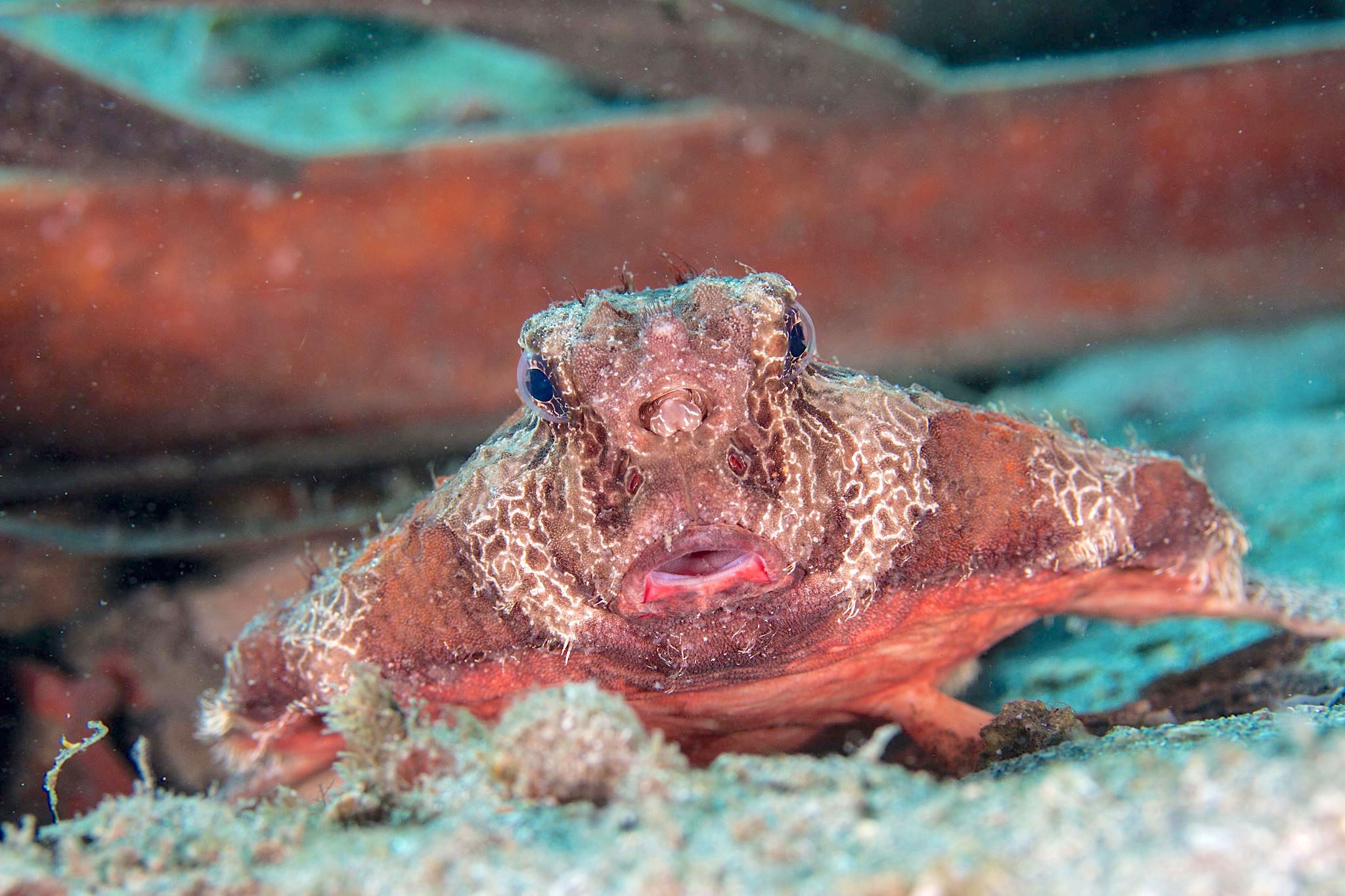
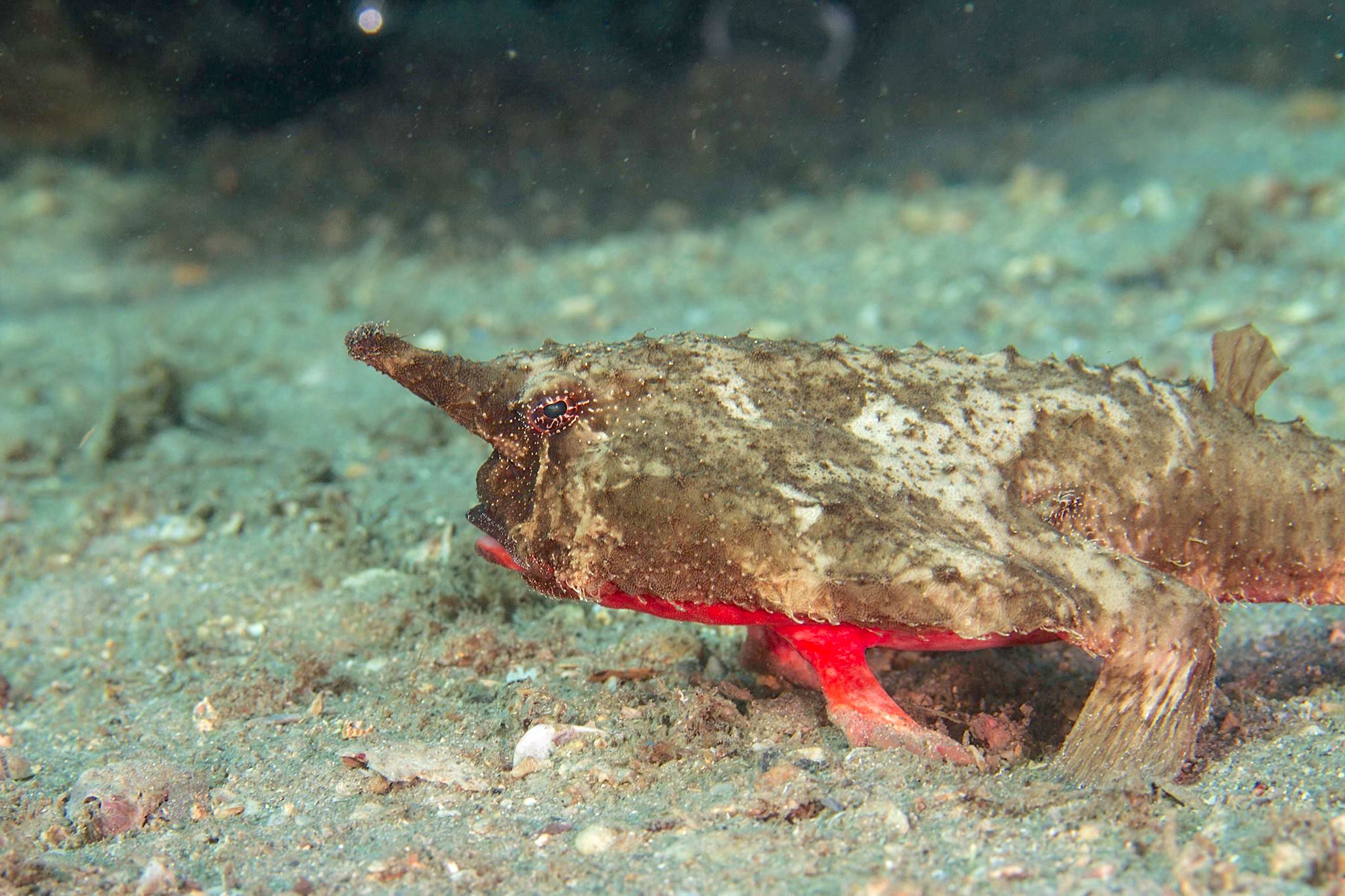
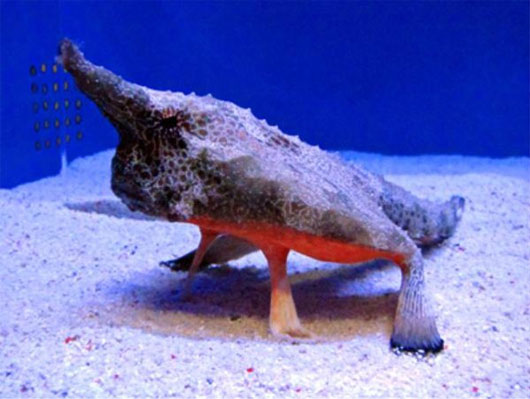
This is a BATFISH. It was an early shoo-in for my “WTF? (What’s that Fish?)” series, and you can read all about them and their ways HERE. Of all the creatures I have featured on this blog, this is by some distance the oddest…
…except for its companion in oddness, theFROGFISH. This was next in the WTF?series, and the creature is, if anything, even stranger. You can read all about these critters HERE, where you will learn inter alia about their superpowers – any one of which you might like to have yourself. There are plenty of photos, and videos too.
FROGFISH SUPERPOWERS
Invisibility Cloak
Irresistible (and, to their prey, Fatal) Attraction
Buoyancy Control
Shapeshifting
I do not court controversy, recognising that people following this site, or maybe stumbling across it by mistake and lingering, reach their views on natural history from different directions. But these strange and fascinating species exist and thrive in their own particular and ingenious ways – it doesn’t really matter how or why they are as they are. The bats and the frogs are high in the list of the least conventional of undersea creatures, and if they are not exactly sublime in a seahorse sense, can we just agree that they are awesome?
Photo Credits: Adam Rees / Scuba Works; Melinda Riger; Alex Konahin (seahorse gif)
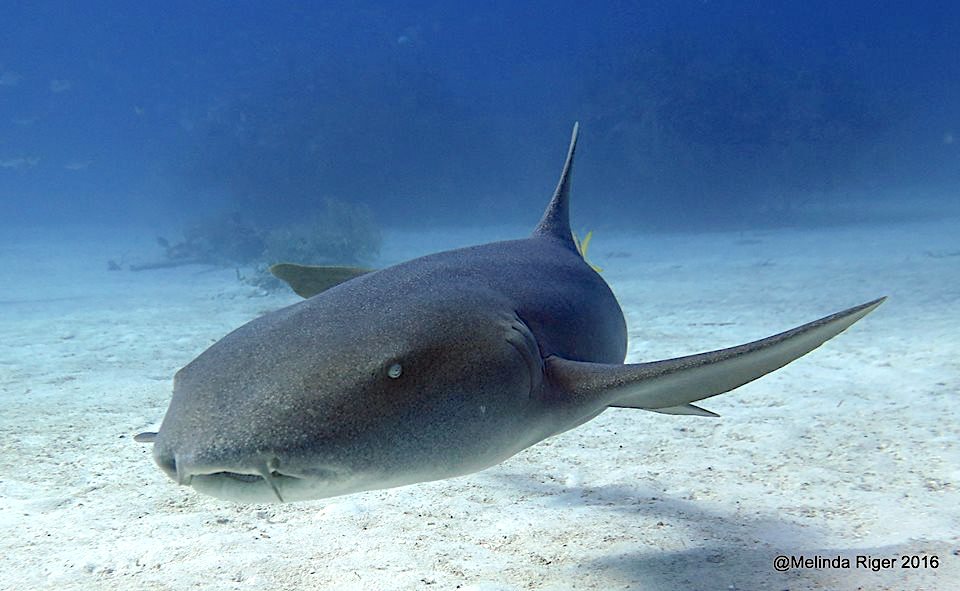
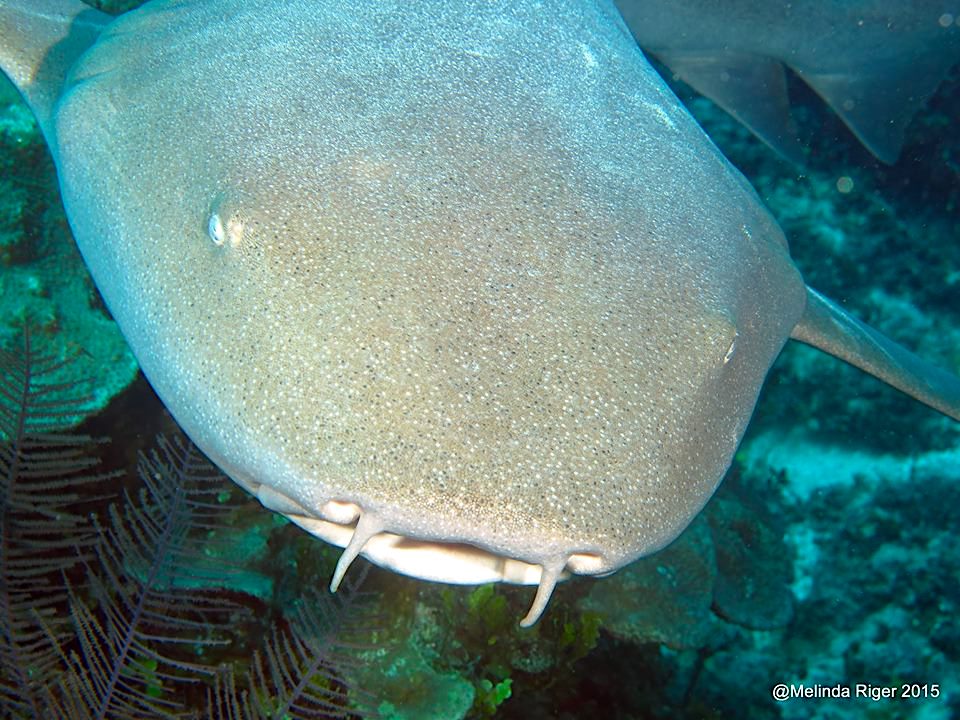
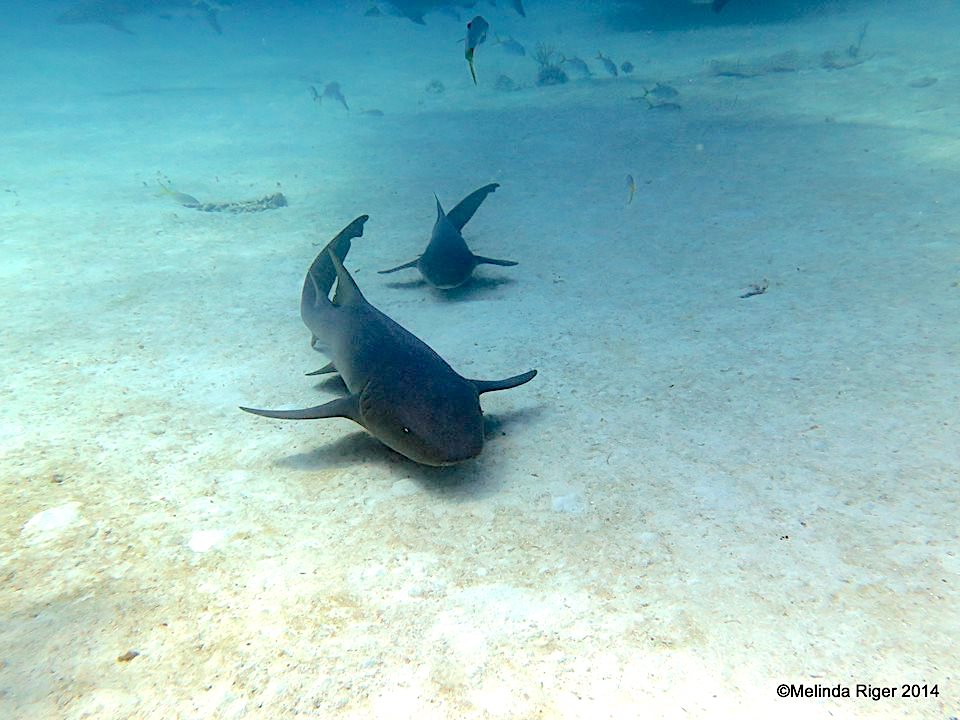
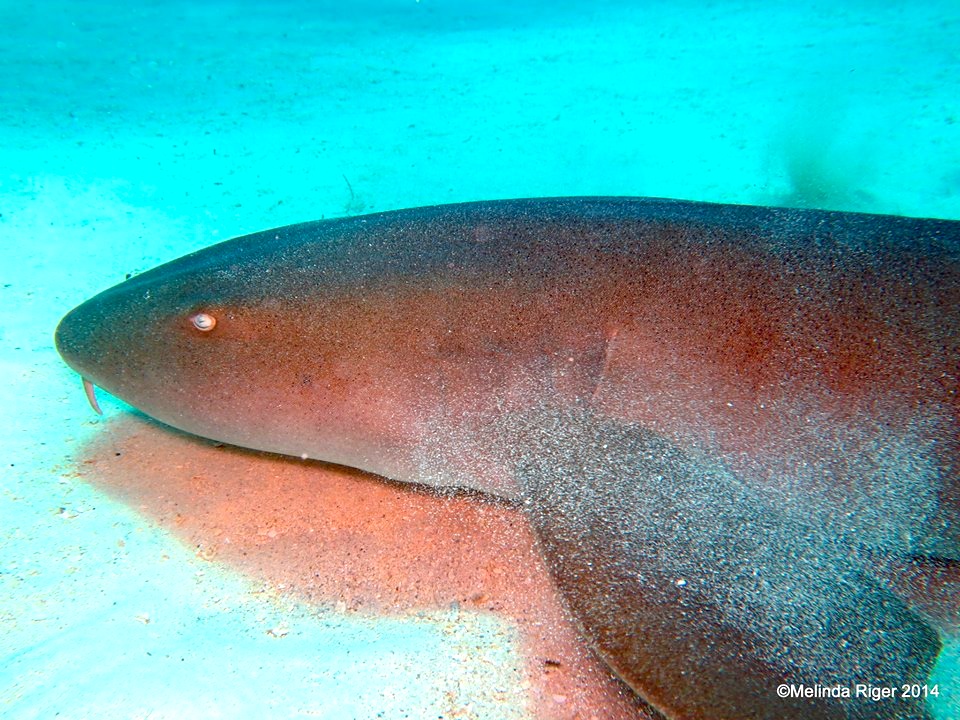
I last took a look at nurse sharks nearly 3 years ago HERE. Time to revisit these creatures. Indeed, time for a close-up look. If you want to know more about this fascinating species, just click the link above.
The two strange items hanging down from the upper lip are sensory barbels
This side-view shows the shark’s relatively small mouth (for a shark anyway)
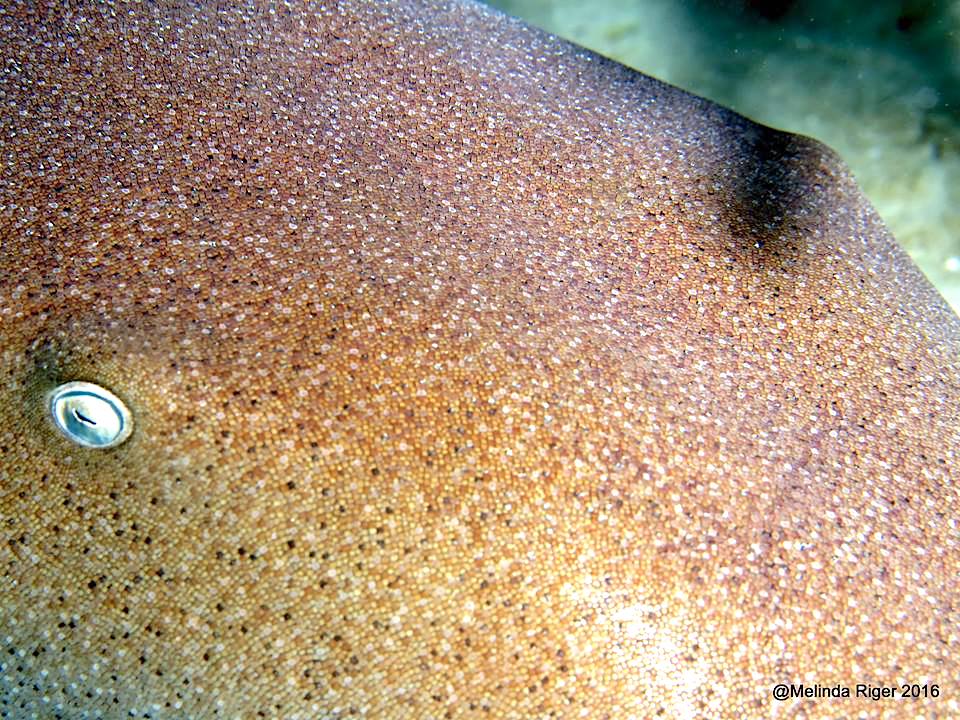
Admire the extraordinary texture of the the skin; and the tiny evil eye. Click or – better – double click on the image and you will see that the skin is in fact tessellated, made up of a mosaic of tiny squares and near-squares**
This one is a baby nurse shark
A juvenile nurse shark with a couple of grunts. Note the youngster’s paddle-like fin
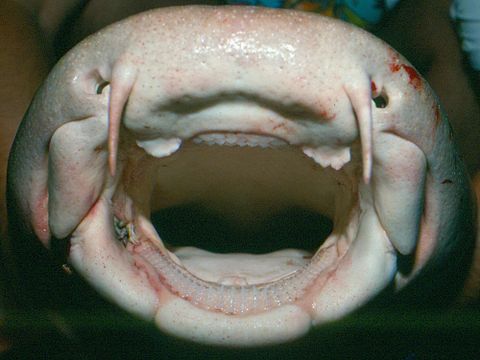
Head, mouth, jaws and teeth
SO, THEY ARE SHARKS – ARE THESE GUYS DANGEROUS?
Not really, no. They aren’t looking to pick a fight; and they are not as territorially aggressive as the ‘bitey’ sharks are (or can be). These slow-moving bottom-dwellers are generally harmless to humans. However, they can be huge—up to 4 metres —and have very strong jaws filled with thousands of tiny, serrated teeth. They will bite defensively if stepped on or bothered by divers who assume they’re docile.[As I said previously, “there are recorded instances of injuries caused to divers who have tried to pull nurse sharks by the tail. And serve them right, I say. Treat them with patience and respect!”]
**FUN FACT
M.C. ESCHER (the inspiration for Mr Hammer) was the master of tessellation in art. Click the link to explore the dedicated website. Maybe, sensationally, one day a shark will be found with skin like this… (Alert reader: “Actually, I think it most unlikely…”)
Credits: field photos by Melinda Riger, Grand Bahama Scuba; Wiki for the 4 mouth images & the Escher
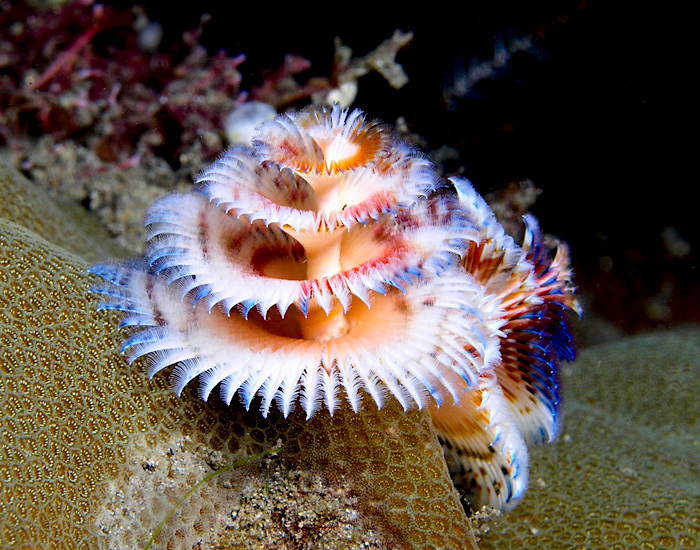
“Deck the Reefs with Worms Like Christmas Trees… Fal-La-La-etc-etc ” is a traditional Carol familiar to all. Well, most. Ok, some, then. Oh right – maybe with different words. Anyway, now is as good time as any to take a look at these remarkable plants creatures and subsurface symbols of good cheer.
10 CHRISTMAS TREE WORM FACTS TO PONDER
The 2 colourful spirals are not the worm, but complex structures for feeding & respiration
The spirals act as specialised mouth extensions for ‘filter-feeding’
Prey is trapped by the feathery tentacles & guided by cilia (microscopic hairs) to the mouth
The tentacle things are radioles and act as gills for breathing as well as prey traps
It is not believed that prey slide down the spiral to their doom, like on a helter-skelter
The actual worm lives in a sort of segmented tube, with extremely limited mobility skills
It contains digestive, circulatory & nervous systems – and a brain in the middle of it all
The worm also has a tiny drainage tube (I think I have this right) for excretion etc
They embed themselves into heads of coral such as brain coral. And stay there
And yes, the Christmas trees are retractable…
HOW DO THE WORMS… YOU KNOW… ER… REPRODUCE?
This is a delicate area. They don’t tend to talk about it much, but as far as I can make out they eject gametes from their what-I-said-above. There are mummy and daddy CTWs, and their respective gametes (eggs and spermatozoa) drift in the current and presumably into each other to complete the union. The fertilised eggs develop into larvae, which settle onto coral and burrow into it, build their protective tubes and the process begins again.
LOOK, YOU DON’T REALLY UNDERSTAND THESE CREATURES, DO YOU?
I won’t lie. I found it hard to work out how the CTWs function in practice. There are plenty of resources showing them in their full glory, but that only takes one so far. Then I came across a short video that shows it all brilliantly simply (except for the reproduction part). So maybe I should have just posted this first and saved you (and me) some trouble…
The worm, invisible in its coral burrow, hoists its pair of trees. You can easily see small particles – possibly zooplankton – drifting in the water, and the radioles swaying to catch potential food. Bingo. It all makes sense! Next: the New Year Worm
Credits: Melinda Riger (G B Scuba); Adam Rees (Scuba Works); Nick Hobgood; Betty Wills; Absolutely Wild Visuals; MarineBio; Wikibits & Magpie Pickings
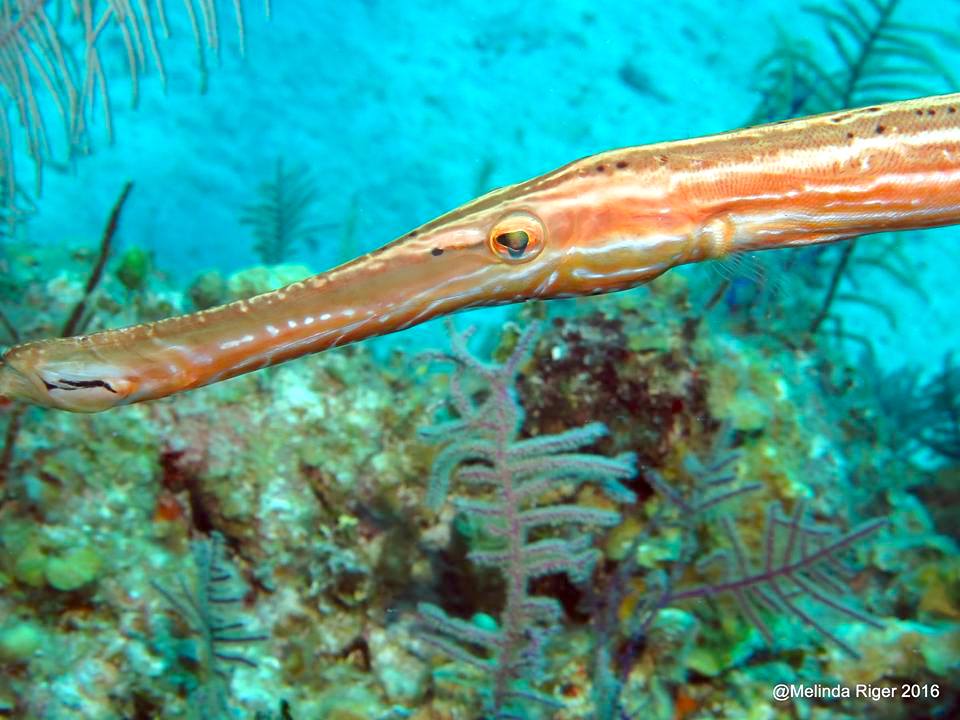
It’s been a while since the previous post in the WTF? series, dedicated to the unusual or downright weird marine creatures that, when you see them swim into in the frame of your mask, prompt the involuntary exclamation “WTF?” (What’s That Fish?). Now, in all its glory meet… The Trumpetfish. These long piscine pipes are in no way related to the President-Elect and his tank of pet fish, but perhaps more explicably to seahorses and seadragons.
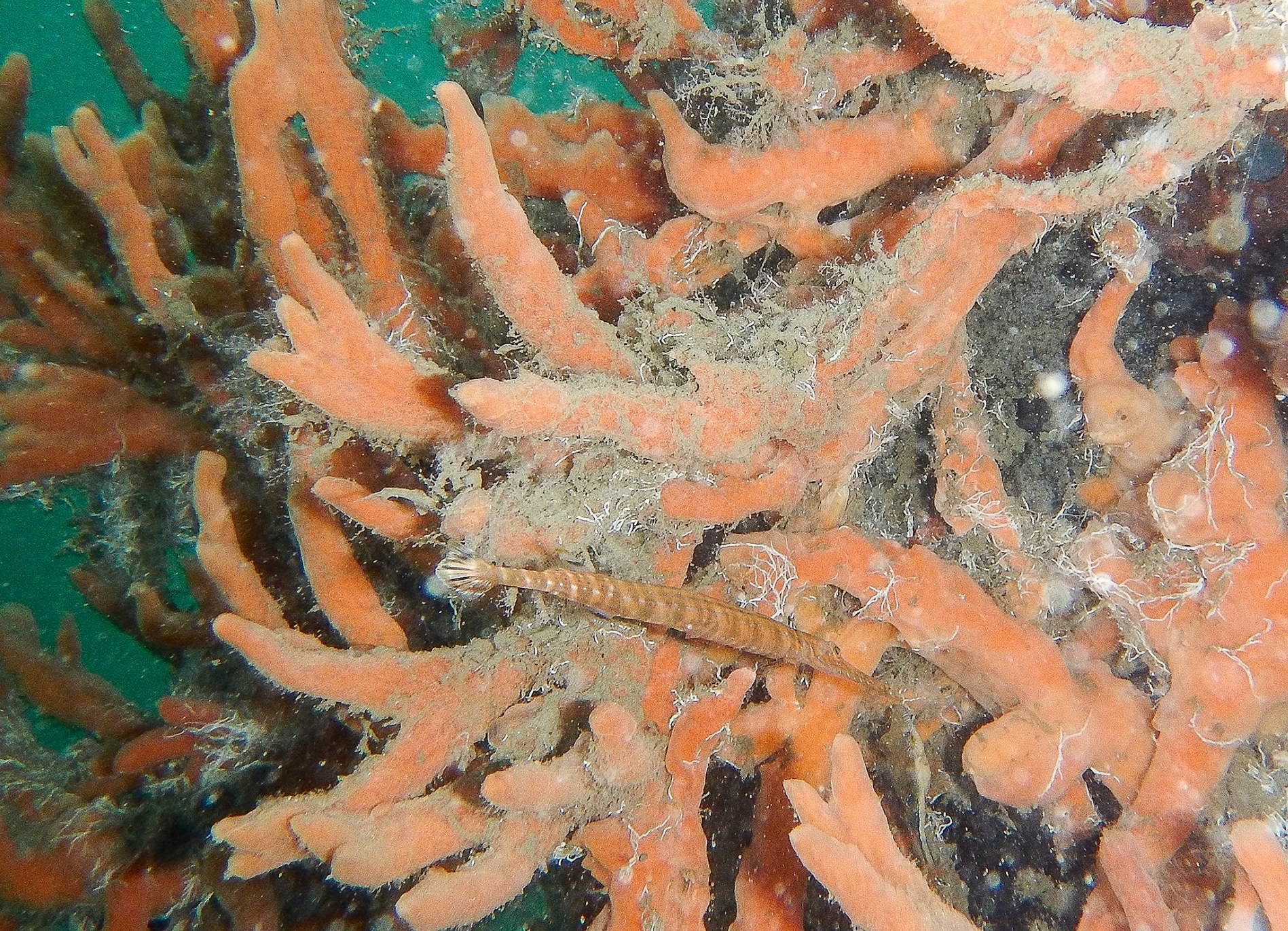
Trumpetfishes Aulostomus maculatus are as happy to swim upright as more conventionally, which helps them to blend in with vertical corals and sponges on the reefs in the tropical waters of the western Atlantic. Adults may grow to 3 foot long or more. These creatures come in a variety of colours – shades of red, orange, brown, green and yellow.
At the end of the fish’s long snout – see how far back the eyes are set – is a small mouth. Here’s how a trumpetfish goes about catching its prey (mostly small fishes):
Slowly swimming or drifting to a target from behind, and sucking it into its mouth
Staying suspended in the water, motionless, and waiting like a malevolent stick for a passing wrasse or similar to get too close
Swimming alongside larger fishes, which camouflages its presence and enables it to ambush small fish as they pass
More generally, the trumpetfish has some ability to change its colour to blend with its surroundings – both a defensive as well as an attacking advantage
The very excellent Peppermint Narwhal recently produced a series of posters in appreciation of particular species – and trumpetfishes and their kin in the Order syngnathidae were honoured. The PN’s cheerful website is well worth checking out for the sheer diversity of their ideas.
MUSICAL NOTES
We are beginning to collect the makings of a decent orchestra here. The trumpetfish has a relative, the cornetfish, elsewhere in the world. The remarkable GUITARFISH has already featured in the WTF? series, as has a species of BASS, the Harlequin. And – hey! – what about the spotted DRUMFISHto lay down the beat? Maybe I need to compose a little jingle featuring these one day…
Credits: Melinda Riger (Grand Bahama Scuba); Adam Rees (Scuba Works)
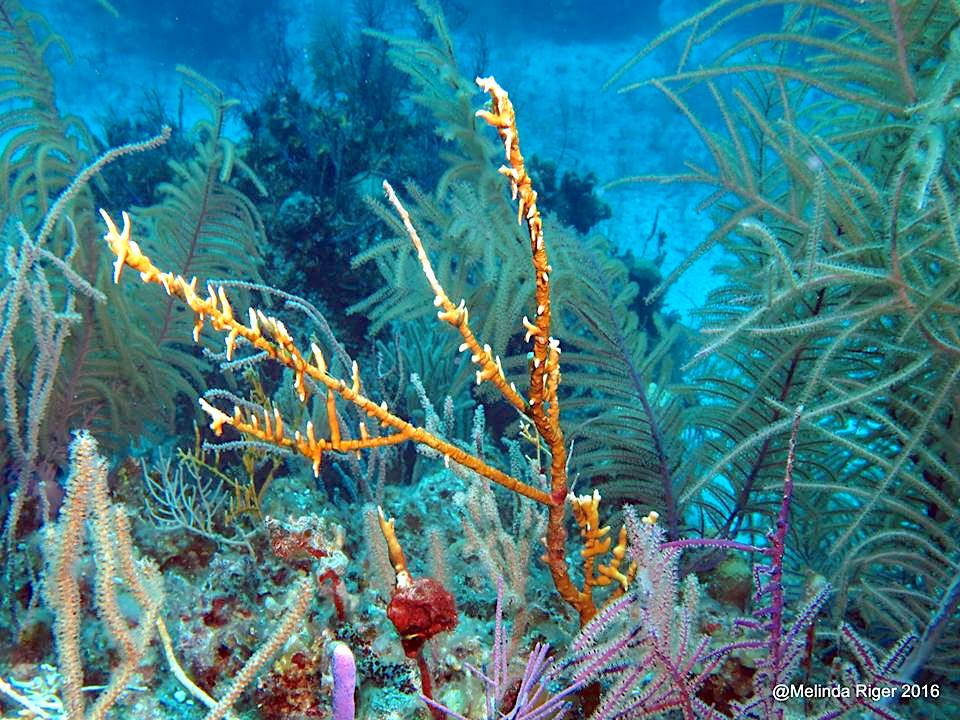
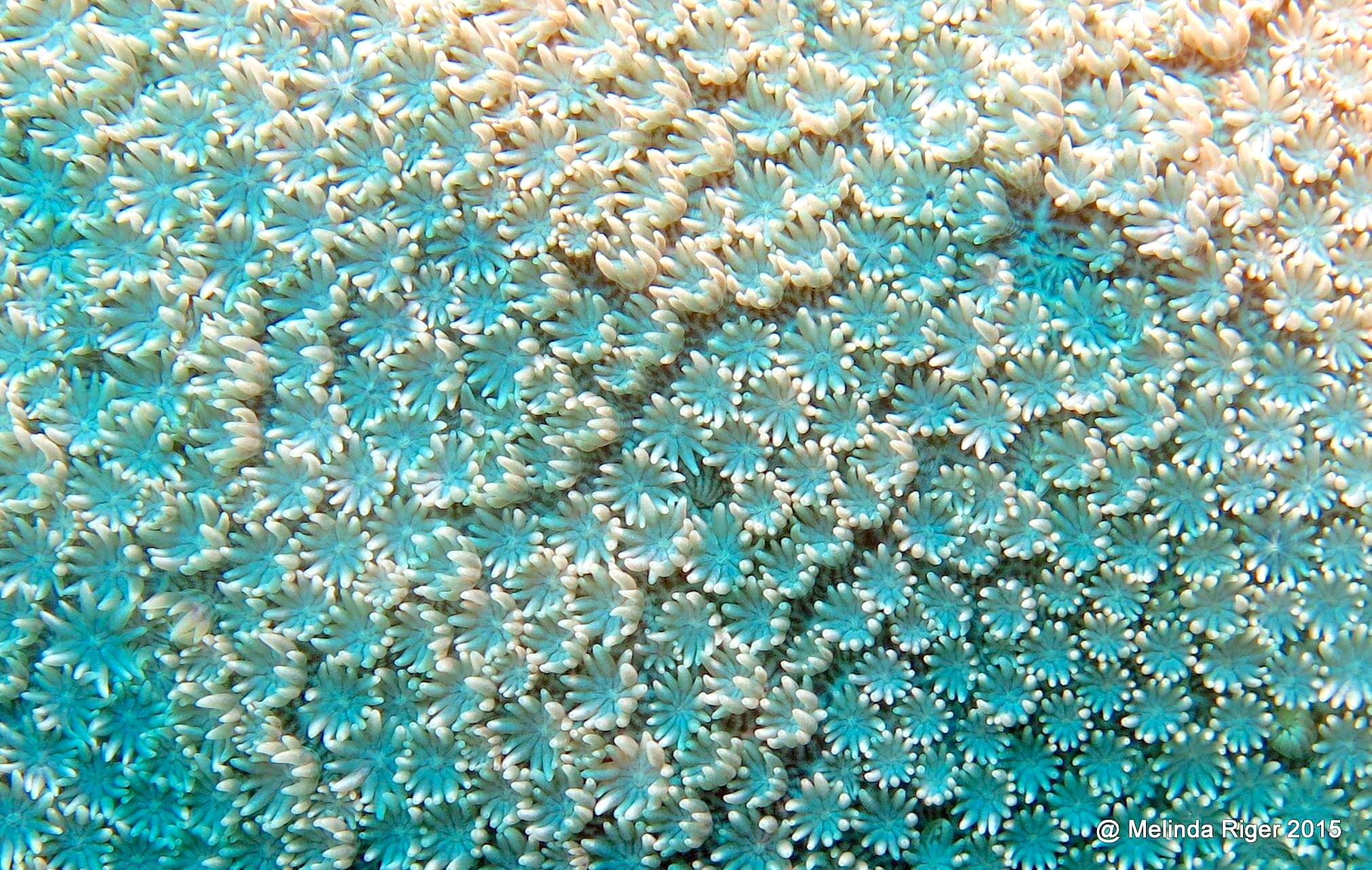
This post needs no commentary from me, nor my larky intrusions. These wonderful images from Melinda Riger speak for themselves. You’ll see a wide variety of soft and hard corals in the images below (prize** for the full list). If these superb photos don’t want to make you want to grab a snorkel, mask and flippers, then… well, that would be a very great shame.
**the prize is the usual legendary bottle of Kalik. Or do I mean mythical?
All wonderful photos by Melinda Riger, Grand Bahama Scuba. All corals also available in a wide range of colours in Abaco waters. See them there on the third largest barrier reef in the world (and in rather better nick that the greatest, by all accounts).
This post results from a recent Technological Breakdown at Rolling Harbour Towers, and is to be viewed as post-trauma therapy. Smart New Mac ordered, to replace 5 year-old warhorse loosely held together with duct tape and prayer. After lengthy (overnight) data migration, Smart New Mac turns out to be faulty. SNM returned to store: a seething hotbed of stress and distress (the shop too). While replacement is eagerly awaited, fry motherboard of old computer with shorted charger. A week of wailing and gnashing of teeth. Smart New Newest Mac brings you this offering.
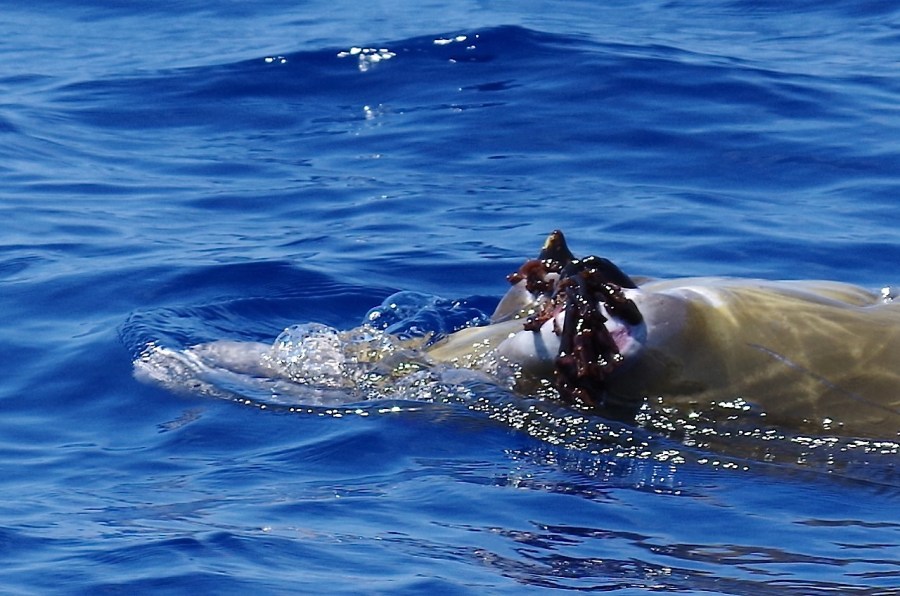
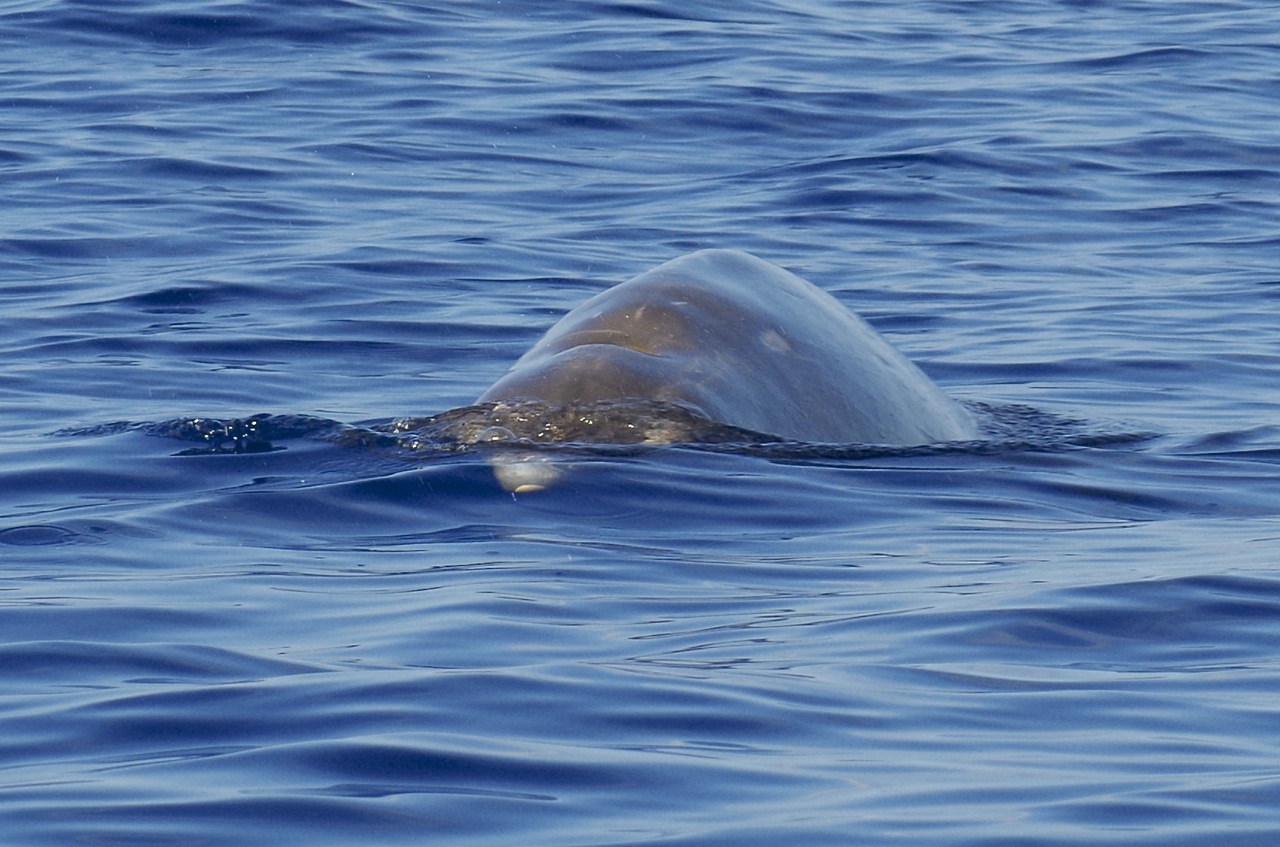
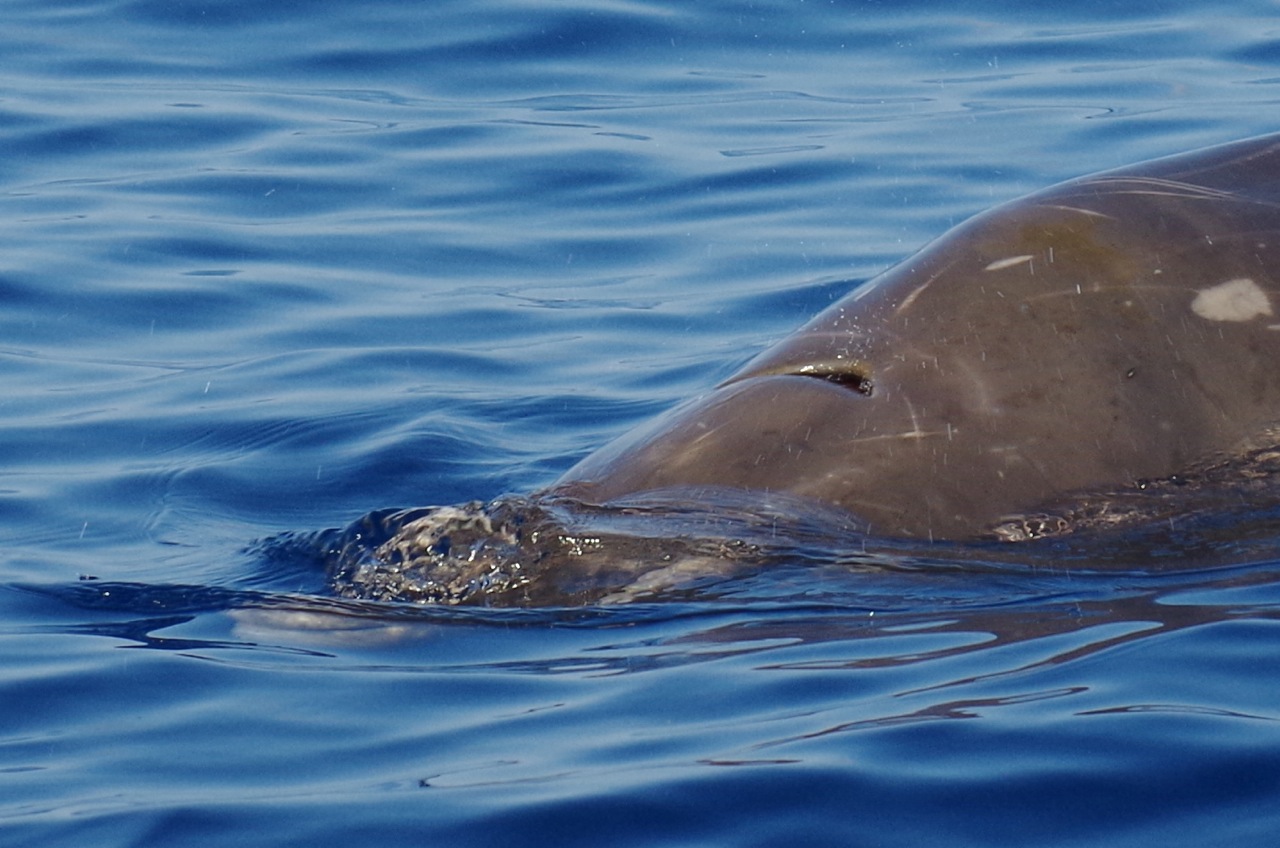
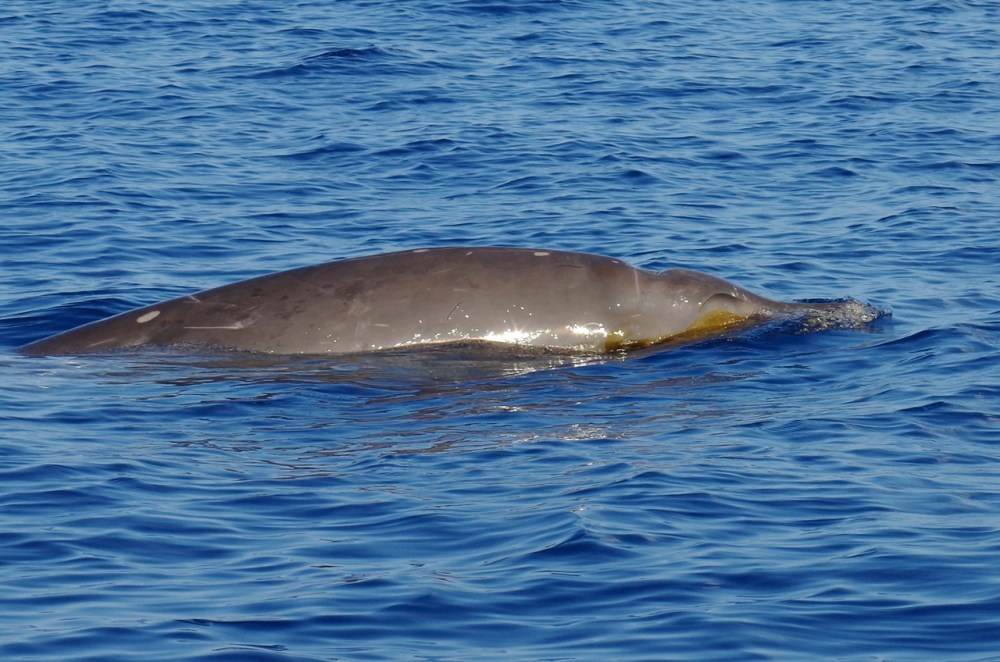
I like whales. Everyone likes whales. Even whalers, though for very different reasons. Here are some calming pics of one of Abaco’s largest yet best kept secrets – Blainville’s beaked whales. Adults grow to more than 15 feet long and weigh about 2000 pounds, yet they can behave like huge dolphins in slow motion – circling a boat, diving under it, drifting away, swimming back. They have no motherboard and require no data migration.
The amazing barnacled tusks of a male, that protrude upwards from the lower jaw
Tusks and blowhole…
Dorsal fin damage is an excellent way to ID individual whales
The knobbly back will help with ID too
A female beaked whale noses towards the BMMRO research vessel
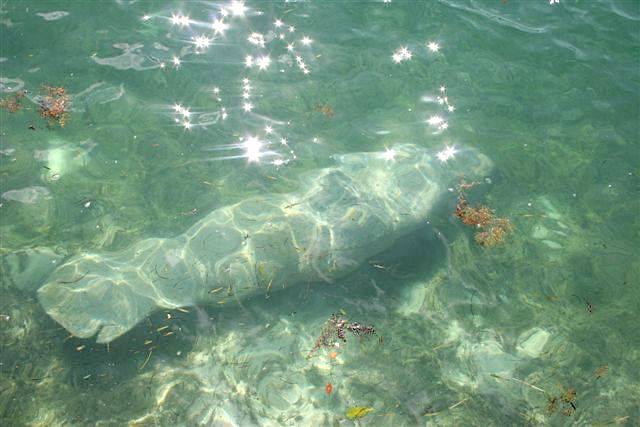
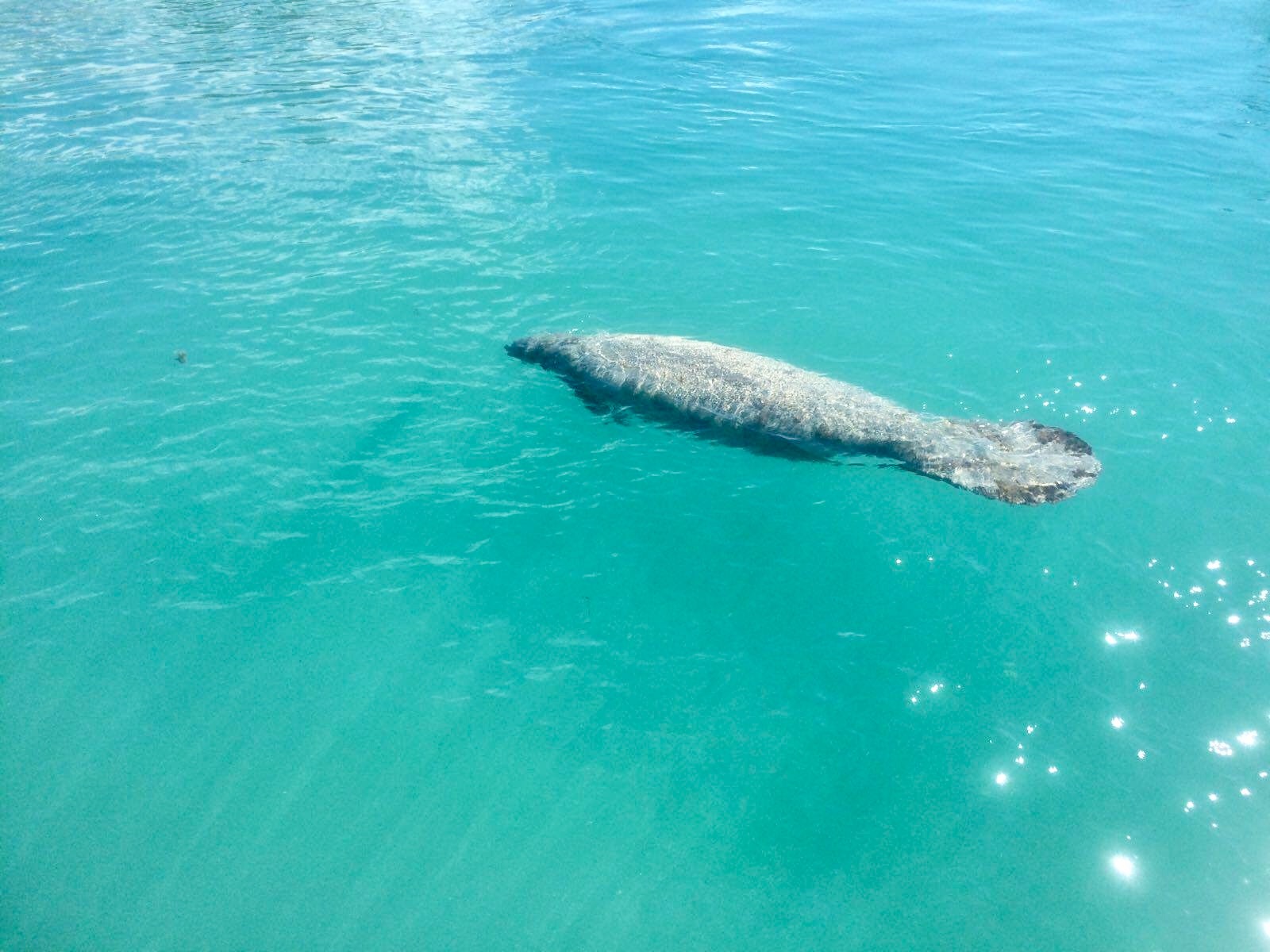
Are you aware of the Bahamas manatees? Just a few years ago your answer might well have been “Bahamas what? No, why? Where?” But suddenly they arrived. And their numbers are increasing. Alternatively, of course, they have always been there, mooching around peacefully and unnoticed in the seagrass.
Rita and her recently born daughter – Kamalame, Andros
The Bahamas Marine Mammal Research Organisation BMMRO has been keeping tabs on occasional sightings of manatees in Bahamian waters for some years. But until around 2012 – when I first learned of them and wrote about them – they appeared to be few and far between. They seemed to be unrecorded for Abaco, or anyway unphotographed.** Then the sightings began. Names were given to individuals, identified primarily by distinctive marks or cuts on their ‘paddles’ (tails). Gina. Rita. Georgie. Randy. JJ. Sightings in Hope Town, Little Harbour, Cherokee and the Casuarina canal. Manatees had arrived and were being paid attention. The ease of digital photography and the rapidly increasing use of social media resulted in more reports, wider interest and – yes – greater awareness both on Abaco and elsewhere in the wider Bahamas
**so much for being factually assertive! Many thanks to Mary for her account of one on Green Turtle Cay ‘seen by everyone’; and Kelley for her 2008 one in Galleon Bay canal… of which she actually got a photo…
To give you an idea of the rapid spread of the West-Indian Manatee population, here is a great infographic made recently by Felice Leanne Knowles of the BMMRO, mapping 2016 sightings of both known and unidentified manatees in the Bahamas. An amazing 15 in all, in an area where the natural fresh water these creatures need for survival is in short supply.
You’ll see that in July both Gina and Rita had nosed their way down to Andros. At this time, Gina was known to be heavily pregnant. She gave birth in Kamalame Cay, and the photos of her above with her new calf were taken there.
The baby manatee is known to be a female and there is currently a competition to name her. A spreadsheet-worth of names was submitted to the BMMRO, and they have been whittled down to 3 for a final poll-off between Andie (Andros), Kaman (Kam[alame] An[dros]) and Morgan (Arrrrrrrr in Piratese).
Credits: BMMRO and individual photographers whom I will identify when my backup has finished churning away; Felice Leanne Knowles; ‘Kelly’ (header); @kamalamecay; Sarah Jayne Buchanan; Peppermint Narwhal for their (as usual) inspired illustrative graphics.
It is a statistical fact that no one in the world – not even the meanest despot or cruellest tyrant – fails to love seahorses. It would be fair to add that in certain parts of the world, some people love them too much. In more than 65 countries. To the tune of an estimated 150 million a year that are used in the ‘traditional medicine’ trade. An attrition rate that is unsustainable in the long or even the medium term – with the bleak consequence that it won’t be long before people must look elsewhere for their source for Genital Tonic Pills.
Medicinal use – of empirically vague benefit to its enthusiasts – is joined by the aquarium trade in accounting for the removal of very large numbers of seahorses from their accustomed surroundings. At least these creatures live on (rather than being dried out alive), though research suggests that the survival rate of seahorses in captivity is low.
Do you sometimes hanker for a plastic brooch or paperweight with a tiny seahorse embalmed inside it? It would be good to resist the temptation to buy such things in seaside shops or online. Your little specimen will be one of a million or so souvenir seahorses sold each year, alongside seashells, starfish, sponges and (protected) corals.
As you contemplate your purchase, you may be reassured to find that the product is labelled ‘environmentally friendly’, ‘responsibly sourced’ or ‘from a sustainable source’. You can make up your own: ‘lovingly harvested from the bluest oceans’, maybe. In the words of the SEAHORSE TRUST:
“Nothing could be further from the truth; there is nothing sustainable about this exploitation of the seas. You can make change by not buying them. If there was no market there would be no trade.”
USES FOR SEAHORSES: MEDICINE OR (WITH SCORPIONS) STREET FOOD
FAIRY BASSLET (‘MIND YOUR GRAMMA’): BAHAMAS REEF FISH (33)
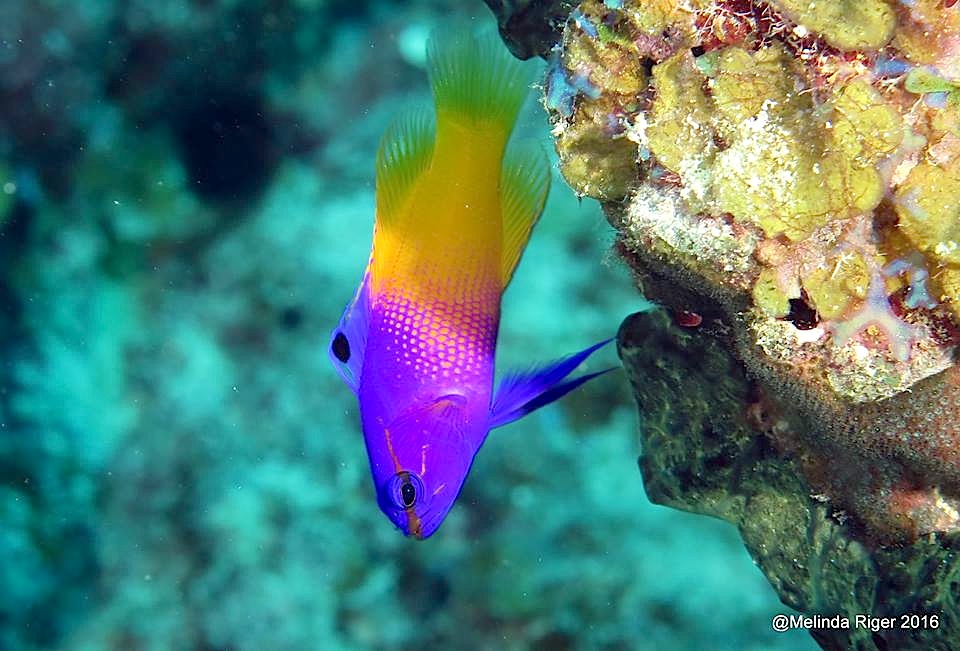
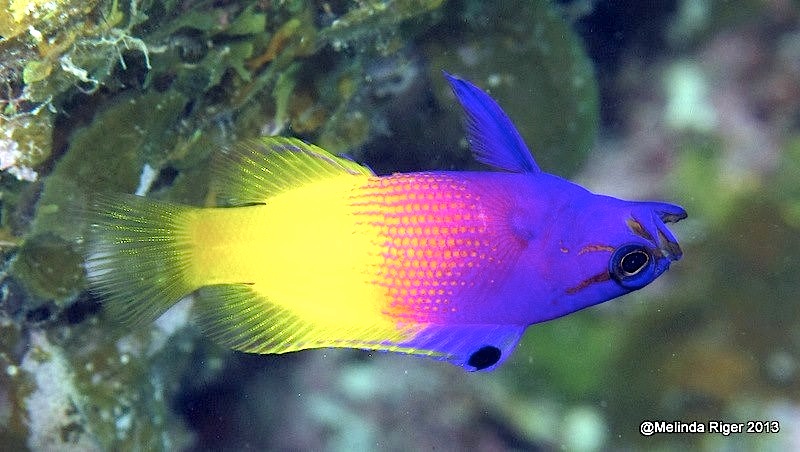
The Fairy Basslet is a tiny brightly-coloured fish with a pretentious alternative name. It is otherwise known as the Royal Gramma (Gramma loreto). These fish are found in the coral reefs of the (sub)tropical western Atlantic. They are also found in aquariums anywhere you like, being small, bright, placid and generally good-natured.
Conveniently, the basslet is unlikely to be confused with any other species. Its striking two-tone colour scheme of purple and yellow is hard to miss. The purple front half (which is presumably where the ‘royal’ comes from, being a regal or imperial colour) may also be violet or even blue in some fish and / or in some light conditions. Another identification pointer is a black spot on the dorsal fin.
You’ll notice that the basslet above appears to be upside down. Which is because it is – this isn’t an inadvertent photo-flip. These little fish tend to orientate themselves to be parallel with the closest surface. This leads to them happily swimming upside down, or aligning vertically. As one article I read says severely, “this behaviour is not to be mistaken for illness”.
Fairy basslets / royal grammas are also CLEANER FISH. They pick parasites and dead skin off larger fish that visit so-called cleaning stations to be attended to by tiny fish and cleaner shrimps, and in some instances to have their gills and even their teeth cleaned. The deal is that, in return, the large fish do not eat the cleaners. Even snack-sized ones rootling around inside their mouths.
WHAT ABOUT BREEDING?
I really can’t improve on this rather touching description from Wiki: “The male will build the nest among rocks using pieces of algae.The male will then lead the female to the nest, where she will deposit 20-100 eggs in the nest. During the breeding period, this behaviour is repeated almost every day for a month or longer (my italics). The eggs are equipped with small protuberances over the surface with tiny threads extending from them which hold onto the algae of the nest and keep the eggs in place. The eggs will hatch in five to seven days, normally in the evening…”
HOW COME THE NAME ‘GRAMMA LORETO’?
This official name became a brainworm with me after I started this post. I had to check it out. The ‘Gramma’ part is unrelated to the fond name for a grandmother; rather, it simple denotes a member of the genus of fishes in the family Grammatidae.
The Loreto part is more mysterious. It is an an ancient town in Italy; and the name of several British schools, including – almost too good to be true – a school called Loreto Grammar. In a nutshell, the link between the town and places of education is that the Sisters of Loreto, founded in the c17 and named for a shrine in the Italian village, are dedicated to education in their Ministry.
How that ties in with a tiny Caribbean reef fish, I have yet to find out. I probably never will… Here’s a short video to alleviate the disappointment.
I failed to be able to resist finding out whether any country of the world has a purple and yellow flag. The answer is, no. However I am delighted to be able to report that the flag of the Independent Party of Uruguay is basslet-coloured.
Credits: all fantastic photos by Melinda Riger of Grand Bahama Scuba; magpie pickings of an unacademic sort for facts and speculation
I have no idea if there is a collective noun for a large group of silversides. ‘Frenzy’ would cover it, but that is reminiscent of ‘feeding freezing’ which has a specialist meaning – and anyway, silversides are crazy even when they aren’t feeding. 24/7/12/365 as far as I can make out. I think ‘a panic of silversides’ might be the answer. They are just… all over the place at high speed. Sometimes swirling around pointlessly, other times moving in unison and suddenly all changing direction simultaneously, like a single creature made of tiny shards of silver.
There are quite a few silverside species around the world. The ones in the Bahamas are Atlantic silversides (Menidia menidia), also known in the north east of the United States as ‘spearing’. They seem to exist for two purposes. The main one is to be breakfast, lunch or dinner for larger fish, sea birds and shore birds. The other is for their usefulness in scientific research because of their sensitivity to environmental changes.
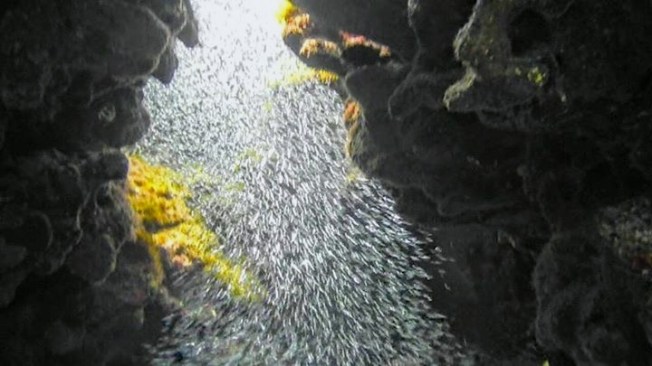
In one sense they are easy prey for predators. A determined fish will always manage a snack by swimming into the middle of a panic and (probably) simply by opening its mouth wide. On the other hand, their sheer numbers coupled with the speed and randomness of movement mean that a single may find a degree of safety in numbers. It’s hard for a predator to target any individual fish in the general melee and confusion. Silversides also favour seagrass beds, which give some shelter and protection – and a reasonably safe place to spawn. Or, as some of these photos show, they will hang around wrecks or squeeze into rocky spaces in the reef.
A panic of silversides apparently pouring like a waterfall down through a gap in the reef
WHAT DOES A STATIONARY ATLANTIC SILVERSIDE LOOK LIKE?
Some time ago we used to go to the reef at Fowl Cay Marine Preserve with Kay Politano, and I would snorkel with a small and very basic lo-res underwater camera. I was hampered by being a disgracefully feeble swimmer; by not having snorkelled for a length of time calculable in decades; and by being a complete novice at underwater photography. Despite these not inconsiderable disadvantages I managed to cobble together a few short movies on my computer (I was new to that too). Here’s one that nearly works, in that it gives an idea of what happens if you ‘swim with silversides’. I know you scuba guys all swim with sharks, but cut me some slack here please…
Photo Credits: Main photos Melinda Riger of Grand Bahama Scuba; Silverside Waterfall by Kay Politano; motionless silversides byFISHBASE.ORG. Music: Goldon Giltrap, ‘Fast Approaching’
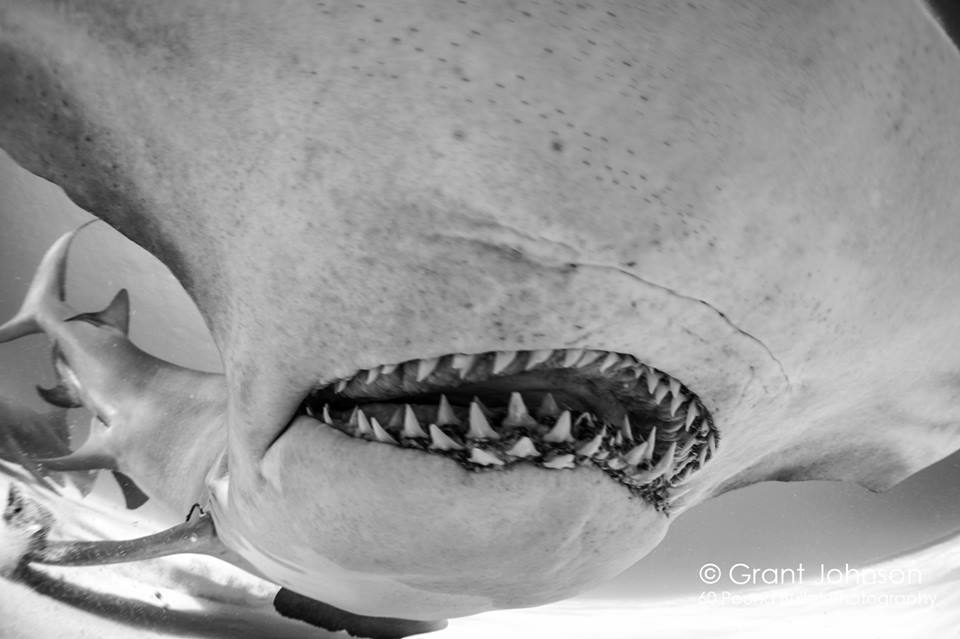
Of all the words that have been devalued and diminished by overuse over the last decade, ‘AWESOME!!!’ must rank high in the top 10. Maybe it’s even made it to number 1. Awesome! Even in the wildest reaches of hyperbole, the offer of a Kalik can never truly be awesome. Nor can a kind and delightful gift. There’s no need to add more examples, because the photos that follow show something that really is awesome in it’s true meaning: the giant hammerhead shark at close – and very close – quarters. Grant Johnson takes astounding wildlife photos in Bimini and far beyond. Take the time to have a look at his page ’60 POUND BULLET’. Now let’s move on to ‘awesomely awesome…’
And yes, there are Hammerheads in Abaco waters. I have occasionally seen small- to medium-sized ones while fishing out on the Marls. In several of the images above, you can see those strange creatures, Remoras, that attach themselves to sharks by suction and hitch a ride. You can read more about them and learn why they do such a foolish thing HERE.
Credits: All photos, Grant Johnson / 60 Pound Bullet, with many thanks for use permission
We are away for a few days, so I have planned a few posts that won’t fall apart courtesy of being done on a phone. Hopefully.
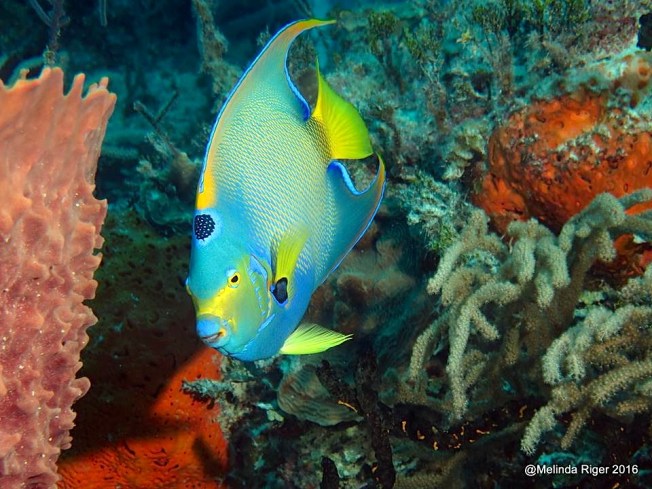
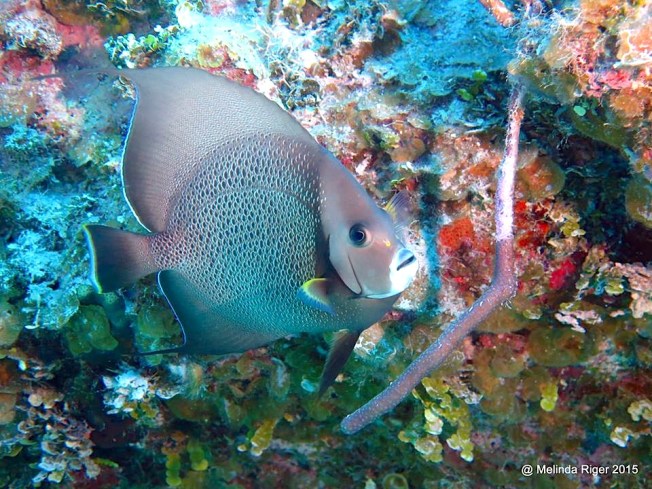
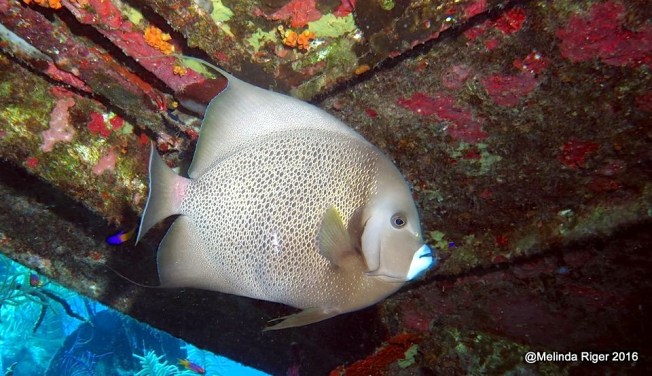
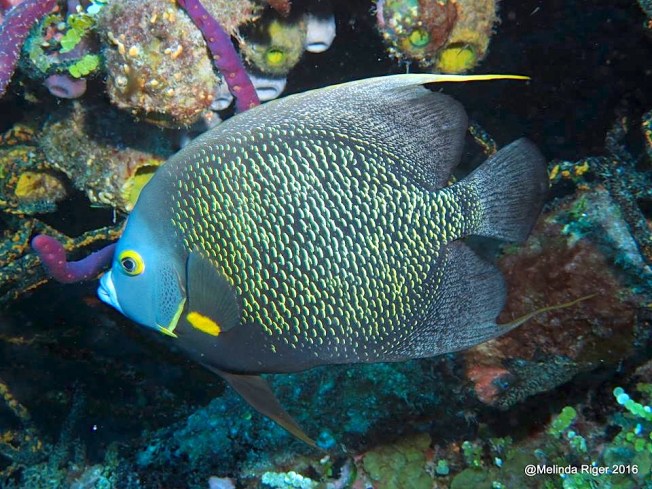
Angelfish are fabulous and come in various ‘colorways’, as designers say. Queens are my favourite, with grays not far behind. The third type here, the French, is in bronze medal position on my piscine podium but this could change were I ever to meet one in real life…
How could I have forgotten? Here we are, just arrived in south-west France, hemmed in by mountains, sea and Spain. Blissful. Yet there are more important things than mere vacations. Manatees are high on the list of priorities.
So to celebrate their special day, as the bats flitter above our glasses of Mas Rous, here’s an iPhone post in celebration of these curious – in both senses – and gentle creatures. Photos courtesy of BMMRO, with thanks to Felice for her great Bahamas manatee FB page.
Credits: BMMRO, the excellent Peppermint Narwhal (logo)








































































 How could I have forgotten? Here we are, just arrived in south-west France, hemmed in by mountains, sea and Spain. Blissful.
  Yet there are more important things than mere vacations. Manatees are high on the list of priorities.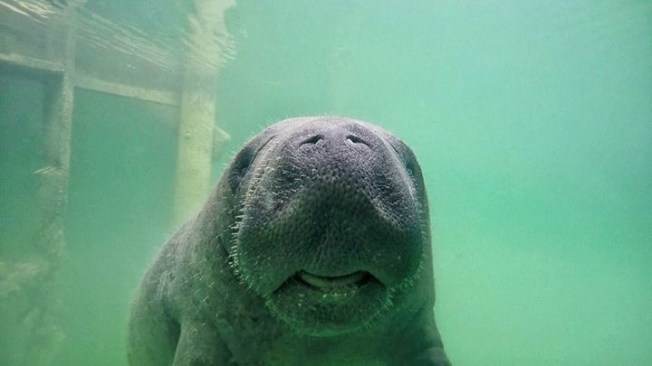
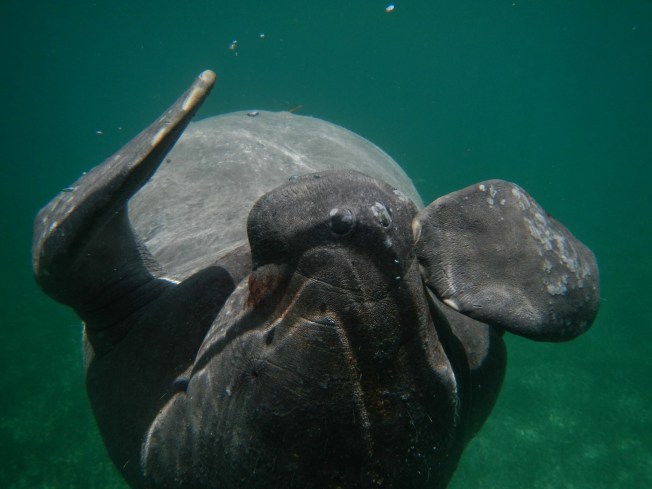 Photos courtesy of BMMRO, with thanks to Felice for her great Bahamas manatee FB page.
 ROLLING HARBOUR ABACO
You must be logged in to post a comment.