WONDERS OF THE DEEP: FROM SUBLIME TO… THE OTHER THING
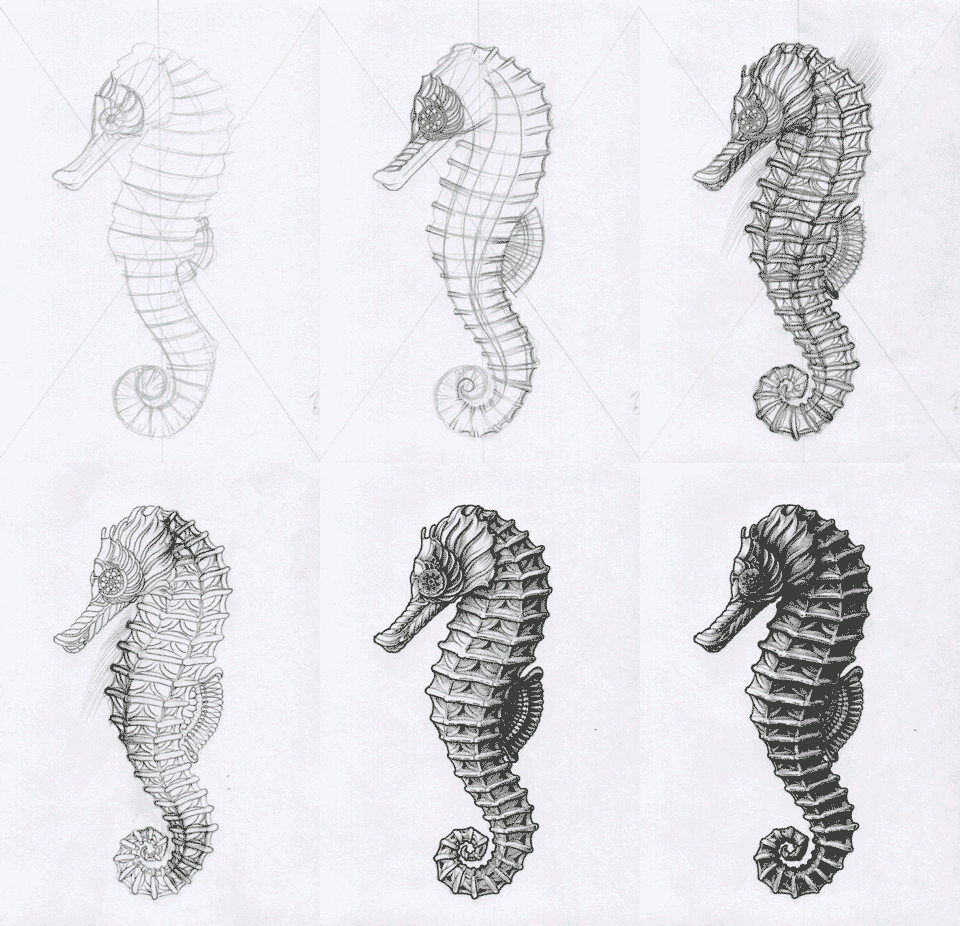
It’s a statistically proven fact (and not, in any way, a ‘post-truth’ proposition) that no one has ever had a bad thing to say about seahorses. Indeed, some love them too much and consume them – see HEREfor threats to seahorse populations in some areas of the world.
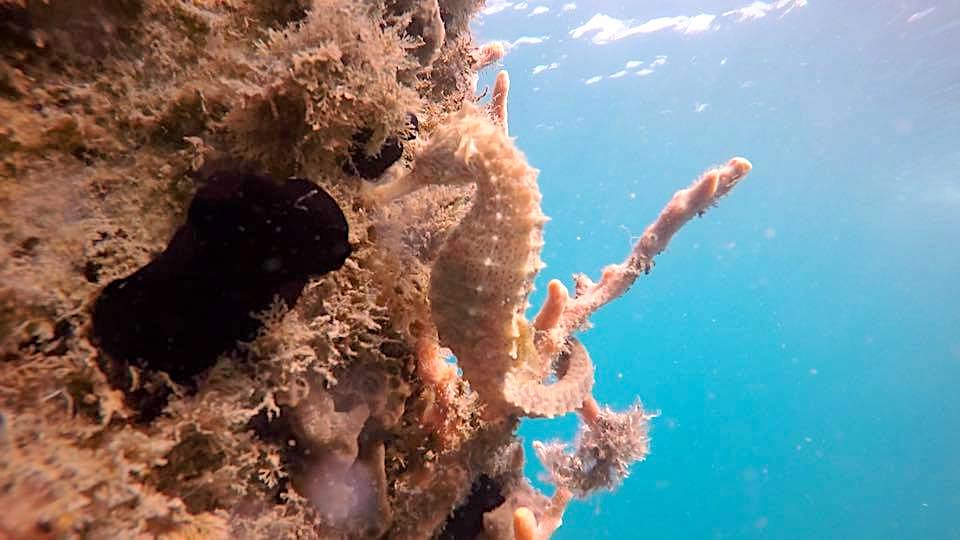
Sometimes they are easy to see. The header image shows an orange seahorse curling its tail round green weed on pink coral – hard to miss. Yet sometimes it may be quite difficult to see the little creatures against their chosen background.
These guys are, I think, for their size among the most sublime of all underwater creatures. I use the word in the strict historical sense “of very great excellence or beauty, exalted, awe-inspiring, majestic, magnificent, glorious.” Not just to mean “nice”.
In contrast, there are some undersea creatures that inspire… not awe exactly, but maybe an amused respect that so wonderful and bizarre a creature can exist in our oceans, in some cases only a few feet below the surface. Here are two examples of what I mean.
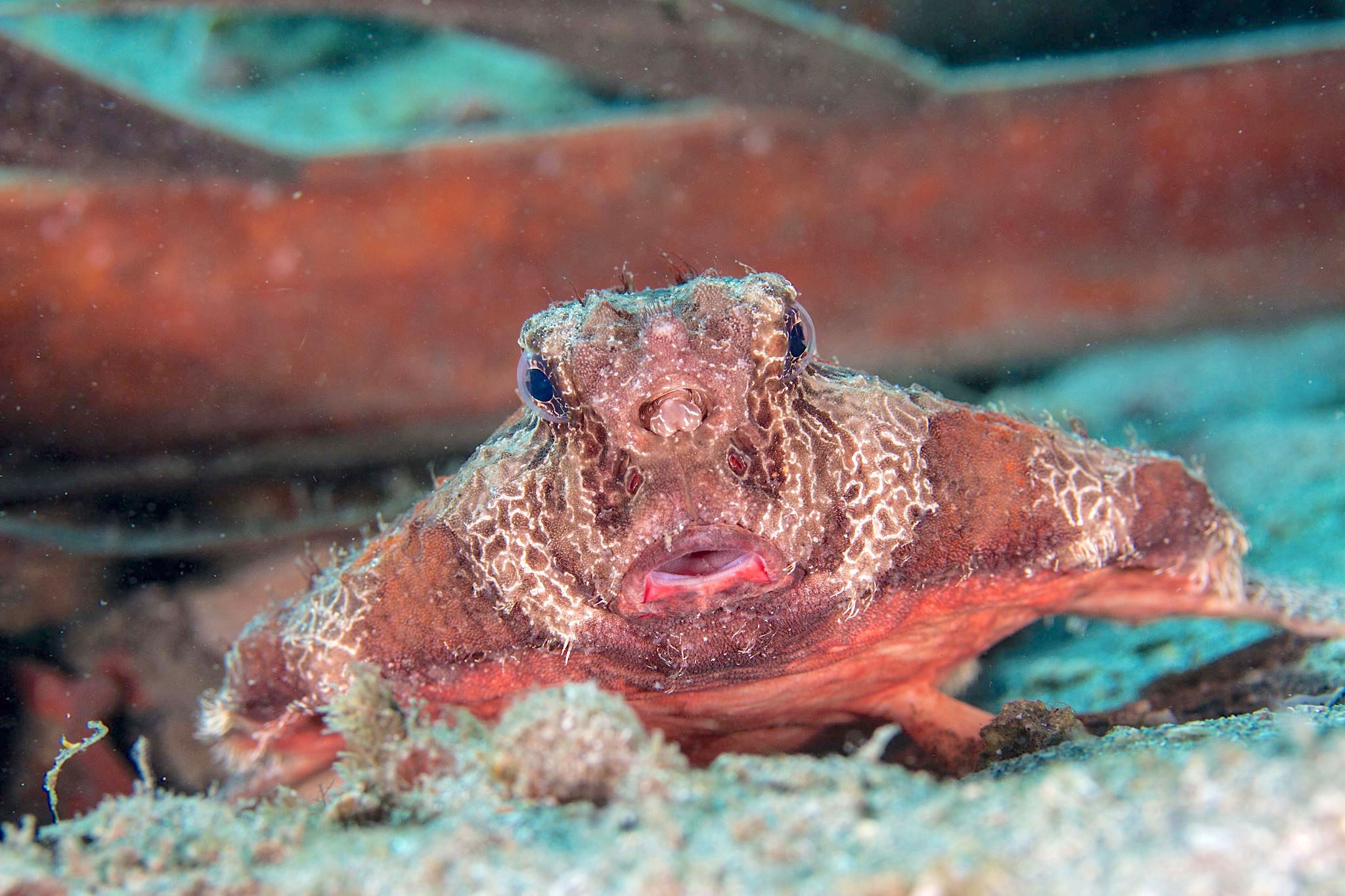
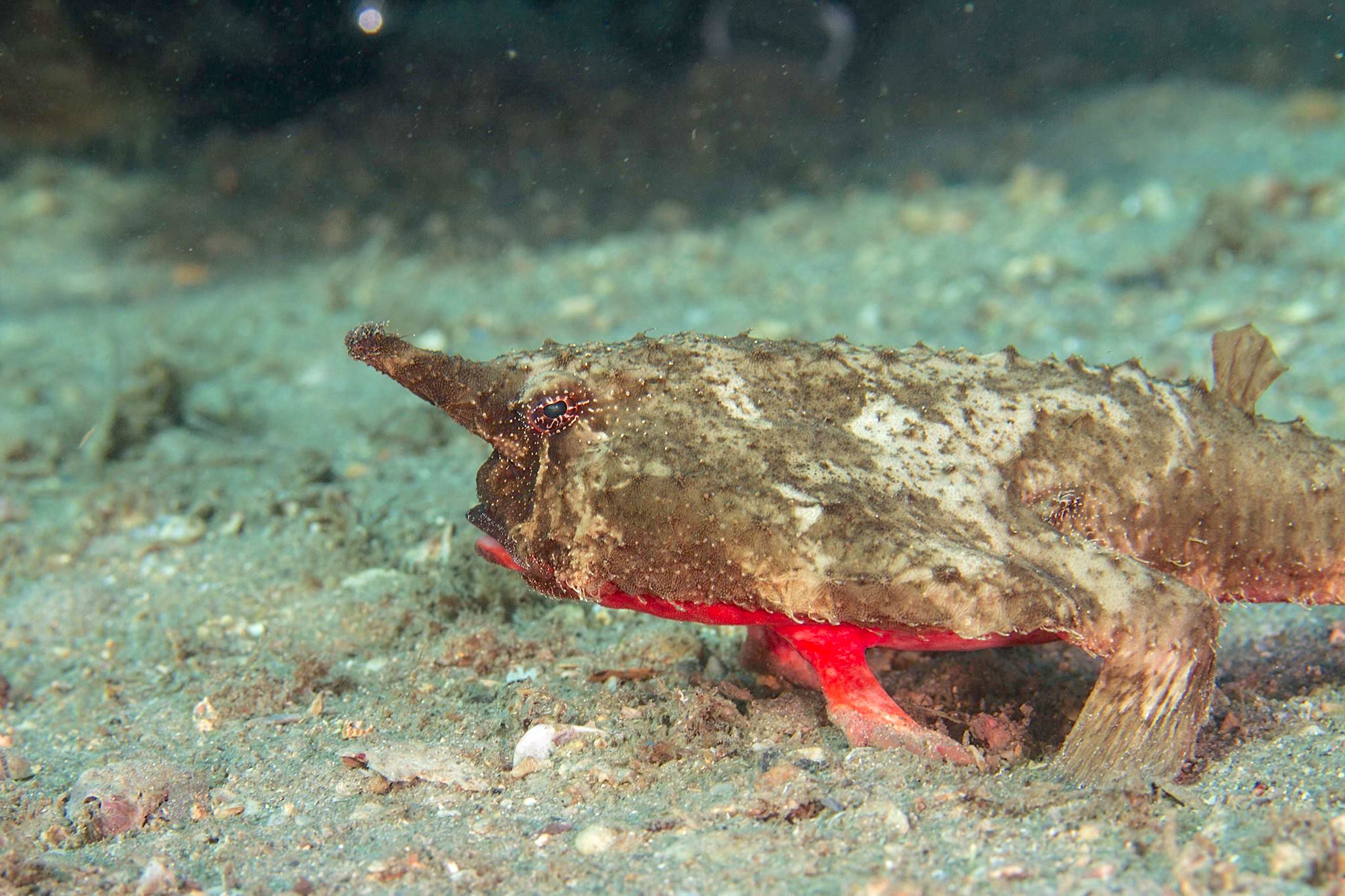
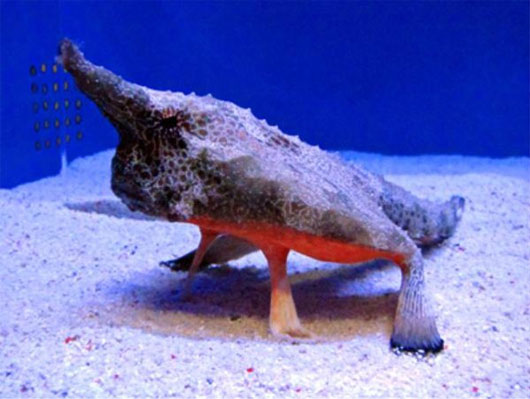
This is a BATFISH. It was an early shoo-in for my “WTF? (What’s that Fish?)” series, and you can read all about them and their ways HERE. Of all the creatures I have featured on this blog, this is by some distance the oddest…
…except for its companion in oddness, theFROGFISH. This was next in the WTF?series, and the creature is, if anything, even stranger. You can read all about these critters HERE, where you will learn inter alia about their superpowers – any one of which you might like to have yourself. There are plenty of photos, and videos too.
FROGFISH SUPERPOWERS
Invisibility Cloak
Irresistible (and, to their prey, Fatal) Attraction
Buoyancy Control
Shapeshifting
I do not court controversy, recognising that people following this site, or maybe stumbling across it by mistake and lingering, reach their views on natural history from different directions. But these strange and fascinating species exist and thrive in their own particular and ingenious ways – it doesn’t really matter how or why they are as they are. The bats and the frogs are high in the list of the least conventional of undersea creatures, and if they are not exactly sublime in a seahorse sense, can we just agree that they are awesome?
Photo Credits: Adam Rees / Scuba Works; Melinda Riger; Alex Konahin (seahorse gif)
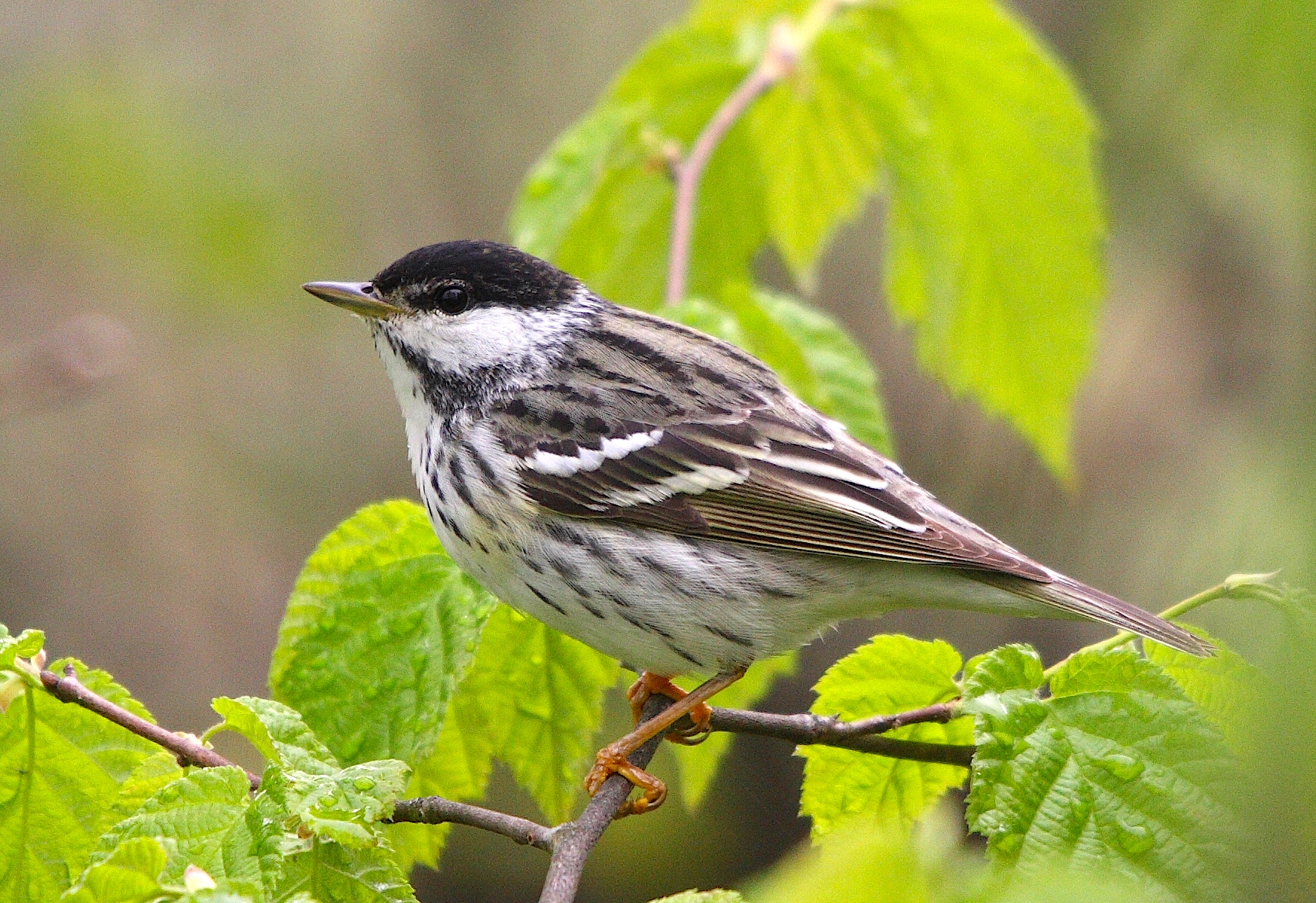
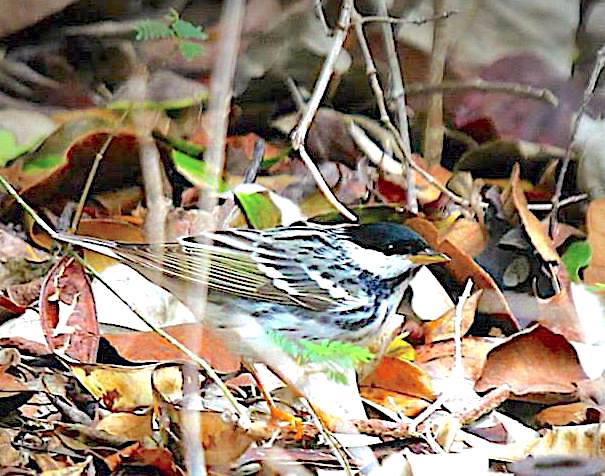
The Blackpoll Warbler Setophaga striata is a “TR3” on Abaco. Which is to say, the species is classified as an uncommon transient in its migration, and as such it is rarely seen on Abaco. Apart from anything else the window of opportunity of seeing one in the Fall or in Spring is limited by the length of time they pause on Abaco to catch their breath. Also, they are small birds that do not draw attention to themselves. They hang around in the coppice foliage rather than parading out in the open; and their call is a tiny ‘tsip‘ sound (as with so many other small birds…).
Fortunately, on Abaco’s warbler magnet Man-o-War Cay, alert birder Charmaine Albury was out and about with her camera to record a sighting. I should say that during the writing of THE BIRDS OF ABACO, I never managed to obtain a single image – however poor – of a Blackpoll Warbler actually taken on Abaco (a qualification for inclusion) from any of the many sources I used. So sadly, this pretty warbler does not feature in the book.
The summer breeding area for blackpolls covers northern North America from Alaska through most of Canada, the Great Lakes region and New England. In the fall, they fly South to the Greater Antilles and the northeastern coasts of South America. The summer and winter areas are very distinct, as the distribution map shows:
Despite their diminutive size**, blackpoll warblers generally undertake their long-distance migration – often over open water – non-stop or with a single stopover. Their migration has been the subject of many scientific studies. One of the longest distance non-stop overwater flights ever recorded for a migratory songbird was made by a BLWA. Which all goes to explain why the species is so rarely seen along the migration route: unlike many migrating birds, they make few, if any, stops along the way.
Of the many stats I have read through, I chose one to demonstrate the stamina of these little birds. In one study, an number were fitted with tiny geolocators. These revealed an average migration journey of around 1600 miles, with the non-stop trip being completed in 3 days by at least one bird.
“Transoceanic migration by a 12 g songbird”
The maps above show blackpoll warbler migrations recorded for 5 birds in a study that indicates that, while a direct overwater route is preferred in the fall migration, the return journey in spring is more leisurely, and overland (it looks as though only 3 birds made it home).
The study quoted is by William V.DeLuca, Bradley K.Woodworth, Christopher C.Rimmer, Peter P.Marra, Philip D.Taylor, Kent P.McFarland, Stuart A.Mackenzie, D. RyanNorris (Published 1 April 2015. DOI: 10.1098/rsbl.2014.1045)
** I came across the statement that “The blackpoll warbler… attains the weight of a ball point pen”. I find this an unhelpful comparison. I know what is meant, but I find it hard to think of a ball of feathers in terms of a writing instrument. Maybe it’s just me? [Astute Reader: I’m afraid so…]
YOU MENTIONED THAT THEY GO ‘TSIP’. WHAT DOES THAT EVEN SOUND LIKE?
Credits: header image of a summer bird, Cephas; all other photos by Charmaine Albury, taken on Man-o-War Cay Abaco; birdsong Xeno-Canto / wikimedia commons
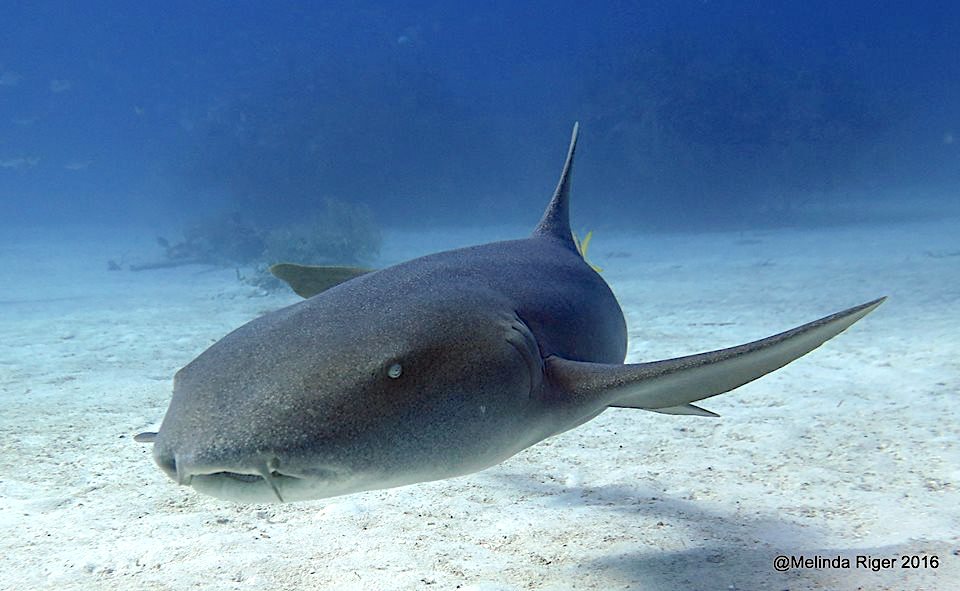
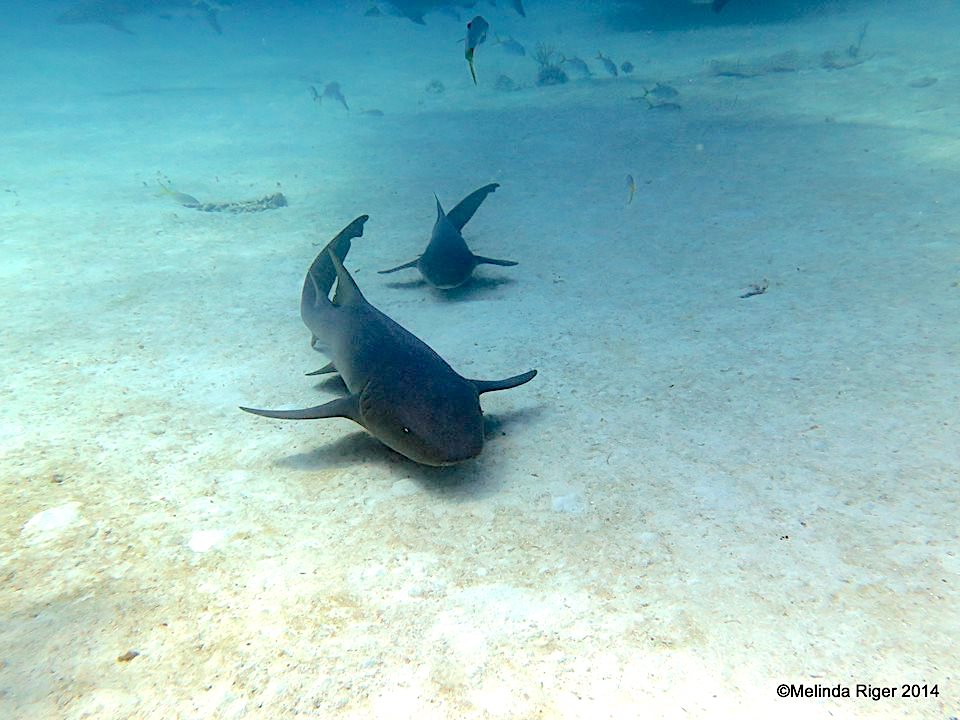
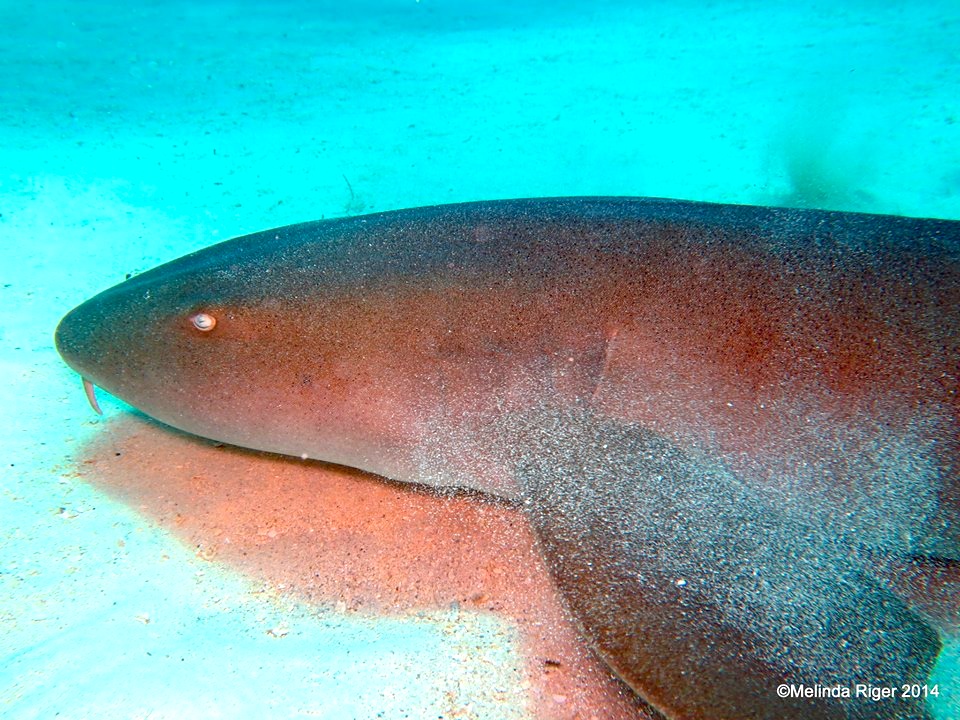
I last took a look at nurse sharks nearly 3 years ago HERE. Time to revisit these creatures. Indeed, time for a close-up look. If you want to know more about this fascinating species, just click the link above.
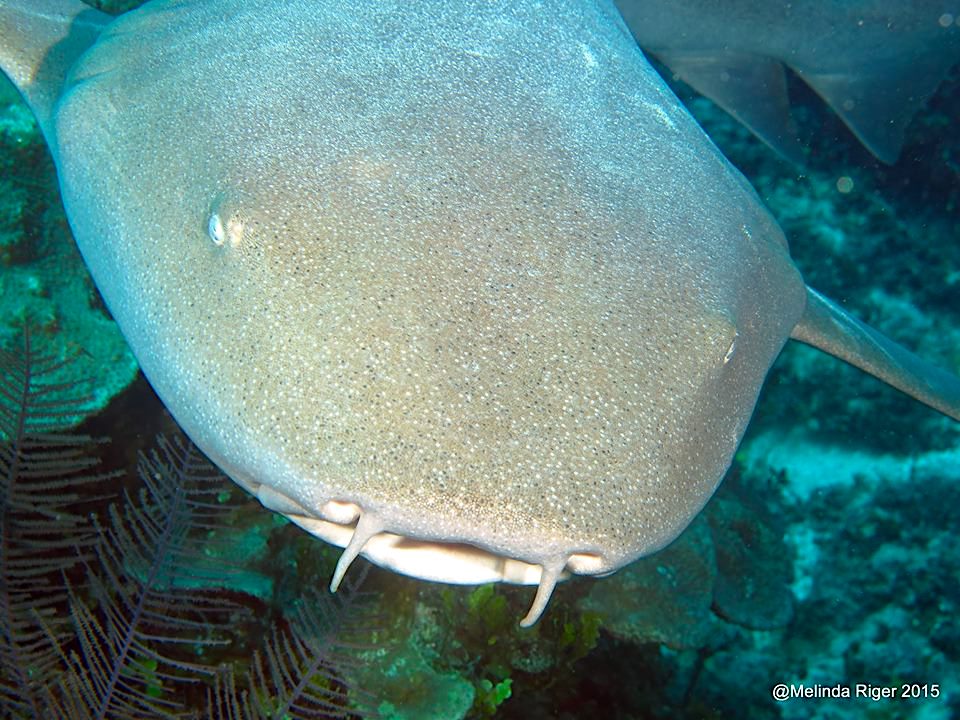
The two strange items hanging down from the upper lip are sensory barbels
This side-view shows the shark’s relatively small mouth (for a shark anyway)
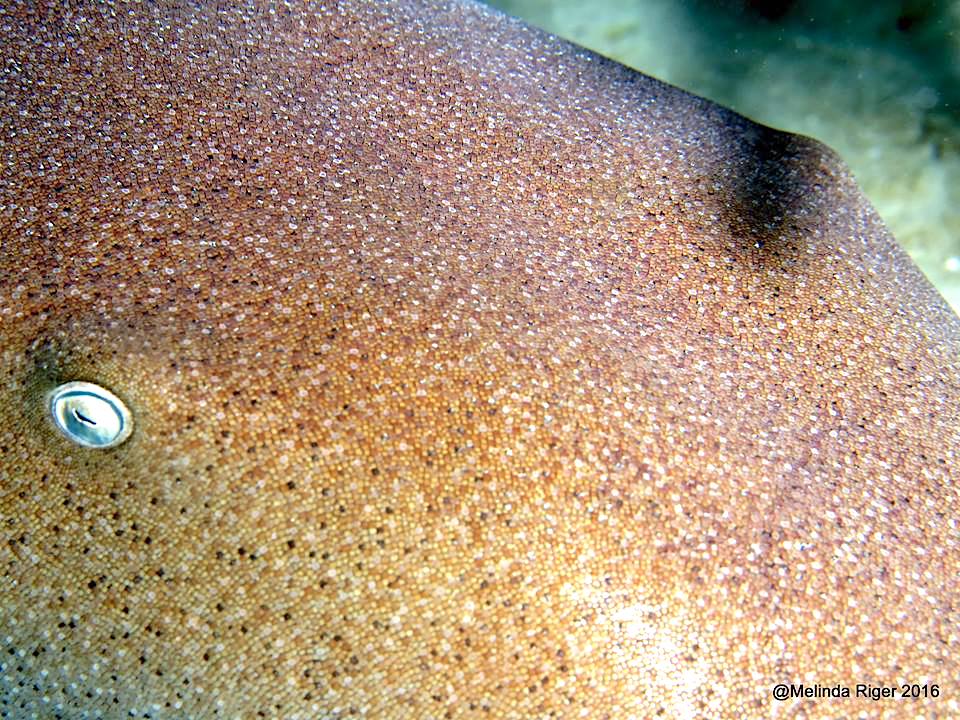
Admire the extraordinary texture of the the skin; and the tiny evil eye. Click or – better – double click on the image and you will see that the skin is in fact tessellated, made up of a mosaic of tiny squares and near-squares**
This one is a baby nurse shark
A juvenile nurse shark with a couple of grunts. Note the youngster’s paddle-like fin
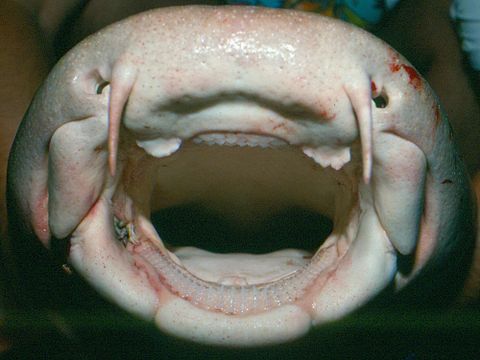
Head, mouth, jaws and teeth
SO, THEY ARE SHARKS – ARE THESE GUYS DANGEROUS?
Not really, no. They aren’t looking to pick a fight; and they are not as territorially aggressive as the ‘bitey’ sharks are (or can be). These slow-moving bottom-dwellers are generally harmless to humans. However, they can be huge—up to 4 metres —and have very strong jaws filled with thousands of tiny, serrated teeth. They will bite defensively if stepped on or bothered by divers who assume they’re docile.[As I said previously, “there are recorded instances of injuries caused to divers who have tried to pull nurse sharks by the tail. And serve them right, I say. Treat them with patience and respect!”]
**FUN FACT
M.C. ESCHER (the inspiration for Mr Hammer) was the master of tessellation in art. Click the link to explore the dedicated website. Maybe, sensationally, one day a shark will be found with skin like this… (Alert reader: “Actually, I think it most unlikely…”)
Credits: field photos by Melinda Riger, Grand Bahama Scuba; Wiki for the 4 mouth images & the Escher
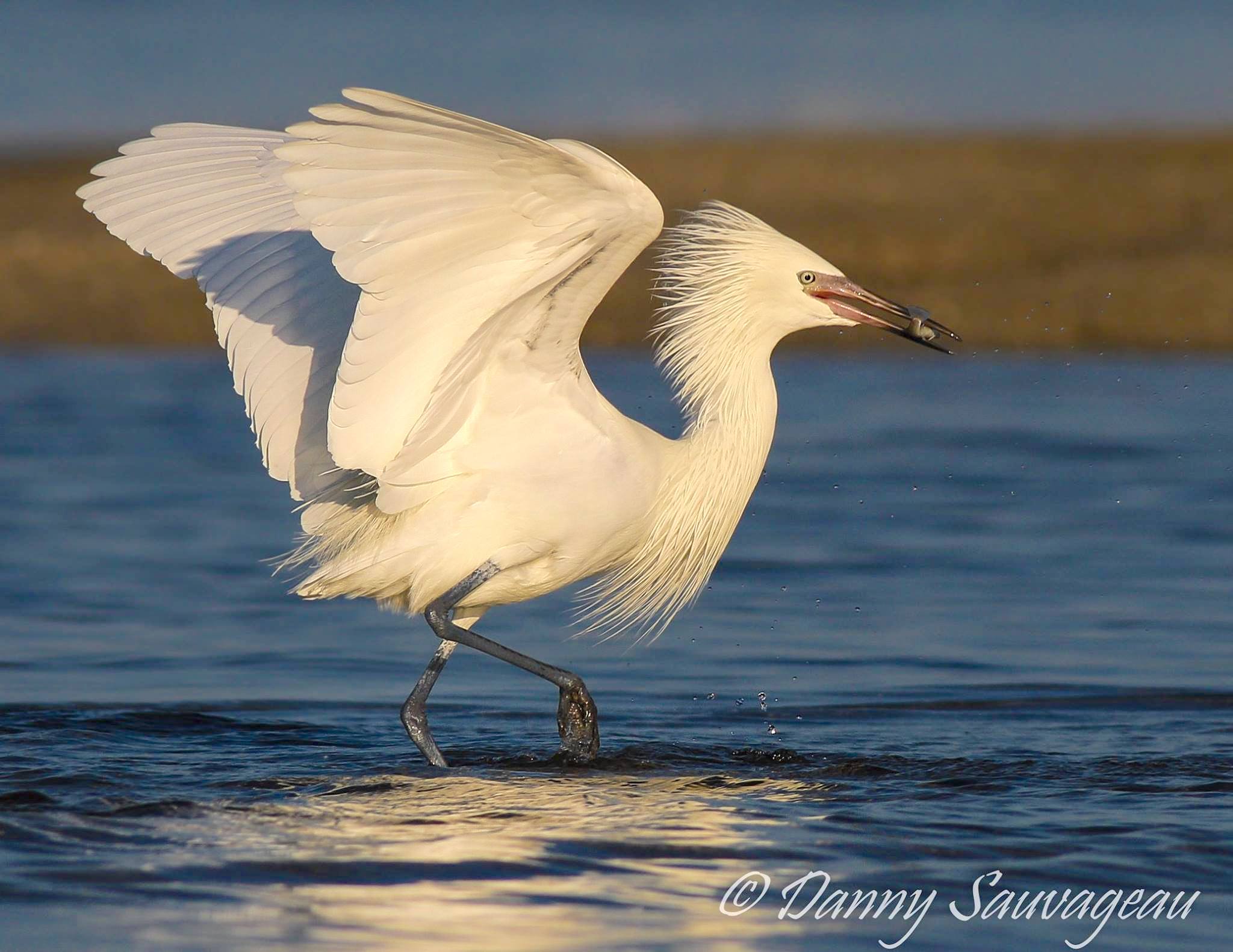
And one with a happy ending! There’s something very satisfying about an expert birder / photographer’s capture of a perfect sequence, as these fantastic photos show. It not something I’ve ever achieved, not having the skill, the equipment or (probably) the patience required to get a sequence of perfect shots. Instead – and as a guest post while we are having some downtime somewhere nice – it’s a pleasure to feature this reddish egret stalking its prey, photographed by Danny Sauvageau. #4 has it all – drama, movement, clarity and triumph captured in a fraction of a second.
All photos by ace Floridian birding photographer Danny Sauvageau (with thanks)
BAHAMA NUTHATCH: TINY, RARE, A HOP AWAY FROM ABACO…
The Bahama Nuthatch (Sitta pusilla insularis) is one of the rarest birds in the Bahamas and – like the similarly rareBAHAMA ORIOLEon Andros – it is confined to one island only, Grand Bahama. At best about 1000 – 1200 mature birds may inhabit the pine forests though current estimates vary, and that number may be optimistic. What is clear is that, for all the usual reasons (see below) the population is likely to be decreasing rather than growing.
Despite its scarcity and size – this little bird is one of the smallest in the nuthatch family – the BANU is subject to much scientific debate in bird circles. Until a dozen years ago, it was simply considered to be a brown-headed nuthatch, a familiar enough bird in south-eastern USA. Then a research paper was published, which led to the bird being awarded subspecies status as the Bahama nuthatch S. p. insularis. Some argue further, that it should be considered a fully separate species and split from its cousin (as, recently, with the Bahama and Inagua woodstars in 2015). Others write as though this has already happened but as far as I can make out, it has not – though it might possibly happen once further researches have been completed and submitted (polite correction on this point welcome…).
WHAT ARE THE DIFFERENCES TO JUSTIFY SEPARATE STATUS?
Close investigation of the Grand Bahama population showed a number of significant differences between the island and the US populations. Having read and digested all the relevant research (NOT! Abstracts, maybe…), I discovered that the main distinctions are:
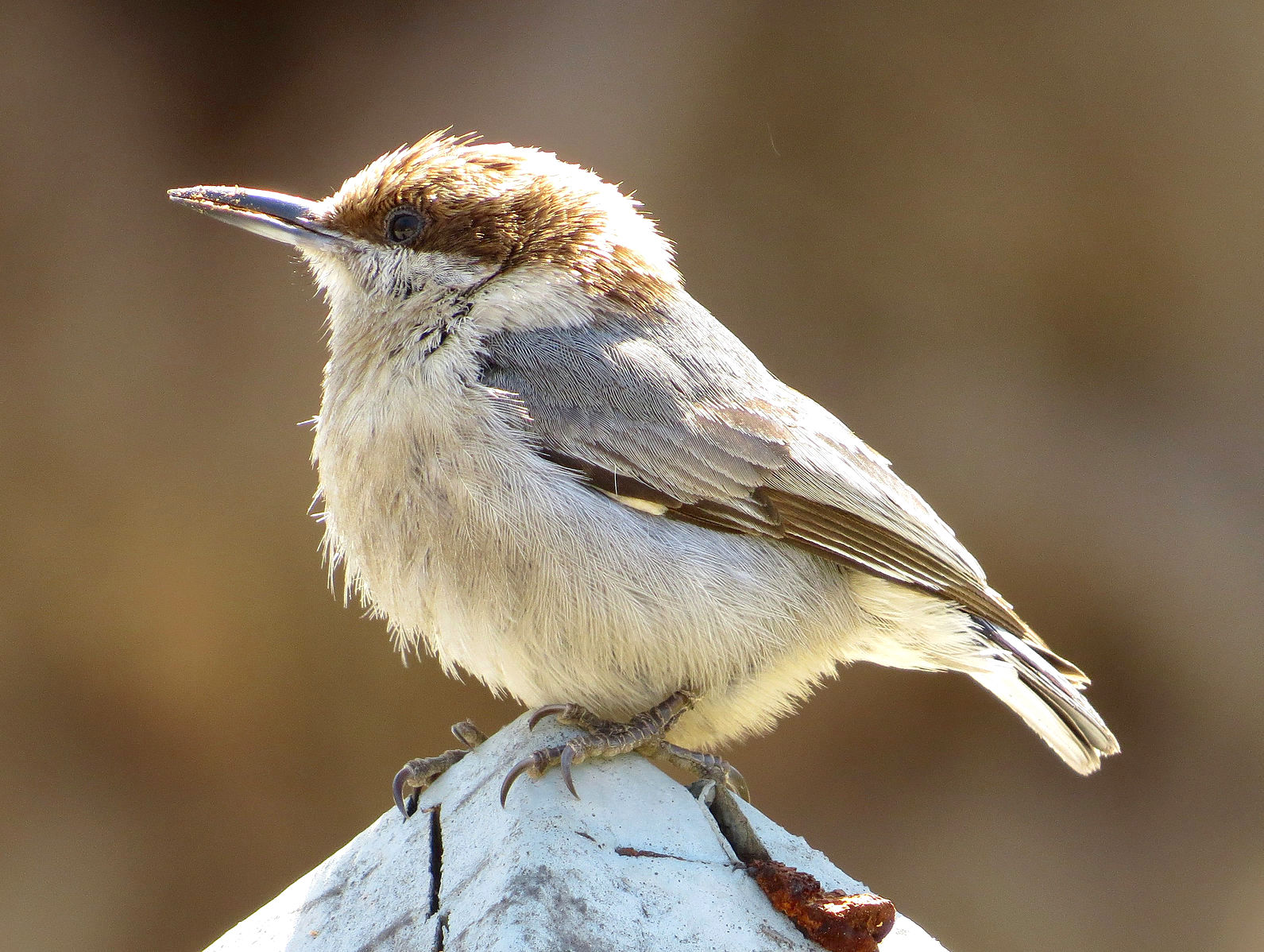
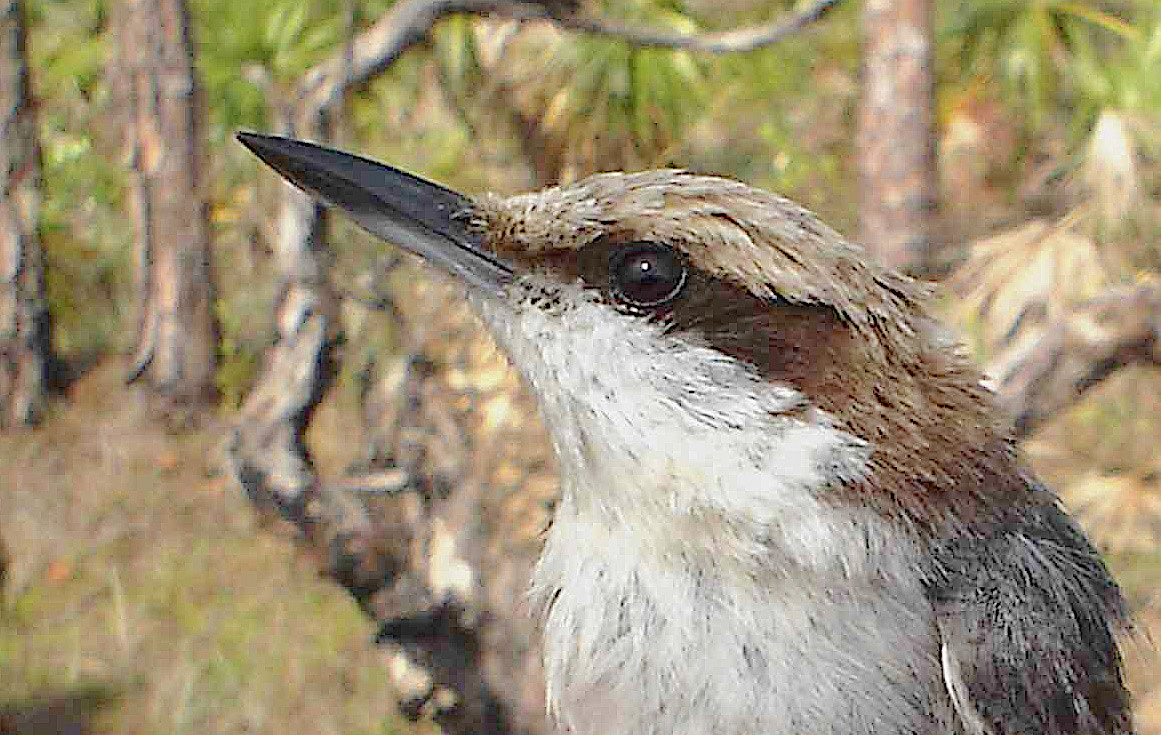
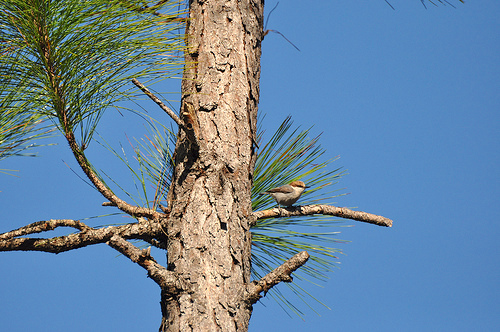
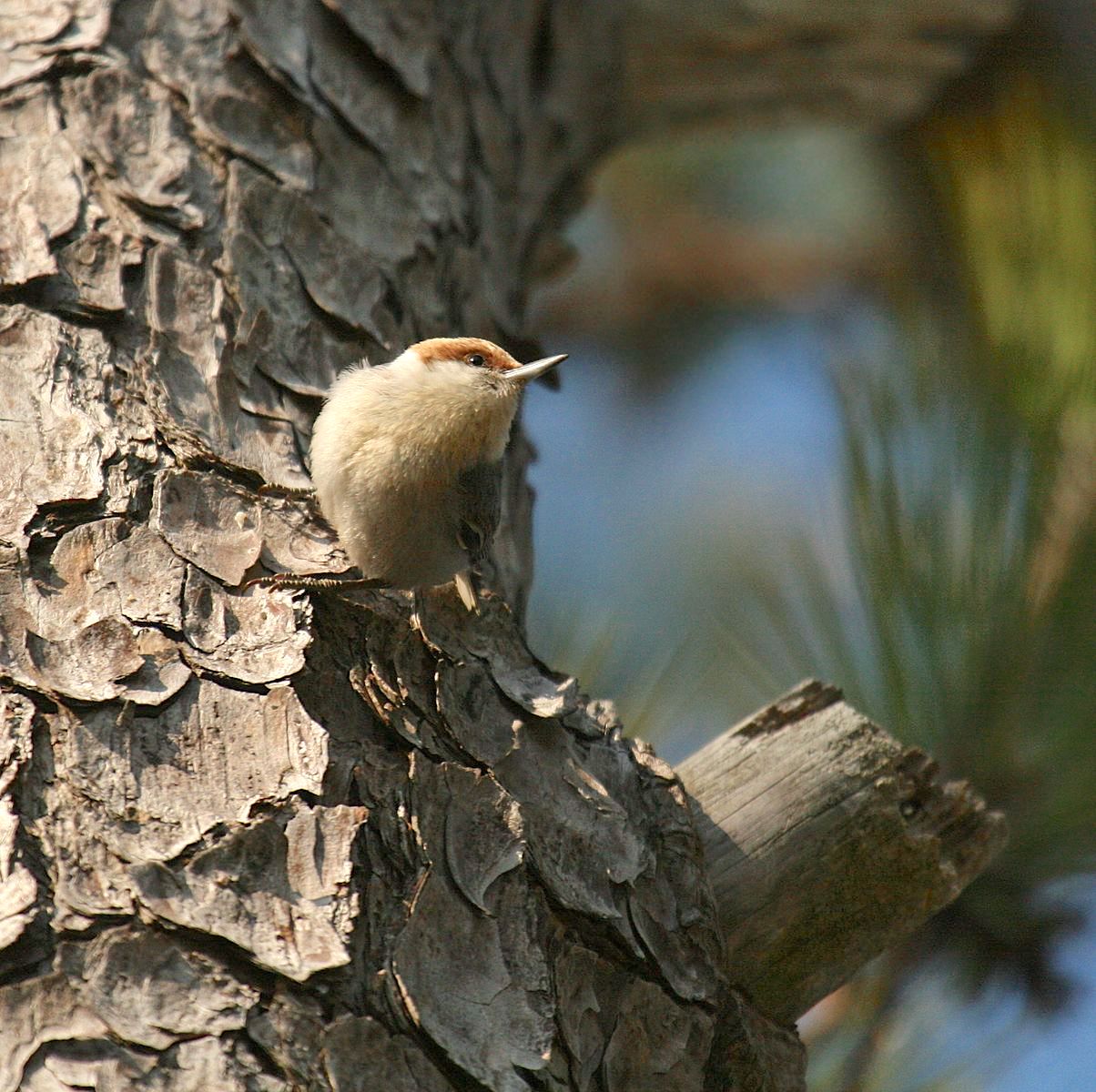
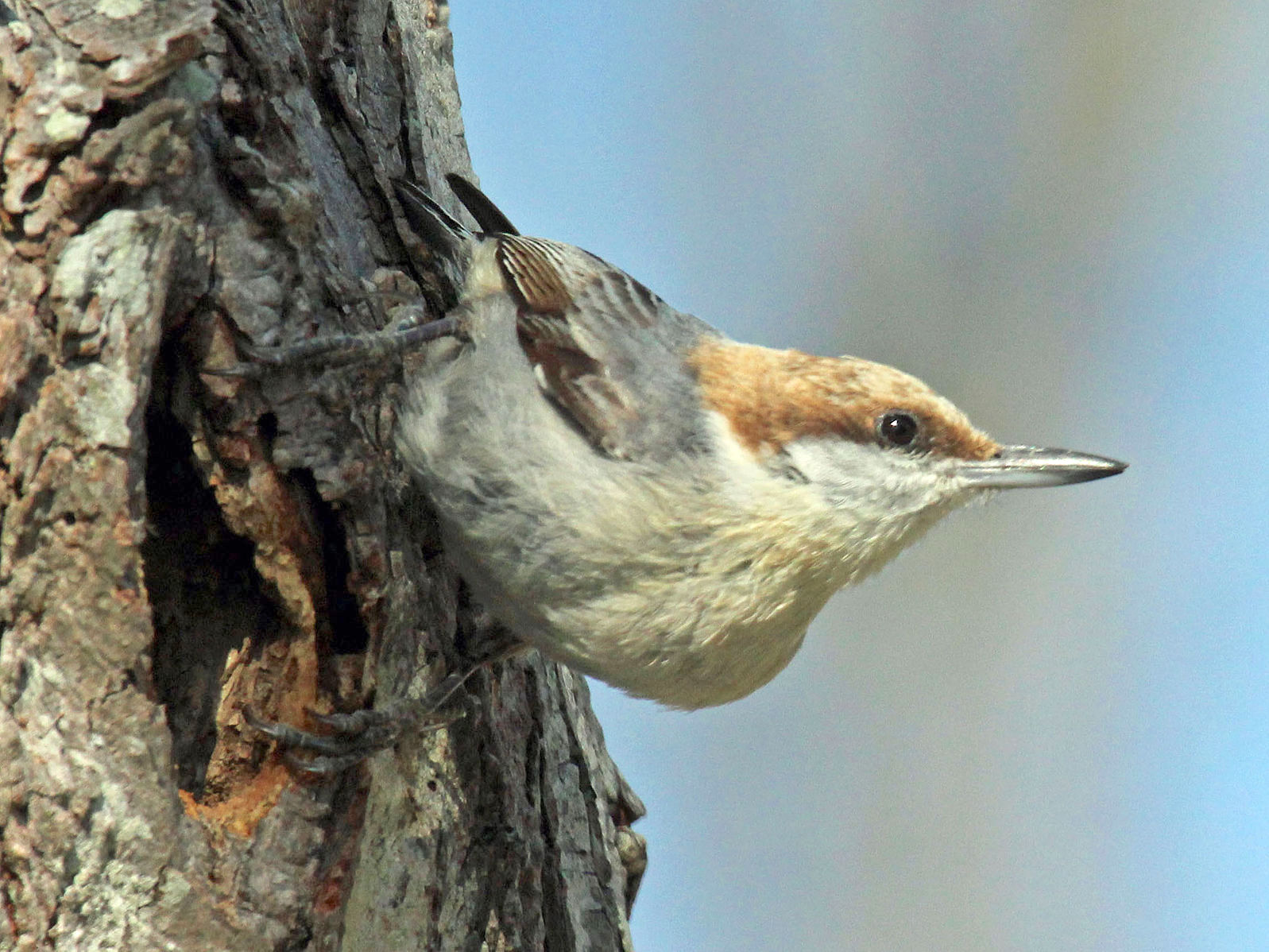
A longer, heavier bill (compare the header image of a brown-headed nuthatch in South Carolina with the second one of a Bahama nuthatch).
Shorter wings
Whiter belly
Distinctively different vocalisations
IUCN RED LIST STATUS
Whether the BANU is a sub-species of brown-headed nuthatch or a fully separate species, the bird is incredibly rare. The population may be unsustainable without intervention (as implemented to save the Abaco parrots) – and the threat of extinction looms even as the bird begins to attract international interest. In 2016 the IUCN listed the BANU as ENDANGERED, meaning essentially that it faces extinction. ‘Critically endangered’ is the only higher category. The main reasons given for the listing were the small population, found on only one island, and likely to continue declining as a result of habitat loss & invasive species
WHAT ARE THE MAIN THREATS TO THE SPECIES, I MEAN SUBSPECIES?
Habitat loss / degradation from development, logging, forest fires & hurricanes
Invasive / introduced / feral species such as corn snakes, raccoons & cats
Competition from other bird species in a limited area
HOW DO THESE BIRDS BEHAVE?
A few years back, Erika Gates, well-known Grand Bahama birder and guide, wrote an excellent article in her ‘Bird Talk’ column published in the Bahamas Weekly. It includes this description:
The Bahama Nuthatch exhibits several highly unusual and endearing behaviors. It is one of the very few bird species that conducts co-operative breeding, in which young males assist with nest construction, nest sanitation as well as feeding of the female sitting on the eggs, nestlings and fledglings. It is also one of the few birds known to utilize a tool. On occasion, it uses a bark chip, held in its bill, to pry off bark portions during foraging for insects and grub.
SO IF I’M IN THE PINE FOREST ON G B, WHAT DO I LISTEN OUT FOR?
Sadly, there are no available recordings of a BANU**. As their vocalisation is one of the factors that differentiates them from the brown-headed nuthatch, it’s clearly not very helpful to illustrate what the latter sound like. But I am going to anyway, because they can’t be that different. It’s probably just a Bahamian accent. I have read somewhere that it sounds a bit like a squeezed rubber duck toy.
Paul Marvin / Xeno-Canto
**Feb 2018 I have just been contacted by Jeff Gerbracht, who has very kindly sent me a recording he made on Grand Bahama in 2011 on a trip with Bruce Hallett (a familiar name to regular readers of this site) and uploaded to the indispensable Macaulay Library. I must have overlooked it when I wrote the post. The links below are to the recording and to the species checklist from that occasion, including a photo taken by Rudy Sawyer, the third member of the party.
And yes, comparison shows that the 2 nuthatches do indeed have “distinctively different vocalisations” (see above); and that the Bahama nuthatch does not sound anything like a squeezed rubber duck…
Well, I’m being a bit romantic and optimistic here. But let’s look at the official distribution map from Birdlife International. Not so very far for even a small bird to travel. There are even some small cays as stepping stones. And just think of the thousands of acres of pine forest on Abaco, much of it remote and completely undisturbed. Maybe… if a breeding pair could just… you catch my drift?
Here is another instructive map, this time from eBird. These are the only BANU sightings ever recorded, and all since 2010. These birds are tiny. There are very few of them, spread over a wide area. They live in pine trees, and are to an extent camouflaged against them. You’d be very very fortunate to find one at all, let alone get a decent photo of it… Let’s hope you can spot one while they are still around.
ANYTHING ELSE WE SHOULD KNOW?
I have written elsewhere (in fact, HERE) about the ornithologist James Bond and his connection with Ian Fleming’s hero. The very rare first edition** of Bond’s seminal Birds of the West Indies was published in 1936. In it, he described the BANU and suggested it was a subspecies of the brown-headed nuthatch. A man way ahead of his time.
PLEASE STOP NOW. ANY LAST WORDS?
“The species may become extinct unless Bahamians are willing to take action to save it. As the rarest bird in the Bahamas, and one of the rarest birds in the world, the nuthatch will become a high-profile symbol of conservation efforts (or their failure) in the Bahamas”.RESEARCHGATE
Photo credits: David Hill (BHNU) 1; Birdlife.org (BANU) 2; Bruce Purdy (BANU) 3; Robert Norton (BANU) 4; Erika Gates / Bahamas Weekly (BANU) 5; Matt Tillett (BHNU) 6, 8; Dick Daniels (BHNU) 7
Sound: Paul Marvin / Xeno-Canto
Addendum Feb 2018: Jeff Gerbracht for a BANU sound recording and species checklist
Research credits: Birdlife International /Birdlife.org; Birding Community E-Bulletin, Nov 2008; Research Gate; IUCN; The Bahamas Weekly / Erika Gates; eBird; American Birding Association (and a bonus point for its brown-headed nuthatch behaviour article wittily entitled “Sex in the Sitta”)
**The edition of James Bond usually described as the first edition (indeed in the book itself) was published in 1947. You might pick one up for $100 or so (try Abe.com), as I did. Don’t get one without a dust-jacket. It’s a treasure, and an affordable slice of avian history. A 1936 edition will probably be well north of $2000…
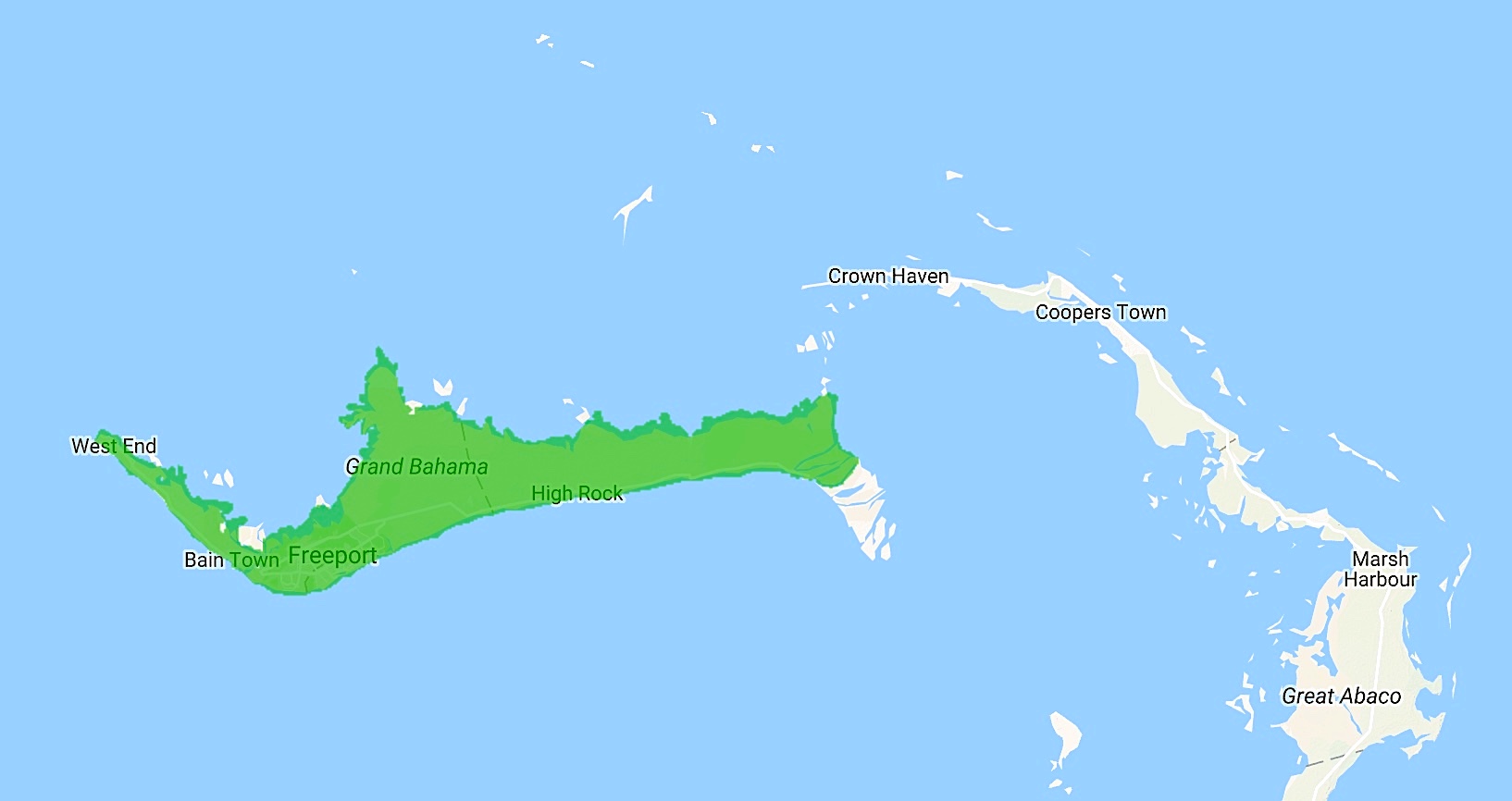
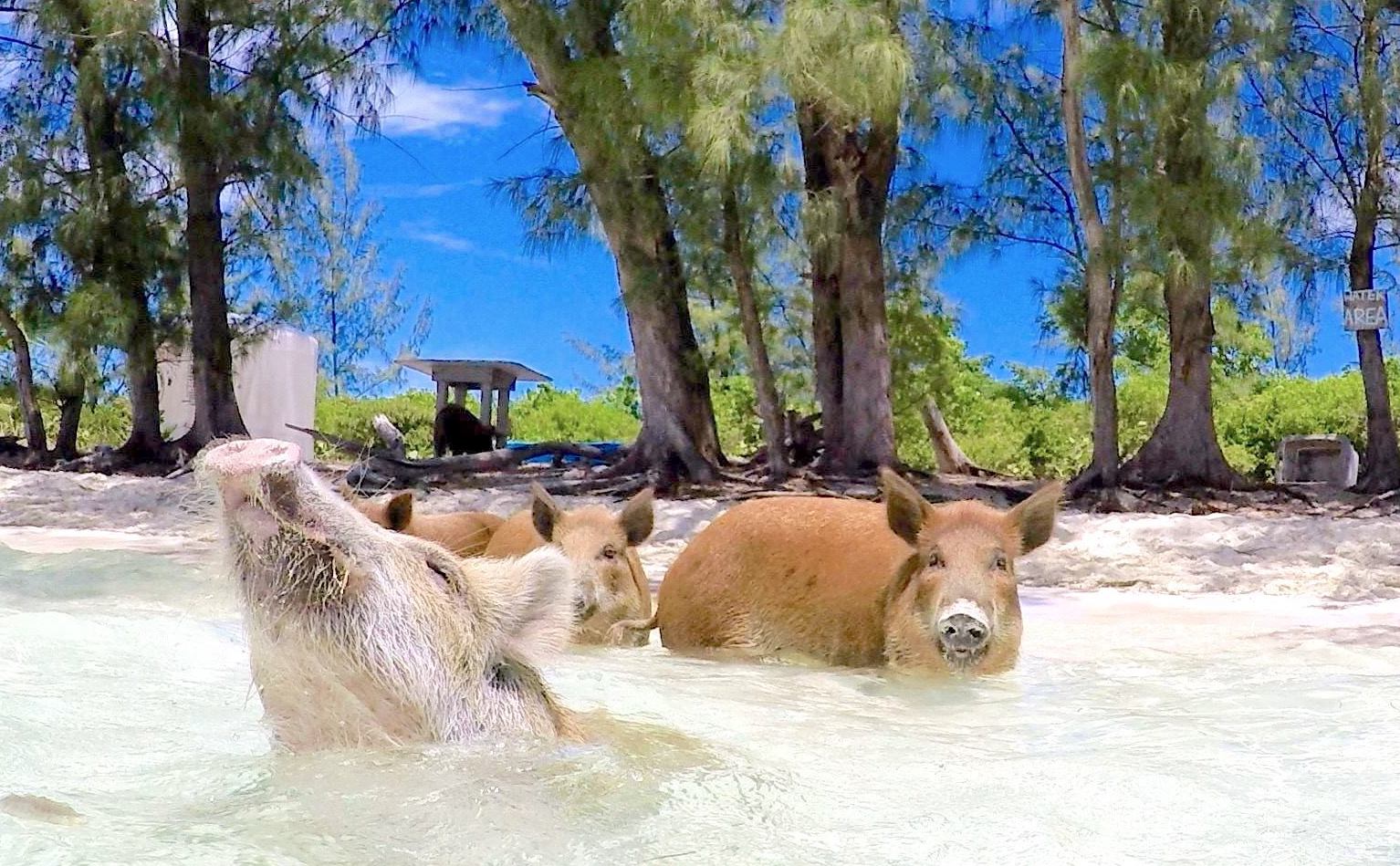
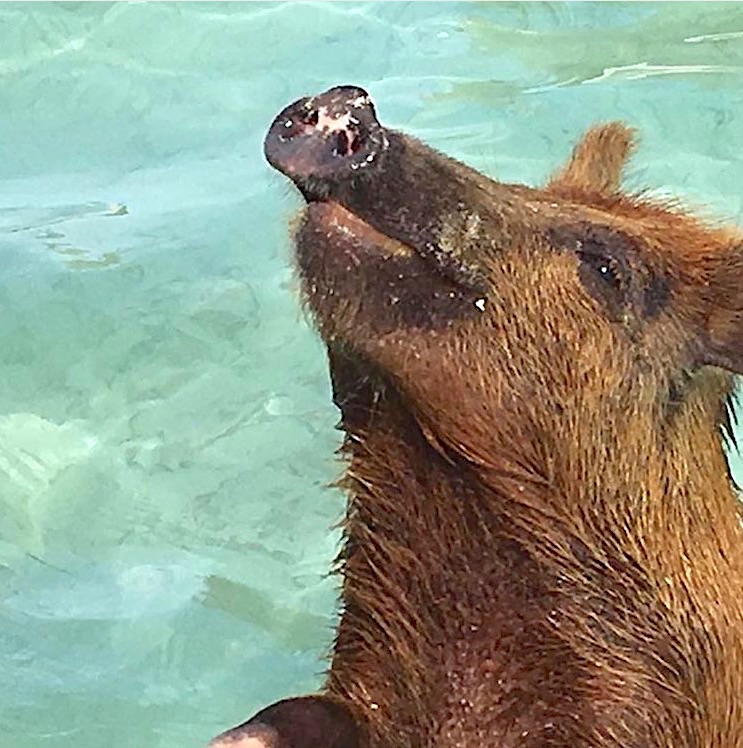
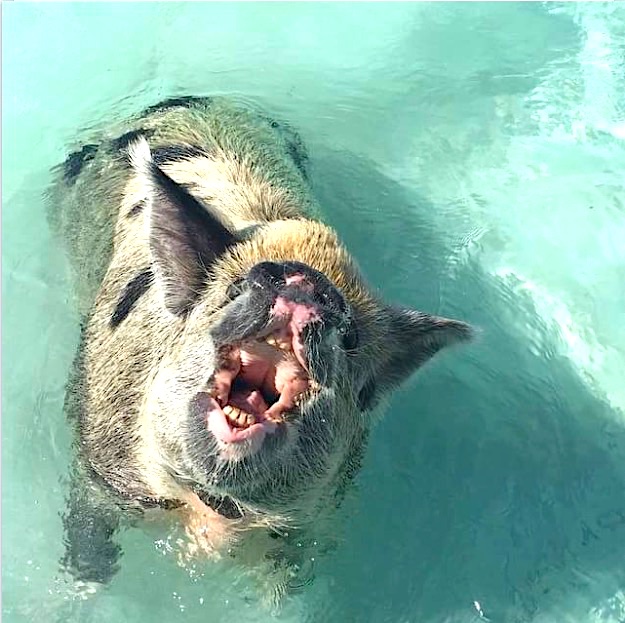
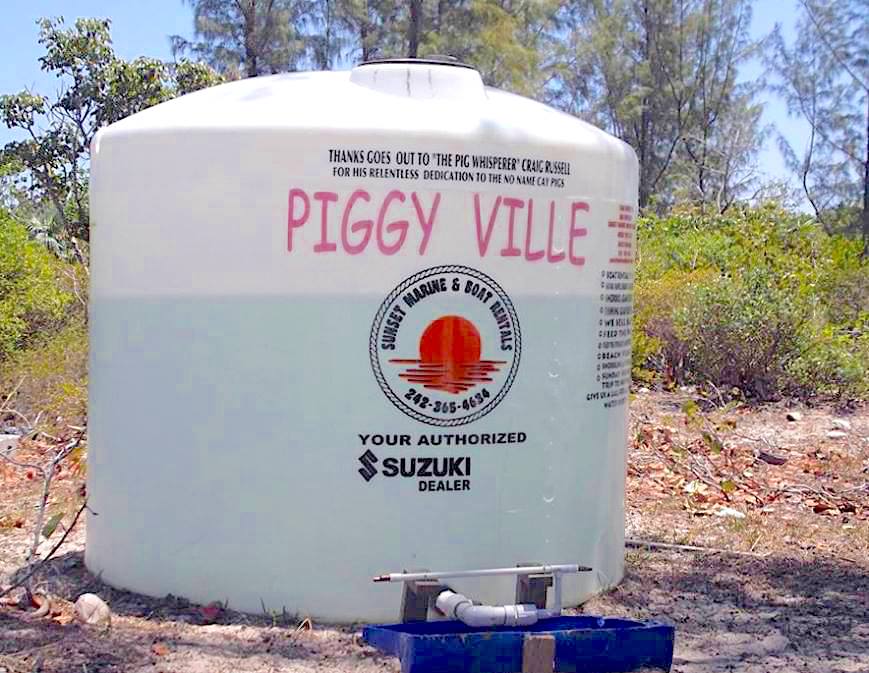
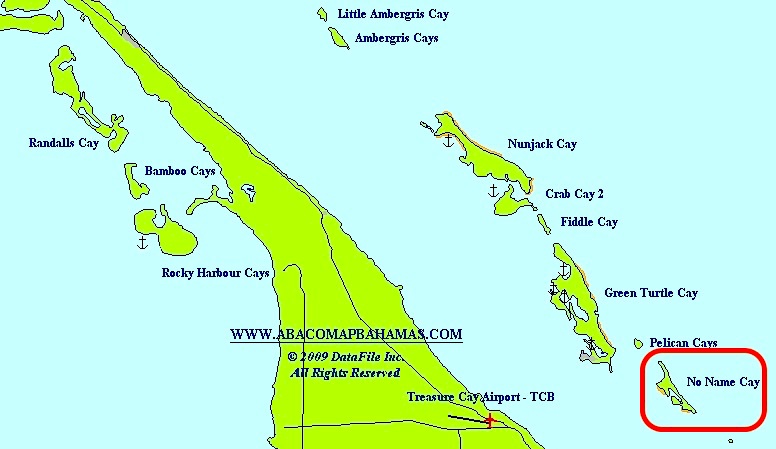
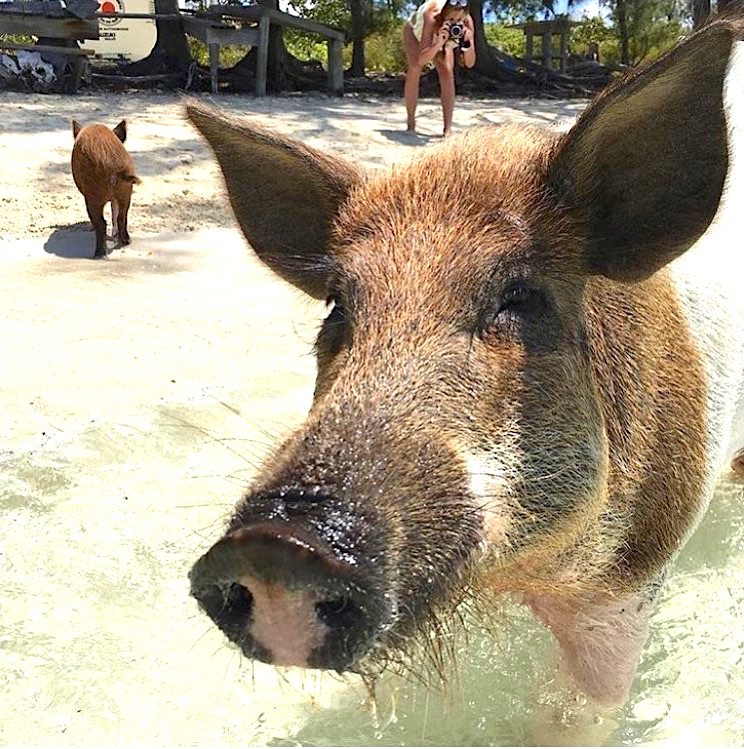
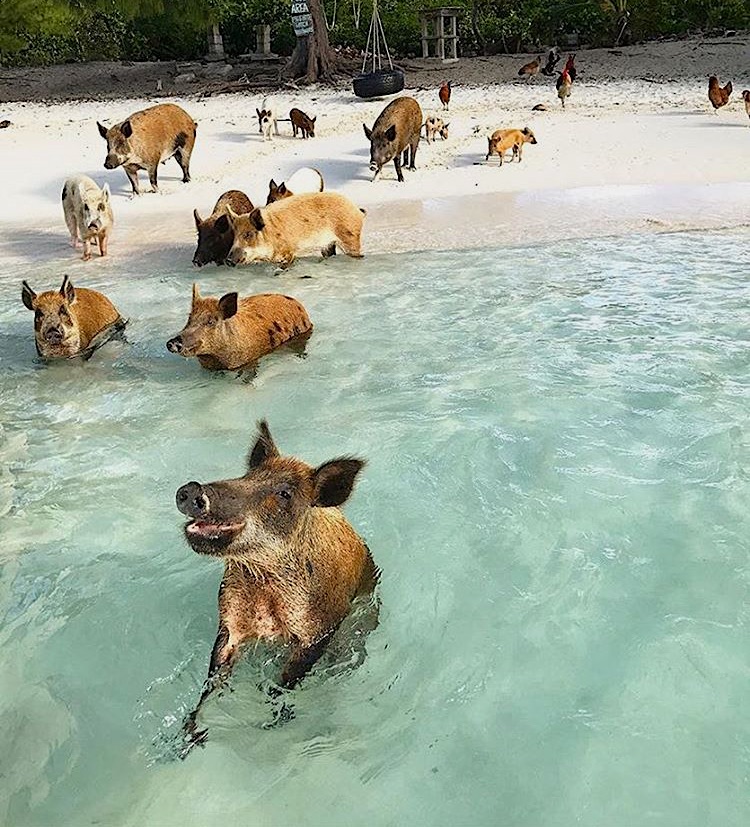
No Name Cay has a name. Which is ‘No Name’. Which is a logical paradox. Since I last wrote about it, the Cay has acquired a new nickname in honour of its only permanent residents: Piggyville. You can find swimming pigs on Exuma, of course – they are a famous and well-promoted tourist attraction. Abaco’s own population of feral swimming pigs is much less well-known, even now.
When I first posted about the pigs a couple of years ago, several people – including locals – contacted me in surprise and wonderment. And people still get in touch to ask (1) if there are really swimming pigs on Abaco and (2) “how do I get to see them?” (a short boat ride from Green Turtle Cay). Now the word is spreading, and indeed the piggies even have their own FB pageHERE.
Recently, a reliable replenishable water supply system was introduced to No Name Cay to ensure enough fresh water for the denizens. You’ll find more about nutrition and other vital porcine matters in Amanda Diedrick’s excellent post on LITTLE HOUSE BY THE FERRY, a wonderfully informative blog for Abaco in general and Green Turtle Cay in particular.
WHERE IS NO NAME CAY WHEN IT’S AT HOME?
Craig Russell, Pig Guardian of No Name Cay
Credits: Adam Rees / Scuba Works (1); Craig Russell / FB (2, 7, 8,9, 10); Tim Mantle (3); Patricia Labarta Douglas (4); Barefoot Sailor (5); Claire Towning (6); Lynn Collins (11); Samantha Regan (12); Ruth Albury / Destination Abaco for Piggy PDF [link removed]
One of the pleasures of watching birds (as opposed toBIRDWATCHING, a more committed-sounding enterprise with its own Wiki entry, that may require equipment, books & mag subs…) is to spend some time observing them enjoying themselves. Perhaps you have a feeder, and like to watch the birds getting stuck into the seeds, carelessly flicking the husks around and throwing their ‘feeder shapes’ on the perches. Maybe you like to see the hummers, beaks deep into the little red plastic flowers on the rim of the sugar-water feeder, tiny bodies motionless and upright, wings a glistening blur of rapid movement in the sun.
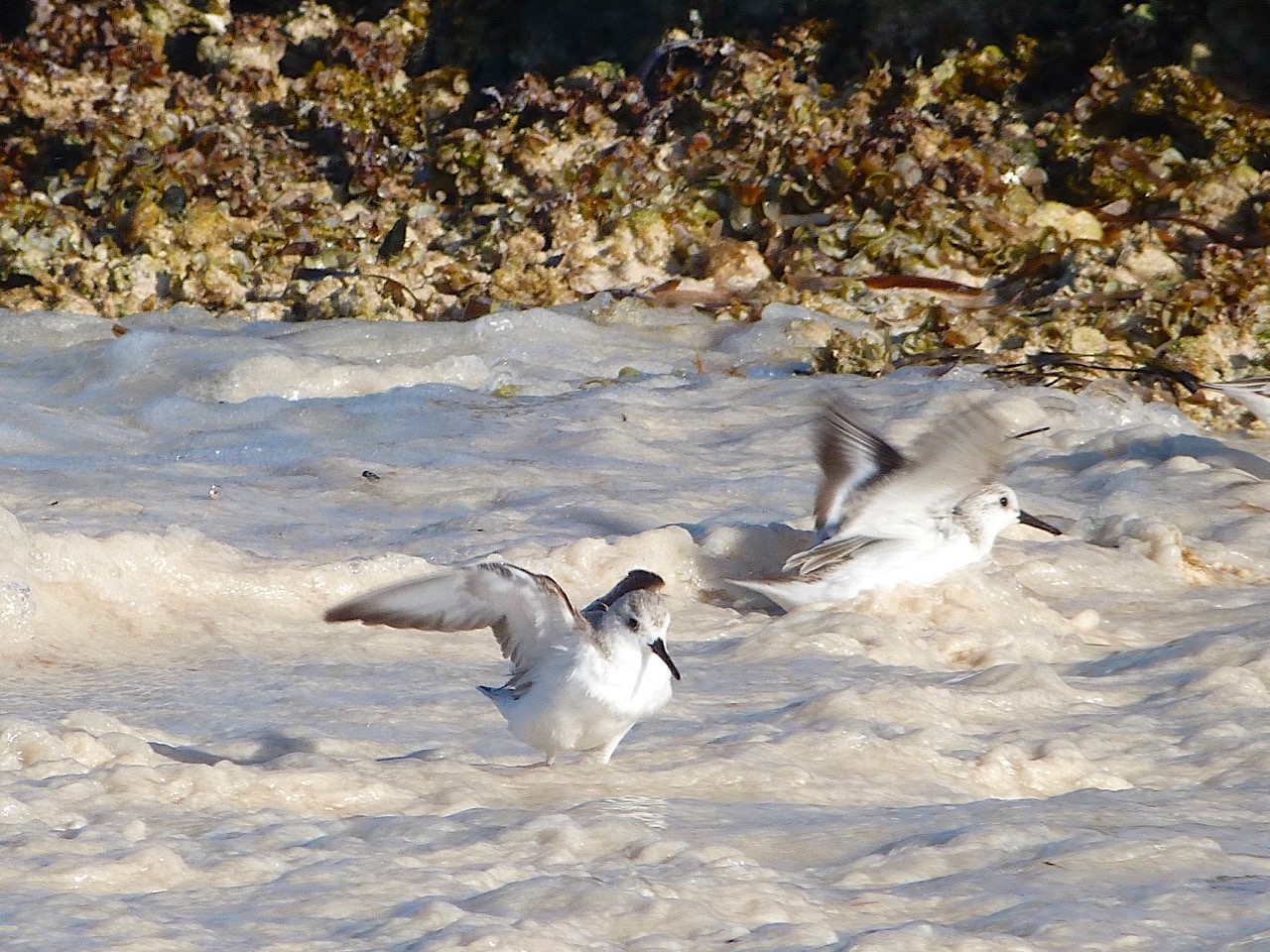
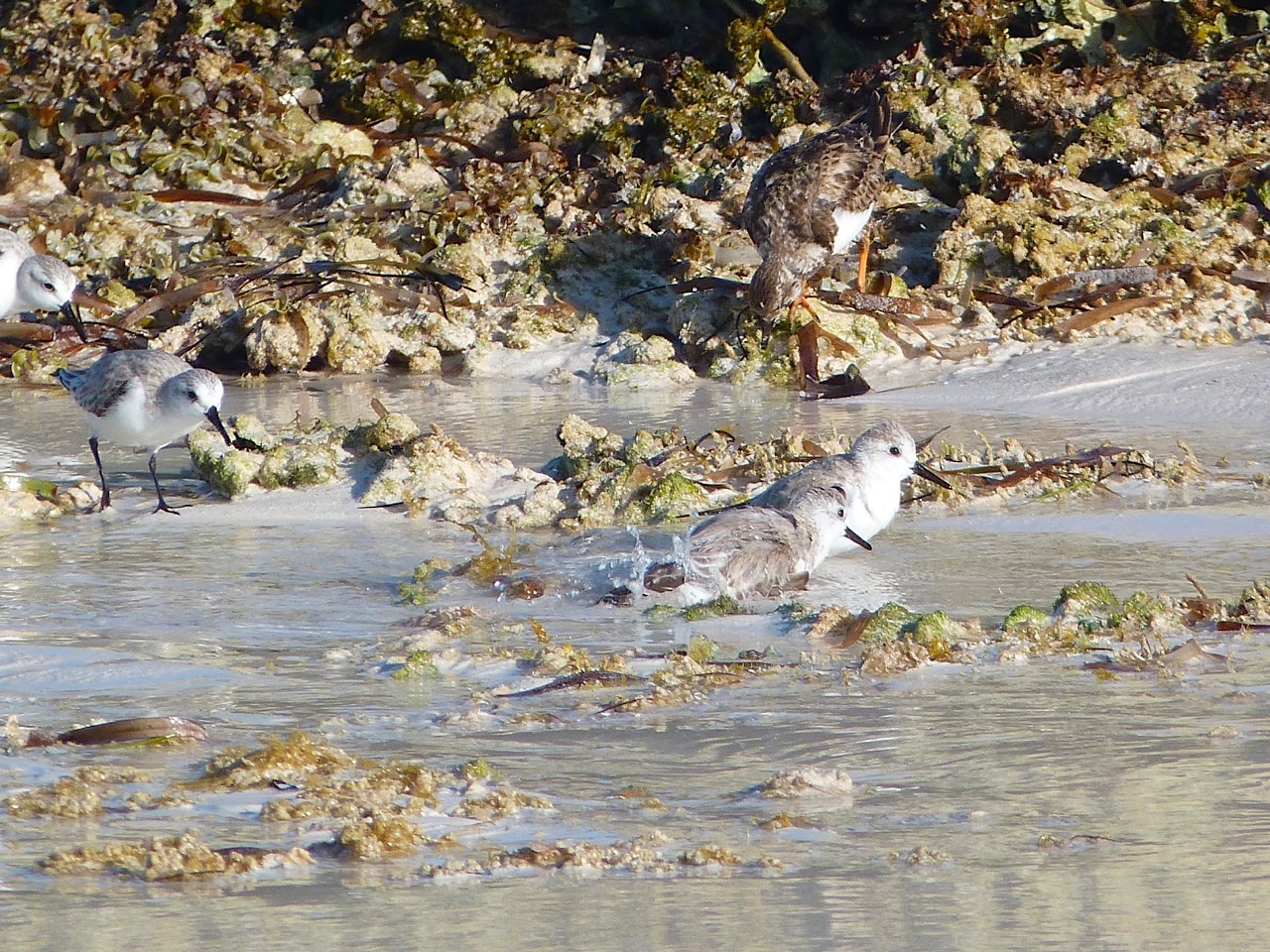
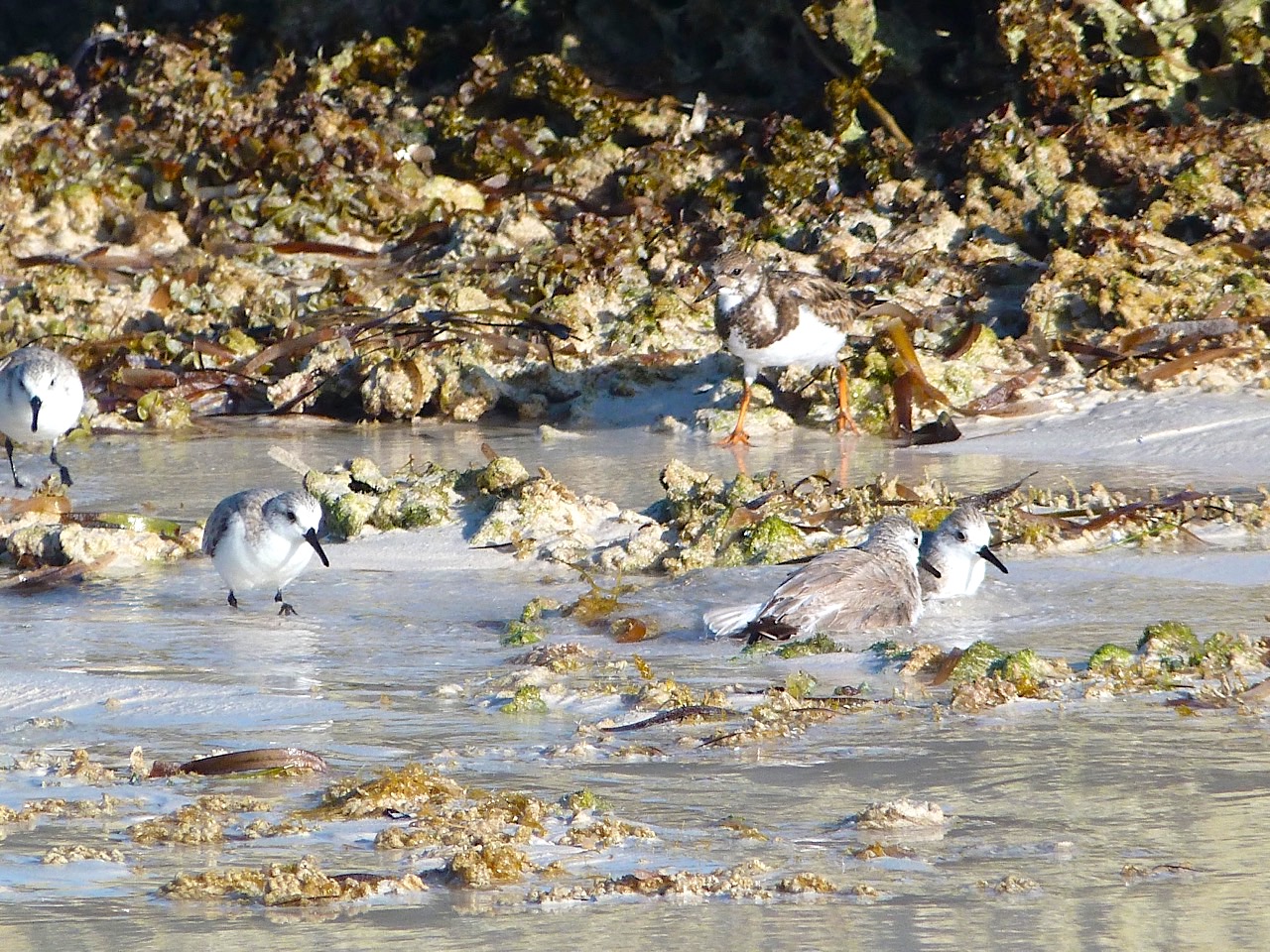
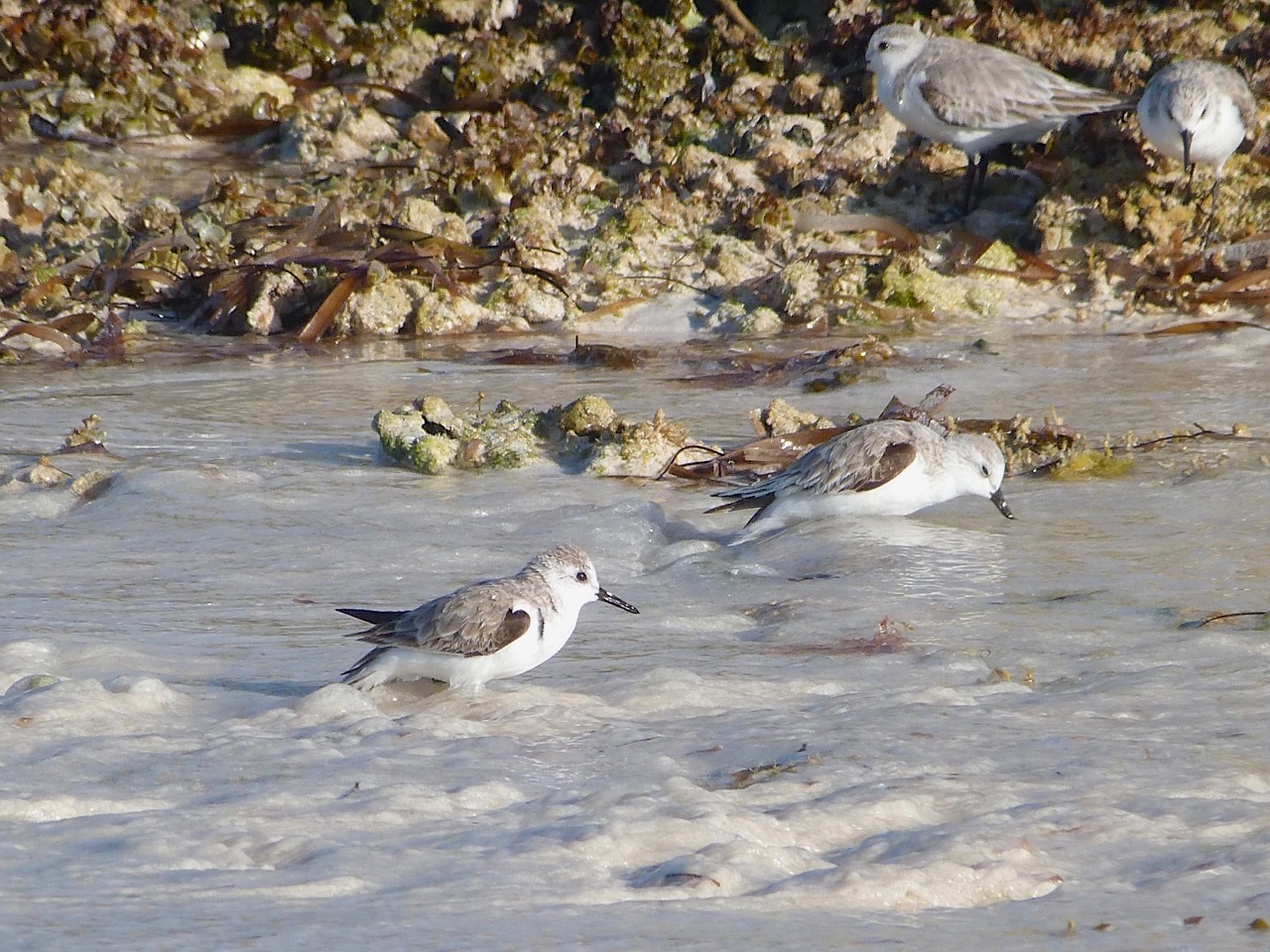
Well, join me at Sanderling Bath Time on the Delphi Beach. We are the north end, where the exposed rocks of the reef curve round towards the beach. At low tide, there’s a sandbar bridge from beach to rocks. It is a perfect feeding area for shore birds. Sanderlings, ruddy turnstones, least sandpipers, Wilson’s plovers and the prized piping plovers forage happily together here.
Towards mid-tide on the rise, the water begins to creep round the rocks and encroach onto the sandbar. At high tide, it is well under water and fish are back in residence. Small sharks sometimes hang in the waves just behind their breaking point over the shallow sand. And so the tidal process repeats. But ± mid-tide is the time for the shore birds to bathe in the tidal pools that form – and become frothier as the water pours in. And it’s an excellent time to sit peacefully on the beach and watch the entertainment…
Substantial immersion is not out of the question…
These moments don’t last long. Soon the increasing force and height of the water spoils the fun, and the flock will suddenly take flight and move south a little way along the beach, away from the rocks. There’s the incoming tideline to play with – and more importantly, food to be uncovered with each incoming and retreating wave…
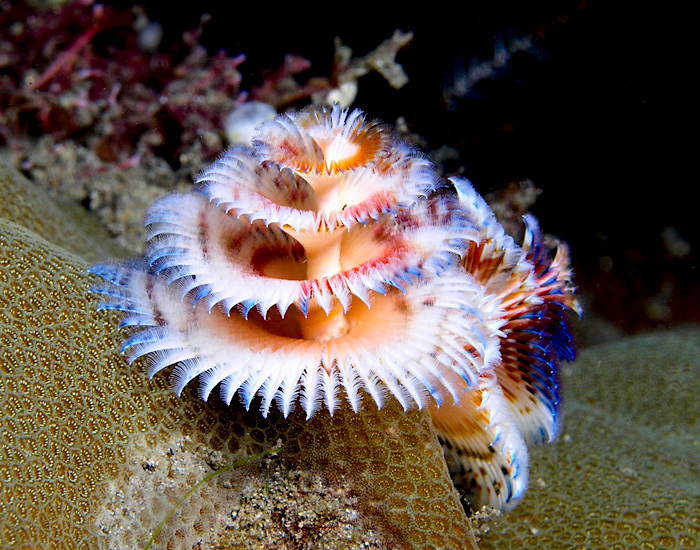
“Deck the Reefs with Worms Like Christmas Trees… Fal-La-La-etc-etc ” is a traditional Carol familiar to all. Well, most. Ok, some, then. Oh right – maybe with different words. Anyway, now is as good time as any to take a look at these remarkable plants creatures and subsurface symbols of good cheer.
10 CHRISTMAS TREE WORM FACTS TO PONDER
The 2 colourful spirals are not the worm, but complex structures for feeding & respiration
The spirals act as specialised mouth extensions for ‘filter-feeding’
Prey is trapped by the feathery tentacles & guided by cilia (microscopic hairs) to the mouth
The tentacle things are radioles and act as gills for breathing as well as prey traps
It is not believed that prey slide down the spiral to their doom, like on a helter-skelter
The actual worm lives in a sort of segmented tube, with extremely limited mobility skills
It contains digestive, circulatory & nervous systems – and a brain in the middle of it all
The worm also has a tiny drainage tube (I think I have this right) for excretion etc
They embed themselves into heads of coral such as brain coral. And stay there
And yes, the Christmas trees are retractable…
HOW DO THE WORMS… YOU KNOW… ER… REPRODUCE?
This is a delicate area. They don’t tend to talk about it much, but as far as I can make out they eject gametes from their what-I-said-above. There are mummy and daddy CTWs, and their respective gametes (eggs and spermatozoa) drift in the current and presumably into each other to complete the union. The fertilised eggs develop into larvae, which settle onto coral and burrow into it, build their protective tubes and the process begins again.
LOOK, YOU DON’T REALLY UNDERSTAND THESE CREATURES, DO YOU?
I won’t lie. I found it hard to work out how the CTWs function in practice. There are plenty of resources showing them in their full glory, but that only takes one so far. Then I came across a short video that shows it all brilliantly simply (except for the reproduction part). So maybe I should have just posted this first and saved you (and me) some trouble…
The worm, invisible in its coral burrow, hoists its pair of trees. You can easily see small particles – possibly zooplankton – drifting in the water, and the radioles swaying to catch potential food. Bingo. It all makes sense! Next: the New Year Worm
Credits: Melinda Riger (G B Scuba); Adam Rees (Scuba Works); Nick Hobgood; Betty Wills; Absolutely Wild Visuals; MarineBio; Wikibits & Magpie Pickings
THE COLOUR OF CHRISTMAS: PAINTED BUNTINGS ON ABACO
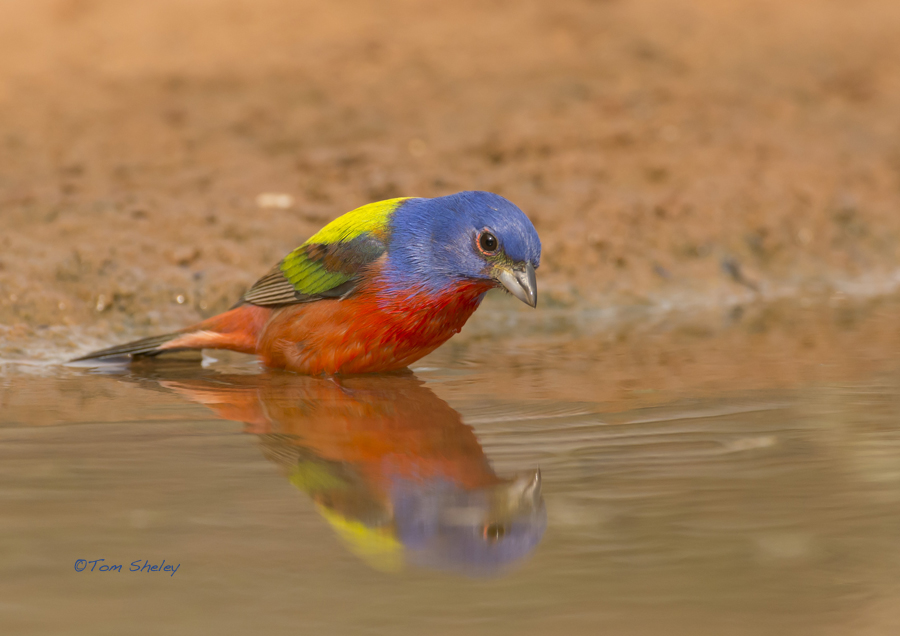
It’s a statistical fact that 99% of people “love” or “adore” painted buntings. The 1% were rather standoffish “Don’t Nose”, preferring to keep their views to themselves. PABU are winter residents on Abaco, not especially common but drawn irresistibly to feeders. To me they are the colour of Christmas, magically decorated with the favourite pigments from a child’s paintbox. So before I get stuck into the imminent festivities, I’ll leave you with a few of these gorgeous creatures to enjoy…
A male and female painted bunting sharing on of the Delphi Club feeders
Wishing all friends and followers of Rolling Harbour a wonderful Christmas and a very happy New Year. See you when I have been safely discharged from the festive recovery ward…
Credits: Tom Sheley (1, 5), Erik Gauger (2), Tara Lavallee (3, 4), Keith Salvesen (6)
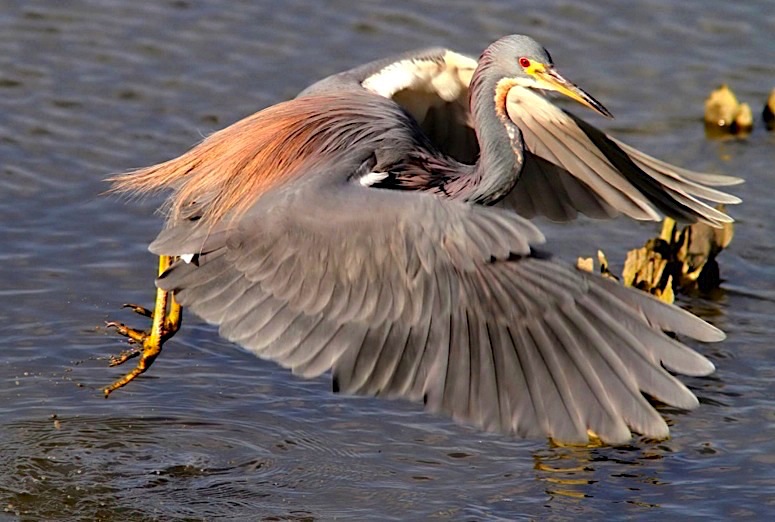
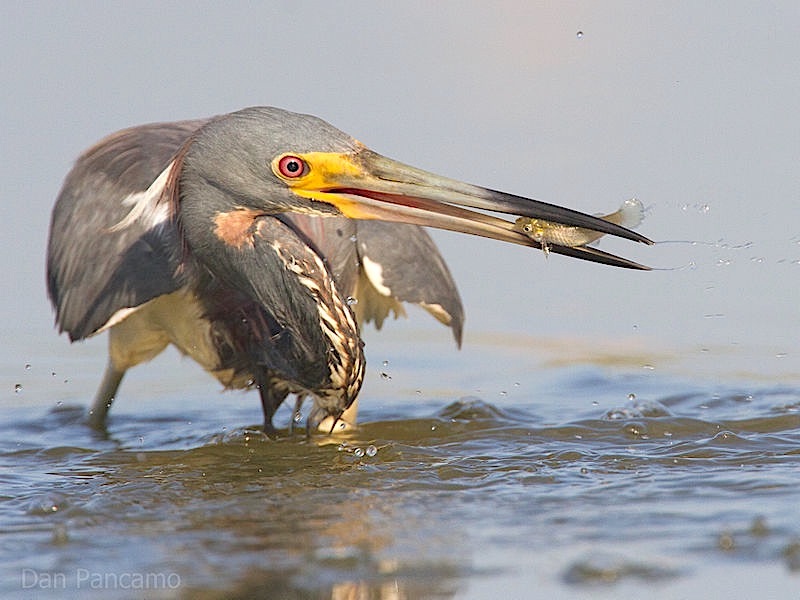
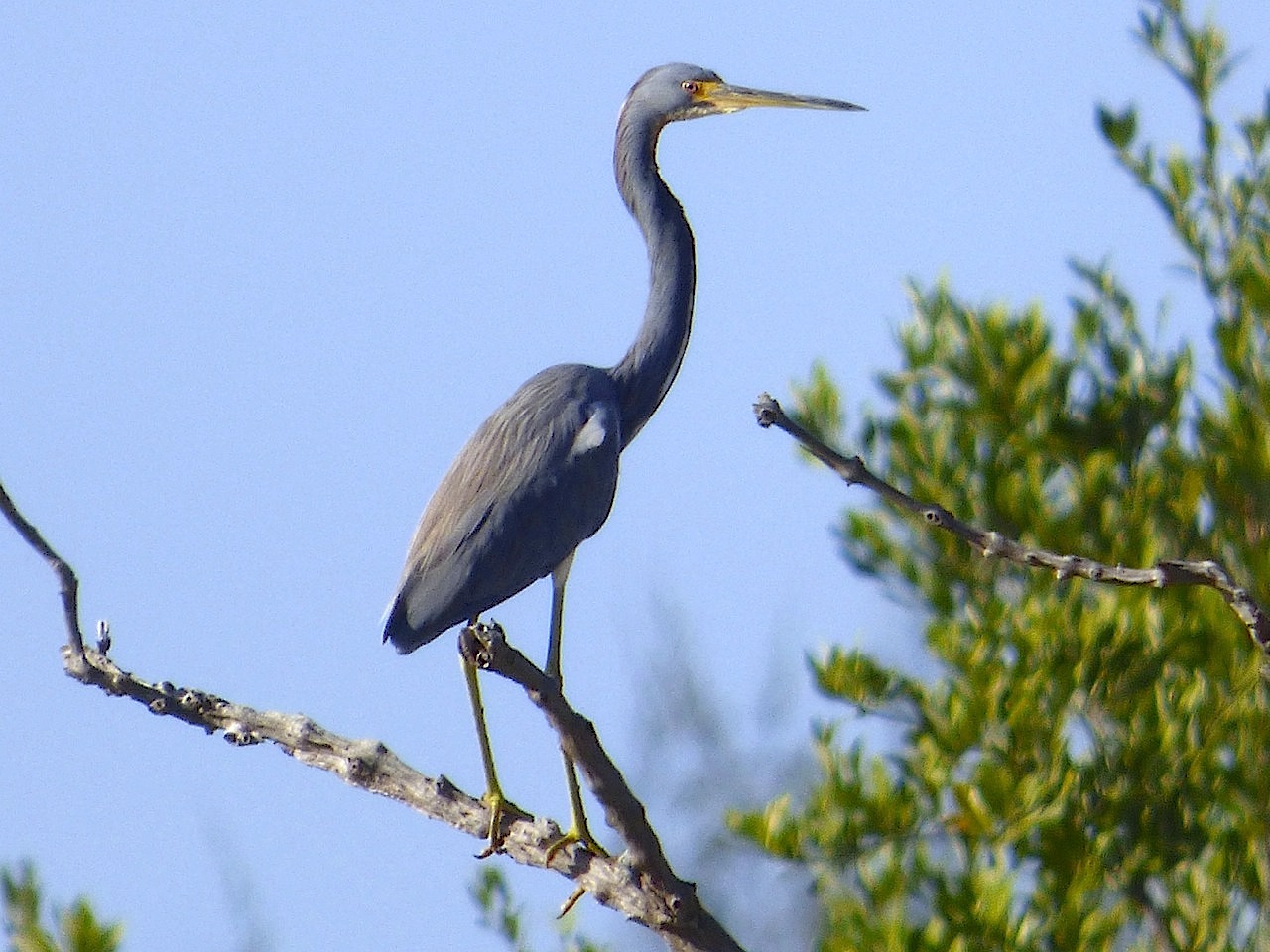
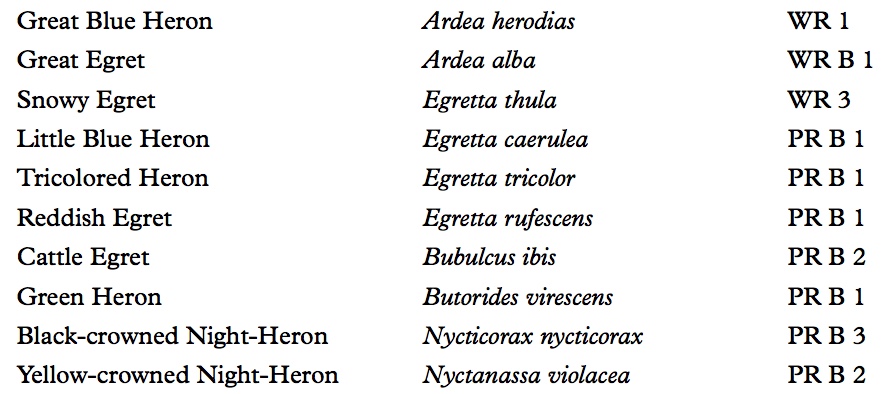
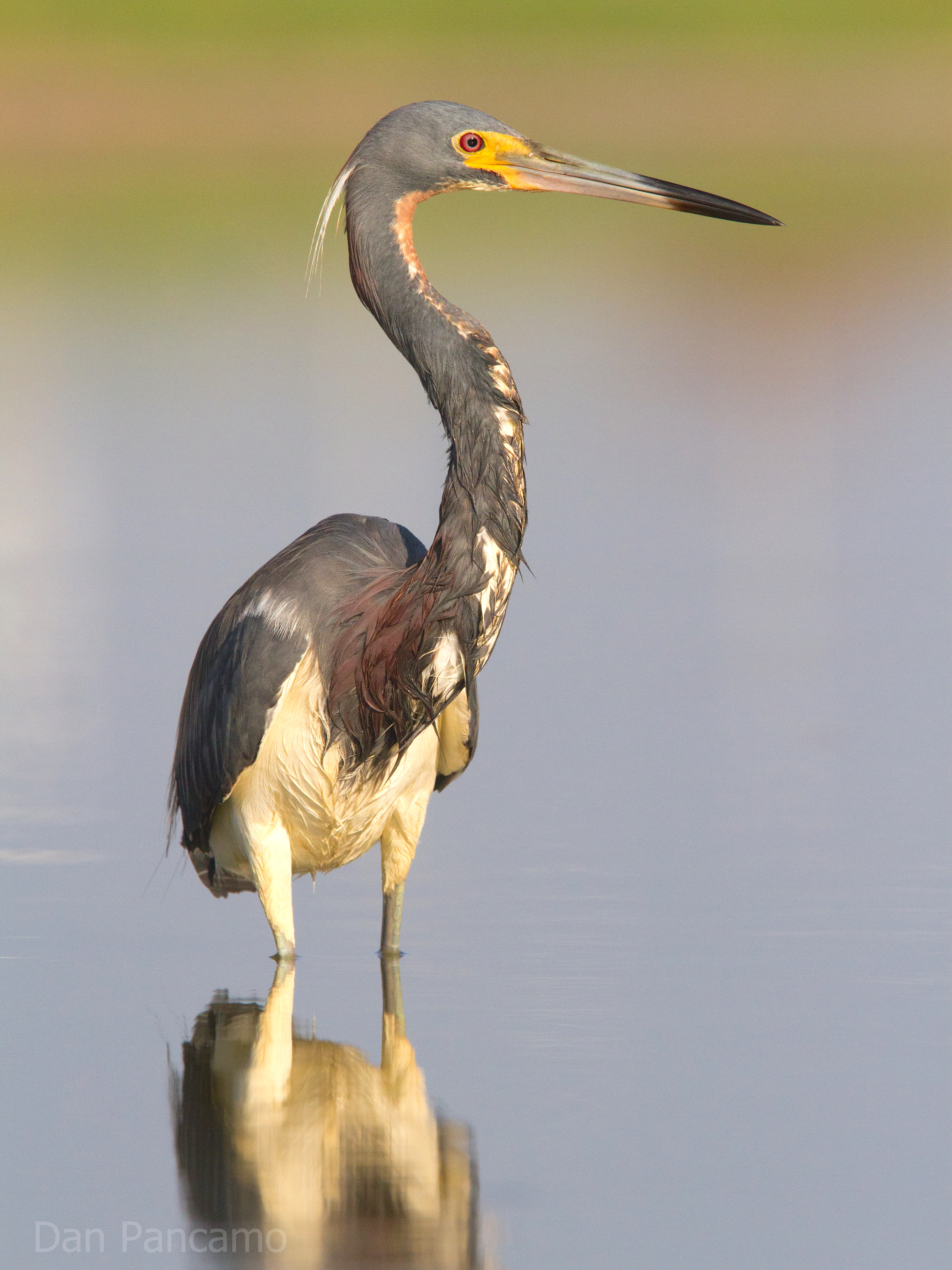
The Tricolored Heron Egretta tricolor is one of 6 heron species found on Abaco, and is a permanent breeding resident. To which can be added 4 sorts of egret to complete a line up of expert fishers, all equally at home hunting in the water or from the shore, or surveying the scene from nearby vantage points like bushes and trees.
A distance shot… and it was 20′ up, above the pond
The heron and egret species of Abaco
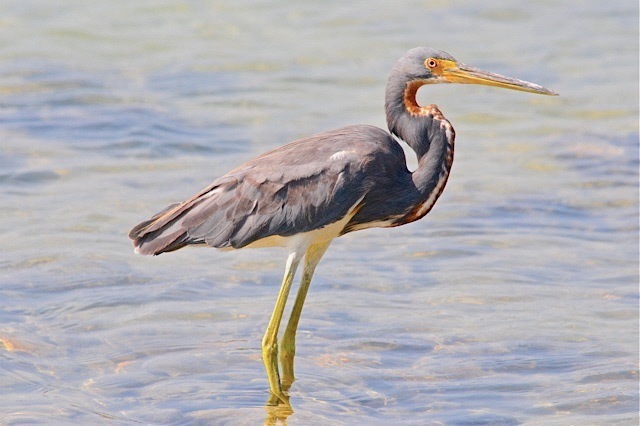
A long neck, a long bill and long legs make this heron species ideally adapted for wading. Like other herons and egrets, it will stand stock-still waiting for the perfect fish to swim into range. However they are also active hunters, and will stalk prey or chase it by striding quickly through the water in pursuit. They eat fish, crustaceans, reptiles, and insects.
On a mission…
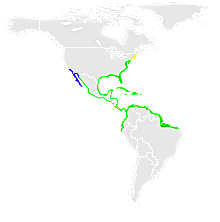
The tricolor has a wide resident breeding range, shown in green on the map
Coming in to land…
Breeding plumage: smart blue bill and a fish to put in it
Abaco, like the rest of the Bahama Islands, is strangely short of native land mammals. The last of the wild ABACO BARBS – descendants of Spanish Colonial horses of high pedigree – died very recently. The proud Barbs are no more. But they, of course, were an introduced species. There are the hard-breeding, hard-hunted hogs. And feral potcakes, unowned or disowned. Many feral cats. Maybe a few rabbit escapees. And bats: several of the dozen (or so) Bahamas species are found on Abaco. At one time there was the shy nocturnal HUTIA that had the distinction of being – or having been – endemic to many of the islands. Not on Abaco, sadly – its own subspecies the Great Abaco Hutia had become extinct by the c17. You’ll have to go to the Exumas to see a hutia.
HEY! THERE ARE RACCOONS, AREN’T THERE?
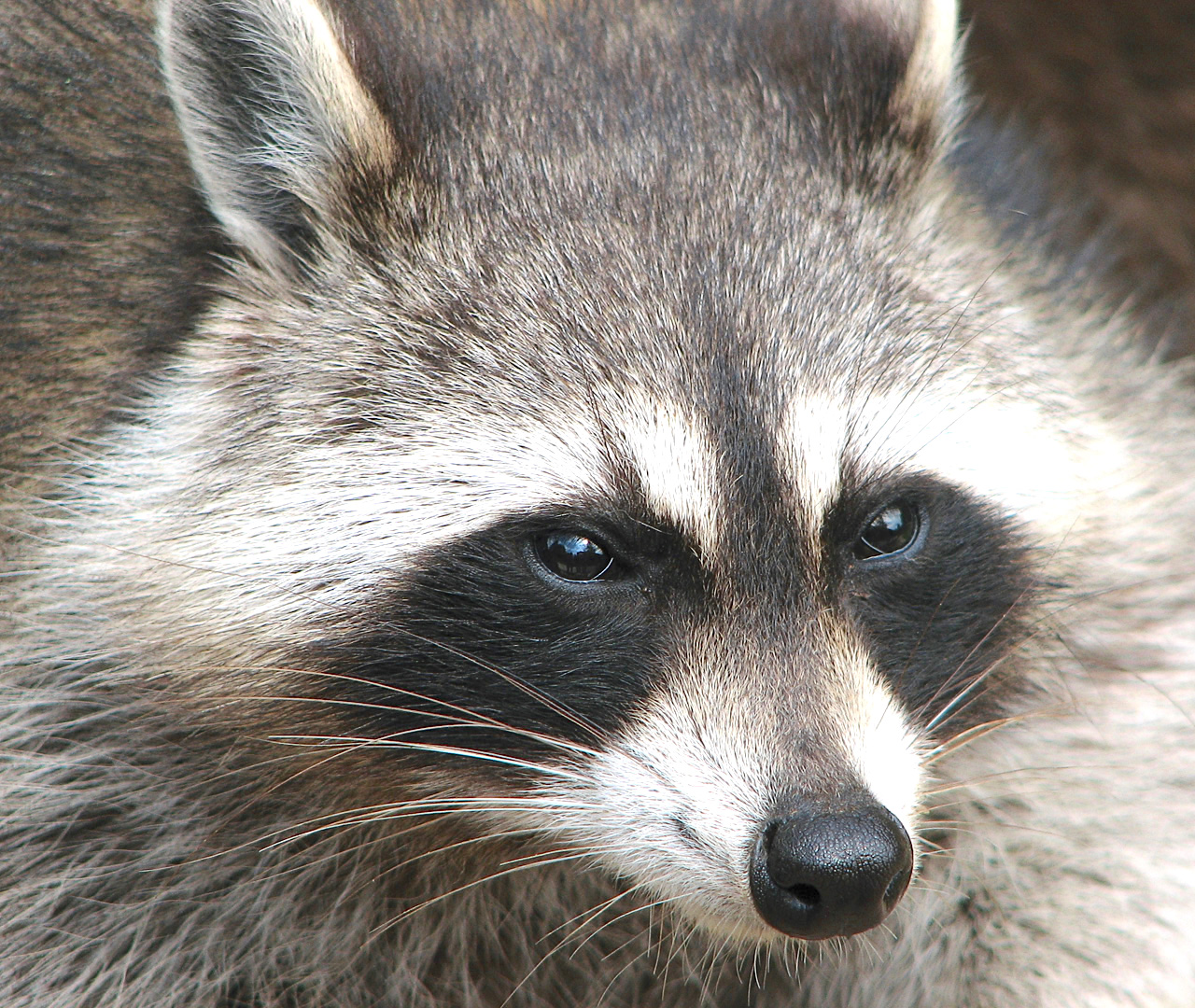
This endearing-looking creature was photographed on Abaco by Charmaine Albury
Raccoons are a non-native species, probably introduced in the Bahamas many decades – perhaps a couple of centuries – ago. They are thought to have been brought to New Providence originally. More recently they arrived on Abaco – possibly as pets in the first place, which were then released or escaped. And they are spreading: as recently as April 2012 an excellent article in the Bahamas edition of COASTAL ANGLER MAGAZINE introduced “Eleuthera’s Newest Mammal”.
RACOON PROS
Cuddly, furry, cute-looking, quite high on the well-known scientifically-based ‘ADORBS’ scale (Animals Deemed Outrageously, Ridiculously, Breathtakingly Strokeable)
Comfortingly familiar despite being wild animals (NB potentially aggressive)
Don’t have the same drawbacks as skunks
Have valuable fur
Pelts can be used for Davy Crockett hats
RAC-CONS
Considered to be “one of the world’s most omnivorous animals”
Known to wreak havoc with certain crops, eg watermelons
Canny and adept hunters, including at night; good climbers to treetop level
Suspected of predation of land crabs (depriving ‘natural’ predators of the pleasure)
Compete with birds for fruit, berries and nectar
Relish birds’ eggs. Low and ground-nesting birds are particularly at risk throughout season
On Abaco, a major conservation program has been needed to protect the nests of the Abaco parrots in the limestone caverns of the national park from raccoons, feral cats and rodents
Eat small birds, curly tail lizards, anoles and suchlike
Can be aggressive to humans – note the handy claws clearly shown in the photo above
A shy raccoon in a tree, Treasure Cay (Becky Marvil)
LIVE AND LET LIVE?
“The authors of the study Taxonomic status and conservation relevance of the raccoons of the West Indies (2003) hold that the Bahamian raccoon is an invasive specieswhich itself poses a threat to the insularecosystem.The Government of the Bahamas has this species listed as up for eradication on the islands of New Providence and Grand Bahama”.
So the official line favours eradication of a potentially harmful non-native species – failing which, presumably containment of numbers. Trapping is one way to achieve this – and there are both humane as well as cruel ways to do so. However, trapping in one place, only to release somewhere else is clearly not an option. But it would provide the opportunity to neuter / spay the animals and slow or prevent the reproductive spread of the creatures. Hunting raccoons is another method. It’s not currently a significant sport, but neither are raccoons protected. Their fur has a value, and some say they could provide a source of somewhat gamey meat.
Or they could be just left as they are, as attractive creatures now well-established, despite the inevitable risks to native species such as the reviving population of Abaco parrots, now at sustainable numbers. On Abaco, reduced to its basics the $64k question might be: which would you prefer in the future? More raccoons or fewer parrots (or indeed, no parrots at all)?
Raccoons exhibited in the Garden of the Groves, Freeport, Grand Bahama (neutered /spayed)
PUMPKIN
I wouldn’t wish to run the risk of influencing the delicately balanced arguments about the raccoons of the Bahamas, but will you just take a look at this? The perfect fit for the acronymic descriptor A.D.O.R.B.S!
Coastal Angler magazine, BNT / Erika Gates, Bahamas Weekly, Charmaine & Becky for the Abaco photos, plus Wiki / open source, Buzzfeed / YouTube & don’t get stuck into the rest of the cutesy viddys… Stop Press: added above the pros & cons – a great recent photo by Cheryl Wile Ferguson (nb not taken on Abaco)
At least as far as stamps are concerned, the raccoon gets equal billing with the hutia (and the bat)
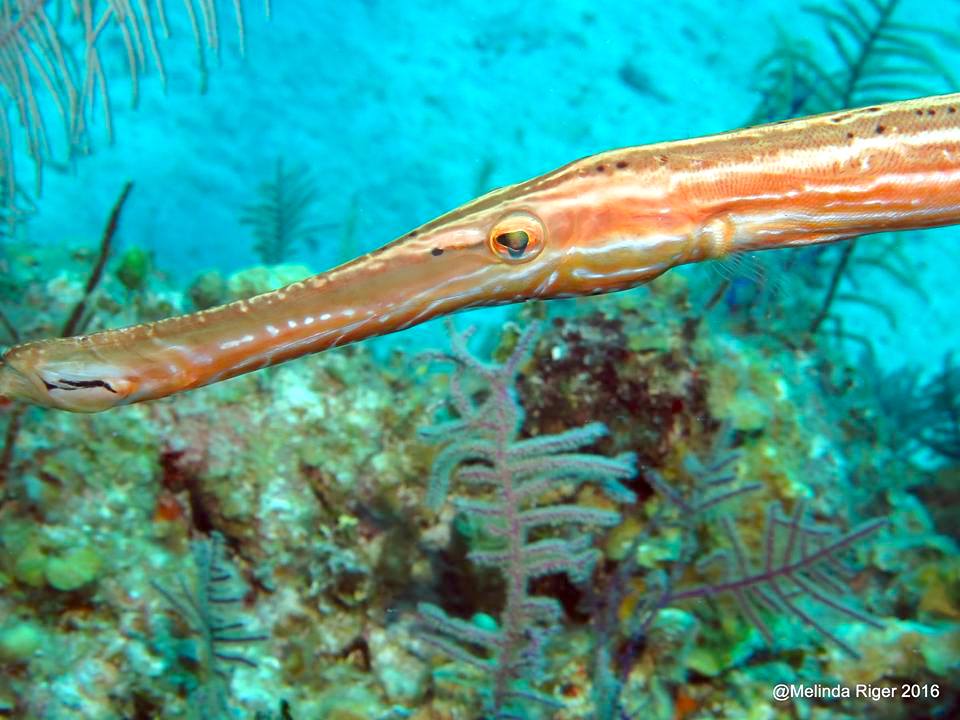
It’s been a while since the previous post in the WTF? series, dedicated to the unusual or downright weird marine creatures that, when you see them swim into in the frame of your mask, prompt the involuntary exclamation “WTF?” (What’s That Fish?). Now, in all its glory meet… The Trumpetfish. These long piscine pipes are in no way related to the President-Elect and his tank of pet fish, but perhaps more explicably to seahorses and seadragons.
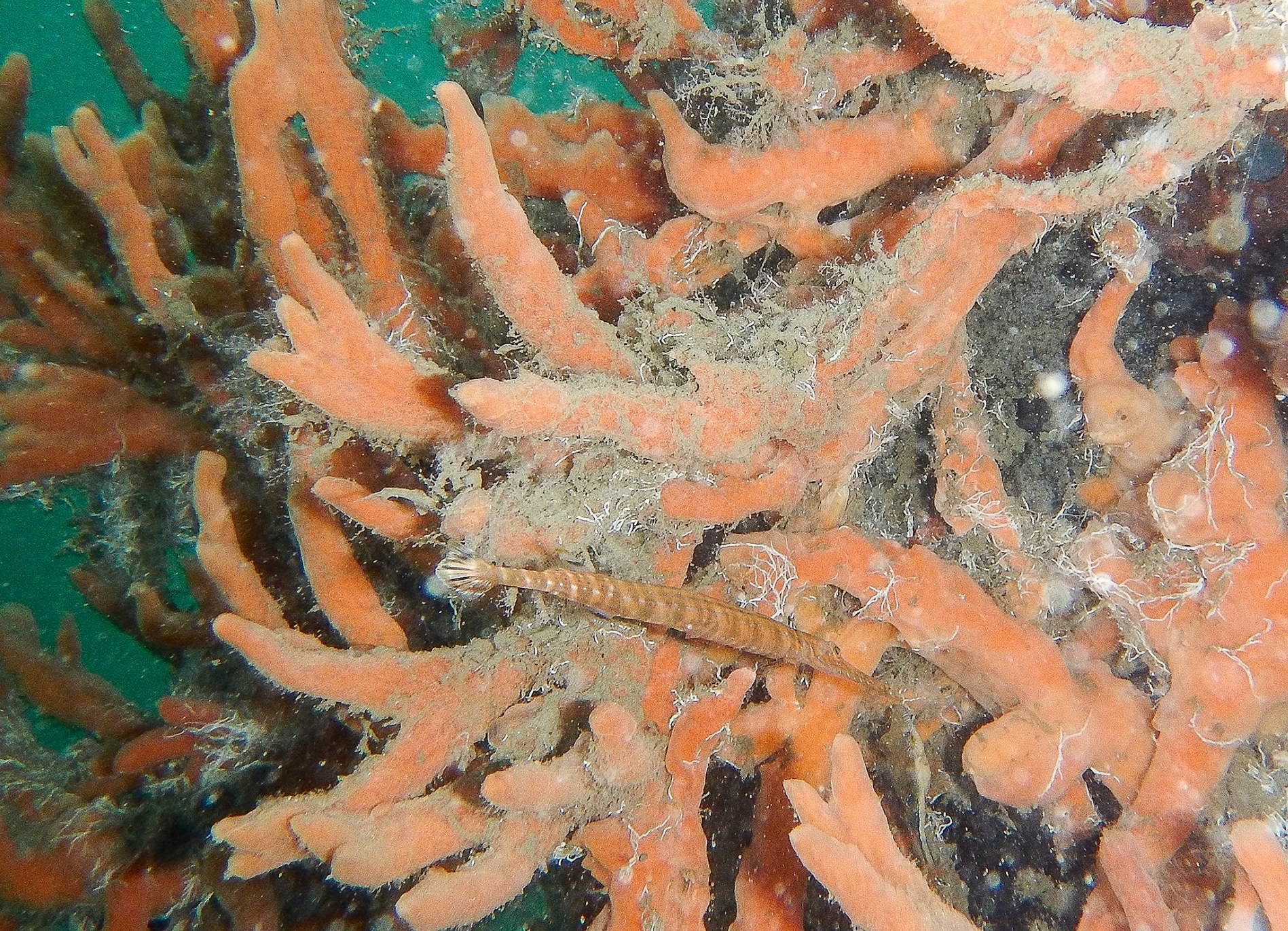
Trumpetfishes Aulostomus maculatus are as happy to swim upright as more conventionally, which helps them to blend in with vertical corals and sponges on the reefs in the tropical waters of the western Atlantic. Adults may grow to 3 foot long or more. These creatures come in a variety of colours – shades of red, orange, brown, green and yellow.
At the end of the fish’s long snout – see how far back the eyes are set – is a small mouth. Here’s how a trumpetfish goes about catching its prey (mostly small fishes):
Slowly swimming or drifting to a target from behind, and sucking it into its mouth
Staying suspended in the water, motionless, and waiting like a malevolent stick for a passing wrasse or similar to get too close
Swimming alongside larger fishes, which camouflages its presence and enables it to ambush small fish as they pass
More generally, the trumpetfish has some ability to change its colour to blend with its surroundings – both a defensive as well as an attacking advantage
The very excellent Peppermint Narwhal recently produced a series of posters in appreciation of particular species – and trumpetfishes and their kin in the Order syngnathidae were honoured. The PN’s cheerful website is well worth checking out for the sheer diversity of their ideas.
MUSICAL NOTES
We are beginning to collect the makings of a decent orchestra here. The trumpetfish has a relative, the cornetfish, elsewhere in the world. The remarkable GUITARFISH has already featured in the WTF? series, as has a species of BASS, the Harlequin. And – hey! – what about the spotted DRUMFISHto lay down the beat? Maybe I need to compose a little jingle featuring these one day…
Credits: Melinda Riger (Grand Bahama Scuba); Adam Rees (Scuba Works)
WHEN NEW PROVIDENCE WAS OLD: MAPPING BAHAMAS HISTORY
“Exact Draught of the Island of New Providence, One of the Bahama Islands in the West Indies”
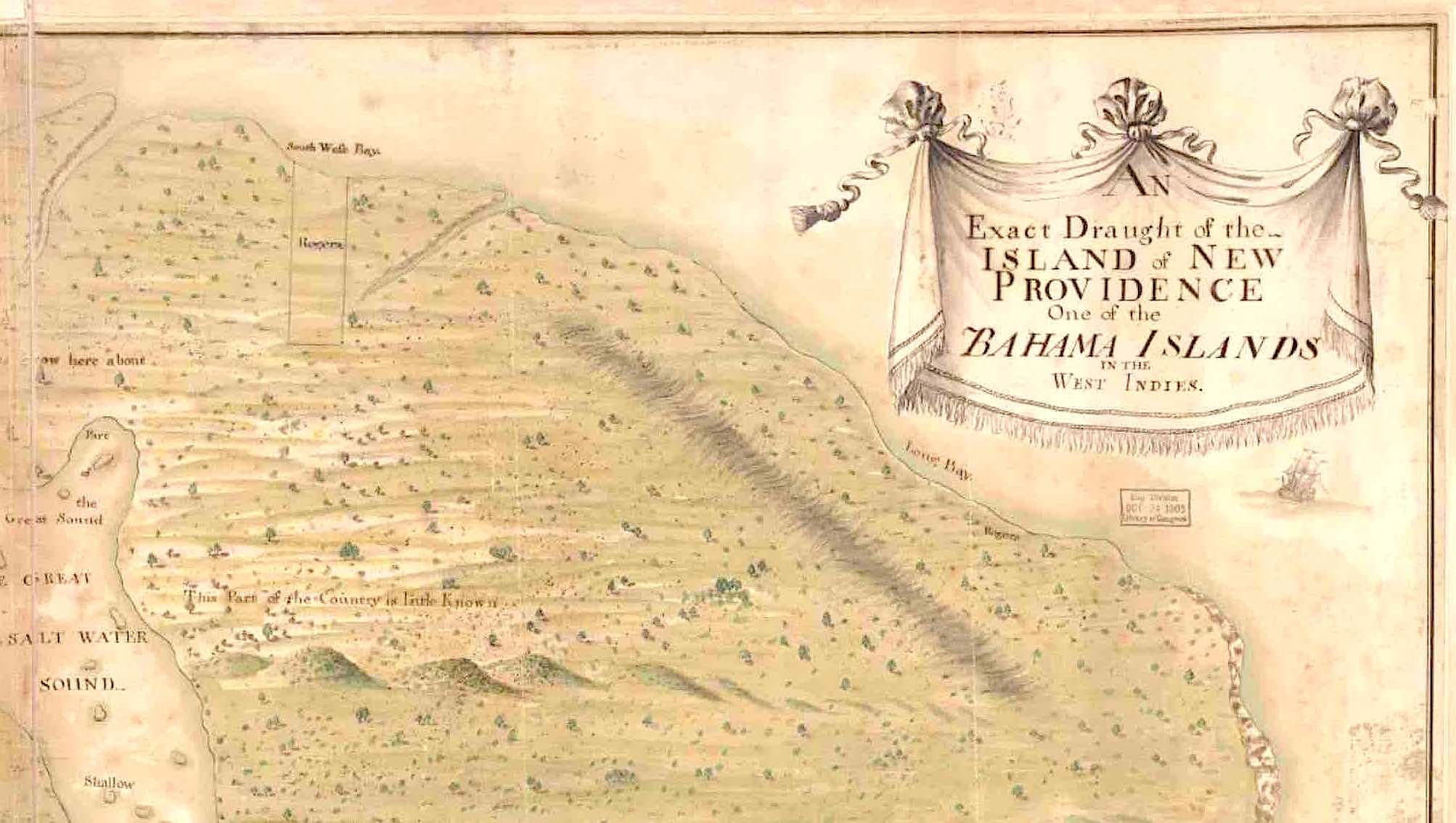
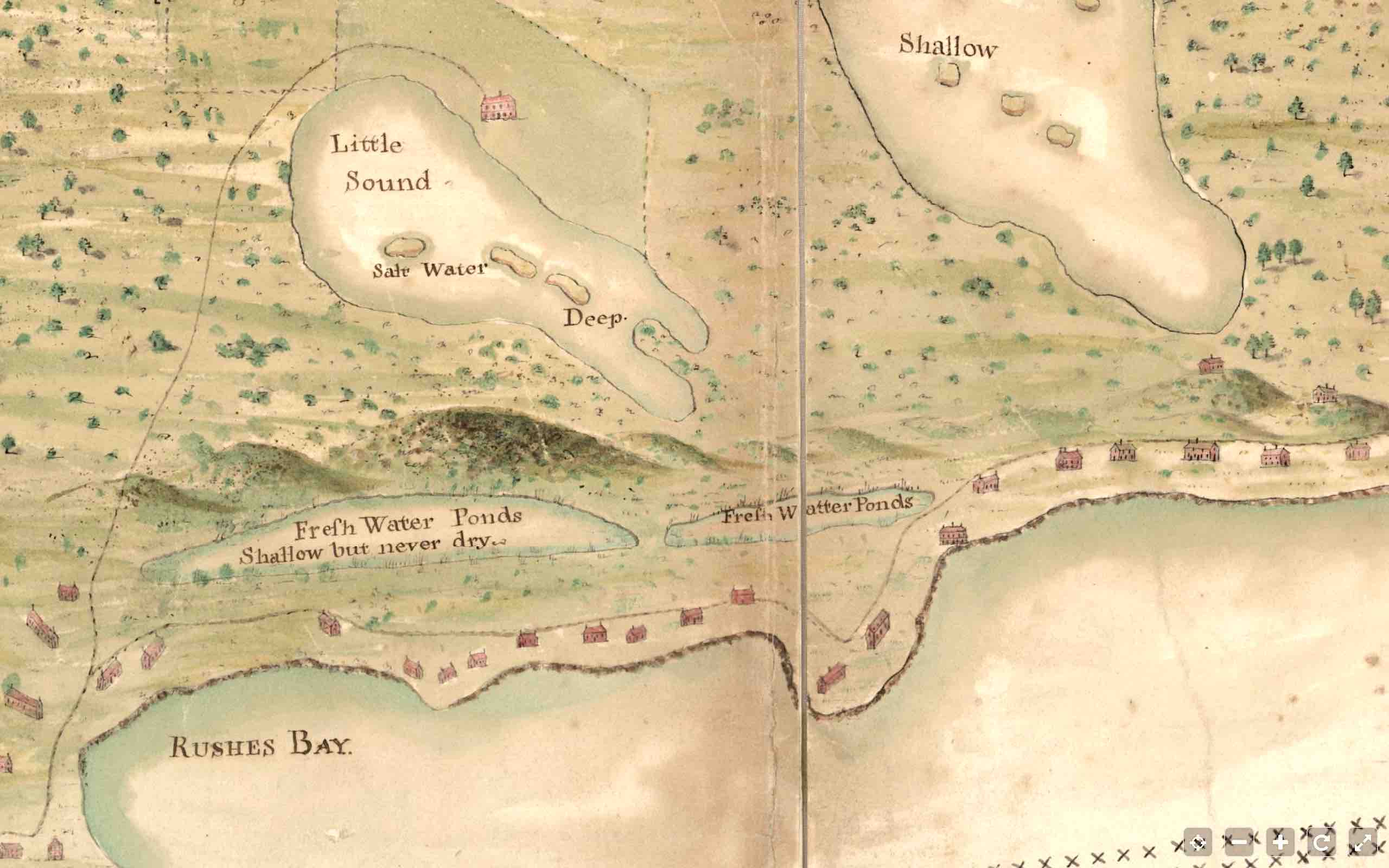
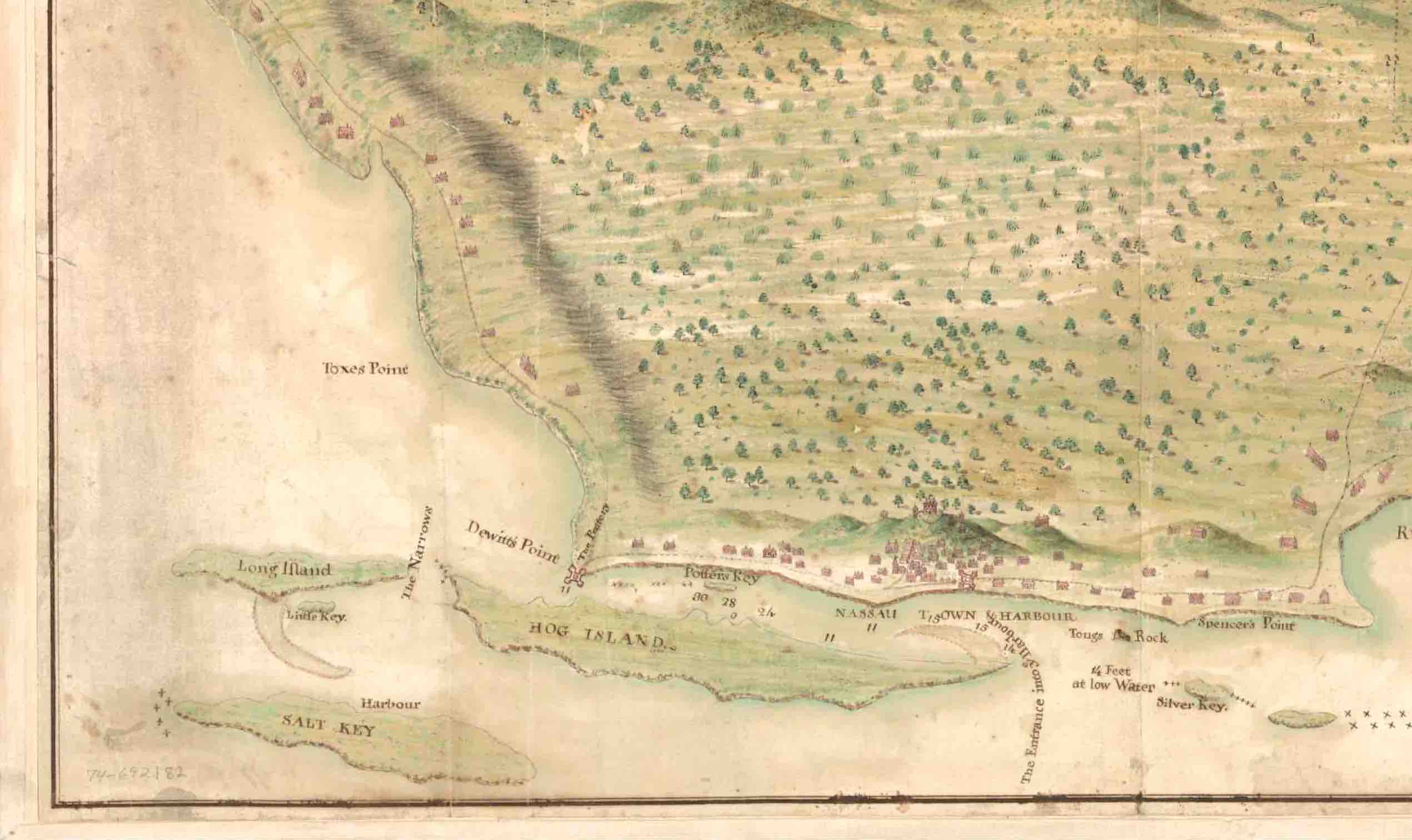
Lateral thinking is one thing; topsy-turvy thinking is in another league. The map that graces the top of this page is of New Providence and Nassau in the the early c18. By today’s exacting mapping conventions, which historically were less rigorously observed, it is upside-down, with Nassau on what we would call the south-west corner. The map is undated of the face of it, and I have found attributed dates of both 1700 and 1750. It could be anywhere in-between. At the time this map was made, New Providence was sparsely populated except for Nassau itself; and little was known about the island’s interior. Contemporary accounts describe a haven for pirates operating around the coastline. Not for nothing was Nassau protected by a battery and a fort. I’ve divided to map into sections to make it easier to take a closer look at each area. You can click each to enlarge.
TOP LEFT CORNER (the south-east of NP in actuality), with the compass pointing downwards to the north. A smattering of houses dot the ‘west’ coast. There is one significant property above Little Sound, standing in what looks like a cleared or even cultivated area. I’ll look at that in more detail below. Note the words above The Great Salt Water Sound: “Very High Pines Grow Here Aboue (sic)”, evidence that forests of tall pines familiar even today on Abaco were found on NP 300 years ago. The island is otherwise mostly marked as if the landscape was fairly open.
2. TOP RIGHT CORNER (south-west & west), with the confident title in a cartouche proclaiming exactness. This was not uncommon in historic map-making – the cartographical equivalent of today’s boastful product slogans – ‘simply the best’ and so on**. The caption next to the Great Sound, This Part of the Country is little Known, suggests an unexplored and perhaps hostile environment – possibly one of marshes and bogs. This sector of the island appears to have been uninhabited, or at least to having no population centres worth recording.
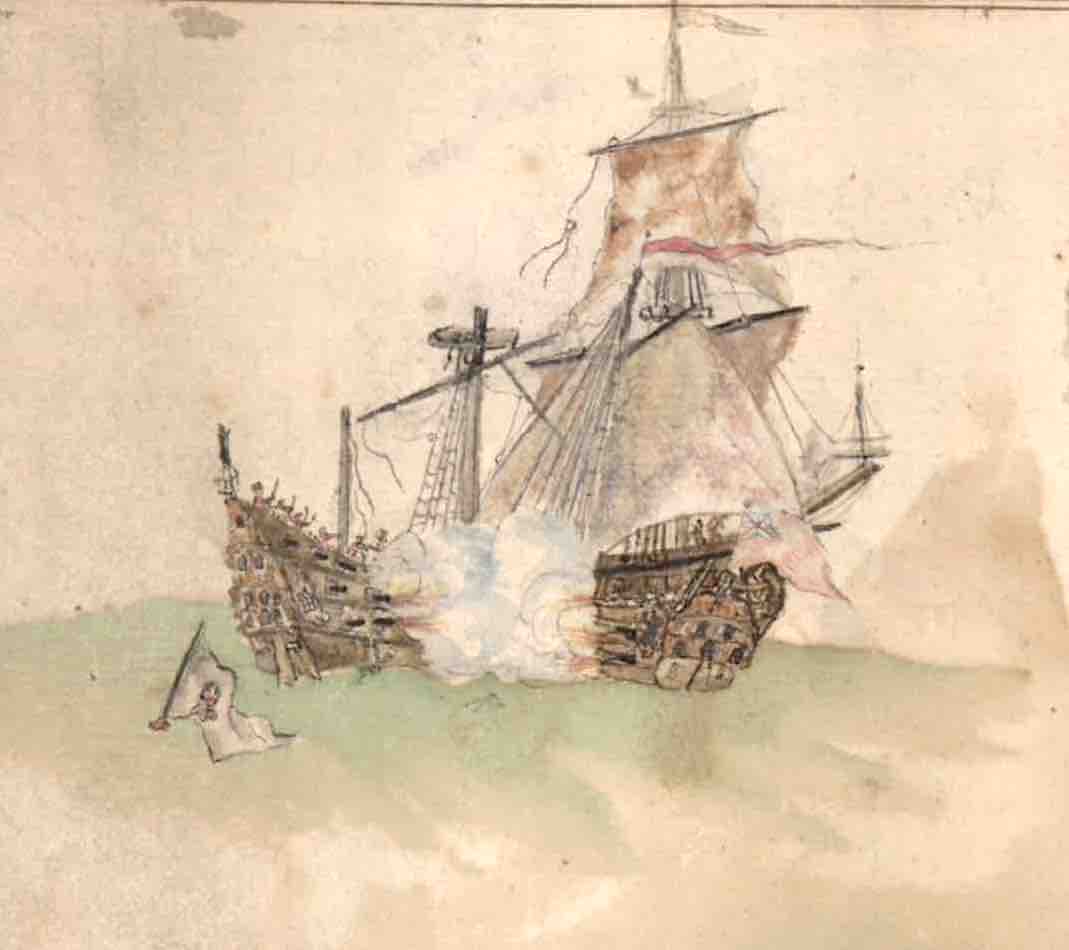
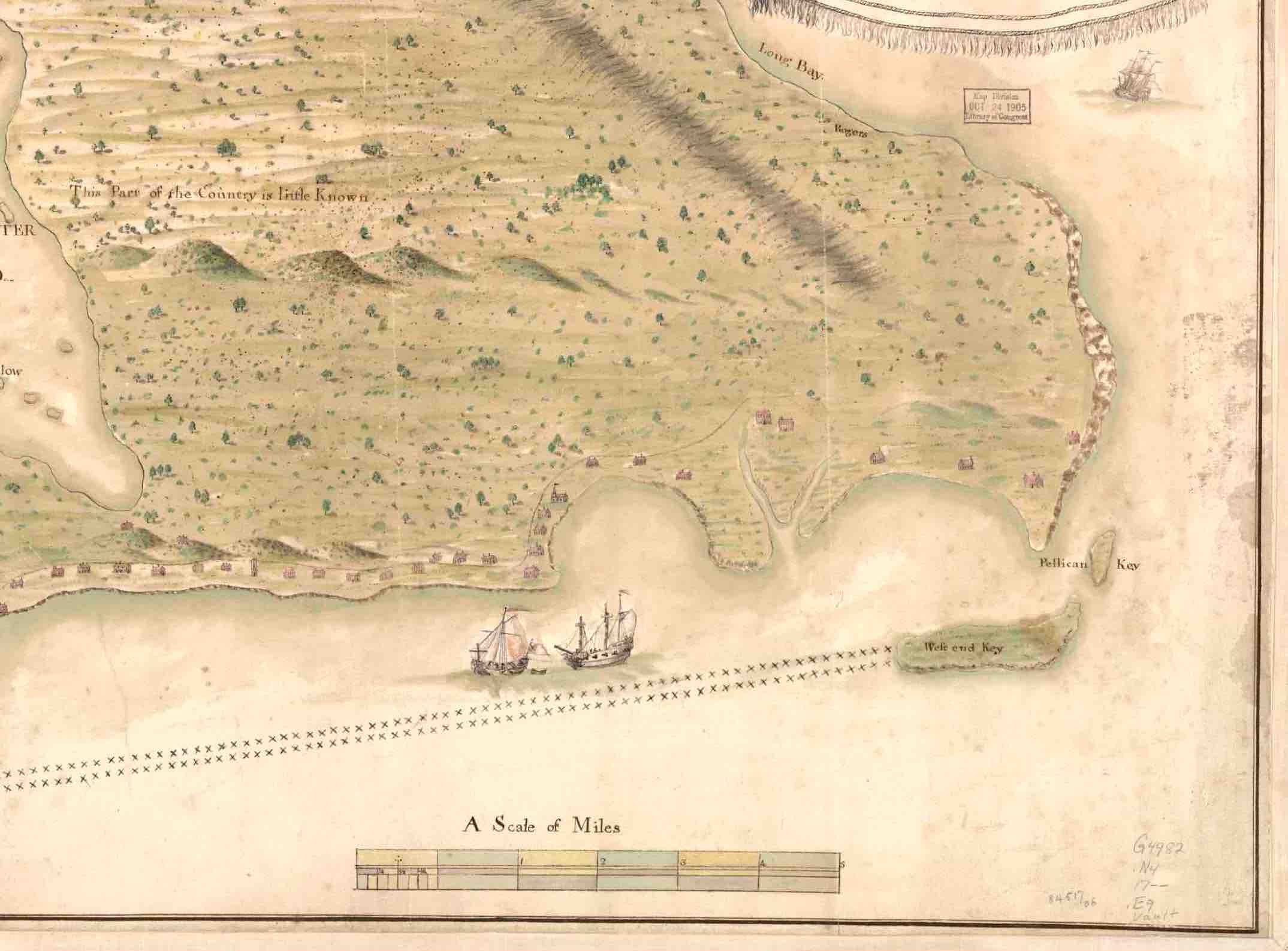
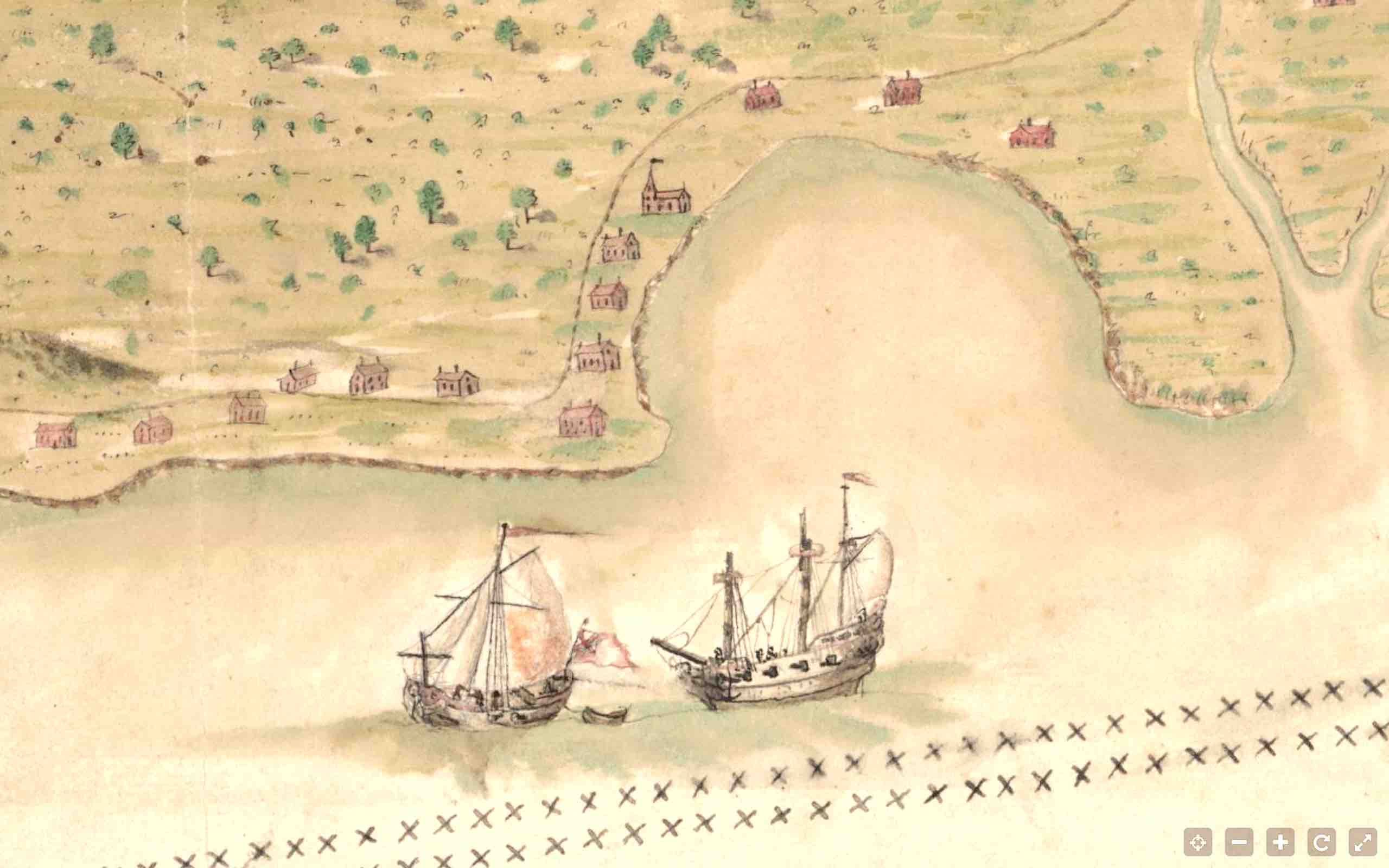
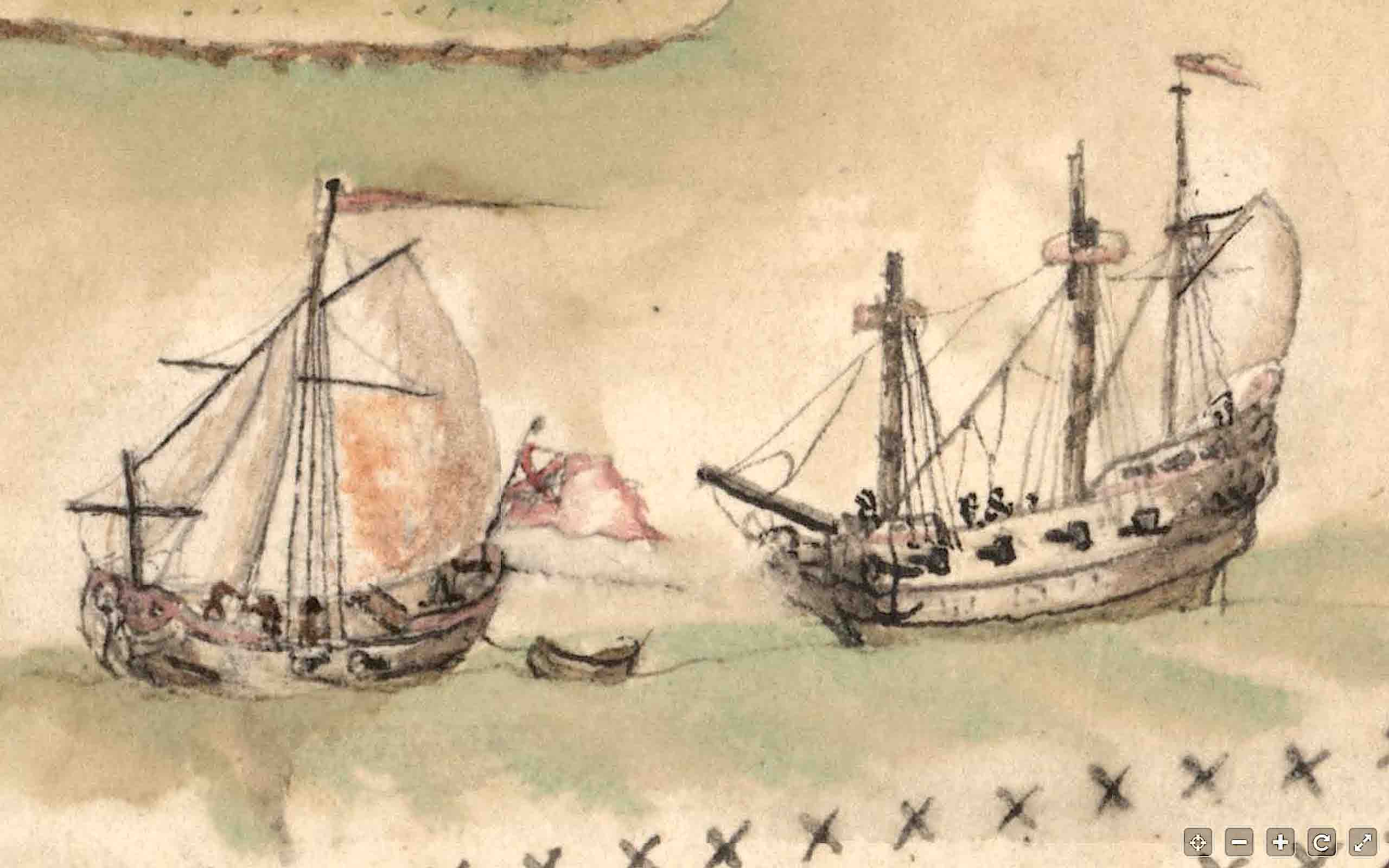
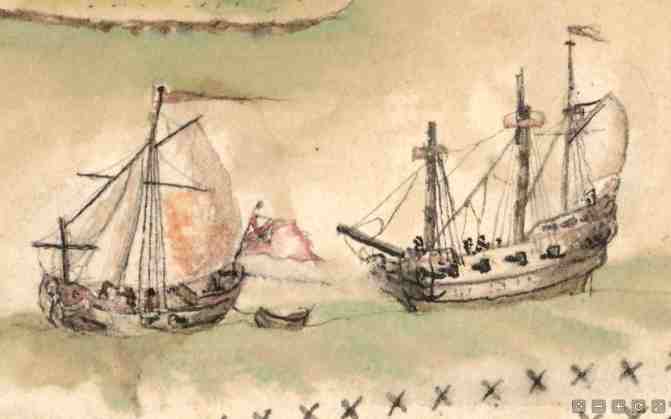
3. BOTTOM RIGHT CORNER (north-west). At last there is more evidence habitation, with a string of dwellings along the coastline. The 2 cays shown have names, West End and ‘Pellican’. And it looks as though the two ships have set out from port. On the left side of the bay above them, a church can be seen. I’m not sure what the double row of crosses indicates (maybe someone can help here), but I wondered if they might indicate the area close to the shoreline that might be safe – or at least safer – from pirate attack. The leading ship – as the detailed crop shows clearly – is a warship. No harm in romantically speculating that it is escorting a trading vessel…
4. BOTTOM MIDDLE SECTION As we move towards the main – indeed only – town on the island, it is clear that the northern coast was the most desirable place to live. The scattering of houses along the coast continues; and the captions for the ponds show a possible reason why: fresh water, on an island where other areas of water are actually marked as ‘salt’ or which might have been unpleasantly brackish. And now we can see more of the posh establishment I referred to above. Not only did it lie in open (or perhaps cultivated) country, but it was plainly of some importance. It is notably larger that other buildings depicted, for a start; and it has its own very long track that forks off the coastal track.
5. BOTTOM LEFT CORNER: NASSAU We have reached the big city, the centre of the population, and the port – with the harbour entrance handily marked. It bore the same name then as now; though the other names marked (as far as I can make out) have mostly if not all changed over 3 centuries. The Baha Mar development and its attendant travails seem light years away from this map. The double line of crosses ends here (bottom right at the first cay). If they marked a safe zone for vessels passing back and forth into Nassau harbour, they did not need to extend further because of the town fortifications (see detailed crop). There is a fort right on the shore; and at the far end of the harbour sound is a battery at Drewitt’s Point. The town is watched over by a substantial building – presumably a Governor’s residence – that is surrounded by a stockade . In the early c18 Nassau put on a show of strength to deter invaders and pirates.
DO WE KNOW THE EXACT DRAUGHT’S EXACT DATE?
The map itself is undated. The Library of Congress, whose map I have chopped up for this post, simply dates it as 17– and notes:
Manuscript, pen-and-ink and watercolor; Has watermark; Oriented with north to the bottom; Relief shown pictorially and by shading; Depths shown by soundings.
The excellent David Rumsey Historical Map Collection chooses the year 1750, the maker unknown. Another source puts the date at 1700.
Whichever, a clue to establish the map in the first half of the c18 is that the publisher is believed to be ‘William Innys [et al.]’, London. Innys and his brother John (the ‘et al’ presumably) were active at that time. In 1726, for example, they published an edition of Newton’s Philosophiae naturalis principia mathematica (first published in 1687), indicating that they must already have been well-established.
WHAT ABOUT THE PIRATES?
The “Deposition of Capt. Matthew Musson” made on 5 Jul 1717 in London, contains some excellent contemporary pirate-based material. The middle passage in particular gives an indication how well organised and extremely well-armed the pirates were. And it is clear that piracy was actually driving inhabitants away from New Providence.
“On March last he was cast away on the Bahamas. At Harbour Island he found about 30 families, with severall pirates, which frequently are comeing and goeing to purchase provissons for the piratts vessells at Providence. There were there two ships of 90 tons which sold provissons to the said pirates, the sailors of which said they belong’d to Boston”.
“At Habakoe one of the Bahamas he found Capt. Thomas Walker and others who had left Providence by reason of the rudeness of the pirates and settled there. They advis’d him that five pirates made ye harbour of Providence their place of rendevous vizt. [Benjamin] Horngold, a sloop with 10 guns and about 80 men; [Henry] Jennings, a sloop with 10 guns and 100 men; [Josiah(s)] Burgiss, a sloop with 8 guns and about 80 men; [Henry?] White, in a small vessell with 30 men and small armes; [Edward] Thatch, a sloop 6 gunns and about 70 men. All took and destroyd ships of all nations except Jennings who took no English; they had taken a Spanish ship of 32 gunns, which they kept in the harbour for a guardship”.
“Ye greatest part of the inhabitants of Providence are. already gone into other adjacent islands to secure themselves from ye pirates, who frequently plunder them. Most of the ships and vessells taken by them they burn and destroy when brought into the harbour and oblidge the menn to take on with them. The inhabitants of those Isles are in a miserable condition at present, but were in great hopes that H.M. would be graciously pleas’d to take such measures, which would speedily enable them to return to Providence their former settlement, there are severall more pirates than he can now give an accot. of that are both to windward and to leward of Providence that may ere this be expected to rendevous there he being apprehensive that unless the Governmt. fortify this place the pirates will to protect themselves”. Signed, Mathew Musson. Endorsed, Read 5th July, 1717. 1½ pp. [C.O. 5, 1265. No. 73.]
CAN I BUY THIS MAP FOR MY WALL?
You certainly can. Well, not an original obviously. But you can find prints of it on eBay and elsewhere – just google the map title. You can get a modern copy for around $20 + shipping
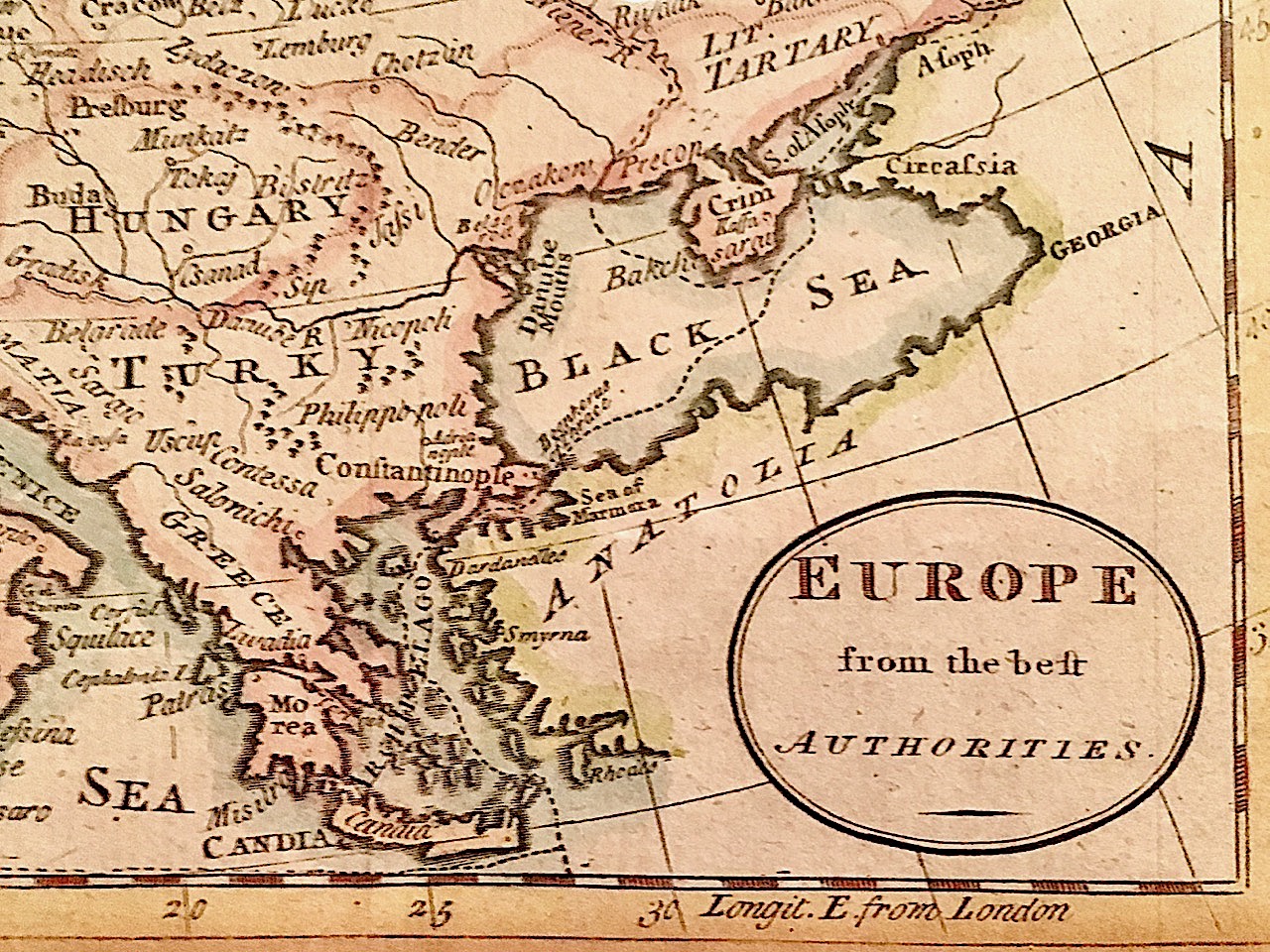
**I have an enjoyable example of this tendency on a William Guthrie map of Europe dated c1800. A map from “the beft authorities” could surely have no serious rival!
Credits: Library of Congress Online Catalog (Geography and Map Division); David Rumsey Historical Map Collection; Baylus C Brooks, Professional Research & Maritime Historian, Author, & Conservator / “America and West Indies: July 1717, 1-15,” in Calendar of State Papers Colonial, America and West Indies: Volume 29, 1716-1717, ed. Cecil Headlam (London: His Majesty’s Stationery Office, 1930), 336-344; Bonhams (Auctioneers)
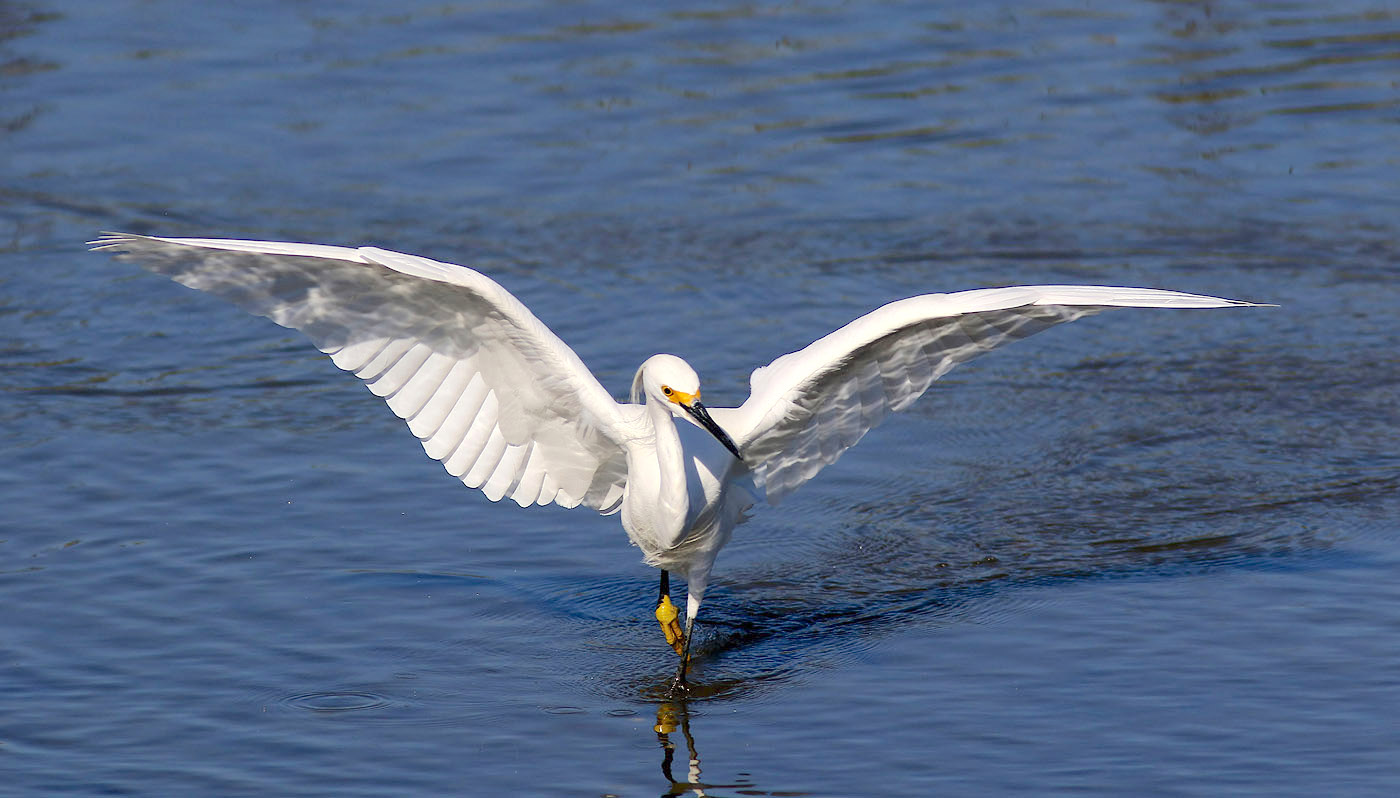
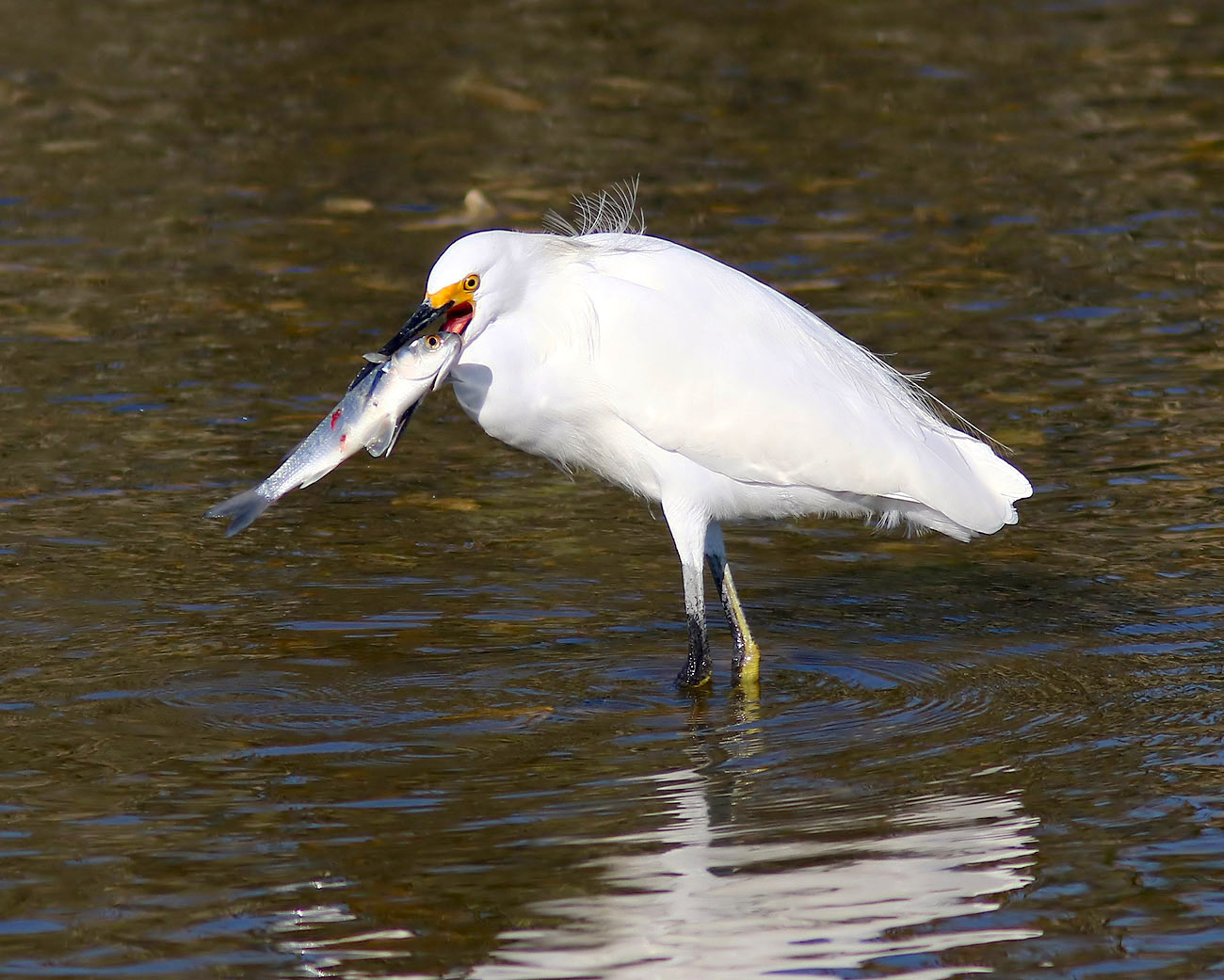
This snowy egret is not (as it might appear) practising its ballet moves. It is on a mission. You can see the egret’s hunting trail, leaving a gentle but purposeful wake as it stalks through the water. Now it is poised for its next move… getting lunch. The head cocked to one side suggests it has seen its prey. With wings outstretched, it is perfectly balanced for a swift and deadly accurate strike into the water… And (below) it nails its target at the first attempt. [It’s well worth clicking on these images to enlarge them. Double click to enlarge them further]
The skilful techniques demonstrated by egrets are not infallible. They may miss the fish; or take too light a grasp of it; or even lose it while manoeuvring the fish in its beak to get it into a swallowable position. Or it may turn out to be simply too large to swallow… Remarkably, the substantial fish shown below – one I’d have been proud to catch on the fly (especially first cast) – went successfully down the hatch. A snowy egret’s capacity to hang onto and consume fish that are significantly longer than the length of its bill is another feature worthy of admiration.
I had been planning a quite different post for today, but during the weekend I saw these wonderful sequential photos by Phil Lanoue, whose work I feature from time to time. They are so striking that I fast-tracked them to start the week with.
Photo Credits:PHIL LANOUE(with many thanks for use permission)
In a box in the corner over there – no, there – are my last 6 copies of ‘The Birds of Abaco’. Peter Mantle probably has a few over here in the UK too. And there are definitely some remaining at Delphi HQ in a cupboard just a few lurches away from the surprisingly popular ‘honesty bar’. But there aren’t a great many left now, so forgive me for drawing attention to the fact that the Season of Goodwill is upon us. And… ahem… there are only 24 more ‘sleeps’ until Christmas.
Blue-gray Gnatcatcher Tom Sheley
“The Delphi Club Guide to THE BIRDS OF ABACO” was published in March 2014. To say “I wrote it” would be a gross distortion of the truth: it was an entirely collaborative project. The originator of the idea – as with the entire Delphi Club project – was Peter Mantle, the publisher. The work of 30 photographers is included. There was huge input from the very experienced project manager and from Bahamas bird experts. So although my name is on the cover, it is as a participant representing the contributions, camera skills and brainpower of many people.
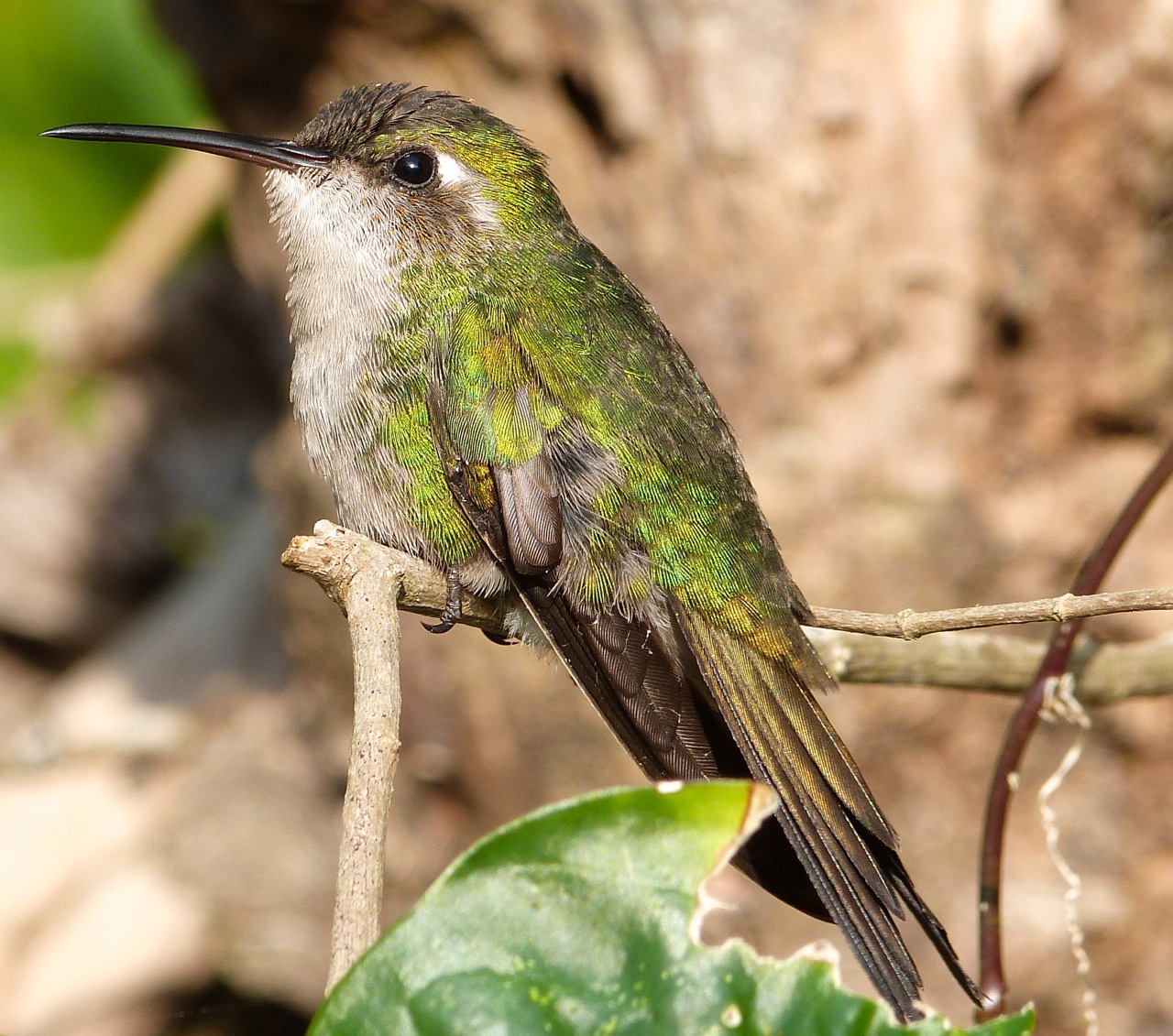
Cuban Emerald (f) Keith Salvesen
The book launched to generous enthusiasm and support both on Abaco and beyond, which has continued ever since. We have been astonished by the positive responses to this unique publication for the Bahamas. There is a wider purpose to the book than as a photographic showcase for Abaco birds. All Abaco schools, colleges, libraries and local wildlife organisations have been given free copies for educational purposes. And a percentage of the profits is set aside for local wildlife causes.
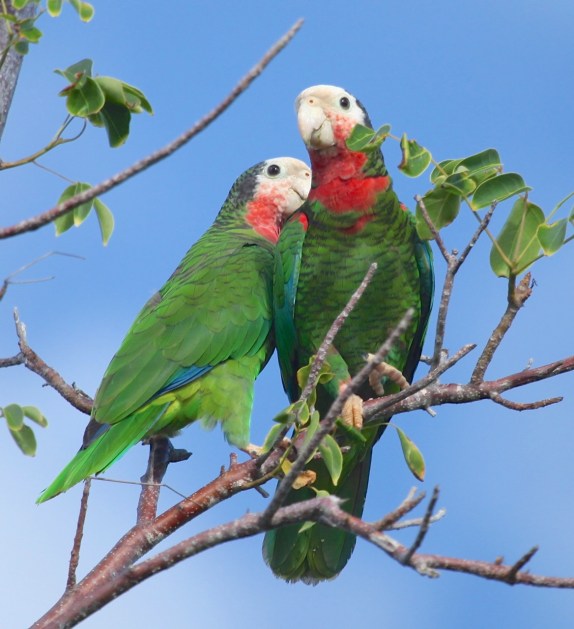
Abaco (Cuban) Parrots Peter Mantle
Below are some facts and stats. Some people may well have seen these set out elsewhere, but a lot of new people have kindly tuned in to Rolling Harbour in the last 12 months or so, so I will repeat some of the details.
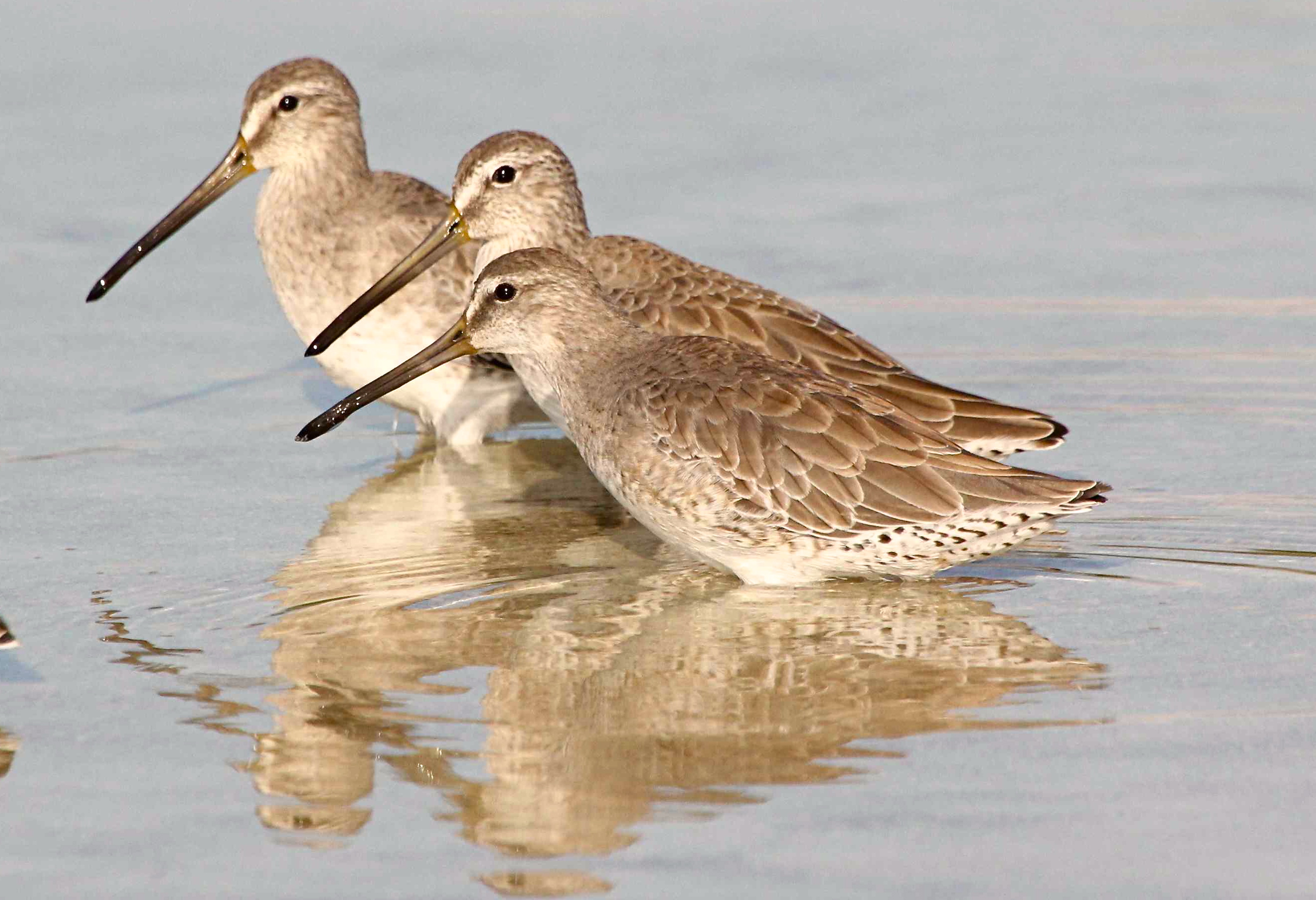
Short-billed dowitchers Bruce Hallett
The Guide showcases the rich and varied bird life of Abaco, Bahamas and features both resident and migratory species including endemics rarities and unusual sightings.
The main features are as follows:
272 pages with more than 350 photographs
163 species shown in vivid colour – nearly two-thirds of all the bird species ever recorded for Abaco
Every single photograph was taken on Abaco or in Abaco waters
All birds are shown in their natural surroundings – no feeders or trails of seed were used
Several birds featured are the first ones ever recorded for Abaco or even for the entire Bahamas
Clapper Rail Tom Sheley
A total of 30 photographers, both experienced and local amateurs, contributed to the project
The book had the generous support of many well-known names of Abaco and Bahamas birding
A complete checklist of every bird recorded for Abaco since 1950 up to the date of publication was compiled specially for the book (6 new species have been recorded since then…)
A code was devised to show at a glance when you may see a particular bird, and the likelihood of doing so. Birds found at Delphi are also marked
Specially commissioned cartographer’s Map of Abaco showing places named in the book
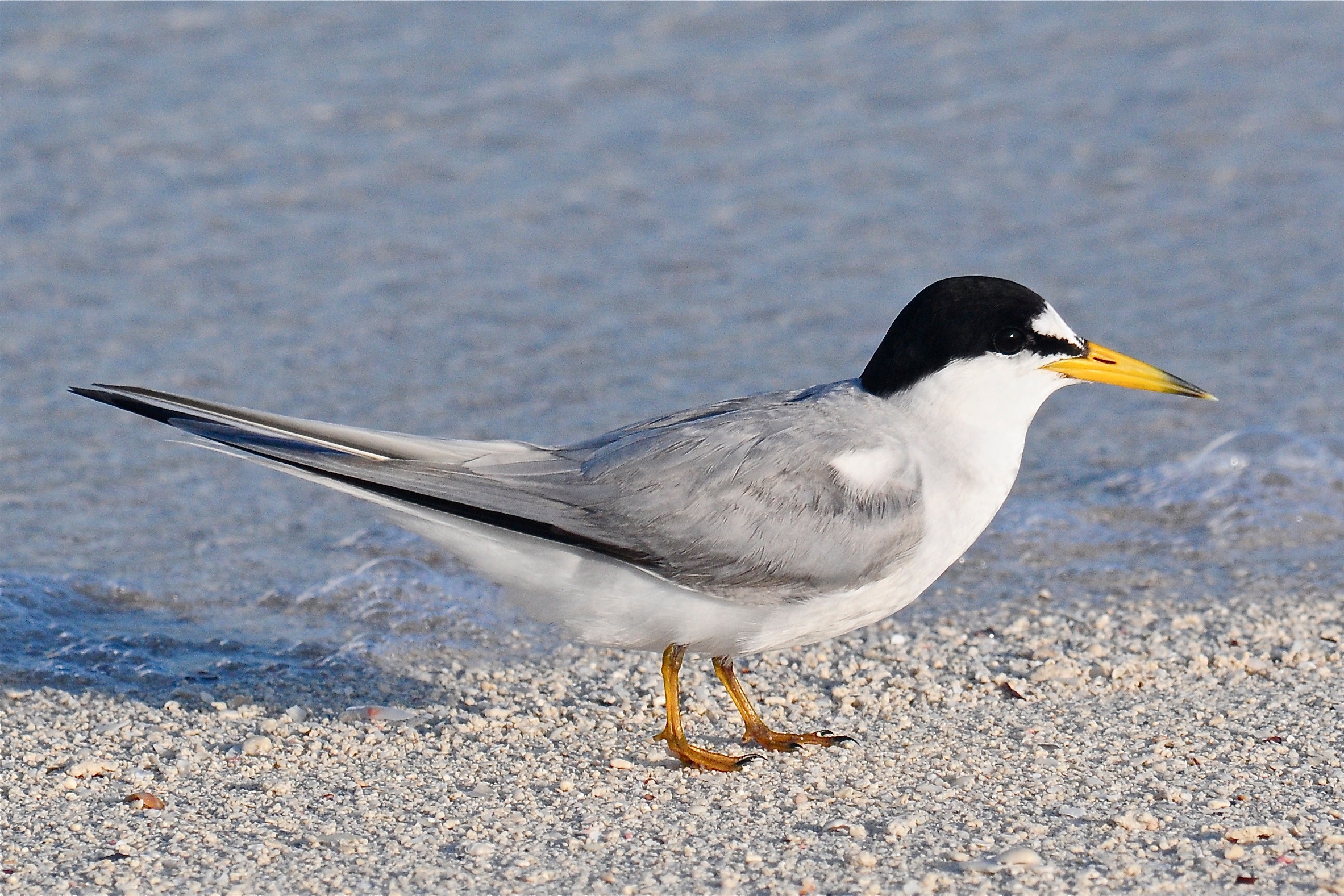
Least Tern Tony Hepburn
Informative captions intentionally depart from the standard field guide approach…
…as does the listing of the birds in alphabetical rather than scientific order
Say goodbye to ’37 warbler species on consecutive pages’ misery
Say hello to astonishing and unexpected juxtapositions of species
Bahama Yellowthroat Gerlinde Taurer
The book was printed in Florence, Italy by specialist printers on Grade-1 quality paper
Printing took pairs of printers working in 6 hour shifts 33 hours over 3 days to complete
The project manager and the author personally oversaw the printing
Smooth-billed Anis Gerlinde Taurer
The book is dedicated to the wildlife organisations of Abaco
A percentage of the profits is put by for the support of local wildlife organisations
A copy of the book has been presented to every school, college and library on Abaco
Piping Plover Bruce Hallett
The book is published by the Delphi Club (contact details below). The project was managed by a publishing specialist in art books. The author is the wildlife blogger more widely known on Abaco and (possibly) beyond as ‘Rolling Harbour’. Oh! So that would in fact be Mrs Harbour and myself. Well well! What were the chances?
Painted Bunting Tom Sheley
The Delphi Club at Rolling Harbour
PO Box AB-20006, Marsh Harbour, Abaco, Bahamas
Tel: +1-242-366-2222
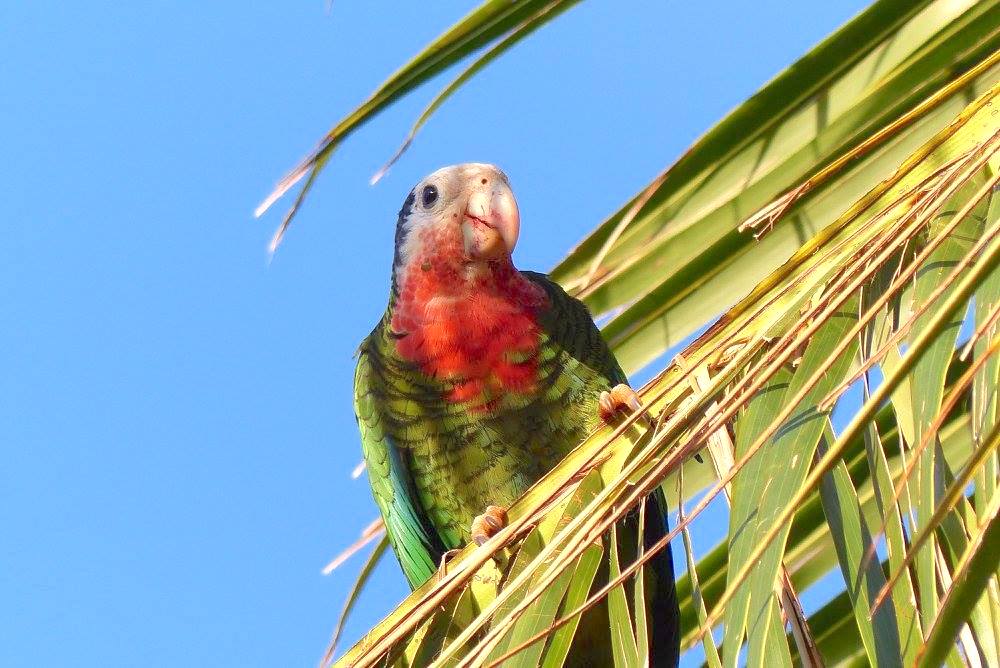
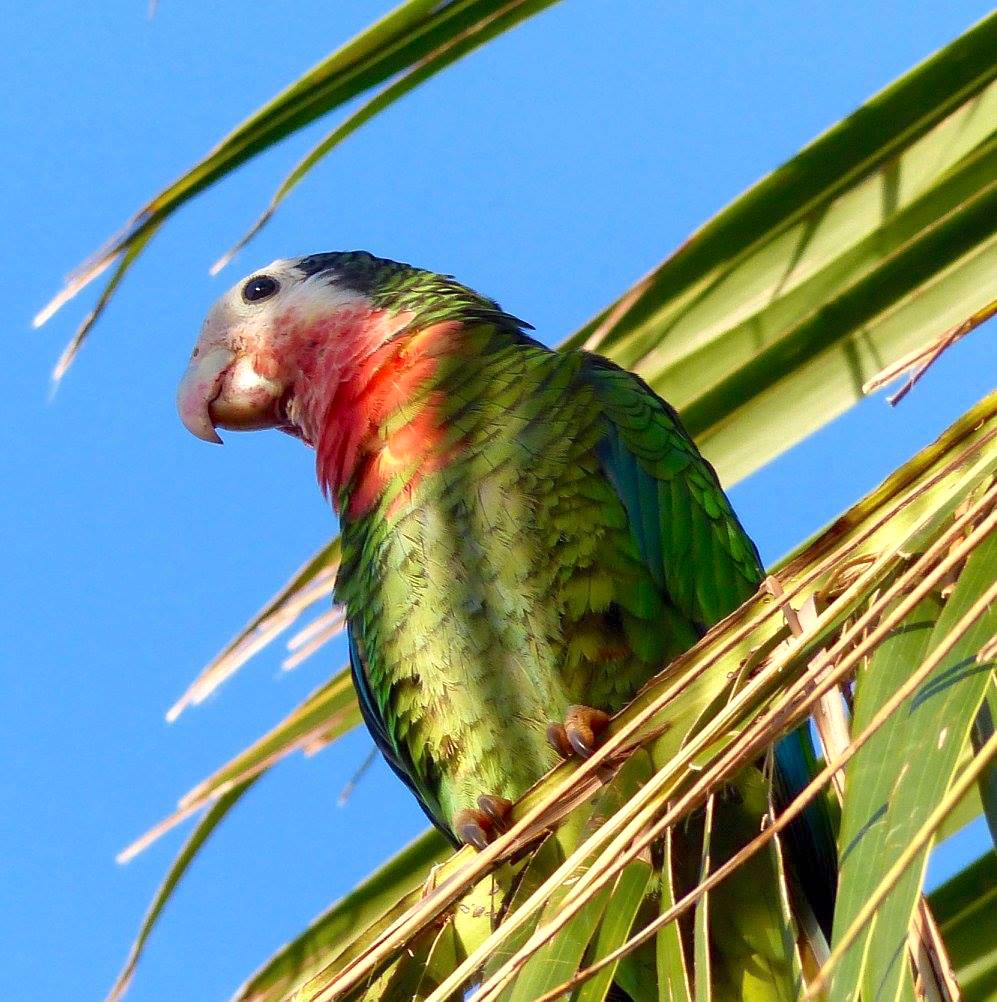
A while back I wrote a post about the mysterious population of Cuban parrots in Nassau. The mysteries being, how and when did they get there; and how and especially why is the population slowly increasing when there is scant evidence of nests, fledglings or juveniles; and no equivalent secluded location for cave-nesting, as the Abaco parrots do in the limestone holes in the Abaco National Park.
STOP PRESSMelissa Maura comments“I was brought a wounded juvenile years ago, and raised and successfully released it here along with a wild flock of 5 or 6. They ARE nesting in the odd large tree cavity in undisclosed parts of Nassau. I’m pretty certain the original pair escaped from a cage within the garden of people associated with the BNT many years ago. They may have been re-habilitated youngsters, originally requiring human help. At any rate our precious birdies are thriving – along with the odd impostor!”
I won’t expound the theories again – if you are interested you can check out the original article HERE. You’ll find I have since incorporated quite a few very informative comments that were made in response, touching on the above mysteries but with differing theories.
HOW BIG IS THE NASSAU POPULATION?
In the summer, when I last researched this, the maximum reported number was about a dozen. It’s not clear whether those were all seen at the same time – obviously an important evidential factor, since it precludes double counting. It has now become clear that there are a minimum of 15 birds, because recently a flock of 15 were all sighted together. As I added to the previous post:
STOP PRESS On 6 October 2016 New Providence was in the direct path of Hurricane Matthew. Despite the power of the storm, by the following day there was a report of a sighting in Nassau. Today, 9 October, comes a report of a group of 15 – as far as I am aware the highest number sighted together. Maybe they all came together for solidarity… In any event, the sighting confirms that, at least as far as the parrots are concerned, the hurricane has not caused any problems.
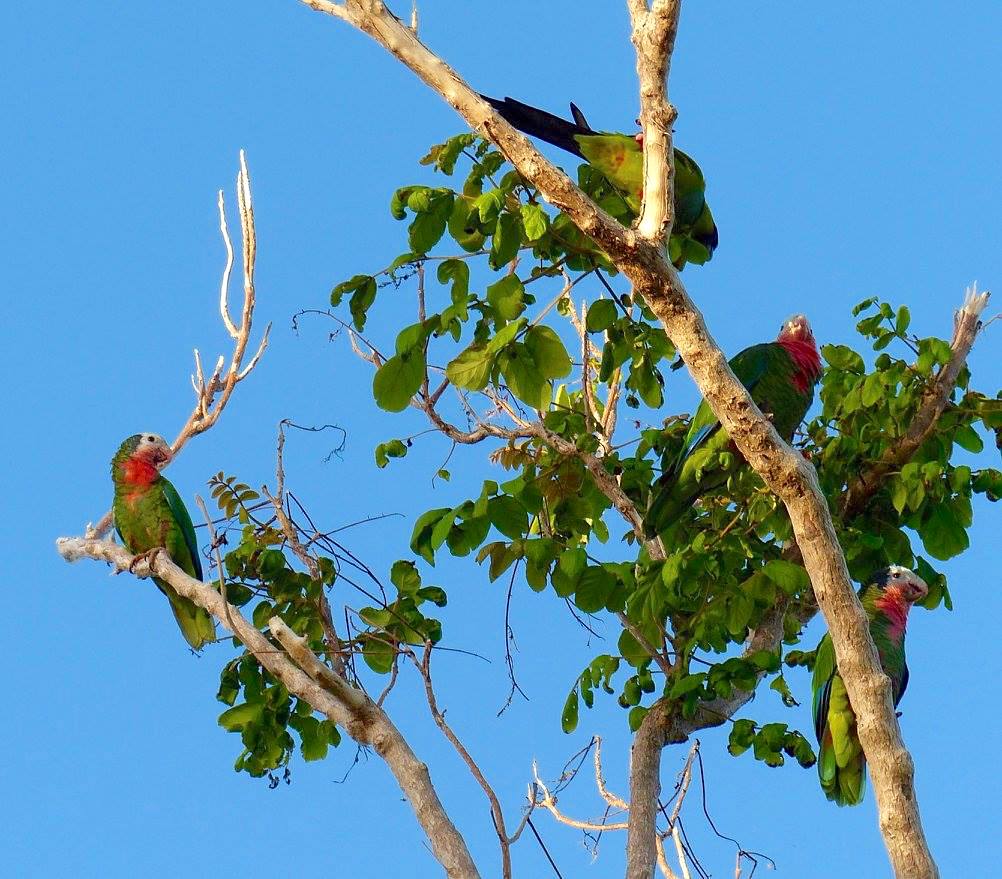
Posing prettily for photos – though maybe a bit ‘snooty supermodel whatevah’ in the second…
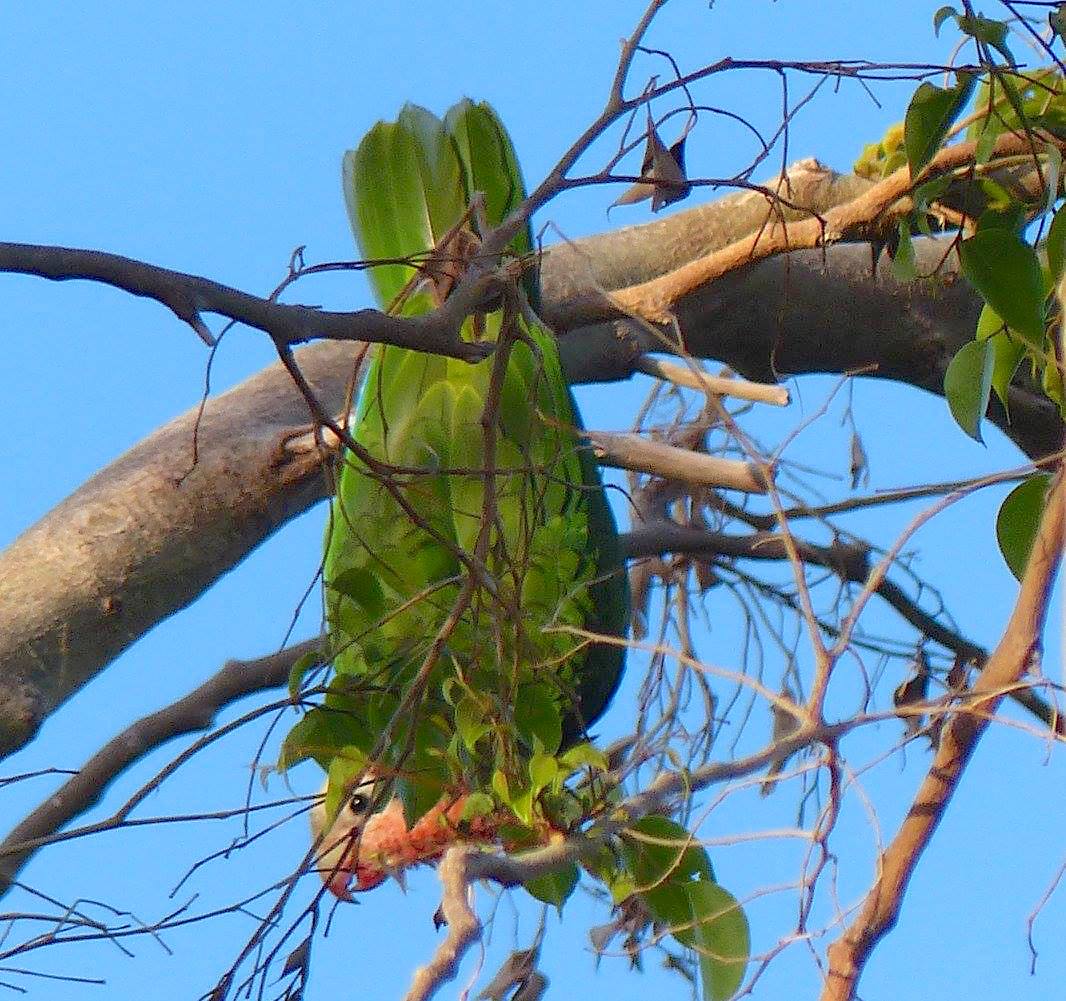
The photos in this post were all taken in the last couple of days by Nassau Resident Lynn Gape, of the BAHAMAS NATIONAL TRUST. Some of them show very clearly the bright blue on the wings of these lovely birds – a colour that is much more evident in flight.
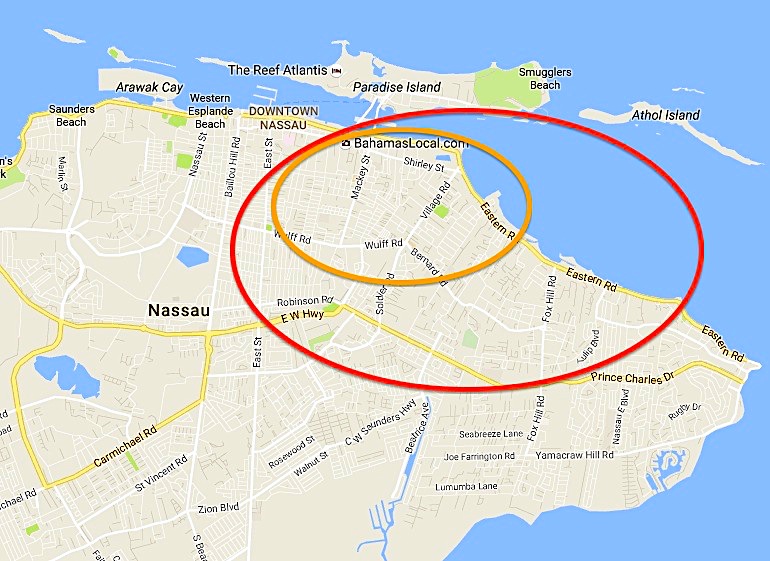
You can keep track of the Nassau parrots on a dedicated Facebook pageBAHAMA PARROTS OF NASSAU LOCATOR. This is a well-used resource, with many local people adding their sightings (in some cases, just the ‘hearings’) of these lovely (but raucous) birds. From the reports I was able to draw up a rough map for the main area of sightings (red oval), and the hotspot from which most reports are made (orange oval). There are outliers, of course, mainly to the south.
Like all parrot species, Cuban parrots are gregarious. And the more that are gathered together, the louder the party. And other psittacine species are happy to get in on the act. The image below and image #2 above show a black-headed parakeet mixed in with the parrots. I’ve seen earlier photos where he is hanging out with them. There seems to be no animosity between the species.
So there we have it. The population is rising and there is no definitive explanation. Releases of captive birds are unlikely, since these parrots are now a protected species. The smart money must, I think, be on a the colony nesting in tree holes somewhere secluded. Parrot awareness has greatly increased on New Providence, and no doubt the issue will eventually be resolved. But in many ways I rather hope it remains a mystery.
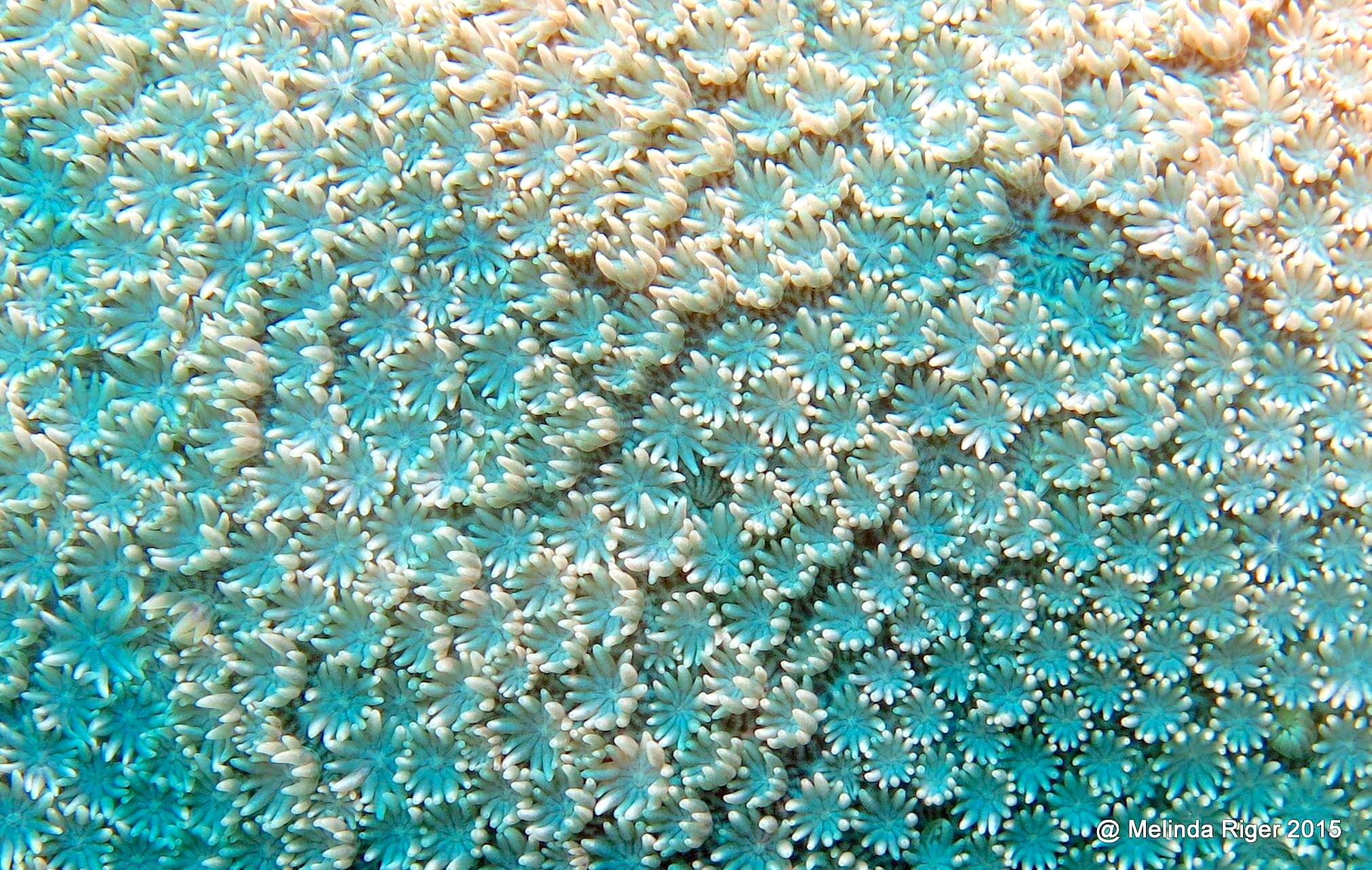
This post needs no commentary from me, nor my larky intrusions. These wonderful images from Melinda Riger speak for themselves. You’ll see a wide variety of soft and hard corals in the images below (prize** for the full list). If these superb photos don’t want to make you want to grab a snorkel, mask and flippers, then… well, that would be a very great shame.
**the prize is the usual legendary bottle of Kalik. Or do I mean mythical?
All wonderful photos by Melinda Riger, Grand Bahama Scuba. All corals also available in a wide range of colours in Abaco waters. See them there on the third largest barrier reef in the world (and in rather better nick that the greatest, by all accounts).
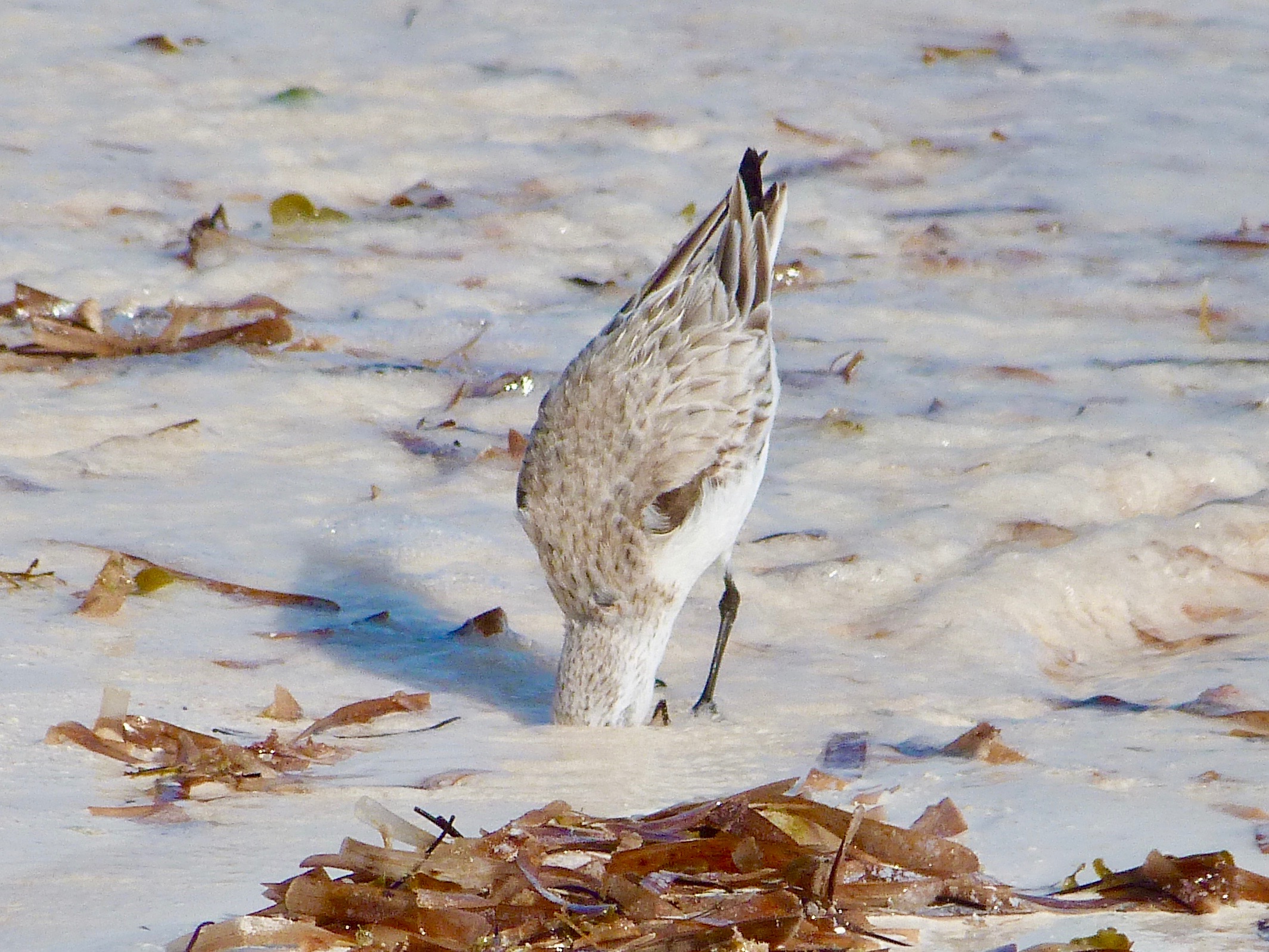
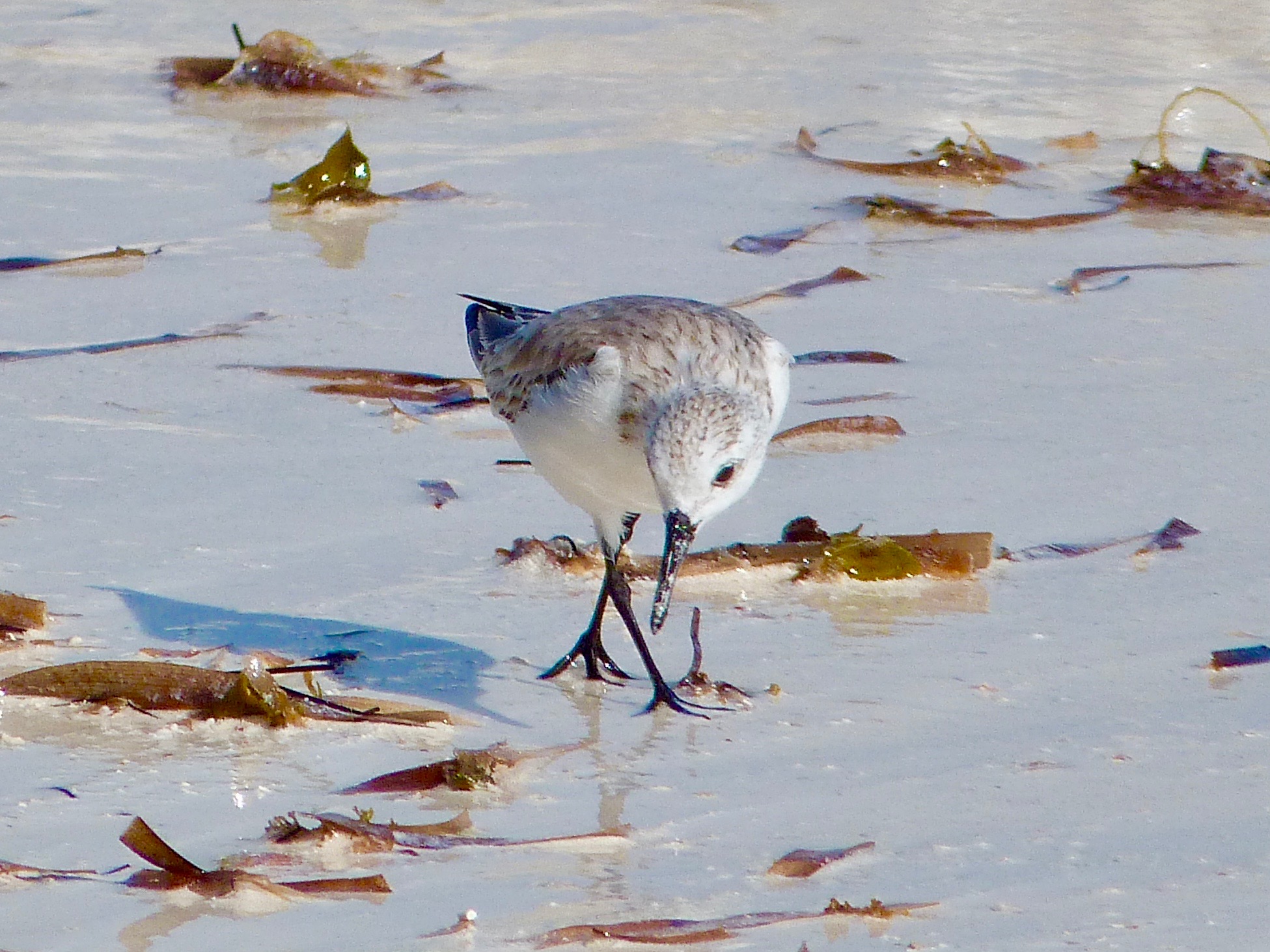
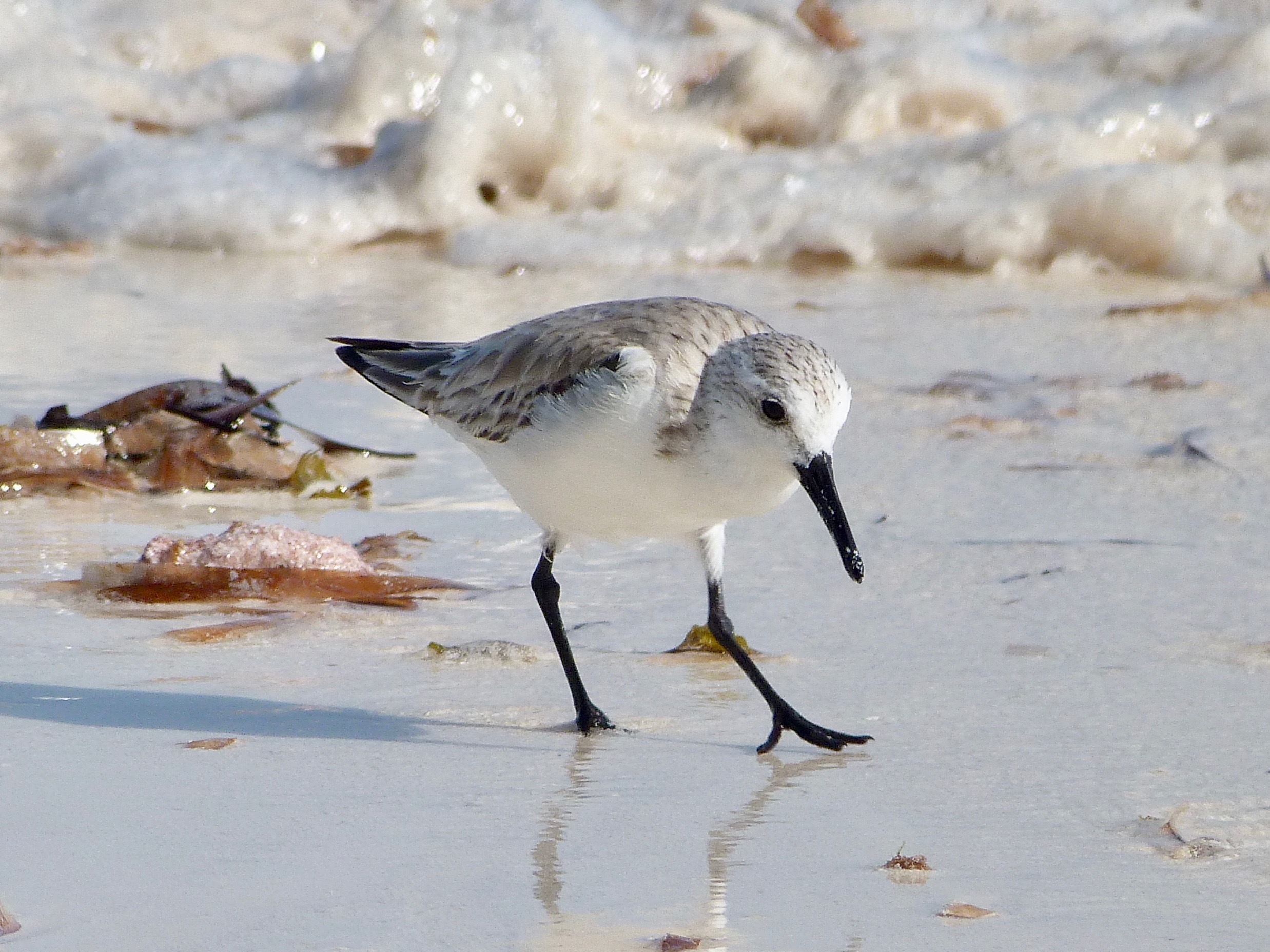
Sanderlings. Wind them up with the concealed key under their left wing, and they will charge up and down the beach for an hour or two, pausing only to rip some small unsuspecting mollusk or crustacean from its sandy bed. These birds are tiny. And smart. They know all about how a retreating tide will expose the goodies. They are even happy to plunge their heads right under water (#2). They’re not really jumpy, if you don’t push your luck or have a dog with you. The best ploy of all is to find a flock near the tideline, choose a place to lie comfortably in dry sand (with a camera, I mean, otherwise you may look look a bit strange), and wait for them to come into range. Usually they are so busy, what with all that rushing around and feeding, that they will ignore you. So the hard part, after you have taken some photos, is catching the little so-and-sos to wind them up again…
VIDEO 1 In which we notice the scuttling and scooting around of sanderlings on a mission
VIDEO 2 In which we admire bathtime in a tide-pool and assorted comings & goings…
This post results from a recent Technological Breakdown at Rolling Harbour Towers, and is to be viewed as post-trauma therapy. Smart New Mac ordered, to replace 5 year-old warhorse loosely held together with duct tape and prayer. After lengthy (overnight) data migration, Smart New Mac turns out to be faulty. SNM returned to store: a seething hotbed of stress and distress (the shop too). While replacement is eagerly awaited, fry motherboard of old computer with shorted charger. A week of wailing and gnashing of teeth. Smart New Newest Mac brings you this offering.
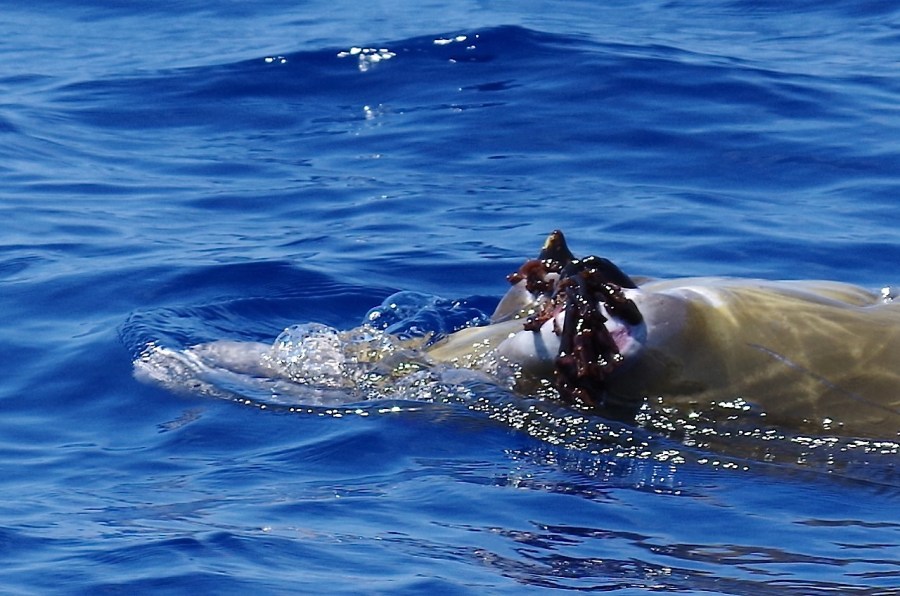
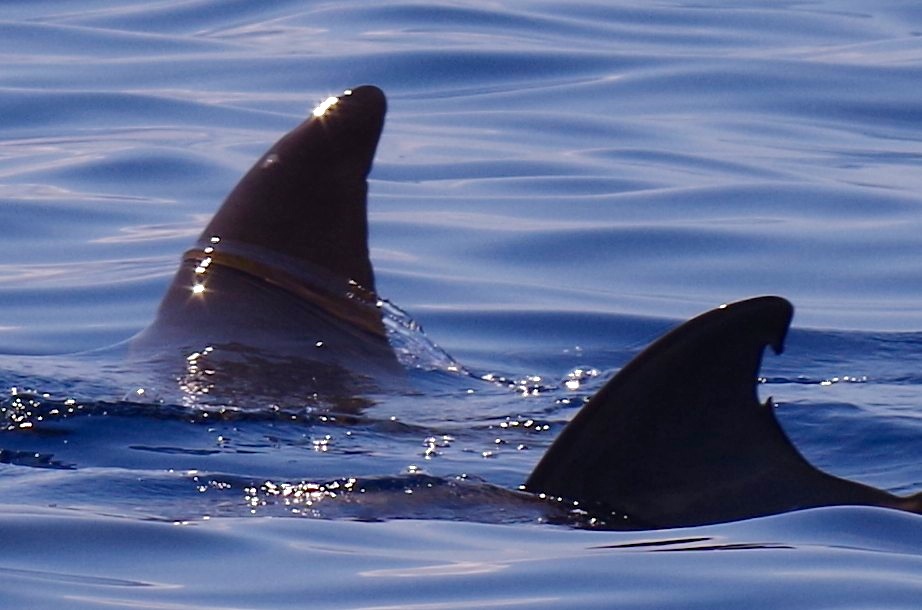
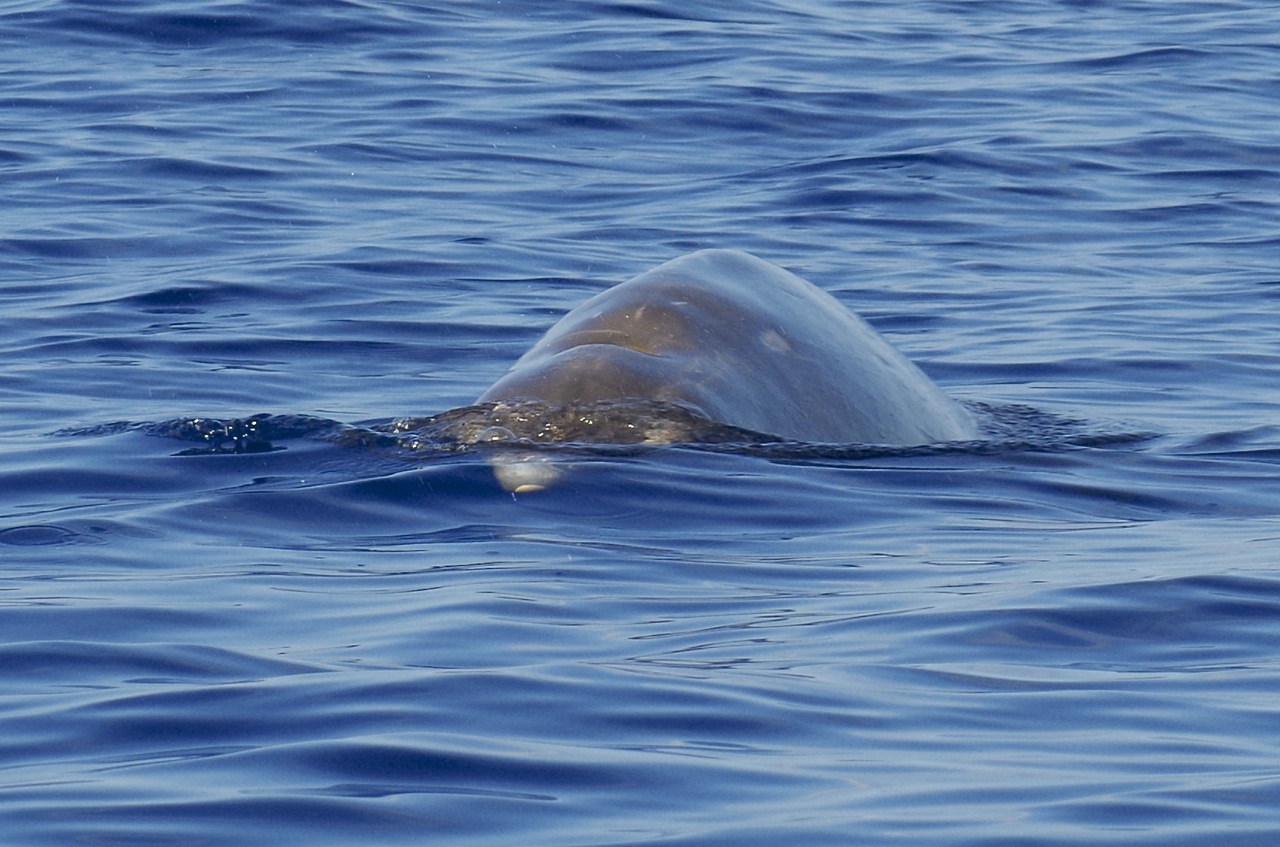
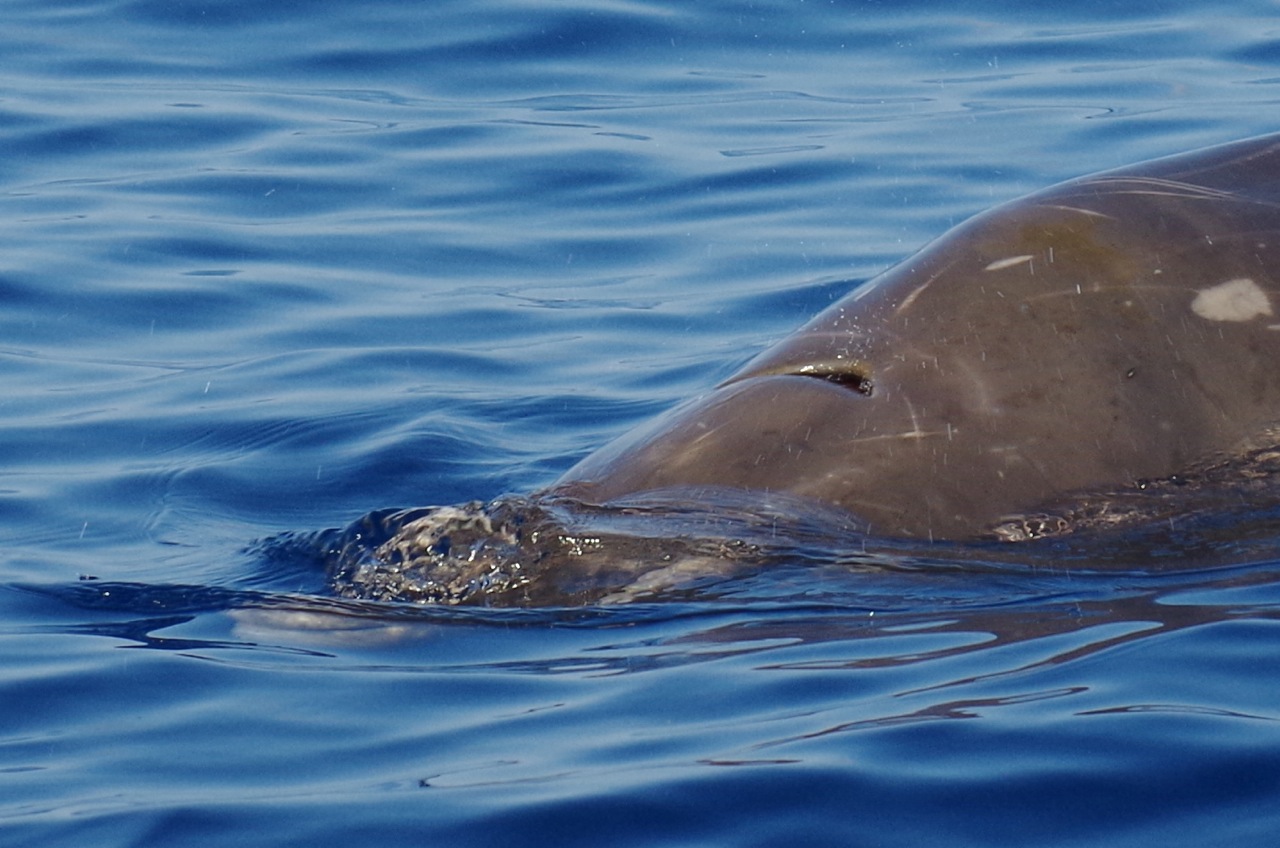
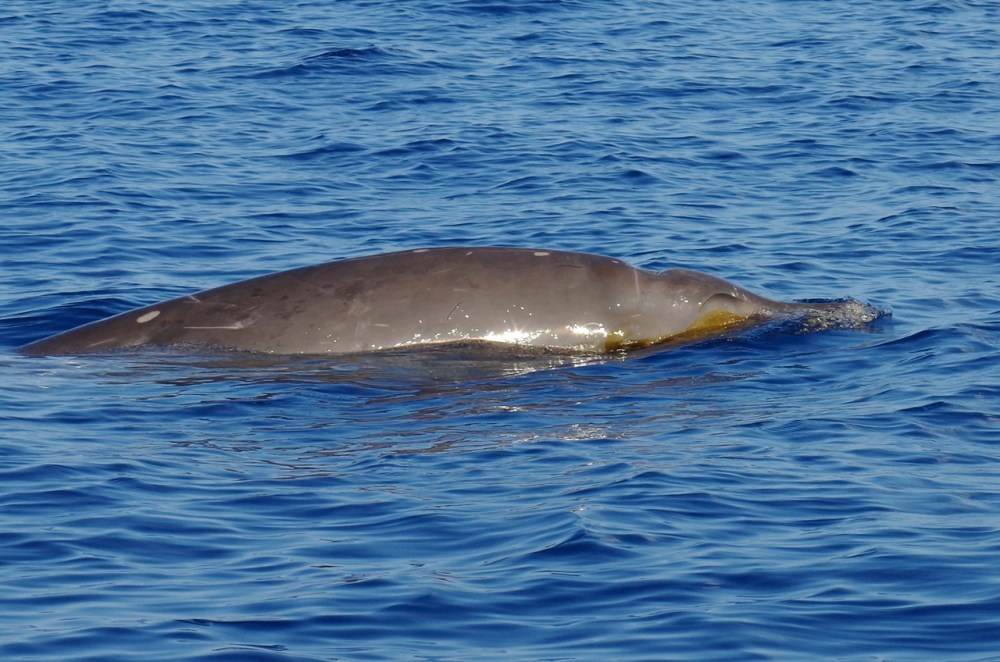
I like whales. Everyone likes whales. Even whalers, though for very different reasons. Here are some calming pics of one of Abaco’s largest yet best kept secrets – Blainville’s beaked whales. Adults grow to more than 15 feet long and weigh about 2000 pounds, yet they can behave like huge dolphins in slow motion – circling a boat, diving under it, drifting away, swimming back. They have no motherboard and require no data migration.
The amazing barnacled tusks of a male, that protrude upwards from the lower jaw
Tusks and blowhole…
Dorsal fin damage is an excellent way to ID individual whales
The knobbly back will help with ID too
A female beaked whale noses towards the BMMRO research vessel
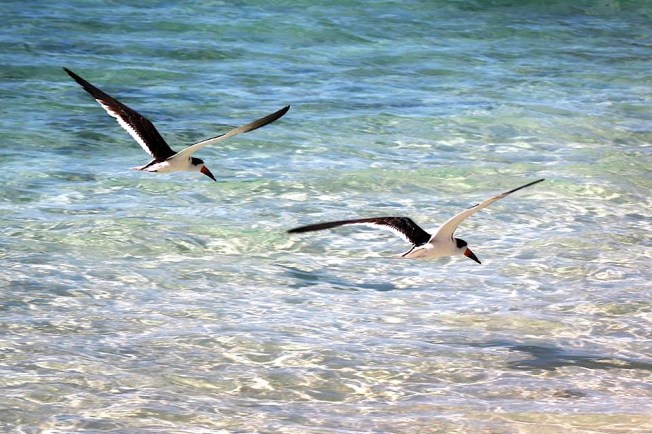
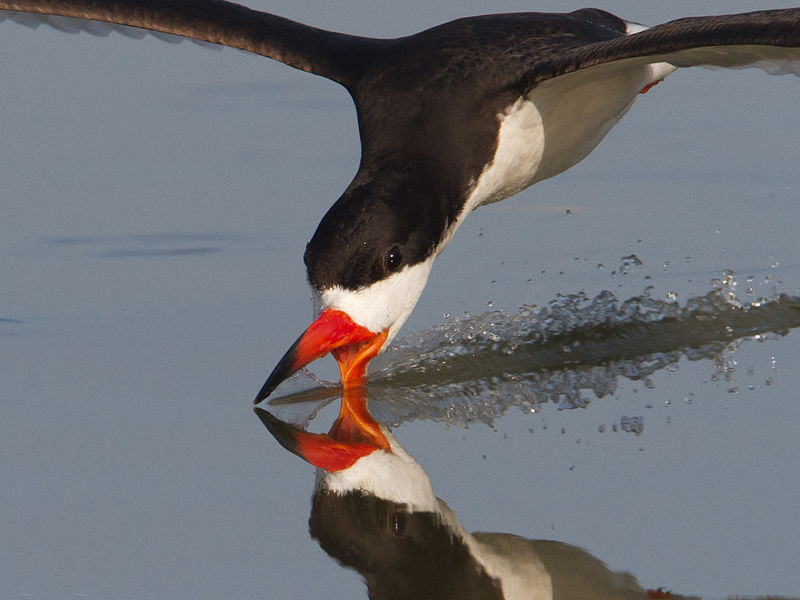
I have been waiting soooooo long for photos of black skimmers (Rynchops niger) taken on Abaco. When we were putting together “The Birds of Abaco”, I had just one skimmer image – a bird standing self-consciously on a jetty facing the camera, a shot into difficult light with a low-res unusable picture resulting. I never collected another qualifer (‘Abaco birds only, natural surroundings, no feed trails’). So sadly they don’t feature in the book.
These rather special seabirds breed in North America. Very sensibly (and like many humans), they migrate south to overwinter in warmer climes, including the Caribbean. But in the northern Bahamas sightings are very rare. Or maybe I should say, reports of them are rare, and photos the more so. They are classified as WR4, very uncommon winter residents.
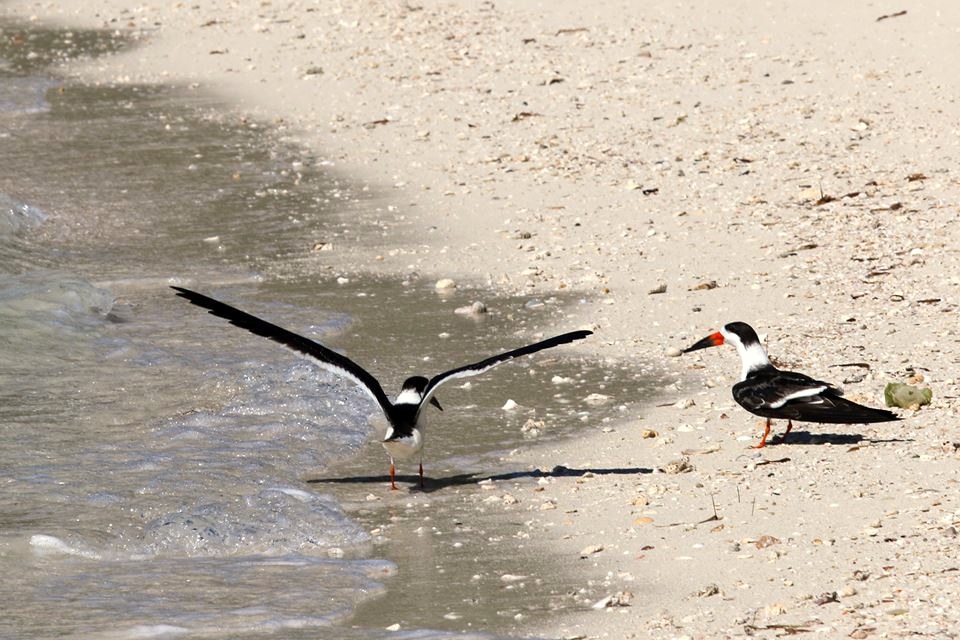
But now the Rolling Harbour duck is broken (so to speak). Two skimmers were spotted yesterday by Man-o-War Cay resident Charmaine Albury, a keen birder and photographer. Her images of this chance sighting as the pair flew gracefully past to land on the beach show enviably quick reactions with the camera! We have a Big Scoop here. Two of them.
WHAT’S SO SPECIAL ABOUT THEM?
EYES These birds have dark brown eyes. So far, so what. But their pupils are unique in birdland: they aren’t round, but vertical – like a cat. As far as I can make out, this is to maximise the fish-catching potential of their other speciality feature…
BILL Take a look at this close-up of a great photo by Don Faulkner. Check out that unmistakeable bill, with the extraordinary elongated lower mandible.
HOW DOES THAT HELP?
When hunting for food, skimmers fly fast and very close to the surface of the sea. The long thin lower mandible cuts through the water … and when it comes into contact with its prey, the bird snaps shut the upper mandible onto it.
OK, SHOW ME!
NOT ENOUGH. I WANT TO ACTUALLY WATCH THEM DO IT…
This short video by EstuaryLiveTV shows skimmers feeding in real time, then in slow motion in an estuary. They are looking for fish, crusteaceans and molluscs. It explains all.
Credits: Terry Foote (1); Charmaine Albury (2, 3, 4, 7); Don Faulkner (5); Dan Pancamo (6); EstuaryLiveTV (video).















































































 ROLLING HARBOUR ABACO
You must be logged in to post a comment.