Unknown's avatar

DOLPHINS IN THE SEA OF ABACO: PLAYTIME

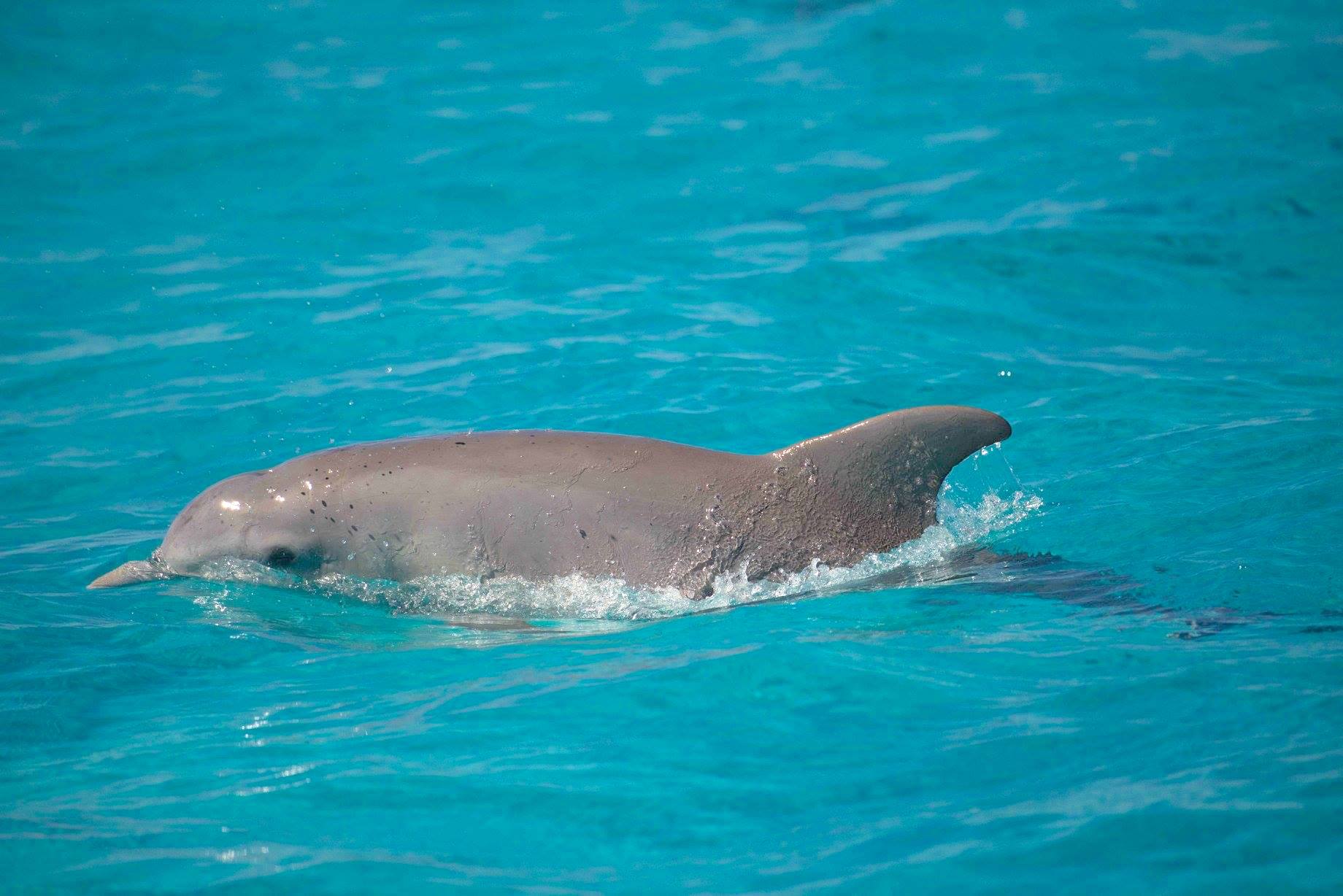
Dolphins, Sea of Abaco Bahamas (BMMRO / Charlotte Dunn / Keith Salvesen)

DOLPHINS IN THE SEA OF ABACO: PLAYTIME

Earlier this year, the team at Friends of the Environment in Marsh Harbour Abaco, in conjunction with BMMRO (Bahamas Marine Mammal Research Organisation), arranged a fundraising trip to look for whales and dolphins. On both counts, the guests’ hopes and expectations were amply fulfilled – in fact, almost certainly exceeded.

Dolphins, Sea of Abaco Bahamas (BMMRO / Charlotte Dunn / Keith Salvesen)

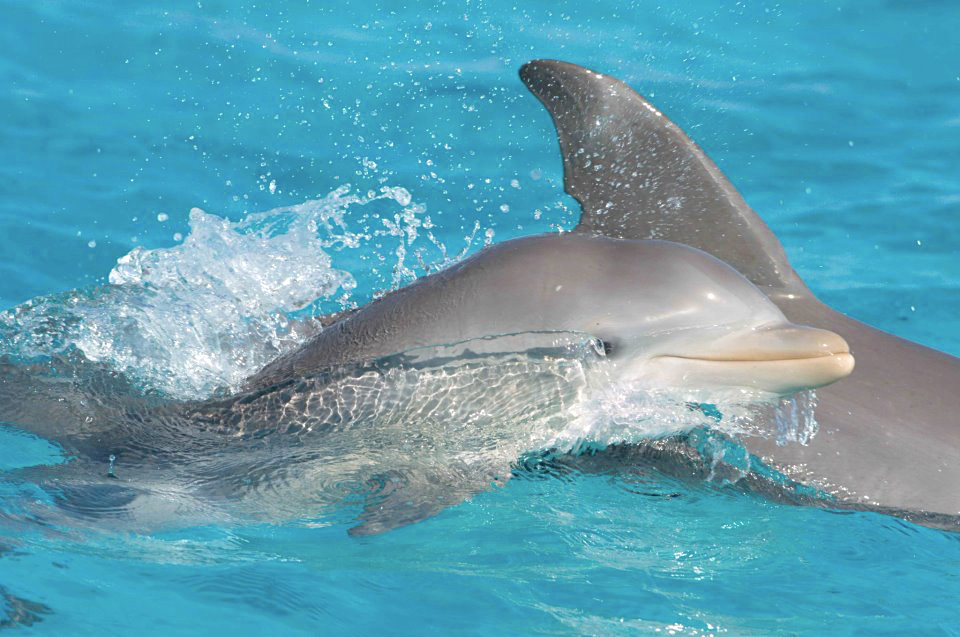
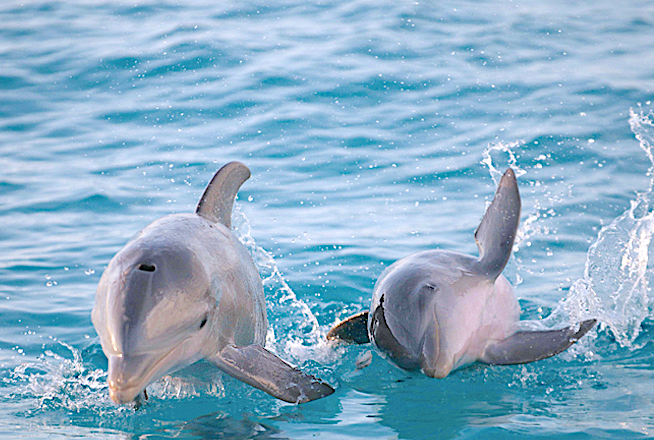
Where there is a single dolphin, there will almost invariably be others – and so it proved. The group of bottlenose dolphins turned out to be in a very playful mode, living up to their reputation as delightful, inquisitive, entertainers.

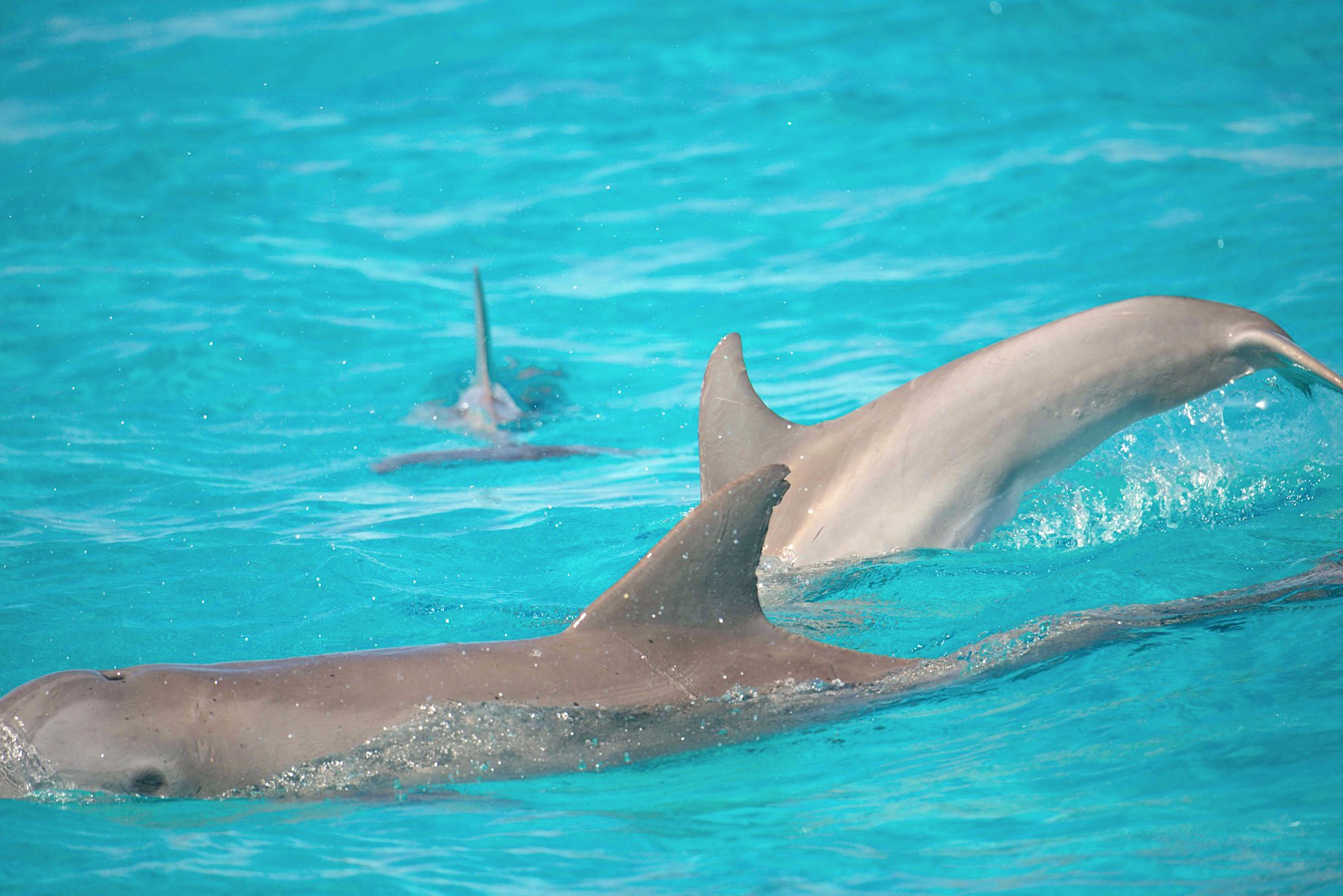
Dolphins, Sea of Abaco Bahamas (BMMRO / Charlotte Dunn / Keith Salvesen)

One of the dolphins turned out to be a young 3rd generation animal from the same family, recently weaned. The BMMRO has a large photographic library of dolphins and whales, collected over many years. In the photo above, you’ll see that the dorsal fin of the nearest one is ragged, especially near the top. This is the primary method by which individual animals are recorded to assist with subsequent identification in the field (= water) or back at base in Sandy Point by means of the photo archive.

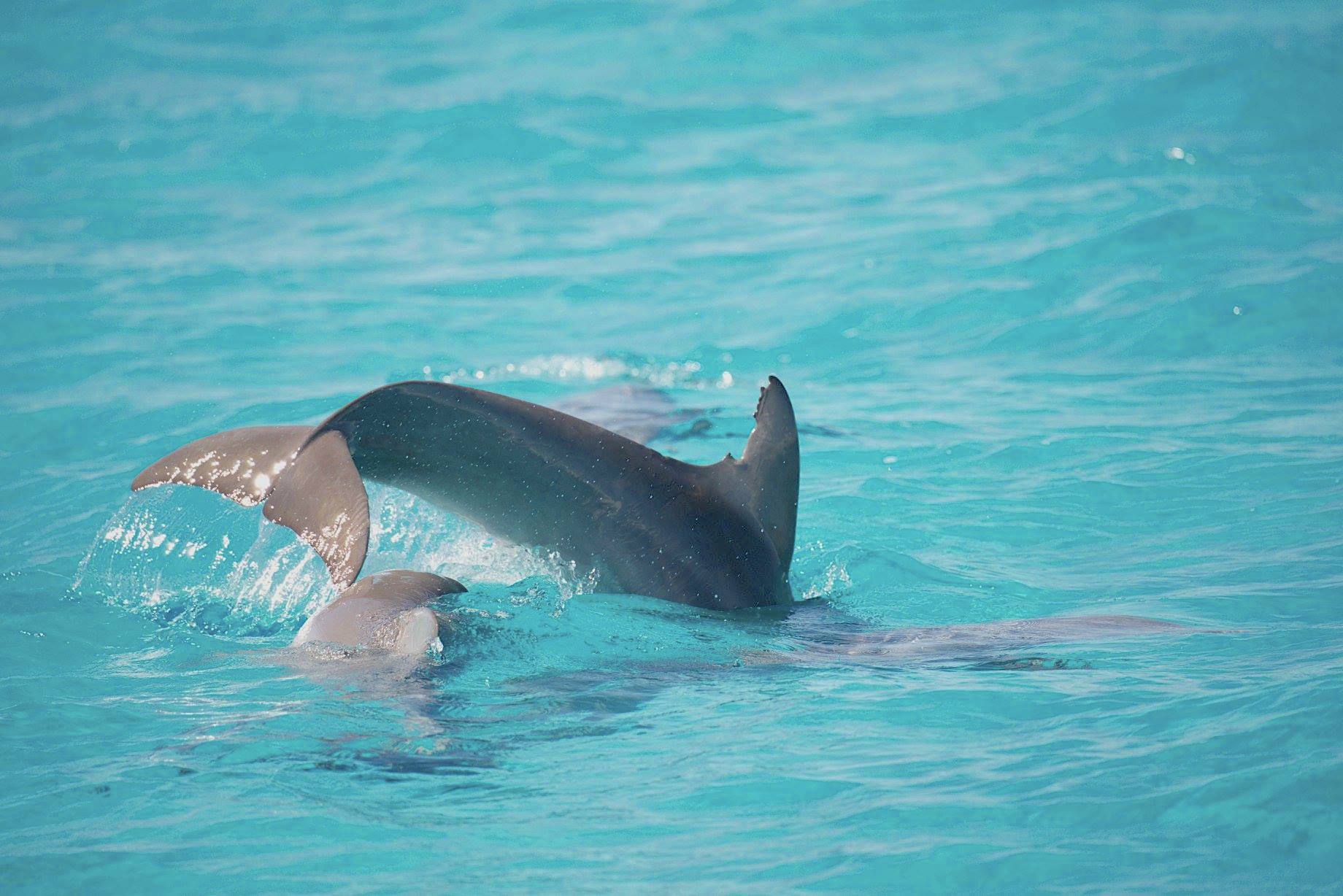
Dolphins, Sea of Abaco Bahamas (BMMRO / Charlotte Dunn / Keith Salvesen)

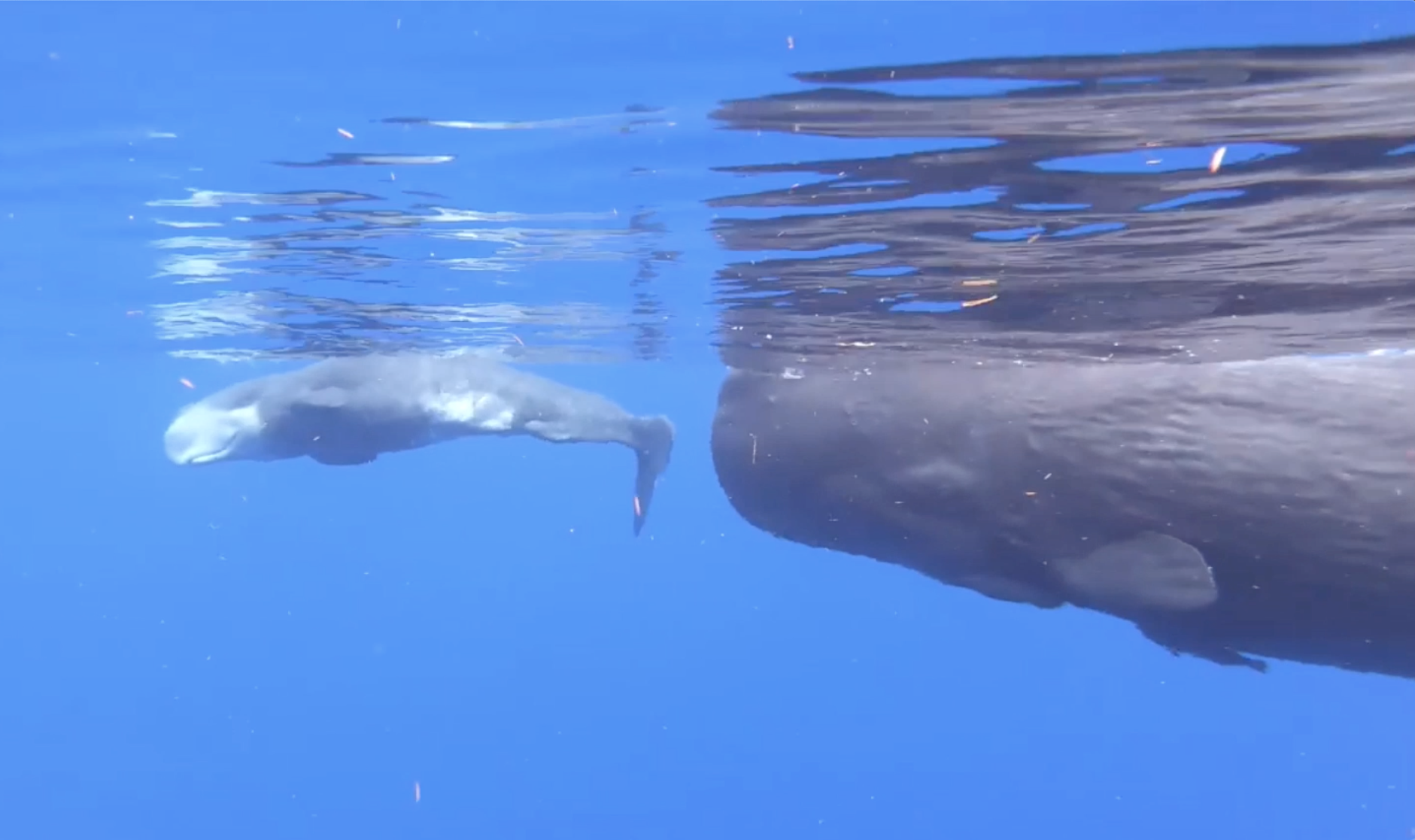
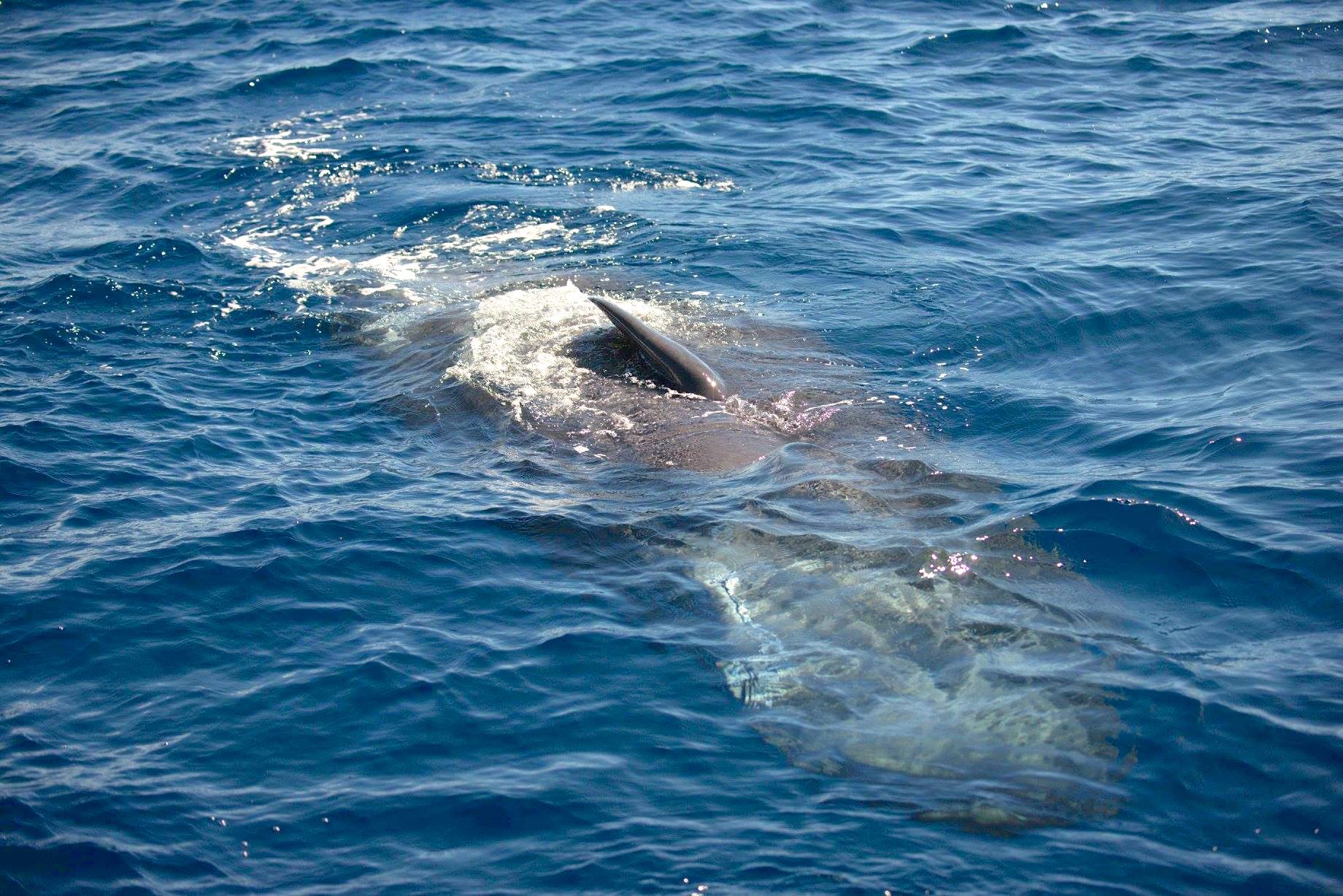
The trip was perfected when a young female sperm whale came close to the boat… and then rolled onto her side, flipper up, to get a good look at the boat and its human contents. A wonderful experience for all those on board.

Dolphins, Sea of Abaco Bahamas (BMMRO / Charlotte Dunn / Keith Salvesen)

Credits: BMMRO / Charlotte Dunn; Friends of the Environment

Dolphins, Sea of Abaco Bahamas (BMMRO / Charlotte Dunn / Keith Salvesen)

Unknown's avatar

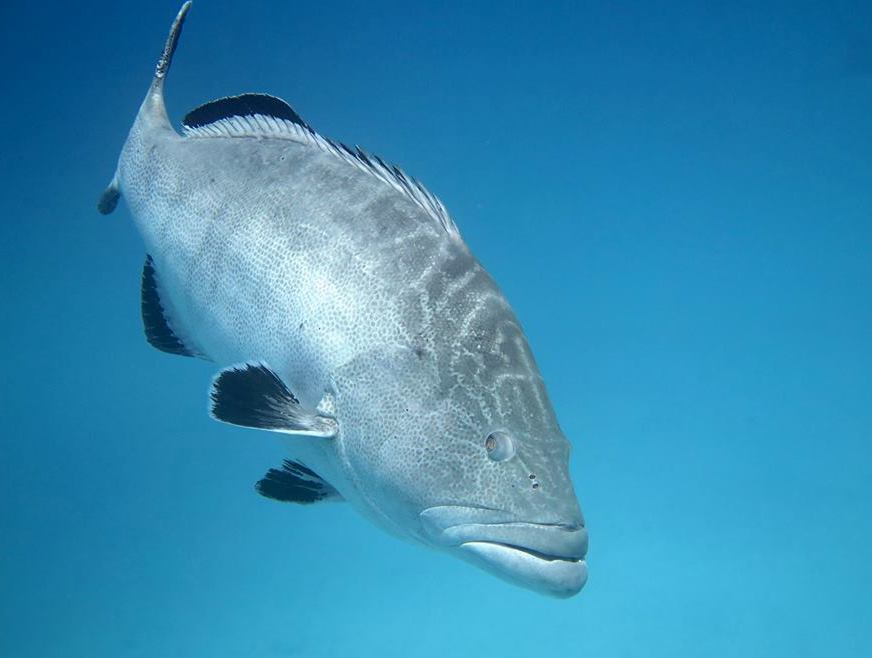
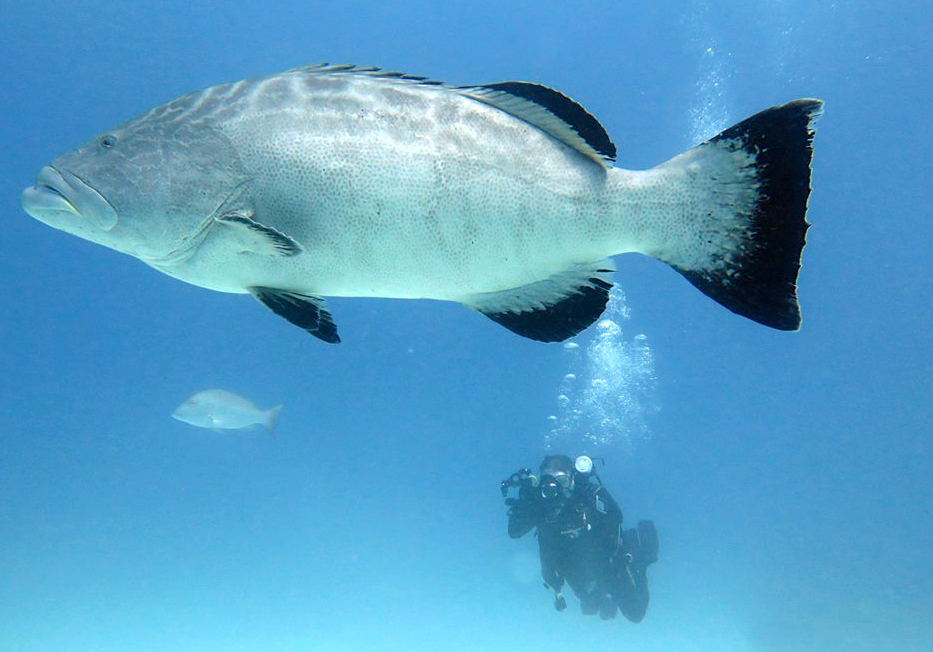
MEET ARNOLD: BE A BAHAMAS BLACK GROUPER GROUPIE

Black Grouper, Bahamas (Arnold) - Melinda Riger @ GB Scuba

MEET ARNOLD: BE A BAHAMAS BLACK GROUPER GROUPIE

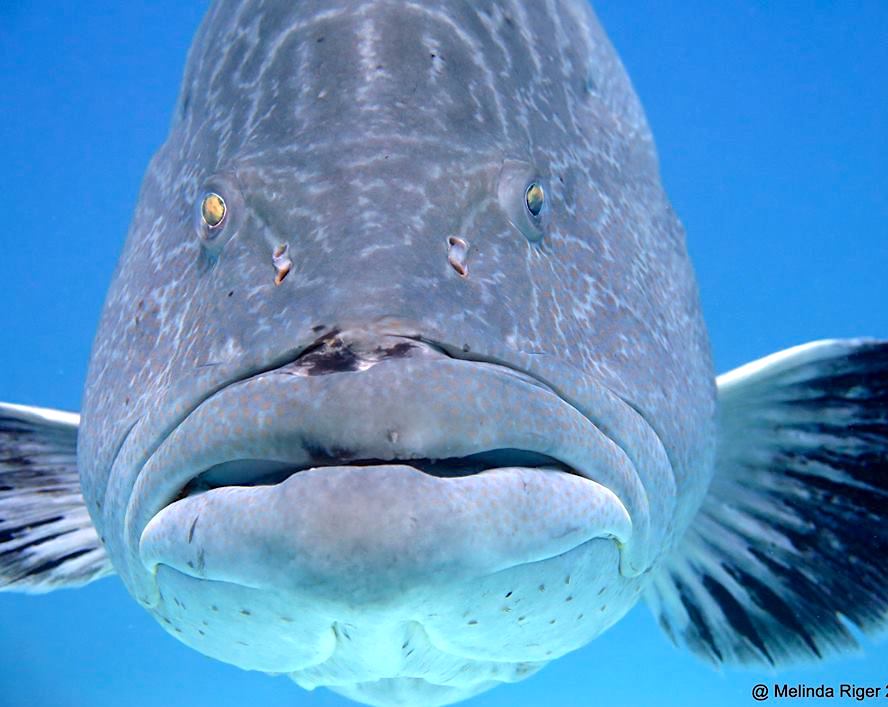
The Black Grouper, like all its cousins, has the twin disadvantages of being fished for sport and fished for food. As demand for grouper on the menu rises, so does its vulnerability. The species is described as a ‘slow breeder’, so a depleting population has less chance of sustaining numbers. The consequence is an exponentially diminishing stock of the species. The equation is simple: fewer fish means less and less stock replenishment.

Black Grouper, Bahamas (Arnold) - Melinda Riger @ GB Scuba

Formerly plentiful, these groupers (like other grouper species) have moved from an IUCN listing of ‘Least Concern’ to ‘Near-Threatened’. Whatever effect climate change may be having on the oceans, stock depletion of this noble species also has more direct human causes.

Black Grouper, Bahamas (Arnold) - Melinda Riger @ GB Scuba

An adult black grouper’s diet consists of small fish and squid. Juveniles feed primarily on crustaceans. However, certain tiny reef fish – blennies and gobies for example – are important to the species as ‘cleaners’. You can read about their significance by clicking CLEANING STATIONS.

Black Grouper, Bahamas (Arnold) - Melinda Riger @ GB Scuba

The service performed by tiny fish on large ones (not only groupers) is an example of a symbiotic relationship known as ‘mutualism’**, in which both parties benefit (the little fishes get gacky bits of grouper to eat). The cleaners are able to do their work inside the gills and even the mouth of the host without being at risk.

Black Grouper, Bahamas (Arnold) - Melinda Riger @ GB Scuba

The NASSAU GROUPER has a defined and enforced closed season to help maintain numbers. It will be interesting to see if the same protection is eventually extended to the black grouper and indeed to other grouper species.

** The other two types of symbiotic relationship are commensalism, in which only one species benefits while the other is neither helped nor harmed; and parasitism, where one creature (the parasite) gains, while the other (the host) suffers.

RELATED POSTS

TIGER GROUPER

NASSAU GROUPER

RED HIND

GRAYSBY

Credits: all photos Melinda Riger of Grand Bahama Scuba 

Black Grouper, Bahamas (Arnold) - Melinda Riger @ GB Scuba

Unknown's avatar

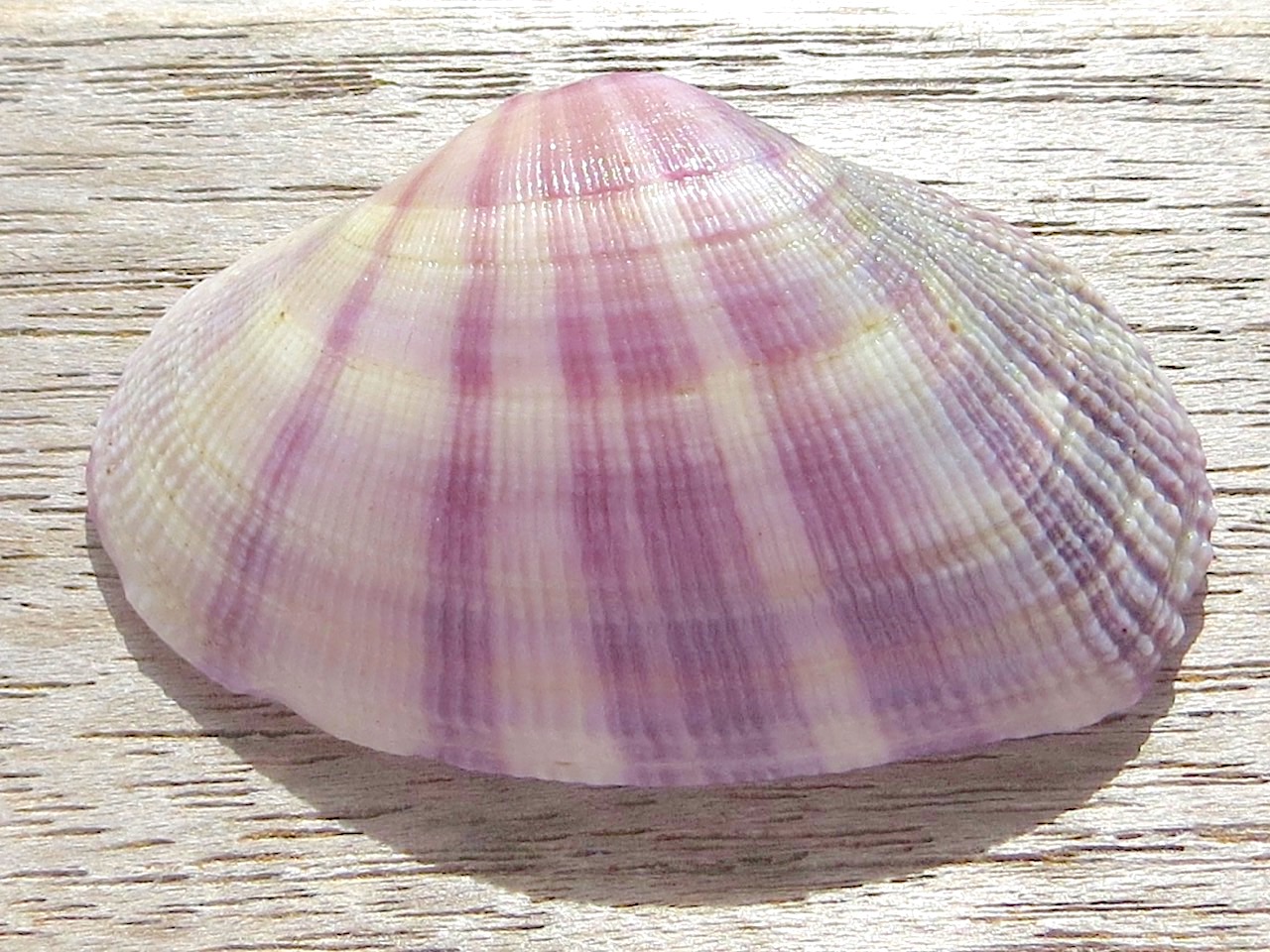
‘TELLIN TIME’ – RISE AND SHINE: ABACO SEASHELLS

Sunrise Tellin Shell, Abaco Bahamas (Keith Salvesen Rolling Harbour)

‘TELLIN TIME’ – RISE AND SHINE: ABACO SEASHELLS

SUNRISE TELLINS Tellina Radiata

I included these pretty shells, with their striking pink radials, in a much earlier posBEACHCOMBING BIVALVES The ones shown here are larger specimens. Some call them ‘rose-petal shells’. The hinges (muscles) are very delicate, and for many of these shells that wash up on the beach, the two halves have separated naturally. 

Sunrise Tellin Shell, Abaco Bahamas (Keith Salvesen Rolling Harbour)

STs are not uncommon, and I recently found some beauties at Sandy Point. They can grow up to about 7 cms / 2.75 inches, and some of these ones were that length, or very nearly so. I realised after I had taken the photos that I should have used a coin for comparison.

Sunrise Tellin Shell, Abaco Bahamas (Keith Salvesen Rolling Harbour)

TELLIN: THE TRUTH

The occupant of each of these pretty shells is a type of very small clam. I have completely failed to find a photo of a nude one with its shell removed, but maybe these are never seen at all. The clams live on the sea-floor, often buried in the sand, and with the lid (mostly) shut. Then they die (or their shells are bored into by a predator and they are eaten) and the shells eventually wash up empty on the beach. There’s not much to say about them – they perform no tricks (some shell creatures do, such as backflips) and are believed to have vanilla sex lives (some shell creatures are quite inventive in this department).

Inside Story… not much to tell except (a) still very pretty & (b) possible predator bore-hole top rightSunrise Tellin Shell, Abaco Bahamas (Keith Salvesen Rolling Harbour)

WELL, WHAT ELSE IS THERE TO THEM, APART FROM BEING PRETTY & BEACHCOMB-ABLE?

  • The clams have 5 tiny teeth to chew up their staple diet, which is mainly plant material
  • These include one ‘strong’ tooth, and one ‘weak’ one, though how someone found it out remains a mystery
  • Tellins are native to the Caribbean and north as far as Florida.
  • They live mainly in quite shallow water, but can be found as deep as 60 foot
  • They have no particular rarity value, and are used for marine-based crafts

Sunrise Tellin Shell, Abaco Bahamas (Seashells . org)

PLEASE TRY HARDER TO HOLD MY ATTENTION

You know those lovely tellins you collected during your holiday on Abaco to take home to your loved ones? You may have committed a crime! You did take them, didn’t you? However the general rule – law, even – seems to be “in most countries it is illegal to bring back these shells from holidays”. However, you have been fortunate; the Bahamas has no specific prohibition on the removal of tellin shells, certainly not for personal use.

READER COMMENT: WHOOPS! ALSO, PHEW!

Sunrise Tellin Shell, Abaco Bahamas (Rhonda Pearce)


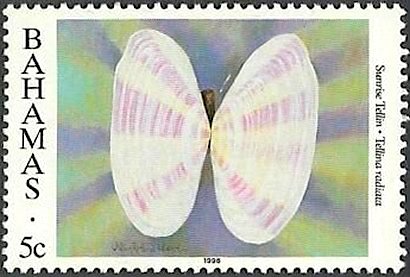
As ever, the very excellent Bahamas Philatelic Bureau has covered seashells along with all the other wildlife / natural history stamp sets they have produced regularly over the years. The sunrise tellin was featured in 1995. You can find more – much more – on my PHILATELY page.

Sunrise Tellin Shell 5c Stamp Bahamas (BPB)

All photos Keith Salvesen / Rolling Harbour; Rhonda Pearce Collection plus Seashells.Org, O/S Linnean Poster, O/S BPB stamp

Sunrise Tellin Shell, Abaco Bahamas (Keith Salvesen Rolling Harbour)

Unknown's avatar

SANDERLINGS: A POOL PARTY ON ABACO

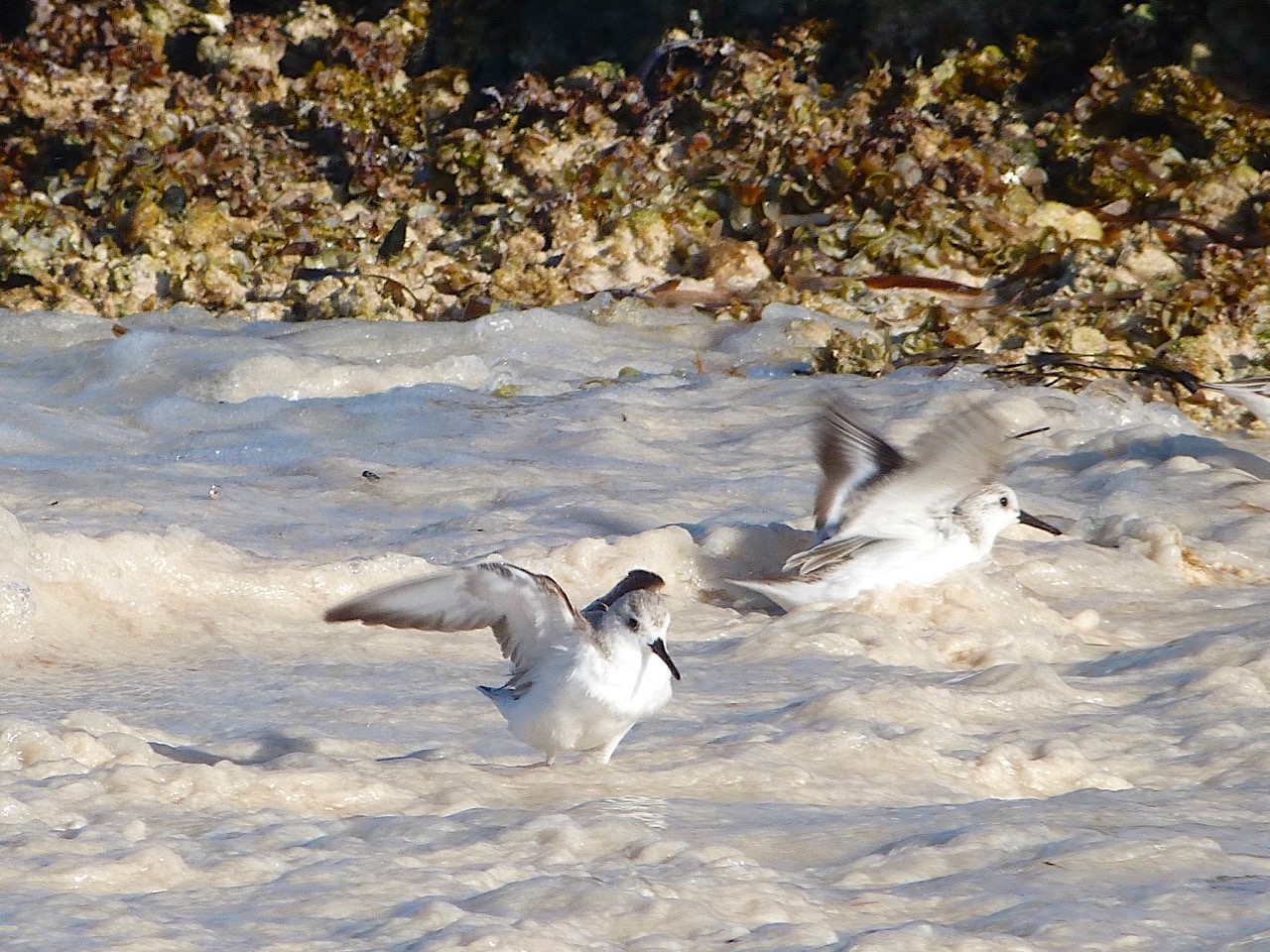
Sanderling Bath Time, Delphi Beach Abaco Bahamas - Keith Salvesen

SANDERLINGS: A POOL PARTY ON ABACO

One of the pleasures of watching birds (as opposed to BIRDWATCHING, a more committed-sounding enterprise with its own Wiki entry, that may require equipment, books & mag subs…) is to spend some time observing them enjoying themselves. Perhaps you have a feeder, and like to watch the birds getting stuck into the seeds, carelessly flicking the husks around and throwing their ‘feeder shapes’ on the perches. Maybe you like to see the hummers, beaks deep into the little red plastic flowers on the rim of the sugar-water feeder, tiny bodies motionless and upright, wings a glistening blur of rapid movement in the sun. 

Sanderling Bath Time, Delphi Beach Abaco Bahamas - Keith Salvesen

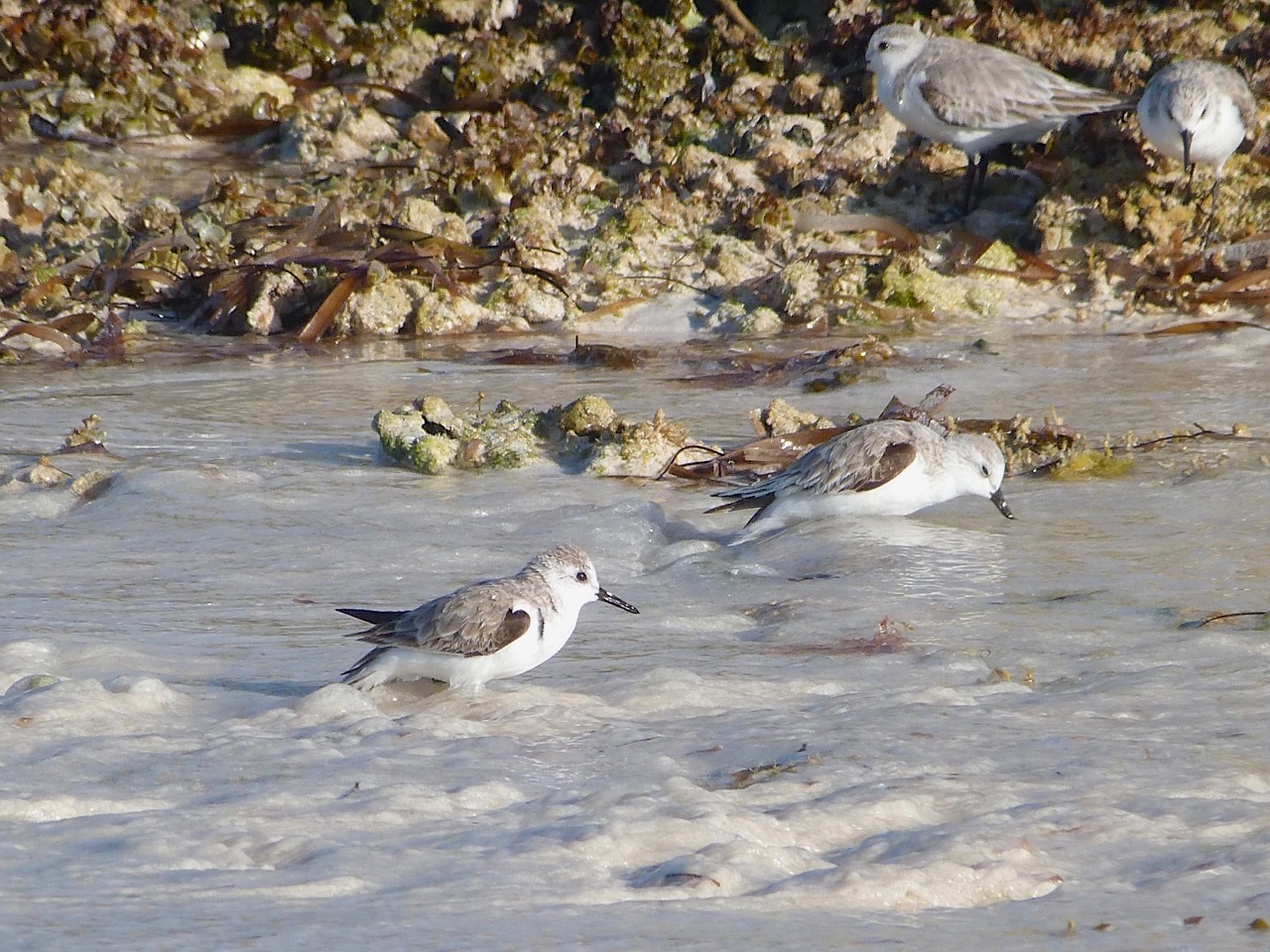
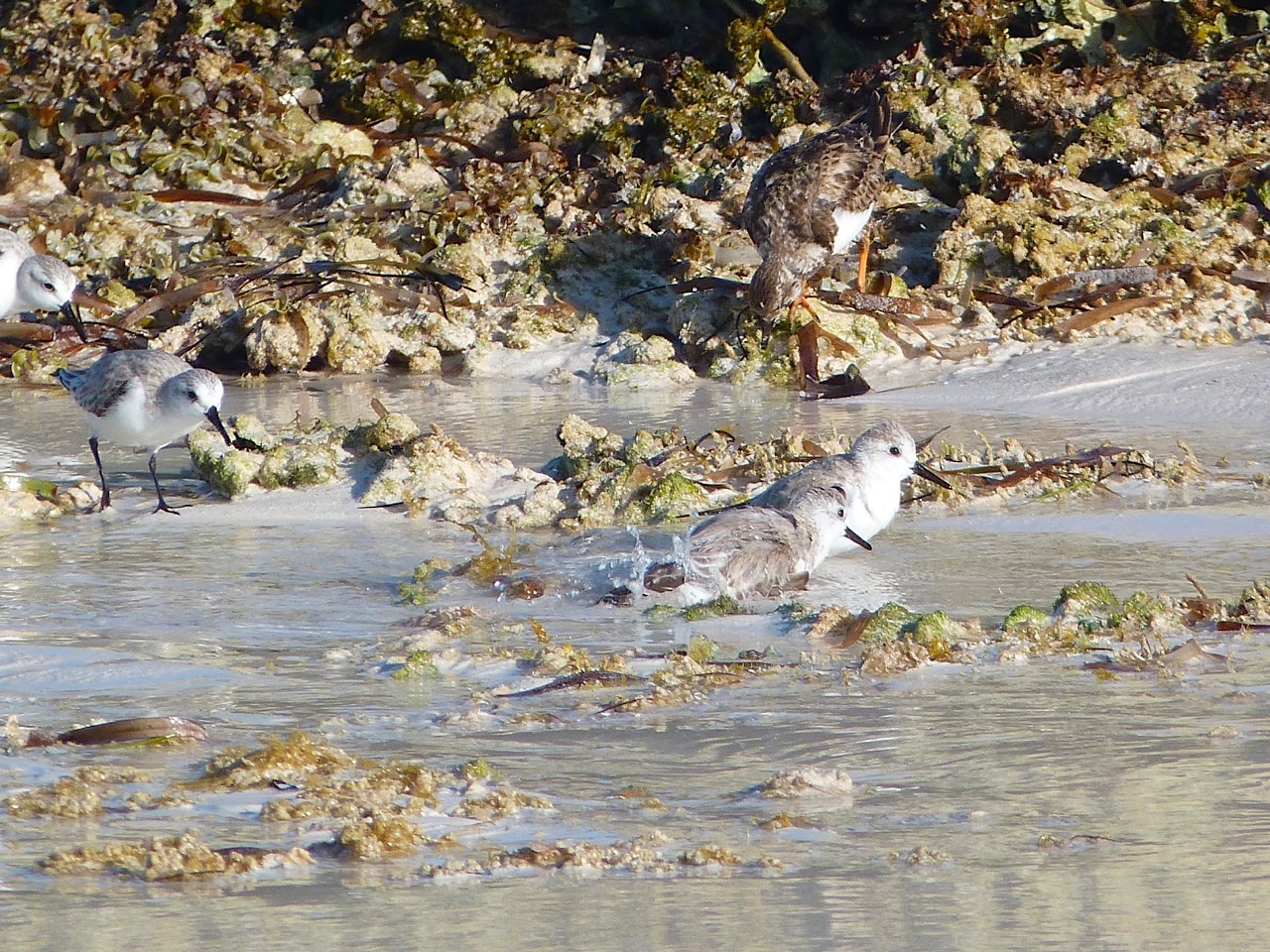
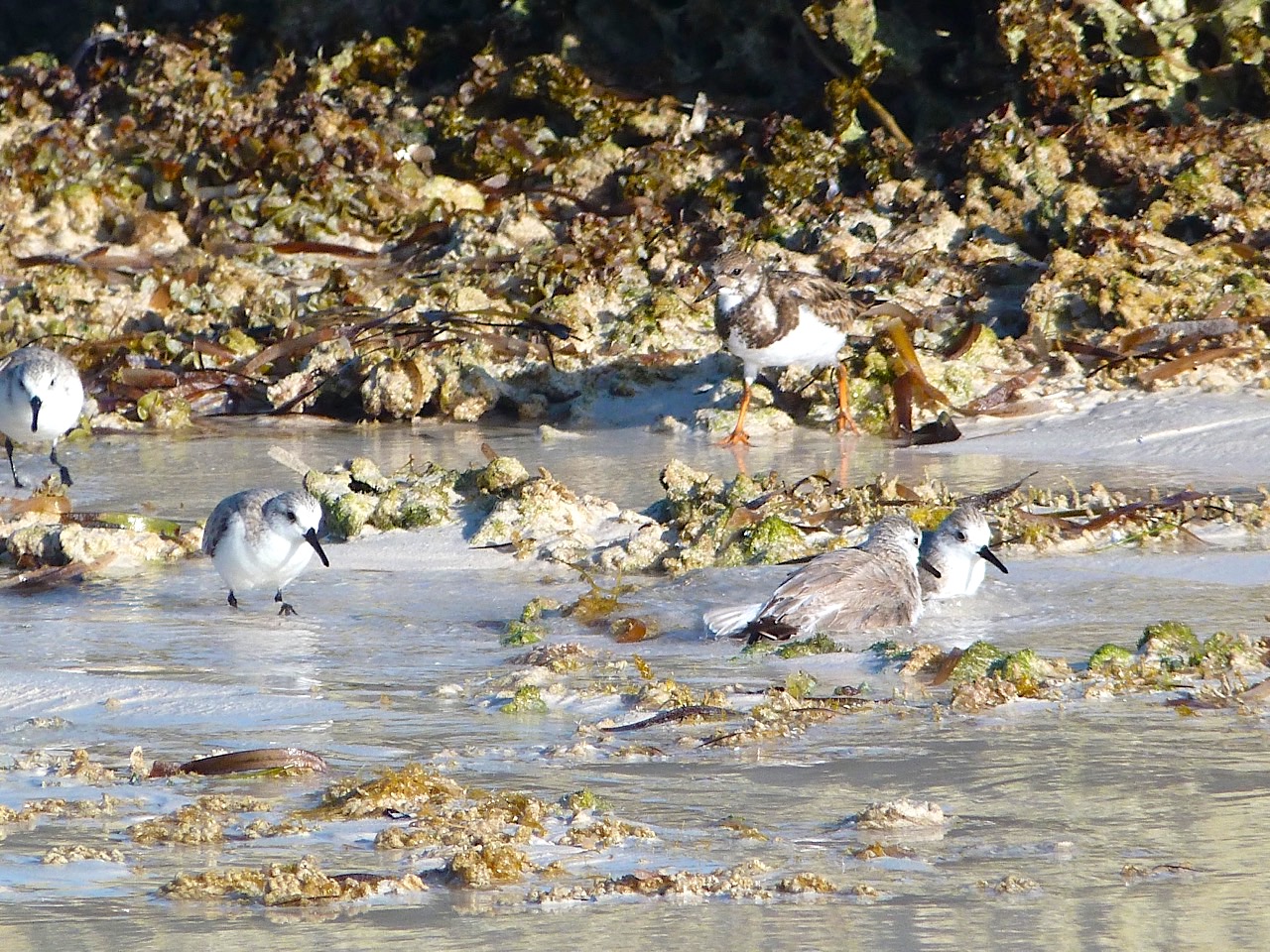
It is 5.30 pm. The sun is sinking in the early evening sky. The tide is on the rise at the north end of the Delphi beach where the reef joins the land. There is a small spit of sand that will be covered quite soon, but meanwhile two dozen sanderlings mixed in with assorted ruddy turnstones are doing their idiot feeding thing, rushing around on their tiny legs, stabbing in the sand, and generally behaving like clockwork toys on speed. Meanwhile a handful have found the fun to be had in the swirling tide as it pours round the head of the reef onto the sand spit. Yes, it’s sandpiper bath-time!

Sanderling Bath Time, Delphi Beach Abaco Bahamas - Keith Salvesen

Towards mid-tide on the rise, the water begins to creep round the rocks and encroach onto the sandbar. At high tide, it is well under water and fish are back in residence. Small sharks sometimes hang in the waves just behind their breaking point over the shallow sand.  And so the tidal process repeats.

Sanderling Bath Time, Delphi Beach Abaco Bahamas - Keith Salvesen

For the sanderlings, the best part of the day is when the tide is rising. At ± mid-tide is the time for the shore birds to bathe in the tidal pools that form – and as the water pours in around the end of the rocks, it froths like an overenthusiastic bubblebath. Right then is an excellent time to sit peacefully on the beach and watch the entertainment…

Sanderling Bath Time, Delphi Beach Abaco Bahamas - Keith Salvesen

Substantial immersion is not out of the question…Sanderling Bath Time, Delphi Beach Abaco Bahamas - Keith SalvesenSanderling Bath Time, Delphi Beach Abaco Bahamas - Keith SalvesenSanderling Bath Time, Delphi Beach Abaco Bahamas - Keith Salvesen

These moments don’t last long. Soon the increasing force and height of the water spoils the fun, and the flock will suddenly take flight and move south a little way along the beach, away from the rocks. There’s the incoming tideline to play with – and more importantly, food to be uncovered with each incoming and retreating wave…

Sanderling Bath Time, Delphi Beach Abaco Bahamas - Keith Salvesen

All photos © Keith Salvesen / Rolling Harbour

Unknown's avatar

WHEN NEW PROVIDENCE WAS OLD: MAPPING BAHAMAS HISTORY

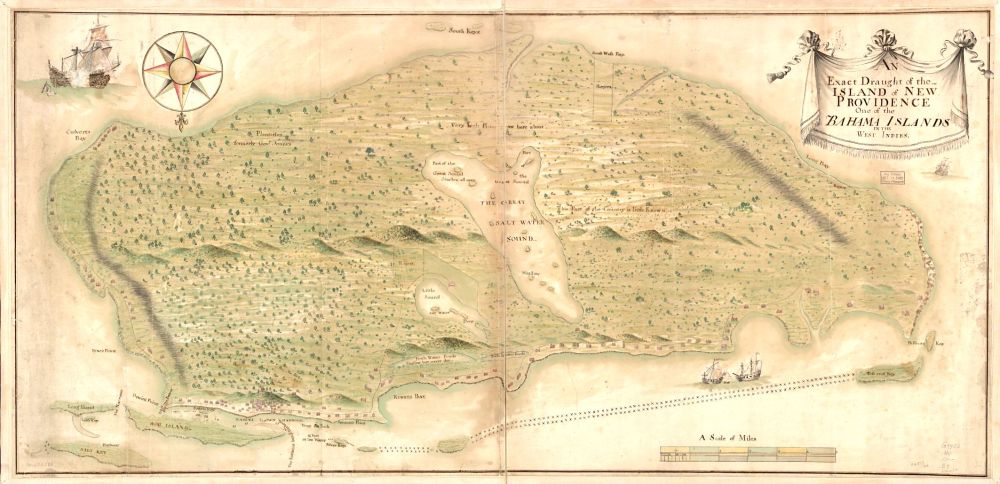
Map of New Providence / Nassau Bahamas (early c18)

WHEN NEW PROVIDENCE WAS OLD: MAPPING BAHAMAS HISTORY

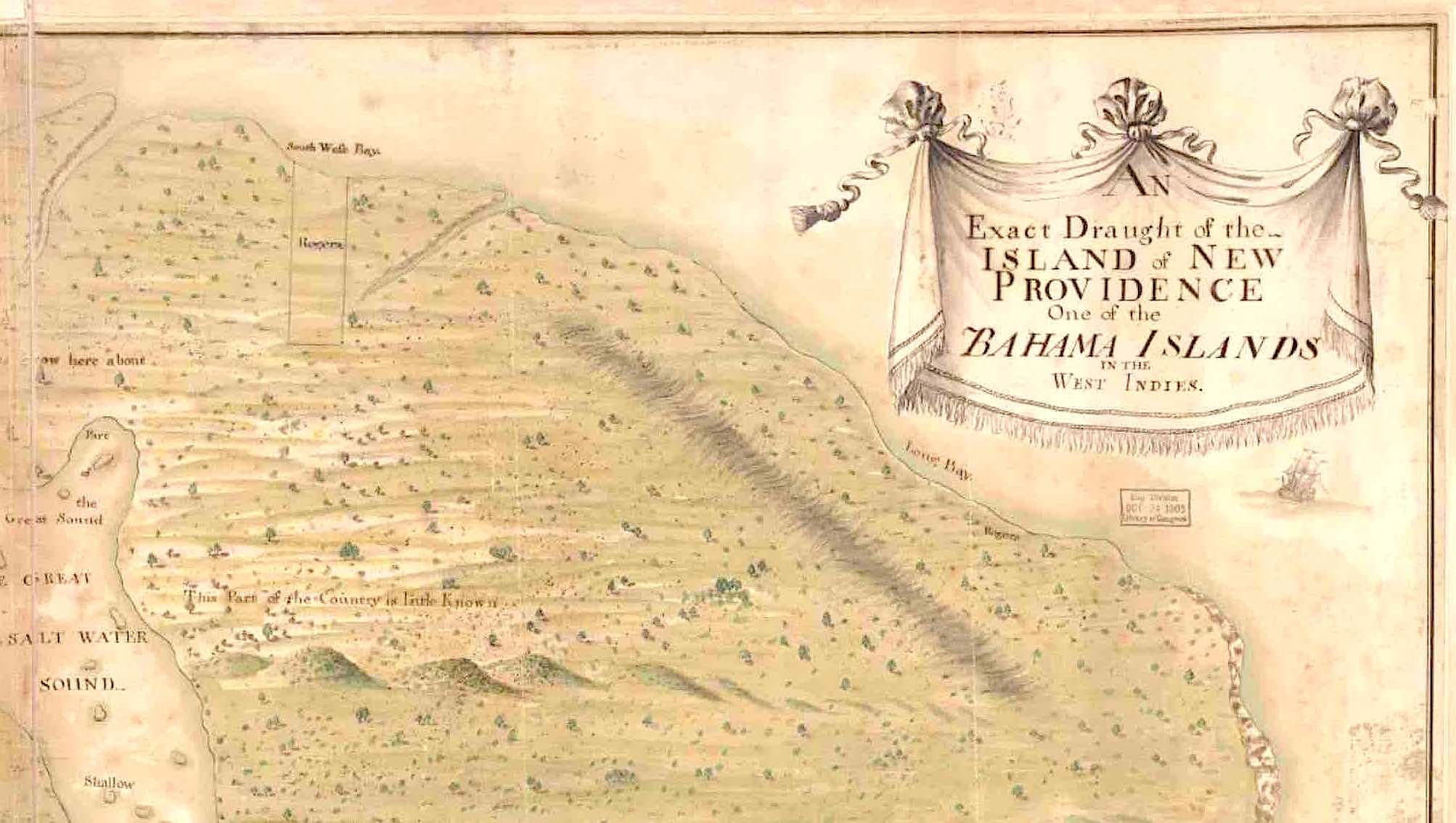
“Exact Draught of the Island of New Providence, One of the Bahama Islands in the West Indies”

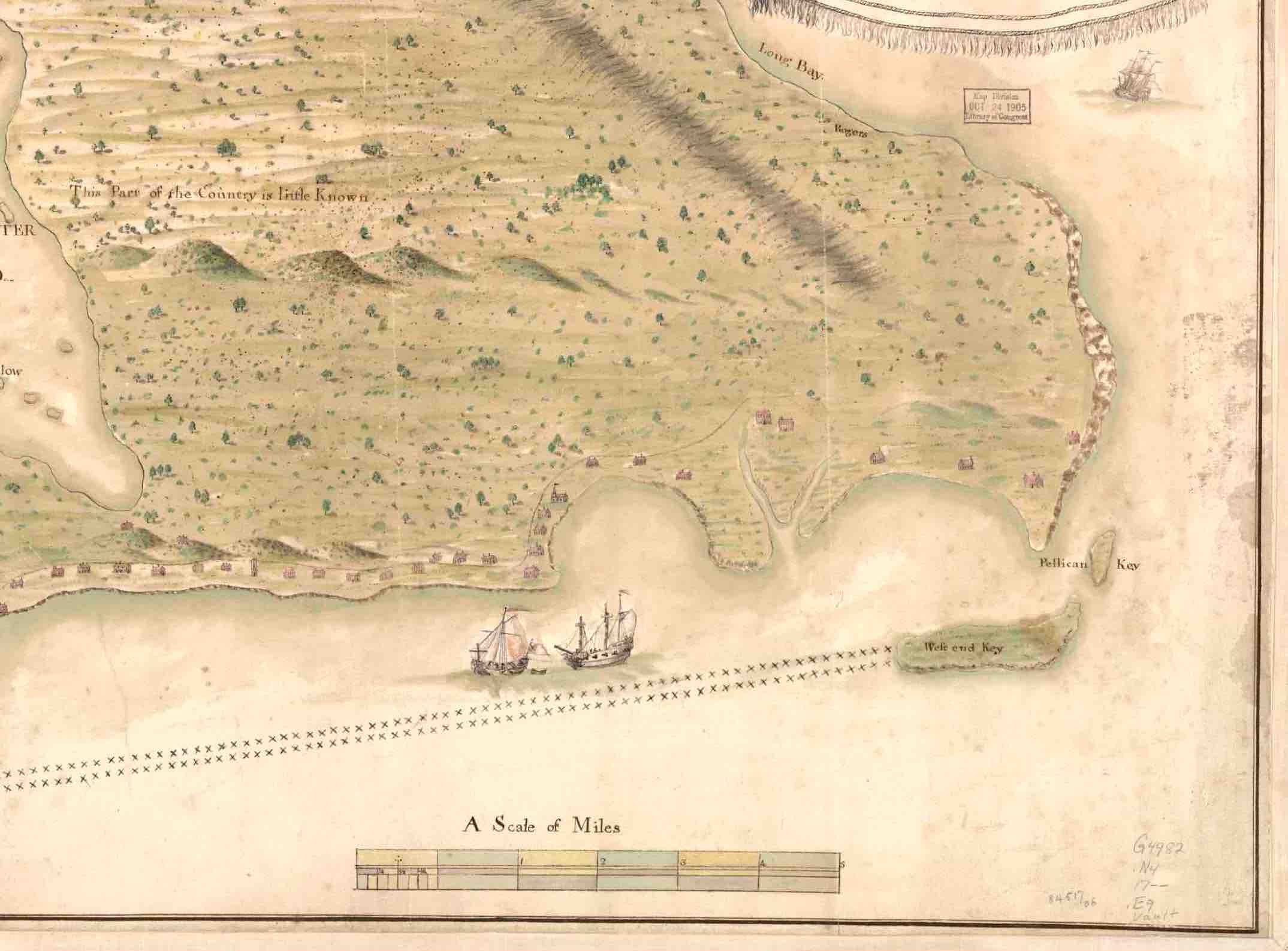
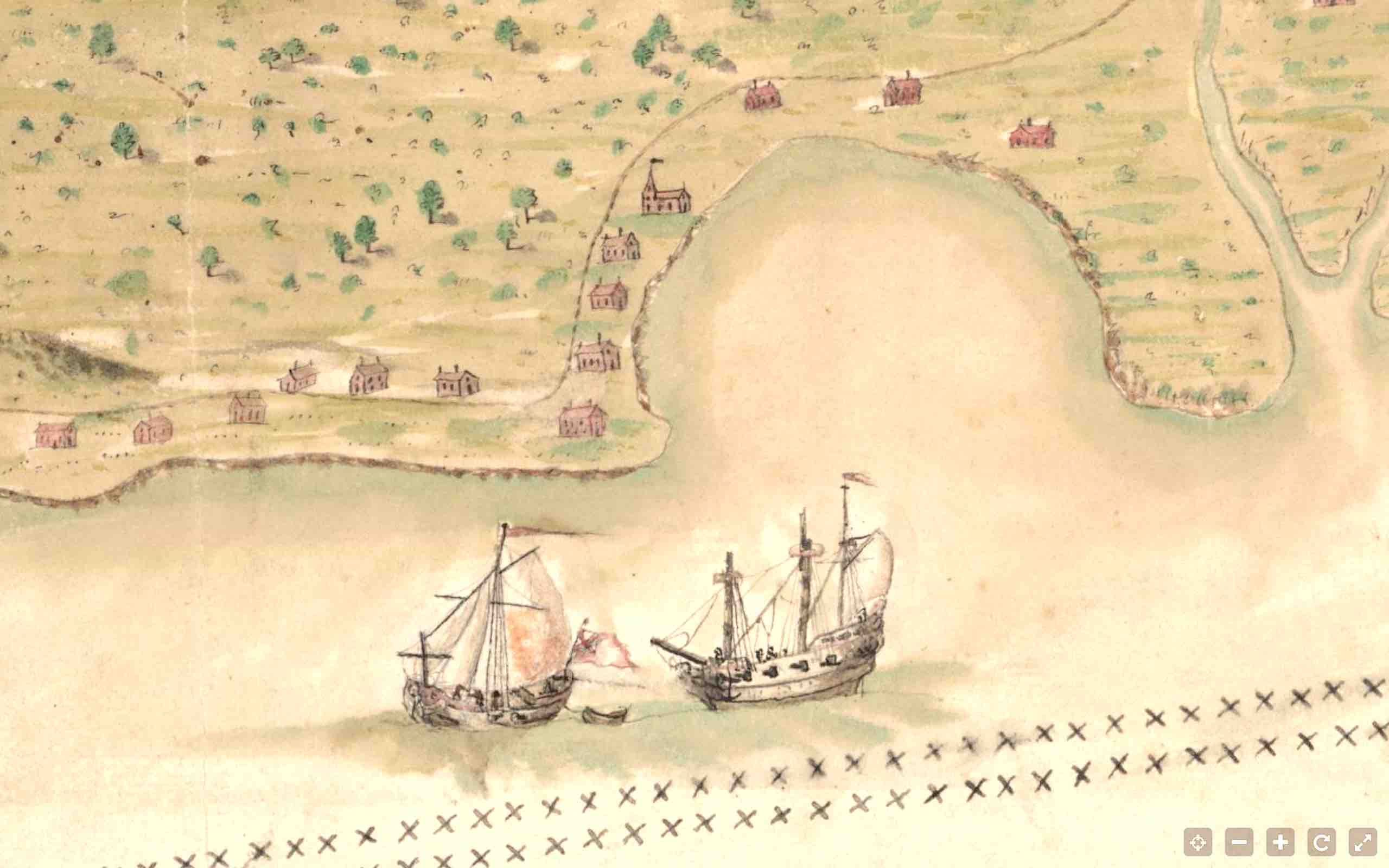
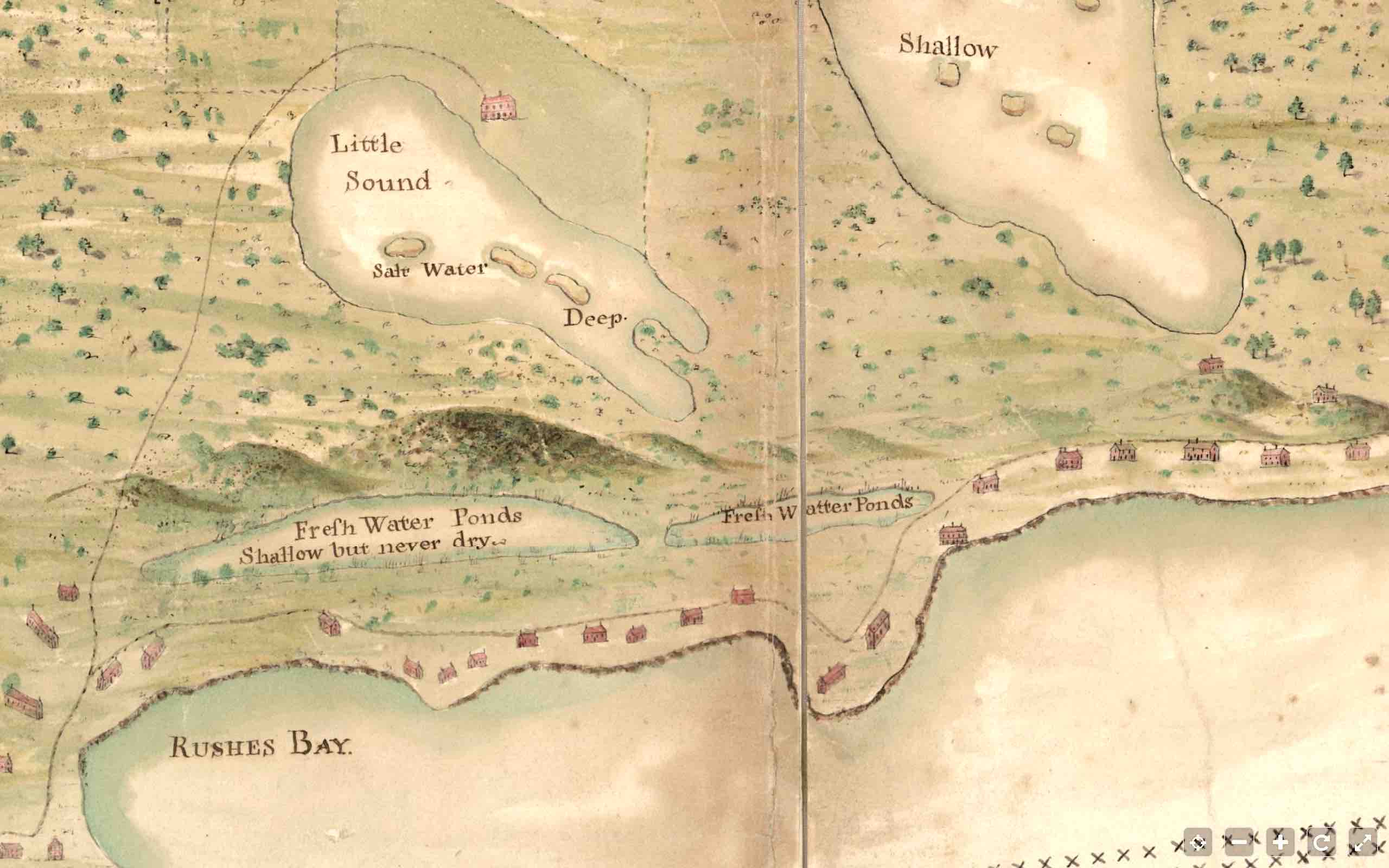
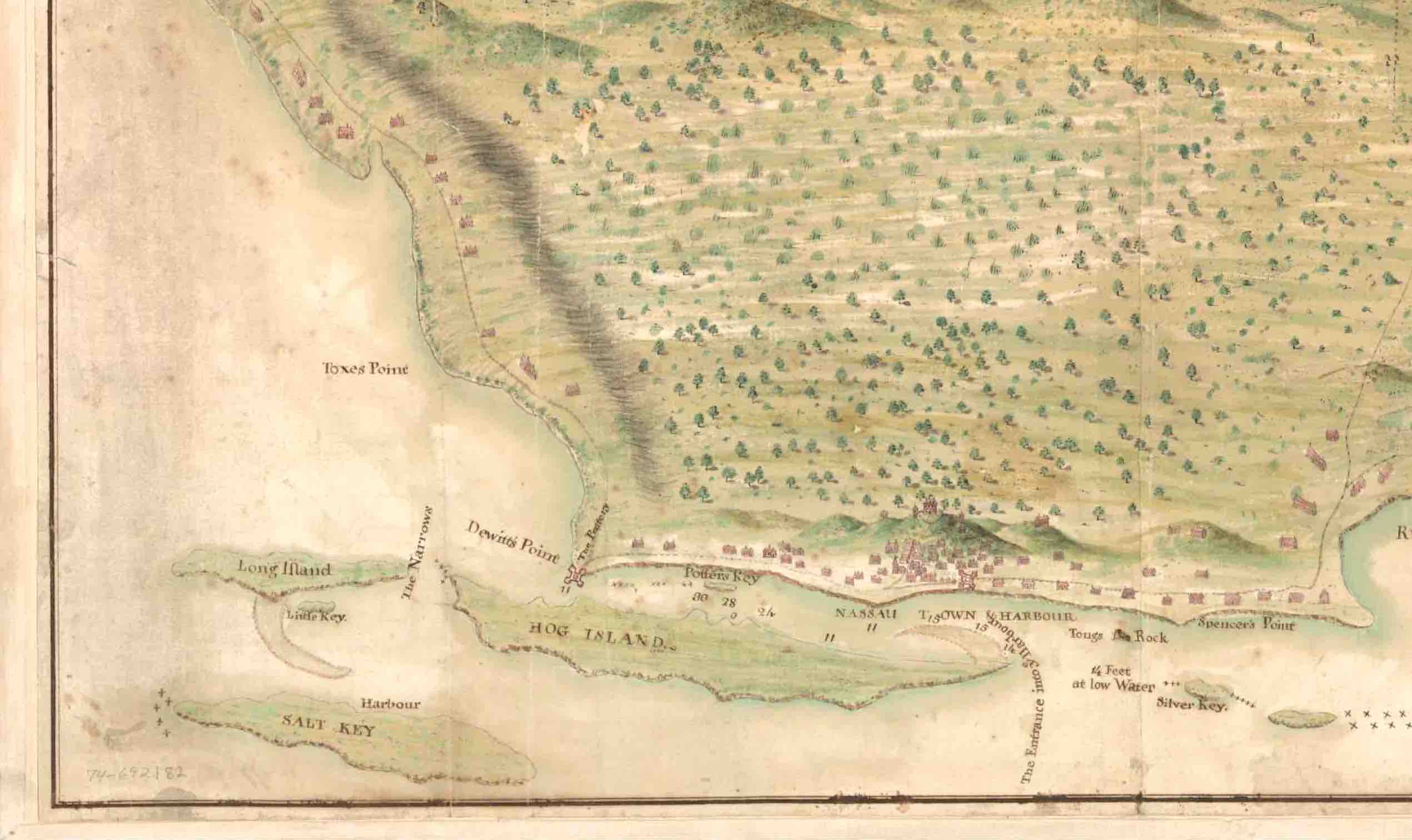
Lateral thinking is one thing; topsy-turvy thinking is in another league. The map that graces the top of this page is of New Providence and Nassau in the the early c18. By today’s exacting mapping conventions, which historically were less rigorously  observed, it is upside-down, with Nassau on what we would call the south-west corner. The map is undated on the face of it, and I have found attributed dates of both 1700 and 1750. It could be anywhere in-between. At the time this map was made, New Providence was sparsely populated except for Nassau itself; and little was known about the island’s interior. Contemporary accounts describe a haven for pirates operating around the coastline. Not for nothing was Nassau protected by a battery and a fort. I’ve divided to map into sections to make it easier to take a closer look at each area. You can click each to enlarge.

new-providence-c18-map-part-7-2

  1. TOP LEFT CORNER (the south-east of NP in actuality), with the compass pointing downwards to the north. A smattering of houses dot the ‘west’ coast. There is one significant property above Little Sound, standing in what looks like a cleared or even cultivated area. I’ll look at that in more detail below. Note the words above The Great Salt Water Sound: “Very High Pines Grow Here Aboue (sic)”, evidence that forests of tall pines familiar even today on Abaco were found on NP 300 years ago. The island is otherwise mostly marked as if the landscape was fairly open.

new-providence-c18-map-part-1

2. TOP RIGHT CORNER (south-west & west), with the confident title in a cartouche proclaiming exactness. This was not uncommon in historic map-making – the cartographical equivalent of today’s boastful product slogans – ‘simply the best’ and so on**. The caption next to the Great Sound, This Part of the Country is little Known, suggests an unexplored and perhaps hostile environment – possibly one of marshes and bogs. This sector of the island appears to have been uninhabited, or at least to having no population centres worth recording.
new-providence-c18-map-part-3-2

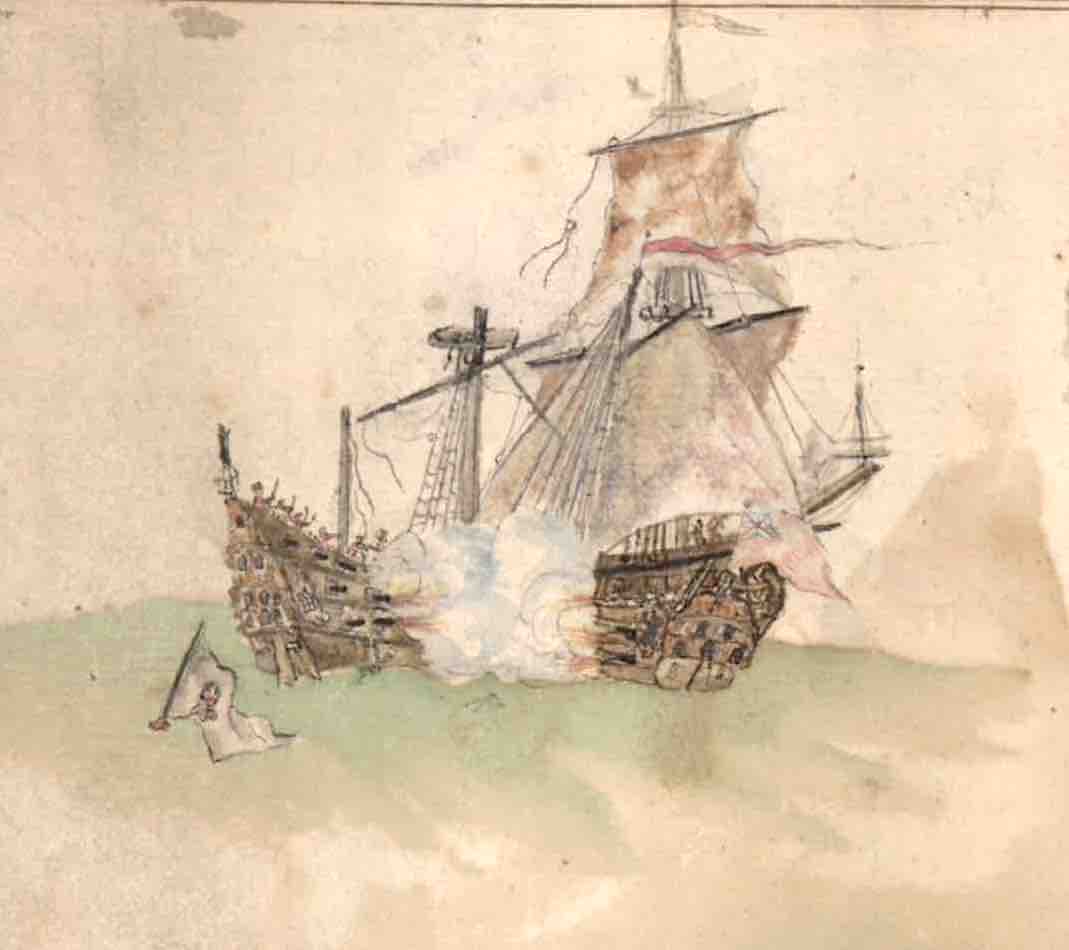
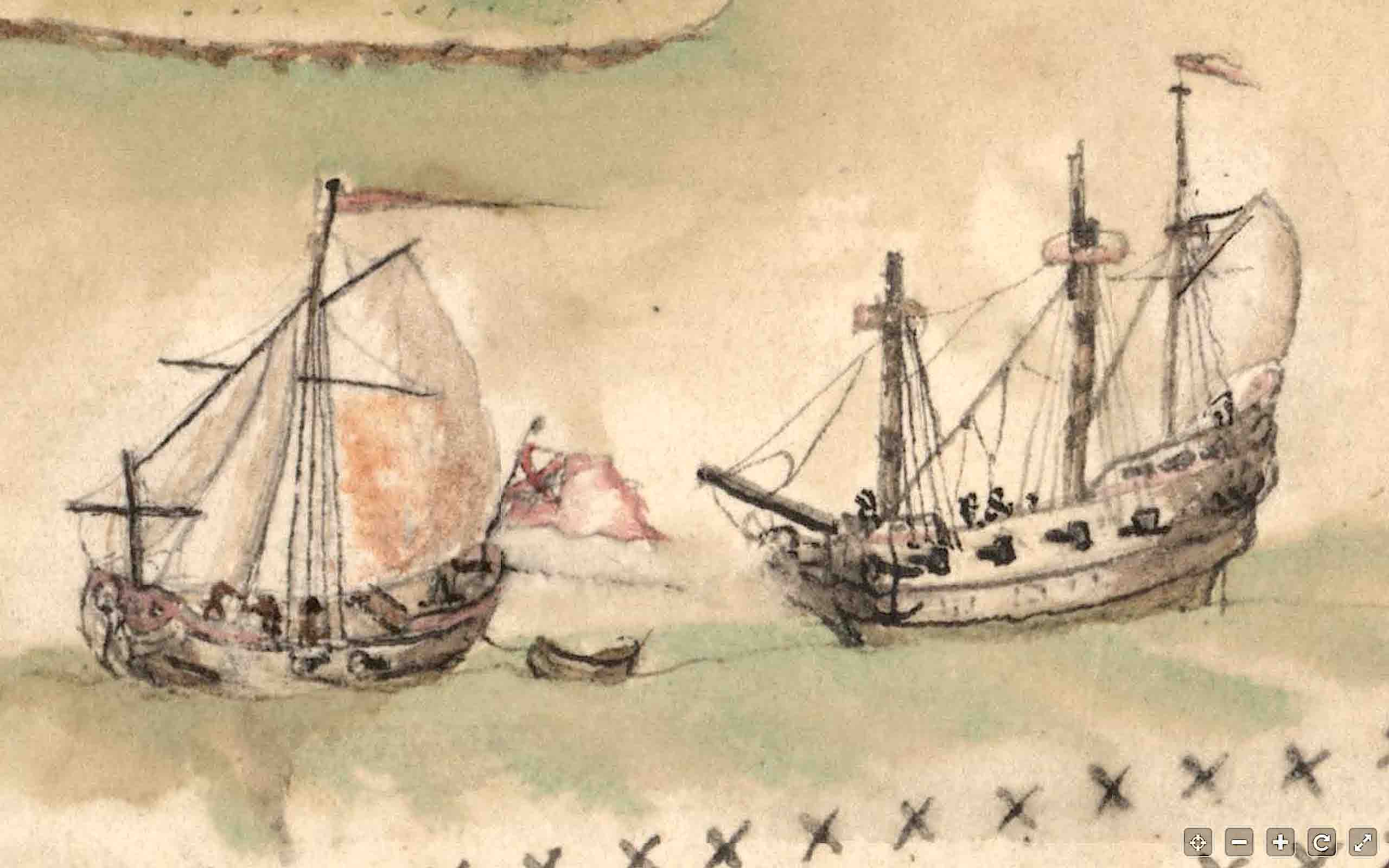
3. BOTTOM RIGHT CORNER (north-west). At last there is more evidence habitation, with a string of dwellings along the coastline. The 2 cays shown have names, West End and ‘Pellican’. And it looks as though the two ships have set out from port. On the left side of the bay above them, a church can be seen. Initially I thought the double row of crosses might indicate an area close to the shoreline that might be safe – or at least safer – from pirate attack. The leading ship – as the detailed crop shows clearly – is a warship. No harm in romantically speculating that it is escorting a trading vessel… More recently an online friend Klausbernd told me that the double crosses on map are in fact a navigational aid indicating cross bearings.

new-providence-c18-map-part-4

new-providence-c18-map-part-5

4. BOTTOM MIDDLE SECTION As we move towards the main – indeed only – town on the island, it is clear that the northern coast was the most desirable place to live. The scattering of houses along the coast continues; and the captions for the ponds show a possible reason why: fresh water, on an island where other areas of water are actually marked as ‘salt’ or which might have been unpleasantly brackish. And now we can see more of the posh establishment I referred to above. Not only did it lie in open (or perhaps cultivated) country, but it was plainly of some importance. It is notably larger that other buildings depicted, for a start; and it has its own very long track that forks off the coastal track.

new-providence-c18-map-part-10

5. BOTTOM LEFT CORNER: NASSAU We have reached the big city, the centre of the population, and the port – with the harbour entrance handily marked. It bore the same name then as now; though the other names marked (as far as I can make out) have mostly if not all changed over 3 centuries. The Baha Mar development and its attendant travails seem light years away from this map. The double line of crosses ends here (bottom right at the first cay). If they marked a safe zone for vessels passing back and forth into Nassau harbour, they did not need to extend further because of the town fortifications (see detailed crop). There is a fort right on the shore; and at the far end of the harbour sound is a battery at Drewitt’s Point. The town is watched over by a substantial building – presumably a Governor’s residence – that is surrounded by a stockade . In the early c18 Nassau put on a show of strength to deter invaders and pirates.

new-providence-c18-map-part-2new-providence-c18-map-part-14

DO WE KNOW THE EXACT DRAUGHT’S EXACT DATE?

The map itself is undated. The Library of Congress, whose map I have chopped up for this post, simply dates it as 17– and notes: 

Manuscript, pen-and-ink and watercolor; Has watermark; Oriented with north to the bottom; Relief shown pictorially and by shading; Depths shown by soundings.

The excellent David Rumsey Historical Map Collection chooses the year 1750, the maker unknown. Another source puts the date at 1700.

Whichever, a clue to establish the map in the first half of the c18 is that the publisher is believed to be ‘William Innys [et al.]’, London. Innys and his brother John (the ‘et al’ presumably) were active at that time. In 1726, for example, they published an edition of Newton’s  Philosophiae naturalis principia mathematica (first published in 1687), indicating that they must already have been well-established.

new-providence-c18-map-part-7-2

WHAT ABOUT THE PIRATES?

The “Deposition of  Capt. Matthew Musson” made on  5 Jul 1717 in London, contains some excellent contemporary  pirate-based material. The middle passage in particular gives an indication how well organised and extremely well-armed the pirates were. And it is clear that piracy was actually driving inhabitants away from New Providence.

  • “On March last he was cast away on the Bahamas. At Harbour Island he found about 30 families, with severall pirates, which frequently are comeing and goeing to purchase provissons for the piratts vessells at Providence. There were there two ships of 90 tons which sold provissons to the said pirates, the sailors of which said they belong’d to Boston”.
  • “At Habakoe one of the Bahamas he found Capt. Thomas Walker and others who had left Providence by reason of the rudeness of the pirates and settled there. They advis’d him that five pirates made ye harbour of Providence their place of rendevous vizt. [Benjamin] Horngold, a sloop with 10 guns and about 80 men; [Henry] Jennings, a sloop with 10 guns and 100 men; [Josiah(s)] Burgiss, a sloop with 8 guns and about 80 men; [Henry?] White, in a small vessell with 30 men and small armes; [Edward] Thatch, a sloop 6 gunns and about 70 men. All took and destroyd ships of all nations except Jennings who took no English; they had taken a Spanish ship of 32 gunns, which they kept in the harbour for a guardship”.
  • “Ye greatest part of the inhabitants of Providence are. already gone into other adjacent islands to secure themselves from ye pirates, who frequently plunder them. Most of the ships and vessells taken by them they burn and destroy when brought into the harbour and oblidge the menn to take on with them. The inhabitants of those Isles are in a miserable condition at present, but were in great hopes that H.M. would be graciously pleas’d to take such measures, which would speedily enable them to return to Providence their former settlement, there are severall more pirates than he can now give an accot. of that are both to windward and to leward of Providence that may ere this be expected to rendevous there he being apprehensive that unless the Governmt. fortify this place the pirates will to protect themselves”. Signed, Mathew Musson. Endorsed, Read 5th July, 1717. 1½ pp. [C.O. 5, 1265. No. 73.]

new-providence-c18-map-part-11

CAN I BUY THIS MAP FOR MY WALL?

You certainly can. Well, not an original obviously. But you can find prints of it on eBay and elsewhere – just google the map title. You can get a modern copy for around $20 + shipping

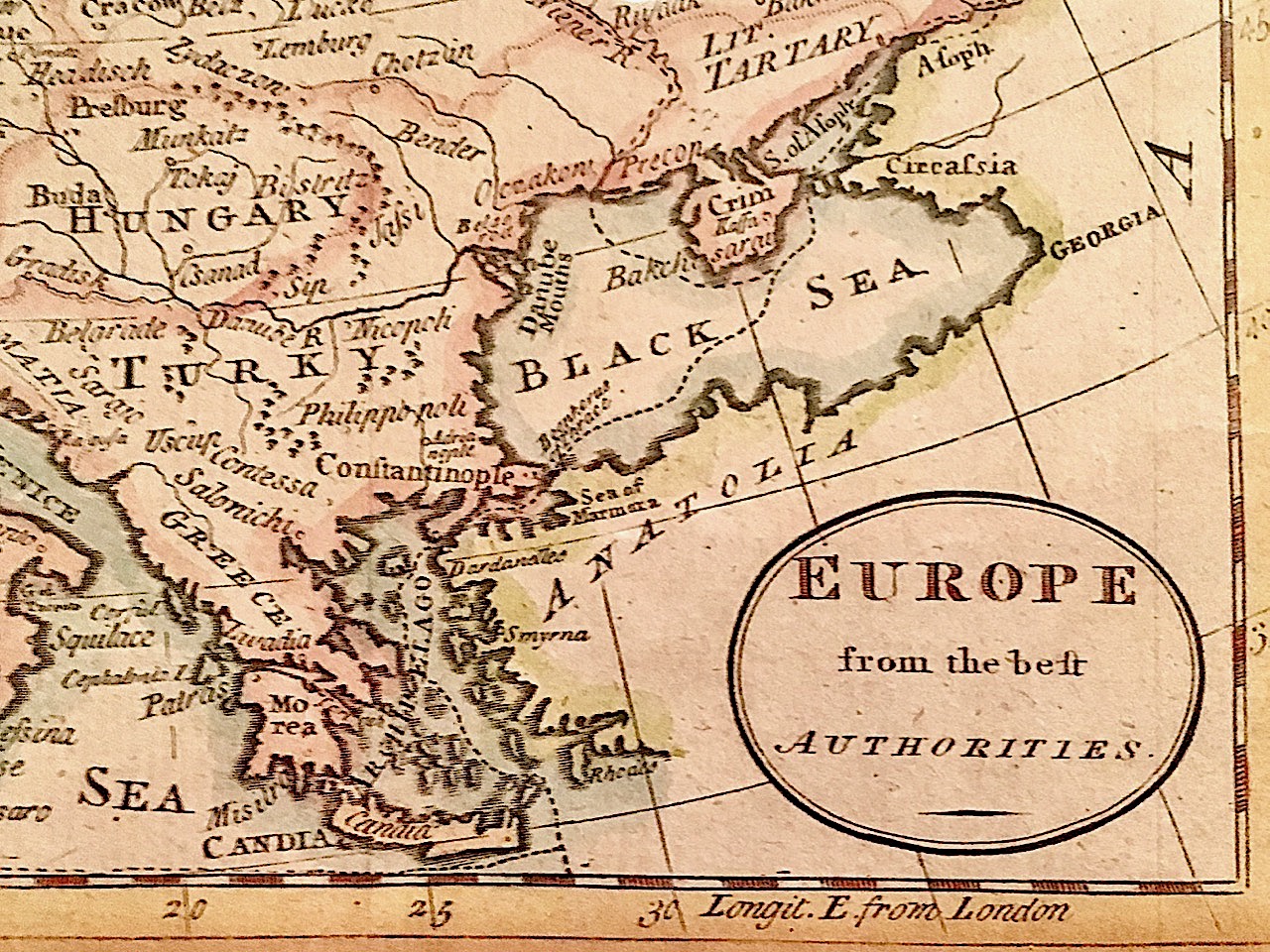
** I have an enjoyable example of this tendency on a William Guthrie map of Europe dated c1800 that I own. A map from “the beft authorities” could surely have no serious rival!img_4771

Credits: Library of Congress Online Catalog (Geography and Map Division); David Rumsey Historical Map Collection; Baylus C Brooks, Professional Research & Maritime Historian, Author, & Conservator / “America and West Indies: July 1717, 1-15,” in Calendar of State Papers Colonial, America and West Indies: Volume 29, 1716-1717, ed. Cecil Headlam (London: His Majesty’s Stationery Office, 1930), 336-344; Bonhams (Auctioneers)

Map of New Providence / Nassau Bahamas (early c18)

Unknown's avatar

OSPREY ID GUIDE: THE BAHAMAS SUBSPECIES REVISITED

Osprey, Abaco Bahamas (Tom Sheley)

OSPREY ID GUIDE: THE BAHAMAS SUBSPECIES REVISITED

I am reposting this article in the wake of a recent Bird Club of New Providence bird of prey ID query featuring distant but still helpful photos that enabled the ID as an osprey. As far as I can tell from the visible evidence (the images pixellate when enlarged) this is the ‘local’ Bahamian subspecies that differs in subtle ways from the standard North American version. Both types are found in the northern Bahamas; it would definitely be a great ‘get’ to locate one of each on the same day…

I sometimes feature bird comparatives, not least because there is so much scope for confusion that I have to keep checking for myself. Tyrant flycatchers; a number of superficially similar warbler species (all with yellow bits); those vireos; all those heron-y / egret-y types and their disconcerting morphs (hello, white reddish egret).

Osprey P.h.carolinensis (CWFNJ)

And so to the magnificent osprey Pandion haliaetus. This time, the comparison is between two subspecies, broadly the North American P. h. carolinensis and the Caribbean P.h. ridgwayi. There is some overlap in Florida, and some evidence of interbreeding. In the northern Bahamas in particular there is also an overlap, so an osprey seen on Abaco could be either variety. You’ll probably be too excited watching it to care much which type it is, but this article will help you if you do…

The two ospreys shown below were recently photographed at Spanish Wells, Eleuthera by Barbara Crouchley. This is a ‘bingo’ photographic scoop, because each type of bird was found in the same region; now we can check out the differences between the two birds. 

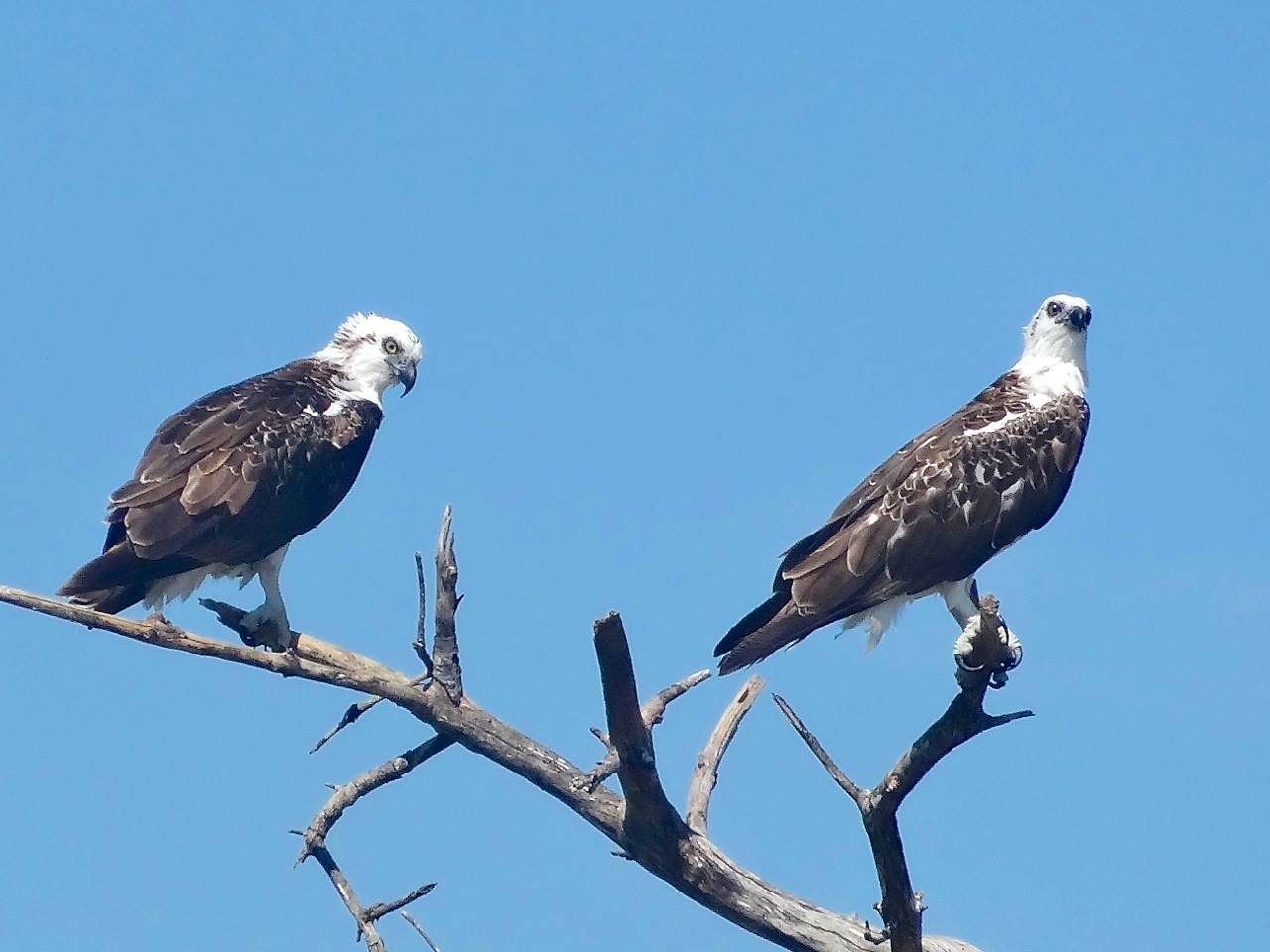
The first is a North American bird. Note in particular its distinctive eye mask, and the clearly marked upper breast, more so in the female than the male (which may even be white). The overall impression of the upper-parts is dark brown. They are slightly larger than their cousins in the south.

Osprey P.h. Carolinensis, Eleuthera Bahama (Barbara Crouchley)

Osprey P.h. carolinensis

In this Caribbean bird with its trophy fish, the eye-mask is absent, and the facial / nape markings are less pronounced. Furthermore, the breast and under-parts are white in both sexes (though slight marking may be apparent in some birds). And  the impression is of lighter upper-parts, even allowing for variable lighting and distance when the photos were taken. Conveniently, there’s not much detectable difference between male and females in the respective populations.

Osprey P.h. Ridgwayi, Eleuthera Bahama (Barbara Crouchley)

Osprey P.h. ridgwayi

EXAMPLES OF P. h. carolinensis

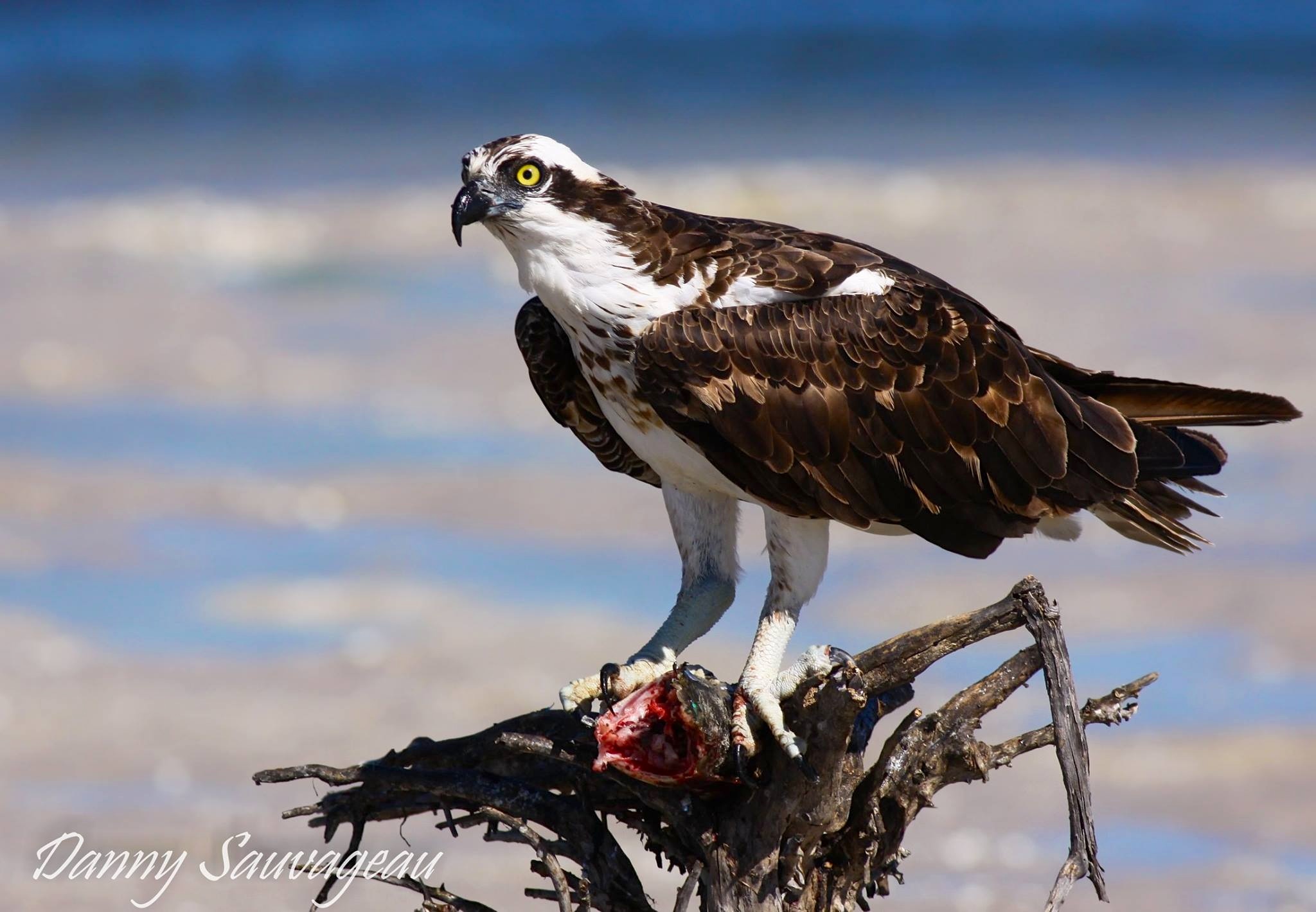
Osprey P.h. Carolinensis, Florida (Danny Sauvageau)Osprey P.h. Carolinensis, Florida (Danny Sauvageau)Osprey P.h. Carolinensis, Florida (Danny Sauvageau)

EXAMPLES OF P. h. ridgwayi

Osprey P.h. ridgwayi, Grand Bahama (Linda Barry Cooper)Osprey P.h. ridgwayi, Abaco (Jim Todd)Osprey P.h. ridgwayi, Abaco (Woody Bracey)

I’m going to stick my neck out here – I’ve not seen this mentioned anywhere, and I need to do some more comparative research. When I saw Barbara’s pair of photos, I immediately noticed that the eyes of the P.h.r were paler than the bright orangey-yellow of P.h.c. This distinction carries on through the comparative photos above: the P.h.cs were photographed in Florida and further north and have strikingly vivid eyes. The P.h.rs were photographed on Abaco and Grand Bahama at different times by different people. All have noticeably paler irises, more a light greeny-yellow. 

I’d welcome any views on this rash amateur theory. Preferably supportive ones…

UNDERWING DIFFERENCES

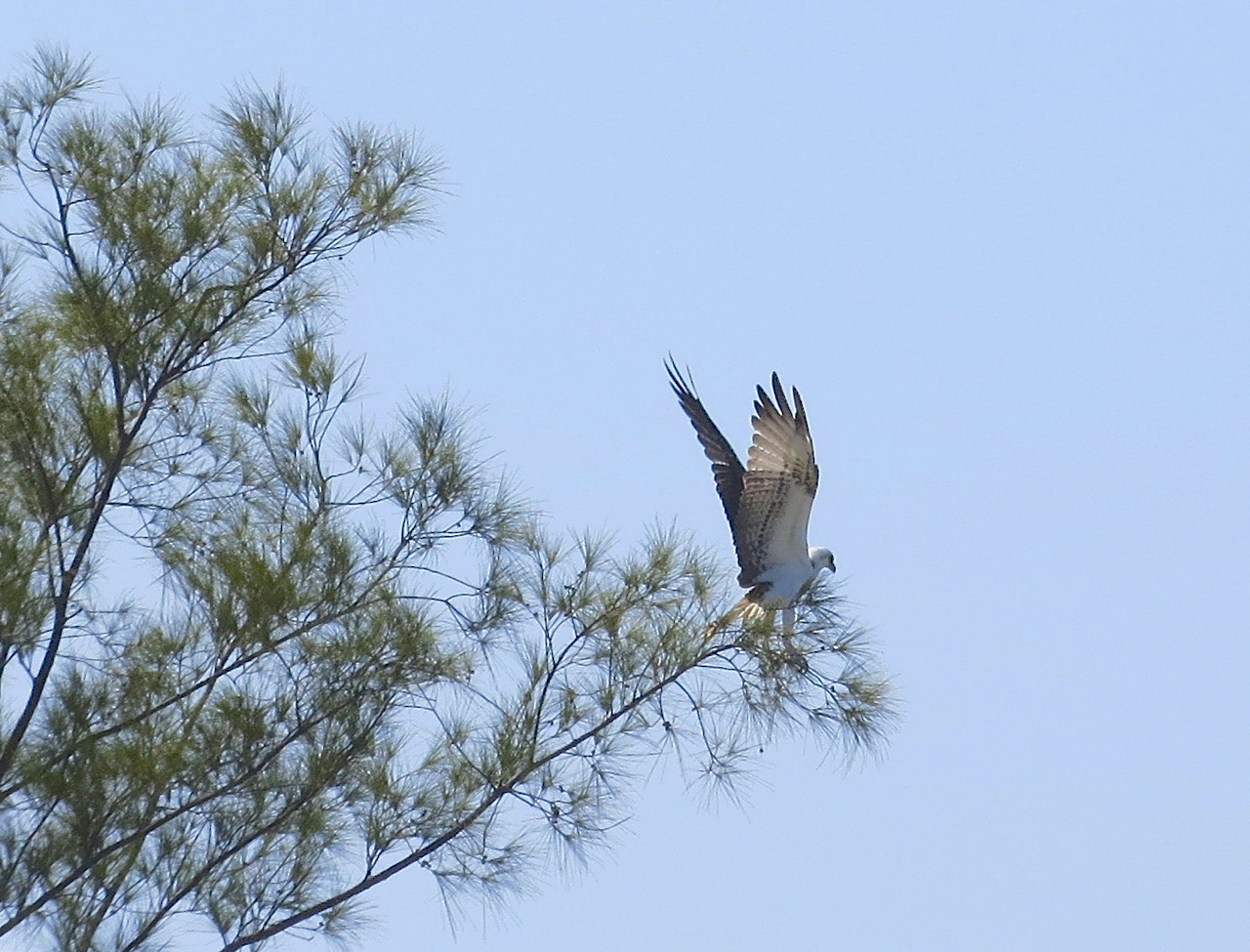
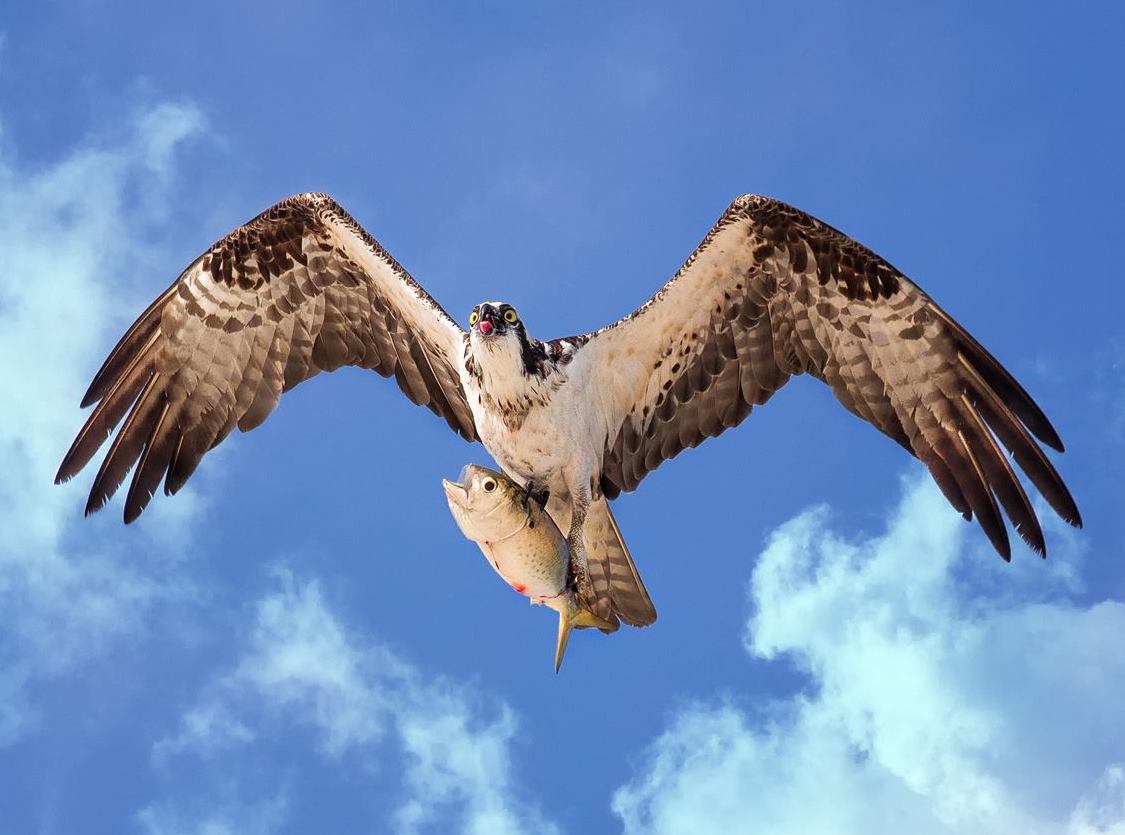
There’s a further comparison that can be made with the two subspecies in flight. Without going into technical and linguistic detail, the underwings of the P.h.cs are much darker than the Bahamas birds, whereas P.h.rs are notably paler and in some cases mostly white.  As an example, below is a distance shot I took when bonefishing out on the Abaco Marls, using a pocket camera. This is definitely a local bird! Compare with the dramatic image below it, where the strong darker markings are all too evident. It’s a great shot with which to bring the lesson to an end.

Osprey P.h. ridgwayi, Abaco Marls (Keith Salvesen)

Osprey in flight with fish (Northside Jim)

Photo credits: Tom Sheley (1); CWFNJ (2); Barbara Crouchley (3, 4); Danny Sauvageau (5, 6, 7); Jim Todd (8); Linda Barry Cooper (9); Woody Bracey (10); Keith Salvesen (11); the inimitable Northside Jim (12); Cute-toon, Birdorable. Thanks for all use permissions – also to Steve Connett for the idea!

Unknown's avatar

LOGGERHEAD KINGBIRD: LORD OF THE FLIES

Loggerhead Kingbird, Sandy Point, Abaco Bahamas (Keith Salvesen)

LOGGERHEAD KINGBIRD: LORD OF THE FLIES

Four principal so-called ‘tyrant flycatchers’ (Tyrannidae) are found on Abaco: the loggerhead kingbird, the gray kingbird, the La Sagra’s flycatcher and the Cuban pewee. These are common permanent residents, except for the gray kingbird which is a summer resident only. Several other flycatcher species are found on Abaco, but they are very uncommon winter residents, rare transients, or vagrants. 

Loggerhead Kingbird, Sandy Point, Abaco Bahamas (Keith Salvesen)

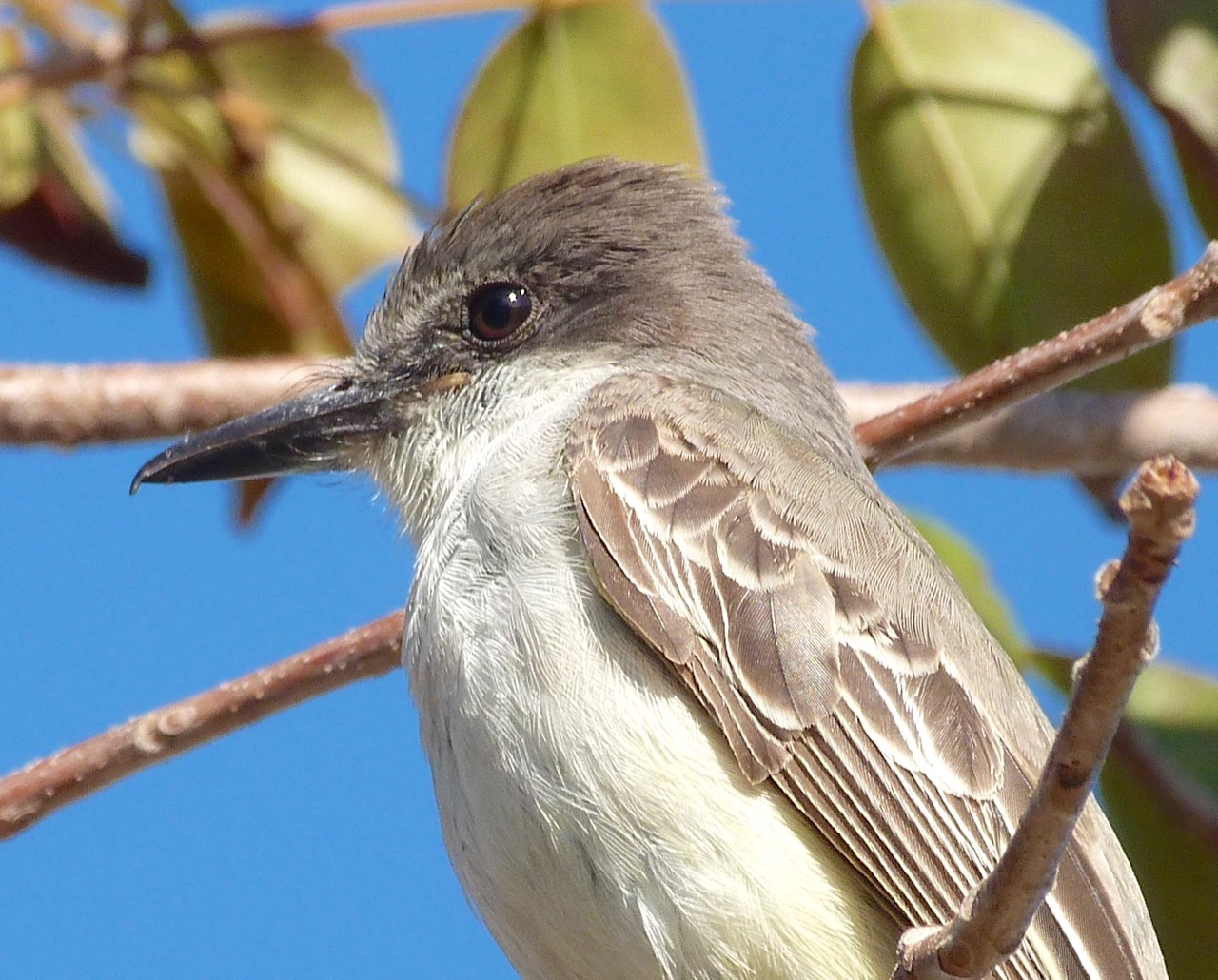
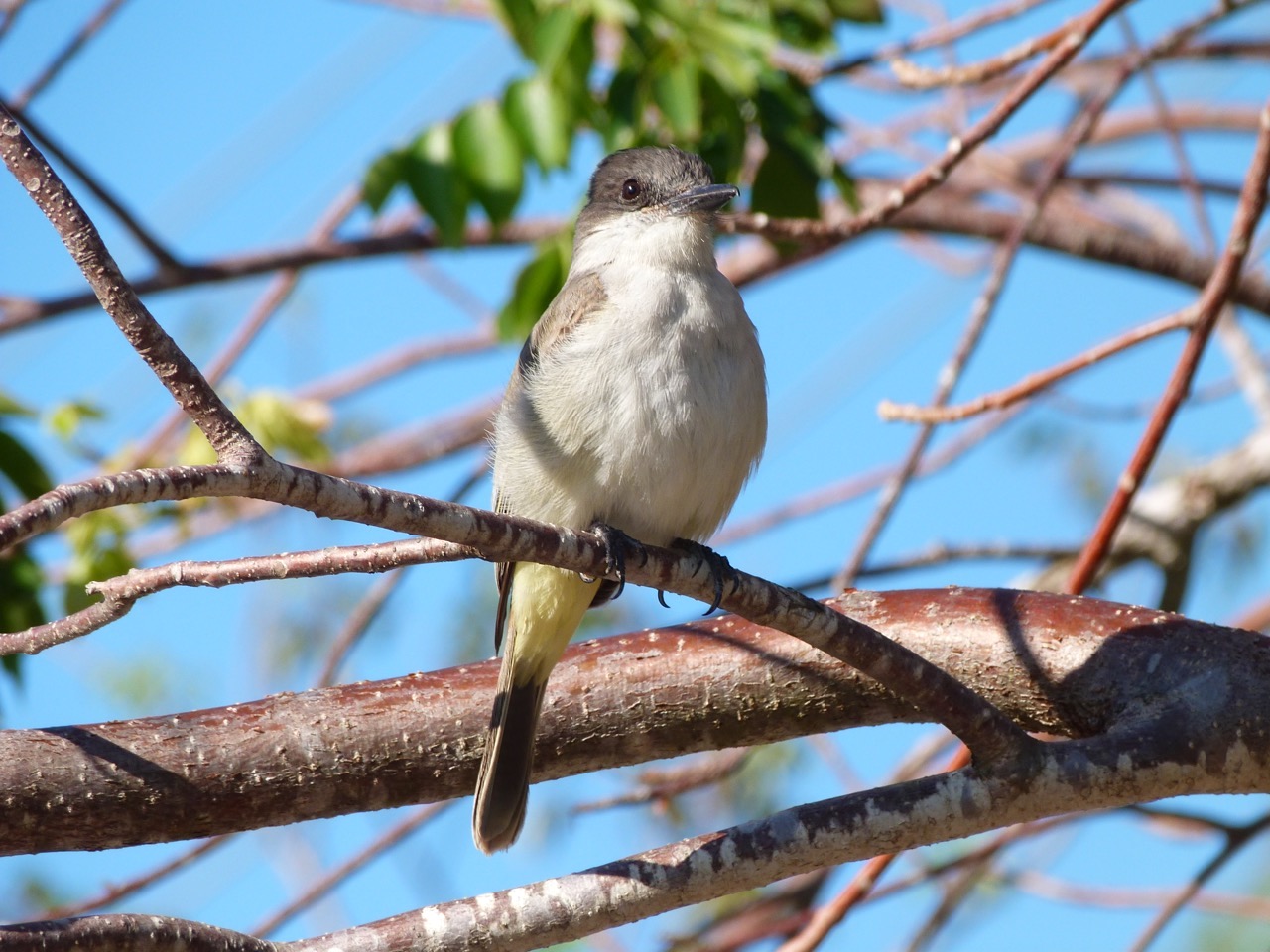
The loggerhead featured here became quite a good companion when I was staying in Sandy Point recently. Like other flycatchers – and indeed the cute little blue-gray gnatcatchers – loggerheads are curious and inquisitive.

Loggerhead Kingbird, Sandy Point, Abaco Bahamas (Keith Salvesen)

Loggerheads seem to have two methods of observing humans and their mysteries. One is by perching on a branch or in a shrub, watching intently. They stay quite still… until suddenly launching into the air to intercept some passing insect with their hooked beaks (so-called ‘hawking’), before returning to their perch. And staring at you again. The other method is to follow you round, either flying slightly ahead as you progress; or fluttering in the coppice alongside you; or playing catch-up from behind. 

Loggerhead Kingbird, Sandy Point, Abaco Bahamas (Keith Salvesen)

A typical quizzical loggerhead sideways look… all flycatchers do this

Loggerhead and gray kingbirds are similar in size, and can be quite easy to confuse. Top seasonal tip: because the grays are summer visitors only, it’s a fairly safe bet that any kingbirds seen between, say, October and April will be the resident loggerheads.

Loggerhead Kingbird, Sandy Point, Abaco Bahamas (Keith Salvesen)

MEMORABLE FACT TO DEPLOY IN CONVERSATION

The collective names for a group of kingbirds are: a Court, a Coronation, or a Tyranny

Loggerhead Kingbird, Sandy Point, Abaco Bahamas (Keith Salvesen)

Photo Credits: Keith Salvesen at Sandy Point, Abaco Bahamas; ‘Lordy’ the Loggerhead

Unknown's avatar

HERMIT CRABS: SHELL-DWELLERS WITH MOBILE HOMES

Hermit Crab, Abaco Bahamas (Keith Salvesen / Rolling Harbour)

HERMIT CRABS: SHELL-DWELLERS WITH MOBILE HOMES

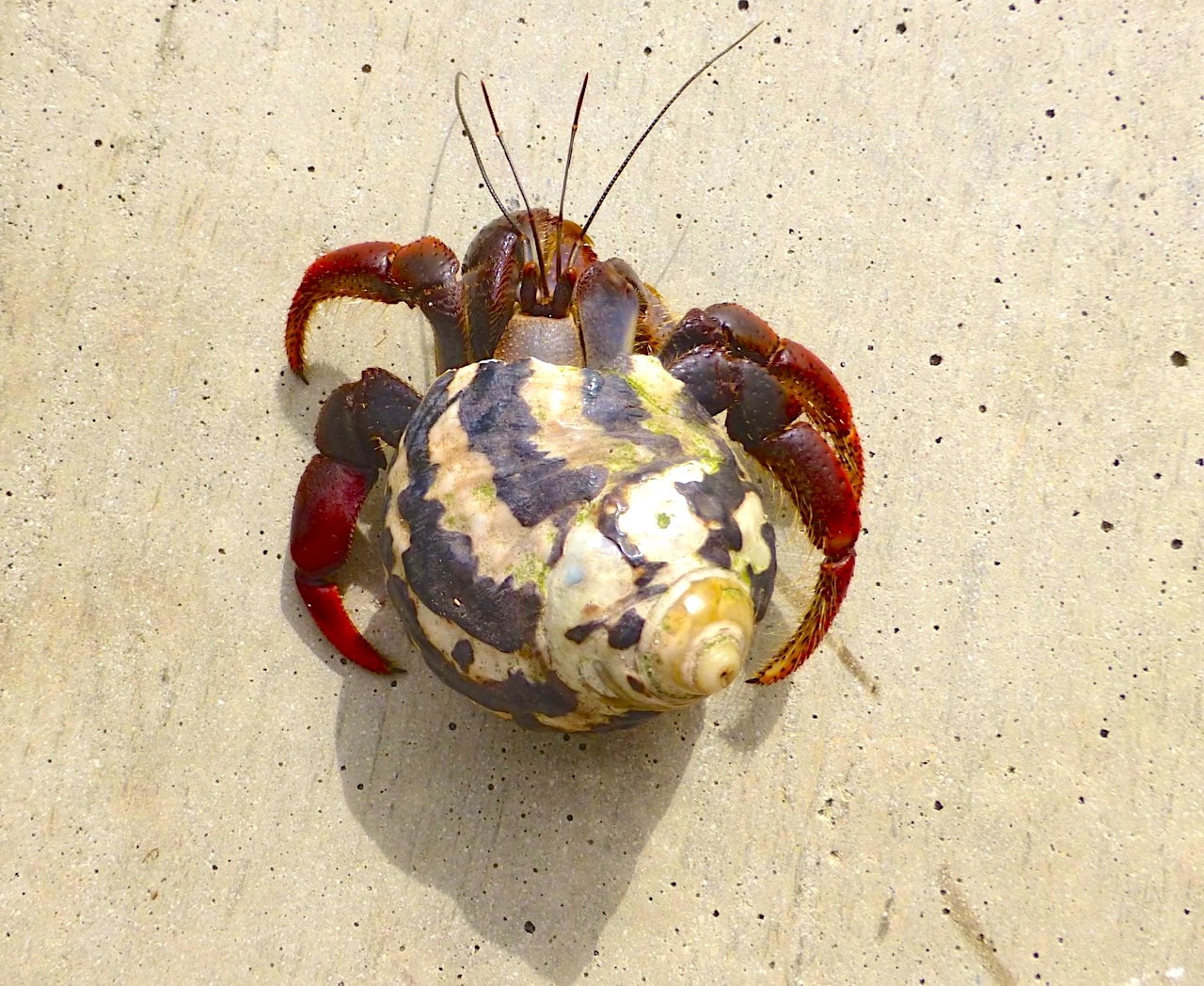
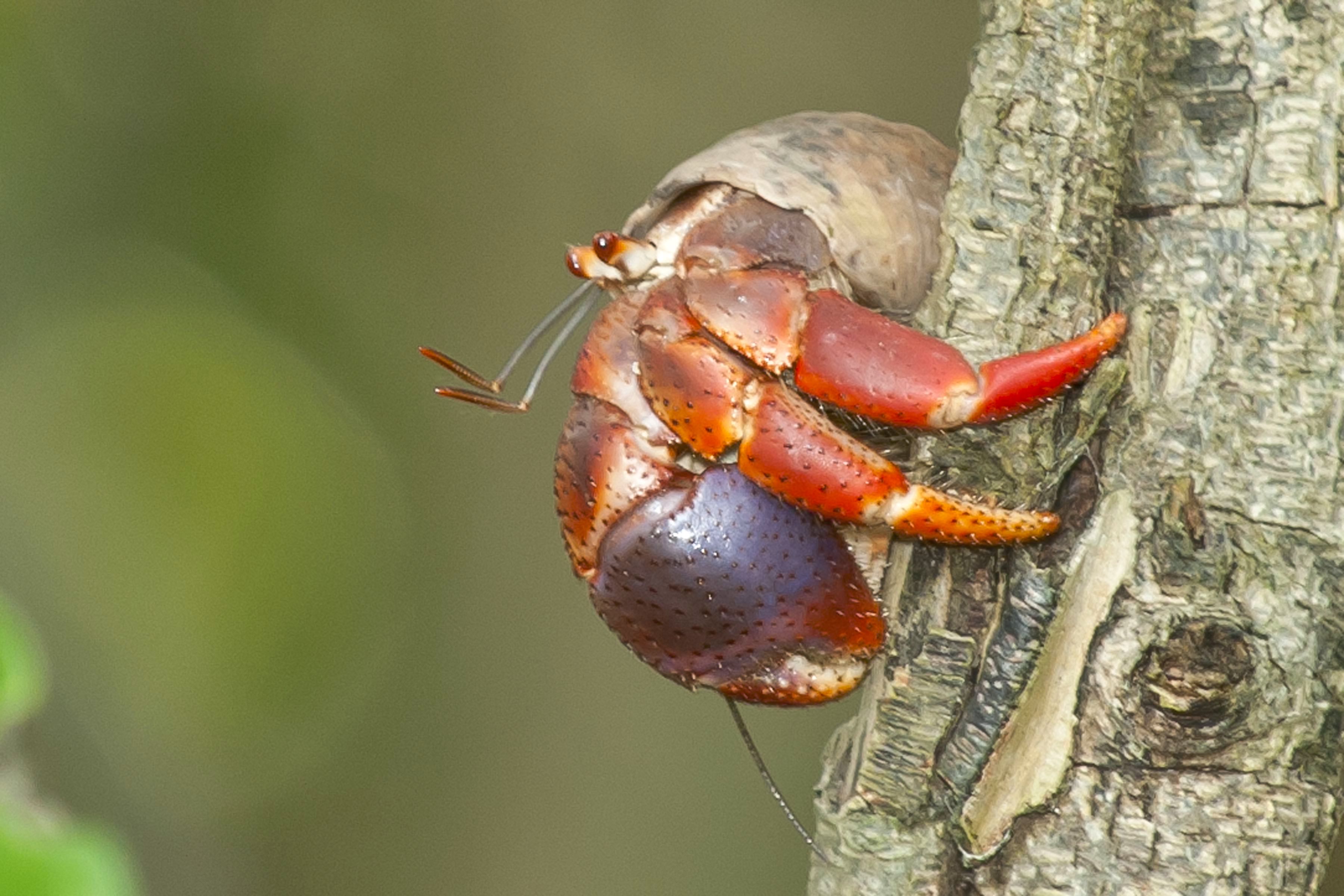
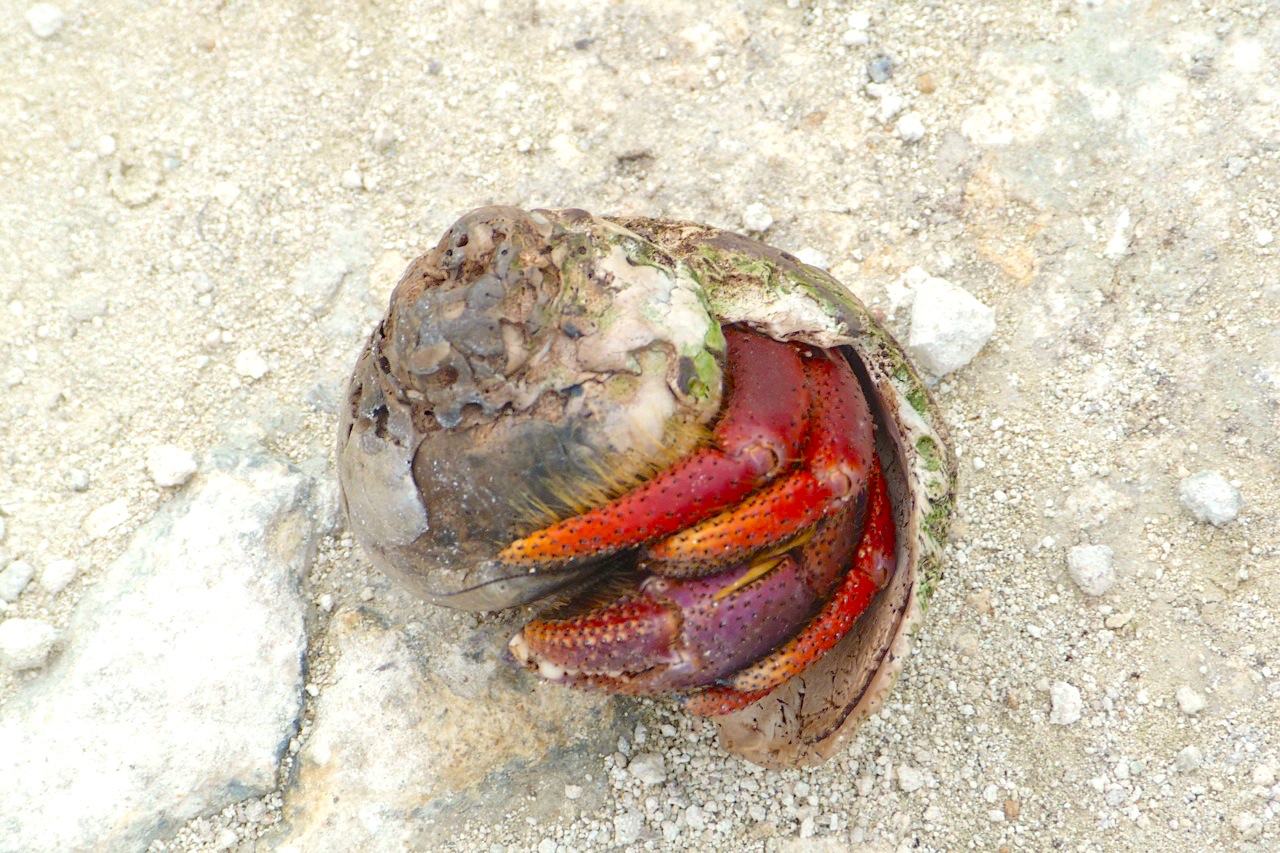
As everyone knows, Hermit Crabs get their name from the fact that from an early age they borrow empty seashells to live in. As they grow they trade up to a bigger one, leaving their previous home for a smaller crab to move into. It’s a benign** chain of recycling that the original gastropod occupant would no doubt approve of, were it still alive… The crabs are able to adapt their flexible bodies to their chosen shell. Mostly they are to be found in weathered (‘heritage’) rather than newly-empty shells for their home. [**except for fighting over shells] 

Hermit Crab, Abaco Bahamas (Keith Salvesen / Rolling Harbour)

 HERMIT CRAB FACTS TO ENLIVEN YOUR CONVERSATION

  • The crabs are mainly terrestrial, and make their homes in empty gastropod shells
  • Their bodies are soft, making them vulnerable to predation and heat.
  • They are basically naked – the shells protect their bodies & conceal them from predators
  • In that way they differ from other crab species that have hard ‘calcified’ shells / carapaces
  • Ideally the shell should be the right size to retract into completely, with no bits on display

Hermit Crab, Abaco Bahamas (Keith Salvesen / Rolling Harbour)

  • As they grow larger, they have to move into larger and larger shells to hide in
  • As the video below shows wonderfully, they may form queues and upsize in turns
  • Occasionally they make a housing mistake and chose a different home, eg a small tin

Hermit Crab, Abaco Bahamas (Keith Salvesen / Rolling Harbour)

  • The crabs may congregate in large groups which scatter rapidly when they sense danger
  • The demand for suitable shells can be competitive and the cause of inter-crab battles
  • Sometimes two or more will gang up on a rival to prevent its move to a particular shell

HERMIT CRABS CAN EVEN CLIMB TREES – WITH THEIR SHELLS ON TOO

Hermit Crab, Abaco Bahamas (Tom Sheley)

HERMIT CRABS EXCHANGING HOMES with DAVID ATTENBOROUGH

This is a short (c 4 mins) extract from BBC Earth, with David Attenborough explaining about the lives and habits of these little crabs with his usual authoritative care and precision . If you have the time I highly recommend taking a look.

Credits: All photos taken on Abaco by Keith Salvesen except for the tree-climber crab photographed by Tom Sheley; video from BBC Earth

Hermit Crab, Abaco Bahamas (Keith Salvesen / Rolling Harbour)

Unknown's avatar

LEUCOPHAEUS ATRICILLA: LAUGHING STOCK ON ABACO

PSSSST! WANNA HEAR A JOKE?

LEUCOPHAEUS ATRICILLA: LAUGHING STOCK ON ABACO

KNOCK KNOCK!


WHO’S THERE?


TWITTER!


TWITTER WHO?


HAR HAR! MADE YOU SOUND LIKE AN OWL…!

Photos & vid, Keith Salvesen; Joke, most people on Earth (though not with illustrative pics)

Unknown's avatar

The Tyrant

HOW TYRANT FLYCATCHERS GOT THEIR NAME (feat. Myr’s artwork & RH photos…)

Paper Bird Studio's avatarMyr's Bytes

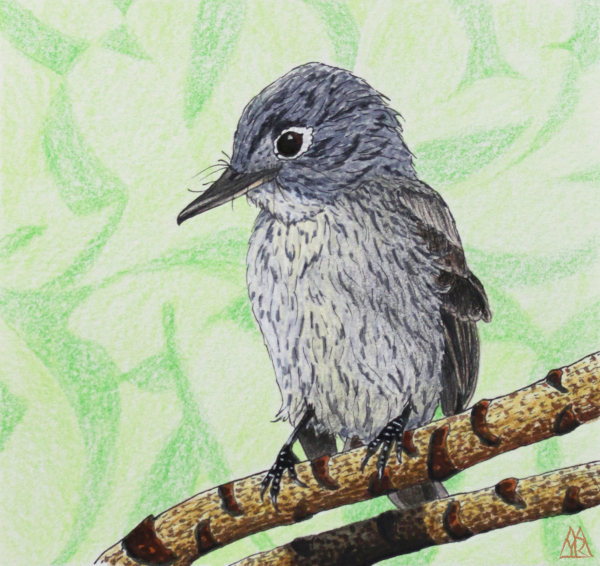
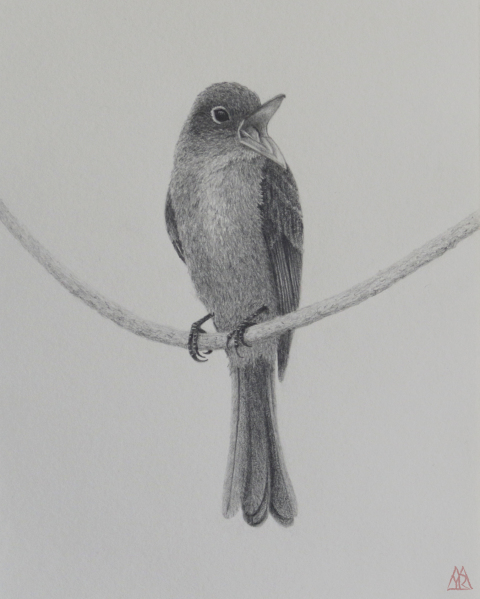
Happy Draw a Bird Day! To celebrate, I present, my first tyrant flycatcher drawing!

The Cuban Pewee, or Crescent-eyed Pewee, Contopus caribaeus, resides in Cuba and The Bahamas, and is occasionally sighted on the southeast coast of Florida. Keith Salvesen recently posted some lovely photos on his blog Rolling Harbour Abaco and he was cool with me using them for a Cuban Pewee drawing adventure.

I’m pleased that the bird in my drawing looks sweet-as-can-be and has a beautiful eye, and I like the colours and patterns of the branches and background. However, I’m not jazzed about the streakiness of the feathers. Hoping for more gentle feathery textures and easier control of varying grey shades, I grabbed 2H and HB graphite pencils and a kneaded eraser. I chose a different photo because that open bill is just marvellous! Clearly, Keith and the Cuban Pewees are good friends.

The…

View original post 333 more words

Unknown's avatar

ABACO WARBLERS: THE FAMOUS 5 (PERMANENT RESIDENTS)

Bahama Warbler, Abaco Bahamas (Bruce Hallett)

Bahama Warbler, Abaco Bahamas (Bruce Hallett)

ABACO WARBLERS: THE FAMOUS 5 (PERMANENT RESIDENTS)

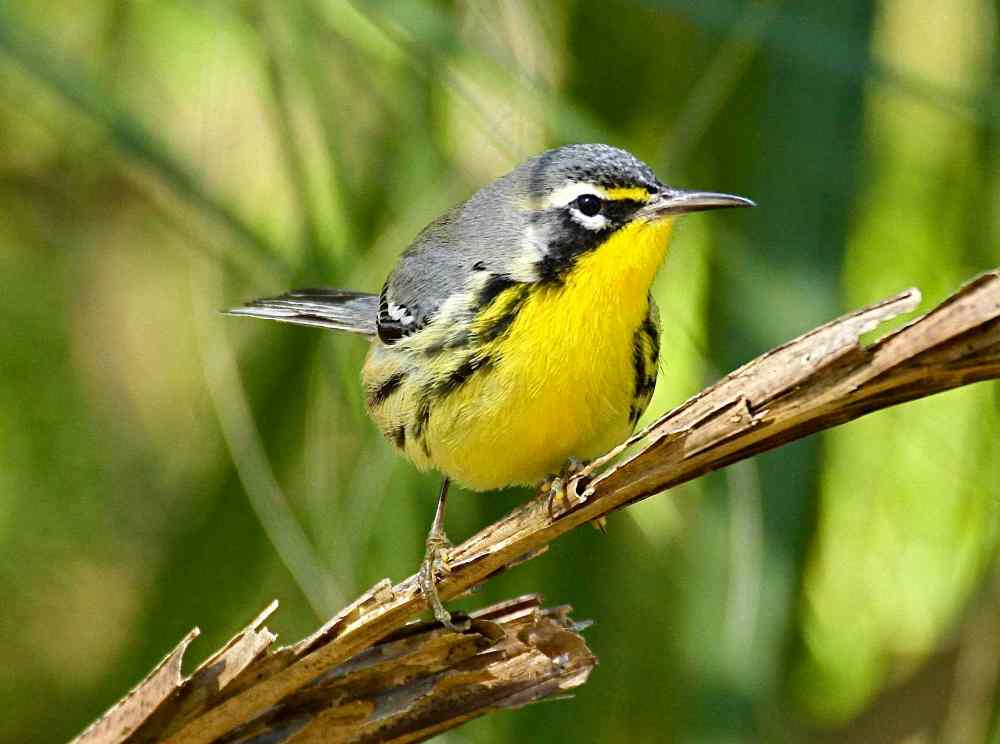
There are 37 warbler species recorded for Abaco. They fall into three distinct categories. Surprisingly perhaps, only 5 species are permanently resident on Abaco, ie non-migratory. Then there are warblers that commute from the breeding grounds of North America to warmer climes in the Fall, returning in the Spring to breed. Some will be familiar – PALM WARBLER, AMERICAN REDSTART, BLACK-AND -WHITE WARBLER. Others, like the HOODED WARBLER, are less common. One or two are very rare indeed, such as the KIRTLAND’S WARBLERS that choose Abaco as a winter destination. Finally there are the so-called transients, warbler species that use the northern Bahamas as a stopover during their longer migratory flights, such as the BLACKPOLL WARBLER.

The 5  permanent residents obviously don’t migrate, so there is a chance to find them throughout the year. The pine forests would generally be the best place to start the quest. Importantly, 2 of the 5 species are endemic birds to the Bahamas and can be found nowhere else: BAHAMA YELLOWTHROAT and BAHAMA WARBLER. The latter and the OLIVE-CAPPED WARBLER, are very range-restricted, and only found on Abaco and Grand Bahama.

Yellow Warbler at sunrise.Abaco Bahamas.6.13.Tom Sheley copy copy

THE 5 PERMANENT RESIDENTS

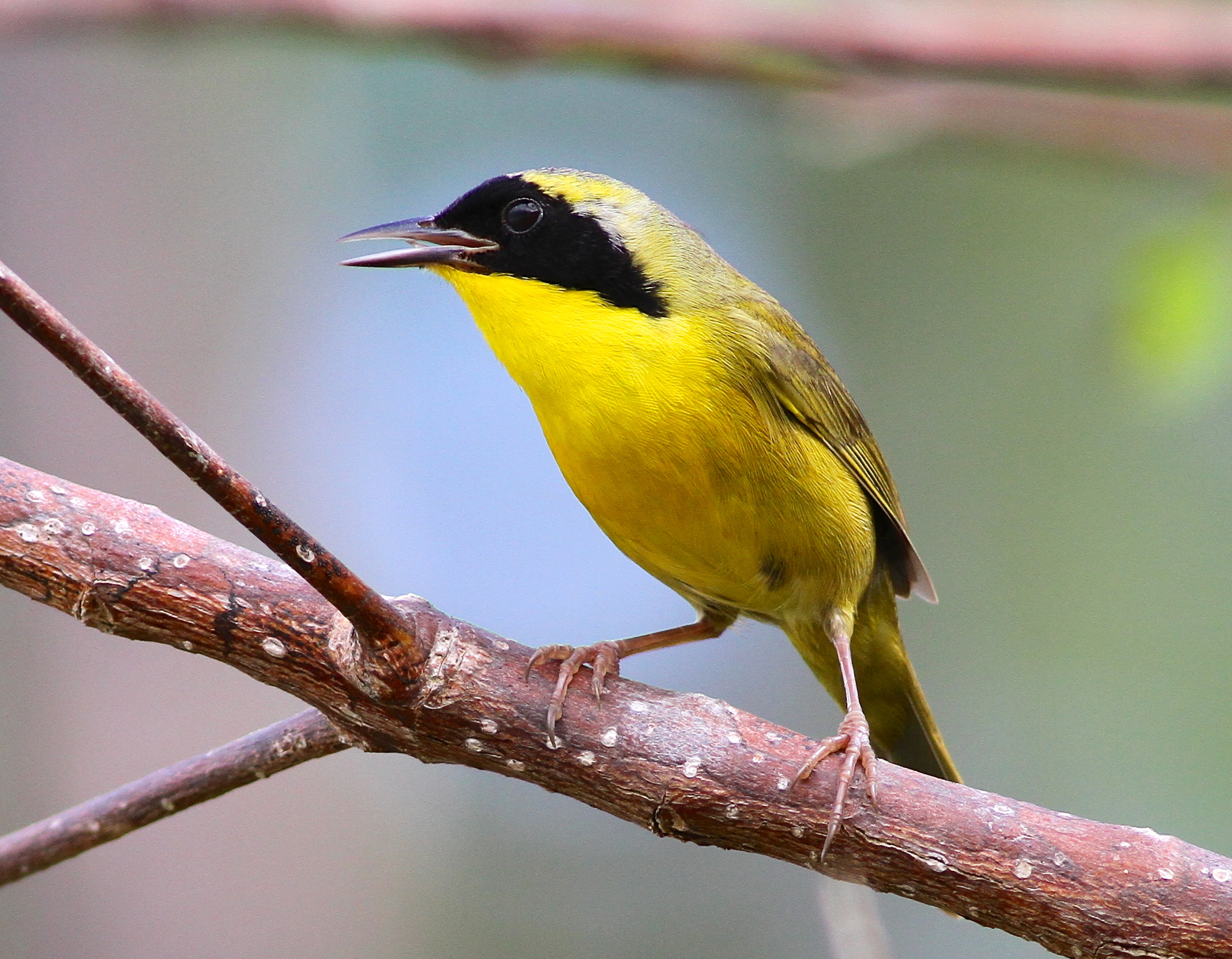
BAHAMA YELLOWTHROAT Geothlypis rostrata PR B 1  ENDEMIC

Bahama Yellowthroat, Abaco Bahamas (Gerlinde Taurer)Bahama Yellowthroat, Abaco Bahamas (Bruce Hallett)

Yellow Warbler at sunrise.Abaco Bahamas.6.13.Tom Sheley copy copy

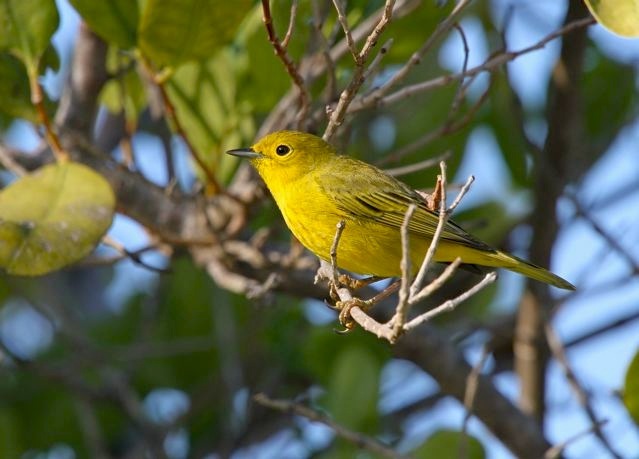
YELLOW WARBLER Setophaga petechia PR B 1 

Yellow Warbler, Abaco Bahamas (Tom Sheley)Yellow Warbler (f), Abaco Bahamas (Bruce Hallett)

Yellow Warbler at sunrise.Abaco Bahamas.6.13.Tom Sheley copy copy

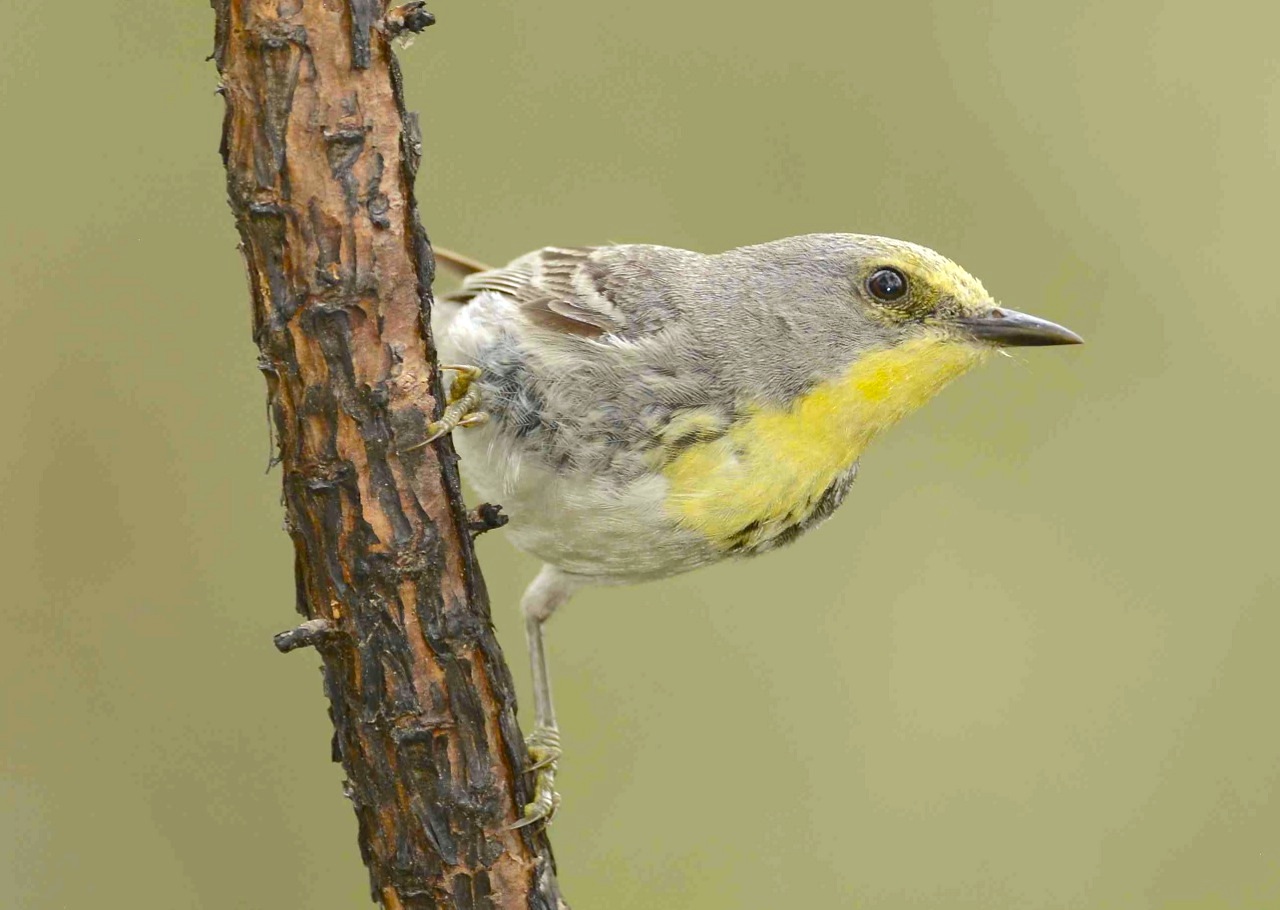
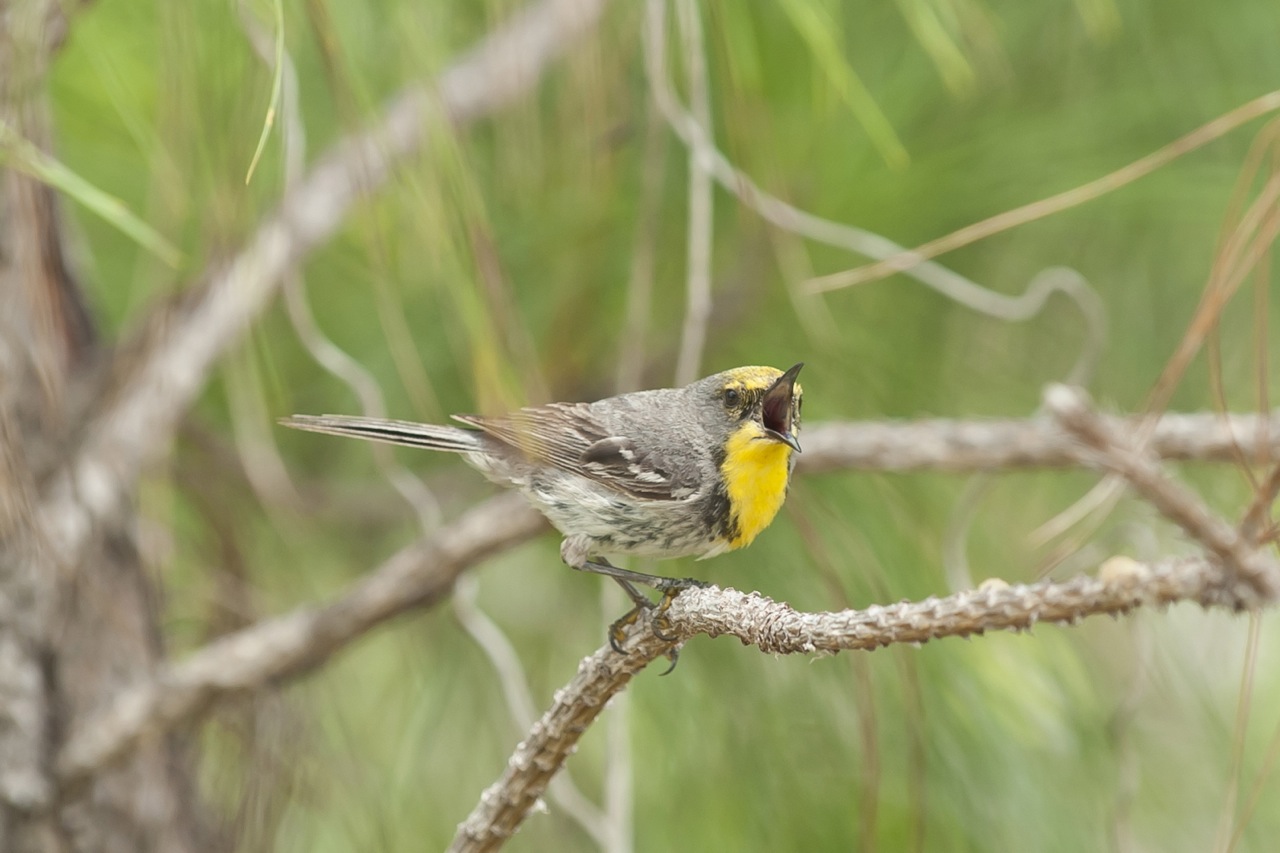
OLIVE-CAPPED WARBLER Setophaga pityophila PR B 1 

Olive-capped Warbler, Abaco Bahamas (Tom Sheley)Olive-capped Warbler, Abaco Bahamas (Tom Sheley)

Yellow Warbler at sunrise.Abaco Bahamas.6.13.Tom Sheley copy copy

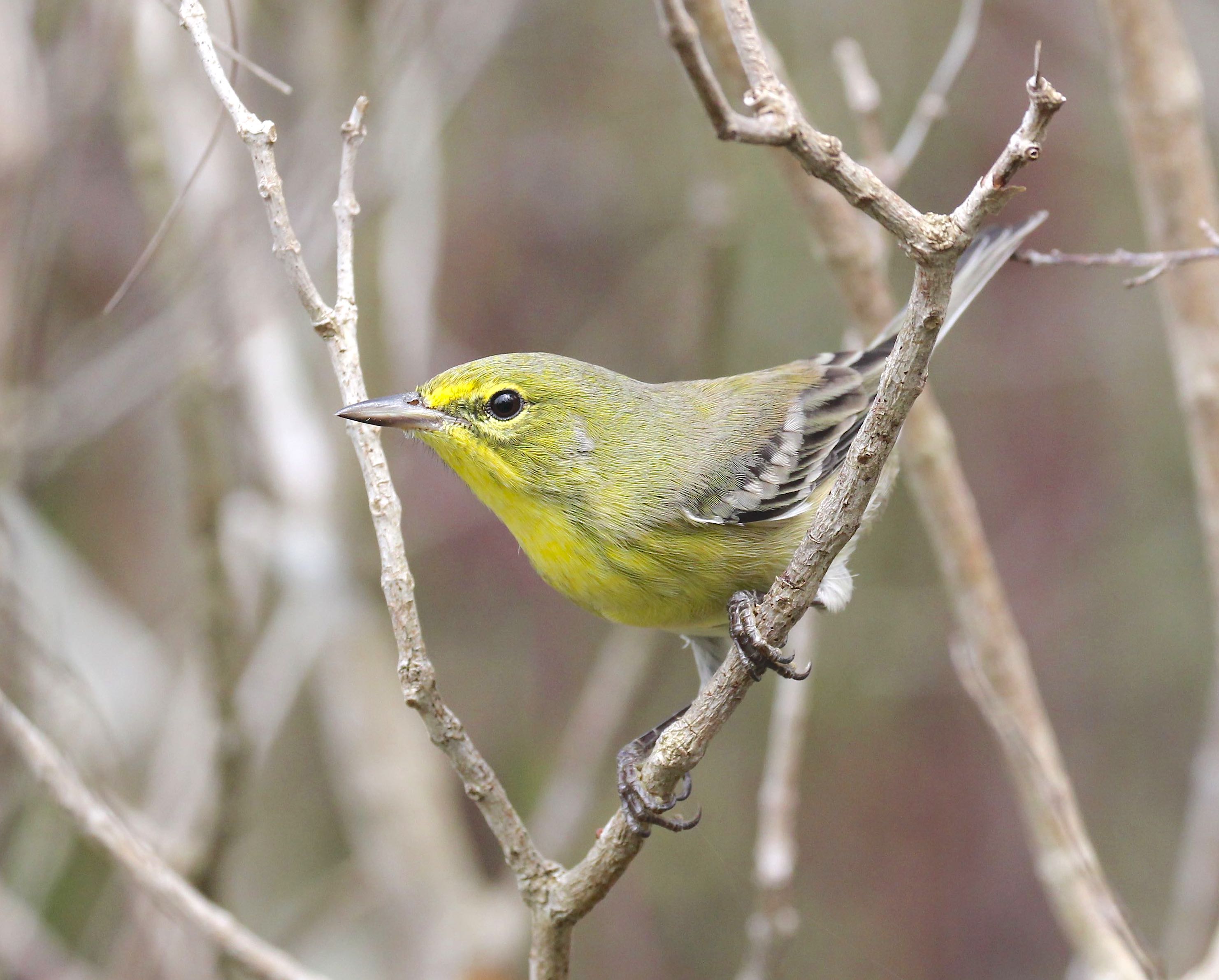
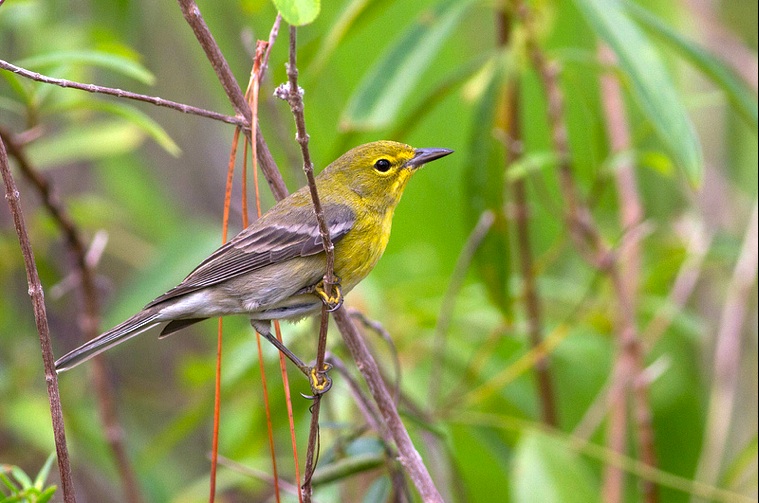
PINE WARBLER Setophaga pinus PR B 1 

Pine warbler (m) Abaco Bahamas (Bruce Hallett)

Pine warbler (m) Abaco Bahamas (Tom Reed)

Yellow Warbler at sunrise.Abaco Bahamas.6.13.Tom Sheley copy copy

BAHAMA WARBLER Setophaga flavescens PR B 1 ENDEMIC

Bahama Warbler, Abaco Bahamas - Alex HughesBahama Warbler, Abaco Bahamas - Alex Hughes

Yellow Warbler at sunrise.Abaco Bahamas.6.13.Tom Sheley copy copy

PHOTO CREDITS Bruce Hallett (1, 3, 5, 8, 11); Gerlinde Taurer (2); Tom Sheley (4, 6, 7); Tom Reed (9); Alex Hughes (10, 11)

CHECKLIST CODES based on the complete checklist and codes for Abaco devised by Tony White with Woody Bracey for “THE DELPHI CLUB GUIDE TO THE BIRDS OF ABACO” by Keith Salvesen

Unknown's avatar

NO LAUGHING MATTER: A DISHEVELLED GULL ON ABACO

Laughing Gull (non-breeding adult) Sandy Point, Abaco Bahamas (Keith Salvesen)

NO LAUGHING MATTER: A DISHEVELLED GULL ON ABACO

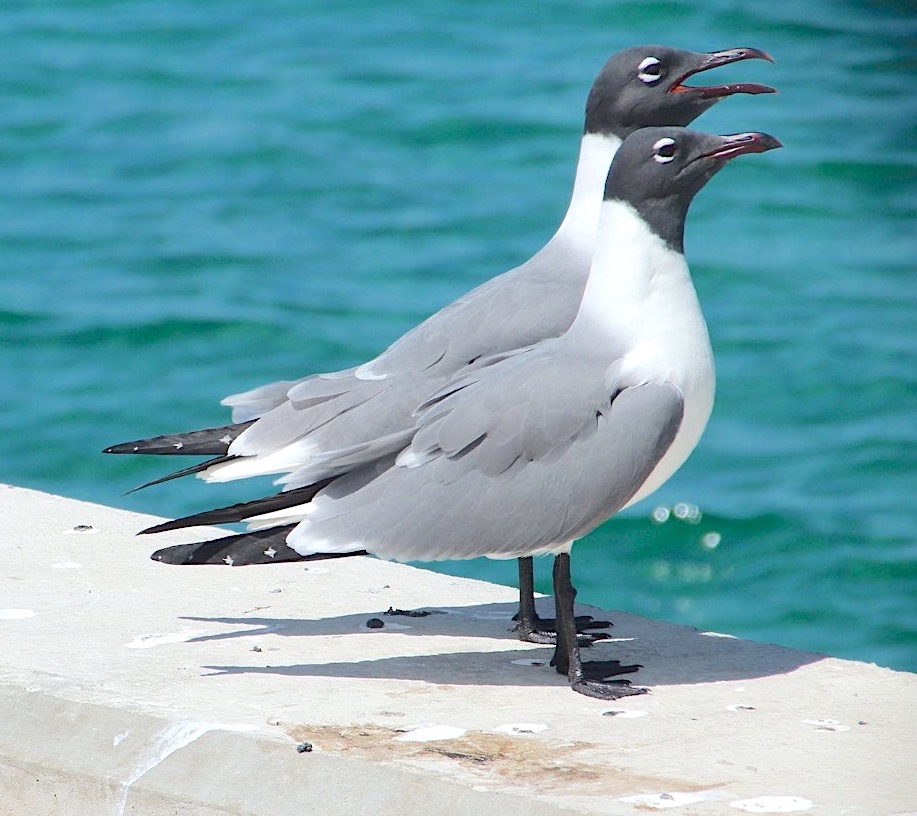
By the end of day 2 during my recent stay at Sandy Point, I thought that I had had just about enough of the laughing gulls Leucophaeus atricilla. They are delightful of course, and (in small doses) a joy to listen to. But their incessant outbursts of humour were getting beyond a joke.

Laughing Gull (non-breeding adult) Sandy Point, Abaco Bahamas (Keith Salvesen)

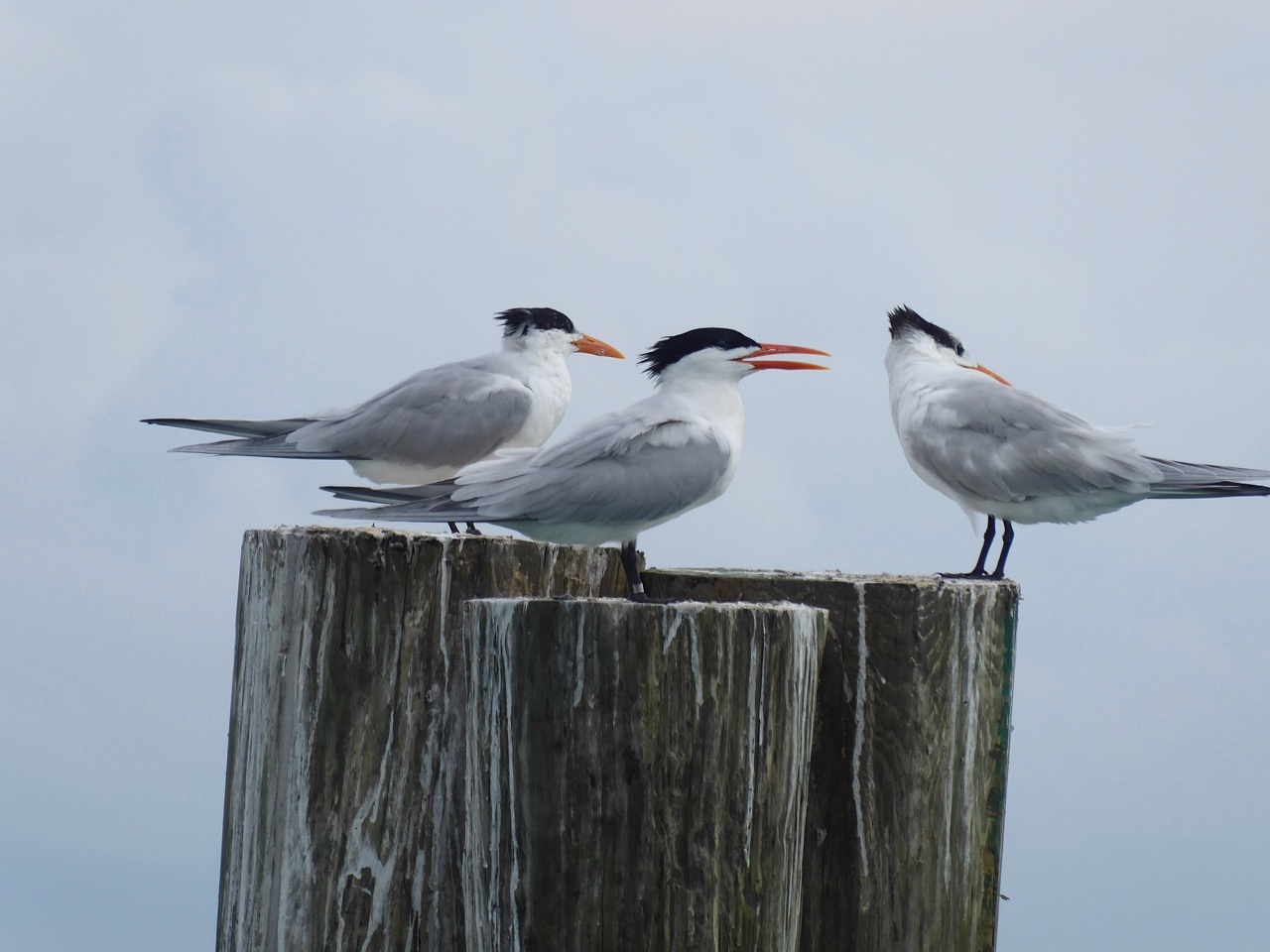
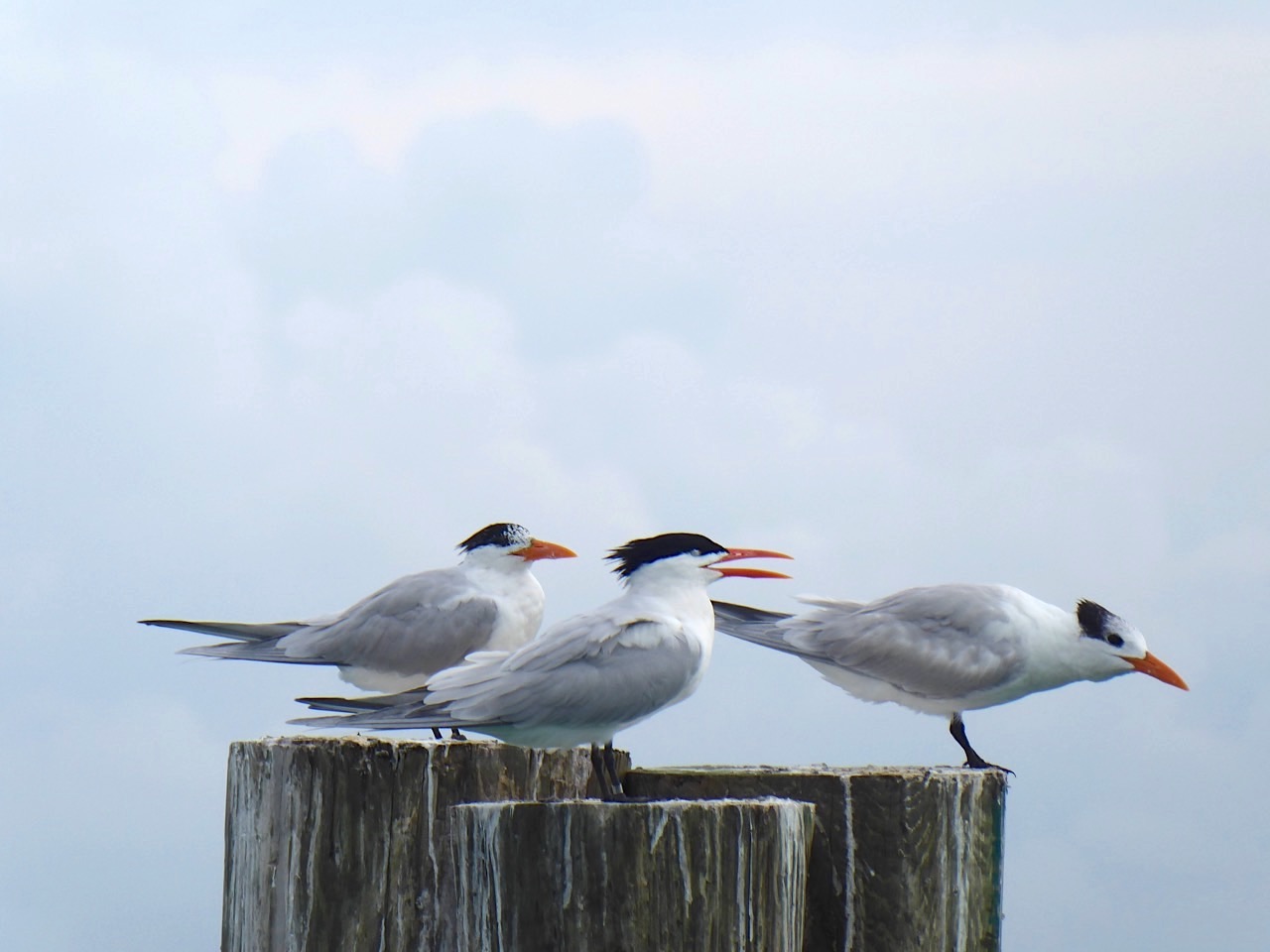
The next day, on the nearby jetty, the gulls were in full cry. A lone brown pelican stood on top of a piling, looking out to sea. A few Royal Terns turned their faces, characteristically, into the light wind. I wandered over and slowly walked down the jetty. This generated some laughter, but the birds were quite content to watch me edge slowly towards them.
Laughing Gull (non-breeding adult) Sandy Point, Abaco Bahamas (Keith Salvesen)

Probably, the gulls feel safety in numbers. Maybe they hope the din will send you away. Or perhaps, if approached very carefully, they are simply curious. I got close to the birds, and one in particular caught my eye. It was plainly having a bad-feather day. I took it to be a non-breeding adult, but it lacked the white spots on the tail-feathers (primaries). Maybe it was a first winter juvenile. Whichever, it was happy to pose for me.

Laughing Gull (non-breeding adult) Sandy Point, Abaco Bahamas (Keith Salvesen)

I realised, of course, that the jetty belonged to the birds, including the ruddy turnstones that had just joined the gang at the end of the jetty. I was the intruder in their world, and I had willingly visited their territory. So their racket was entirely their business, and absolutely none of mine**.

Laughing Gull (non-breeding adult) Sandy Point, Abaco Bahamas (Keith Salvesen)

WHAT DO LAUGHING GULLS SOUND LIKE? ARE YOU OVERSENSITIVE?

I made a couple of short recordings of the gulls in full humour mode. If you have never heard them before, you might want to listen to the full 30 seconds. For anyone else there’s a convenient lull at around 15 secs before they kick off again.

Breeding adult (Birdorable)

**In the UK there’s a thing where someone buys an attractive cottage next to the c15 village church. Then they discover that the clock chimes. And the bell-ringers practise their art on Monday and Thursday evenings. And on Sunday all hell breaks loose, especially if there is Sunday cricket on the village green in the mix. And the occasional ball being hit into the flowerbed. So, complaints are made to the Council, noise abatement orders are sought, legal letters fly round the Parish. And everyone hates the newcomers. Adopting village life with no research? Way to go!
All photos + audio clip: Keith Salvesen / Rolling Harbour

Laughing Gull (non-breeding adult) Sandy Point, Abaco Bahamas (Keith Salvesen)

Unknown's avatar

SCENE FROM BELOW: ‘SURFACE TENSION’

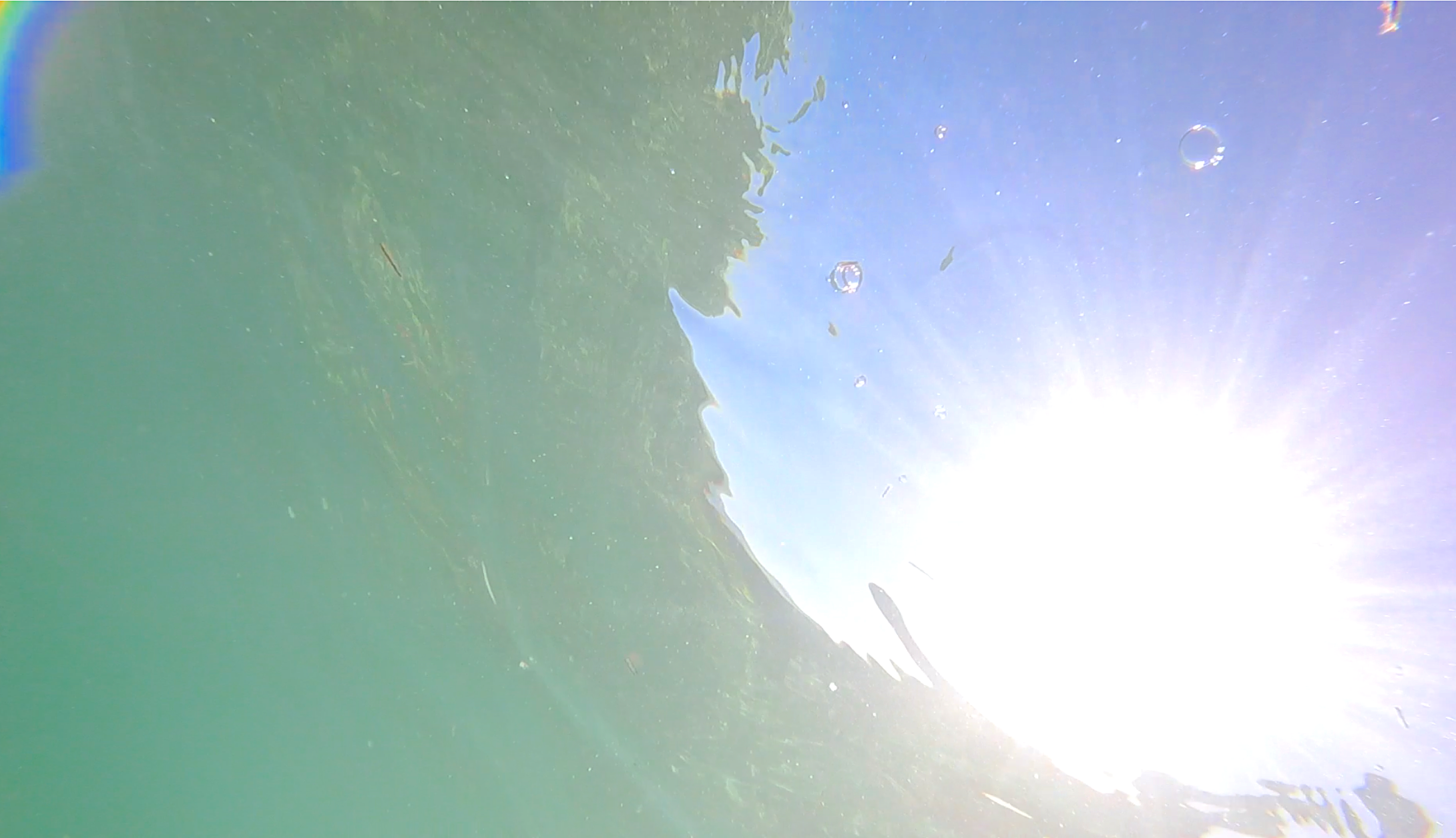
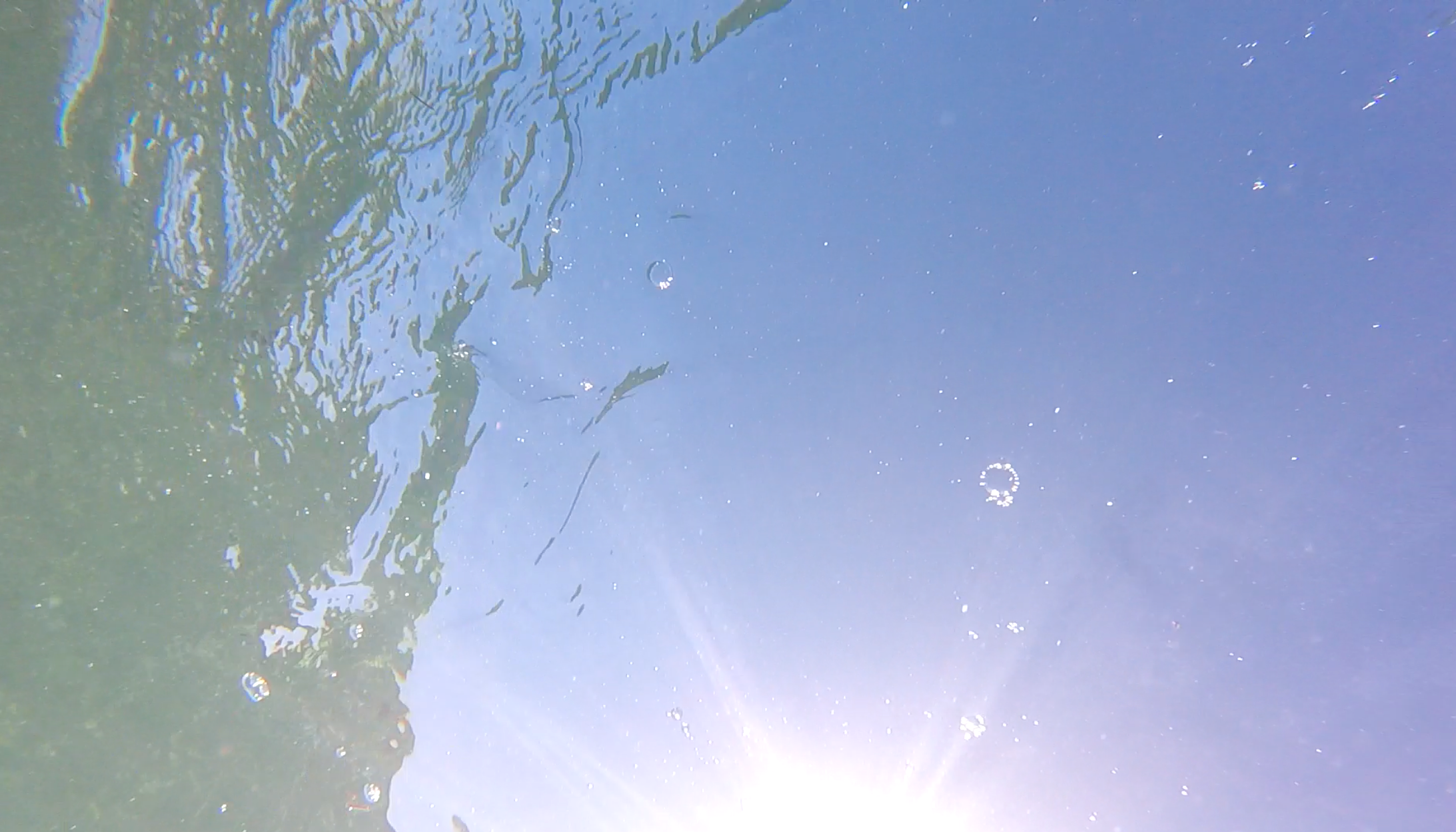
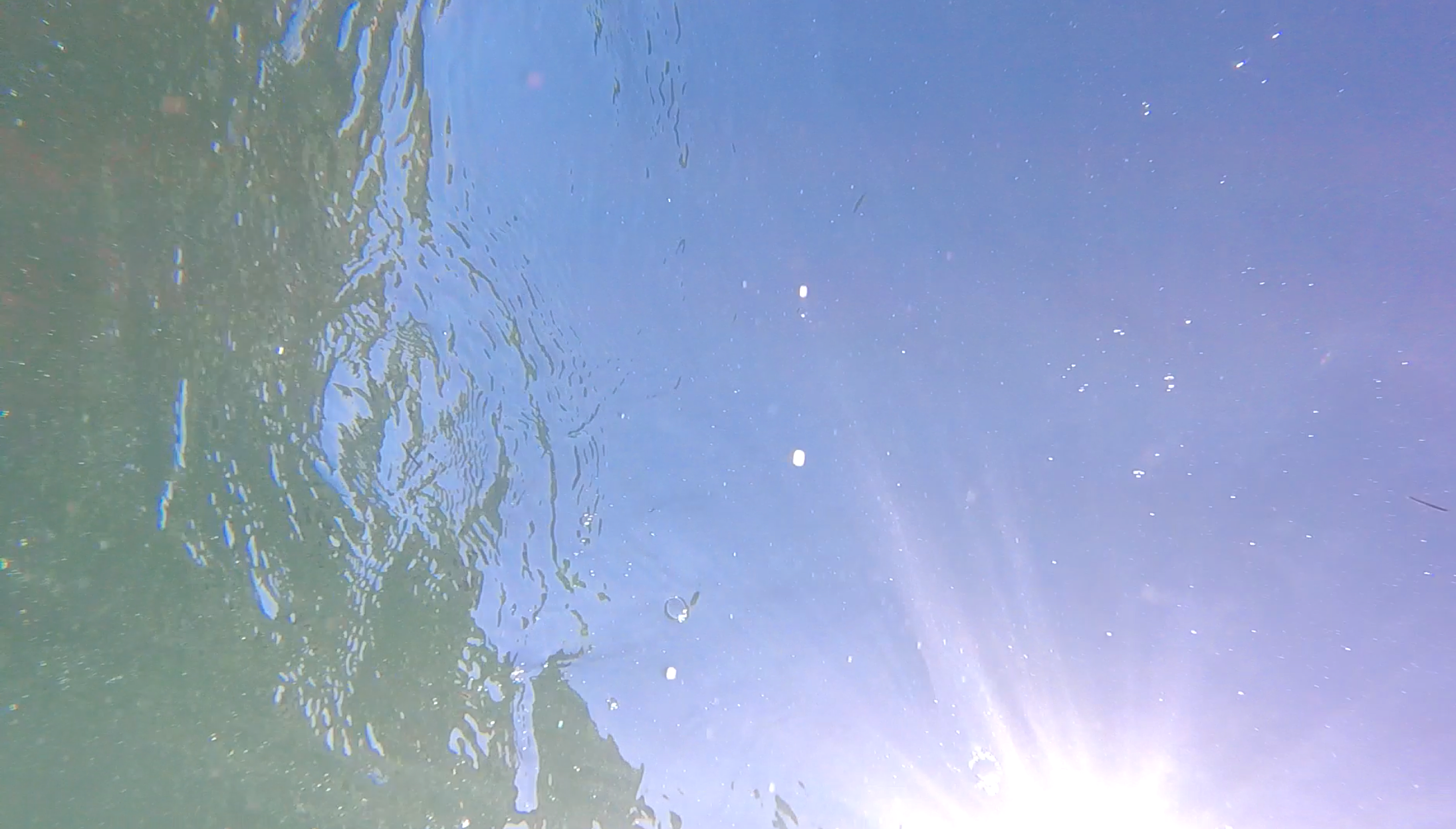
Surface to air: underwater images of Abaco sky (Keith Salvesen)

SCENE FROM BELOW: ‘SURFACE TENSION’

When I first got a GoPro, I made a mistake. What I really needed was a GoAm. My level of sophistication in Camera-world lines up just above the ‘incompetent’ mark. So, in taking footage of a partial sperm whale skeleton on the sea floor in Abaco last week, I have found several total duds – as if I have confused the ‘take’ button with the ‘on-off’ button. Indeed, as I obviously did. 

Surface to air: underwater images of Abaco sky (Keith Salvesen)

These photographic deficiencies are matched by my well-documented feeble swimming skills that improve only slightly with a snorkel and mask. And I am not legally permitted within 25 metres of Scuba equipment in all but landlocked countries.

Surface to air: underwater images of Abaco sky (Keith Salvesen)

The footage of the whale skeleton worked out quite well in the end, considering the directional uncertainties caused by my swimming technique. In trimming the ends, I found I had taken quite a lot of underwater footage directed upwards to the surface rather than downwards on the cetacean remains. Probably, I was gasping for air.

Surface to air: underwater images of Abaco sky (Keith Salvesen)

I’m not sure that any of these stills count as photography at all. But as my finger hovered over the trashcan sign, it crossed my mind that there was (possibly) a strange beauty in these random outtakes. So I clipped and cropped to see how that might work. I wait to see the feedback (if any). If my number of followers drops below 50%, I will have to delete the dross swiftly, with due apologies.

Surface to air: underwater images of Abaco sky (Keith Salvesen)

I’ll be posting the story behind the sperm whale skeleton in due course. Meanwhile, these clips are an interim curiosity. And that’s probably putting it at its highest…

All photos taken at Sandy Point, Abaco Bahamas – Keith Salvesen / Rolling Harbour

Surface to air: underwater images of Abaco sky (Keith Salvesen)

Unknown's avatar

‘BIRD ON THE WIRE’: LOGGERHEAD KINGBIRD ON ABACO

Loggerhead Kingbird, Sandy Point Abaco Bahamas (Keith Salvesen)

‘BIRD ON THE WIRE’: LOGGERHEAD KINGBIRD ON ABACO

I’m just back from Abaco. Mostly, it was about Marine Mammals (i.e. whales, dolphins, manatees) and the biennial Retreat for the Bahamas Marine Mammal Research Organisation (BMMRO). There was still time for some birding in Sandy Point, though. It’s a good place at any time for bird-watching BUT the settlement is rather remote. Specifically it is the terminus of the single 120-mile Highway that stretches south from Little Abaco in the north. Then the tarmac abruptly runs out and gives way at once to white sand. If that doesn’t halt you, you’ll wish your vehicle was amphibious… 

Loggerhead Kingbird, Sandy Point Abaco Bahamas (Keith Salvesen)

Loggerhead kingbirds, with their hooky flycatcher beaks, cresty hair and dashing yellowish undersides, are intriguing companions. If they get interested in you (or maybe your camera bleep, as I have discovered), they will accompany you on a walk, flying ahead until you catch up, then doing it again. And if they are ‘hawking’ for flies from a favourite perch, they are fun to watch and… a big bonus… they won’t stop because you are spectating.

Loggerhead Kingbird, Sandy Point Abaco Bahamas (Keith Salvesen)

Like all the Bahamas flycatchers, from the little cuban pewee upwards, the Kingbirds have a charming way of cocking their head to one side or dropping it down towards their chest. Slightly posey, always endearing.

OPTIONAL MUSICAL DIGRESSION

‘Bird on the Wire’ was originally sung by Judy Collins, though written by Leonard Cohen. His own definitive version from 1968’s ‘Songs from a Room‘ is arguable the best known recording and preceded several hundred later cover versions. LC is a really “difficult” artist, however. Many will agree with his expressed view that the song is ‘a prayer and an anthem’. Others might say that it is simply growly dirge-like maundering. The (then-modish) mouth-harp twangling in the background may also be an opinion-divider. Since I have shoehorned Cohen’s song title into my blog title, you might as well have the song too, for contemplation. Is it a life-affirming ‘upper’ or a funereal ‘downer’? You be the judge!

Photos: Keith Salvesen / Rolling Harbour, Sandy point, Abaco.

Loggerhead Kingbird, Sandy Point Abaco Bahamas (Keith Salvesen)

Unknown's avatar

“MEET THE FLOCKERS…” ON ABACO

Ruddy Turnstones, Sandy Point, Abaco, Bahamas (Keith Salvesen)

“MEET THE FLOCKERS…” ON ABACO

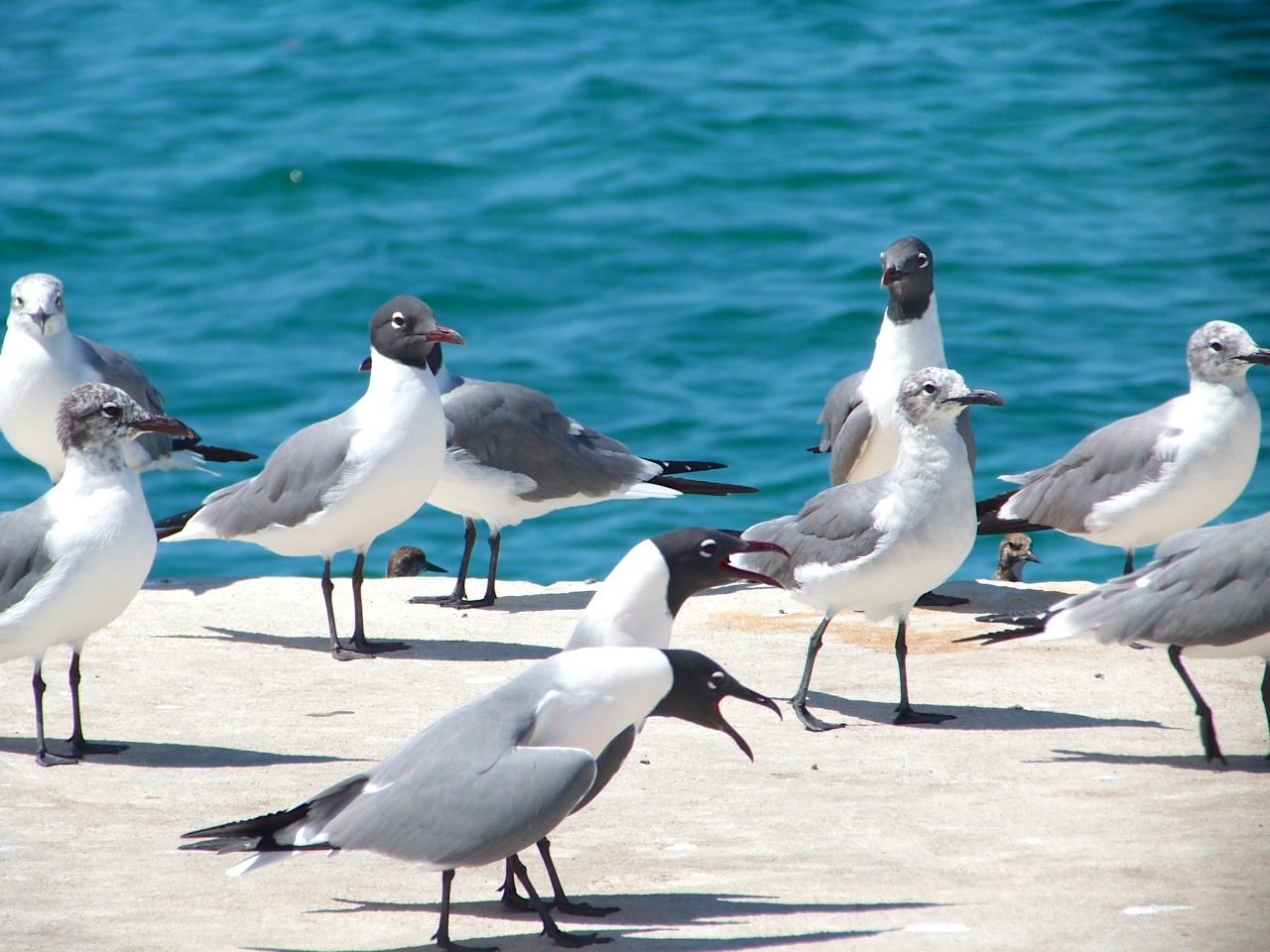
I’ve been checking out jetties at Sandy Point, of which there are several. They look a bit rickety but are in fact sound except for having to step rounds piles of (empty) conch shells and occasional evidence on the timbers of recent fish-cleaning. This is a time of Laughing Gulls, and I have been recording their raucous hilarity. I may add a couple of sound files when I’ve downloaded them.

Sharing a joke

Laughing Gulls, Sandy Point, Abaco, Bahamas (Keith Salvesen)

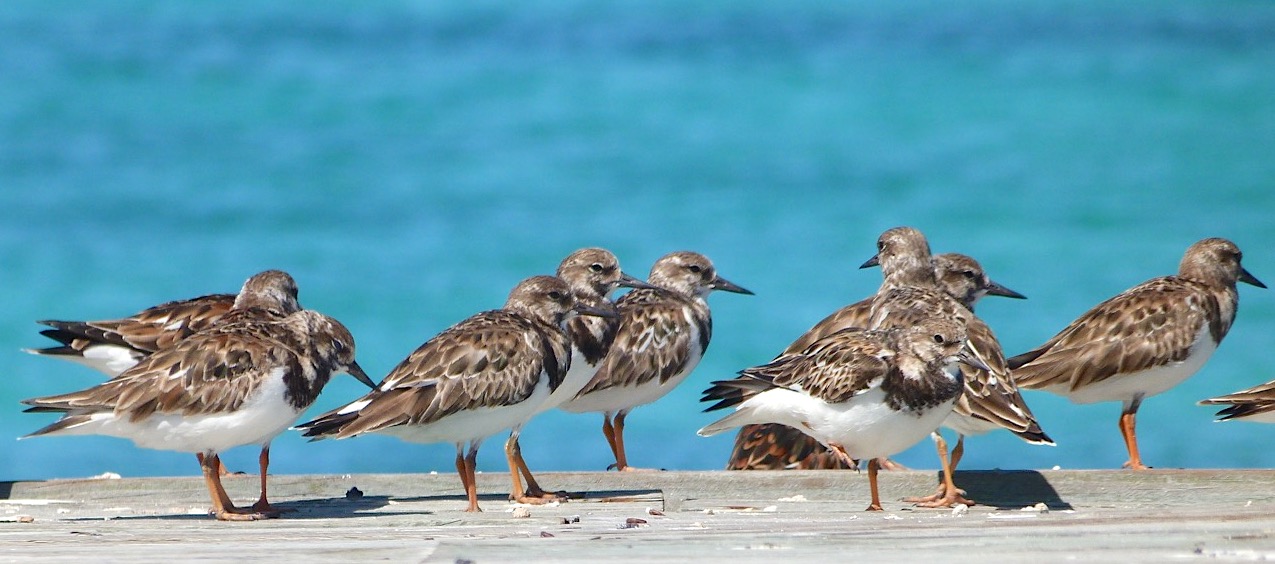
Right now, ruddy turnstones and laughing gulls seems to have formed a team of jetty birds, with a few royal terns in the mix and (as here) a random sanderling. The turnstones like to lie down in the hot sun on the jetty, possibly because it’s a bit breezier than on the burning sand of the beach.

Exhausted from turning stones

Random sanderlingRuddy Turnstones, Sandy Point, Abaco, Bahamas (Keith Salvesen)

These jokers are wild…Laughing Gulls, Sandy Point, Abaco, Bahamas (Keith Salvesen)

The jetties also attract pelicans, which use them to sun themselves and also to fish from. I will post about these remarkable birds another time. The largest flock of them I have seen so far is 5, one with a gold ‘breeding crown’.

Ruddy Turnstones, Sandy Point, Abaco, Bahamas (Keith Salvesen)

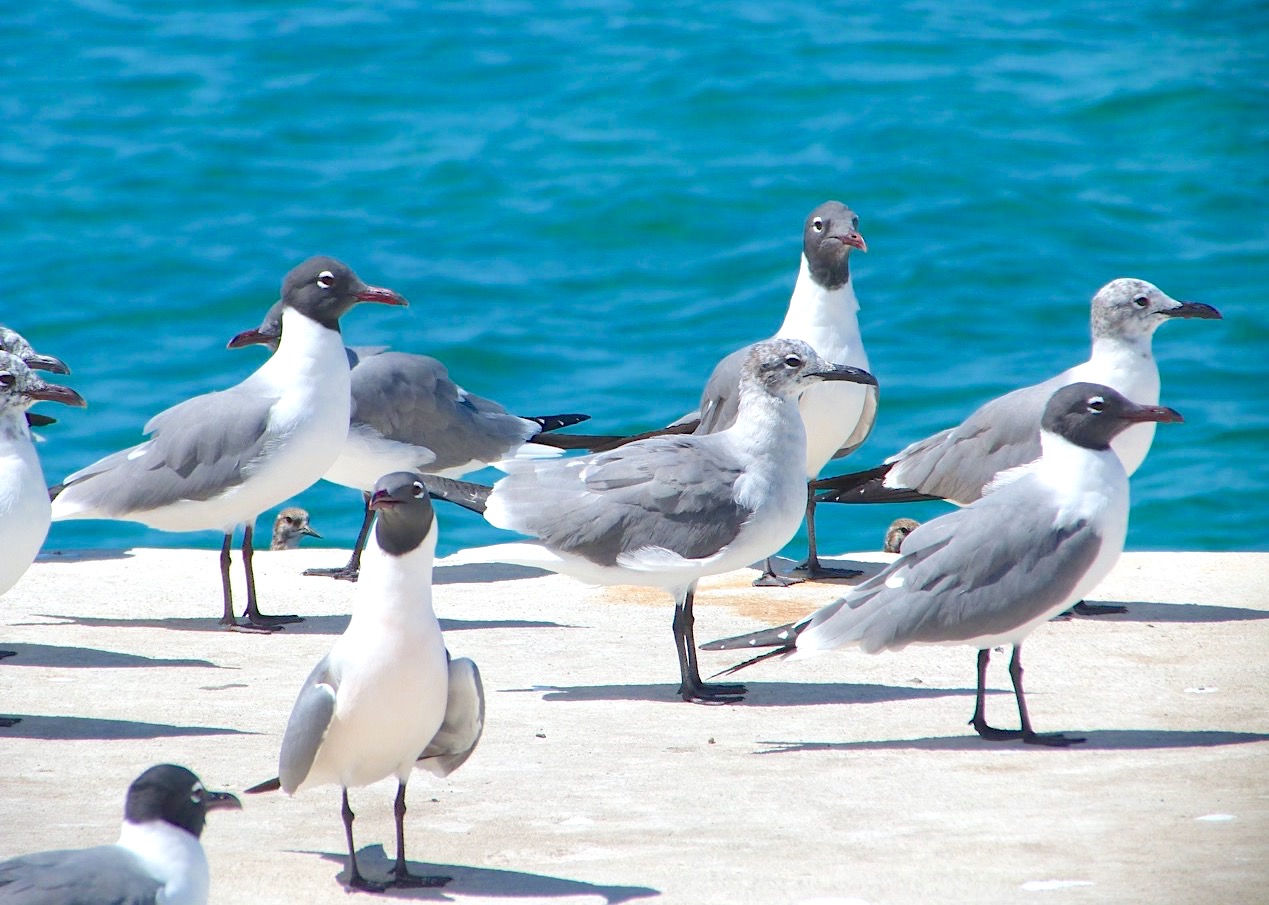
The gulls also spend time on the beach, and flock on the sandbars that emerge at low tideLaughing Gulls, Sandy Point, Abaco, Bahamas (Keith Salvesen)

All photos: Keith Salvesen

Laughing Gulls, Sandy Point, Abaco, Bahamas (Keith Salvesen)
Unknown's avatar

TAKING TERNS KISSING: AN ABACO ROMANCE

Royal Terns, Sandy Point, Abaco Bahamas (Keith Salvesen)

TAKING TERNS KISSING: AN ABACO ROMANCE

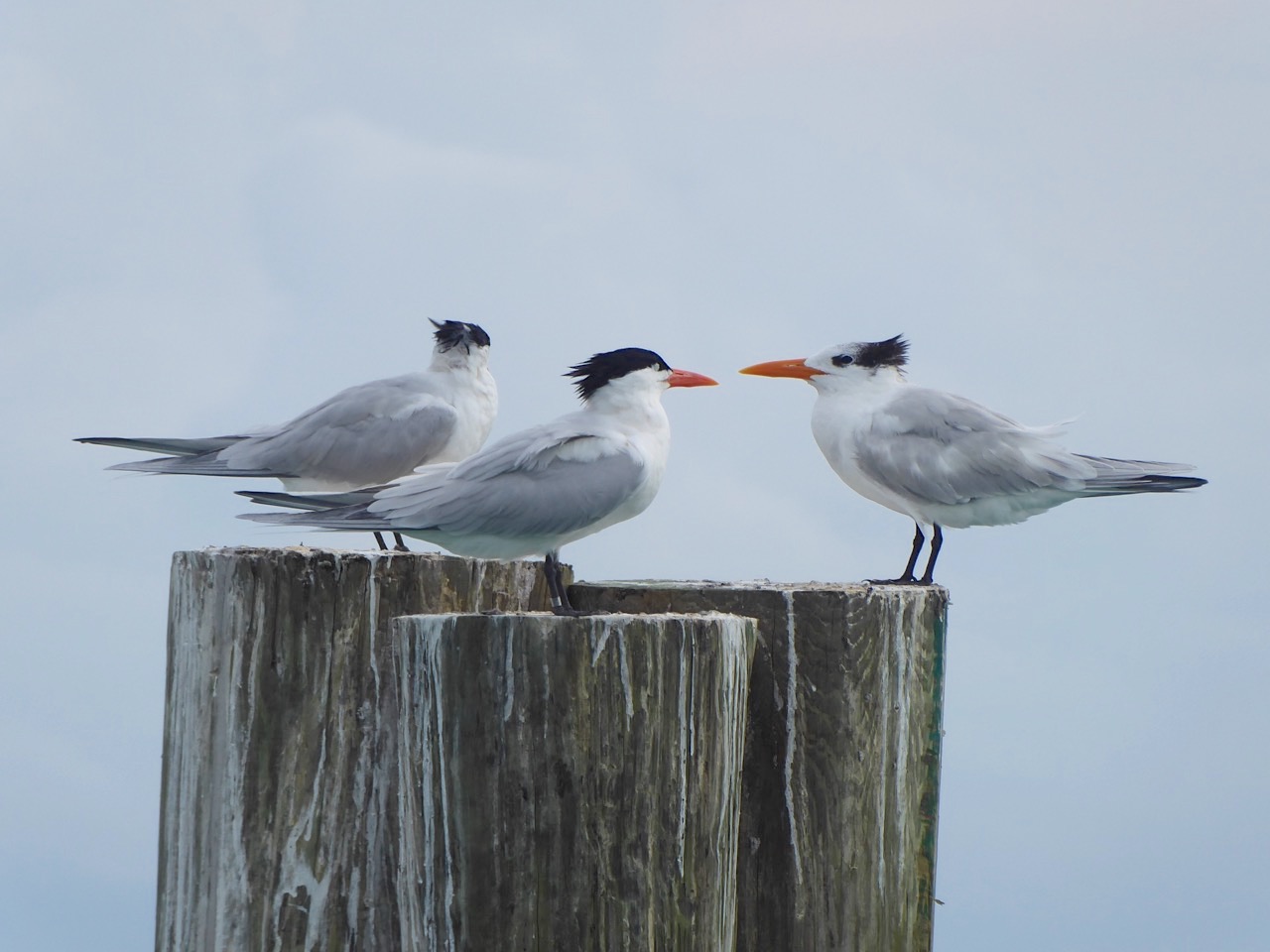
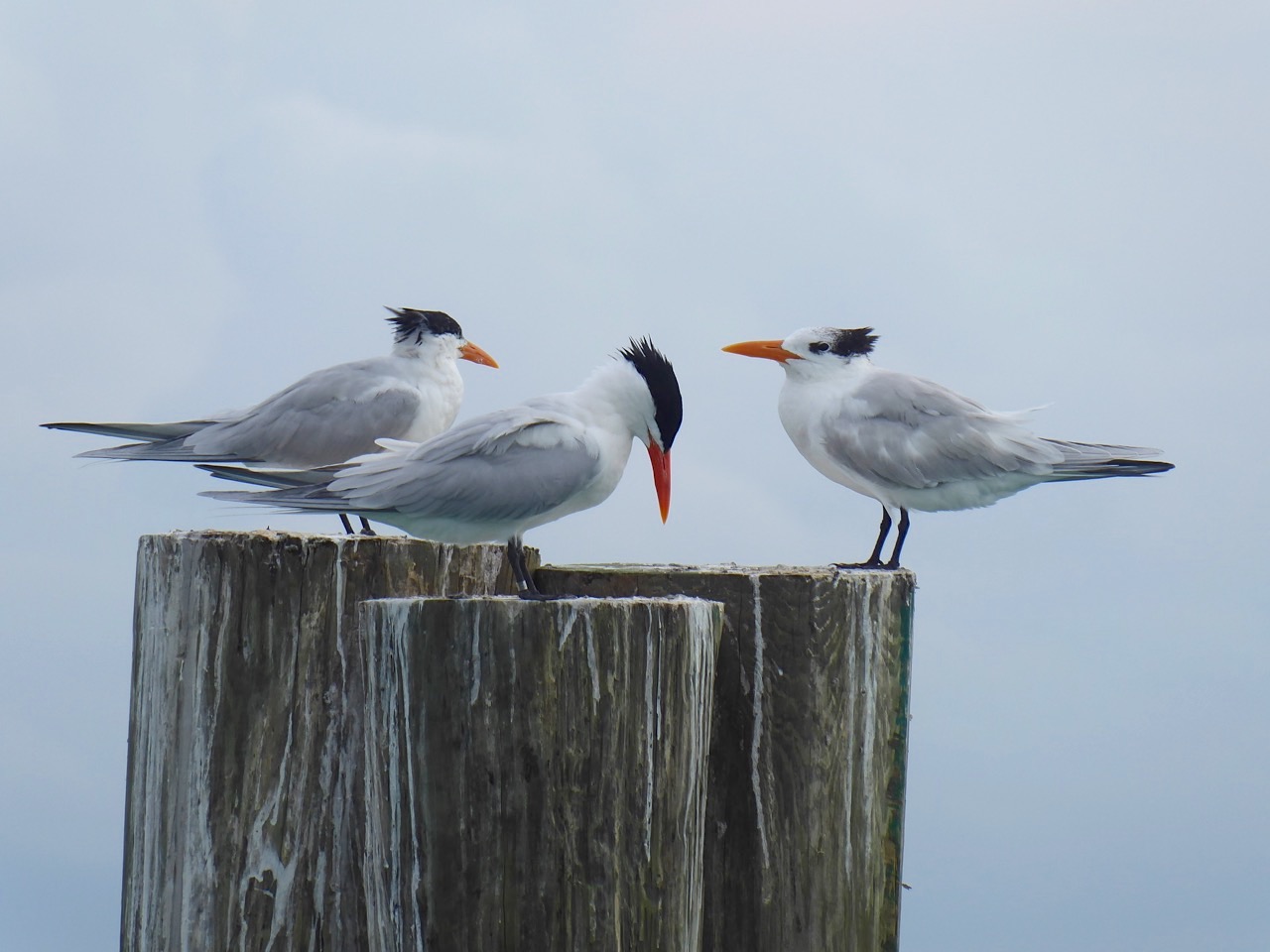
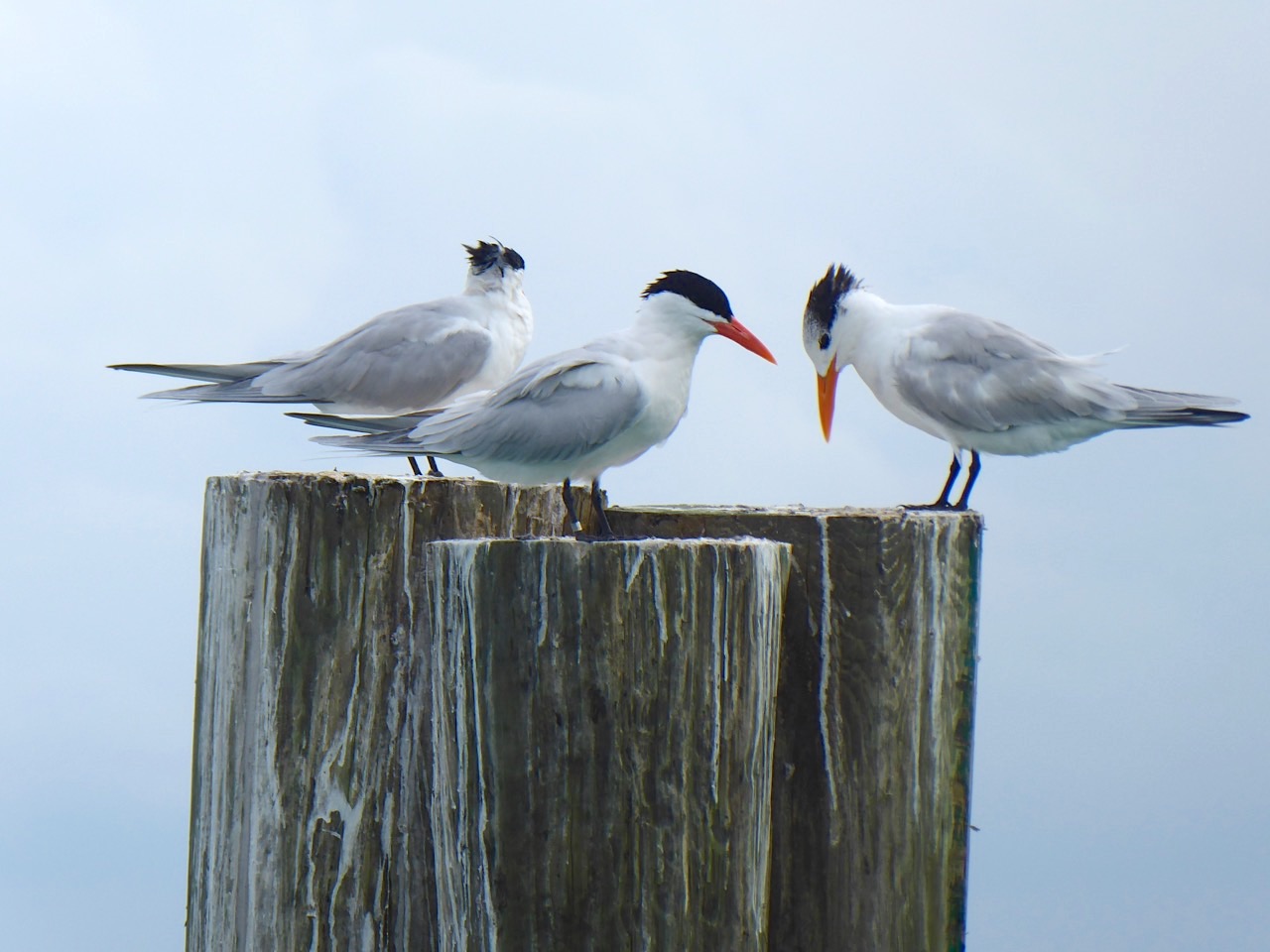
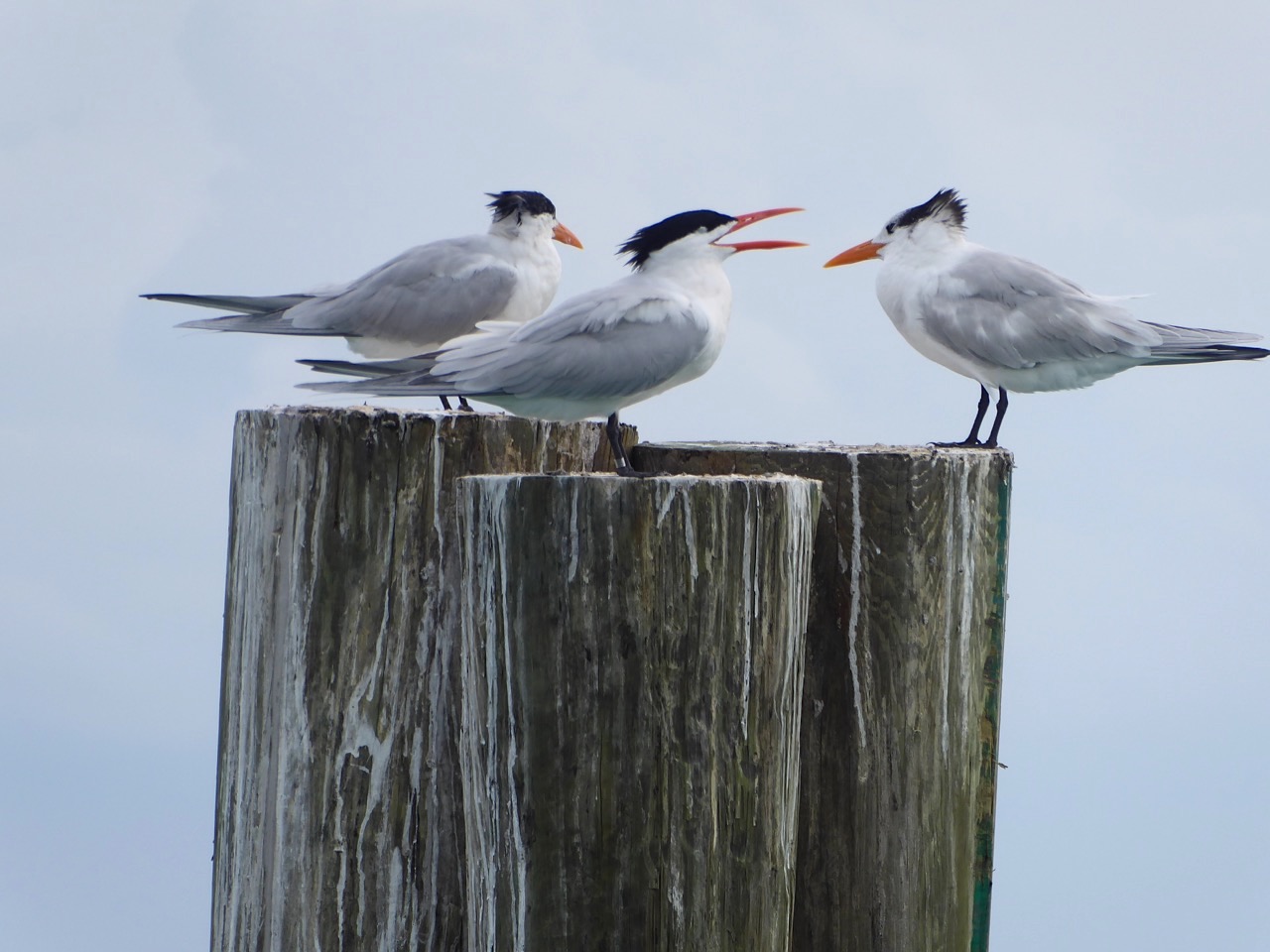
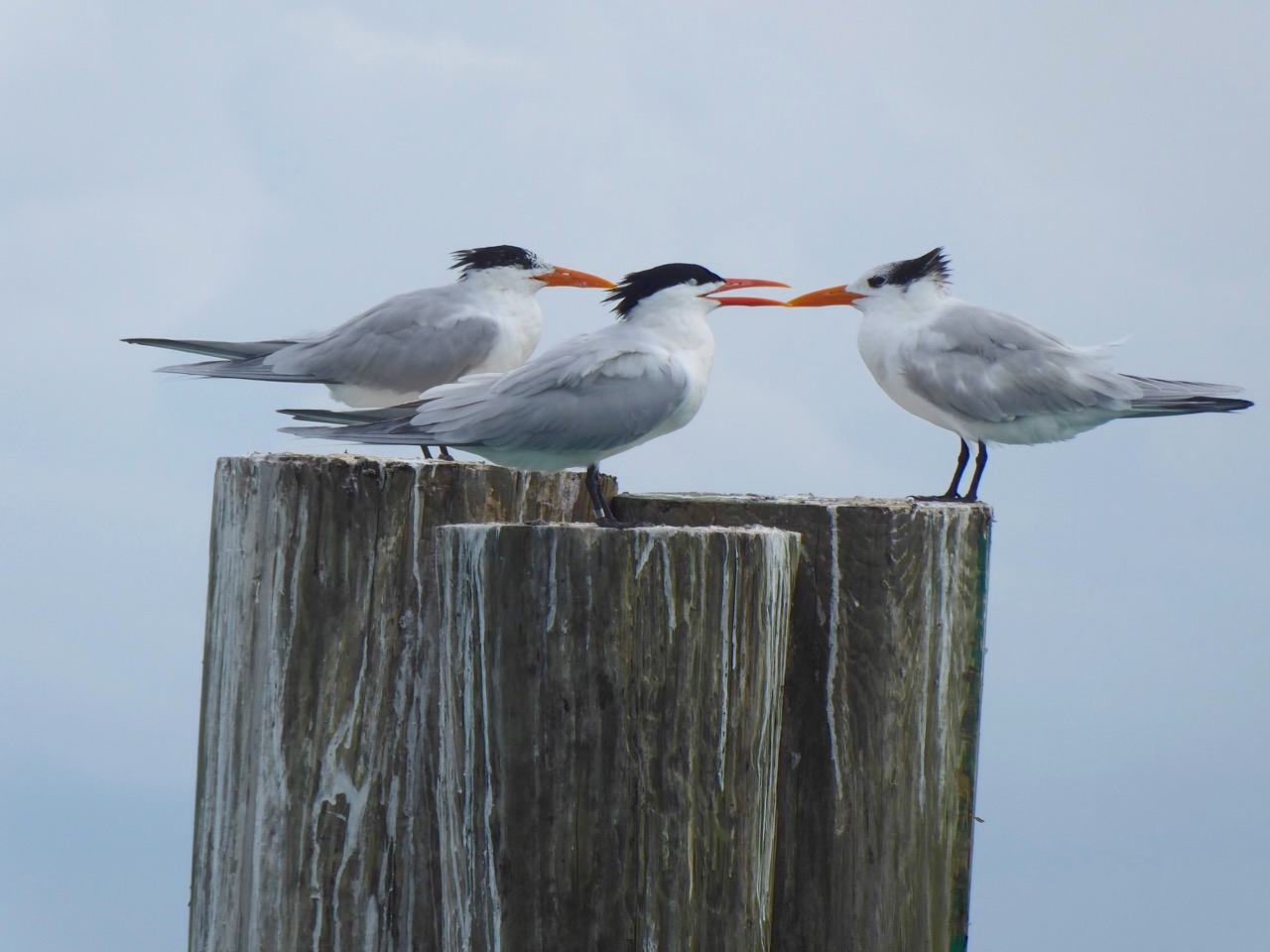
There’s a time and a place for anthropomorphising animal behaviour in terms of human responses. Usually it’s best done with caution or not at all… I’m going to press ahead, though, with a romantic encounter between two Royal terns today at Sandy Point, Abaco. Ultimately, this appeared to be an approach, a come-on, a poorly executed attempt at intimacy, and ultimately a rejection. Or else it’s just bird interchange that we should not read too much into…

Good afternoon, I should like to get to know you better…Royal Terns, Sandy Point, Abaco Bahamas (Keith Salvesen)

Would you do me the honour of commencing a relationship?Royal Terns, Sandy Point, Abaco Bahamas (Keith Salvesen)

Indeed I would, kind Sir!Royal Terns, Sandy Point, Abaco Bahamas (Keith Salvesen)

*Boastfully* I happen to be the most handsome and regal tern this side of Marsh HarbourRoyal Terns, Sandy Point, Abaco Bahamas (Keith Salvesen)

I’m going to give you a peck that you’ll never forget…Royal Terns, Sandy Point, Abaco Bahamas (Keith Salvesen)

Whaaaaaa? Wait… Too much, too soon. I hardly know youRoyal Terns, Sandy Point, Abaco Bahamas (Keith Salvesen)

You’ve moved as far away as possible on this post – you have no idea what you’re missingRoyal Terns, Sandy Point, Abaco Bahamas (Keith Salvesen)

 I’ll be the judge of that. I’m off, don’t try to follow me…Royal Terns, Sandy Point, Abaco Bahamas (Keith Salvesen)

Credits: all photos (artfully taken in fairly poor light), corny storyline, inappropriate anthropomorphism – Keith Salvesen

Unknown's avatar

THE GOLD-RIMMED LUCAYAN FLORIDA BATTUS POLYDAMAS SWALLOWTAIL

Polydamas (gold-rimmed) Swallowtail Battus Polydamas (Nina Henry)

THE GOLD-RIMMED LUCAYAN FLORIDA BATTUS POLYDAMAS SWALLOWTAIL

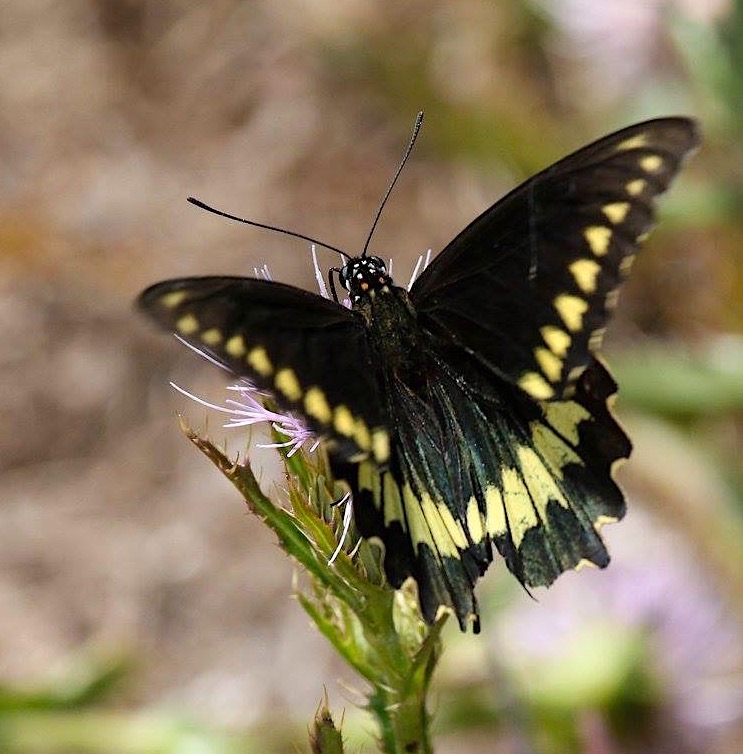
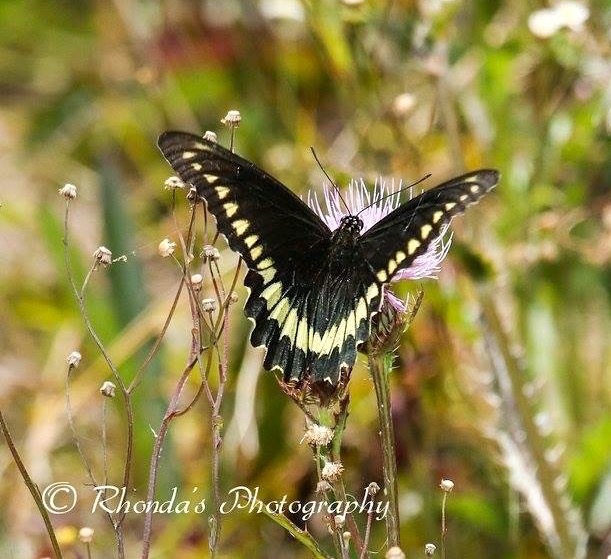
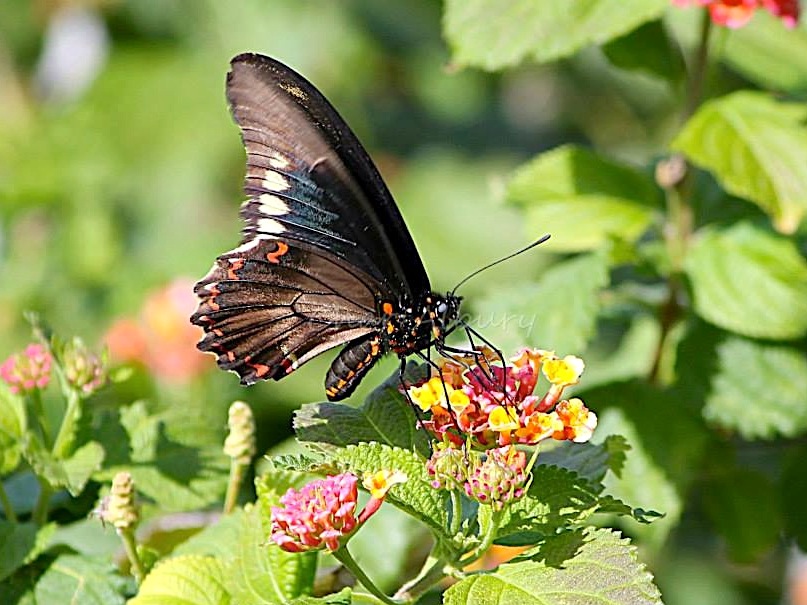
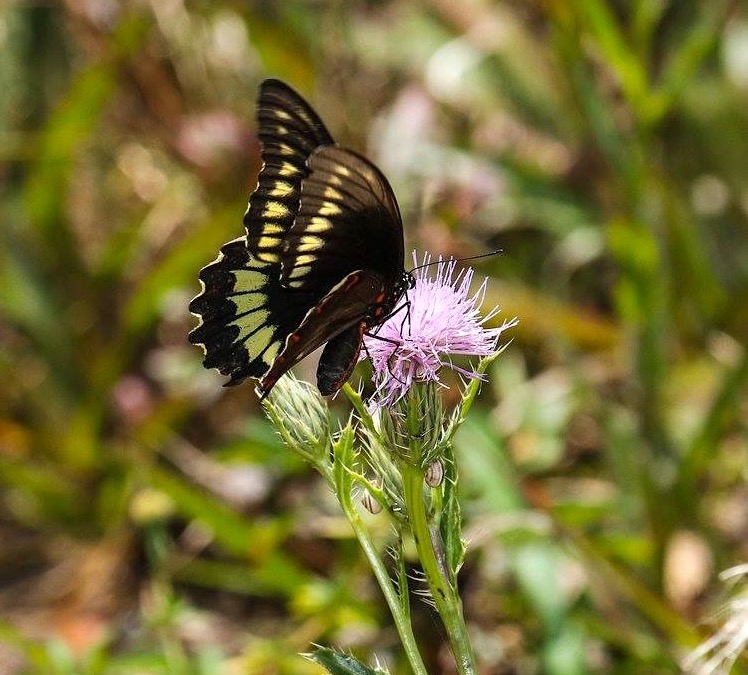
The Polydamus ‘Gold-rimmed’ Swallowtail Battus polydamas is a familiar sight in the Bahamas. It’s known by all the names above, though not all at once to be fair. This is the medium-sized black-brown butterfly with gold accessories and a tasteful selection of red ornamental jewellery. It’s one that hardly stays still for a moment. Its perpetual motion tendencies make it a right little… well, they are hard to photograph. I’ve never taken a totally still photo with no blurring from the creature’s rapid wingbeats.

Polydamas (gold-rimmed) Swallowtail Battus Polydamas (Char Albury)

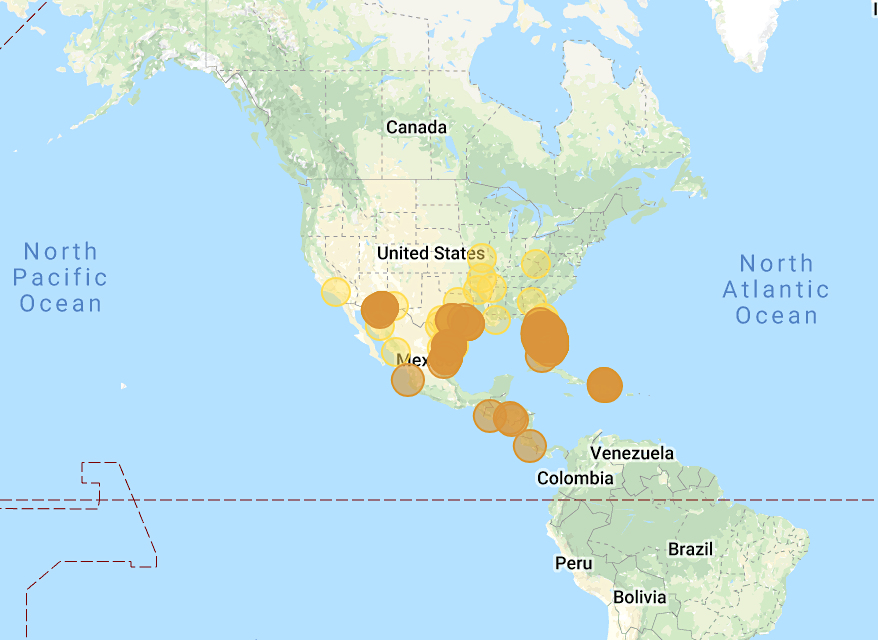
The  subspecies Lucaeus found on Abaco (where these photos were all taken)and elsewhere in the Bahamas is not confined to the archipelago, and is commonly found in Florida. There it seems to be called (slightly possessively?) the Florida swallowtail. The main species is found more widely. Here’s a helpful range map that shows the butterfly’s range – quite a wide band but latitudinally limited in global terms.

Polydamas (gold-rimmed) Swallowtail Battus Polydamas Range Map

Polydamas (gold-rimmed) Swallowtail Battus Polydamas (Nina Henry)

Mostly, you will see the topside of these butterflies as they do the rounds of sweet-scented flowers, often pausing briefly while still frantically fluttering. Note the rather gorgeous red patterns on the underside of the creatures shown above. Now compare with the open-wing images below. 

Polydamas (gold-rimmed) Swallowtail Battus Polydamas (Rhonda Pearce)

Polydamas (gold-rimmed) Swallowtail Battus Polydamas (Rhonda Pearce) Polydamas (gold-rimmed) Swallowtail Battus Polydamas (Rhonda Pearce)

This butterfly flies year round in the Bahamas (in contrast to its northern range). It breeds throughout most of the year (except on the fringes of its range), which is probably why it is relatively common.

Polydamas (gold-rimmed) Swallowtail Battus Polydamas (Rhonda Pearce)

CAN YOU SHOW US ONE THAT YOU HAVE TAKEN, PLEASE?

Certainly (with reservations). Nice coral hibiscus; it’s a shame that the stamen (if that is the correct term for the sticky-out bit) is in the way. Plus the wretched thing is still on the move. From this weekend, I get the chance to nail one on Abaco, but I’m not optimistic. I think they mistrust me.

Polydamas (gold-rimmed) Swallowtail Battus Polydamas (Keith Salvesen)

WHAT DOES ‘POLYDAMAS’ MEAN?

I anticipated that question, kind Reader. I had thought it was Graeco-Roman for ‘many’ something or other. Wingbeats, maybe. Not being able to consult Linnaeus who originally came up with the word, I did some research. It turns out that Polydamas was a Trojan warrior and friend of Hector. He features a lot in Homer’s Iliad as a kind of ‘Best Supporting Warrior’, though they seem to have differed about battle tactics. Of which digression, enough.

Polydamas tries to stop Hector from attacking the Greeks

Credits: Nina Henry; Charmaine Albury; Rhonda Pearce, Keith Salvesen

Polydamas (gold-rimmed) Swallowtail Battus Polydamas (Rhonda Pearce)


Unknown's avatar

BAHAMA ORIOLE: HABITAT FIND FOR A RARE GEM

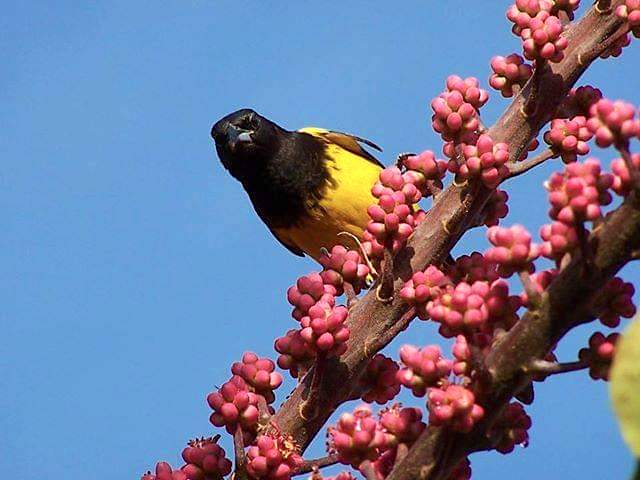
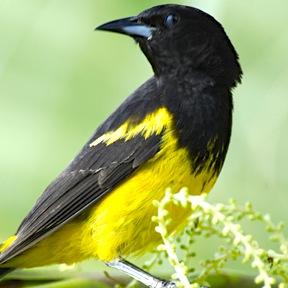
Bahama Oriole, Andros (Dan Stonko / abcbirds.org)

BAHAMA ORIOLE: HABITAT FIND FOR A RARE GEM

RARE, PRECIOUS – AND FOUND ONLY ON ANDROS, BAHAMAS

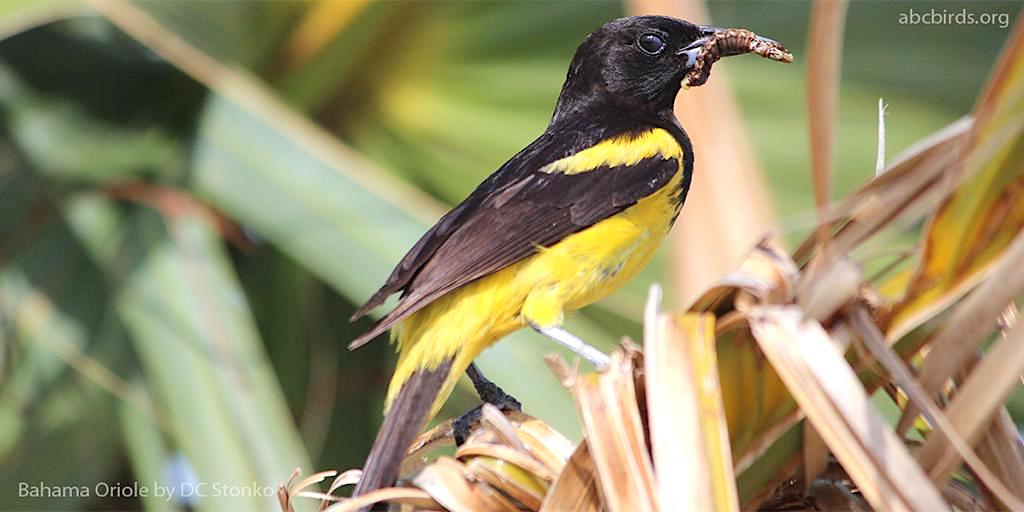
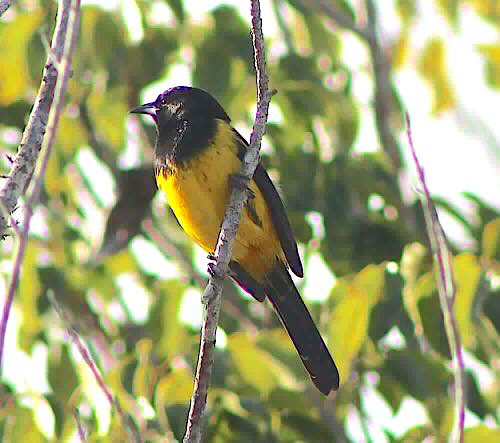
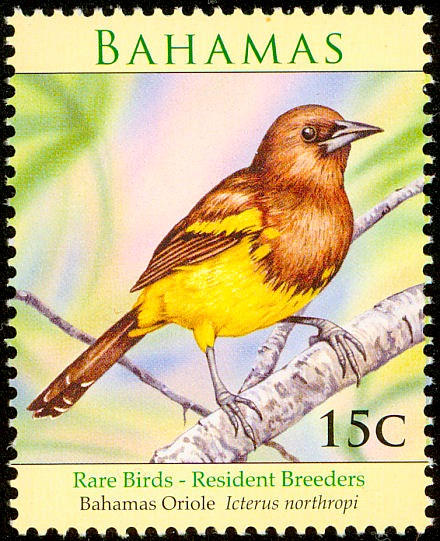
The future of the gorgeous endemic Bahama Oriole (Icterus northropi) hangs in the balance. IUCN Red Listed as ‘Critically Endangered’, the Oriole once lived on both Abaco and Andros. As recently as the 1990s, the species became extirpated on Abaco, leaving a small and fragile population in  fairly specific areas of Andros. These are places where the habitat is conducive to the orioles’ well-being, and in particular where they can safely breed and (with luck) replenish their depleted population.

Bahama Oriole, Andros (Michael Baltz / Bahama Oriole Project)

We hear a lot about habitat loss as a grave worldwide problem for an increasing number of species. Narrow that down to one species, one island, a few defined areas, then add mankind and his needs to the mix. The wrong mix of habitat degradation, clearances, predation or disease could cause the Andros population to disappear as well.

Bahama Oriole, Andros (Mary Kay Beach Dec 2018)

Which is where conservation and science come into play. The Bahamas archipelago benefits from an astonishing number of (broadly-speaking) environmental organisations that are involved in species and habitat protection, both terrestrial and marine. They range from international to Bahamas-wide and Governmental, to NFP organisations on the main islands, and on through local communities via citizen scientists to dedicated individuals. All are fighting a specific battle with a single aim; all face an increasing array of metaphorical weapons being deployed against them.

Bahama Oriole, Andros (Bahama Oriole Project FB header)

SO, ANY GOOD NEWS THEN?

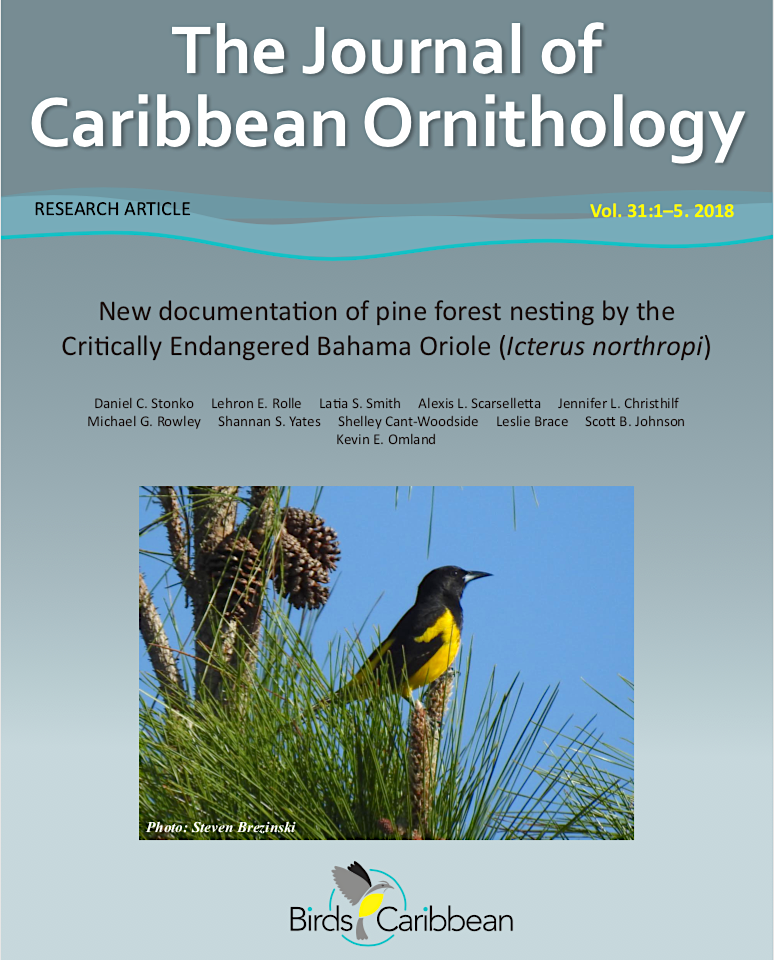
Returning to the orioles – in many ways a perfect indicator bird species – recent research has led to an encouraging discovery.  A new study in The Journal of Caribbean Ornithology published by researchers from the University of Maryland, Baltimore County and Bahamas National Trust collaborating on the Bahama Oriole Project (@BahamaOrioleProject) reveals new evidence about the nesting habits and habitats of the orioles that will have “…major implications for future conservation” (this work was funded in part by the American Bird Conservancy and Birds Caribbean).

The study is the outcome of the work of a dozen conservation specialists. In a coconut-shell, the orioles were thought to nest only in the coconut palms found near the coast. However the recent intensive research program reveals that ‘multiple pairs’ breed in the pines and the thatch palms of the forests, away from the coast. Indeed, these may prove to be the primary nesting locations. The implications of these new findings are significant, not least for a possible uplift in numbers and the way in which conservation measures can be adapted to the new discovery. For those wanting something more authoritative, the short Abstract of the study is given at the end. And if you’d like to read the whole article, click on the link below.

472-Article Text-1543-1-10-20180828

Bahama Oriole Andros (C Ward BNT)

THE MAIN CAUSES OF THE CRITICAL DECLINE ON ANDROS

  • Lethal Yellowing Disease of the coastal coconut palms, until very recently (see above) believed to be the prime nesting habitat for the oriole. In some areas the palms have been all but wiped out. The recent findings in the forests have clearly reduced the impact of this specific problem
  • The arrival in the 1990s and spread of the Shiny Cowbird Molothrus bonariensis, a brood parasite that lays its eggs in the nests of other bird species*
  • Habitat loss / development
  • Forestry work / forest fires
  • Feral cats and rodents
  • Disease within the population is also cited as a contributory cause 

*The date of this arrival seems to correspond to when the orioles were extirpated from Abaco. However, see next para.
Bahama Oriole, Andros (Thomas Nierle / Bahama Oriole Project)

WHEN & WHY DID THE ORIOLES VANISH FROM ABACO?

This is a classic ‘riddle wrapped in a mystery inside an enigma’. Various sources I have looked at use a formula such as “…became extirpated from Abaco in the 1990s”, or “disappeared for unknown reasons in the 1990s”. However, Abaco birding expert Elwood ‘Woody’ Bracey comments (see below) that Bahama Orioles were last formally recorded on Abaco in 1973 by researcher Duncan Everette and his partner who were banding warblers in Southern Abaco in what is now the Abaco National Park. At that time, the Shiny Cowbird was only rarely found on Abaco, if at all.
I’ve found no clear clue as to the cause – nor even when the last evidences sighting of an oriole on Abaco was made. I haven’t found a single photo of one taken on Abaco at any time in history. To be fair the option of snapping everything with wings multiple times using a digital camera with a huge chip didn’t exist then. As to past history, Kevin Omland of @BahamaOrioleProject says that there are at least 9 specimens in museums around the world collected from Abaco in the 1800s and early 1900s.

eBird map showing Bahama Oriole sightings distribution in c21

ABSTRACT

The Bahama Oriole (Icterus northropi) is a Critically Endangered species endemic to The Bahamas and currently found only on the Andros island complex. With the elevation of the Bahama Oriole to full species status in 2011, research suggested that there were fewer than 300 individuals remaining in the global population. The Bahama Oriole was also termed a “synanthropic species” based on data suggesting that the species nested almost exclusively within anthropogenic residential and agricultural habitats in introduced coconut palms (Cocos nucifera). These conclusions were based on population surveys primarily confined to settled areas near the coasts. However, we documented multiple pairs of orioles with breeding territories deep in pine forests, and we present the first records of Bahama Orioles nesting in pine forests—in both a Caribbean pine (Pinus caribaea) and native understory Key thatch palms (Leucothrinax morrisii). Given the predominance of the pine forests on Andros, this newly documented breeding habitat has important implications for developing population estimates and future conservation plans for the Bahama Oriole.

640px-Picture_of_John_Isaiah_NorthropBahama Oriole Stamp birdtheme.orgCredits: Dan Stonko / American Bird Conservancy, Michael Baltz / Bahama Oriole Project / Kevin Omland; Mary Kay Beach; Bahama Oriole Project FB header; C Ward / BNT; Thomas Nierle / Bahama Oriole Project; Bahamas Postal Service; BNT; D Belasco / American Bird Conservancy; Handbook of World Birds (drawing)

          ↑ Mr Northrop with his Bird

Bahama Oriole, Andros (D Belasco / abcbirds.org)

Unknown's avatar

GREEN HERON FISHING: GILPIN POND, ABACO, BAHAMAS

GREEN HERON FISHING, GILPIN POND, ABACO, BAHAMAS (Keith Salvesen Photography)

GREEN HERON FISHING

GILPIN POND, ABACO, BAHAMAS

The brackish pond at Gilpin Point near Crossing Rocks is generally a reliable place to find waterbirds. For those birding on South Abaco (in many respects, one big hotspot) Gilpin is definitely worth a visit at almost any time. Bear in mind it is (a) a longish private road (we got a puncture down there once…**) and (b) it is private land. However, the owner Perry Maillis is always welcoming to tidy birders who bring only enthusiasm and take only pictures. Plus he very kindly changed our wheel!

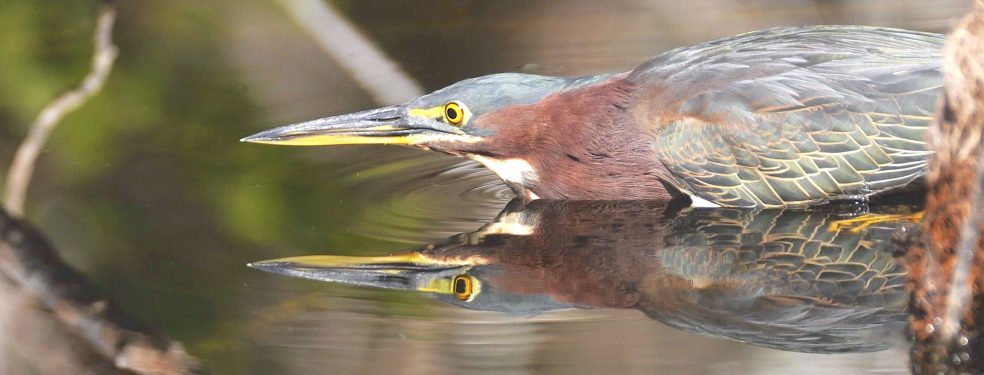
We found this small Green Heron quite easily. We’d watched it fly onto a stump in the pond near the jetty, then fly closer to the shoreline. By tiptoeing onto the jetty, we could see the bird perched close to the water, inspecting it with a fierce and predatory eye. Both eyes, in fact. 

GREEN HERON FISHING, GILPIN POND, ABACO, BAHAMAS (Keith Salvesen Photography)

The hunting technique is deceptively simple. Note the long sharp stabbing beak. Note the large feet and claws for gripping securely Here’s how it is done. As a fish is sighted, so the heron leans gradually forwards, beak dipping closer to the water, the body more streamlined to look at. The procedure is beginning in the image above.

The stance means ‘small fish – 5 feet off – moving left and closing – prepare to strike‘. As the prey unwittingly approaches, the bird slowly tilts further forward unless its beak almost touches the water, the quicker and closer to strike.

GREEN HERON FISHING, GILPIN POND, ABACO, BAHAMAS (Keith Salvesen Photography)

The actual strike is so rapid that it is barely possible to see with the naked eye, let alone to photograph it clearly (not on my type of camera anyway). But the end result is rarely in doubt, with a small fish struggling but securely held in that long, clamping beak. It will be down the heron’s gullet in a matter of seconds.

GREEN HERON FISHING, GILPIN POND, ABACO, BAHAMAS (Keith Salvesen Photography)

I left the heron as it settled slowly back into ‘scanning the water mode’ while I went to watch some lesser yellowlegs nearby. Some minutes later, the heron was still contentedly fishing from its vantage point. 

GREEN HERON FISHING, GILPIN POND, ABACO, BAHAMAS (Keith Salvesen Photography)

ROUGH GILPIN CHECKLIST

Species we have found on and around the pond include black-necked stilts, little blue heron, great blue heron, tricolored heron, snowy egret, reddish egret, yellow-crowned night heron, the relatively rare and very shy sora, hordes of white-cheeked pintails, northern pintails, lesser yellowlegs, belted kingfisher, turkey vulture, smooth-billed ani, American kestrel, Bahama woodstar, Cuban emerald, Mucovy duck (Perry’ pet!) – and the green heron of course.

As a bonus, Gilpin has become an increasingly regular stop for raucous flocks of Abaco parrots. Rarer species found there include American flamingo (rare vagrant), brown pelican, double-crested cormorants, and limpkins. On the beach 5 minutes walk away, there are usually shorebirds including rare piping plovers, Wilson’s plovers, turnstones; gull and tern species; and passing tropicbirds & magnificent frigatebirds flying high over the water.

FOR MORE ABOUT GREEN HERONS: SHARP-EYED SHARP BILLED

** I realise that strictly I should be saying ‘flat’ here, but that might be confusing for Euro-readers, who would understand that to mean that we had rented (or purchased) an apartment in a larger dwelling house containing similar accommodation. 

All photos, Keith Salvesen except the cute chick, Charlie Skinner; and the cute cartoon GH, Birdorable…

GREEN HERON FISHING, GILPIN POND, ABACO, BAHAMAS (Charles Skinner)

Unknown's avatar

ECHINODERMS, DOLLAR DOVES & PETRIFIED BISCUITS

Sand Dollar, Abaco Bahamas (Keith Salvesen / Rolling Harbour)

ECHINODERMS, DOLLAR DOVES & PETRIFIED BISCUITS

Echinoderms (Gr. ‘Hedgehog Skin’) comprise a large variety of sea creatures characterised (mostly) by radial symmetry. In a nutshell a creature with radial (as opposed to bilateral) symmetry can be divided into equal portions from the centre, like a cake. It has no left or right side and no definable front or back.  It is multidirectional from the centre, where the mouth is located. It obviously has a distinct upper side and an underside, but that has no bearing on this form of symmetry. 

Ten dollar Sand Dollar coin, Bahamas

Within the family of radially symmetrical animals, echinoderms (starfish, sand dollars and sea urchins) are unique in having five-point radial symmetry. These are the creatures you are most likely to come across in Abaco. There are two particular aspects of dollars and biscuits that merit a closer look (made more difficult by me stupidly taking photos of white things on a white background).

Sand Dollar Doves, Abaco Bahamas (Keith Salvesen / Rolling Harbour)

DOLLAR DOVES

I’m sure all Bahamians know or are aware of at least one version of the famous ‘Sand Dollar’ poem, in which the various characteristics of the test (the skeleton of the creature) are given religious significance. One verse of the poem may be puzzling: “Now break the centre open And here you will release The five white doves awaiting To spread good will and peace”.

The Sand Dollar Legend

A few years back, Senior Granddaughter was looking at some Abaco sand dollars I’d given her for her growing collection of shells. She picked one up, shook it and it rattled. She said a friend at school had told her that a rattling sand dollar has ‘doves’ inside it, and asked if we could break it open and see. I’ve learnt that it is useless to argue with her – she has the tenacity of a trial lawyer – so we did. This is what we found.

Sand Dollar with a spiky interior like a white cave with stalagmites and stalagtitesSand Dollar Doves, Abaco Bahamas (Keith Salvesen / Rolling Harbour)

Five white doves (in fact, the separated parts of the creature’s feeding apparatus)Sand Dollar Doves, Abaco Bahamas (Keith Salvesen / Rolling Harbour)

Two broken pieces showing where the doves are centrally locatedSand Dollar Doves, Abaco Bahamas (Keith Salvesen / Rolling Harbour)

A regrettably poor photo of a single doveSand Dollar Doves, Abaco Bahamas (Keith Salvesen / Rolling Harbour)

The image below, from Pinterest, shows the ‘mouth’ with its dove-parts intact, in an arrangement called ‘Aristotle’s Lantern‘, a five-sided globular structure that supports the mouth and jaws of an echinoderm.

Sand Dollar : Aristotle's Lantern : Doves (Pinterest)

PETRIFIED BISCUITS

In common parlance ‘petrified’ is an extreme version of ‘terrified’. Literally, it means ‘turned to stone’ (L. petrus, a rock). It is descriptive of a state of fossilisation, where an animal skeleton or dead wood or plant matter turns over aeons into stone. Senior GD (a most inquisitive girl) followed up on the doves research after discovering a box containing random stones and fossils. She found these two items:

Fossilised sea biscuitsPetrified / Fossilised Sea Biscuit (Keith Salvesen)

A closer look at the pair of rocksPetrified / Fossilised Sea Biscuit (Keith Salvesen)

The undersides of the fossils above – looking like stones but with some tell-tale small holesPetrified / Fossilised Sea Biscuit (Keith Salvesen) Petrified / Fossilised Sea Biscuit (Keith Salvesen)

A close-up of the pale biscuitPetrified / Fossilised Sea Biscuit (Keith Salvesen)

Sea biscuits on the beach at Delphi – familiar white skeletons (‘tests’) but not yet fossilsSea Biscuits, Abaco Bahamas (Keith Salvesen / Rolling Harbour)

A ‘modern’ non-Jurassic Abaco sea biscuit in close-upSea Biscuit, Abaco Bahamas (Rhonda Pearce)

FUN FACT

Florida has an unofficial but proposed State Fossil, the ‘Sea Biscuit (Eocene Age)’. I didn’t know it before, but it turns out that more than 40 US States have State Fossils. Whatever next? State Bacteria? State Viruses?

Sea biscuit from Madagascar (OS)

SO HOW OLD MIGHT A PETRIFIED BISCUIT BE?

The fossil biscuits I have looked at, from Florida to Madagascar (see small image above), are said to come from three specific historic epochs – from the oldest, Jurassic (145m – 201m years ago), to Eocene (34m – 56m) and Pleistocene (0.01m – 2.6m). 

HOW DOES THAT HELP ANYBODY? BE MORE PRECISE

By all means. Here is an excellent Geochart that gives an idea of the time span. A Jurassic sea biscuit would be more than 145m years old. This chart also helpfully helps avoid confusion with the Eon Era Period Epoch ordering.

geotimescale

You will find more echinoderm entertainment using this link to my fellow-blogger ‘Dear Kitty’ https://dearkitty1.wordpress.com/2007/01/01/big-hedgehog-small-sand-dollars-diving-schools/

All photos ‘in-house’ except the Delphi biscuits, Clare Latimer; & the single biscuit Rhonda Pearce; Sand Dollar poem on Postcard, Dexter Press; the Geochart was in my ‘useful chart photos’ folder but I can’t now find the source. I did try.