Unknown's avatar

ABACO’S MAJESTIC SUMMIT (134 ft asl) : ABACO LANDMARKS (2)


Matterhorn from Domhütte - 2.jpg

ABACO’S MAJESTIC SUMMIT (134 ft asl) : ABACO LANDMARKS (2)

The header photograph is in fact nothing to do with Abaco. Apologies for any confusion. You can put away your ice axe, crampons or skis. It’s the Matterhorn, towering over the border of Switzerland and Italy, complete with high altitude, year-round snow and sub-zero temperatures. Abaco has its own skiing, of course, but solely of the watery sort.

I was curious as to the exact location of Abaco’s highest point. There are a couple of rocky hills in the pine forests of South Abaco that I thought might be candidates. All sources I checked agreed that the altitude is a dizzying 134 feet, with some equating that with 40 metres and others with 41. It would be nit-picking to use the straight conversion of 40.8432 metres. I am that nit-picker.

A site called PEAKBAGGER is useful for such queries. Click on the link and it takes you to the Abaco entry; elsewhere on the site there is a mass of remarkable worldwide altitude information that you could easily spend an hour or 2 investigating.

EIGHT ESSENTIAL ABACO SUMMIT FACTS TO ASTOUND YOUR FRIENDS

  • Elevation: 41 meters / 134 feet
  • Name: “Unnamed High Point” [according to John Bethel, it is known locally as ‘Pidgeon Hill’]
  • Latitude/Longitude: 26° 34′ 6” N; 77° 8′ 14” W 26.568399, -77.137319
  • 3rd highest point in the Bahamas
  • 54th highest point in the Caribbean
  • 1014th highest island point in the world
  • Nearest high point is on Eleuthera
  • No ‘ascents’ by registered ‘Peakbaggers’ (this is now on my bucket-list for personal achievements – and it’s an easy start on the way to fame and the conquest of Everest).

THE PRECISE LOCATION OF ABACO’S HIGHEST POINT

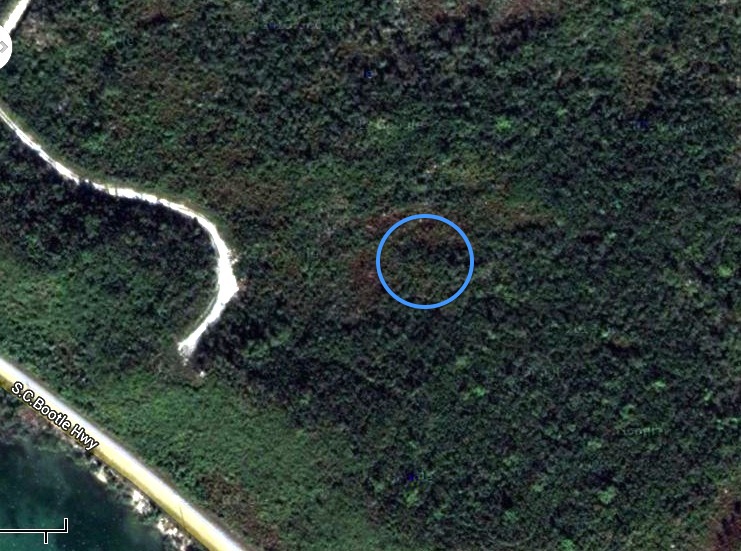
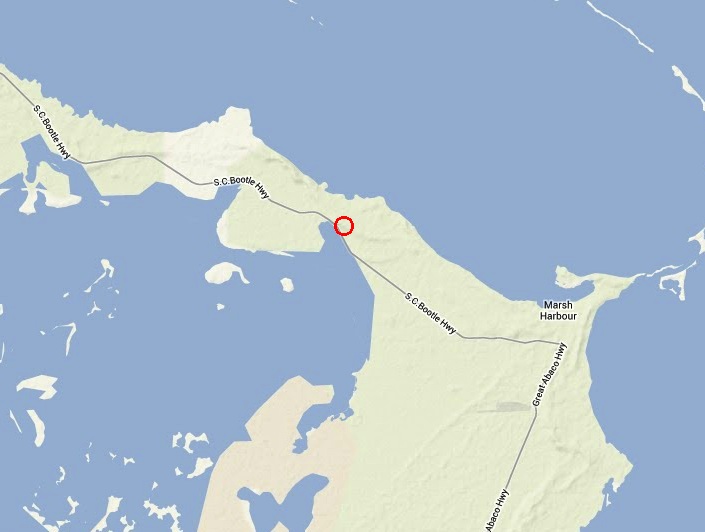
Peakbagger’s map places the high point close to the Highway north of Marsh Harbour. Although the land relief shown on the Peakbagger map suggests a higher ridge to the north-west of the red circle, it is in fact only 30 metres high.Abaco High Point Map 1
Quite a while back I contacted Sandy Estabrook, éminence grise behind the wonderful ABACO ESCAPE website. Within a very short time he got back to me with a clipping from a nautical map, confirming the high point’s location as the one given by Peakbagger. Abaco Nautical Chart

Far more importantly, it turned out that Sandy actually ascended the summit in 2009 with a friend and without oxygen. His expedition journal states simply:

“Heading South along Queens Hwy, Frank pointed out a hill on the Sea of Abaco side of the road. It had quite some elevation of over a hundred feet or more it seemed. I have not seen a higher place in all of Abaco. And atop the hill was a tower that I was told was built by real estate interests some years ago for prospective clients to view the surroundings. We climbed the tower and I took a couple pics”. 

The tower will be familiar to travellers passing by on the Highway. I had read that this was a good place to look out for birds, and had assumed it was some sort of fire-watching tower. The use of a tower to scope out land for development is an ingenious one, but the landscape remains undeveloped. Here are some photos from the vantage point taken on Sandy’s expedition.

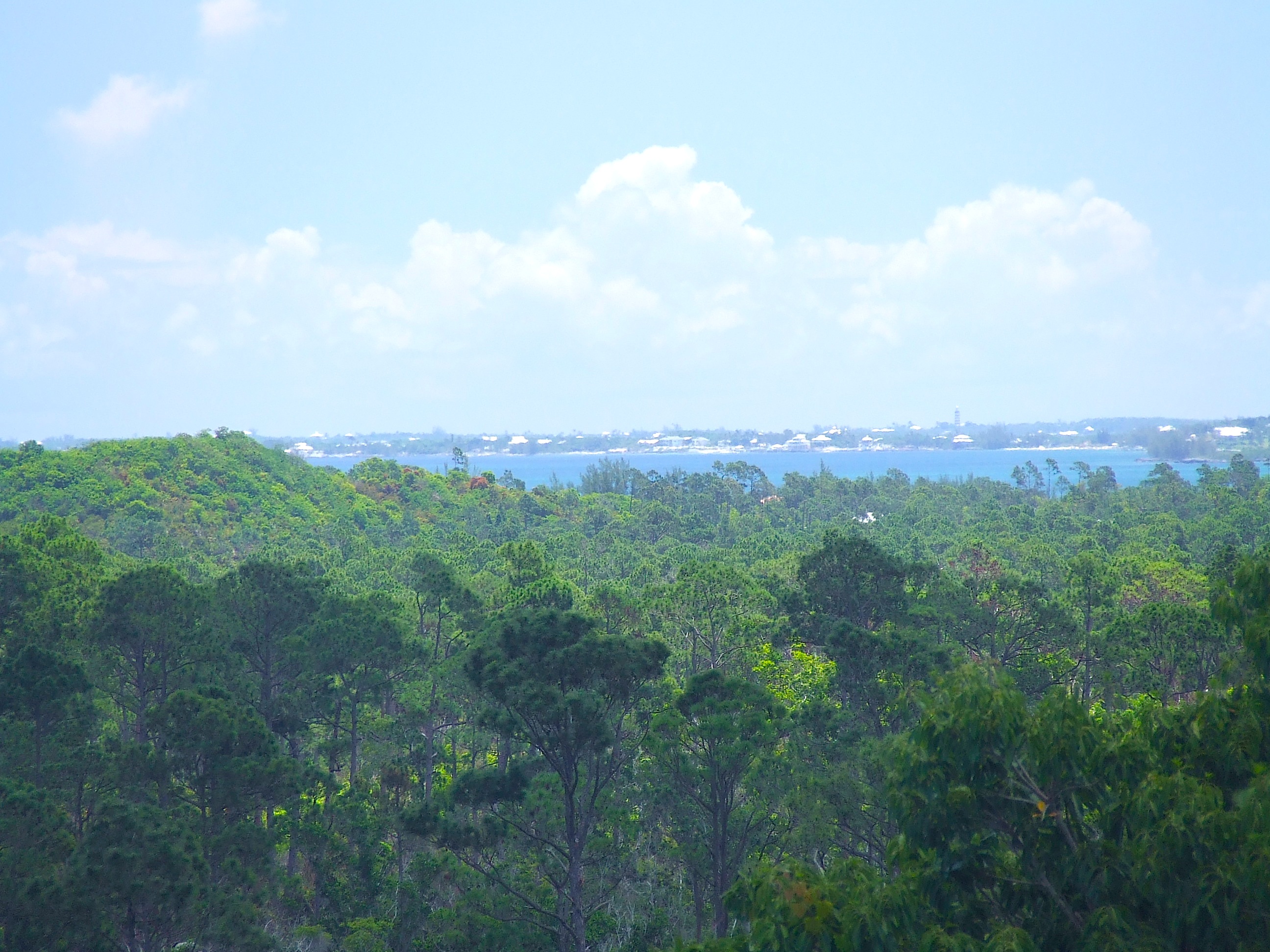
View roughly south-east from the tower to Hope Town. The lighthouse is visible to the right.Frank View from Tower 84 copy
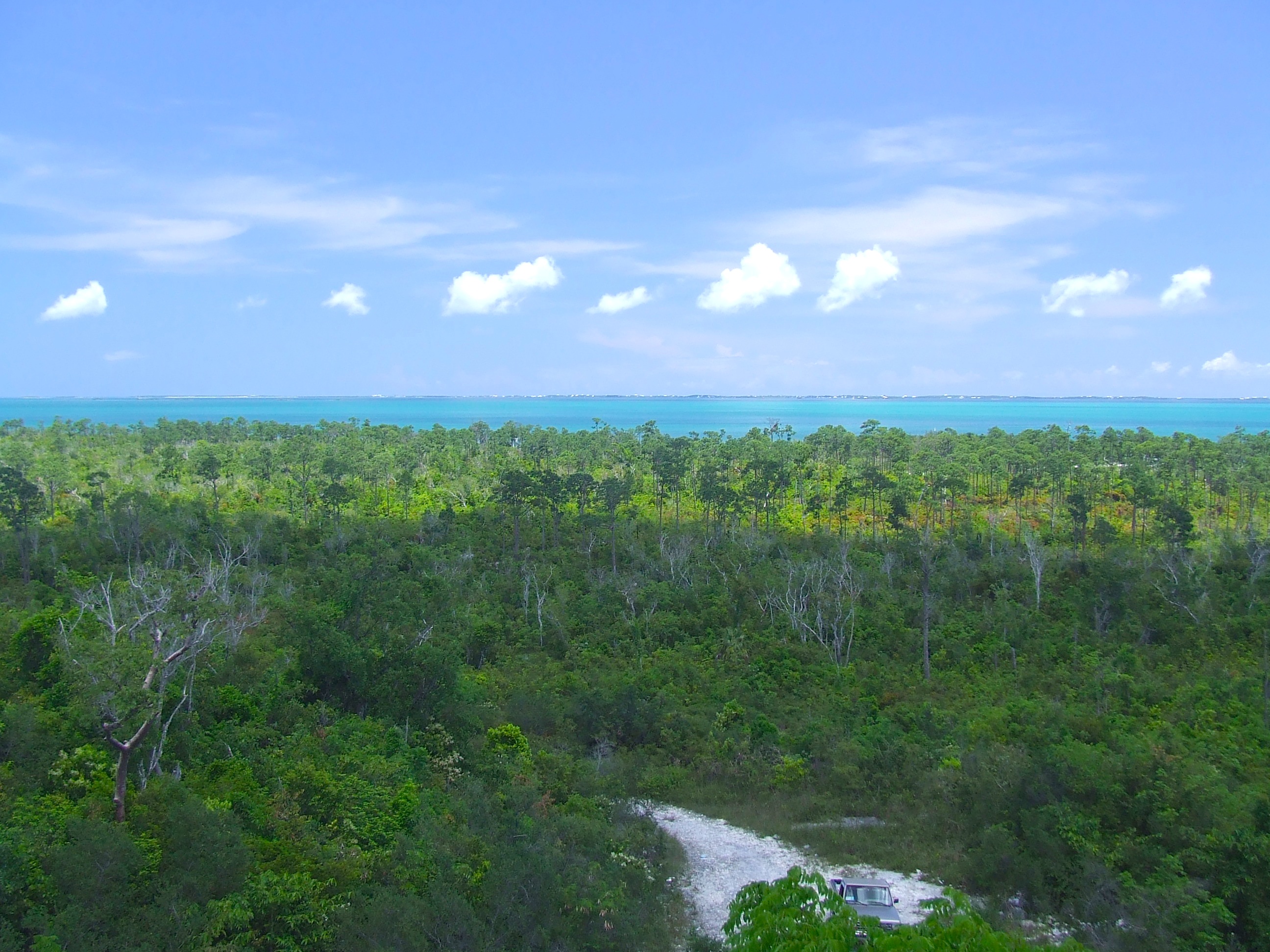
Looking north-east, with Great Guana Cay just visible on the horizonFrank View from Tower 82 copy
The view north(ish) along the ridge, with the Highway snaking up to Treasure CayFrank View from Tower 83 copy

AERIAL VIEWSMount Abaco 5 copyMount Abaco 3 copy

WHERE IS BASE CAMP?

Turn east off the Highway and take the spur road to the right. Park at the wider area near the end. Prepare for a scramble up. If there is – or was – a path to the top, I expect it’s overgrown now, unless for some reason it has been cleared. And if anyone undertakes the challenge, it would be fun to post your account of the adventure plus views from the top – especially looking west.

Thanks to Sandy Estabrook and to Peakbagger

 Abaco Escape logoPeakbagger Logo

This is a rijig of a post I did in 2013, because it fits in with my new ‘Landmarks’ series. Also, I (luckily) have loads more followers these days. If there have been any significant changes to the location, I’d be pleased to hear and amend accordingly. And if there are any other local names for the hill, I’ll add them. 

Unknown's avatar

CHEROKEE LONG DOCK: ABACO LANDMARKS (1)


Cherokee Long Dock Aerial (David Rees)

CHEROKEE LONG DOCK: ABACO LANDMARKS (1)

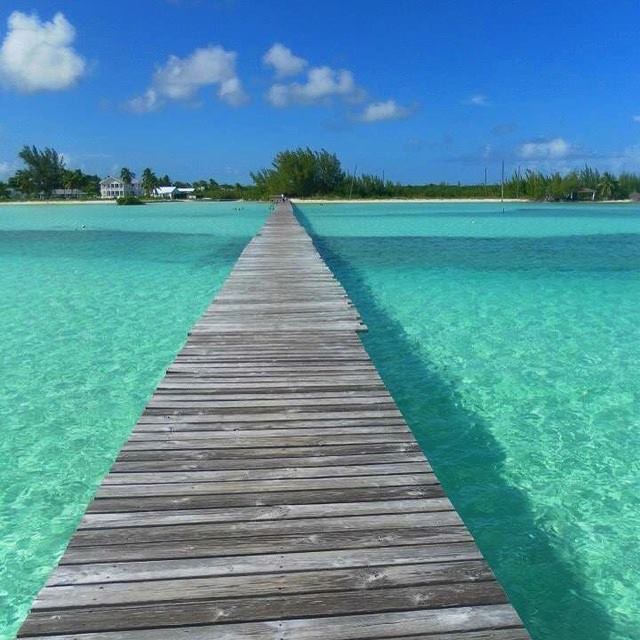
Cherokee Long Dock has a significant claim to prominence on an Island that has, with its Cays, a good few docks to admire. The impressive 770 foot wooden dock is the longest wooden dock in the Commonwealth of the Bahamas, as its plaque proudly proclaims. The waters of Cherokee Sound are very shallow in places, and as the tides retreat, so sandbanks appear and the rest is barely covered by the sea. Hence the need arose for a very long dock to serve the very small community of Cherokee.

Cherokee Long Dock, Abaco, Bahamas (Larry Towning 1)Cherokee Long Dock, Abaco, Bahamas (Larry Towning 2)

Before the roads were built – in relatively recent memory – Cherokee was an isolated settlement. There was a shortcut connection by boat to a now-abandoned dock at the nearest community, Casuarina, across the Sound. However, non-tide-dependent access from the open sea was vital for supply boats and mail boats. Access to the sea was needed by the fishermen.

Cherokee Long Dock 4 (Amanda Diedrick) Cherokee Long Dock 2a (Amanda Diedrick) Cherokee Long Dock 1 (Amanda Diedrieck) jpg

The plaque documents the history of the dock, the damage inflicted by hurricanes, and the ‘countless hours of labour’ by local people- ‘men, women and children’ – to preserve the dock.Cherokee Long Dock: the plaque (Amanda Diedrick)

Royal terns and other seabirds use the dock to rest; and as a safe place from which to fishCherokee Long Dock (Velma Knowles)

long-dock-cherokee-abaco-karen-eldonCherokee Long Dock 3 (Amanda Diedrieck)IMG_3013

Photo credits: David Rees and his wonderful drone (header); Larry Towning (2, 3); Amanda Diedrick (4, 5, 6, 7, 9); Karen Eldon, Velma Knowles (8); last image from a FB friend with thanks and many apologies – I’ve lost my note of who took it…  to be added if possible; short vid from Youtube.

Unknown's avatar

CRYSTAL CATHEDRALS: ABACO’S ASTOUNDING UNDERGROUND CAVES (6)


Abaco's Underground Caves (Hitoshi Miho, with Brian Kakuk)

CRYSTAL CATHEDRALS: ABACO’S ASTOUNDING UNDERGROUND CAVES (6)

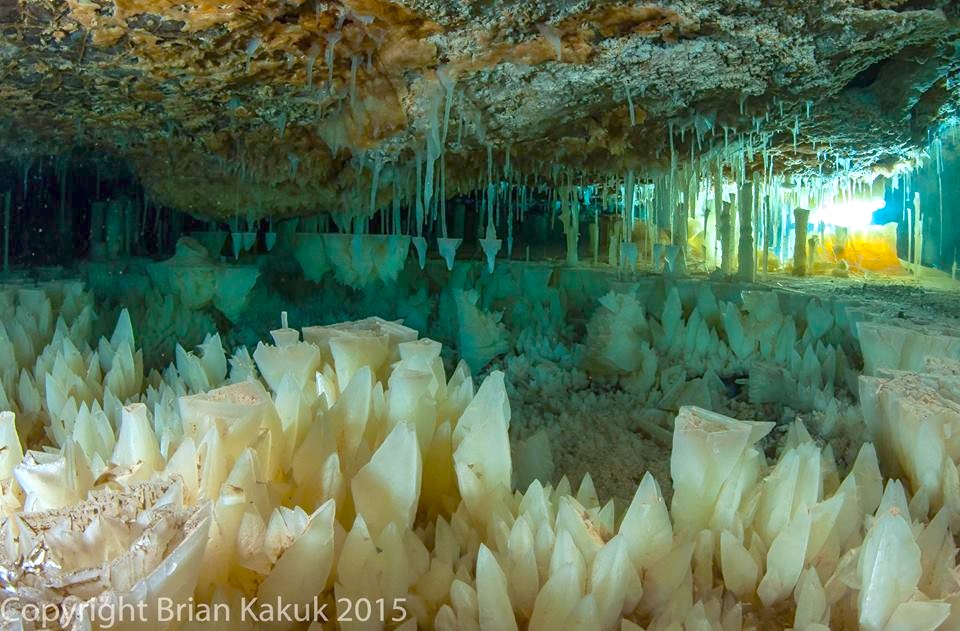
The photos you see in this post were all taken by Hitoshi Miho during an amazing 3 days of diving with Brian Kakuk deep in the pine forests of South Abaco. It’s not the first time they have explored together the wonders that lie beneath those hundreds of acres of pines and scrub; I’m sure it won’t be the last.

Abaco's Underground Caves (Hitoshi Miho, with Brian Kakuk)Abaco's Underground Caves (Hitoshi Miho, with Brian Kakuk)Abaco's Underground Caves (Hitoshi Miho, with Brian Kakuk)

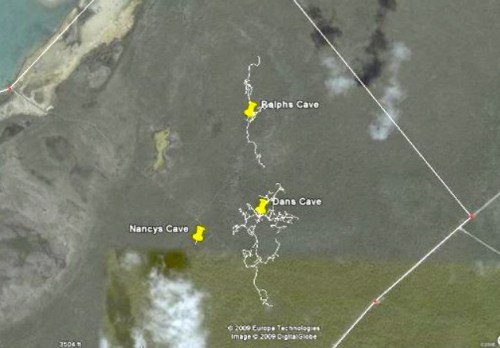
The most spectacular cave systems are the adjacent Ralph’s and Dan’s Caves. These systems are believed to be linked, and I know Brian has been trying to find where they meet – a difficult and dangerous task carried out underwater many metres below the forest floor, and requiring sophisticated diving equipment and great expertise. 

Abaco's Underground Caves (Hitoshi Miho, with Brian Kakuk)Abaco's Underground Caves (Hitoshi Miho, with Brian Kakuk)Abaco's Underground Caves (Hitoshi Miho, with Brian Kakuk)

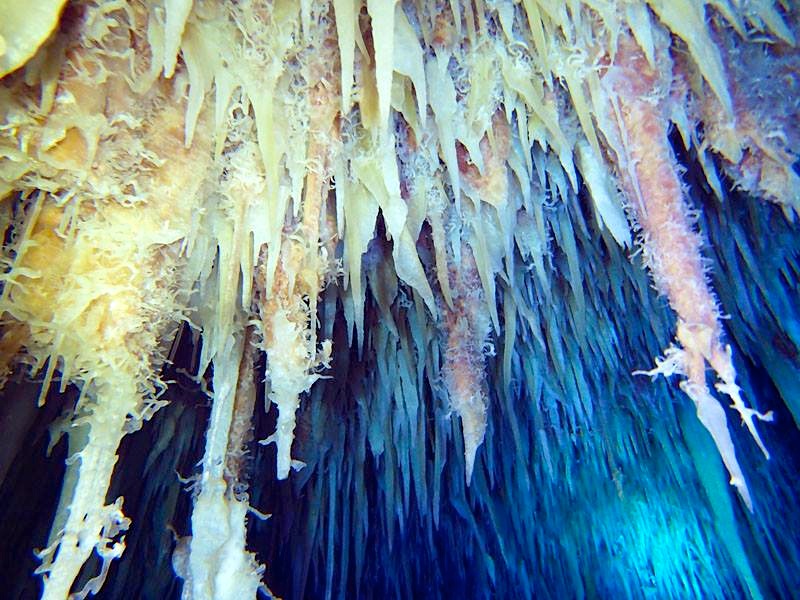
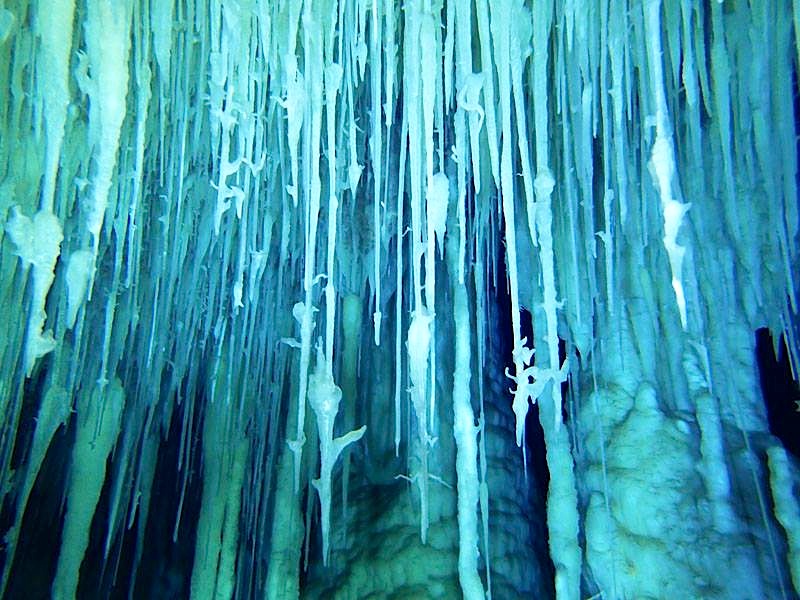
The latest 3-day exploration involved 12 dives and nearly 30 hours underwater in Ralph’s Cave. Narrow passages open out into massive caverns filled with wonderful and complex crystal stalagtites and stalagmites formed over eons. I hope you enjoy examples from the ‘Rooms’ and passages, many with exotic names (Glass Factory, Ninja Passage, Erabor); some more prosaic (Fred’s Room). Then try to imagine that you are actually swimming there.

Abaco's Underground Caves (Hitoshi Miho, with Brian Kakuk)Abaco's Underground Caves (Hitoshi Miho, with Brian Kakuk)Abaco's Underground Caves (Hitoshi Miho, with Brian Kakuk)

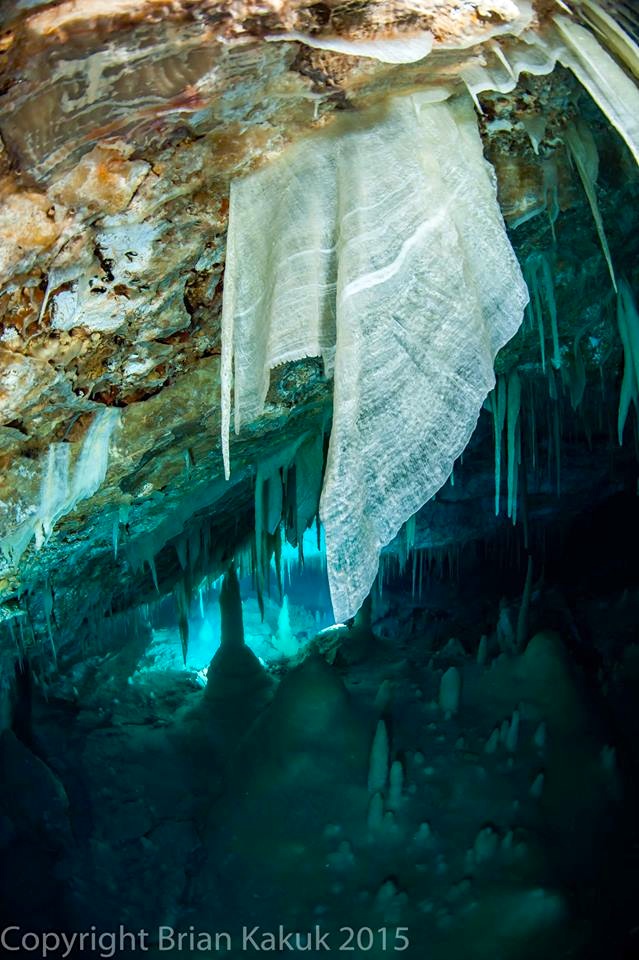
I shall be posting some more photos in due course showing some of the details of the cave formations – intricate patterns, delicate tracery, irridescent colouring, pencil-thin rods, ‘rock’ folds that look like the finest linen. As always I am immensely grateful to both intrepid divers for use permission. I won’t pretend that these thrilling caves are easily accessible – this is emphatically not an adventure to try unguided with a snorkel and flippers. But as you drive along the highway past miles of forest, it’s worth reflecting that far below you are some of the most magnificent cave systems anywhere in the world – right there, on your very own island… 

Abaco's Underground Caves (Hitoshi Miho, with Brian Kakuk) Abaco's Underground Caves (Hitoshi Miho, with Brian Kakuk) Abaco's Underground Caves (Hitoshi Miho, with Brian Kakuk)

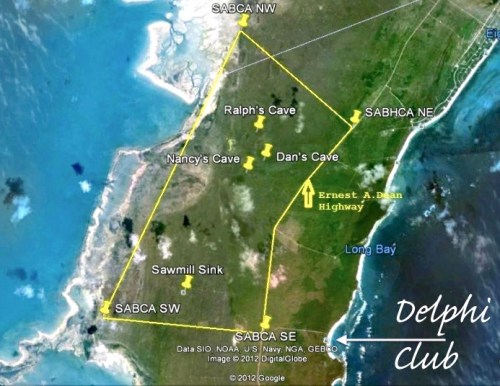
As it happens, the Delphi Club is very close to these caves, which lie within the boundaries of the newly created ‘South Abaco Blue Holes Conservation Area (see map). This is one of several such conservation areas on Abaco and in the wider Bahamas that are designed to protect the natural resources of the islands from development and exploitation. The second map shows how tantalisingly close Dan’s and Ralph’s caves are… and suggests that further exploration may lead to the missing link.

abaco-caves-map-jpgAbaco Caves Ralph & Dan jpg

Finally, here is a 4-minute video of one small part of the exploration, which gives a very good idea of what is entailed in investigating the narrow passages and huge cathedral-like caverns. Welcome to the Fangon Forest…

Hitoshi Miho, Ralph's Cave, Abaco

Unknown's avatar

A RARE SPOONBILL VISITS GILPIN POND, ABACO


Roseate Spoonbill, Gilpin Pond, Abaco (Keith Kemp)4

A RARE SPOONBILL VISITS GILPIN POND, ABACO

In past posts I have mentioned what an excellent birding place Gilpin Point has become. There’s the large pond; and right beside it, dunes, the other side of which is a fine secluded beach and the ocean. The place is a magnet for birds of all shapes and sizes, from brown pelicans down to the tiny endemic Bahama woodstars. There are water birds, wading birds, shorebirds and coppice birds. It has become a place where Abaco parrots regularly congregate. You can reach the Gilpin FB page HERE.

A while back, there was a rare visitor, a Flamingo that stayed a few months then disappeared again. It was in some ways a sad reminder of past flamingo glory days, when they were commonly found on Abaco. Now they are confined to Inagua apart from the occasional vagrant. For more on the the topic, with wonderful photos by Melissa Maura of the breeding season on Inagua, click HERE. Another rare vagrant – formerly quite plentiful on Abaco – was recently found at Gilpin by Keith Kemp, who skilfully managed to get photos of it from some distance away: a Roseate Spoonbill.

Roseate Spoonbill, Gilpin Pond, Abaco (Keith Kemp)2

I have featured spoonbills before in a post IN THE PINK, but the photos were taken on New Providence by Woody Bracey. I had no Abaco spoonbill photos. To be fair, we did once see one while we were bonefishing far out on the Marls. It was on the edge of the mangroves a good distance away, and the pale pink tinge caught my eye. My photo with an iPhone 4 (the one with the risibly cr@p camera – remember?) was so utterly pathetic that I dumped it (the photo, I mean, but the phone soon followed). But we knew what we had seen, and that was enough.

roseate-spoonbill                roseate-spoonbill               roseate-spoonbill

STOP PRESS 1 I should add that a friended visited the pond after the side-effects of Hurricane Joaquin had receded, and the spoonbill had gone. So the spoonbill alone would not make the journey worthwhile!

STOP PRESS 2 A check of eBird reveals that a handful of spoonbills have been reported in Northern Bahamas this year, about 6 in all. Almost none before that. I have the impression that birding intensity in The Bahamas, coupled with the ease of uploading reports to eBird, will increasingly make a difference to the incidence of sightings of uncommon and rare species, cf the recent WHIMBRELS of Grand Bahama.

Spoonbill, Gilpin Pond, Abaco (Keith Kemp)3

GILPIN POINT LOCATION

Gilpin Point is just south of Crossing Rocks. The brackish pond – sometimes an alarming reddish colour that I assume is algal – is just inland from the shoreline and provides a wonderful haven for birds. It’s a long mile from the highway. There is no vehicle nor even human traffic apart from occasional birders and walkers. Please note that the drive and the property are private. However Perry Maillis is always welcoming to tidy birders who (as I have written elsewhere) bring only enthusiasm and take only photographs (though a picnic on the beach is worth considering. And maybe a swim…). 

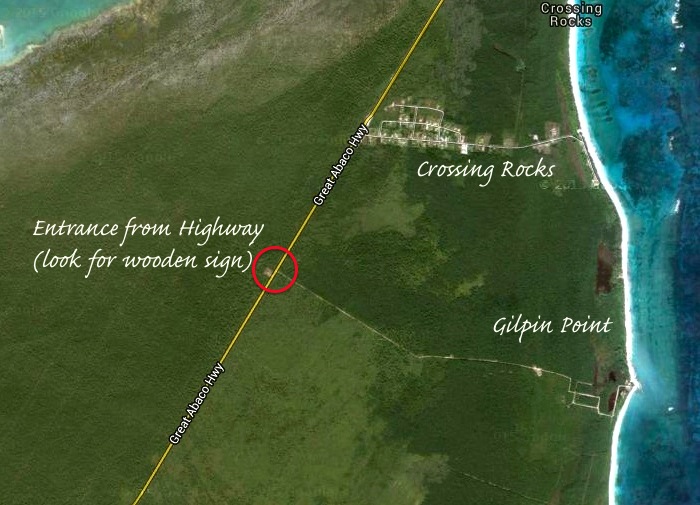
Helpful location mapsGilpin Map 1 Gilpin Map 2 Gilpin Map 3

WHAT SPECIES MIGHT BE FOUND AT GILPIN?

A brief list includes regular visits from parrots. It’s the only place we have found a furtive little sora skulking in the reedy margins. It’s a reliable spot for herons and egrets of every kind, white-cheeked (Bahama) pintails by the score, black-necked stilts and lesser yellowlegs. Occasionally a northern pintail, ruddy duck or merganser. Turkey vultures. Limpkins. We’ve seen belted kingfishers, Bahama woodstars, cuban emeralds, american kestrels, Bahama swallows, doves, pigeons, western spindalis and many more coppice birds besides. One flamingo. One spoonbill. Pelicans have been seen on the rocks on the beach. Shorebirds include turnstones, sundry plovers & sandpipers, and oystercatchers. You may well see tropicbirds and frigate birds off-shore, and assorted gulls and terns. I can’t personally be more species-specific  because I have never ‘shorebirded’ properly there, but I have noticed an impressive mix…

When we launched THE BIRDS OF ABACO at the Delphi Club, we were delighted that Pericles was able to come to the party. He took a few photos and I’m sure he won’t mind my including a small gallery to end with, featuring a couple of the Gilpin entries in his signed copy.

10153160_10152104925423929_44675888_n 1926631_10152104925178929_80294246_n11856_10152104921903929_1879699722_n 1525102_10152104925648929_1614125758_n

Bahamas birding nobility: Tony White with Caroline Stahala; Woody Bracey & Bruce Hallett
1911624_10152104926303929_1596185906_n

Credits: Keith Kemp for the great spoonbill photos; Perry for the Delphi photos

Unknown's avatar

ABACO’S BIRDING HOTSPOTS (42 OF THE BAHAMAS TOP 100)


Black-necked Stilt, Abaco (Tom Sheley)

ABACO’S BIRDING HOTSPOTS (42 OF THE BAHAMAS TOP 100)

Right now, I’m doing daily checks on the indispensable EBIRD CARIBBEAN in relation to the ABACO PIPING PLOVER WATCH project (and incidentally if you encounter one or more on a beach near you, details would be very welcome – below is what to look out for!).

Piping Plover, Abaco - Bruce Hallett

It occurred to me to check out the contention that Abaco is Numero Uno birding destination in the Bahamas (though sadly lacking the flamingoes, except for vagrants; and the Bahama oriole, now extirpated and confined to select areas of Andros). Sure enough, Abaco has 42 out of the top 100 birding hotspots. In the map below, gray pointers indicate a few observations, blue means 50+ and green represents 100+. Nowhere has yet achieved the flame-red pointer – the ultimate hotspot accolade…

Abaco Birding Hotspots Map (eBird)

People often ask where best to go for quality birding on Abaco. The answer depends of course on the season and on what they are after – for example shorebirds or warblers; parrots or absence of parrots and so on. The Abaco 42 are listed below. There are a couple points to make about the hotspot list:

  • There is a degree of duplication, eg Gorda Cay / Castaway Cay being shown as separate entries, as is Angelfish Point / Angel Fish Point
  • Also, the data gathered by eBird is entirely dependent on regular uploads of checklists. Inevitably the birders will mostly be regulars, with their own preferred beats or perhaps with an interest limited to the area where they live. Some records show long gaps – sometimes a couple of years – between reports. So the eBird data can only give an overview, not a precise record of actual observations or birding effort and success. 

Bahama Woodstar male 3.1.Abaco Bahamas.2.12.Tom Sheley copy

In very general terms, and assuming a broad birding interest, I would recommend the Treasure Cay area; in and around Marsh Harbour; the stretch east of the Highway that takes in Bahama Palm Shores, the Abaco Neem Farm, Delphi, Crossing Rocks & Gilpin Point; the National Park; and Sandy Point. I’m sure there will be other views, but I am thinking primarily of the visitor who has but a single day to spare from a packed schedule of fishing, swimming, sunbathing, eating and drinking… [nb as a soi-disant photographer I’m not so keen on the dumps and landfill. Yes, the birding can be good. No, I don’t want to feature rubbish in my already rubbish photos…]

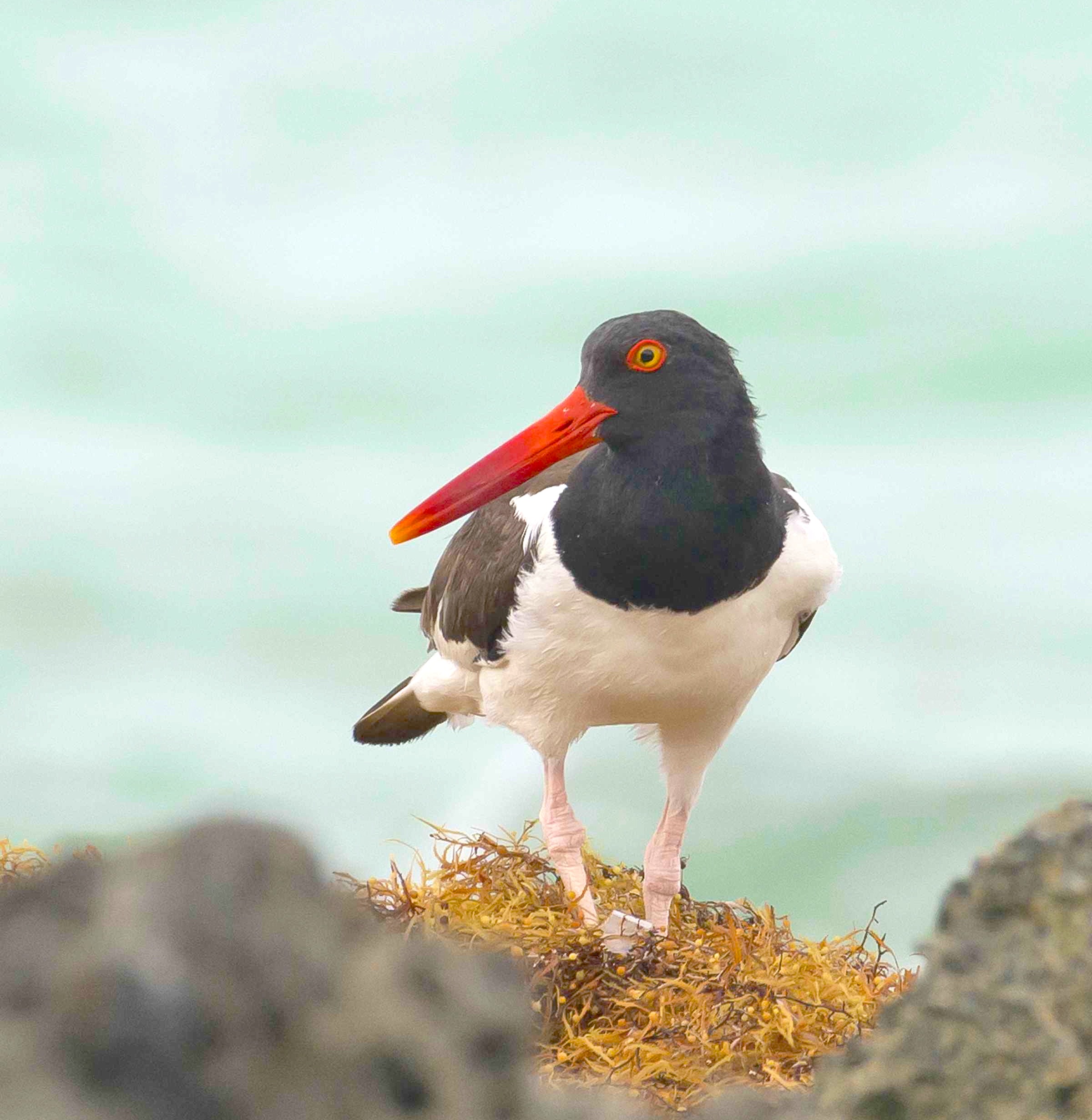
American Oystercatcher4.1.Delphi Club.Abaco Bahamas.6.13.Tom Sheley RH 2

Here’s the eBird list, omitting all the non-Abaconian hotspots. Clicking on the links will take you straight to the relevant location’s latest reports and show some of the species seen there. I haven’t checked every link, but spot-checks suggest they work ok…

3 Treasure Cay GC

4 Abacos–Citrus Farm near Treasure Cay

5 Abaco–Sandy Point

8 Angel Fish Point

10 Marsh Harbour

12 Abaco–Crossing Rocks

13 Abacos–Treasure Cay Dump

14 Abacos–Treasure Cay West Side

18 Abaco Cays IBA–Great Guana Cays

20 Abacos–Treasure Cay Sunset Ridge and vicinity

22 Robert’s nursery, ponds and marls overlook

23 Abaco–Bahama Palm Shores

28 Abaco Cays IBA–Green Turtle Cay

32 Gilpin Point

35 Hope Town, Elbow Cay

37 Big Bird

38 Castaway Cay

41 Man-o-war Cay

44 Abaco National Park IBA

45 Marsh Harbour–Landfill

52 Island Homes–Beach

57 Abaco Beach Resort

60 North Atlantic Abaco Cays IBA

62 North dump (Abaco)

65 Marsh Harbour

69 Cherokee Sound

70 Great Guana Cay

72 Green Turtle Cay Sand Spit

73 Angelfish Point

81 Green Turtle Cay

82 Track north of Hwy

86 Southern Abaco IBA

87 Abaco Neem farm

88 Marsh Harbor Airport

89 Abaco–Crown Haven

91 Little Abaco IBA

92 Abaco–Hole-in-the-Wall

93 Camp Abaco

94 Little Harbour

96 Castaway Cay

97 Cooper’s Town

98 Crossing Rock / Island Homes

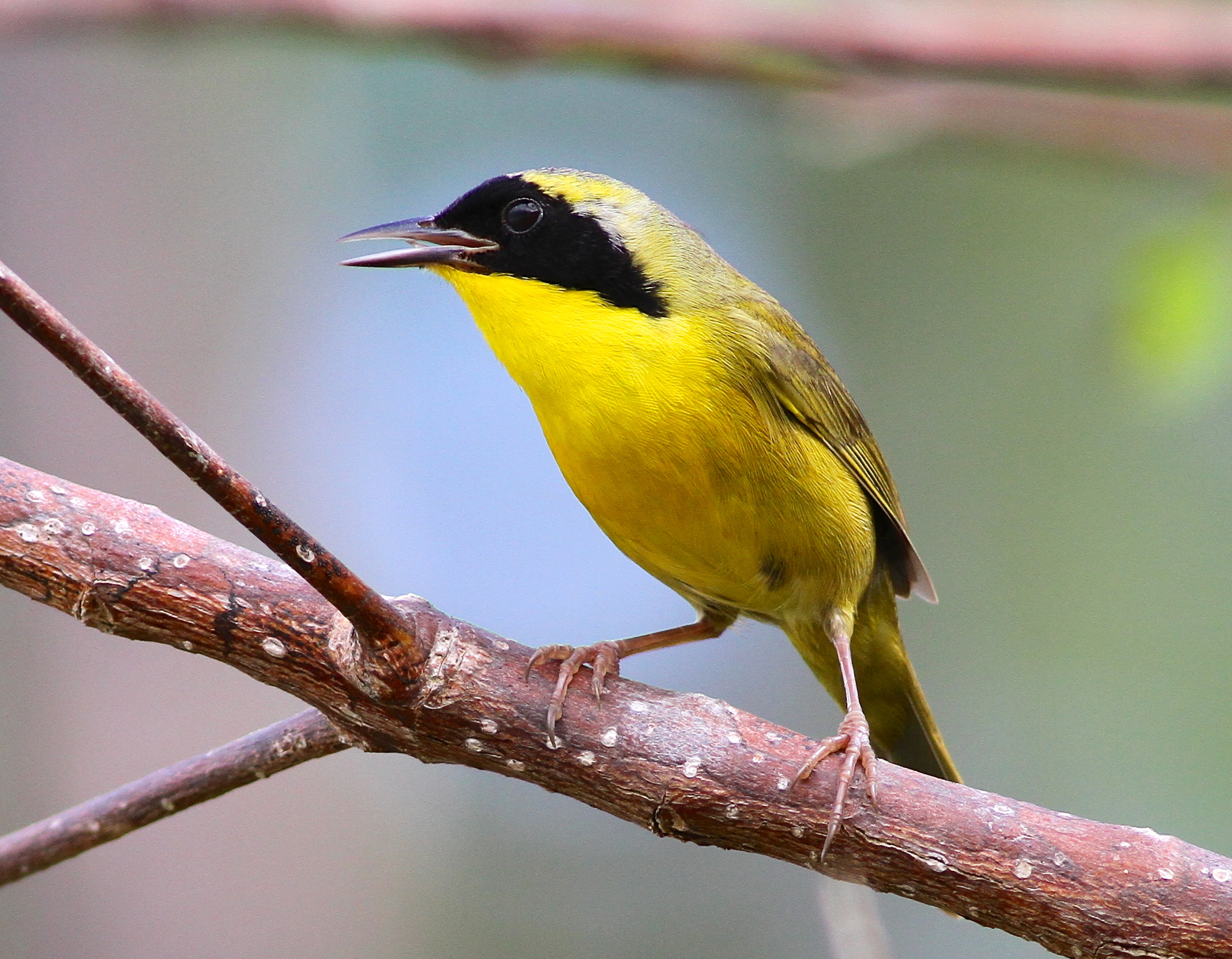
Bahamas-Great Abaco_4846_Bahama Yellowthroat_Gerlinde Taurer copy

RELATED POSTS

AUDUBON’S ‘PRIORITY BIRDS’ ON ABACO

ABACO BIRDS FOUND IN NYC (& VICE VERSA)

THE BIRDS OF ABACO”

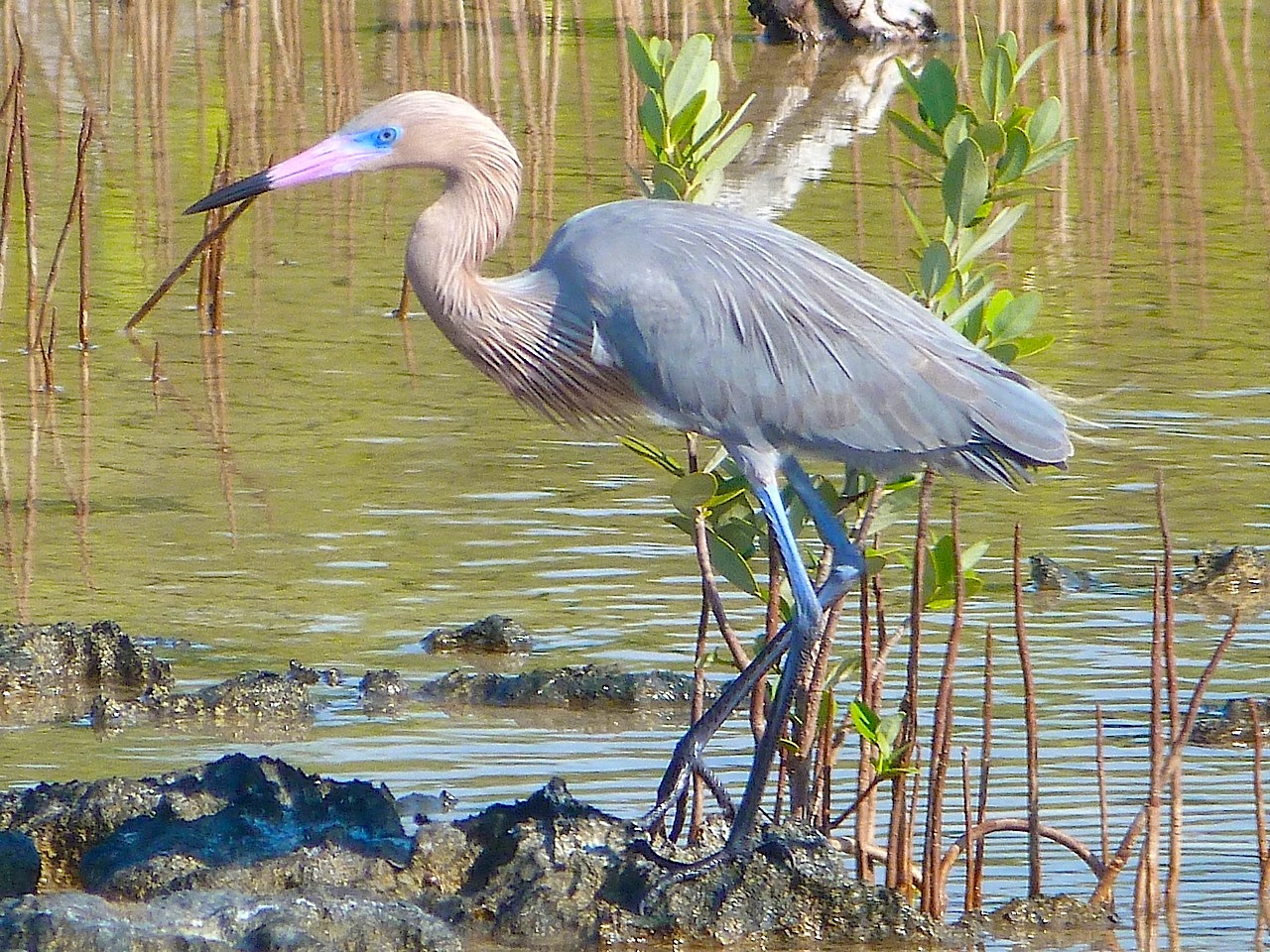
Reddish Egret, Crossing Rocks, Abaco (Keith Salvesen)11

Credits: Tom Sheley, Bruce Hallett, Gerlinde Taurer, RH

Unknown's avatar

BREADFRUIT: NATURE’S BOUNTY (WITH ADDED MUTINY)


Artocarpus altilis - breadfruit (Hans Hillewaert)

BREADFRUIT: NATURE’S BOUNTY (WITH ADDED MUTINY)

Capt. William Bligh achieved fame for all the wrong reasons. Despite a distinguished and wide-ranging seafaring career he is widely remembered for just two things: (1) The Bounty and (2) Mutiny On. In 1787, he was dispatched to Tahiti to collect specimens of breadfruit (a fruit of the Pacific islands, in particular Polynesia) to help provide food for the British colonies in the West Indies. To be clear, the breadfruit was intended to be a basic and cheap staple food not just for settlers but also for the indigenous population.Breadfruit 2

Capt. Bligh’s Bounty crew unfortunately mutinied – possibly to do with the amount of water the breadfruit required compared to their own meagre rations – and threw overboard the hundreds of breadfruit plants that were in transit. Then they set Bligh with his loyal officers and crew adrift… He was later court-martialled but cleared of culpability for the mutiny. 

Mutiny on the HMS Bounty (Robert Dodd)

This isn’t the place for a disquisition on the Mutiny. You can read all about it HERE. Or better still, watch one of the rollicking all-star-cast films based loosely on the episode for a careful and accurate historical record of the events that will buckle your swash…

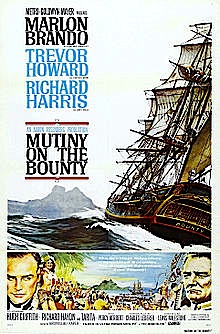
Mutiny_on_the_Bounty_Poster (1935)     220px-Poster_for_Mutiny_on_the_Bounty

Following that skirmish, and indeed blemish on his record, in 1793 Capt. Bligh was yet again charged with the task of shipping breadfruit trees from their origin to the Caribbean. His heart must have sunk, yet finally he succeeded, only for those on the eating end to express considerable distaste for such a bland, starchy fruit. It took a long time to catch on, and its culinary versatility was only discovered many decades later. By which time slavery had thankfully been abolished anyway.Breadfruit image (Pacific site)

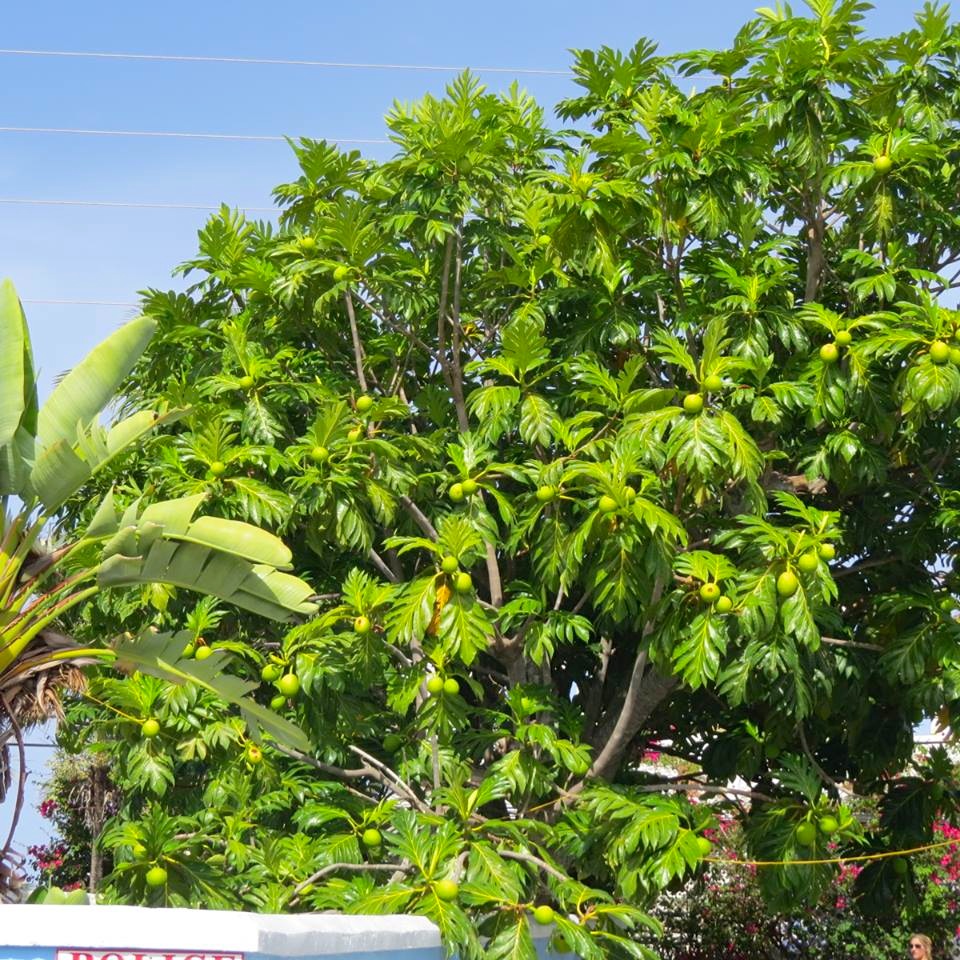
The most famous breadfruit tree in all Abaco is to be found in Hope Town (Elbow Cay). I can do no better than display the notice that proudly proclaims the historic significance of the tree; and of course the tree itself.

Breadfruit Tree Notice, Hope Town Abaco (Dp PatersonBreadfruit Tree, Hope Town Abaco (Dp Paterson)

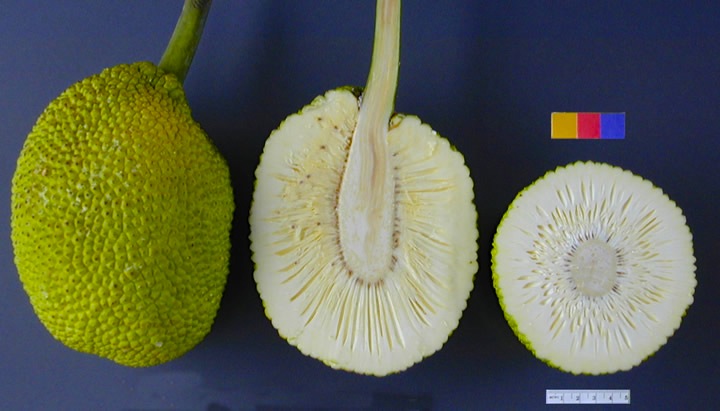
Unusually for a fruit plant, a true breadfruit Artocarpus altilis does not produce seeds. It is propagated by removing the suckers that grow at at the base of the tree.

For those unfamiliar with the fruit and its interior, here it is in both slice and cross-sectionBreadfruit sliced (US Pacific Basin Agricultural Research Center)

BREADFRUIT IN ART

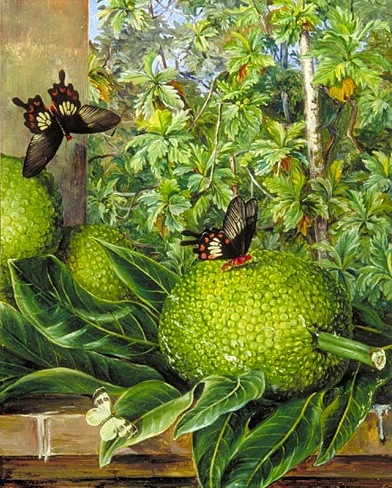
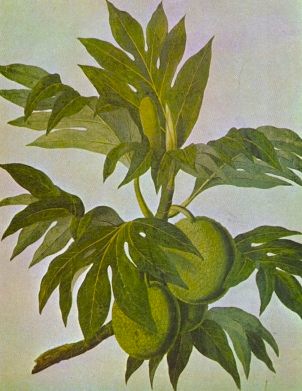
Breadfruit has received artistic recognition over the years. Here are some examples – the first, very jolly (and an early representation of the Polydamus Swallowtail butterfly, I think); the second, quite dull; the third, instructional (oddly equating breadfruit with tea, coffee and chocolate); and the fourth, frankly not at all appetising to look at…

Breadfruit with butterflies (Royal Botanic Garden, Kew)Breadfruit (Royal Botanic Gardens, Kew)

                                 Breadfruit (John Frederick Miller)                                  Breadfruit drawing  John Frederick Miller

      Breadfruit & related plants used as food (William Rhind (1841)     Breadfruit etc William Rhind (1841)

Breadfruit - Bahamas Stamp

WORLD DISTRIBUTION OF BREADFRUIT

Breadfruit will flourish only within a certain latitude range where the rainfall and temperature suit it, as this map shows. I include this information in case you ever find yourself in the awkward position of being socially stranded with someone whose conversation has become soporific. Be armed with some useful worldwide breadfruit stats for just such an occasion – you will soon find yourself alone…Breadfruit - the world propagation range

A CULINARY TREAT

Breadfruit is sometimes thought to be a dull and untasty, at least compared with many other fruits. I thought I’d include a recipe or two that rather appealed to me – the second because even I could do that…

Breadfruit Recipe  (myrecipefriends.com)

BAKED BREADFRUIT

Large, ripe breadfruit 1 cup water Butter 1 lime or lemon

Heat oven to 33 degrees F. Put the water in a shallow pan and place the whole breadfruit in the water. Bake in oven for three hours. Remove from oven, allow to cool slightly, peel, removing the large core and stem. Cut the fruit into sections and place in a serving dish. Cover with butter and a squeeze of lime or lemon juice.

A PERFECT HOPE TOWN BREADFRUIT
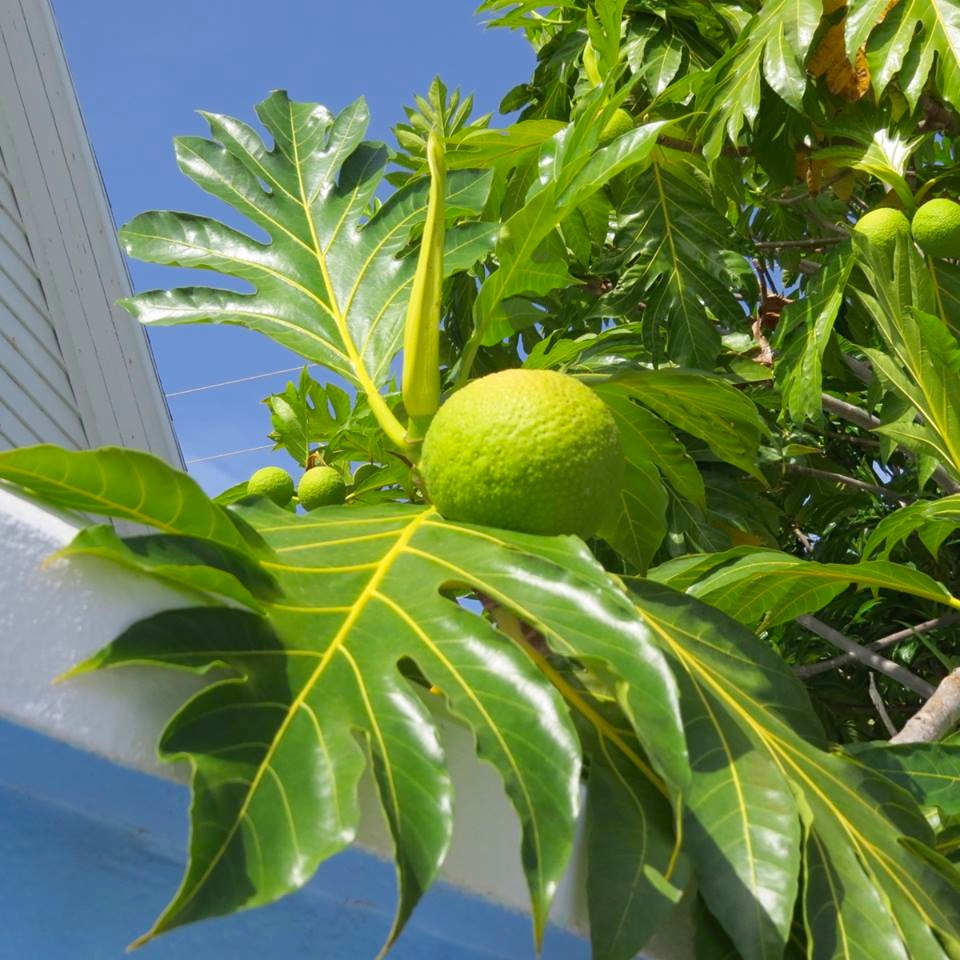
Breadfruit, Hope Town Abaco (Dp Paterson)

This post was inspired by an article on breadfruit and the Hope Town tree by local historian Deb ‘DP’ Patterson, who will be known to many for her committed involvement with the Wyannie Malone Historical Museum in Hope Town. I’m grateful to her for permission to use her idea and indeed some of her material, in particular her photos of the tree and its notice. If you do visit this delightful little town, the museum is a treasure house of Abaconian history that deserves a visit. You can check out its website HERE and the FB page HERE.

Wyannie Malone Museum Crest, Hope Town, Abaco

Capt. Bligh managed to put his breadfruit adventures and the mutiny behind him, and continued a distinguished naval career with successive command of an impressive number of  ships. He ended up a Vice-Admiral, and (on his death in 1817) in a grave in Lambeth, London.

V-A William Bligh (1814)Grave of William Bligh, Lambeth, London (Geograph, Commons Media

HMS BOUNTY II (Full Sails). A 1960 reconstruction (Dan Kasberger)HMS_BOUNTY_II_Full_Sails 1960 reconsrtuction (Dan Kasberger)

Credits: First and foremost, Deb Patterson; Magpie Pickings including Hans Hillewaert, US Pacific Basin Agricultural Research Center, Royal Botanic Garden Kew, myrecipefriends, M Kwek, whatsonbahamas, Wyannie Malone Historical Museum, ‘Geograph’, Dan Kasberger, and Wiki; and anyone else I have omitted…

Unknown's avatar

PAN’S LABYRINTH, DAN’S CAVE: ABACO’S ASTOUNDING UNDERGROUND WORLD (5)


Dan's Cave, Abaco Bahamas (Brian Kakuk)

                                  PAN’S LABYRINTH, DAN’S CAVE                                      ABACO’S ASTOUNDING UNDERGROUND WORLD (5)

June brought news of a wonderful exploration of a near-inaccessible part of the Dan’s Cave complex in South Abaco, deep under the acres of pine forest. The expedition involved Brian Kakuk, Steve Bogaerts, Hp Hartmann, and a ‘Razor’ sidemount camera.  As Steve later wrote, “…I had the privilege to film probably the most beautiful caves in the world and to take my camera to places where nobody else has filmed before. Special thanks to Brian Kakuk to make this video happen”.

Brian’s account of his first exploration of Pan’s Labyrinth in 2010 (link below, scroll down the page you reach) is extraordinary. The difficulties faced in negotiating the narrowest of passages while carrying essential equipment makes for tense reading…

The cave systems of South Abaco within the proposed protected areaAbaco caves map jpg Abaco Caves Ralph & Dan jpg

Unknown's avatar

A VISIT TO BIMINI’S MARINE ENVIRONMENT (1)


Loggerhead Hatchling Bimini BMPAC

Loggerhead Hatchling (Bimini’s Marine Protected Area Campaign)

A VISIT TO BIMINI’S MARINE ENVIRONMENT (1)

Abaco is fortunate already to have special conservation areas, both on land (e.g. the huge National Park) and at sea (e.g. Fowl Cay Marine Preserve). Other preserves are in active stages of development. Elsewhere in the Bahamas, where the natural life is equally wonderful, battles are being fought to protect pristine habitat from the encroachments of modern life such as unsuitable development (or development in unsuitable locations). For this first look at Bimini, I am most grateful to Bimini’s Marine Protected Area Campaign  for permission to use some of their wonderful photographic archive that illustrates the vital importance of the mangroves, reefs, sea grass and pristine sea to marine life large and small. It’s worth checking out the background and surrounding context of these images to see the sort of habitat the creatures depicted prefer. This post features some of the larger species.

HAMMERHEAD SHARKS

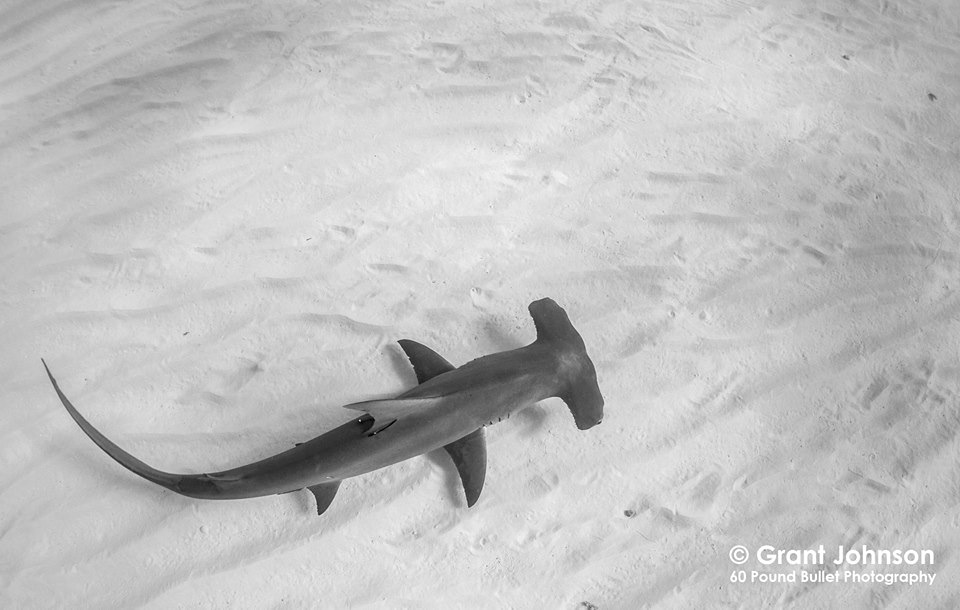
Hammerhead Shark, Bimini (Grant Johnson/ 60 Pound Bullet)Hammerhead Sharks 3 Bimini's Marine Protected Area Campaign Hammerhead Shark 2 Bimini's Marine Protected Area Campaign Hammerhead Shark 4 Bimini's Marine Protected Area Campaign

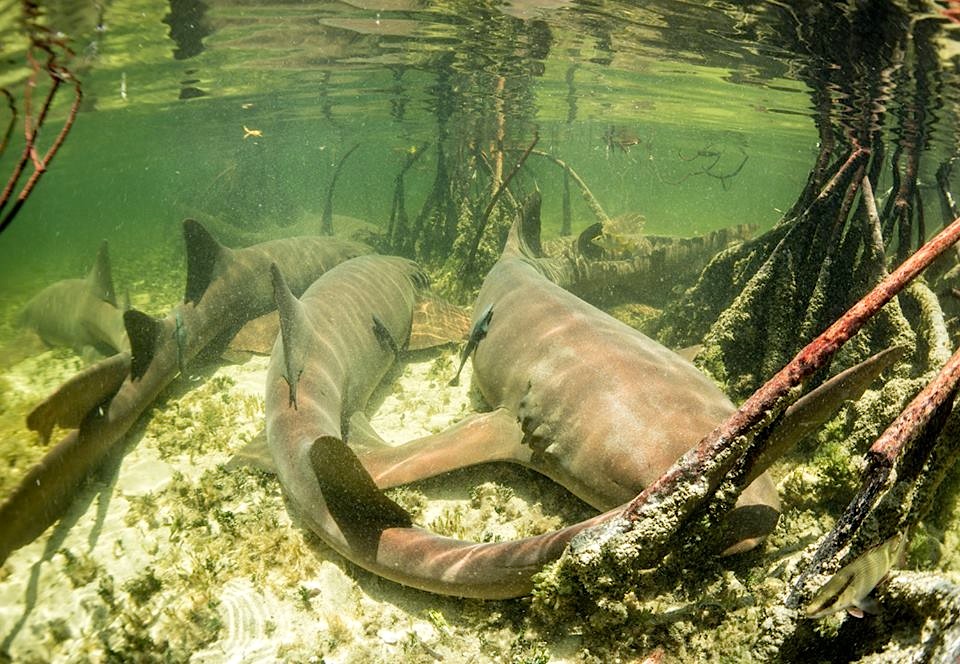
NURSE SHARK NURSERY IN THE MANGROVES

Nurse Sharks Bimini's Marine Protected Area Campaign Nurse Shark BMPAC

BOTTLENOSE DOLPHINS

Dolphin 2 Bimini's Marine Protected Area CampaignDolphin Bimini's Marine Protected Area Campaign

RAYS

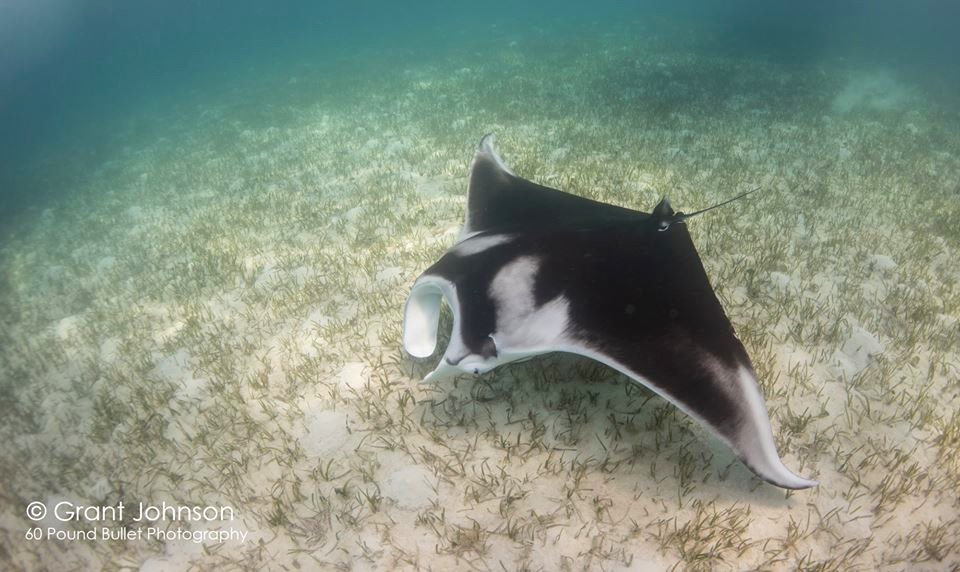
A pregnant female southern stingray, seen from belowSouthern Stingray (pregnant) Bimini's Marine Protected Area CampaignRay, Bimini's Marine Protected Area Campaign Ray, Bimini's Marine Protected Area Campaign

HAWKSBILL TURTLES

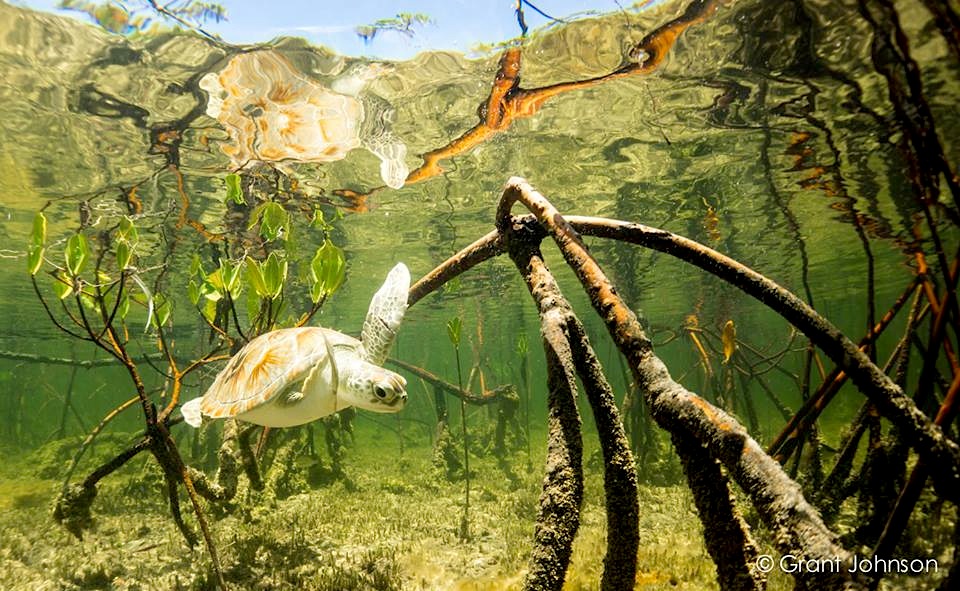
Turtle in Mangroves Bimini's Marine Protected Area CampaignHawkshead Turtle 2 Bimini's Marine Protected Area Campaign

CREDITS: Bimini’s Marine Protected Area Campaign with many thanks for use permission of their material including images © Grant Jonson / 60 Pound Bullet Photography, and to all other photographers featured. Overall, cheers to Bimini, wildlife and conservation…

Unknown's avatar

ELBOW REEF LIGHTHOUSE, ABACO: THE OLD LADY’S BIG DAY


Hope Town Lighthouse, Elbow Cay, Abaco

ELBOW REEF LIGHTHOUSE, ABACO: THE OLD LADY’S BIG DAY

There are various overwrought ‘describing’ words that have become devalued and tired through overuse. Unique. Unsurpassed. Unparalleled. Iconic. However the famous and much-loved Elbow Cay Lighthouse could plausibly lay claim to any one of those adjectives. Let’s make that ‘all’. Earlier this year, following a meticulous survey, repairs and refurbishments were made to this stately 89 foot high, 101 step light that came into operation in 1863 during the height of the American Civil War. 

You can read more about the lighthouse, its importance and its machinery in various earlier posts (use the search box), and there is other material including details of the recent repair program HERE. This post is simply to advertise the forthcoming 2nd Lighthouse Festival that takes place in Tuesday June 23rd. The flyer below tells you all you need to know about the day.

11165251_902234616503783_3983866159670923203_n

For this event, the students of Hope Town Primary School, in conjunction with the invaluable ELBOW REEF LIGHTHOUSE SOCIETY , have produced a wonderful book celebrating the lighthouse, with proceeds of sale benefitting the school’s volunteer programs and the Society’s ongoing projects. I am sure will be a best seller – make it happen!

10986656_10153399883840815_3126863414253161396_n11140378_10153399883870815_873890178916274603_n

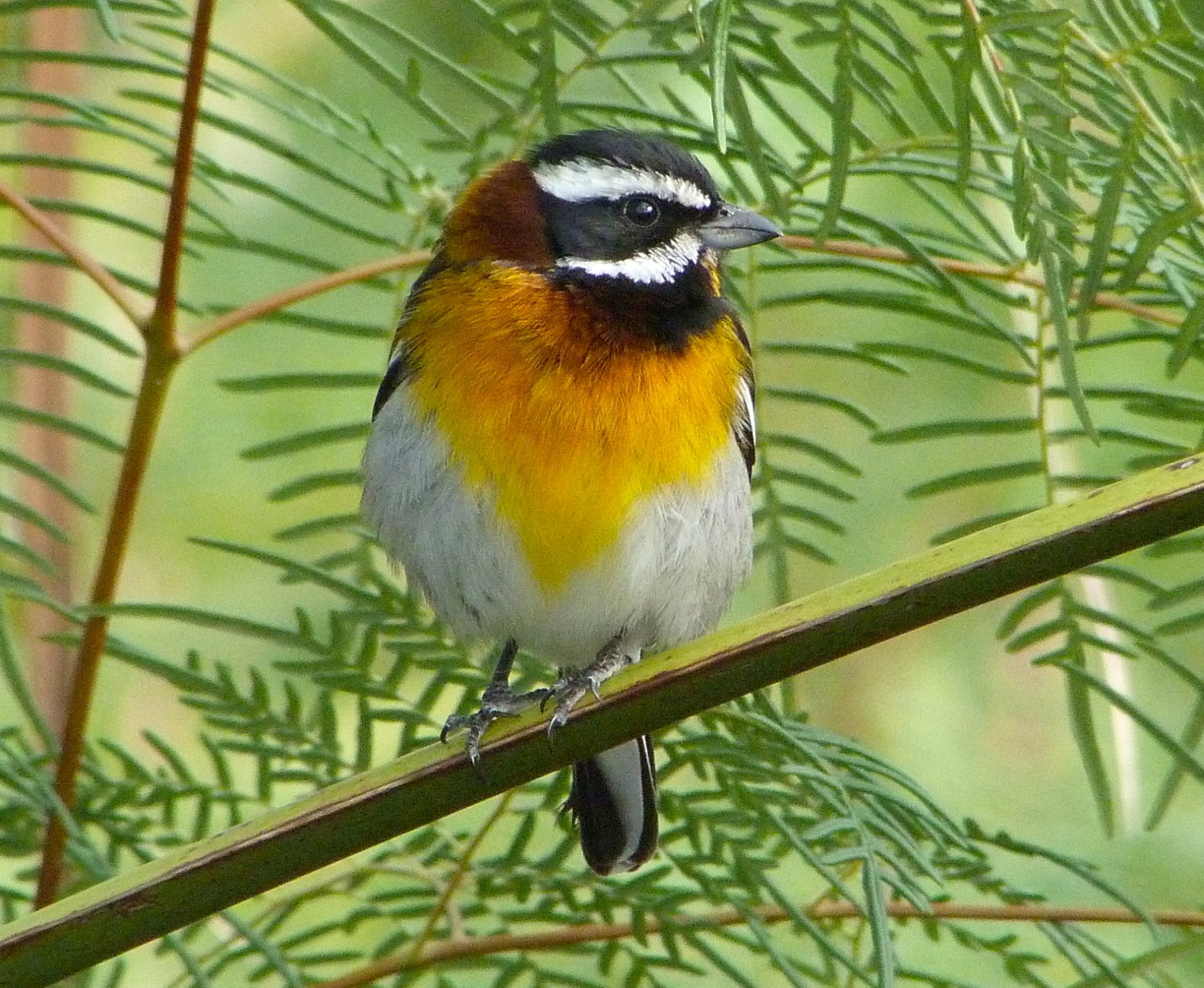
As last year, the events will include an auction. Among the wide variety of items to be auctioned will be a 15″ x 15″ print on canvas of my photo of a Western Spindalis, taken on the drive of the Delphi Club and included in “THE BIRDS OF ABACO” (a copy of which was auctioned last year). 

Western Spindalis, Abaco (Keith Salvesen)

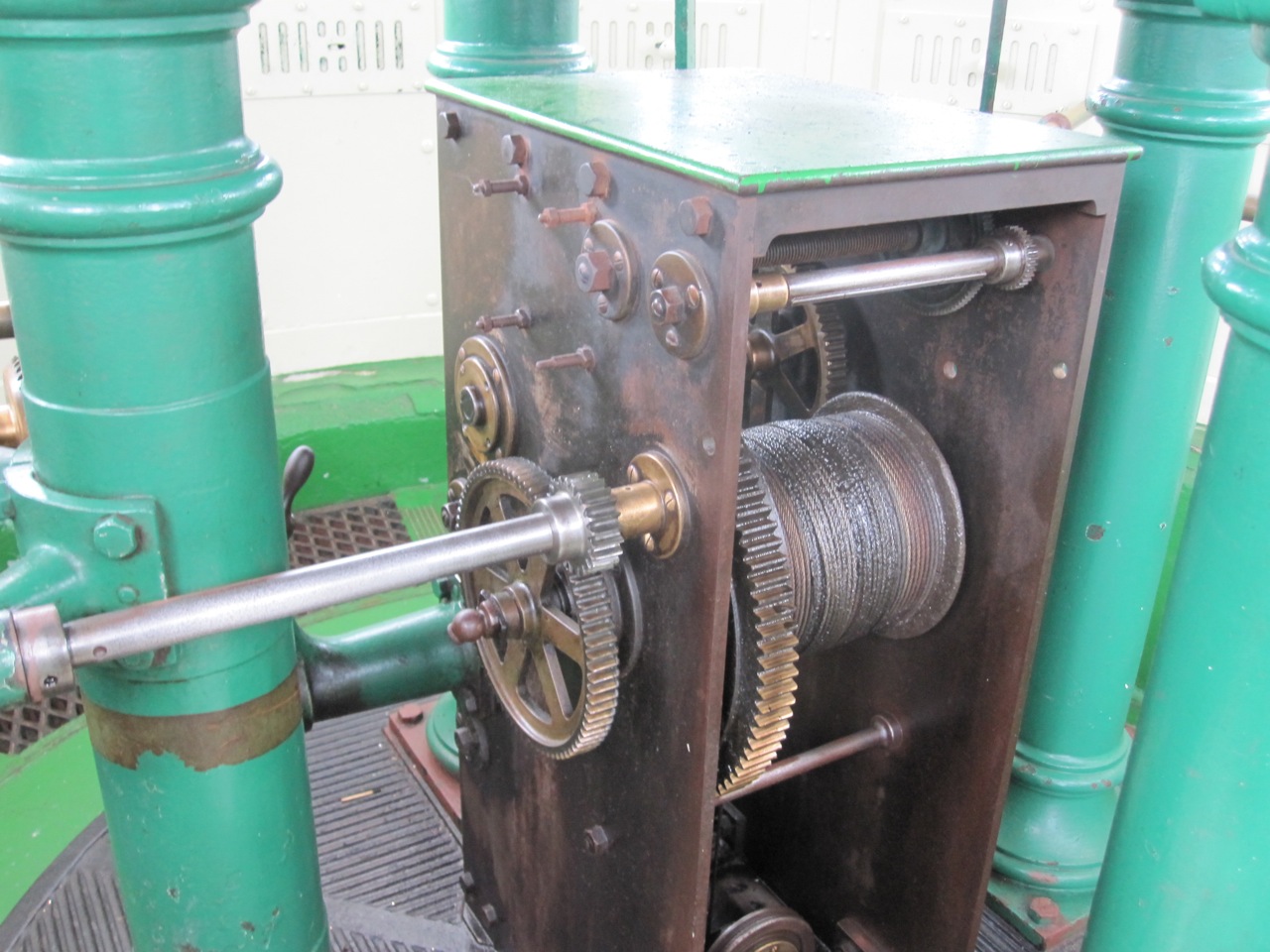
Maybe a few more pics of such an interesting building are called for…. And a reminder of some key words to scatter liberally into your conversation at the event. Or anywhere, really: “Fresnel Lenses”, “Mercury Bed”, “Clockwork Mechanism”, “Trinity House, London”.Hope Town Lighthouse, Elbow Cay Abaco

Hope Town Lighthouse, Elbow Cay, Abaco (Lamp, Fresnel Lens) hoplit22 Hope Town Lighthouse, Elbow Cay, Abaco hoplit20 Hope Town Lighthouse, Elbow Cay, Abaco hoplit19 Hope Town Lighthouse, Elbow Cay, Abaco hoplit18 Hope Town Lighthouse, Elbow Cay, Abaco hoplit17 Hope Town Lighthouse, Elbow Cay, Abaco (Fresnel Lens) hoplit6 Hope Town Lighthouse, Elbow Cay, Abaco hoplit4 Hope Town Lighthouse, Elbow Cay, Abaco hoplit2 Hope Town Lighthouse, Elbow Cay, Abaco hoplit3

And finally a wonderful photo of Hope Town centred on the Lighthouse complex. Enjoy June 23rd.Elbow Reef Lighthouse Society

Logo of the World Lighthouse Society

Logo of the World Lighthouse Society

Credits: Lighthouse exteriors and Spindalis RH; all interiors Mrs RH; props to Elbow Reef Lighthouse Society (and ?David Rees for the aerial view…); Annie Potts for her inspiring book “Last Lights” about the intriguing lighthouses of the Bahamas

Unknown's avatar

FERAL PEACOCKS: SOMETHING COMPLETELY “DIFFERENT (OF ABACO)”


Peacock, Casuarina, Abaco (Sally Salvesen)

FERAL PEACOCKS: SOMETHING COMPLETELY “DIFFERENT (OF ABACO)”

Driving the Highway south from Marsh Harbour, past the turn-off to Winding Bay and Cherokee, you reach an unassuming side road. This takes you to Casuarina, its gorgeous beach and the canal cut that leads to Cherokee Sound and … bonefish. At the junction you can hardly fail to see the large, time-worn notice for “Different of Abaco“, the former fishing lodge owned by Nettica Symonette. It has been defunct for many years. The lodge buildings are sadly dilapidated and *safety alert* the wooden boards are frail. The grounds are romantically overgrown, and dotted with half-concealed derelict vehicles and machinery rusting away benignly as the seasons pass. The large ponds that must have once been attractive are brackish and uninviting. But guess what! The place is a haven for birds.

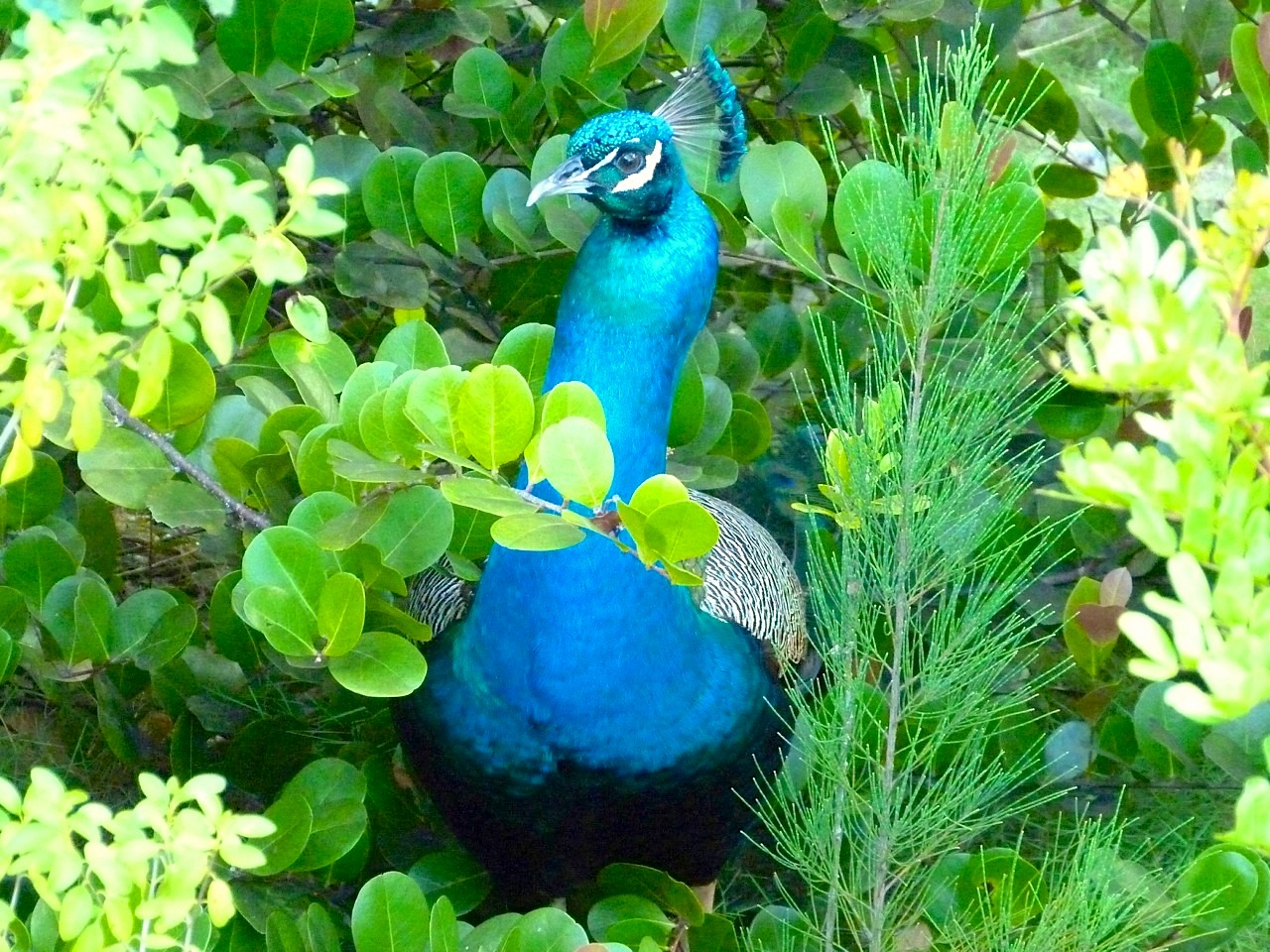
Peacock, Casuarina, Abaco (Keith Salvesen)

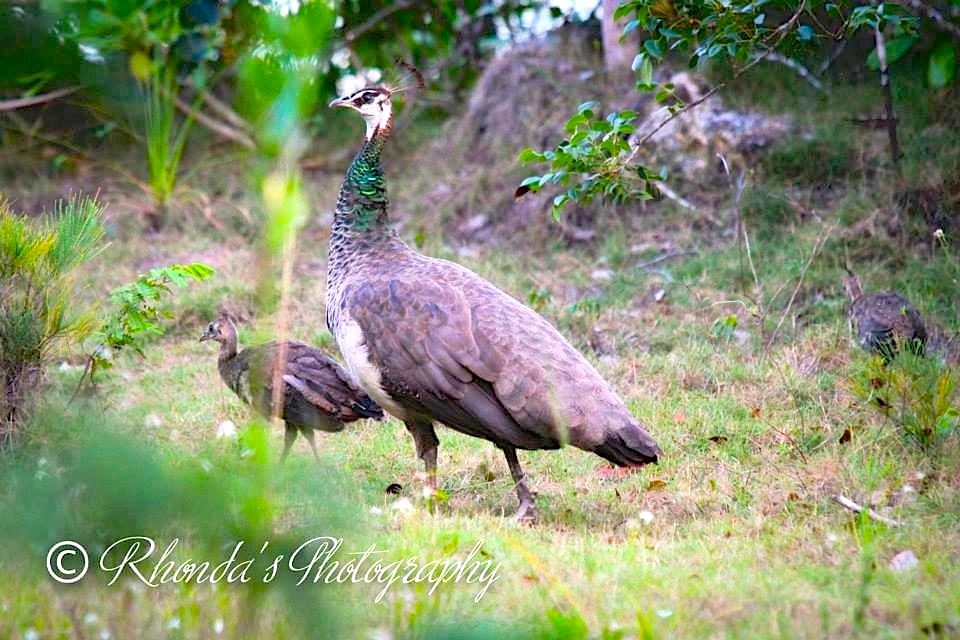
The most surprising sight is of peafowl – the collective name for peacocks, peahens and peachicks. This flamboyant species was introduced many years ago as a decorative addition to the Lodge and its grounds. It was part of a wider, more ambitious scheme to reintroduce a breeding flock of flamingoes to Abaco. These had regrettably become extirpated from the island and then, as now, were only found as vagrant individuals. The attempt sadly failed and the flamingoes disappeared. Rumours sometimes surface of breeding pairs far out on the Marls or in a secluded place in the far south of the island, but these remain unsubstantiated. The peafowl introduction, however, has proved to be an unexpected success.

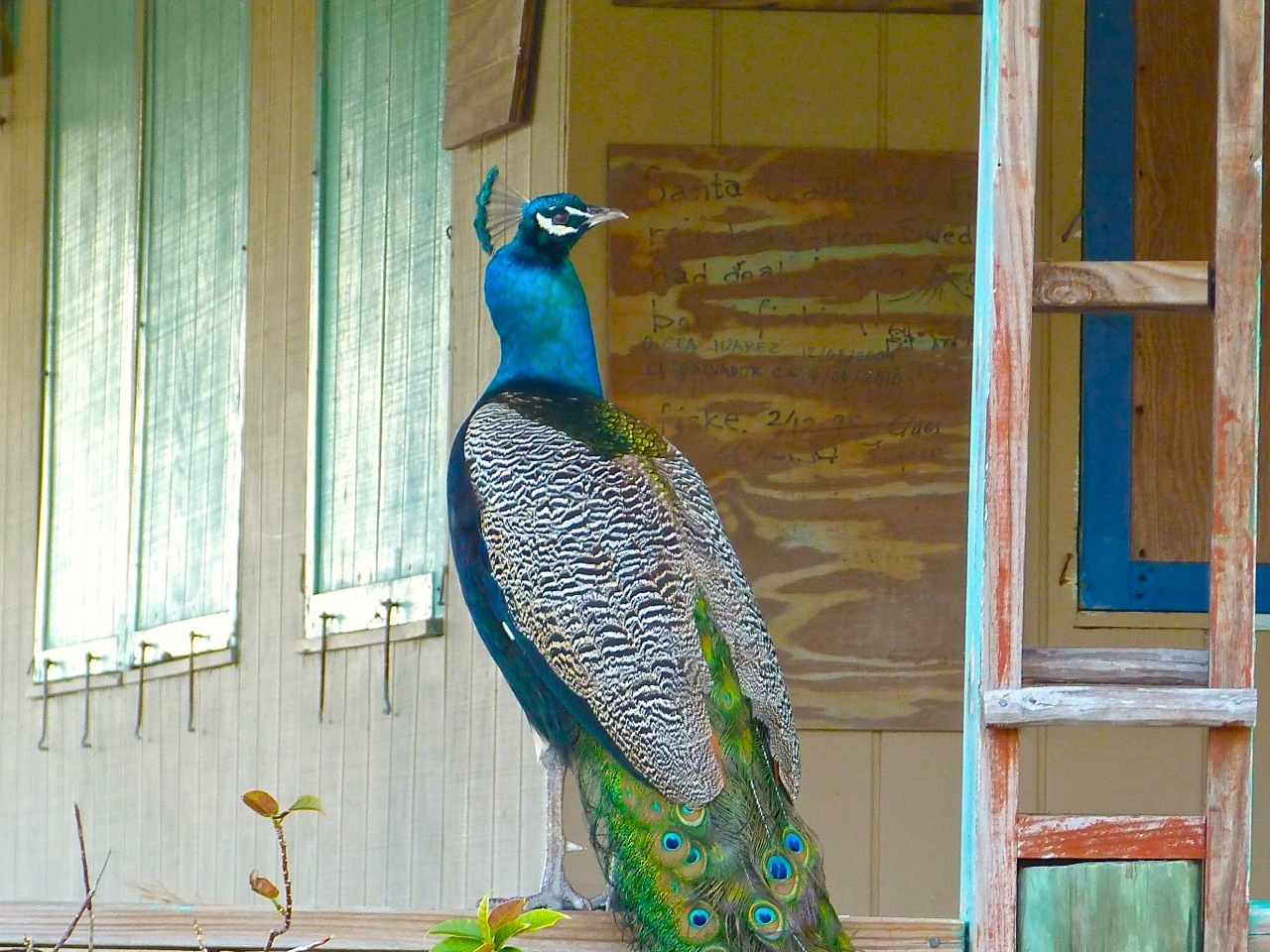
Peacock, with bizarre graffiti addressed to Santa ClausFeral Peacock, Casuarina, Abaco (Keith Salvesen)

Peahen in the garden of “Different of Abaco”Peahen, Casuarina, Abaco (Sally Salvesen)

Peacocks swaggering in the grounds: note the fully feathered tails (cf photo #2  above)Peacock, Abaco (Nina Henry) 1Peacock, Abaco (Nina Henry) 3

The compilation of “THE BIRDS OF ABACO” involved plenty of decision-making. We obviously couldn’t feature every recorded species – for a start, for many species there were merely reports of sightings but no (or only inadequate) photographs. One interesting factor for consideration was the stage at which an introduced species becomes bird OF Abaco as opposed to a non-indigenous bird that happens to be IN Abaco.

1610795_10152397349768720_8542277013207863186_n10345763_10152398046303720_8315779621600880072_n10524740_10152397350053720_2270412119470328978_n10306740_10152397712968720_2616129013617847509_n    10647090_10152398010393720_8268702990135221309_n

Rhonda Pearce’s Peafowl Gallery (NB peachicks included!) above demonstrates why this species was an easy choice for inclusion. On the assumption that the original birds were brought to the Lodge in the late ’80s or early ’90s, the chicks you see here must be several generations down the line. A breeding population has been established in the wild, as the grounds of D of A have become. The evidence is that it is spreading slowly – across the road, further into the settlement at Casuarina and recently even further afield.

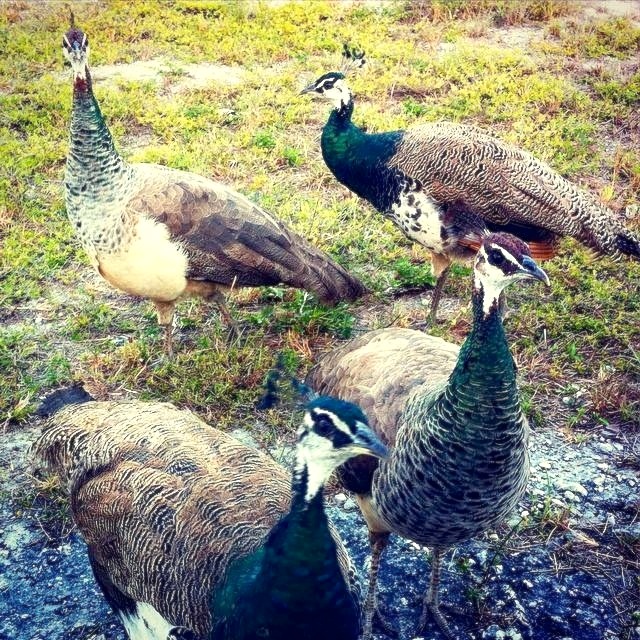
Celia Rogers photographed this cluster of peahens in Casuarina – but the two males were on the road to Cherokee, maybe 3 or 4 miles distance to the north as the peacock struts

Peahens, Casuarina (Celia Rogers)Peacocks (Cherokee Road)  Abaco (Celia Rogers)

So that’s how the feral peacocks of Abaco come to be classified (in a purely unofficial way) as birds OF Abaco for the purposes of the book**. Once they would have been viewed as pets – like the muscovy ducks that can be found in a few places, Gilpin Point for example. But in the wilderness that Different of Abaco has become for many years, the descendants of the original peacocks are breeding contentedly, expanding their population, and are wholly unreliant on human intervention. Verily feral, in fact.

**That, and the fact that Mrs RH borrowed my camera and undeniably took the best photos of the male and female birds (#1 and #4 above), as seen on pp 70-71 of the book…

Peacock, Abaco (Liann Key Kaighin) 1

D of A: the glory daysimg0049

Credits: Mrs RH (1, 4); RH (2, 3); Nina Henry (5, 6); Rhonda Pearce (7 – 11); Celia Rogers (12, 13); Liann Key Kaighin (14); added final image π “The Abacos” online

Unknown's avatar

HOLE-IN-THE-WALL, ABACO: A UNIQUE PERSPECTIVE (2) PRESENT & FUTURE


Winslow Homer G W Original Brooklyn

HOLE-IN-THE-WALL, ABACO: A UNIQUE PERSPECTIVE (2) PRESENT & FUTURE

Following on from my post last month HOLE-IN-THE WALL: THE PAST, it’s time to take a closer look at the ‘Gap-in-the-Wall’ as it is today, viewed from the sea. I’ve called this a ‘unique perspective’, but I’m sure many people have taken photos of HITW from the sea. It just that apart from a few kayaking ones from before the collapse of the arch, I haven’t found them. So I took some, thanks to the BMMRO and their research RHIB. 
Hole-in-the-Wall Abaco (2015-2) 01 Location photo map

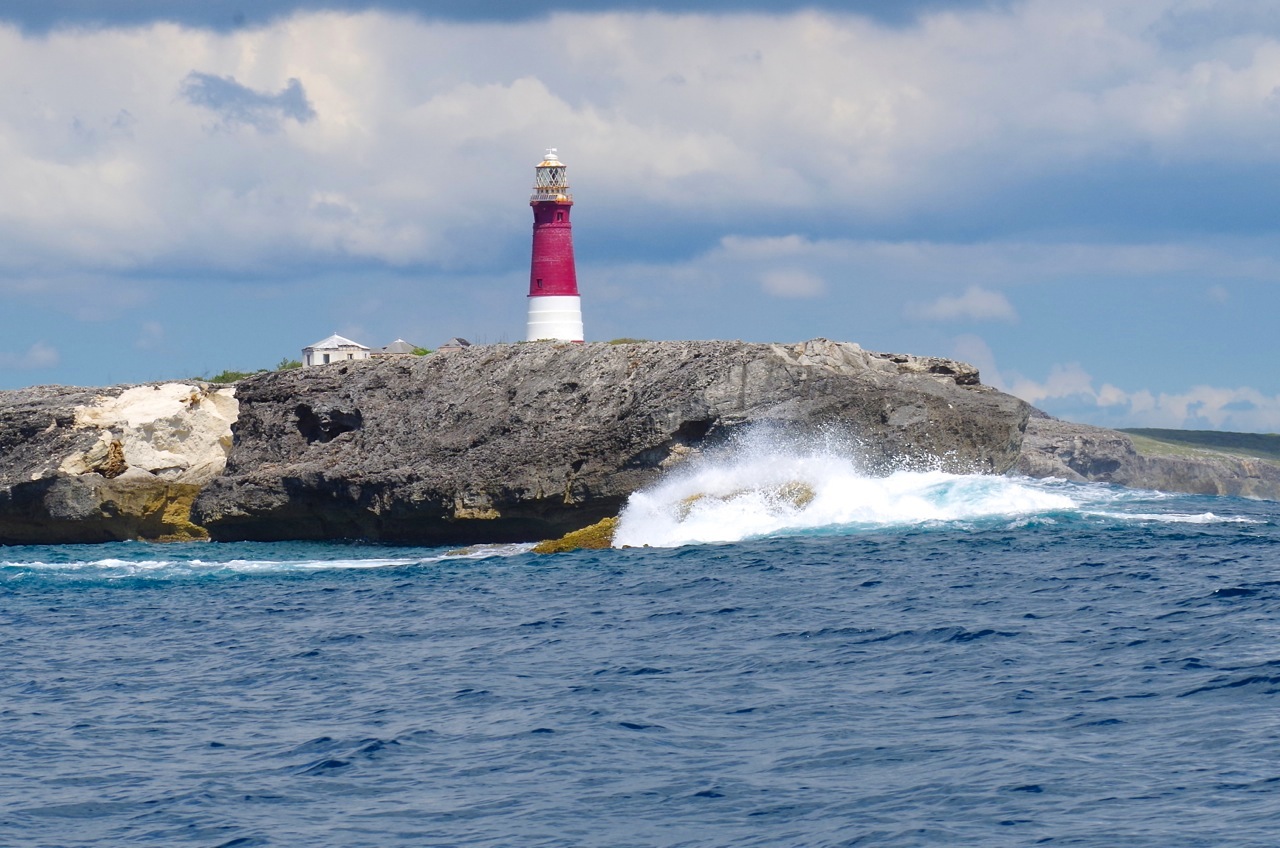
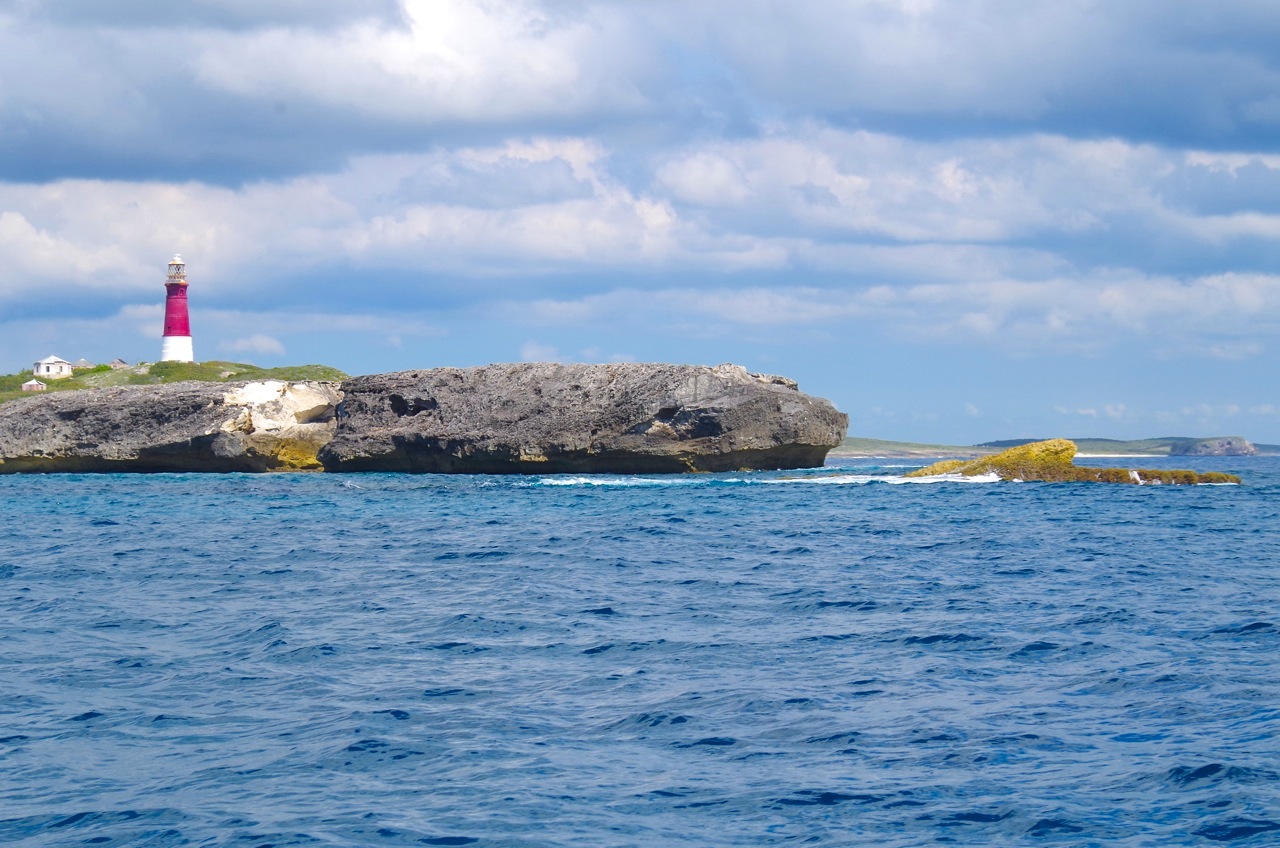
The view above is taken from some way to the west of HITW, and I have marked the main features that will be shown in this post. As one approaches the promontory, the lighthouse and its outbuildings are the only sign of human intervention to be seen in the landscape. Historically there were small settlements in this remote place, and some traces of these remain.

Hole-in-the-Wall Lighthouse Abaco (sea view)

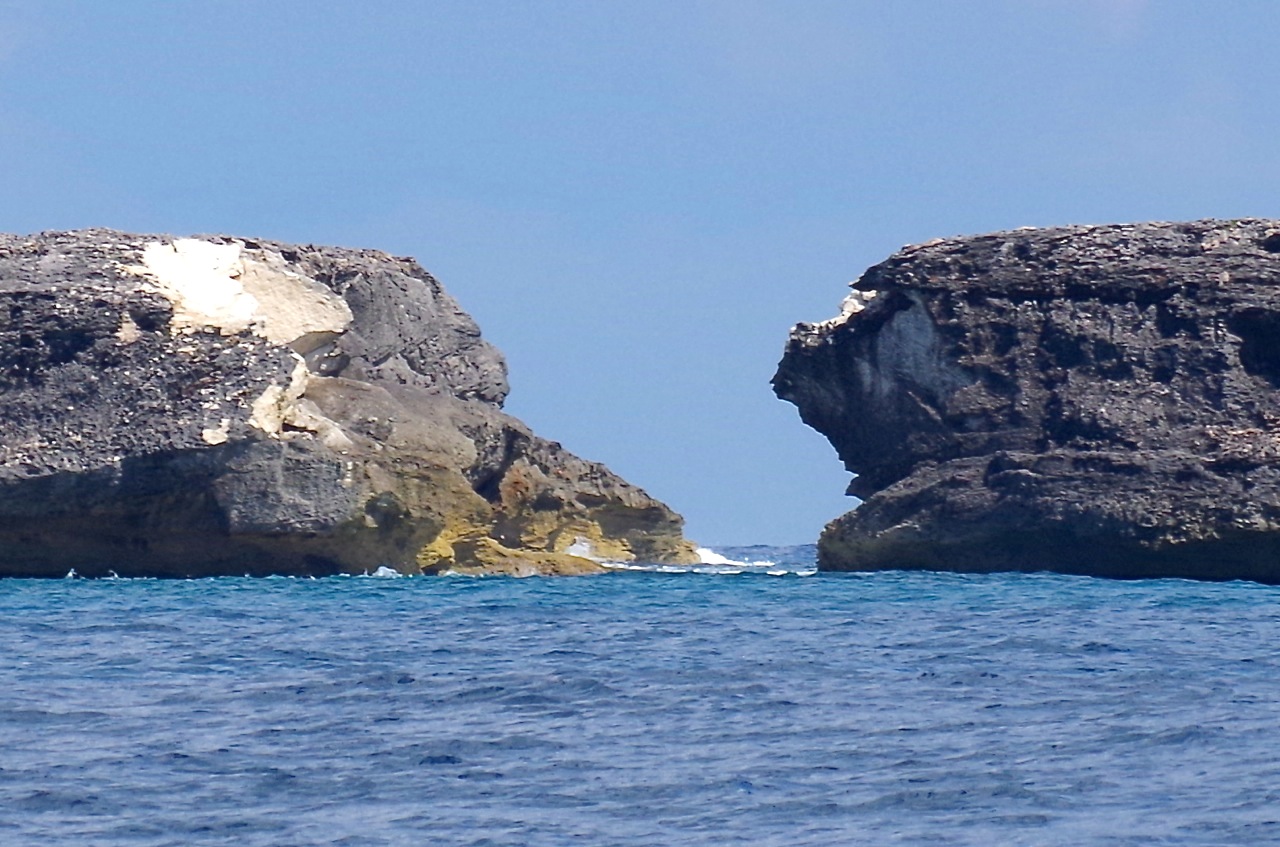
Closing in on the former ‘Hole’, fresh damage from Hurricane Sandy’s destruction of the arch is still visible. It is more conspicuous on the other side.Hole-in-the-Wall Abaco (2015-2) 03 Collapsed arch (Hurricane Sandy)

In this photo, you can follow the features from the lighthouse to the foreshortened promontory, the new gap, the small islet that now exists, and finally a small eroded outcrop of rock – the remains of an extension of the mainland, and probably evidencing the southern tip of another arch that collapsed centuries ago.Hole-in-the-Wall Abaco (2015-2) 04 Light, hole and outcrop

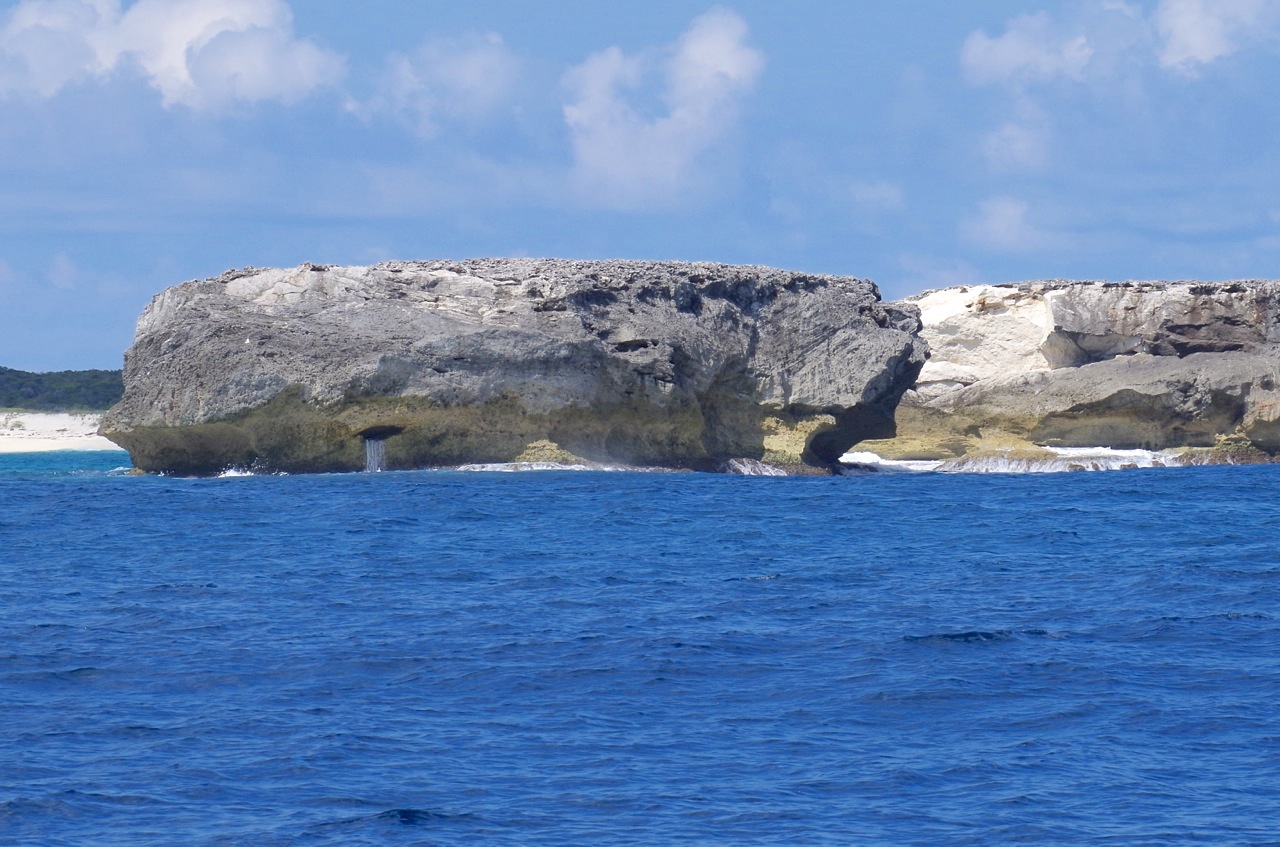
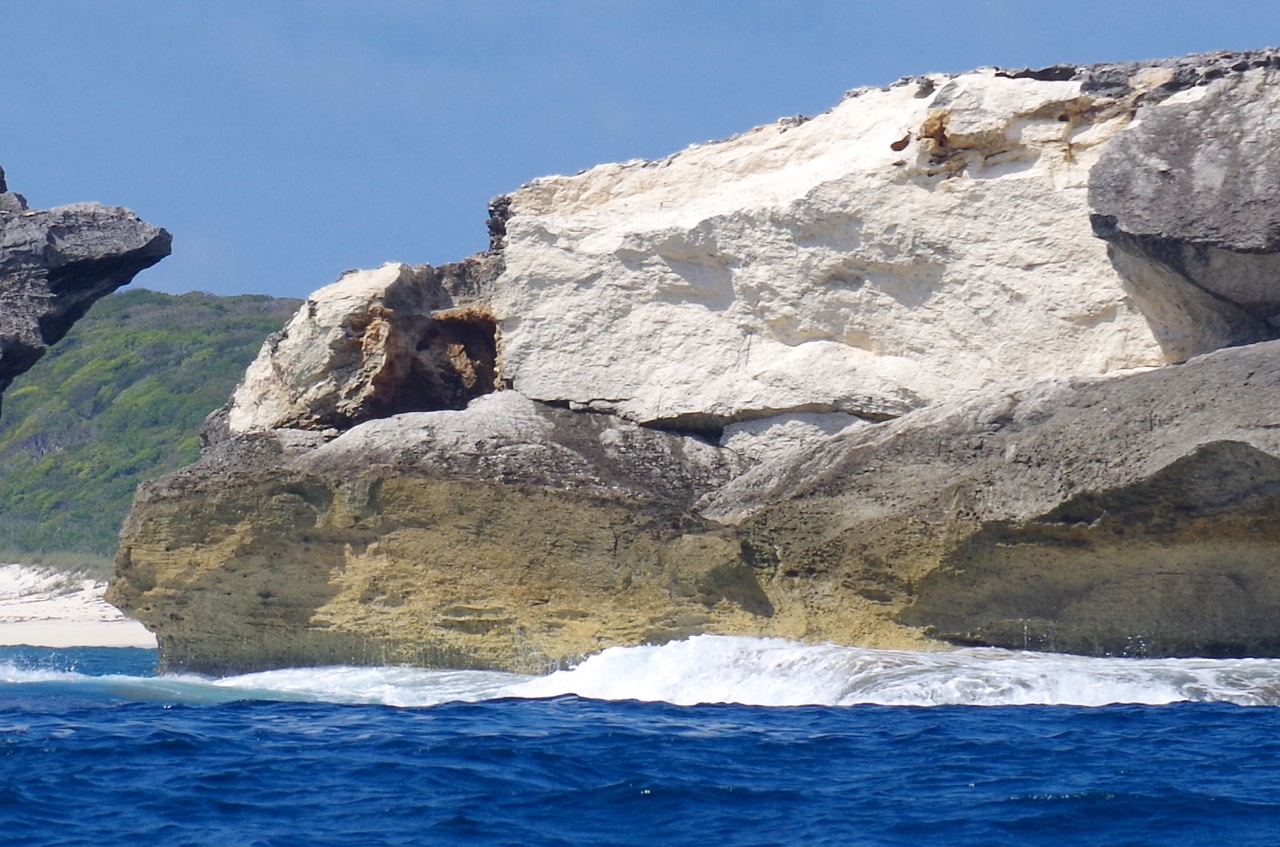
Passing the outcrop and round to the east side of the promontory, further evidence of fresh damage can be seen, with the main shear being on the north side of the arch.Hole-in-the-Wall Abaco (2015-2) 05 Hole-in-the-Wall Abaco (2015-2) 09Hole-in-the-Wall Abaco (2015-2) 07Hole-in-the-Wall Abaco (2015-2) 10

There’s a fine view of the lighthouse from the east Hole-in-the-Wall Abaco (2015-2) 11

As we started the return journey to Sandy Point via groups of whales and dolphins, we went close to the outcrop, land’s end (next stop, Nassau). Even on a calm day, it is still thrashed by waves, as the second photo shows: no wonder it has eroded so quickly…  See how it looked in the 1803 aquatint below, from which one can see how there must have once been an even larger ‘hole in the wall’ way back in history and long since collapsed even by then. Hole-in-the-Wall Abaco (2015-2) 12 Hole-in-the-Wall Abaco (2015-2) 13Hole in the Wall Print 1803

Then it was time to move on, having been fortunate enough to see the location from an entirely new angleHole-in-the-Wall Abaco (2015-2) 14Hole-in-the-Wall Abaco (2015-2) 15

THE FUTURE

The geological future of the Hole-in the-Wall landscape is presumably that erosion and rising sea levels will sink the outcrop below the waves; the islet left after the collapse of the arch will similarly erode over the centuries, as in time will the whole promontory. Maybe as it gets thinner, another hole will be worn through by the waves. The restoration of the lighthouse, long promised, may perhaps take place. The nautical importance of the area suggests that the historic need for a light as both landmark and warning will continue. And who knows: even now, plans for wholesale redevelopment of the area could be on a drawing board somewhere…

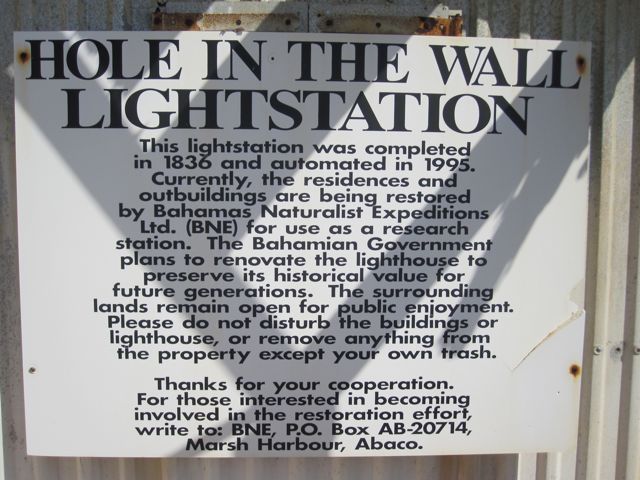
Hole-in-the-Wall Lighthouse Abaco (Notice) hitw9

WINSLOW HOMER

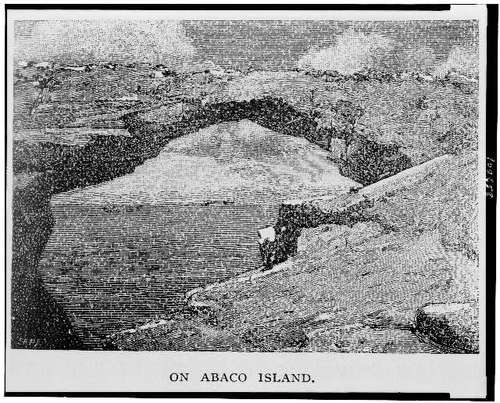
The header image is the well-known watercolour by Winslow Homer (1836 – 1910), the original of which is in the Brooklyn Museum. It was painted in 1885 and is entitled ‘Glass Windows’. This is commonly claimed to be the famous ‘Glass Window’ feature on Eleuthera. However my own theory is that it in fact depicts Hole-in-the-Wall, Abaco. There are a number of good reasons for this, but the most immediately striking is the title Homer himself gave to an engraving of the identical view, published in The Century magazine (Feb 1887). This engraving pre-dates, and was clearly the template for, the watercolour. The rock structure and even the cloud formations are identical. And the title “On Abaco Island” seems conclusive of the location.

Hole-in-the-Wall Picture

Credits: All photos, RH; Winslow Homer painting, Brooklyn Museum online archive

Unknown's avatar

‘RALPH’S OLD BAT’: ABACO’S ASTOUNDING UNDERGROUND CAVES (5)


Ralph's Cave, Abaco (Brian Kakuk) 15.5 : 4

‘RALPH’S OLD BAT’: ABACO’S ASTOUNDING UNDERGROUND CAVES (5)

It’s time to revisit the wonderful caves that lie below the landmass of Abaco. Unknown to many, there are parts of the island where below your feet are huge networks of caves and tunnels packed with beautiful crystal and mystery. I lack any of the necessary qualifications to explore these for myself (some serious equipment including camera, ability to swim properly, and courage) but thanks to diving exert Brian Kakuk, my own deficiencies are irrelevant…

Ralph's Cave, Abaco (Brian Kakuk) 15.5 : 3

Two caves in particular, Ralph’s and Dan’s, are rich in exotic crystals, stalactites and stalagmites. They can be found close to each other on South Abaco, deep in the pine forest. All images here are from Ralph’s cave, one of several cave / blue hole complexes that are soon to form part of the South Abaco Blue Holes Conservation Area (boundaries shown in fig. 1). Rolling Harbour (where the Delphi Club is situated) is the curved bay to the bottom right corner, under the acronym GEBCO

Abaco caves map jpg Abaco Caves Ralph & Dan jpg

Apart from the amazing sight of the cave chambers themselves, the details of the crystal formations – often geometric -are remarkable close-to. Here are 3 examples that demonstrate how they range from strong-looking structures formed over millennia to the most delicate forms such as in the third image that appear to be made from fine fabric.

Ralph's Cave, Abaco (Brian Kakuk) 15.5 : 1 Ralph's Cave, Abaco (Brian Kakuk) 15.5 : 2 Ralph's Cave, Abaco (Brian Kakuk) 15.5 : 5

And if you wondering about the title of this post, this is the reason: Brian discovered a bat, believed to be at least 13,000 years old, entombed in crystal – not so much a fossilised bat as a crystallised bat… In other caves (at the Sawmill Sink blue hole for example), fossilised bones have been found, including of a prehistoric species of crocodile that must have lived on the island many thousands of years ago. This is the first crystallised creature I have ever seen… I am checking with Brian whether he has seen anything else quite like it during his explorations.

Ralph's Cave, Abaco (Brian Kakuk) 15.5 : 6 Ralph's Cave, Abaco (Brian Kakuk) 15.5 : 7

Credits: all images by Brian Kakuk, with thanks as ever for use permission; all crystal by magic; preserved bat by gradual accretion

Unknown's avatar

CARIBBEAN ENDEMIC BIRD FESTIVAL: NASSAU BIRDERS VISIT ABACO


DSC00298_3

CARIBBEAN ENDEMIC BIRD FESTIVAL: NASSAU BIRDERS VISIT ABACO

THE CARIBBEAN ENDEMIC BIRD FESTIVAL (CEBF) is a Caribbean-wide festival that aims to heighten awareness for birds generally in the region. It is sponsored by the excellent BIRDS CARIBBEAN organisation – click the link to see what it is all about. Birds, obviously, but from the points of view both of promoting and of preserving the rich avian variety throughout the Caribbean.

As part of the CEBF celebrations this month, a birding group from New Providence came to Abaco to explore the birdlife. The expedition group included several well-known local bird experts, all the better for locating and identifying species and ensuring a comprehensive checklist could be compiled. Also in the group was photographer Linda Huber, whose photos you will undoubtedly have seen in Bahamas publications, including the recently published small guide BEAUTIFUL BAHAMA BIRDS (click to see my review and further details – highly recommended for any birder from novice up). Here are a few of Linda’s photos of some of the birds seen during the expedition, a gallery that shows the extraordinary diversity of species to found in a short time on Abaco.

Apologies to those who received a ‘false start’ draft of this post. It was lunchtime, I was hungry, I pressed ‘Save Draft’… or thought I had. Why is the ‘Publish’ button so close? Oh. Right. I see. It’s not its fault, it’s mine…

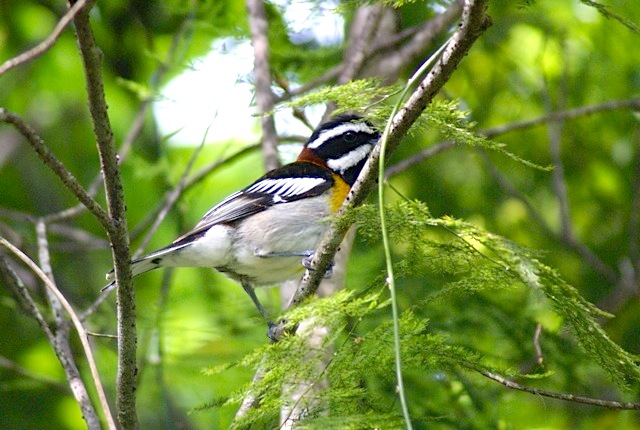
Western Spindalis Spindalis zena             Abaco Parrot Amazona leucocephala bahamensis                       DSC00210_2  DSC00216_2

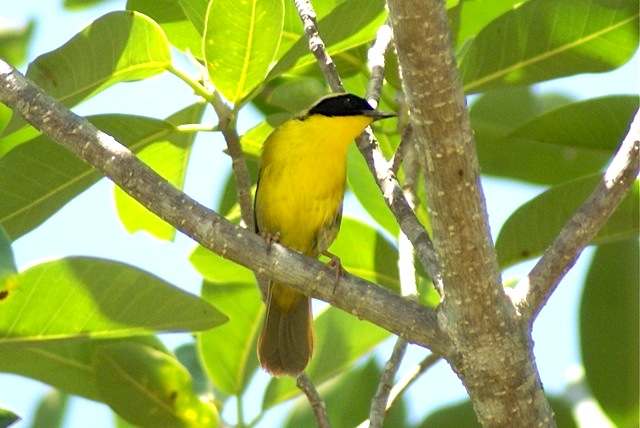
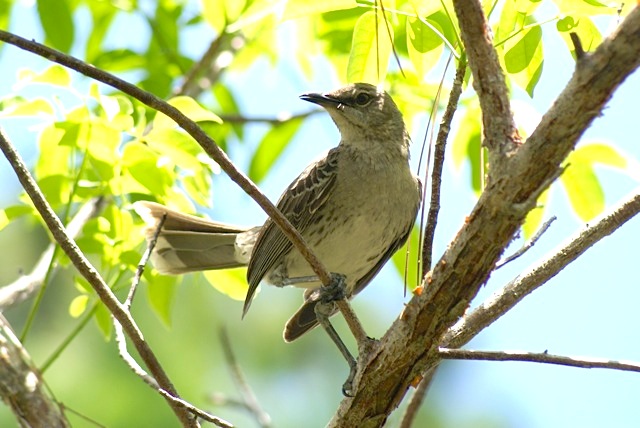
Bahama Yellowthroat Geothlypis rostrata                   Bahama Mockingbird Mimus gundlachiiDSC00298_3 DSC00317_2

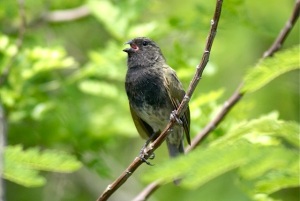
Bahama Warbler Setophaga flavescens                         Black-faced Grassquit Tiaris bicolorDSC00356_3 DSC00381_3

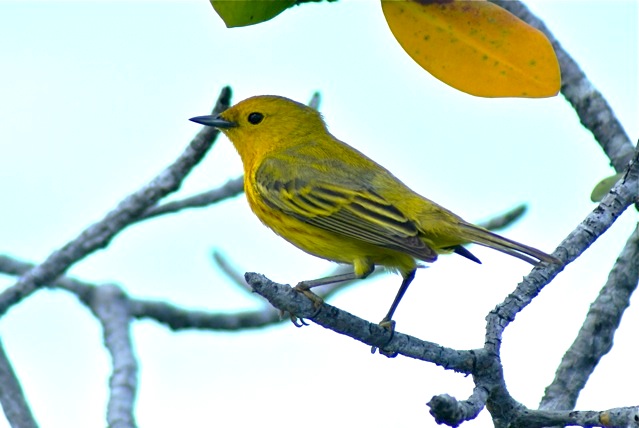
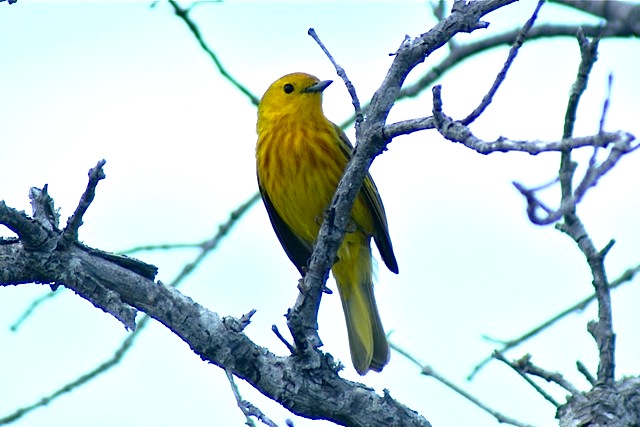
                                                        Yellow Warbler Dendroica petechia                                                                DSC00371_2 DSC00378_2

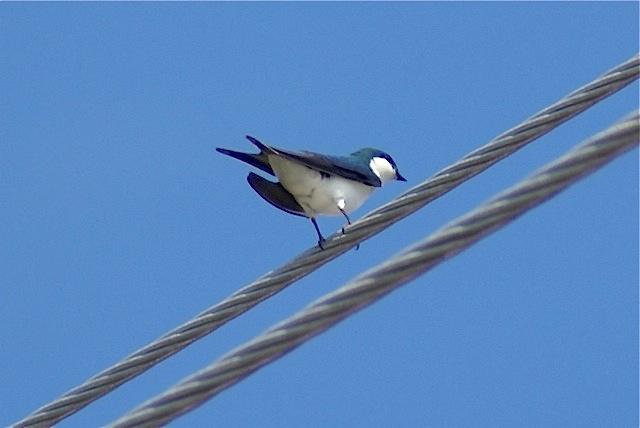
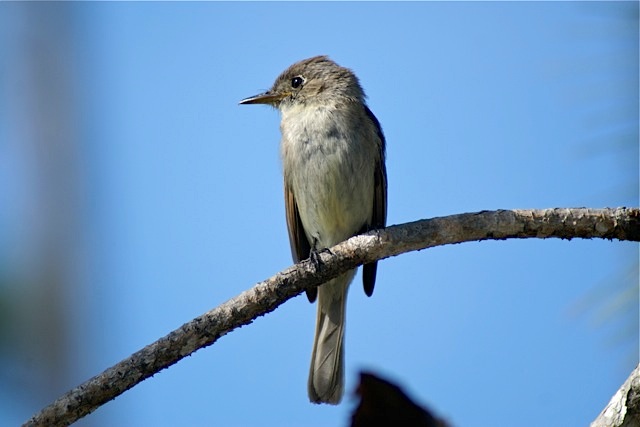
Bahama Swallow Tachycineta cyaneoviridis              Cuban Pewee Contopus caribaeus bahamensis  DSC00399_3 DSC00413_2

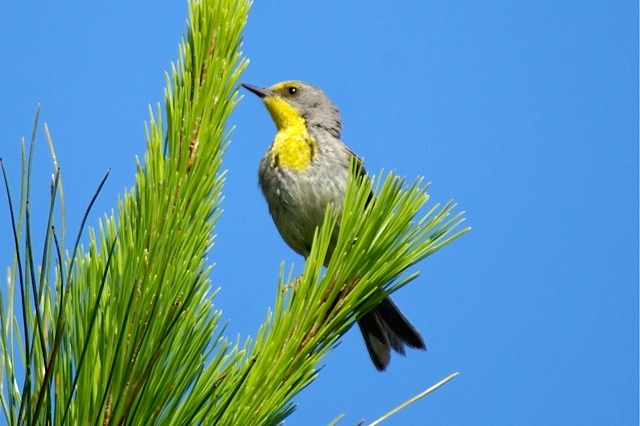
Olive-capped Warbler Dendroica pityophila            Pearly-eyed Thrasher Margarops fuscatusDSC00422_2 DSC00501_3

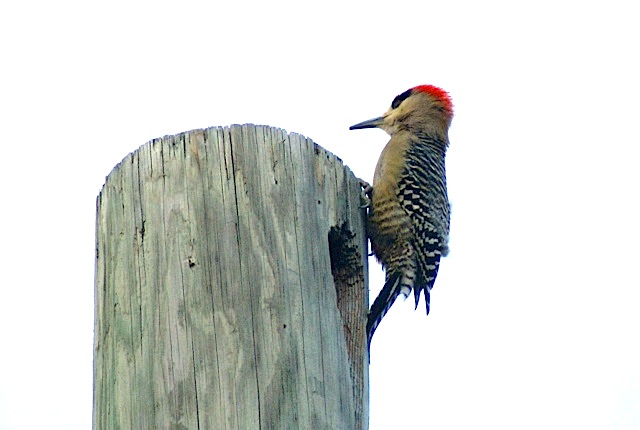
                              West Indian Woodpecker Melanerpes superciliaris                                             DSC00475_2  DSC00278_3

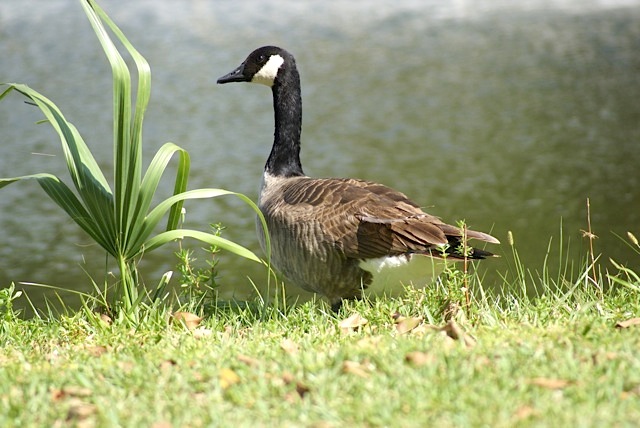
                                                      Canada Goose Branta canadensis                                                                             DSC00566 DSC00642_2

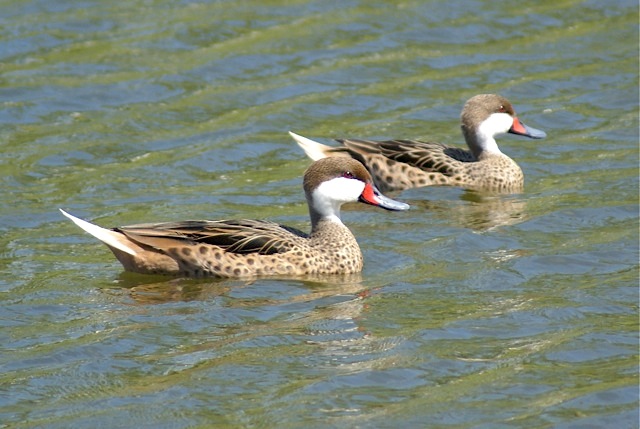
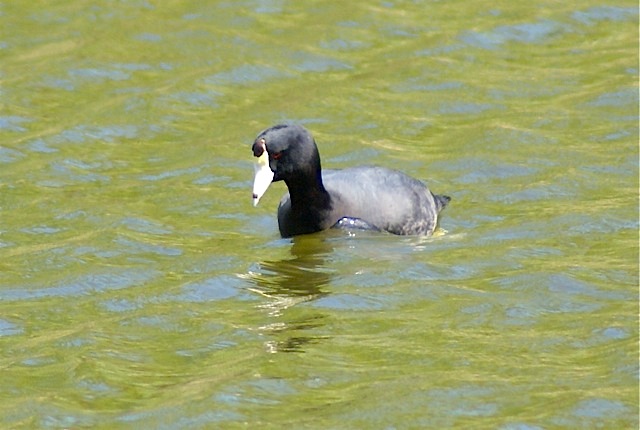
White-cheeked Pintails Anas bahamensis                   Caribbean Coot Fulica caribaea     DSC00612_2 DSC00627_3

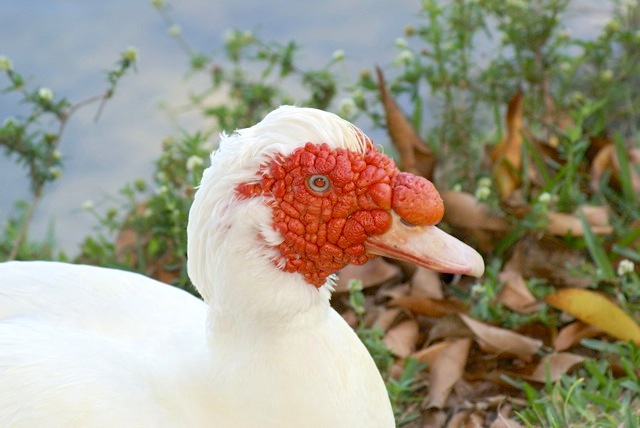
Muscovy Duck Cairina moschata                                   European Starling Sturnus vulgaris        DSC00639_2  DSC00524_2

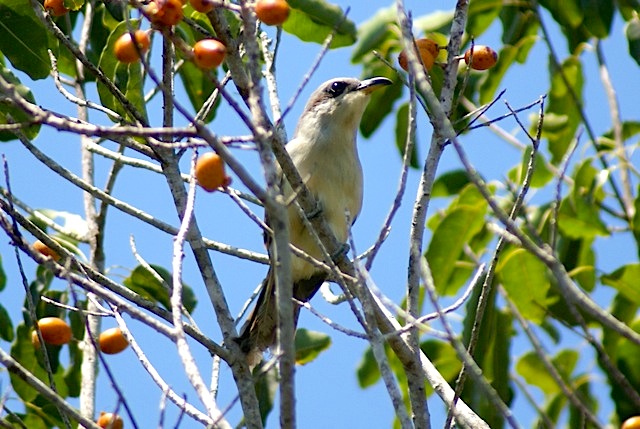
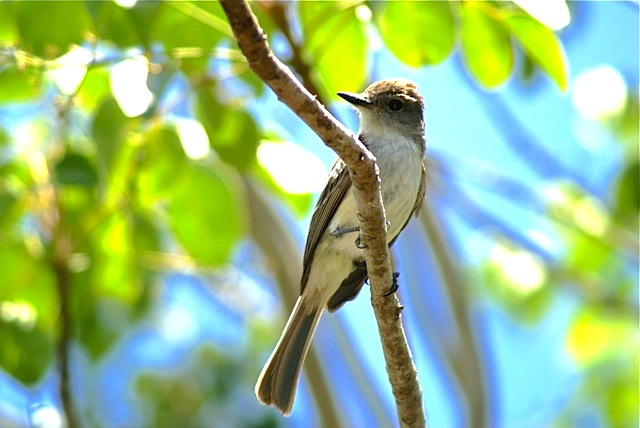
Mangrove Cuckoo Coccyzus minor                    La Sagra’s Flycatcher Myiarchus sagrae lucaysiensisDSC00675_2 DSC00694_2_2

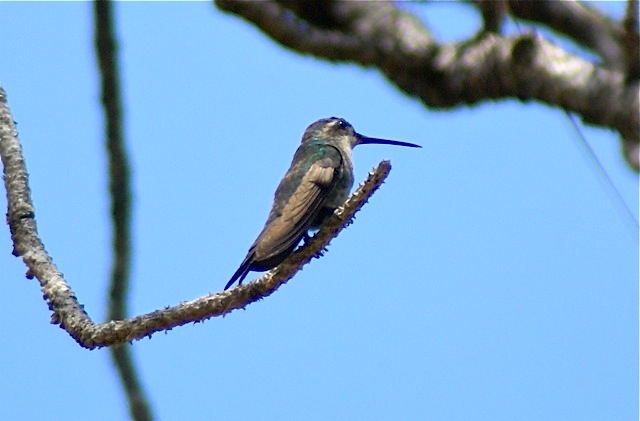
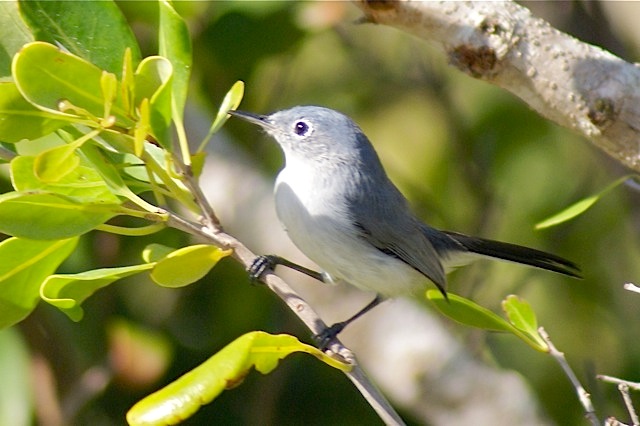
Cuban Emerald Chlorostilbon ricordii                        Blue-gray Gnatcatcher Polioptila caerulea DSC00721_2 DSC09484_2

The gallery above includes a number of specialist birds and others of particular interest. In brief:

  • 3 of the 4 ENDEMIC SPECIES found on Abaco (omitting only the Bahama Woodstar)
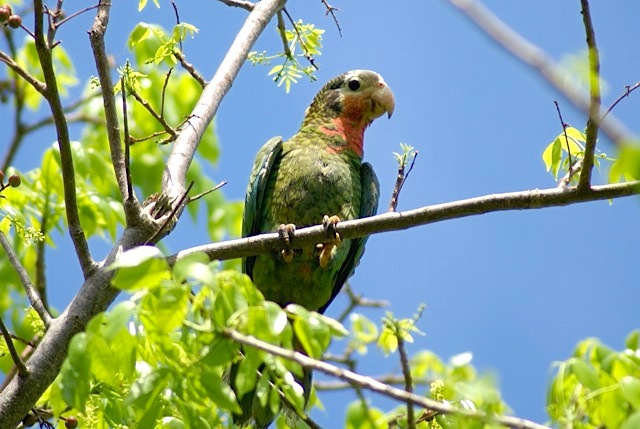
  • The famous, incomparable and indeed unique ground-nesting ABACO PARROT
  • 4 ‘local’ subspecies of birds also found beyond the Bahamas
  • 1 of only 5 resident warblers, the Olive-capped (of 37 recorded for Abaco)
  • The most recent addition to the birds recorded for Abaco PEARLY-EYED THRASHER
  • The WEST-INDIAN WOODPECKER, now found only on Abaco and (rarely) San Salvador
  • 2 or 3 introduced or domestic species (if that Muscovy Duck was at Gilpin Point it’s a pet!)
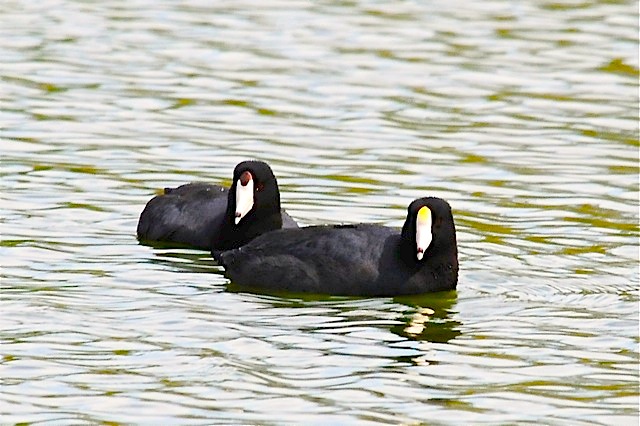
  • The debatable ‘Caribbean Coot’, about which it has been written**  The American Coot is familiar to all, but controversy surrounds the Caribbean Coot with its all-white frontal shield. Some authorities say it is a separate species; others say it is a true subspecies of the American Coot; some claim it is simply a local variant. Bond (1947) treats them as distinct species. The image below shows the two species together. They coexist contentedly and are indifferent to the debate.

American & 'Caribbean' Coot (Tony Hepburn)

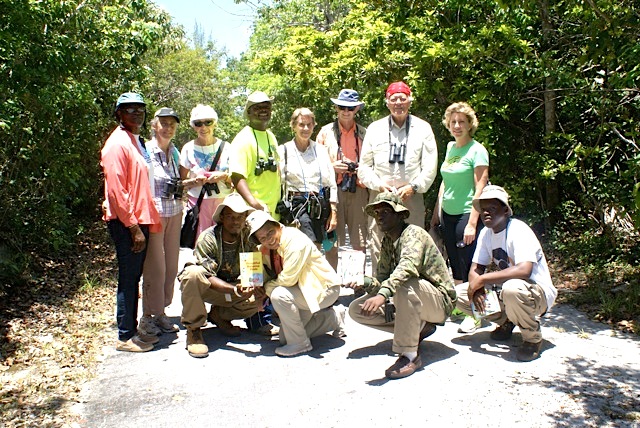
The group on a Logging Track in the Abaco National ParkDSC00349

The New Providence Birding Group Expedition to AbacoDSC00706_3

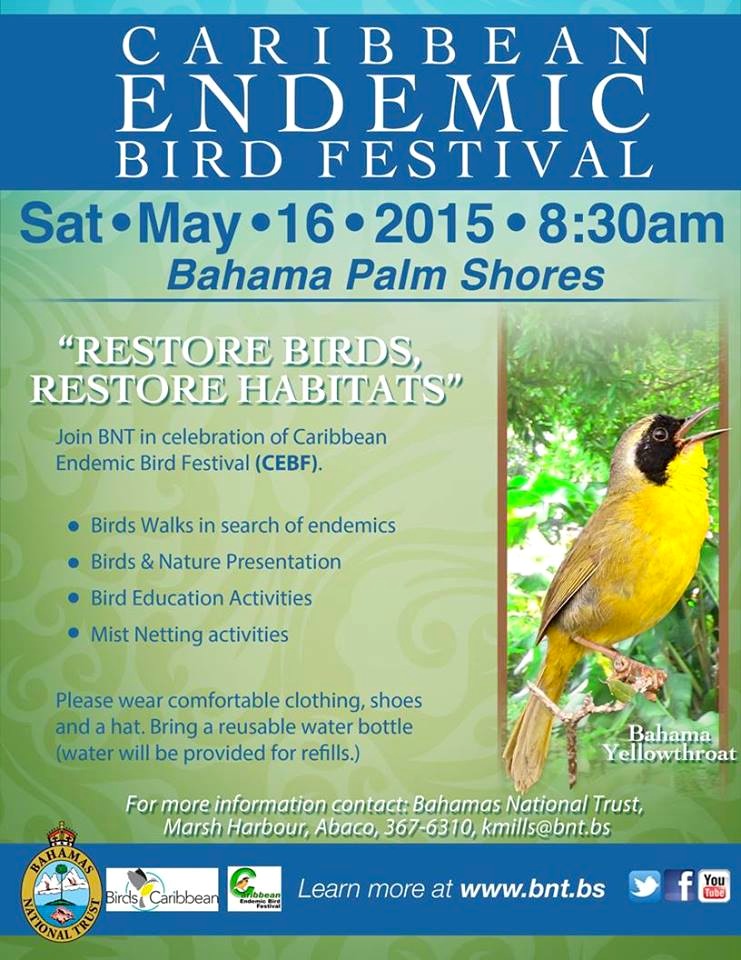
 Caribbean Endemic Bird Festival Flyer

CREDITS All photos Linda Huber (with many thanks for use permission) except the pair of coots (Tony Hepburn) and the singing Bahama Yellowthroat in the BNT Flyer (Bruce Hallett)

** Keith Salvesen, The Birds of Abaco p22

Unknown's avatar

‘BONEFISH CHASE’: A SKIFF RIDE FROM CROSSING ROCKS


Shadows on the Flats, Crossing Rocks, Abaco

‘BONEFISH CHASE’: A SKIFF RIDE FROM CROSSING ROCKS

Does any ‘fun’ (toxic concept) ever happen around Rolling Harbour? All that detailed business about our little winged friends. All that earnest historic stuff with, like, maps and things. All those fish that are basically just… fish. Ditto the flowers. The prints of Whales (geddit?). But does Rolling Harbour ever truly come alive?

Well here’s a little brief entertainment in a skiff setting off from Crossing Rocks for a day of bonefishing, throwing some shapes along the twisty channel between the jetty and the flats beyond. Anyone who has enjoyed the sometimes exhilarating / sometimes painful (in choppy waves) skiff trips on Abaco to get out to the bonefish grounds will relate to this. You get 2 versions: high definition, with some pretentious music to match the mood. According to me. 

Here’s a smaller version with a more familiar theme (also to be found on the Sidebar of this blog) for those who are allergic to pretentious music… it’s more ‘fun’, in fact.

Dreadits: all stuff, RH; music by Preston Reed and Commander Bond

Unknown's avatar

HOLE-IN-THE-WALL, ABACO: A UNIQUE PERSPECTIVE (1) THE PAST


Map of Abaco (part) - van Keulen 1728

HOLE-IN-THE-WALL, ABACO: A UNIQUE PERSPECTIVE (1) THE PAST

I’ve posted several times about the desolate, unpopulated area on the southern tip of Abaco known as Hole-in-the-Wall. It’s a place of history and mystery – indeed arguably the most historically, geographically and nautically important location on the entire island. The material in this post has to an extent been combined from earlier posts a couple of years back, since when a great many more people have been showing an interest in the wildlife and history of Abaco (thanks!) and may be new to the history and significance of HITW…

Although Abaco is identifiably – though not geographically reliably – mapped from as early as 1550 (only 58 years post-Columbus), the earliest map of Abaco showing any actual named place is the van Keulen map of 1728 in the header picture. The importance of HITW (‘Hole Rok’ marked on the east side) is clear. Indeed it is the only settlement shown. Thereafter, the place is mapped variously as Hole-in-the-Rock, Trou dans la Roche and Hole-in-the-Wall, before finally settling on the last name. HITW was clearly a significant nautical landmark from at least the c16. You can read more on this topic at HITW – A SHORT HISTORY IN MAPS

Incidentally, note the early spellings including of the word ‘Cay’ as ‘Kee’ in the bottom right corner – doubtless an explanation for the pronunciation today, when one might otherwise rhyme the word with ‘Bay’.

hole-in-the-wall-print-1803

The print above, dated 1803, is the earliest depiction of HITW that I have traced. For now, note the familiar ‘Hole’ between the two ships; and the outcrop to the right showing that another, larger ‘Hole’ had, by the early c19, collapsed. Remains of the outcrop, now badly eroded, can still be seen. Read more about pictures of HITW in SHIPS, MAPS & HITW , or in HOLE TO GAP, including a more recent print by Winslow Homer (below) which I contend is the proof that his famous painting ‘Glass Window’ in the Brooklyn Museum is of Abaco and not (as claimed elsewhere) the famous Glass Window on Eleuthera. Of which more another time…

Hole-in-the-Wall Picture

The sad fact is that although the name lives on and probably always will, in October 2012 Hurricane Sandy smashed the Hole in the Wall to smithereens, leaving what one can best describe as GAP IN THE WALL.

Here is the position of the Hole, shown before Sandy struck. Note the outcrop at the tip (bottom right corner), as seen in the old print above hole-in-the-wall-rock-abaco-location

One of very few photos taken from the sea that I have come across. There’ll be more, and much closer, in the next post Hole-in-the-Wall distance shot

The view from the lighthouse down to the ‘Land’s End’ promontory (RH)Hole-in-the-Wall Lighthouse Abaco (Keith Salvesen)

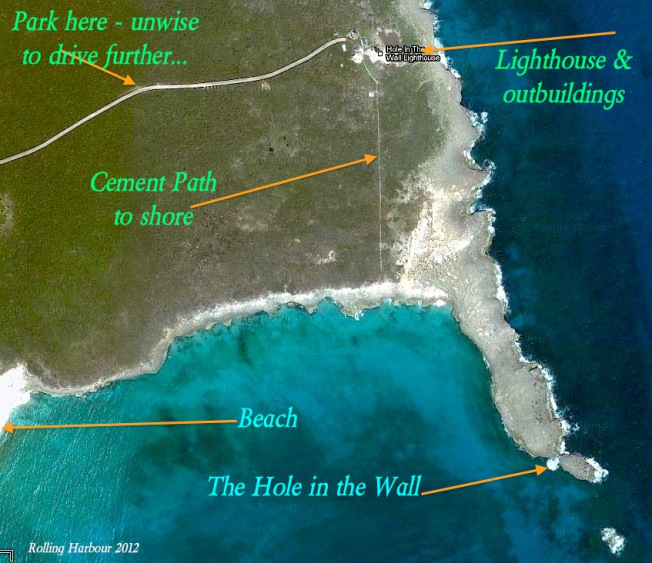
An aerial view of ‘Land’s End’ (with thanks to marinas.com for free use permission)Hole-in-the-Wall Lighthouse, Abaco annotated

The Hole, very shortly before Hurricane Sandy blasted away the bridge – the perfect place for a picnic…Hole-in-the-Wall Abaco ©Jessica Arrington

Or, as the storm approaches, maybe not…. Jack Bowers took this wonderful (and dangerous to acquire) sea-level shot – possibly the last photo ever of the intact arch427937_4820129308023_1041770732_n

Photos of the ‘Ex-Hole Now Gap’ taken within a very few days of the storm. Note the pale fresh stone HOLE-IN-THE-WALL ABACO post Sandy 1 Luc LavalleeHOLE-IN-THE-WALL ABACO post Sandy 2 Luc LavalleeHOLE-IN-THE-WALL ABACO post Sandy 3 Tara Lavallee

This post covers the history of Hole-in-the-Wall over the last 400 years or so, with links to earlier posts from a couple of years back. Then there’s a bit of a gap, I’m afraid, back to the LATE PLEISTOCENE EPOCH roughly 125,000 years ago when the landmass was formed… 

PART 2 will show how the ‘Hole’, the promontory and the lighthouse now look in 2015 from the ocean. During a recent highly successful whale-watching expedition with Charlotte & Diane from the BMMRO, we took the RHIB close to the point and took a seaward look at it from both sides, the first time I had done so. A few days before we’d been to Hole-in-the-Wall for birdwatching purposes by conventional means – the thirty mile round trip by truck along the track from the ‘Y’ of the Highway (NB no hire cars allowed). You can read an early post about this perilous adventure in TO THE LIGHTHOUSE…

HOLE-IN-THE-WALL LIGHTHOUSE: THE LANTERN ROOMHole-in-the-Wall, Abaco - Lantern Room (Keith Salvesen)

Credits: S. Wright, RH, marinas.com, Jessica Arrington, Jack Bowers, Luc Lavallee, Tara Lavallee, open source images

Unknown's avatar

BAHAMAS WHALES & DOLPHINS IN ABACO & ANDROS WATERS


Melon-headed Whale breaching - BMMRO copy

Melon-headed Whale breaching – BMMRO

BAHAMAS WHALES & DOLPHINS IN ABACO & ANDROS WATERS

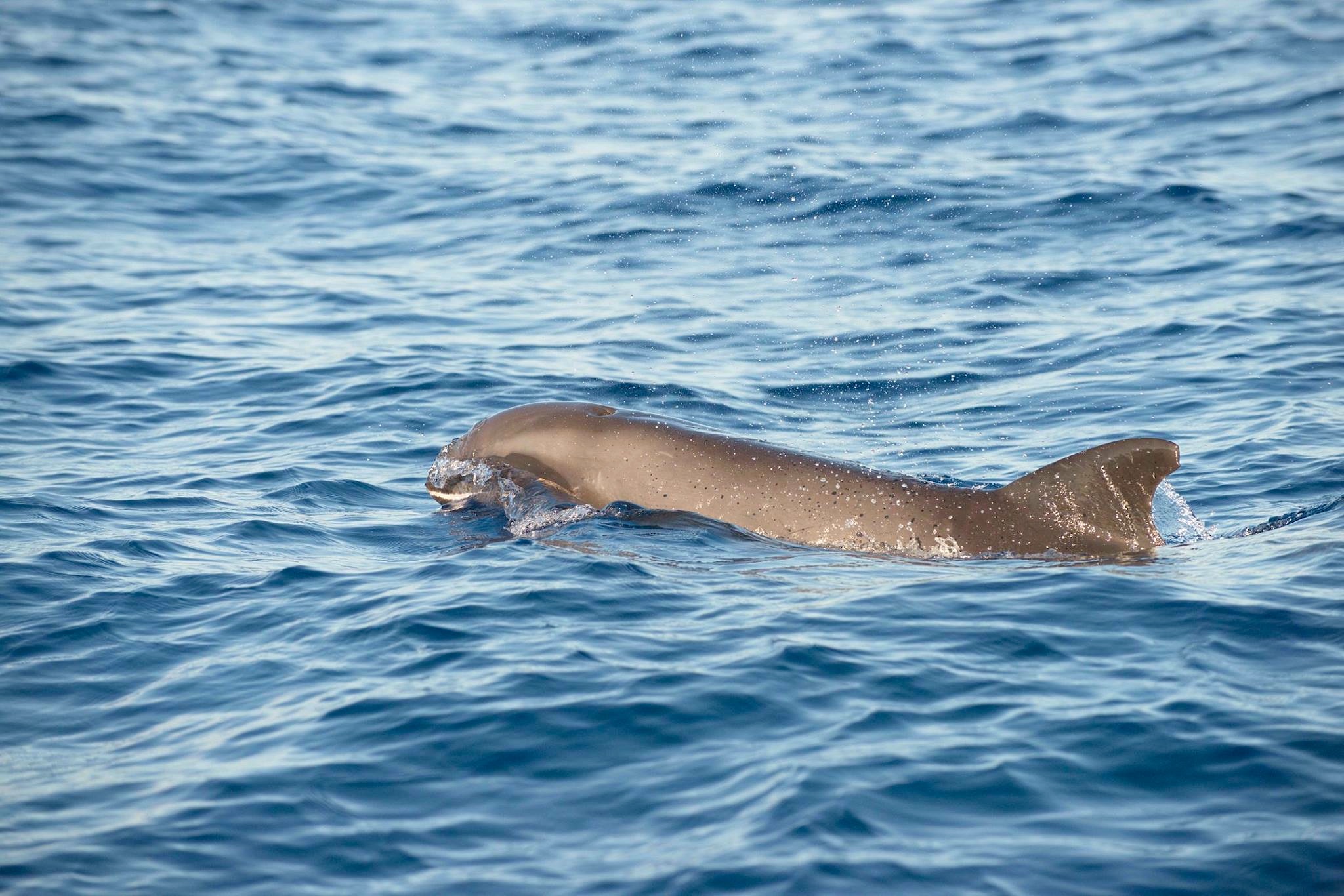
The Bahamas Marine Mammal Research Organisation (BMMRO)  has its HQ at Sandy Point, Abaco. We recently went out in their research boat, a RHIB, to spend an unforgettable day with Blainville’s beaked whales and bottlenose dolphins. I posted some of the dolphins HERE; and a two-part beaked whale post is a work in progress.

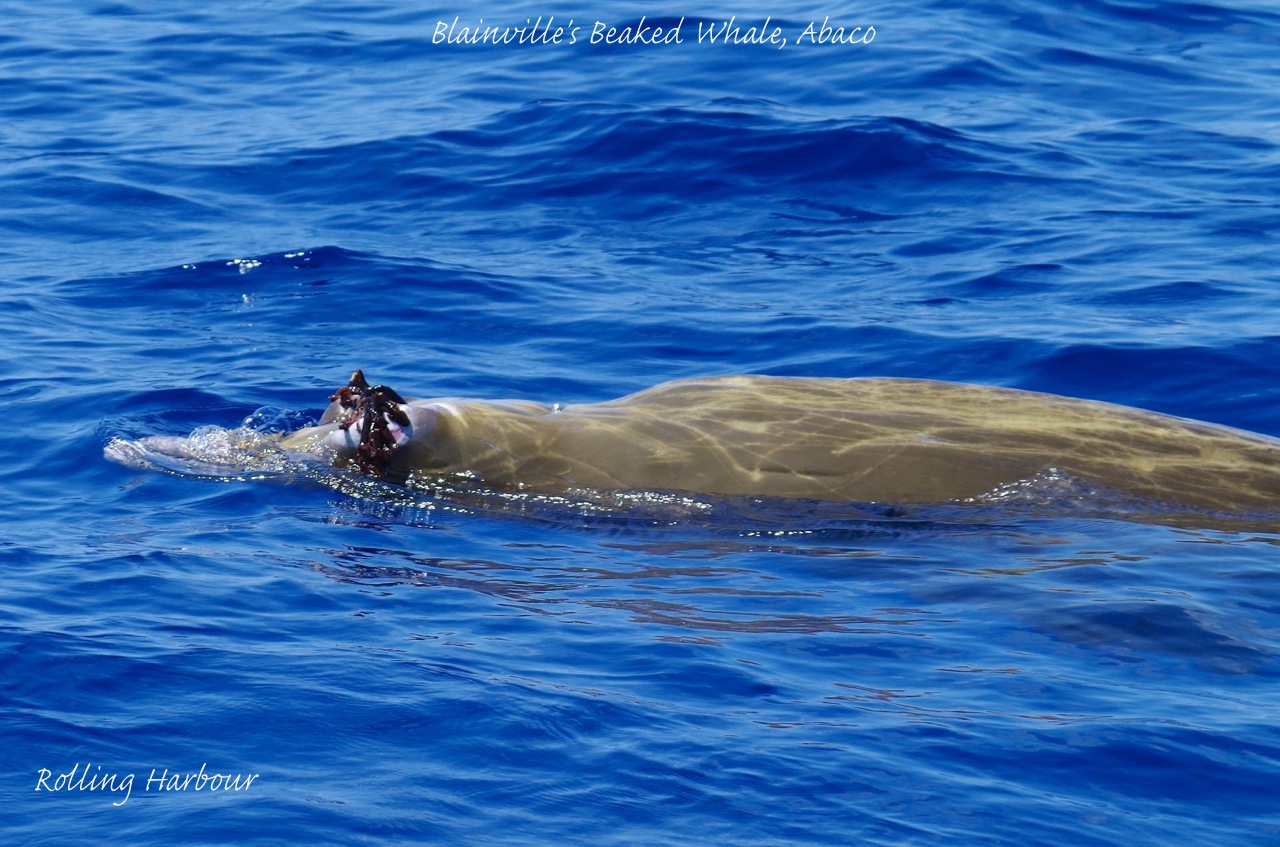
Male Blainville’s beaked whale with its extraordinary barnacle-encrusted teeth that protrude upwards from its lower jaw. The prominent beak is plainly visible. Sighted off the south-west point of Abaco during our second encounter with a group of these whales – the only male we saw that dayBlainville's Beaked Whale KS 1

Abaco waters are ideal for marine mammals, especially off the southern shores where the walls of the Great Bahama Canyon drop vertiginously down from the shallow coastal waters to depths of up to 3 miles below. This is one of the deepest ocean canyons in the world.  The area provides a rich source of food and nutrients for the whales and dolphins and many different species are regularly sighted there, from huge sperm whales to small pilot whales (including plenty of species I had never heard of before). 

Great Bahama Canyon Map edit

As the name suggests, the BMMRO’s remit extends far beyond Abaco. The researchers often spend time exploring and recording cetaceans in other Bahamian waters. For the last few weeks the team have been off Andros and have encountered quite a few target species. I have included a selection below taken within the last month to illustrate the importance of the area for a remarkable assortment of wonderful whales and dolphins.

BLAINVILLE’S BEAKED WHALEBlainville's Beaked Whale copy

DWARF SPERM WHALESDwarf Sperm Whales - BMMRO copy

PANTROPICAL SPOTTED DOLPHINSPantropical Spotted Dolphin - BMMRO Pantropical Spotted Dolphin leap - BMMRO copy

On board the research vessel, every sighting is recorded in detail – where possible by species, numbers, ages, sexes, and individual identifying characteristics. Thus ‘SW34’ may have a damaged fluke, whereas ‘RD49’ may have a long scar on its back. 

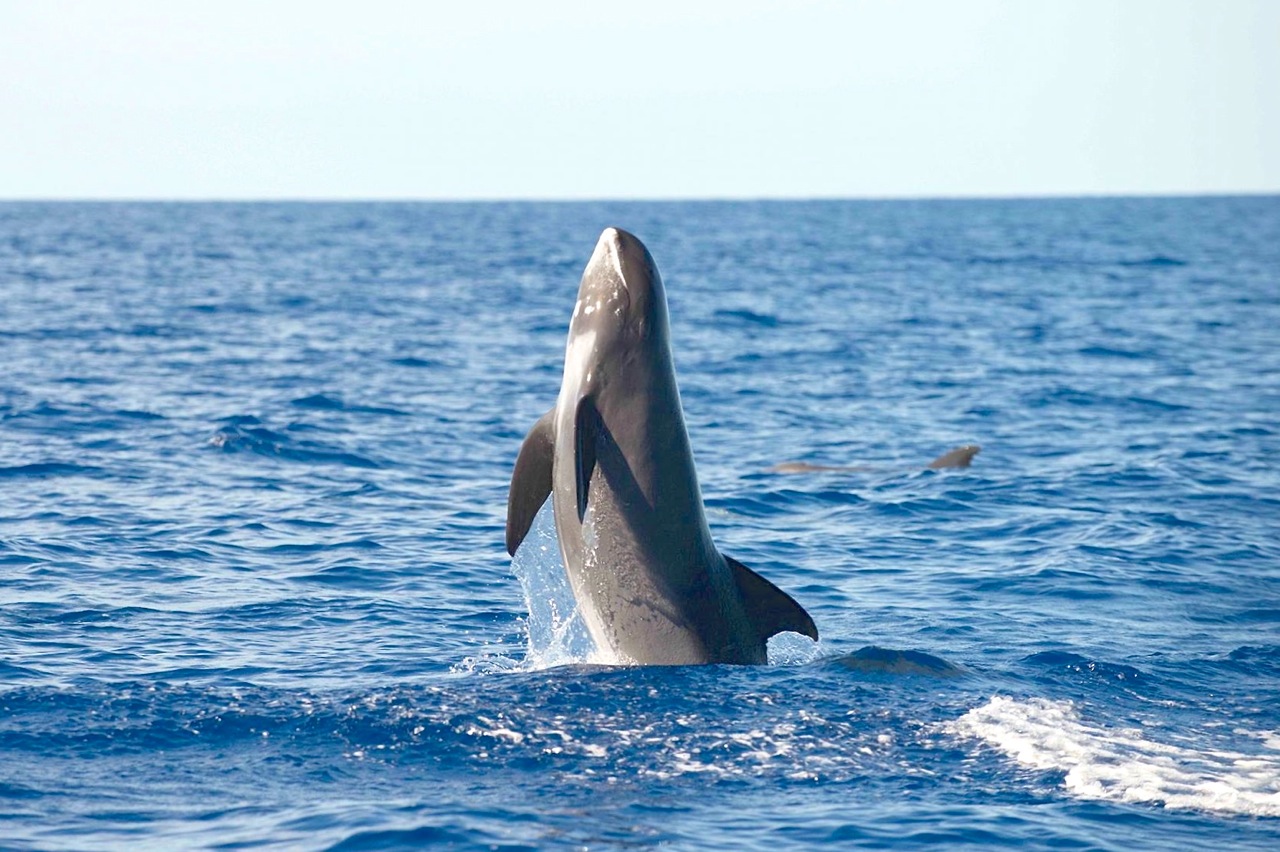
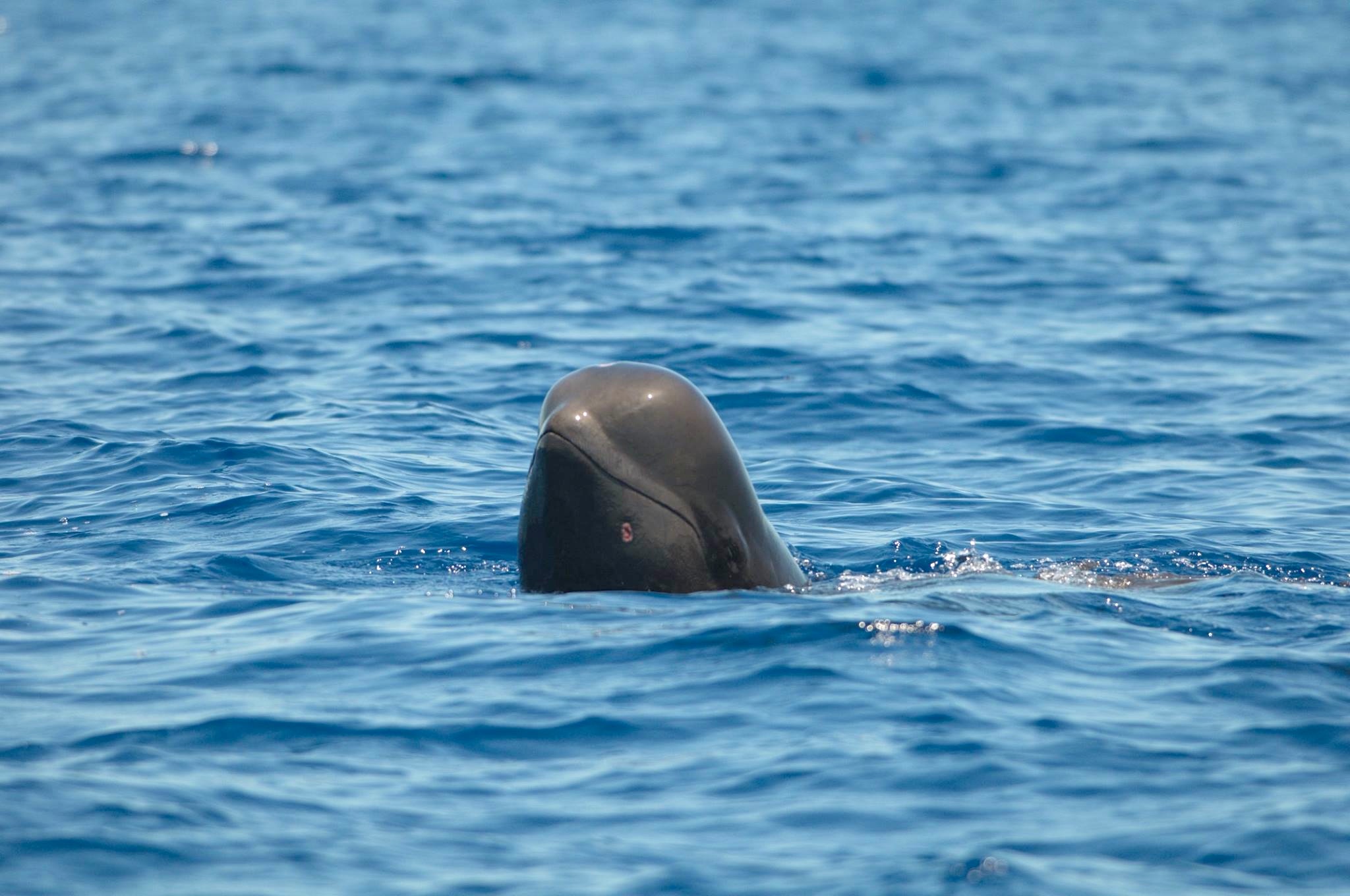
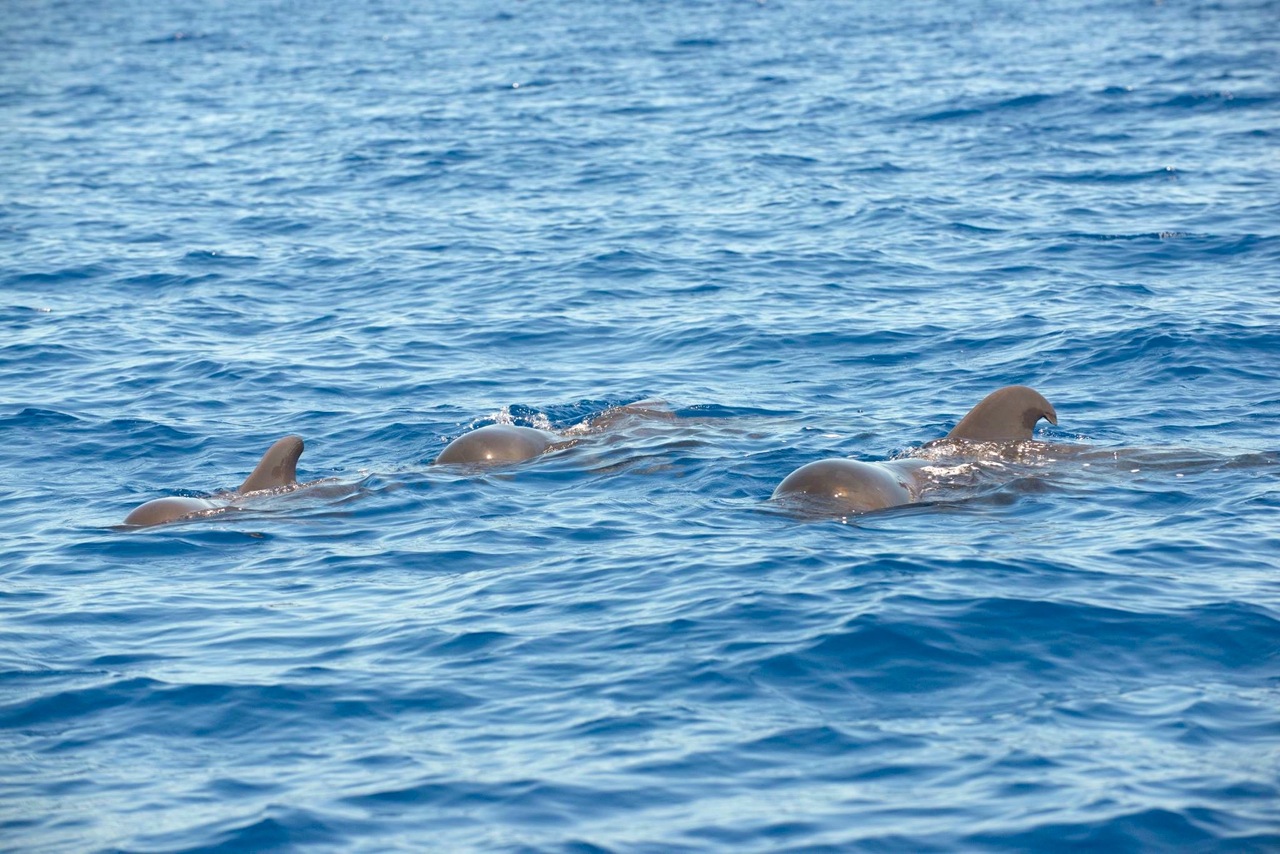
PILOT WHALESPilot Whale - BMMROPilot Whales - BMMRO copyPilot Whales 2 - BMMRO

The research boat is equipped with sound devices which, when the microphone is immersed, are capable of picking up whale or dolphin sounds from a considerable distance. It’s astounding to be able to listen in ‘live’ to the wide assortment of clicks and whistles produced as the creatures communicate with each other. The recorded sound patterns are studied and can often be matched to enable an individual animal to be identified. 

MELON-HEADED WHALESMelon-headed Whales - BMMRO Melon-headed Whale - BMMRO

RISSO’S DOLPHINRisso's Dolphin - BMMRO copy

Other work, including photography, is done underwater. Perhaps the most intriguing aspect is the collection of poop specimens, from which a great deal can be ascertained about the diet and health of an individual animal. I wrote about this task and the methods used a while ago inFAMILIAR FECES‘.

I’ll be writing more about whales soon. Meanwhile, here’s a short BMMRO video of a large group of melon-headed males. At the start, you can clearly hear communication sounds between them.

Credits: Charlotte & Diane of the BMMRO for taking us out with them and for all the photos except the male Blainville’s beaked whale (mine, for once!)

Unknown's avatar

“THE ABACO BACKCOUNTRY – AN APPRECIATION” by JIM TODD


Click to preview The Abaco Backcountry photo book

Jim Todd has produced an attractive self-published book, available in 3 formats, showcasing some of the outstanding features of the less-frequented areas of Abaco and its waters. It contains many excellent photographs, with interesting notes and observations. There are places and facts in the book that may not be known even to locals! Below are some sample pages. 
Abaco Backcountry Grab 2 Abaco Backcountry Grab 3 Abaco Backcountry Grab 4 Abaco Backcountry Grab 5Abaco Backcountry Grab 7 Abaco Backcountry Grab 6Abaco Backcountry Grab 1

Anyone who loves Abaco, its natural surroundings, its ecology and its wildlife will love this book. If this post has whetted your appetite, here are some further details:

Available exclusively on BLURB (this is the direct link)

“The Abaco Backcountry draws on the author’s extensive exploration of the area to describe a hypothetical traverse of its length in words and pictures. It is not a guidebook but an appreciation of a unique Bahamian marine ecosystem”

56 pp, available softcover ($35), Hardcover, Dustjacket ($38.99) and Hardcover, Image Wrap ($40.99)

STOP PRESS In answer to a UK query, the Blurb price is shown in $$$. When you go to the checkout, the shipping is added e.g. $10.99 to ship the PB version to the UK. You can pay by CC or Paypal. The conversion to sterling (or presumably euros) happens… by magic

Unknown's avatar

BAHAMA MOCKINGBIRD: NEW SUBSPECIES FOR ABACO?


Bahama Mockingbird (variant) Abaco 14

BAHAMA MOCKINGBIRD: NEW SUBSPECIES FOR ABACO?

[Camera. Lights. ACTION] Attenborough, D (for it is he), off-screen, in familiar breathy tones…

“Here, deep in the impenetrable pine forests of the Abaco National Park, lives an incredible bird discovery until recently known only to four people in the world. For here, where the unique Abaco Parrots nest in their underground holes and the rare Kirtland’s Warbler continues its brave stand against extinction… here is a completely new bird subspecies that is destined to take the avian world by storm… the Red-faced Bahama Mockingbird Mimus bahamensis volvensharborii…”

Bahama Mockingbird (variant) Abaco 06

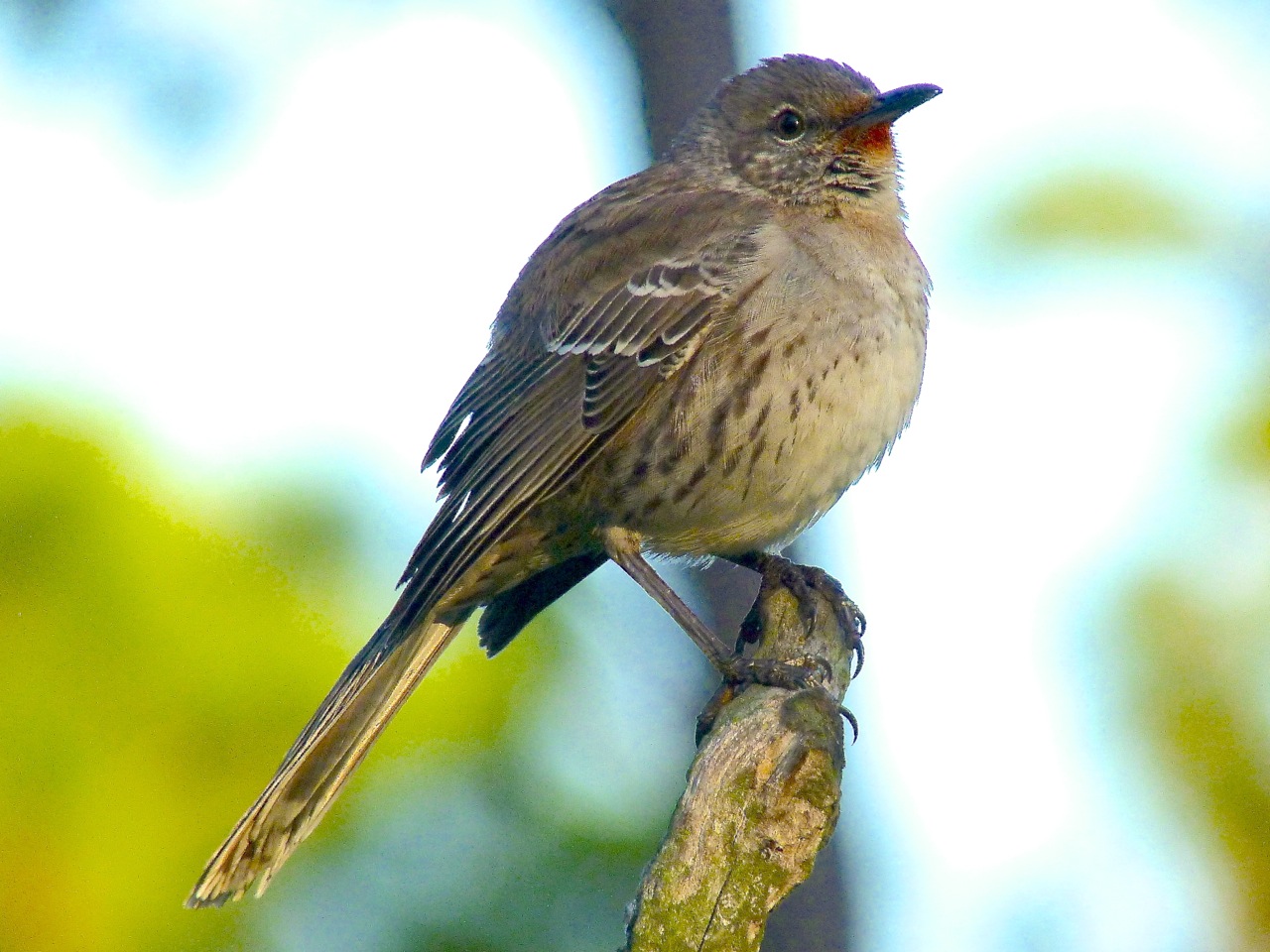
I can’t keep that nonsense up for any longer, you’ll be relieved to hear… But here is the story. Woody Bracey was taking us, with his friend Bill, in search of the rare and elusive Kirtland’s Warbler, about which more soon (*Spoiler Alert* Yes, we did. Four). We had stopped the truck in a remote area of the National Park to listen for and indeed watch parrots. I was in the front of the truck, window down, listening hard when suddenly, right by us, I suddenly heard the beautiful song of a Bahama Mockingbird. Here are two recordings I made the previous year – the first is over 1 min long, the second is only 17 secs.

Bahama Mockingbird (variant) Abaco 07

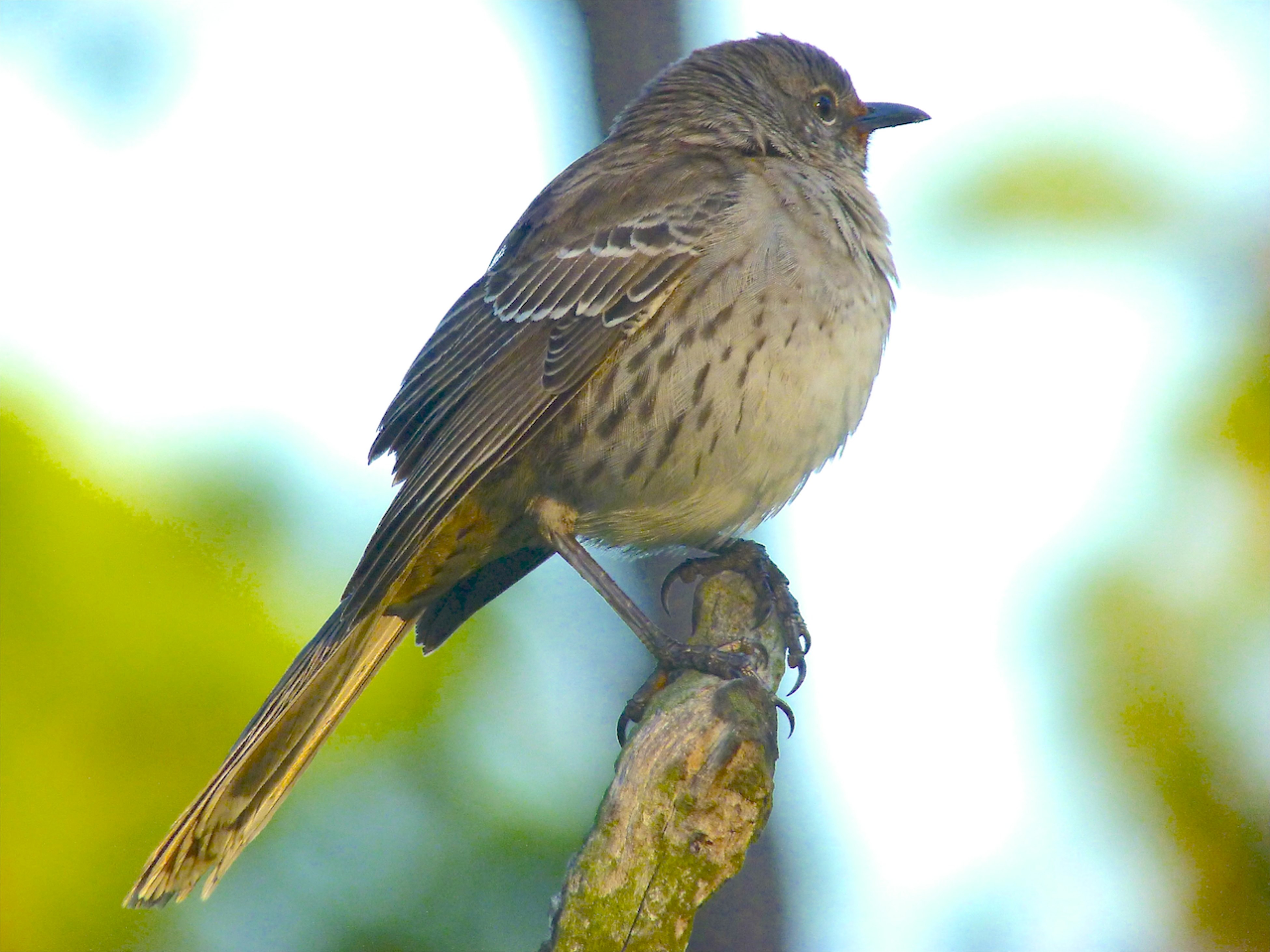
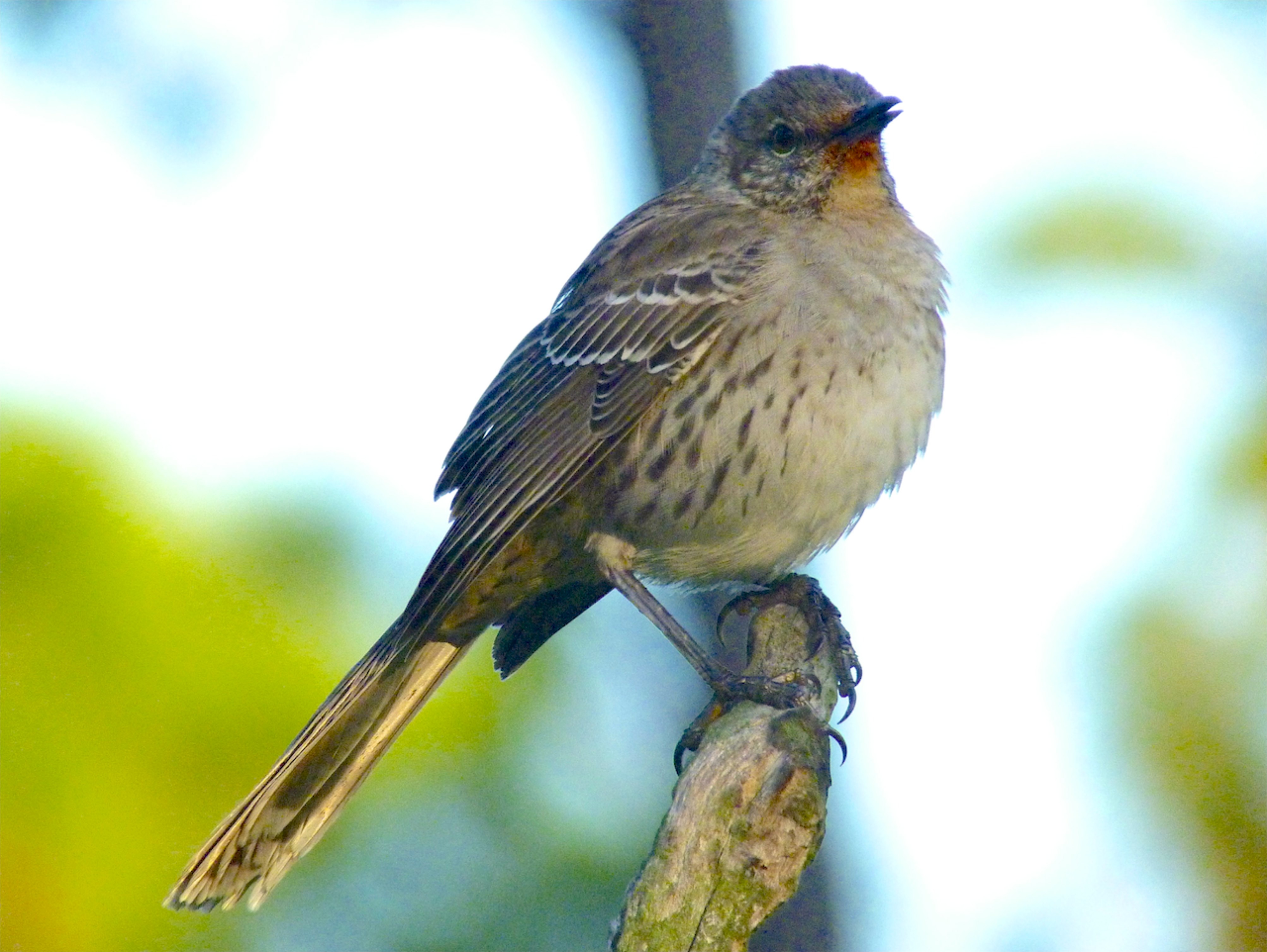
I grabbed my camera and started to fire away at the bird, which was perched on a dead branch just a few feet away near the edge of the track. I had no time to think about depth of field, light balance, or refrangible focus indices, I just went for it. It was Woody who first noticed the remarkable feature of this bird – its red face. It first, I thought it was just on the chin, but later I saw that the red colouring is above the beak as well.

Bahama Mockingbird (variant) Abaco 09

Woody is one of the most experienced birders in the Bahamas, and he had never come across this variant before. Sometimes a bird may have white patches or some other LEUCISTIC colour variation. But red is something very different. Once we had ruled out blood (no evidence of injury) and strawberry jam (no likelihood of a propensity for sticking face in same), an altogether more exciting possibility began to emerge…

Bahama Mockingbird (variant) Abaco 10

The Bahamas Birding Triumvirate will be debating this find, no doubt. Is this sort of red-faced variant found in any other bird species? Is it a one-off? Or is it perhaps one example of a small subspecies confined to Abaco or the wider Bahamas? Or does it just come from eating red berries, as in photo #3? Has anyone come across a BM like this one? Any comment welcome via the comment box or email. 

Bahama Mockingbird (variant) Abaco 11

This is my personal favourite pic, taken while the bird was in mid-song. I’d have liked an ‘open mouth’ shot, but frankly when you find an apparently new bird in the middle of nowhere, you can’t have everything….Bahama Mockingbird (variant) Abaco 13

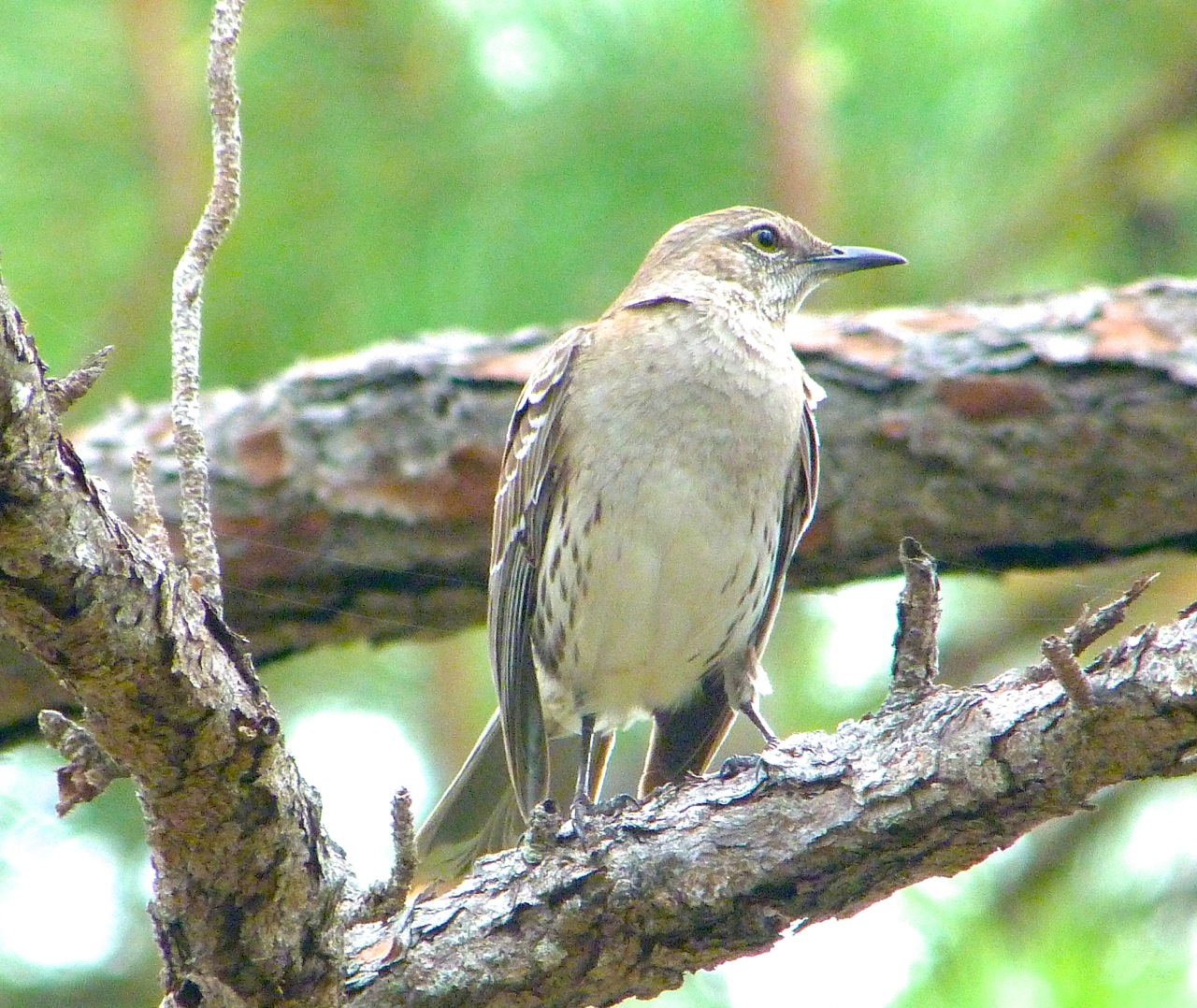
Finally, you may well ask “So that’s all very well, but what does a ‘normal’ Bahama Mockingbird look like close-to?” Here’s an example for comparison 

Bahama Mockingbird, Abaco 2


STOP PRESS (MAY 2015) The jury is back, the verdict unexciting (as I suppose was inevitable). The Bahamas Birding Sages have concluded that the red markings are simply staining from berries, as seen in #3 above. This is the obvious solution, but I am grateful to those (culminicola in the comments below, and a birding forum where this post has been discussed) who suggested the possibility of red pollen. The pine forest in which we saw this bird doesn’t in fact have flowers – or anyway red-pollened flowers – so berries must be the answer. In short, no Mimus bahamensis volvensharborii

All photos RH, cheers to Woody for leading the trip and for spotting the unusual features of this bird PDQ

Unknown's avatar

BOTTLENOSE DOLPHINS IN ABACO WATERS (2): MOTHER & CALF


Dolphin Mother & Calf, Sandy Point, Abaco, Bahamas 12

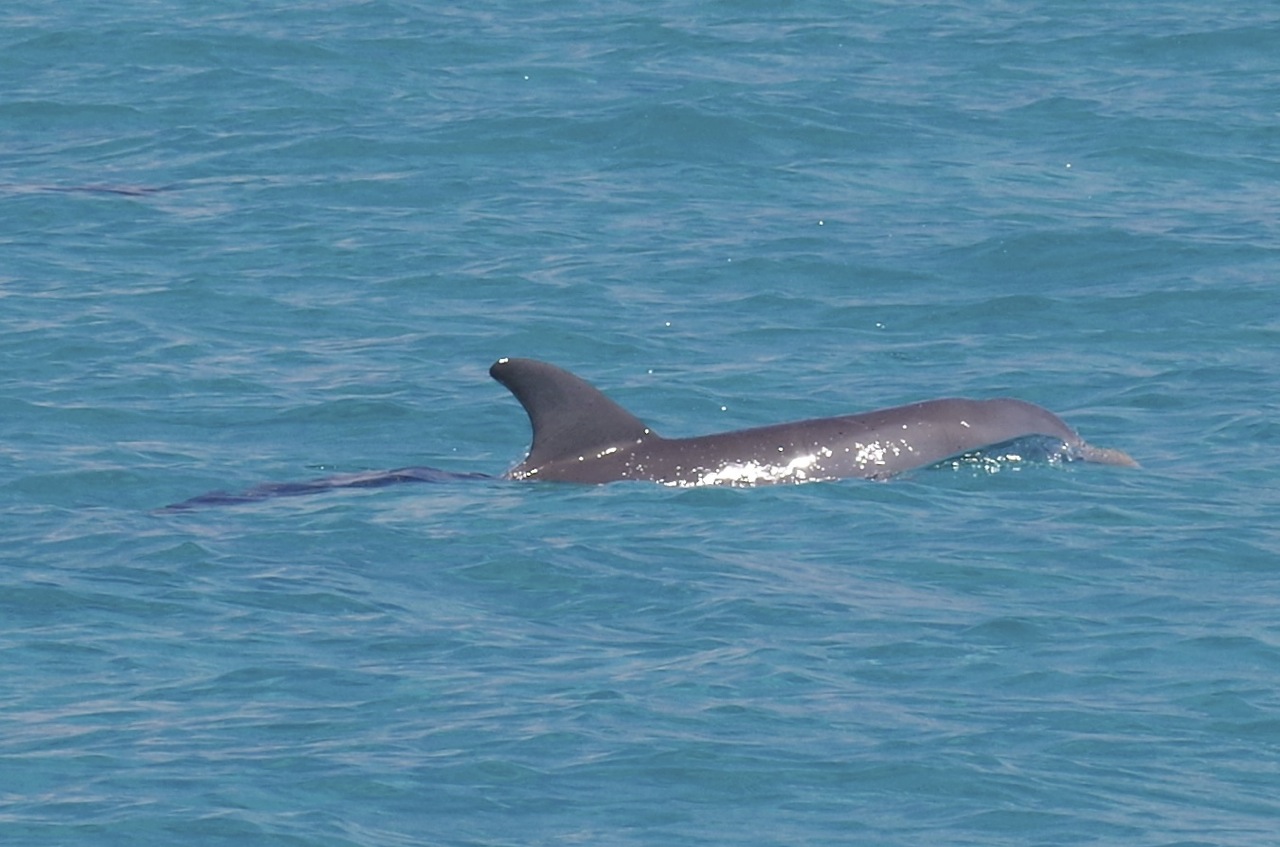
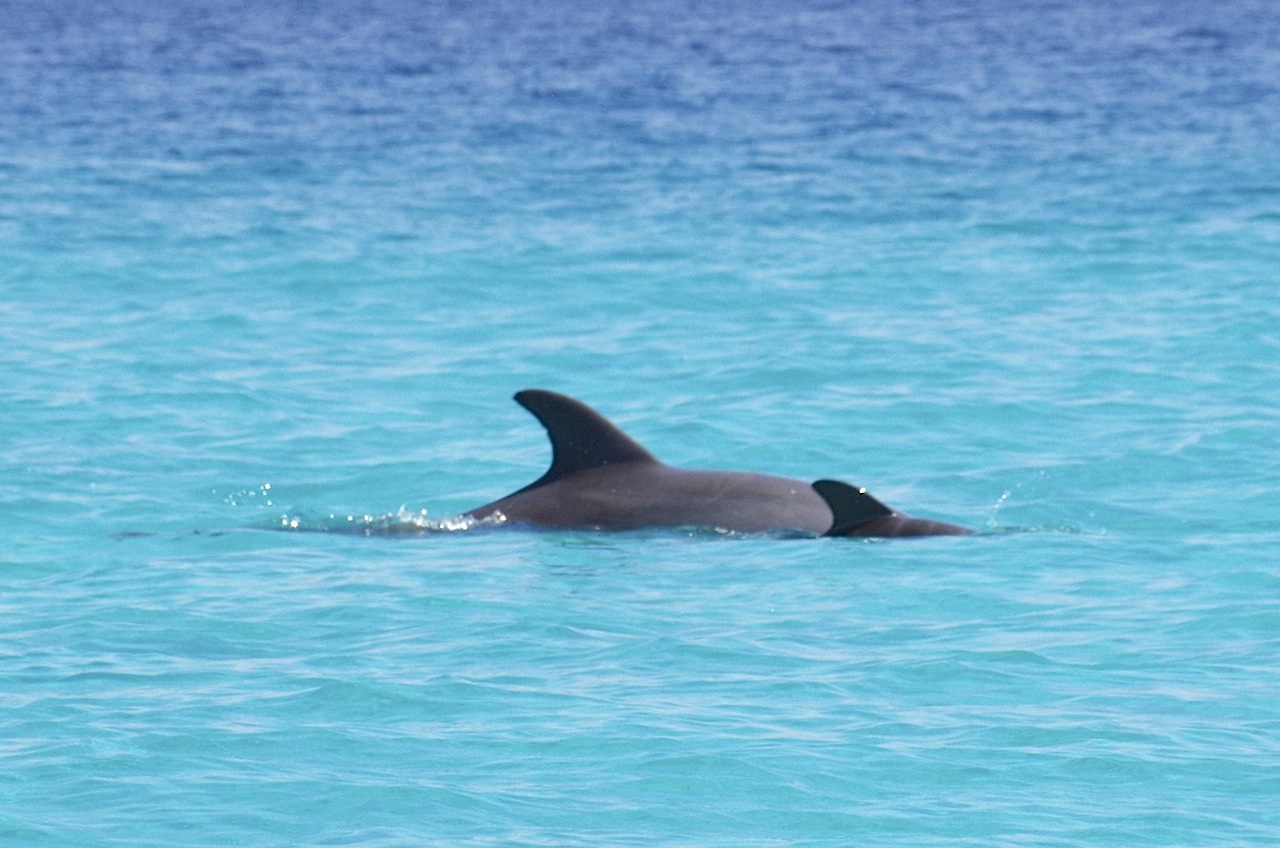
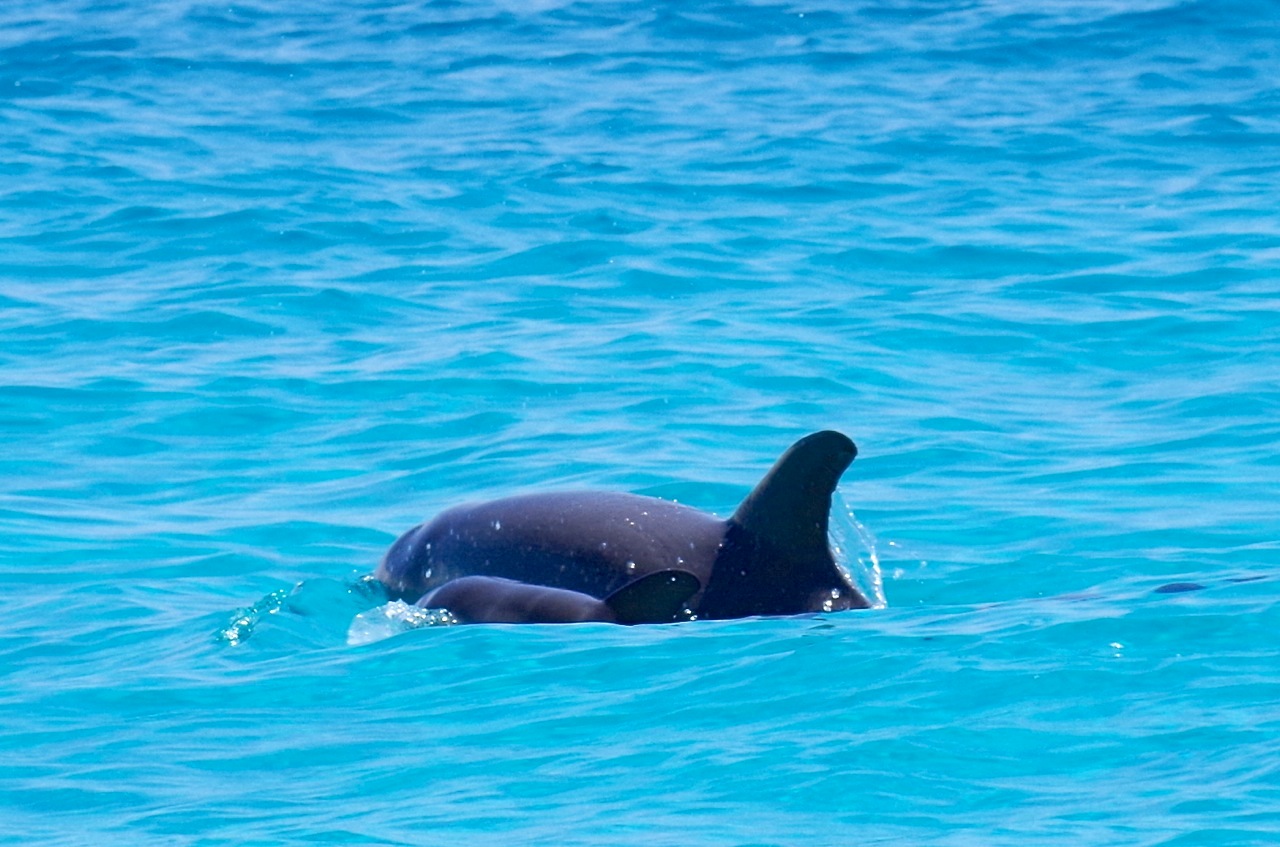
Sometimes things happen that completely take my breath away. Here is one of those moments, from our recent trip with Charlotte and Diane in the BMMRO research boat. As we returned from whale-watching to base in Sandy Point and moved from the deep dark ocean to the bright blue shallows, we encountered a group of bottlenose dolphins. You can see my recent post featuring some of the adults HERE. That was exciting enough, as they played around the boat. Then another participant appeared… 

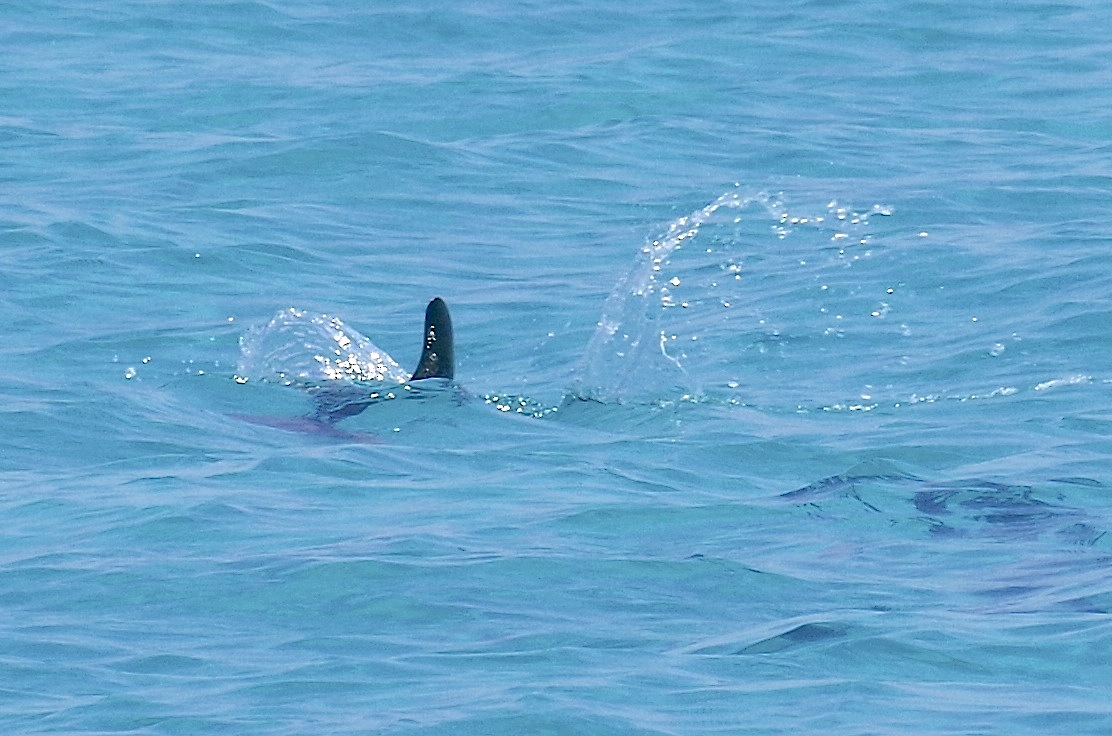
 Notice the dark area behind the adult dolphin… Dolphin Mother & Calf, Sandy Point, Abaco, Bahamas

…which soon separated into a small dark splashing creature with its own fin cutting the waves…Dolphin Mother & Calf, Sandy Point, Abaco, Bahamas

…and next seen keeping pace with its parentDolphin Mother & Calf, Sandy Point, Abaco, Bahamas

The sharp line between the light and the dark sea is where the sandy shallows abruptly give way to the deep waters of the Grand Bahama Canyon, a massive trench up to 2.5 miles deep with almost vertical cliff walls to the depths in some places

Dolphin Mother & Calf, Sandy Point, Abaco, Bahamas

Dolphin Mother & Calf, Sandy Point, Abaco, Bahamas

There were less active and splashy moments as the pair swam around togetherDolphin Mother & Calf, Sandy Point, Abaco, BahamasDolphin Mother & Calf, Sandy Point, Abaco, Bahamas

Then it was back to doing what they like best…Dolphin Mother & Calf, Sandy Point, Abaco, BahamasDolphin Mother & Calf, Sandy Point, Abaco, Bahamas

Then some more restful moments…Dolphin Mother & Calf, Sandy Point, Abaco, Bahamas Dolphin Mother & Calf, Sandy Point, Abaco, Bahamas

And finally the pair moved away. On the far horizon, the Massive Mickey Mouse Cruise ship moored at ‘Disney’s Castaway Cay’ (formerly the sober-sounding Gorda Cay), where you can be a Pirate of the Caribbean. Or anyway a very happy Tourist. The choice is yours. Would you like fries with that?Dolphin Mother & Calf, Sandy Point, Abaco, Bahamas

And looking out to sea from the cheerful place that is Castaway Cay, I wonder if a small child was wondering “Ok, love Mickey and his Friends – but I’d also really love to see a wild dolphin swimming free… 

Disney Magic docked next to the Castaway Cay Family Beach copy

All photos RH (except Castaway, Wiki). Huge thanks to Charlotte, Diane and Bahamas Marine Mammal Research Organisation BMMRO for a truly wonderful day photo 2

bmmro_logo

Unknown's avatar

HOPE TOWN BIRDERS SPOT 44 SPECIES ON SOUTH ABACO


Abaco (Cuban) Parrot, Bahama Palm Shores (Keith Salvesen)

Abaco (Cuban) Parrot, Bahama Palm Shores (Keith Salvesen)

HOPE TOWN BIRDERS SPOT 44 SPECIES ON SOUTH ABACO

South Abaco – the tract of land south of Marsh Harbour – has some of the richest birding in the Bahamas. Besides 4 of the 5 Bahamas ENDEMIC SPECIES, it contains some of the most interesting speciality birds. The unique ABACO PARROT for a start, with a population that is gradually increasing following a drastic decline and conservation intervention. Rare PIPING PLOVERS on the eastern shores that overwinter, as do the endangered KIRTLAND’S WARBLERS, of which more soon. In the Bahamas the WEST INDIAN WOODPECKER is common on Abaco, but elsewhere it is rare on San Salvador and is no longer found on Grand Bahama (missing, presumed extirpated). If you want to learn more about them and their engaging ways read Caroline Stahala’s fascinating article HERE
Olive-capped Warbler, Abaco (Bruce Hallett)

Olive-capped Warbler, one of 5 permanent resident warblers (of 37 species in all) Bruce Hallett

January was an excellent time for the Hope Town Birding Group to take the ferry over for a quality day of birding on south Abaco. In all, 44 species were identified, ranging from expected feathery denizens to what are sometimes described as ‘Good Gets’. The group was led by Bruce Wolck. Jan Metcalf contacted me to arrange for Delphi – a notable birding hotspot – to be on the itinerary. And as she wrote to me afterwards in summing up the day:
“Amazing birds, amazing day, amazing Delphi (where we saw the Bullfinch)”
Sally Chisholm has since emailed that among places visited were the “[town] dump, locations along the highway south to the Y, Sandy Point, the south ferry dock, Gilpin Point, Bahama Palm Shores and Delphi” I’ve never been to the dock, so that’s one for us to try out in March…
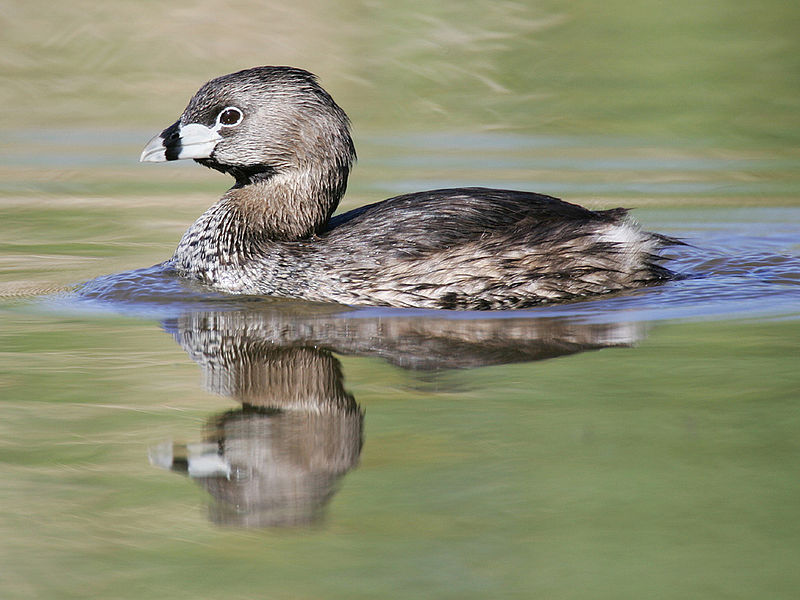
Here is the group’s checklist of the 44 species. I have added thumbnail images, almost all taken on Abaco by contributors to THE DELPHI CLUB GUIDE TO THE BIRDS OF ABACO, including some used in the book. “Good Gets” include the Pied-billed Grebe, a permanent resident but quite scarce; the Bonaparte’s Gull; the Great Black-backed Gull; and the White Ibis. The last 3 are what are termed ‘casual’ winter residents – rarely seen and so irregularly reported.
HOPE TOWN BIRDING GROUP CHECKLIST – JANUARY 2015
CLICK on a thumbnail to enlarge it. That’s the idea anyway, but I’m a bit ‘casual’ myself in checking links. The ones I spot-checked worked so I am hoping for the best with the remainder…
Pied-billed- Grebe Podilymbus podiceps (Wiki)Pied-billed Grebe
Pelican Sandy Point Abaco (Keith Salvesen)Brown Pelican
Magnificent Frigate male wikipicsMagnificent Frigatebird
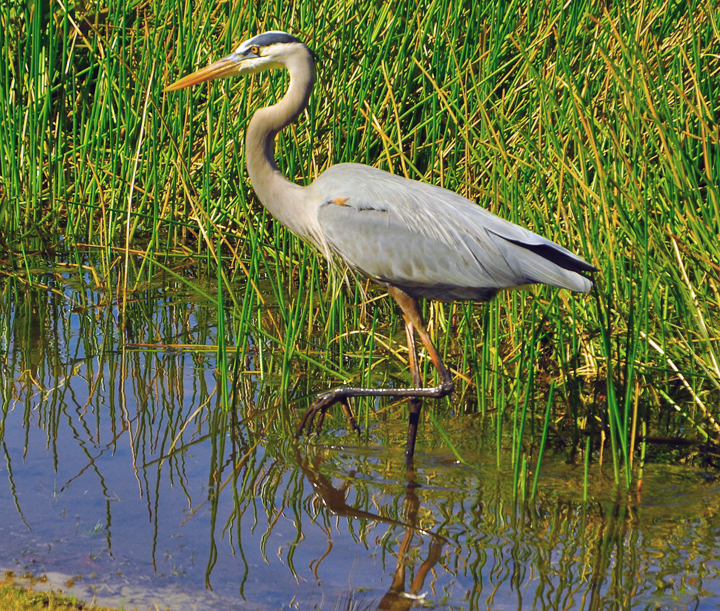
Great_Blue_Heron_Wading_2Great Blue Heron 
Great Egret Abaco - Treasure Cay Ponds (Keith Salvesen)Great Egret
Little Blue Heron, Abaco - Bruce HallettLittle Blue Heron
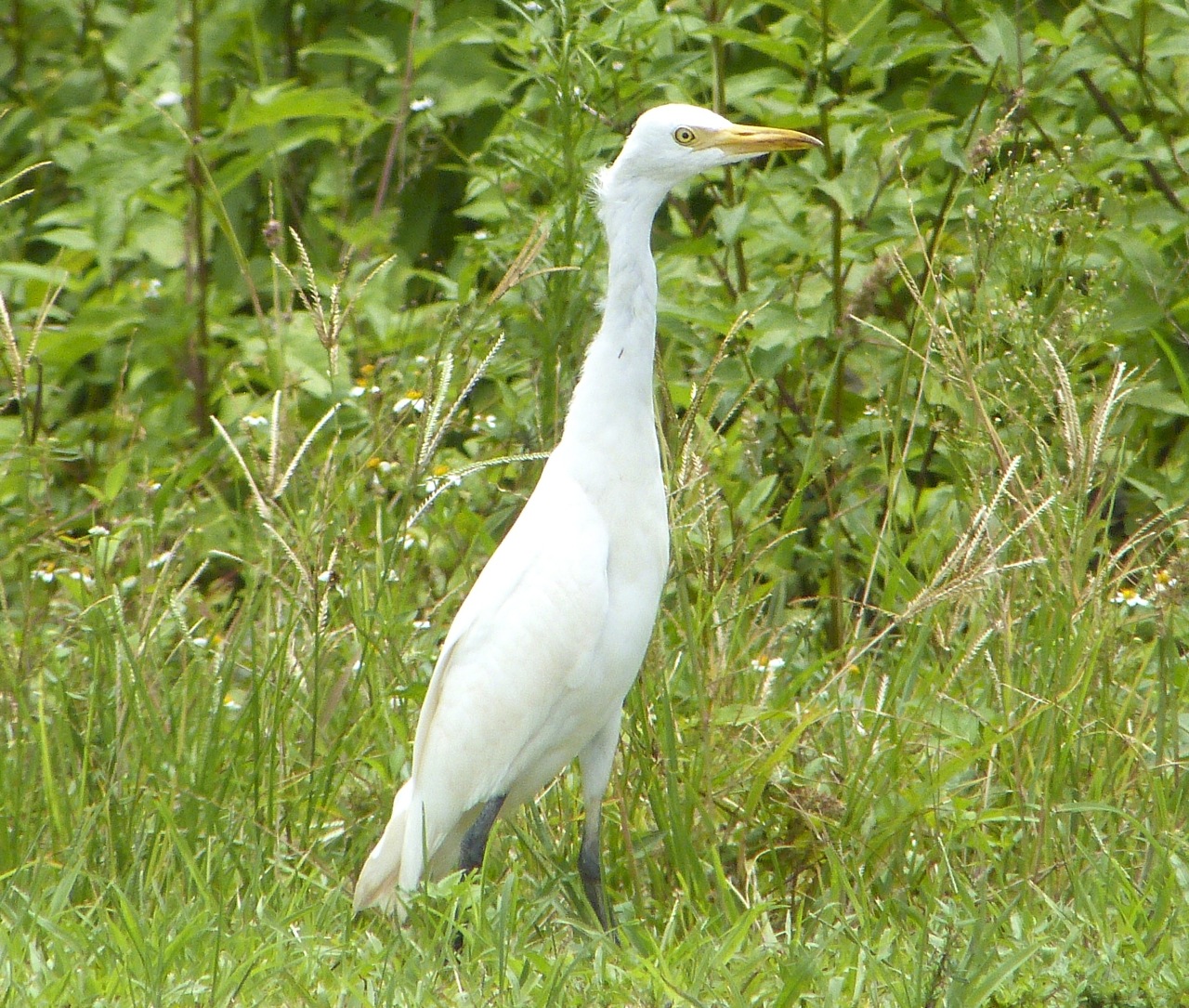
Cattle Egret, Sandy Point, Abaco - Keith SalvesenCattle Egret
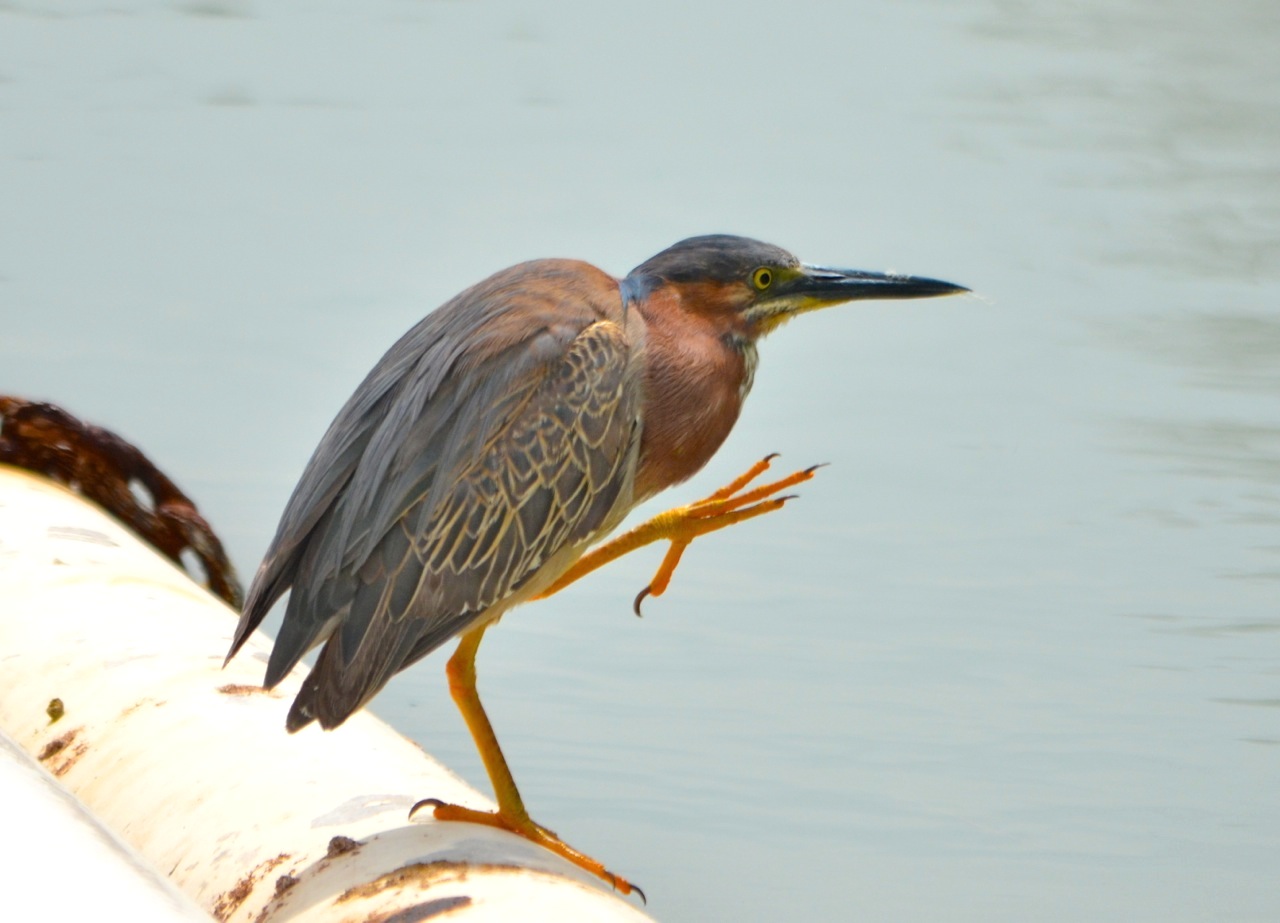
Green Heron, Abaco - Treasure Cay GC - Charlie SkinnerGreen Heron
White Ibis, Treasure Cay Abaco - Kasia ReidWhite Ibis
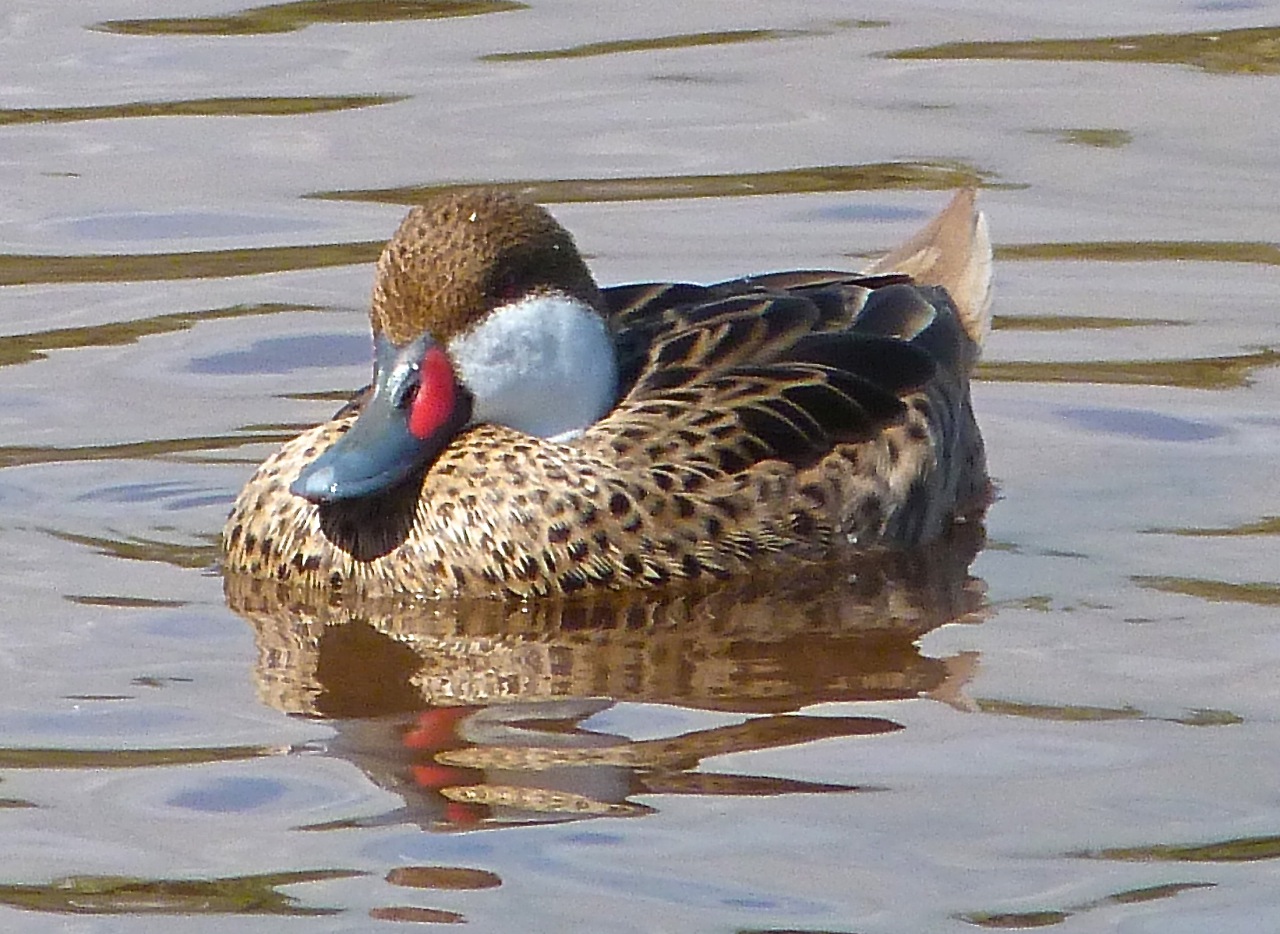
White-cheeked Pintail, Abaco - Gilpin Pond - Keith SalvesenWhite-cheeked Pintail
Turkey Vulture Abaco - Delphi  (Keith Salvesen)Turkey Vulture
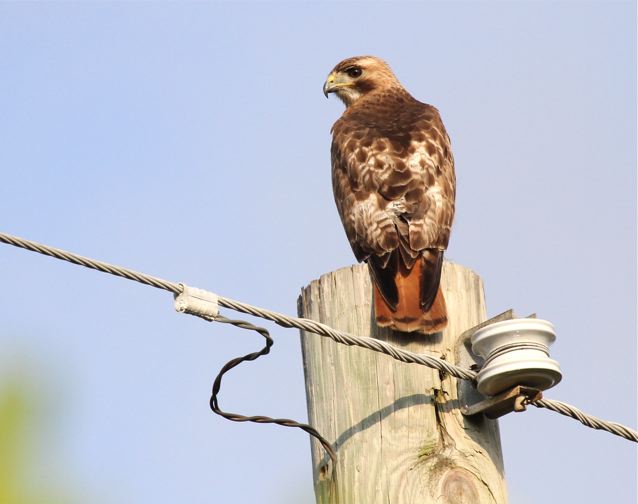
Red-tailed Hawk Abaco - Bruce HallettRed-tailed Hawk
American Kestrel Abaco - Sandy Point - Keith SalvesenAmerican Kestrel
1009BlackBelliedPloverBlack-bellied Plover
American Oystercatcher Abaco -  Jim ToddAmerican Oystercatcher
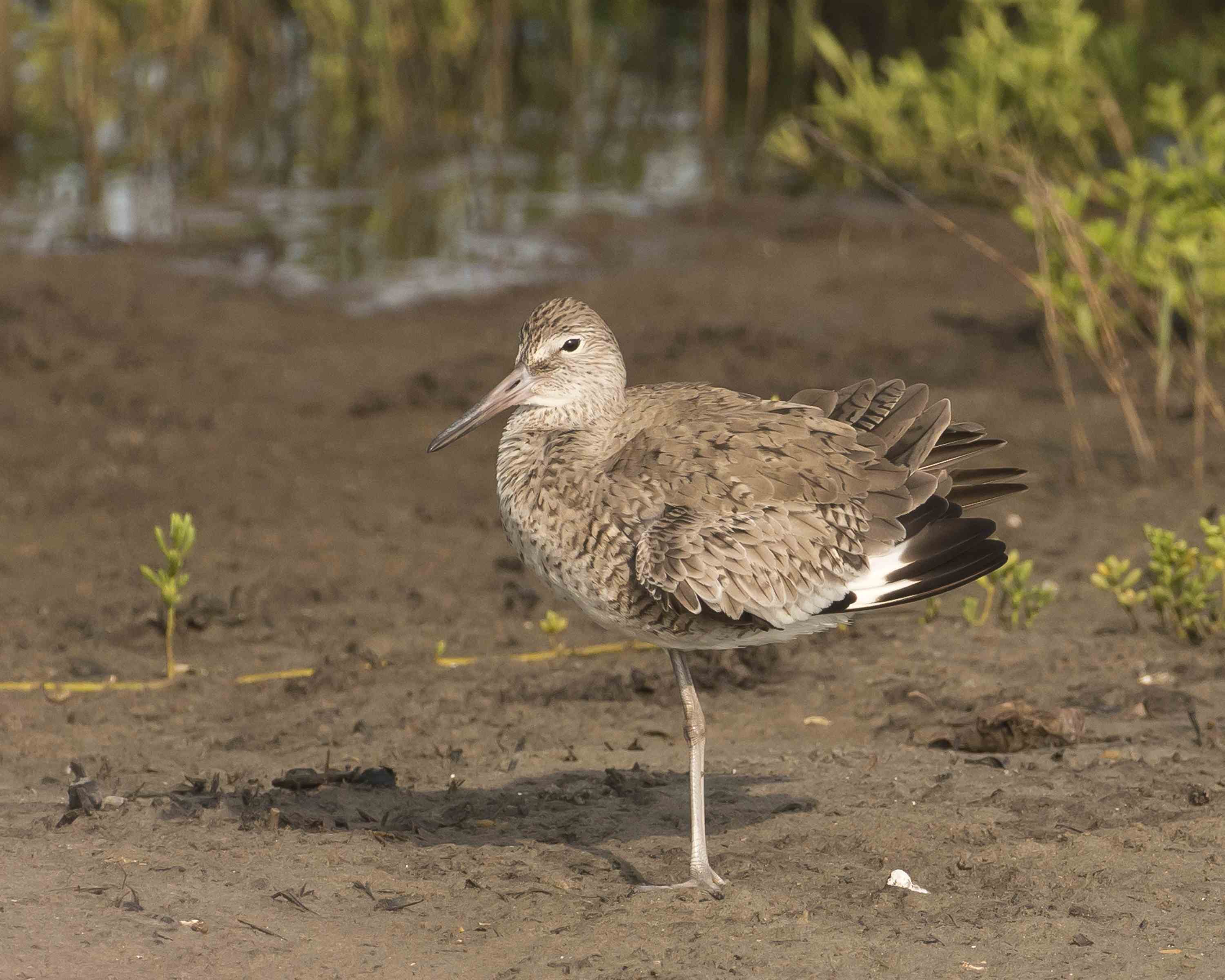
Willet.Abaco Bahamas.2.13.Tom Sheley smallWillet
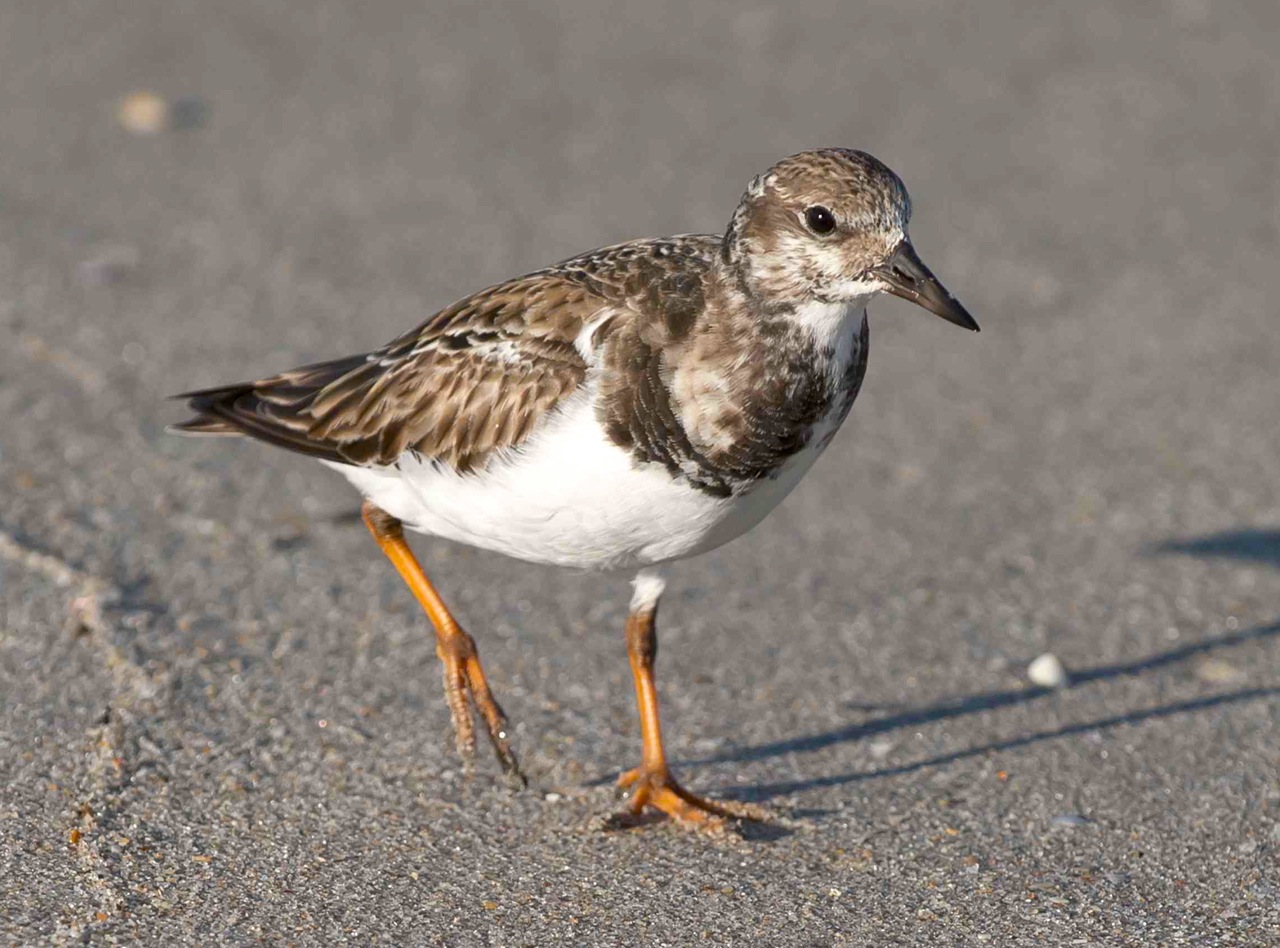
Ruddy Turnstone winter plumage.Abaco Bahamas.2.13.Tom Sheley eRuddy Turnstone
Laughing Gull, Abaco - Nina HenryLaughing Gull
Bonaparte's Gull (Ad NB), Abaco - Bruce HallettBonaparte’s Gull
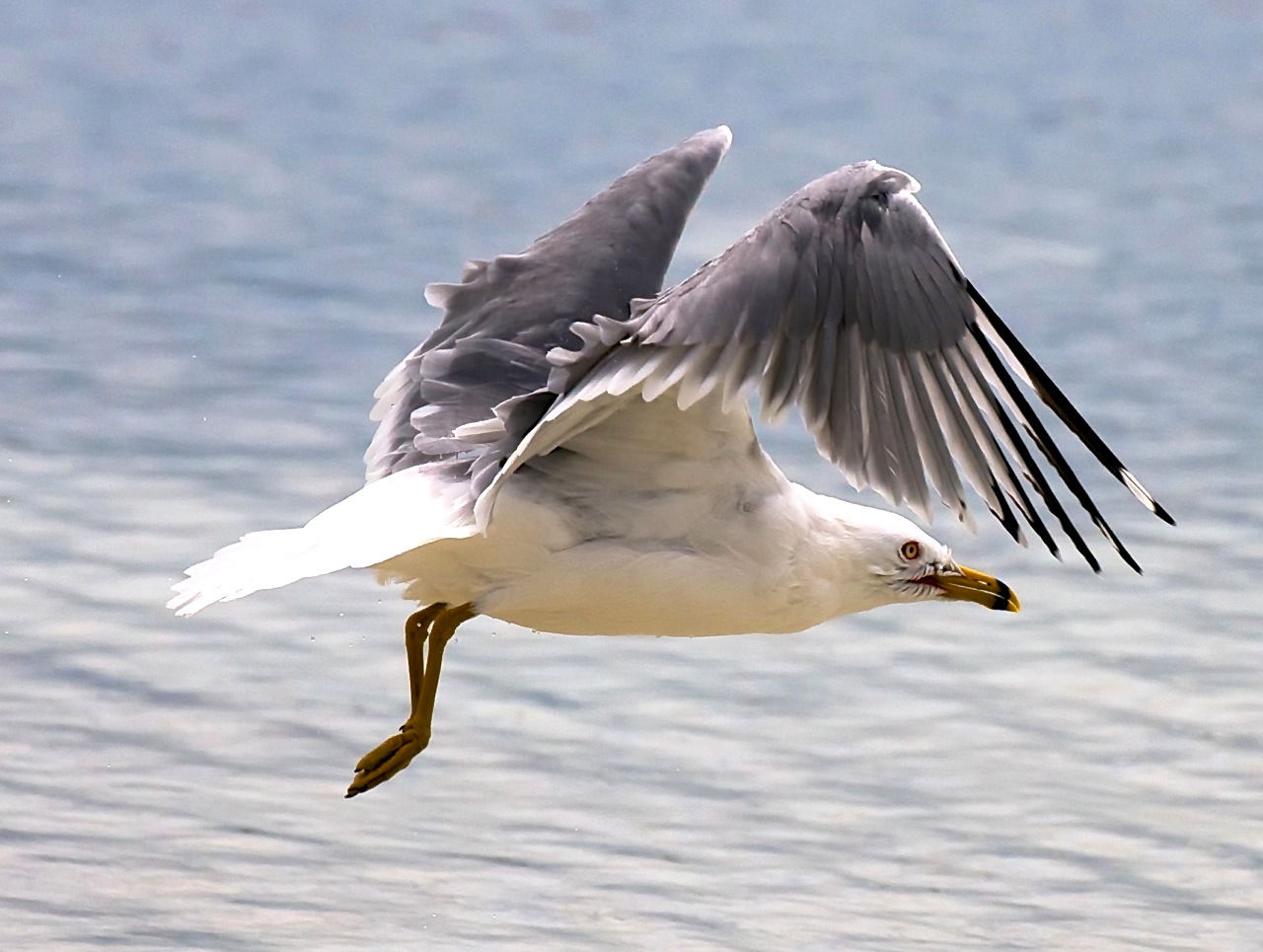
Ring-billed Gull, Abaco (Nina Henry : DCB)Ring-billed Gull
800px-Great_Black-backed_Gull_Larus_marinusGreat Black-backed Gull
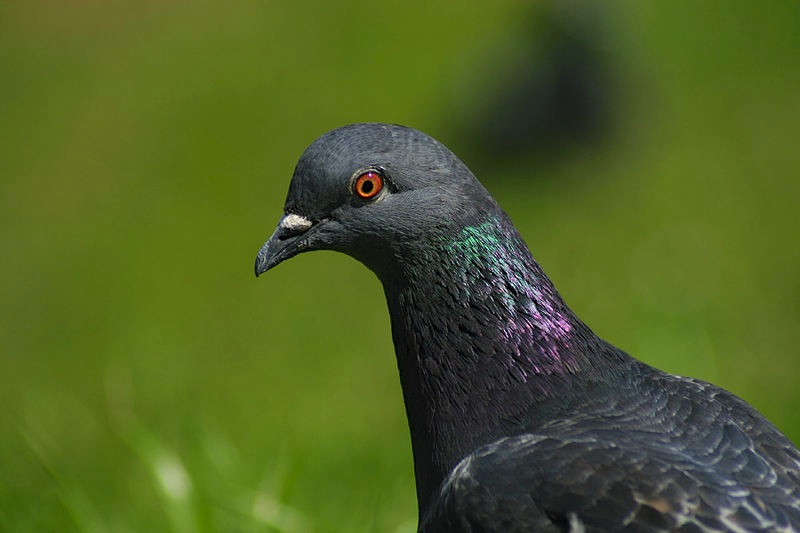
Rock_Dove_close-upRock Dove
Eurasian Collared Dove, Abaco - Bruce HallettEurasian Collard Dove
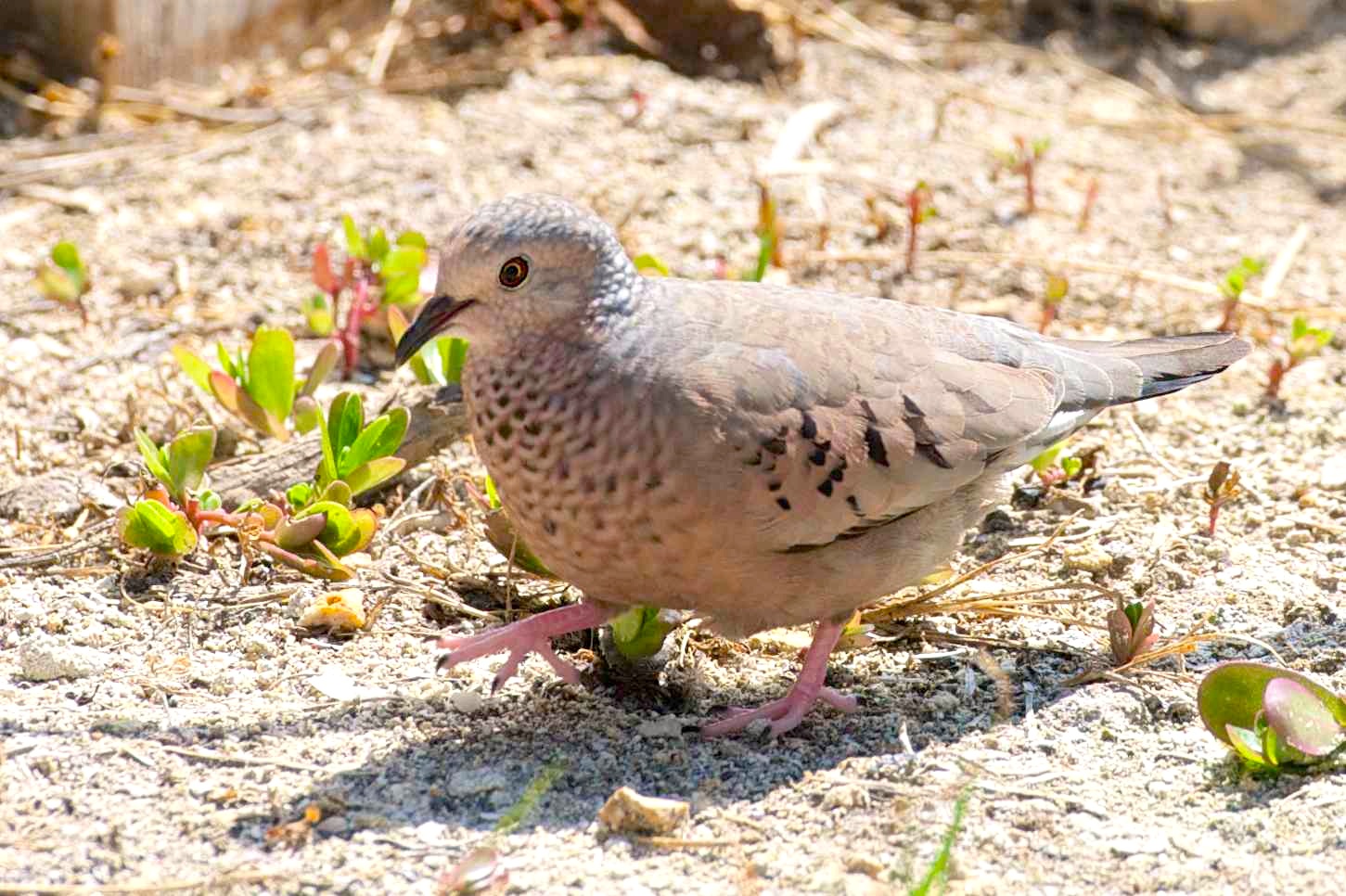
Ground Dove, Abaco -Nina Henry Common Ground Dove
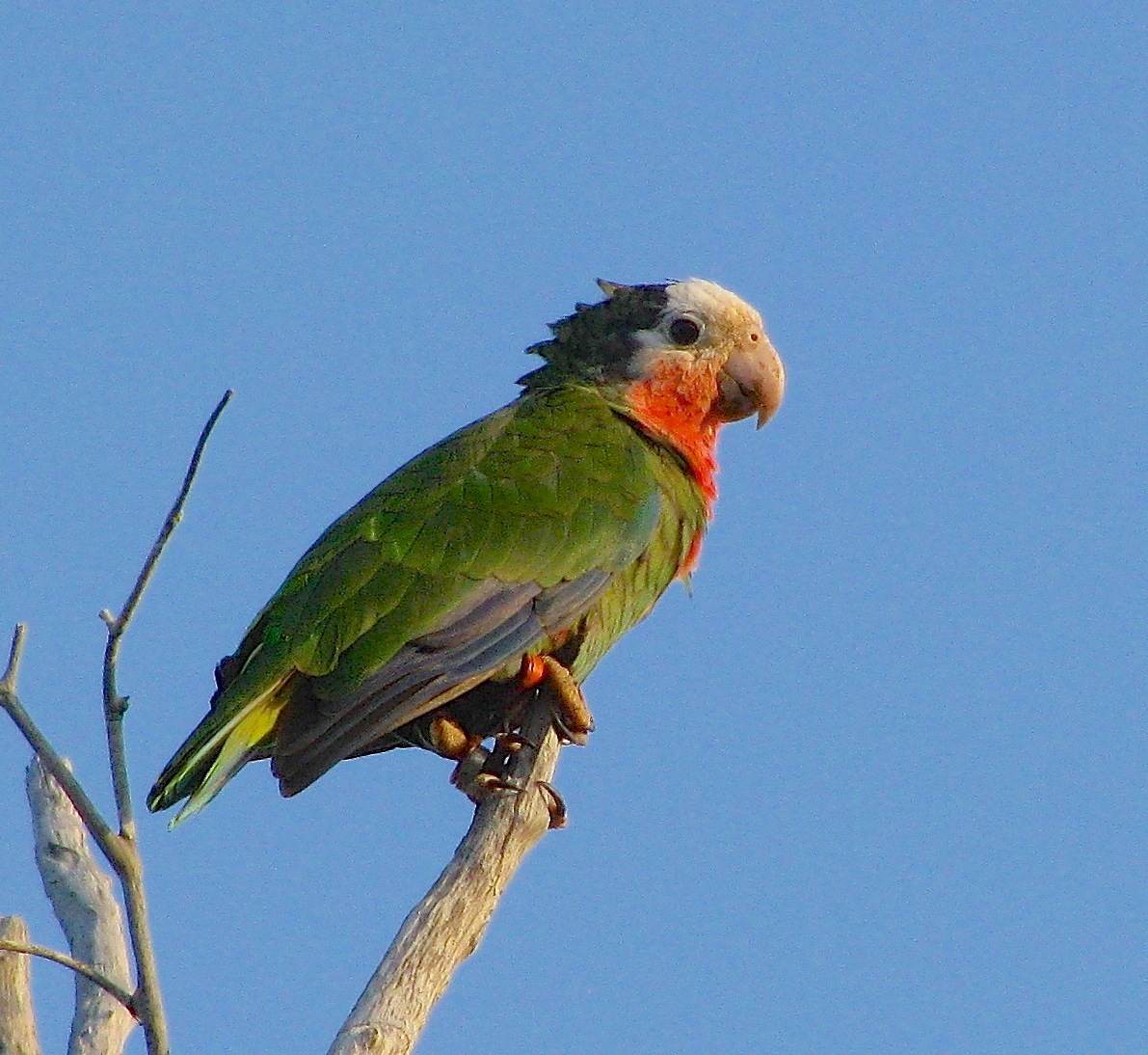
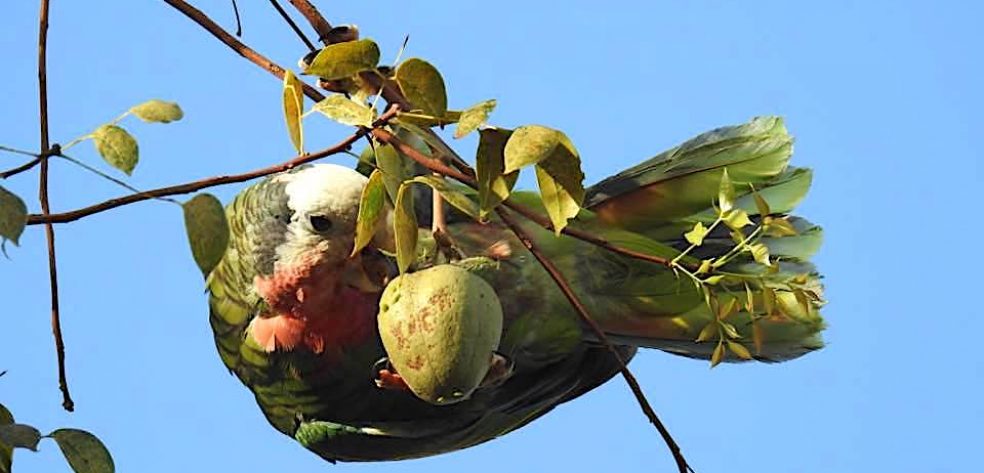
ABACO (CUBAN) PARROT, Abaco (Caroline Stahala)Cuban Parrot
Smooth-billed Ani, Abaco - Roselyn PierceSmooth-billed Ani
Cuban Emerald, Delphi, Abaco - Keith SalvesenCuban Emerald
800px-Belted_Kingfisher_with_preyBelted Kingfisher
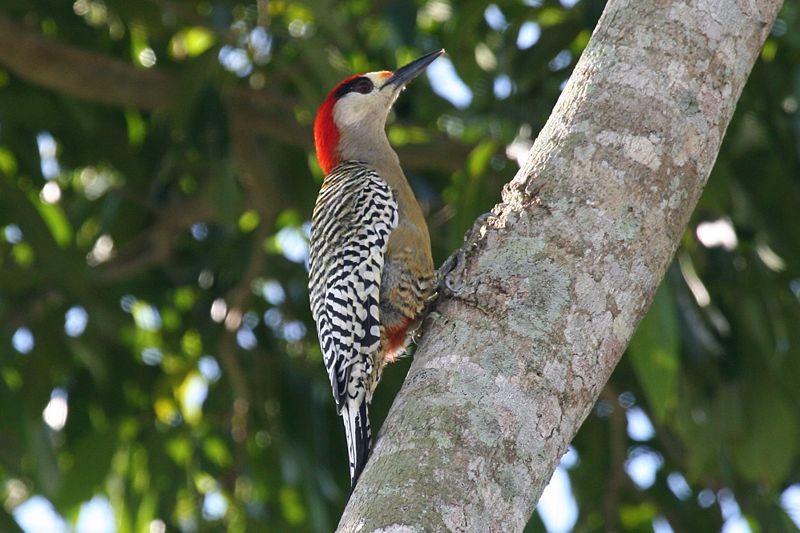
800px-West_Indian_Woodpecker_(Melanerpes_superciliaris)West Indian Woodpecker
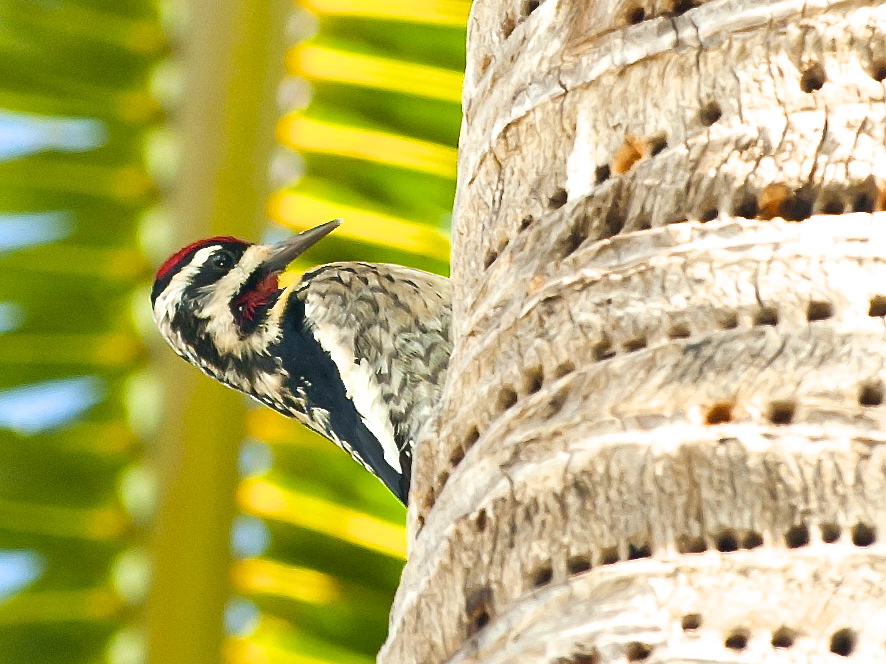
Yellow-bellied Sapsucker. Abaco Bahamas 2.12.Tom SheleyYellow-bellied Sapsucker
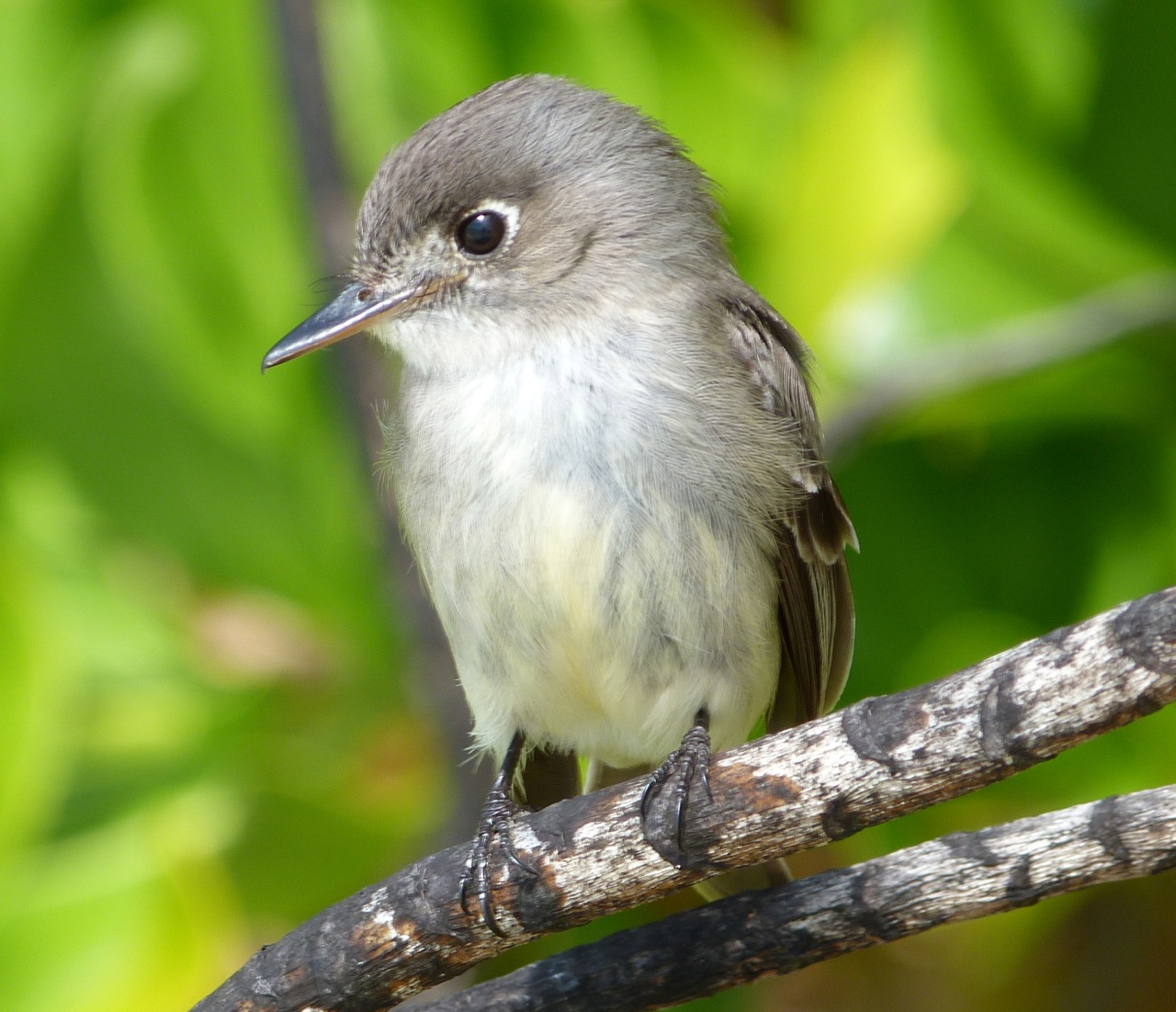
Cuban Pewee Abaco - Casuarina - Keith SalvesenCuban Peewee
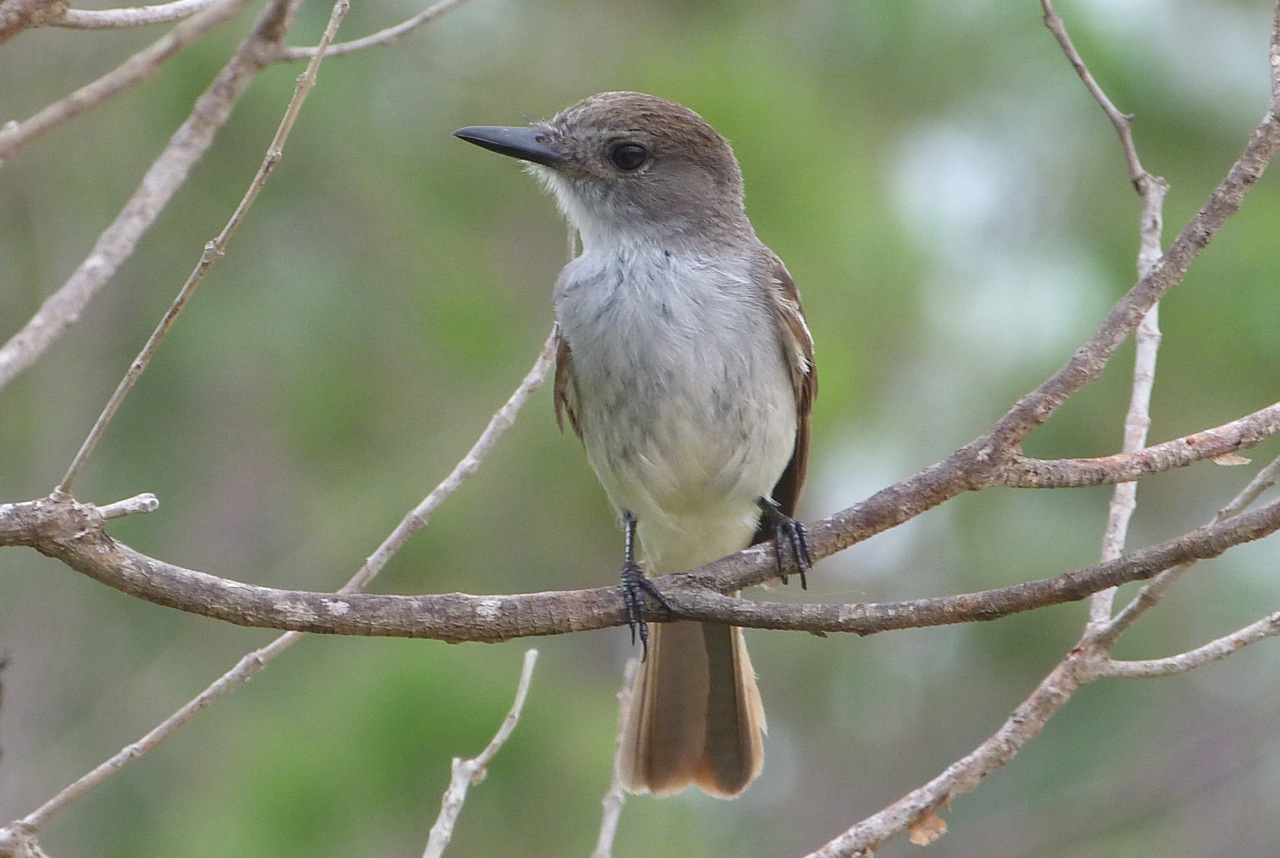
La Sagra's Flycatcher - Delphi,  Abaco - Keith SalvesenLa Sagra’s Flycatcher
Loggerhead Kingbird, Abaco - Peter Mantle Loggerhead Kingbird
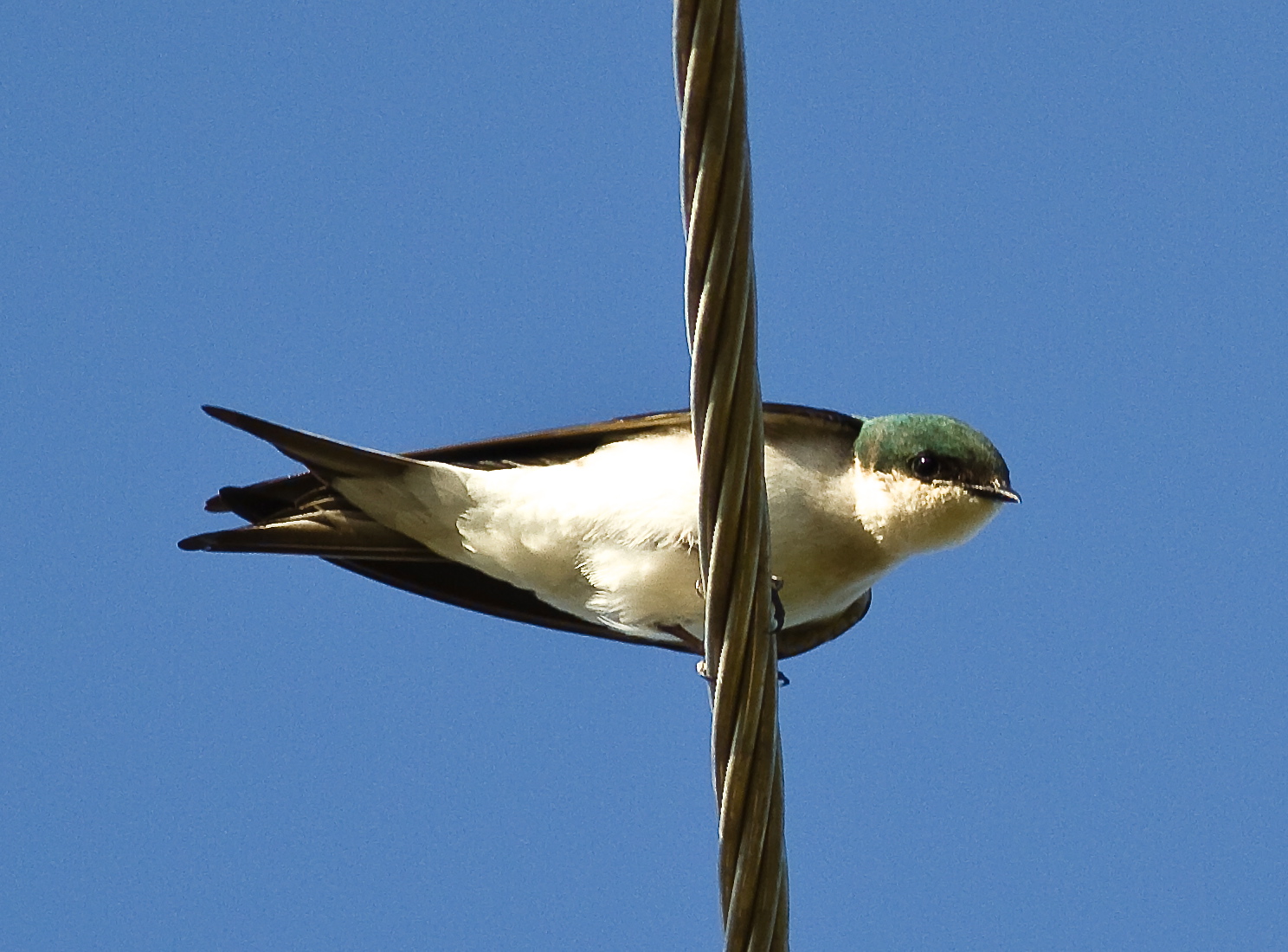
Bahama Swallow, Abaco - Craig NashBahama Swallow
Red-legged Thrush, Delphi,  Abaco - Keith SalvesenRed-legged Thrush
Northern Mockingbird, Delph, Abaco  - Keith SalvesenNorthern Mockingbird
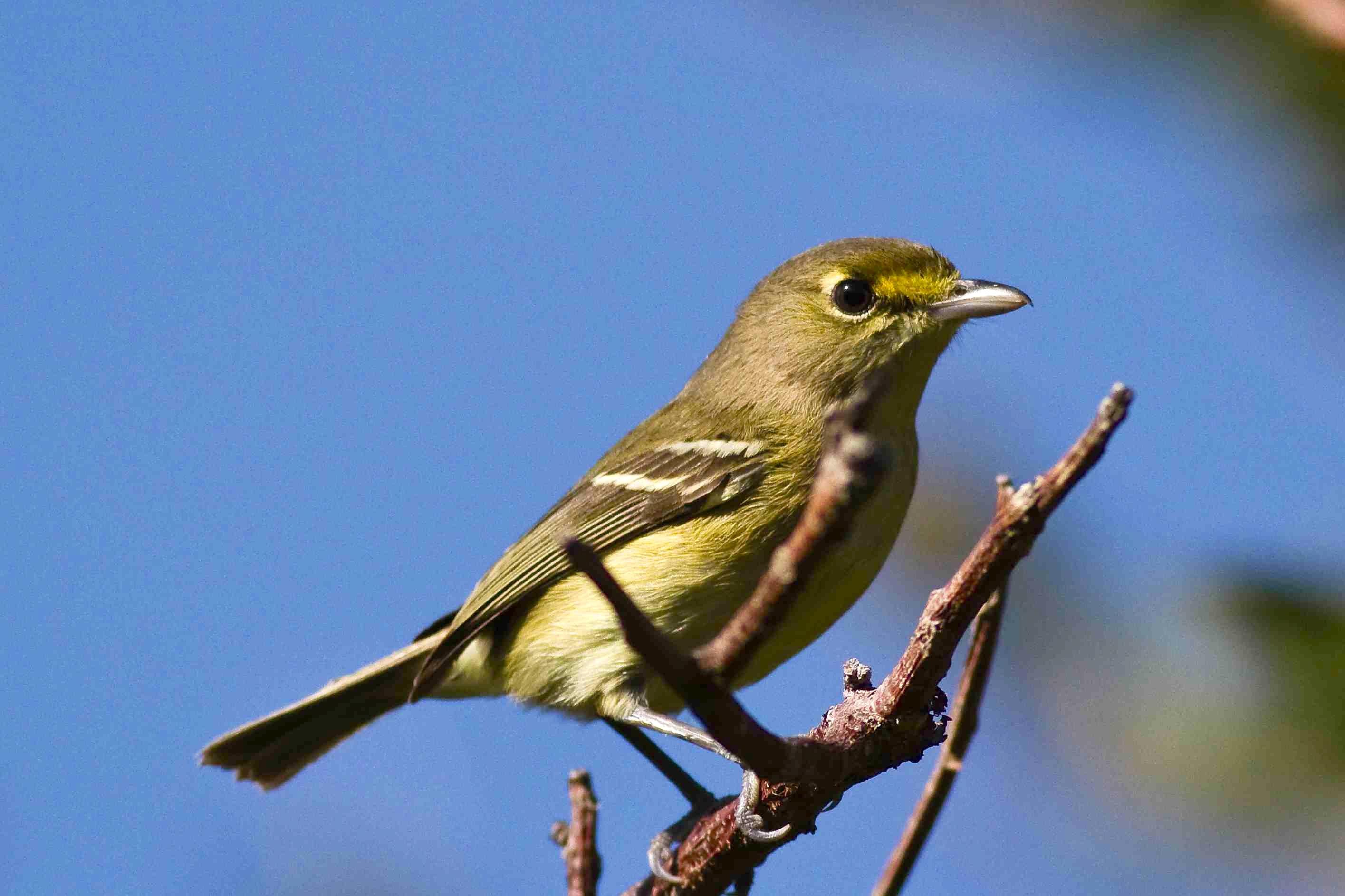
Thick-billed Vireo, Abaco (Craig Nash)Thick-billed Vireo
Northern Parula, Abaco - Craig NashNorthern Parula
Yellow-throated Warbler, Abaco - Bruce HallettYellow-throated Warbler
Olive-capped Warbler, Abaco - Bruce HallettOlive-capped Warbler
Pine Warbler, AbacoPine Warbler
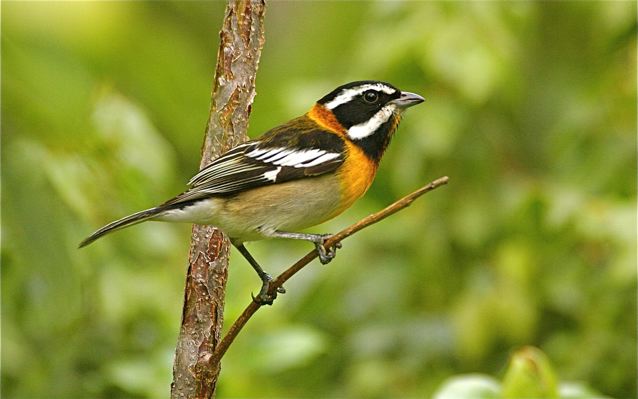
Western Spindalis, Abaco - Bruce HallettStripe-headed Tanager

Black-faced Grassquit (m), Abaco - Bruce HallettBlack-faced Grassquit
Greater Antillean Bullfinch, Abaco - Tony HepburnGreater Antillian Bullfinch
If any Birding Groups are interested in birding the one-mile drives (wonderful pine and coppice habitats), gardens and one-mile white sand beach at Delphi, let me know. It can easily be arranged, but there are times when it is not convenient or that some areas are not open for access. Email me as first contact at rollingharbour.delphi[AT]gmail.com
Western Spindalis Abaco (Keith Salvesen)

Western Spindalis, Abaco -Delphi Club Drive (Keith Salvesen)