Unknown's avatar

NEW BIRD FOR ABACO, BAHAMAS: SCALY-NAPED PIGEON


Scaly-naped Pigeon (Jean Lopez YT)

NEW BIRD FOR ABACO, BAHAMAS: SCALY-NAPED PIGEON

The scaly-naped pigeon (Patagioenas squamosa), also known as the red-necked pigeon, is found throughout most of the Caribbean. Except for the Bahama islands – if indeed they are considered Caribbean, which strictly and geographically they are not – even though for some purposes such as passport requirements they may be.

Scaly-naped Pigeon (Dick Daniels, Carolina Birds.org)

Until the last year or so, this pigeon species had not been recorded in the Bahamas. Then sightings began to be recorded on Inagua and TCI – not so very far north of their normal range – and mostly within the last 4 weeks. Since bird records began, they had never been reported further north in the Bahamas, until a few days ago on Abaco.Scaly-necked pigeon (postdlf wiki)

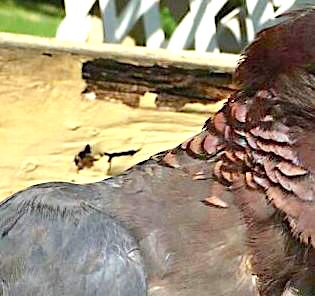
The scaly-naped pigeon is so called because the plumage on the back of its maroon-coloured neck looks somewhat… erm… scaly (hence the Latin squamosa in the binomial name): close-up below.  Notice also the bright, ringed eyes. 

 Scaly-necked pigeon's scaly neck, Abaco, Bahamas

These pigeons mainly feed on fruits and seeds, and usually hang out in small groups or mix in with other dove and pigeon species. They can be wary and flighty, like many of the family Columbidae. Here’s a short (30 secs) video of one preening.

IS THERE PHOTOGRAPHIC PROOF OF AN ABACO ONE?

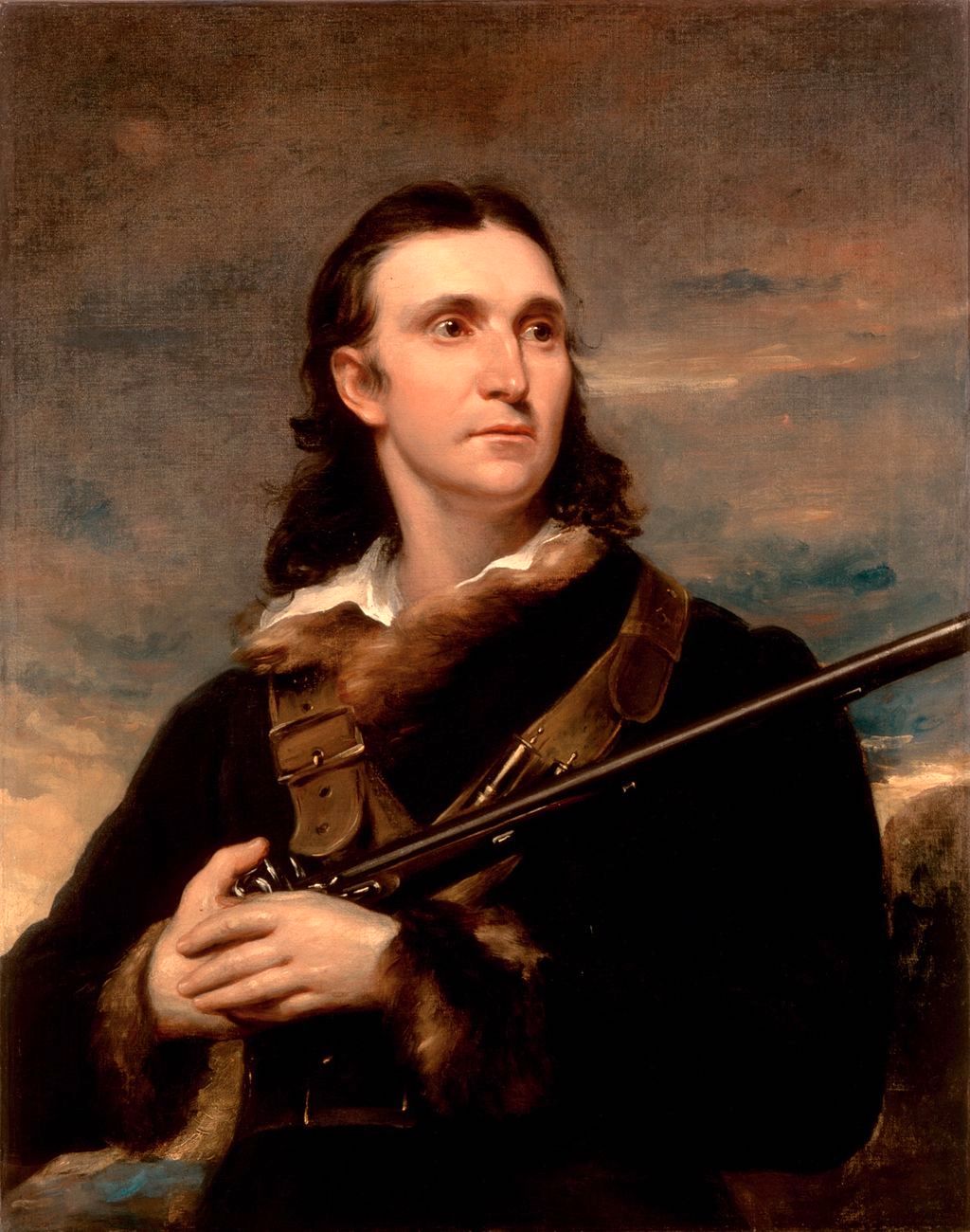
This is slightly tricky, I’m afraid. Right now, it is pigeon shooting season on Abaco. Several birds shot in South Abaco turned out not to be white-crowned pigeons or a WCP / dove cross,  and Woody Bracey was asked to ID photos taken of the deceased birds. The neck close-up above is from one of them… The full photos are a bit sad for a generally cheerful blog so I’ve not used them. At times like these, I have to remind myself that historically, natural historians obtained their specimens of our feathered friends by shooting them. Here are 3 portraits of John James Audubon as a young, middle-aged, and elderly man with his specimen-collecting equipment of choice.

 John James Audubon & gun John James Audubon & gun John James Audubon & gun

WHY HAVE THESE PIGEONS TURNED UP ON ABACO NOW?

The likeliest cause of the sightings this year on Inagua / TCI, and the current influx on South Abaco, is the recent extreme weather, especially Hurricanes Irma and Jose. It seems improbable that a mere whim to fly several hundred miles north from Hispaniola or Puerto Rico would account for the presence of these birds. One of the SNPs shot on Abaco has been retained as a specimen and preserved in a freezer. Woody is contemplating risking an expedition into the target area – a dangerous mission during the shooting season. He has invited any takers to join him, advising people to wear orange clothing to distinguish them from pigeons…

Scaly-naped Pigeon - Barbados

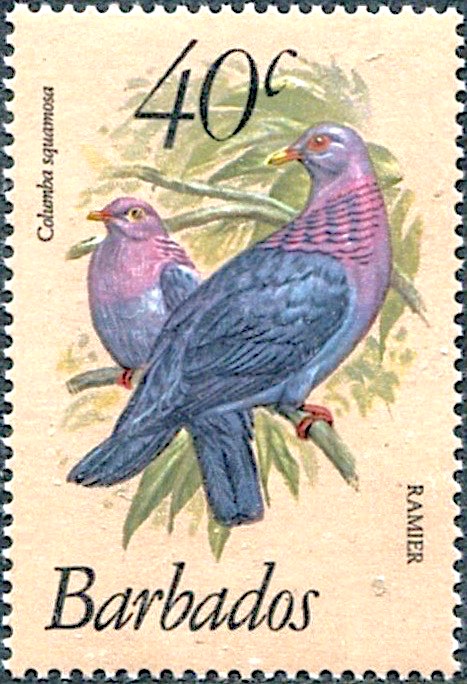
Scaly-naped pigeons are featured on stamps from Barbados (shown) and Barbuda. Like the Bahamas, the Caribbean countries have an excellent record for featuring their wildlife on stamps. You can read more about Bahamas wildlife stamps HERE

Scaly-naped Pigeon

Credits: Woody Bracey for the heads-up for the Abaco sightings; Jean Lopez (header still from a Youtube video); Dick Daniels / Carolinabirds.org; Cornell Lab / Neotropical Birds (range map); neck close-up from Abaco via Woody Bracey; ‘postdlf’ wiki; Felipe at Aves Puerto Rico; open source & wiki for all else 

Scaly-naped Pigeon (Jean Lopez)

Unknown's avatar

DOLPHINS: JUST AS SMART AS YOU ARE…


Bottlenose Dolphin (Brian Lockwood)

DOLPHINS: JUST AS SMART AS YOU ARE…

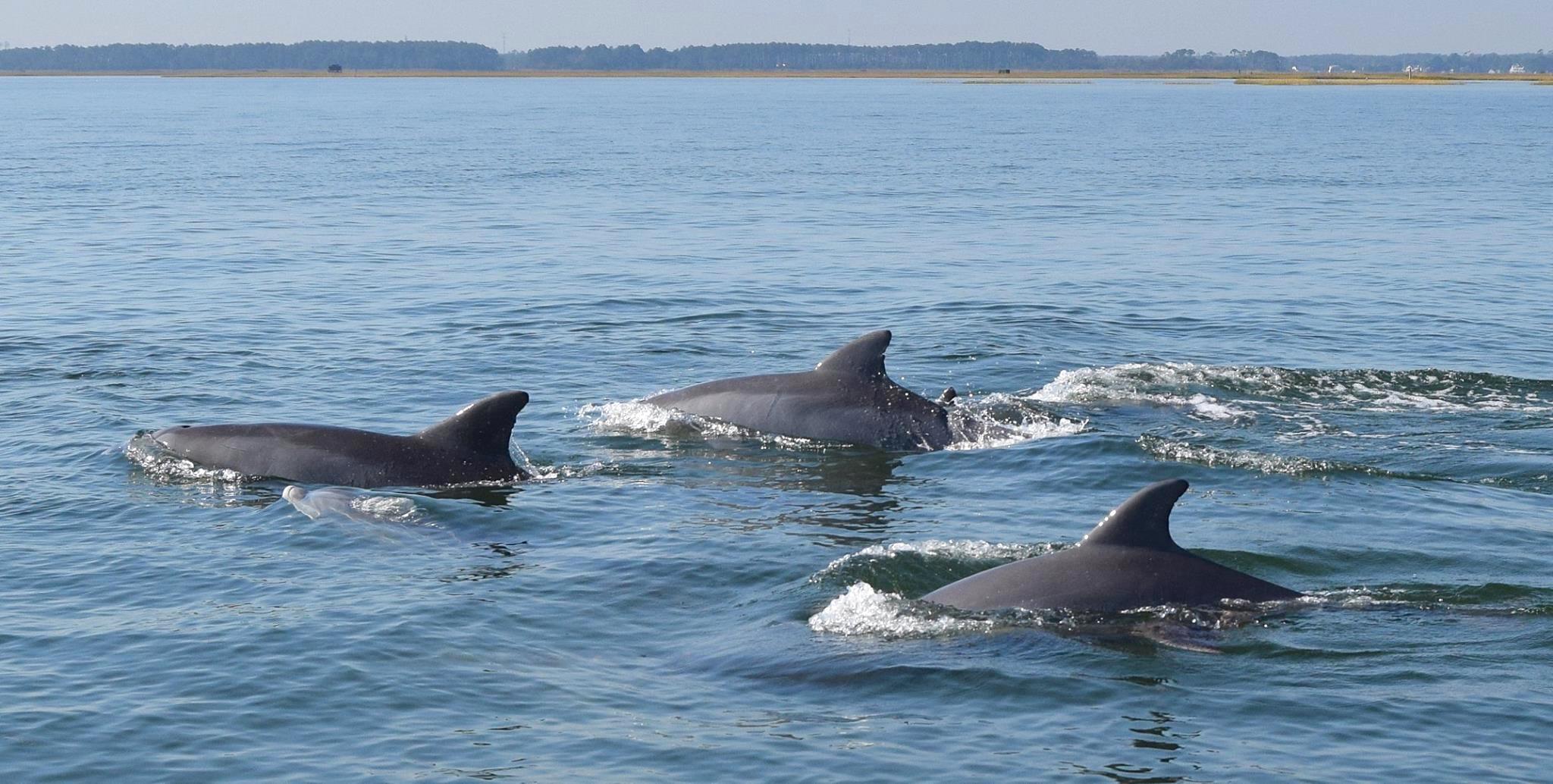
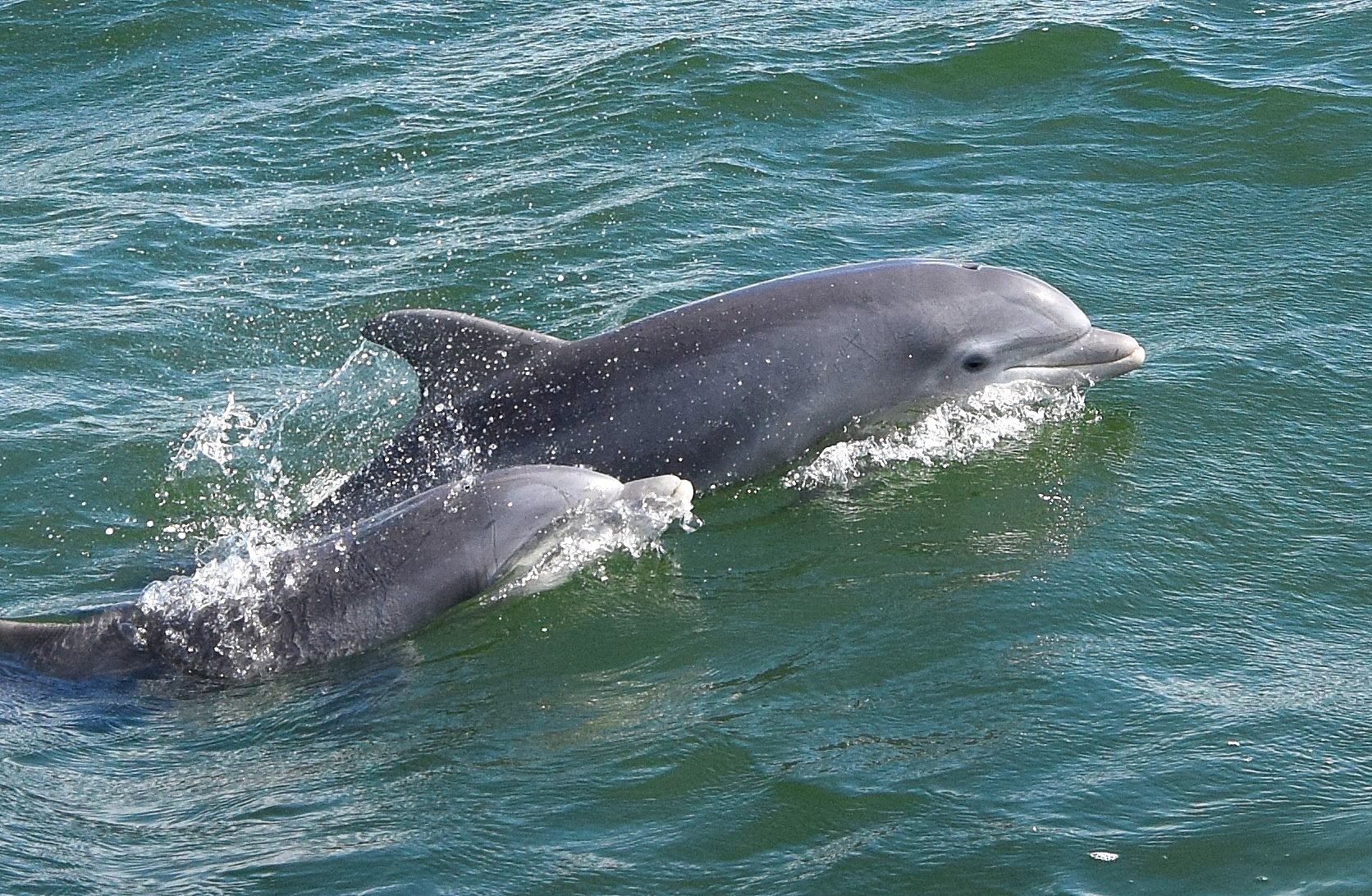
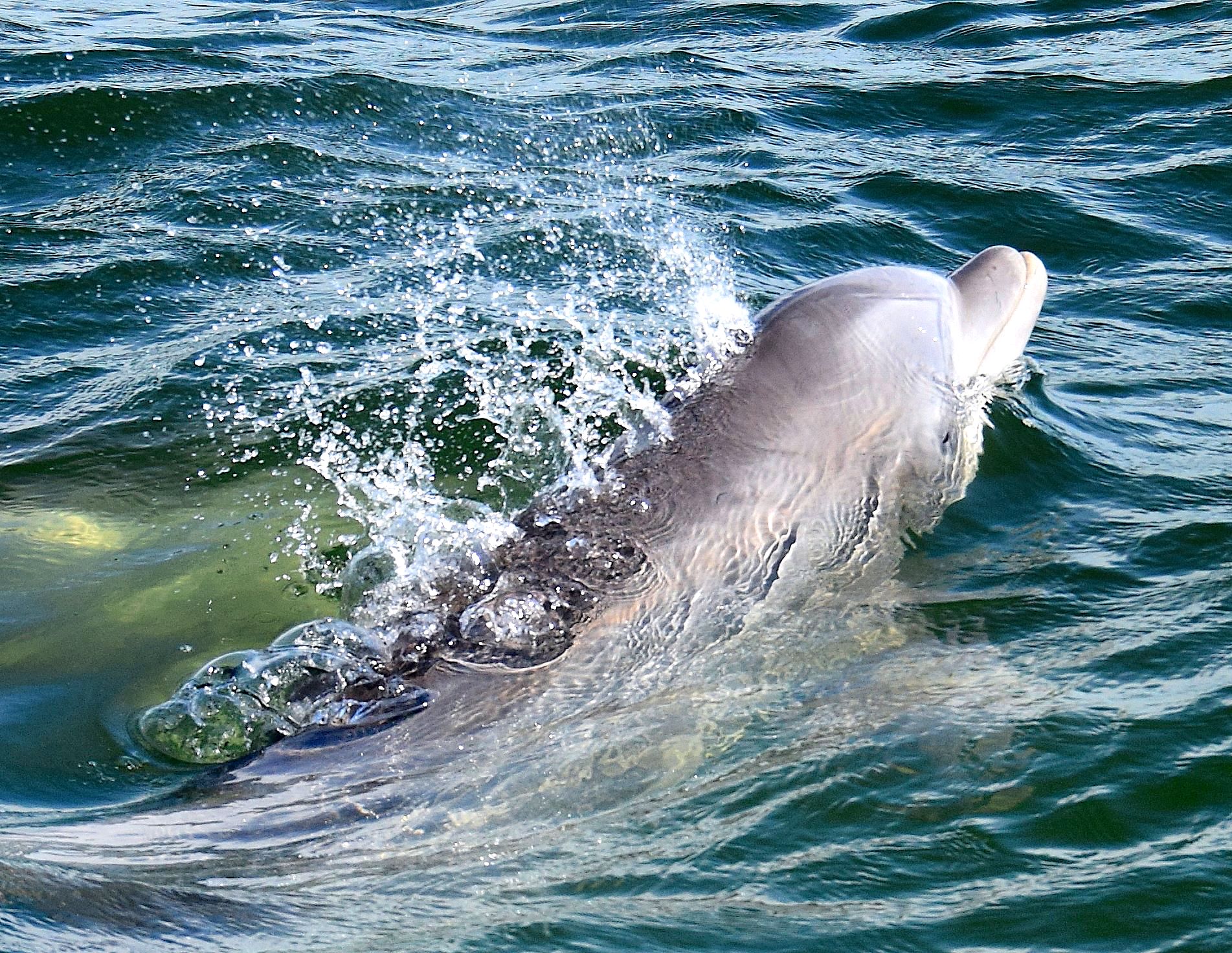
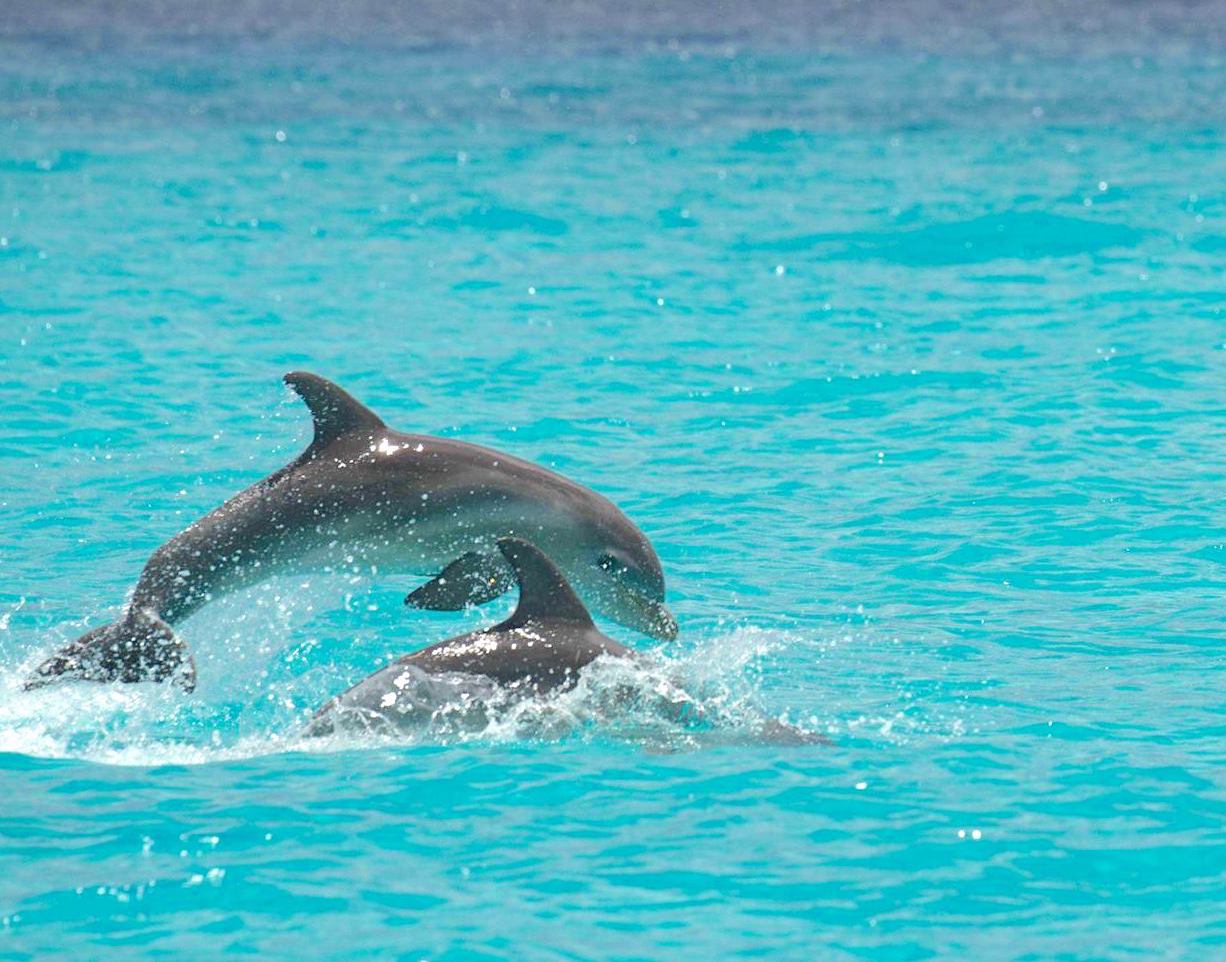
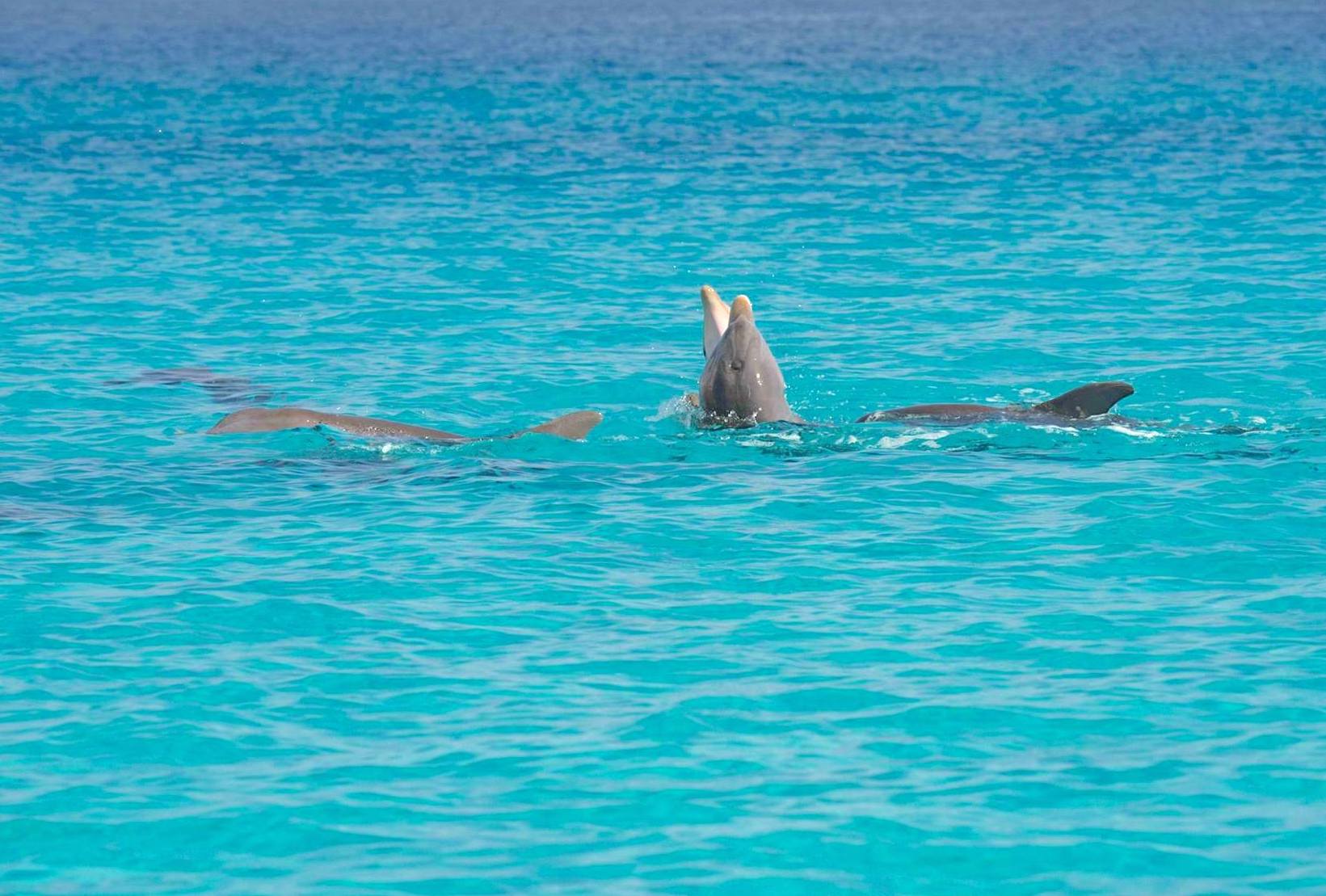
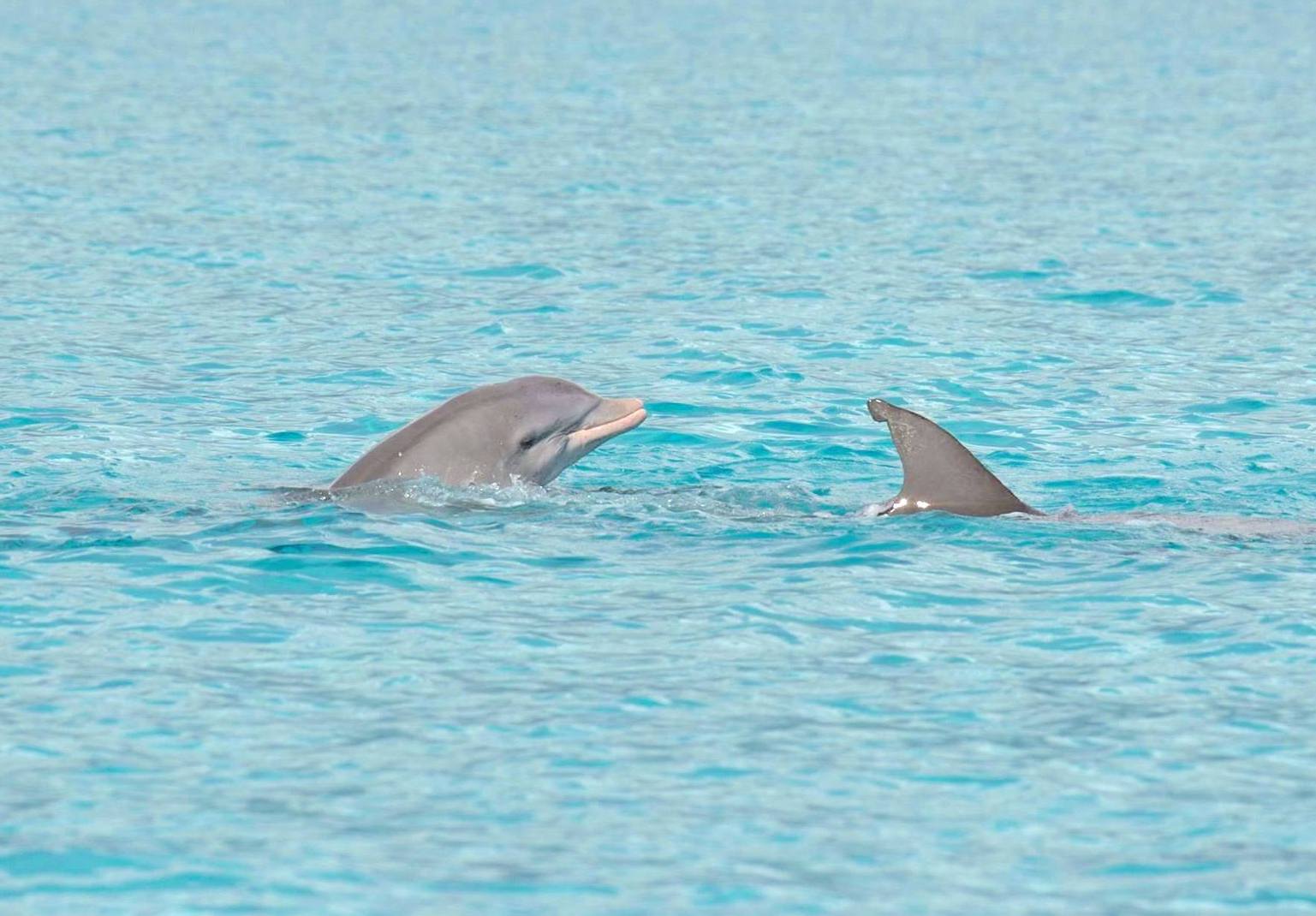
Anyone watching David Attenborough’s astounding new Blue Planet 2 series will already have got the strong message that dolphins are smart, sociable, and joyous creatures. Brian Lockwood from Porquoson VA – and recently become an Abaco resident – knows a smart way to get out on the water to watch them at close quarters: a jetski. Here are a few of the outstanding photos he has recently taken of dolphins doing what they love to do, and what humans love them to do. 

Bottlenose Dolphin (Brian Lockwood)

Bottlenose Dolphin (Brian Lockwood)

Bottlenose Dolphin (Brian Lockwood)

The hint of a quote in the heading of this post is based on something the inimitable Don Van Vliet, aka Captain Beefheart, once claimed: “When I see a dolphin I know it’s just as smart as I am…”.  The only slight problem with this comparative assessment is that there may have been times when the good Captain was conceivably on, or adjacent to, a different planet. Times when the dolphins might actually have got the intellectual upper hand.

Bottlenose Dolphins (Brian Lockwood) Bottlenose Dolphins (Brian Lockwood) Bottlenose Dolphins (Brian Lockwood)

OPTIONAL MUSICAL DIGRESSION FOR THE WEEKEND

There are plenty of excellent songs name-checking dolphins somewhere in the lyrics. Rather fewer with ‘dolphin’ in the title. Yes, there’s the Tim Buckley song (or the Beth Orton version of it). The insipid Firefall one? Nah! Then I remembered the Byrds and their ‘Dolphin’s Smile’. Never a single. Originally buried on “Side 2” of Notorious Byrd Brothers. Slightly obscure? Makes a change, so here it is, complete with its evocative yet synthetic ‘dolphin chatter’ intro.

Credits: all the wonderful dolphins taken by Brian Lockwood, with thanks for use permission

Bottlenose Dolphins (Brian Lockwood)

Unknown's avatar

TWO BOOKS: BIRDS, FISHING & DELPHI x 2


TWO BOOKS: BIRDS, FISHING & DELPHI x 2

November 1st. All Hallows, when the tricks or treats have passed, the amusing costumes are packed away for next year, and all restless souls are at peace once more. It’s a significant day for me – the first day I acknowledge the inevitability of the festive season. This, despite (or because of) the fact that Xmas shopping catalogues, charity appeals, store displays and optimistic ‘Book Your Christmas Dinner Today notices started to appear in early August… 

BOOK NEWS

The Birds of Abaco by Keith Salvesen

“THE BIRDS OF ABACO”

♦ ♦ ♦ ♦ SPECIAL OFFER ♦ ♦ ♦ ♦

We are reducing the price of the book for the time being, probably until early January. The price for each copy will now be $88 inc VAT + shipping. As always, you can arrange a drop at a convenient location in MH. To the many who have bought the book on Abaco and further afield, and been so appreciative, many thanks.

For those who haven’t come across the book but kindly follow ‘Rolling Harbour’, here is the original flyer which will give you an idea of its contents.

The Birds of Abaco by Keith Salvesen (flyer info)

Cuban Emerald, Delphi, Abaco (Keith Salvesen)

DOUBLE DELPHI

Double Delphi - jacket (Peter Mantle / KS edit)

Meanwhile, Peter Mantle’s wonderful recently published account of both his Delphis, East in Ireland and West in the Bahamas, is going down a storm. His ‘fisherman’s fantasy’ has had excellent reviews and has been featured in Trout & Salmon magazine, with other articles to come. Click the heading to find out more about the book, its cast of colourful characters, strange histories, triumphs and disasters, and most of all the fishing at each of Peter’s renowned Lodges: created from a ruin in one case; and from thick coppice in the other.

Double Delphi is for sale at $44 + shipping.

Email: delphi.bahamas@gmail.com

Direct online ordering of Peter’s book: https://wallopbooks.com/

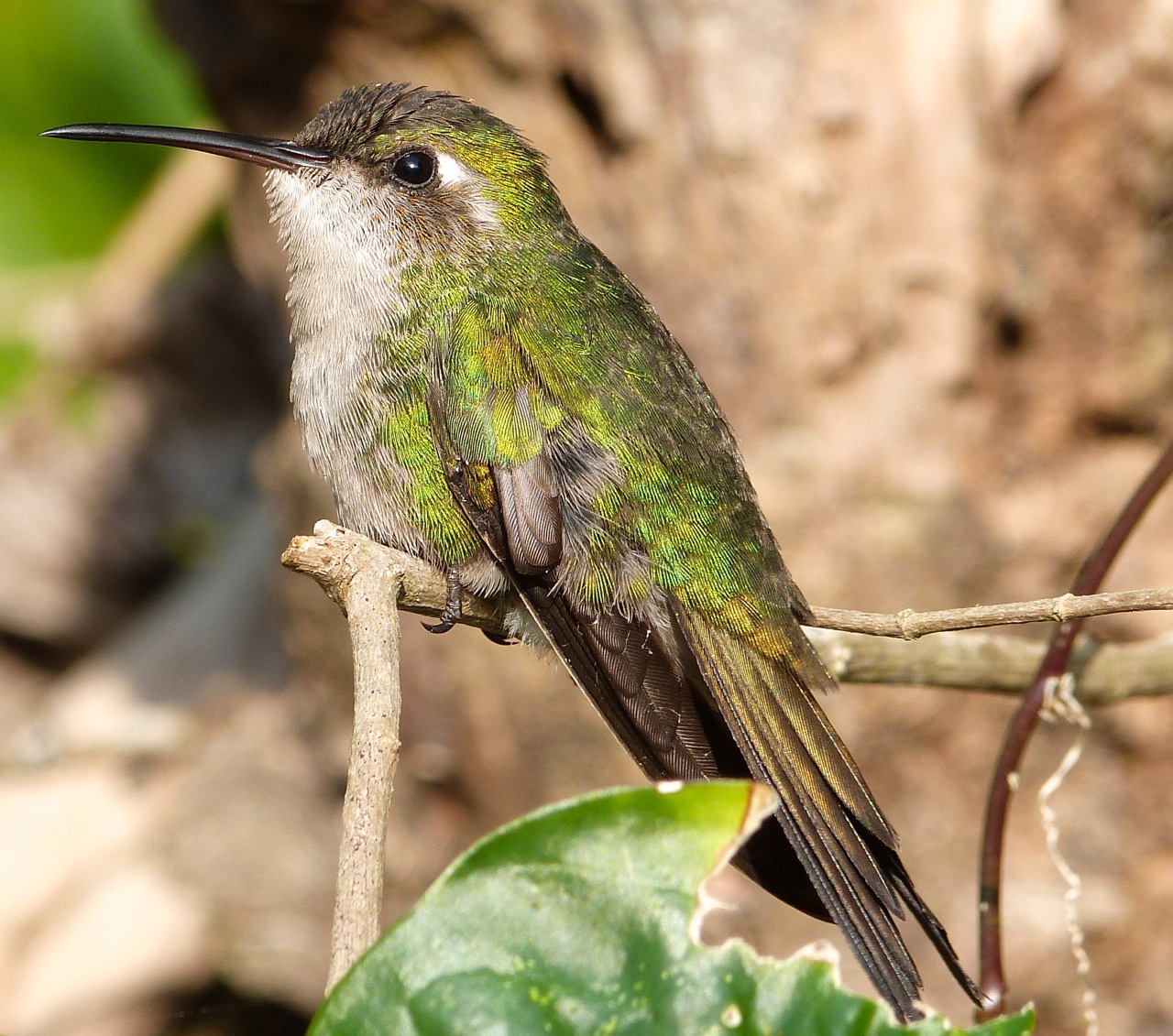
Cuban Emerald Hummingbird (f), Delphi, Abaco: Keith Salvesen

Unknown's avatar

PIPING PLOVERS ON GRAND BAHAMA (for a change…)


Piping Plover, Grand Bahama (Erika Gates)

PIPING PLOVERS ON GRAND BAHAMA (for a change…)

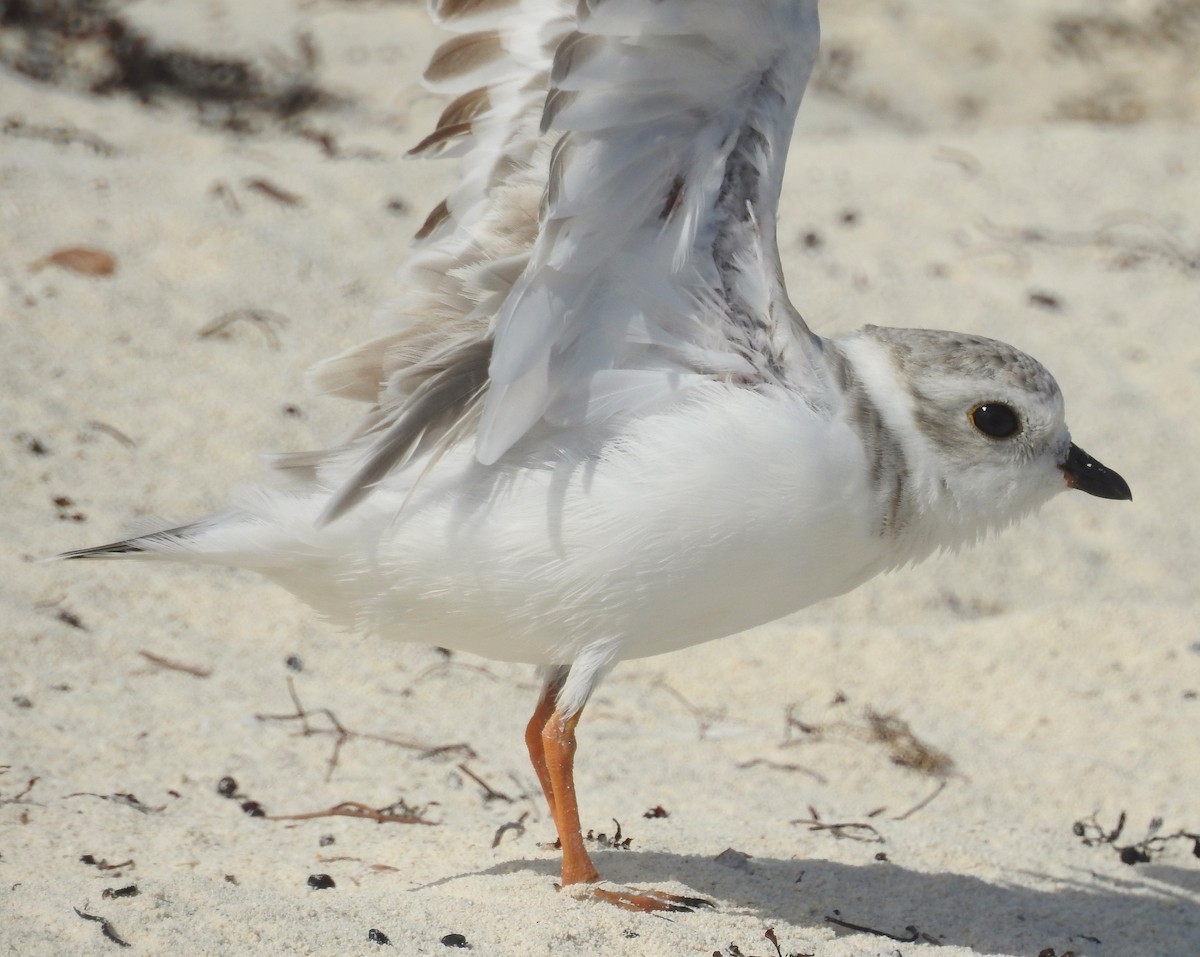
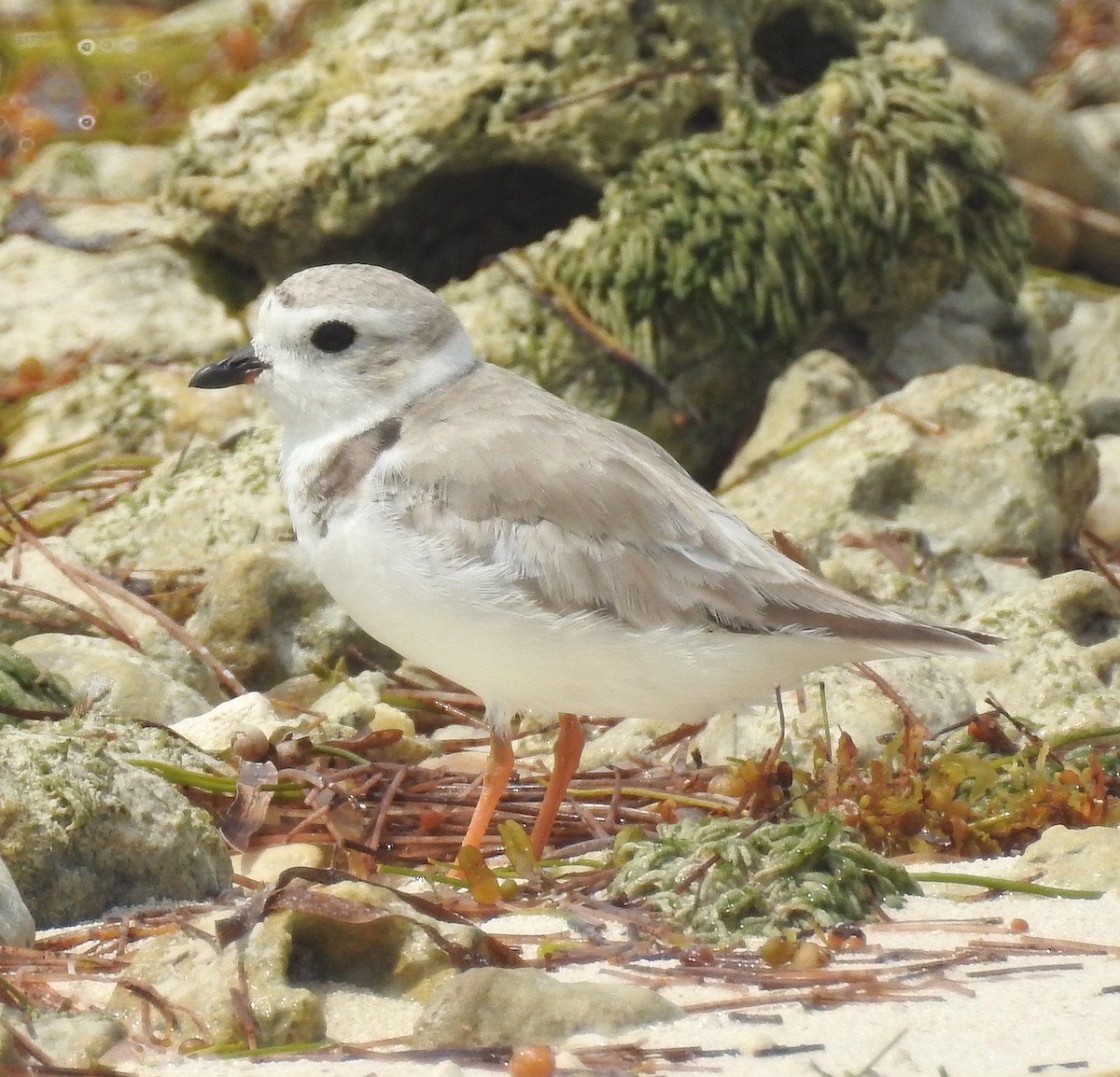
I used to go on a bit about piping plovers*, because they are so special. Rare. Endangered. Creatures rewarding observation, and deserving research and conservation. Most of all, they favour the Bahamas for their winter migration destination.  The islands – especially Abaco, Grand Bahama and Andros – provide a safe and unspoiled habitat for them in winter. The photographs shown here are piping plovers taken on Grand Bahama in early September by well-known birding guide Erika Gates, who has kindly given me use permission.

Piping Plover, Grand Bahama (Erika Gates)

These days, ABACO PIPING PLOVER WATCH diverts PIPL from these pages to a dedicated Facebook page. Now in its 3rd season, useful data is being collected for the research teams in the breeding grounds in North America by volunteer beach monitors**. Some are regular, some are occasional, some are one-off reporters: all contribute to the overall picture. In particular we are able to identify individual banded birds and track them back to their summer locations.

Piping Plover, Grand Bahama (Erika Gates)

WHAT USE IS THAT?

Almost every banded bird resighted this season is a returner to exactly the same beach as before. Some are here for their third or even fourth year. These tiny birds are therefore surviving a journey of between 1000 and 2000 miles each autumn and again each spring – and locating their favourite beaches with unerring accuracy. A few are resighted en route during their migration; often we get reports of their nesting and breeding news during the summer.  Their little lives can be pieced together.

Piping Plover, Grand Bahama (Erika Gates)

AND THE CONCLUSION TO BE DRAWN?

The summer breeding grounds generally have conservation programs that help to protect the nesting birds from danger and disturbance. Those are the most vulnerable weeks for the adults and their chicks. The arrival of the plovers each autumn on Grand Bahama, Abaco and elsewhere in the Bahamas demonstrates their ‘beach fidelity’. They are confident that the beaches offer a safe and secure winter habitat where they are left alone. And when the time comes in Spring, they will be ready to make the long journey north again for the breeding season.

Piping Plover, Grand Bahama (Erika Gates)

* uncouth reader “you certainly did…

** additional volunteers welcome! If you walk a beach once a fortnight or even a month, own a piece of paper & a pencil, can count, and ideally have a camera or even a phone, you too can be a citizen scientist!

Photo credits: all photos, Erika Gates, with many thanks. Erika’s related websites are 

Unknown's avatar

CARL LINNAEUS: CLASSIFYING NATURAL HISTORY (1)


Carl Linneaus Portrait (OS)

CARL LINNAEUS: CLASSIFYING NATURAL HISTORY (1)

‘THE FIRST EDITION’

Carl Linnaeus (1707 – 1778) is arguably the most renowned Swedish naturalist. Maybe unarguably. Before the age of 30, his orderly and rigorous scientific methodology had created a new standard system for the classification of the natural world. As initial challenges to his great work fell to one side, so he bestrode his present and the future natural world as a great innovator. His system has stood the test of time to this day – and in Latin, too. As the saying goes, “Deus Creavit; Linnaeus Disposuit“: God created, Linnaeus organised. In fact, Linnaeus himself was (rather vainly?) the originator of the adage…

ANIMAL, VEGETABLE & MINERAL

Linnaeus first had to define the broad categories in order to organise them into their component parts. He chose regnum animale, regnum vegetabile and regnum lapideum – the animal, vegetable (plant) and mineral kingdoms. Here are some examples, photographed in the climate-controlled ‘treasures room’ at the Linnean Society, London during a viewing with the Librarian.

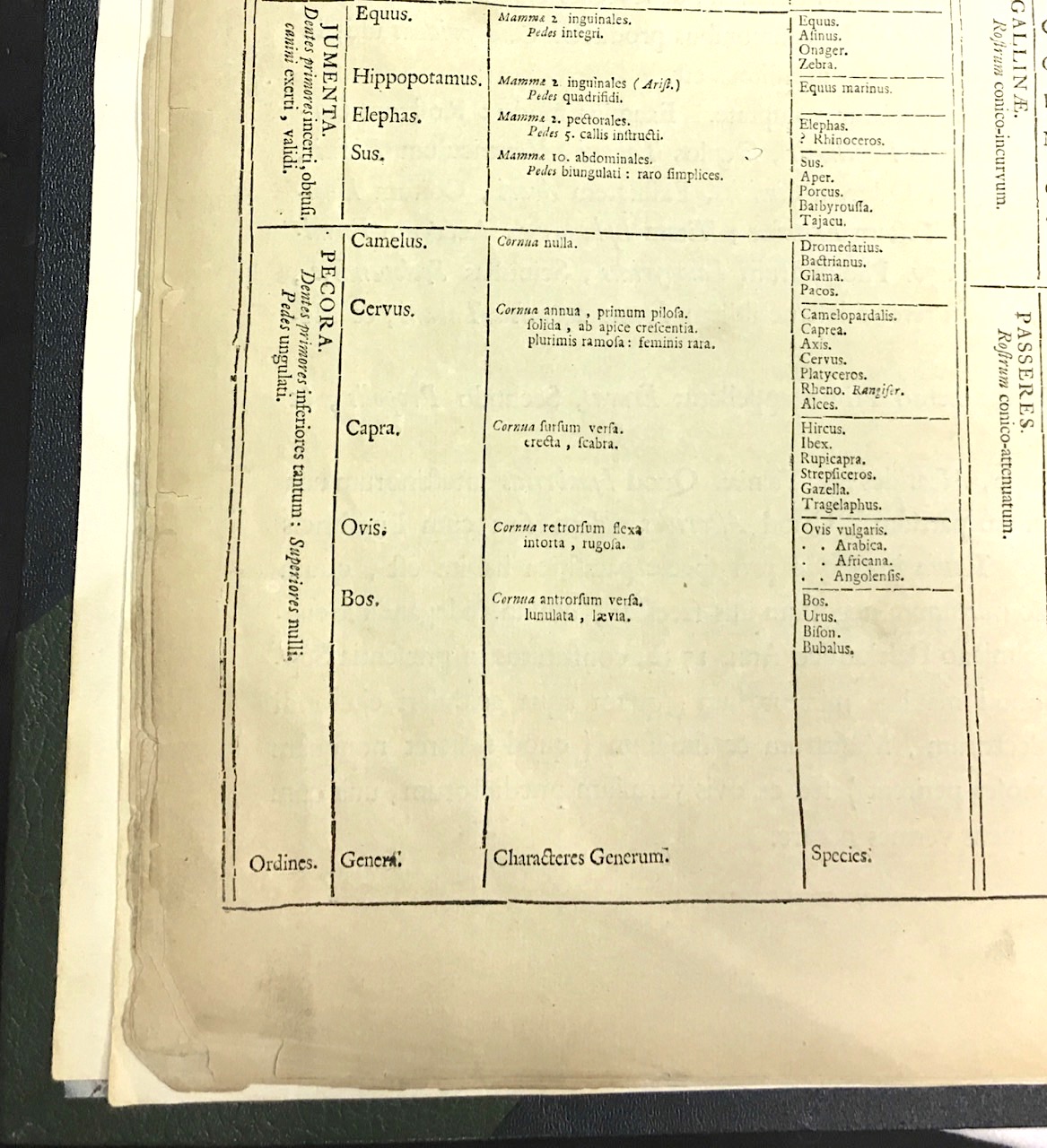
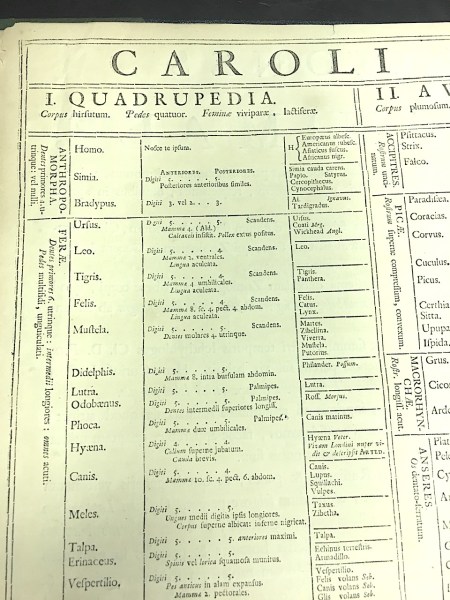
The first column of the first substantive page of the first edition of Systema Naturae (1735). This is the start of it all – the ‘man-like’ creatures Man [classed as a quadruped], apes and… 3-toed sloths (Bradypus), later to be moved to a more comfortable place. After that come creatures large and small, wild and domesticated, including lions, bears, cats, weasels, and moles. Canis included not only the dog, wolf, and fox but also… the squillachi. The last one is a mystery – a quick online search reveals only a footballer of that name.
Systema Naturae 1735 - quadrupeds (© KS / Rolling Harbour)

At the bottom of the first column, horses, hippos, elephants and varieties of pig are classified together; followed by varieties of camel, deer, goat, sheep and cattle.

Systema Naturae 1735 - quadrupeds 2 (© KS / Rolling Harbour)

Linnaeus’s achievements in ‘organising’ were twofold. First, he grouped creatures, plants and minerals into similar species, using his prodigious knowledge to arrange the groups into defined hierarchies (and as it was to turn out, not invariably correctly). Secondly, he adapted and refined an existing but somewhat random scheme into his structured binomial system, attaching two names to each creature, plant or mineral. The first name was a general categorisation (‘genera’); the second was more specific (‘species’). Consistency was achieved for the first time. Linnaeus was indeed the ‘father of taxonomy’ as we still know it today. He probably called himself that as well.

Here are some of the birds – grackles, doves, gulls and so on down the list. The latin names will be very familiar to birders, since they are still used today. The birds are followed by columns for amphibians, fishes, insects and sea creatures such as jellyfish, conchs and urchins.

Systema Naturae 1735 - birds (© KS / Rolling Harbour)

Entries in the minerals section, with schist, marble and quartz perhaps the most easily identifiable.Systema Naturae 1735 - minerals (© KS / Rolling Harbour)
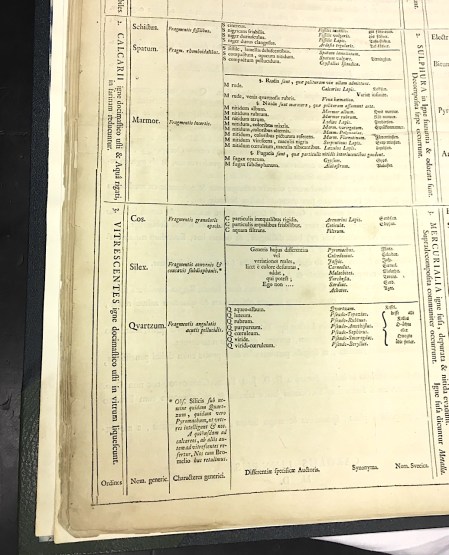
PARADOXA

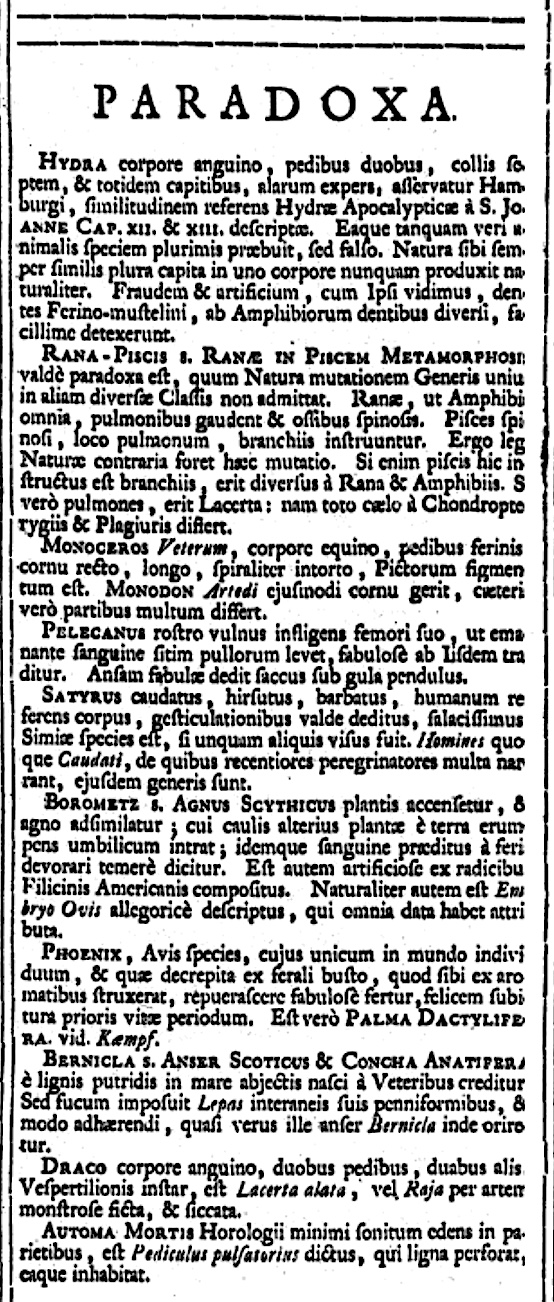
On the right of the bird column shown above is a hint of a ‘random’ category. My detailed photo of it didn’t work, so I include a facsimile copy is below. These were creatures that were known of, or believed possibly to exist but for which there was perhaps scant scientific evidence. The hydra. The monocerous. The pelican. The satyr. The borometz (half-sheep, half-plant), phoenix and dragon. And so on. Bearing in mind the date of this work, it is perhaps not surprising that Linnaeus kept his mind and his options open about such creatures. You can read about all these Paradoxa in an excellent Wiki article HERE

Systema Naturae 1735 - paradoxa (© KS / Rolling Harbour)

SYSTEMA NATURAE (1735)

The title page of the first edition of Systema Naturae (1735). This was the first page we were shown, after the book had been laid reverently on a special cushion by the Librarian. I have to admit to a jolt of excitement, both then and indeed several times more during our visit.
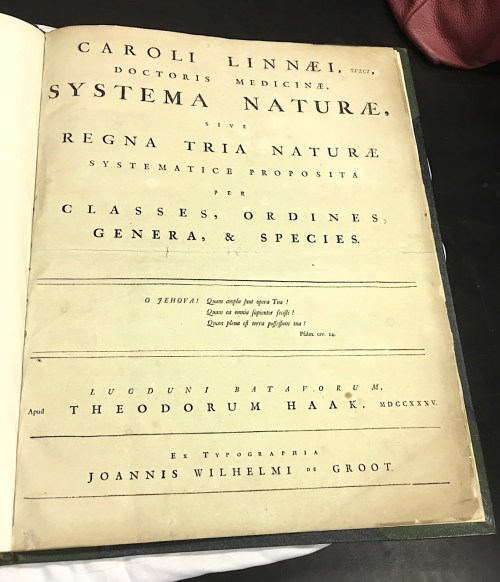
Systema Naturae 1735 - title page (© KS / Rolling Harbour)

Published in 1735 when Linnaeus was a mere 28, Systema Naturae was both revolutionary and evolutionary.The full title of the work spelled out the breadth of the enterprise: “System of nature through the three kingdoms of nature, according to classes, orders, genera and species, with characters, differences, synonyms, places”.  At least 12 further editions were published during his lifetime. Each was expanded as more scientific data was gathered; from 11 pages in the 1st edition to more than 2000 in the 12th, published about 30 years later.  Corrections were also made. For example, the initial assignment of whales to fishes, based on knowledge at the time, was later corrected to include them with mammals.

The Taxonomic Hierarchy (+ Setophaga pityophila)Taxonomic Hierarchy ' Olive-capped Warbler (© Tom Sheley / Keith Salvesen)

IN PART 2: THE COLLECTIONS OF LINNAEUS

The extraordinary manuscript, specimen and library collection of Linnaeus is preserved in this wonderful treasure store. I took this photograph at the end of the viewing. By this stage we had examined a selection of the sample cases – note the open drawers and cases on the table. Also, note the special cushion for the precious manuscripts.

Linnaeus Collection, Linnean Society (© KS / Rolling Harbour)

All photographs © Keith Salvesen FLS; portrait and facsimile scan of Paradoxa, O/S; Olive-capped Warbler (as annotated by me), Tom Sheley; magpie pickings from a wide variety of sources inc. Linnean Society, Smithsonian, Encyclopaedia Britannica online – and not excl. Wiki!

Unknown's avatar

BAHAMAS REEF FISH (39): YELLOWTAIL DAMSELFISH


Yellowtail Damselfish (©Melinda Riger / Grand Bahama Scuba)

BAHAMAS REEF FISH (39): YELLOWTAIL DAMSELFISH

Yellowtails are just one of several damselfish species in Bahamas waters. These small fish are conspicuous not just for the bright tails that give them their name. More striking if anything – especially if seen underwater in sunlight against the coral – are the electric blue spots visible in both adults and juveniles.

Yellowtail Damselfish (©Melinda Riger / Grand Bahama Scuba)

The body of adults is dark blue to brownish to almost black 

The body of juveniles is blue

Yellowtails are a common and widespread variety of damselfish. They have a limited ability to change colour according to their surroundings, but with their bright tails and luminous blue flecks, it’s hard to see how they can look, to a predator, anything other than a tasty snack.

I have enjoyed seeing these little fish at Fowl Cay Marine Preserve, Abaco. The reef there makes for easy and rewarding snorkelling, with a wide variety of small and medium-size reef fishes to be seen. It’s an expedition I would definitely recommend to anyone wanting to see a healthy and active reef in a completely natural protected area.

I found that a video I took with a tiny camera was sadly of use only to myself. No one else would be able to make anything out due to the marked camera shake. Novices, huh? You are spared that: here’s a brief example of yellowtails swimming instead, showing the difference between juveniles and adults.

Credits: all photos, Melinda Riger / Grand Bahama Scuba; video from Desert Diving

Unknown's avatar

PIED-BILLED GREBES: LESS COMMON THAN THE LEAST


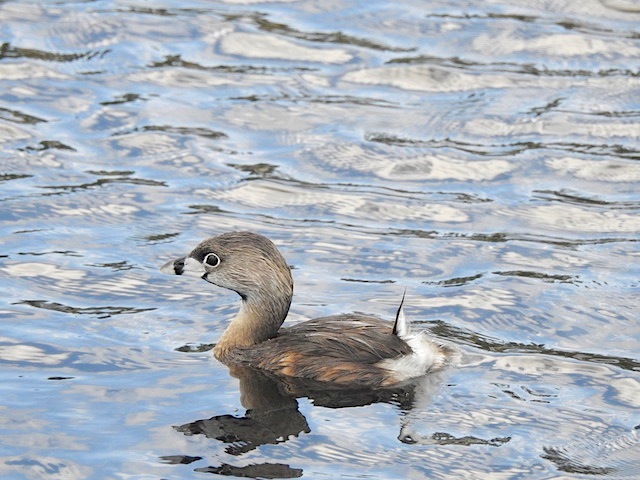
Pied-billed grebe, Abaco (Tom Sheley)

PIED-BILLED GREBES: LESS COMMON THAN THE LEAST

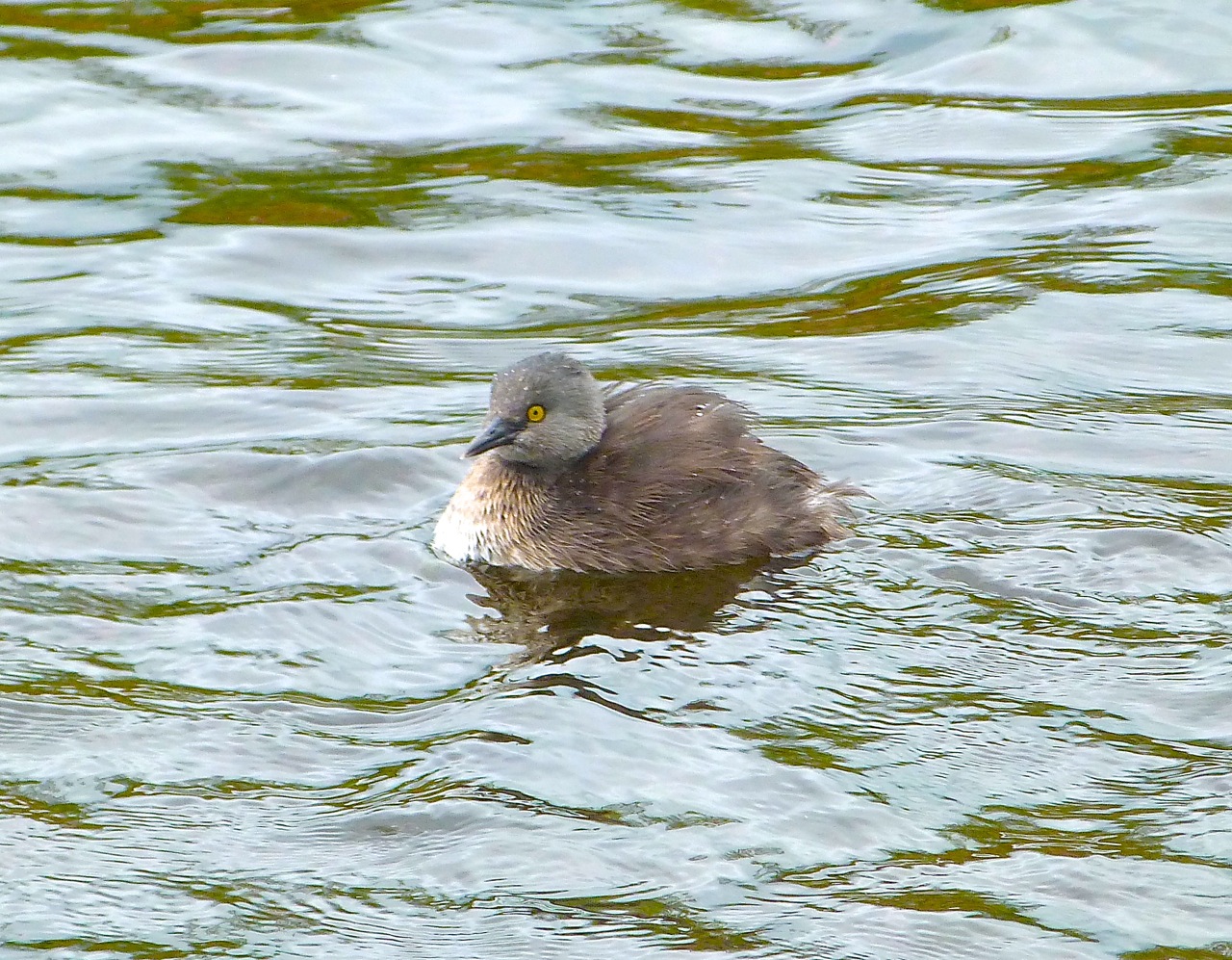
There are two grebe species recorded for Abaco. The LEAST GREBE is the most common; the pied-billed grebe (Podilymbus podiceps) is rarer. These small birds, often called dabchicks, are marsh and pond dwellers. They are sometimes found in brackish or even salt water.

Pied-billed grebe, Abaco (Tony Hepburn)

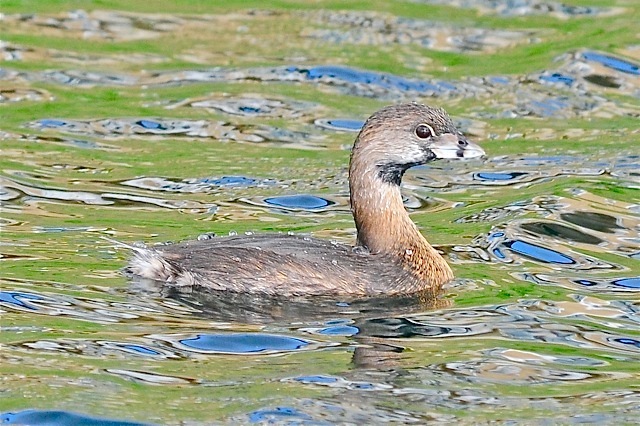
The pied-billed grebe is somewhat larger than the least grebe. In the breeding season, they have a distinctive black beak-ring. In the header image, the bird is just starting to acquire the ring. Their dark eyes also distinguish them from the golden-eyed least grebe; and their beaks are pale rather than dark.

Least grebe with golden eyes and dark beakLeast Grebe, Abaco (Keith Salvesen)

Pied-billed Grebe for comparisonPied-billed grebe, Abaco (Linda Barry Cooper)

These birds have lobes on each toe rather than webbed feet. This helps them to paddle and to dive – which is how they mainly forage. They can stay under water for up to half a minute, often surfacing some distance from the entry point. This is one method they use to avoid danger – especially as they don’t fly with much enthusiasm.

Pied-billed grebe, Abaco (MDF wiki)

Grebes rather endearingly carry their young on their backs until the chicks are old enough to fend for themselves. The main threat to the species is habitat loss, especially of wetlands. The decline in local populations of this once-prolific bird is such that in some places they classified as threatened or endangered.

Pied-billed grebe, Abaco (Dori / wiki)

The pied-billed grebes’ call has been rendered thus: a “whooping kuk-kuk-cow-cow-cow-cowp-cowp.” If that helps you at all. If not, try this clip:

Michel St Martin / Xeno-Canto

Credits: Tom Sheley, Tony Hepburn, Keith Salvesen (least grebe), Linda Barry-Cooper, MDF / wiki, Dori / wiki; Sound file, Xeno-Canto; Cartoon, Birdorable

Unknown's avatar

BLAINVILLE’S BEAKED WHALES IN ABACO WATERS


Blainville's Beaked Whale, Abaco (BMMRO)

BLAINVILLE’S BEAKED WHALES IN ABACO WATERS

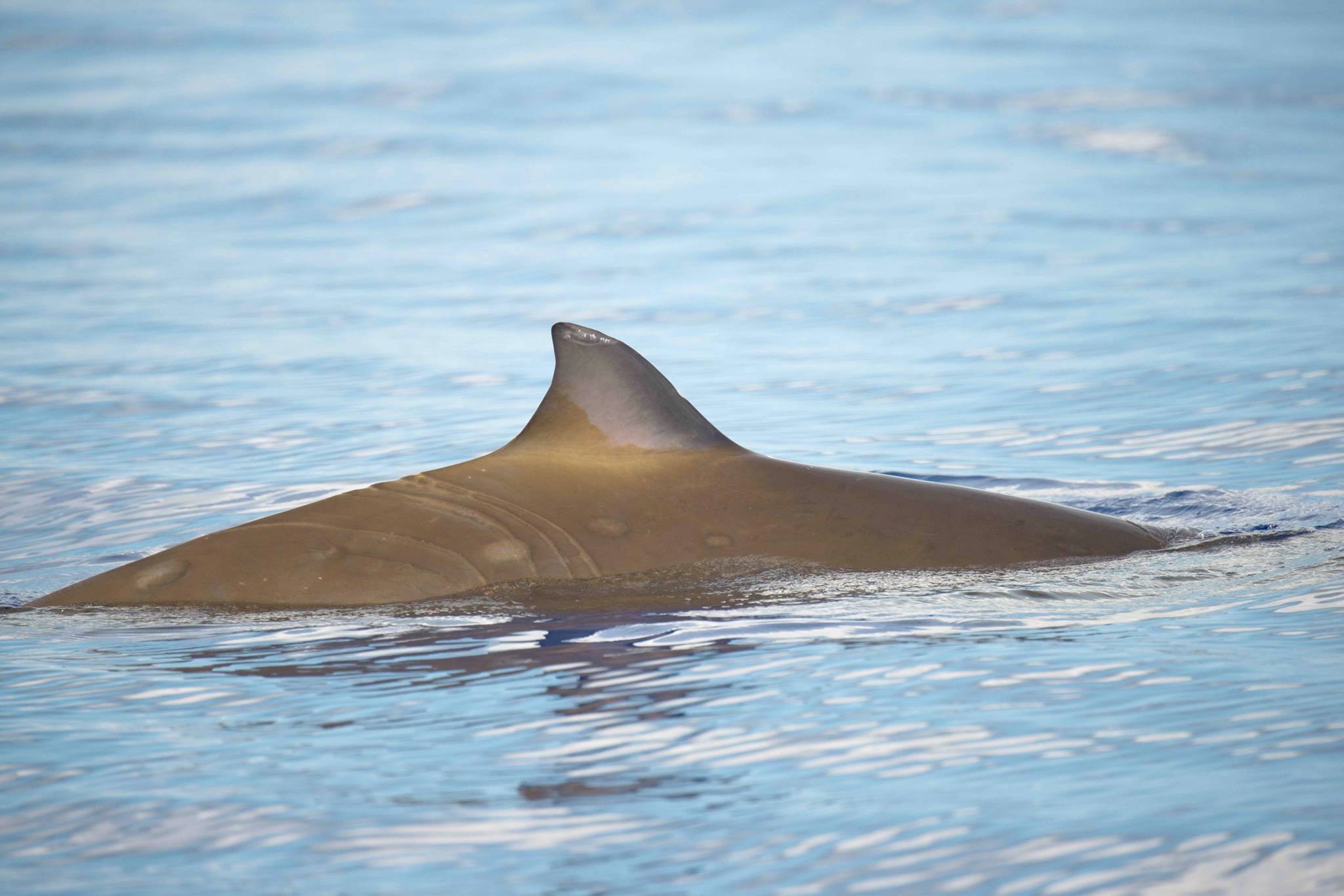
It’s hard to believe that the seas around Abaco and its cays are home to a number of whale species, from huge sperm and humpback whales down to so-called dwarf or pygmy species. In the middle of this range come the beaked whales, the most common being the Blainville’s Beaked Whale. I say ‘most common’, but in fact they are rare in the world, being found in only two other main locations on earth. 

Blainville's Beaked Whale, Abaco (BMMRO)

These whales are carefully monitored by the Bahamas Marine Mammal Research Organisation (BMMRO), and there is a tagging program to keep track of them. As with dolphins, individuals are identified by markings on the dorsal fin, which vary for each whale. The one above has distinctive scarring at the tip. There are also striations on the body, and conspicuous circular marks that are healed wounds caused by cookie-cutter sharks.

Blainville's Beaked Whale, Abaco (BMMRO)

To the untrained eye, there are no noticeable marks on the dorsal fin of the whale above. However, the whale’s back has a prominent pattern of scarring and healed cookie-cutter wounds. The whale below really looks as though it has been in the wars, with long deep healed wounds behind the head.

Blainville's Beaked Whale, Abaco (BMMRO)

I can’t tell without seeing the head, but I wonder if it is a male and the scars have been caused in a fight with another male – adult males have prominent tusks with which they do battle. Here is an photo that I took from the research boat on a different occasion. The tusks protrude upwards from the lower jaw, and are often covered in barnacles. They are capable of causing serious injury.

Blainville's Beaked Whale male, Abaco (Keith Salvesen)

Blainville’s beaked whales are amongst the deepest divers of all whales. But that and other whale topics will have to wait for another day… My computer malware / virus has been removed professionally with no data loss, and I have some catching up to do. Cost in terms of panic and stress: huge. Cost in real terms: $90.

Blainville's Beaked Whale, Abaco (BMMRO)

All photos BMMRO except the tusked male, Keith Salvesen

Unknown's avatar

BROKEN NEWS: HOSPITALISED COMPUTER…


Turkey Vulture, Abaco (Craig Nash)

BROKEN NEWS: HOSPITALISED COMPUTER…

My computer has caught a bad virus

Which is decidedly less than desirous.

This bout of malwaria

Could hardly be scarier –

I’d prefer to endure Miley Cyrus…

Normal service will be restored once the gremlins have been professionally terminated

Photos: Craig Nash (contributor to Birds of Abaco)

Unknown's avatar

‘RAISE AWARENESS’: SPOTTED EAGLE RAYS


Spotted Eagle Rays, Abaco, Bahamas (Gabrielle Manni)

Spotted Eagle Rays – Abaco, Bahamas

‘RAISE AWARENESS’: SPOTTED EAGLE RAYS

Mention of rays may conjure up thoughts of the familiar southern stingrays that populate the bright shallows and colourful reefs of the Bahamas. But there are other ray species out there gracefully patrolling the coral reefs – and one of these species is the spotted eagle ray (Aetobatus narinari).

Spotted Eagle Rays, Abaco, Bahamas (Catherine / Tara Pyfrom)

These fish (for that is what they are) are not uncommon. In fact they are found in tropical oceans worldwide (though there is a taxonomic distinction between the Atlantic version and the Pacific / Indo-Pacific ones). Note the concentration in the Caribbean sea.

Spotted Eagle Rays, Grand Bahama, Bahamas (Melinda Riger / GB Scuba)

Spotted eagle rays obviously have spots, but they are not notably eagle-like to look at. In fact, their snouts resemble a duck’s bill, and in some place they are less glamorously known as the duckbill ray. The ‘eagle’ part relates to the way in which they use their wings and appear to be soaring as they glide effortlessly through the water (see videos below).

Spotted Eagle Rays (Lazlo-photos Wiki)

Despite their global presence, these rays are categorised as ‘near-threatened’ on the IUCN Red List. Aside from vulnerability to predators including many types of shark, the rays may be caught as bycatch. In some areas they suffer entanglement in shark nets. And unsurprisingly there is a trade for them for large commercial aquariums. For the Atlantic species, Florida has taken a lead by banning fishing for, landing, buying or trading in spotted eagle rays. 

Spotted Eagle Rays, Abaco, Bahamas (Gabrielle Manni)

10 ESSENTIAL FACTS ABOUT SPOTTED EAGLE RAYS

  • They have 2 – 6 venomous barbed spines at the base of the tail
  • Adults are among the largest rays, with a 10 ft wingspan
  • They can leap clear of the water, and may do this more than once at a time
  • Occasionally they land in boats, to the consternation of all concerned
  • Their main diet is small fish and crustaceans, & sometimes octopuses
  • Their broad snouts are used to dig food out of the seabed as they forage
  • The rays are basically shy but may be curious of divers & snorkellers
  • They suffer from parasites, both externally and in their gills
  • Ray sex is quite physical, yet actual mating is brief (up to 90 secs…)
  • The female hatches her eggs internally, then her ‘pups’ are born live a year later

SPOTTED EAGLE RAY PUP


Spotted Eagle Ray (John Norton Wiki)

 VIDEO SHOWCASE
These 3 short videos demonstrate the grace and beauty of spotted eagle rays as they glide elegantly around the reefs. The first (50s) was taken off Grand Bahama by Fred Riger (Melinda’s husband, for those who follow the underwater forays hereabouts); then one by Stephen Dickey (2:12) ; and finally one from Wildscreen Arkive (2:00).

WEIRD CREATURE CORNER

I have a lot of time for these cards produced by ‘Weird ‘n’ Wild Creatures’. In their unique style they are simple, educative and often give information nuggets not found elsewhere. The link is to their 4th series, Monsters of the Deep.


Photo credits: Gabrielle Manni (1), (5); Catherine & Tara Pyfrom (2); Melinda Riger / Grand Bahama Scuba (3); Lazlo-photos Wiki (4); Wiki (baby ray thumbnails); John Norton Wiki (6); Jacob Robertson Wiki (7); Weird ‘n’ Wild Creatures – card images. Videos as credited in text.

Spotted Eagle Ray, TCI (Jacob Robertson, Wiki)
Unknown's avatar

LEAST (BUT NOT LAST) SANDPIPERS ON ABACO


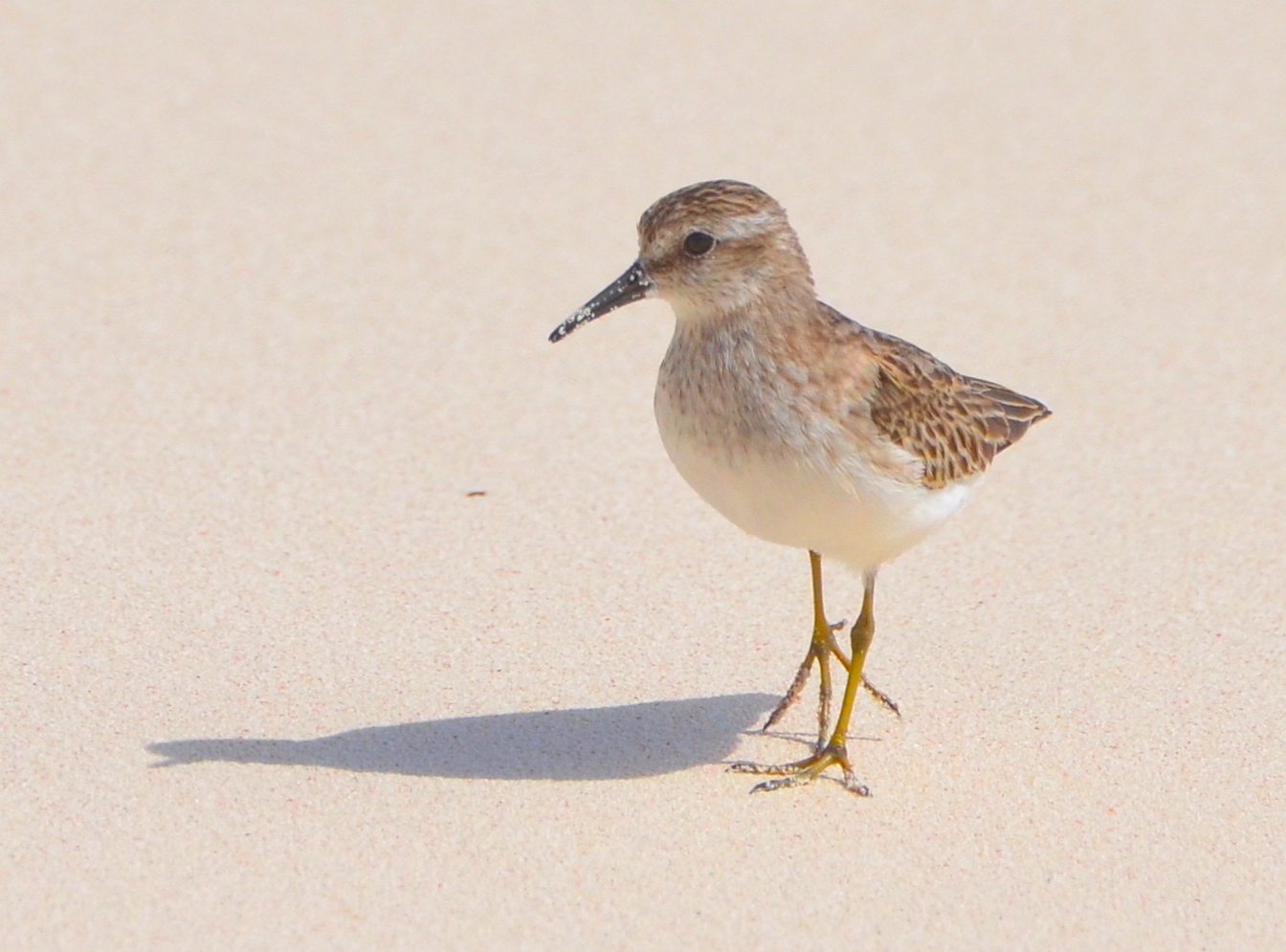
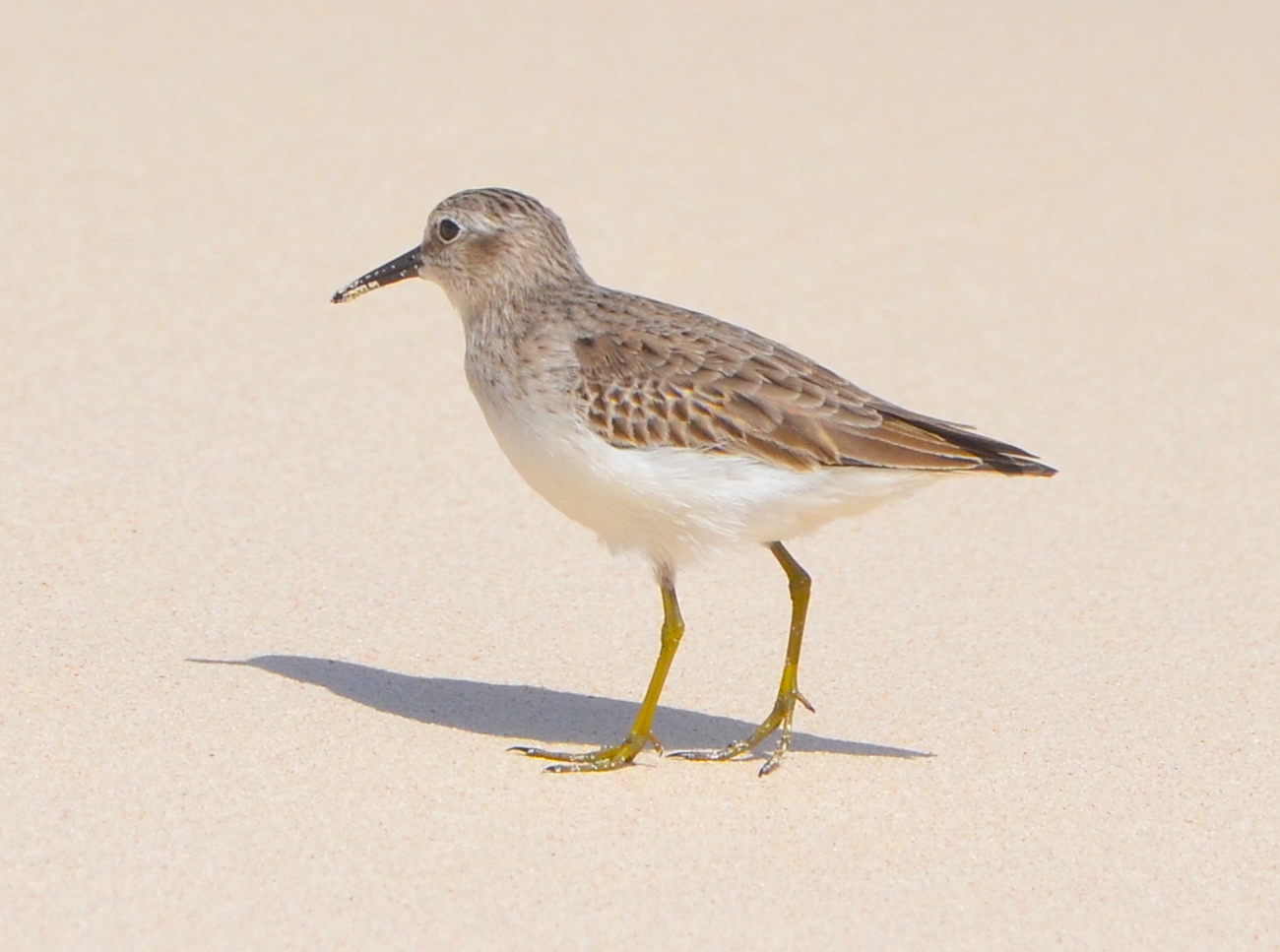
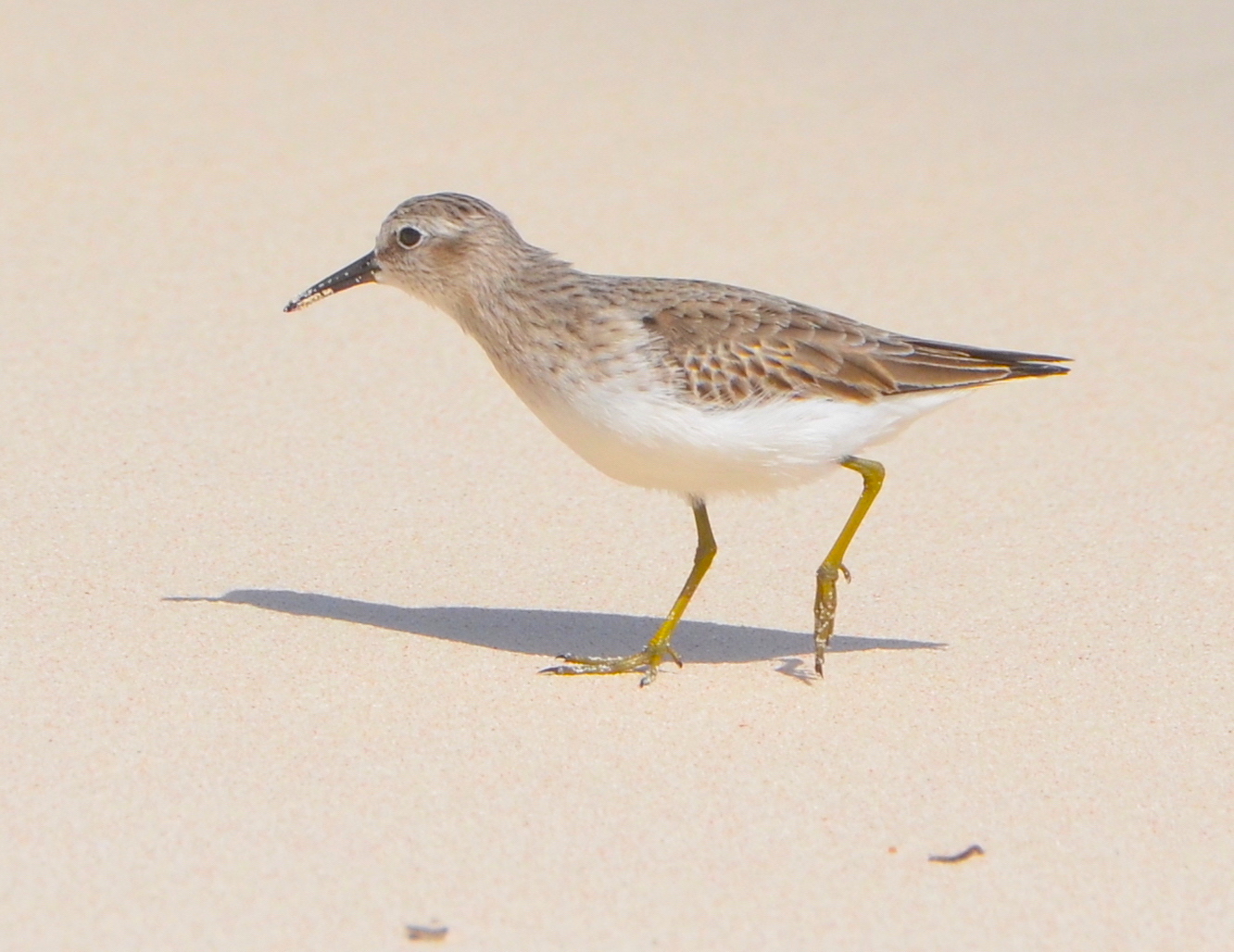
Least Sandpiper, Delphi Beach, Abaco (Charles Skinner)

LEAST (BUT NOT LAST) SANDPIPERS ON ABACO

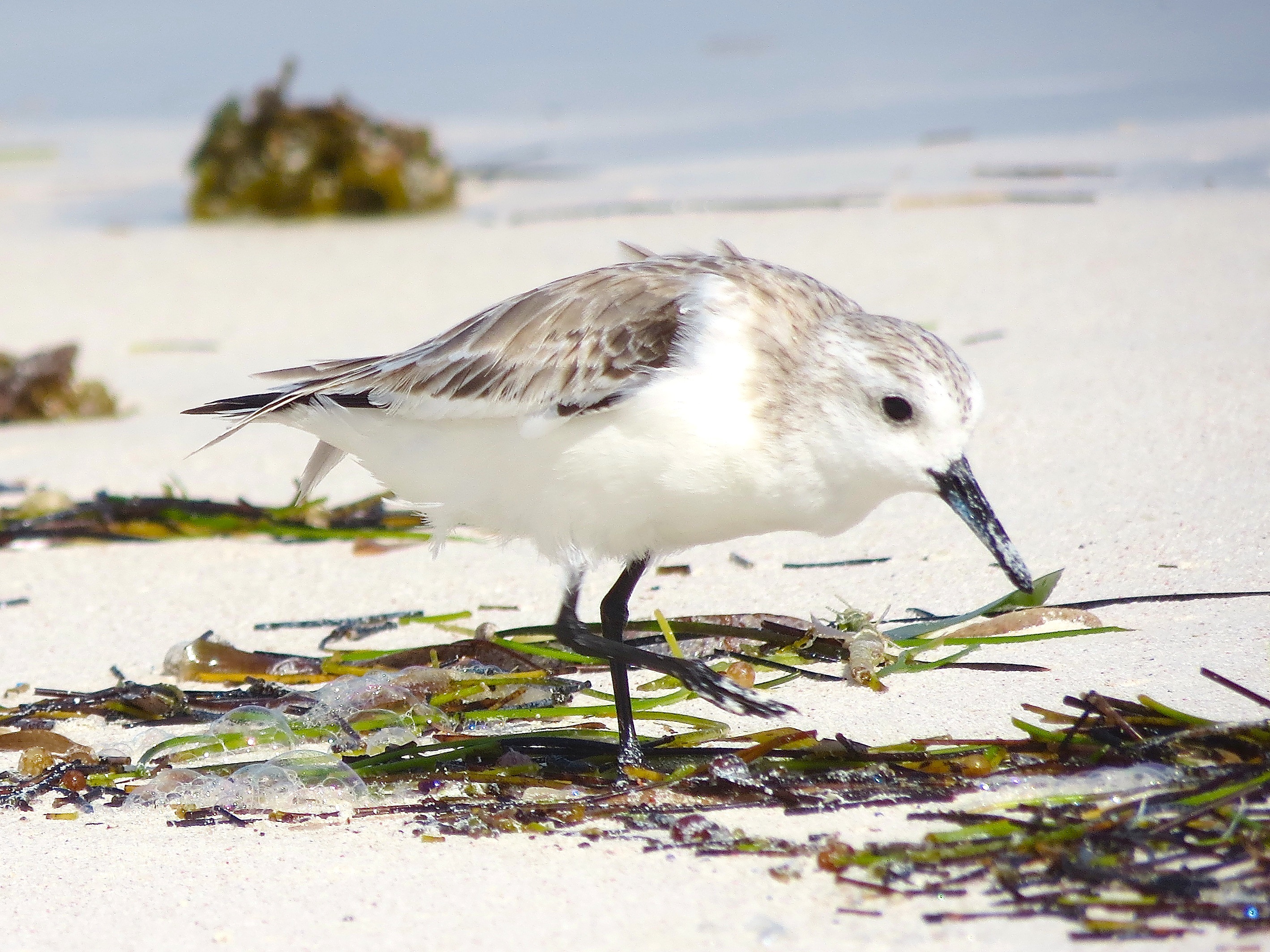
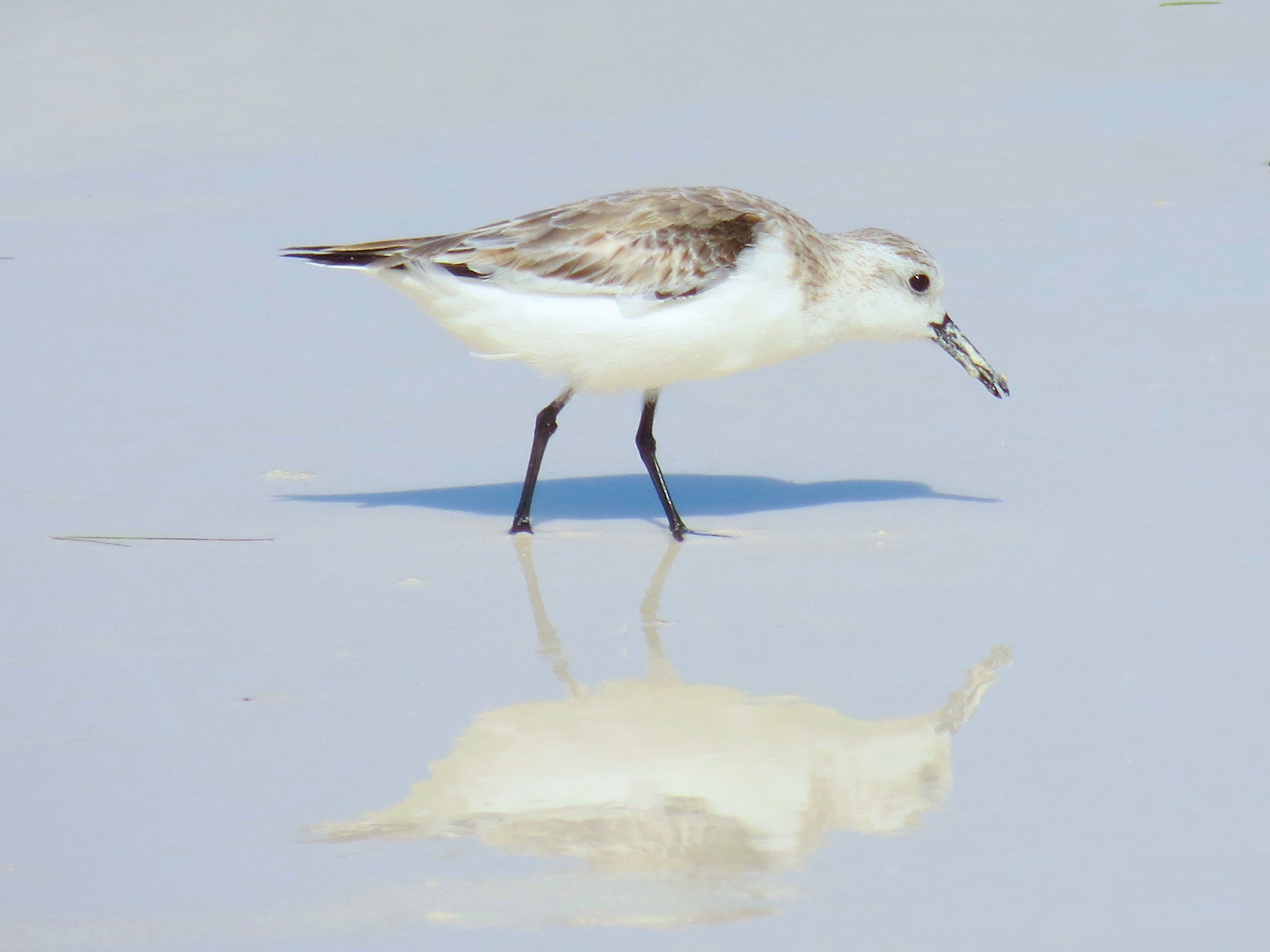
There are 23 sandpiper species recorded for Abaco. Of those, 4 or 5 are vanishingly rare vagrants recorded once or twice in recent history (i.e. since about 1950).

Discounting those, the ones you are likely to encounter range from the large  (whimbrel, yellowlegs, dowitchers, stilts) to the small. Or, in the case of the least sandpiper, the least big of all. They are bigly little. Least Sandpiper, Delphi Beach, Abaco (Charles Skinner)

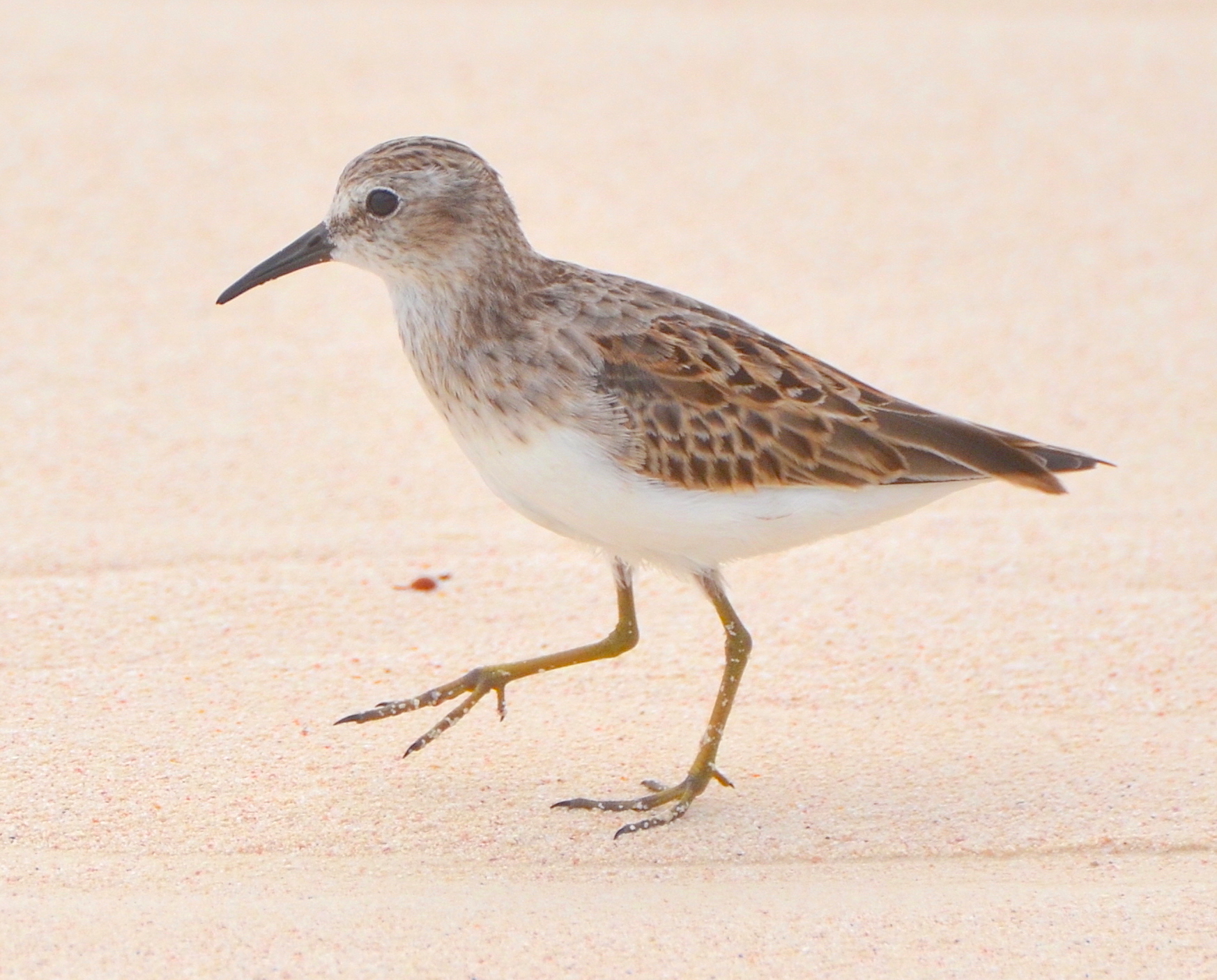
The binomial name of the least sandpiper – Calidris minutilla – is an apt clue to their size, the second part being Latin for “very small”. On Abaco, they are fairly common winter visitors, and each season a handful of them make their home on the beach at Delphi, where these photos were taken. Least Sandpiper, Delphi Beach, Abaco (Charles Skinner)

Along with their small sandpiper compadres such as SANDERLING, these busy, bustling birds of the shoreline are the ones known as “peeps” (also as stints). Least Sandpiper, Delphi Beach, Abaco (Charles Skinner)

Least Sandpipers breed in the northern tundra areas of North America. Like many or most shorebirds, newly hatched chicks are able to fend for themselves very quickly. It sounds unlikely I know, but within a couple of weeks or so they have fledged. Least Sandpiper, Delphi Beach, Abaco (Charles Skinner)

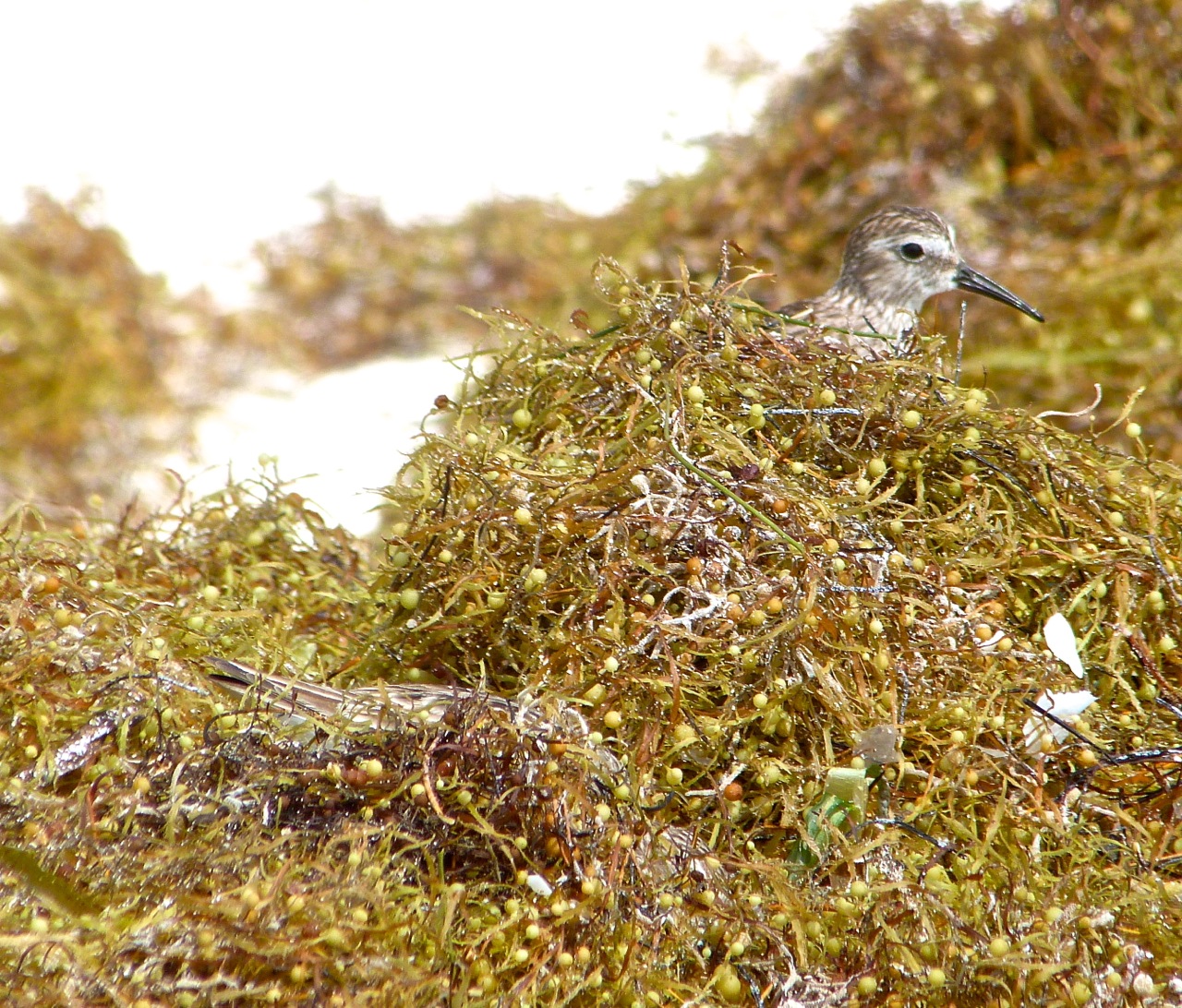
The birds forage on mudflats, in the tideline on beaches, and in wrack. They will probe into soft sand, sometimes the full length of their beak. They will even burrow right under weed to get at the concealed goodies. Their diet consists mainly of small crustaceans, insects, and snails.Least Sandpiper, Delphi Beach, Abaco (Keith Salvesen)

Credits: All photos by Charles Skinner (contributor to “The Birds of Abaco”) except the wrack-burrowers above, by Keith Salvesen (also on the Delphi Beach).

Least Sandpiper, Delphi Beach, Abaco (Charles Skinner)

Unknown's avatar

HAWKSBILL TURTLES: DIVERS VIEWS…


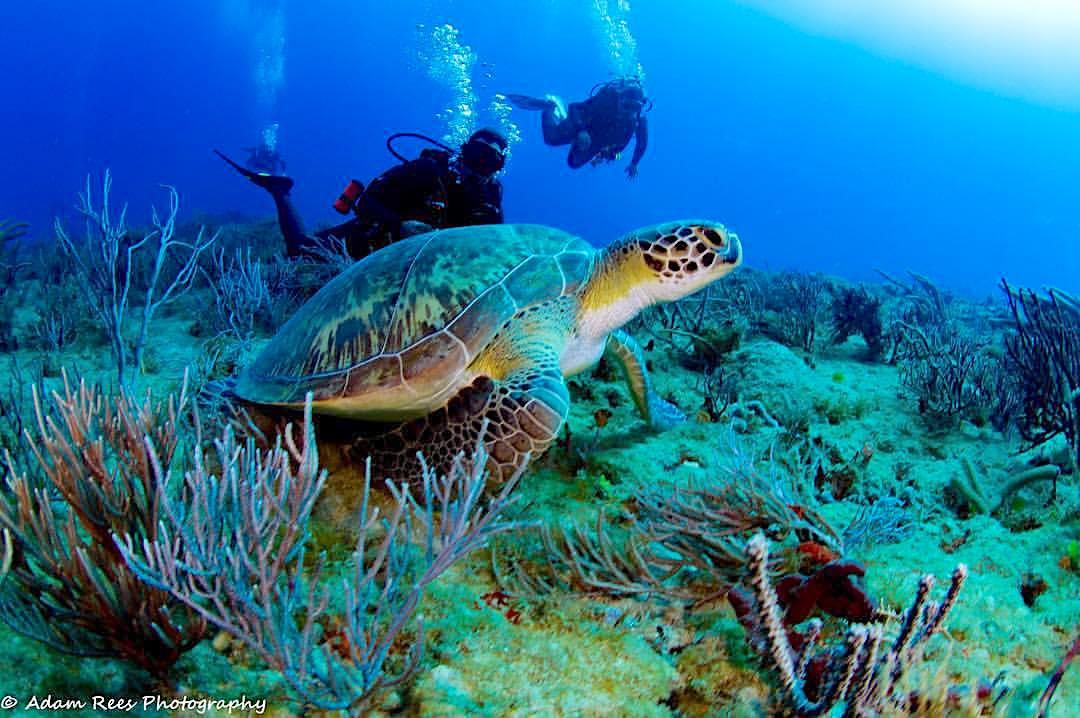
Hawksbill Turtle (Adam Rees / Scuba Works)

HAWKSBILL TURTLES: DIVERS VIEWS…

Daydream for a moment. Imagine that you had a different occupation. And your new one involved daily contact with spectacular wildlife underwater (this assumes you can swim – debatable in my case). And access to some upmarket camera equipment. And the ability to use it effectively. Oh, and use of a reliable boat. And some sea.

Hawksbill Turtle (Adam Rees / Scuba Works)

Say, for example, you joined a dive operation. Then the chances are very high that these wonderful creatures would be a part of your daily 9-to-5. 

Hawksbill Turtle (Adam Rees / Scuba Works)

You wake up with a start. Oh no! Half an hour gone, and that crucial email still half-written… Where did the time go?
Hawksbill Turtle (Adam Rees / Scuba Works)

All gorgeous turtles taken by Adam Rees of Scuba Works (slogan: “Land is so overrated”) in the course of his everyday working life. Some people, eh?

Hawksbill Turtle (Adam Rees / Scuba Works)

Unknown's avatar

A GREAT EGRET MAKES A SPLASH…


A GREAT EGRET MAKES A SPLASH…

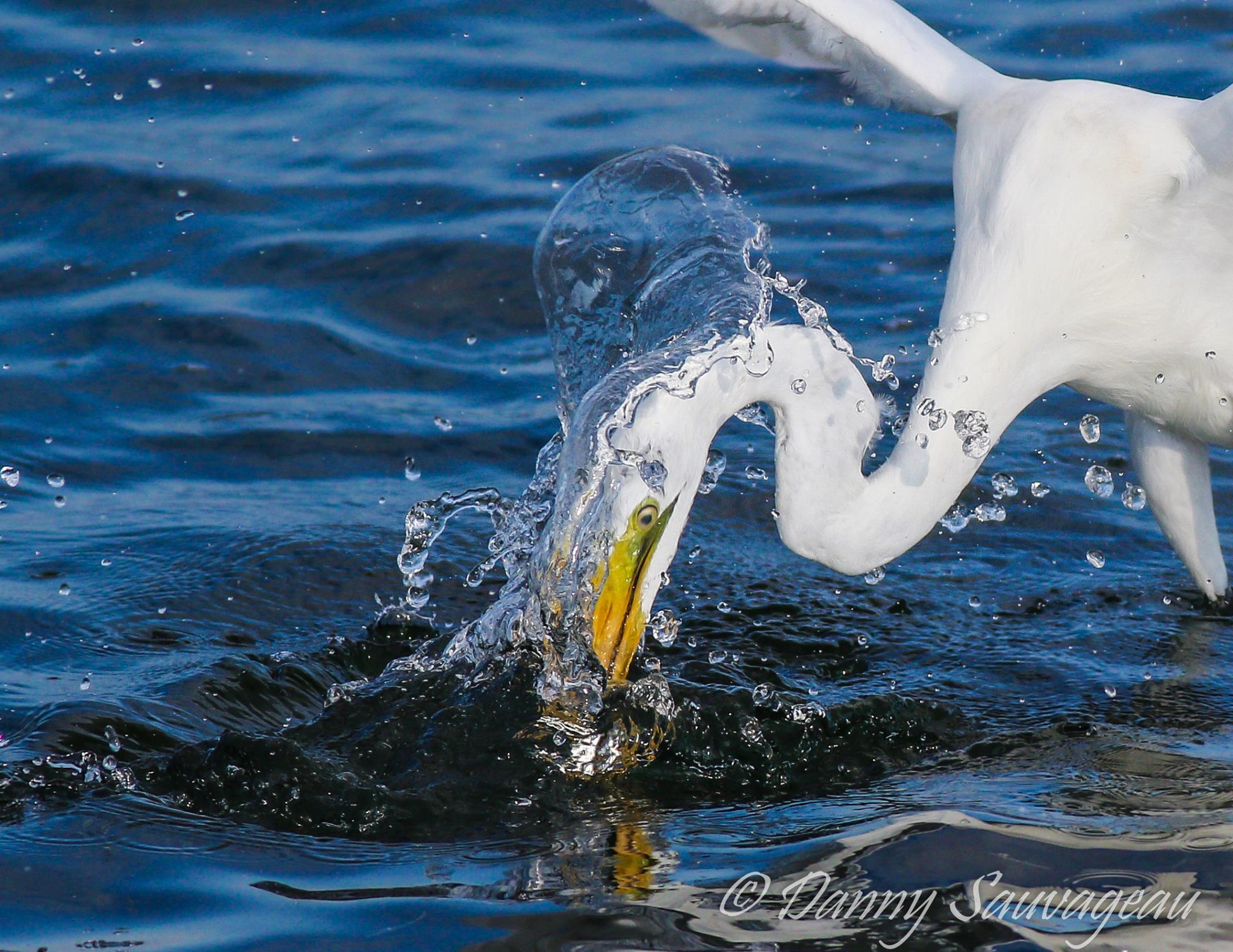
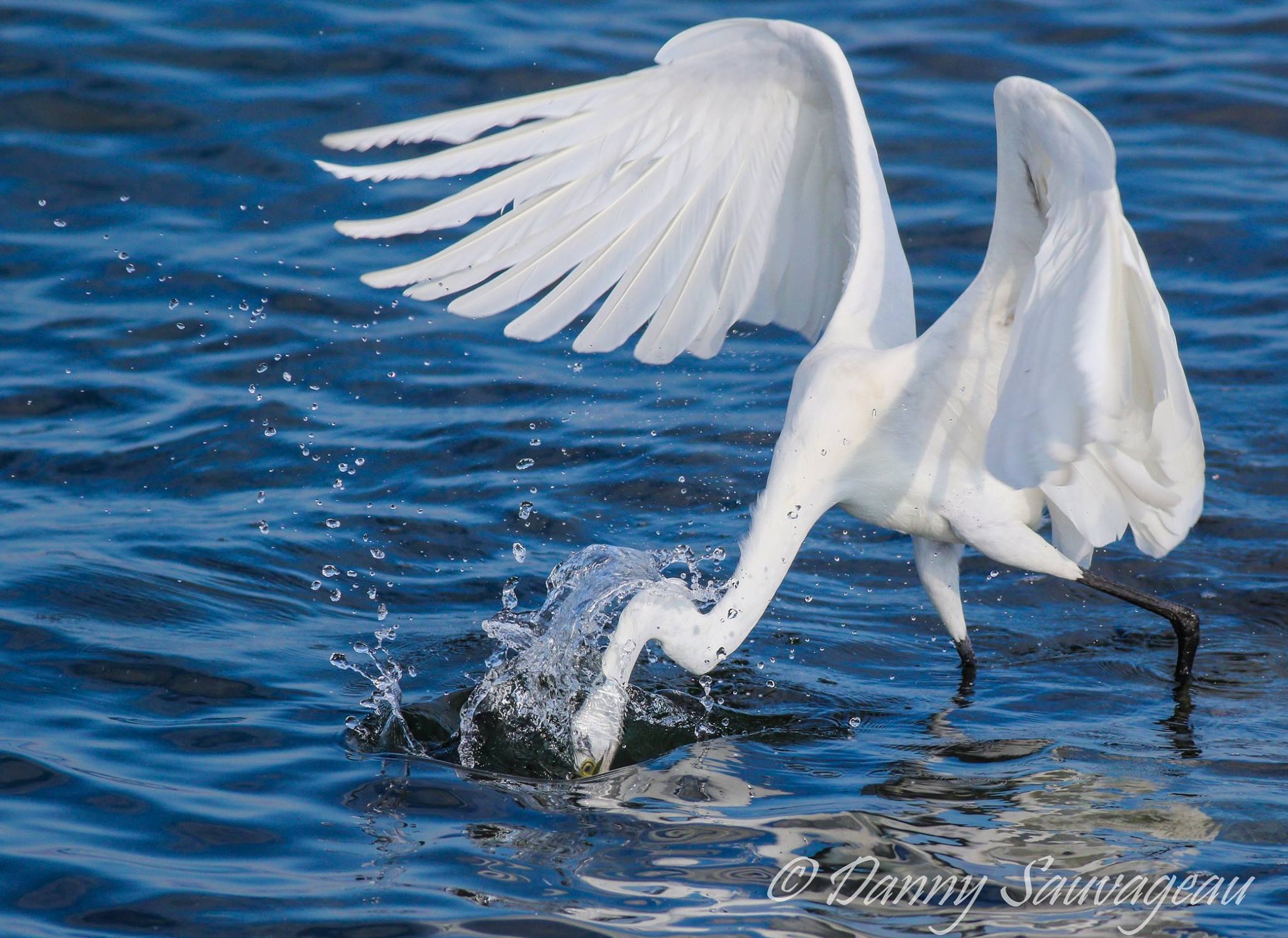
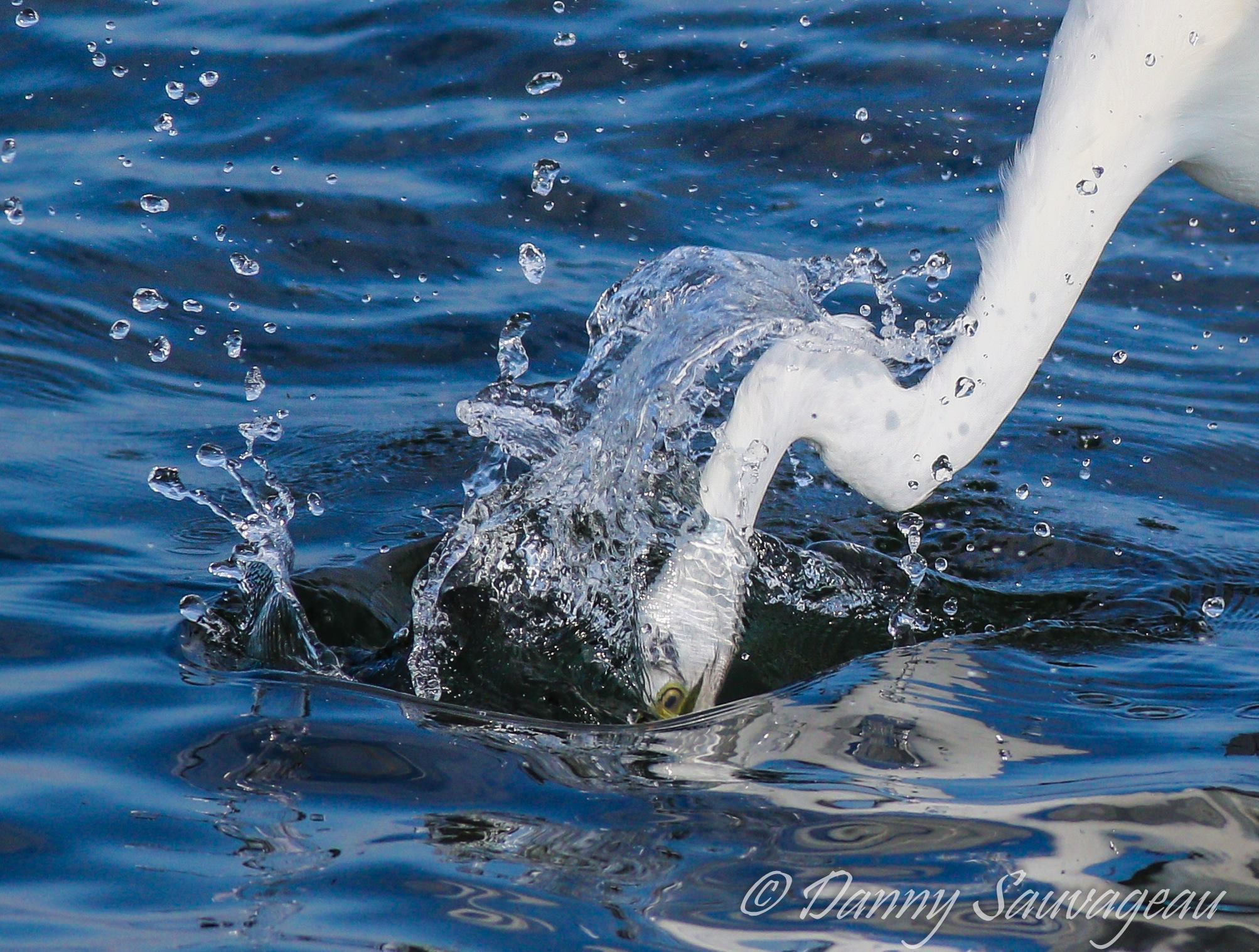
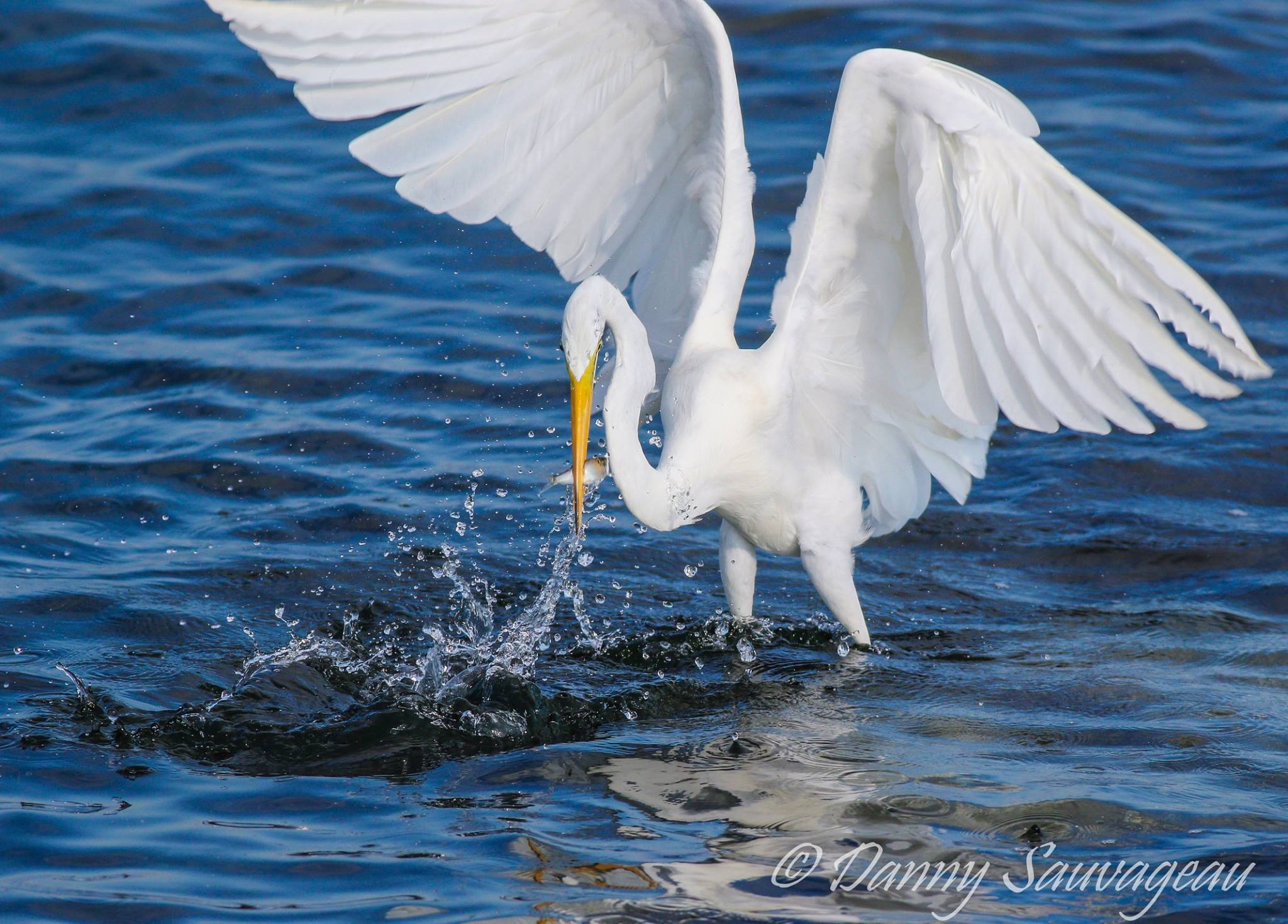
I’m quite a  fan of bird action sequences. Top quality ones, I mean, not the rubbishy ones that I have tried to accomplish with either (a) a camera I understand but is not sophisticated enough for such use; or (b) a more serious camera that I never got the hang of, was secretly a bit ‘overawed by’ (= scared of), and which met a watery end when I was photographing sanderlings on the beach while standing in the sea…

Among the photographers who kindly let me use their images from time to time are a couple who are especially adept with sequential shots. One is Danny Sauvageau, a Floridian who combines great bird photography with a tireless capacity for tracking down banded birds at migration time. Here is his Great Egret catching breakfast.

Credits: All fantastic photos by Danny Sauvageau, with thanks as ever for use permission; cartoon, the very excellent Birdorable


Unknown's avatar

AN ‘EXHILARATION’ OF ABACO DOLPHINS


Bottlenose Dolphins, Abaco Bahamas (BMMRO)

AN ‘EXHILARATION’ OF ABACO DOLPHINS

Bottlenose dolphins! Tursiops truncatus! These engagingly playful show-offs of the inshore waters round Abaco are 99.99% adorable**. It’s been a harrowing few weeks in the western Atlantic, and everyone is hoping that the 2017 hurricane season has had enough of causing death and destruction over vast swathes of vulnerable islands and on the US mainland. Some cheer is needed.

Bottlenose Dolphins, Abaco Bahamas (BMMRO)

Dolphins are good for the soul. And if you are out on a boat watching them – and especially tracking them for a whole day – every encounter reinforces the impression that all the leaping, bow-wave riding, boat under-swimming, and general sociability and interaction is often as much for sheer enjoyment as anything else. 

Bottlenose Dolphins, Abaco Bahamas (BMMRO)

Abaco is fortunate in having the HQ of the Bahamas Mammals Research Organisation (BMMRO) based at Sandy Point. That just happens to be an excellent area for bottlenose dolphin spotting in the turquoise shallows. Many sightings are made within clear sight of land. Further south, where the bright blue gives way to darker and deeper water, live the equally frolicsome Atlantic spotted dolphins. The 3 photos above were all taken on the margins of where the colour of the sea changes from light to dark.

Bottlenose Dolphins, Abaco Bahamas (BMMRO)

I’m a bit of a collector of collective nouns. For dolphins, apart from the matter-of-fact ‘group’ or ‘pod’, there is no exotic word to describe a number of them when they are having fun. No equivalent of ‘exaltation’ (larks), ‘charm’ (goldfinches) or ‘parliament’ (owls). So I’m nominating an ‘exhilaration’ as a candidate to fill the gap…

The photo above shows clearly how individual dolphins can be identified by researchers. All tend to have scars or tears to their dorsal fins that enable them to be distinguished. The closest has distinctive scars near the tip. The furthest has a W-shaped nick at the back. In fact, it could even be Rocky, a well-known dolphin on Abaco that has been sighted over many years. There are regular reports annually. I saw him myself once, in 2012, playing about in Hopetown harbour. 

STOP PRESS To demonstrate how the ID methods work, I’ve now cross-checked with the BMMRO photo ID archive. Here is Rocky’s original dorsal fin ID image (“Tt15”) from October 2010. There’s a W-shaped nick, sure, but my speculation above was wrong because overall the two fins are clearly different…

Rocky the Dolphin Tt15, from BMMRO ID photo archive

** The 0.01%? Dolphins may, rarely, be alarming for divers in circumstances I won’t repeat here (hint: to do with over-friendliness, ok? Yes, the thing that dogs do)

Credits: all photos BMMRO – and taken in the last 2 months

Unknown's avatar

QUEEN TRIGGERFISH AND GOOD RIDDANCE TO MARIA


Queen Triggerfish Bahamas (Melinda Riger / Grand Bahama Scuba)

QUEEN TRIGGERFISH AND GOOD RIDDANCE TO MARIA

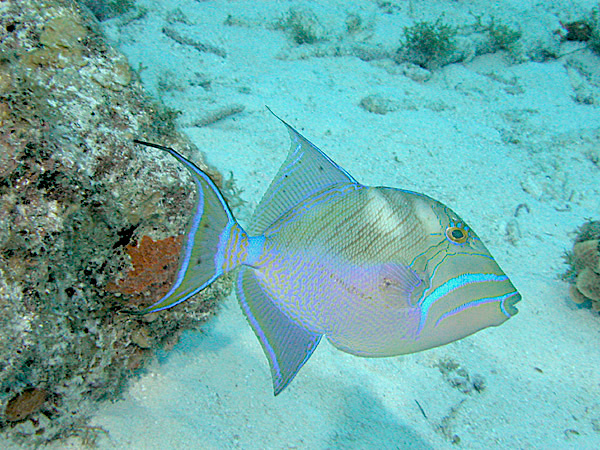
I can think of no sensible connection between the colourful yet undoubtedly strange and grumpy-looking looking queen triggerfish Balistes vetula, and a hurricane. However, Hurricanes Irma and Maria have been rightly dominating the news and everyone’s thoughts for nearly 3 weeks now. And most of the recent posts from Rolling Harbour, for that matter. It’s not been a great time for looking at the birds, beasts and fishes. So, as Maria drifts eastwards and away from the Bahamas into the open ocean, it’s time for a splash of colour – and a fish I have not featured before. 

Hurricane Maria tracking at 11.00 EST on Sept 22

Queen Triggerfish Bahamas (Melinda Riger / Grand Bahama Scuba)Queen Triggerfish Bahamas (Melinda Riger / Grand Bahama Scuba)

The queen triggerfish, sometimes known as an Old Wife, is an Atlantic reef fish. This species is sometime fished for as game, and I know that a few have been taken from off the rocks at the south end of Delphi beach over the years – though perhaps not exactly on purpose.

Queen Triggerfish Bahamas (Mark Peter, Wiki)Queen Triggerfish Bahamas (Melinda Riger / Grand Bahama Scuba)

This fish typically is coloured with shades of  blue, purple, turquoise and green with a yellowish throat, with pale blue lines fins on head and fins. It’s minor superpower is to be able to change its coloration to some extent to match its reef surroundings and assist camouflage. Its favourite food is the sea urchin.

Queen Triggerfish Bahamas (Clark Anderson / Aqua-images)

Let’s hope this is the last post to feature anything about hurricanes for a good long time, as we think of all those still struggling to make sense of the terrible destruction they have recently experienced – in some places, twice over.

Credits: Melinda Riger / Grand Bahama Scuba; Mark Peter, Wiki; Clark Anderson / Aqua-images

Unknown's avatar

HURRICANE MARIA: TRACKING UPDATE for SEP 20th (Abaco, Bahamas)


HURRICANE MARIA: TRACKING UPDATE SEP 20th

Abaco, Bahamas

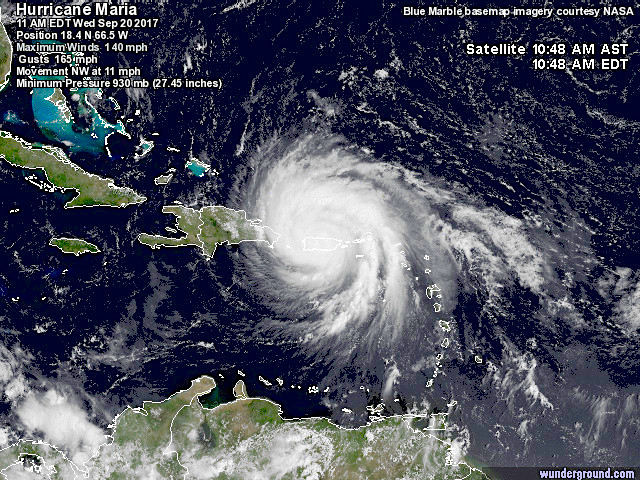
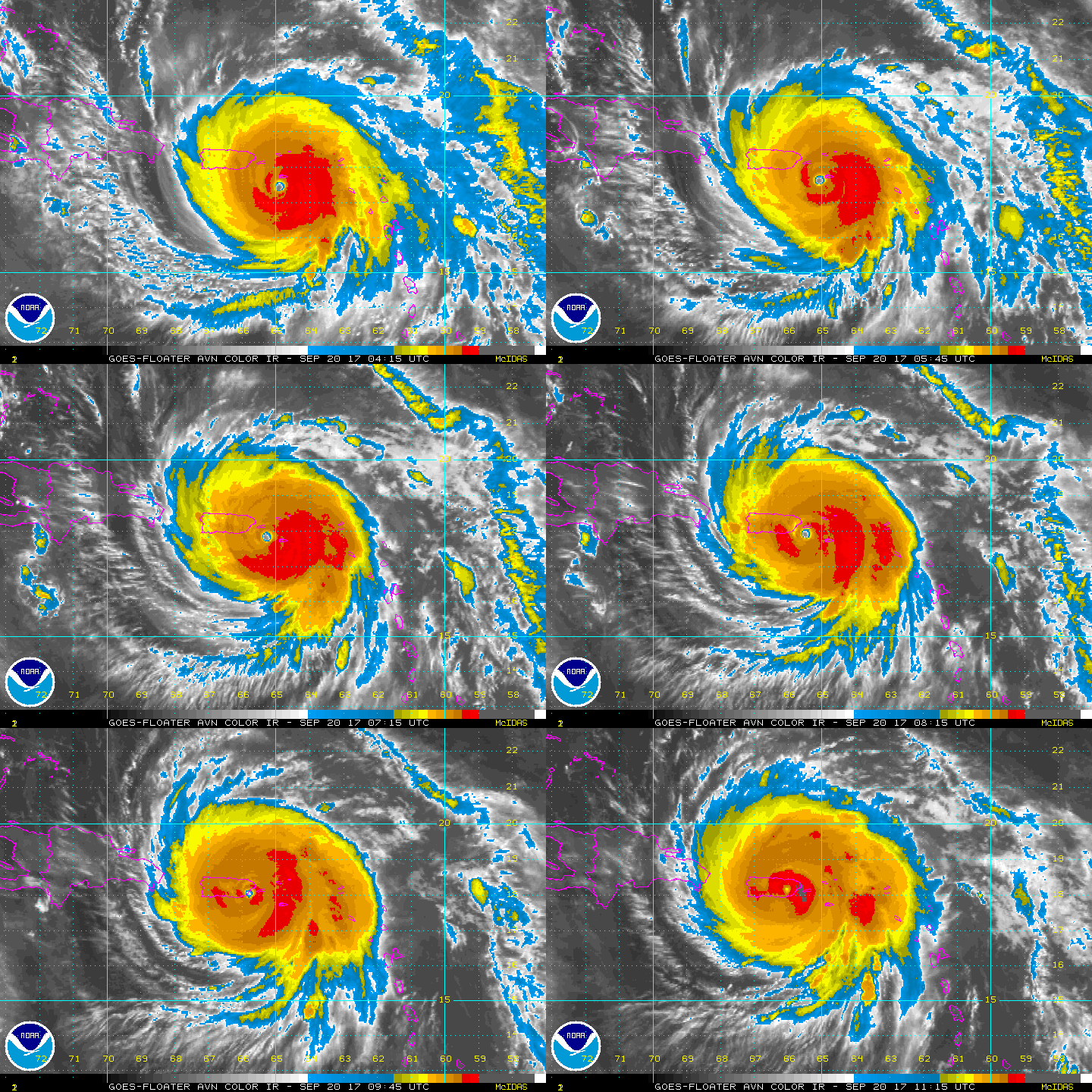
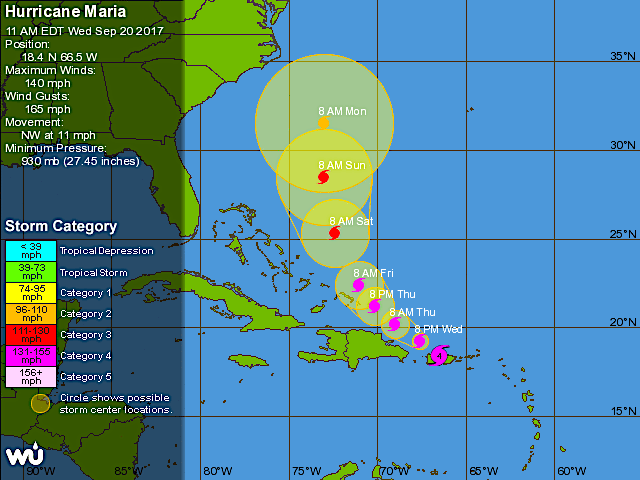
Hurricane Maria is currently passing over Puerto Rico as a Cat 4 on the Saffir-Simpson Scale. The big question for those to the north-west in general and (for this blog) Abaco in particular is, has the storm’s swerve to the east continued? And it’s now clear that the tendency has indeed been maintained. This means that today, more of the Bahamas Islands are now free for now from the cone of the predicted path. Here are the latest trackers for 11.00 am EDT today.

CURRENT POSITION

PREDICTED PATH

For the Abacos, the situation continues to improve for the moment at least. It’s certainly way too soon to be sure, but right now the outlook is good. And of course, Abaco may still experience a buffeting as the storm gradually progresses to the east. 

LOOKING FORWARD

Here is an estimate – and only that – of the position of Maria in relation to Abaco on Saturday Sep 23 at noon, if the current course holds. It will be a close shave, for sure.

Credits: NOAAW / GOES; GOES East; NASA; Wunderground; Accuweather; NOAA / NHC; Windy.com STAY SAFE

Unknown's avatar

HURRICANE MARIA: TRACKING UPDATE SEP 19th (Abaco, Bahamas)


HURRICANE MARIA: TRACKING UPDATE SEP 19th

Abaco, Bahamas

In the life of a massive Cat. 5 hurricane, a lot can happen over 24 hours. One source reports ‘mind-boggling devastation’ on Dominica. Other islands on the storm’s path are braced for their own tragedies for their populations, many still reeling from the passage of Irma just 2 weeks ago. Here are the latest trackers for 11.00 am EDT today; and a calculated prediction for the position on Friday midnight.

CURRENT POSITION

PREDICTED PATH

The first thing to note is that (after a slight drop in wind speed) the storm has now intensified to become Cat. 5. In due course wind speeds are expected to reduce gradually, as shown, but of course it won’t necessarily turn out that way.

For the Abacos, however, the situation is notably better that this time yesterday, when the islands were squarely with the cone (though not right at the centre). However the distinct tendency of Maria to hook right / east that was evident yesterday has increased to the extent that Abaco – and indeed the northern Bahamas – is no longer within the cone. Much the same happened with Irma. Both sources below show a similar prediction. Again, it won’t necessarily turn out that way, but there’s at least some encouragement for a better outlook. And of course, this does not mean that Abaco won’t get some heavy weather as Maria moves on…

LOOKING AHEAD

I’ve used a realtime tracker and moved it forward along its timeline to midnight on Friday. I’ve centred the prediction on South Abaco (white circles). There’s plenty of scope for the course to alter in the meantime, but the model suggests the main storm will progress mainly to the east of the Bahamas – and if the veer continues, then the more so for the northern islands. But remember – the predictions are just that and no more…

Credits: NOAAW / GOES; GOES East; NASA; Wunderground; NOAA / NHC; Windy.com STAY SAFE

Unknown's avatar

HURRICANE MARIA 2017: TRACKING THE NEW THREAT


HURRICANE MARIA 2017: TRACKING THE NEW THREAT

‘A PROBLEM LIKE MARIA’ feat. ‘DROP OFF THE QUAY, LEE’

It never rains, but it pours. Sometimes doubly so. Just as those so cruelly affected by Irma are beginning to deal with the trail of terrible damage and destruction of the huge hurricane, so another storm, Maria, approaches along a similar path. This has now been upgraded from a tropical storm to a Cat. 1 hurricane, and is expected to continue to pick up intensity.

The trackers below were all updated early this morning. The good news is that Lee is forecast to break up and dissipate. So at the moment, that threat can probably be discounted. Maria, on the other hand, is one to watch with eagle eyes: already on course to reach the Leeward Islands today, then expected to intensify and probably reach the Virgin Islands and Puerto Rico as a Cat 3 or 4 hurricane by Wednesday. After that, the storm looks set to pass Hispaniola and may hit the Turks and Caicos by Friday unless there’s a more significant hook to the right along the way. Beyond that, the Bahamas…

You may wonder why I put in 3 or 4 trackers of the many that are out there. It’s because they each present the information in a slightly different way. Some are easy to interpret; some are overloaded with info or otherwise confusing; some seem to me to be less accurate. The ones here are the ones I have used and found useful (= clear and reliable) since 2011, Hurricane Irene…

OPTIONAL MUSICAL DIGRESSION

I initially decided to omit my usual OMD, often added when a relevant song gets name-checked hereabouts. Then I rethought it. I’m not meaning to be frivolous nor to downplay the seriousness of extreme weather events on all those so badly affected.  But on the other hand, there are a few things that can lighten the spirit, albeit briefly. A really well put together song with clever lyrics is one such. Get rid of the squall, Paul; Drop off the quay, Lee; Just sing ‘see ya, Maria’; 

Credits: NOAAW / RAMMB / GOES; GOES East; Wunderground; NOAA / NHC; Paul Simon

Unknown's avatar

AFTER THE STORM: ALL THINGS BRIGHT & BEAUTIFUL


Abaco (Cuban) Parrot (Melissa Maura)

ABACO PARROT

AFTER THE STORM: ALL THINGS BRIGHT & BEAUTIFUL

For tens of thousands of people, the past 2 weeks have been dominated by one cruelly aggressive female: Irma. In terms of a lucky escape, Abaco’s gain was elsewhere’s pain. Recently, only the vivid Wunderground trackers I have posted have stood out from the bleakness of the ominous clouds, pounding waves, and sluicing rain. With the prospects for Hurricane Jose wandering around in the mid-Atlantic looking increasingly good, it’s time for a look at something more cheerful.

Birds can lighten the spirit. As yet, I’ve seen few reports of how the birds on Abaco have fared, but the ones I have seen have been encouraging. A west-indian woodpecker back on his usual tree; a piping plover foraging on the beach at Winding Bay, even as the storm raged; bird business more or less as usual at Delphi. No news yet of Abaco’s iconic parrots, which will have most likely headed to the National Park for cover. They usually manage OK. The header image is a tip of the hat to them, their raucous beauty, and their healthy recovery from near-extinction over the last few years.

Here’s a small gallery of some of Abaco’s most colourful and striking birds for some light relief. Have a nice day!

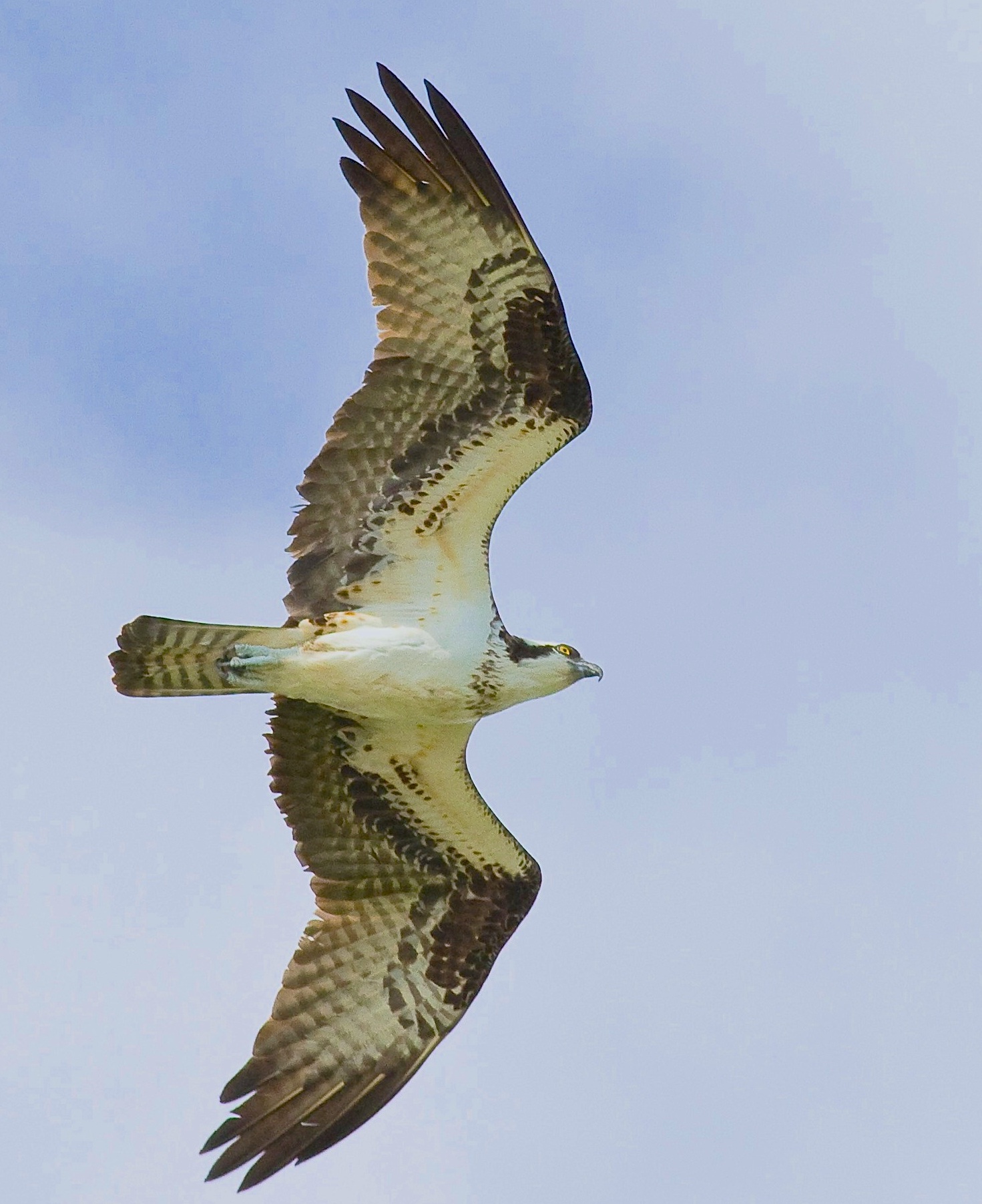
Painted Bunting, Abaco, Bahamas - Tom SheleyBananaquit, Abaco, Bahamas - Keith SalvesenWestern Spindalis, Abaco, Bahamas - Craig NashWhite-cheeked (Bahama) Pintail, Abaco, Bahamas - Keith SalvesenCuban Emerald Hummingbird, Abaco, Bahamas - Keith SalvesenBahama Woodstar, Abaco, Bahamas - Tom SheleyBlack-necked Stilt, Abaco, Bahamas - Tom SheleyCuban Pewee, Abaco, Bahamas - Keith SalvesenOsprey, Abaco, Bahamas - Tom SheleyBahama Yellowthroat, Abaco, Bahamas - Gerlinde Taurer

Photo Credits: Abaco (Cuban) Parrot, Melissa Maura; Painted Bunting, Tom Sheley; Bananaquit, Keith Salvesen; Western Spindalis, Craig Nash; White-cheeked (Bahama) Pintail, Keith Salvesen; Cuban Emerald (f), Keith Salvesen; Bahama Woodstar, Tom Sheley; Black-necked Stilt, Tom Sheley; Cuban Pewee, Keith Salvesen; Osprey, Tom Sheley; Bahama Yellowthroat, Gerlinde Taurer. Storm tracker, Wunderground

Unknown's avatar

HURRICANE IRMA AFTERMATH: ABACO’S SIDESWIPE(S)


Hurricane Irma, Abaco

HURRICANE IRMA HITS CHEROKEE, ABACO, BAHAMAS

HURRICANE IRMA AFTERMATH: ABACO’S SIDESWIPE(S)

Hurricane Irma barrels on northwards as Florida begins to count the cost.  Abaco has had its turn to experience the awesome power of this brute of a storm. Or make that turns (plural) because such a massive storm 400 miles across, spiralling longs strands of filthy weather outwards with centrifugal menace, can strike more than once as the main storm passes further off.

Hurricane Irma, Abaco

Thanks to the relatively late shift of the storm’s path to the west, there was no direct hit on Abaco (as was once forecast). High winds and heavy seas, but none of the cruel devastation elsewhere that we have all been watching and reading about with horror and sympathy for the victims.

Seaweed covering the beach at Casuarina, AbacoHurricane Irma, Abaco

By Saturday evening, relieved messages were already being posted. Later, an official statement confirmed limited harm and damage. The airport was reopened. Albury’s Ferries announced the forthcoming resumption of services. Gradually, the overall picture took shape as more reports and messages came in from the mainland and the cays.

Tahiti Beach, Elbow Cay, Abaco

At Delphi, Jason confirmed that the worst of the storm passed quite quickly and that there was no structural damage, though doubtless the gardens have taken a beating – a minuscule inconvenience comparatively.

Hurricane Irma, Abaco    Hurricane Irma, AbacoHurricane Irma, Abaco

By yesterday morning, the only area I hadn’t seen anything about was the west side of Abaco – Sandy Point. Might things have been different -perhaps worse –  on the west coast? Then I heard from BMMRO HQ that the situation was much as elsewhere. The whales and dolphins of the Bahamas will continue be researched when the boat can put out to sea…

Atlantic Spotted Dolphins seen off Abaco before Irma came alongAtlantic Spotted Dolphins, Abaco, Bahamas (BMMRO)

Like the aftershocks of an earthquake, bouts of high winds and huge gusts have continued to pass over; and in places the sea has been sucked out from the beaches. There have been outages of course (not a novel experience even in calm times); and I’ve seen reports of interruption with water supplies. But I think it can be said that Abaco has escaped quite lightly – and certainly in comparison with the terrible devastation elsewhere.

Roof tiles have been lost, but there seems to have been limited structural damage. Trees have been trashed of course, and there has been plenty of beach erosion. Many beaches have been smothered in seaweed. But all-in-all, Abaco has fared alright, which is not to say that people’s thoughts have been absent from those who have taken the hit and borne the brunt of Irma’s rage.

Bahama Palm Shores, Abaco

The Low Place, Man-o-War Cay

WHAT ABOUT HURRICANE JOSE?

The tracking for this pursuer of Irma has appeared to show the storm going round in circles in mid-Atlantic. Until quite recently. This morning’s prediction shows a determined move to the west towards the end of the week. One to keep a very close eye on still.

WHAT ARE THE VIEWS FROM SPACE RIGHT NOW?

NASA-NOAA’s Suomi NPP satellite: night-time view of Irma over Florida

NASA / GOES East satellite: daytime view of the storm moving north over Florida

Credits: Karen Eldon (1); Olivia Patterson Maura (2, 9, 10); Andrea Janeen Sands Albury (3); Abaco Buzz (4); Jason Prangnall (5, 6); Dive Abaco (7); BMMRO (8); Beth Nace (11, 12, 13); Charmaine Albury (14); Wunderground for the Jose Tracker; NASA / NOAA / GOES for the space shots