Unknown's avatar

“AN OSTENTATION OF PEACOCKS”: FERAL BIRDS ON ABACO


Peahen, %22Different of Abaco%22 2 (Rhonda Pearce)

“AN OSTENTATION OF PEACOCKS”: FERAL BIRDS ON ABACO

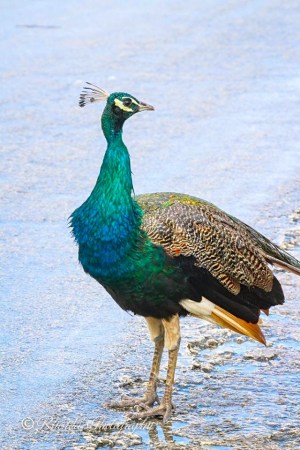
A year or so ago I wrote a post entitled SOMETHING COMPLETELY “DIFFERENT (OF ABACO)”, a nod to Monty Python and to Nettica Symonette’s long-defunct fishing lodge on the road to Casuarina that it still proudly signposted on the Highway. You can click the link to see the full post and plenty of peacocks. Or, as I mentioned then, peafowl (only the males are peacocks; the females are peahens; and the little ones are peachicks).

Peacock, %22Different of Abaco%22 1 (Rhonda Pearce)

“Different of Abaco” is a great place for birding. An overgrown wilderness with brackish ponds and a *dangerous structure alert* dilapidated building, it was once home to Nettie’s flamingos, reintroduced by her in the hope of reinstating Abaco’s lost breeding population. The experiment did not come off, but another one did. The legacy of her introduction of a few peacocks is very evident today: they have bred very successfully and provide an exotic – and noisy – addition to the breeding bird species on Abaco.

Peacock, %22Different of Abaco%22 3 (Rhonda Pearce)

The evidence from reports suggests that the peafowl are spreading from their base at Different of Abaco and the local Casuarina area. Celia Rogers saw 2 males on the Cherokee road, some 3 or 4 miles to the north. And Rhonda Pearce has more recently found them at the entrance to Bahama Palm Shores, some way to the south (below).

 Peacock, Bahama Palm Shores Abaco 2 (Rhonda Pearce)    Peacock, Casuarina, Abaco 1 (Rhonda Pearce)

Extent of peafowl range from reported sightingsCasuarina, Abaco area map

As I wrote before, “In the wilderness that Different of Abaco has become for many years, the descendants of the original peacocks are breeding contentedly, expanding their population, and are wholly unreliant on human intervention. Verily feral, in fact”. If anyone has encountered peacocks elsewhere than in the DoA / Casuarina area, I’d love to hear about it. A photo would be a bonus!

Peacock, %22Different of Abaco%22 4 (Rhonda Pearce)

OPTIONAL FUN FACTS

The collective noun for peafowl is generally considered to be a “pride”, as with lions. But many bird species have been assigned more than one collective noun – and many of the more unusual ones are historic, dating back to medieval times, in particular The Boke of St Albans (1486) by a nun called Dame Juliana Berners, which included lists of collective nouns for ‘companys of beestys and fowlys’. These were known as ‘terms of venery’, and many related to falconry and hunting. She also wrote the presumed first fishing guide, A treatyse of fysshynge wyth an Angle (her catch records do not survive).

Anyway, apart from ‘pride’, peacocks are also collectively known as a ‘muster’; and far more descriptively as an ‘ostentation’.

D of A: the glory daysimg0049

Credits: All peafowl Rhonda Pearce; final image π “The Abacos” online

Unknown's avatar

“THE ADMIRABLE CHITON” (A DELPHI BEACH MYSTERY)


Fuzzy Chiton, Delphi, Abaco (Kasia Reid)

“THE ADMIRABLE CHITON” (A DELPHI BEACH MYSTERY)

The beach at Delphi is good for combing. Most of Abaco’s beaches are too, for that matter. You can find Kasia’s beachcombing page HERE. Last month 2 guests, Linda and Jan, went exploring on the beach and returned with a handful of mystery items they had found under the clumps of seaweed. These were clearly neither complete nor broken shells, and even after some research in books and online I remained baffled. They were obviously parts of some water-based species… but what parts, anatomically speaking? And what species?

Fuzzy Chiton valves (segments), Delphi Beach, Abaco, Bahamas

So I contacted Colin Redfern, Bahamian sea shell expert and author of a magisterial tome on the subject. His response was typically swift and definitive: 

The ladies have found some beach-worn valves from the common Fuzzy chiton, which was so nicely photographed by Kasia on your April 12, 2012 entry – (the one that included fecal pellets) [See Header]. As you know, the meat from this species is eaten by Bahamians, who discard the unwanted shell. The individual plates then become separated by wave action and normal deterioration. Abaco has a pretty good selection of chiton species, and individual valves from some of the other species are sometimes found on beaches.
Fuzzy Chiton, wiki

Chitons (pron. kytens) are marine molluscs with a great many species worldwide, from very small to quite large. Their shell comprises 8 interlocking and overlapping curved plates known as ‘valves’ that provide a flexible protection, and articulate as the creature moves. Chitons – at least some species – can even curl up into a protective ball. The plates are held together by a ‘girdle’ surrounding the animal.

Acanthopleura_granulata_(West_Indian_fuzzy_chitons)_(San_Salvador_Island,_Bahamas) James St. John

Fossil records show that these primitive-looking animals derive from the Devonian period – or even Ordovician. They remind me of trilobites, even older creatures from the Cambrian period that used to fascinate me at school when I was small and paying attention. The name chiton derives from Latin word for mollusc, which itself comes from an older Greek word meaning a tunic. Which they in no way resemble.

Fuzzy Chiton, Abaco (Kasia Reid)

After a chiton dies, the valves which make up the eight-part shell come apart because the girdle no longer holds them together and these the plates may wash up in beach drift, to be found by Linda and Jan. The individual shell plates are sometimes known as “butterfly shells” due to their shape.

A DOZEN CHITON FACT TO AMAZE YOUR FRIENDS WITH

  • Chitons are also known as ‘sea cradles’ or ‘coat-of-mail shells
  • Their shell consists of 8 plates / valves so flexible that they can even curl into a ball
  • They move with a muscular ‘foot’, and use it to cling onto rocks like a limpet
  • They have no definable head, no tail and no eyes, onlyphotoreceptor cell clusters’
  • The mouth on on the underside of the chiton
  • It contains a sort of tongue – a radula – with rows of teeth, each with 17 (why 17?)
  • They use the radula to scrape the rock substrate for algae and similar
  • A chiton’s digestive system produces neat little fecal packages like white pills
  • Its anus is next to its foot, a design mercifully not found in humans
  • I learn that chitons “lack a cerebral ganglion”. I think this means, no brain as such
  • However they do have a primitive ‘homing’ ability too complex to summarise…
  • Chitons are eaten by people mainly in the West Indies and the Philippines

Chiton, Abaco 2 (Kasia Reid)

WHAT? YOU CAN EAT THEM?**

If you are asking that question, you perhaps read right through the 12 facts to the very last one. If so, you deserve an answer and indeed a recipe for Chitons aka ‘Sea Cockroaches’. And who better to provide it than the brilliantly-named PSYKDELIASMITH Click the link to find out more.

**CAUTION As a couple of people have rightly pointed out (thanks Liann and Julias) since I posted this, not all chitons are edible. Some are poisonous. So before you think of a culinary chiton caper, best check that you have got an edible one

A chiton on the move, very slowly, and apparently halted by an encounter with a nerite

wp809b3177_06

Colin Redfern kindly sent me a pdf of the chiton section of his book. Of the fuzzy chiton he writes: “Occurrence: Very common intertidally on rocky shorelines. Known locally as a Curb, with the meaty foot used as an alternative to conch in salads. Gutted specimens or disarticulated valves consequently common along shorelines.” Which is just where this post began.

FUZZY CHITON scientific doc (Colin Redfern)

And if you want to know about the title and its link to Peter Pan, click THE ADMIRABLE CRICHTON

POST SCRIPT This post has generated quite a lot of comment on Facebook. Here are a few, plus an amazing discovery in Hope Town
  • “Commonly know as a curb, they are edible (raw) you make a salad like you do with conch , delicious !!!” (Rosalie Pyfrom)
  • True some are poisonous, but your have to know which ones!! I was showed as a child which were good from bad!!” (Janice Carey Hall) 
  •  “Very delicious” (Cantrell Walker)
  • “Lets not forget the poisonous ones!” (Julias Sawyer)
  •  “Don’t mess wit my curbs, nom nom”  + “Definitely do NOT eat the very large ones with the bumpy rim”.(Liann Key Kaighin)
  • “Curb stew is a Bahamian food that has since the loyalist arrived” (Steve Roessler)
 Gary Richardson Jr.'s photo.

Then Gary Richardson Jr added a photo of what must be a pearl, found in a curb in Hope Town. 

 To which I replied “Well that’s a surprise! Interesting find. Did a bit of research. Apparently all shelled molluscs are capable of producing ‘pearls’ – though they have no value. So this must be a chiton pearl…”
Credits: Linda & Jan for their beachcombing finds; Colin Redfern for his ID & info enabling this post (and his continuing interest); Kasia Reid; Hans Hillewaert & James St John (wiki uploads)
Unknown's avatar

REMARKABLE REEF CREATURES TO ADMIRE


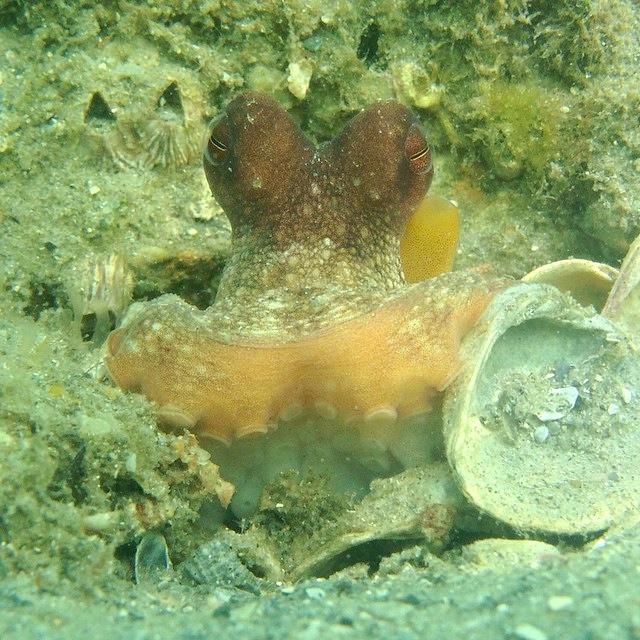
Octopus (Adam Rees : Scuba Works)

REMARKABLE REEF CREATURES TO ADMIRE

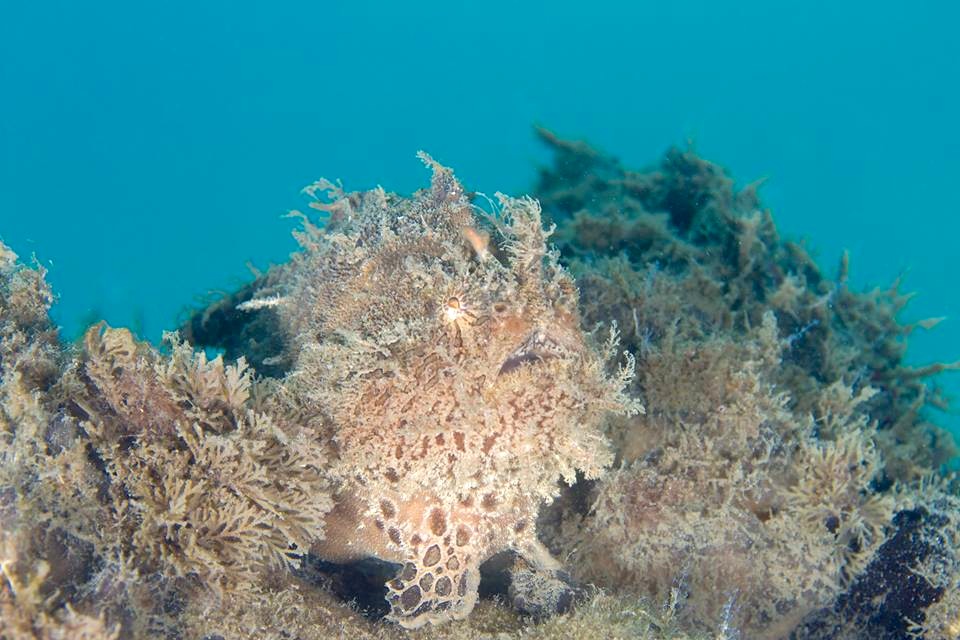
Here is a small collection of recent photographs from Adam Rees of Scuba Works. Three OCTOPUSES, an astounding FROGFISH,  a SEAHORSE, a MANTIS SHRIMP at close quarters, and a wonderful HAWKSBILL TURTLE. Clicking on a link will take you to a post with more photos and information about each creature. If these images don’t make you want to scuba then… what will?

Frogfish Hunting (Adam Rees : Scuba Works)Seahorse (Adam Rees : Scuba Works)Mantis Shrimp (Adam Rees : Scuba Works)Octopus 3 (Adam Rees : Scuba Works)Hawksbill Turtle (Adam Rees : Scuba Works)Octopus 2 (Adam Rees : Scuba Works)

All photos Adam Rees / Scuba Works, with thanks for use permission

Unknown's avatar

“ONE OF A KIND”: LIMPKINS ON ABACO


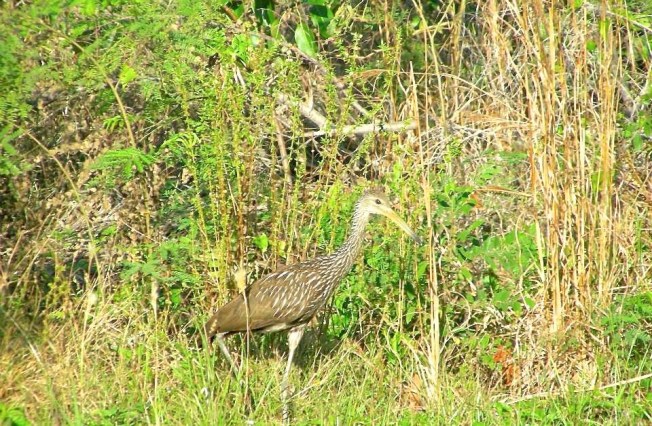
Limpkin, Abaco (Tony Hepburn)

“ONE OF A KIND”: LIMPKINS ON ABACO

It’s 07.50 and we are trundling up the one-mile Delphi drive towards the highway in a truck towing the skiff for a day of fishing out on the Marls. We are ‘first boat out’, so the driveway has been peaceful for a while. Suddenly, some way ahead, a dark shape detaches itself from the margin of the coppice and steps into the roadway. Large. Dark brown. Kind of awkward looking. Long legs. Long decurved bill. And the bird I’ve been waiting to see for a long time. A limpkin.

My first sighting of one of the Delphi limpkinsLimpkin, Delphi, Abaco (RH) 1

Grabbing the small point ‘n’ shoot I take fishing (far cheaper to drown than an iPh@ne), I leaned out of the open window and fired off some optimistic shoots at the bird, on full (yet feeble) zoom. For what they are worth**, here are a few – and will you look at the toes on the creature!

Limpkin, Delphi, Abaco (RH) 2  Limpkin, Delphi, Abaco (RH) 3Limpkin, Delphi, Abaco (RH) 4  Limpkin, Delphi, Abaco (RH) 6

Limpkins (Aramus guarauna) have lived near the top end of the Delphi drive for several seasons, but they and I have never coincided. I haven’t even heard their weird screaming call. The guides sometimes see them when they first arrive each day, but limpkins are very shy, unsociable birds that keep themselves to themselves. Unless you see them cross a track, you might never notice them. To make matters more difficult, they are mainly “nocturnally and crepuscular”, so they are not generally active during the day.

Limpkin at Gilpin PointLimpkin Gilpin Point, Abaco (Troy Mailis)

ONE OF A KIND

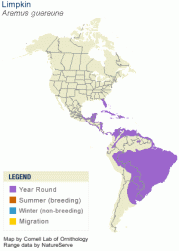
The limpkin is a species of long-billed, long-legged wading bird, and is unrelated to herons, cranes and rails despite appearances. In fact, it has the honour to be the sole member of its taxonomic family. They may be found near ponds, in mangroves, in dense coppice or on the edge of pinewoods. They move jerkily, with a flickering tail and, as with any ID-cooperative bird, to see one is to know one.

Juvenile limpkin220px-Limpkin_Juvenile

TEN LIMPID LIMPKIN FACTS TO ENTHRAL PUNTERS AT PETE’S PUB

  • The Limpkin has its own ‘monotypic’ family – a one-off species of bird
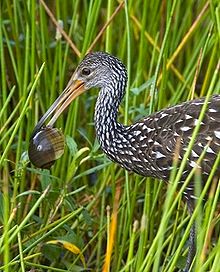
  • They eat snails and molluscs (also insects, worms & frogs), using their beaks to snatch them
  • They may leave piles of discarded shells in their favourite feeding sites
  • The birds are ungainly and awkward: “limpkin” probably derives from their limping gait
  • Males and females have the same plumage (males being slightly larger)
  • The beak acts like tweezers – slightly open and closing at the tip – for tweaking snails etc
  • Territory is defended aggressively, with ‘ritualized charging and wing-flapping’ at intruders
  • Sex lives: they are monogamous; or polyandrous (a male and more than one female. Tsk.)
  • They use ‘courtship feeding’ – males will catch and shell a snail and then feed it to a female
  • They are also known as the ‘Crying Bird’ for their bizarre shrieking call, as used in films (below)

Range maparam_guar_AllAm_map

Olivia Patterson of Friends of the Environment kindly sent me this video that she posted on their FB page a while back with the comment: “Do you know what a limpkin sounds like? There are a pair of them which live around the FRIENDS office. Check out this video to hear them calling out for each other. See if you can spot the limpkin! (hint… look at the pine tree on the left). Limpkins typically live near wetlands and eat snails”.

Limpkins call mainly at dusk in the night, or at dawn. The frankly somewhat tedious and repetitive cry has been phonetically rendered as “kwEEEeeer orklAAAar“, if that helps you to remember it! The racket has even achieved fame in films: it has been used for jungle sound effects in Tarzan films; and more recently for the HIPPOGRIFF in the film Harry Potter and the Prisoner of Azkaban.

Favourite food – the apple snail220px-Limpkin-snail2

** I’m not ashamed to use my more pathetic photos when context permits…

Credits: Header, Tony Hepburn; 5 rubbish photos from a moving truck, RH; Gilpin Point, Troy Maillis; 3 other images wiki (uncredited); range map, Cornell; video, Olivia Patterson / FOTE; general long-billed rootling around for info, with a nod to wiki.

A good wing-shake

Unknown's avatar

BELLA MOTHS: COLOURFUL, POISONOUS & PROMISCUOUS


Day-flying_Bella_Moth_(Utetheisa_ornatrix) on Rattlebox Blossom (Bob Peterson, Florida)

BELLA MOTHS: COLOURFUL, POISONOUS & PROMISCUOUS

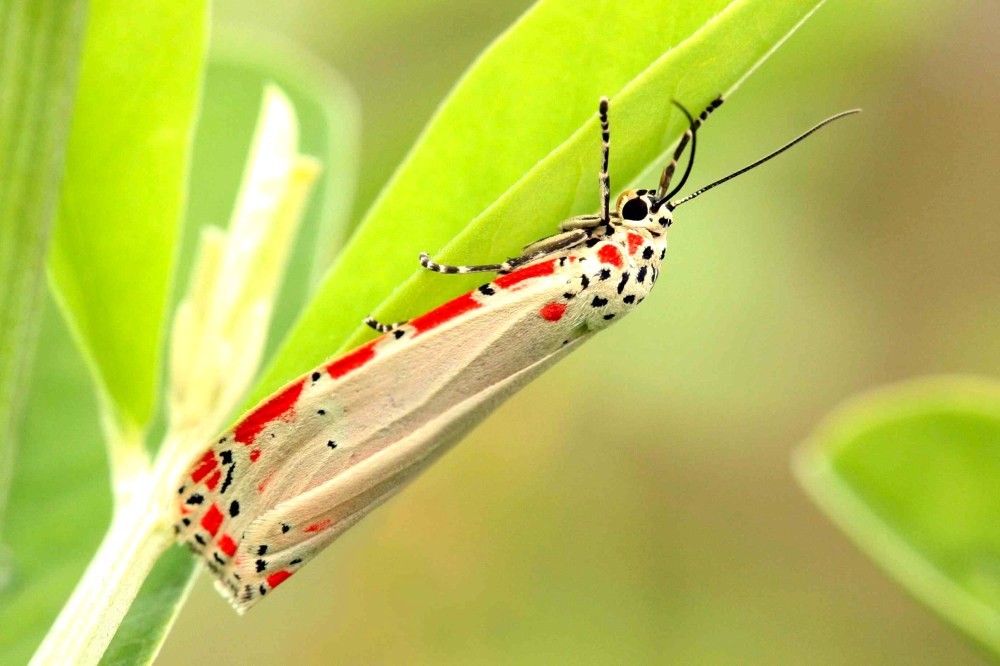
Today’s offering is a creature I have never seen before on Abaco, or anywhere else for that matter. We saw it at the Neem Farm when we were looking for birds, butterflies and Spring flowers. I didn’t have moths in mind at all until I saw this one. For a start, moths are considered creatures of the night, so midday would not be an auspicious time for moth-hunting. As it turns out, the moth we found is, most unusually, active in day-time (‘diurnal’). 

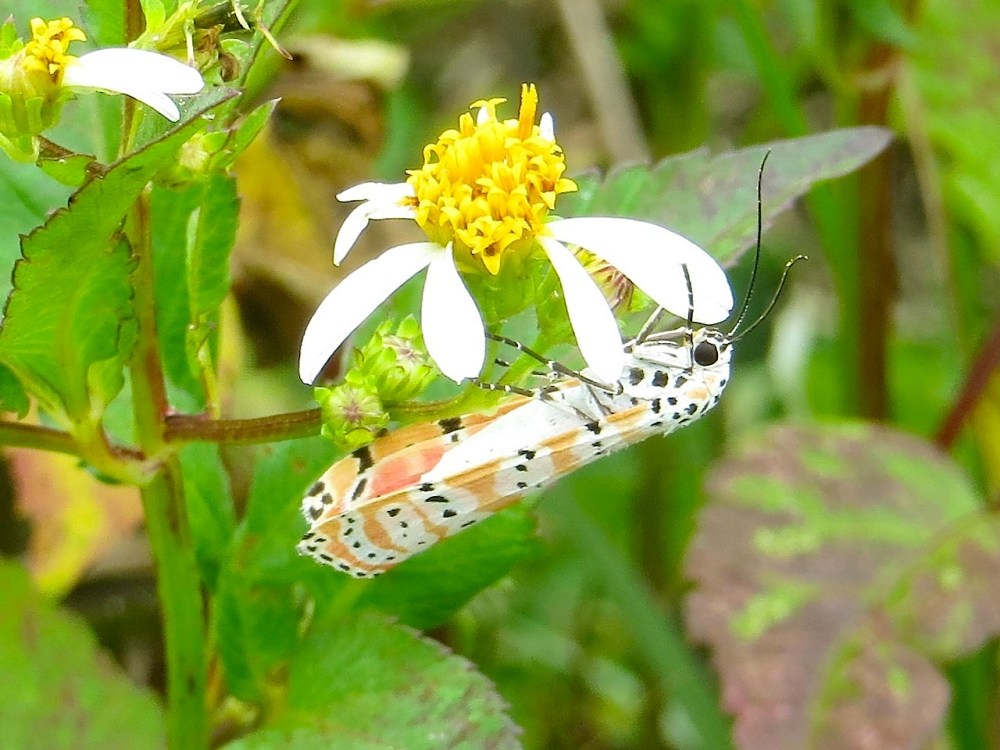
Bella Moth, Neem Farm, Abaco (Keith Salvesen) 1

The BELLA MOTH Utetheisa ornatrix is also known as the ‘ornate moth’ or ‘rattlebox moth’ (after its favourite plant Crotalaria  – me neither). The one we saw was pink, with bright pink showing on the wings in flight. However these moths come in other vivid colours ranging from pink to red or orange, and yellow to white. Their black wing markings have many patterns.

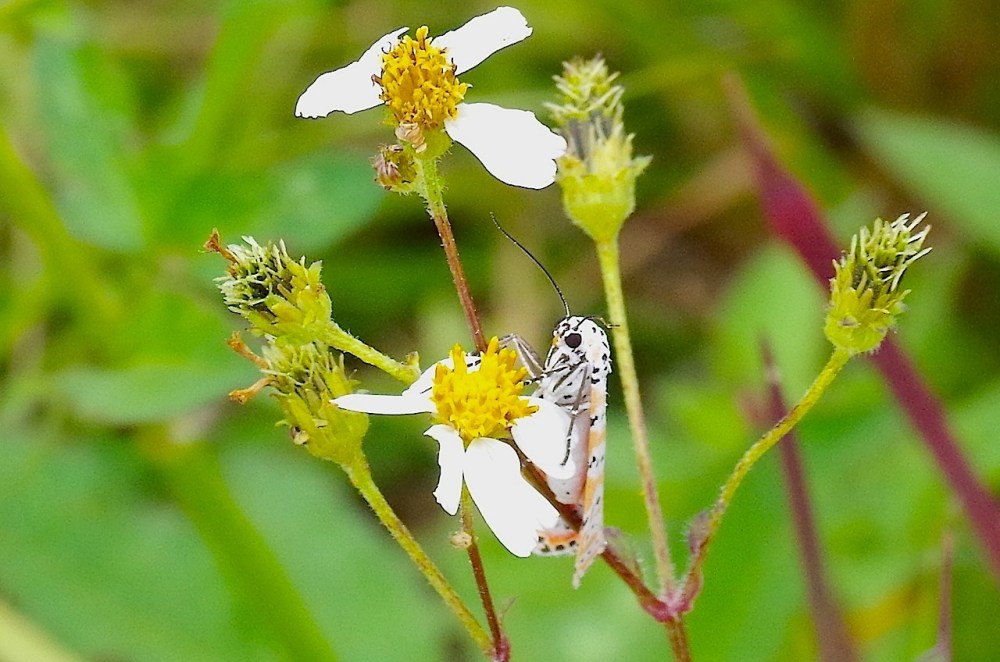
Bella Moth, Neem Farm, Abaco (Keith Salvesen) 2

The bright coloration is, as in many species, nature’s way of saying ‘leave me alone’ and in particular, ‘I am very unpleasant to eat’. It is called APOSEMATISM.  Quite simply, the larvae feed on plants that contain poisonous alkaloids – in particular the yellow rattlebox plant Crotalaria, rendering them, as adult moths, extremely unpalatable. Bella adults may cannibalise eggs, pupae or larvae to counter alkaloid deficiency. Bella Moth, Neem Farm, Abaco (Keith Salvesen) 4

BELLA MOTH SEX LIVES: “IT’S COMPLICATED”

  • Sexual encounters are dictated by females, who compete with other females for males
  • Females seeking to mate always outnumber available males
  • A female bella will release powerful pheromones at dusk to lure males
  • Related females uniquely engage in collective pheromone release
  • This is termed “female pheromonal chorusing”
  • Several males will give the female chemical ‘nuptial gifts’ of poison and sperm
  • The female chooses the best of her suitors, and copulates with 4 or 5 of them
  • The whole process of copulation may take up to 12 hours…
  • In some way I don’t understand, she is then able to select her preferred sperm
  • Humans: do not try any of this at home, in the office, in Maccy Ds or when driving

Ornate_moth_(Utetheisa_ornatrix) Charles J Sharp wiki

Utetheisa_ornatrix (Dumi, Jamaica)

Credits: Header (on rattlebox blossom Crotalaria), Bob Peterson; 3 frankly rather feeble photos RH & Mrs RH; sharp photo by Charles J Sharp; open wings by Dumi

Unknown's avatar

“HAPPY EARTH DAY TO YOU”: DO SOMETHING GREEN!


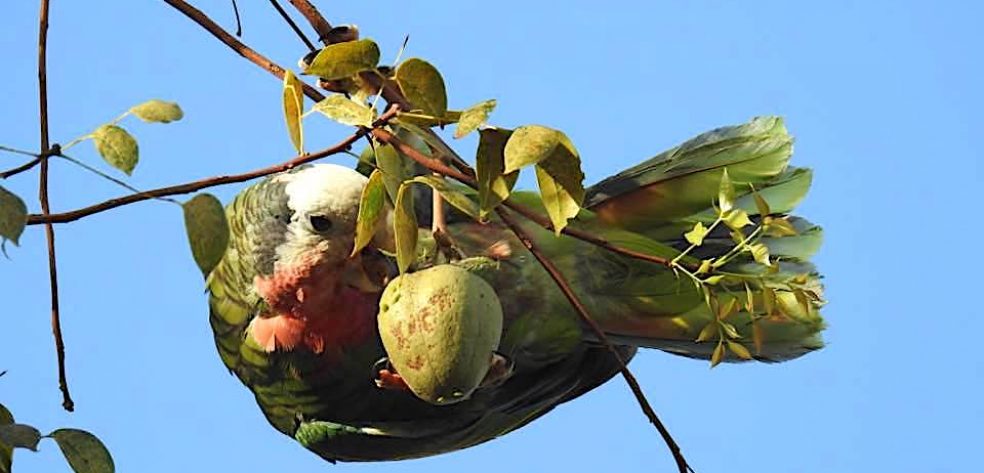
Abaco (Cuban) Parrot, Delphi, Abaco (Craig Nash)

“HAPPY EARTH DAY TO YOU”: DO SOMETHING GREEN!

Today is the 46th Earth Day, a global event to encourage ecology and conservation, and to discourage the spoiling of the planet by mankind. What becomes lost now may never be retrieved. Plant a tree. Grow some bee- or butterfly-friendly flowers. Clear a patch of beach of plastic trash. Recycle stuff. That sort of thing. 

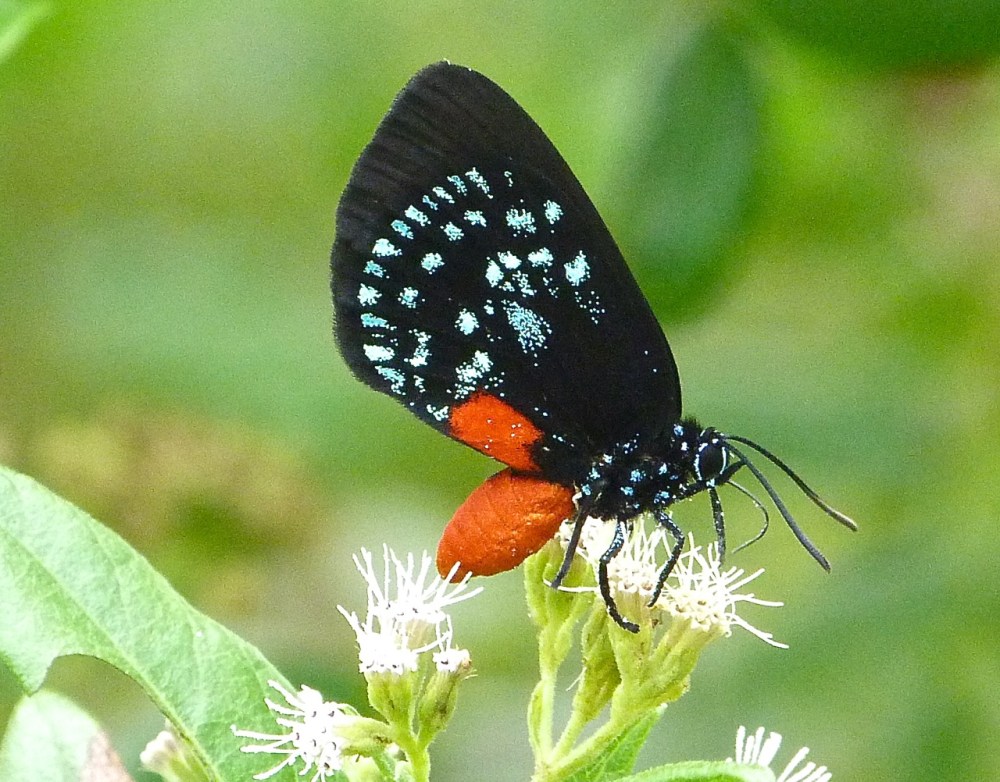
Atala Hairstreak Eumaeus atala – DelphiAtala Hairstreak Butterfly, Abaco (Keith Salvesen)

Gulf Fritillary Agraulis vanillae – Neem FarmGulf Fritillary, Neem Farm, Abaco (Keith Salvesen)

I’d lined up some horror-images of plastic-filled birds, entangled turtles, damaged reefs and so forth, of which I have a depressingly large archive. Then, in a spirit of *vogue word alert* positivity I scrapped that miserable idea and decided instead to celebrate some of the natural wonders that can be found on Abaco. 

BAHAMA YELLOWTHROAT – one of Abaco’s 5 ENDEMIC BIRDSBahamas-Great Abaco_Bahama Yellowthroat_Gerlinde Taurer

CUBAN EMERALD HUMMINGBIRD (f) preening – Gilpin PointCuban Emerald Hummingbird preening, Abaco (Keith Salvesen)

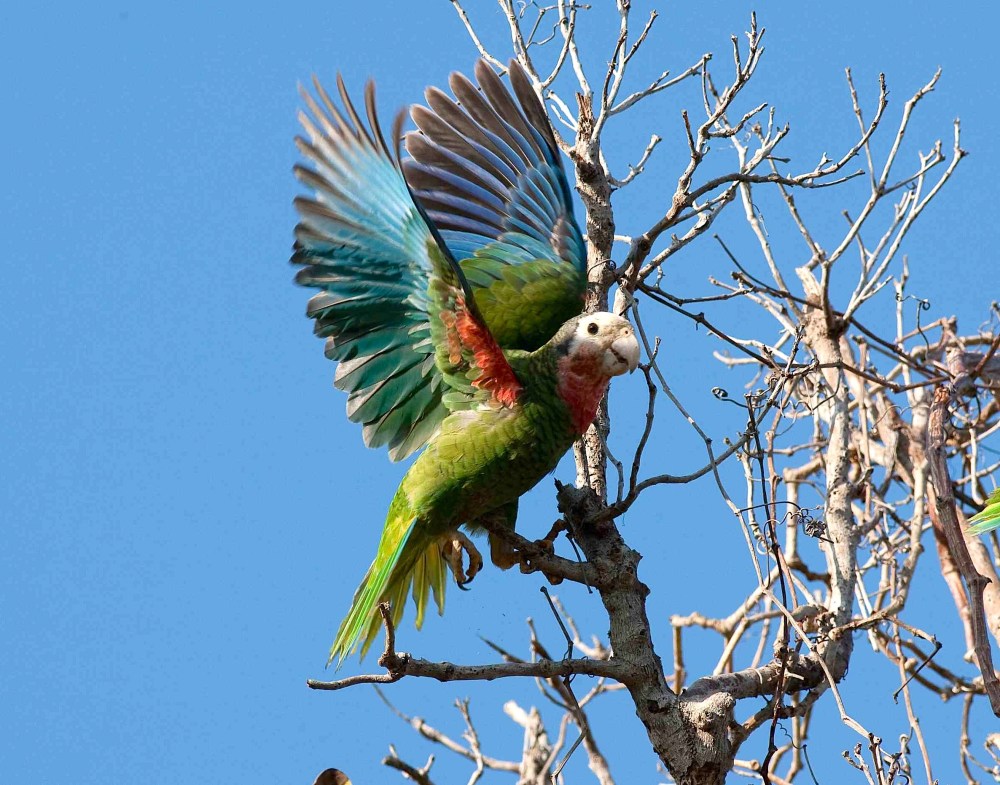
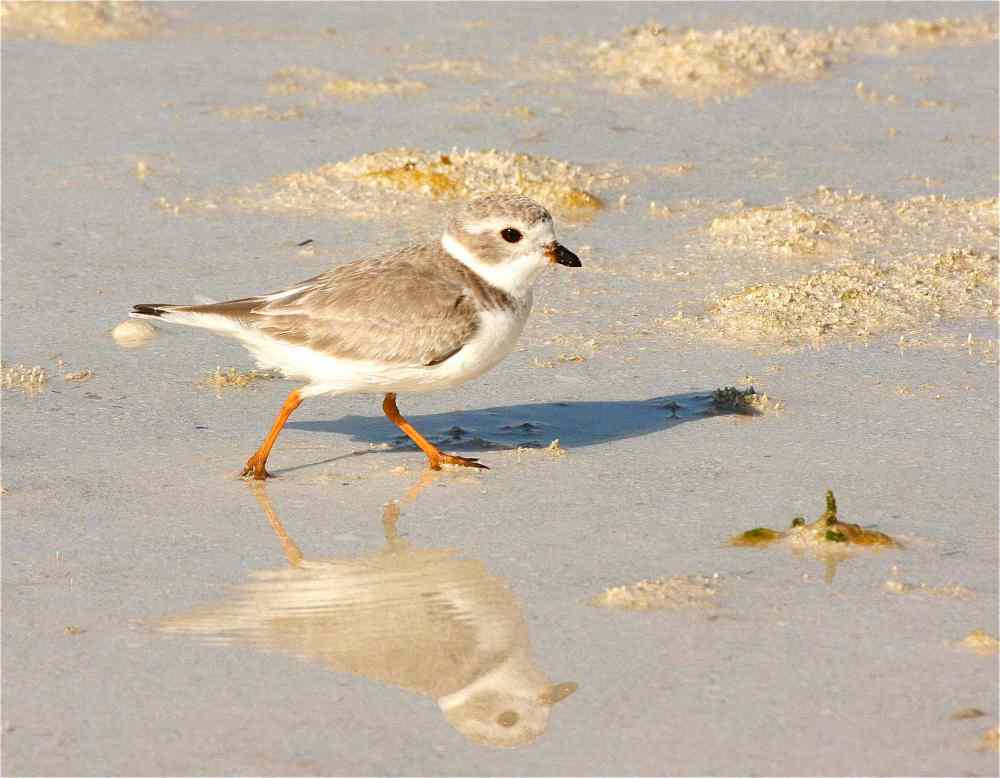
Some signal species serve as a continuing tribute to those who work to conserve them. The gorgeous ABACO PARROTS, now saved from the brink of extinction – and currently establishing a new colony on New Providence. The rare PIPING PLOVERS that find a safe home to spend their winters on Abaco’s beaches. The 5 ENDEMIC BIRD species. The WHALES & DOLPHINS that populate the waters. The west-indian MANATEES, until very recently almost unknown for Abaco yet now providing a curious addition to the scene as they visit their favourite haunts.

BLAINVILLE’S BEAKED WHALE (m) approaching the BMMRO research vesselBlainville's Beaked Whale, Sandy Point, Abaco 14 (Keith Salvesen

BOTTLENOSE DOLHIN, Sandy Point (about to dive under the boat)Bottlenose Dolphins, Rocky Point, Abaco (Keith Salvesen : BMMRO) 7

Habitat protection has been provided over substantial areas on both land and sea by the creation of natural parks and preserves. These have very recently been extended by the establishment of 4 large PROTECTED AREAS for East Abaco Creeks, Cross Harbour, the Marls and the South Abaco Blue Holes, a wonderful reward for a great deal of hard lobbying by conservation organisations and by many concerned individuals. 

QUEEN ANGELFISHQueen Angelfish ©Melinda Stevens Riger / G B Scuba

BANDED CORAL SHRIMPBanded Coral Shrimp ©Melinda Riger @ G B Scuba copy 2

Scientific research and conservation work is continuously carried out in Abaco waters. The CORAL REEFS that form the 3rd largest barrier reef in the world; the BLUE HOLES that lead to wonderful caves and cathedral caverns of crystal; the vast area of the MARLS and the species that rely on the mangrove swamps; the MANGROVES themselves: all these are watched over and monitored for ways to protect them best for future generations. 

PIPING PLOVER pair, Delphi (taken last month)Piping Plover pair, Delphi Beach, Abaco (Keith Salvesen)

PIPING PLOVER on AbacoPiping Plover, Abaco - Bruce Hallett

I’ve mentioned trees and plants. There are a variety of well-known sources for both on Abaco – on the mainland, anyway, and maybe some cays. Any will advise on bee and butterfly attractants. Thinking of which, bird seed feeders and hummer sugar water feeders are cheap and guarantee the interest of garden and coppice birds, and during the winter months some brightly coloured migrants such as buntings and grosbeaks. 

HIBISCUS – DelphiHibiscus, Delphi, Abaco (Keith Salvesen)

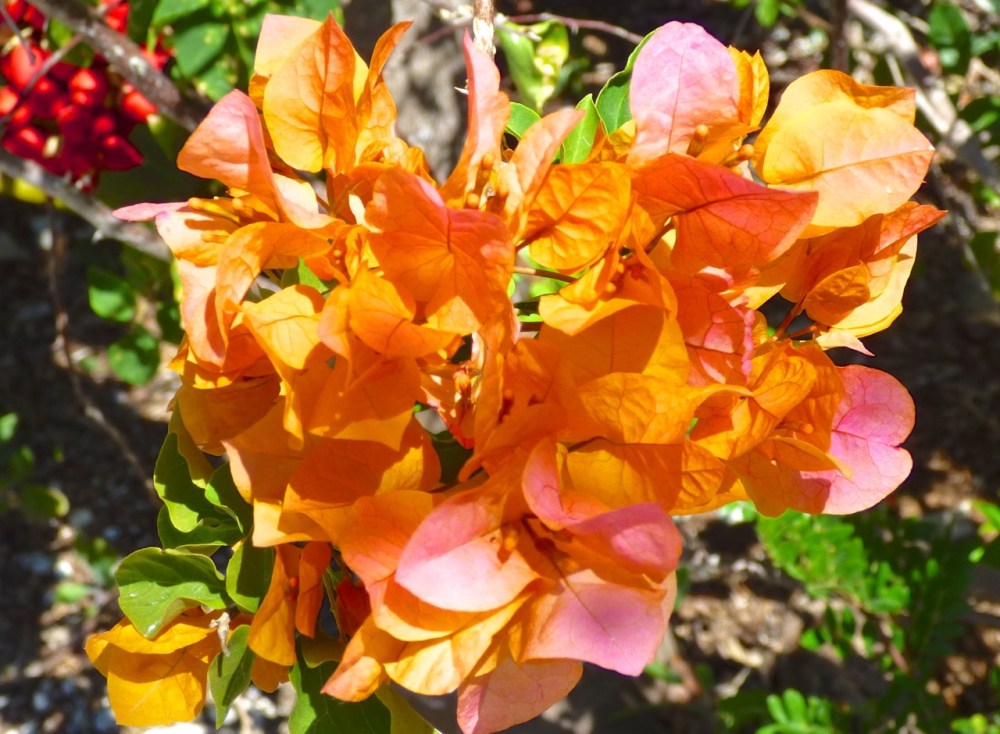
 BOUGAINVILLEA  – DelphiBougainvillea, Delphi, Abaco Bahamas (Keith Salvesen)

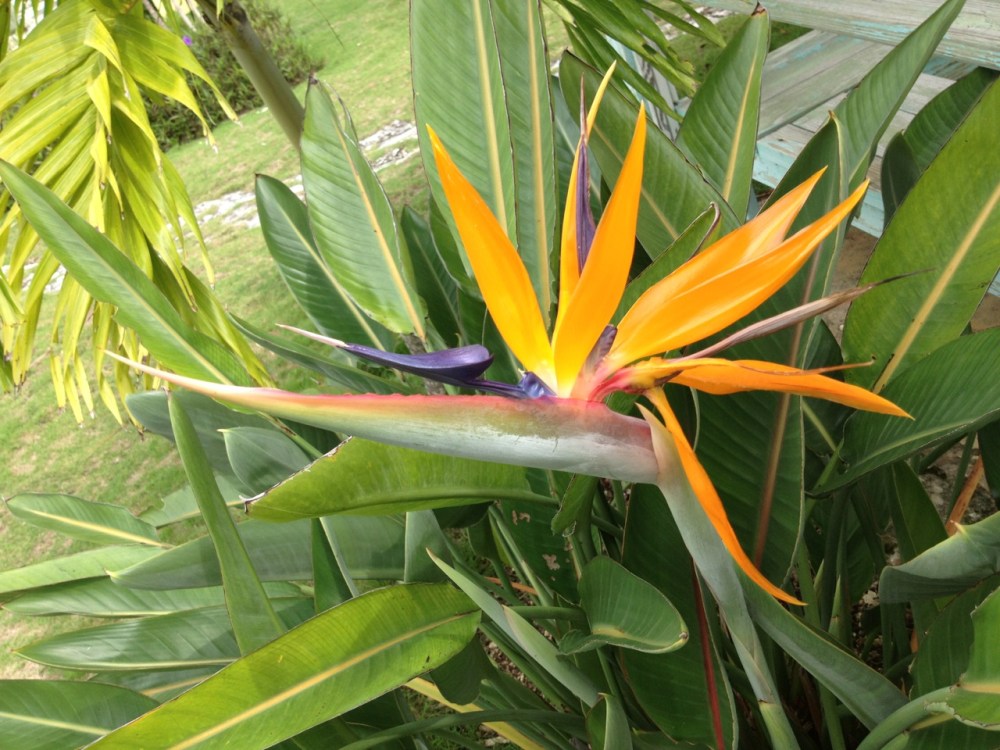
Bird of Paradise flower STRELITZIA – Marsh Harbour (seemingly on a steep slope!)Bird of Paradise Flower (Strelitzia) Abaco (Keith Salvesen)

HAPPY EARTH DAY TO YOU!

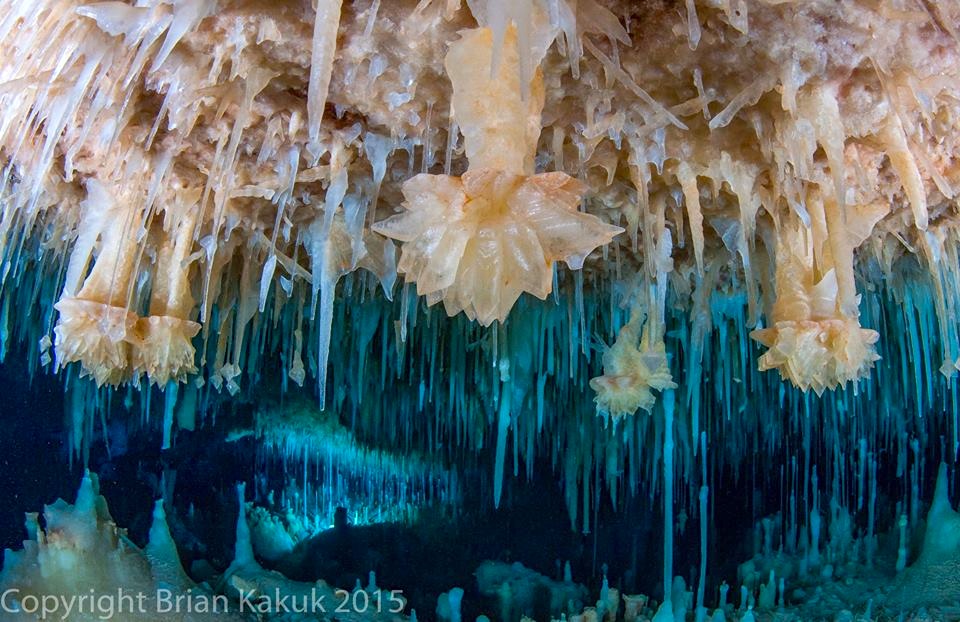
RALPH’S CAVE South AbacoRalph's Cave, Abaco (Brian Kakuk)

Credits: all images RH except: Abaco parrot, Craig Nash; Bahama yellowthroat, Gerlinde Taurer; Angelfish & Shrimp, Melinda Riger; single piping plover, Bruce Hallett; Ralph’s Cave, Brian Kakuk

Unknown's avatar

LAUGHING GULLS ON ABACO: NOT SHARING THE JOKE?


Laughing Gulls, Sandy Point, Abaco (Keith Salvesen)

LAUGHING GULLS ON ABACO: NOT SHARING THE JOKE?

Sandy Point always promises well for birding. There are plenty of ‘good’ birds to see there, depending on the time of year: tropicbirds, frigatebirds, ospreys, brown pelicans, white ibis, cattle egrets, other egrets and herons, kestrels, and a variety of shorebirds. And gulls. We encountered a pair of Laughing Gulls perched on a piling. 

To begin with they were laughing merrily. Then they quietened down. Maybe one of them told a somewhat off-colour joke. In the sequence of photos below, you can see the left hand gull tensing and preparing to fly. Then it does – leaving his buddy all alone to contemplate the consequences of causing a sense of humour failure…

Laughing Gulls, Sandy Point, Abaco (Keith Salvesen)Laughing Gulls, Sandy Point, Abaco (Keith Salvesen)Laughing Gulls, Sandy Point, Abaco (Keith Salvesen)

This is the sound of a pair of laughing gulls on the Marls objecting as we slowly poled through the mangroves towards them. Not laughing, but complaining…

Photos and movie clip: RH

Unknown's avatar

AMERICAN COOTS feat. “WHAT’S AFOOT?”


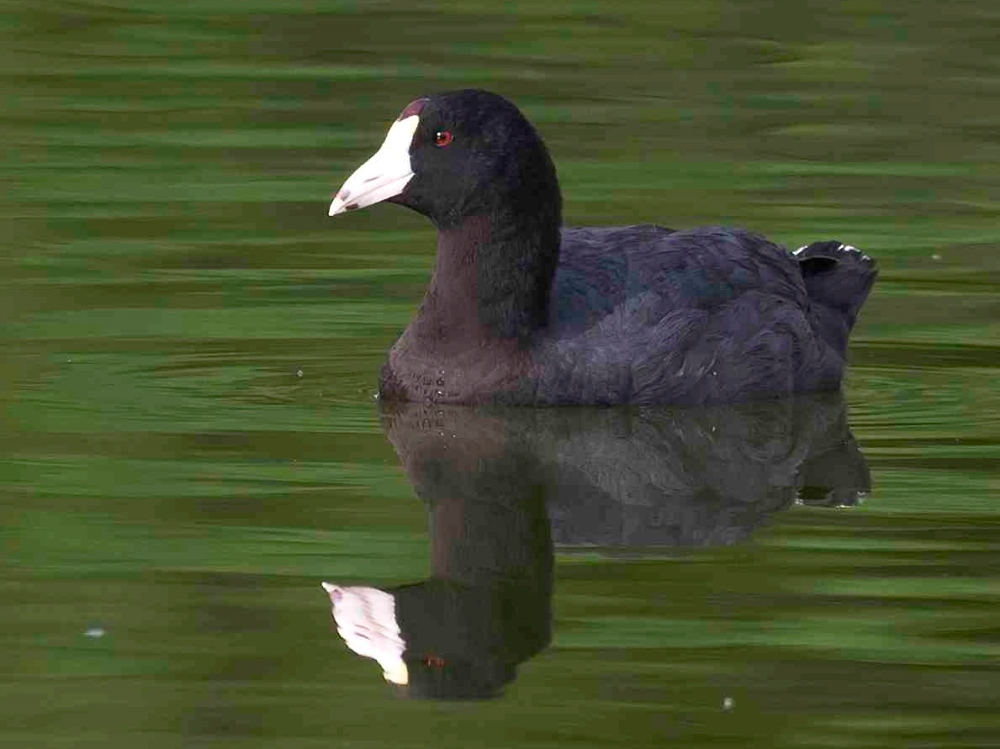
American Coot - Bahamas - Great Abaco - Gerlinde Taurer

AMERICAN COOTS feat. “WHAT’S AFOOT?”

The American Coot Fulica americana is similar in many respects to the COMMON GALLINULE (MOORHEN). Except for the beak colour, of course. And as you will see below, the feet.

American Coot.Abaco Bahamas (Tom Sheley)

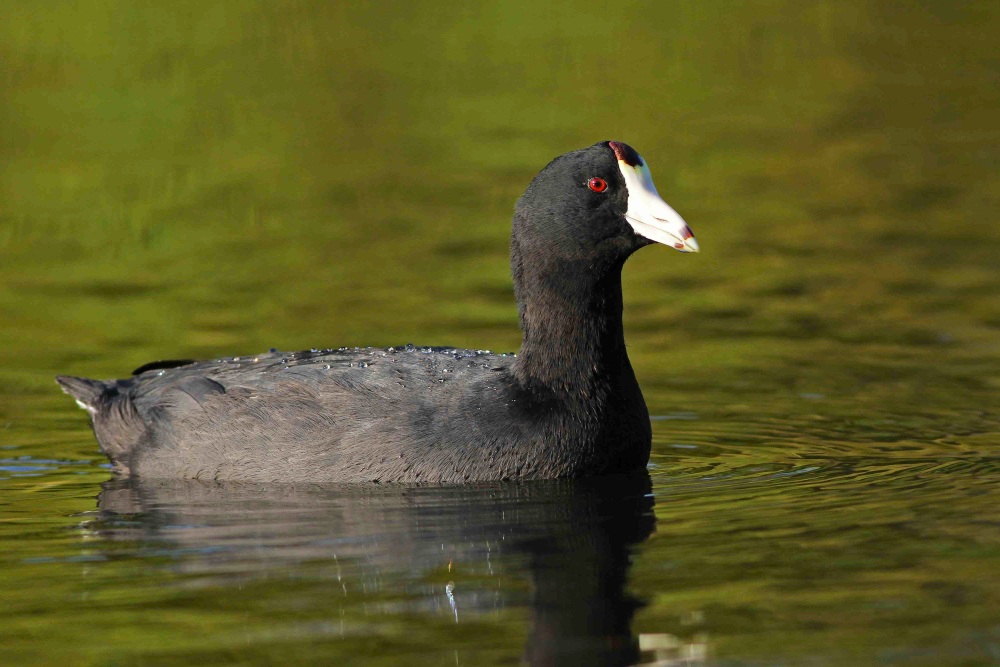
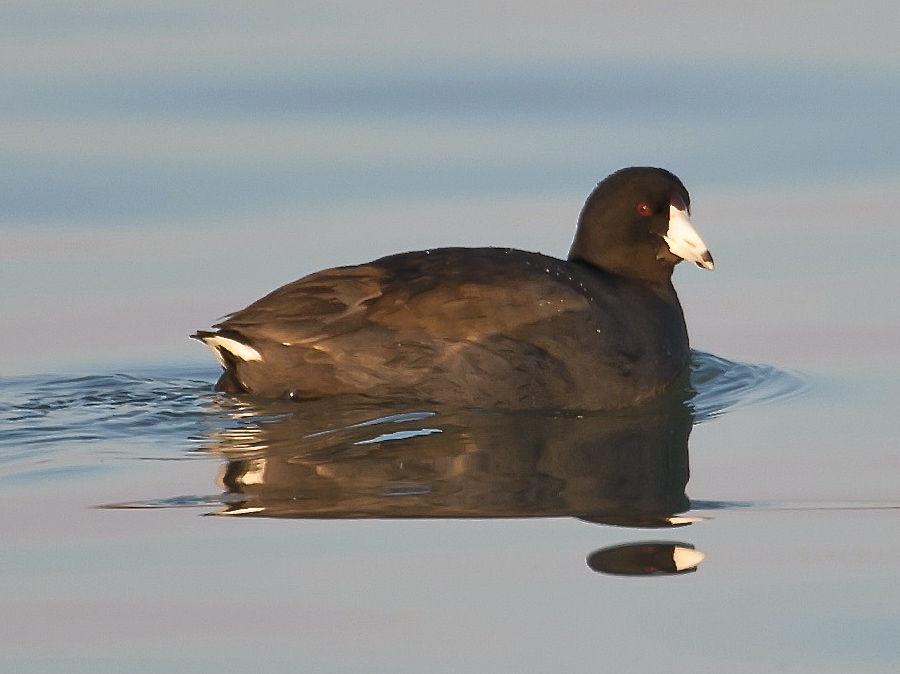
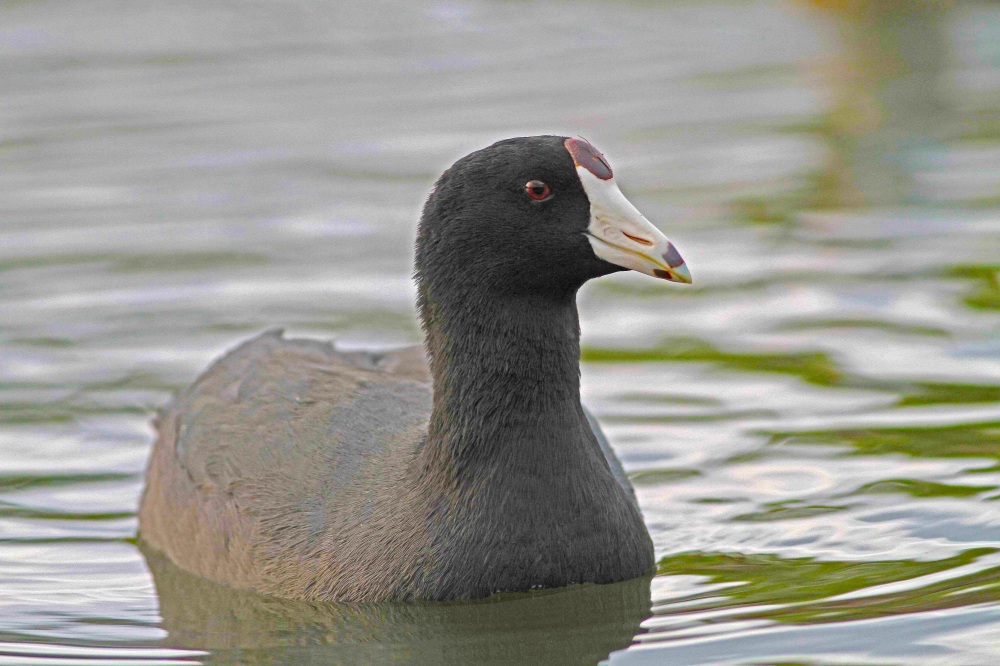
Most people would give an off-the-cuff description of a coot as ‘a black duck with a white beak’. They might add ‘…and a red eye’. Or ‘…and a dark band at the tip of the beak’. Or even ‘…I think there’s a white bit at the back end’. The header image pretty much sums up the classic coot.

American Coot 2 (Keith Salvesen)

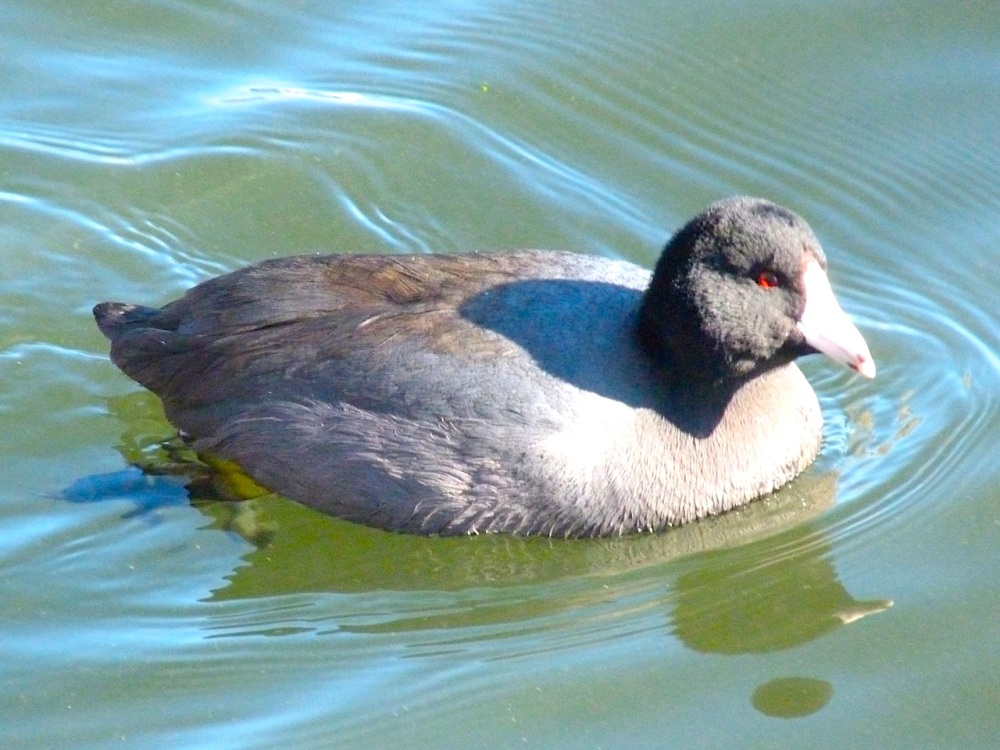
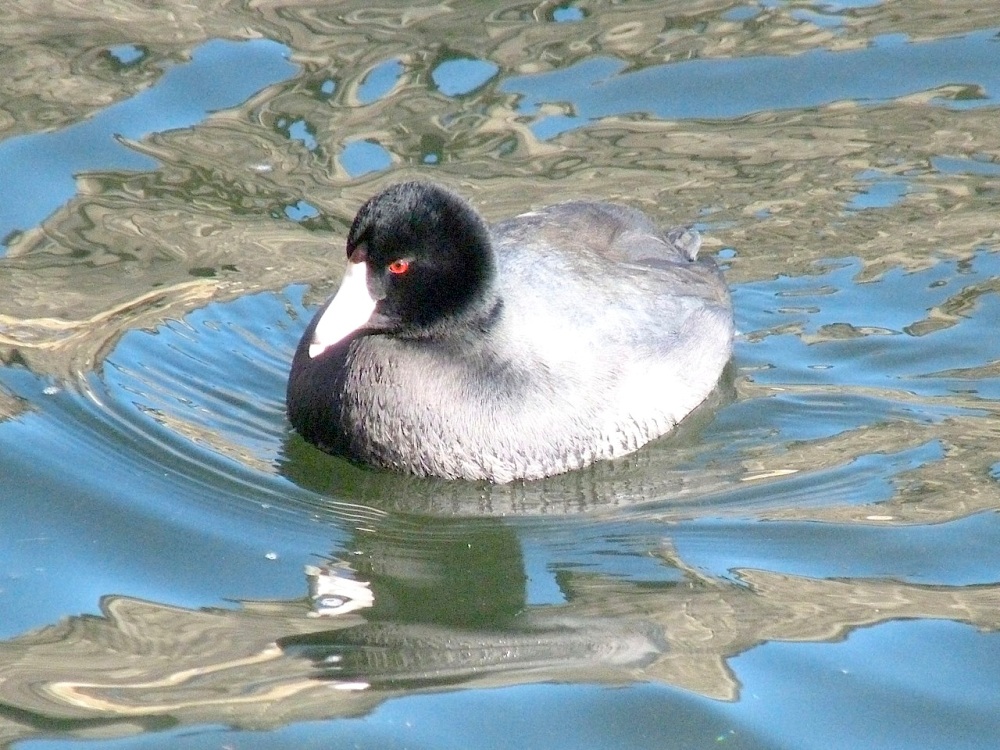
However, coots seem to take up or reflect other colours at times. The eyes remain a piercing red and the beak is white, but the body can range from black through slate-grey to pale grey, depending on the light. There may even be a tinge of brown or even orange.

American Coot - Bahamas - Great Abaco - Gerlinde Taurer

I always enjoy seeing coots and moorhens somewhere where the water ‘works’ with them and creates a dramatic image. I took the first photo below recently on the JKO reservoir in Central Park, New York, where the water looked weirdly like molten metal and some trick of the light made the bird seem as if is was in a shallow depression in the water.

American Coot (Keith Salvesen)

Tom Sheley took the photo below on a ‘green water’ day at the pond on Treasure Cay Golf Course. I have recommended it before as an excellent birding site for waterbirds – coots, moorhens, Bahama pintails, northern pintails, neotropic cormorants, blue-winged teal, least grebes, pied-billed grebes, green herons – I’ve even seen a reclusive least bittern there. There are plenty of ‘land’ birds on the course too.

American Coot.Treasure Cay, Abaco Bahamas.6.13.Tom Sheley copy 2

If you go to TCGC for the birding, you just need to clock in at the clubhouse in case it’s a match day; and so they know who is out and about on the course. And, as I wrote elsewhere, if you hear a loud yell of “Fore”, it probably won’t be someone counting the coots. Time to… er… duck.

Q: “WHAT’S AFOOT?” *

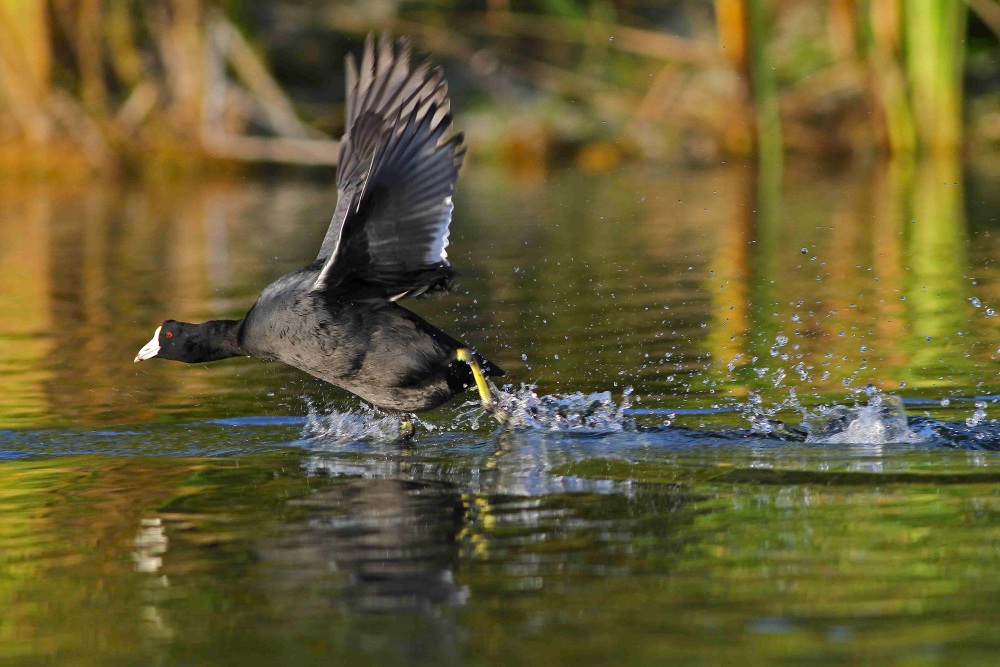
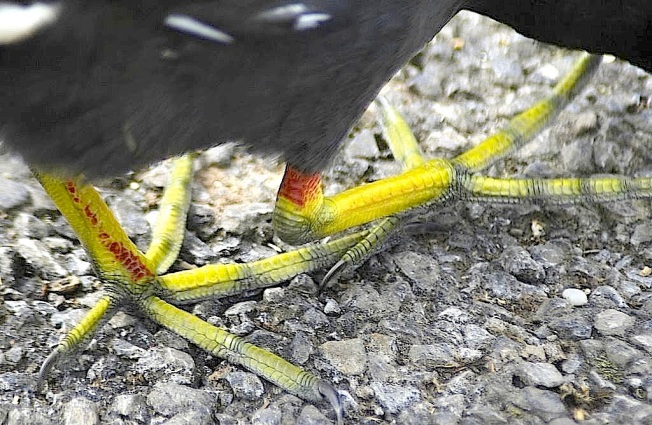
I mentioned that one of the differences between coots and moorhens is their feet. Gerlinde Taurer’s photo of a coot taking off suggests that something powerful is happening below the water to assist the wings to propel the bird into flight.American Coot - Bahamas - Great Abaco - Gerlinde Taurer

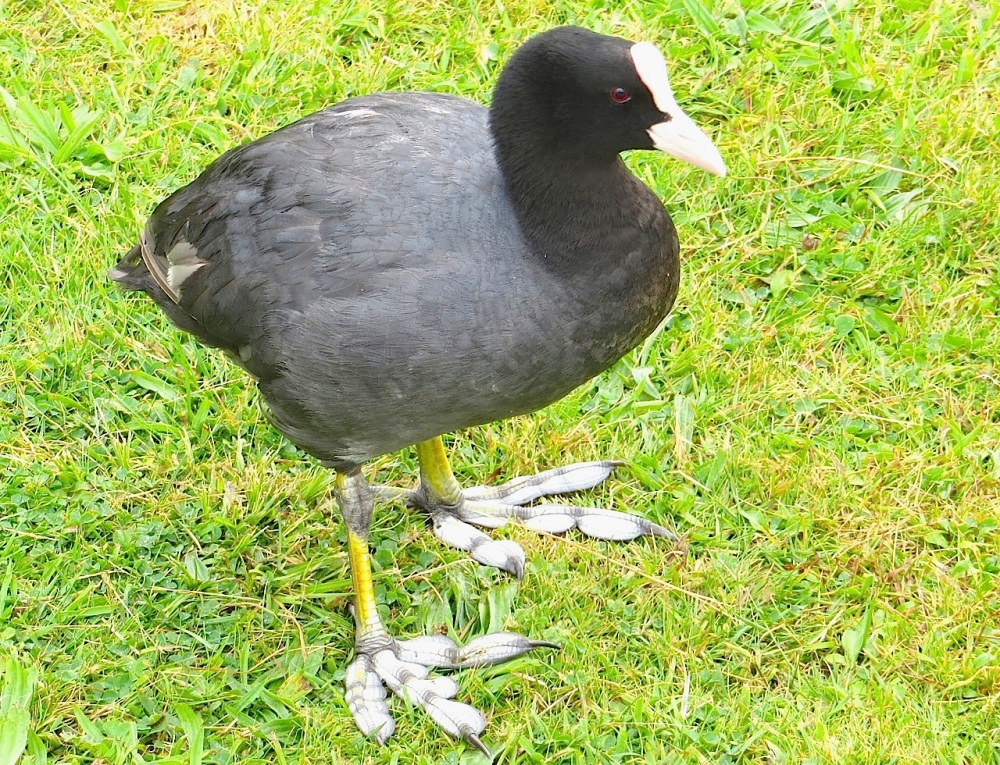
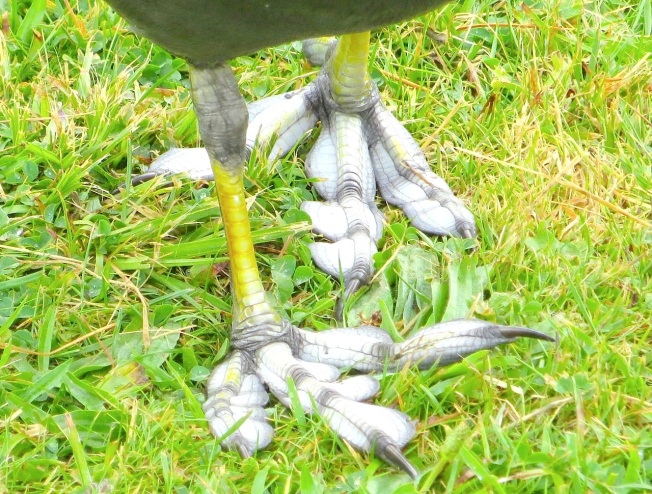
A coot’s feet are quite unlike the pedal extremities of any other birdCoot, showing feet (Keith Salvesen)Coot Feet Close-up Keith Salvesen copy

Moorhen’s feet for comparison – completely different structurallymoorhen_feet-mehmet-kartuk-wikijpg-copy* A: “A funny-shaped thing on the end of your leg”. How we laughed (aged 7)

Credits: Gerlinde Taurer (1, 4, 7); Tom Sheley (2, 6); Keith Salvesen (3, 5, 8, 9); Mehemet Kartuk (wiki) 10

Unknown's avatar

“TEACH YOUR CHILDREN WELL”: WHERE CONSERVATION BEGINS


Young conservationist on Abaco, Bahamas

“TEACH YOUR CHILDREN WELL”: WHERE CONSERVATION BEGINS

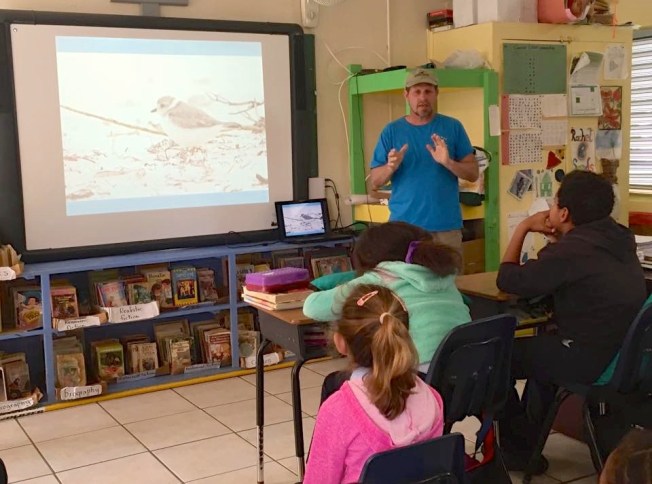
“Catch ’em young”. The perfect plan with children. On Abaco, wonderful work is continually being done with young children on the mainland and on each cay to teach them how precious their environment is, how fragile, and how important it is to take good care of it. The huge enthusiasm of the youngsters casts a beam of light onto the rather dark global picture of habitat destruction, pollution and ecological neglect that we have become depressingly accustomed too.

Young conservationists on Abaco

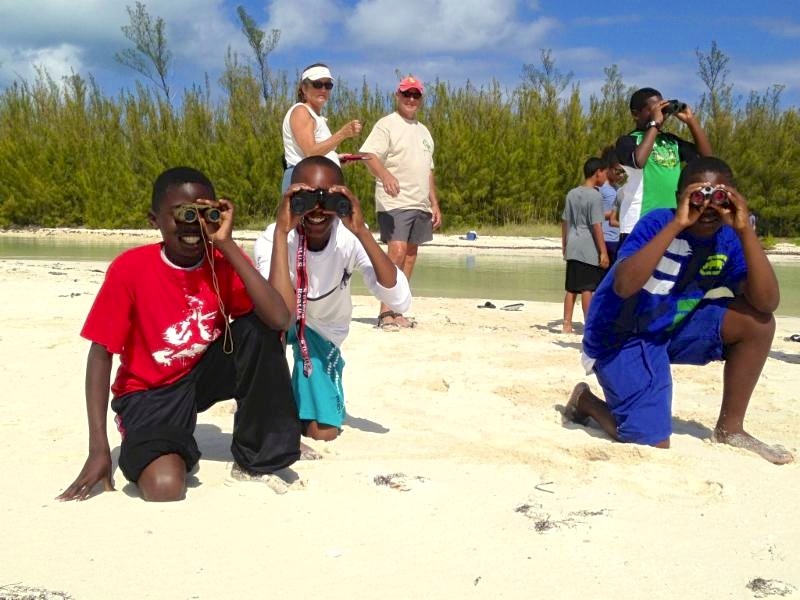
Education and training is carried out in schools; field work is done involving children of all ages; and camps are organised. FRIENDS OF THE ENVIRONMENT carries out this invaluable and rewarding task on an almost daily basis, offering students an astounding range of environment-based activities. Even the very youngest are catered for: the “Sea Beans Club”  is an after-school club for ages 3-5, which introduces young minds to their environment through educational activities and outdoor play.

Students and researchers from CWFNJ survey the beach to make sure that their activities will not disturb any plovers feeding in the areaYoung conservationists on Abaco

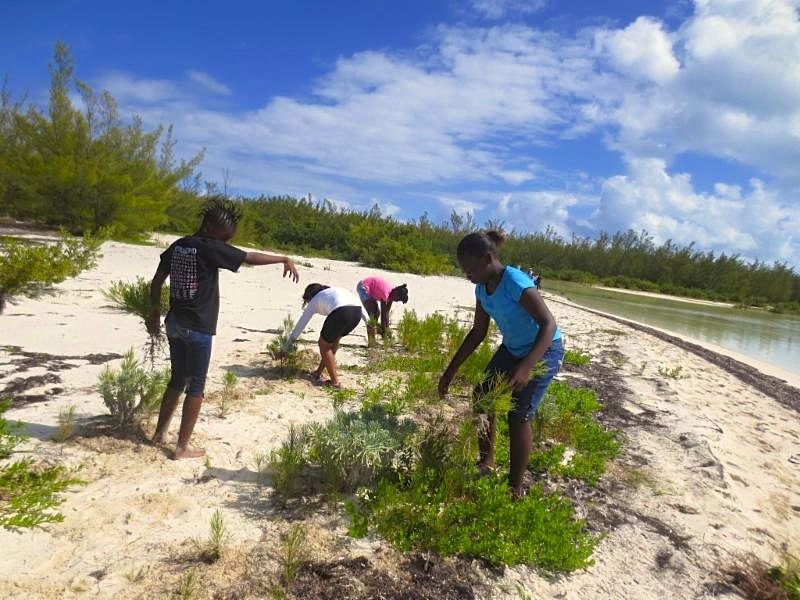
Students and volunteers selectively remove small invasive Casuarinas, which were encroaching on plover roosting habitat. By removing the invasive plants, native plants will be able to flourish and help stabilize the beach.Young conservationists on Abaco

The BAHAMAS NATIONAL TRUST, too, plays its part in educating children about the fascinating yet frail world around them. For example, Scott Johnson’s snake protection work, in which he demonstrates to small kids that Bahamas snakes are completely harmless and to be respected not feared, is a wonder to behold.

BNT’s Scott Johnson visits a school with his non-scary snakesScott Johnson - BNT - Bahamas Snakes - Children's Education

In addition there are strong partnerships with organisations many miles away from the Bahamas, of which the CONSERVE WILDLIFE FOUNDATION OF NJ is the prime example. Todd Pover, Stephanie Egger and the team take their remit beyond their well-known piping plover conservation work by engaging with the pupils of Abaco’s schools each year and inspiring them.

Amy Roberts Primary School CWFNJYoung conservationists on AbacoYoung conservationists on AbacoYoung conservationists on Abaco

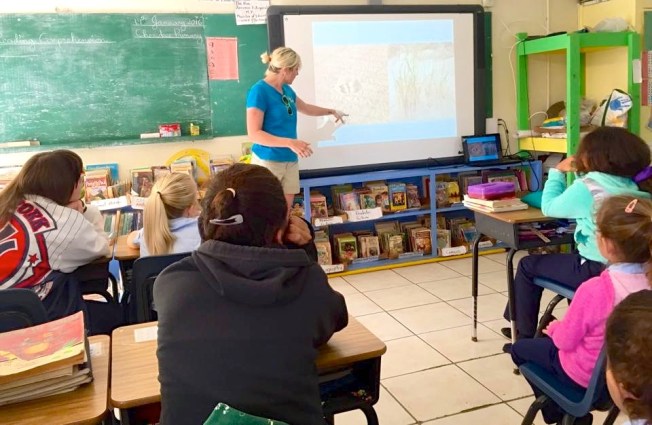
Much of the work is done in the field, getting the children interested in birds, the shoreline, the vital ecological role of mangroves, and the problems of marine debris. Other important work can be done in the classroom.

Young conservationists on Abaco Young conservationists on Abaco(A quick shout-out to Tom Reed, who I know took the piping plover photo!)

The clear message being sent out to the schoolchildren on Abaco is this: you are never too young to learn how to appreciate, respect and look after your environment. And they are responding with intelligence and enthusiasm. We are lucky that these kids are the future.

IMG_7390

Stephanie Egger of CWFNJ writes: “This year, we’ve reached over 120 students through the Shorebird Sister School Network Program, both from the Bahamas and in the United States. We hope to foster a greater appreciation for wildlife, especially for the Piping Plover and its habitat, and inspire students to help now — and later on in their lives as adults — ensuring the recovery and survival of the bird for years to come”.

VOLUNTARY MUSICAL DIGRESSION

“Teach your Children” is the second track of Déja Vu, the 1970 CSNY album. Nash wrote it much earlier, when still with the Hollies, then stored it in his musical lumber room. Just as well: it fits perfectly with the rather fey hippy vibe of the rest of Déja Vu.

Young conservationist on Abaco

Credits: huge thanks for general use permission for material to FotE, BNT and CWFNJ; and to all the individual photographers concerned

Unknown's avatar

BUTTERFLIES ON ABACO (8): WHITE PEACOCK


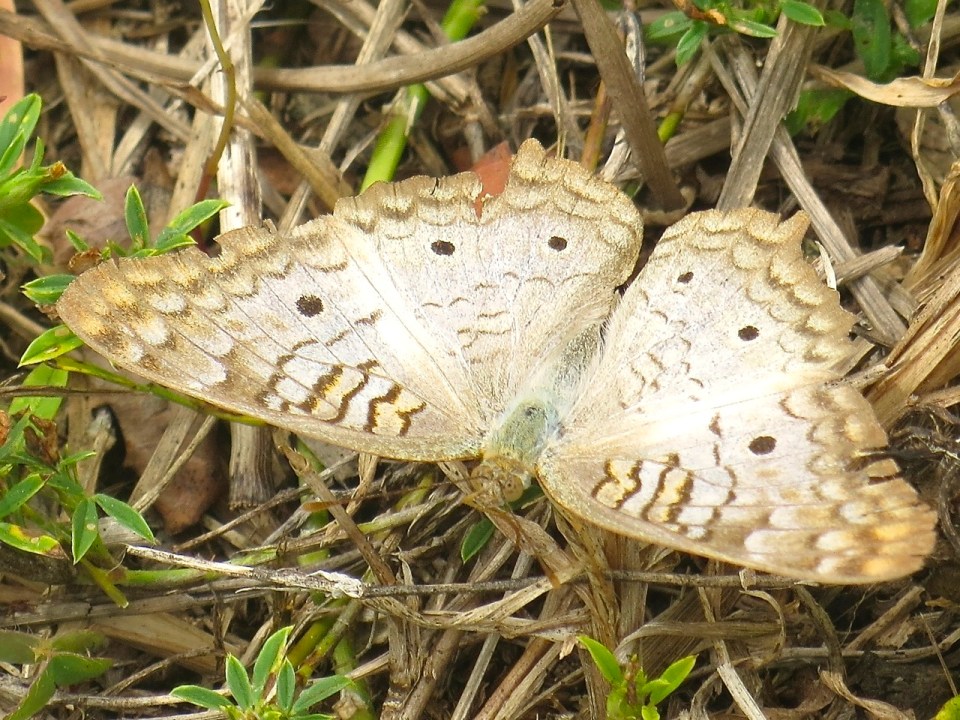
White Peacock Butterfly, Abaco (Keith Salvesen) 1

BUTTERFLIES ON ABACO (8): WHITE PEACOCK

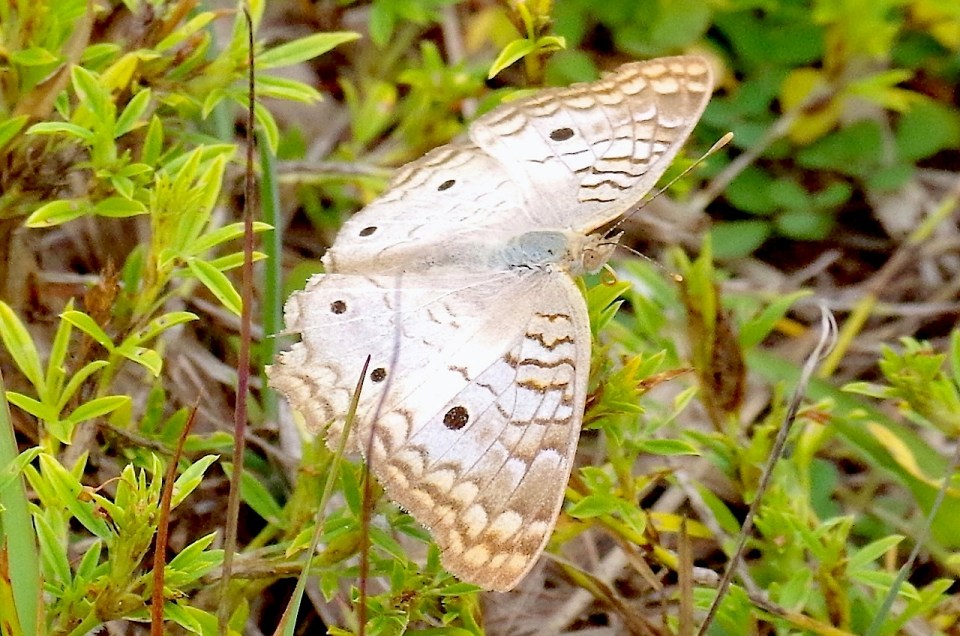
The white peacock (Anartia jatrophae) is not a rare butterfly in the northern Bahamas. However, until recently I had never – or never consciously – seen one before. Then we came across a few at the Neem Farm, all very frisky and mostly refusing to settle for more than 1/100 second. By the time I have remembered to remove my lens cap, they are 50 yards away.

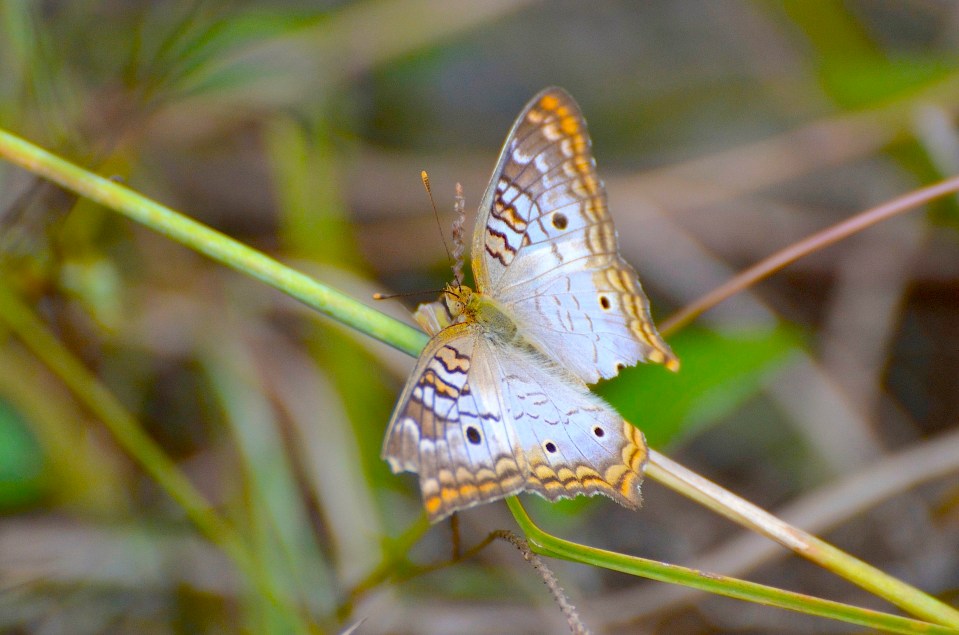
White Peacock Butterfly, Abaco (Keith Salvesen) 2White Peacock Butterfly, Abaco (Keith Salvesen) 3White Peacock Butterfly, Abaco (Keith Salvesen) 4

I checked out these pretty but unassuming butterflies online because they seemed rather pale and anaemic. As far as I can make out this is because they were still in winter colouring; in summer they are more brightly marked. Here’s a photo of a dishevelled white peacock taken in June at Delphi by Charlie Skinner, which shows stronger colours.

White Peacock, Abaco DSC_4786 (Charlie Skinner)

ARE THEY EVER FOUND LOOKING BRIGHT AND NOT FALLING APART?

Yes, of course, but interestingly, never ever in the field. The one below, non-anaemic and intact, was thoughtfully uploaded to Wiki by Greg Hume. He took it at a butterfly show, where presumably tatty butterflies are excluded…

WhitePeacock (Greg Hume)

Photos: Keith Salvesen 1 – 4; Charlie Skinner 5; Greg Hume 6

Unknown's avatar

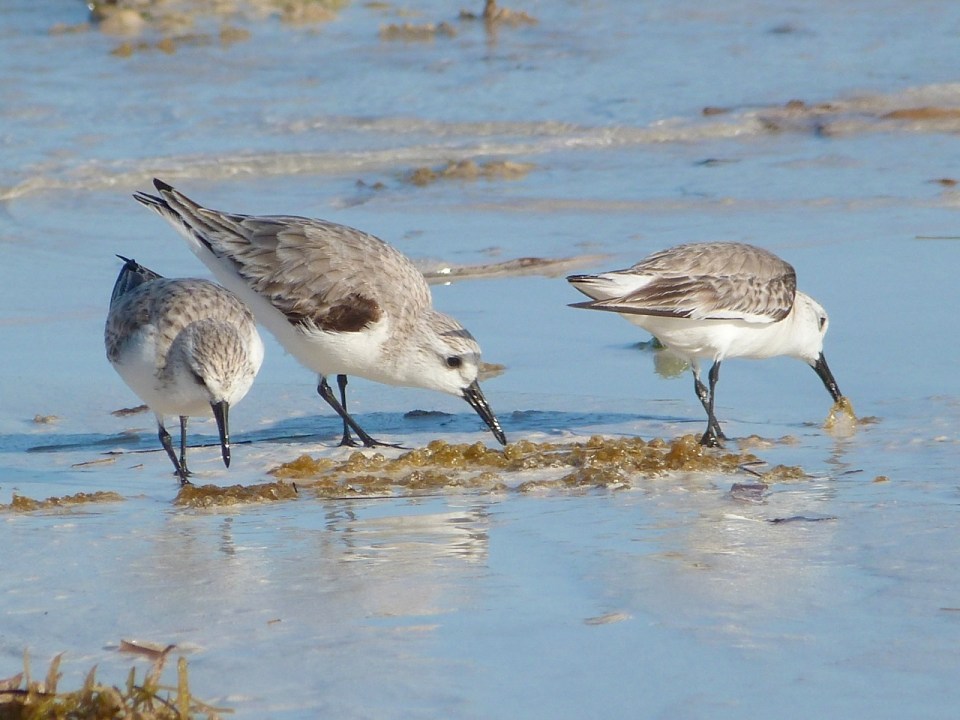
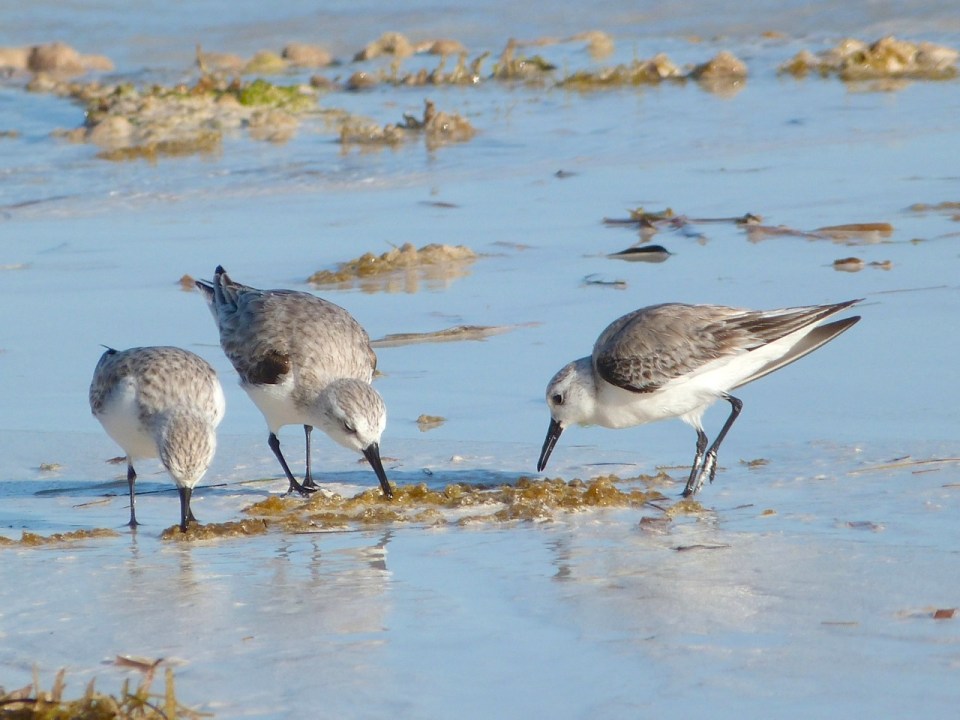
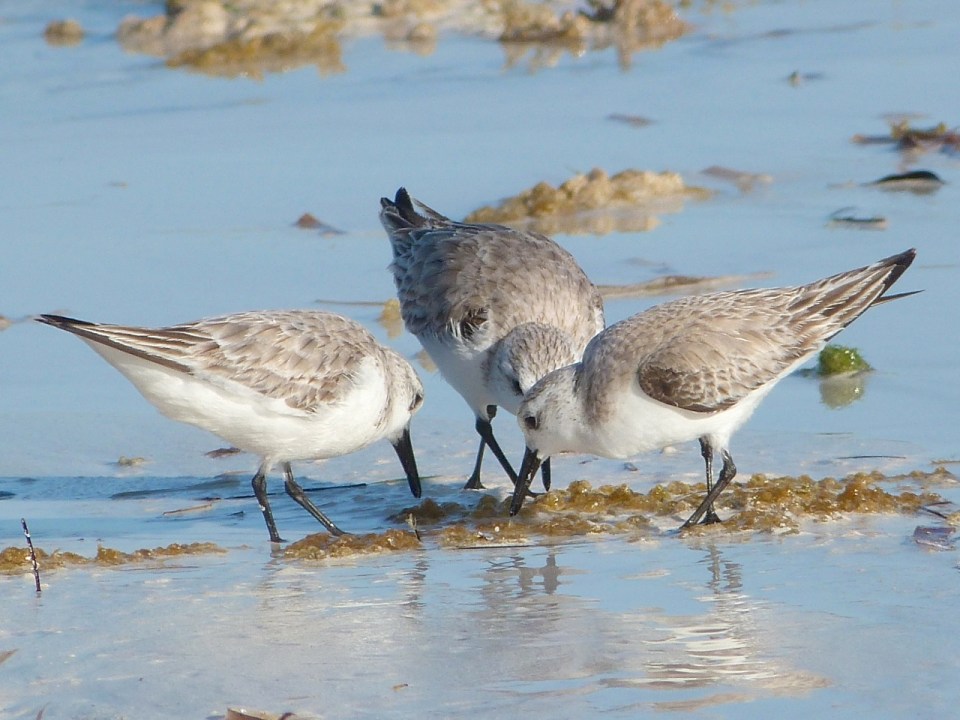
“WE WANT THE SAME THING”: SANDERLINGS À GO-GO


Sanderling Trio, Delphi Beach, Abaco (Keith Salvesen) 2

“WE WANT THE SAME THING”: SANDERLINGS À GO-GO

Good grief, this is awful. Suddenly I’m channelling Belinda Carlisle, raucous chanteuse and former lead vokes with the Go-Gos. She has not impinged on my cerebral cortex for, oh, 20 years. And even then, not of my own volition. Yet as soon as I downloaded and checked on-screen this sequence of sanderling photos taken as they foraged greedily on the Delphi beach, a spooky thing happened. The dread words and tune of ‘We Want The Same Thing’ crackled round my synapses. Listen! Can you hear it too?

It should of course have been “We Want The Same Crustaceans, Mollusks and Worms”, but no one has written that song. Yet. And I am now left with Belinda’s ear-worm… and other ones from that exhausting back catalogue are crowding in to join it, not least “Circle in the Sand” and “Heaven is that Delphi Place on Earth”…

“We Want the Same Thing”, though we have an entire beach to forage on…Sanderling Trio, Delphi Beach, Abaco (Keith Salvesen) 3 Sanderling Trio, Delphi Beach, Abaco (Keith Salvesen) 4 Sanderling Trio, Delphi Beach, Abaco (Keith Salvesen) 5 Sanderling Trio, Delphi Beach, Abaco (Keith Salvesen) 6

OPTIONAL MUSICAL DIVERSION (YOU WERE WARNED)

All photos RH on the Delphi Beach, Abaco; musical stuff inspired by Ms Carlisle. Weird.

Unknown's avatar

“FIVE YEARS HARD LABOUR” (NOT!) & A PARROT TO PROVE IT…


Abaco Parrot 12:15

“FIVE YEARS HARD LABOUR” (NOT!) AND A PARROT TO PROVE IT

I was reading about sea cucumbers online when a small golden Trophy flashed up on my screen, top right. It was mine genial host ‘WordPress’ to remind me that today is the fifth anniversary of this blog. Good grief! Time flies when you are having fun. 

So I packed in the sea cucumbers and decided to post a single image that stands for much of what this blog has been about over the five years – the promotion of Abaco’s wildlife, ecology and conservation in particular; and of the attractions of main island and its cays in general. The excellent contemporary bluesman Seasick Steve (such a great name) has an album called “I started with nothing and I’ve still got most of it left”. This blog was started on a whim from nothing, with a near-zero knowledge base and me blundering about in the darkest blogosphere. It’s still pretty dark out there, but I seem to have got the hang of a few things along the way. My thanks to the 1100+ followers and the 300,000+ people who have hit the site over the five years. Without you guys and the encouragement I have received, the whole exercise would have ground pointlessly to a halt at an early stage… Instead, Rolling Harbour will keep on erratically rolling along.

Let the parrots have their say…

(Photo & sound recording from Bahama Palm Shores, RH)

Unknown's avatar

PELICAN BRIEF (2): SANDY POINT, ABACO


Pelican Dive, Sandy Point Abaco (Keith Salvesen) 04

PELICAN BRIEF (2): SANDY POINT, ABACO

The small settlement of Sandy Point is literally at the end of the road. Beyond the limit of the tarmac lies the shallow sea. The Highway – Abaco’s only main road – extends the length of the skinny island, 120 miles roughly north to south with occasional side roads to settlements, dirt roads, forestry tracks, and something a bit more significant for Marsh Harbour – a roundabout, a single set of working traffic lights, the only ones on the island. There’s a second set but I have never seen them working. I don’t think anyone ever has. Maybe they were never even wired up.

Brown Pelicans, Sandy Point, Abaco 7

We went to Sandy Point for lunch with friends at the famous (though not yet world-famous) Nancy’s, with its reliably comforting menu of a choice of the same 3 dishes permanently on offer (fresh fish, conch, or chicken), plus Kalik or Sands beer. Simple yet satisfying. Sandy Point is a great place for birding, both sea / shore / wading birds, and land birds. Ospreys are often around. And brown pelicans. At high tide they dive off the dock (see HERE). At low tide, when the long sand bars are just visible above the water level, the pelicans use them as base for their fishing operations, often some 200 yards from the shoreline.

Brown Pelicans, Sandy Point, Abaco 11

We were watching 5 pelicans doing just that – lazily flapping aloft from the water in their clumsy way, then turning swiftly and diving with some elegance before smashing into the water for fish, returning in triumph or sorrow to the sand bar to eat… or plan the next foray. Then one detached itself from the group and flew closer to us for a single dive in deeper water, before flapping heavily back to the sand bar.

I took a sequence of photos with ‘Hated Camera’ (having drowned ‘Loved Camera’ in a minor marine mishap). As I have since discovered, ‘HC’ was on the wrong setting the whole time – by which I mean several days (some small but important side switch I’d neglected to remember). Hence the pelican images are in small format because I am slightly ashamed of the quality… There’s a theory about cartoons that there are two possible reasons for pairing them together on a magazine page: (1) they are each doubly funny and therefore only need half the space; or (2) they are only half as funny and so two are needed to double the overall chuckle quotient…

So here is the pelican dive sequence – unsuccessful in terms of fish – with the bird then flying back past us to the sand bar to rejoin his 4 buddies. I’ve put 2 images per line – either because (on the cartoon principle above) they are so good they only need half the allotted space or (hint: this is the truth) they are of such indifferent image quality that I am too embarrassed to enlarge them…

Pelican Dive, Sandy Point Abaco (Keith Salvesen) 01 Pelican Dive, Sandy Point Abaco (Keith Salvesen) 02 Pelican Dive, Sandy Point Abaco (Keith Salvesen) 03 Pelican Dive, Sandy Point Abaco (Keith Salvesen) 04 Pelican Dive, Sandy Point Abaco (Keith Salvesen) 05 Pelican Dive, Sandy Point Abaco (Keith Salvesen) 06 Pelican Dive, Sandy Point Abaco (Keith Salvesen) 07 Pelican Dive, Sandy Point Abaco (Keith Salvesen) 08 Pelican Dive, Sandy Point Abaco (Keith Salvesen) 10 Pelican Dive, Sandy Point Abaco (Keith Salvesen) 11 Pelican Dive, Sandy Point Abaco (Keith Salvesen) 12 Pelican Dive, Sandy Point Abaco (Keith Salvesen) 13

In the final image you can just make out a spooky ghost ship on the horizon. This is the huge vessel moored at the ‘Disney’ island, historically named Gorda Cay but now ‘pirated up’ to Castaway Cay. Arrrrrrrr!

Credits: all images RH & ‘Hated Camera’; Mrs RH kindly being encouraging about the results

Unknown's avatar

BUTTERFLIES ON ABACO (7): LONG-TAILED SKIPPER


Long-tailed Skipper Butterfly, Abaco (Keith Salvesen) 1

BUTTERFLIES ON ABACO (7): LONG-TAILED SKIPPER 

The Abaco Neem Farm is run by Nick Miaoulis with a passion and commitment to the environment matched by few. The farm products can be found in the excellent Abaco Neem shop in Marsh Harbour. This is wonderful place for birding. Besides fruit trees of many kinds, there is a perfect mix of coppice and pine-forest to satisfy the most habitat-pedantic species. 

Long-tailed Skipper Butterfly, Abaco (Keith Salvesen) 3

Around the fruit trees, wildflowers are encouraged to thrive. These attract bees (Nick also has hives) and of course butterflies – not forgetting moths. Amongst the fluttery creatures, we found a long-tailed skipper (Urbanus proteus), a butterfly found in tropical and subtropical areas. It is a striking creature, with iridescent blues on the body and two long tails extending from the hindwings. The caterpillar is said to be a crop and ornamental plant pest; the butterfly is described as uncommon (maybe for the Bahamas, anyway).

Urbanus proteus: the caterpillarUrbanus_proteus4 (Mike Boone Bug Guide)

Urbanus proteus on Man-o-War CayLong-tailed Skipper - Abaco Butterfly (Charmaine Albury)

Two non-Abaco examplesLong-tailed_Skipper_Butterfly_(Urbanus_proteus)_1 (Jonathan Zander Wiki)Common_longtailed_skipper_(Urbanus_proteus_domingo)_female (Charles Sharp)

Abaco Neem Farm (with beehive)Bee Hive, Neem Farm, Abaco (Mrs RH)

Credits: Keith Salvesen (1, 2); Wiki-pillar (3); Charmaine Albury (4); Non-Abaco Wiki-Skippers Jonathan Zander (5) and Charles Sharp (6); Mrs RH (7)

Unknown's avatar

SITTING ON THE DOCK OF THE BAY… TAKING TERNS ON ABACO


Royal Terns Cherokee Abaco (Keith Salvesen) 1

SITTING ON THE DOCK OF THE BAY… TAKING TERNS ON ABACO

During a day of deep-sea fishing we put into Cherokee for a short time at the famous LONG DOCK, the longest wooden dock in the Bahamas. There were three royal terns at various plumage stages watching and waiting for fish, or maybe just ‘watchin’ the tide roll away’. Not that there is very noticeable tide at Cherokee, hence the need for the Long Dock to get out to deeper water from the shallows. So this was a good time to take a few photos from the boat with a point ‘n’ shoot, having dumped my proper camera in the sea (by mistake, I should add).

One bird has been banded with a metal ring LR. Does this signify anything to anyone?Royal Terns Cherokee Abaco (Keith Salvesen) 3Royal Terns Cherokee Abaco (Keith Salvesen) 2Royal Terns Cherokee Abaco (Keith Salvesen) 4 Long Dock, Cherokee

RELATED POSTS

CHEROKEE LONG DOCK

ABACO ROAD TRIP: CHEROKEE SOUND

All photos RH, short Musical Digression to be added when I am reunited with my computer next week…

THE PROMISED MUSICAL DIGRESSION

“(Sittin’ On) The Dock of the Bay” was co-written by Otis Redding and Stax guitarist Steve Cropper. The song was recorded in 1967, but shortly before its release in 1968, Redding died in a plane crash. The song became the first posthumous single to top the charts in the US (it reached number 3 in the UK), and won two Grammys. It has been covered around 7387 times (or so it seems), most surprisingly (or alarmingly) by T Rex, Pearl Jam, and Sammy Hagar. And Michael Bolton. Grrrrrrr. And not one single cover version – I challenge you to deny it – is half as good as the original…

Unknown's avatar

THE PECKING ORDER: WEST INDIAN WOODPECKERS AT DELPHI ABACO


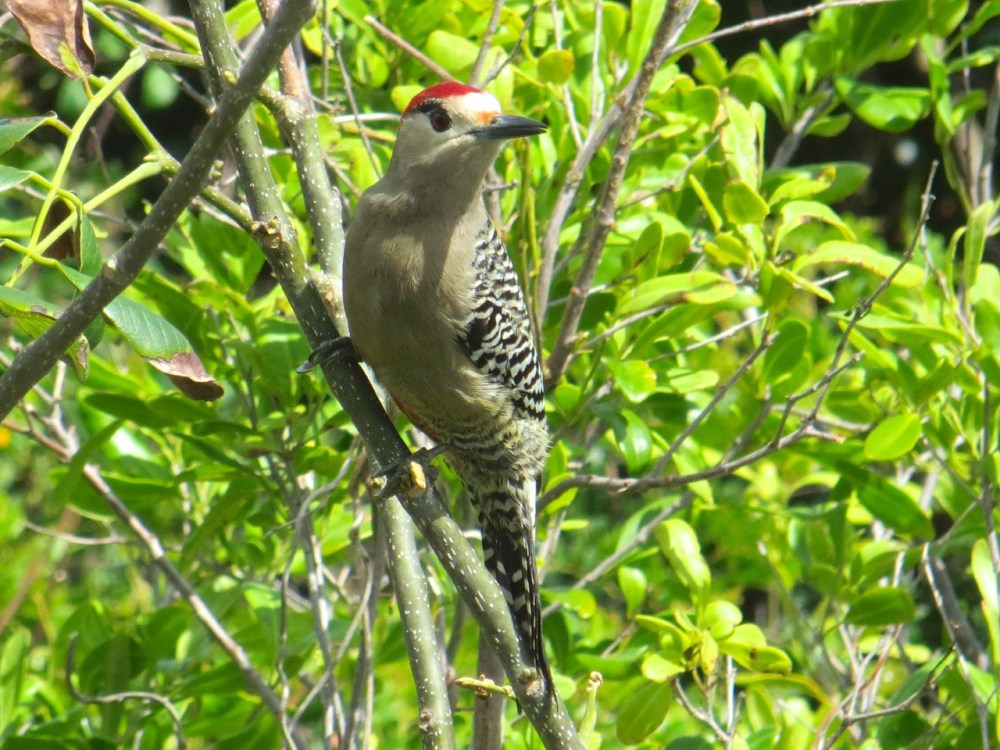
West Indian Woodpecker, Delphi, Abaco (Keith Salvesen)1

THE PECKING ORDER: WEST INDIAN WOODPECKERS AT DELPHI ABACO

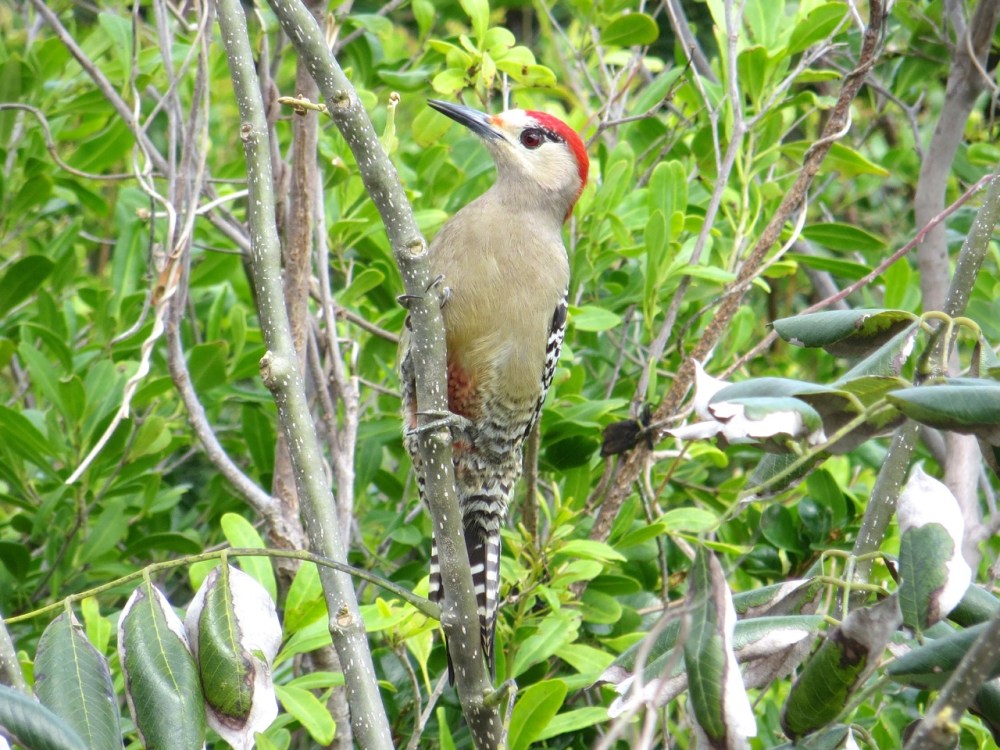
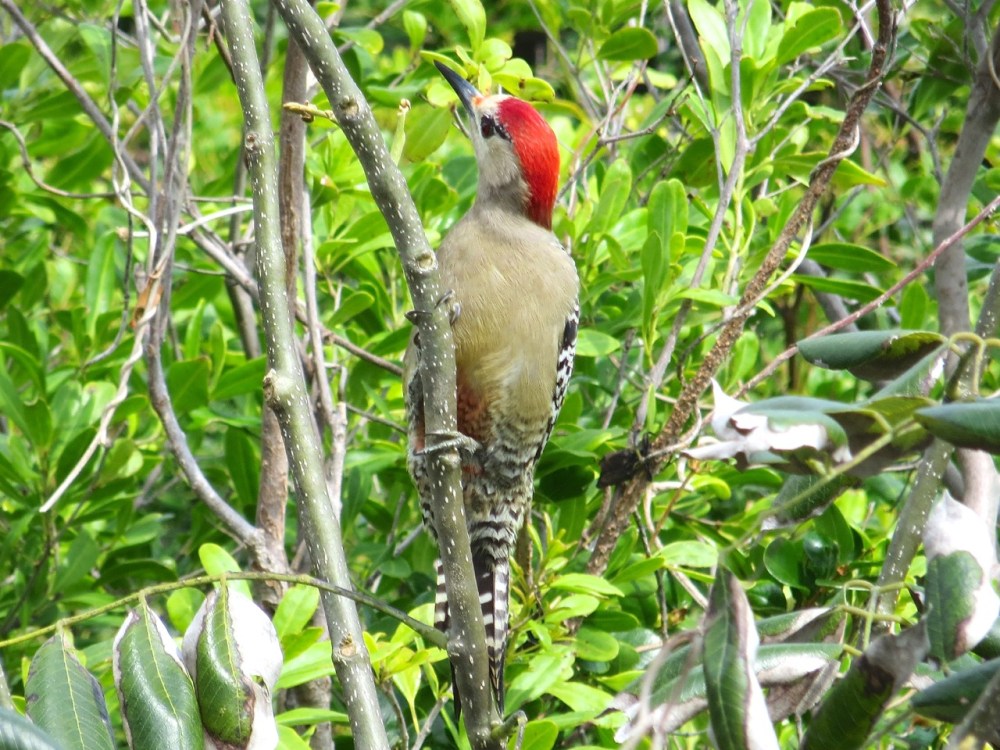
The Delphi West-Indian Woodpeckers are at it again. In all senses of the phrase. When they first became infatuated with the wooden slats on the underside of the verandah roof, it was necessary – for the sake of the building – to divert them. This was quickly done by the simple expedient of building and installing two nesting boxes under the eaves.

West Indian Woodpecker, Delphi, Abaco (Keith Salvesen)3

An annual routine has been established. In March, the pair discuss quite loudly and at length which of the two boxes they prefer (usually the right-hand one). There follows enthusiastic housework, shelf-building, nursery decoration and so forth; after which they go ‘at it’… and move in. Continuing internal improvements take place, and they fly in and out busily. This year a yellow-throated warbler had the insolence to trespass into the box and we saw him abruptly ejected.

West Indian Woodpecker, Delphi, Abaco (Keith Salvesen)2

In due course the pair produce up to 6 chicks in their first brood. The nestlings start by making a small buzzing noise, but within days – hours? – they are calling loudly and demandingly for food. The parents take it in turns to fly off and bring back assorted insects of increasing size, at which stage the noise of the chicks is deafening.

West Indian Woodpecker, Delphi, Abaco (Keith Salvesen)5

By late May or early June the chicks are ready to fledge. Meanwhile, their parents take a break from feeding duties to renovate the second nest box, preparing it for their second brood. I have seen, even with eyes averted, the adults shamelessly mating on top of the second nest box while their chicks are jostling at the entrance to the first box, working out how to fly.

West Indian Woodpecker, Delphi, Abaco (Keith Salvesen)4

The fledglings fly off  eventually into the coppice and pine forest (they stay around for a few days until they get the hang of finding their own food). And the adults repeat the same family-raising routine in the second nest box. The last time I saw the second brood fly, 4 left the box quite quickly – within about 5 minutes of each other. A fifth took one look at the world and disappeared into the depths of the box. A sixth teetered on the edge of the box for nearly half an hour – with both parents shouting encouragement at it – before finally launching into space. His timid sibling then shot out of the box into the great unknown. The breeding season was accomplished.

A SPECIALITY SPECIES FOR ABACO

West-Indian Woodpeckers are one of Abaco’s speciality species. In the Bahamas they are found only on Abaco and – a long way off – San Salvador. They are unknown on other islands. Until quite recently these birds were also found on Grand Bahama, but are sadly now extirpated, presumably for the familiar reasons…

West Indian Woodpecker, Delphi, Abaco (Keith Salvesen)7

All photos: RH (the last one is from 2014)

Unknown's avatar

JUST HANGING AROUND: PIPING PLOVERS ON THE DELPHI BEACH, ABACO


Piping Plovers, Delphi, Abaco A (Keith Salvesen)7

JUST HANGING AROUND: PIPING PLOVERS ON THE DELPHI BEACH, ABACO

I’ve posted quite a few times about PIPING PLOVERS (PIPL) on Abaco, not least because of the five-month Rolling Harbour ABACO PIPING PLOVER WATCH that preceded the 4-year census in January 2016. These little guys are tiny, rare and threatened – by predators, humans, domestic animals, beach vehicles, habitat loss and the other usual factors.

Ha! I’ve found meat-string!Piping Plovers, Delphi, Abaco A (Keith Salvesen)5

In many of their summer breeding grounds, these are the hazards they face annually as they struggle to increase the world population from a precarious 8000 to a more sustainable number. The signs are promising. Intensive conservation projects by organisation such at CONSERVE WILDLIFE FOUNDATION, NEW JERSEY have ensured protection in the breeding grounds, resulting in a (probable) increased population estimate once the census stats are analysed.

My left leg is moving too fast…Piping Plovers, Delphi, Abaco A (Keith Salvesen)6

In the places the pipers overwinter such as the northern Bahamas, they find relatively safe havens. Abaco is one favoured place; and the beach at Delphi is home to a number of these little birds annually. Usually by the time we are here in March, they have set off on their 1000+ mile flights north to the breeding areas on the Atlantic Coast, the Great Lakes and the Great Plains. However this year, there is a pair right here, right now – hanging out on the beach, hanging around when most other PIPL are all already gone.

Check out my breeding plumage, get ready for me on the NJ shorelinePiping Plovers, Delphi, Abaco A (Keith Salvesen)2

These pictures were taken a couple of evenings ago as the plovers poddled and paddled back and forth along the tidal margin. I didn’t try to get too close – I didn’t want to risk disturbing their happy evening stroll. You’ll see that the male is already in his breeding plumage, with smart black chinstrap, monobrow and orange ‘n’ black beak. I take the other bird to be a female though maybe it’s a first-winter male (comment invited).

Piping Plovers, Delphi, Abaco A (Keith Salvesen)8 Piping Plovers, Delphi, Abaco A (Keith Salvesen)1 Piping Plovers, Delphi, Abaco A (Keith Salvesen)4 Piping Plovers, Delphi, Abaco A (Keith Salvesen)3

All photos: RH, with the camera he has since dropped in the sea (by falling in. Don’t ask)

Unknown's avatar

SANDERLINGS, DELPHI BEACH, ABACO: BATHTIME


Sanderling, Delphi Beach Abaco Bahamas (Keith Salvesen)

SANDERLINGS, DELPHI BEACH, ABACO: BATHTIME

Finally, we are back at Rolling Harbour HQ. Mrs RH has thoughtfully bought her computer for work reasons, so this time I don’t have to fiddle around with my iPhone to produce a post. First up is Sanderling Bathtime. It is 5.30 pm. The sun is sinking in the early evening sky. The tide is on the rise at the north end of the Delphi beach where the reef joins the land. There is a small spit of sand that will be covered quite soon, but meanwhile two dozen sanderlings mixed in with assorted ruddy turnstones are doing their idiot feeding thing, rushing around on their tiny legs, stabbing in the sand, and generally behaving like clockwork toys. Meanwhile a handful have found the fun to be had in the swirling tide as it pours round the head of the reef onto the sand spit. Yes, it’s sandpiper bathtime!

Sanderling, Delphi Beach Abaco Bahamas (Keith Salvesen)Sanderling, Delphi Beach Abaco Bahamas (Keith Salvesen)Sanderling, Delphi Beach Abaco Bahamas (Keith Salvesen)Sanderling, Delphi Beach Abaco Bahamas (Keith Salvesen)Sanderling, Delphi Beach Abaco Bahamas (Keith Salvesen)Sanderling, Delphi Beach Abaco Bahamas (Keith Salvesen) Sanderling, Delphi Beach Abaco Bahamas (Keith Salvesen) Sanderling, Delphi Beach Abaco Bahamas (Keith Salvesen)

Credits: RH

Unknown's avatar

WTF? (WHAT’S THAT FISH) (8): THE GUITARFISH


Guitarfish, Florida (Adam Rees)

WTF? (WHAT’S THAT FISH) (8): THE GUITARFISH

Another spectacular WTF? entry comes courtesy of Adam Rees and his recent night dive in Florida waters: the guitarfish,  (Gr: rhinos – nose; batis – ray) . Until a few days ago this creature was unknown to me. It sounds so improbable, and conjures up (for me, anyway) some nightmare piscine-based modification of a Strat, an instrument whose looks should not be meddled with without consequent loss of liberty.

Guitarfish, Florida (Adam Rees)

The guitarfish belongs to a family of rays, Rhinobatidae, of which there are many species worldwide. In many ways the fish looks like a crossover with a shark. They have a ‘ray face’, small wings, yet a sharklike appearance with fins and a sharklike swimming action (see video, below). If you think there is a primitive or prehistoric look to the guitarfish, you’d be right. According to the temporal range chart they date from the late Jurassic era (and looking at the chart brings those exotic names right back – Ordovician, Silurian, and so forth. Straight out of Tolkien. Or Hogwarts).

Guitarfish Temporal Range

I have been trying to nail the exact model of Adam’s finny ray-Strat, not an easy task. I am putting my money on the Atlantic guitarfish Rhinobatos lentiginosus, which may (or may not) be the same as the spotted or freckled; and is similar to the more widely photographed shovelnose guitarfish. Not that I am very bothered: it’s the unusualness of Adam’s creature that really counts.

Shovelnose Guitarfish (ventral view) (Greg Hume wiki)

The strange thing is that although the guitarfish is a denizen of, for example, floridian, caribbean and mexican gulf waters, it is said to be unrecorded for the Bahamas. These bottom-feeding creatures inhabit shallower waters near coastlines and estuaries.  They eat crabs, shellfish and worms – all in plentiful supply in Bahamas waters – so I can’t see a reason why they should not be found there. Perhaps they are seen but unreported. I have in mind the recent reports of SAWFISH and BATFISH. So kudos awaits the person who reports – with photo – the ‘first’ Bahamas guitarfish. Maybe I’ll write a song about it!

Guitarfish, Florida (Adam Rees)

EIGHT QUICK GUITARFISH FACTS

  • Usually caught by mistake by anglers, or as bycatch by fishing vessels
  • Inedible (unless someone knows better…)
  • Non-aggressive and harmless to humans despite having a mouthful of small teeth
  • Swims like a shark – the tail has no spinal structure
  • Has a cute face unlike a a shark
  • Adults are about 30 inches long
  • They may bury themselves in sand or mud to ambush prey
  • They are viviparous, giving birth to live young, which are born fully developed

As a postscript, it’s worth mentioning that on the same night dive, Adam also came across the uncommon batfish, a seriously prickly-looking starfish, and a spotted eagle ray. Worth losing sleep for.

IMG_7548 IMG_7549 IMG_7551

A similar kind of guitarfish, showing the very sharklike movements in the water 

Credits: Adam Rees, with many thanks; Greg Hume; magpie pickings, in particular Florida Museum of Natural History / Taylor Sullivan and the truthful parts of various Wiki articles (Her Majesty the Queen does not, for example, keep one at Windsor Castle to play with in her bath)

Unknown's avatar

“KNOCK ON WOOD”: HAIRY WOODPECKERS FOR GOOD LUCK


Bahamas-Great Abaco_6568_Hairy Woodpecker_Gerlinde Taurer copy

“KNOCK ON WOOD”: HAIRY WOODPECKERS FOR GOOD LUCK

Delphi is an excellent place for woodpeckers. The Lodge itself has its own resident WEST INDIAN WOODPECKERS, who generally raise two broods a year in the nest boxes under the eaves. The coppice and pinewoods along the one-mile drives are home to the smaller Hairy Woodpeckers Picoides villosus, where they too nest annually. There’s a particular tall dead tree on the guest drive that is used every year, and from early March it is the first place I check for signs of occupation. If evident, I take it as a sign of good luck (and hope it extends to my fishing).

Hairy Woodpecker, Abaco (Alex Hughes) Hairy Woodpecker, Abaco (Bruce Hallett) Hairy Woodpecker, Delphi, Abaco (Peter Mantle)I can’t believe I haven’t featured a hairy woodpecker for more than 2 years. As we prepare for our forthcoming trip to Abaco HQ and the consequent plethora of photos (95% of which will be deleted), here is a small gallery of males (red caps) and females, some of them taken at Delphi. Check out those huge claws of the one below at her nest on the dead tree mentioned above.

Hairy Woodpecker female. Delphi Club.Abaco Bahamas.6.13.Tom Sheley copyHairy Woodpecker male. Delphi Club.Abaco Bahamas.6.13.Tom Sheley copyBahamas-Great Abaco_5247_Hairy Woodpecker_Gerlinde Taurer copyHairy Woodpecker, Abaco (Tony Hepburn)

I photographed this female last year in a tree near the swimming pool. I watched it for some time, but it must have been camera shy, because although quite unconcerned by my presence, it never came right out into the open. Hairy Woodpecker, Delphi, Abaco (Keith Salvesen)

MUSICAL DIGRESSION (OPTIONAL)
“Knock on Wood”, the 1966 hit for Eddie Floyd, was co-written with the amazing Steve Cropper (‘house guitarist’ for Stax). It has been much-covered over the years, none more unexpectedly than by David Bowie on his 1974 Live album (also released as a single). Here is the originator, in a live performance. 
Credits: Gerlinde Taurer (1, 7), Alex Hughes, Bruce Hallett, Peter Mantle, Tom Sheley (5, 6), Tony Hepburn, Keith Salvesen