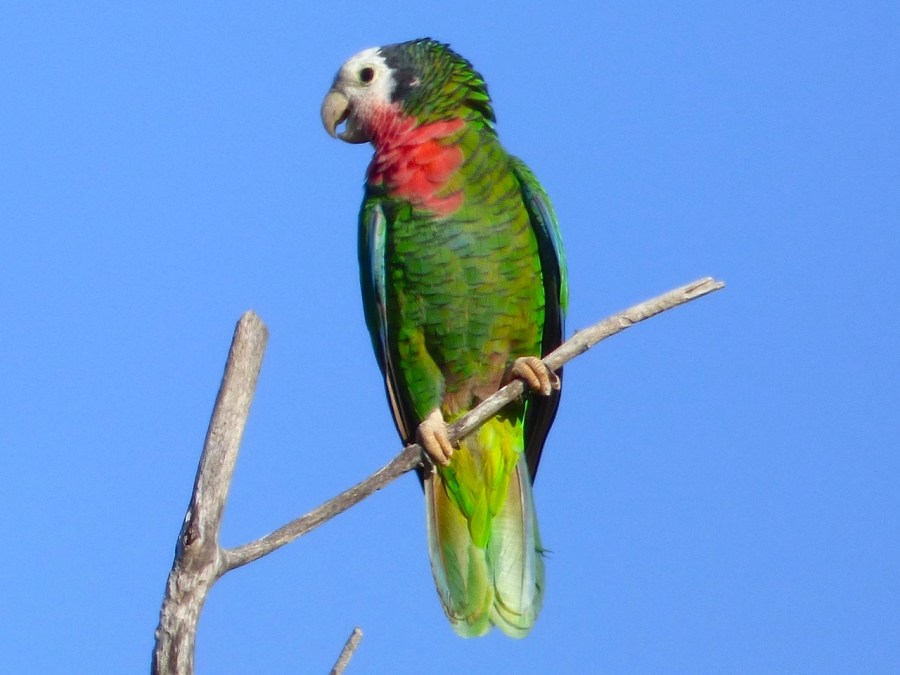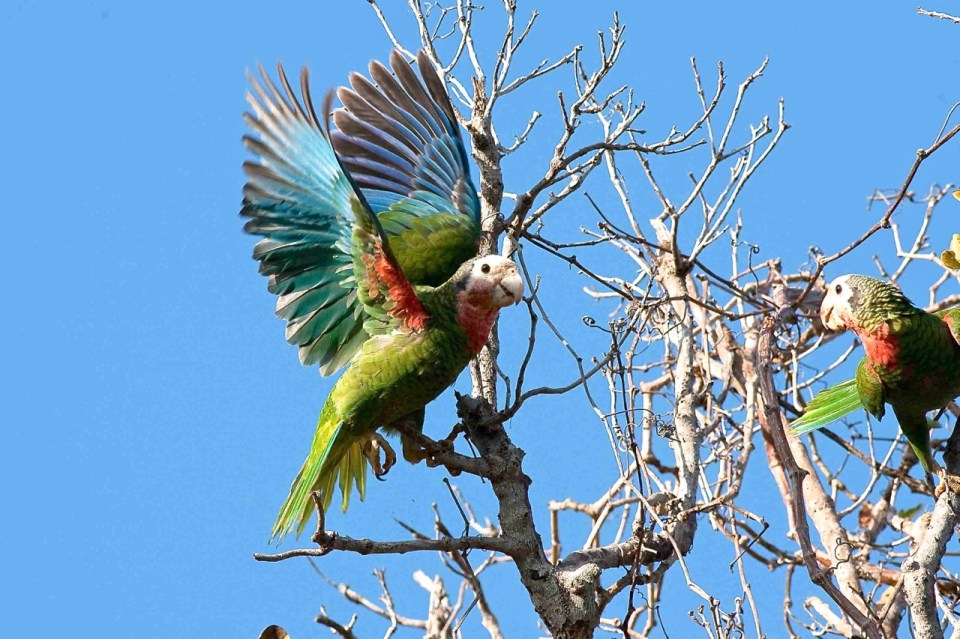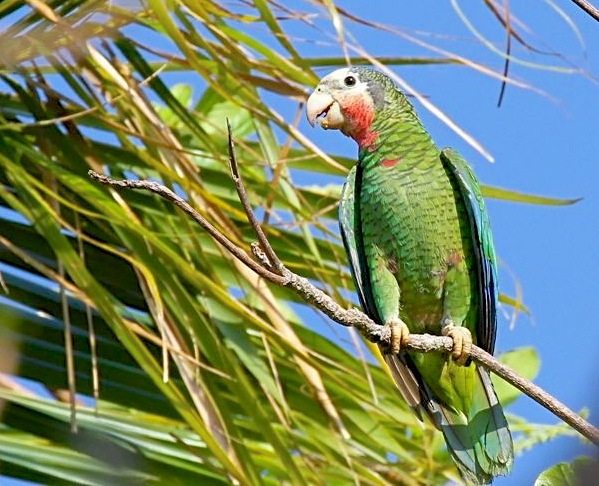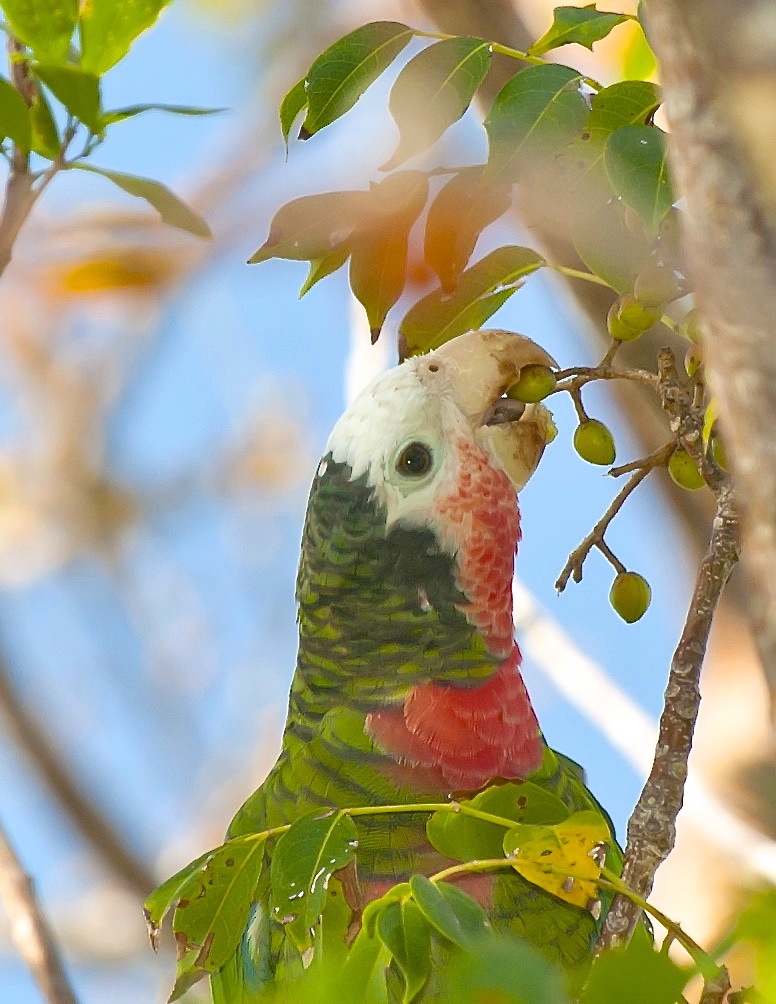
Unknown's avatar

BIG APPLE BIRDS YOU CAN’T SEE ON ABACO…


Red Cardinal 2 NYC

BIG APPLE BIRDS YOU CAN’T SEE ON ABACO…

This post is the converse of my LAST POST, as we prepare to visit the City of the Trump Tower for a few days. There are some birds found in NYC that have never been recorded for Abaco – some not even for the Bahamas at all. A few of these are surprising absences.

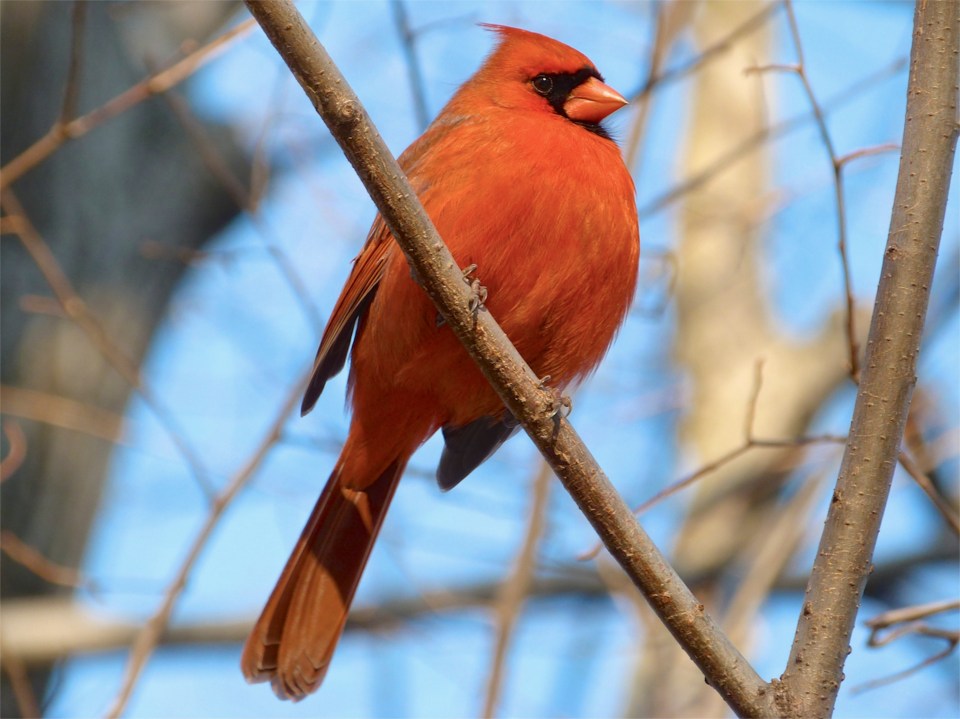
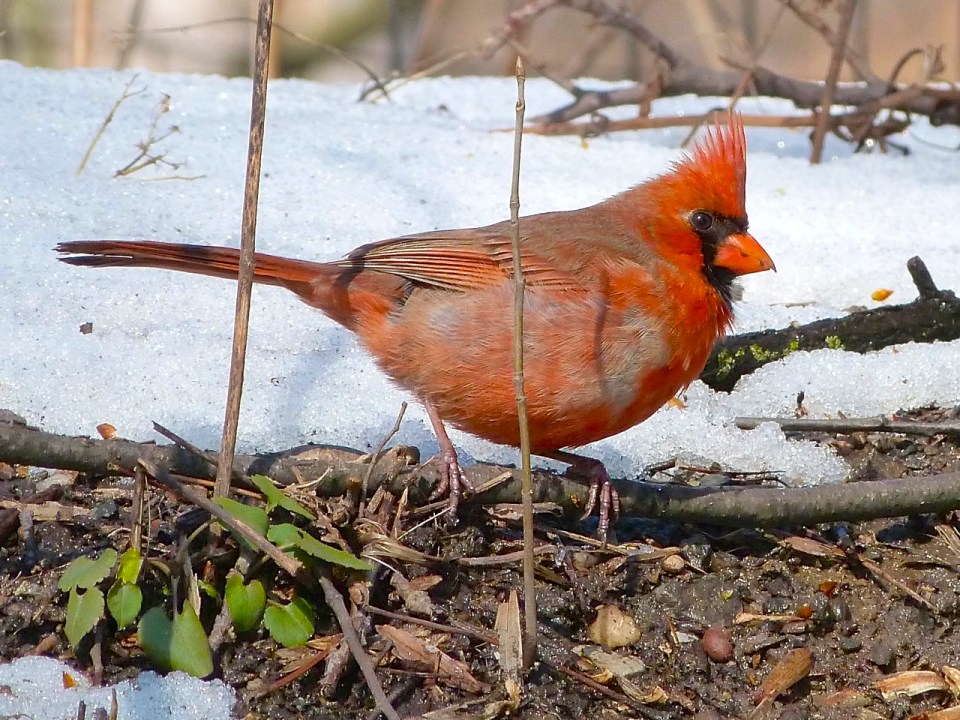
Northern Cardinal, Central Park NYCNorthern Cardinal NYC

The Northern Cardinal, to take one example, is a common and widespread bird in many States. It is the emblem of many sporting teams and *FUN FACT ALERT* it is the state bird of more states than any other species – 7 in all! Sorry, what did you say? Oh, OK, they are Illinois, Indiana, Kentucky, North Carolina, Ohio, Virginia, and West Virginia. [It is said, rather bathetically  that “it was also a candidate to become the state bird of Delaware, but lost to the Delaware Blue Hen.“]

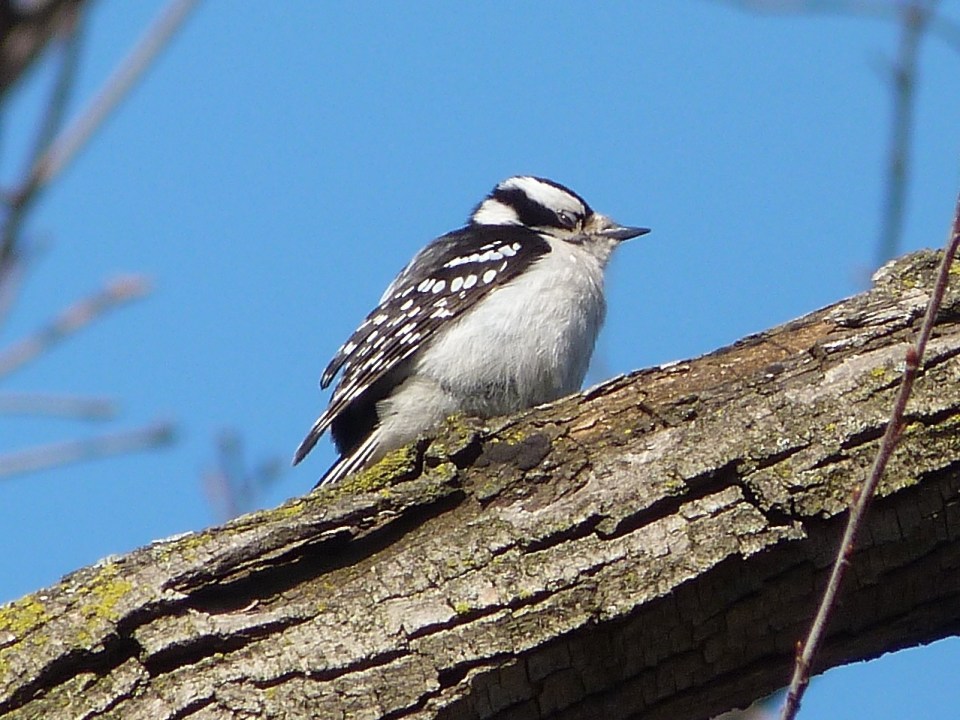
Downy Woodpecker, Prospect Park BrooklynDowny Woodpecker 2 NYC

On eBird the east coast of Florida is positively flaming with Cardinal hotspots. The birds smother the state that is just across the water from the Bahamas. Yet the only recorded sighting for the entire Bahamas is a single bird on South Cat Cay, Bimini. Anyway, here are some nice birds to look at, mostly from Central Park NYC and Prospect Park Brooklyn. If anyone sees the last bird in the series on Abaco or indeed anywhere else, can you kindly let me know?

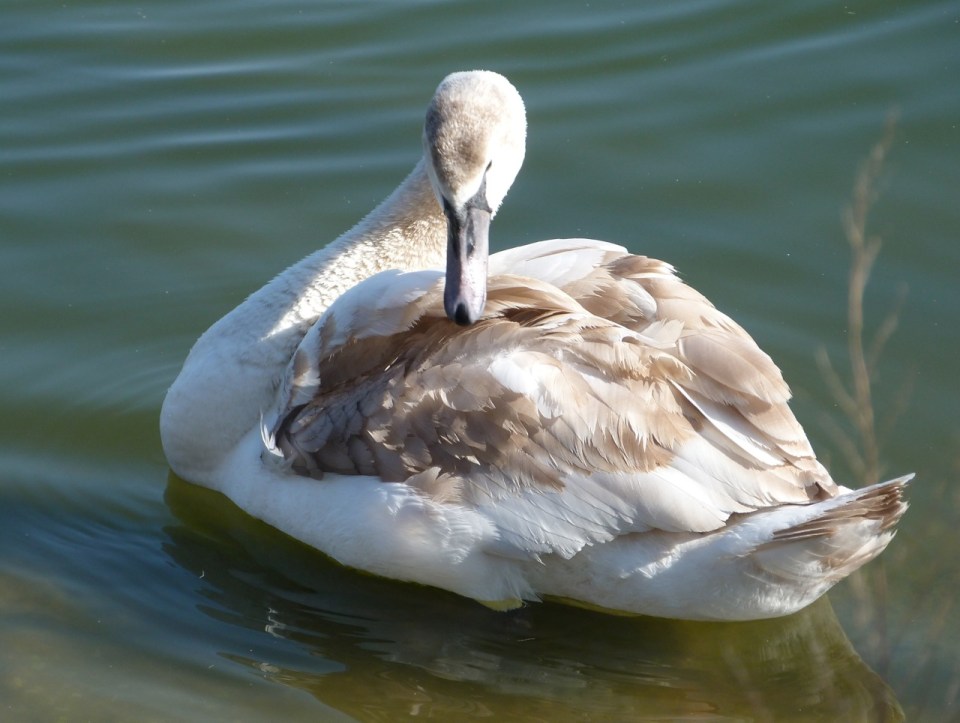
Cygnet, Prospect Park BrooklynCygnet NYC

Brown Creeper, The Ramble, Central Park NYCBrown Creeper NYC

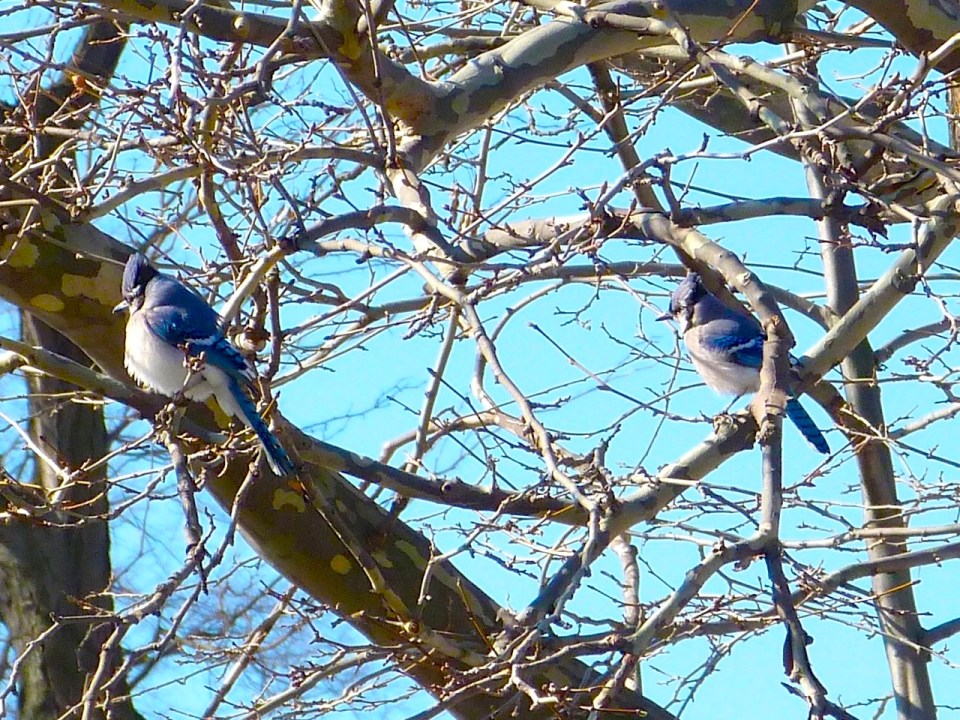
Blue Jays, Central Park NYCBlue Jays NYC

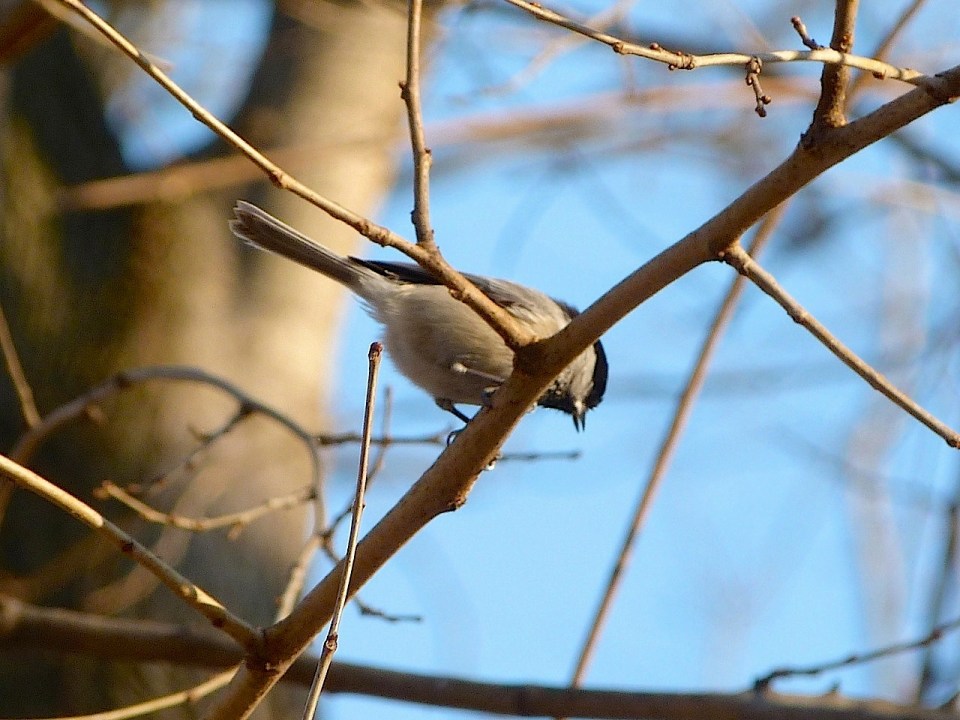
Black-capped Chickadee, The Ramble, Central ParkBlack-capped Chickadee NYCApologetic note: I find these little flickery birds very hard to photograph. They are specially trained to move at all times and to get behind twigs & branches the minute they see a camera

Tufted Titmouse Central Park NYCTufted Titmouse 3 NYC

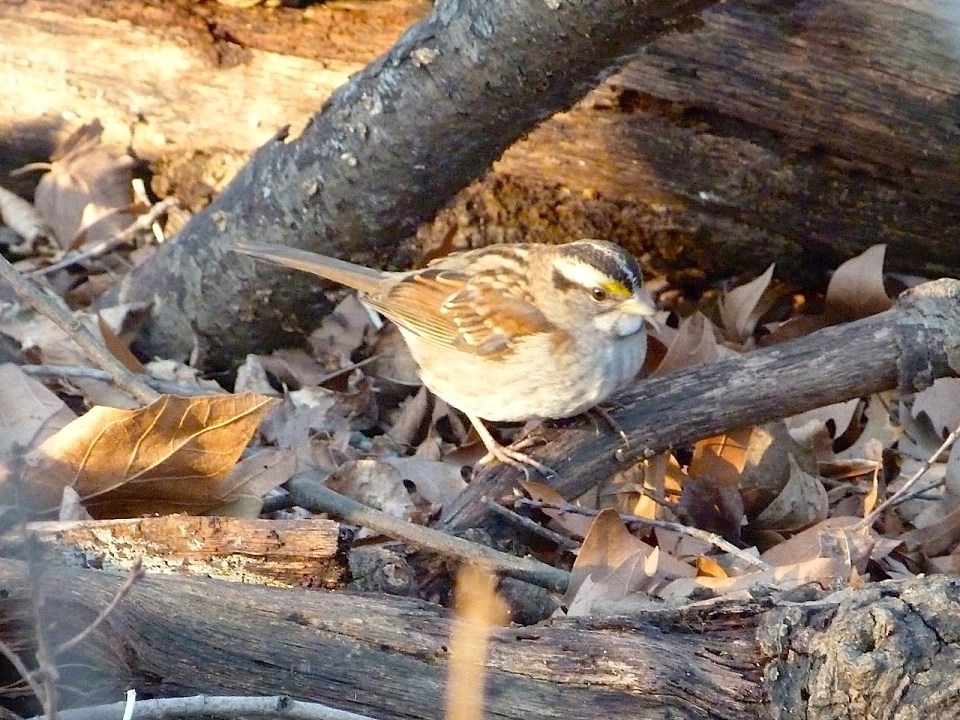
White-throated Sparrow, Prospect Park BrooklynWhite-throated Sparrow NYC

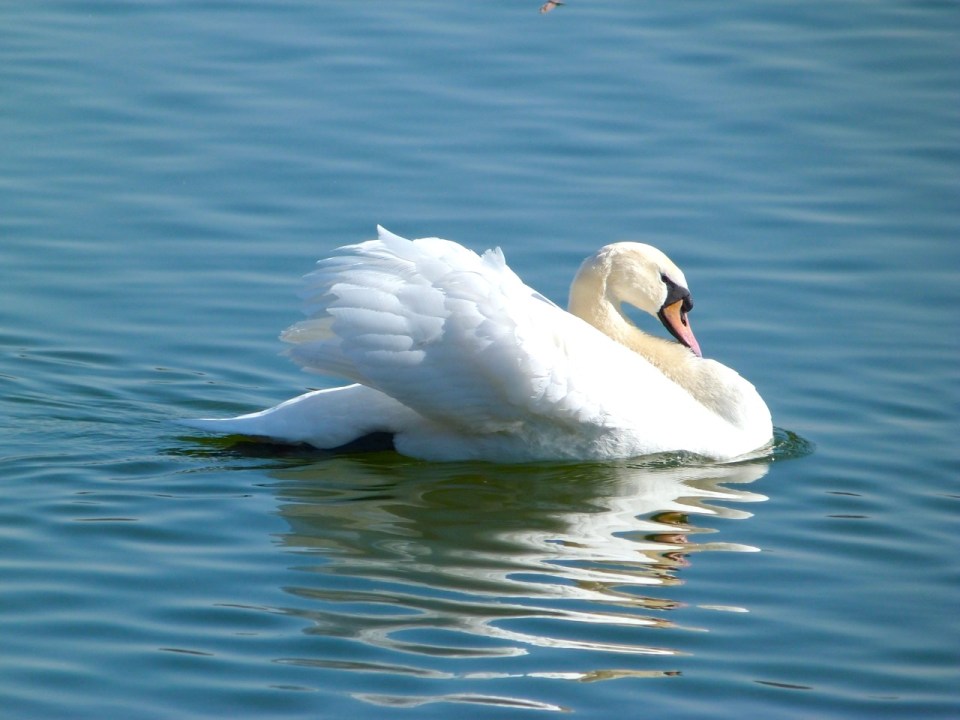
Mute Swan, Prospect Park BrooklynSwan 2 NYC

Raphus cucullatus (Dodo), American Museum of Natural HistoryDodo NYC

There’s one of these in the Natural History Museum in London; also in the Oxford University Museum of Natural History (parts of one, anyway). Where else in the world, I wonder?

 Normal Abaco Service will be restored in a few days… RH

Unknown's avatar

ABACO BIRDS YOU CAN SEE IN THE BIG APPLE…


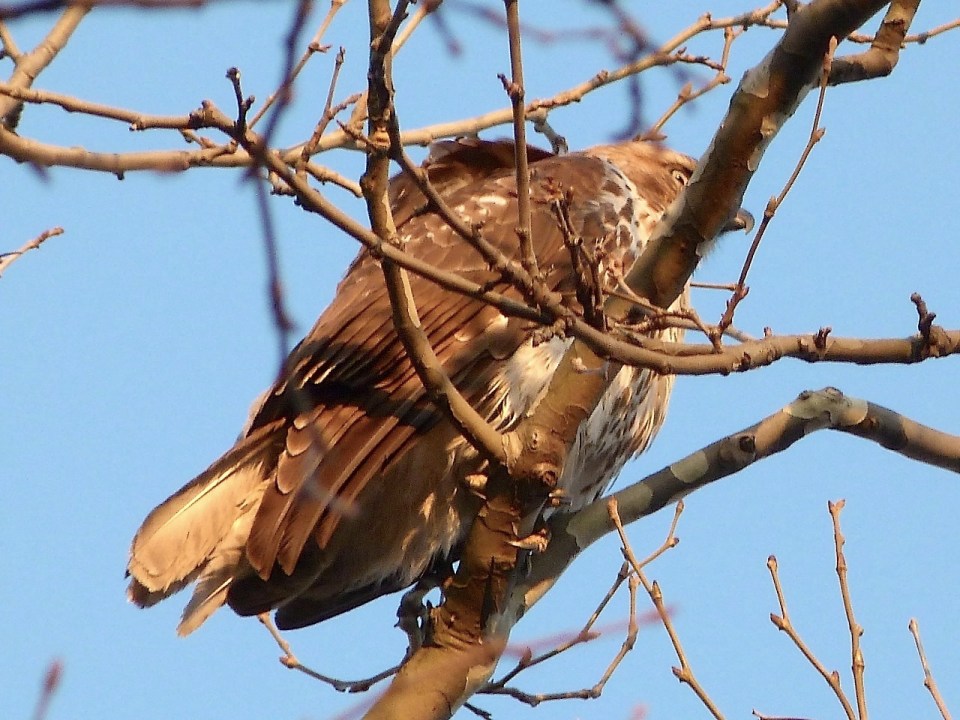
Red-tailed Hawk Central Park NYC

ABACO BIRDS YOU CAN SEE IN THE BIG APPLE…

Big Apple, here we come! Mrs RH has business there next week. Sometimes, if I have behaved particularly well for an extended period – 2 years on average – I am invited to go along on her US trips. Providing I can grab a cheap fare as well. Well, sorted! NYC is my absolutely favourite capital city. Along with Marsh Harbour, obvs. And maybe Paris. Not London, we live there. Too close to home. 

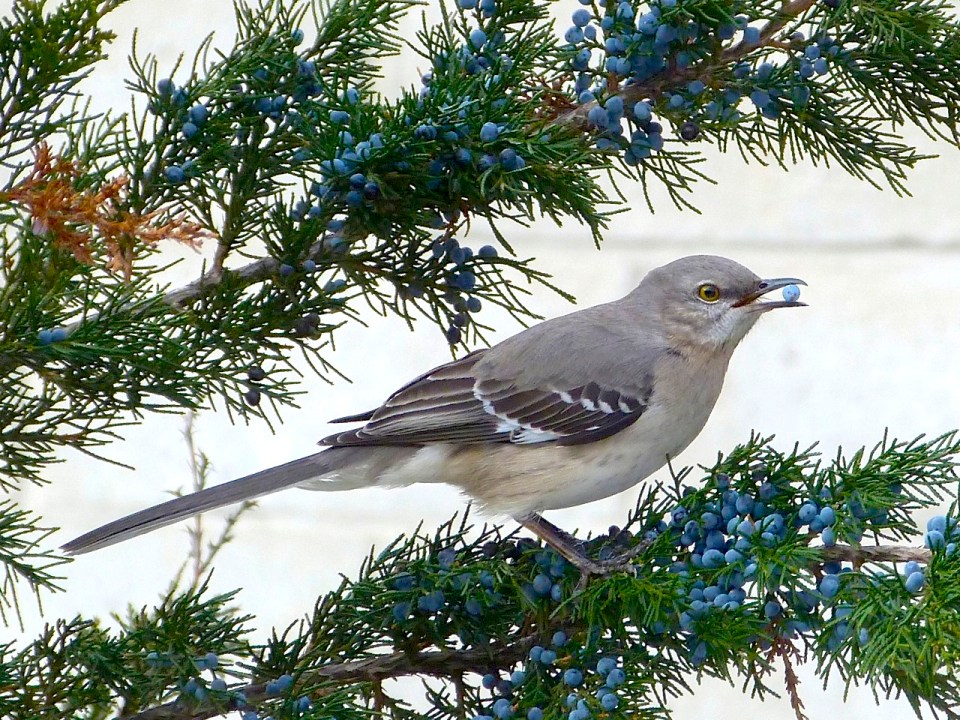
Northern Mockingbird, High Line, NYCNorthern Mockingbird NYC High Line

I never go shopping, but I have specific must-dos. Route 66 on 9th for the best breakfast ever. Walking the wonderful new High Line park, extended since we were last there. The Staten Island Ferry out and straight back for the best free ‘Manhattan view plus water ride’ experience. The Tramway cable car to Roosevelt Island to visit the beautifully restored Blackwell Farmhouse which dates from 1796 and is arguably NYC’s oldest surviving residential building (not many people know this). Then a brisk walk to Lighthouse Point for a winter picnic. This is where, one day, I plan to catch a fish – any fish – on the fly in the East River. I’ve debated packing a small travel rod & reel this time but it is not an ideal time of year, frankly, and I don’t want to set myself up for failure in what will anyway be a hard task…

A Herring Gull provides irrefutable proof that there is piscine life in the East River even in winter
Life in the East River NY

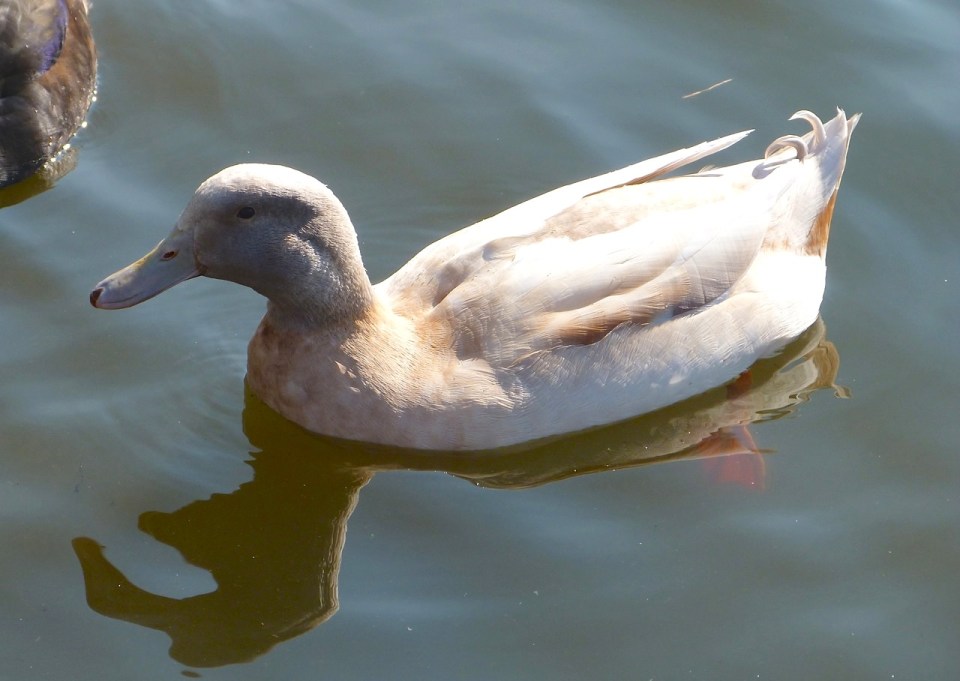
Mallards in Central park: a male and a LEUCISTIC femaleMallard (m) NYC Central Park Mallard (f) - leucistic NYC Central Park

And to people’s complete bemusement (sample comment: “Are you quite mad?”) I go birding. NYC is a great place for it, being on a major migration flyway. Central Park is fantastic, especially the Ramble, the Reservoir, and the lesser known wild areas at the top end – the Loch, the Ravine, Harlem Meer. Prospect Park Brooklyn is another great place, with wild woodland and lakes for many water bird species. There’s a wildlife refuge at Jamaica Bay which looks worth exploring too, though it’s a bit of a trek. Anyway, here are a few Big Apple birds that are found on – or at least recorded for – Abaco (some very rarely, it has to be said).

Ring-billed and Herring Gulls on the Staten Island FerryRing-billed Gull NYC Staten Island Ferry Ring-billed Gull NYC 2 Staten Island FerryHerring Gull NYC 2 Staten Island FerryHerring Gull NYC Staten Island Ferry

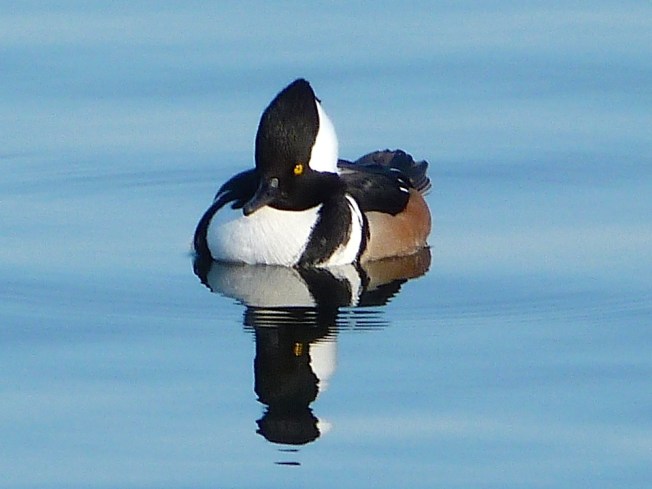
Male & female Hooded Mergansers on the JKO Reservoir, Central ParkHooded Merganser (m) NYC JKO Reservoir Hooded Merganser (f) 2 NYC JKO Reservoir

Male House Sparrow (Central Park) & female (Prospect Park, Brooklyn)House Sparrow NYC Central Park House Sparrow (f) NYC Prospect Park

Rock Pigeon, Central ParkRock Pigeon NYC

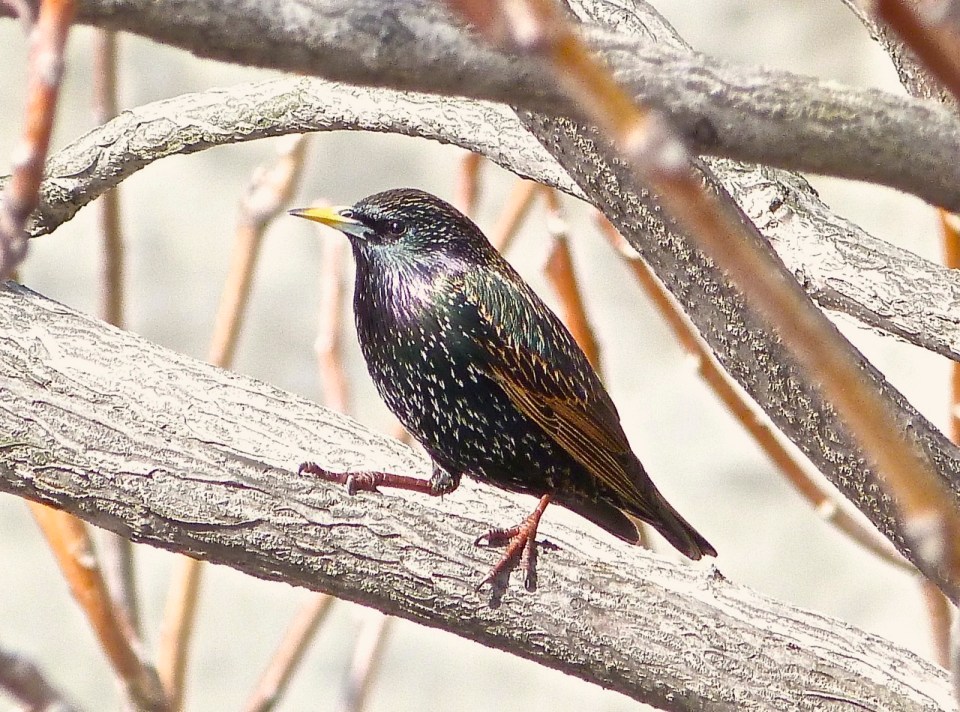
Eurasian Starling (High Line Park)Starling NYC High Line Park

Canada Goose on ice (Prospect Park, Brooklyn)Canada Goose NYC Prospect Park

American Robin (Prospect Park, Brooklyn)American Robin NYC Prospect Park

Poor photo of a Coot (Harlem Meer, Central park)Coot NYC Central Park Harlem Meer

Ultra-shy Red-winged Blackbird (Prospect Park, Brooklyn)Red-winged Blackbird NYC Prospect ParkI can only get away with crap photos like this because it’s my blog & your decision to put up with it

Bufflehead, JKO Reservoir Central ParkBufflehead NYC JKO Reservoir Central ParkA bird recorded once or perhaps twice for Abaco in the last 60 years. I have better photos than this, but this one best illustrates your chance of seeing one on Abaco – vanishing…

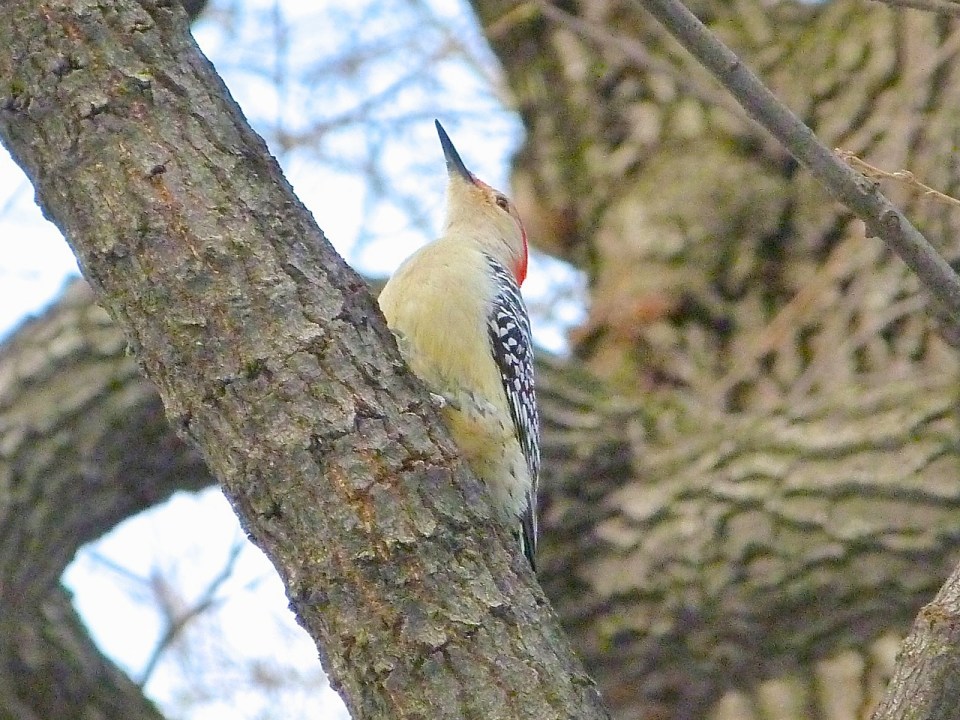
Hairy** Red-bellied Woodpecker (The Ramble, Central Park)Hairy Woodpecker NYC The Ramble Central Park

Red-tailed Hawk NYC (Prospect Park Brooklyn)Red-tailed Hawk NYC Prospect Park BrooklynThe RTH header image was taken in the Ramble, Central Park

** As Woody Bracey has been quick to point out, this is in fact a Red-bellied Woodpecker, not a Hairy Woodpecker. Unlike the HWP, the RBW is not recorded for Abaco. HOWEVER I do have a HWP photo from Central Park somewhere, and if I can find it I’ll substitute it and make it right!

All photos, good, bad and indifferent: The Author

Unknown's avatar

THE BAHAMA WOODSTAR NEST: A CHRISTMAS STORY FOR A NEW YEAR


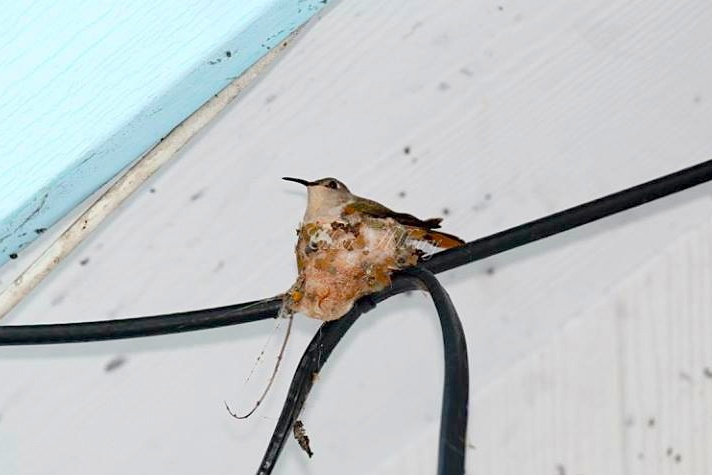
Bahama Woodstar (f), Abaco (Charmaine Albury)THE BAHAMA WOODSTAR NEST: A CHRISTMAS STORY FOR THE NEW YEAR

And it came to pass that on the first day of December in the Year of Our Lord 2015, the time came upon a mother hummingbird; and she laid her tiny egg in a small nest in the place that is called Man-o-war, which is to say ‘The Island of Pretty Birds”. And on the next day, she laid a second tiny egg in that nest also. For this was in the time of the first Woodstar nesting of the season.

Bahama Woodstar nest with eggs, Abaco (Charmaine Albury)

And the days passed, even as the mother hummingbird sat upon the nest whereat she had laid her eggs. And verily was she patient, for it was known to her that the eggs would not hatch until certain days were past

Bahama Woodstar nest with eggs, Abaco (Charmaine Albury)

Yet still the eggs hatched not, though their colour became paler…Bahama Woodstar nest with eggs, Abaco (Charmaine Albury)

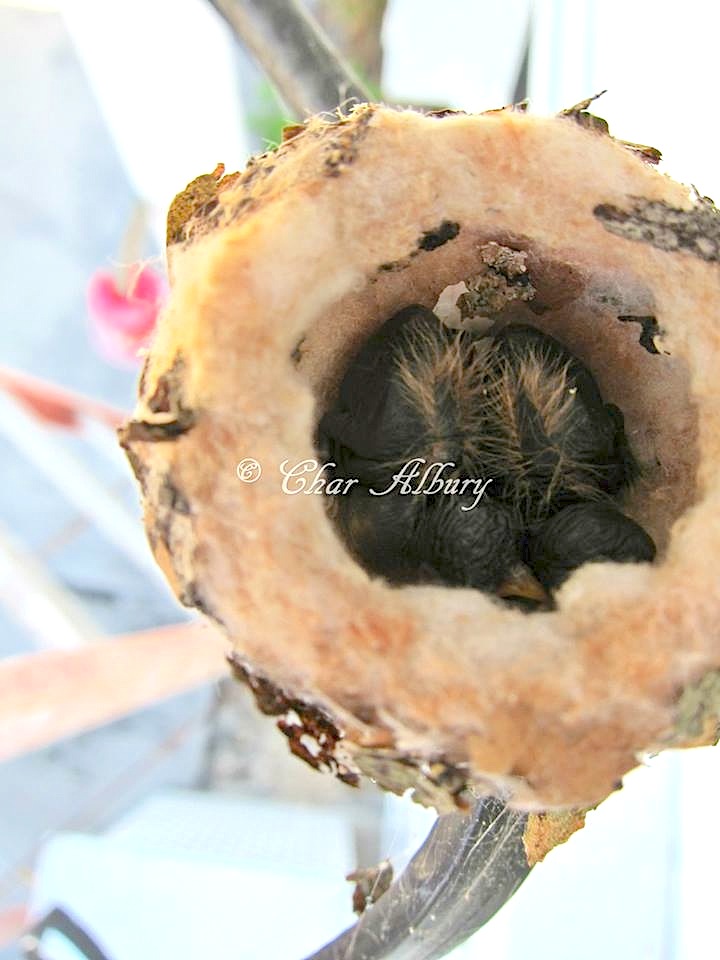
But on the 19th day hatched the first egg; and likewise the second egg upon the 21st day. And two (mostly) naked hatchlings were made visible.Bahama Woodstar nest with hatchlings, Abaco (Charmaine Albury)

On the 25th day, which is to say the day of Christ’s Mass, the hatchlings had grown; and their raiment of feathers was coming upon them to clothe their nakednessBahama Woodstar nest with hatchlings, Abaco (Charmaine Albury)

And as they grew the chicks (for thus were they named) were snug and safe in their small nest, even as their mother and their father, who did build it together and furnish it with soft materials, had ordained

1170953_10207164189916859_1353675663828625458_n

By the 31st and final day of the old year, which is to say the day before Earth’s renewal in another year, the chicks had greatly grown; and feathers were about their persons. And their appearance was of small birds which would soon fly from that place and live happily in a New Year at Man-o-warBahama Woodstar nest with chicks, Abaco (Charmaine Albury)-1

Thanks for all fabulous photos to Charmaine Albury, who is lucky enough to be a Woodstar magnet on Man-o-War Cay. With her family, she watches these events unfold every year at her house, and manages to record them without ever disturbing these wonderful little birds

Unknown's avatar

YELLOW BIRDS ON ABACO: A ‘TWIXTMAS’ COLOUR SCHEME


Bahamas-Great Abaco_4846_Bahama Yellowthroat_Gerlinde Taurer copy

YELLOW BIRDS ON ABACO: A ‘TWIXTMAS’ COLOUR SCHEME

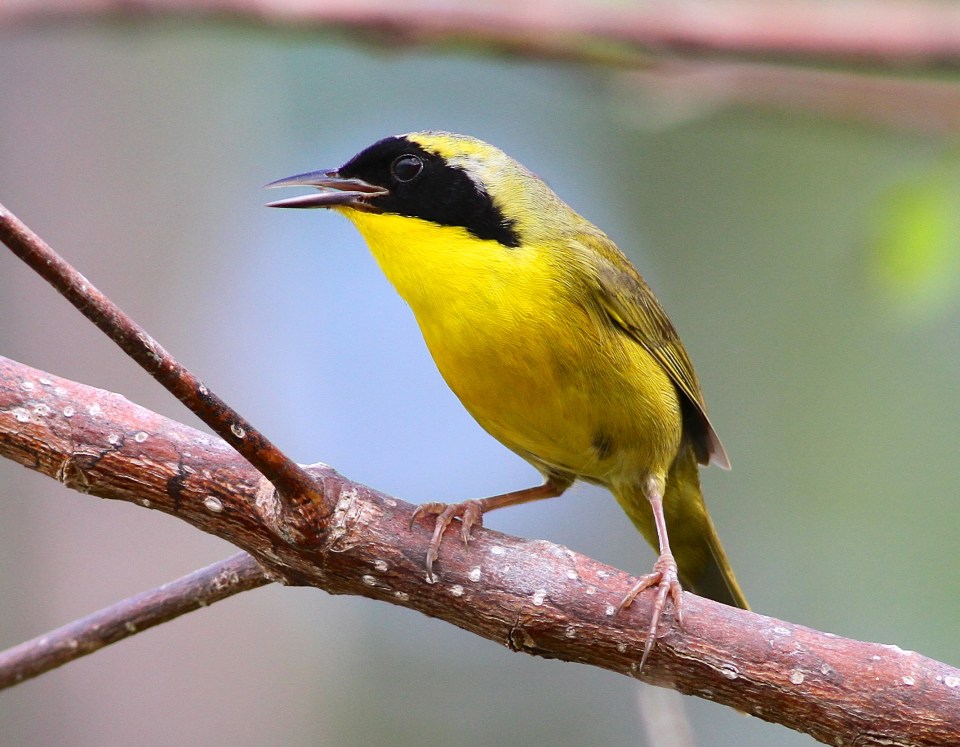
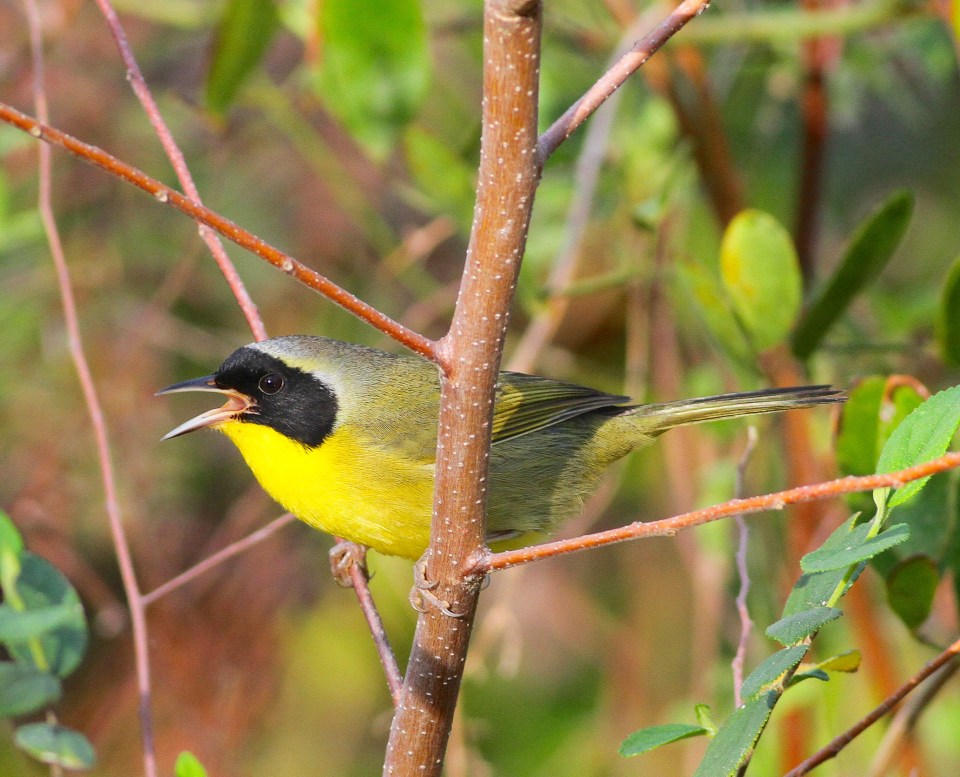
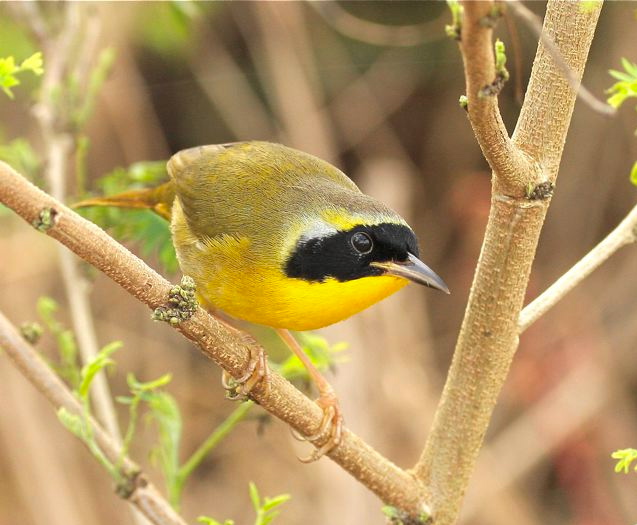
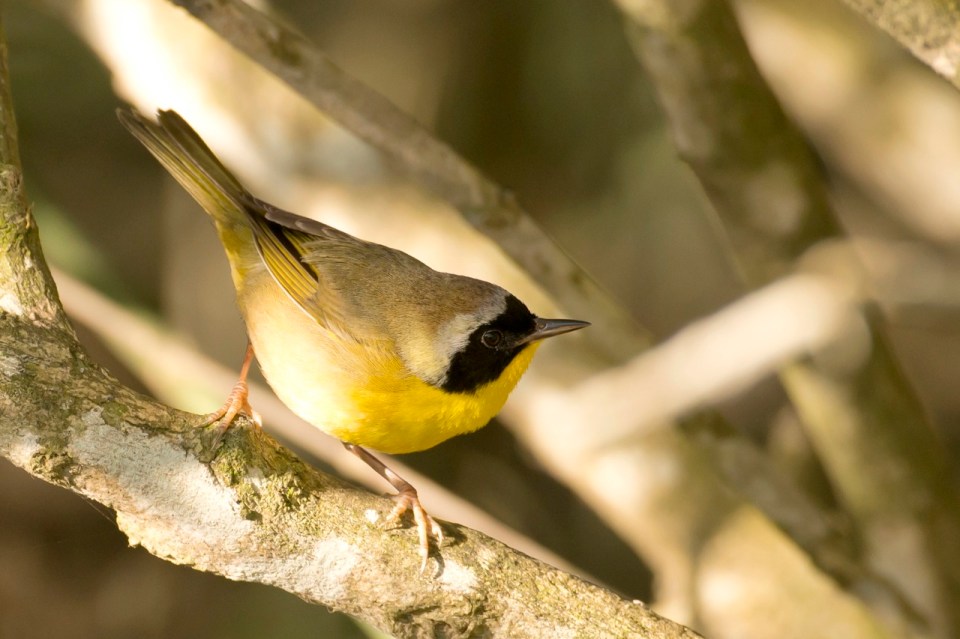
Red. Green. A splash of blue. The shimmer of gold and silver. Those Christmas colours are so passé. OVAH! So ‘last year’ (or very nearly). In the hope and expectation that people are not too bilious from Xmas Xcess, or too jaundiced by seasonal overload, I feel it’s time to change the colour scheme. Let’s go for bright yellow. Specifically, a mix of endemic Bahama Yellowthroats and Common Yellowthroats. I love these cheerful little birds, and the challenge of trying to lure them into the open with my rather unconvincing approximations of their ‘wichity’ call. Such sunny little creatures, and always such a joy to watch.

Bahamas-Great Abaco_5267_Bahama Yellowthroat_Gerlinde Taurer copyBahama Yellowthroat (M) Bruce Hallett Bahama Yellowthroat 3 Tom Reed

ALL ABOVE – BAHAMA YELLOWTHROATS; ALL BELOW – COMMON YELLOWTHROATS

Common Yellowthroat.Gilpin Pond.Abaco Bahamas.Tom Sheley copyCommon Yellowthroat (m) Bruce Hallett IMG_4232Common Yellowthroat, Gilpin Pond, Abaco Bahamas (Tom Sheley)Common-yellowthroat, Abaco (Erik Gauger)

Credits: Gerlinde Taurer (1,2); Bruce Hallett (3, 6); Tom Reed (4); Tom Sheley (5, 7); Erik Gauger (8)

Unknown's avatar

“FOUR CALLING BIRDS…” CAN YOU FIND ONE ON ABACO?


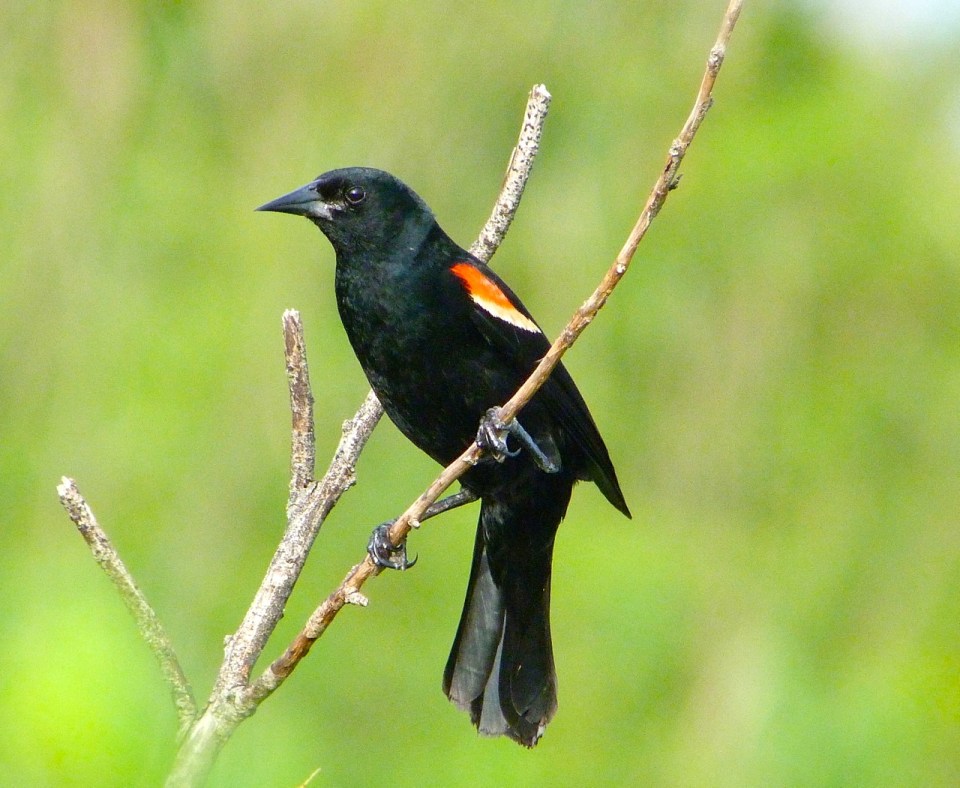
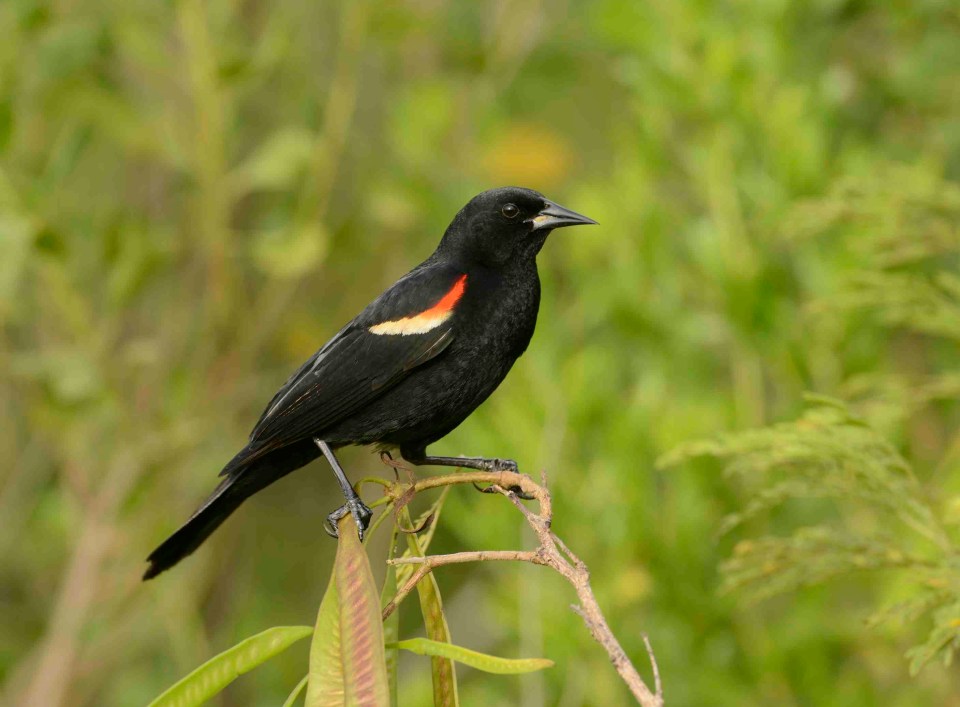
Red-winged Blackbird Abaco Bahamas (Keith Salvesen)

“FOUR CALLING BIRDS…” CAN YOU FIND ONE ON ABACO?

The Winter Solstice arrives today. The shortest day followed by the longest night of the year… then the serious business of Christmas. And some quality frivolity with it. So this will probably be my last post before then and possibly until next year, depending on available time, relative sobriety and other seasonal variables too numerous to mention…

Red-winged Blackbird.Abaco Bahamas.6.13.Tom SheleyCALLING BIRDS? WHAT ARE THEY, EXACTLY?

“The Twelve Days of Christmas “is an old, old song, supposedly written in 1780, and popular ever since. Over time, the words have altered somewhat from the original. The ‘Calling Birds’ were originally ‘Colly (or Collie) Birds’, meaning, black birds. The word derives from the word ‘coal’. The change to ‘calling birds’ wasn’t noted until the early c20. One version I learnt as a child a few years decades later used ‘colly birds’. However the quaint usage quickly died out during the pernicious excesses of the 1960s which I obviously don’t remember because I wasn’t there…

European BlackbirdEuropean Blackbird (wiki)

Colly birds were – are – European blackbirds, song birds that bring joy. There are other black birds of course, but crows, ravens and the like have from medieval times been viewed as birds of ill-omen (lots of examples in Shakespeare). Hardly a Christmassy gesture to give one of them to your True Love, far less four. 

WHAT ABACO BIRD SHOULD I GIVE MY TRUE LOVE AFTER 5 GOLD RINGS?

Undoubtedly red-winged blackbirds. They are undeniably black birds. They have festively flashy markings. True, their ‘metal-gate-with-very-rusty-hinges’ grating call is not exactly melodious (and 4 red-legged thrushes on vocals would suit the occasion much better). But what a handsome present to give someone already trying to cope with the burden and general commotion of sundry Lords a’Leaping, Maids a’Milking, Drummers Drumming and so on. Much easier to deal with.

Red-winged Blackbird male 2 .Abaco Bahamas.6.13.Tom Sheley

HOW MANY GIFTS WILL MY TRUE LOVE EXPECT FROM ME?

I’m afraid it will be 364 in total, with some items on the list becoming increasingly difficult to source. The breakdown (note in passing the mathematical symmetry of the increasing and correspondingly diminishing numbers) is as follows:

  • 12 partridges in pear trees
  • 22 turtle doves
  • 30 french hens
  • 36 calling birds
  • 40 golden rings
  • 42 geese a laying
  • 42 swans a swimming
  • 40 maids a milking
  • 36 ladies dancing
  • 30 lords a leaping
  • 22 pipers piping
  • 12 drummers drumming

But with any luck your TL would be happy to share a Kalik in the sunset instead of having all that palaver…

Red-winged Blackbird Abaco Bahamas (Keith Salvesen)

Happy Christmas** to all people kind enough to follow this blog or read it from time to time, and – why not – all the people who don’t and / or have no idea of its existence… Time to let Kermit & Elmo to take over. 

Photo credits, Tom Sheley (2, 3), Keith Salvesen / RH (1, 4), Wiki for the Eurasian blackbird

**The term ‘Christmas’ is used as a broad term to cover the midwinter holiday period – or indeed non-holidays for many – and is intended to include in a benign way those of any faith or none. I don’t ‘do’ Winterval, sorry…

Unknown's avatar

ABACO PARROTS: BRIGHT GREEN, RED & BLUE = HAPPY CHRISTMAS TO YOU


Abaco (Cuban) Parrot Pair (Melissa Maura)

ABACO PARROTS: BRIGHT GREEN, RED & BLUE = HAPPY CHRISTMAS TO YOU

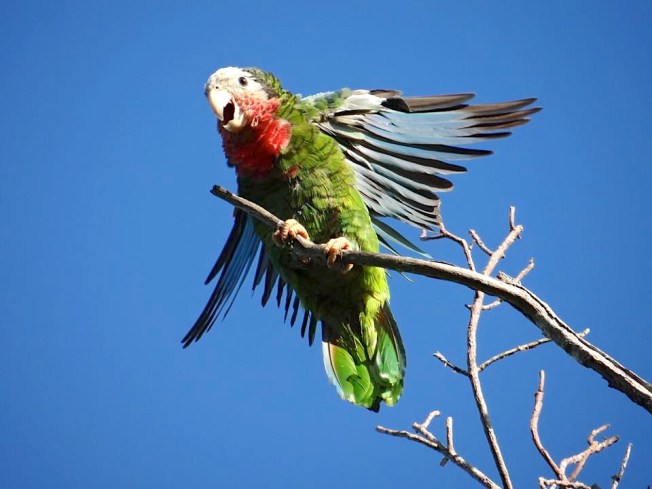
Painted buntings in the last post. And now some Abaco parrots. To adopt the joyous strangled yell of Noddy Holder (Slade, 1973, “Merry Christmas Everybody”)** “It’s….. CHRISTMASSSSSSS“. Abaco’s famous and unique ground-nesting parrots are about as seasonally festive as you could wish for. Bright, colourful, noisy and impossible to ignore. The run-up to Christmas is the perfect moment for a gallery of these fine birds that are making a very promising recovery from near-extinction thanks to intensive conservation measures over the last few years. There’s a caption competition at the end, too. Post your idea as a comment and there even may be something it it for the winner…

Abaco (Cuban) Parrot Pair (Melissa Maura)Abaco Parrots (Peter Mantle)Abaco Parrot (Keith Salvesen)Abaco (Cuban) Parrot (Craig Nash)

INTERMISSION

Abaco / Cuban Parrot (Bruce Hallett)Abaco Parrot eating Gumbo Limbo fruit. Abaco Bahamas (Tom Sheley)Abaco (Cuban) Parrot (Keith Salvesen)

CAPTION COMPETITION

It’s Christmas. Season of Good Will. But what on earth is going on here…?Abaco (Cuban) Parrot Pair (Melissa Maura)

Credits: Melissa Maura (1, 2, 9), Peter Mantle (3), Keith Salvesen / RH (4, 8), Craig Nash (5), Bruce Hallett (6), Tom Sheley (7); Audio recorded by RH & Mrs RH at Bahamas Palm Shores

**  FESTIVE MUSICAL DIGRESSION (OPTIONAL)

[youtube https://youtu.be/0A8KT365wlA]

Unknown's avatar

BRIGHT & BEAUTIFUL BUNTING FOR AN ABACO CHRISTMAS


Painted Bunting.Bahama Palm Shores.Abaco Bahamas.Tom Sheleyimagesimagesimagesimages

BRIGHT & BEAUTIFUL BUNTING FOR AN ABACO CHRISTMAS

BUNTING  /ˈbʌntɪŋ/  (Noun)

[Yay! A Christmas gift of a puntastic avian / festive double-meaning]
  1. A small New World songbird of the cardinal subfamily
  2. Flags and other colourful festive decorations

imagesimagesimages

PAINTED BUNTINGPainted Bunting, Abaco (Erik Gauger)
Painted Bunting, Abaco (Tara Lavallee)Painted Bunting, Abaco (Tara Lavallee)

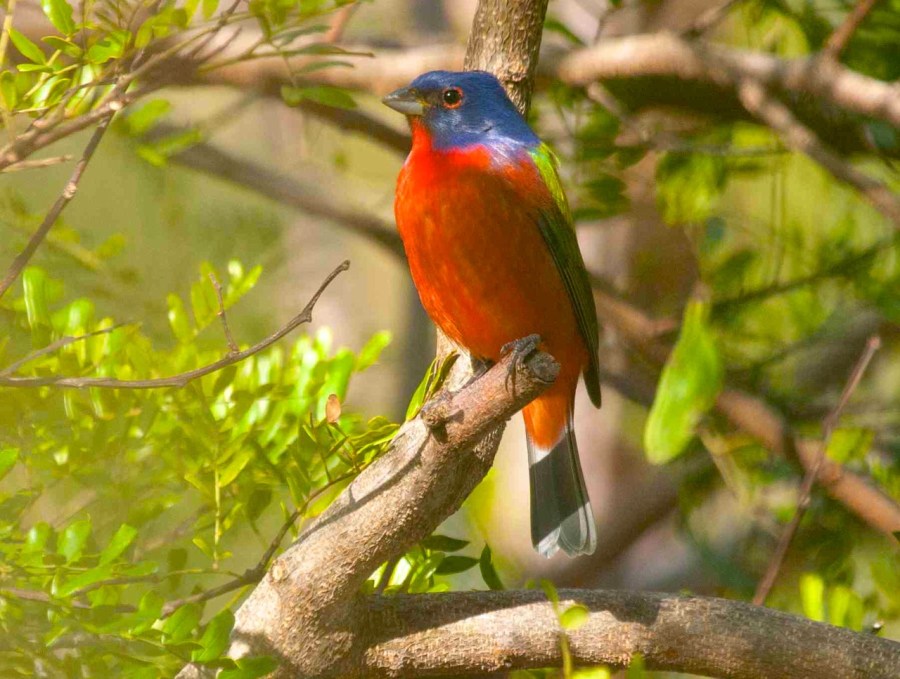
It’s hard to imagine a more Christmasy little bird than the Painted Bunting. Bright blue, red, green primary colours make for a spectacular small bird to grace any garden or feeder. There are other bunting species and close relations – e.g. grosbeaks – on Abaco. A common factor is the little fat beak and voracious seed greed…

                                                           painted-buntingimagespainted-bunting copy

Feeders at the Delphi Club. The first is of a female & a male PABU feeding together (RH). The second is a male PABU with a pair of black-faced grassquits (Sandy Walker)Painted Buntings (M & F), Delphi, Abaco (Keith Salvesen)Painted Bunting, Delphi, Abaco (Sandy Walker)

                                                        painted-buntingimagespainted-bunting copy

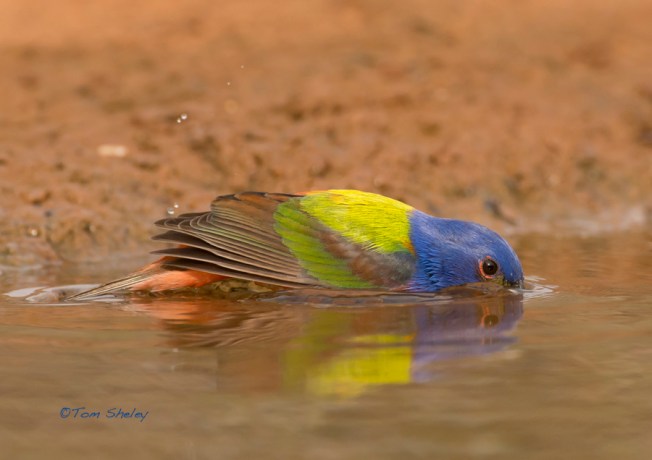
The next two wonderful photos are by Tom Sheley, a major photographic contributor to THE BIRDS OF ABACO. They were taken in Texas, not on Abaco, but I include them because of Tom’s strong connection with the birdlife of Abaco; and because on any view they are fantastic shots…
Painted Bunting reflection LR.Laguna Seca.South TX. 4.16.13.Tom SheleyPainted Bunting dip reflection LR.Laguna Seca.South TX. 4.16.13.Tom Sheley

Credits: Tom Sheley (1, 7, 8), Erik Gauger (2), Tara Lavallee (3, 4), Keith Salvesen (5) Sandy Walker (6); Birdorable Cartoons

imagesimagesimagesimages

Unknown's avatar

TRI-COLORED HERON HUFFS SNOWY EGRET: GILPIN POND, ABACO


Snowy Egret, Gilpin Pond Abaco 10 (Keith Salvesen)

TRI-COLORED HERON HUFFS SNOWY EGRET: GILPIN POND, ABACO

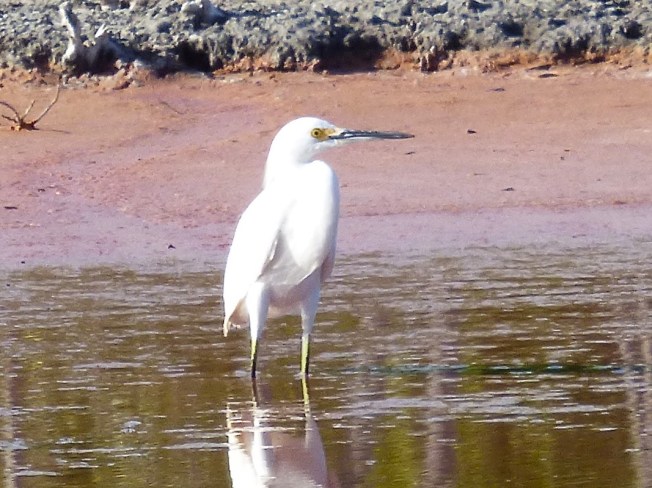
We were at Gilpin Pond to watch for Herons and Egrets. Bahama Pintails were a given, Black-necked Stilts were likely – but one never quite knows what Ardeidae will turn up. There was a snowy egret fishing peacefully at the north end of the pond. We were a little way off, on a small wooden jetty. Slowly and rather deliberately a tri-colored wandered right through the Egret’s hunting area. It wasn’t looking for food, and it certainly wasn’t in a hurry. 

Heron wading through my fishing spot? Like I care? [Yes. You really do]Snowy Egret with Tri-colored Heron, Gilpin Pond Abaco 1 (Keith Salvesen)

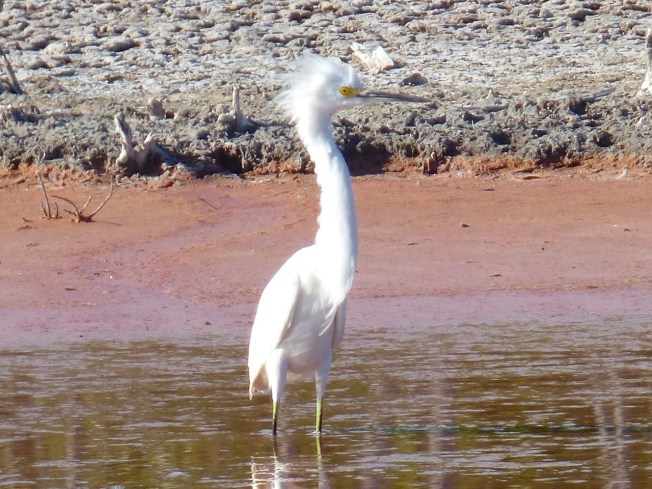
I regret to say that Snowy threw a bit of a strop. Having been hunched and intent on his hunting, he became distracted and palpably upset. It was just… the heron’s meander right past his beak was a bit to much for any self-respecting egret to tolerate. This is how it went, as the heron moved very slowly forwards…

A bad hair day – but gradually regaining composure…Snowy Egret, Gilpin Pond Abaco 1 (Keith Salvesen)Snowy Egret, Gilpin Pond Abaco 2 (Keith Salvesen)Snowy Egret, Gilpin Pond Abaco 3 (Keith Salvesen)Snowy Egret, Gilpin Pond Abaco 4 (Keith Salvesen)

Then the heron got out of the water… out of the way. You’d think.Tri-colored Heron, Gilpin Pond Abaco 2 (Keith Salvesen)

Not to be outdone, the egret followed behind, no doubt muttering crossly…Snowy Egret, Gilpin Pond Abaco 6 (Keith Salvesen)

…and hopped up onto a dead tree stump, where it stood rather forlornlySnowy Egret, Gilpin Pond Abaco 8 (Keith Salvesen)Snowy Egret, Gilpin Pond Abaco 9 (Keith Salvesen)

At which point the heron flew off and perched high up on a dead branch. I swear I heard it laugh.Tri-colored Heron, Gilpin Pond Abaco 4 (Keith Salvesen)

All photos RH. All anthropomorphic interpretations, too.

Unknown's avatar

BAHAMAS REEF CORAL: A COLOURFUL GALLERY


Orange Cup Coral ©Melinda Riger @ G B Scuba copy

BAHAMAS REEF CORAL:  A COLOURFUL GALLERY

The reefs of the northern Bahamas, as elsewhere in the world, are affected by two significant factors: climate change and pollution. Stepping carefully over the sharp pointy rocks of controversy, I’ve avoided the term ‘global warming’ and any associated implication that humans (oh, and methane from cows) are largely to blame for the first factor; but on any view, ocean pollution is the responsibility of mankind (and not even the cows). 

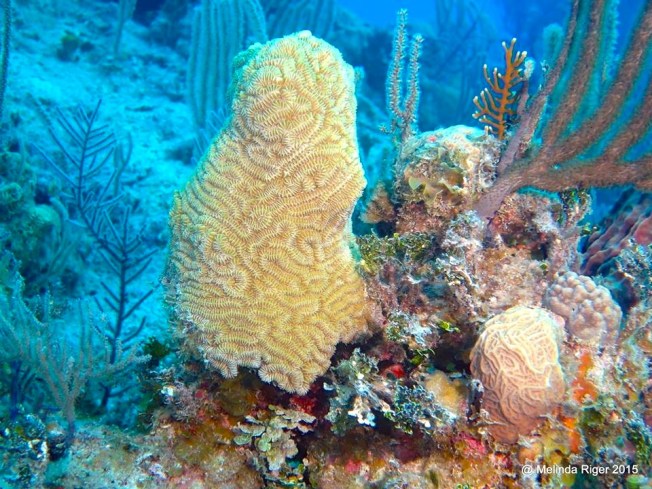
That said, an exploration of the reefs of Abaco or Grand Bahama will reveal not just the astounding variety of mobile marine life but also the plentiful and colourful static marine life – for example the beautiful and Christmassy orange cup coral in the header image. Here are some more corals from the reefs, with a mix of sponges added in. 

Giant Star Coral & Rope Sponge ©Melinda Riger @ GB Scuba copyCorals ©Melinda Riger @ G B Scuba copy 2Corals ©Melinda Riger @ GB Scuba copySea Fans & other corals ©Melinda Riger @ Grand Bahama Scuba copy

This rather intriguing photo shows a hermit crab’s conch home that presumably the occupant grew out of and left behind in the delicate coral branches as it went search of a more spacious shell dwelling.Coral & conch ex crab home 1380179_645156602172399_300806994_n copy

Credits: All these wonderful photos are by Melinda Riger of Grand Bahama Scuba; tendentious reef health observations are mine own…

Unknown's avatar

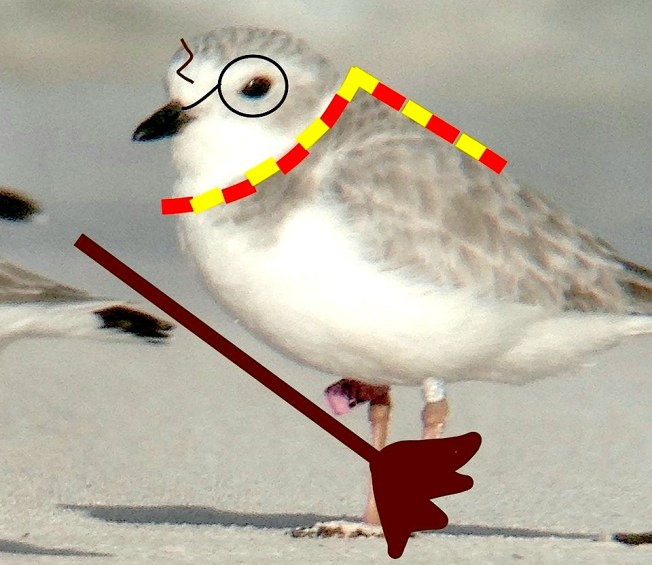
“HARRY POTTER & THE MAGIC BAND” (A PIPING PLOVER STORY)


PIPL PINK22 Harry Potter π Stehanie Egger copy

“HARRY POTTER & THE MAGIC BAND” (A PIPING PLOVER STORY)

by ROWLING HARBOUR

It was a bright sunny morning and the sand on the beach was warm under Harry Potter’s bare feet. Although by now a very experienced flyer, his recent adventures during his epic 1000-mile journey had left him very tired. All his friends that had undertaken the same long flight were tired too. Now they were enjoying a quiet, peaceful time away from all the dangers they had somehow survived during their scary expedition (see Harry Potter and the Migration of Fear). It would be a long time, Harry said to himself – maybe as long as 6 months – before he wanted to have another experience like that. He wondered when Ron Piper and Hermione Plover would arrive. He hadn’t even found them yet… 

_Piping_Plover_on_the_Fly (USFWS Mountain-Prairie wiki)

But the little group on a remote shoreline on Abaco were not as safe as they thought. Unknown to the happy, sleepy plovers on the beach, they were already being stalked by two creatures. This determined pair had one sole aim – to find plovers, to catch them and to carry out scientific experiments on them. That’s three aims, in fact. The editor would surely fix that error later (No – ed.). Would Harry and his friends soon find themselves in mortal peril from these formidable adversaries, these beasts with huge brains, armed with the latest technology? What magical powers would be needed to combat the imminent danger creeping stealthily towards them? The male definitely had a spine-chilling look about him; the female appeared less daunting – but might therefore be all the more dangerous…

TOPO & STEG PIC JPG   piping-plover

Suddenly, Harry felt a sense of danger. Fear ruffled his neck feathers and his little left foot started drumming impatiently on the sand. He’d felt like this several times before, like that time the Dark Lord had driven a SUV straight at him on that nesting beach many miles away, the one where he cracked out (see Harry Potter and the Vehicle of Dread). And when the massive dog came and sniffed round the nest when he was a tiny chick (see Harry Potter and the Hound of Horror). Instinctively, he grabbed a magic meat-string from the damp sand, ate it, and took to the air… only to be caught up in some sort of fearsome spider’s web (a mist net – ed.). He was trapped. He struggled bravely, peeping out his anger at this cruel trick. But it was no good – he was caught fast, and wriggling only seemed to make it even worse. The massive creatures were running towards him fast, shouting in triumph – they had got Harry exactly where they wanted him – at their mercy…

A Mist Net (if unsuccessful, A Missed Net)Mist Net jpg

Just as Harry had started to believe that his last moment had arrived, an amazing thing happened. Instead of dispatching him with a swift blow to head, as the Dark Lord might have done, he was gently removed from the net and softly held in the female’s hands. His instant fear that she might crush him to a horrible mangled pulp rapidly lessened. Why, she was even talking to him. And those voices. They sounded not so much fearsome as friendly. But were they lulling him into  false sense of security, only to wreak an evil vengeance upon him? (*Spoiler Alert* No – ed.).

The Steph of Egger with captive Harry Potter, & wearing the cap of the mysterious ‘Delphi Club’1484646_10205144305680789_2528266936610237451_n

Then suddenly things got worse. Much worse. Harry was slowly wrapped in a large white blanket and laid on something that wasn’t sand. Something hard. What were they planning to do with him now. He heard the male – Harry had now concluded that he must be dealing with the Avian Overlord himself, the infamous Todd of Pover, first cousin of Severus Snipe – mutter an incantation: “54 grams. Pretty good. 54 grams. Have you got that”. Yes, they’d taken his dignity and his weight but there had been no pain. Yet. Harry began to relax a little.

10957577_10205144275960046_8670418050291183808_n

Meanwhile, Steph the Egger was making a strange rattling sound. As Harry was unwound from his shroud he suddenly saw a box filled to the brim with exotic jewels of the most opulent colours glistening in the sunlight. At once, he knew he had to have one of them. A beautiful pink one. One to wear on his leg. One that he could keep for ever. One that would always mean ‘Harry Potter’. That very one on the top. Just there. With the magic number 22 on it in black writing. And Harry started to breathe a special silent Piping Spell: ‘Please pick me up… in your hand… and fit the Magic Two-Two Band…’ 

10953155_10205138160647167_6364662204306663309_n

And, miraculously, the spell began to work. First, Harry was gently held as the Magic Band was put round his right leg. At the top, just where he wanted it. Harry shut one eye and repeated the spell.18265_10205144276640063_342488571243728001_n

Then despite an awful wound from an earlier battle, the Todd of Pover made sure the band was secure and would never come off. It would be there forever – the Harry Potter ID band. By this time Harry didn’t even mind the indignity of being turned upside down.1688061_10205144276200052_1782966976770605282_n

Finally, it was done. Really, the jewel was more like a flag than a band. But Harry knew instinctively that it would take a massive effort for his story to be rewritten to make this clear from the start, so he decided to let it pass. Band. Flag. What did it matter. It was his prize, gloriously his. 

And then he was passed to Steph the Egger. Harry presumed she got her name for her ability to find nesting birds in that other place he had flown South from. And now, here she was, holding him tenderly, talking to him and telling him how cool he looked. Even her bright red claws did not seem so frightening now. Except… WHAT WOULD HAPPEN TO HIM NOW?

10169303_10205144274240003_5908333687210042239_n

Suddenly, Steph the Egger stood up and Harry found himself several feet above the safe warm sand. Steph held him out in front of her and then, in an instant, he was free… Free to fly away with his beautiful pink jewel band, his special number, and an intuition that wherever he might be, and whoever saw him, they would always know that he was Harry Potter for as long as he lived. Against all odds he had gained… THE MAGIC BAND.

10931116_10205144276720065_5757419875474692020_n

piping-plover

POSTSCRIPT

No one knows when Harry Potter left Abaco last spring, nor where he spent his Summer. All that can be said with certainty is that 12 months later he was found again on the same beach, Long Beach Abaco, in the same place. 5 other PIPL were pink-banded with him last year by the National Audubon, Virginia Tech, BNT, and CWFNJ team (pink being the colour used for Bahamas birds). Of those 6, 5 have been resighted on the same beach in the last few days. They migrated north last Spring, spent the Summer probably in different locations yet found their way back to the same place on Abaco to overwinter together again.

GENDER NOTE In fact it isn’t clear if HP is male or female (see below). He might be Harriet Potter. But I have played safe and stuck with the gender implied by his given name…

Harry Potter Pink 22 UR on Long Beach Abaco, 3 Dec 2015, a year after he was banded therePIPL PINK22 Dec 3 2015 Long Beach Abaco 1 (Stephanie Egger) copy PIPL PINK22 Dec 3 2015 Long Beach Abaco 2 (Stephanie Egger) copy

STEPH THE EGGER EXPLAINS THE NAME, NUMBER & QUIDDITCH PIC

“I helped band this piping plover last winter, and called him “Harry Potter.” I know 22 isn’t Harry’s quidditch number (07), but 22 is for my birthday when I mostly seem to be down in Abaco. We don’t know where Harry Potter bred this year as no reports came in for him (or her). Maybe next season!

DISCLAIMER RE HEADER IMAGE I don’t suggest making silly photos of all “named” birds as this is an endangered species that we should certainly take very seriously. That said, I do think that names help people connect to the species and it also aids the researchers in id’ing (my personal opinion)”.

piping-plover

Credits: Stephanie Egger, Todd Pover, Conserve Wildlife Foundation of New Jersey & co-banding teams, USFWS Mountain-Prairie (PIPL in flight), Birdorable, Rowling Harbour, and star of the show Harry Potter Pink 22 UR. Apologies to JKR for feeble pastiche.
Unknown's avatar

“CATCHING THE EYE”: OYSTERCATCHERS (+ BONUS ID TIPS)


American Oystercatcher AMOY eye close-up (Todd Pover / CWFNJ)

 “CATCHING THE EYE”: OYSTERCATCHERS (+ BONUS ID TIP)

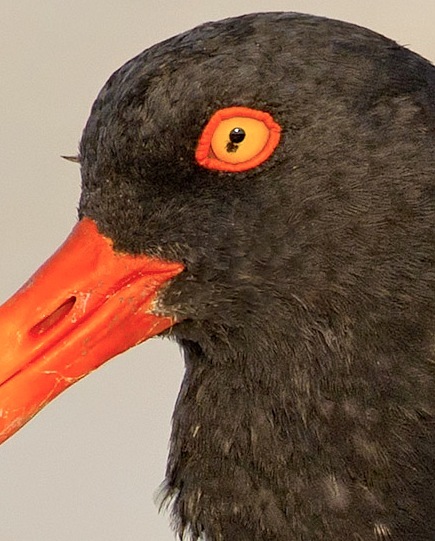
I’m focusing (ha!) on oystercatcher eyes today. Like the extraordinary one in the header image. Notice the bright orangey-red ‘orbital ring’, the egg-yolk-reminiscent eye and the pitch black iris. An eye-catching and unmistakeable feature of this handsome black and white shorebird, the American Oystercatcher.

Here’s another AMOY eye, with a different smudge of black by the iris. I don’t know for sure, but I suspect that AMOY specialists are able to ID individual birds at least in part by their different eye markings. And you can see that the eye-ring smartly matches the beak into the bargain.

American Oystercatcher AMOY eye close-up (Todd Pover / CWFNJ)

This wonderful photograph of a loving AMOY pair with their precious egg safely encircled by a rocky nest was taken on LBI, NJ by Northside Jim, whose amazing photos I sometimes include. See how brightly the eyes of each bird stand out, like tiny archery targets.american-oystercatcher-t2-eggs (Northside Jim : Exit 63)

“The World is Mine Oyster”

The AMOY shot below was generously put on Wiki by Dan Pancamo. He captioned it perfectly.The world's mine oyster - American Oystercatcher AMOY (Dan Pancamo Wiki)

OYSTERCATCHER ID TIPS

A while ago, when I was choosing AMOY photographs for publication, I idly wondered what was the difference between them and Eurasian Oystercatchers (yes, yes, I hear you – apart from geographical, I mean…). At a first comparative glance, to me they looked remarkably similar in coloration and size. Assuming both species were to be discovered on the same shoreline, how best might one distinguish them? The main differences seemed to be:

  • Leg colouring differs, AMOY legs being generally pale pink as opposed to the stronger coloured legs of the EUROY (if they can be called that). However there are considerable EUROY variations (see below), from pink to orange to reddish, that are presumably seasonal. The leg colour, assuming they are visible to the watcher, is not quite a definitive identifier.
  • Both species have black heads and necks, but the AMOY’s back plumage shades to dark brown. But how distinctive would that be in low light or indifferent weather?
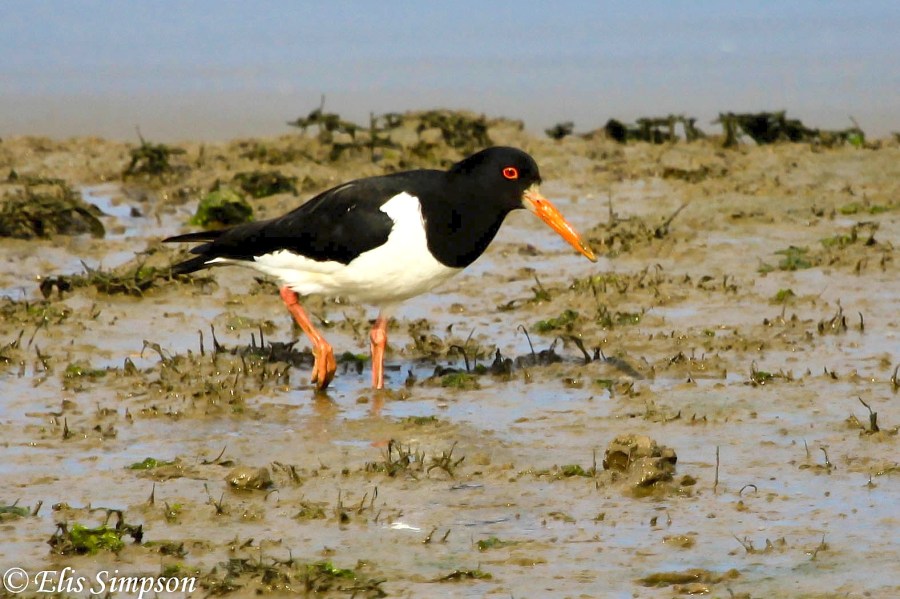
  • Mrs RH, looking over my shoulder, saw it at once: the eyes. If you can see the eyes, you can tell instantly what make of OY you are looking at*. Here are a some Eurasian Oystercatchers showing their own distinctively red eyes and orbital rings.

Eurasian Oystercatcher (Elis Simpson)Eurasian Oystercatcher - Haematopus ostralegus (Elis Simpson)Haematopus_ostralegus_-Scotland_(Snowmanradio / wiki)

As so often, I have since found that the excellent Birdorable site has nailed the differences clearly and simply. Eye colour, leg colour and – less obviously – the AMOY’s brownish back as opposed to the EUROY’s entirely black and white body. Sorted.

american-oystercatcher (Birdorable) eurasian-oystercatcher (Birdorable)

RECOMMENDED SHOREBIRD SITE WADER QUEST

*I realise there are a number of other oystercatcher species around the world, but for obvious reasons they don’t really come into consideration for present purposes…

Credits: Todd Pover / CWFNJ (1, 2); Northside Jim EXIT63 (3); Dan Pancamo (4); Elis Simpson / Wader Quest (5, 6); snowmanradio / wiki (7); Wader Quest, Birdorable, magpie pickings and Mrs RH for sharp… er… eyes

Unknown's avatar

WTF? (WHAT’S THAT FISH) (5): THE FILEFISH


Scrawled Filefish ©Melinda Riger @ GBS

WTF? (WHAT’S THAT FISH) 5: THE FILEFISH

The jocularly-named WTF? series is designed to shed an underwater spotlight on some of the odder denizens of the coral reefs and surrounding waters. I don’t want to earn a reputation for being ‘lookist’, but frankly the appearance of some of these creatures – I give you BATFISH or FROGFISH or REMORAS as examples – is baffling. The filefish group is not as extreme as some in the downright weird category, but if you see one you might just find yourself muttering into your facemask “wtf?”

Scrawled Filefish ©Melinda Riger @ G B Scuba

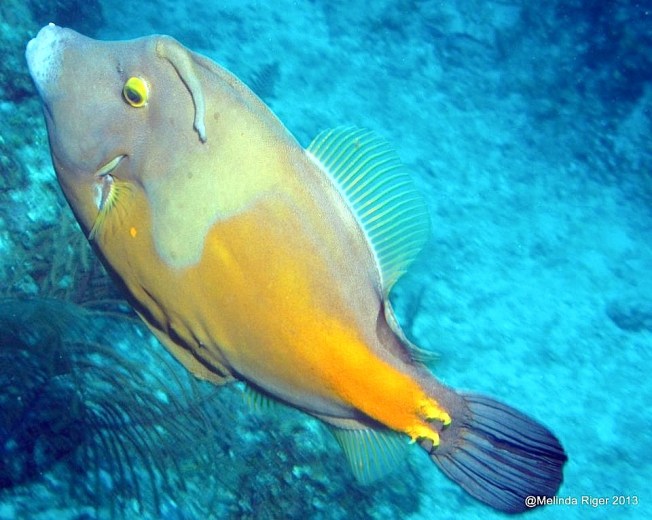
Filefish (Monacanthidae) are found in tropical and subtropical oceans worldwide. They are related to triggerfish, trunkfish and pufferfish, and have regional names that include leatherjacket, foolfish, and shingle. There are more than 100 species of filefish, of which only a few are found in Bahamian waters. The species featured here are a mix of scrawled, white-spotted and orange-spotted filefish.

Filefish White-spotted ©Melinda Riger @G B Scuba

HOW DID THEY GET THE NAME?

In the image above, you can just see a flattened spine on top, above the eye and pointing backwards. This is the ‘retracted’ state. There is a small secondary spine that serves to prop up the main spine when it is in the upright position. This is it seems, the file – although the Greek-derived family name Monacanthidae literally means ‘one thorn’. So why isn’t it a thornfish, you may well ask. And I may well not respond.

This filefish’s ‘spine’ seems to have flopped over to one sideWhite Spotted File fish

These fish have snouts with small mouths and specialized teeth with an inner and outer set on each jaw. They are to an extent shapeshifters, and can quickly make themselves appear larger for defensive purposes. In some individual species, there are marked differences in body shape and coloration.

An orange-spotted filefish with its spine erect, making for a cave – a place of safetyFilefish, Orange Spotted ©Melinda Riger @ GB Scuba

The fins of a filefish are small, and they are rather sedate swimmers. Sometimes they simply like to drift with their heads pointed downwards, eyeing patches of seagrass or seaweed for prey. Some species are largely vegetarian. Others eat small invertebrates. Some even feed on corals. Their predators – especially  the juveniles –  include tuna and dolphins (mahi-mahi).
ADDITION Capt Rick Guest has helpfully expanded on juvenile filefish: “The juveniles hang under sea weed and flotsam eating small shrimps and crabs there. They, in turn become food for Mahi and other pelagic fish. The main thing with these guys is that the bigger they are, the more likely they are to be Ciguateric”.
220px-Coryphaena_hippurus
At his suggestion I will write a post about the  problem of the Ciguatera disease when I have had some time to do the research.

Scrawled File Fish

ARE THEY EDIBLE?

Good question. The answer, broadly is yes, though I don’t know if that applies to all species of filefish. They are certainly eaten in large quantities in the Far East. I don’t know about the Bahamas or the wider Caribbean. If anyone does, could you very kindly add a comment to this post. Recipes welcome!

Scrawled Filefish

All photos: Melinda Riger of Grand Bahama Scuba

Unknown's avatar

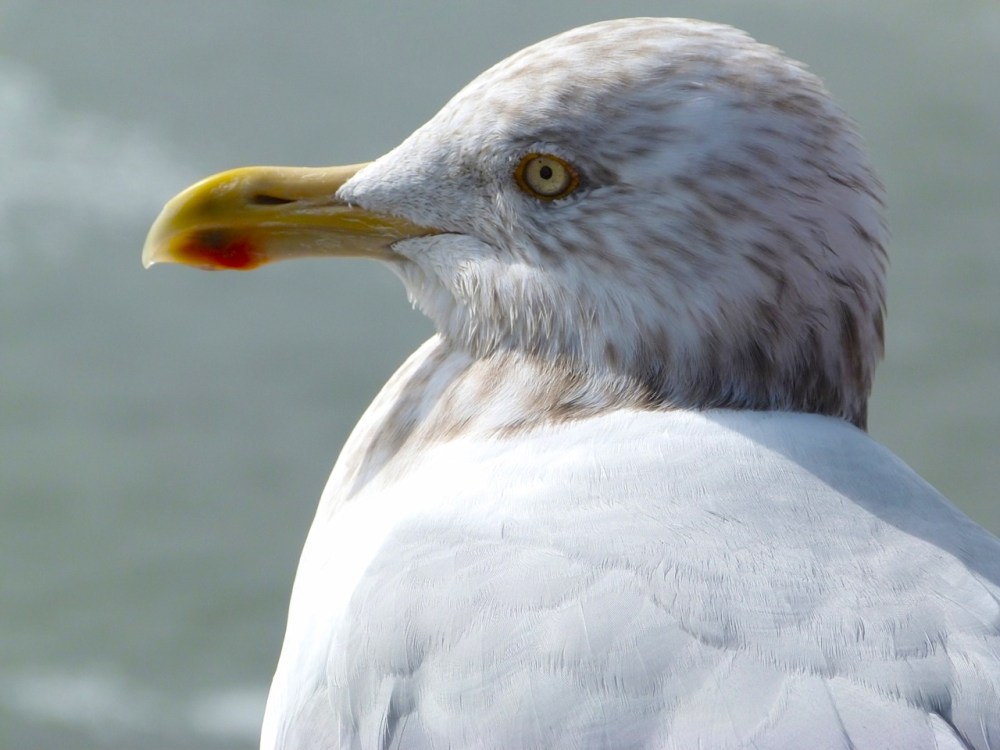
WE INTERRUPT THIS BLOG… WITH A COUPLE OF HERRING GULLS


Herring Gull (Keith Salvesen)

WE INTERRUPT THIS BLOG… WITH A COUPLE OF HERRING GULLS

Well this is most annoying. What we have here can only only be called a wifi crisis… Since Sunday, I have described the situation in a healthy variety of colourful ways, some of them down the telephone line. Now I know that Abaconians are inured to the inconveniences of outages on a regular basis. But where I am right now, the wifi is usually dependable. Except when it’s not. Then things get complicated – blogging, buying stuff on @m@z@n etc, soshul meeja and so on. There’s the iphone, but they can be fiddly for all that sort of thing, and anyway I can’t upload images that I want to use.

So, having at last found an ethernet cable at the back of a drawer, I have a degree of connectivity. And a whole mass of stuff to catch up with. Wednesday is a usual day for a me to post – it has a nice mid-week-ish feel to it (even if one doesn’t refer to it as ‘hump day’). So I am deploying a couple of herring gulls just because, with my inconveniently short length of yellow cable, I can.

See you with something from my post queue once the signal thing on my desktop has turned from grey to black…

Herring Gull 1 (Keith Salvesen)

Images: moi

Unknown's avatar

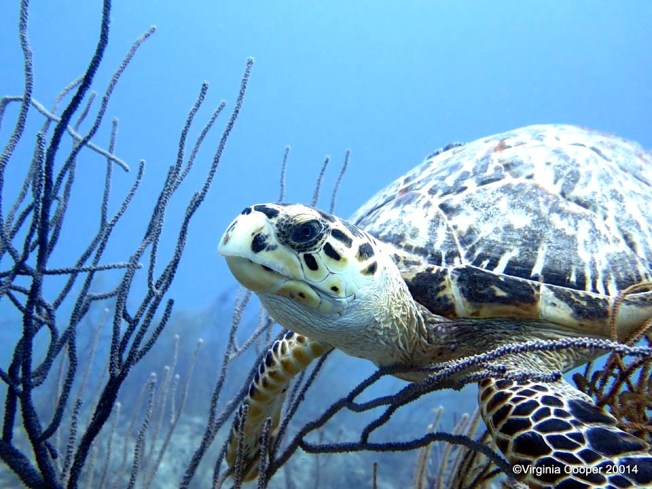
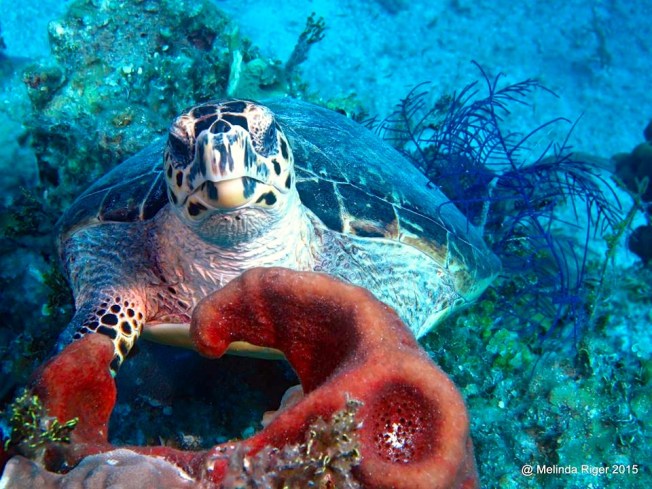
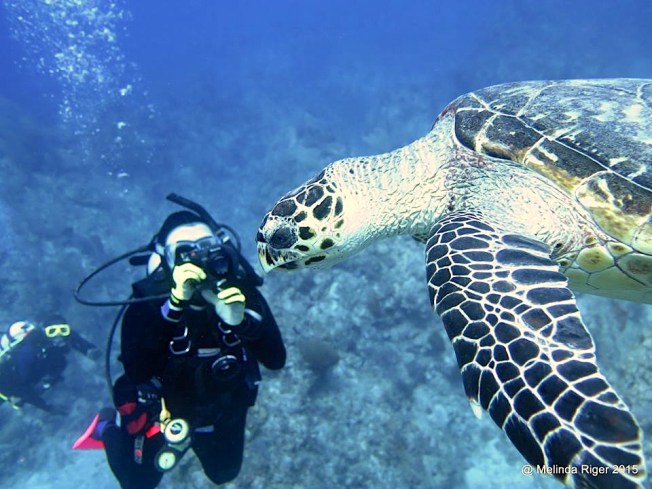
HAWKSBILL TURTLES: WONDERFUL… & CRITICALLY ENDANGERED


Hawksbill Turtle ©Virginia Cooper @ G B Scuba

HAWKSBILL TURTLES: WONDERFUL… & CRITICALLY ENDANGERED

Hawksbill Turtle ©Melinda Riger @ G B Scuba copy 3

Hawksbill turtles are found throughout the tropical waters of the Atlantic, Pacific, and Indian Oceans. They avoid deep waters, preferring coastlines where sponges are abundant and sandy nesting sites are within reach. They are normally found near reefs rich in the sponges they like to feed on. Hawksbills are omnivorous and will also eat molluscs, marine algae, crustaceans, sea urchins, fish, and jellyfish. 

Hawksbill Turtle Range (Nat Geo)map-hawksbill-turtle-160-cb1447865323

Turtle with Gray Angelfish ©Melinda Riger @ G B Scuba

WHY ARE HAWKSBILLS CRITICALLY ENDANGERED?

  1. Despite the protection of their shells, turtles are predated on by large fish, sharks, octopuses, and (unlawfully) humans.
  2. Hawksbills are slow breeders, mating only every 2 or 3 years, which is the first drawback to species survival.
  3. Having laid the resulting eggs on a beach, the female returns to the sea. The eggs hatch after a couple of months. Unless, of course, some creature – and that includes humans – has got to them first…
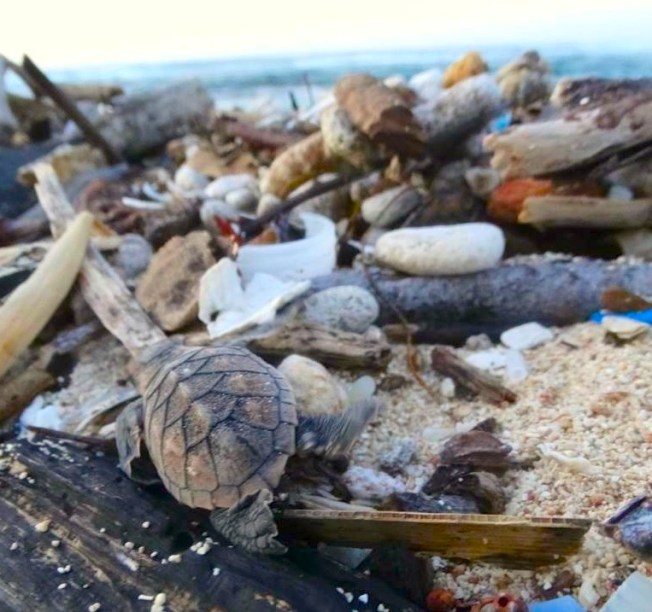
  4. Hatchlings are hugely vulnerable as they make their way from the nest site to the sea. However fast they scurry along, crabs and in particular flocks of gulls are faster. Also, they may have to negotiate impossible obstacles washed up onto the beach  (see below). The attrition rate of  tiny turtles at this stage is very considerable.

Hawksbill Turtle ©Melinda Riger @ GB Scuba copy

SO, HUMANS ARE BASICALLY IN THE CLEAR, RIGHT?

Humans can take most of the credit for the turtles plight leading to their IUCN ‘critically endangered’ listing, in these mostly illegal ways:

  • Killing adult turtles for food or…
  • …for their beautiful shells
  • Digging up turtle nesting sites to take the eggs as food
  • Catching turtles in fishing nets as unintended but often inevitable BYCATCH
  • Providing a rich stew of plastic, styrofoam & other dietary or physical hazards in the ocean
  • Degrading or destroying the nesting sites, & indeed the reefs on which turtles depend

A hatchling tries to clamber over beach rubbish to get to the seaTurtle traps - Melissa Maura copy

A straw is extracted from a turtle’s nostril (small pics on purpose – I spared you the long video)Turtle & straw 1 (Nathan Robinson : Chris Figgener) Turtle & straw 2 (Nathan Robinson : Chris Figgener) Turtle & straw 3 (Nathan Robinson : Chris Figgener)

This poor creature was found just in timeHawkbill Turtle Plastic breathecostarica copy

Assorted plastic effects (the turtle trapped in the beach chair was off Man-o-War Cay) Sea Turtle tied up in balloon string (Blair Witherington : NOAA) copyphoto copy 7 This turtle, which was found floating in North Man-O-War Channel, died as a direct result of being entangled in human trash(in this case, a lawn chair) copy IMG_1346 copy

PLEASE CAN WE GO BACK TO HAPPY PICTURES?

Healthy hawksbills happily living the northern Bahamas reef lifeHawksbill Turtle (m) (Melinda Riger @ G B Scuba) Hawksbill Turtle (flipper damage) ©Melinda Riger @ GB Scuba

RELATED POSTS

TURTLEY AMAZING

SEA TURTLE THREATS

BABY TURTLES WITH PHIL LANOUE

Hawksbill Turtle & photo ©Melinda Riger @ G B Scuba

Credits: Melinda Riger & Virginia Cooper of Grand Bahama Scuba for the main photos; Melissa Maura, Nathan Robinson, Friends of the Environment and other FB sharers for the small images; National Geographic for range chart and information

Unknown's avatar

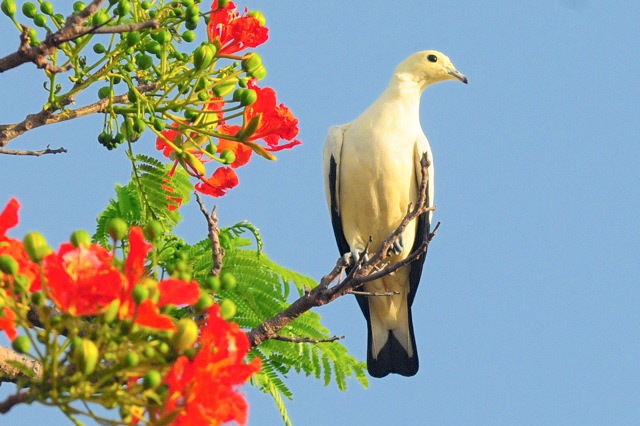
SAYING NO TO BEAUTIFUL BAHAMAS BIRDS…


Pied Imperial Pigeon 1, Nassau (Woody Bracey)

Pied Imperial Pigeon, Nassau

SAYING NO TO BEAUTIFUL BAHAMAS BIRDS…

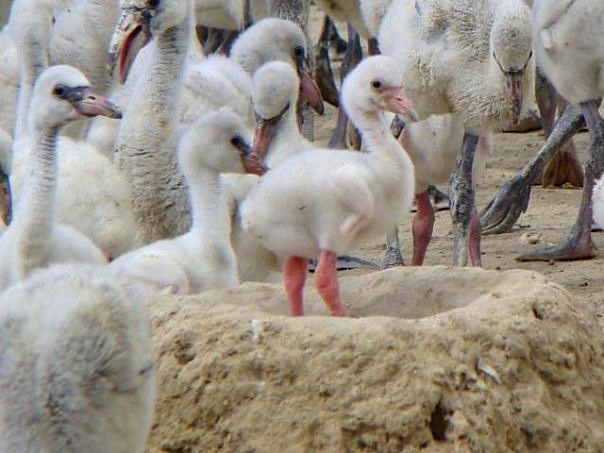
Flamingos & Chicks, Inagua (Melissa Maura)

Flamingos & Chicks, Inagua

Writing a bird book involves defining parameters at an early stage. Best to avoid working them out 6 months into the project; or (worse) letting them evolve gradually as each obstacle along the stony track to the printers is encountered. Far better to decide the general rules of engagement at the outset, and be able to tweak them later if need be. 

Brown Booby + egg, San Salvador (Woody Bracey)

Brown Booby on its nest, San Salvador

And so it was that we stayed for a convivial weekend with Peter and Jane Mantle to discuss the pros and the cons, the whys and the wherefores, the format and the style of a book to showcase the birds of Abaco. And how on earth to get started on the project…

Pied Imperial Pigeon 2, Nassau (Woody Bracey).JPG

Pied Imperial Pigeon, Nassau

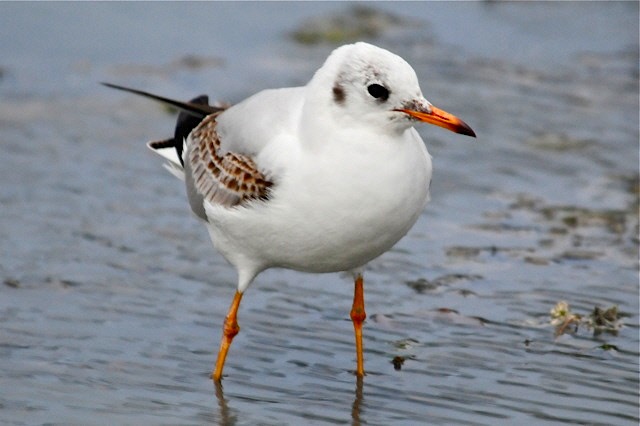
Black-headed Gull imm, New Providence (Bruce Hallett)

Black-headed Gull (immature), New Providence

One thing was clear at the outset. It was essential that every photograph in the book would have to be taken on Abaco. It wasn’t to be ‘The Birds of Abaco including Birds from Grand Bahama, New Providence, Eleuthera and Inagua that You Might also Find on Abaco’. Or ‘The Birds of Abaco, Mostly’. And there was to be no cheating.

burrowing-owl-great-inagua-woody-braceyjpg

Burrowing owl, Great Inagua

The project involved the work of some 30 photographers in all, from the prolific to a couple of people who offered a single excellent photo. I amassed a large archive, though only a percentage could be used. For example many fine photos fell by the wayside because resolution was inadequate for high-quality print purposes.  

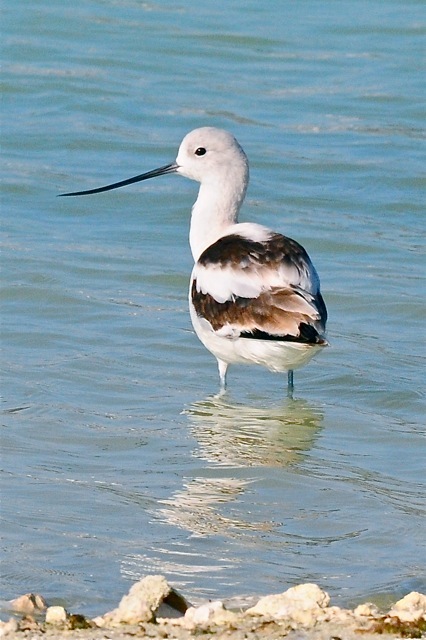
American Avocet, Bahamas 1 (Tony Hepburn)

American Avocet, Nassau

I also collected plenty of folders containing images of birds we desperately wanted to include, that were not all taken on Abaco but were part of a wider field trip. These were ruthlessly (but painfully) excluded from consideration. In fact, to stick within the (self-imposed) guidelines, I set aside all photos that I was not certain had been taken on Abaco. Where there was doubt, they were out.

Key West Quail-Dove, Nassau, Woody Bracey

Key West Quail-Dove, Nassau

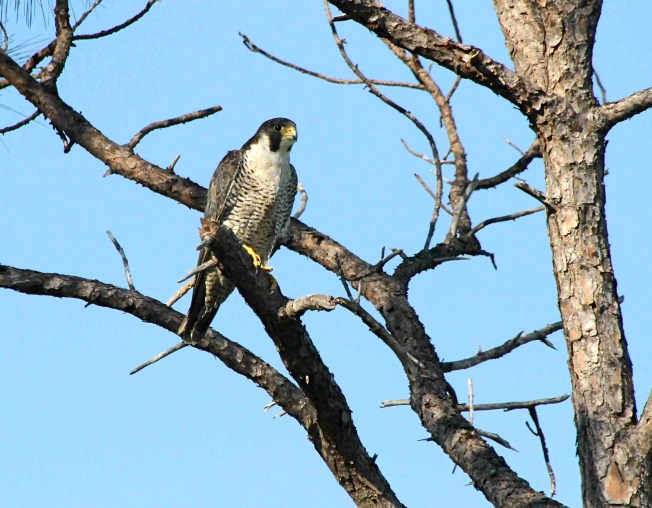
This post contains a selection of photos from the Aviary des Refusés. We would have loved to have included the peregrine falcon and burrowing owl, for example, but had no Abaco images to use then. Other bird species were in any event disqualified for being unknown on Abaco. A Pearly-eyed Thrasher recently found its way to Treasure Cay, this first recorded for Abaco; yet could be found elsewhere in the Bahamas two years ago.

Peregrine Falcon (Woody Bracey) sm

Peregrine Falcon, New Providence

Pearly-eyed Thrasher, San Salvador (Woody Bracey) jpg

Pearly-eyed Thrasher, San Salvador

Horned Lark, Nassau (Woody Bracey)

Horned Lark, Nassau

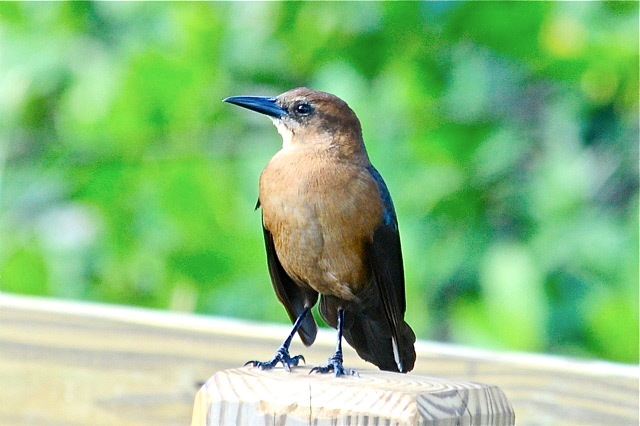
Boat-tailed Grackle (f), Nassau (Woody Bracey)

Boat-tailed Grackle (f), Nassau

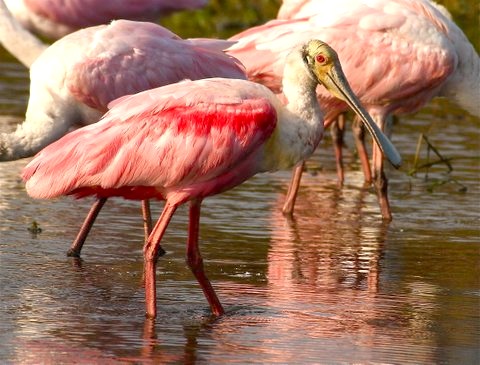
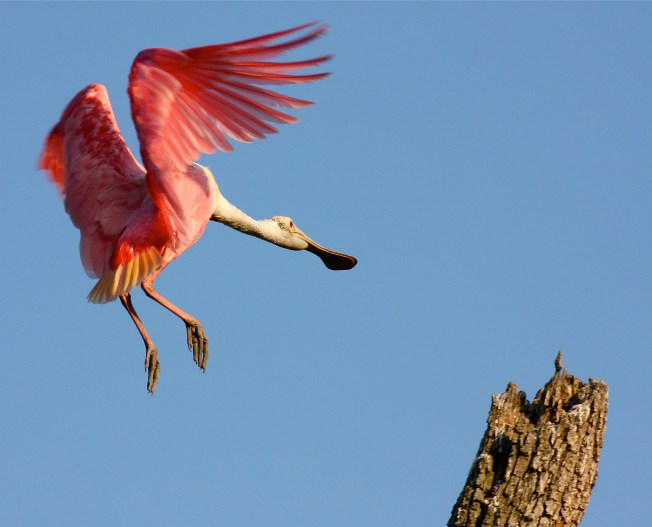
Roseate Spoonbill WB 59_IMG_6302 copy 3

Roseate Spoonbill WB 58_IMG_6230 copy 3
Roseate Spoonbill, Great Inagua

Cuban Grassquit, Nassau (Woody Bracey)

Cuban Grassquit, Nassau

Brown-headed Nuthatch, Grand Bahama (Woody Bracey) cr sm copy

Brown-headed Nuthatch, Grand Bahama

American Avocet, San Salvador (Woody Bracey)

American Avocet, San Salvador

Flamingos & Chicks, Inagua (Melissa Maura)

Flamingo Chicks, Inagua

Credits: Woody Bracey for taking / supplying a most of these great images, with Tony Hepburn, Bruce Hallett, Melissa Maura (the wonderful Flamingos) and all those involved in the joint field trips from which some of these photos originate. And Peter Mantle for having the idea for the book and for being wholeheartedly supportive through thick and thin…


Unknown's avatar

GILPIN POINT, ABACO: A ‘2 HOURS, 40 SPECIES’ BIRDING HOTSPOT


Black-necked Stilt, Abaco (Alex Hughes) copy

GILPIN POINT, ABACO: A ‘2 HOURS, 40 SPECIES’ BIRDING HOTSPOT

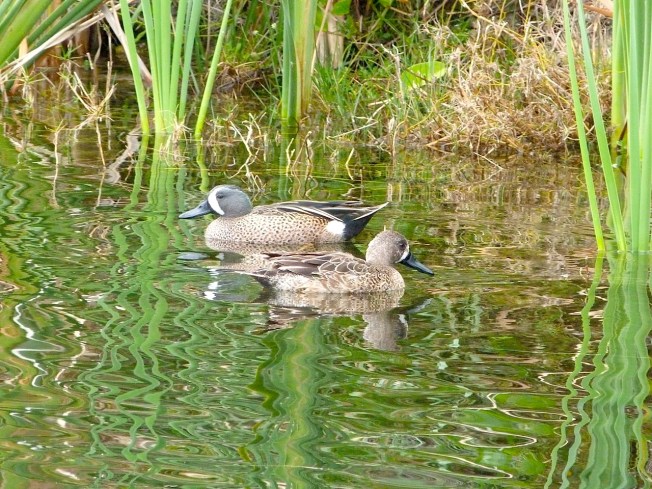
Got  a spare couple of hours? Reluctant to go birding on the bird-reliable yet ambience-lite town dumps, where careful cropping will be needed to avoid including post-apocalyptic scenery in your hard-won photos of a Little Mulligatawny Owl? Then read on. I have mentioned Gilpin Point before as a great place for birding, and listed many of the species to be found there. It benefits from a large pond, a pristine shoreline, and a coppice environment with some pine forest thrown in. All the makings of an excellent birding location, with suitable habitat for a wide variety of species. Blue-winged Teal, Abaco (Keith Salvesen)

On November 21st Reg Patterson, well-known Abaco birder and guide, was up early, and by 07.00 he was at Gilpin Pond where  he spent a couple of hours . He recorded 40 species in that time, from very large to very small. His checklist reveals a great cross-section of the birdlife to be found on Abaco. There might easily have been parrots there too, since Gilpin has become one of their daily chattering spots for a frank exchange of news and views. Sadly it seems that the beautiful and (now) rare SPOONBILL recorded there in early October has moved on.

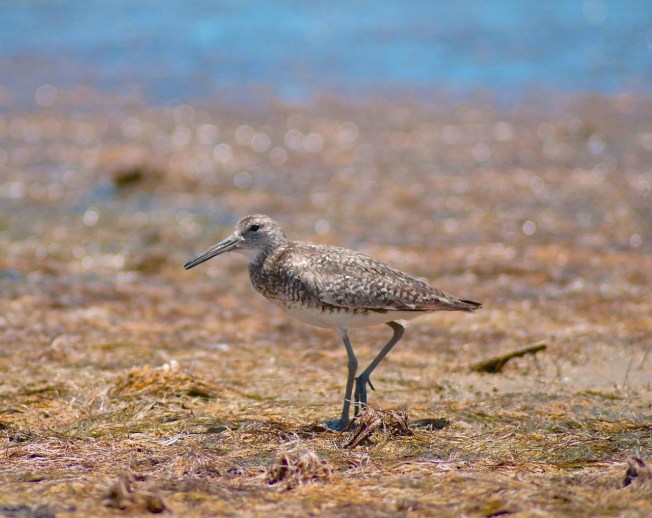
Willet, Abaco

Here is Reg’s checklist, which I have illustrated with a variety of photos of the species he found, all taken on Abaco and many actually taken at Gilpin Point. There are plenty of other species that might easily have been seen there then – or perhaps later in the day (e.g. snowy egret, yellowlegs, kestrel, turkey vulture, red-legged thrush, cuban emerald, not to mention shorebirds and seabirds if some time was spent on the shore).

CHECKLIST

Blue-winged Teal (16) (see above)

White-cheeked Pintail (20)

White-cheeked Pintail, Abaco 1 (Keith Salvesen)

Green-winged Teal (1)

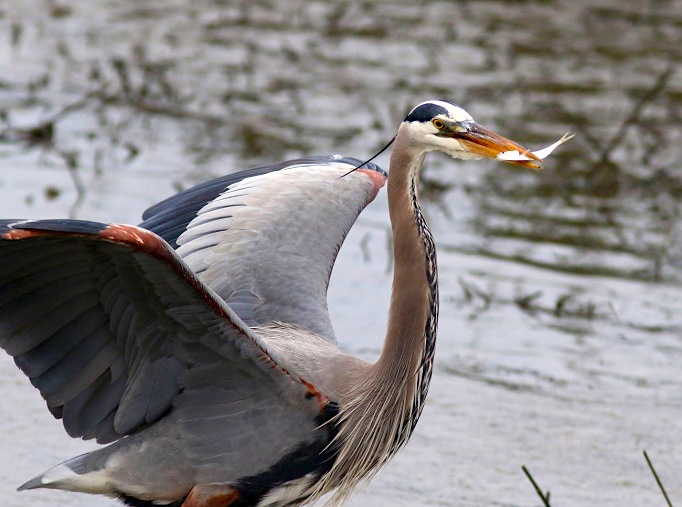
Great Blue Heron (1)Great_Blue_Heron_Wading_2

Great Egret (1)

Little Blue Heron (2) 

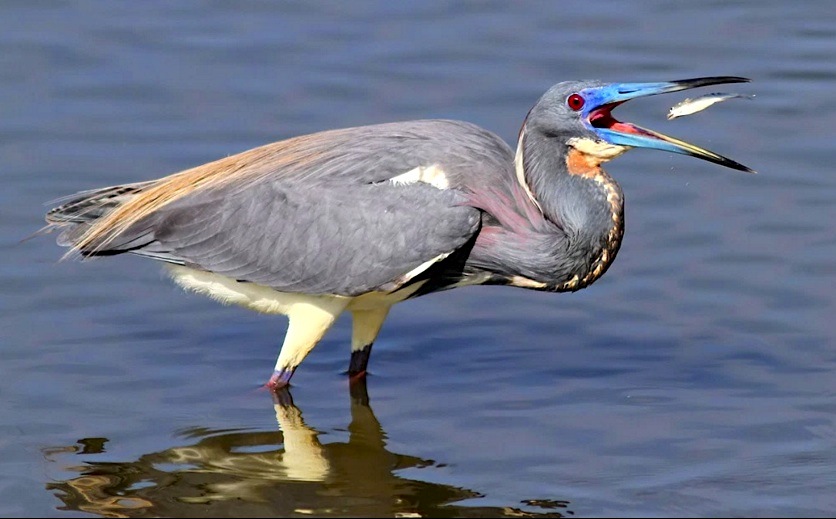
Tricolored Heron (2)

Green Heron (2)Green Heron, Gilpin Point, Abaco (Keith Salvesen)05

Yellow-crowned Night-Heron (1)

Turkey Vulture (7)

Common Gallinule (1)

Black-necked Stilt (1) (and header)

Black-necked Stilt, Gilpin Point, Abaco (Keith Salvesen)

Spotted Sandpiper (1)

Willett (1) (see above)

Common Ground-Dove (1)

Smooth-billed Ani (8)

Bahama Woodstar (1)Bahama Woodstar (m), Abaco (Bruce Hallett)

Belted Kingfisher (1)

West Indian Woodpecker (7)

Hairy Woodpecker (1)Hairy Woodpecker, Abaco (Tony Hepburn)

Peregrine Falcon (1)

Loggerhead Kingbird (4)Loggerhead Kingbird, Abaco - Tom Reed

Thick-billed Vireo (7)

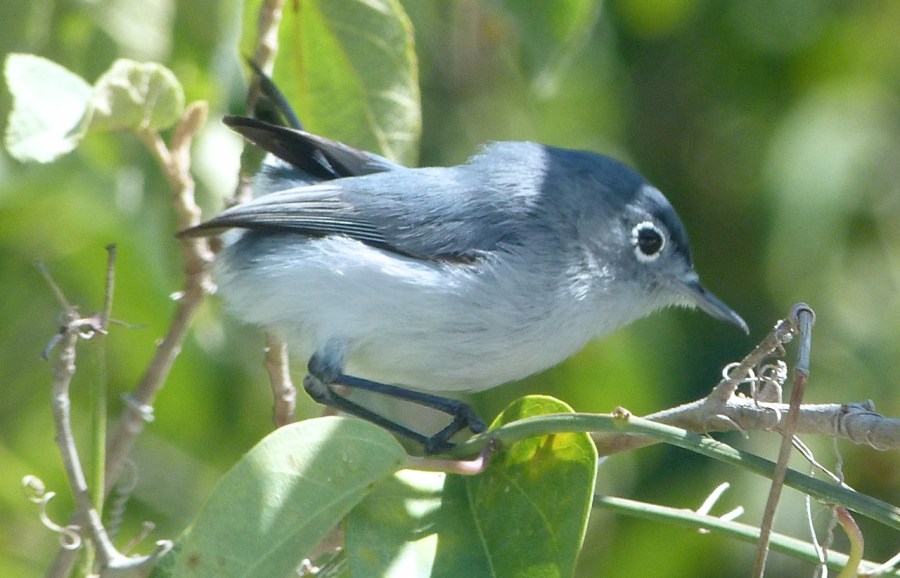
Blue-gray Gnatcatcher (1)Blue-gray Gnatcatcher, Abaco, Bahamas (Keith Salvesen)

Red-legged Thrush (1)

Gray Catbird (4)

Northern Mockingbird (2)Northern Mockingbird, Abaco (Keith Salvesen)

Ovenbird (1)

Northern Waterthrush (6)

Bahama Yellowthroat (1)

Bahama Yellowthroat, Abaco (Charles Skinner)

Common Yellowthroat (1)

Cape May Warbler (3)

Black-throated Blue Warbler (1)Black-throated Blue Warbler (m), Abaco (Bruce Hallett)

Palm Warbler (2)

Prairie Warbler (2)

 Bananaquit (1)Bananaquit & palm, Delphi, Abaco, Bahamas (Keith Salvesen)

 Black-faced Grassquit (6)

 Greater Antillean Bullfinch (4)

 Western Spindalis (7)

 Red-winged Blackbird (X)Red-winged Blackbird Abaco Bahamas (Keith Salvesen)

Gilpin Map 1 Gilpin Map 2 Gilpin Map 3

Credits: Alex Hughes (1 / header); Keith Salvesen (2, 4, 6, 7, 11, 12, 15 , 16); TBC (3, 5); Bruce Hallett (8, 14); Tony Hepburn (9); Tom Reed (10); Charles Skinner (13)


Unknown's avatar

BAHAMAS MANATEES: GINA’S CALF NEEDS A NAME!


Gina the Bahamas Manatee (pregnant) Eleuthera (BMMRO)

Gina the Manatee, Eleuthera – expectant mother (BMMRO)

BAHAMAS MANATEES: GINA’S CALF NEEDS A NAME!

Earlier this year I posted the welcome news that Bahamas manatee Gina was beyond any doubt pregnant. You can read about it HERE. Gina has been living for some time in Eleutheran waters, under regular observation by the BMMRO. At the turn of the year, she was re-tagged in Harbour Island, Eleuthera, when her pregnancy was discovered. I promised to give an update and this is a perfect moment. Gina’s calf was safely born and is growing fast. The pair have spent a lot of time in and around Spanish Wells, Eleuthera. Recently they have begun to move further afield, and there have been several sightings with some great photos shared on FB and in particular on Felice Leanne Knowles’s terrific BAHAMAS MANATEE CLUB page, some of which are included here duly credited.

Gina the Bahamas Manatee (pregnant) Eleuthera (BMMRO)

Gina’s calf is currently just called “Gina’s calf”. Its gender is unknown, and it will take a close inspection from below to ascertain from its… I don’t have to go on with this, do I? The point being that the chosen name will need to be unisex because it may take a while until there is sufficient development of the… I don’t have to go on with this either, do I? Let’s see the nameless calf at once! Details of the competition at the end of this post…

Gina with her newborn calf, July 27 (BMMRO) (note apparent prop scars on Gina)11209341_1012183408800885_310154952620912454_n

Spanish Wells, October 26 (π Junea Pinder / BMMRO) Gina the Bahamas manatee and her calf (Junea Pinder / BMMRO) Gina the Bahamas manatee and her calf (Junea Pinder / BMMRO)

Gregory Town, November 5 (Lynne Hirzel / BMMRO)12188935_10156306821645195_3509772562942760375_n 12219637_10156306821330195_1471887362053804519_n

Hatchet Bay, November 13    (π Jeffrey Louis / BMMRO)  10425501_1042928762405755_7163144254688618862_n 12108239_1042928735739091_6064773734031487371_n

November 18: Now you see it… (π Norma Roberts / BMMRO)Gina & Calf Norma Roberts 1 copy

…and now you don’t…Gina & Calf Norma Roberts 2 copy

THE COMPETITION

ATTENTION TEAM MANATEES!!! Due to a consistent influx of sighting information and photos, we would like to add Gina’s calf to our catalogue. It would be nice for it to have a NAME!! We cannot monitor these manatees without your help and it is only fitting that  YOU name the manatee. The deadline for name suggestions is November 29th, 2015 and the winning name will be revealed on November 30th, 2015. The member with the winning name suggestion will receive an official manatee club T-Shirt!!

RULES

1. The name must be submitted on the Club Page Bahamas Manatee Club as an individual post – DO NOT comment your suggestion.
2. The name must be unisex – we do not know the sex of the calf yet.
3. A meaning or description must be submitted along with the name.
4. Please do not submit any derogatory or explicit “names.”
5. If you are submitting on behalf of a child who is not on Facebook, please add their name to the post as well.

Spread the word! Tell your friends and families to join the club and help us with a name!! The name will be selected on it’s meaning or description as it relates to marine mammals OR The Bahamas. The amount of “likes” per post will also go into consideration during the selection process.

Regretful Note: I made the stupid mistake of being amongst the very first to post my suggestion, meaning that after a day or two I’d get no likes at all, as more people got involved and my offering sank slowly. But there’ve been plenty of much better ones since, so probably just as well!

Bahamas Marine Mammal Research Organization

Bahamas Manatee Club

For more information about West Indian manatees, you can visit the MANATEE PAGE. There are several links there to specific manatee stories.

Finally, here is a great manatee map that Felice has recently made, showing which of the increasing number of manatees is where at the moment. Just think, only 4 or 5 were known about four years back. Now look!

12241226_298174587019969_1571890190333376929_n

Credits: primary founts of Bahamas manatee knowledge Felice & BMMRO; Photos BMMRO, Junea Pinder, Lynne Hirzel, Jeffrey Louis, Norma Roberts

mantsw~1

Unknown's avatar

A WILD-GOOSE CHASE: IN PURSUIT OF FOUR SPECIES ON ABACO


Canada Goose, Abaco (Peter Mantle)

A WILD-GOOSE CHASE: IN PURSUIT OF FOUR SPECIES ON ABACO

In normal parlance a ‘wild-goose chase’ is of course a futile search or a useless pursuit**. However, I bring you news of a successful chase after wild geese on Abaco – indeed the bagging of all four of the goose species recorded for Abaco. All are classed as winter residents, with rarity rated from ‘uncommon’ to ‘good grief, that’s a first’.  So I present them in the order of relative excitingness…

GREATER WHITE-FRONTED GOOSE

Greater White-fronted goose Abaco (Erik Gauger) smThis fine bird caused a bit of a stir. Not only was it a first for Abaco, the species had never before been recorded in the Bahamas. In February 2012, the goose was found at the pond at hole #11 on the Treasure Cay golf course, presumably having been blown off its normal migration route. This range map shows just how far. 

anse_albi_AllAm_map

Erik Gauger managed to get the close shot above; Uli Nowlan got a few from further away, including a swimming view. I know of no other photographers of the bird (though Woody Bracey published a report about it). If there are any, I’d be pleased to hear about their photos – indeed to add them!

   White-fronted Goose, Abaco 2 (Uli Nowlan  White-fronted Goose, Abaco 1 (Uli Nowlan)

ROSS’S GOOSE

Equally rare on Abaco is the Ross’s Goose. Far to the east of its normal migration route,  one found its way to the Goose Magnet of Treasure Cay. The range map shows the very clear routes this species chooses for its migration.Ross's Goose, Abaco 1 (Uli Nowlan) Ross's Goose, Abaco 4 (Uli Nowlan)ross_goose_migration_map Ross's Goose, Abaco 2 (Uli Nowlan)

CANADA GOOSE

Another anserine visitor to Abaco – slightly more frequent than the two species above – is the Canada Goose. Again, Treasure Cay golf course exerted its powerful pull to drag this one from its usual route, where it happily took up residence. As you can see from the range map below, these geese have a widespread habitat and spend at least some of the year not that far from northern Bahamas, so it is less surprising that they turn up on Abaco from time to time.

CANADA GOOSE, Abaco (Kasia Reid)

Canada Goose, Abaco (Bruce Hallett)bran_cana_AllAm_map_new

SNOW GOOSE 

Although a relatively unusual winter visitor to Abaco, and a good ‘get’ for any birder’s checklist, I was surprised to find that the snow goose is classed as more common than the Canada goose. Its usual habitat is further away; and its summer breeding territory is very far north. Again, when a snow goose drifts eastwards, Treasure Cay is its spiritual home… 

Snow Goose (imm), Abaco (Bruce Hallett) Snow Goose, Abaco (Tony Hepburn) sm2 Snow Goose, Treasure Cay, Abaco (Uli Nowlan)chen_caer_AllAm_map

Why geese are not found elsewhere on Abaco other than Treasure Cay is a mystery. The TC golf course water is presumably fresh, whereas other locations – Gilpin Pond on South Abaco for example, or the neglected ponds of the defunct ‘Different of Abaco’ – are distinctly brackish. Perhaps that makes all the difference.

Abaco’s Four Geese SpeciesAbaco's 4 goose species jpg

**WILD-GOOSE CHASE The etymology of the phrase is medieval, referring to a horse race in which pursuers try to follow an erratic ‘wild goose’ leader. Shakespeare used the term in Romeo and Juliet, with Mercutio saying “Nay, if our wits run the wild-goose chase, I am done; for thou hast more of the wild goose in one of thy wits than, I am sure, I have in my whole five.” Which was quite a good, if cumbersome, insult.

Credits: Photos – Peter Mantle, Erik Gauger, Uli Nowlan, Kasia Reid, Bruce Hallett, Tony Hepburn; Range maps – Cornell Lab for Ornithology

Unknown's avatar

ATLANTIC SPADEFISH: BAHAMAS REEF FISH (28)


Atlantic Spadefish ©Melinda Riger @ G B Scuba copy 2

ATLANTIC SPADEFISH: BAHAMAS REEF FISH (28)

The Atlantic spadefish looks very much like an angelfish, and indeed it is called that – or ‘white angelfish’ – in some places. Actually, it has quite a collection of colloquial names of which ‘moonfish’ is the most attractive sounding. It is not a true angelfish, however, and despite appearances it has a kinship with the weird and wonderful BATFISH.

Atlantic Spadefish ©Melinda Riger @GBS

Unlike the batfish, the spadefish is demonstrably fishlike AND edible. They can grow up to 3 foot long and have become a popular gamefish for three good reasons: they are abundant; they fight hard; and they are dinner. The perfect combination.

Atlantic Spadefish ©Melinda Riger @ G B Scuba copy

All photos: Melinda Riger of Grand Bahama Scuba, with thanks

Atlantic Spadefish ©Melinda Riger @ G B Scuba

Unknown's avatar

WELCOME, JONESY: A NEW PIPING PLOVER ID ON ABACO


 Sandy Point R.I. to CS

WELCOME, JONESY: A NEW PIPING PLOVER ID ON ABACO

All piping plovers on Abaco are welcome winter visitors. Or I should say, winter residents. They are little different from the many Abaco second-homers who live in North America during the summer. As the chill of autumn and early winter takes hold in their northern habitat, they too fly south to their winter destination in the hope of warm sun, unspoilt sandy beaches and good food bahamian-style. Not worms, though. The humans draw a line at those, though they do pull things out of the sea that plovers would disdain as acceptable sustenance.

Jonesy was first sighted more than month ago on the beach at Winding Bay. This beach, and its neighbours on Cherokee Sound, have proved to be this season’s PIPL hotspot so far. Ali Ball originally reported having seen one bird with a green flag in a group of birds. Eventually, on October 29, she was able to get close enough to get a photo of Green Flag with its friends.SAM_2228 sm copy SAM_2211 sm copy

Tantalisingly, however, no amount of enhancement could reveal the code on the flag. Never mind, there was already enough information to start the process of identification. It was not a returning Bahamas-banded bird, which have bright pink coded flags. ‘Green Flag Upper Left’ indicated a bird banded by, or in conjunction with, the Virginia Tech program. This in turn pointed to the shorelines of Connecticut or Rhode Island. But it was vital to get a clear sight of the expected 3-character alphanumeric code on the flag. PIPL maestro Todd Pover was quickly on the case. 

SAM MAG 1  SAM MAG 2

ID COMPLICATIONS

There are several obstacles for the local ‘civilian’ bird monitor, who may well not be equipped with a powerful camera and tripod, or a digiscope. The birds are very small. They scuttle. They can be nervous and quite difficult to get close to. They may hang out in much larger groups of shorebirds such as sandpipers and turnstones. The light might be poor or the weather unhelpful. Counting the birds is one matter. Seeing bands or flags – let alone reading codes – may be quite another.

Luckily, within a couple of days, Keith Kemp was able to visit the beach, and managed to get a couple of definitive shots of the bird. As you can see below, it turned out to have a blue band upper right as well as the flag, a fact that would narrow down the search for its summer habitat. The first task was to check out the code on the flag, a process of cropping, enhancing and magnifying… to get, finally, to Bird 09C

PiPl 09C (L leg - Blue R leg) 2 WB 30.10 (1) min copyPiPl 09C (L leg - Blue R leg) 2 WB 30.10 (2) min copy

09C 1 crop copy 09C Mag2 copy 09C 2 crop copy  09C mag1 copy

I posted Ali’s Oct 29 sighting as a provisional ID. Within a very short time of Keith’s nailing of the alphanumeric code, Todd Pover had located the bird’s origin and obtained some information which I then posted to my page ABACO PIPING PLOVER WATCH:

#44 OCT 30. 08.30. **NEW ID** Winding Bay. Mid-tide. 17 foraging PIPL inc. ‘JONESY’ (see #43) at the cabanas end. 2 photos. Green Flag code 09C. π Ali Ball (original spotter & monitor); Keith Kemp (follow-up). ID CONFIRMED: SY male, unsuccessful nester this summer at Sandy Point, Rhode Island. Last sighted there July 16. COMMENT Jonesy gets an upgrade from green to red marker. Most of these birds will have been counted already, but 17 suggests a handful of new arrivals. on that end of the beach. More details about Jonesy soon.

JONESY’S SUMMER HOMESandy Point R I

To give an idea of how accurate the professional conservation teams are, the red flag on the map above marks the exact location of the last sighting of Jonesy, on July 16th. Sandy Point is a narrow sand spit on the boundary of Rhode Island and Connecticut; and of the Ninigret National Wildlife Refuge and the Rhode Island National Wildlife Refuge Complex. Jonesy seems to have spent the breeding season there scuttling backwards and forwards between RI and CT. He apparently paired off, but the reason for being ‘an unsuccessful nester’ is unknown at the moment. I haven’t yet been able to obtain any further information; I am hoping to be able to identify the bander, as with TUNA

NAME THAT BIRD!

Originally Jonesy was called ‘Mrs Jones’. On Ali’s visits to the beach at Winding Bay, this little plover was regularly in “the same place, the same time”, as in the Billy Paul song “Me and Mrs Jones”. The only drawback being that it then emerged that Mrs Jones was a male. To change his name to Mr Jones seemed rather formal, and the suggestion that ‘Jonesy’ would cover the awkward situation was approved…

data=RfCSdfNZ0LFPrHSm0ublXdzhdrDFhtmHhN1u-gM,_GfjV1yT5r7eX-gpoIgR1I3kg8BAvwCIFxVwtjVh-Tj6Ecy26gi5cxmQIHr1lj-iTRJyed_7P5WbWIOEhHW5HstH4qIkcG2EEMfGqSc_WOiwKus_aXAjVfIQb6_adEHu2Wm-MhyJHapuSHaeMFo5EOyBe_b-OpNI7ihaZI-KQt1KU9ugQNTx9eiAkzglLgApqGocYESVB-Wyf
Credits: Ali Ball, Keith Kemp, Todd Pover, mapping things, Jonesy for choosing Abaco